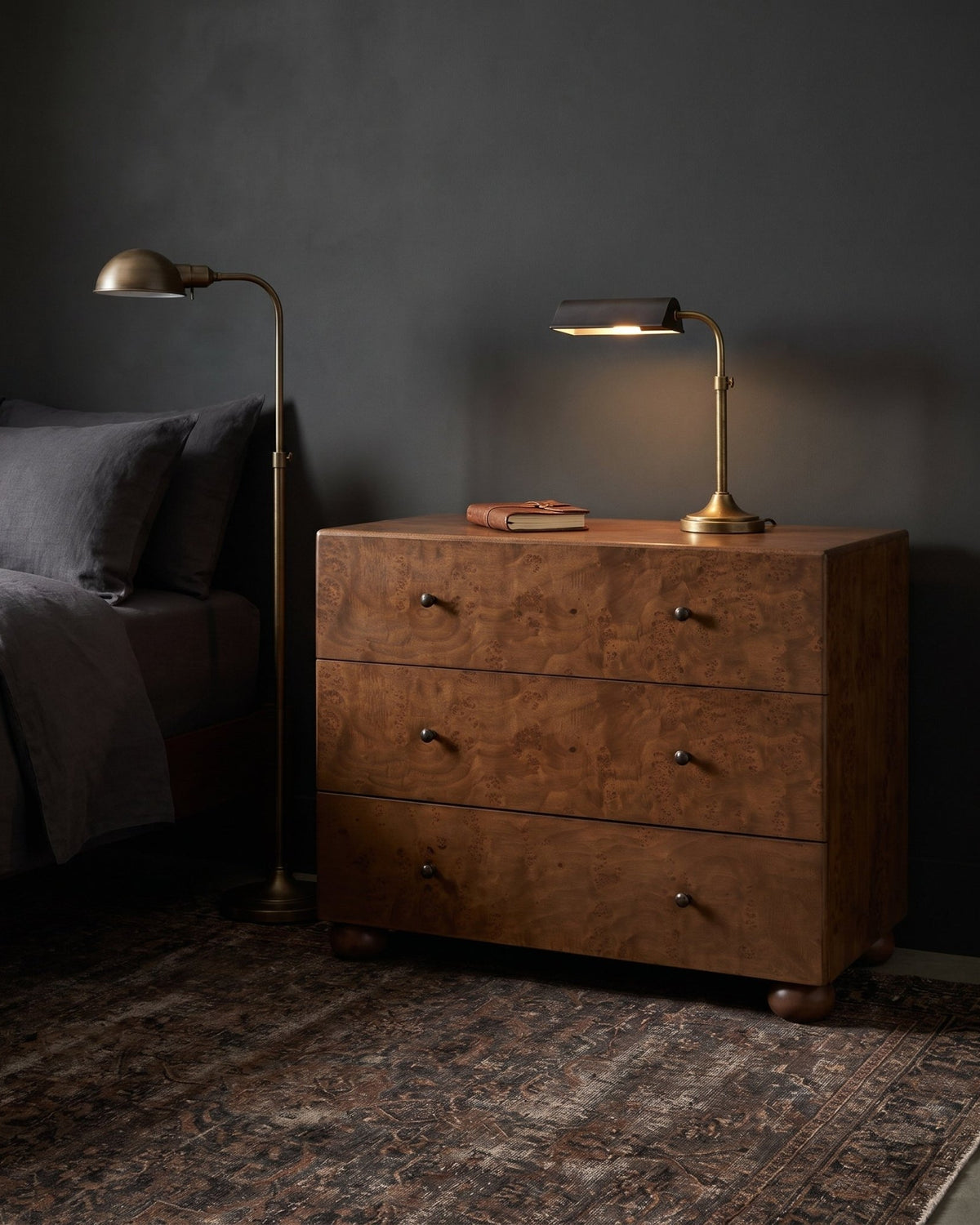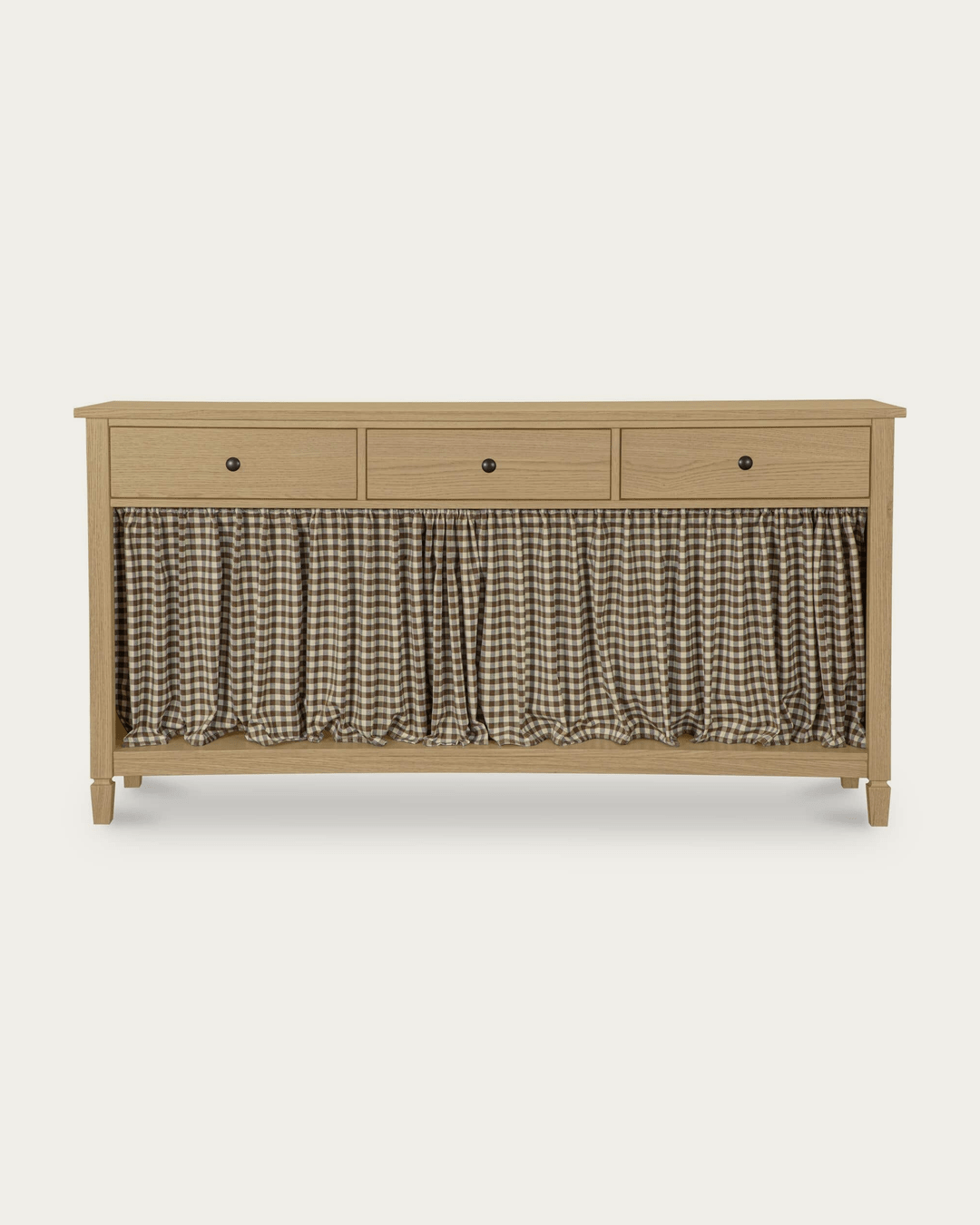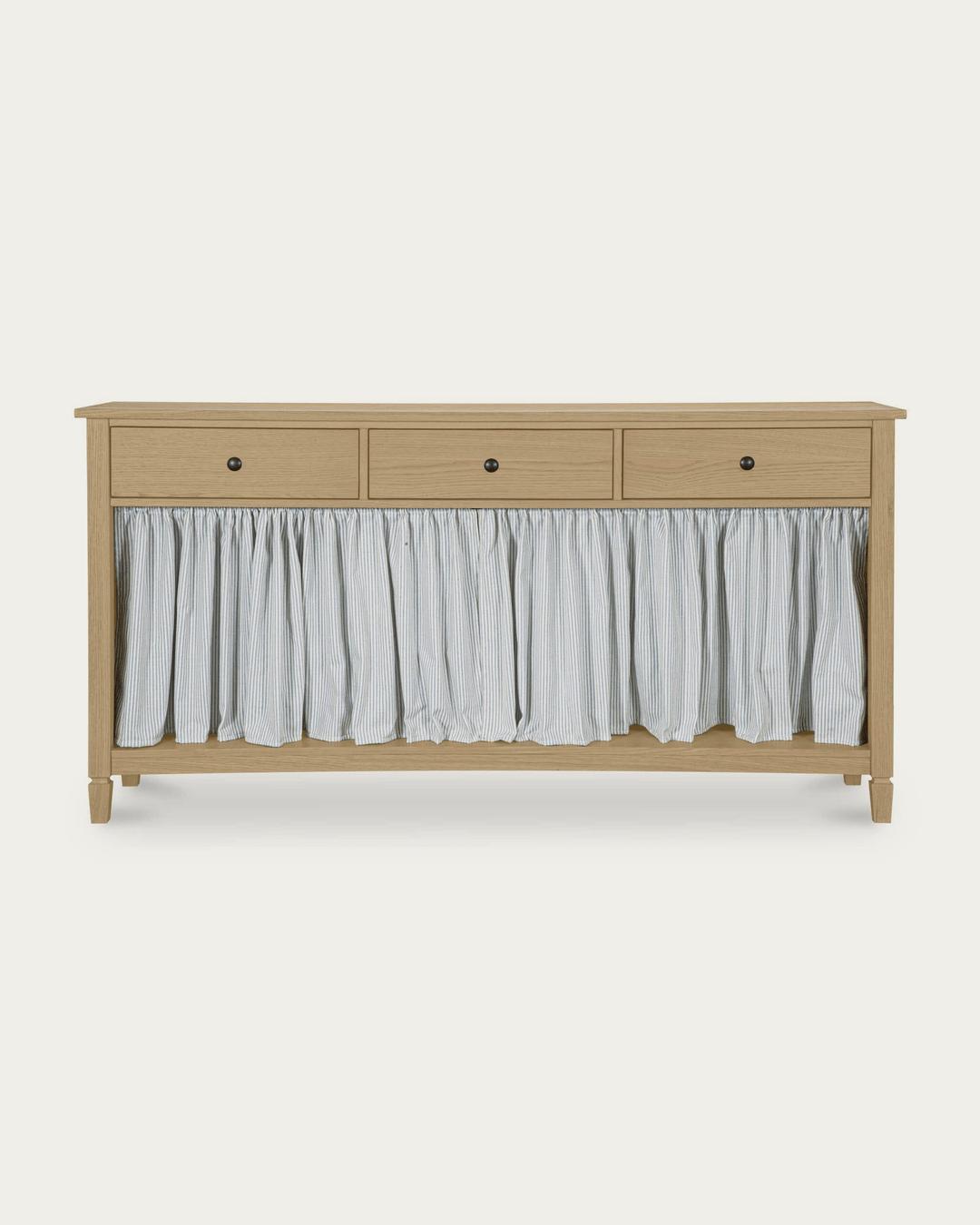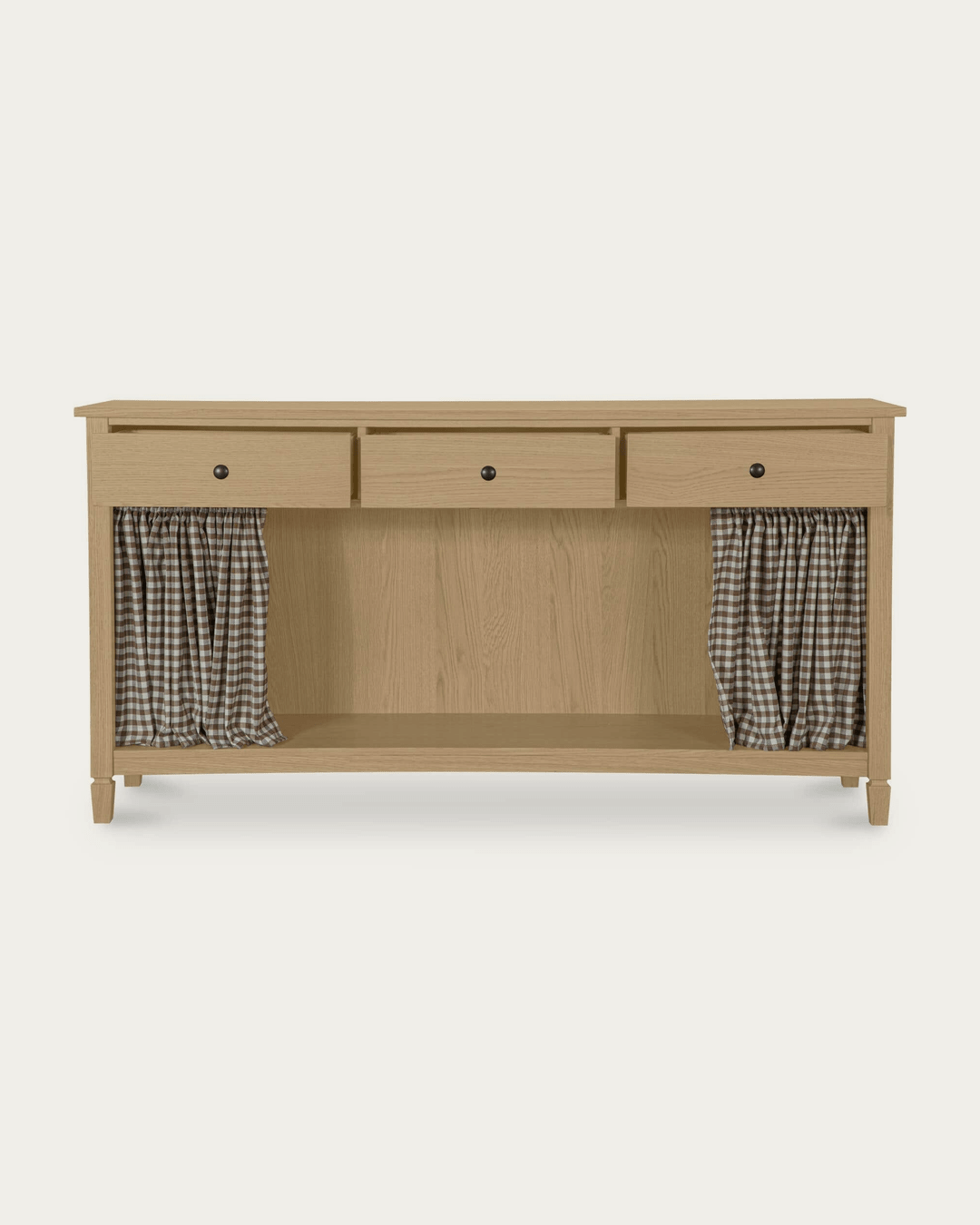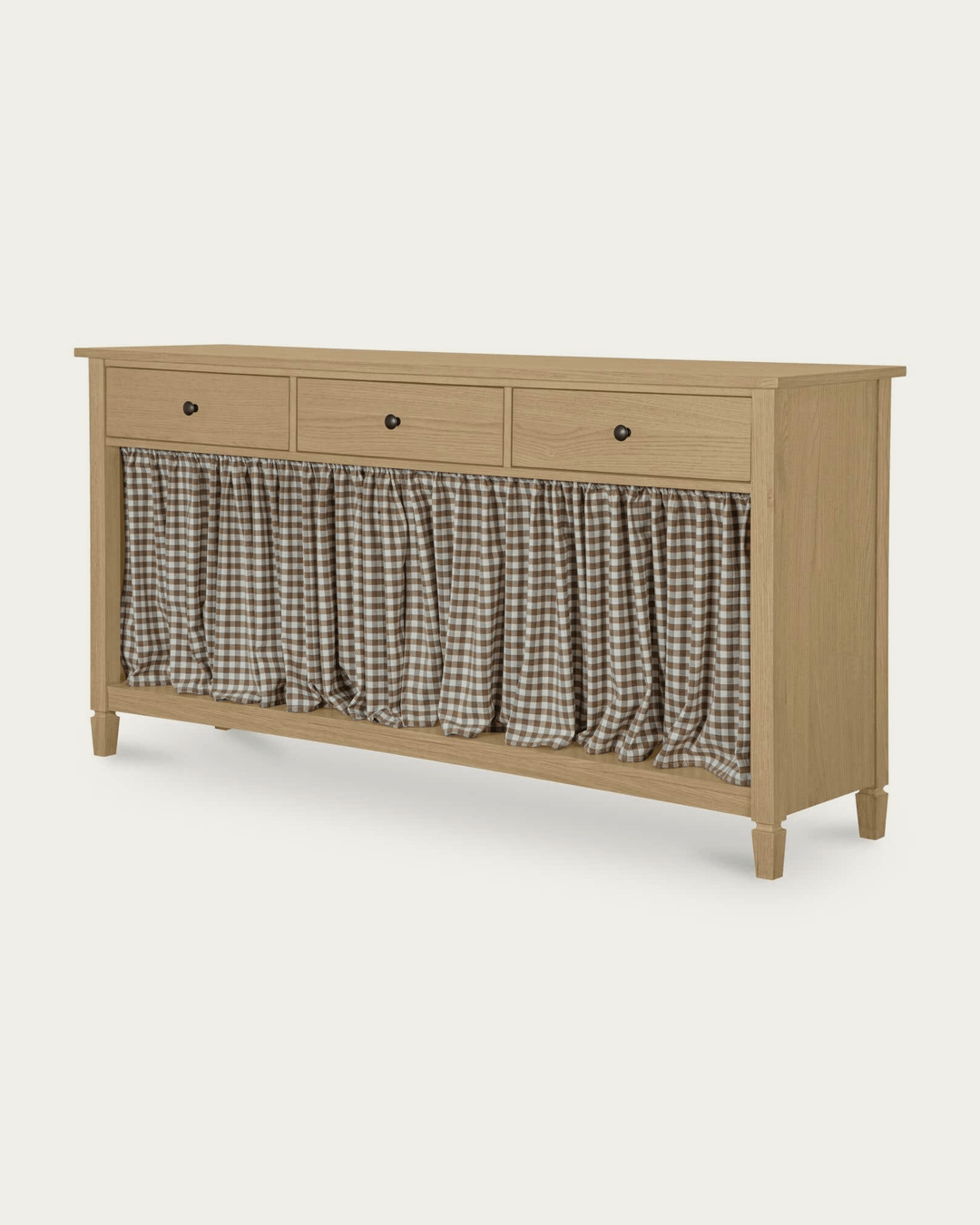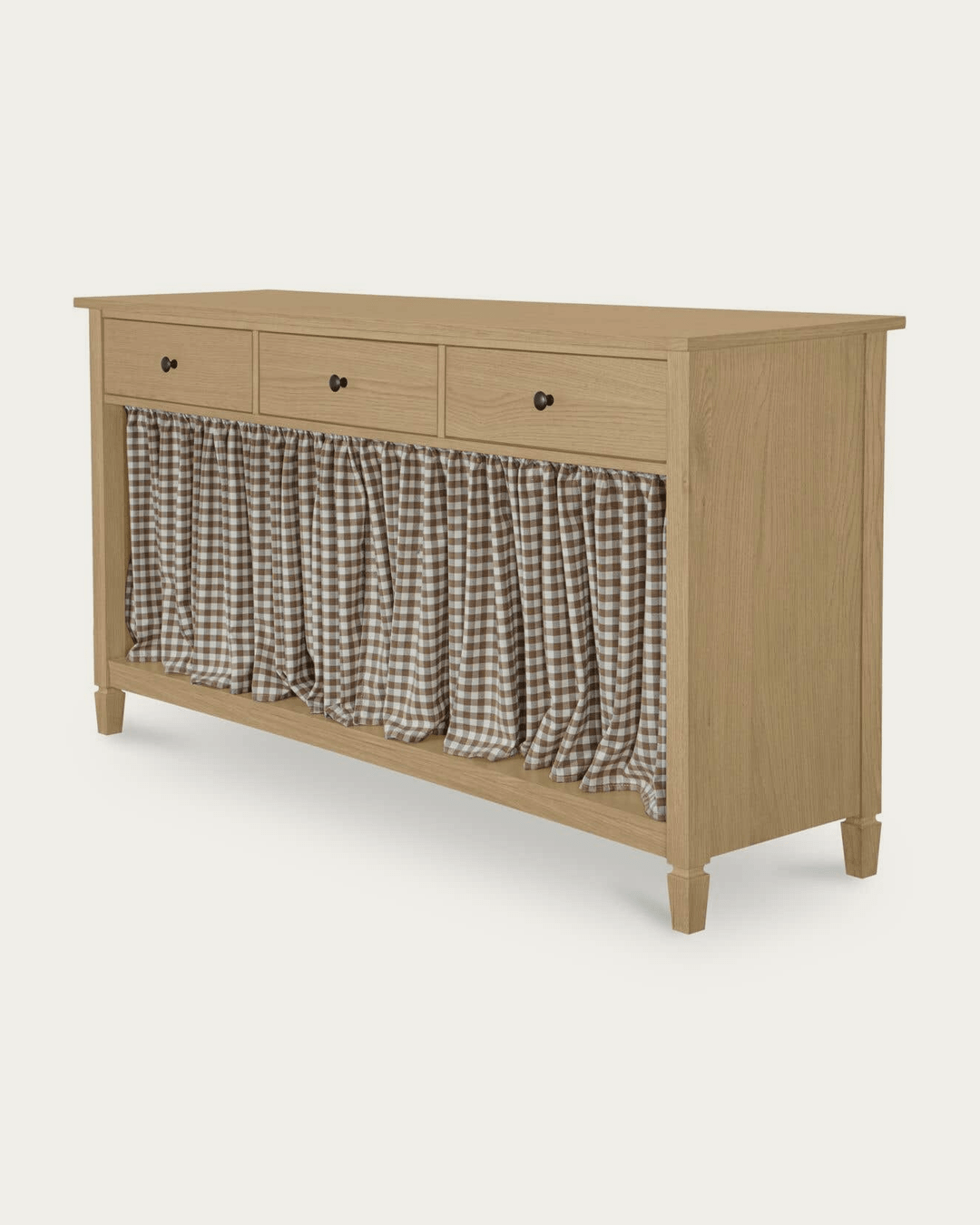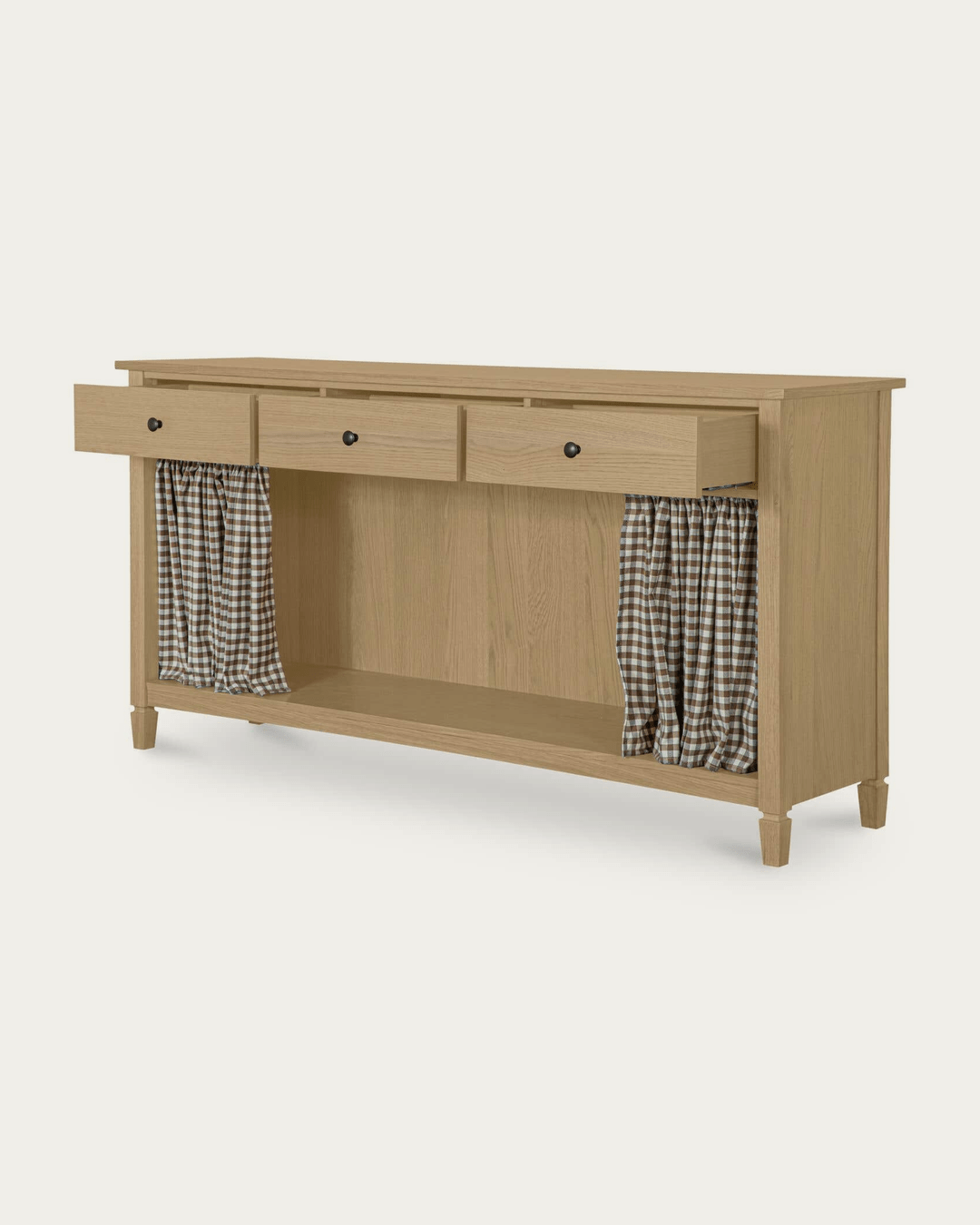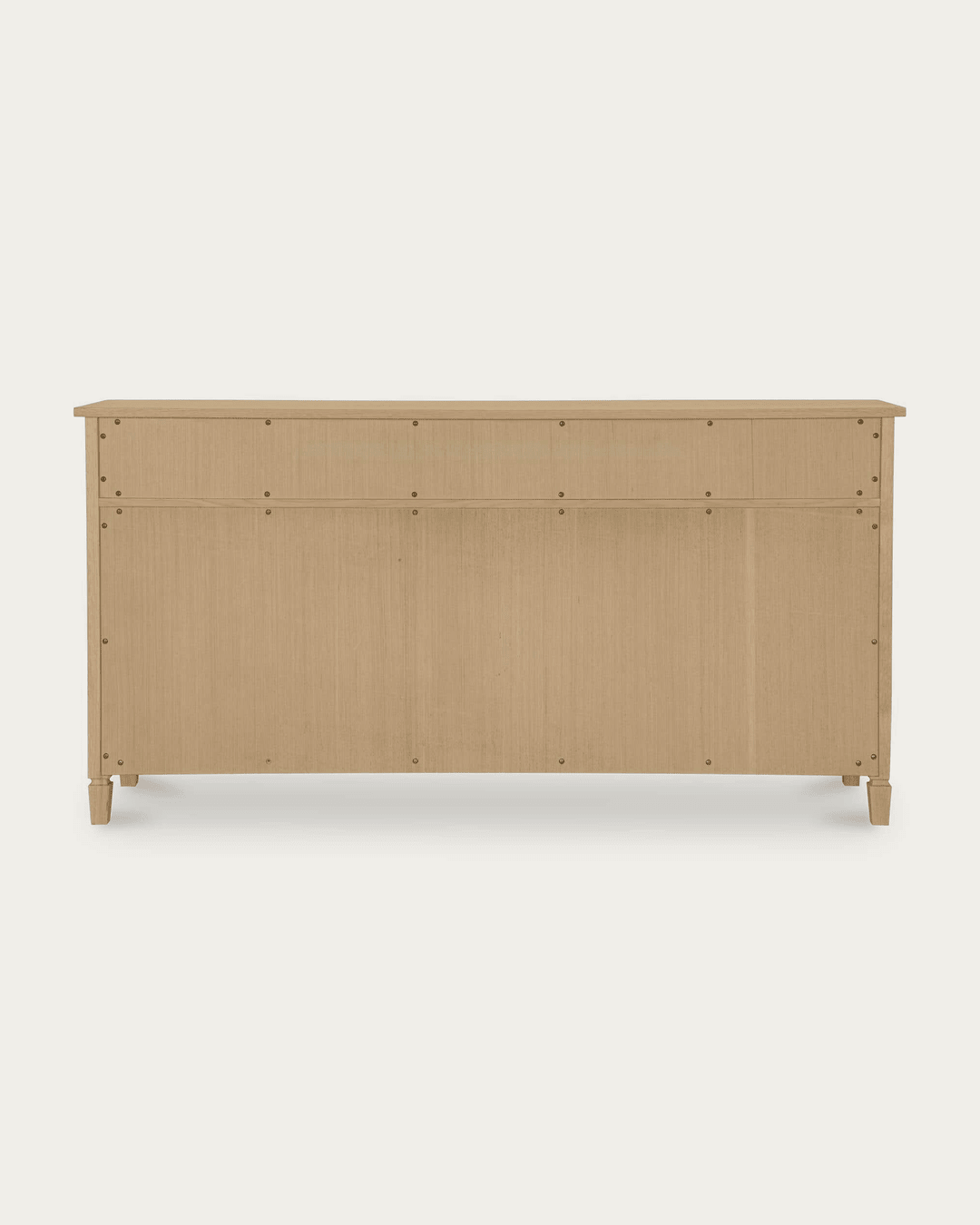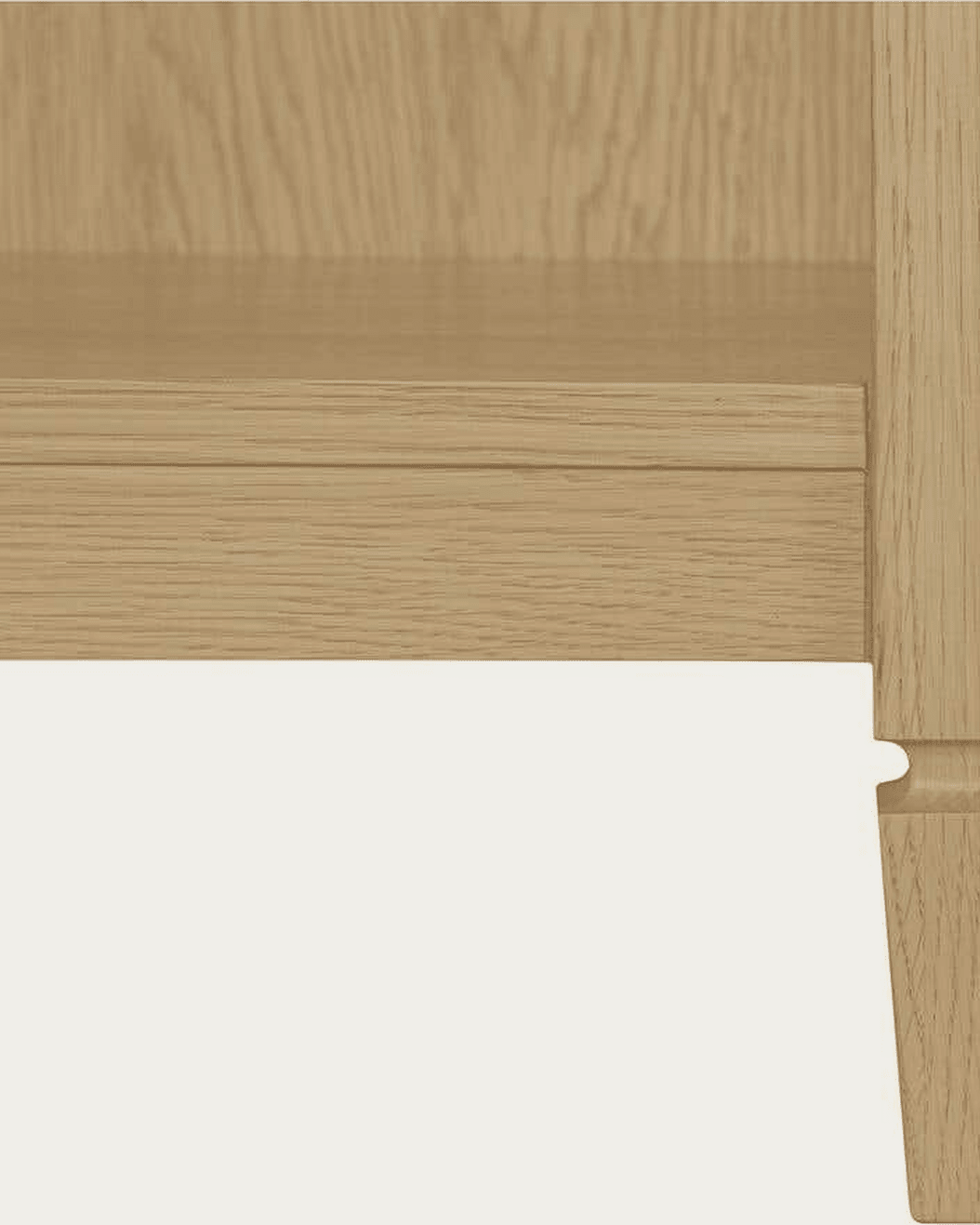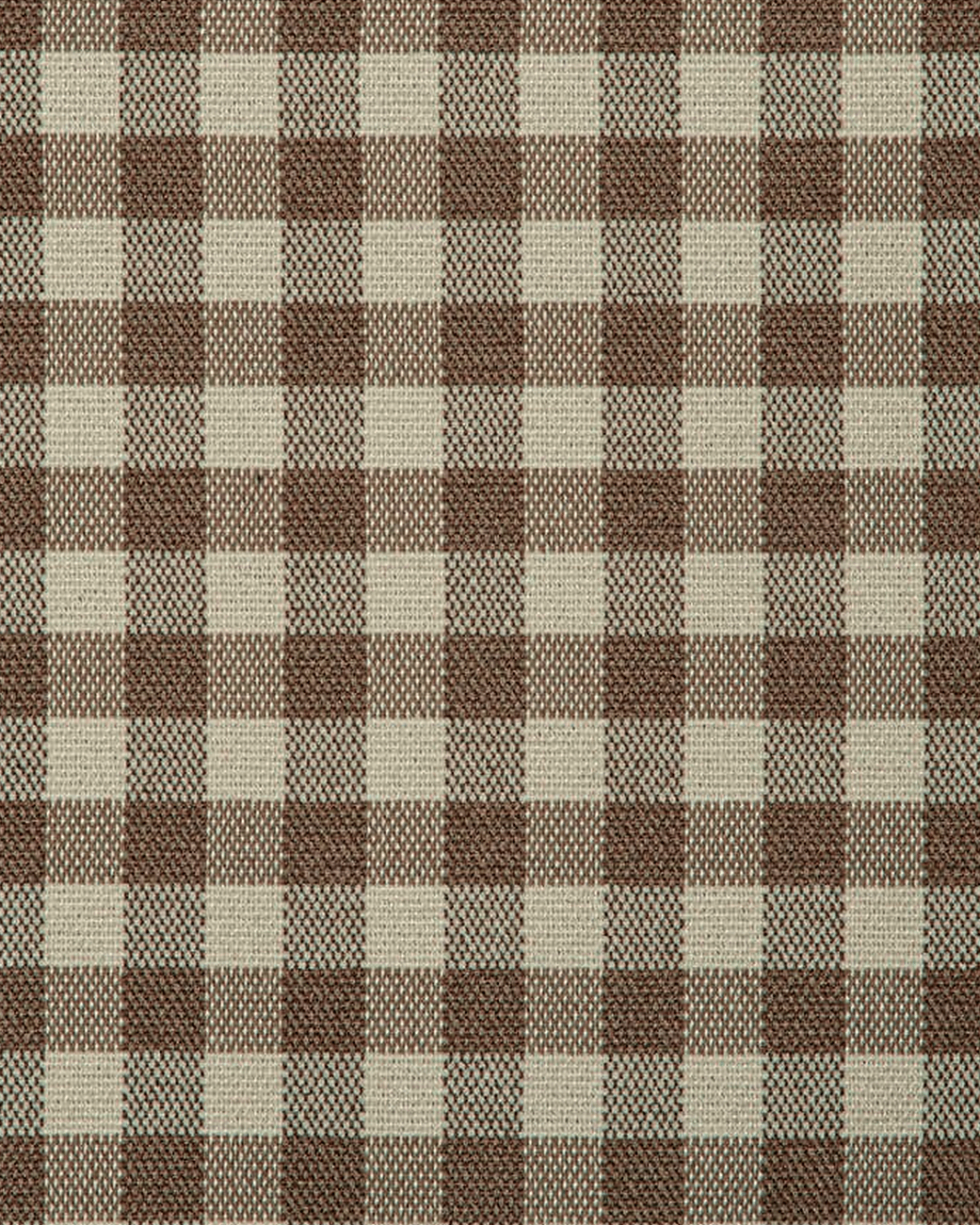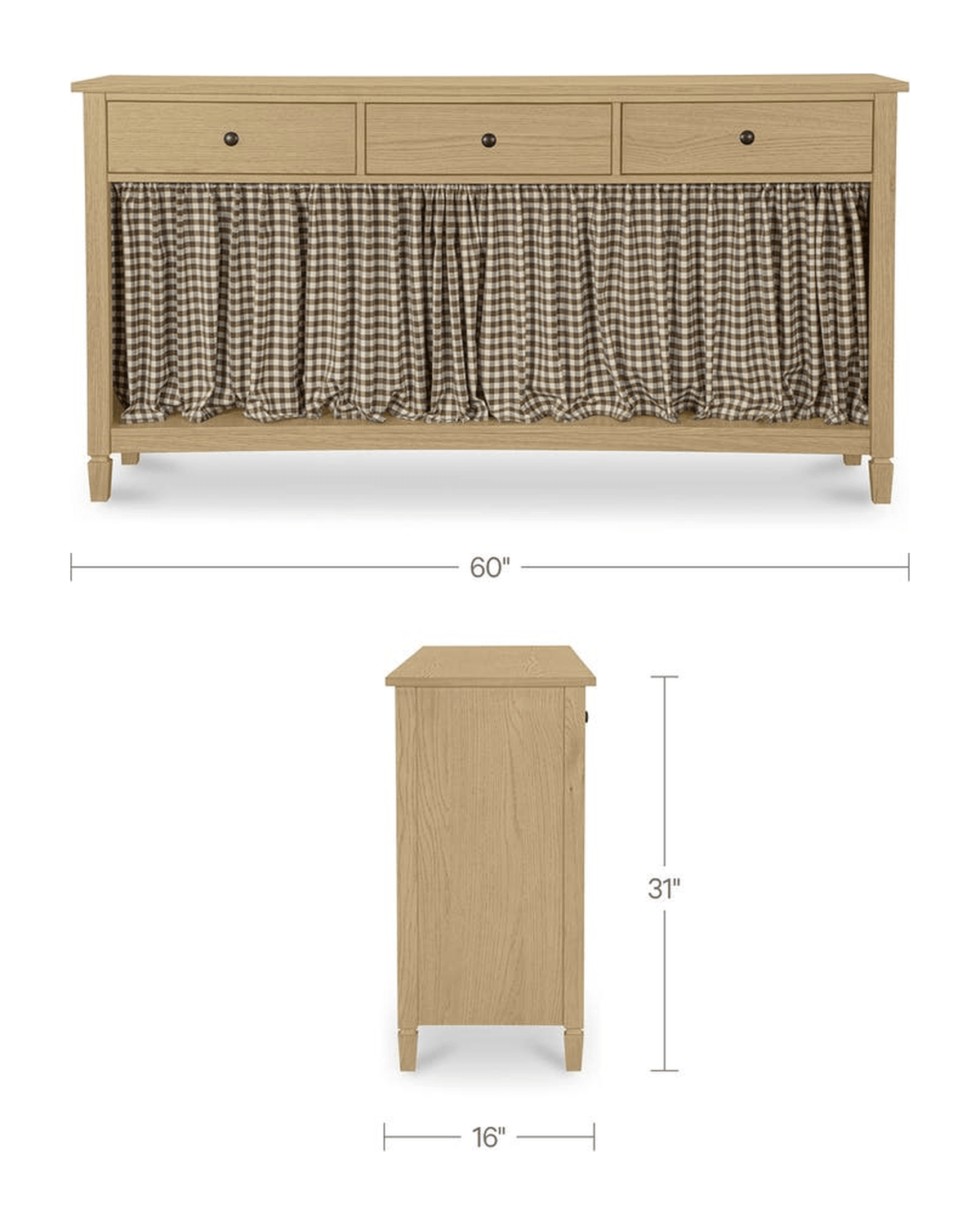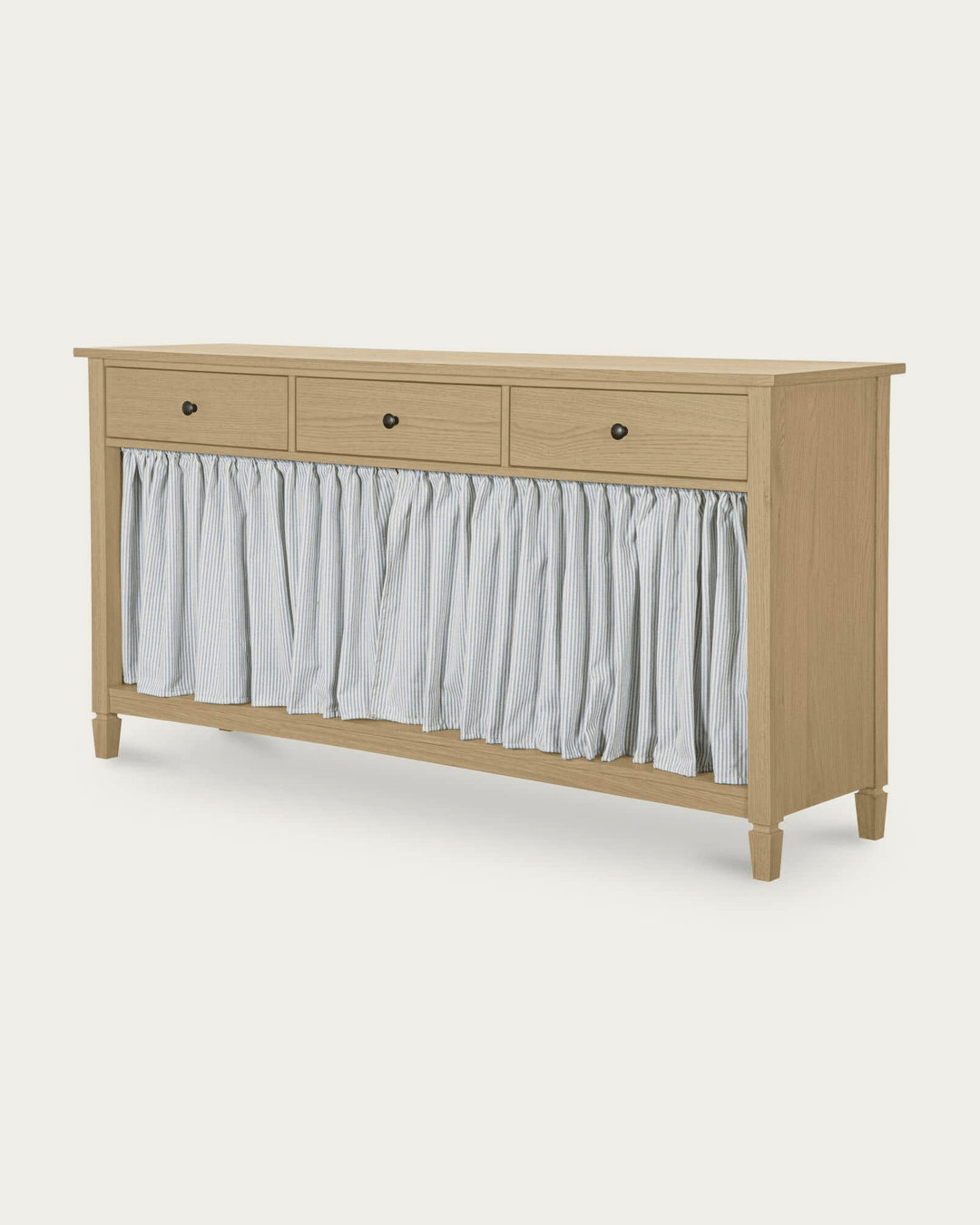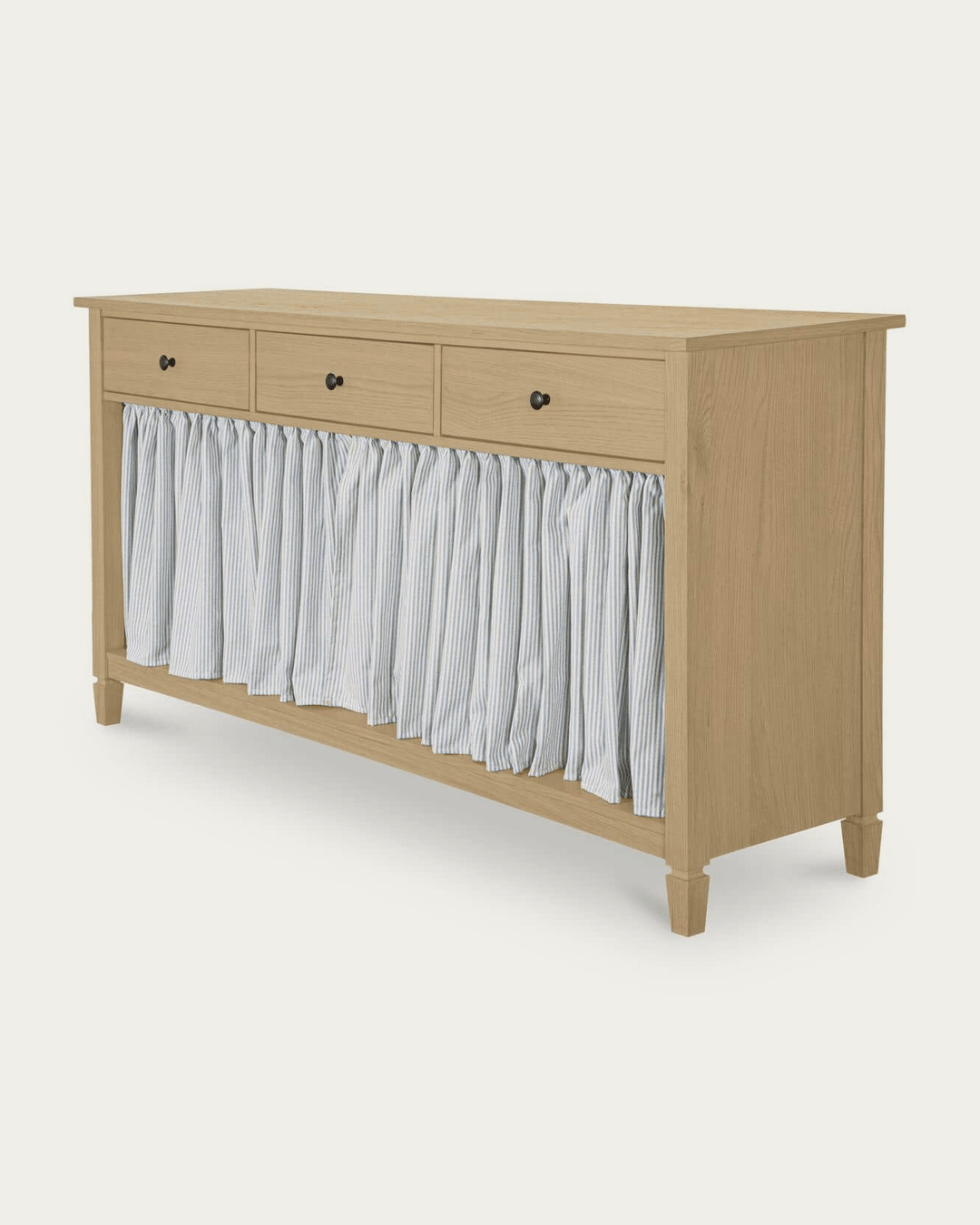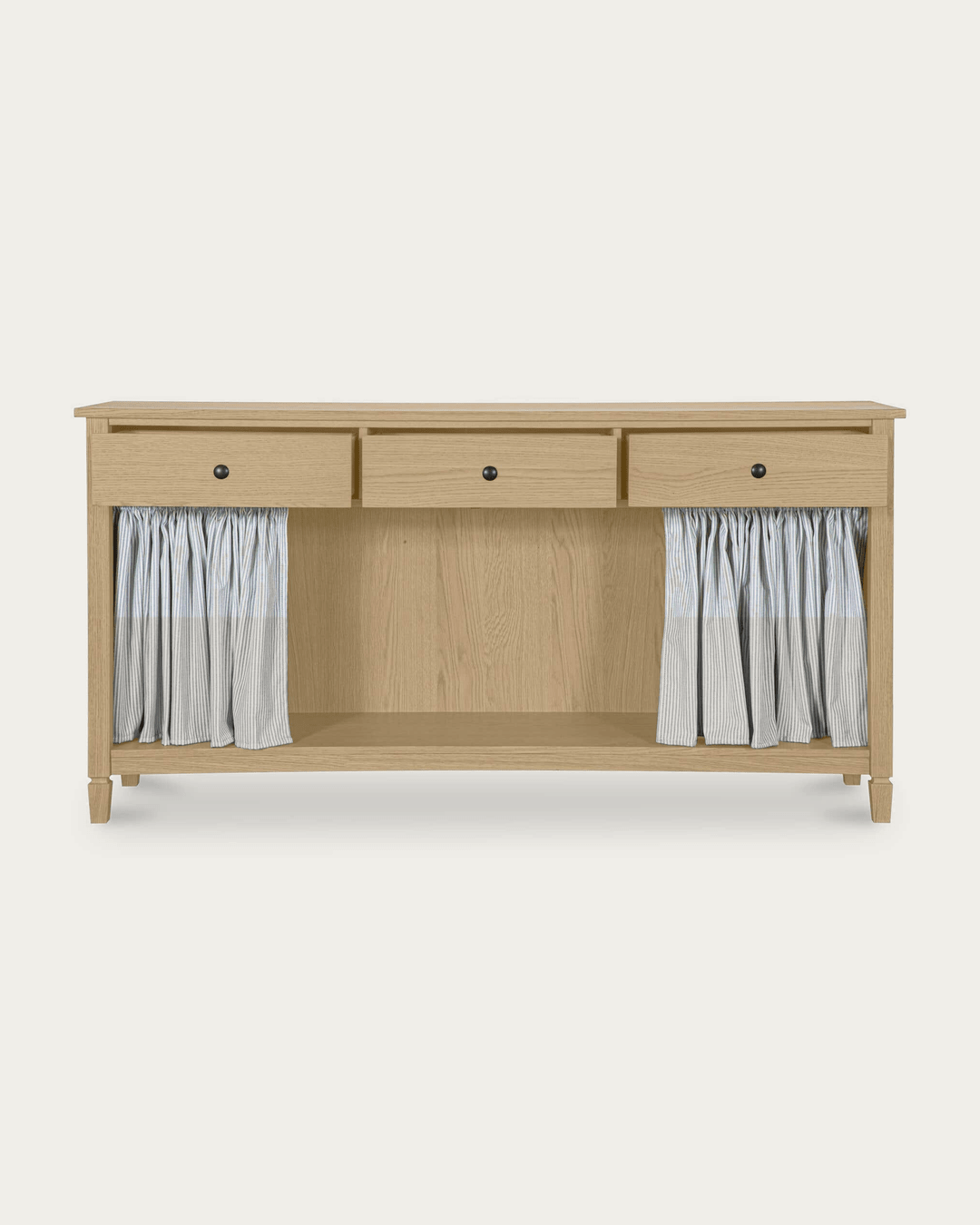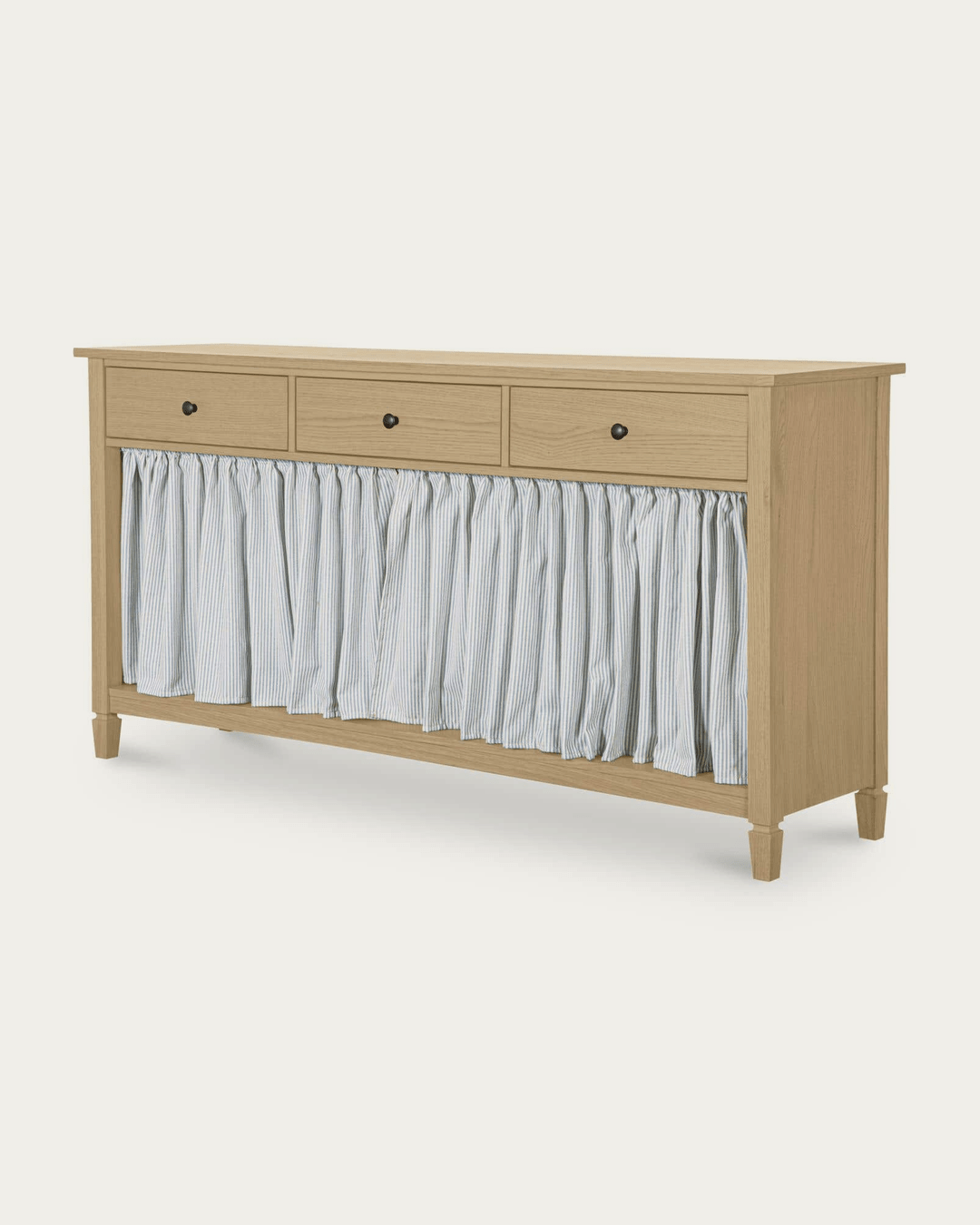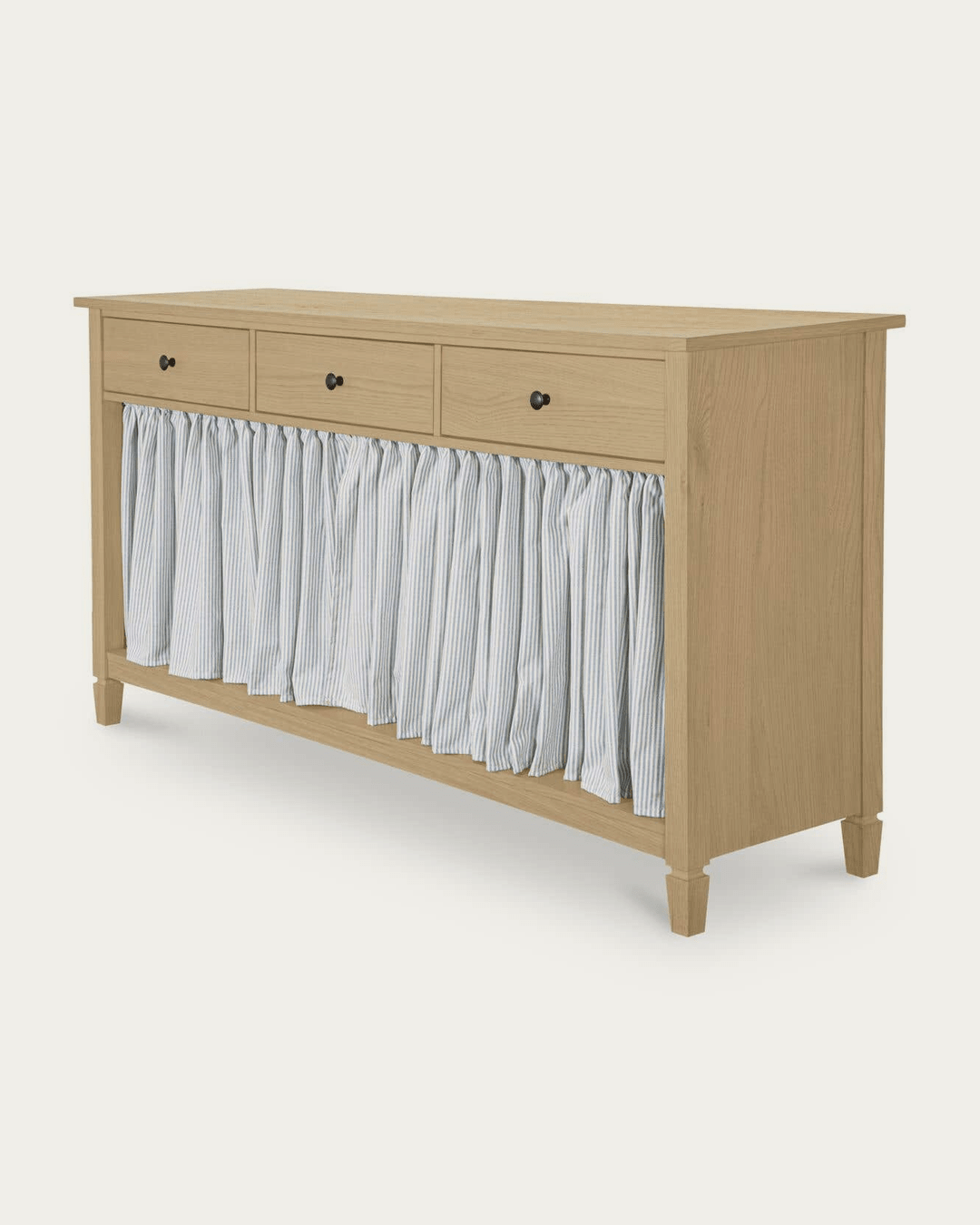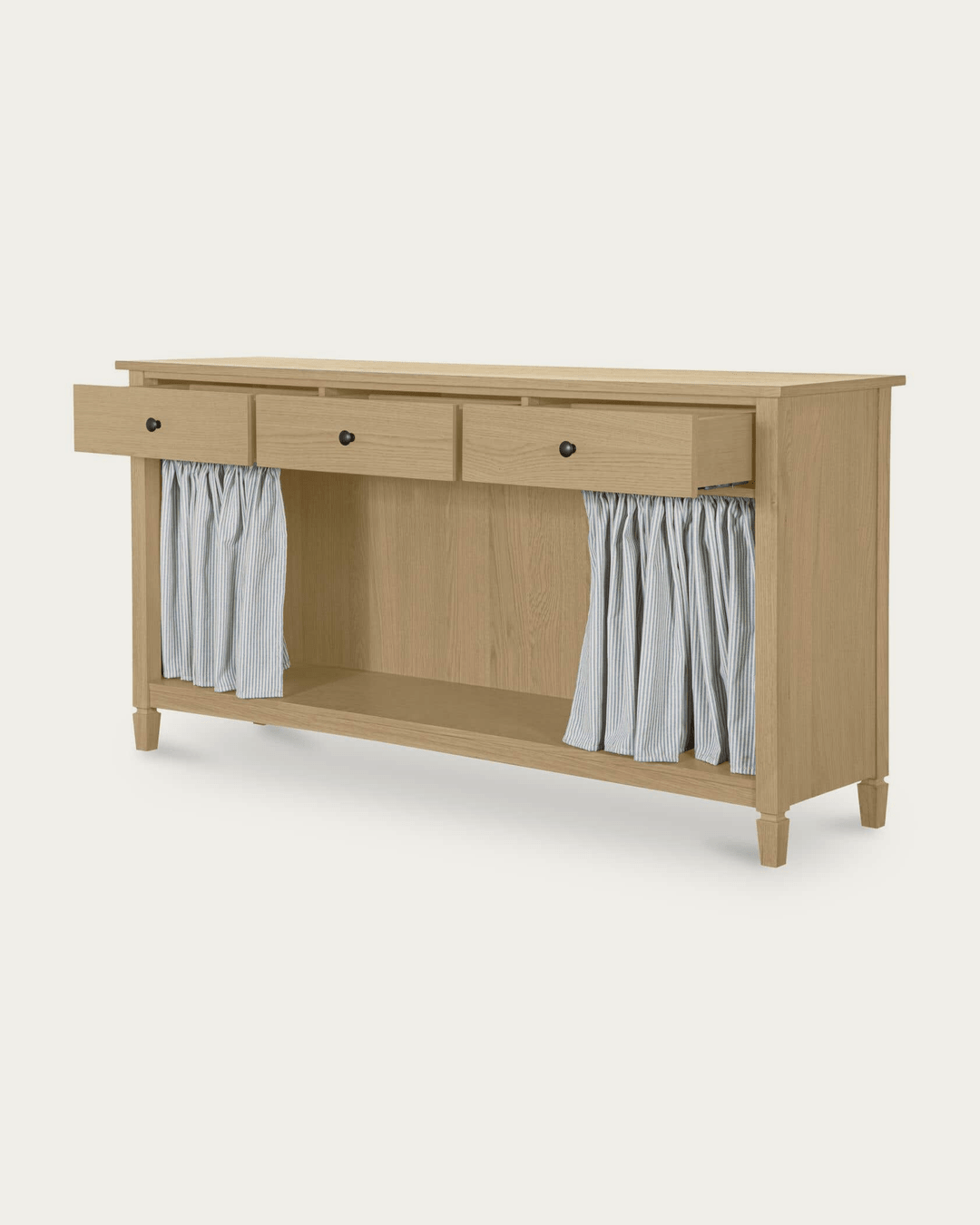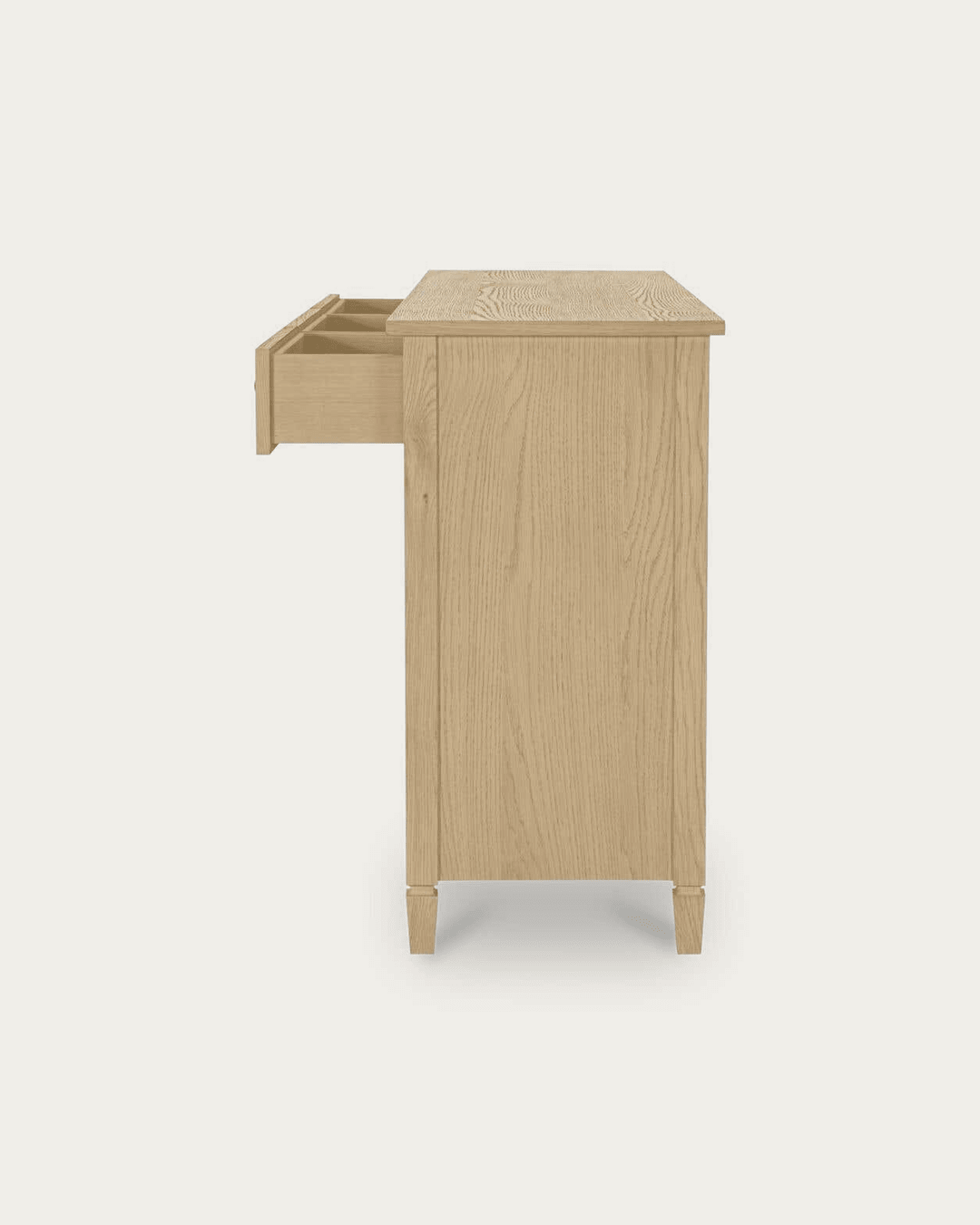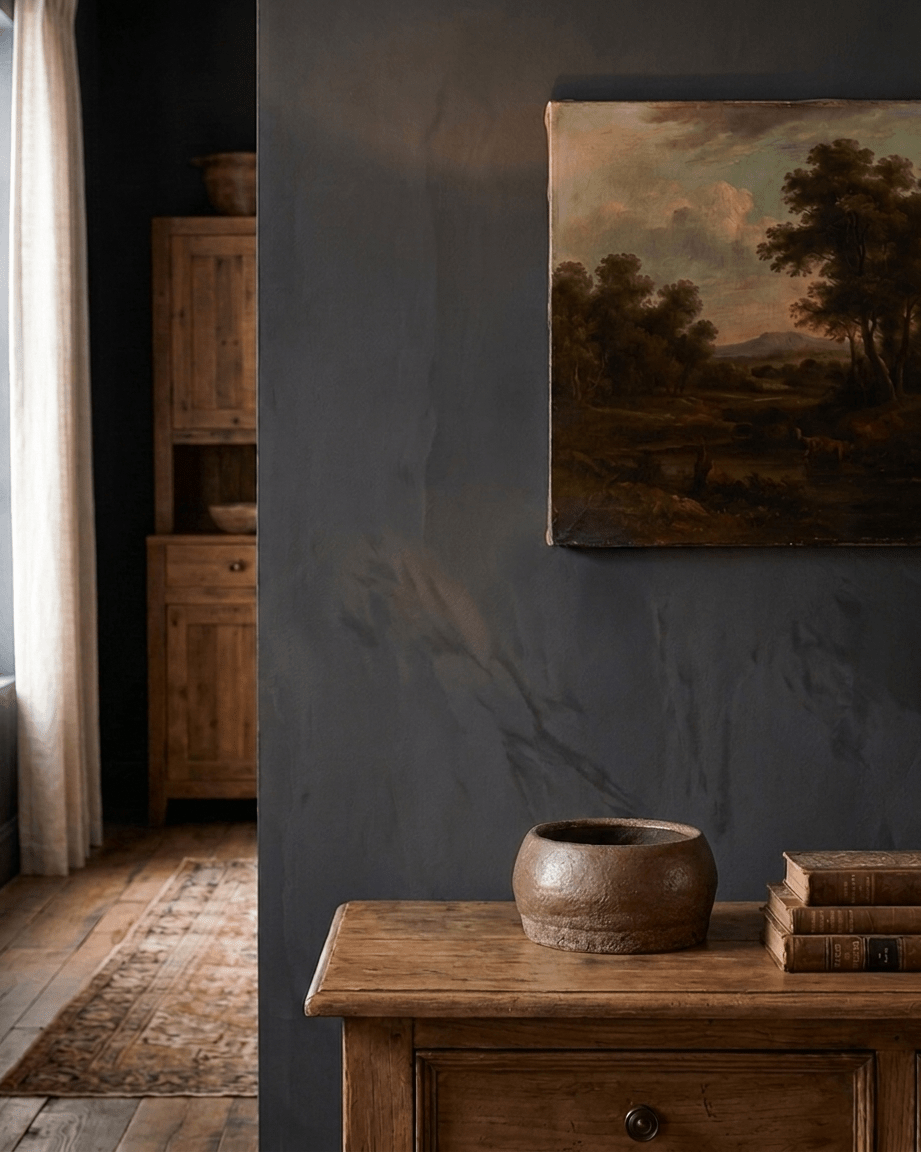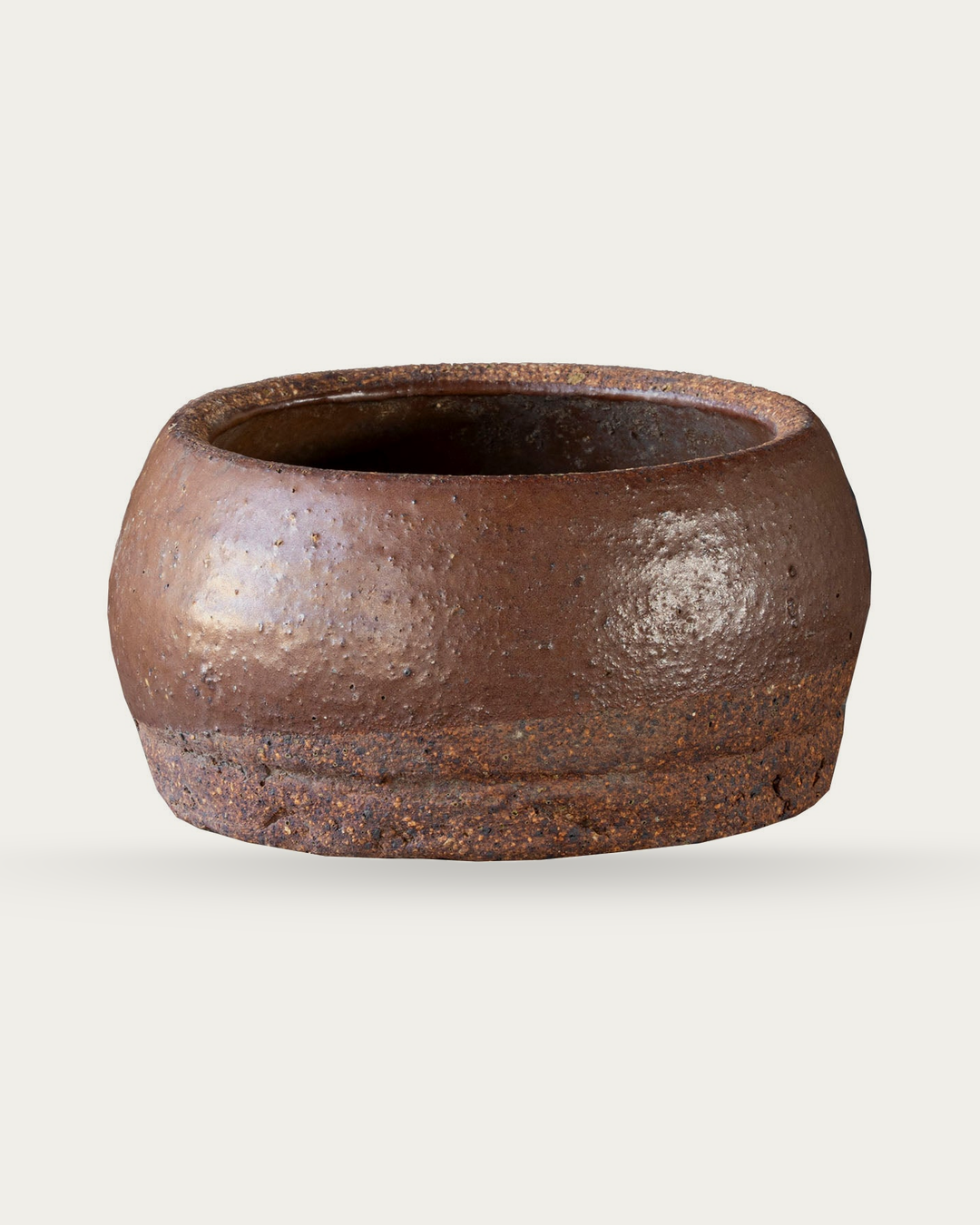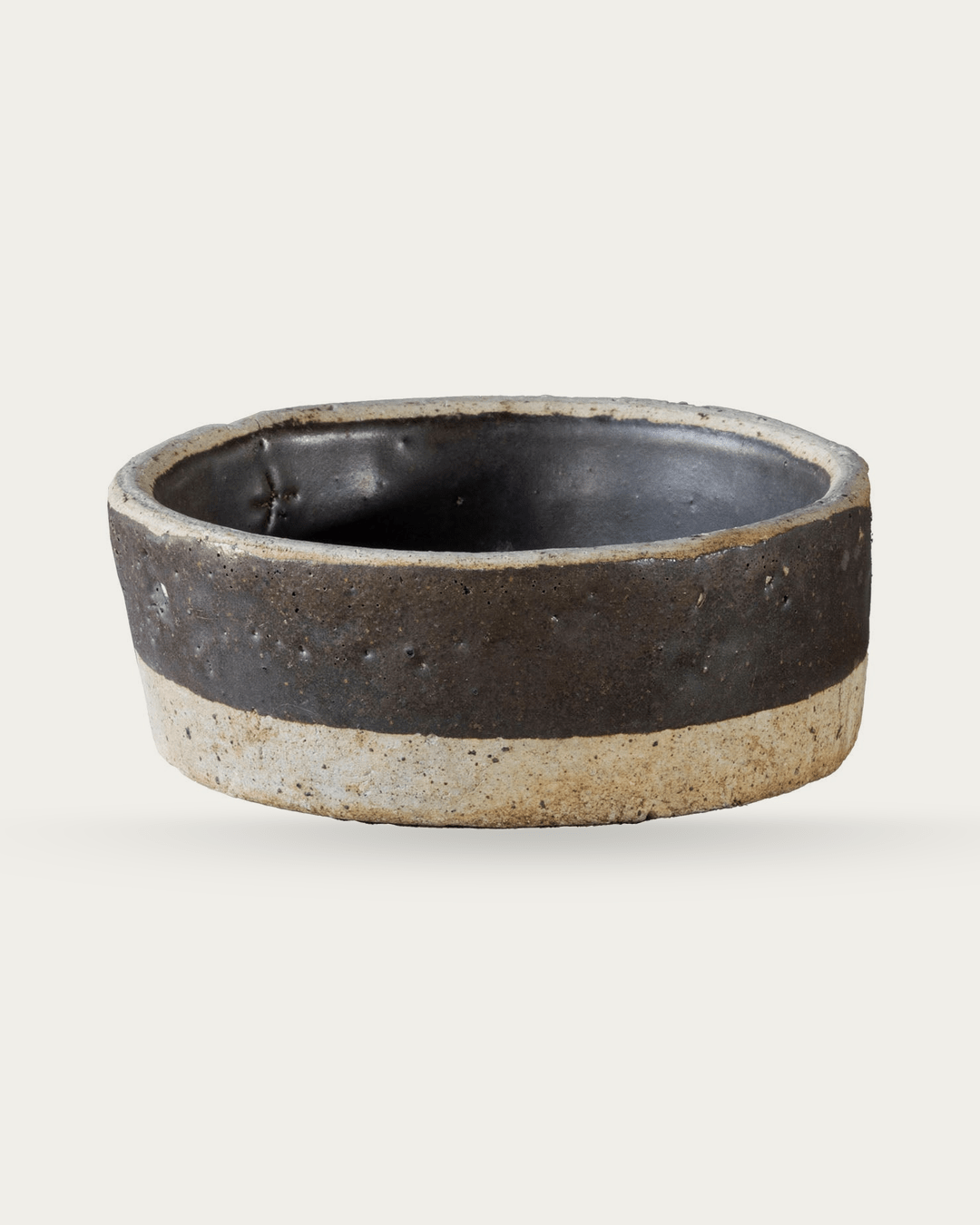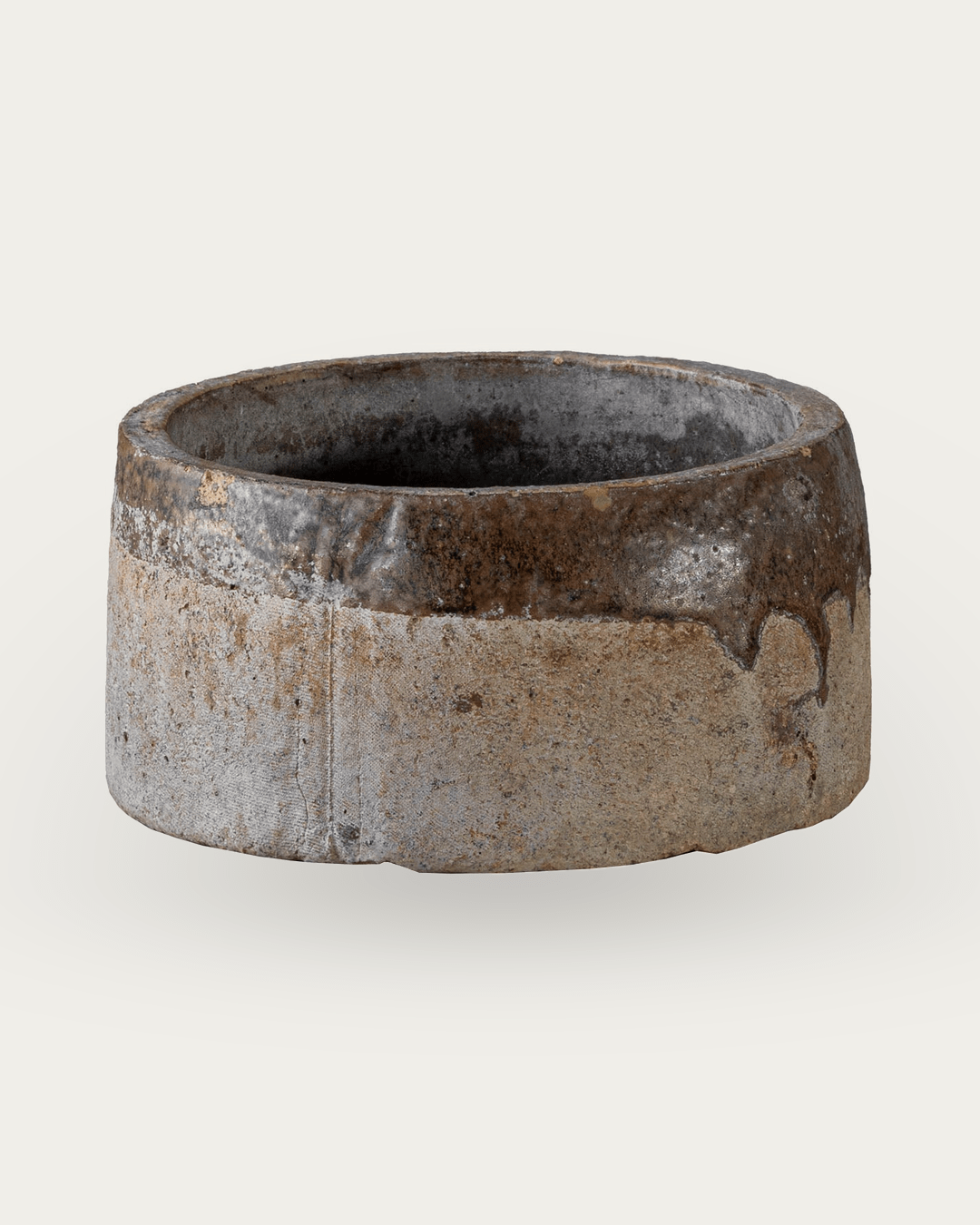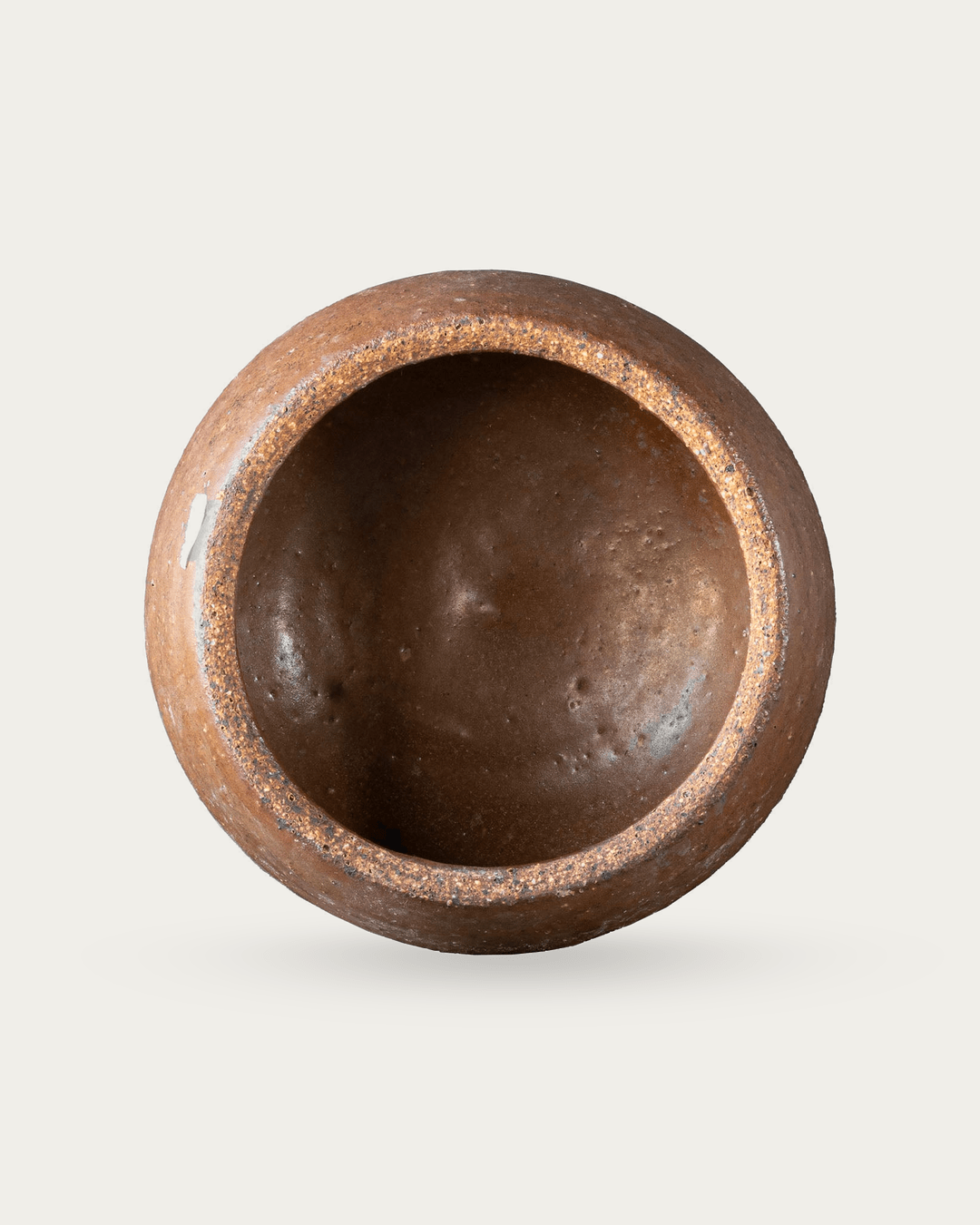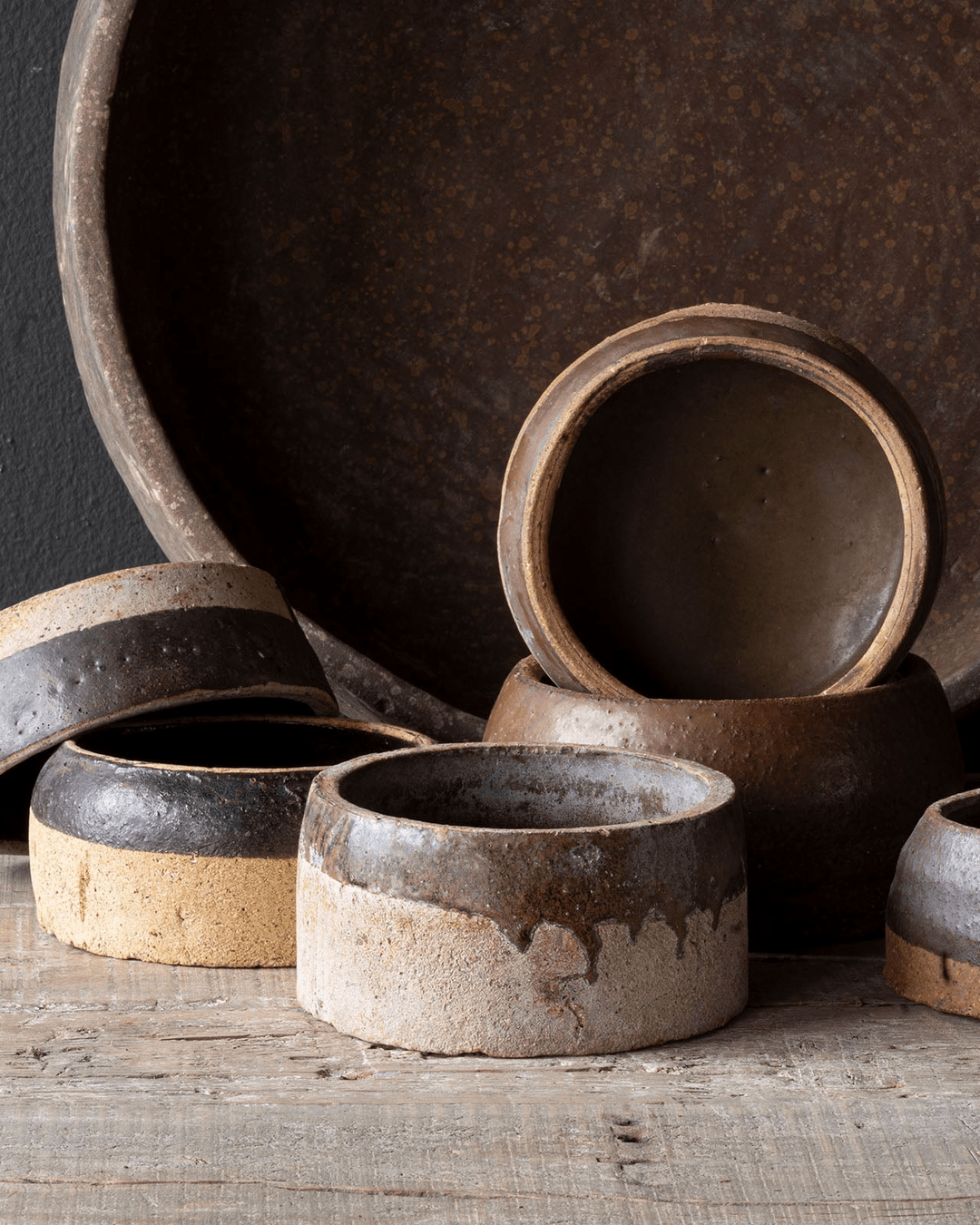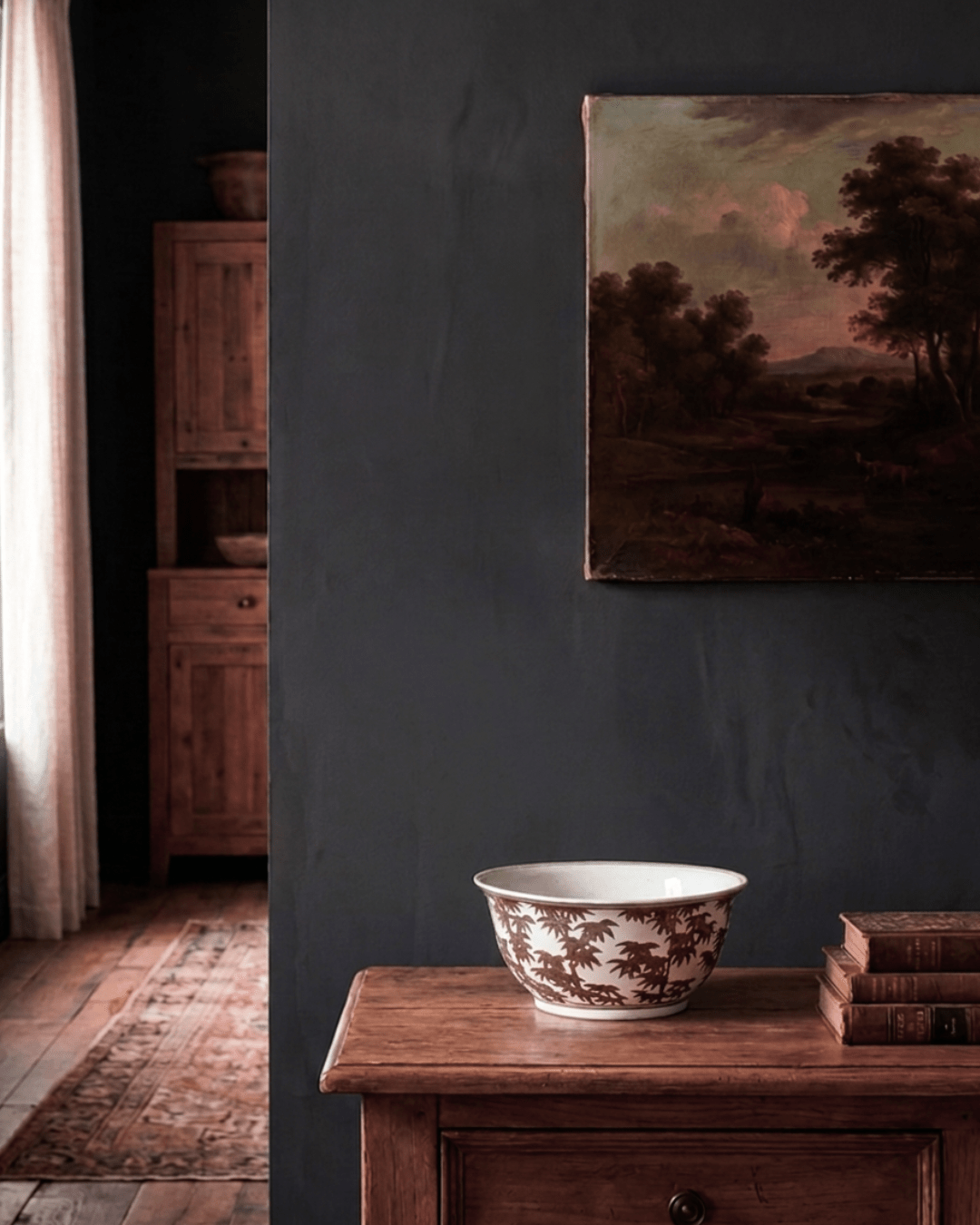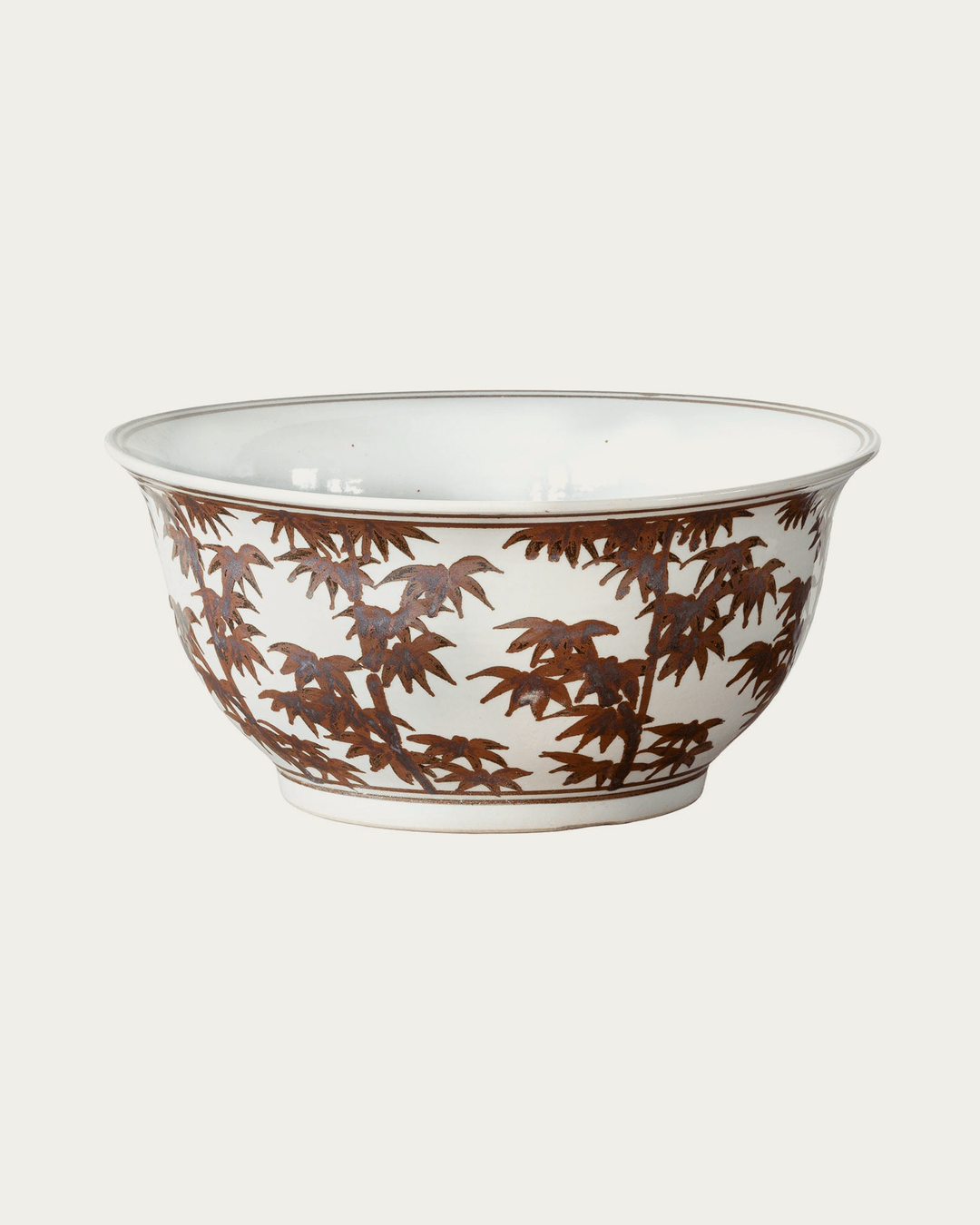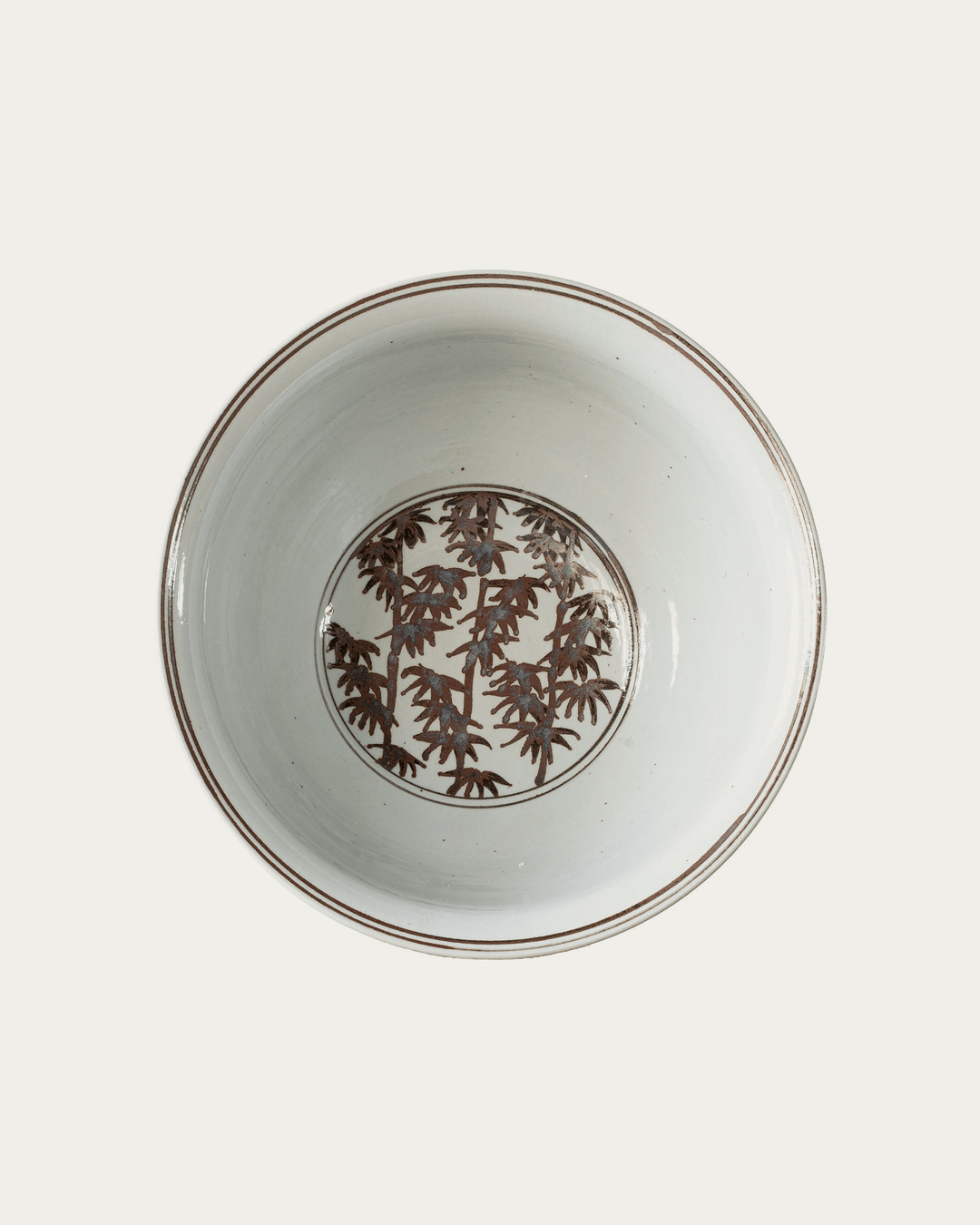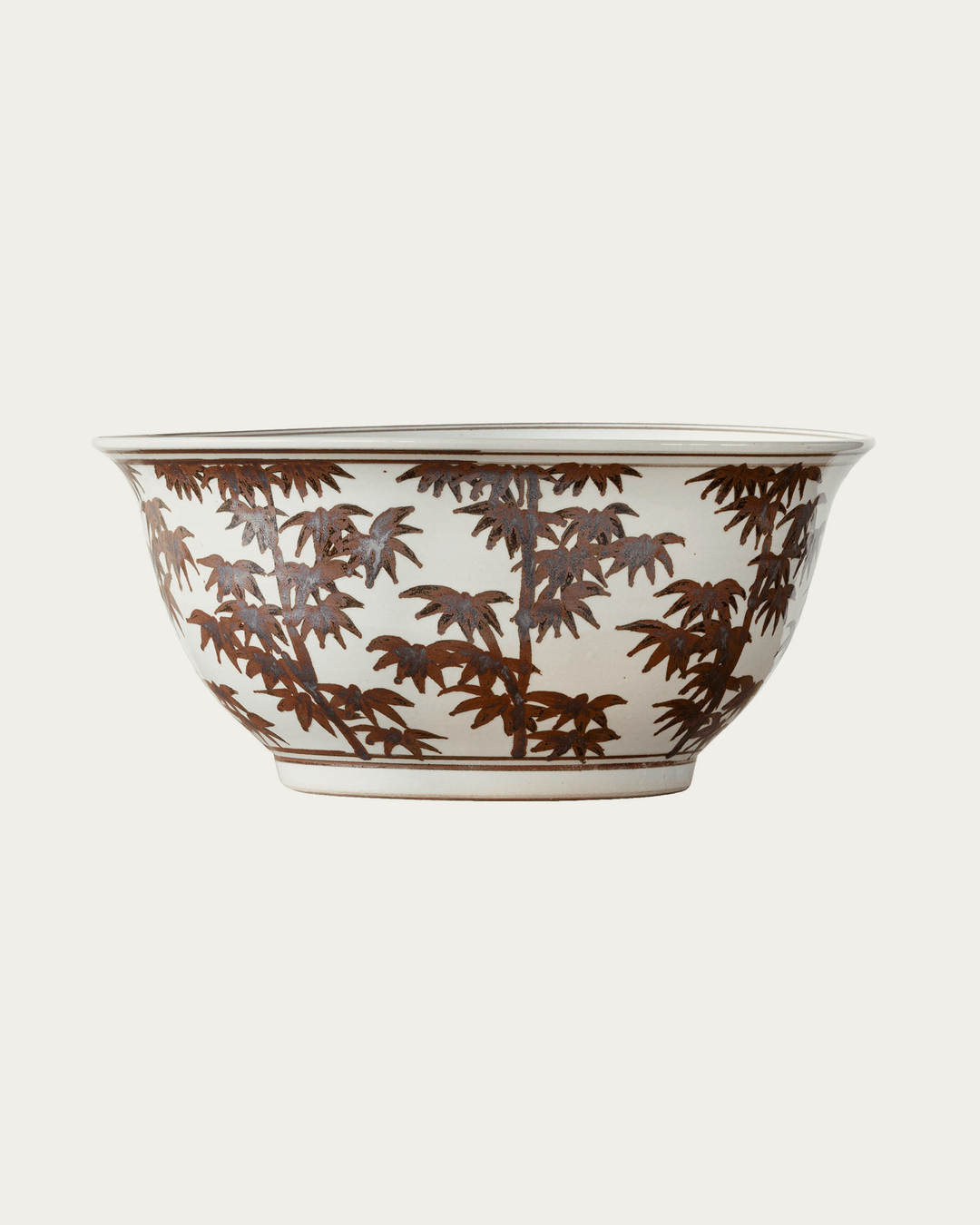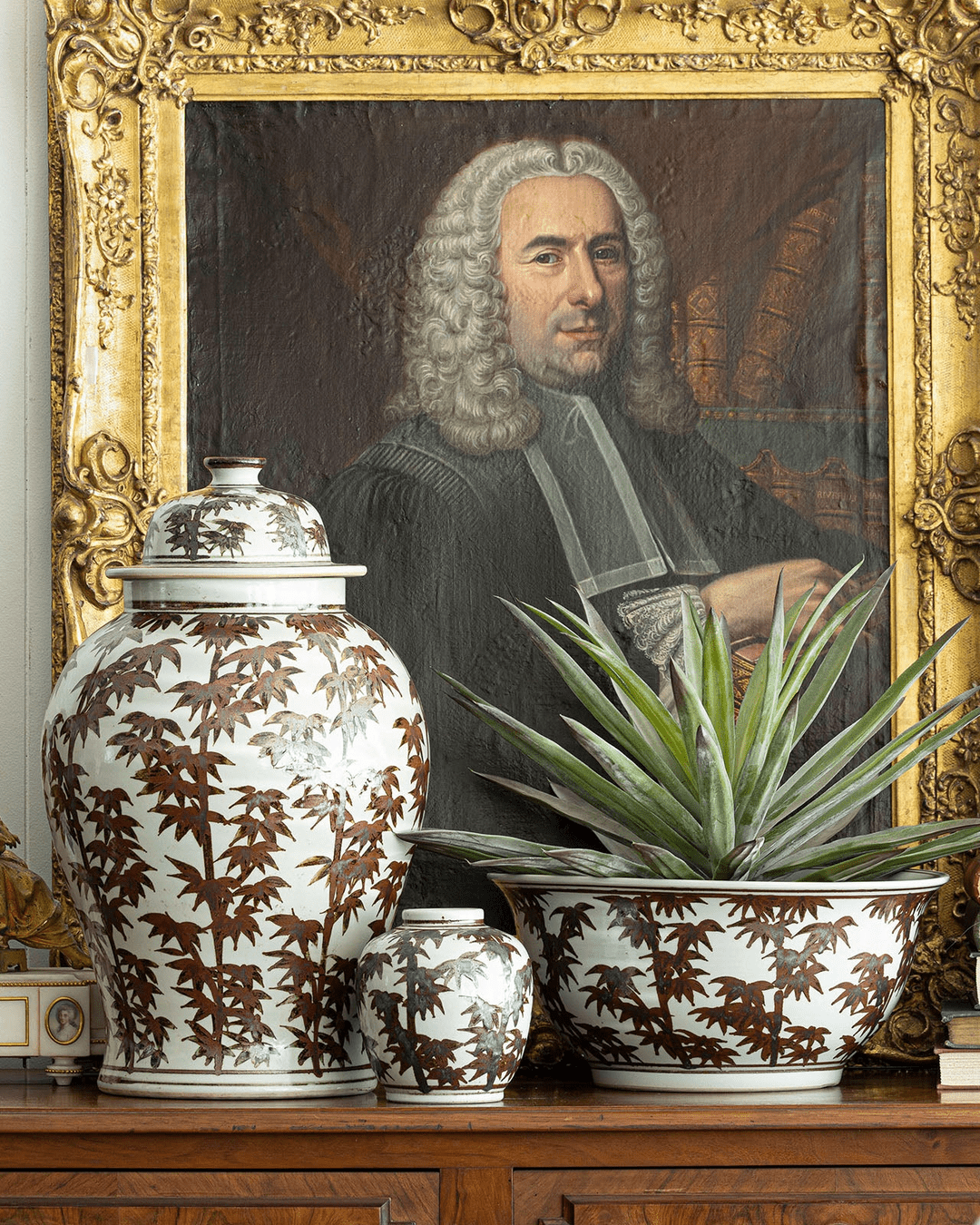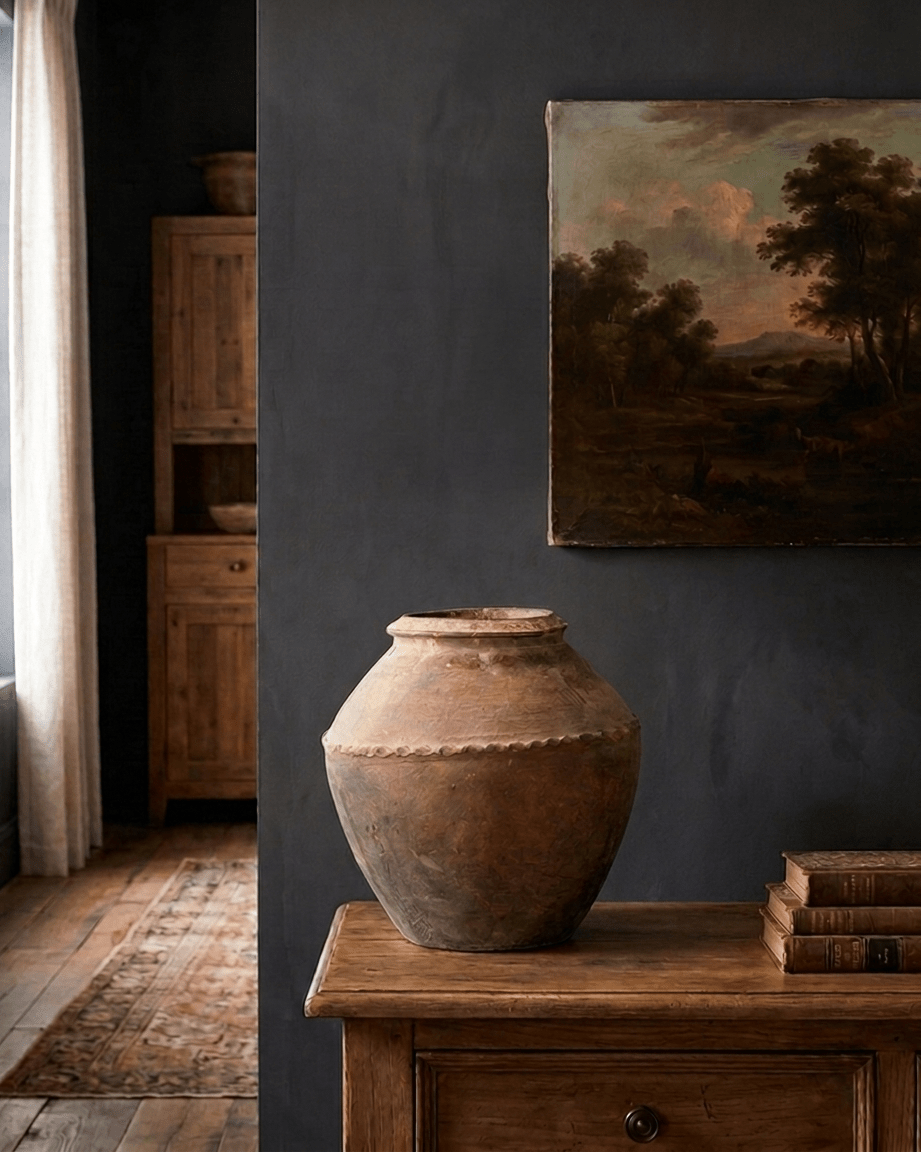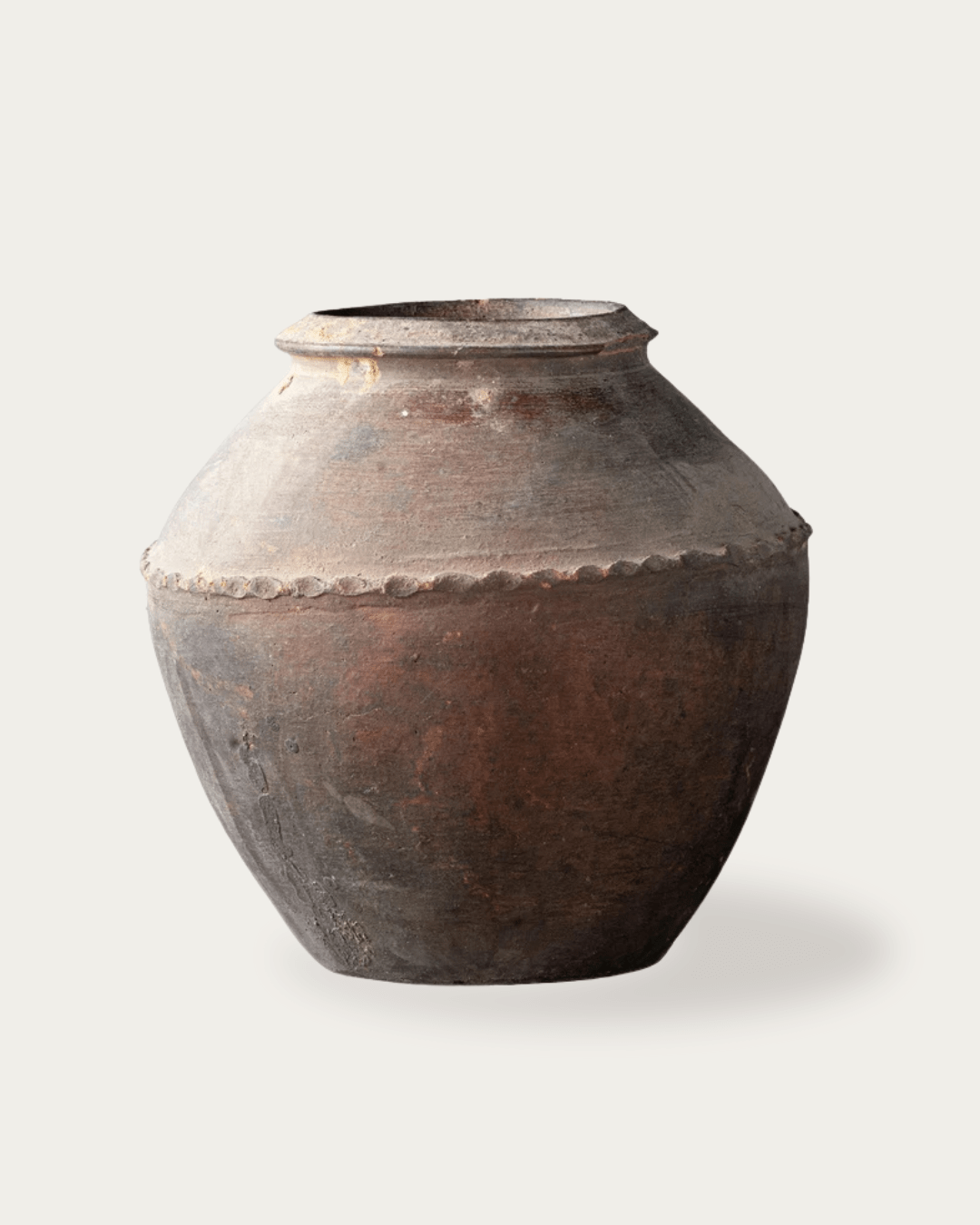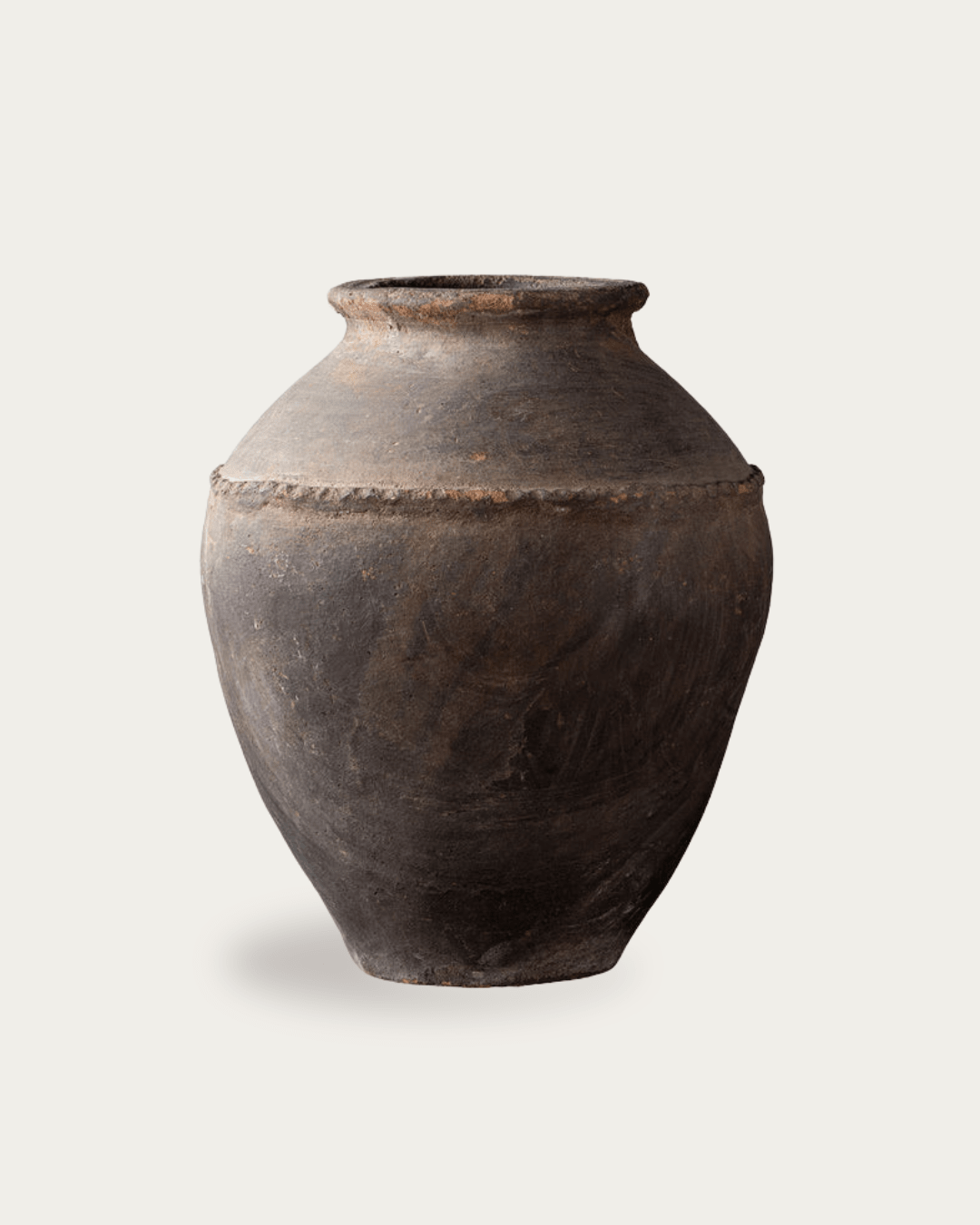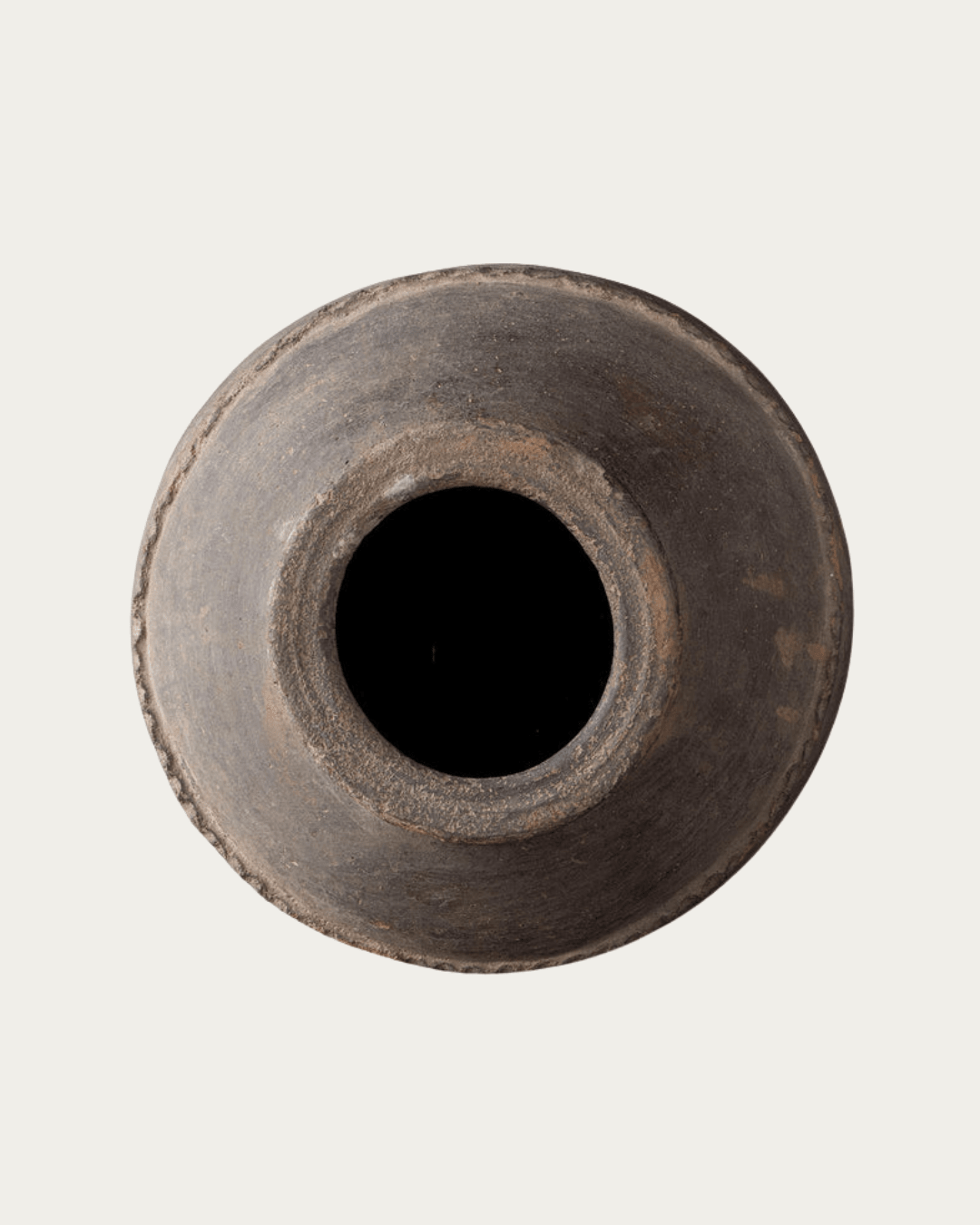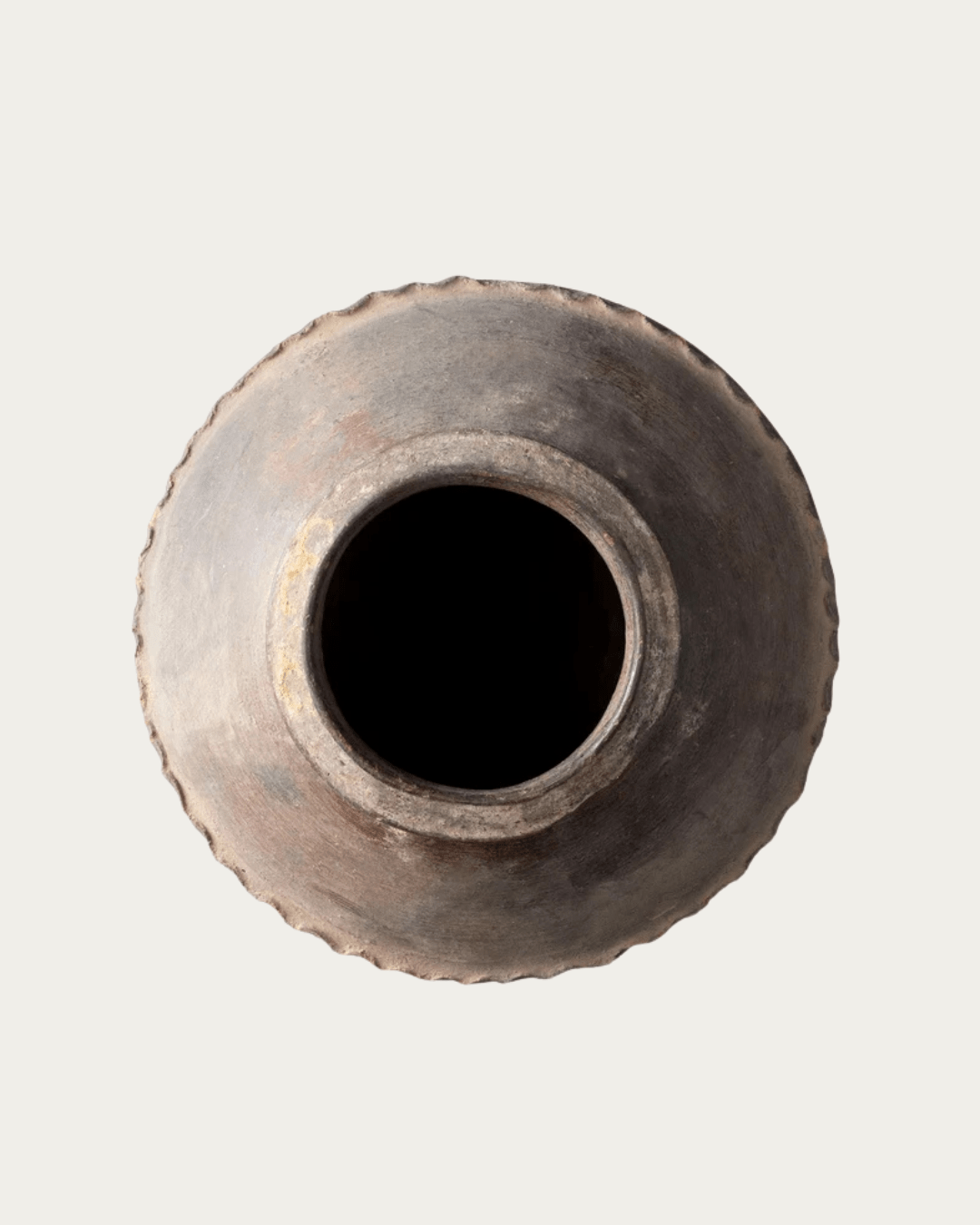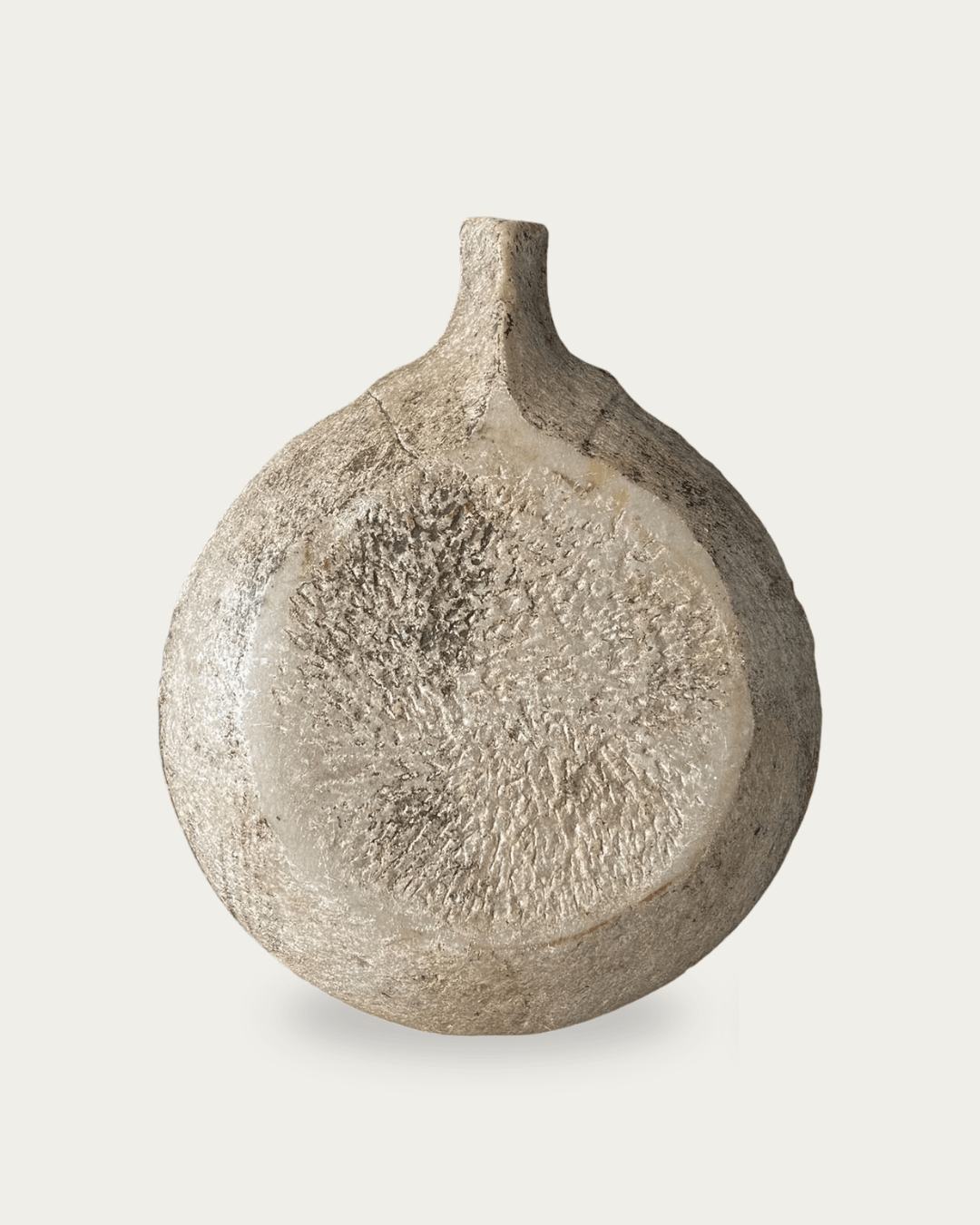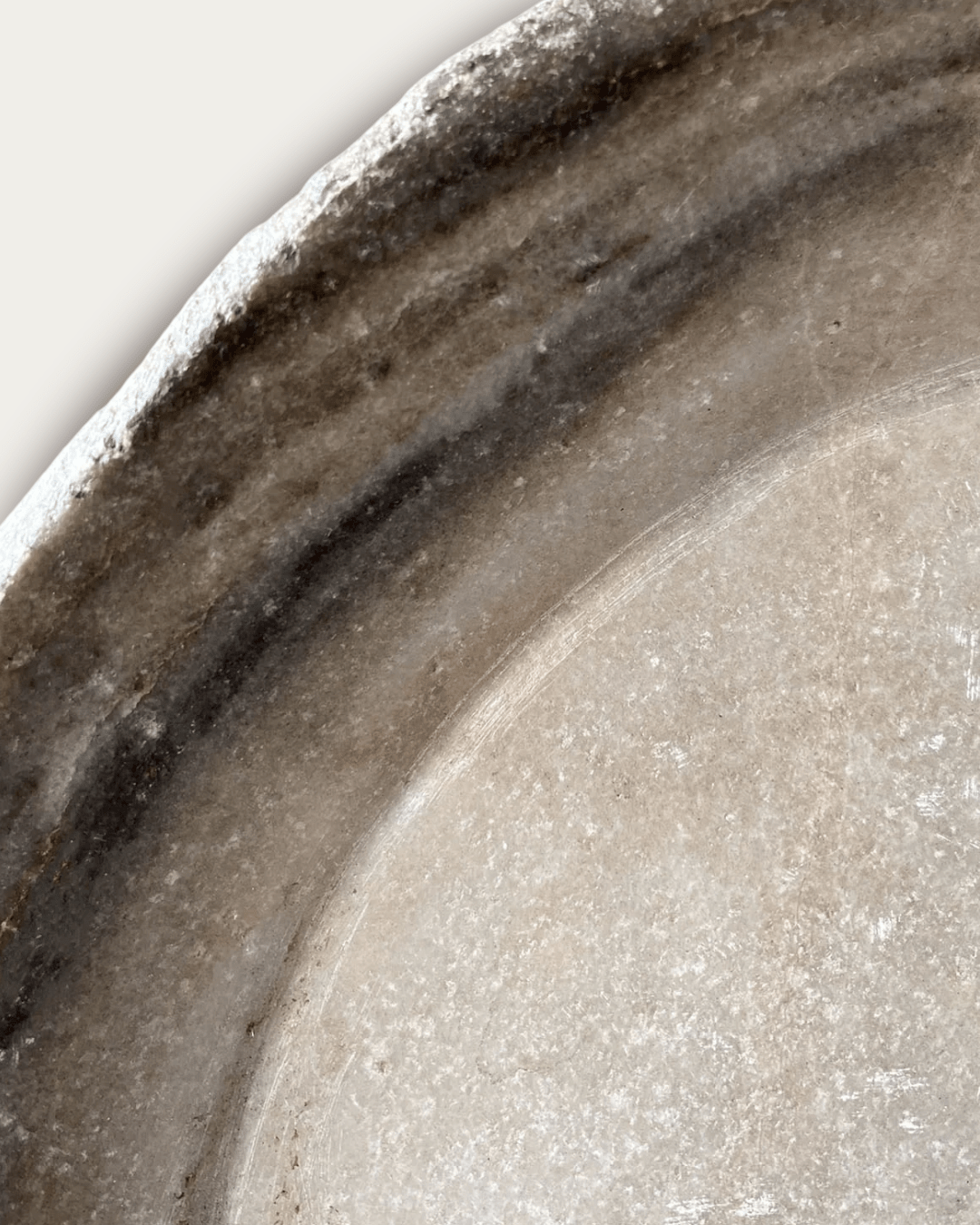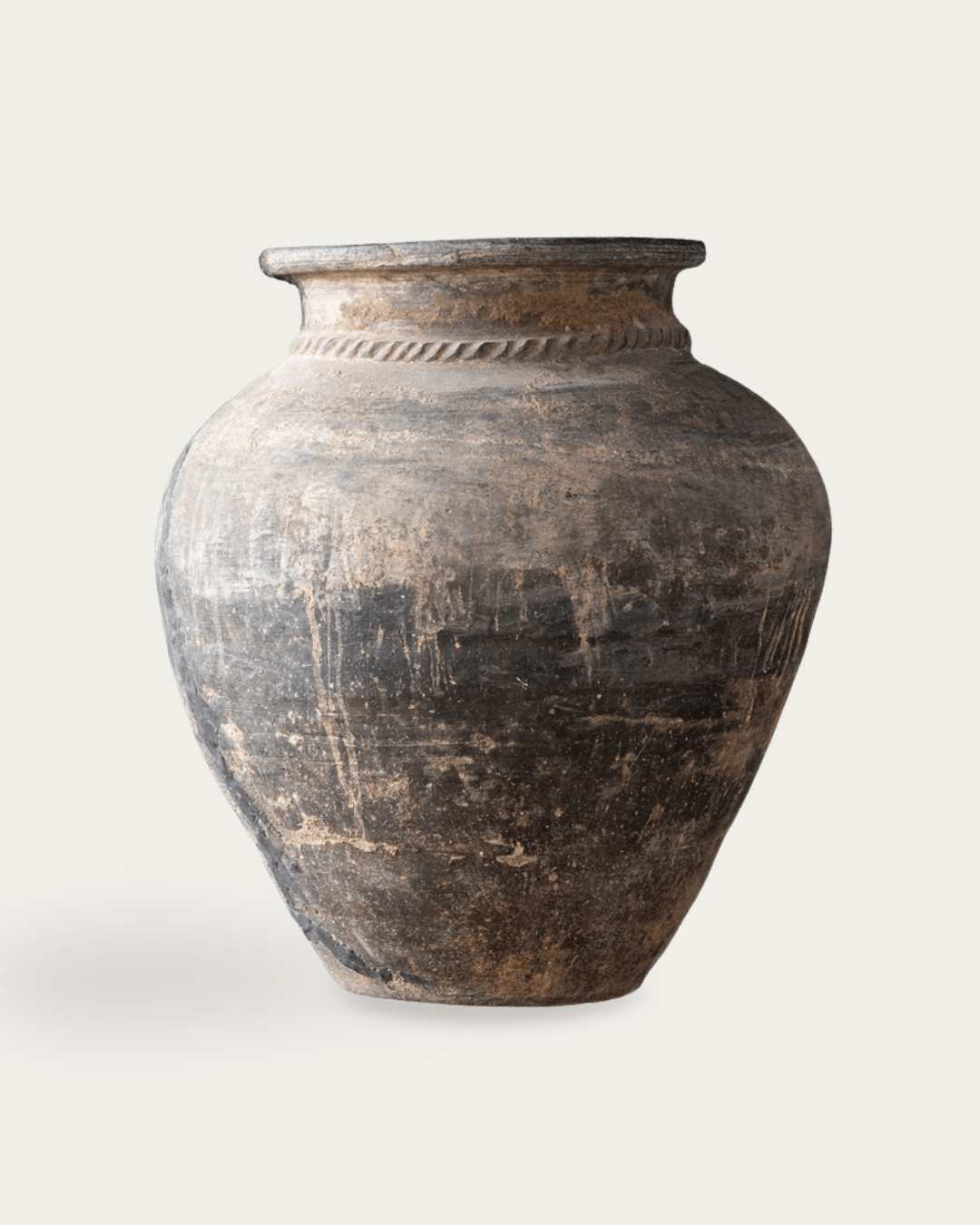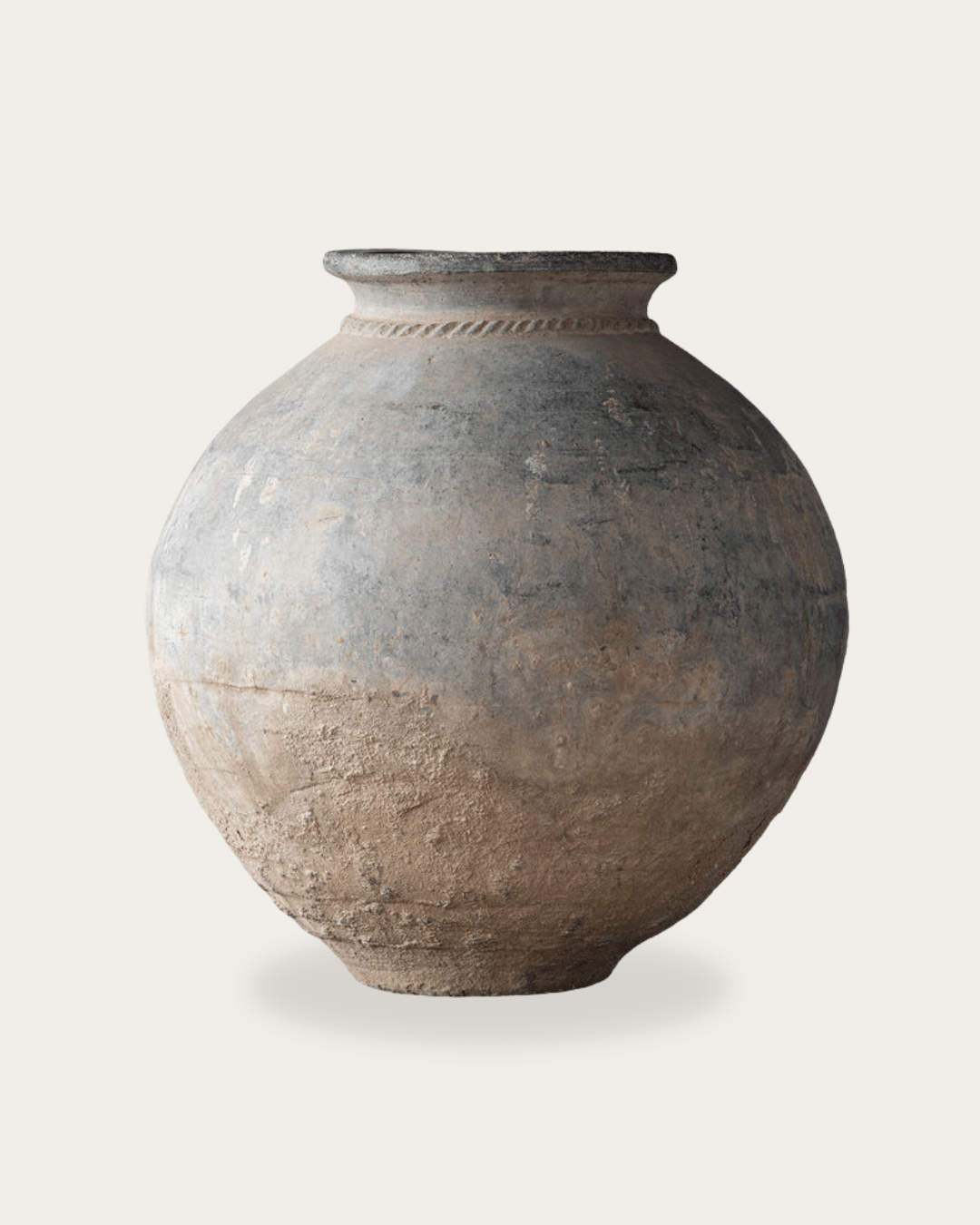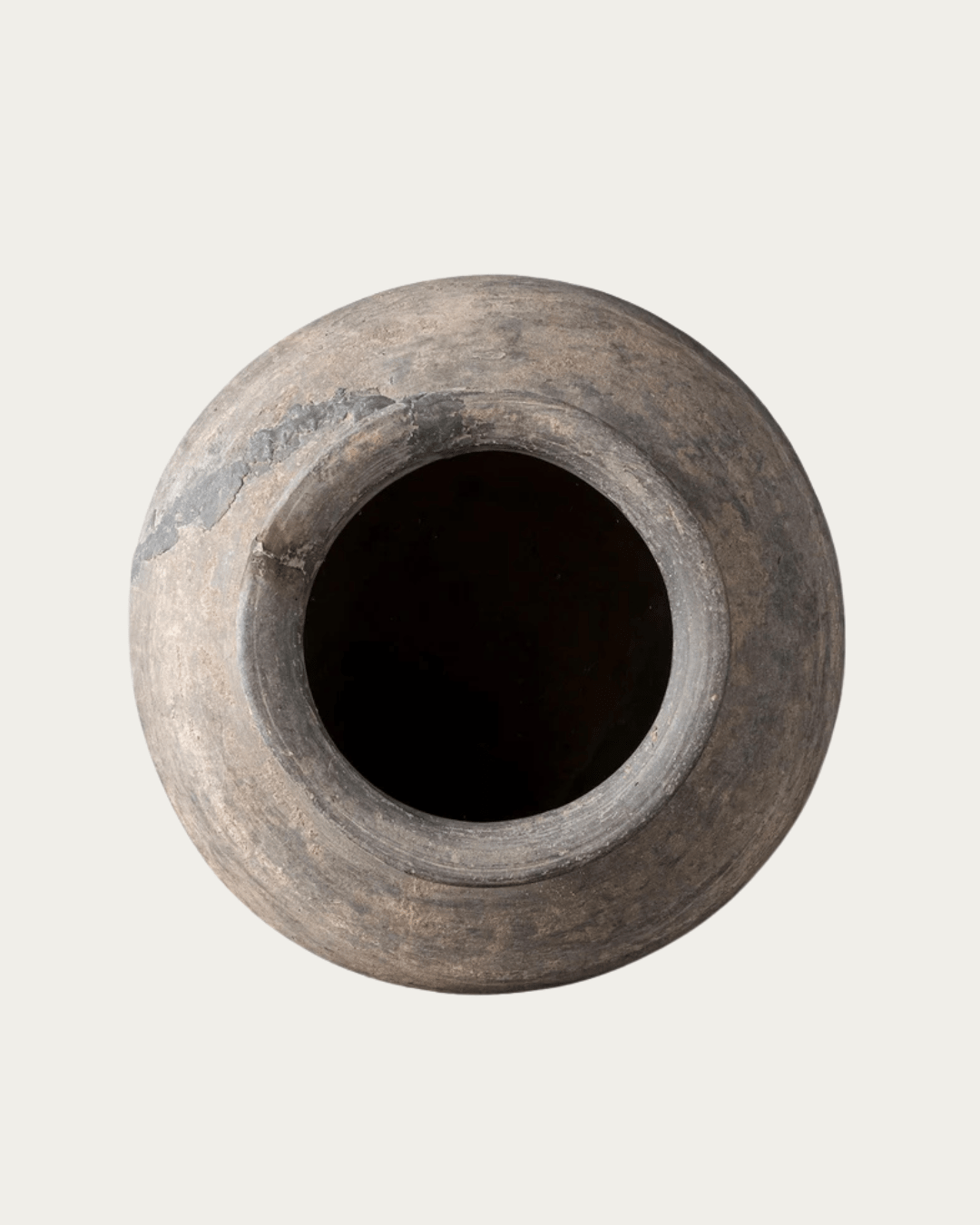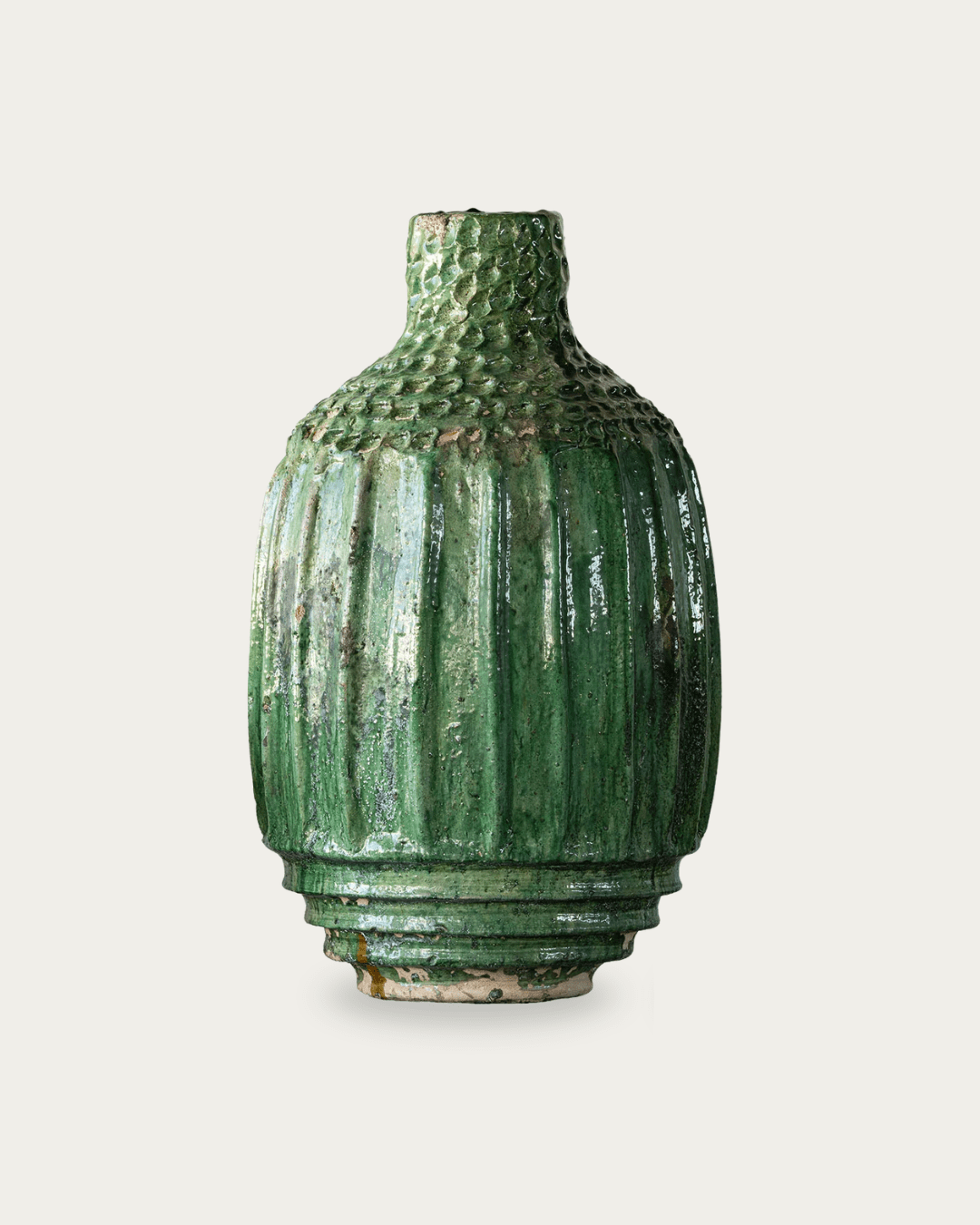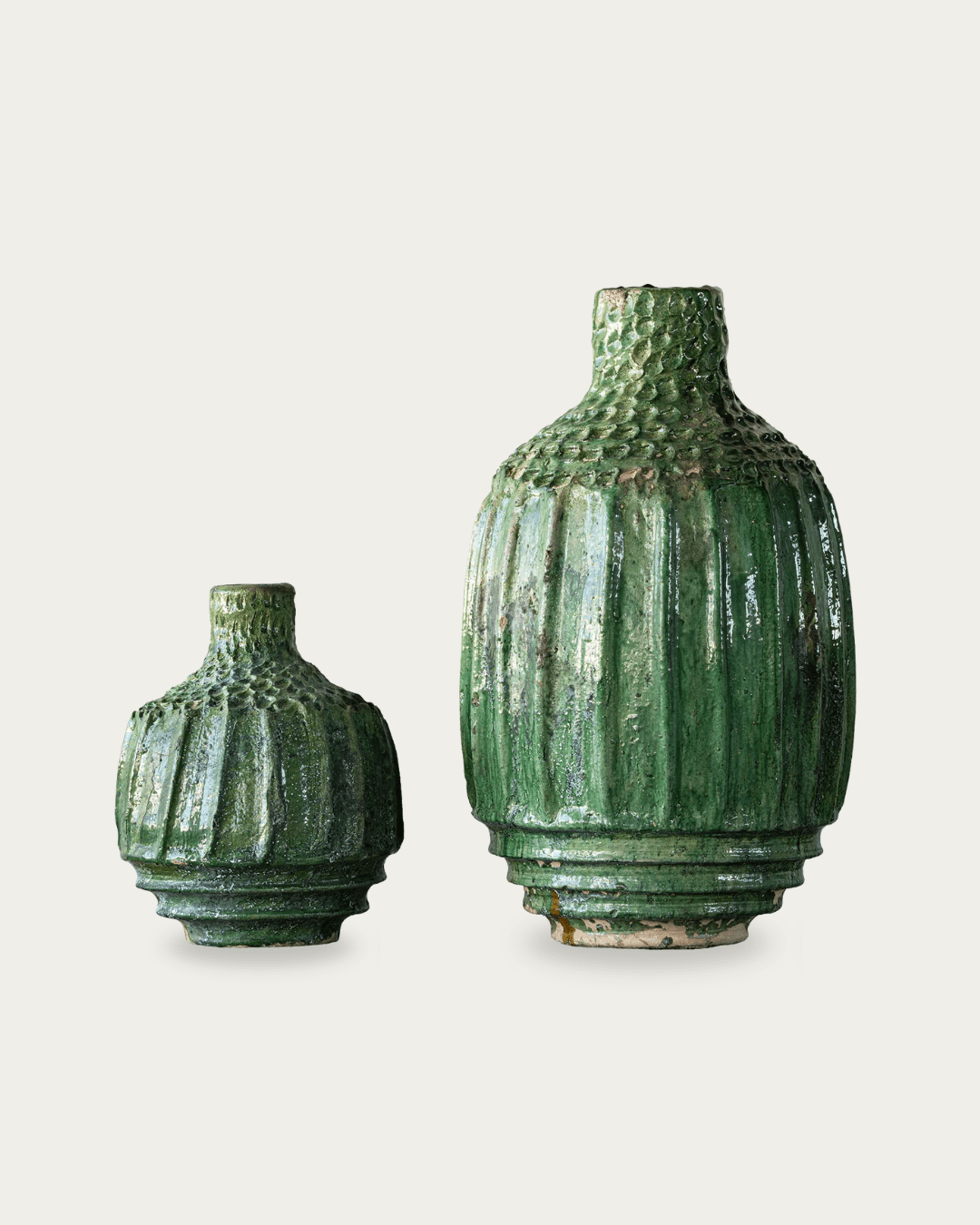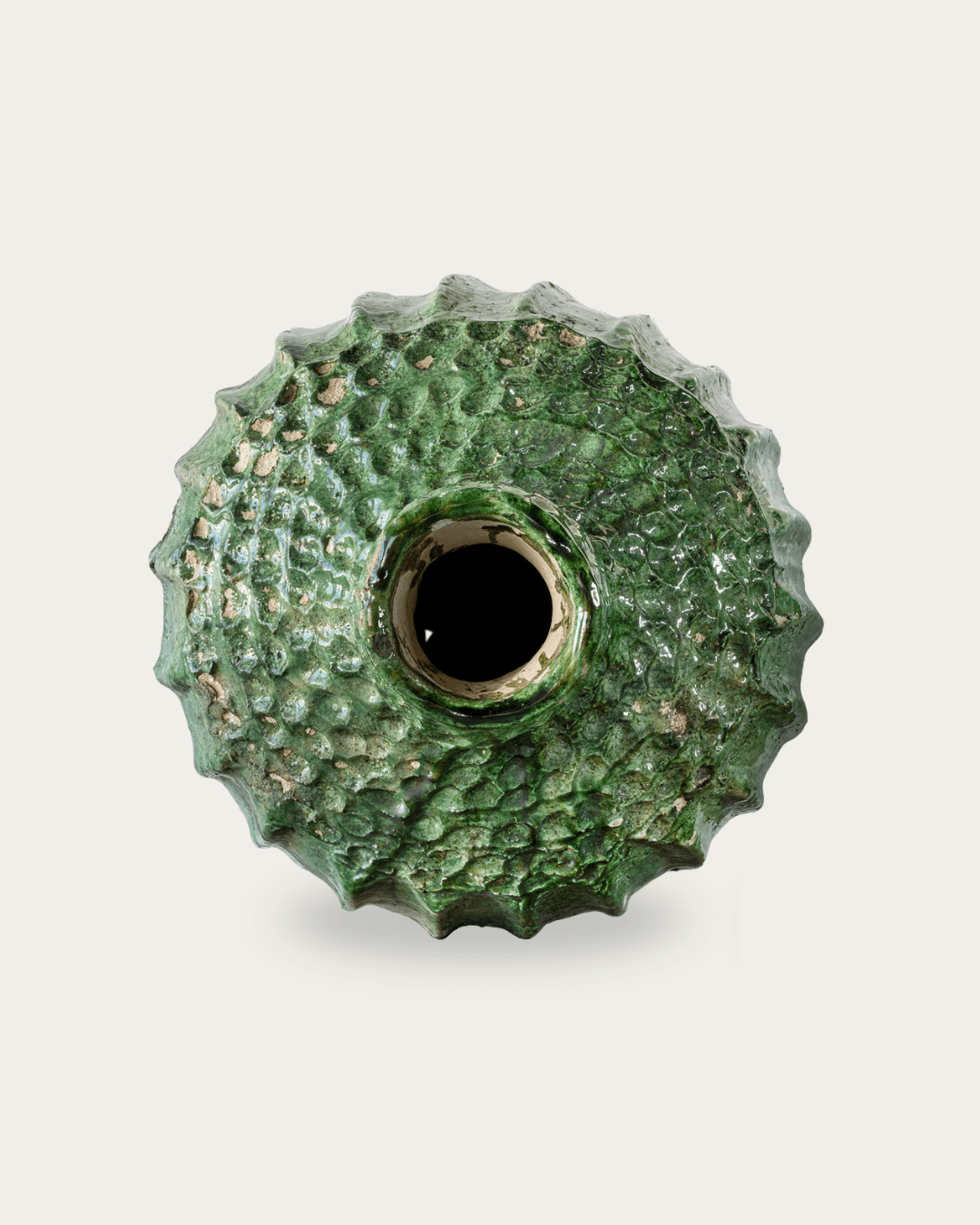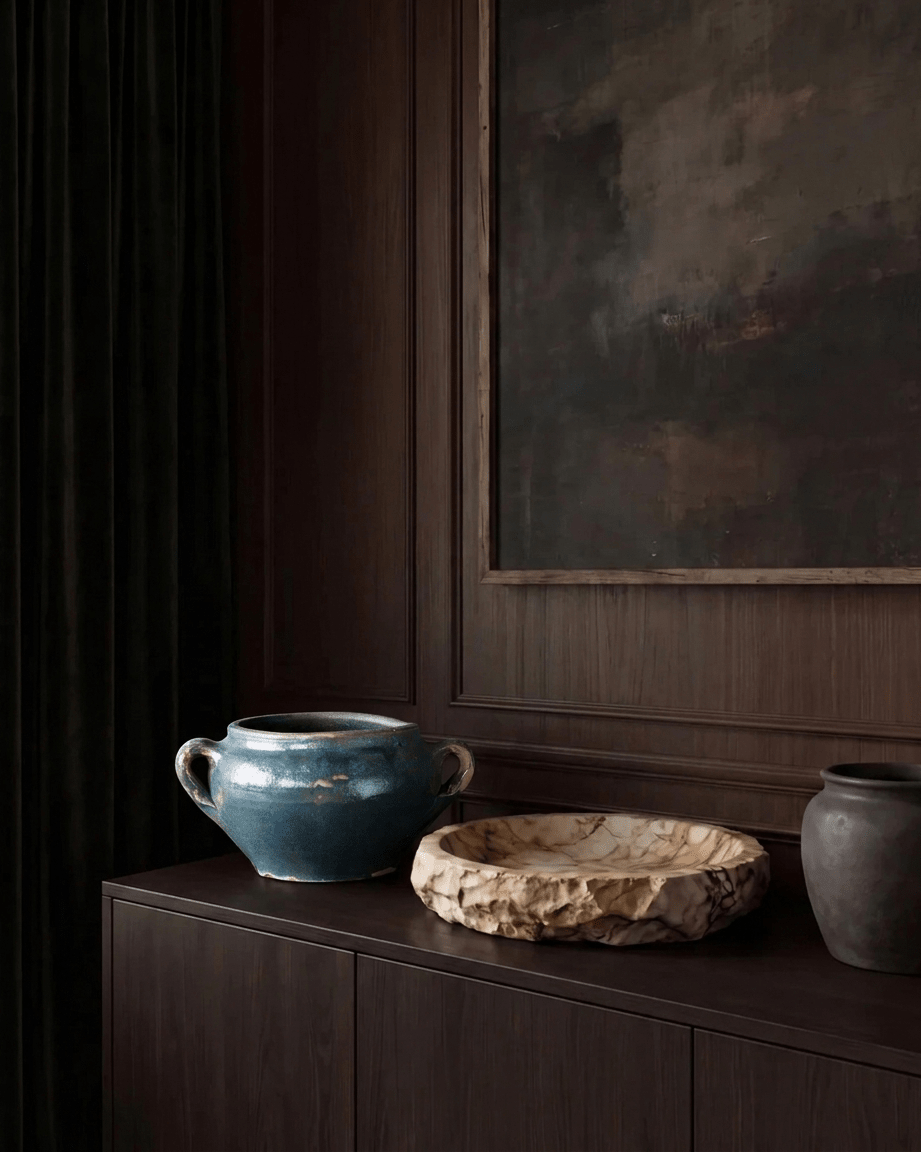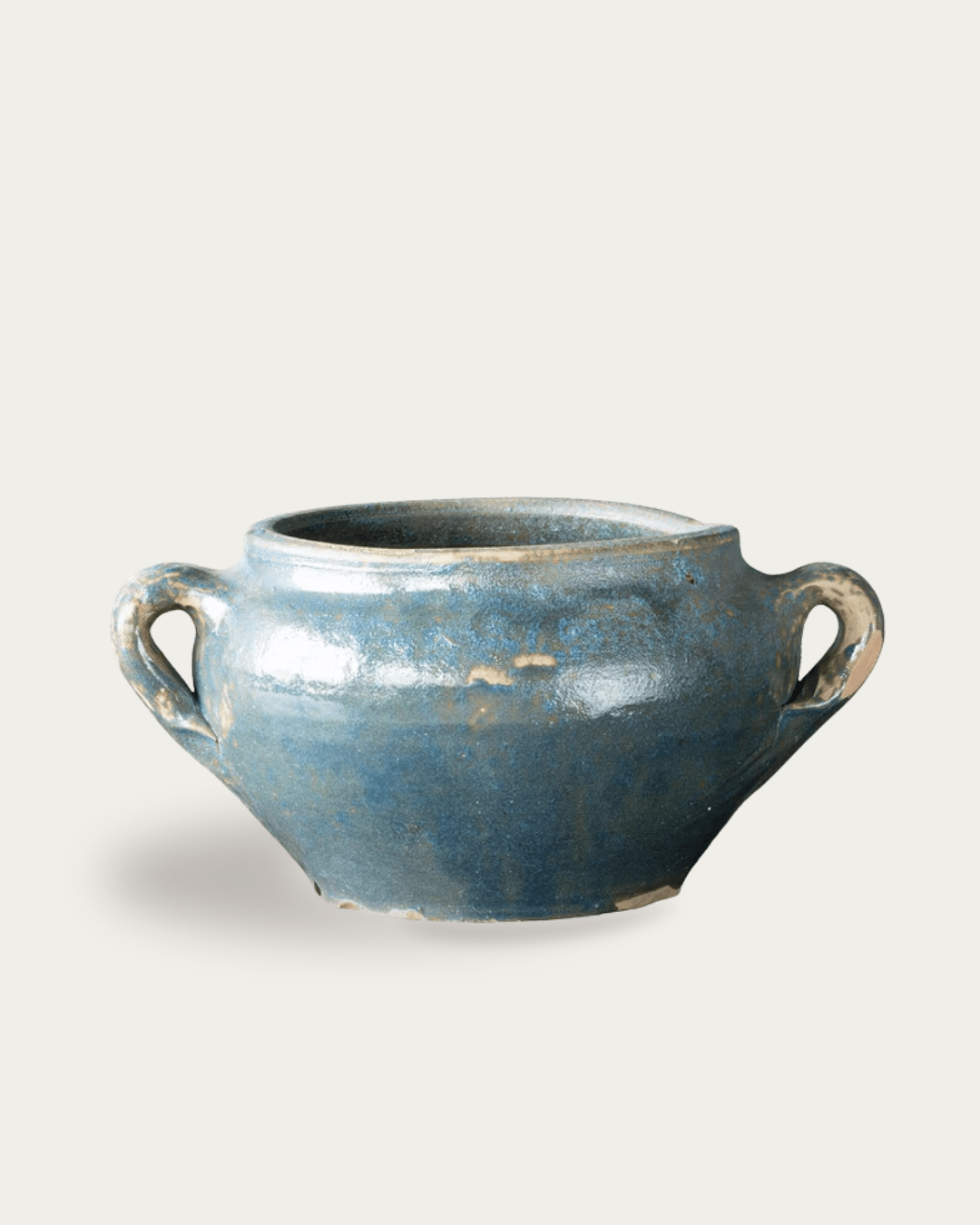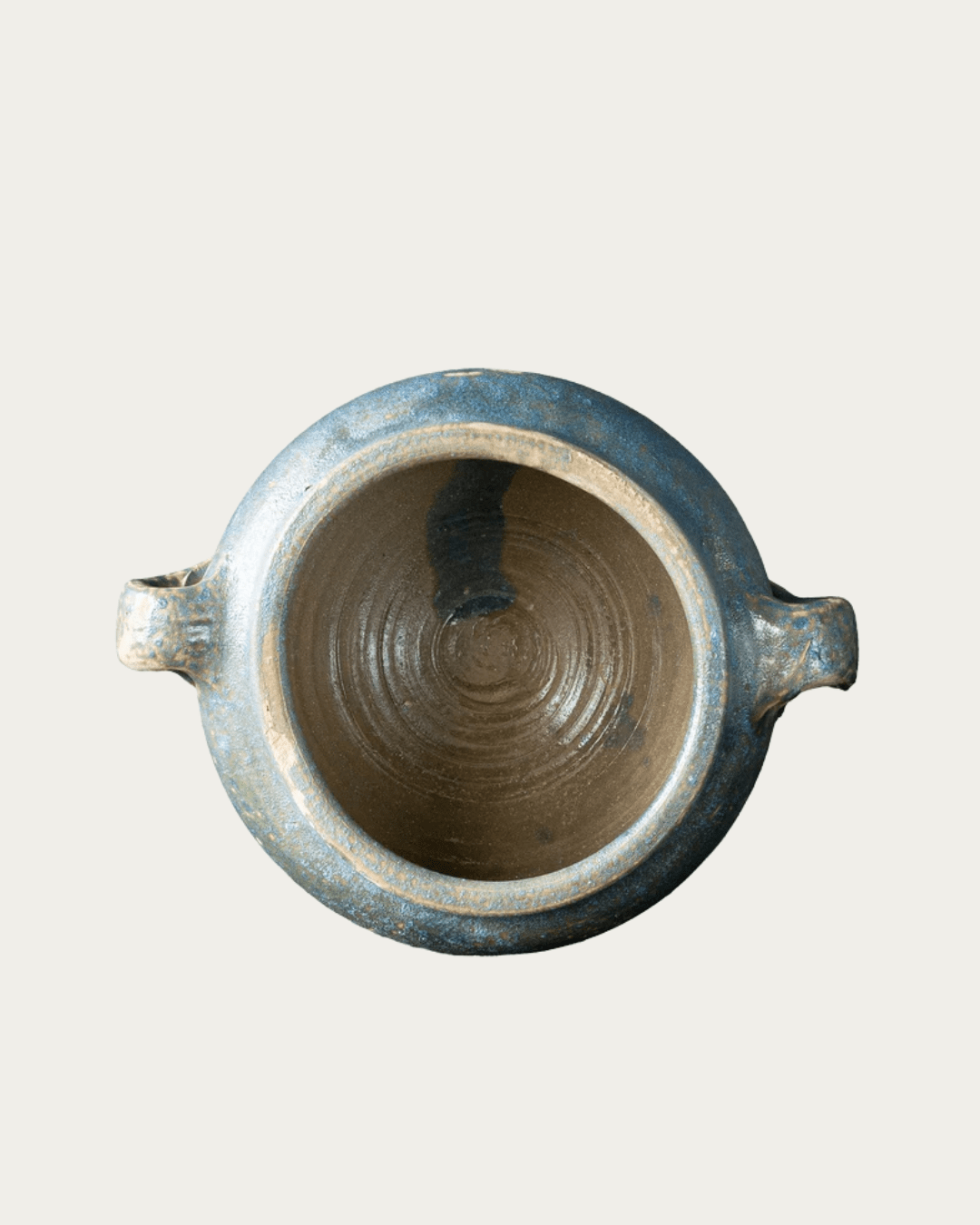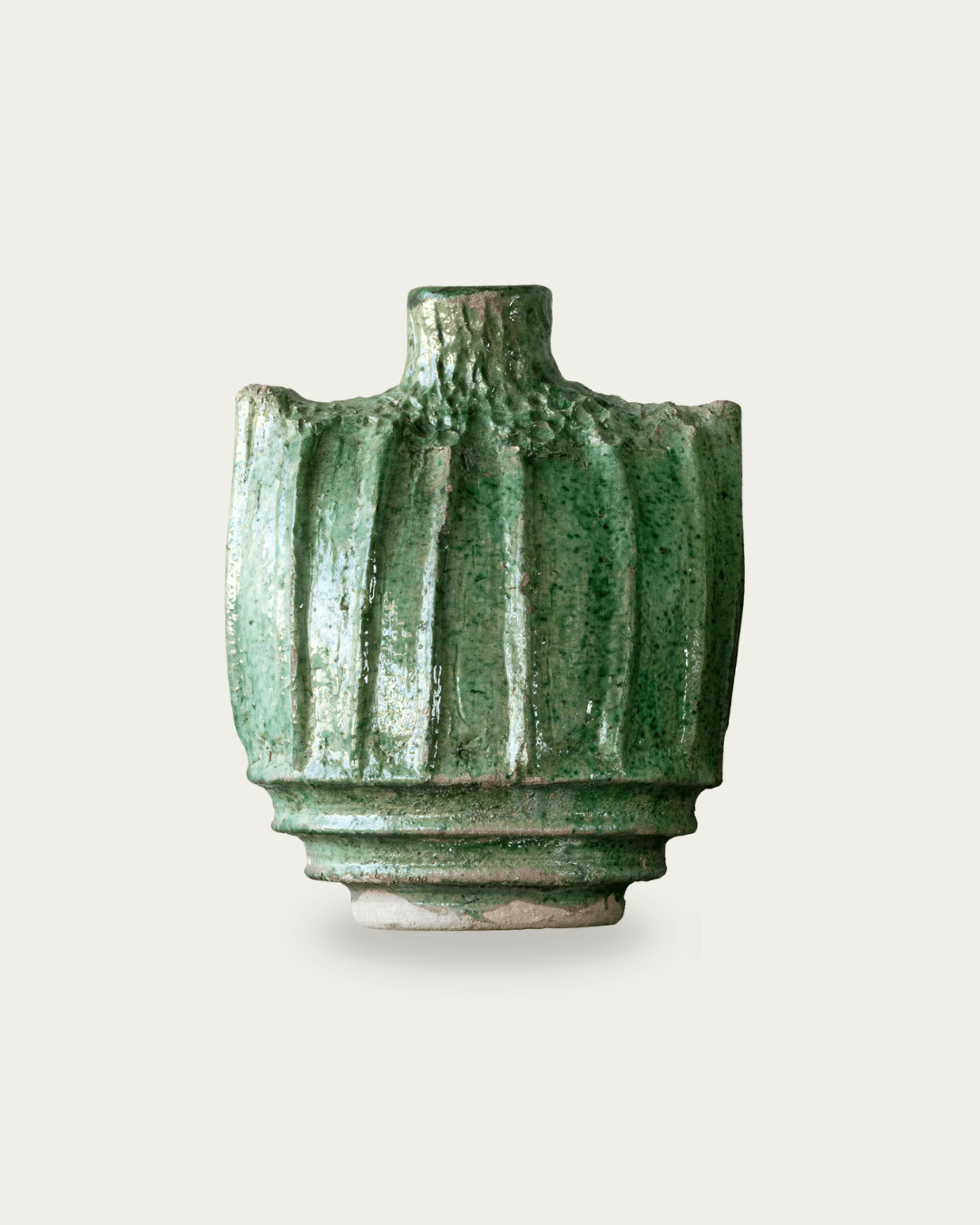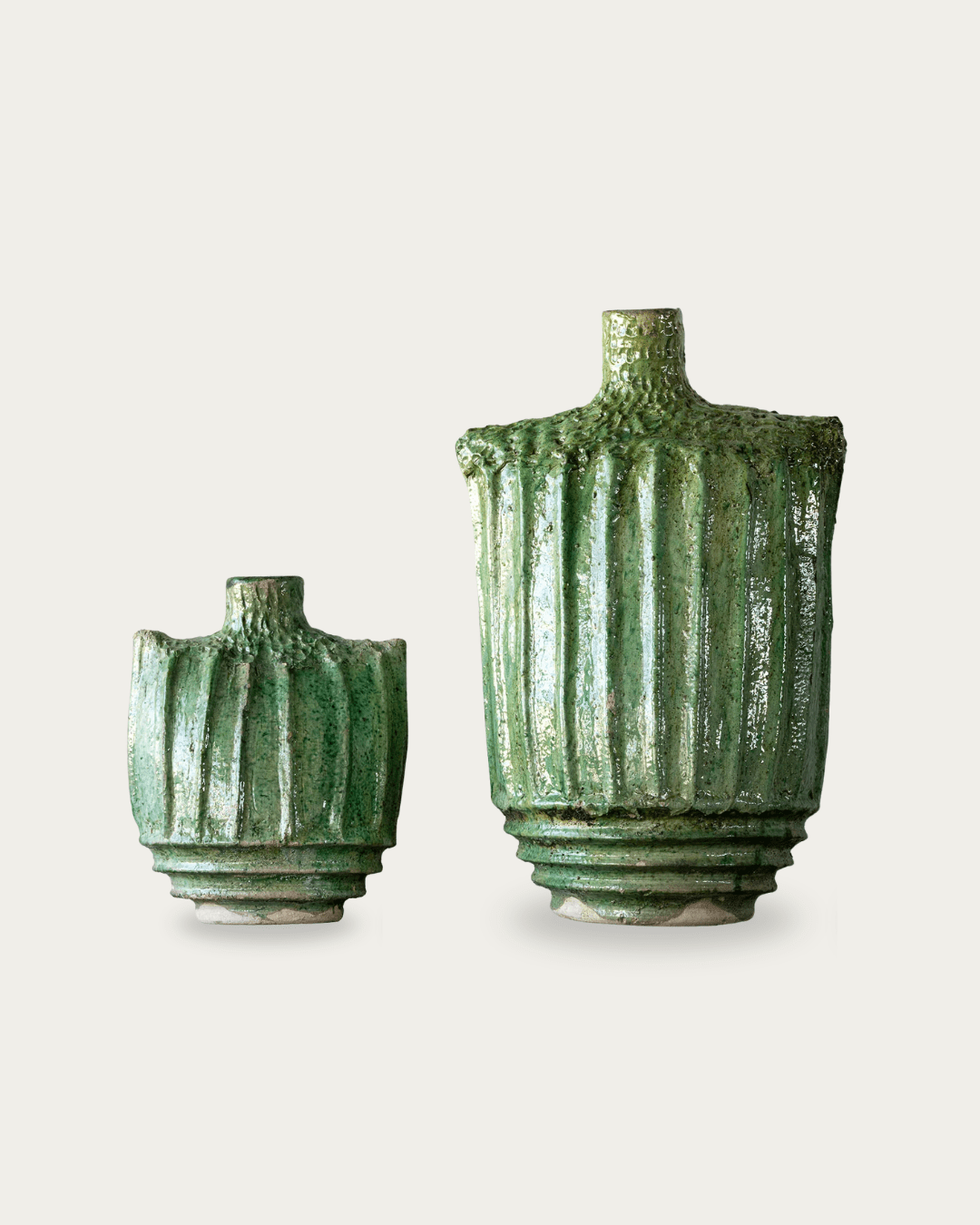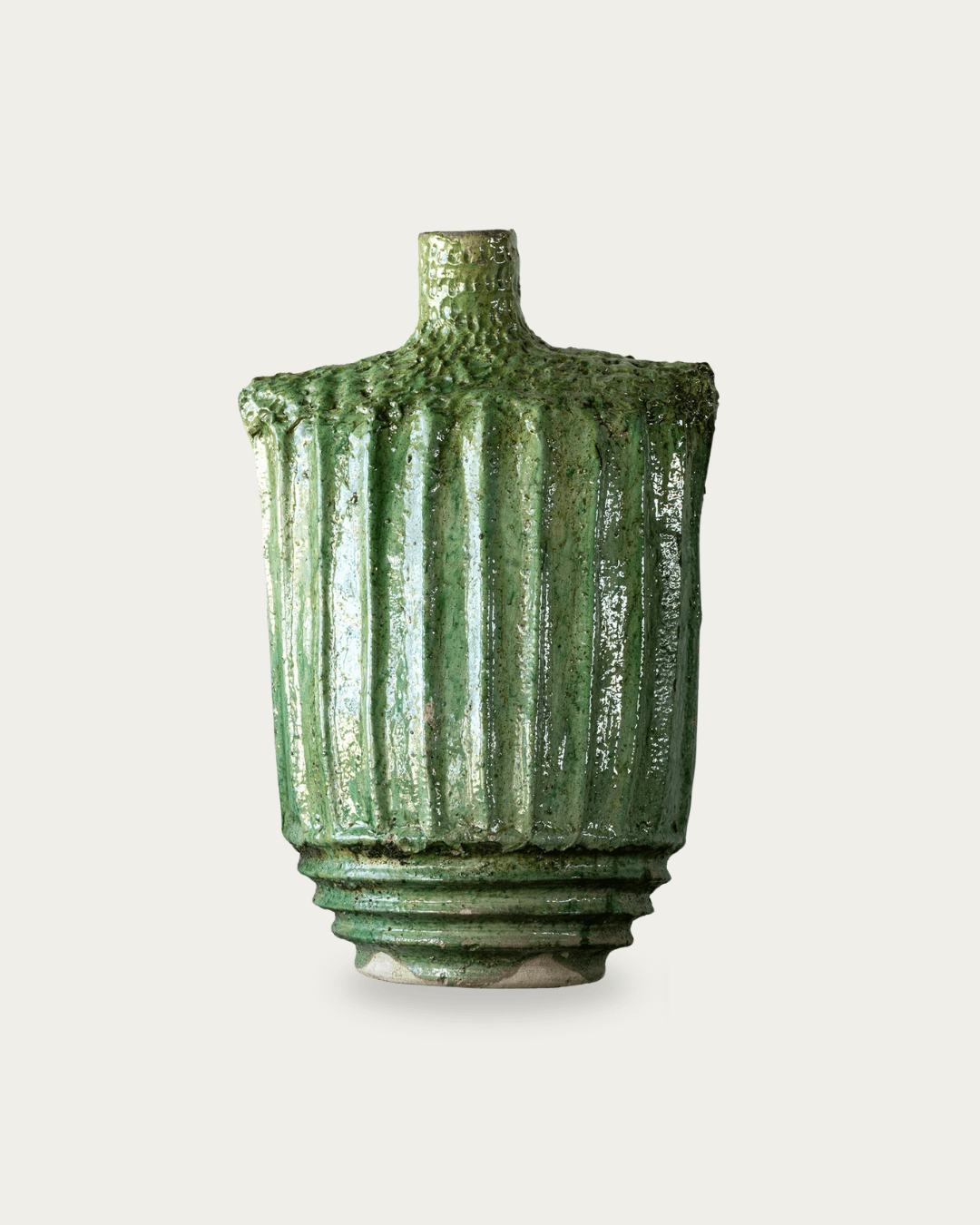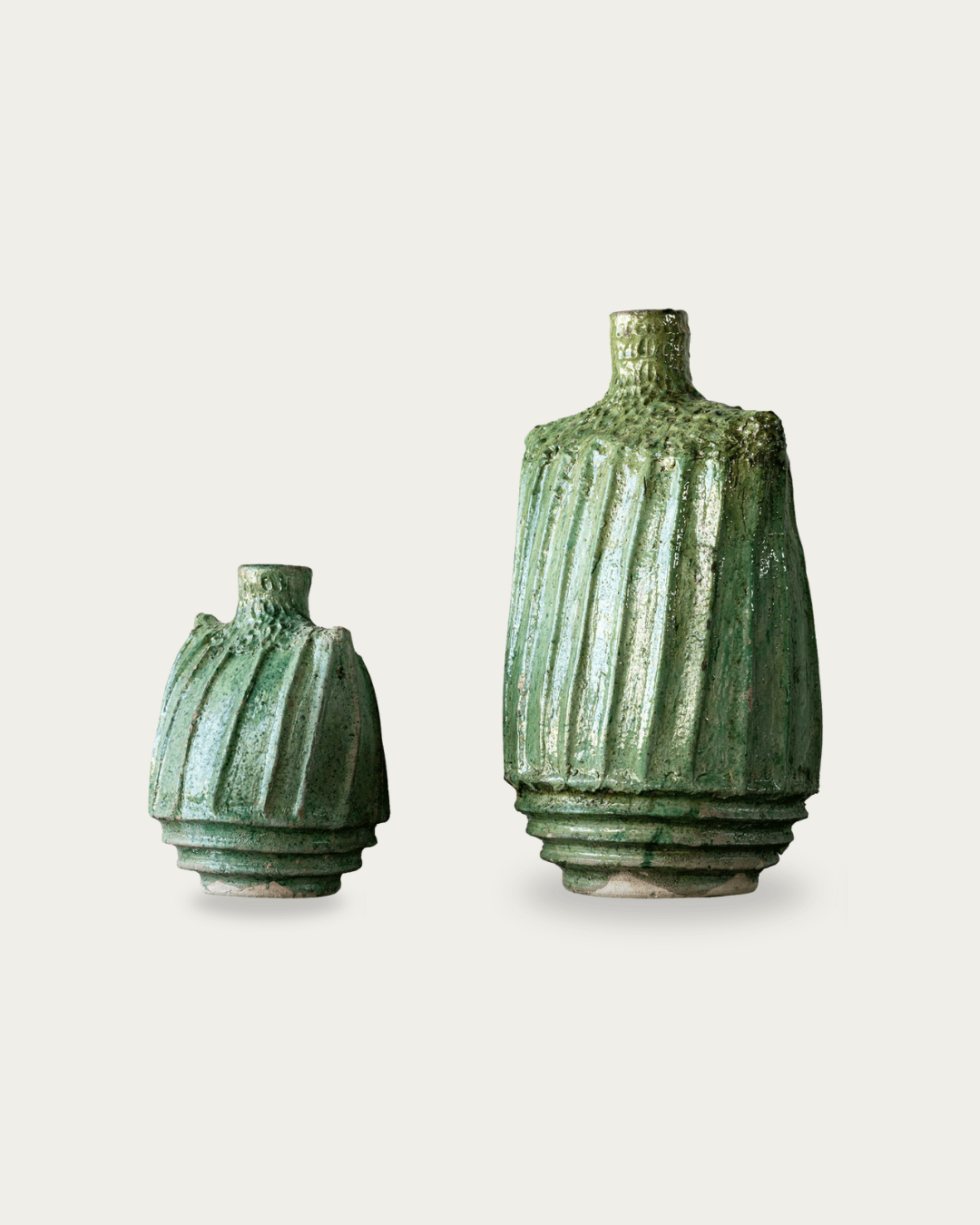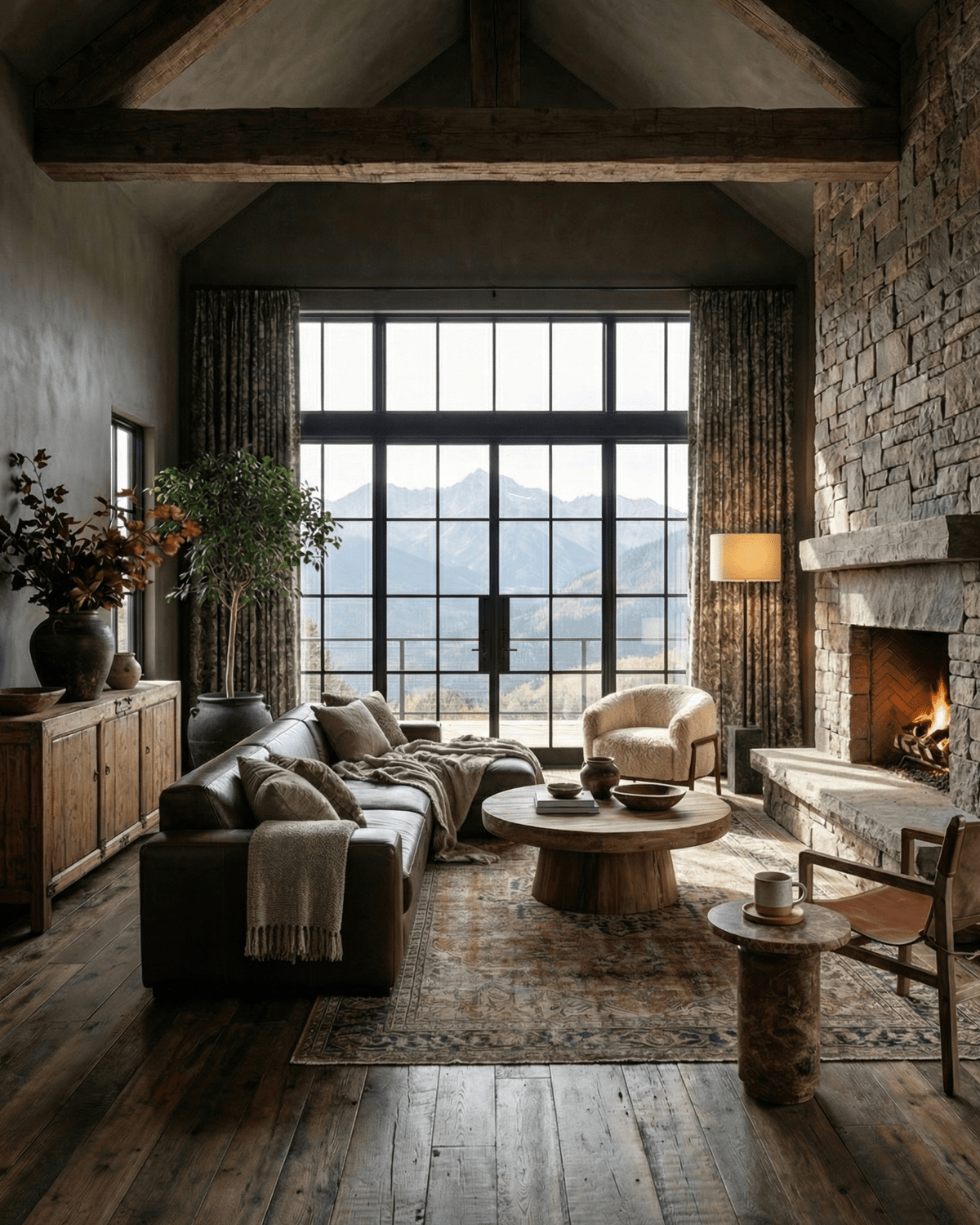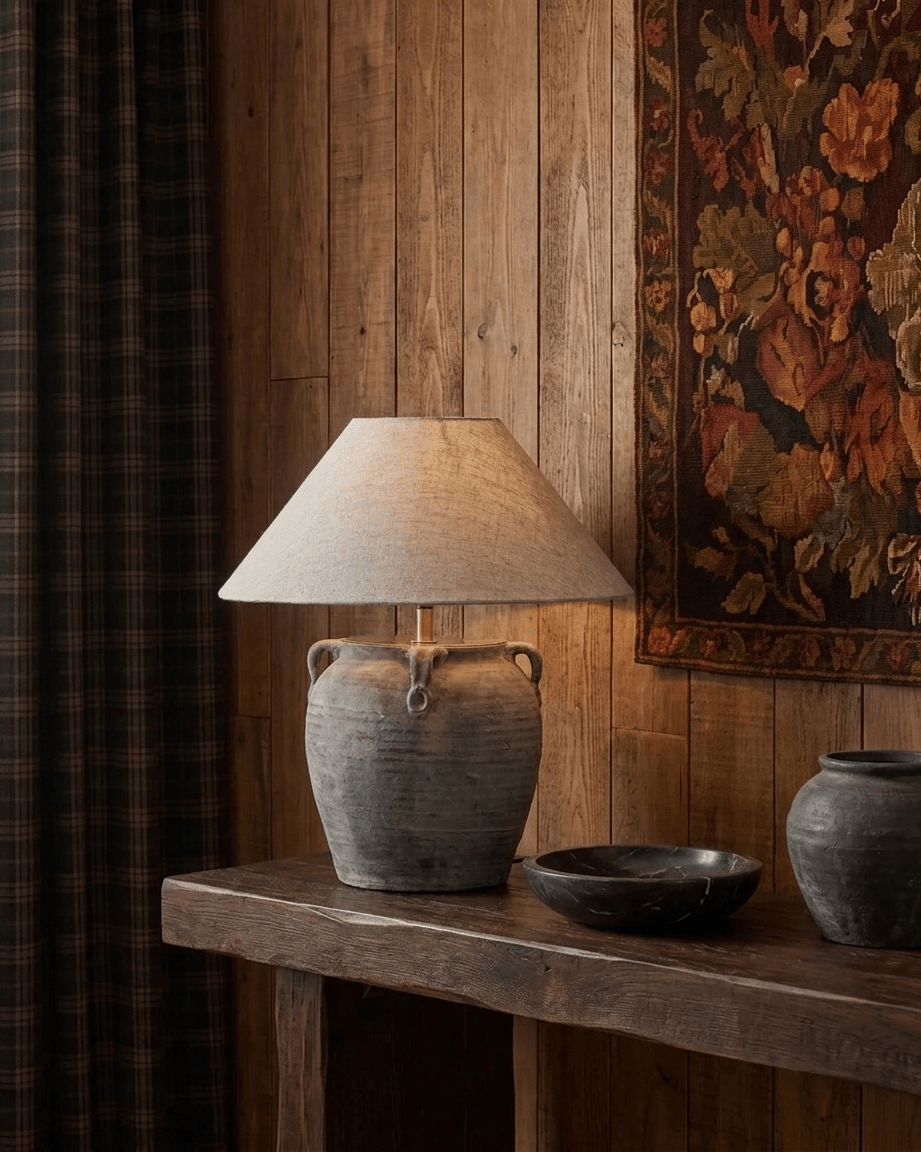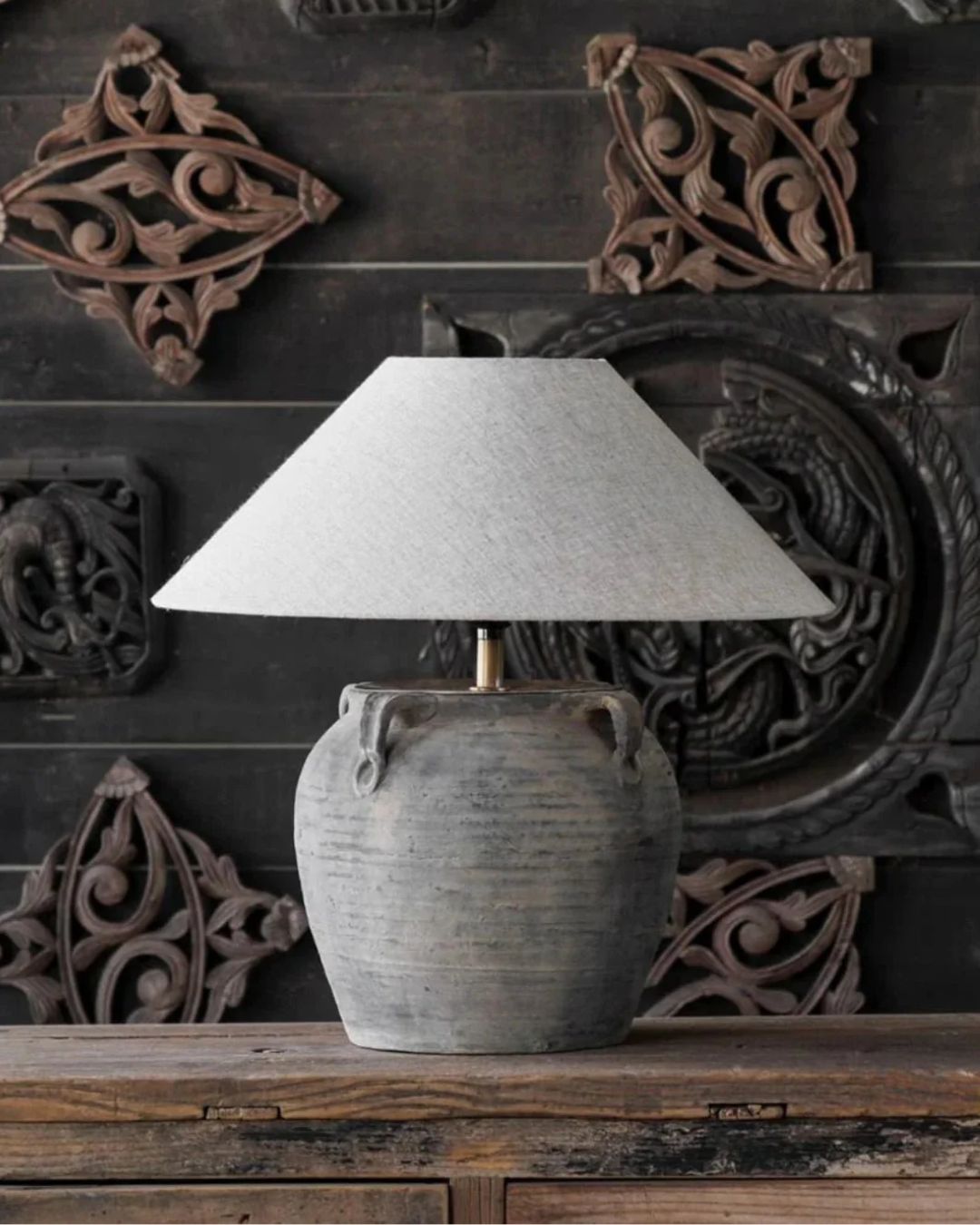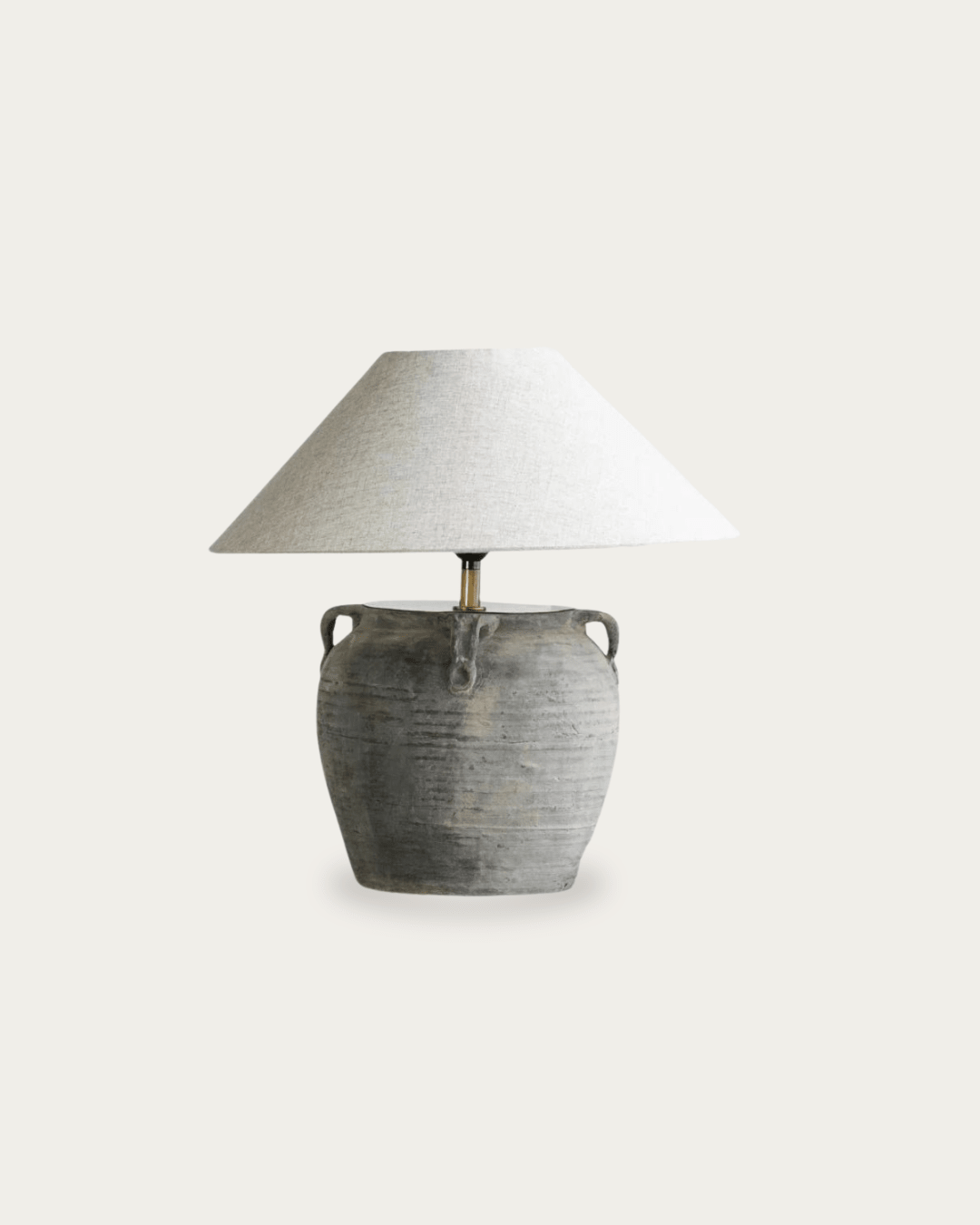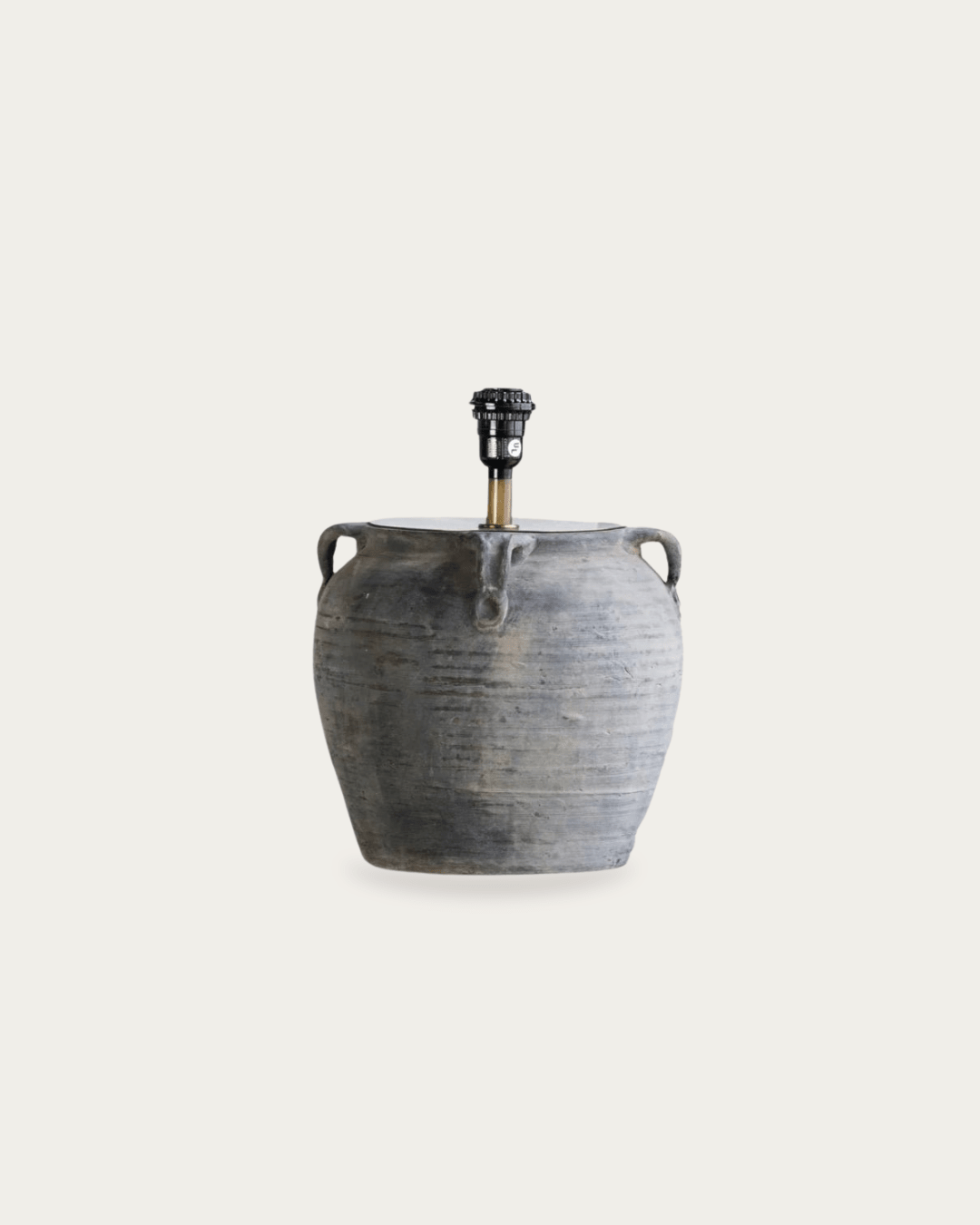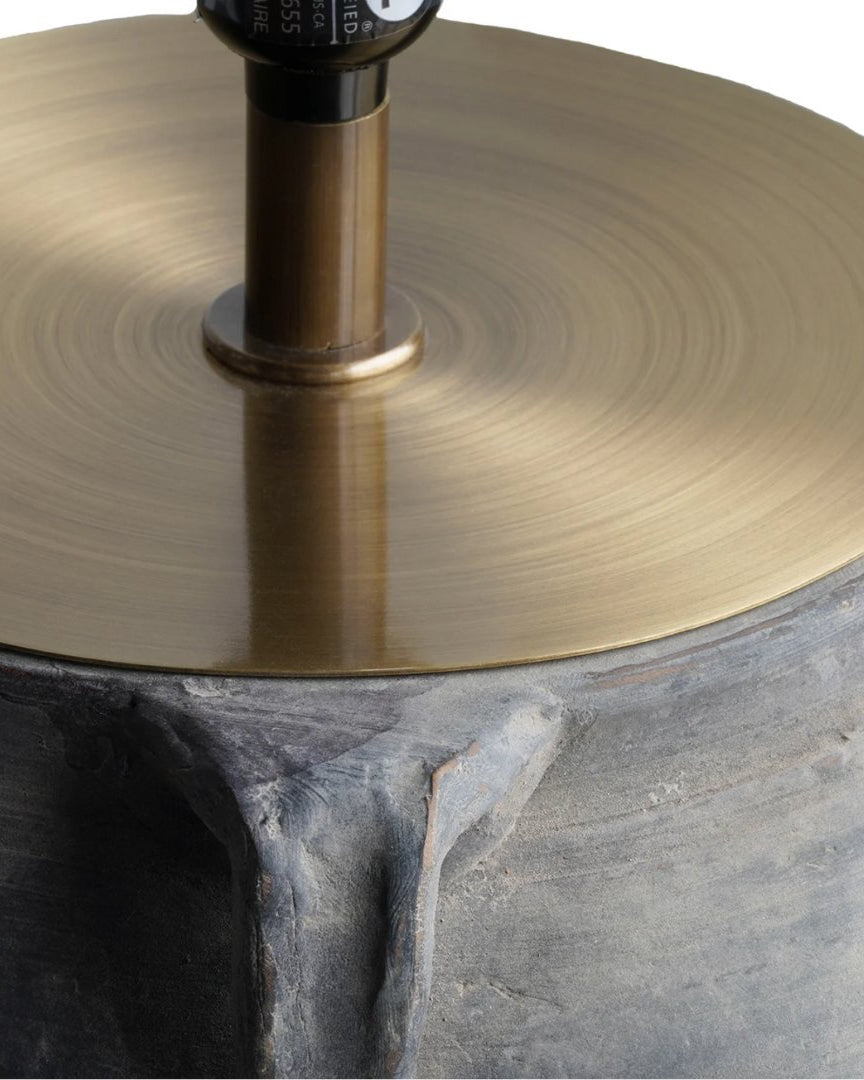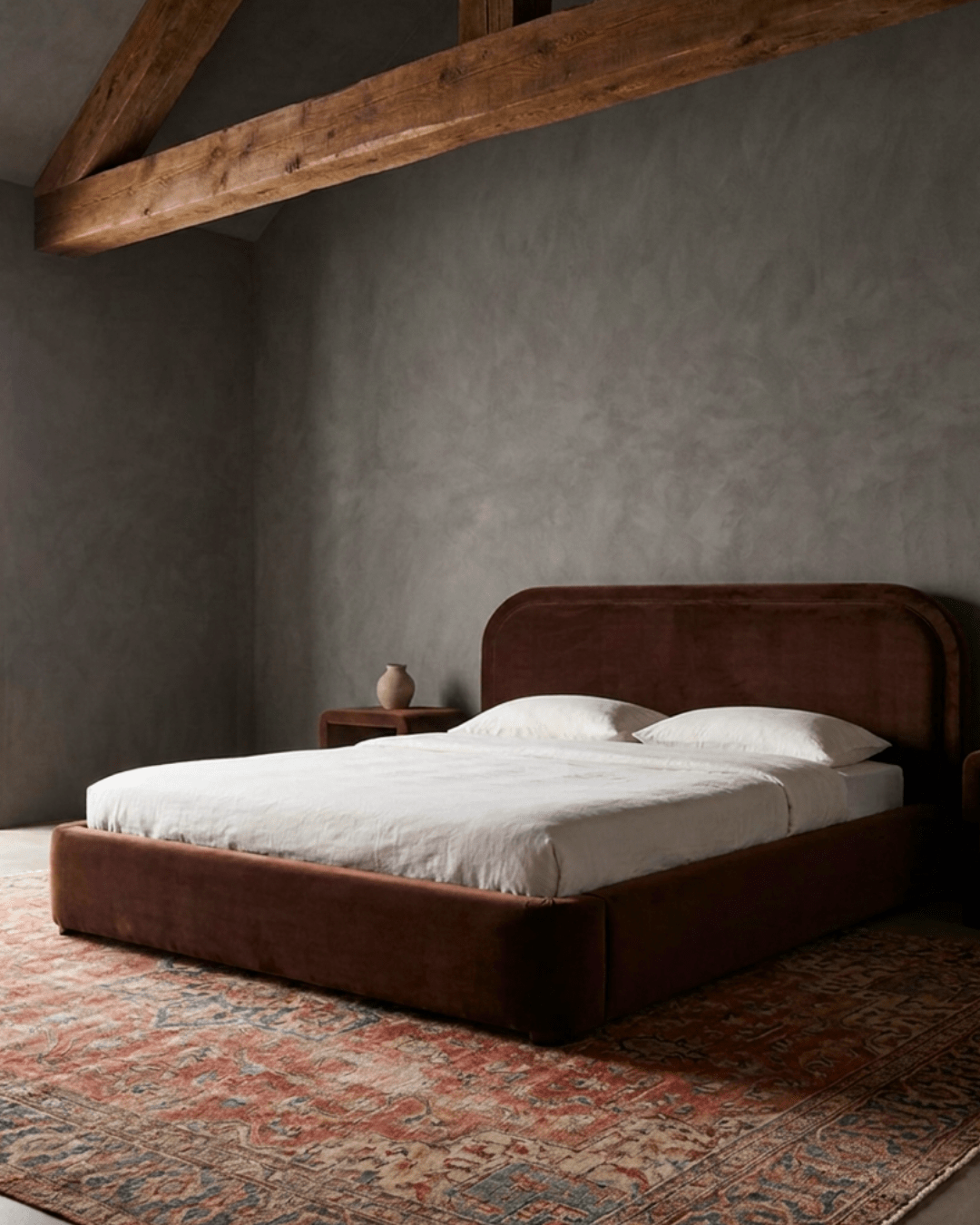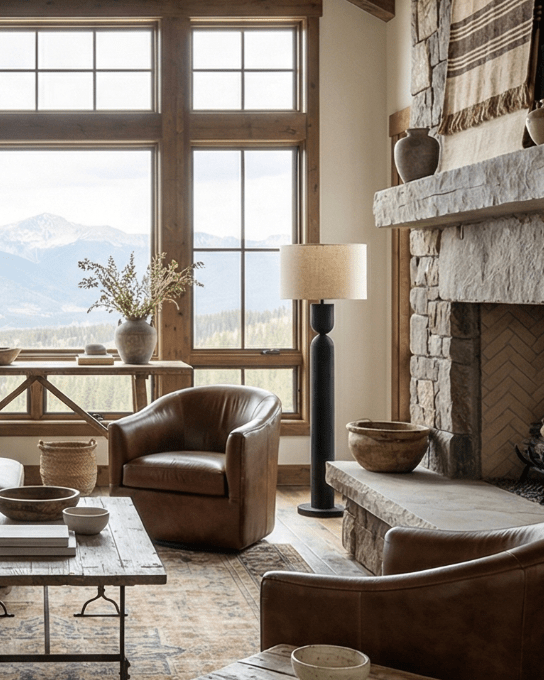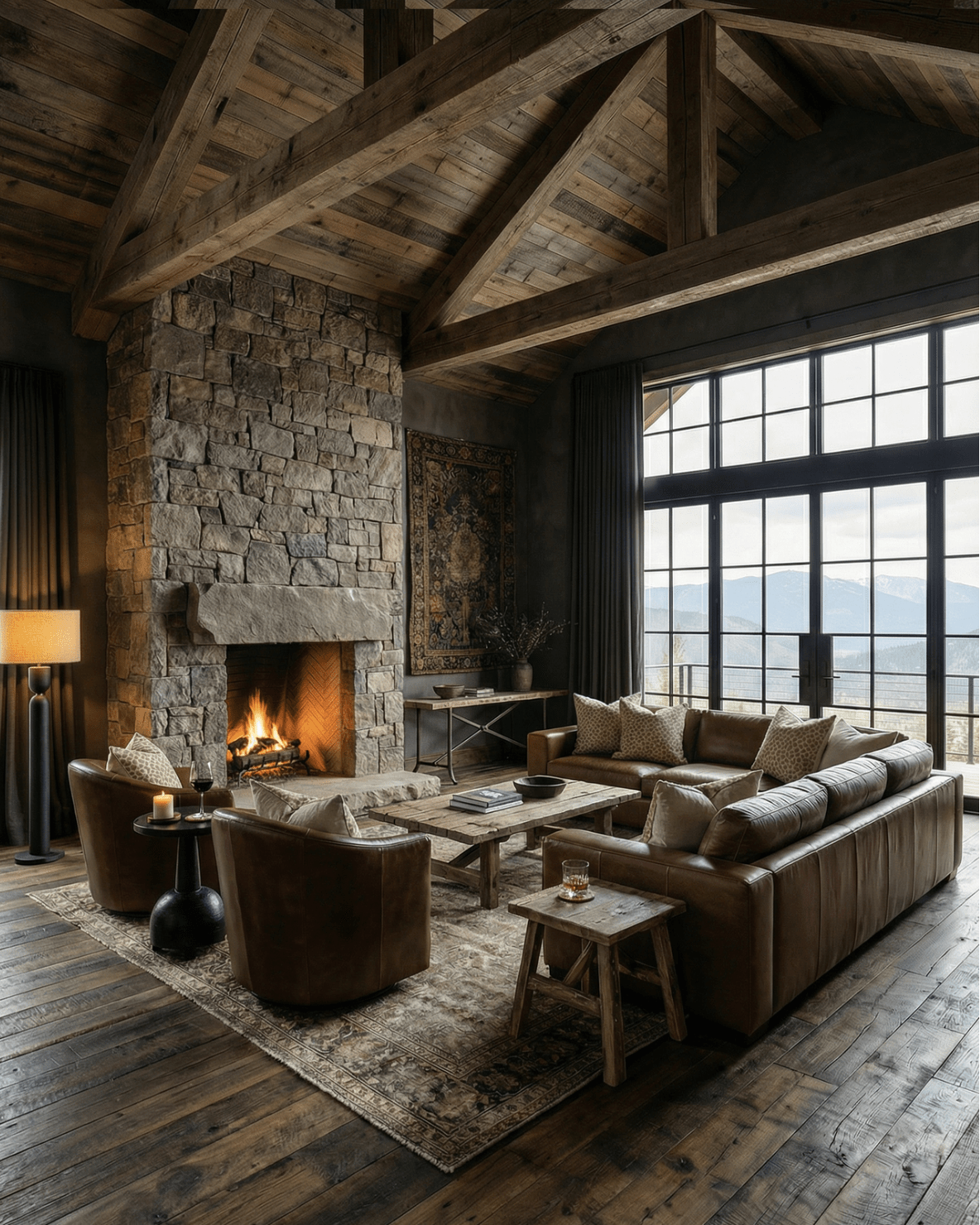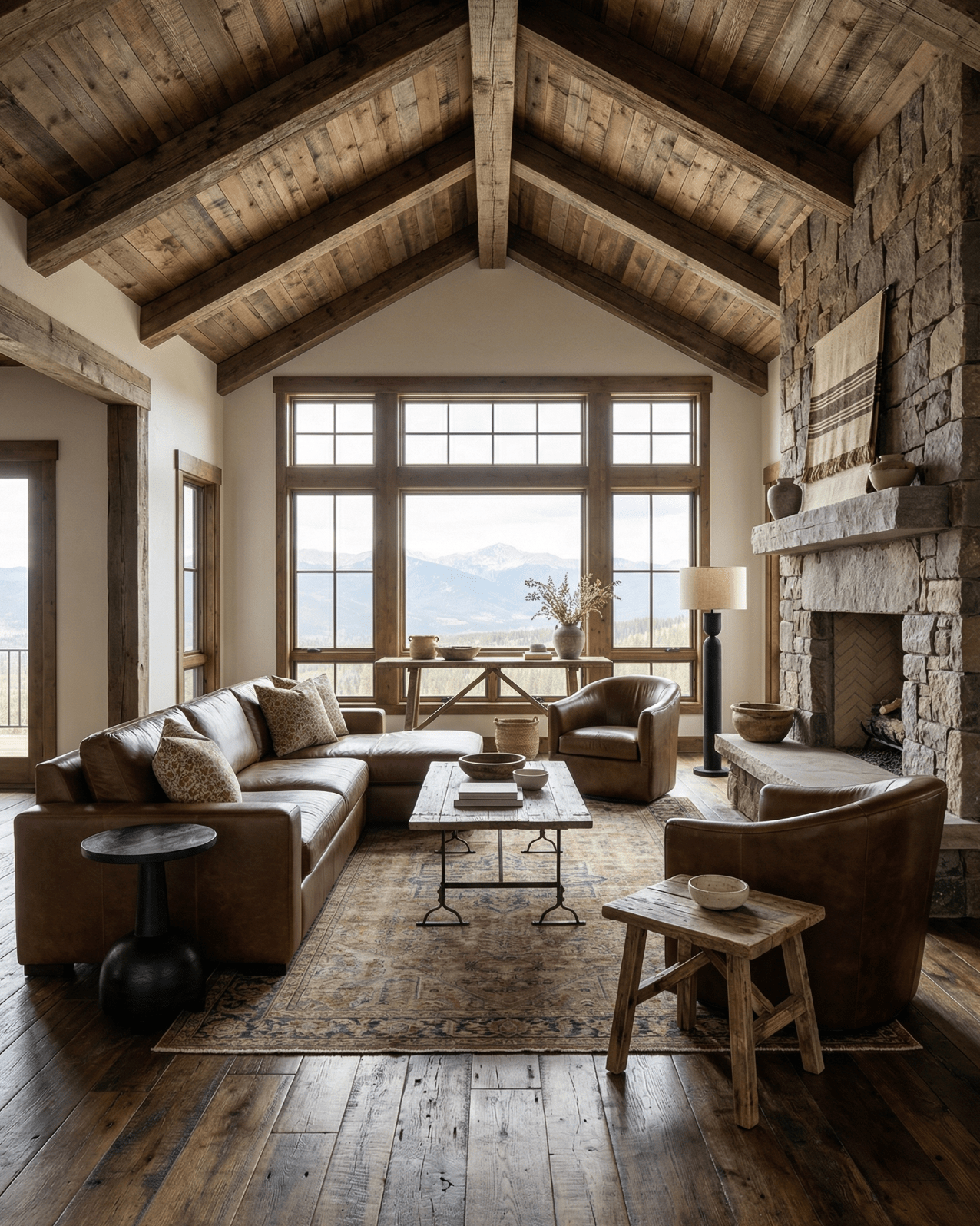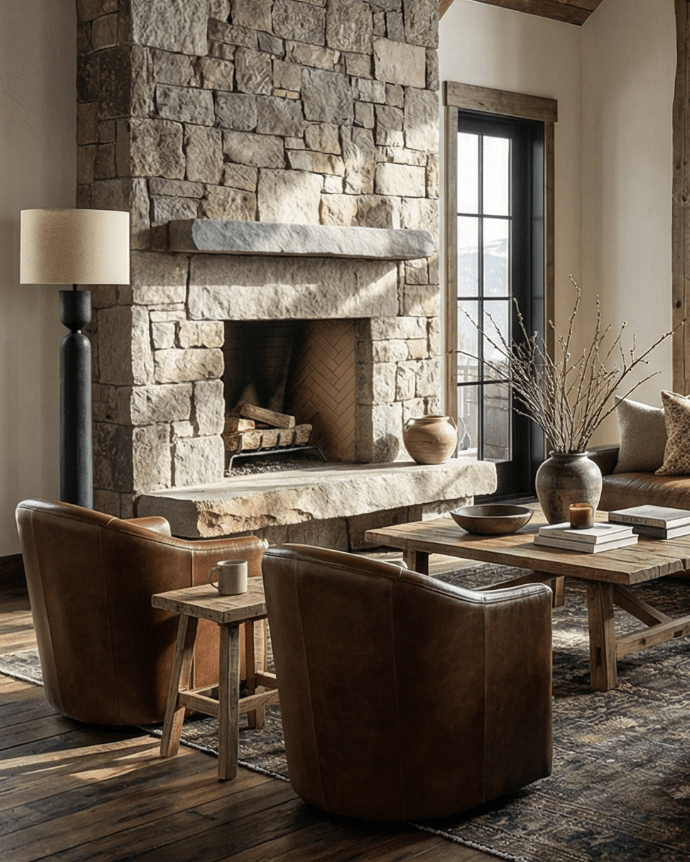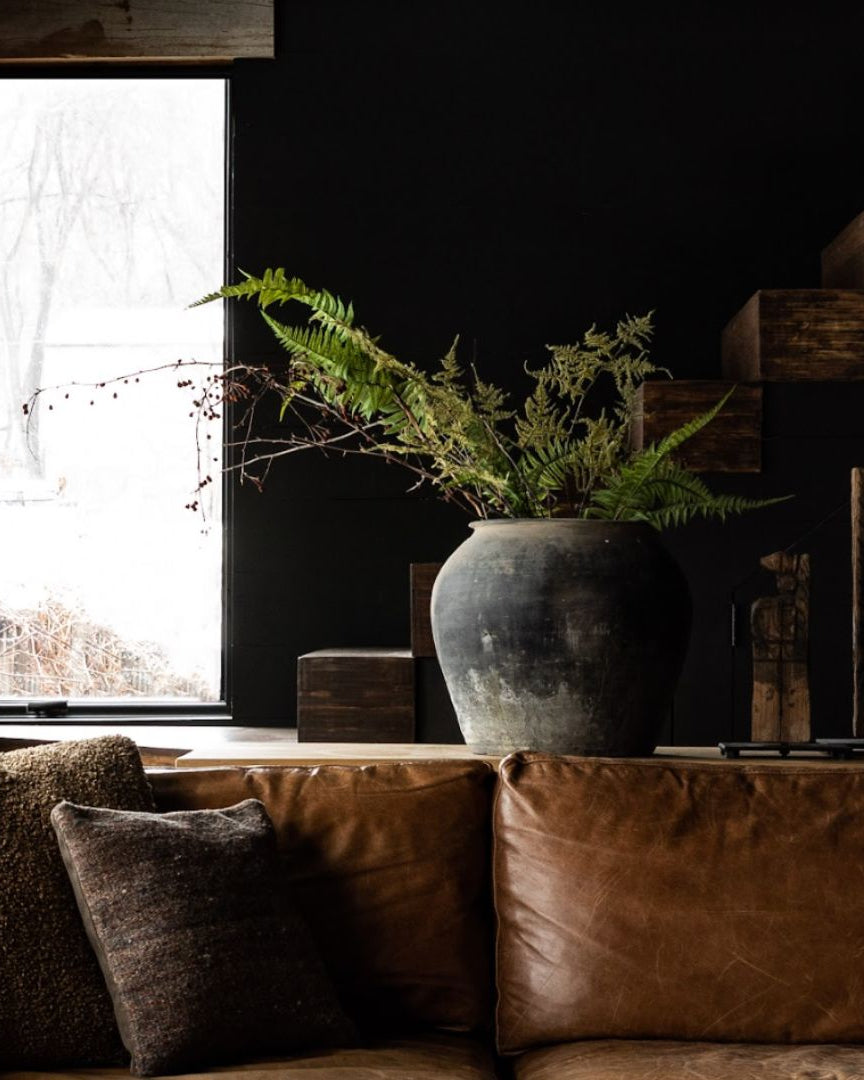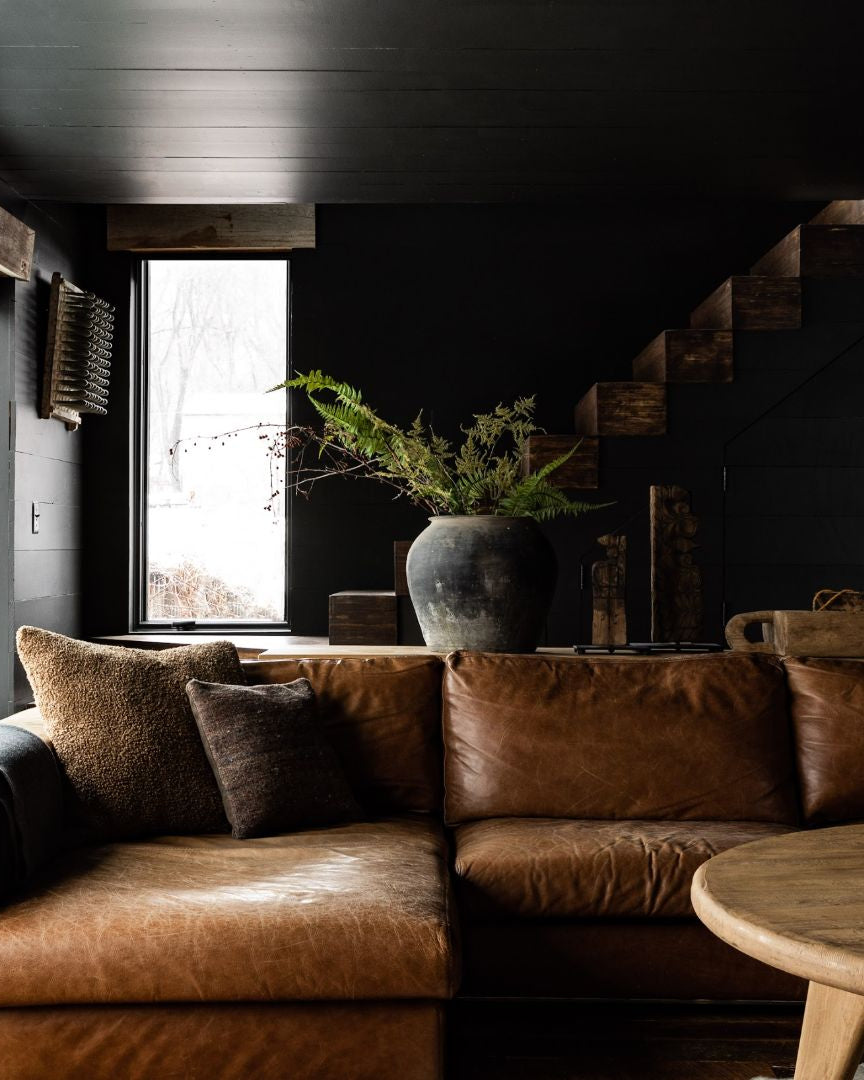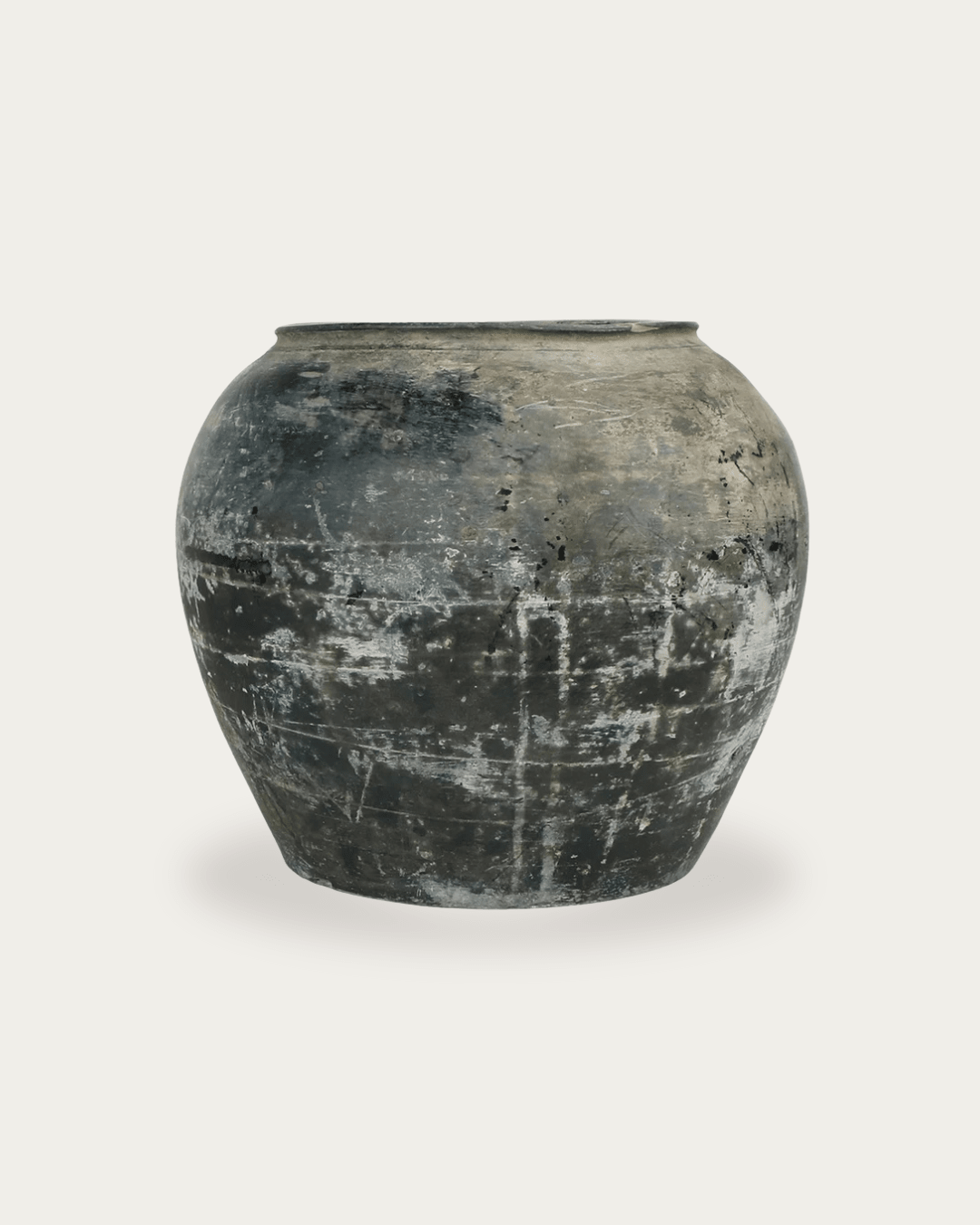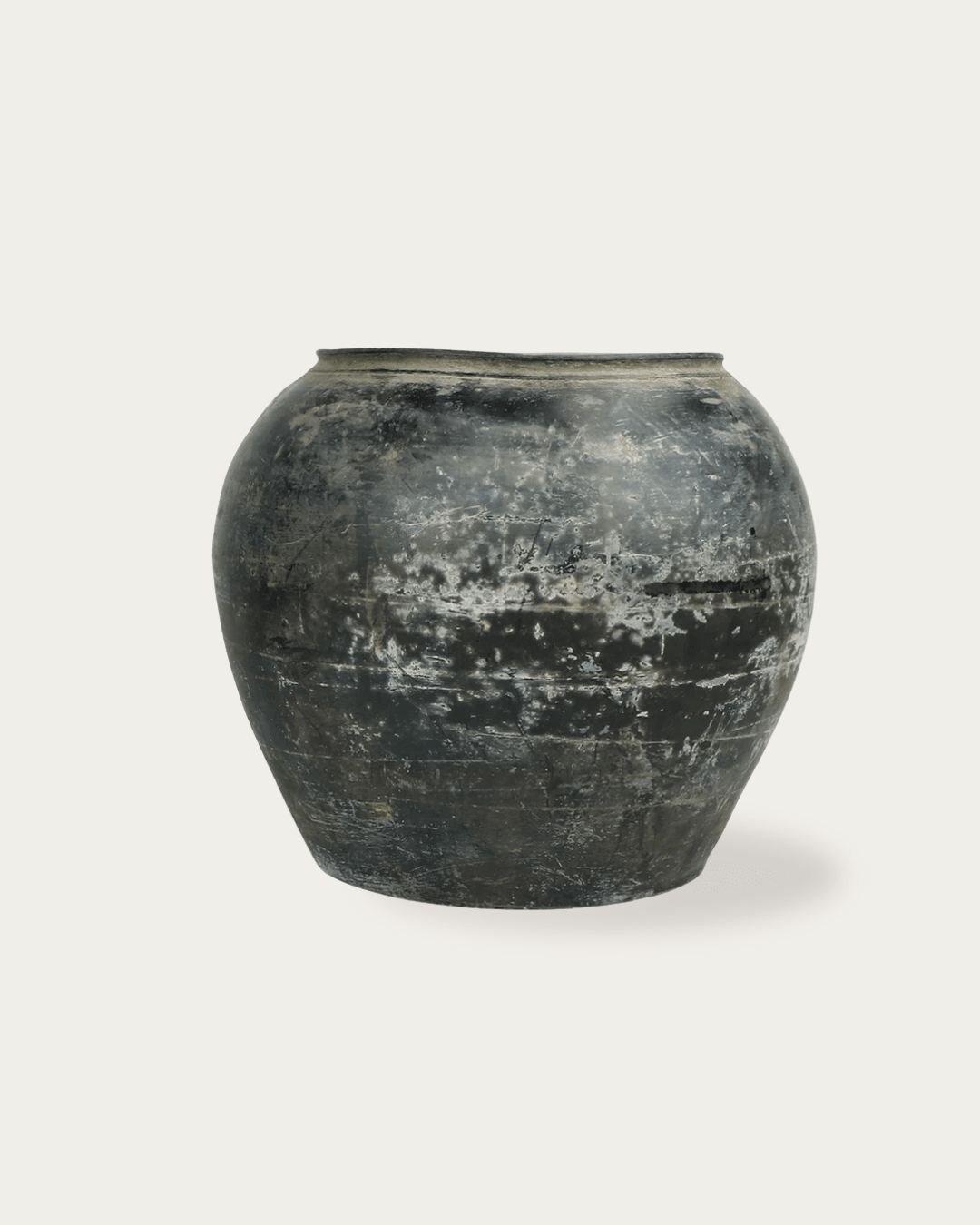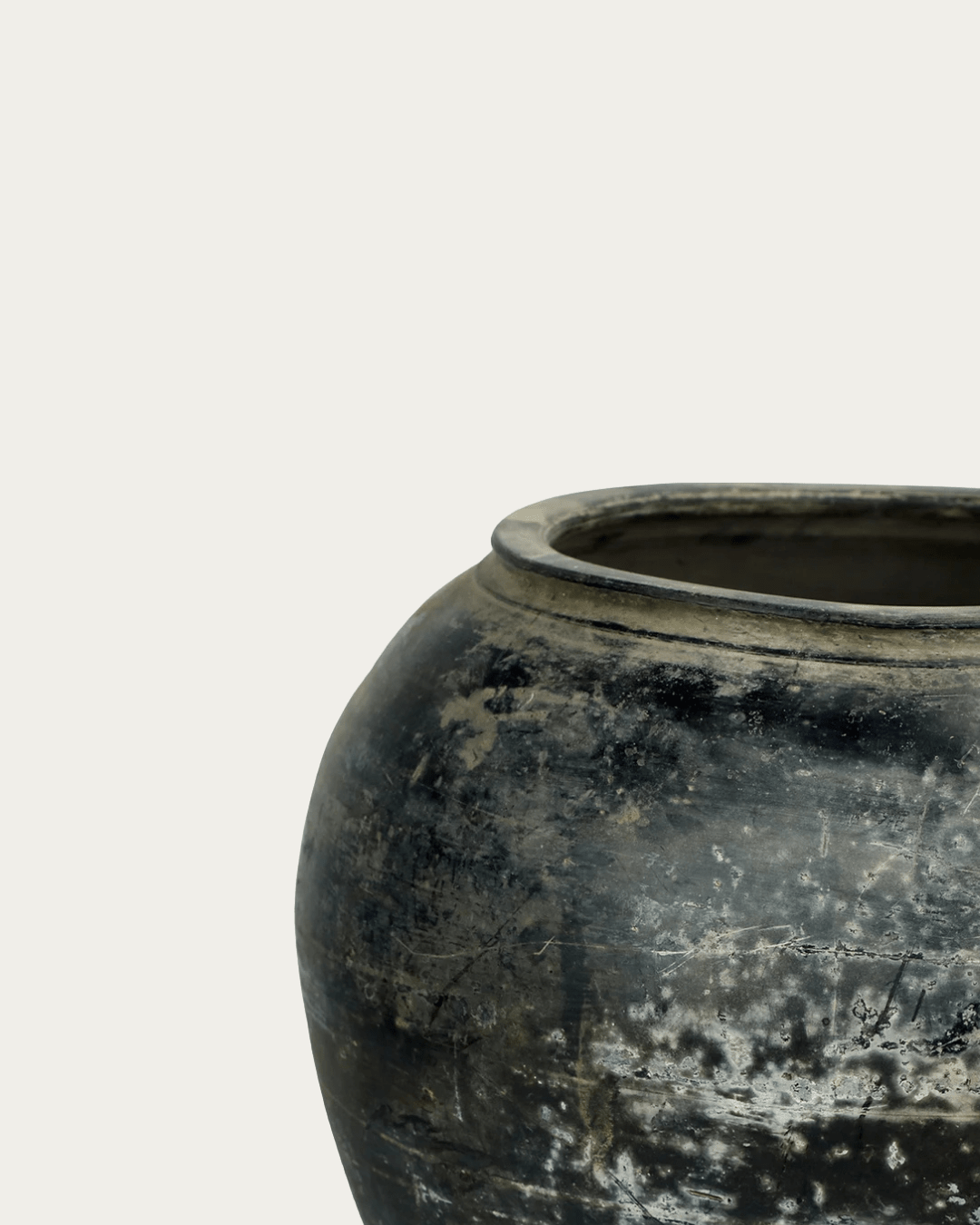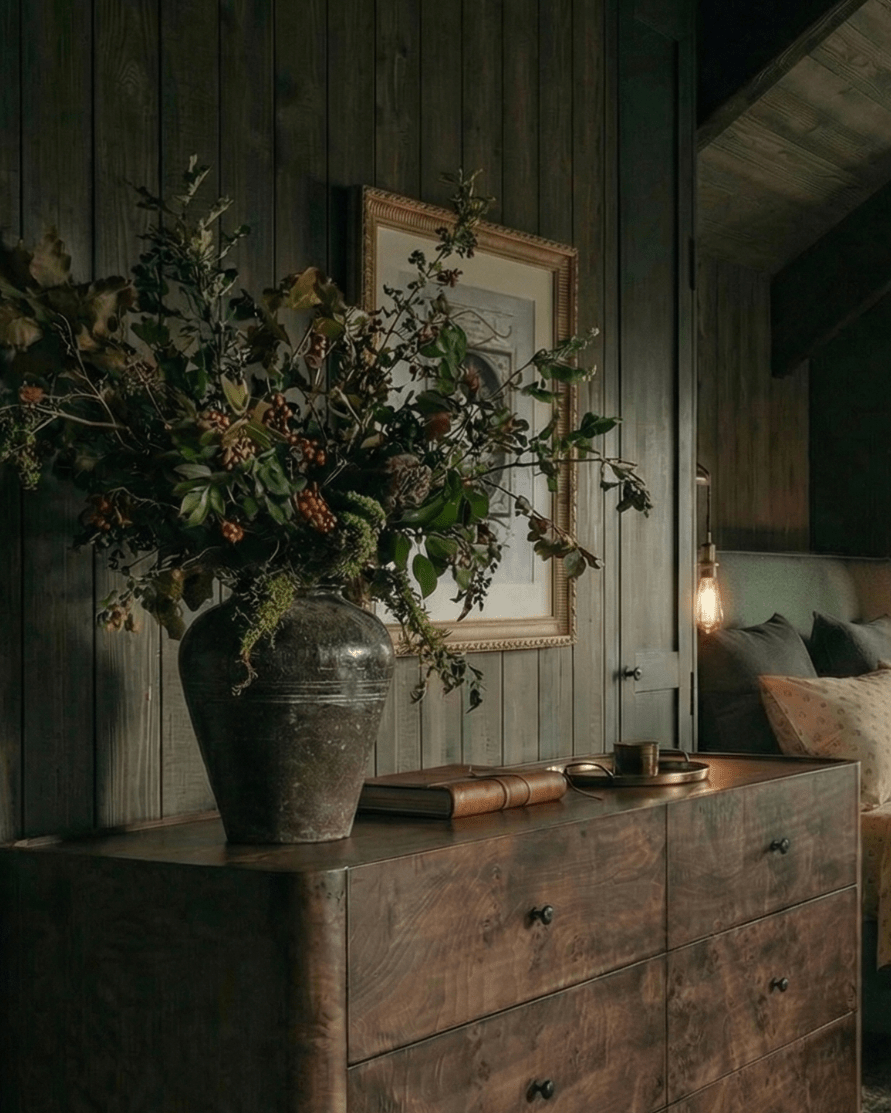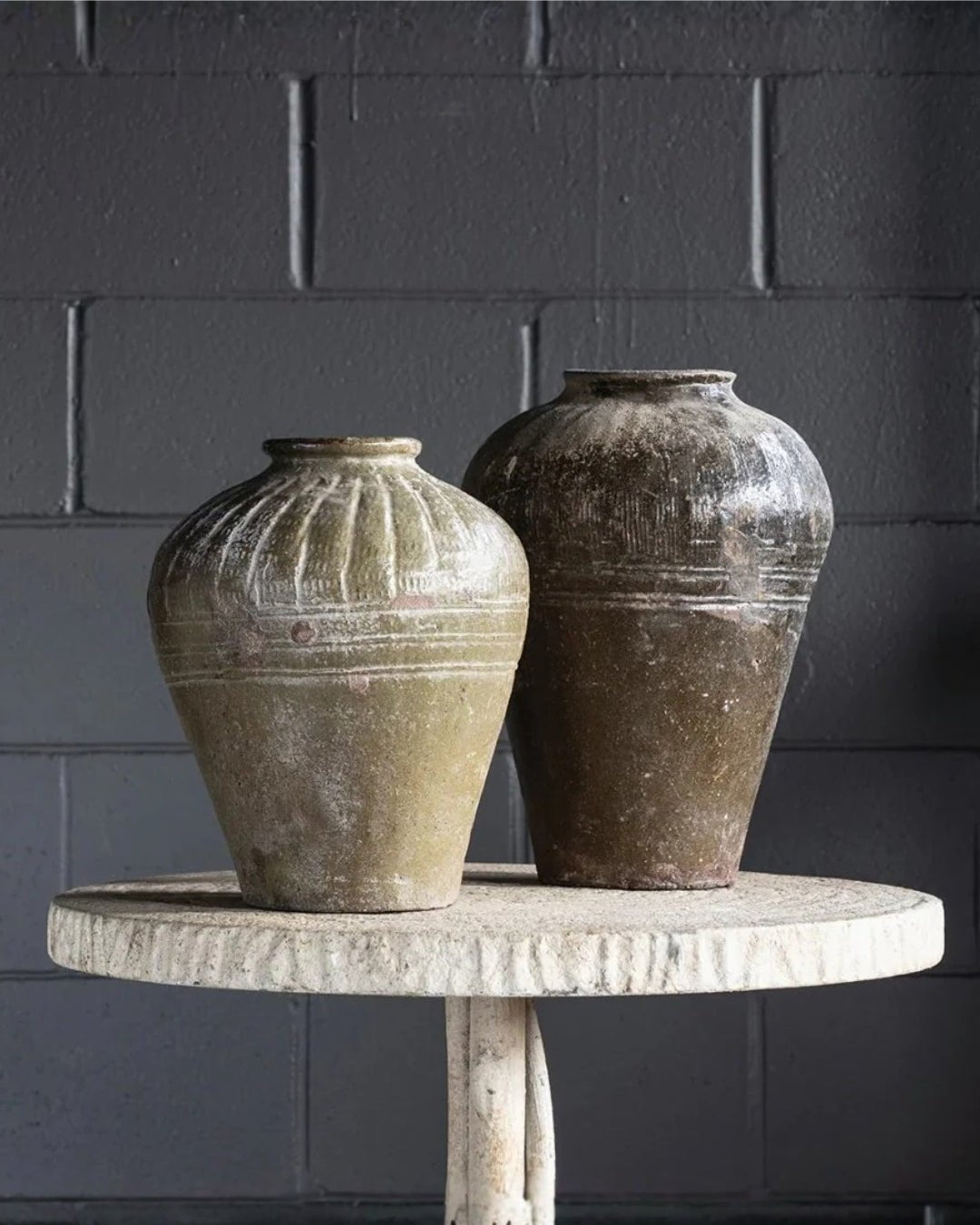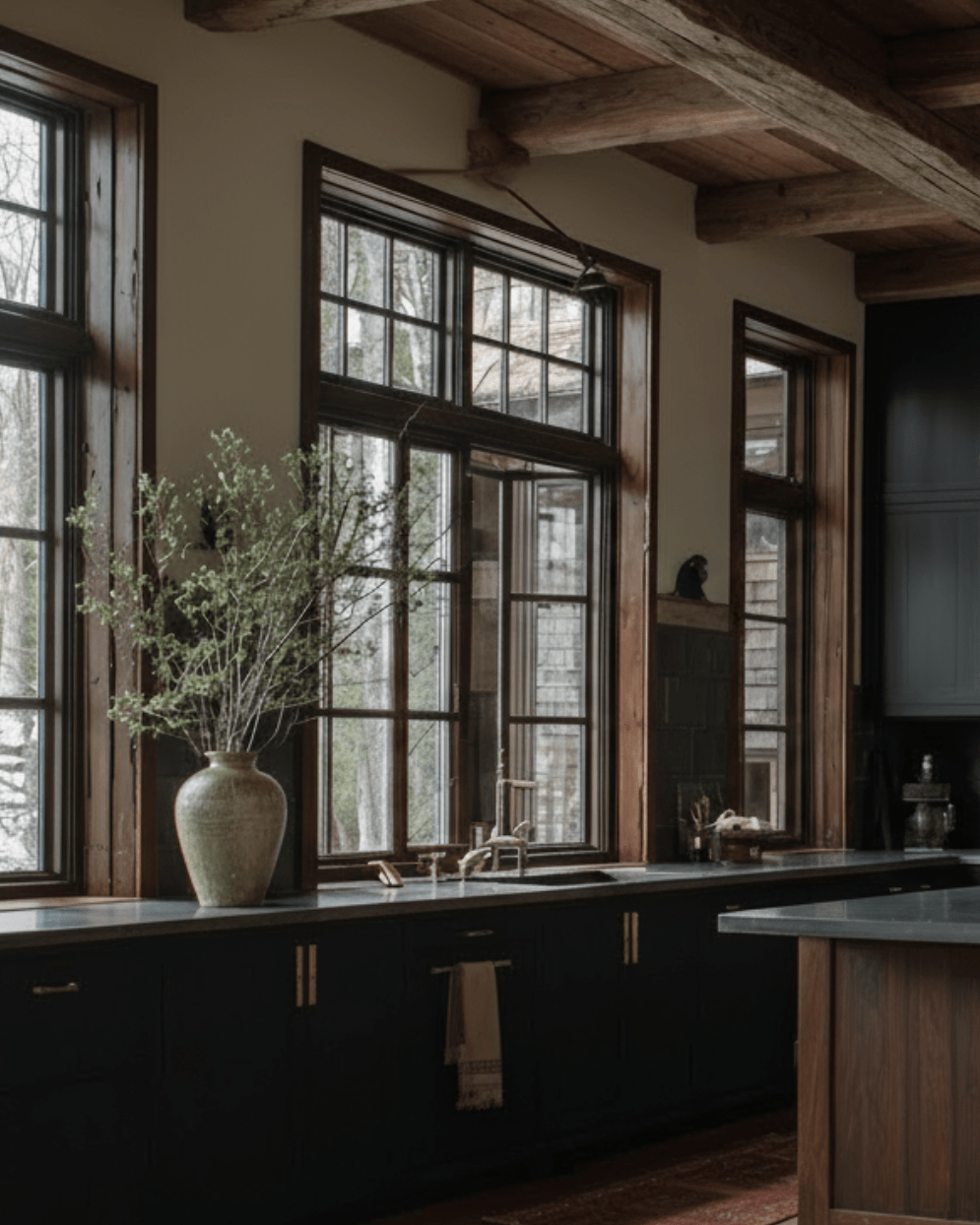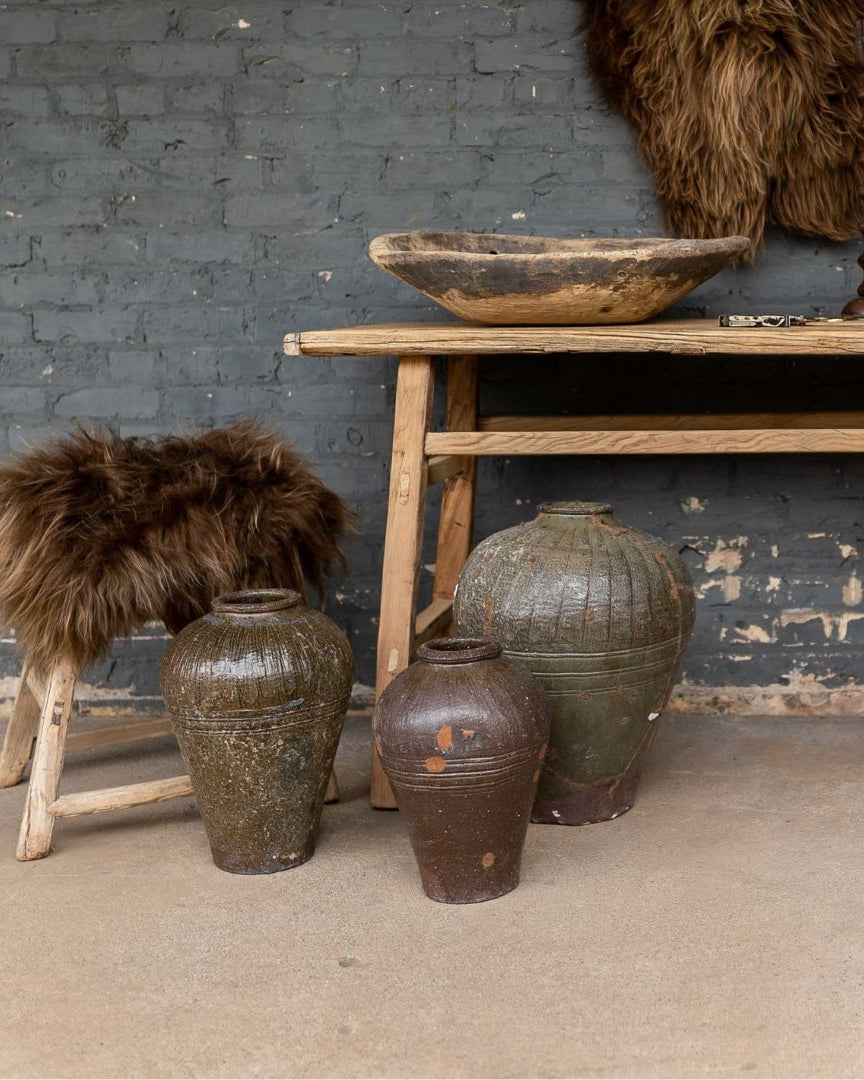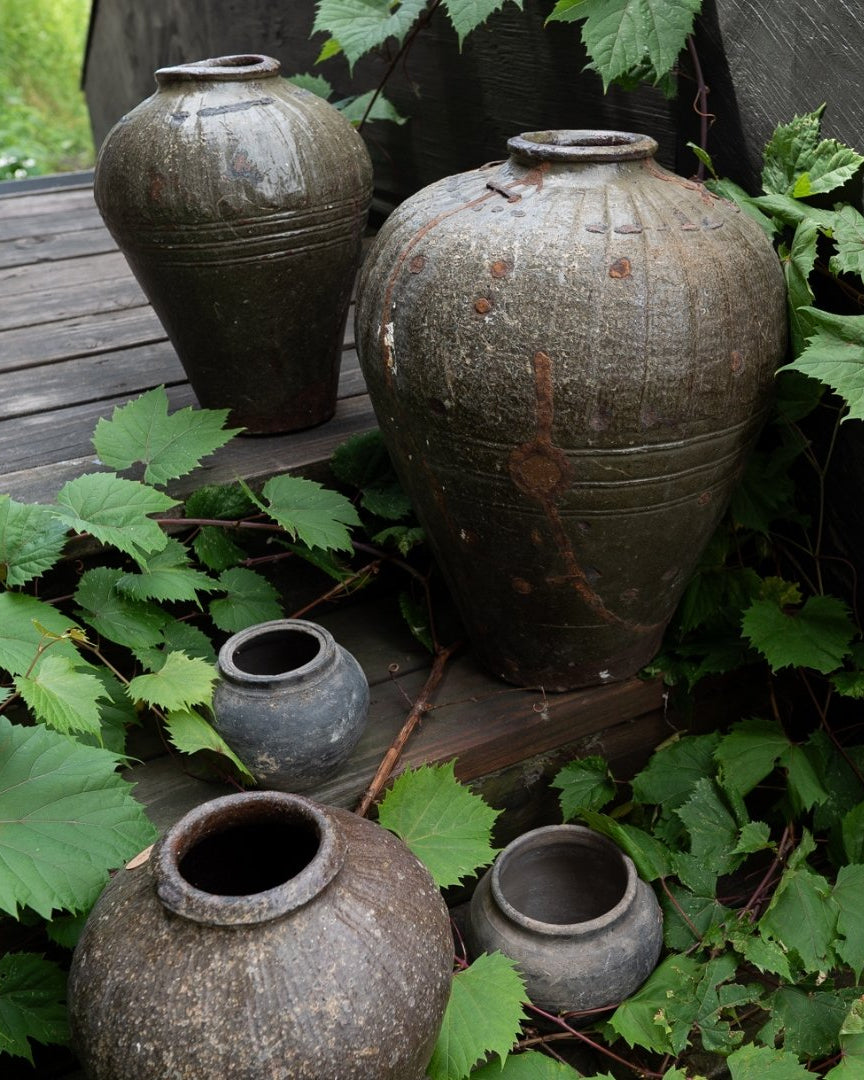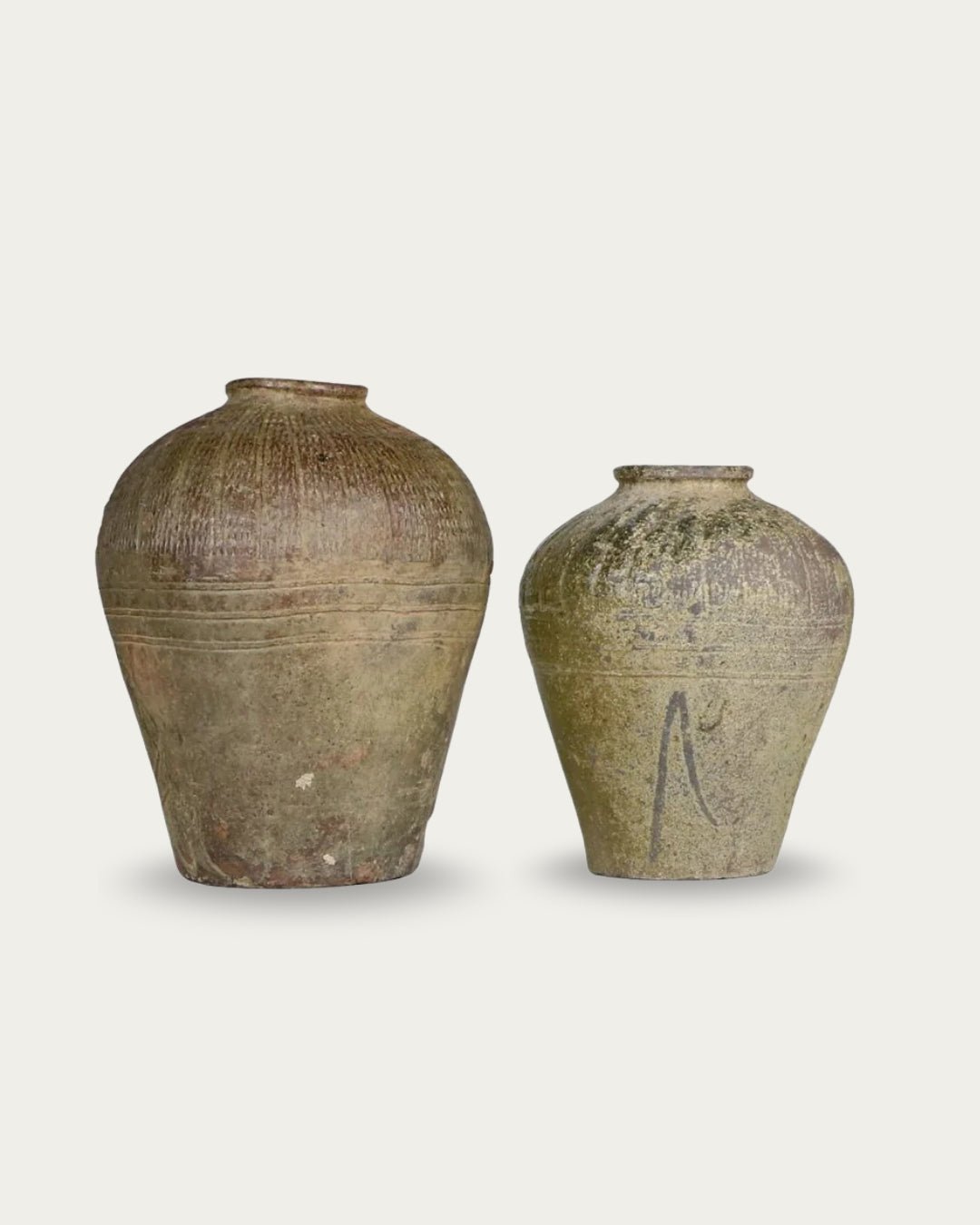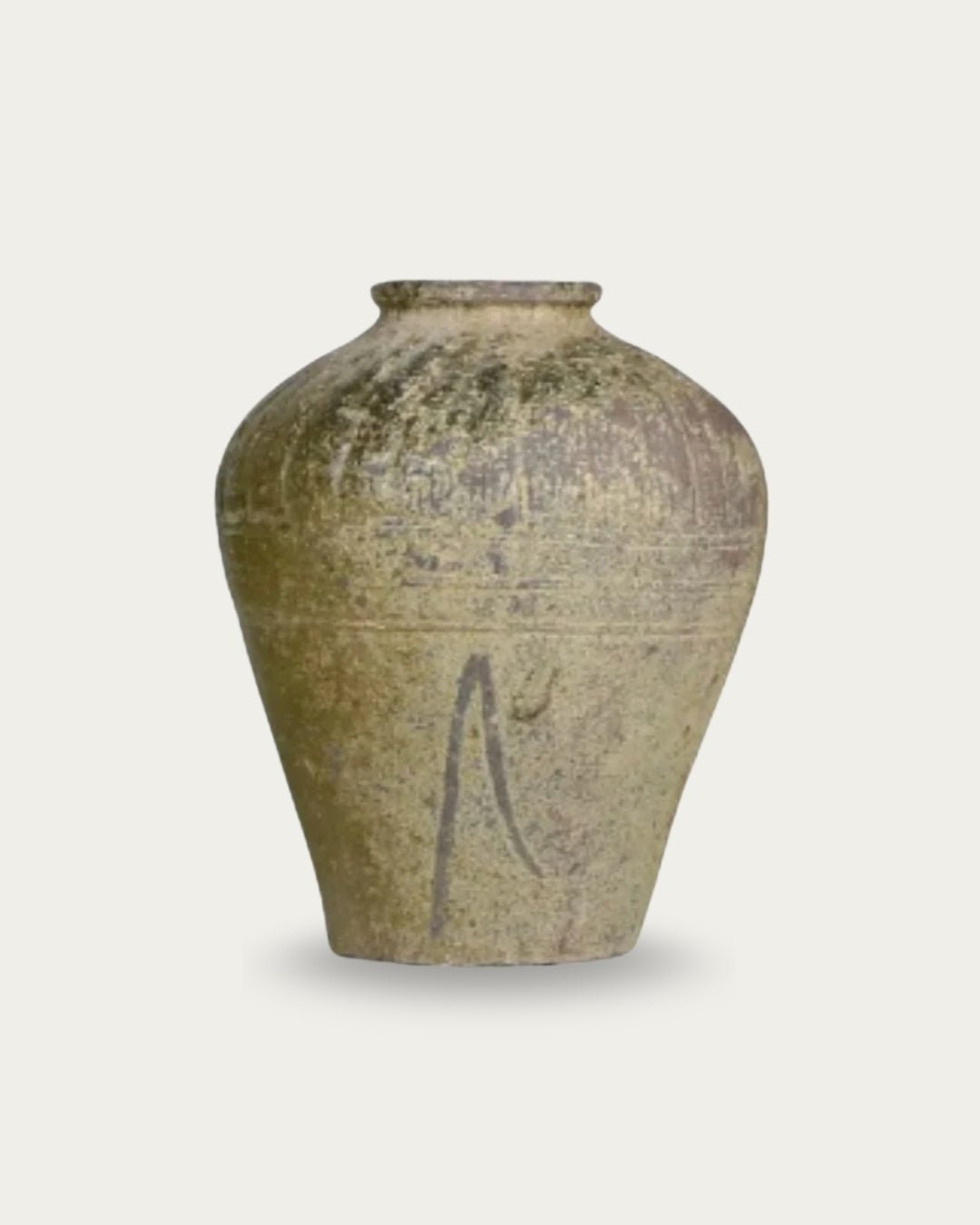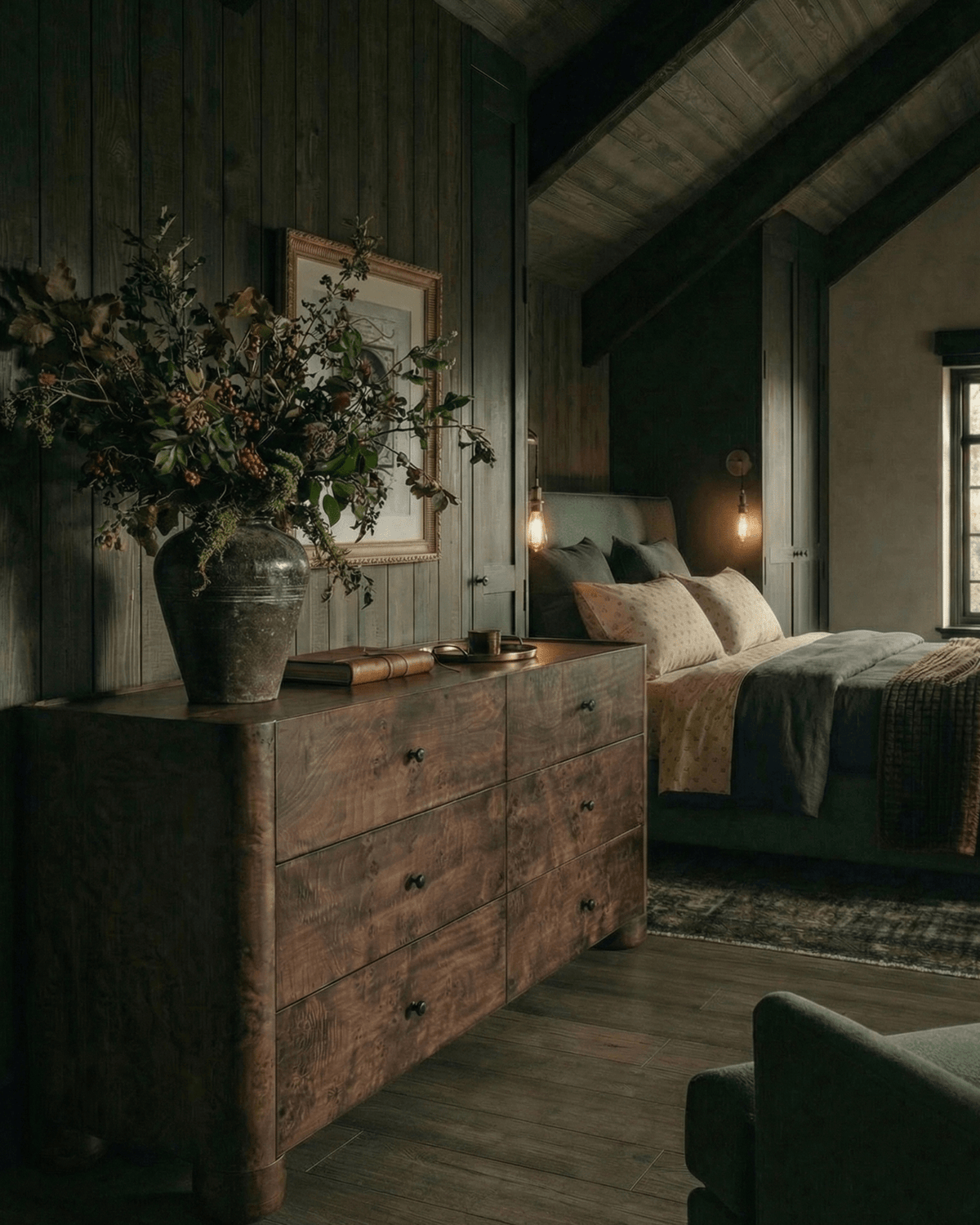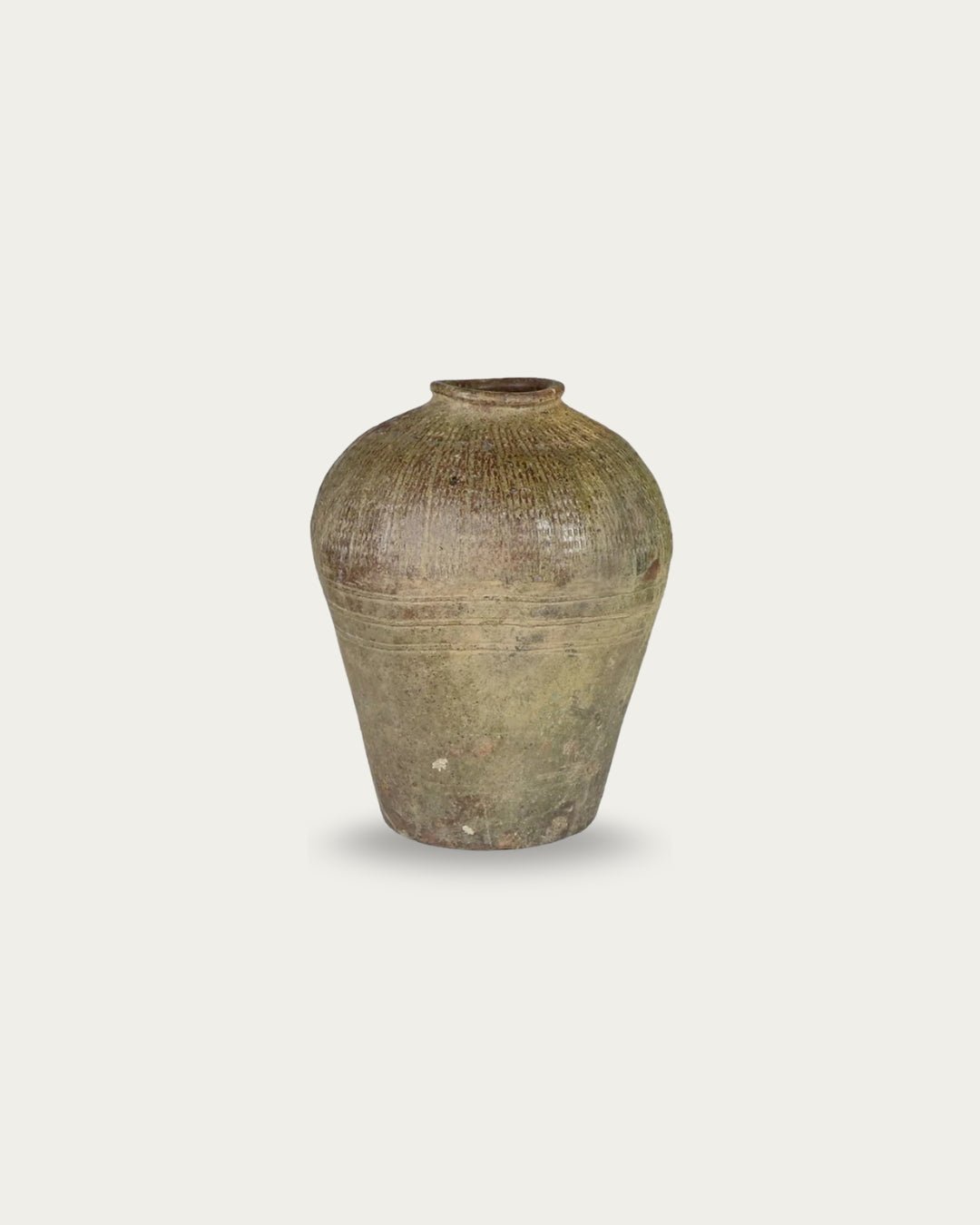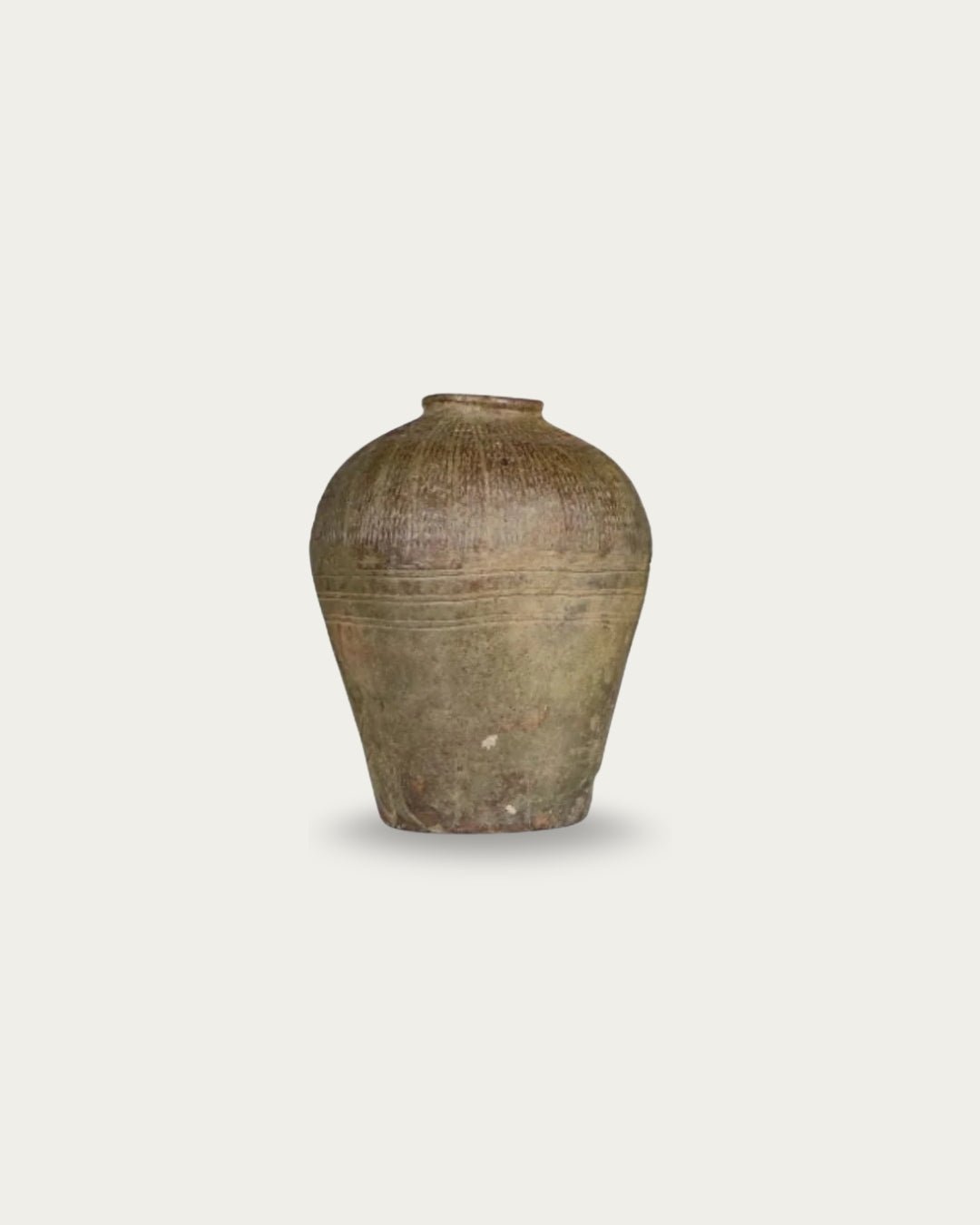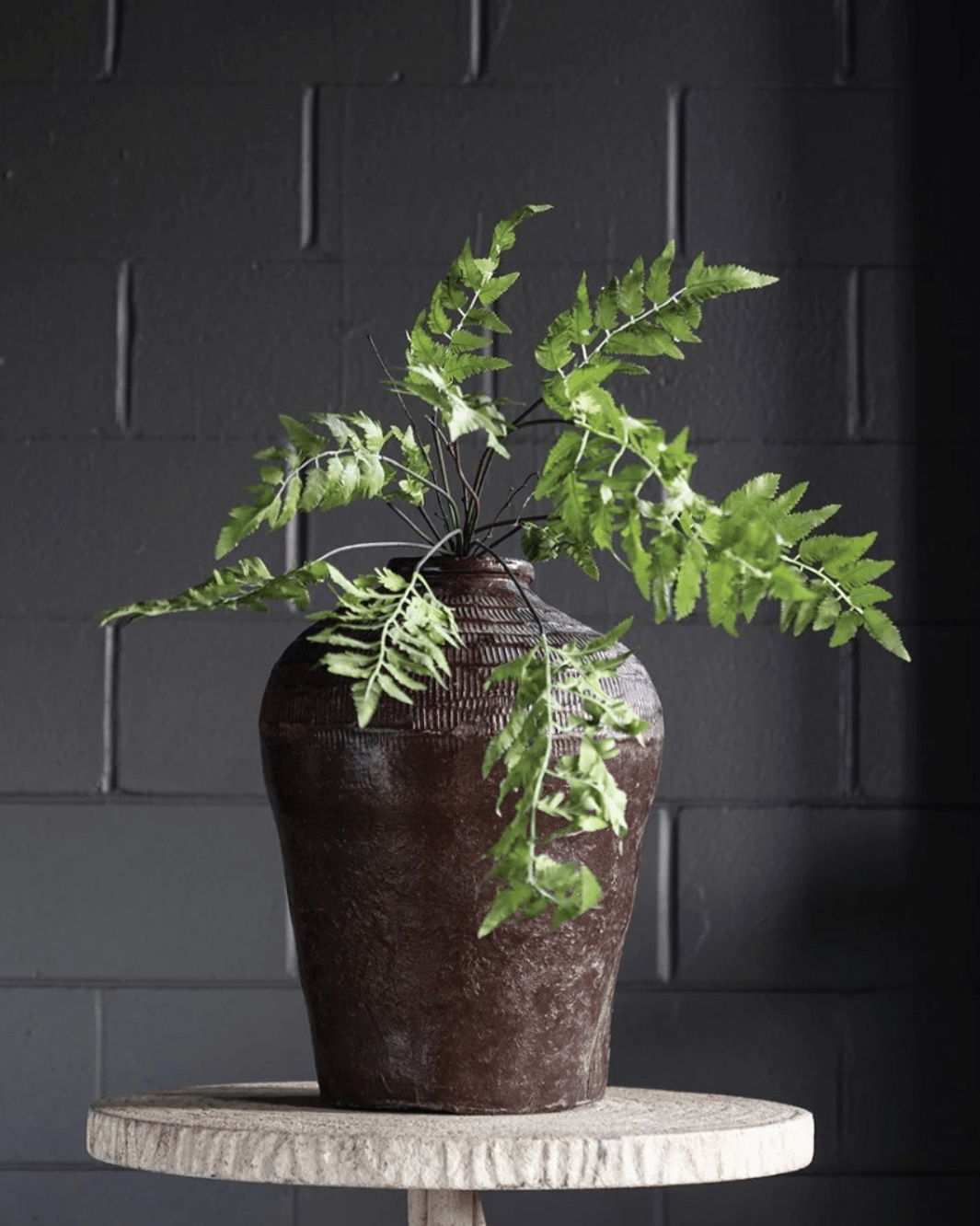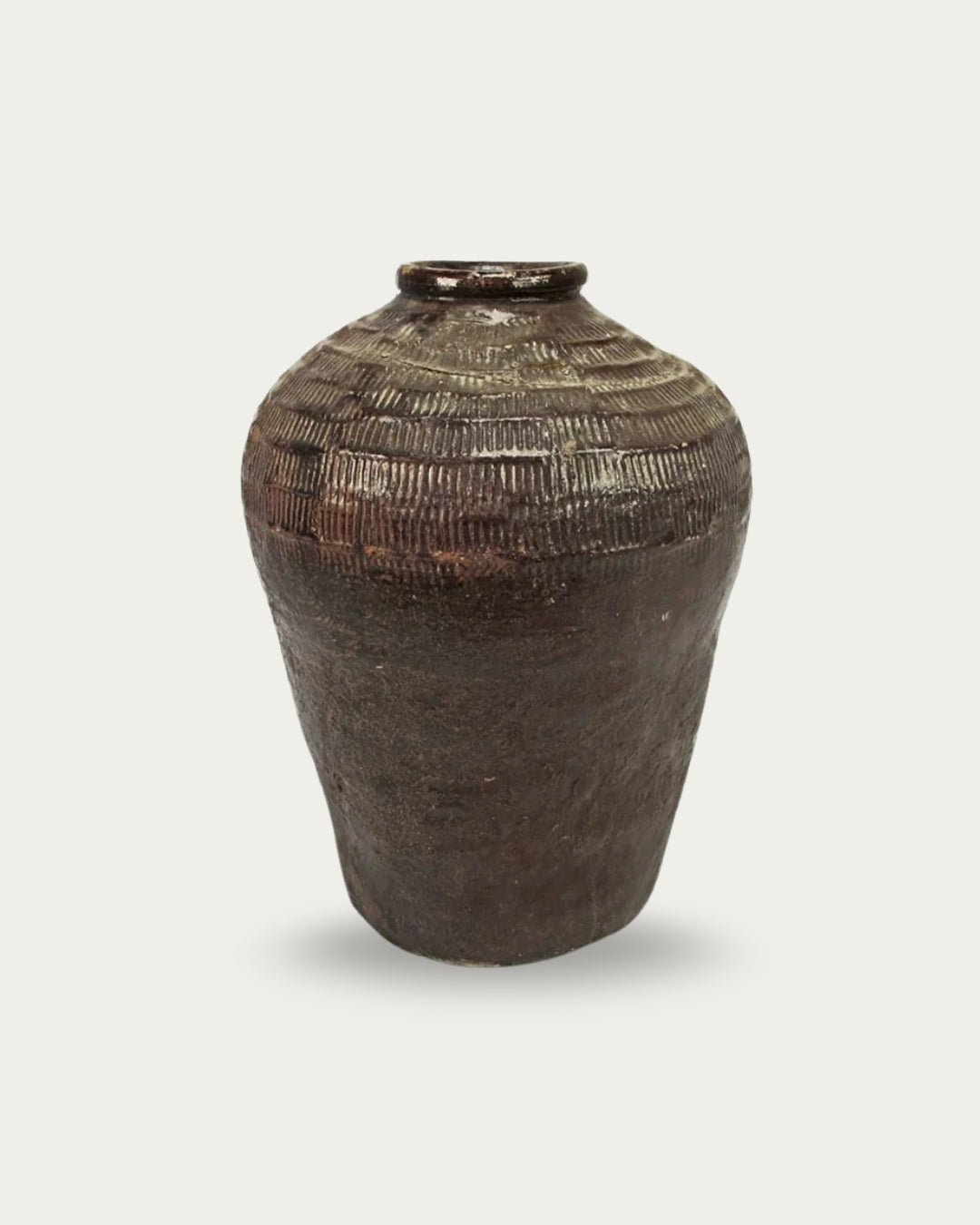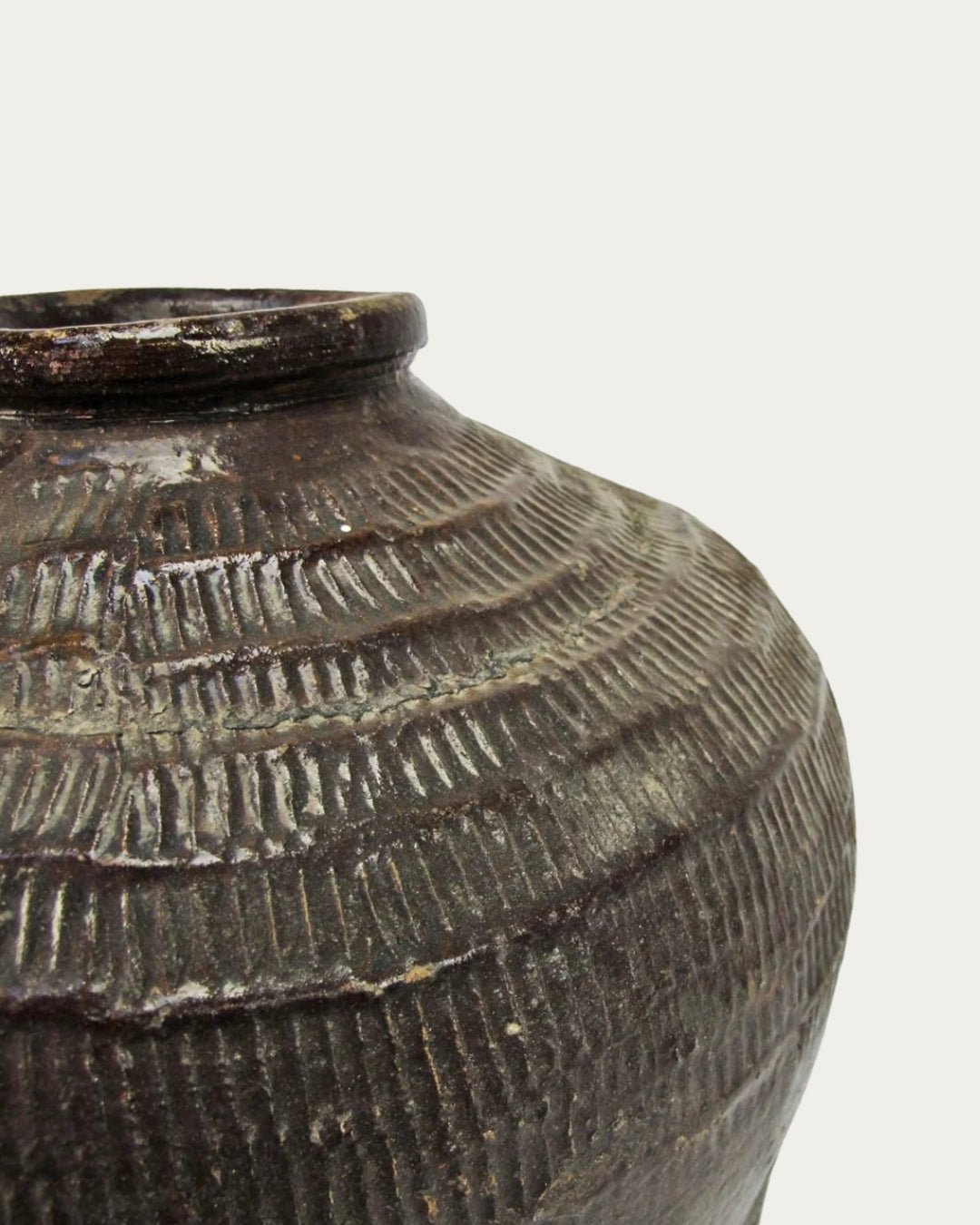




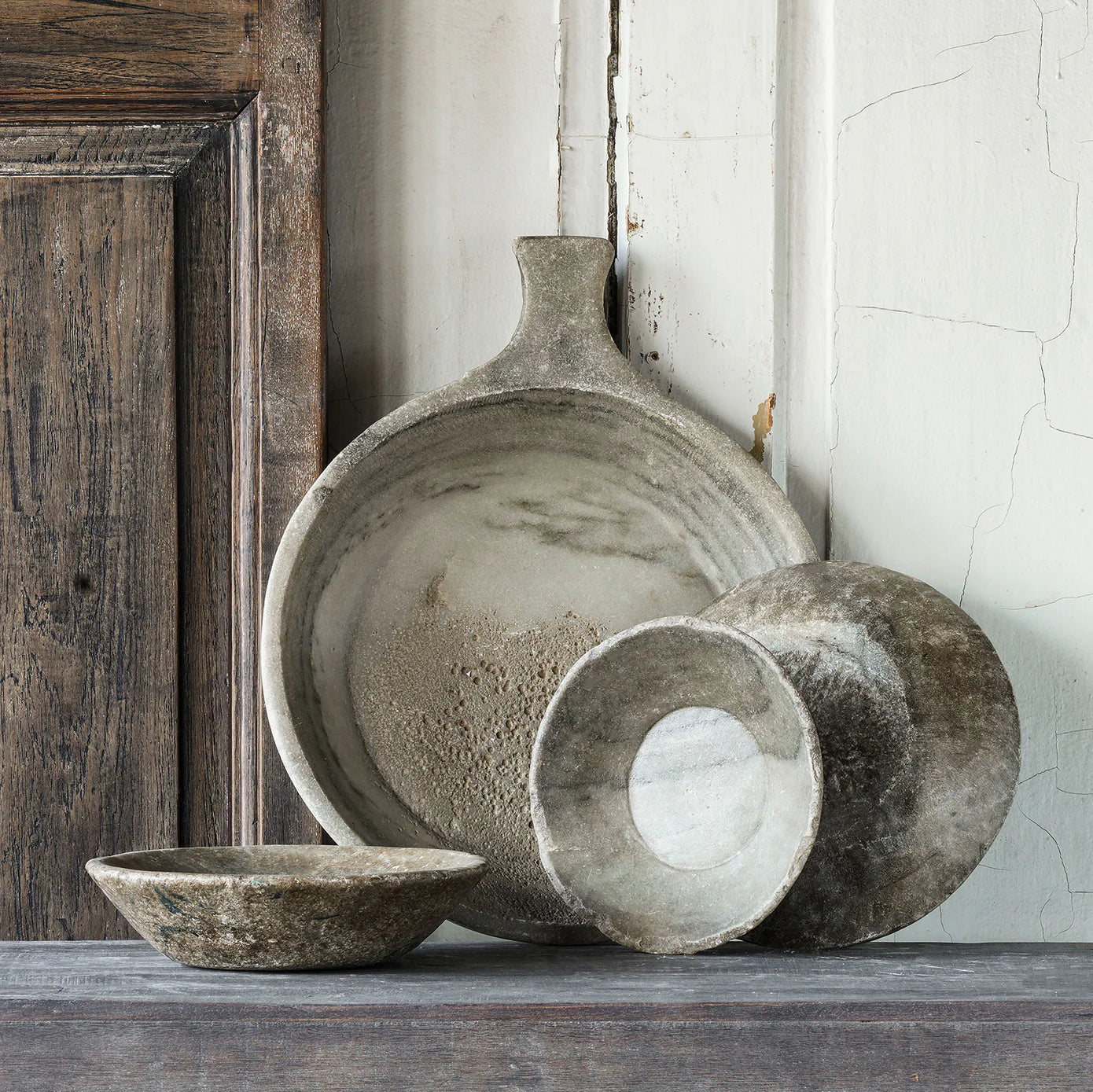
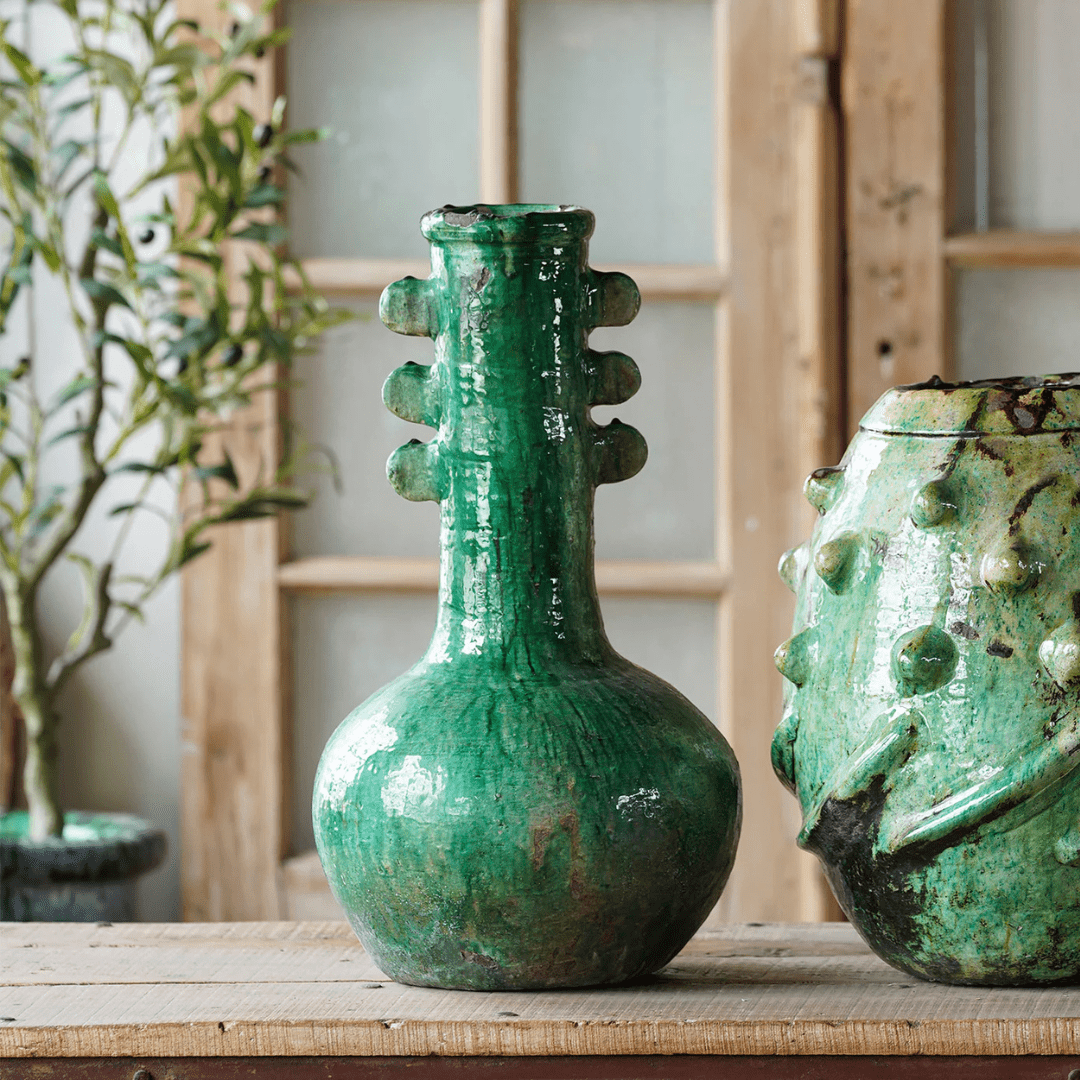
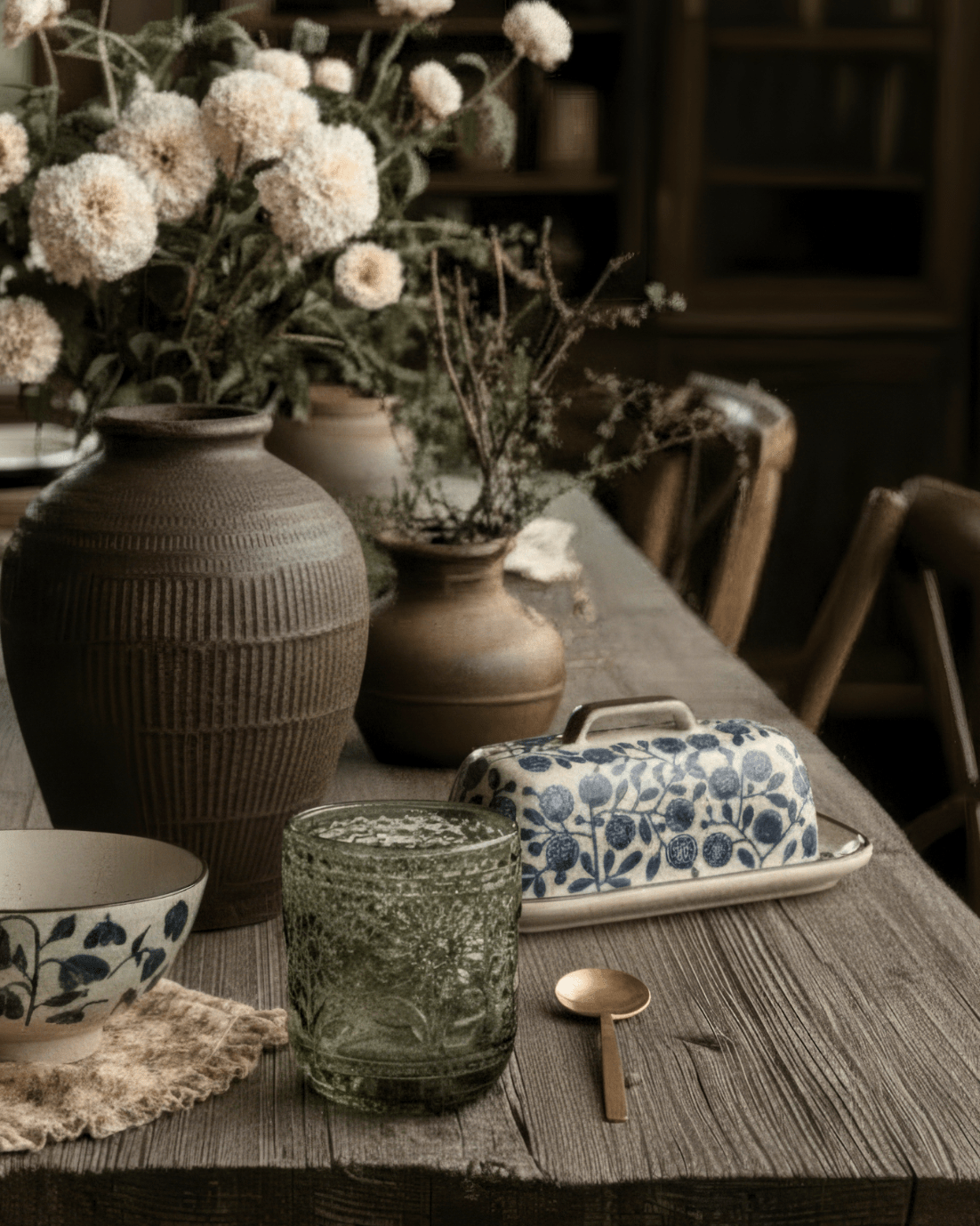
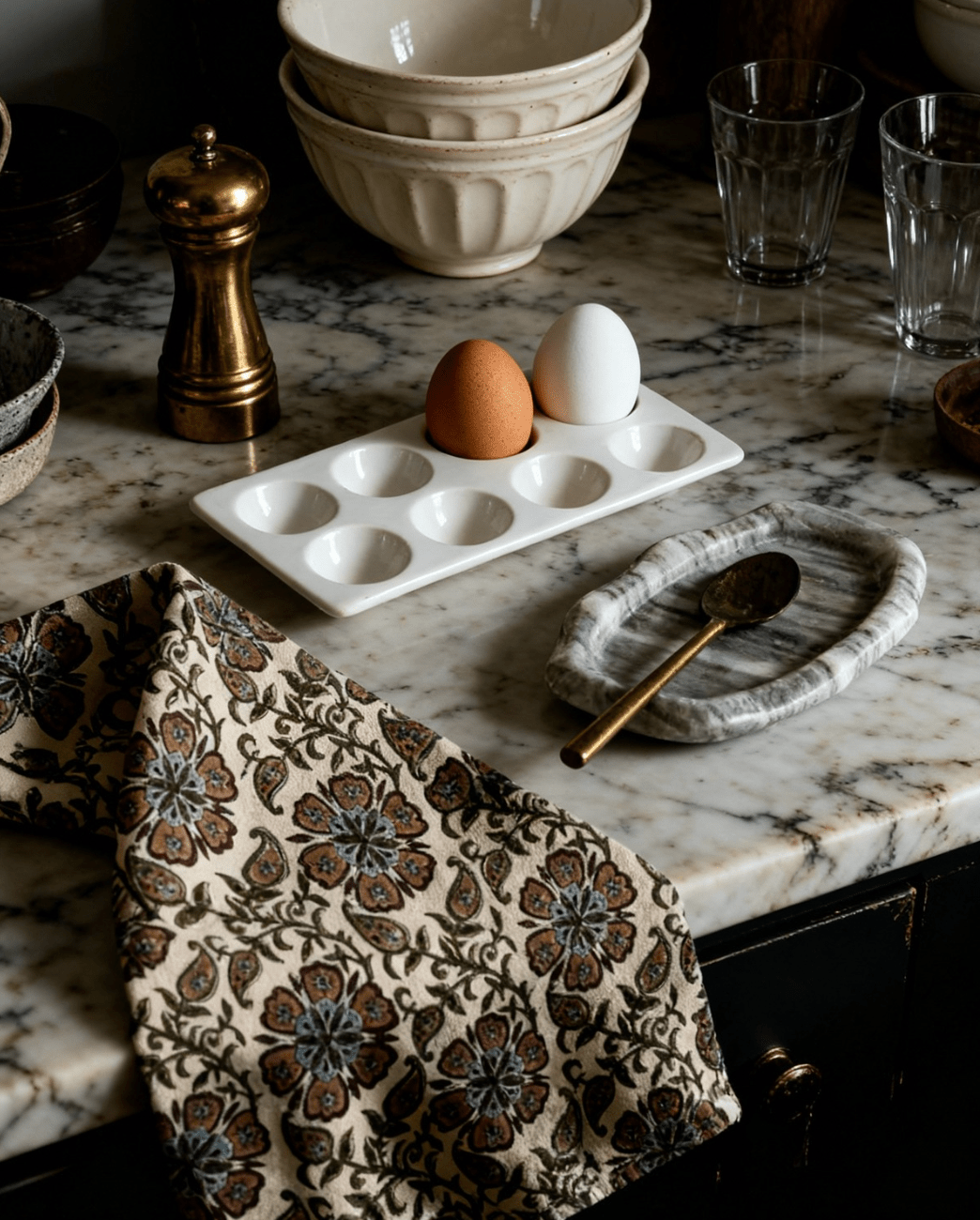
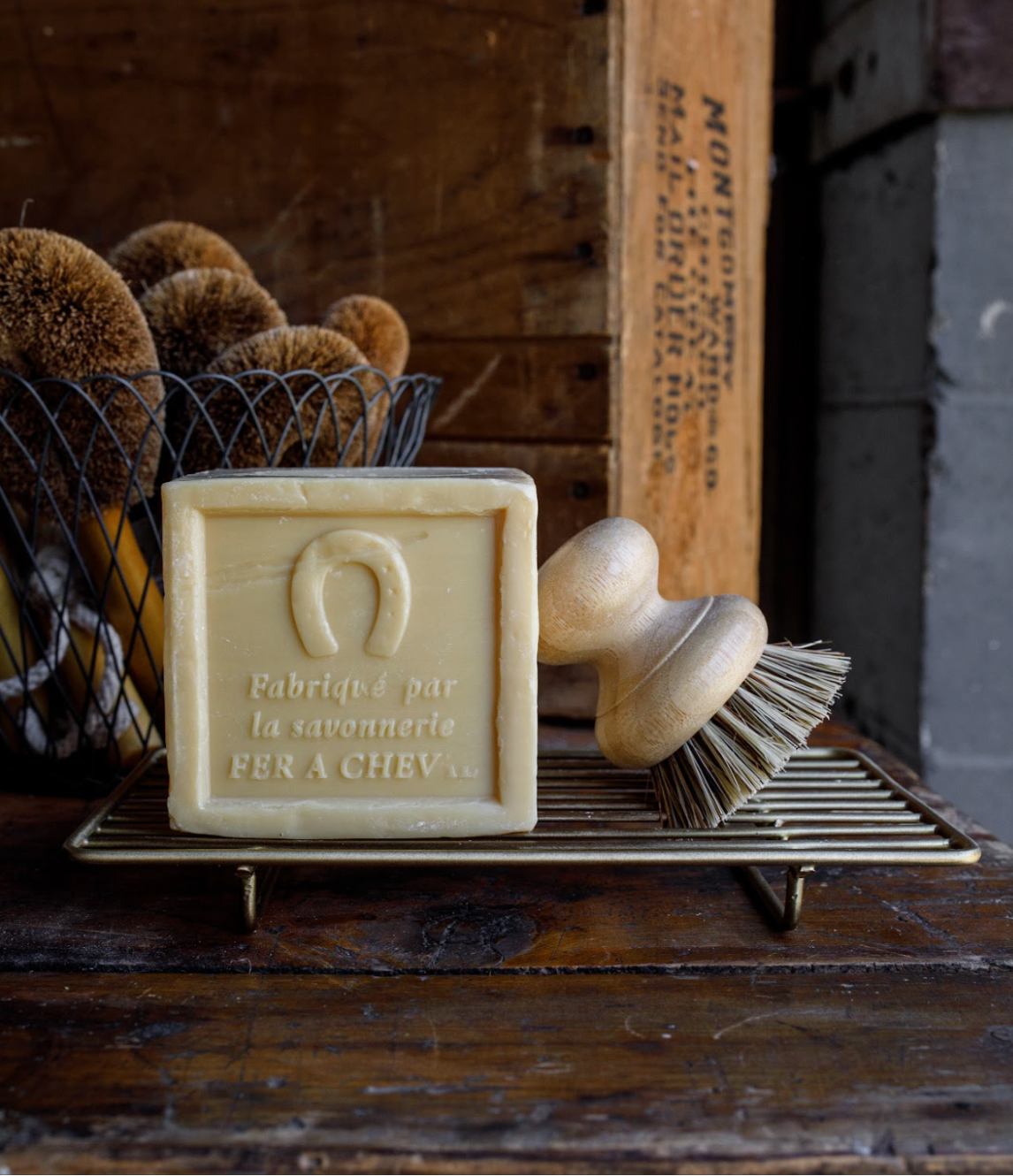
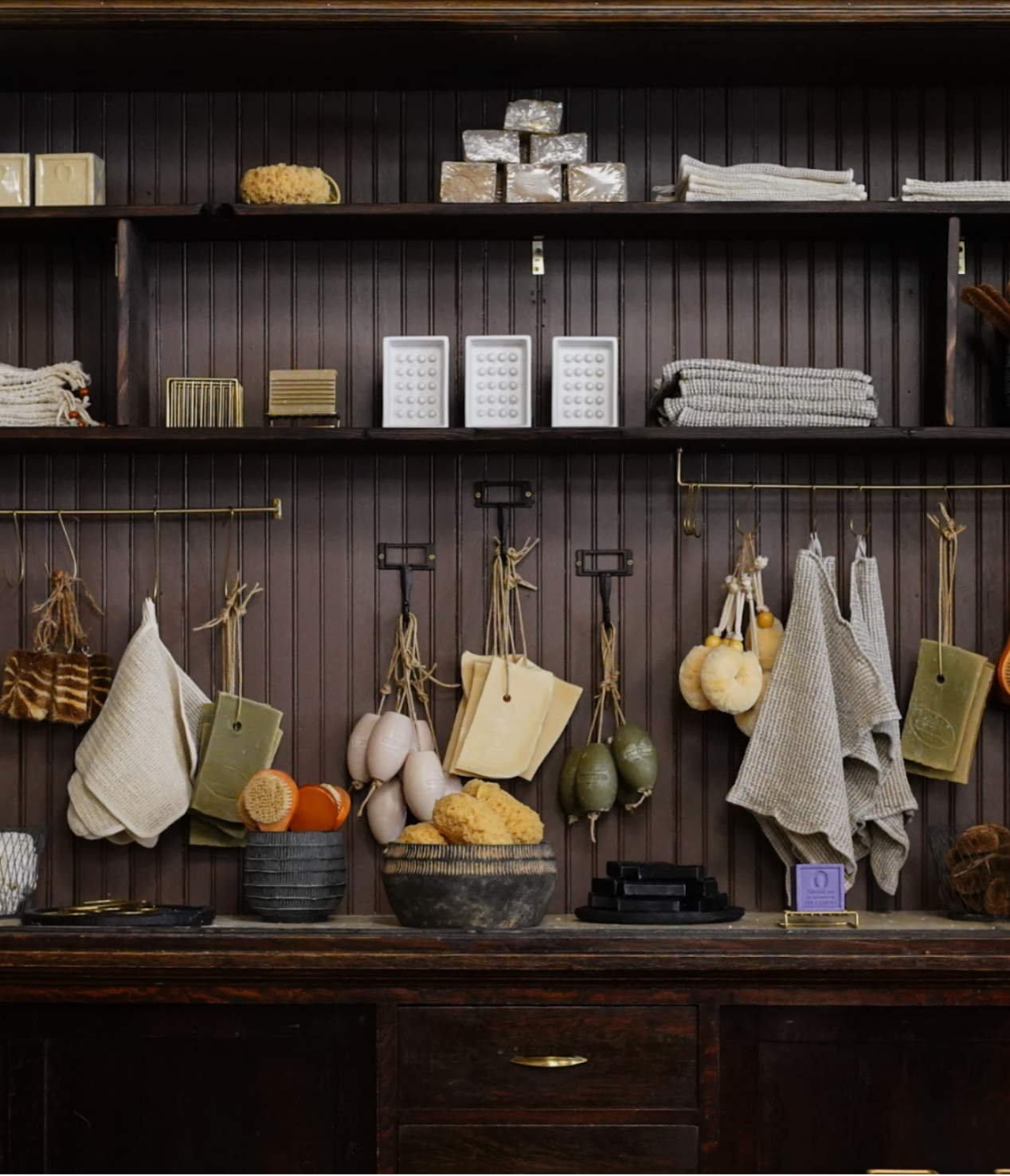


Try this: look at your console table from the doorway. Where does your eye land first? If you keep jumping between the lamp, books, frames, and whatever arrived there yesterday, the arrangement might need a clearer focal point. Vintage decor can help establish one. A jar or pot gives you a distinct shape to organize around, with surface detail that becomes more apparent as you get closer.
Explore Hello Norden’s vintage decor for jars, pots, and objects worth making room for.
Giving your eye a place to rest means creating a spot where one shape is easy to see and its surroundings give it some breathing room. You can still have books, artwork, color, and collections. The useful question is how they relate to each other.
There’s a neuroscience connection here. Research on visual attention shows that simultaneously visible stimuli compete for representation in the visual cortex and that attention and perceptual grouping influence that competition. Applying this to a shelf is a styling interpretation, rather than a tested treatment: a clear focal point and organized groups may make an arrangement easier to take in.
A vintage jar won’t regulate your nervous system on command. But thoughtful placement can contribute to a home that feels more comfortable to look at and live in. Here are five ways to put that idea to work.


1. Give One Vintage Pot the Lead Role
Start with one surface and one main object.
A console, sideboard, or deep shelf is a good place to experiment because you can see the whole arrangement at once. Clear it temporarily, position a vintage pot, and look at it from your usual approach into the room.
You’re checking whether its outline reads clearly. If it disappears against the background, try a different position before adding anything else.
Choose scale before adding accessories
Measure the available width and depth, then consider how much space the vessel occupies visually. A broad pot can anchor a long console. A narrower jar might suit a smaller shelf, especially when there is open space above it.
The Raynor vintage clay water pot is one option to consider when you want a clay vessel to lead the arrangement. Check its dimensions against your furniture, then give it enough clearance for its outline to remain visible.
Clay introduces a different material presence beside wood, glass, or metal. That contrast can supply the detail you would otherwise try to create with several smaller accessories.
Keep the surface useful, too. On an entry console, leave a clear landing area for keys or a bag. On a sideboard, preserve space for serving. A focal point works better when you don’t have to relocate it every afternoon.

2. Use Empty Space to Show the Shape
The space around a vintage jar is part of the arrangement.
When neighboring objects press against its outline, you lose some of what makes the vessel interesting: the shoulder, neck, rim, and relationship between them. Separating the pieces lets you see those features.
Try moving your jar away from a book stack or picture frame. Even a modest adjustment can make the composition feel more deliberate.
Check the background as carefully as the shelf
A quiet section of wall can help a detailed vessel stand out. Against patterned wallpaper or a busy bookcase, choose a placement where the silhouette remains readable.
An Eskil vintage jar could become the single object on one shelf rather than another addition to an already full row. Check the individual piece’s finish and proportions, then decide what the space around it needs.
You might leave the neighboring shelf mostly for books. You might move a frame elsewhere. You might discover that the jar works best on a different surface altogether.
The functional payoff is simple: fewer objects crowded together are easier to dust, access, and rearrange. Leave enough clearance to lift the vessel comfortably, particularly on a shelf with limited height.

RUTED Tip: Before adding a third accessory, move the first two farther apart. Sometimes the missing piece is six inches of shelf.
For pieces you can arrange around a clear focal point, explore Hello Norden’s vintage collection.
Find the piece you want to give some room.


3. Let Texture Carry the Detail
A room can have plenty to look at without relying on strong color changes or several competing patterns.
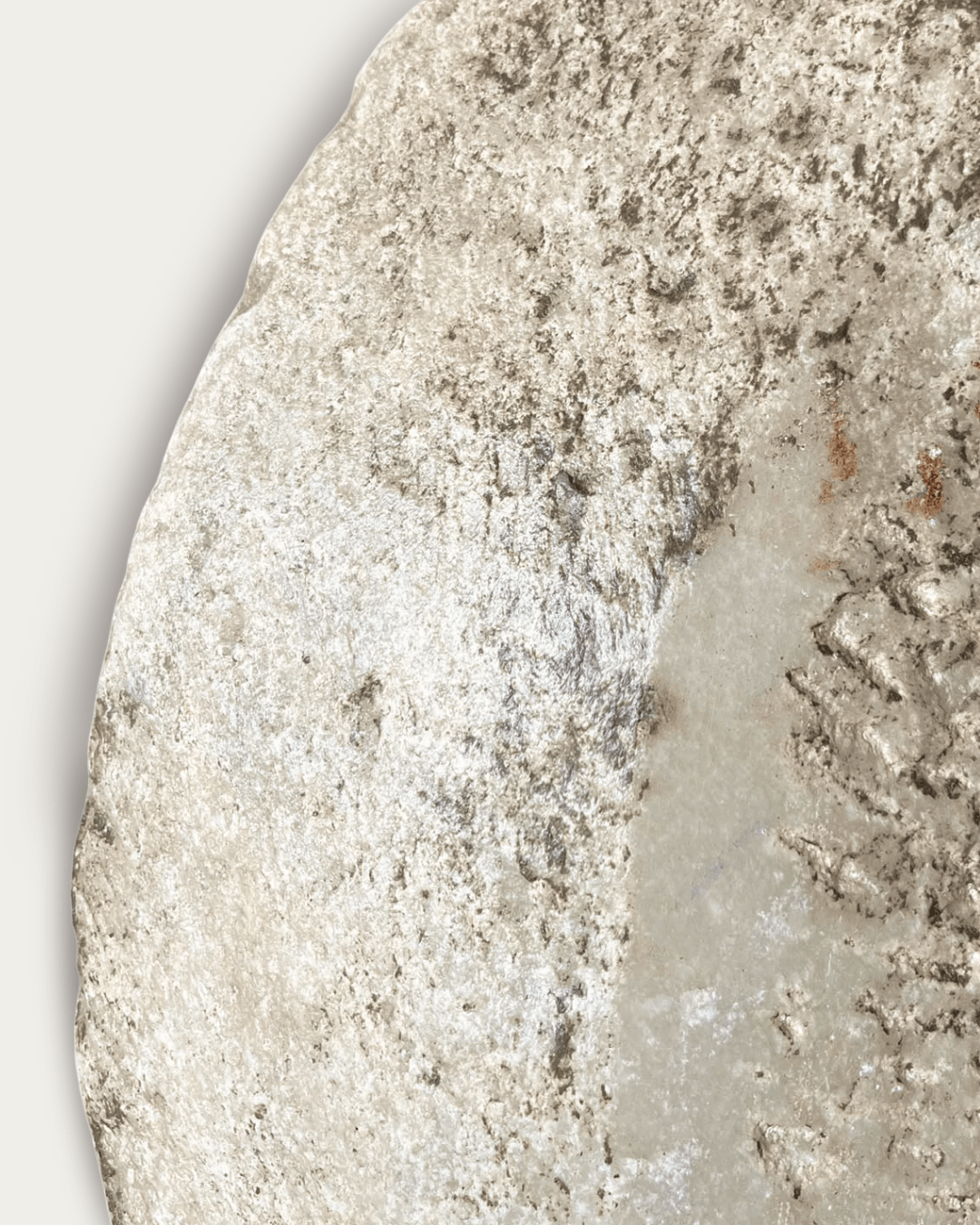
Texture gives you another way to build interest. A clay surface, a glazed finish, wood grain, and woven fabric each respond differently to light. Place them thoughtfully, and the materials do some of the styling for you.
The trick is deciding which detail you want to notice first.
Pair distinct surfaces with a simple arrangement
Try a textured vessel on a relatively plain surface. A clay pot against smooth cabinetry creates a clear material contrast. A glazed pot beside a woven textile gives you another relationship to explore.
The Skadi vintage glazed handle pot offers both a glazed finish and a handled form to consider. Place it where those features are visible, then keep nearby accessories restrained enough to let them register.
Look at the arrangement during the day and in the evening. Reflections on glaze can change with the angle of a window or lamp. Move the pot slightly if a bright reflection draws more attention than you want.
Keep practical contact points in mind. Use a discreet protective pad beneath a vessel where appropriate, and make sure it sits securely. The underside deserves as much attention as the side you photograph.
Texture doesn’t need a matching supporting cast. A vessel, the furniture beneath it, and one nearby textile may already provide enough variation. Start there and assess the whole room before adding more.

4. Group Vintage Decor With a Clear Relationship
Sometimes you want a collection rather than a single vessel. Give the pieces a shared visual connection so the grouping feels intentional.
That connection might be a related color, similar material, or repeated curve. Then introduce a difference in height or width so each object remains visible.
You’re building a small composition, not lining up inventory.
Repeat one feature and vary another
Choose two or three vessels and decide what connects them. If their colors are similar, vary their heights. If the shapes are related, let the finishes differ.
When considering an Idunn vintage jar, compare its dimensions and individual appearance with the pieces you already own. A good pairing gives each vessel a role instead of asking them all to make the same statement.
Position the largest piece first. Place the next slightly to one side, then adjust the gap between them. Avoid hiding the smaller vessel so thoroughly that only its rim is visible.
A tray can help define a group when the sizes allow it, but it isn’t compulsory. Close placement on a clear section of furniture may be enough.
There is a useful perceptual principle behind this approach: research has found that grouping affects competitive interactions in visual processing. The styling takeaway is to make the relationship between objects apparent while keeping their individual shapes readable.
Leave a usable surface beyond the group. On a coffee table, that means room for a drink and whatever you’re actually reading. A composition should accommodate the day.
5. Place the Vessel Where You’ll Actually See It
Style from the sofa occasionally.
Standing directly in front of a shelf gives you one view. Sitting across the room gives you another. From your usual seat, you may notice that a jar overlaps a lamp base, disappears behind a chair, or sits against a visually busy doorway.
The best location is often the one that works from where you spend time.
Test sightlines, height, and everyday use
Consider a Ylfa clay pot where a clay vessel could provide a clear point of interest. Measure first, then assess whether the placement works from both the doorway and your seated view.
A shelf may put the vessel at a useful viewing height. A substantial piece might suit a stable position beside furniture, provided it stays clear of walking routes. Keep weight, accessibility, and the possibility of knocks in mind.
You can also choose to leave the vessel empty. Its form may be the entire reason you selected it. If you add dried stems, keep the arrangement open enough to preserve the rim and outline.
Match any use to the piece’s stated suitability. For fresh flowers, confirm water compatibility or use a separate watertight insert. For a plant, use an appropriate inner pot and protect the surface beneath it.
Finally, check the placement after living with it for a few days. Does it remain visible? Is the table still convenient? Do you enjoy seeing it from your usual seat? Those answers matter more than a perfect close-up.
Hello Norden’s vintage planters and pots offer more vessels to consider for shelves, consoles, and the corners you see every day.
Start with the spot. Then find its pot.


Make Room for What You Enjoy Seeing
Giving your eye a place to rest starts with a few concrete choices: a readable shape, enough space around it, and a relationship to the furniture and materials nearby.
Vintage jars and pots can bring detail into that arrangement without requiring much else. Their usefulness might be holding a few stems, framing a shelf composition, or simply giving you something you enjoy looking at.
Start with one surface. Move a vessel, adjust its neighbors, and check the view from where you actually sit. Let your own response guide the next change.
When you’re ready to explore Hello Norden’s vintage decor, look for a piece whose shape and surface you want to notice every day.