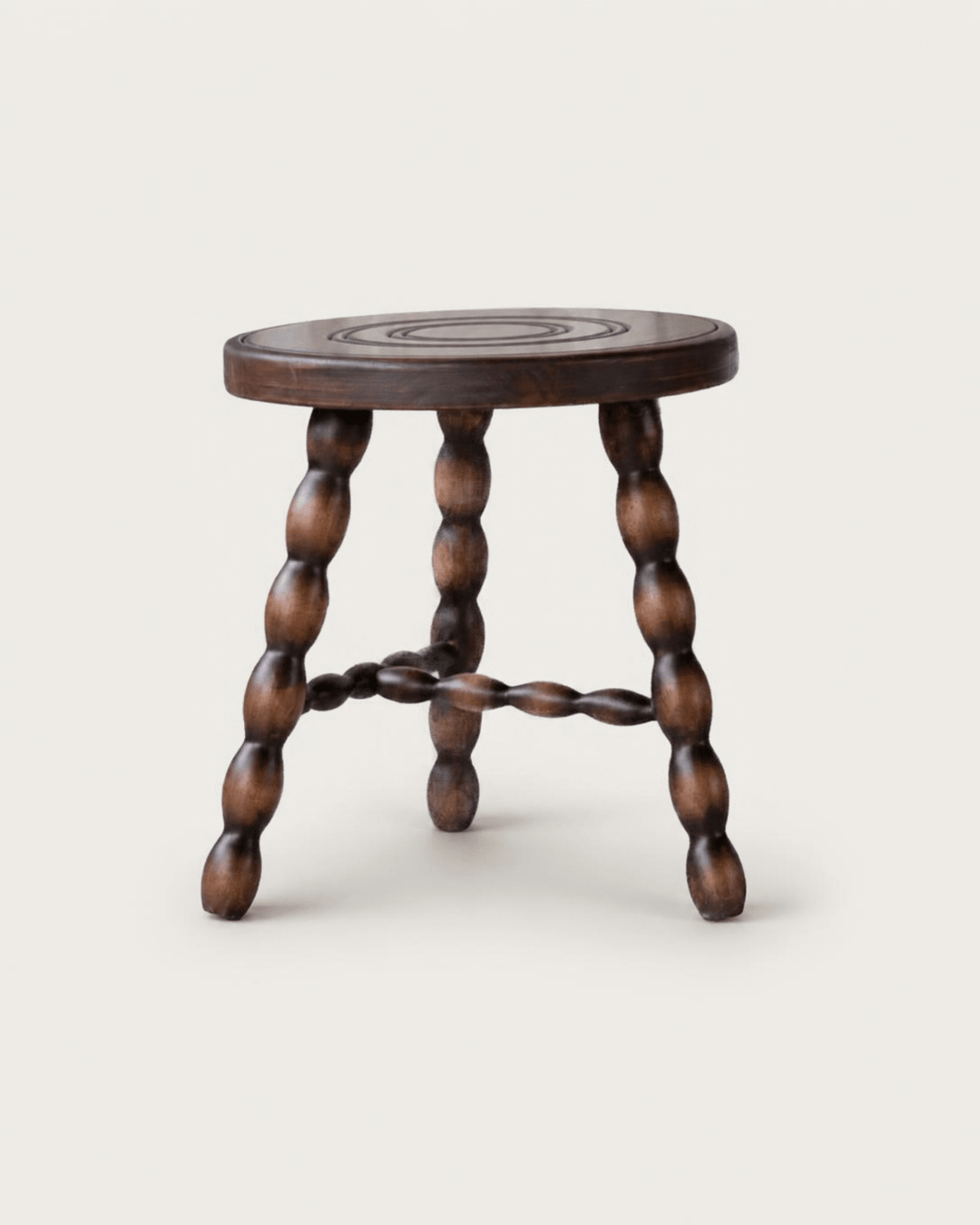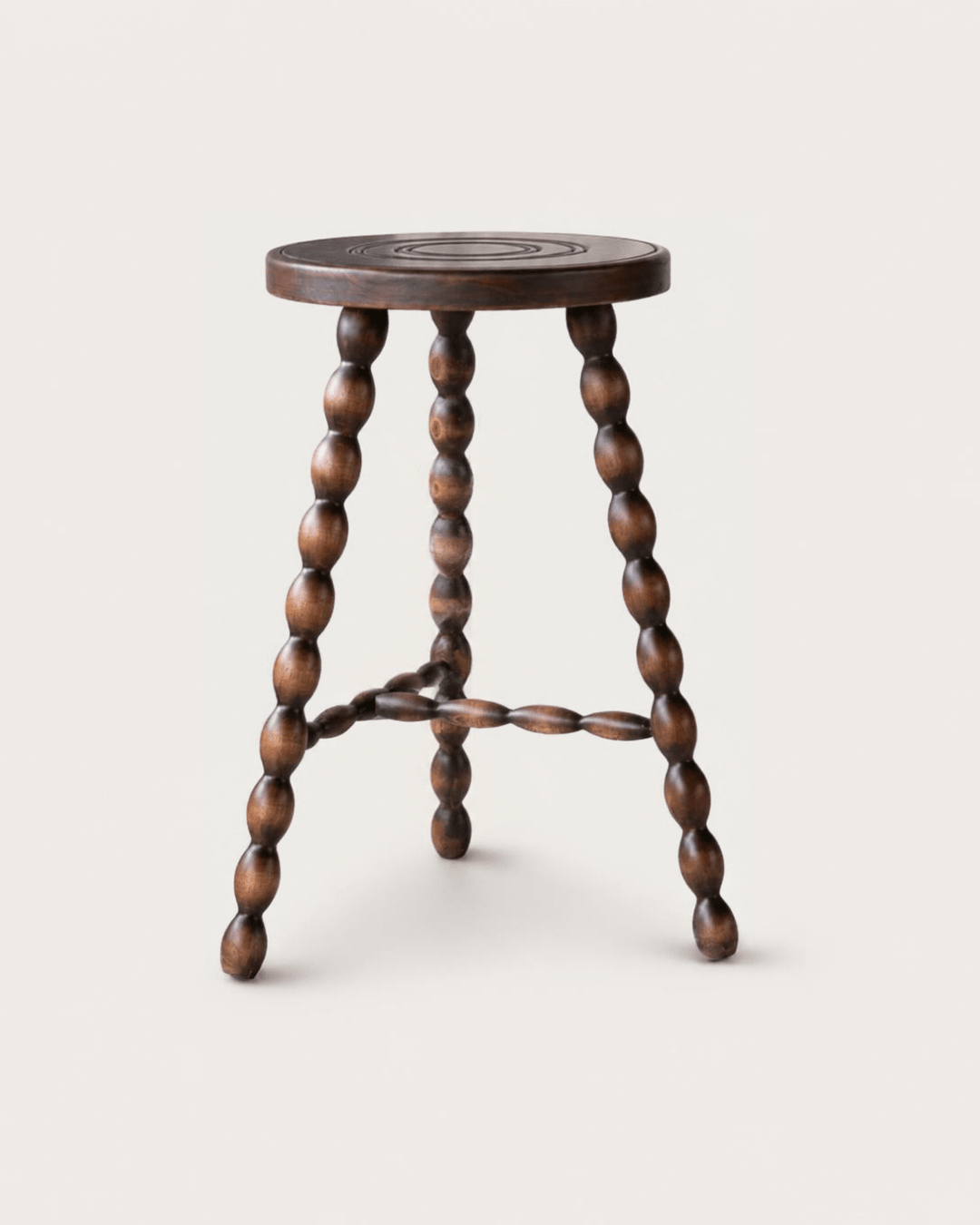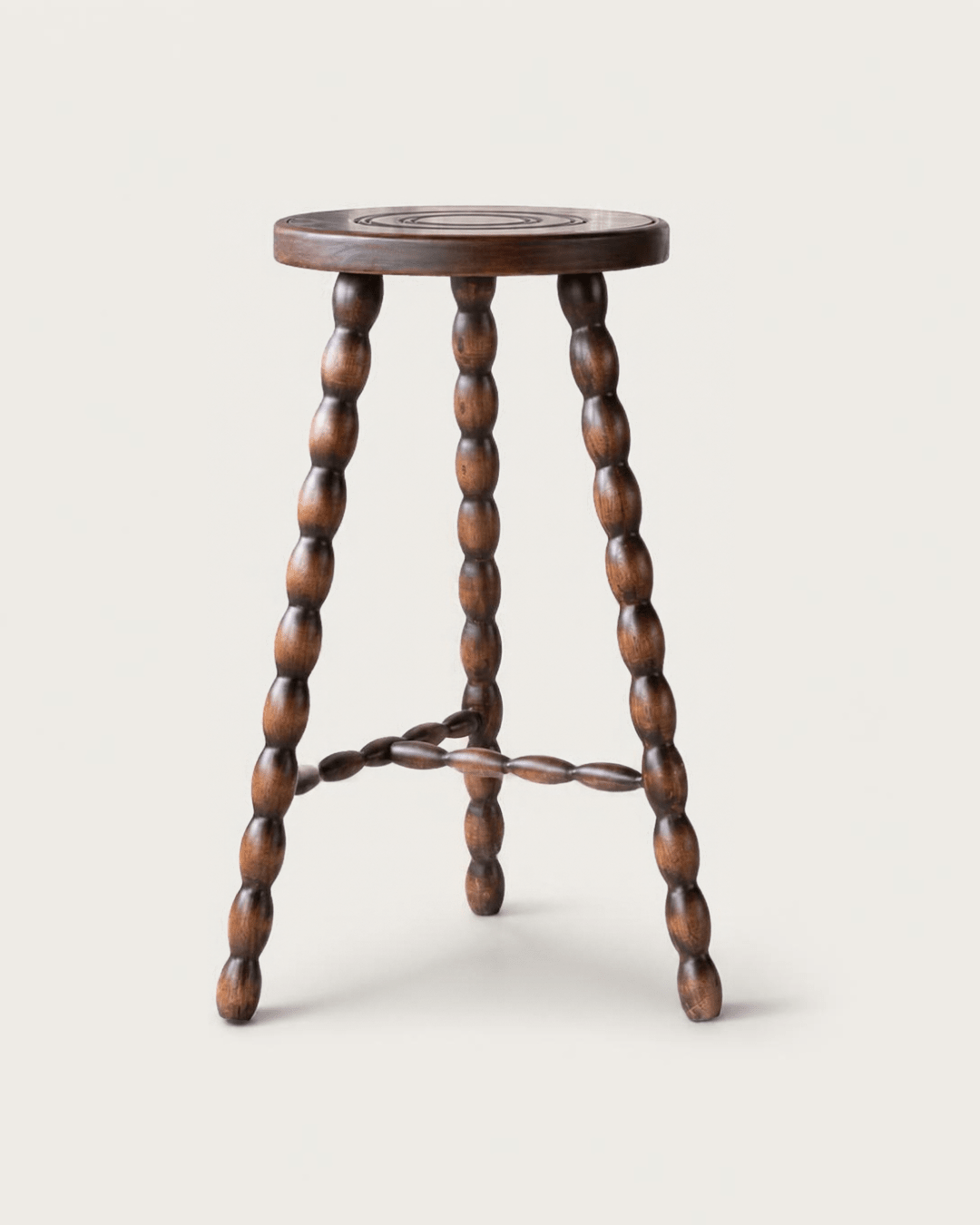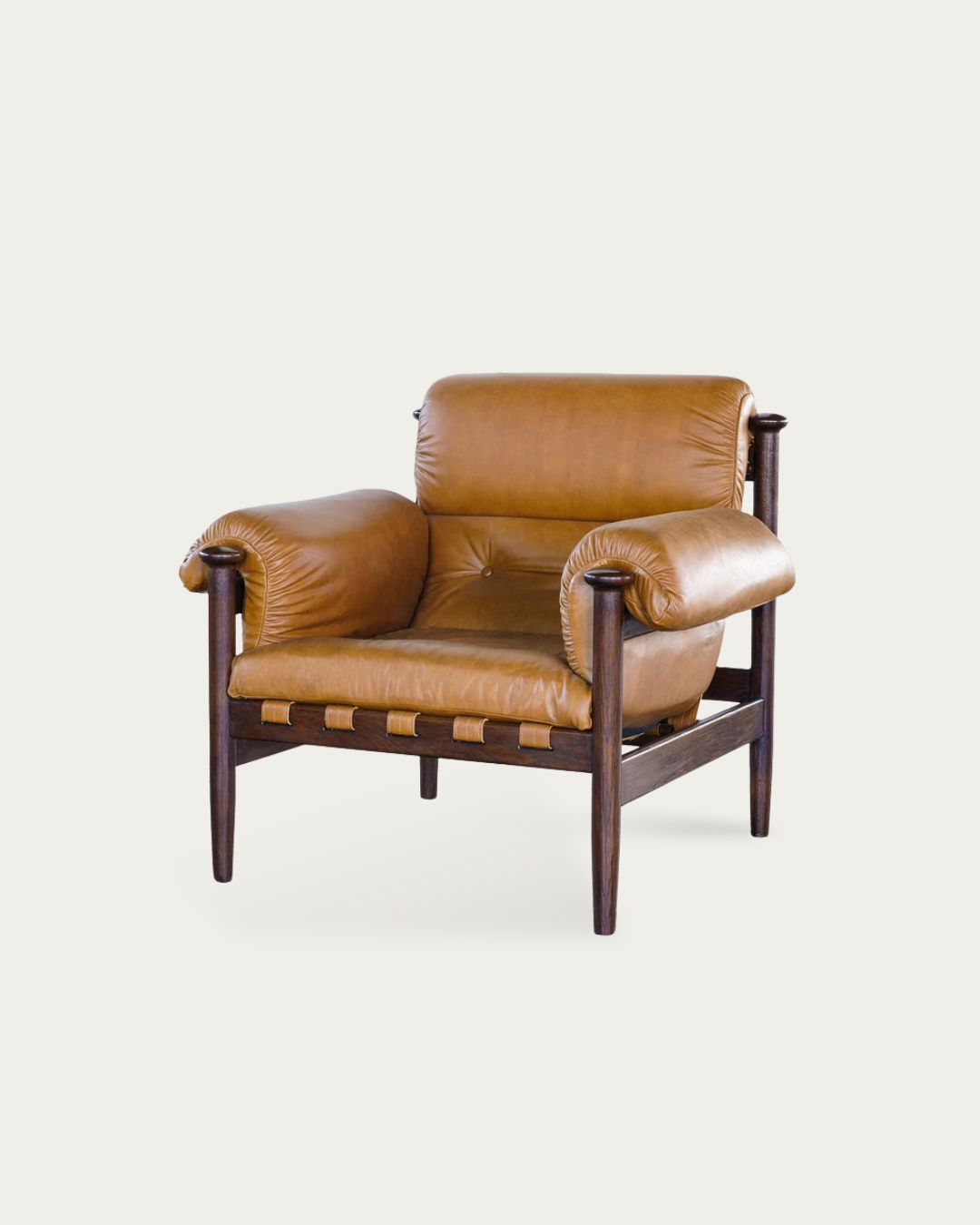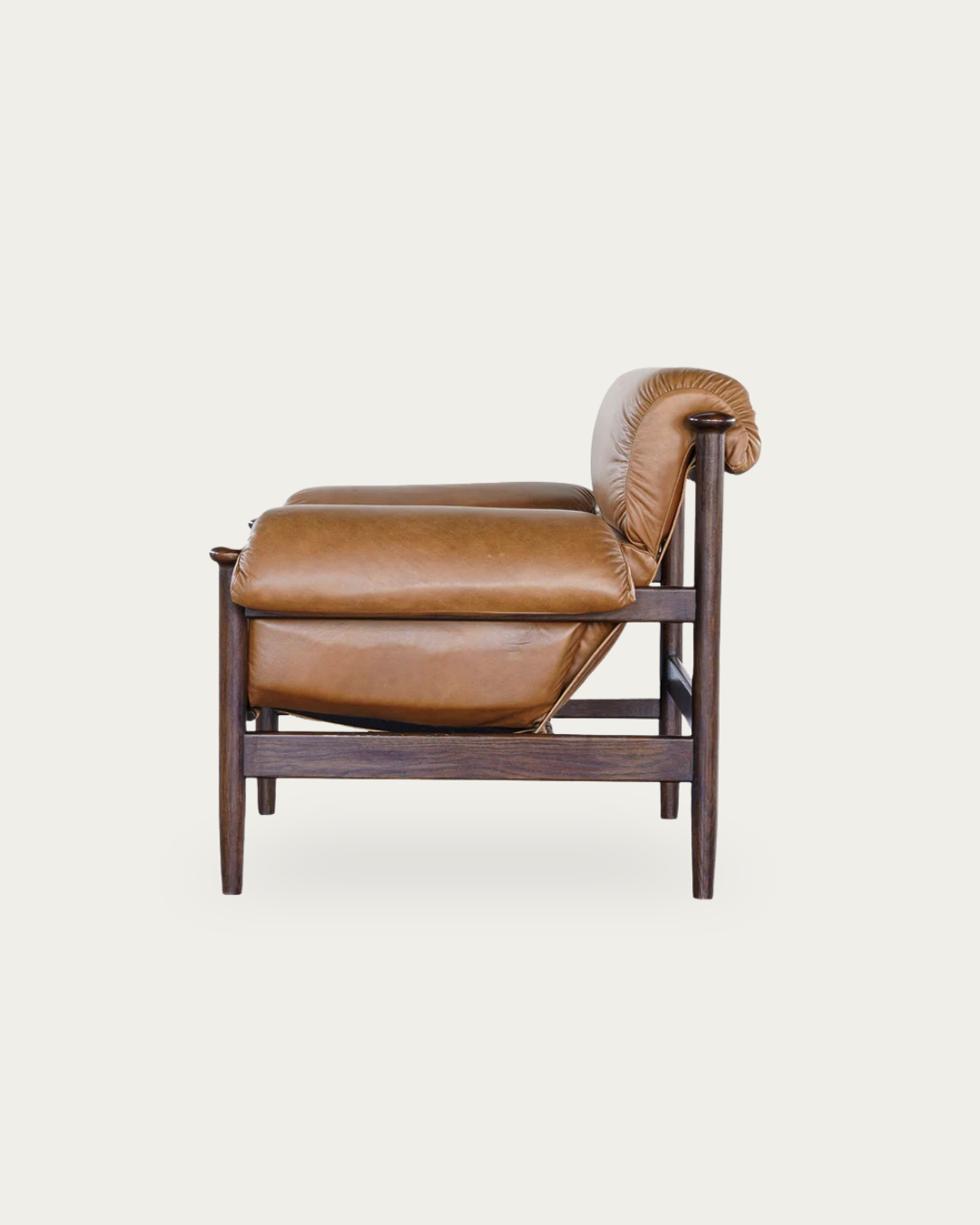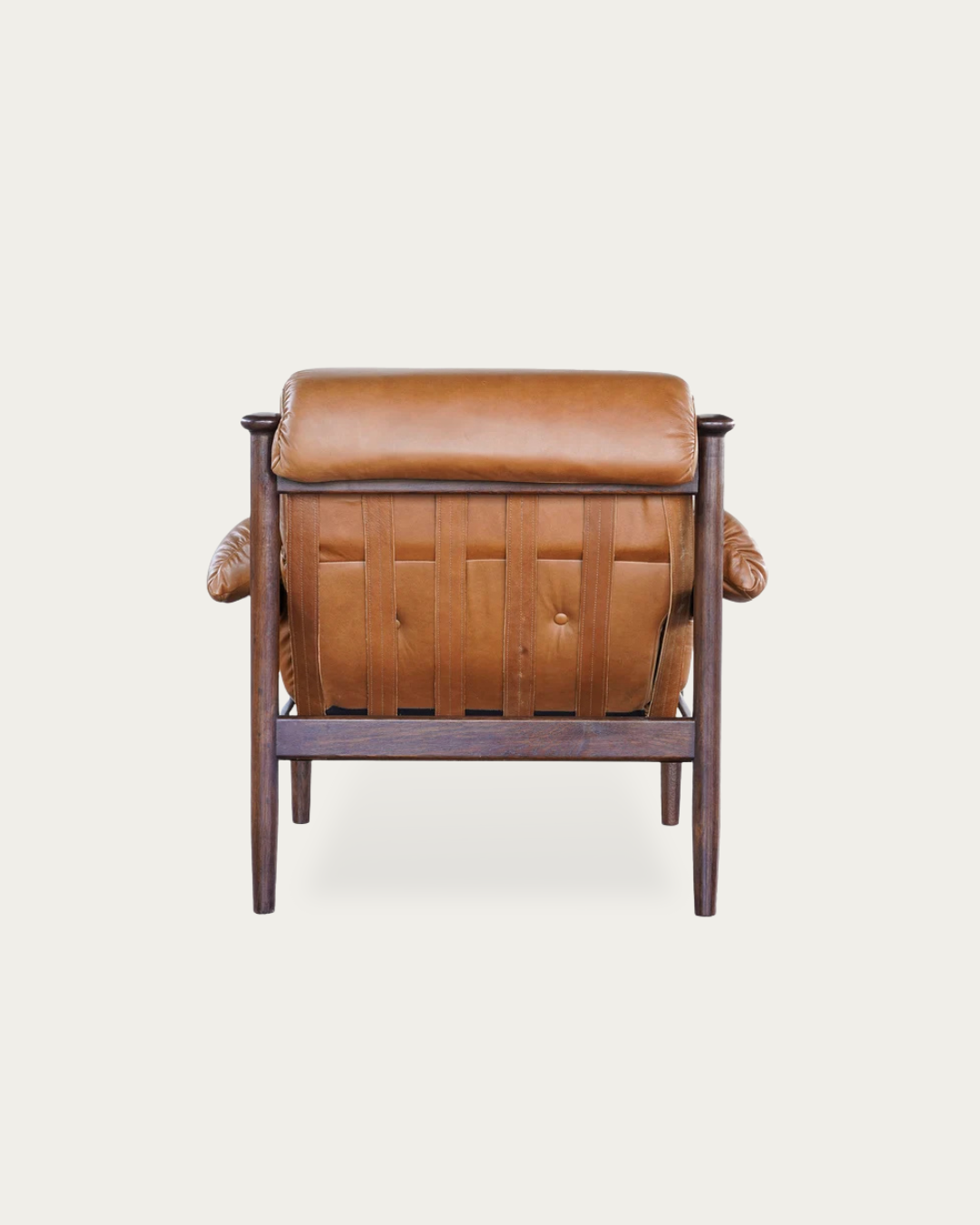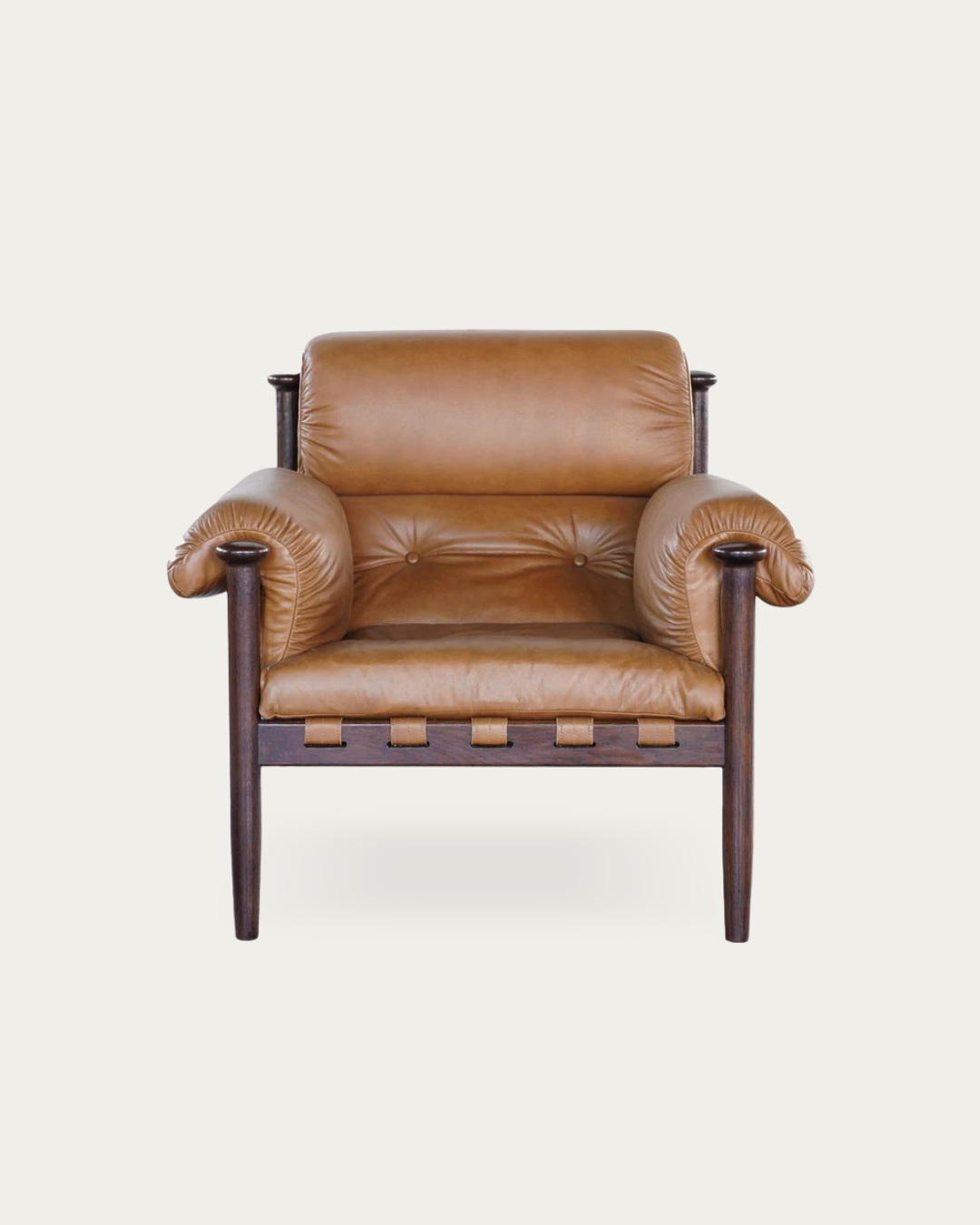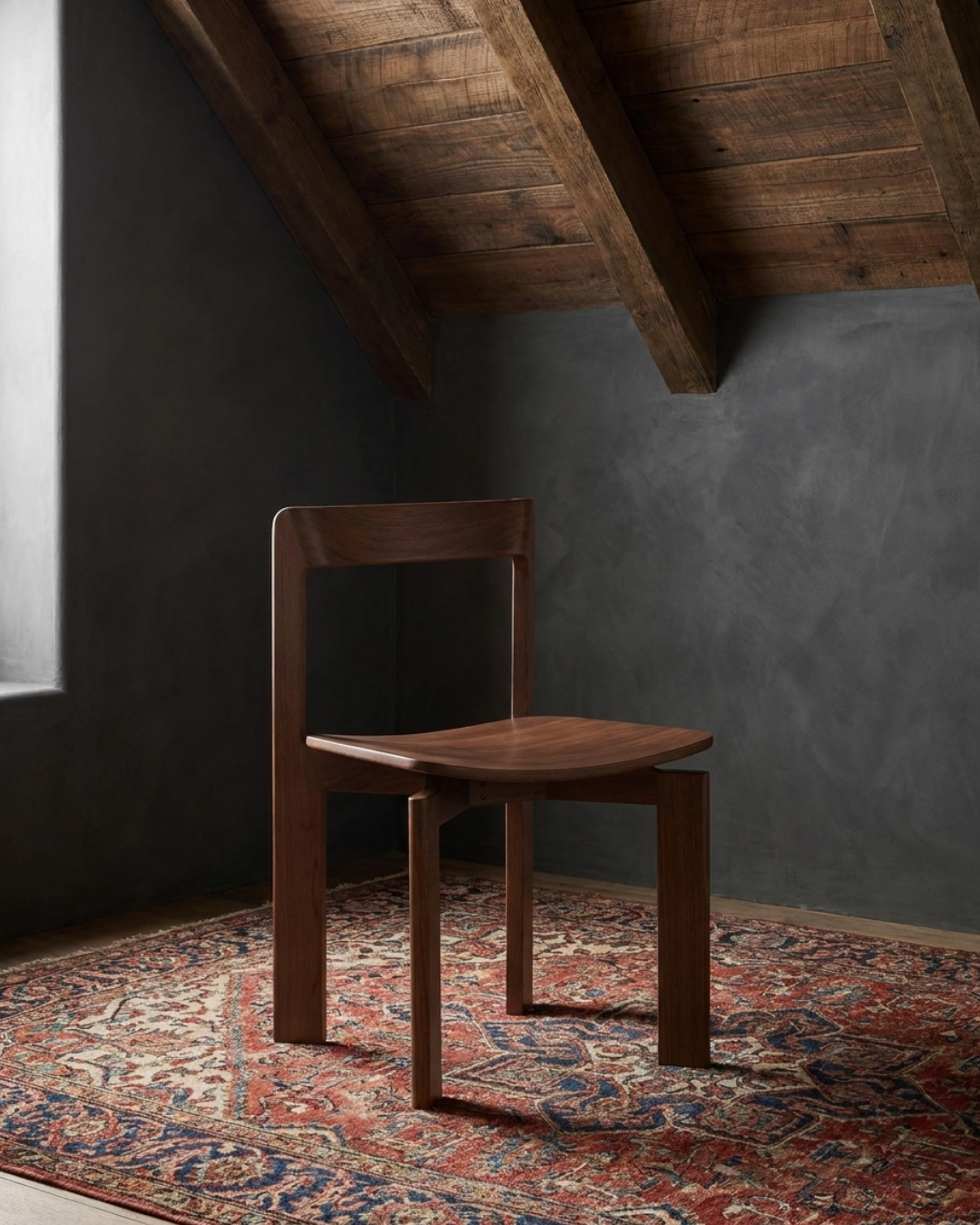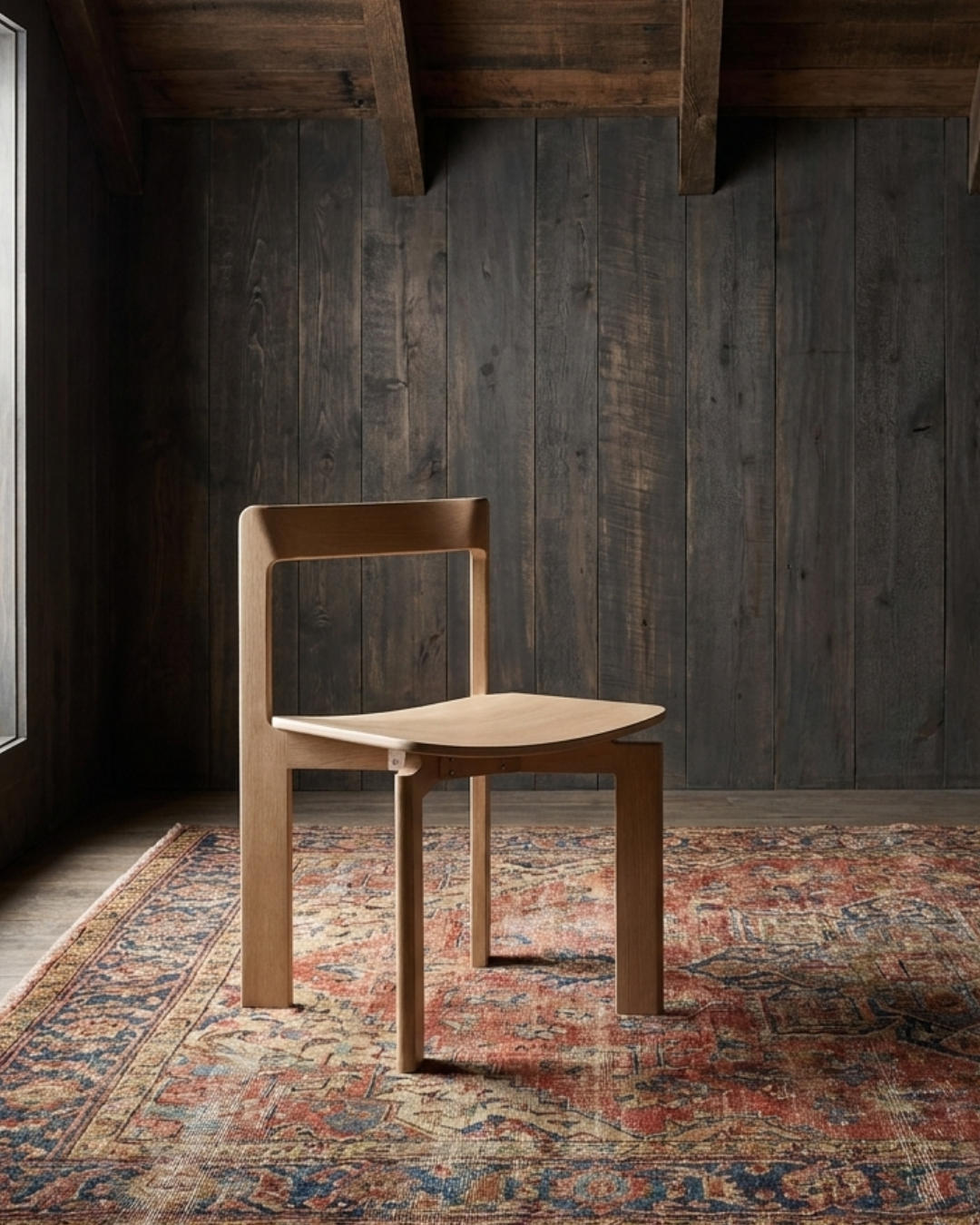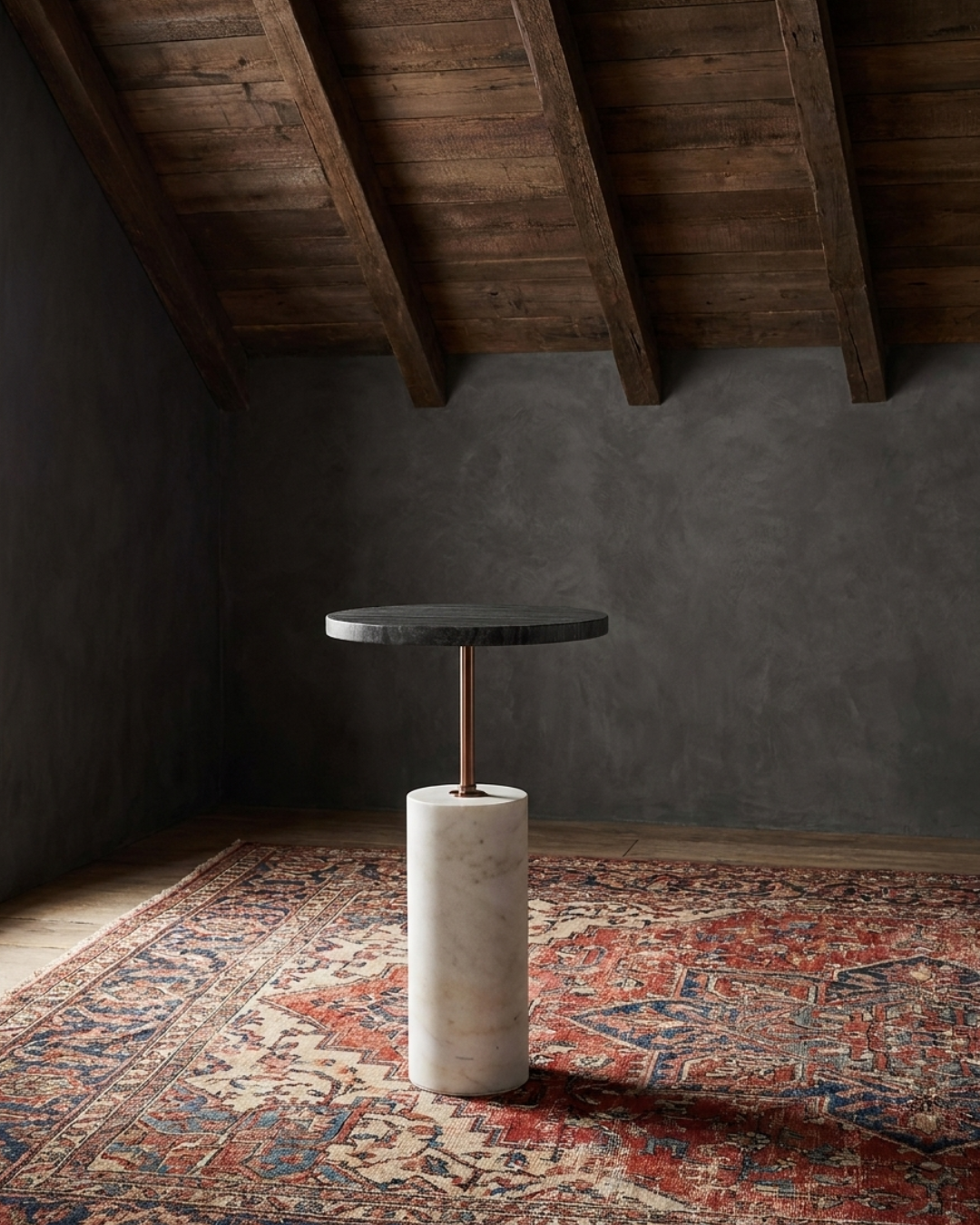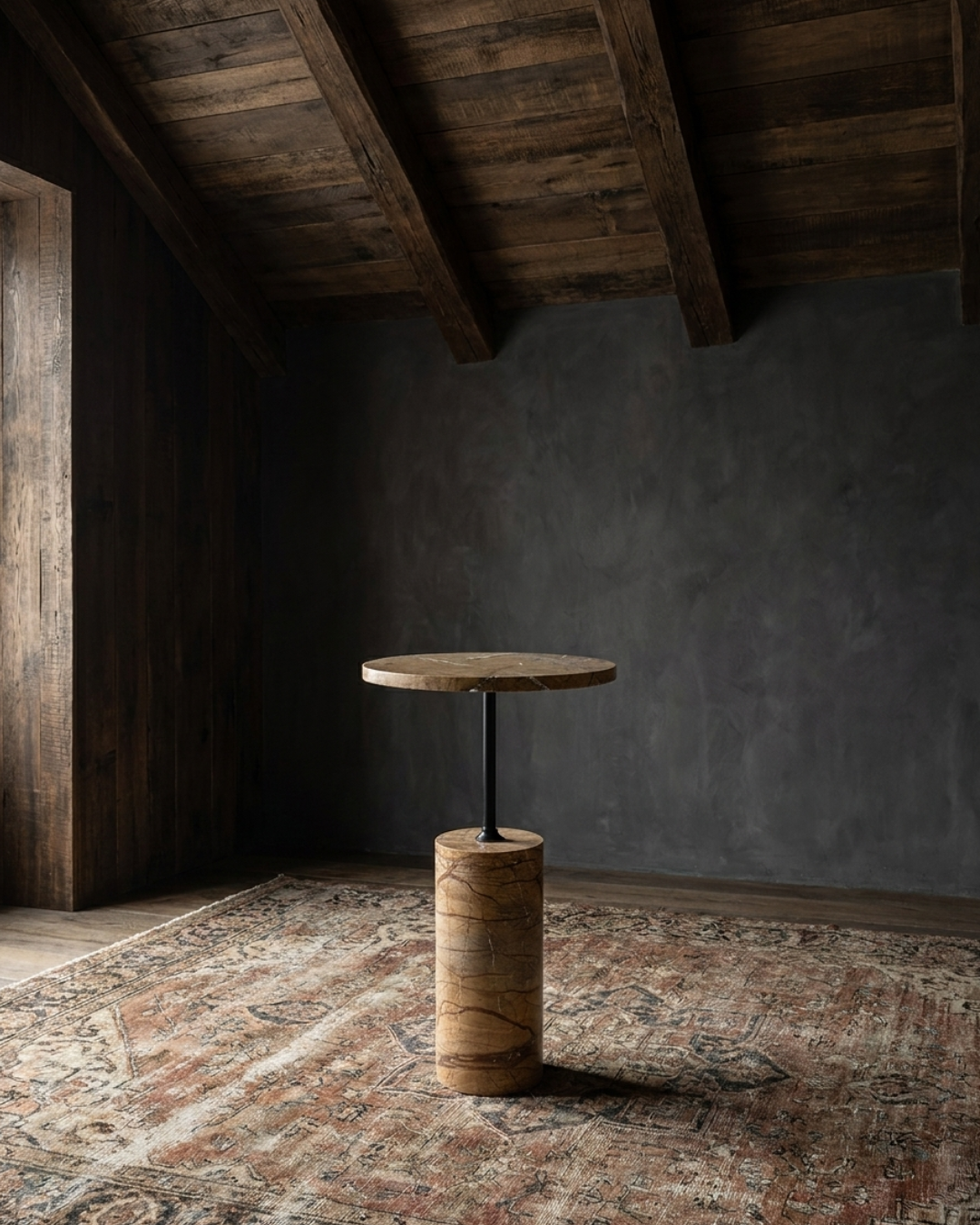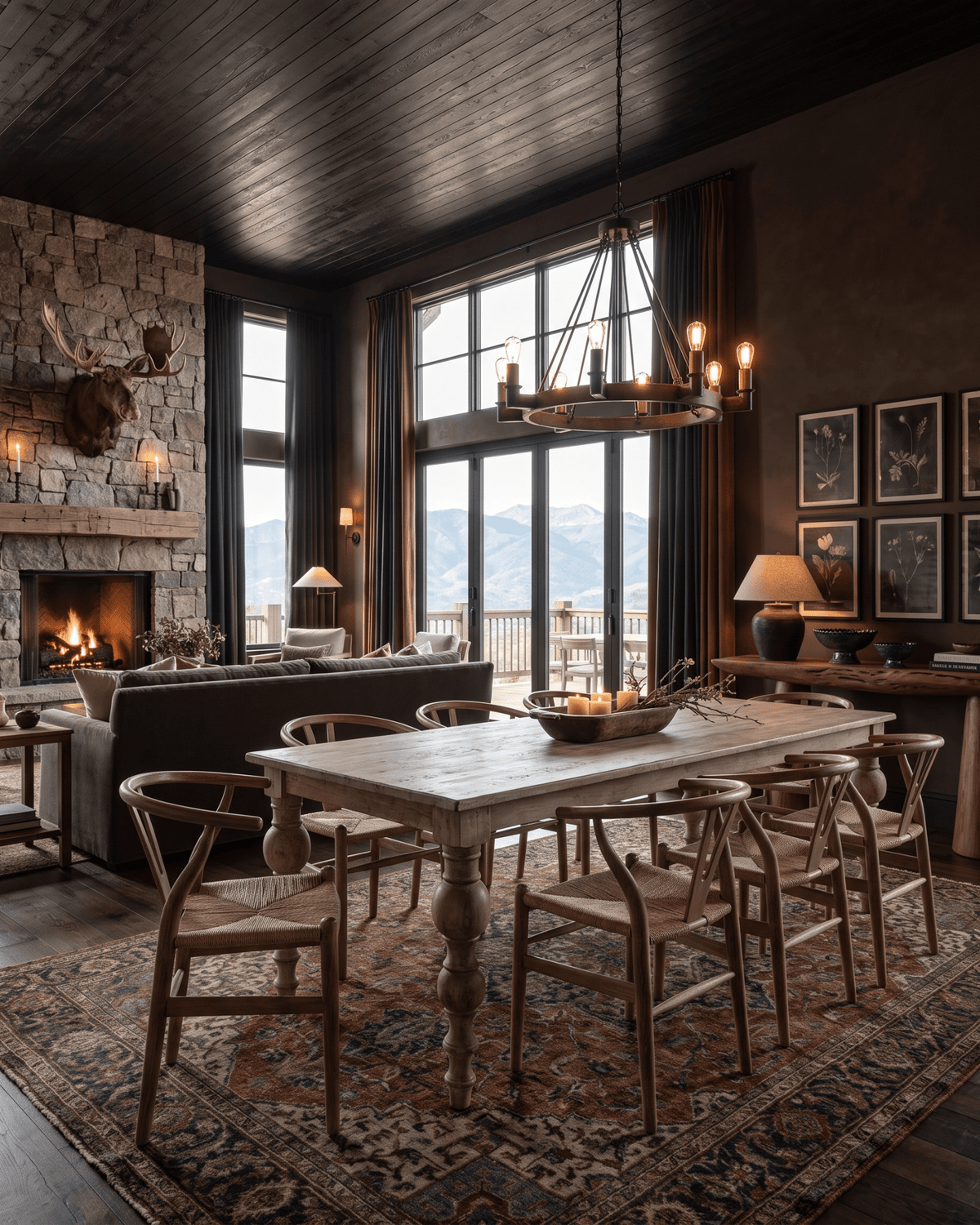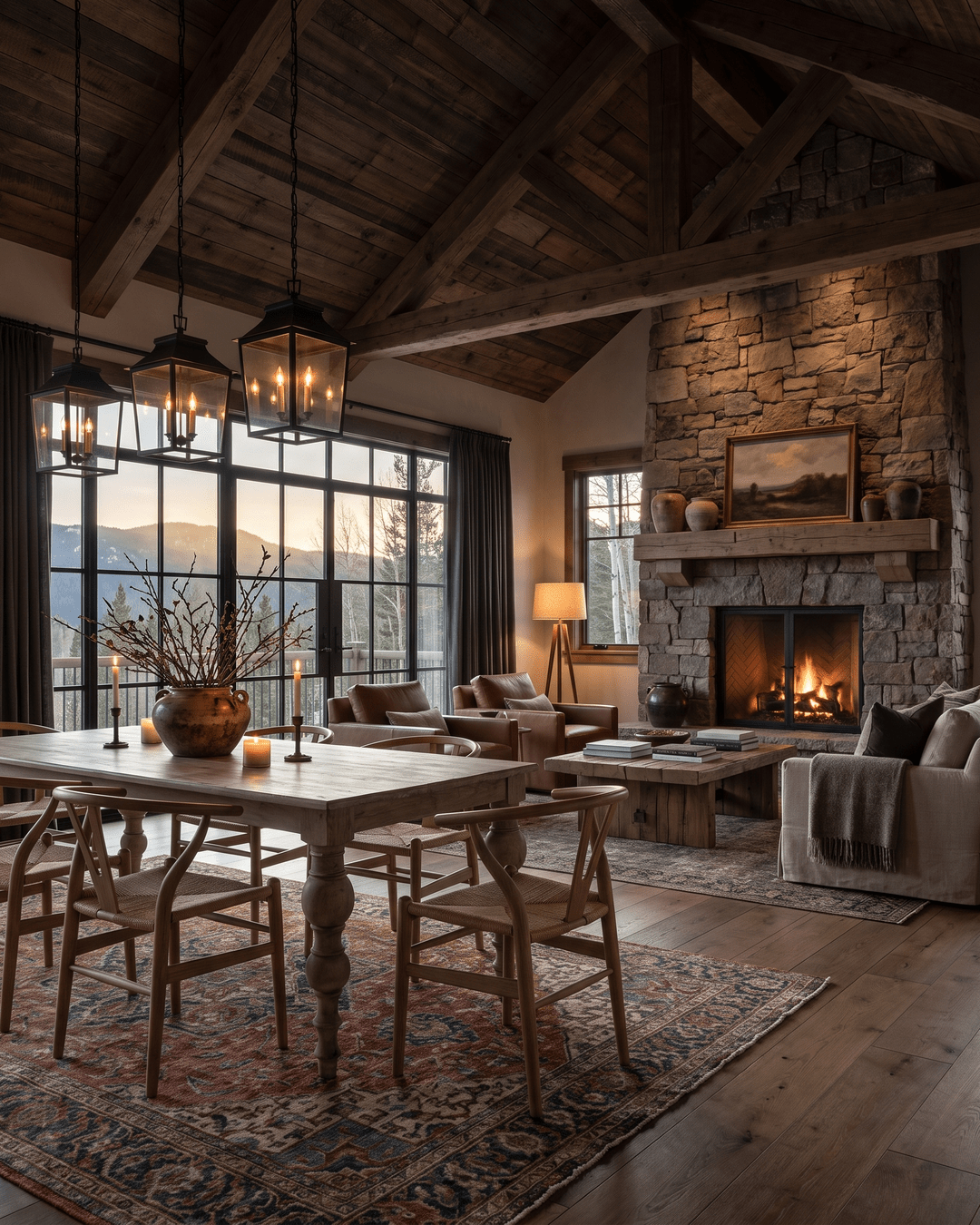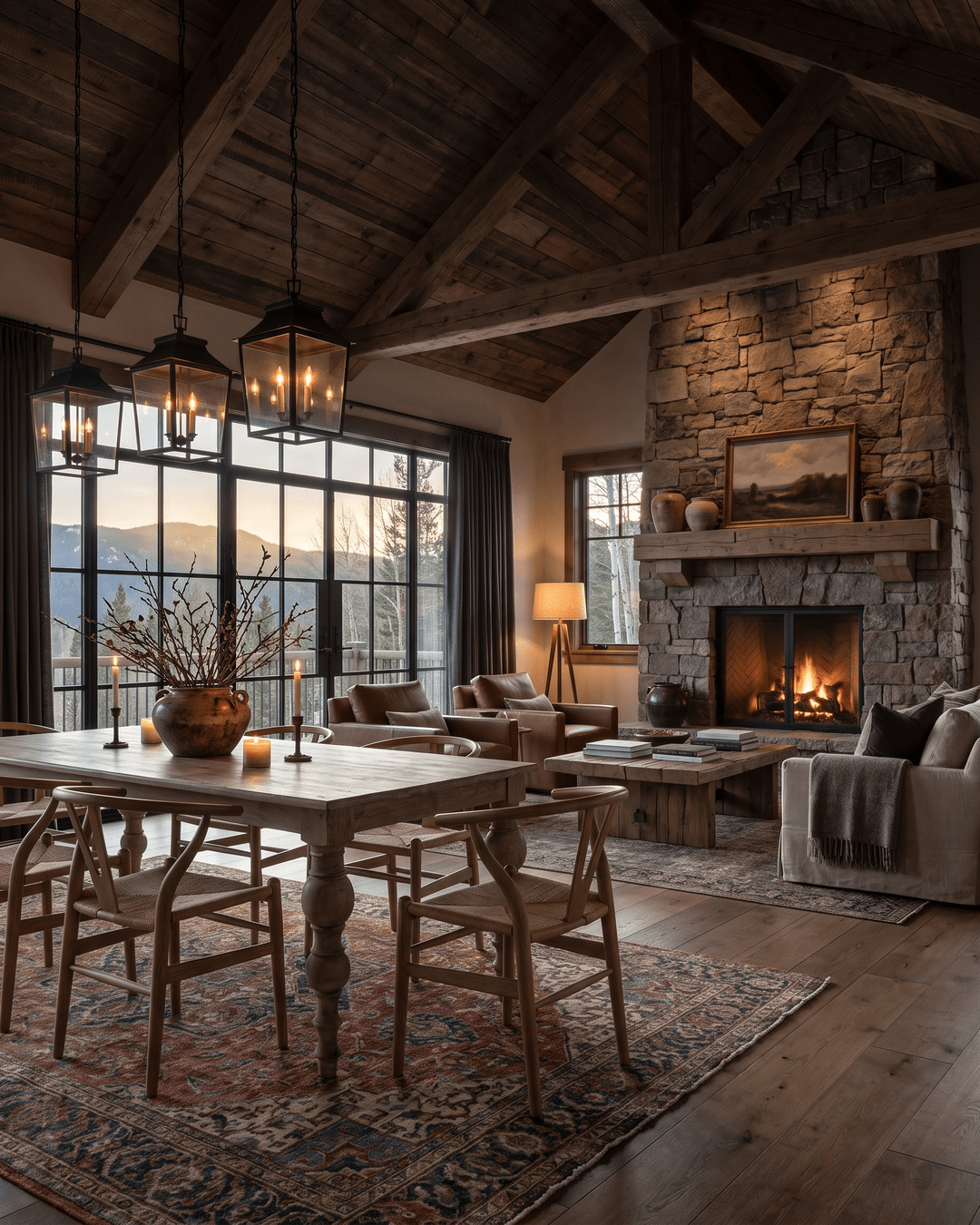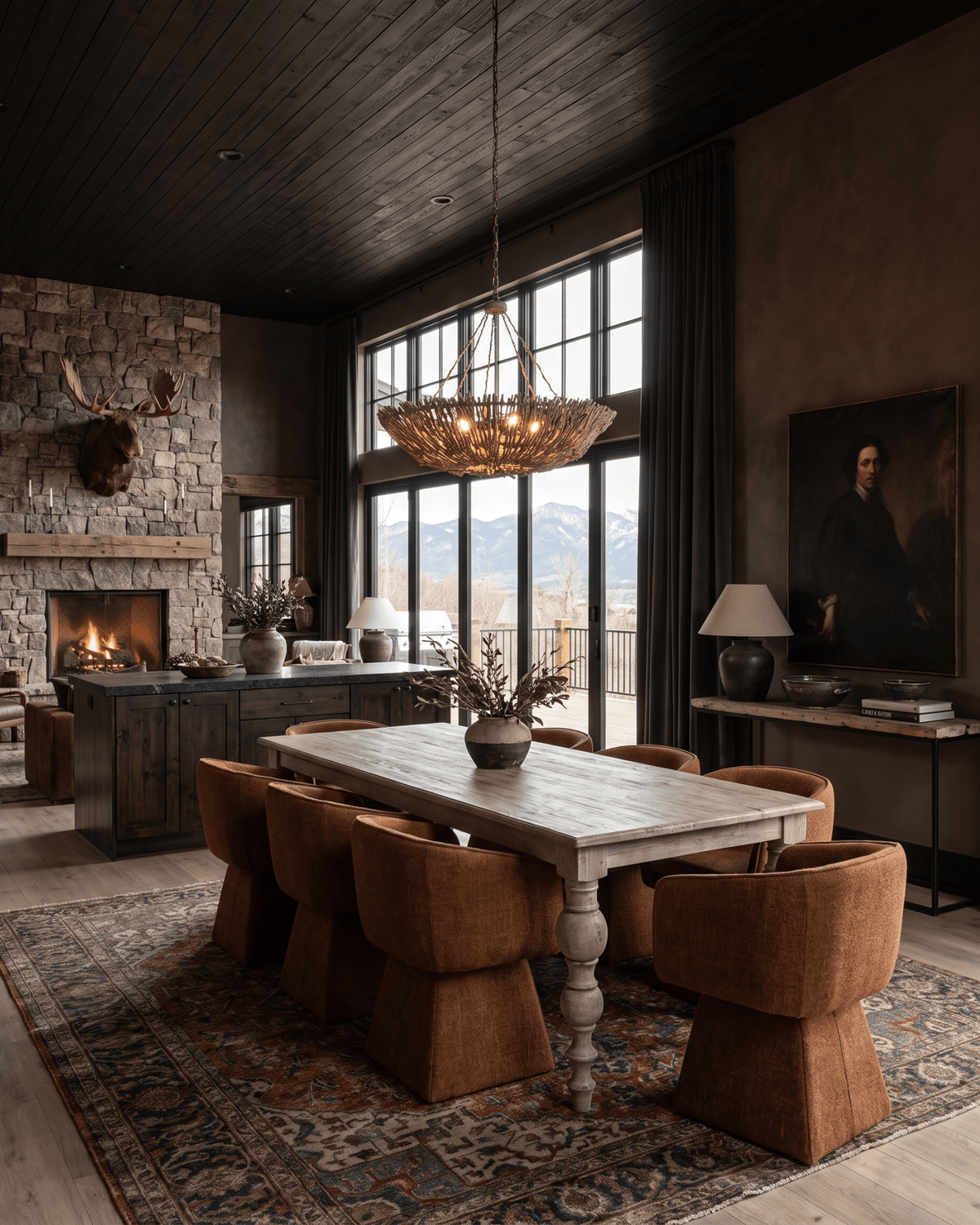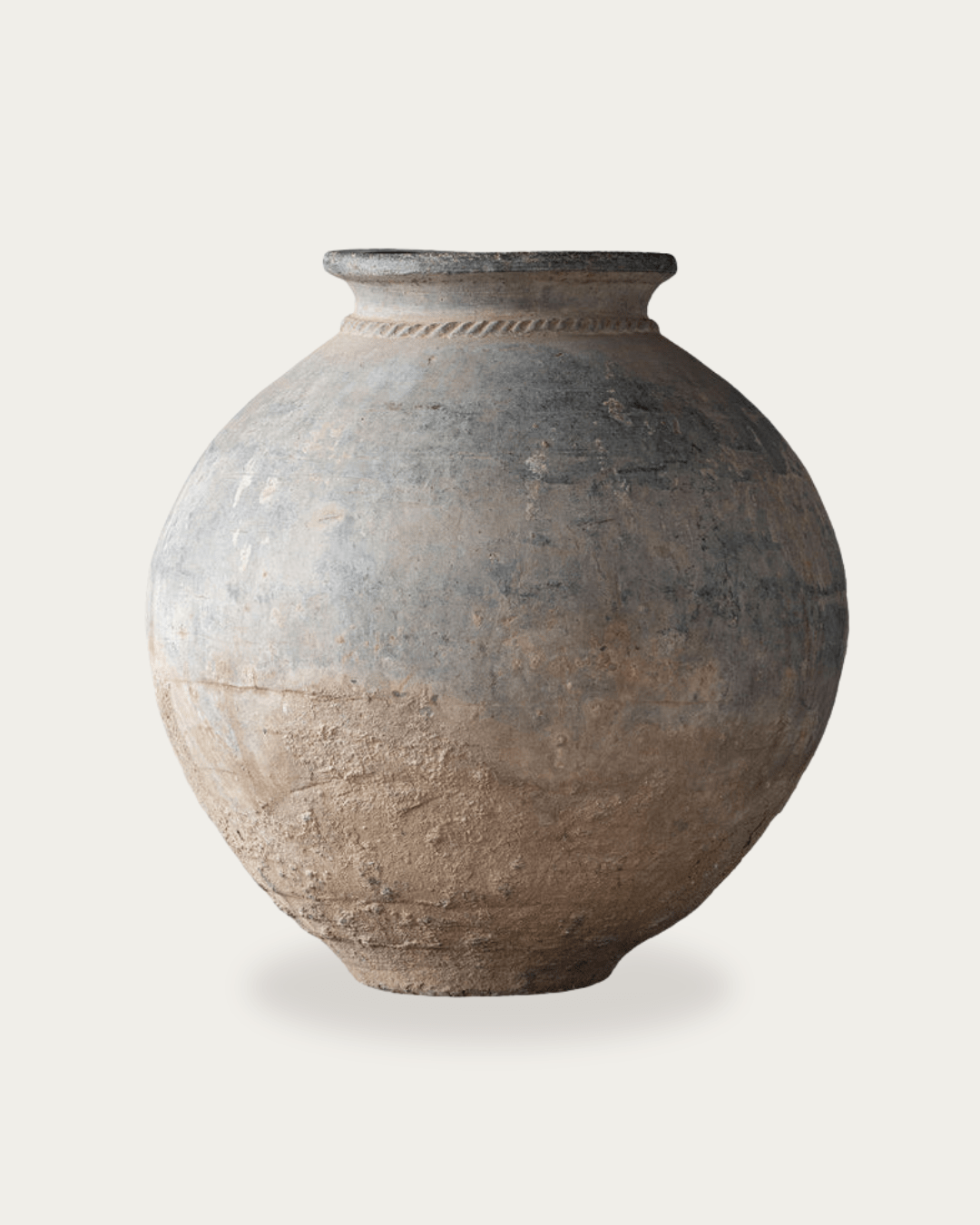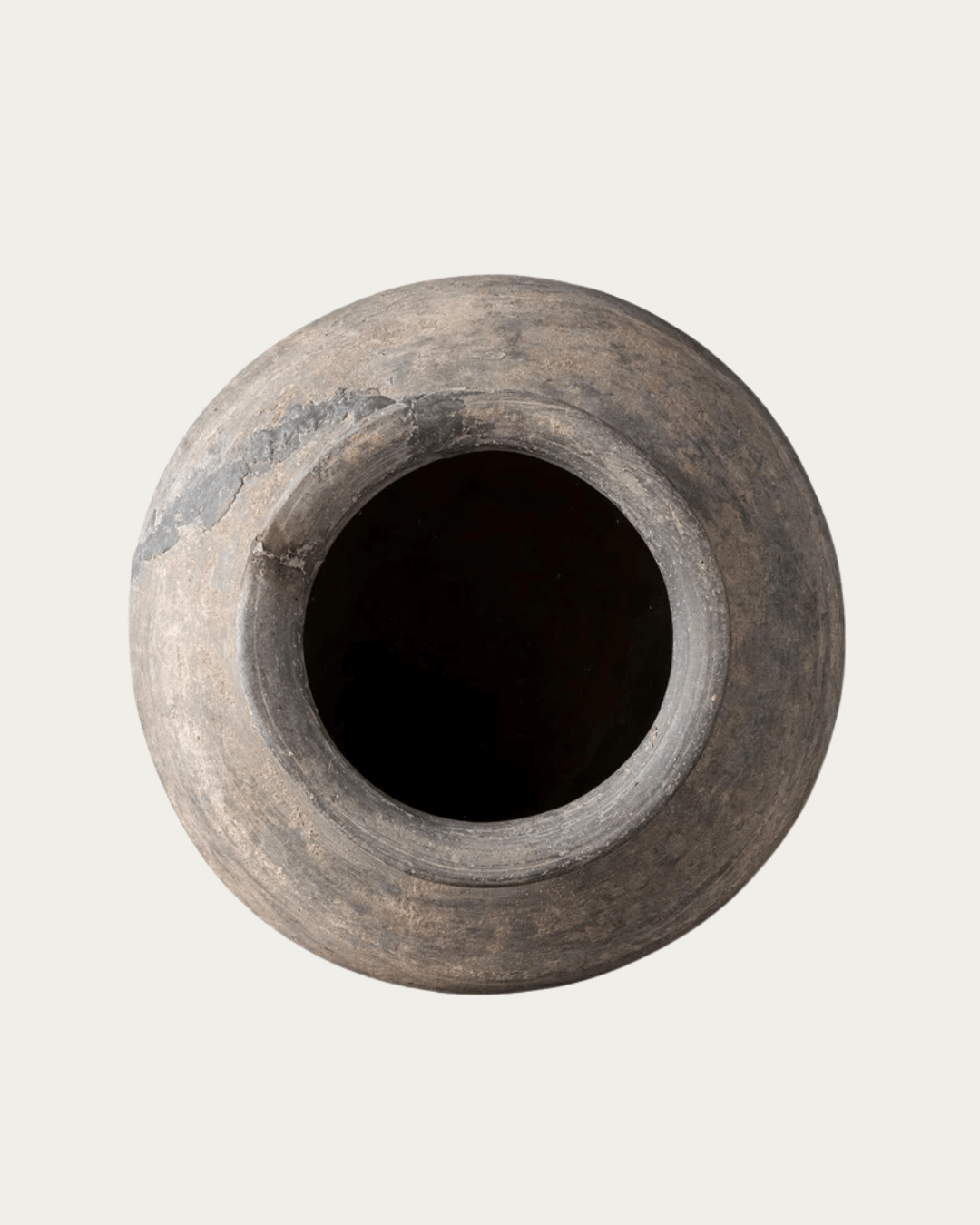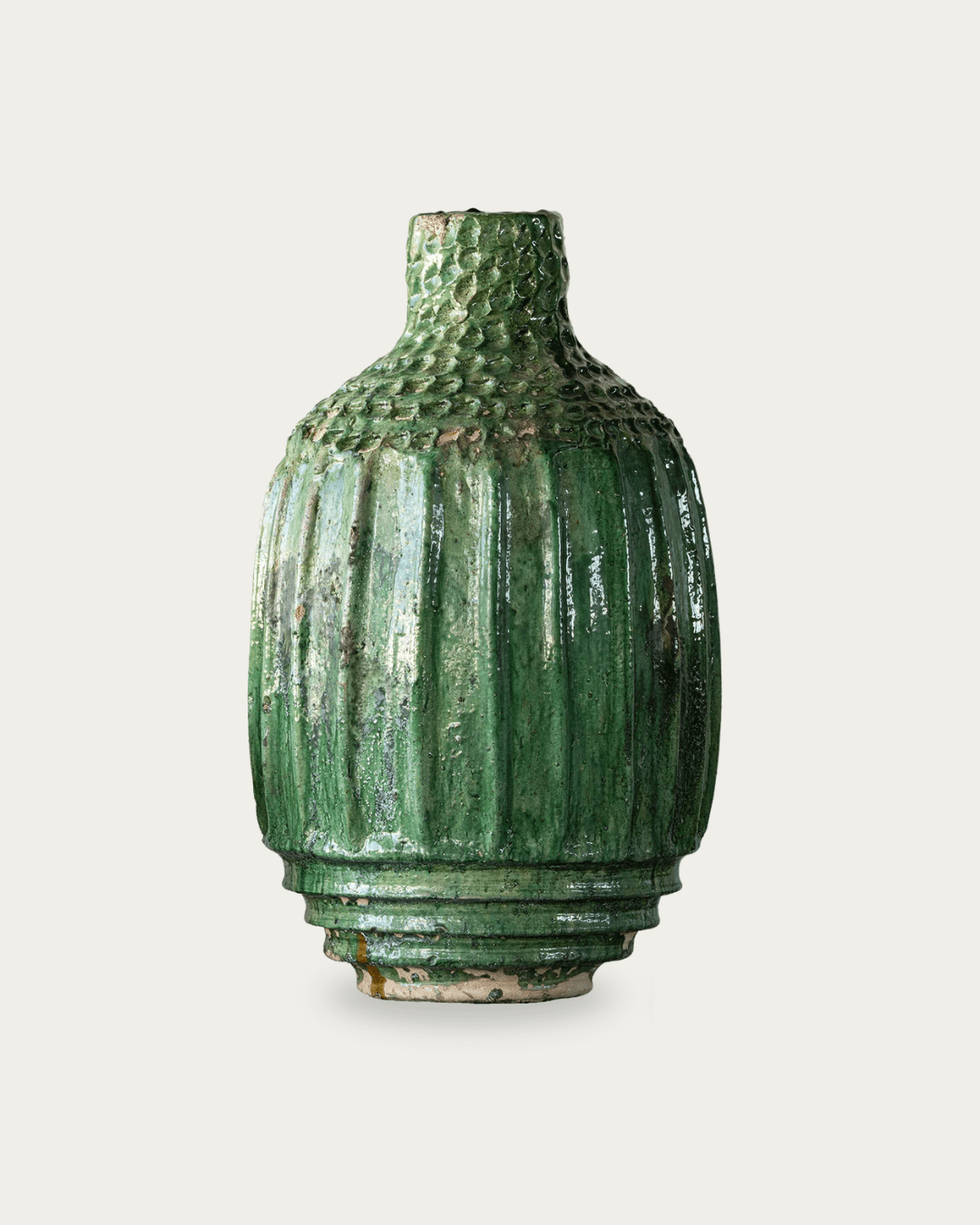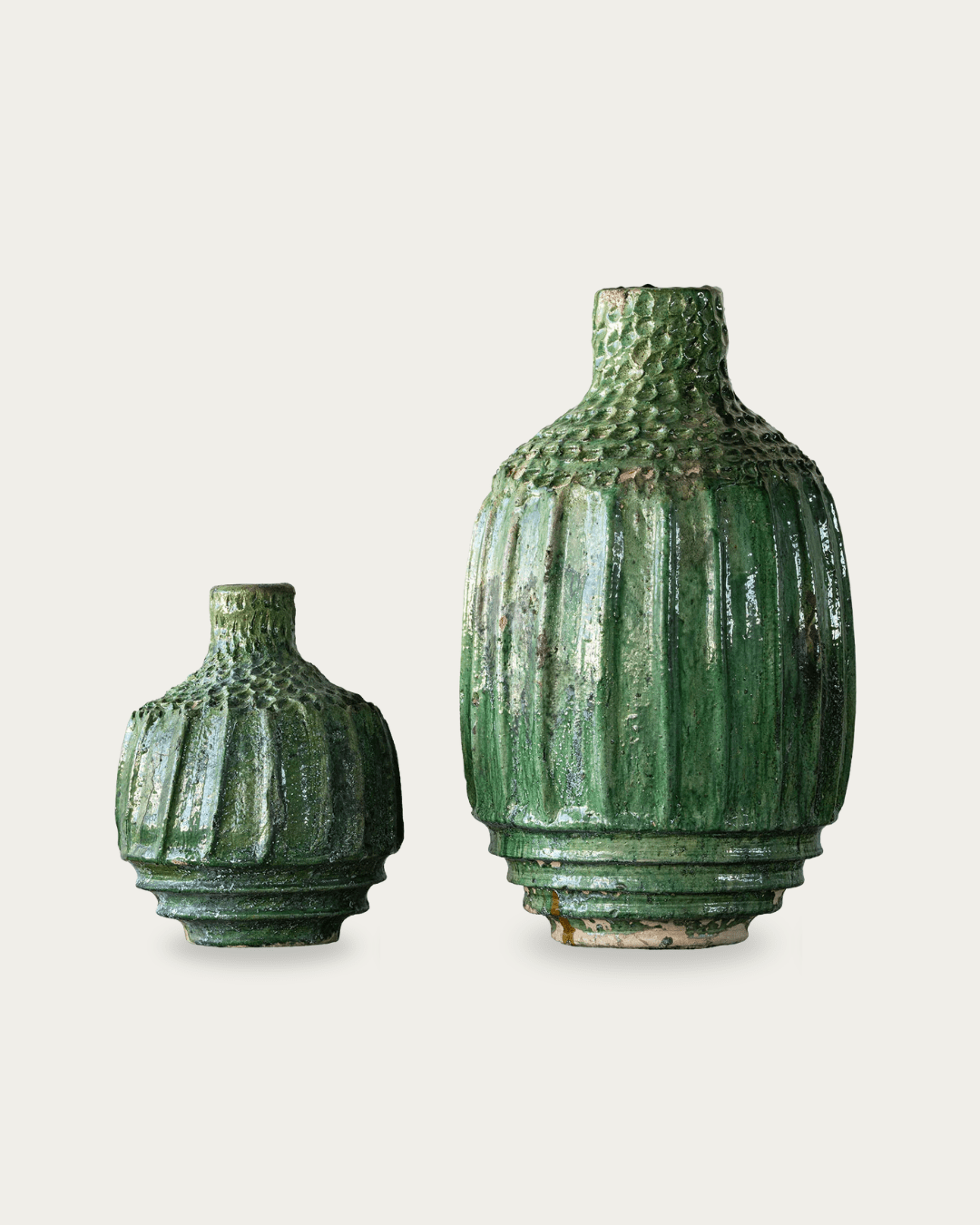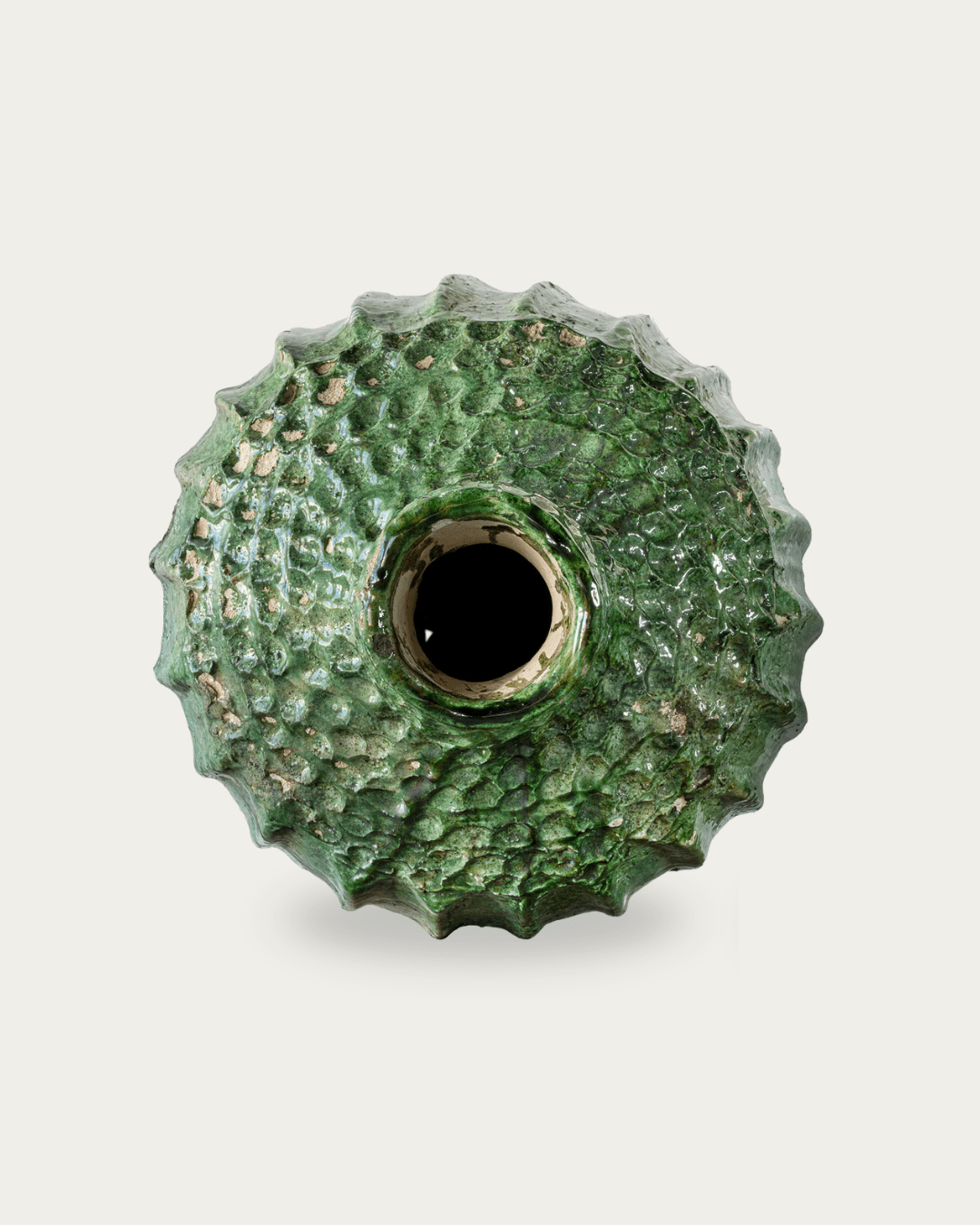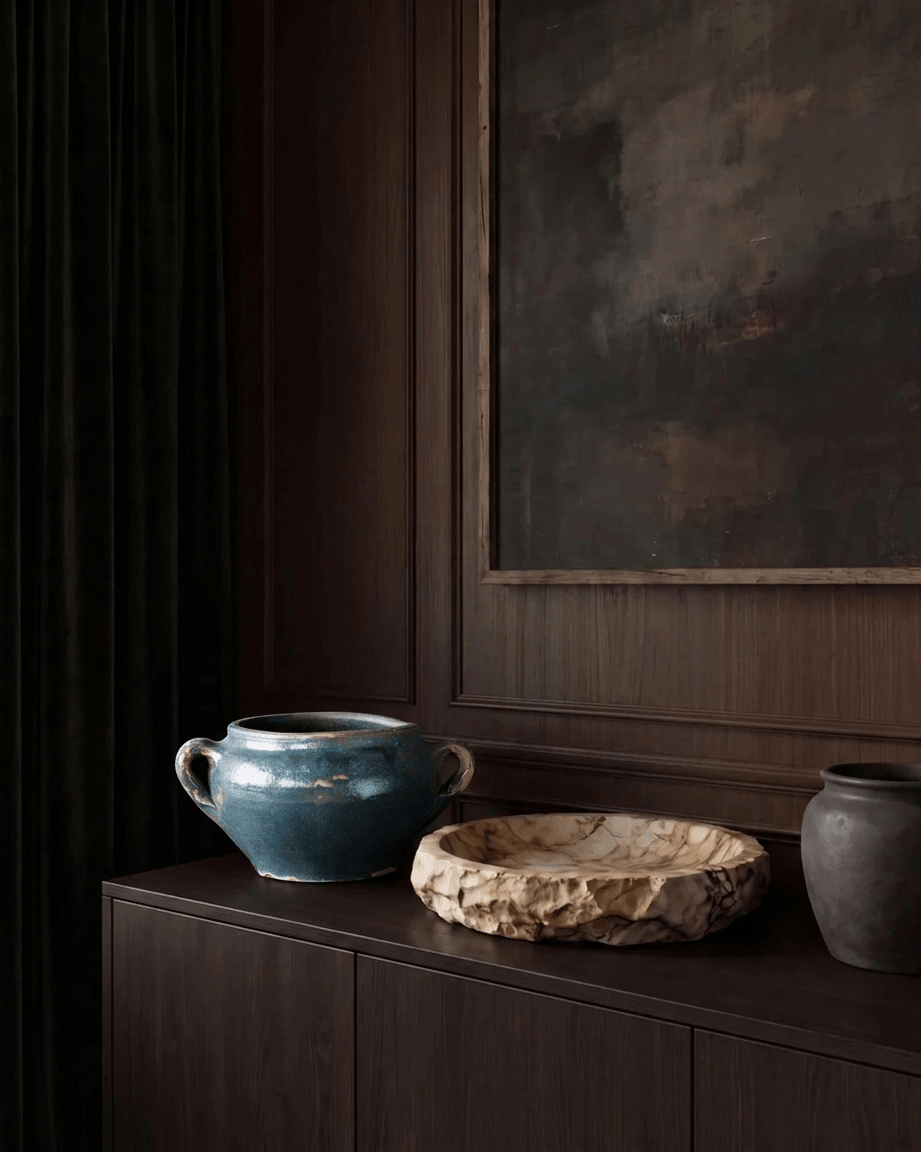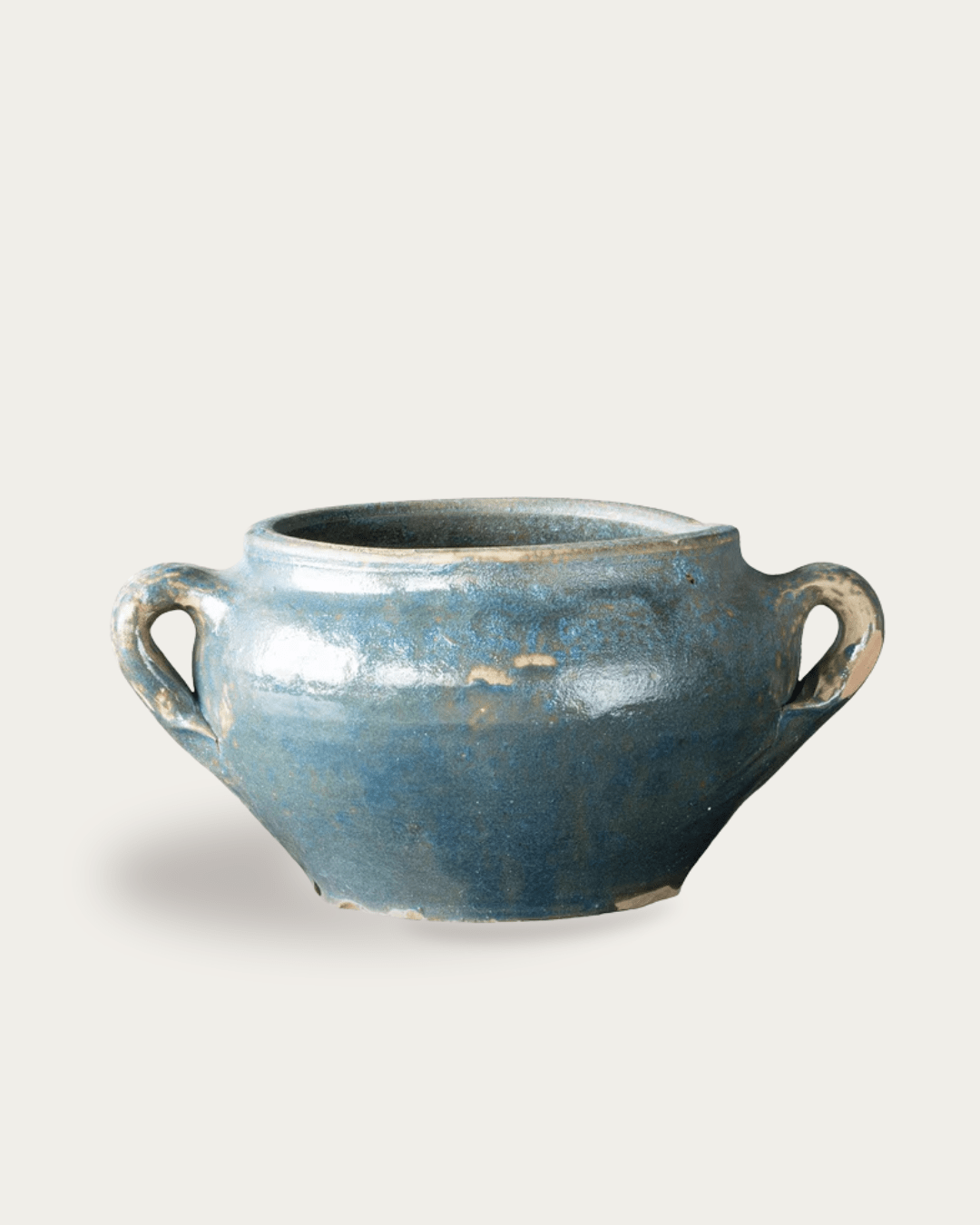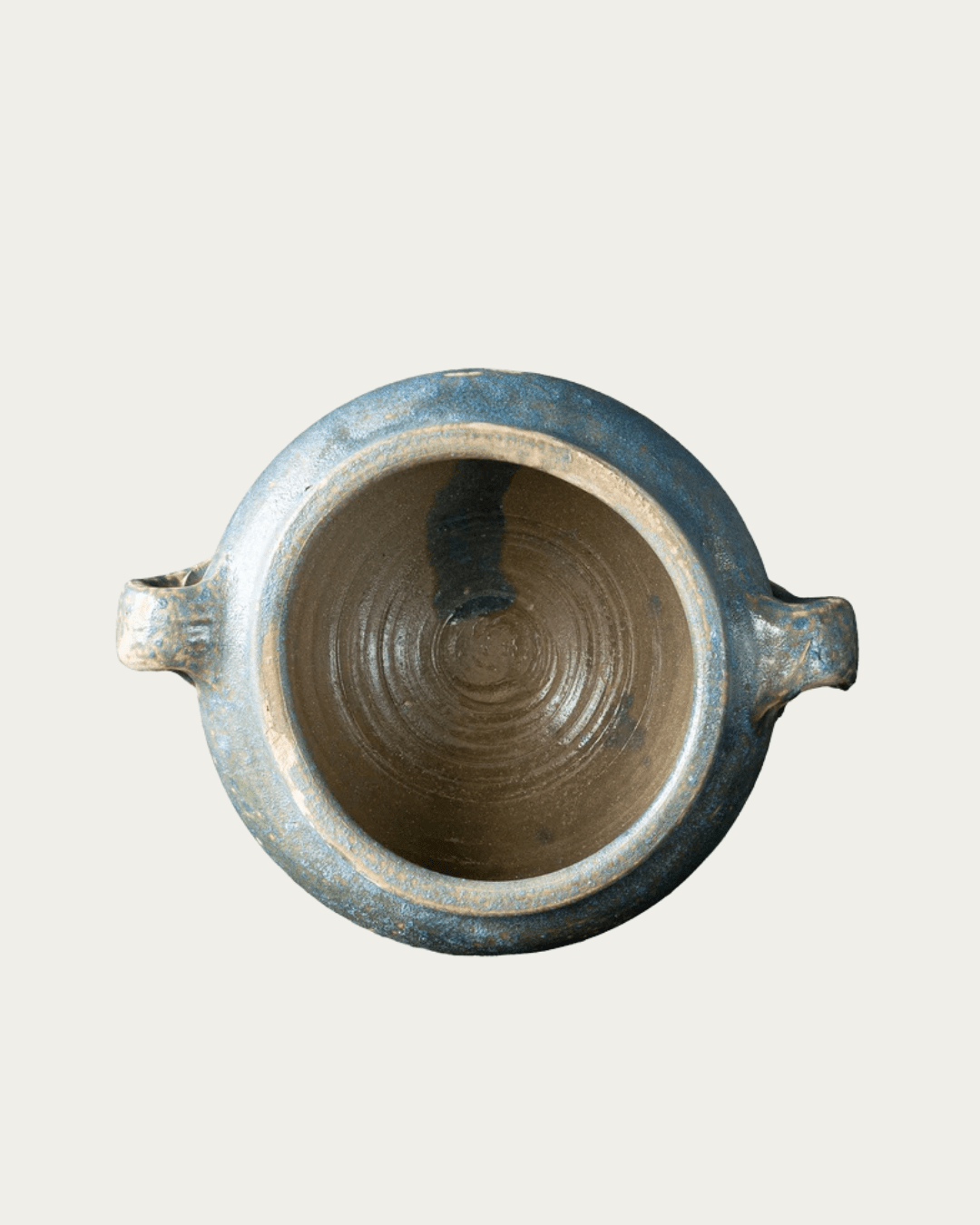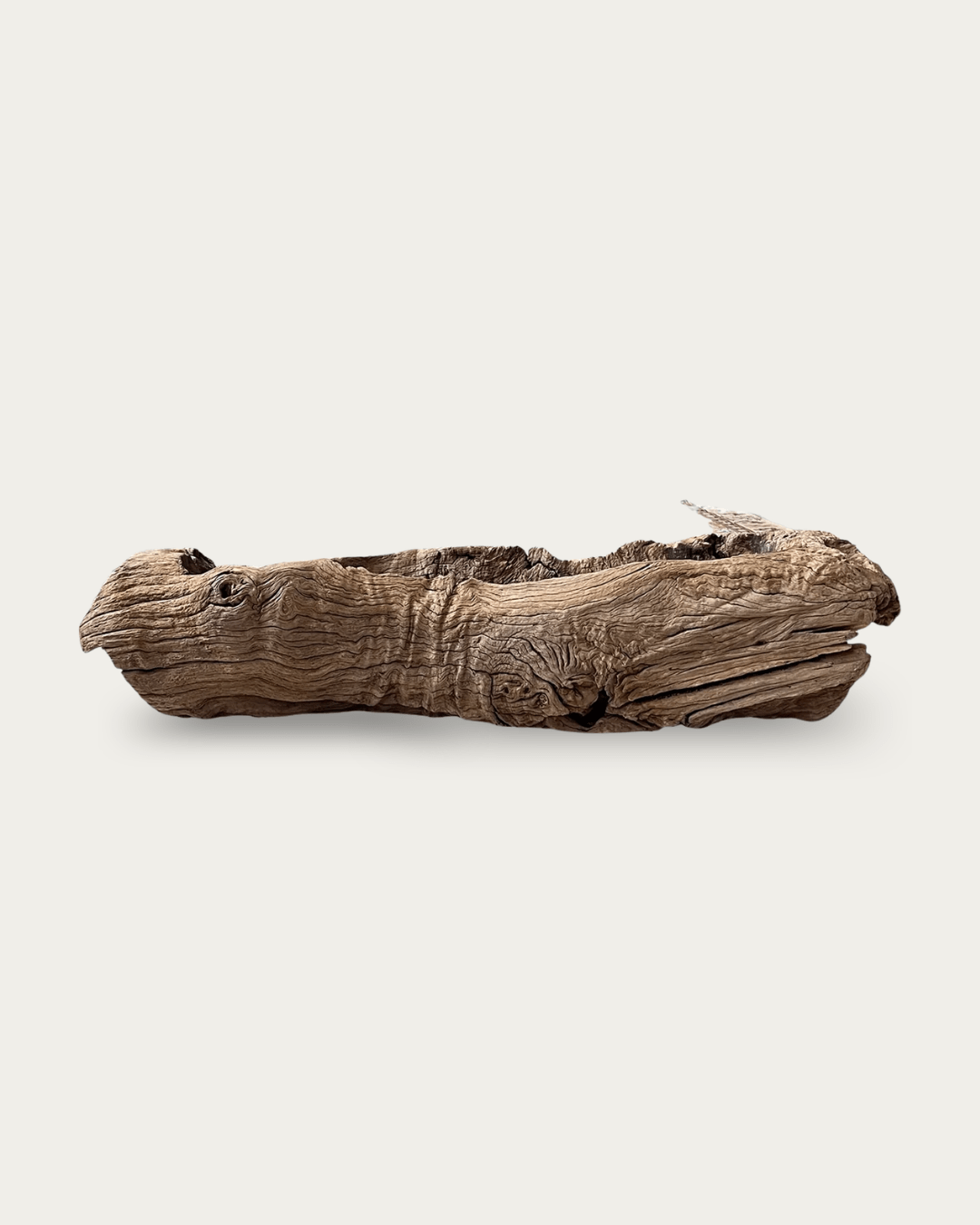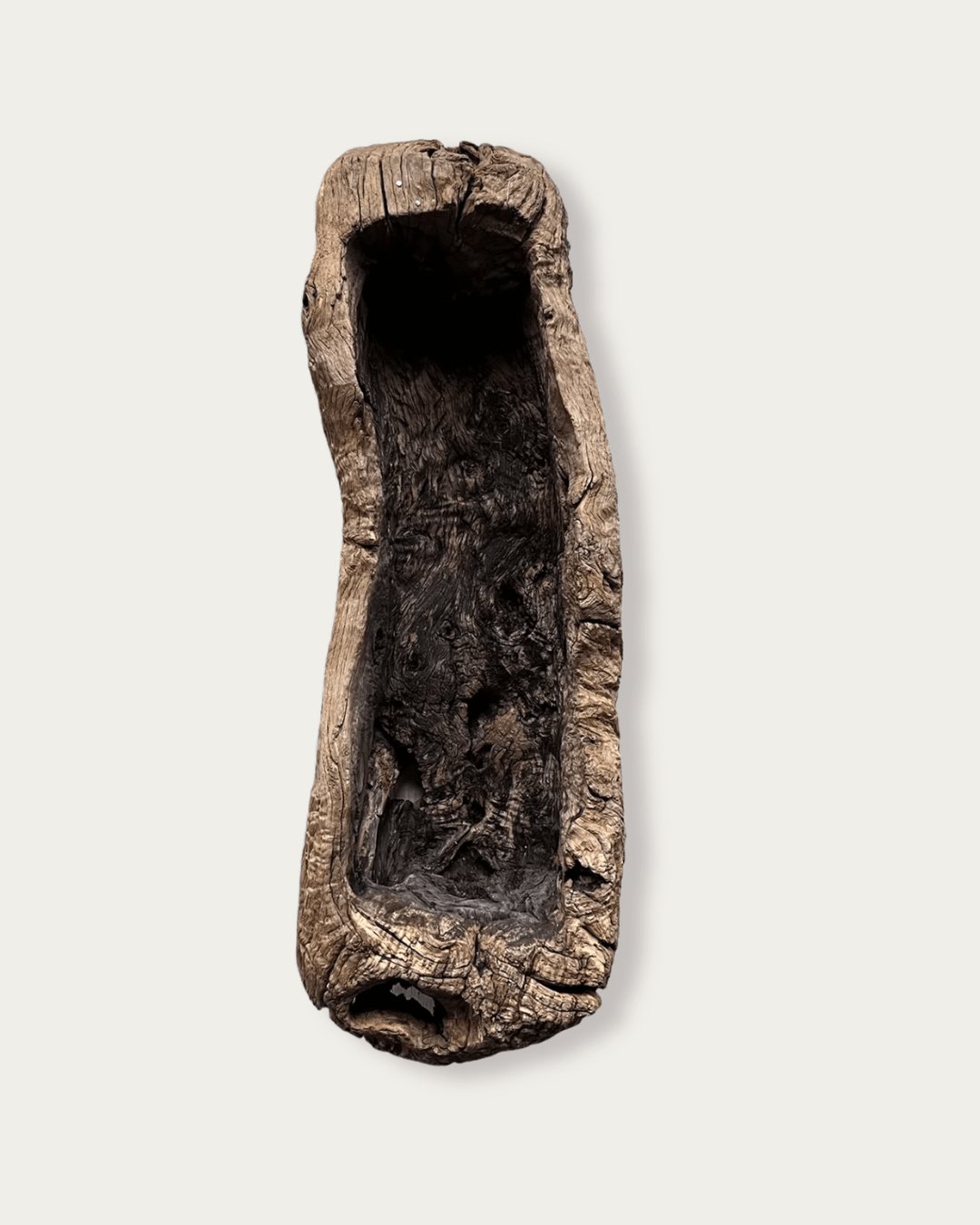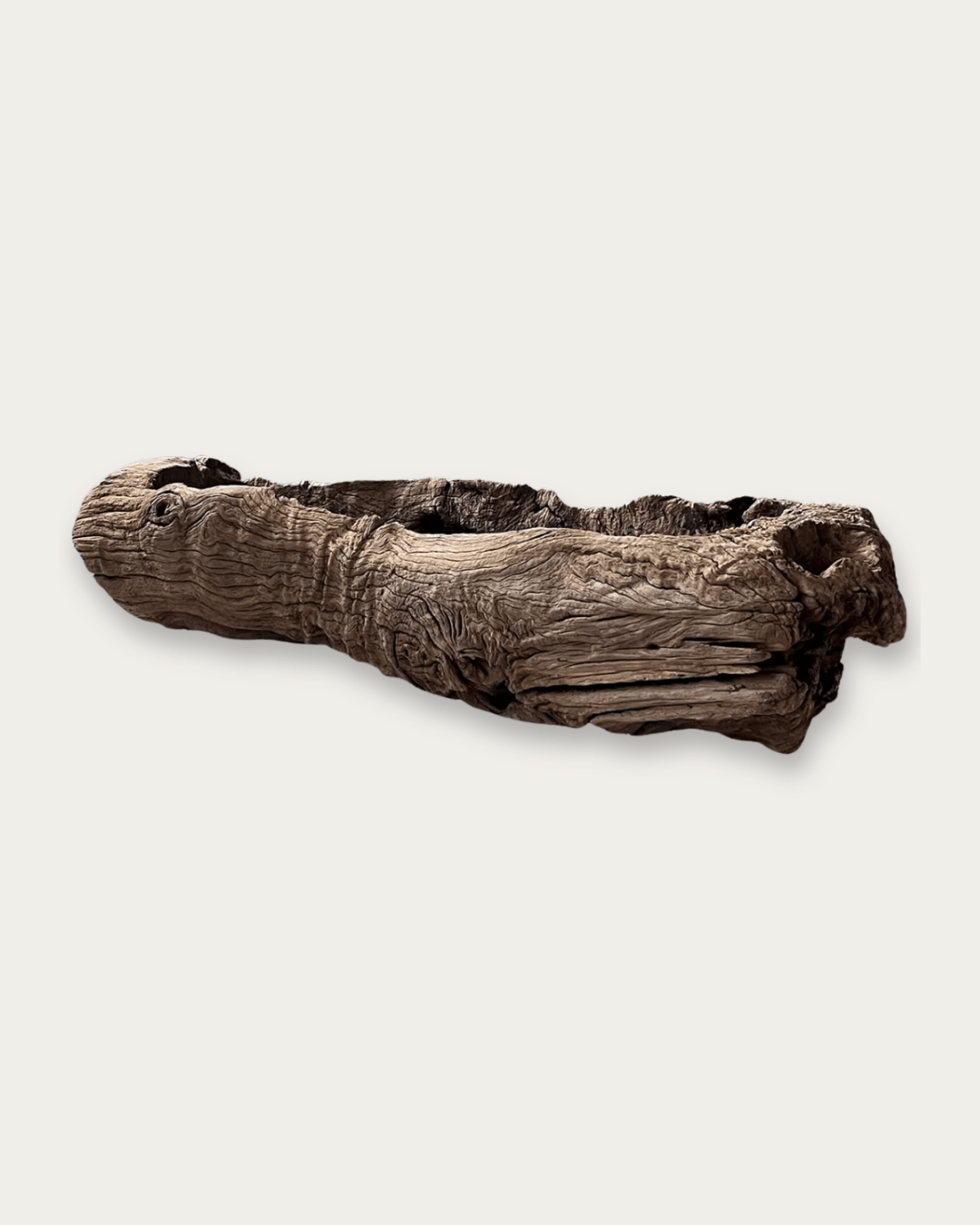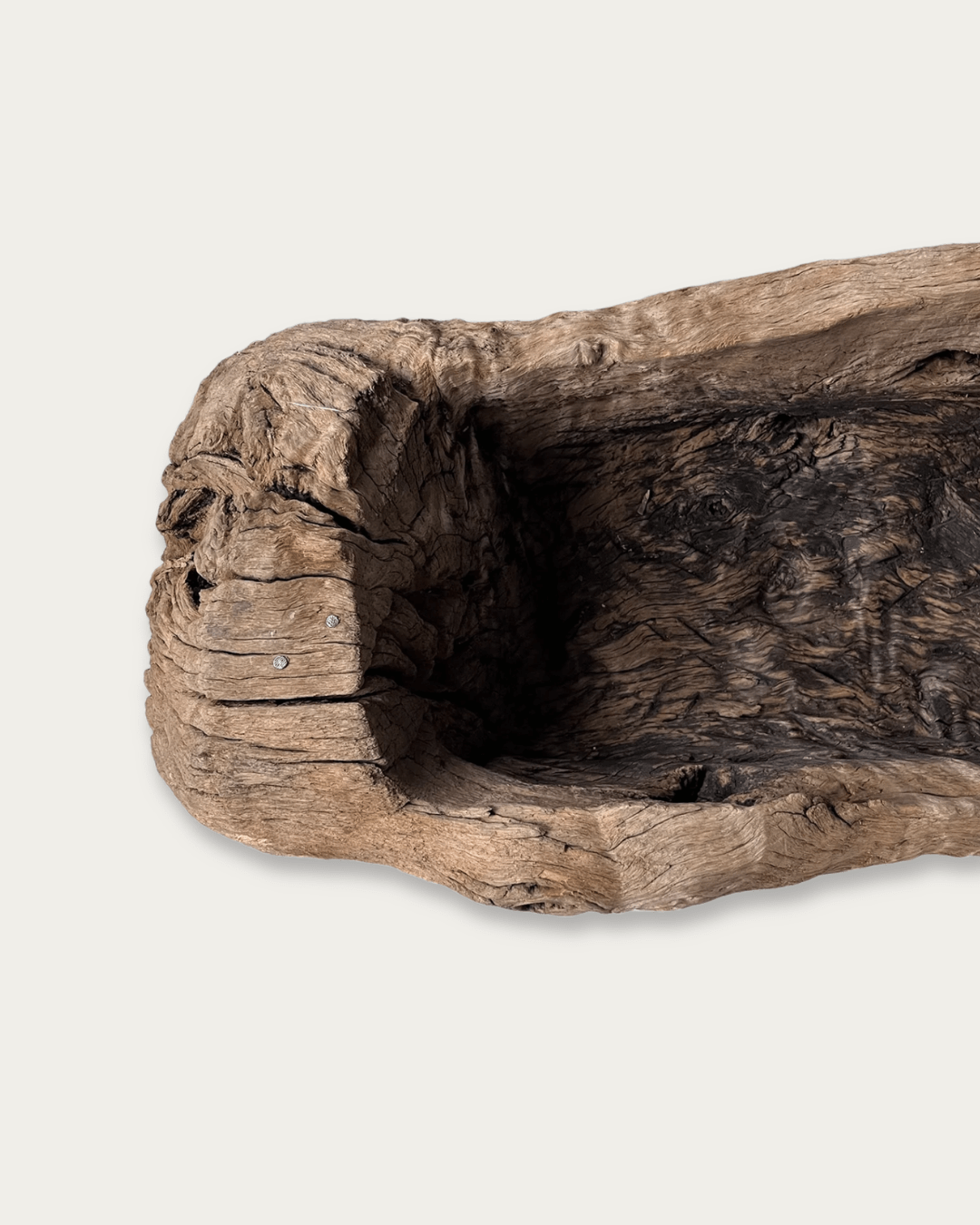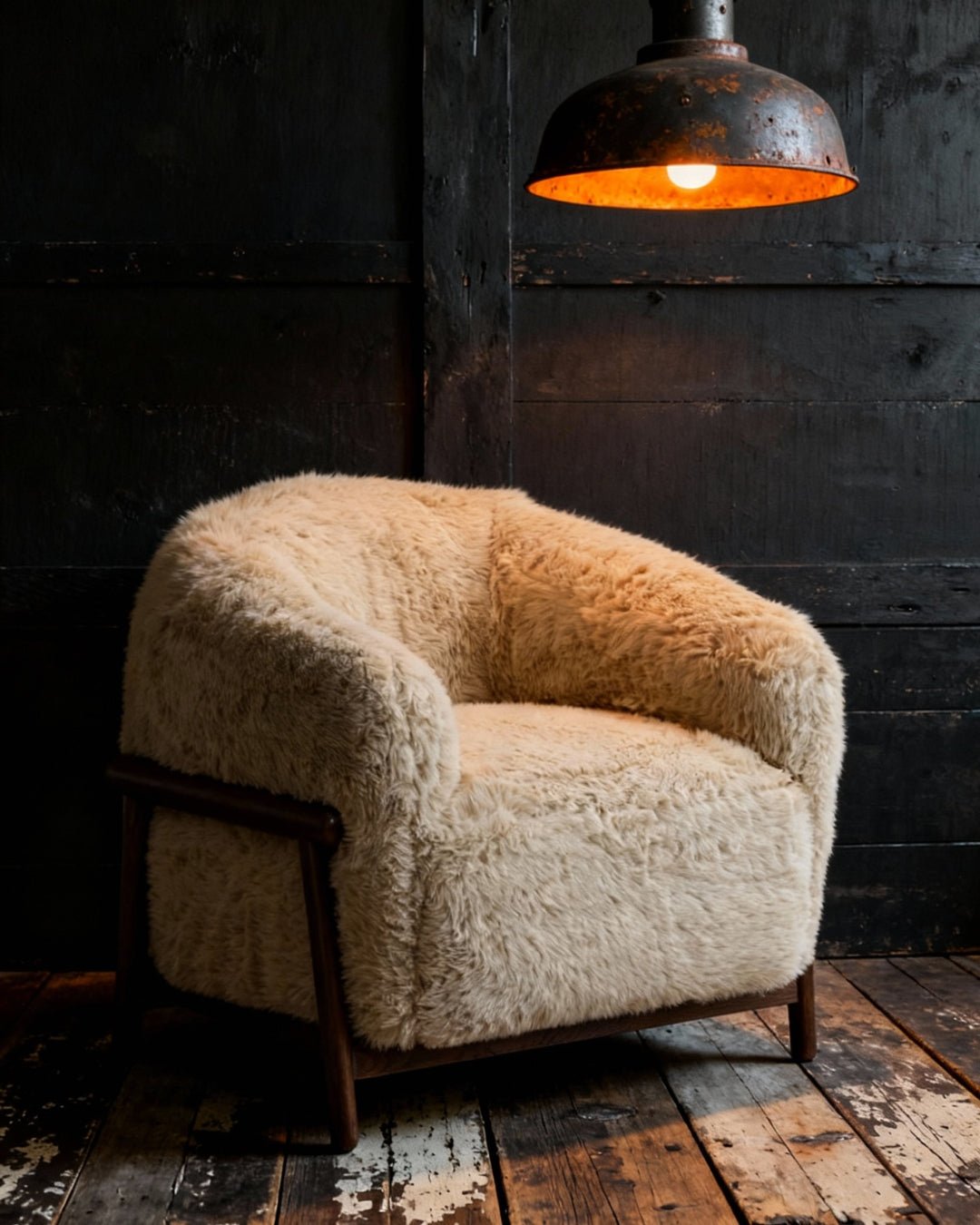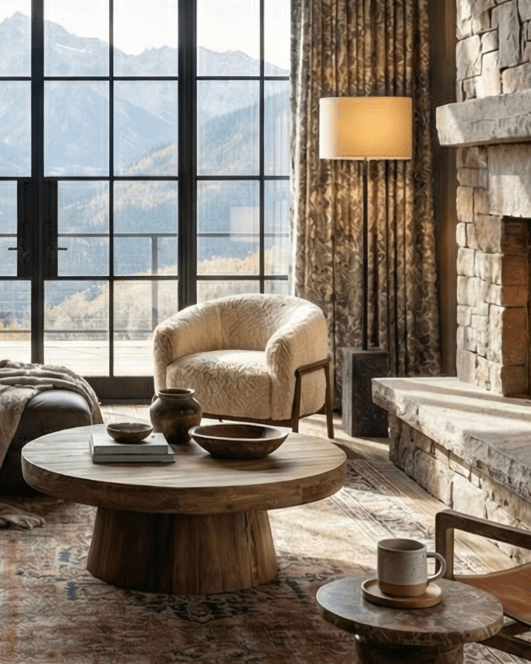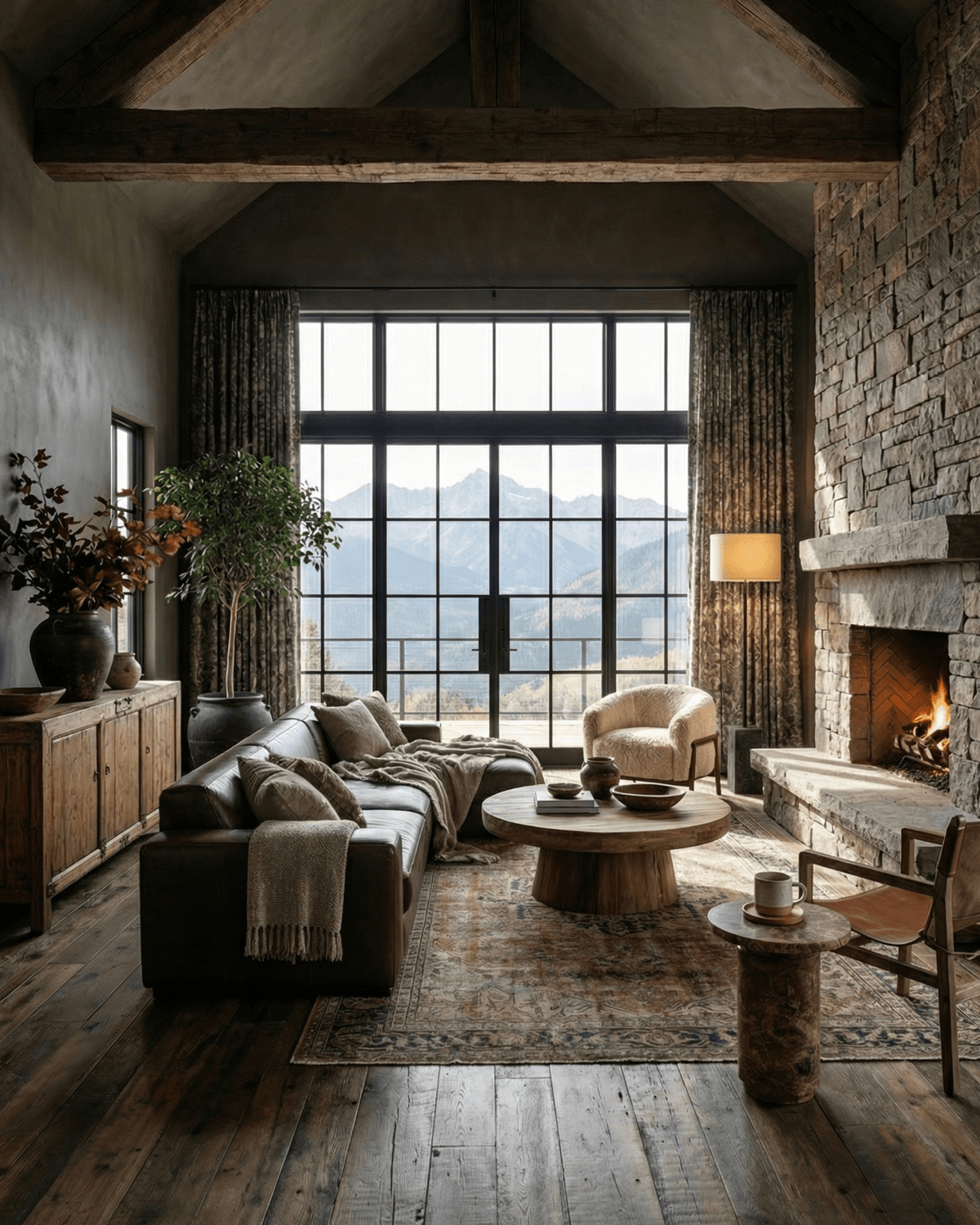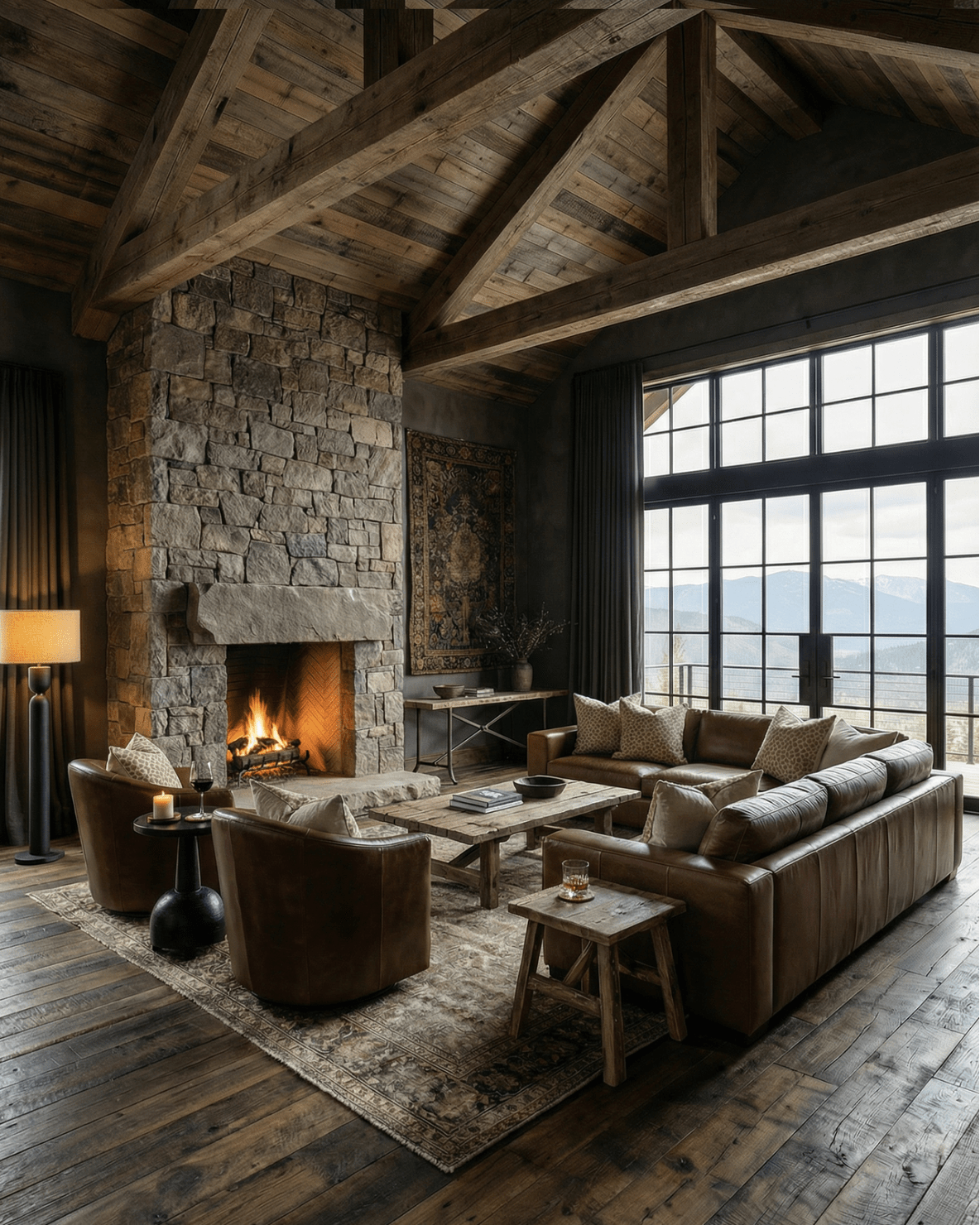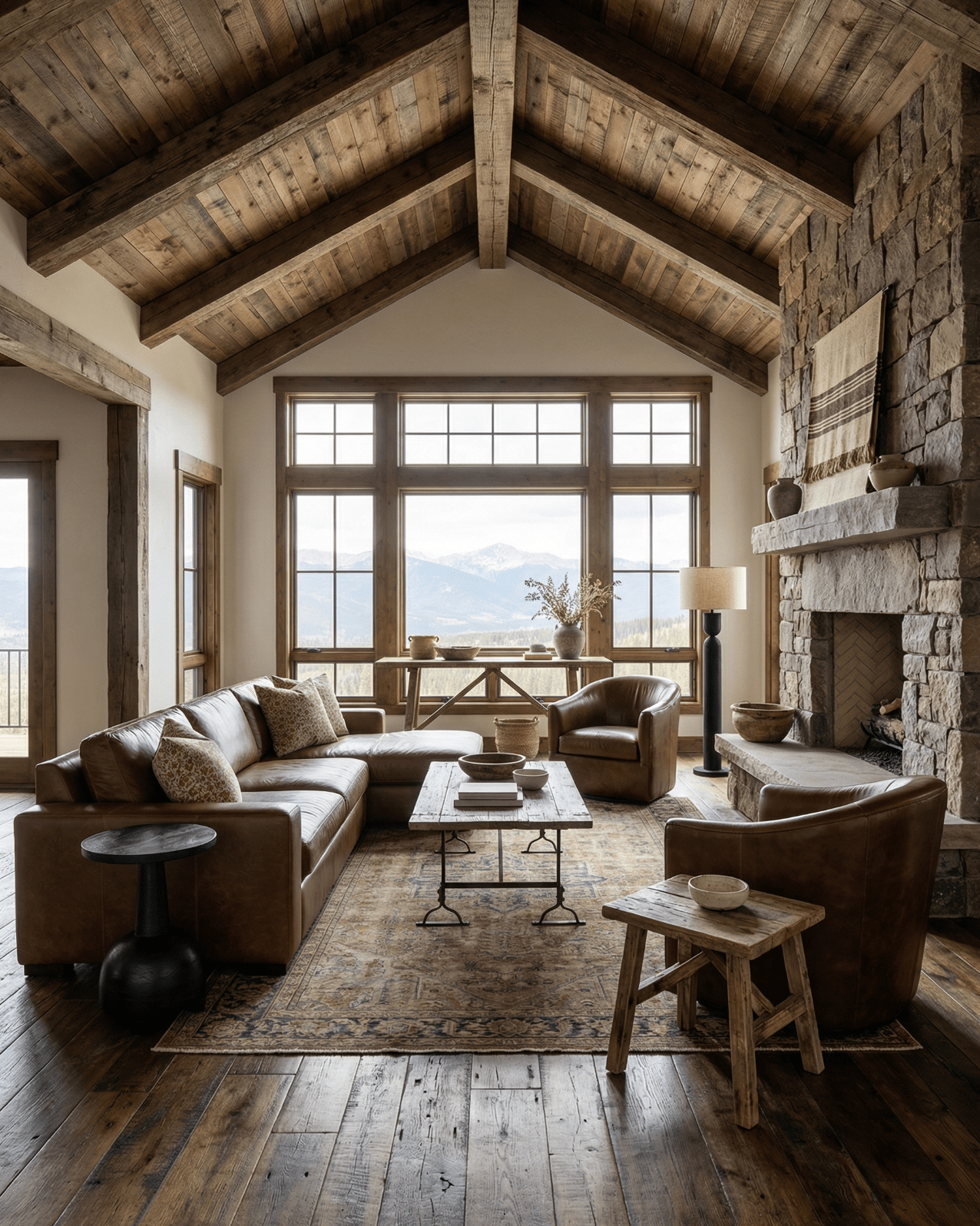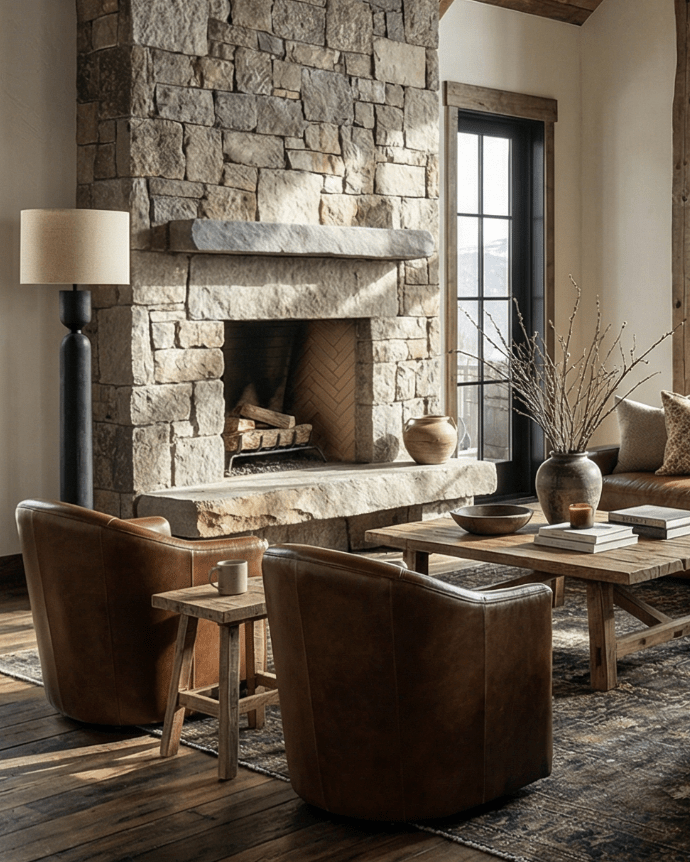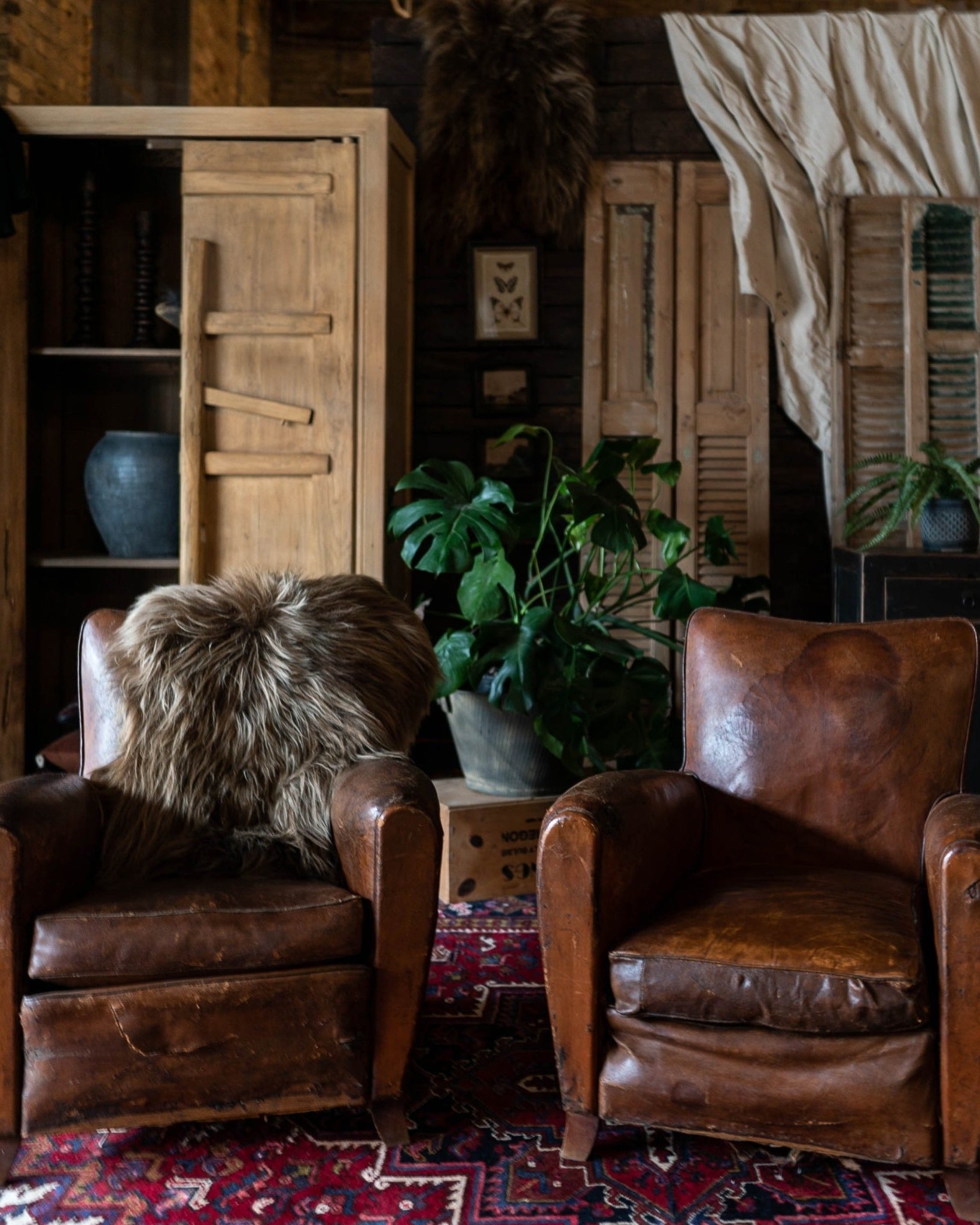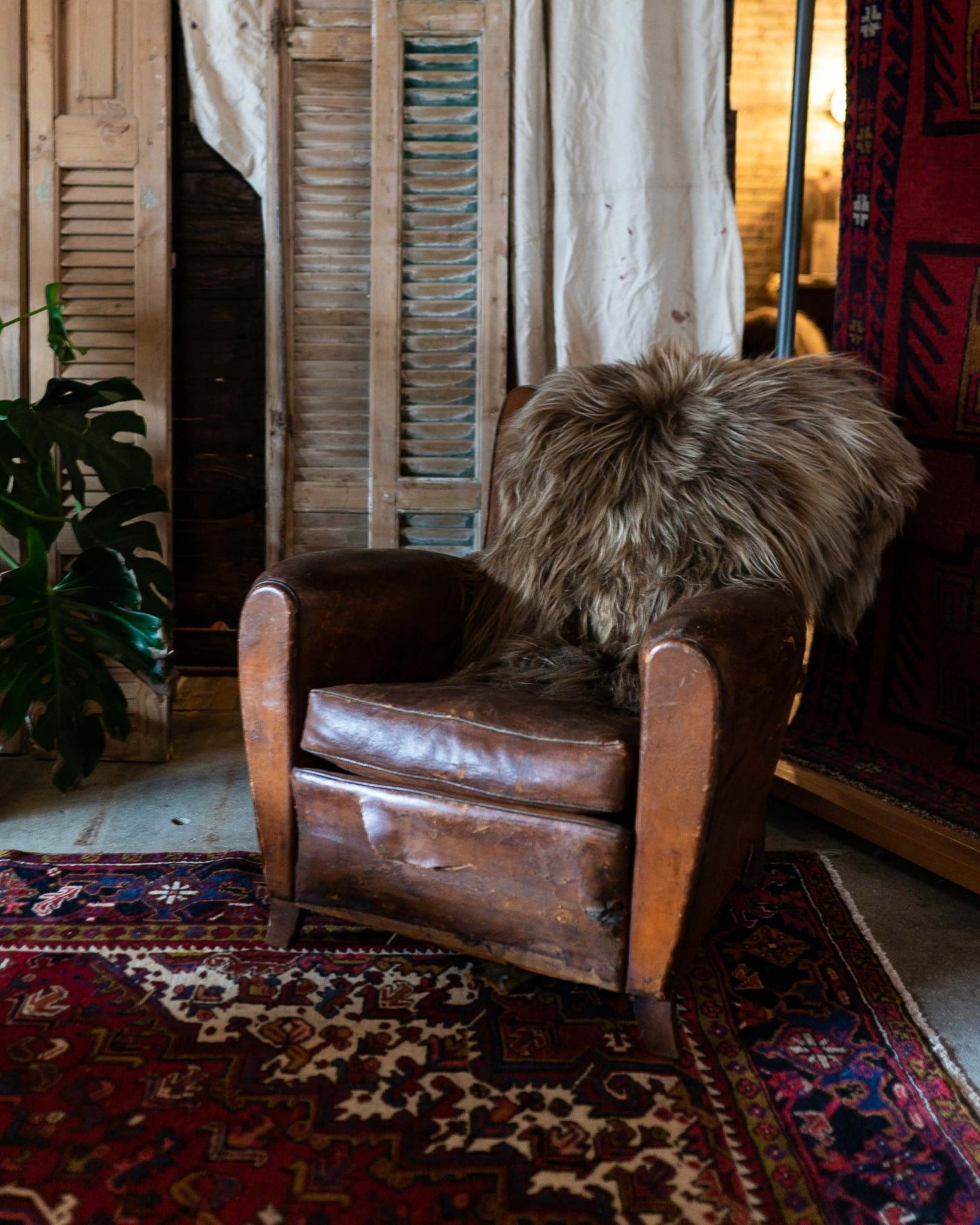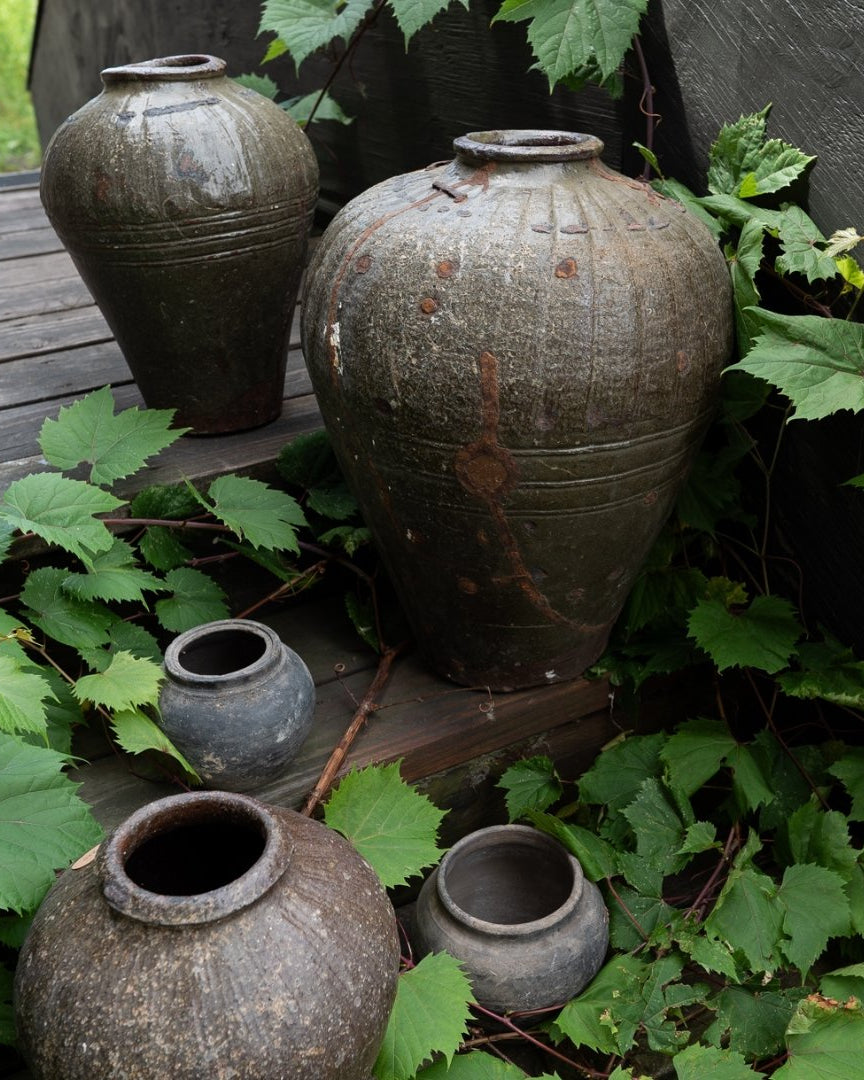






Most people try to improve a room by adding more.
More decor. More layers. More detail.
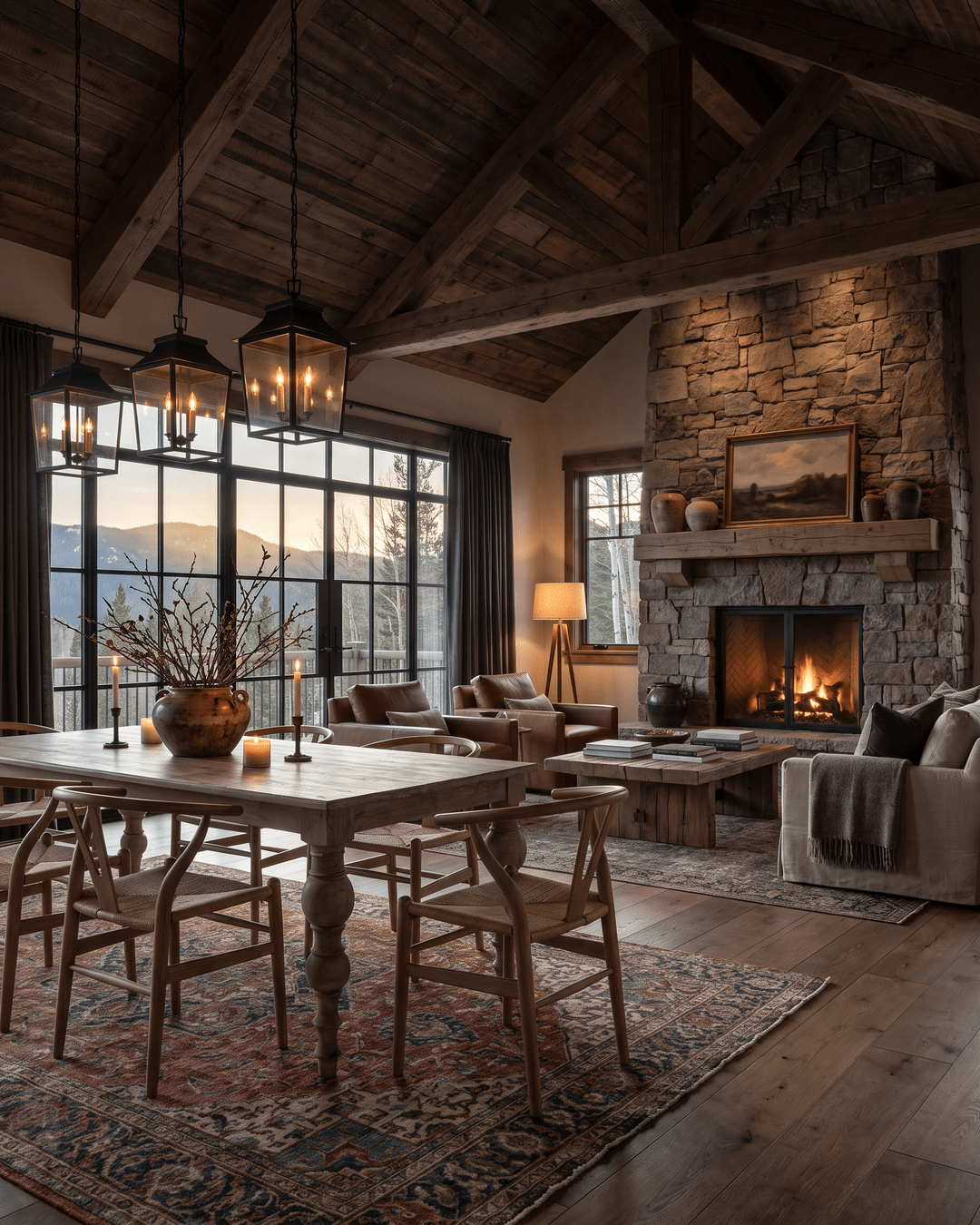
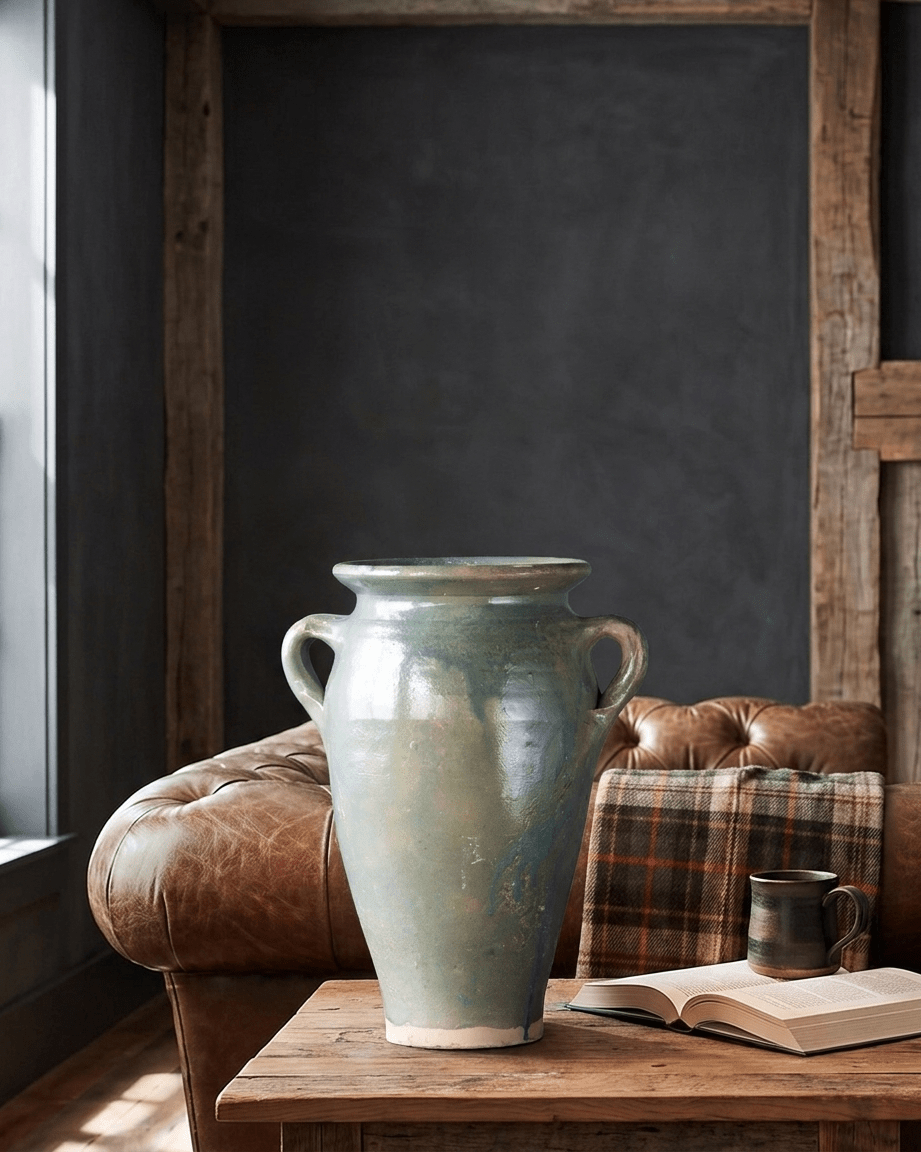
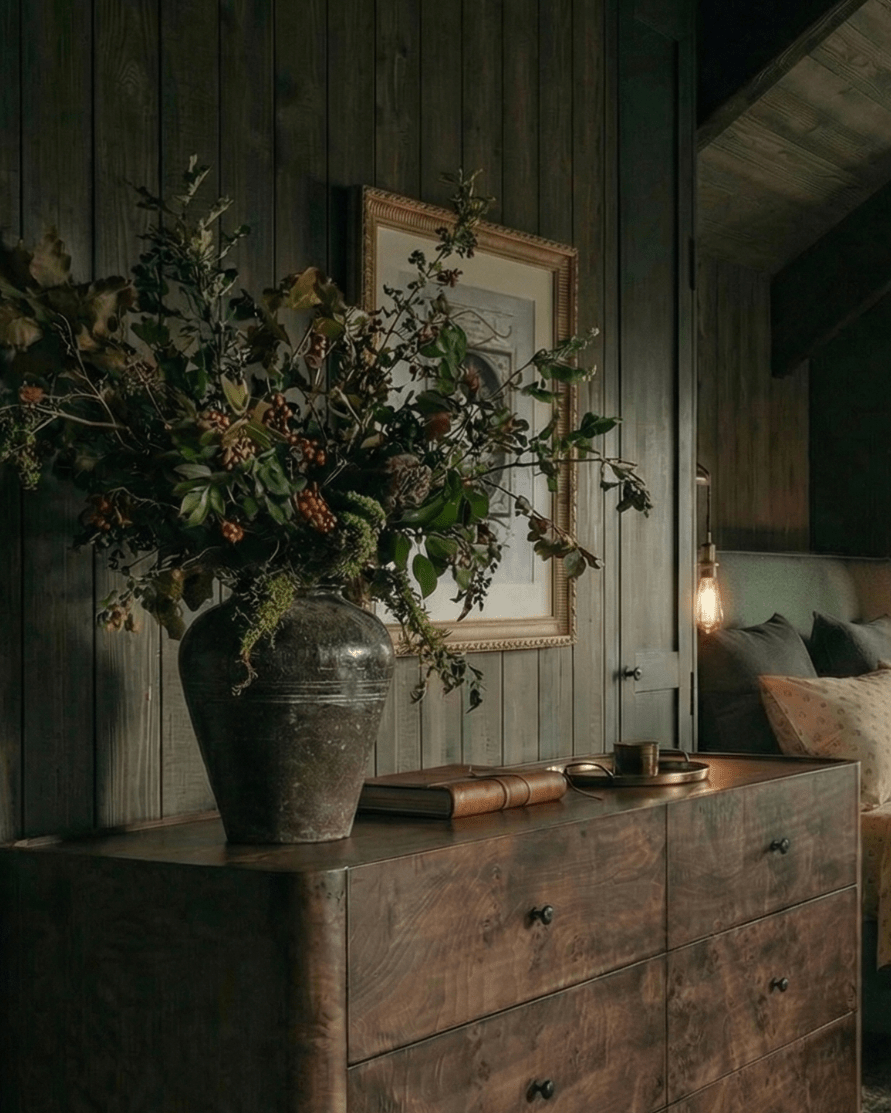
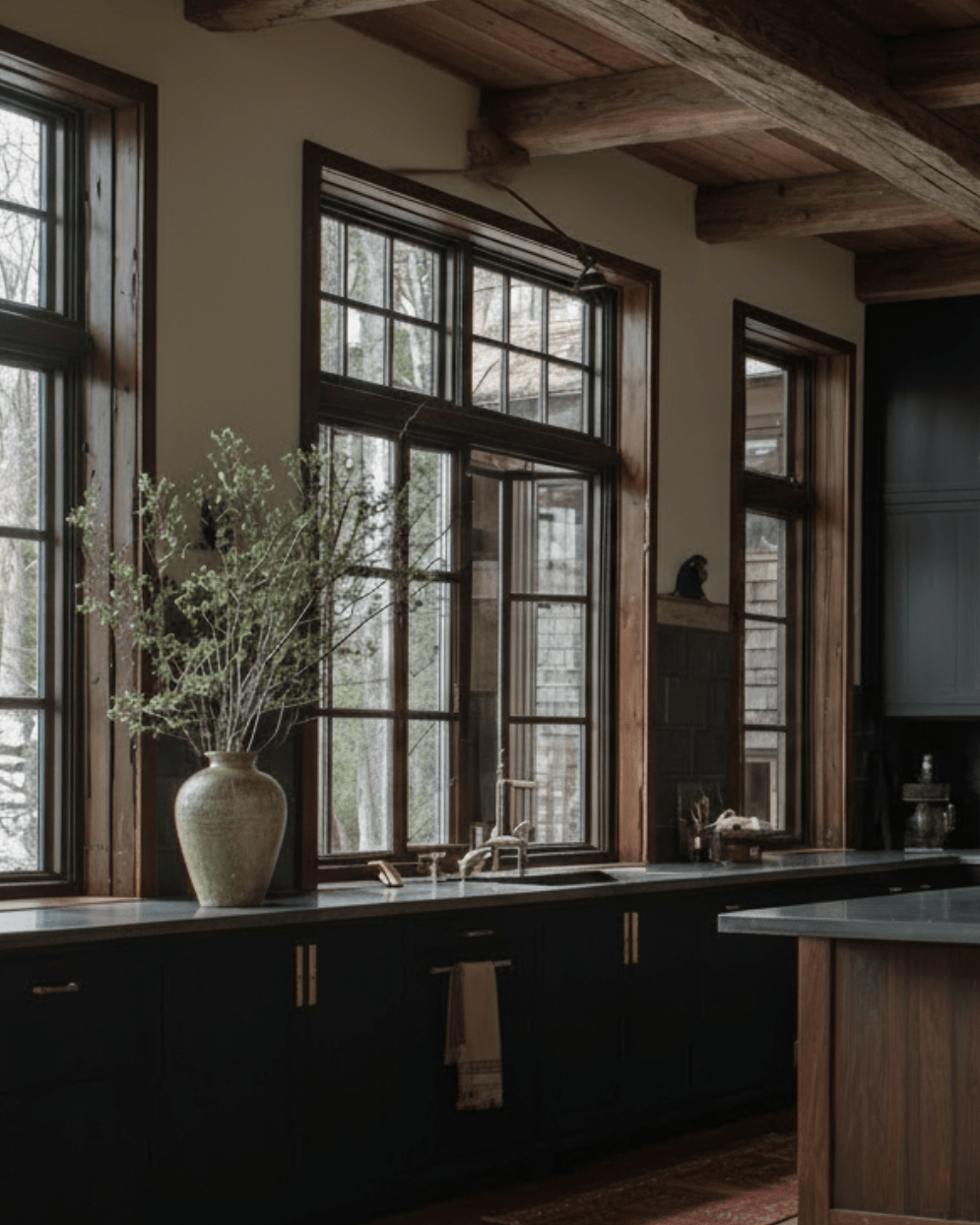
But the fastest way to change how a space feels isn’t by adding more—it’s by adding the right piece at the right scale.
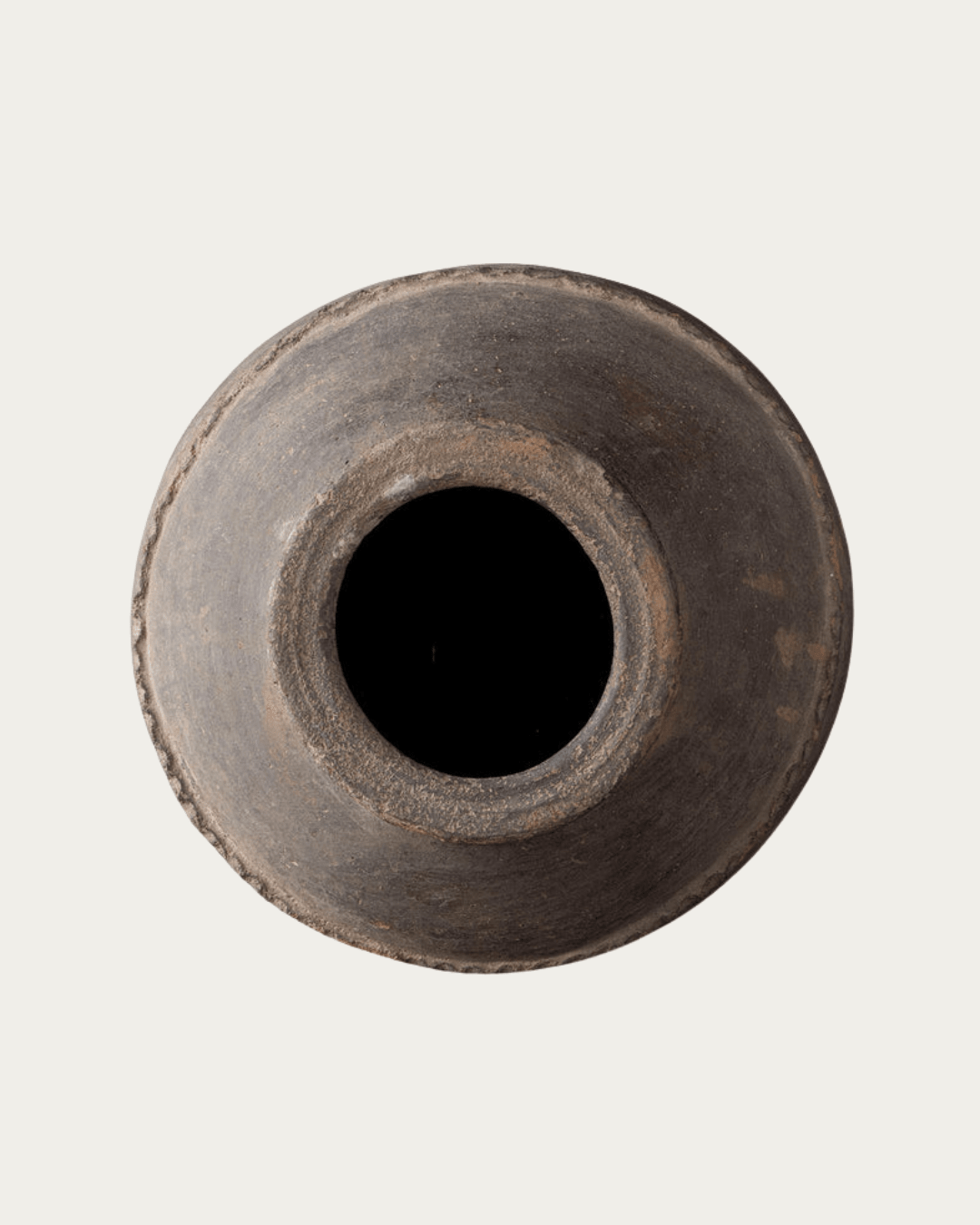
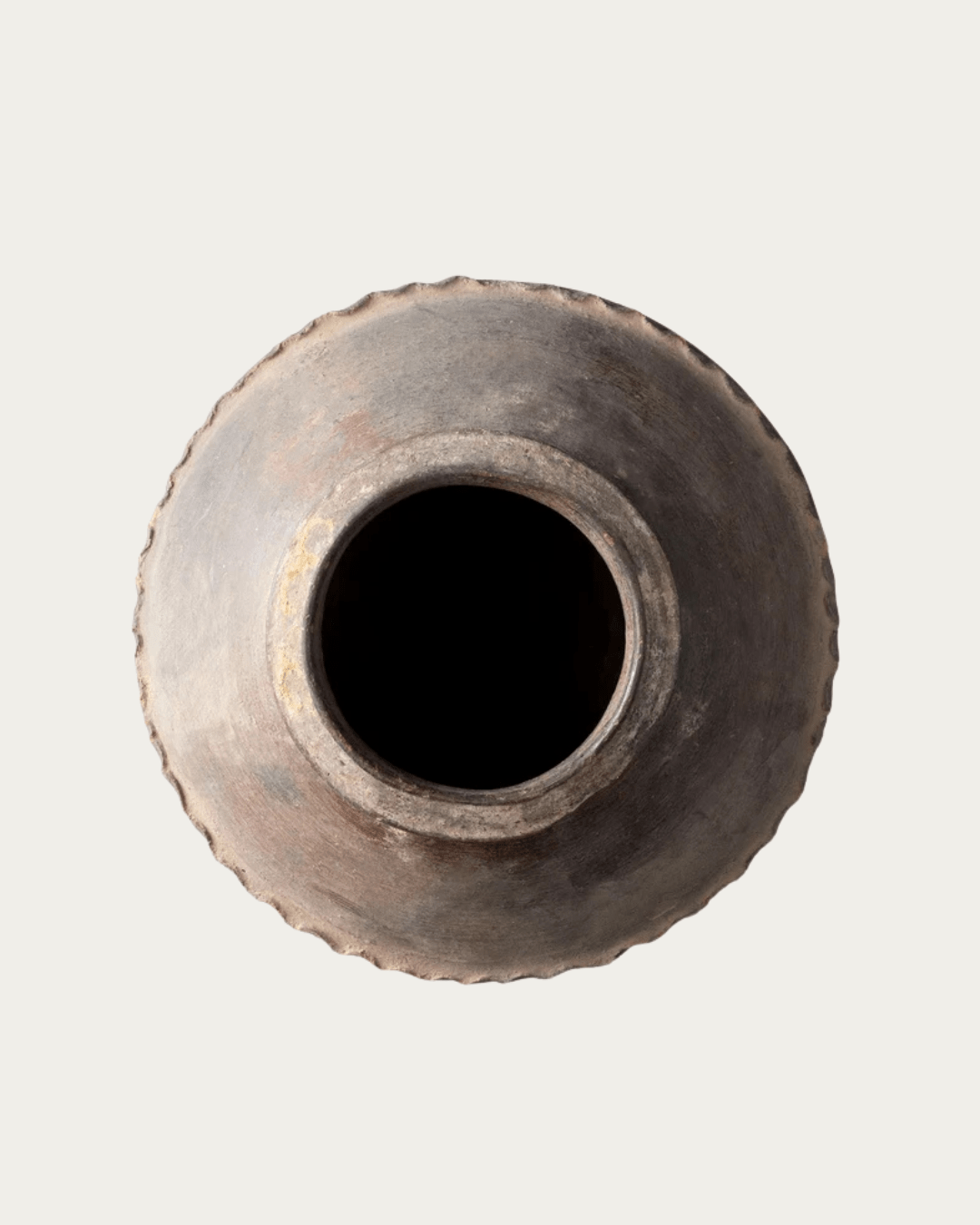
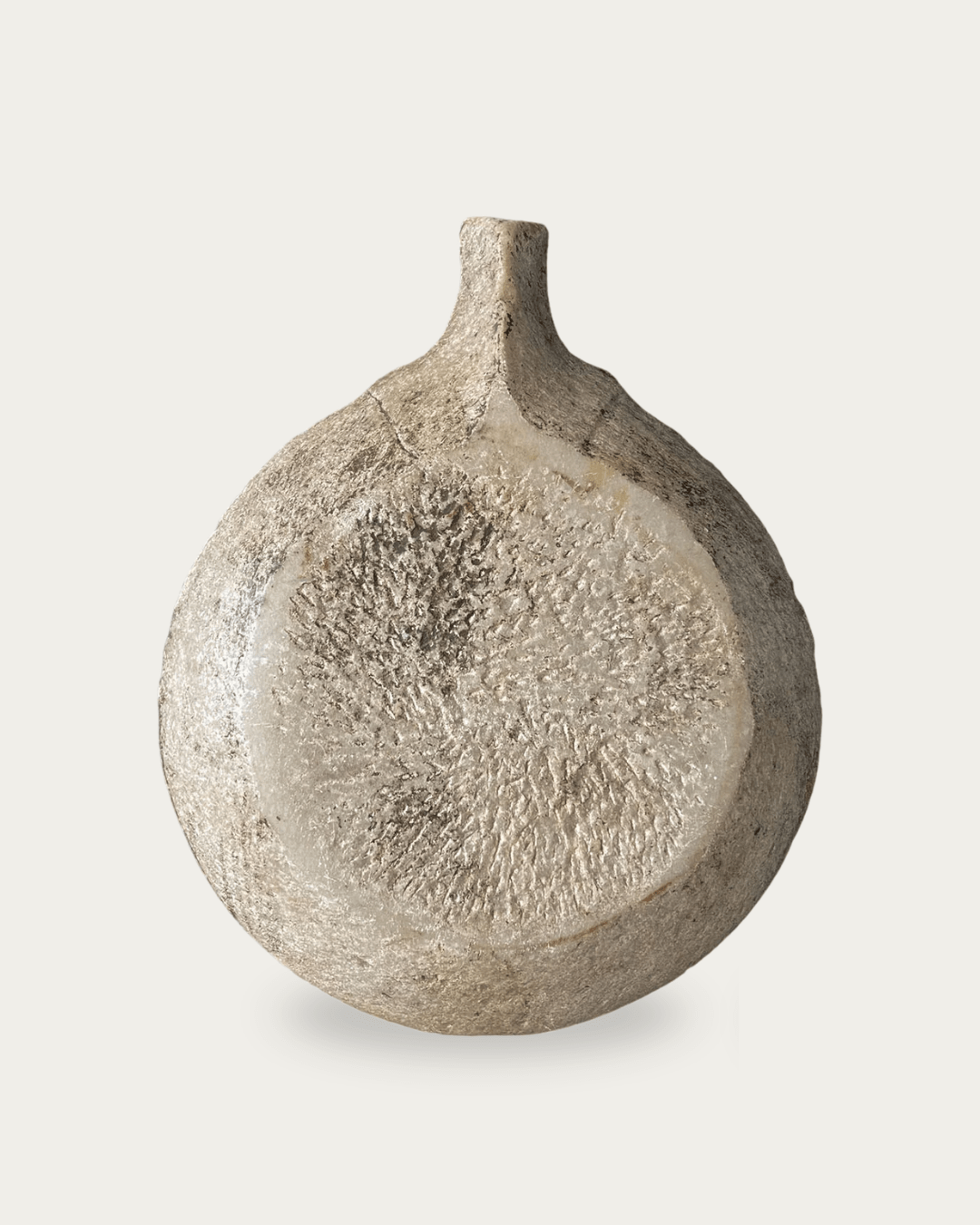
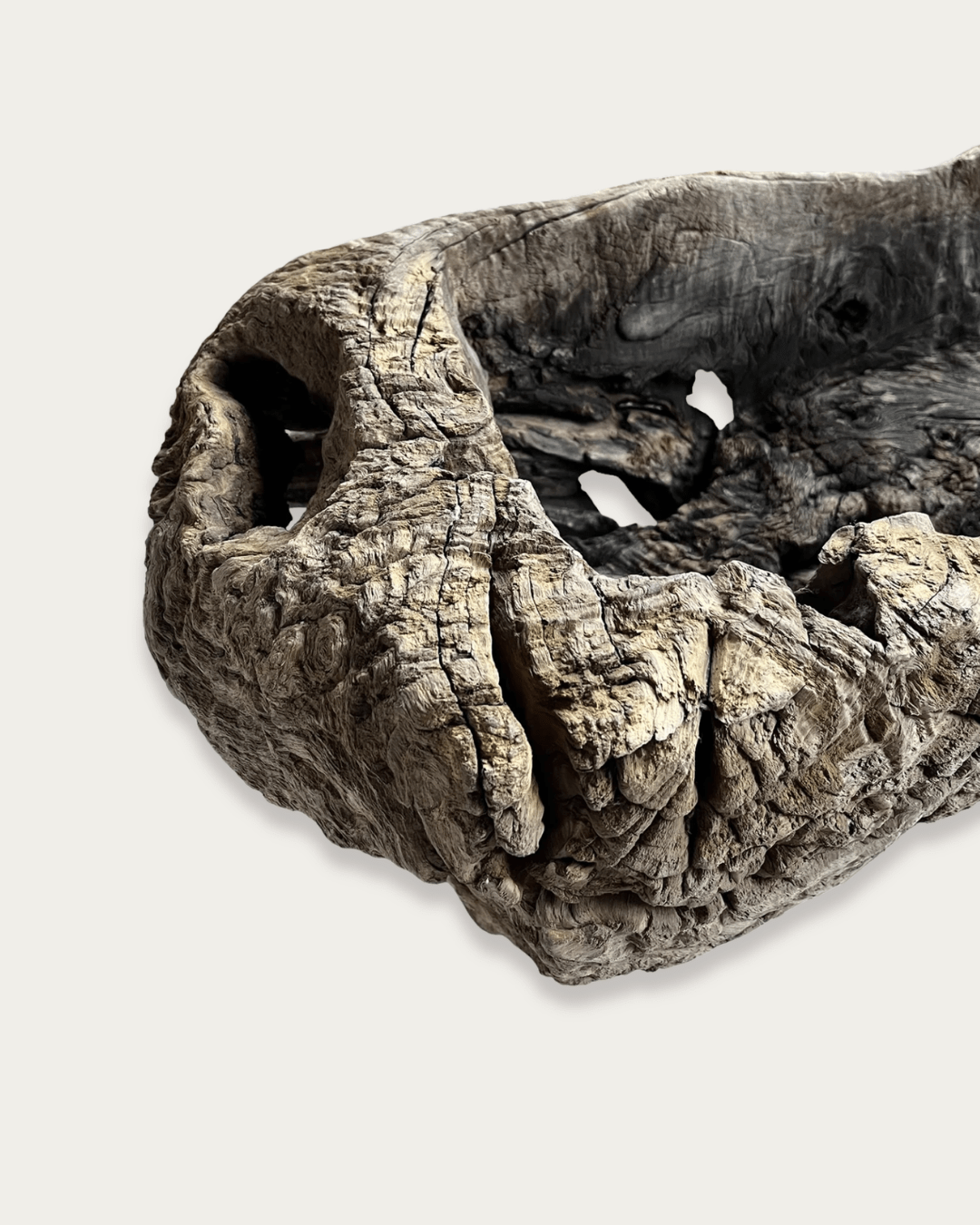
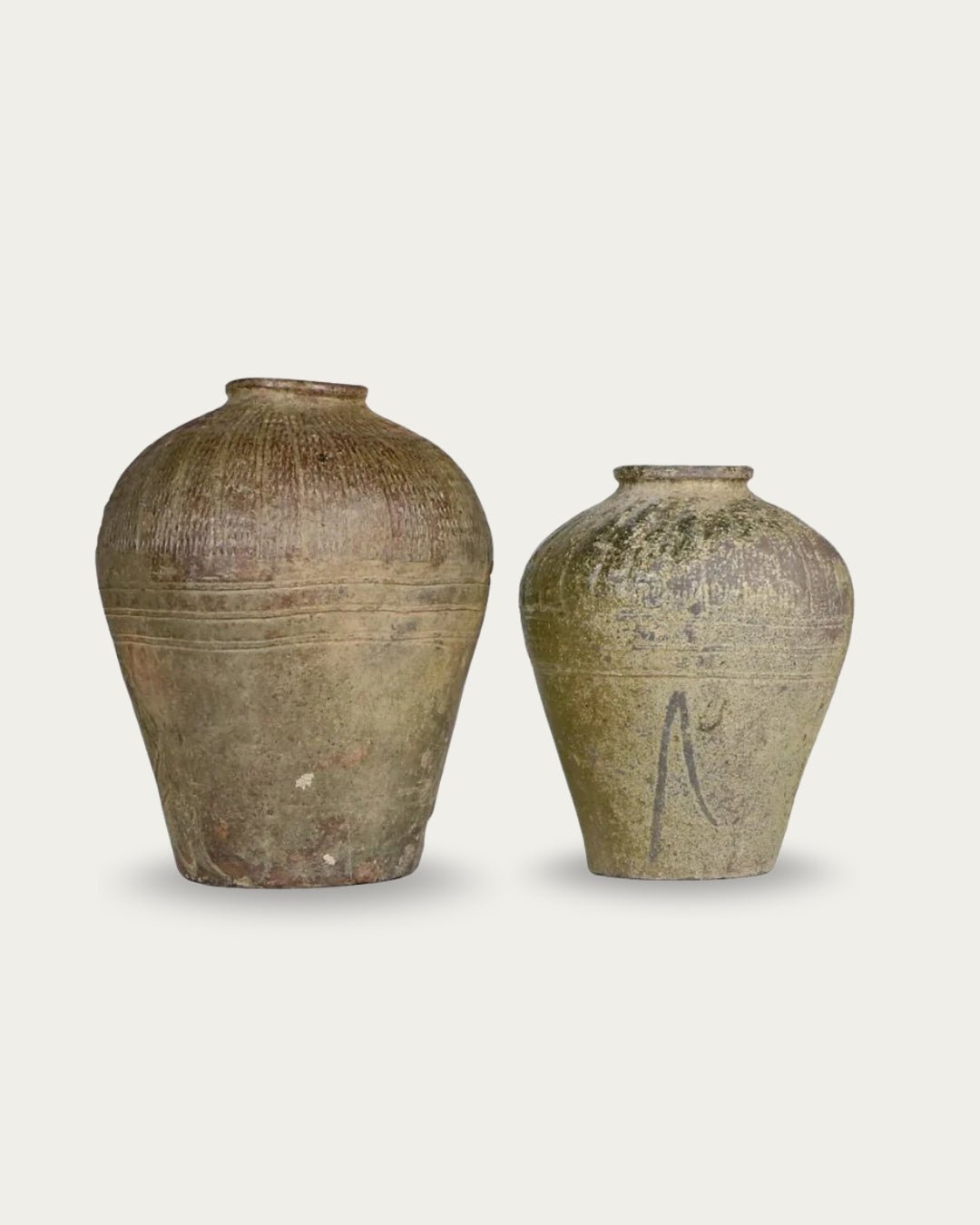
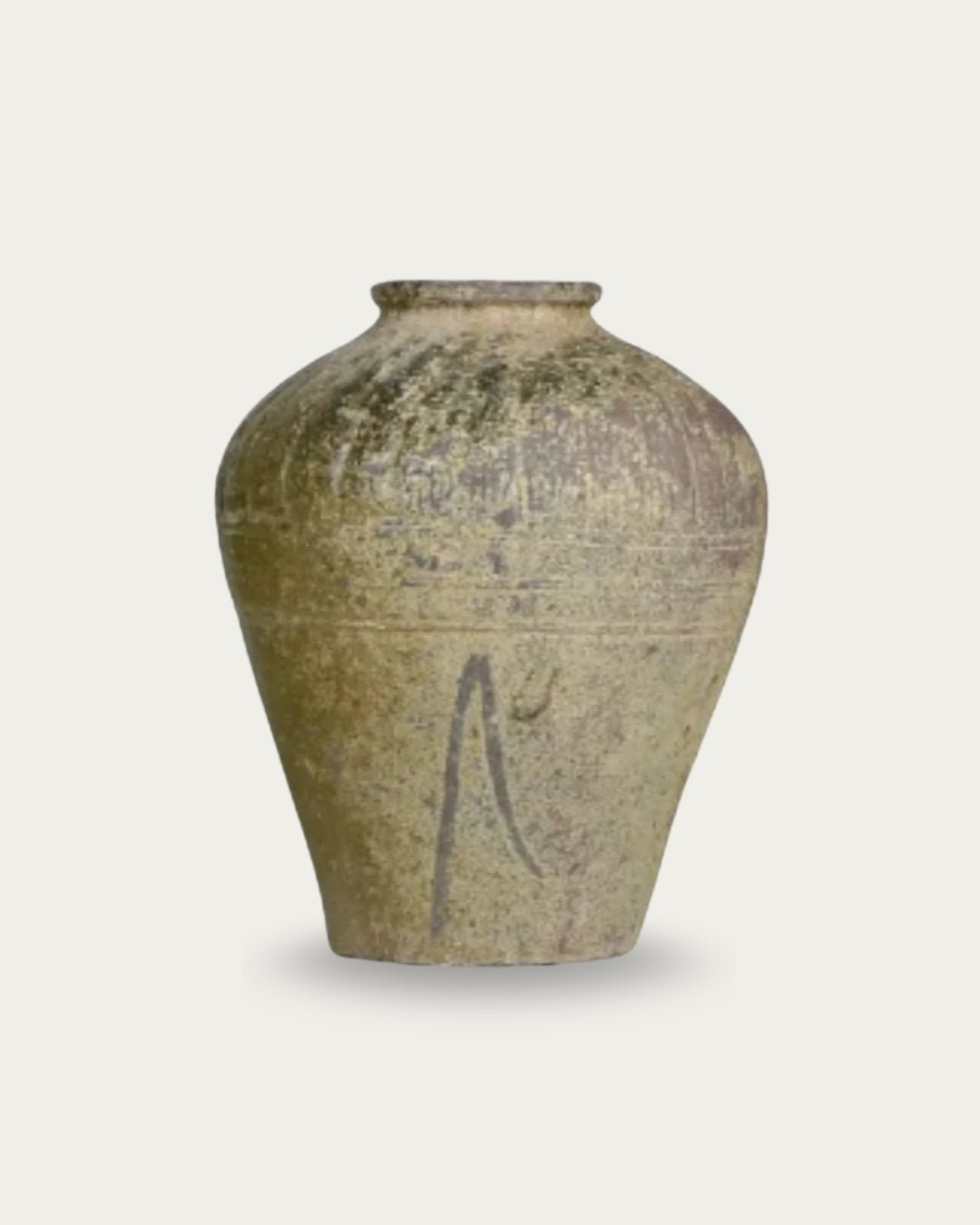
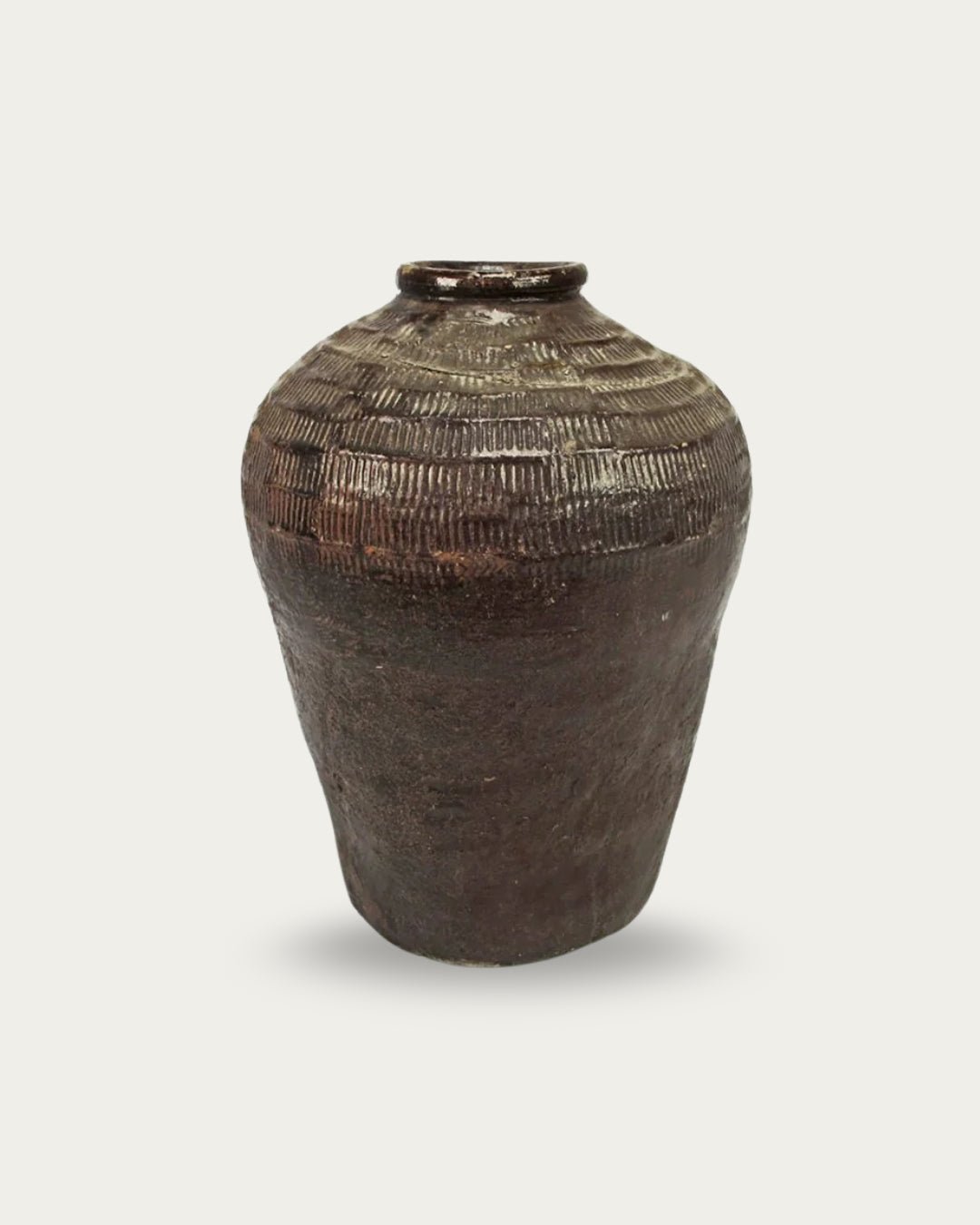
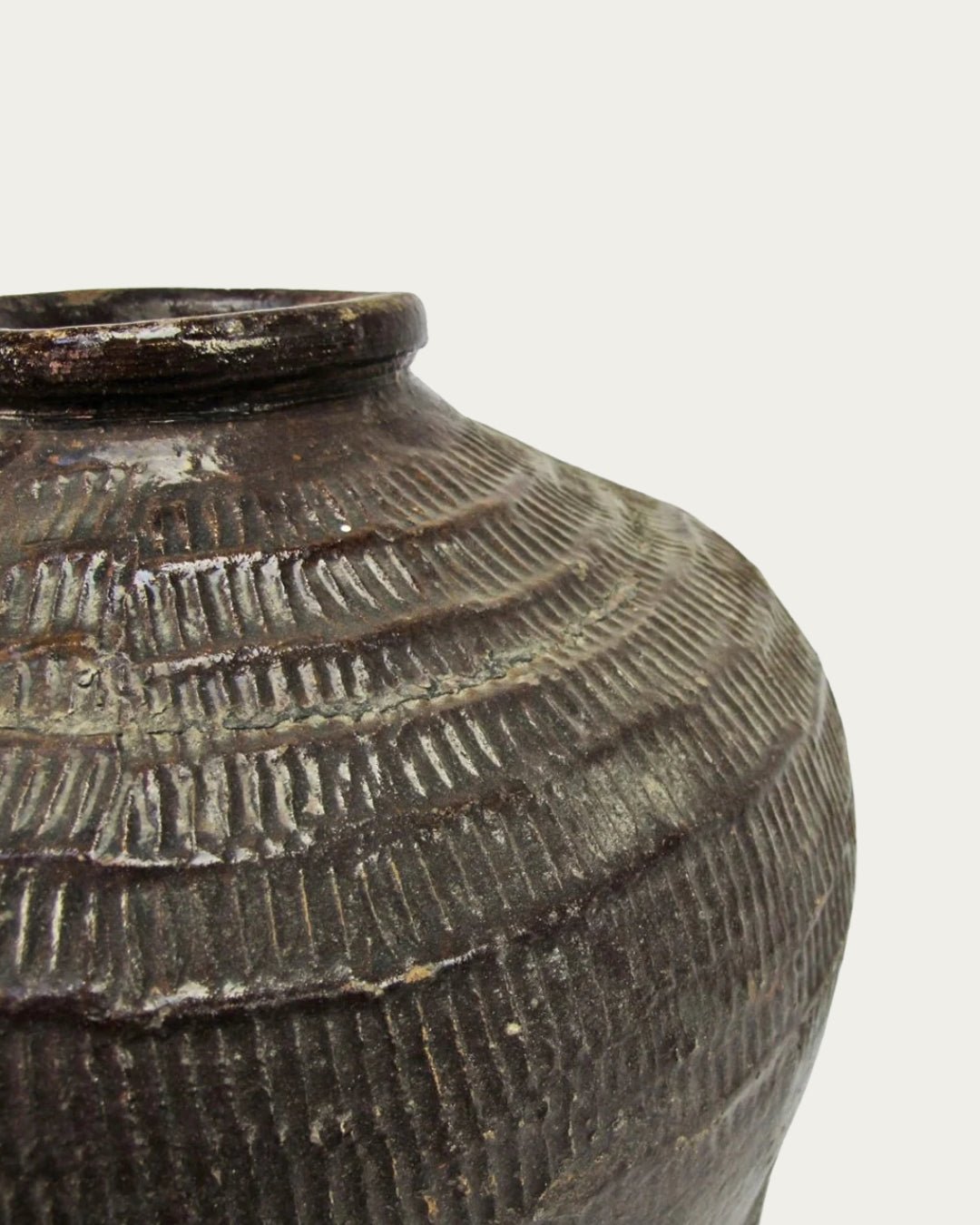
This is where large vintage decor works differently.
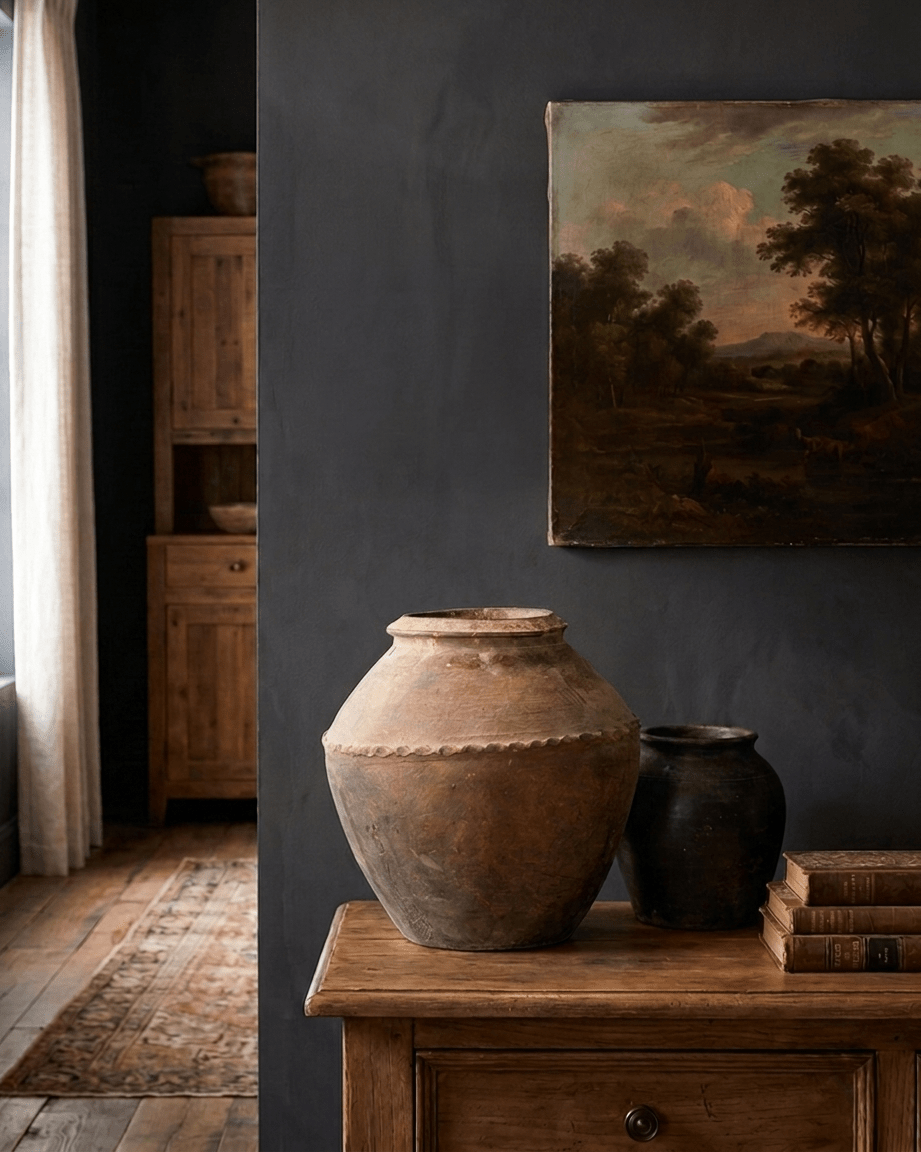
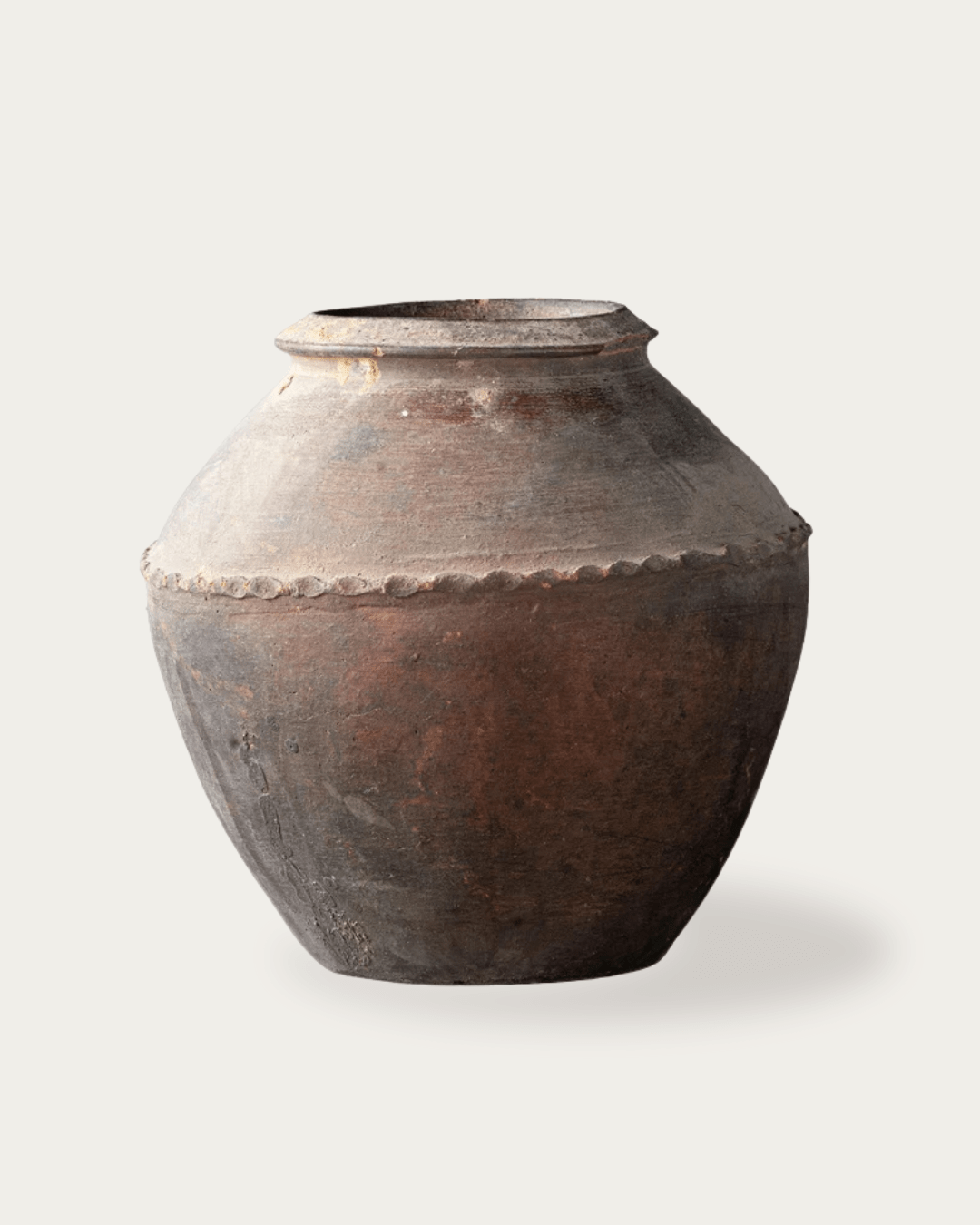
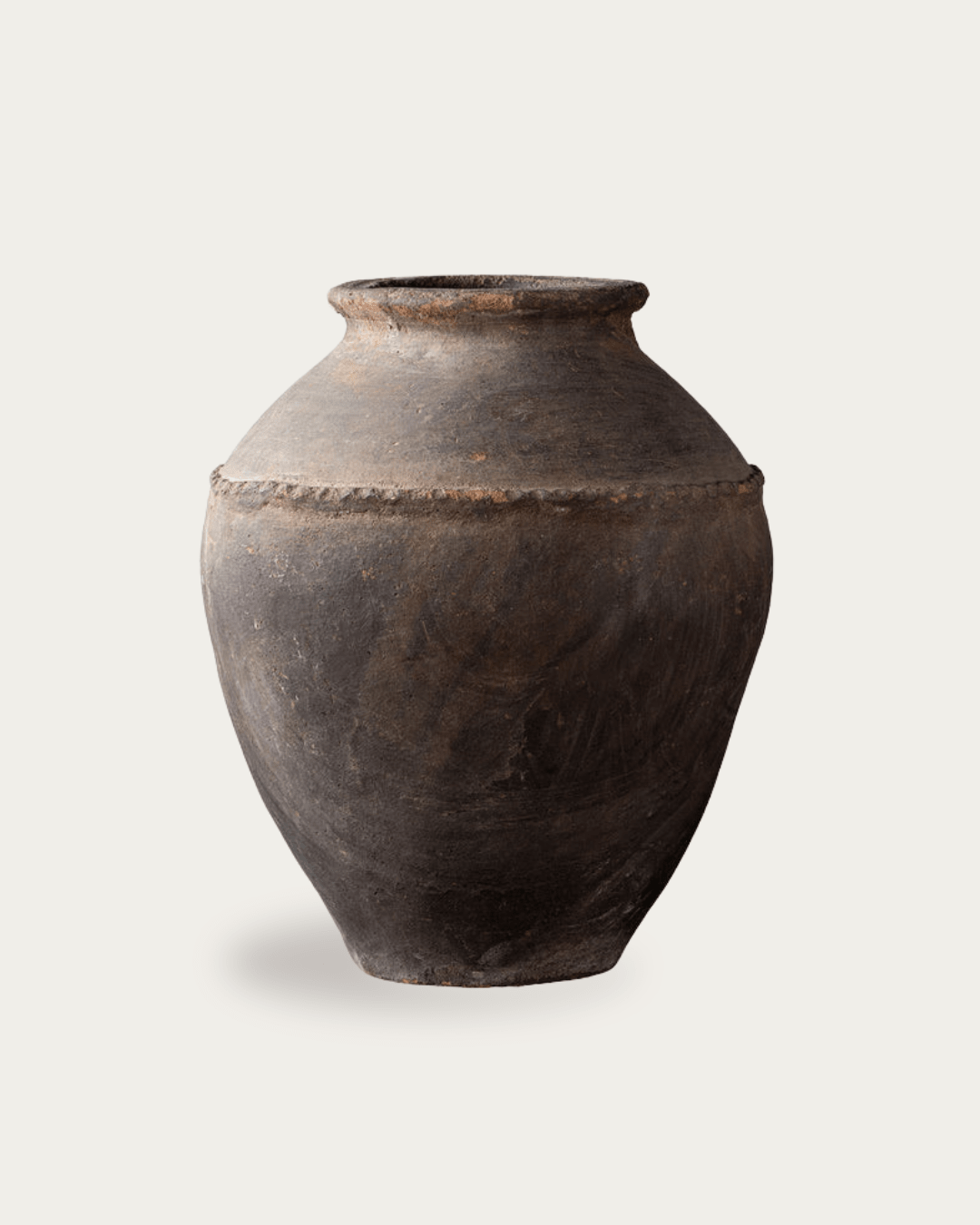
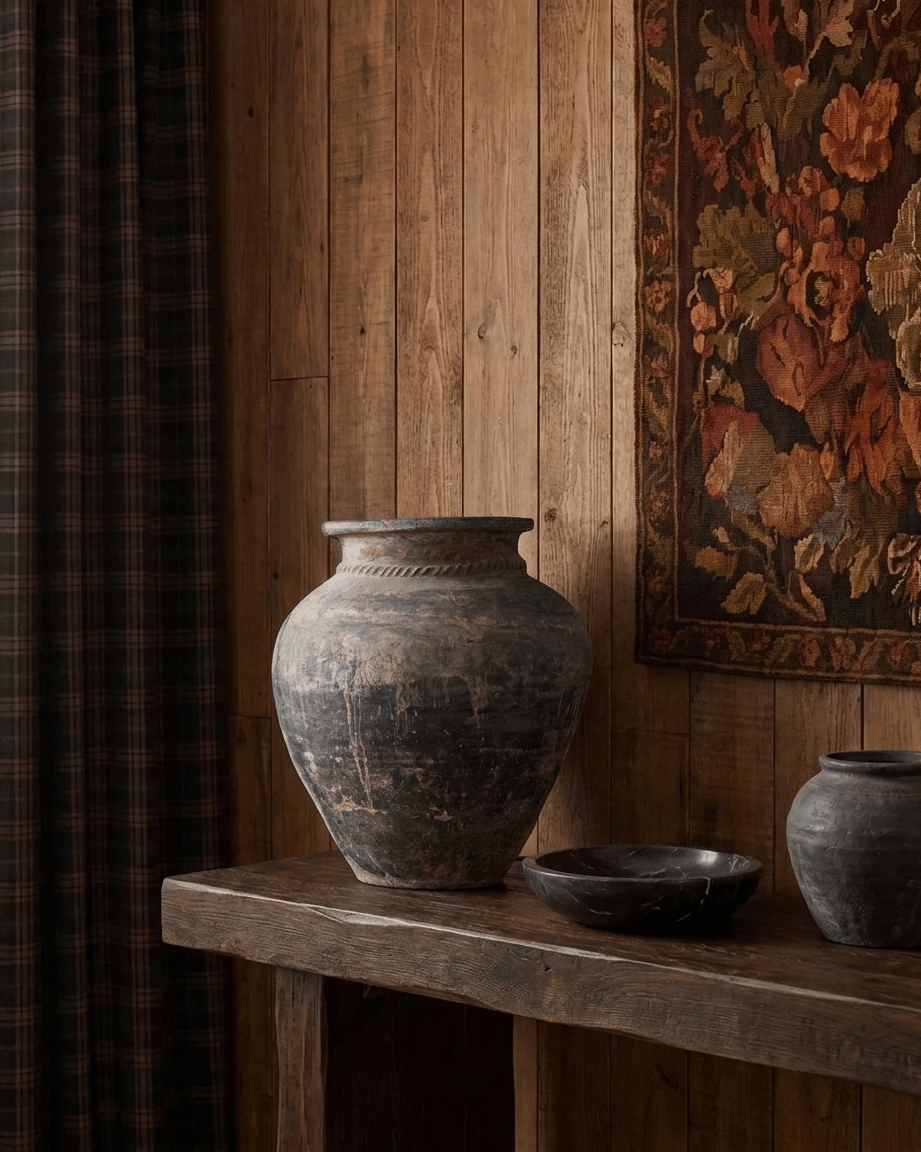
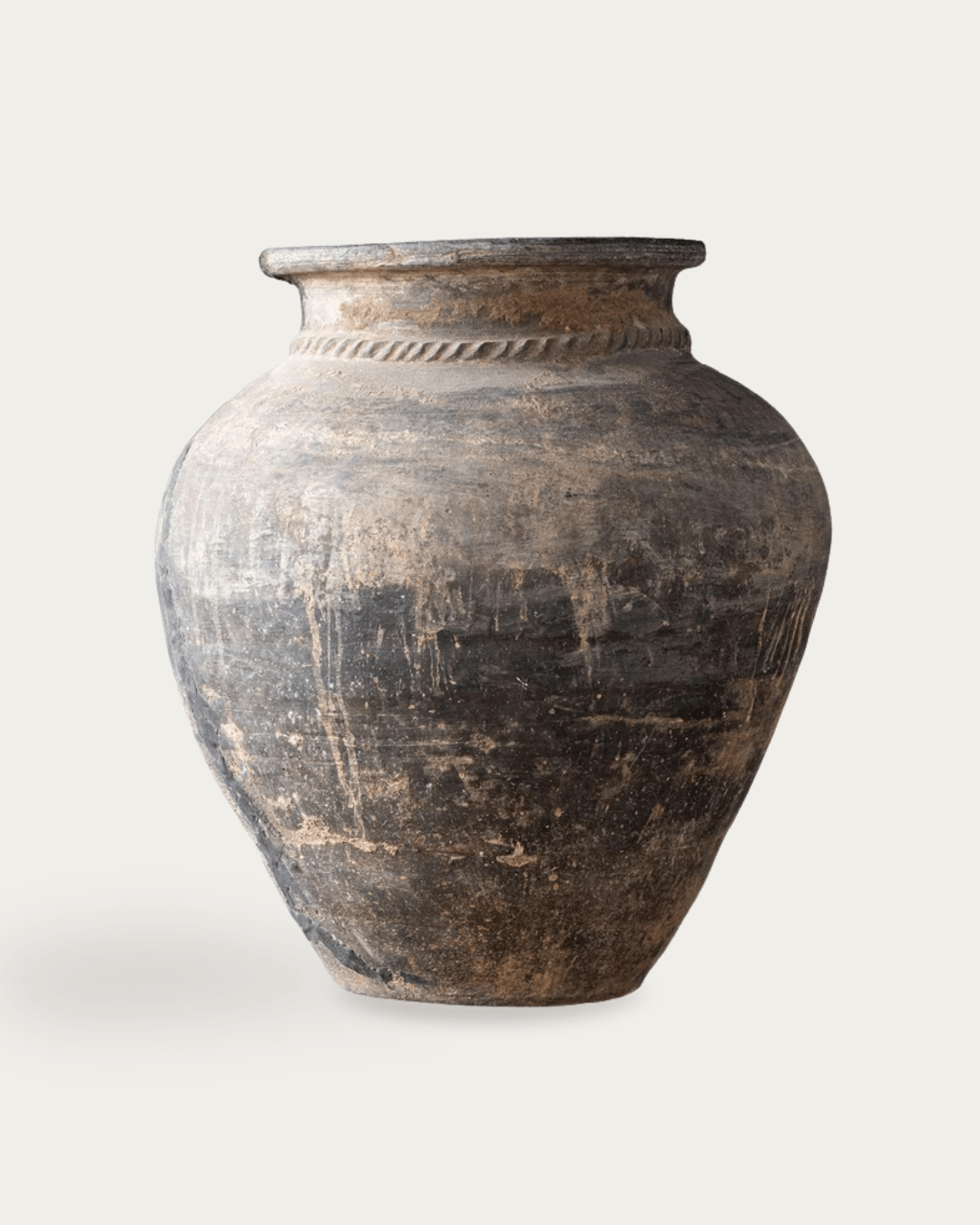
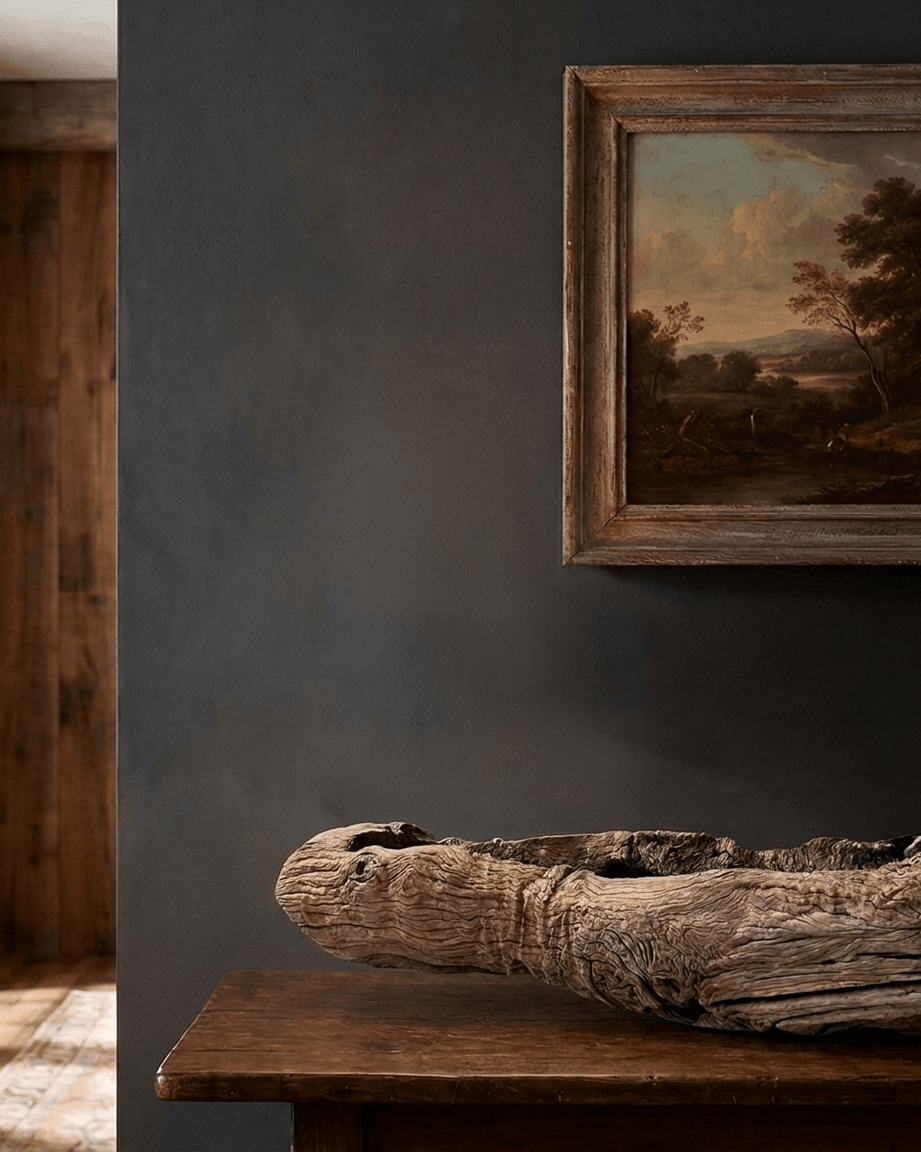
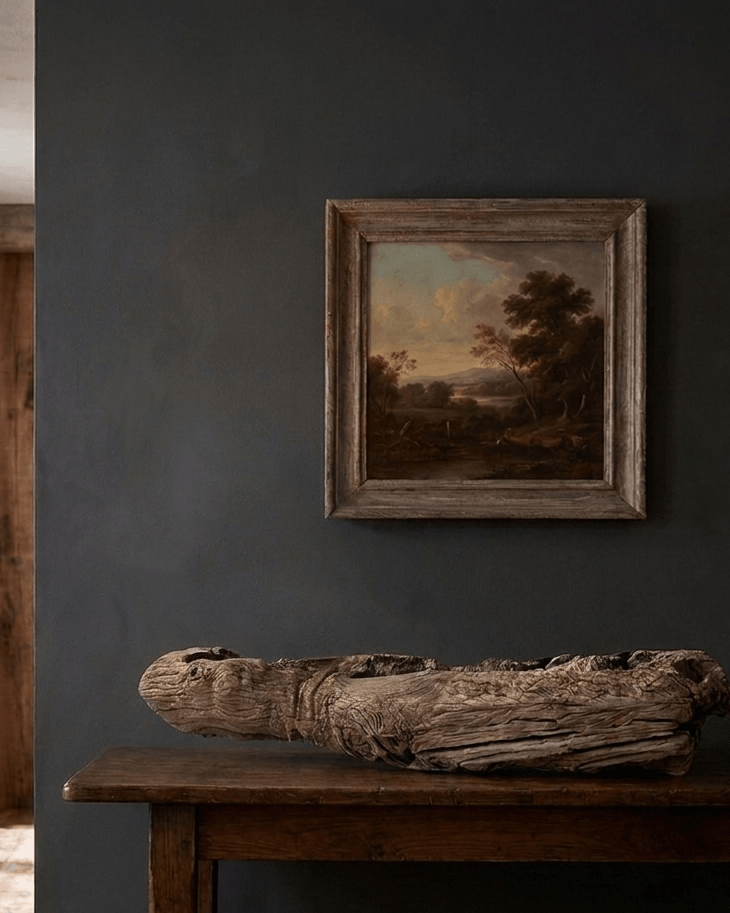
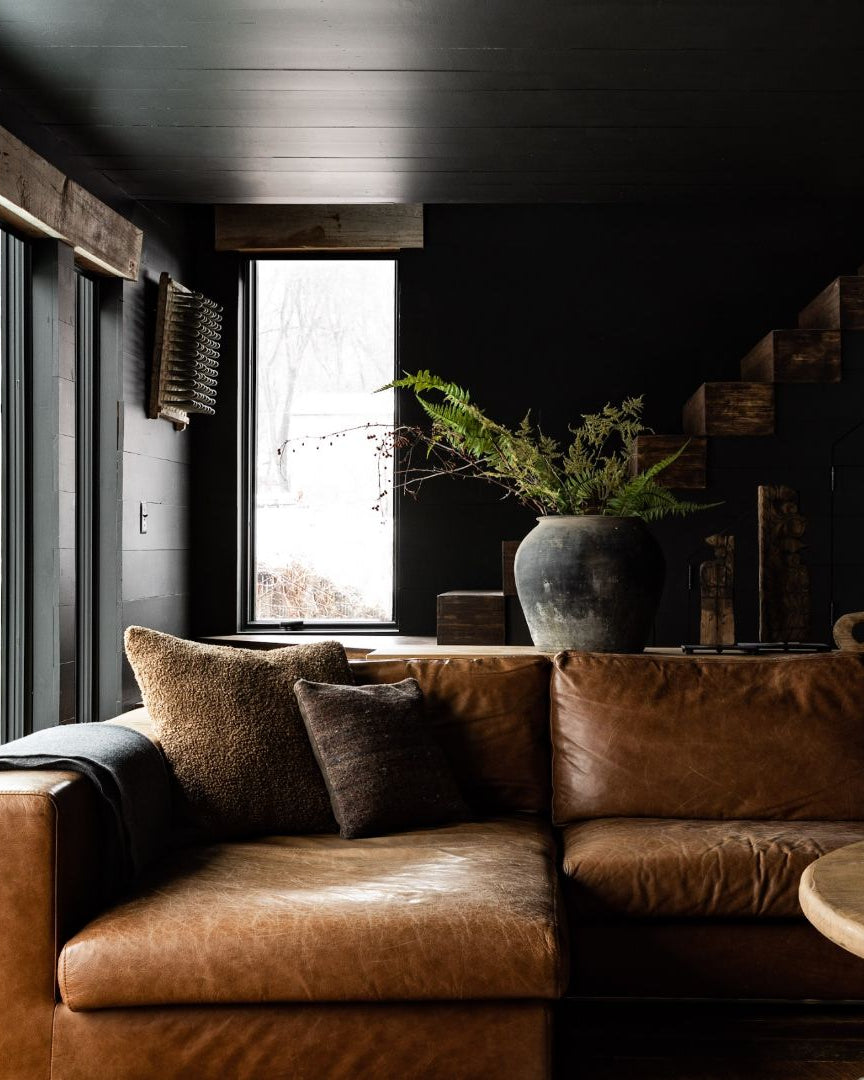
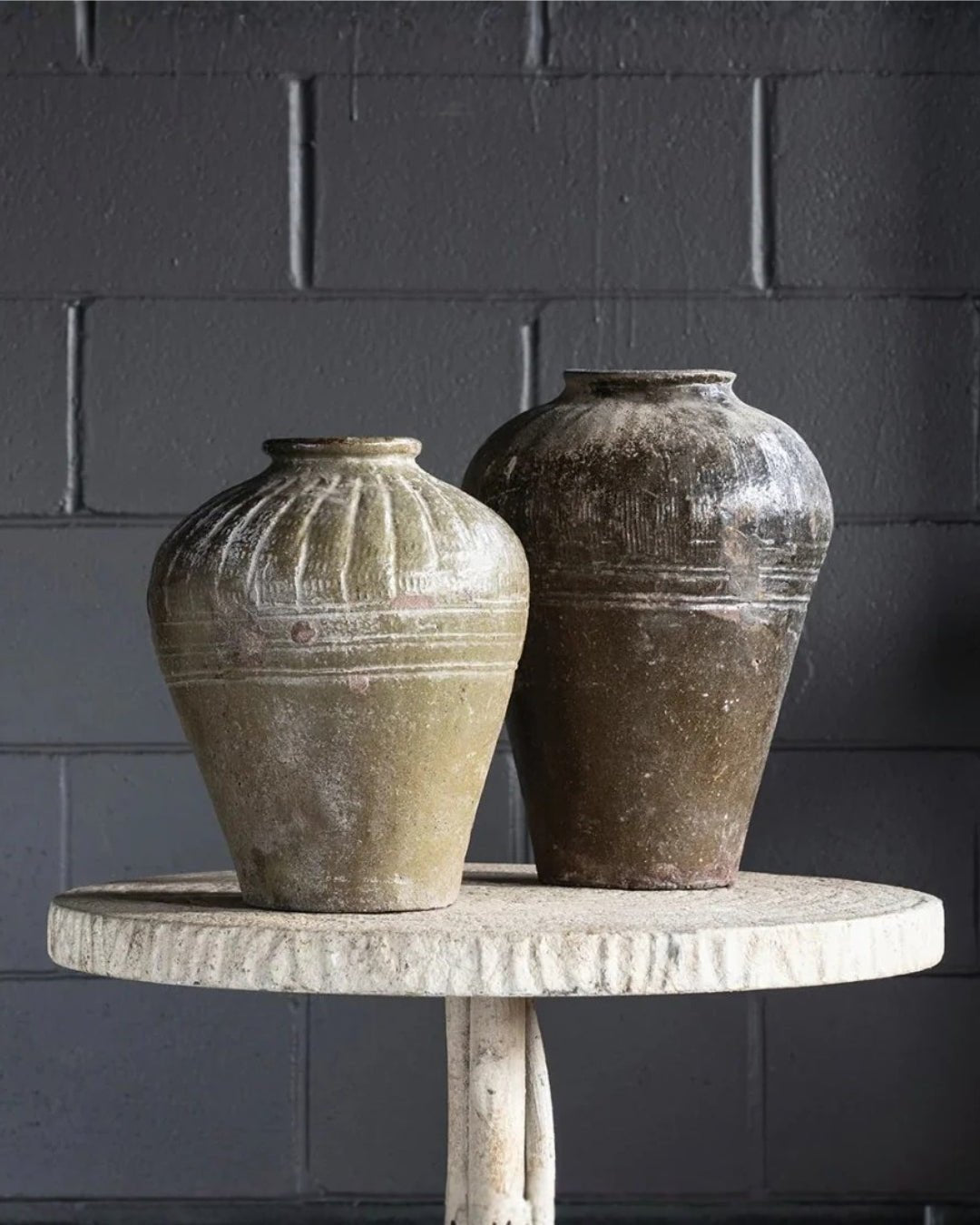
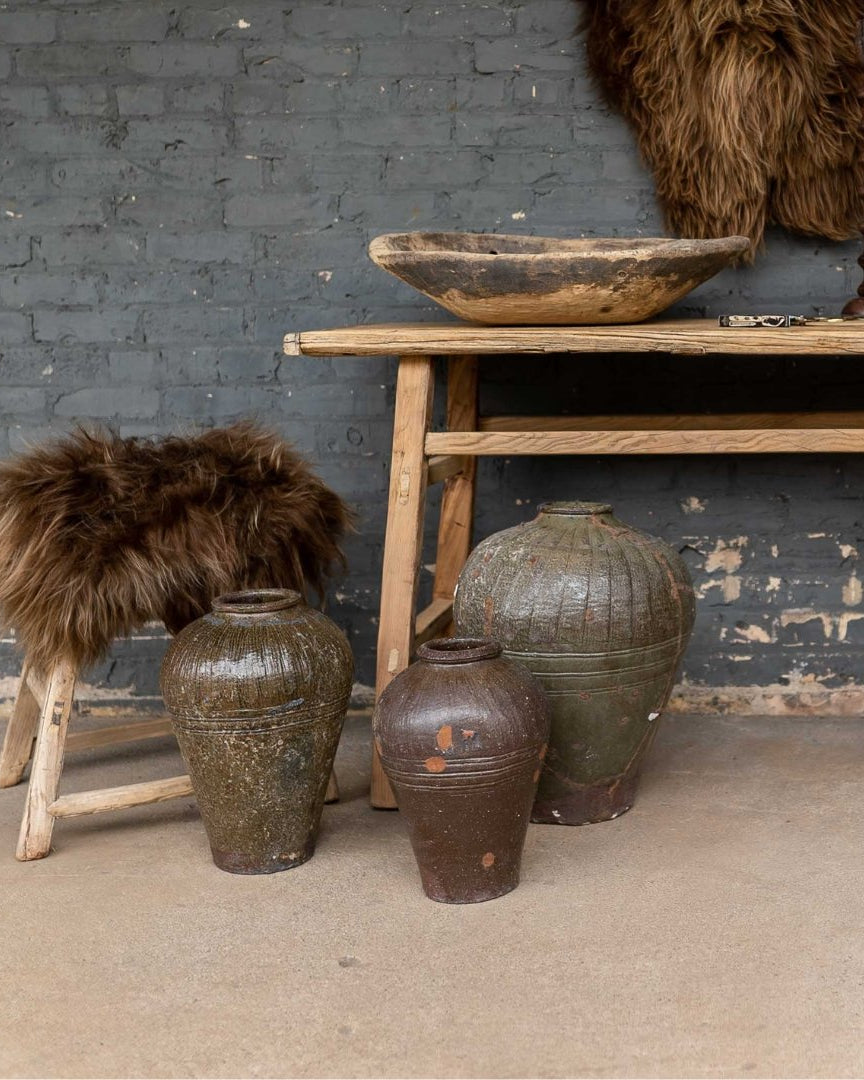
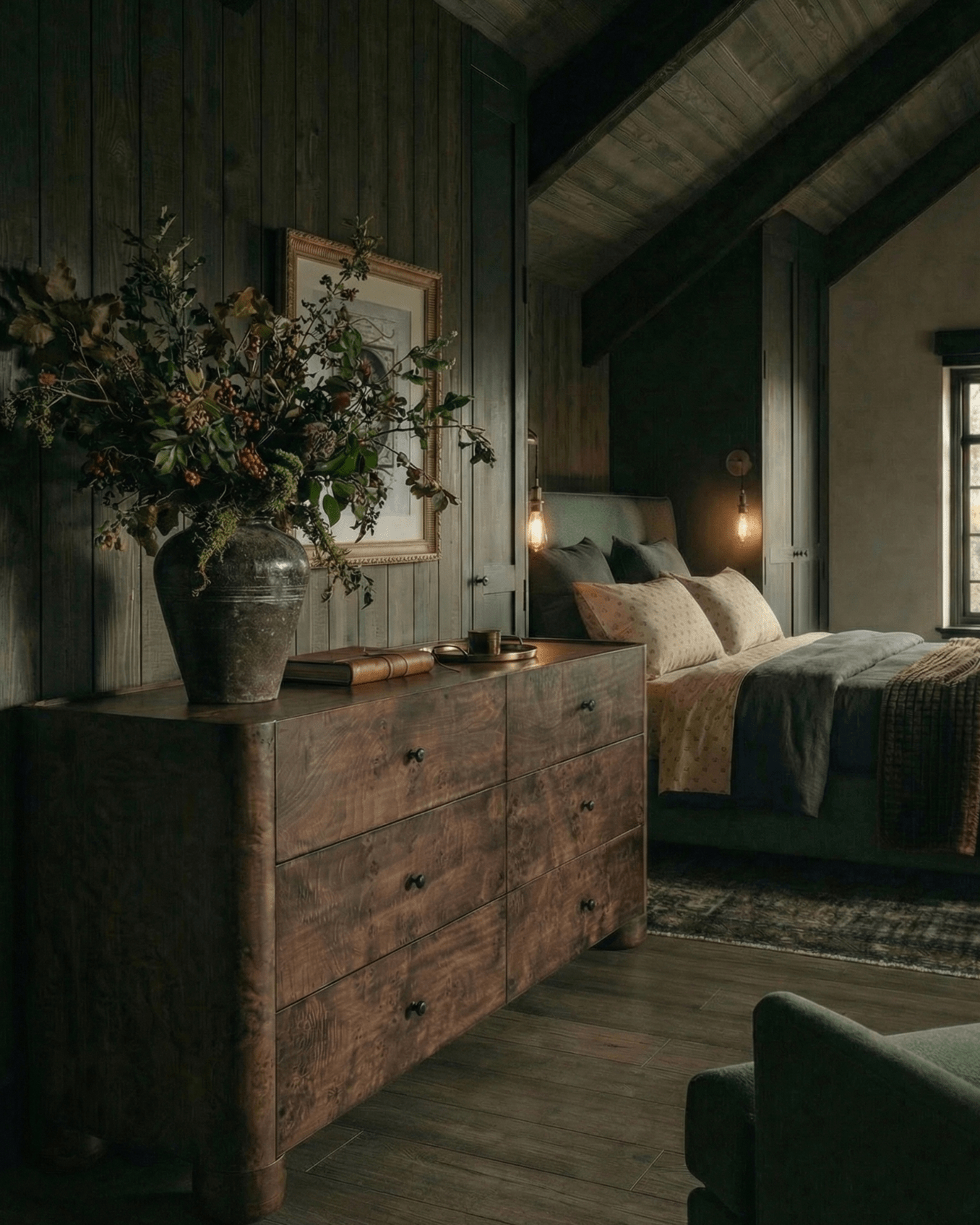
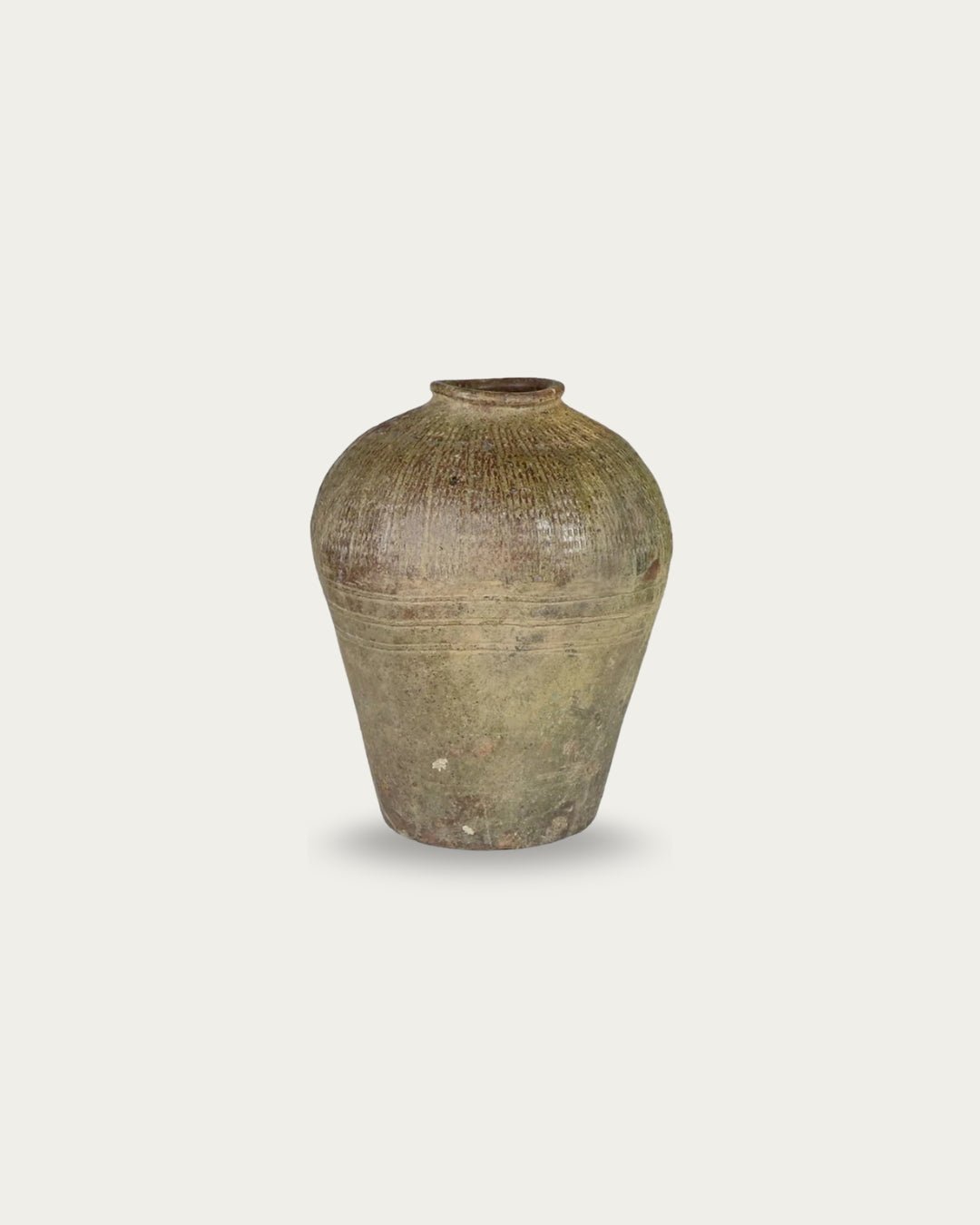
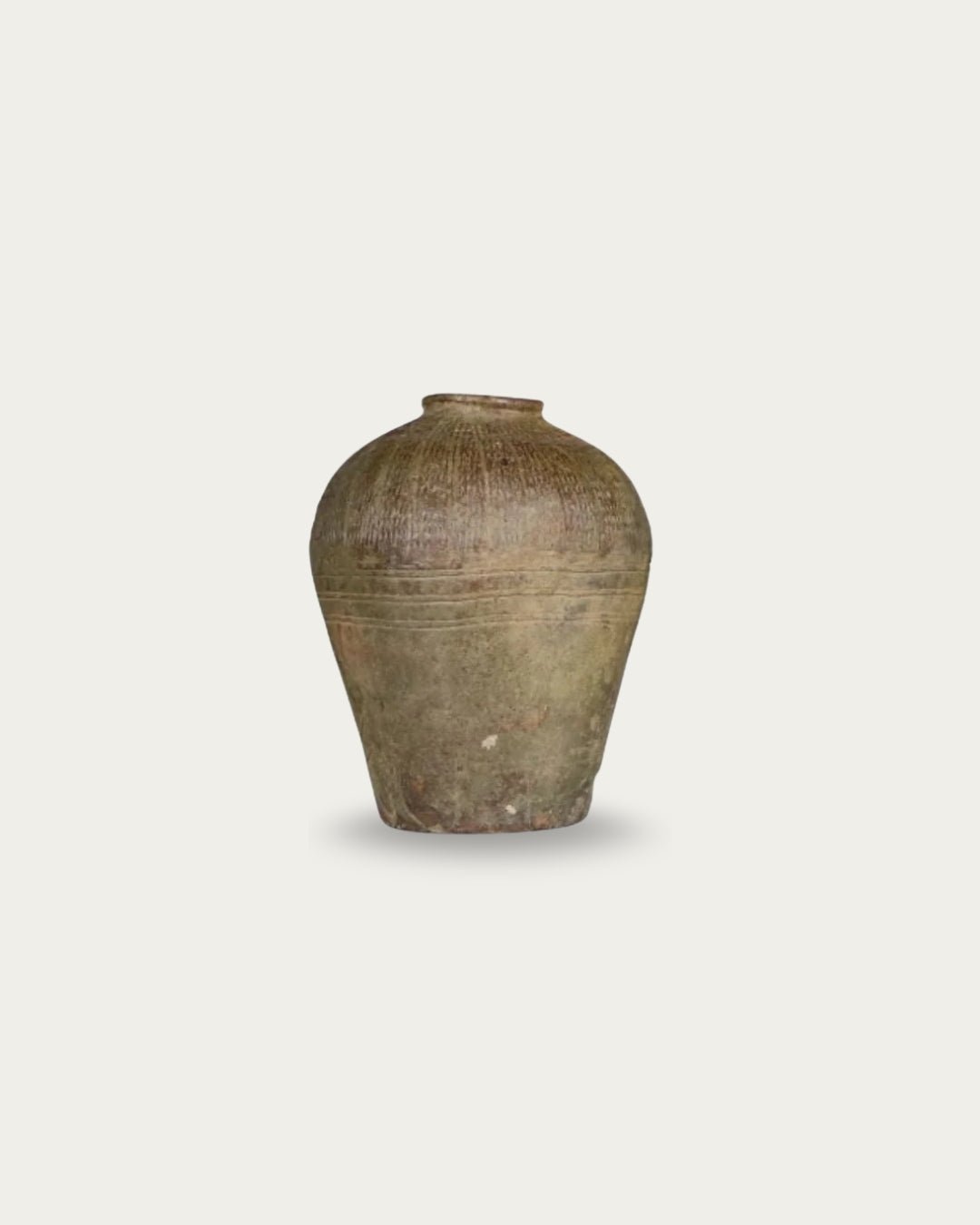
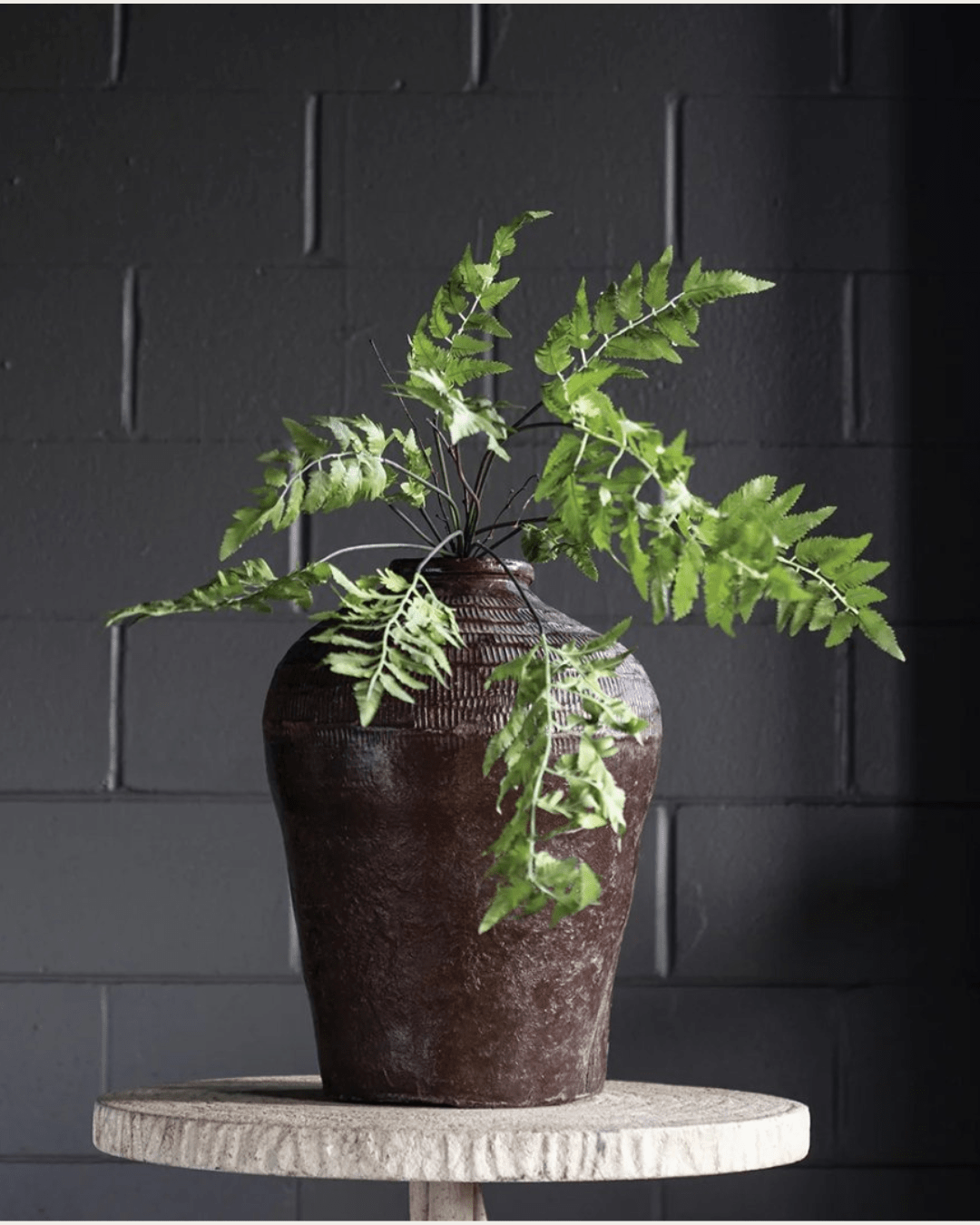
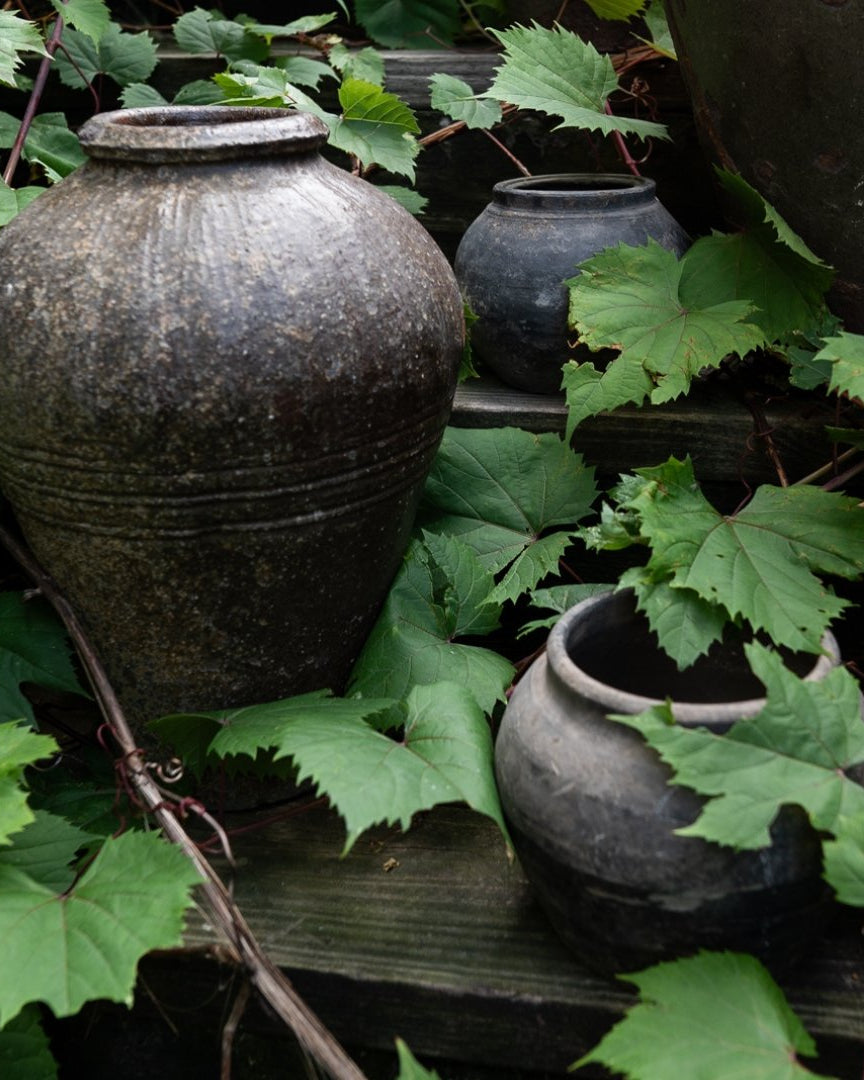
Instead of filling space, it defines it. Instead of layering, it anchors. And when it’s placed well, it can shift the entire room without needing anything else.
If you’re building a space that feels grounded instead of scattered, start here:
Explore the vintage collection
Why Small Decor Isn’t Always Enough
Small decor has its place.
It adds detail. It softens surfaces. It fills visual gaps.
But on its own, it rarely changes how a room feels.
You can add multiple small objects to a space and still end up with something that feels unresolved.
That’s because small decor works at a surface level.
It doesn’t define the room—it reacts to it.
Large vintage decor does the opposite.
It sets the tone first.
Large Vintage Pieces Create a Visual Anchor
Every room needs a point where the eye can settle.
Without it, the space feels scattered—like everything is competing for attention but nothing is holding it together.
Large vintage pieces create that anchor.
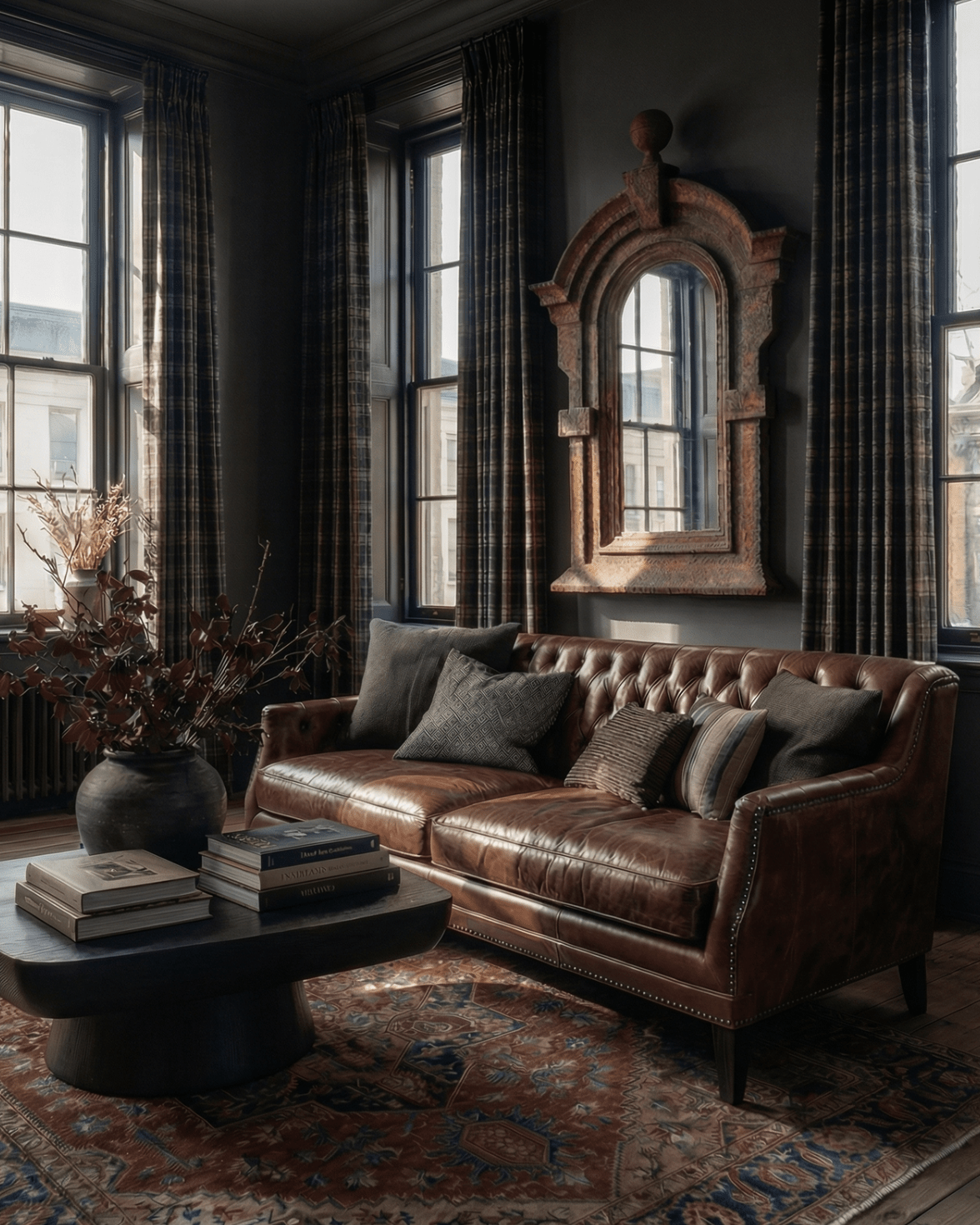
A piece like the Edna chapati mirror doesn’t just sit on a wall—it defines it. It changes how light moves, how the room expands, and where the eye naturally rests.
Similarly, the Chinese handwoven harvest basket can transform an empty wall or corner into something intentional without needing additional layers.
This is what anchoring looks like.
Not more objects—just one that’s placed correctly.
One Large Piece Does More Than Five Small Ones
There’s a tendency to “build up” a space using multiple small items.
But often, this creates noise instead of structure.
Five small objects require the eye to move between them.
One large object gives the eye a place to land.
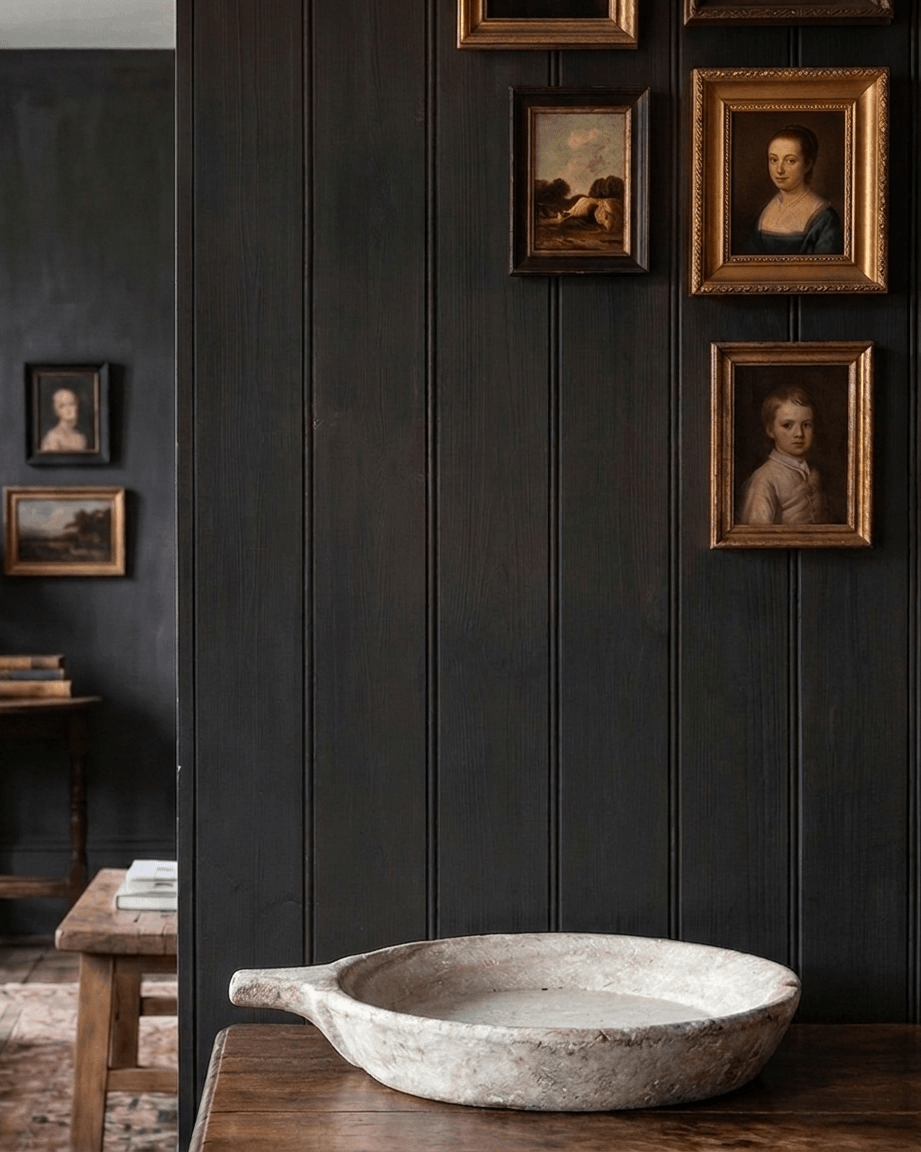
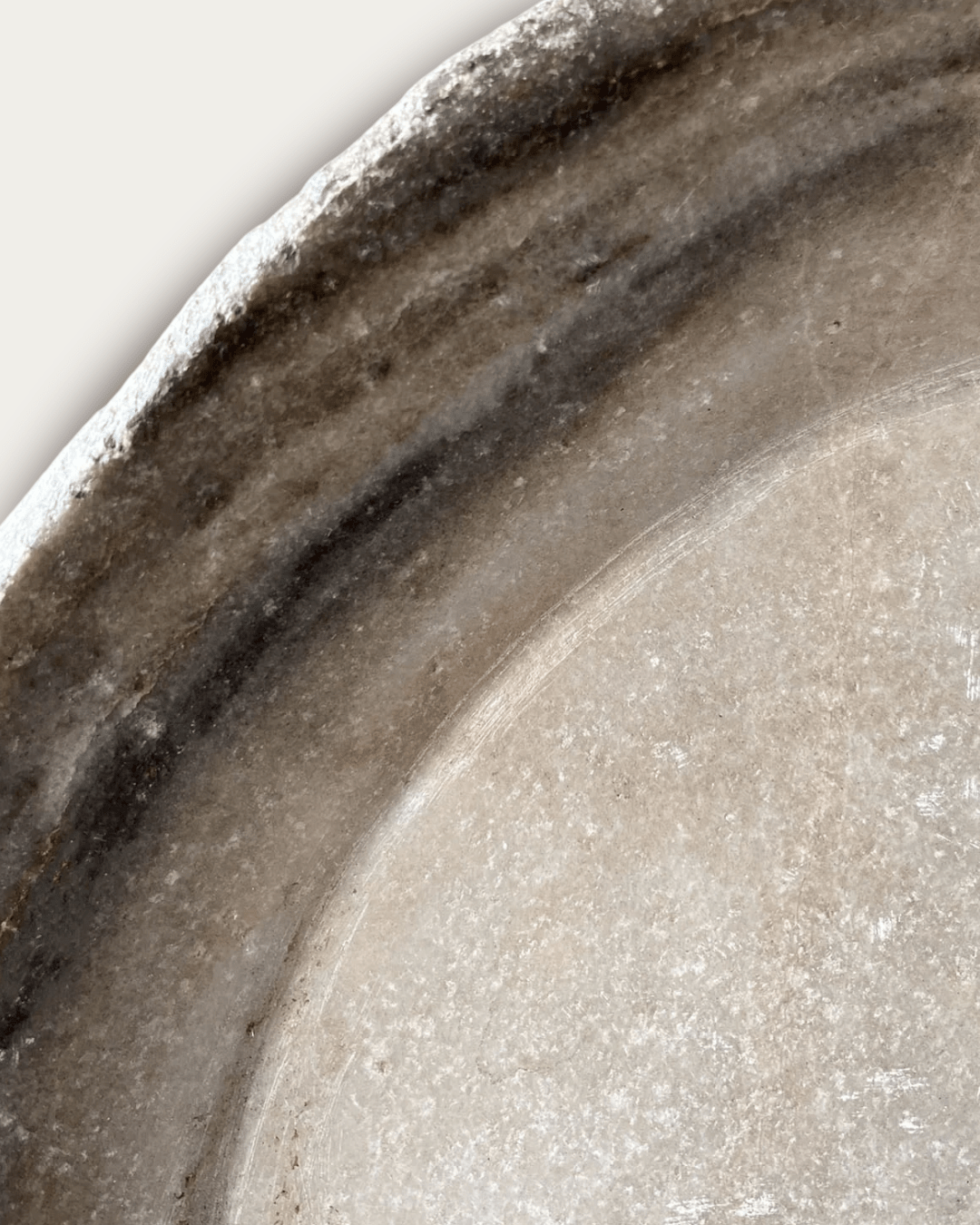
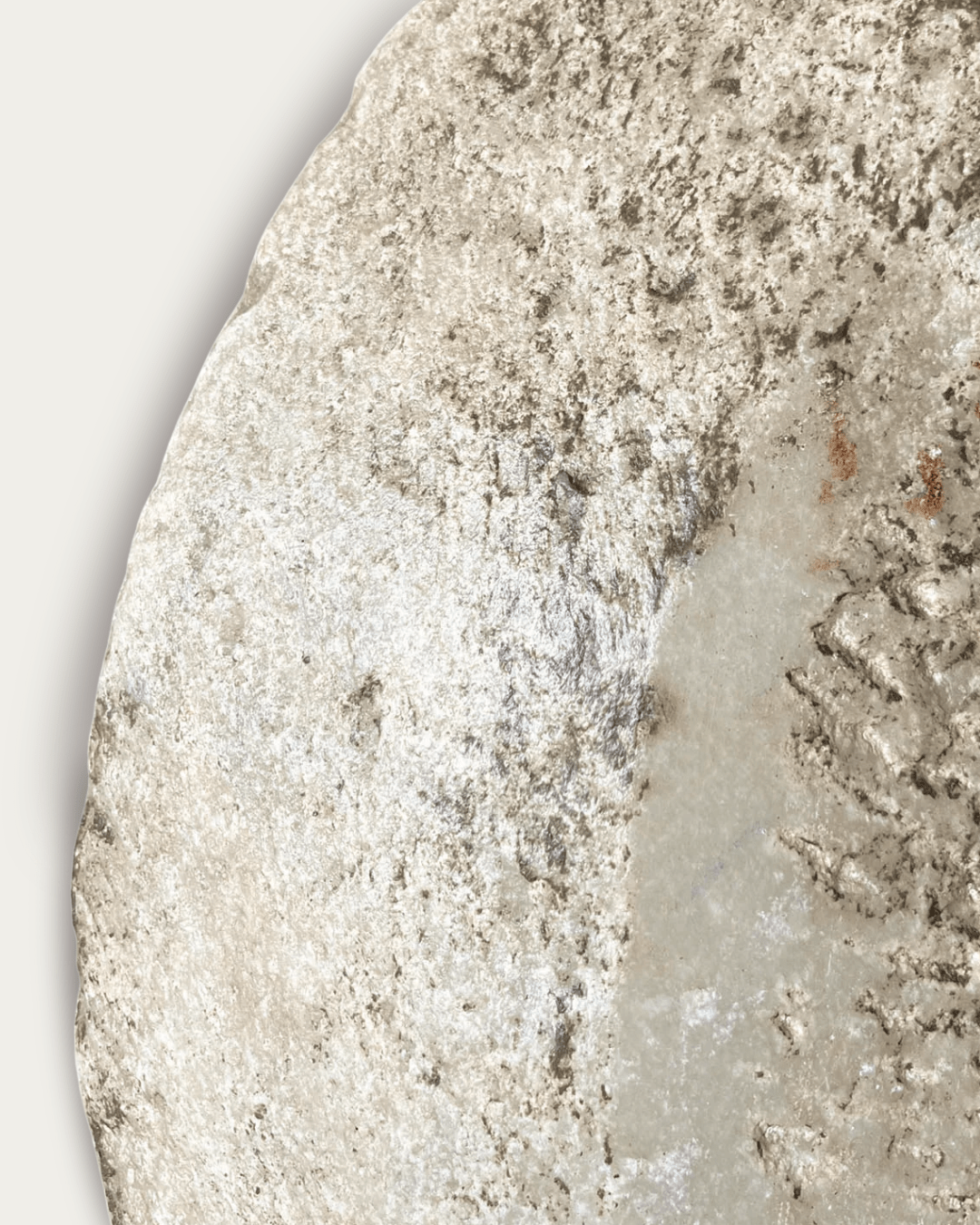
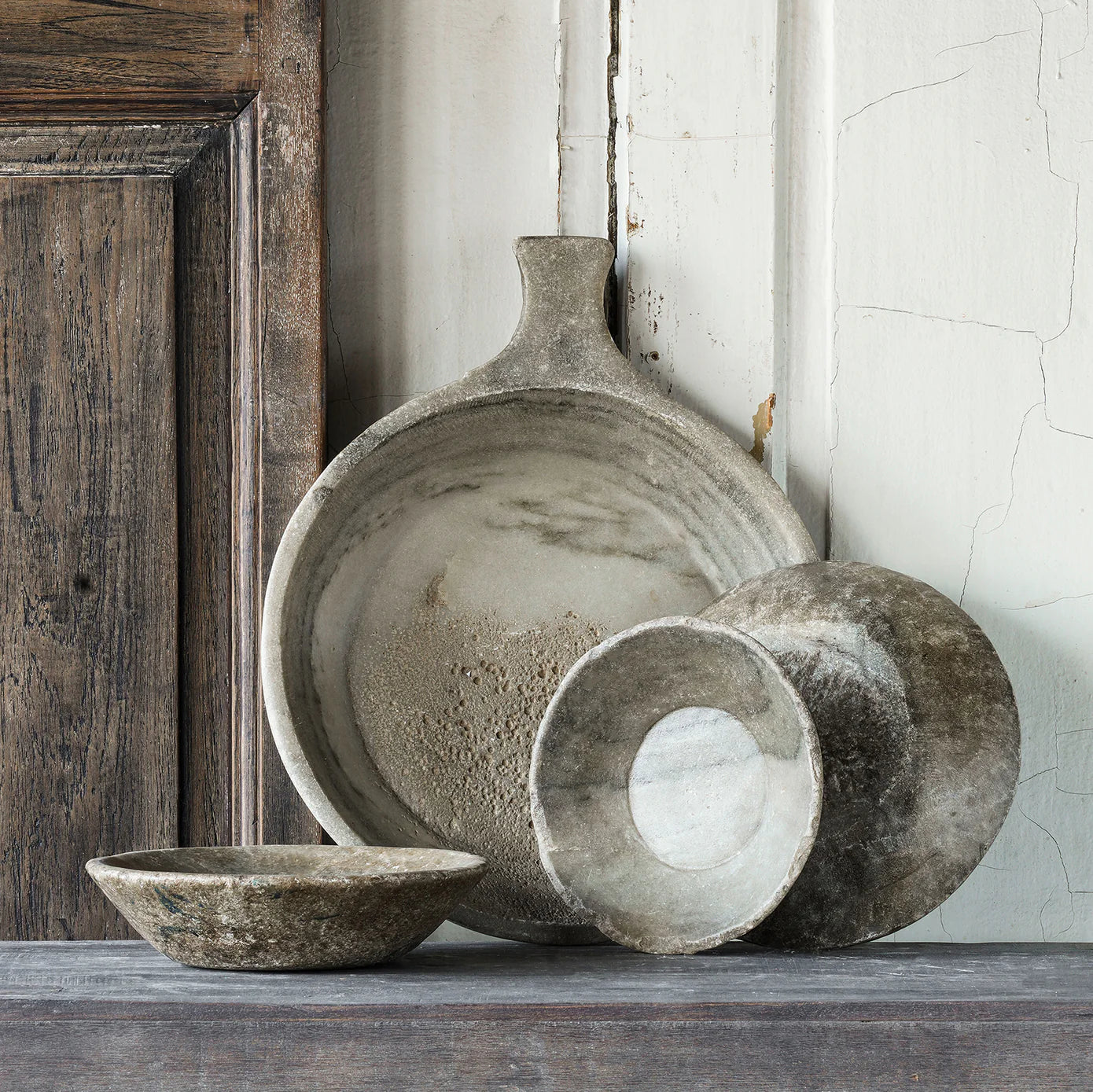
A piece like the Vintage forged iron pan works because it carries presence. It doesn’t need surrounding decor to justify its placement.
This is what makes large vintage decor efficient.
It reduces the need for excess.
Scale Creates Immediate Impact
You don’t need to wait for a room to come together when scale is working in your favor.
Large vintage decor creates instant impact because it shifts proportions immediately.
When you introduce a piece that holds visual weight:
The room feels more balanced
Empty areas feel intentional
The layout feels more complete
A piece like the Edna chapati mirror can make a wall feel finished without requiring additional styling, while the Chinese handwoven harvest basket can ground a corner that would otherwise feel underused.
Scale does the work for you.
A RUTED Tip: Larger Anchors Reduce Visual Scanning. Your brain constantly scans a space to understand structure, and when there’s no clear anchor, it keeps searching—moving from object to object; large vintage decor reduces that scanning by creating a dominant focal point, allowing the eye to settle faster and the space to feel more stable.
Large Pieces Define the Room—Not Just Fill It
Most decor fills space.
Large vintage decor defines it.
That’s the difference.
A smaller object sits within the layout.
A larger one influences the layout itself.
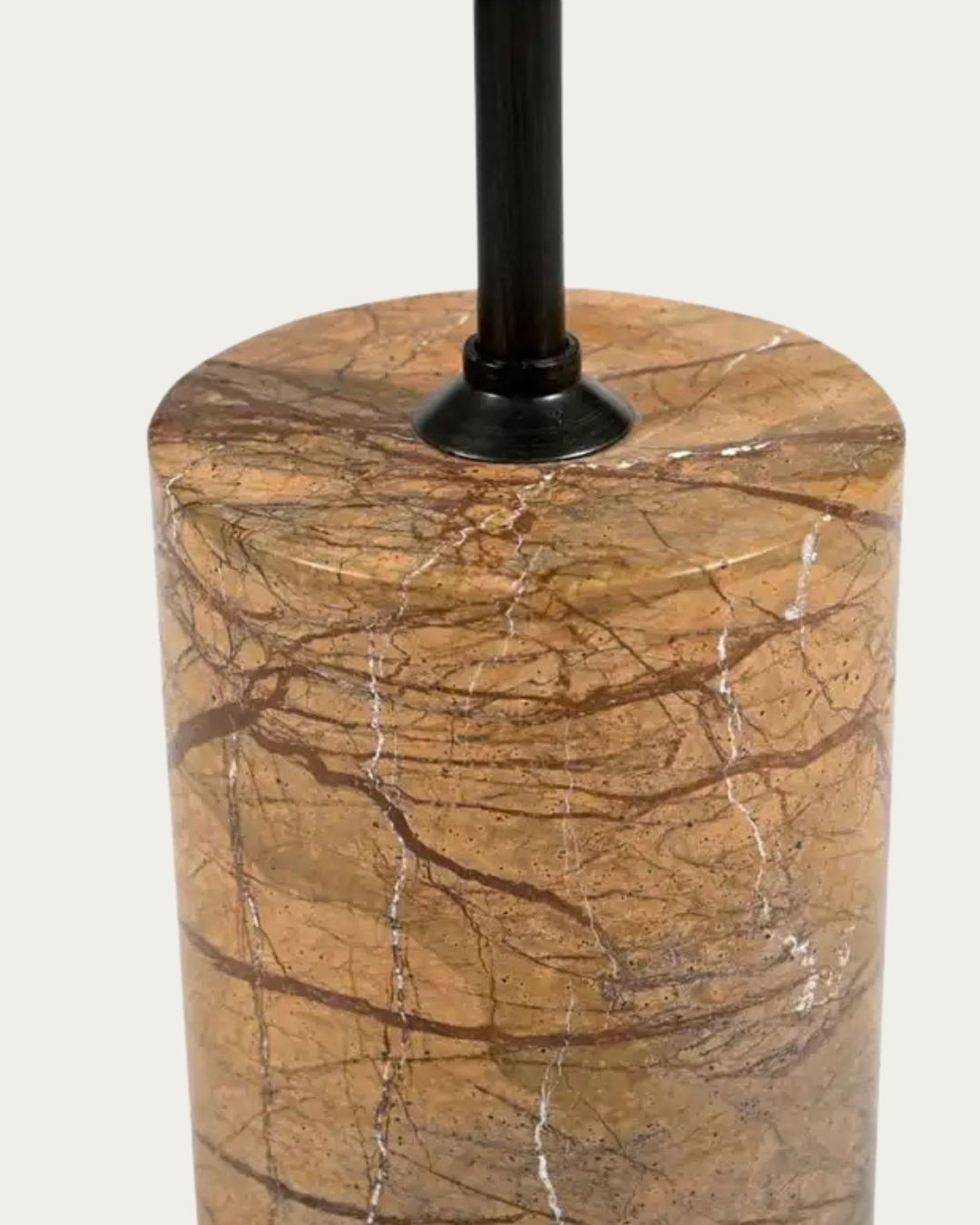
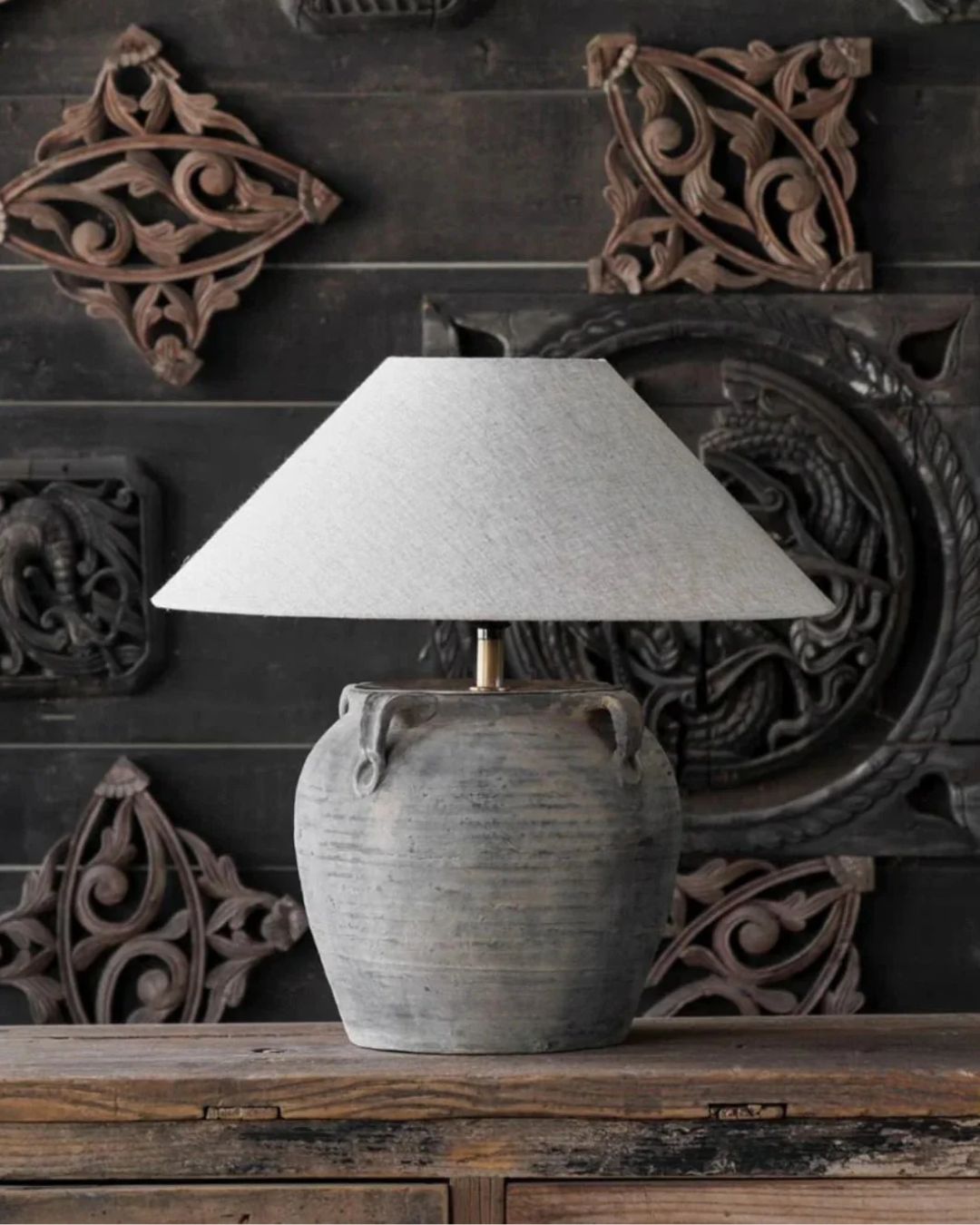
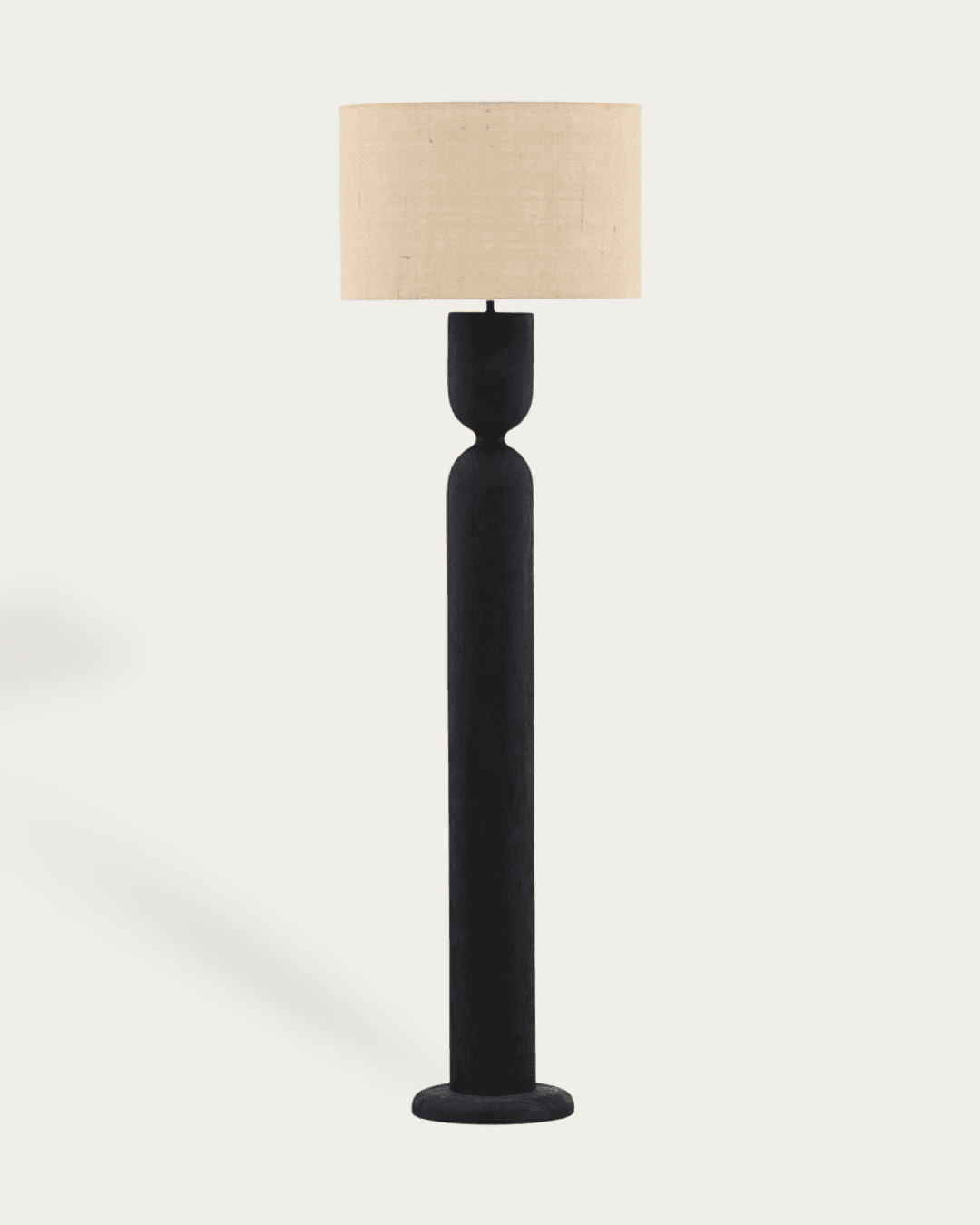
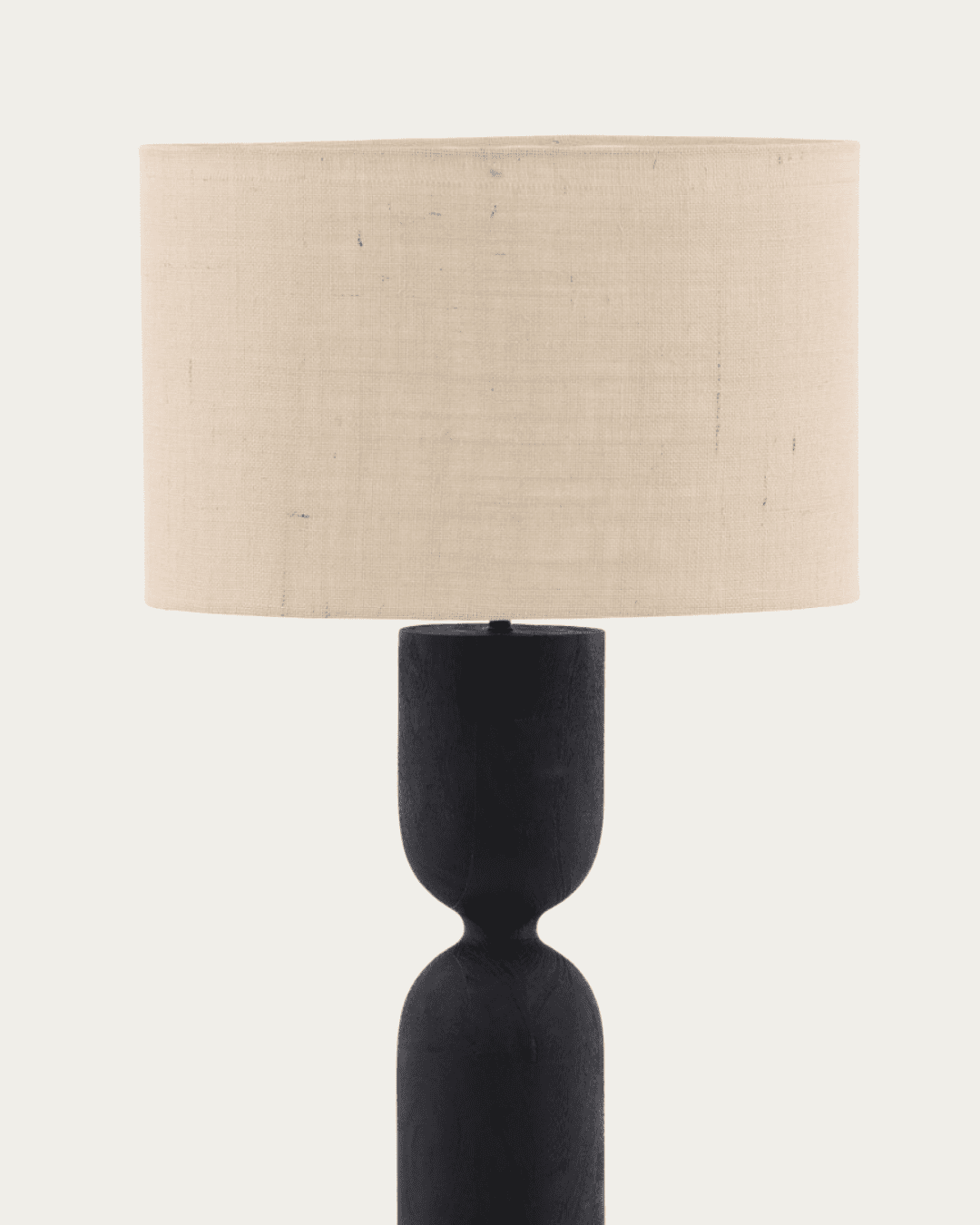
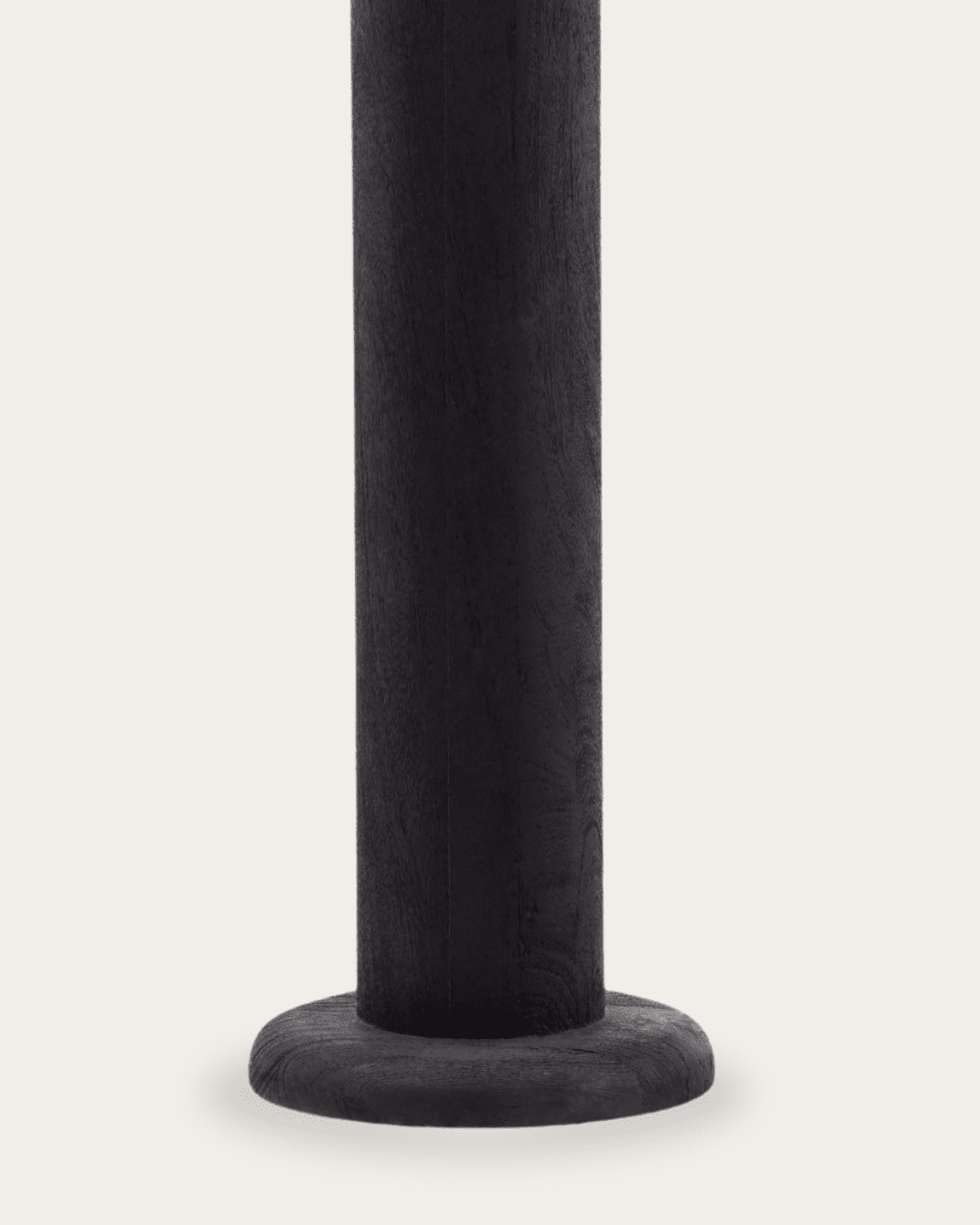
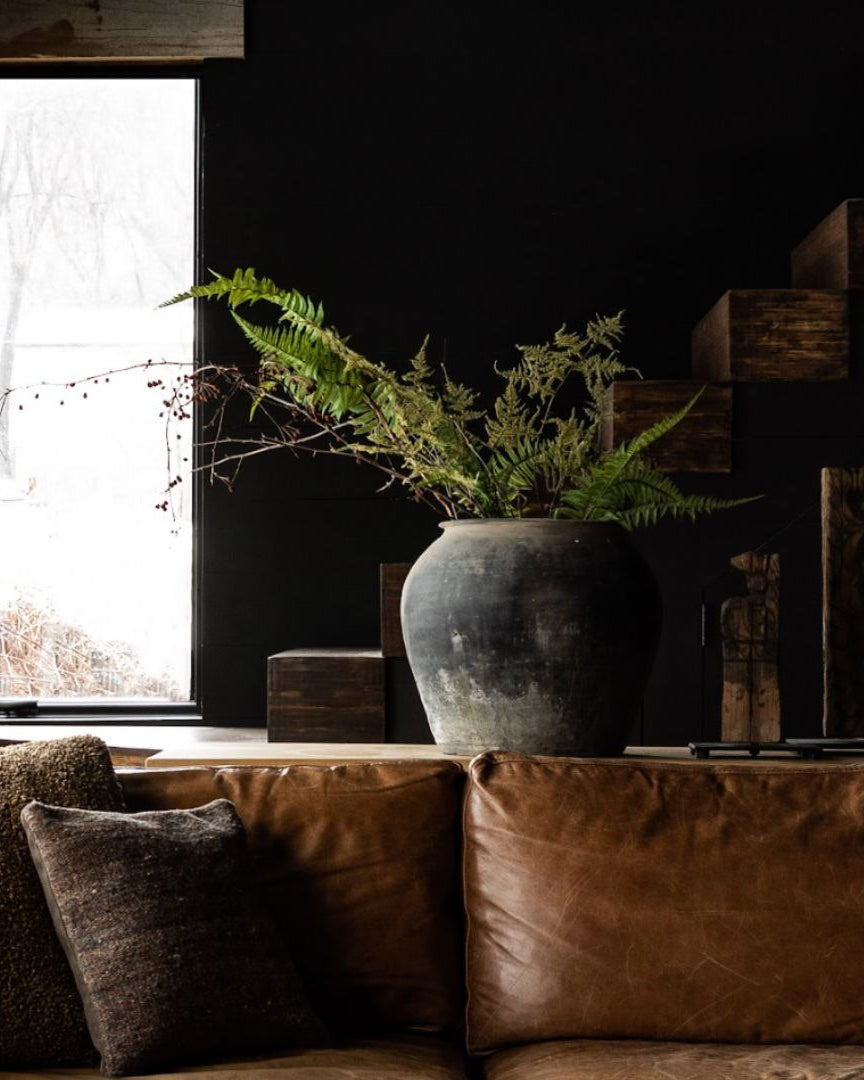
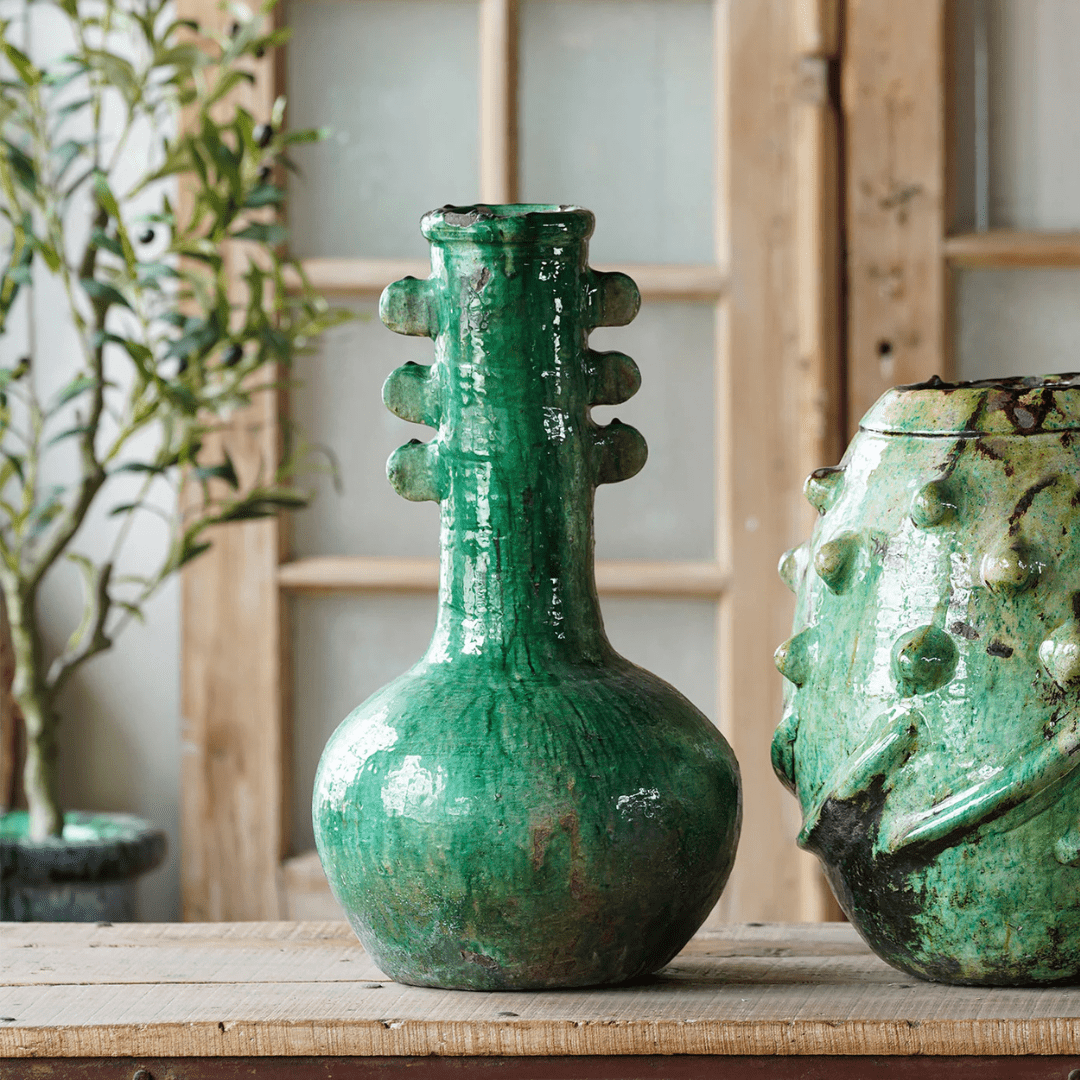
A piece like the Betz water pot table lamp can establish presence on a surface, while the Vintage tamegroute candlestick holder introduces a form that changes how surrounding elements are perceived.
They don’t just exist in the room.
They shape it.
Placement Matters More With Larger Pieces
The bigger the piece, the more important placement becomes.
A poorly placed large object can feel overwhelming.
A well-placed one can resolve the entire space.
Large vintage decor works best when:
It has space around it
It’s aligned with key elements (like furniture or walls)
It isn’t competing with other focal points
The Edna chapati mirror, for example, works best when it isn’t crowded by surrounding decor. It needs space to be understood.
The same applies to the Vintage forged iron pan—it becomes stronger when it stands on its own rather than being grouped unnecessarily.
Restraint is what makes scale work.
Large Vintage Decor Reduces the Need for Clutter
One of the most overlooked benefits of large decor is that it reduces the need for more.
Instead of:
Multiple small objects
Constant rearranging
Trying to “fill” empty areas
You can rely on one or two strong pieces.
A well-placed Chinese handwoven harvest basket can replace an entire cluster of smaller decor.
This simplifies the space.
And simplicity is what makes a room feel more settled.
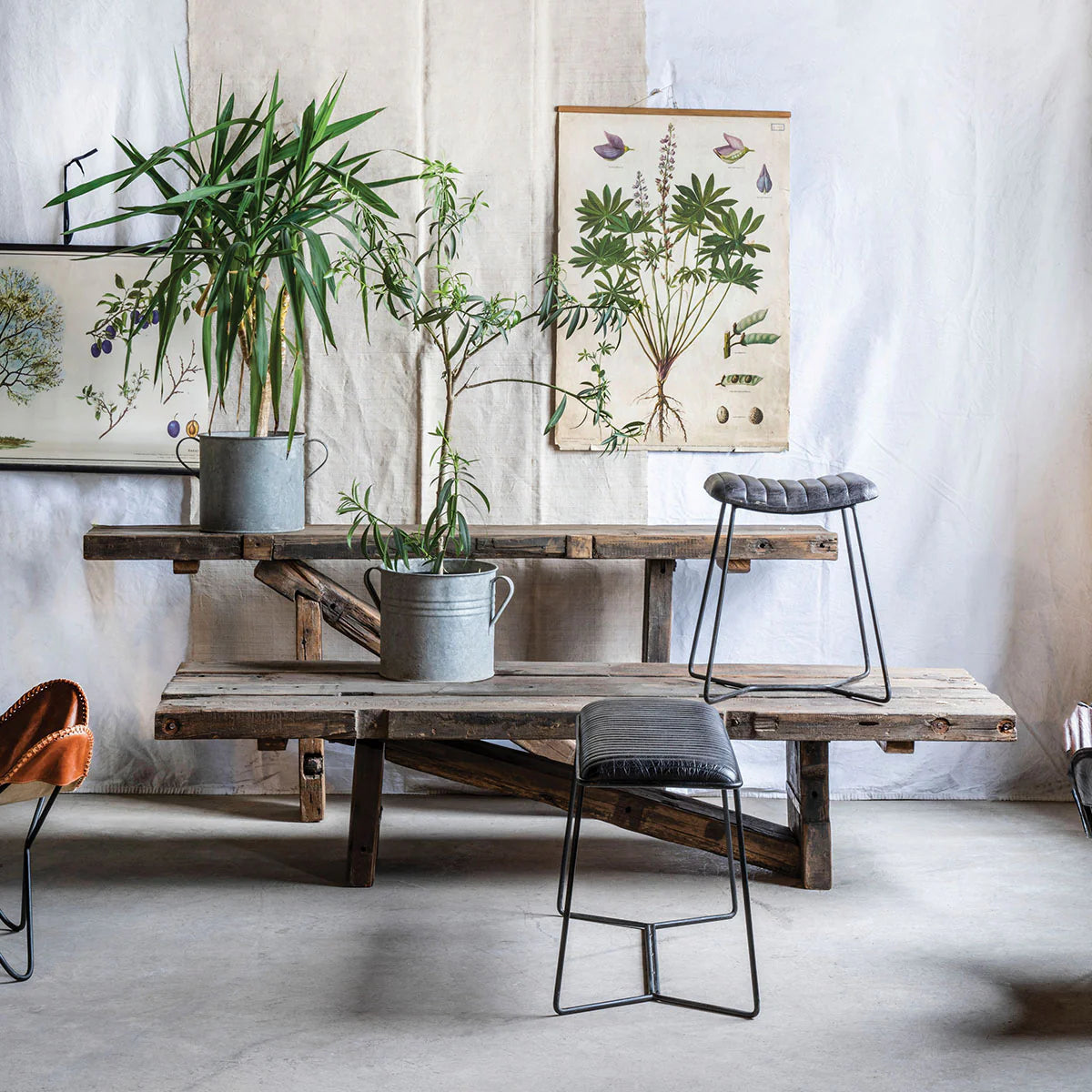
It Works Especially Well in Empty or Awkward Spaces
Large vintage decor solves problems that small decor can’t.
Awkward corners. Empty walls. Transitional spaces.
These areas often feel unresolved because they lack definition.
A large piece can fix that immediately.
Instead of trying to layer multiple elements, one object can:
Define the space
Add structure
Create purpose
This is where vintage works best.
Not as decoration—but as resolution.
When to Use Large vs Small Vintage Decor
The key isn’t choosing one over the other.
It’s knowing when to use each.
Use large vintage decor when:
The room feels scattered
There’s no clear focal point
You want to simplify the space
Use smaller vintage decor when:
You’re layering onto an existing structure
You need to soften transitions
The room already feels balanced
The mistake is relying on only one approach.
Balance comes from knowing the role each piece plays.

Why This Matters in Real Spaces
Most people don’t struggle because they lack good pieces.
They struggle because nothing feels resolved.
That’s usually a scale issue.
Too many small items. Not enough structure.
Large vintage decor fixes that by:
Creating anchors
Reducing visual noise
Defining the layout
It’s not about making a statement.
It’s about making the room work.
Where to Start
If your space feels off, don’t add more immediately.
Start by identifying what’s missing:
Is there a clear focal point?
Does the room feel anchored?
Are you relying too much on small decor?
Then introduce one larger piece.
Place it intentionally.
Give it space.
And observe how the room shifts.
The change is usually immediate.
Final Thought
Large vintage decor doesn’t just decorate a room.
It defines it.
When used well, it reduces the need for excess, creates structure, and allows the space to feel more grounded without effort.
It’s not about adding more.
It’s about choosing better.
If you’re ready to shift how your space feels, start here:
Browse the vintage collection