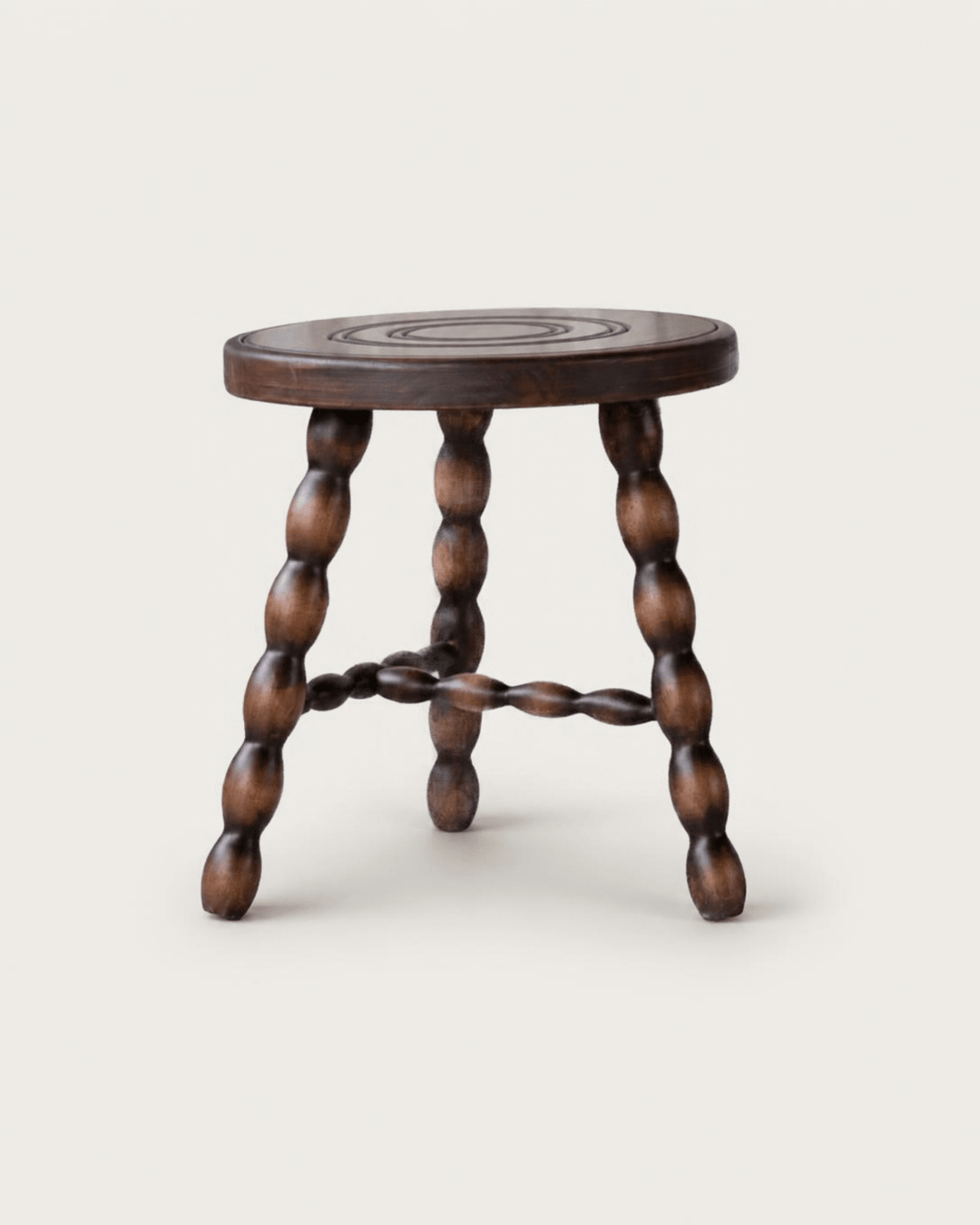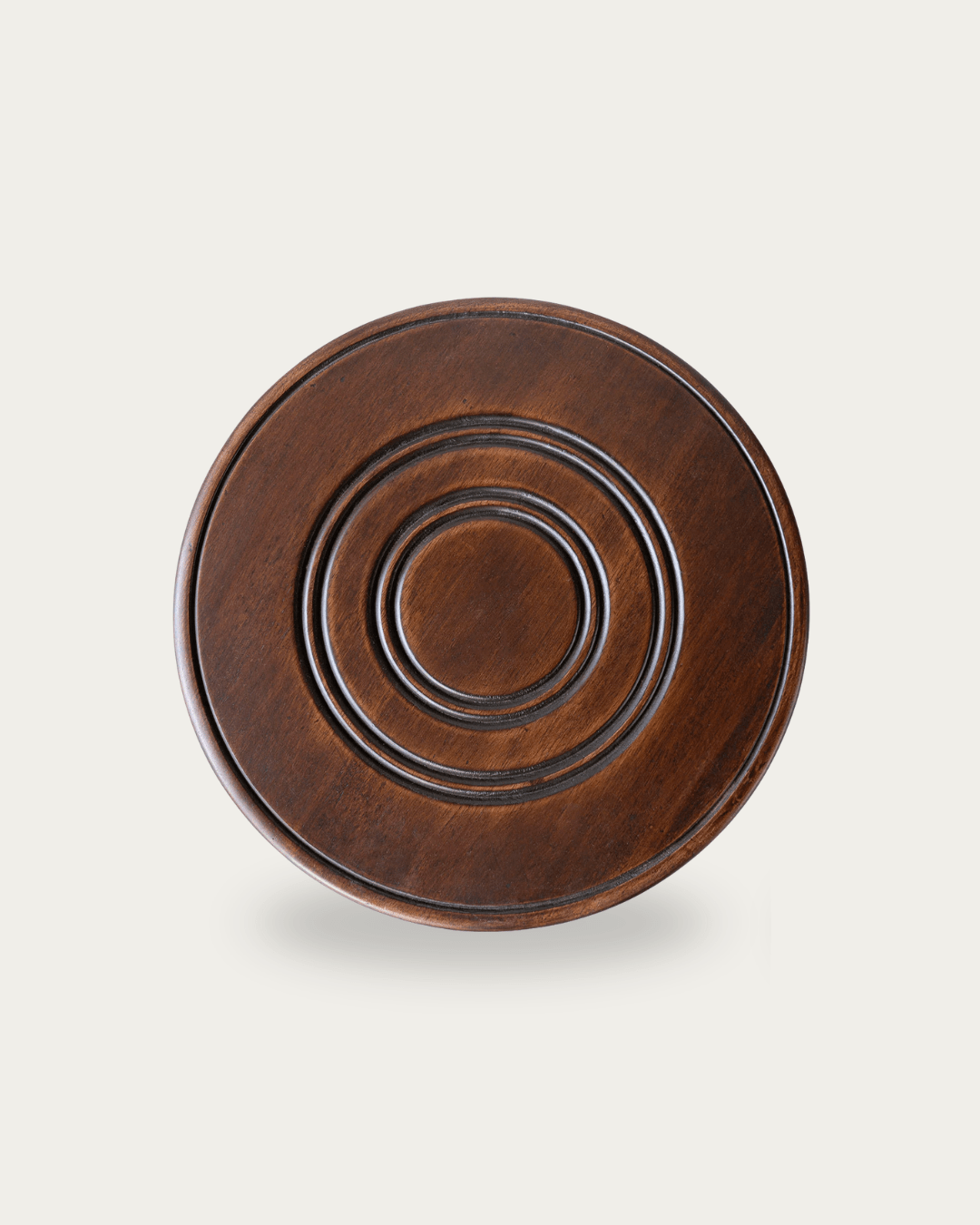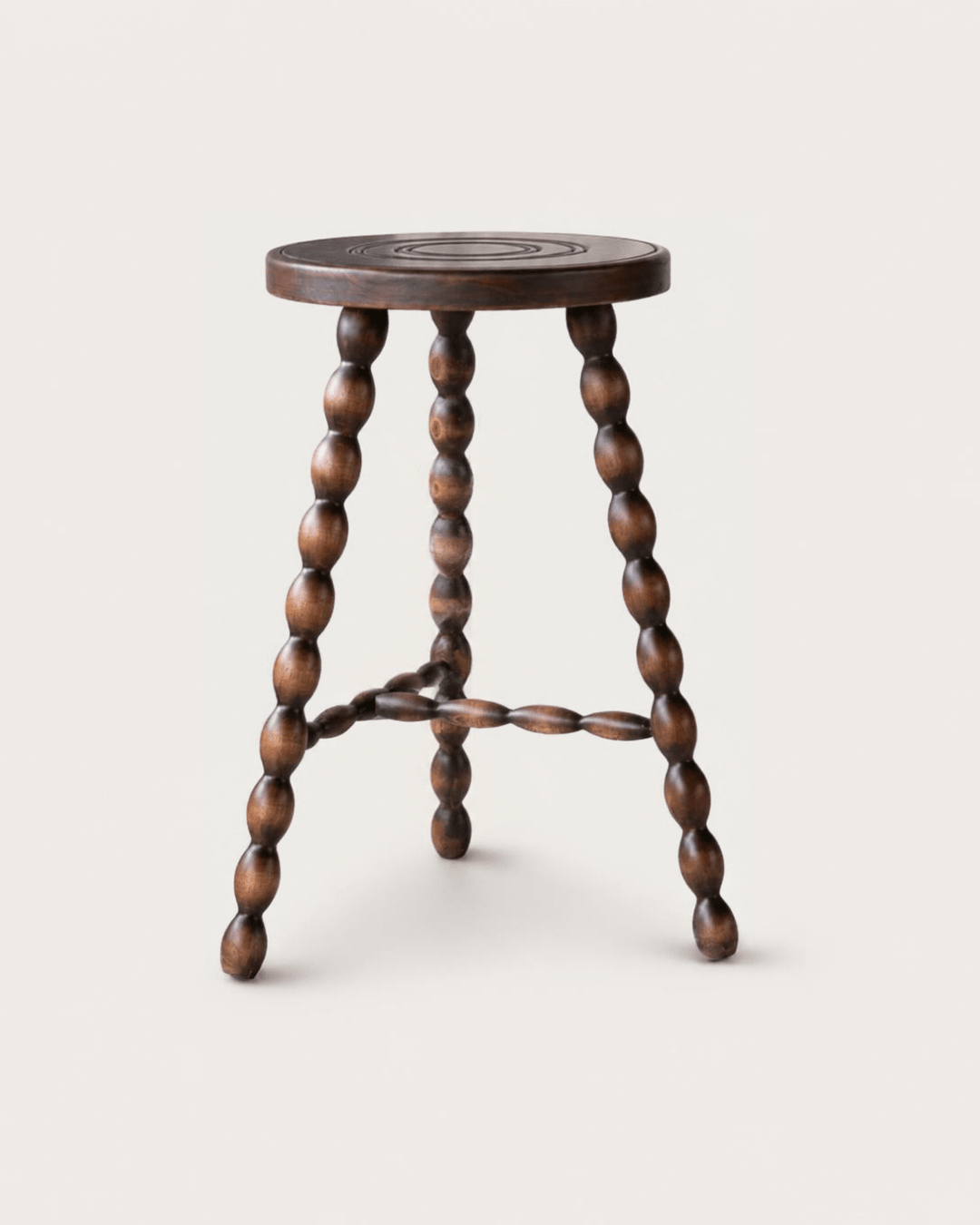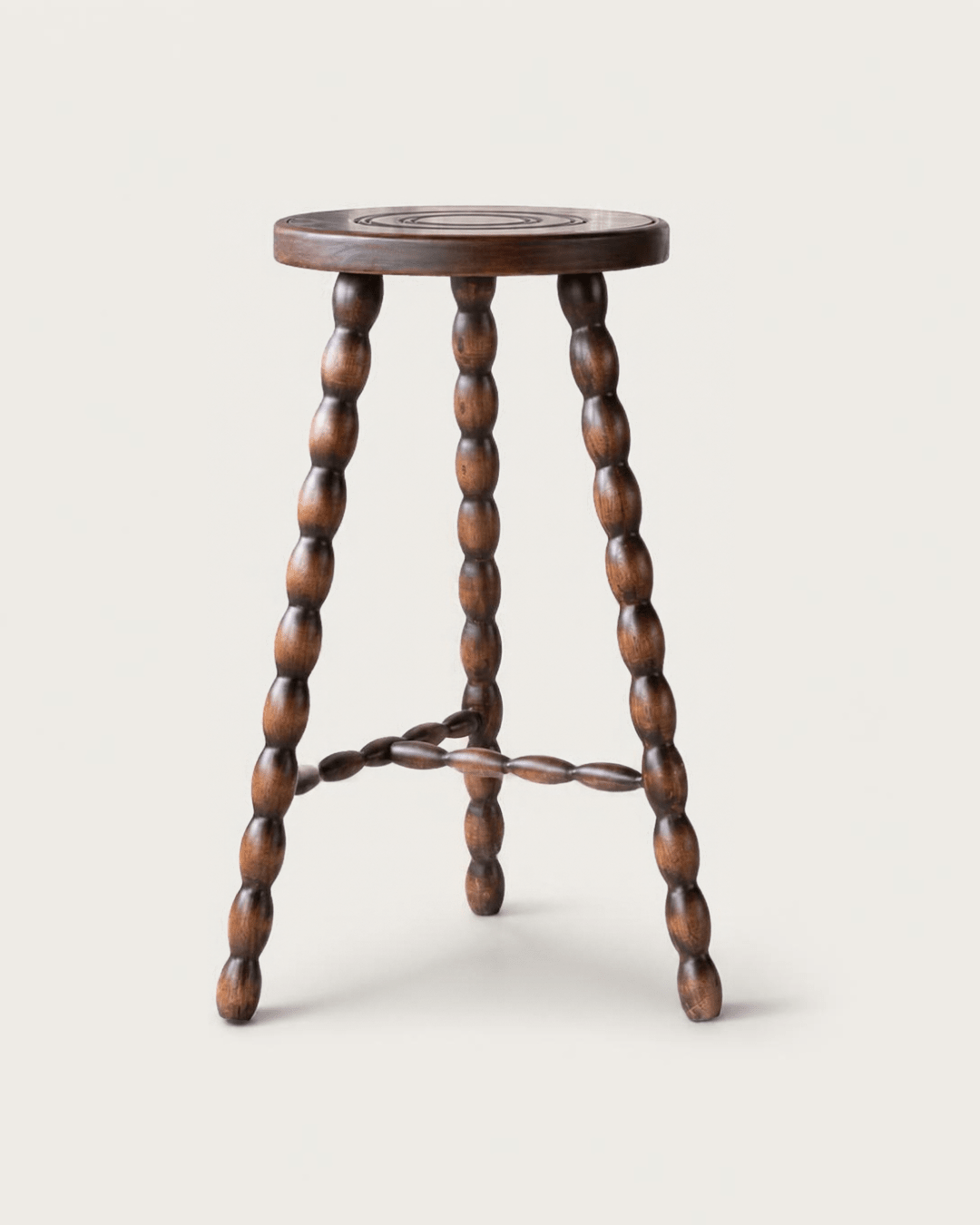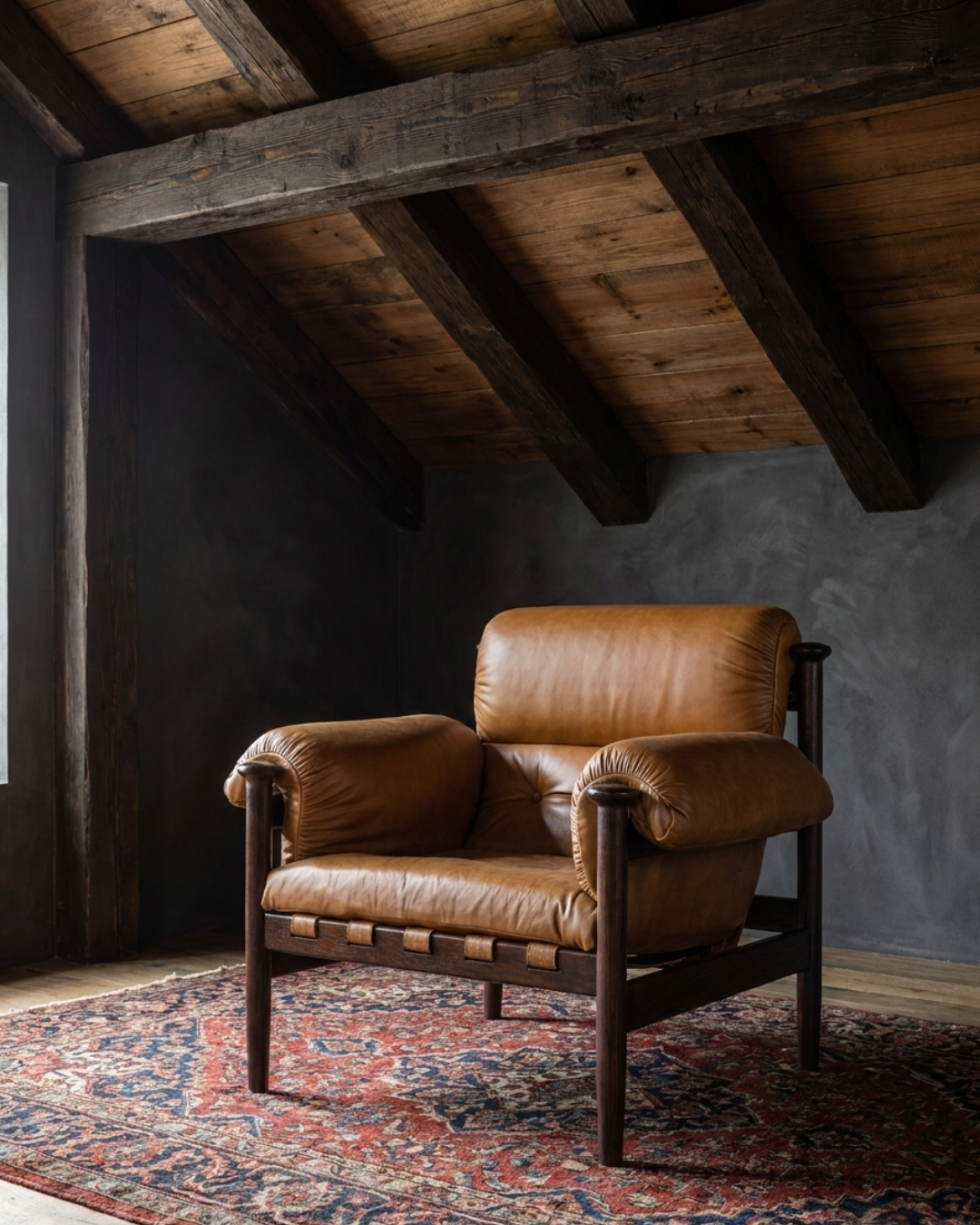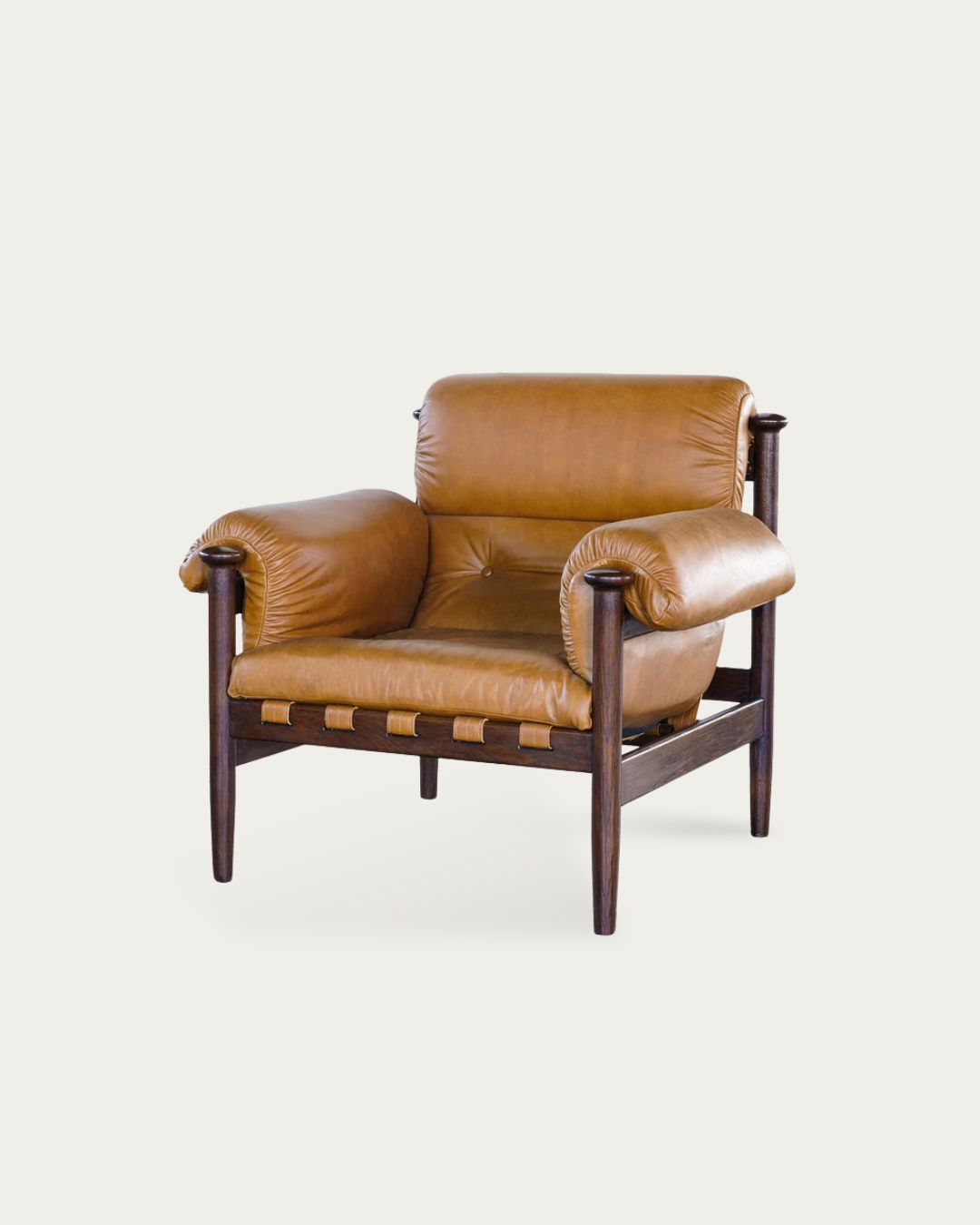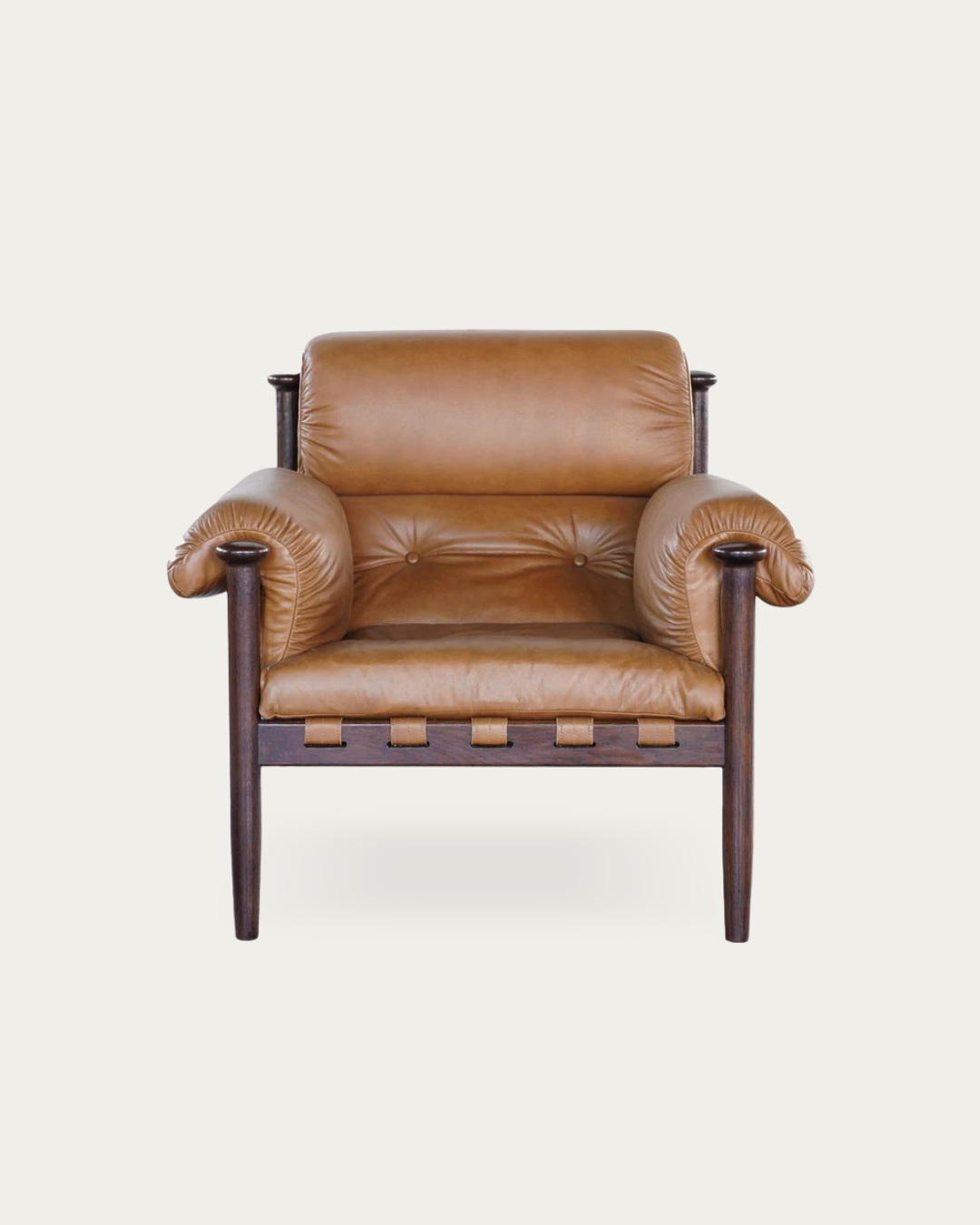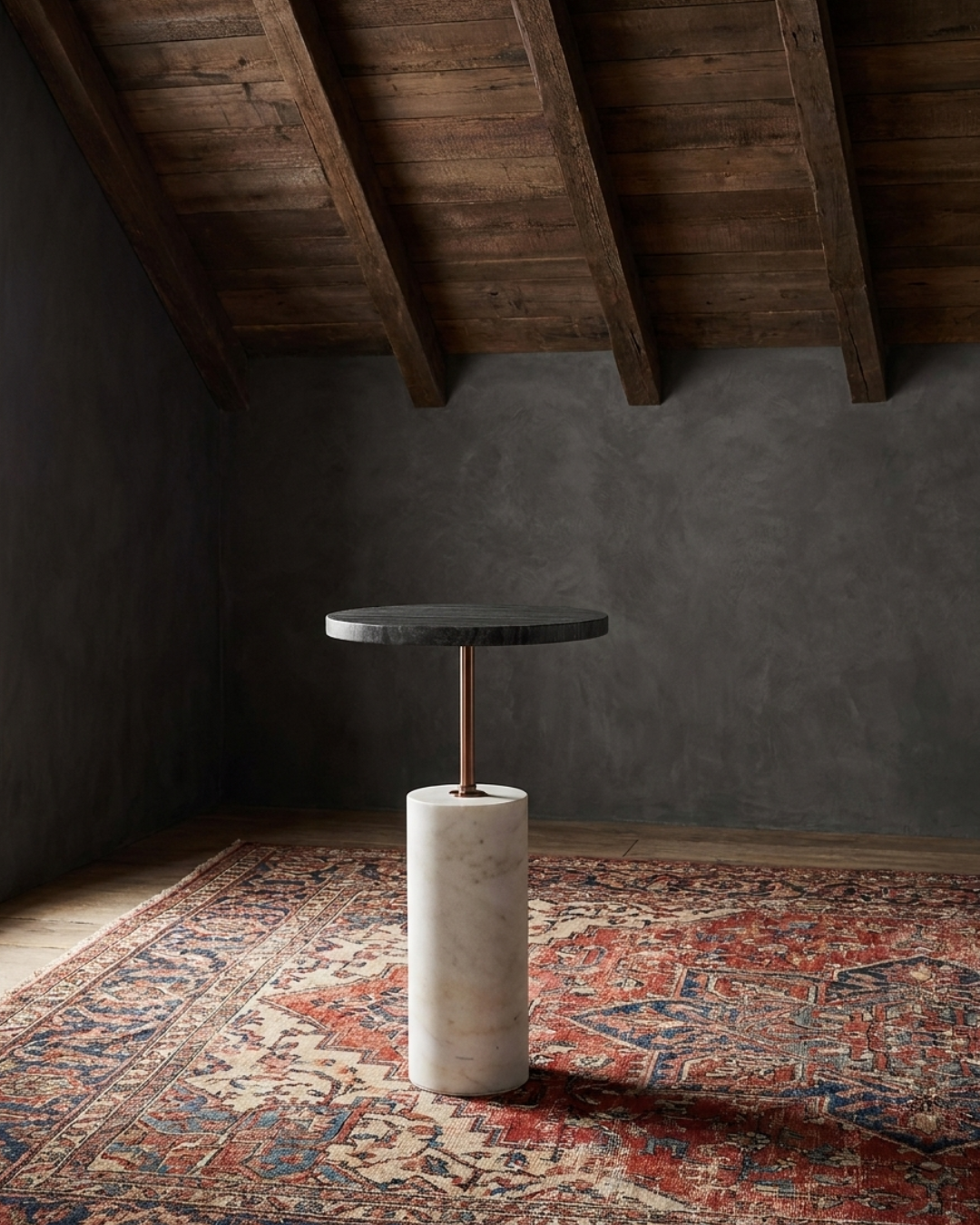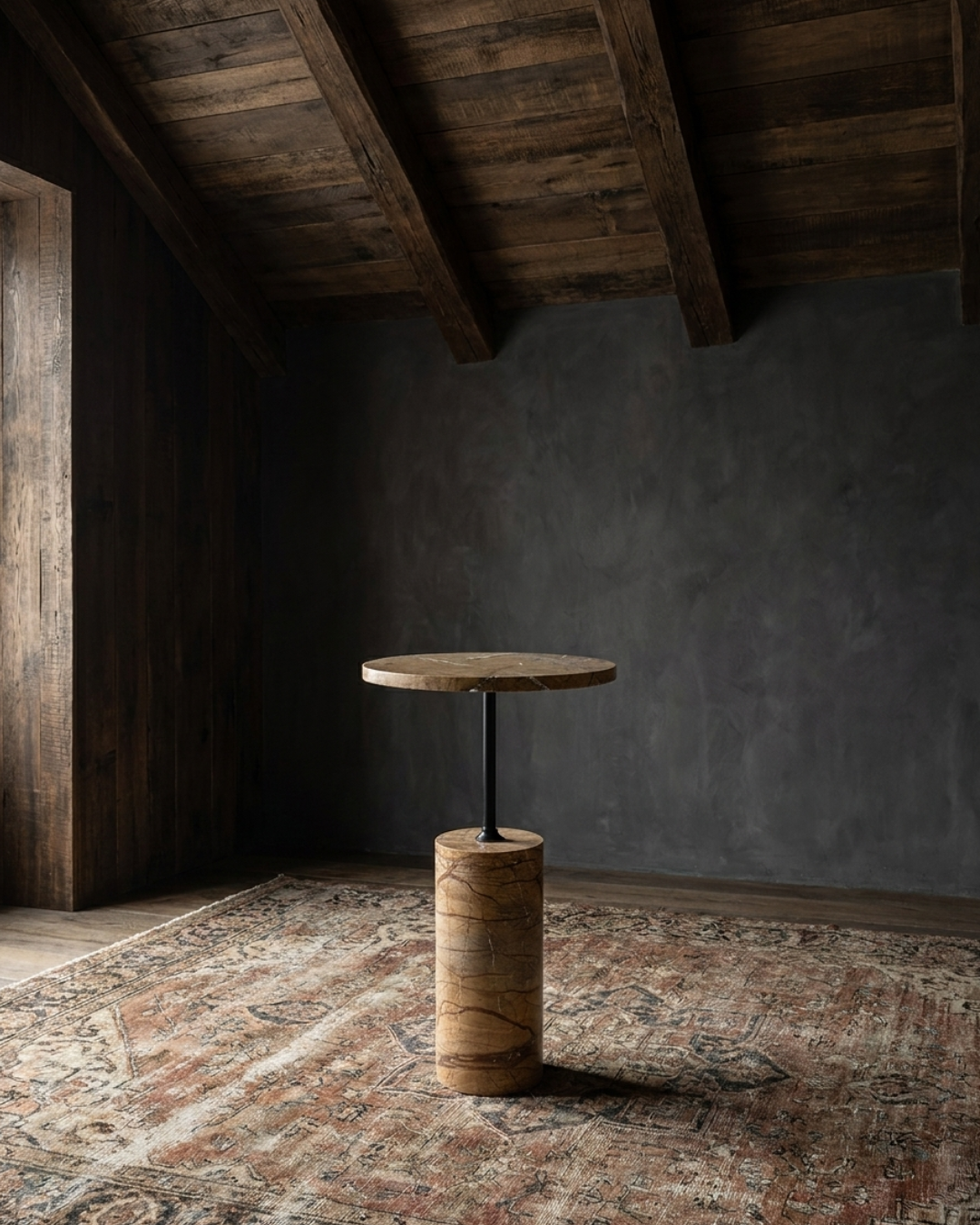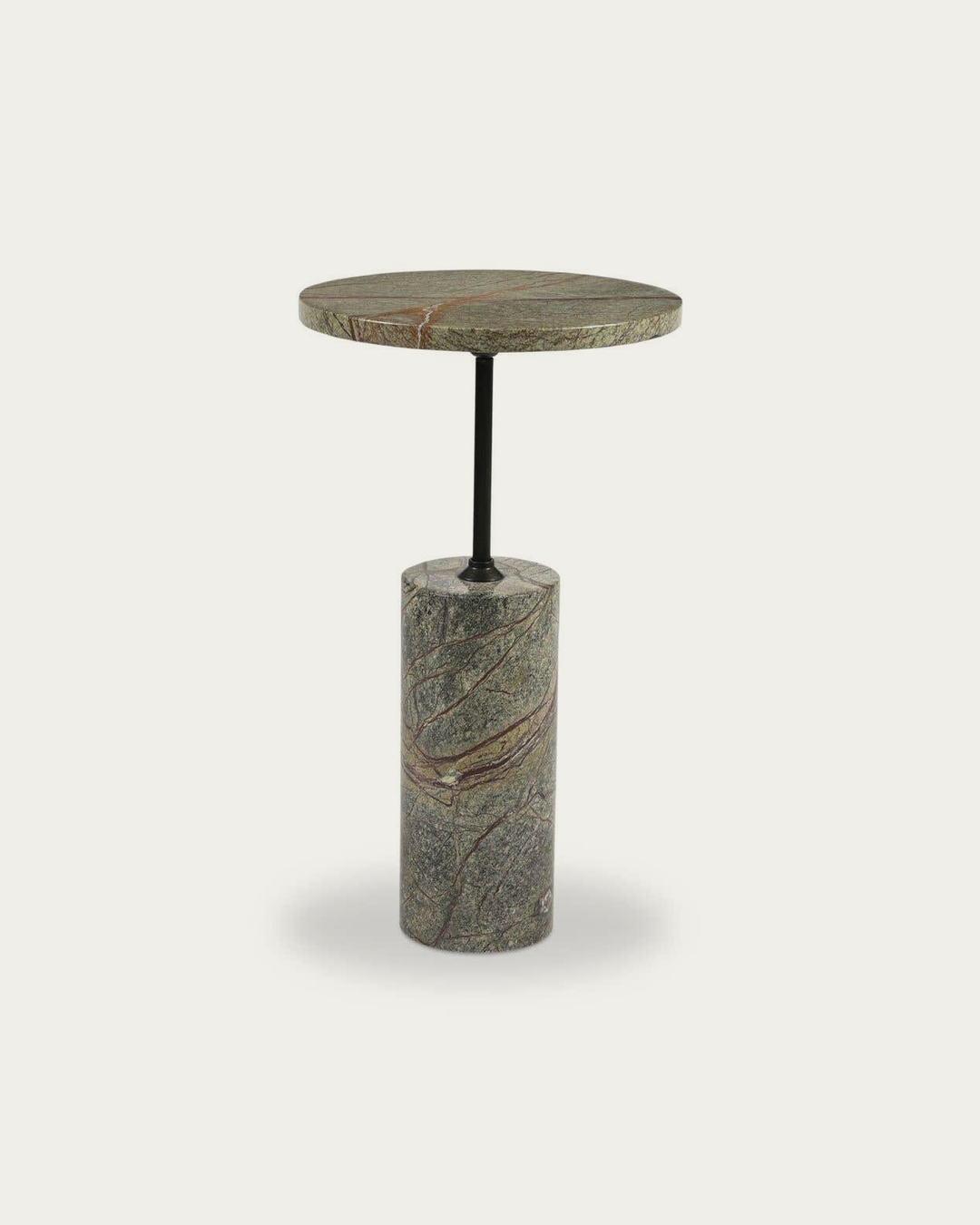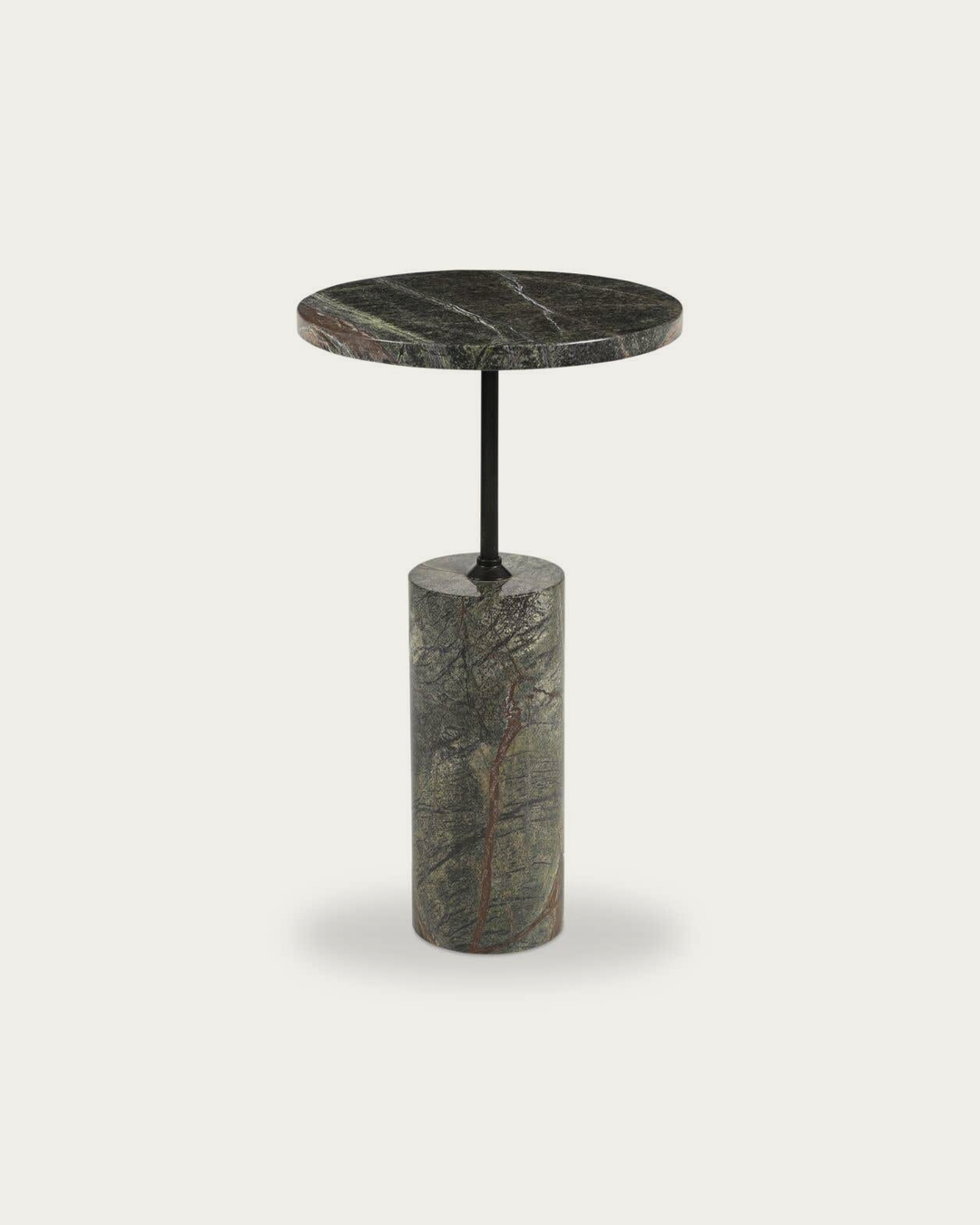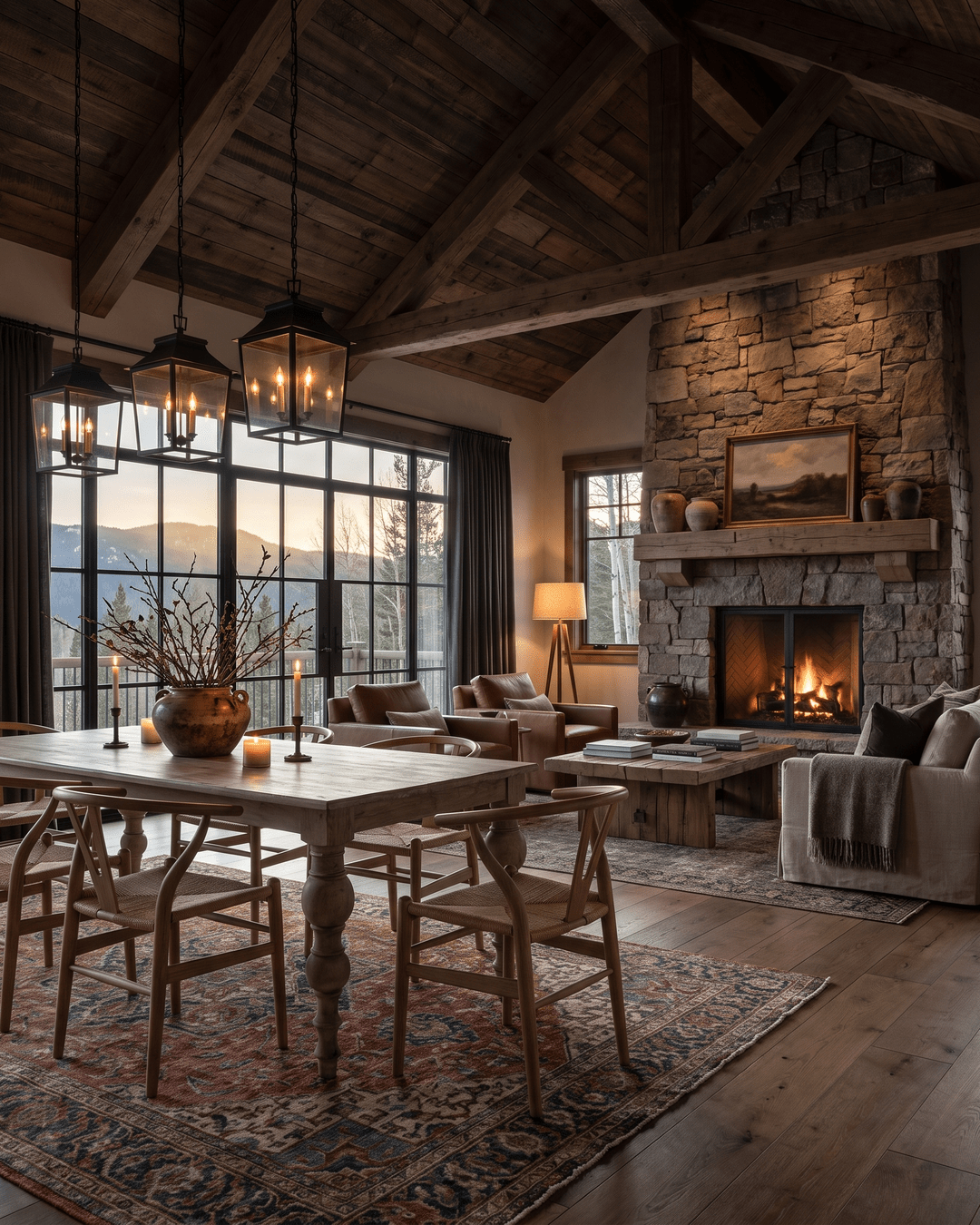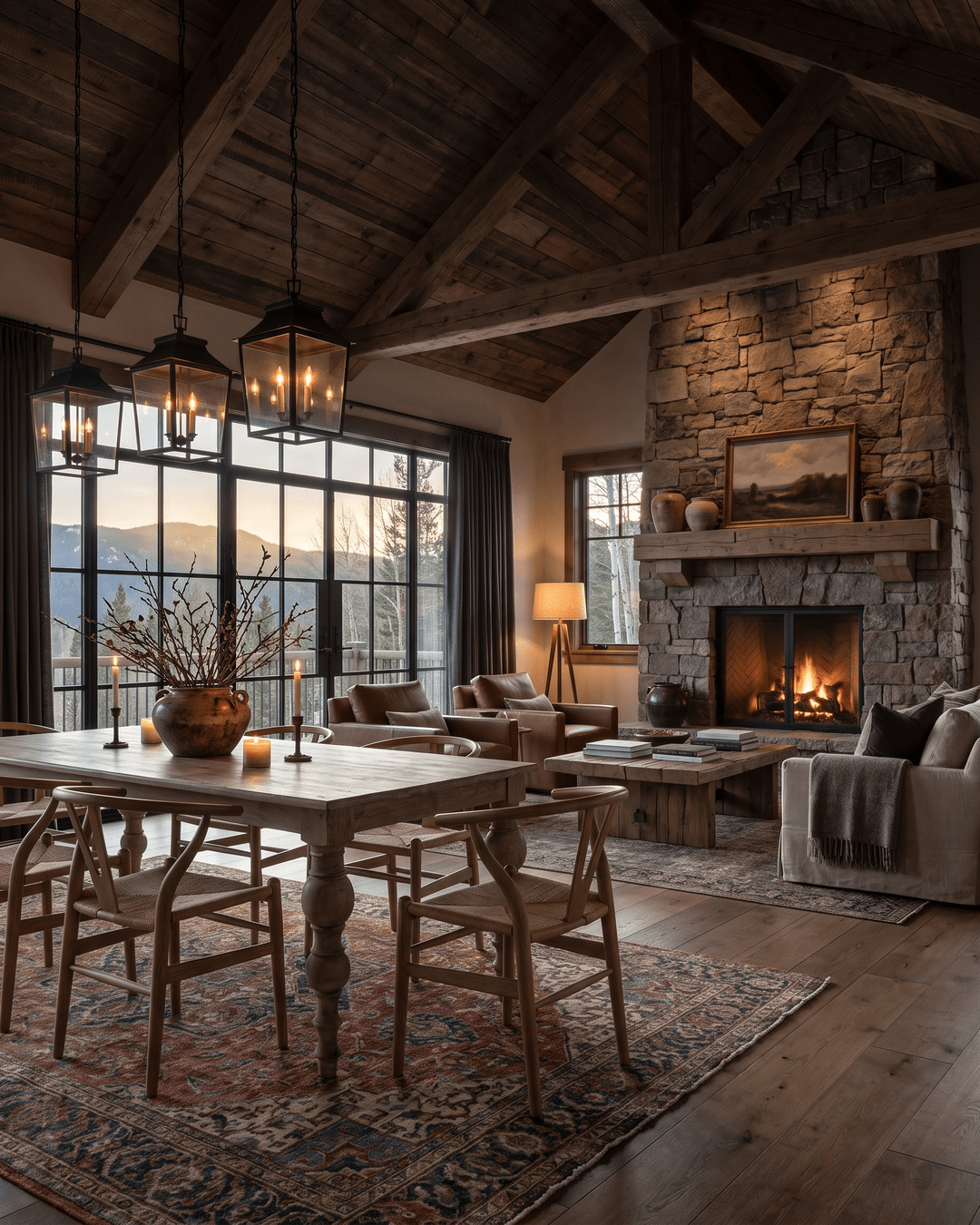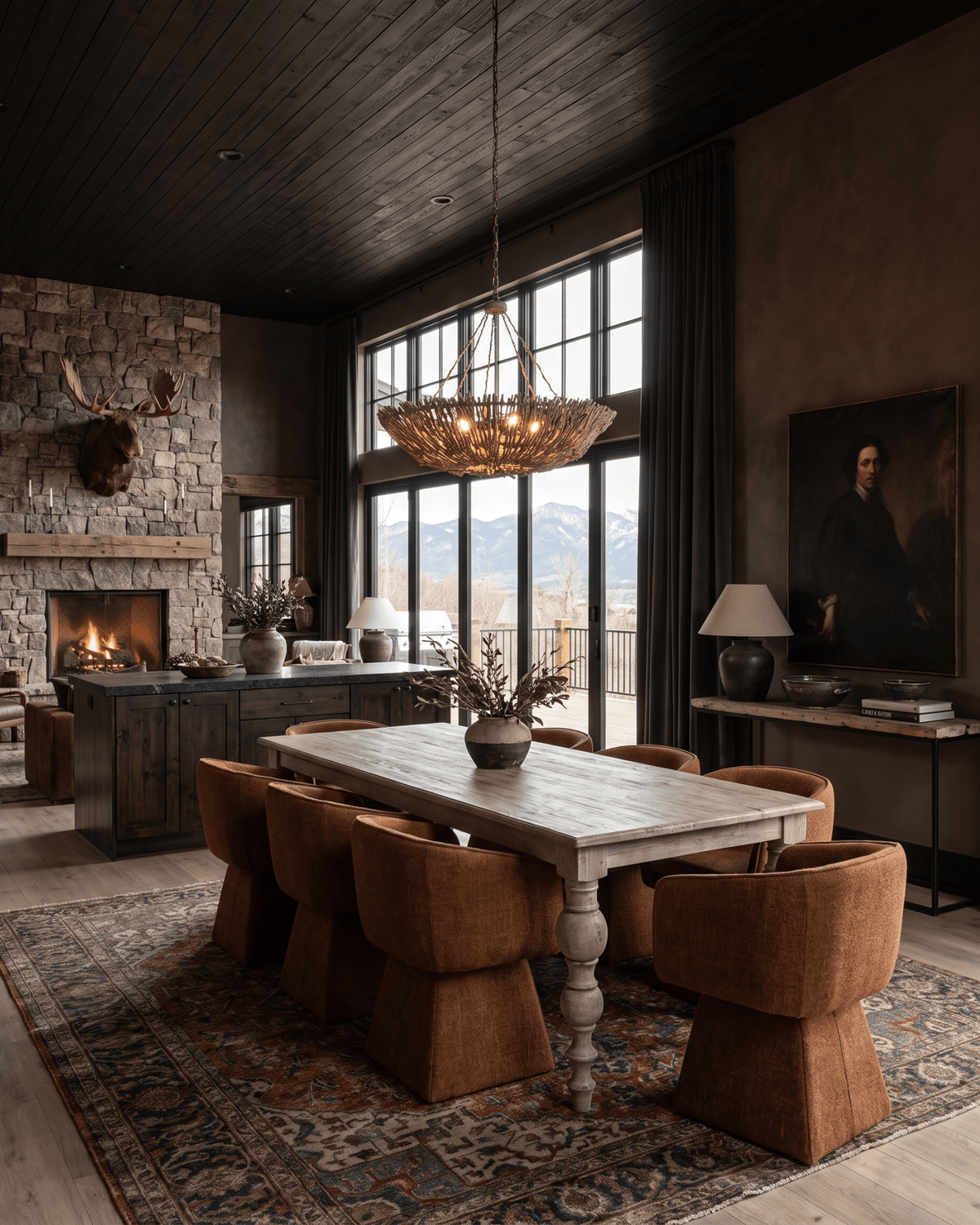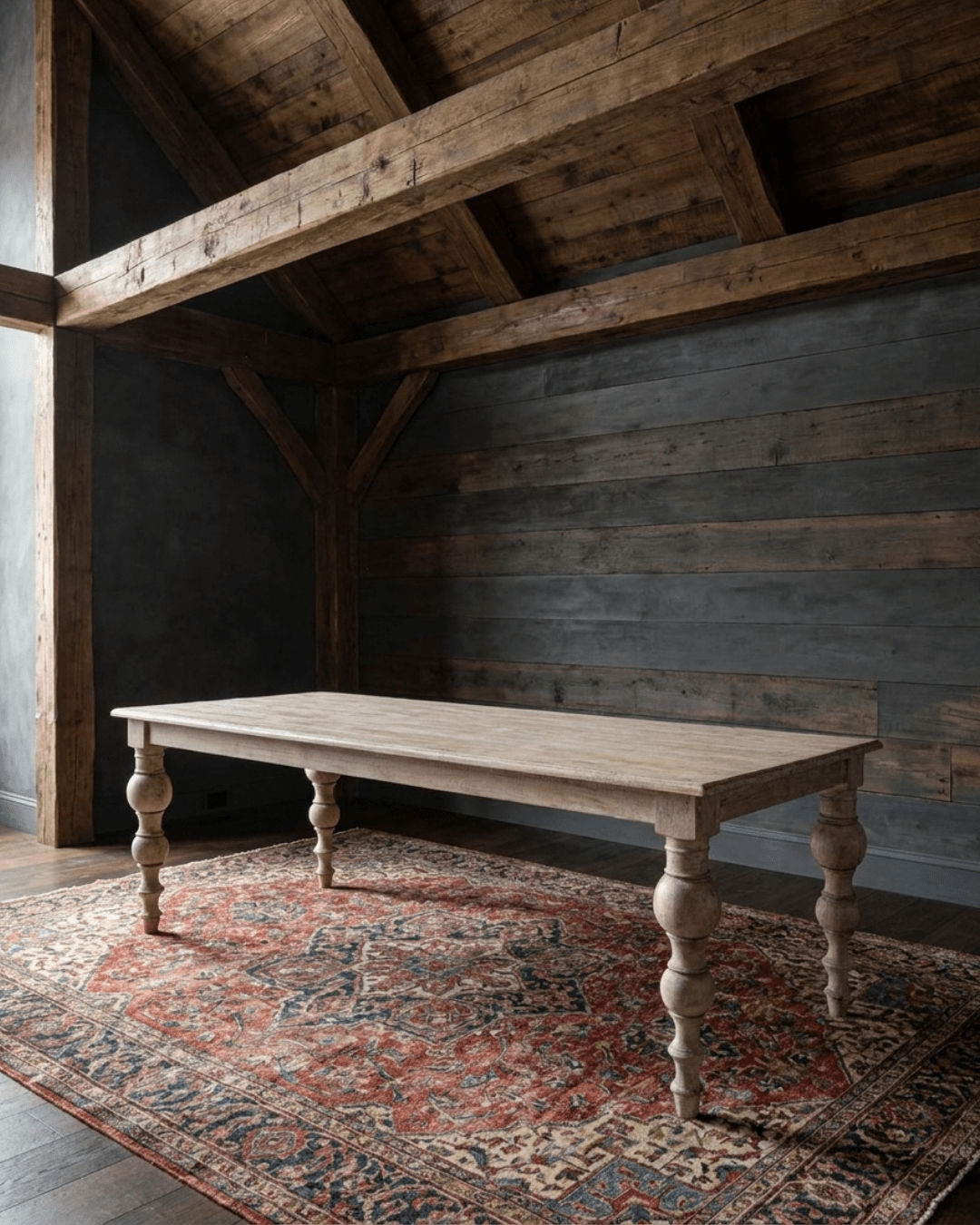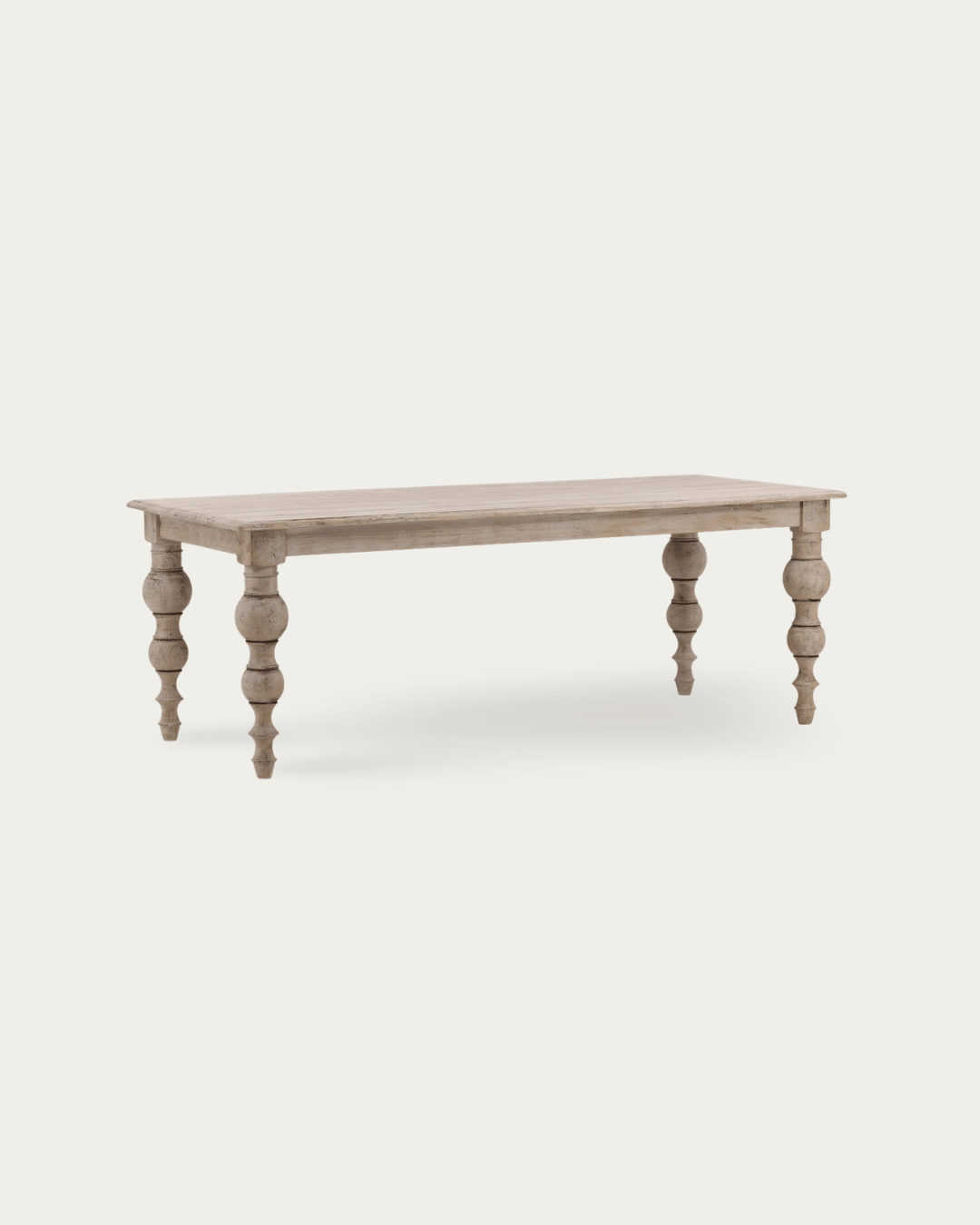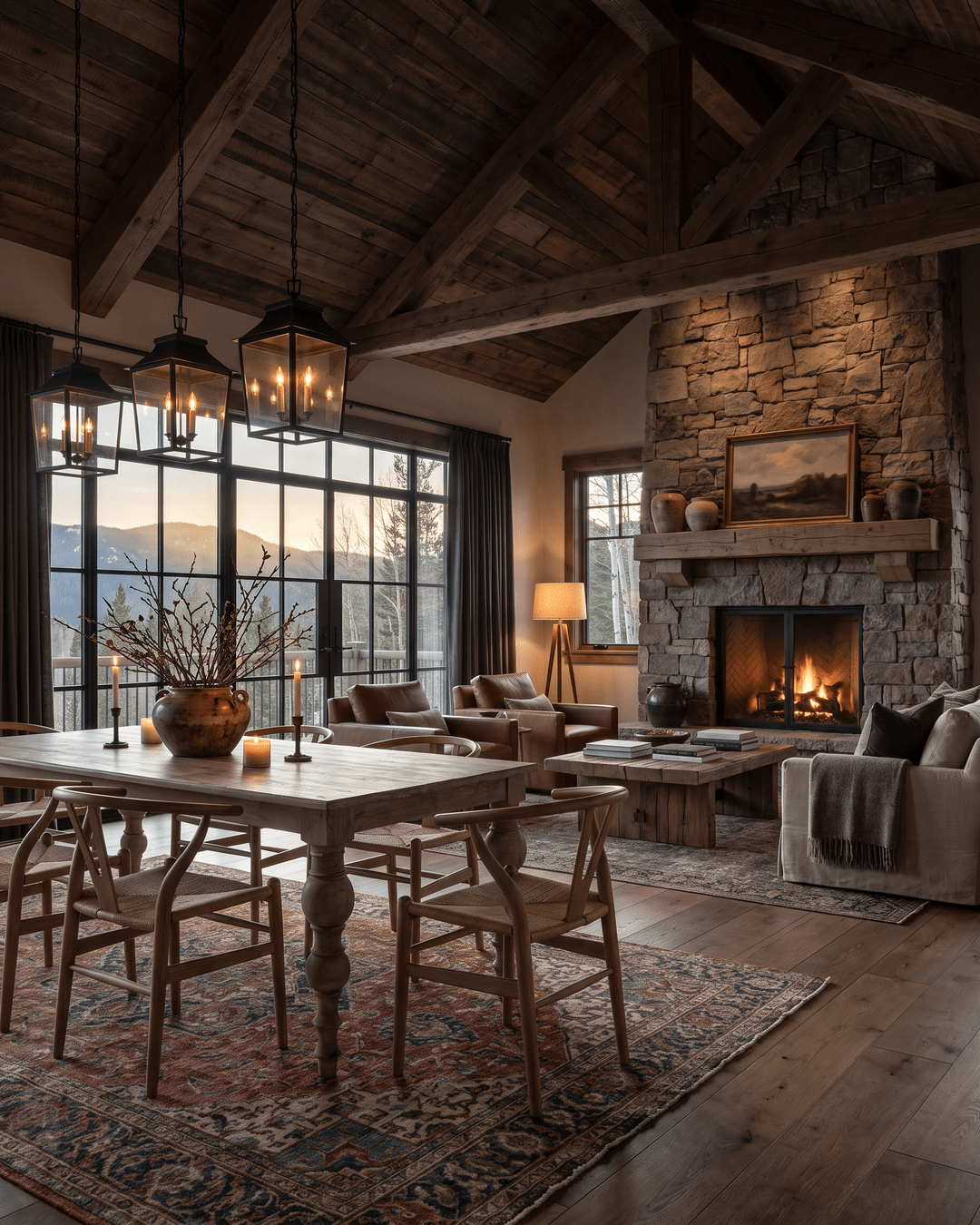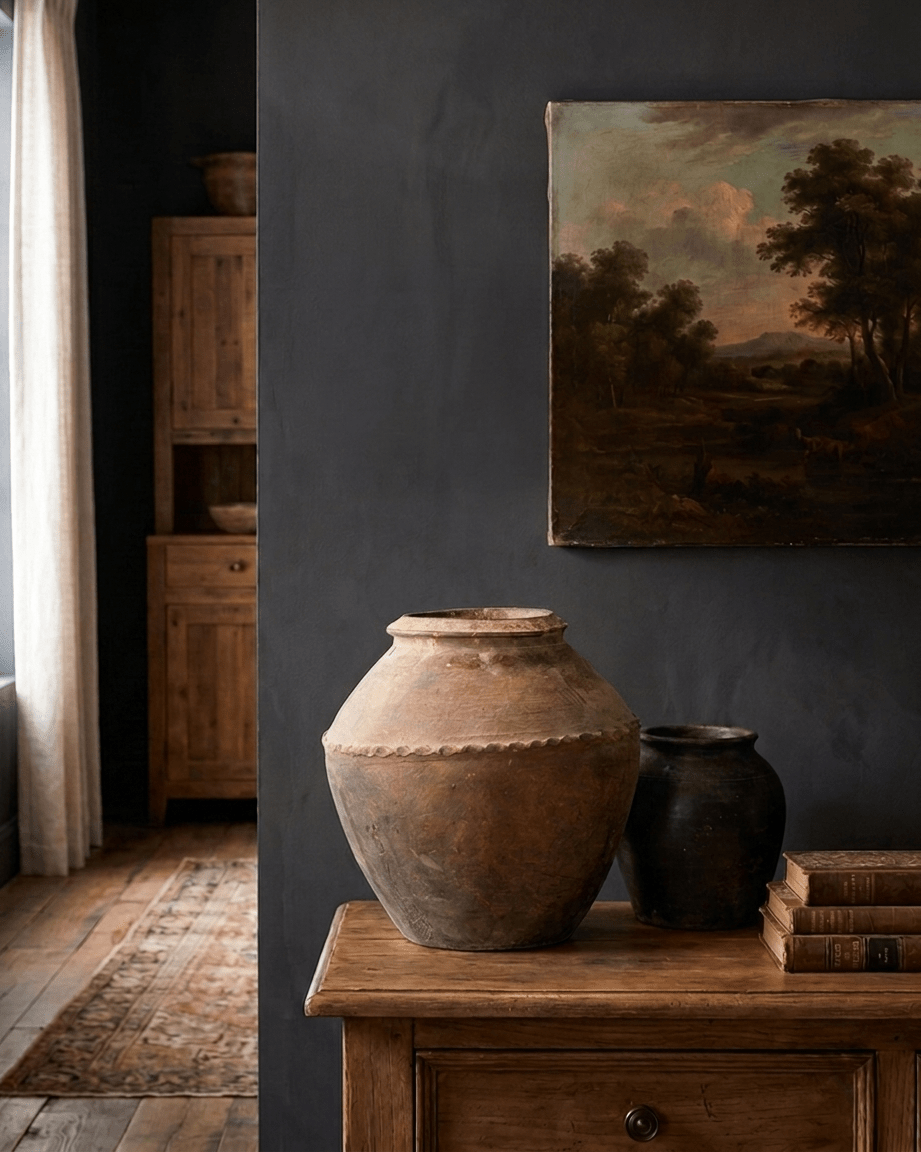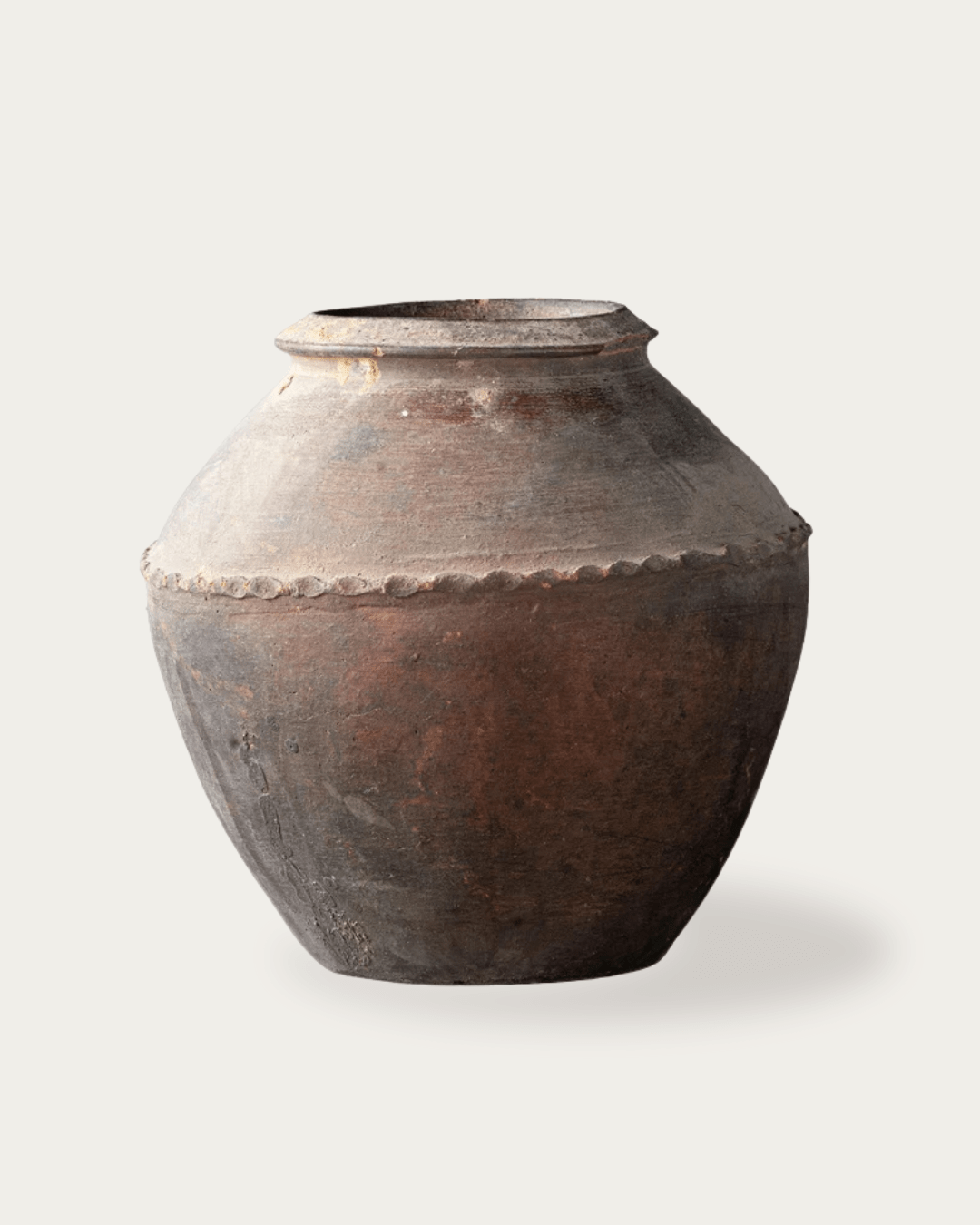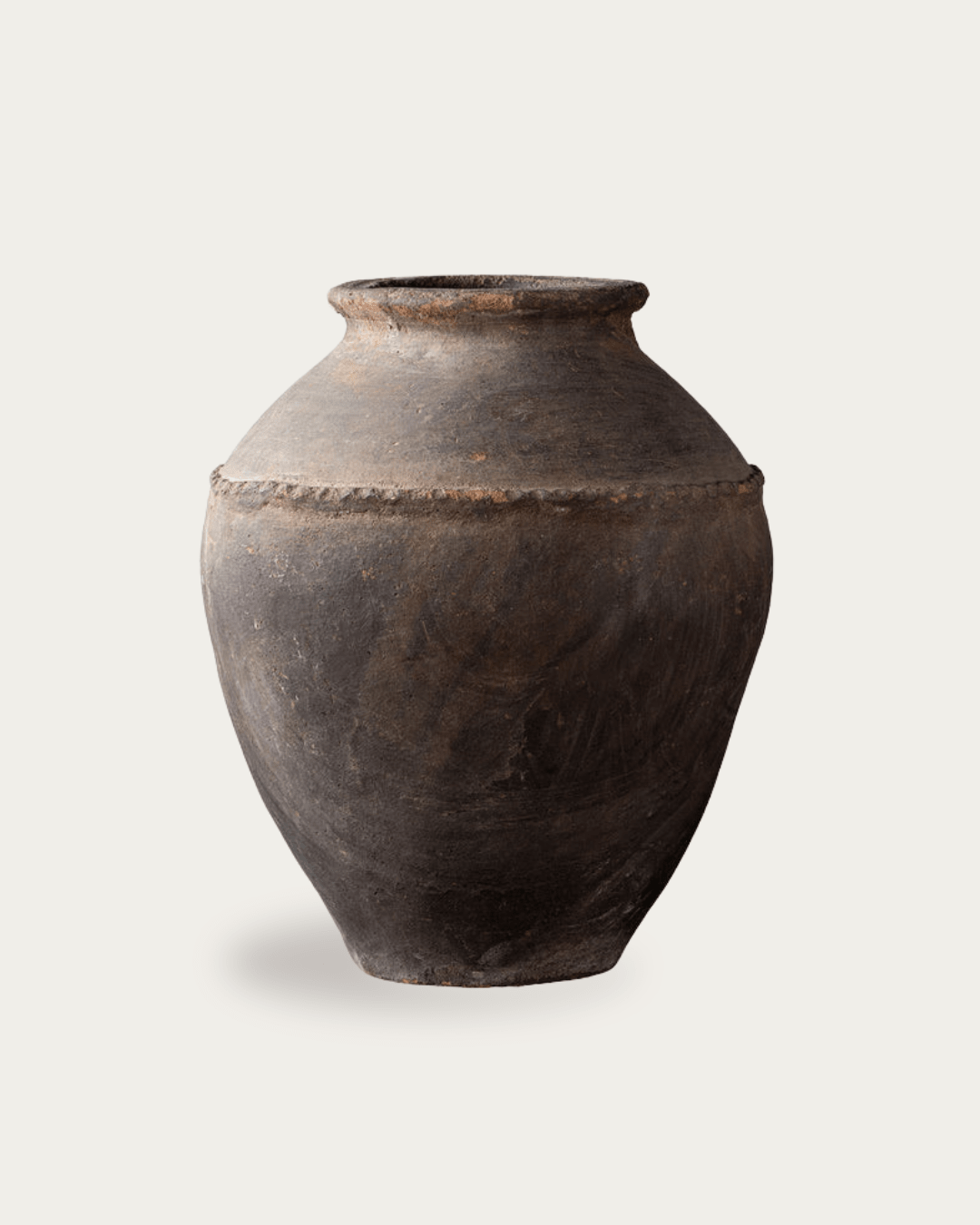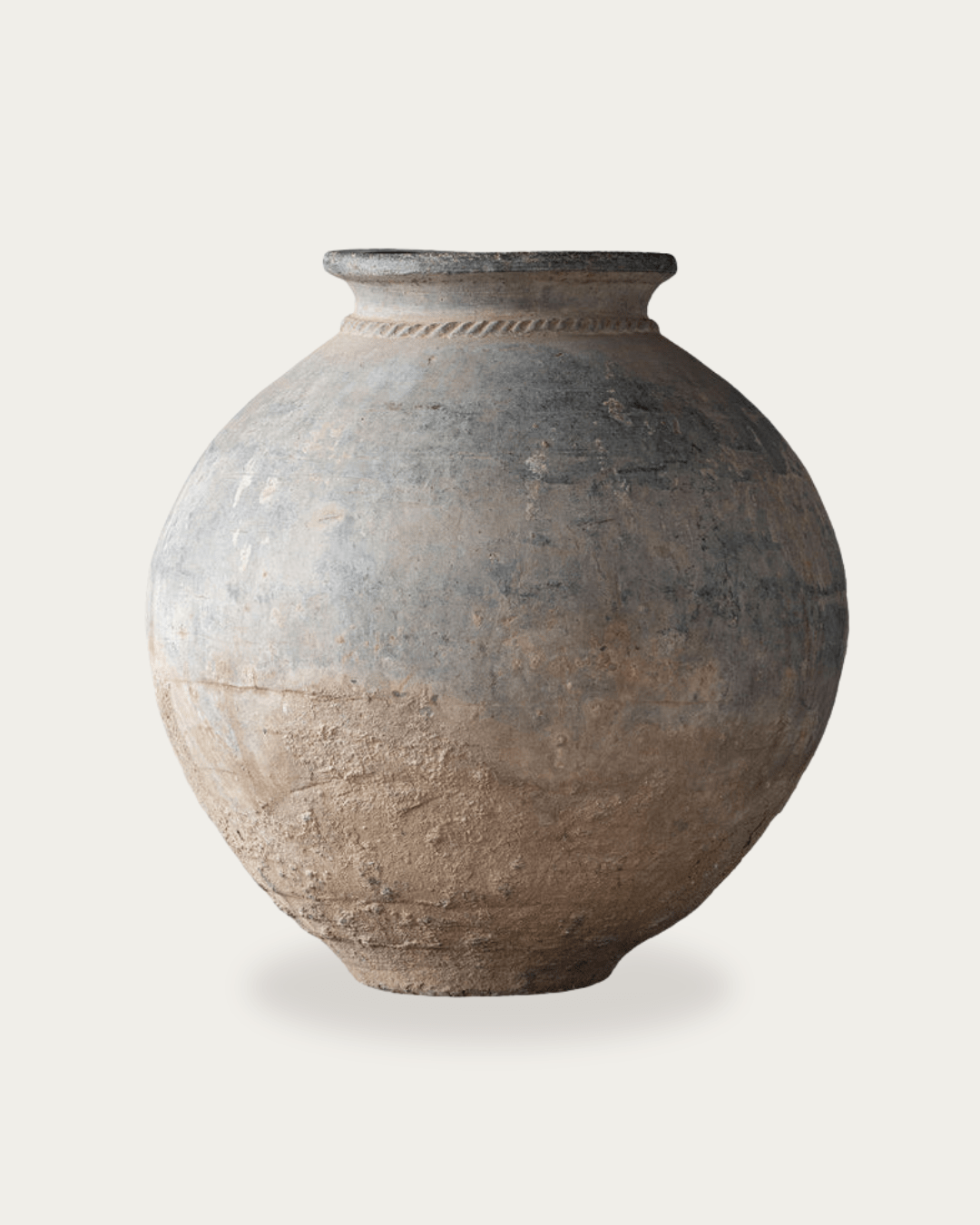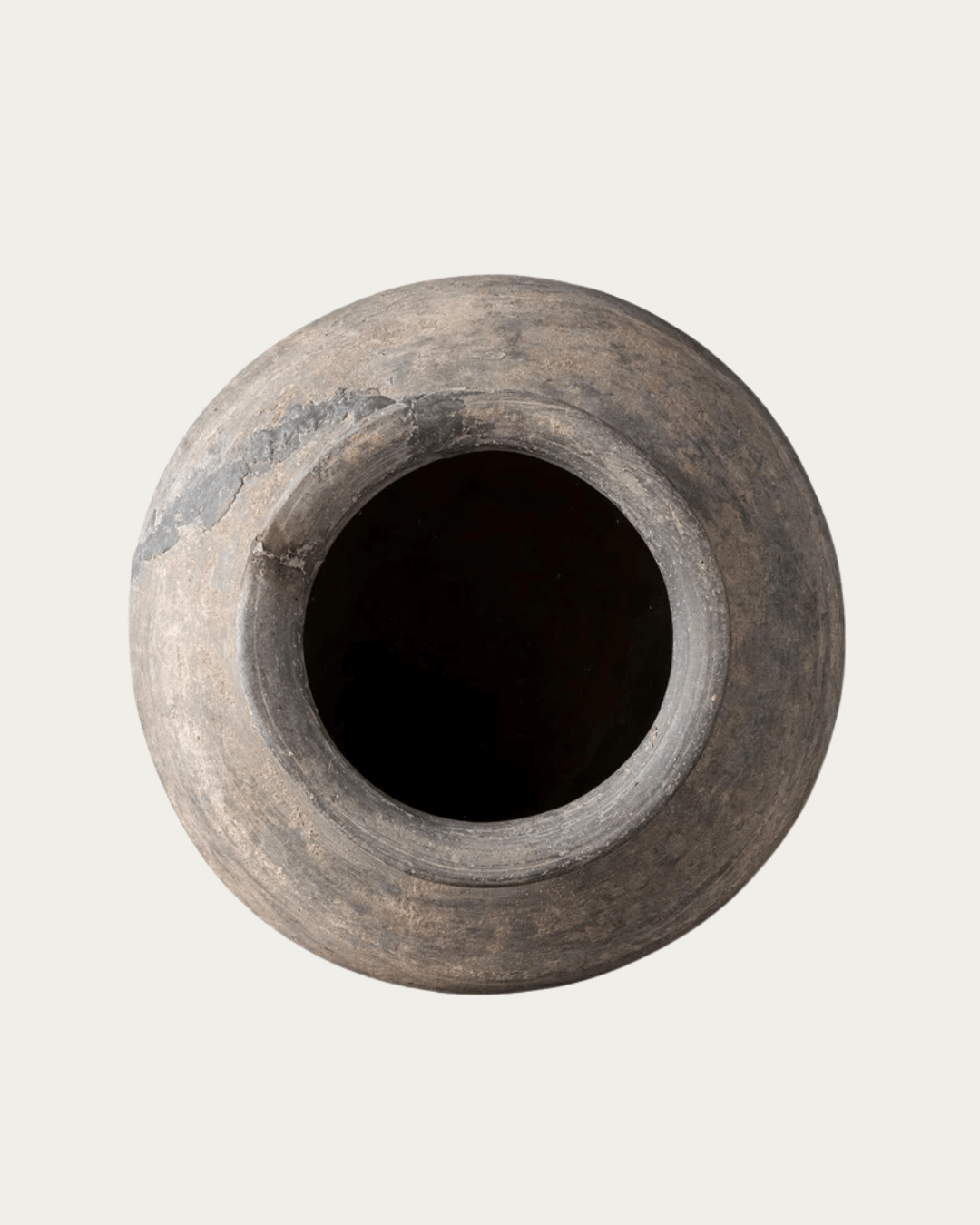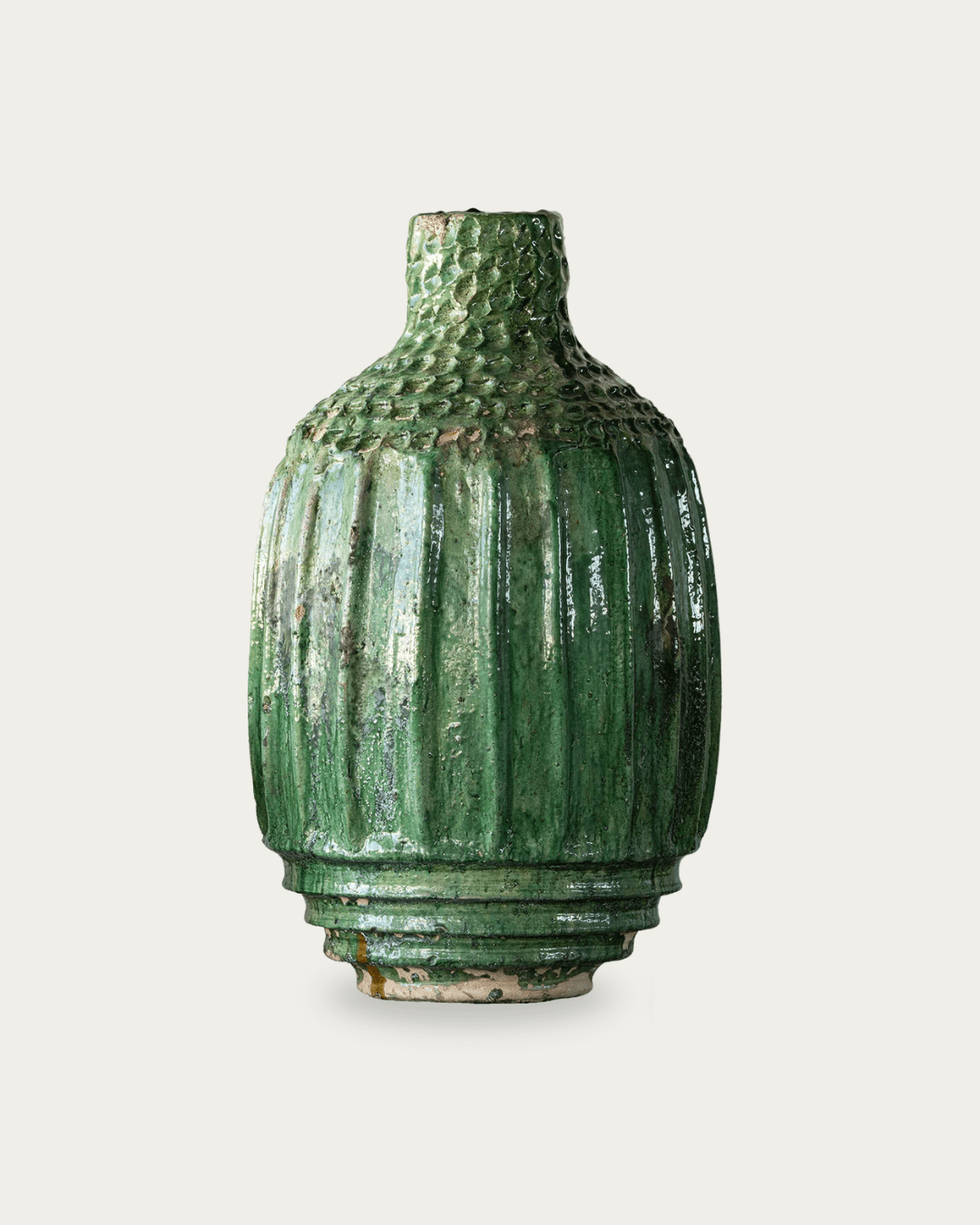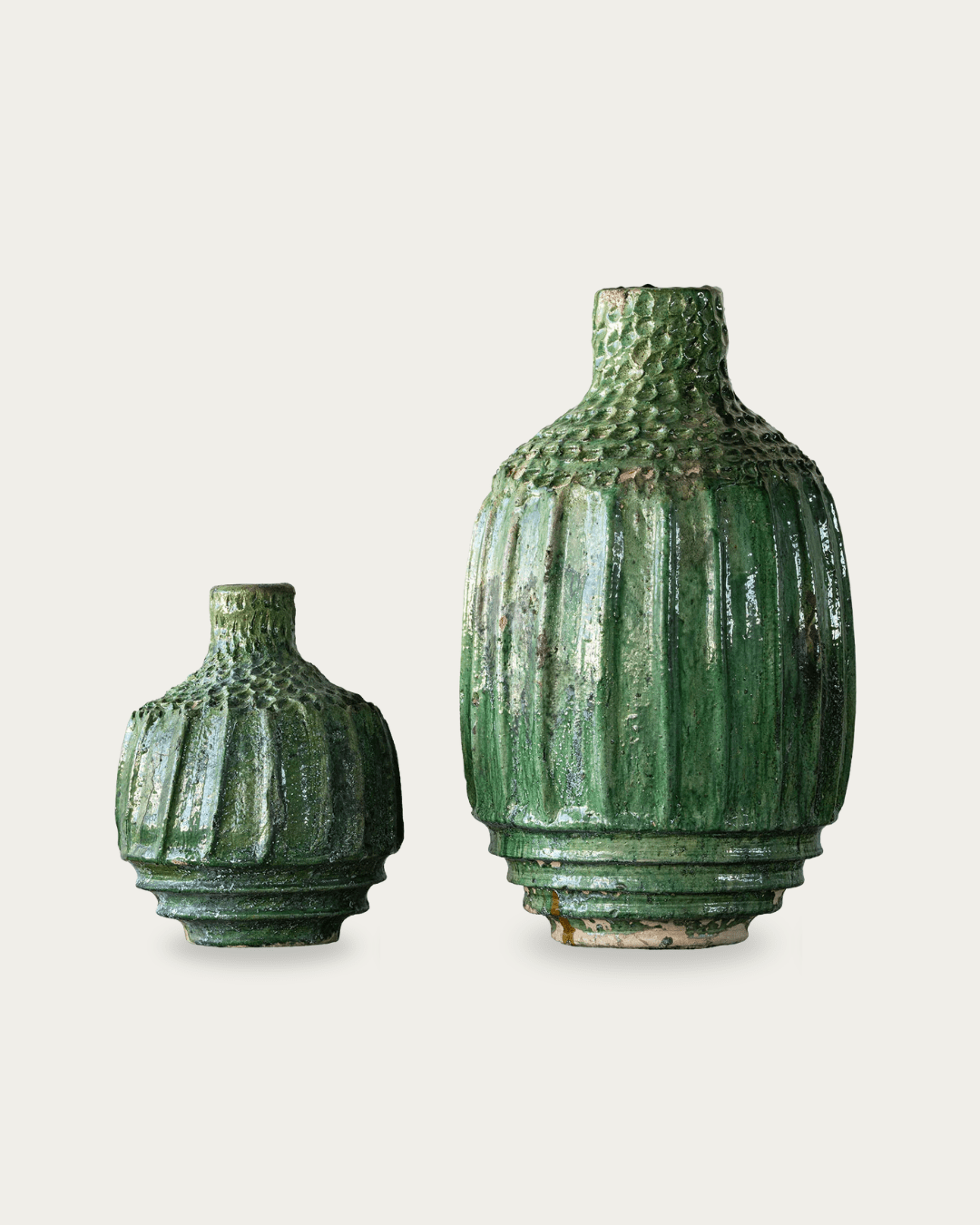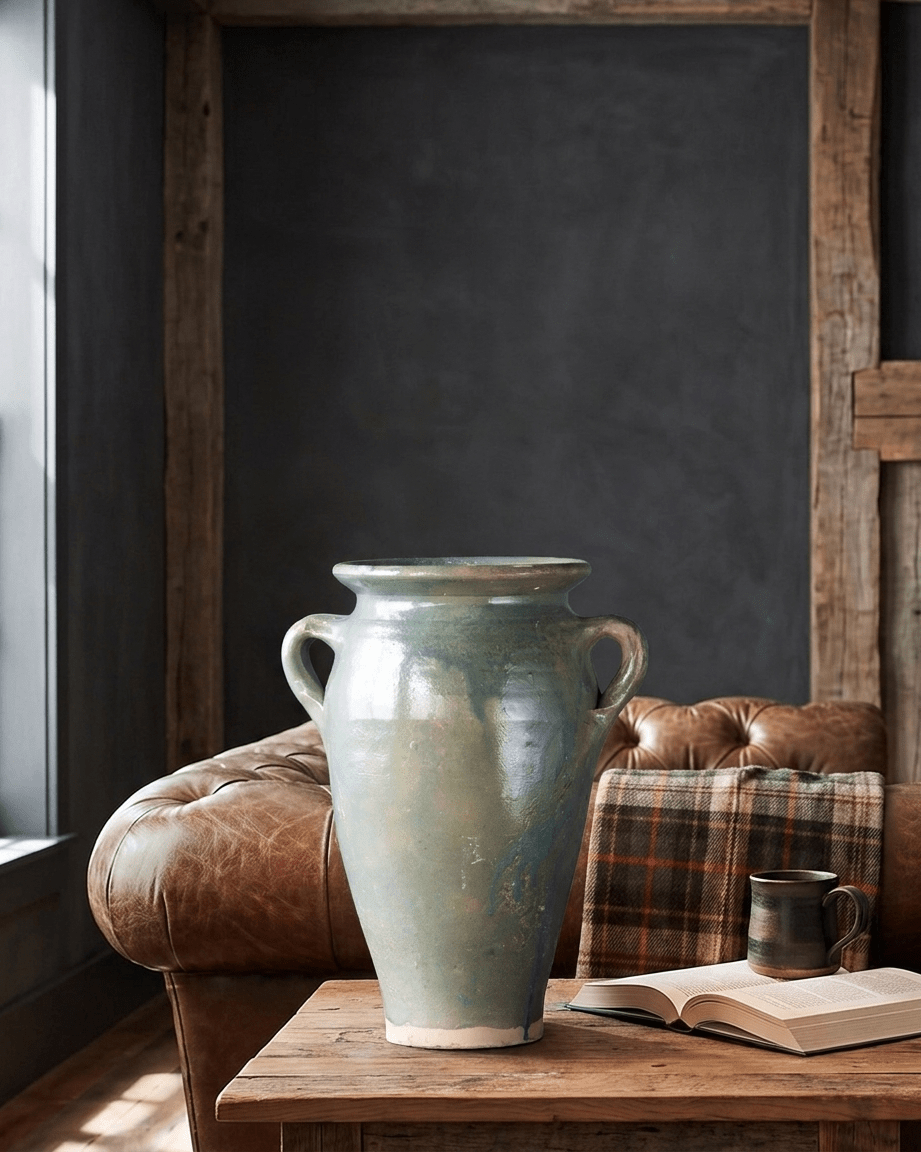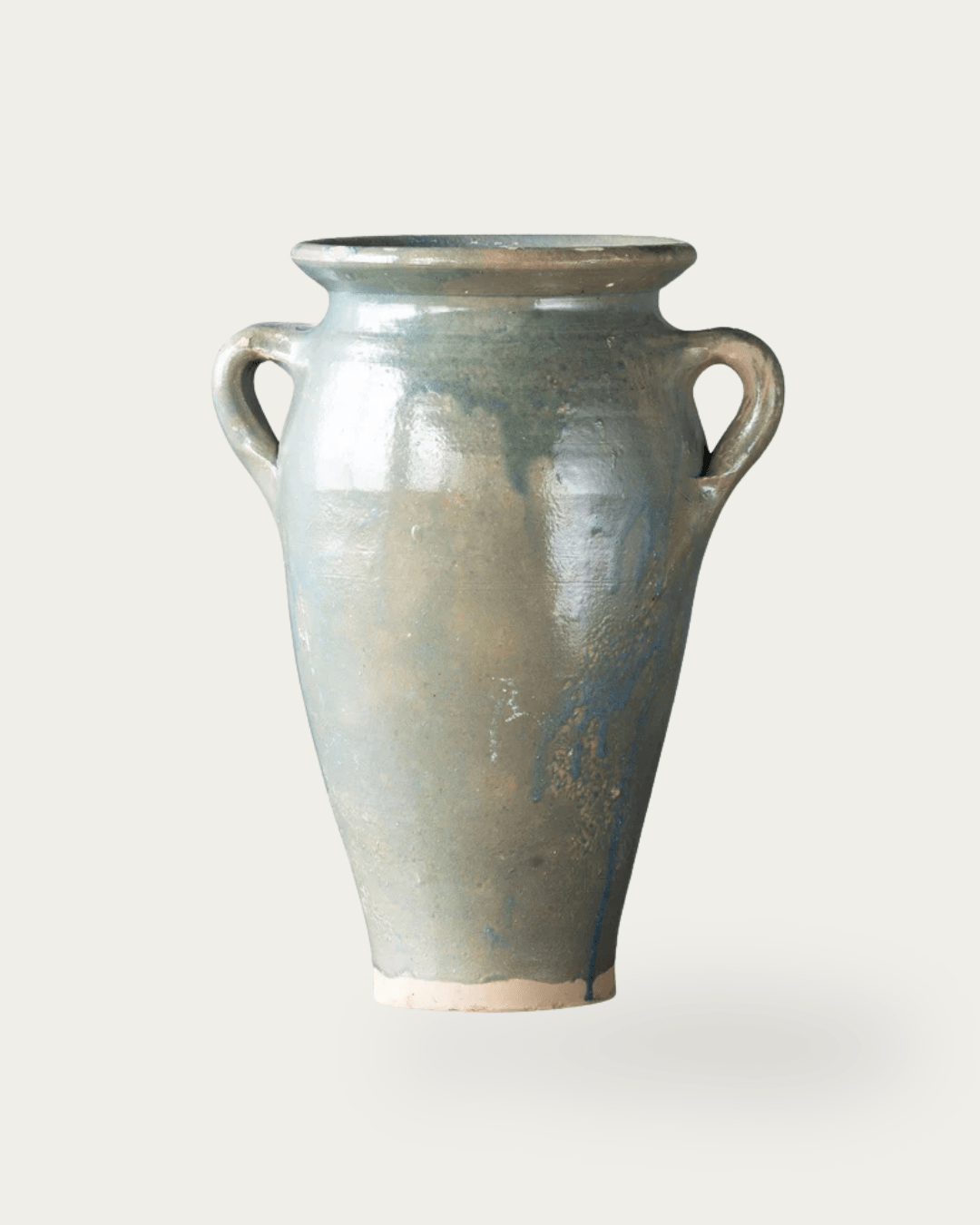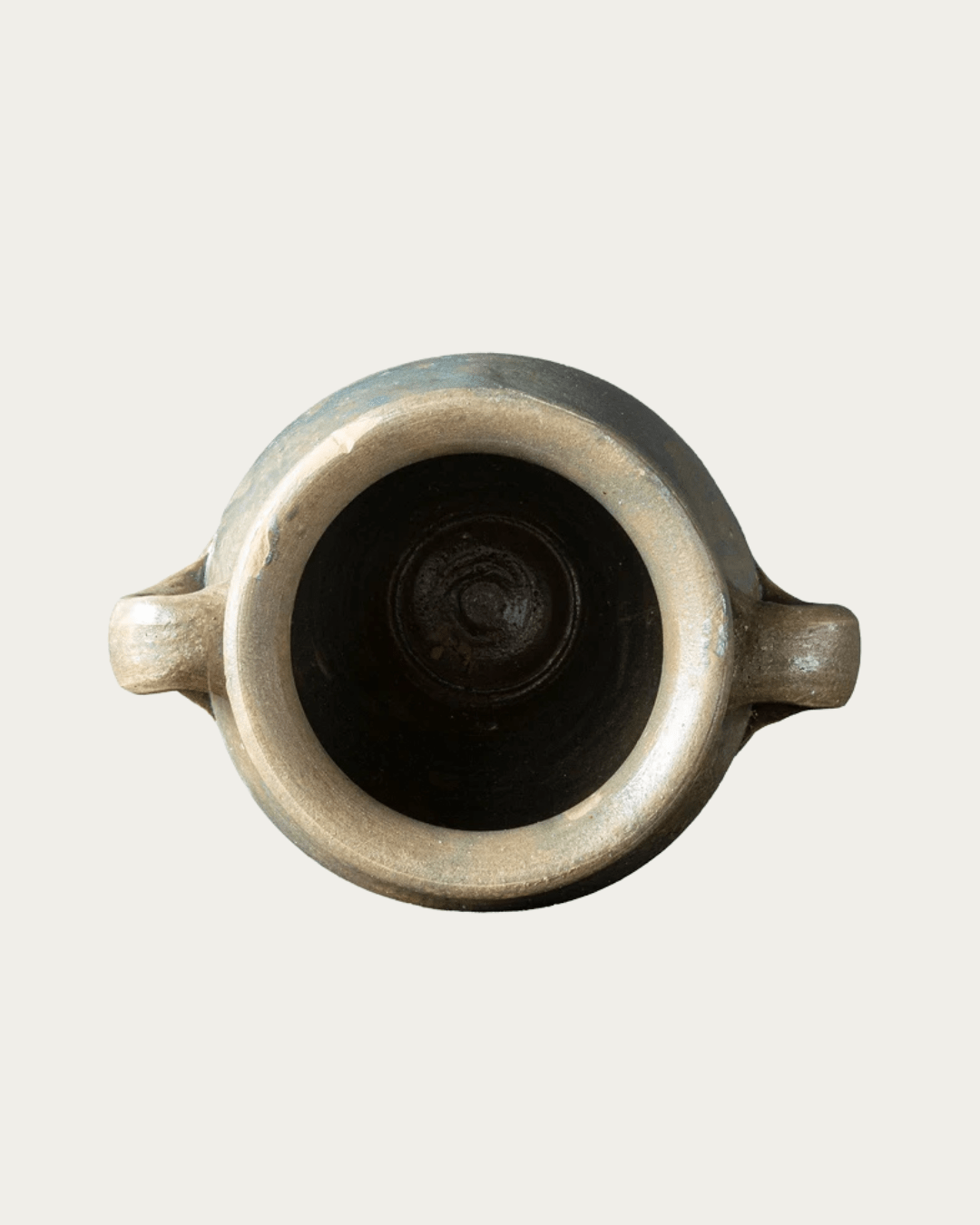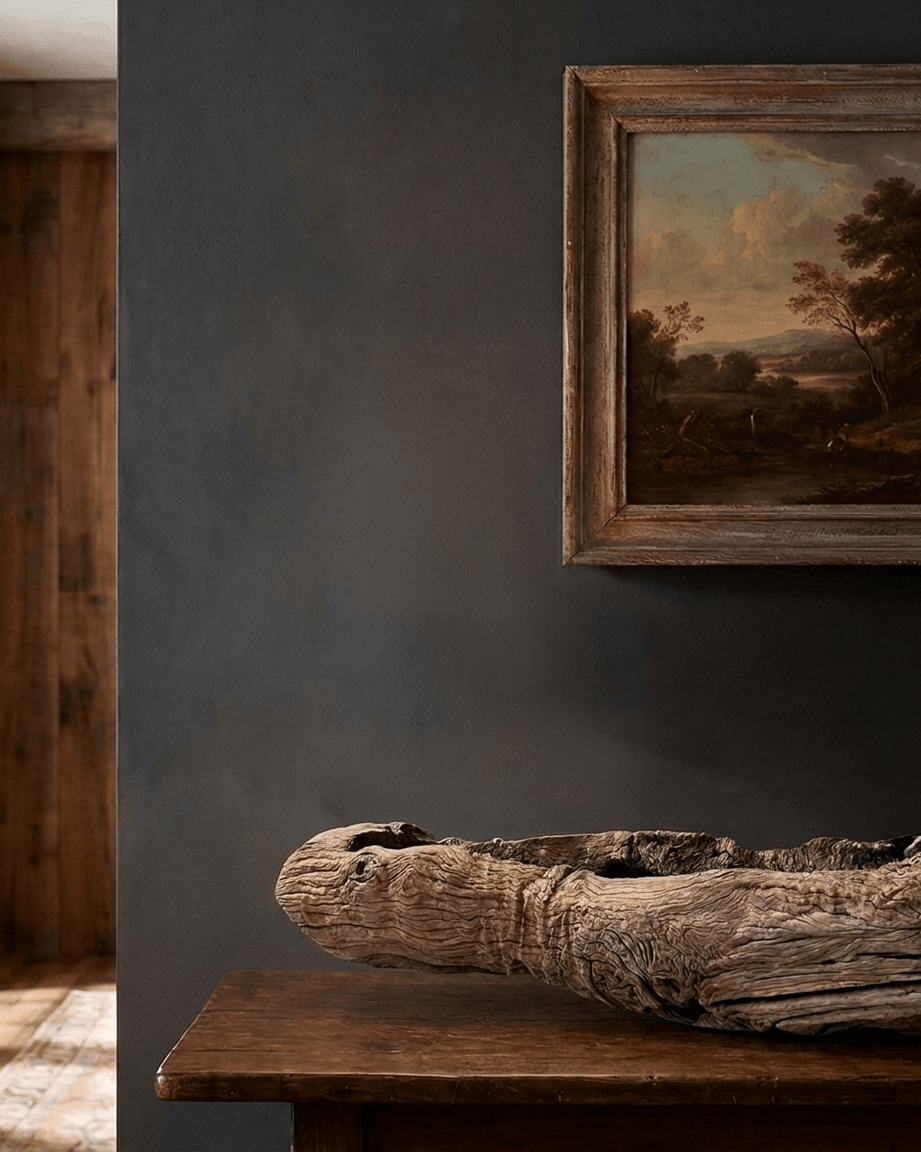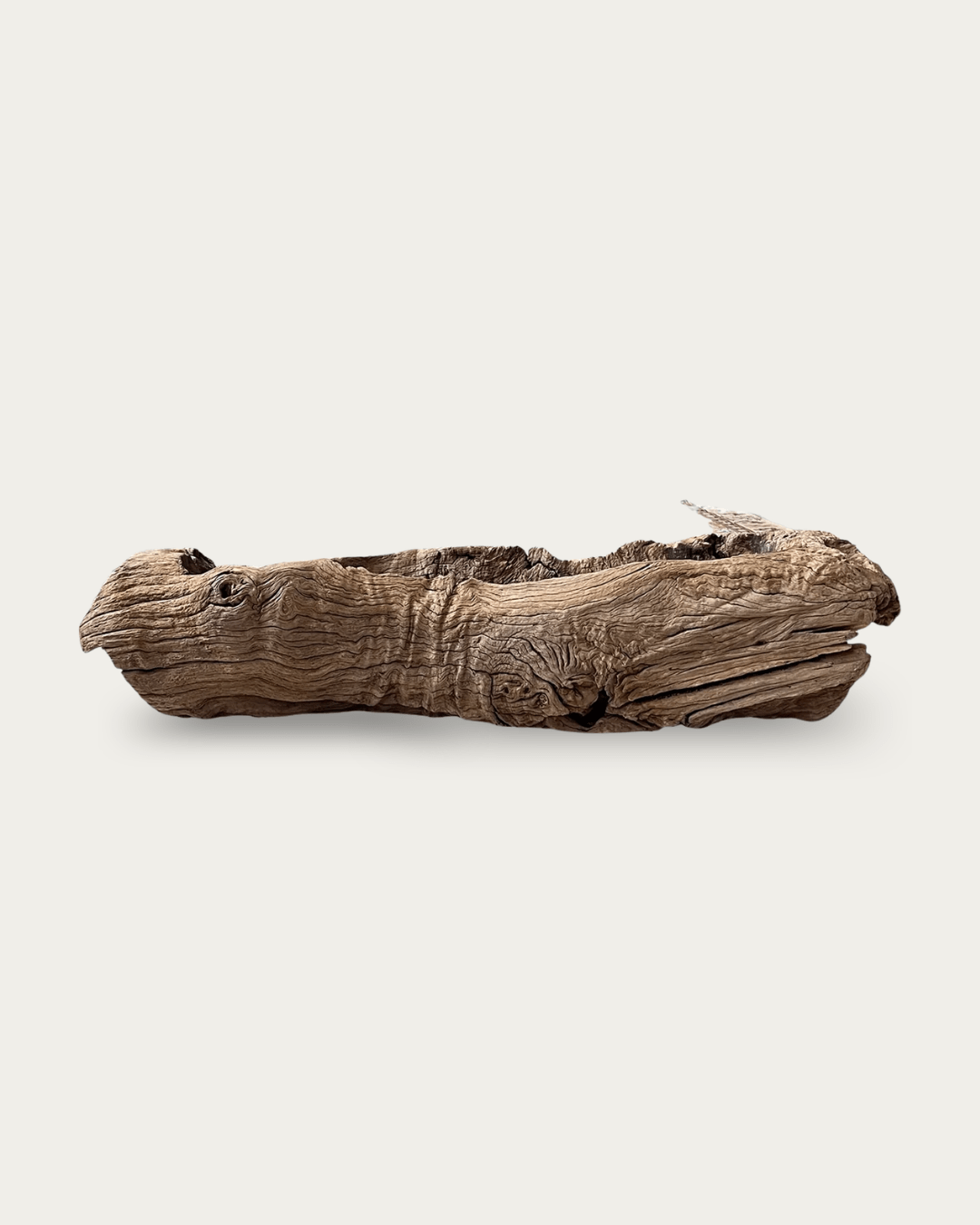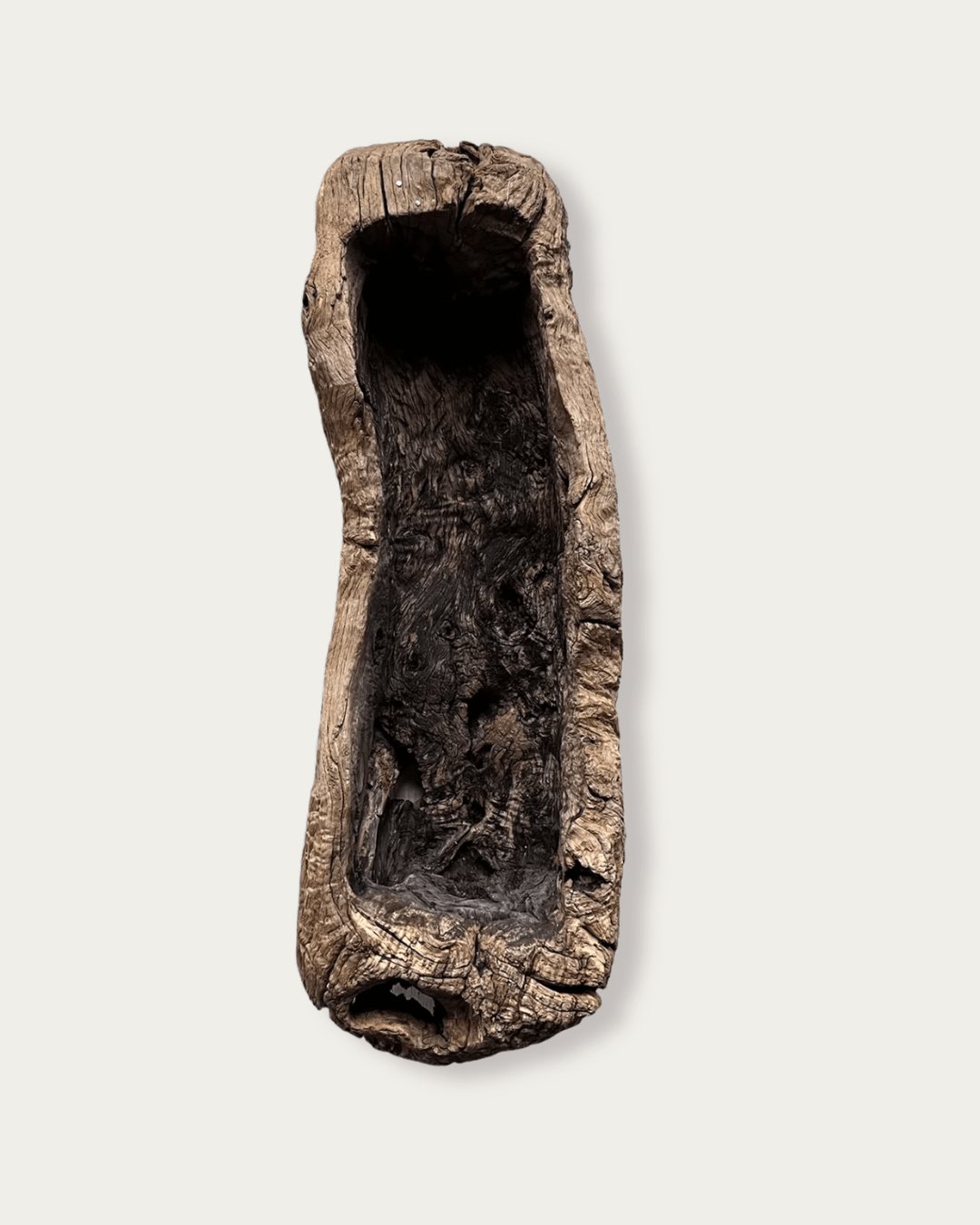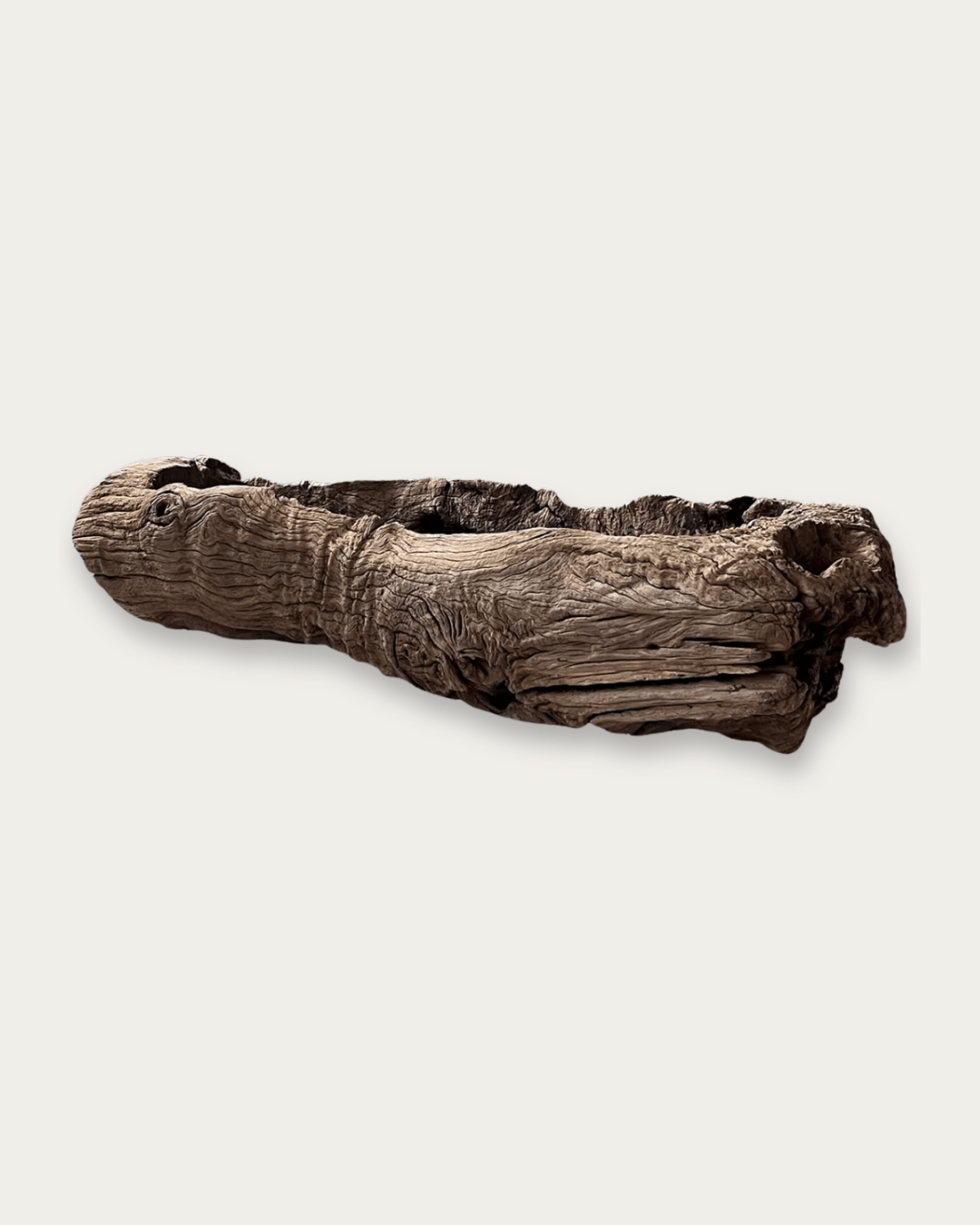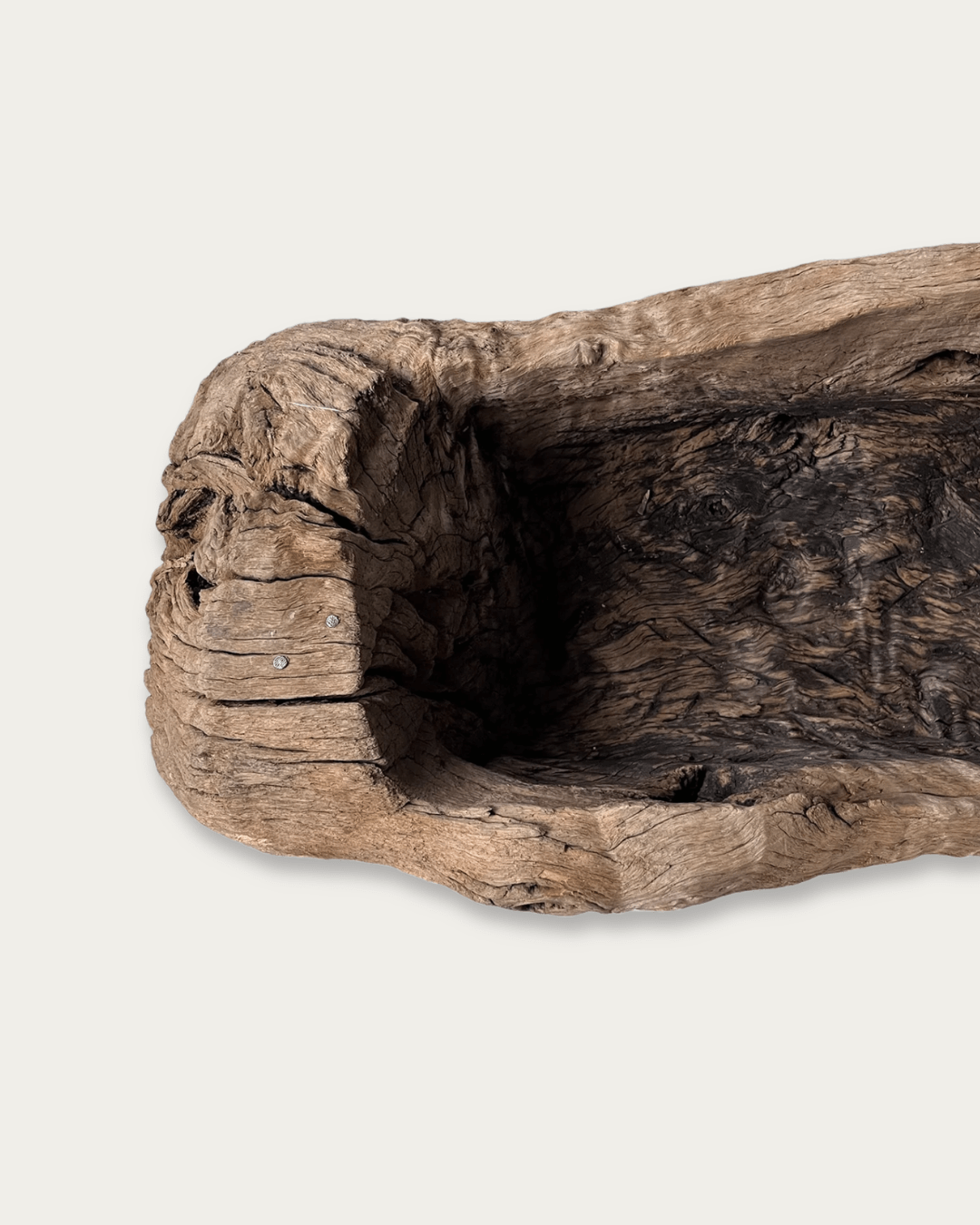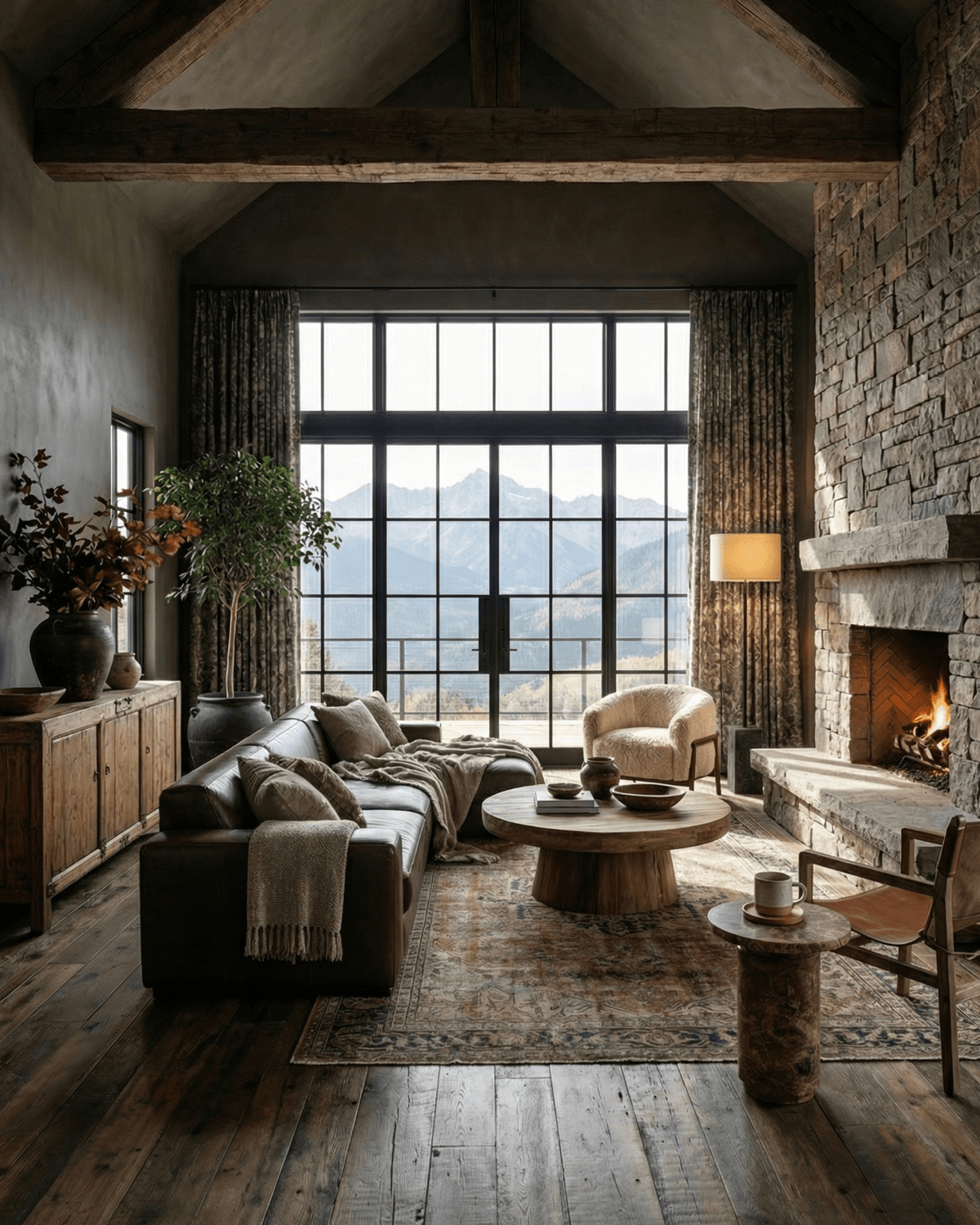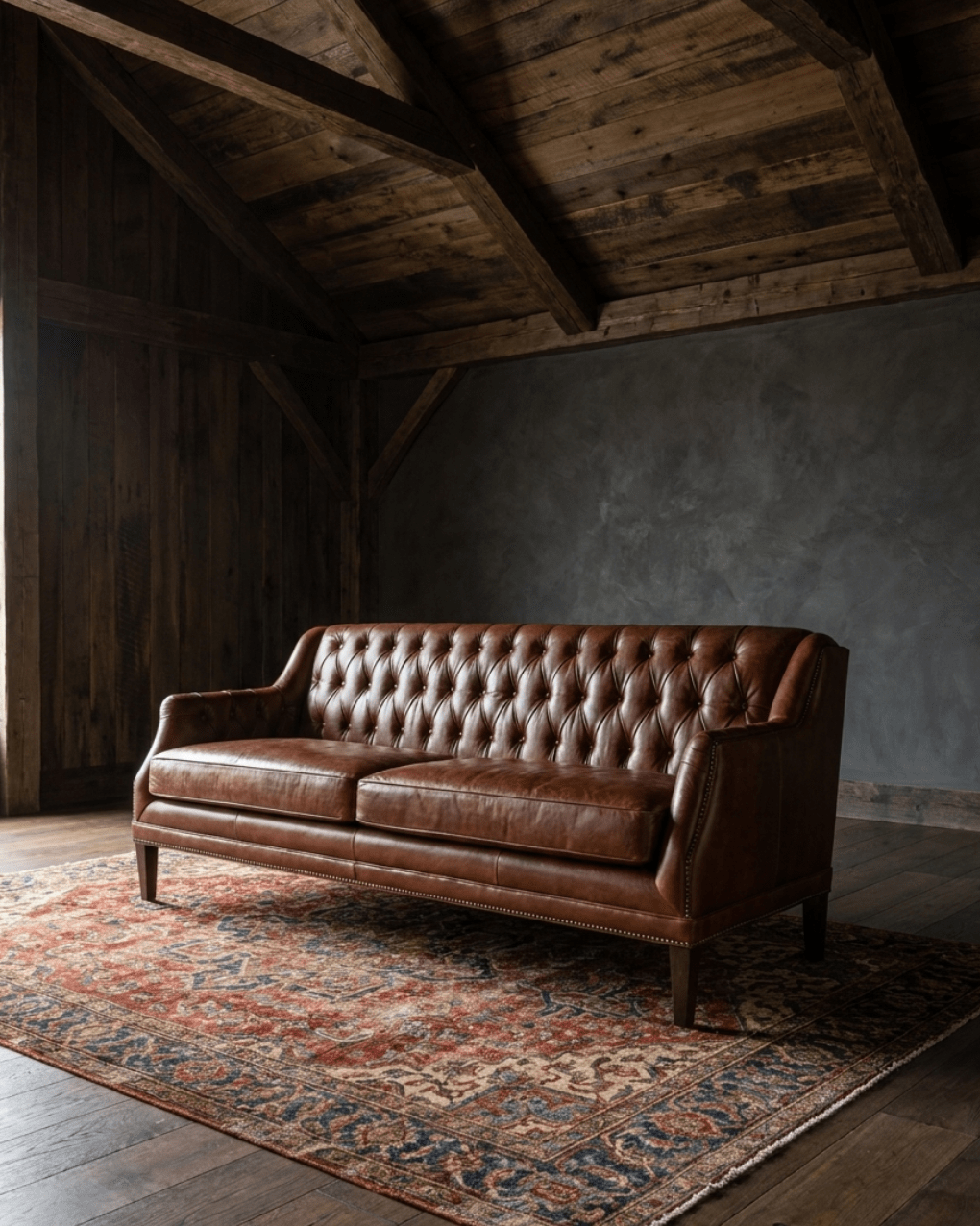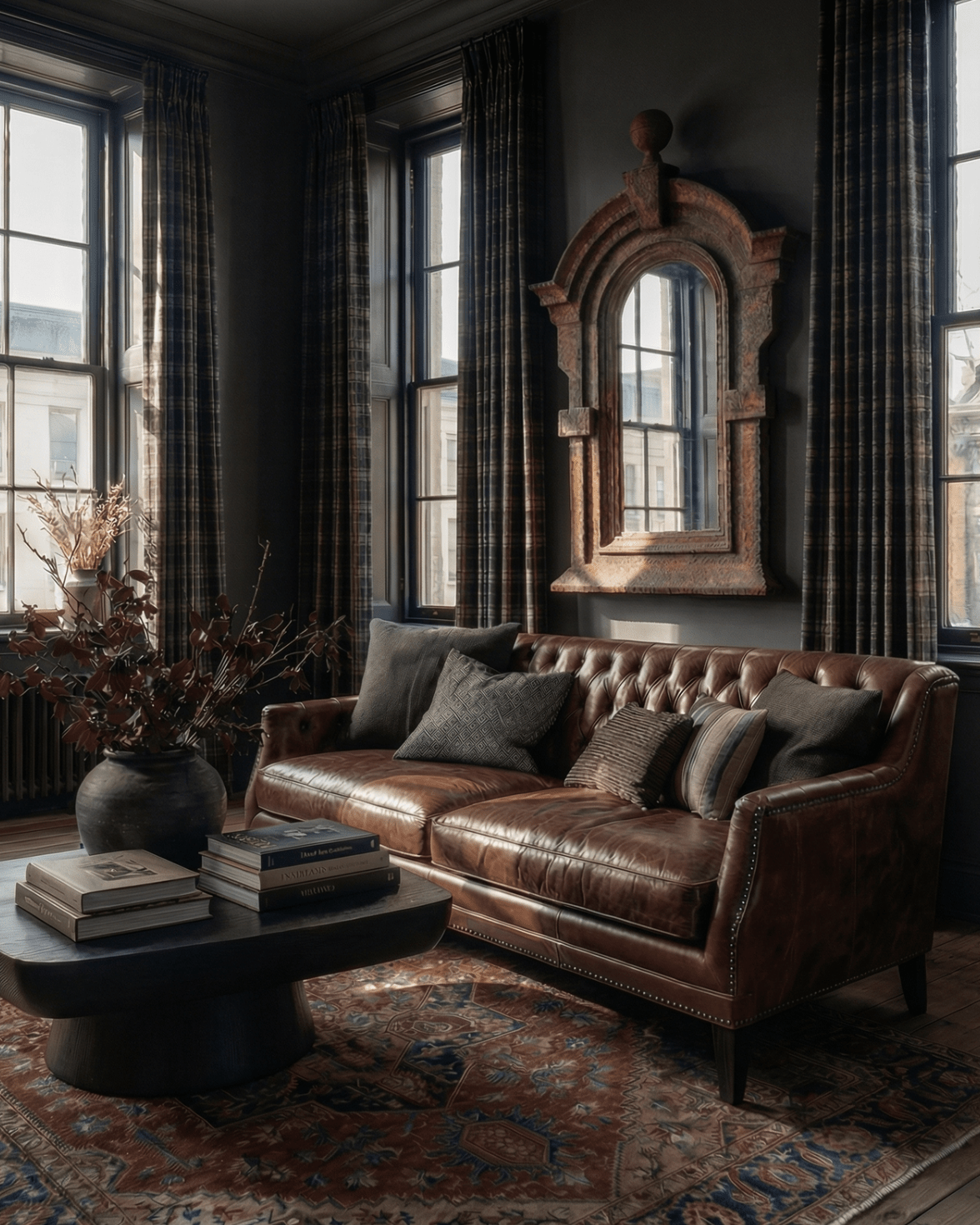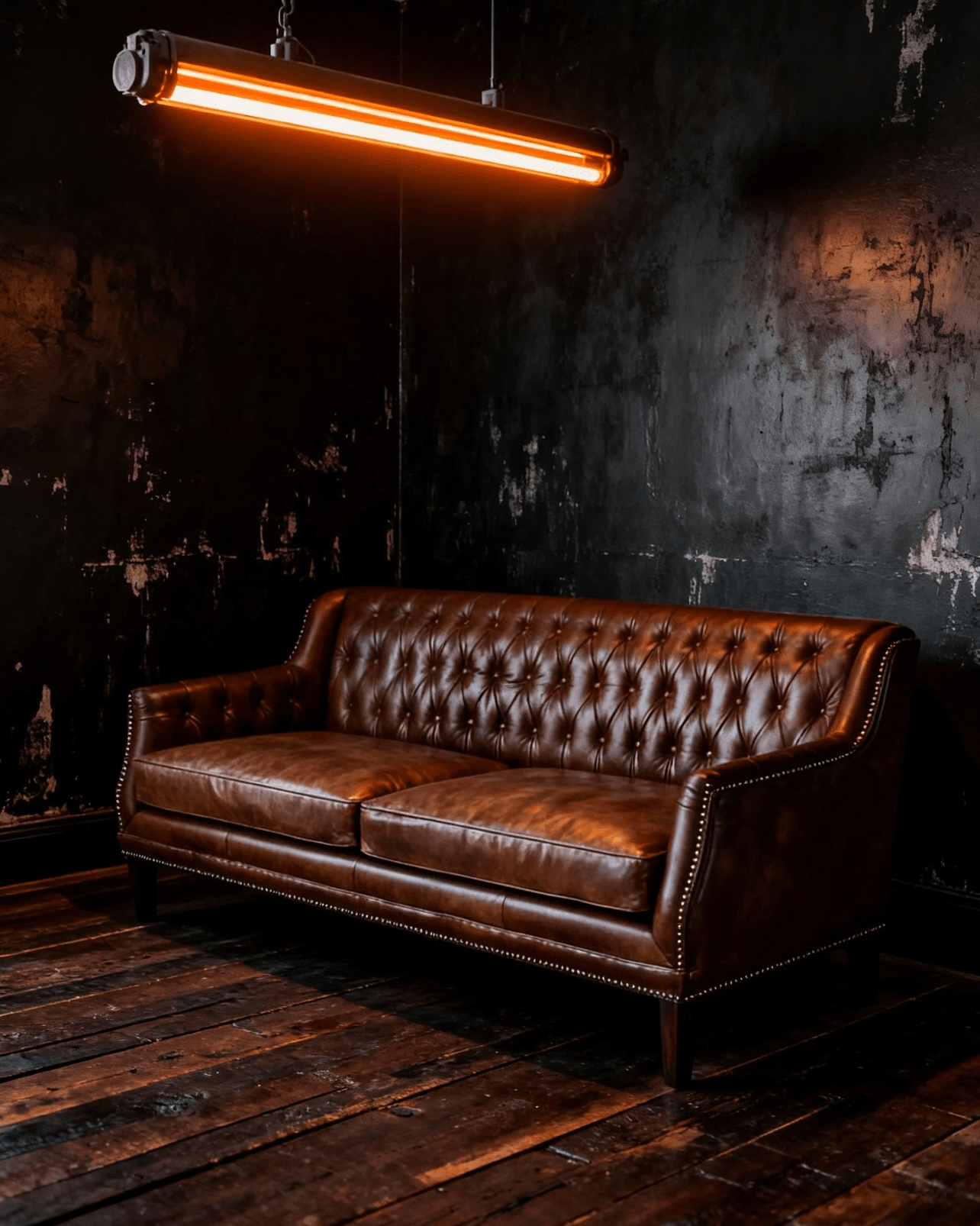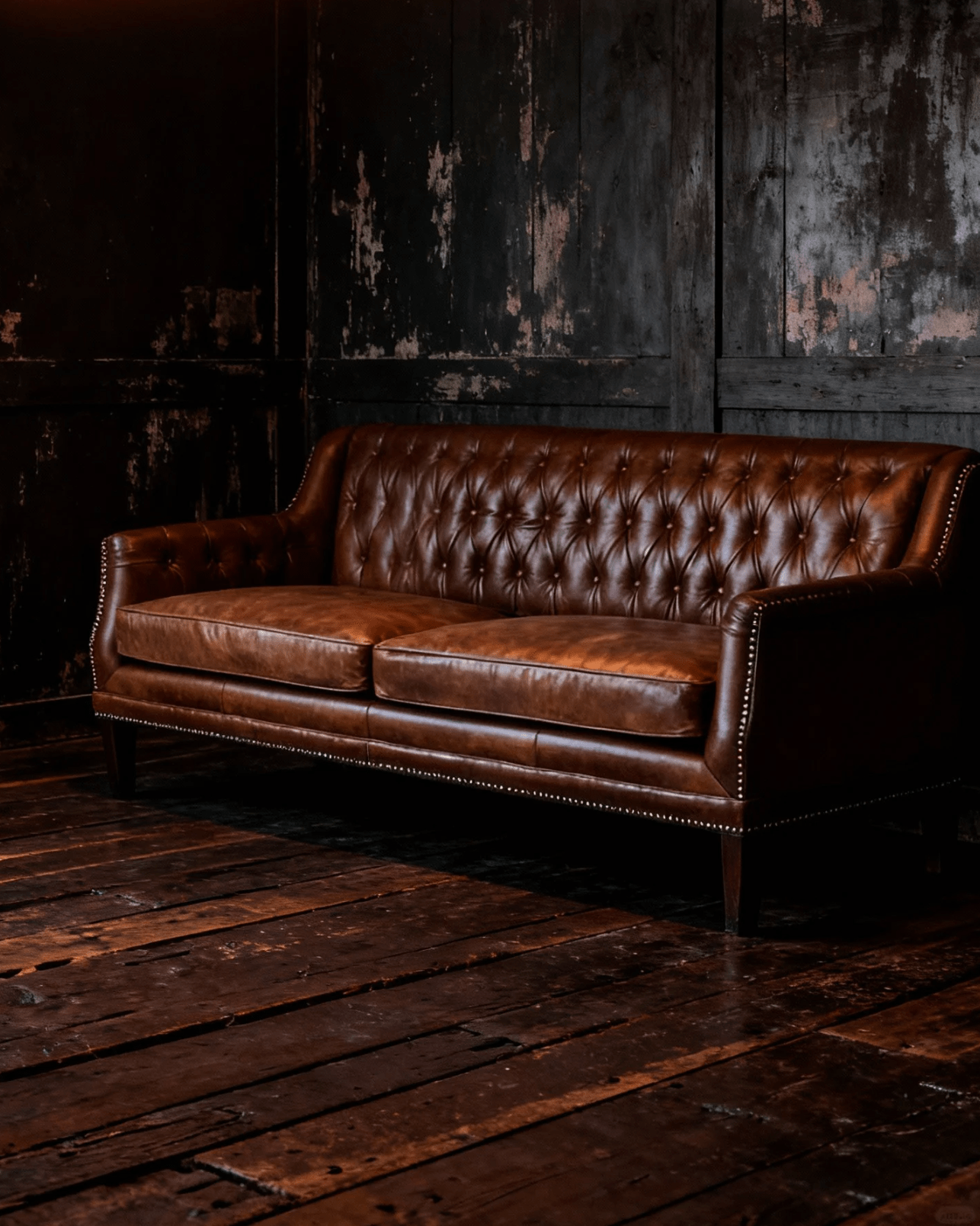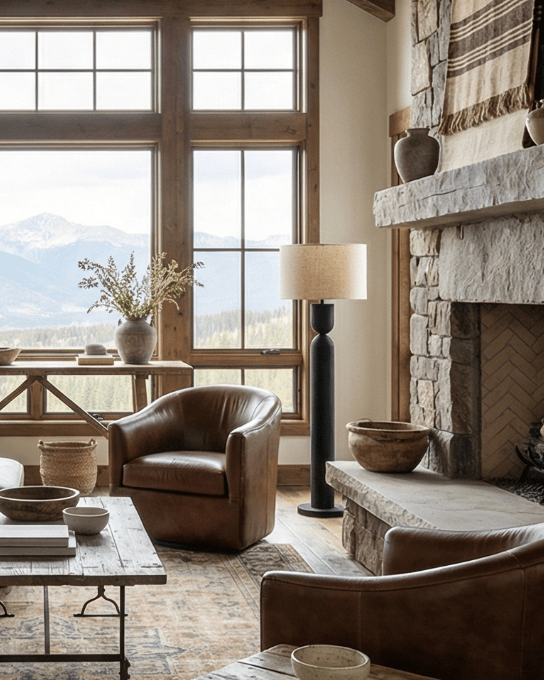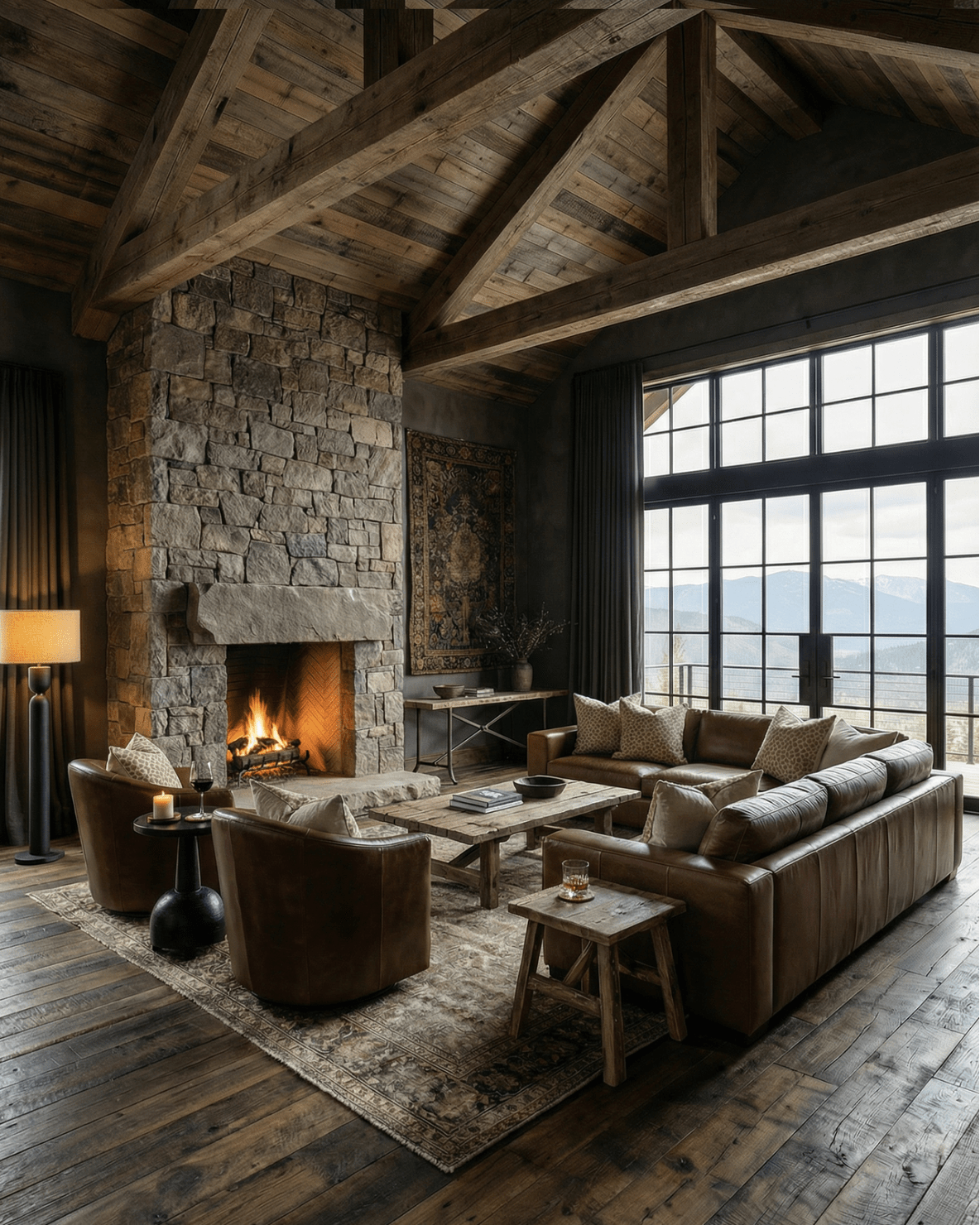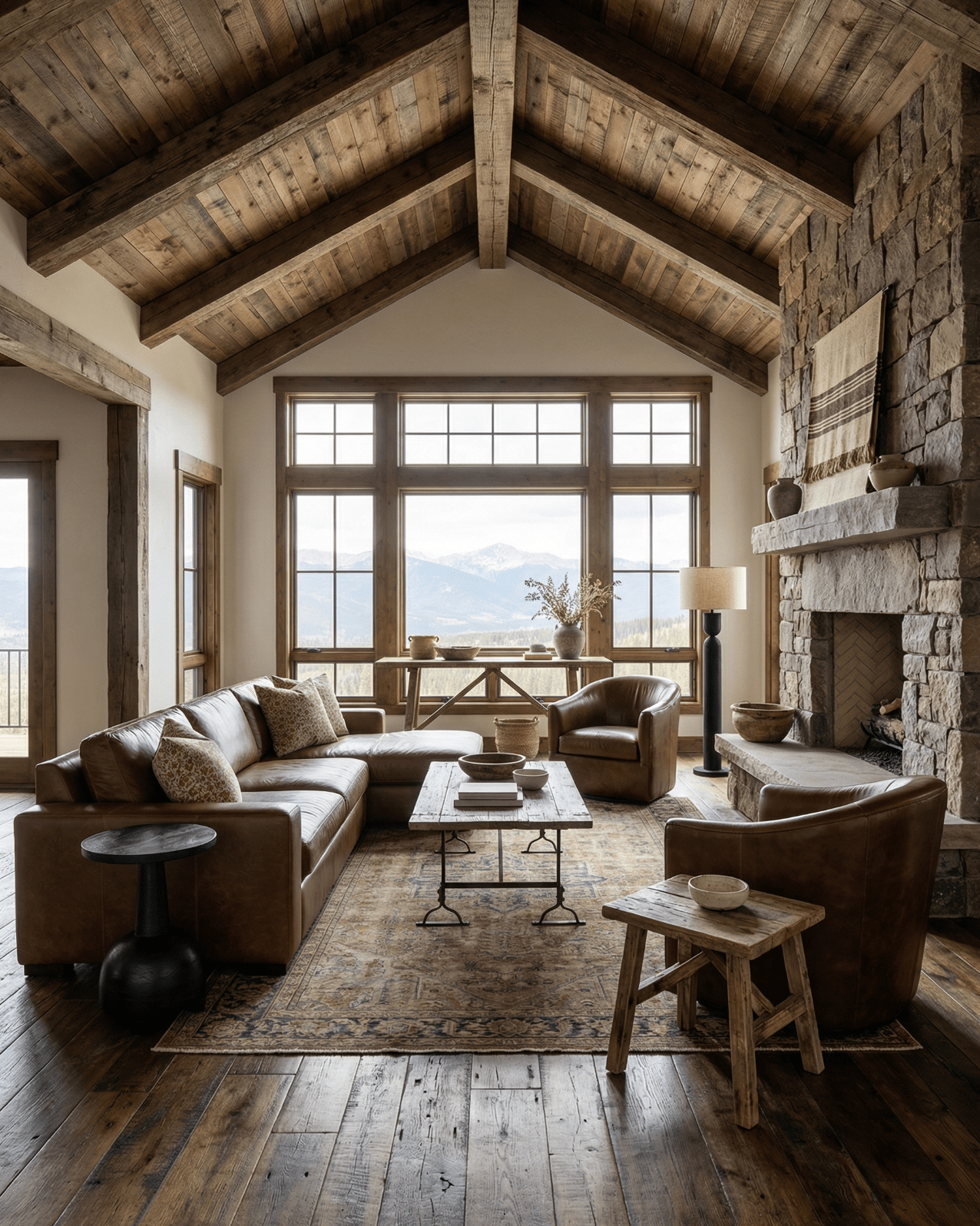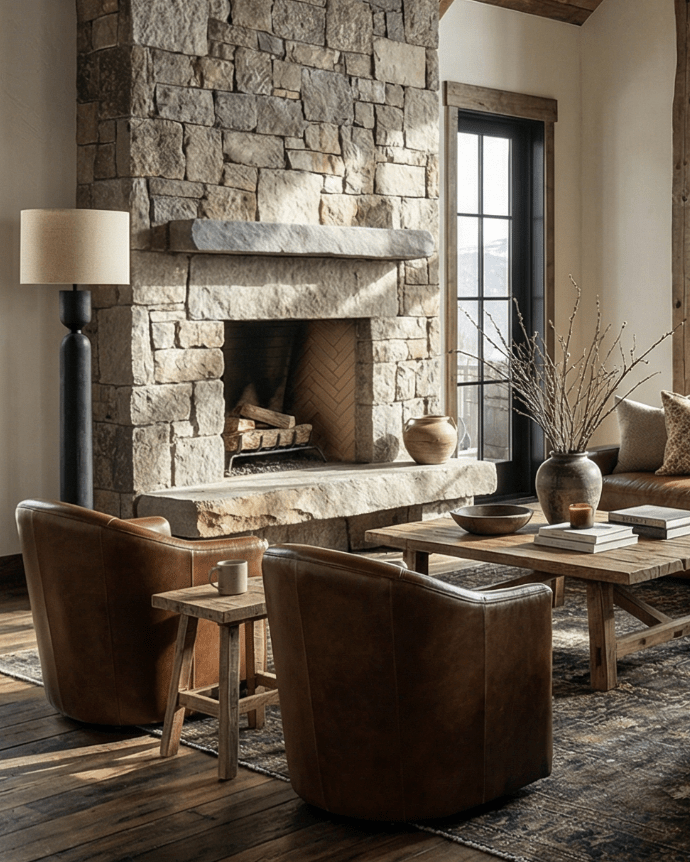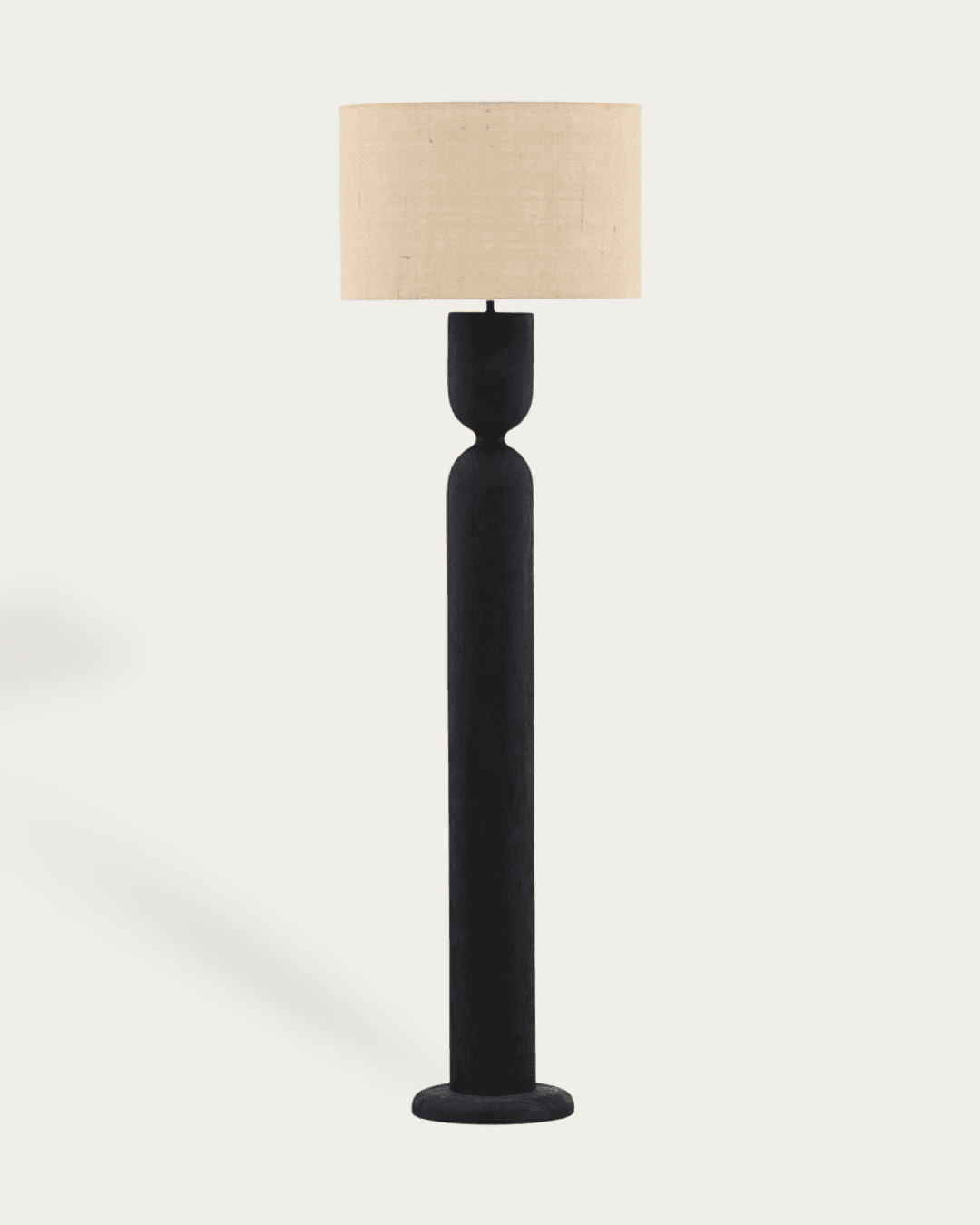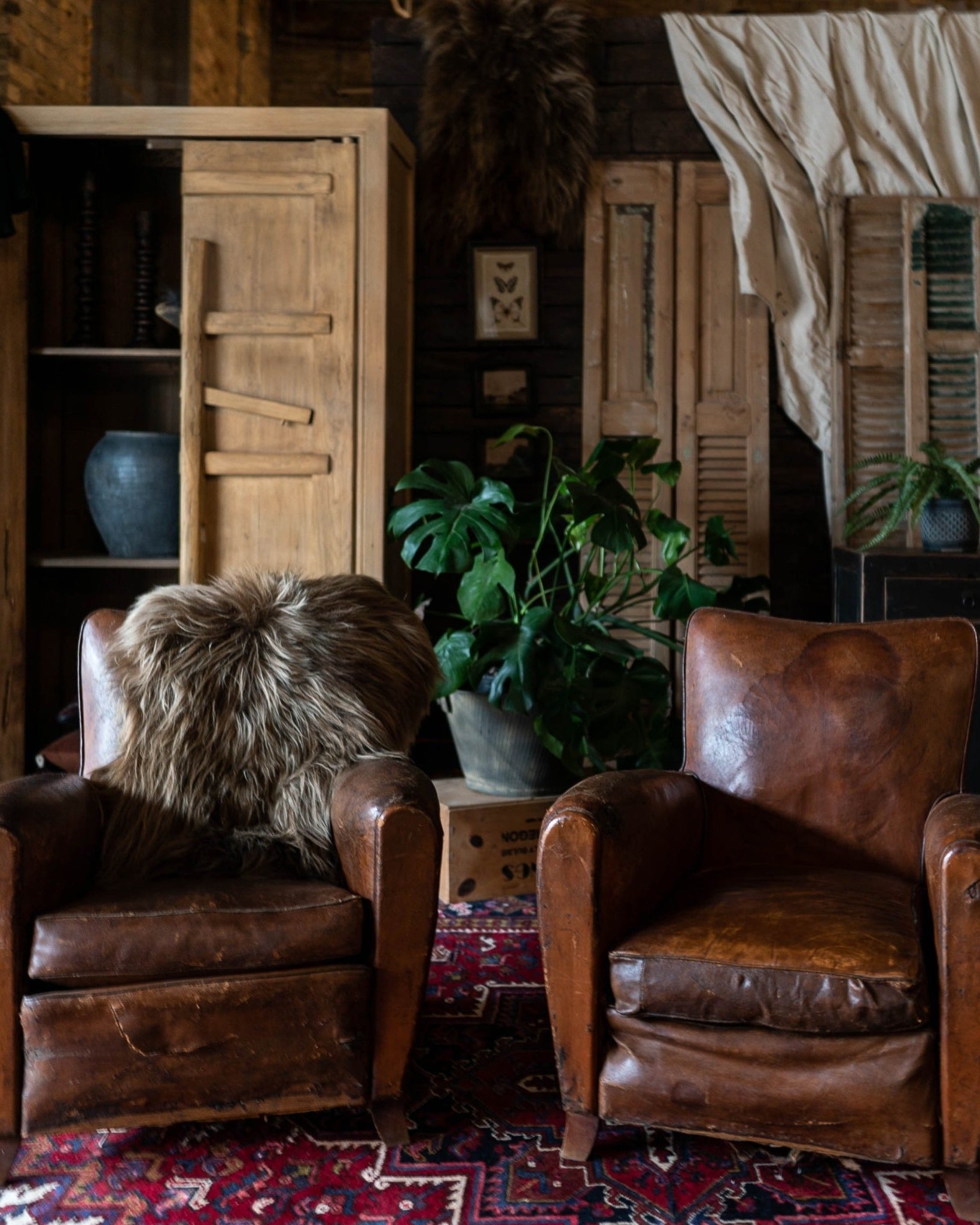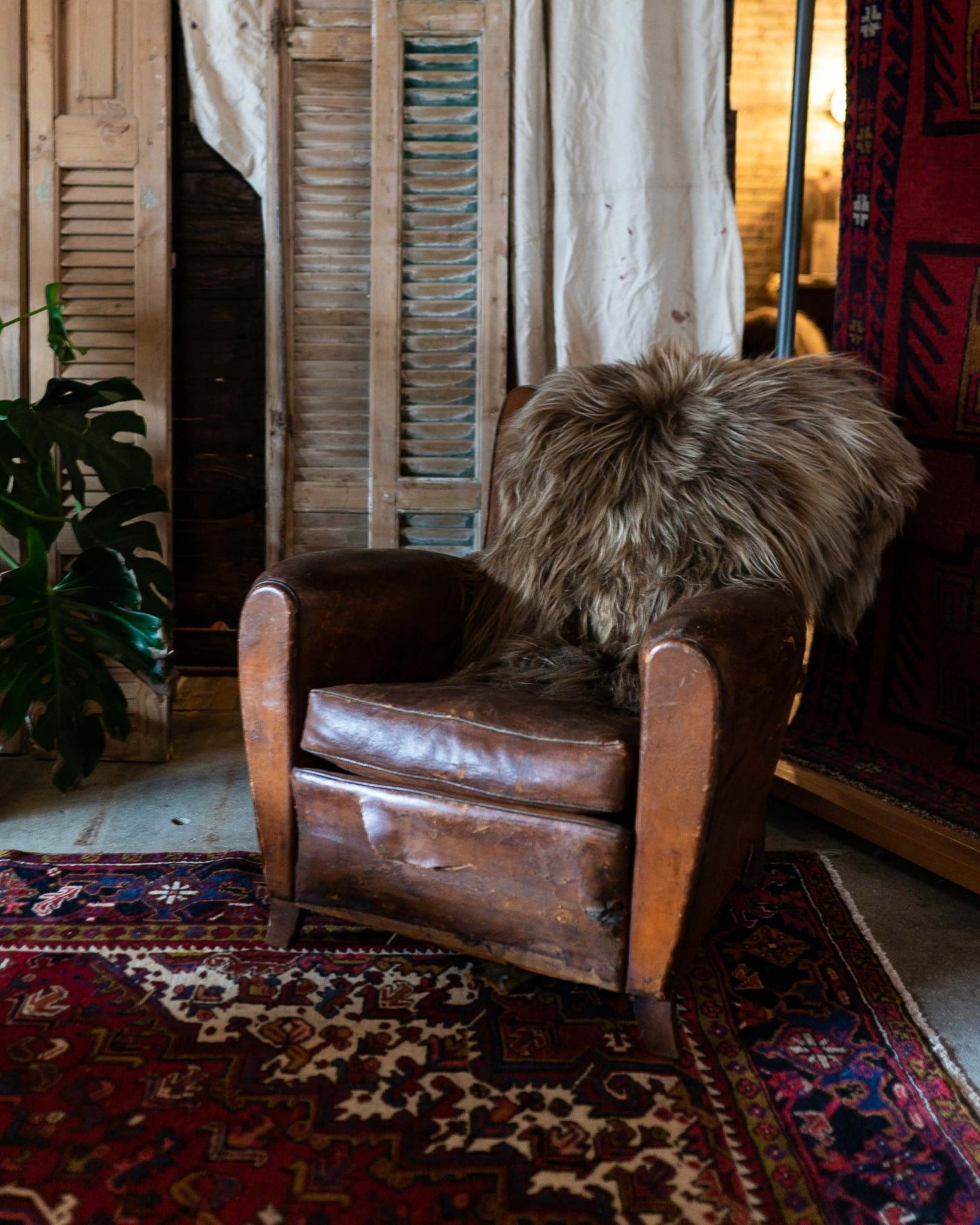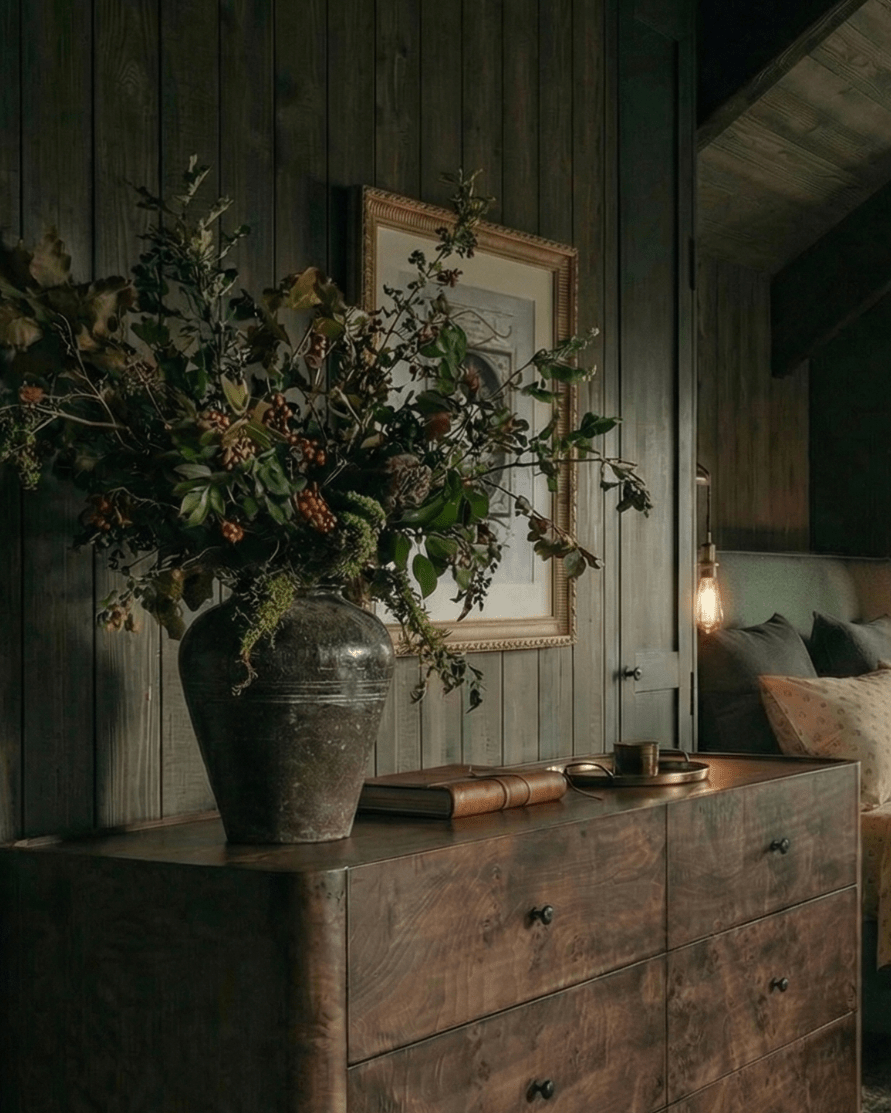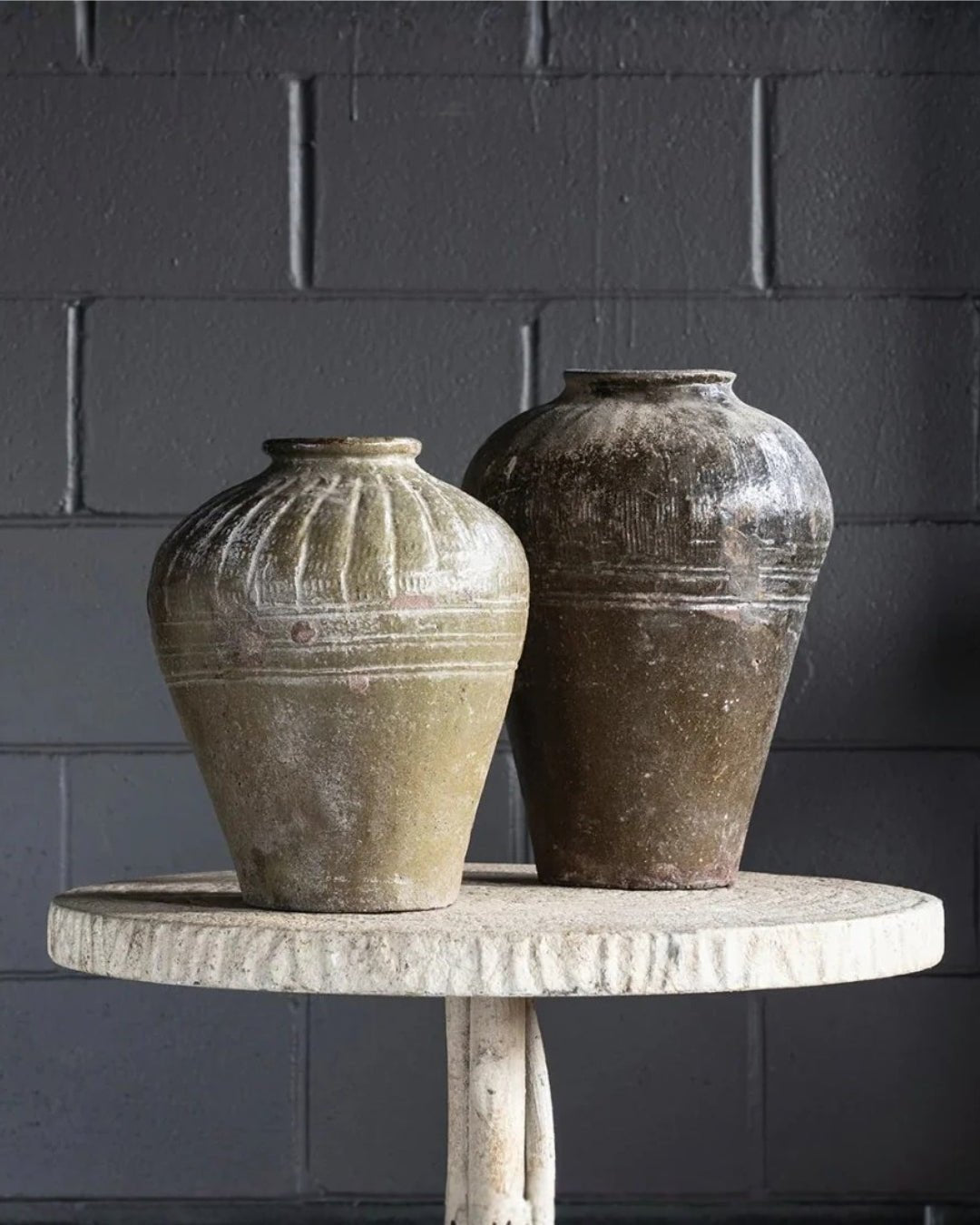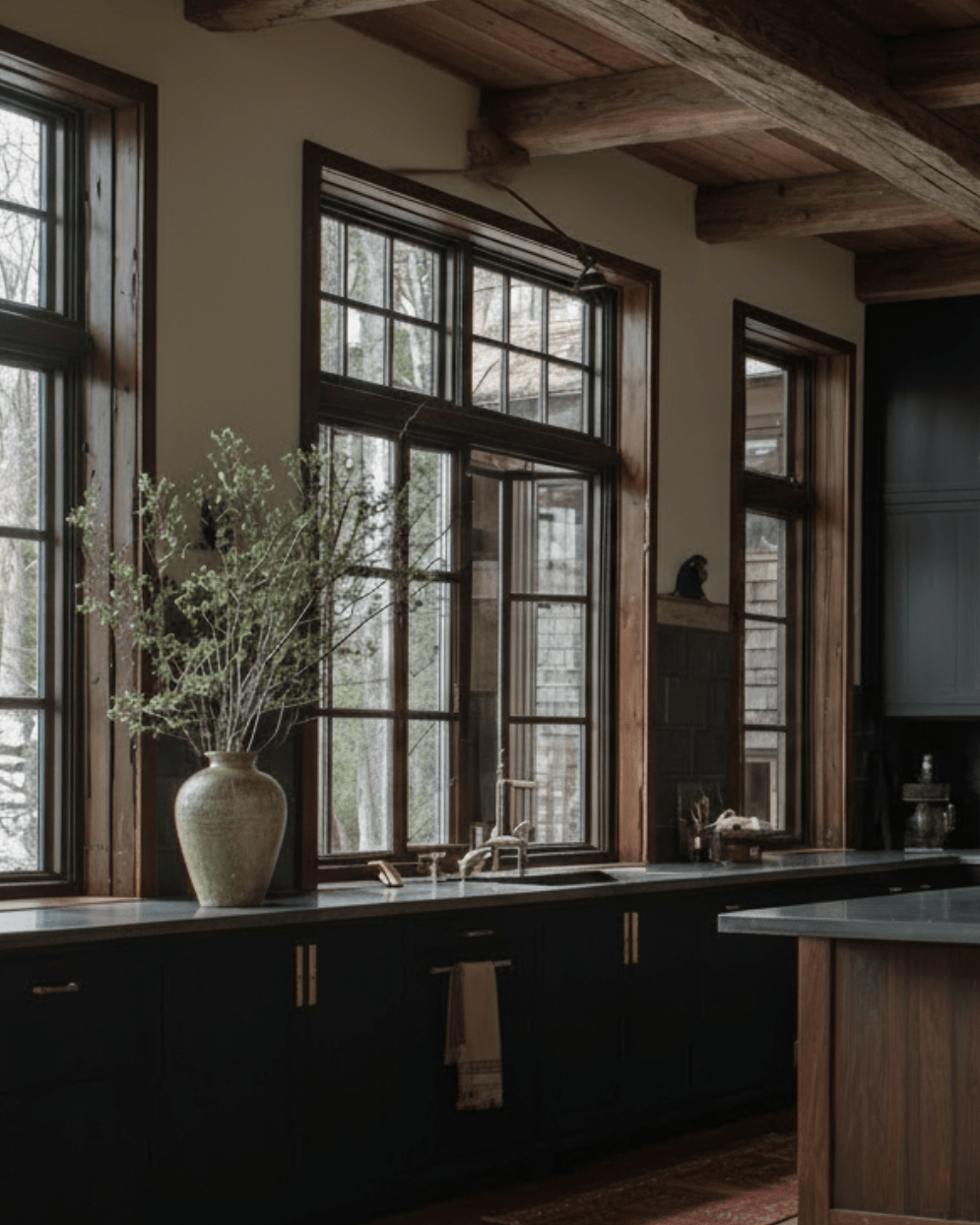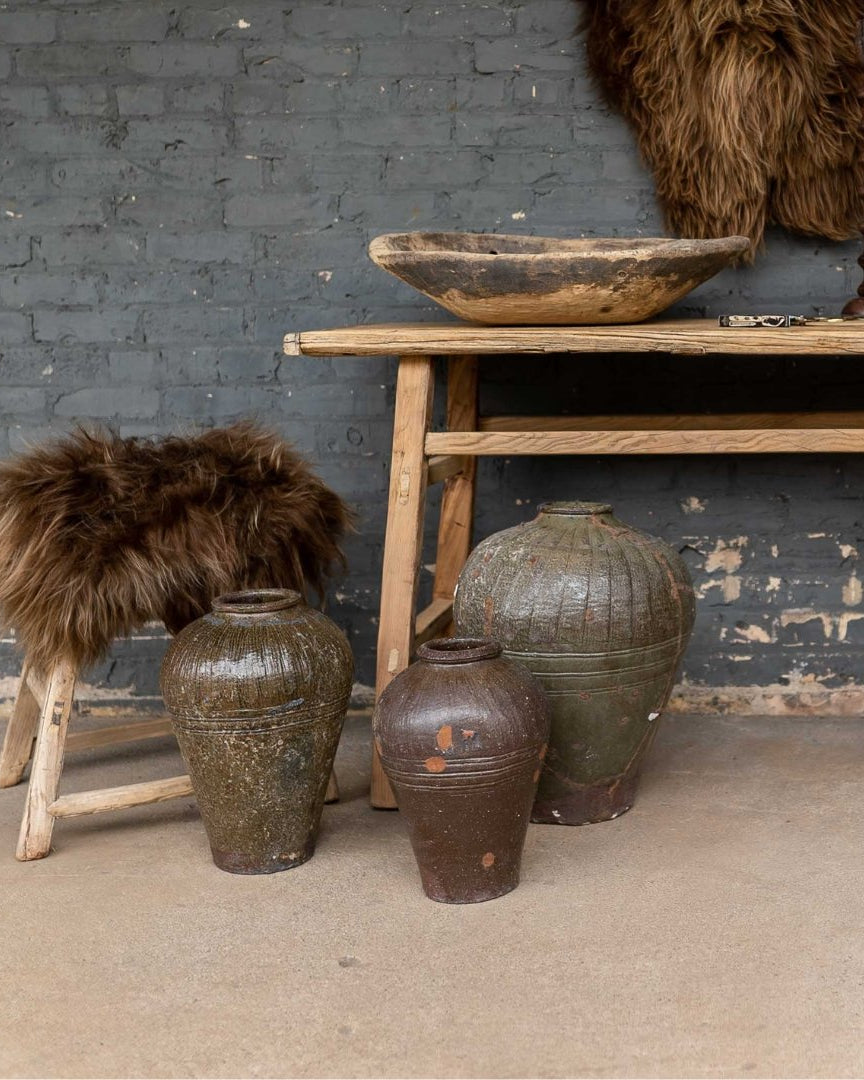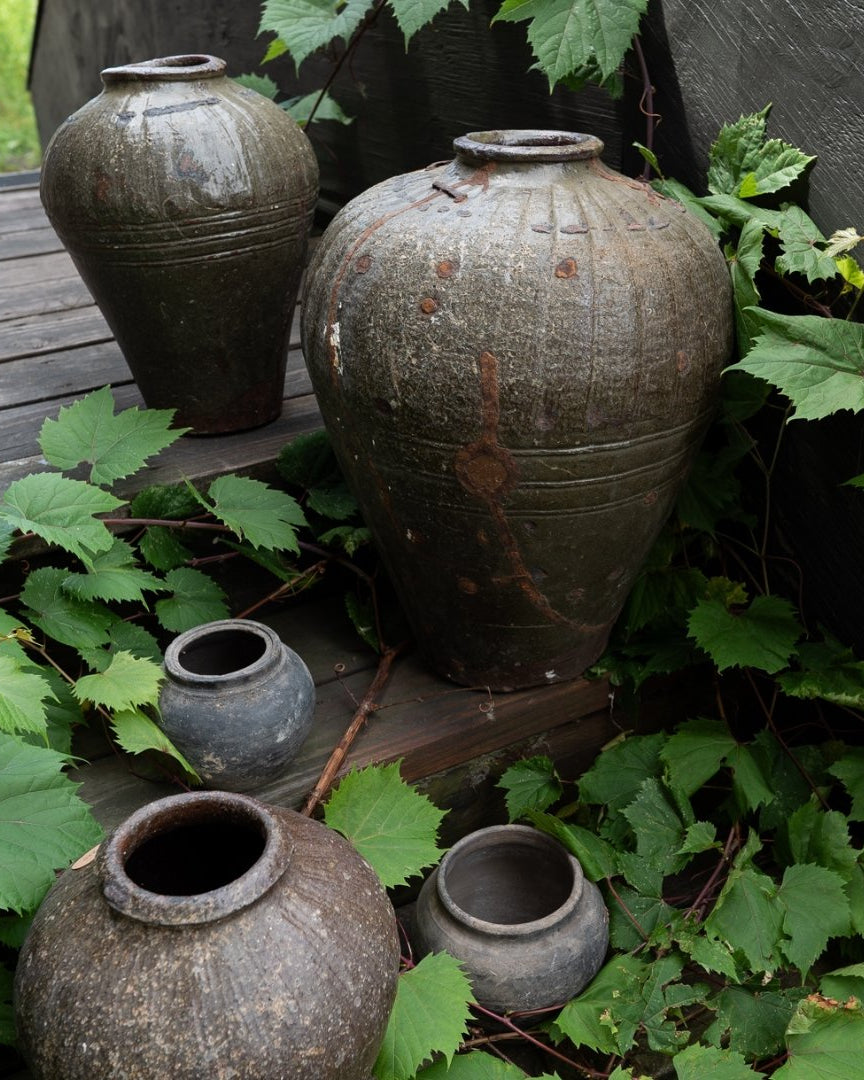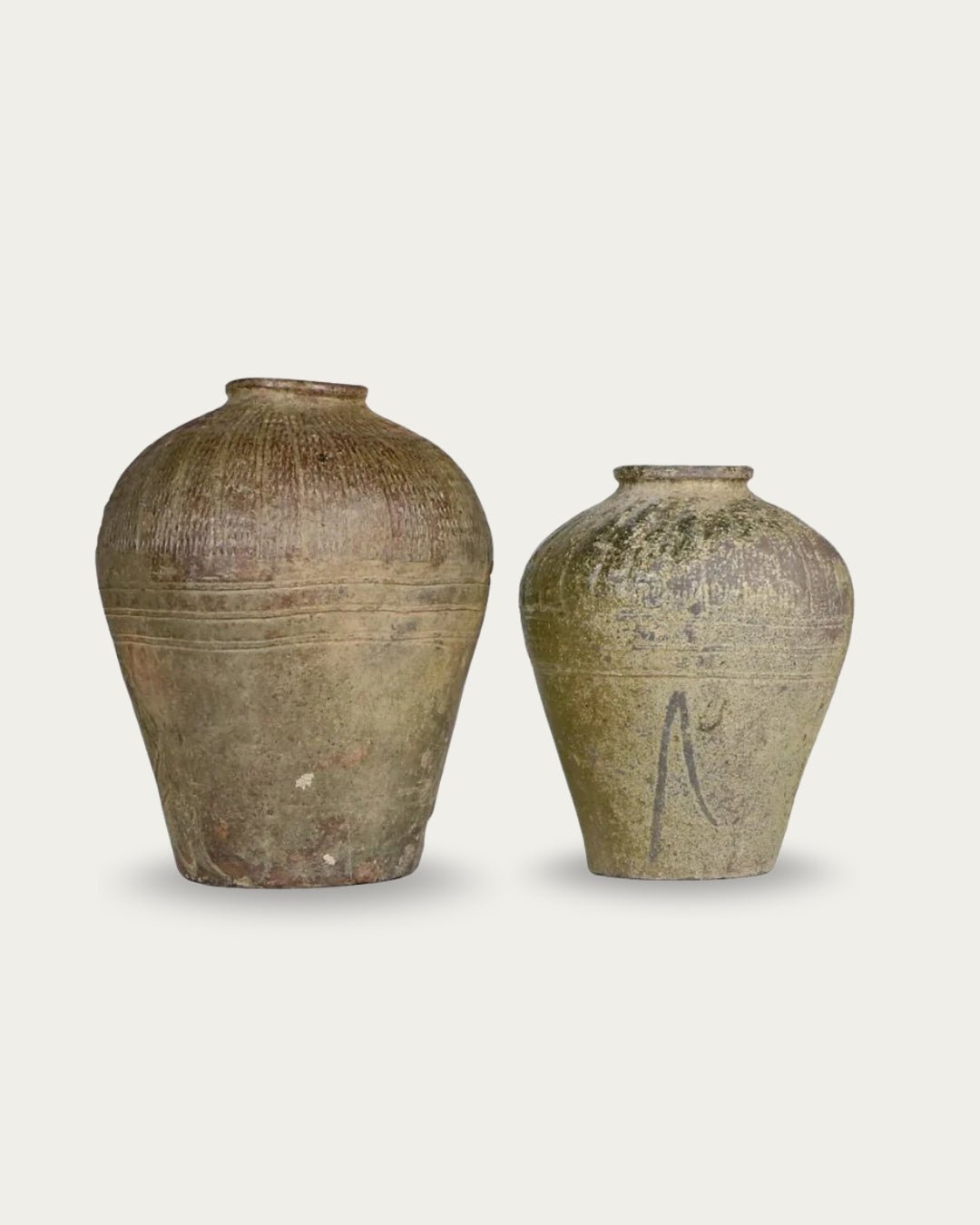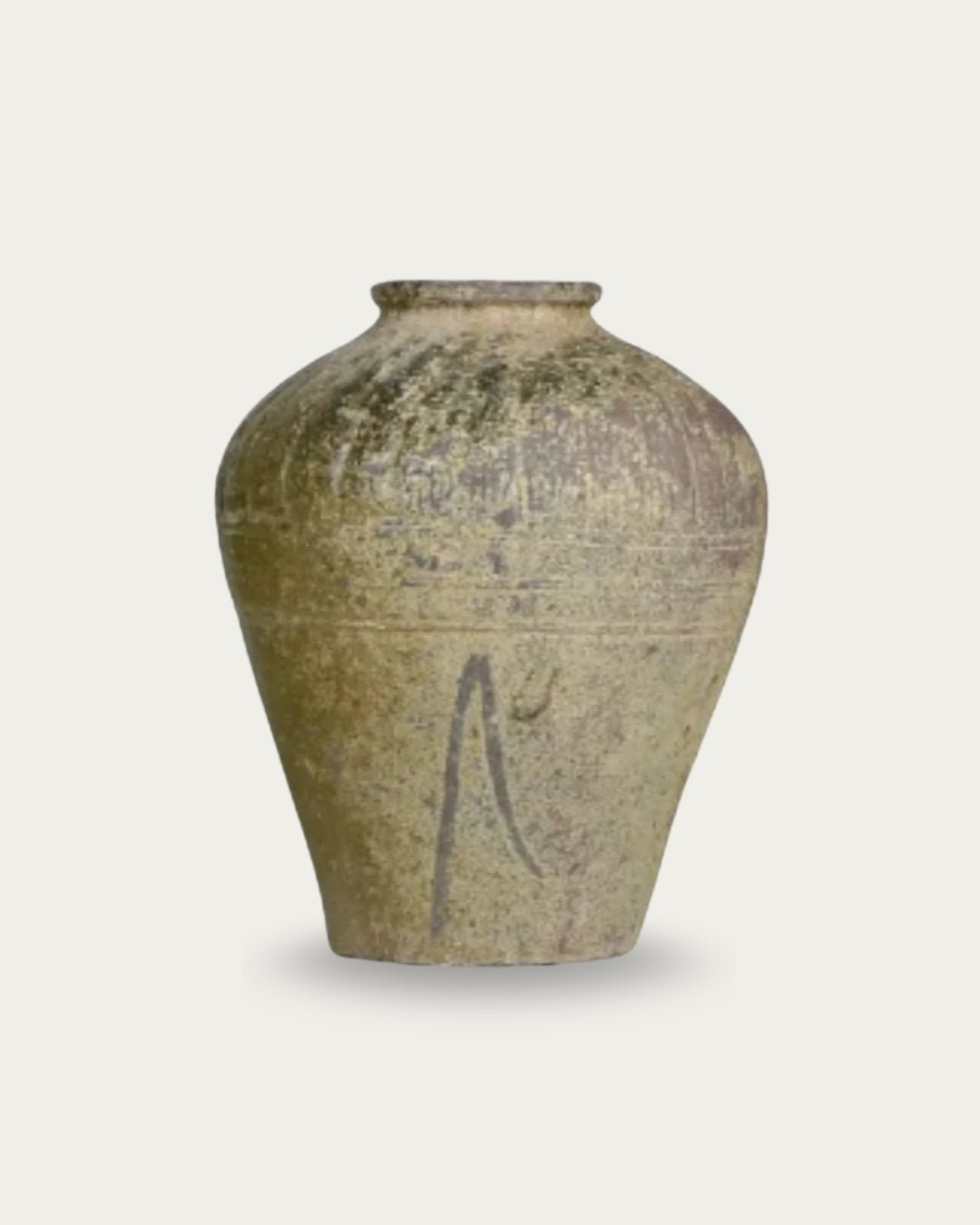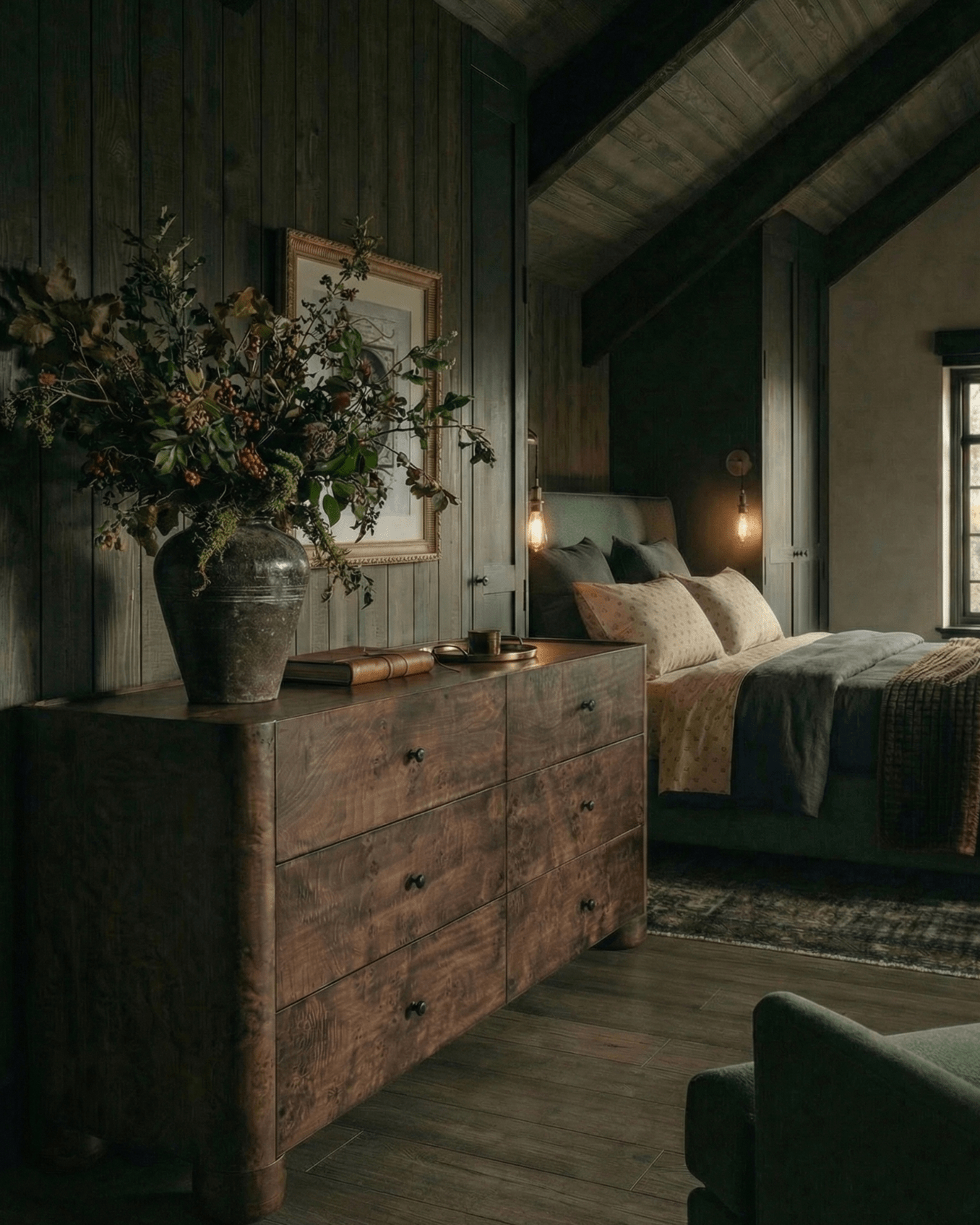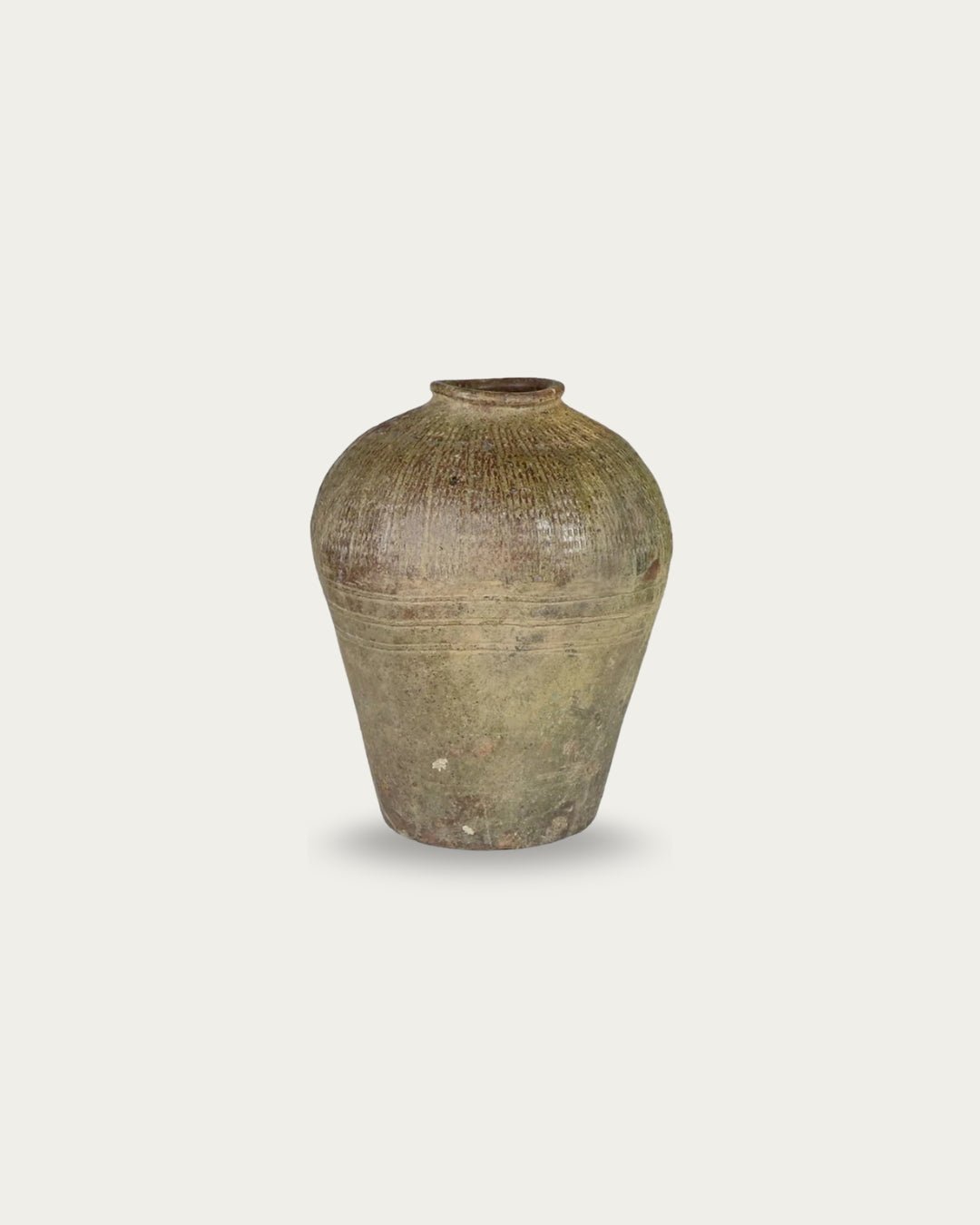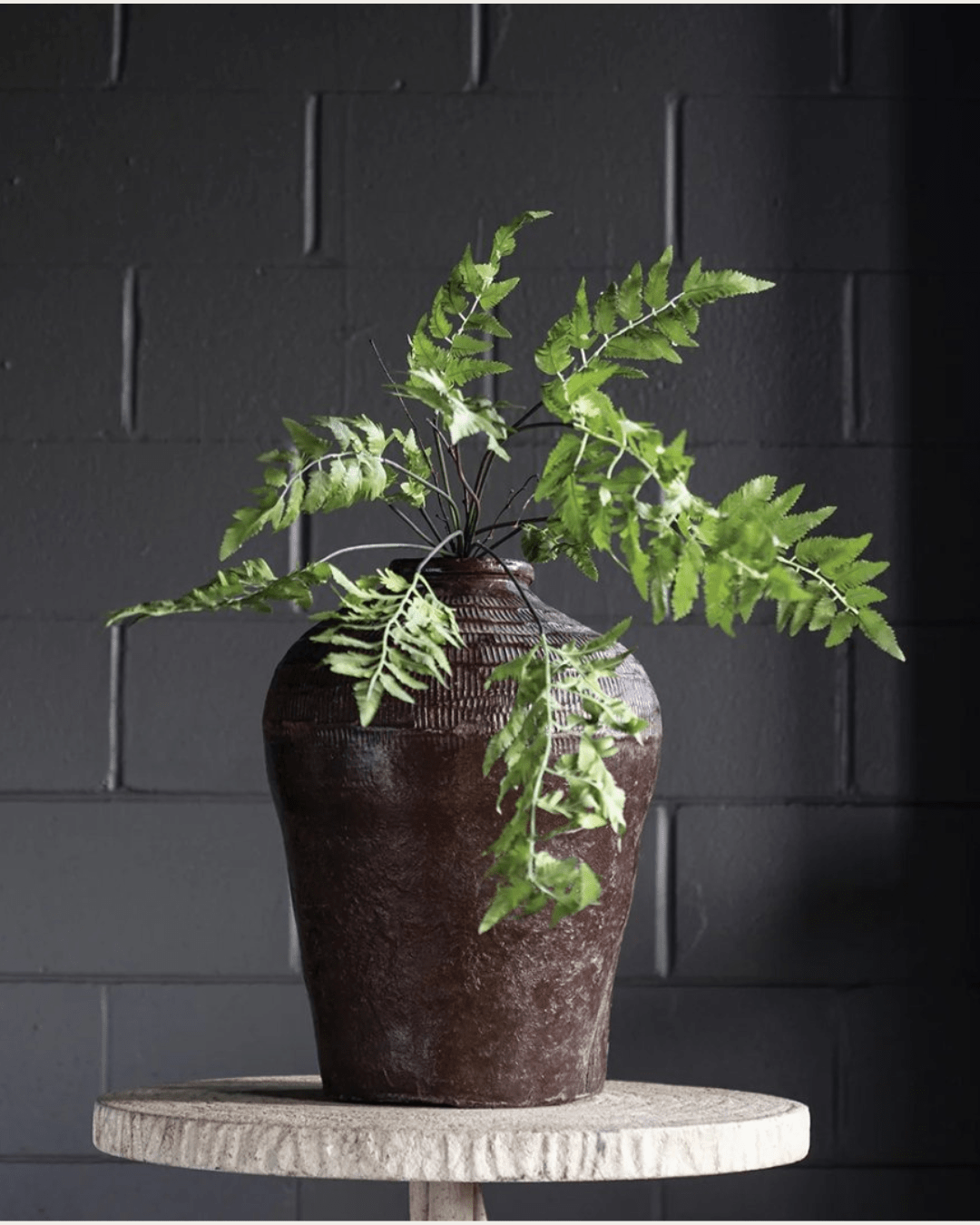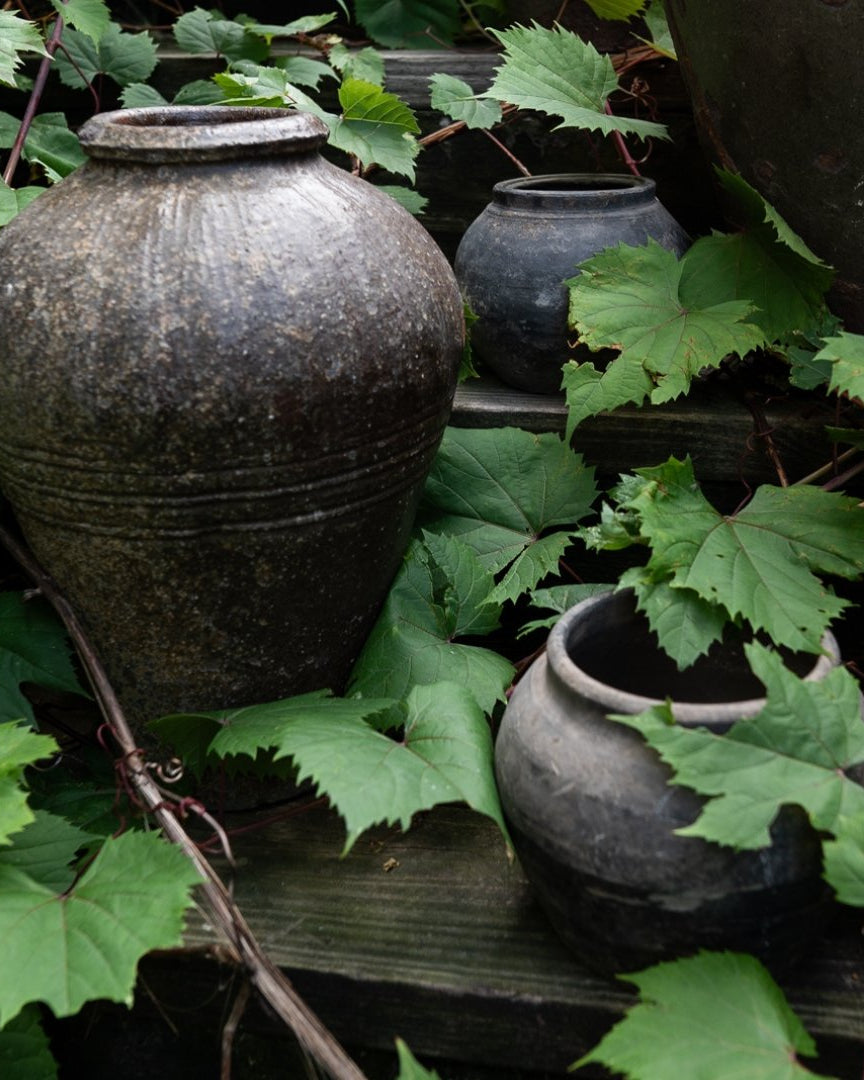





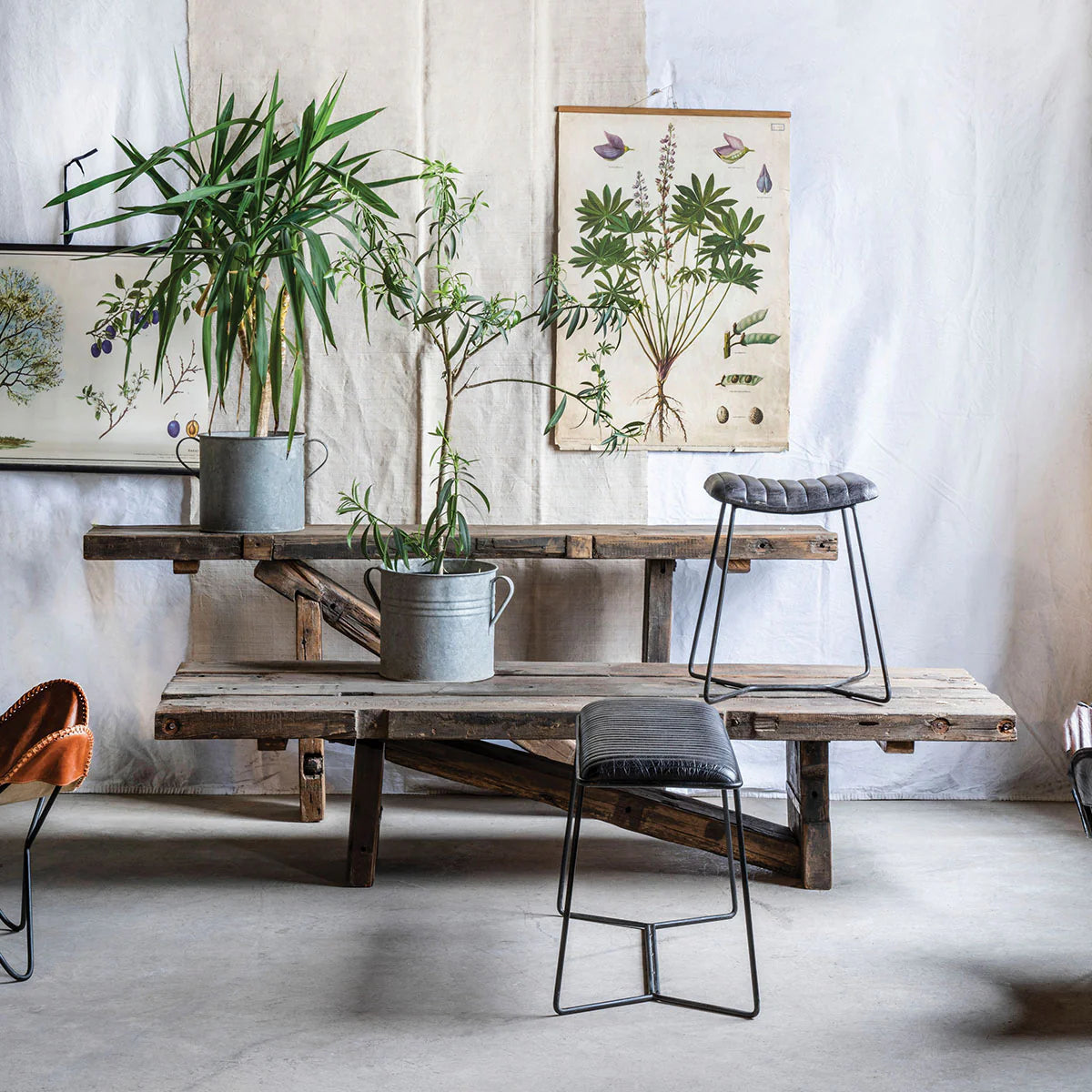
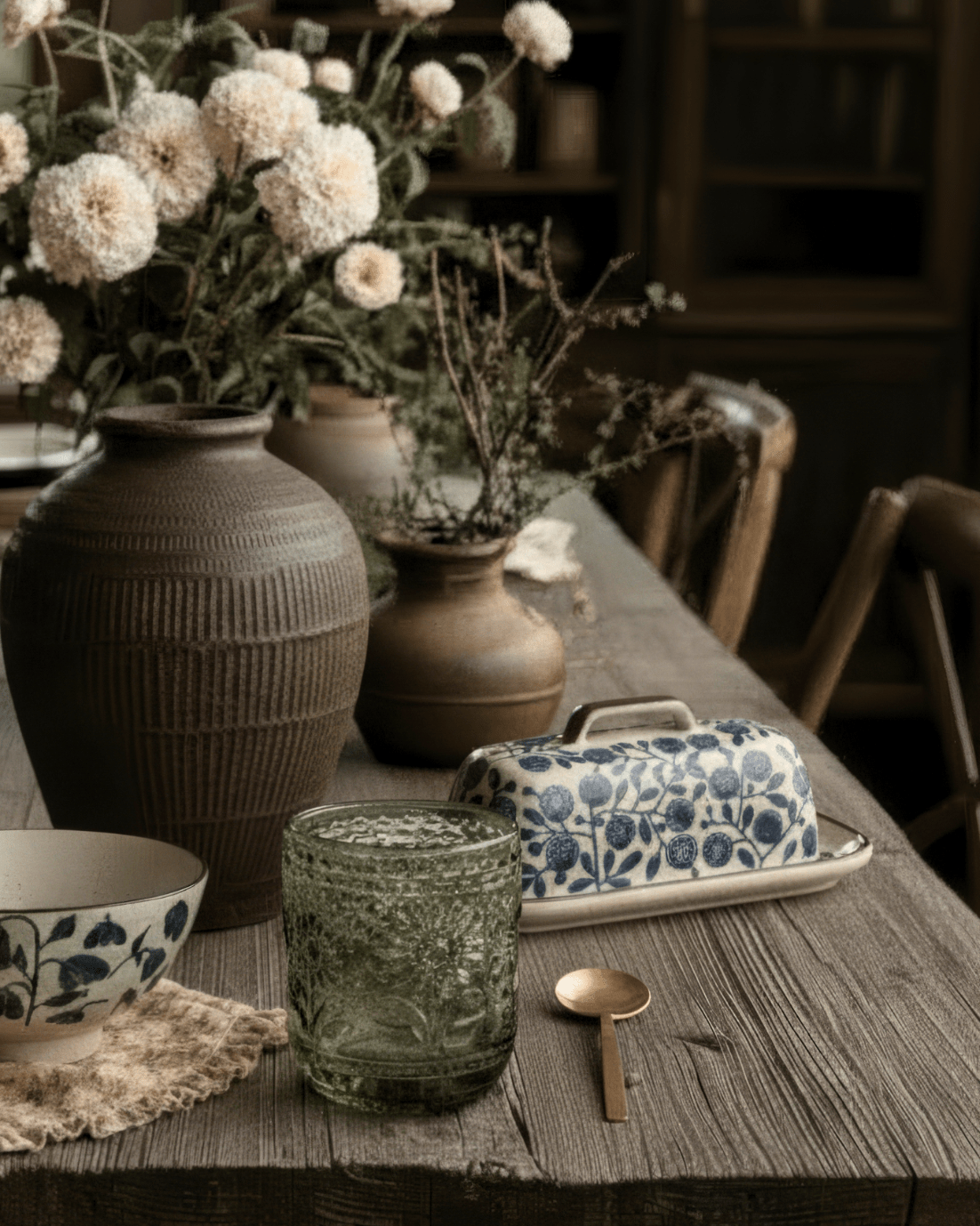


Most people love the idea of vintage decor—until the room starts to feel heavy, mismatched, or stuck in another era. That’s the tension. Vintage decor can either add depth and character… or quietly throw off the entire space.
The difference isn’t in the pieces.
It’s in how you use them.
If you’re building a space that feels collected instead of cluttered, start here:
Explore the vintage collection
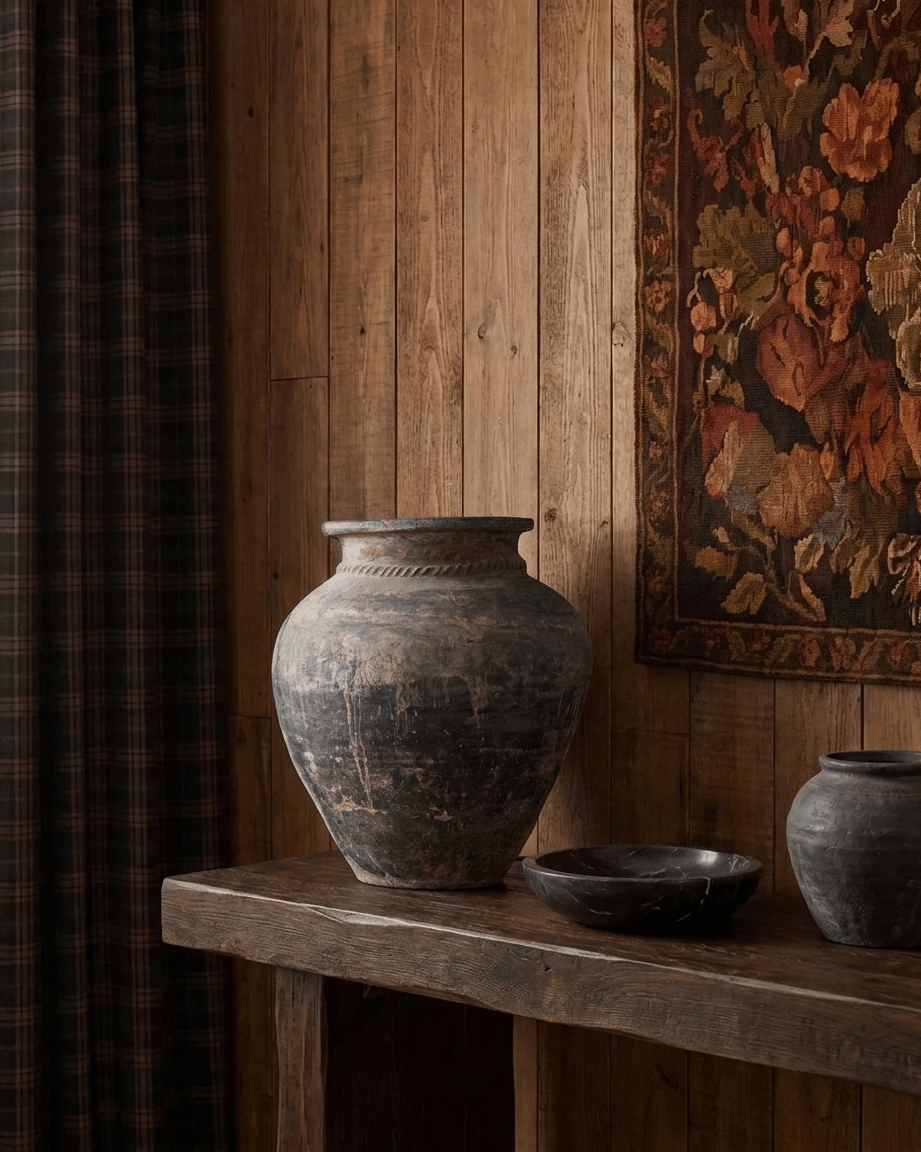
Use Vintage as Contrast—Not the Whole Story
One of the fastest ways to make a room feel outdated is going all in.
Vintage works best when it breaks the pattern—not when it becomes the pattern.
Think of it as contrast.
If your space leans modern, a single vintage element introduces variation. It gives the eye something to pause on.
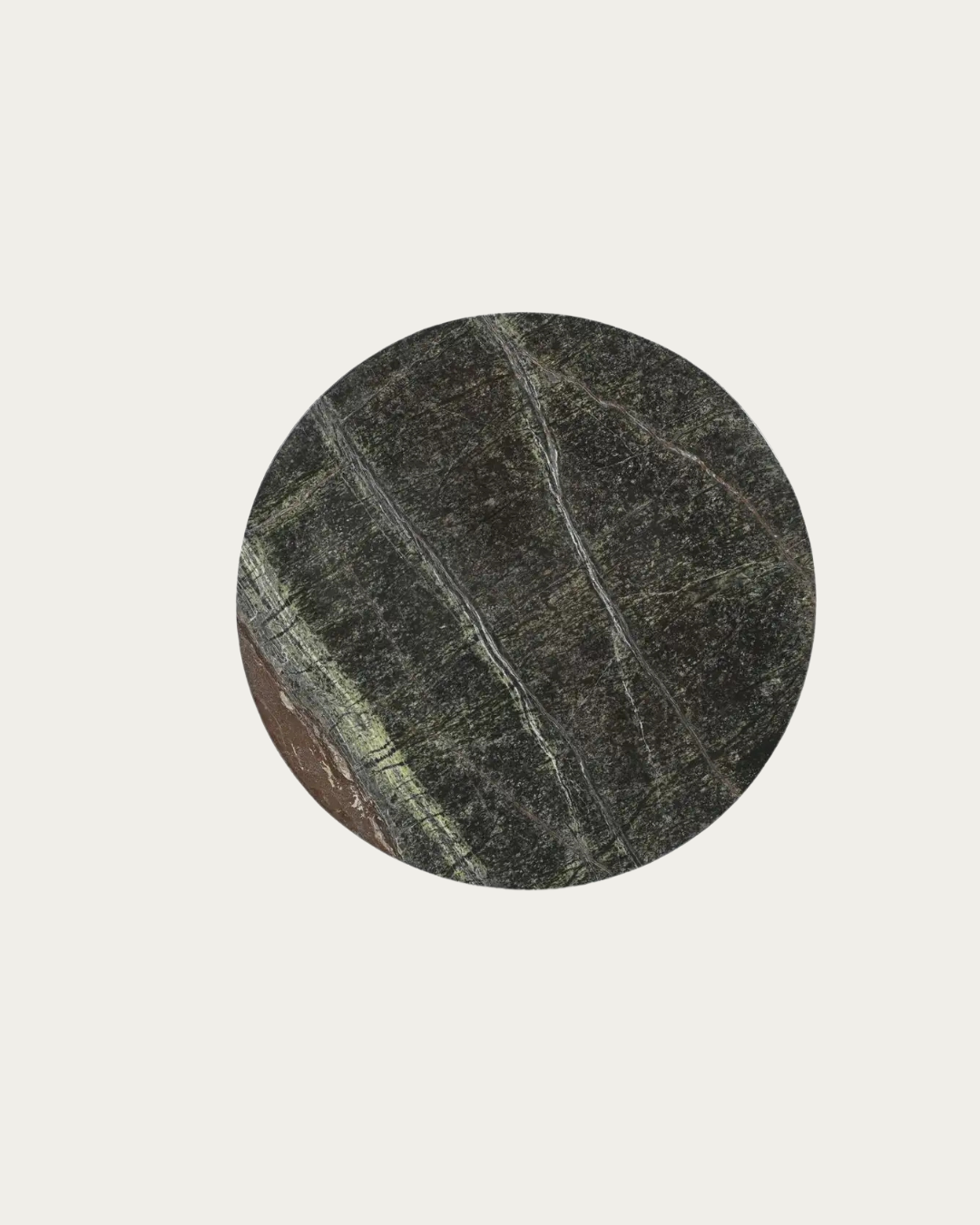
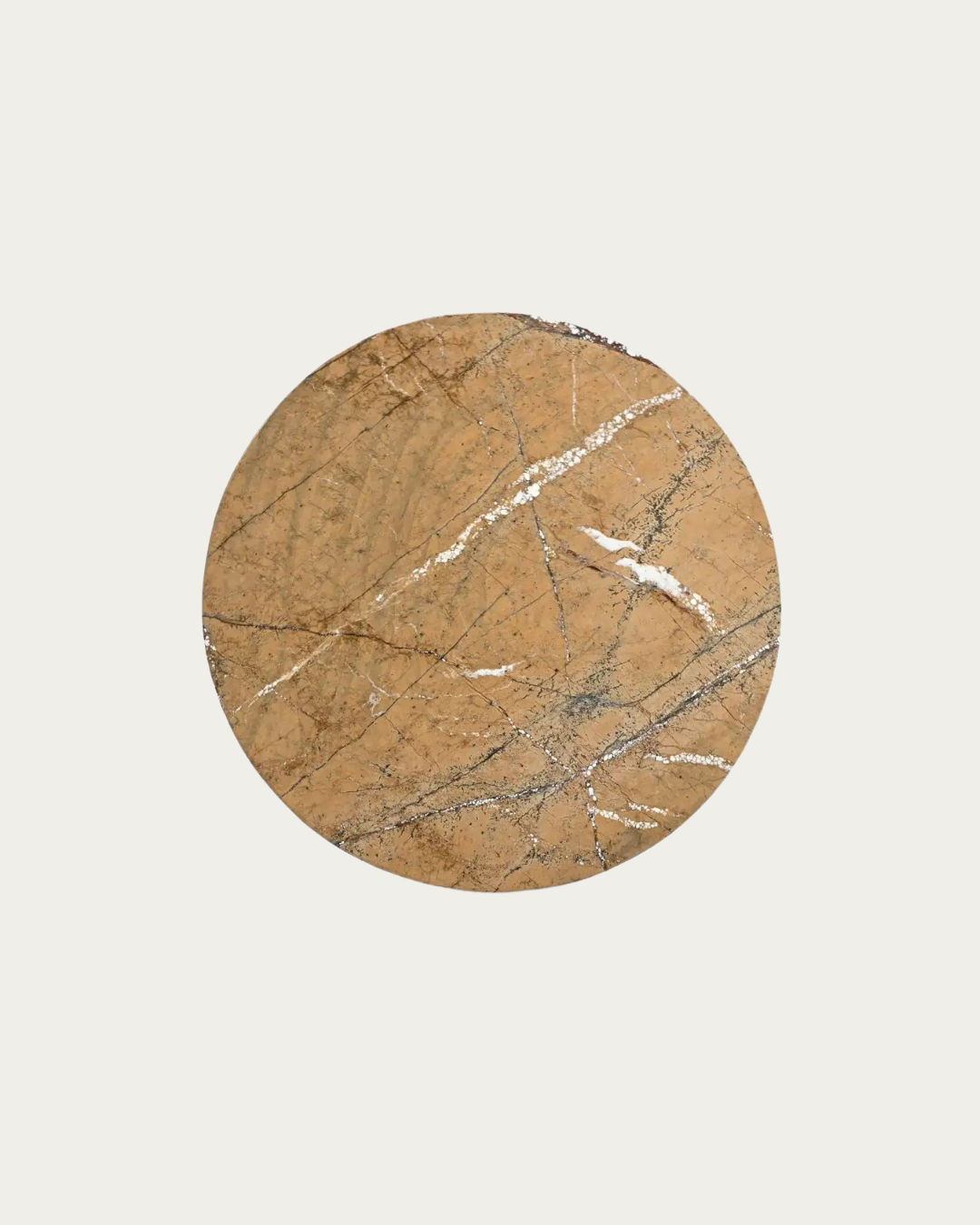
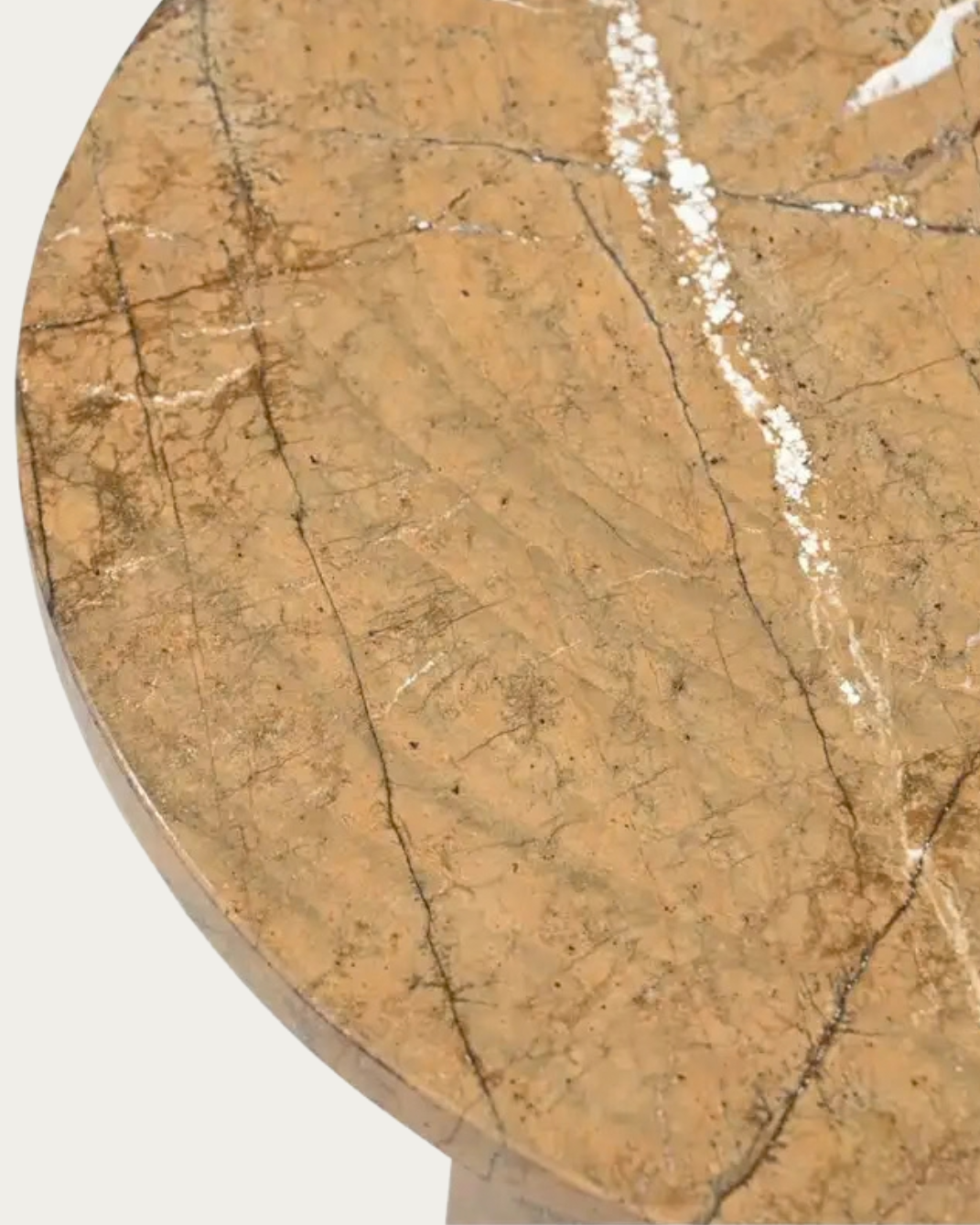
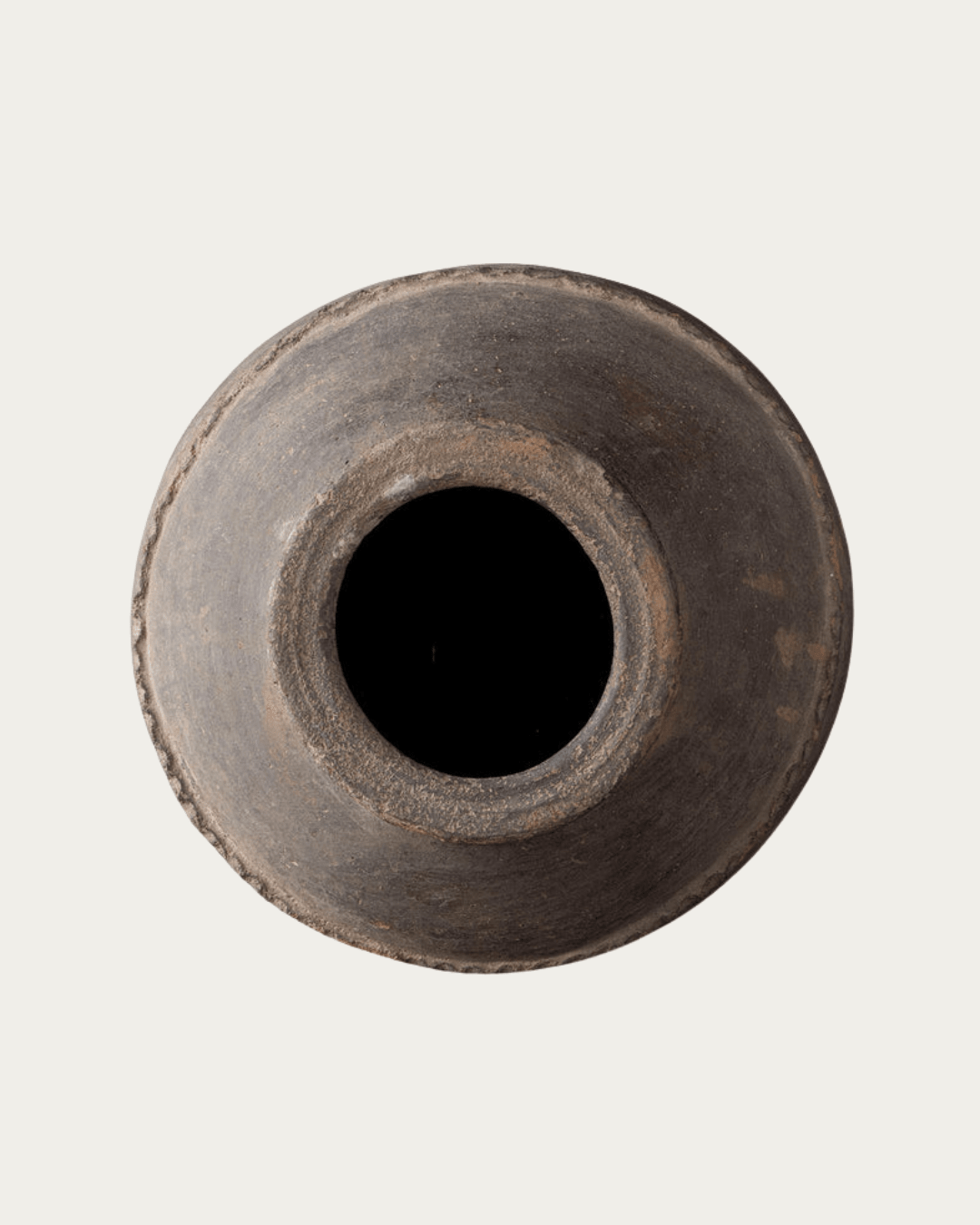
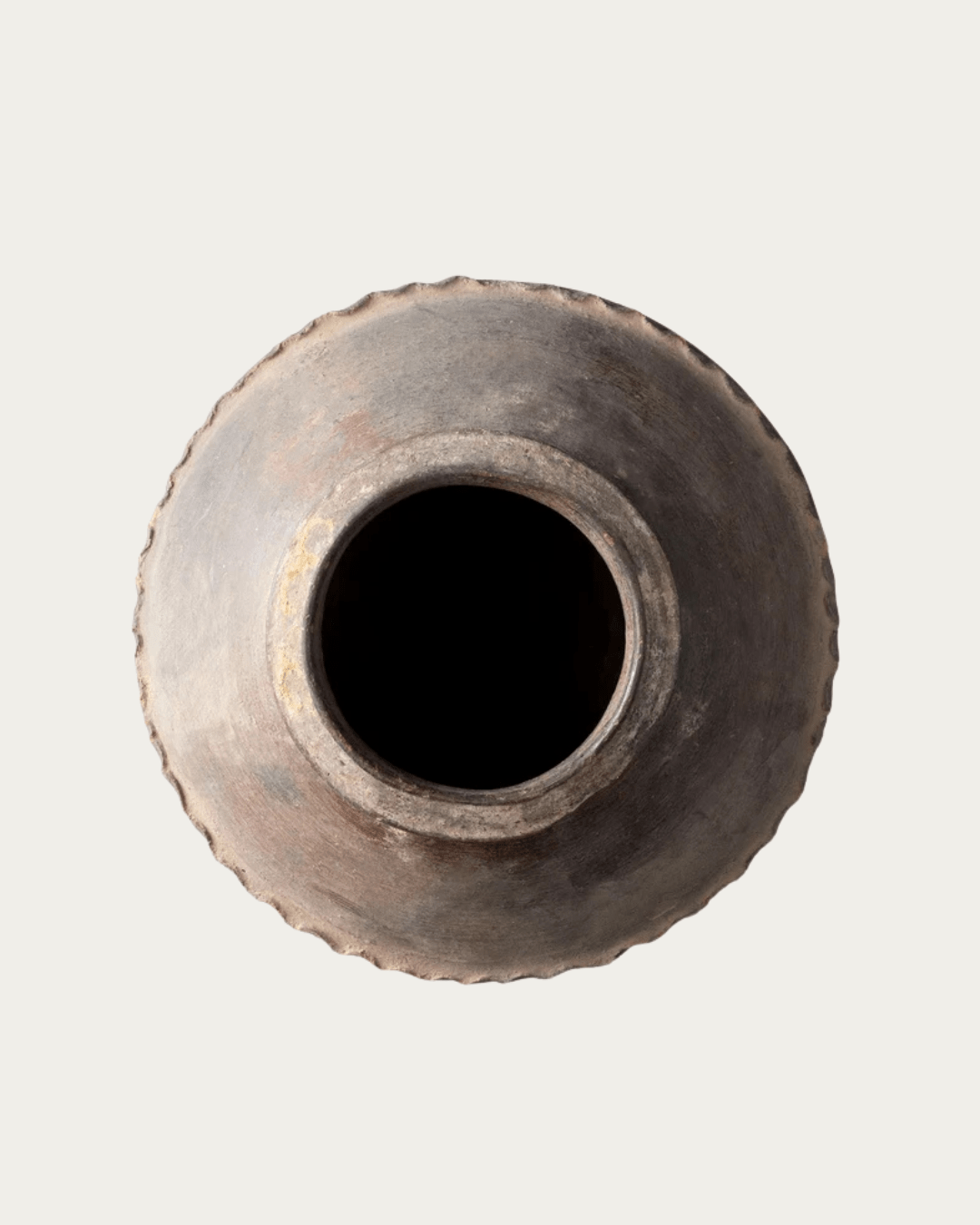
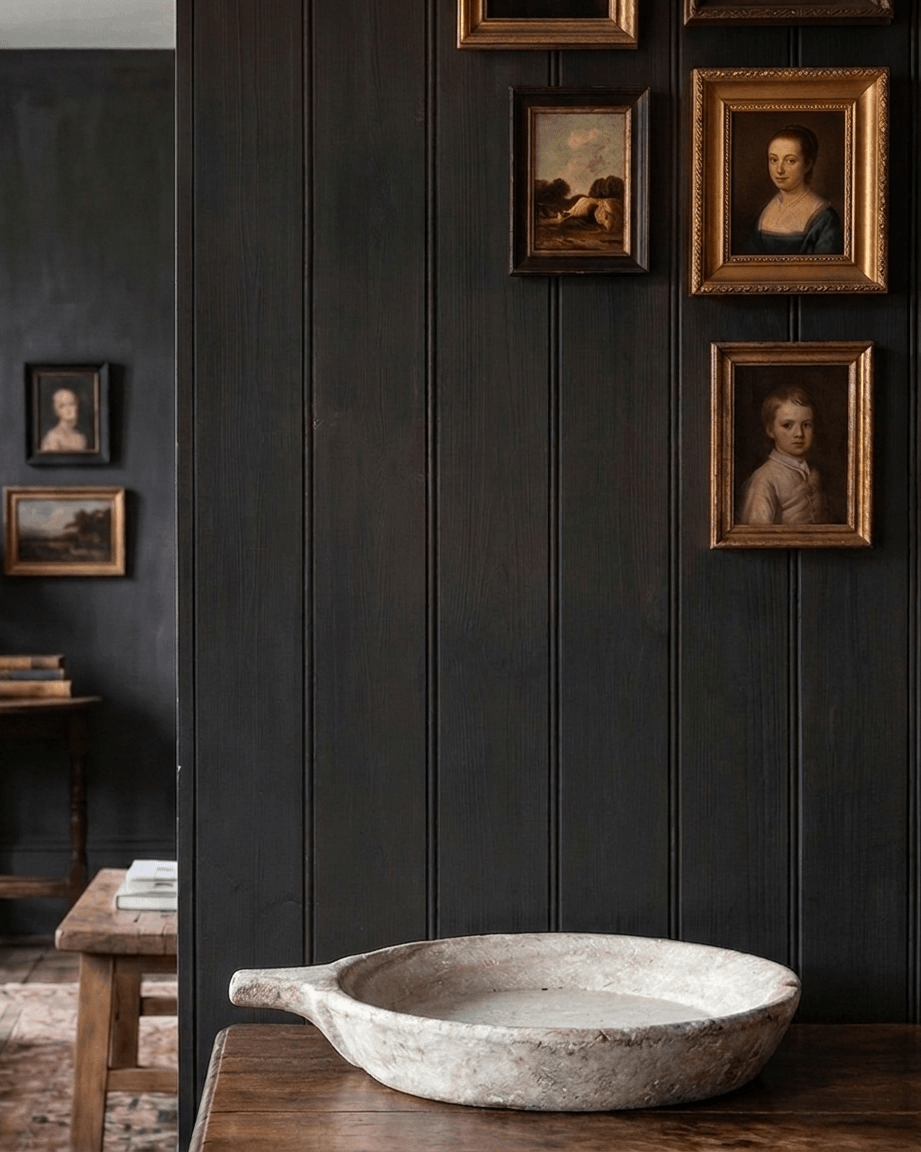
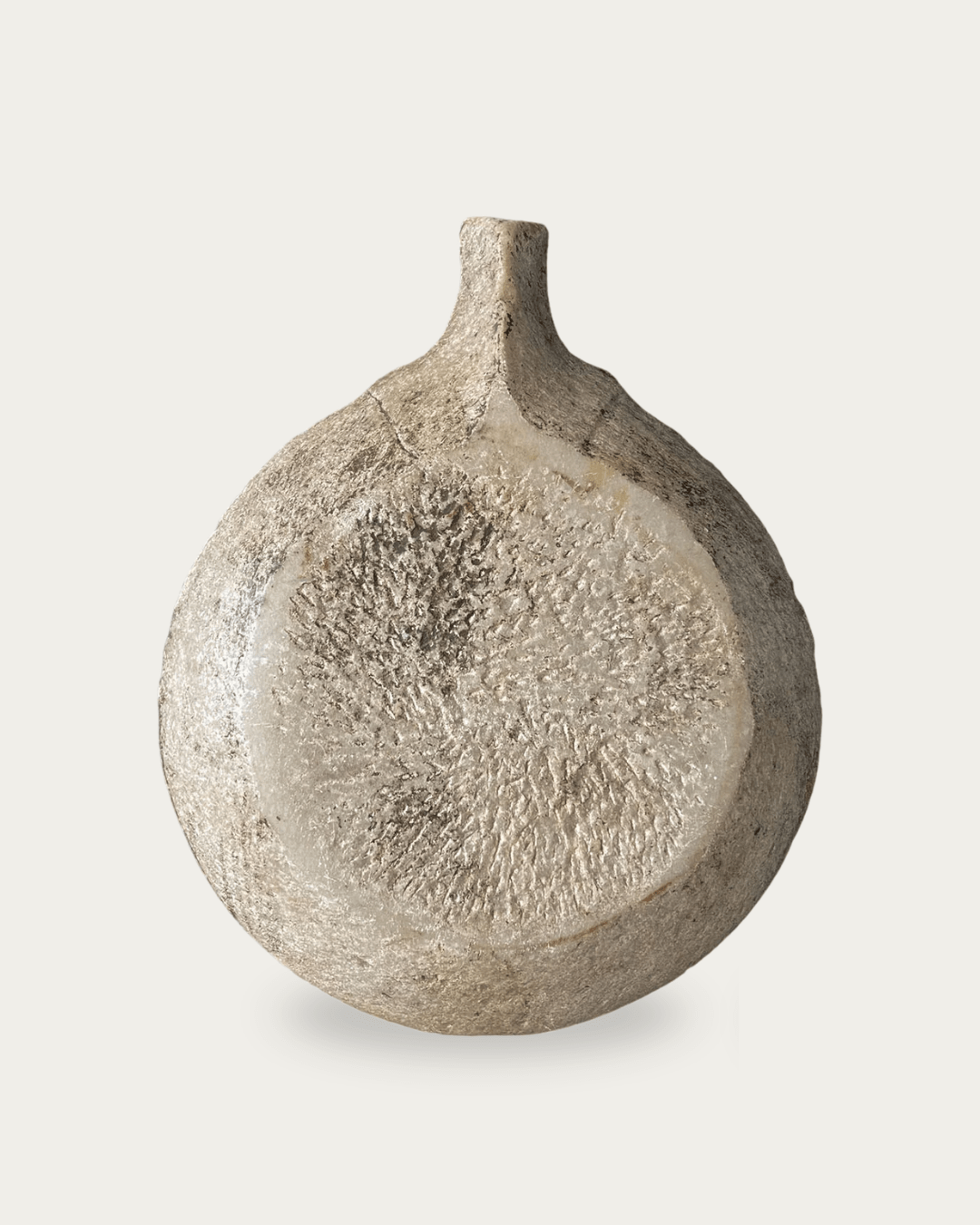
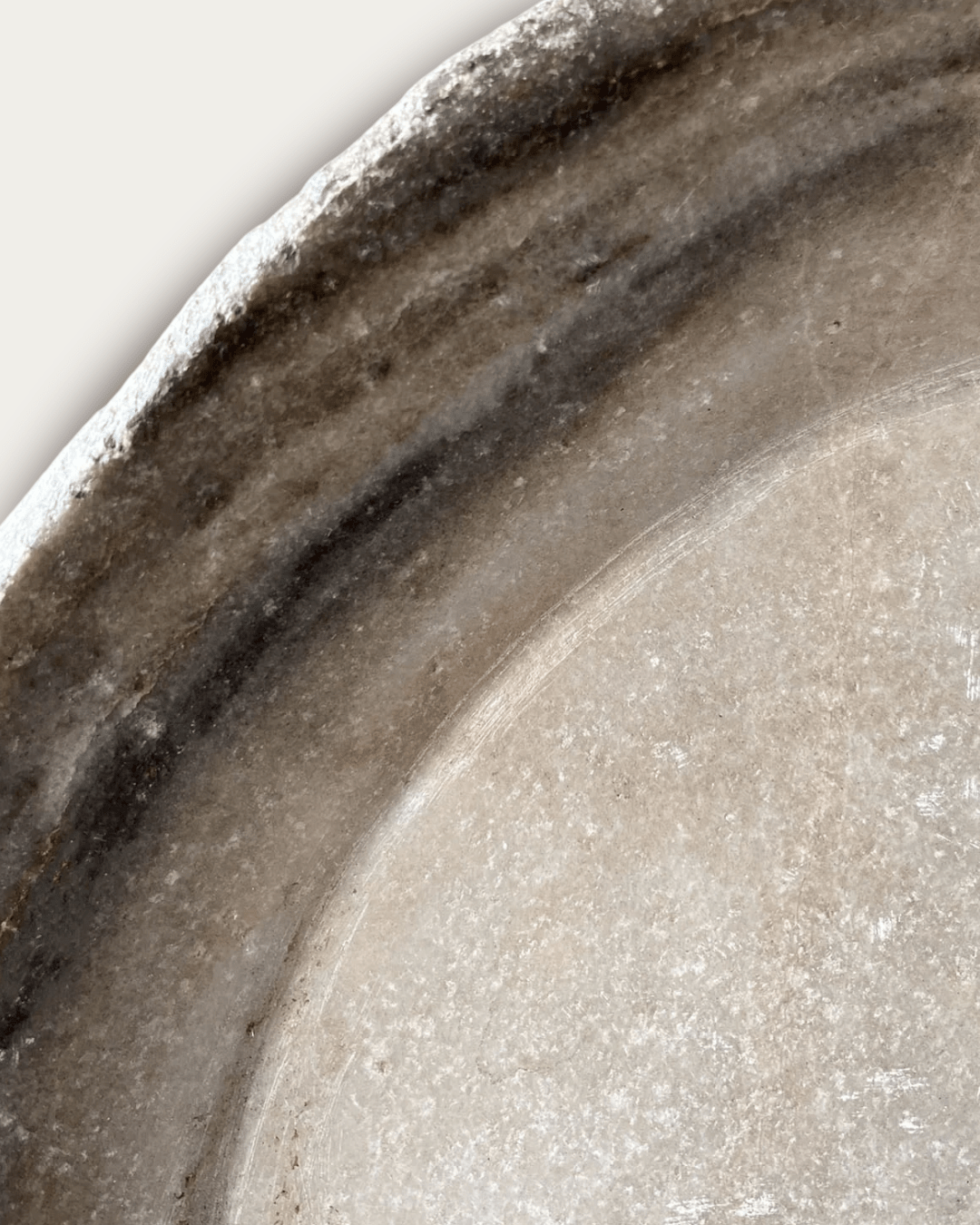
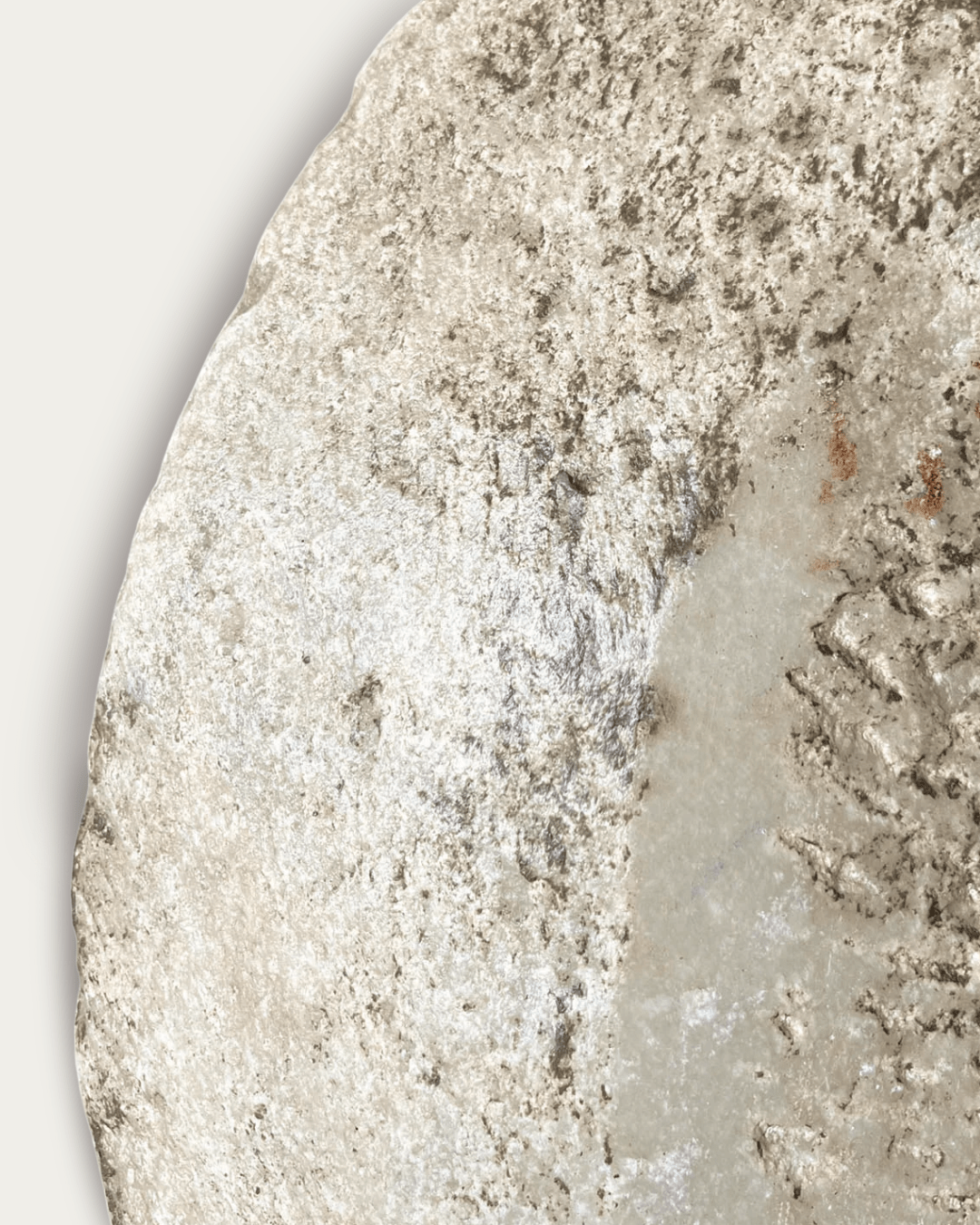
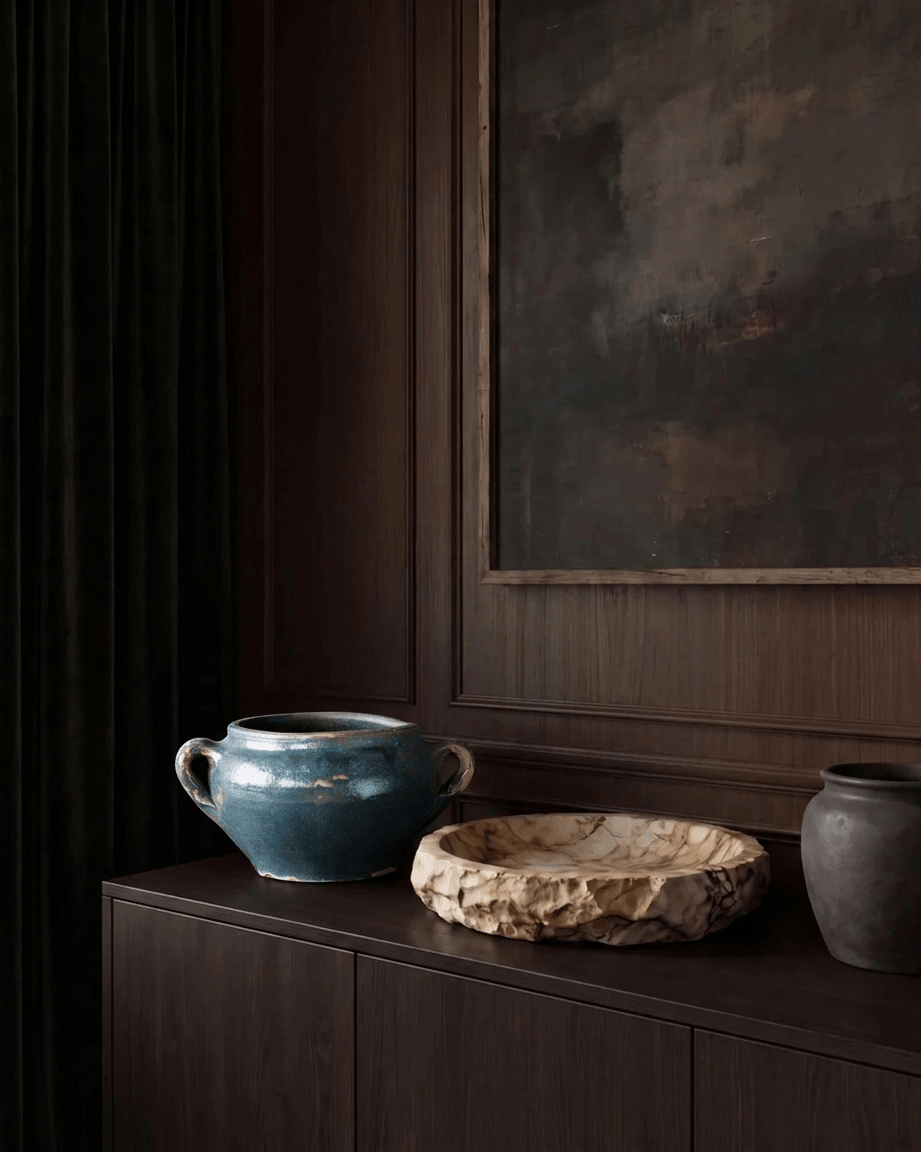
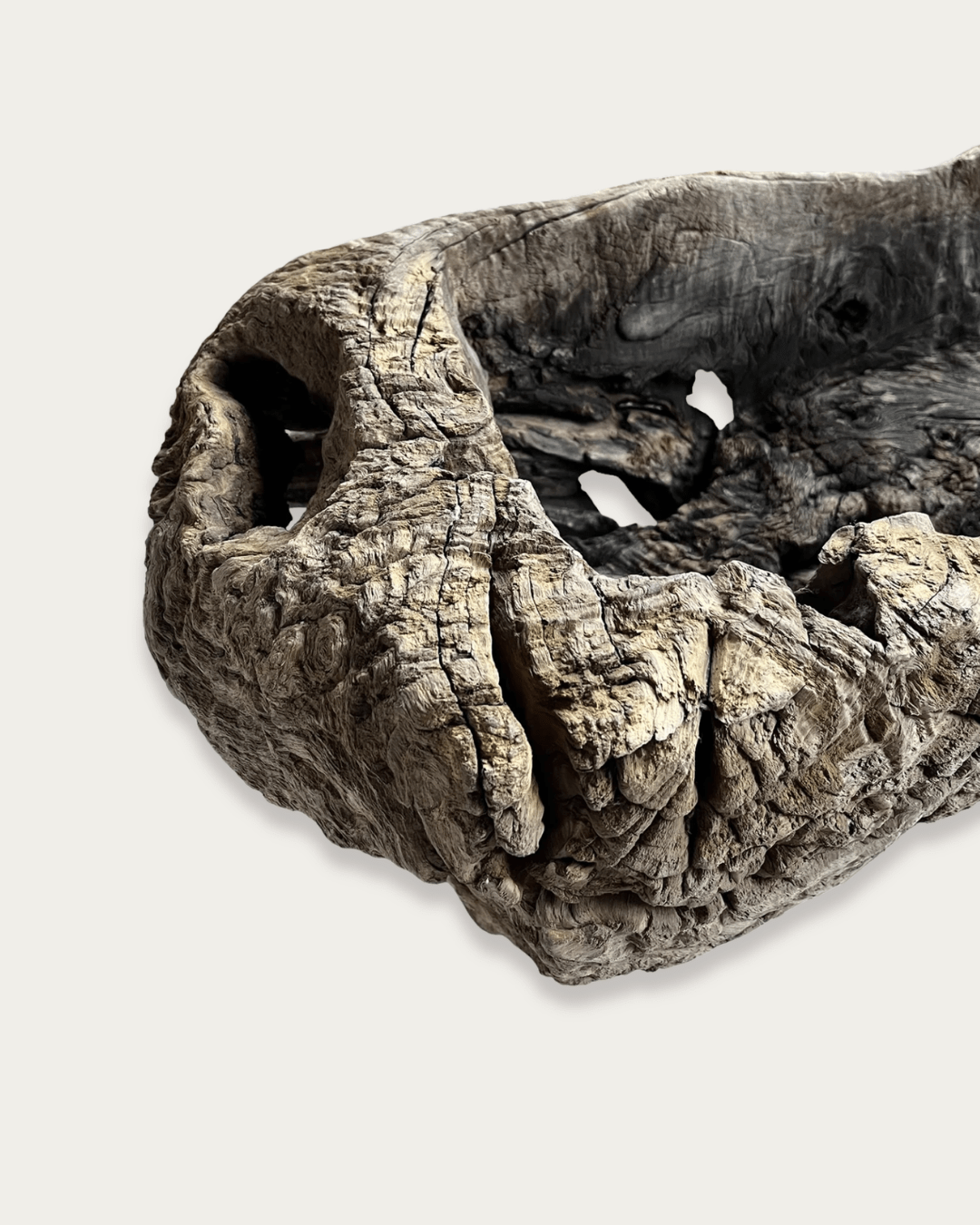
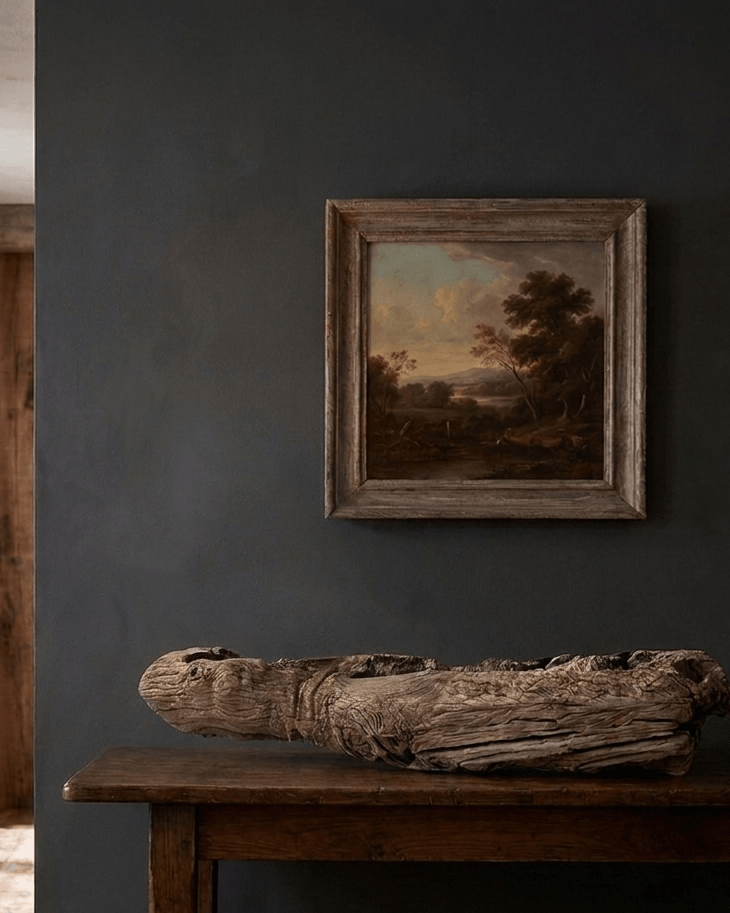
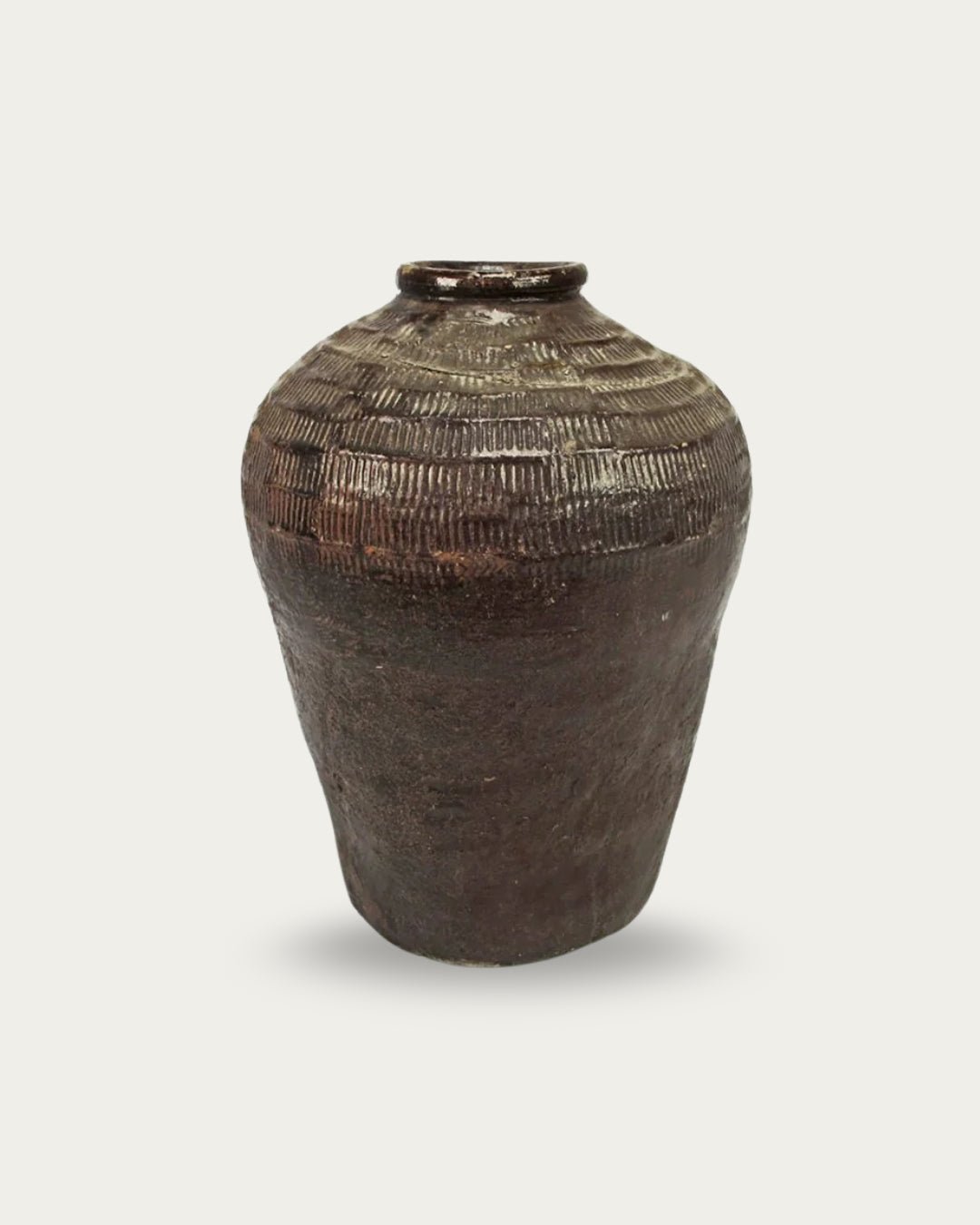
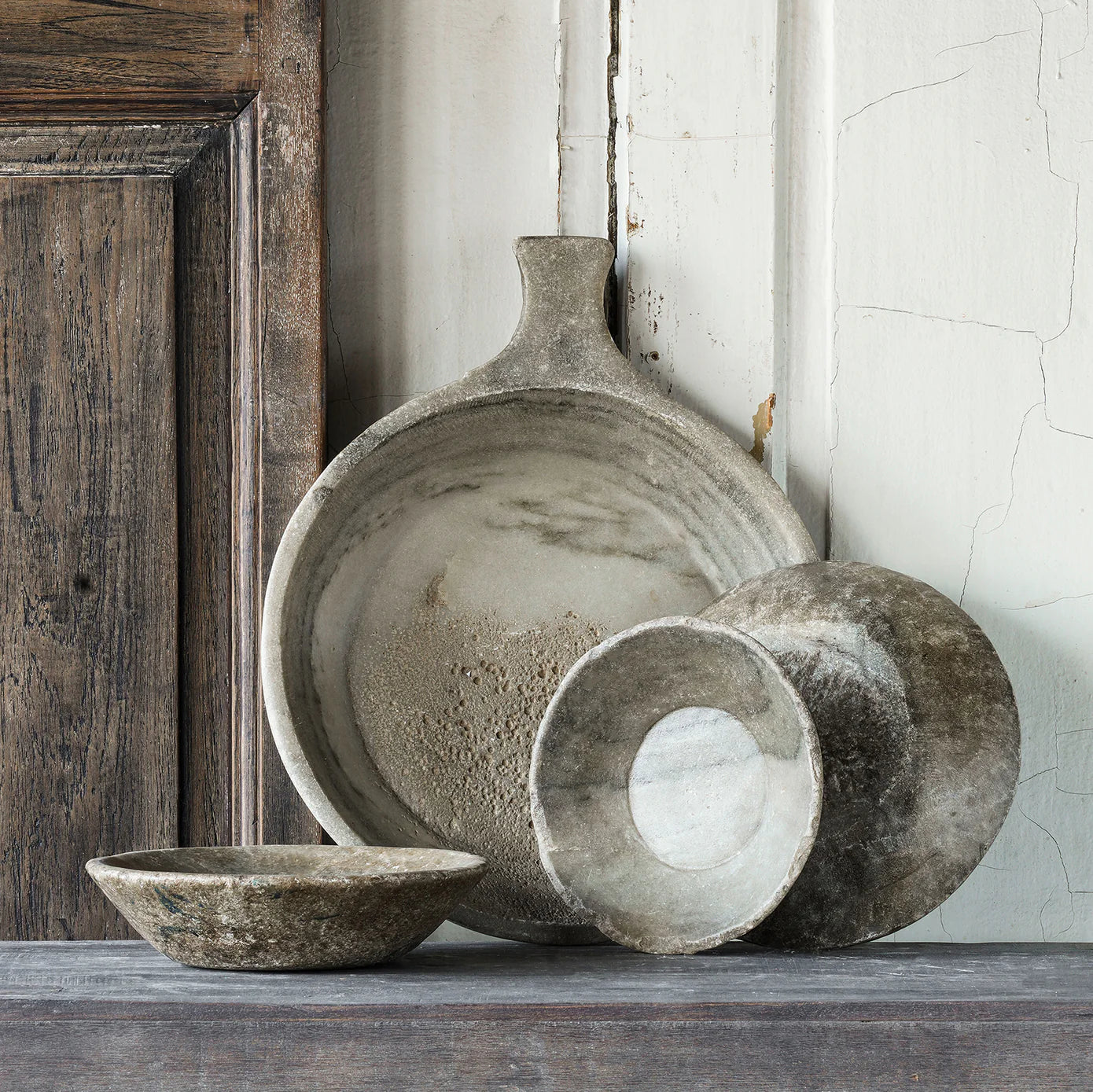
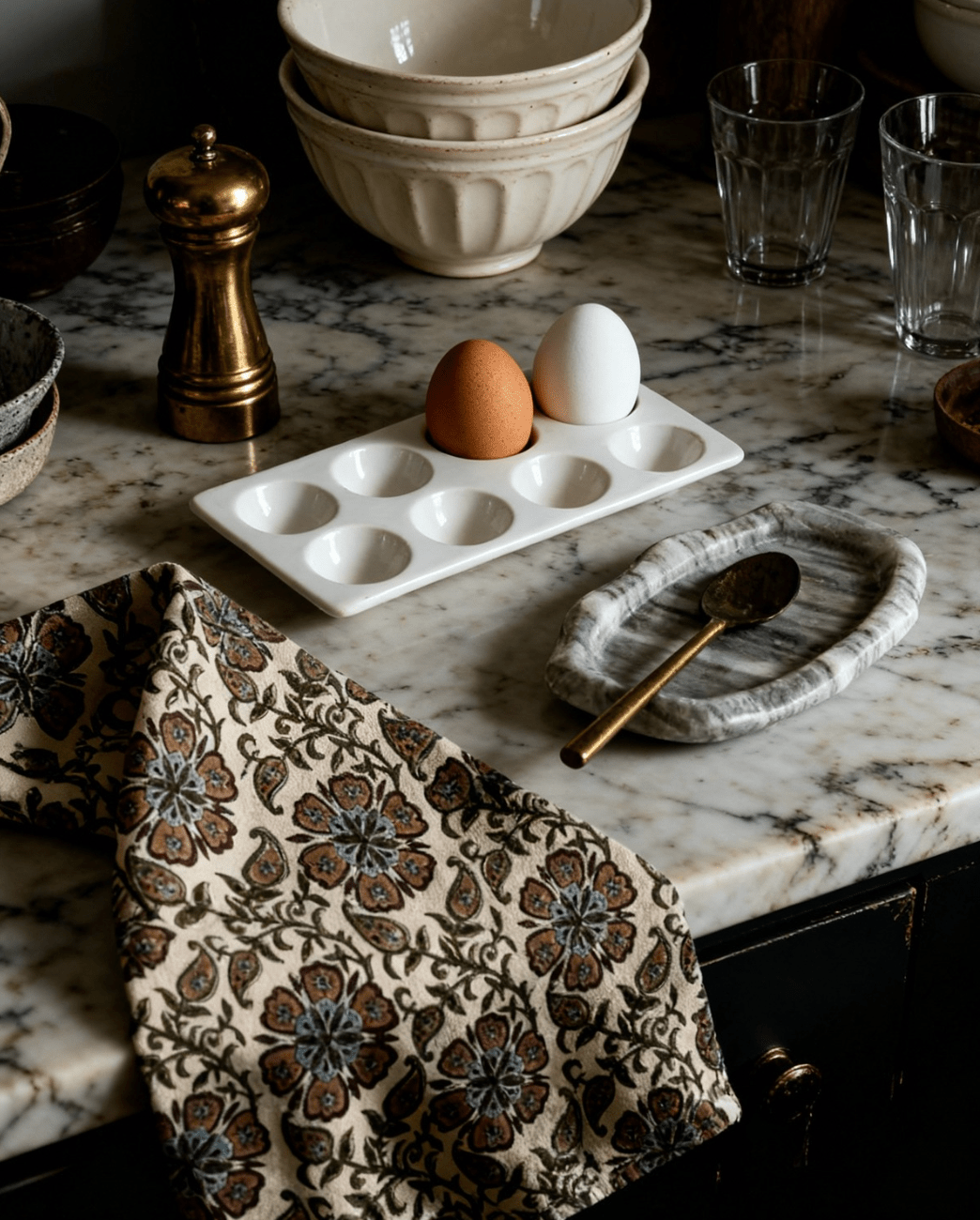
Pieces like the Vintage shallow wood bowls layer naturally onto cleaner surfaces, while the Vintage marble plate adds material contrast without overwhelming the room.
The goal isn’t to recreate the past.
It’s to interrupt the present.
Mix Large and Small Pieces Intentionally
Scale is where vintage decor either works—or completely falls apart.
Too many small items feel scattered. Too many large ones feel heavy.
The balance comes from mixing both.
Large vintage pieces anchor the room.
Smaller ones add detail.
For example, something like the Chinese harvest basket immediately draws attention and defines a space, while the Fern stone biscuit mold plate works as a subtle layer that supports the overall composition.
You don’t need more pieces.
You need the right combination of scale.
Let Imperfection Do the Work
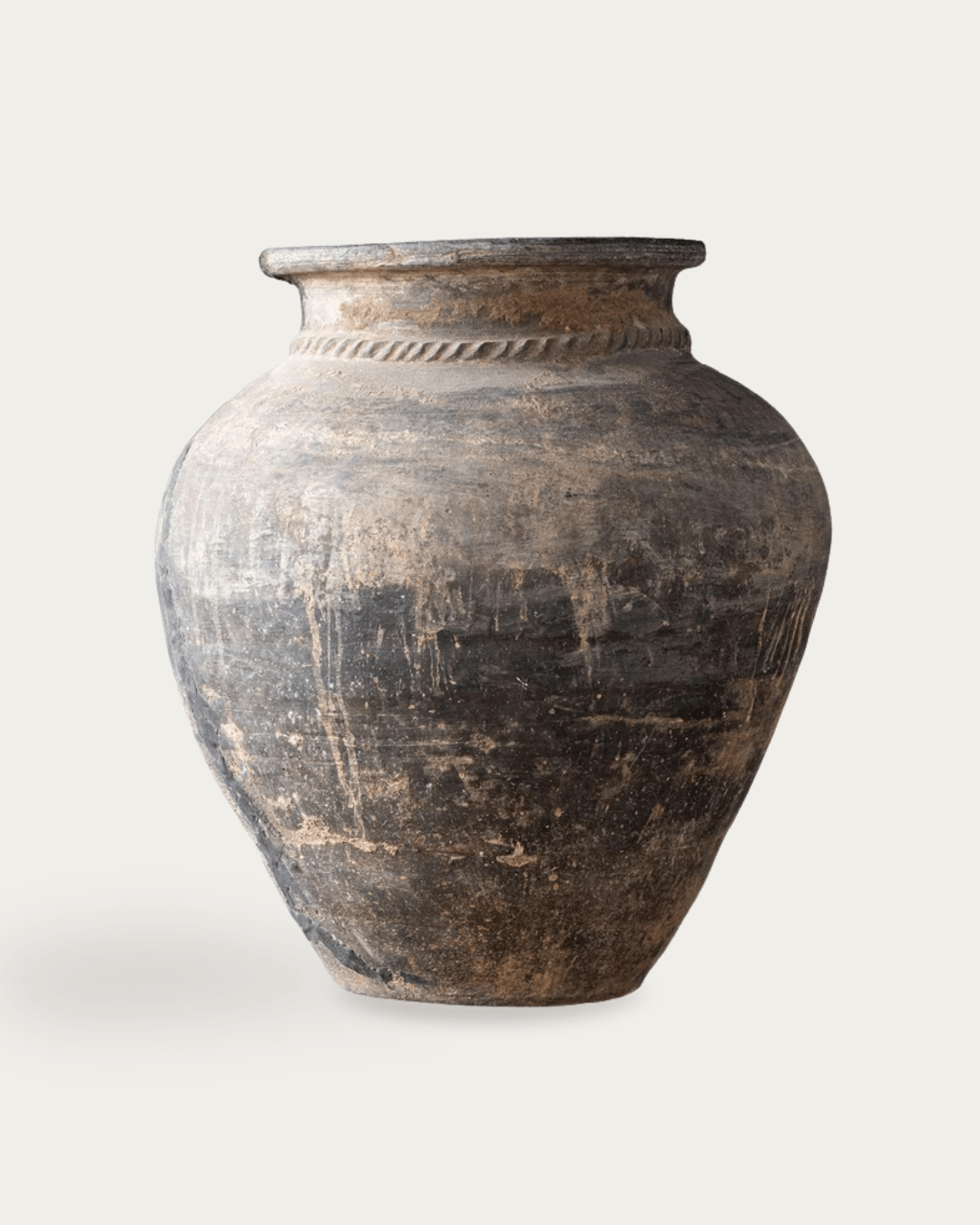
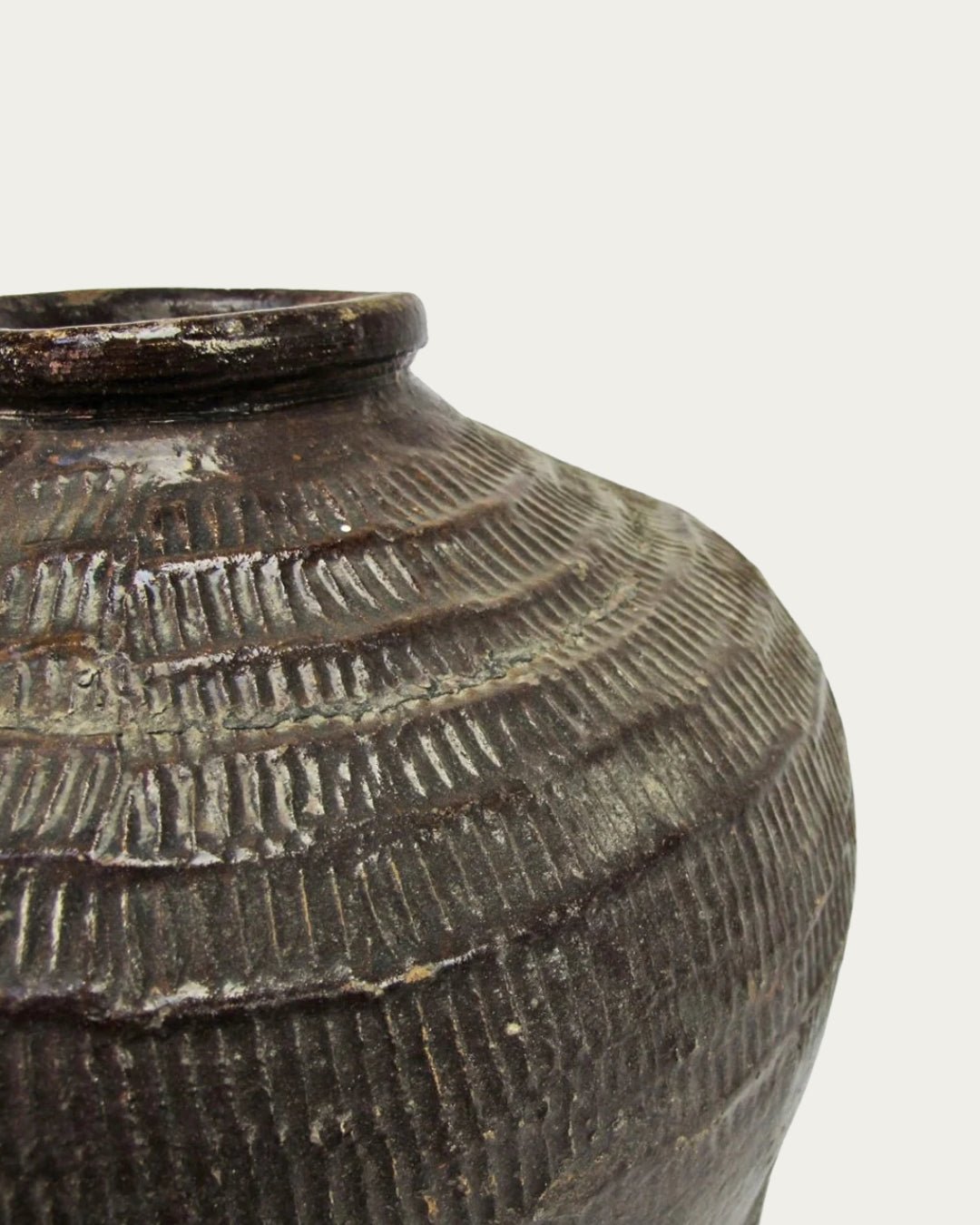
Vintage decor carries marks, variation, and irregularity.
That’s not something to hide.
It’s the reason it works.
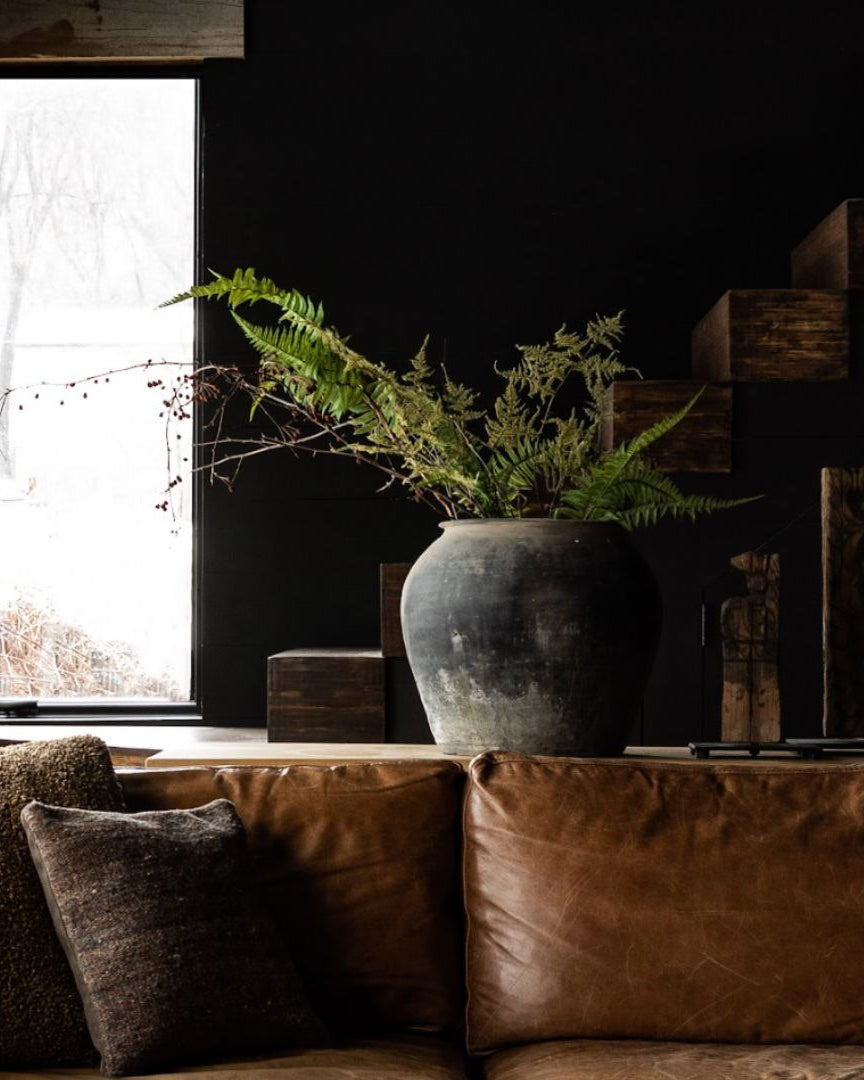
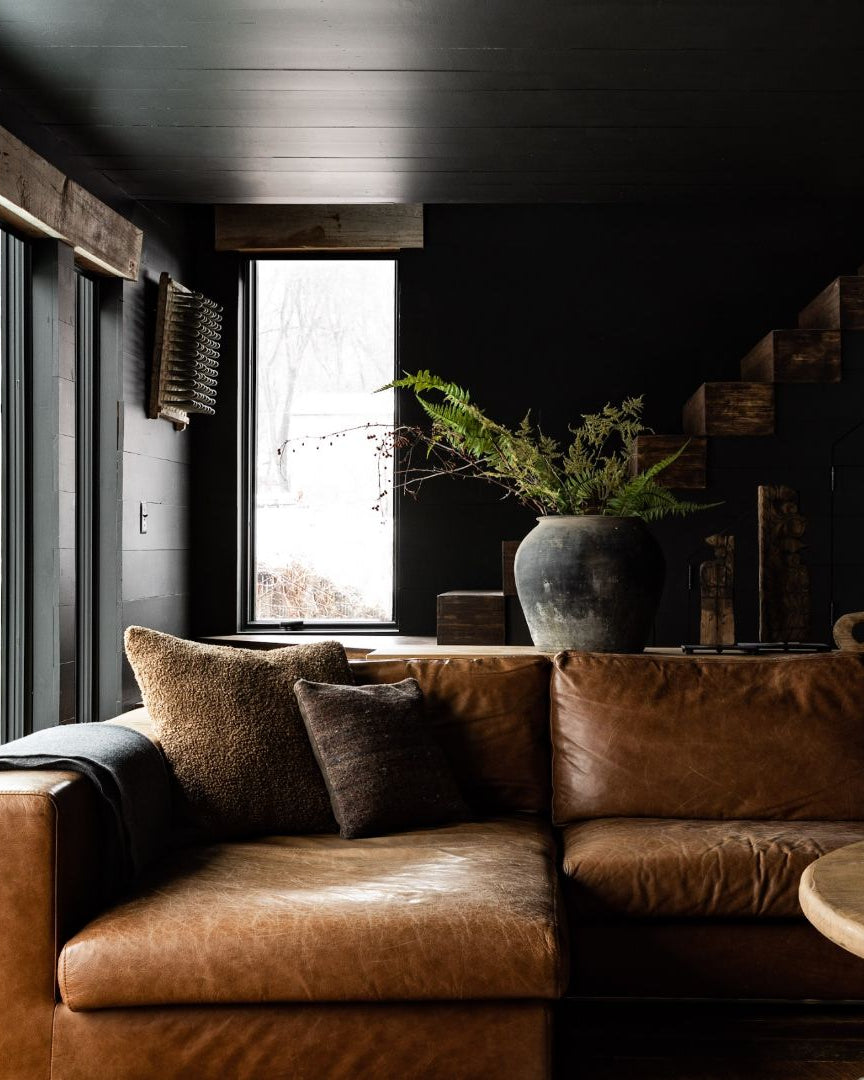
When every piece in a room is clean and uniform, the space can feel flat. Vintage elements break that by introducing variation.
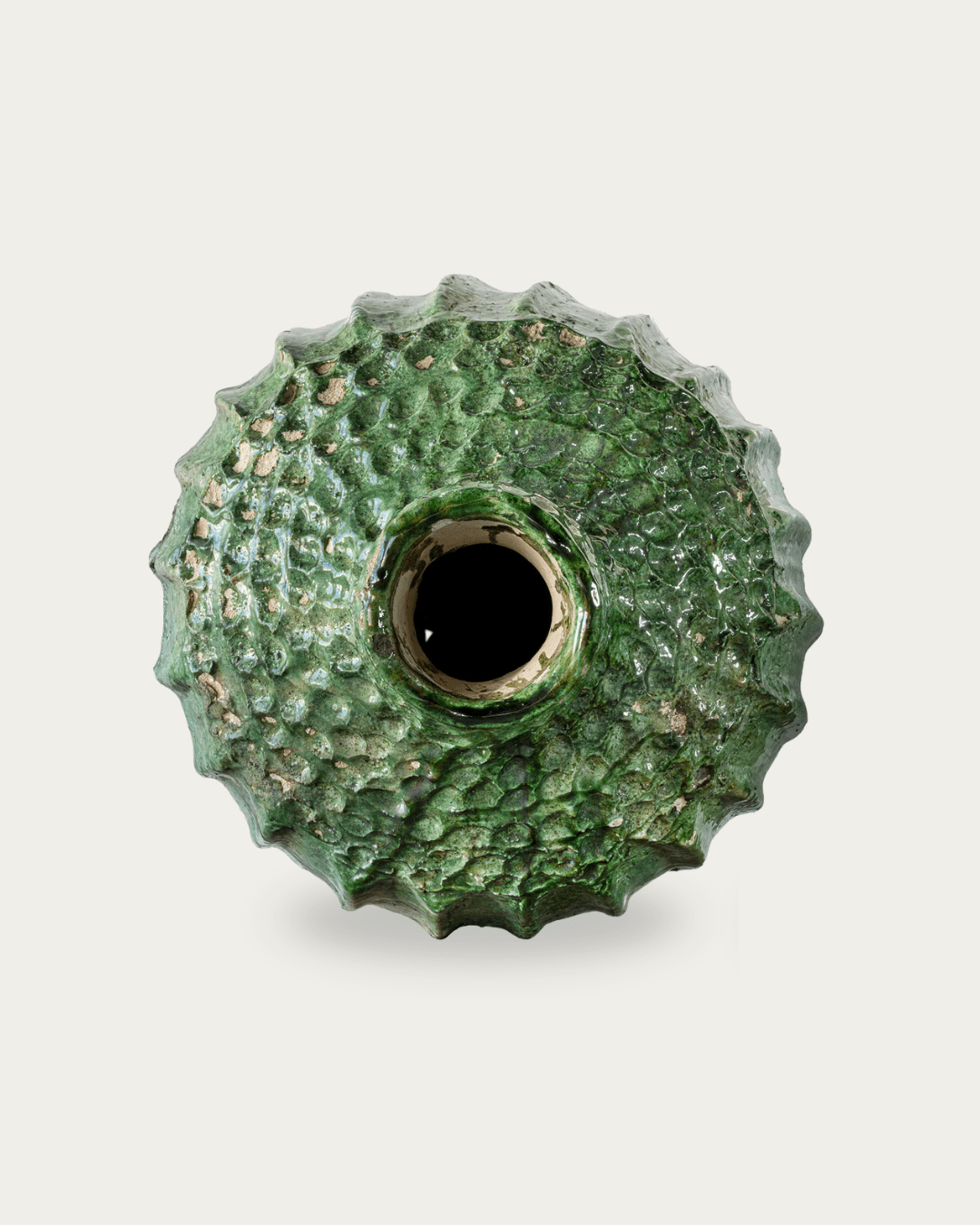
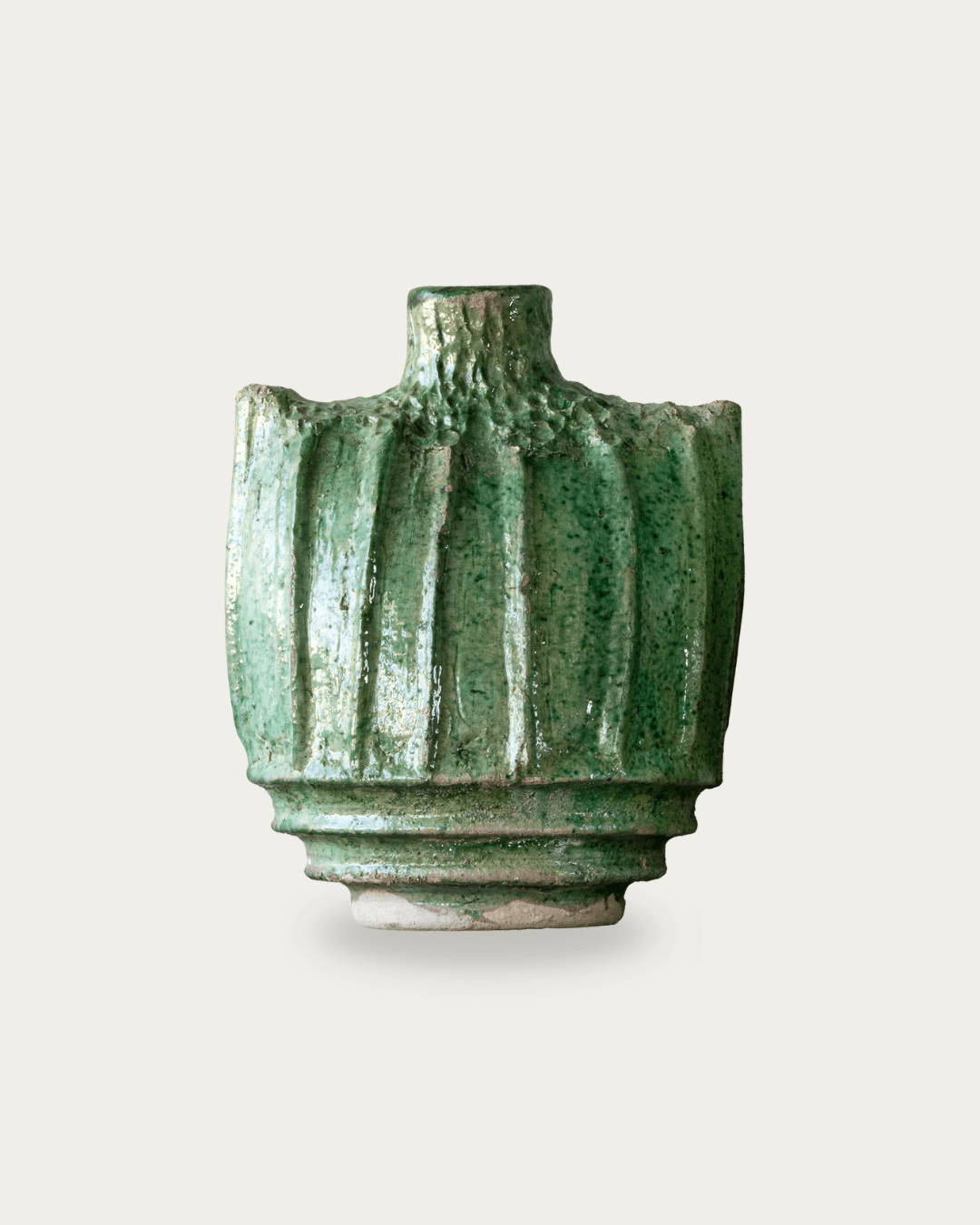
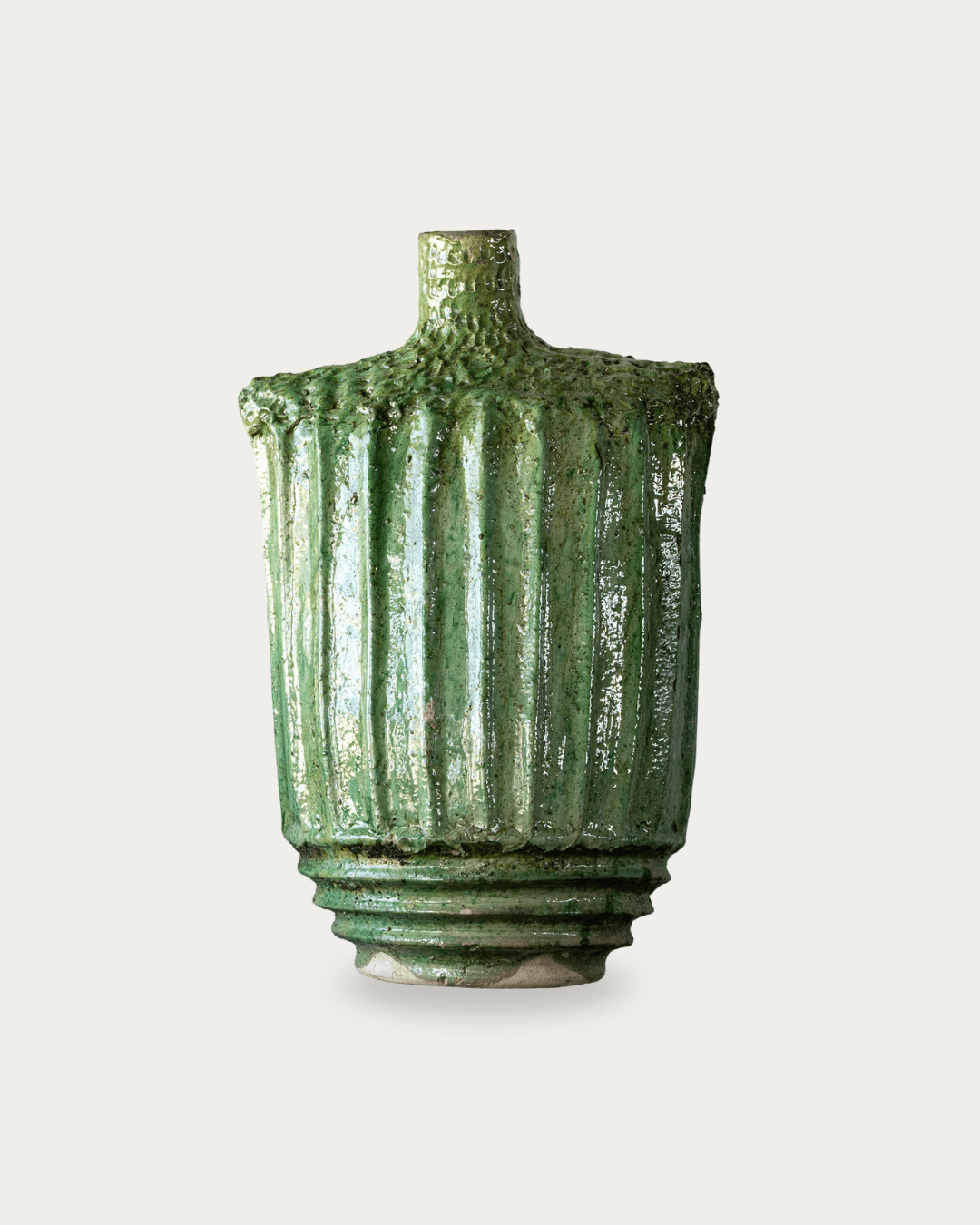
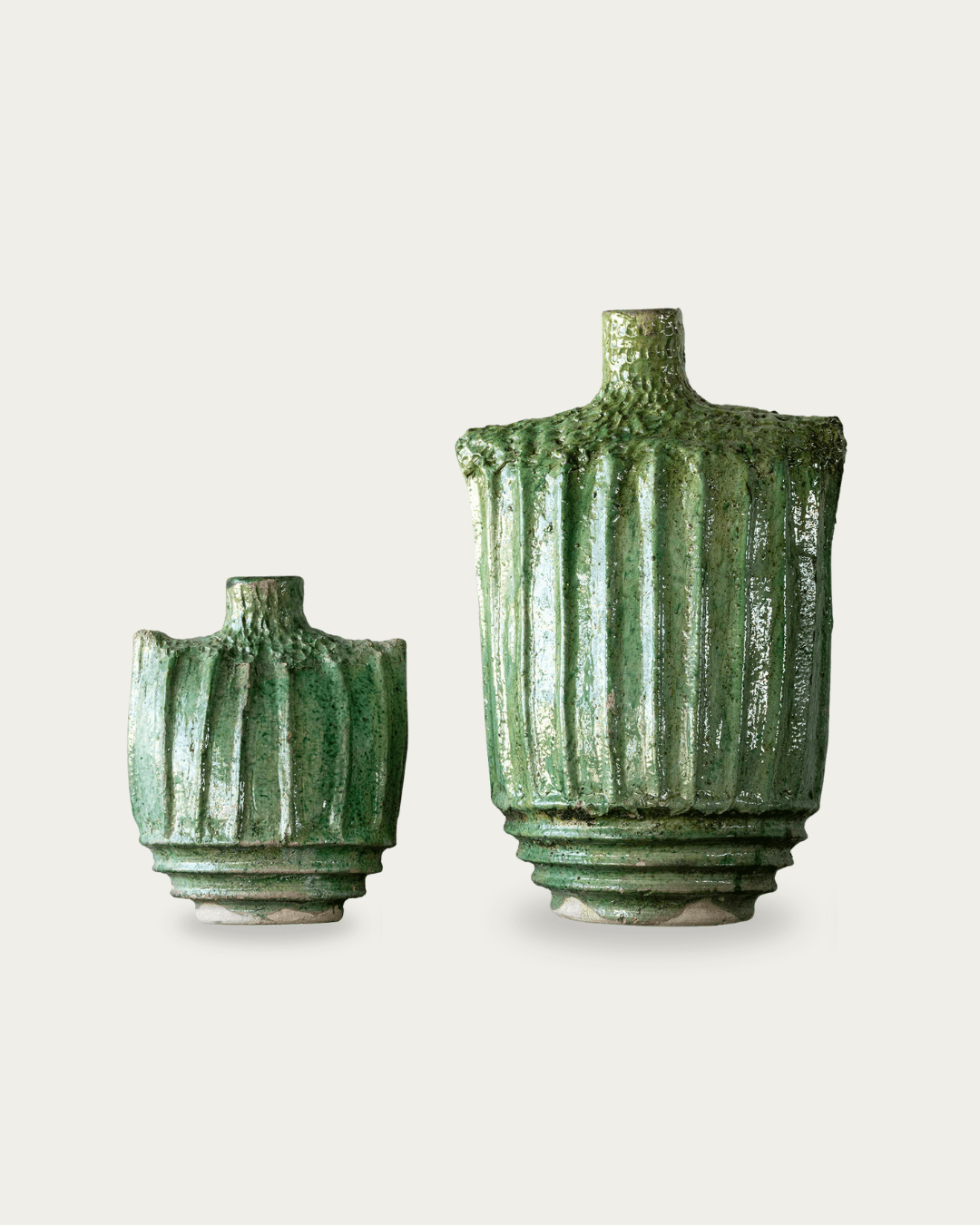
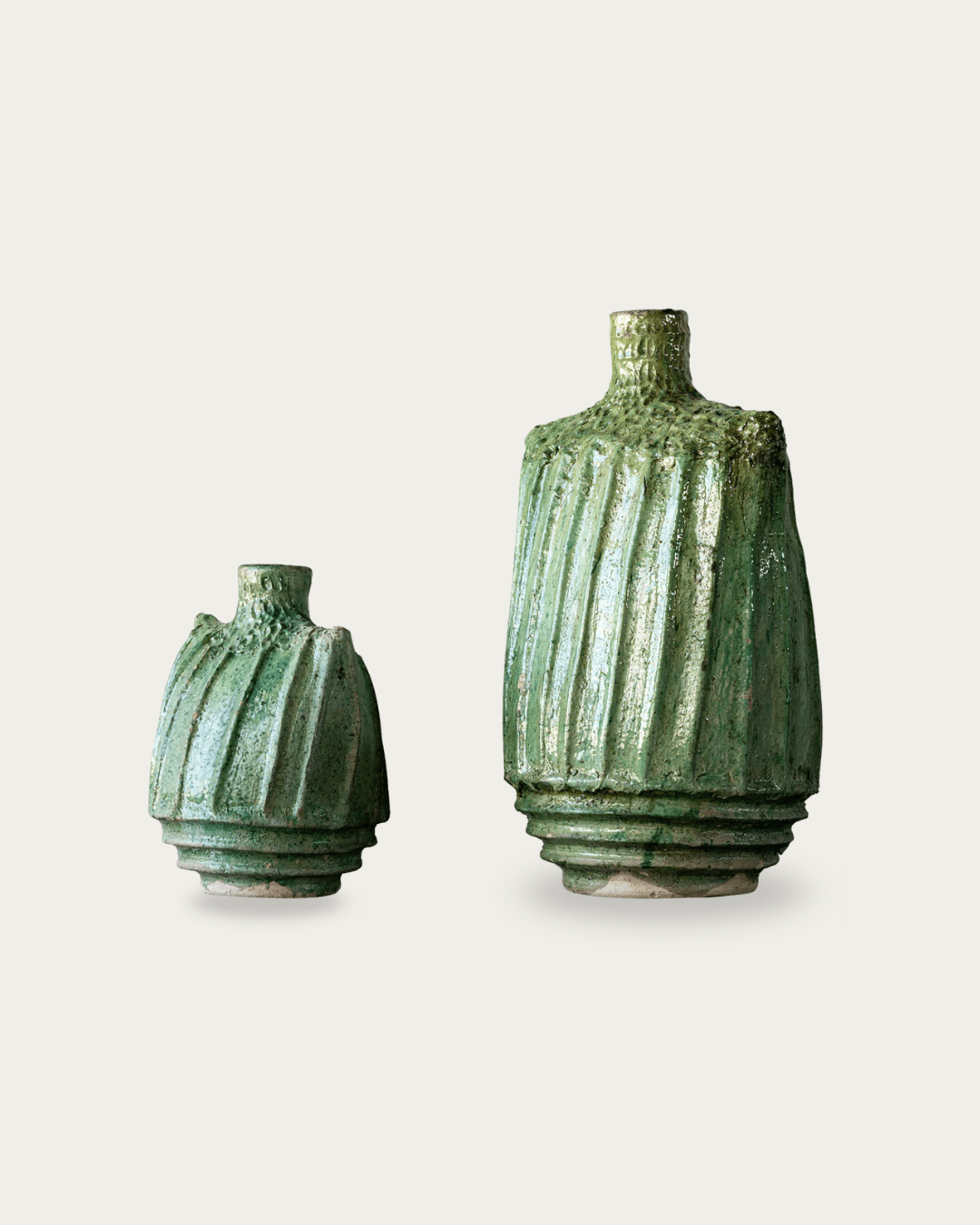
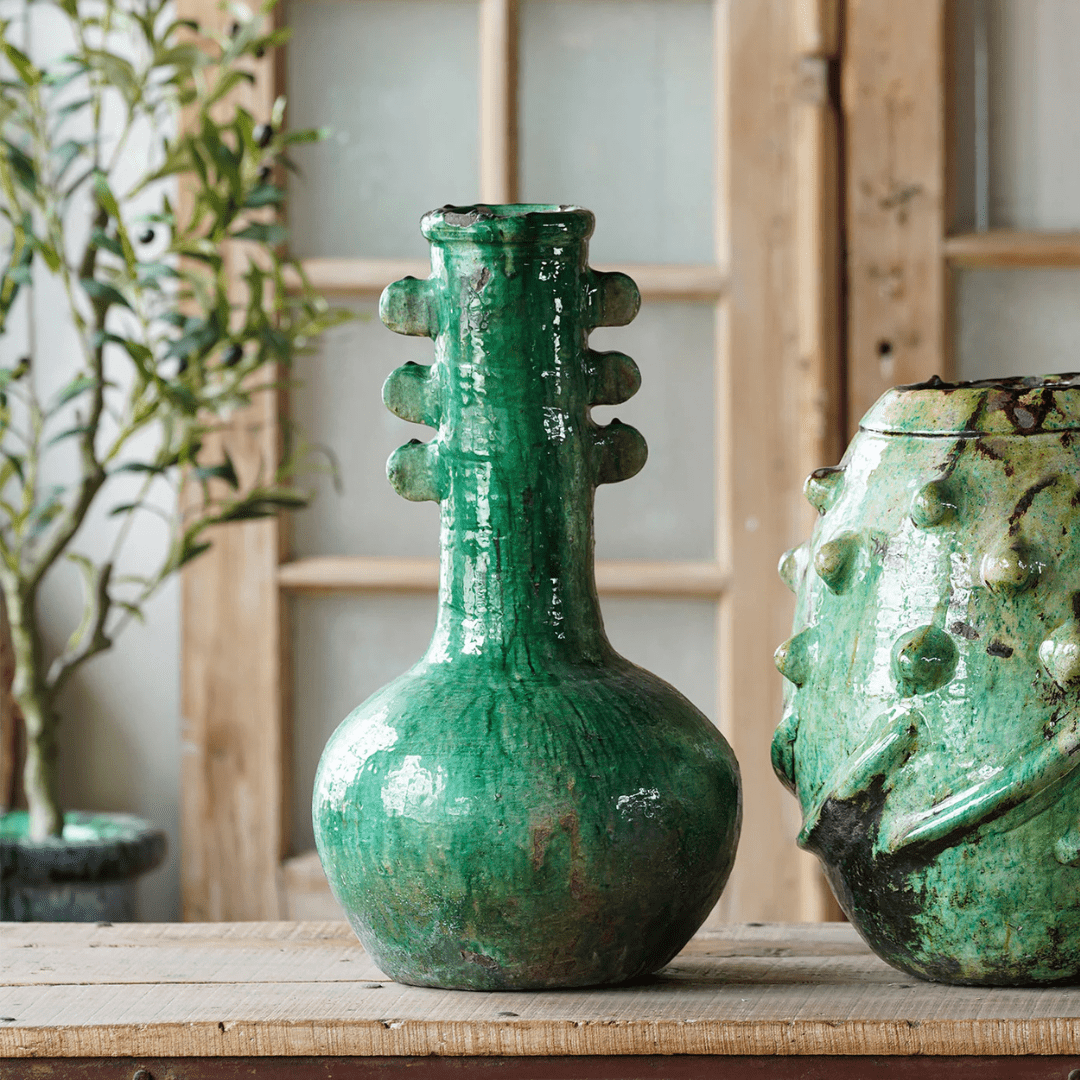
A piece like the Tamegroute candlestick holder sculpture brings uneven texture that softens the room, while the Vintage glove mold sculpture adds form that feels less predictable.
Imperfection creates depth.
Without it, everything starts to feel too controlled.
Don’t Treat Vintage as Just Decorative
One of the biggest mistakes is treating vintage pieces as background objects.
They’re not filler.
They should have a role.
A statement piece like the Vintage forged iron pan can act as a focal point when placed intentionally, while the Edna chapati mirror expands the space and shifts how light moves across the room.
Vintage works best when it participates in the room—not just sits in it.
Create Visual Pause Points
A well-designed room isn’t filled evenly.
It has rhythm.
Vintage decor helps create that by acting as pause points—areas where the eye naturally stops before moving on.
Without these, a room can feel too continuous or too flat.
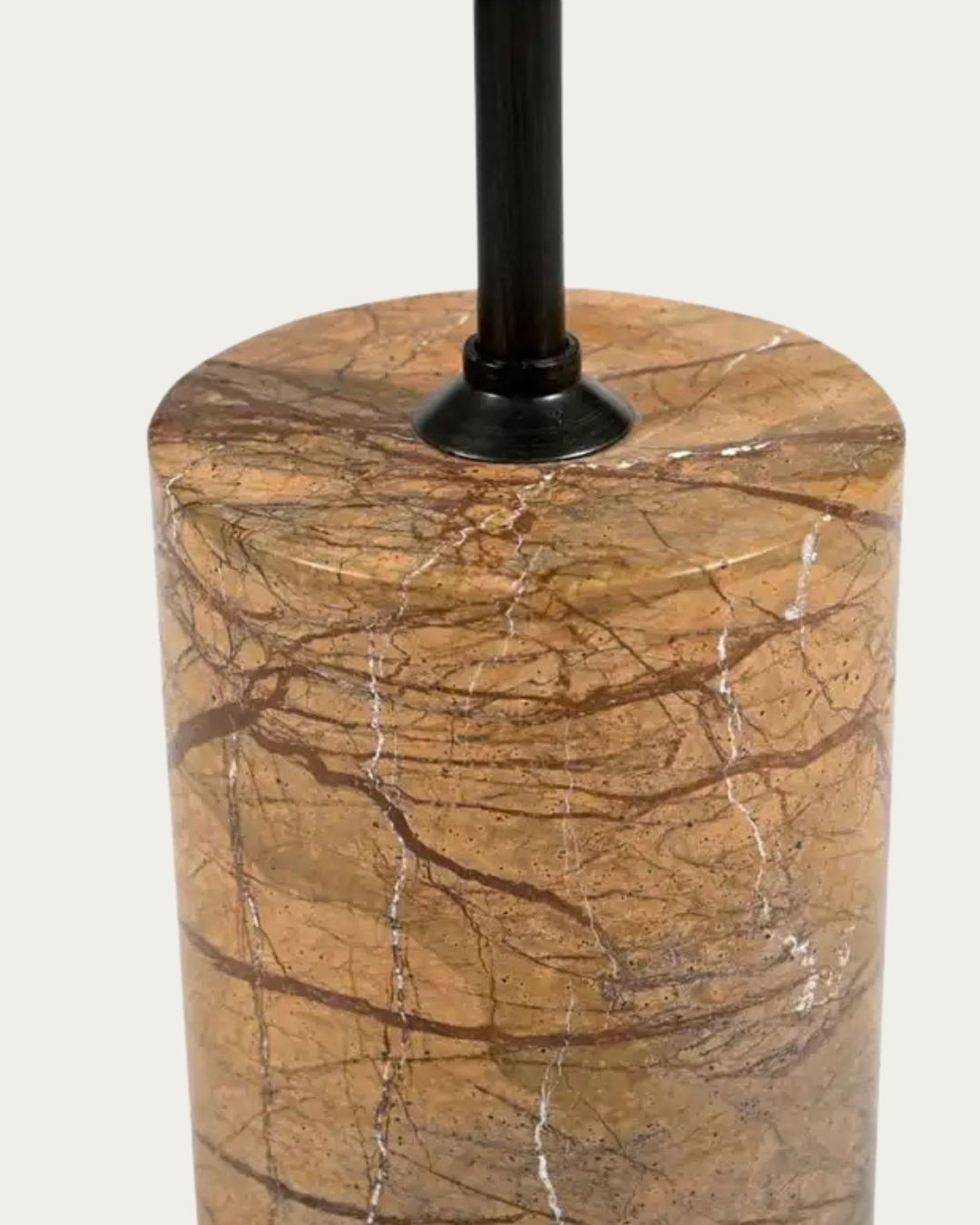
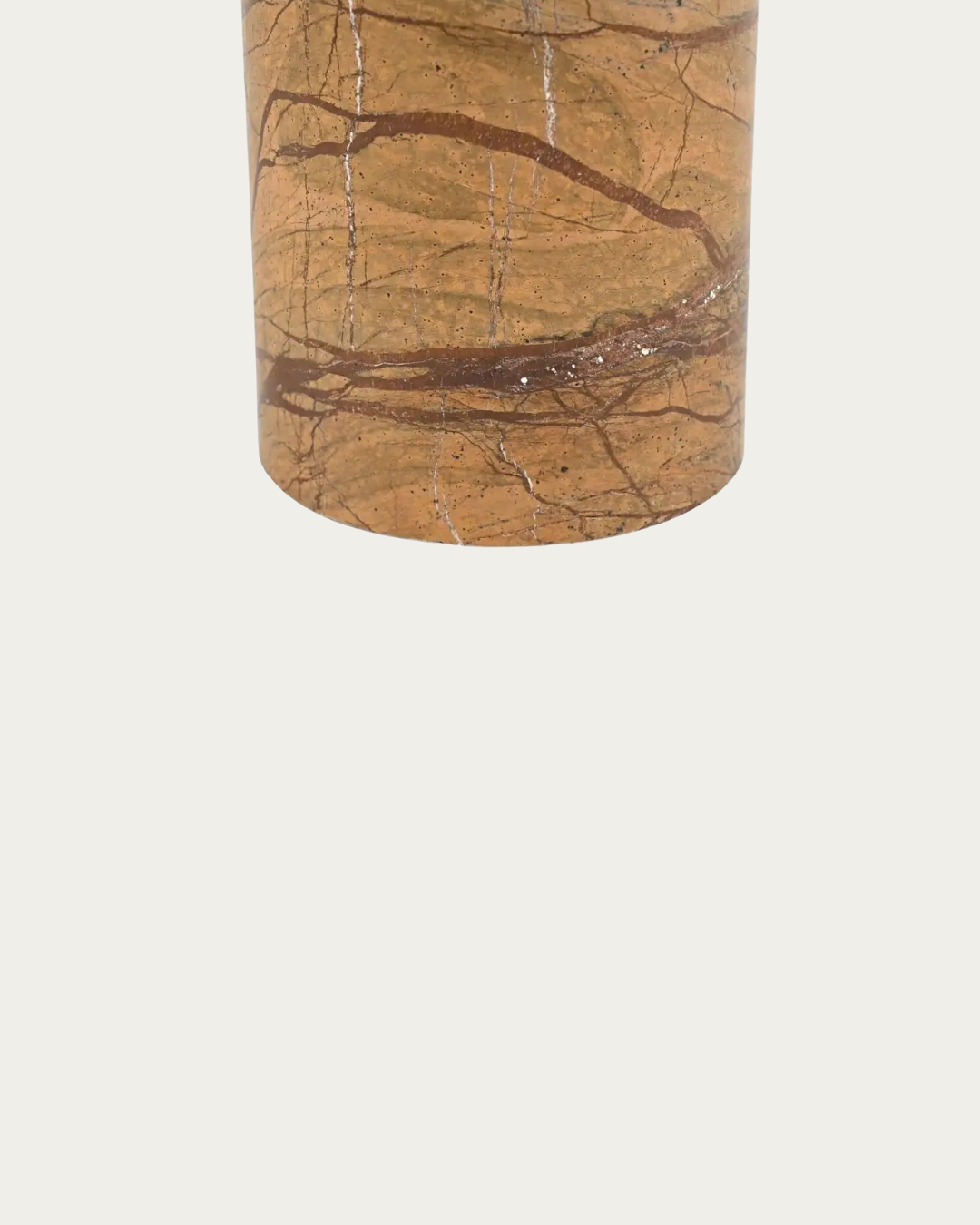
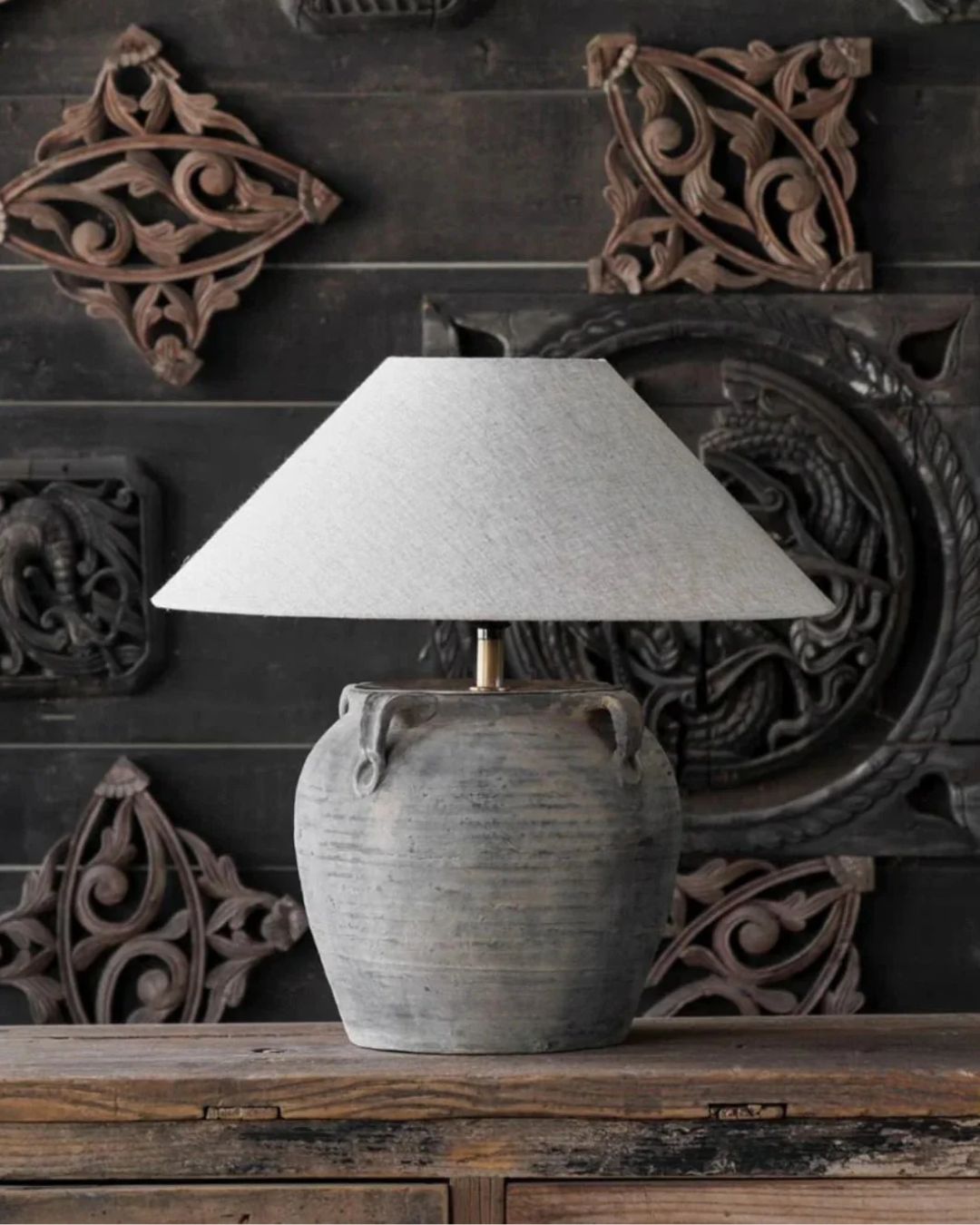
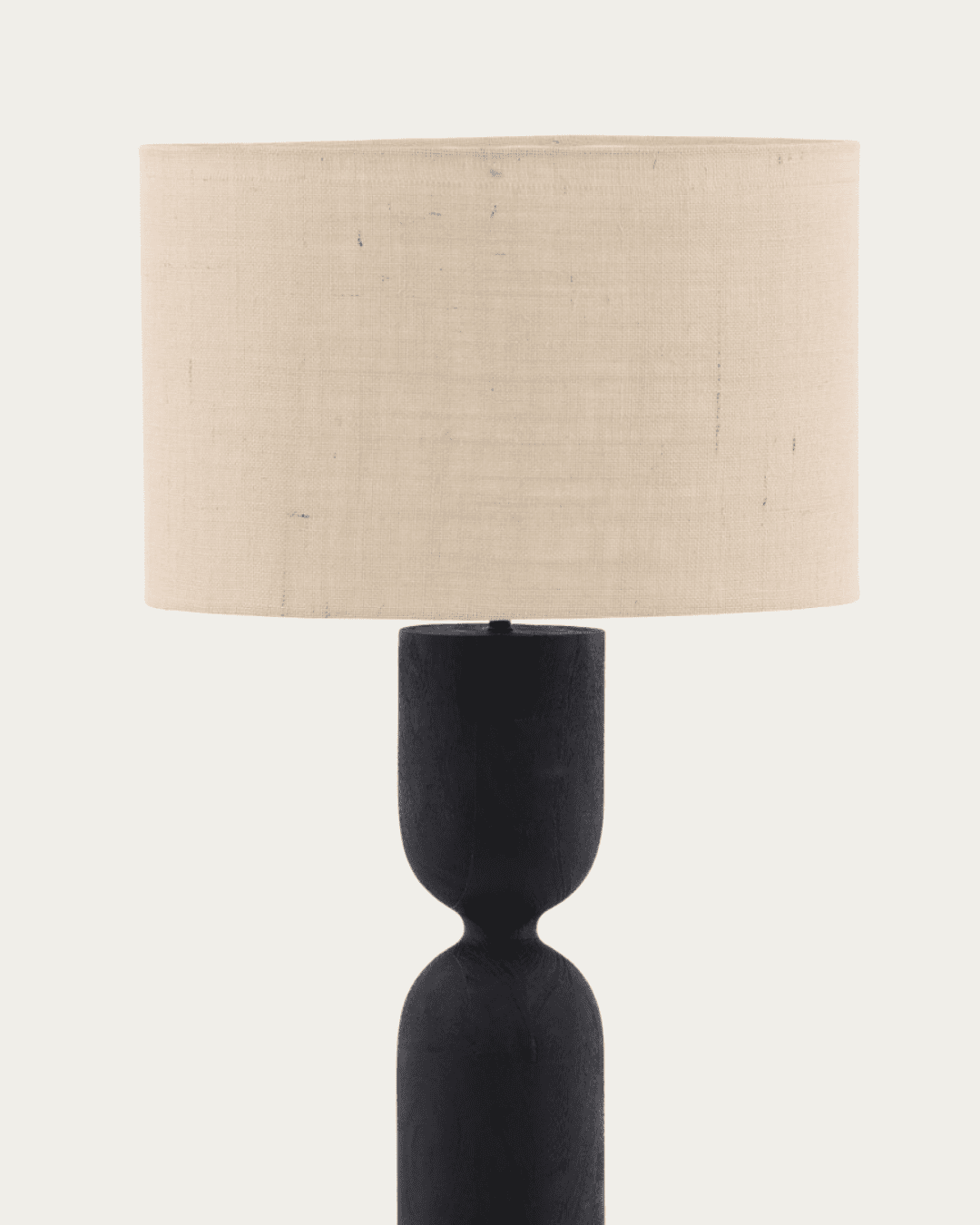
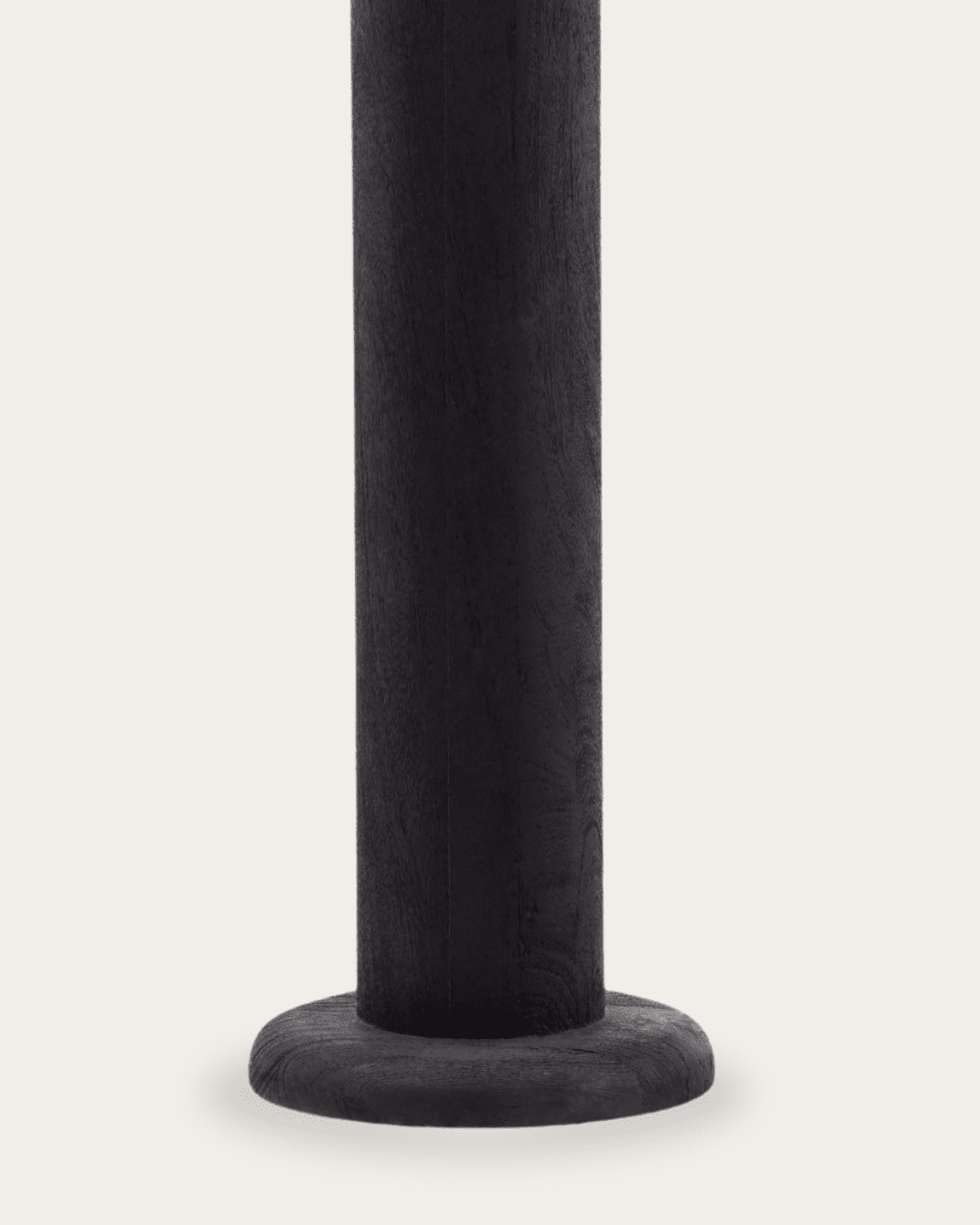
A piece like the Betz water pot table lamp creates a moment within a surface, while larger items like the Chinese harvest basket can define a wall or corner.
These moments don’t need to be loud.
They just need to exist.
A RUTED Tip: Variation Reduces Visual Fatigue. Your brain constantly scans for patterns, and when everything in a space looks the same—same material, same finish, same shape—it increases visual fatigue; introducing vintage decor breaks that pattern with variation, allowing your brain to process the space more efficiently and settle more easily.

Keep the Palette Controlled
Vintage decor already brings complexity.
If you add too many competing tones, the room can quickly feel chaotic.
The solution isn’t removing vintage.
It’s controlling what surrounds it.
Let materials speak—wood, stone, aged finishes—without layering too many additional colors.
The Vintage shallow wood bowls feel more intentional when paired with restrained tones, while the Vintage marble plate blends more naturally when it isn’t competing with bold contrast.
Restraint is what keeps vintage from feeling overwhelming.
Place Vintage Where It Can Be Understood
Not every piece needs to be front and center.
But every piece should be placed where it makes sense.
When vintage decor is scattered randomly, it feels disconnected. When it’s placed with intention, it feels collected.
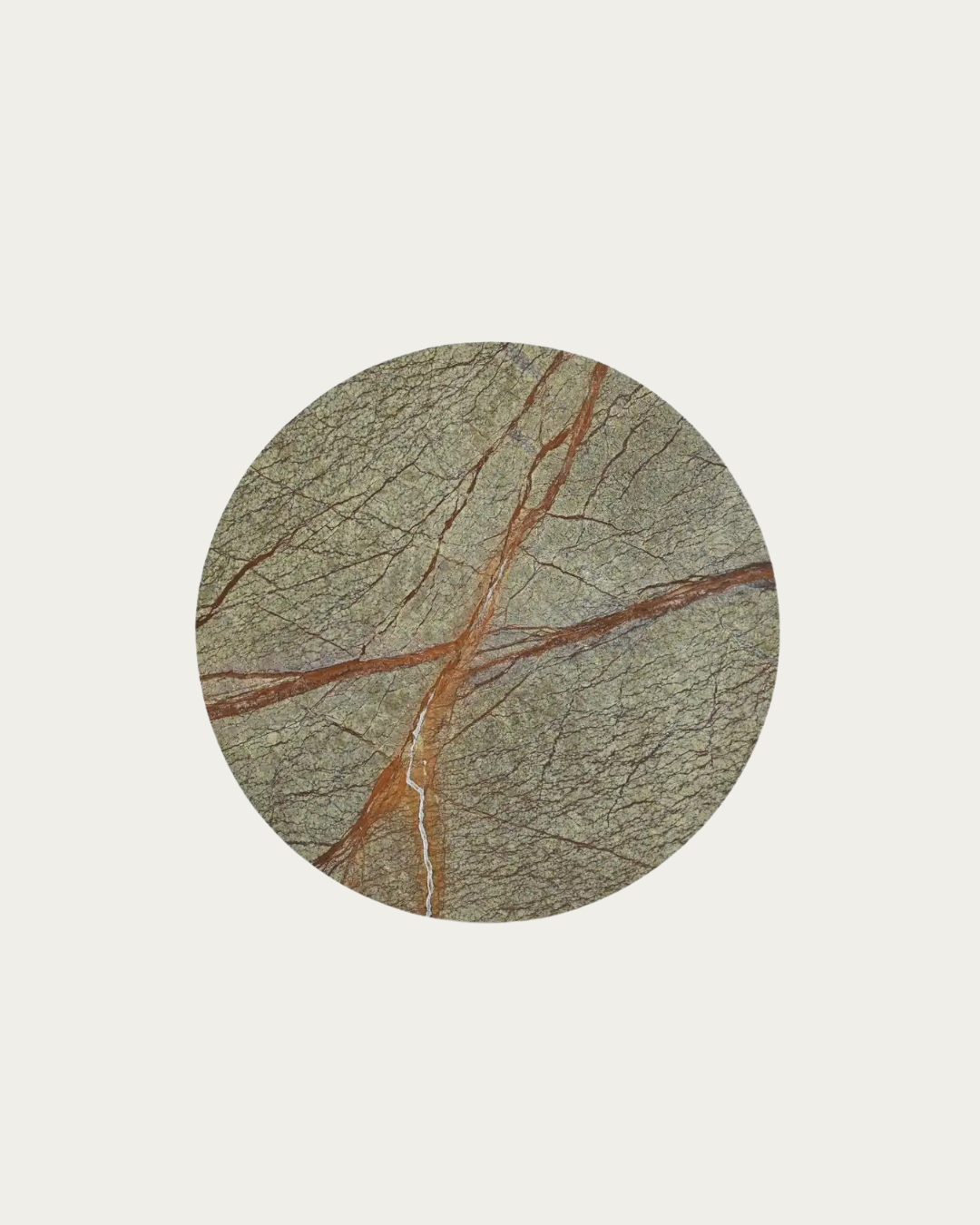
A larger piece like the Edna chapati mirror works best when it has space around it, while smaller items like the Fern stone biscuit mold plate benefit from being grouped or layered.
Placement creates meaning.
Without it, even good pieces feel misplaced.
Final Thought
Vintage decor doesn’t make a space feel outdated.
How it’s used does.
When you balance scale, control the palette, and place pieces with intention, vintage stops feeling like something from the past—and starts feeling like something that adds depth to the present.
That’s the difference between decorating and building a space that actually works.
If you’re ready to explore pieces that bring that kind of depth into your home, start here:
Browse the vintage collection