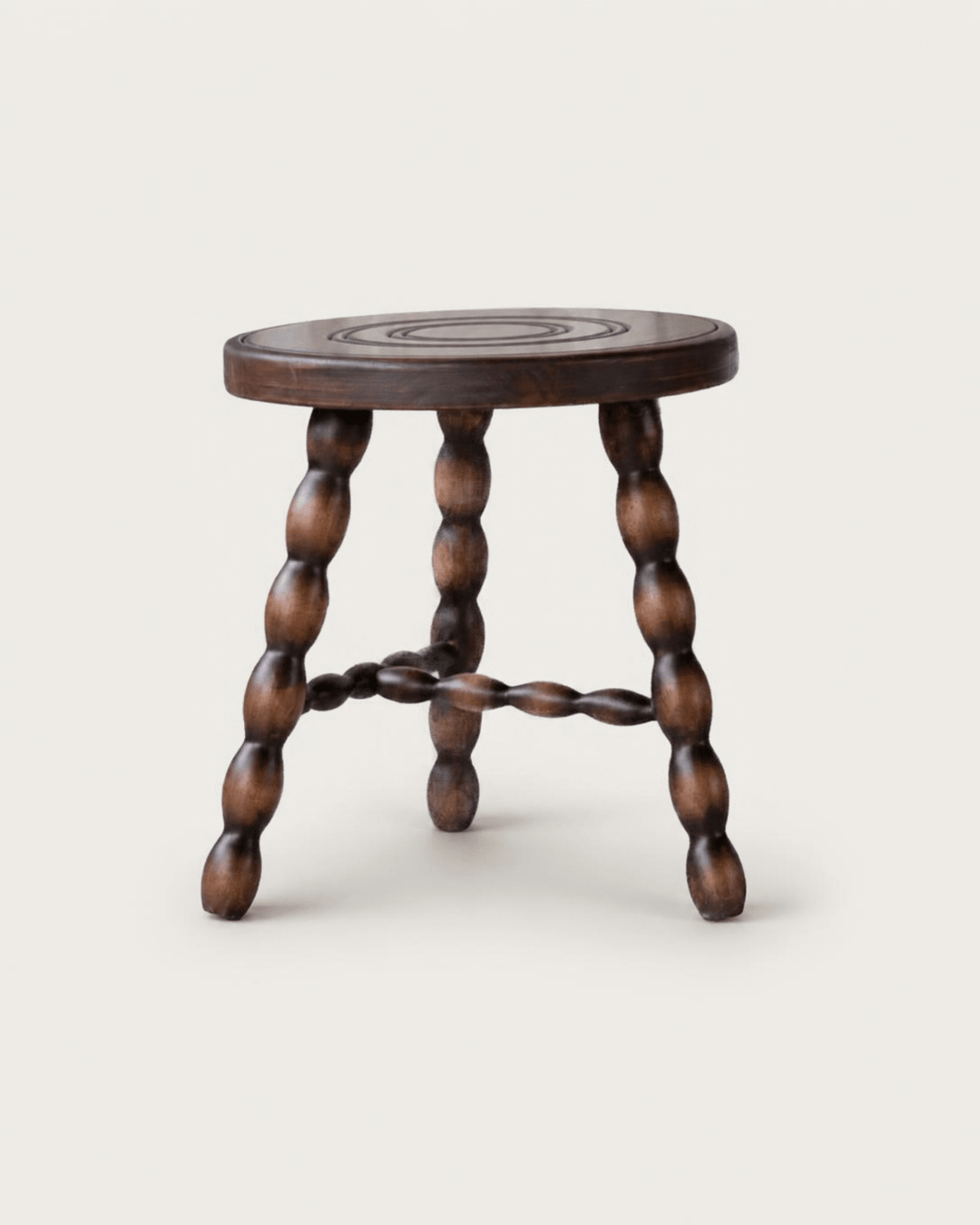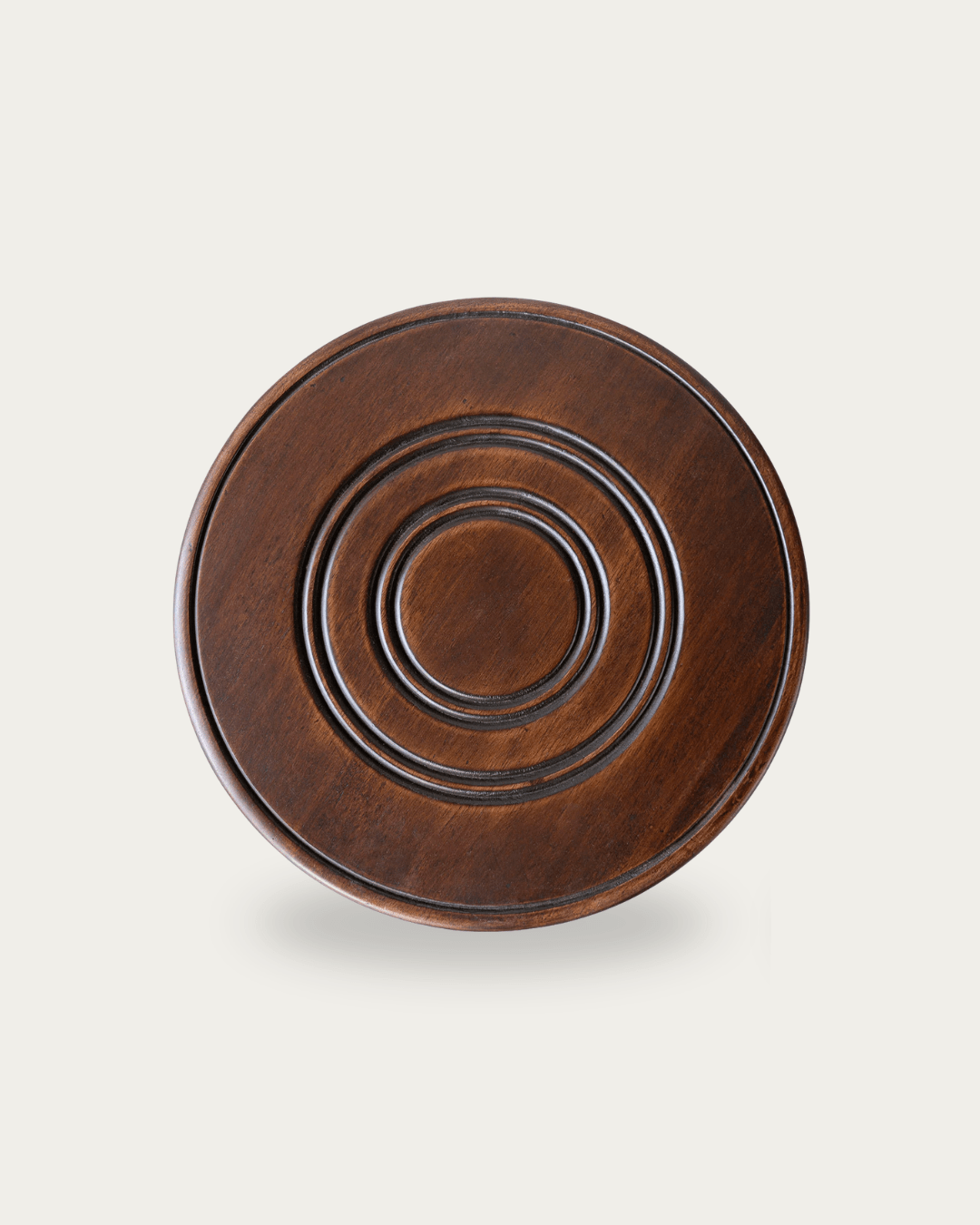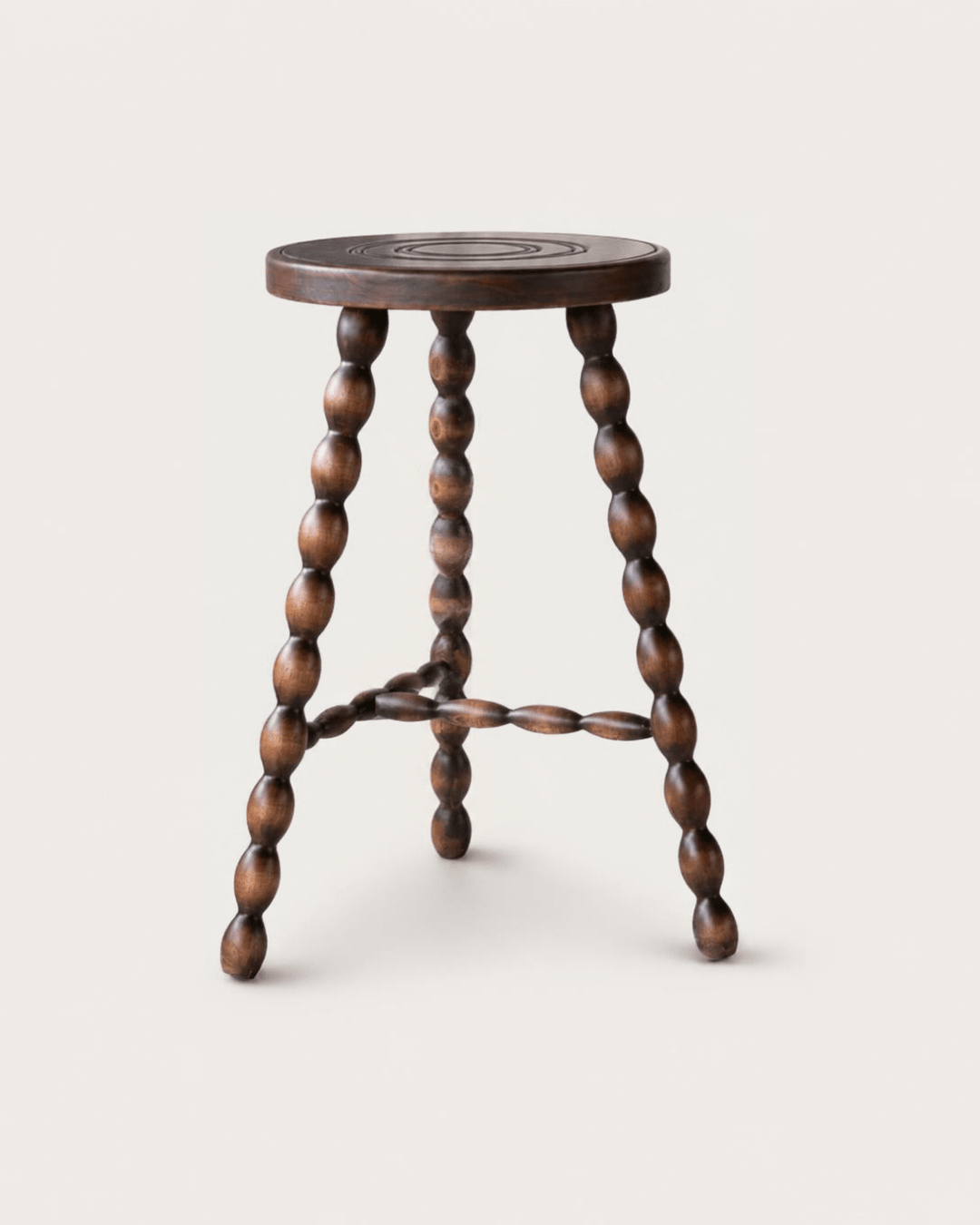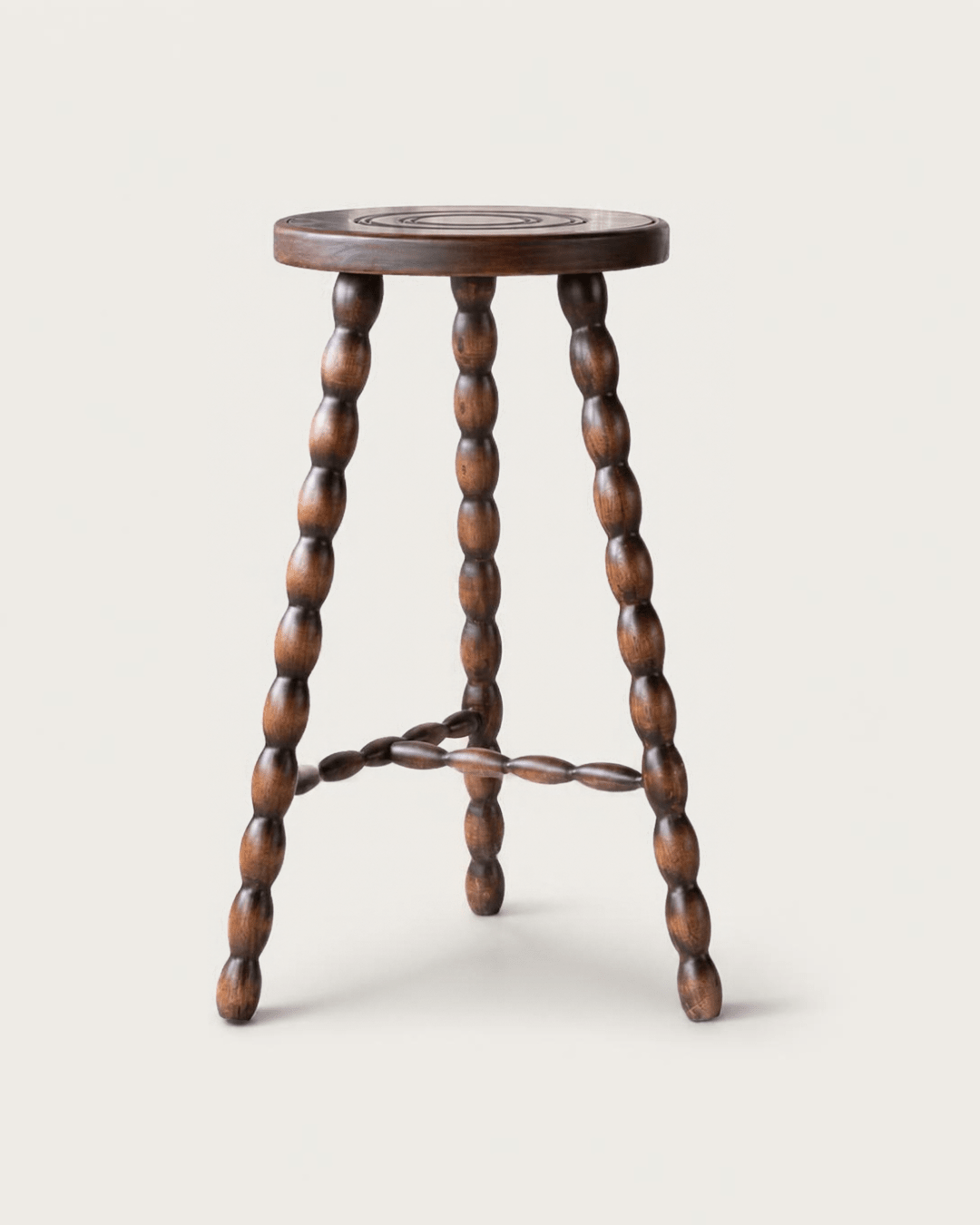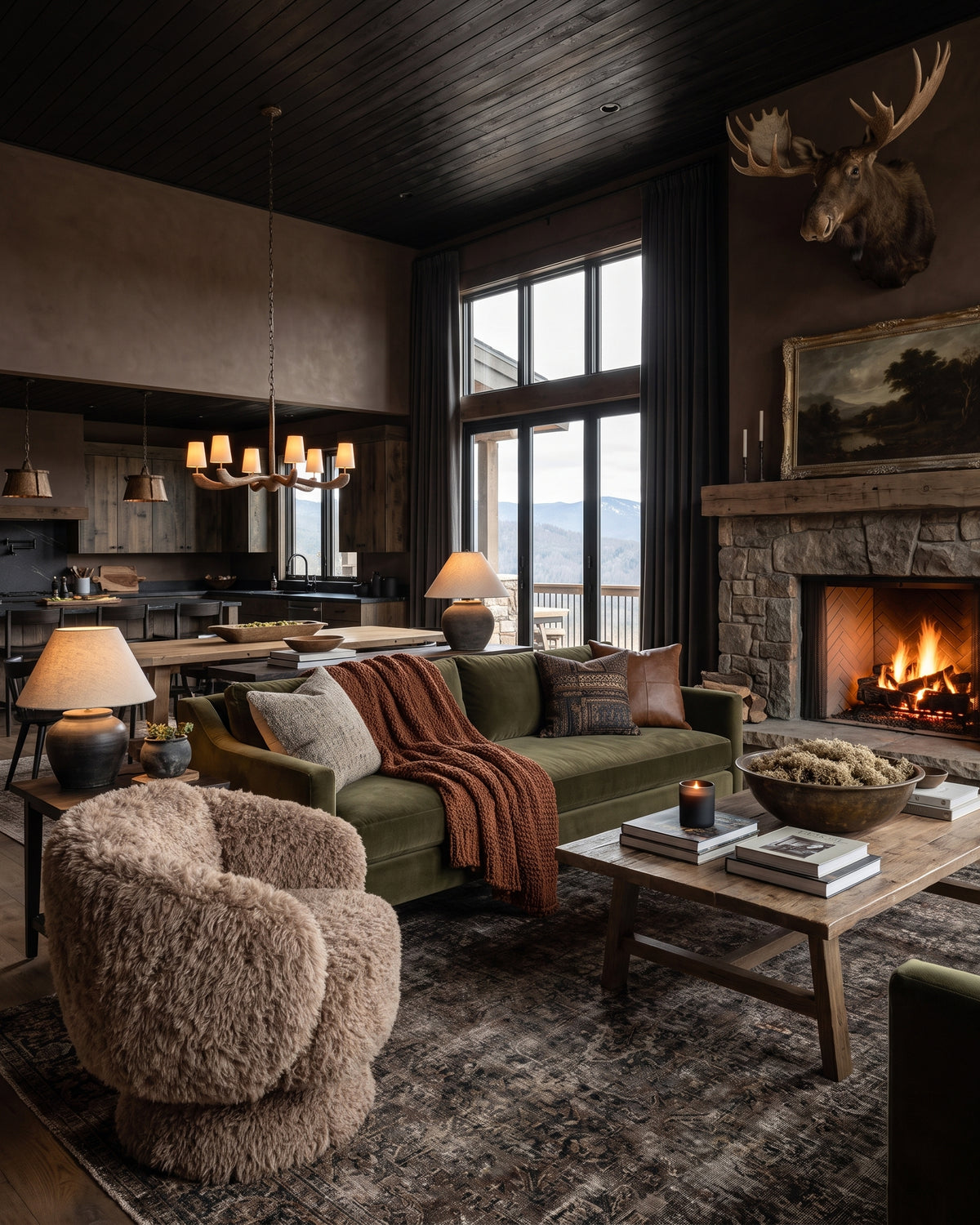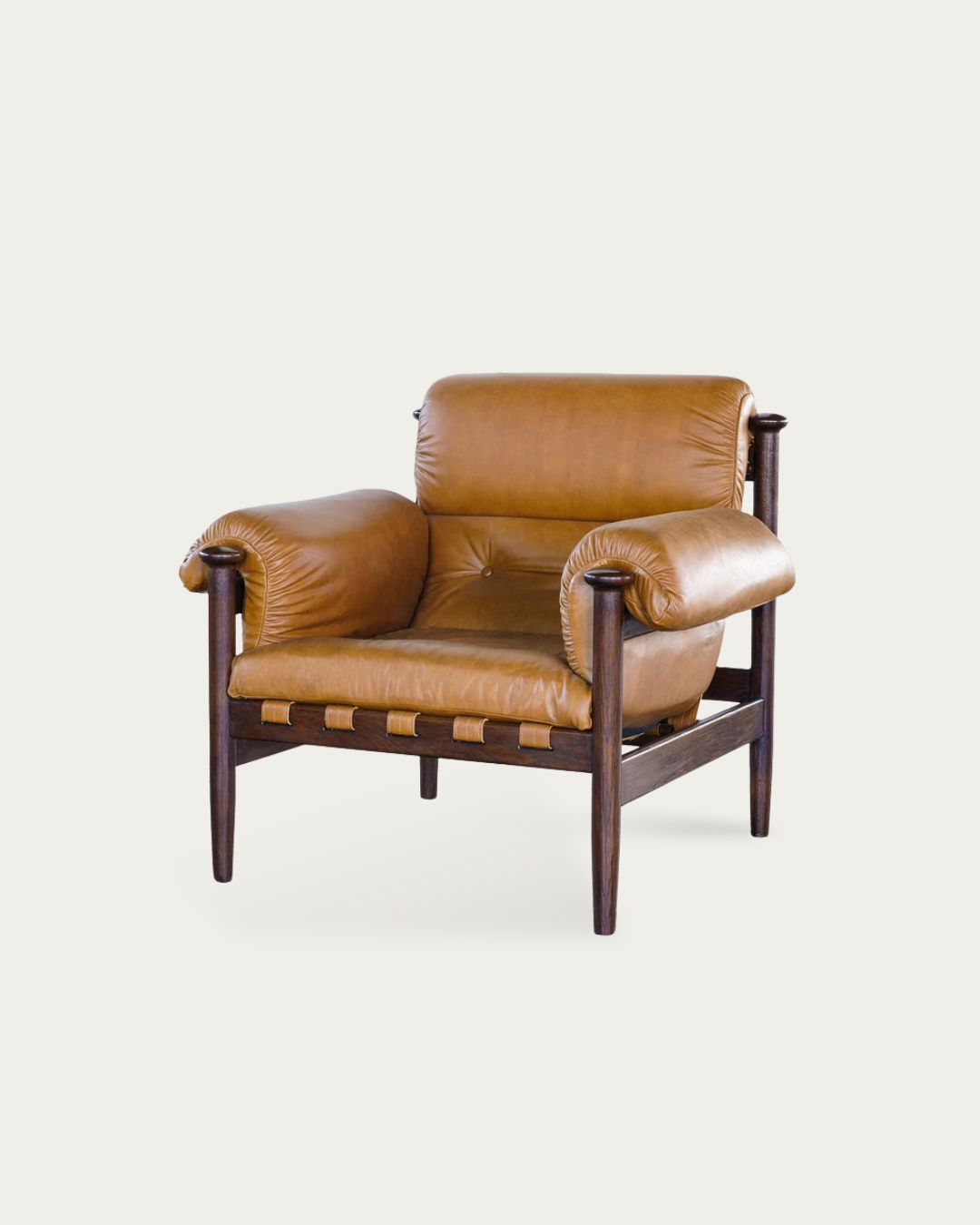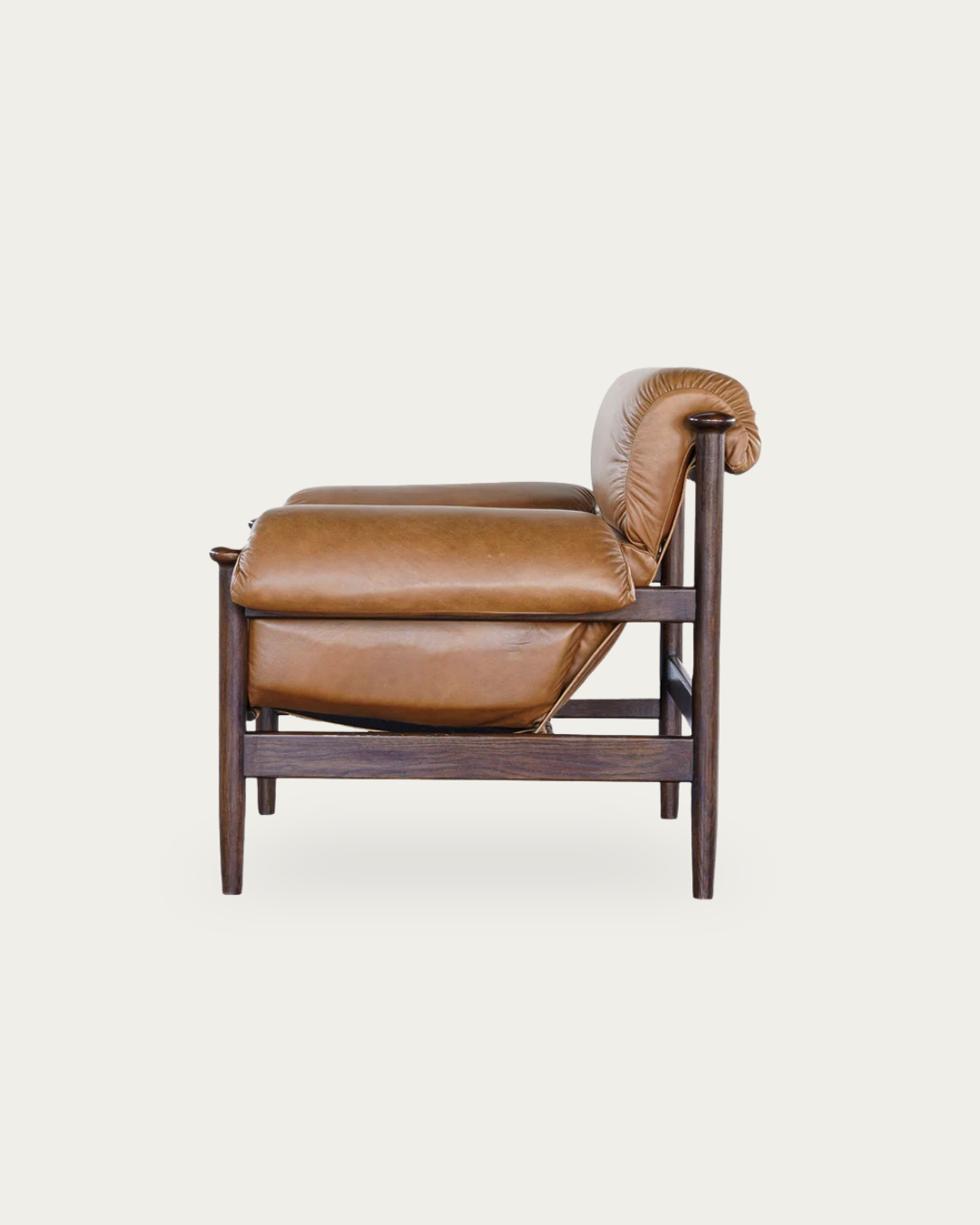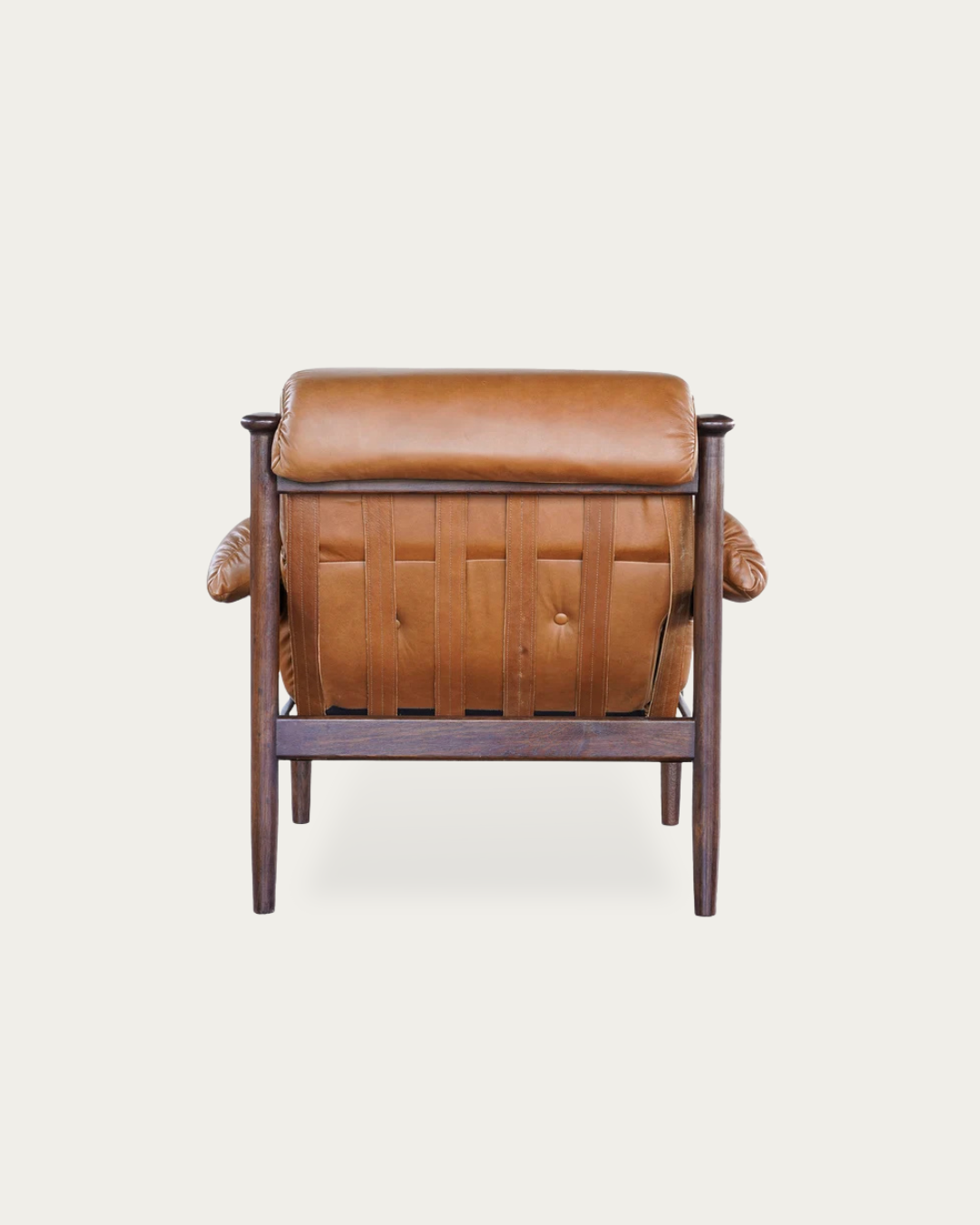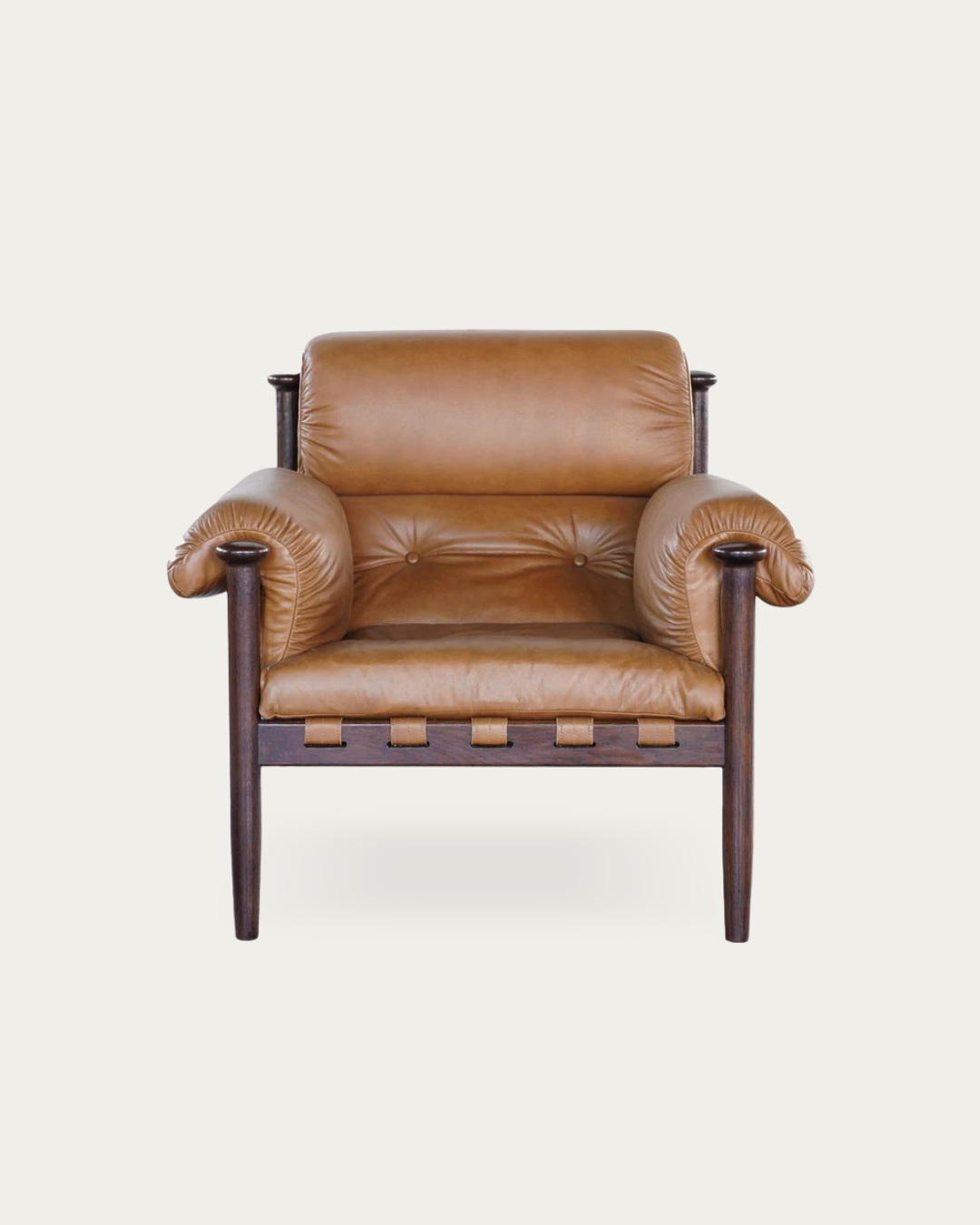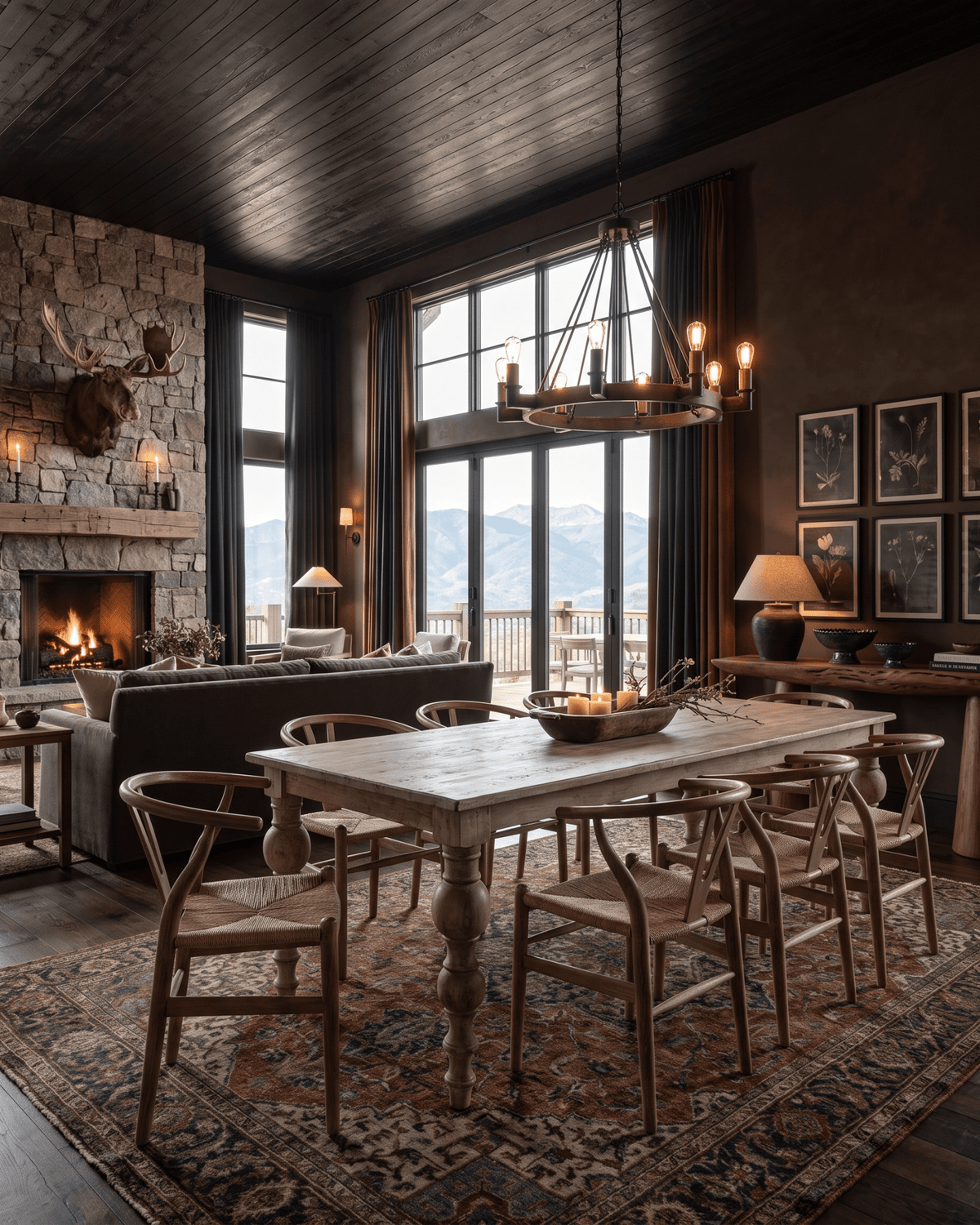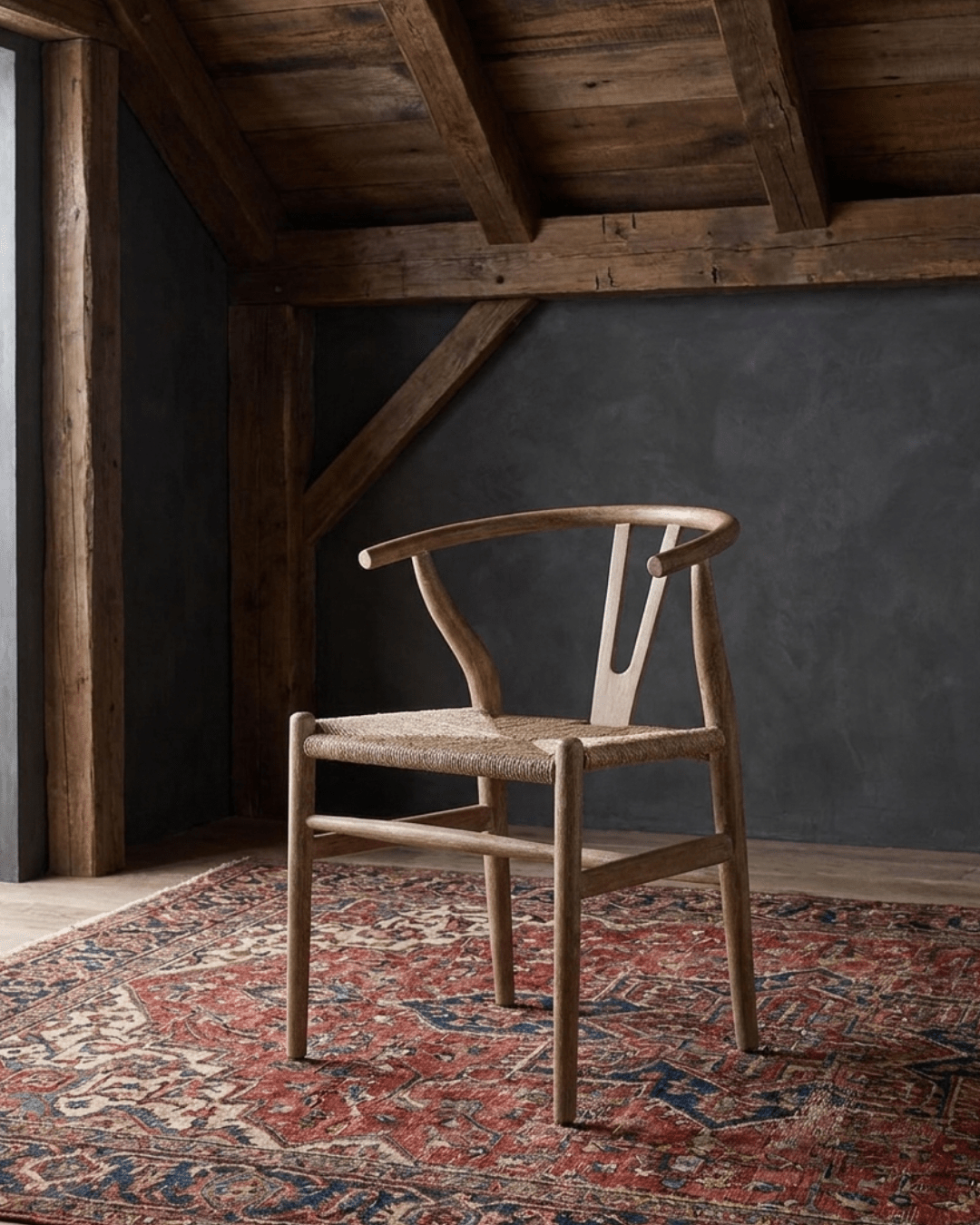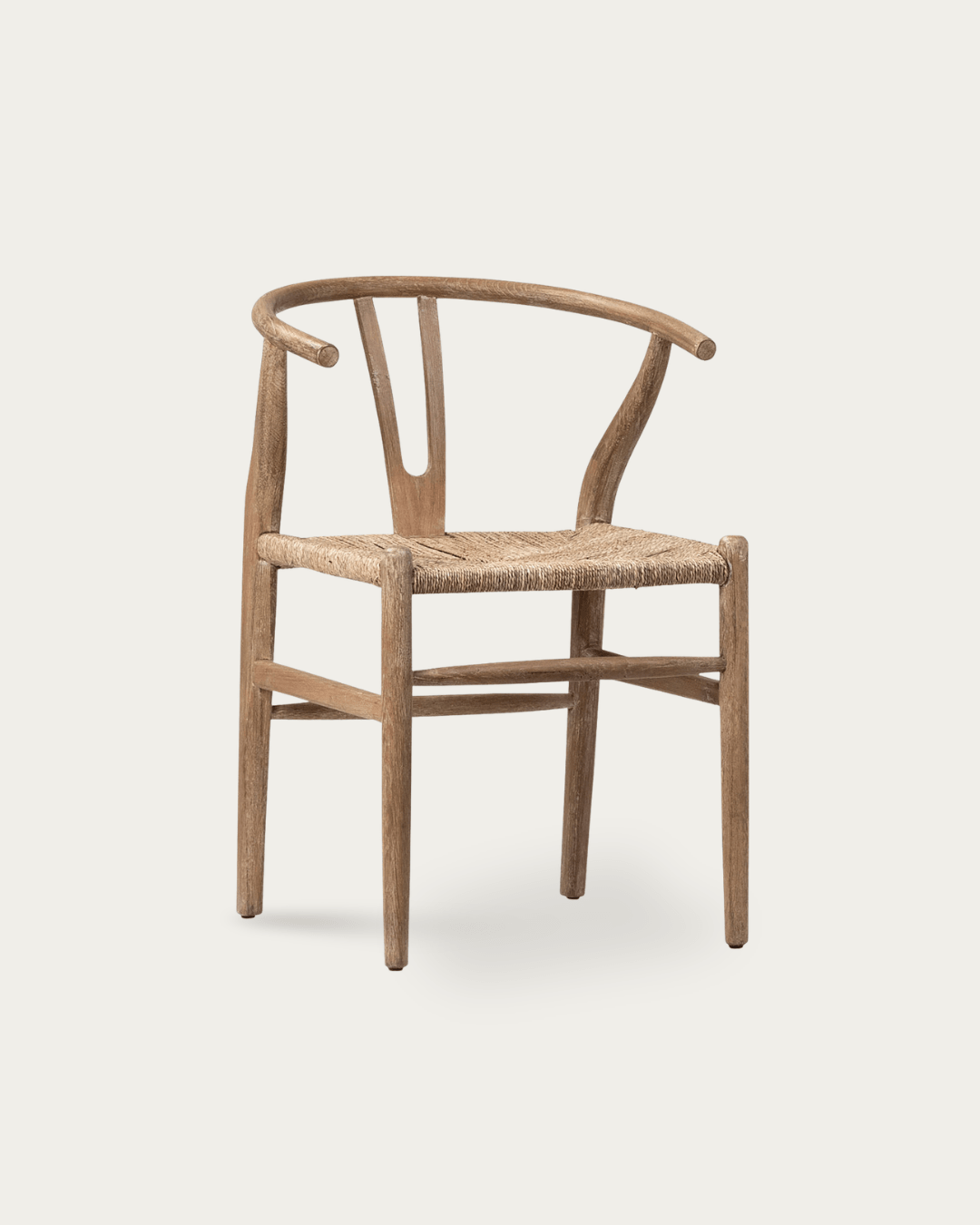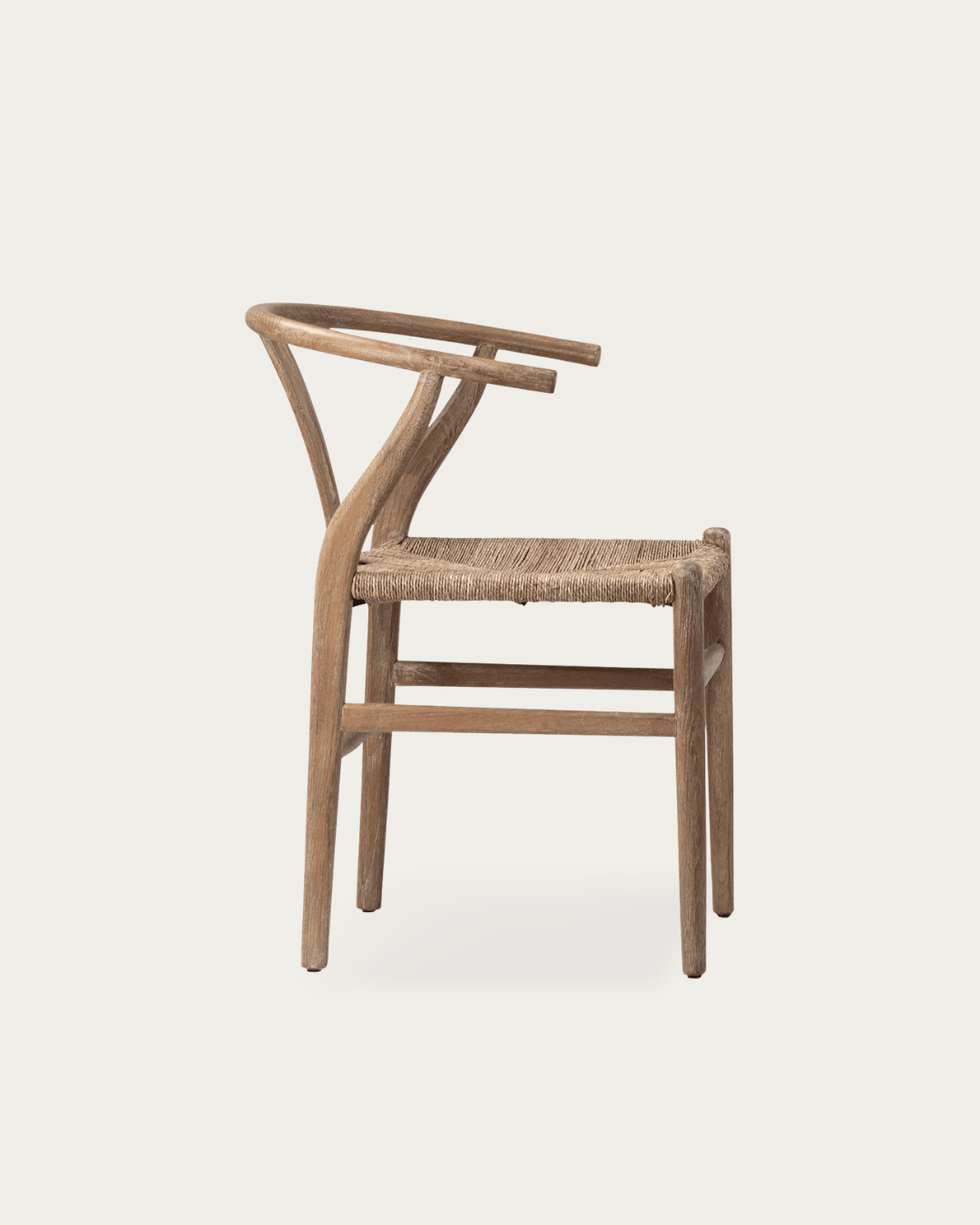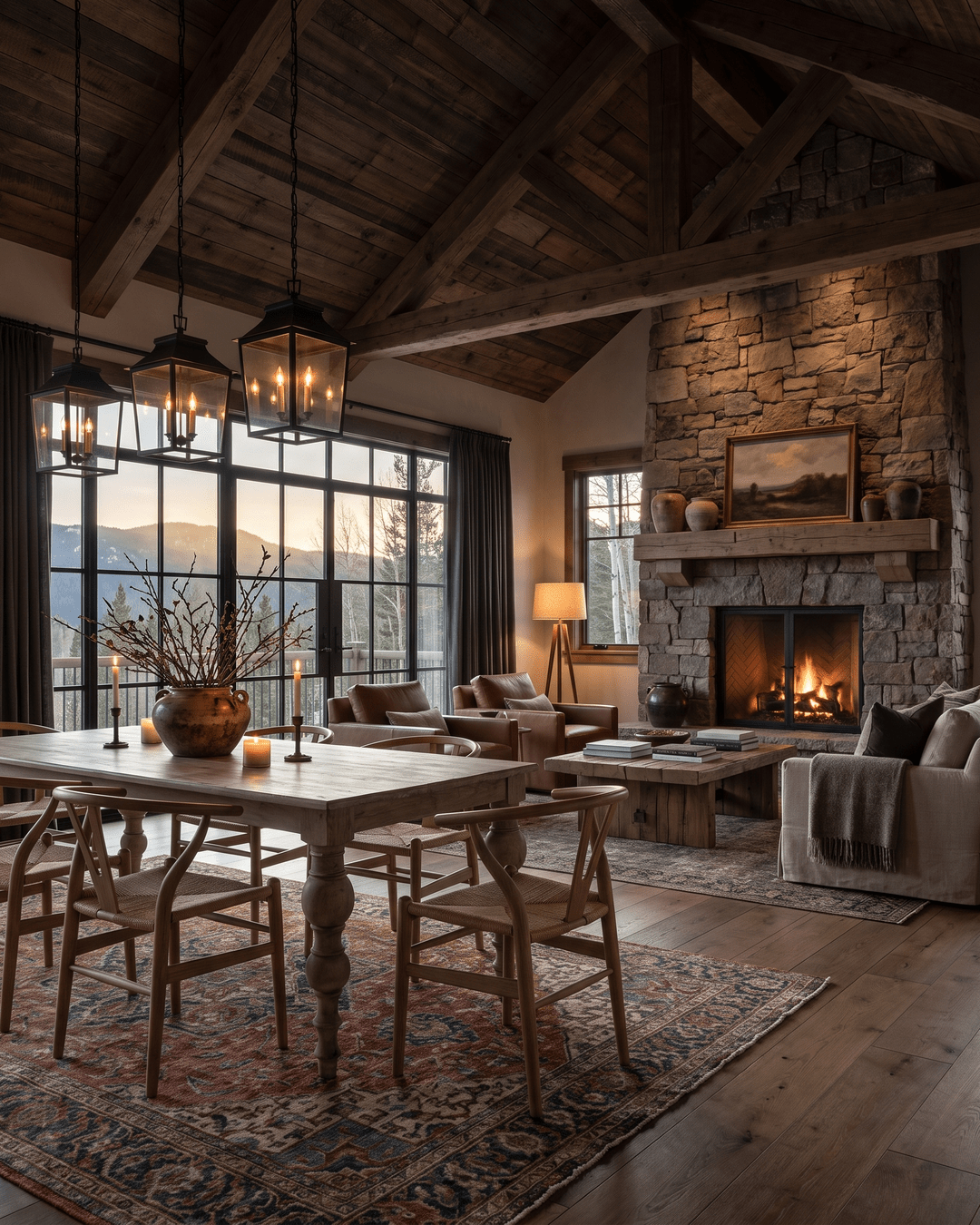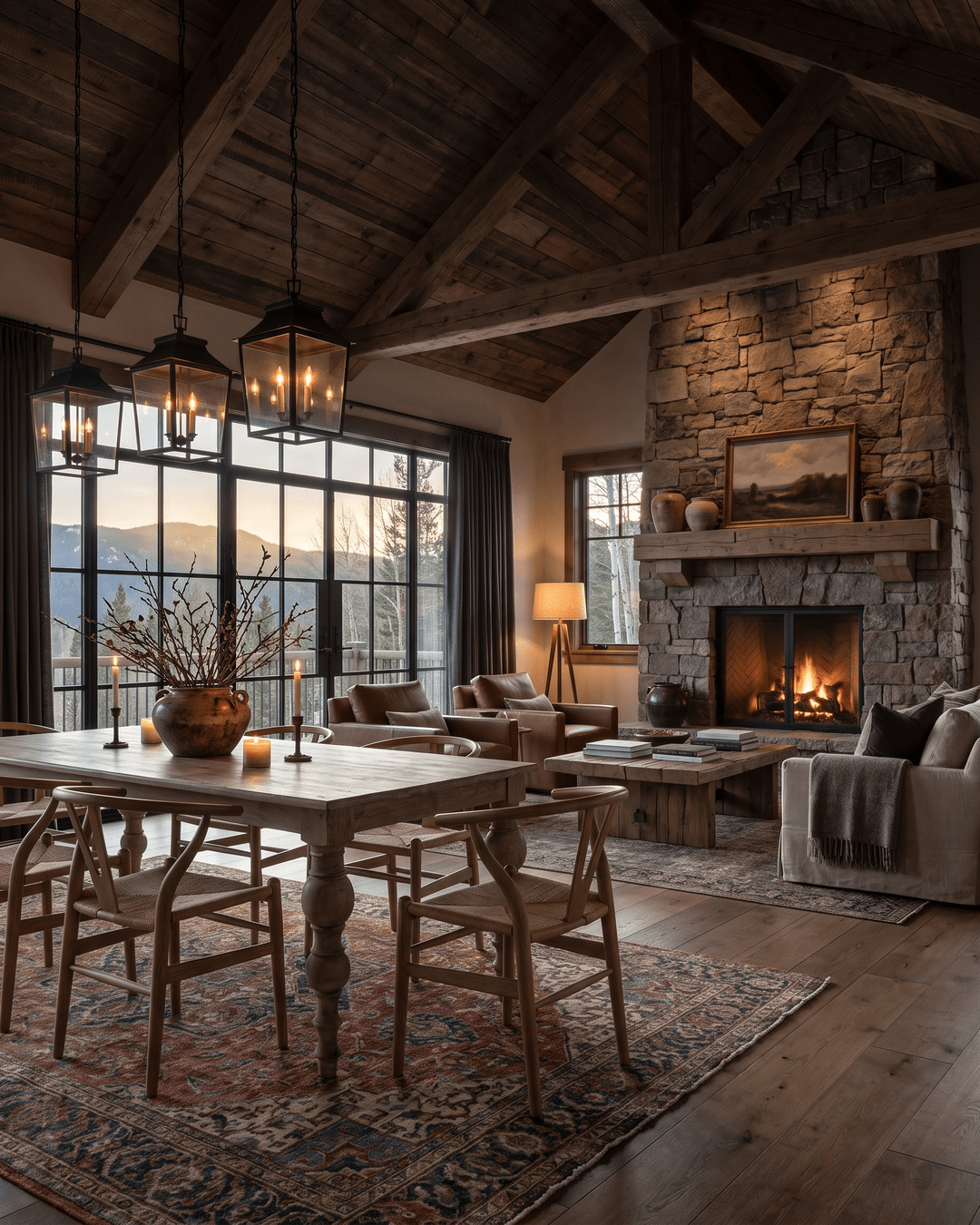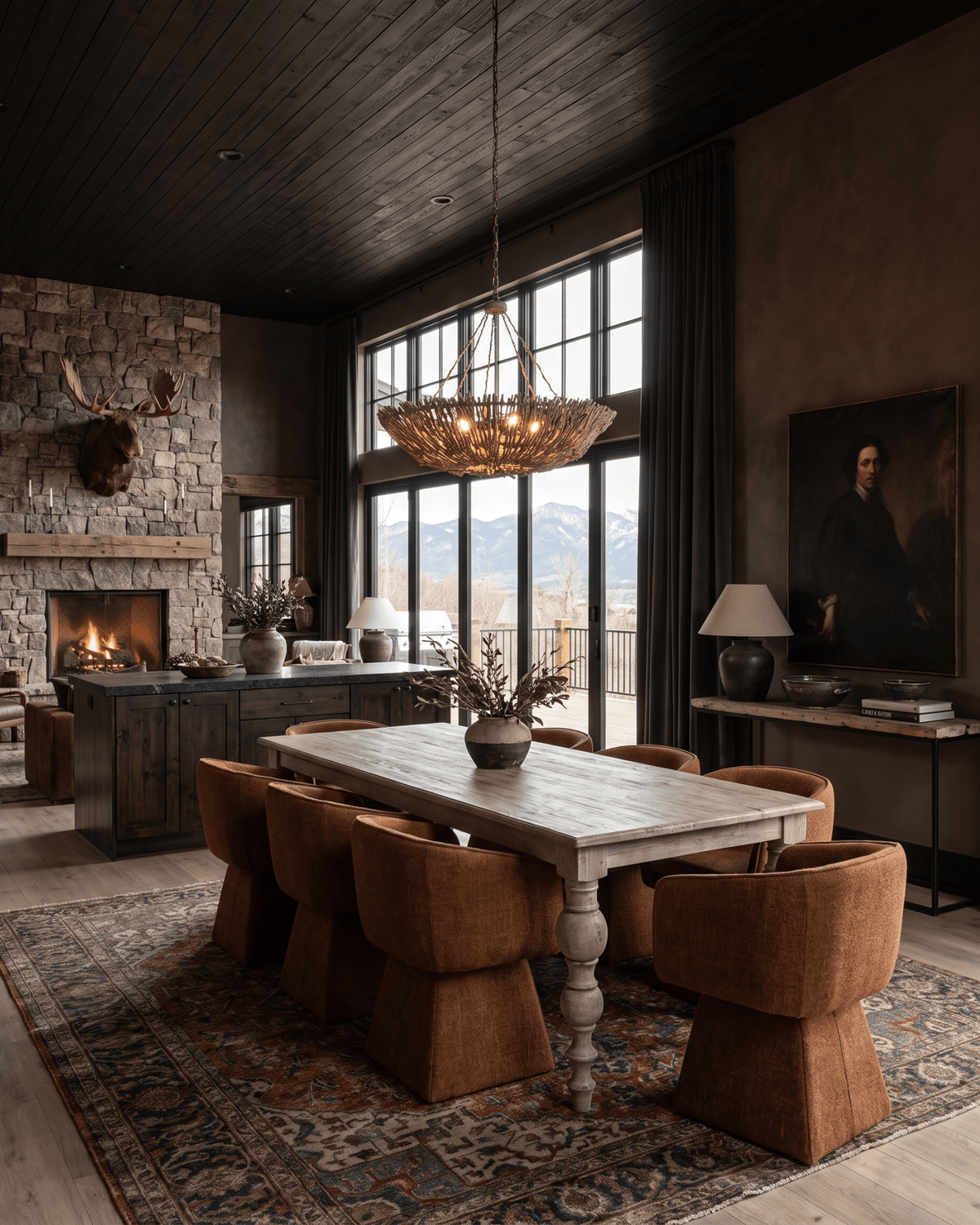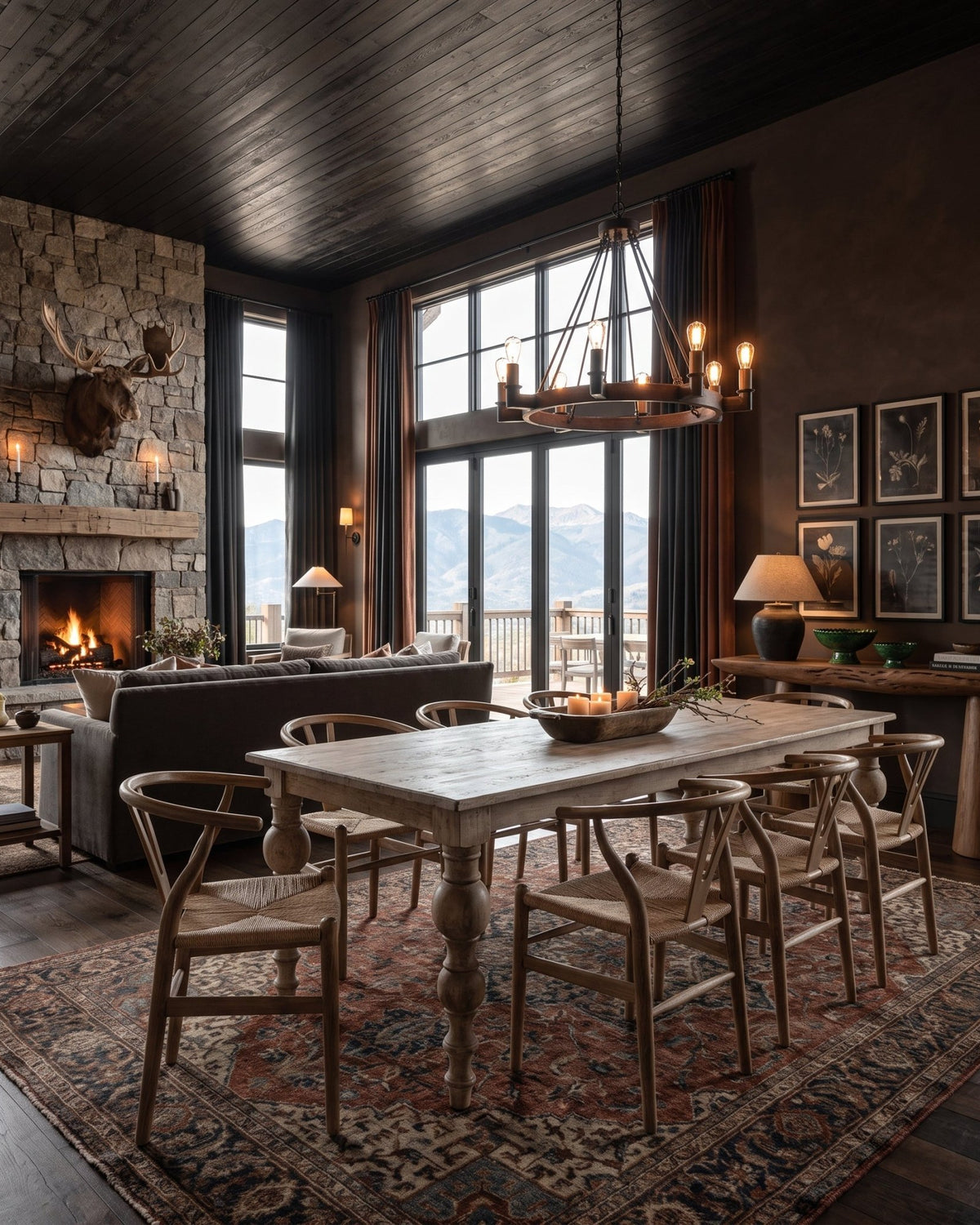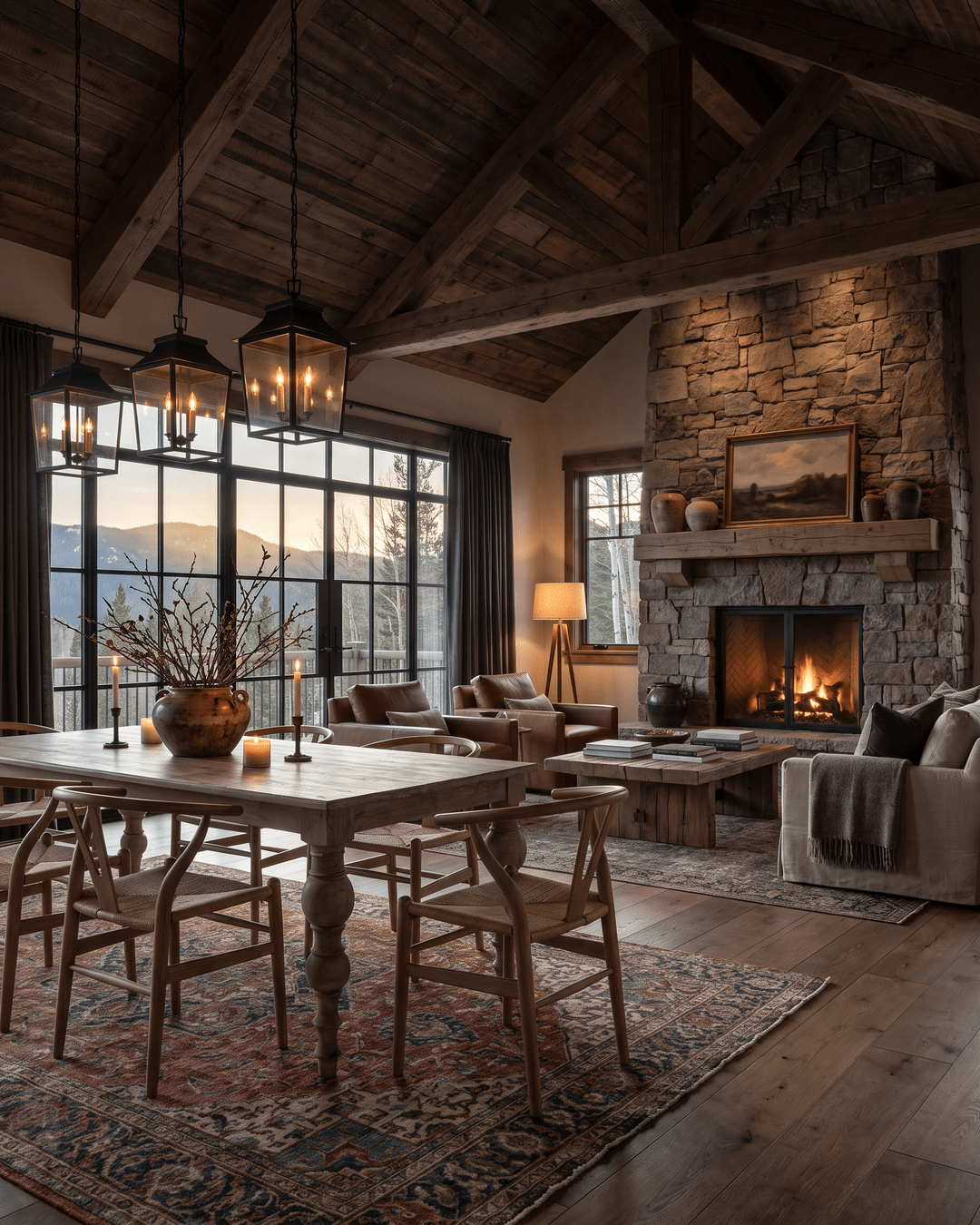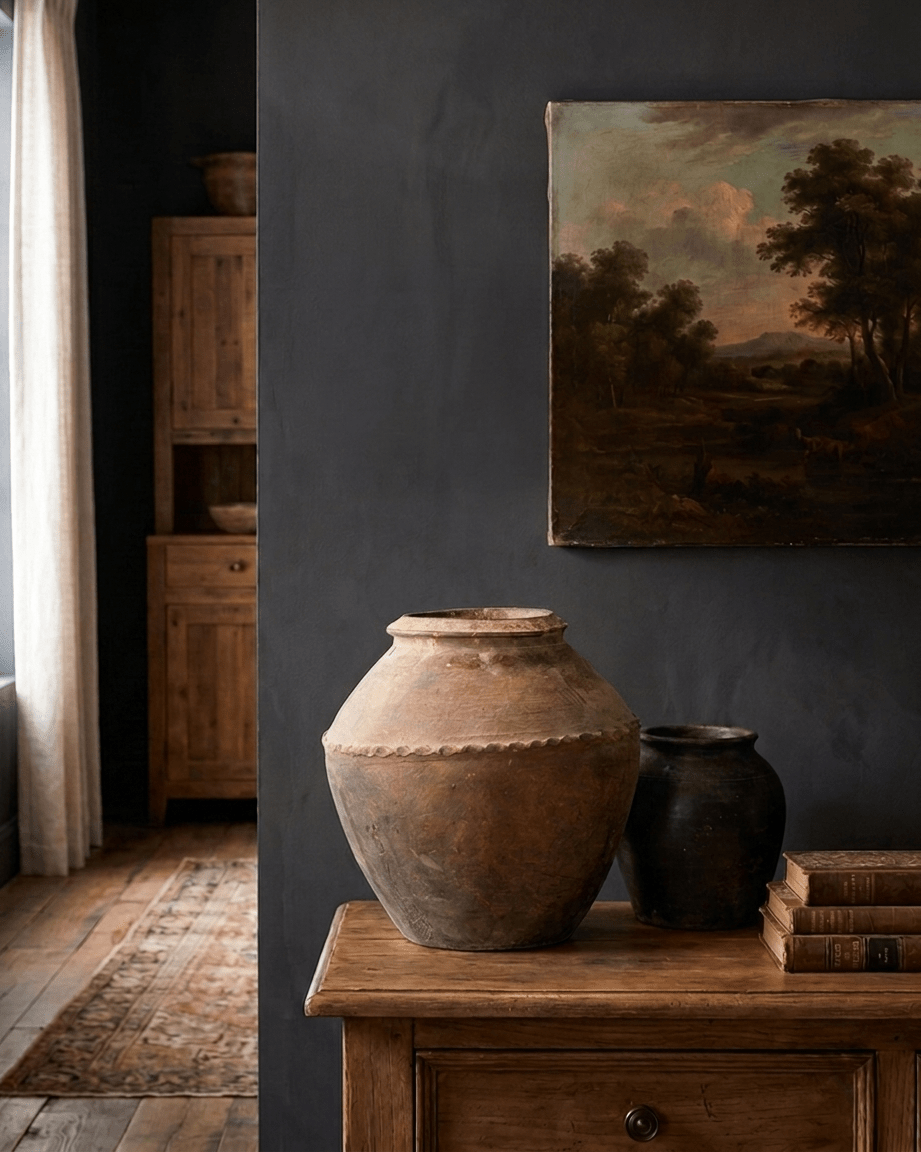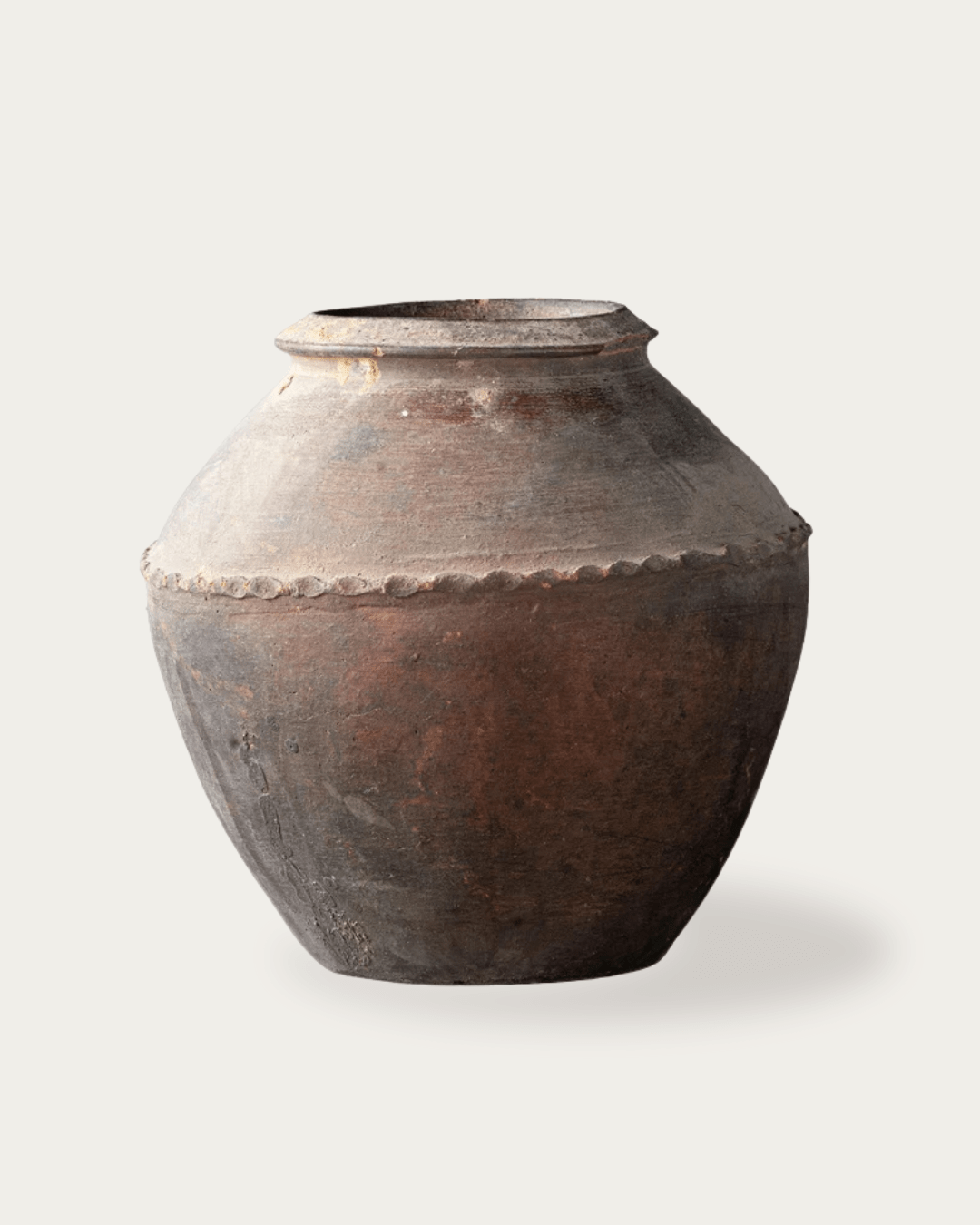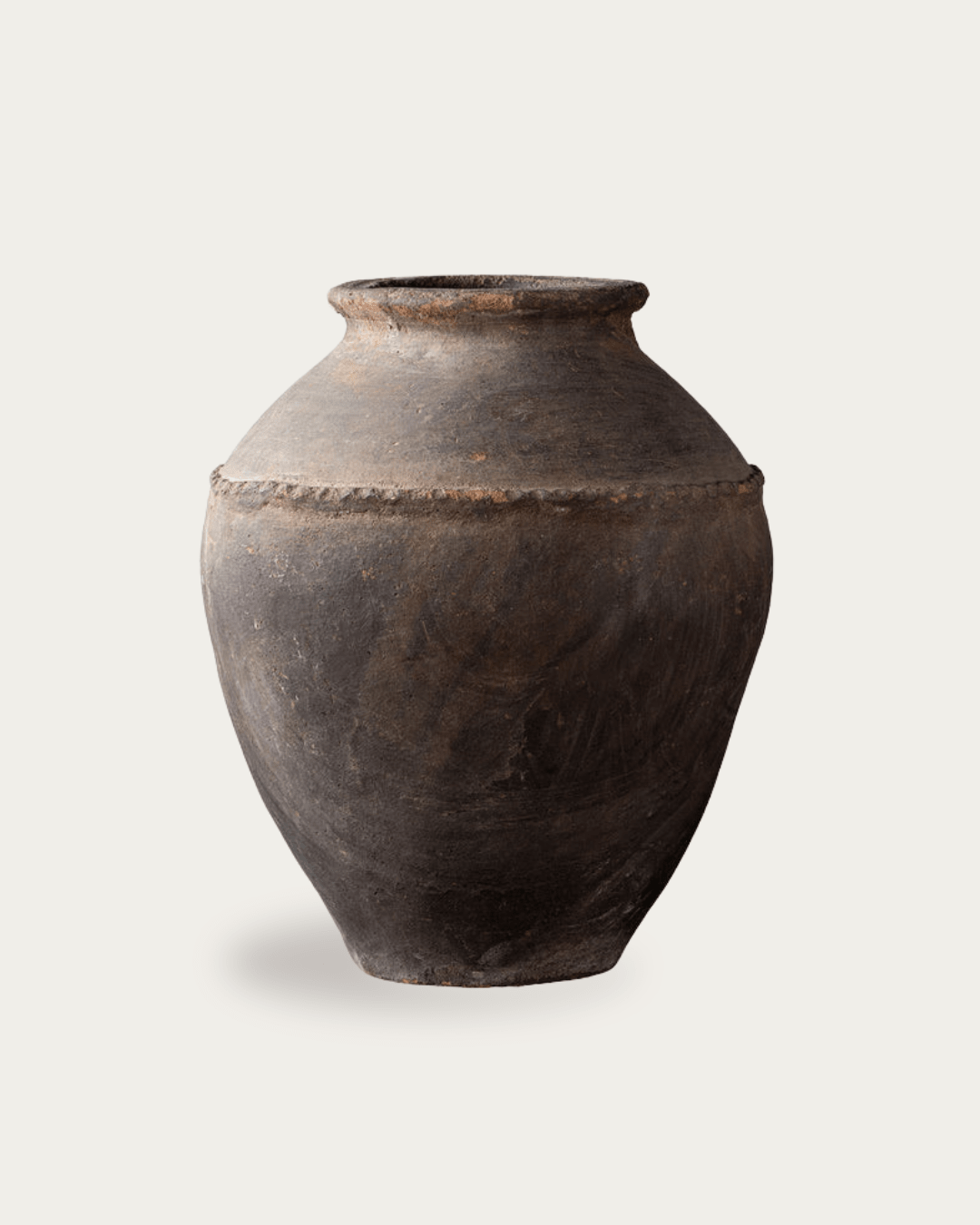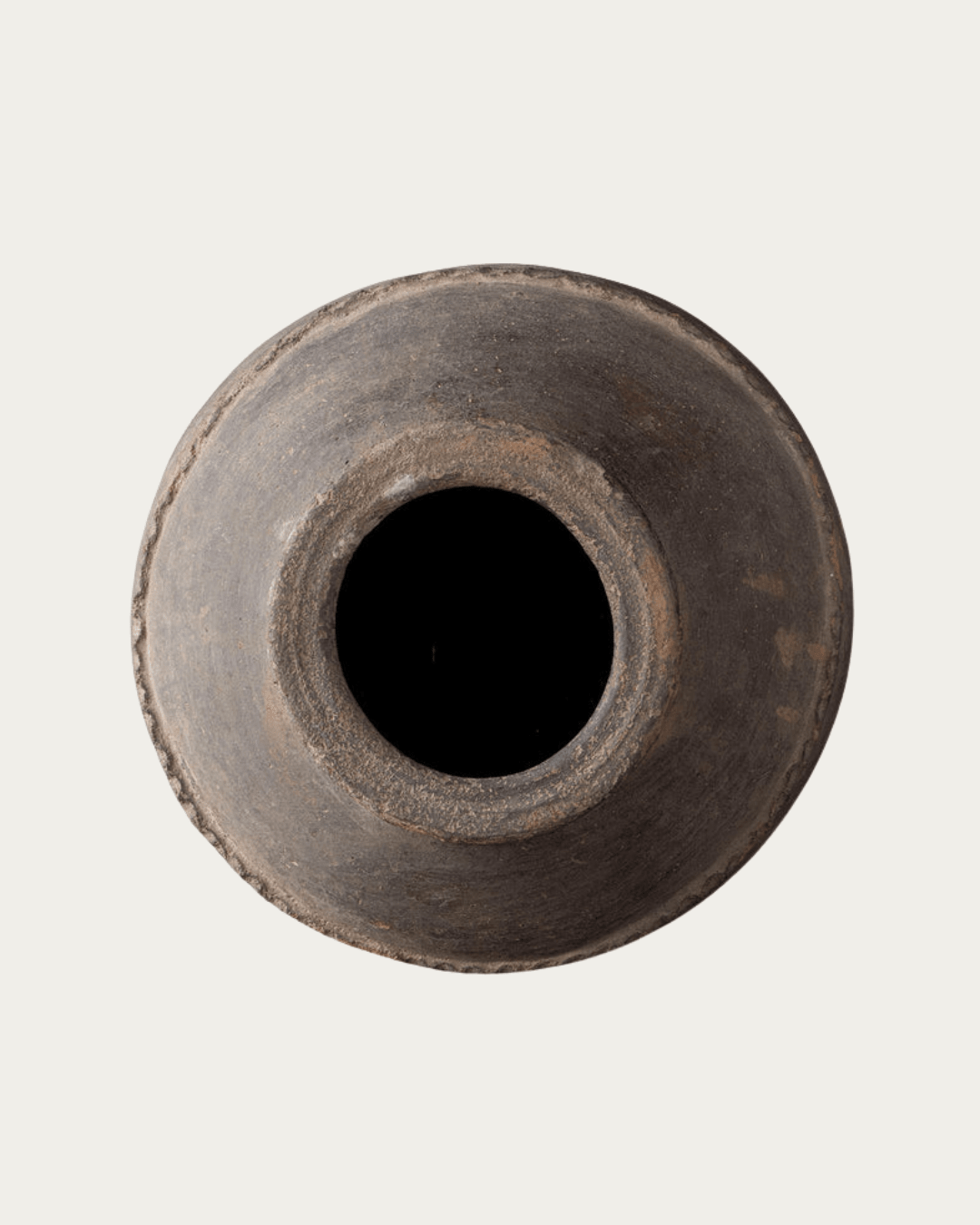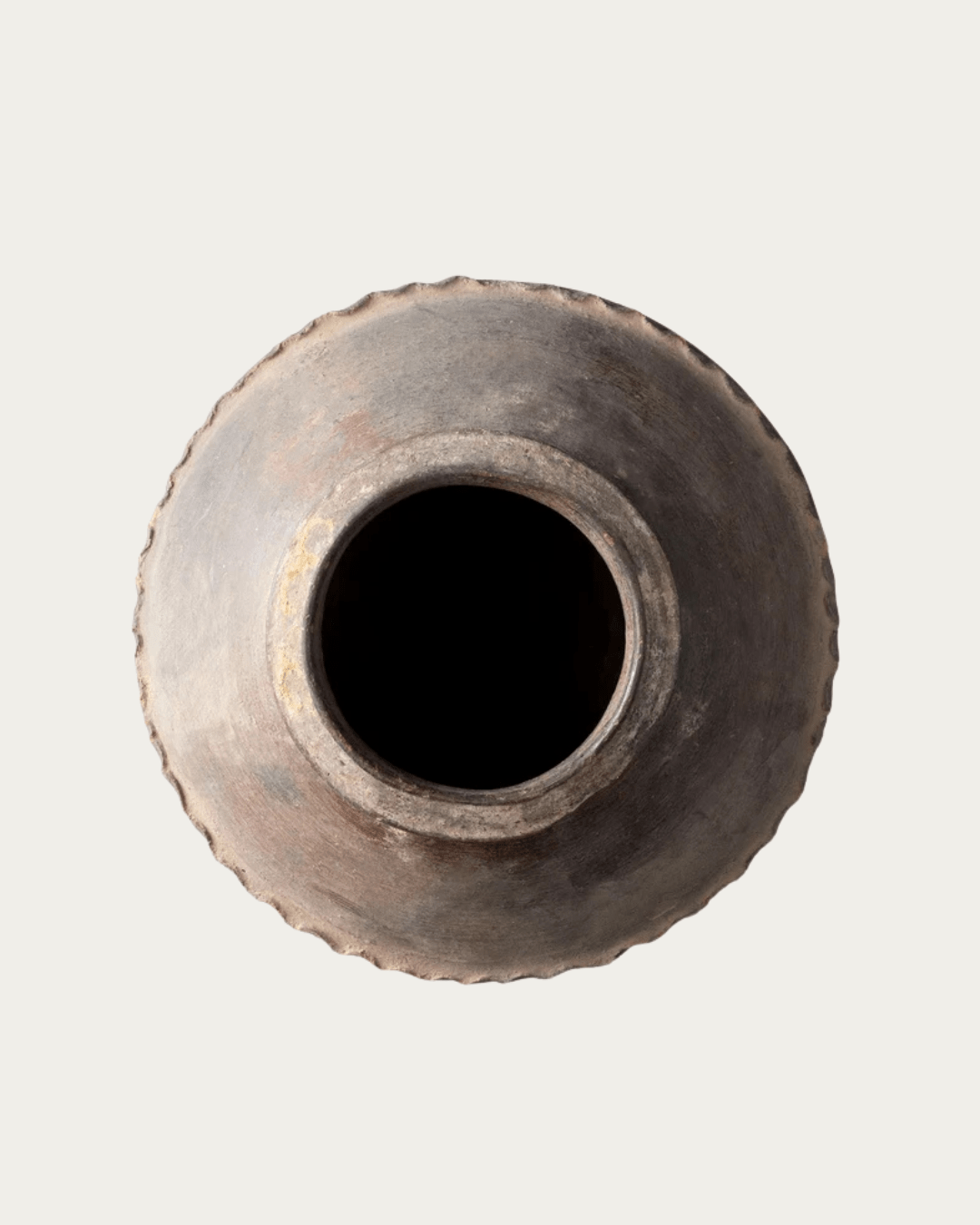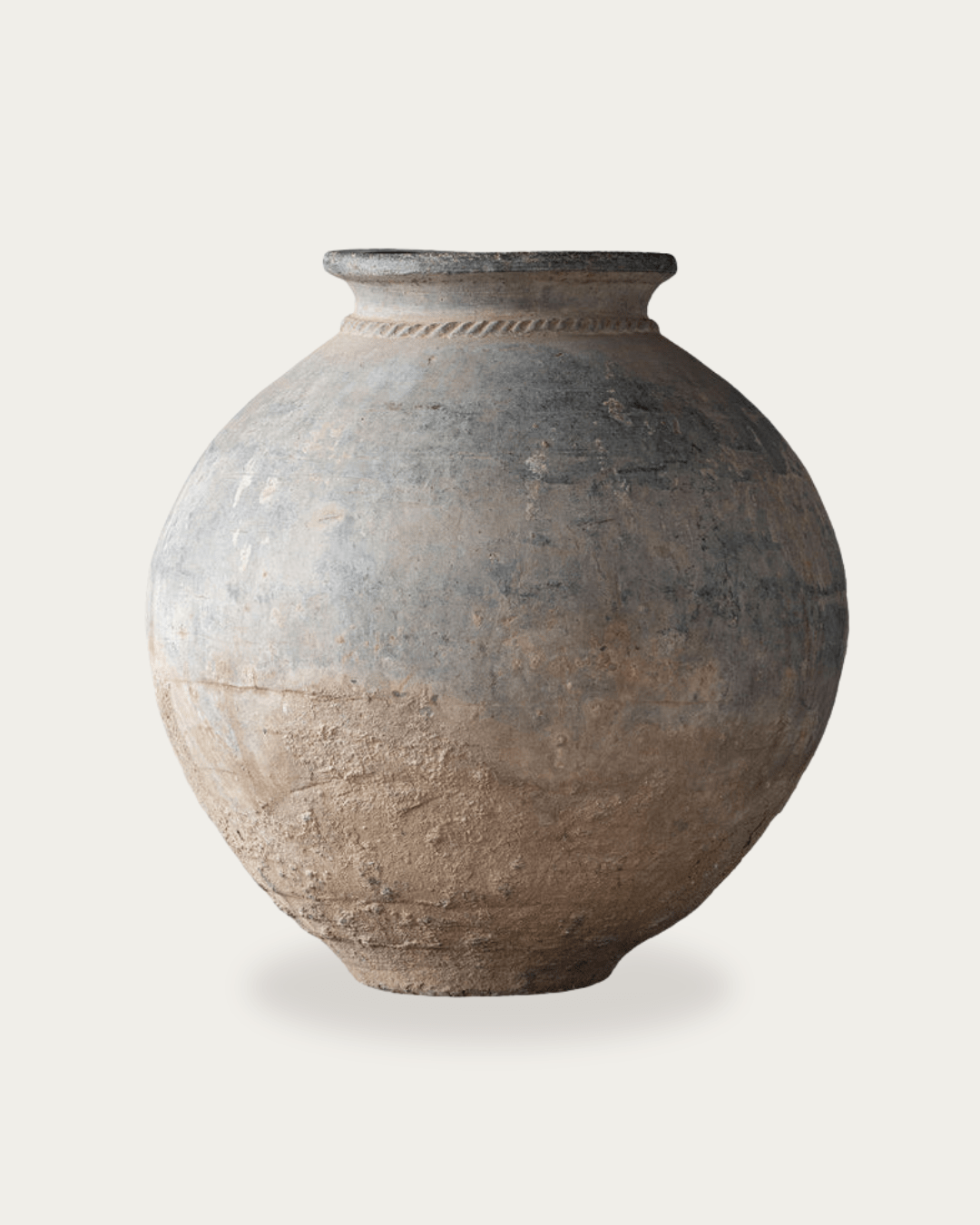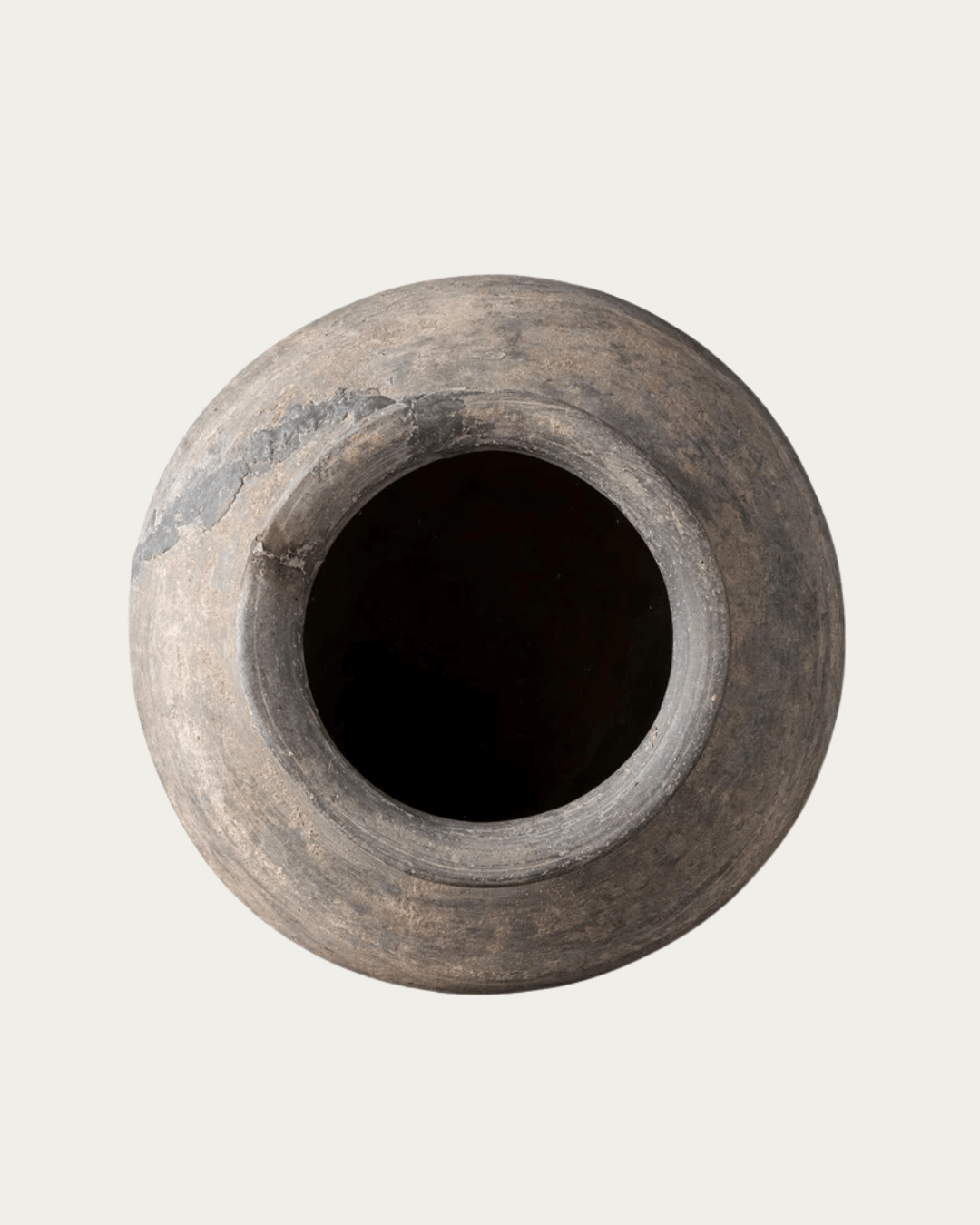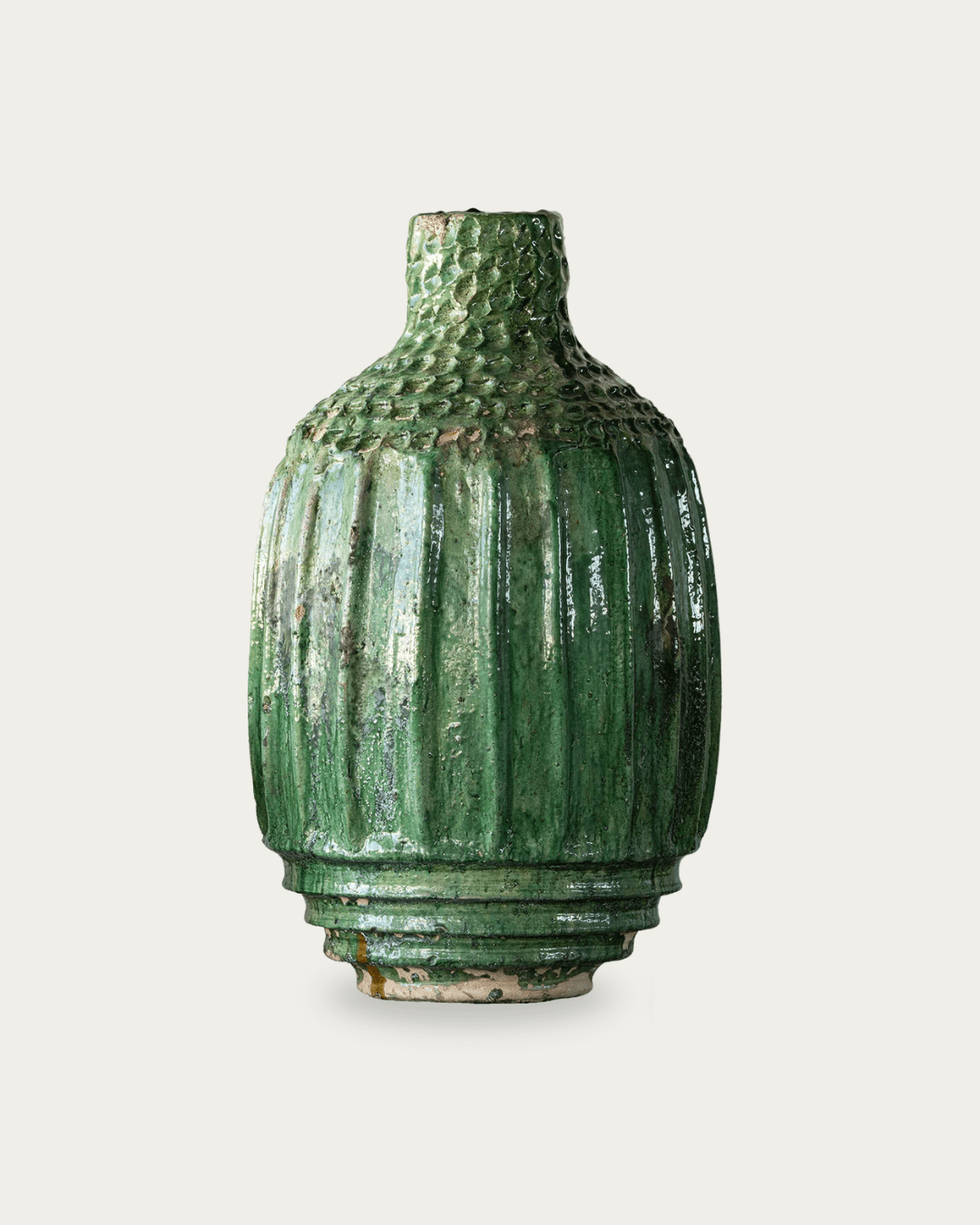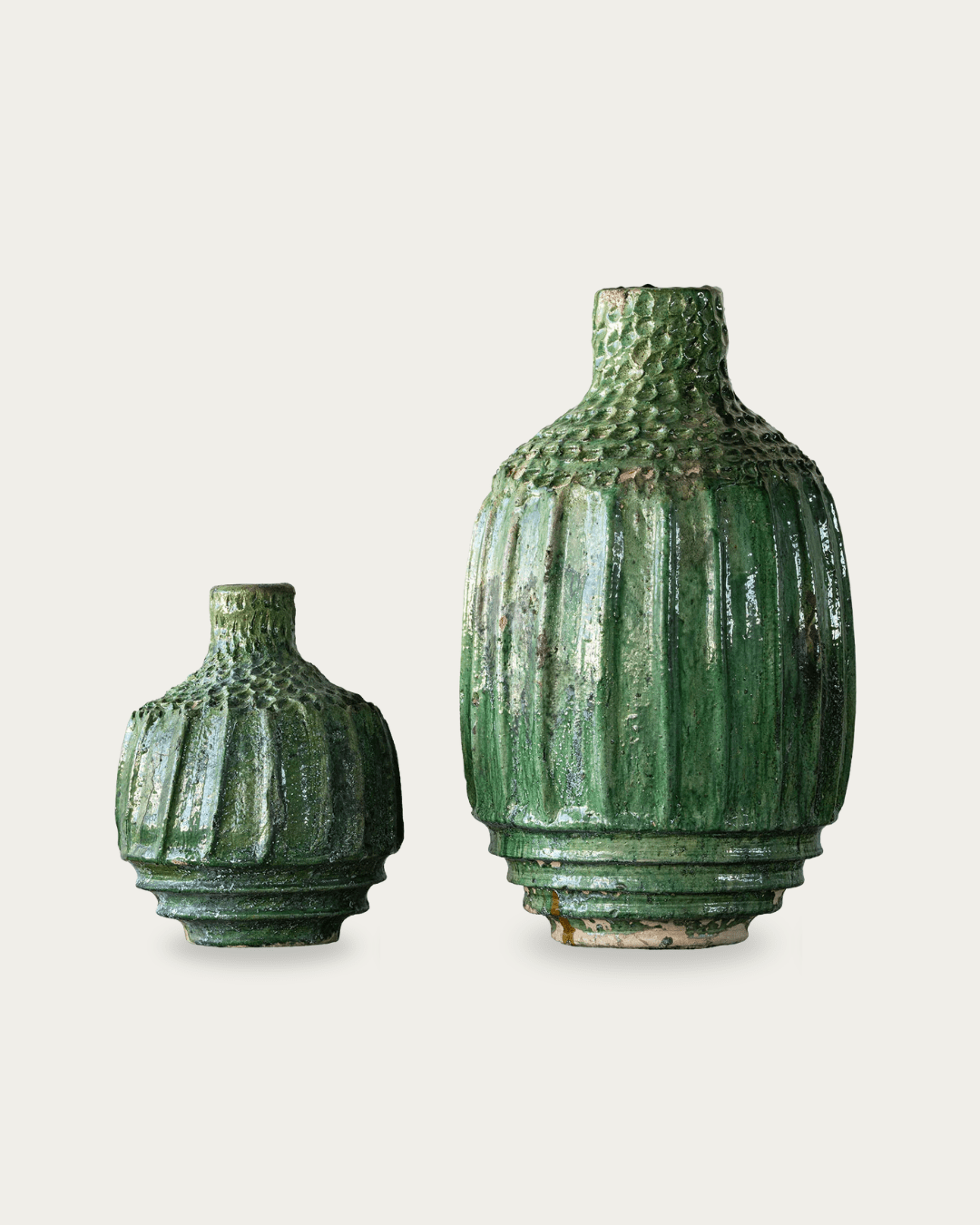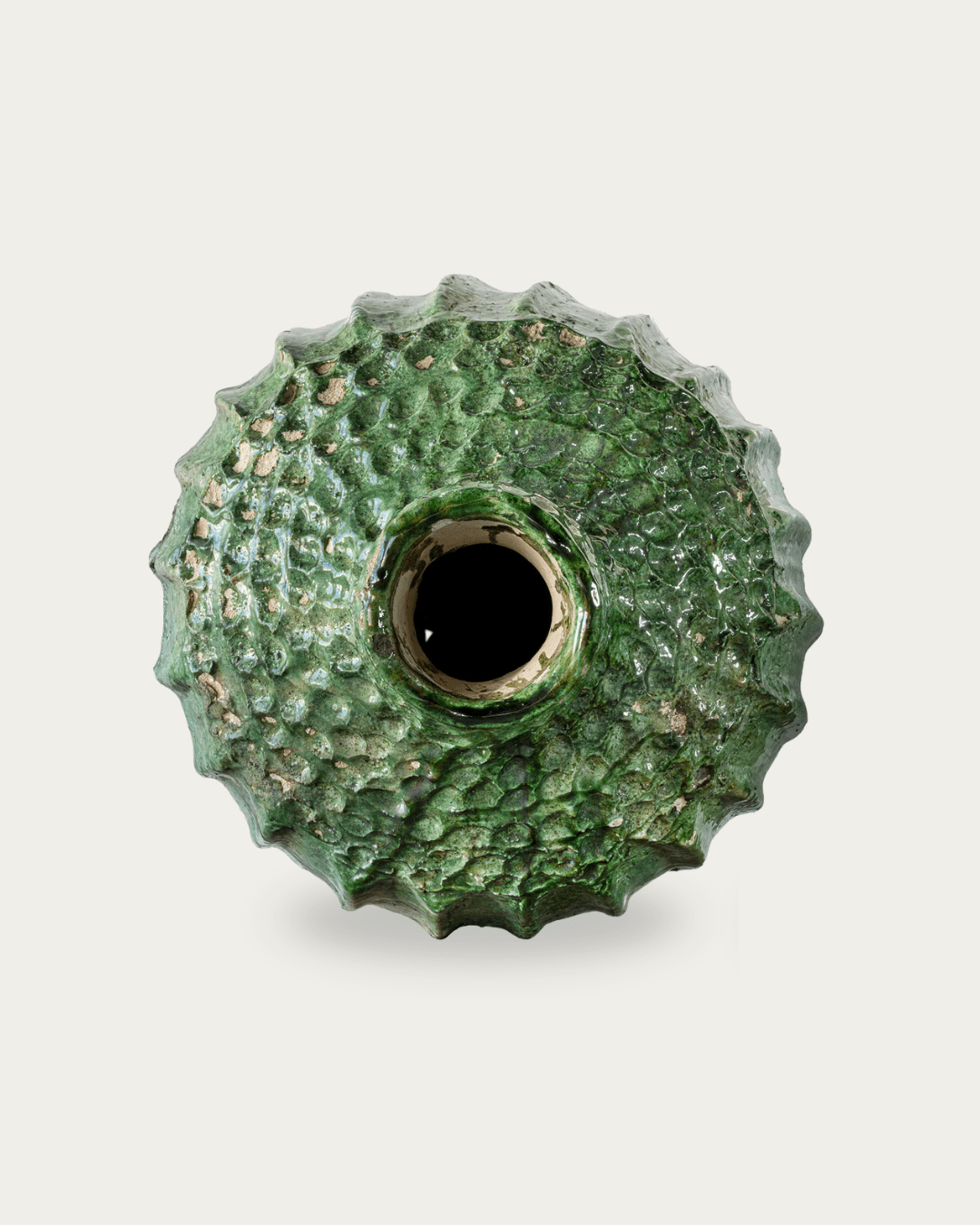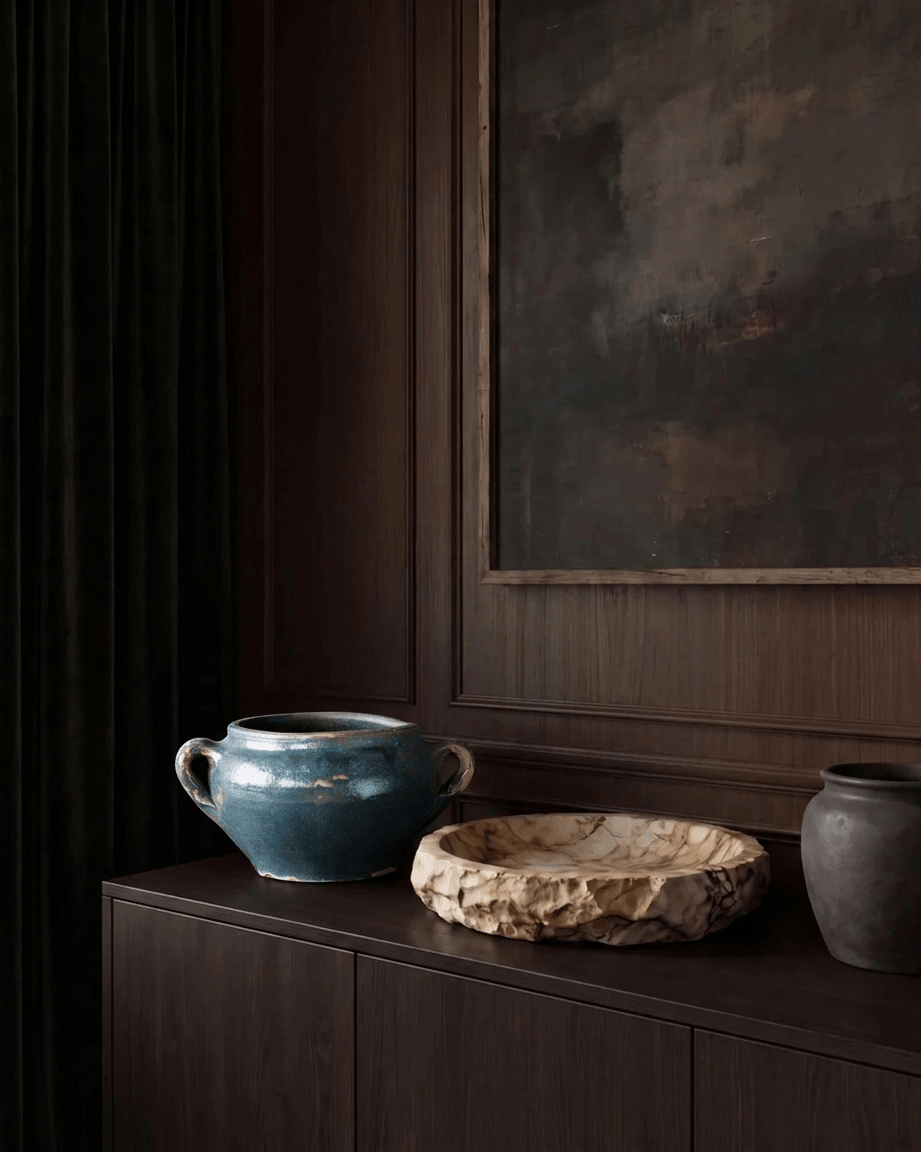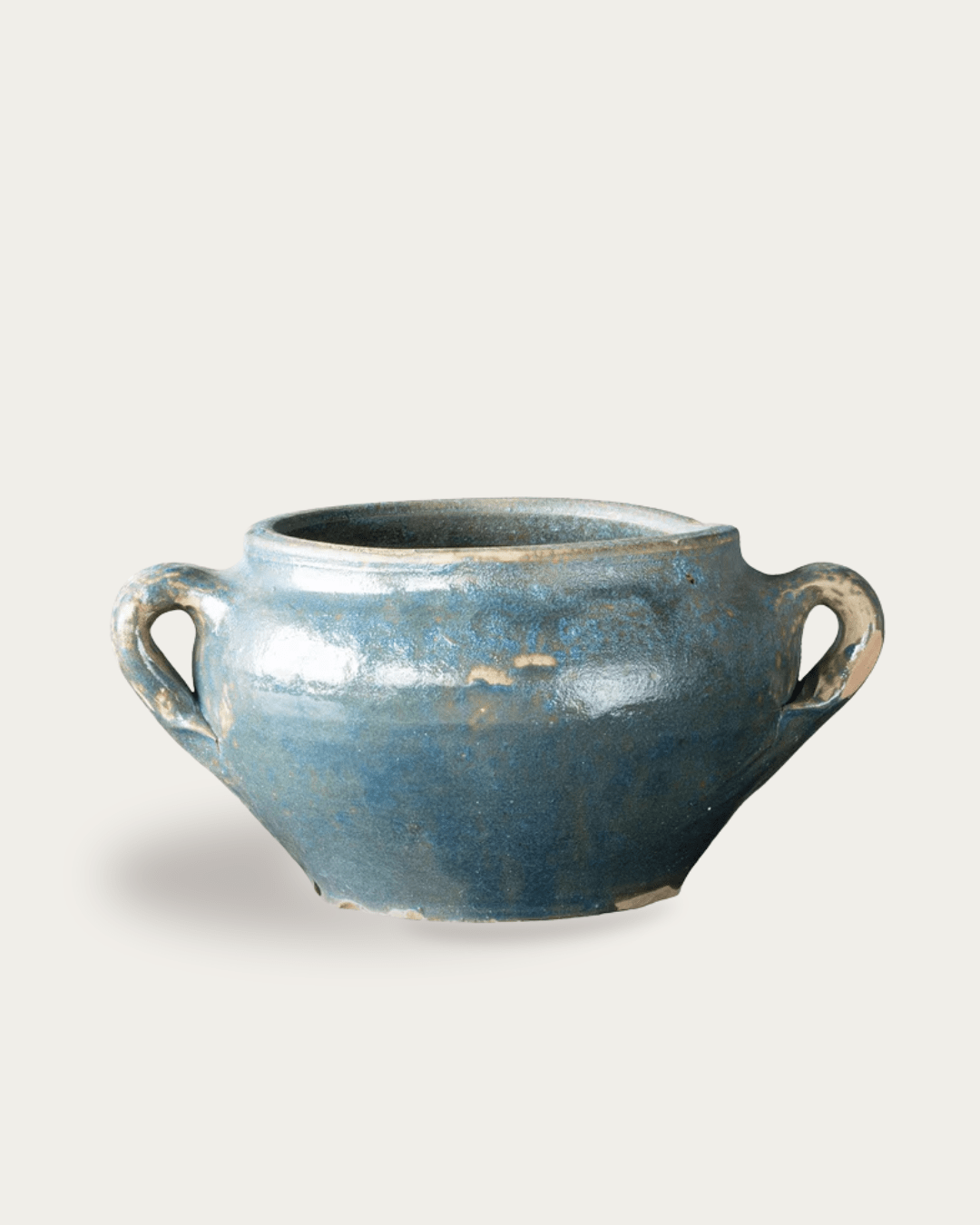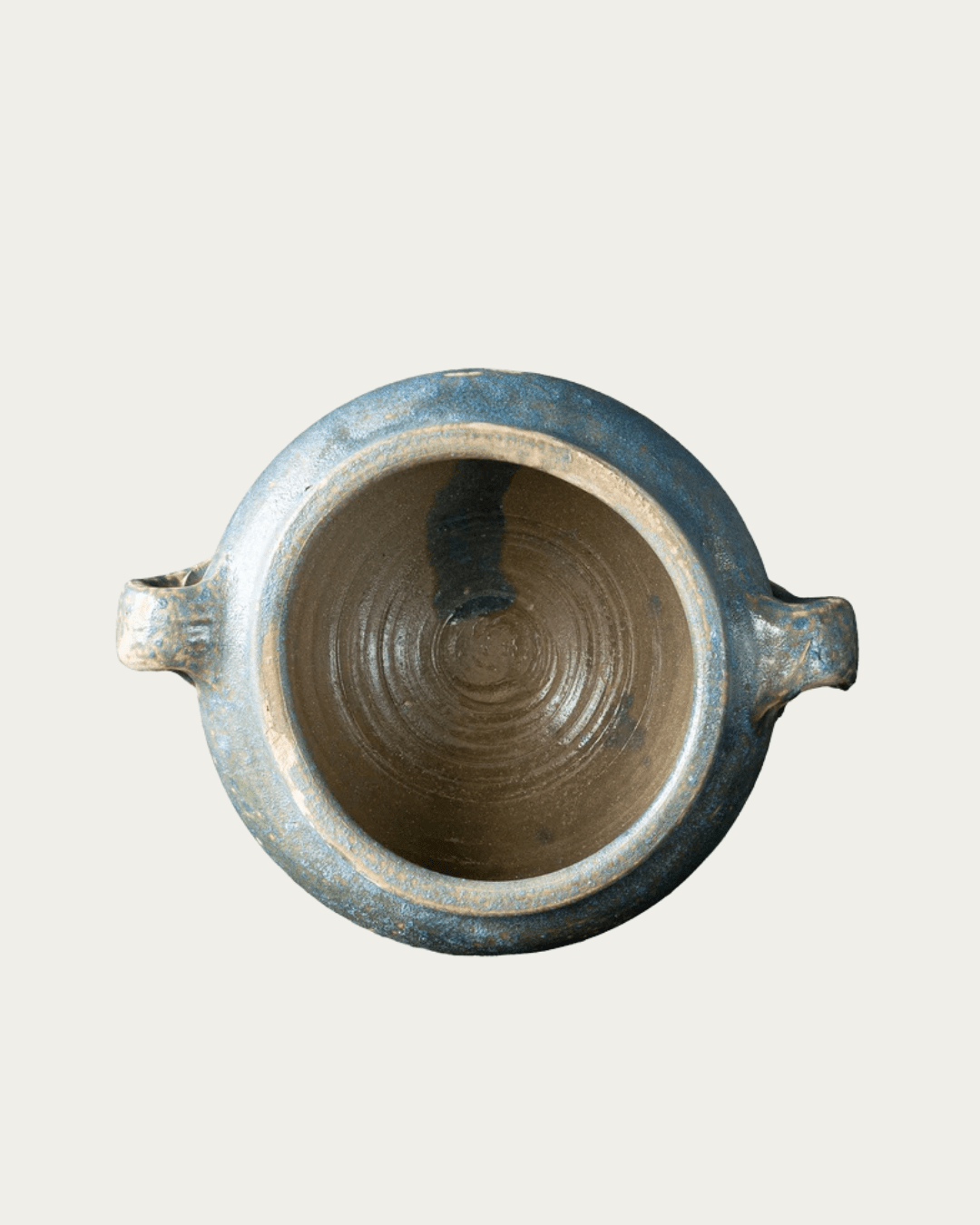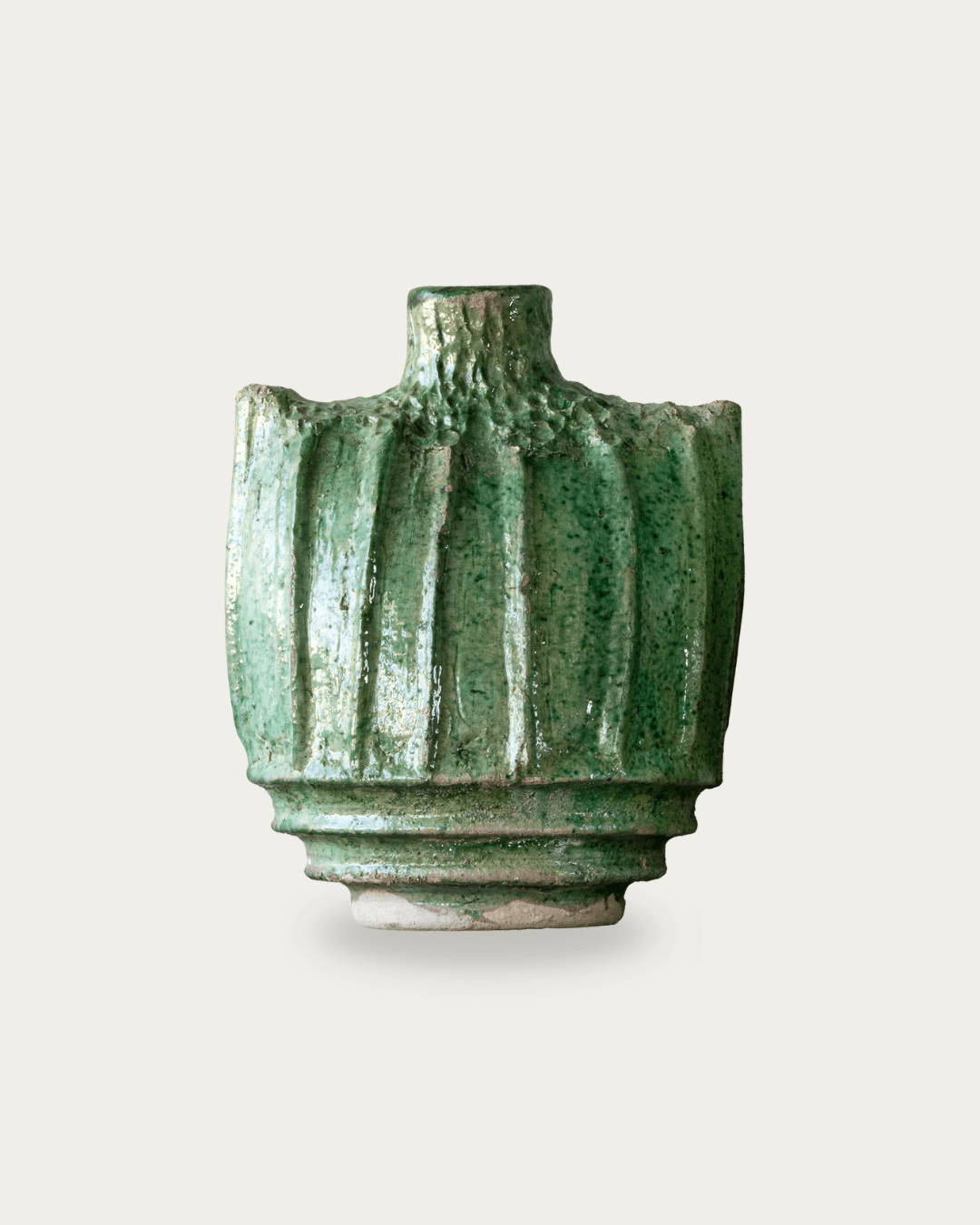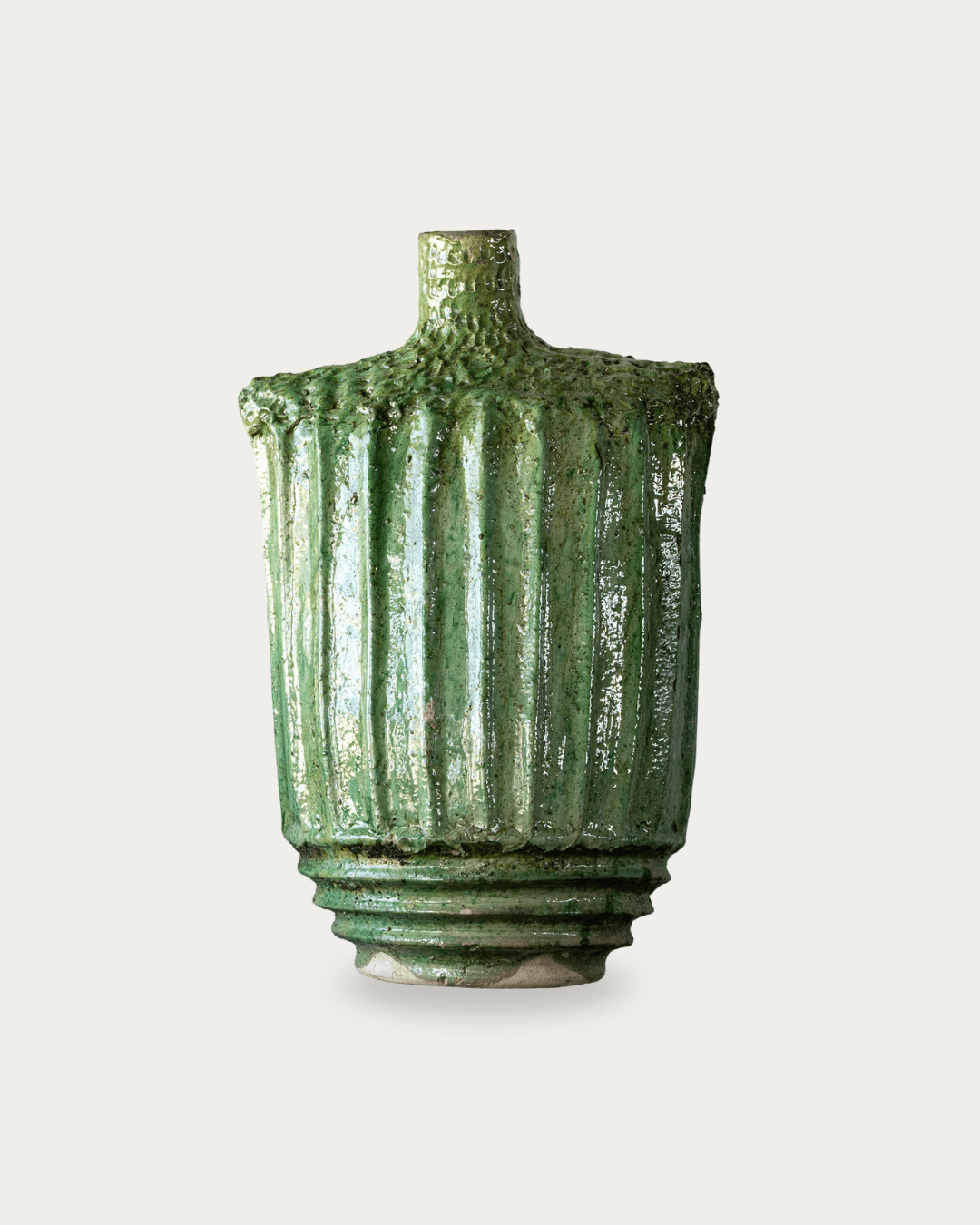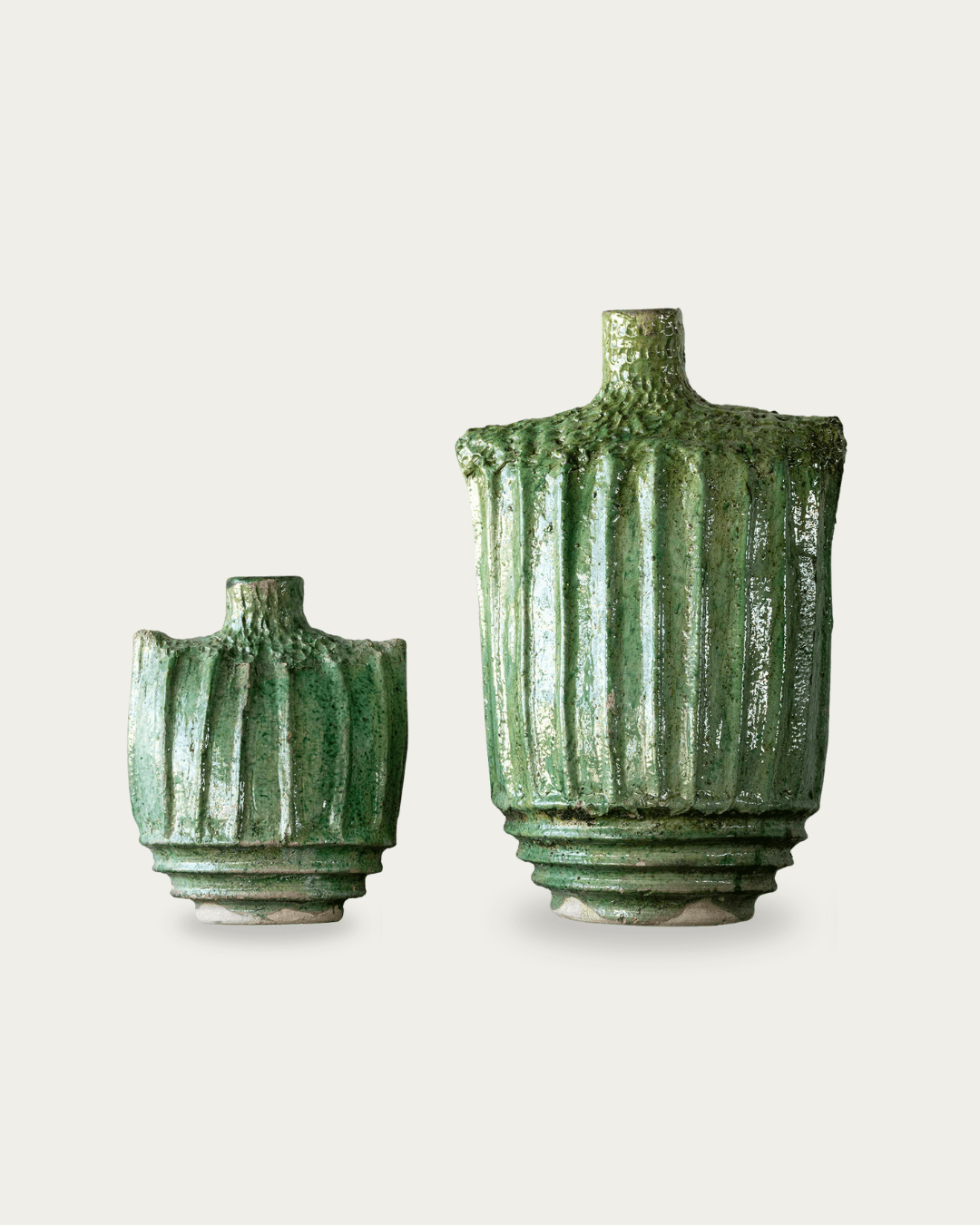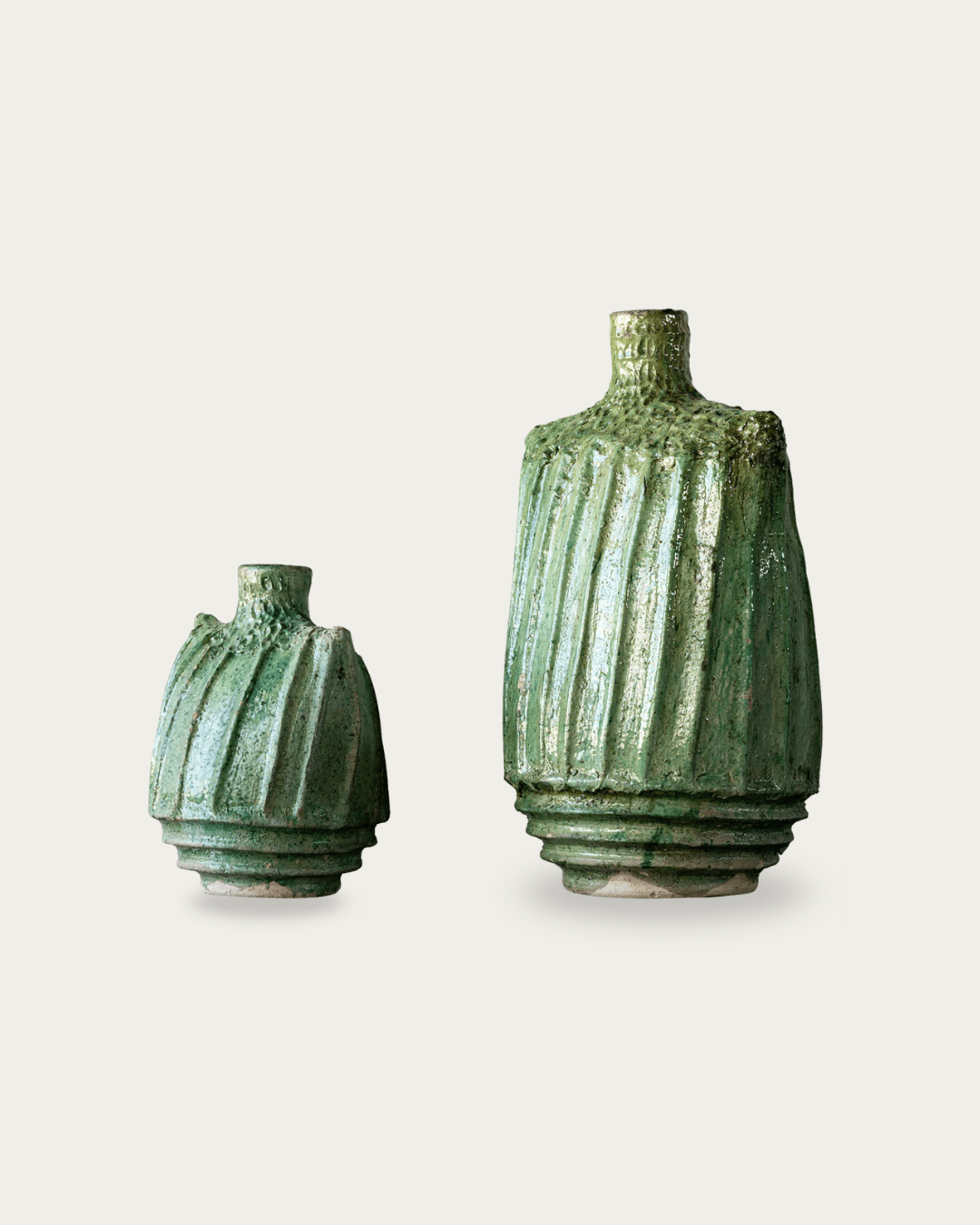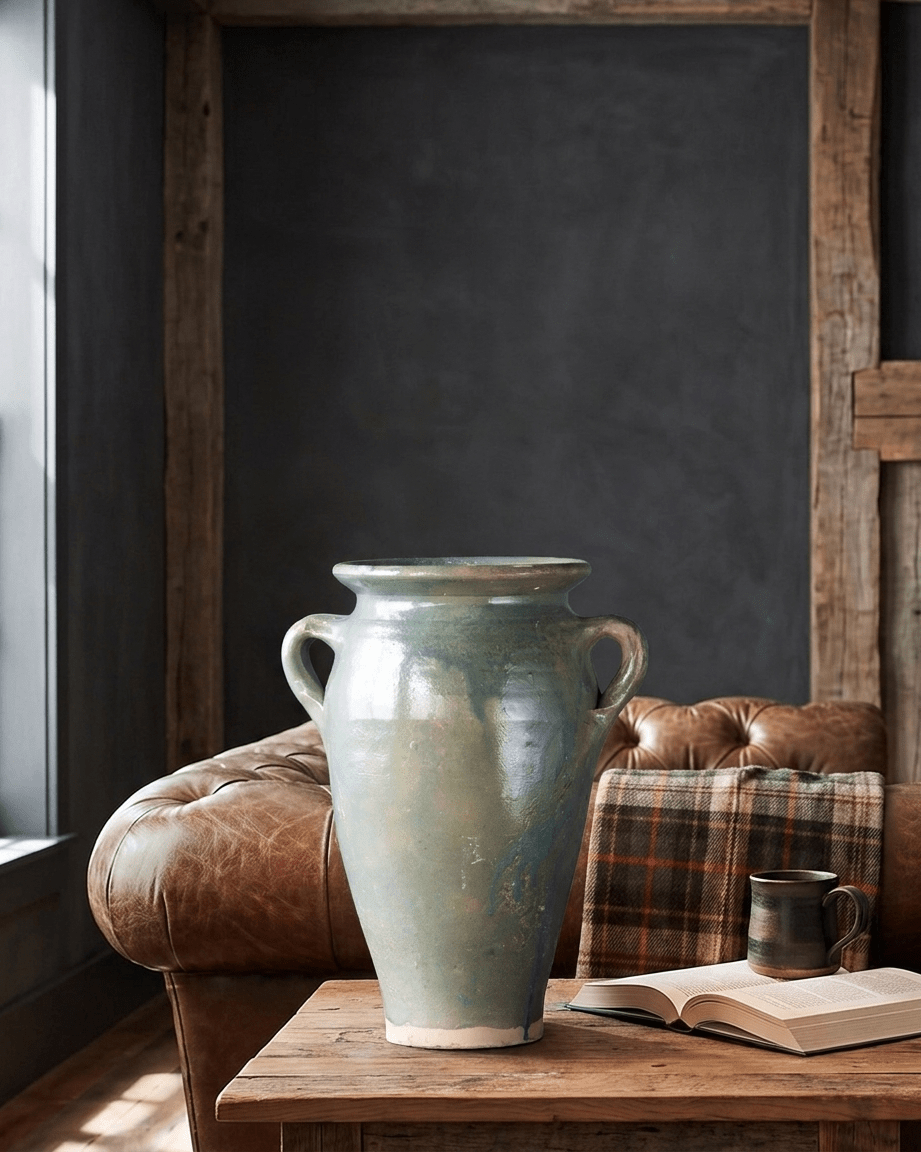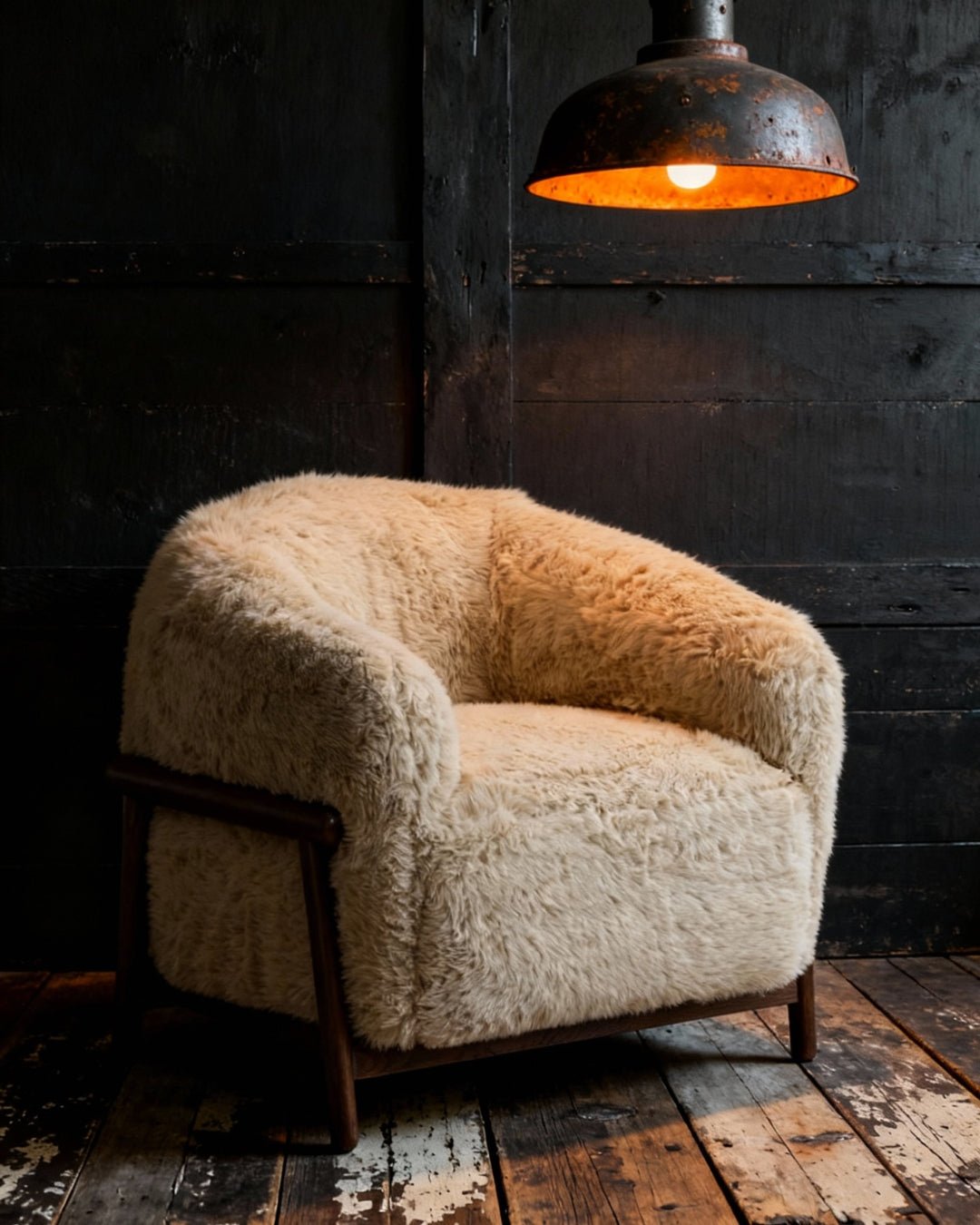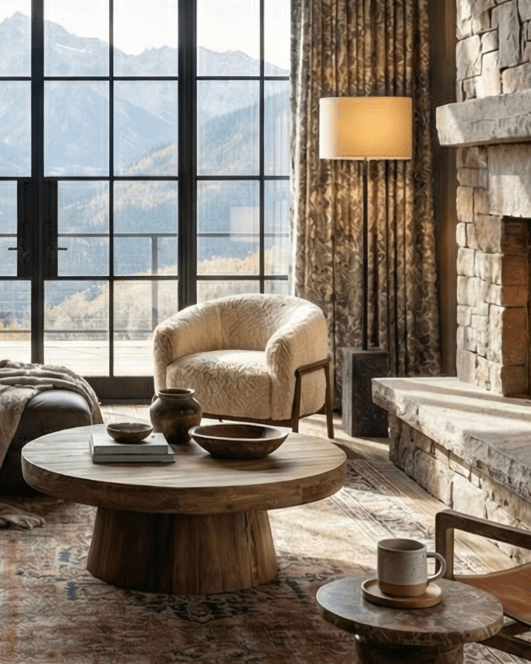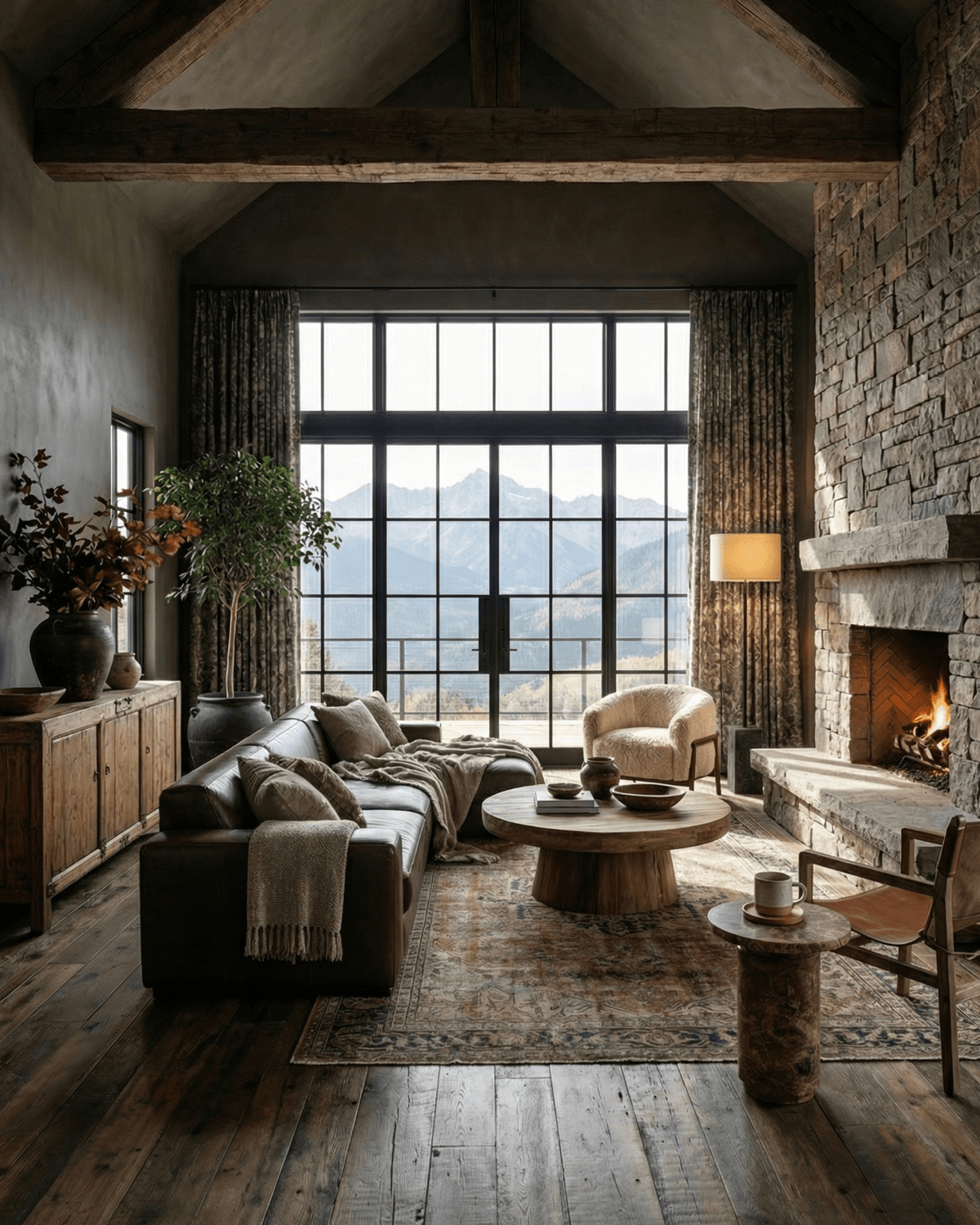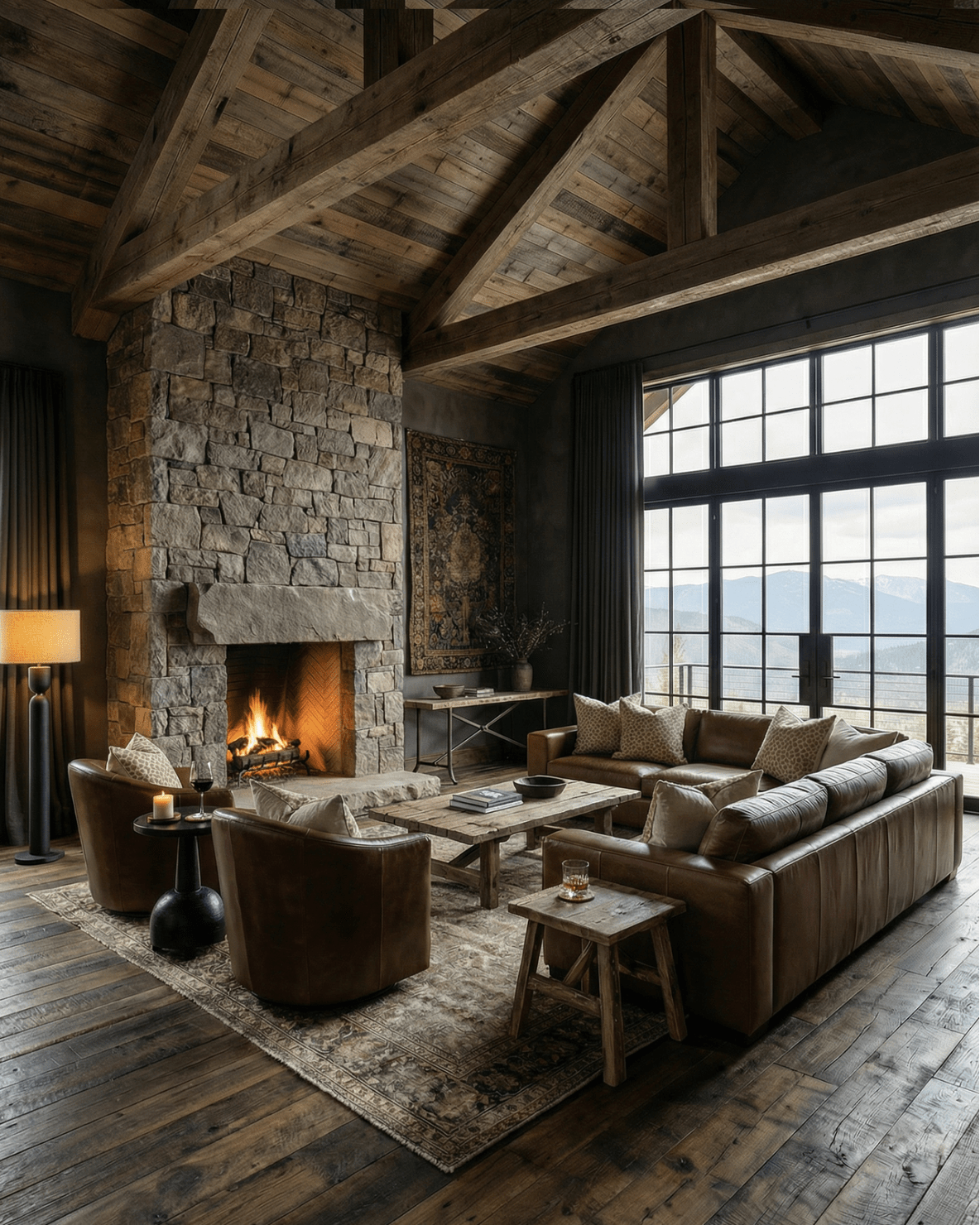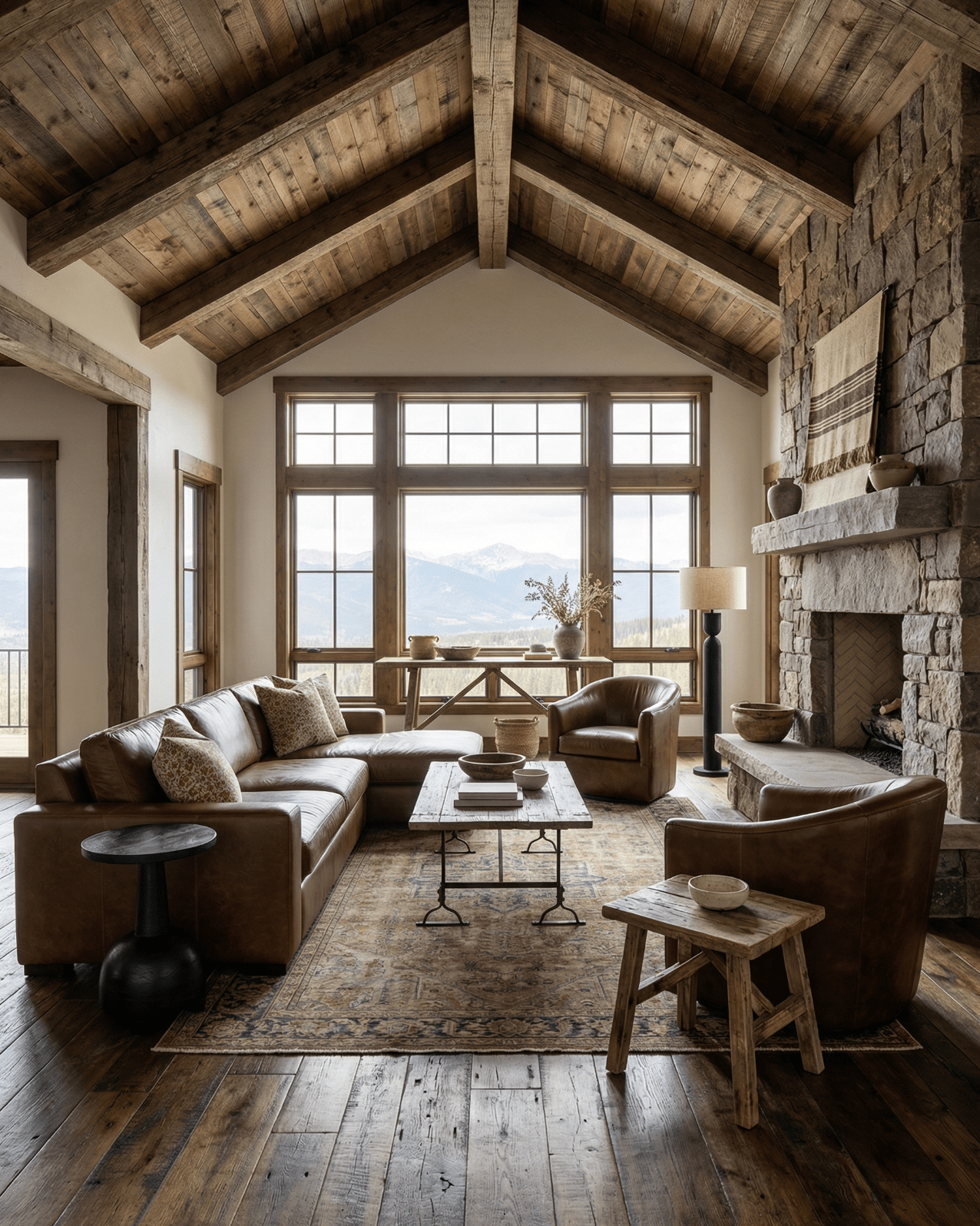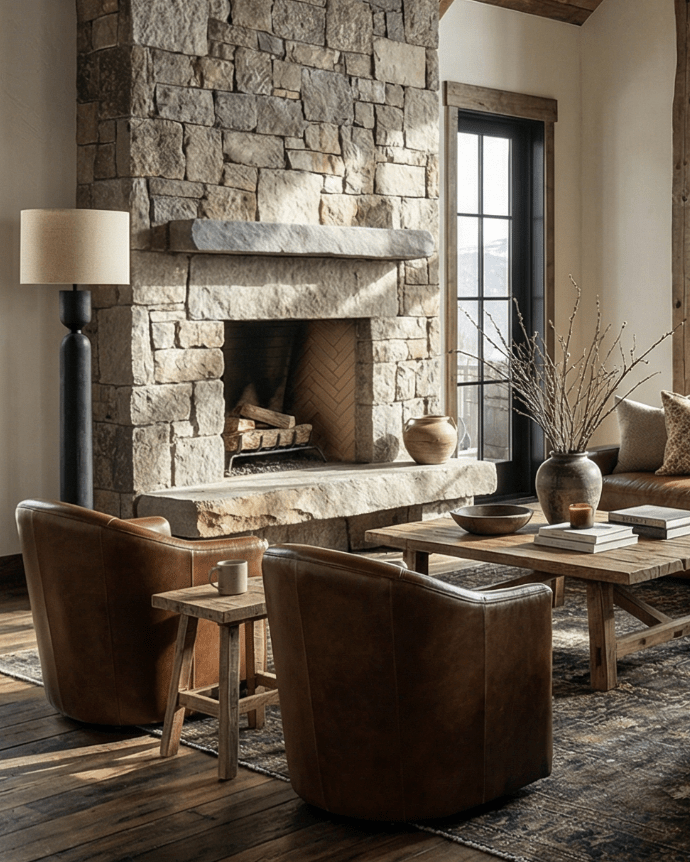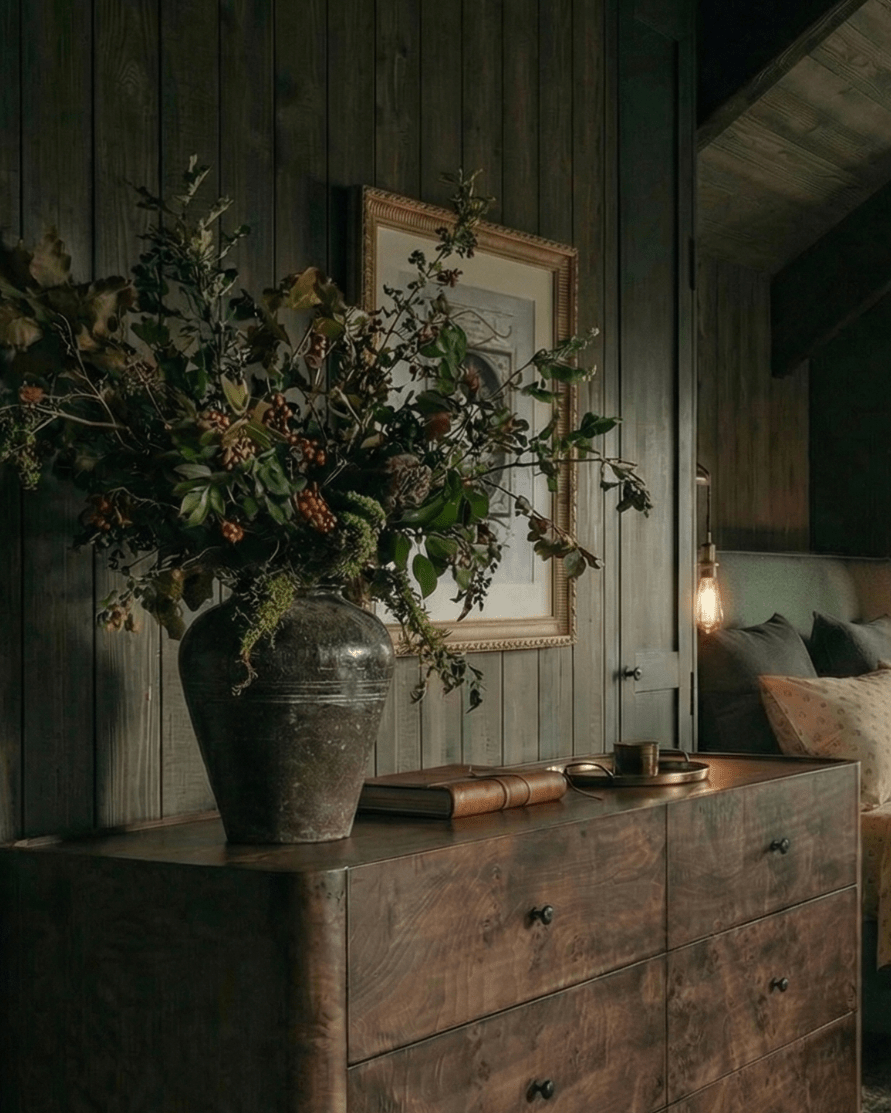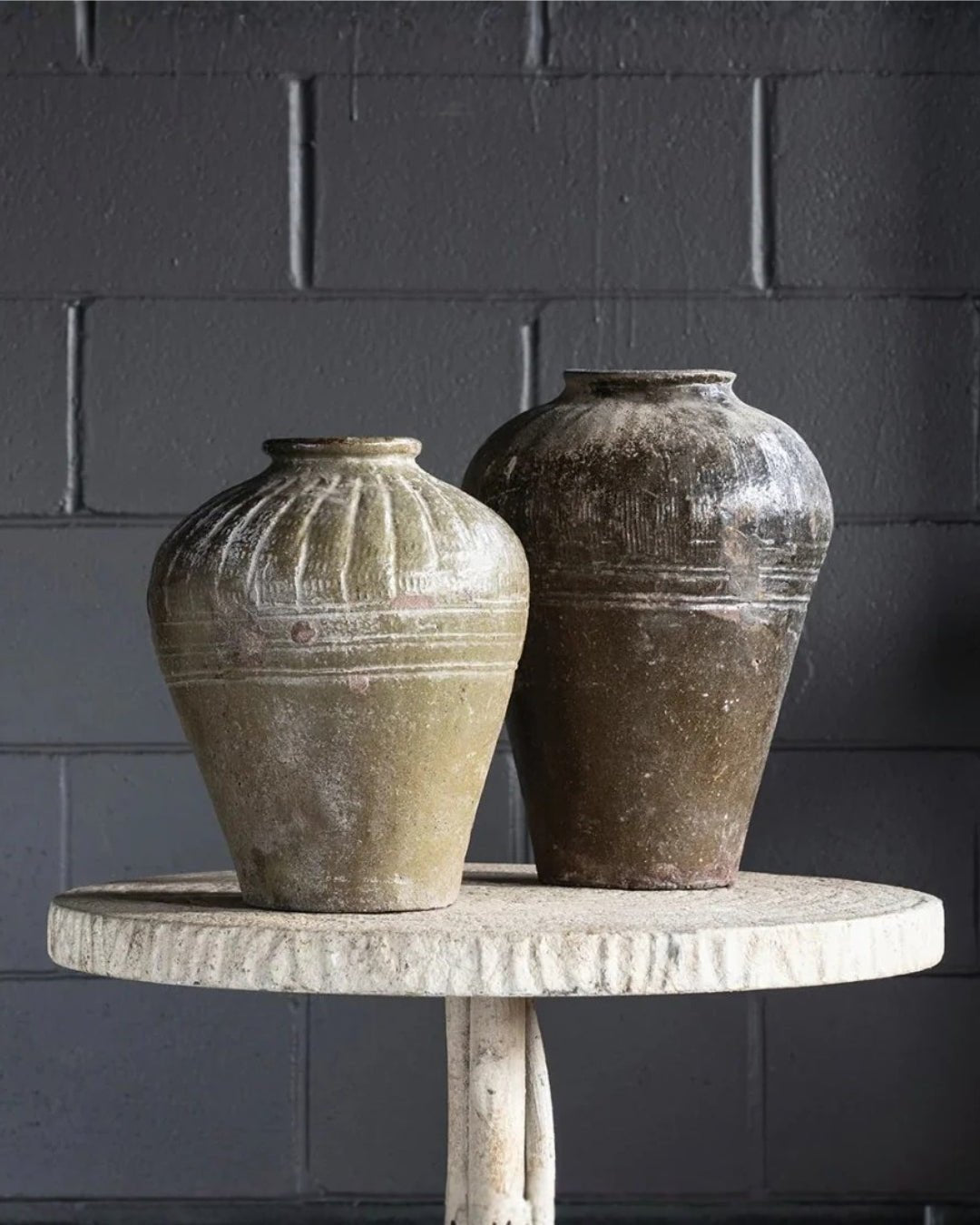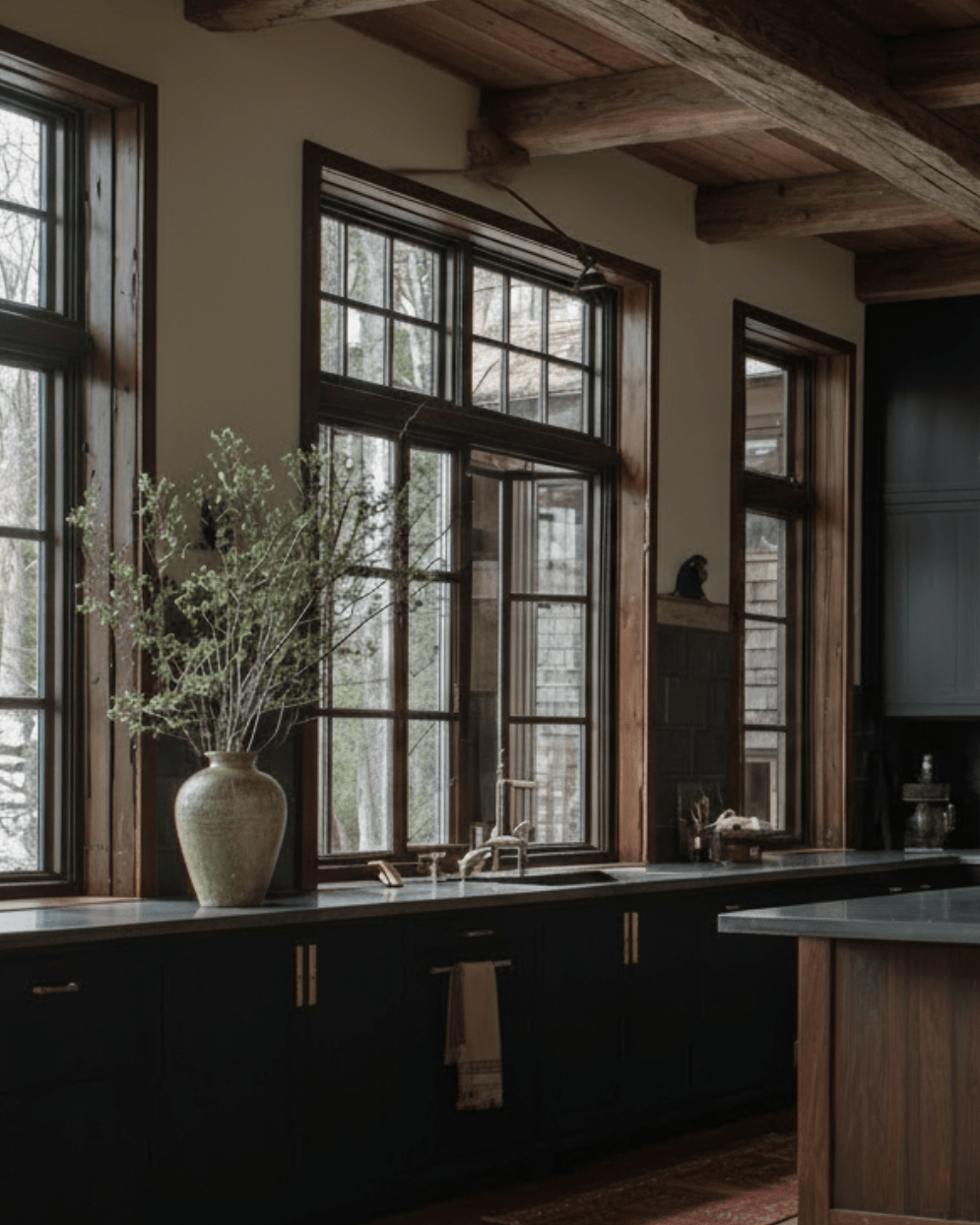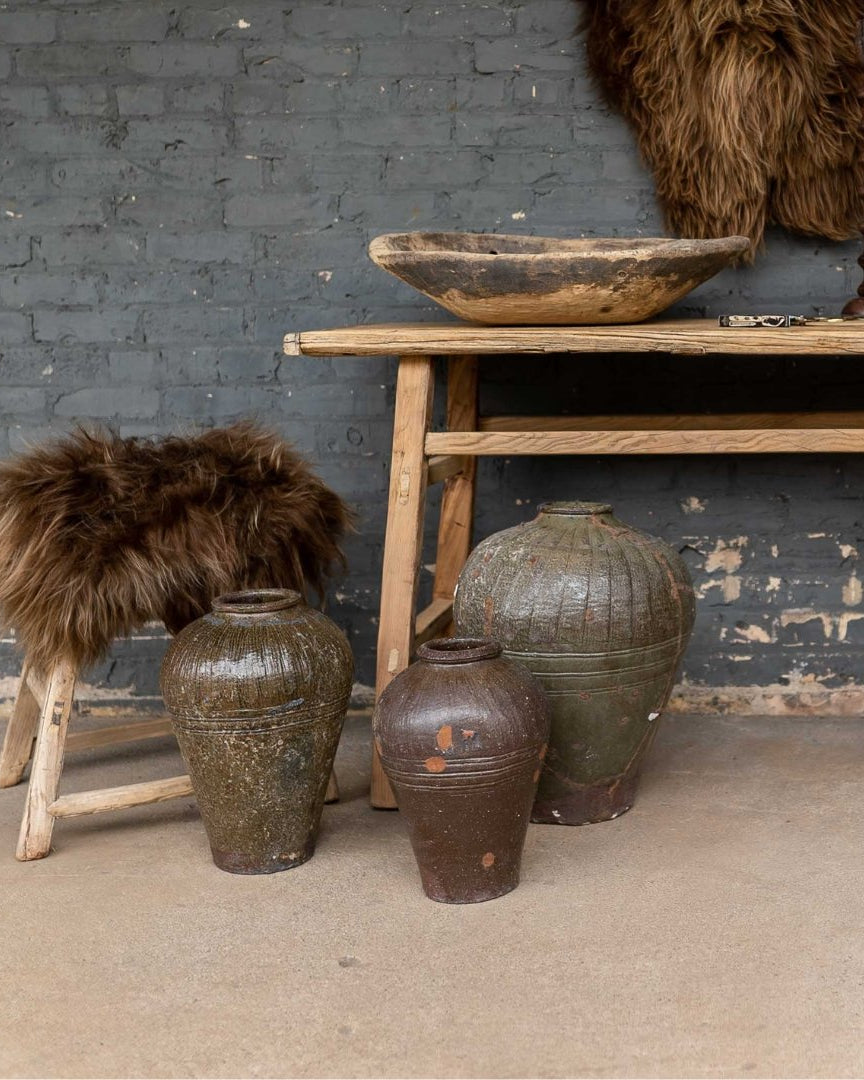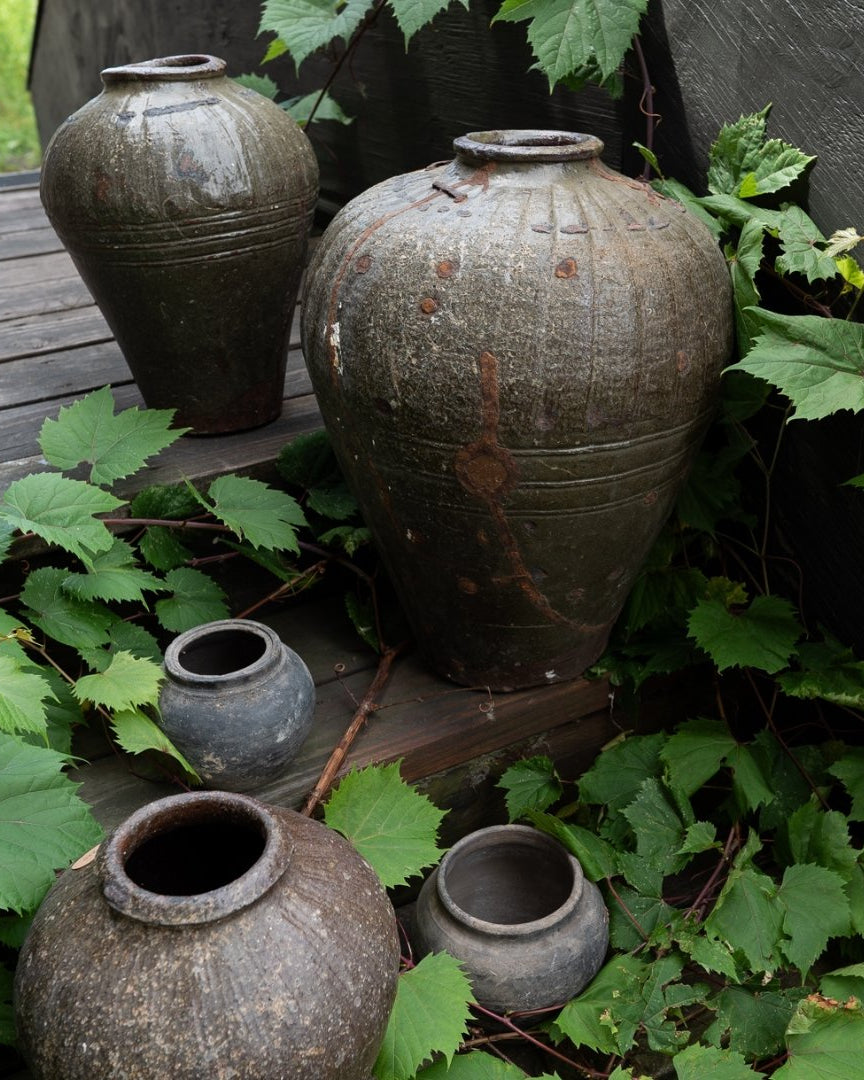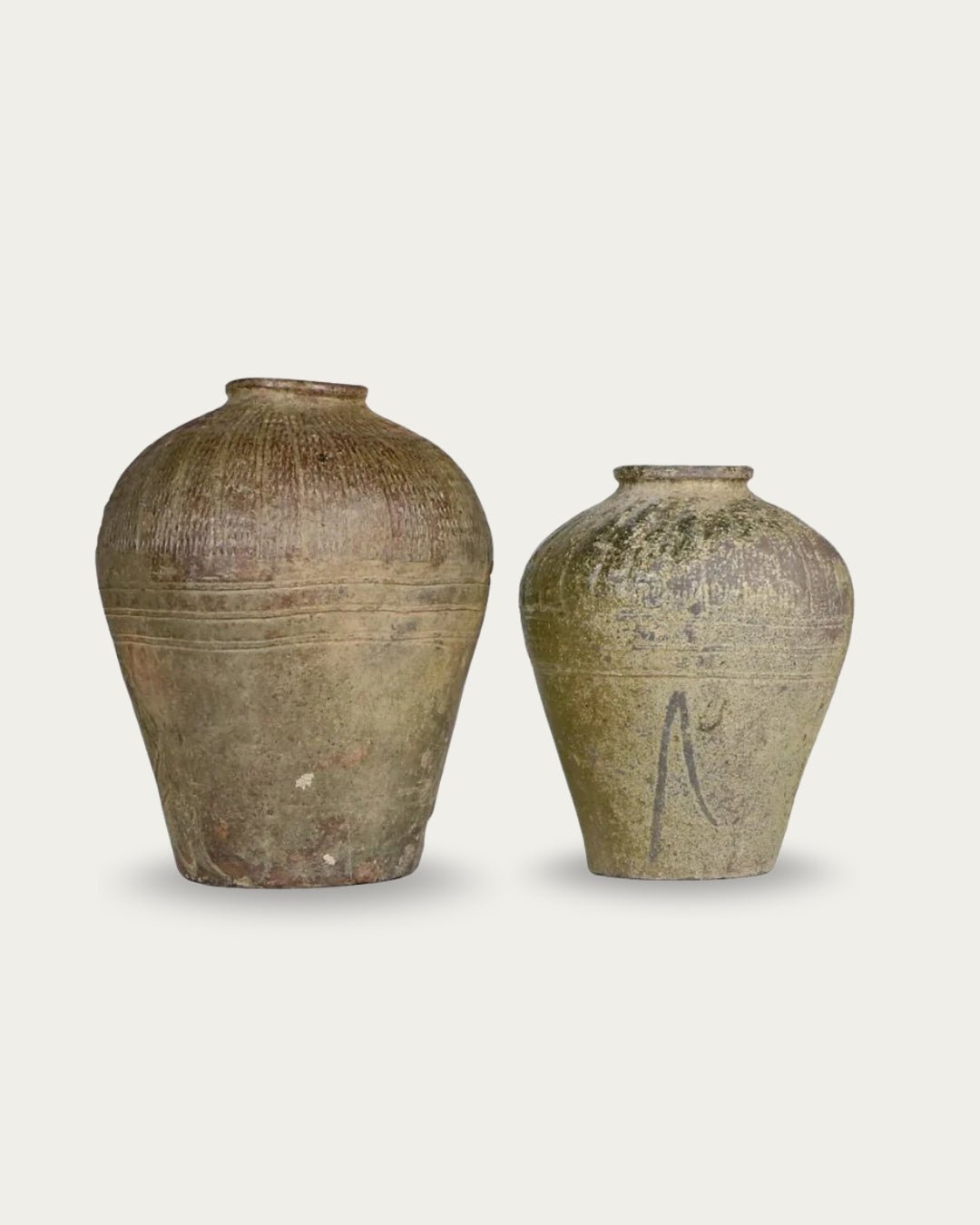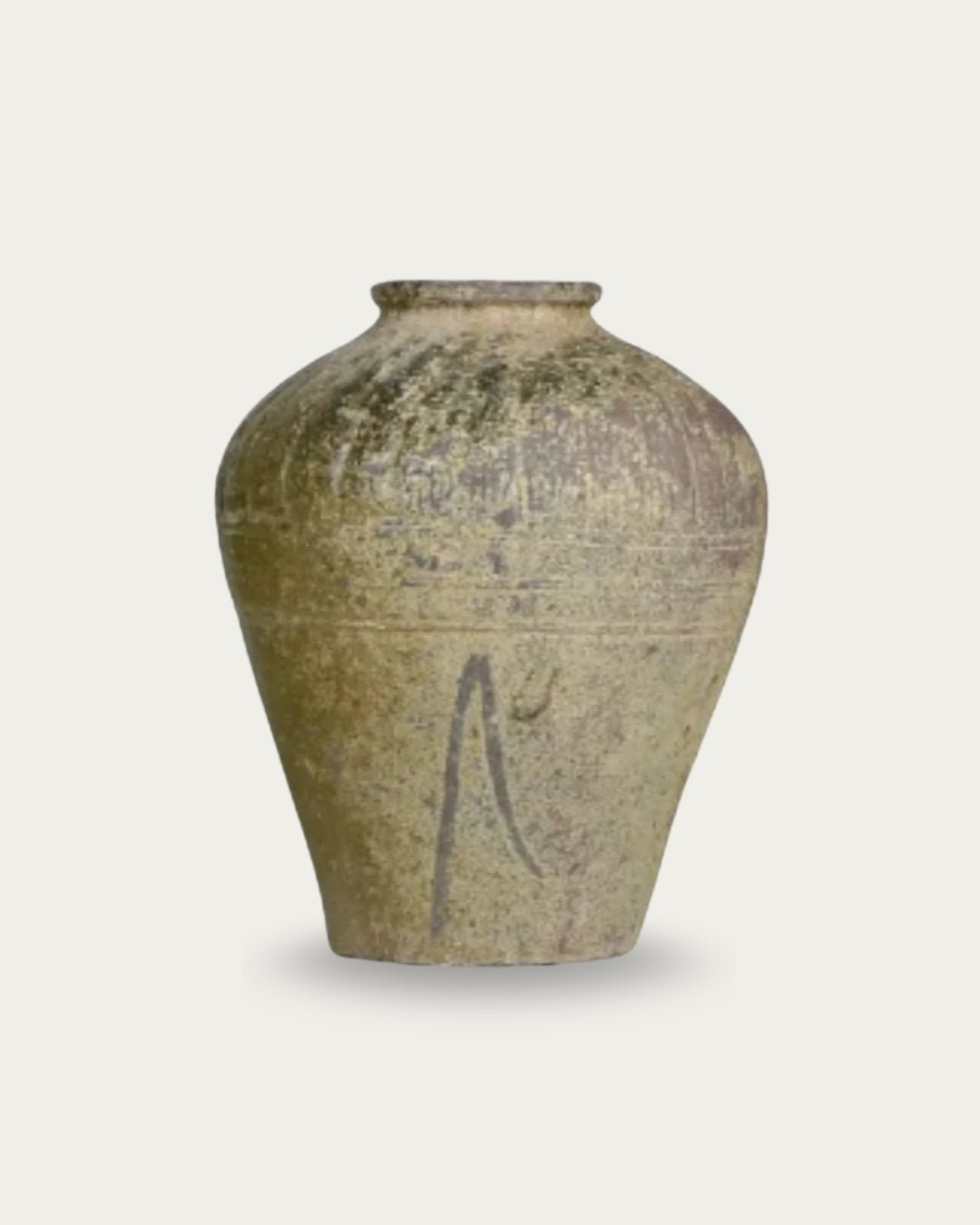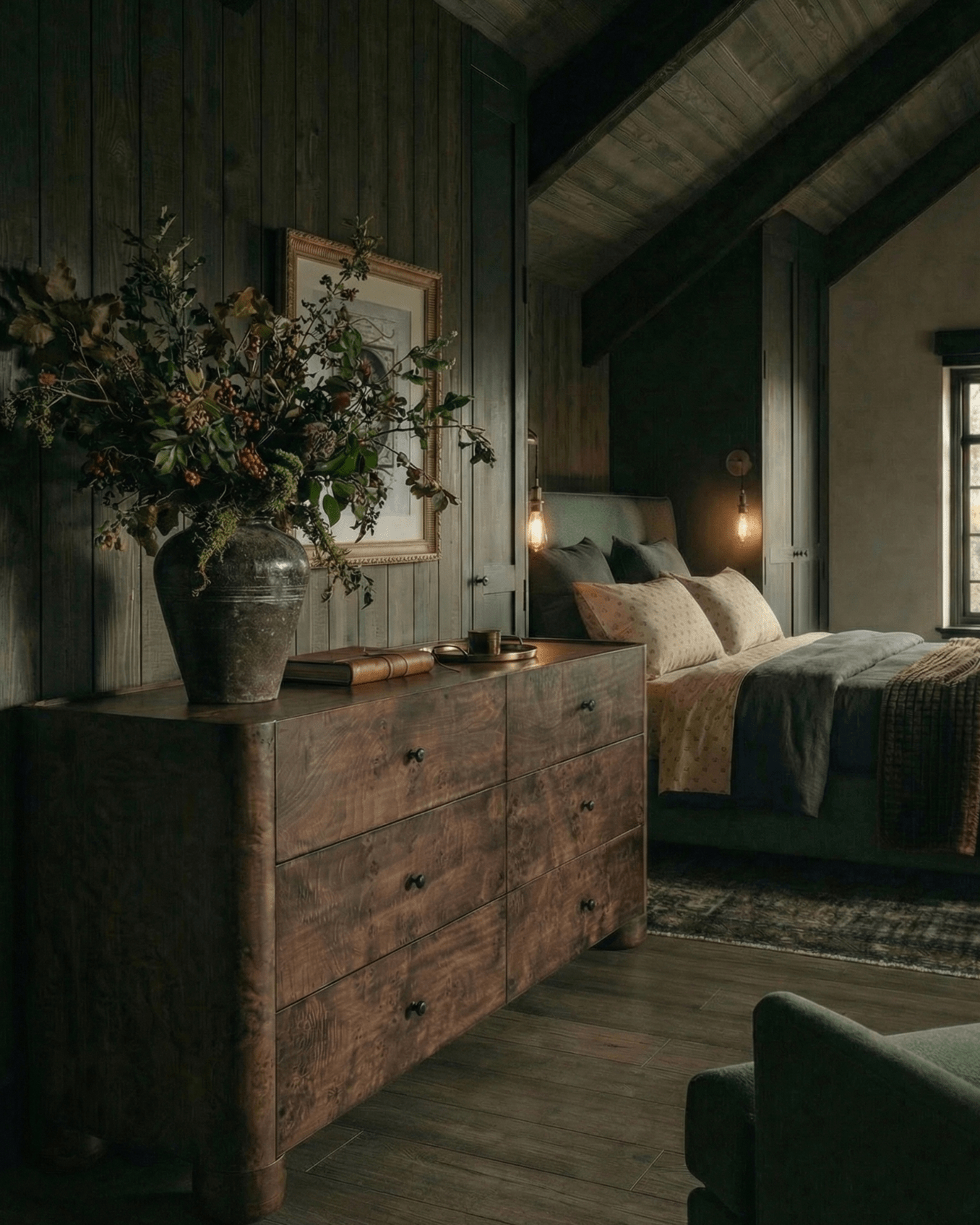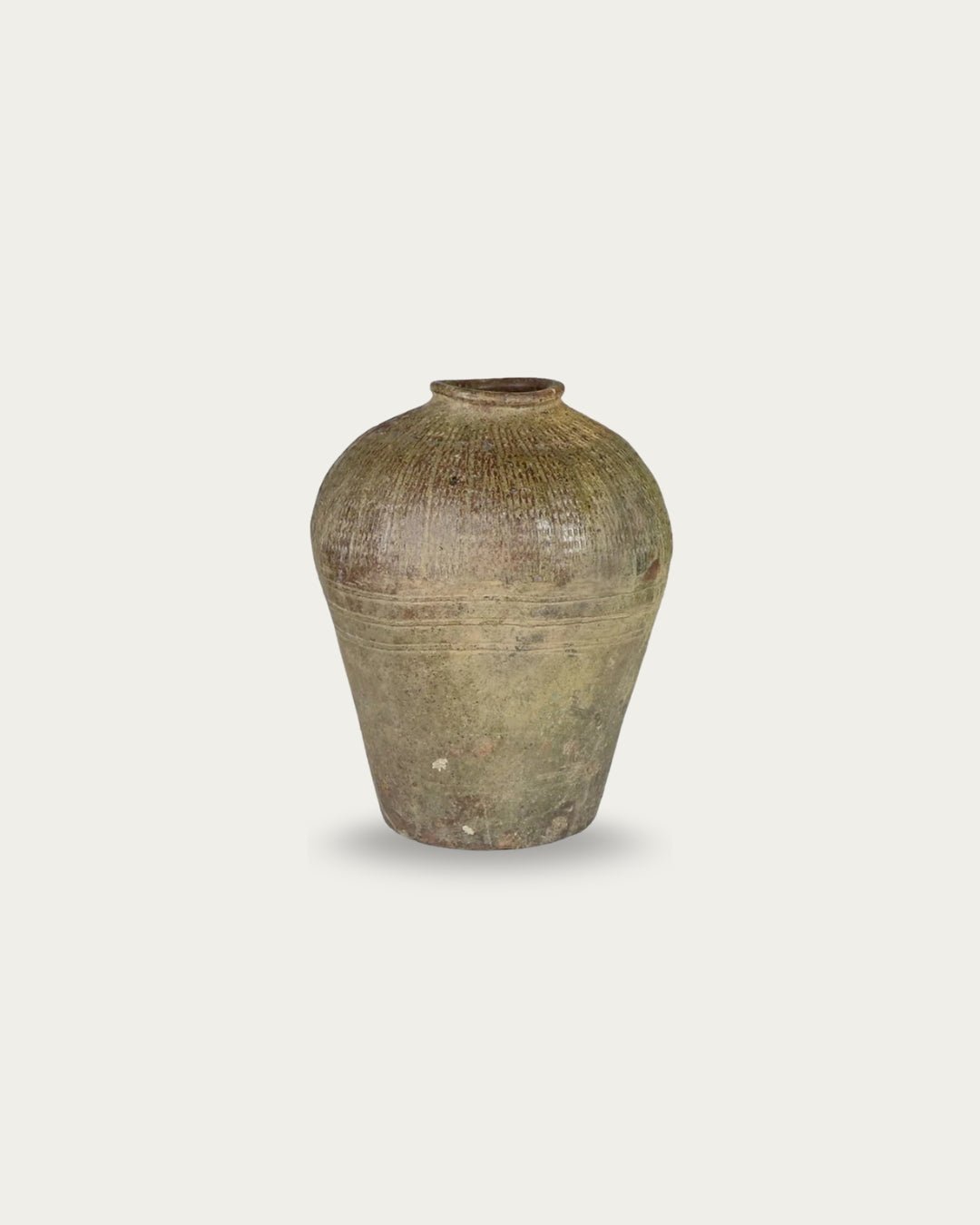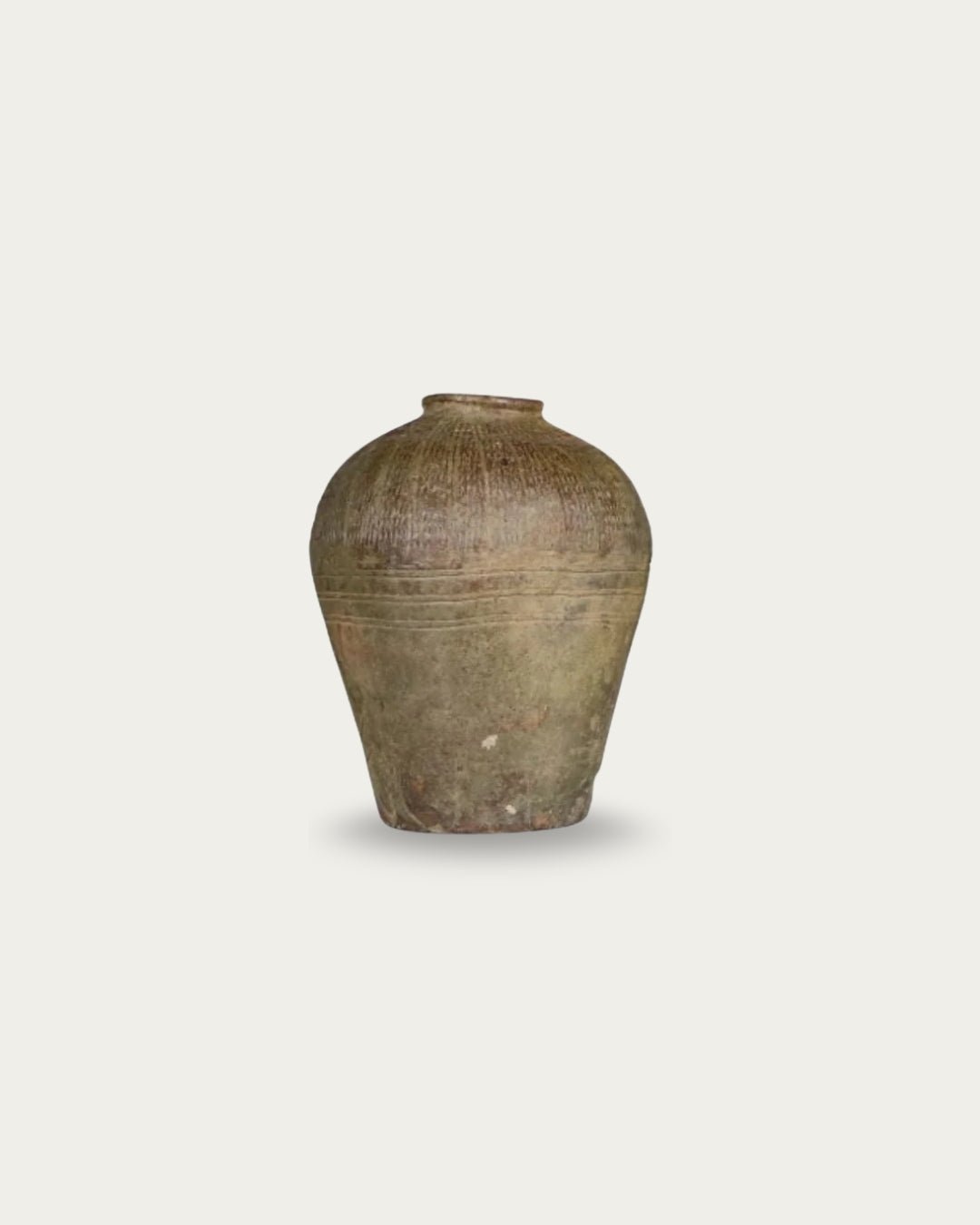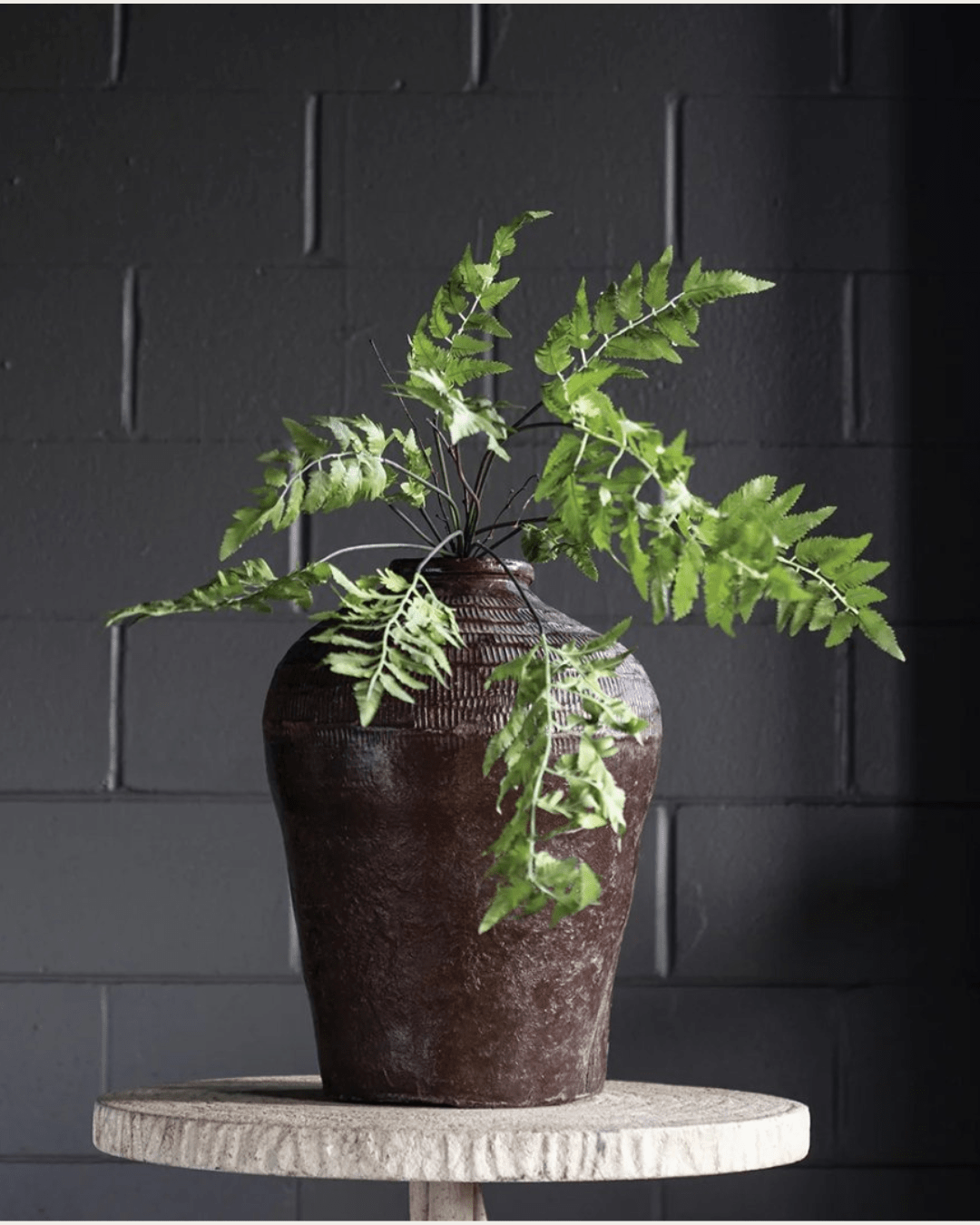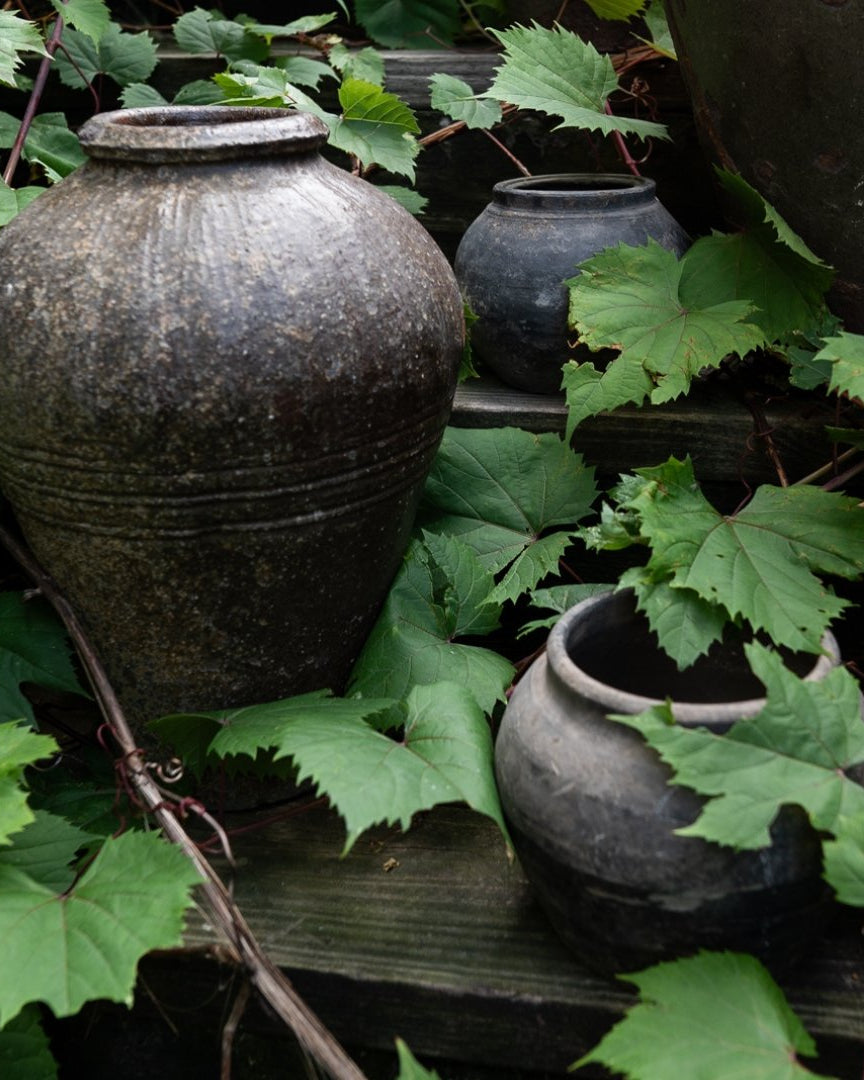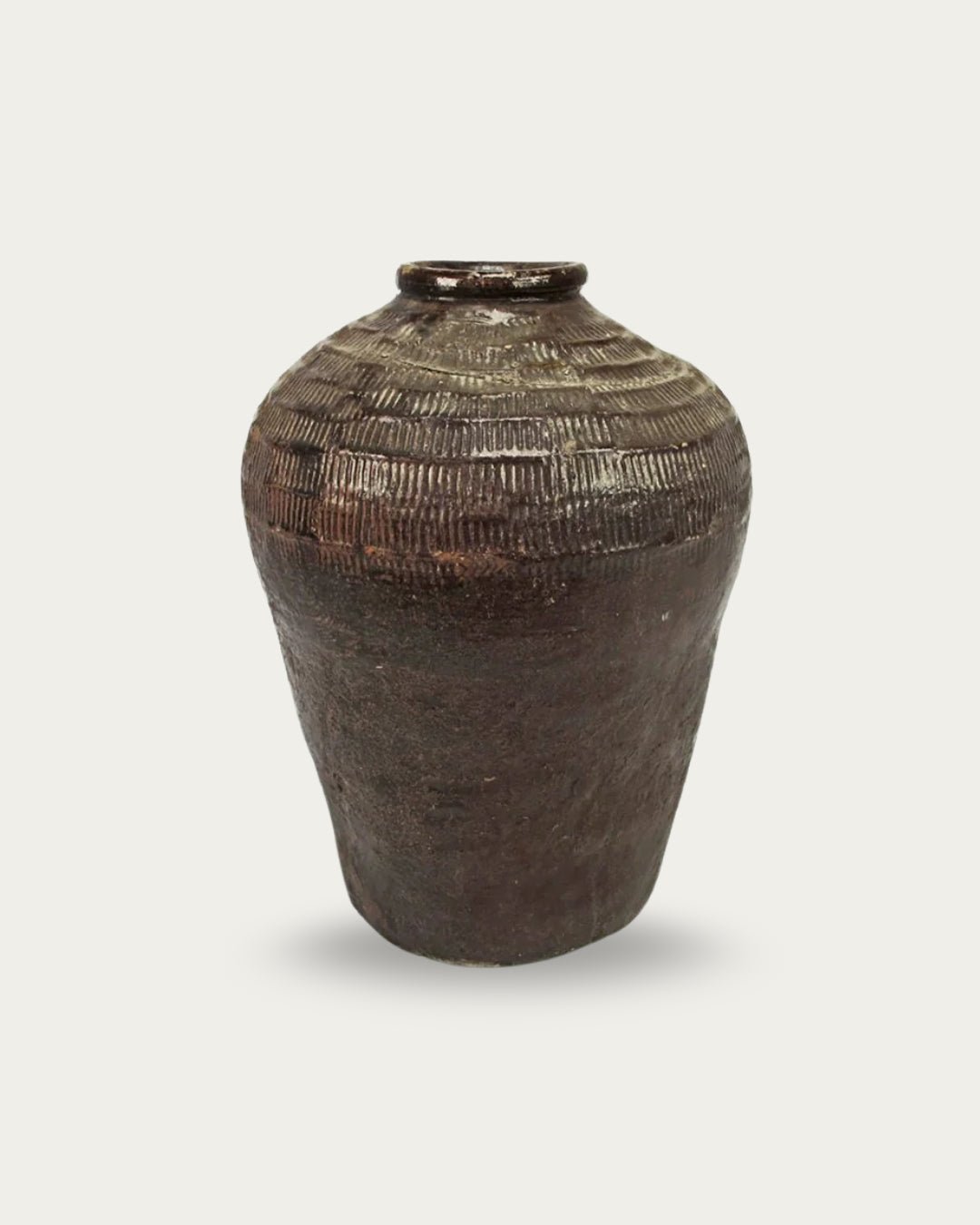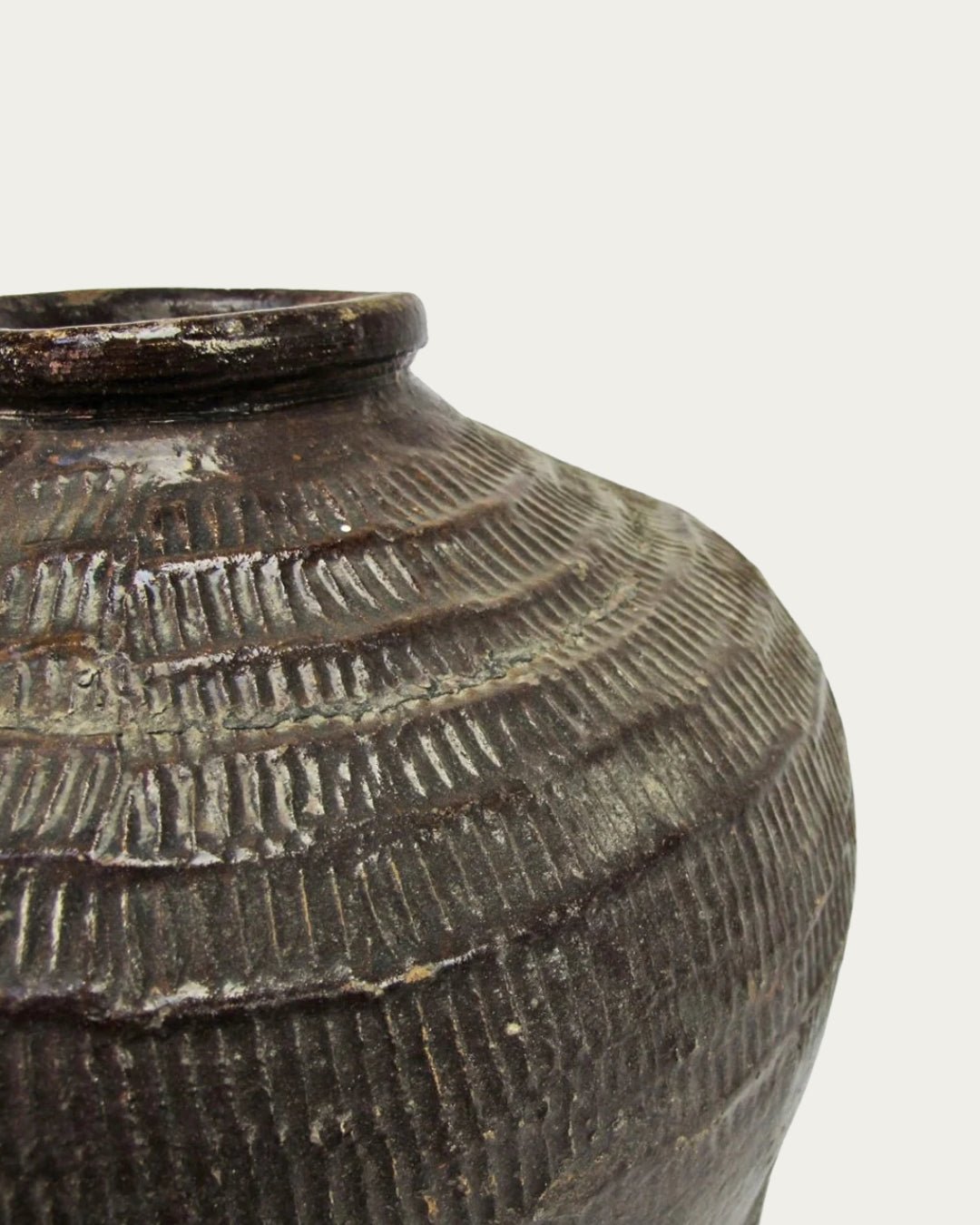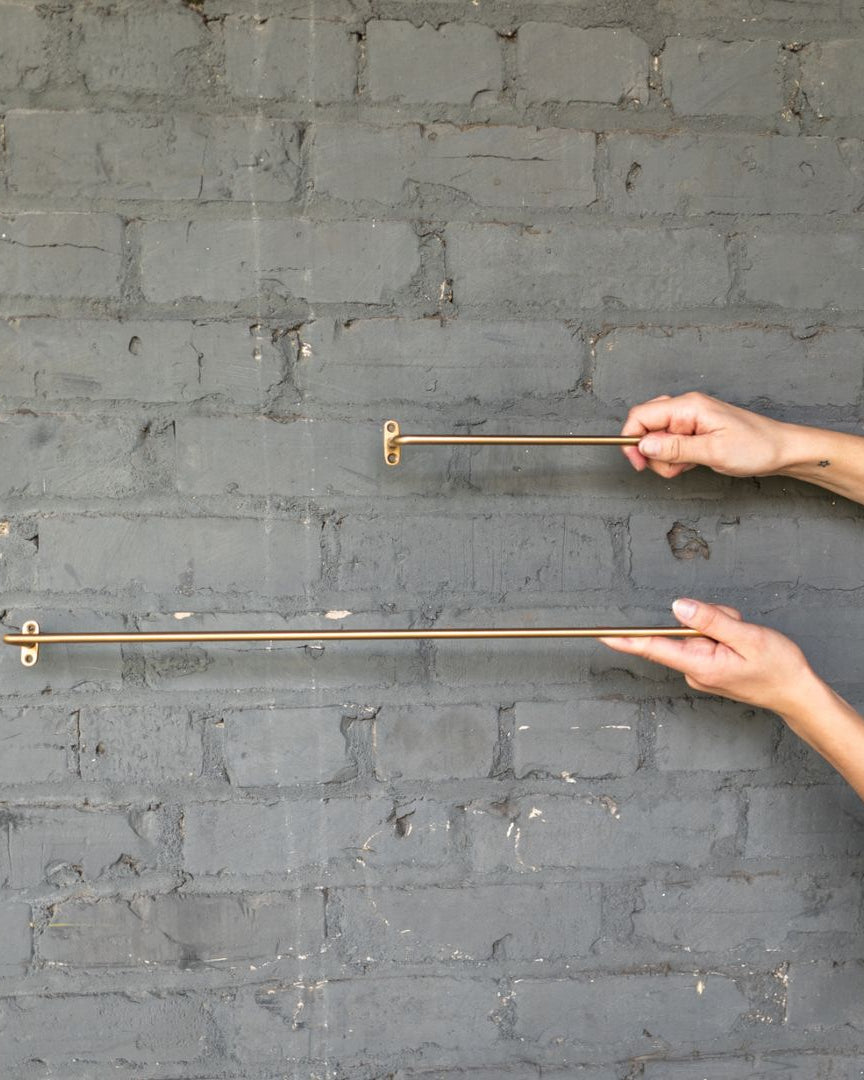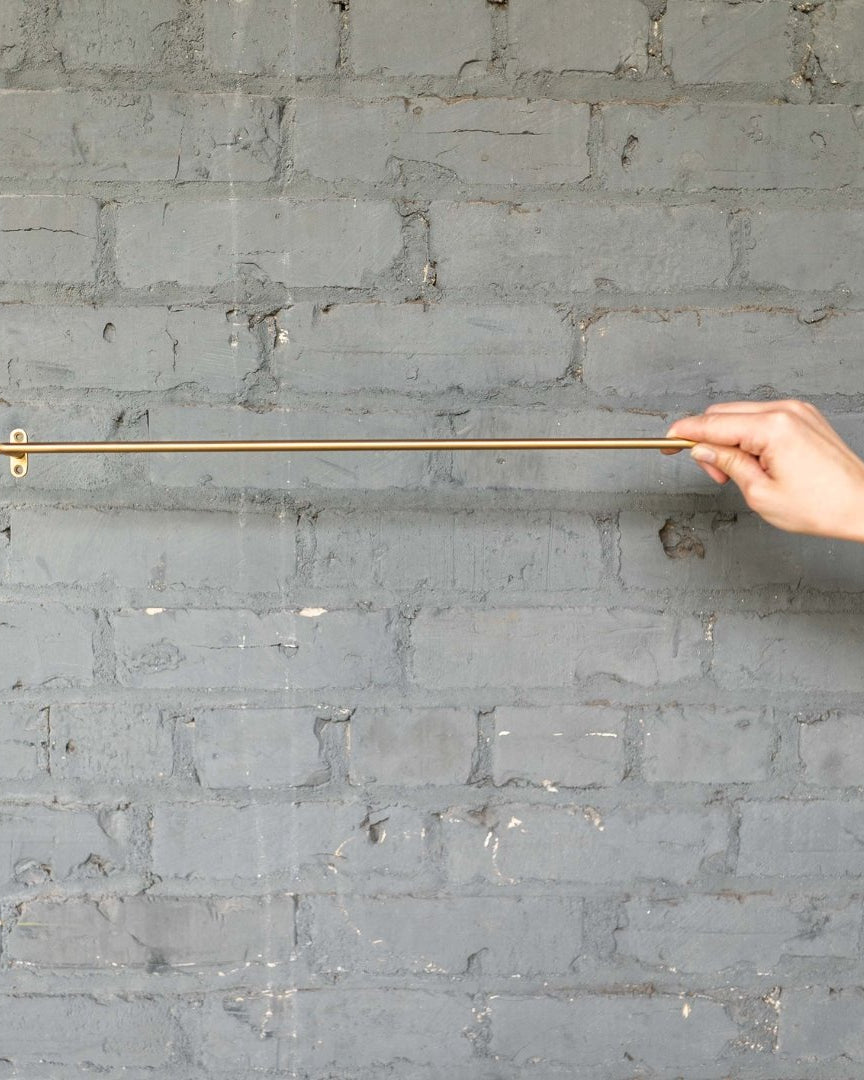




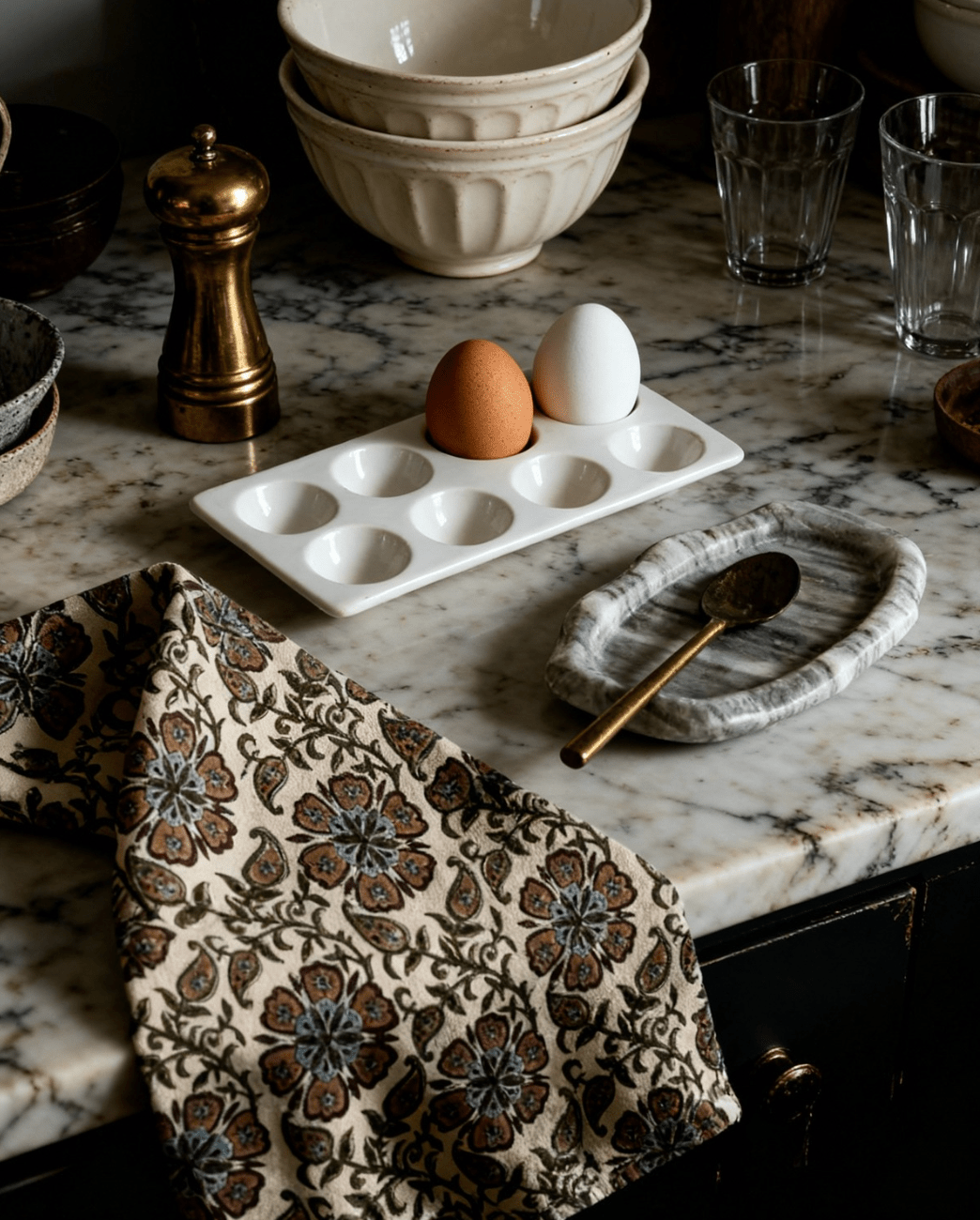
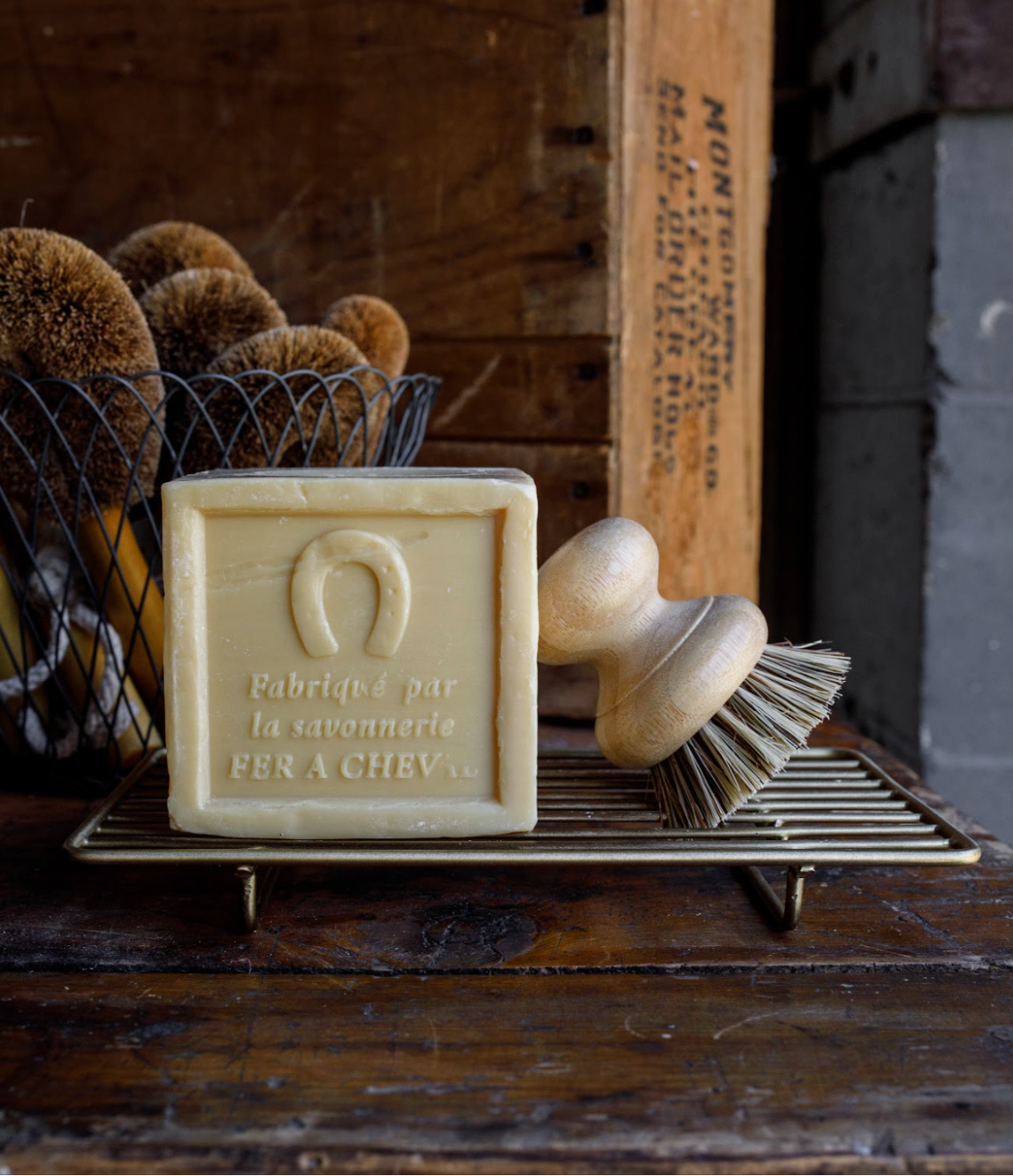
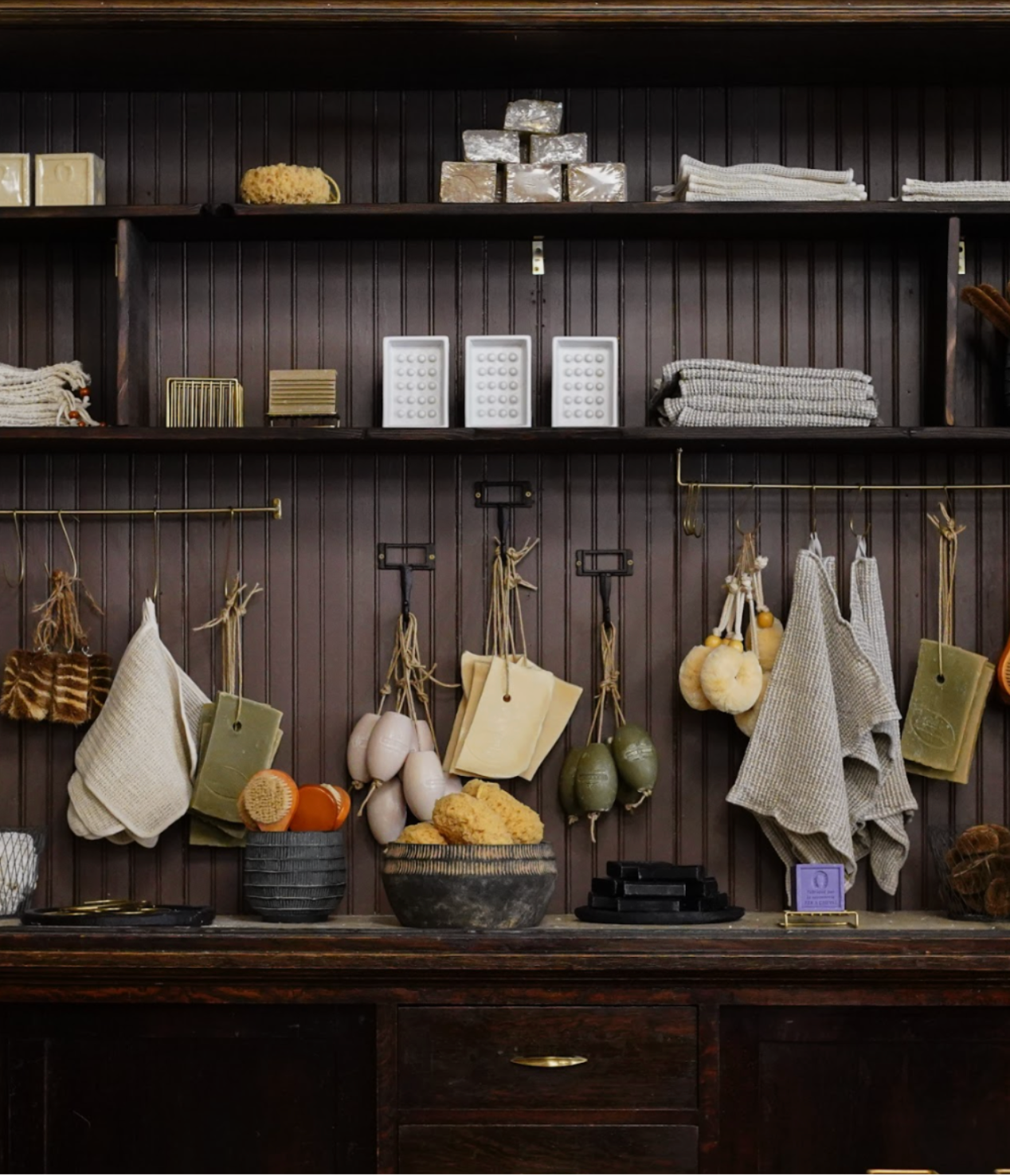


Vintage decor has become shorthand for character—but character alone isn’t enough. Walk into many “collected” homes today and you’ll notice the same issue: too many small objects competing for attention, not enough structure holding them together. The result isn’t layered or lived-in. It’s busy.
A more intentional approach to vintage decor shifts the goal. Instead of filling space, it focuses on shaping it. Instead of decorating every surface, it prioritizes weight, placement, and function. The collected look isn’t about how much you own—it’s about how clearly each piece earns its place.
What the Collected Look Actually Means (and What It Doesn’t)
The collected look is often misunderstood as accumulation. In reality, the most successful vintage home decor feels edited, not crowded. Pieces appear chosen over time, but they’re doing quiet work: grounding a room, guiding the eye, and creating rhythm.
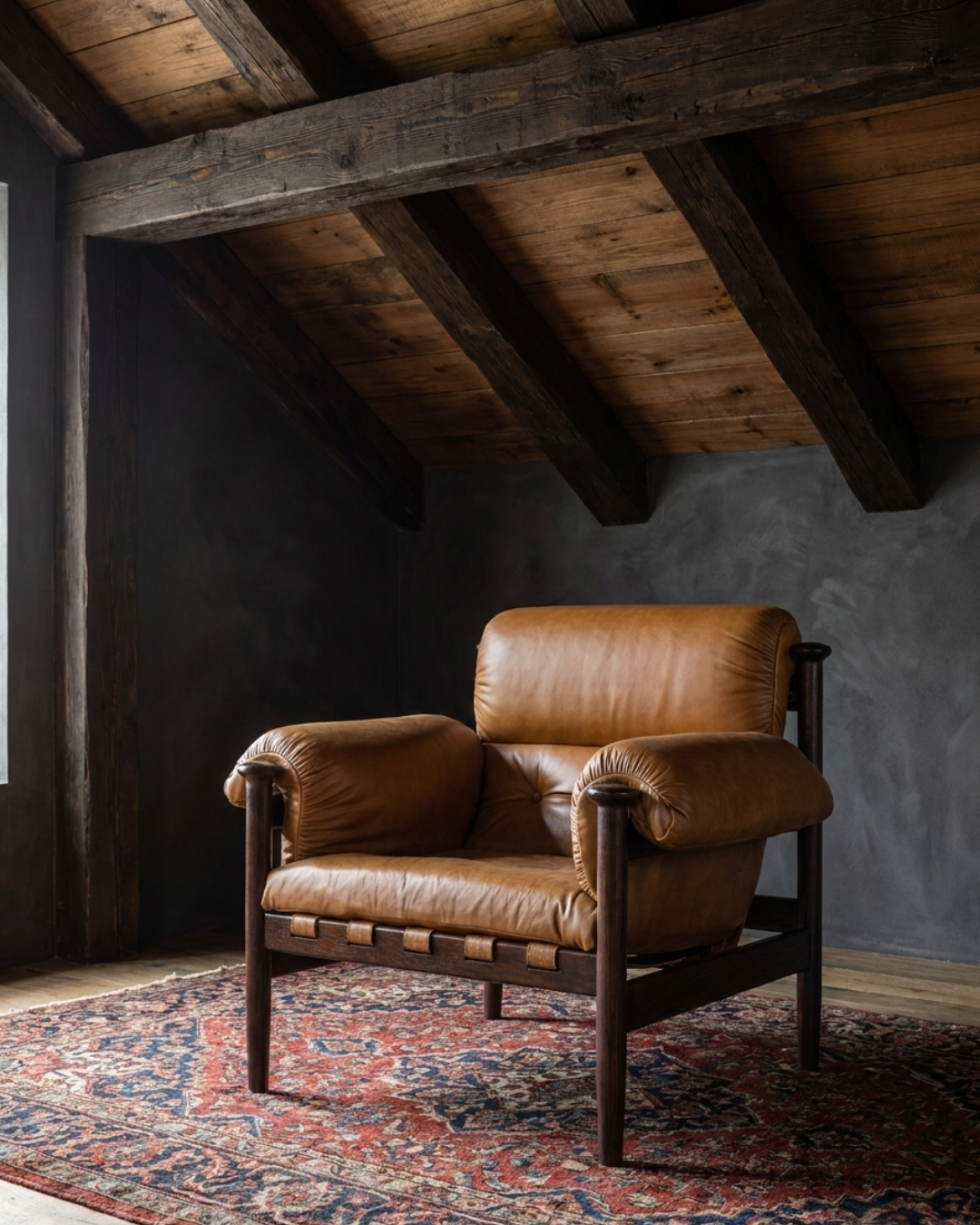
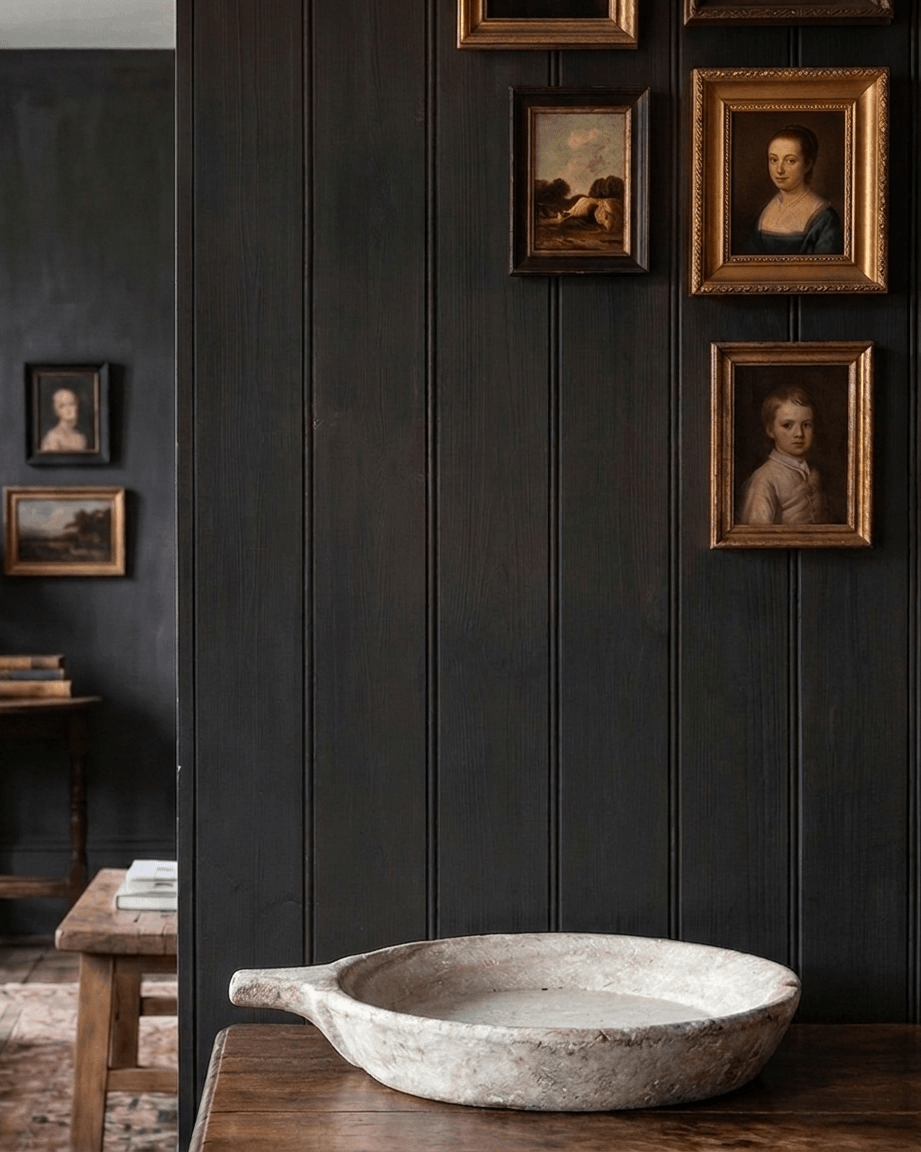
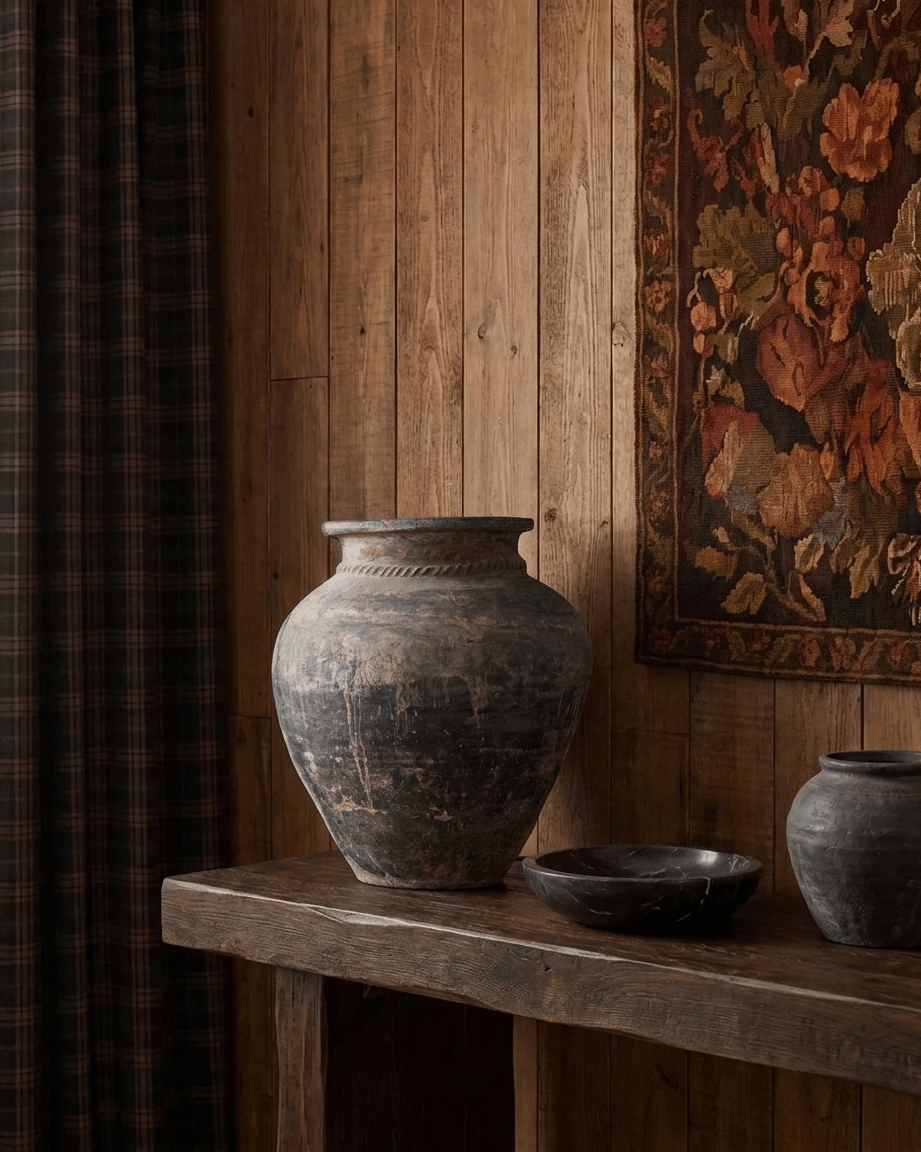
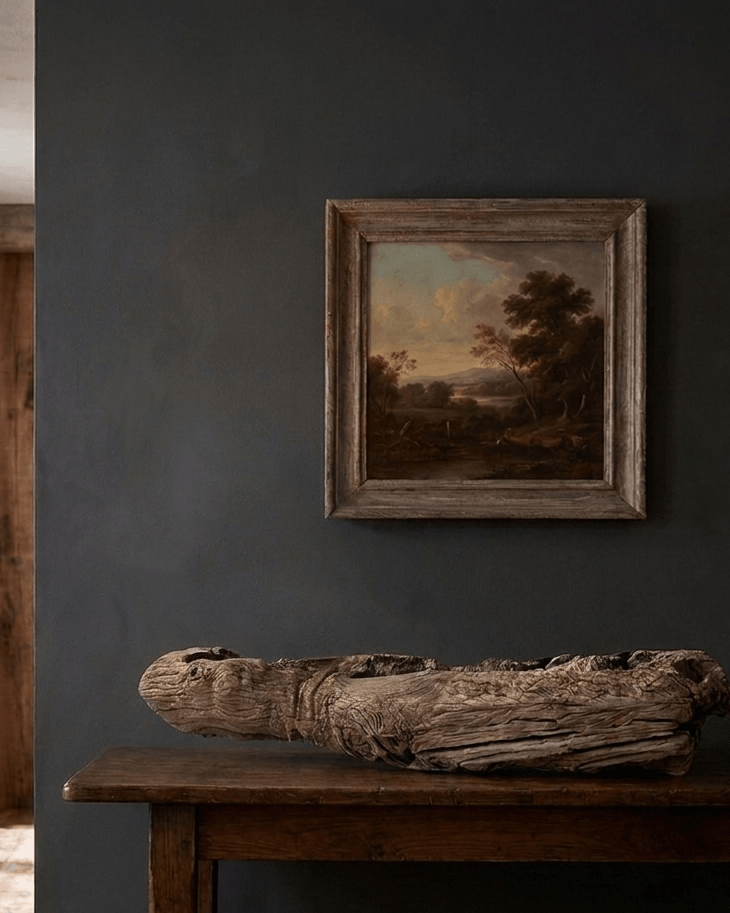
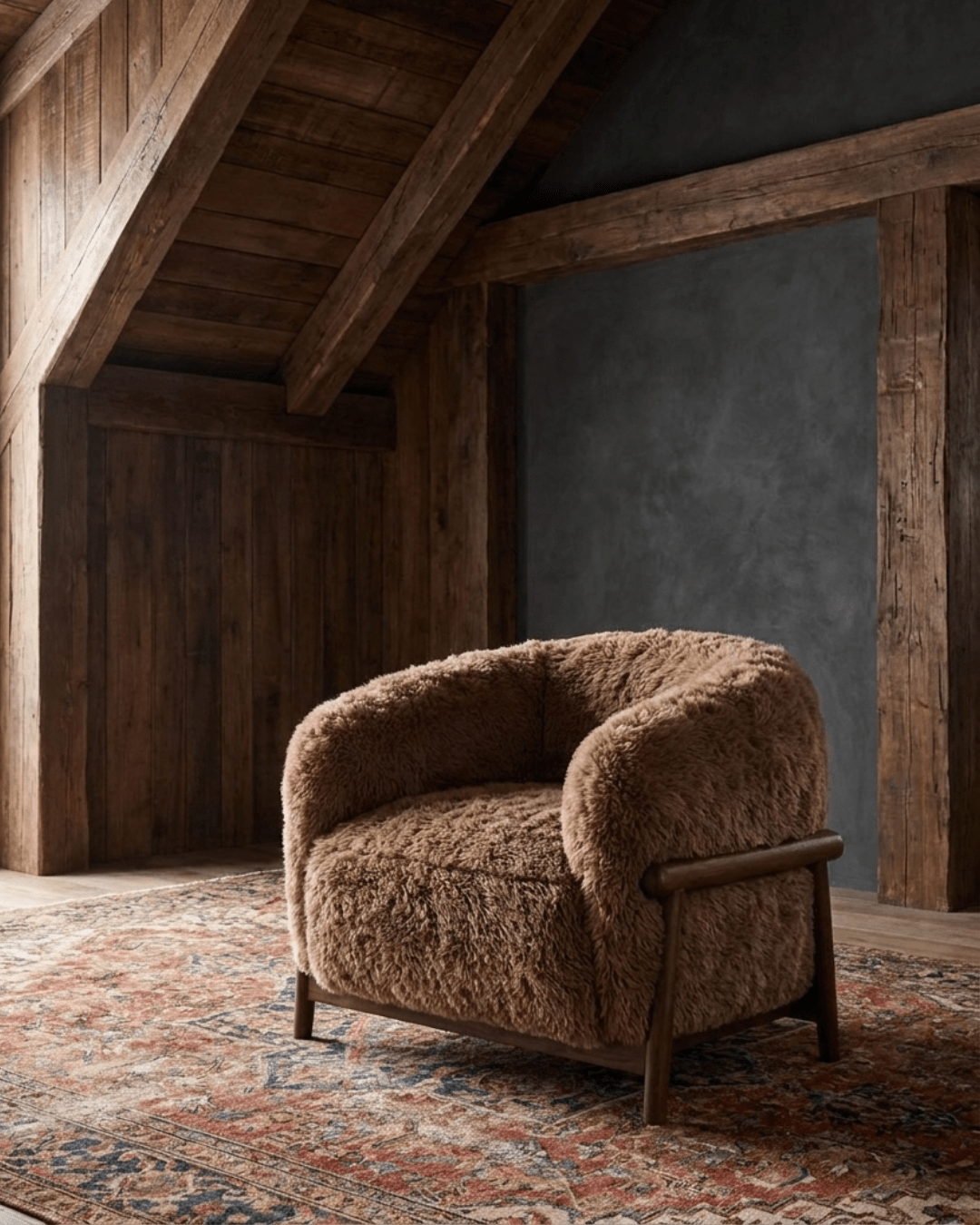
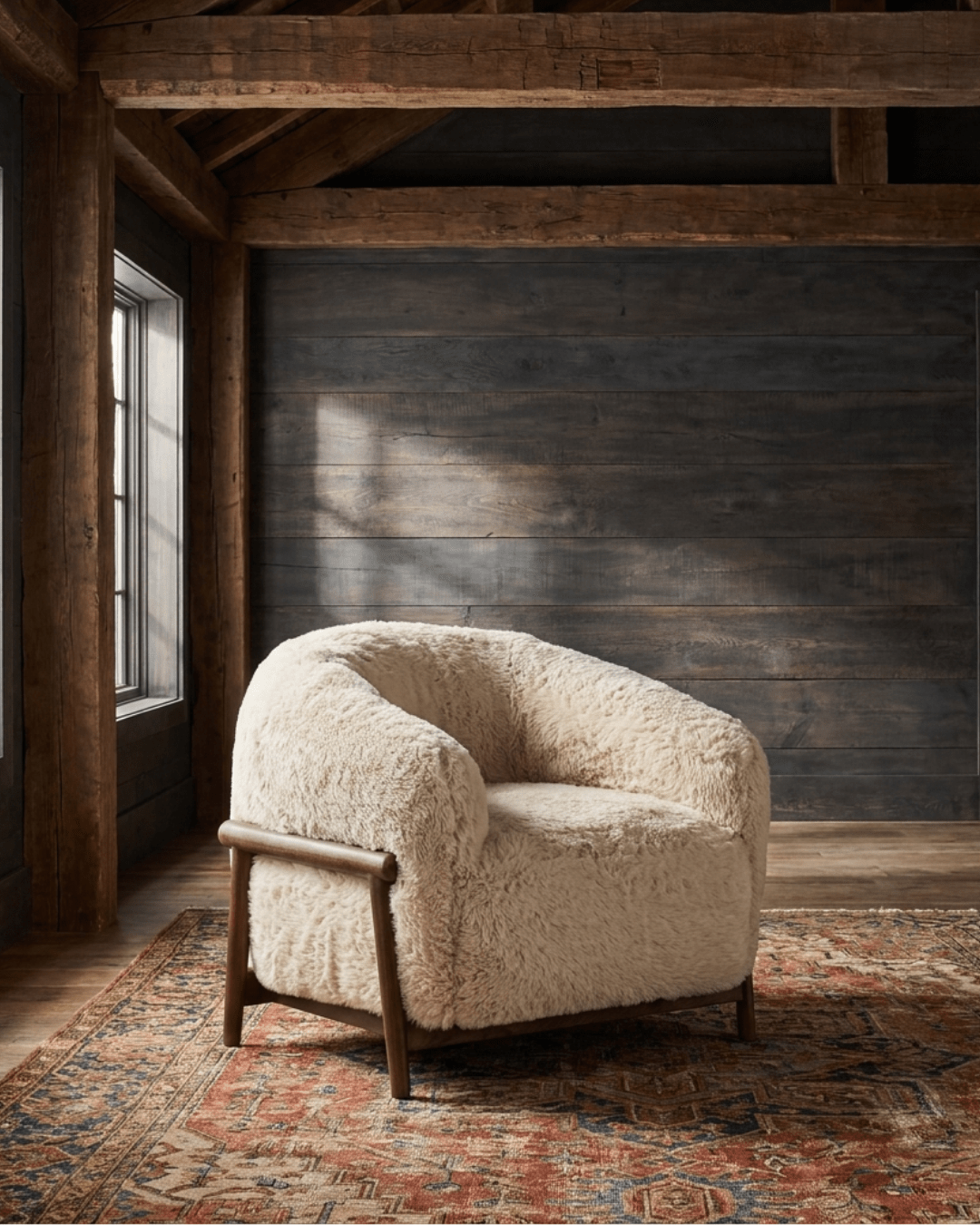
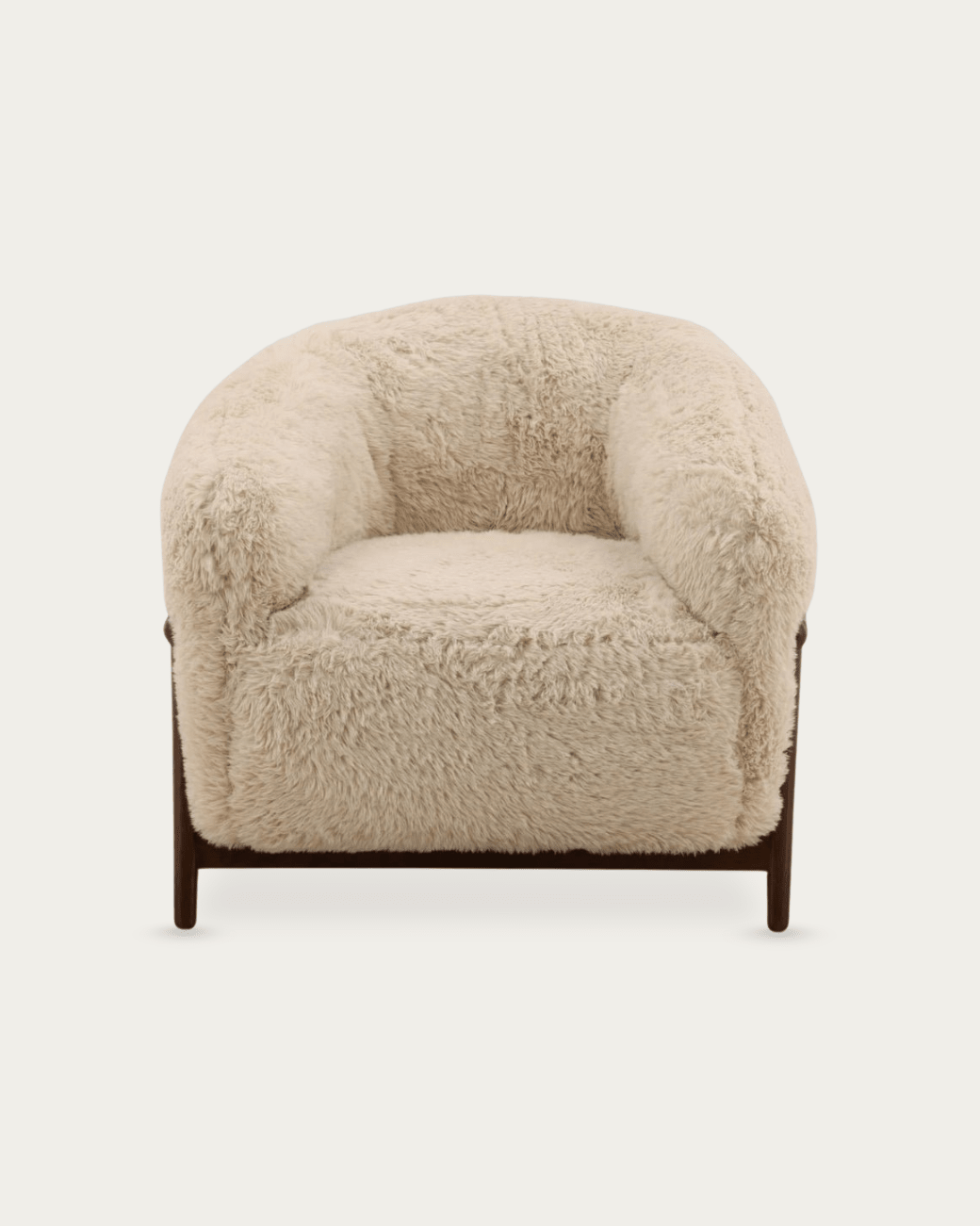
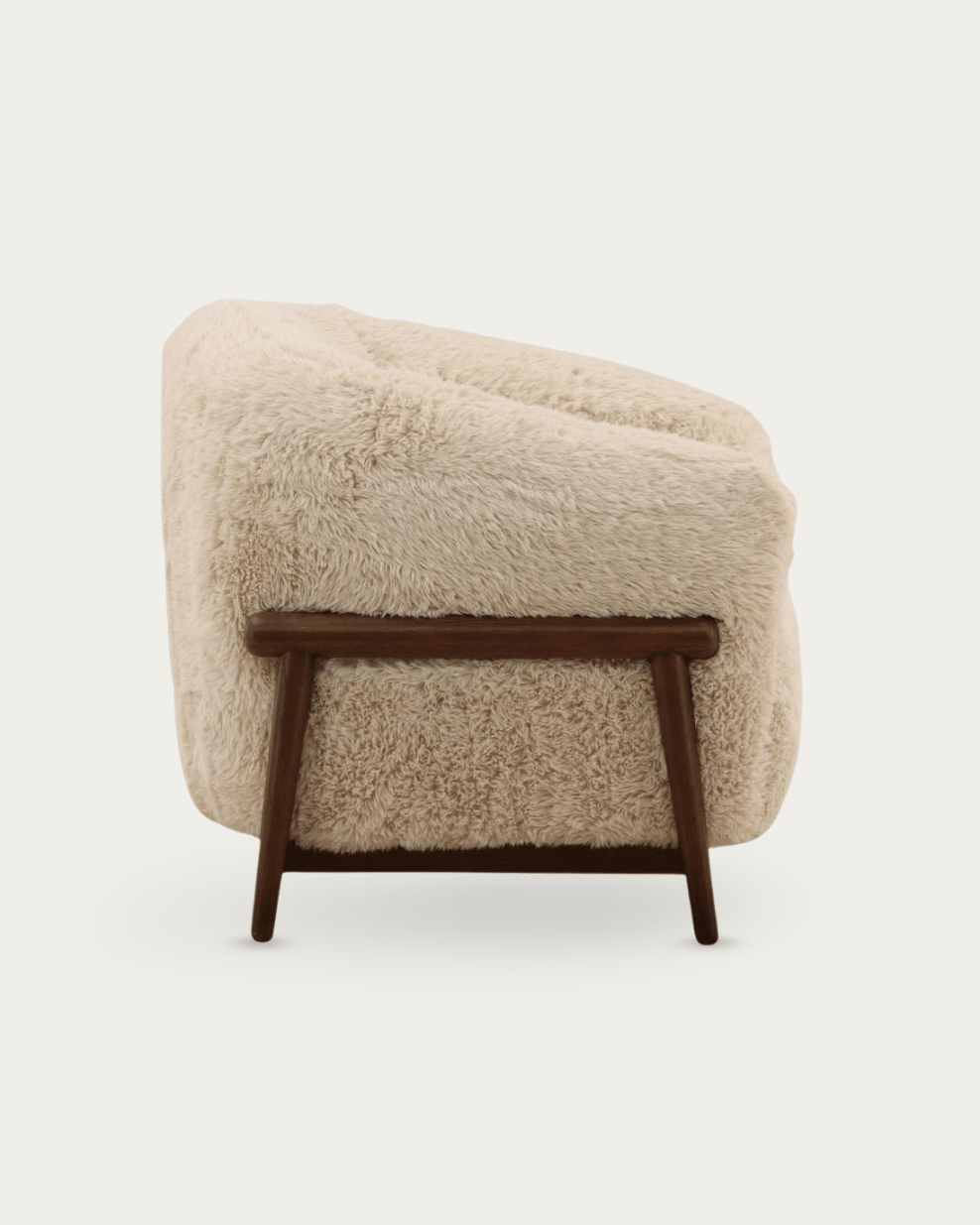
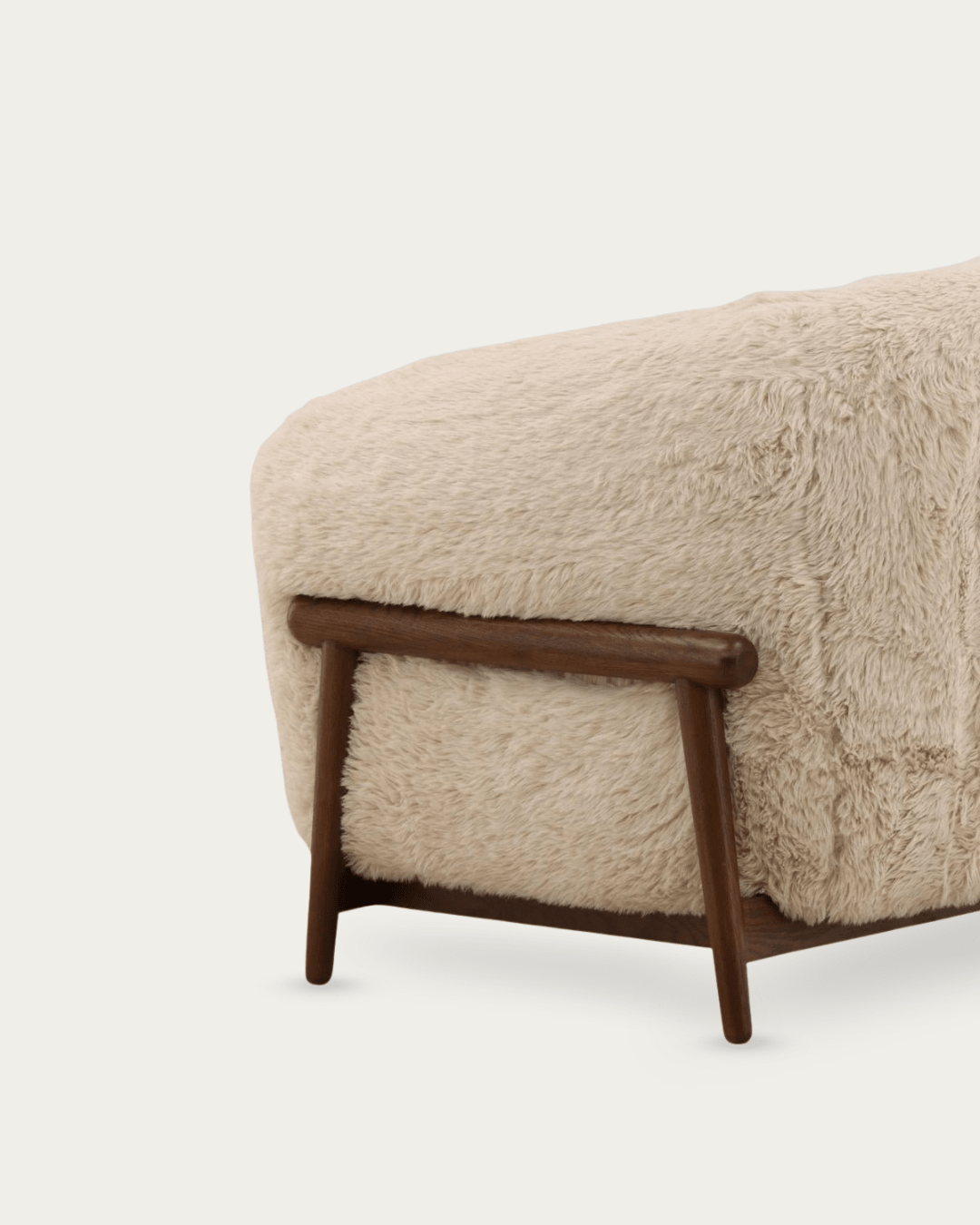
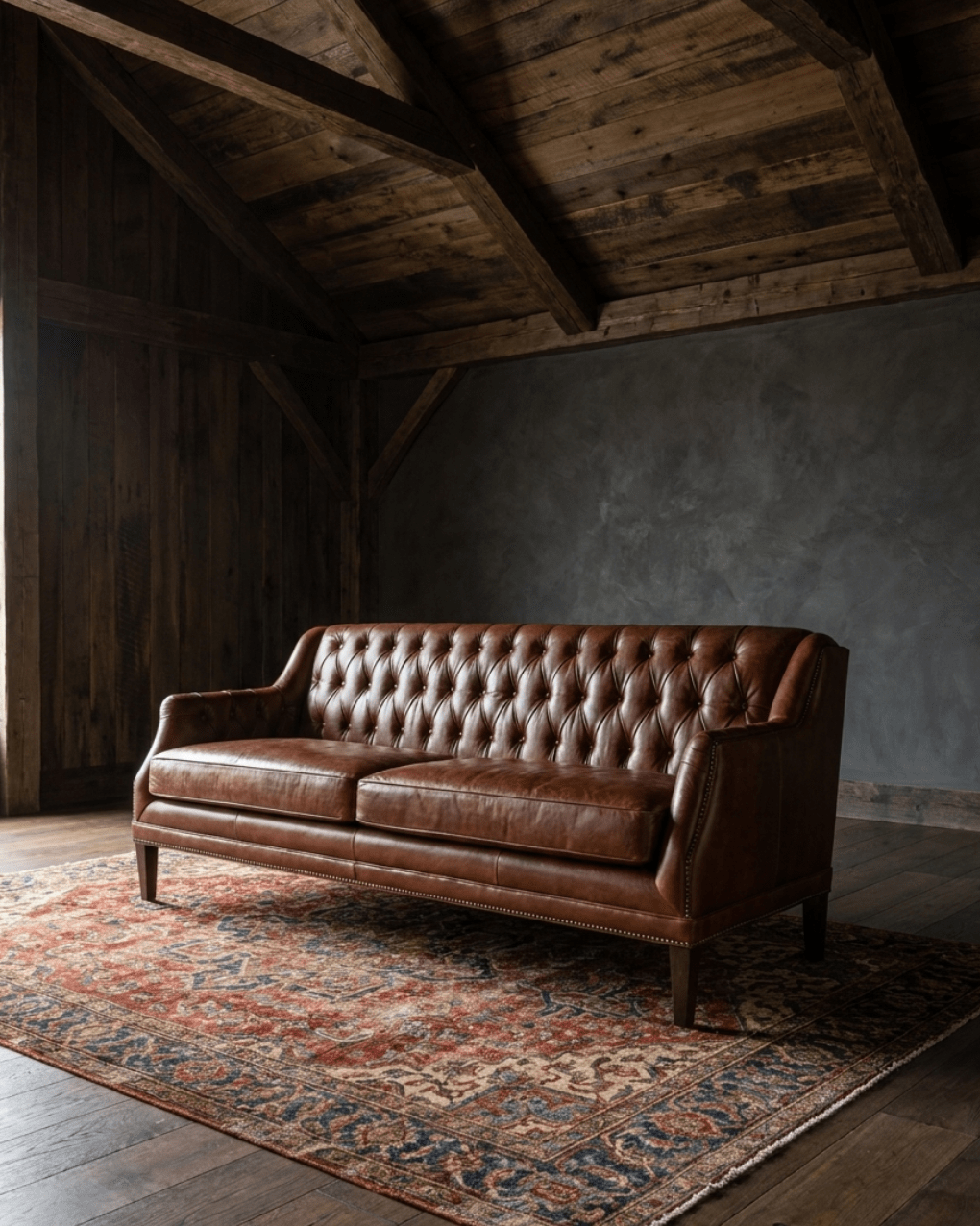
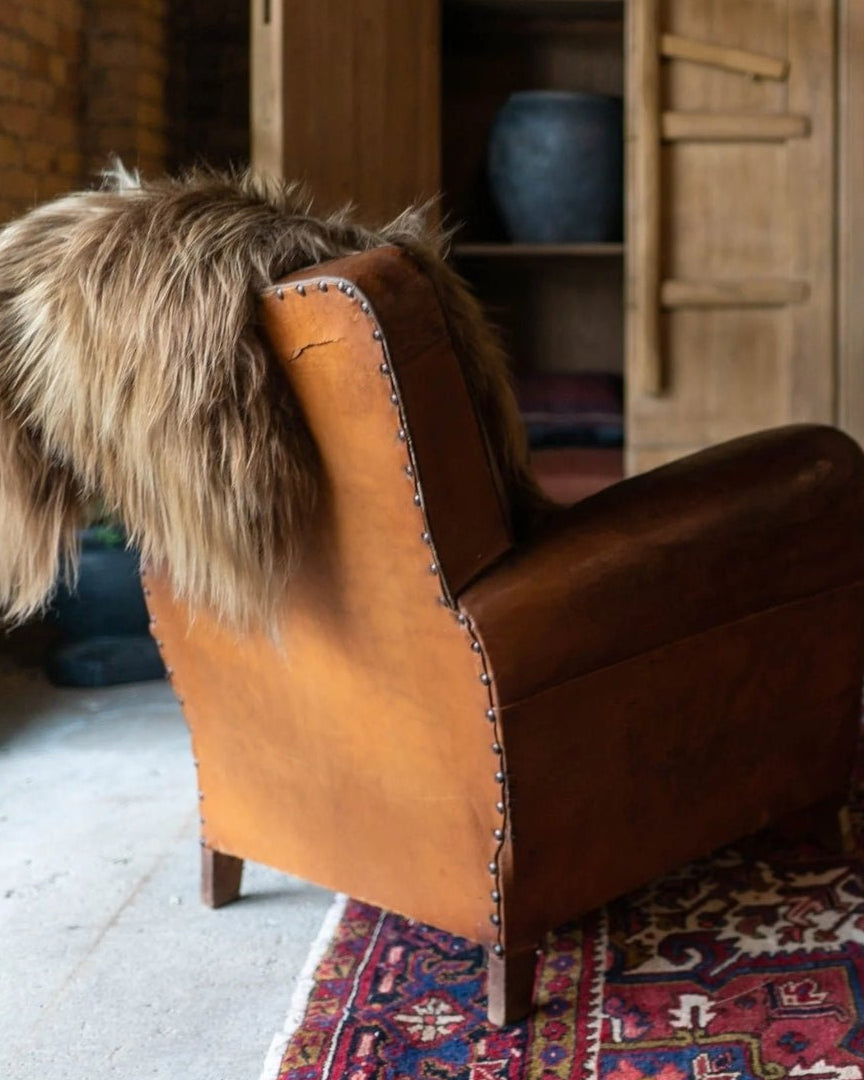
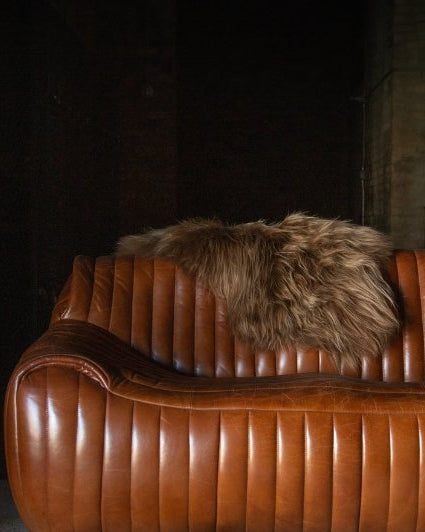
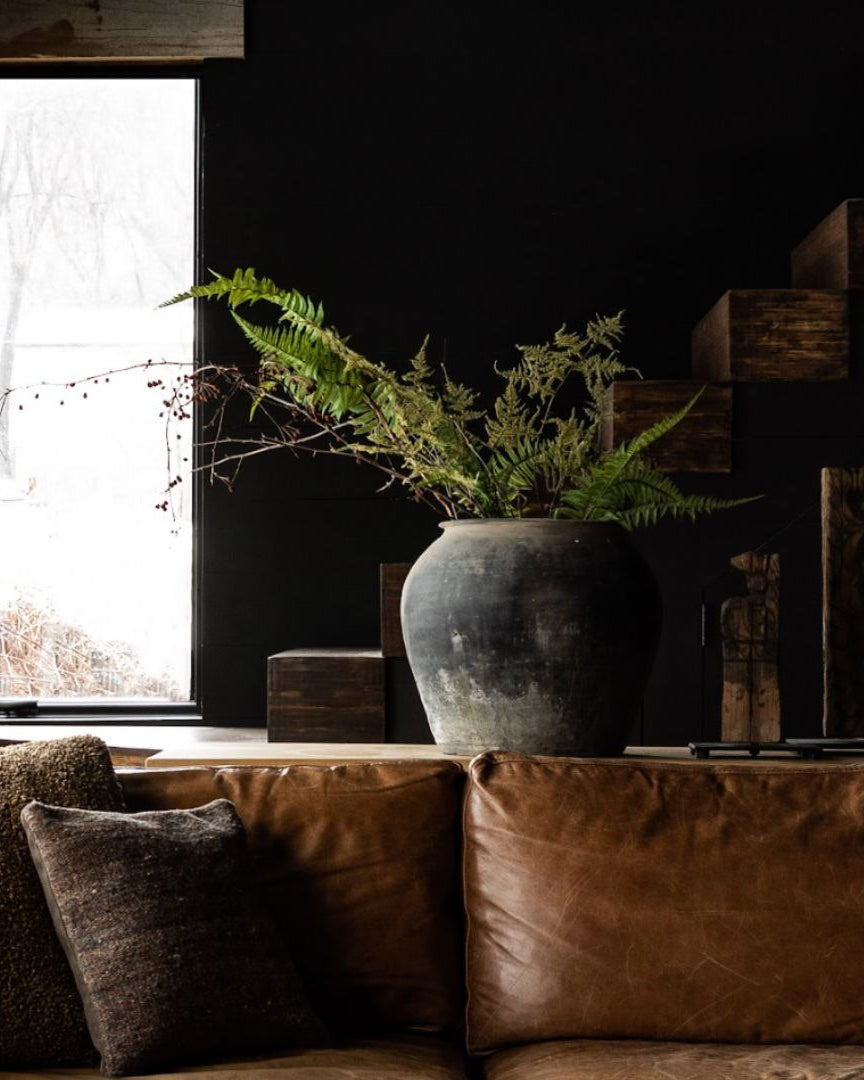
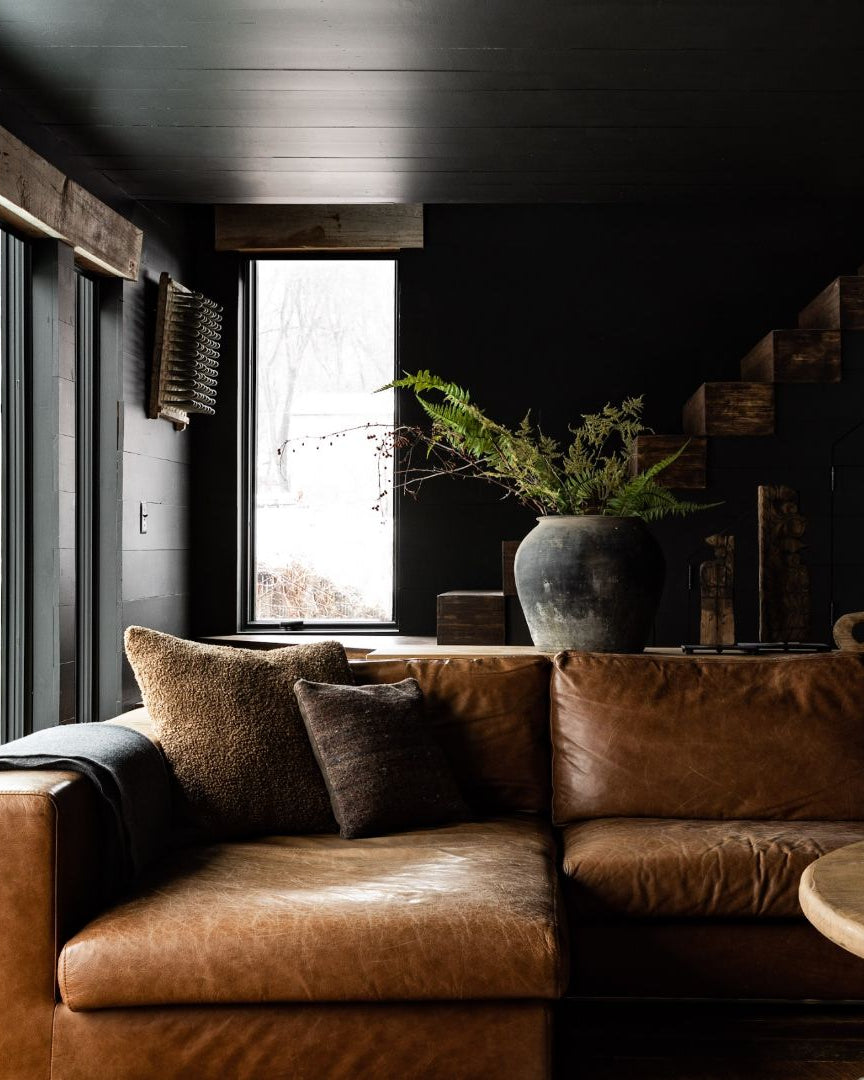
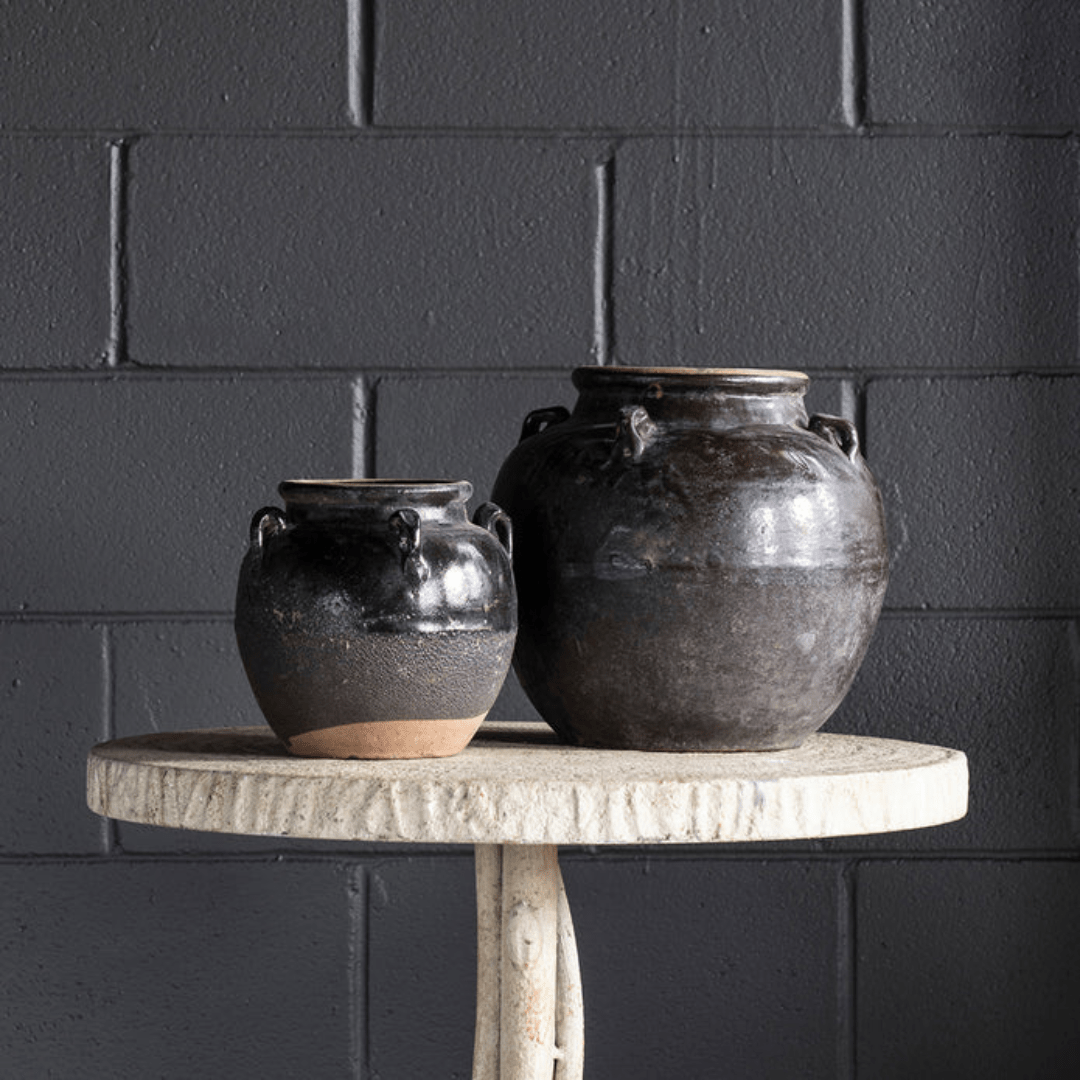
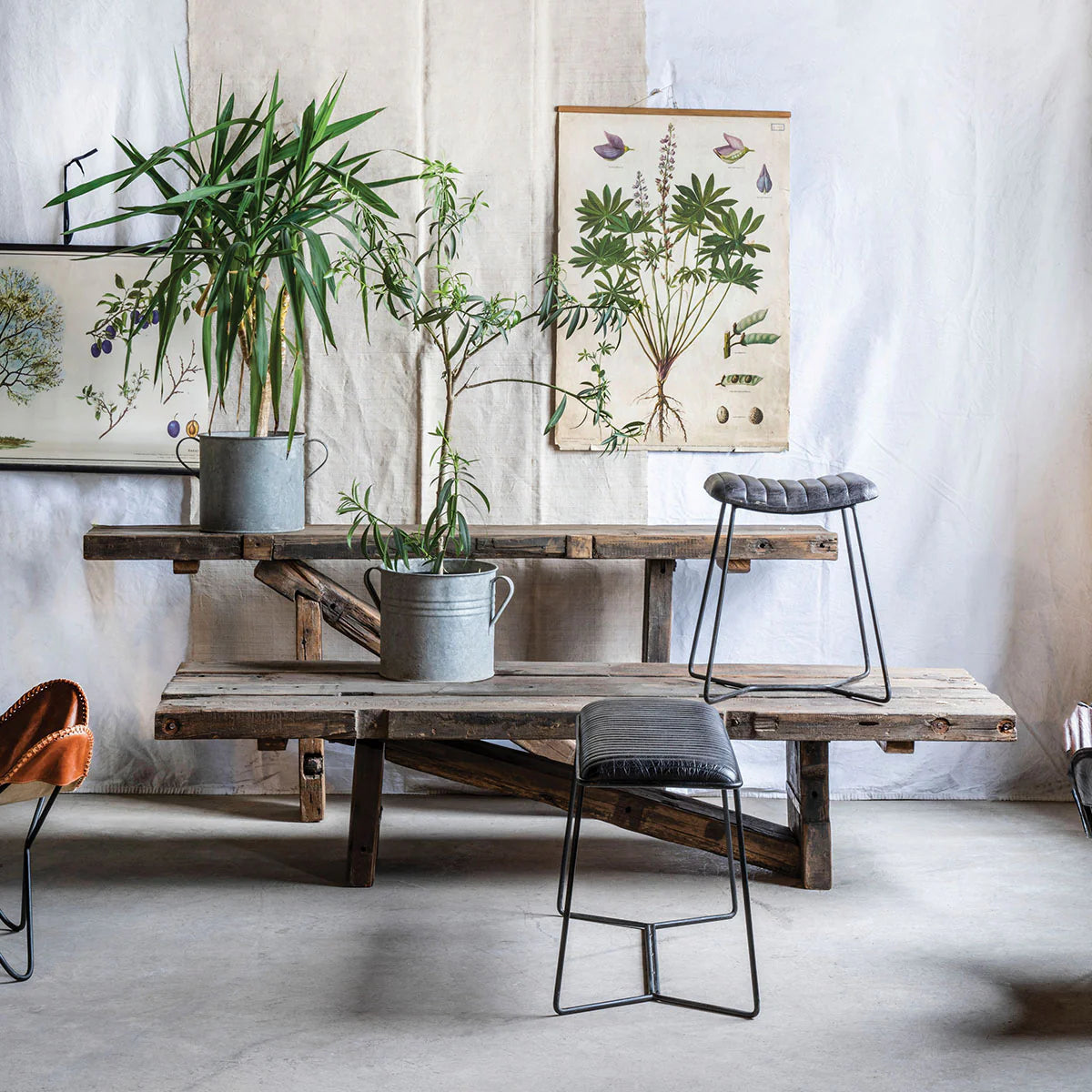
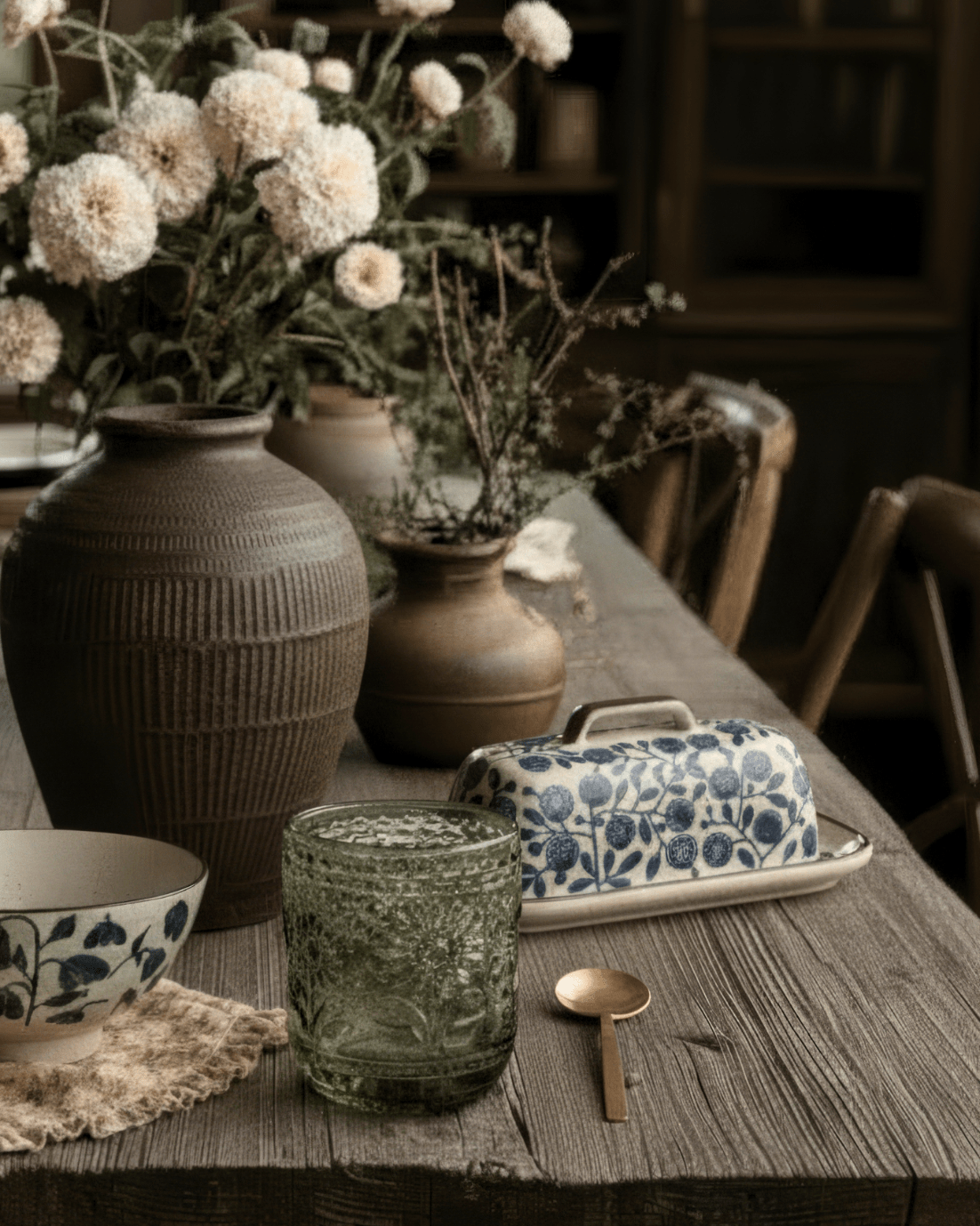
Intentional vintage decor relies on contrast—old against refined, rough against smooth, heavy against light. A hand-thrown bowl next to clean-lined upholstery. A weathered object offset by negative space. This tension keeps a room visually active without overwhelming it.
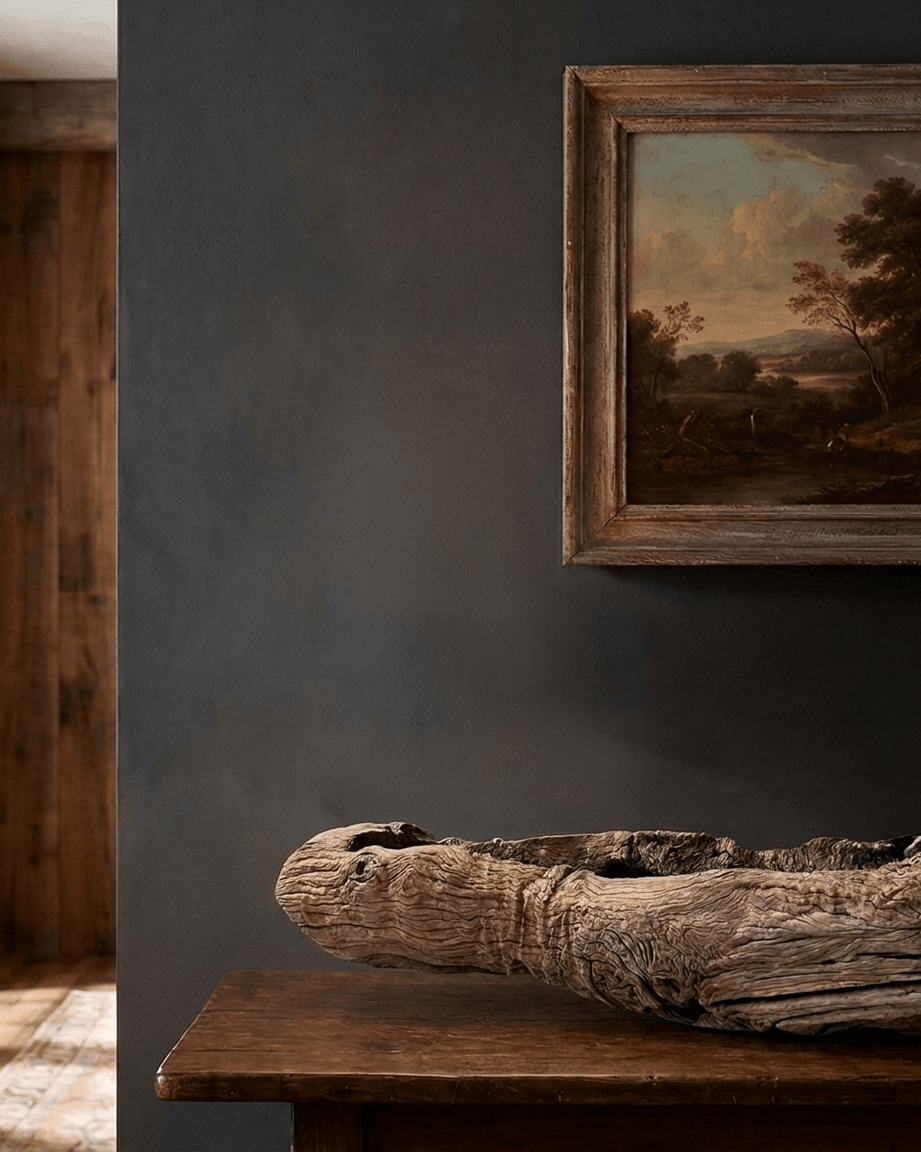
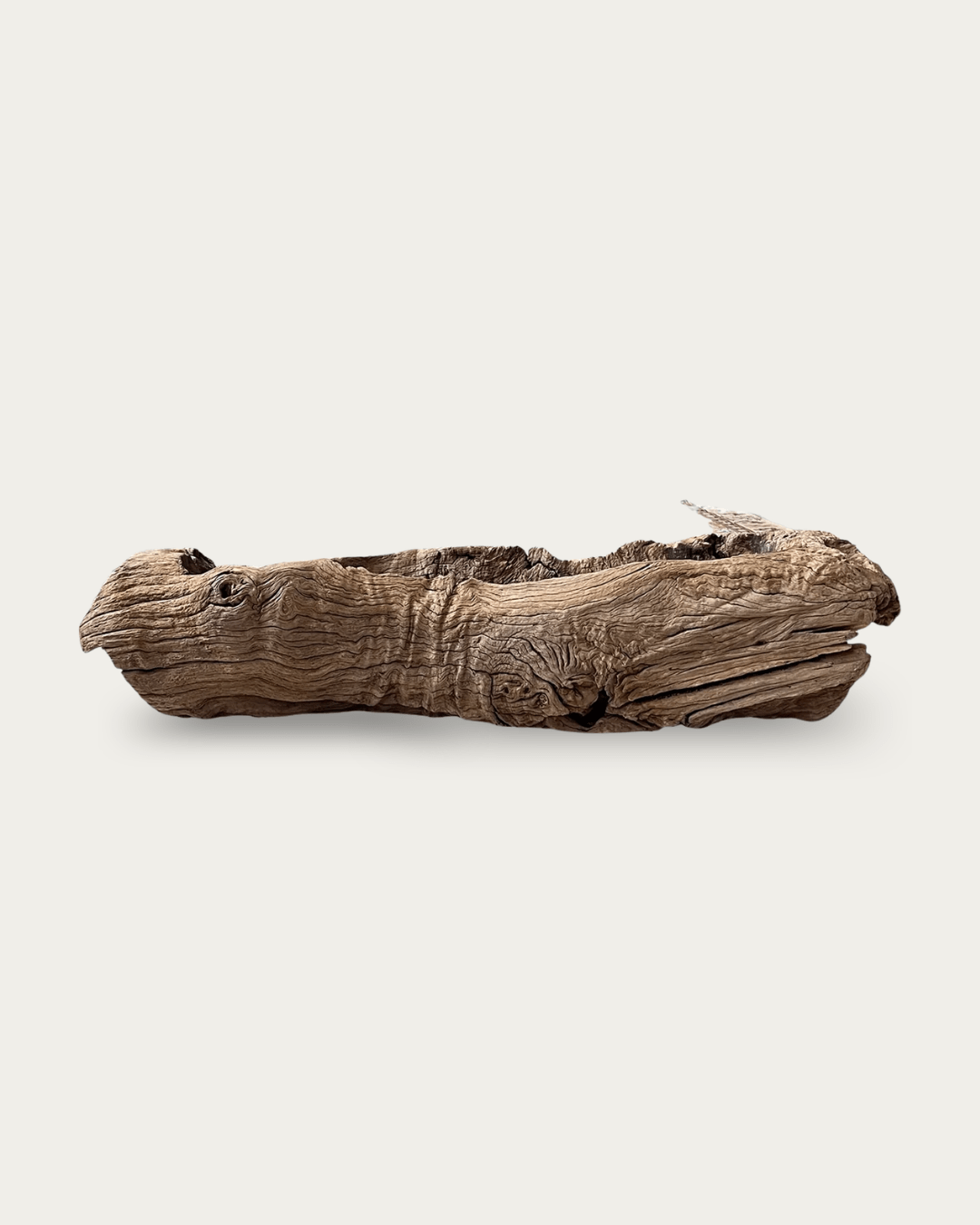
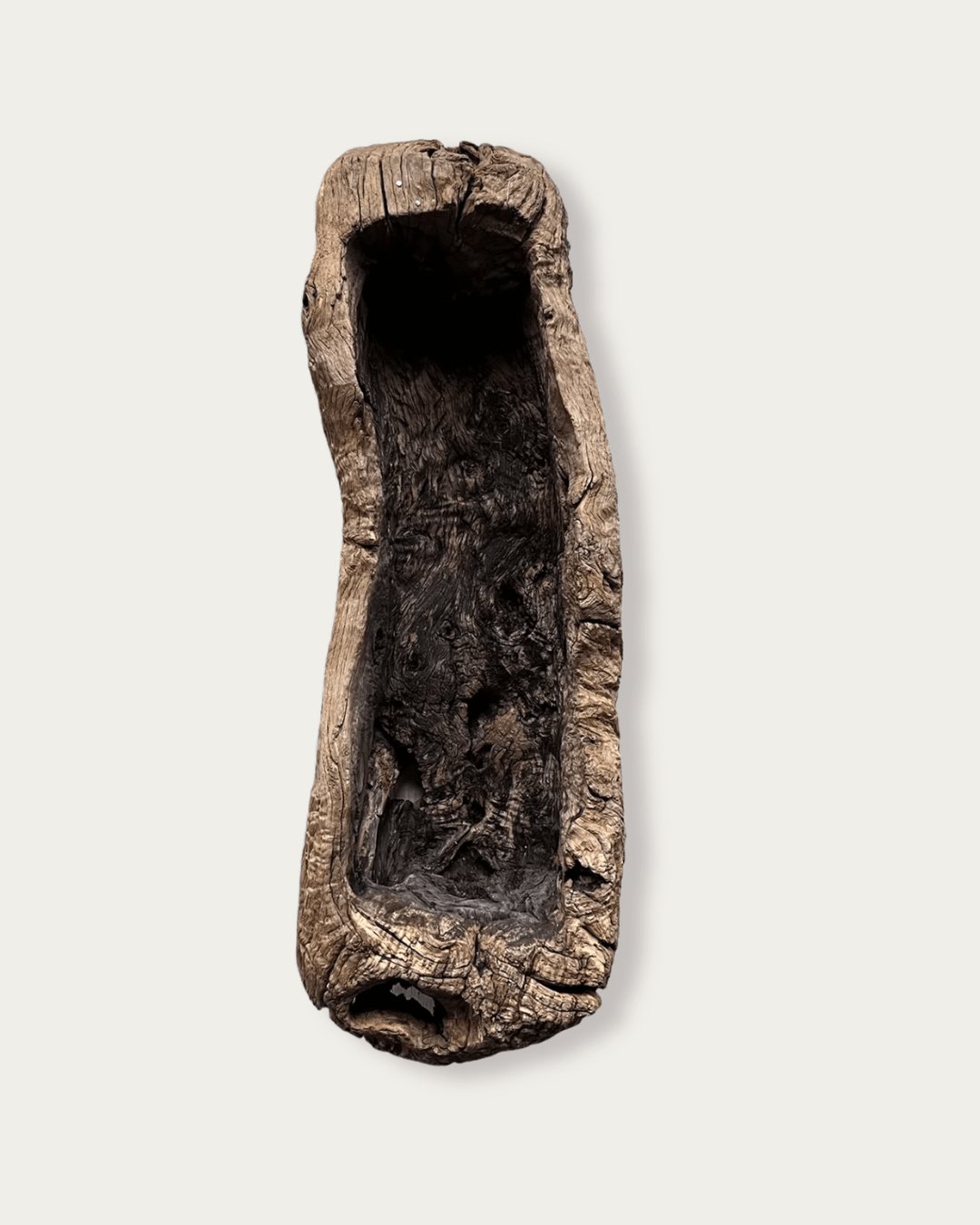
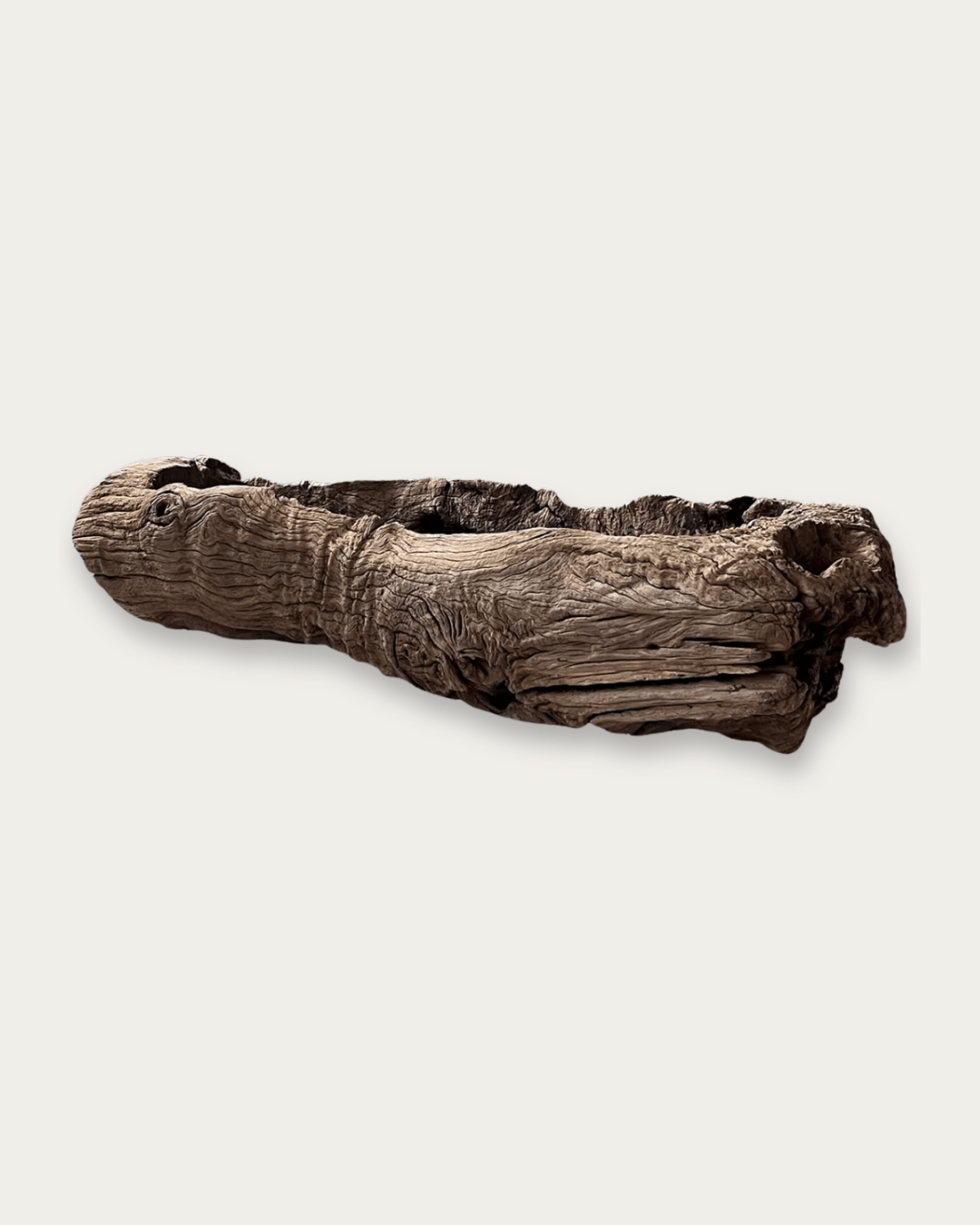
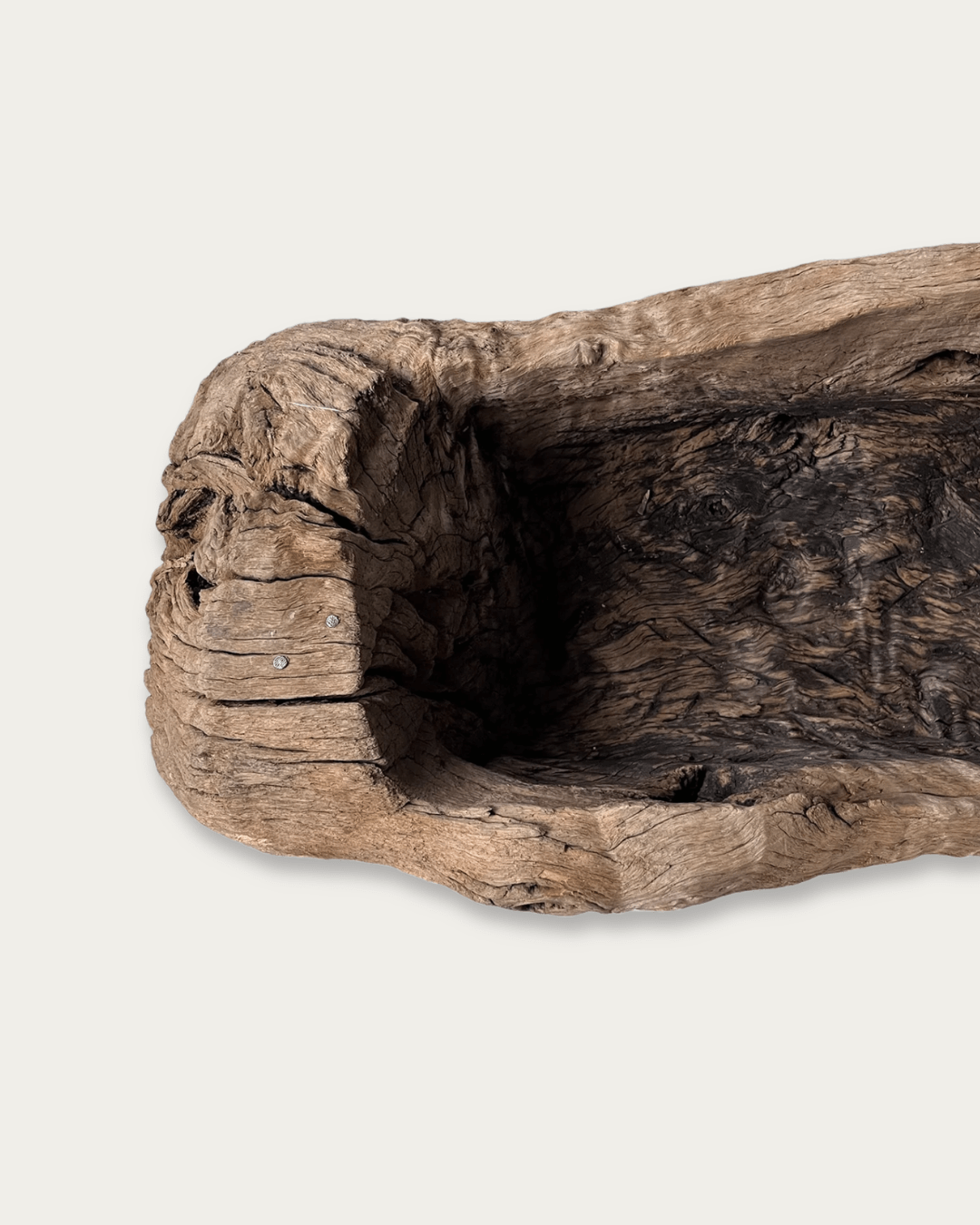
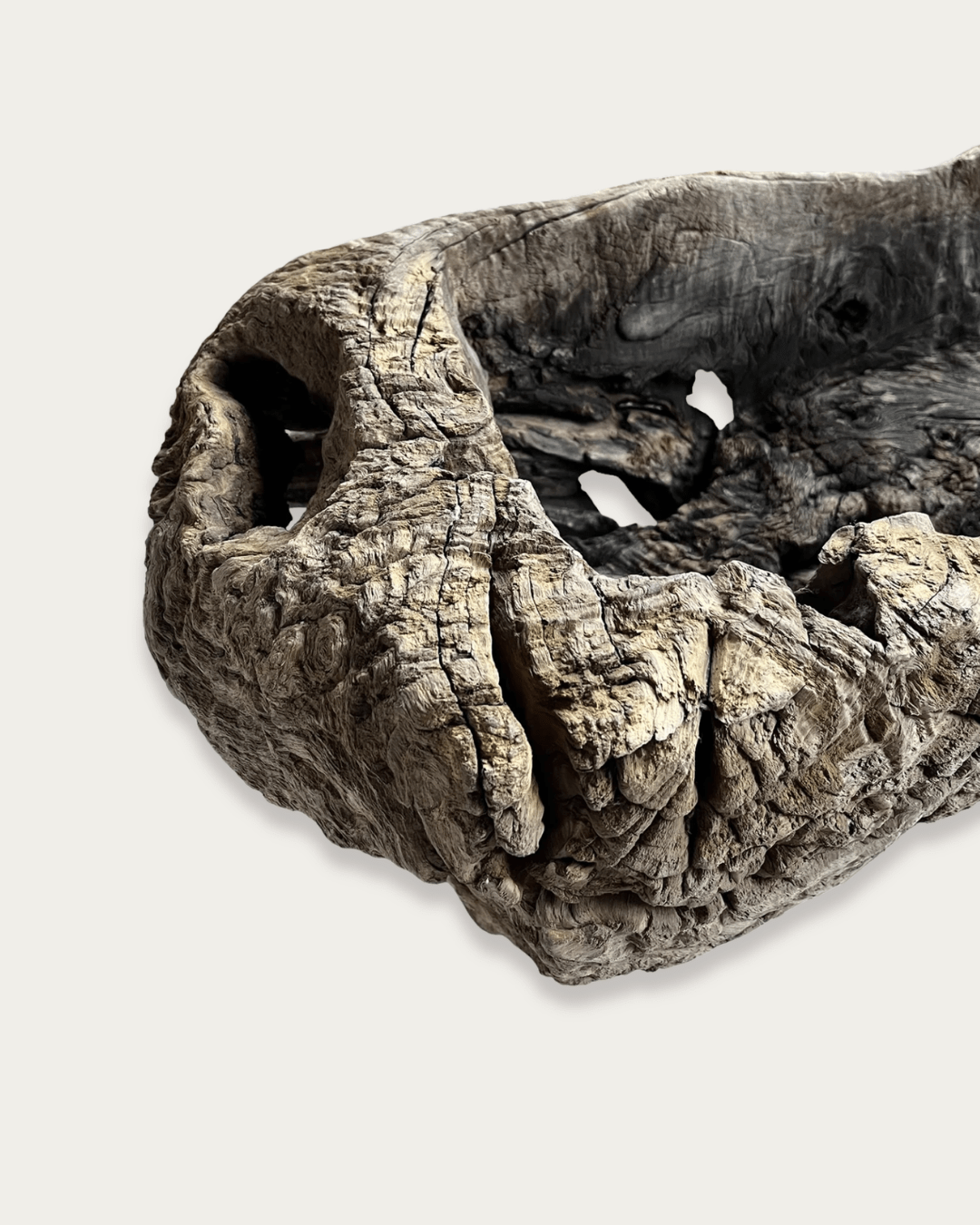
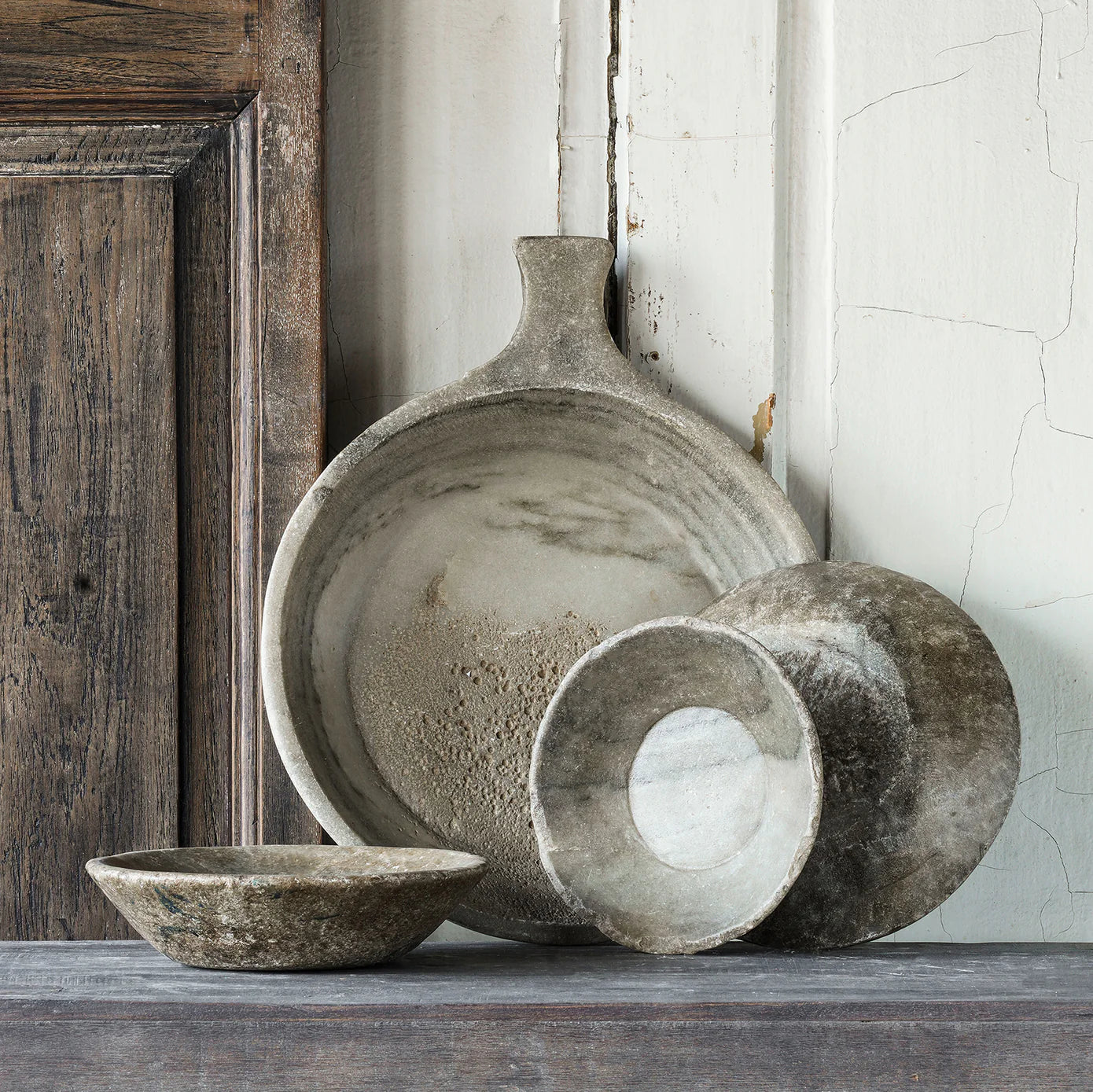
A piece like the Vintage wooden bowls works because it carries history and scale without asking for attention. Placed on a coffee table or console, it functions as a visual anchor, not a decorative extra.
Similarly, the Vintage pan introduces material honesty—iron, wear, proportion—that immediately stabilizes a vignette. These objects don’t decorate the room. They define it.
Start With Weight, Not Surface Styling
One of the fastest ways to over-style a space is to start at eye level. Shelves, mantels, and tabletops quickly become crowded when there’s nothing grounding the room below them. Intentional vintage decor works from the floor up.
Heavier forms placed low—baskets, large vessels, sculptural objects—establish a visual baseline. Once that’s in place, surfaces need far less intervention.
The Chinese harvest basket is a good example of functional weight. Its scale and texture create presence even when empty, making it ideal beside a fireplace, sofa, or entry bench.
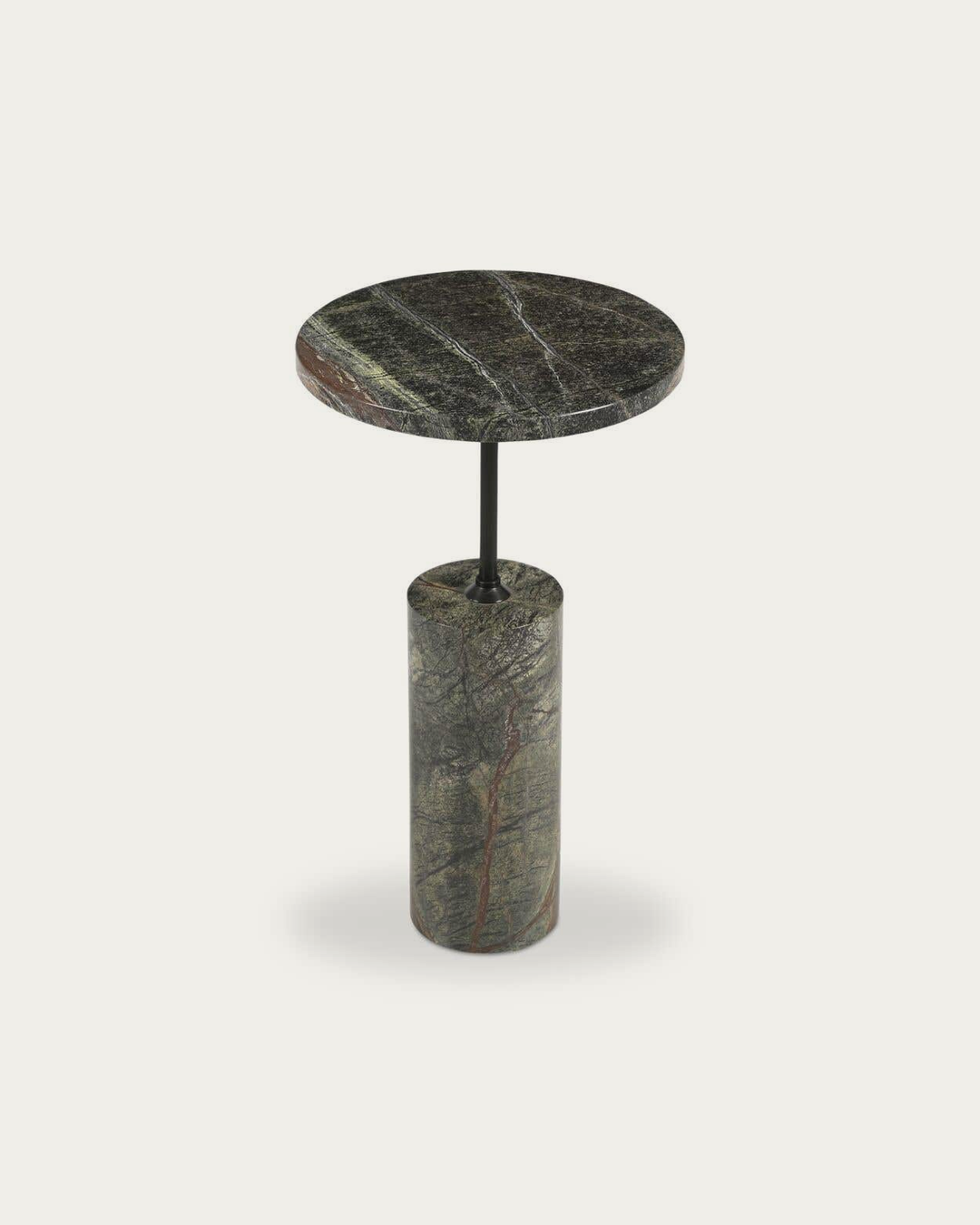
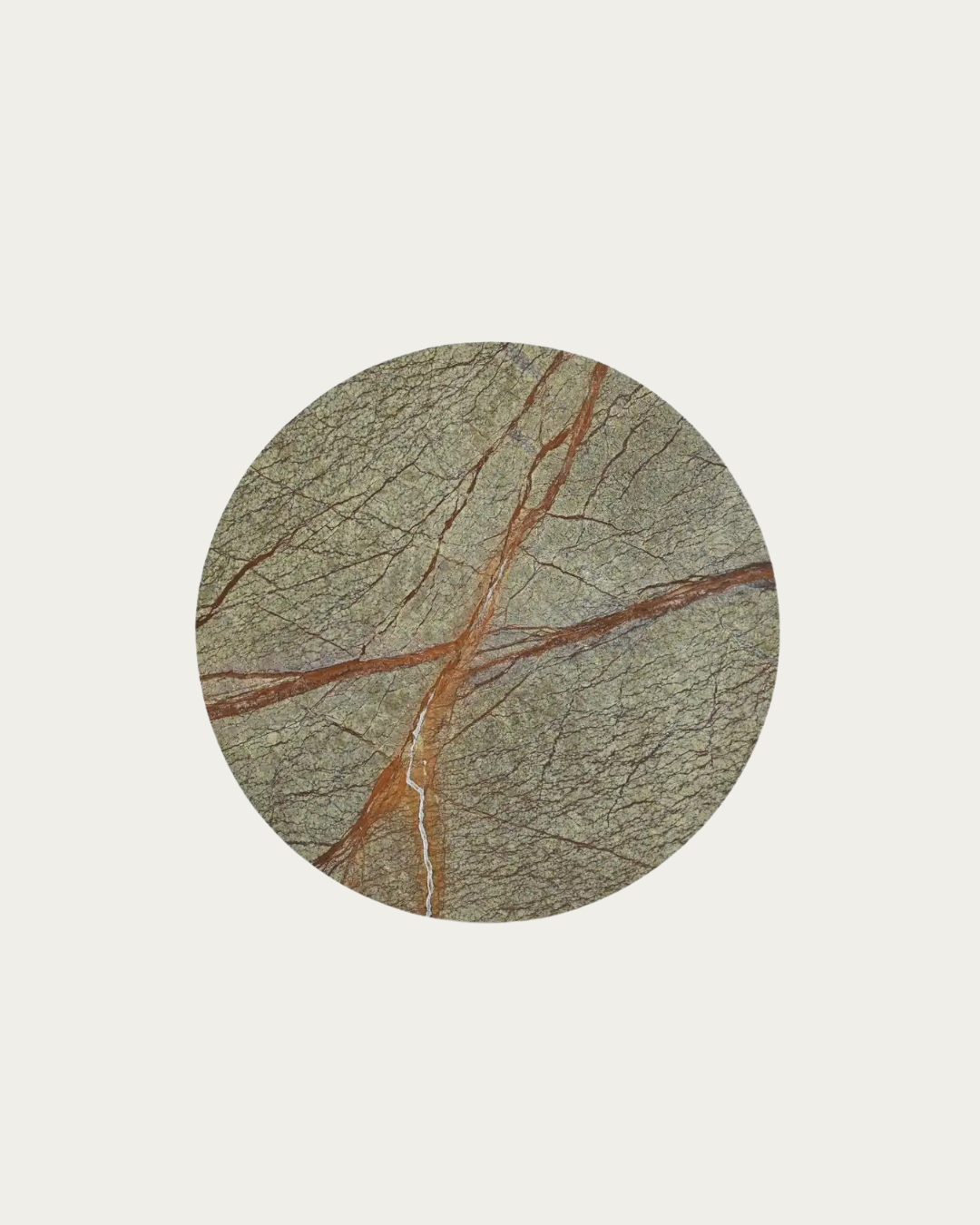
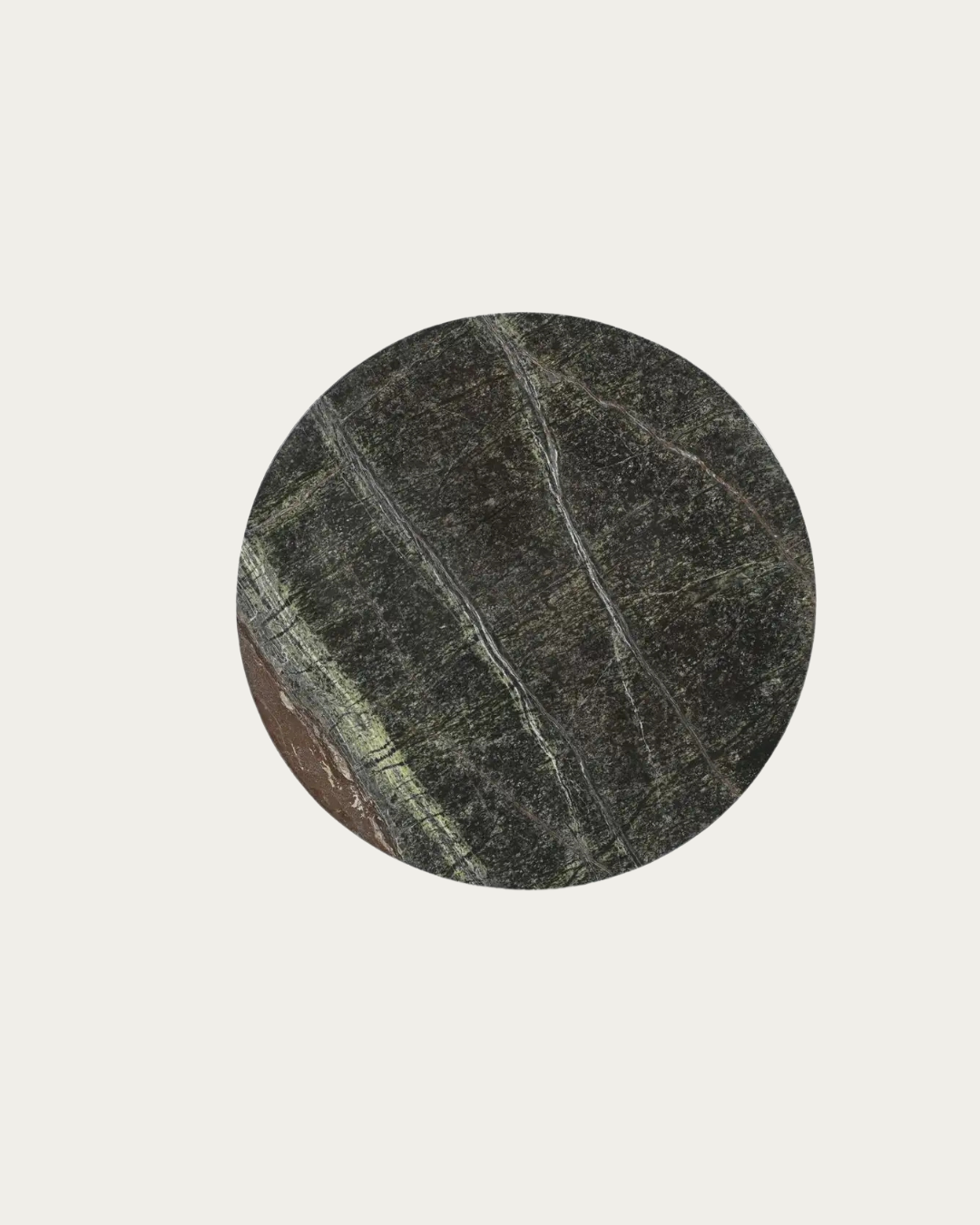
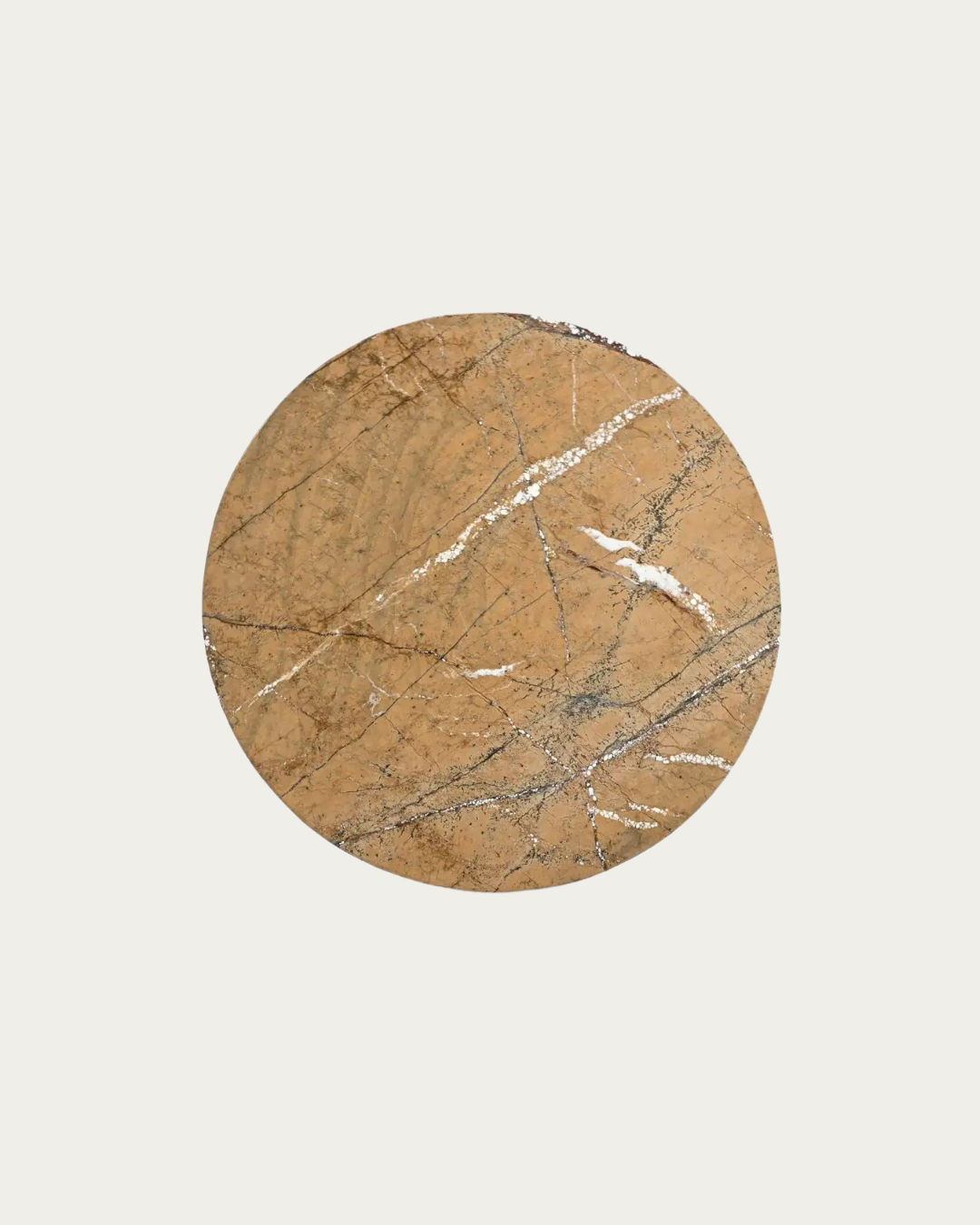
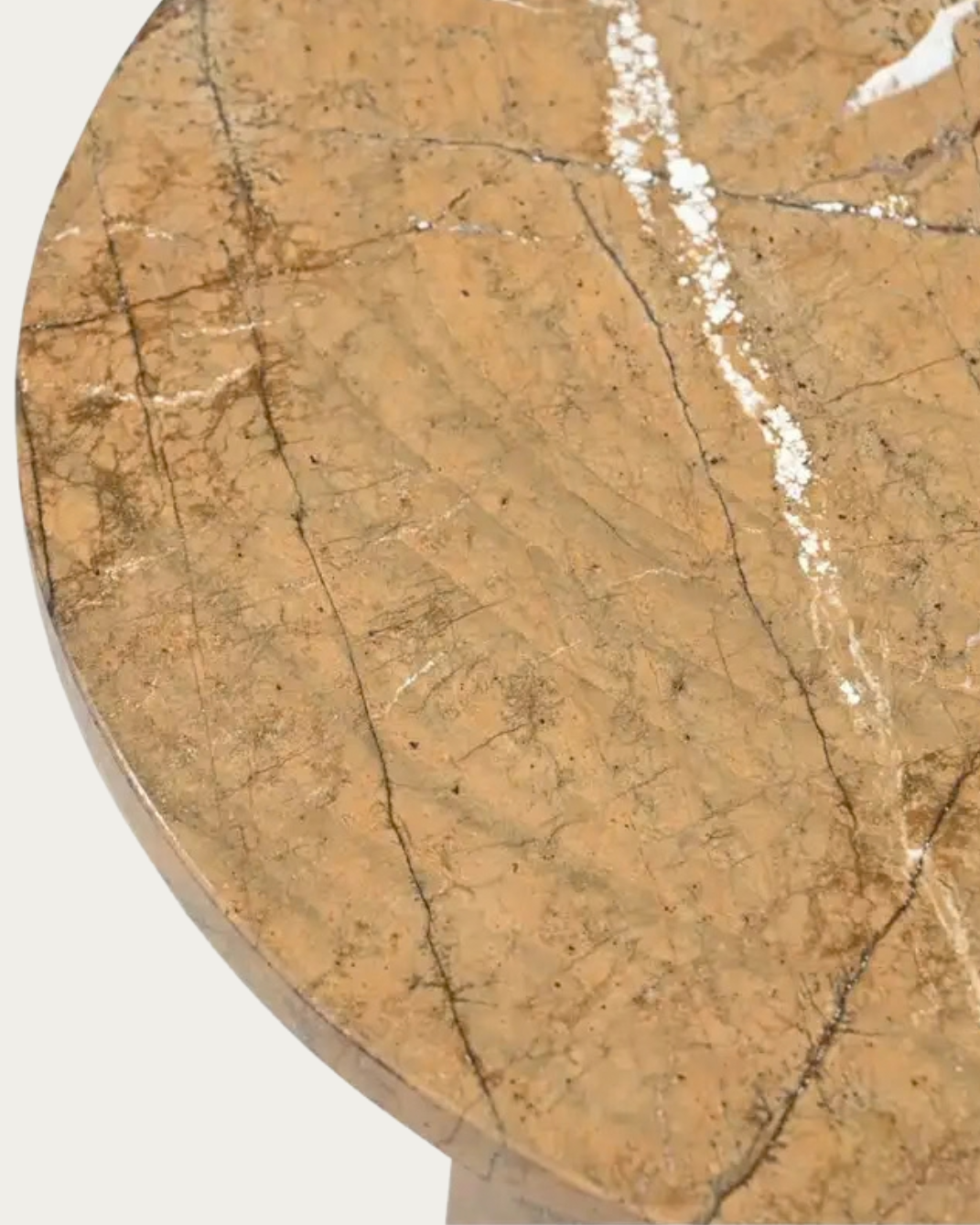
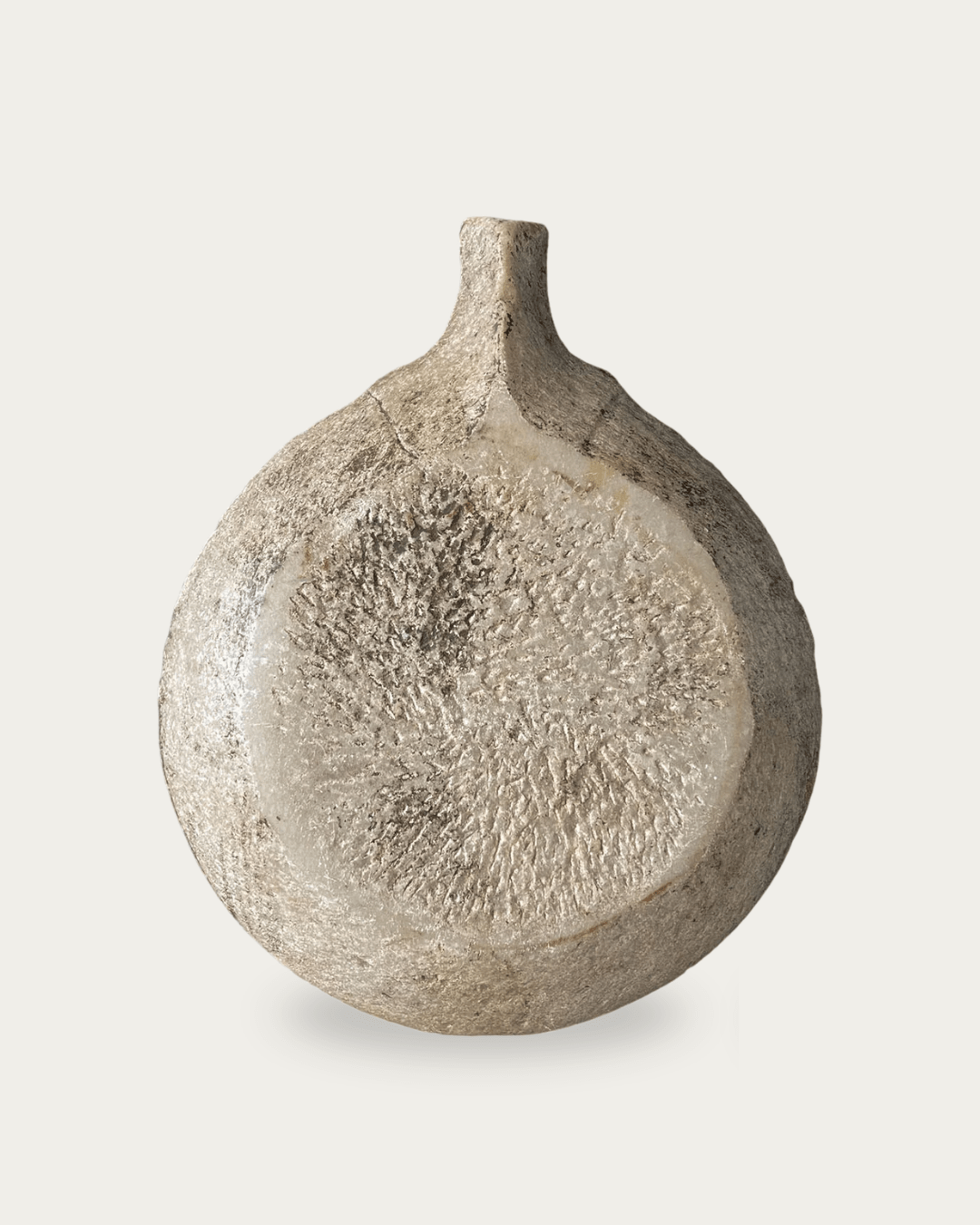
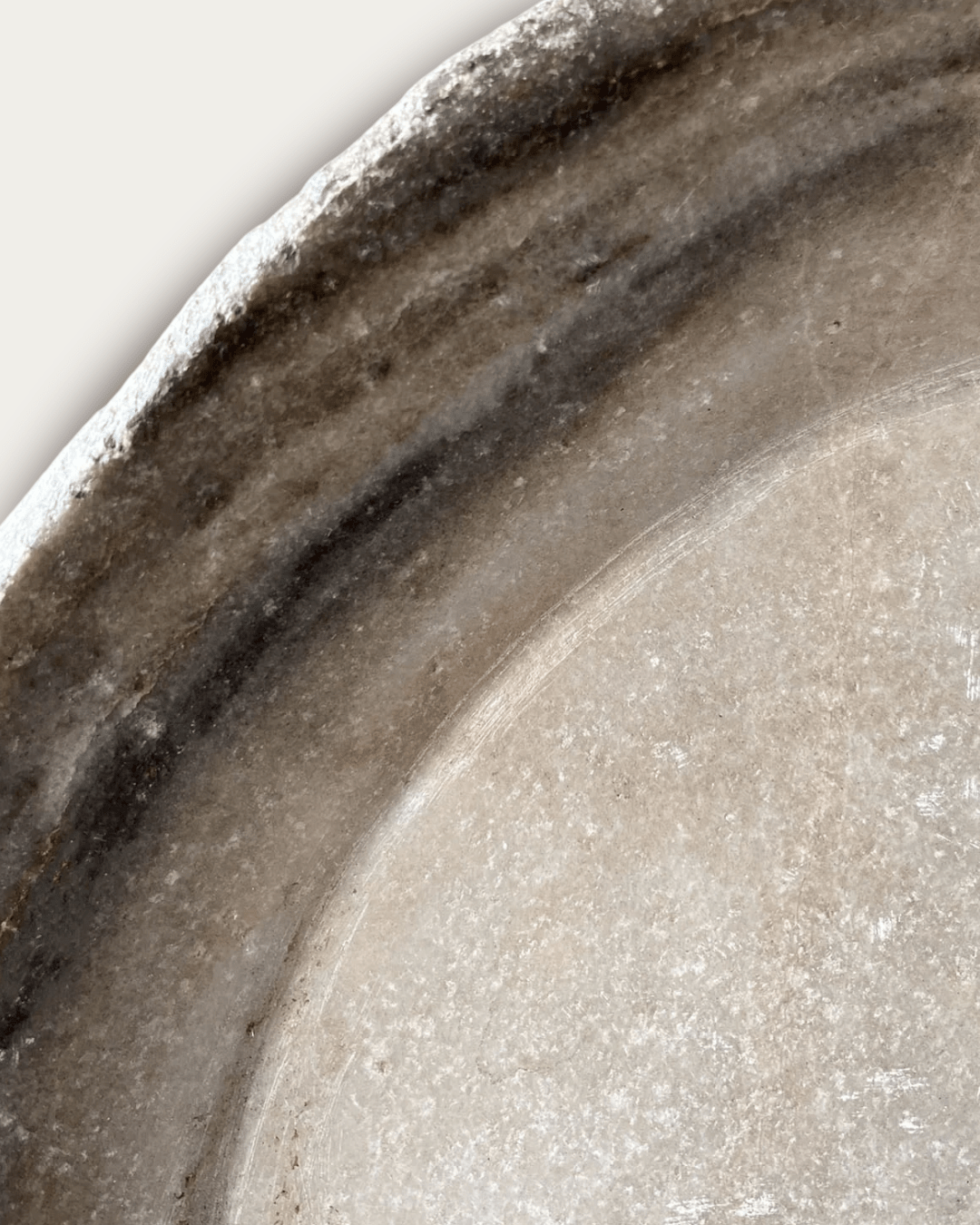
For tighter spaces, a flatter but equally grounding piece like the Vintage marble plate can anchor a console or table while keeping the visual field clean.
RUTED Tip: If a room feels unfinished, don’t add more objects at eye level. Add one heavier piece lower than you think you should.
Let Materials Do the Talking
Vintage home decor works best when materials are allowed to show up honestly. Worn wood, aged stone, oxidized metal—these surfaces absorb light and soften edges in a way new finishes rarely do.
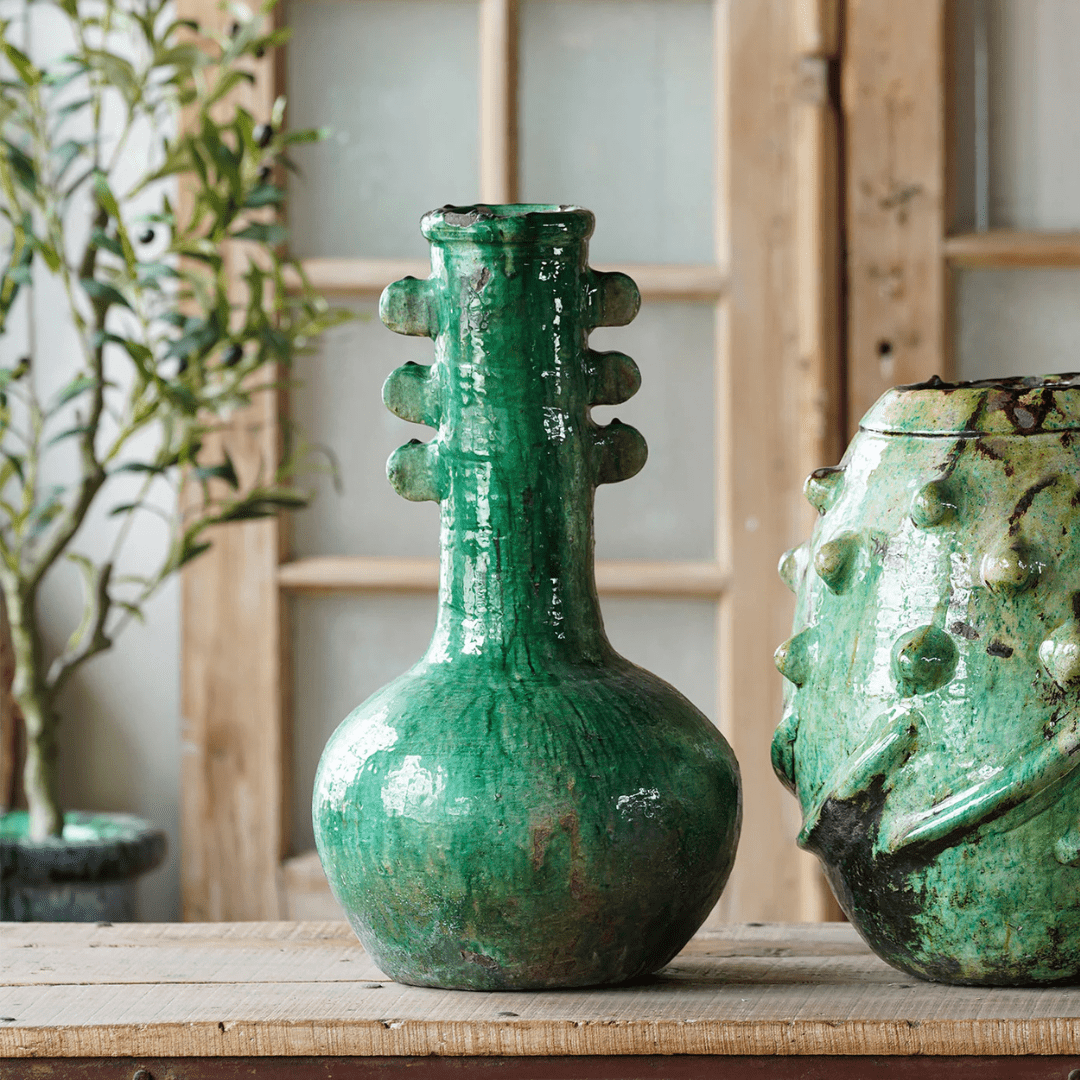
This is why a single sculptural object often outperforms a group of small accessories. The Carson hand-carved wood sculpture brings texture, depth, and irregularity into a space without clutter. Its form carries interest on its own.
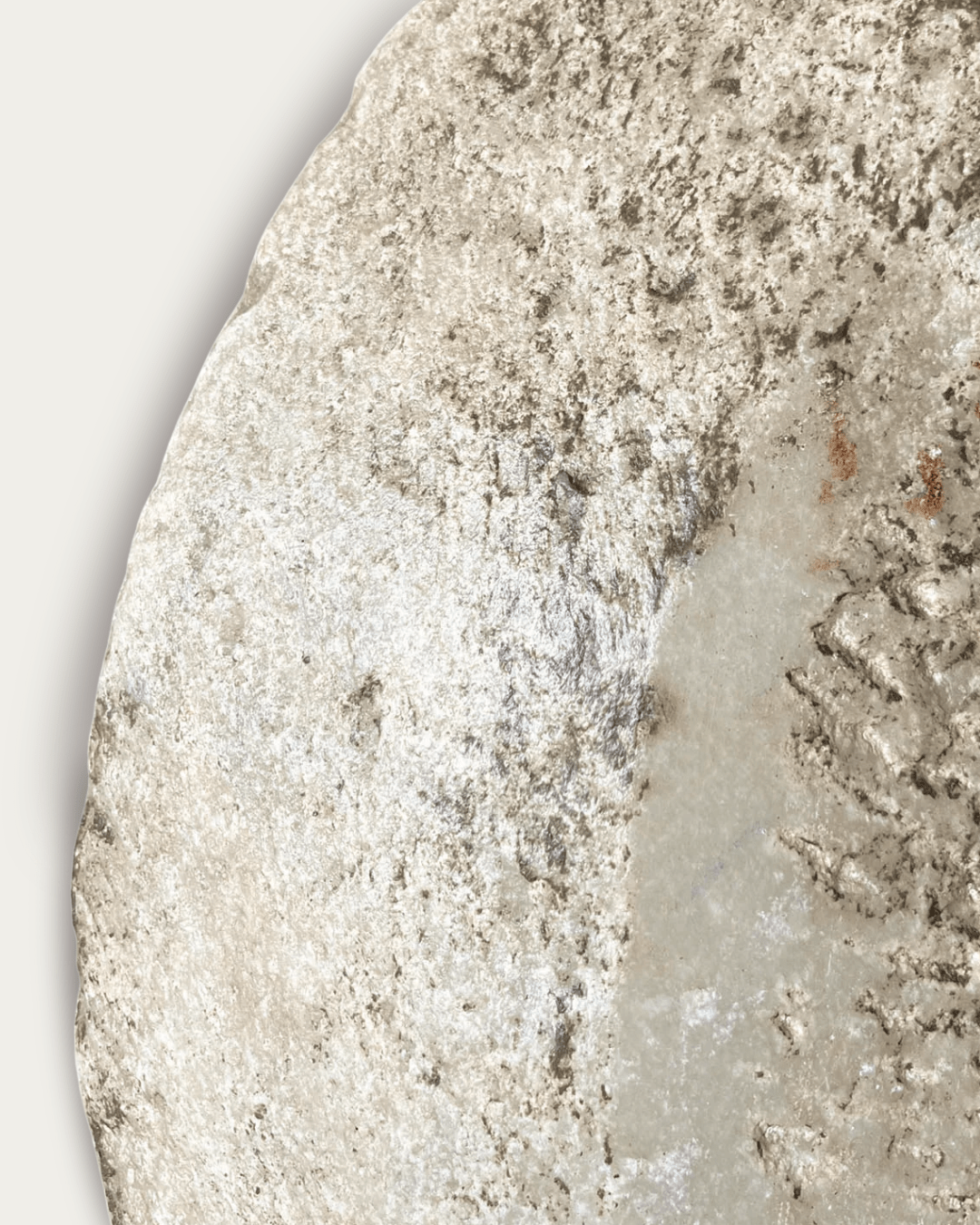
Likewise, the Fern stone biscuit mold plate introduces pattern through relief rather than color. It reads quietly but adds dimensionality, especially when leaned or layered rather than laid flat.
When materials carry the visual load, you don’t need constant rearranging. The room settles—and stays settled.
Light as Structure, Not Decoration
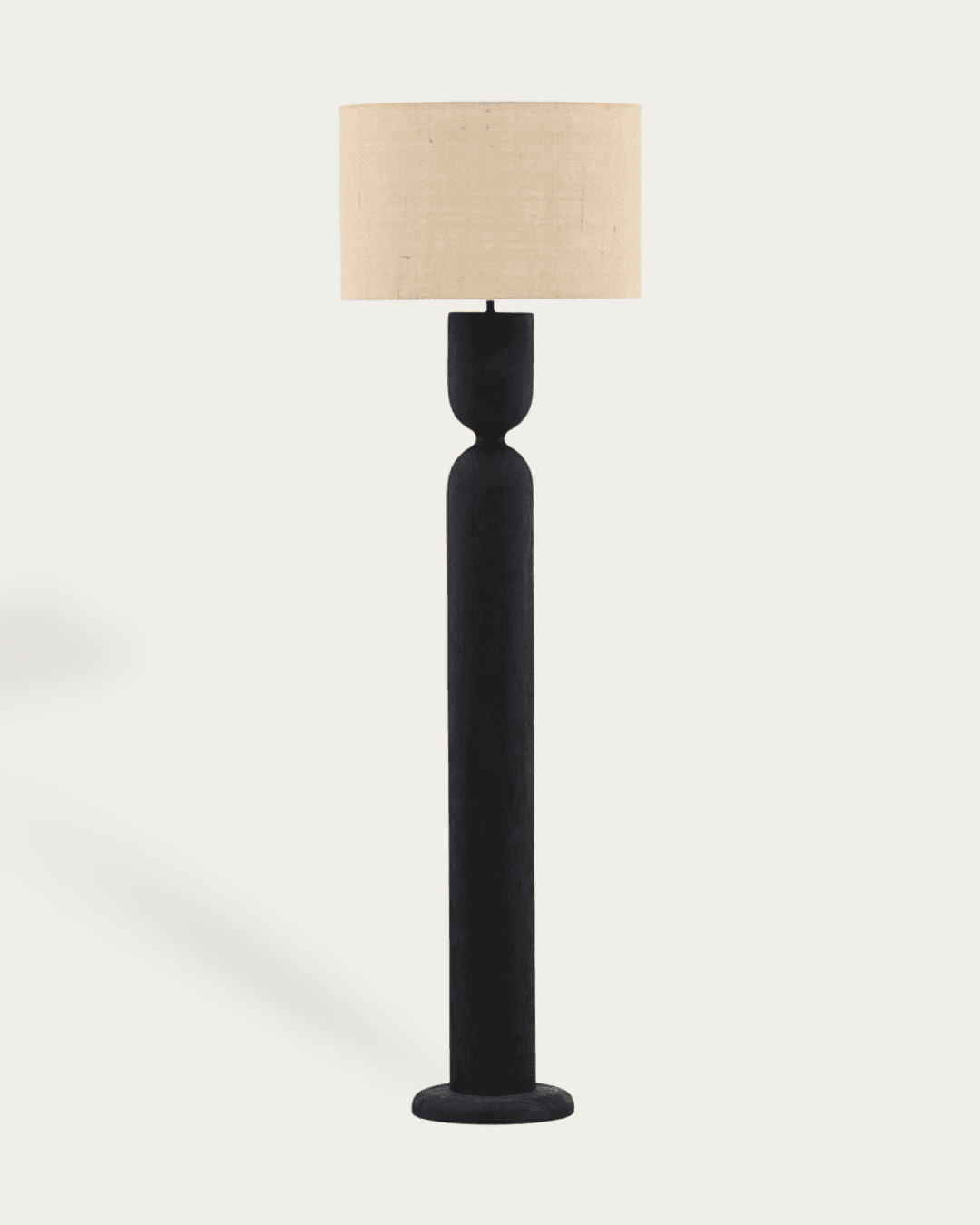
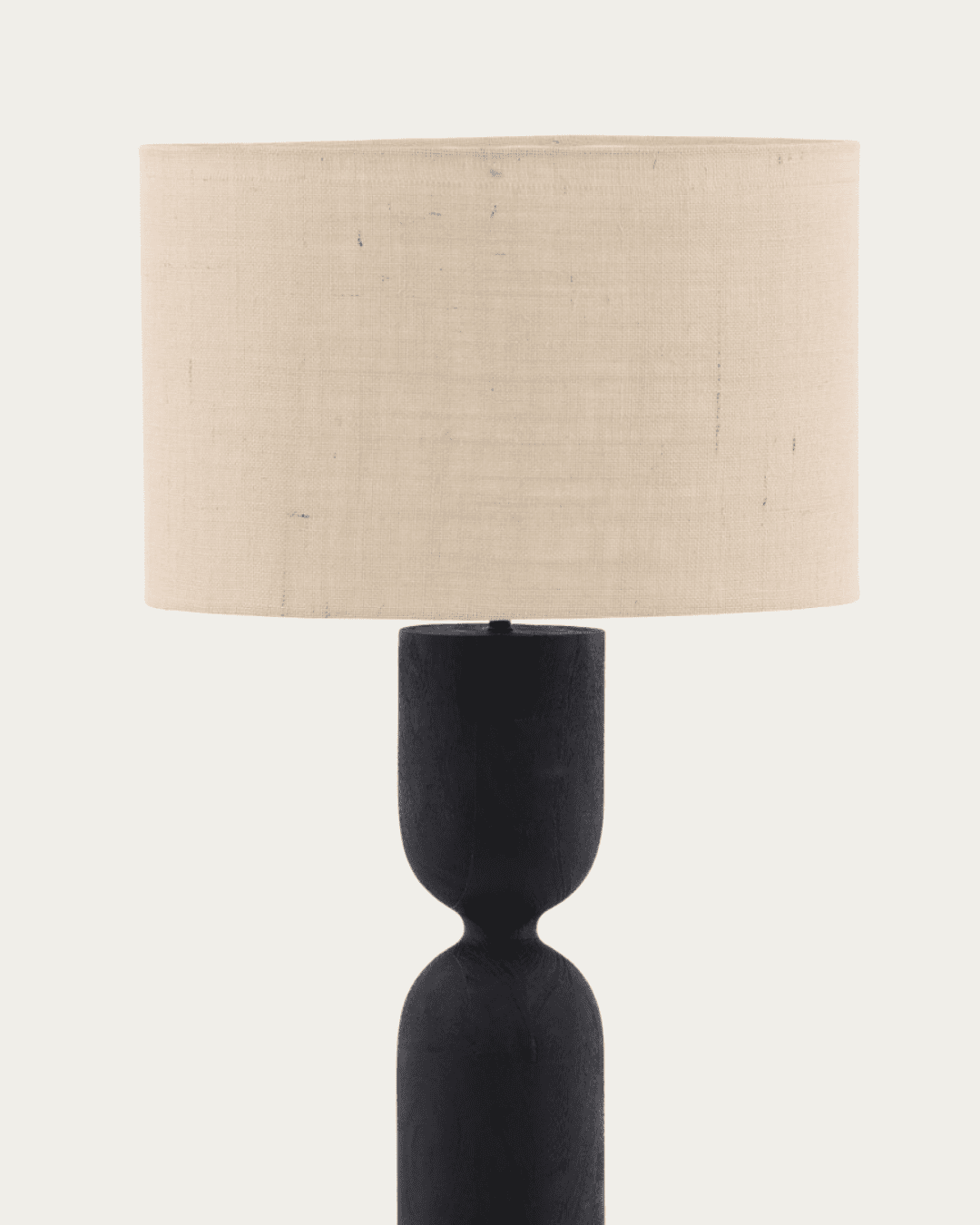
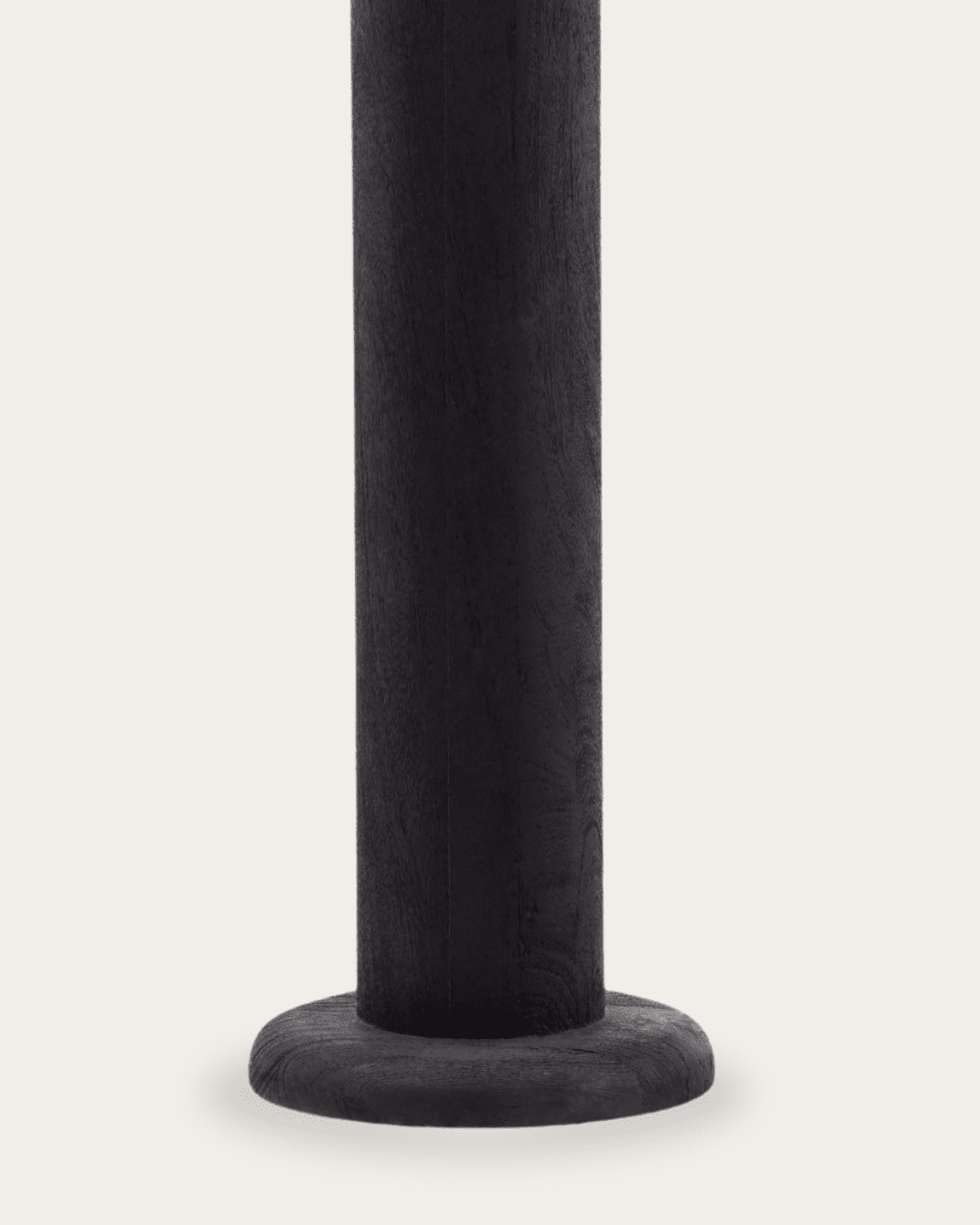
Lighting is often treated as an afterthought in vintage decor, but it’s one of the most powerful tools for shaping a collected interior. The right lamp doesn’t just illuminate—it anchors a zone.
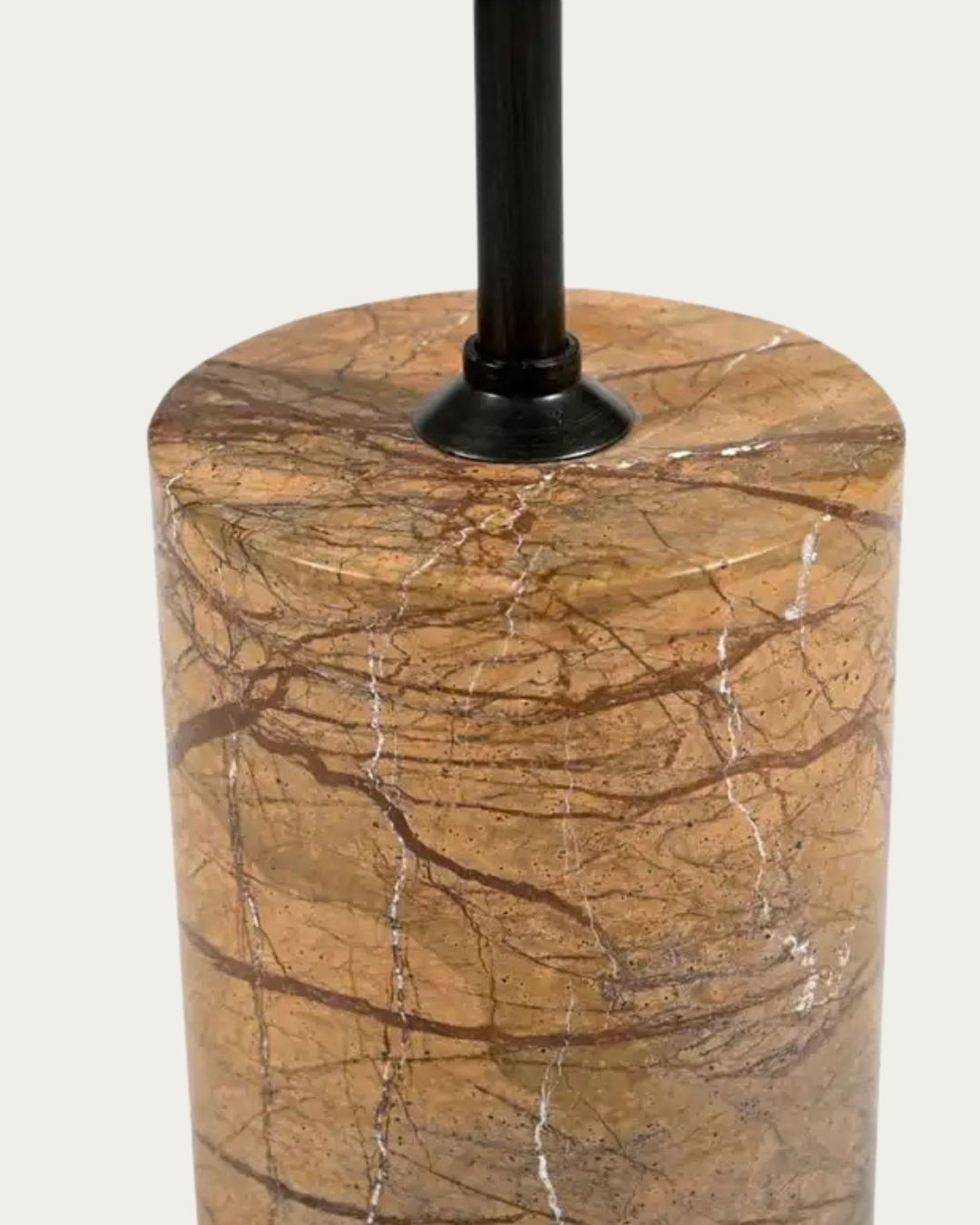
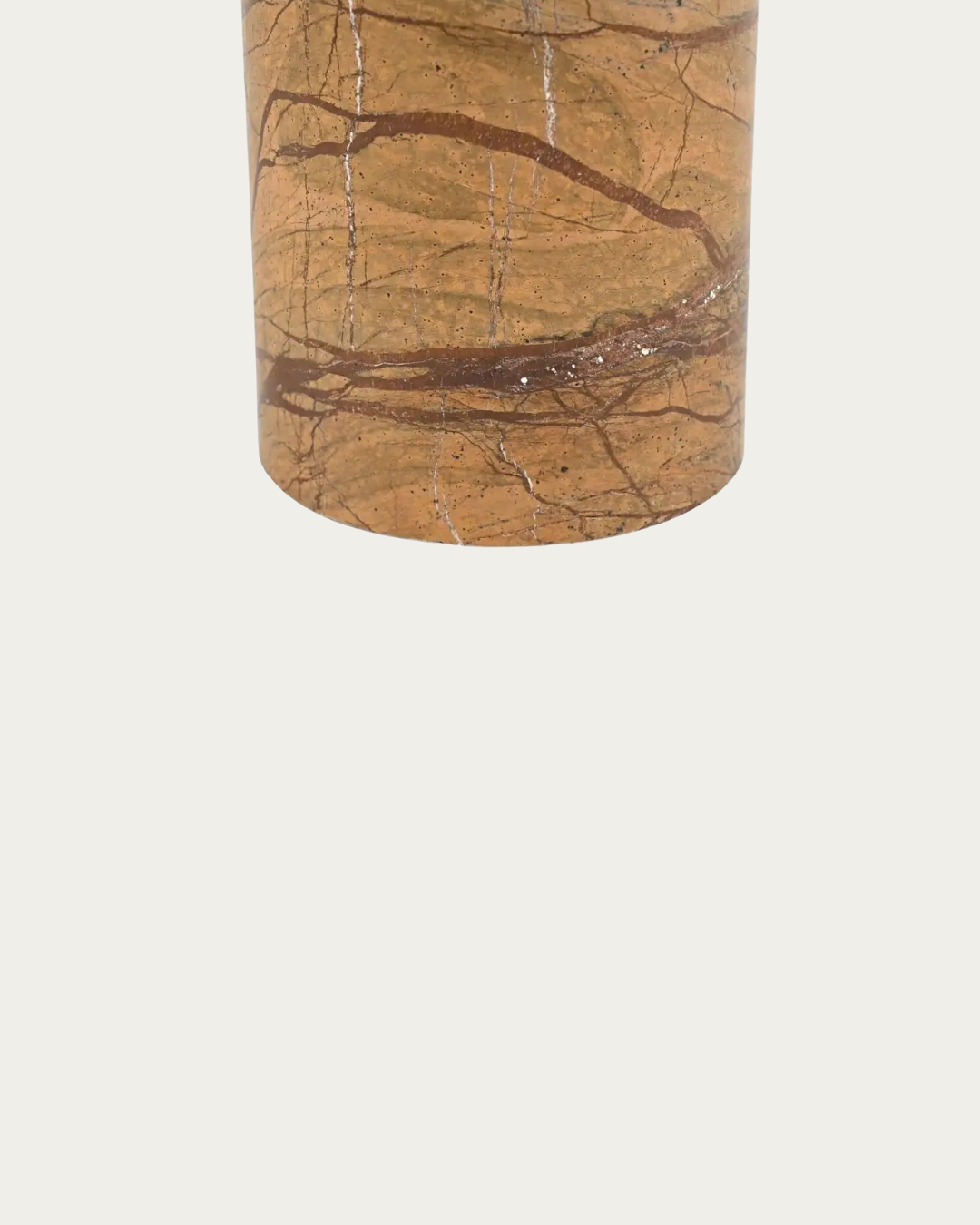
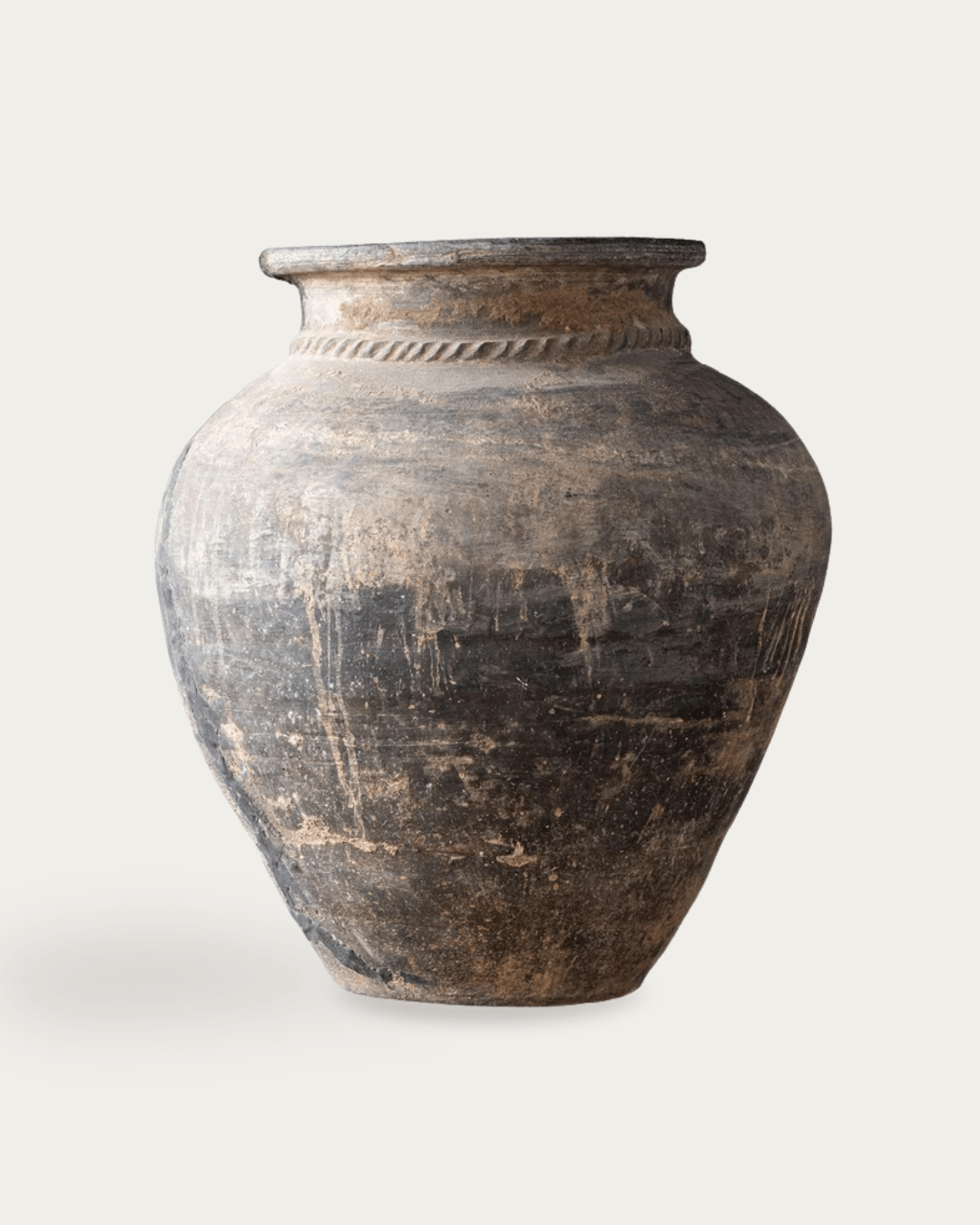
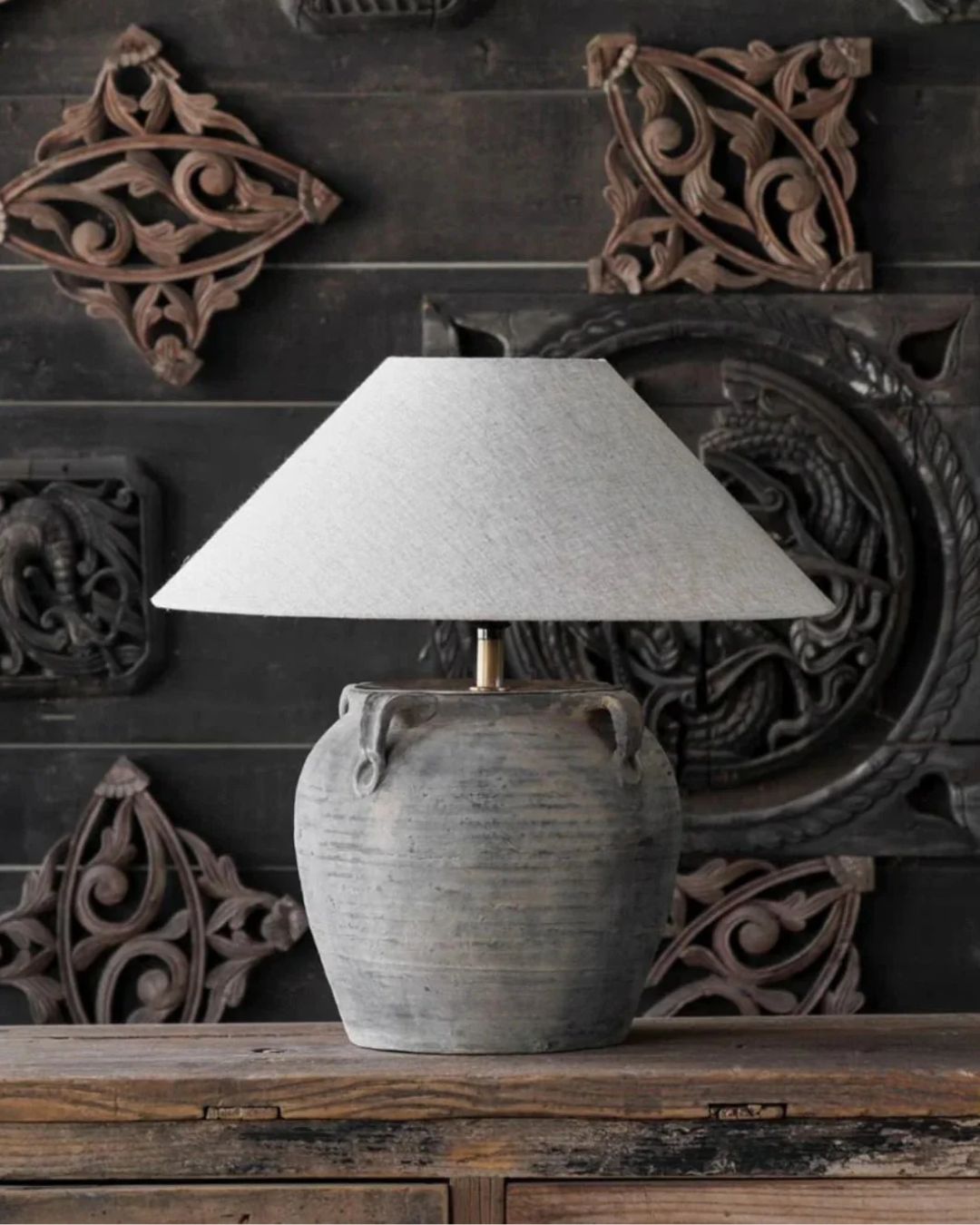
Vintage lighting works best when it feels utilitarian rather than ornamental. A piece like the Betz water pot table lamp does exactly that. Its form is rooted, its scale substantial, and its presence structural.
The same applies to candlelight. The Tamegroute candlestick holder sculpture introduces light through form and shadow, adding depth without visual noise.
When planning a space, lighting should be considered alongside furniture—not layered on later.
Fewer Objects, Clearer Function
Intentional antique home decor prioritizes clarity. Each object should have a role—visual, functional, or both. When everything is decorative, nothing feels grounded.
Pieces that once served practical purposes translate particularly well. The Vintage wooden glove mold sculpture carries inherent structure and repetition, making it effective as a stand-alone object rather than part of a cluster.
Similarly, the Vintage pan can function as a catchall, wall piece, or tabletop anchor. Its versatility reduces the need for additional styling layers.
The goal isn’t minimalism—it’s legibility. When a room is easy to read, it feels calm.
Negative Space Is Part of the Collection
One of the most overlooked elements of vintage decor is space itself. Negative space gives objects room to breathe, which allows their age, material, and form to register fully.
Collected interiors that feel successful almost always have restraint built in. A single object on a table. A clear wall beside a textured piece. An open corner anchored by one form instead of five.
This is especially important when mixing eras. Vintage decor paired with modern furniture works when the contrast is intentional, not crowded.
If a space feels visually loud, removing one object is often more effective than adding another.
Final Thoughts: Collect With Purpose
Vintage decor doesn’t require abundance to feel rich. It requires intention. When pieces are chosen for weight, material, and function, the home begins to feel collected in the truest sense—shaped over time, not styled all at once.
A more intentional approach leaves room for evolution. One object can hold a space today, and another can be introduced later without disruption. That’s the advantage of working with pieces that do real work.
Explore the Vintage decor collection to find objects that bring structure, clarity, and quiet confidence to your space—without asking for more than they need.