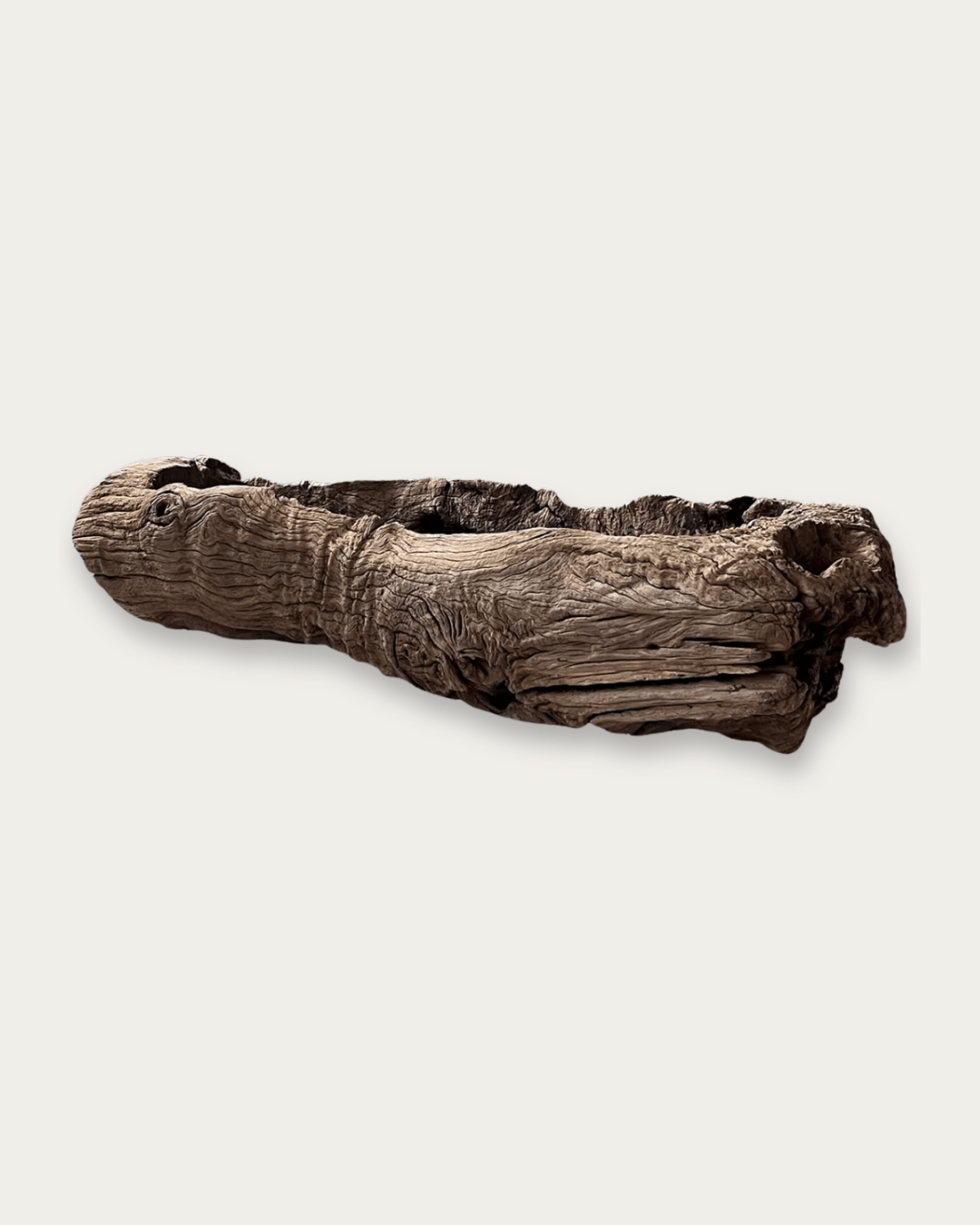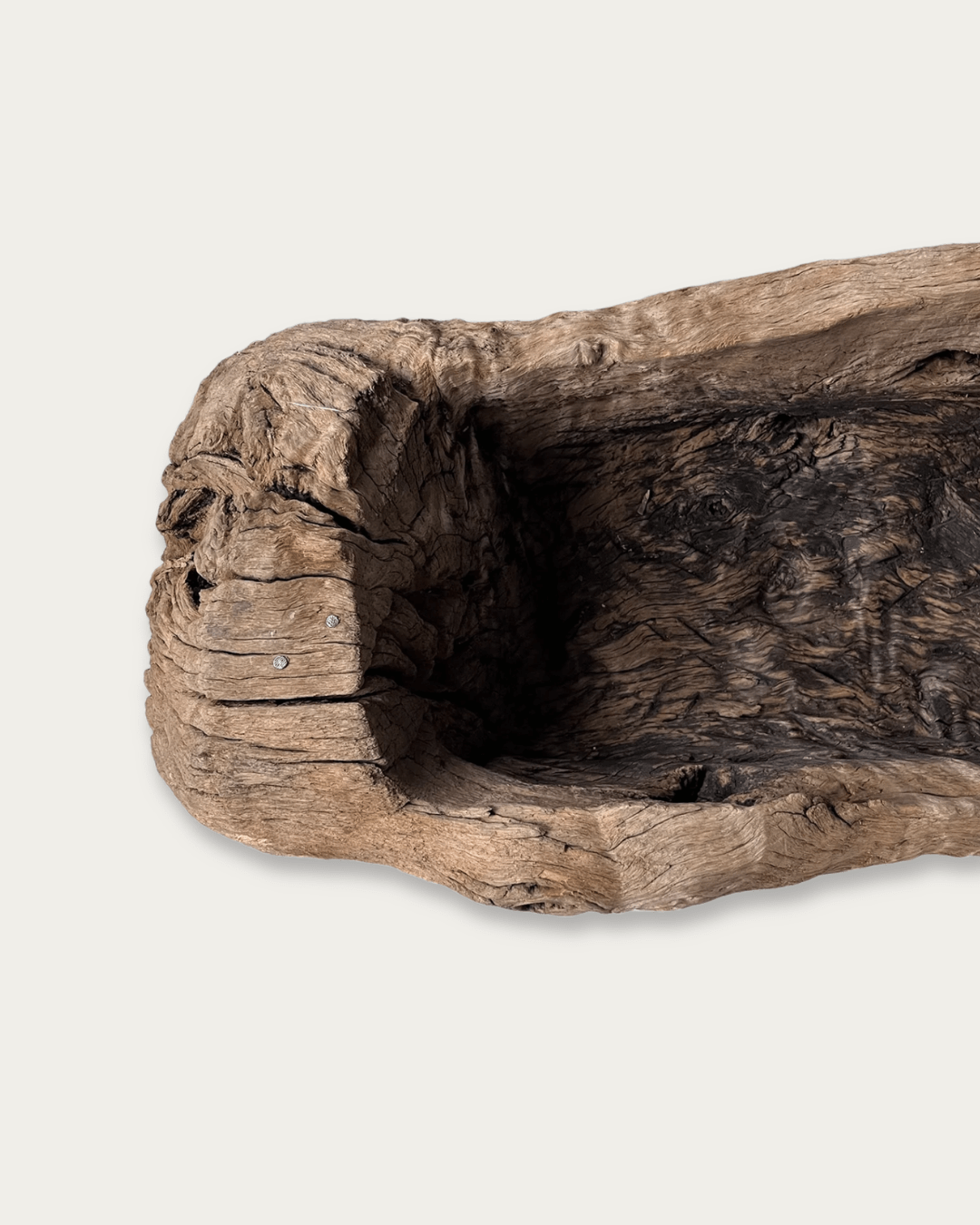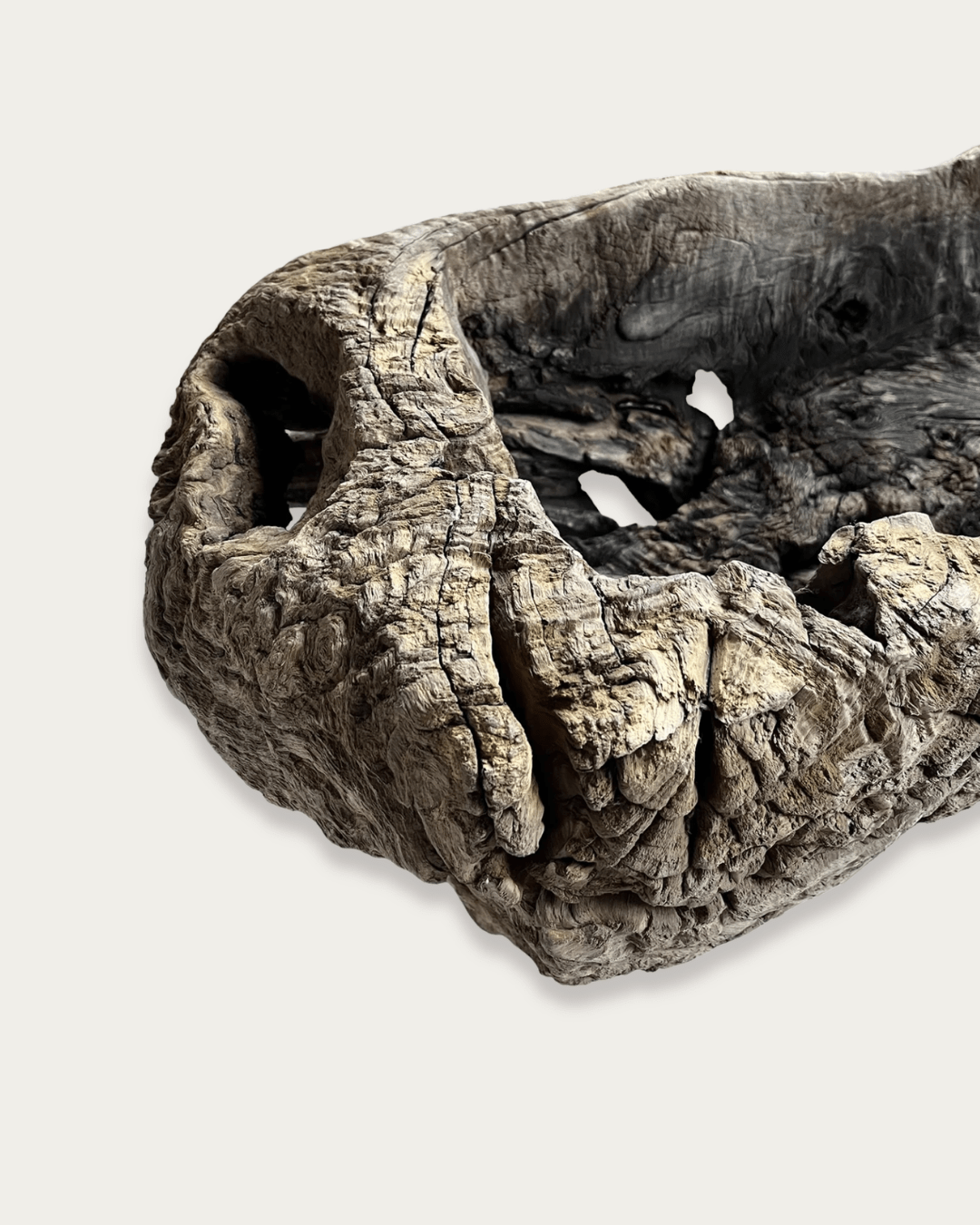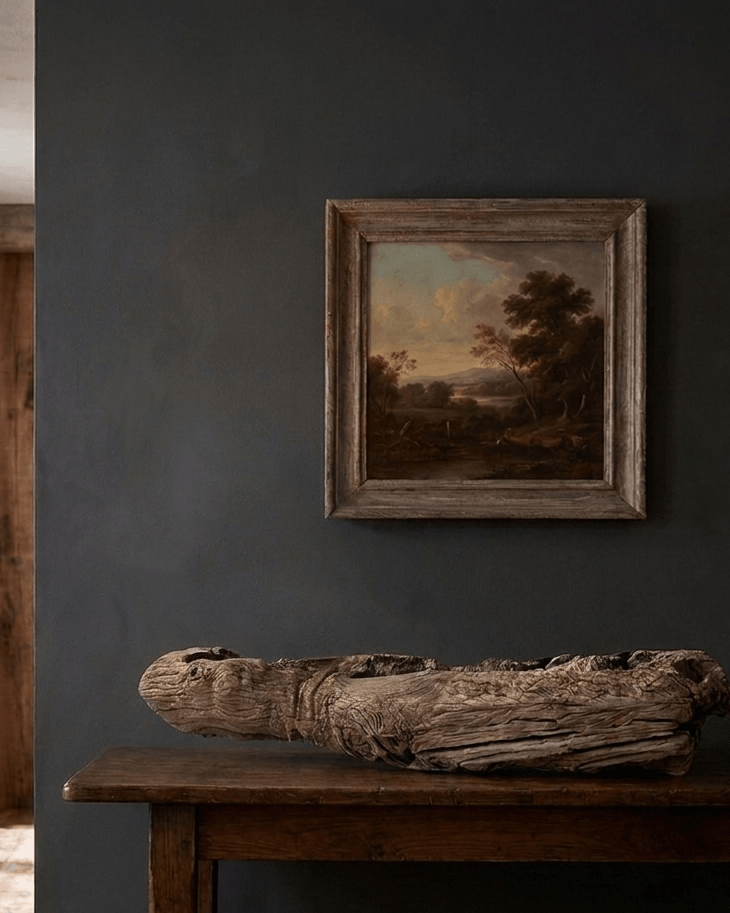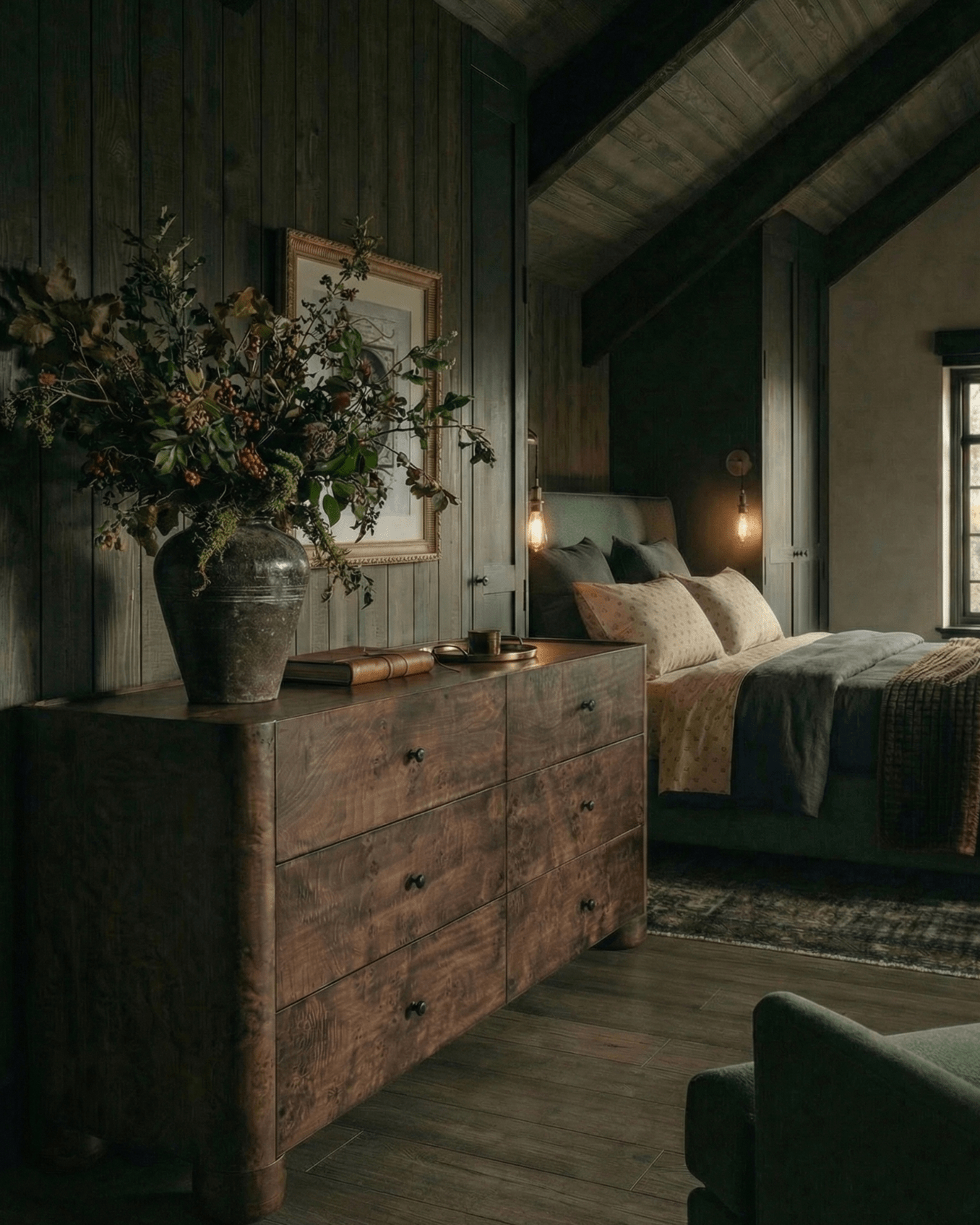






Vintage decor has a reputation problem. Too often, it’s treated as something you add after a room is finished—an accent, a layer, a styling flourish. But the vintage decor that actually works doesn’t behave that way. It earns its place by contributing function, visual weight, and clarity. If a piece can’t do that, it’s just another object competing for attention.
This guide is about choosing vintage decor intentionally—pieces that hold their own, support how a space is used, and don’t need defending once they’re in the room.
Start With Function Before Form
The fastest way to spot vintage decor that won’t last in your home is to look for pieces that only exist to be “pretty.” Strong vintage pieces usually started with a job to do.
Why Utility Matters
Objects designed for work—holding, weighing, storing, lighting—carry a logic that decorative-only pieces lack. Their proportions make sense. Their wear patterns are honest. They tend to sit naturally in a space instead of needing careful styling to justify themselves.
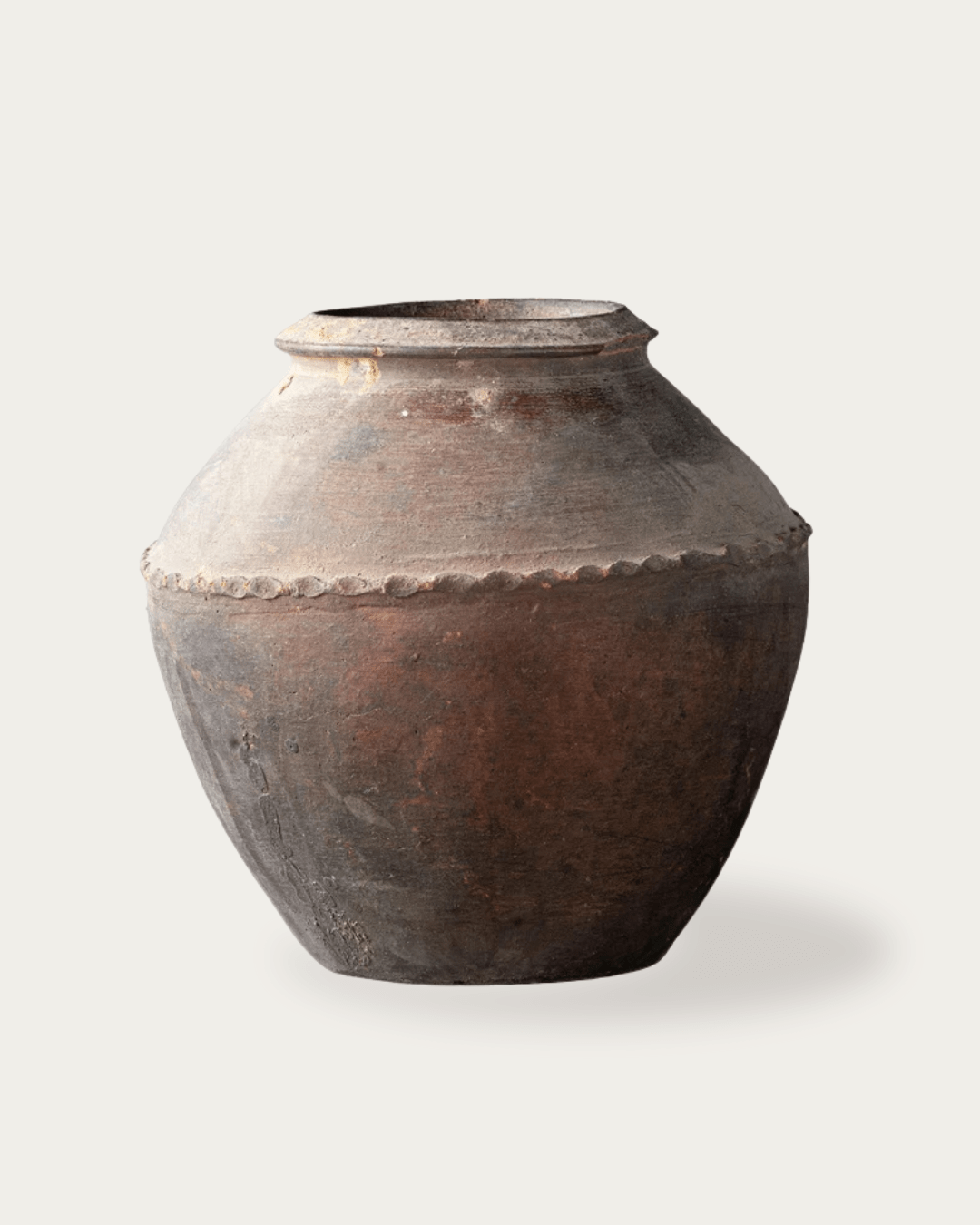
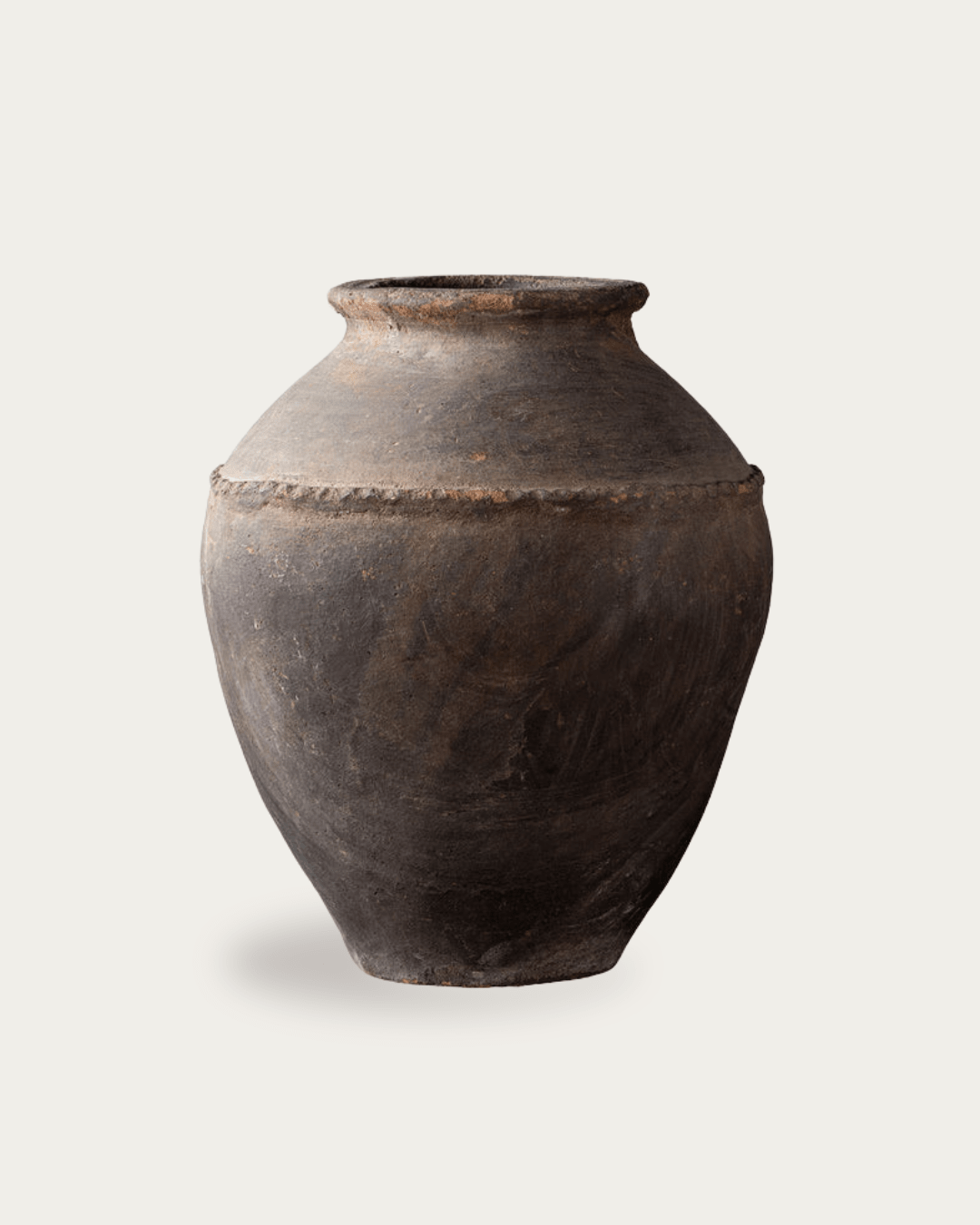
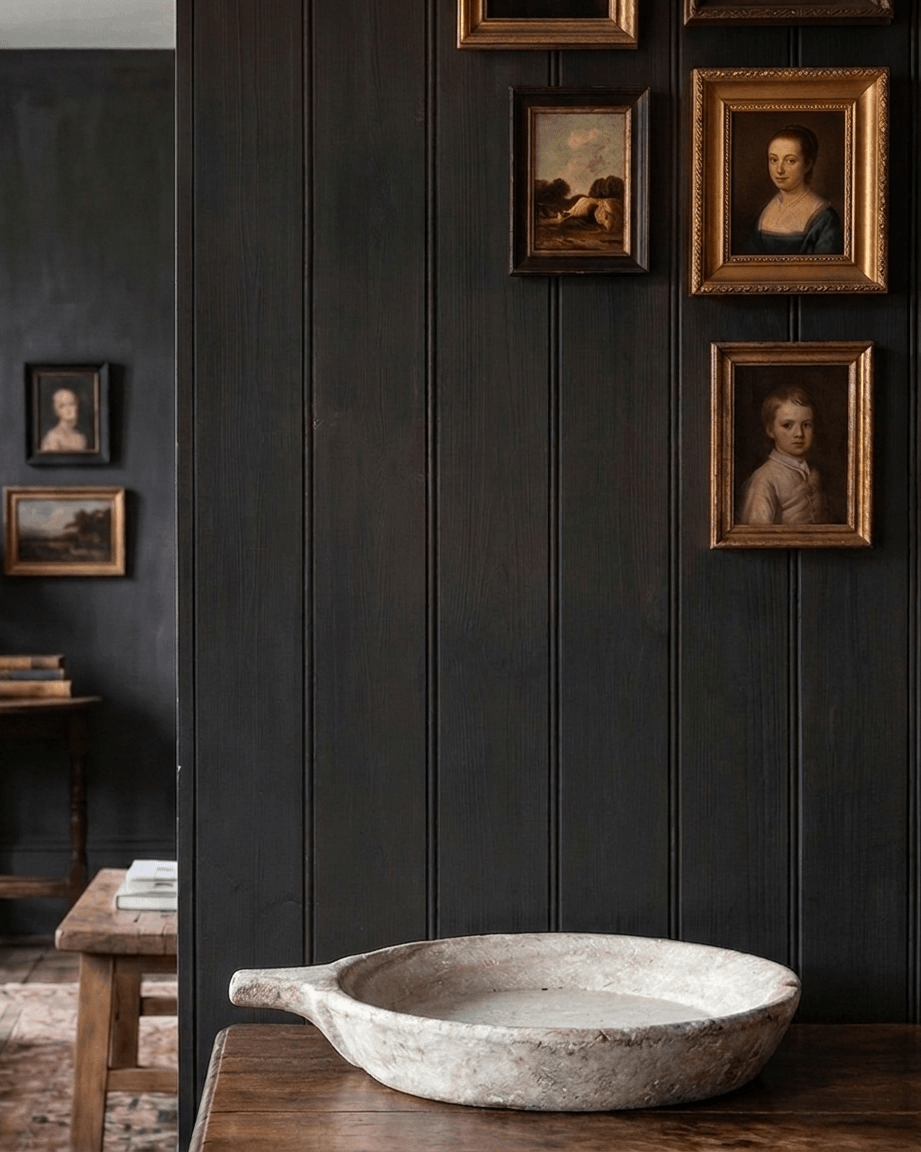
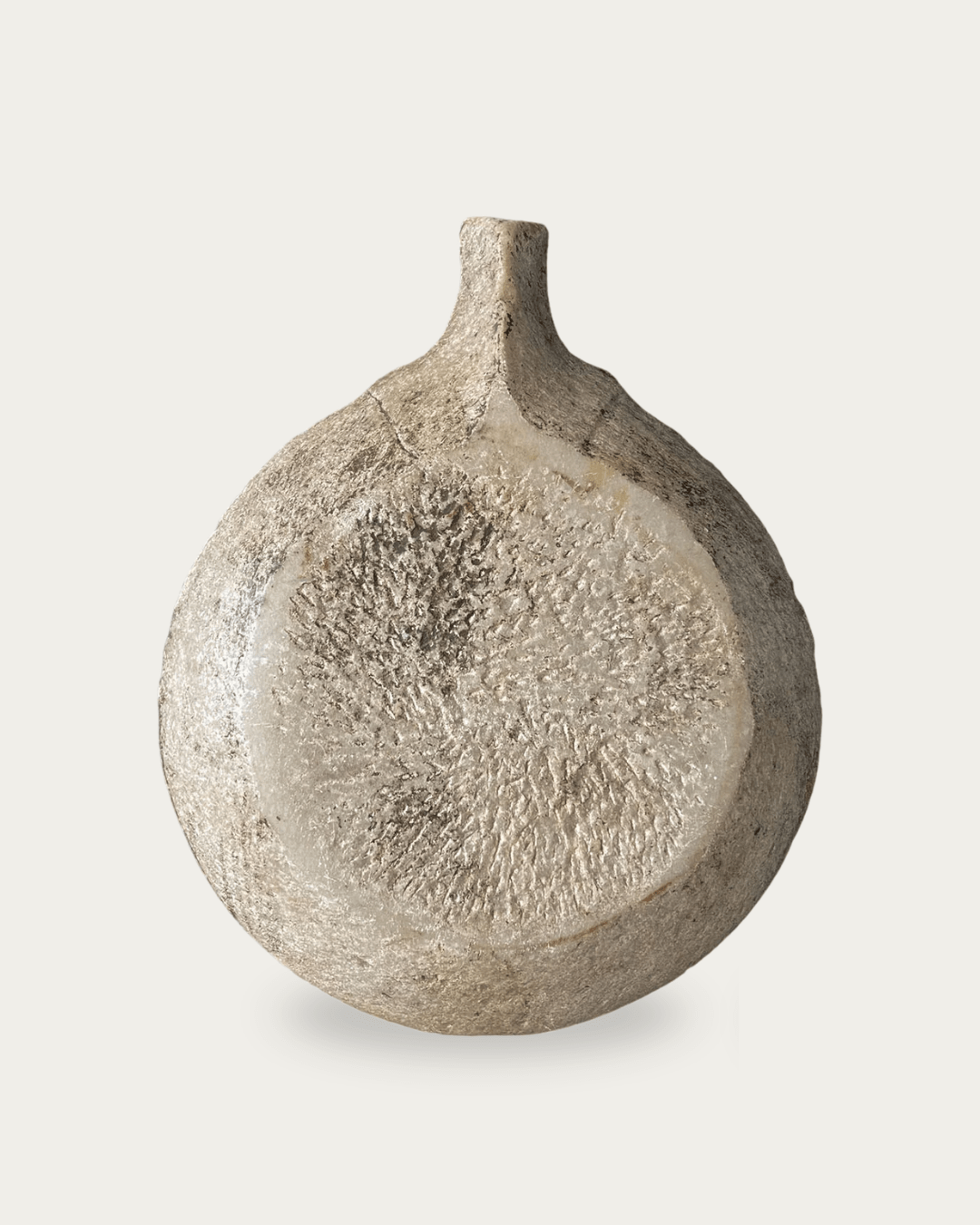
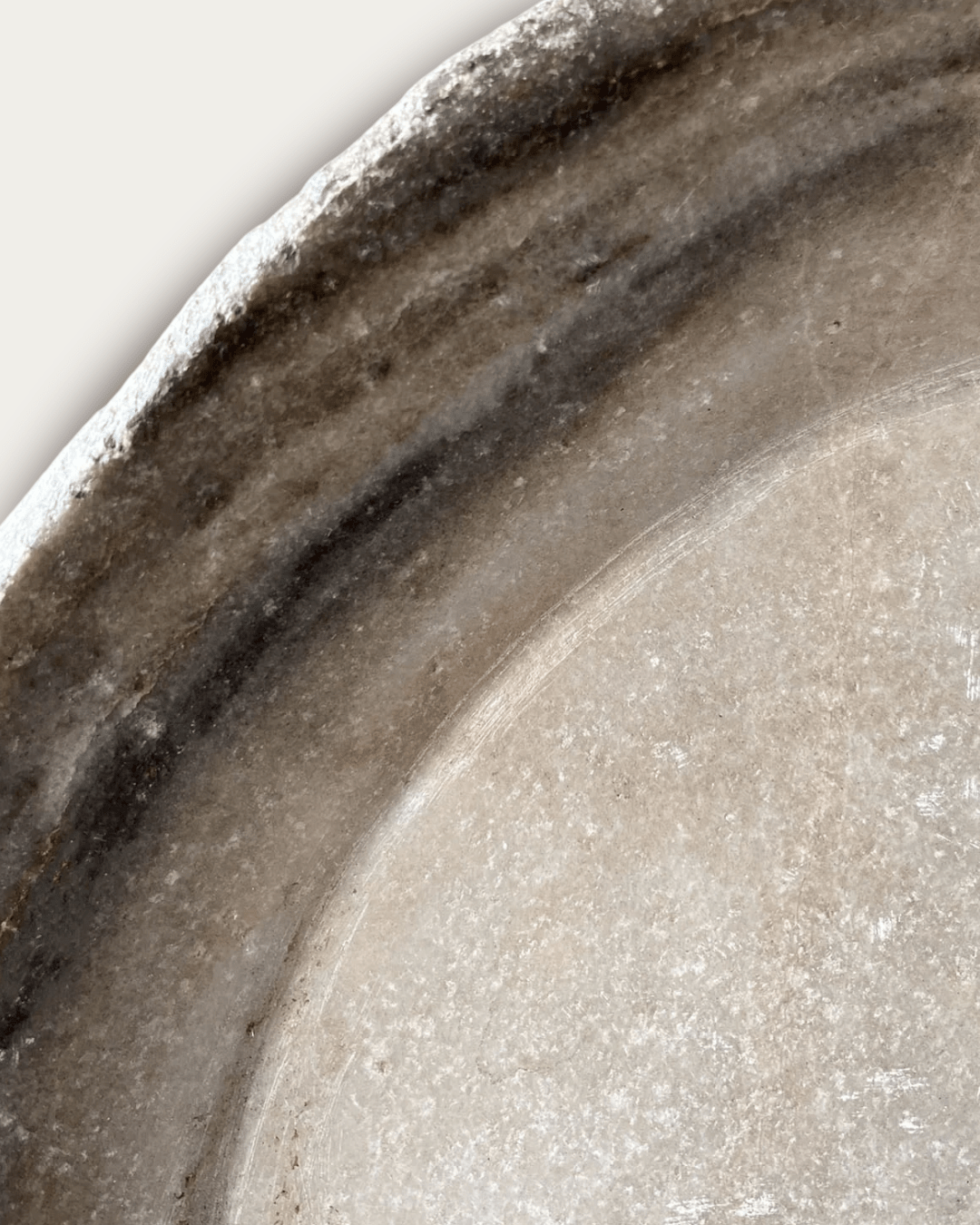
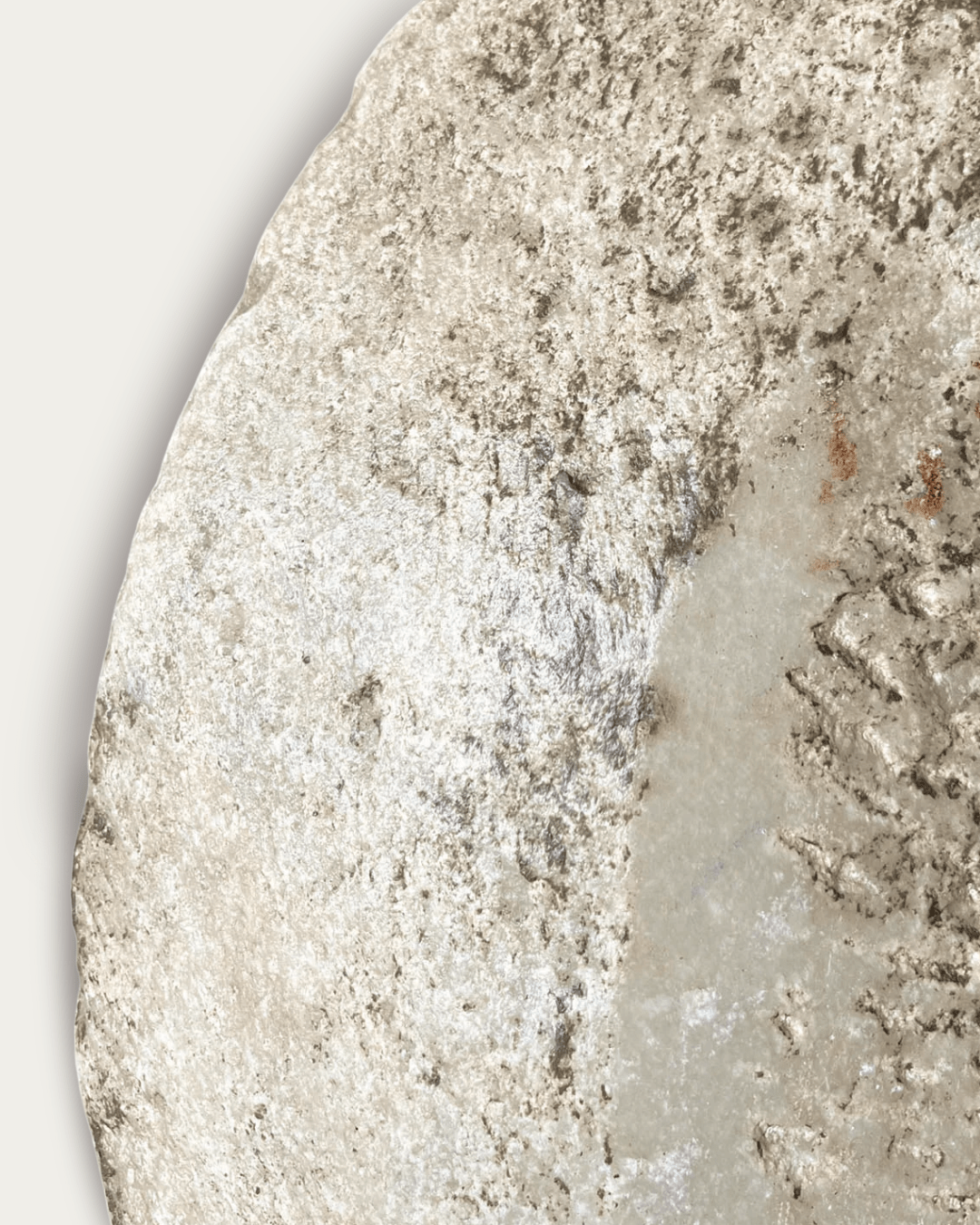
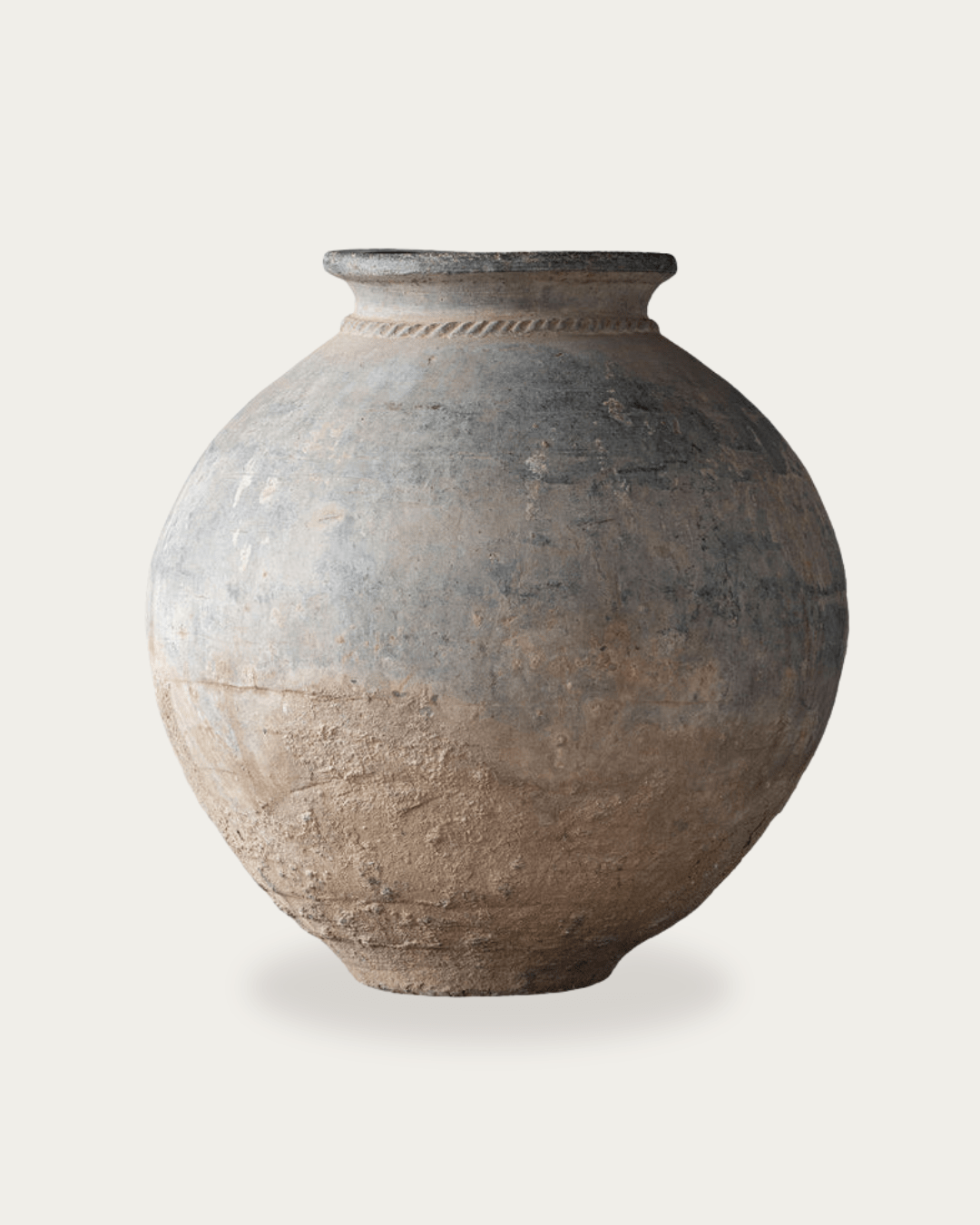
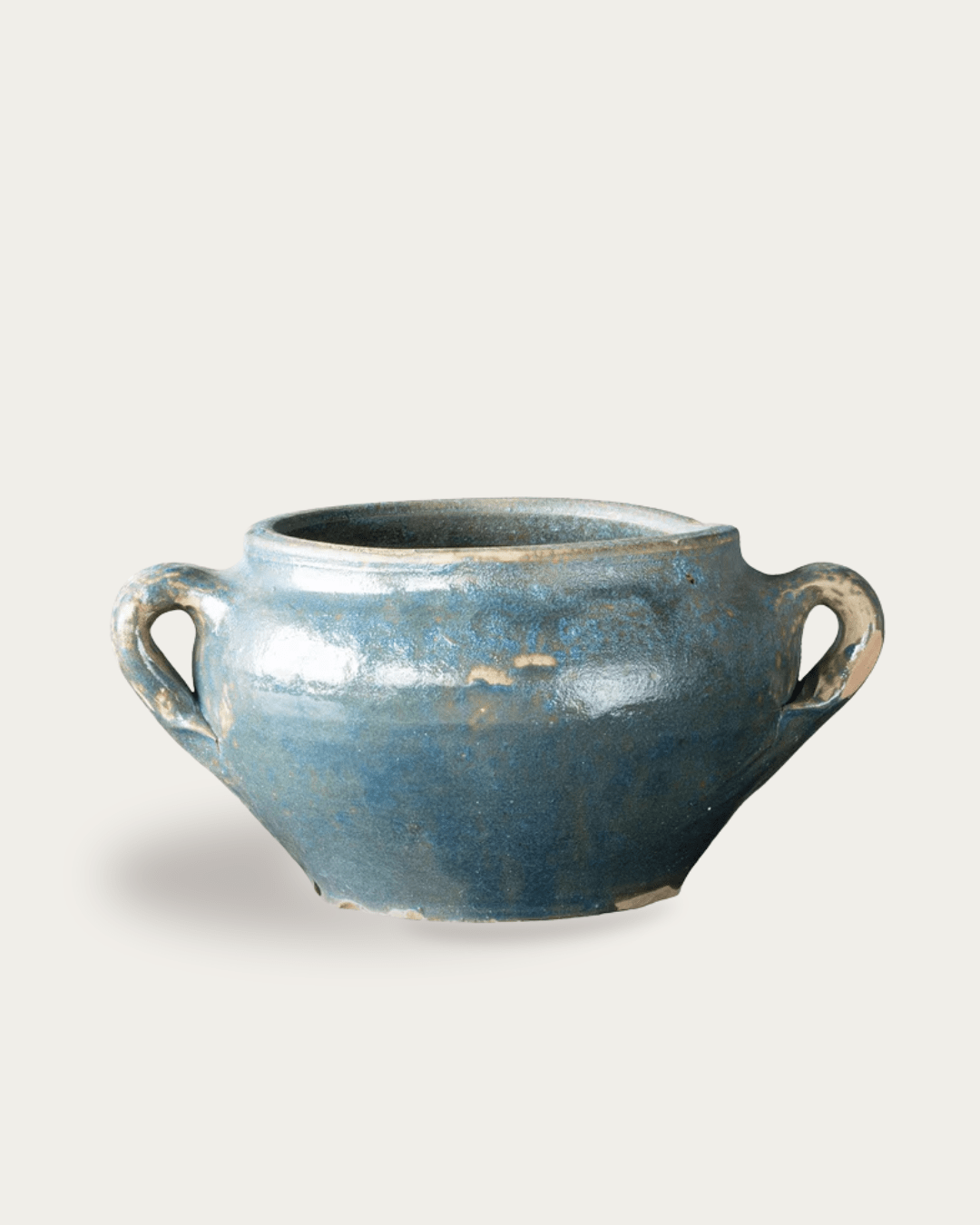
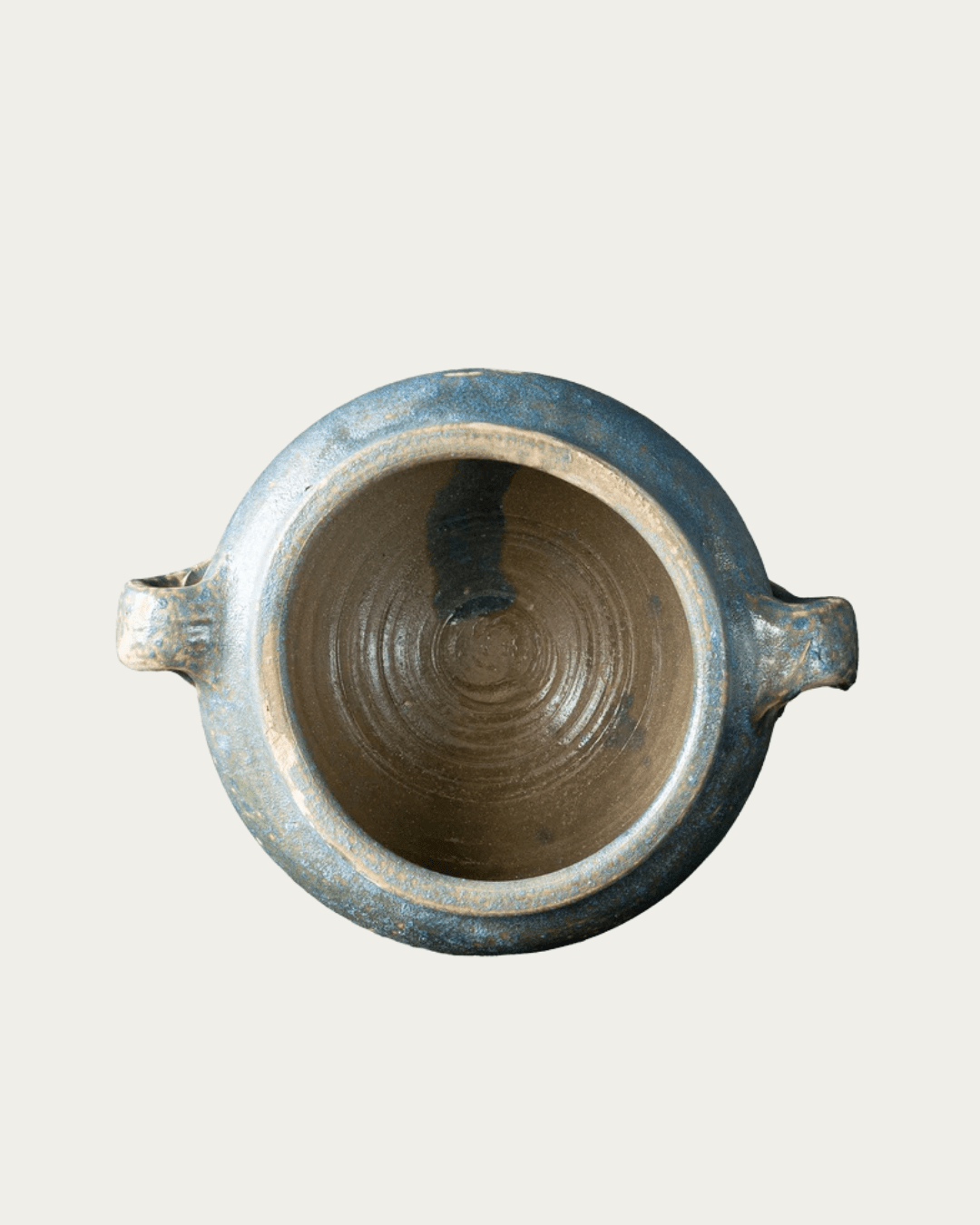
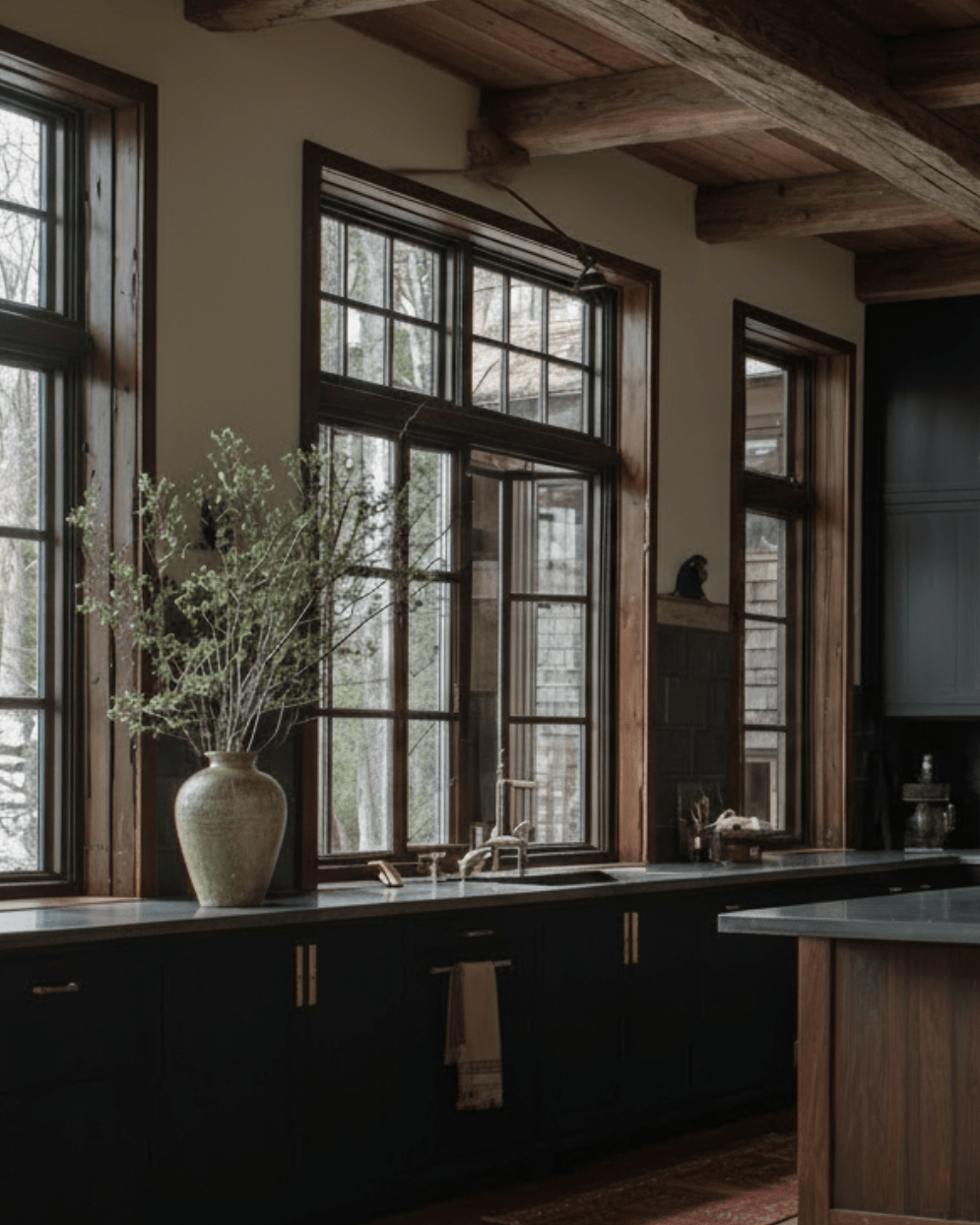
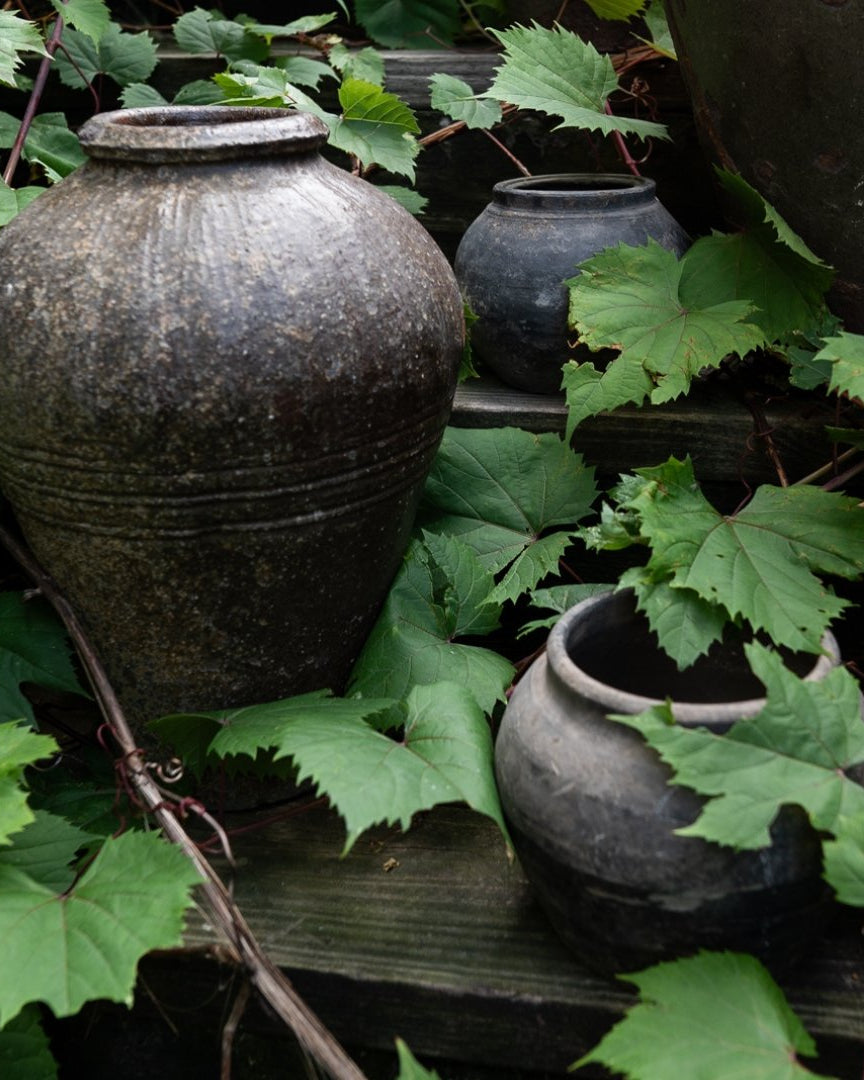
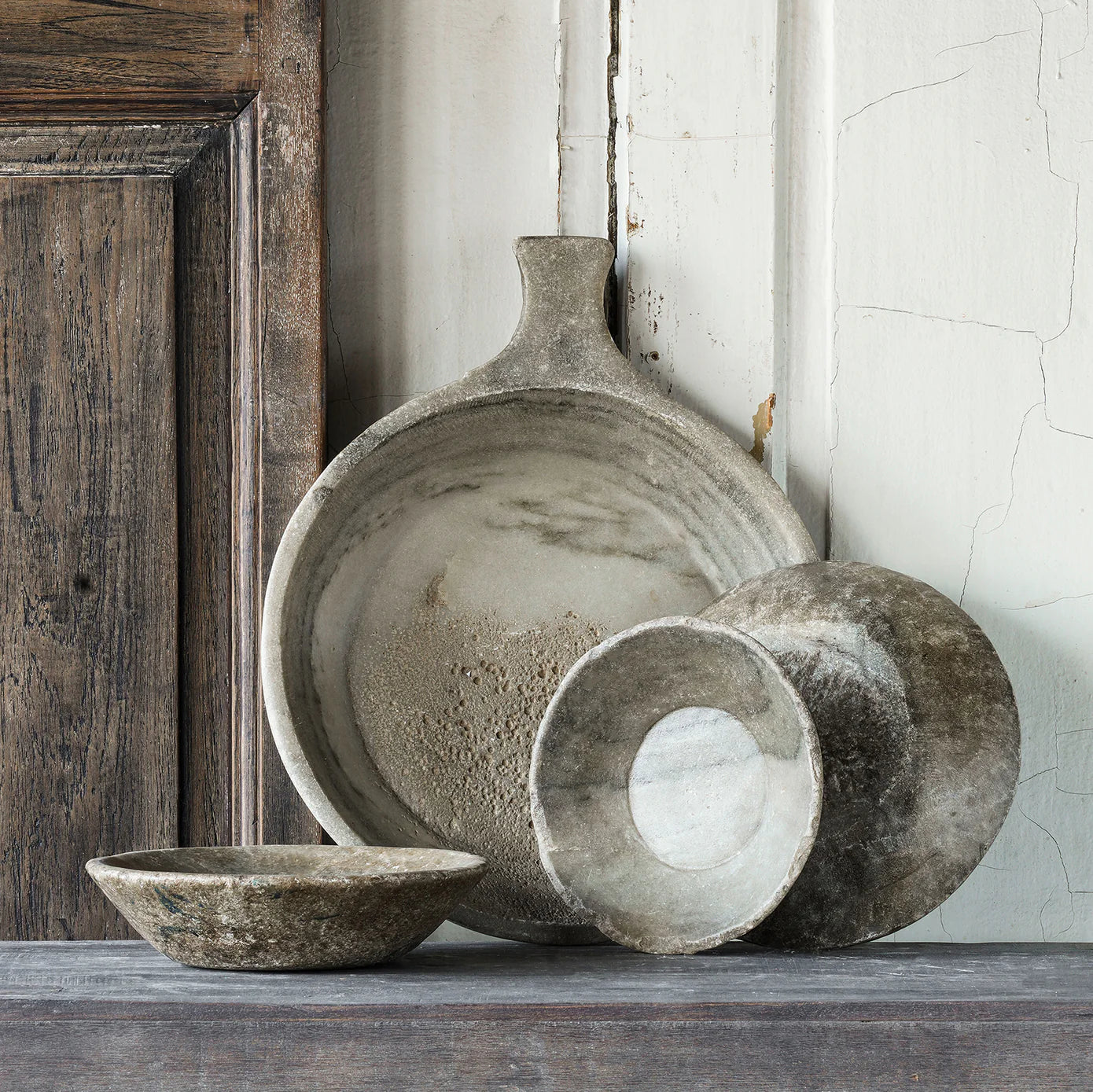
The Snaedis pan is a good example. Hung on a wall or placed on a shelf, it brings scale and material presence without asking for additional layers. The Sigriour pot works similarly, grounding surfaces with its volume and weight rather than acting as a fragile accent.
If a piece once solved a real problem, it usually still does—just in a different way.
Choose Scale That Matches the Room, Not the Shelf
Many people default to small vintage objects because they feel “safe.” The result is cluttered rooms full of items that never quite land visually.
Let One Piece Carry the Load
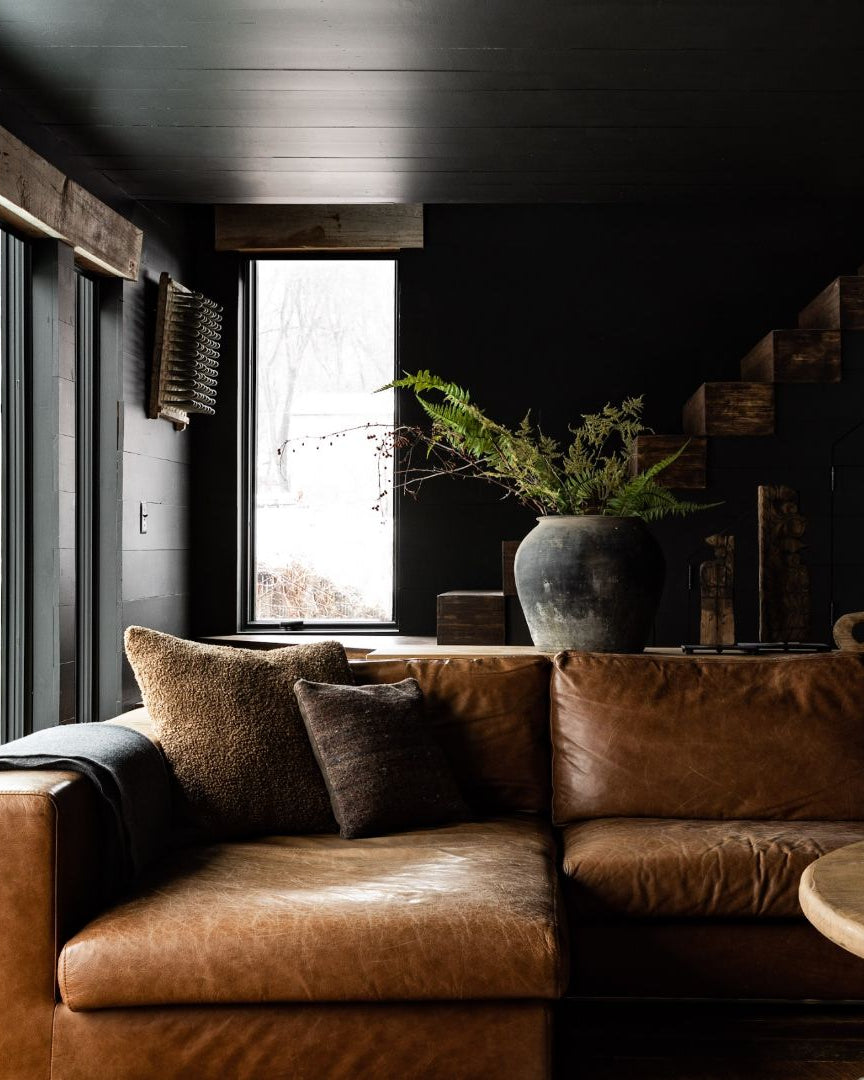
Vintage decor earns its place when it can anchor a wall, surface, or corner on its own. Scale creates hierarchy, which makes the rest of the room easier to read.
The Vintage balloon mold wall decor doesn’t need companions to feel complete. Its size and depth allow it to function more like a structural element than wall art. Pair it only if necessary—and if you do, keep the contrast intentional.
RUTED Tip: If you’re tempted to add three small things, it’s usually a sign you need one larger one instead.
Favor Materials That Show Their Age Honestly
Not all wear is equal. Some pieces age well because their materials were meant to change over time.
What to Look For
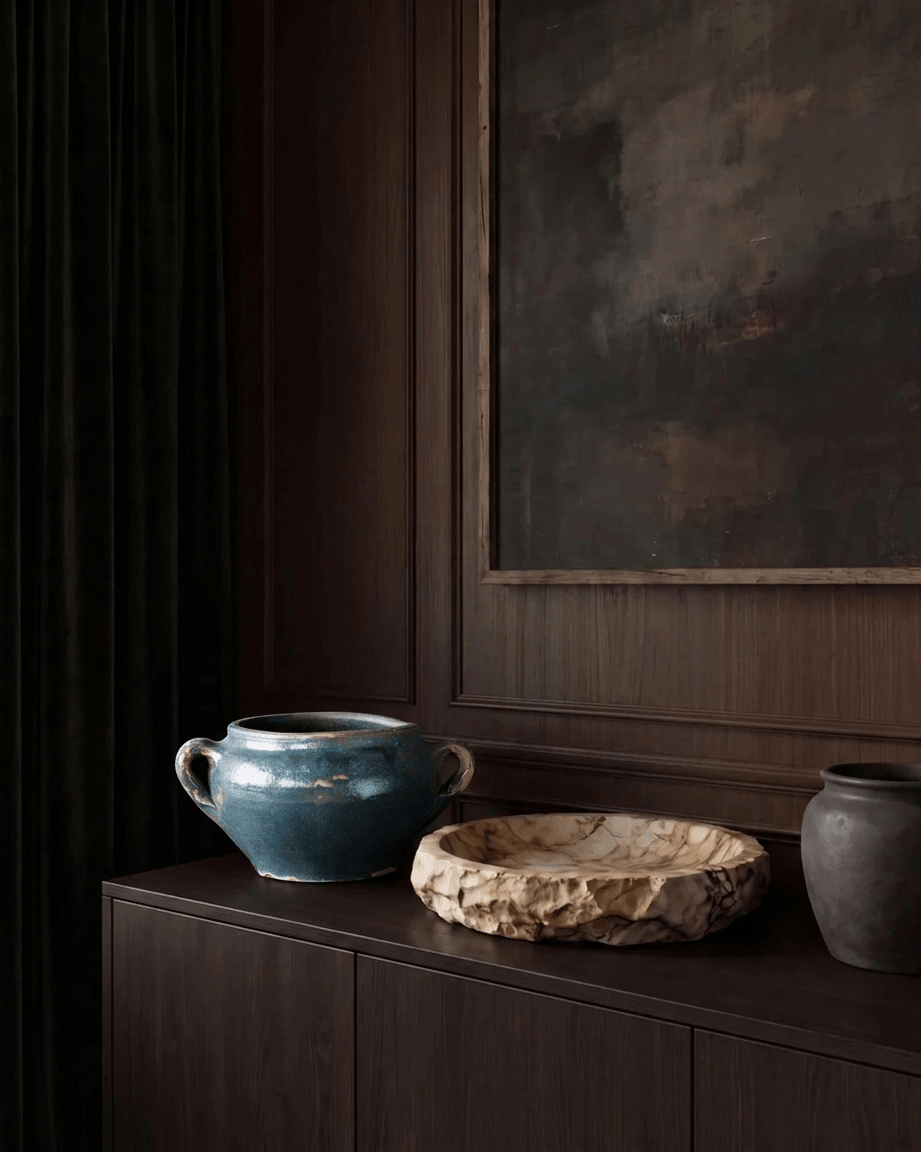
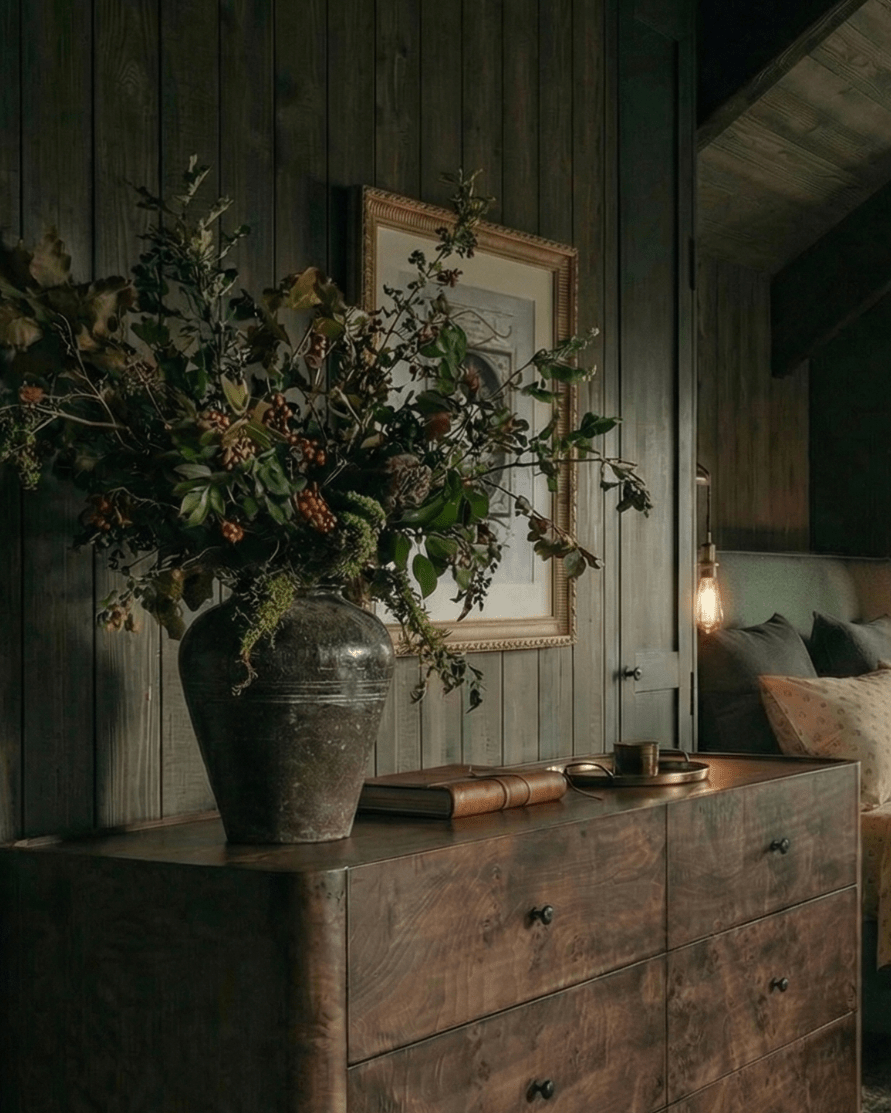
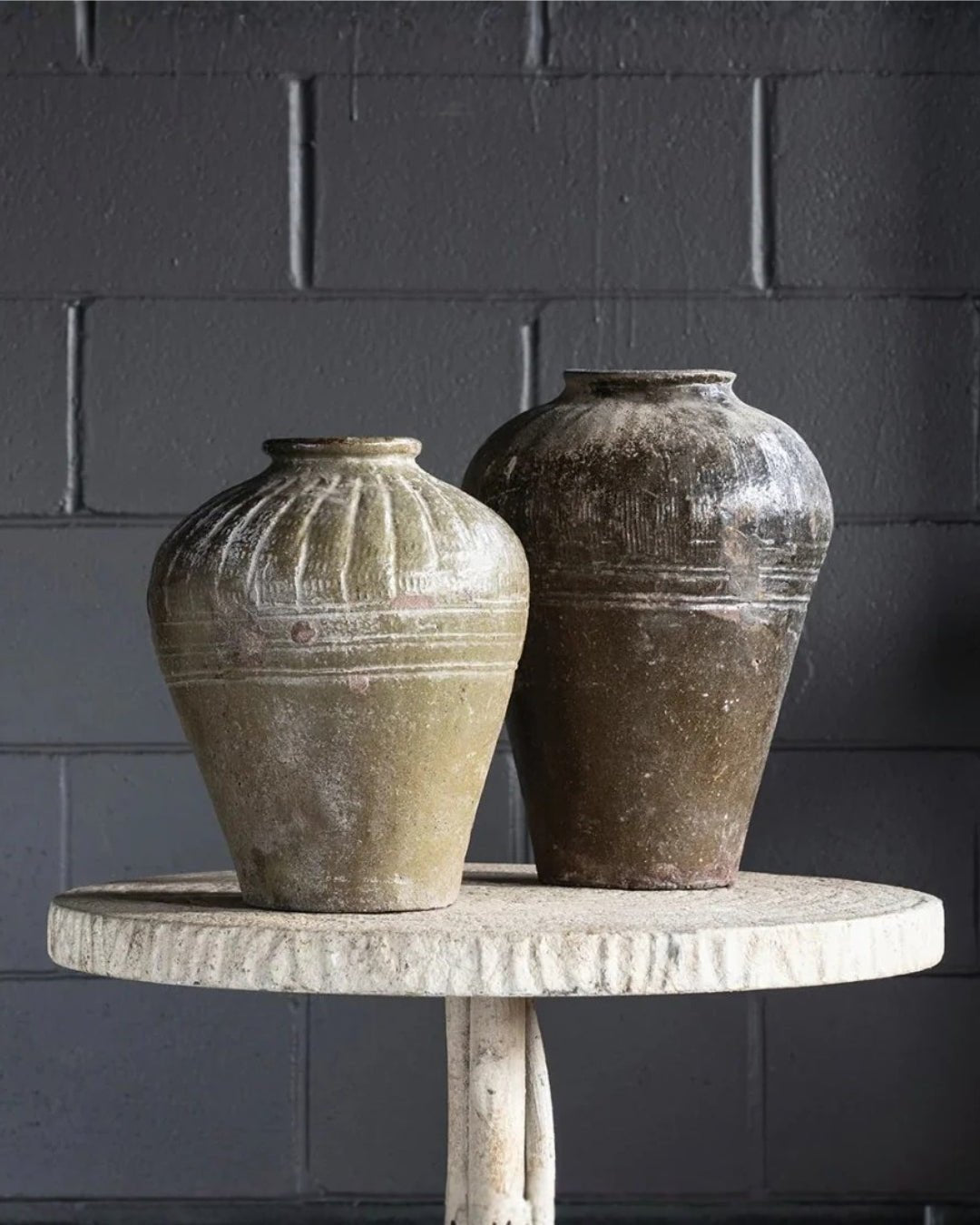
Solid wood, clay, metal, and hand-applied glazes tend to develop character rather than deterioration. Veneers, thin coatings, and overly polished finishes often don’t.
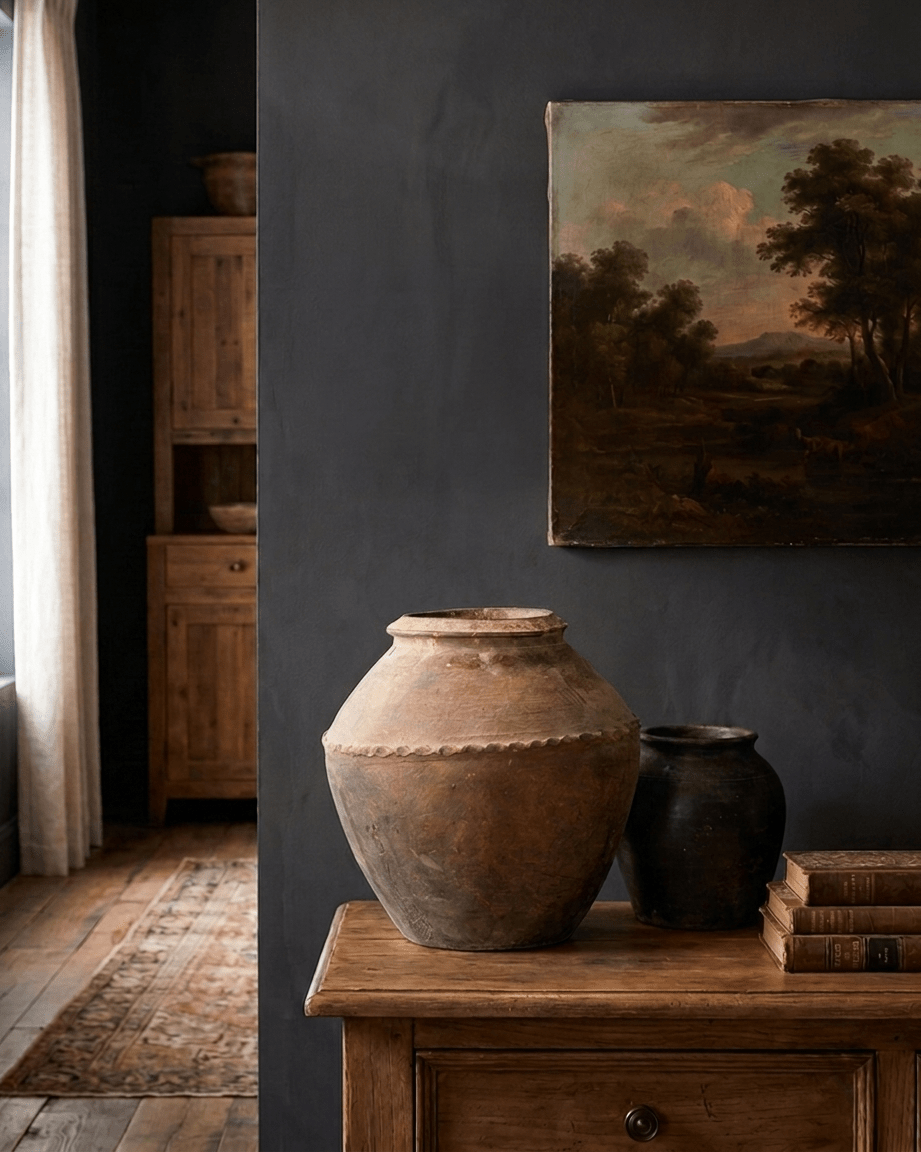
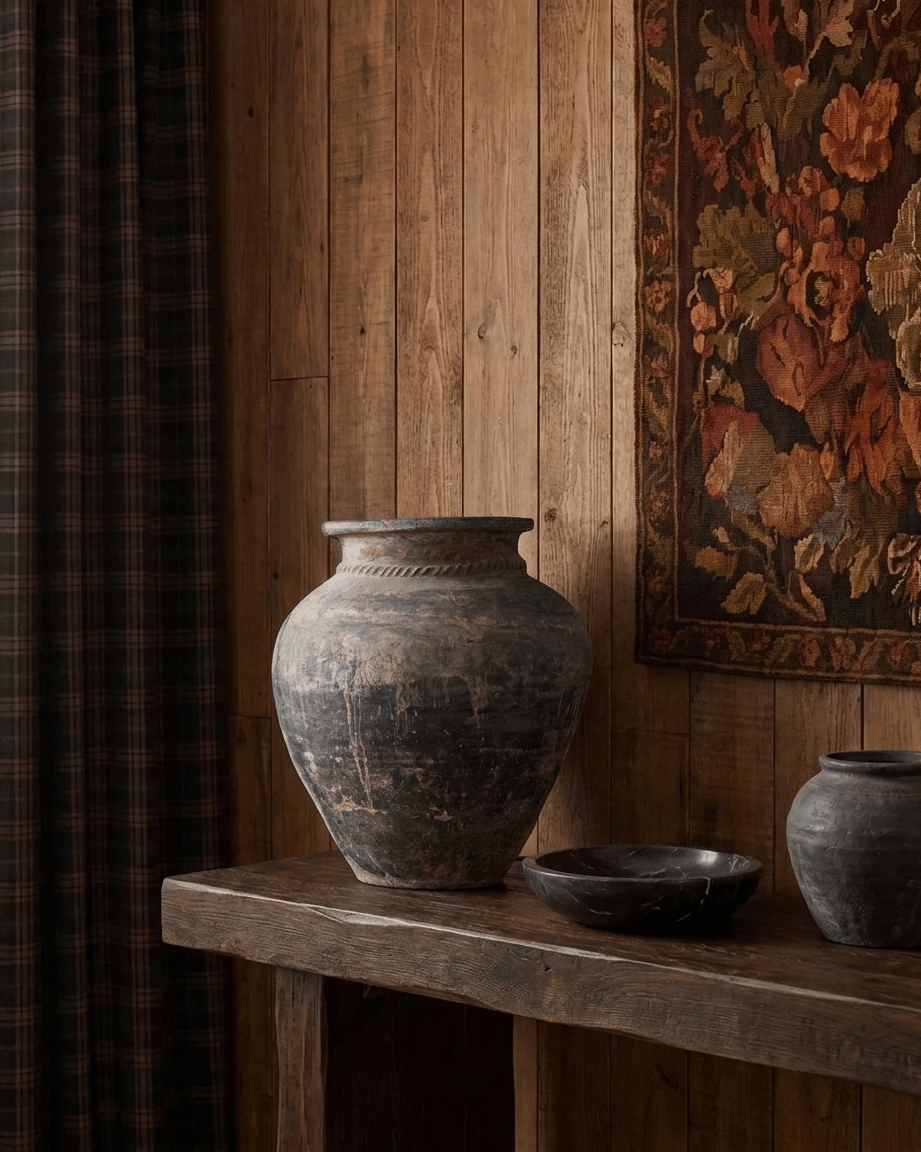
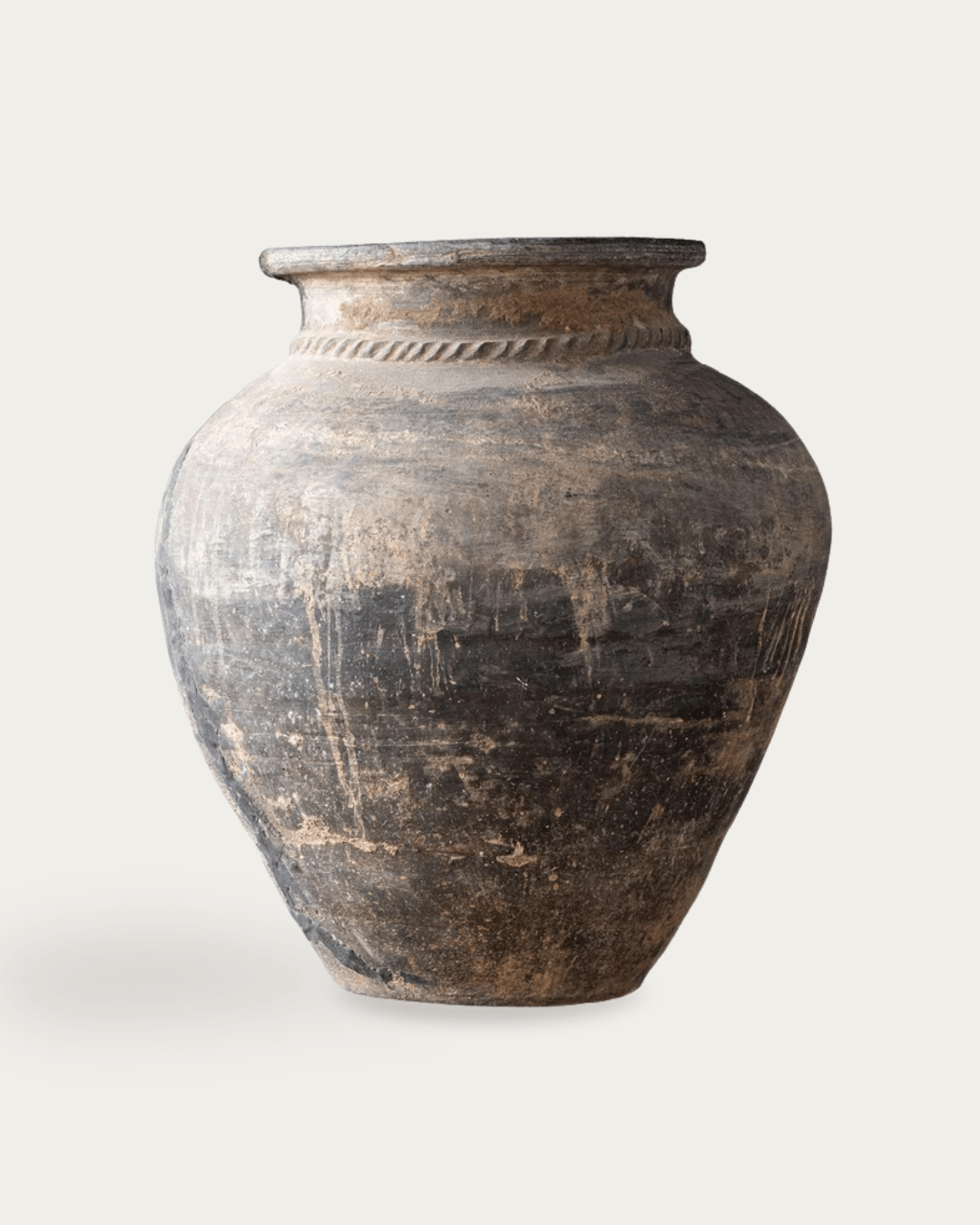
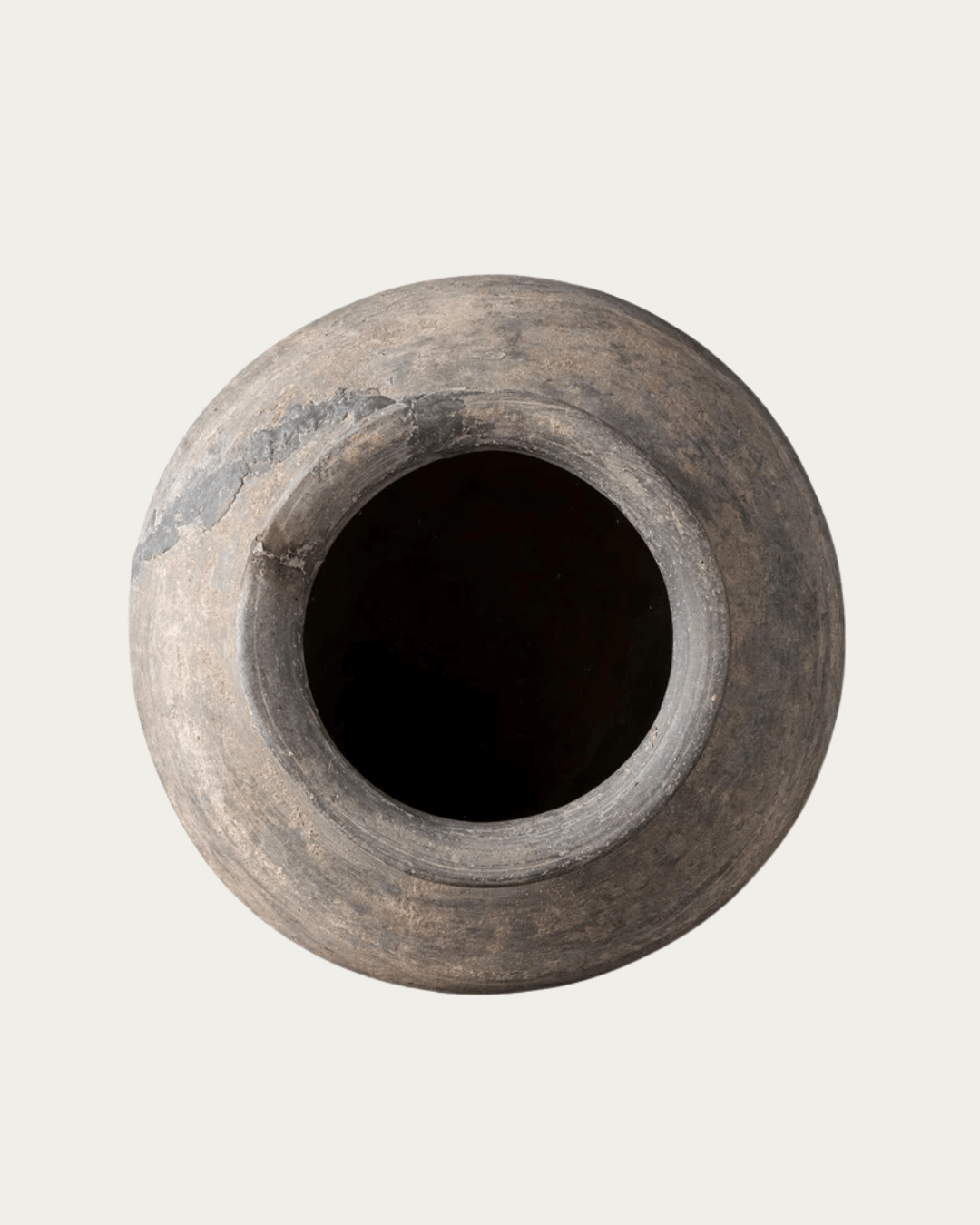
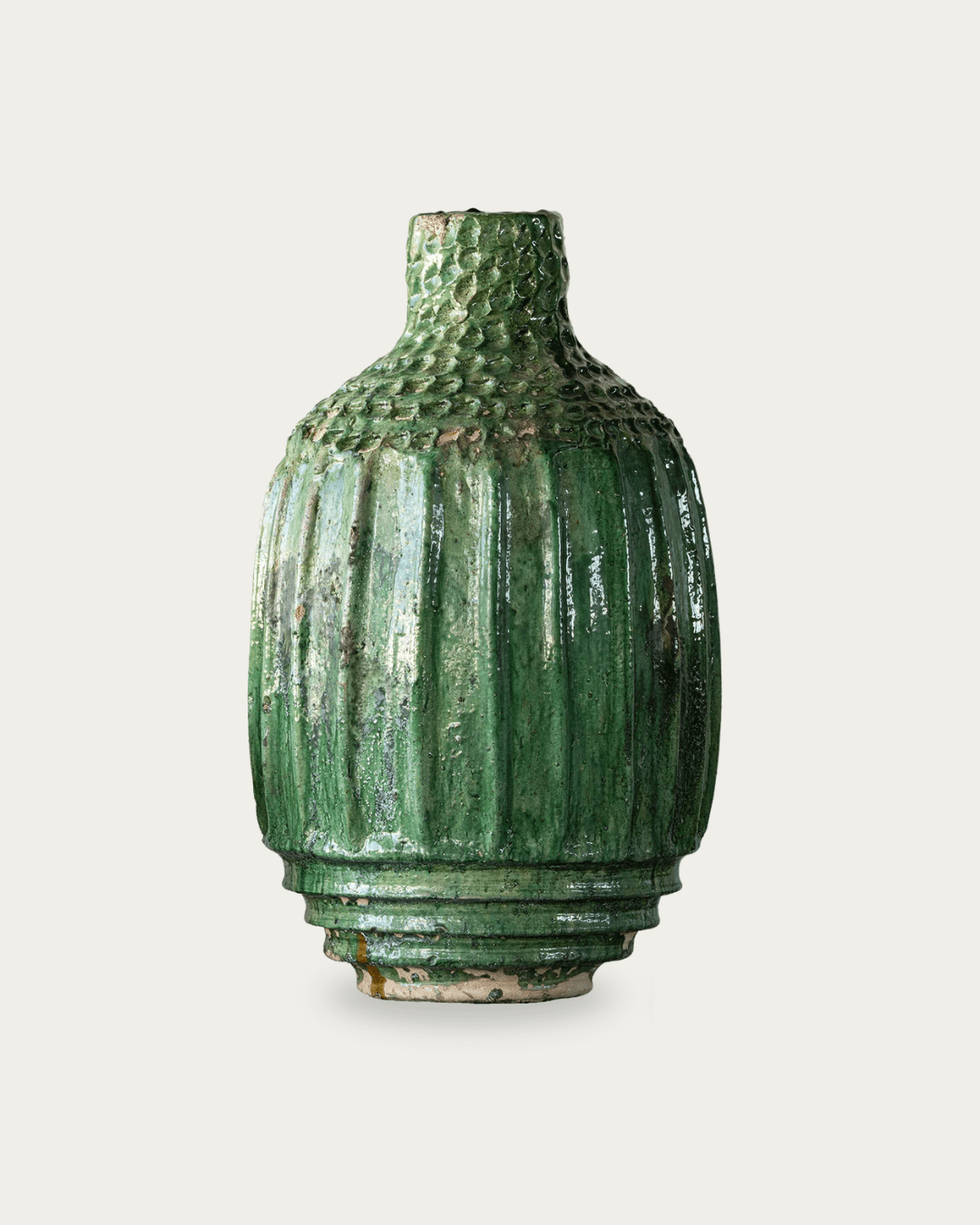
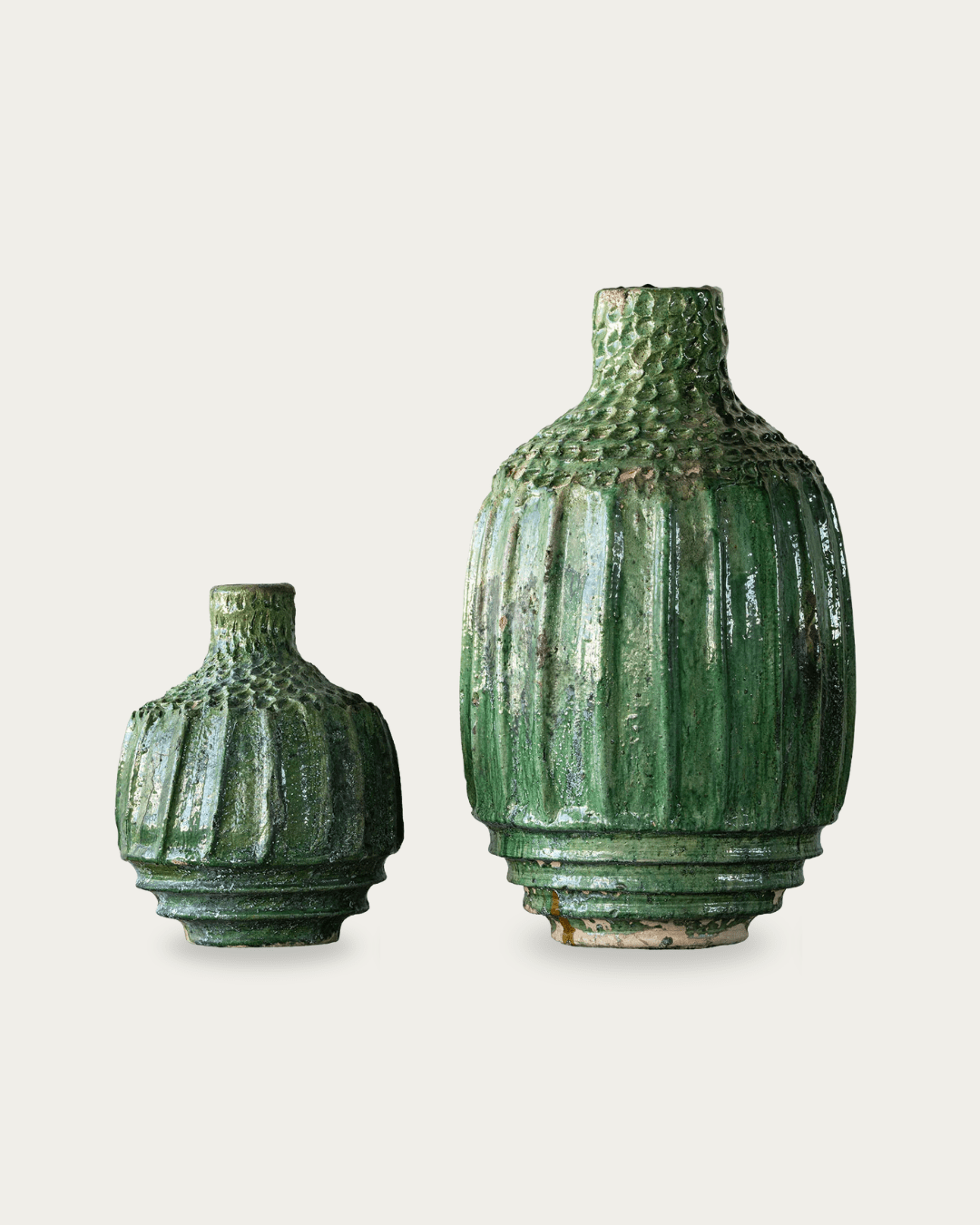
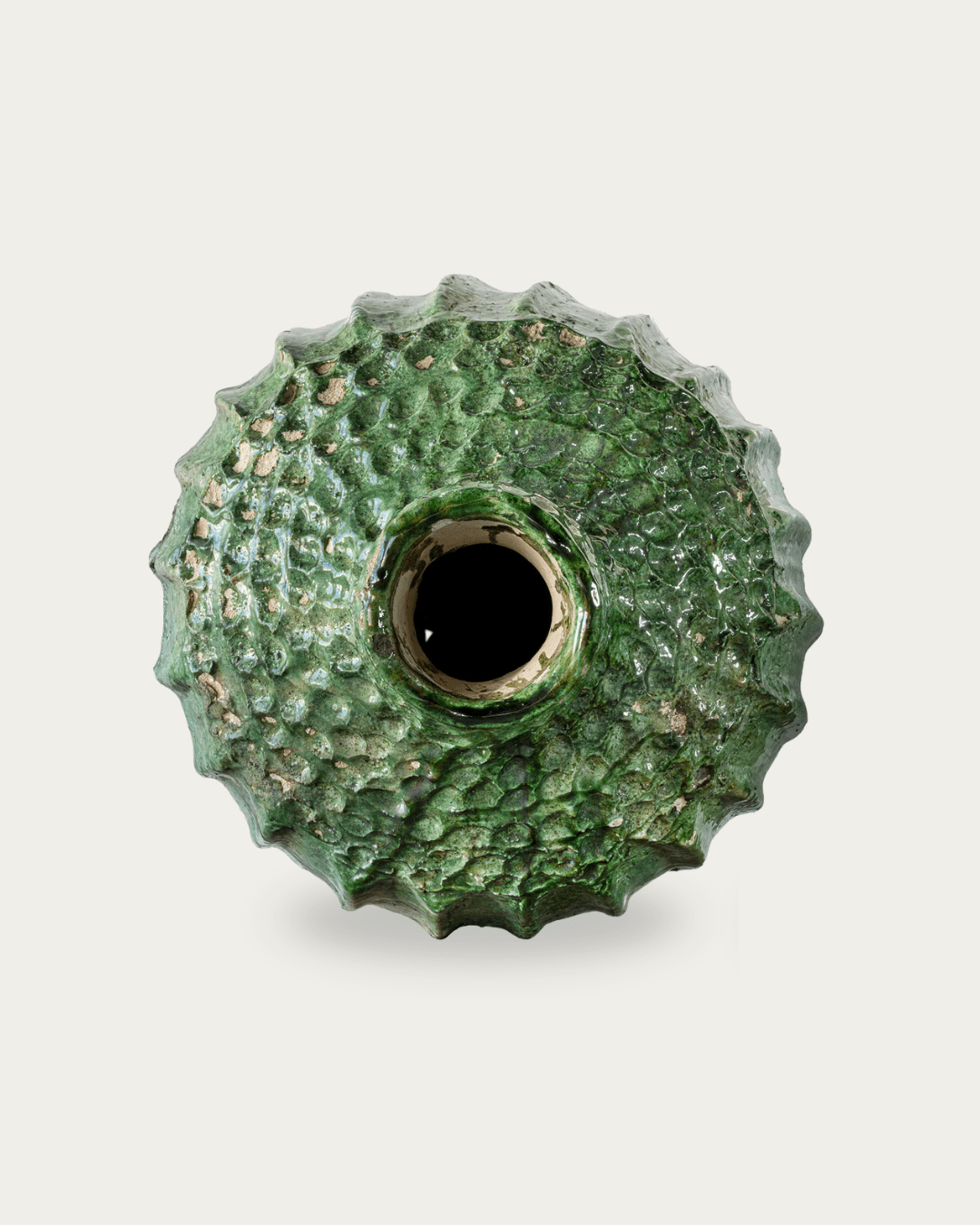
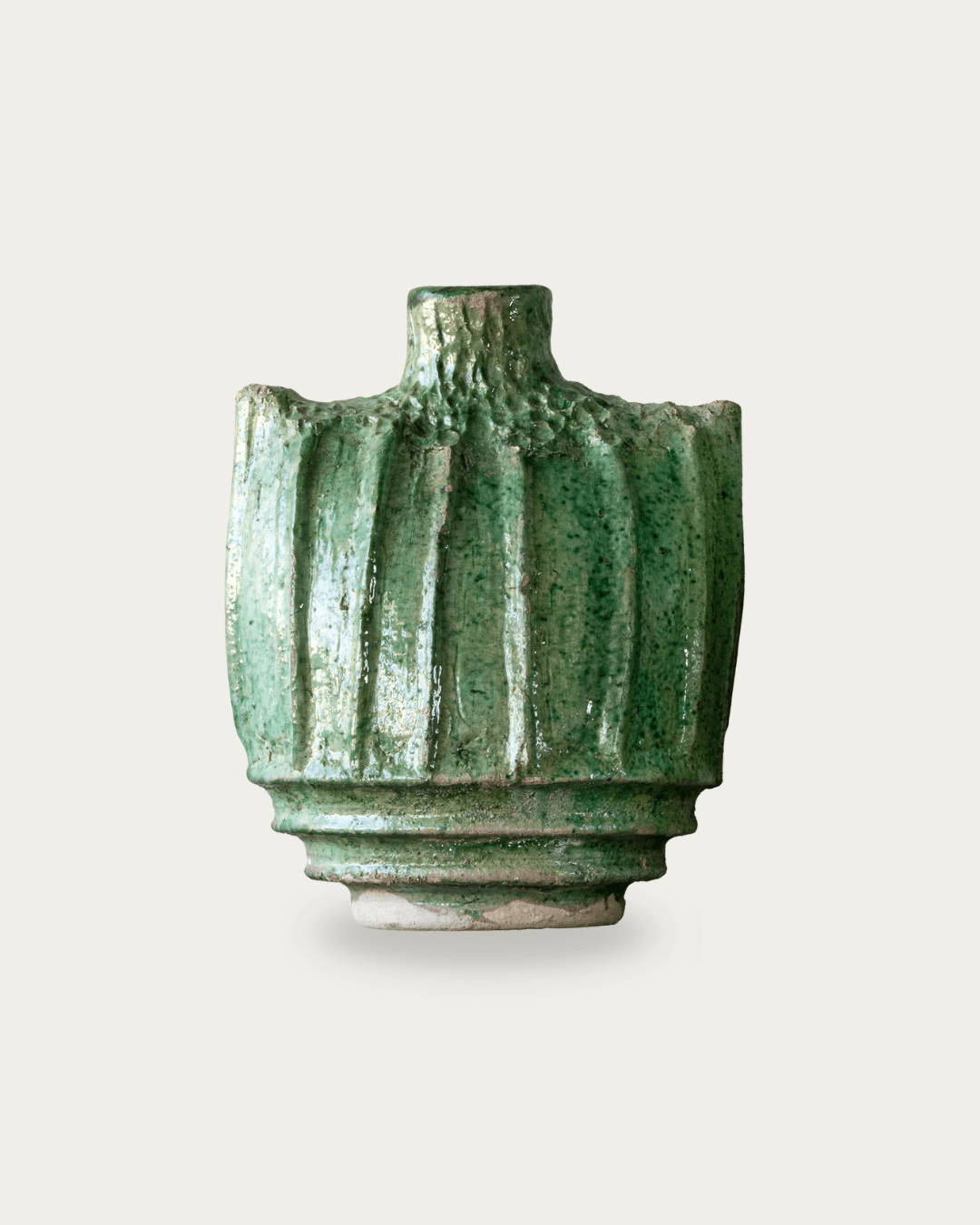
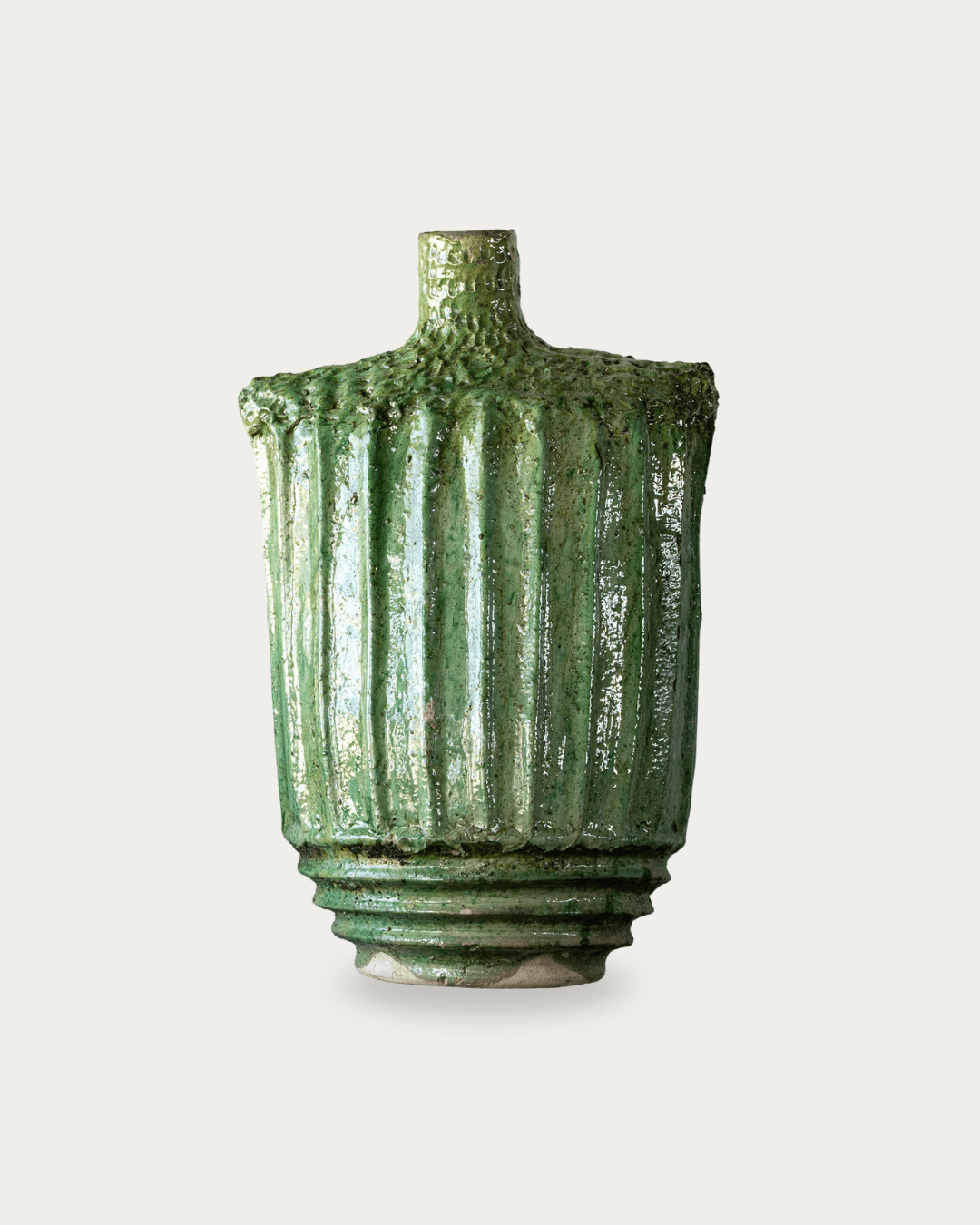
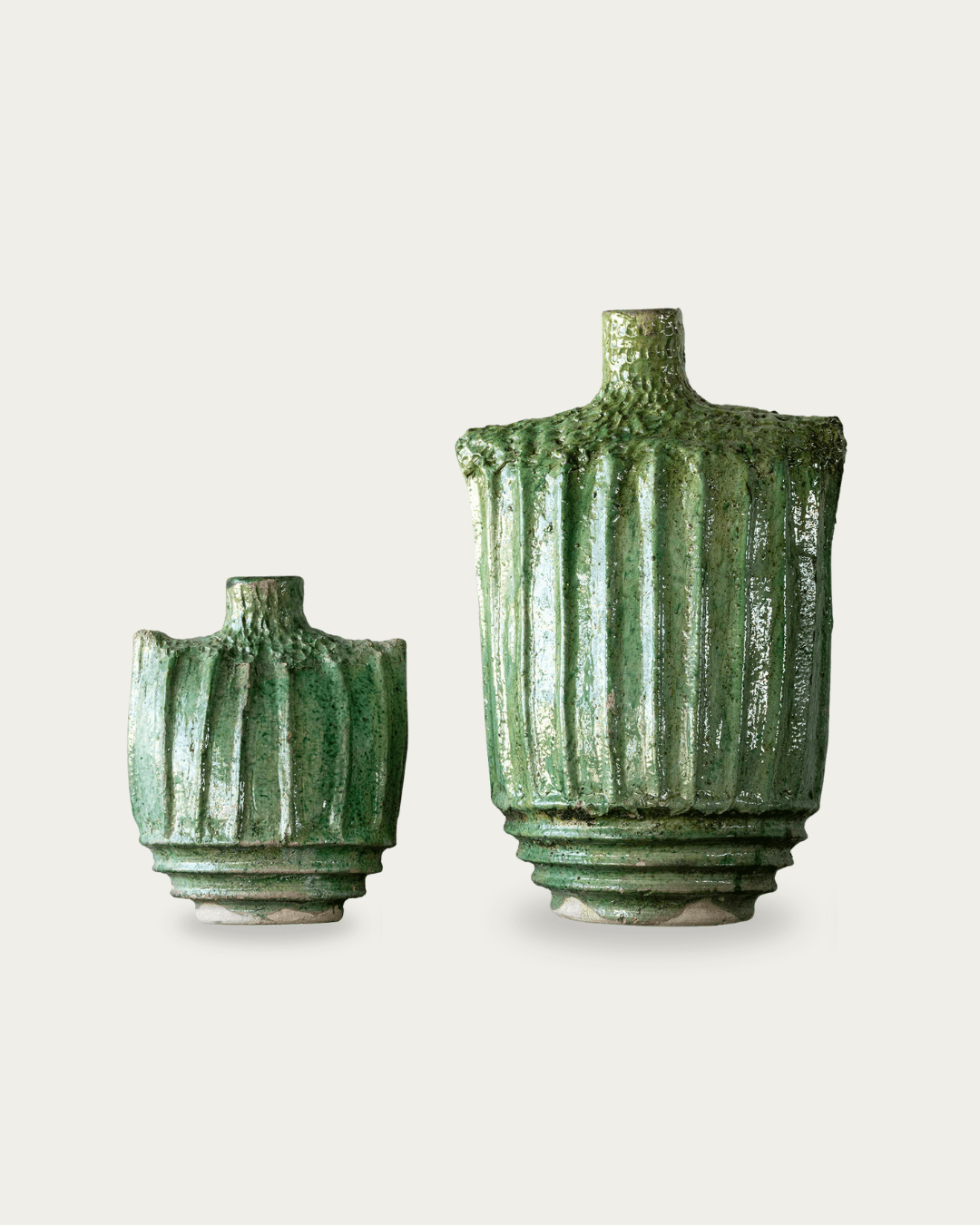
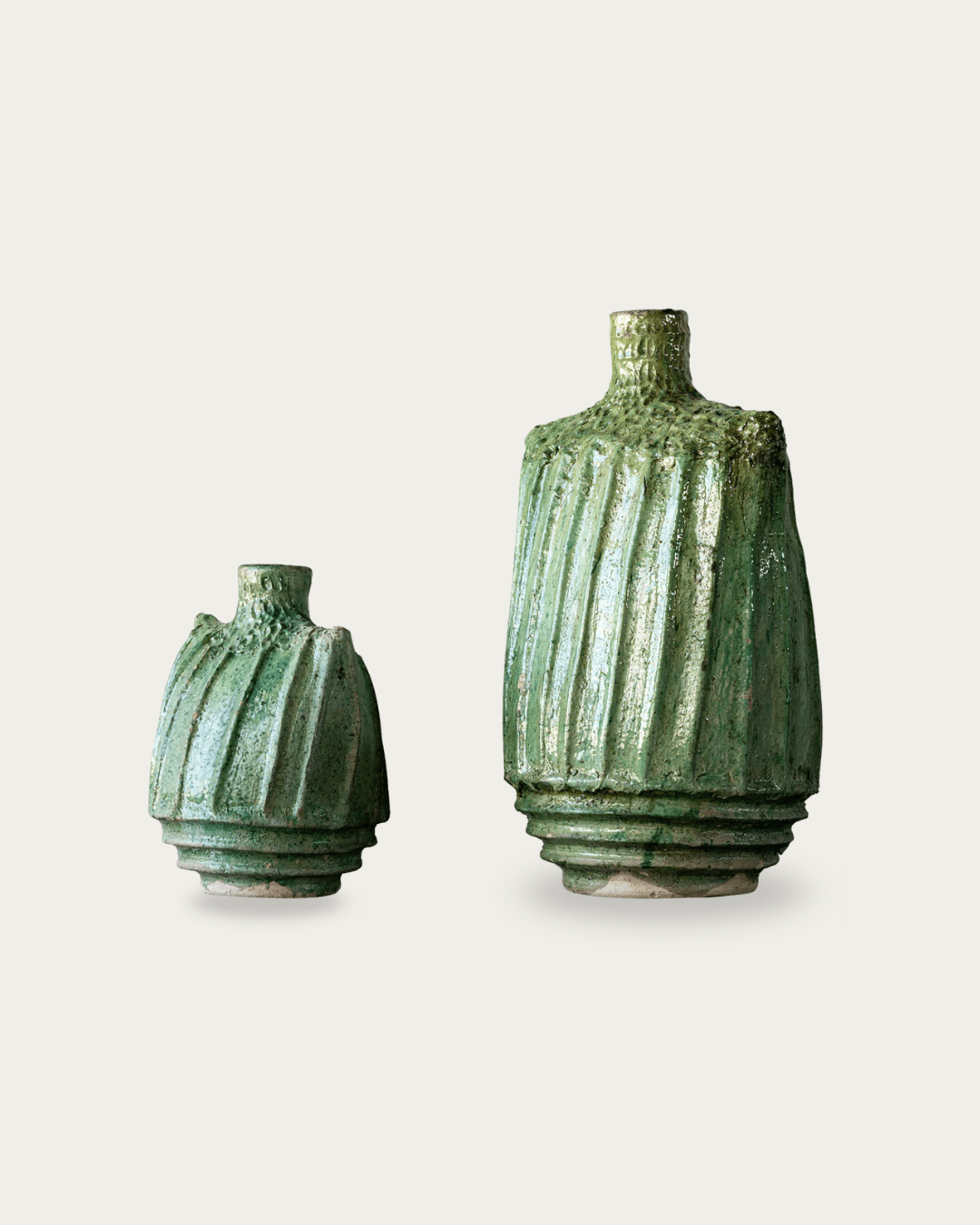
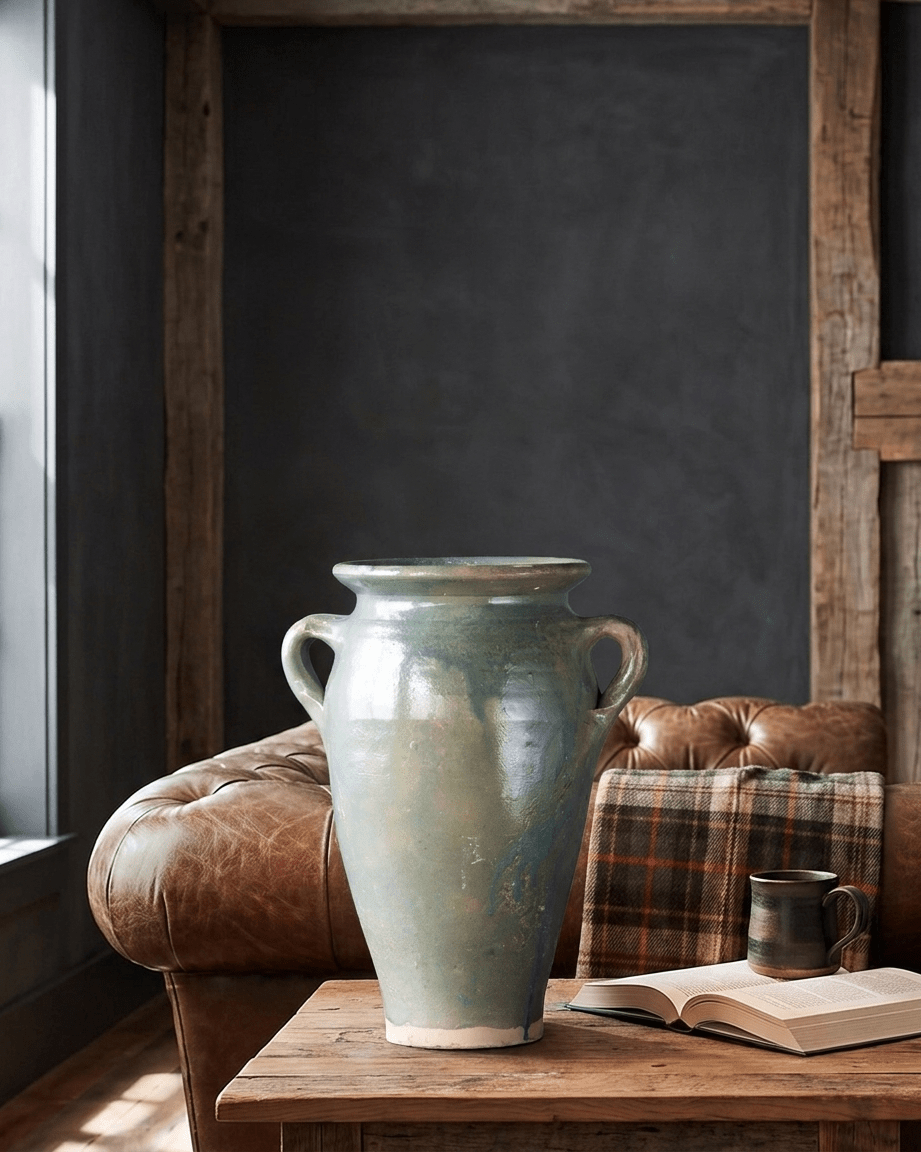
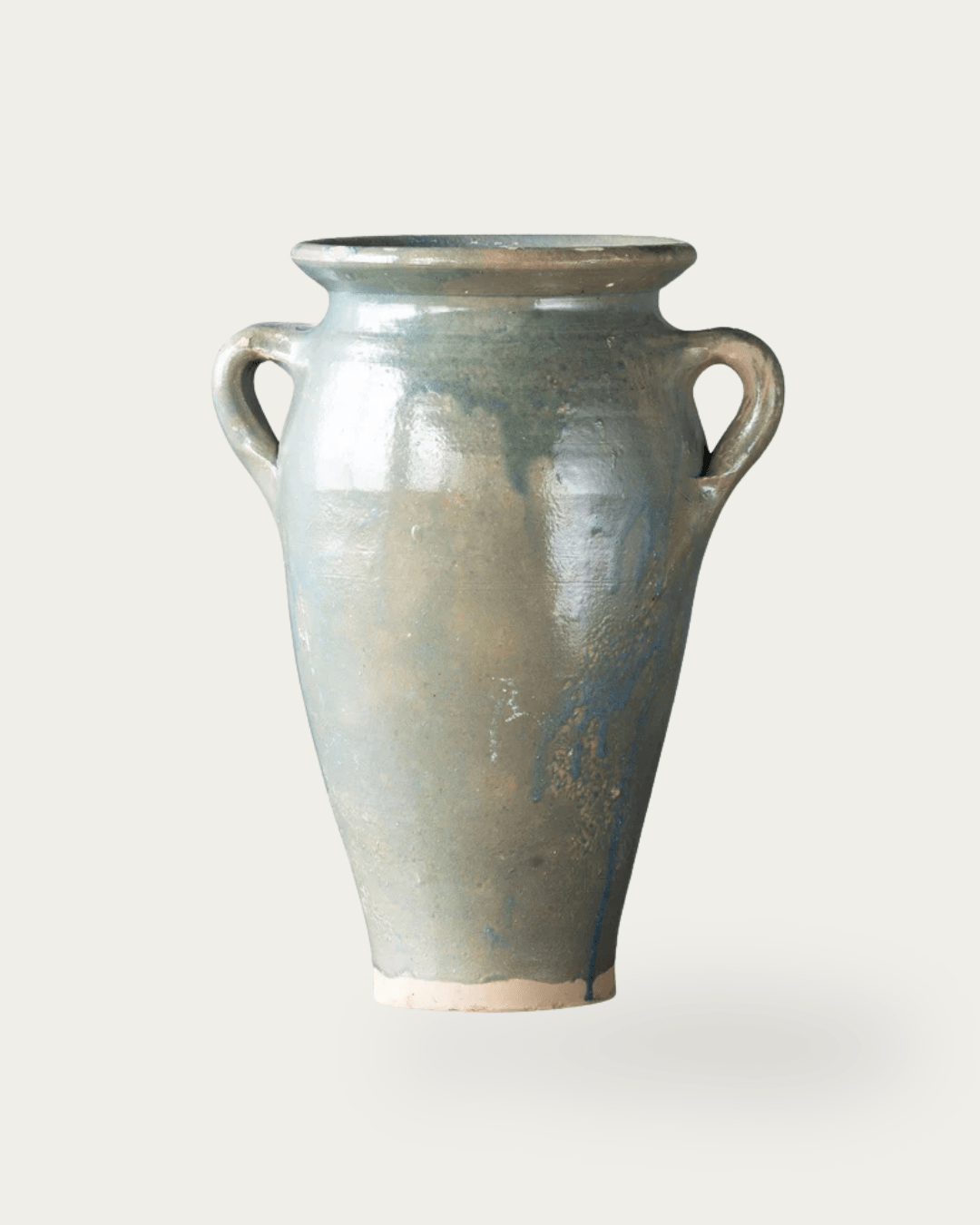
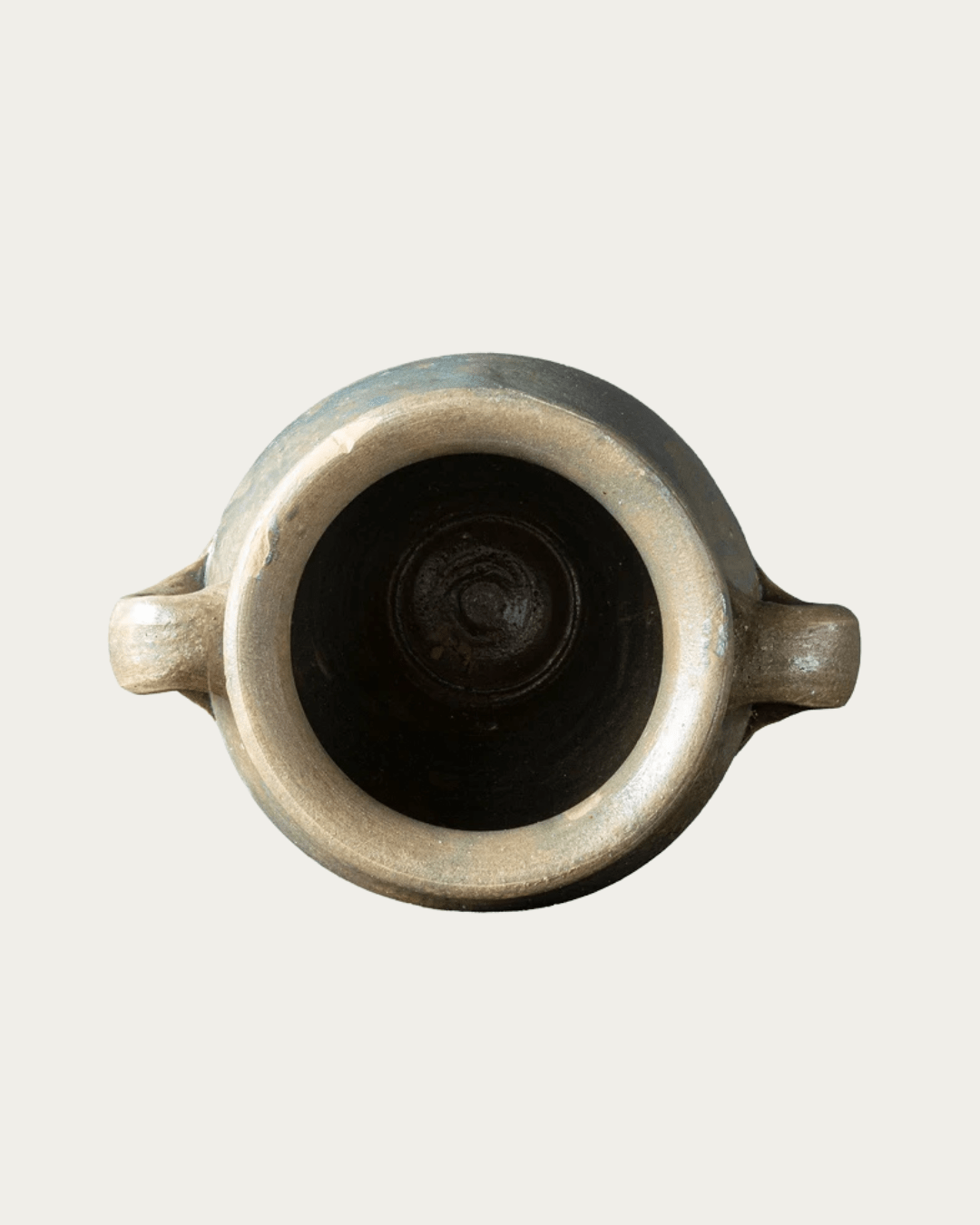
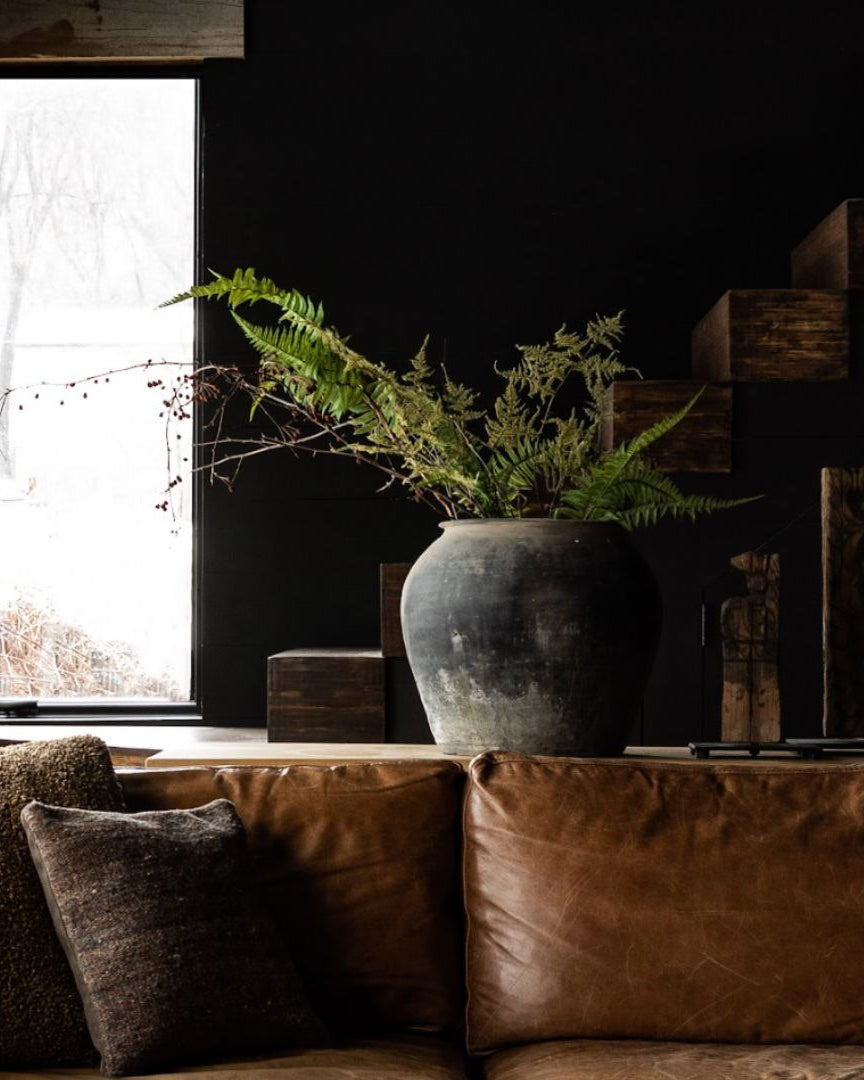
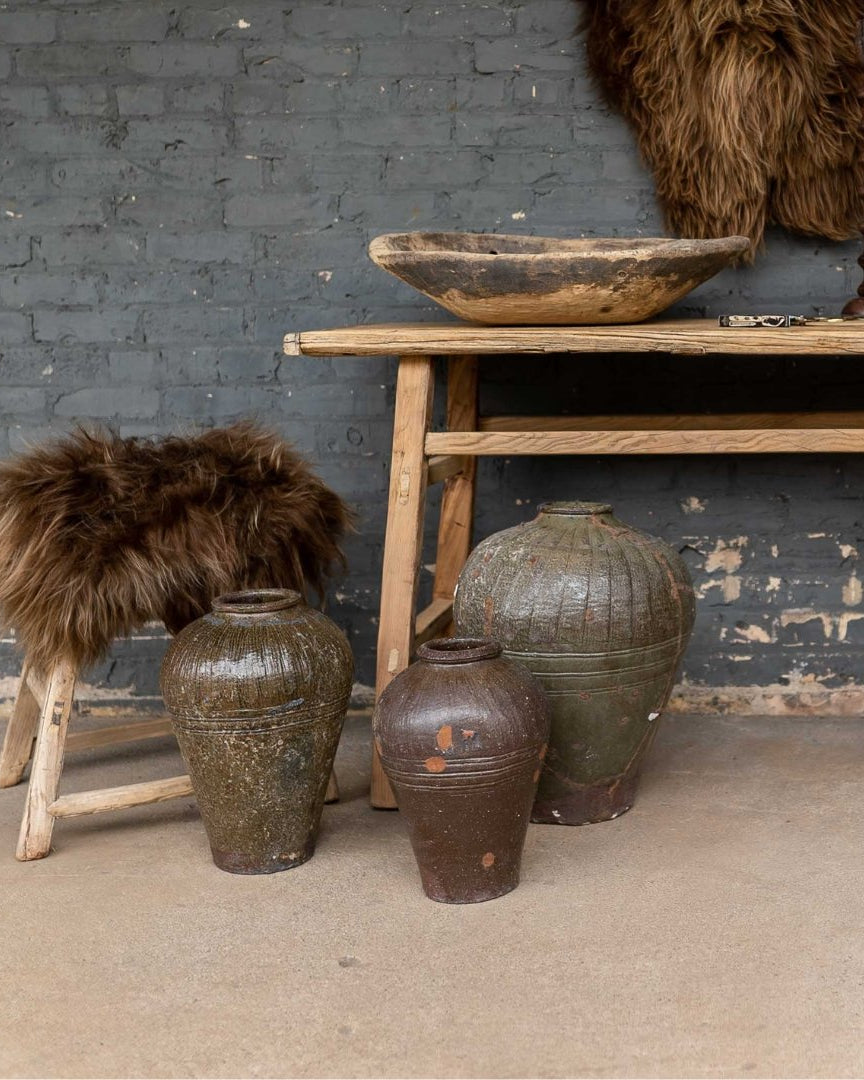
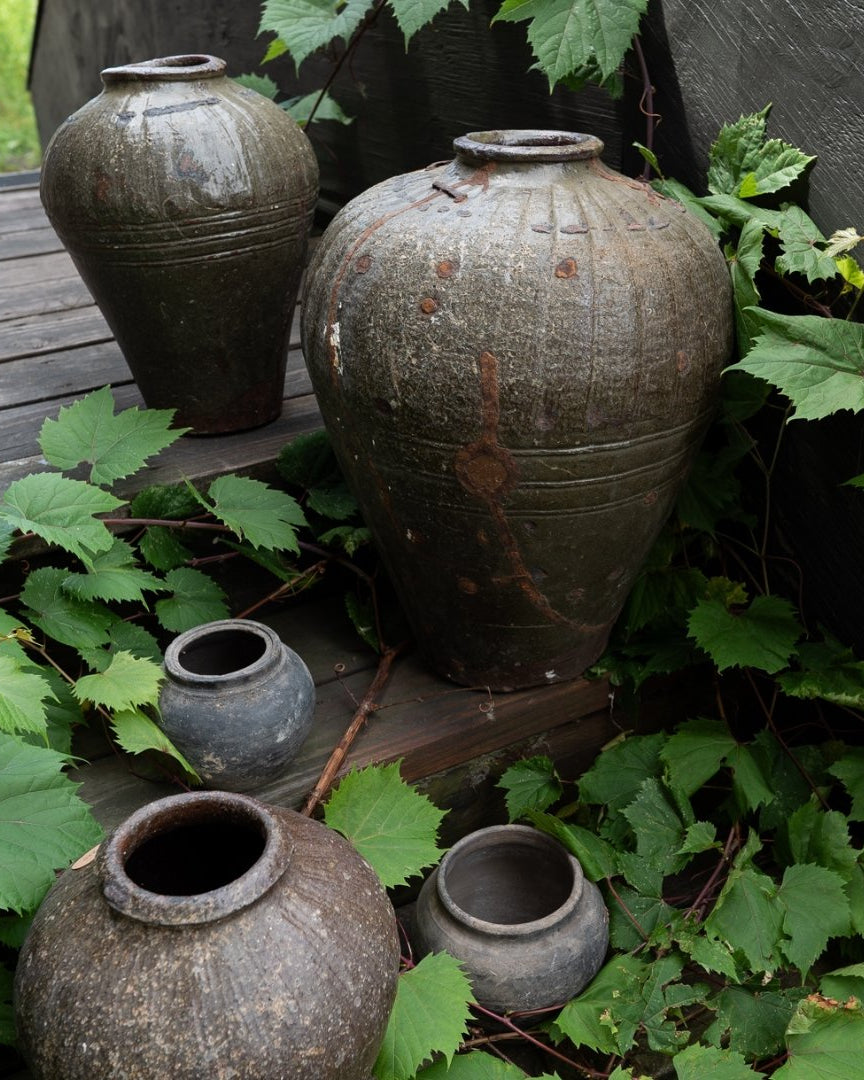
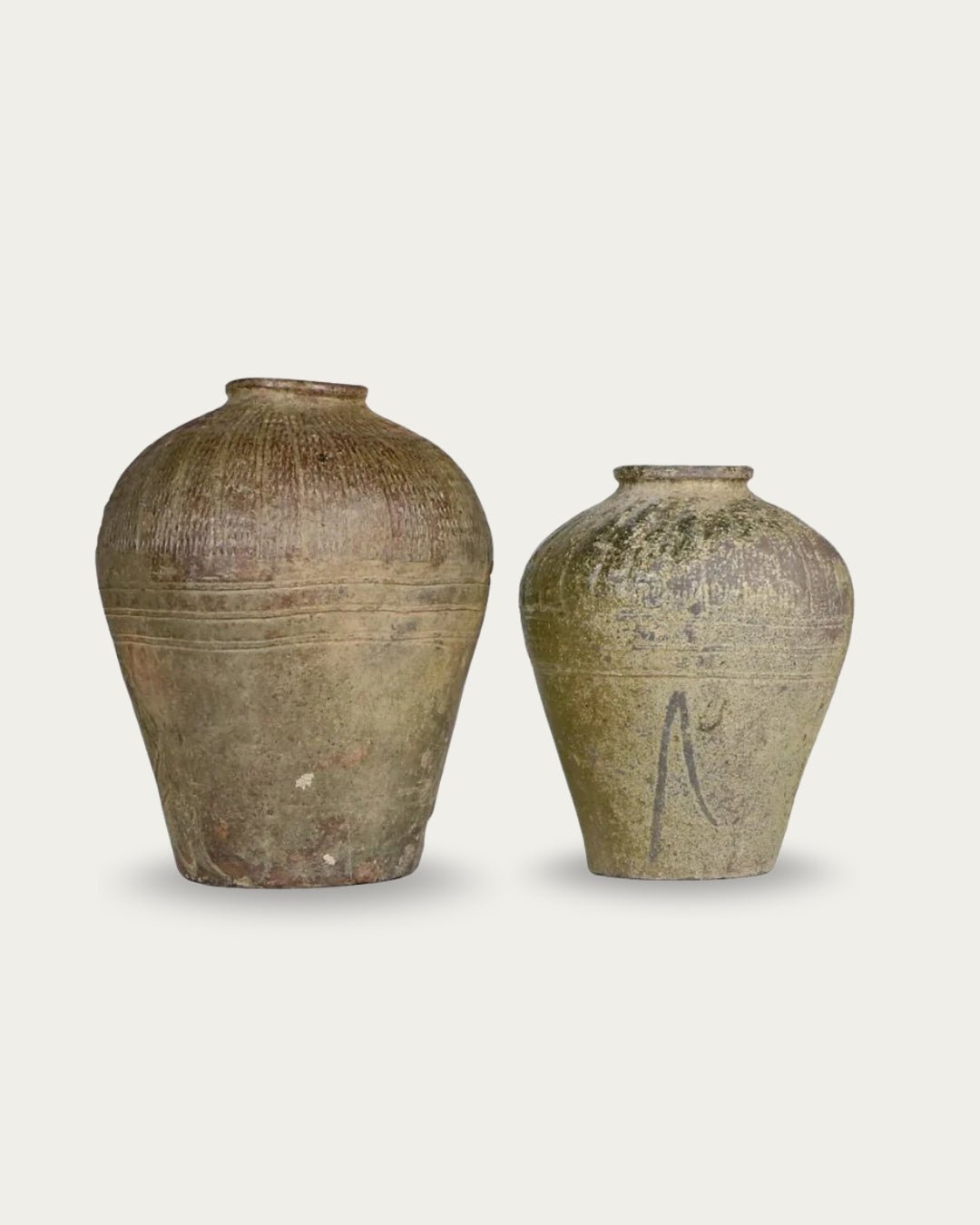
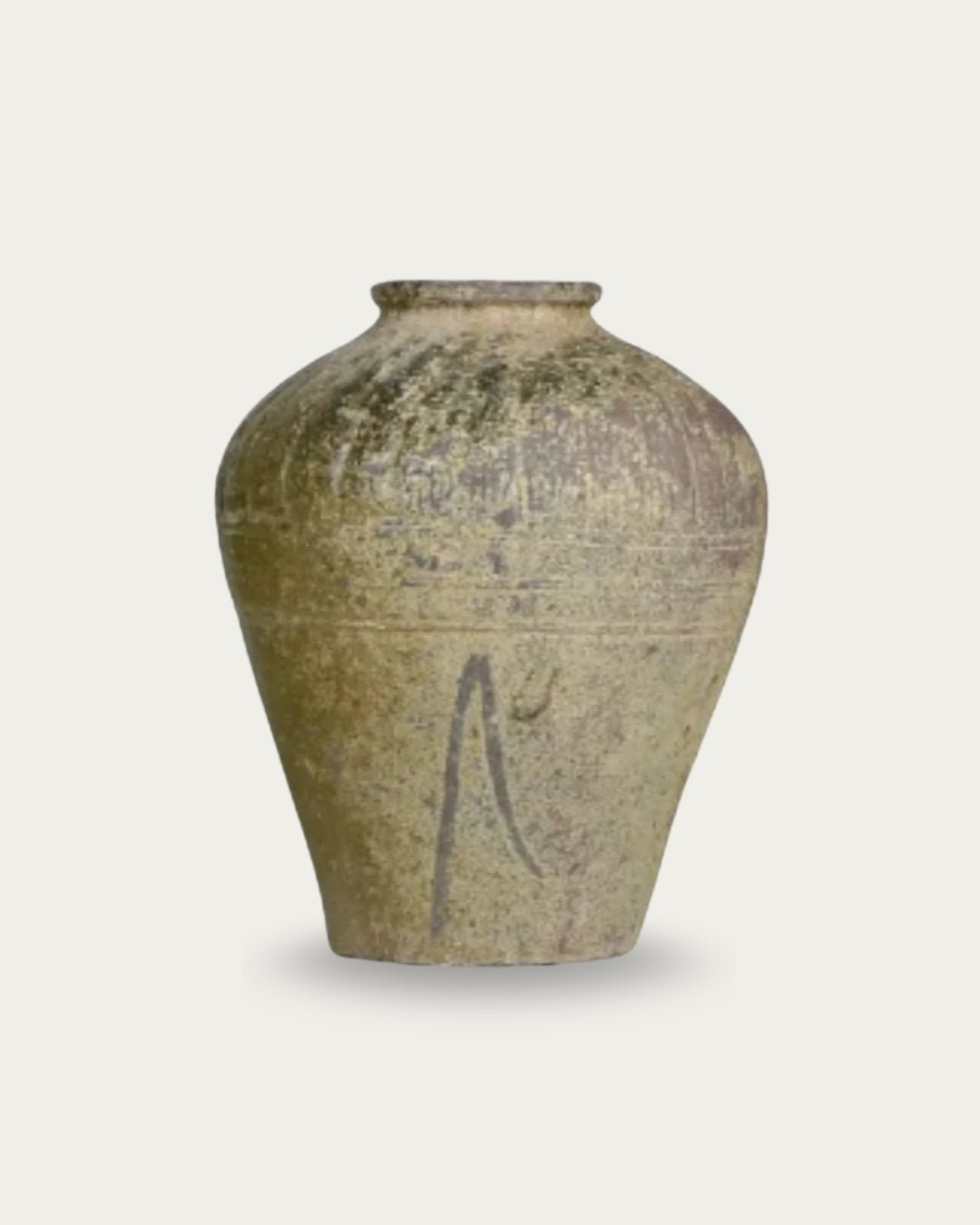
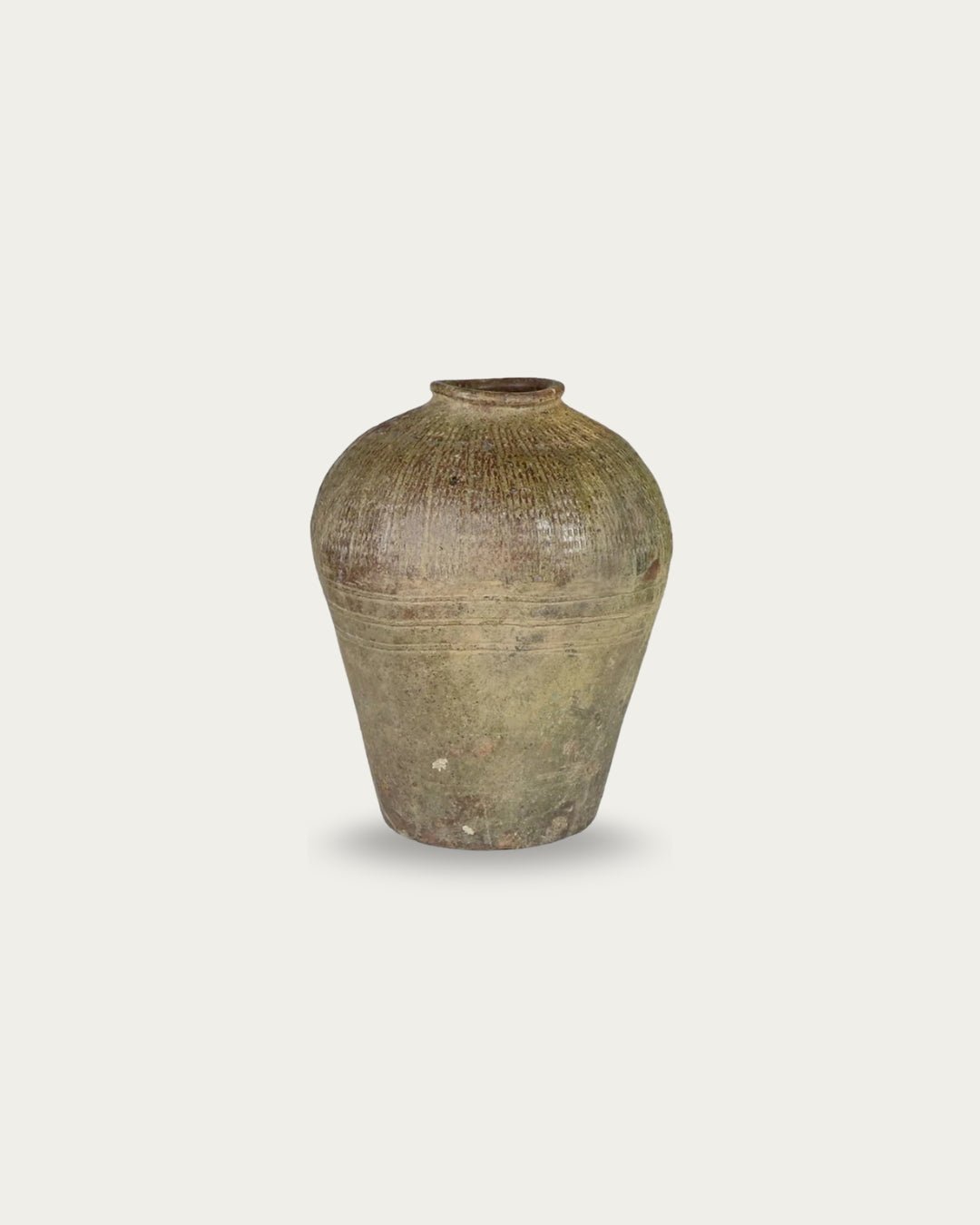
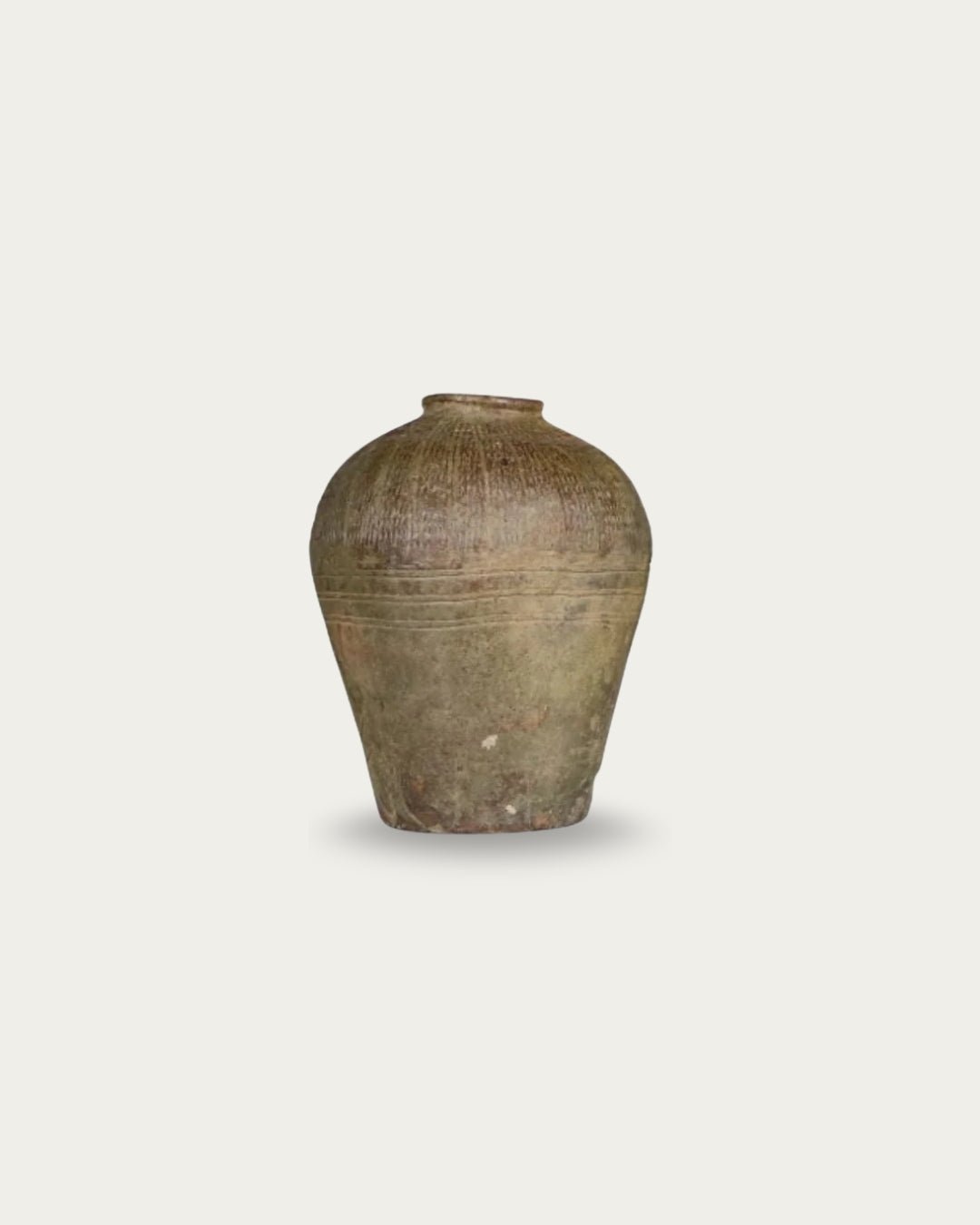
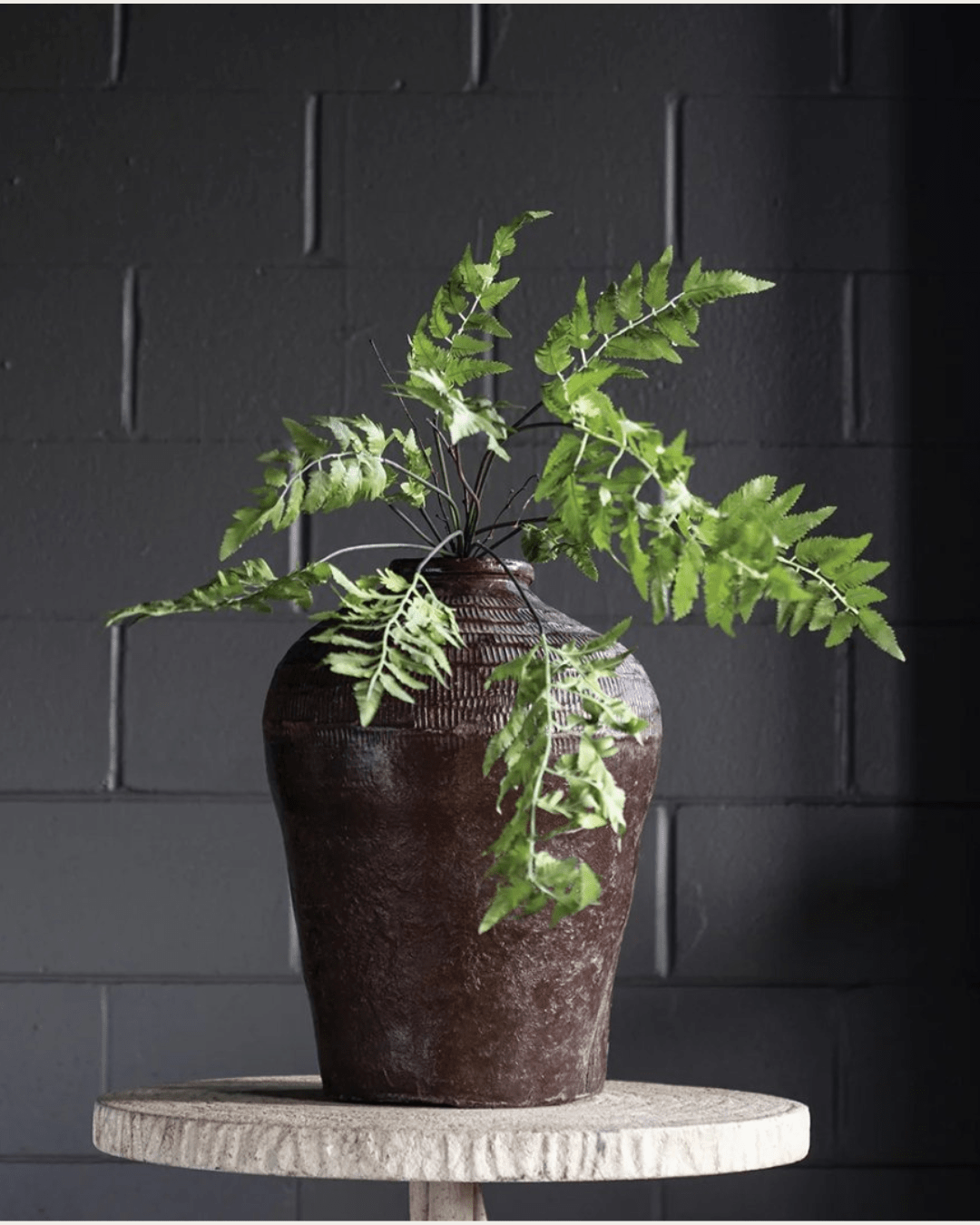
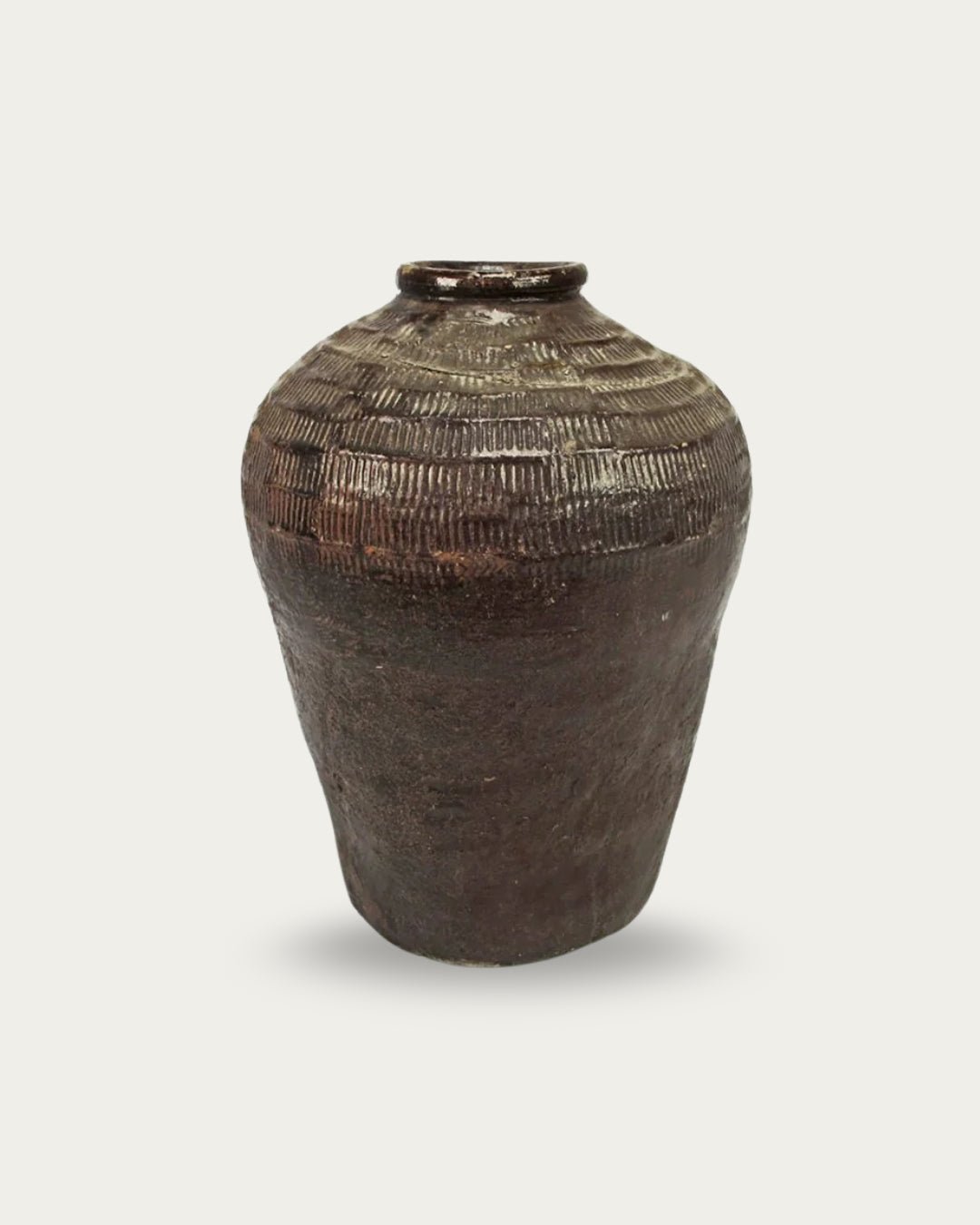
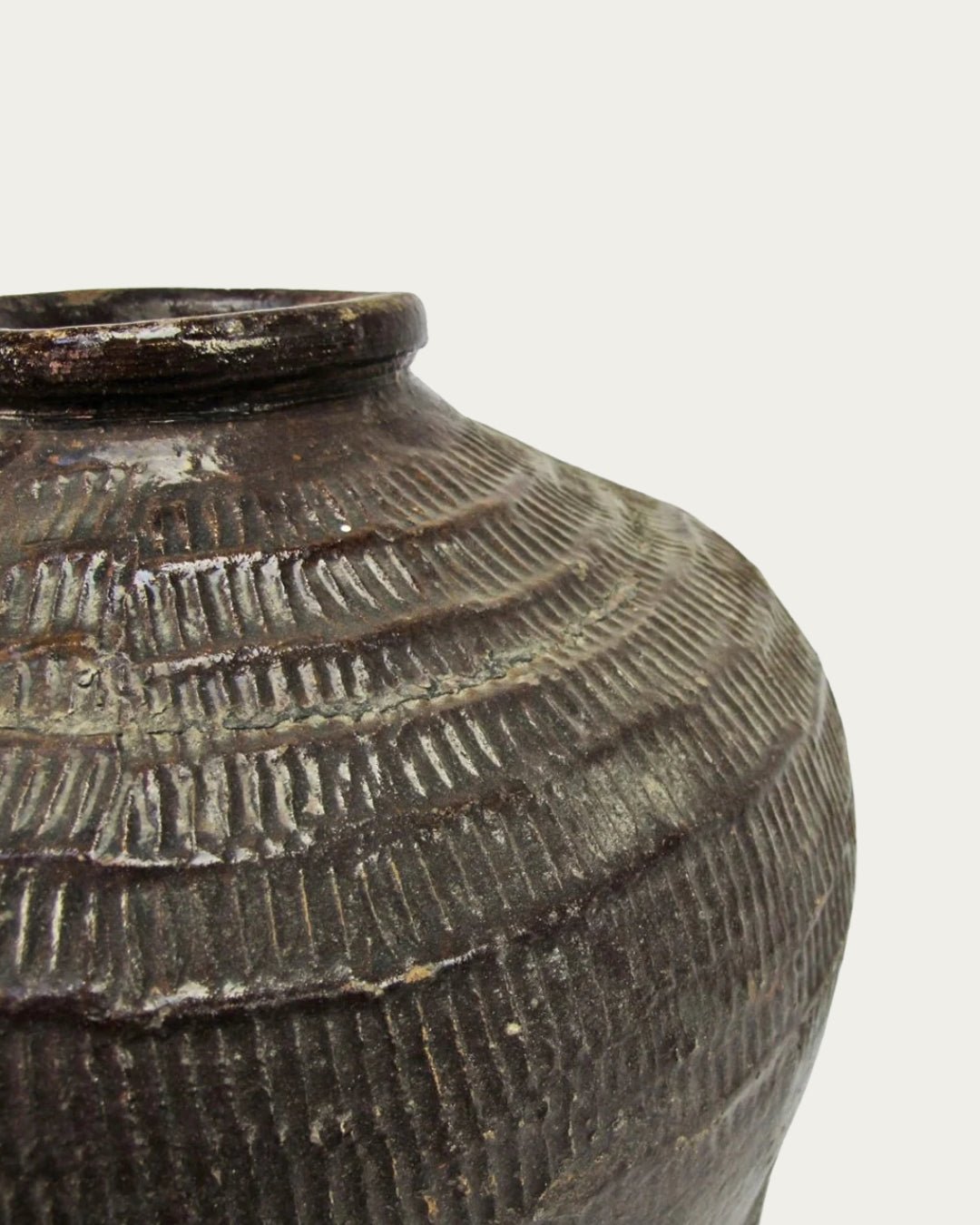
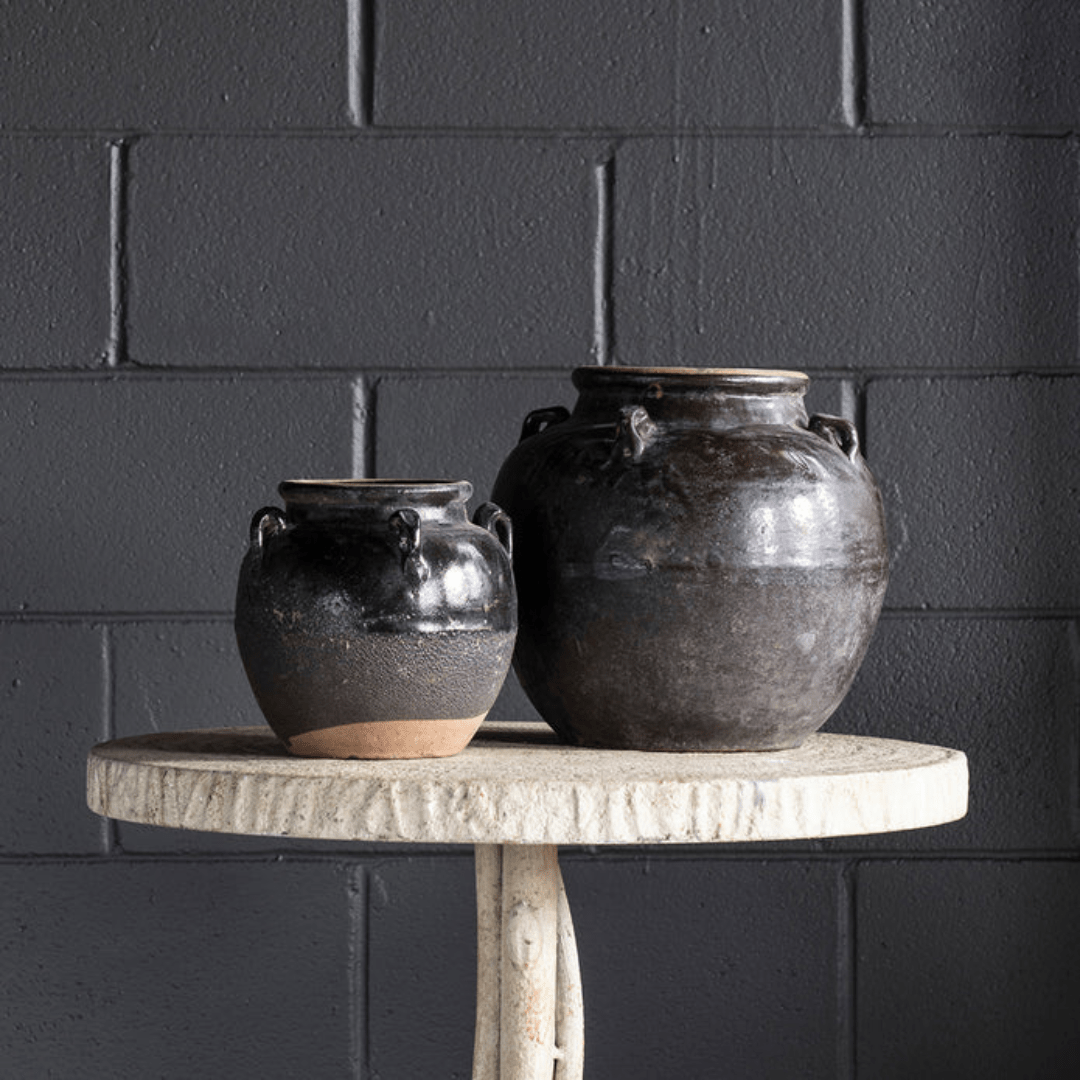
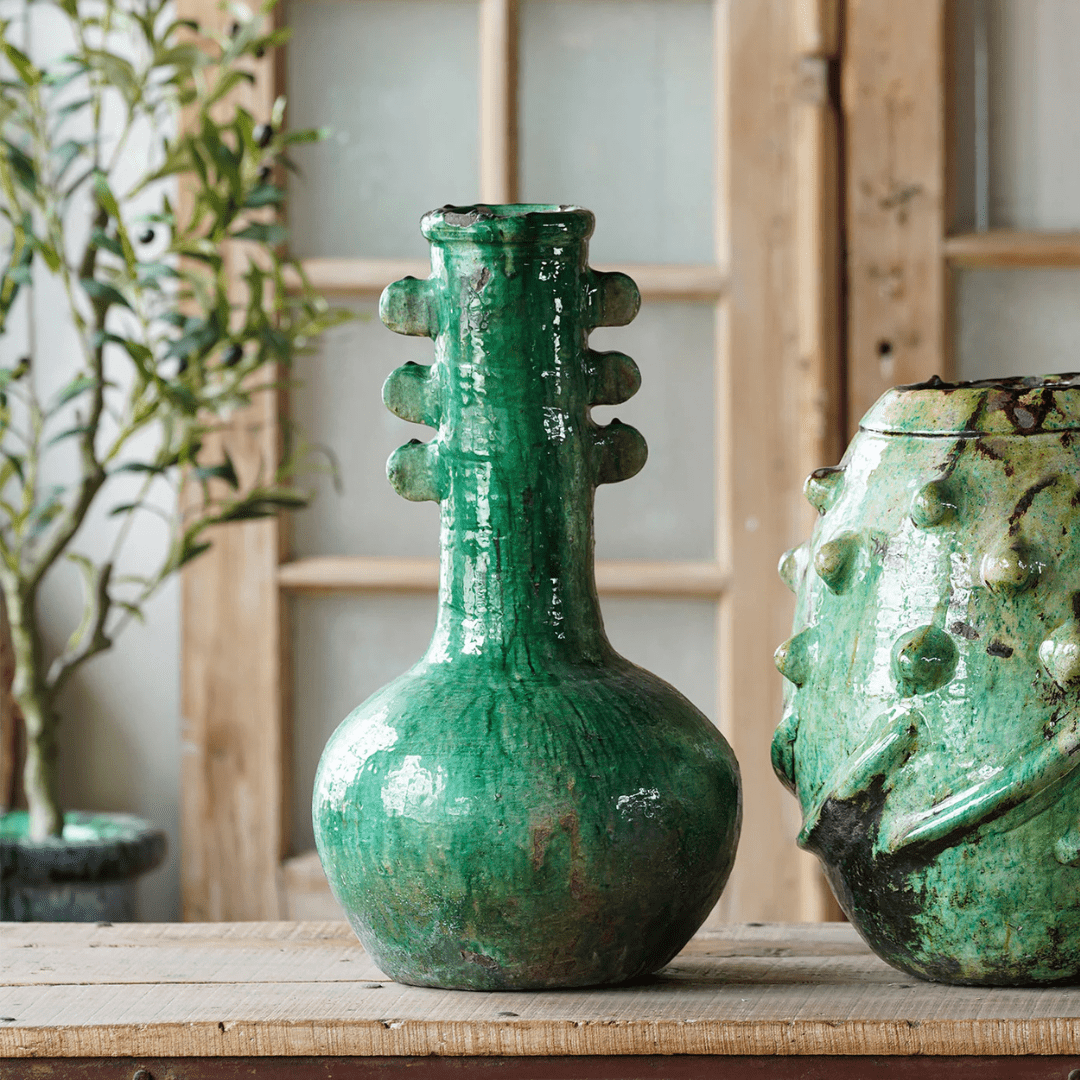
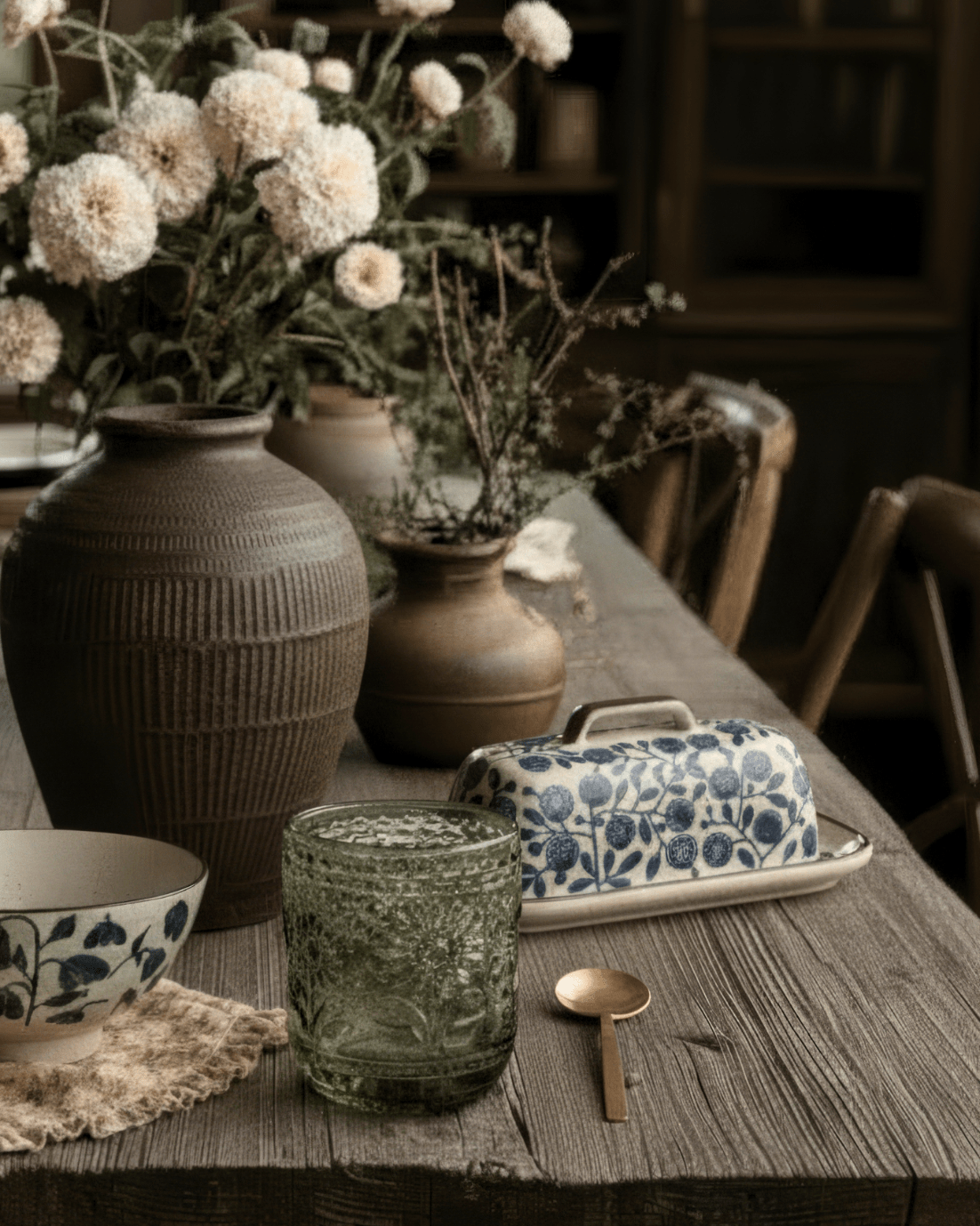
The Vintage clay vase earns its place through texture alone. Its surface doesn’t rely on perfection—it relies on variation. The Tamegroute green candle holder brings the same effect through glaze, catching light unevenly and adding depth without shine.
These materials don’t need to be protected from life. They improve with it.
Think of Walls as Structural Planes, Not Galleries
Walls are often overworked. Gallery arrangements, symmetrical layouts, and repeated frames can make a room feel busy without adding substance.
Replace Art With Objects
Some vintage decor functions better as a visual anchor than framed artwork ever could.
The Vintage wooden glove mold sculpture works because it introduces form and shadow, not imagery. It reads as an object first, which gives the wall dimension instead of decoration. The Round chapati mirror does the same by behaving like architecture—its thickness and scale matter more than reflection.
Let walls hold weight, not collections.
Let Lighting Be a Structural Choice
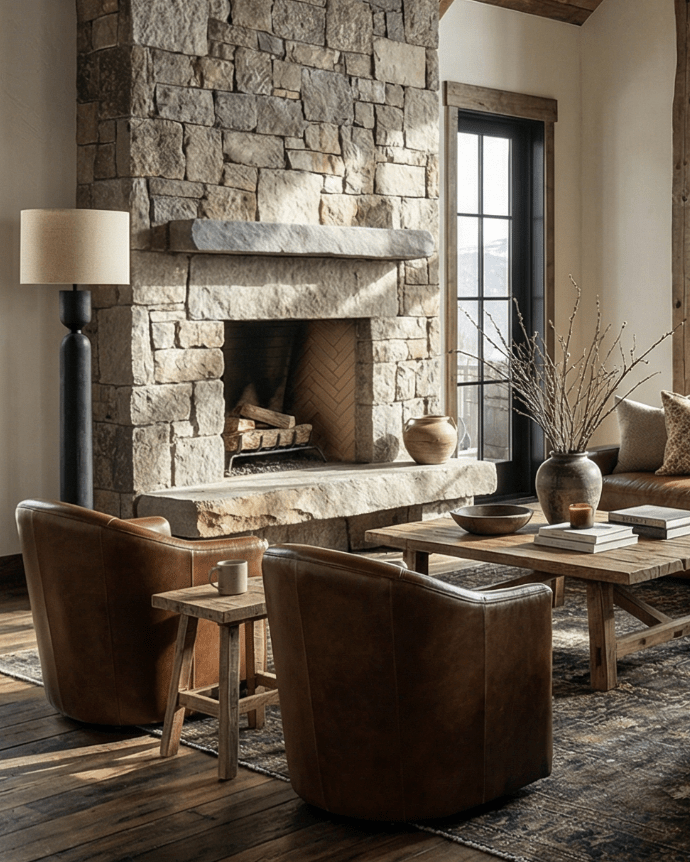
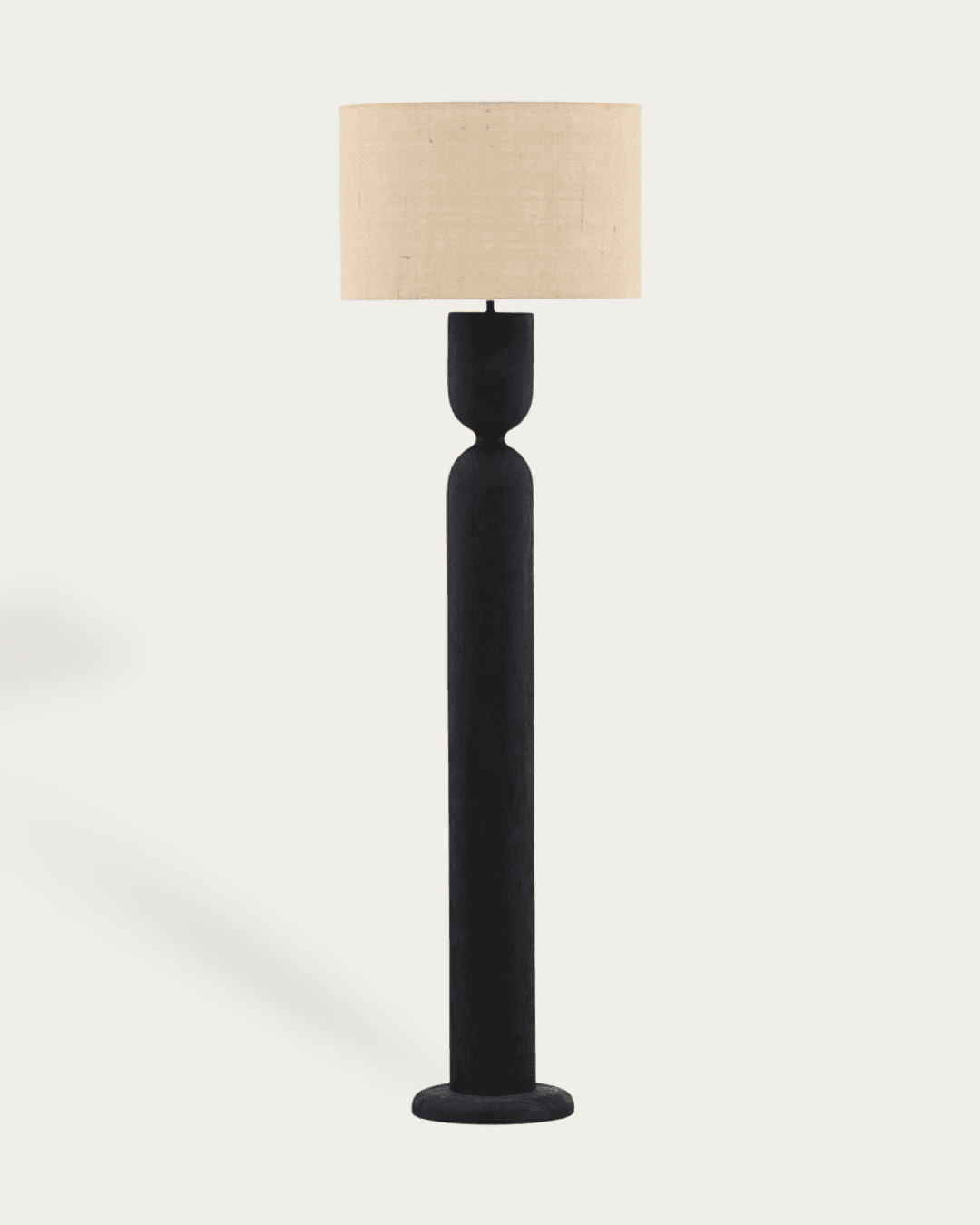
Lighting is often treated as a finishing touch, but vintage lighting should be chosen as deliberately as furniture.
Why Vintage Lamps Work
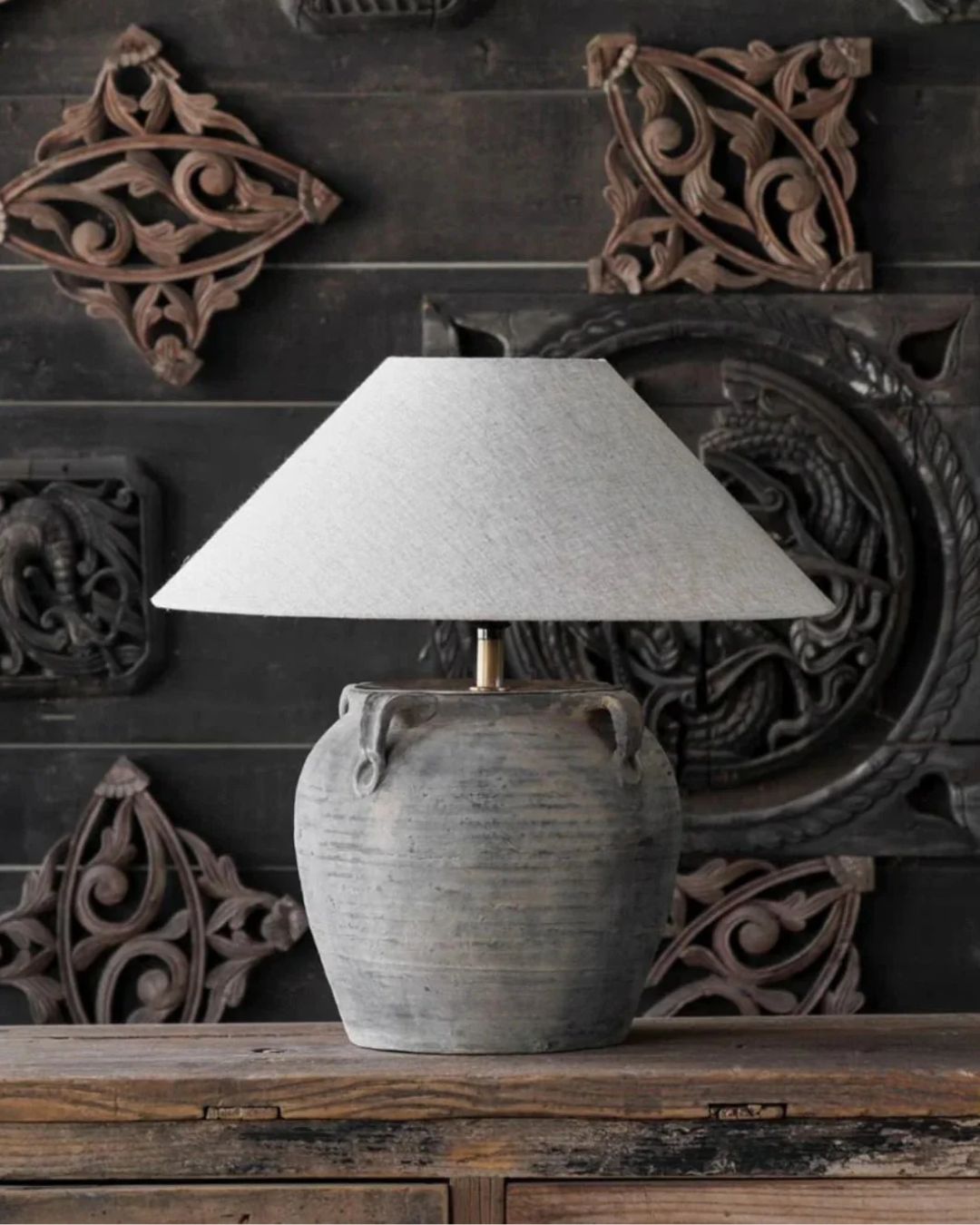
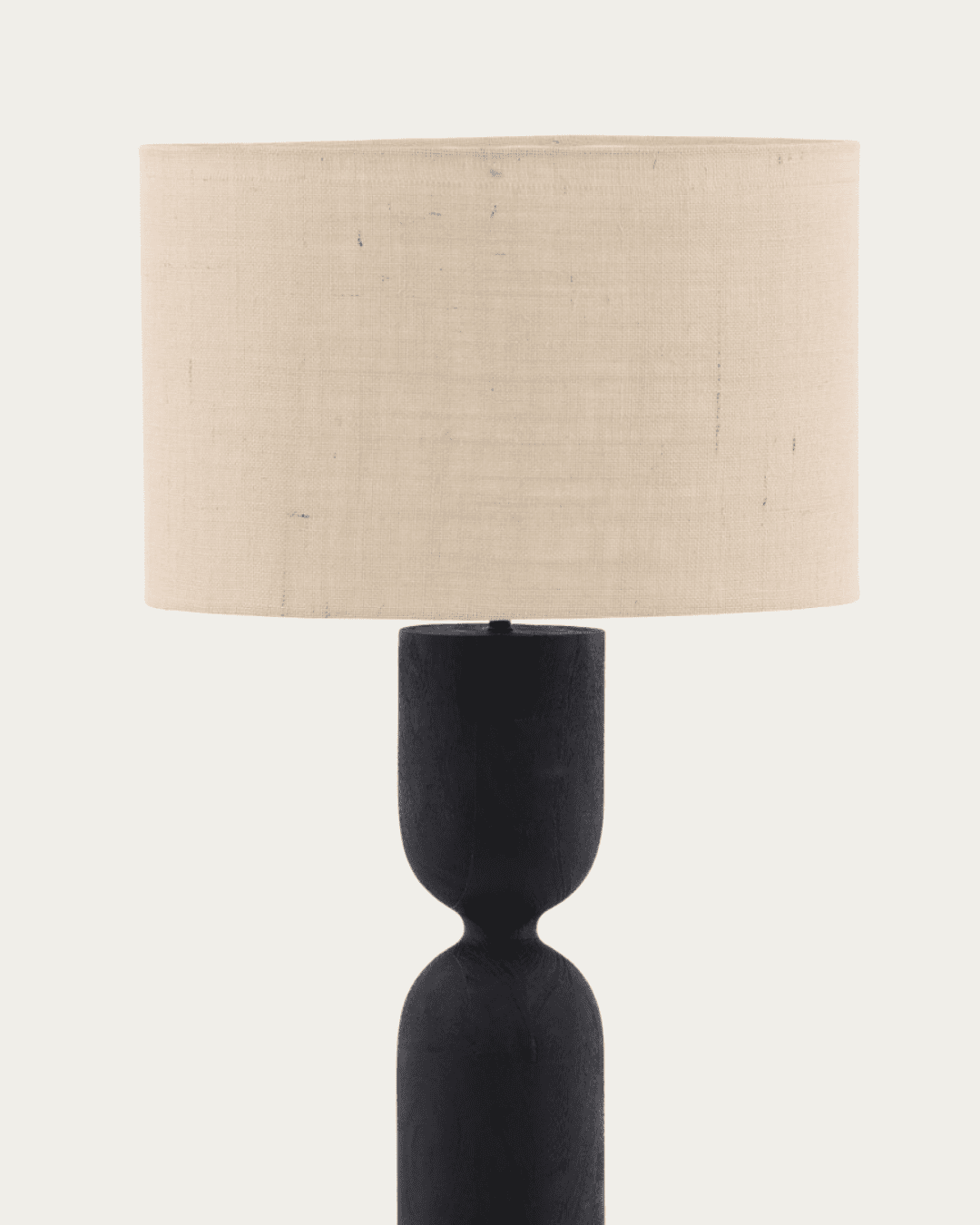
Vintage lamps tend to have mass. They sit firmly on surfaces and help establish balance in a room, especially when paired with lighter furniture or open layouts.
The Lamont glazed pot table lamp anchors a console or side table by itself. It doesn’t need stacks of books or decorative trays to feel intentional.
Vintage lighting often works best when given space to breathe.
Avoid Symmetry Unless the Room Demands It
Symmetry feels orderly, but it can flatten a space when applied too strictly—especially with vintage decor.
Why Asymmetry Feels More Natural
Vintage pieces rarely match perfectly, and that’s part of their appeal. Letting one object stand slightly off-center or alone allows its shape and material to do the work.
A single candle holder, a lone lamp, or one wall-mounted object often feels more confident than pairs. This is where restraint matters most.
Decide Whether the Piece Leads or Supports
Every vintage object in a room should have a role. Problems arise when everything tries to be the star.
Primary vs. Secondary Pieces
Primary pieces anchor the room. Secondary pieces support them quietly. Mixing the two without intention leads to visual competition.
For example, if a wall is anchored by a glove mold or chapati mirror, nearby surfaces should stay simple. Let the object lead, and allow the rest of the room to respond.
Be Wary of “Filler” Vintage
Not all vintage decor deserves space. Some items exist mainly because they’re old, not because they contribute anything meaningful.
Questions to Ask Before Buying
• Does this piece hold visual weight on its own?
• Would I still want it if it weren’t vintage?
• Does it clarify the room—or complicate it?
If the answer isn’t clear, it probably won’t earn its place long-term.
Give Each Piece a Reason to Stay
The strongest vintage decor feels inevitable once it’s placed. It looks like it belongs there because it solves something—scale, balance, emptiness, or function.
This is especially true for objects with a clear origin story rooted in use. When a piece has done real work before, it tends to continue doing quiet work in your home.
Final Thoughts: Fewer Pieces, Better Decisions
Choosing vintage decor that earns its place isn’t about restraint for restraint’s sake. It’s about clarity. When every object in a room has a reason to exist, the space becomes easier to live in—and easier to maintain.
Vintage decor works best when it leads, not when it fills gaps. Choose pieces that can stand on their own, age honestly, and support how you actually use your home.
Explore vintage decor chosen for presence, material, and purpose.