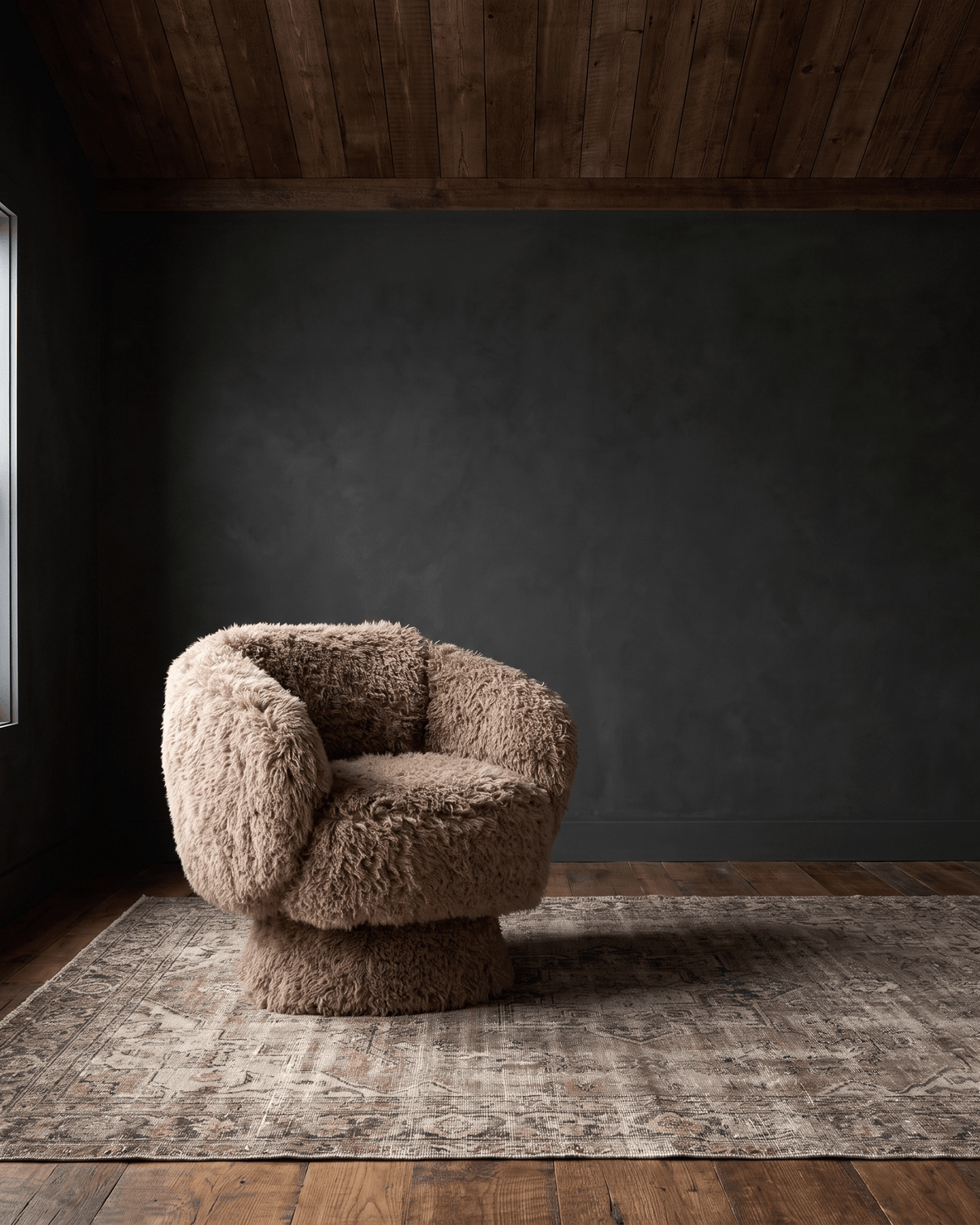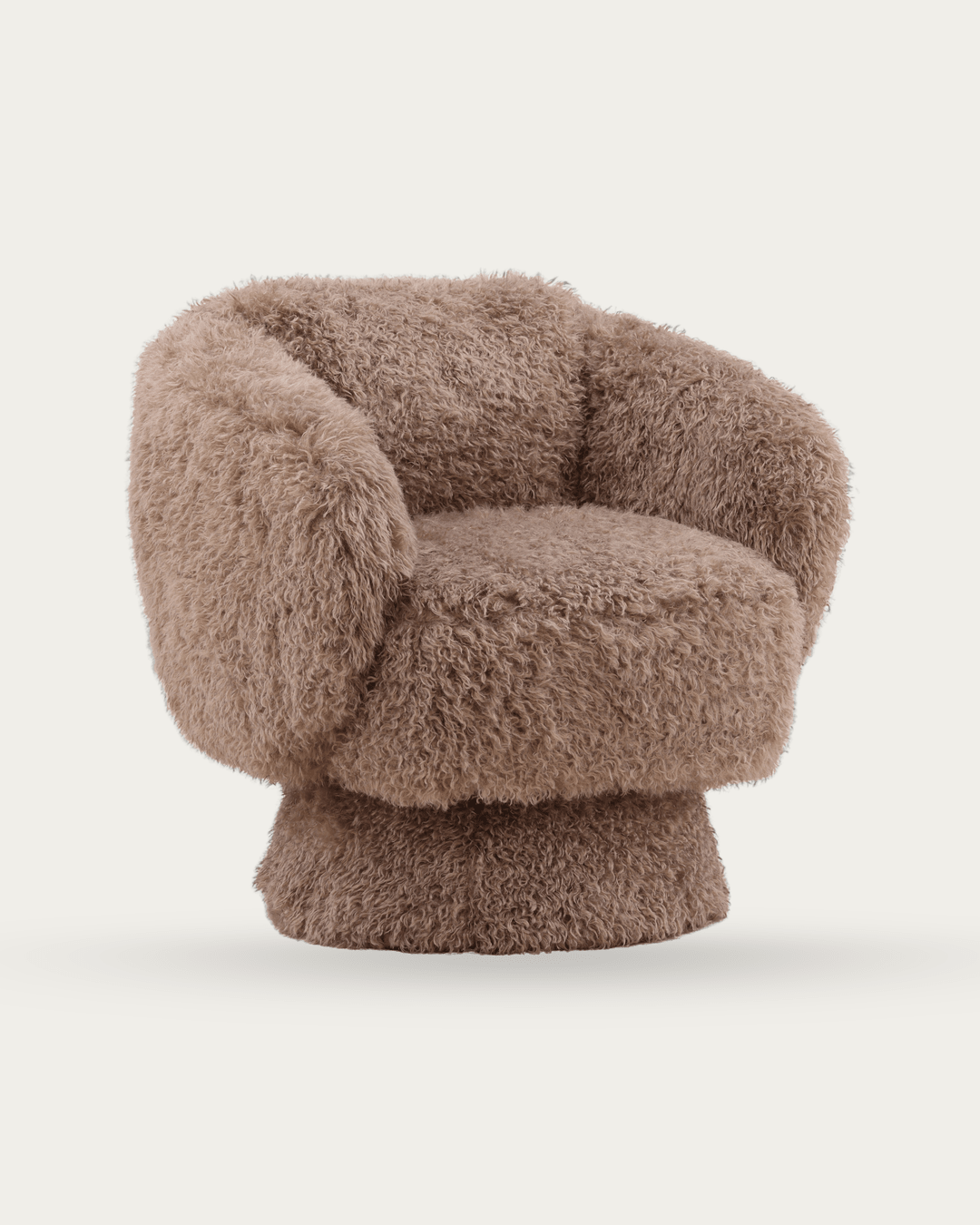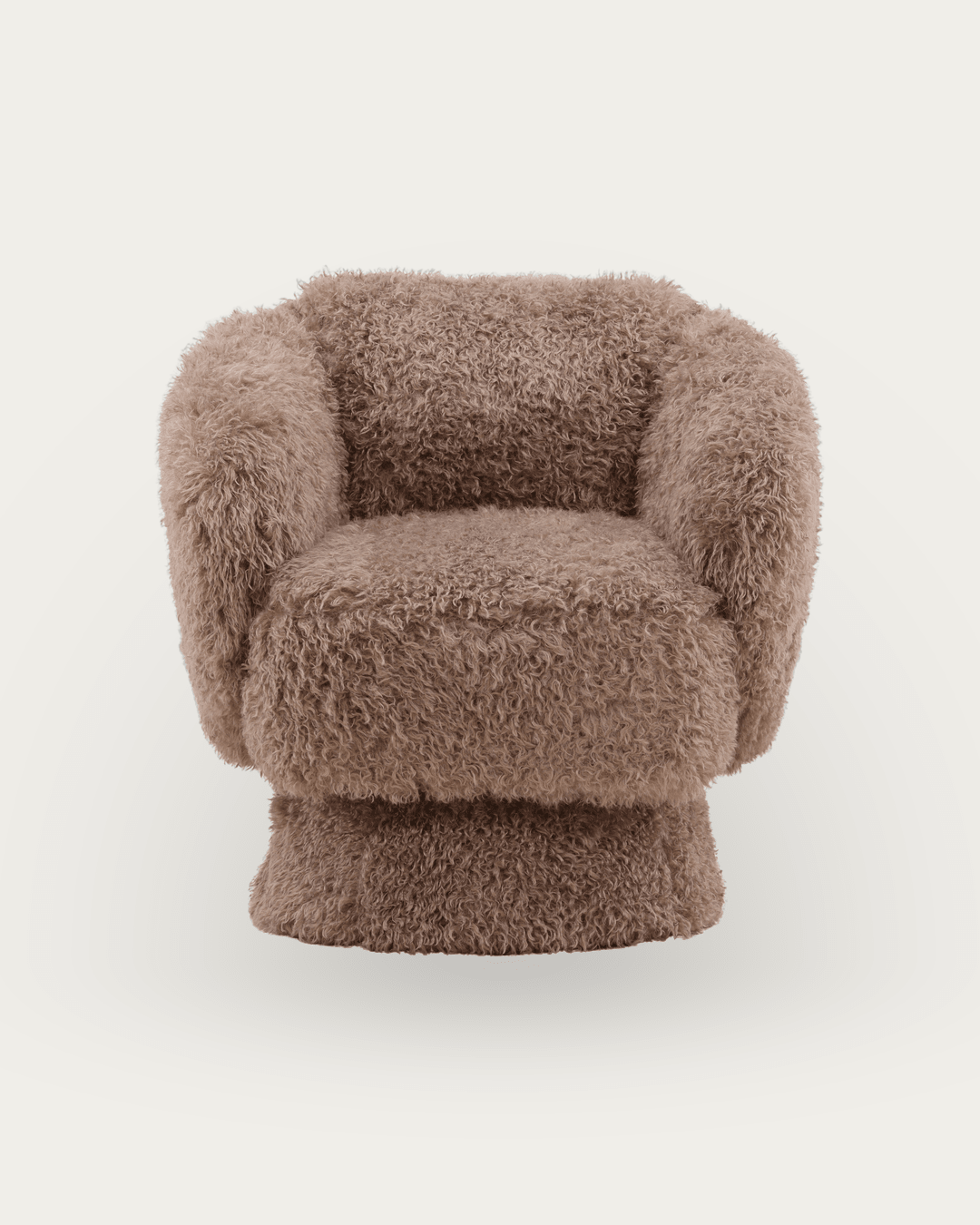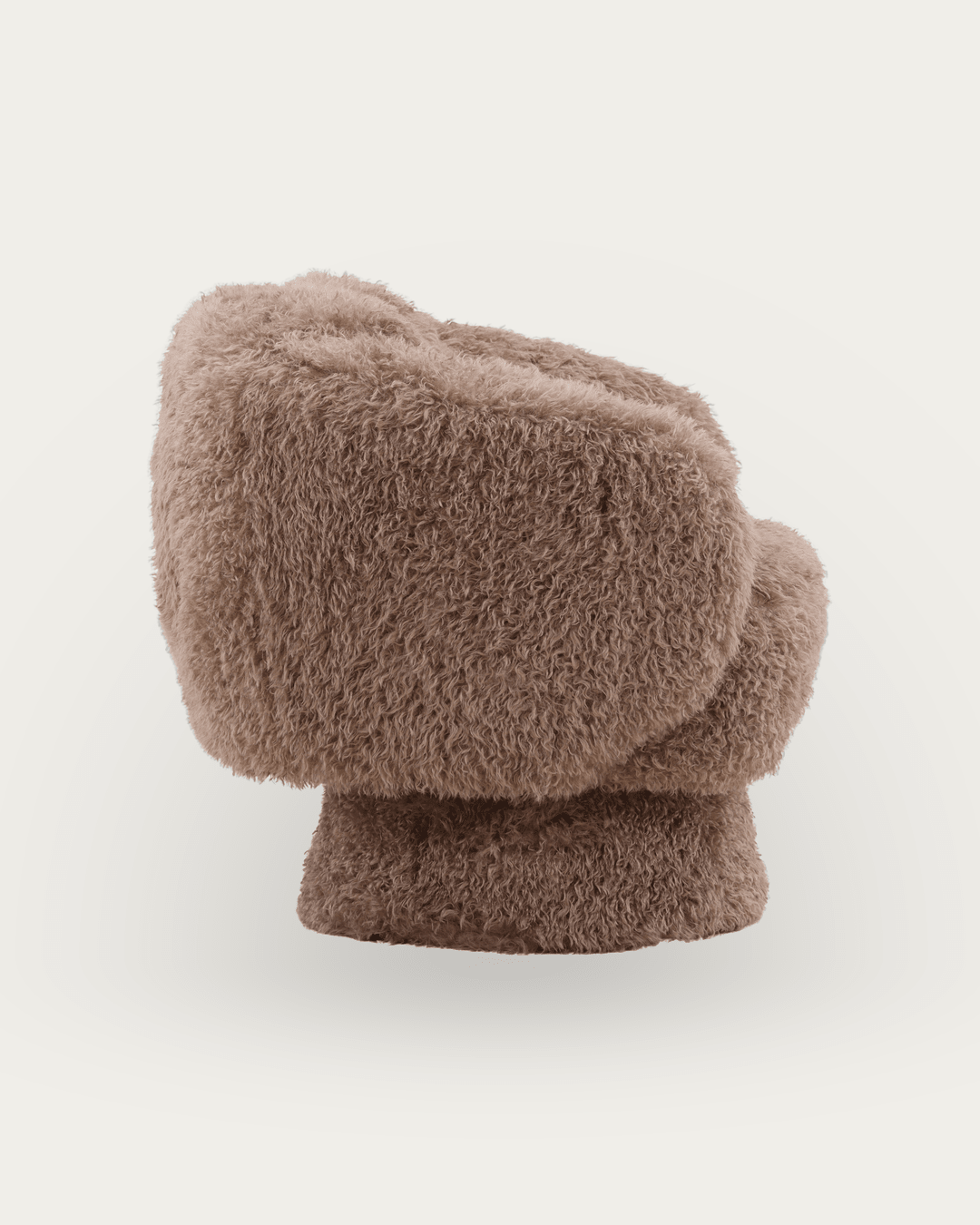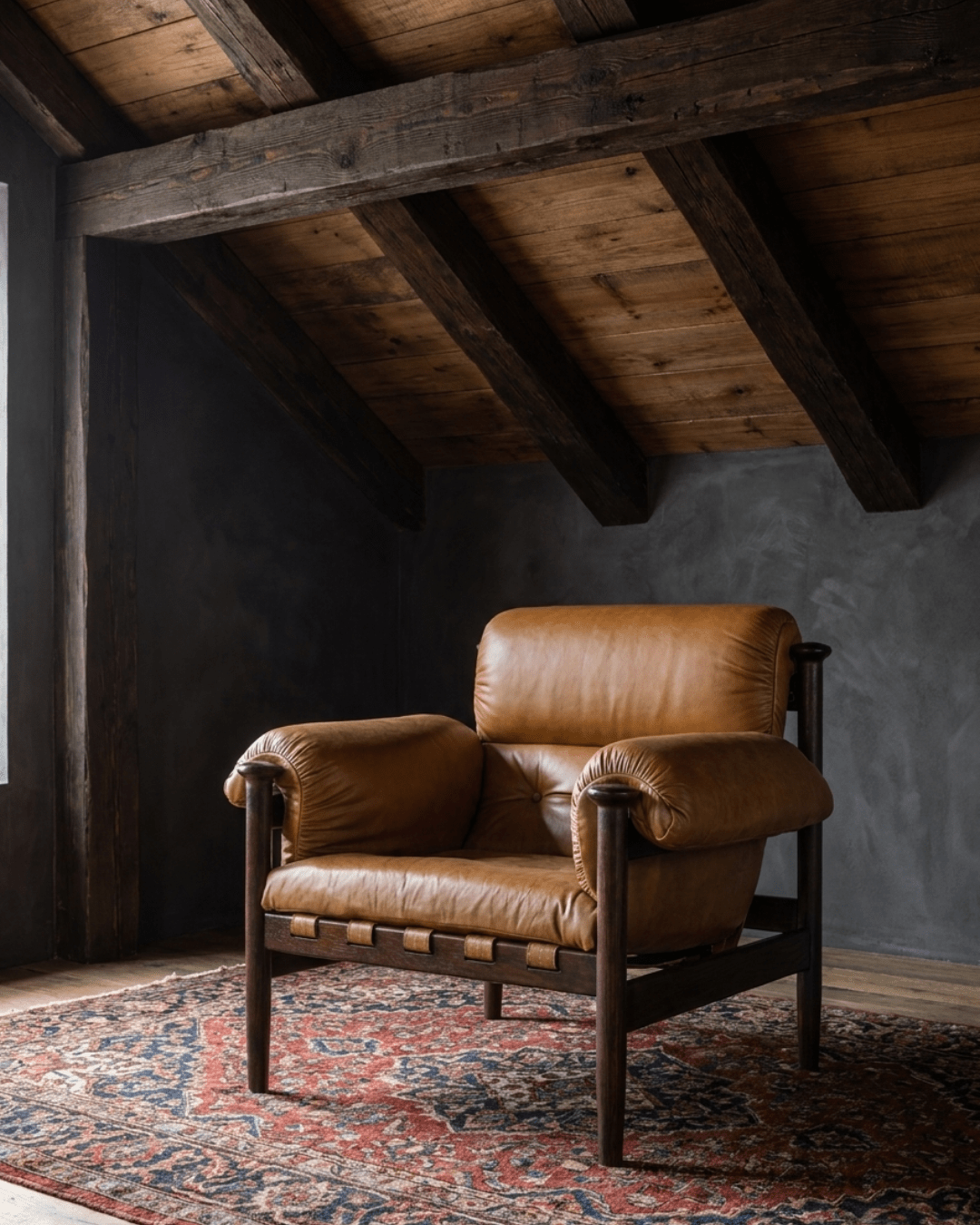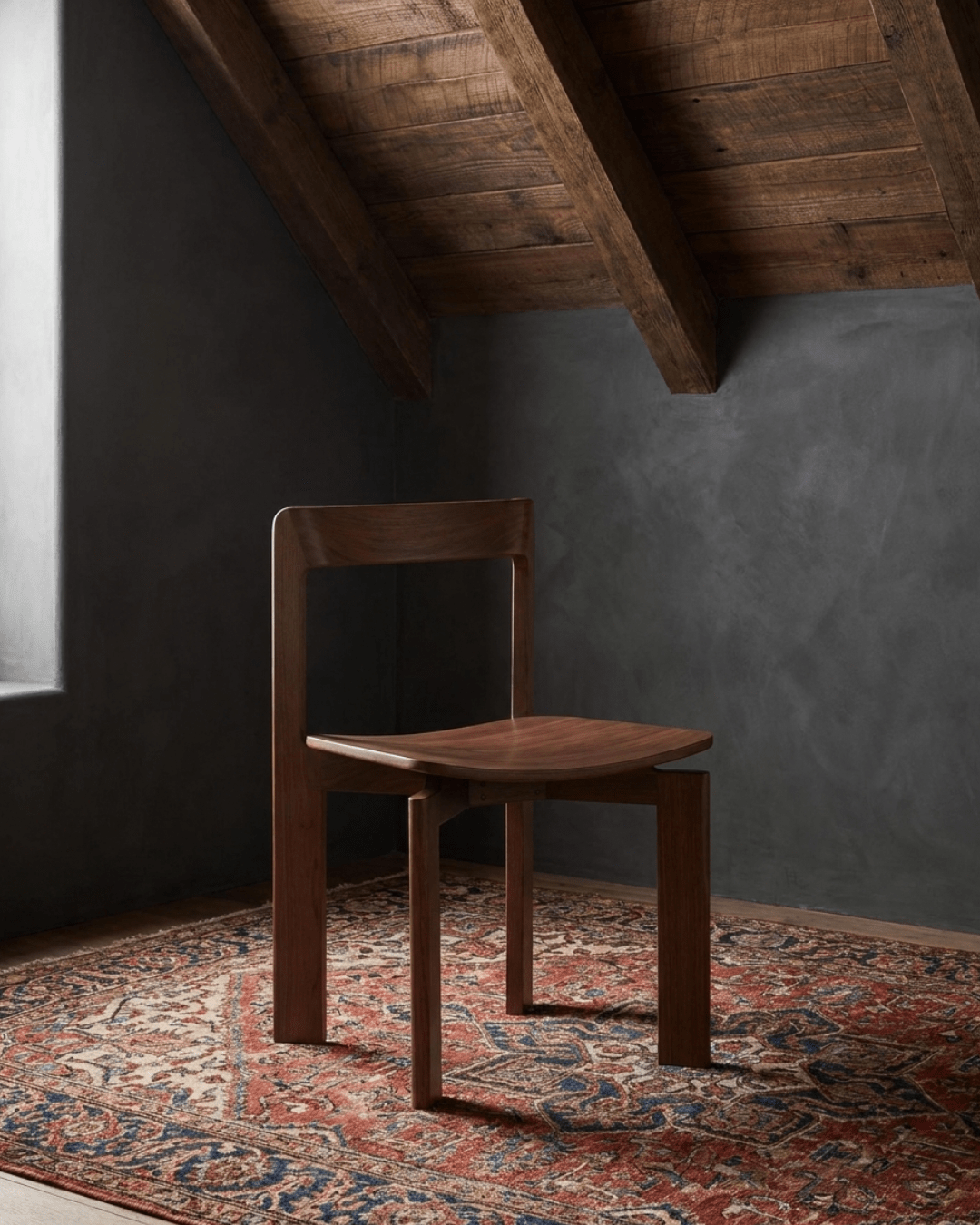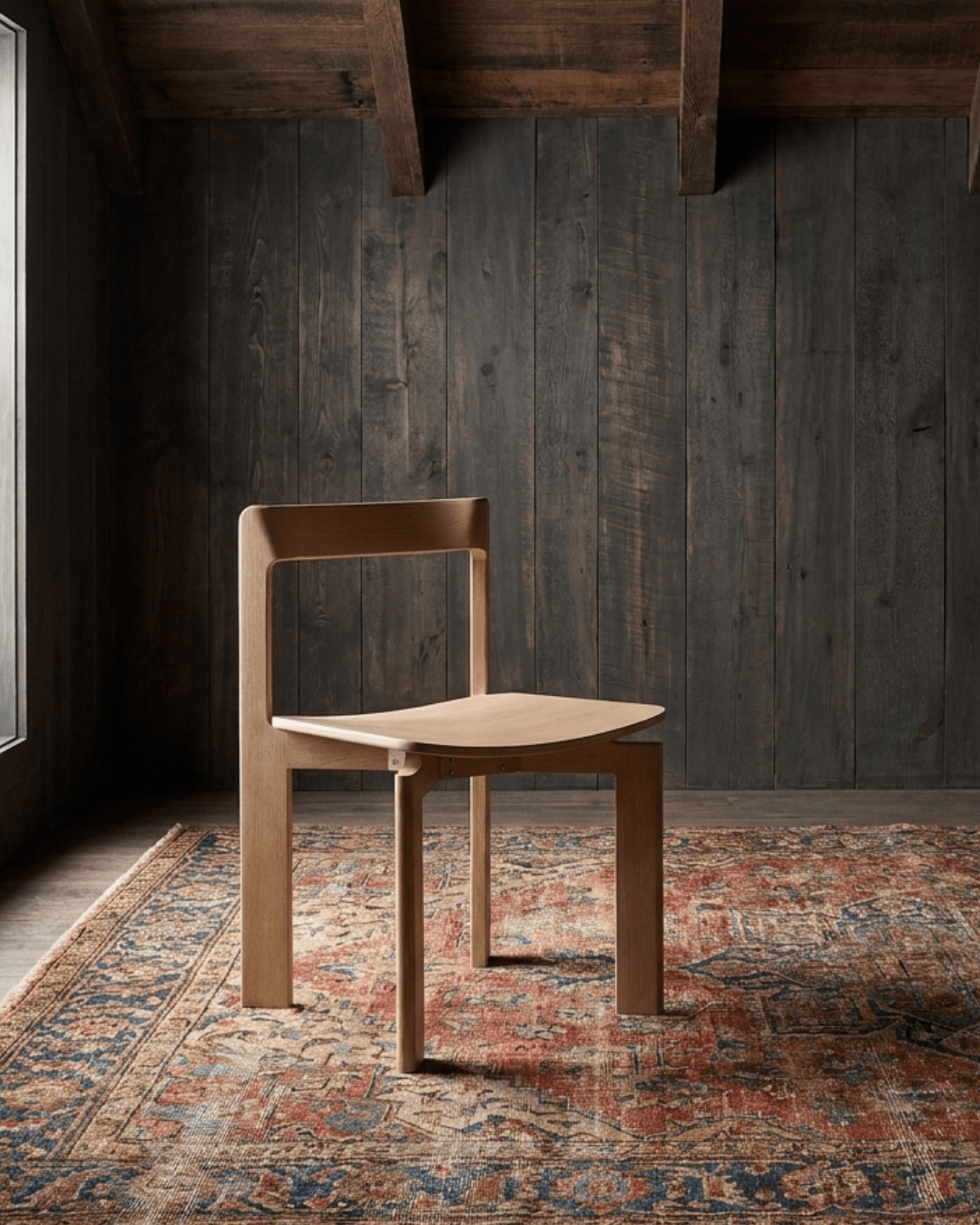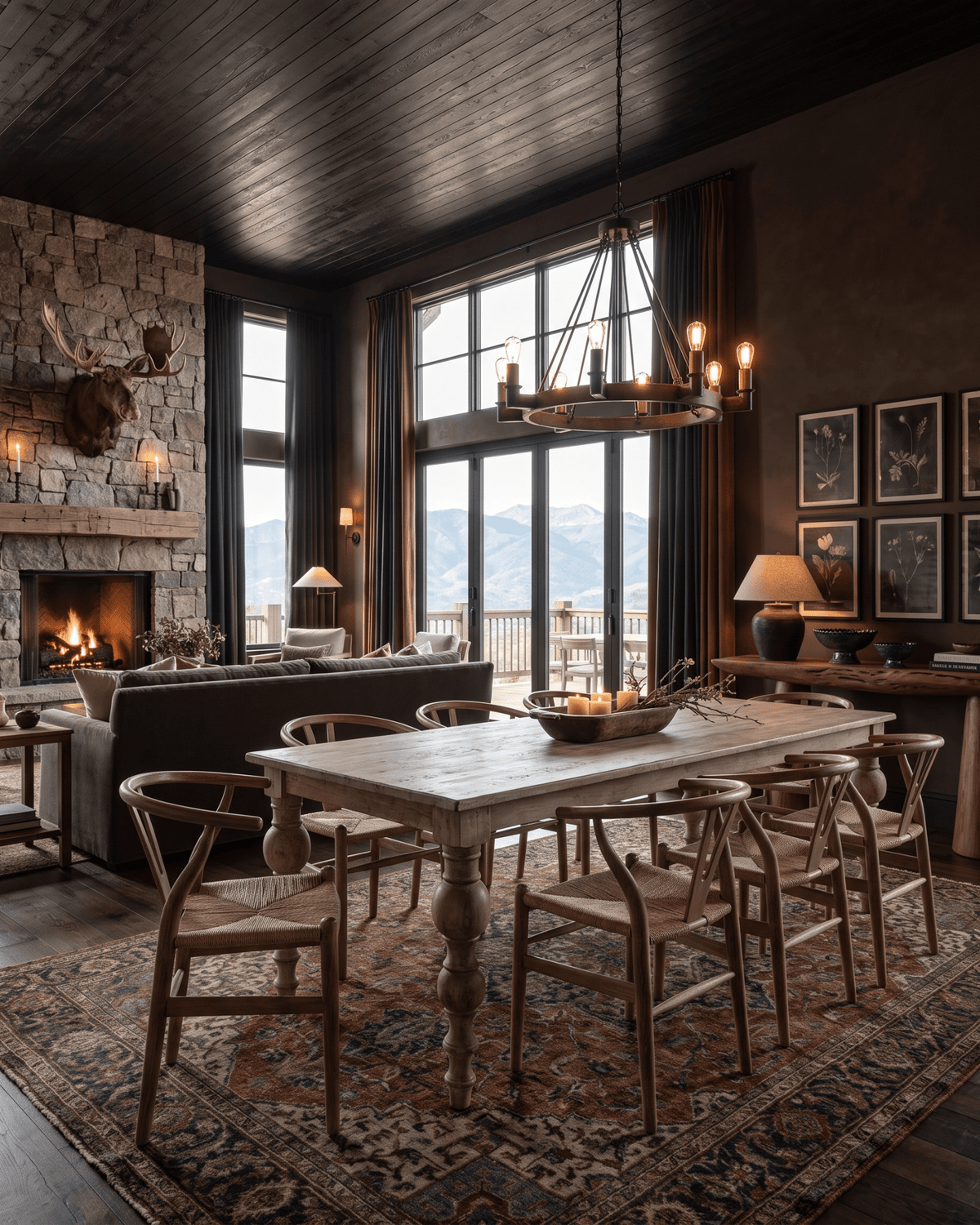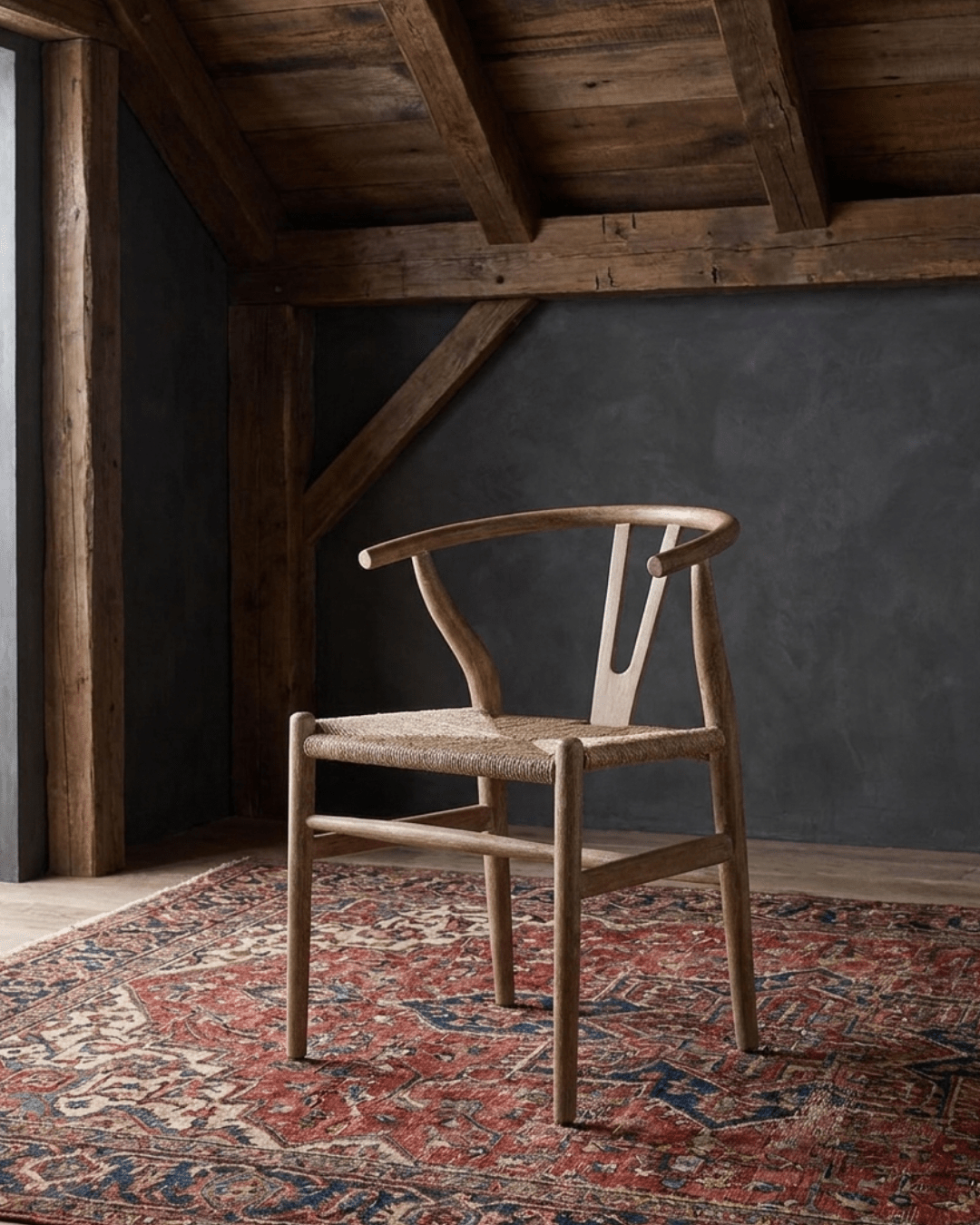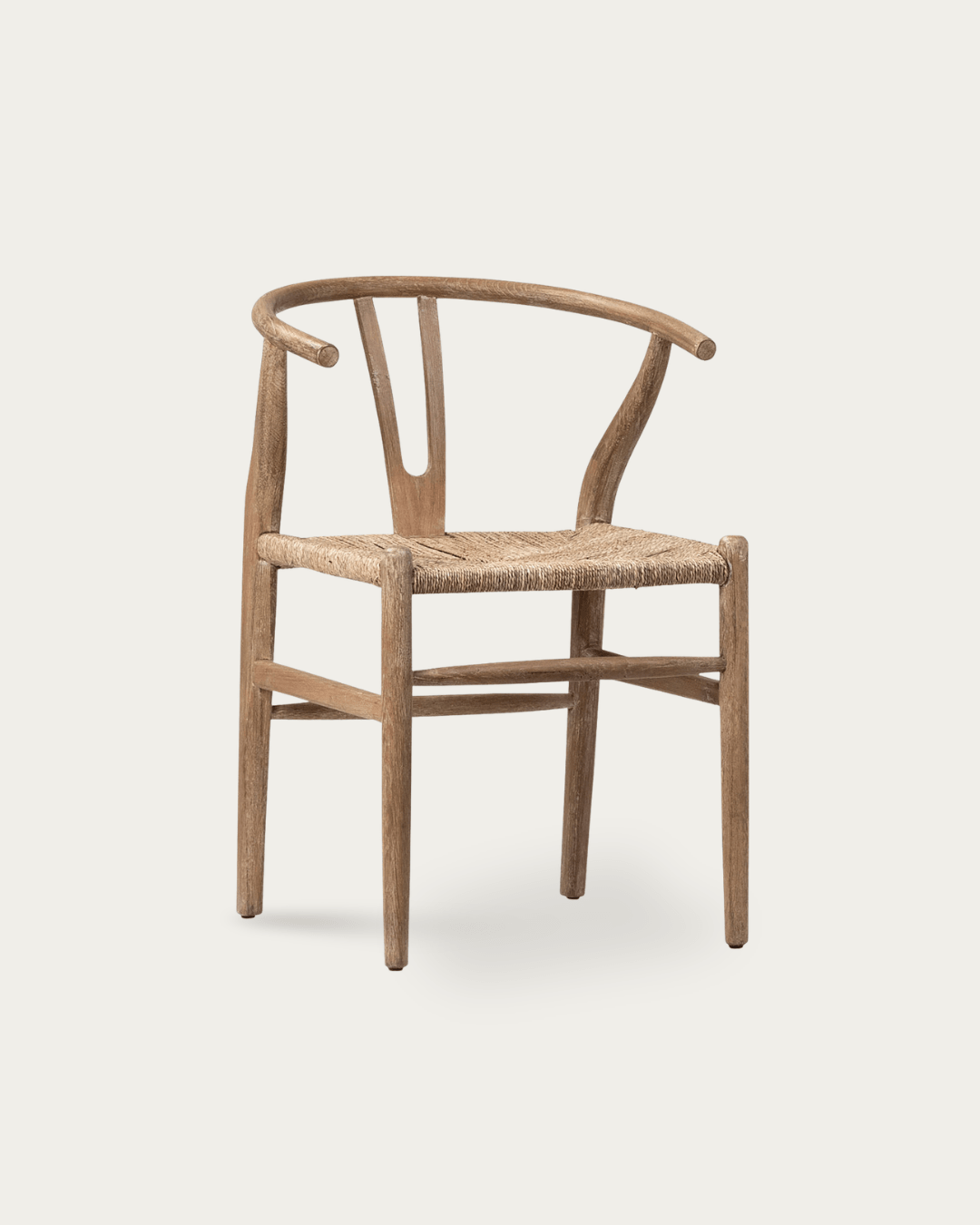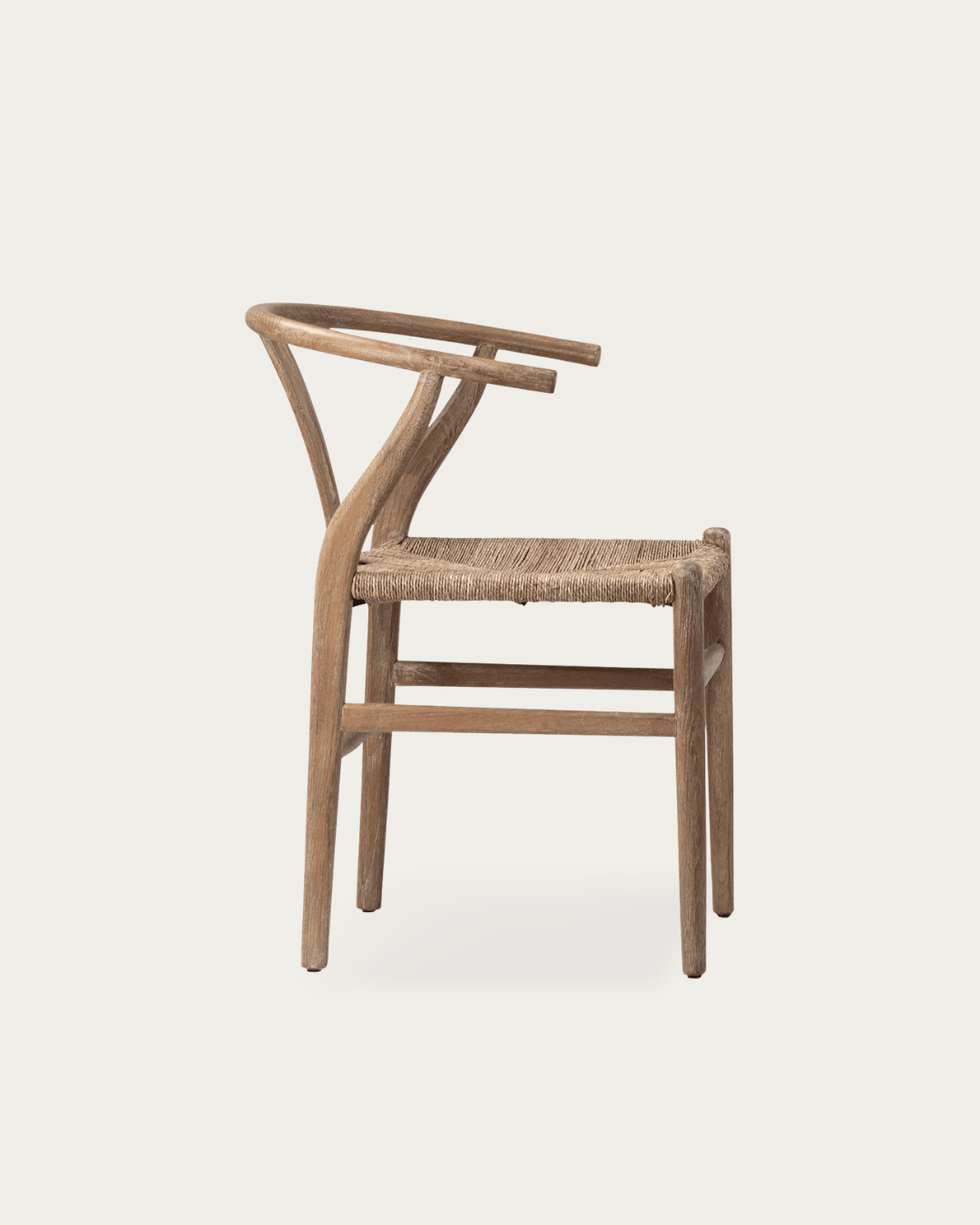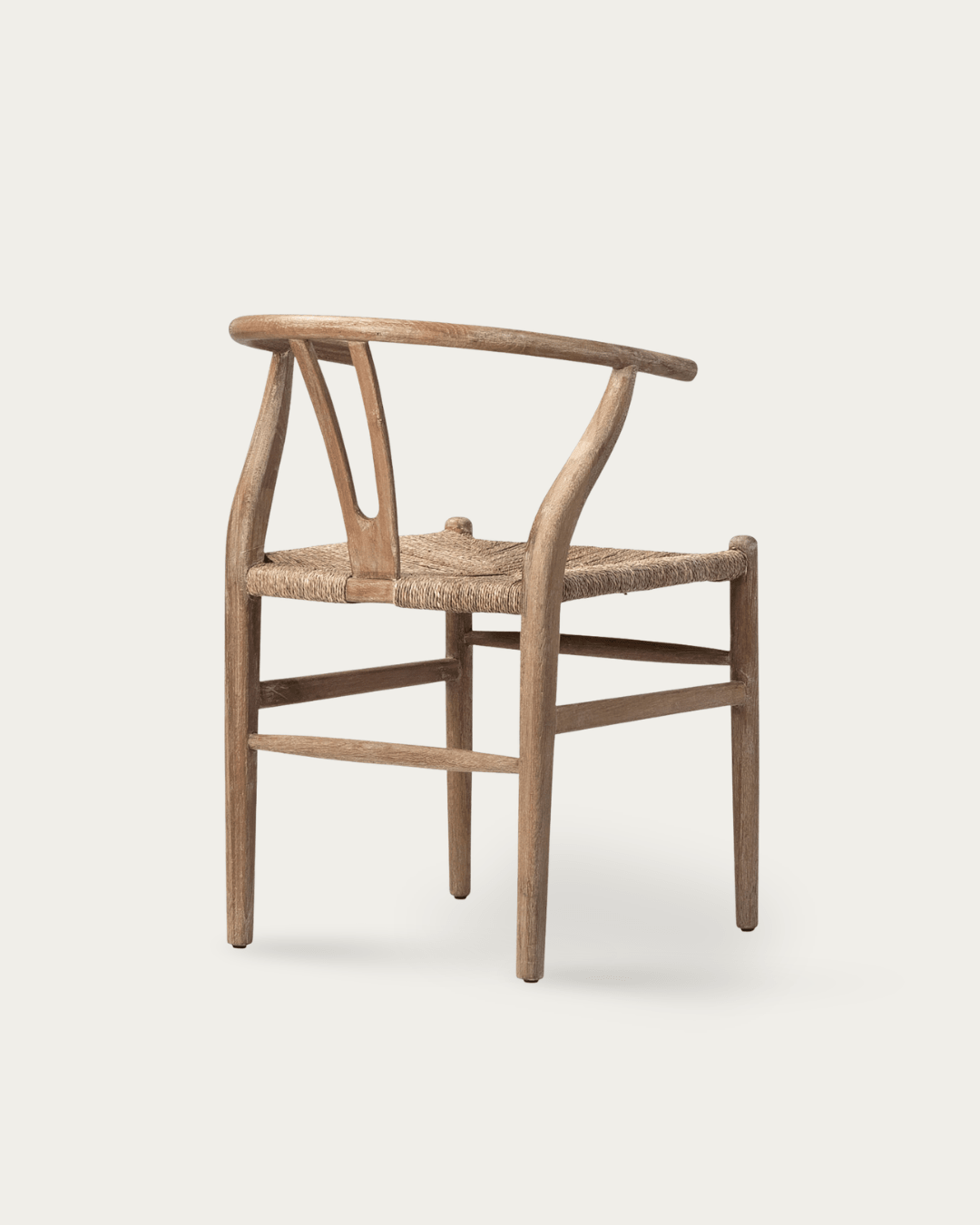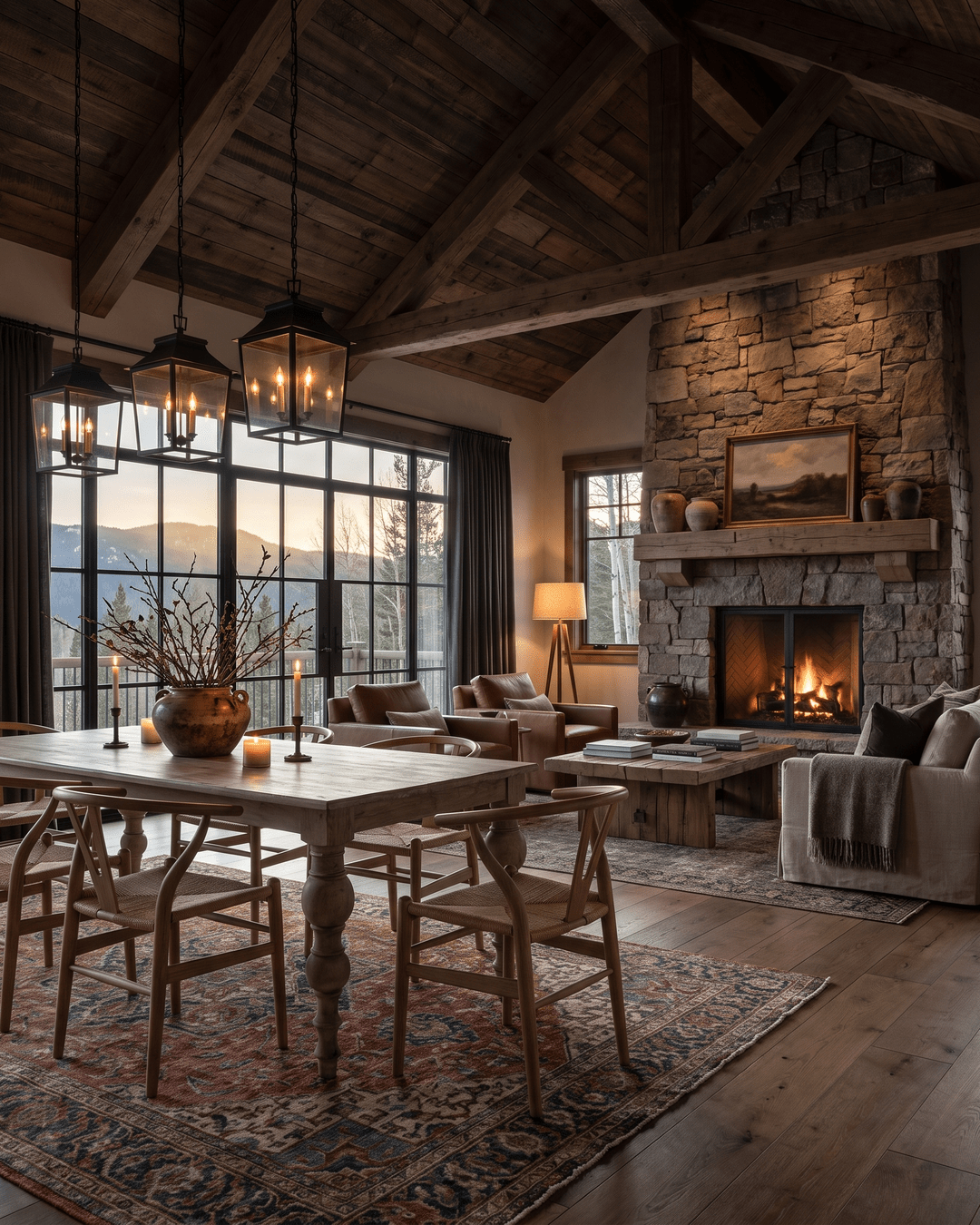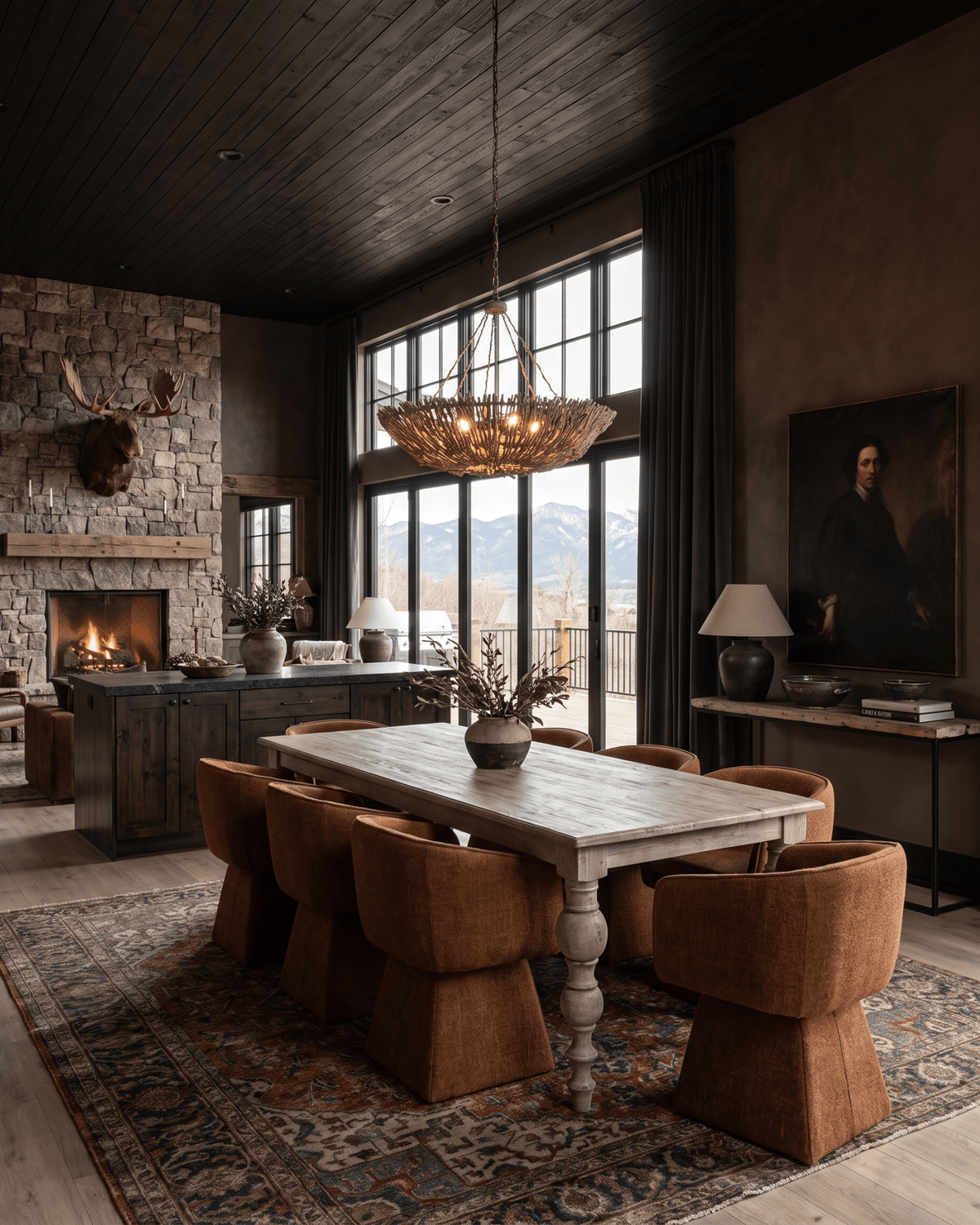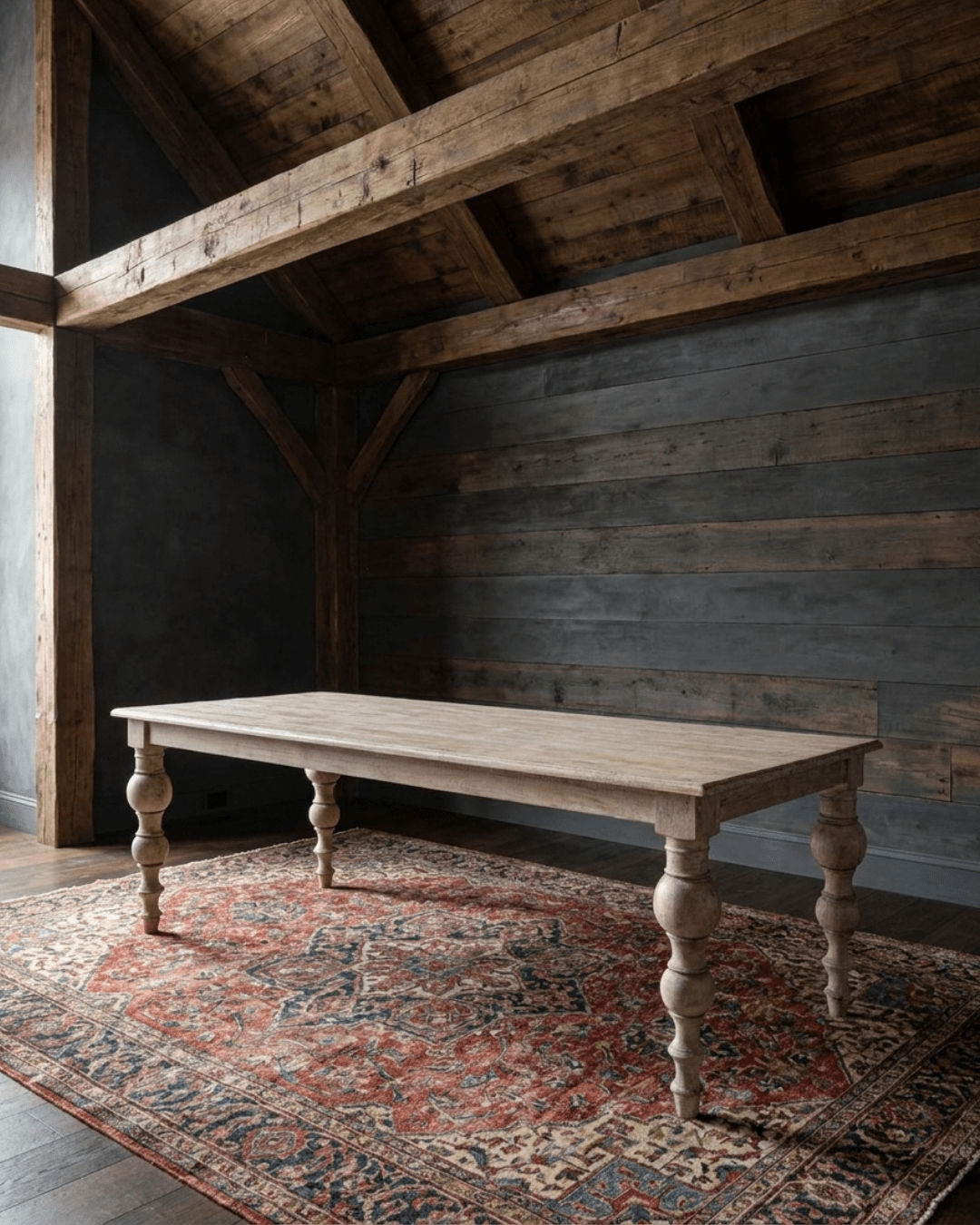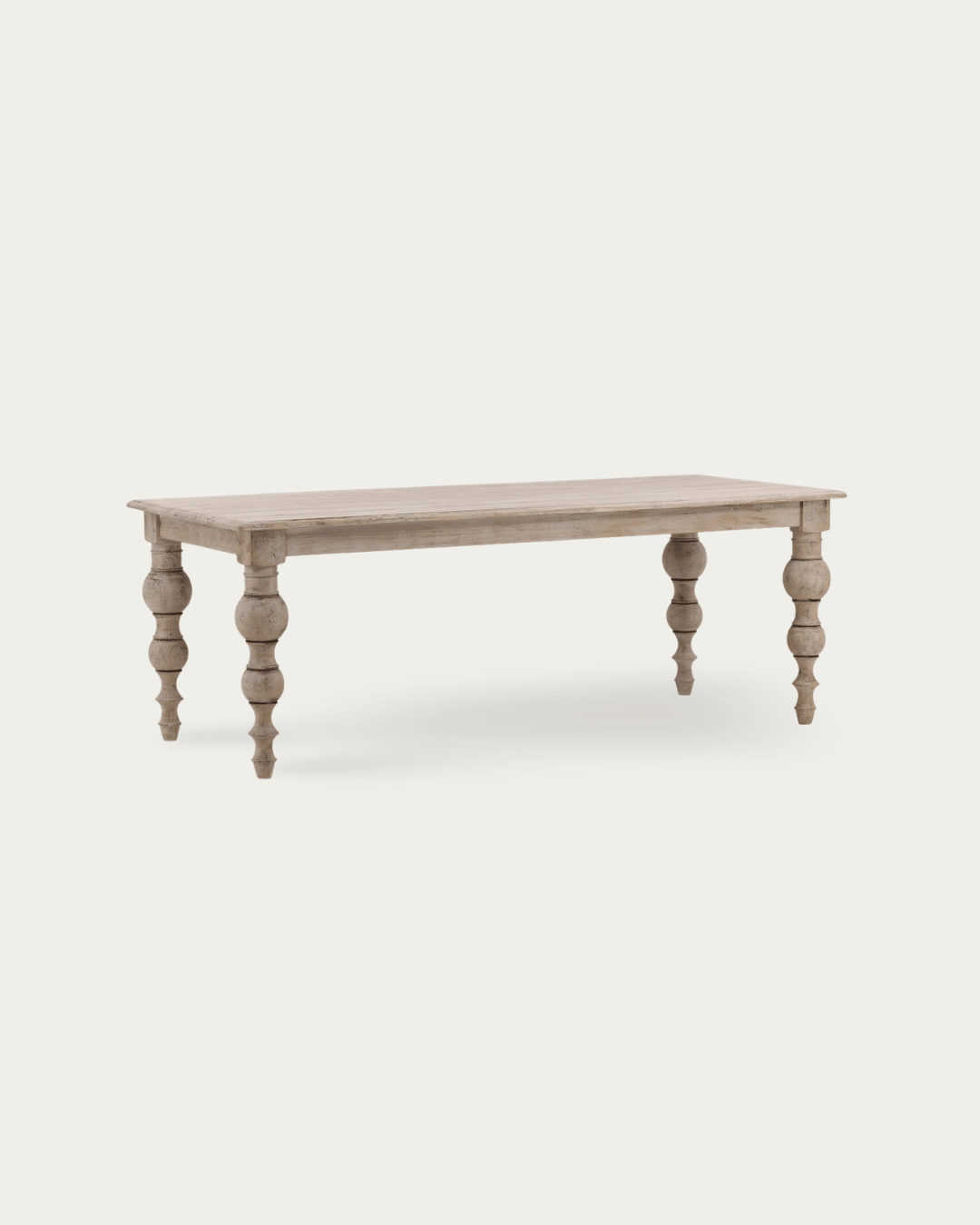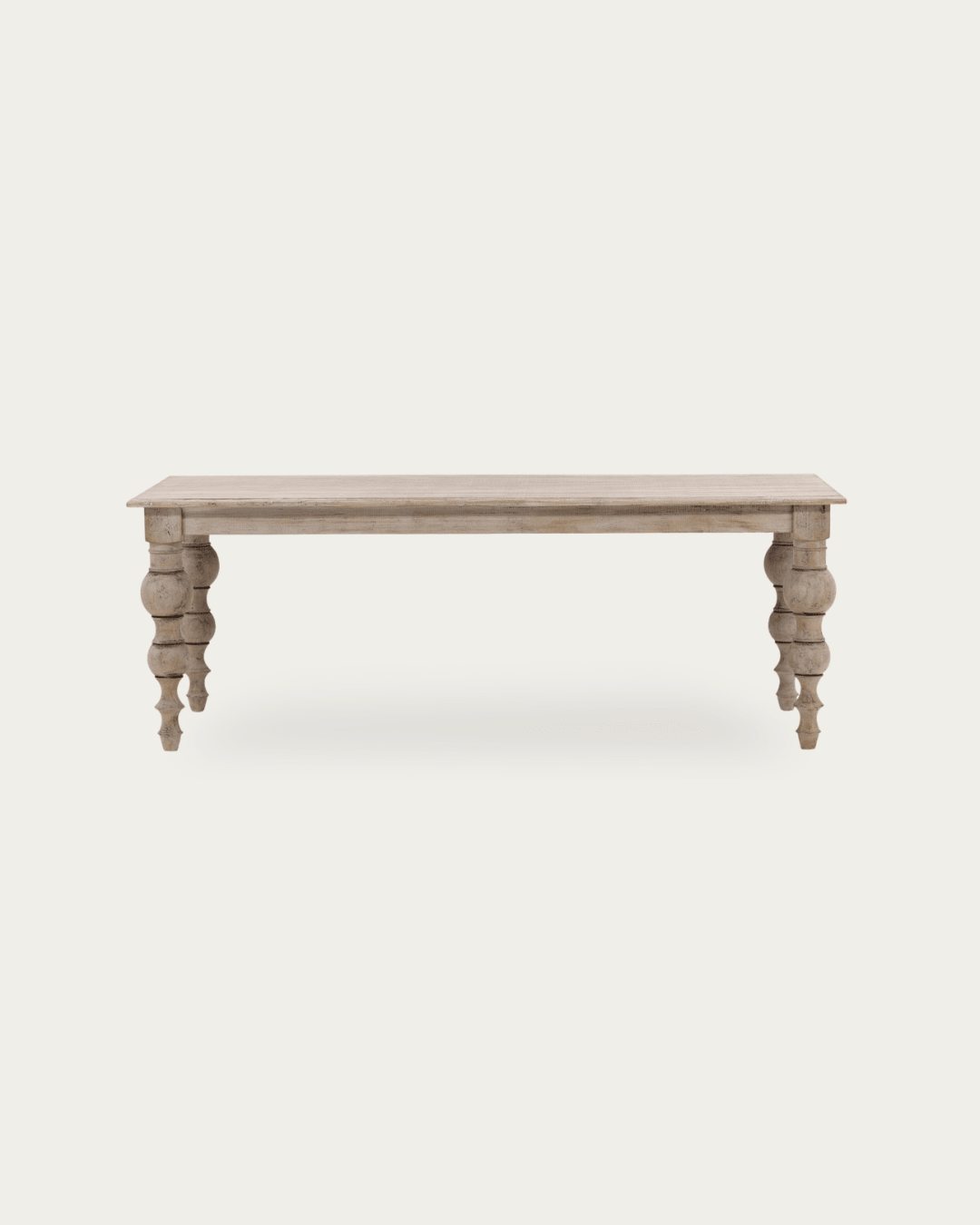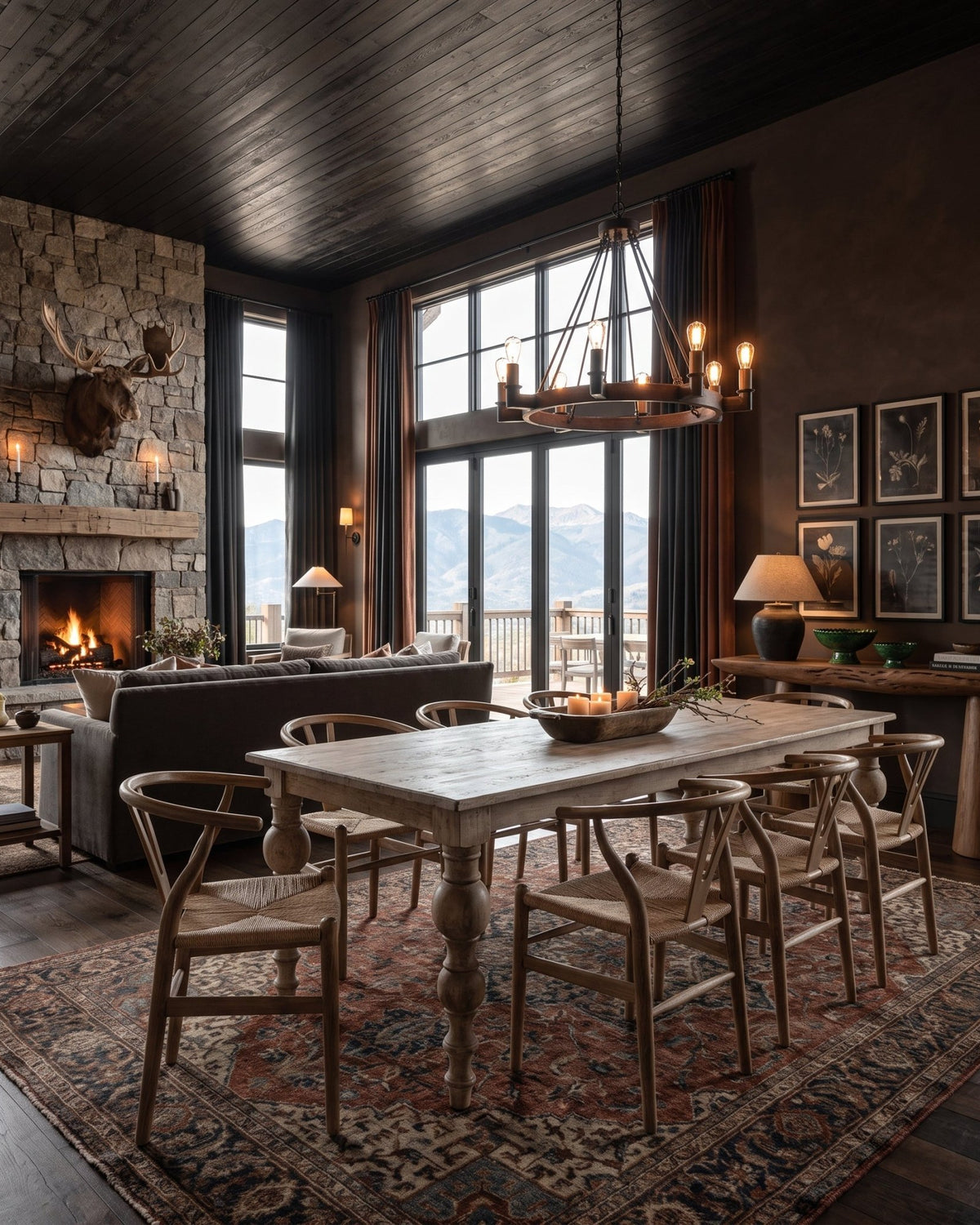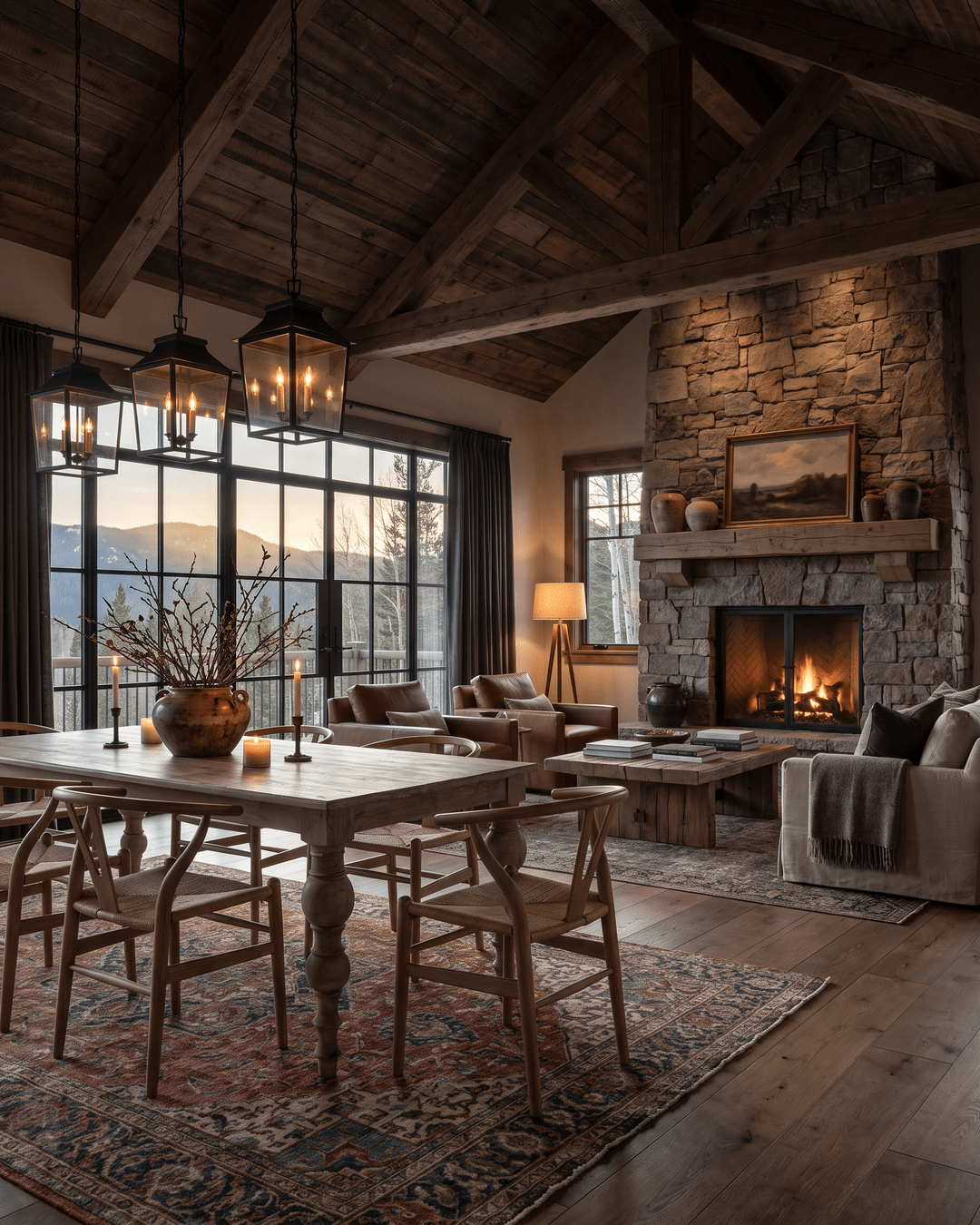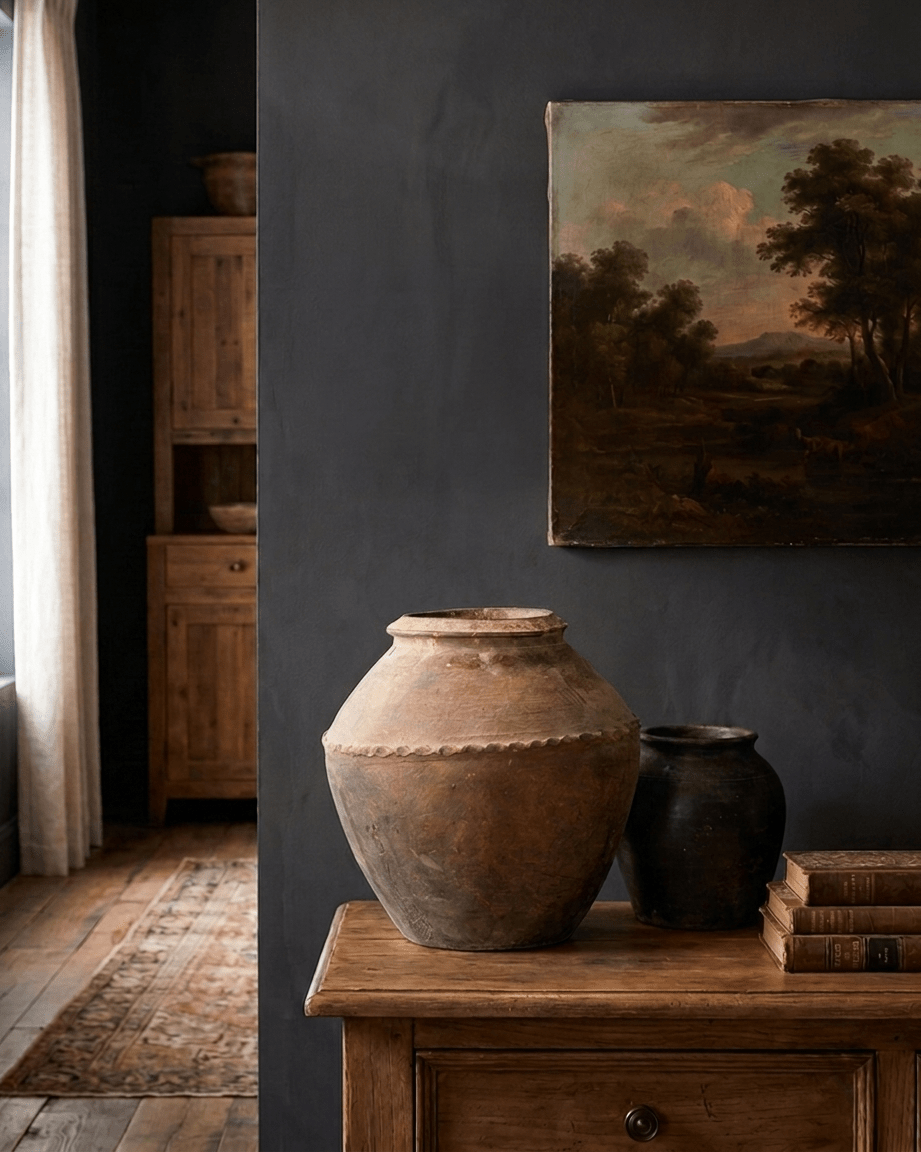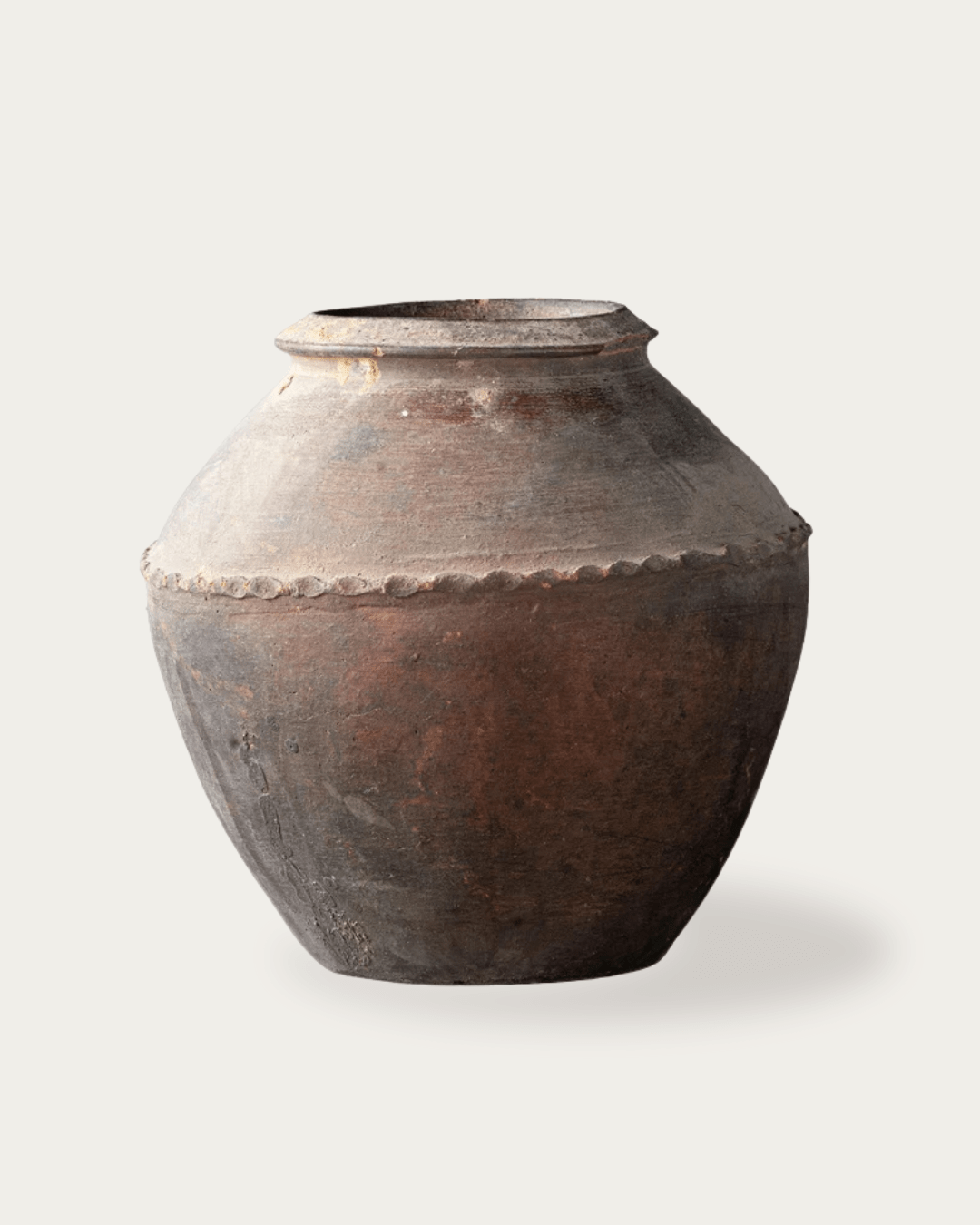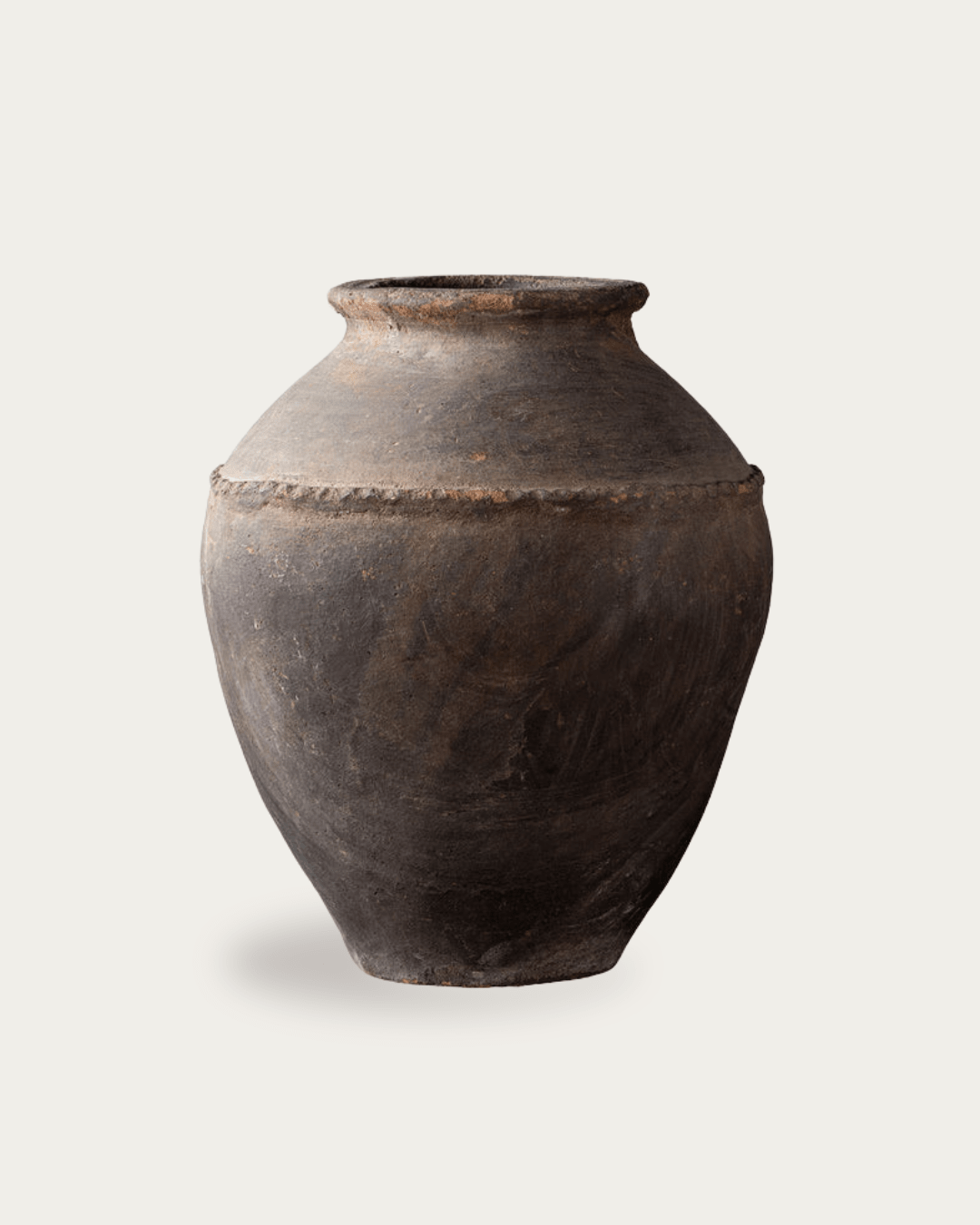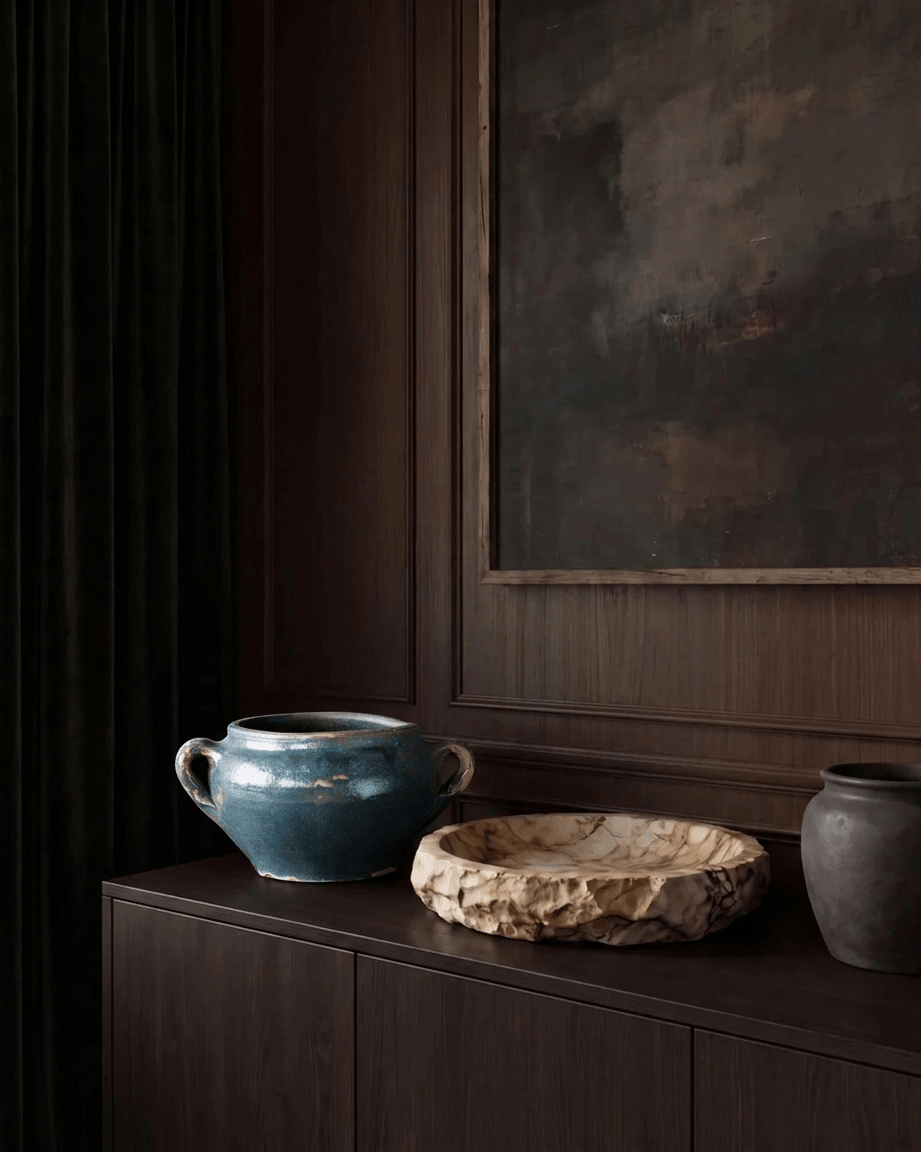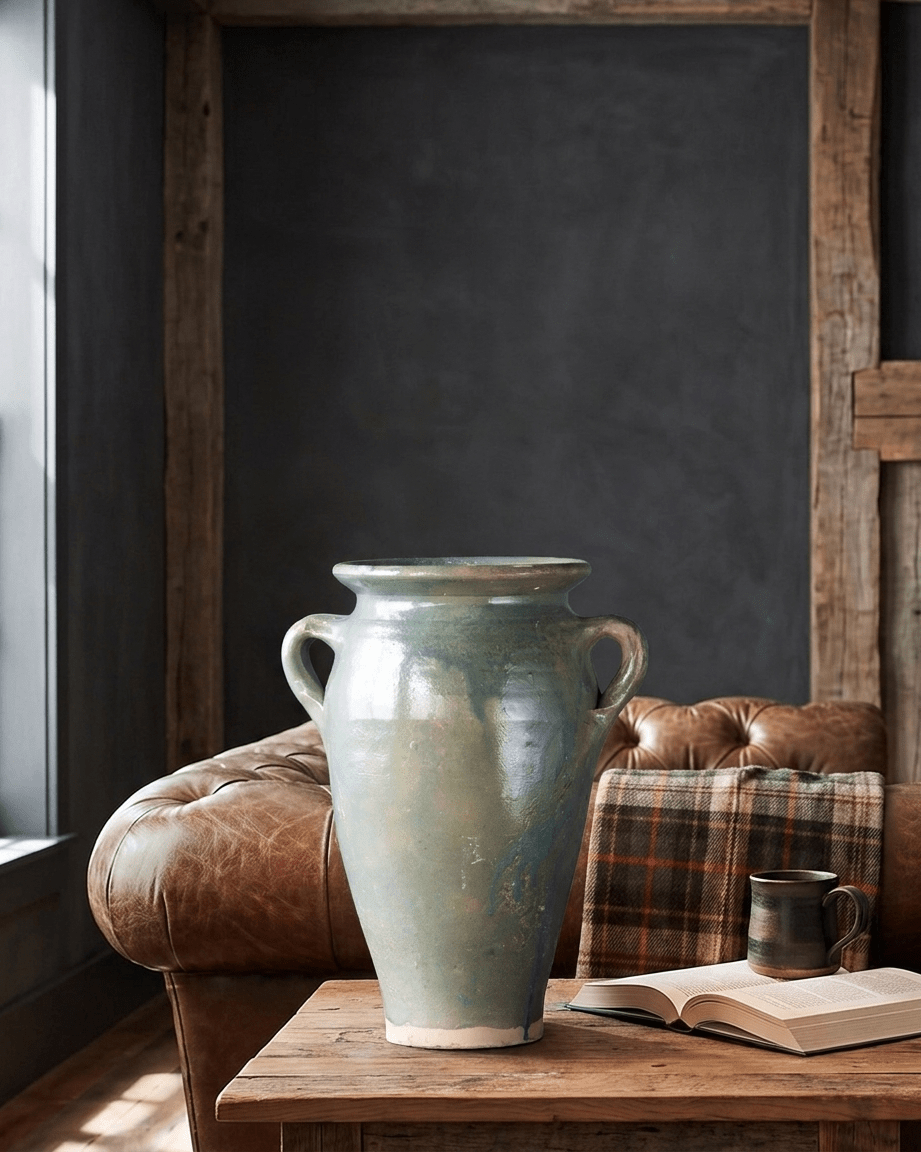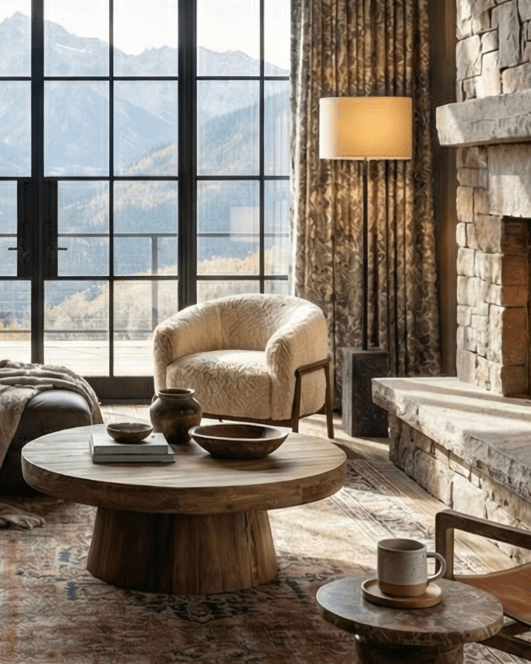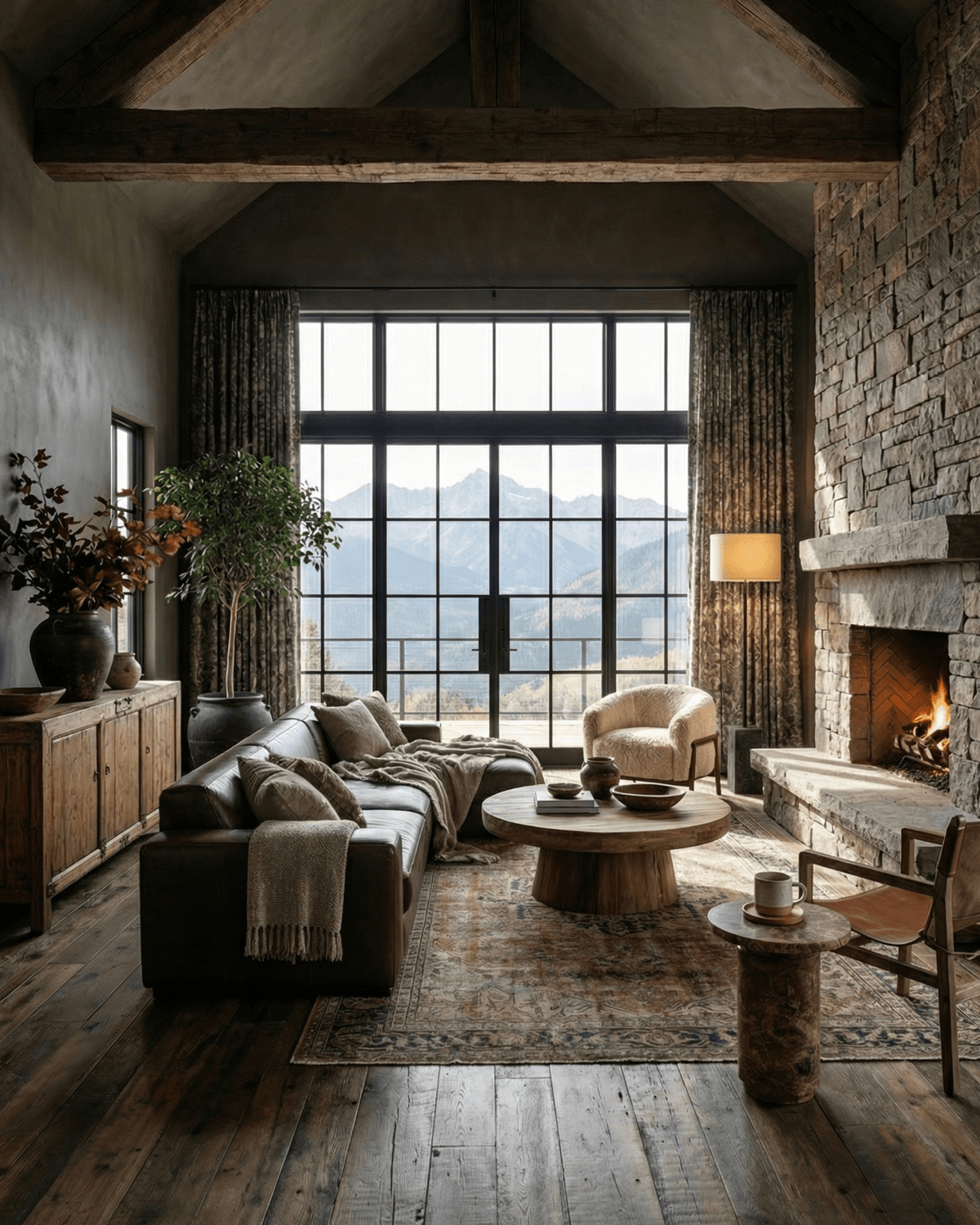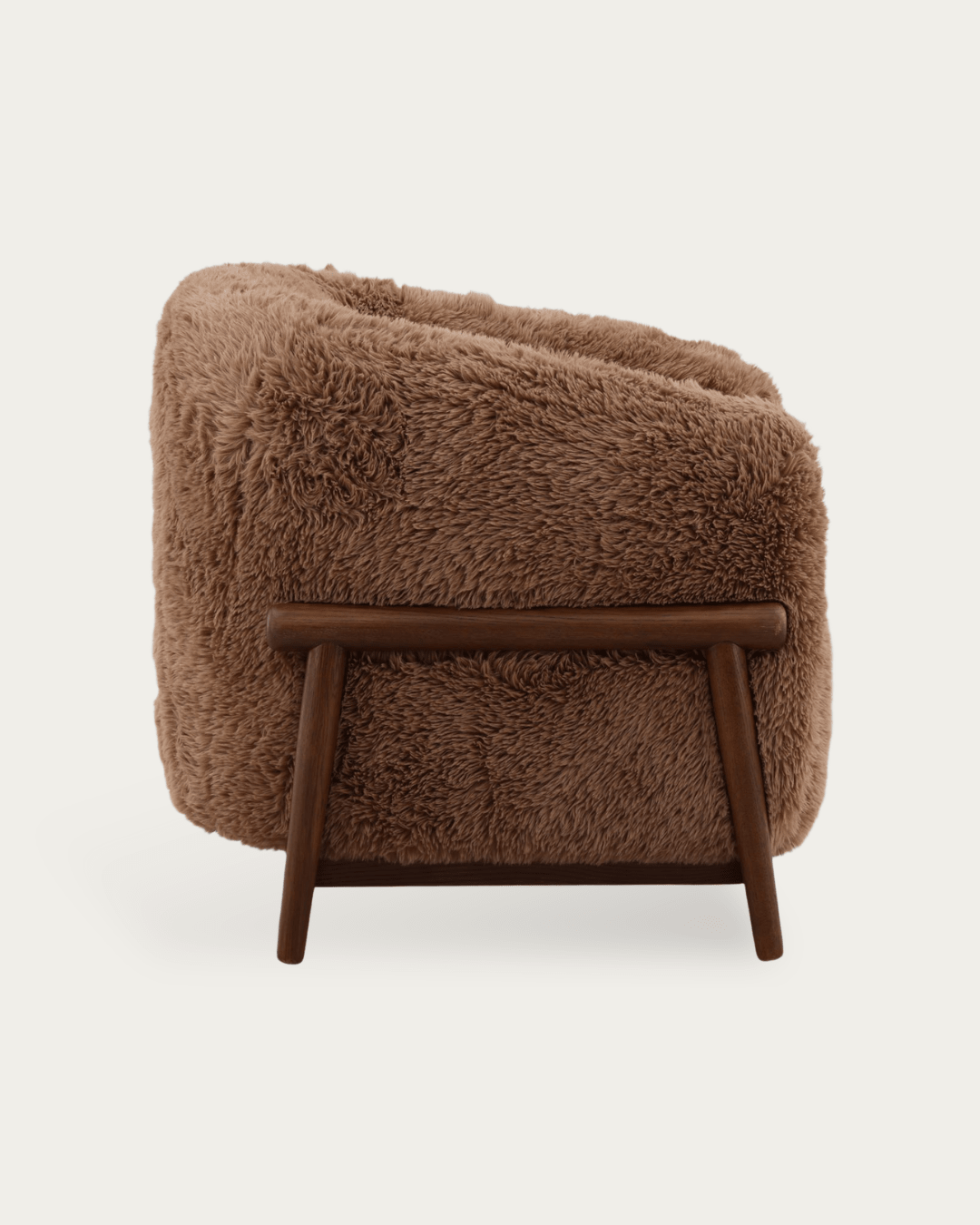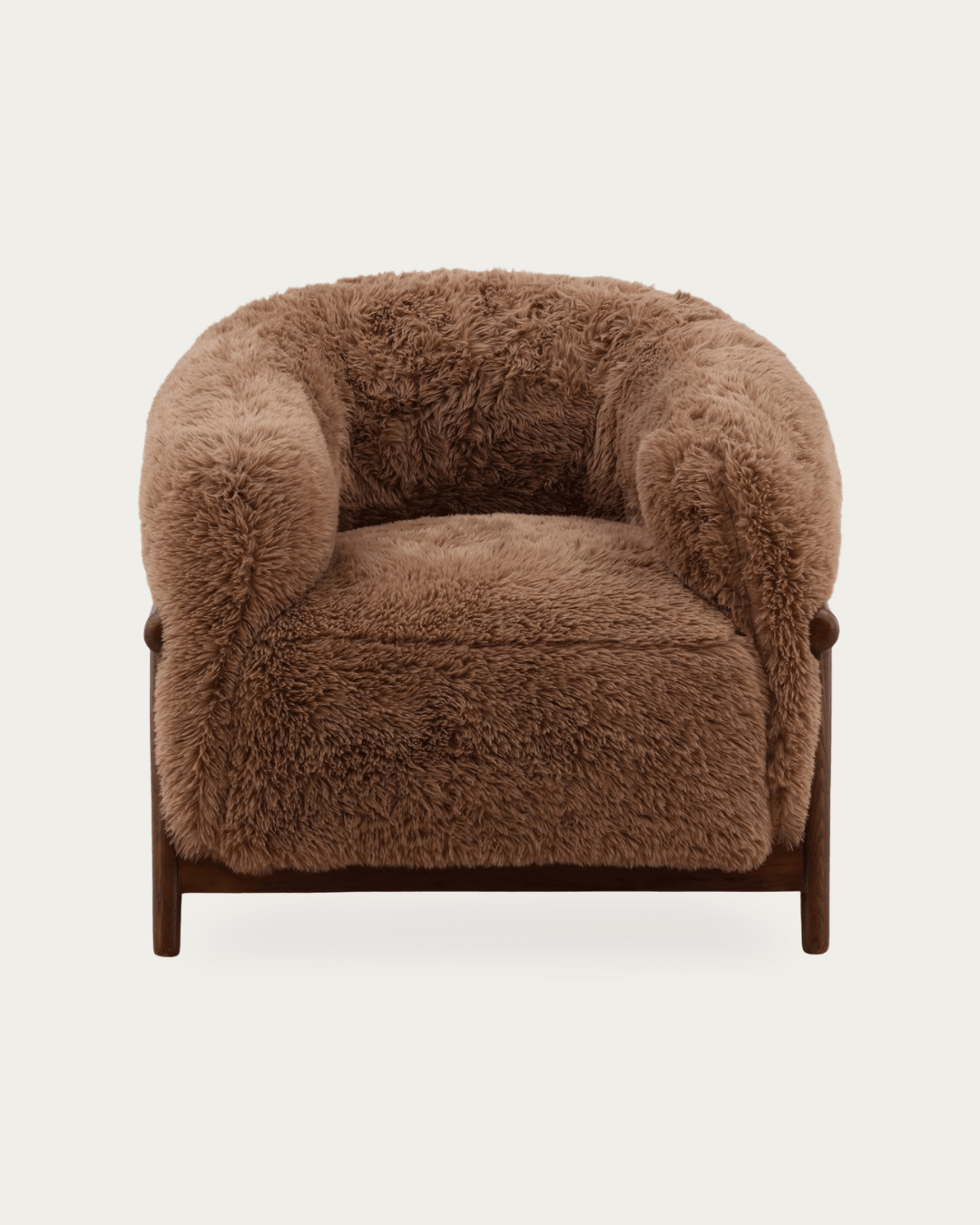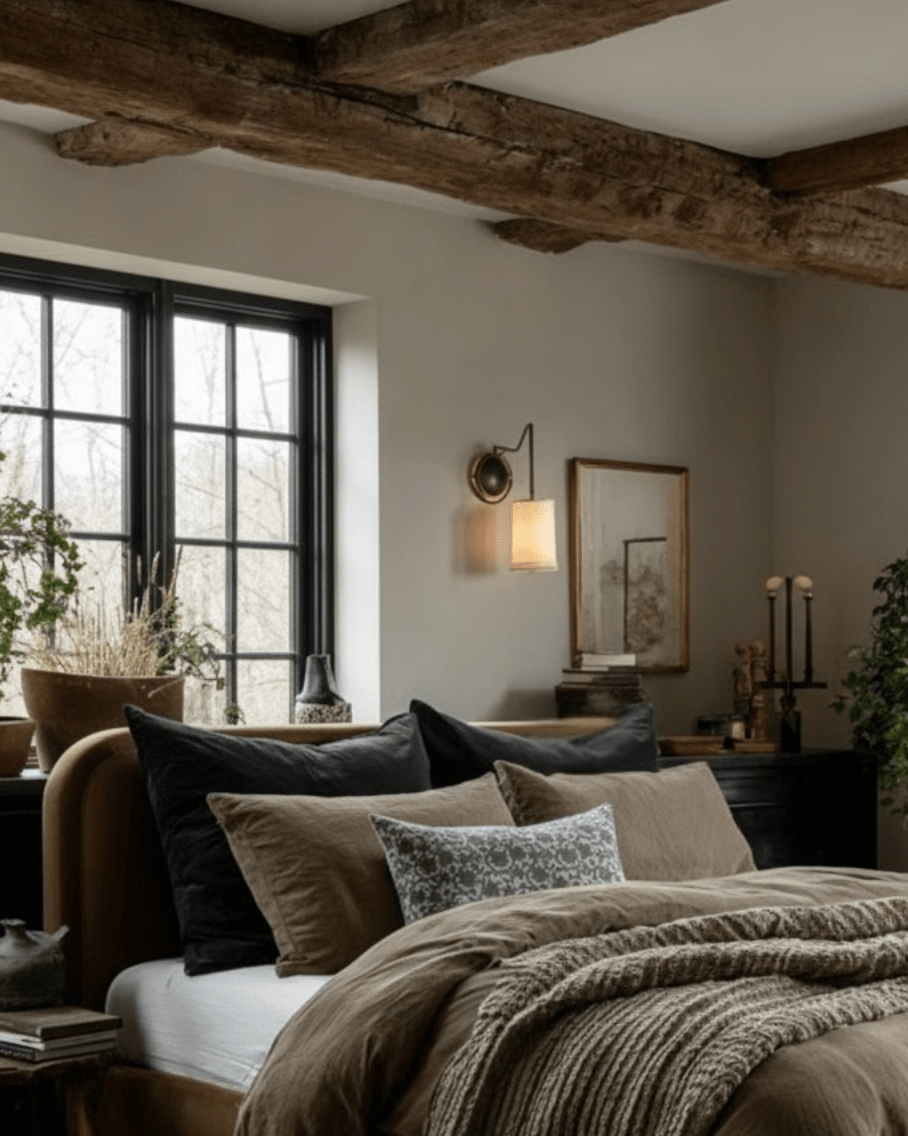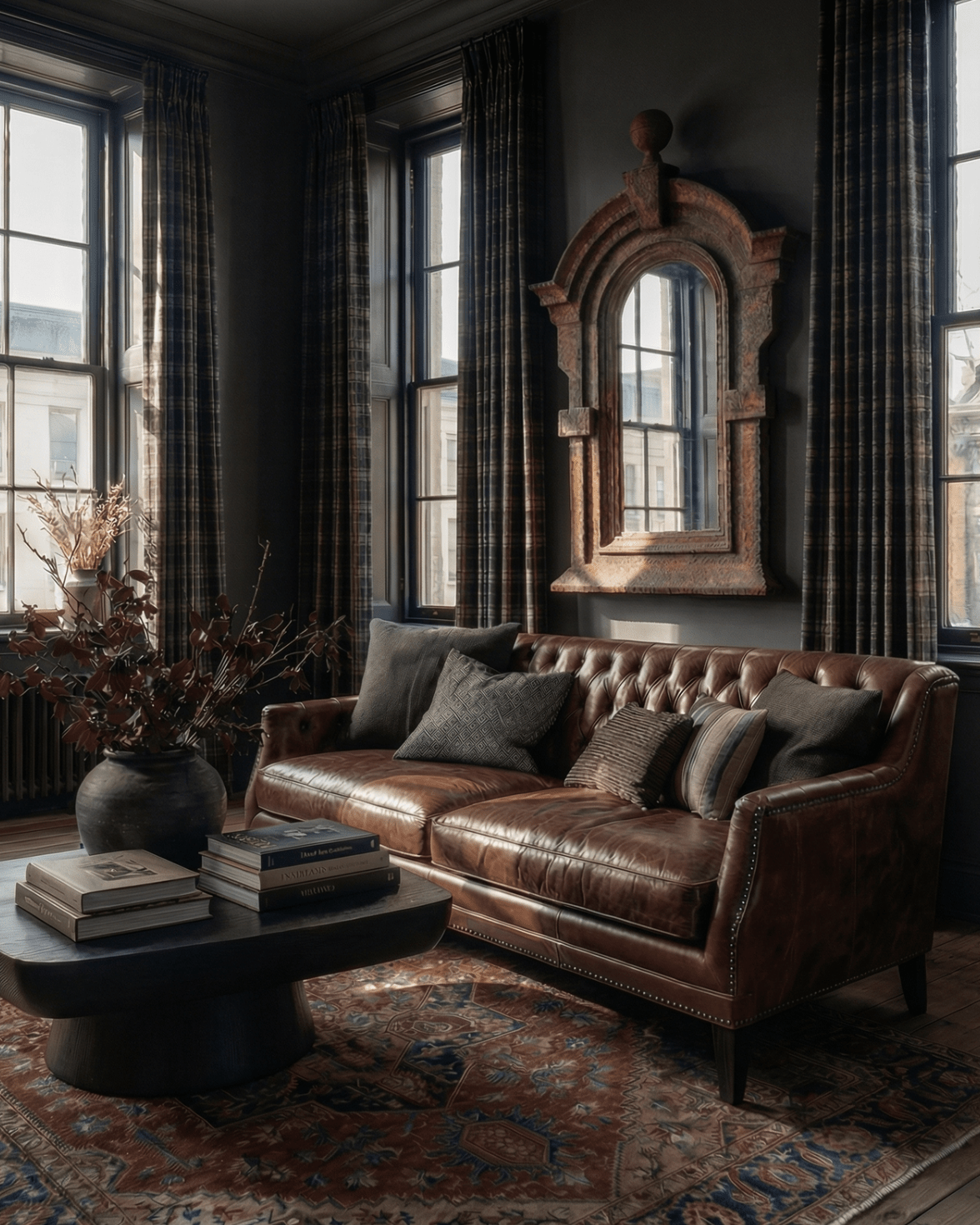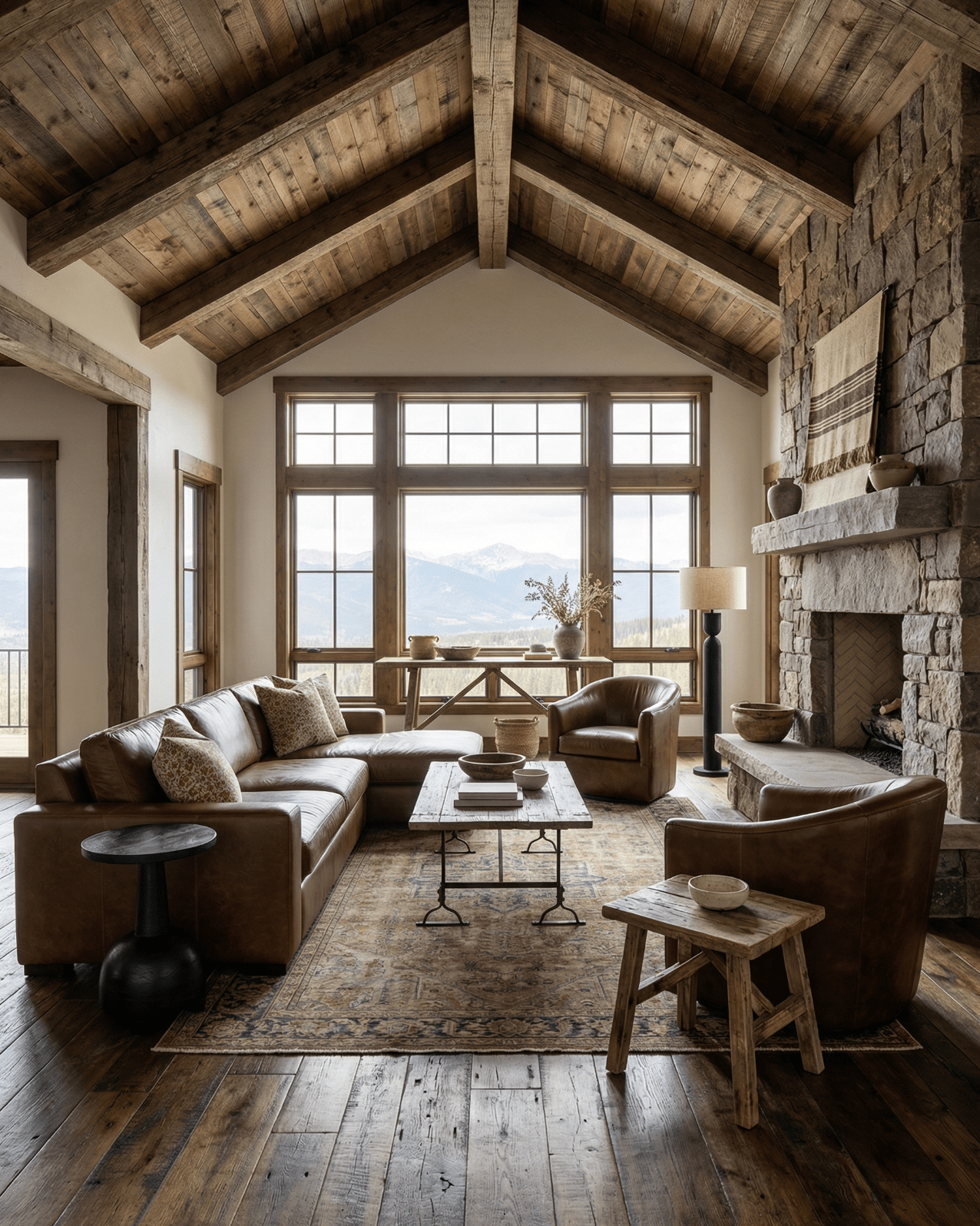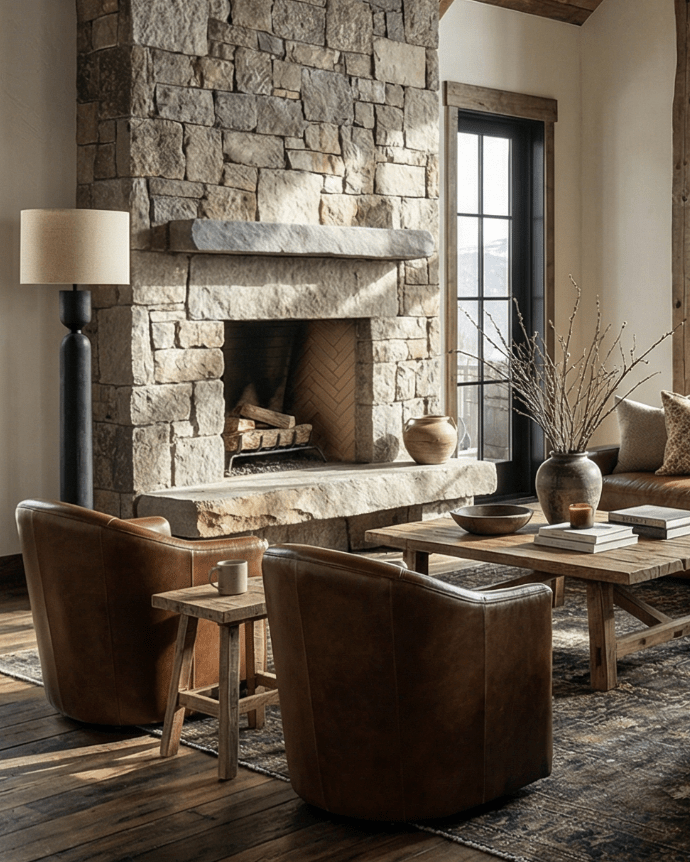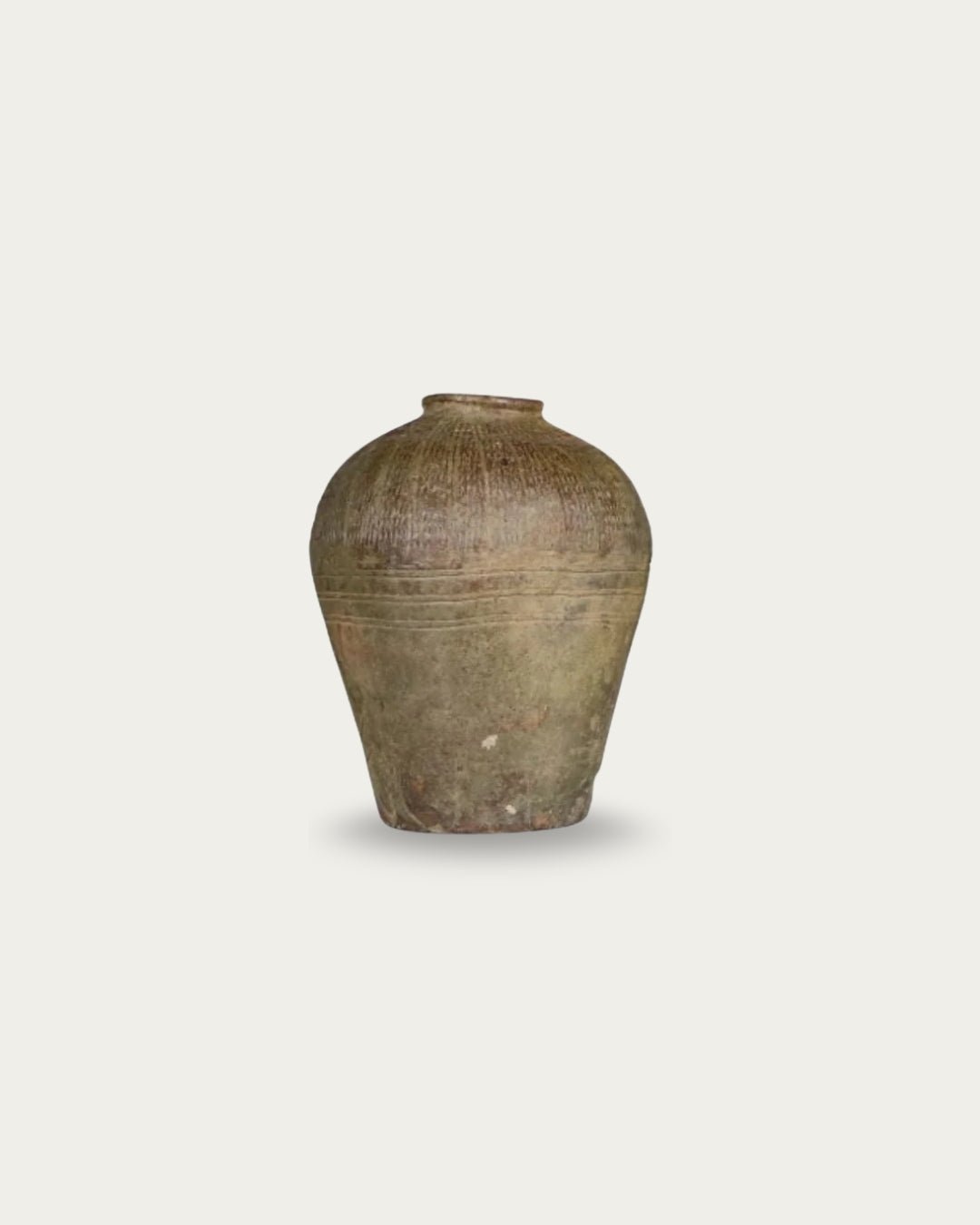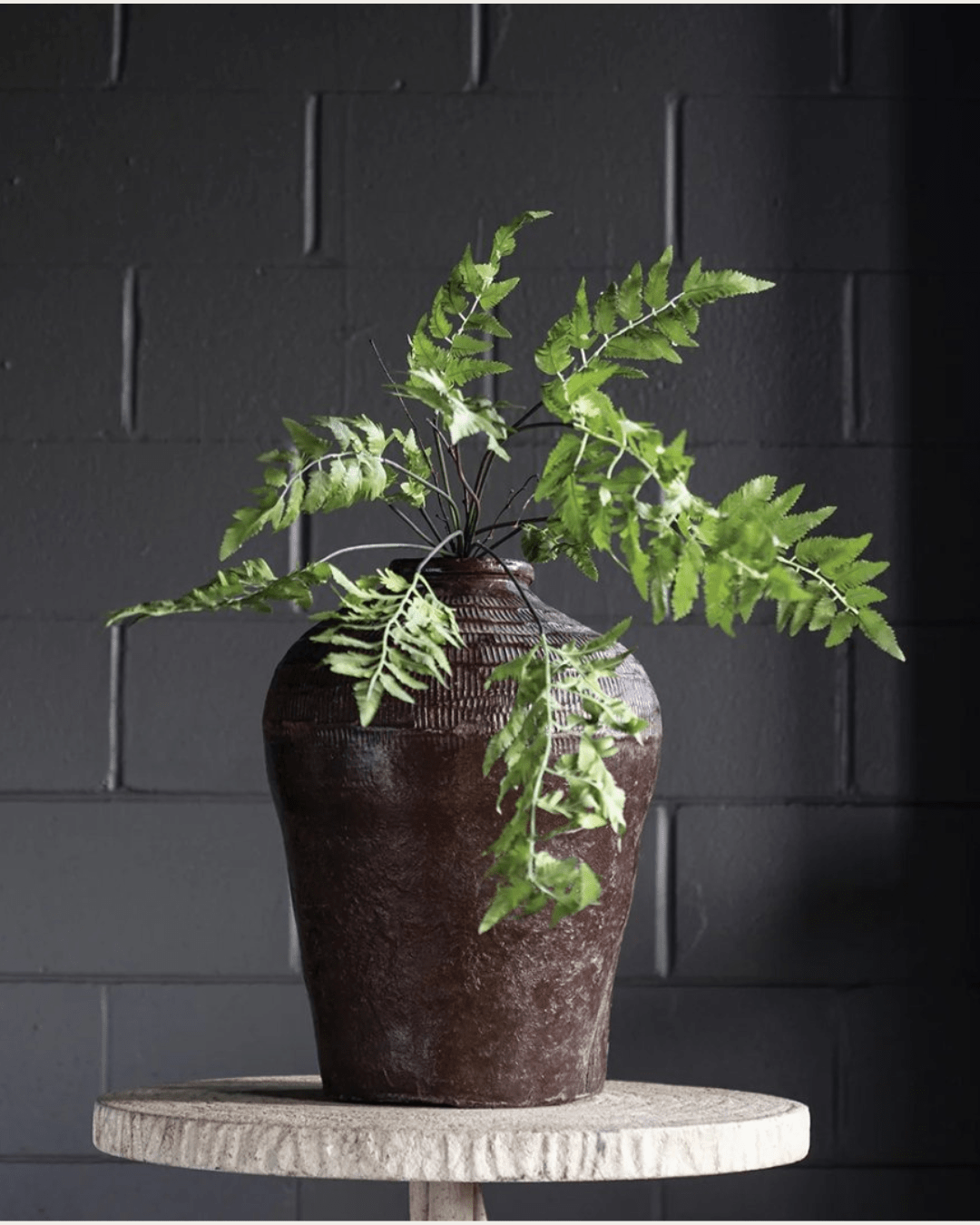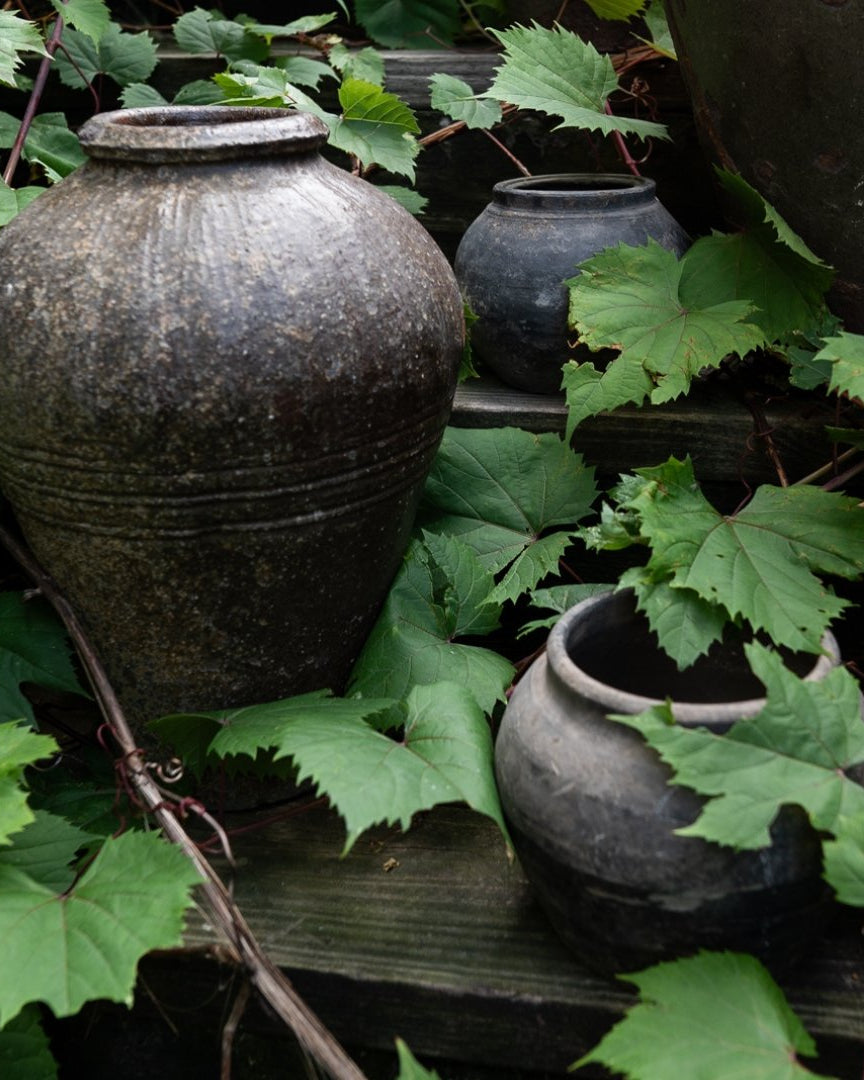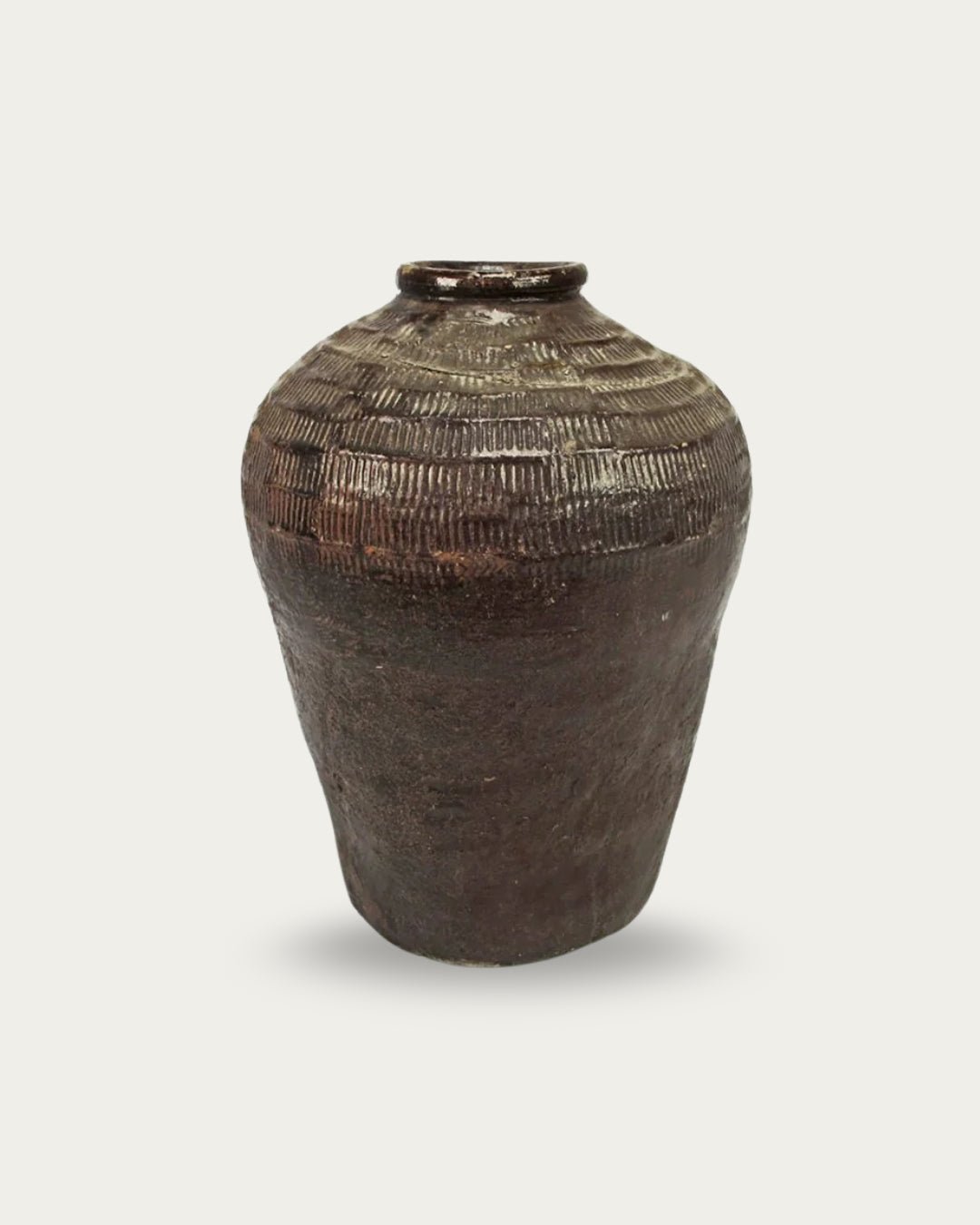





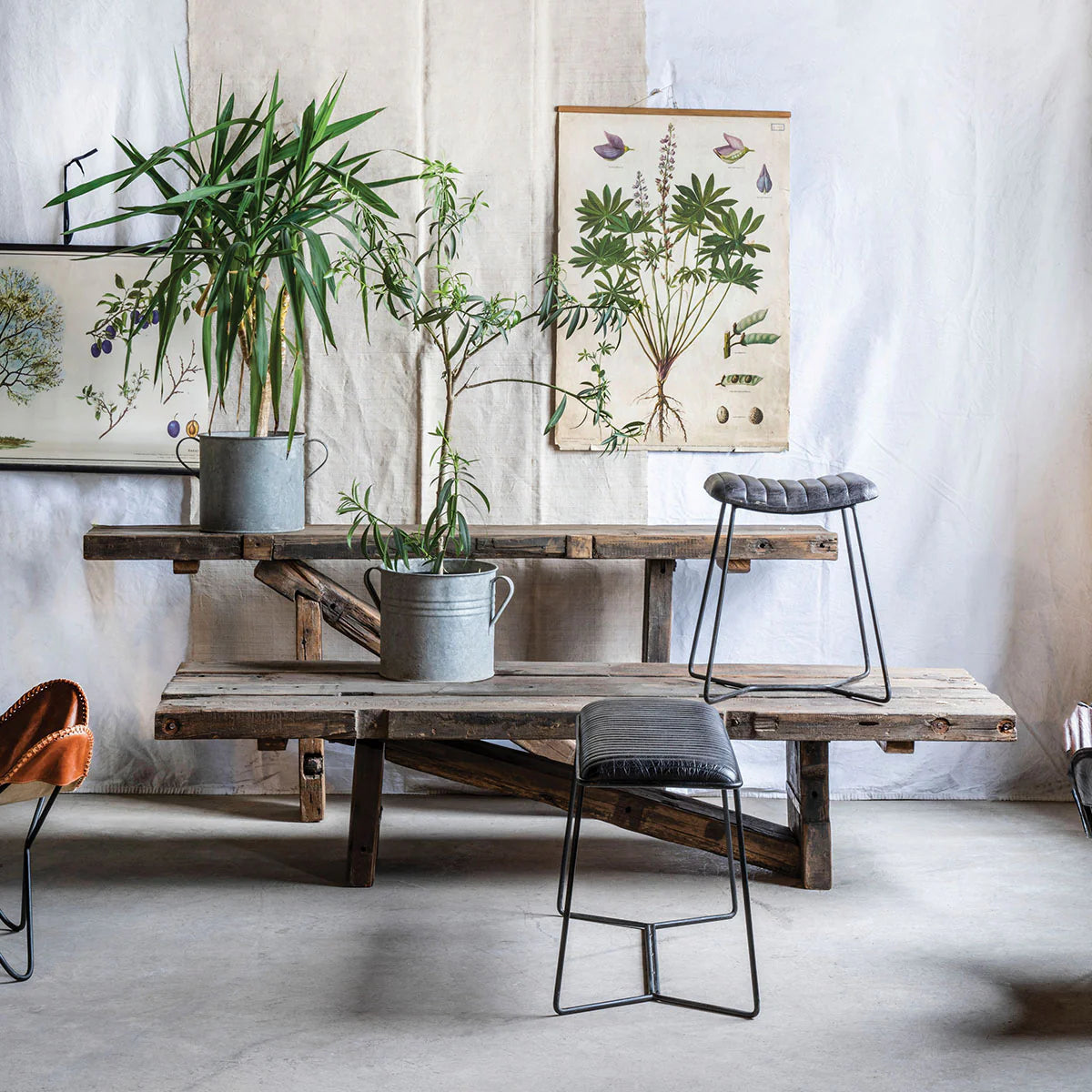
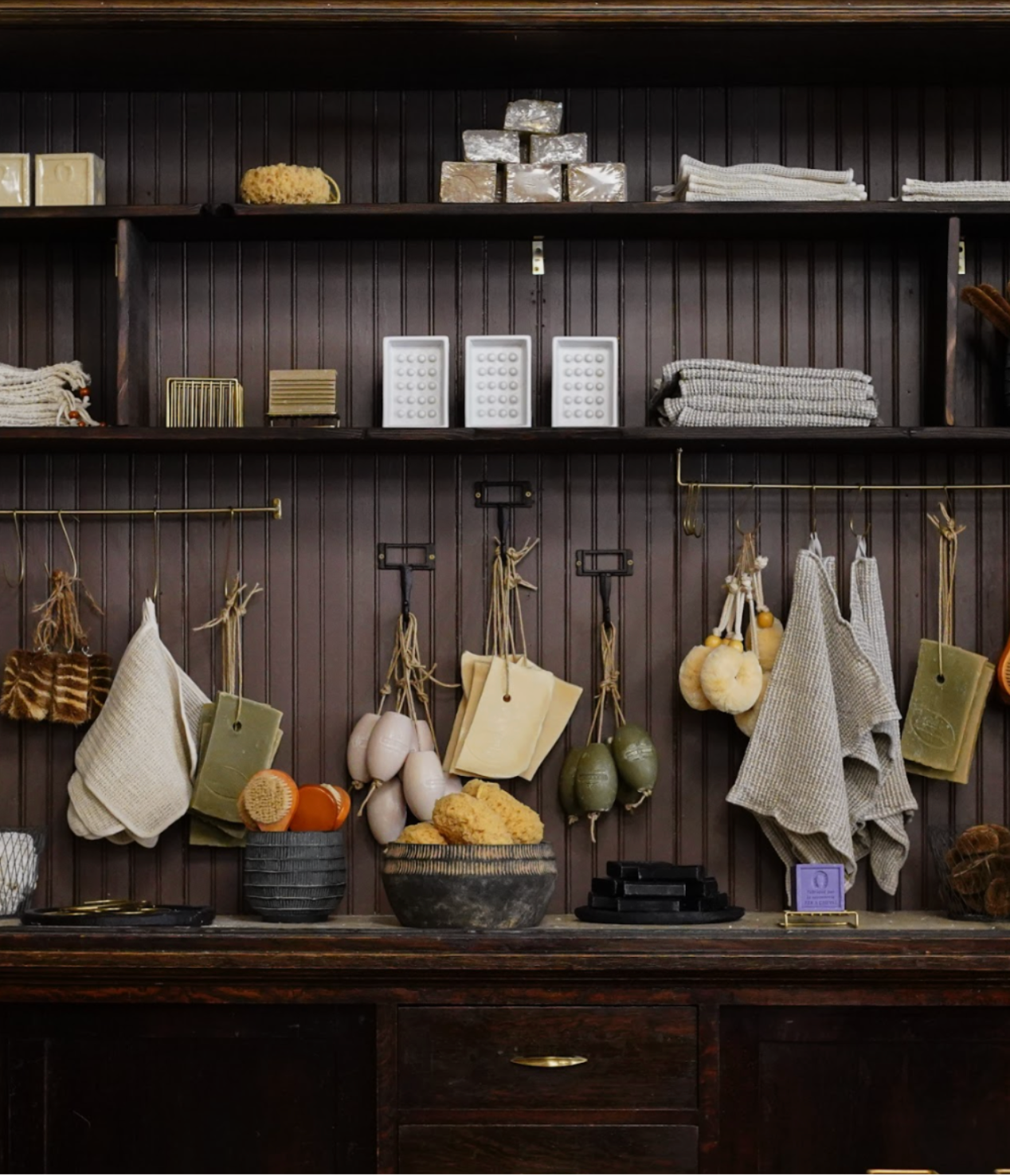


Mixing old and new used to feel risky — like you had to choose between a modern home or a nostalgic one. But walk into any real, lived-in space today and you’ll see the shift: people want rooms that feel collected, not coordinated. That’s where vintage decor comes in. It gives modern furniture context, character, and story — without making your home look themed or chaotic.
The trick is understanding how vintage pieces behave in a room full of modern lines. And more importantly: how to blend them so everything feels intentional, not random.
Start With Anchors: Decide Who Leads the Room
In any room with both old and new pieces, something has to lead. Without hierarchy, everything competes.
When Vintage Should Lead
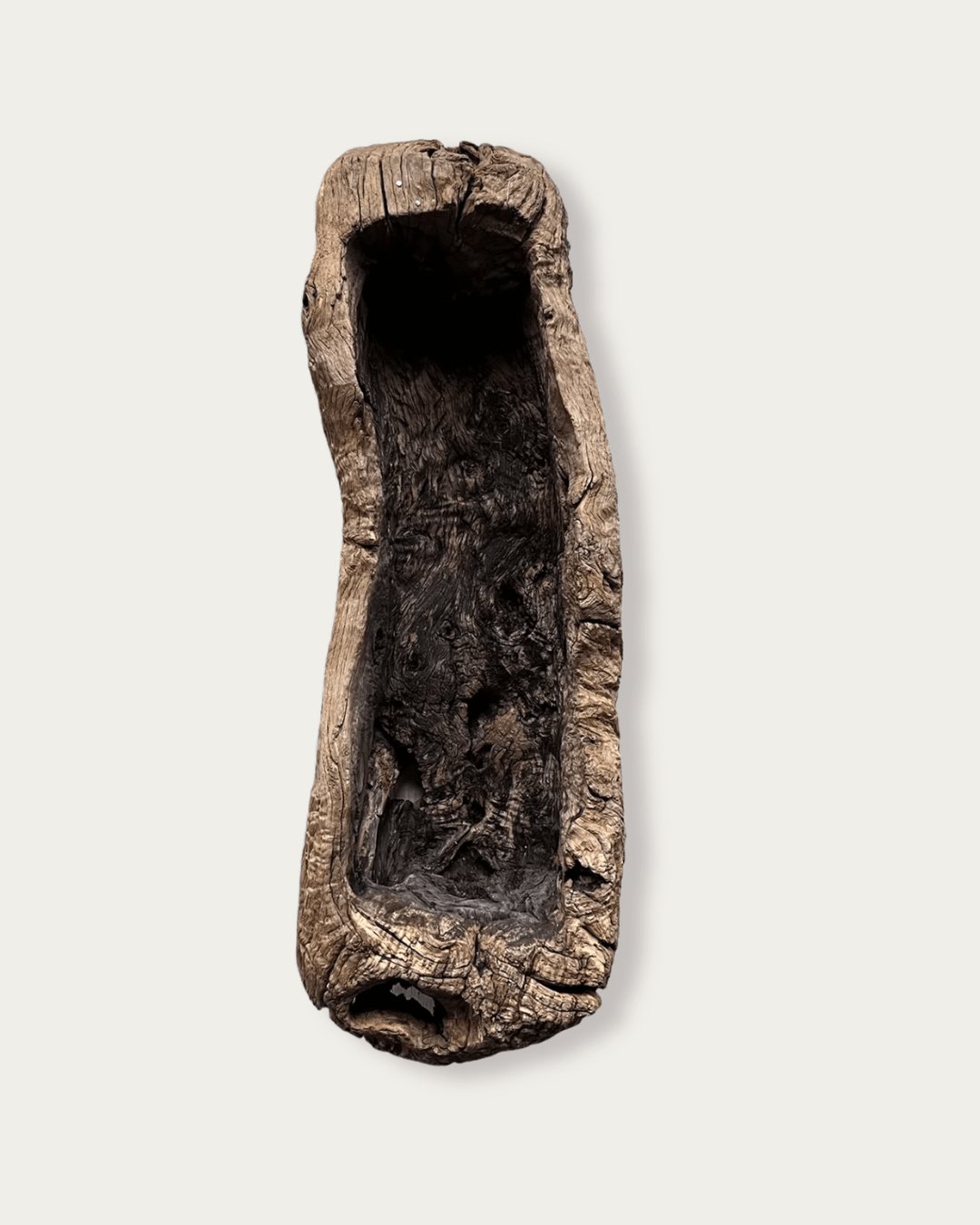
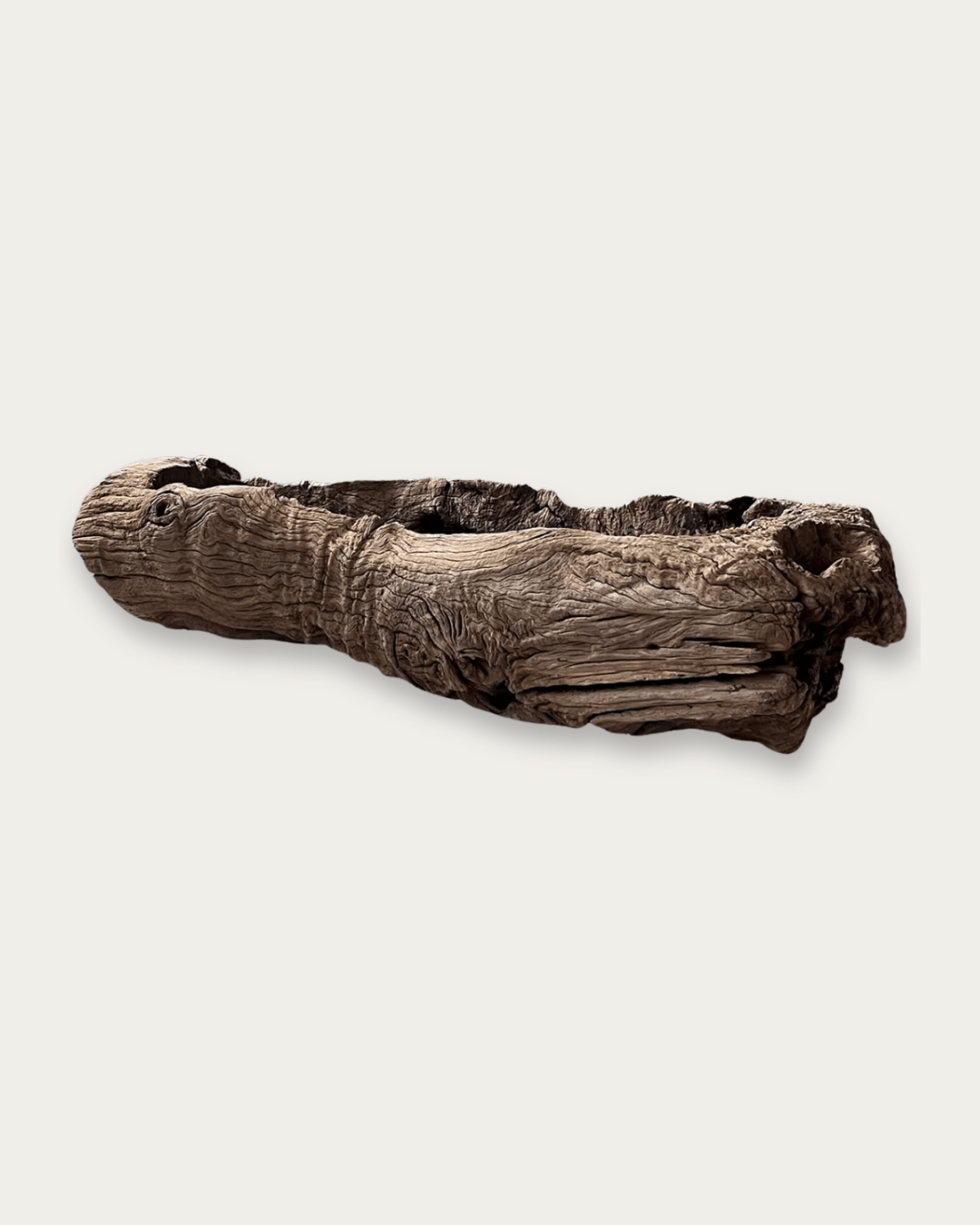
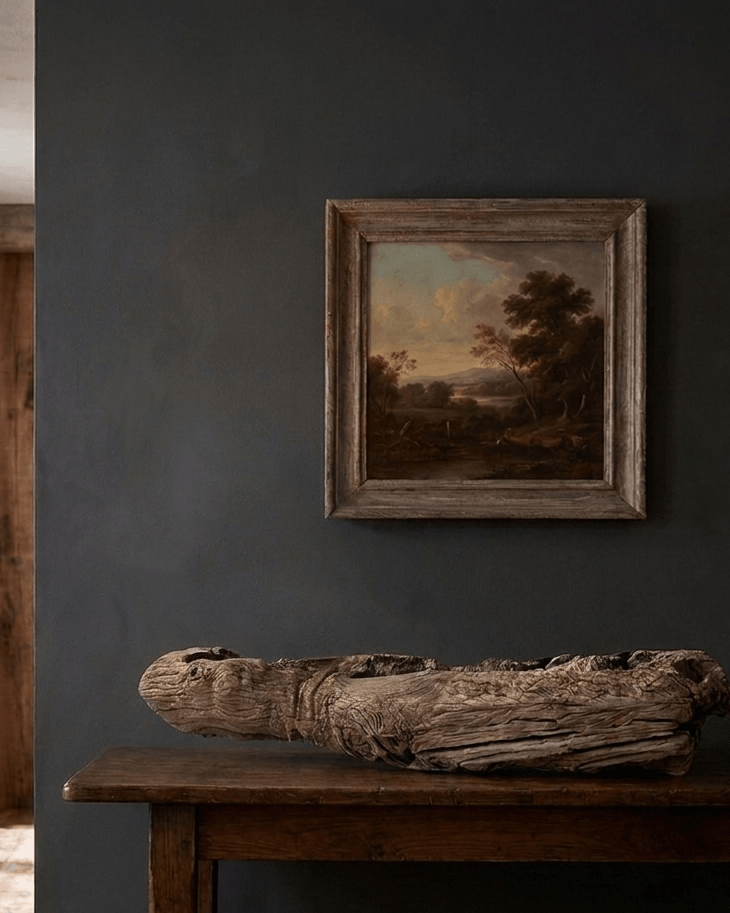
Vintage pieces with strong silhouettes or patina naturally command attention. A sculptural object like the Vintage Wooden Glove Mold Sculpture adds instant personality on top of a clean modern console. For wall accents, the Vintage Balloon Mold Wall Decor introduces organic curves that balance straight modern furniture lines.
When Modern Furniture Should Lead
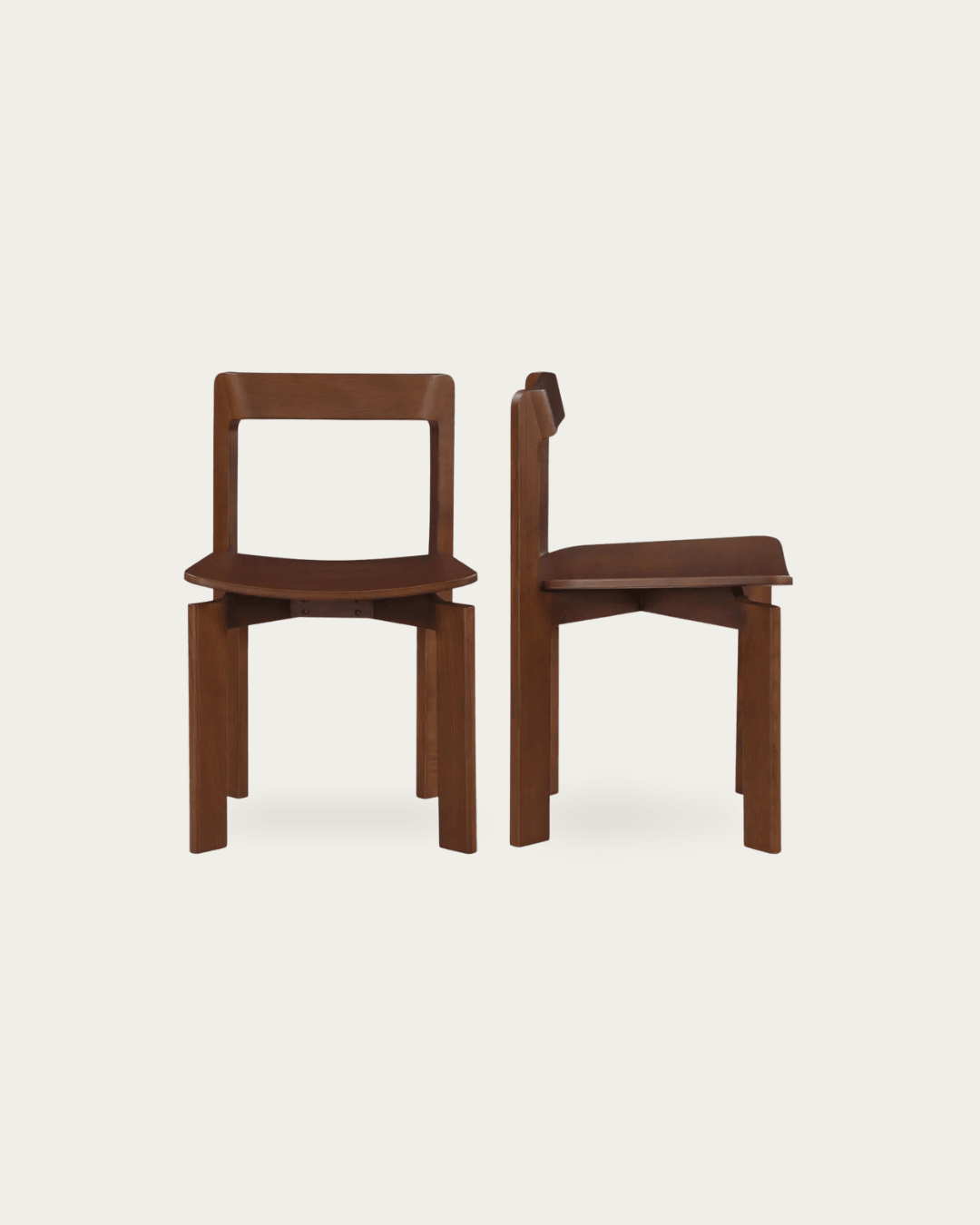
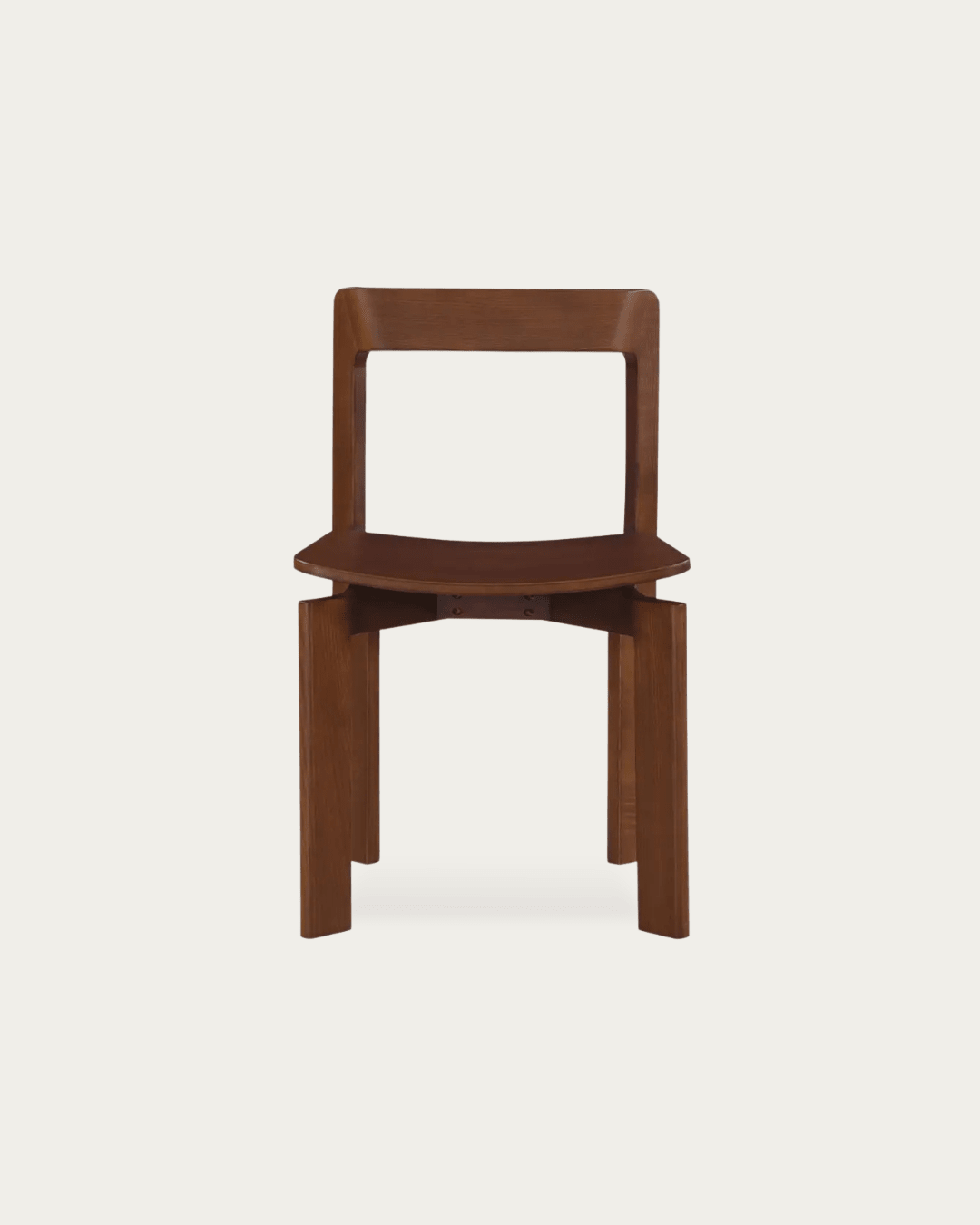
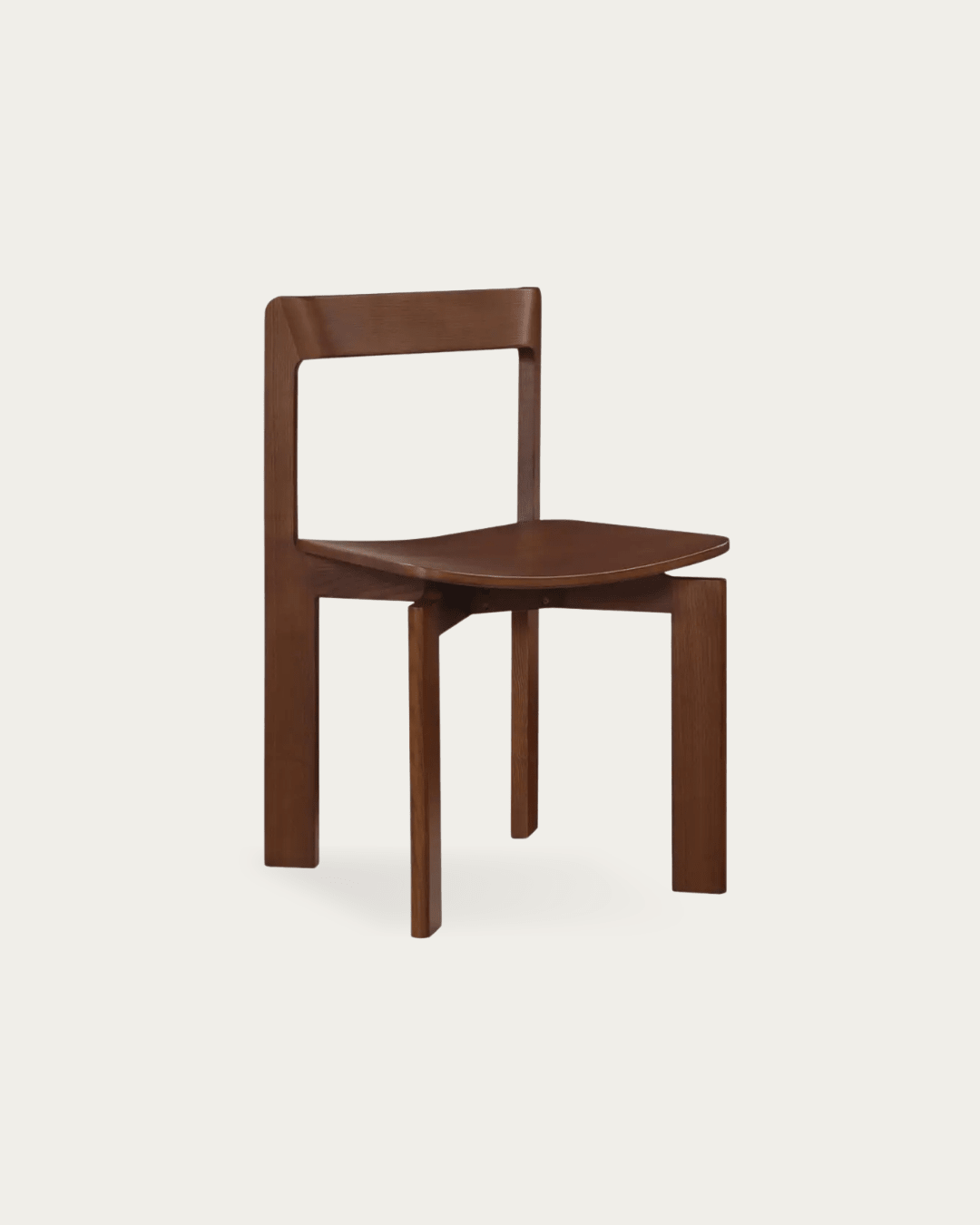
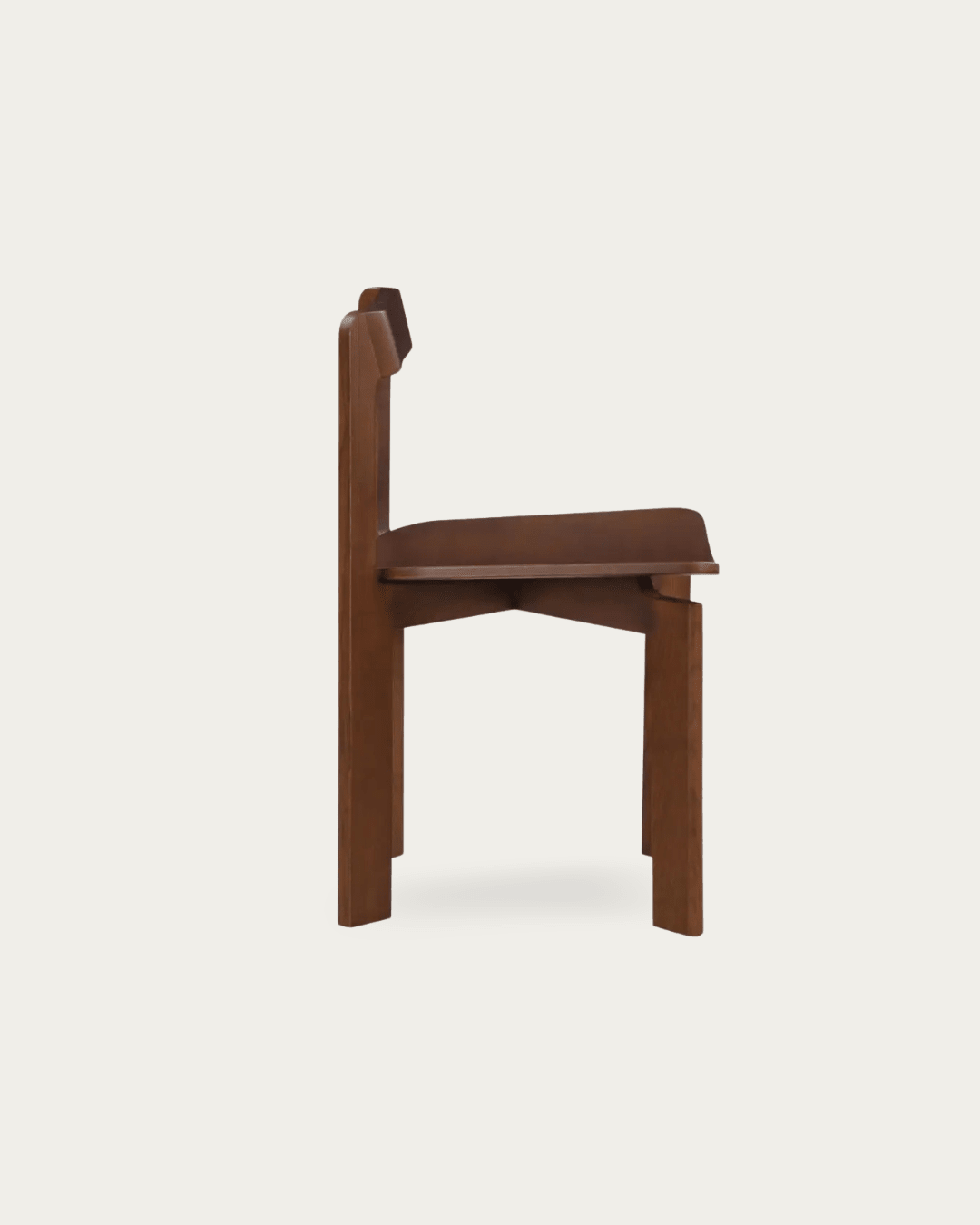
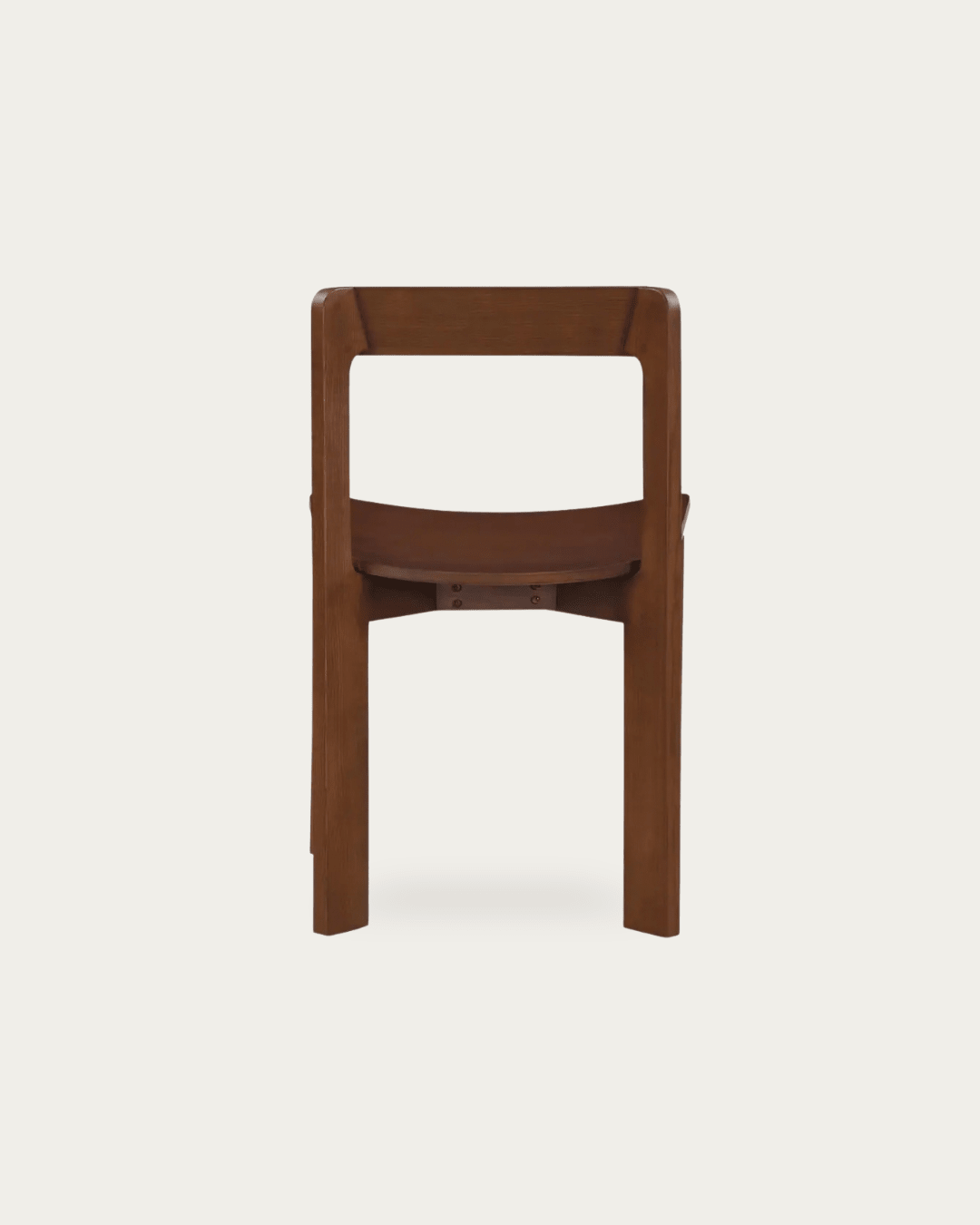
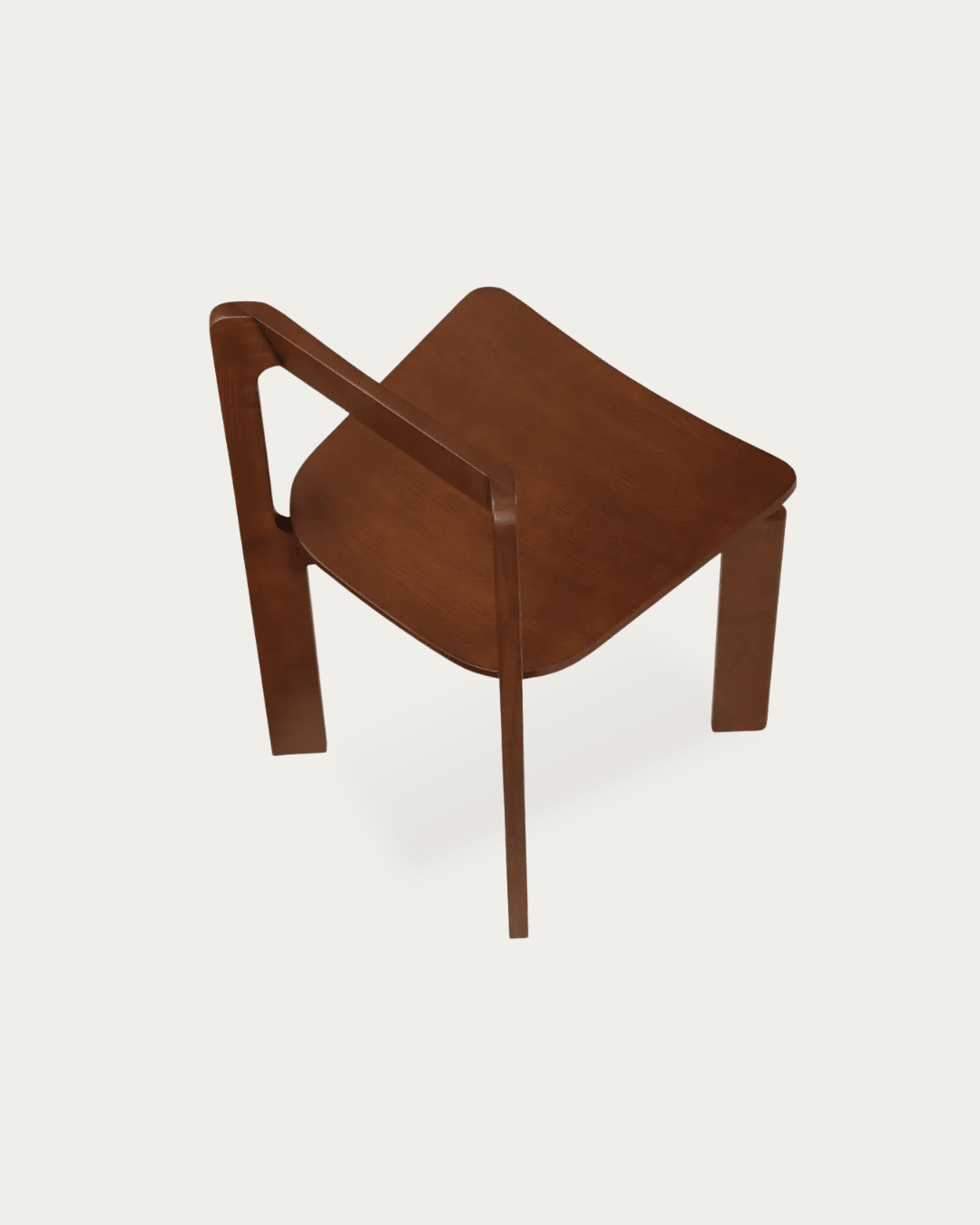
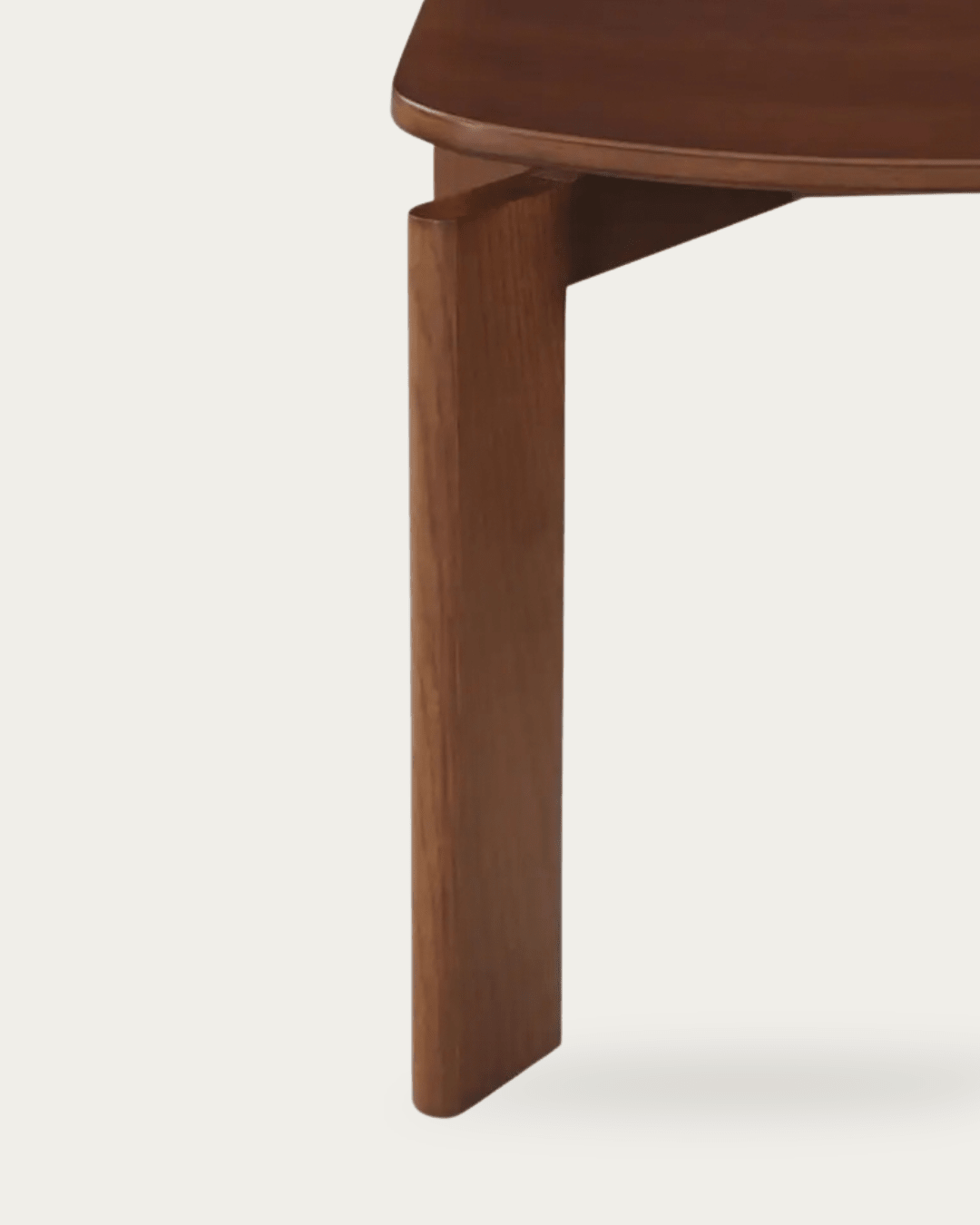
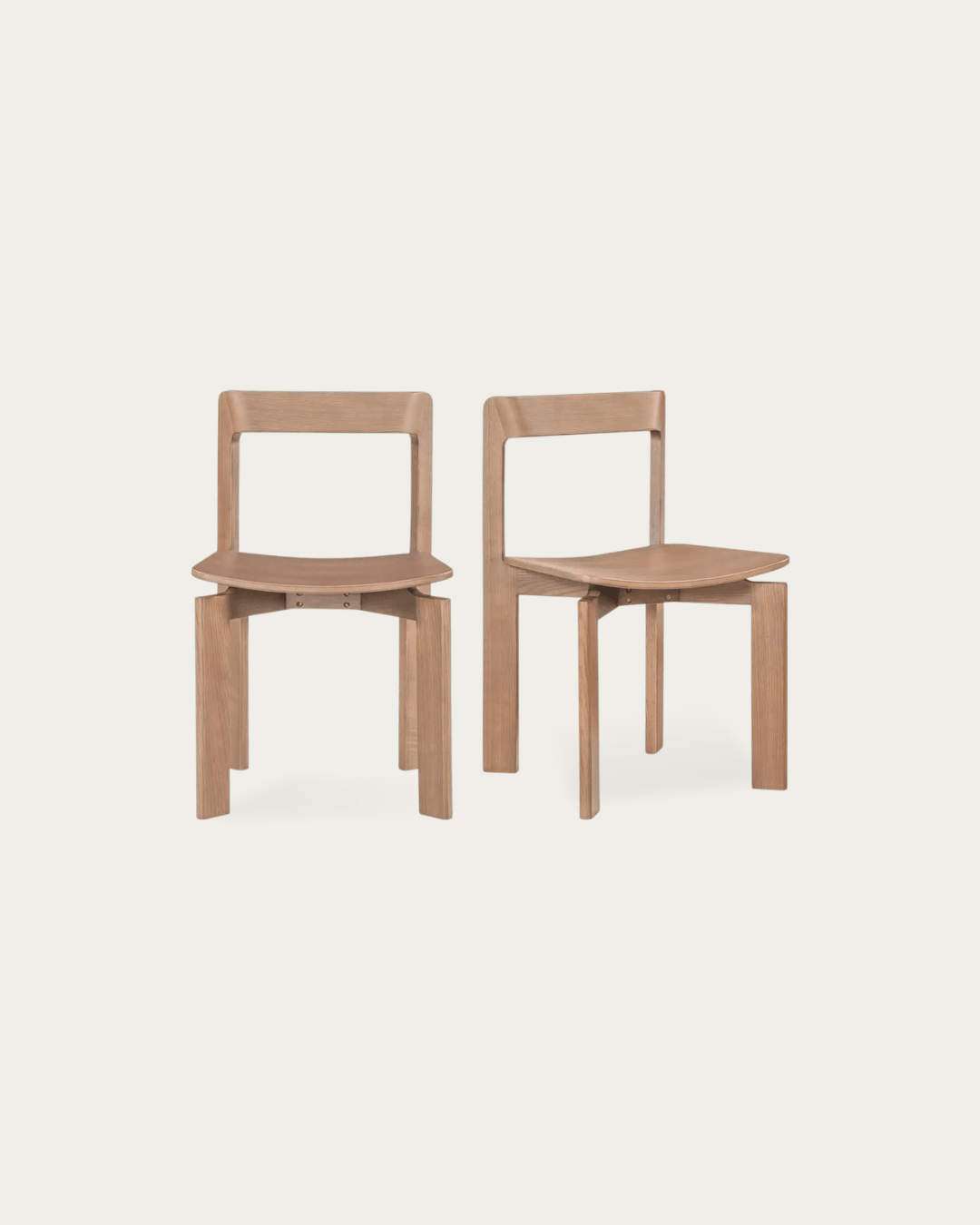
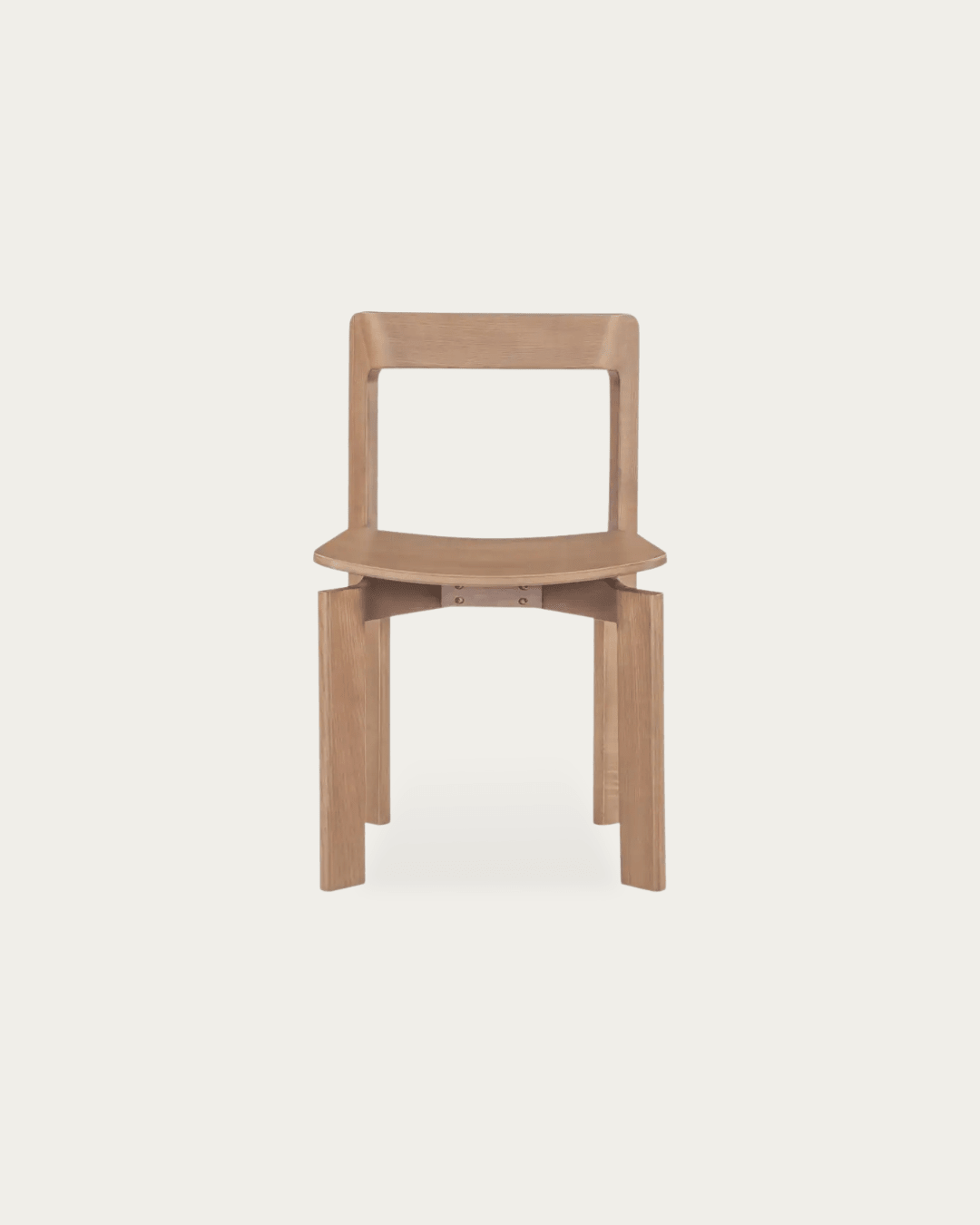
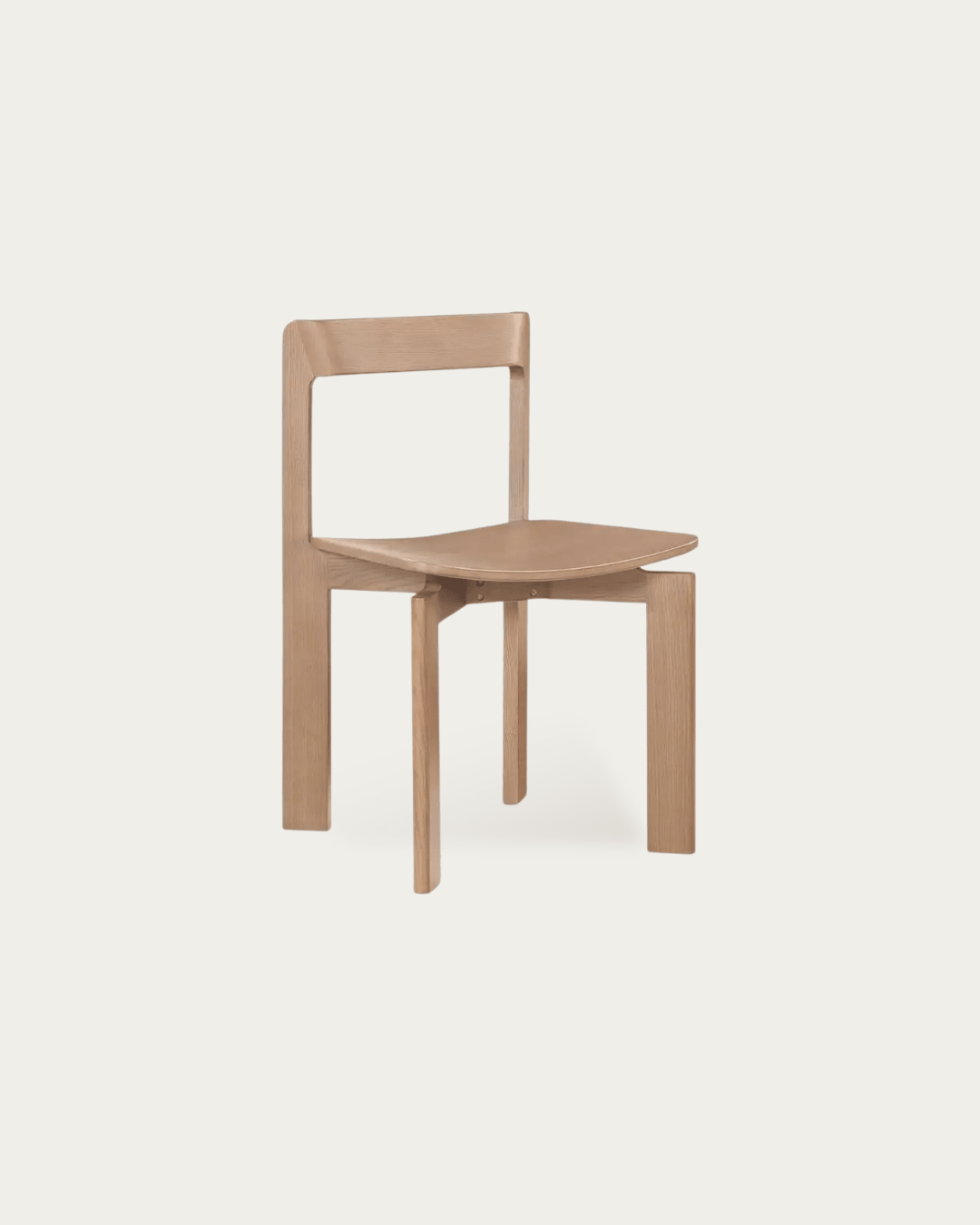
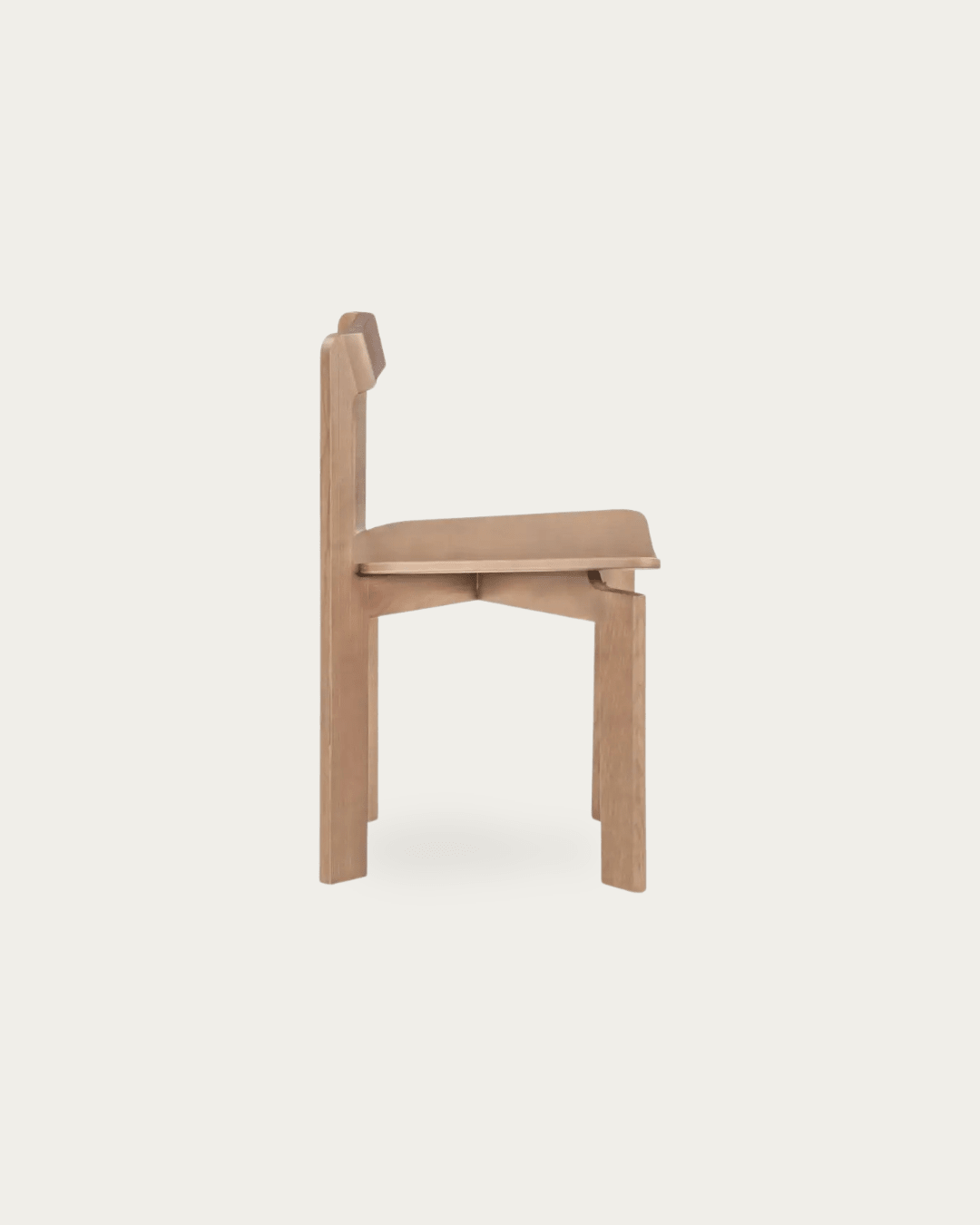
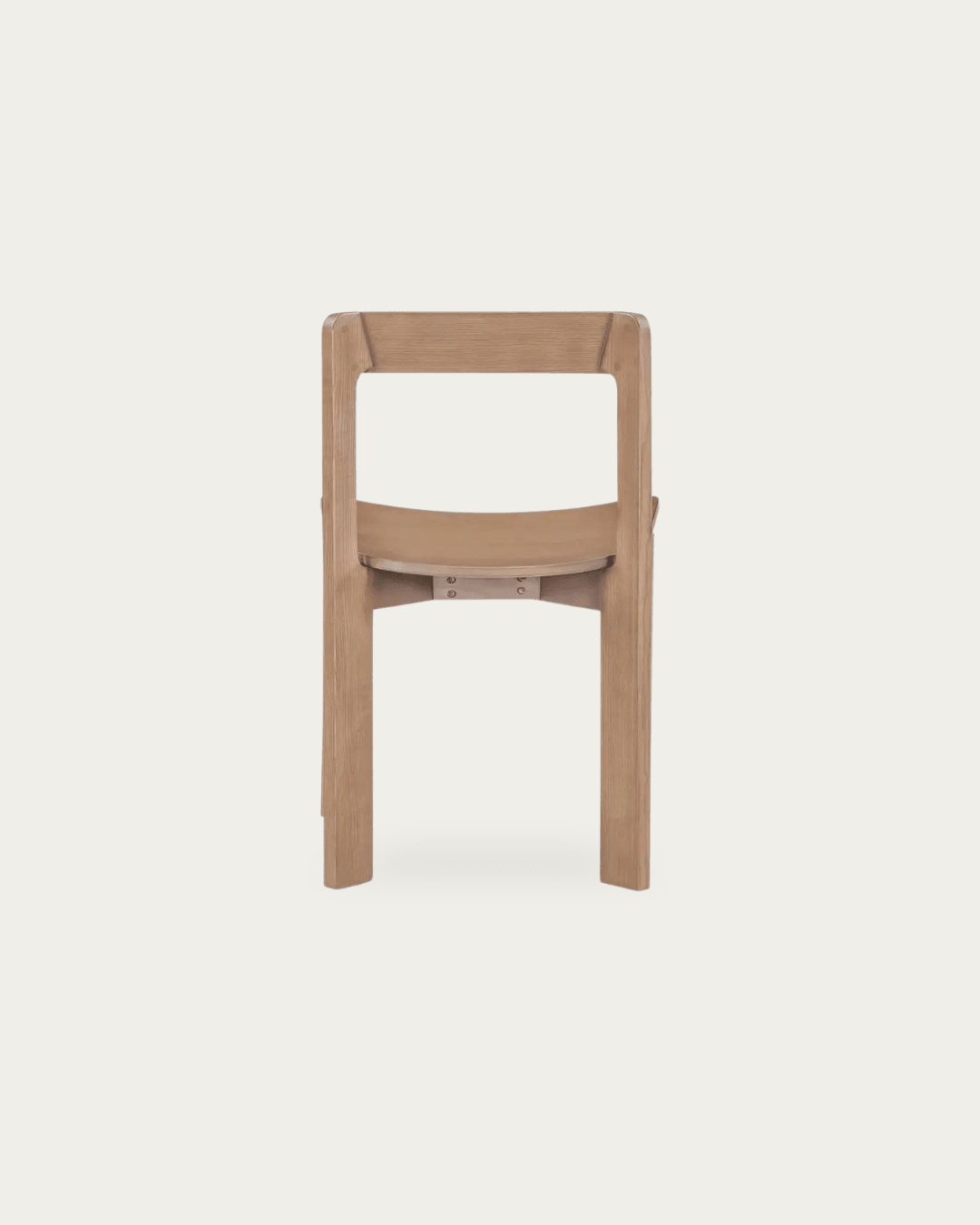
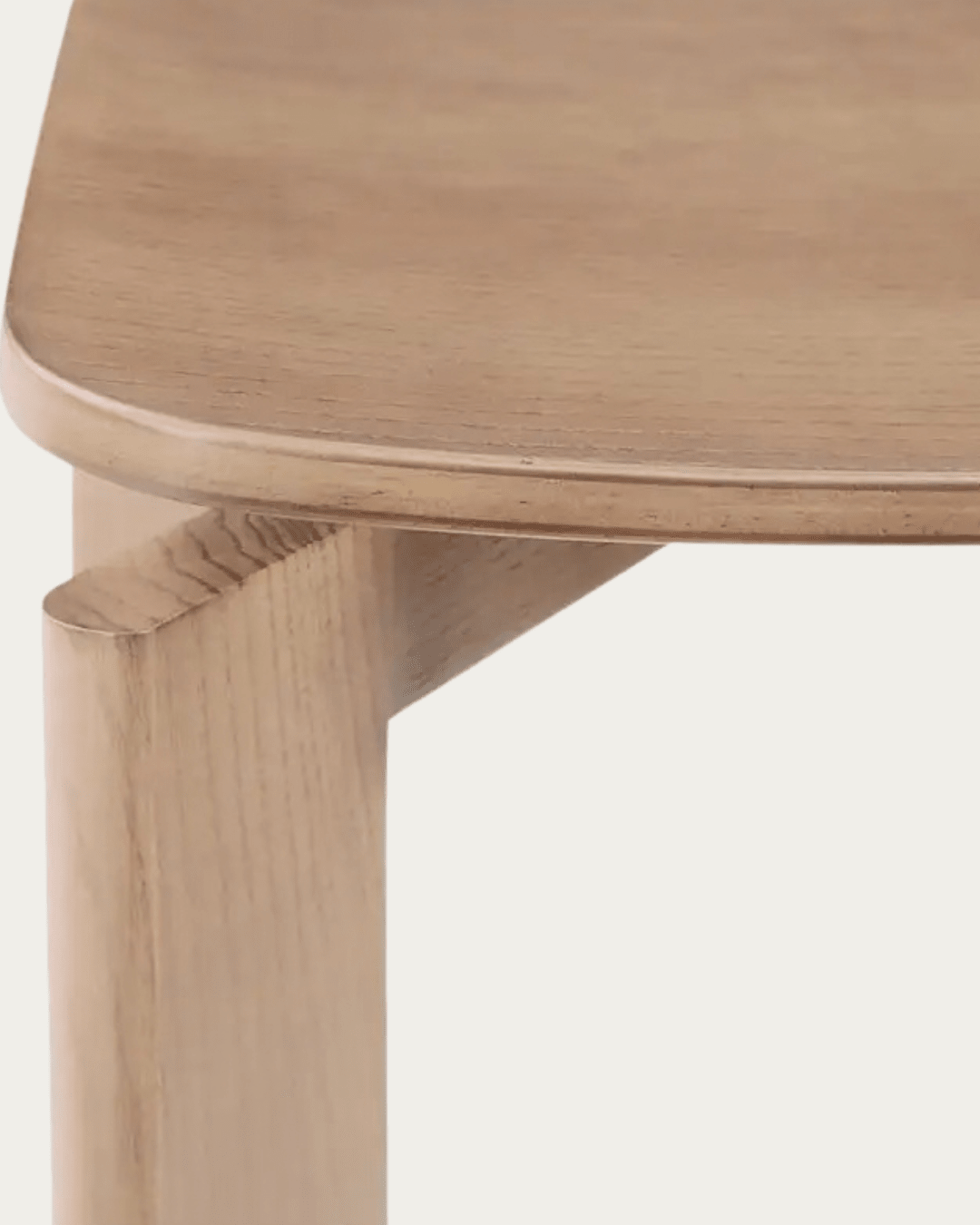
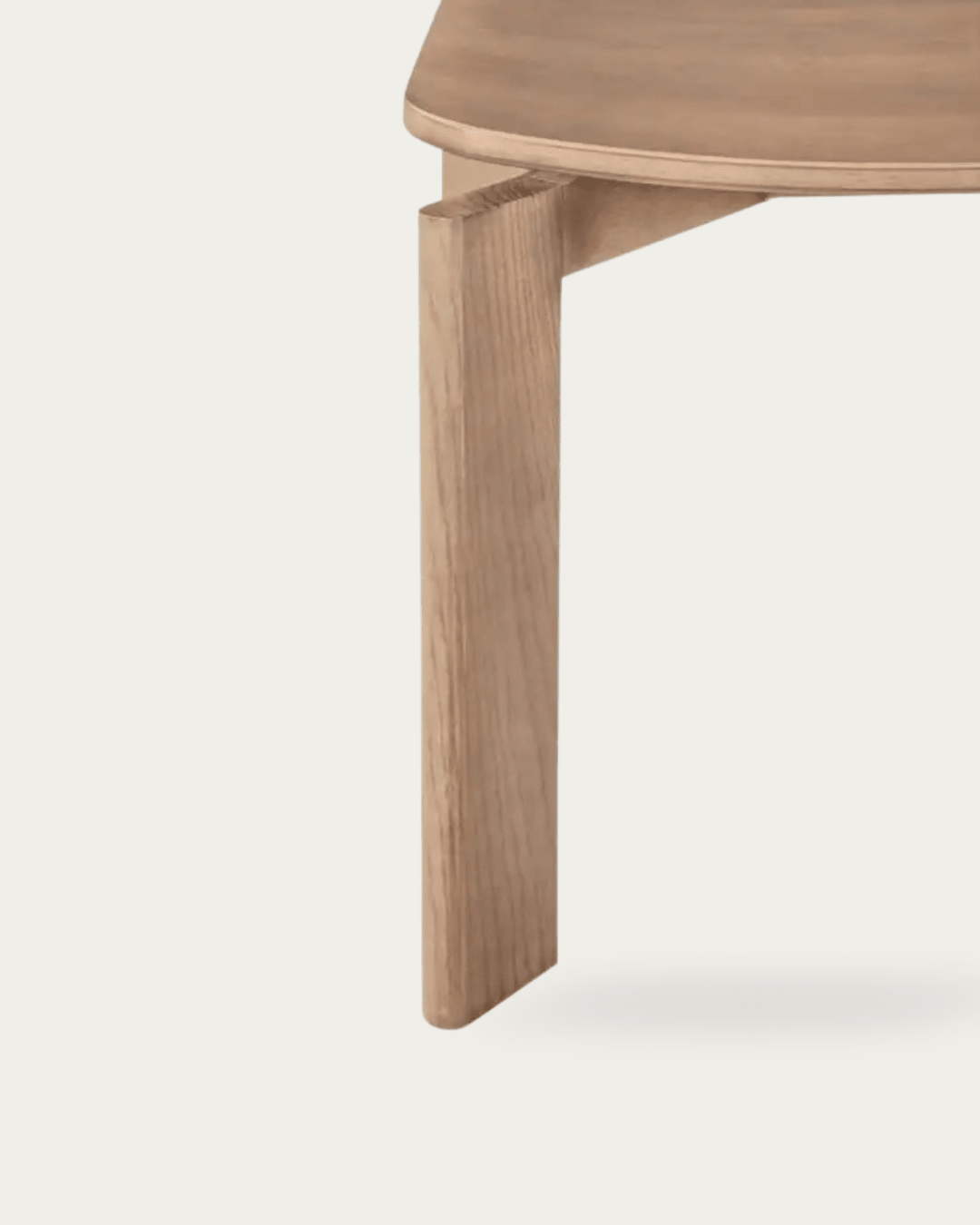
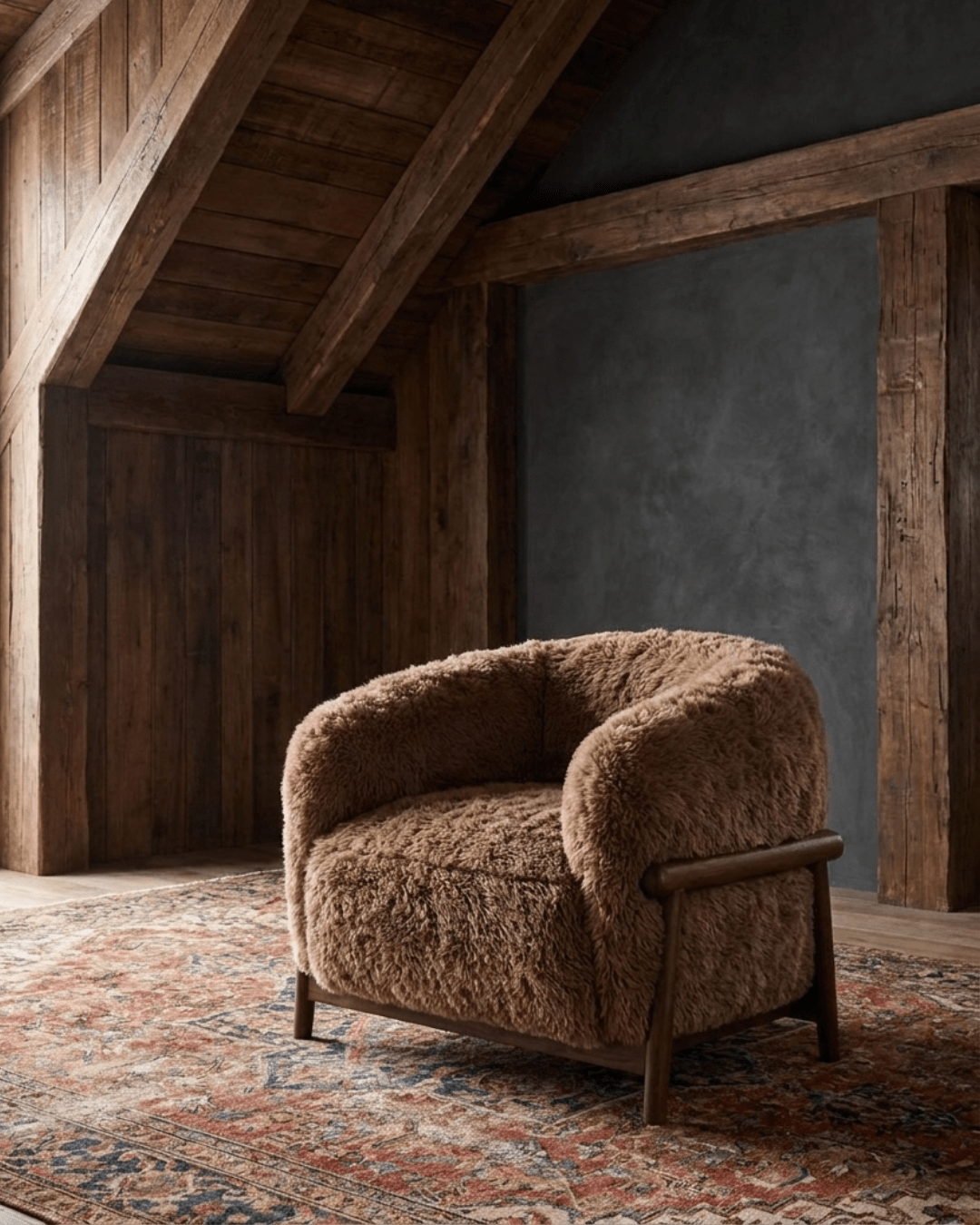
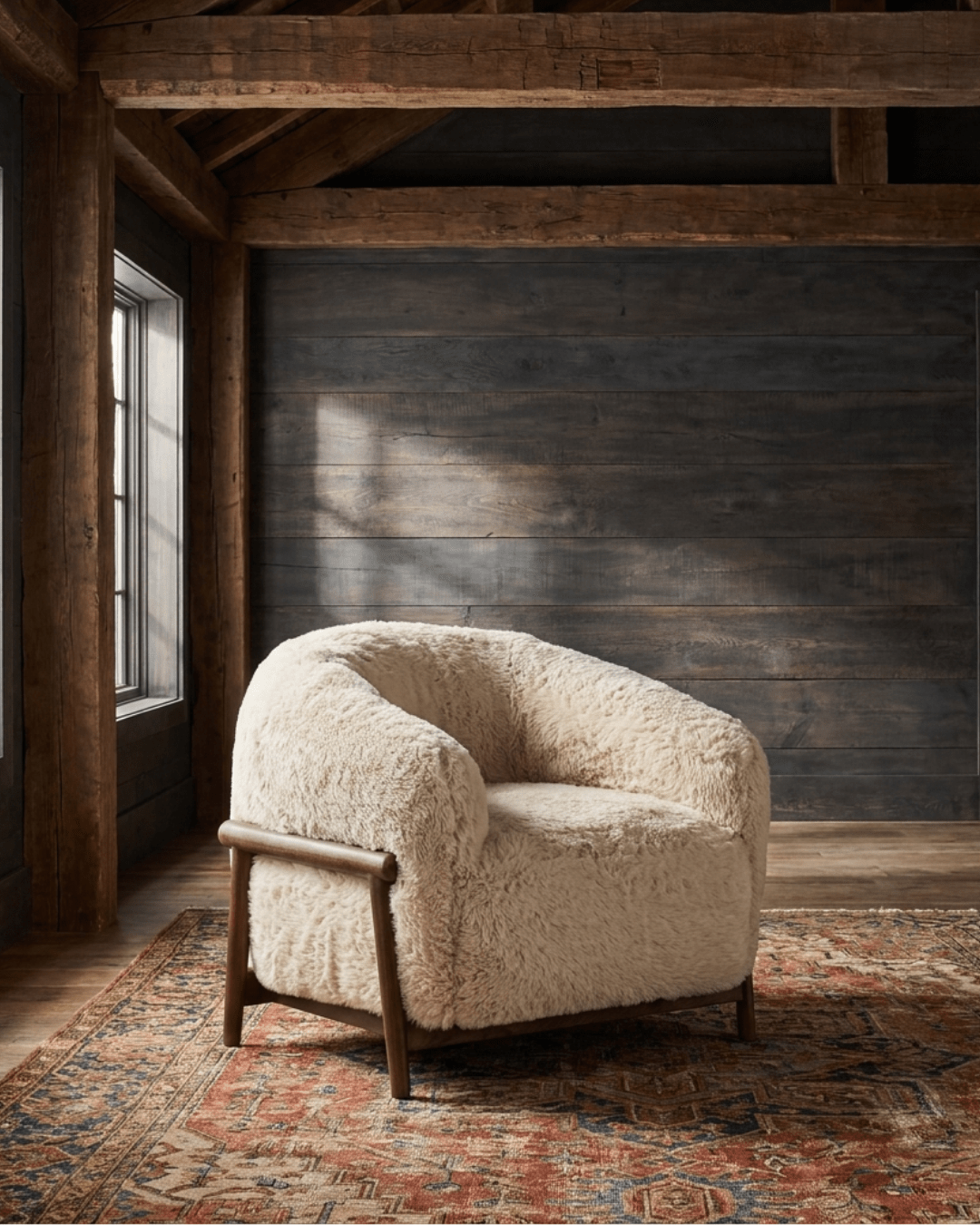
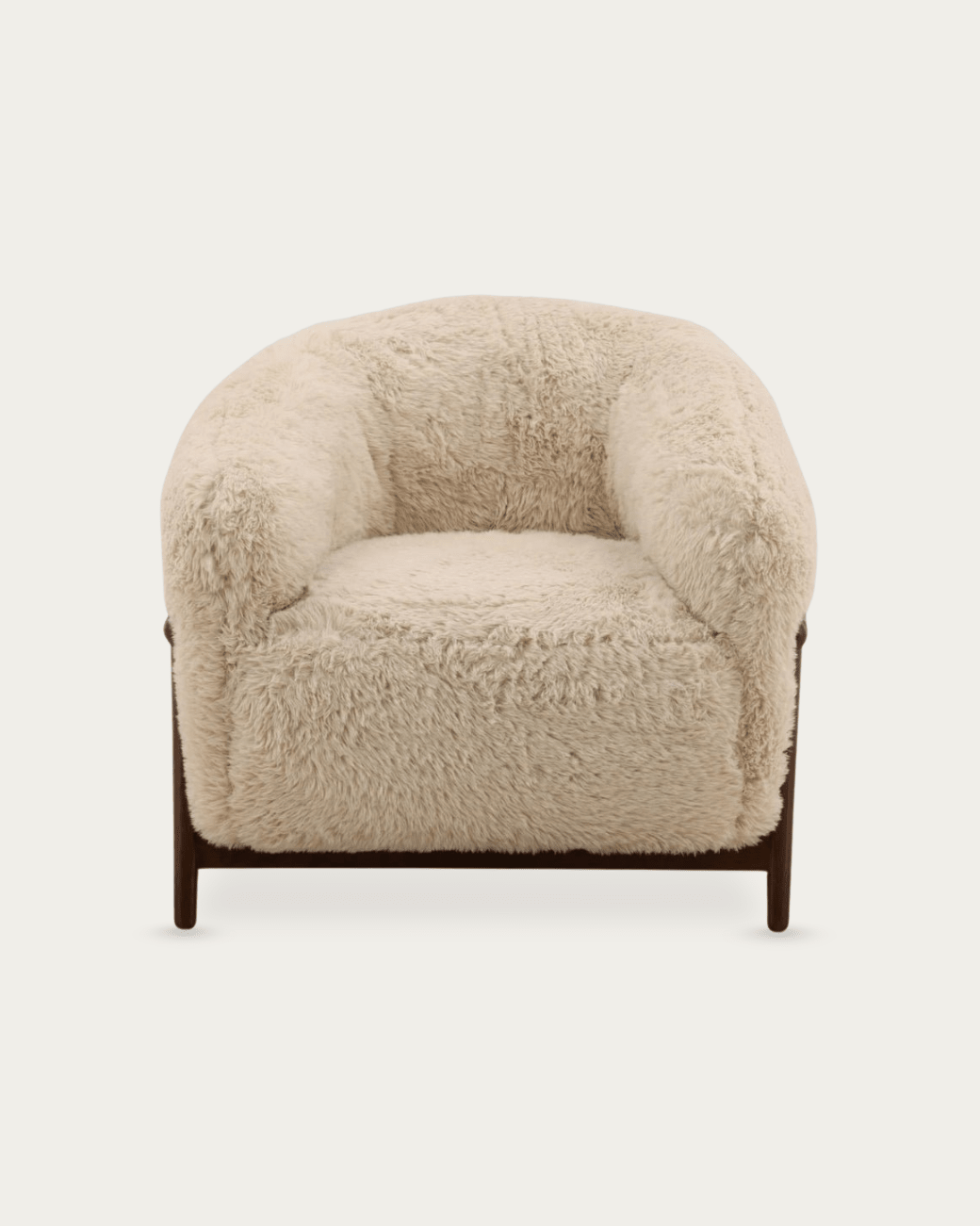
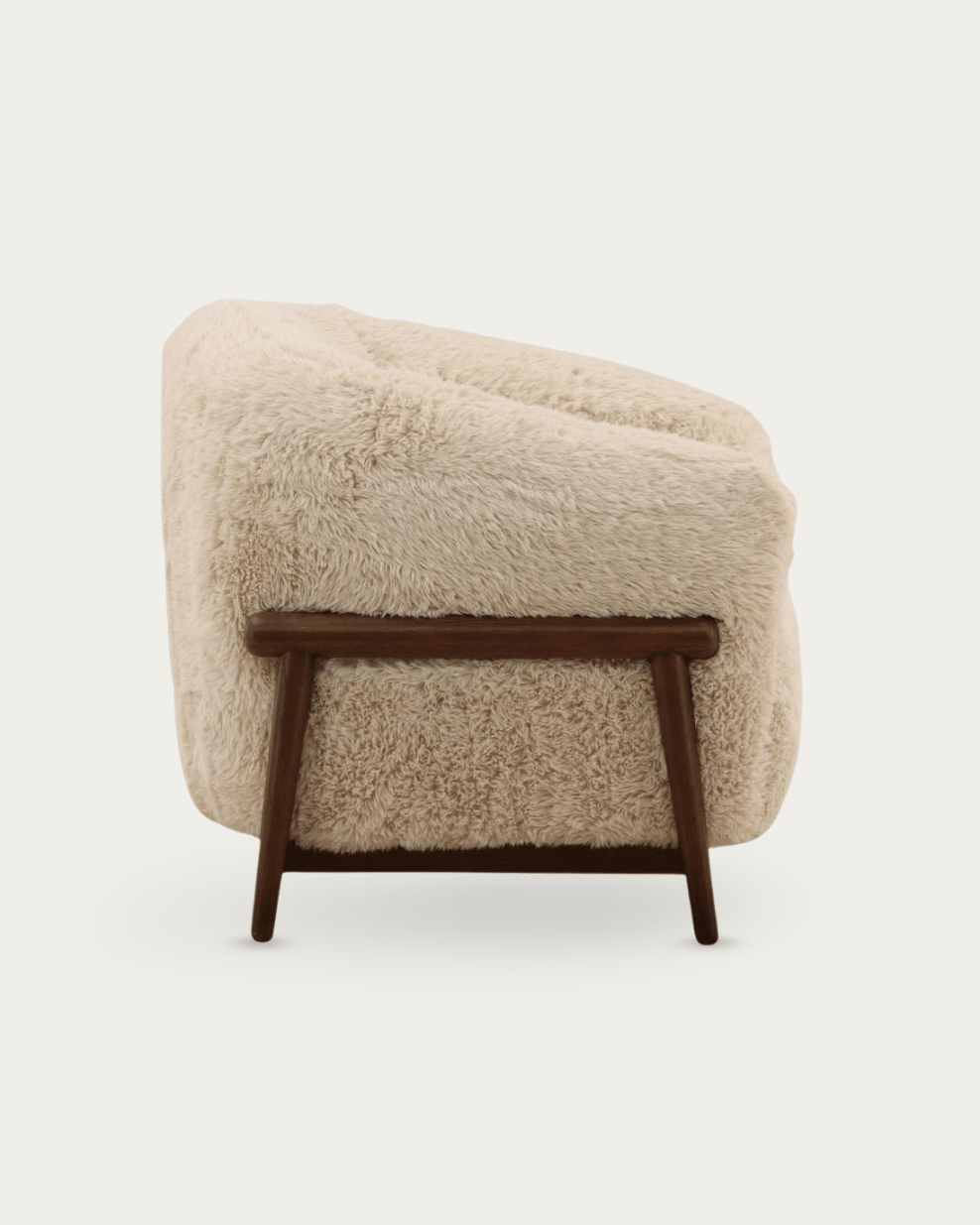
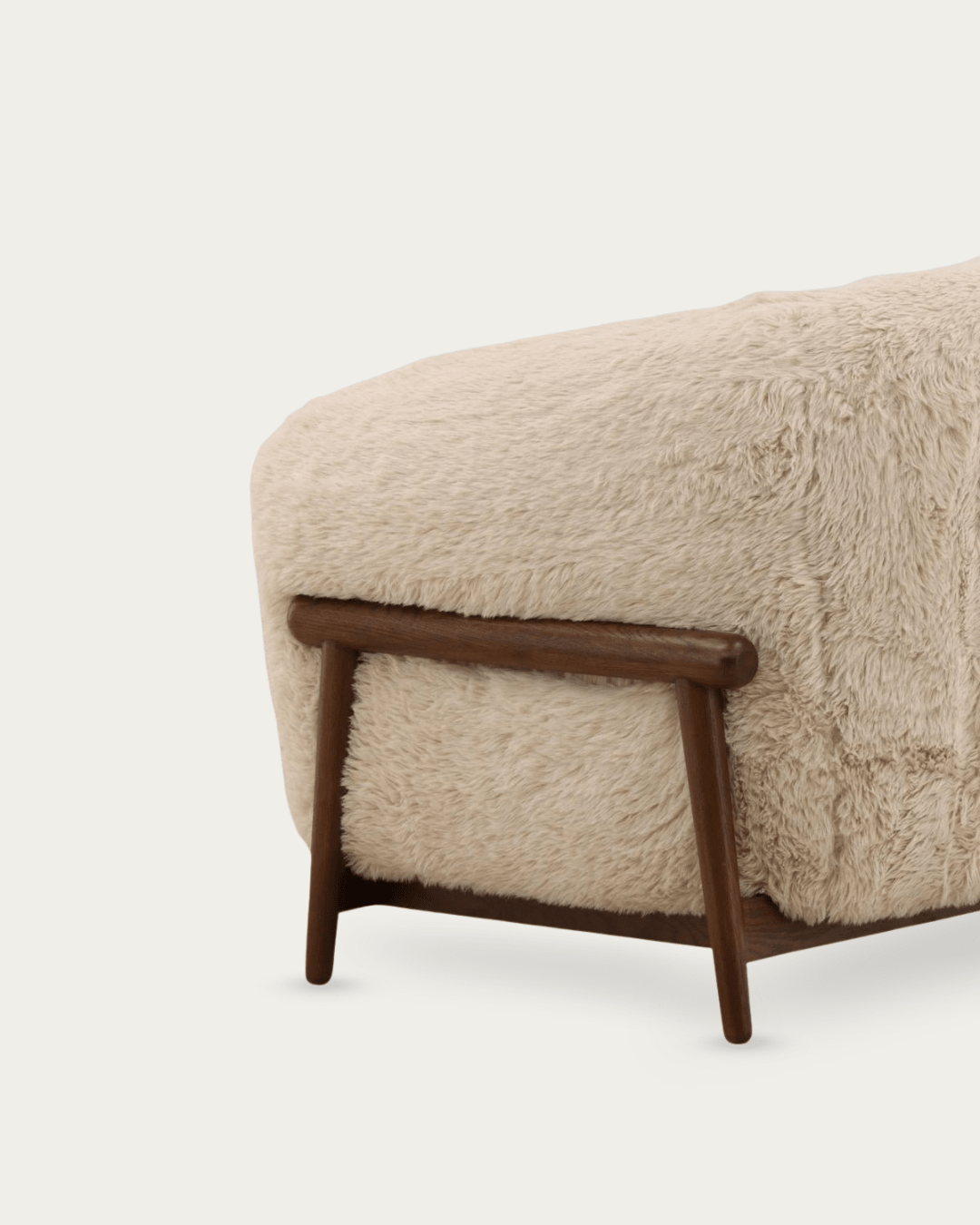
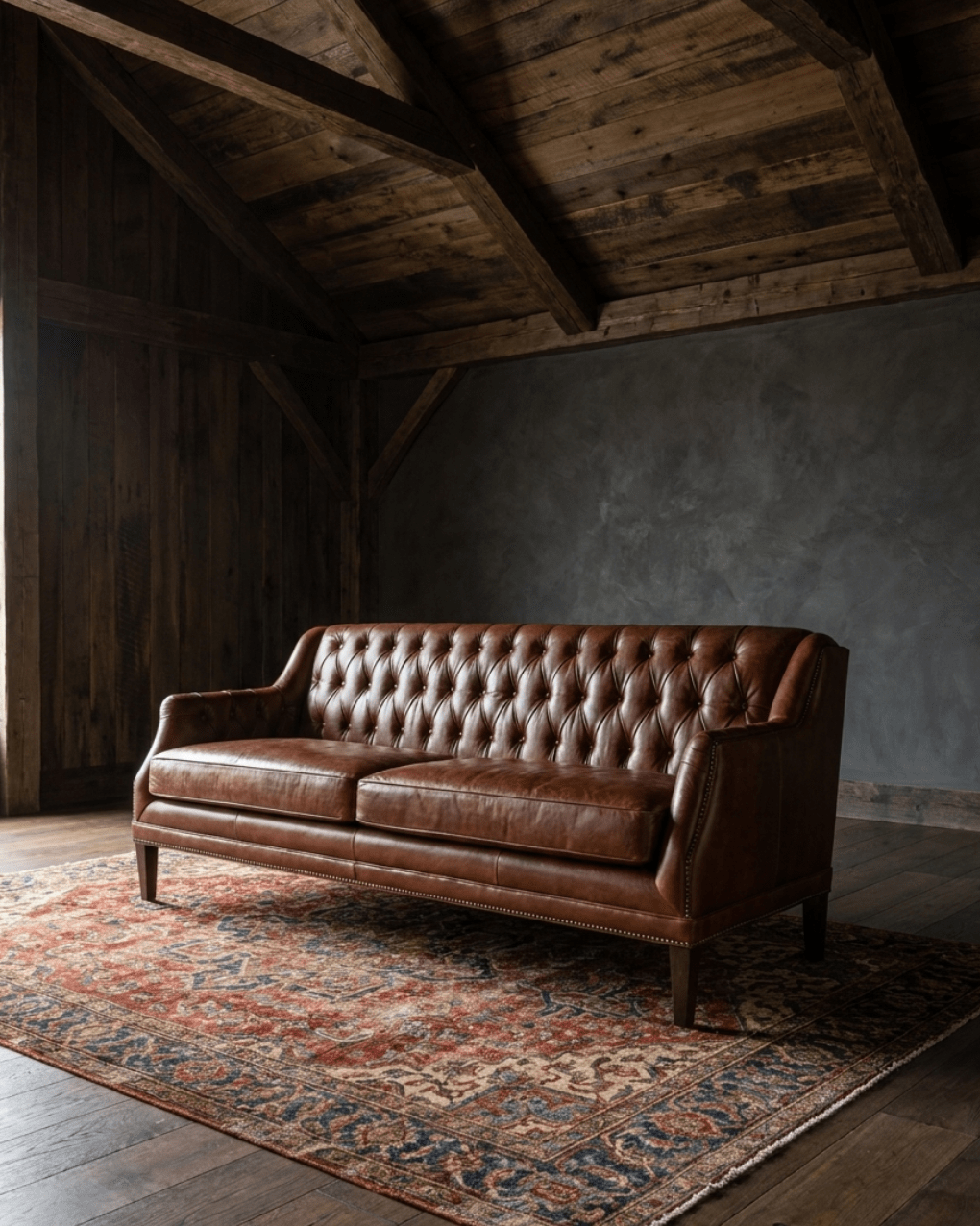
If your sofa, table, or cabinetry already has a bold or architectural presence, let the furniture take the lead and use vintage decor as the supporting cast.
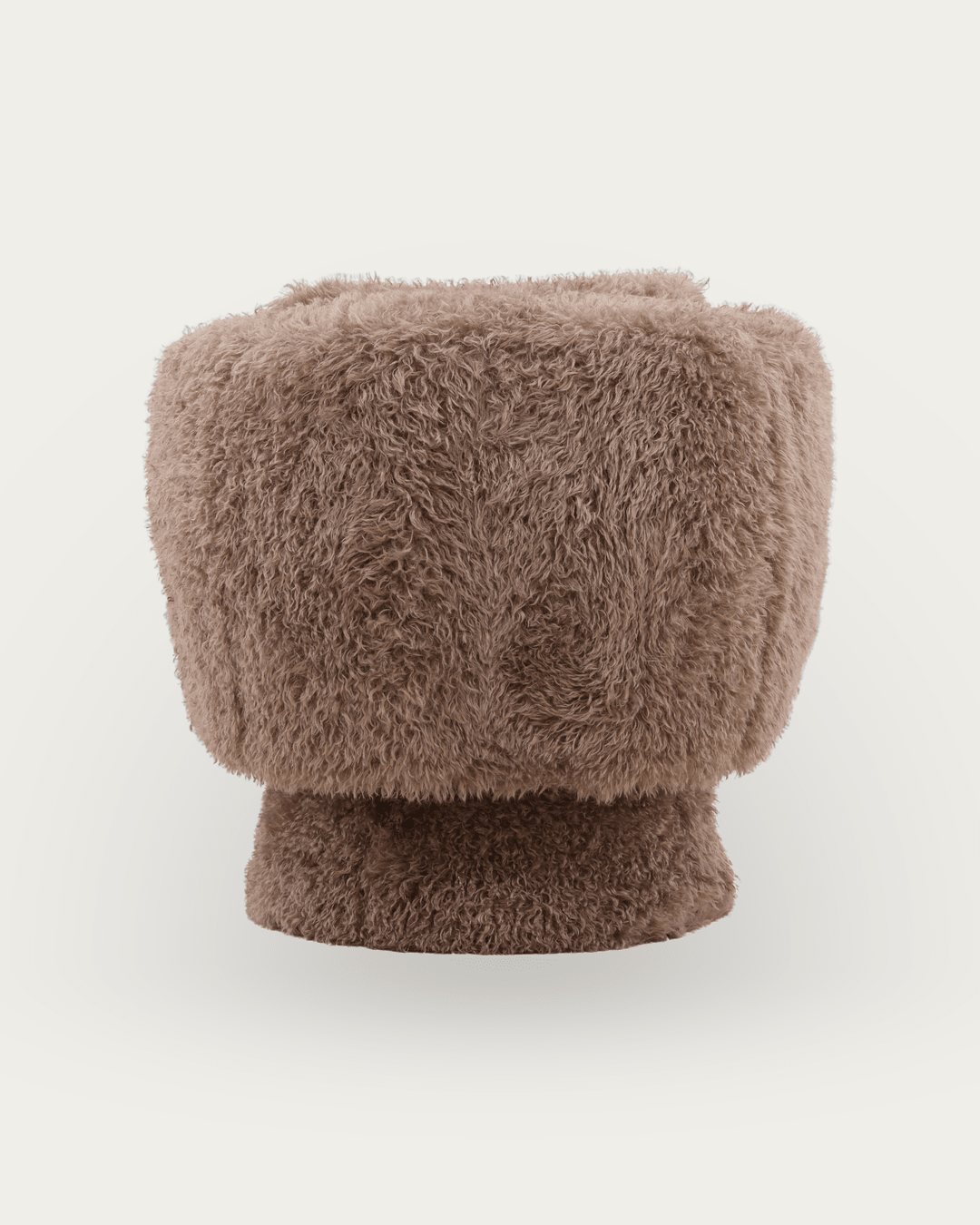
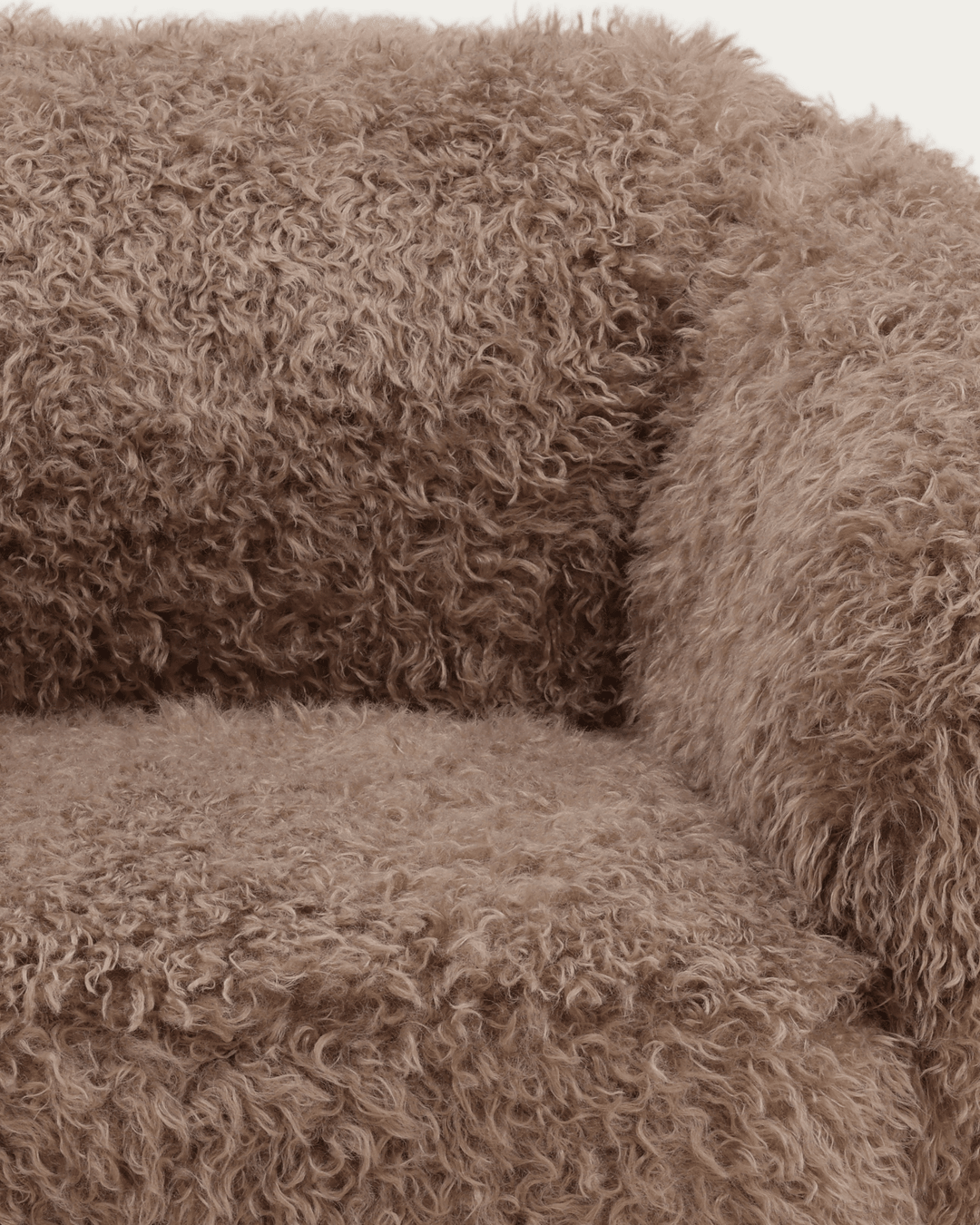
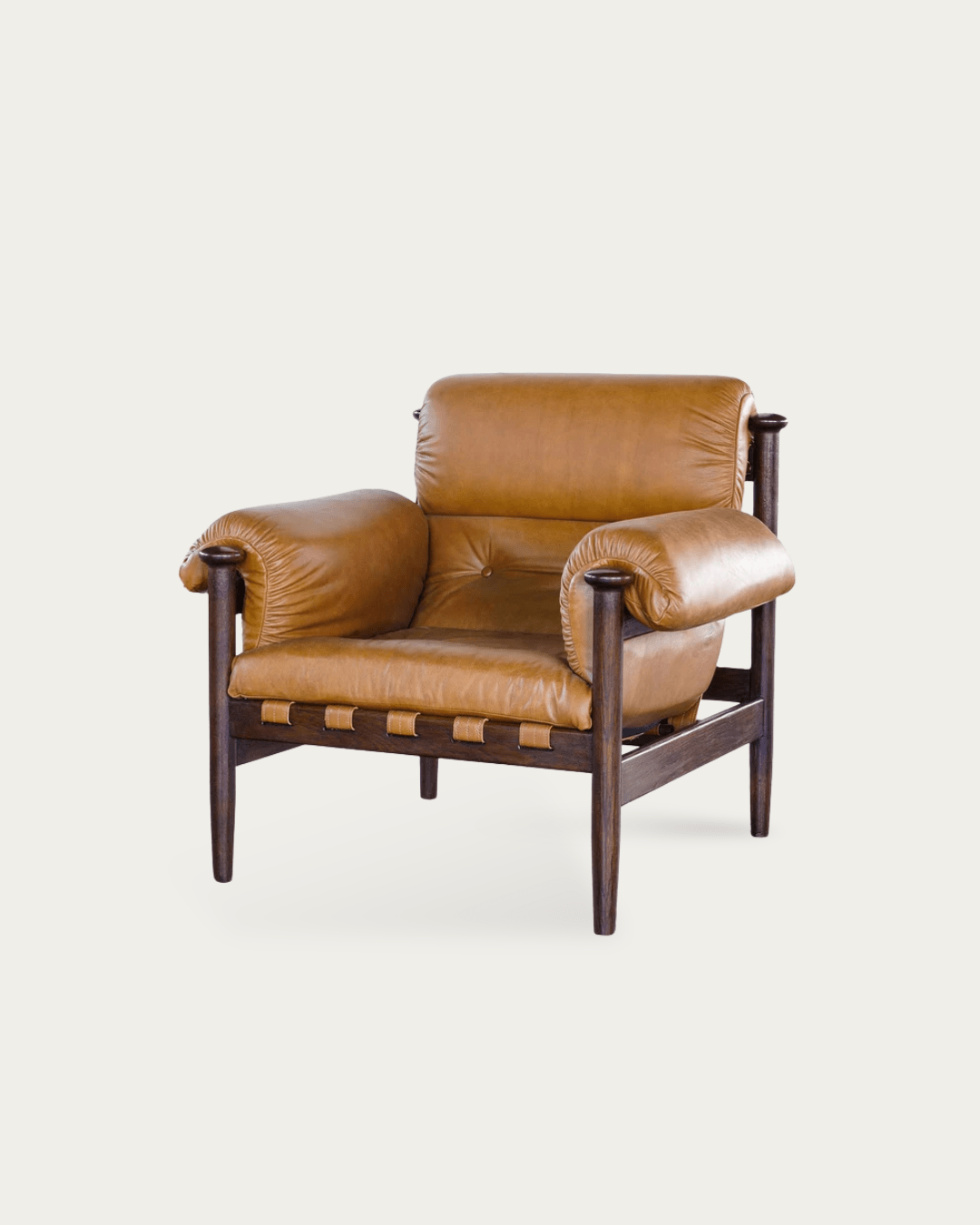
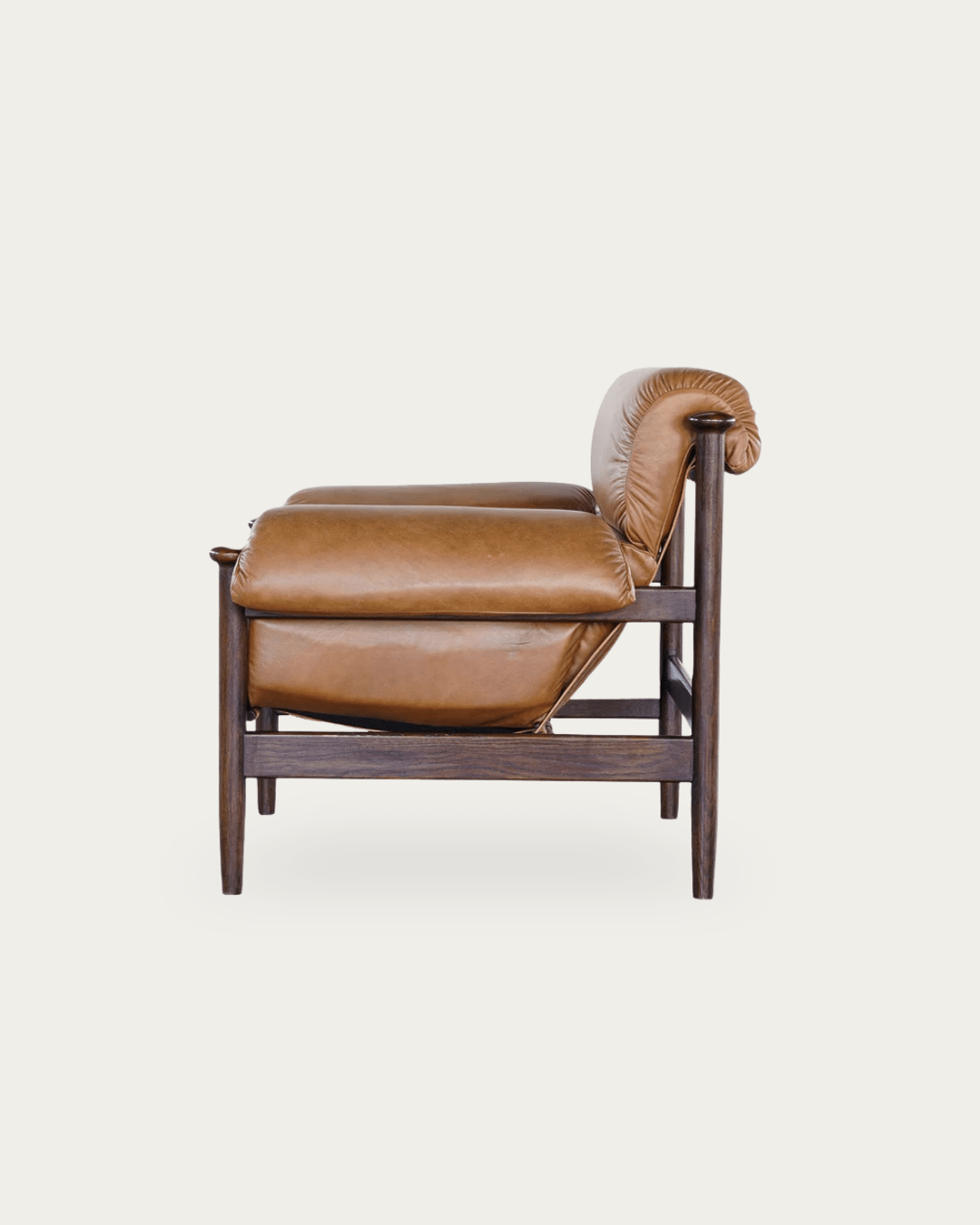
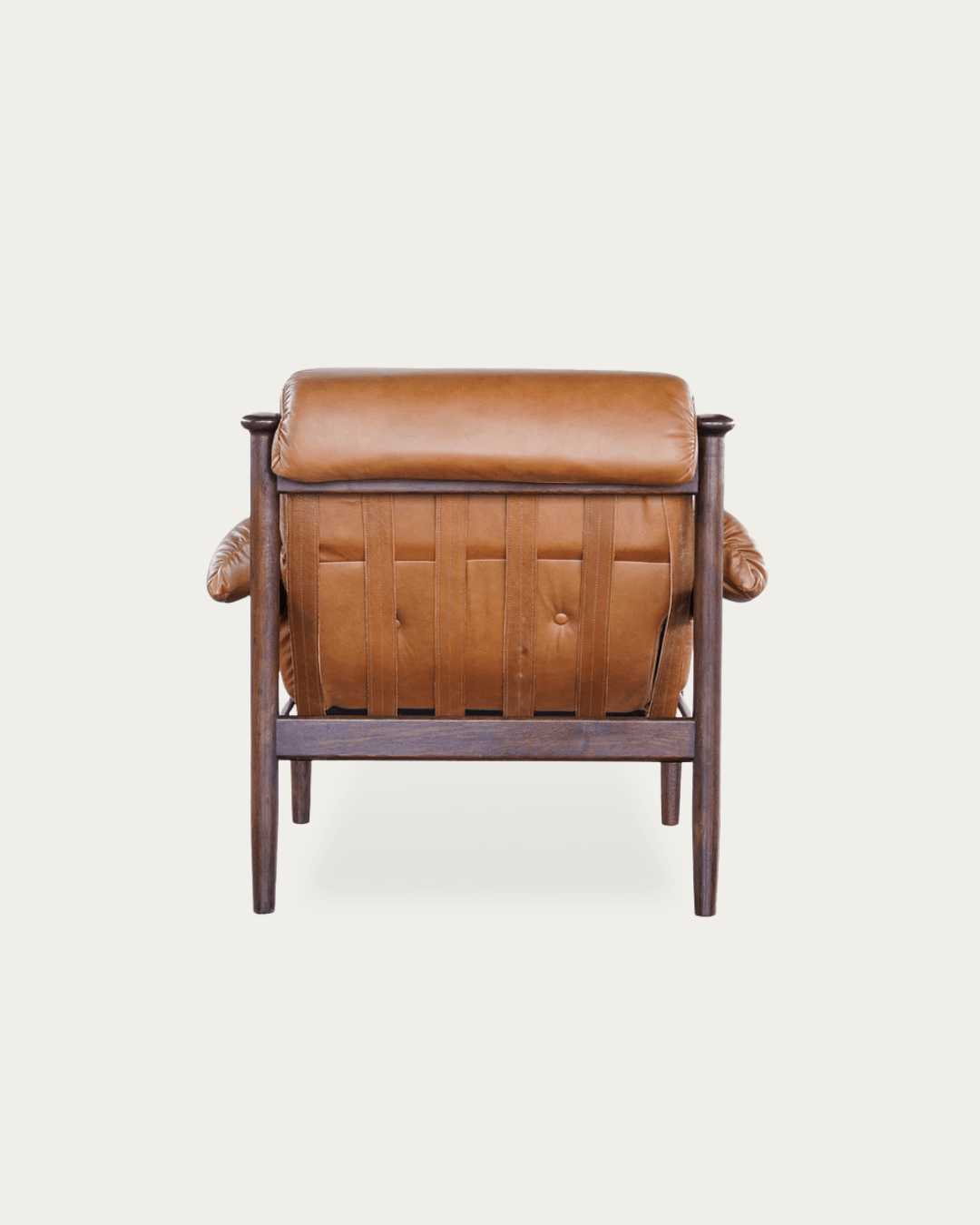
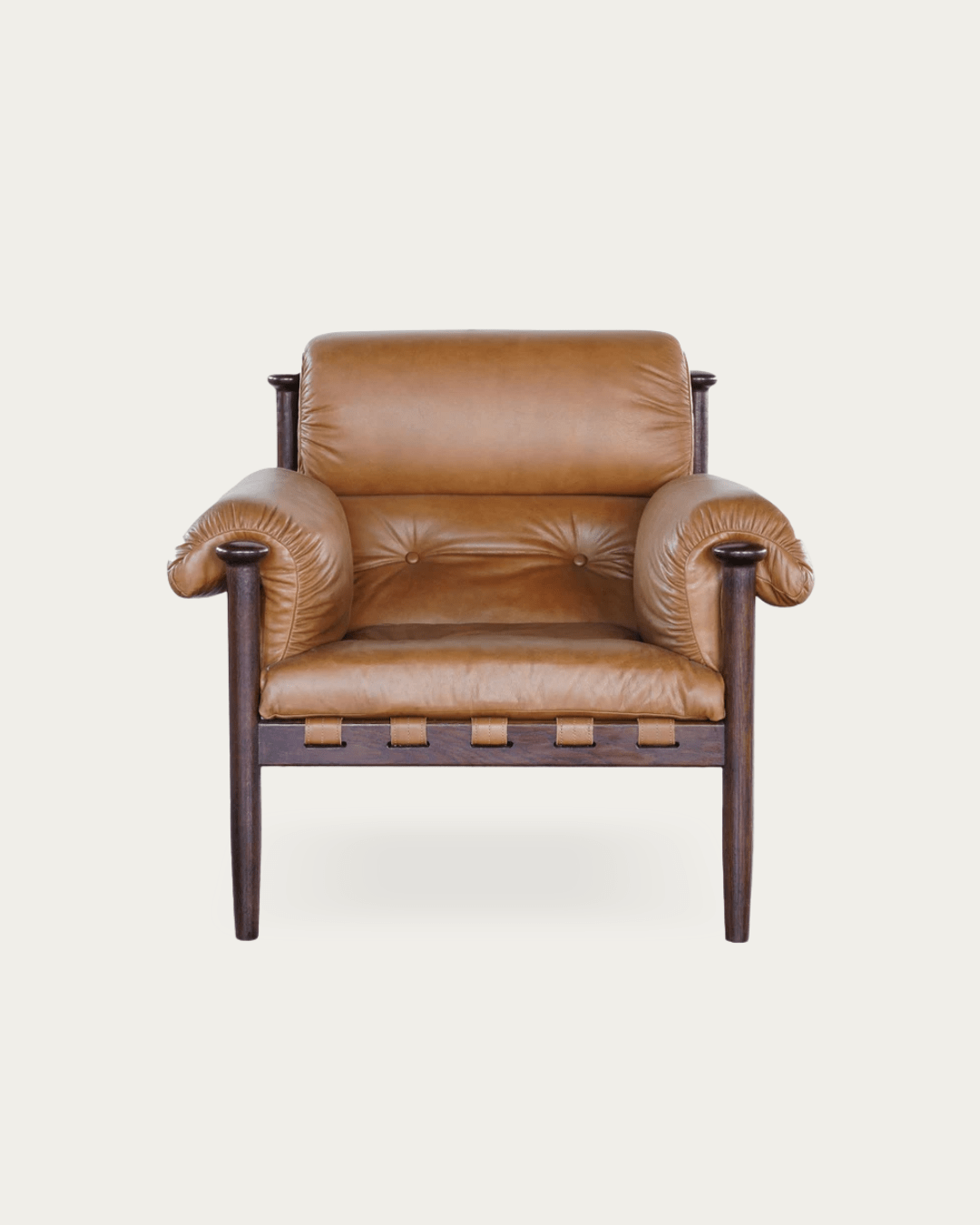
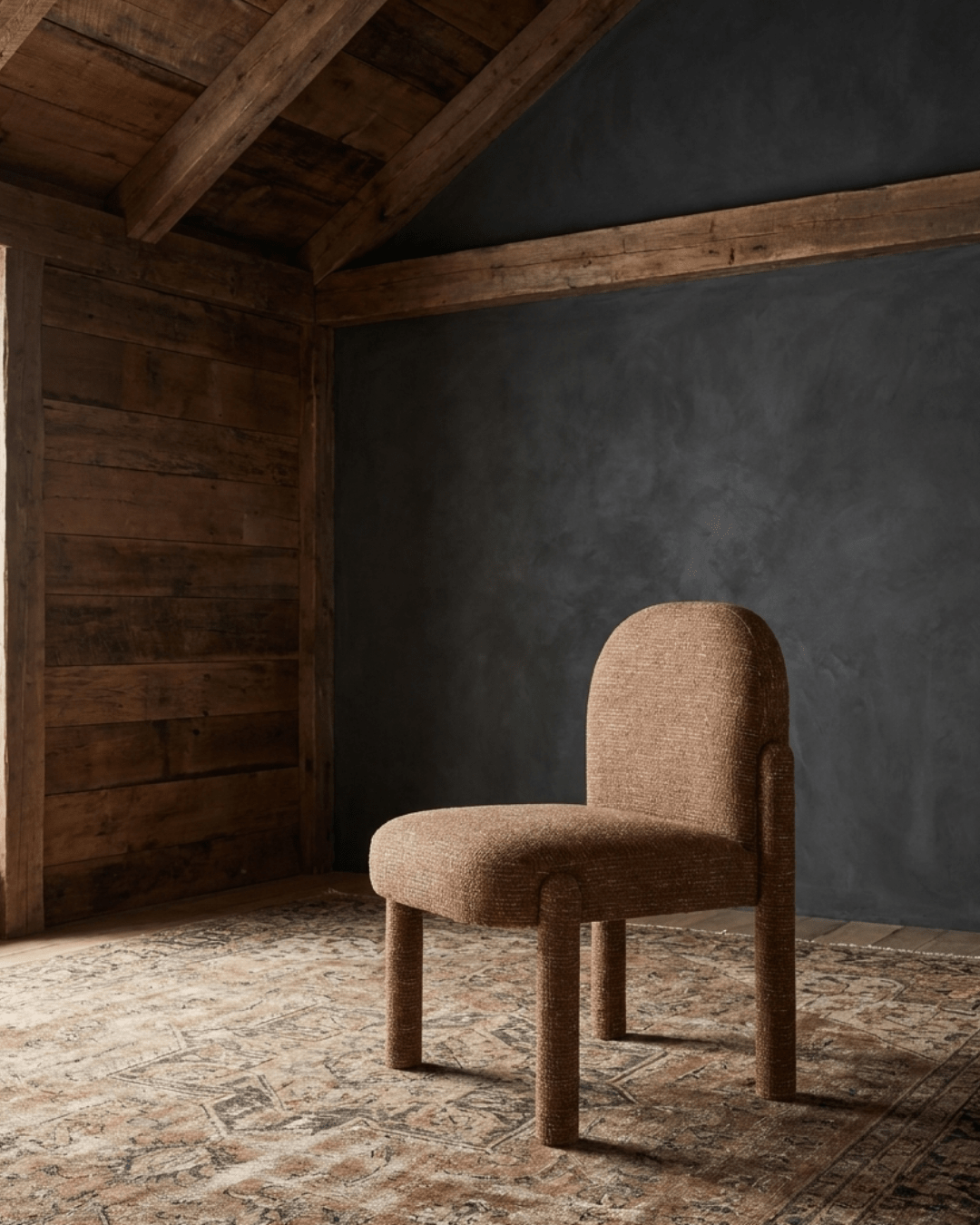
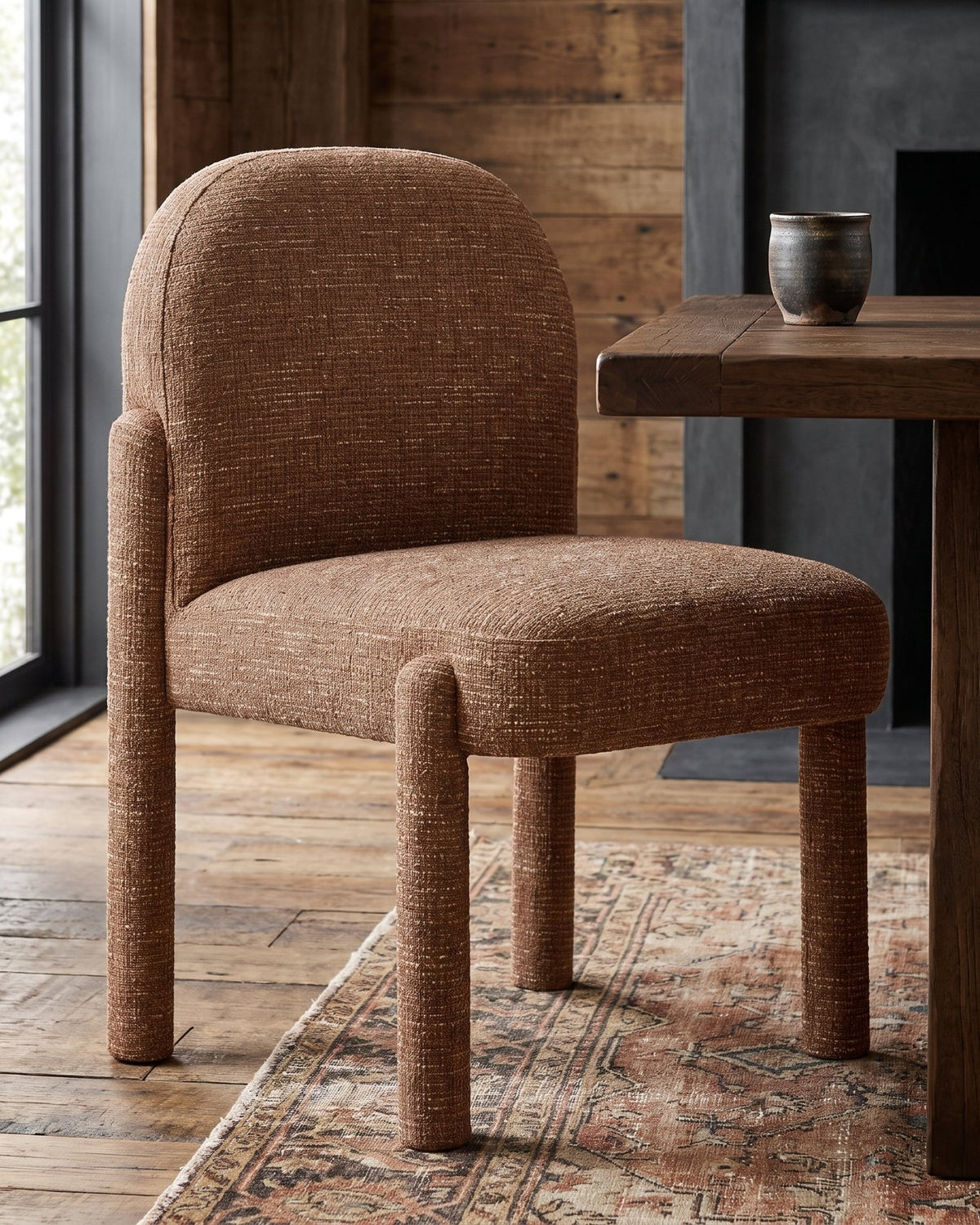
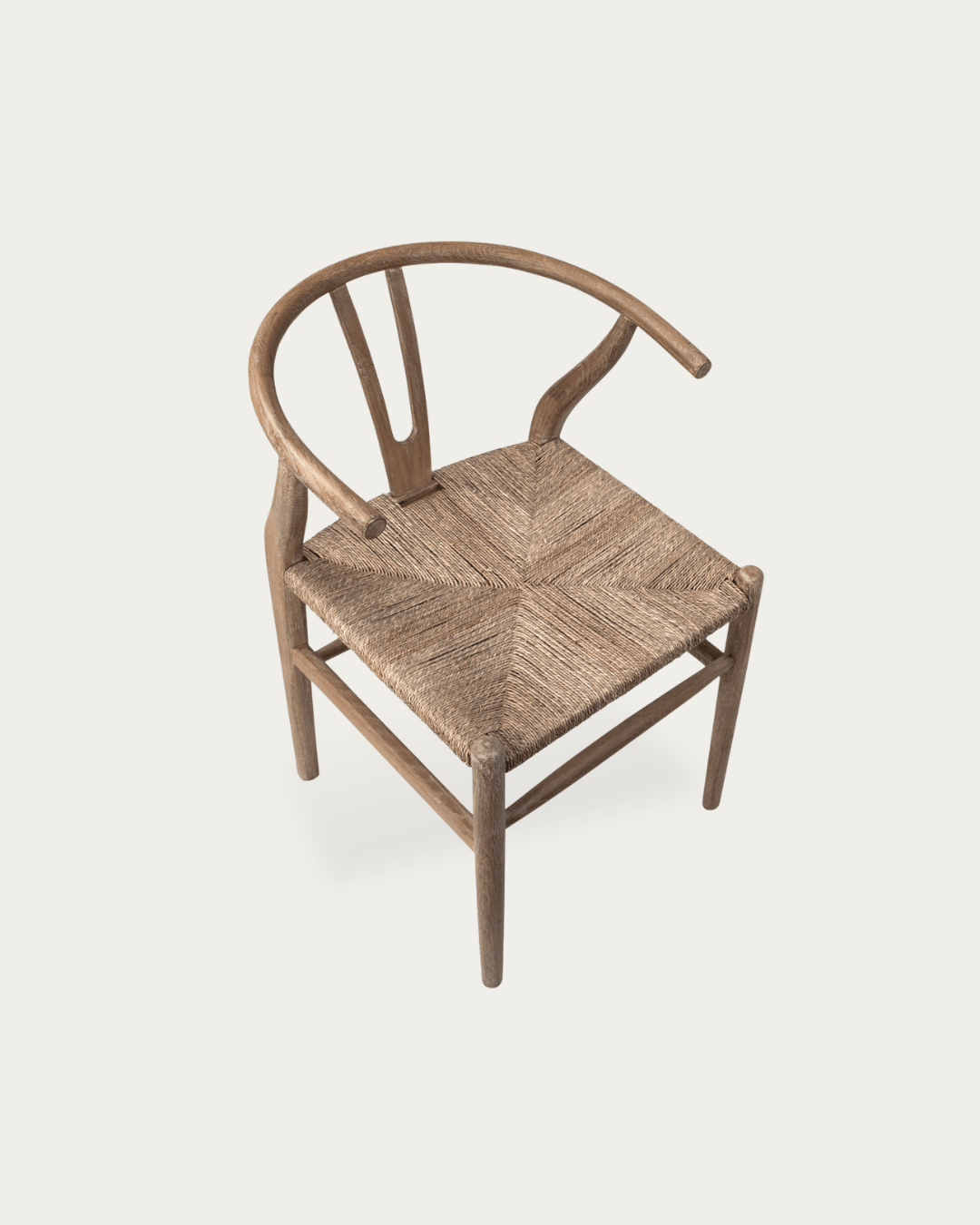
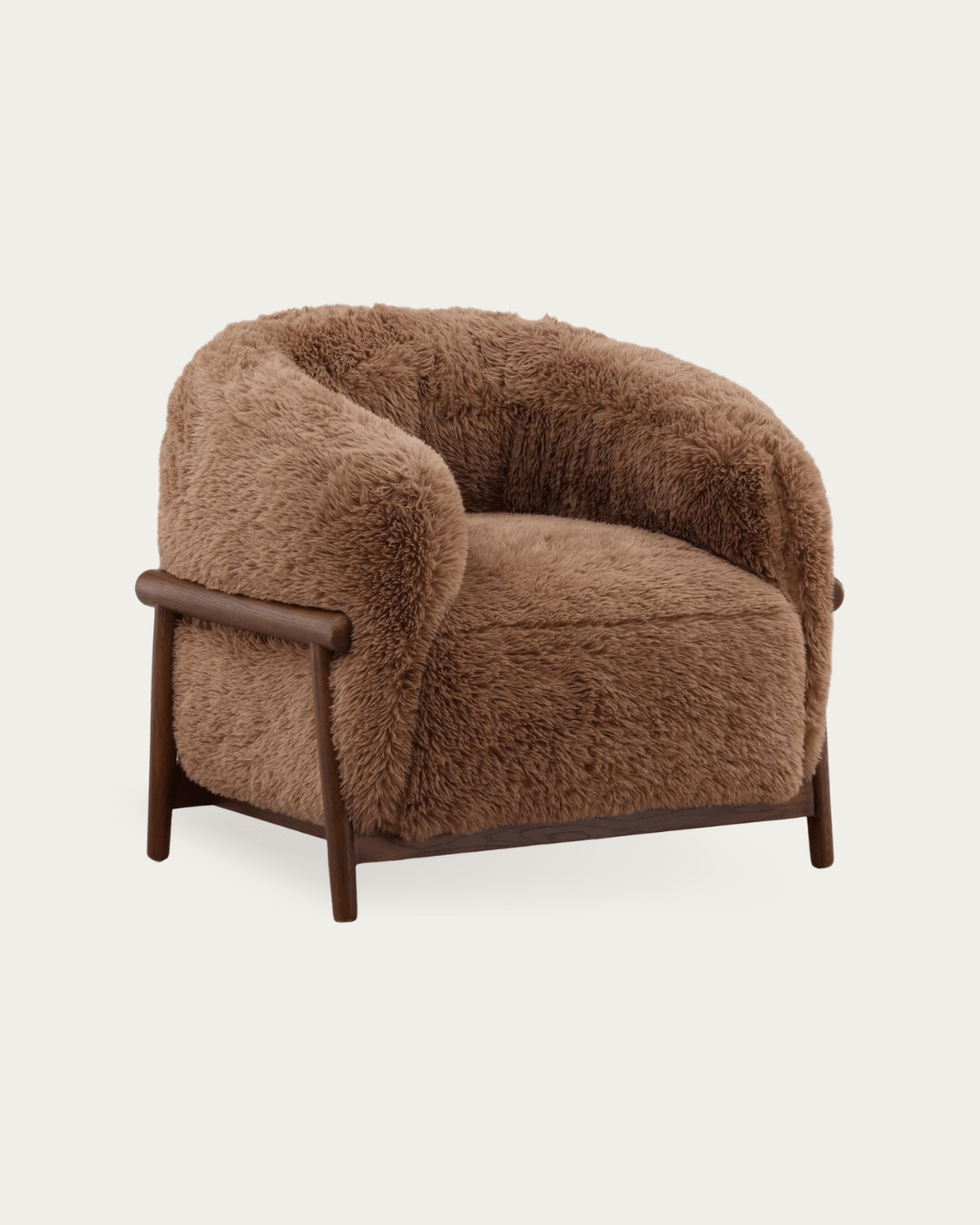
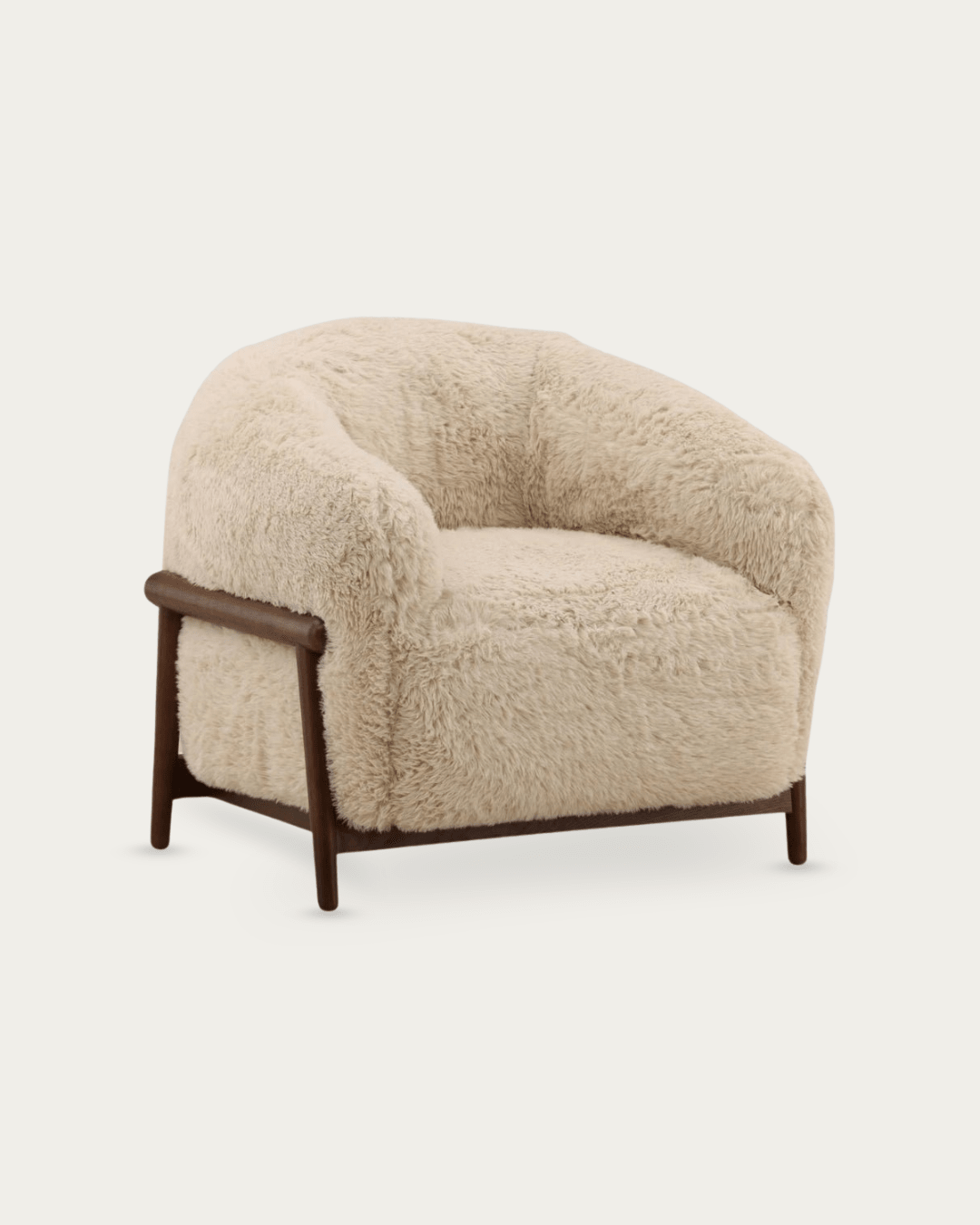
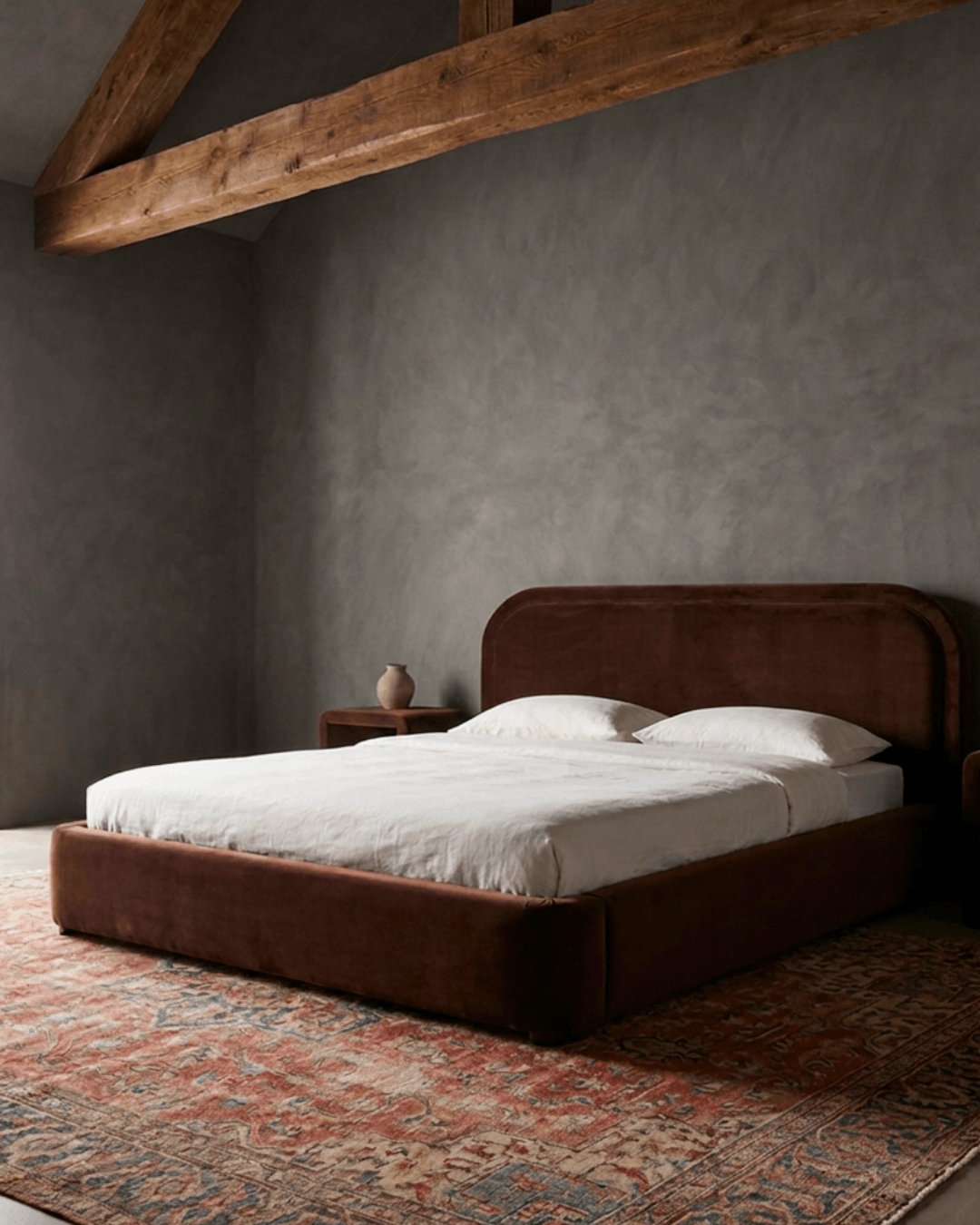
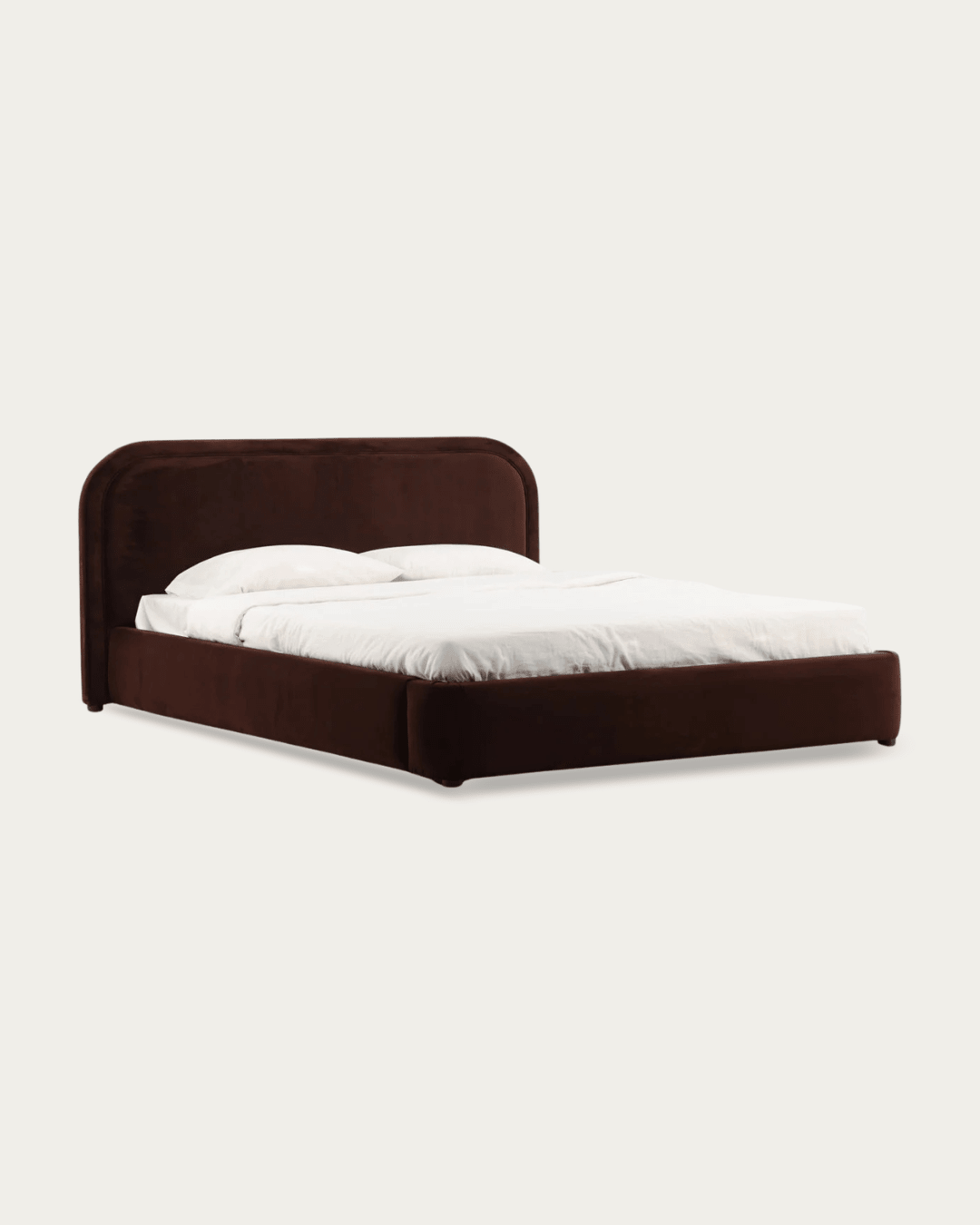
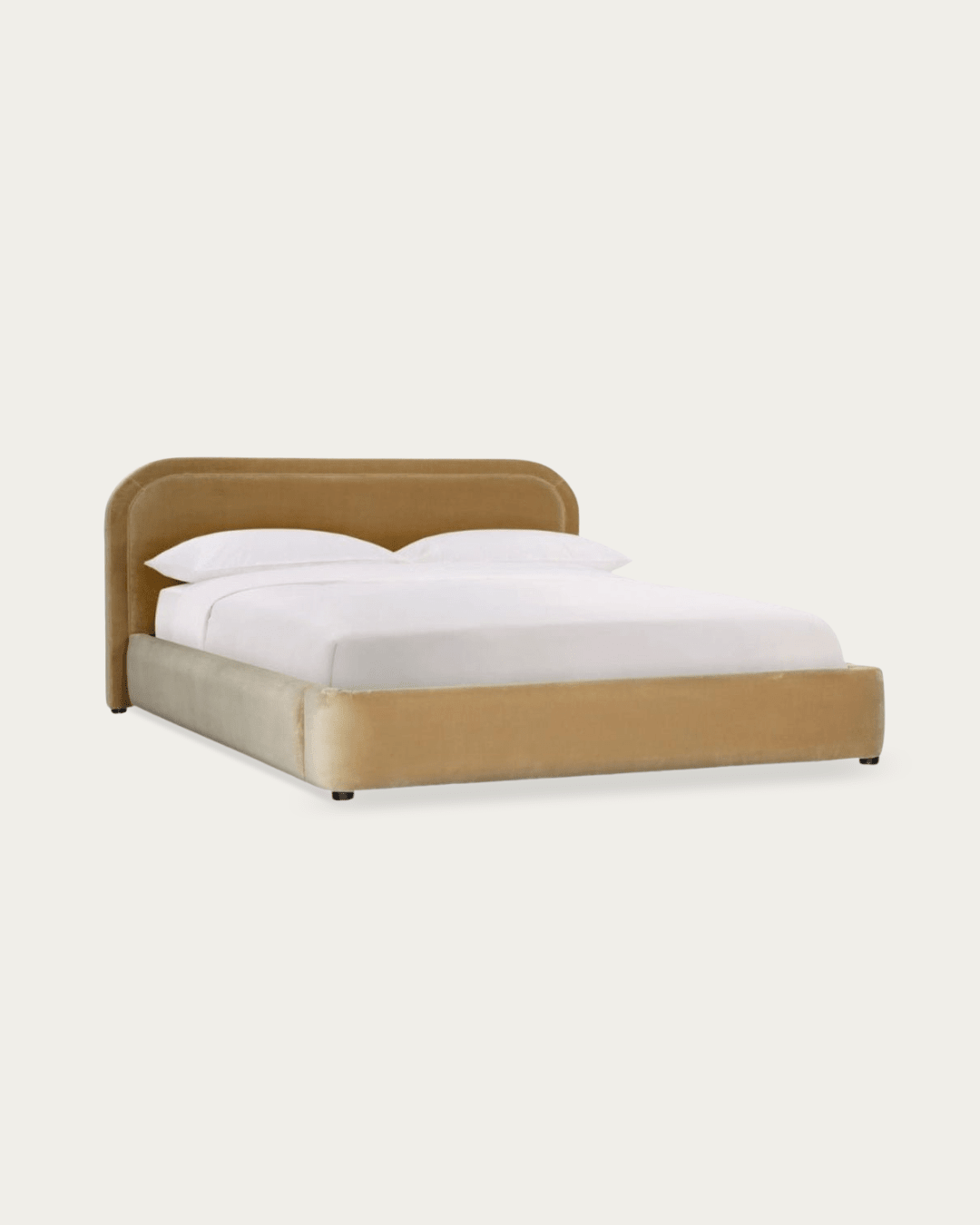
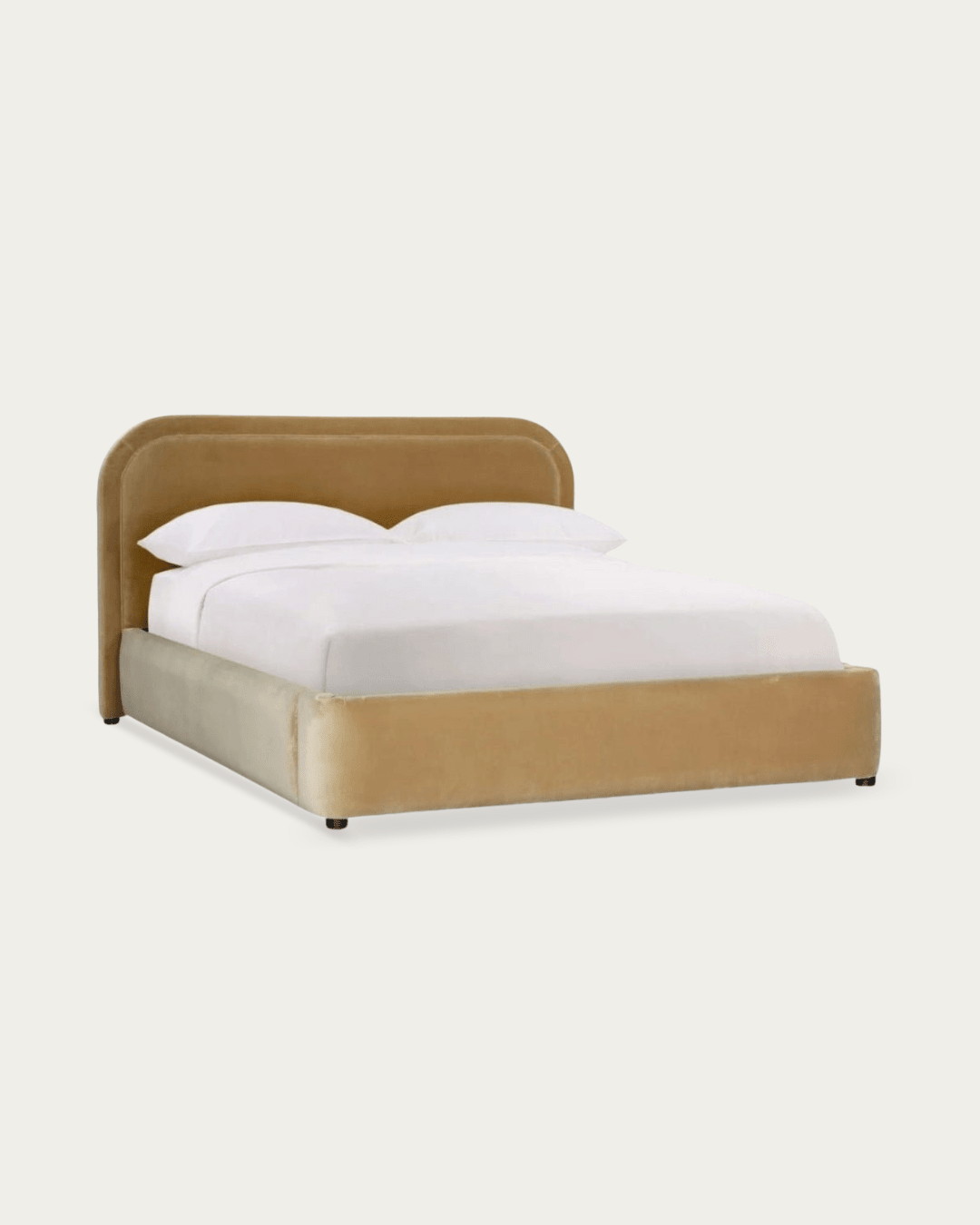
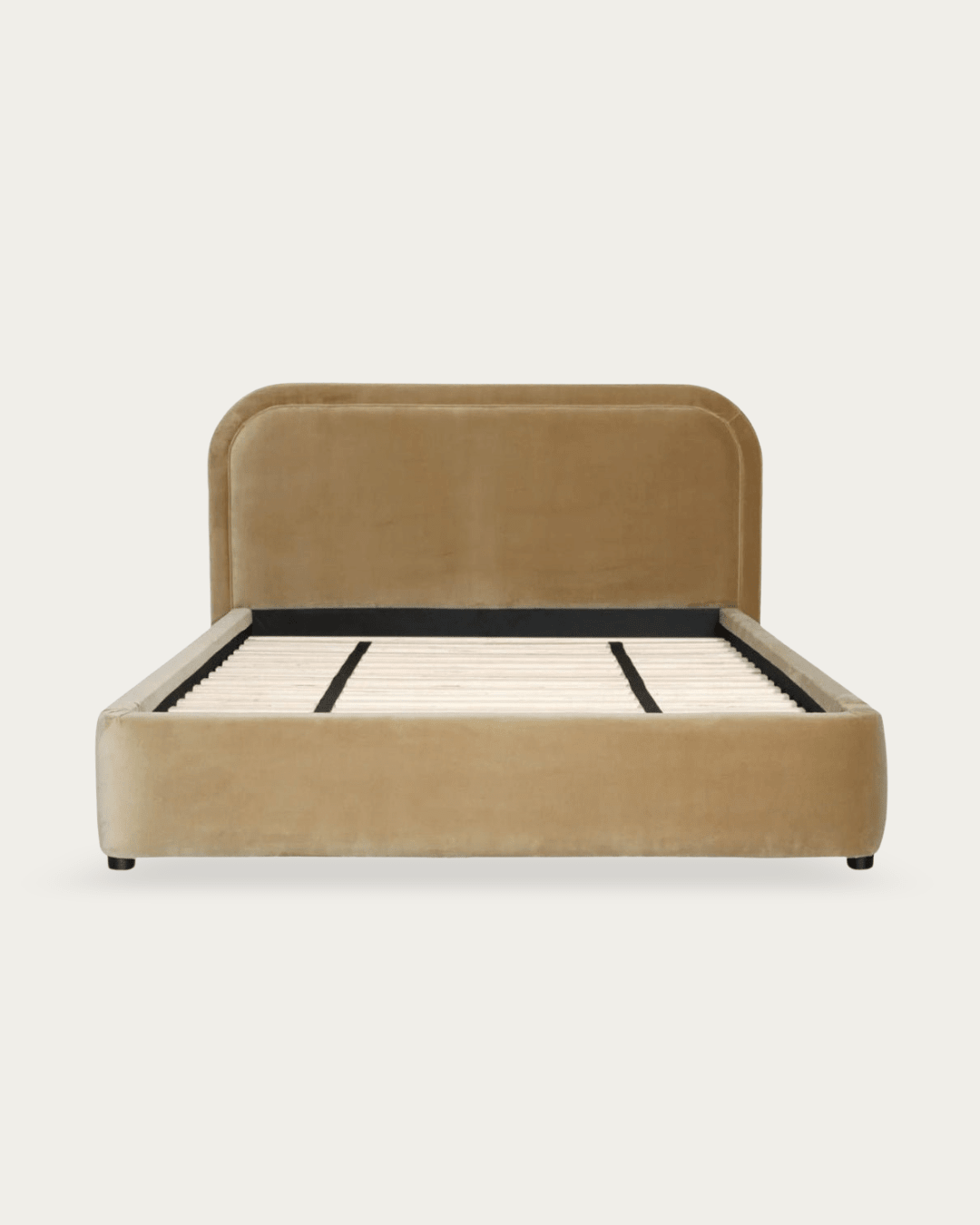
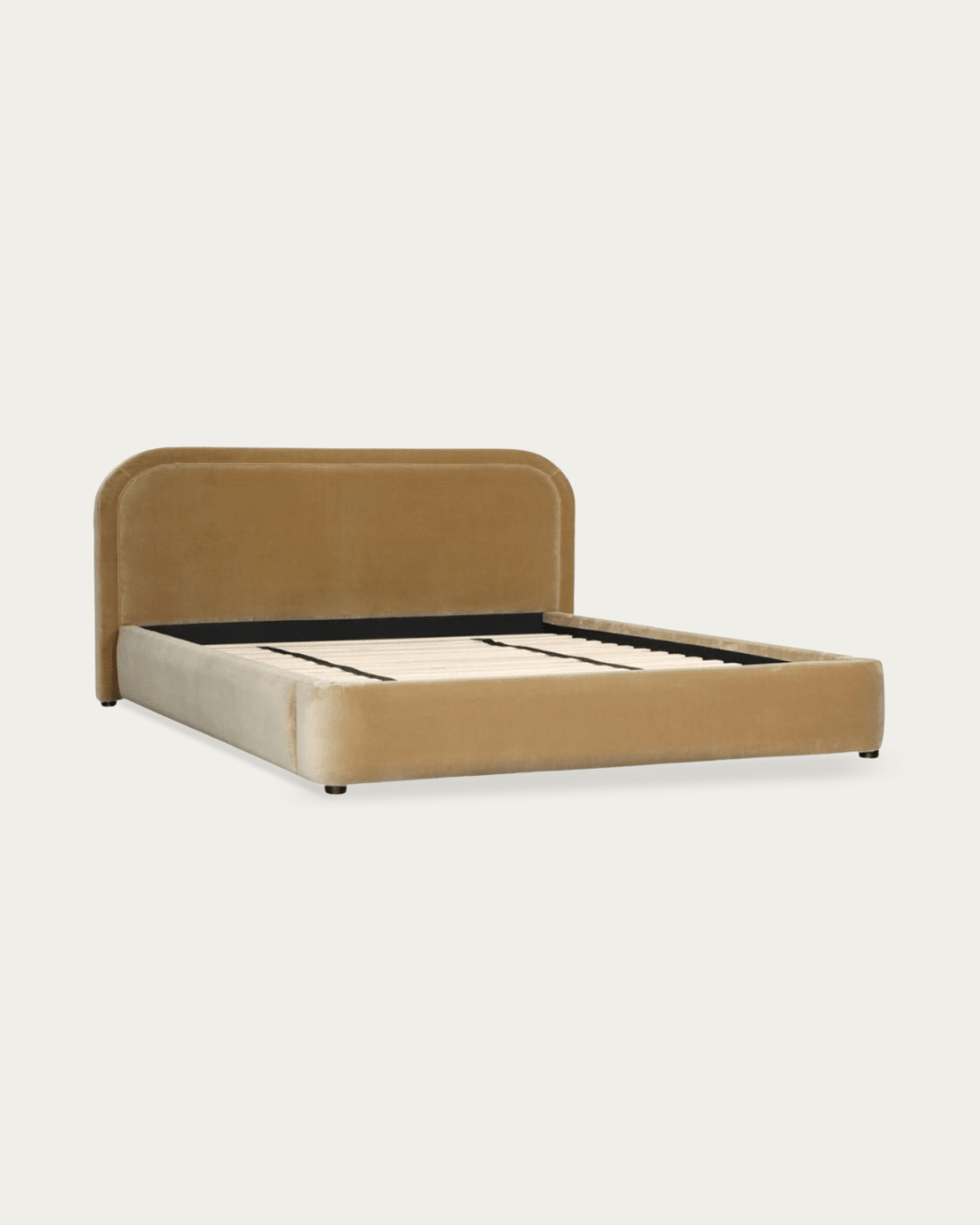
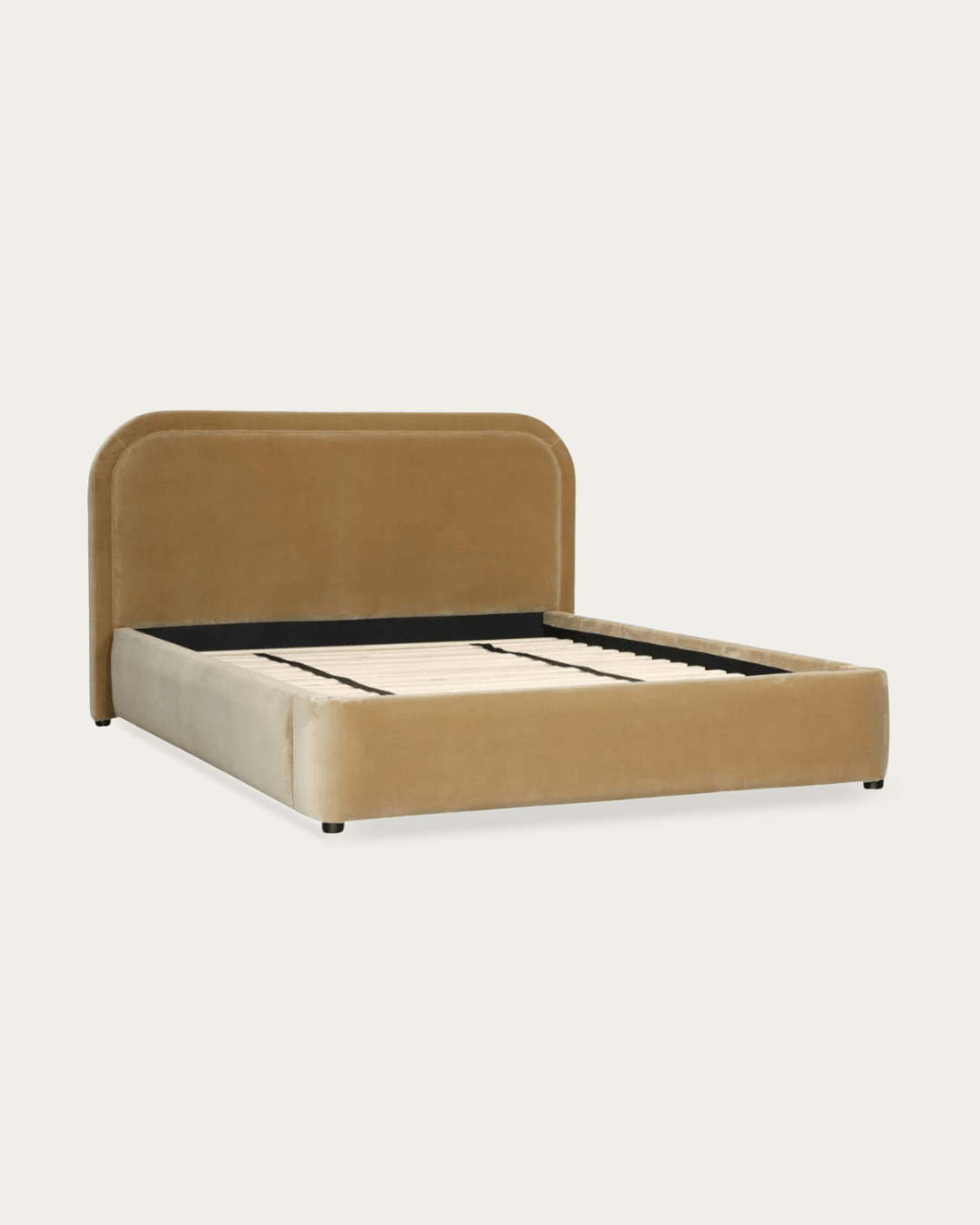
If you want new furniture that already pairs beautifully with vintage decor, explore our curated furniture range.
Pair Opposites: Contrast Makes the Mix Work
The most intentional-looking rooms aren’t perfectly matched — they’re balanced through contrast. Opposites create visual interest and show that the combination was deliberate.
Use Organic Vintage Shapes With Clean Modern Lines
Modern furniture is often sharp, structured, and minimal. Vintage decor is softer, worn-in, and irregular.
A modern entry table with a Round Chapati Mirror instantly introduces softness and movement.
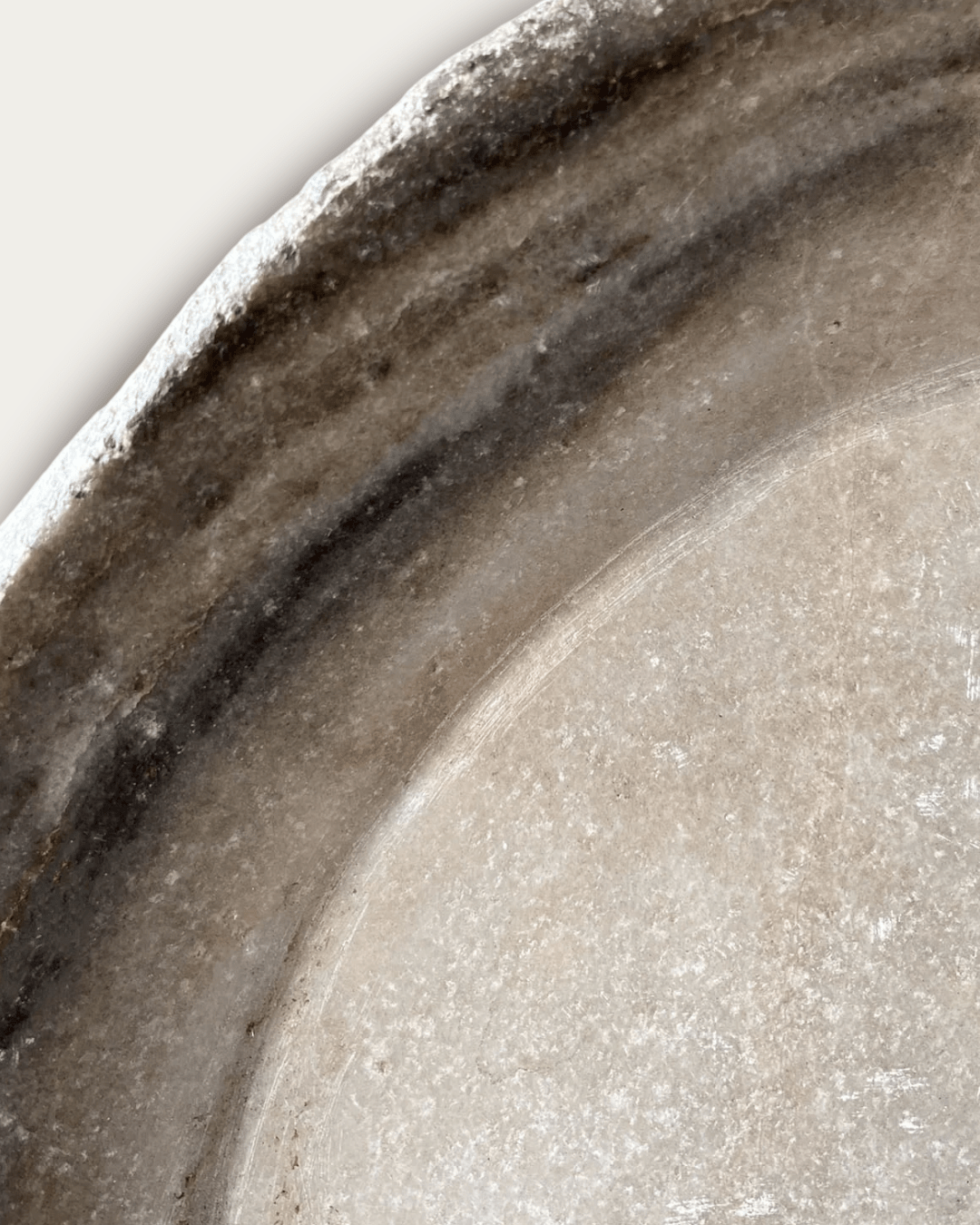
A streamlined coffee table or a modern dining table paired with the Round Zinc Tray creates a grounding focal point without overwhelming the space.
Avoid Era Clustering
Too many similar-era pieces grouped together make the room feel themed. Spread the vintage moments across the layout so the mix feels dynamic.
Let Vintage Add Texture to Modern Surfaces
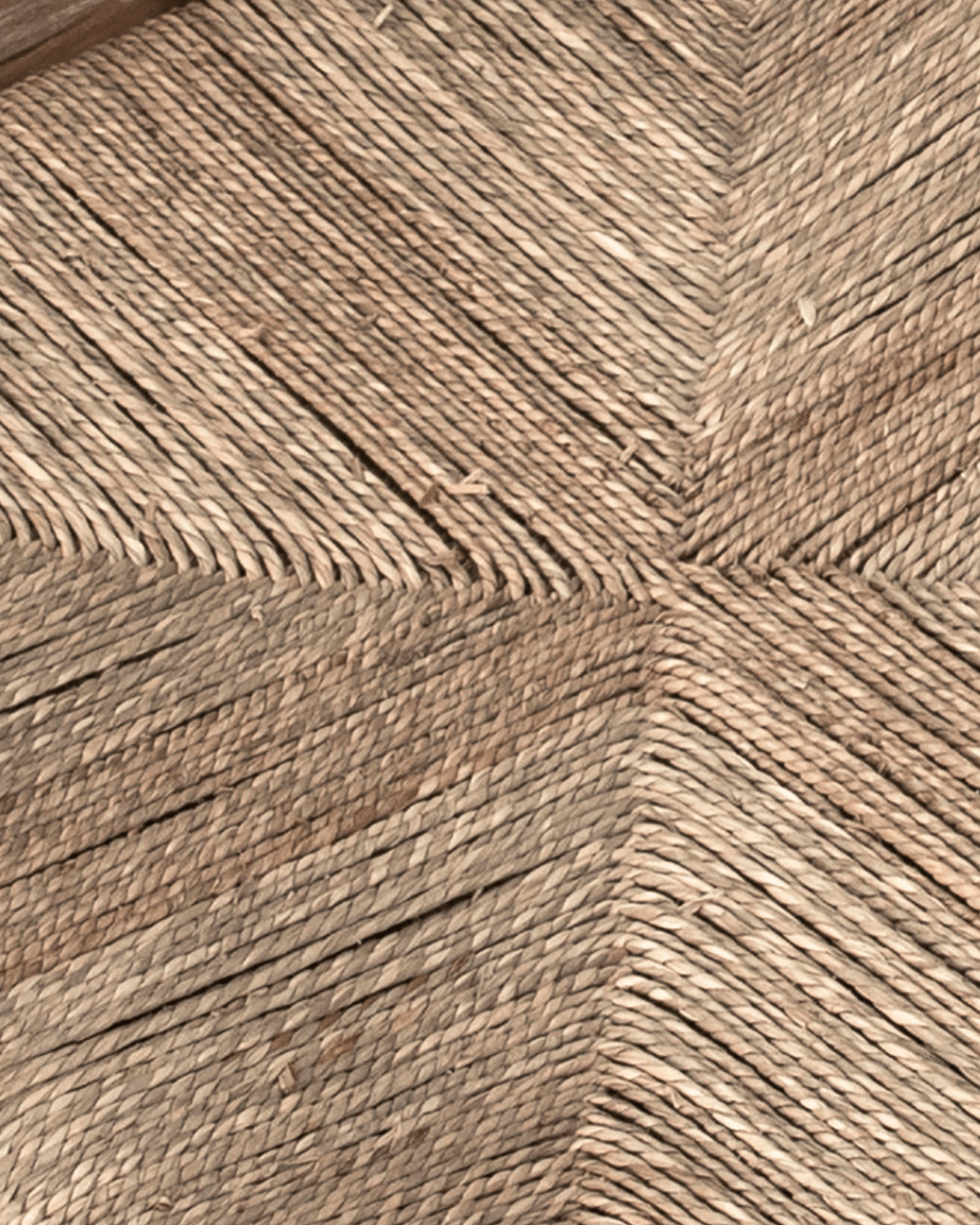
Modern furniture is often smooth — wood veneers, polished stone, powder-coated metal. Vintage brings tactile variation.
Use Vintage Decor to Break Up Flat Planes
A Vintage Tea Drying Basket adds natural, woven texture to crisp modern shelving or cabinetry.
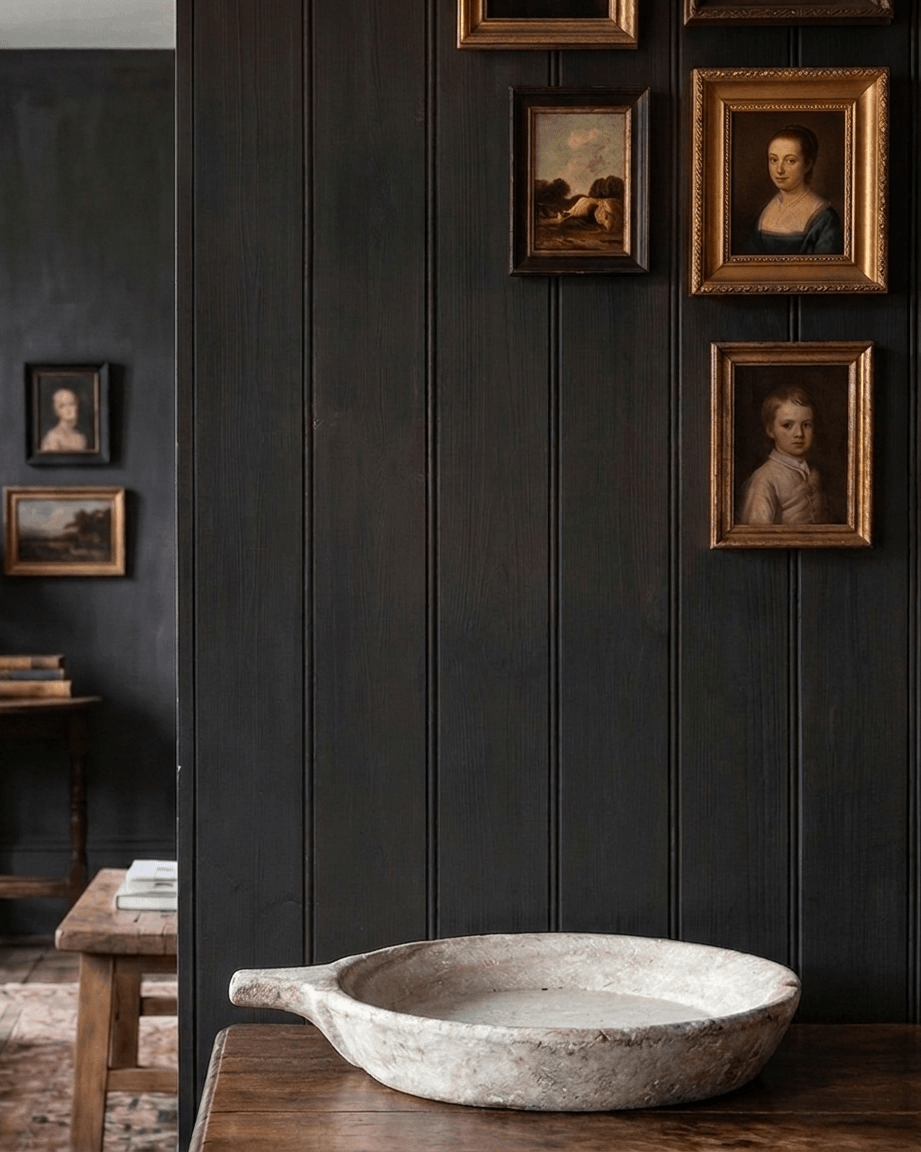
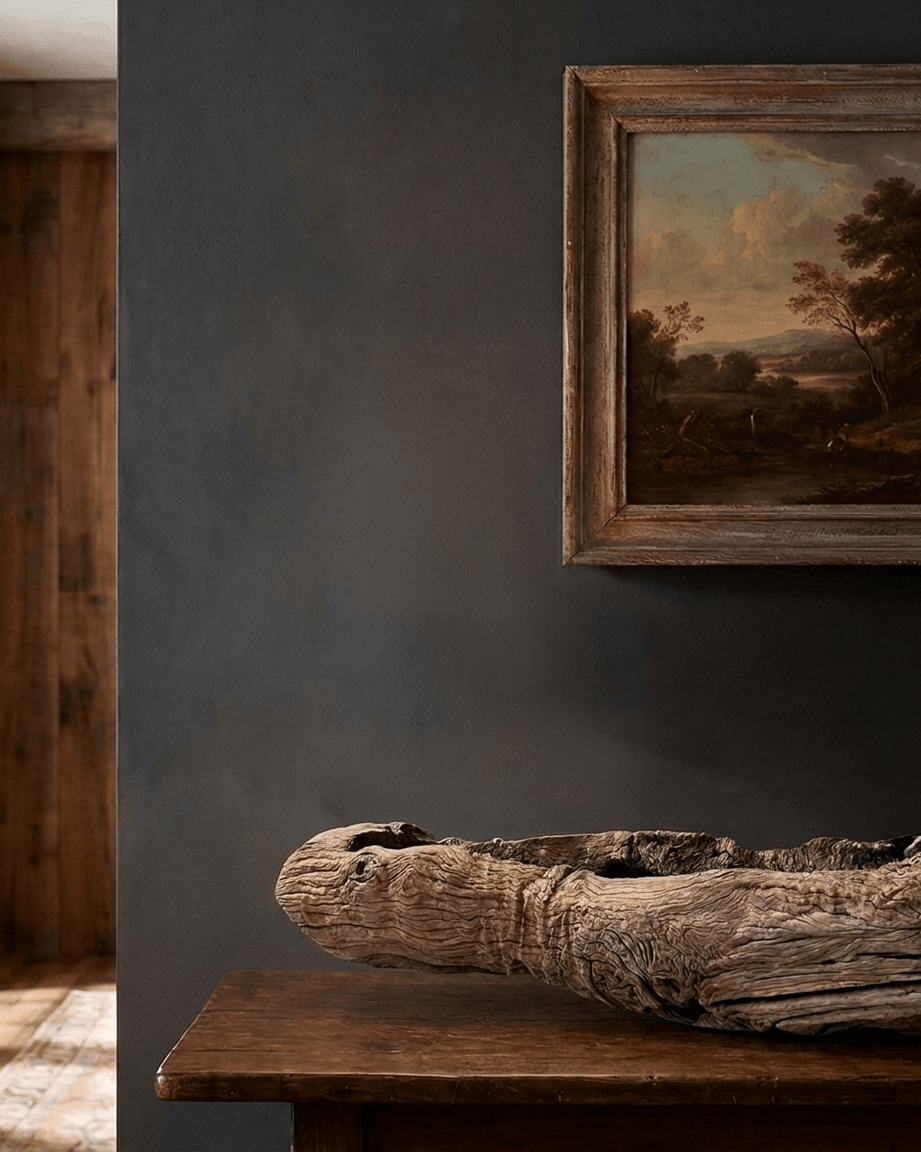
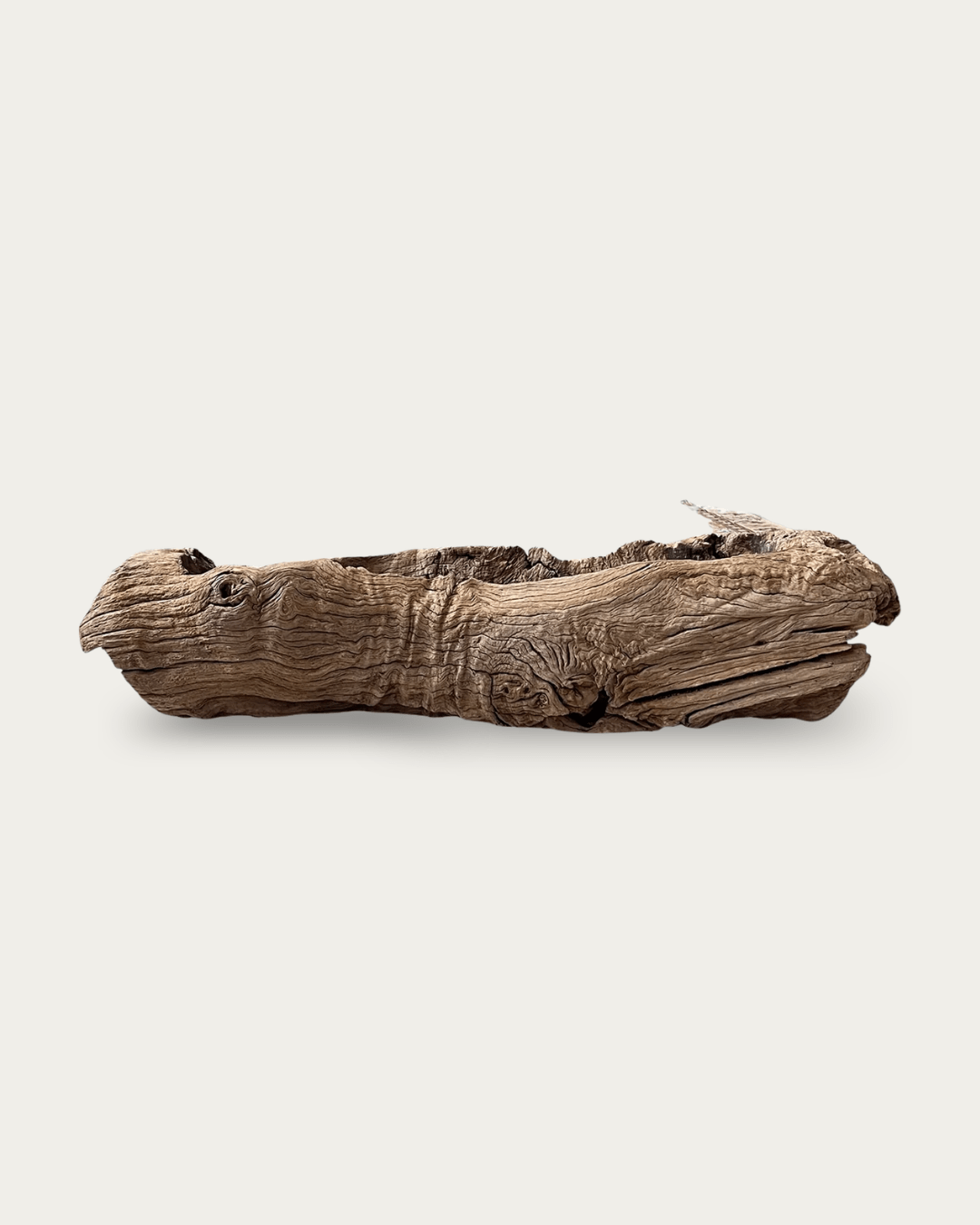
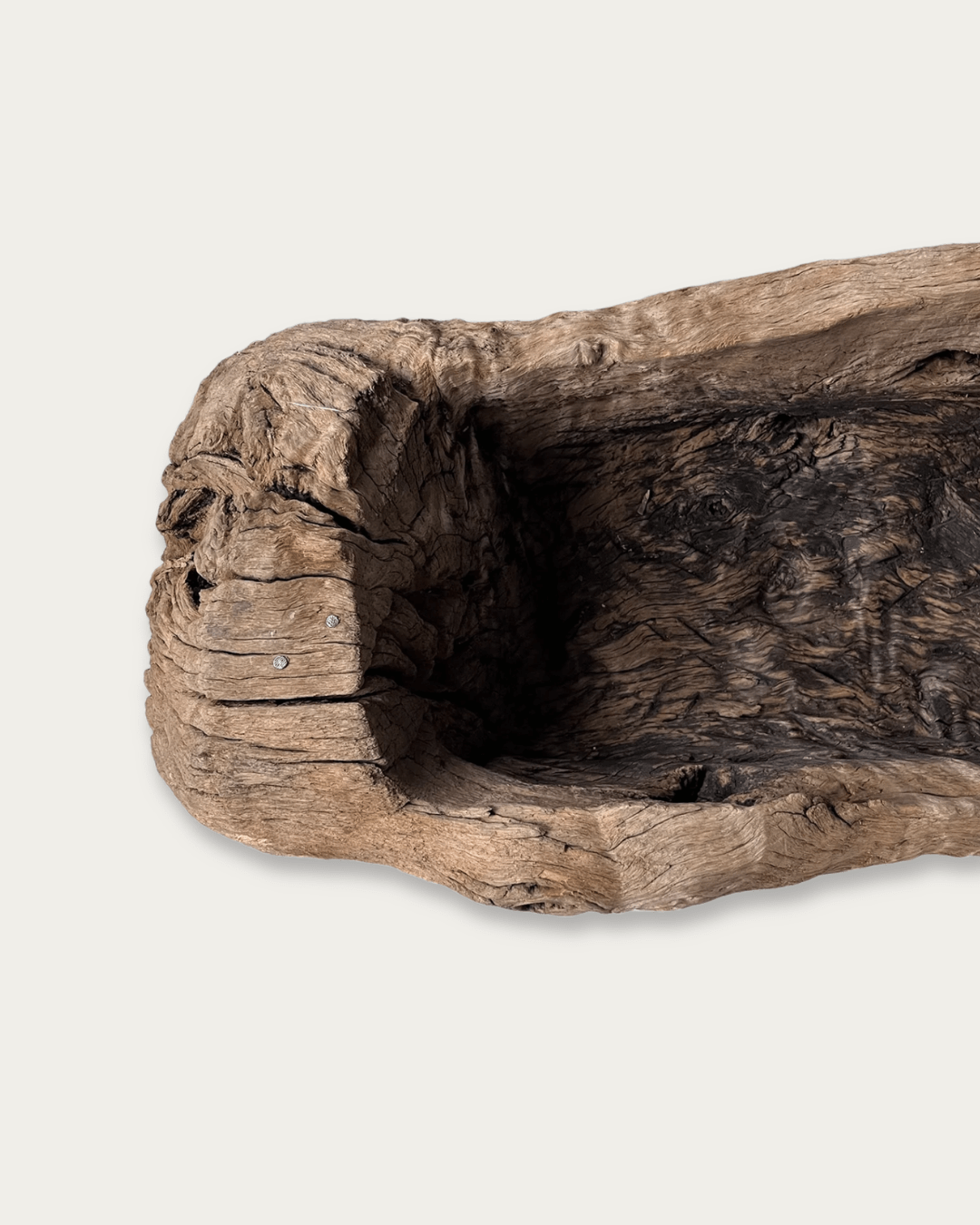
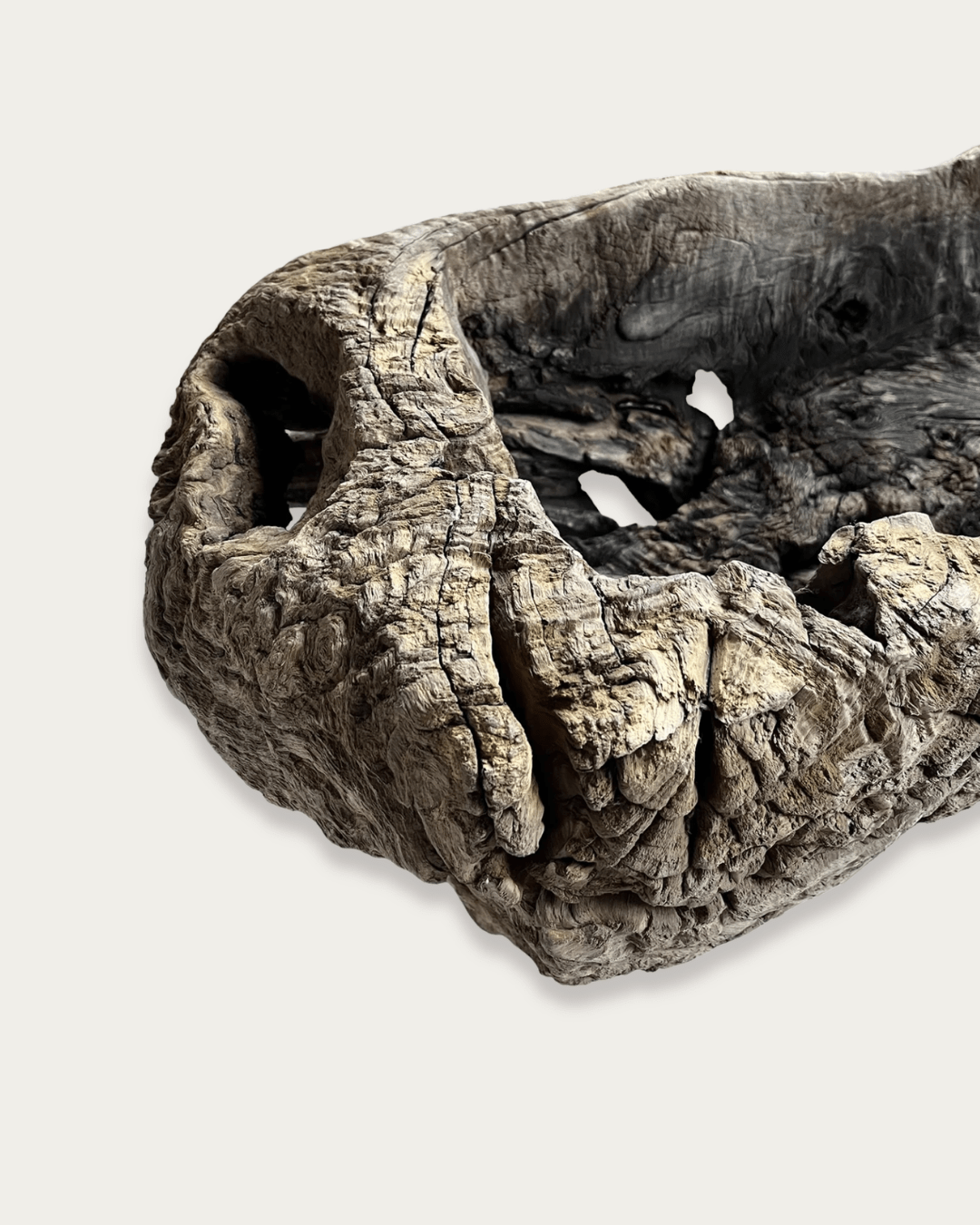
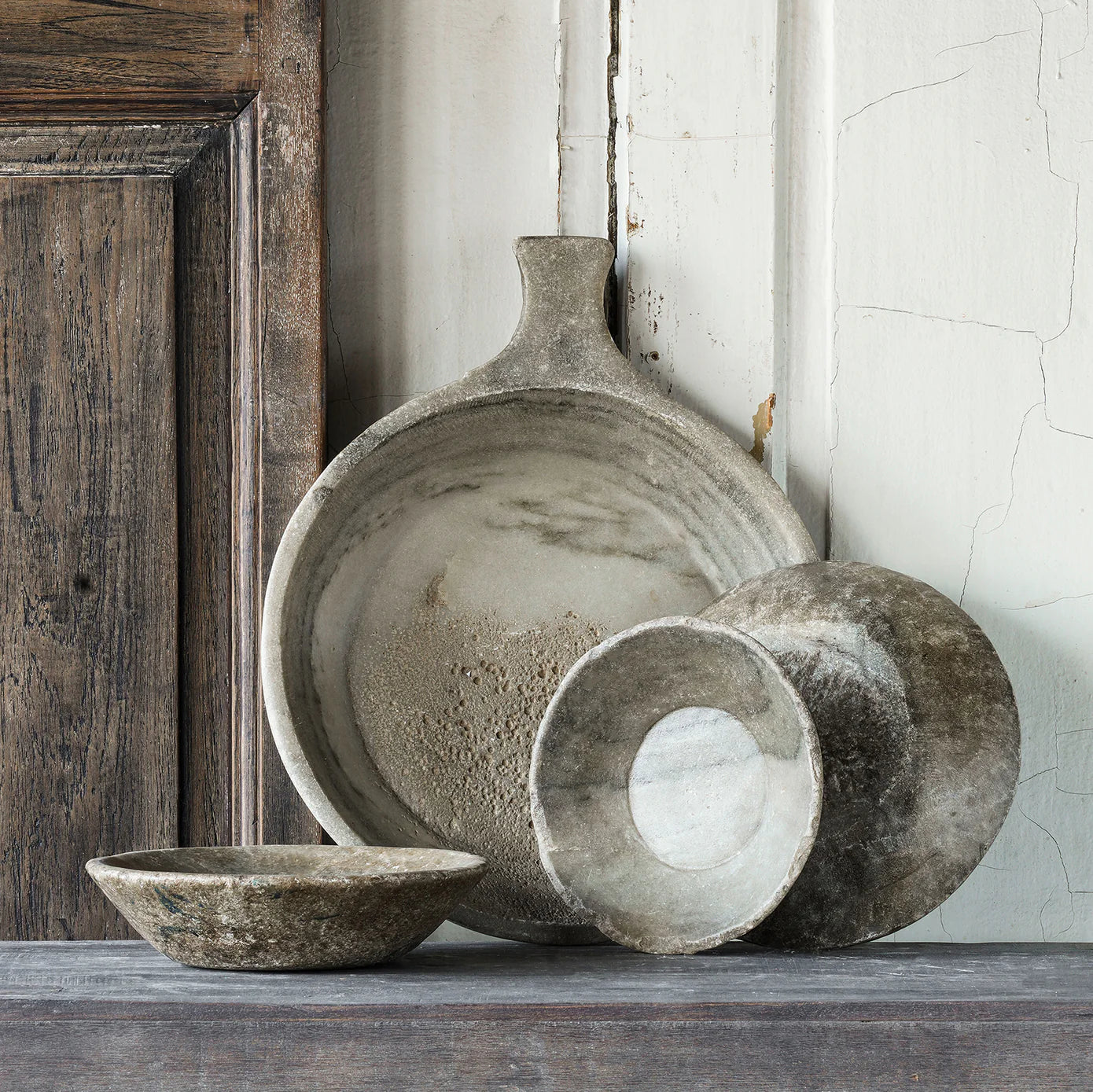
The Turkish Dough Bowl softens marble, glass, and metal through its carved wood surface.
Where Texture Plays Best
• Coffee tables
• Console vignettes
• Dining sideboards
• Open shelving
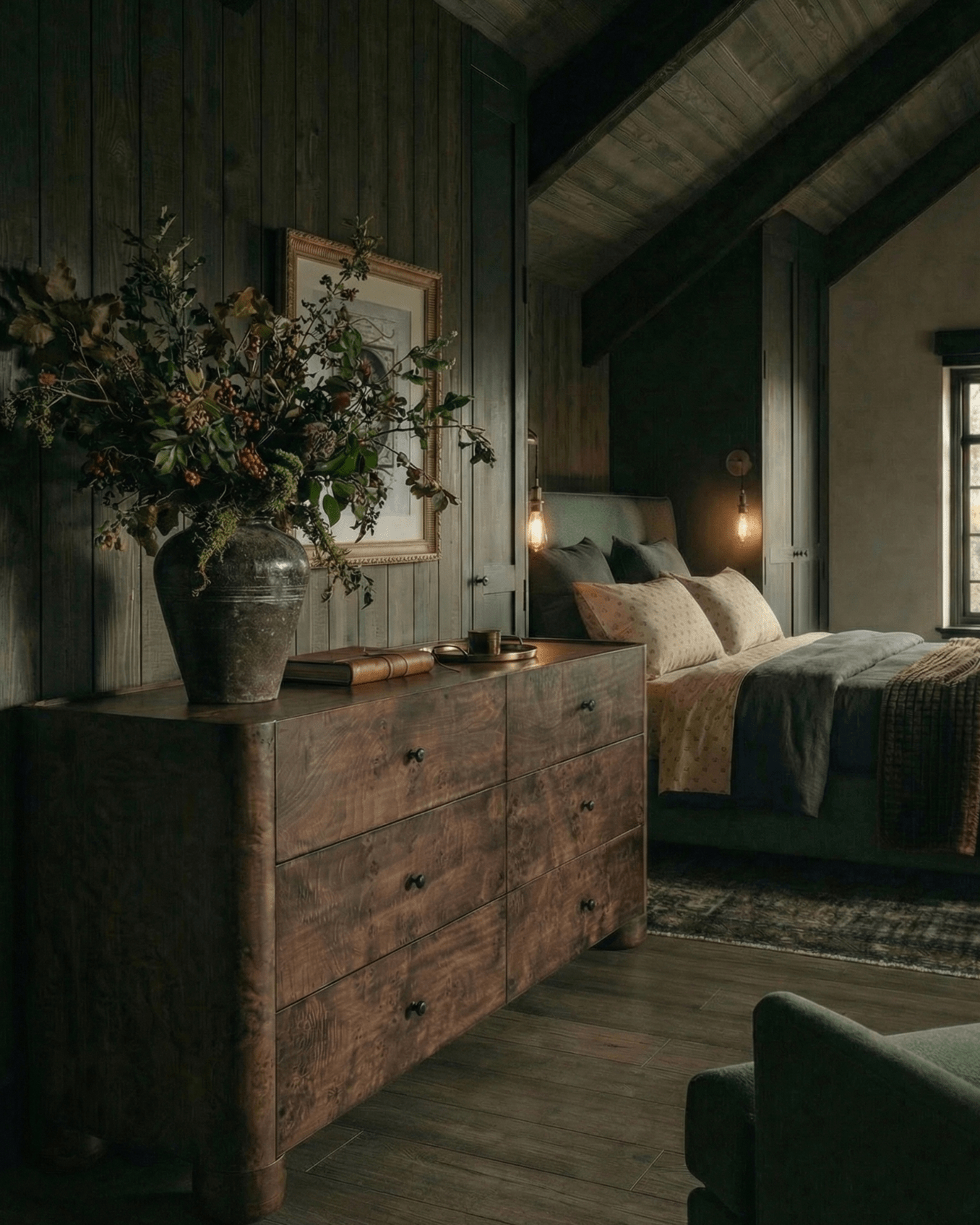
• Bedroom dressers
Just don’t overcrowd textured items — vintage objects need air to stand out.
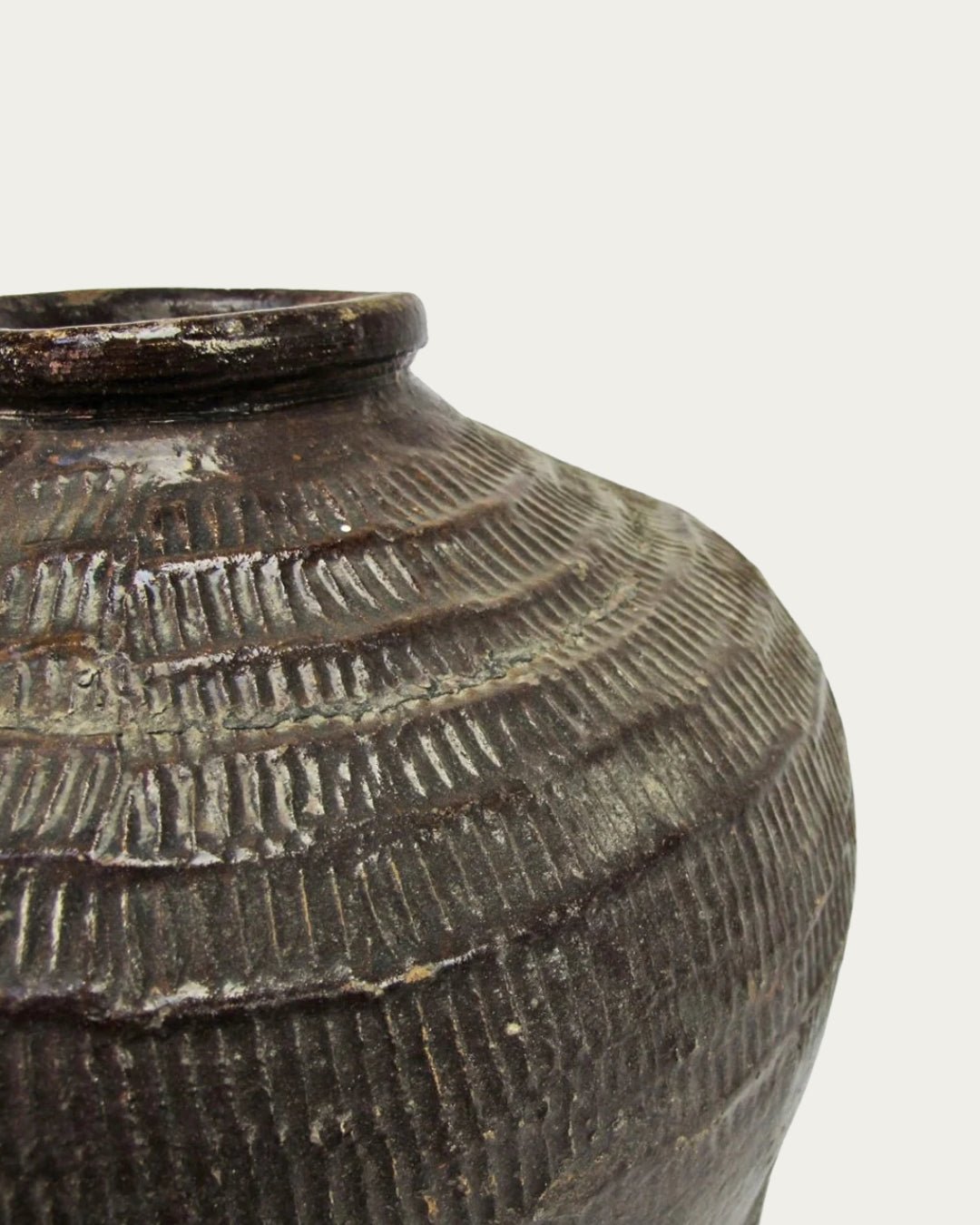
Choose Vintage Pieces That Add Story, Not Visual Noise
Not every vintage piece deserves spotlight real estate. The best ones add intrigue without clutter.
Pick Vintage With Personality
The Vintage Moorish Door on Stand becomes a focal point in a modern living room because of its scale and history.
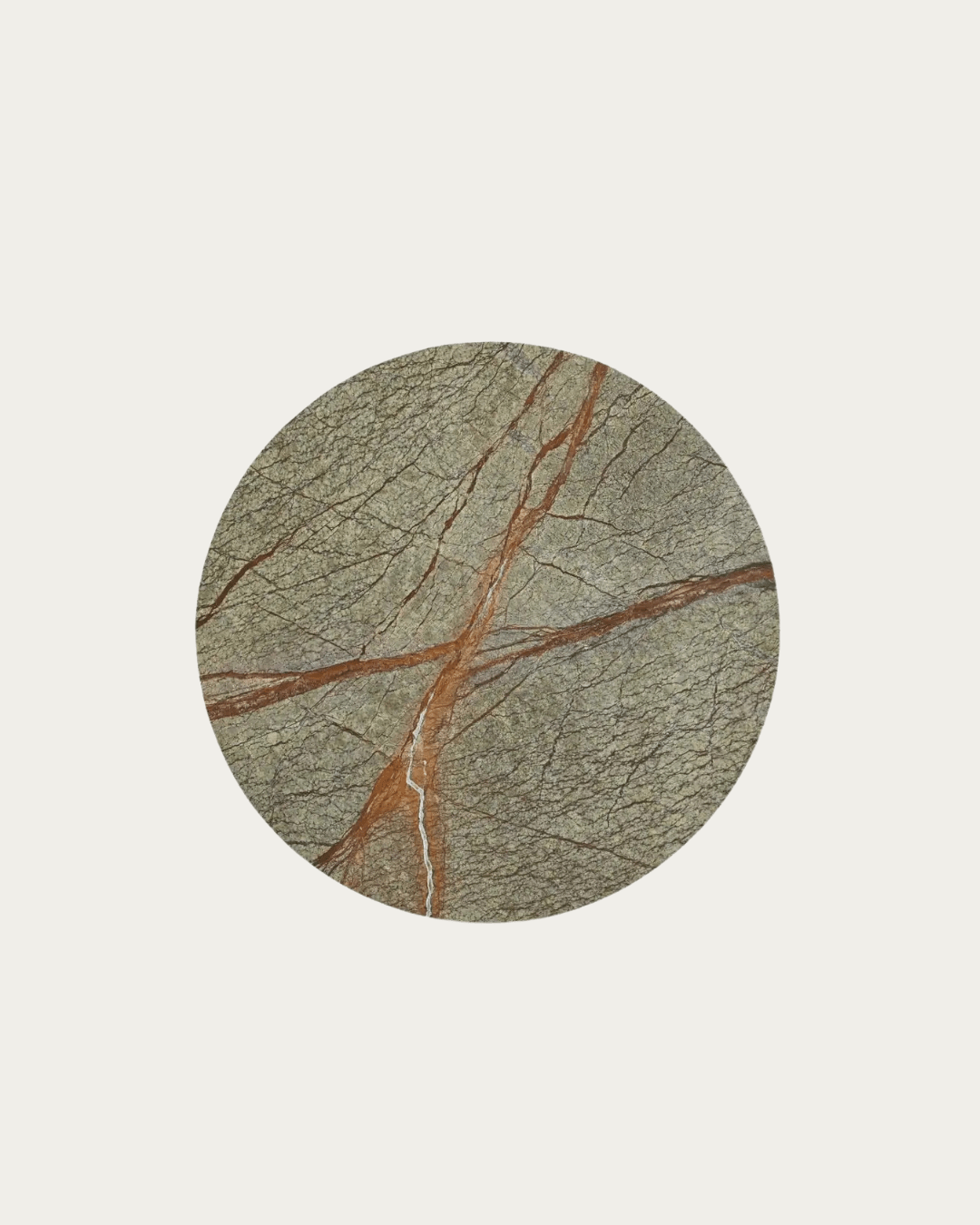
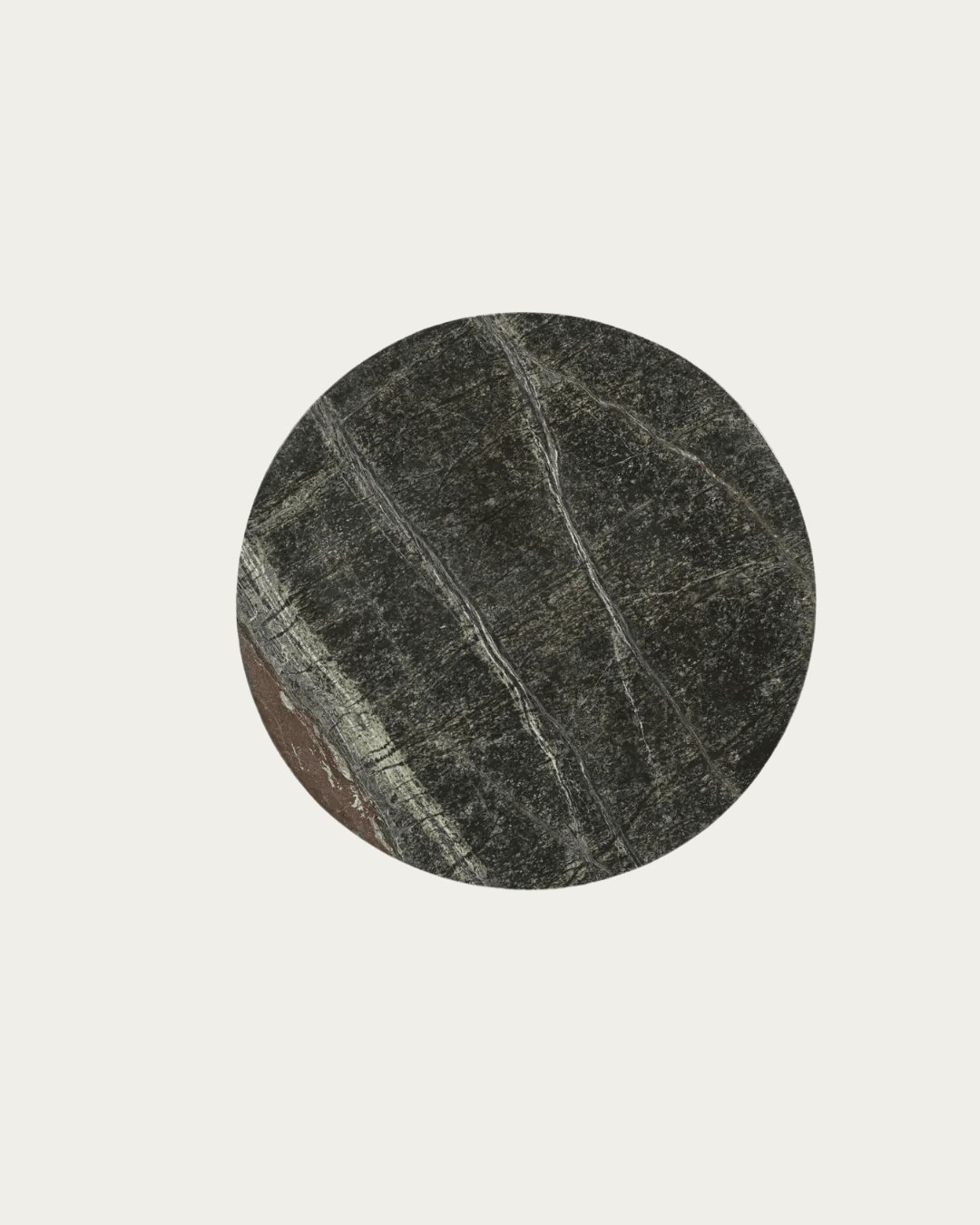
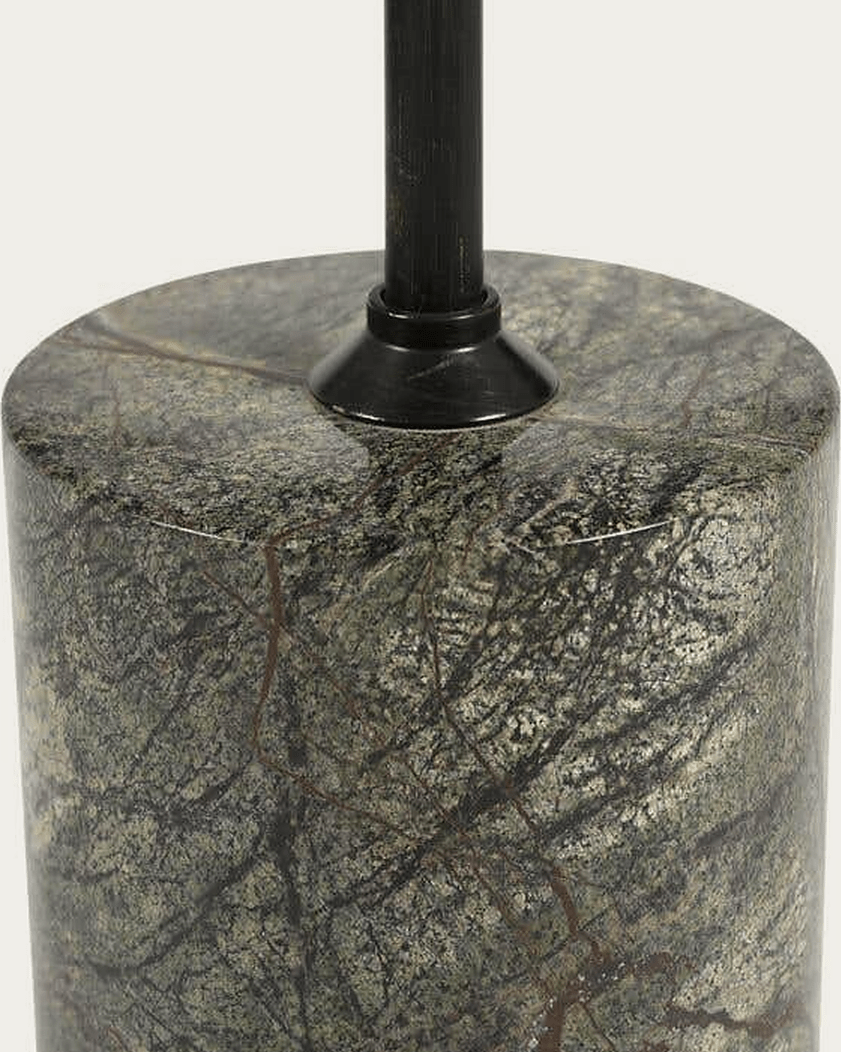
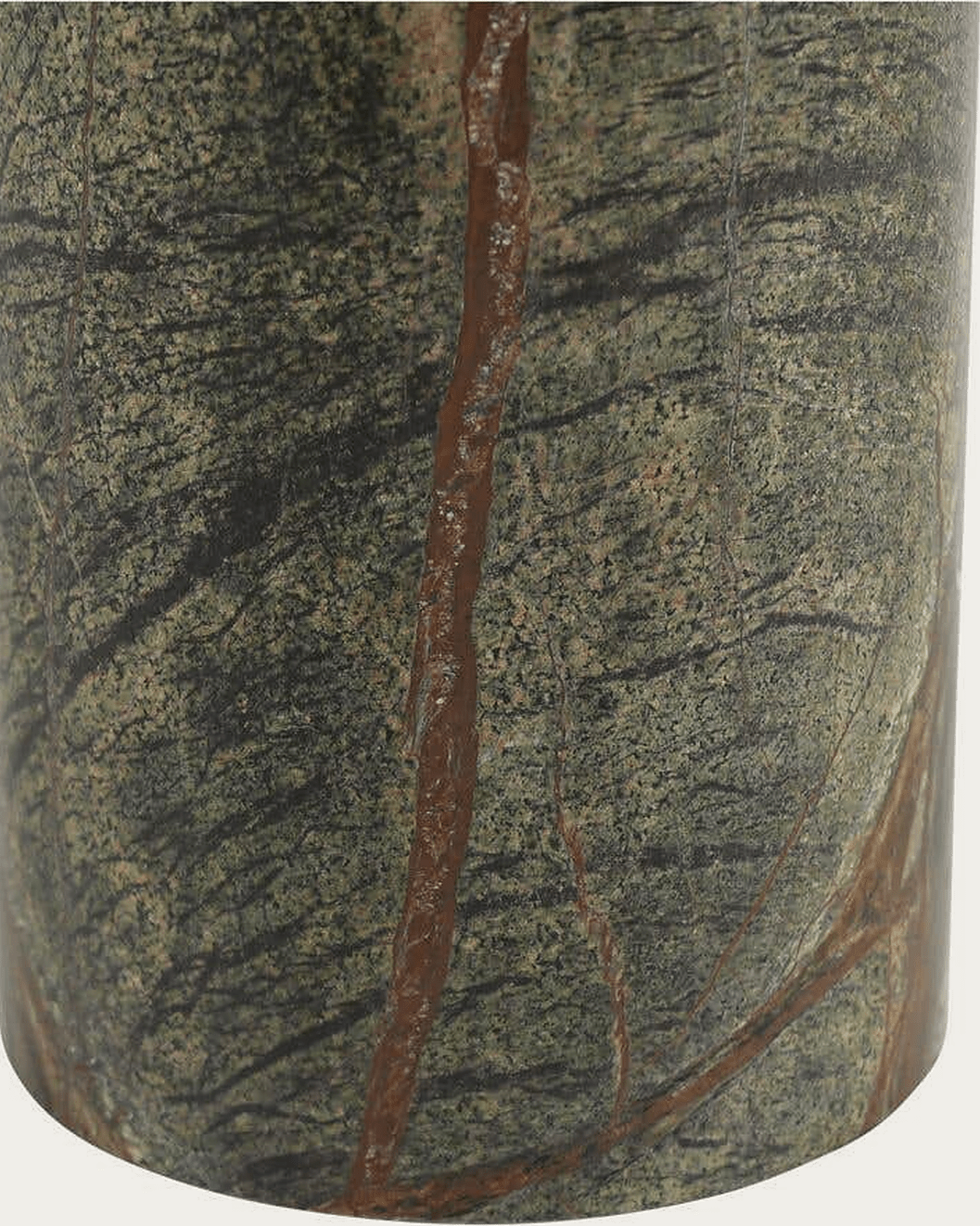
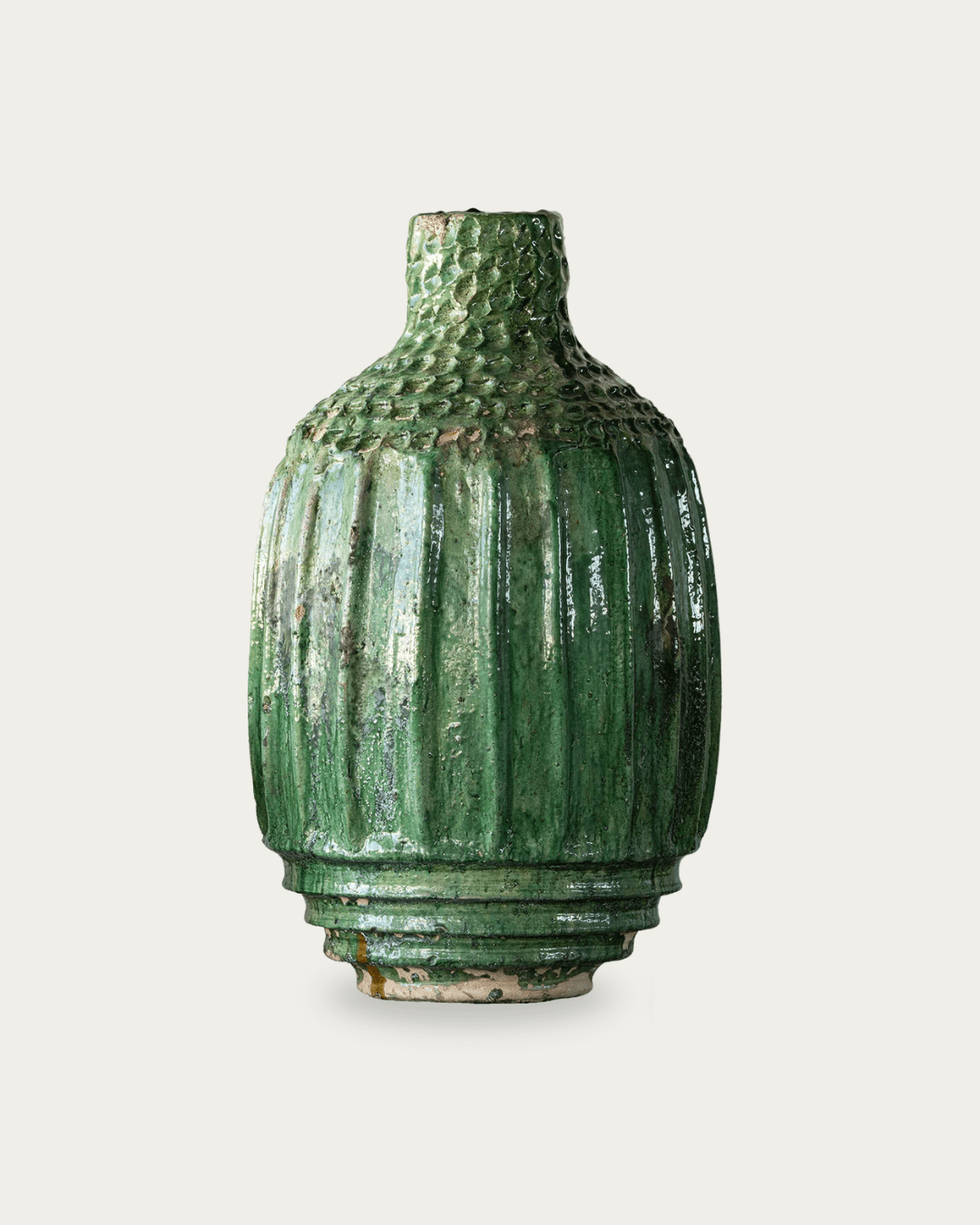
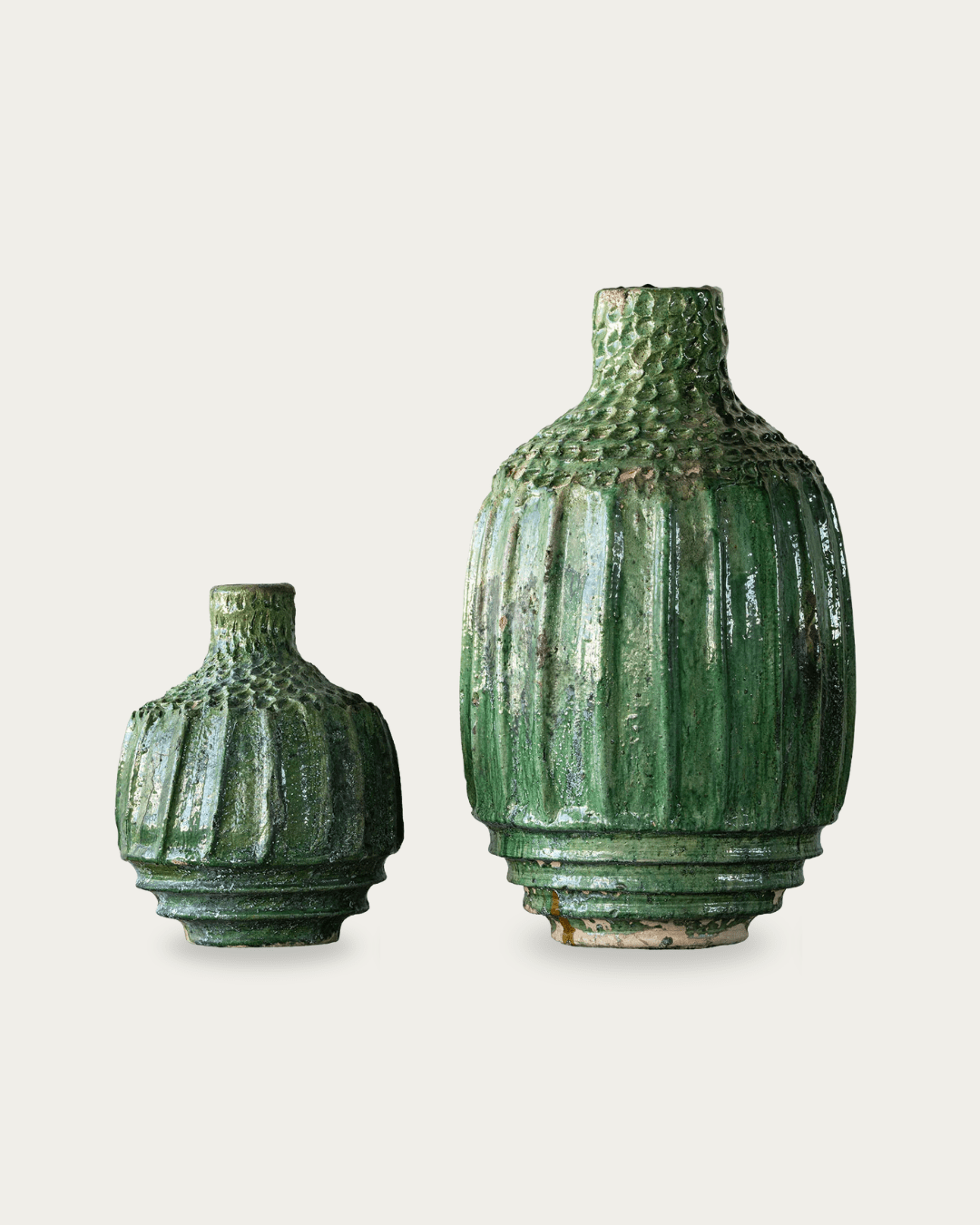
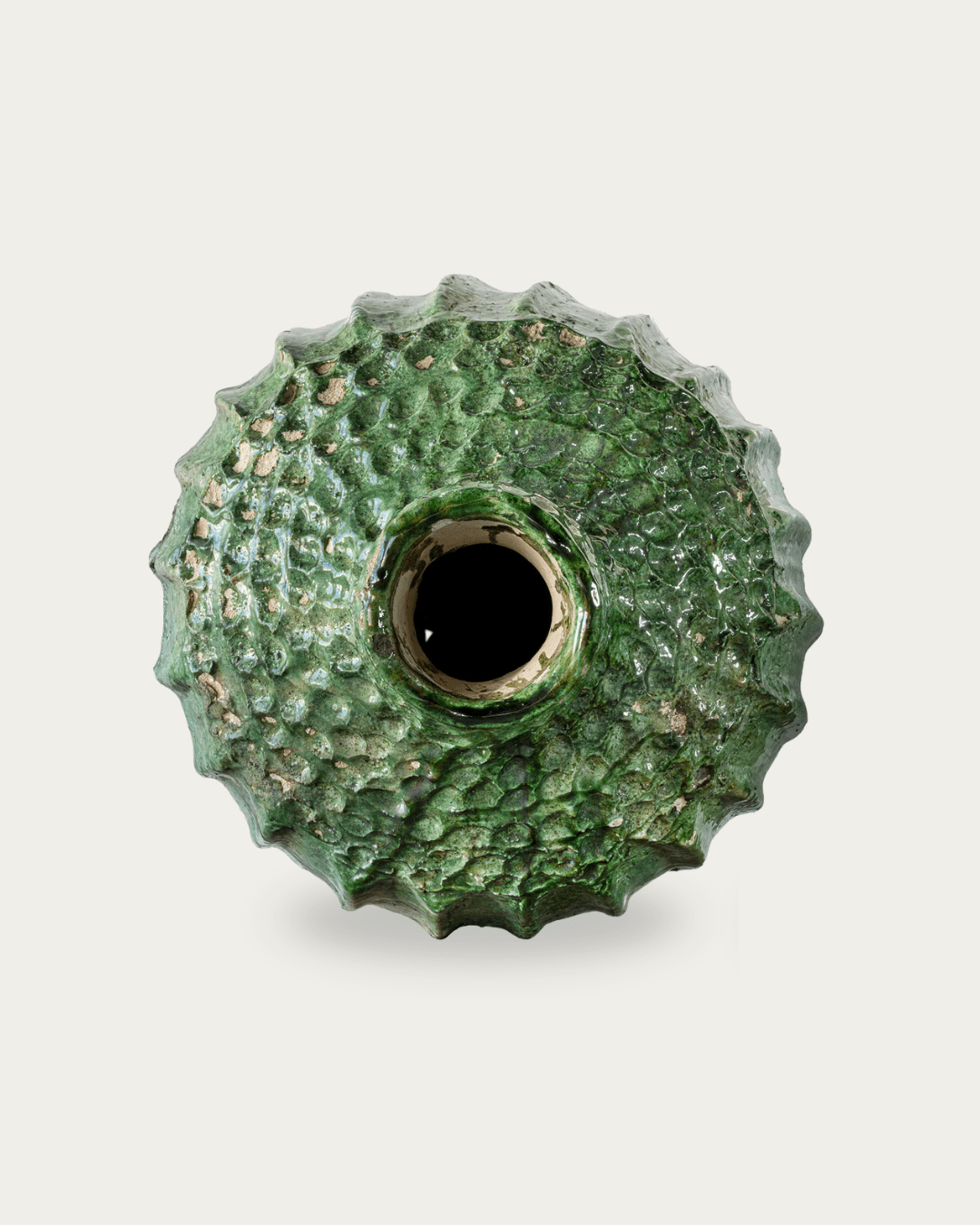
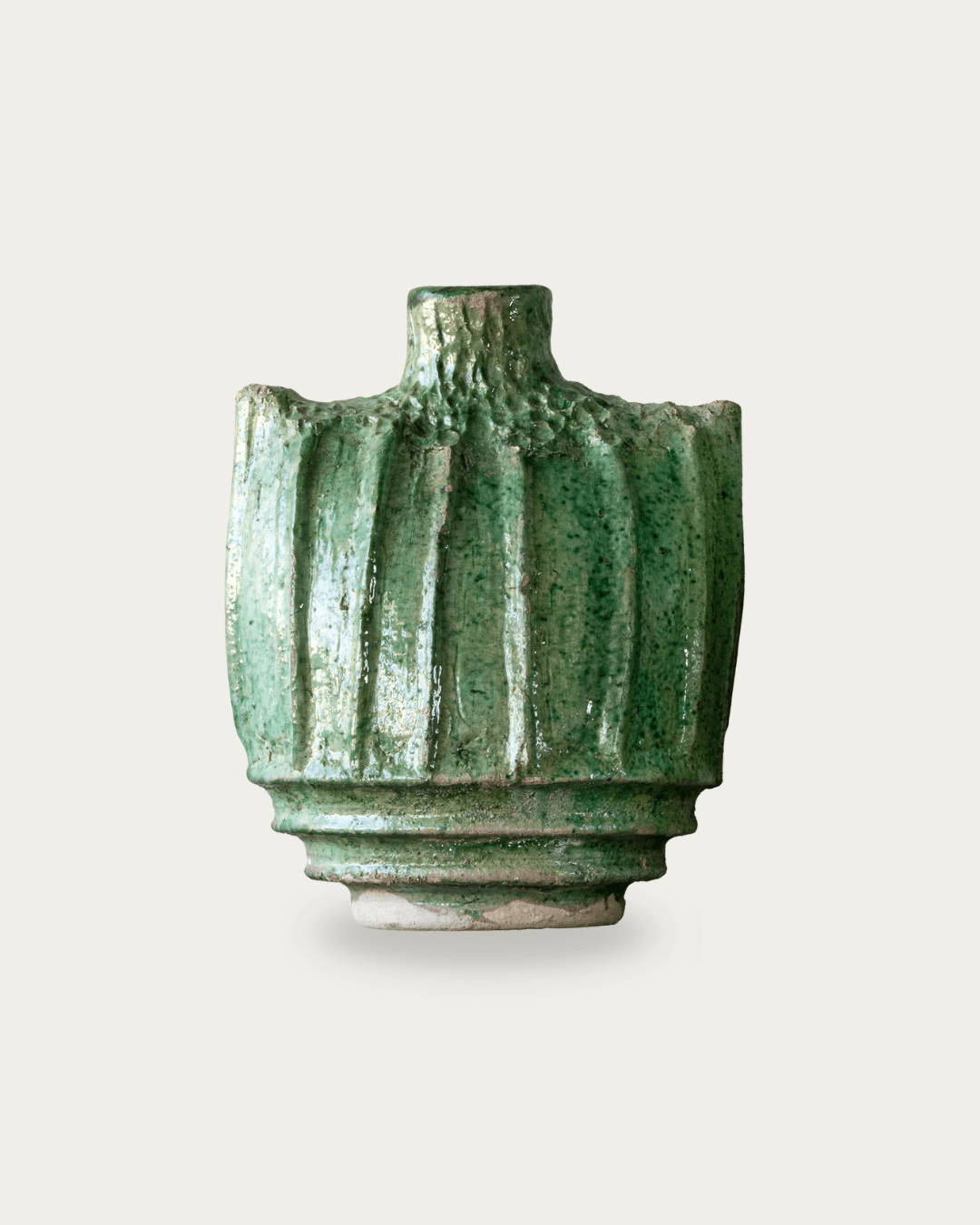
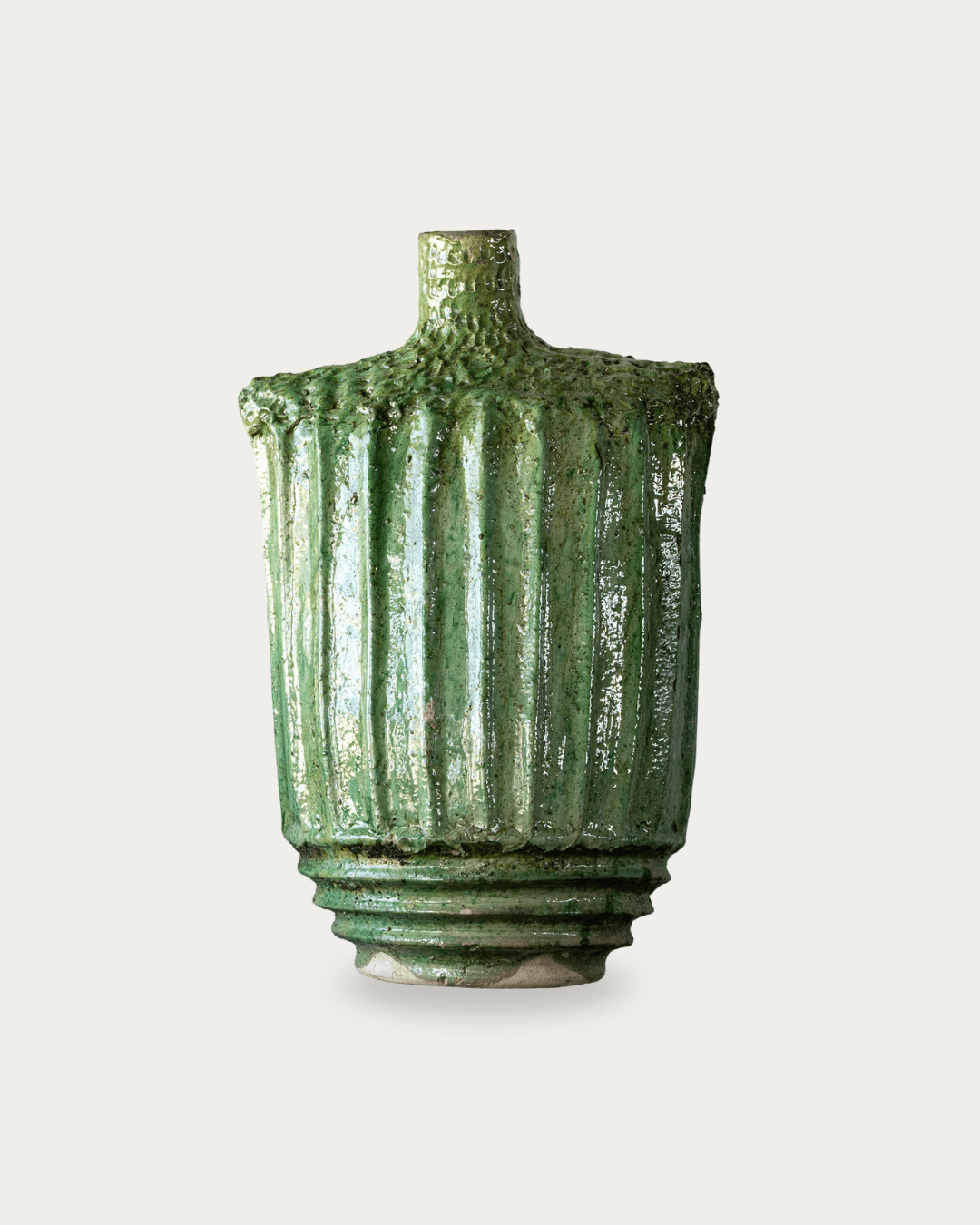
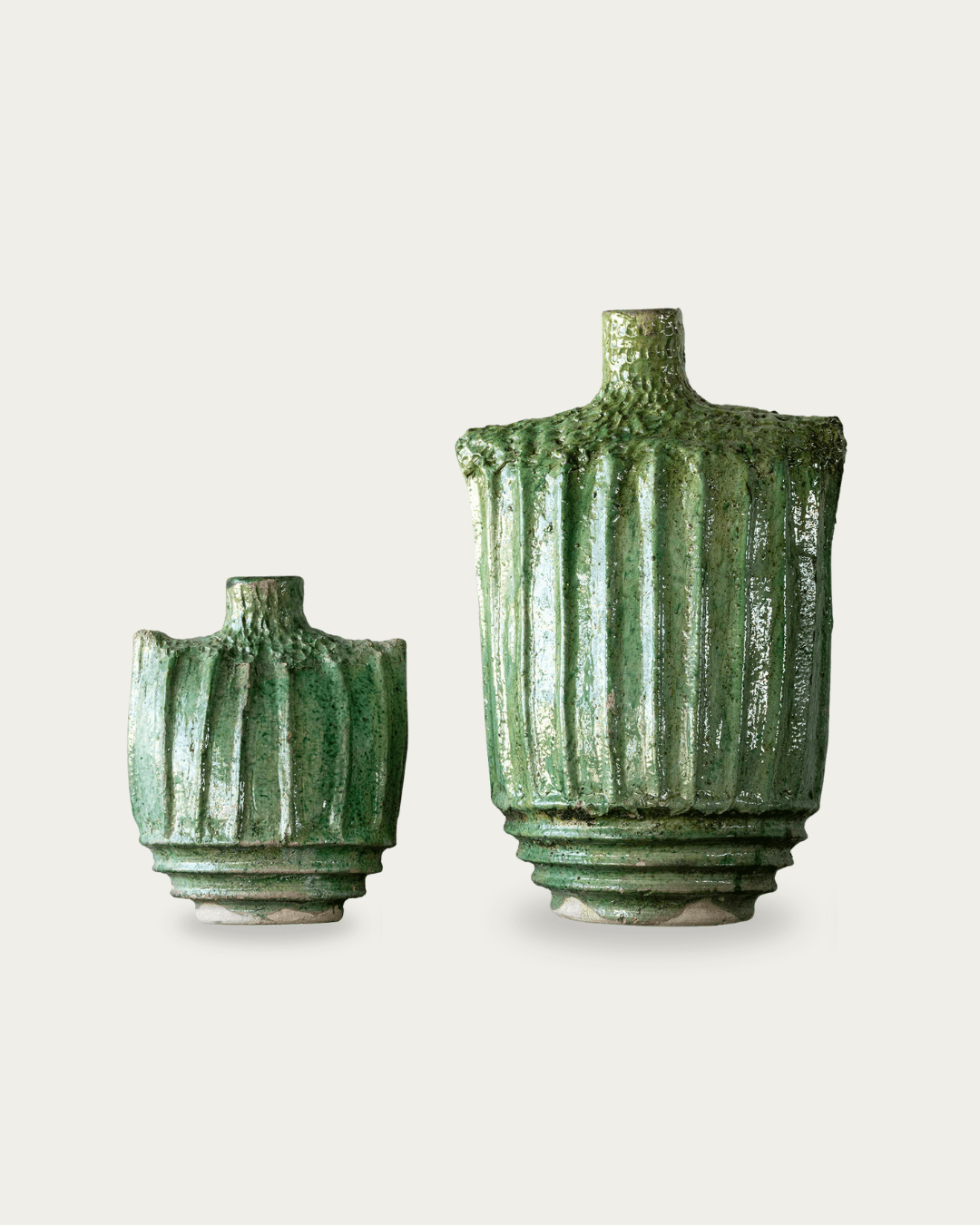
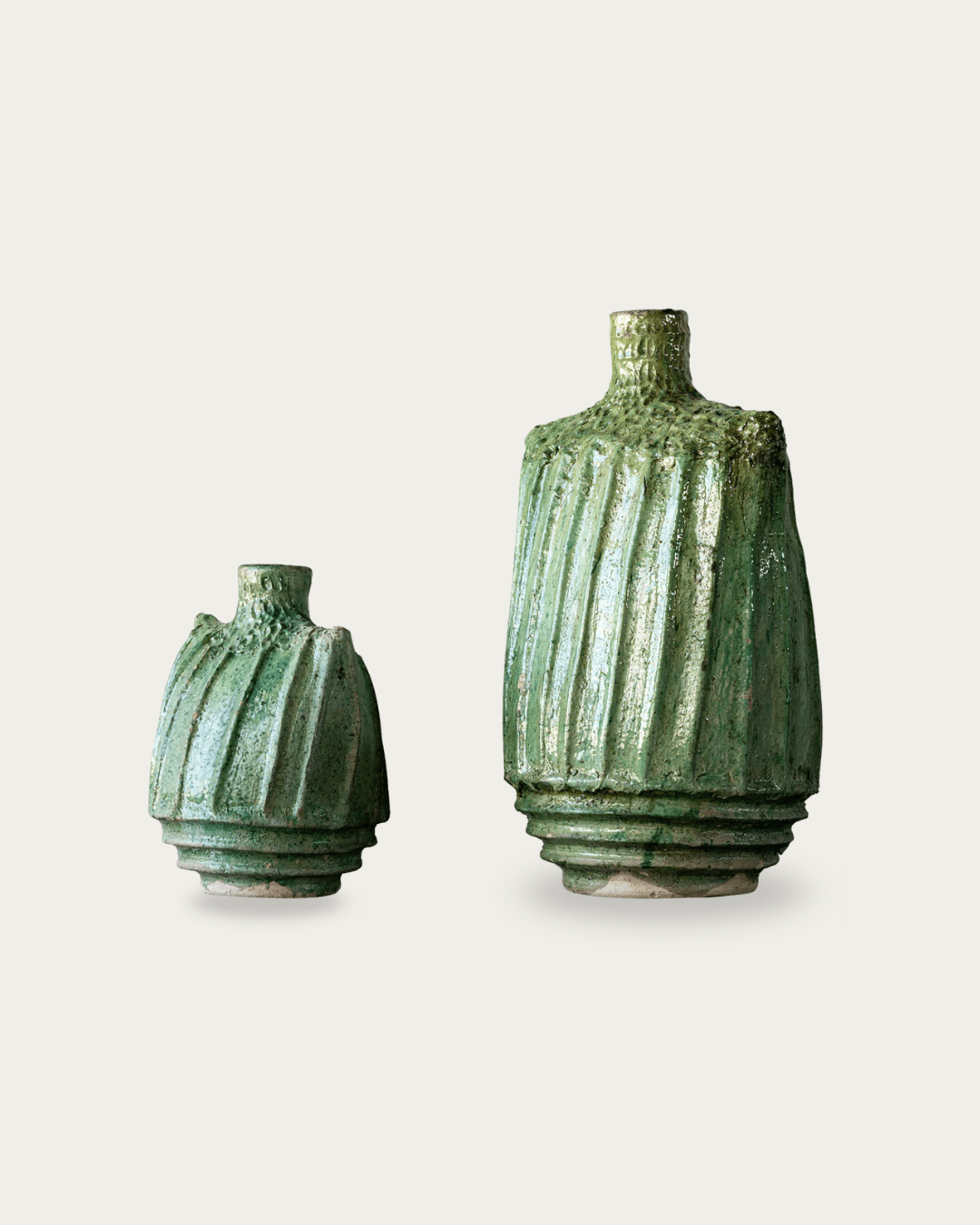
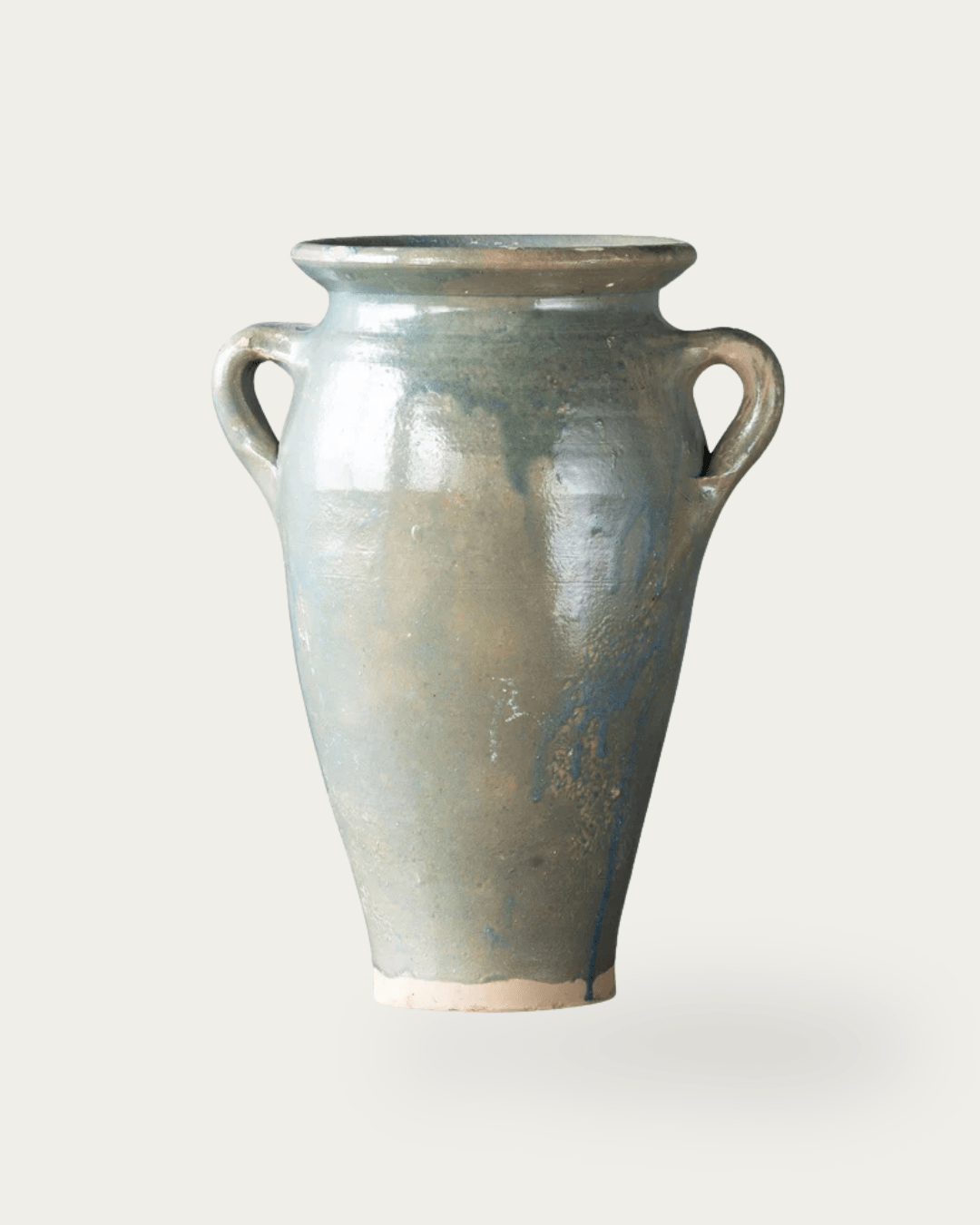
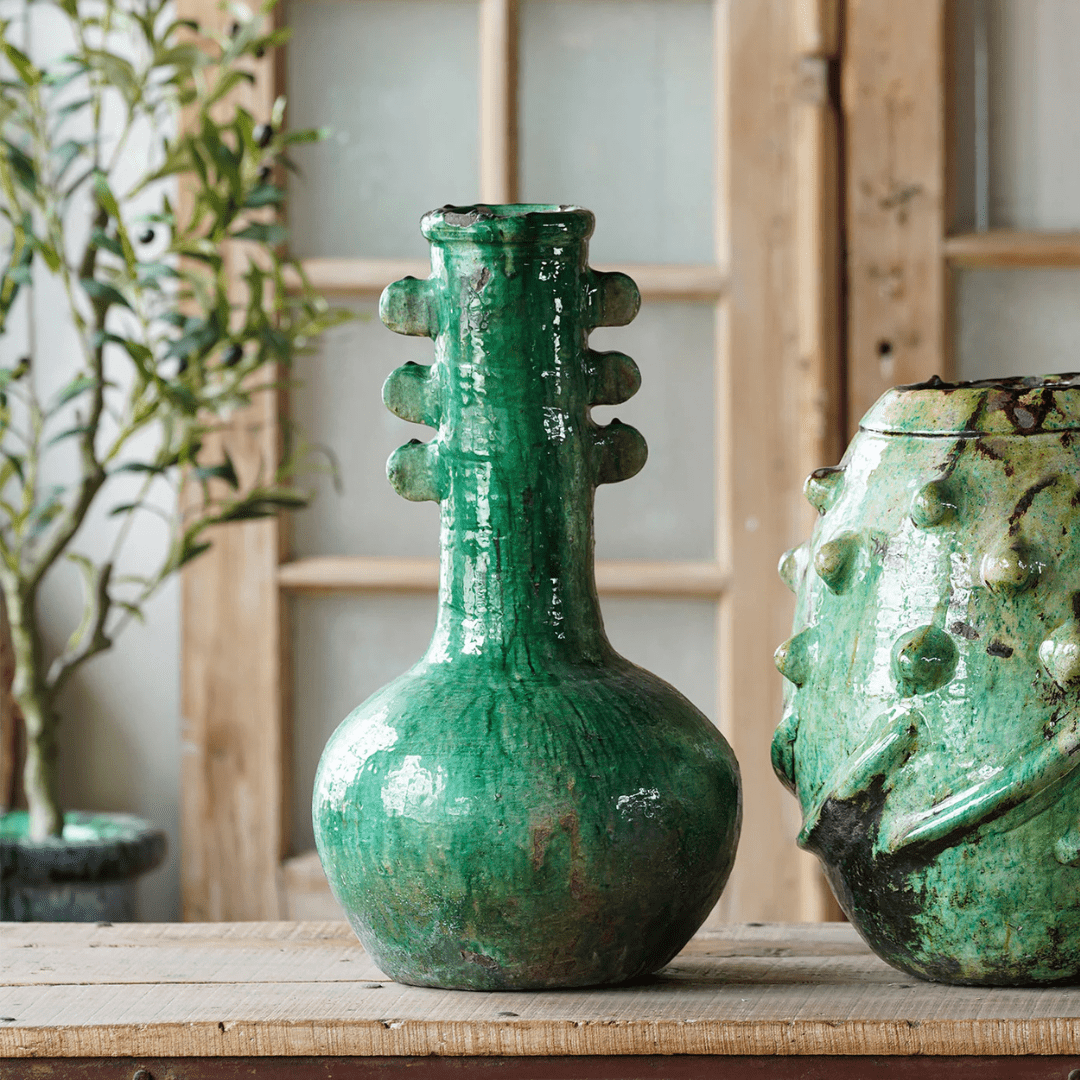
For something quieter but sculptural, the Tamegroute Green Sculpture adds depth without overwhelming the surface it sits on.
Avoid “Filler” Objects
If a piece doesn’t add shape, texture, or meaning, it’s probably just taking up space.
Create Harmony Through Color Instead of Perfect Matches
People get stuck trying to match eras, styles, or materials. Skip all that, color is what creates cohesion.
Build a Loose Color Palette
This doesn’t mean matching everything. It means selecting tones that play well together:
• Neutrals + patinated metals
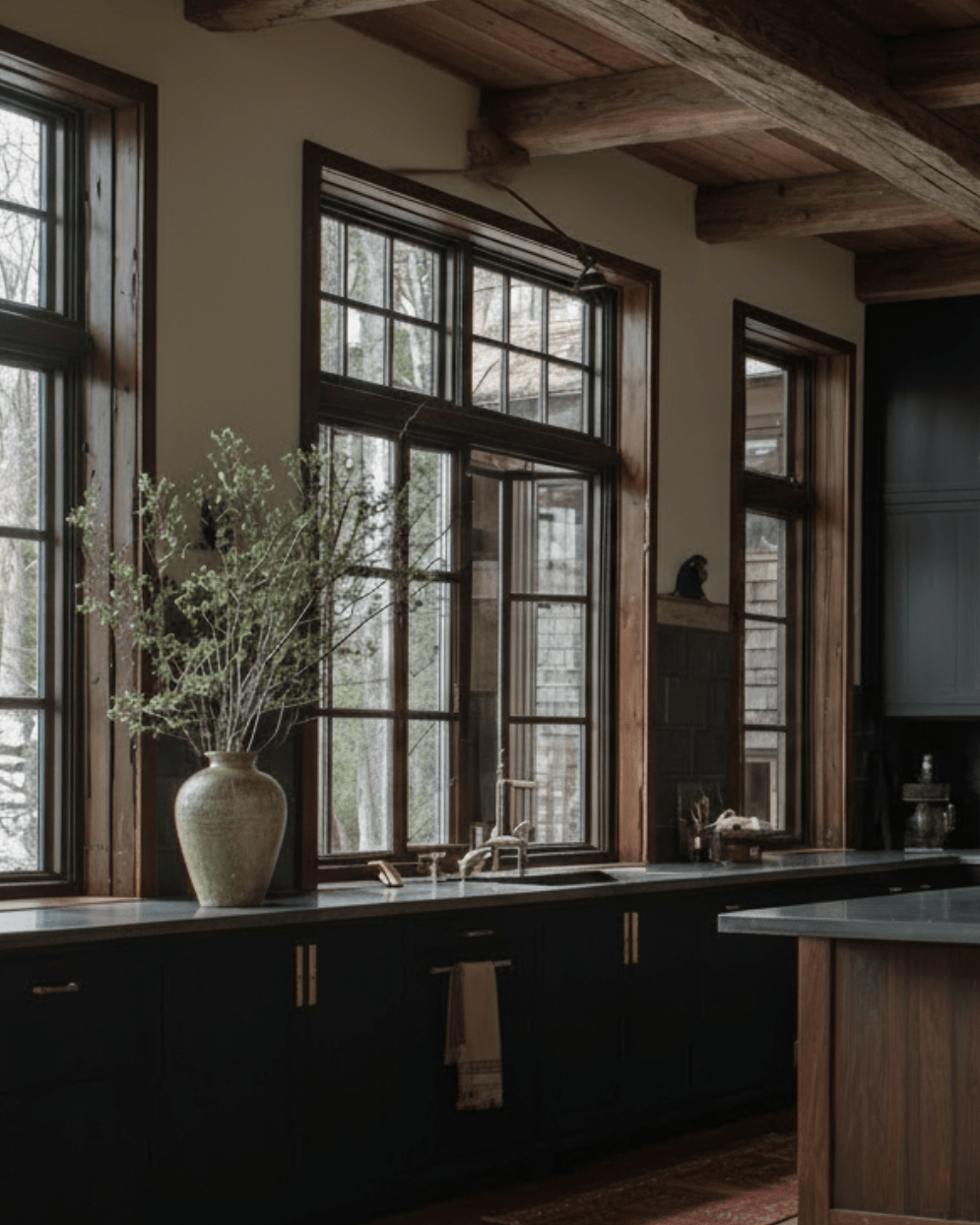
• Natural woods + earthy greens
• Soft clay tones + matte black
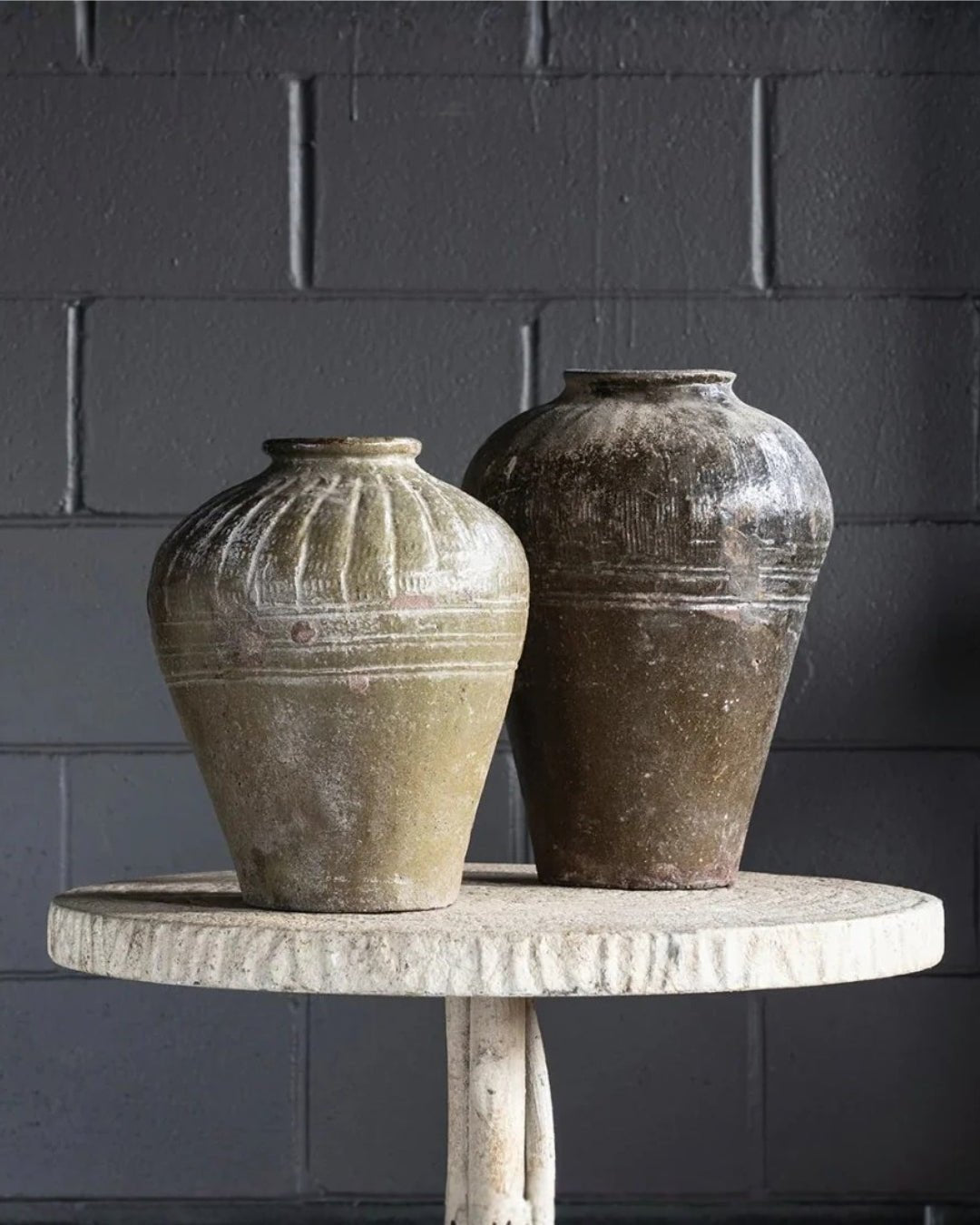
Vintage greens, like those found in the Tamegroute Green Sculpture, pair especially well with neutral modern furniture.
Avoid Over-Matching Wood Tones
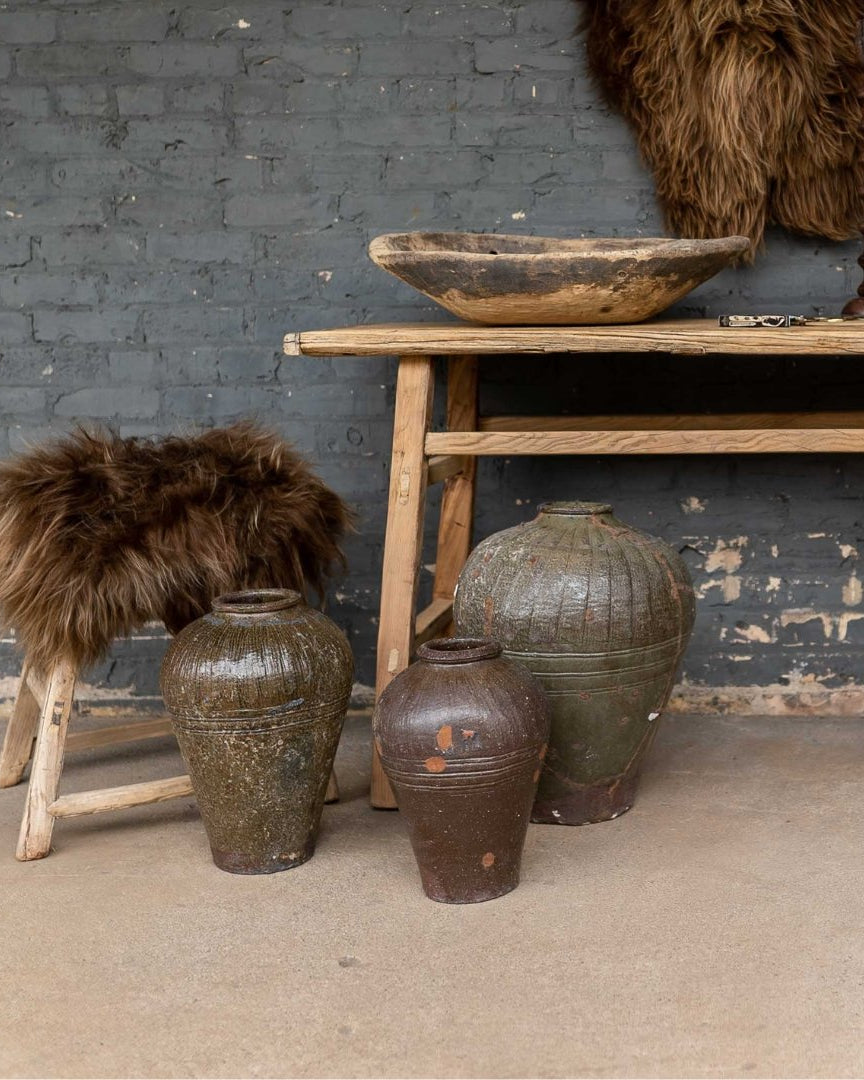
A room full of perfectly matched woods looks flat. Let tones vary, the variation creates depth.
Use Vintage as Lifestyle Tools, Not Decoration
Vintage feels most natural in a real home when it earns its place through function.
Functional Roles That Blend Seamlessly With Modern Furniture
• A tray to ground remotes
• A sculptural bowl to hold daily objects
• A wall mirror to widen small spaces
• A basket for throw blankets
The Round Chapati Mirror visually lifts narrow entryways or hallways. The Turkish Dough Bowl works well on modern dining tables as a seasonal centerpiece.
Avoid Using Vintage in High-Touch Chaos Zones
For vintage pieces you love, keep them away from areas where they’ll get knocked over or handled constantly.
If your vintage-meets-modern blend feels too “pretty,” introduce one odd object — a crooked bowl, a glazed piece, a perfectly imperfect sculpture. Rooms look intentional when they stop trying to impress. - RUTED TIP
If your vintage-meets-modern blend feels too “pretty,” introduce one odd object — a crooked bowl, a glazed piece, a perfectly imperfect sculpture. Rooms look intentional when they stop trying to impress.
Lighting Makes Vintage Decor Look Better
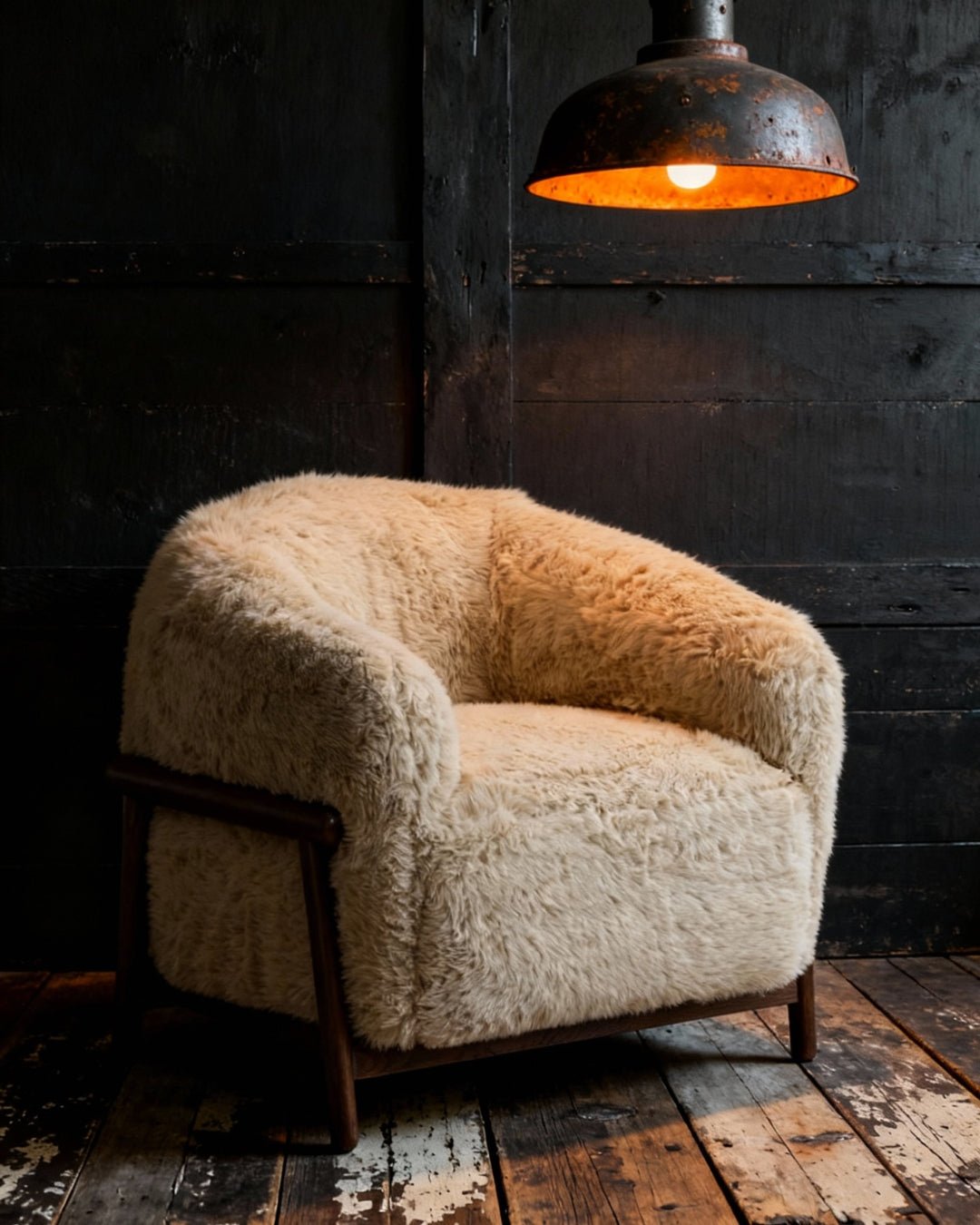
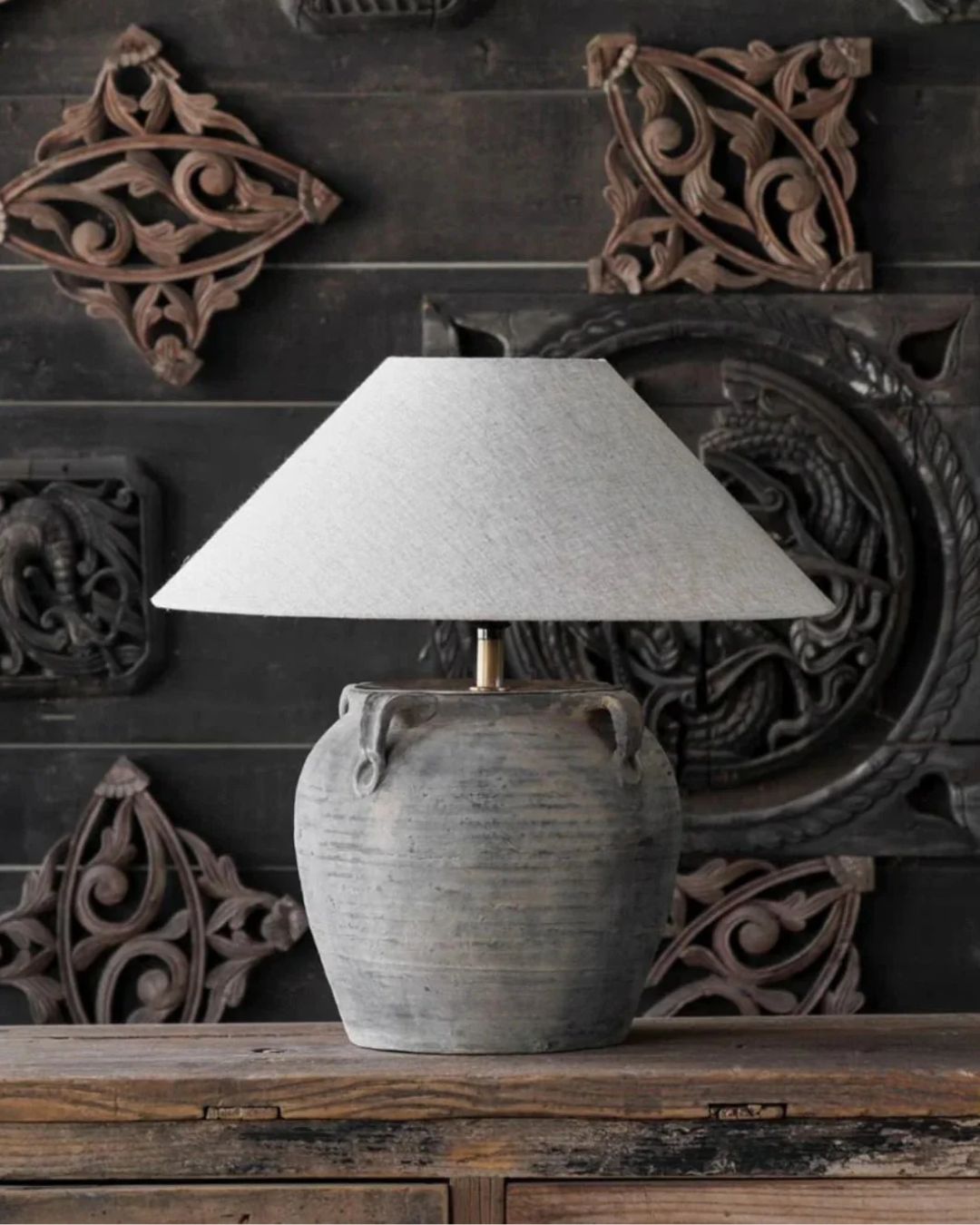
Vintage pieces look their best when light hits them at an angle. It brings out carvings, marks, and textures that overhead lighting flattens.
Use Layered Lighting to Highlight Vintage Areas
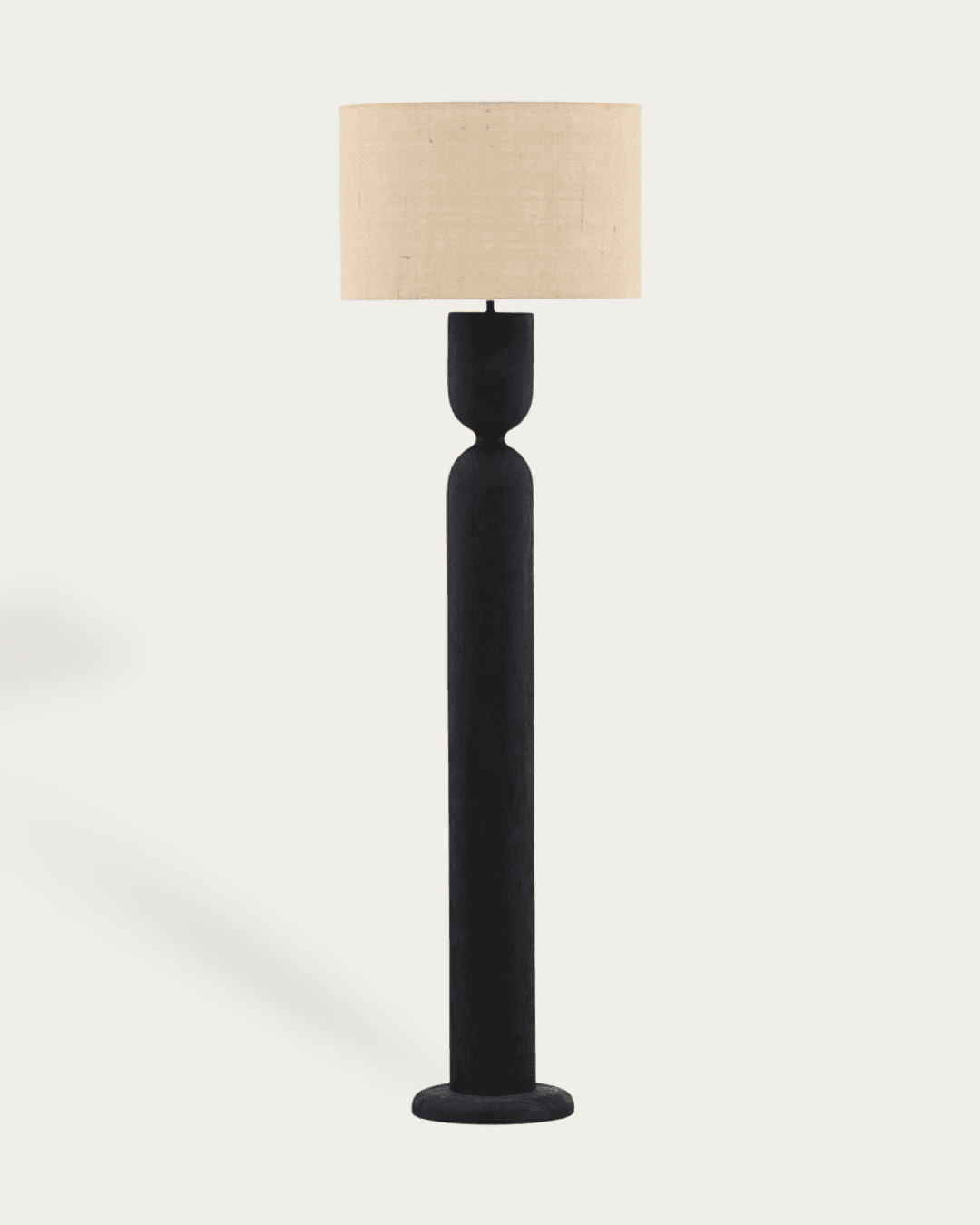
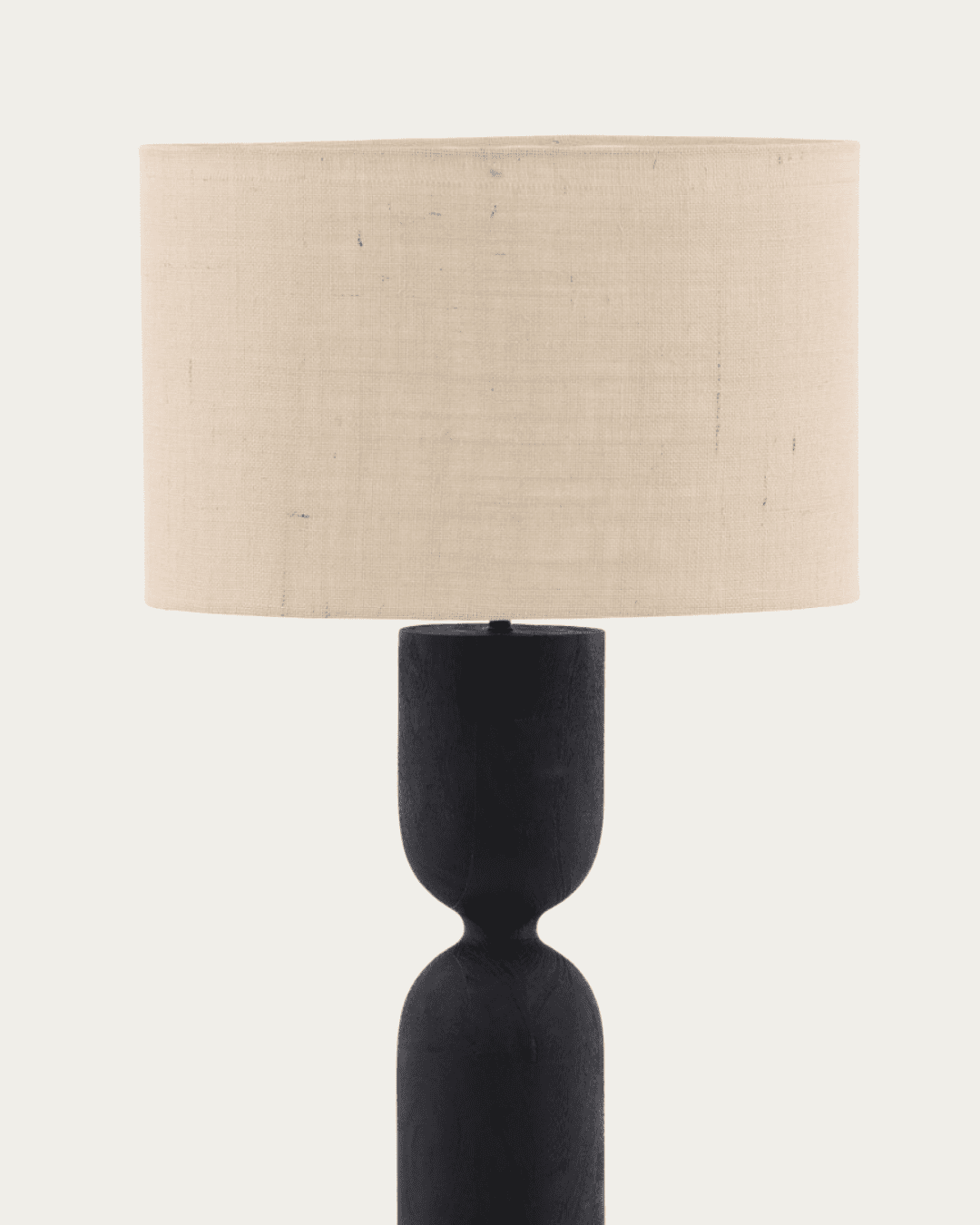
Place lamps near textured or sculptural vintage decor to create shadow and dimension. Even a single lamp can shift the mood of the room.
If you want lighting pieces that complement both modern and vintage styles, our lighting collection is designed with that flexibility in mind.
Final Thoughts: Let the Room Evolve, Don’t Over-Engineer It
Blending modern furniture with vintage decor doesn’t require perfection, it requires rhythm. Start with one vintage piece. Add contrast. Introduce texture. Let the room breathe. The mix becomes intentional when you’re no longer trying to match eras, but instead allowing old and new to coexist naturally.
Ready to explore decor and furniture that help you build a collected home?