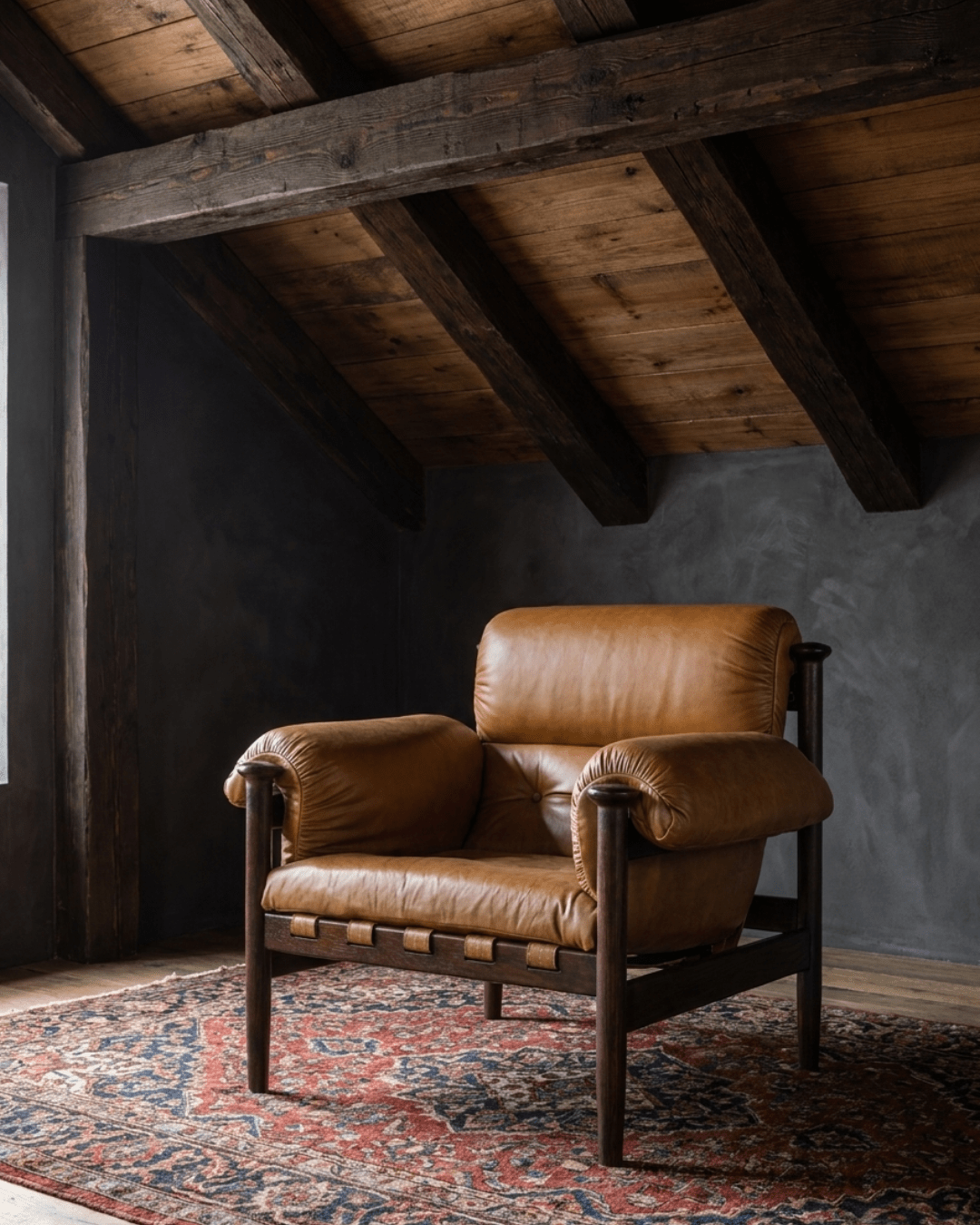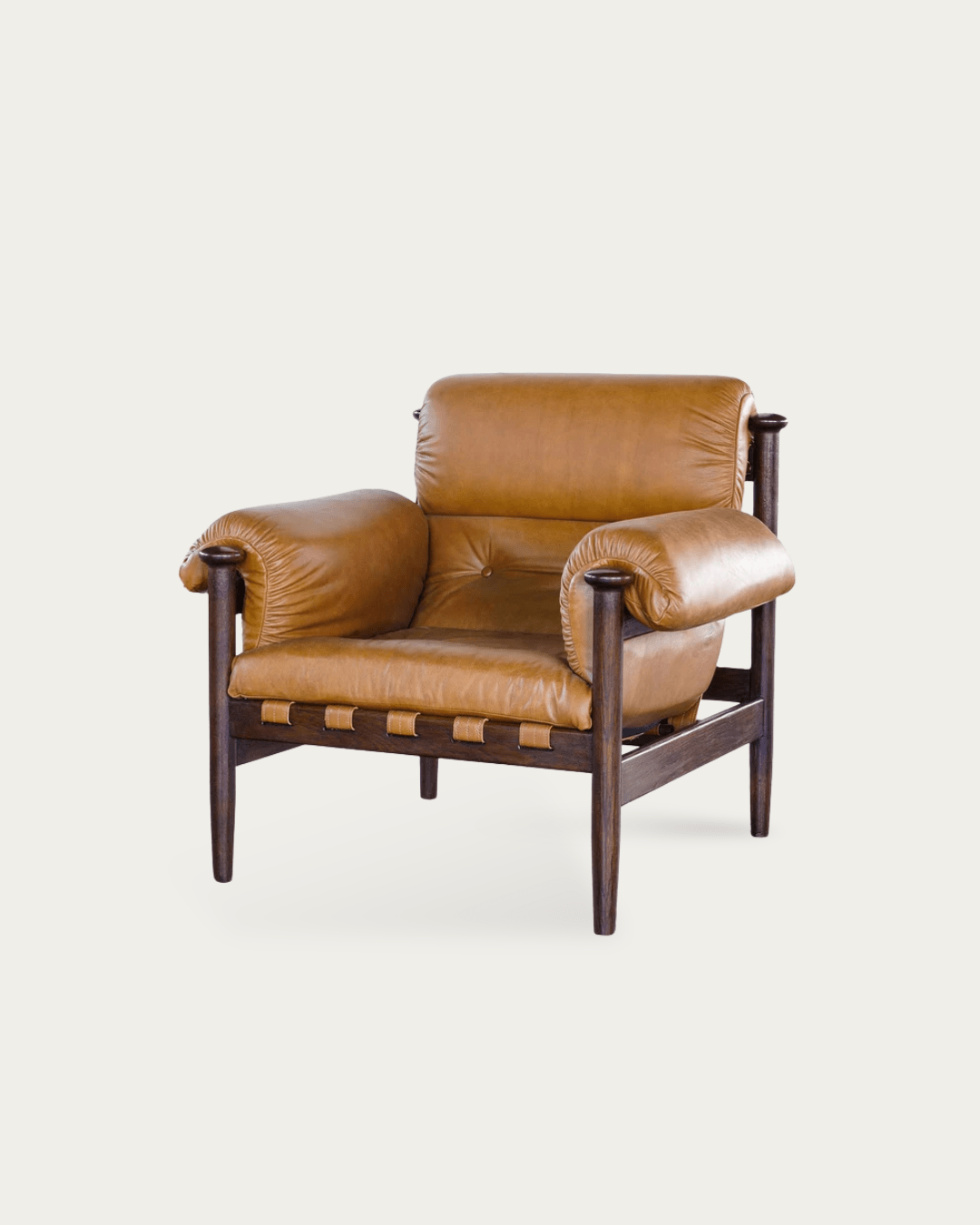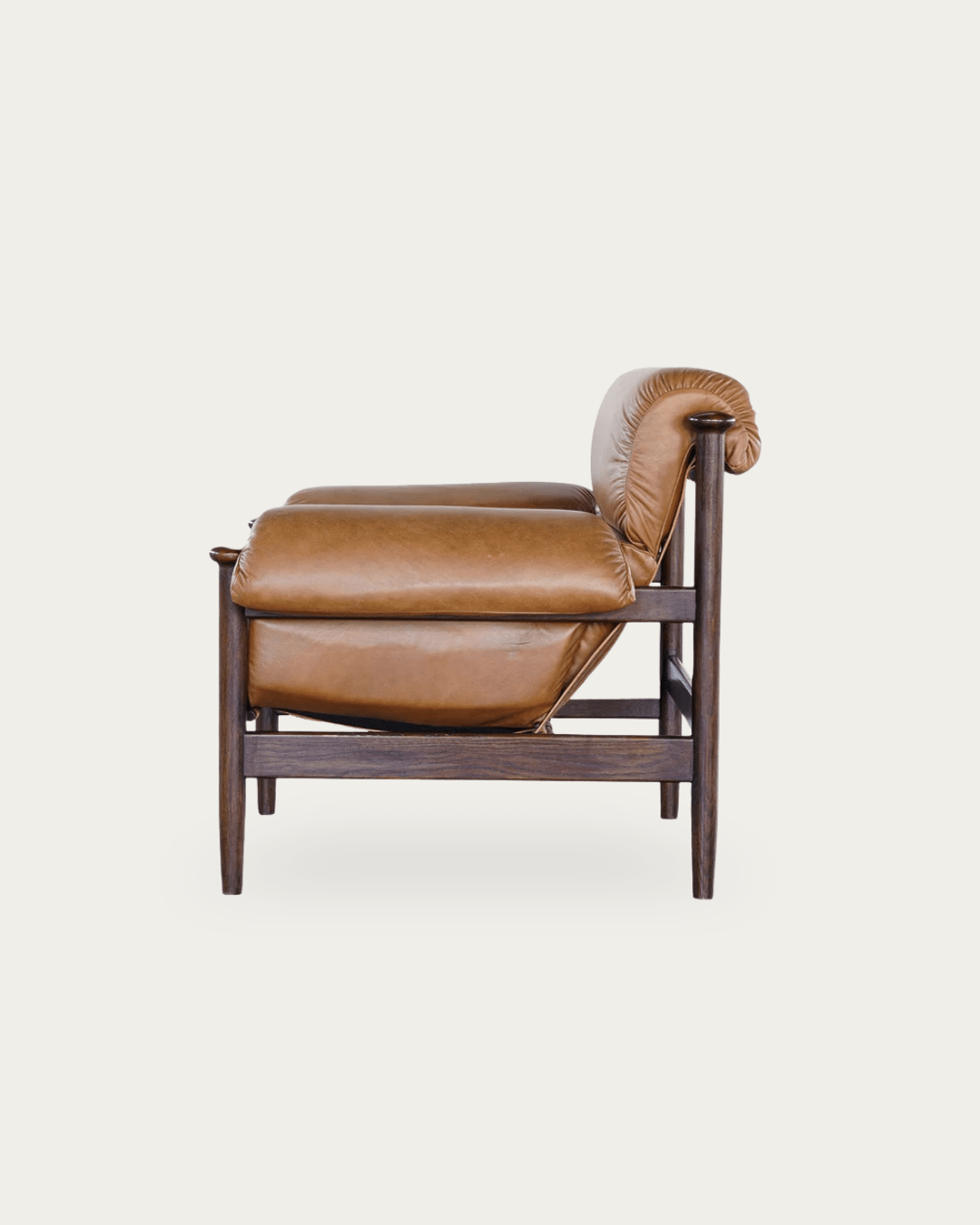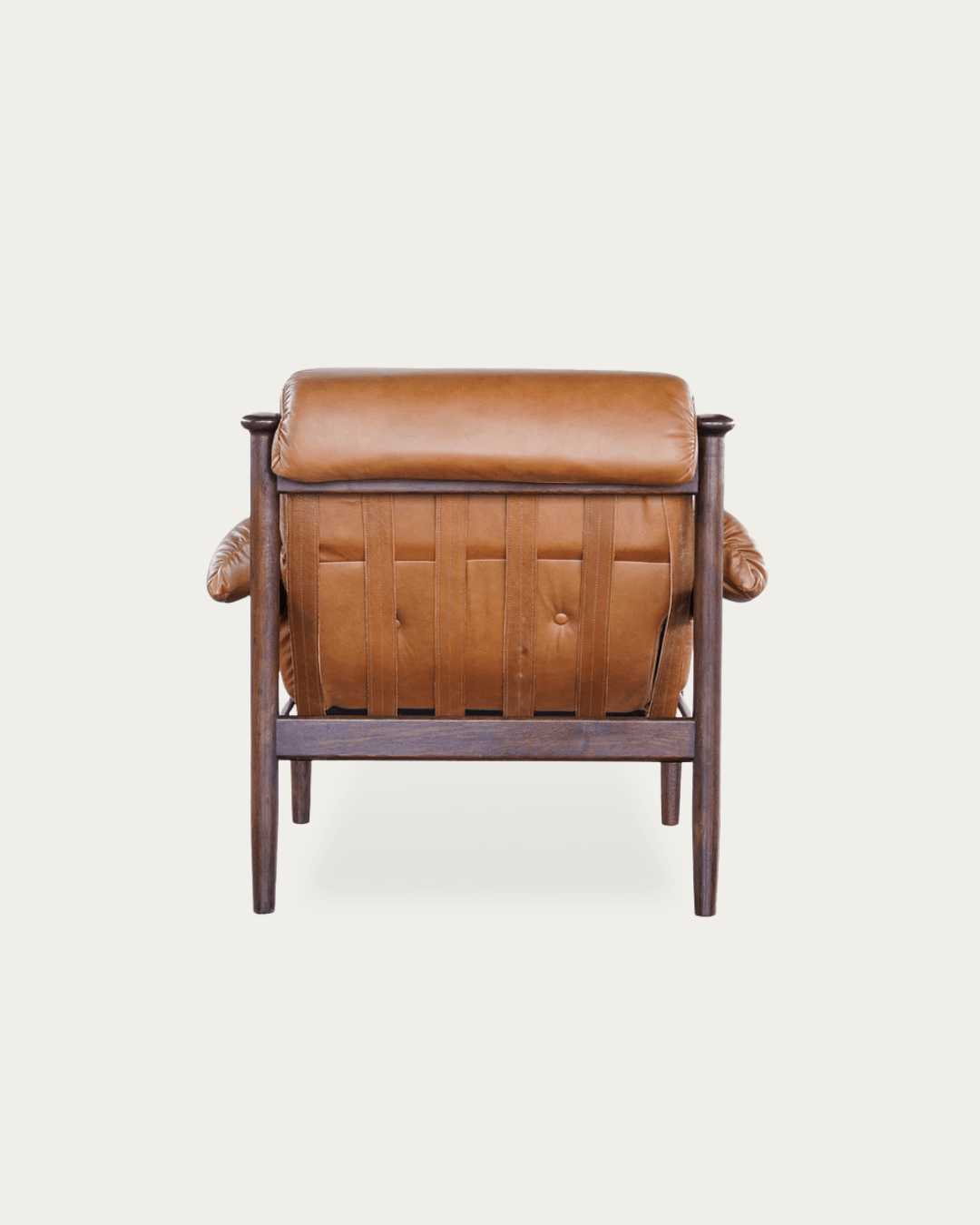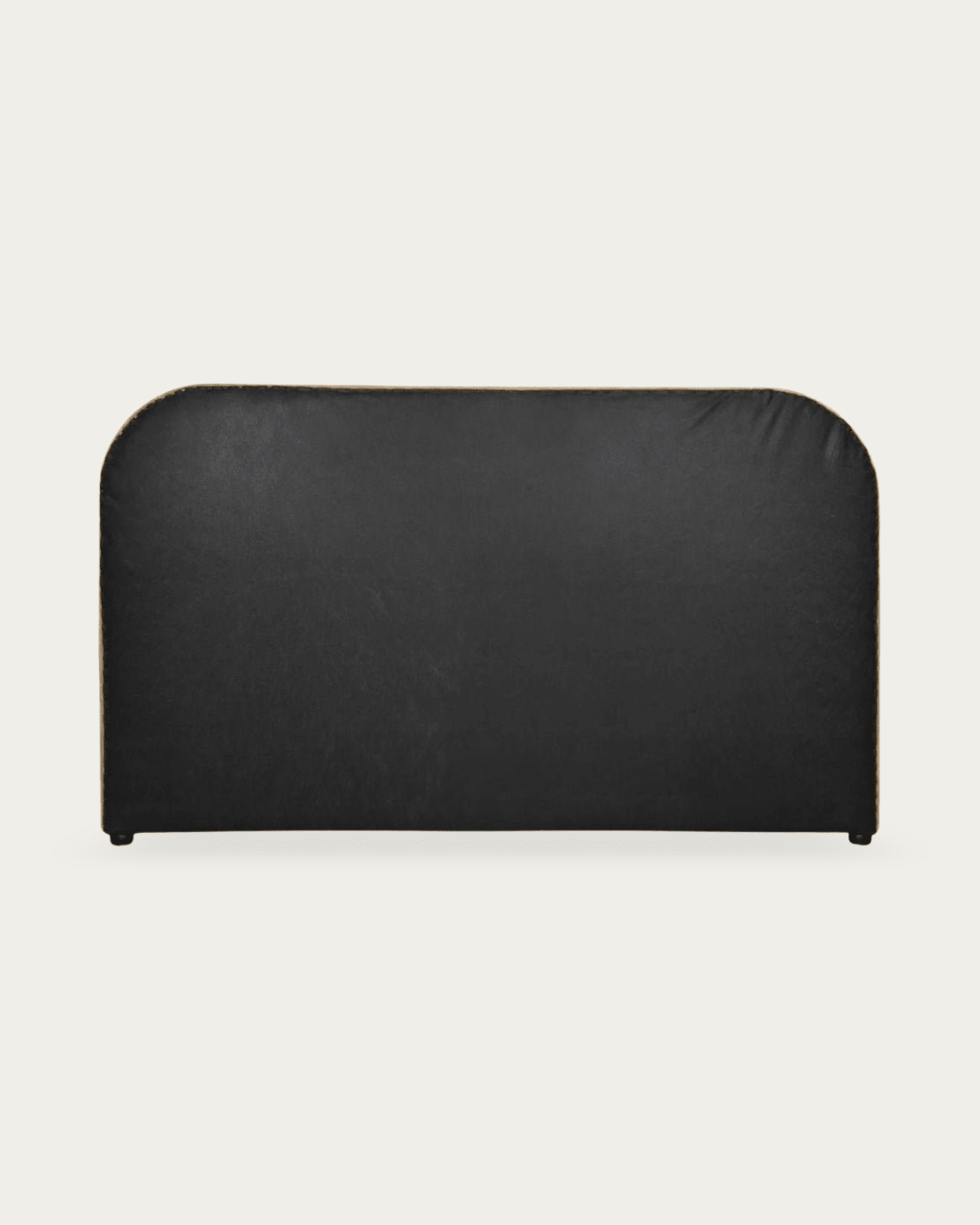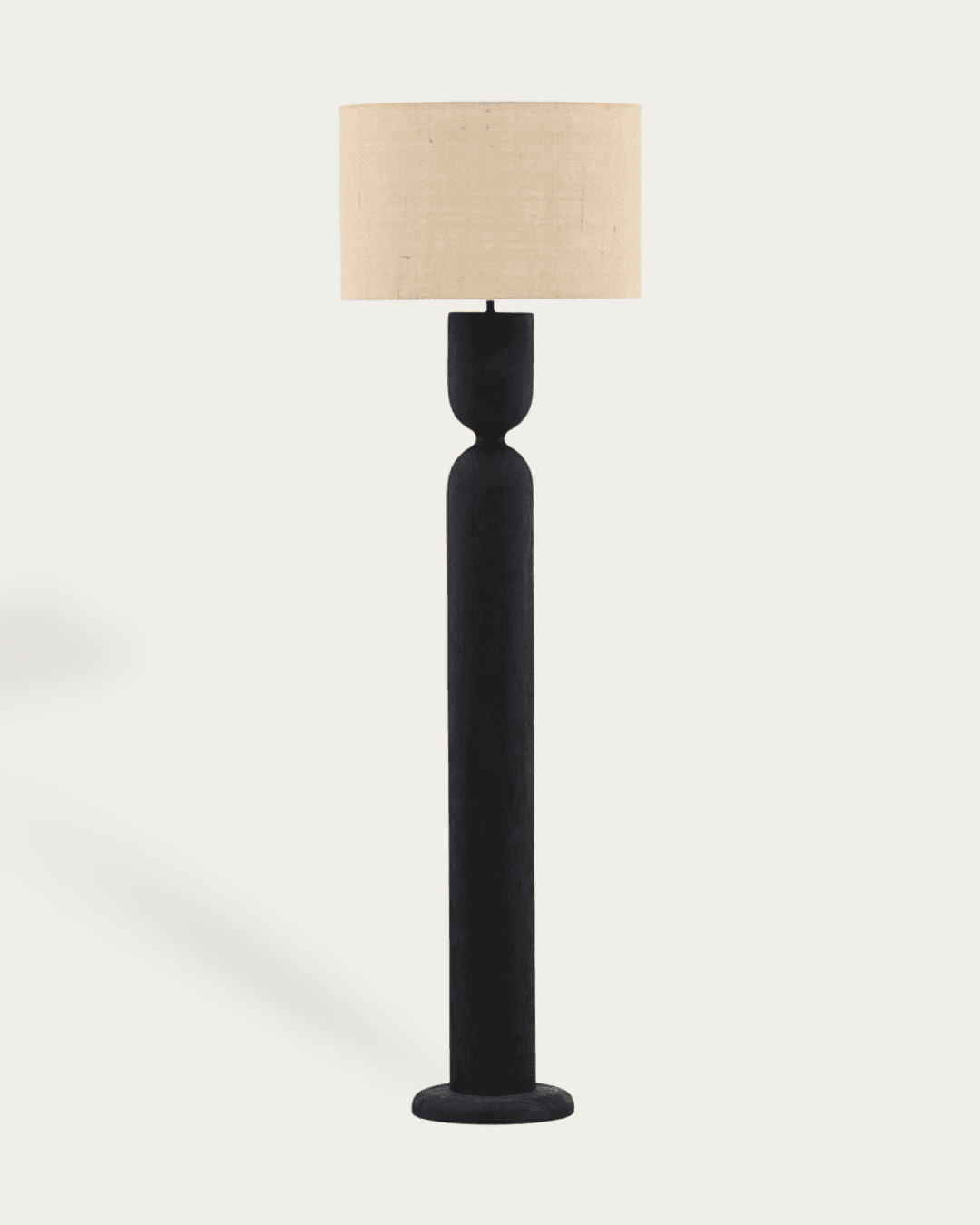
















Most people don’t struggle with choosing bedroom furniture because of style—they struggle because everything looks right individually but feels off together. A queen bed frame might look perfect on its own. A dresser might be well-designed. A bedside nightstand might match in tone. But once everything is placed in the room, the space still doesn’t feel restful.
That’s because choosing bedroom furniture isn’t about picking pieces—it’s about building a system that works together.
When the system is off, the room feels slightly harder to settle into. When it’s right, everything—from how you move to how you unwind—starts to feel easier.
If you’re creating a space that supports rest instead of just filling it, start here:
https://hellonorden.com/collections/bedroom
Start With the Bed—Everything Builds From Here
The bed defines the room.
Not just visually—but functionally.
It determines:
Where movement happens
How furniture is placed
Where the visual center sits
This is where most people get it wrong. They treat the bed as one of many decisions instead of the starting point.
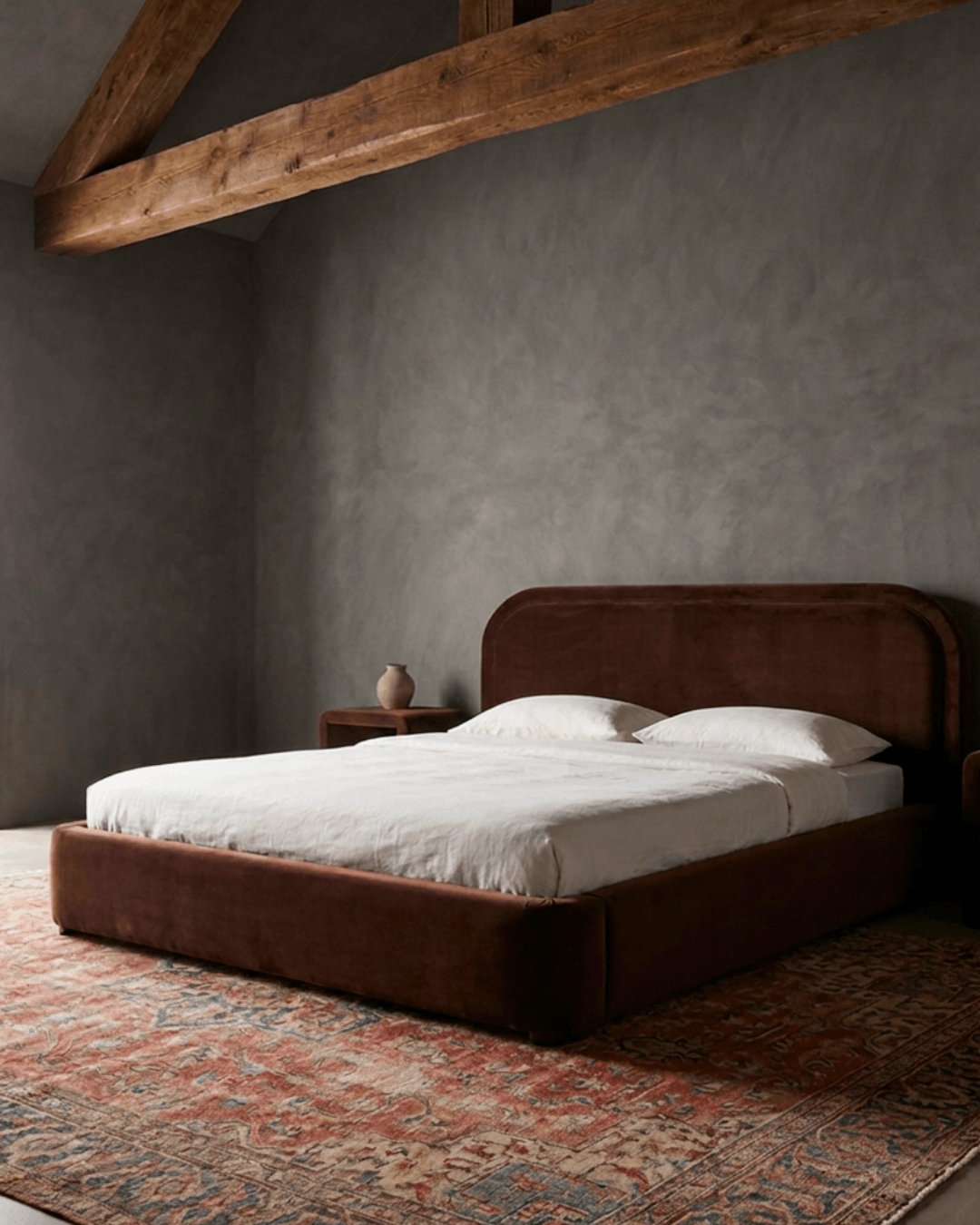
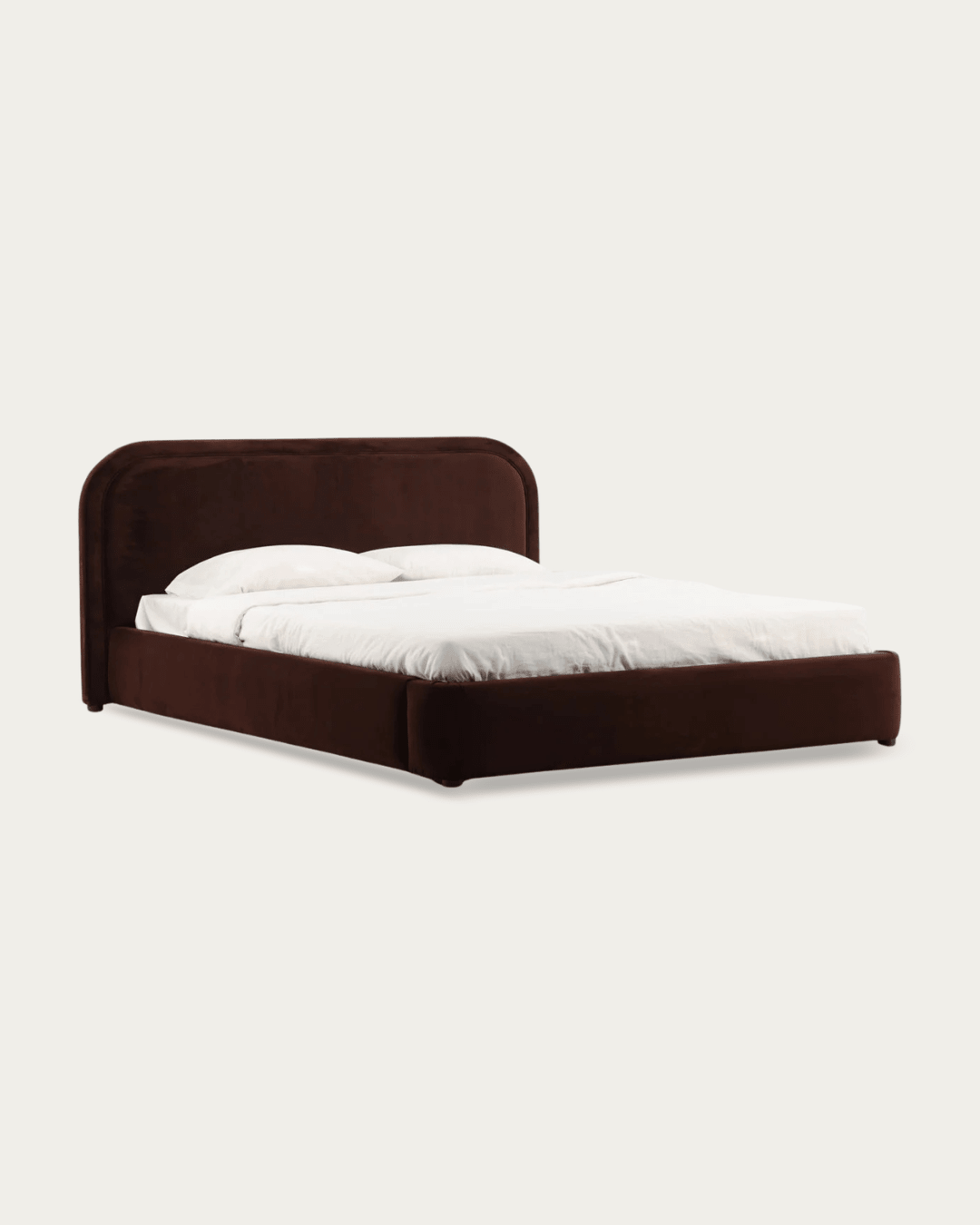
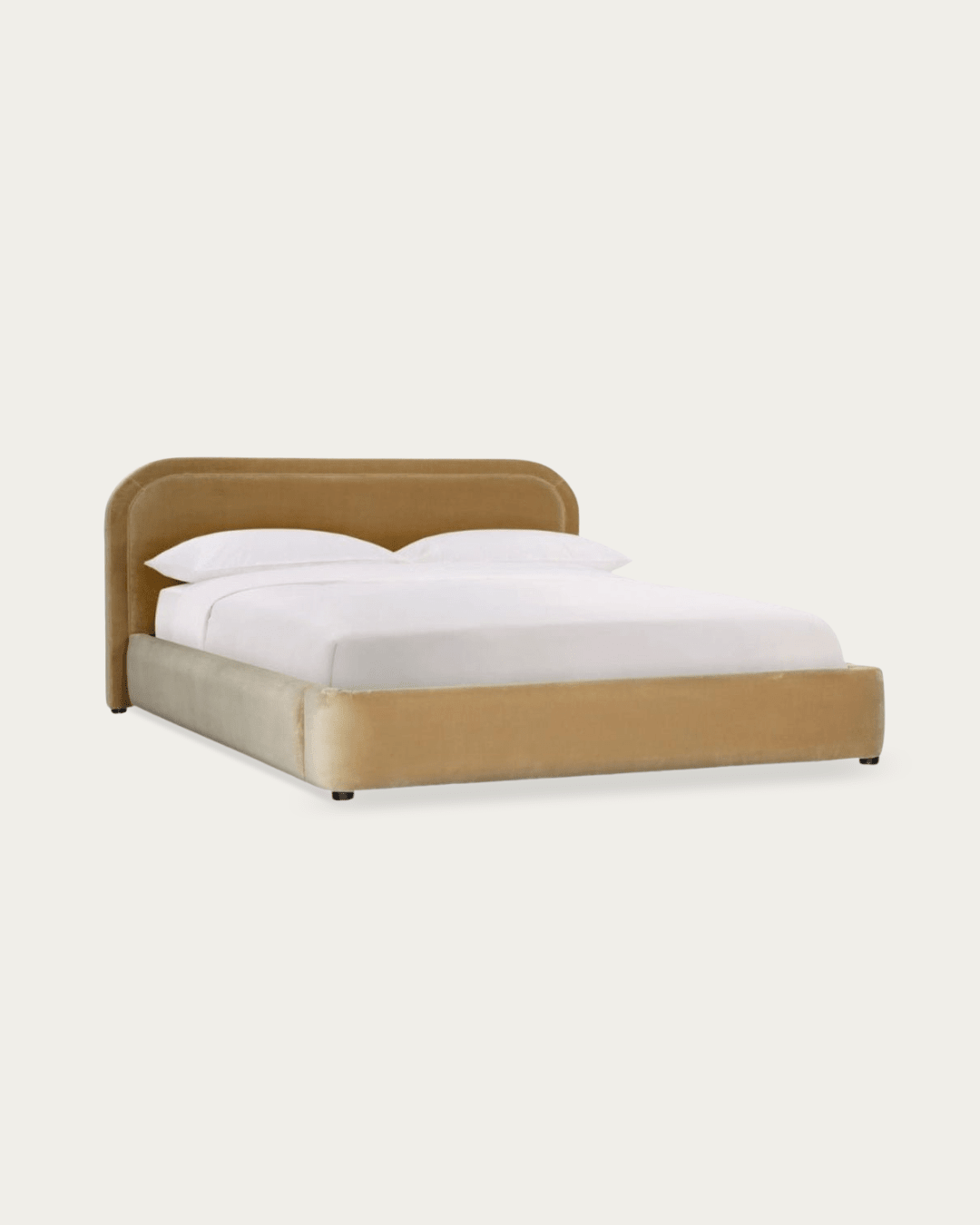
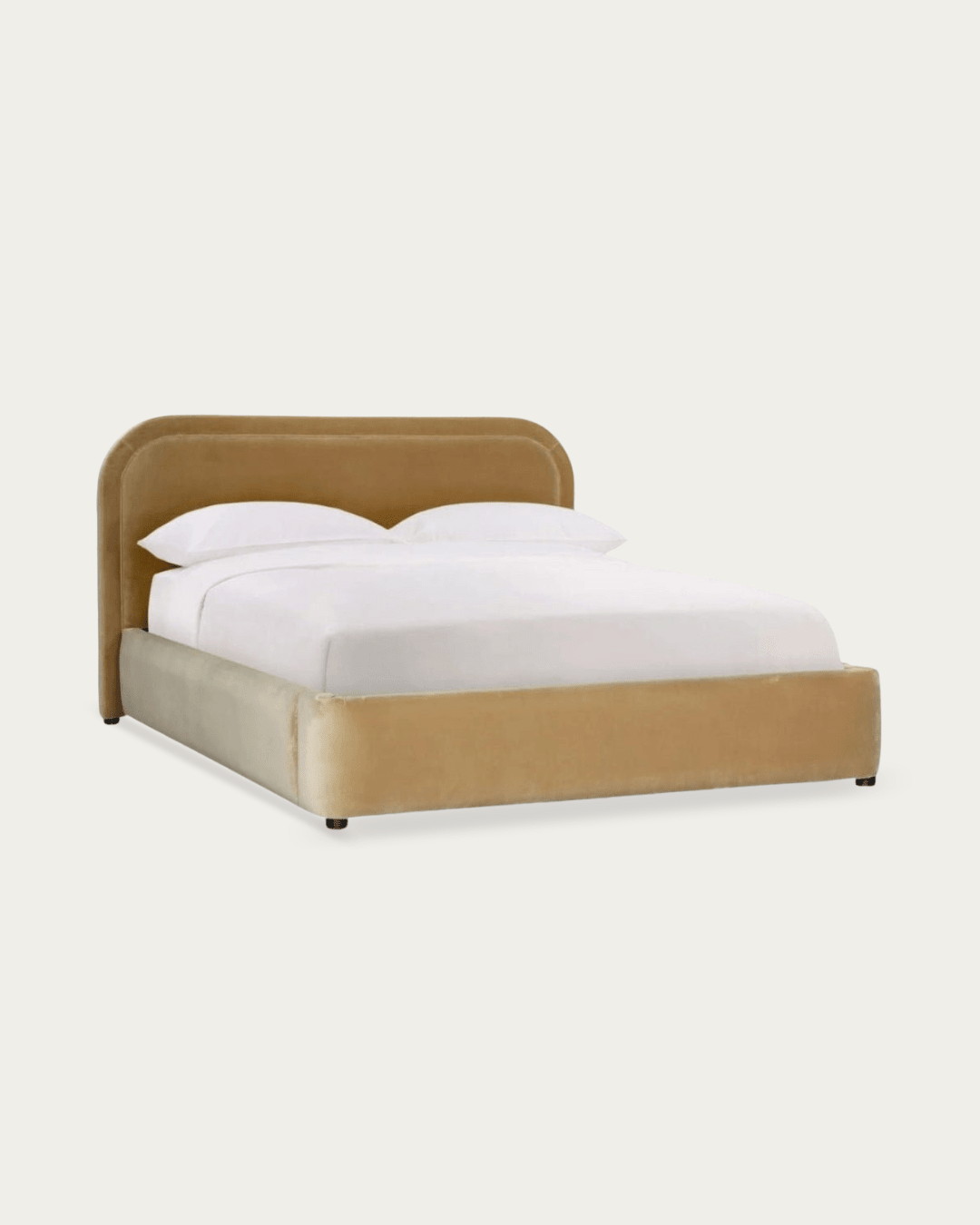
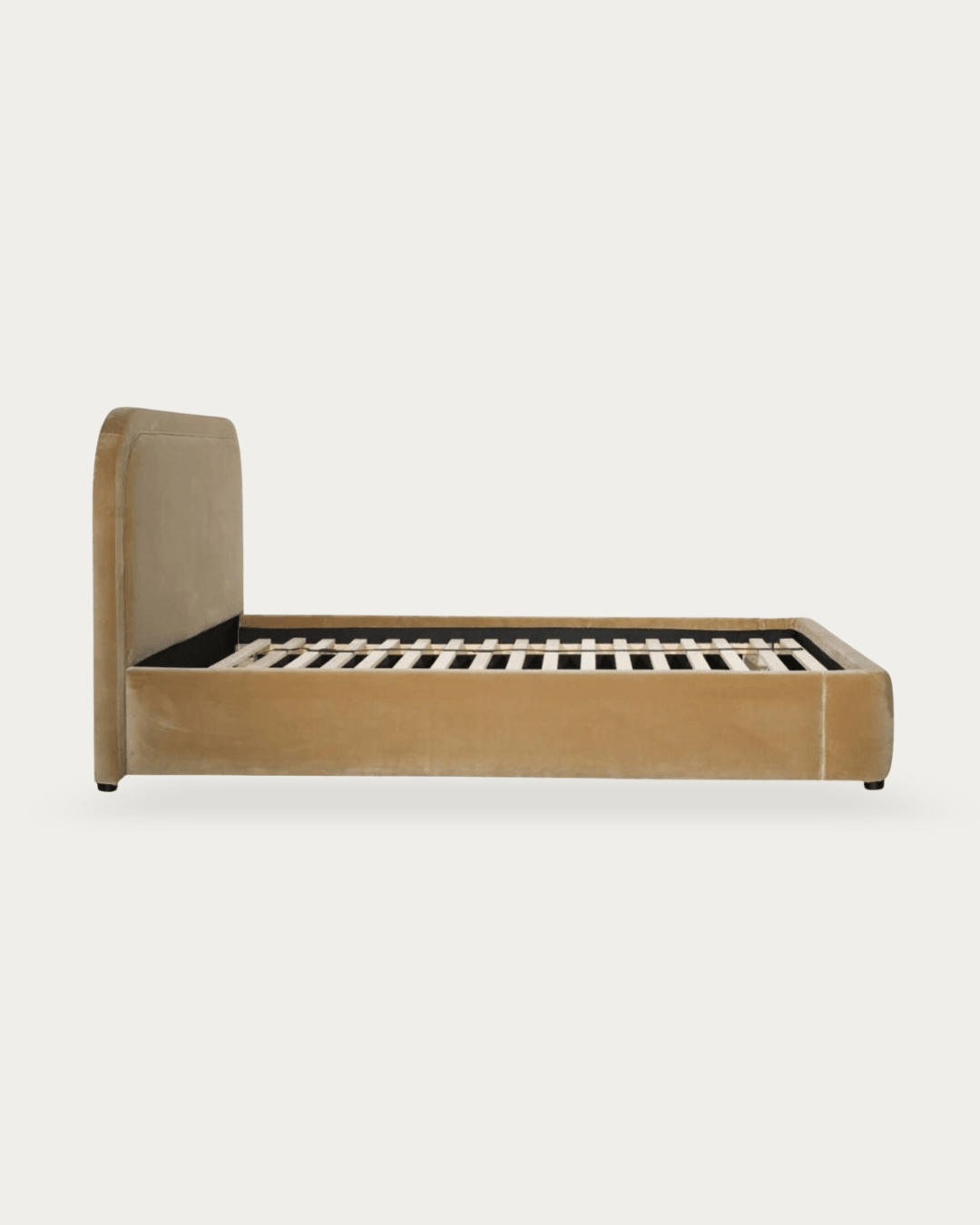
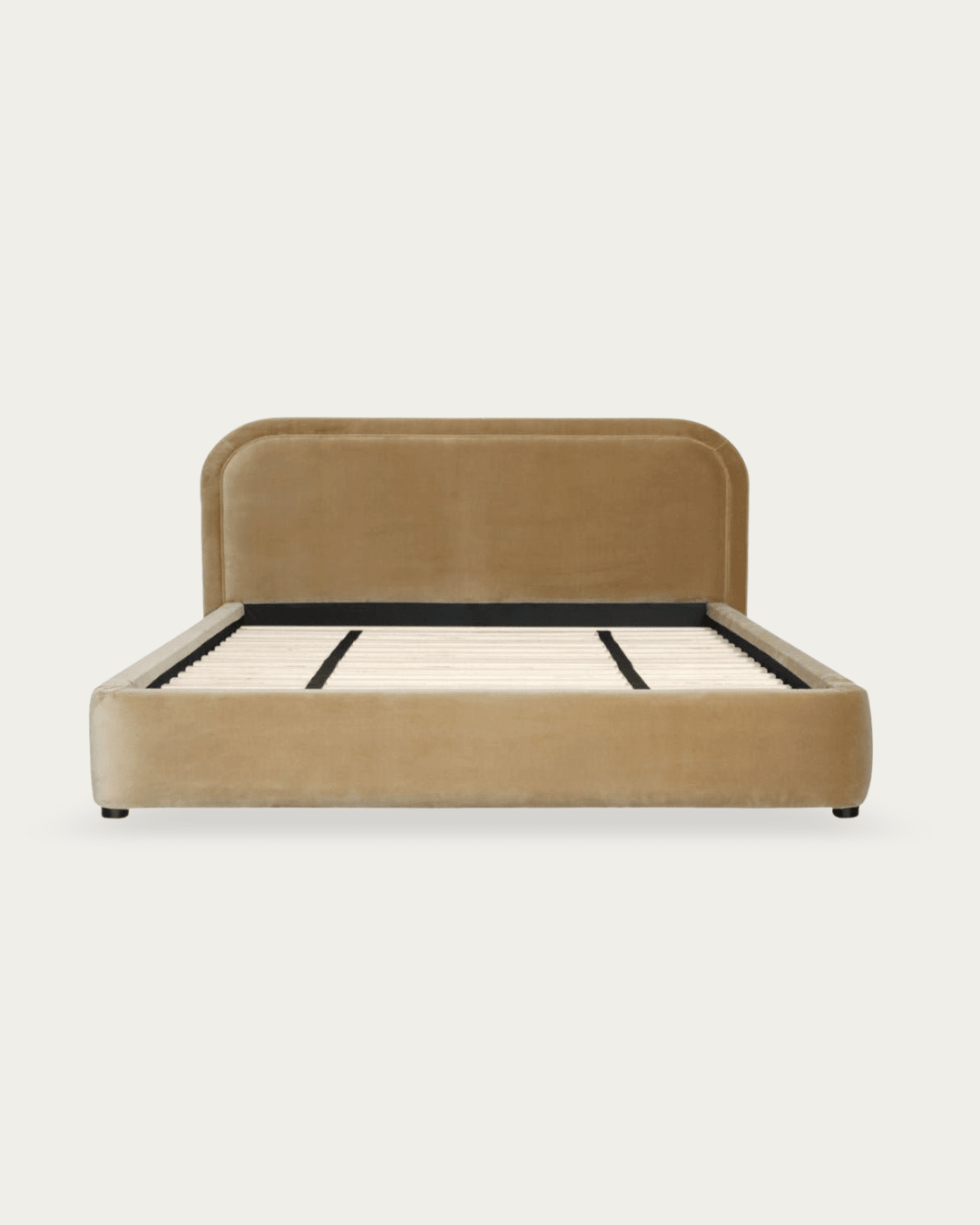
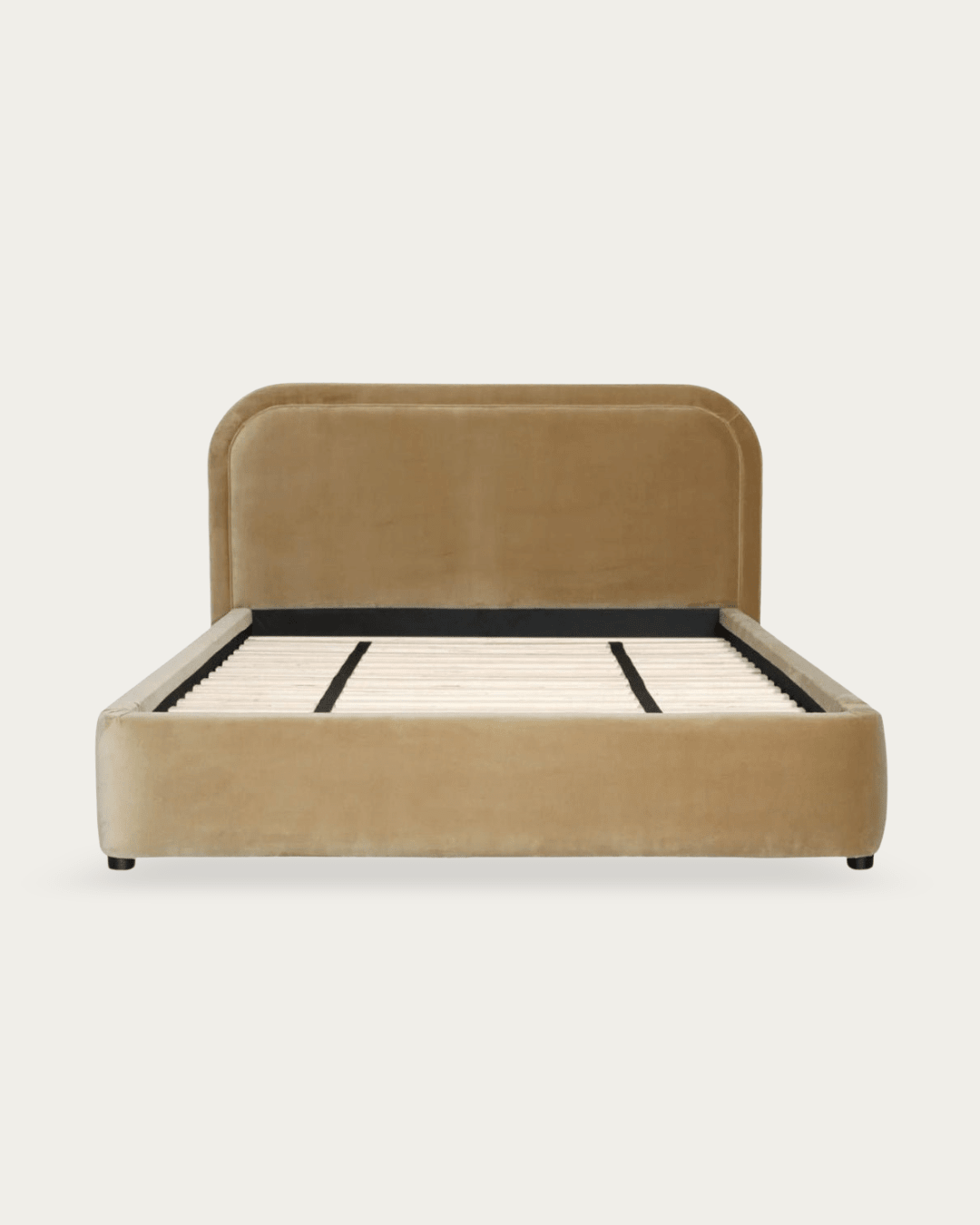
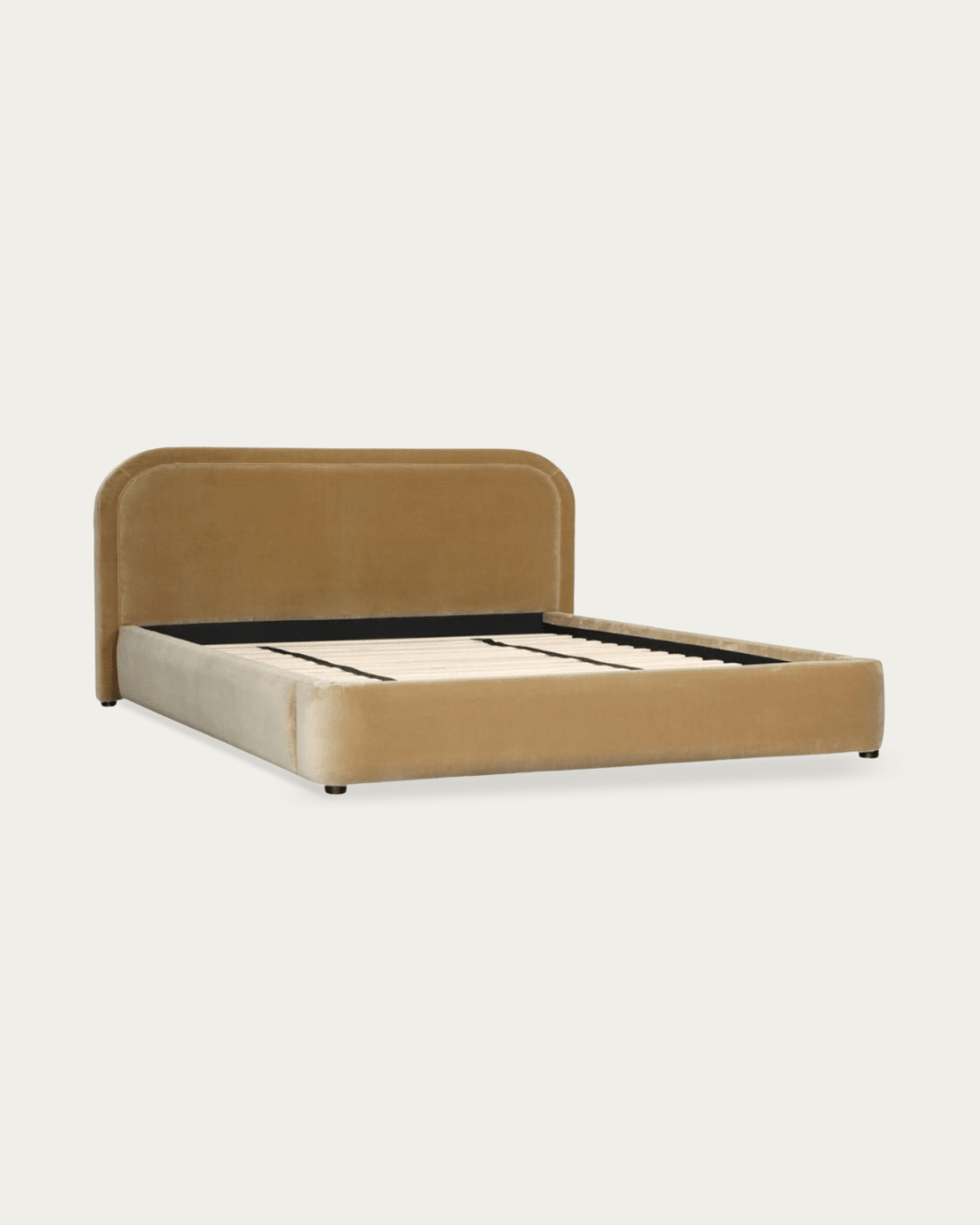
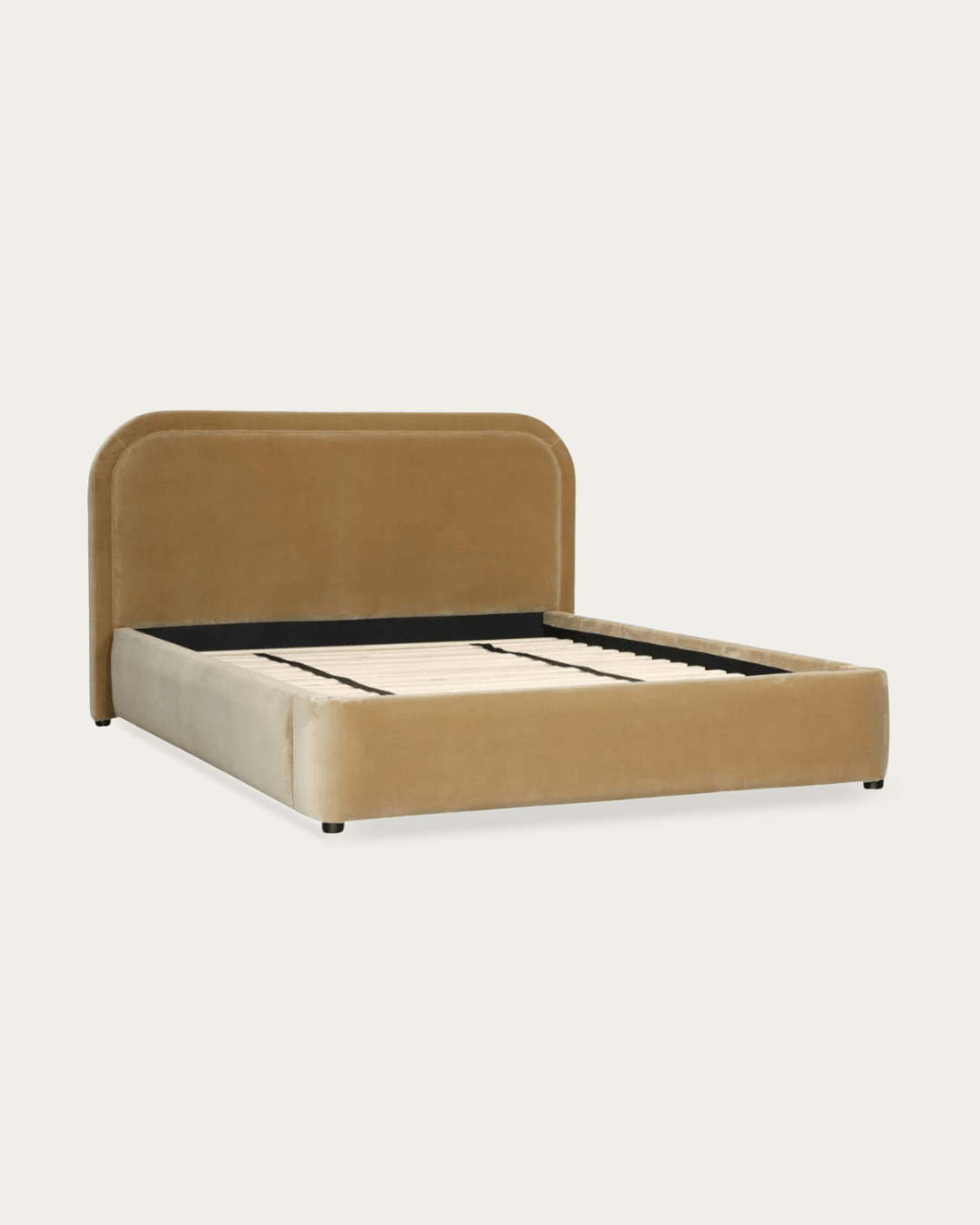
A queen bed frame works in most spaces because it balances presence and flexibility. It allows for comfortable movement while still anchoring the room. A king size bed frame, on the other hand, requires more than just floor space—it needs breathing room on all sides to function properly.
A piece like Baldur bed creates a grounded center without overwhelming the space, while Bjorn bed holds stronger visual weight for larger layouts.
The key is simple:
Choose the bed based on your room—not your ideal.
Scale Is What Makes a Room Feel Right (or Not)
A bedroom can look complete and still feel off.
That’s usually a scale issue.
When proportions don’t align:
The bed feels too dominant
Nightstands feel disconnected
Storage feels intrusive
Even when each piece is well-designed, mismatched scale creates subtle tension.
A bed like Eirikur bed works well when paired with proportionate side elements, while a Jukka bed performs better in rooms that can support its visual presence.
Scale isn’t something you consciously notice.
But it’s something your body responds to immediately.
Nightstands Should Align—Not Just Sit Beside the Bed
A bedside nightstand is one of the most overlooked pieces in a bedroom.
Most people choose it last.
That’s why it often feels like an afterthought.
But nightstands do more than hold objects. They connect the bed to the rest of the room.
A well-placed nightstand should:
Align with mattress height
Sit comfortably within reach
Feel visually balanced
If it’s too low, it feels disconnected. If it’s too high, it disrupts the visual line of the bed.
A piece like the Jorik nightstand creates a structured alignment, while the Saevar nightstand offers a softer integration depending on the room’s tone.
The Space Around the Bed Matters More Than You Think
Most layout issues don’t come from the furniture itself.
They come from spacing.
When the bed is surrounded by too many elements:
Movement becomes restricted
The room feels tighter
The layout feels forced
Even high-quality pieces can create tension if there’s no room for them to breathe.
A piece like Vaino nightstand works well in tighter layouts due to its lighter presence, while Veli Nightstand suits rooms where more visual weight is needed.
Space is not empty.
It’s functional.
Storage Should Support Calm—Not Add Pressure
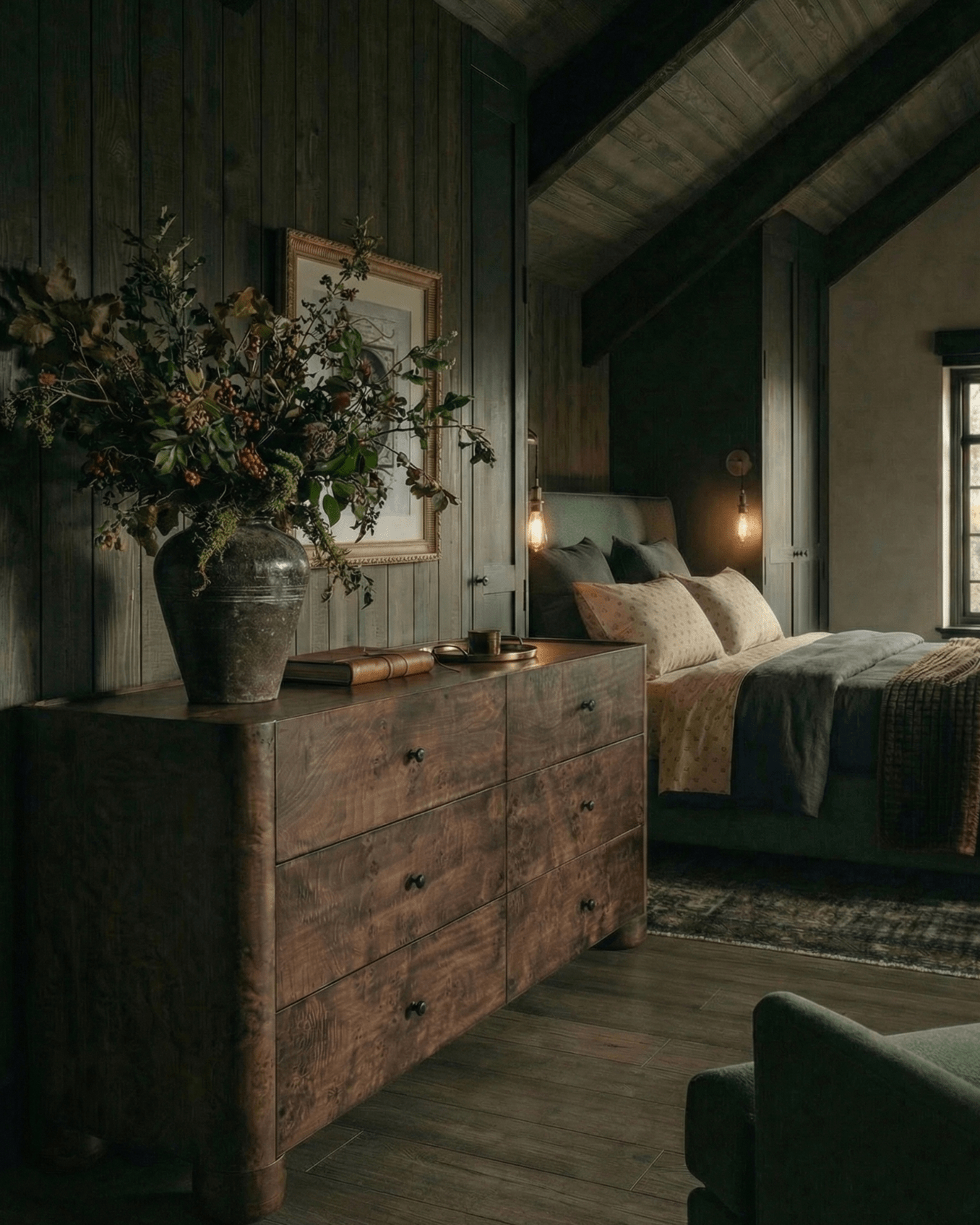
A dresser is one of the largest pieces in a bedroom—and one of the easiest to get wrong.
Too large, and it dominates the room.
Too small, and it becomes ineffective.
Placement matters just as much as size.
A dresser should:
Sit along secondary walls
Avoid blocking movement
Balance the weight of the bed
A piece like the Riven dresser provides a grounded structure, while the Jorik dresser integrates more subtly depending on placement.
https://hellonorden.com/collections/dressers
Choose storage that supports the layout—not competes with it
Matching Isn’t the Goal—Balance Is
One of the biggest misconceptions is that bedroom furniture needs to match.
It doesn’t.
Matching often creates flat, predictable spaces.
What actually works is coordination:
Similar scale
Complementary materials
Balanced visual weight
A piece like an Eero dresser can sit comfortably in a room with varied textures, while a Jussi dresser works best when it complements—not mirrors—other pieces.
The goal isn’t uniformity.
It’s cohesion.
A RUTED Tip: Alignment Reduces Mental Load. Your brain continuously scans for balance and structure, and when furniture is misaligned—whether in spacing, scale, or placement—it increases cognitive effort; properly aligned bedroom furniture creates predictable visual patterns, allowing your nervous system to relax more easily.
Material Choice Changes How the Room Feels
Even with the right layout, the wrong materials can make a room feel off.
Hard, reflective surfaces tend to increase visual activity.
Natural materials do the opposite.
They:
Absorb light
Soften edges
Introduce variation
This reduces the amount of visual processing required, making the room feel calmer.
Wood, fabric, and textured finishes all contribute to this effect.
Material isn’t just aesthetic.
It’s functional.
Movement Should Feel Effortless
A bedroom is used daily—often without thinking.
That’s why movement matters.
You should be able to:
Walk around the bed comfortably
Access storage easily
Move without adjusting your path
If movement feels restricted, the layout is working against you.
This is especially important with larger pieces like a king size bed frame, which requires more clearance to function properly.
Good design always prioritizes ease of use.

Build the Room in Layers—Not All at Once
Trying to complete a bedroom in one step leads to poor decisions.
It creates:
Overcrowding
Poor scale alignment
Unnecessary purchases
Instead, build gradually:
Start with the bed
Add nightstands
Place the dresser
Refine spacing
Add final elements
This approach allows the room to evolve naturally—and prevents forced layouts.
Why Bedrooms Often Feel “Done” but Not Restful
This is the core issue.
A room can look complete and still feel unresolved.
That’s because visual completion isn’t the same as functional alignment.
When furniture:
Doesn’t align
Competes for attention
Interrupts movement
The room creates subtle tension.
That tension is what prevents the space from feeling restful.
Fixing it doesn’t require more furniture.
It requires better decisions.
Where to Start
If your bedroom feels off, simplify everything.
Start with three questions:
Is the bed positioned correctly?
Do the nightstands align with it?
Does the dresser support the layout?
Then adjust one element at a time.
Small changes often create immediate results.
Final Thought
Choosing bedroom furniture isn’t about filling a space.
It’s about creating a system that works.
When your queen bed frame, dresser, and bedside nightstand align in scale, placement, and material, the room stops feeling like something you’re managing—and starts feeling like something you can settle into.
And that’s the difference between a bedroom that looks good—and one that actually works.
If you’re ready to build a bedroom that supports how you live, start here:
https://hellonorden.com/collections/bedroom