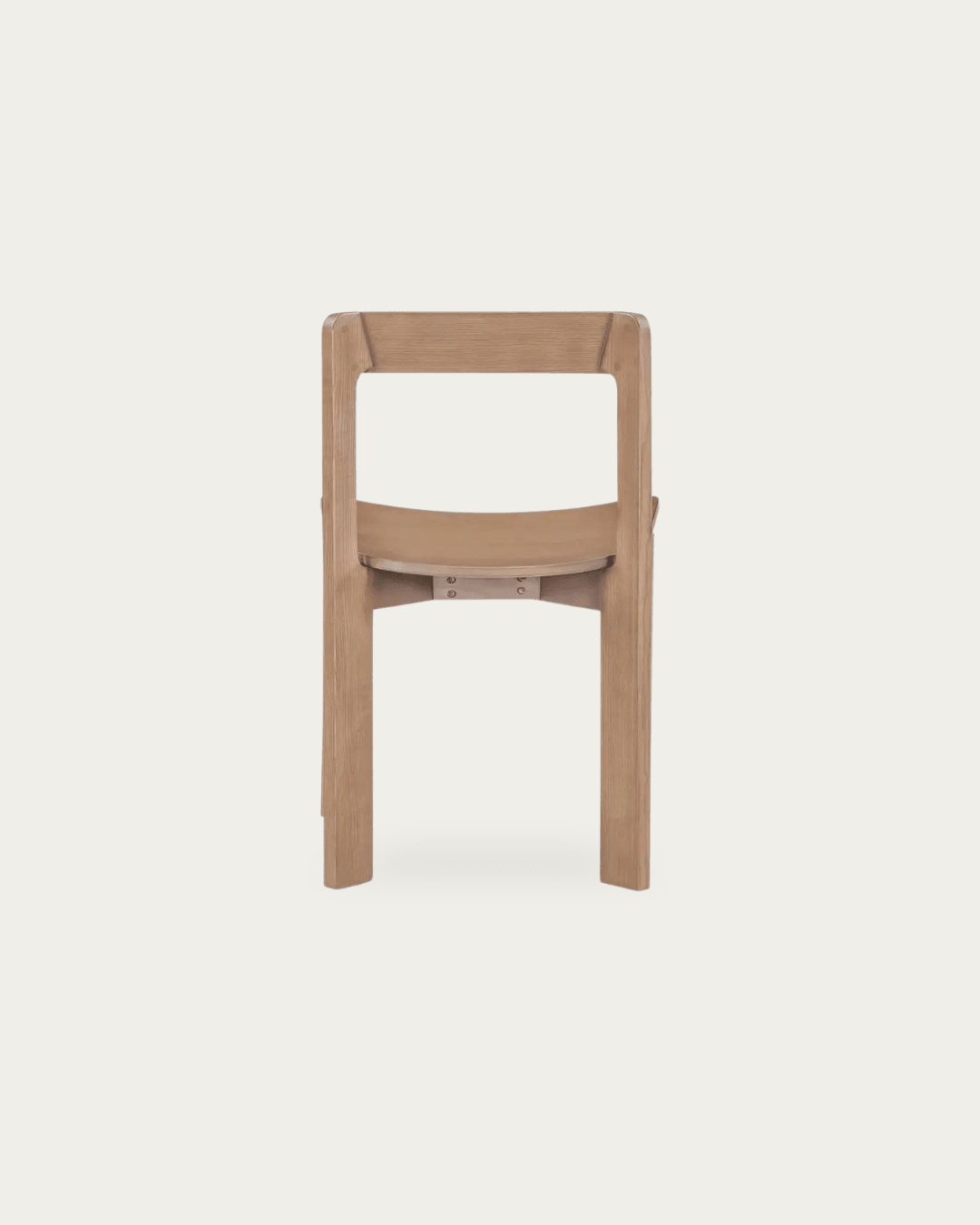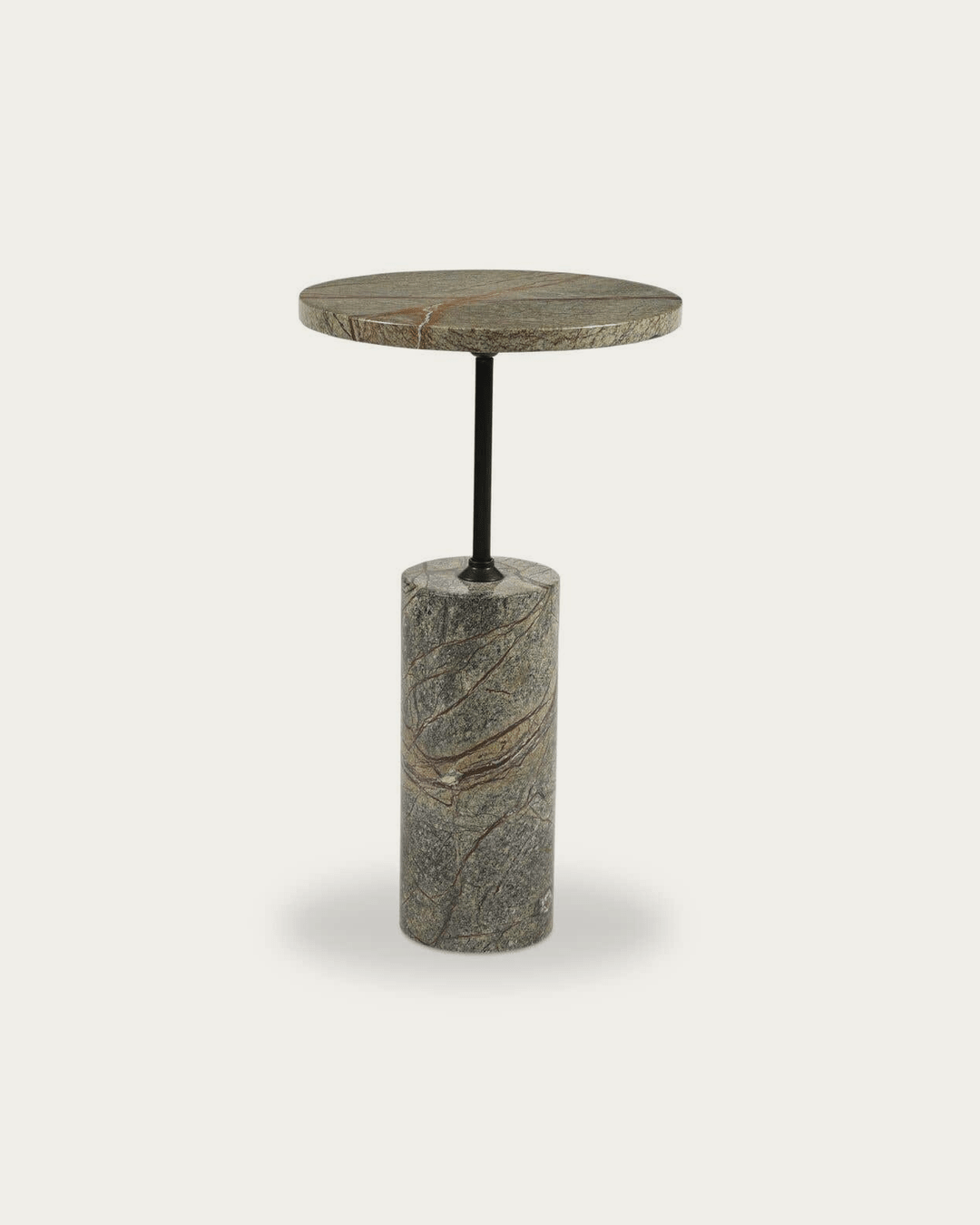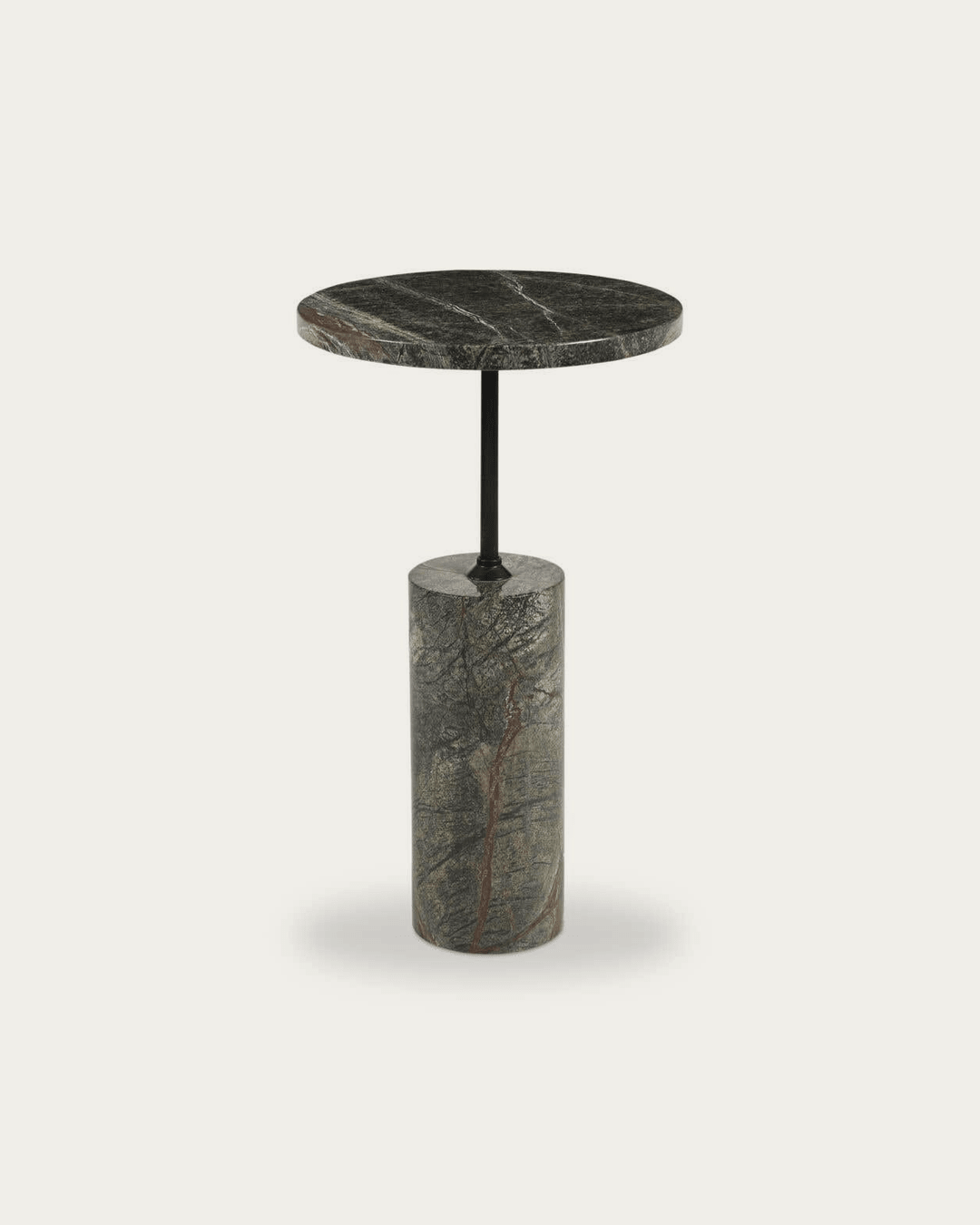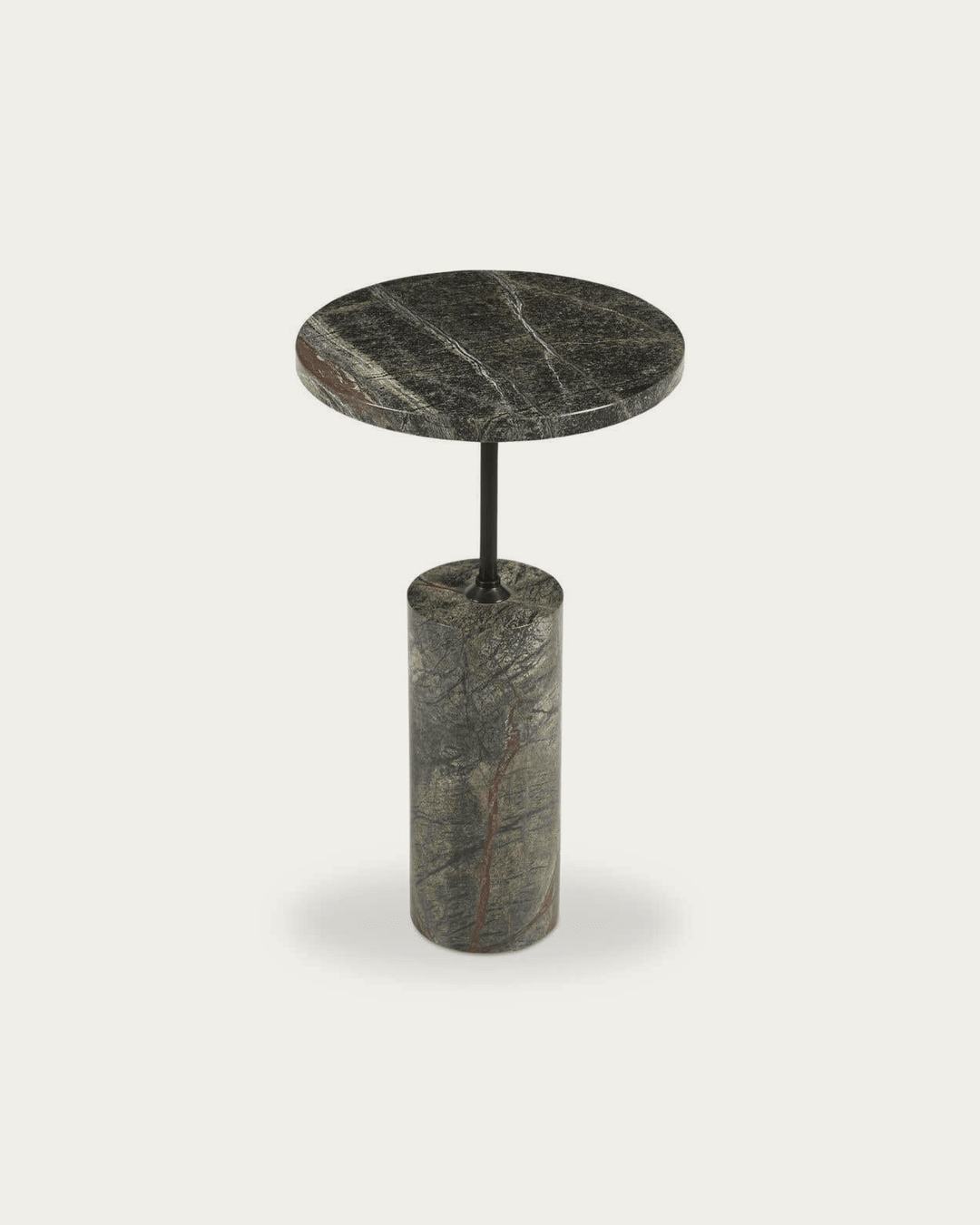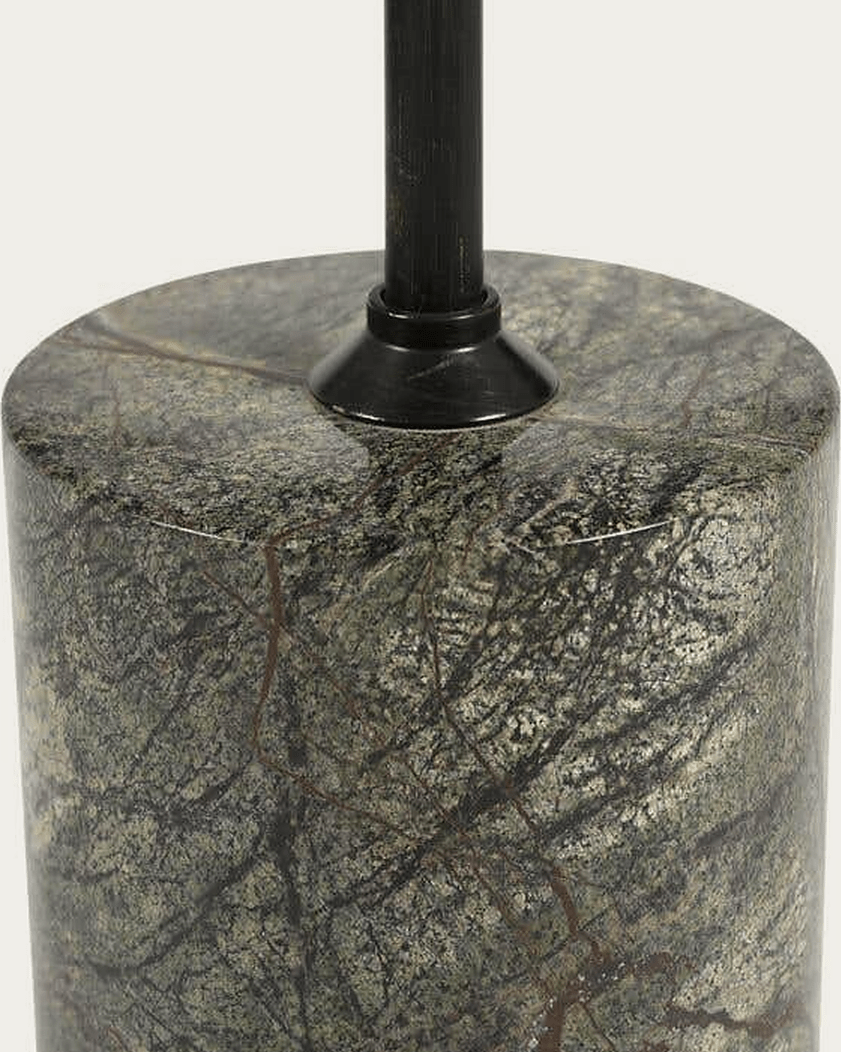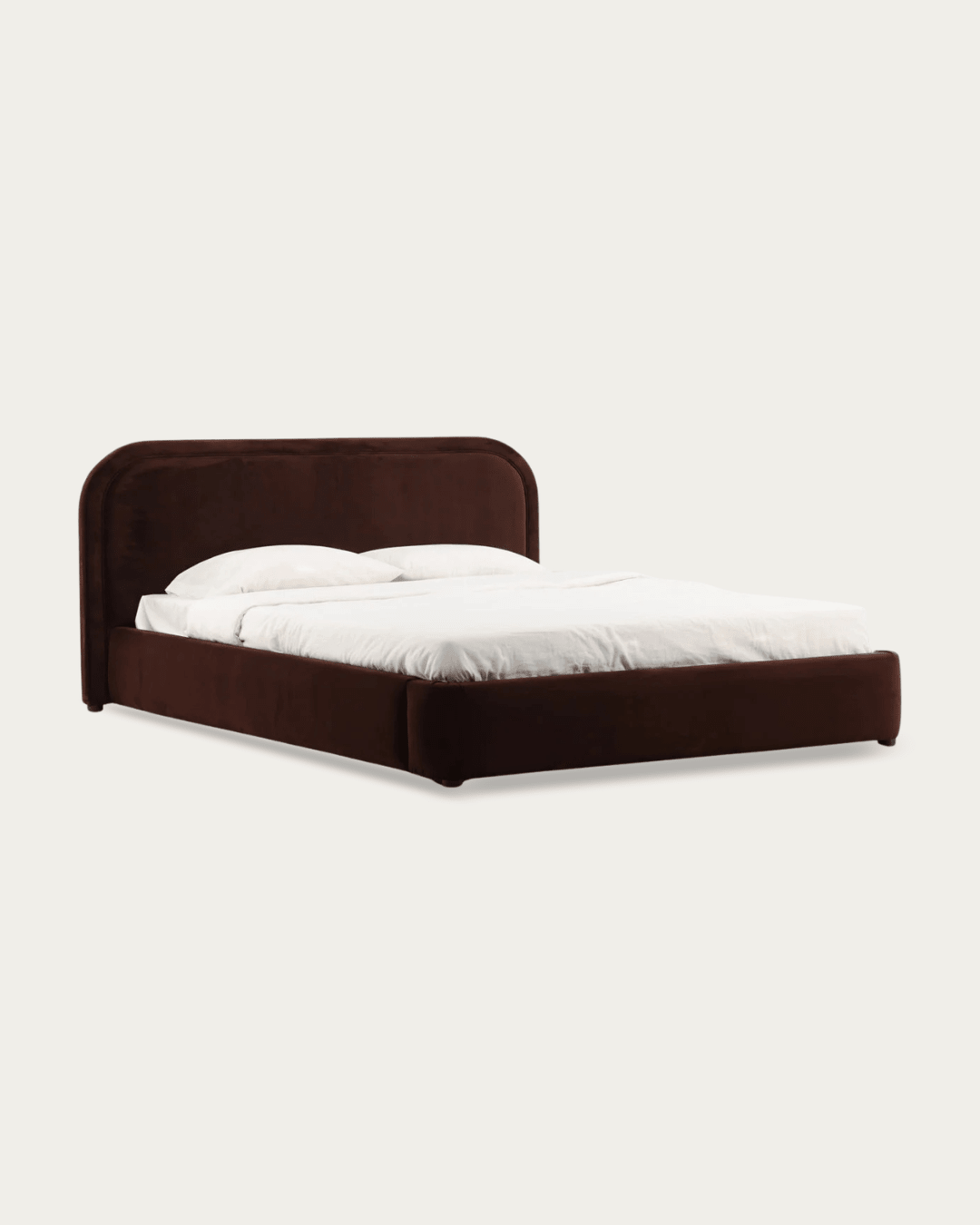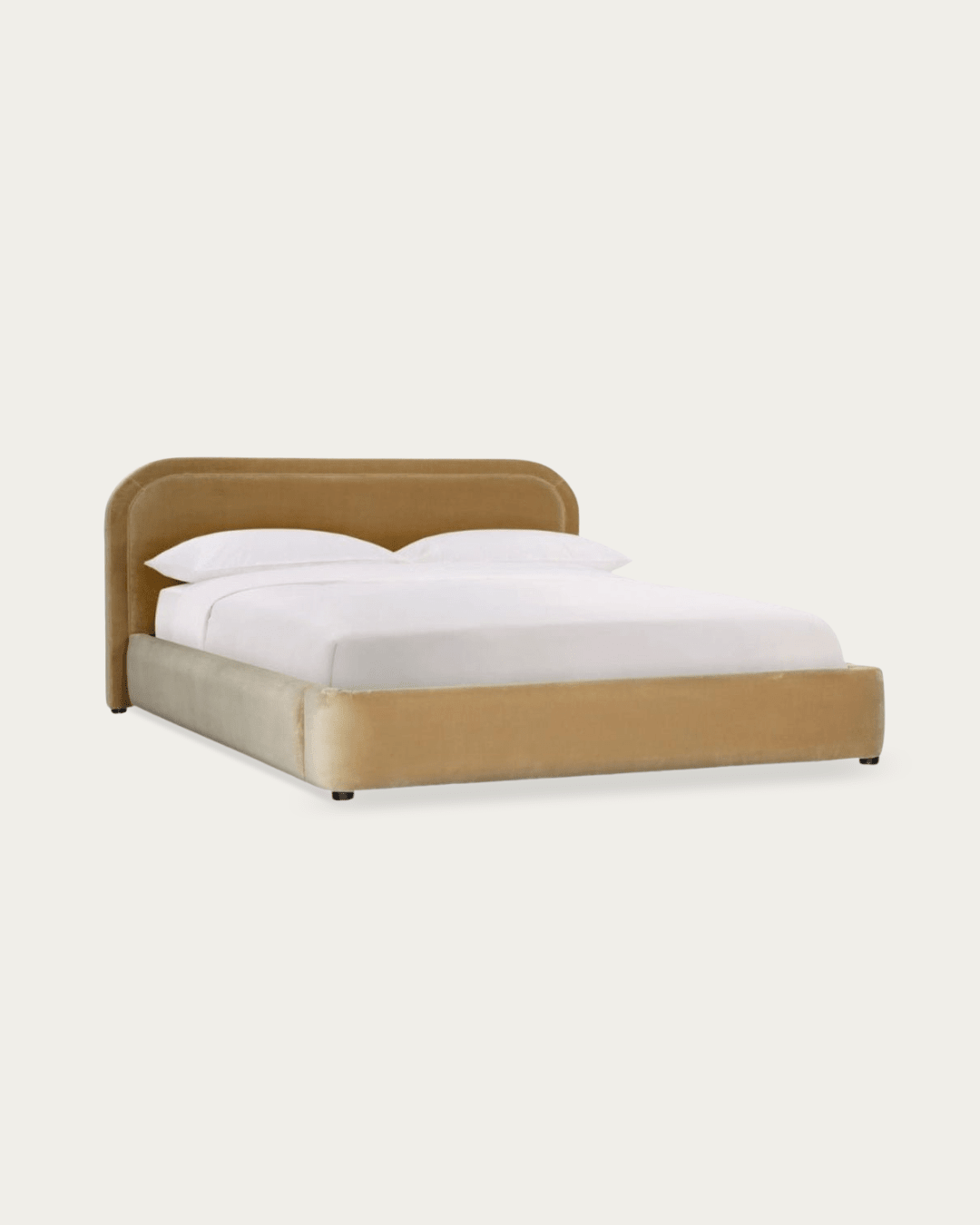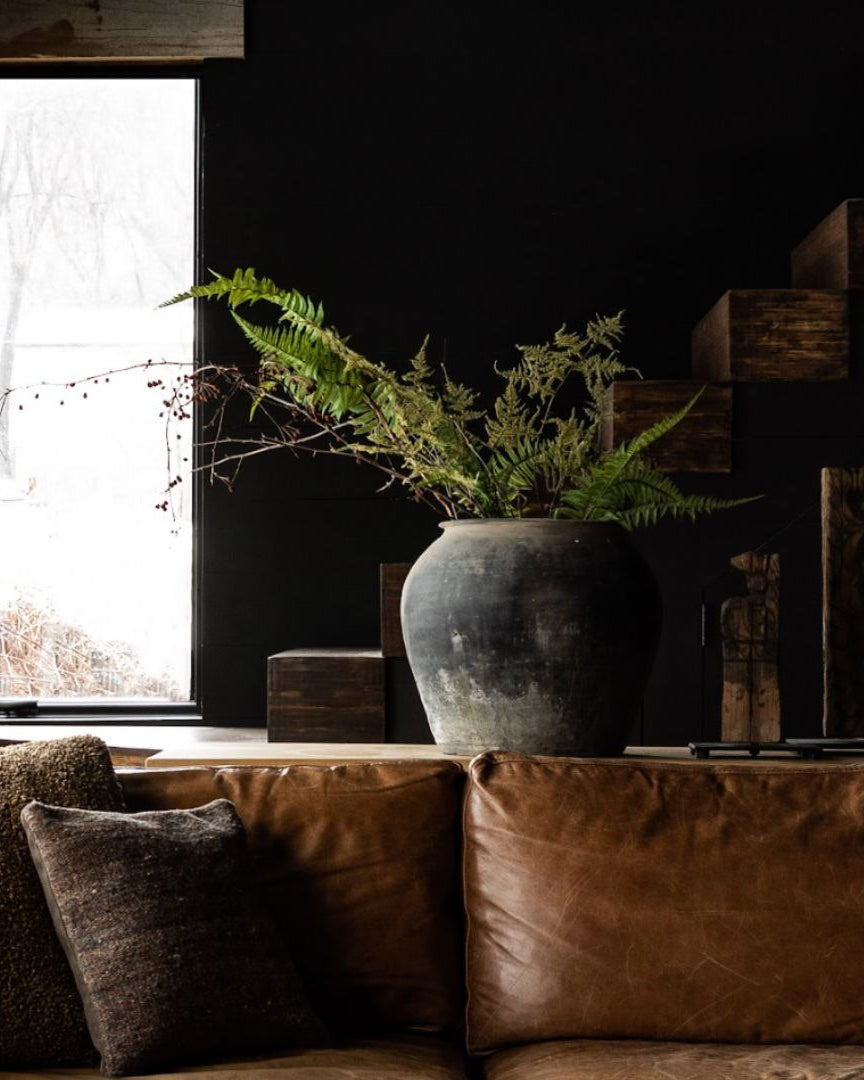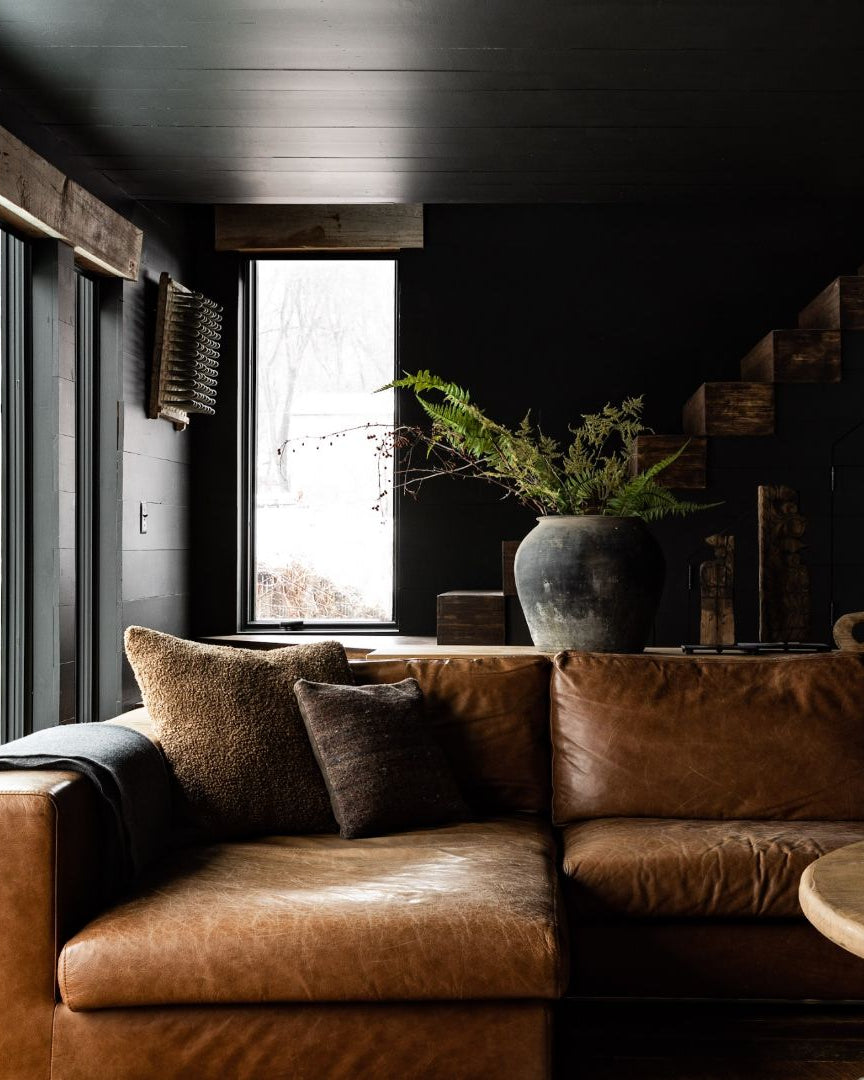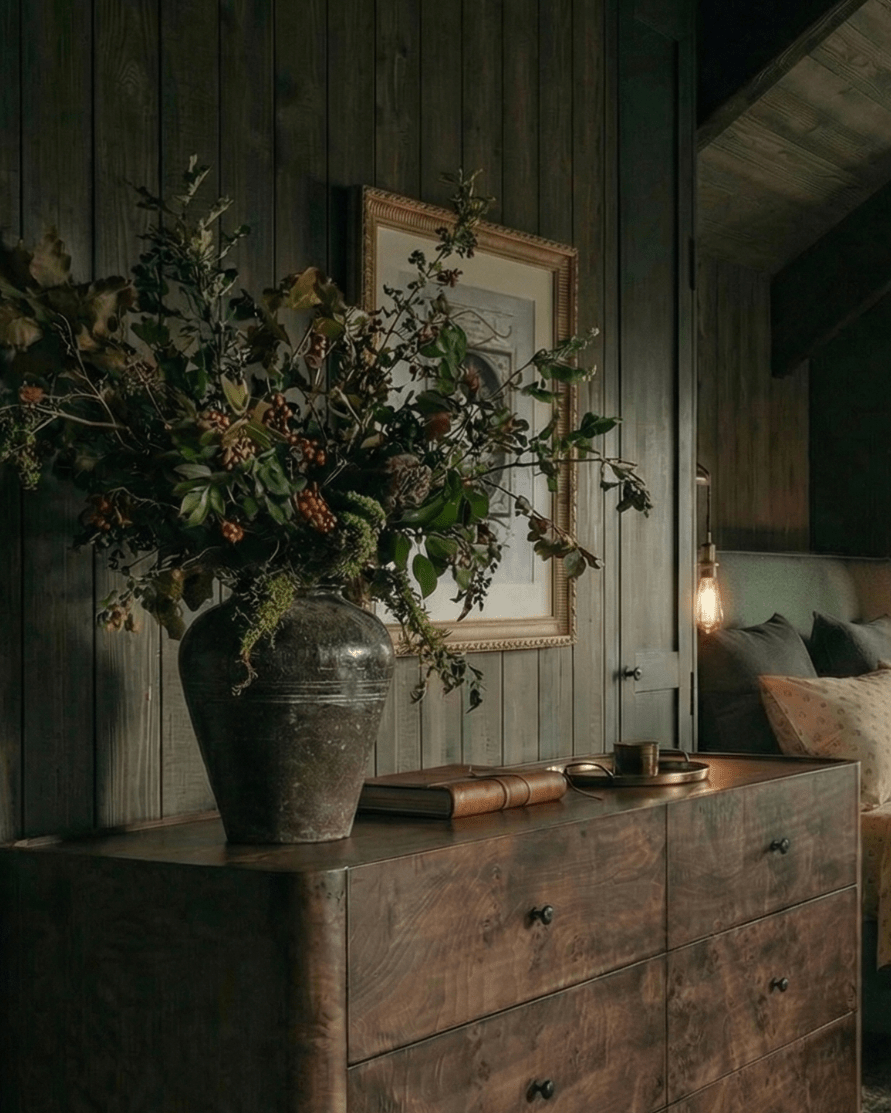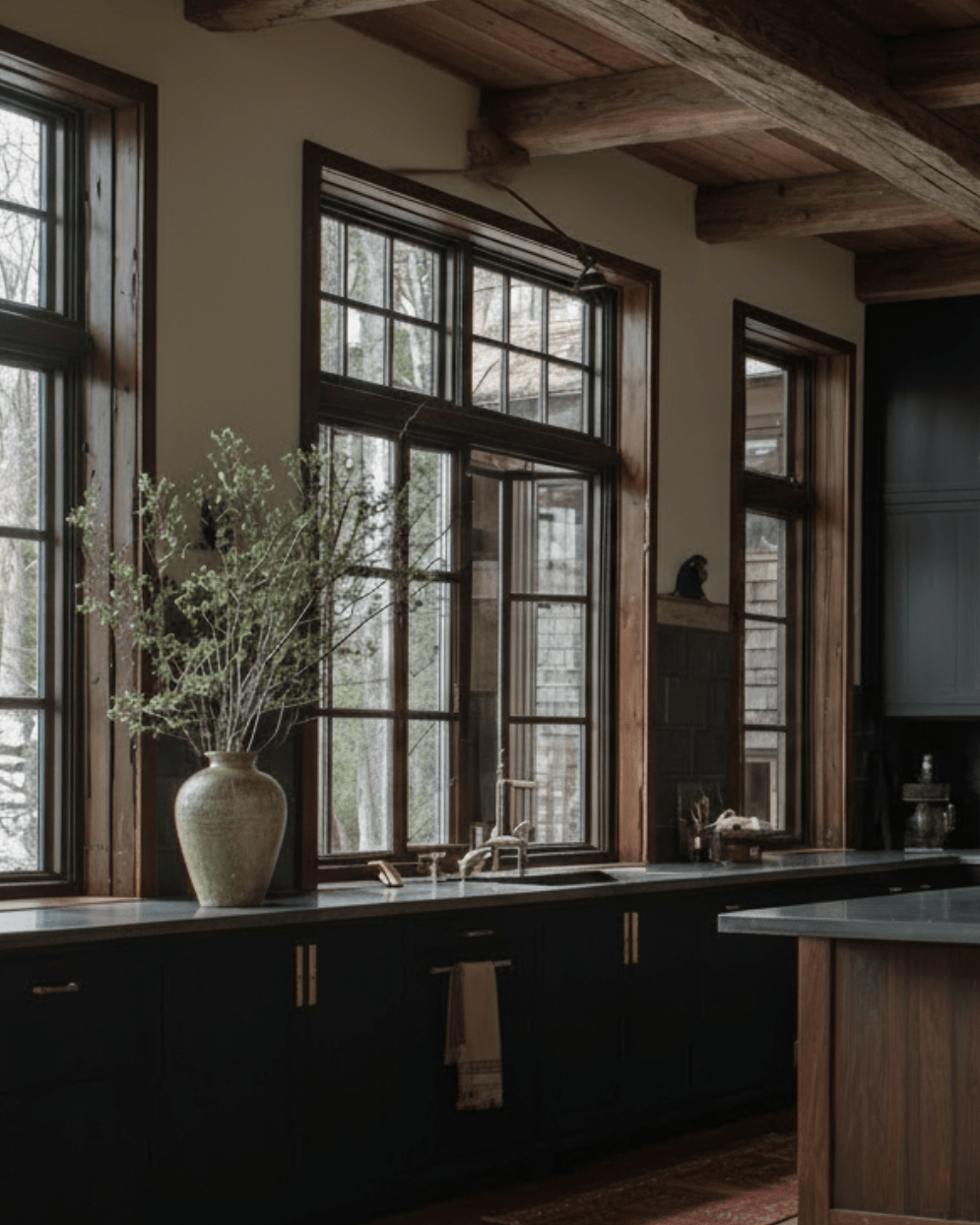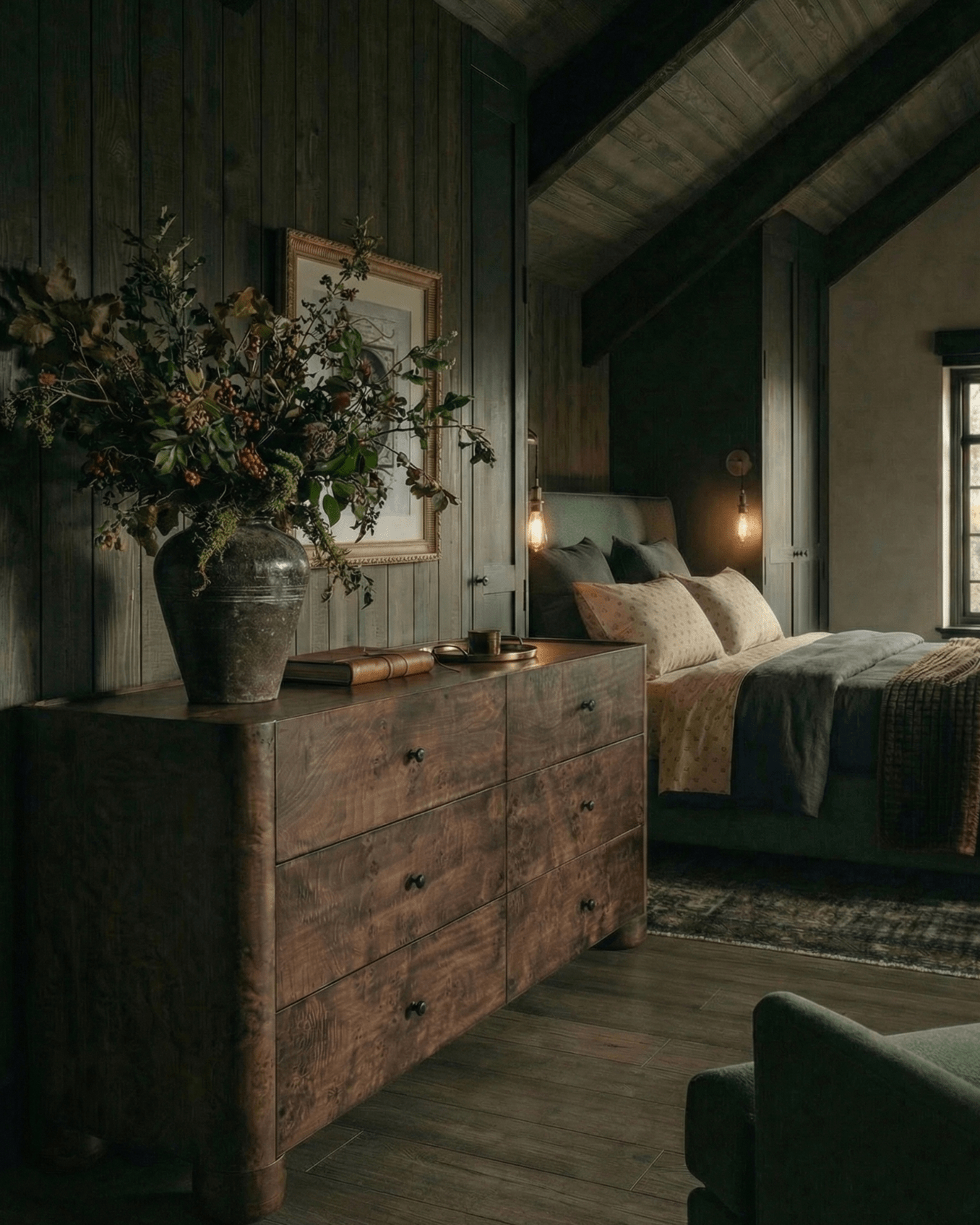












Most bedrooms look fine.
The bed is there. The nightstands are in place. There’s a dresser, maybe a throw blanket layered on top. On paper, everything is “done.”
But the room still doesn’t feel restful.
That’s the disconnect most people can’t explain. A bedroom can look complete and still feel slightly off—harder to settle into, harder to slow down in, harder to fully switch off.
The issue usually isn’t decor.
It’s how the bedroom furniture is working together—or not working at all.
If you’re building a space that actually supports rest, not just appearance, start here:
Explore bedroom collection
The Problem Isn’t the Bed—It’s the System Around It
Most people treat the bed as the main feature and everything else as secondary.
But a bedroom doesn’t function as a single piece.
It functions as a system.
The bed, nightstands, dresser, and surrounding furniture all work together to define how the space feels. When one element is out of balance—too large, too small, poorly placed—it disrupts the entire environment.
This is why simply upgrading a bed frame rarely fixes the room.
The issue is usually how everything interacts around it.
Scale Is Quiet—but You Feel It Immediately
A bedroom can feel off without anything obviously being wrong.
That’s usually a scale issue.
-
A bed that’s too large overwhelms the room
-
Nightstands that are too small feel disconnected
-
A dresser that dominates one wall throws off balance
Even when each piece looks good individually, mismatched scale creates tension.
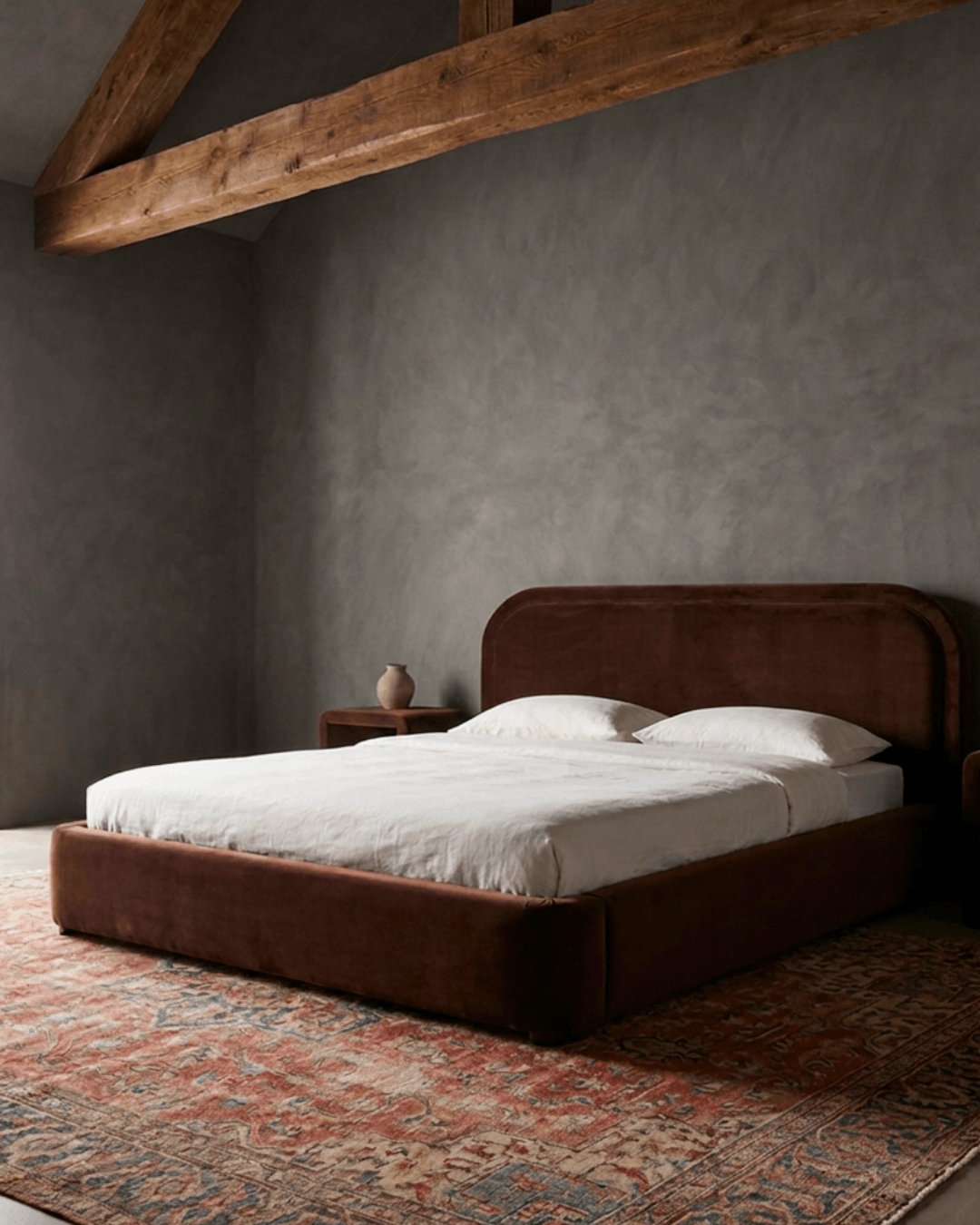
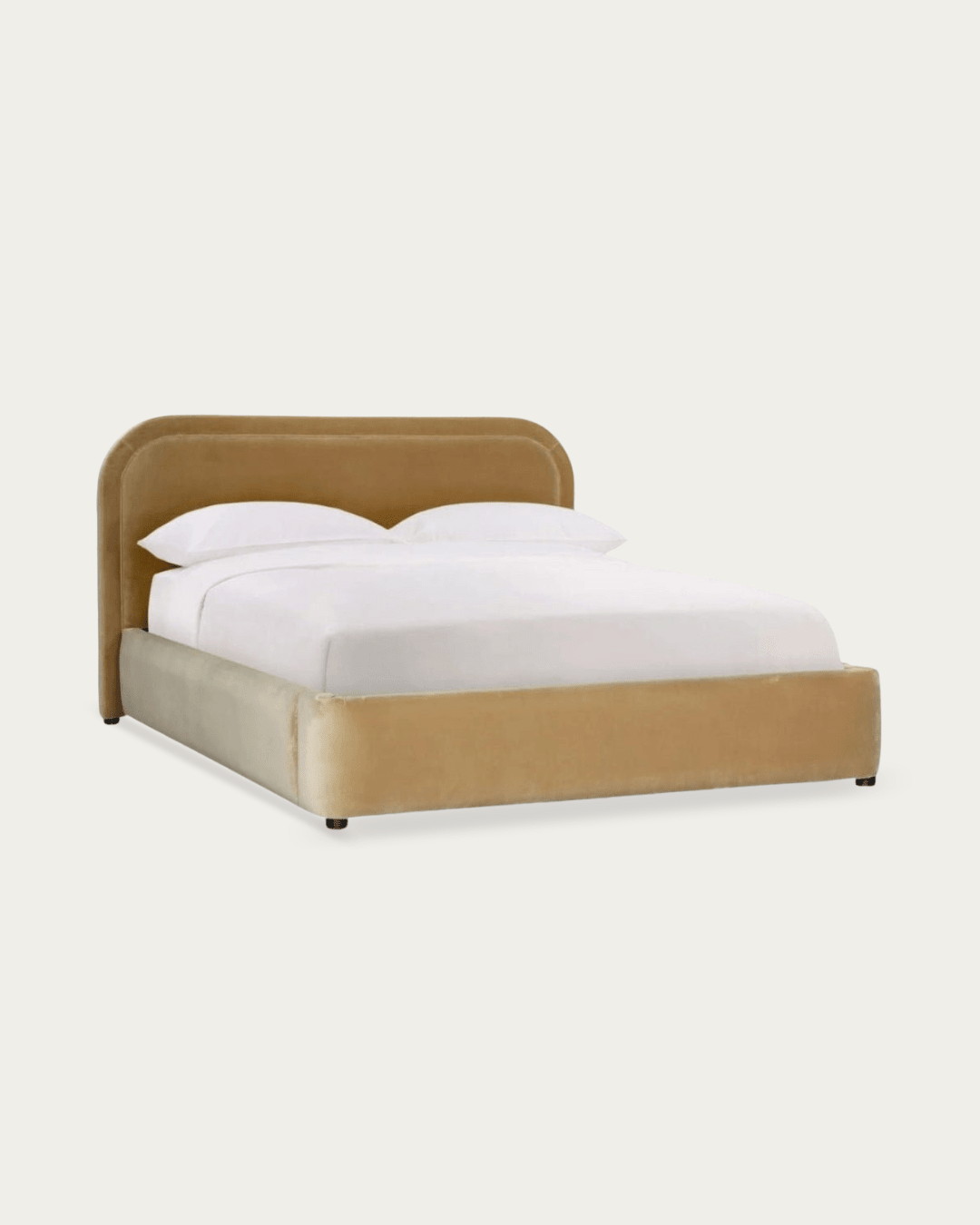
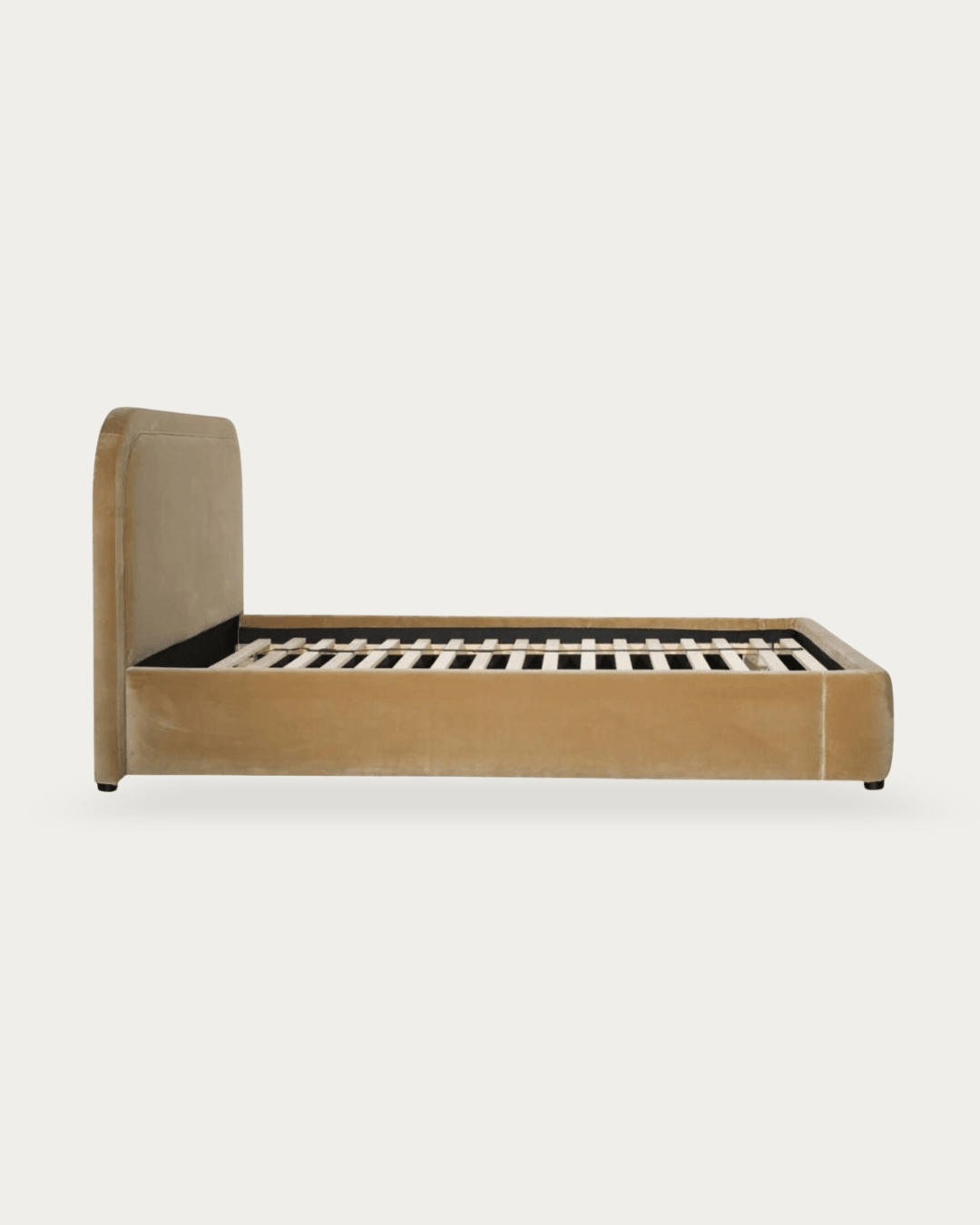
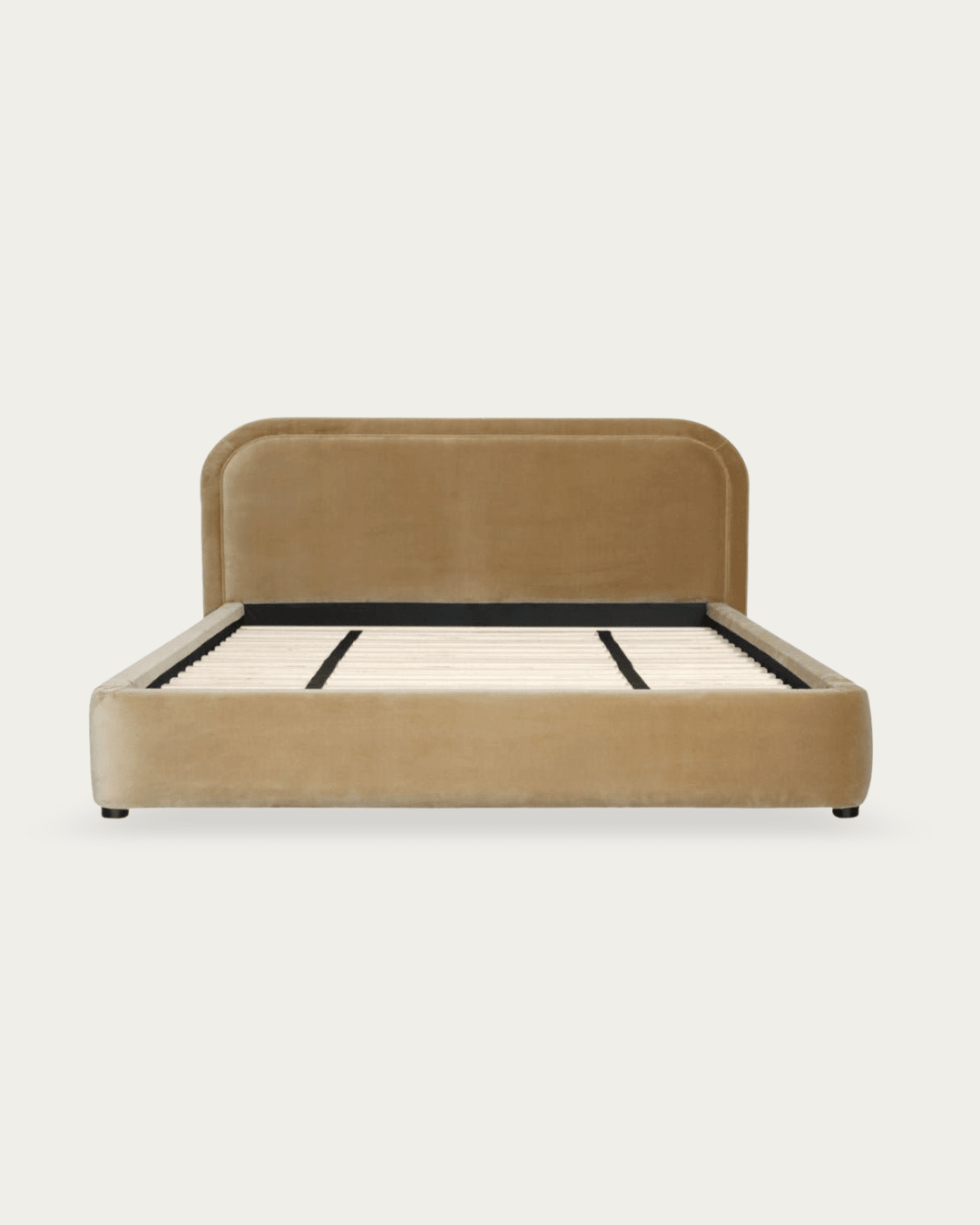
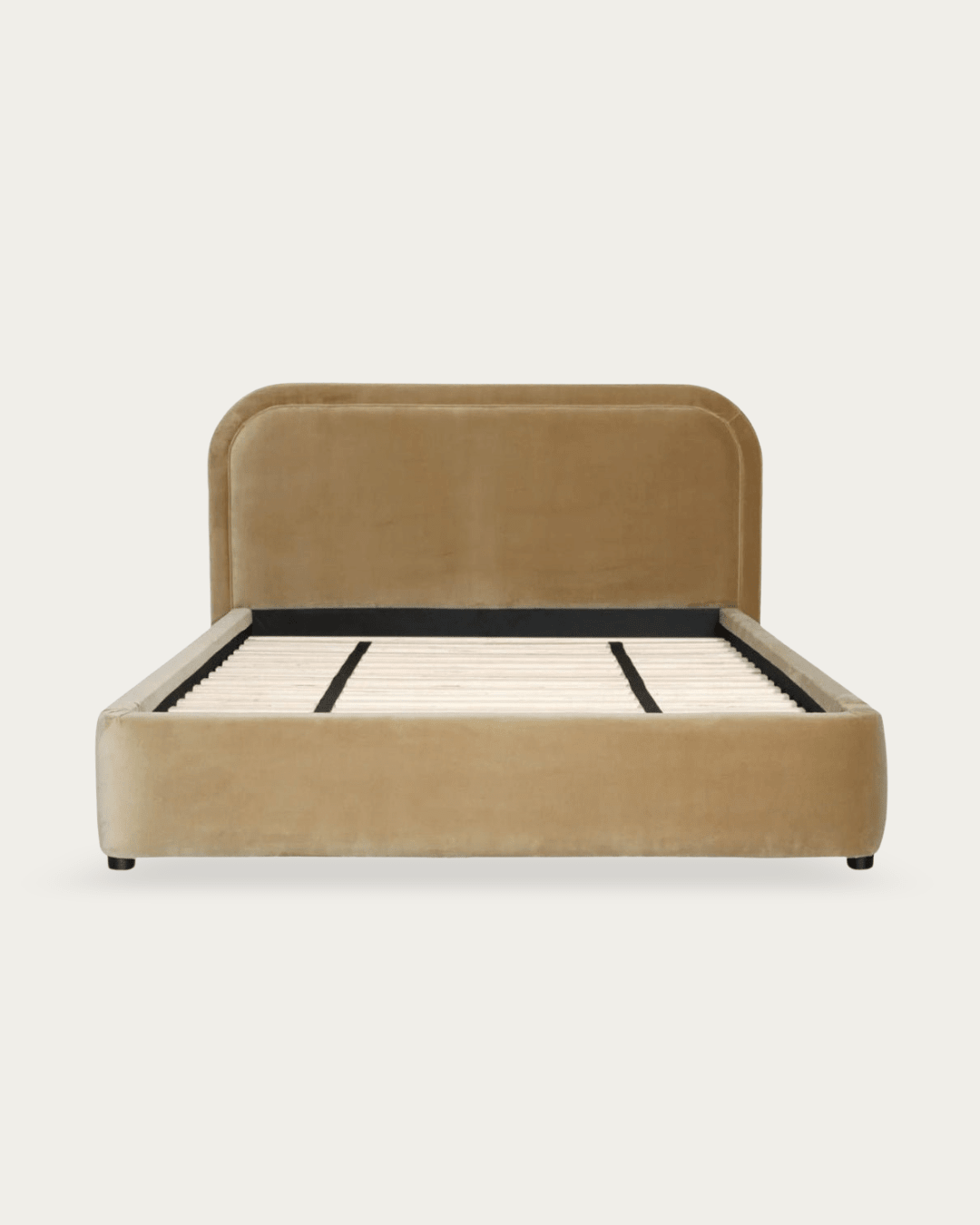
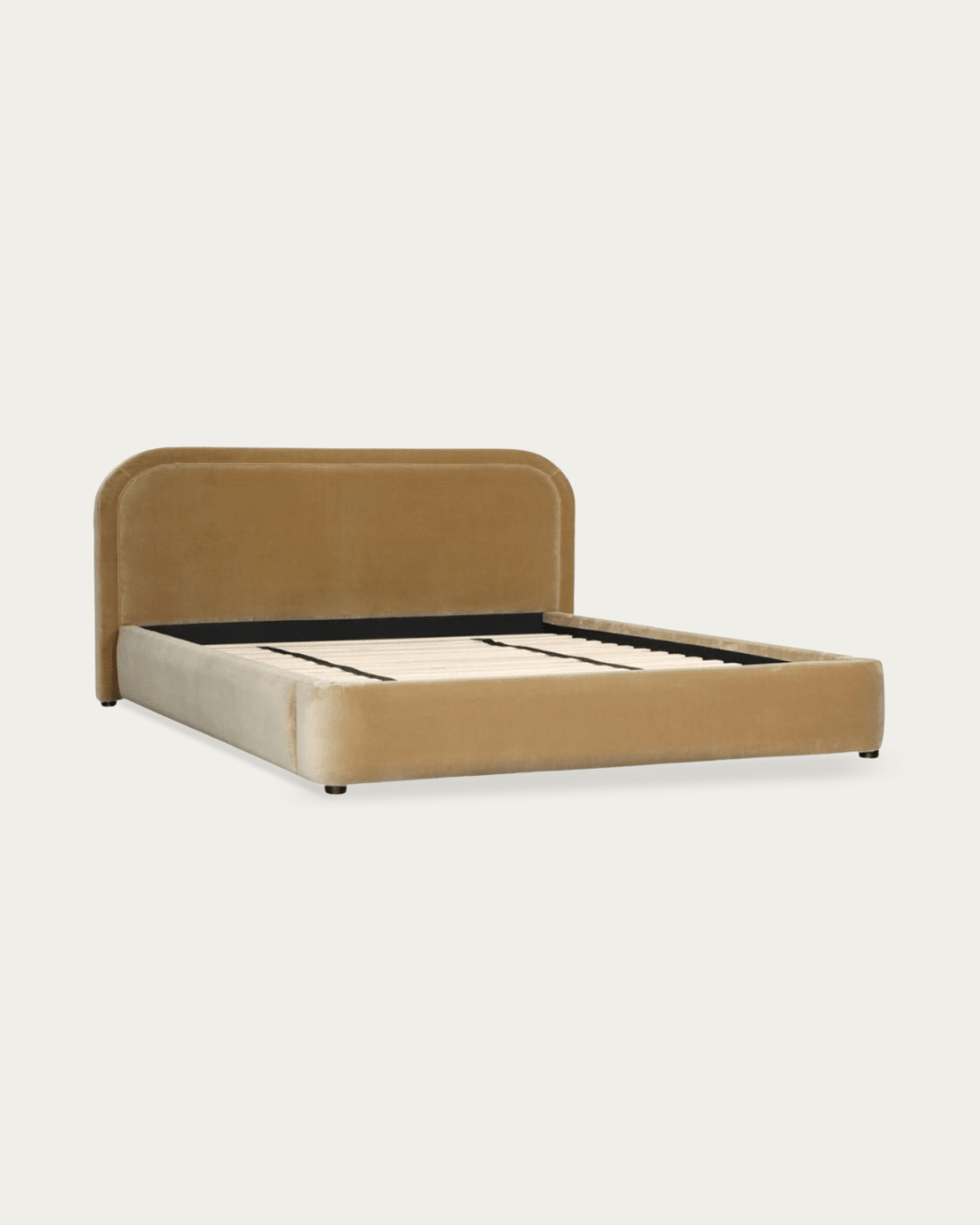
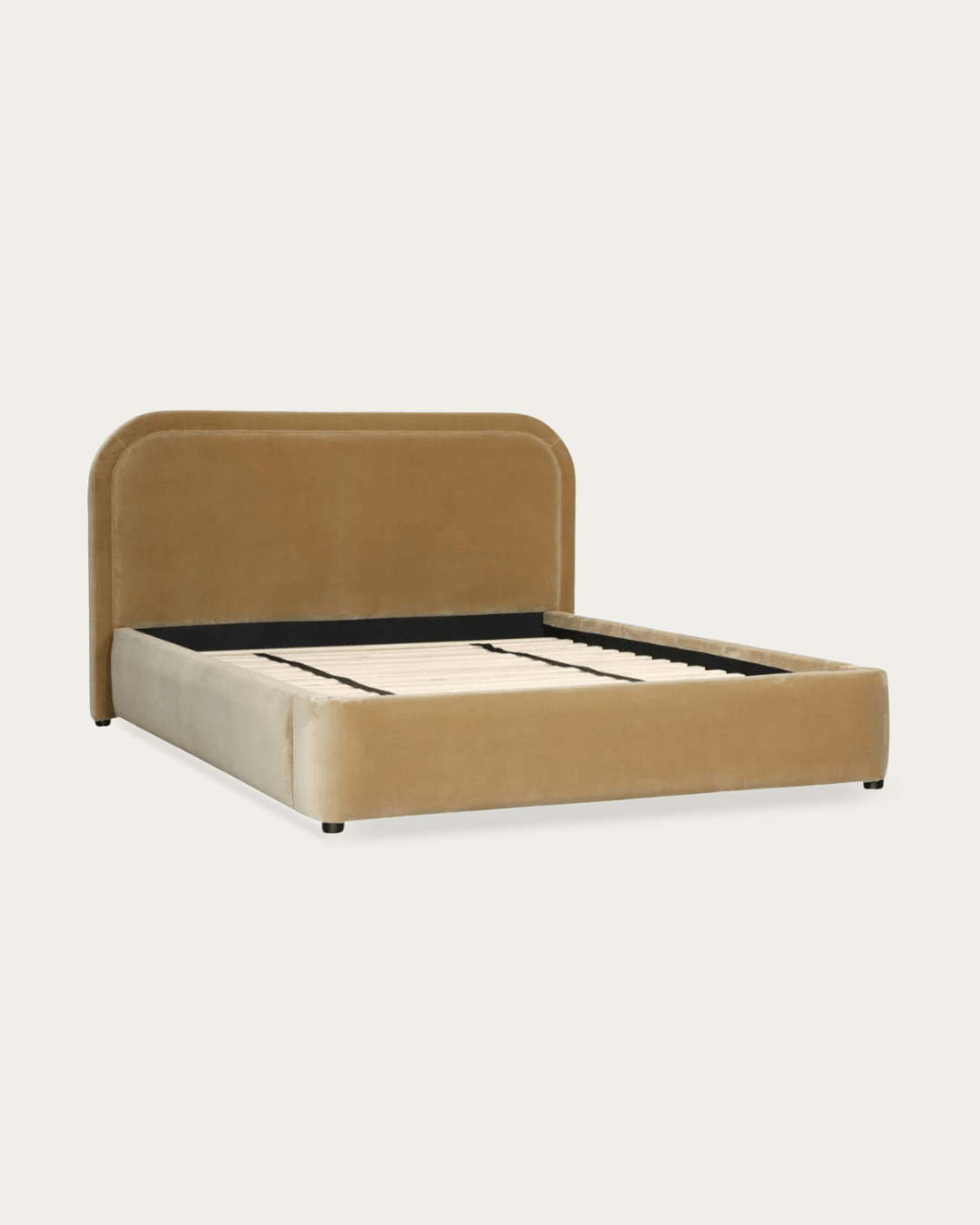
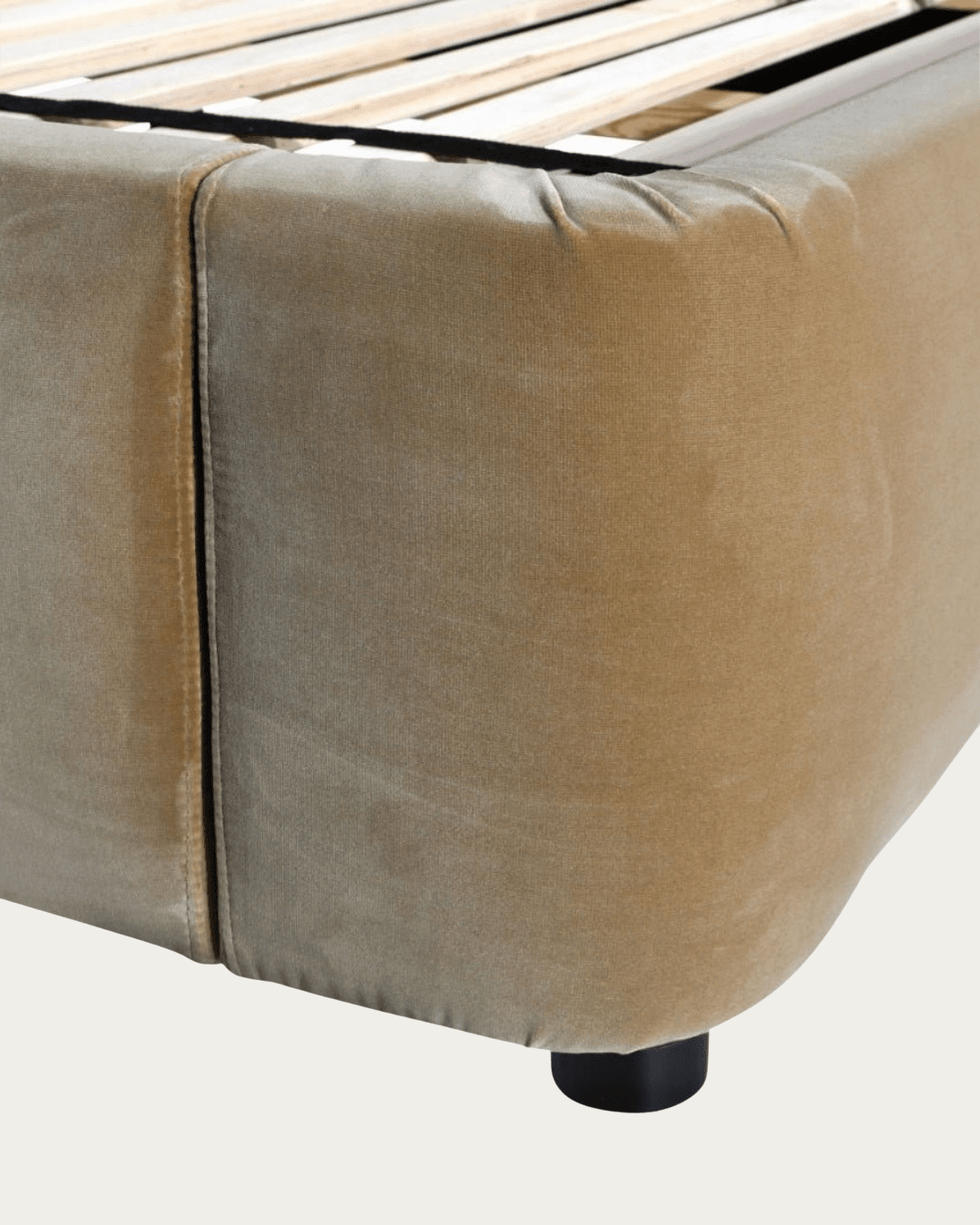
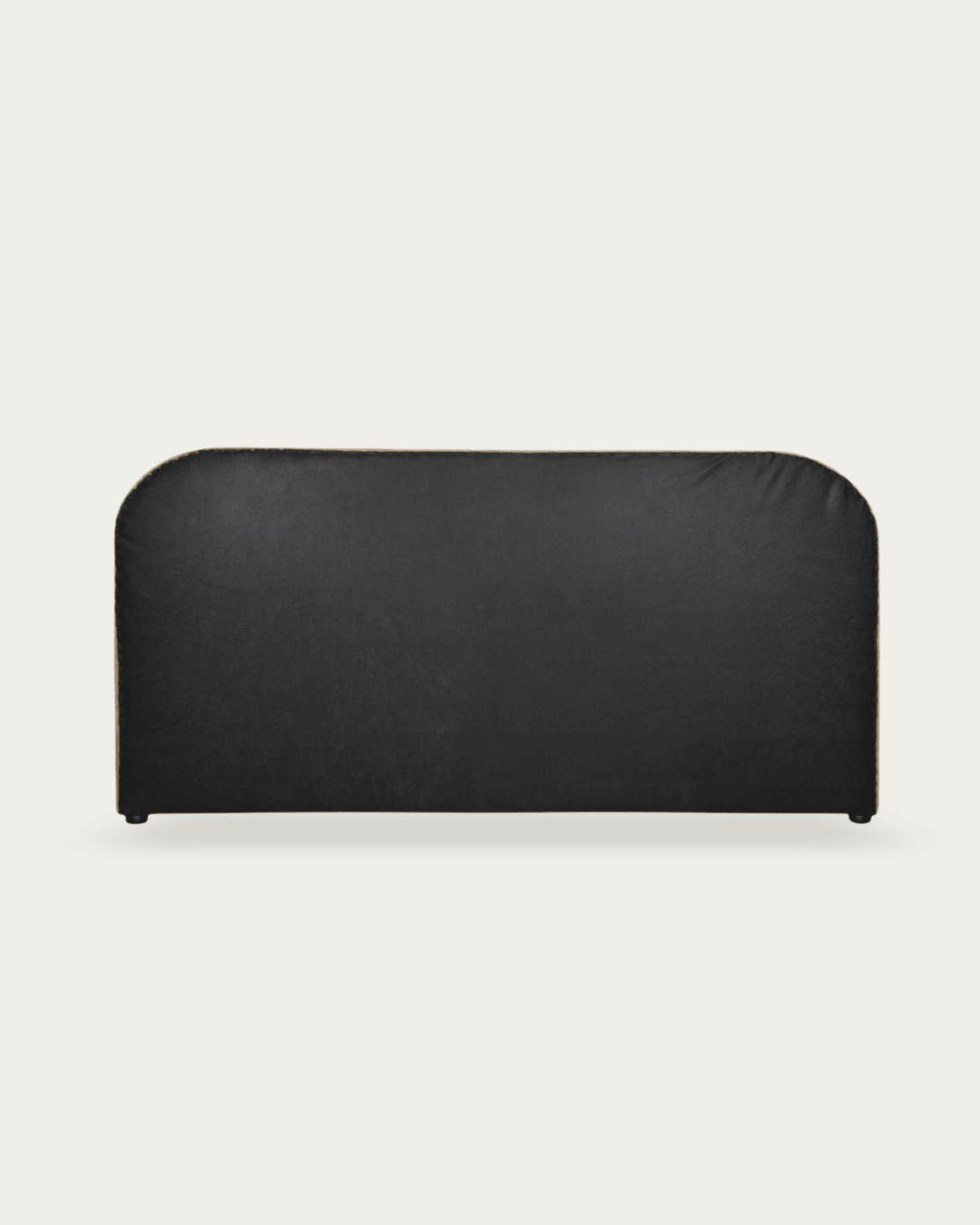
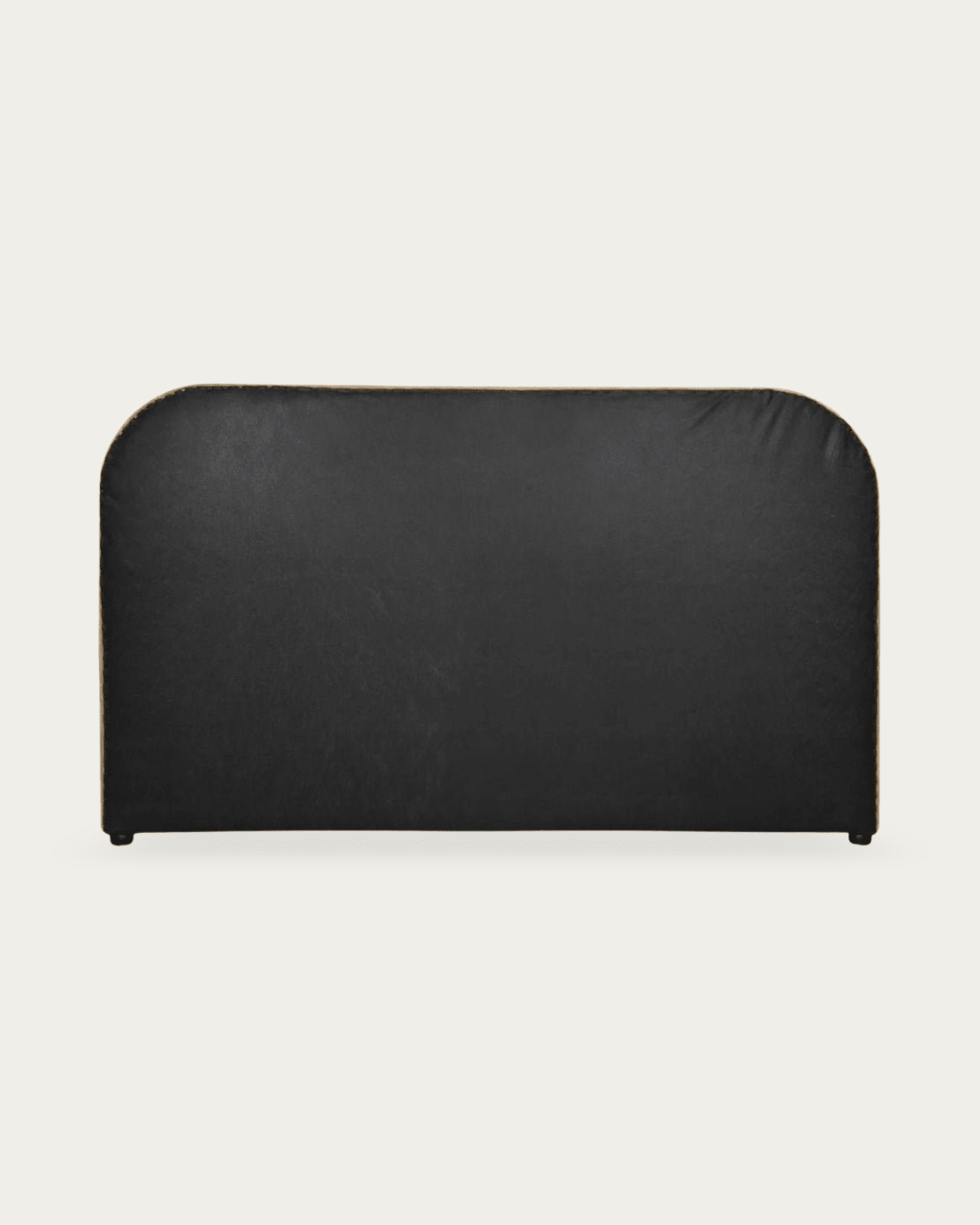
A well-sized bed frame, like those you’ll find in your main sleeping setup, works best when paired with nightstands that sit proportionally beside it—not lower, not visually lighter, not competing.
If you’re building that foundation, start with your core pieces:
Browse beds and headboards
Scale isn’t something you always see.
But it’s something your body immediately responds to.
Placement Affects How You Unwind
Most bedrooms are arranged for convenience—not for how the space is experienced.
The bed is pushed where it fits. Nightstands are added wherever there’s space. Dressers are placed based on available wall area.
But placement directly affects how the room functions.
When furniture is misaligned:
-
Movement feels restricted
-
The room lacks a clear center
-
The space feels less settled
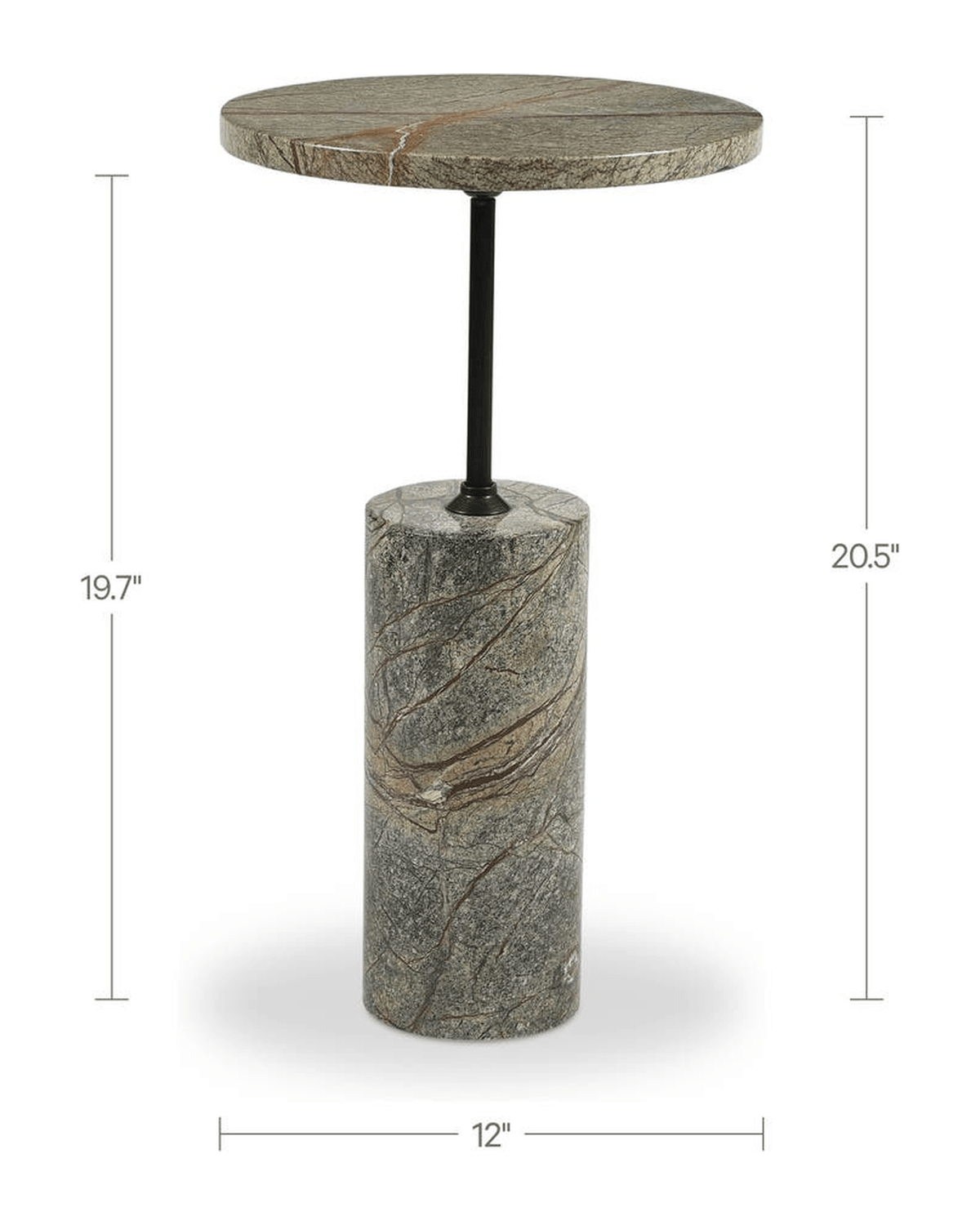
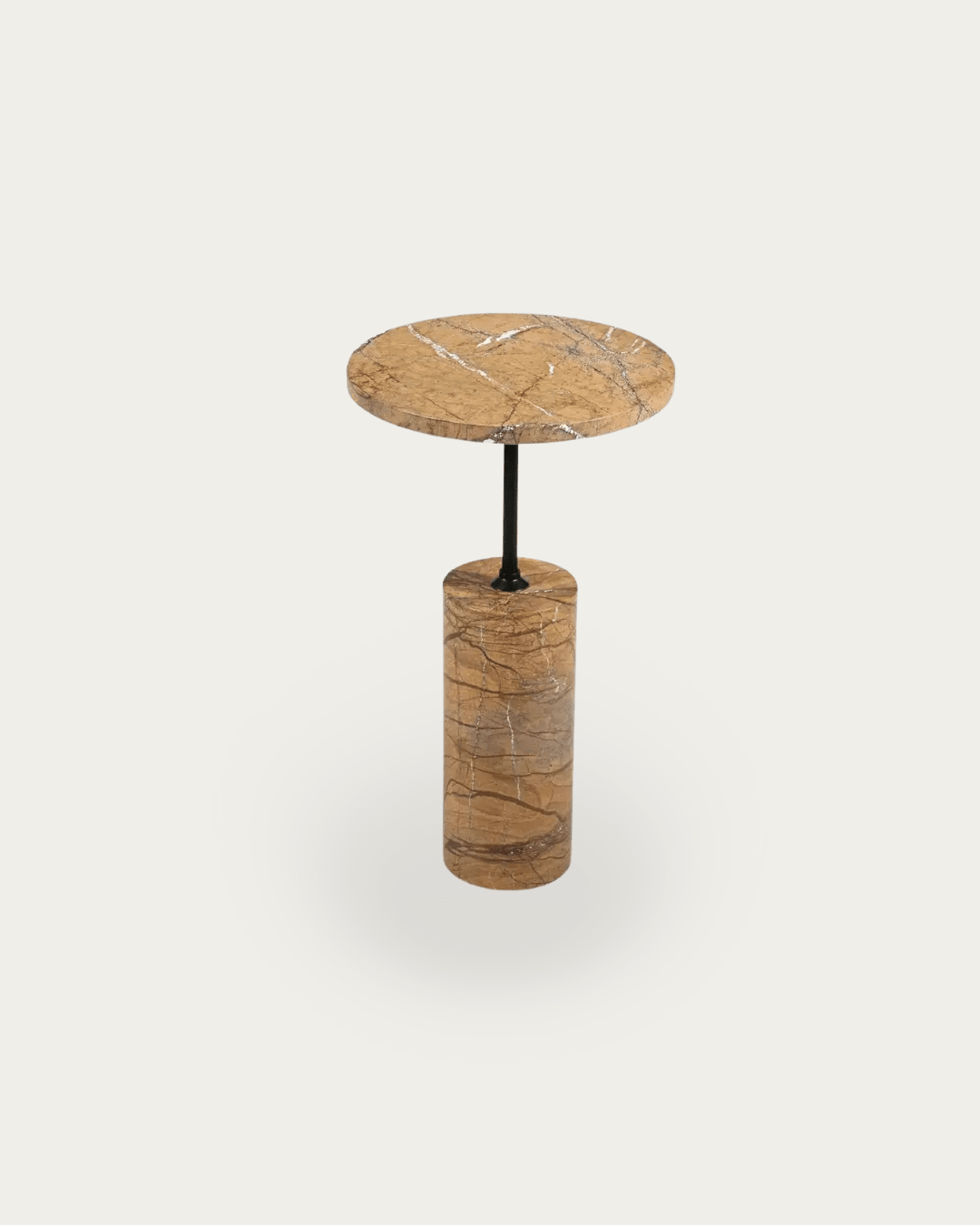
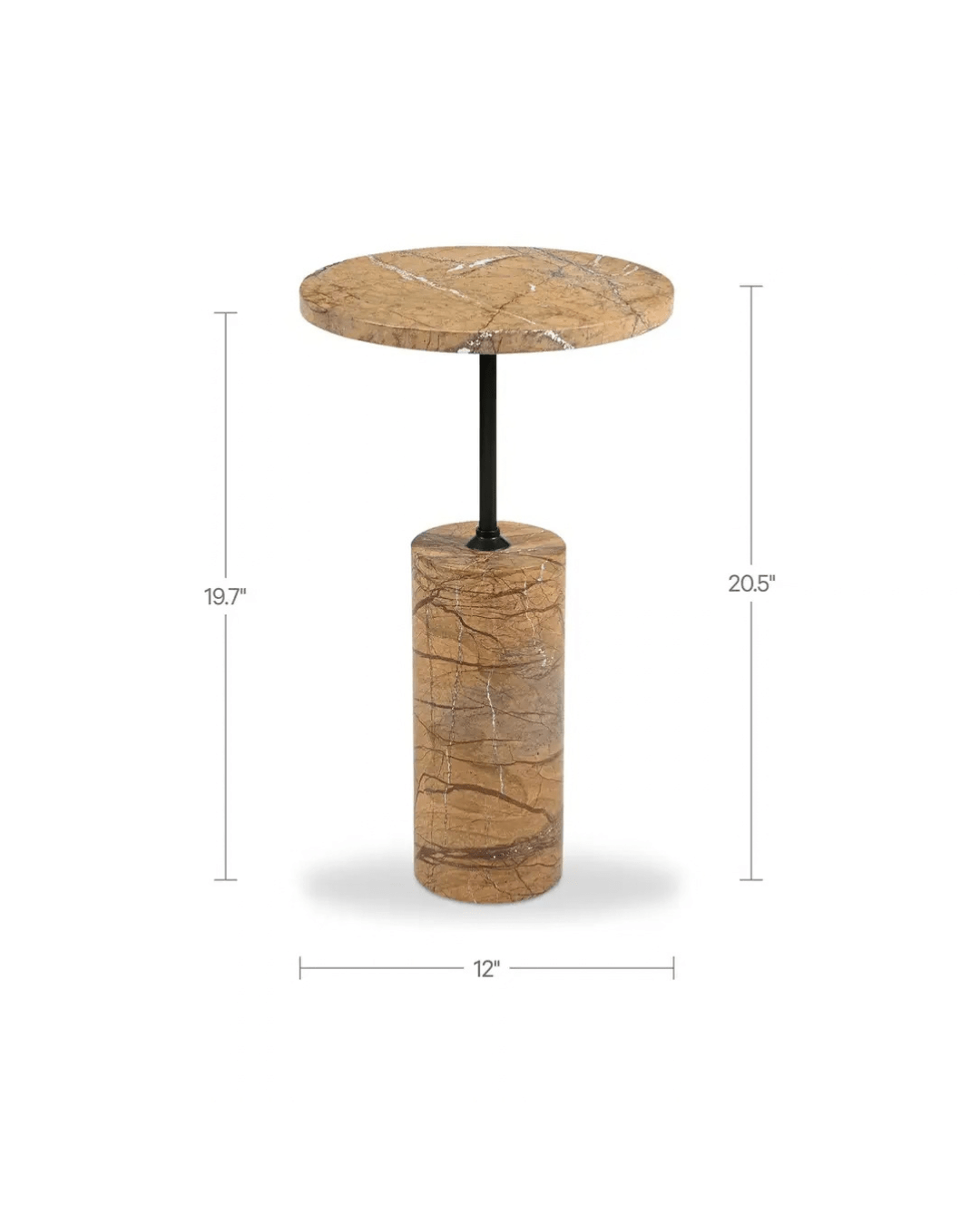
Nightstands, for example, shouldn’t just “fit” beside the bed. They should align with mattress height, support reach, and feel integrated—not like an afterthought.
Explore nightstands collection Build a setup that feels connected, not pieced together
Good placement doesn’t just improve layout.
It changes how quickly you relax in space.
Storage Should Support Calm—Not Create Noise
Storage is often treated as purely functional.
But in a bedroom, it directly affects how calm or chaotic the space feels.
When storage is:
-
Too small → clutter builds
-
Too large → the room feels heavy
-
Poorly placed → visual imbalance increases
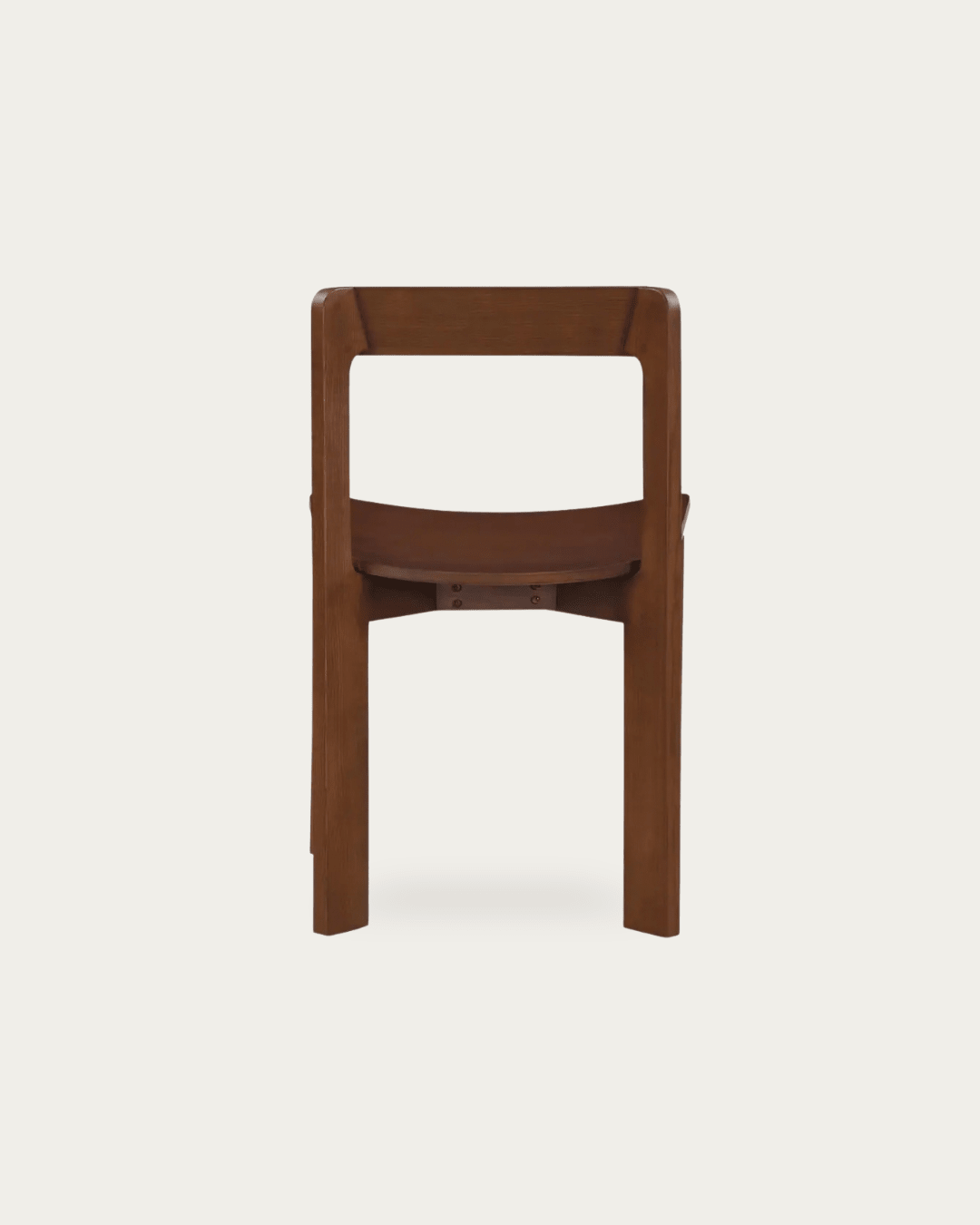
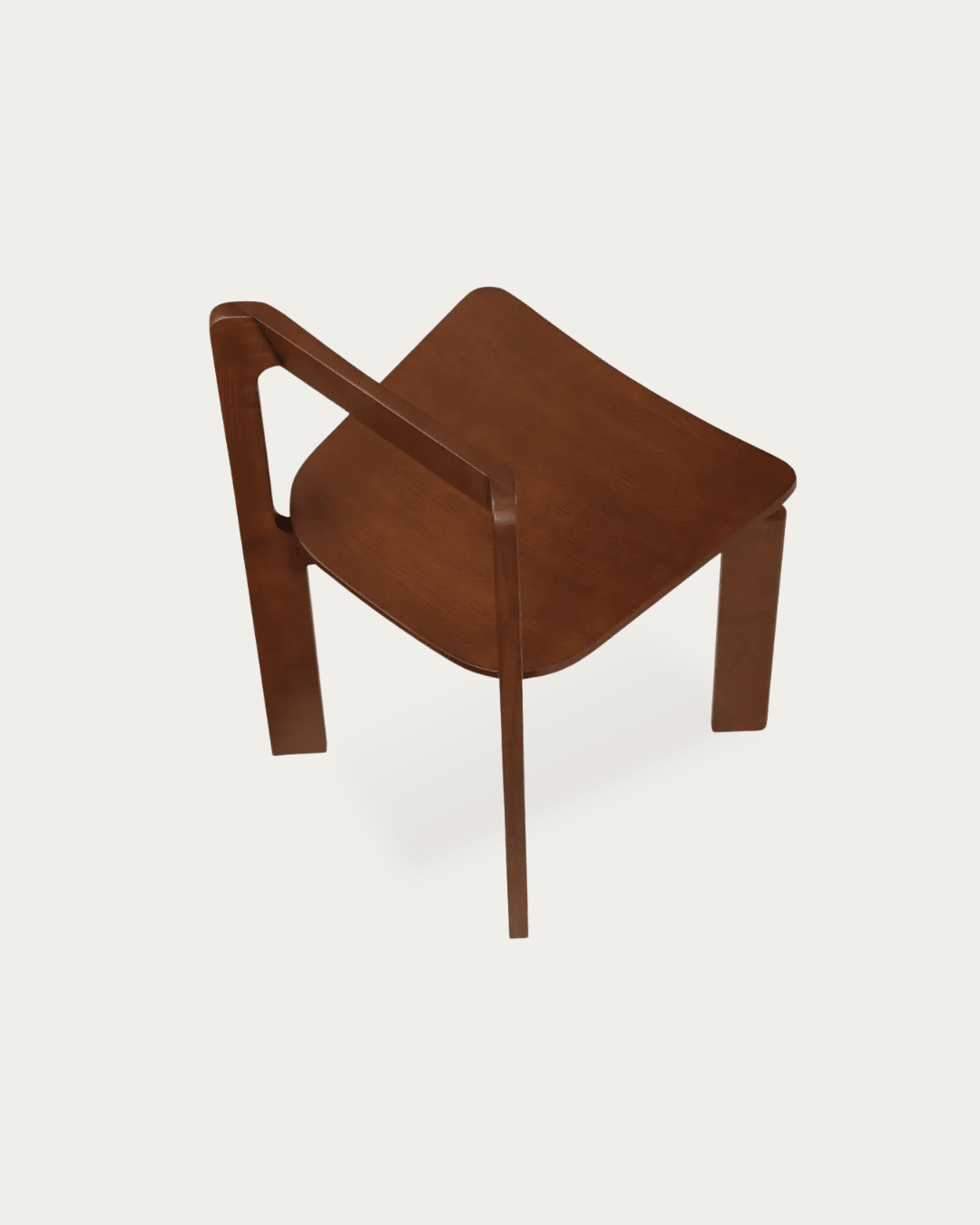
A dresser should feel like part of the room—not something that dominates it.
Browse dressers collection Choose storage that supports the room instead of overwhelming it.
The goal isn’t to hide everything.
It’s to reduce visual friction.
Materials Change How the Room Feels
This is where most bedrooms miss the mark.
You can get the layout right—but if the materials don’t support the environment, the room still won’t feel restful.
Hard, reflective, or overly uniform surfaces can create subtle tension.
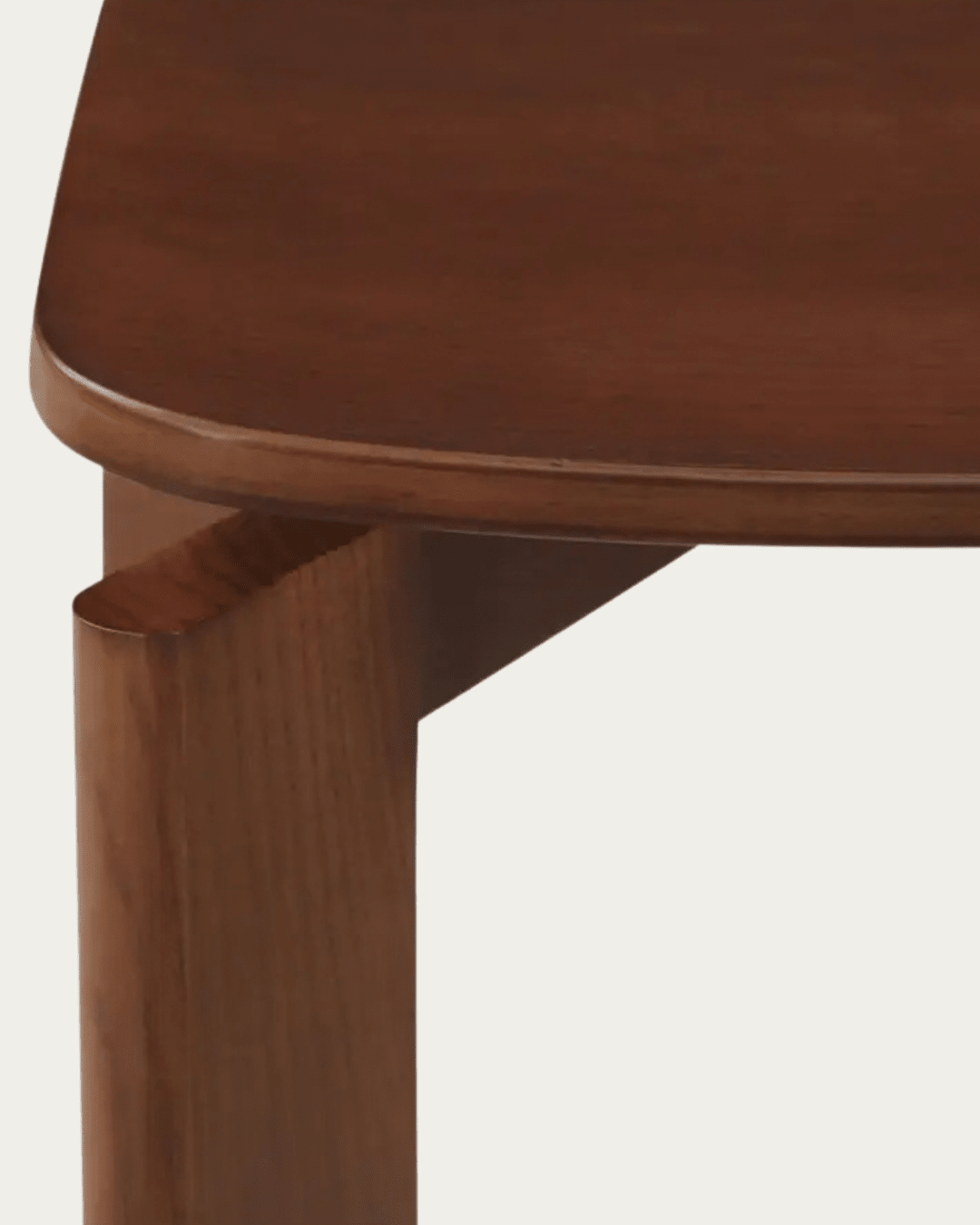
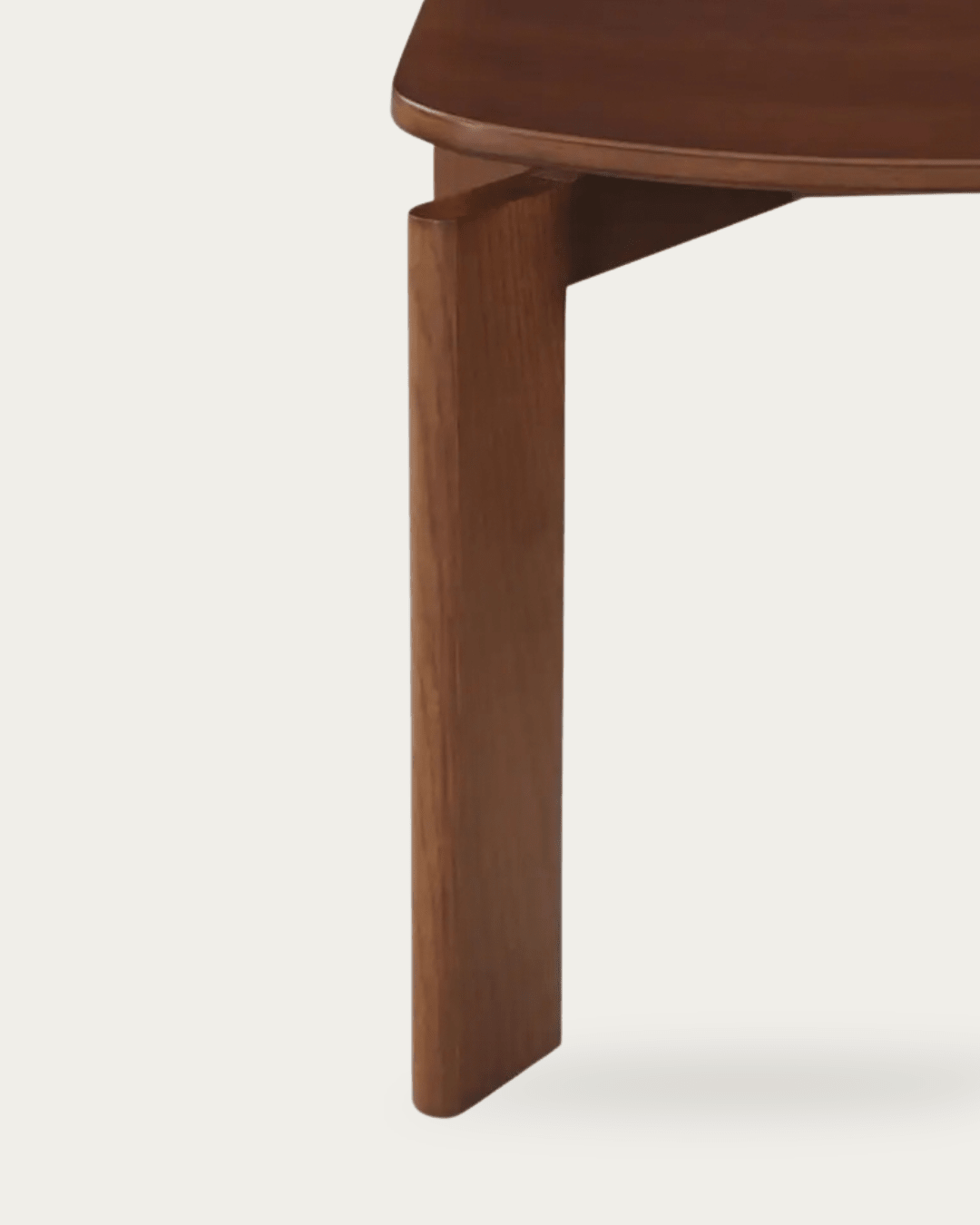
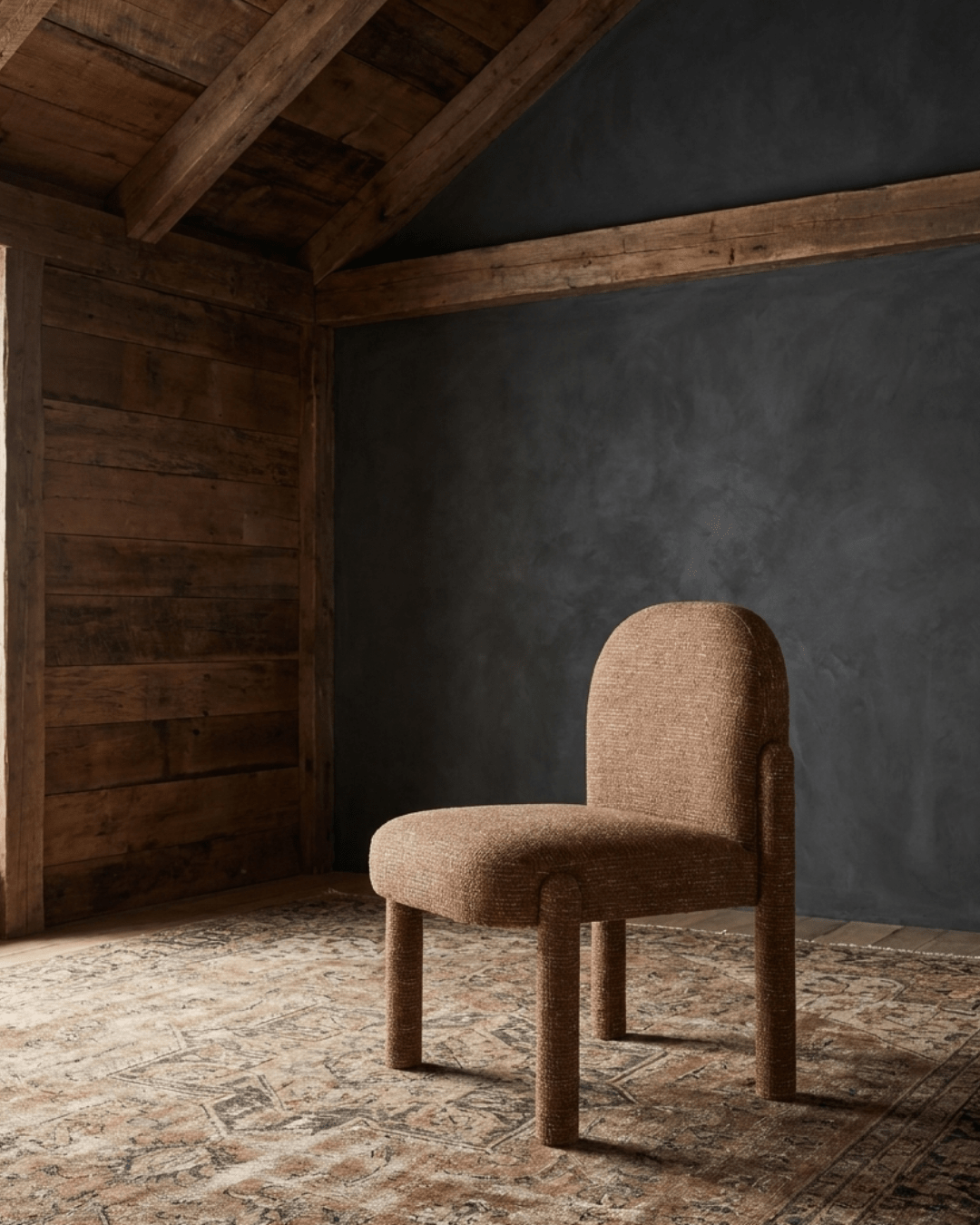
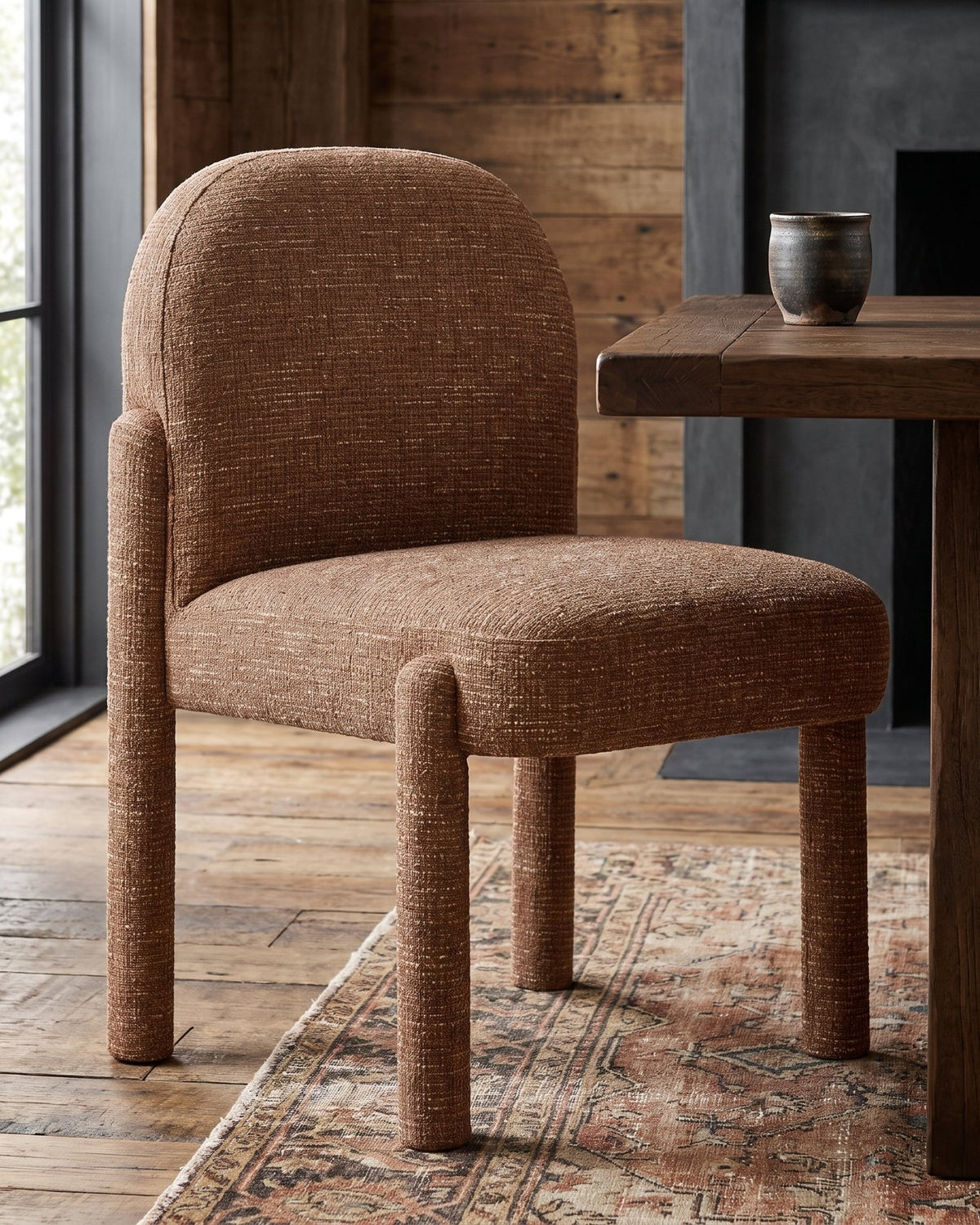
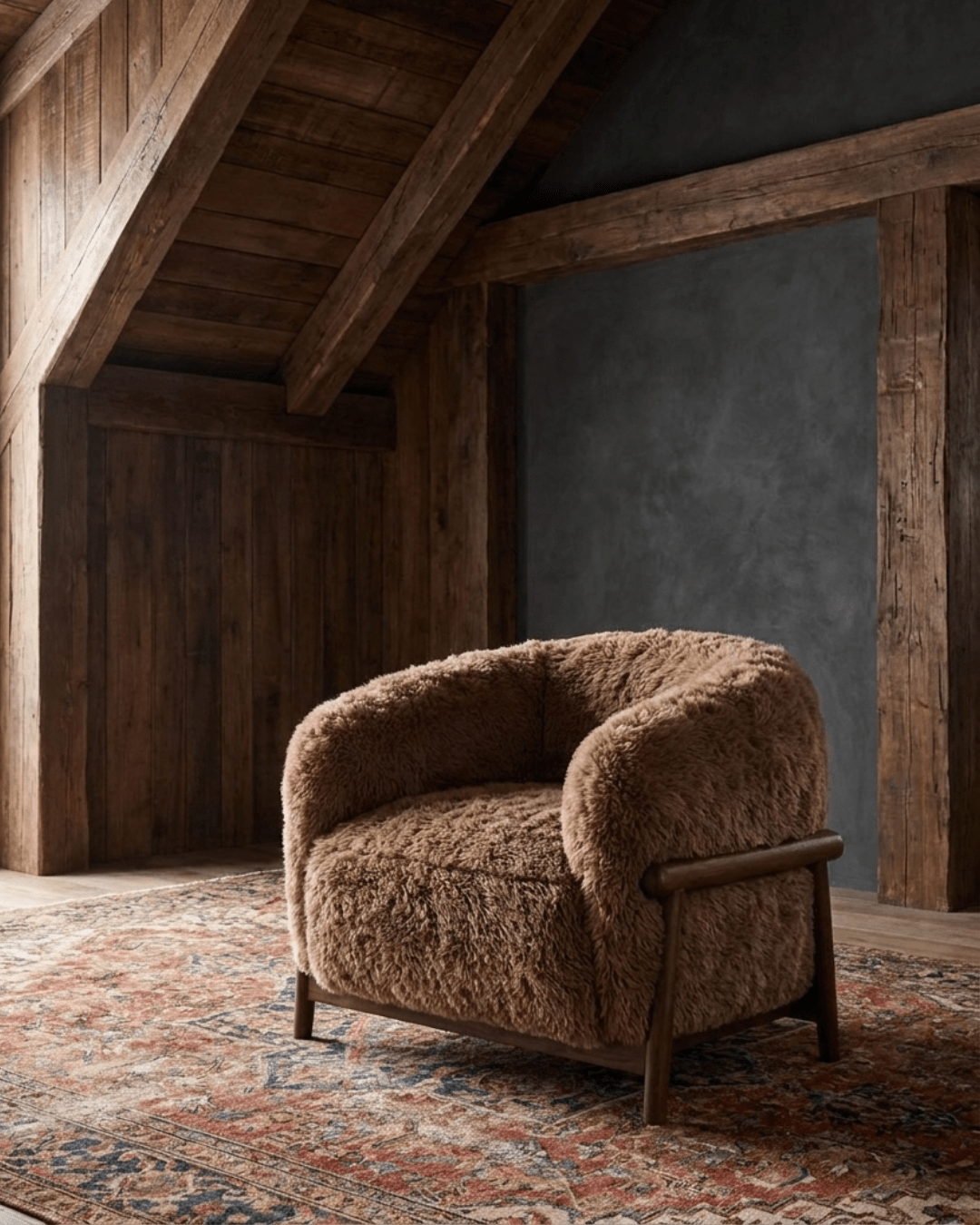
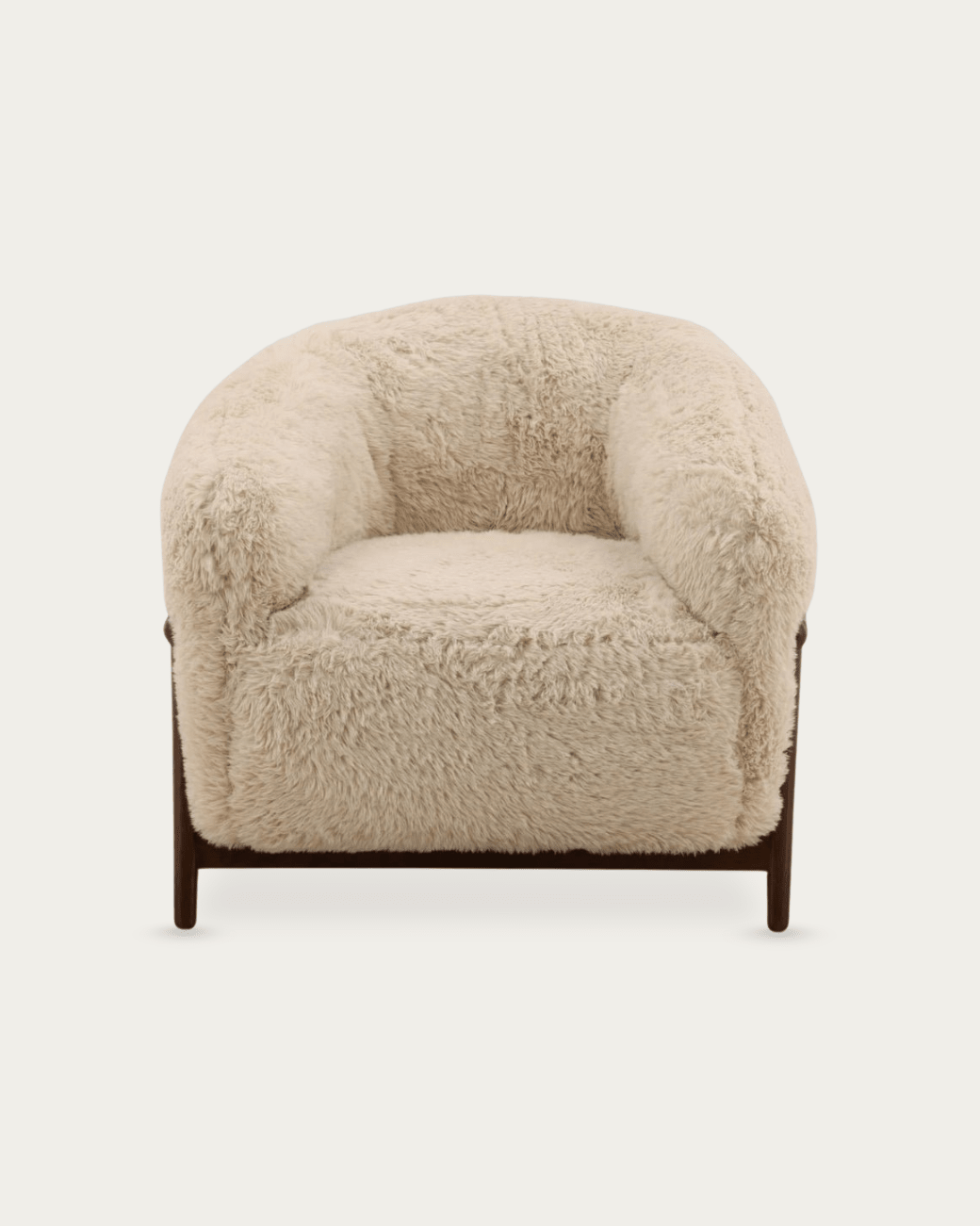
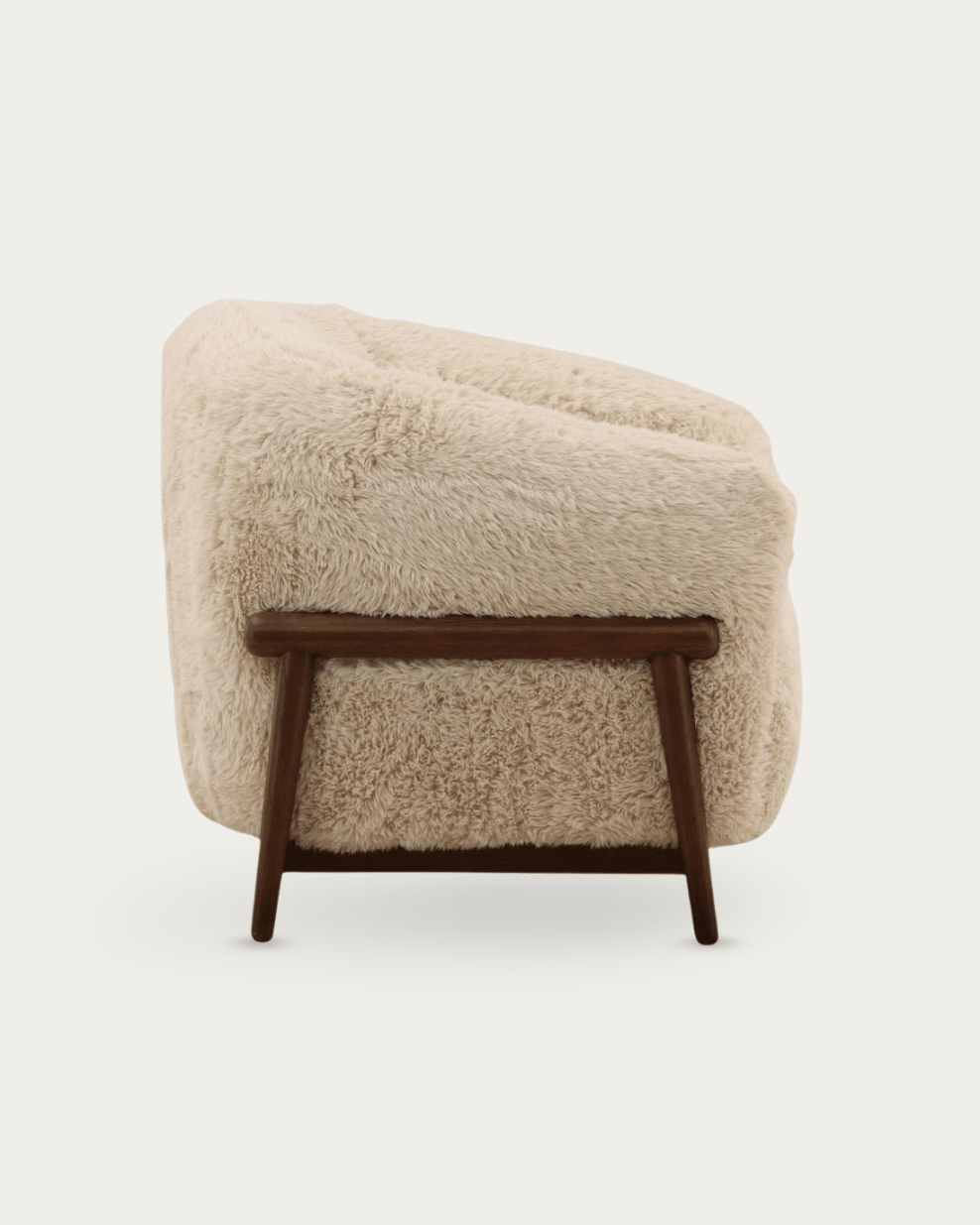
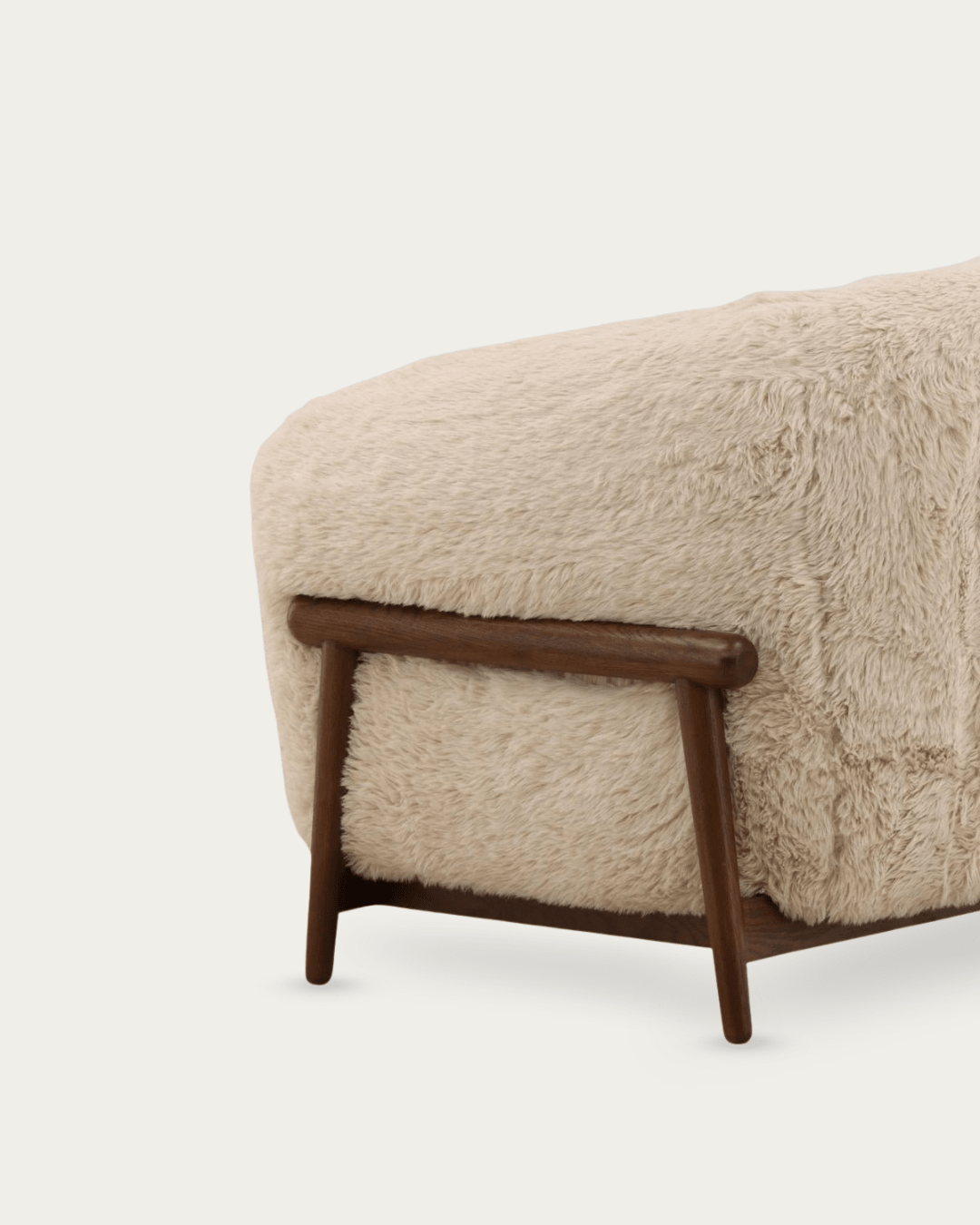
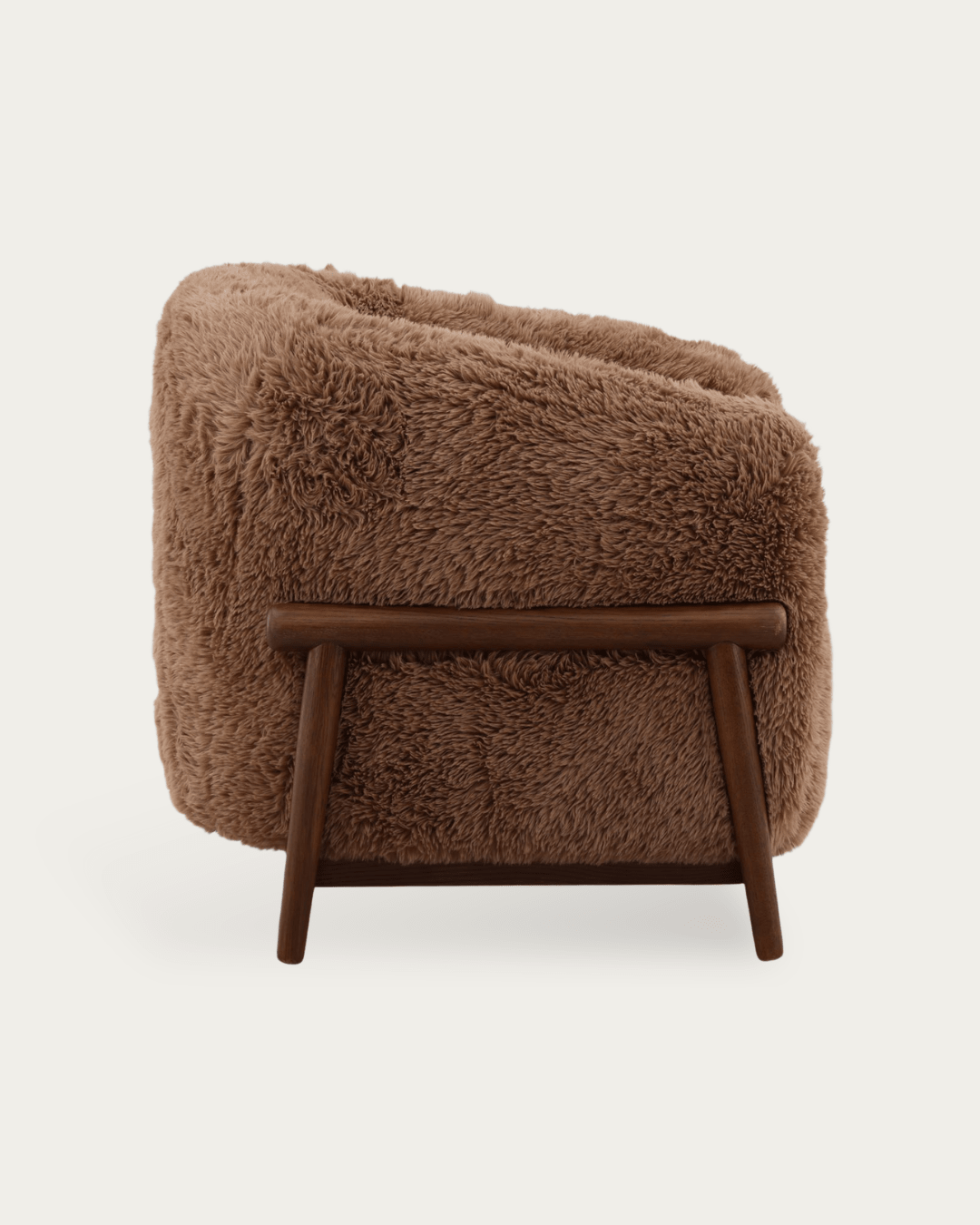
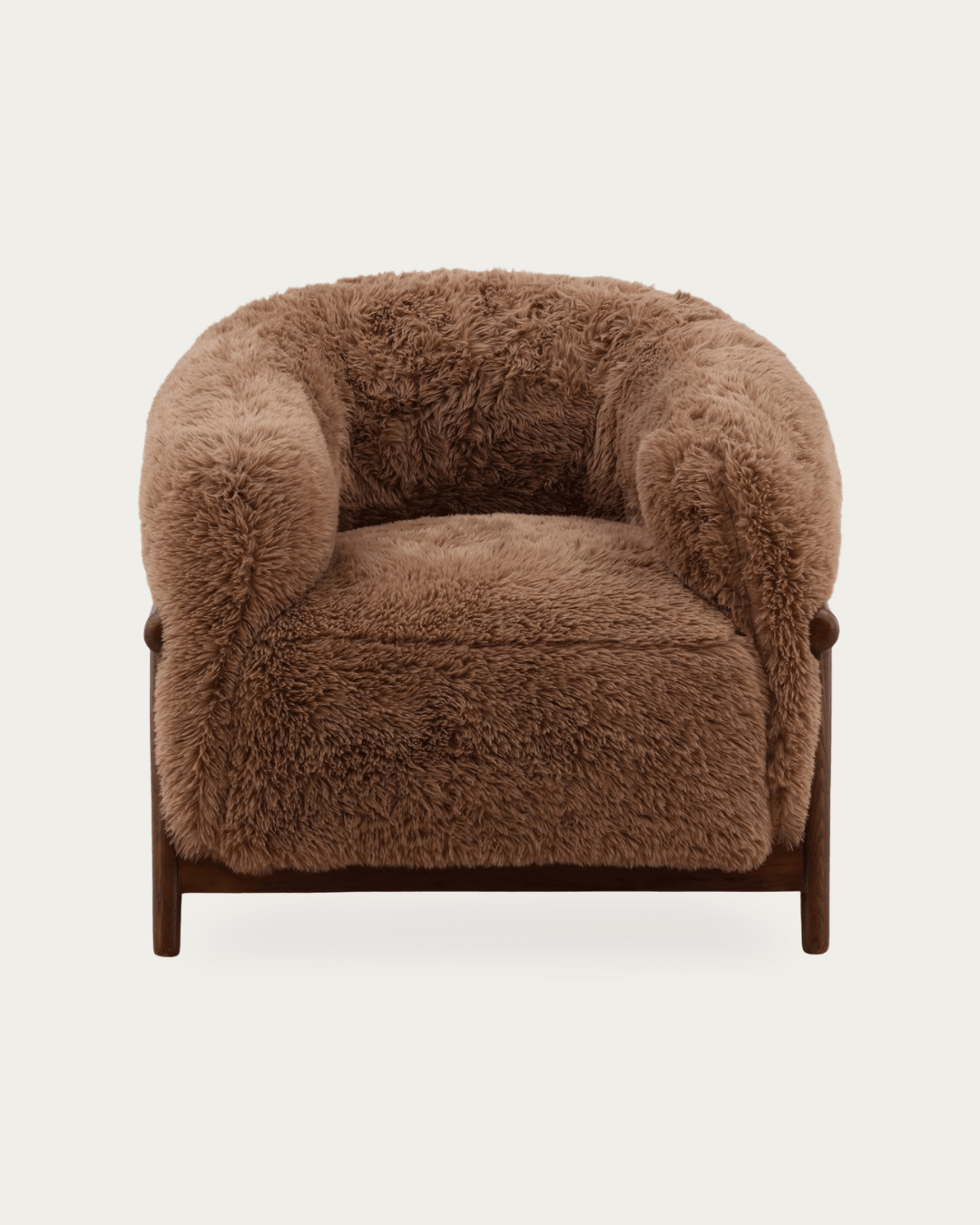
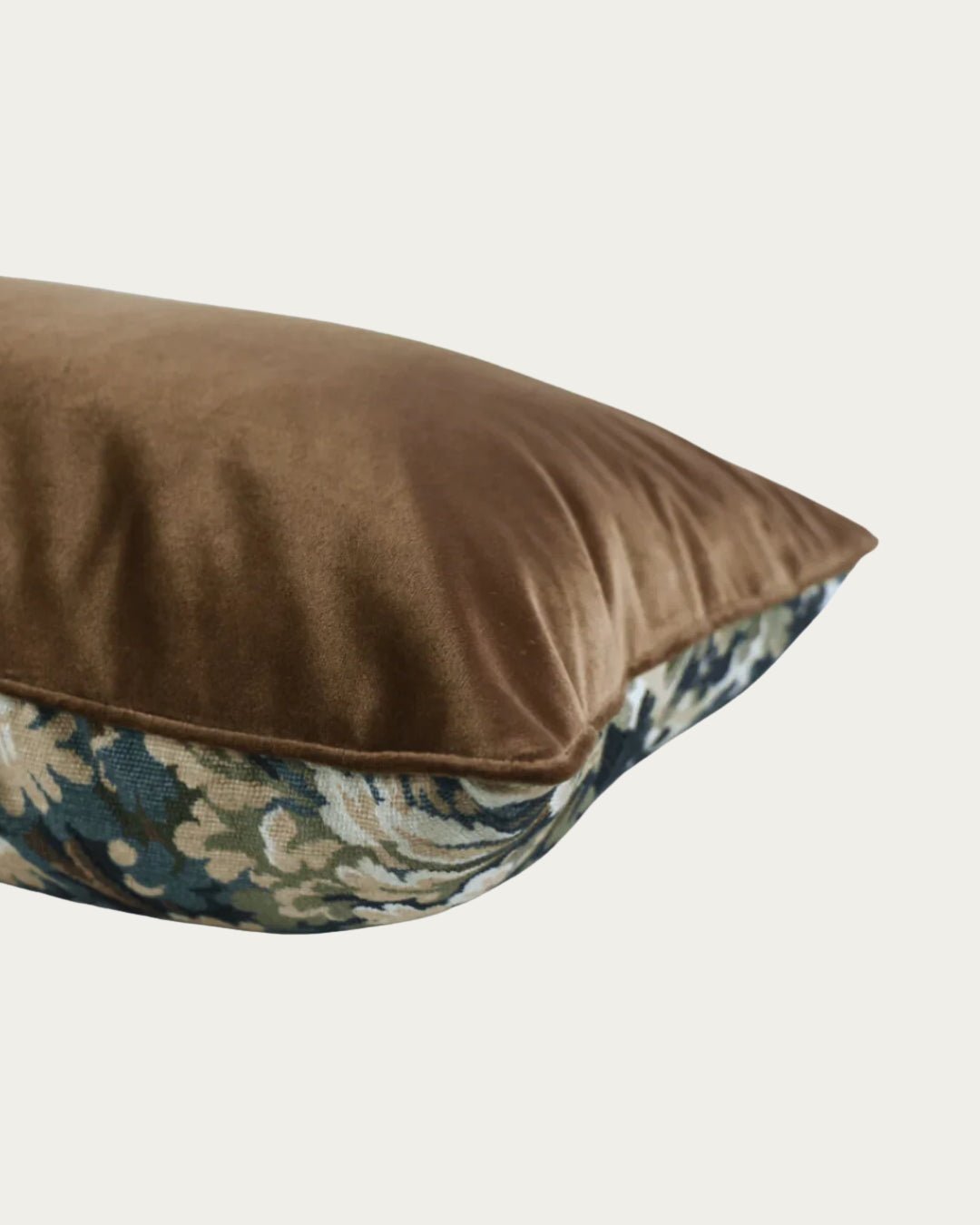
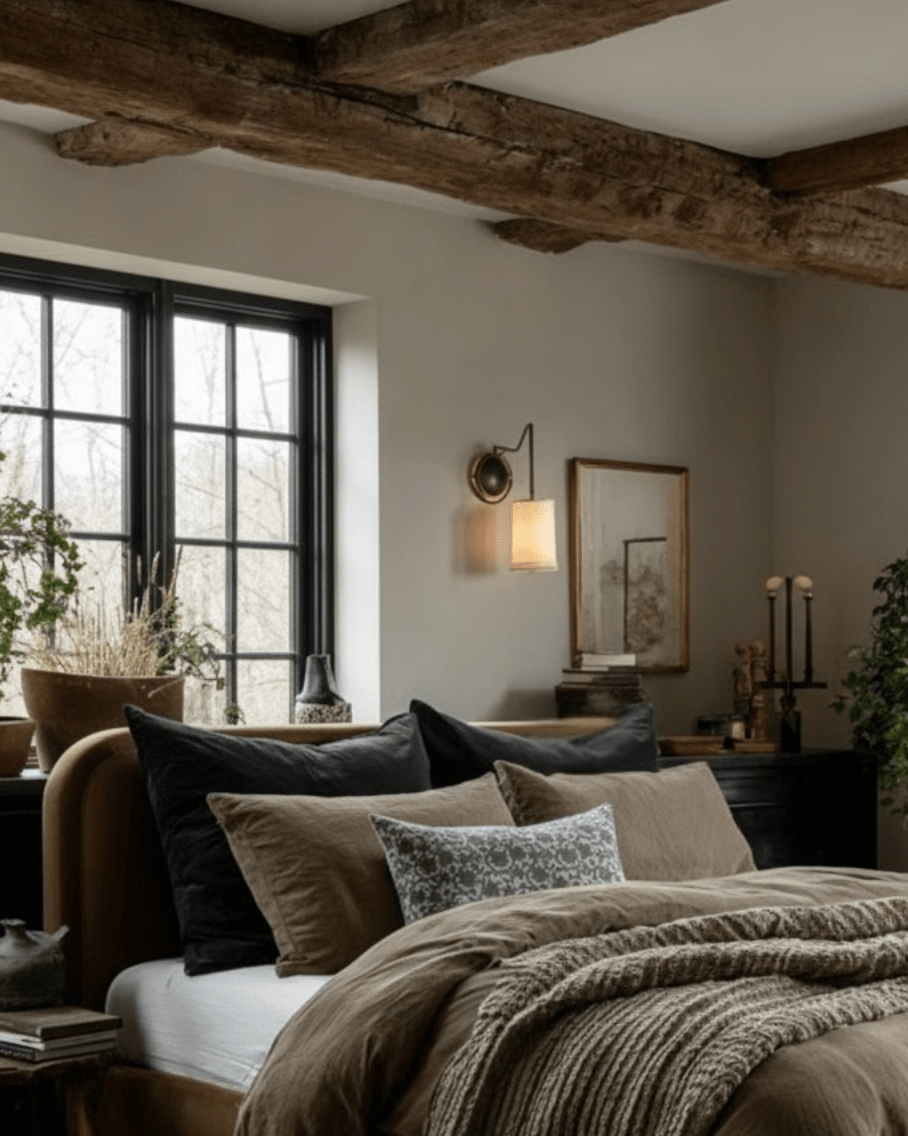
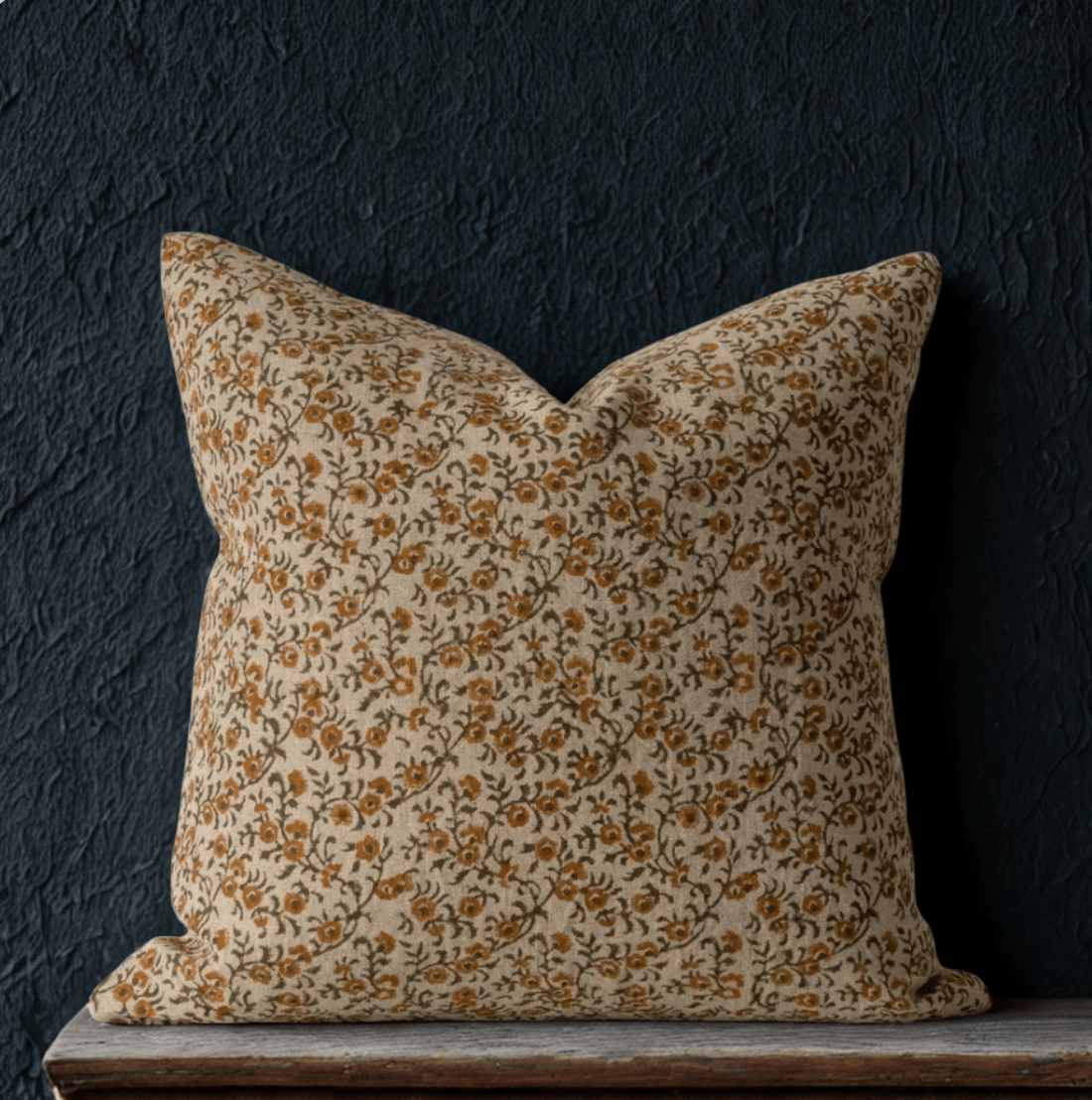
Softer, natural materials—like wood, linen, or textured fabrics—help reduce that.
They absorb light instead of reflecting it. They introduce variation instead of uniformity.
That’s why layering matters.
Even something as simple as a throw can shift the feel of the entire room.
Explore blankets and throws
Add texture that softens the space without overcomplicating it.
Material isn’t just visual.
It’s sensory.
A RUTED Tip: Your Bedroom Should Reduce Input, Not Add to It. Your nervous system is constantly processing your environment, and when a bedroom contains too many competing elements—misaligned furniture, inconsistent scale, or harsh materials—it increases sensory input; a well-arranged bedroom reduces that load by creating clear structure, softer transitions, and predictable spatial relationships, allowing your body to shift into rest more easily.
The Room Needs a Clear Center
One of the most overlooked issues in bedroom design is the lack of a clear focal point.
Without it:
-
The room feels scattered
-
Your attention keeps shifting
-
The space feels less grounded
The bed should naturally become that center—but only if everything around it supports that role.
Nightstands should frame it.
Lighting should reinforce it.
Storage should sit around it—not compete with it.
When this alignment is off, the room never fully settles.

Less Furniture—But Better Decisions
Adding more pieces rarely fixes a bedroom.
It usually makes it worse.
The goal isn’t to fill space—it’s to resolve it.
That means:
-
Choosing fewer, better-sized pieces
-
Placing them intentionally
-
Letting the room breathe
A well-resolved bedroom often feels simpler—but more complete.
Where to Start
If your bedroom doesn’t feel restful, don’t start by replacing everything.
Start by observing.
Ask:
-
Does the scale feel balanced?
-
Is the bed clearly the center?
-
Do the surrounding pieces support or compete with it?
Then adjust one layer at a time:
-
Start with the bed
-
Align the nightstands
-
Reassess storage
-
Layer in softer materials
Small shifts create noticeable changes.
Final Thought
A restful bedroom isn’t created by adding more.
It’s created by removing friction.
When your furniture works together—through scale, placement, and material—the room stops feeling like something you need to adjust and starts feeling like something you can settle into.
And that’s the difference.
If you’re ready to build a bedroom that actually supports rest, explore here:
Browse bedroom collection