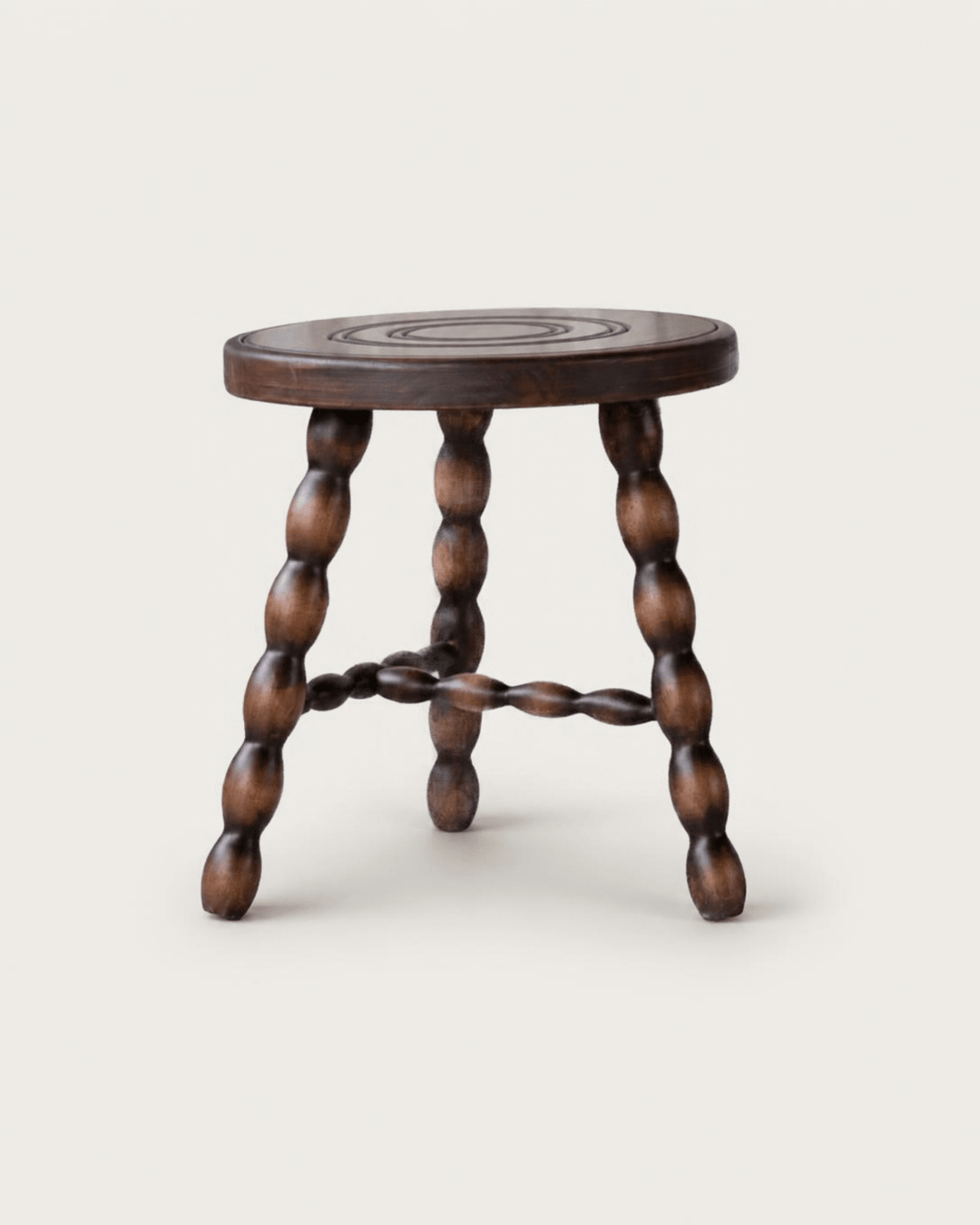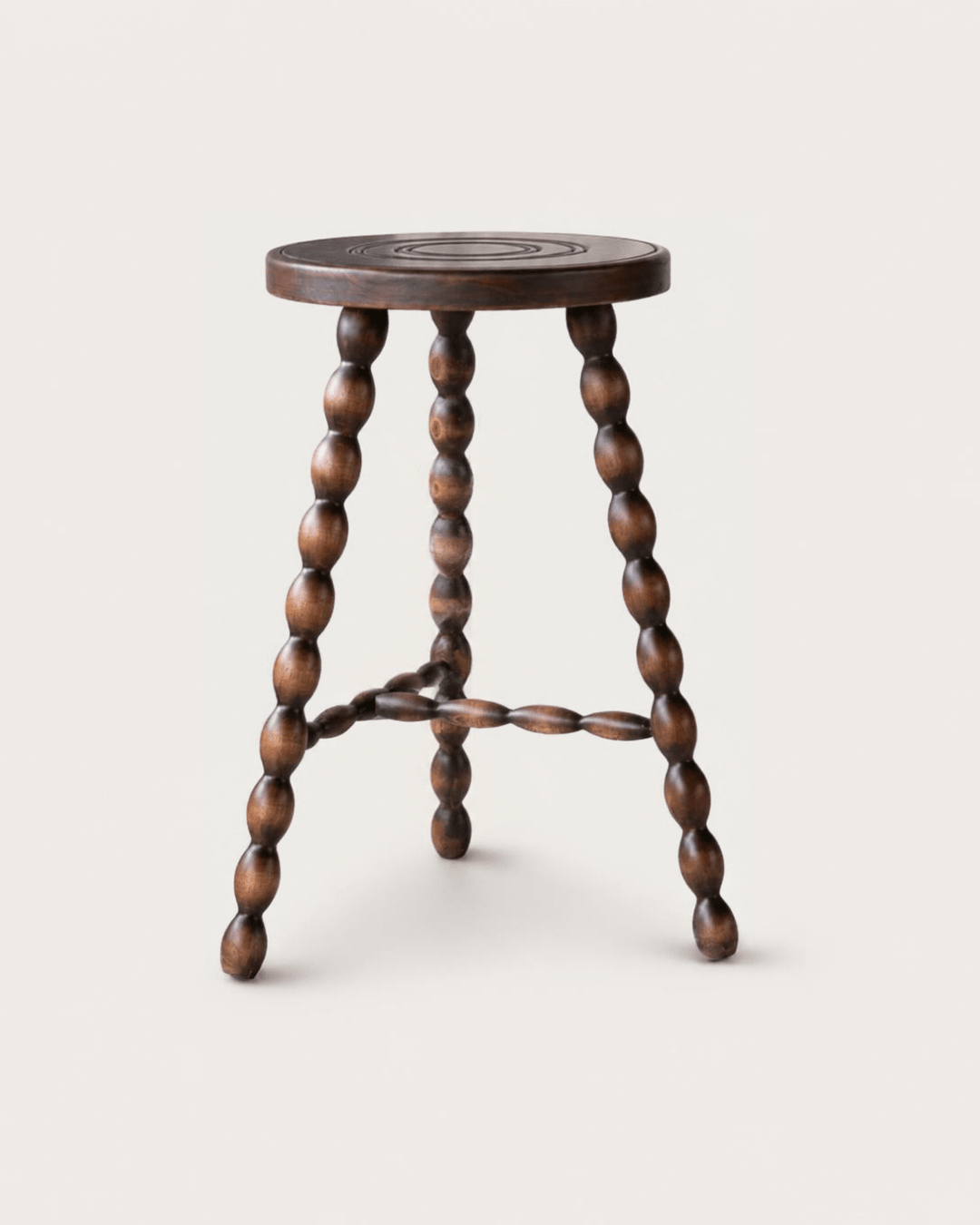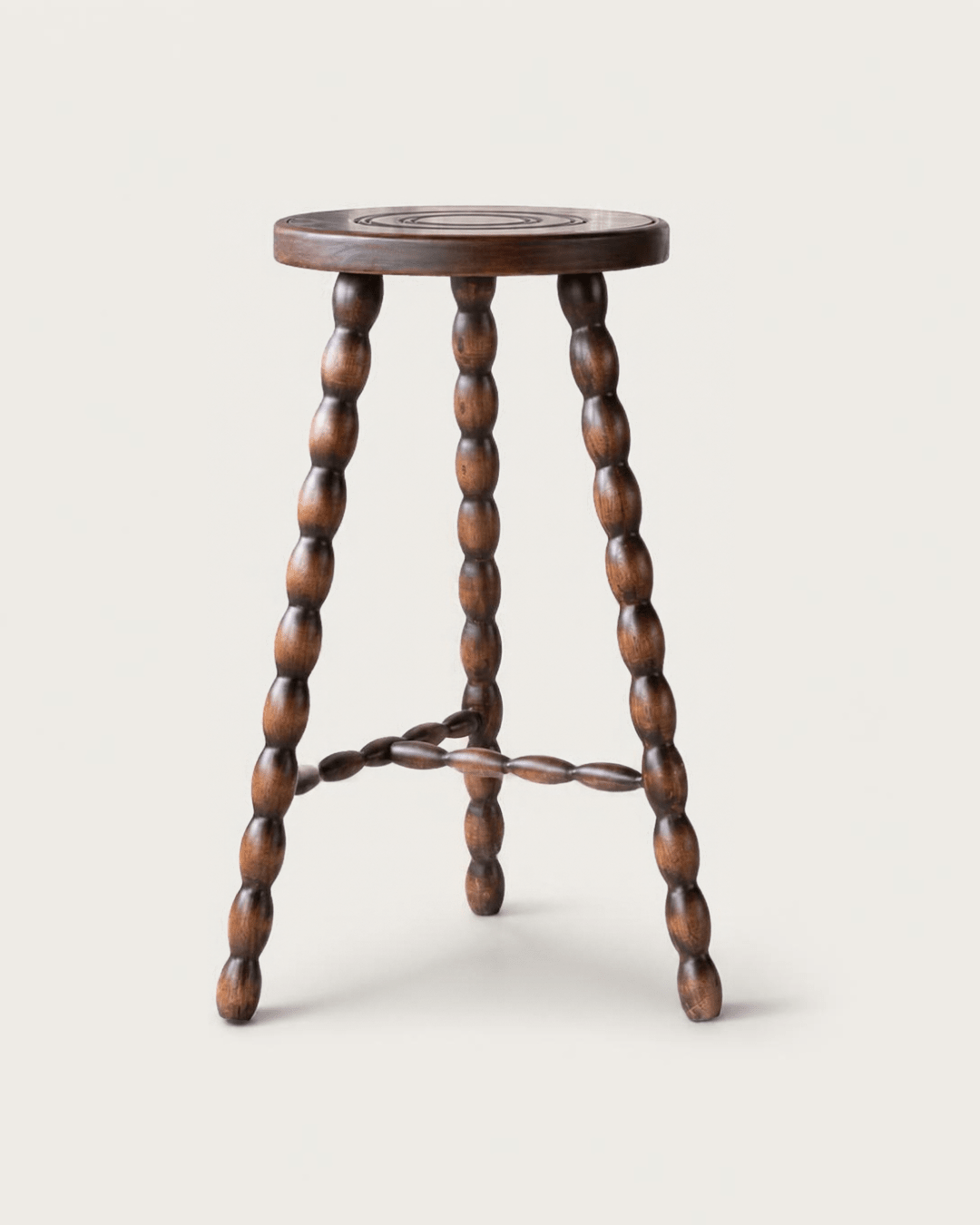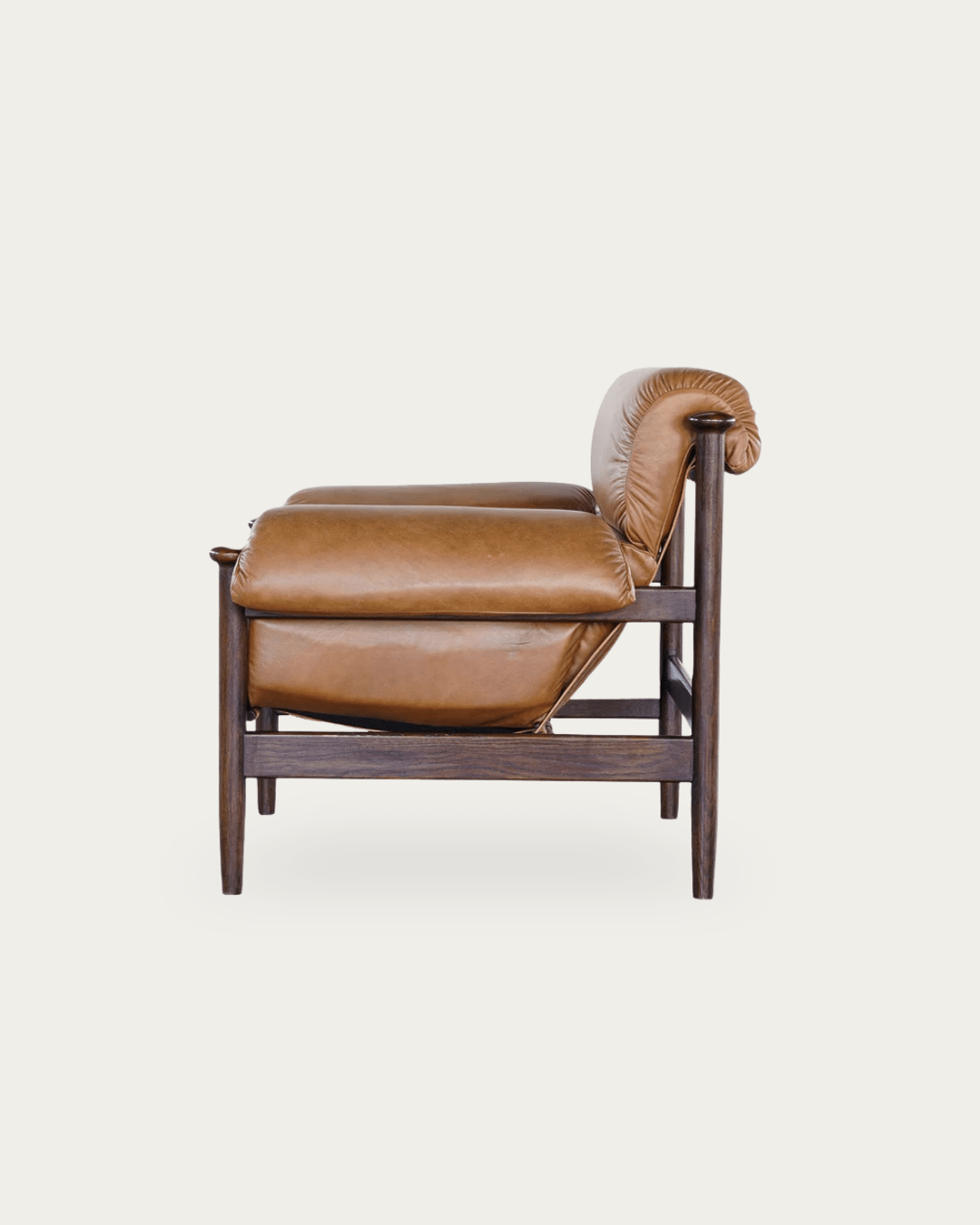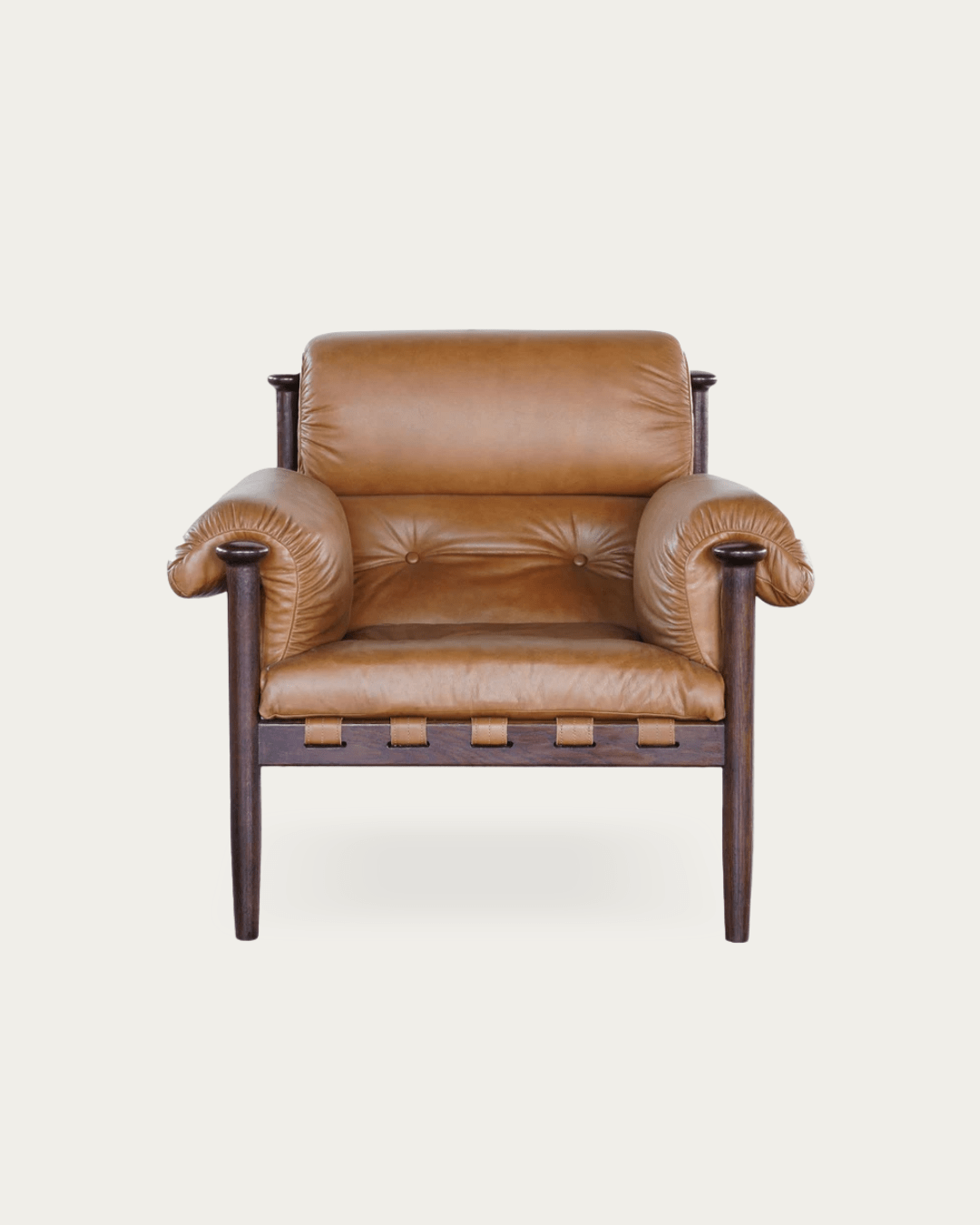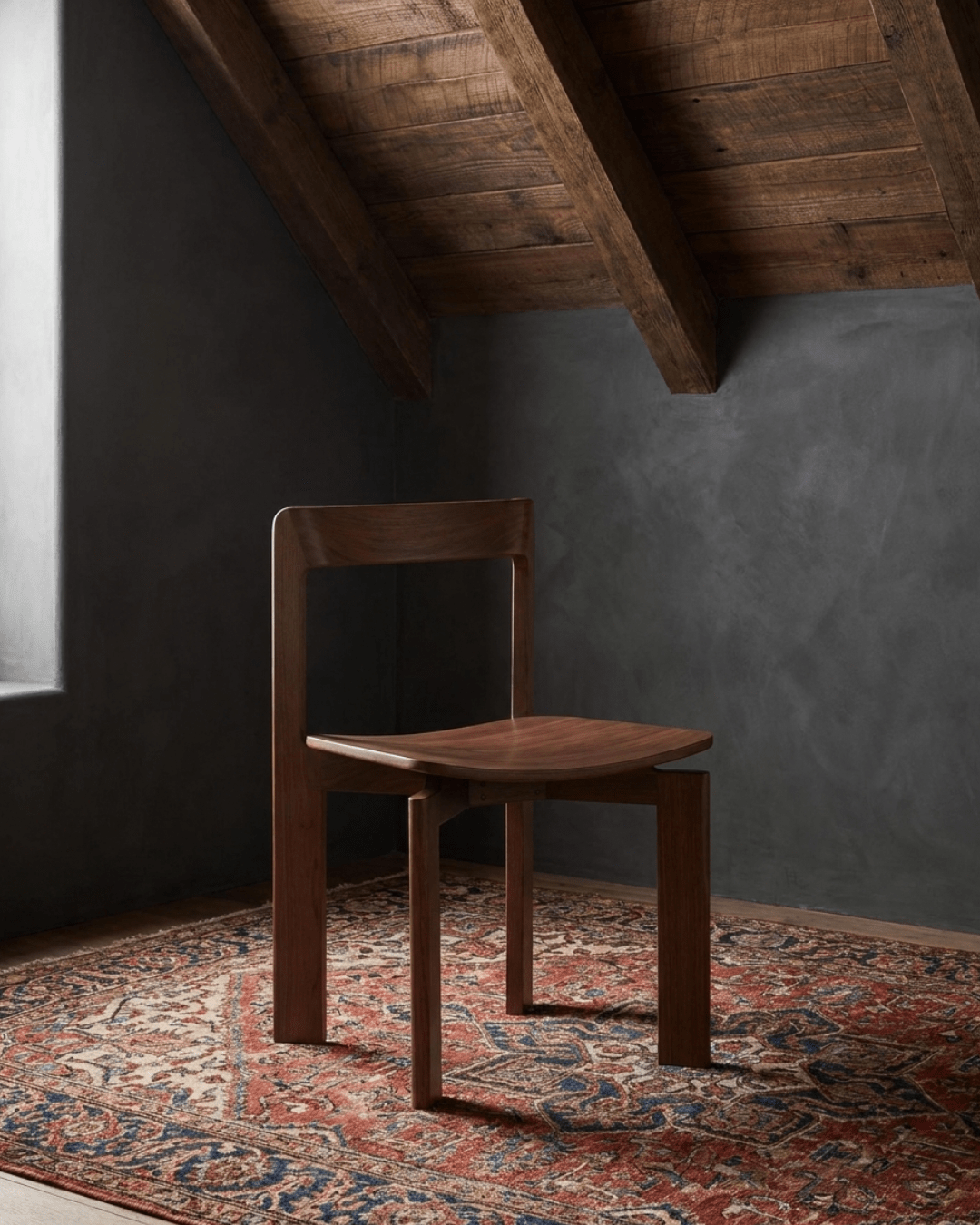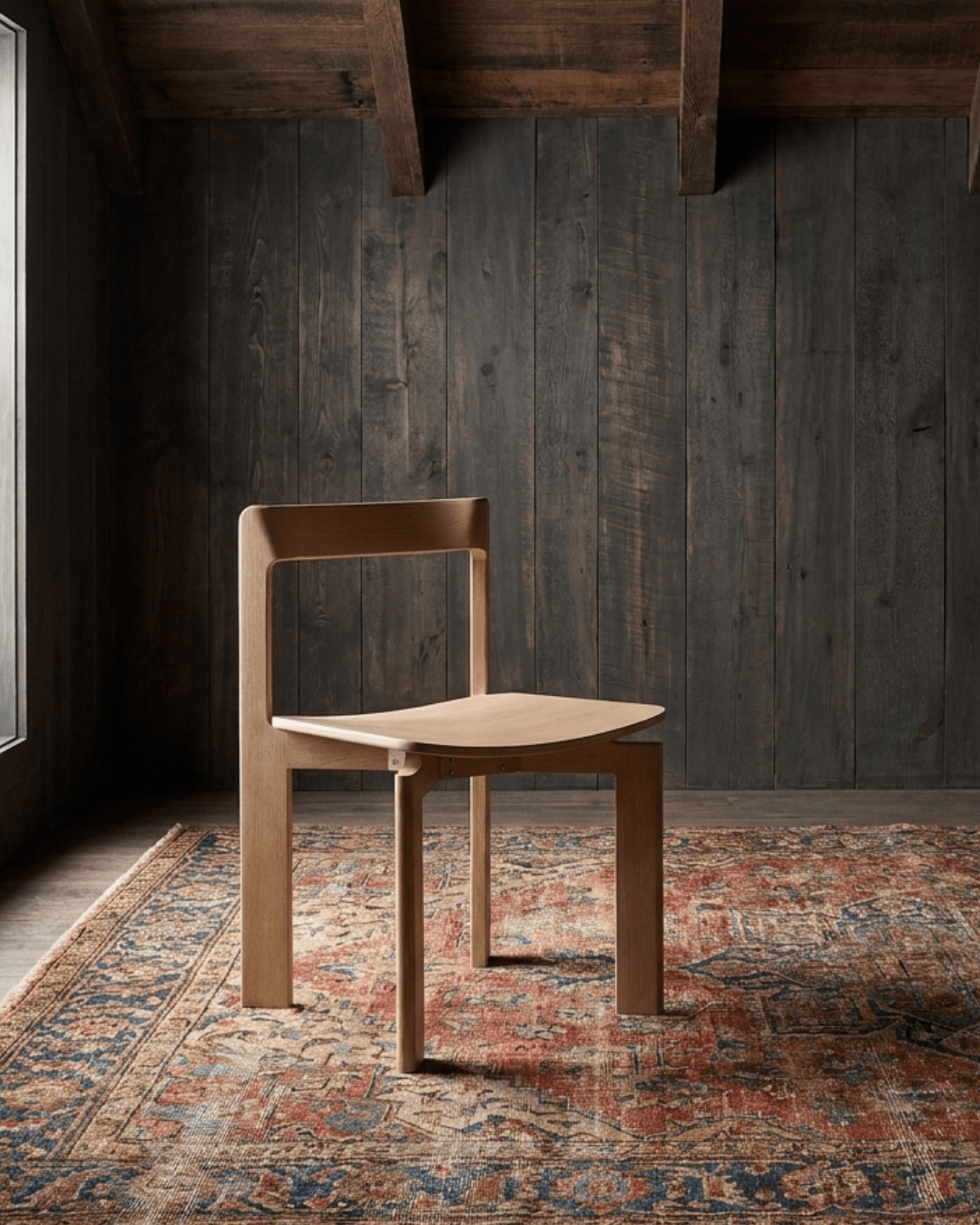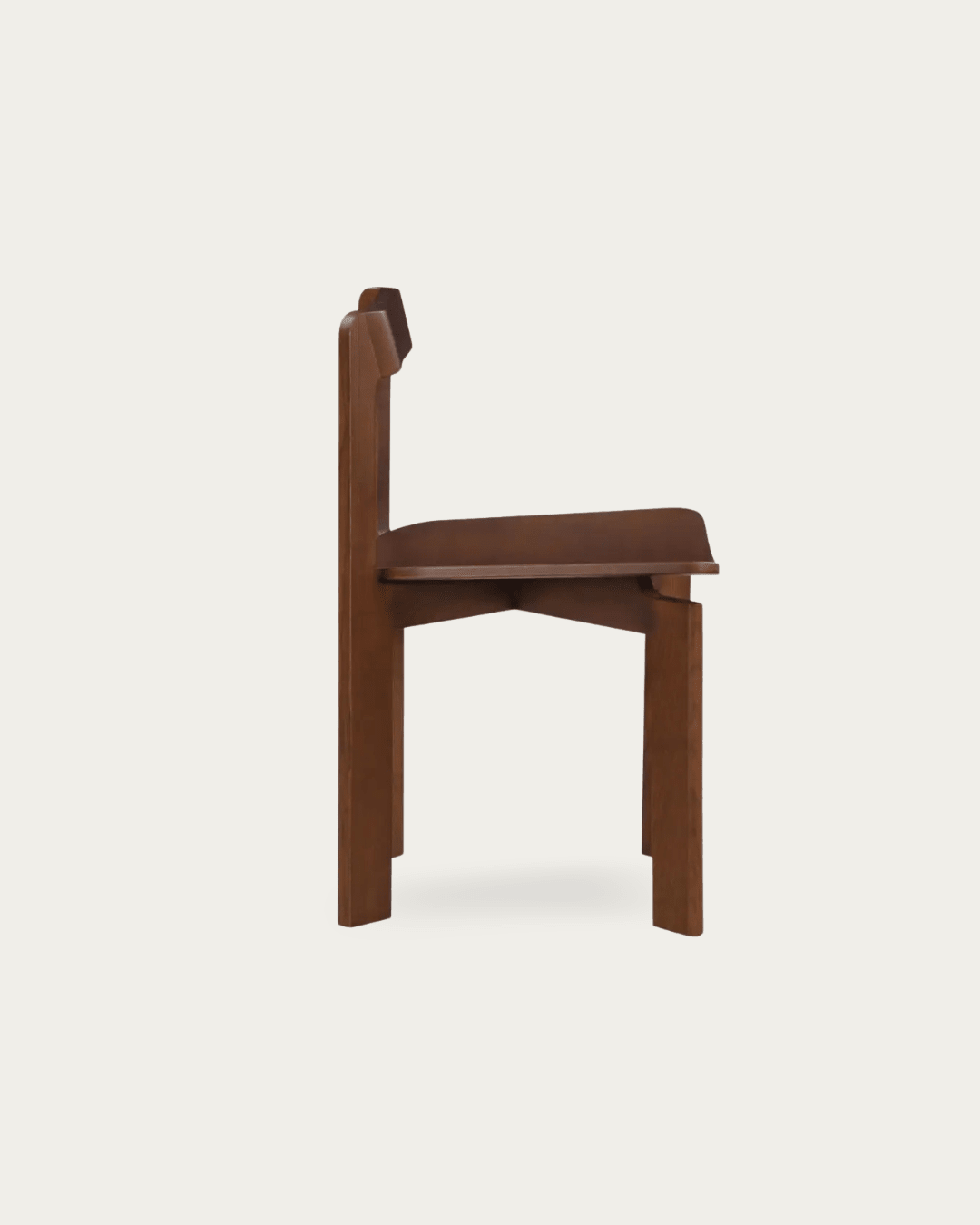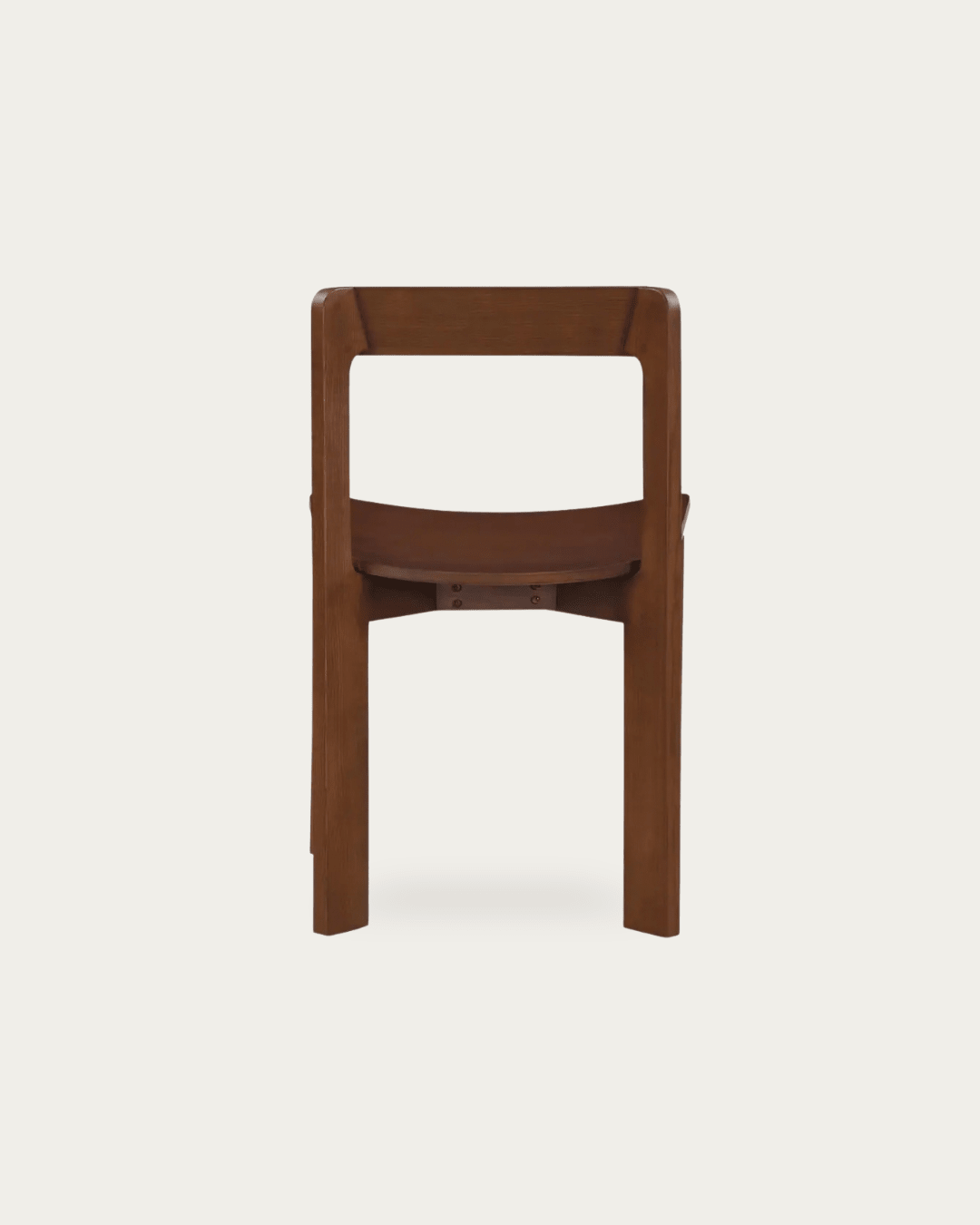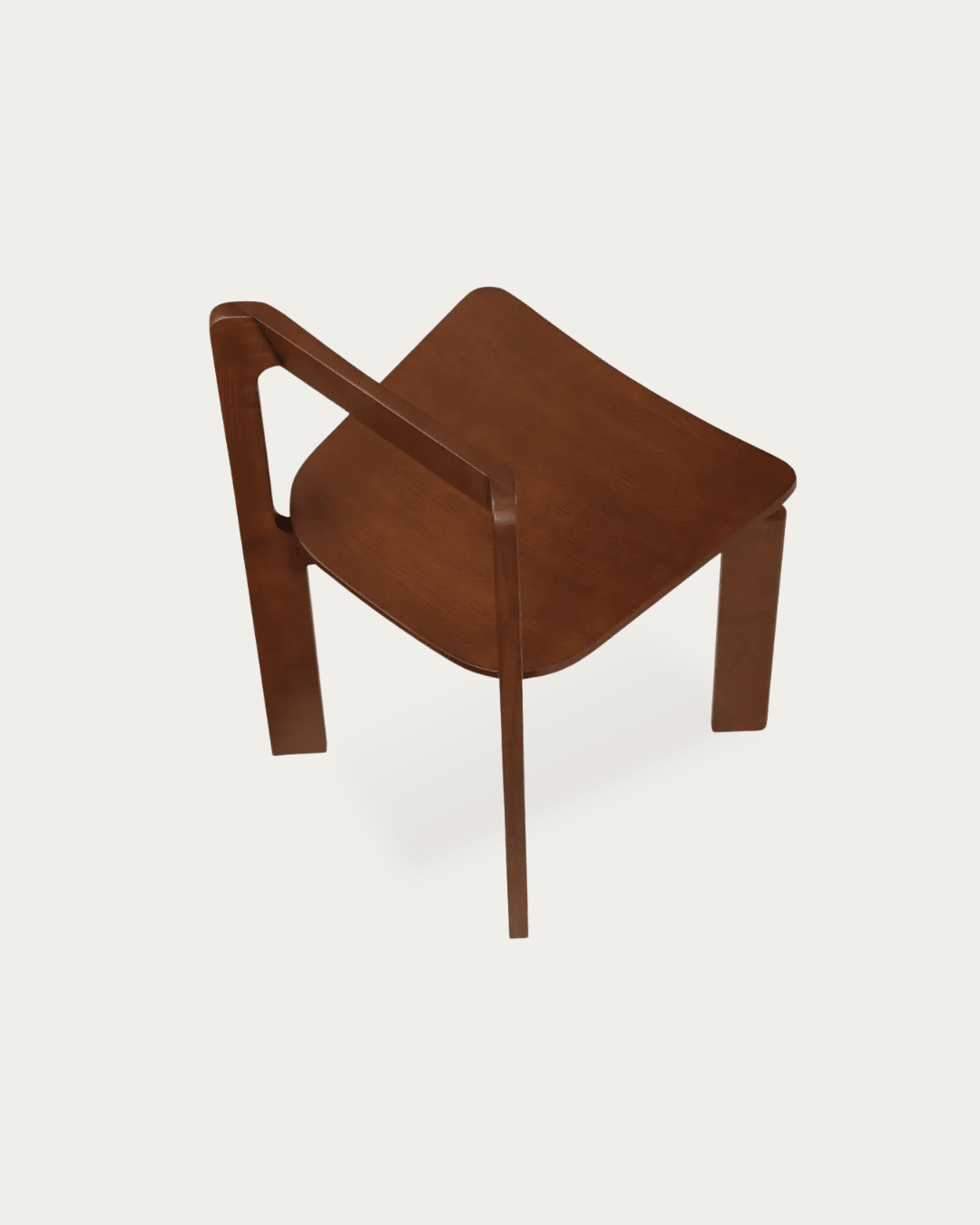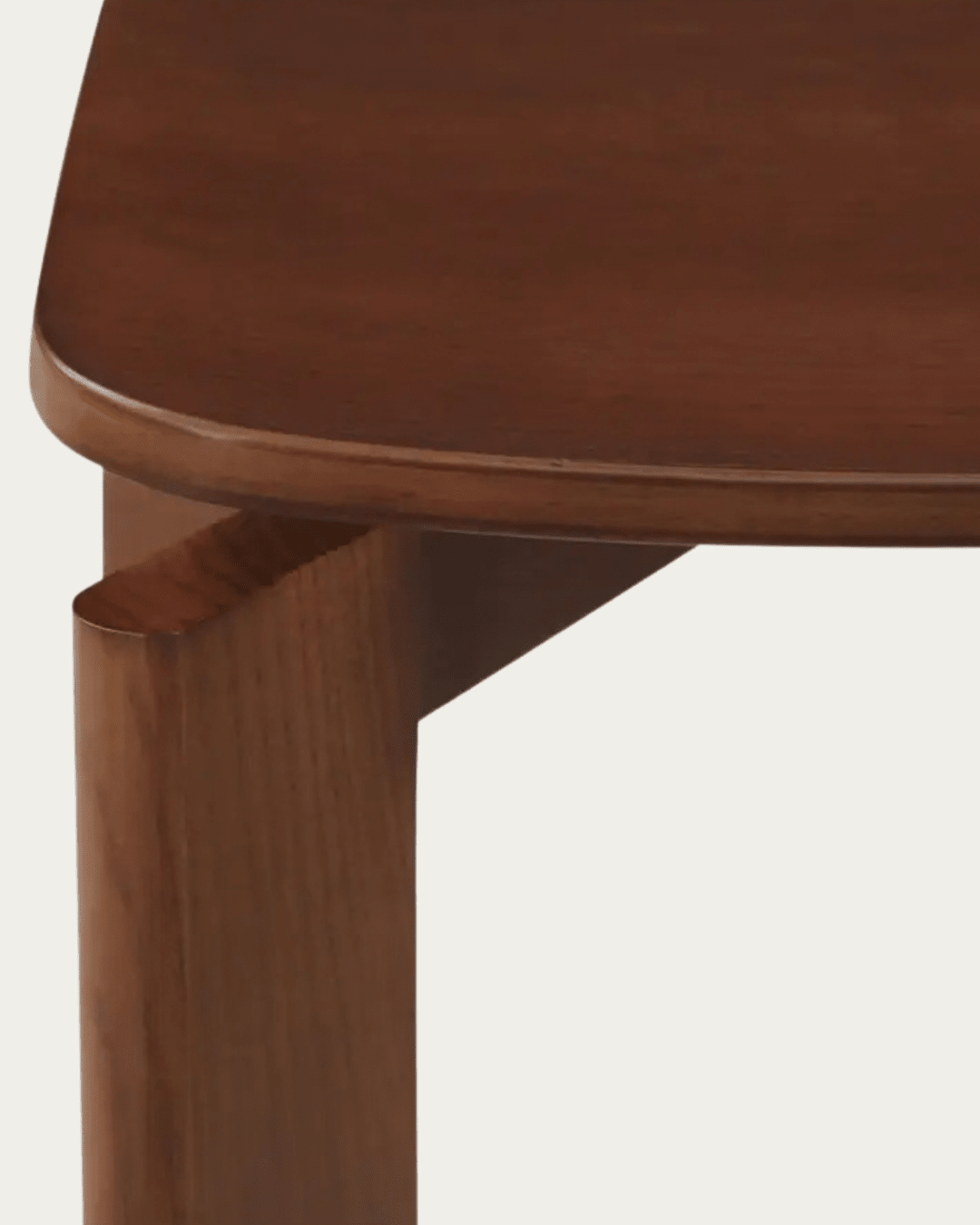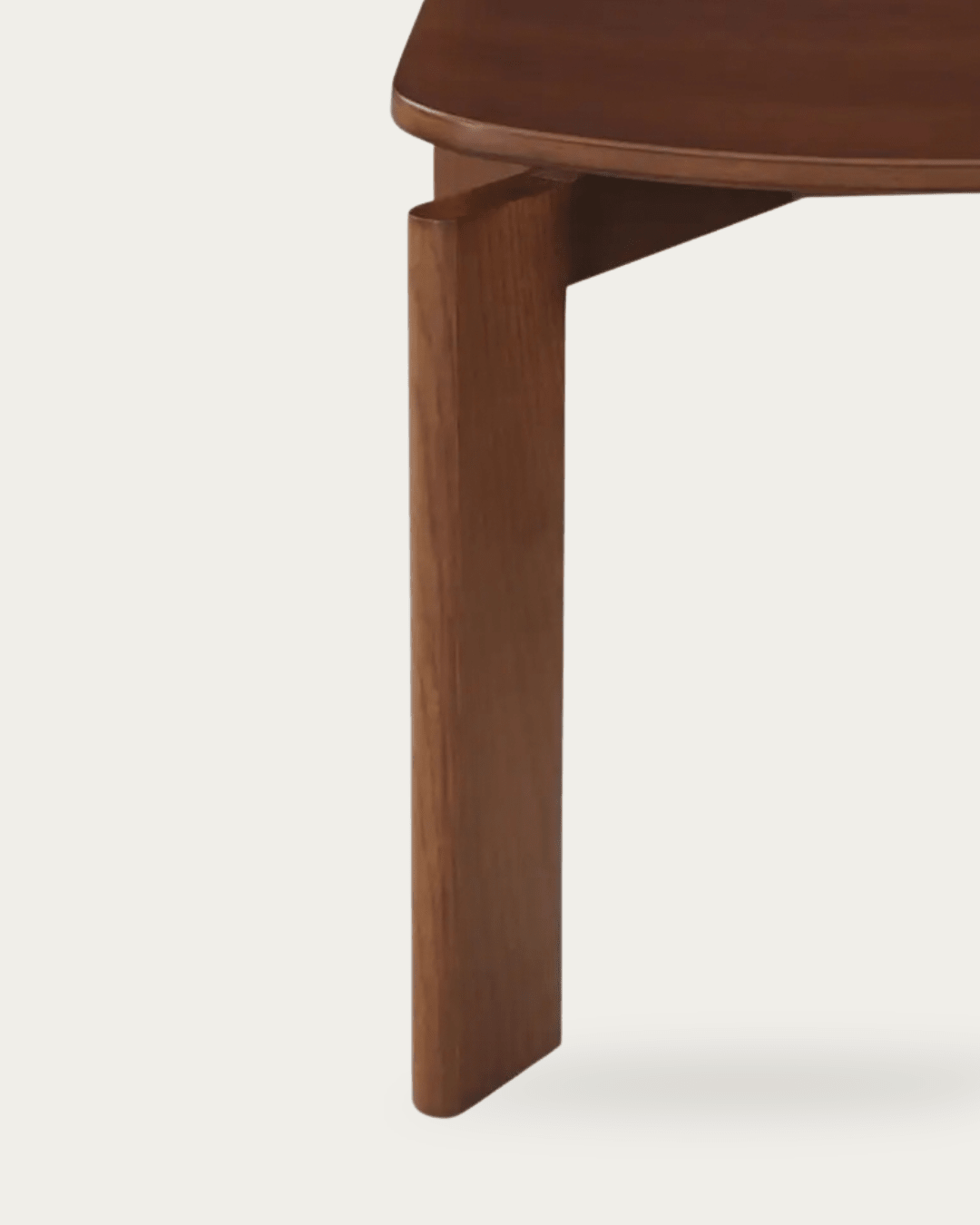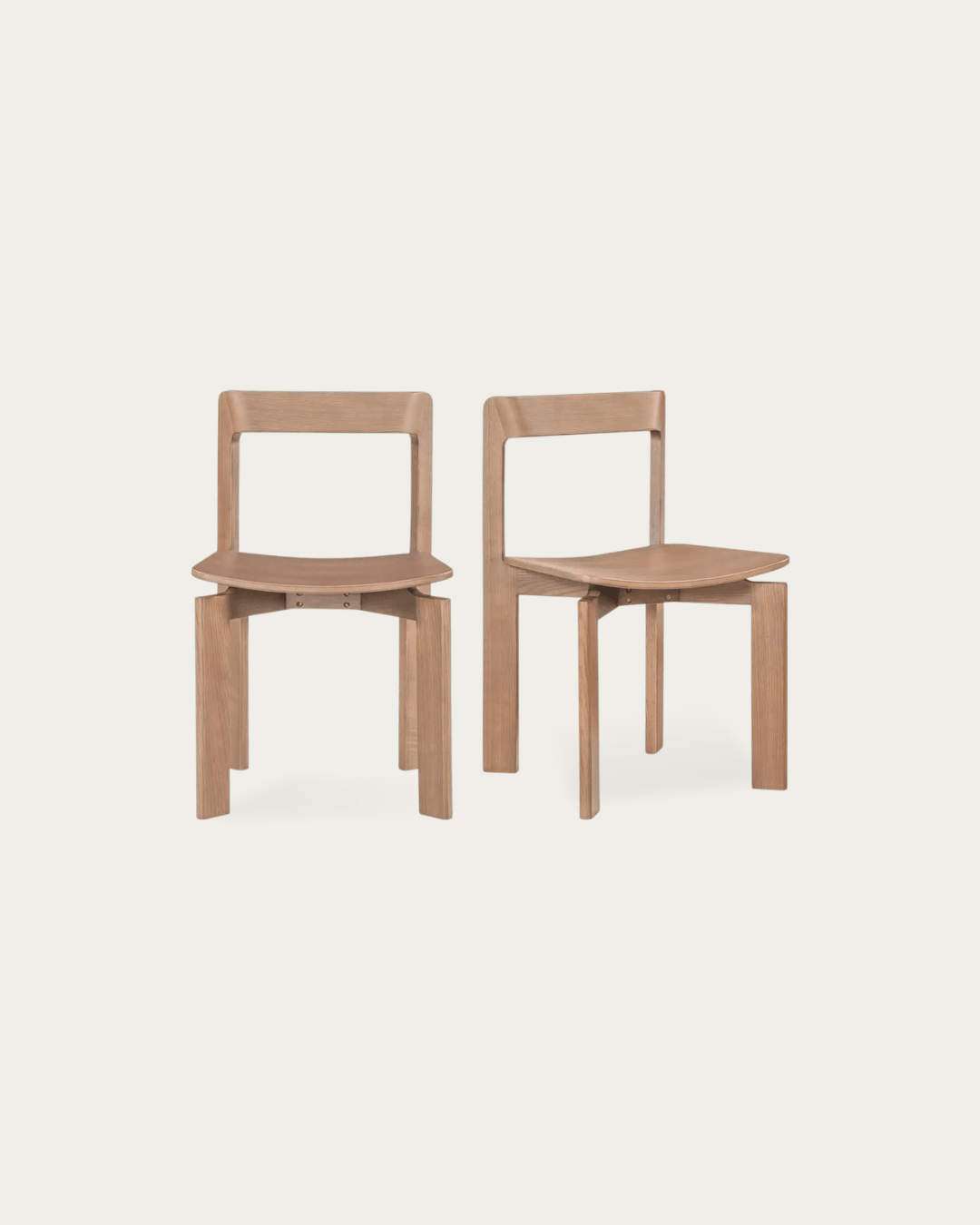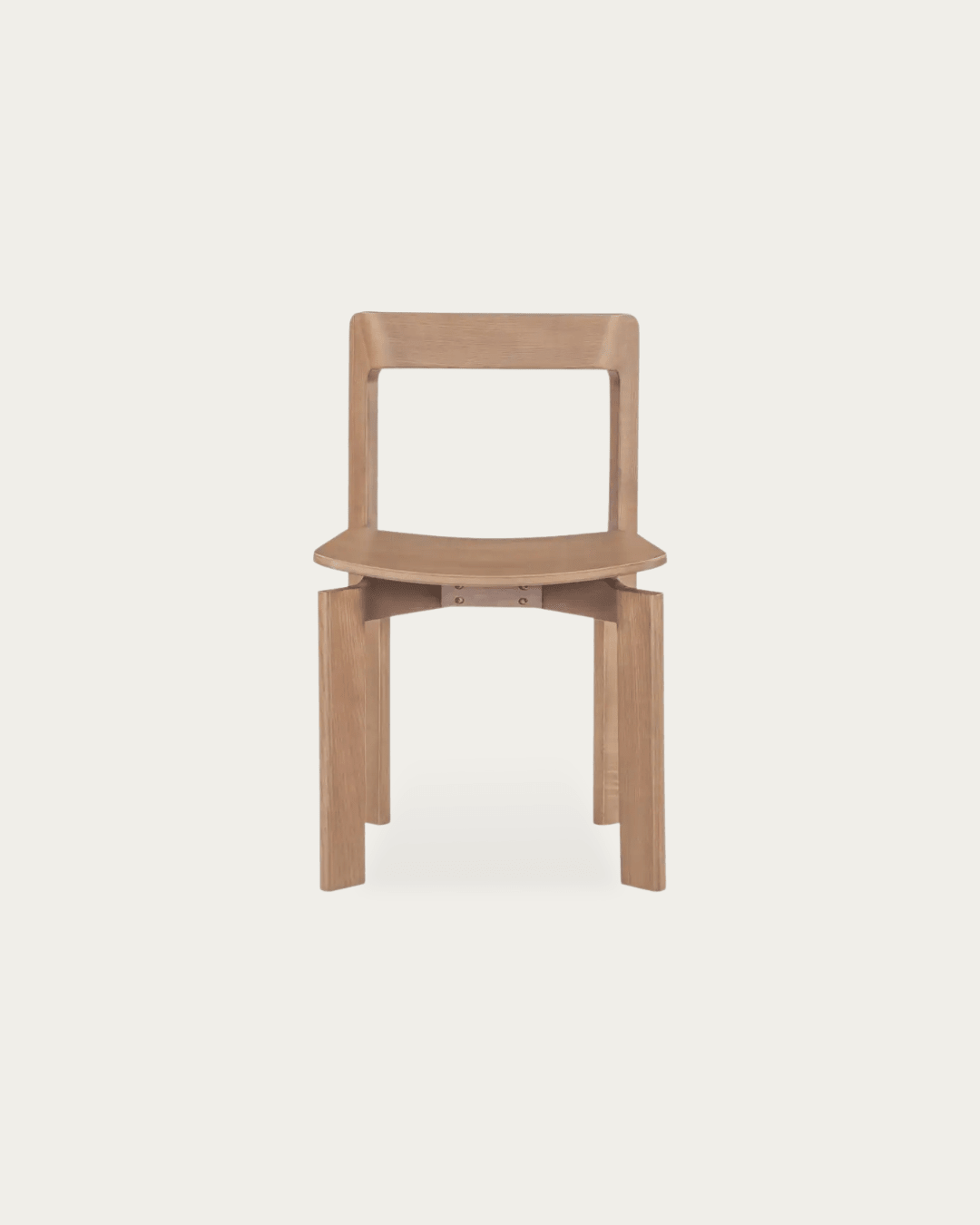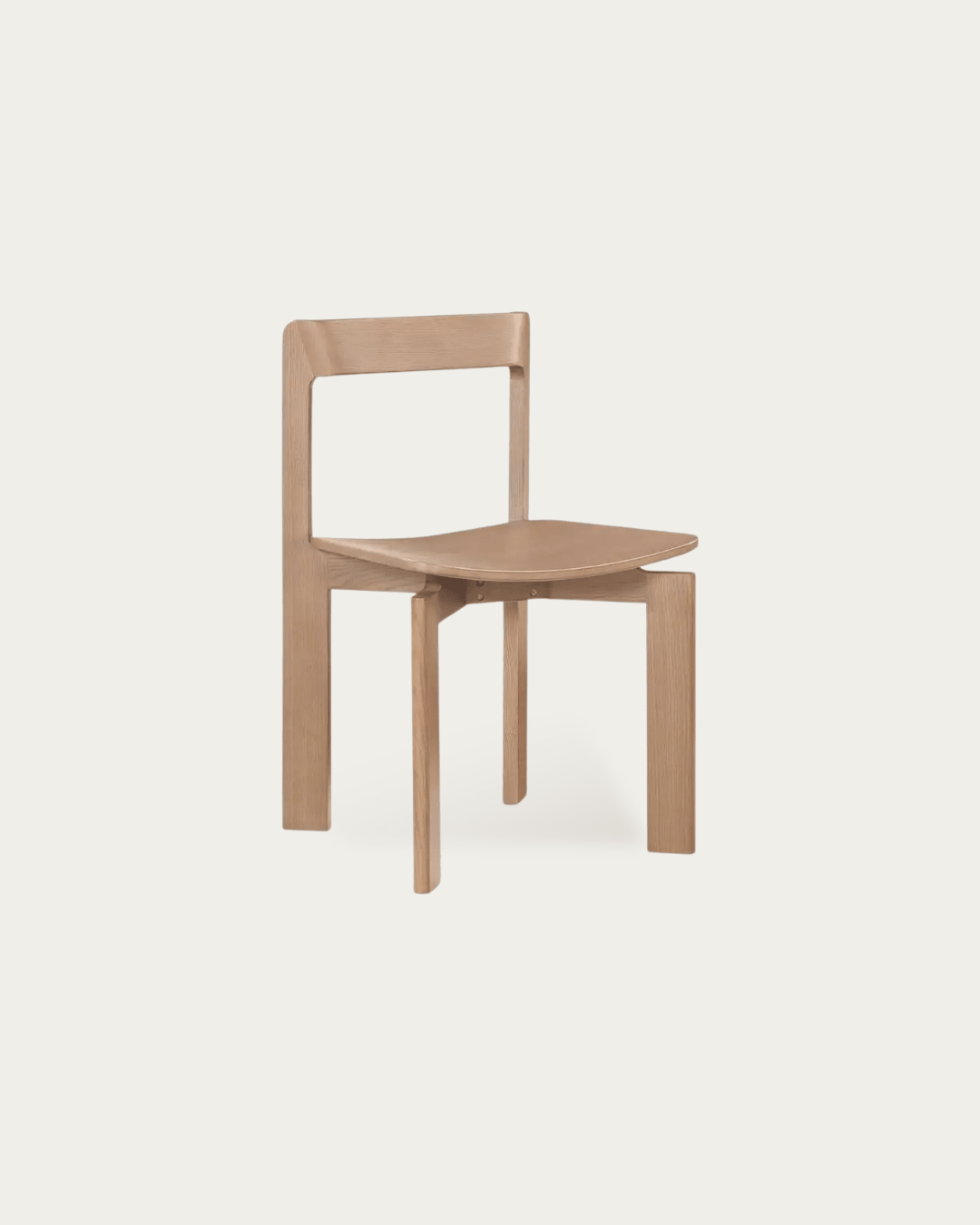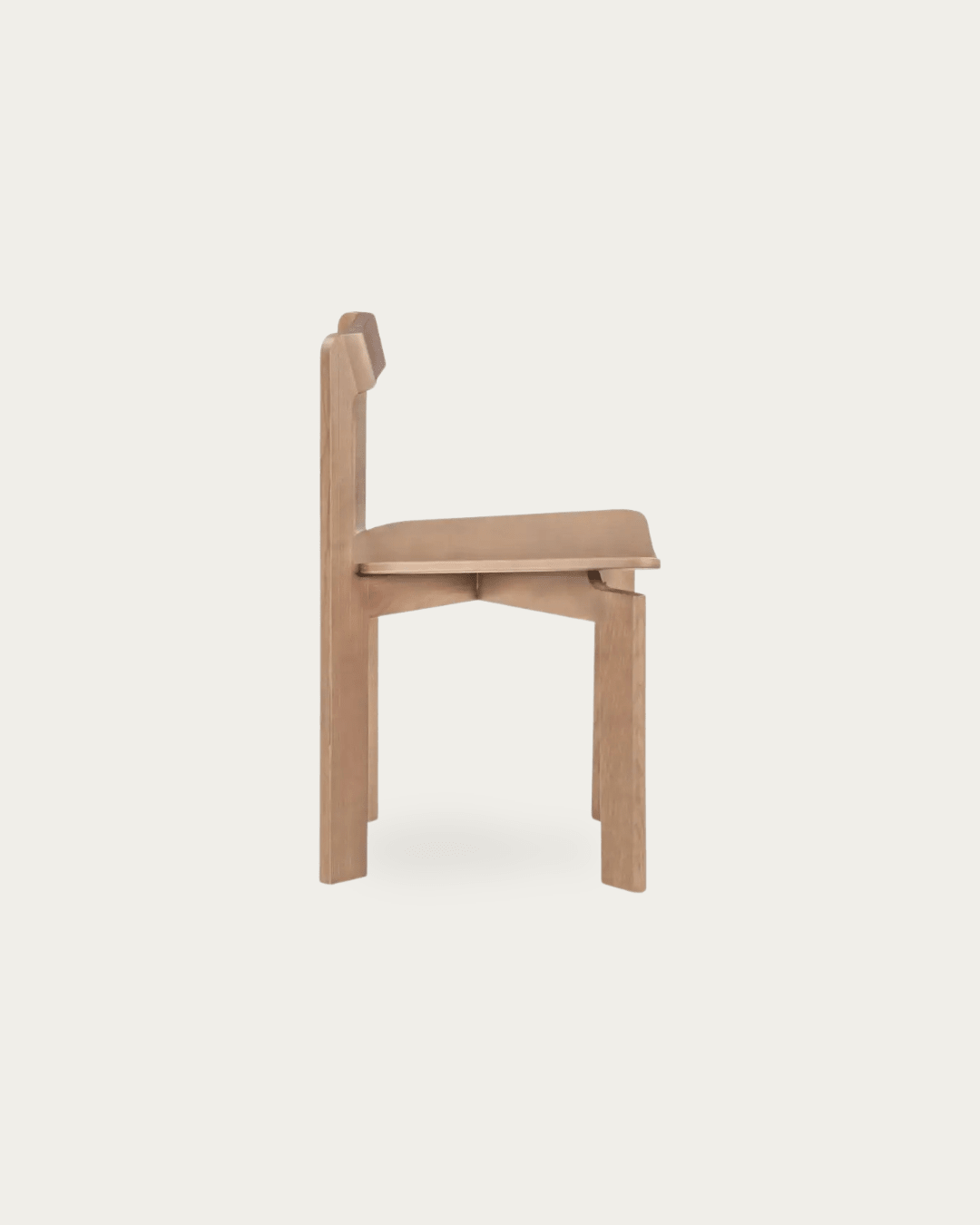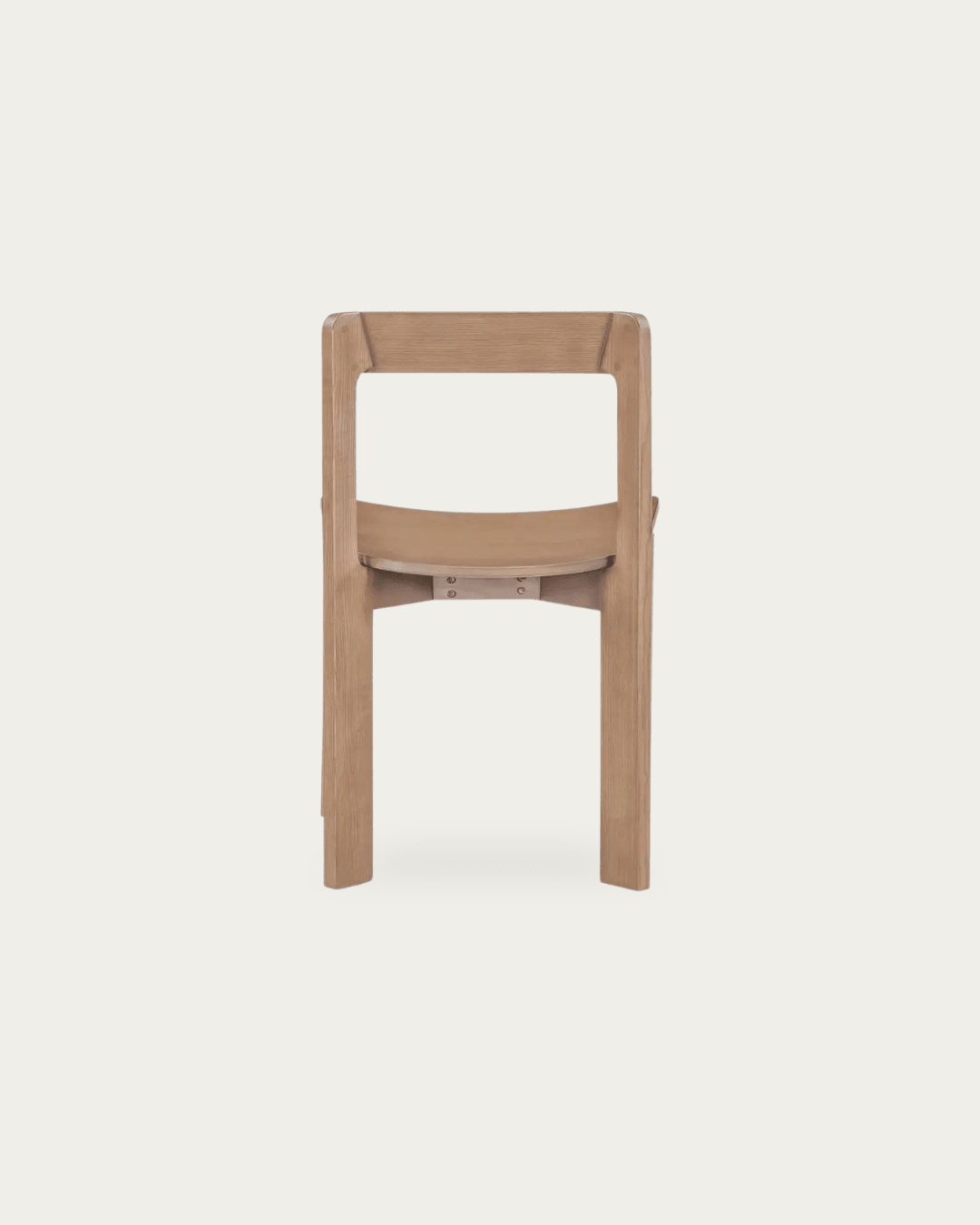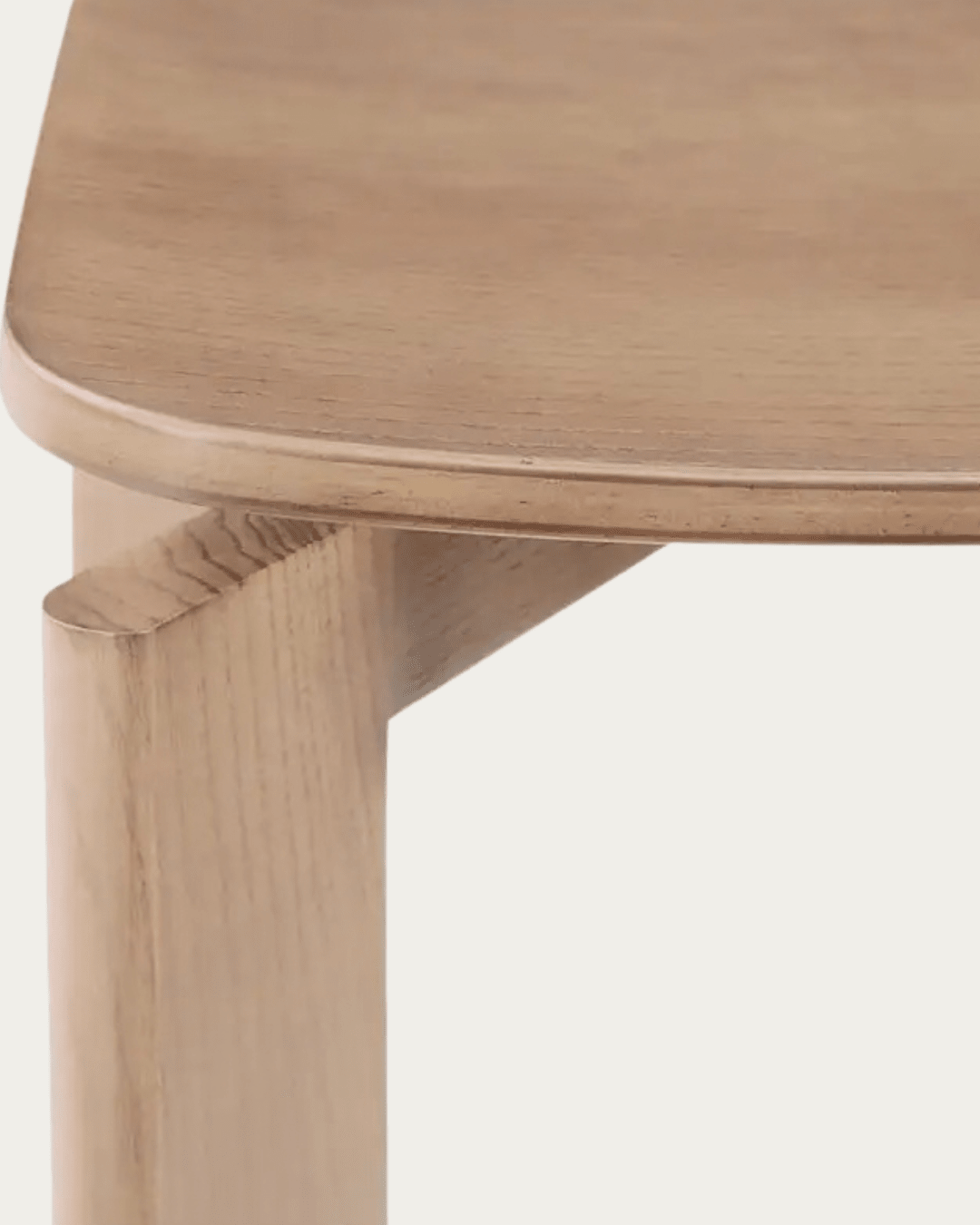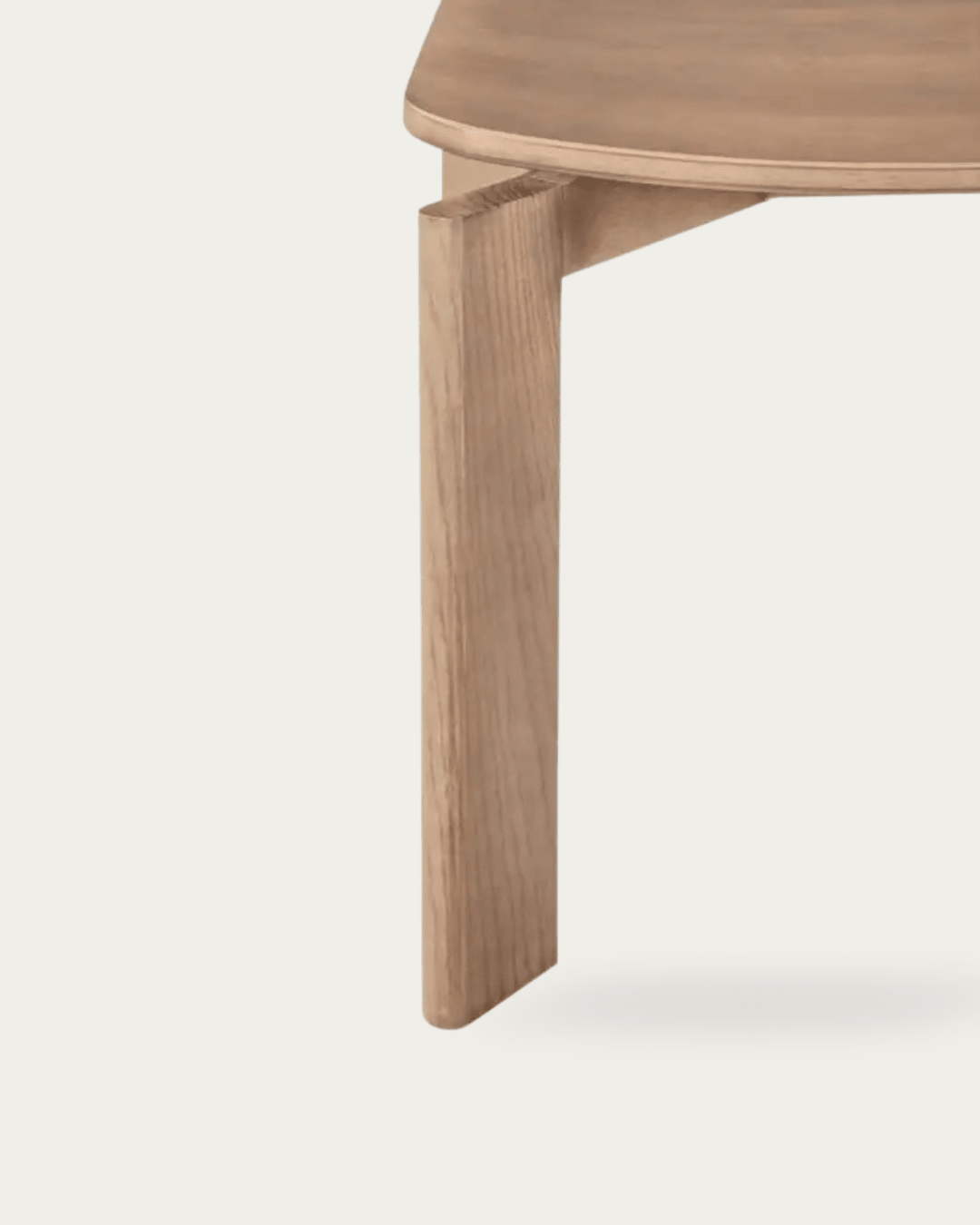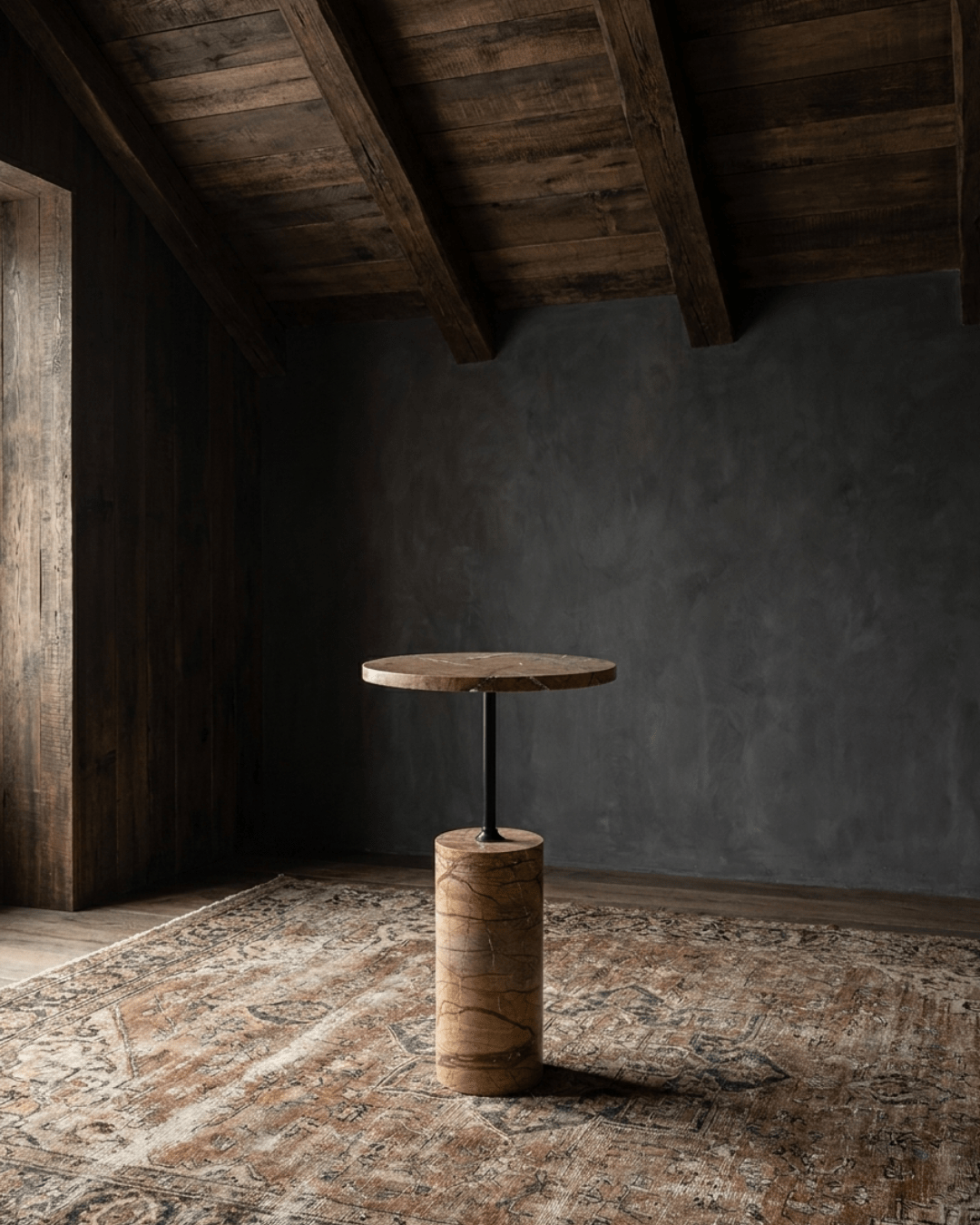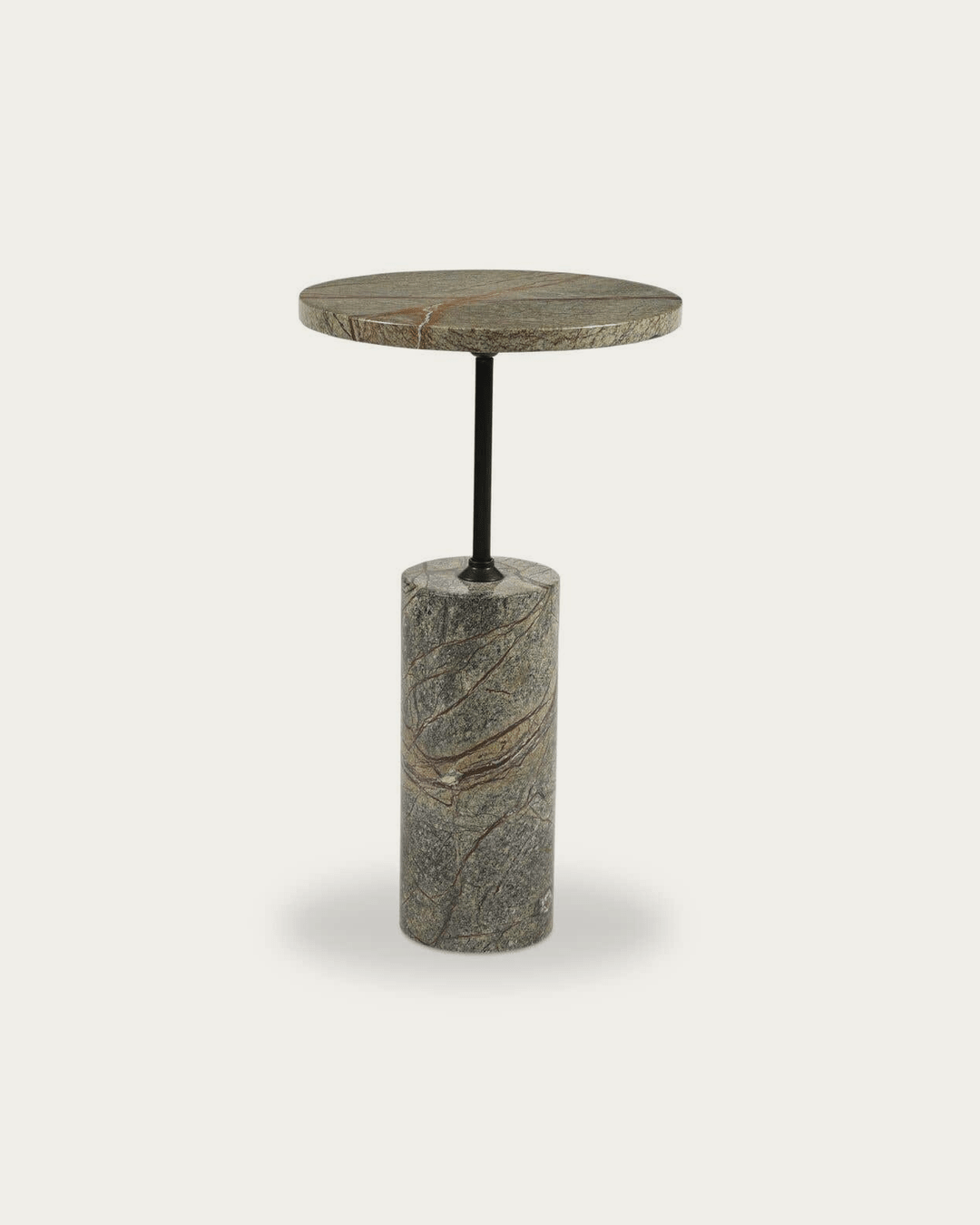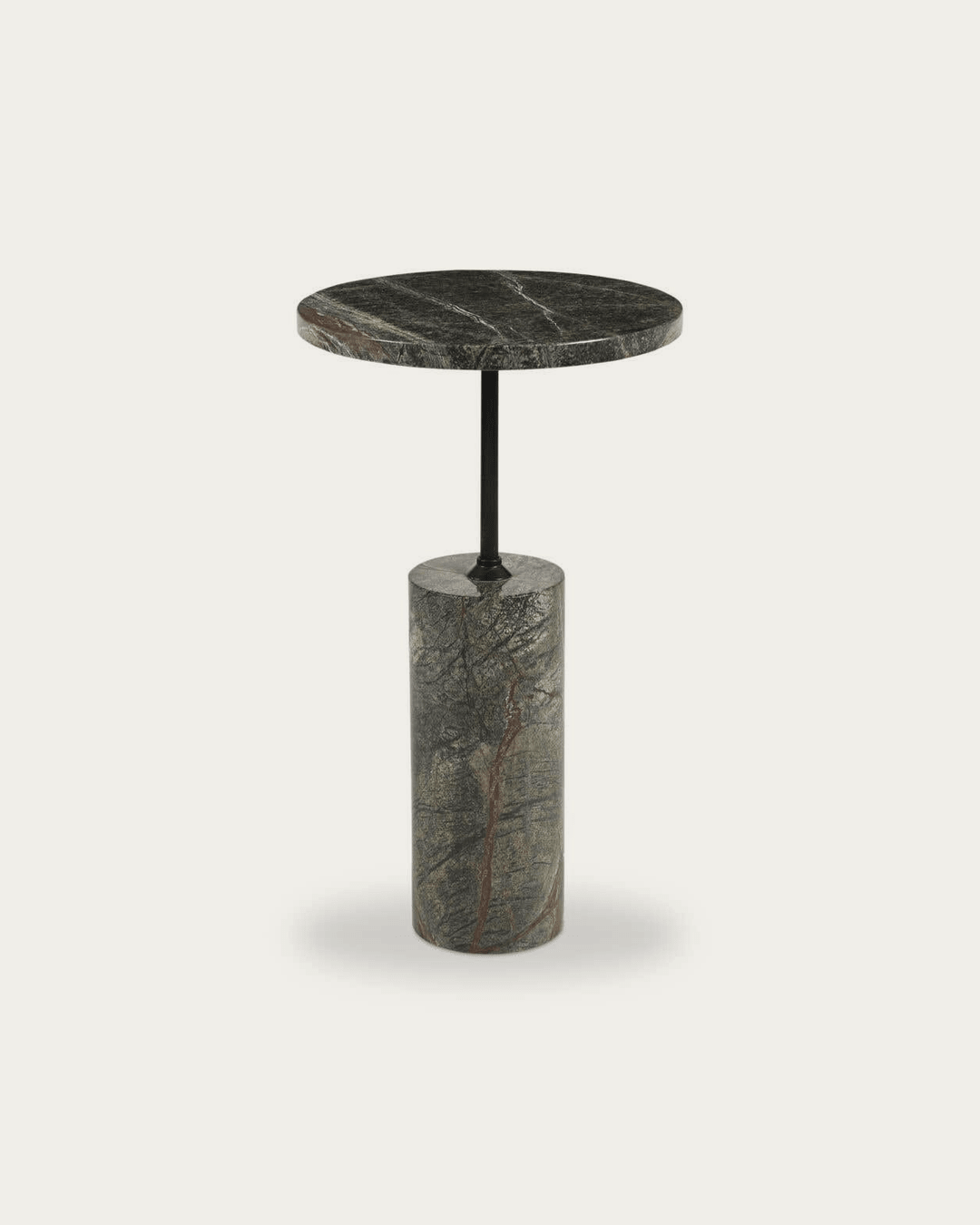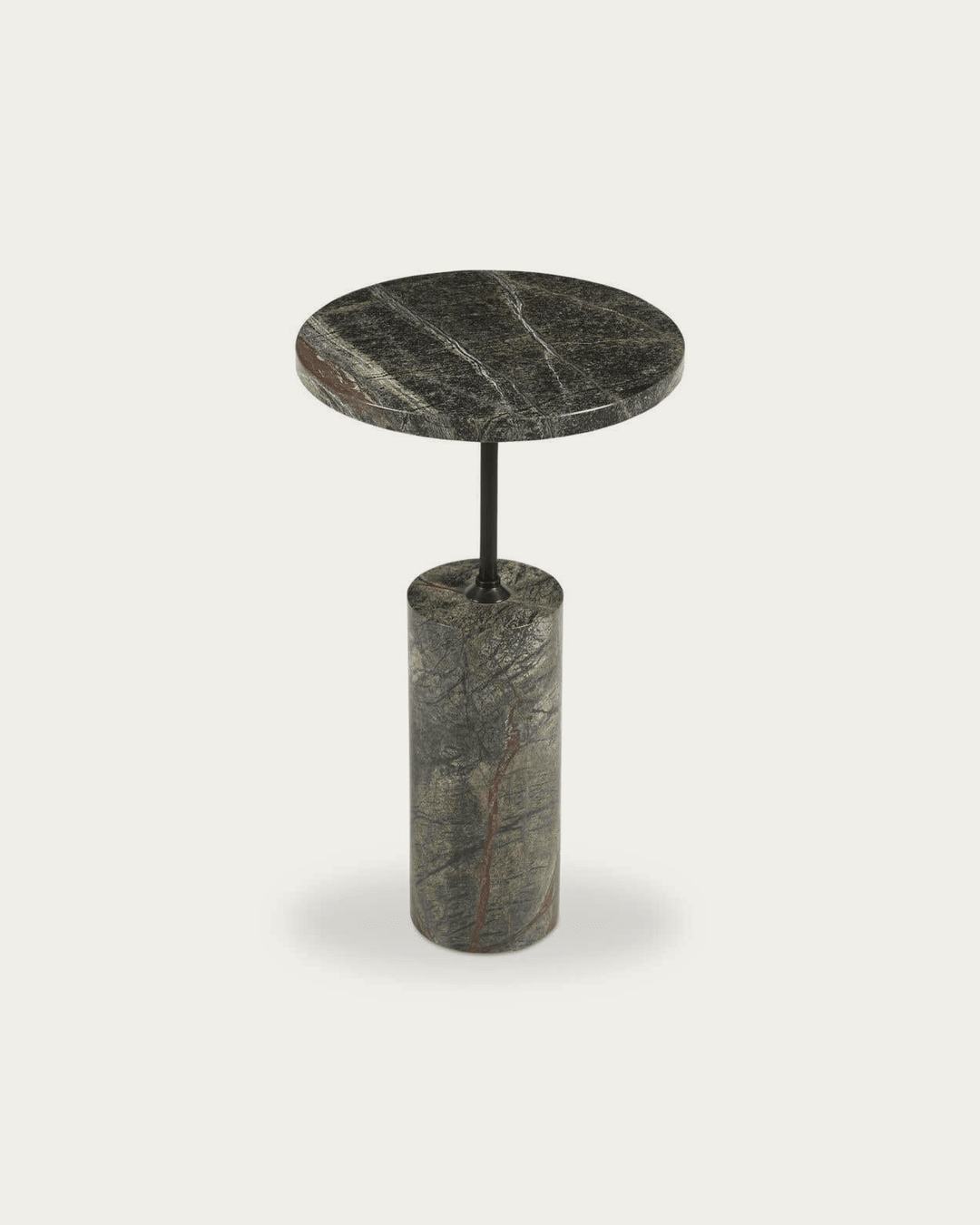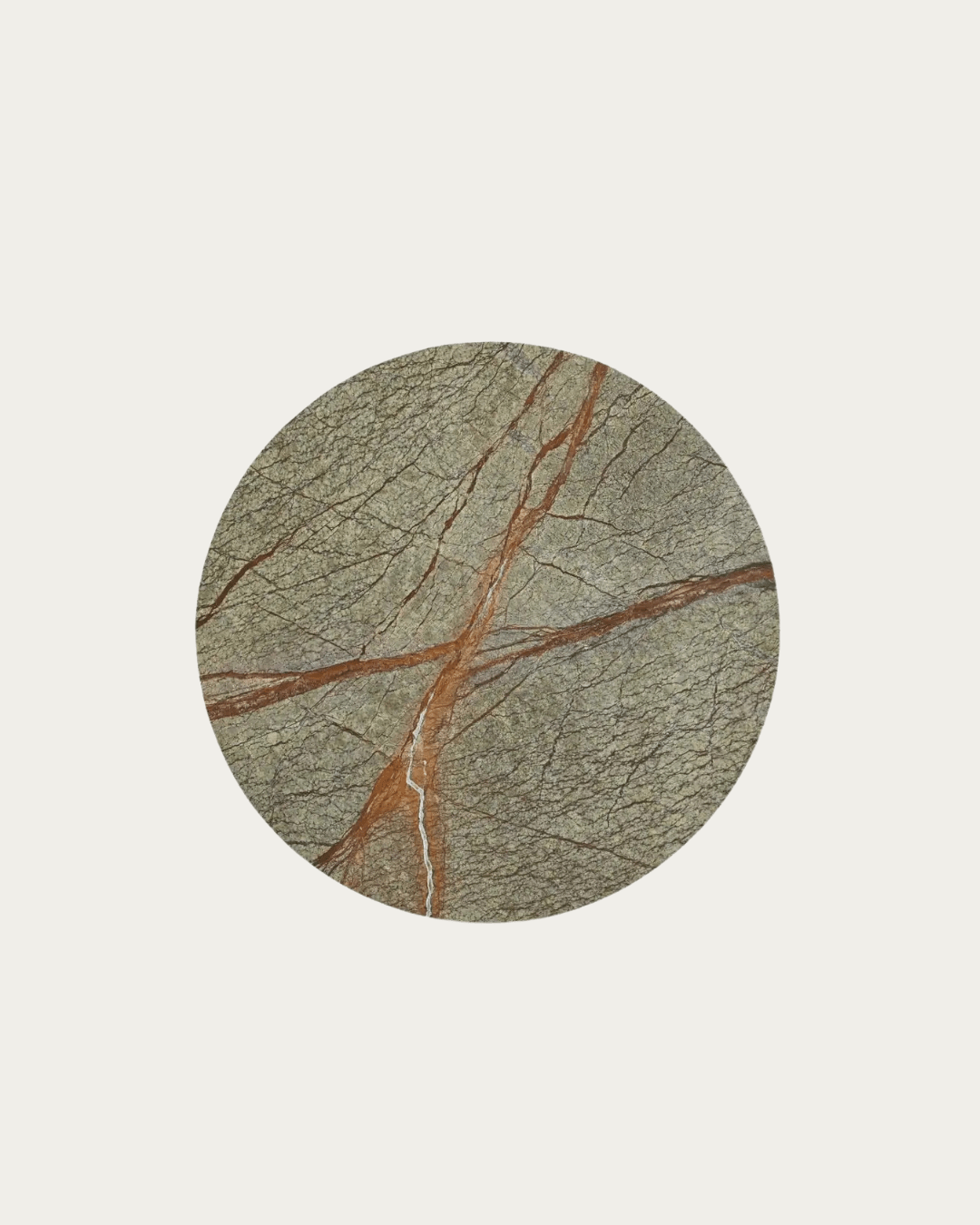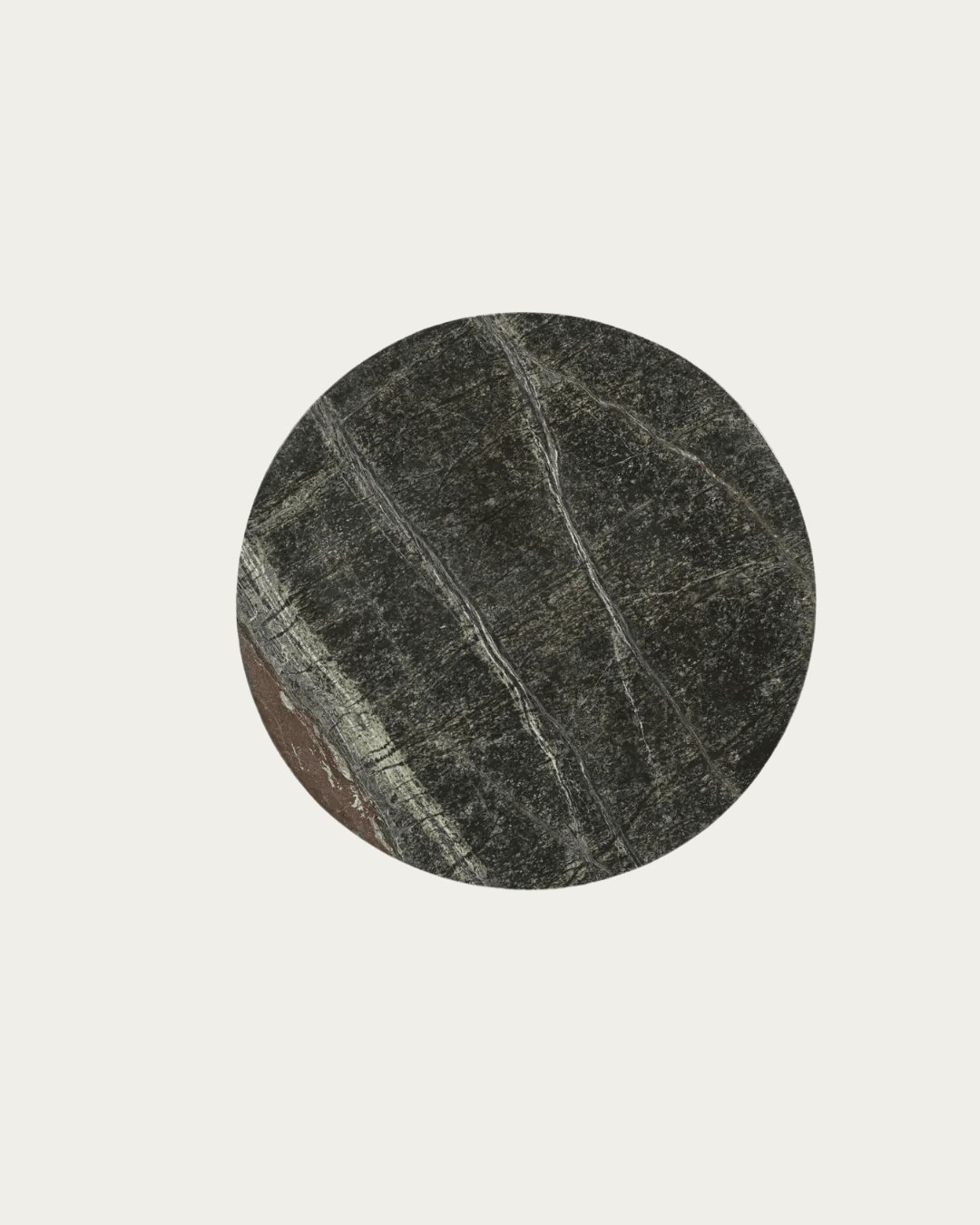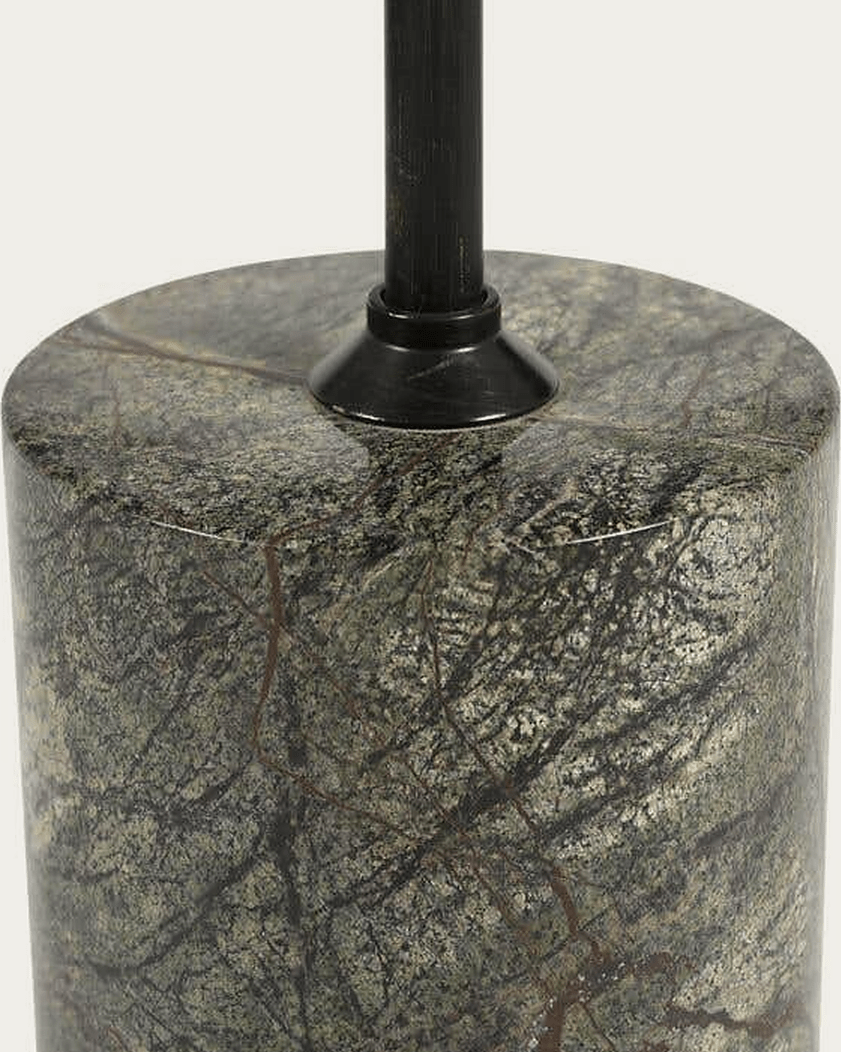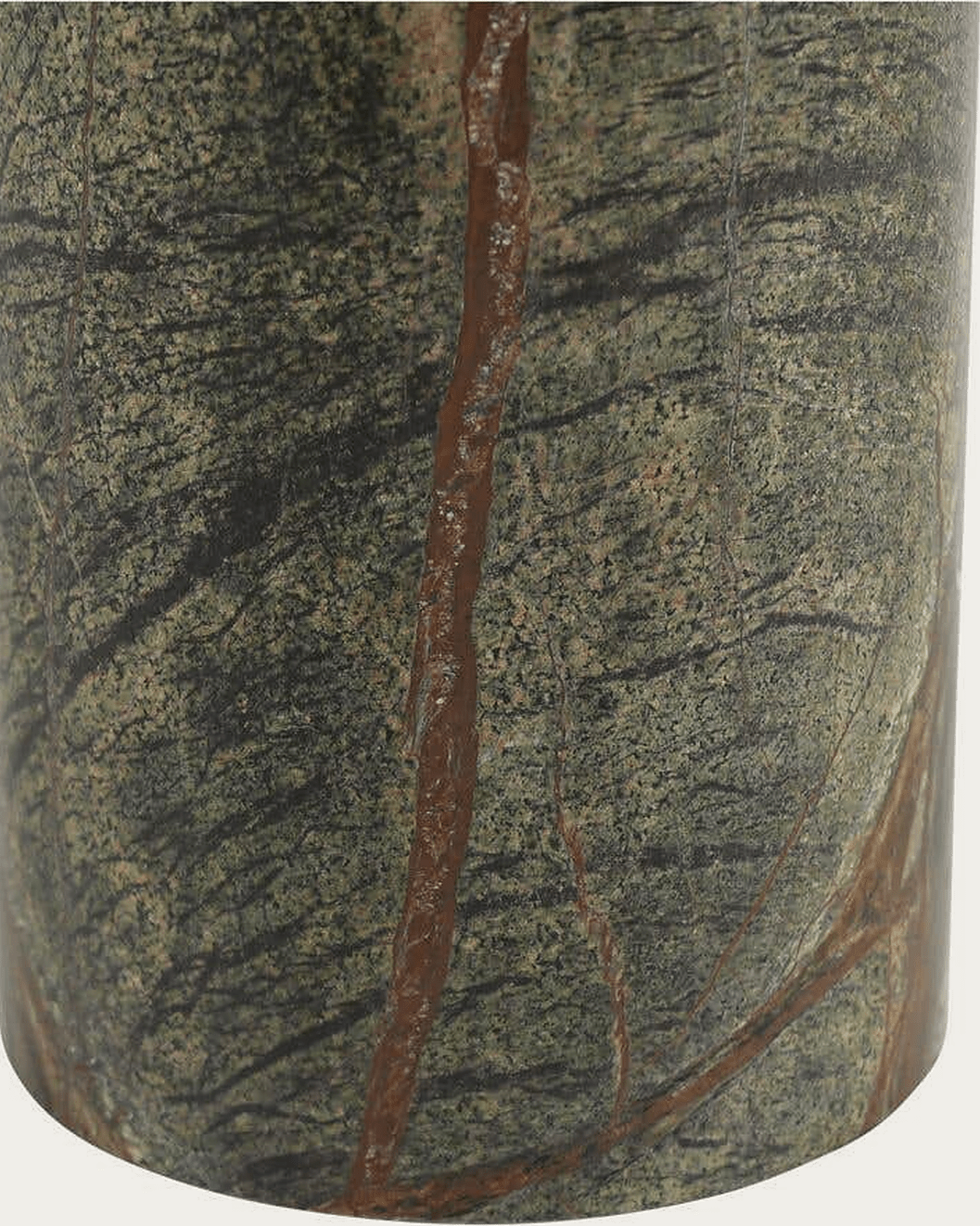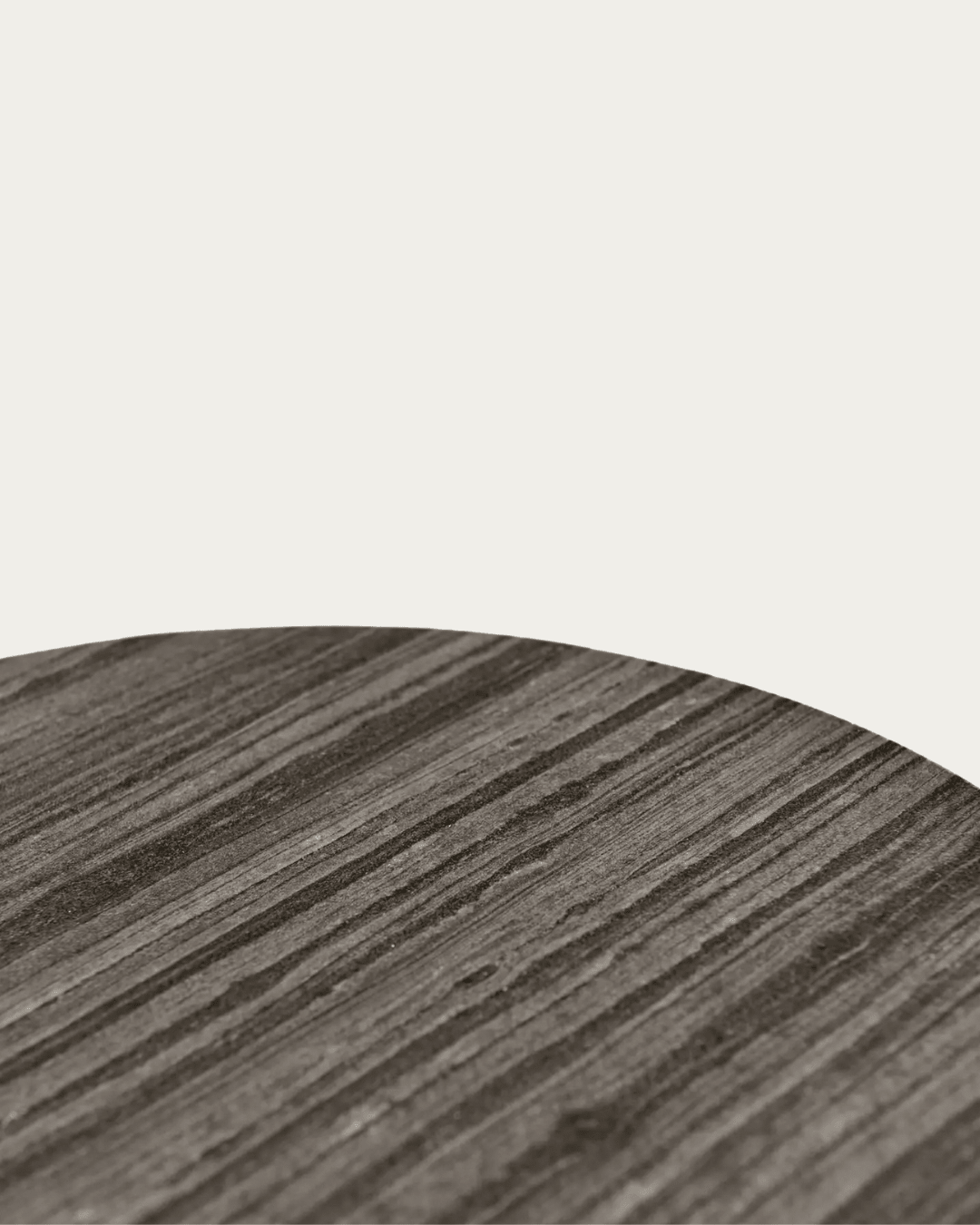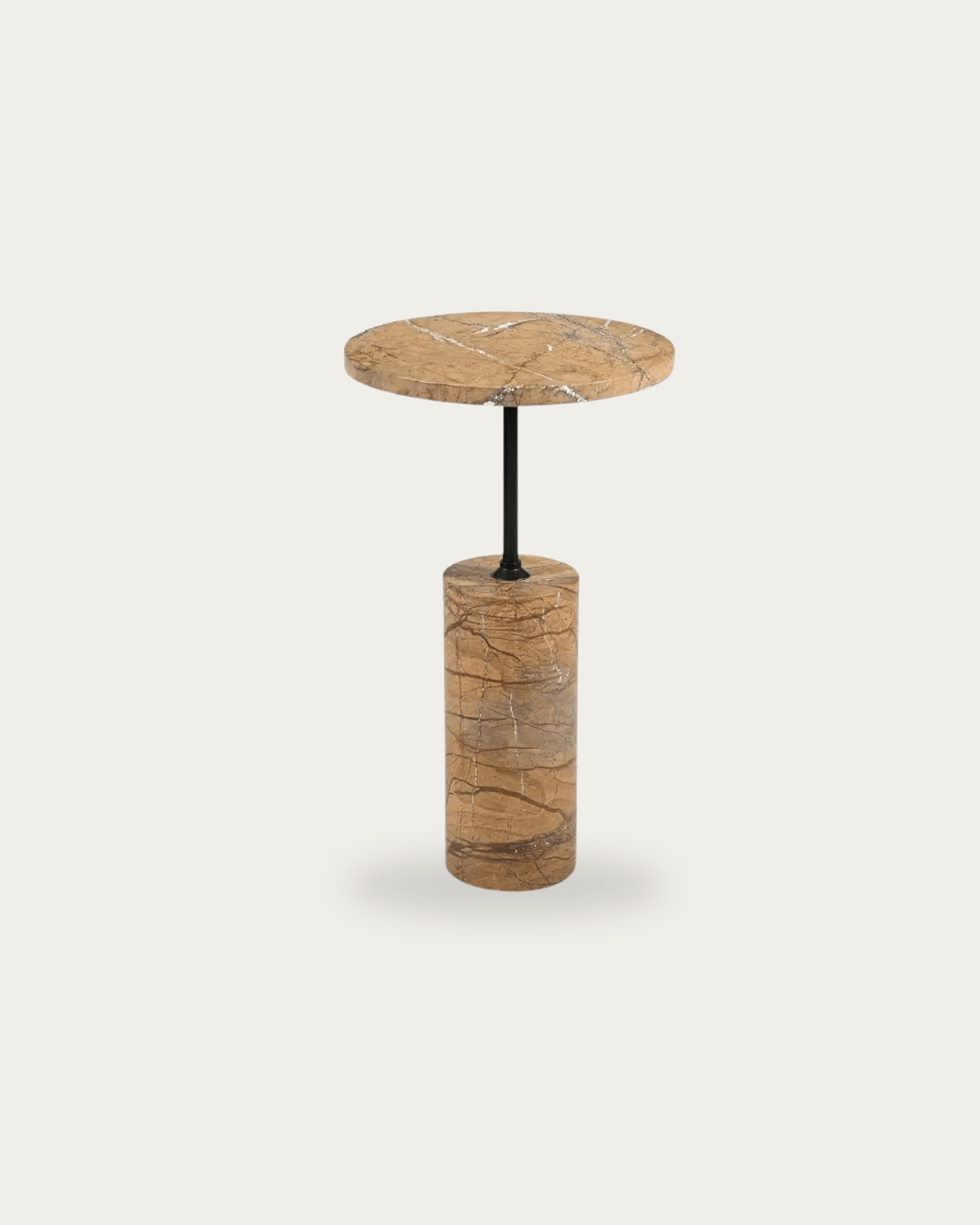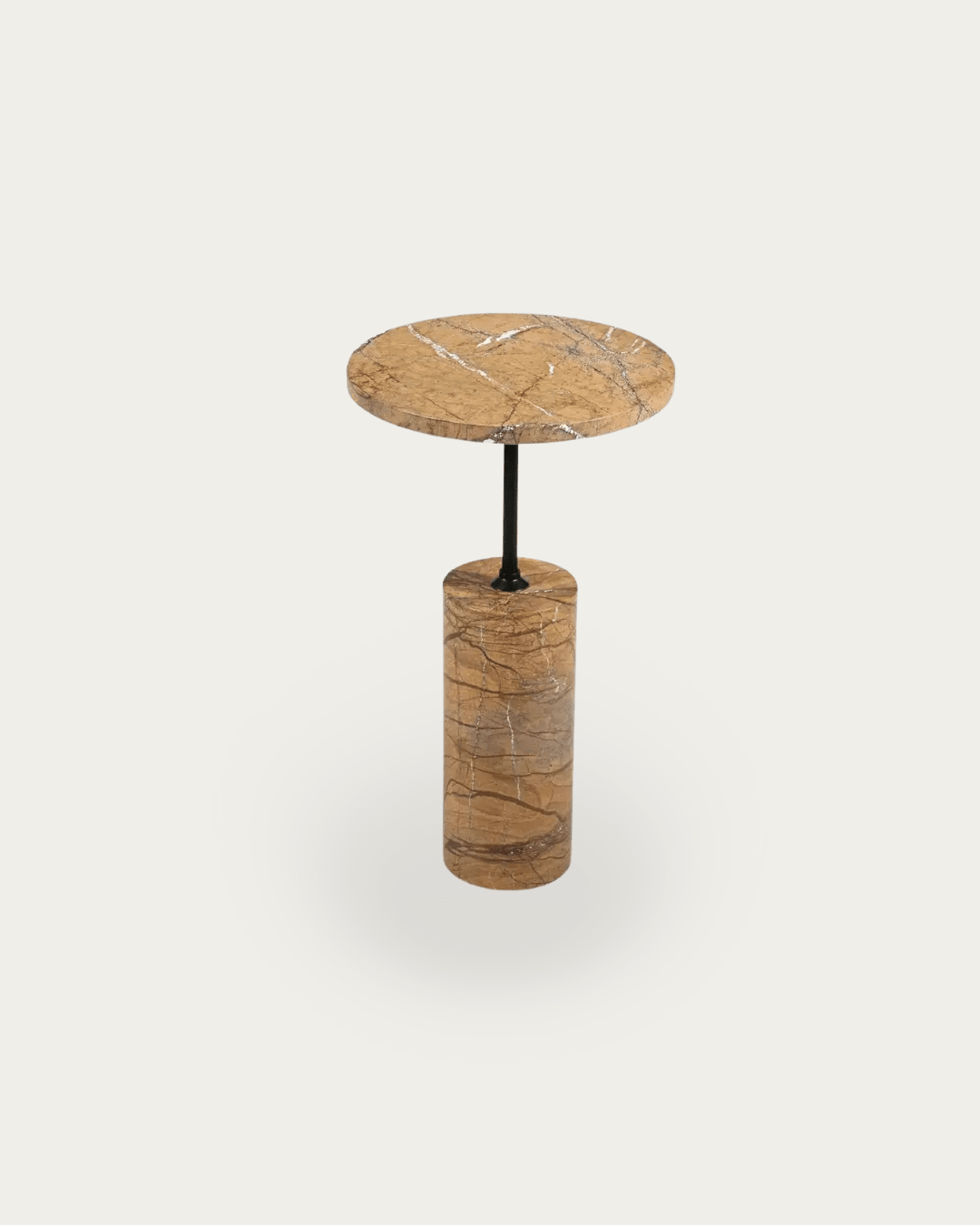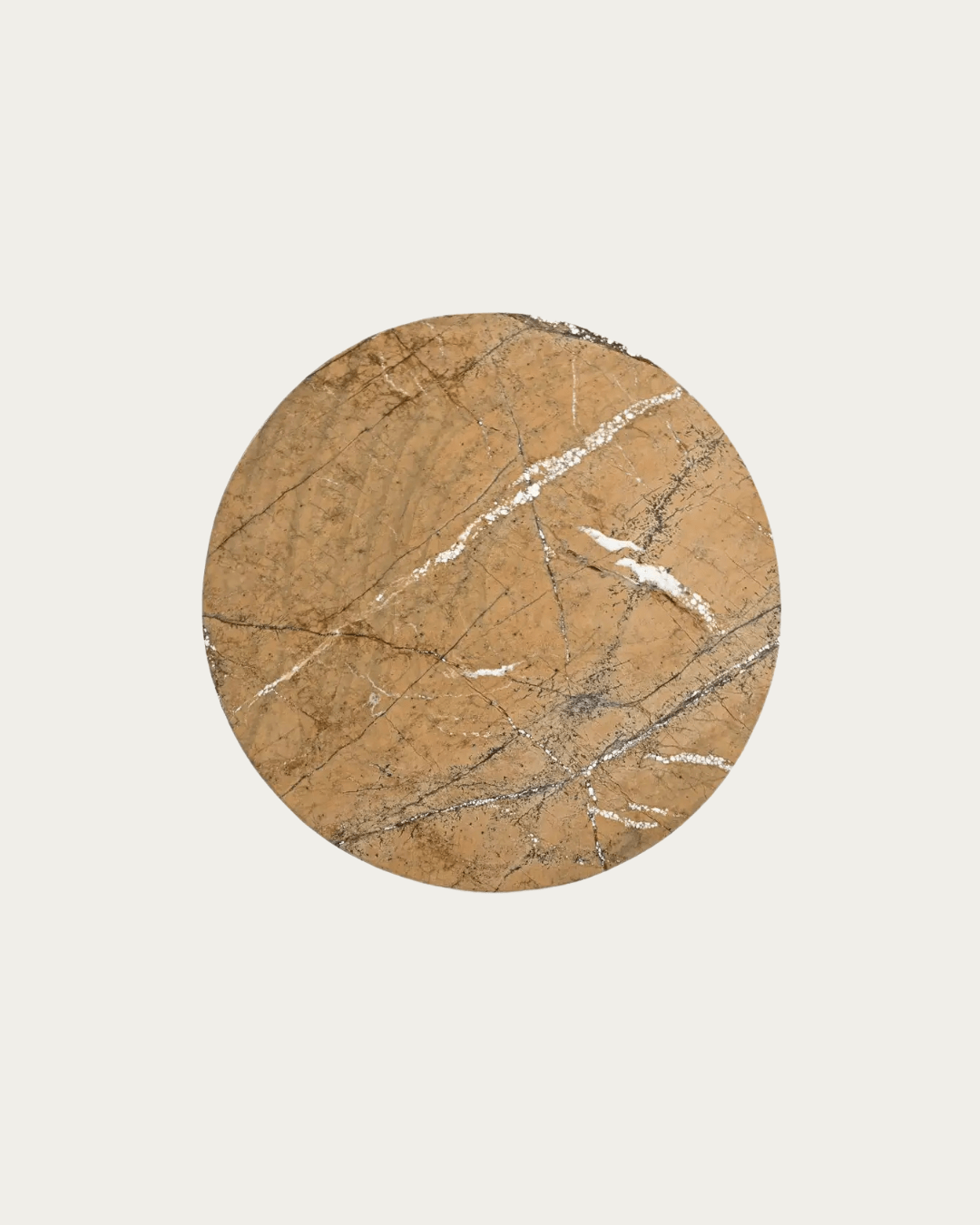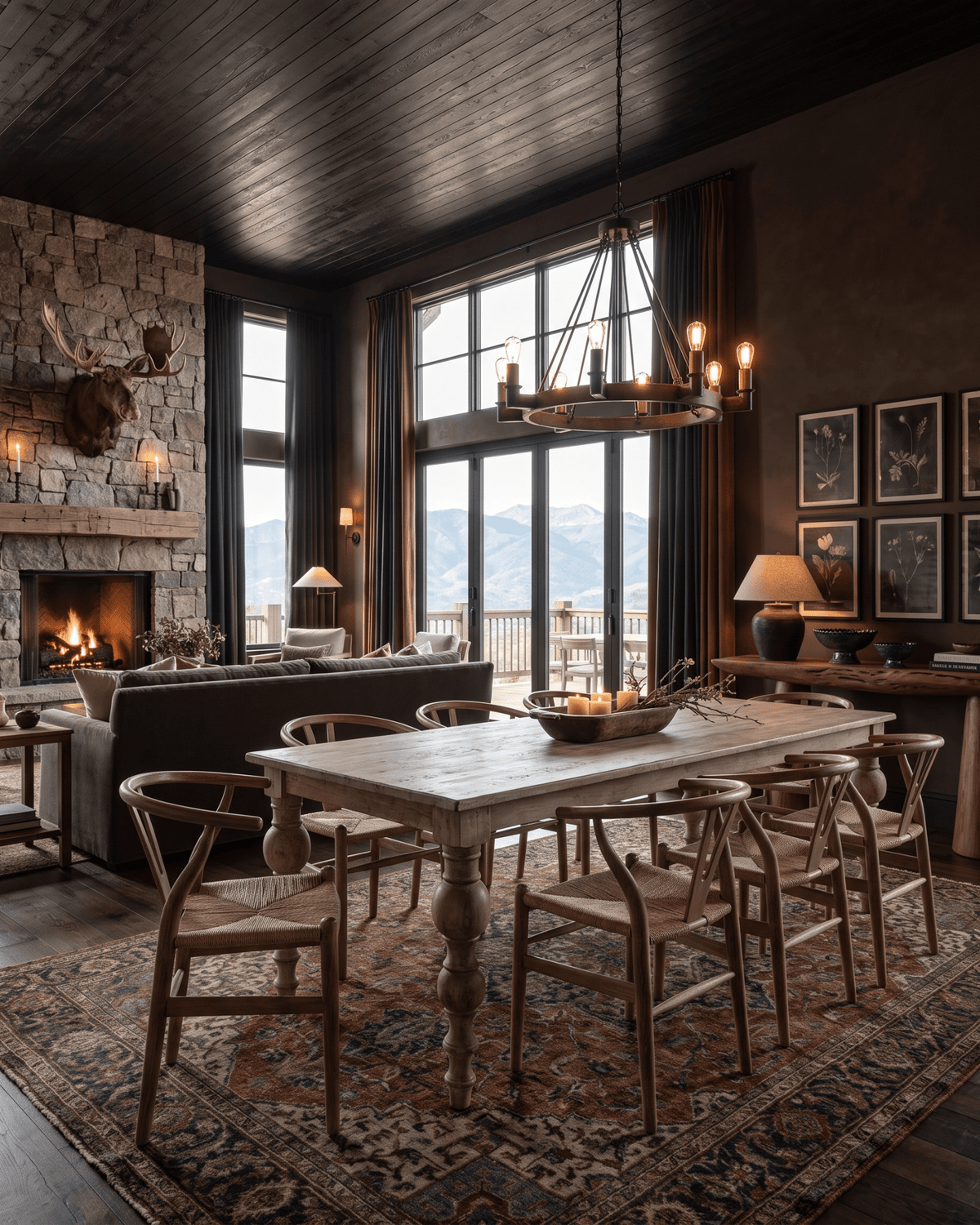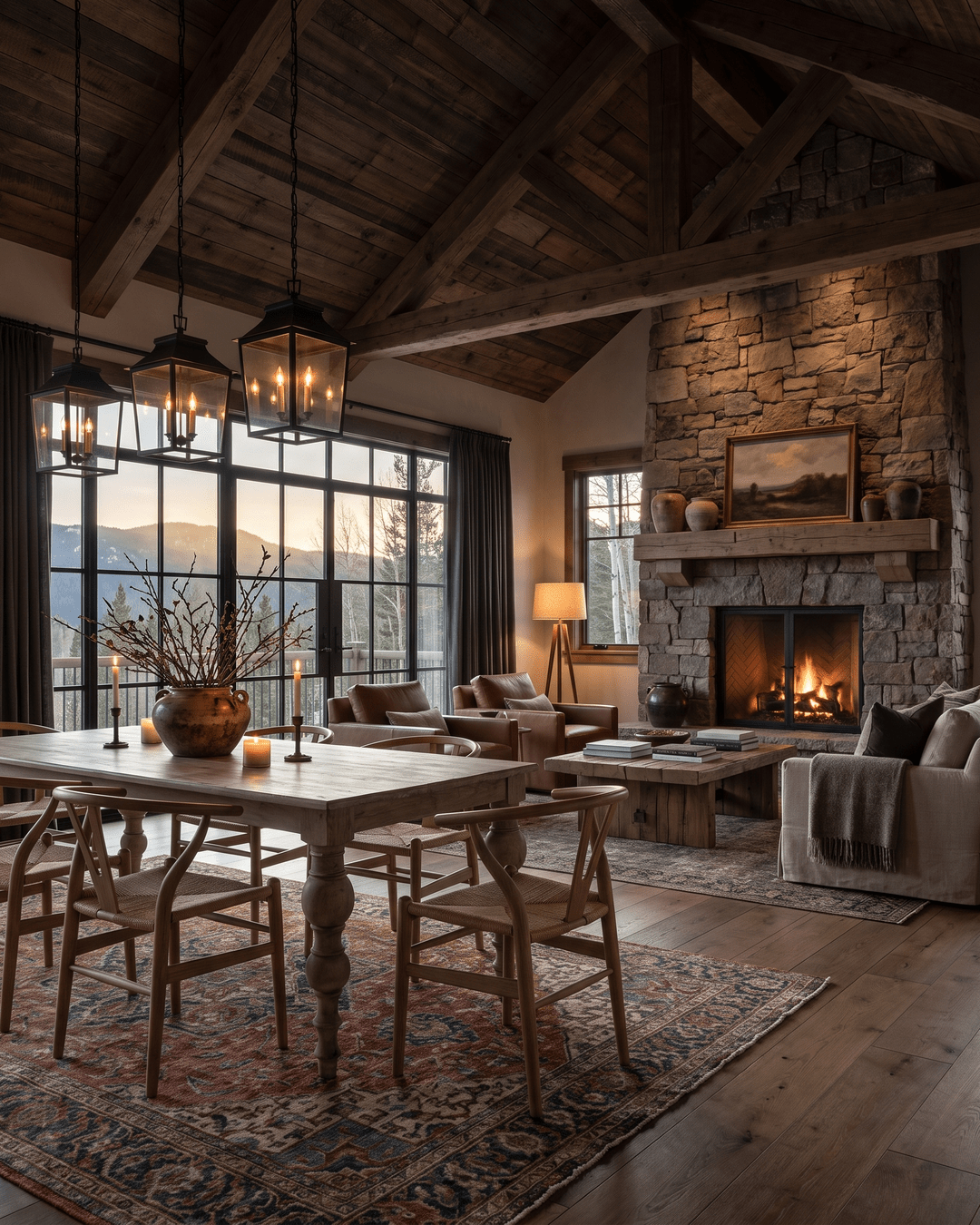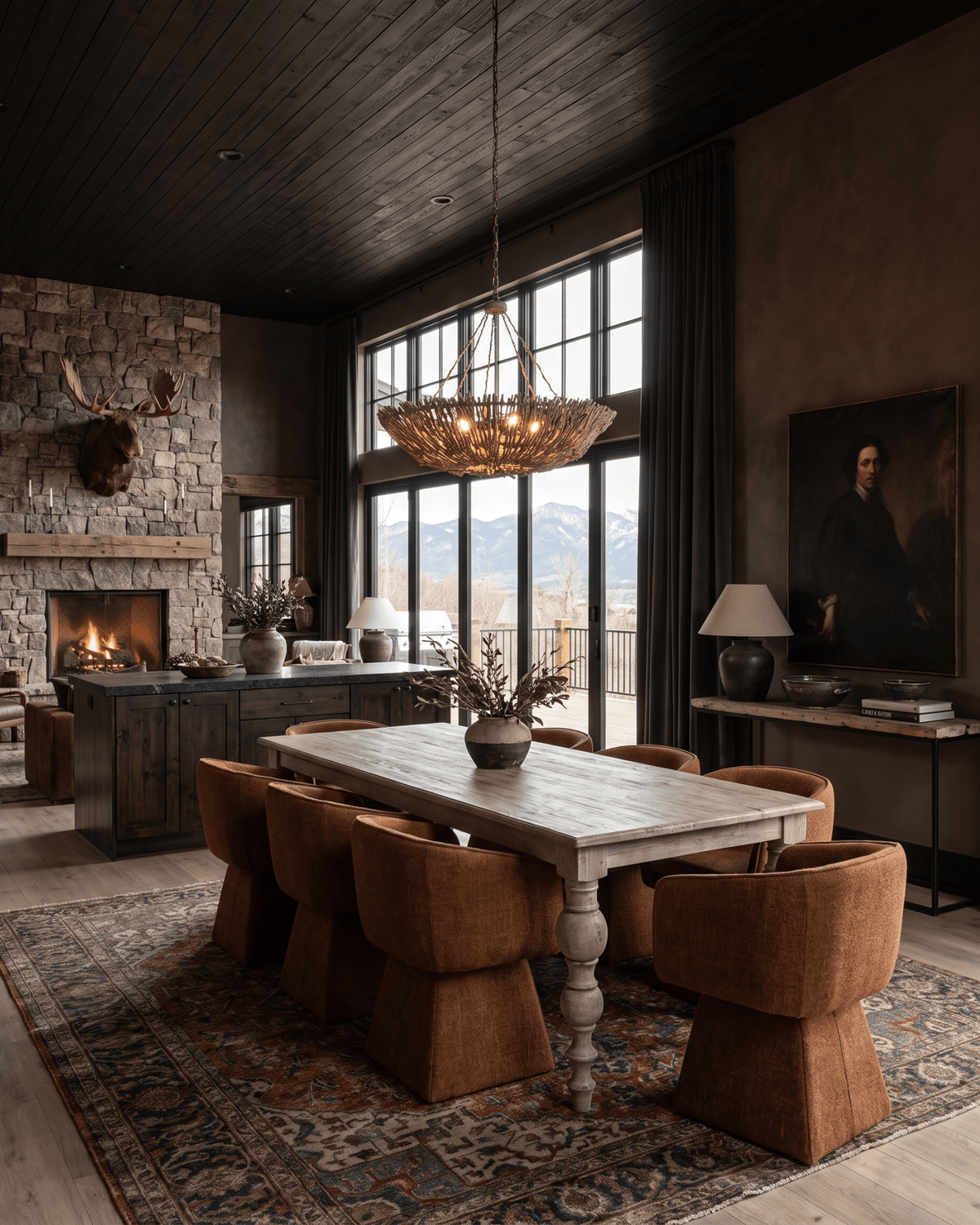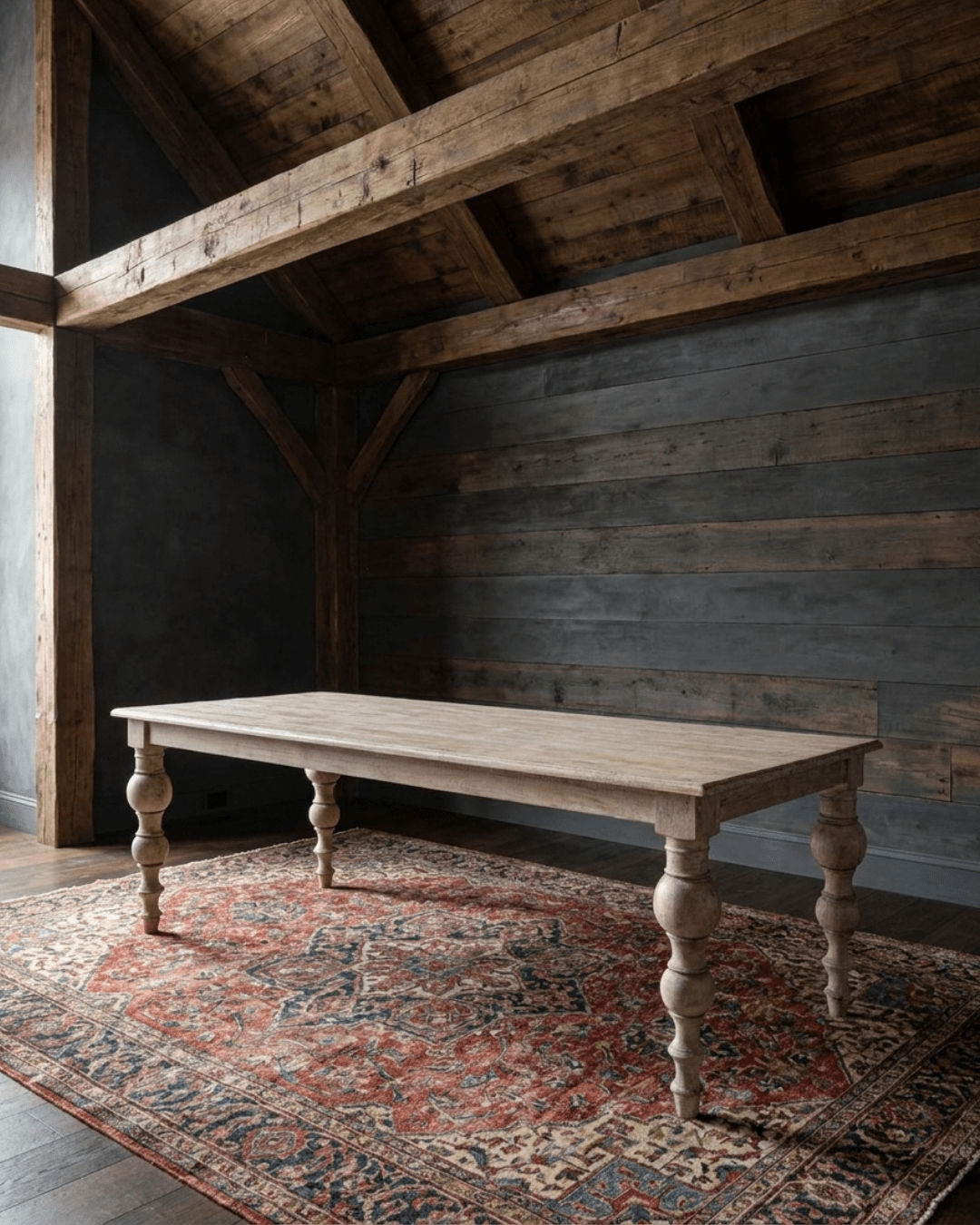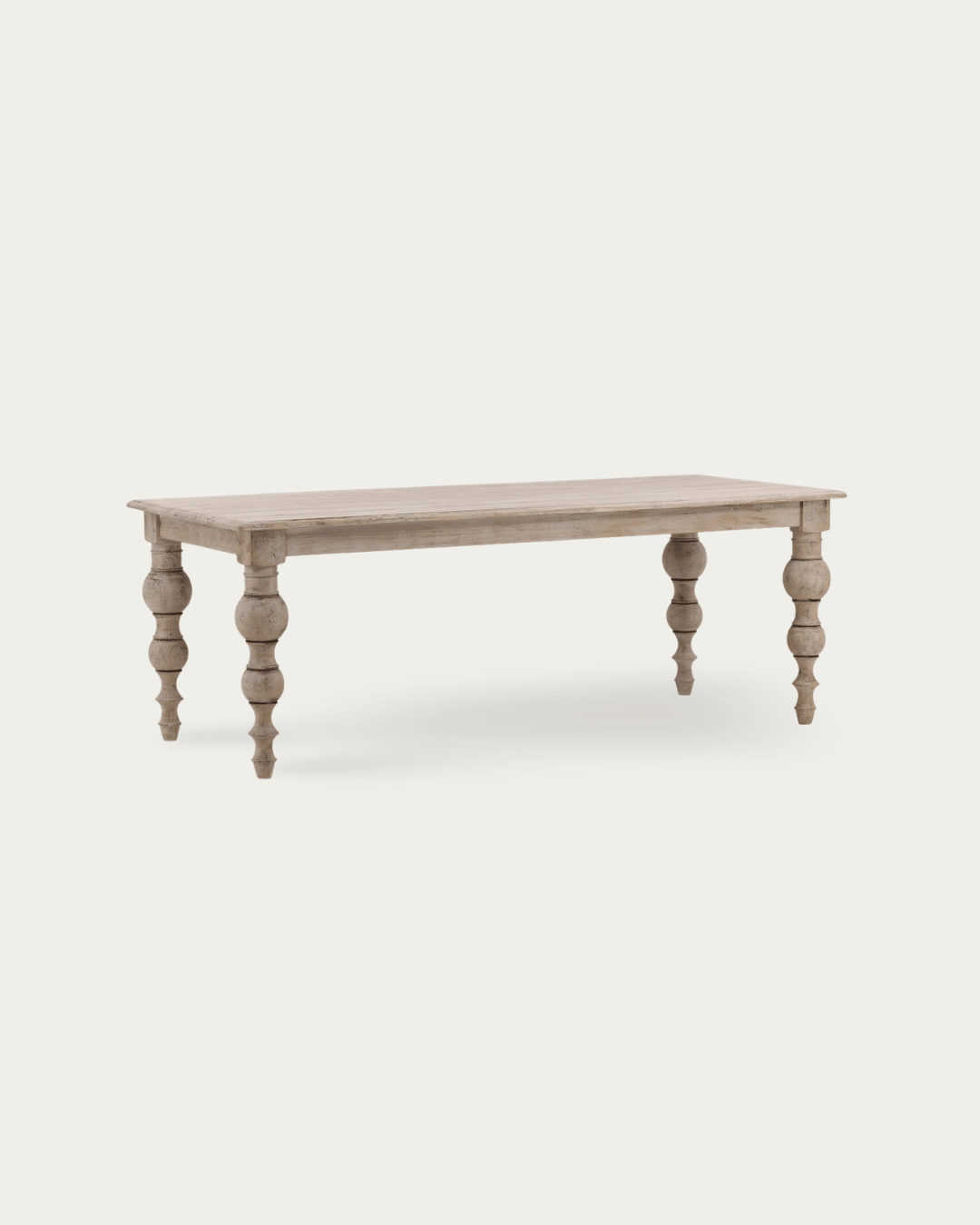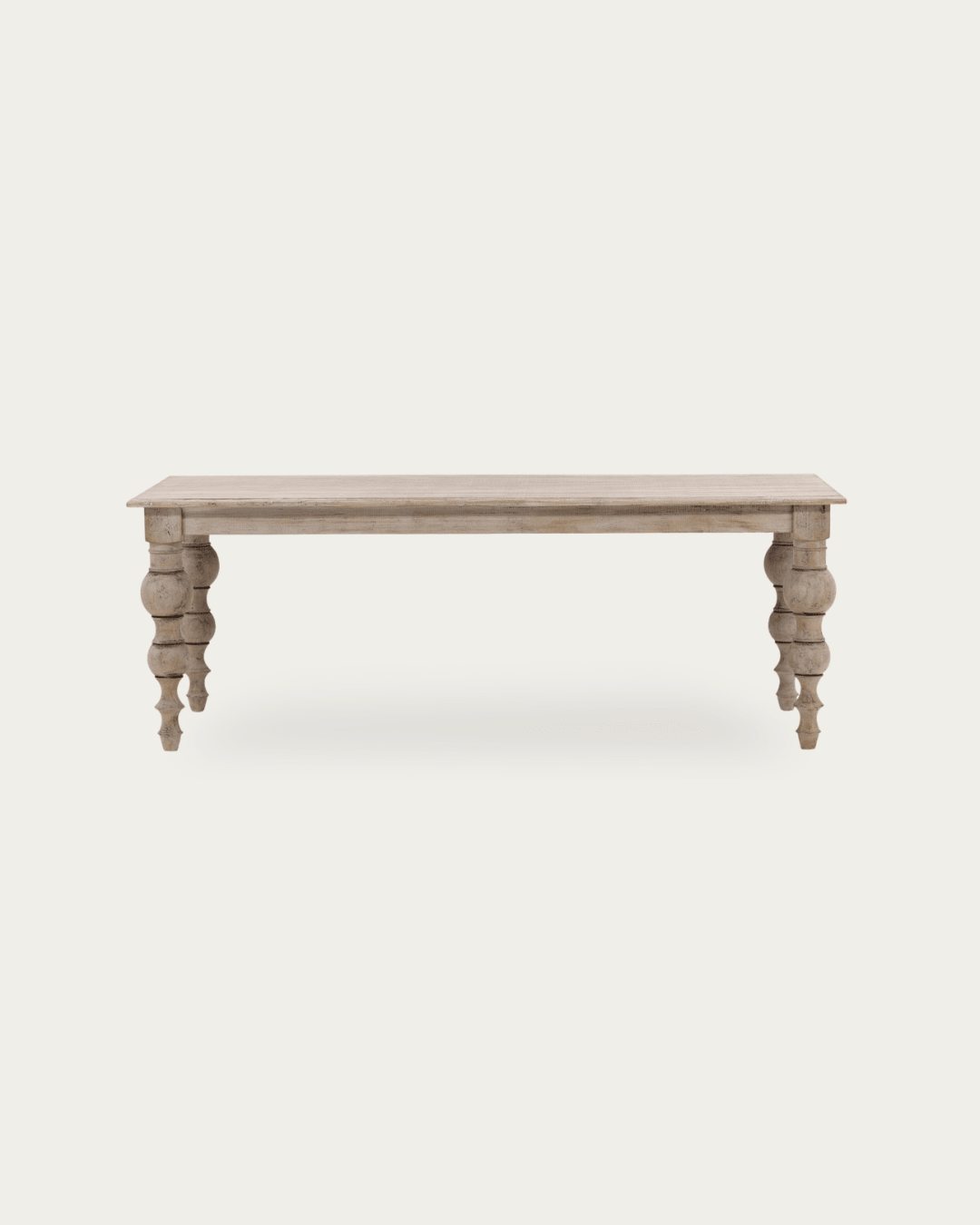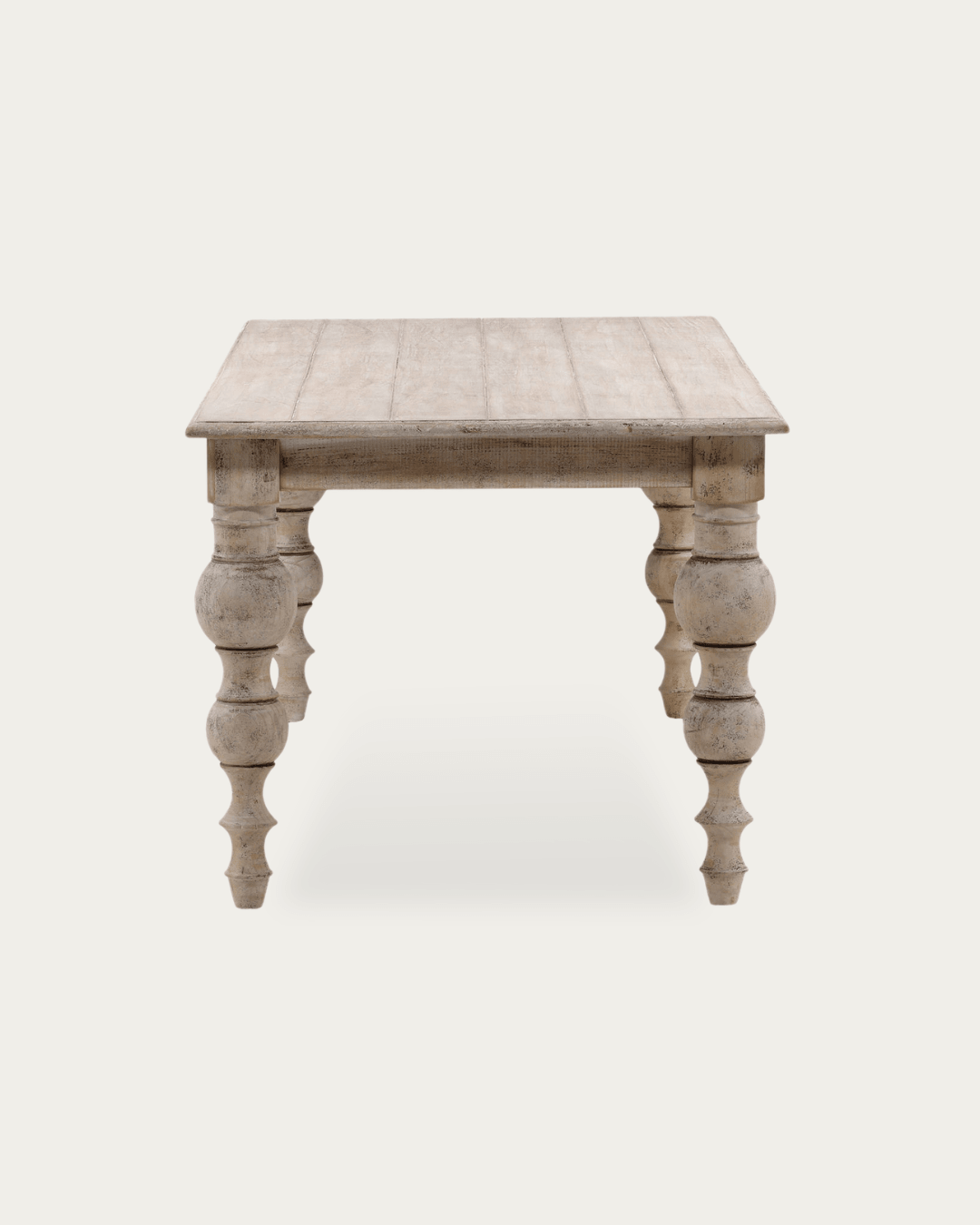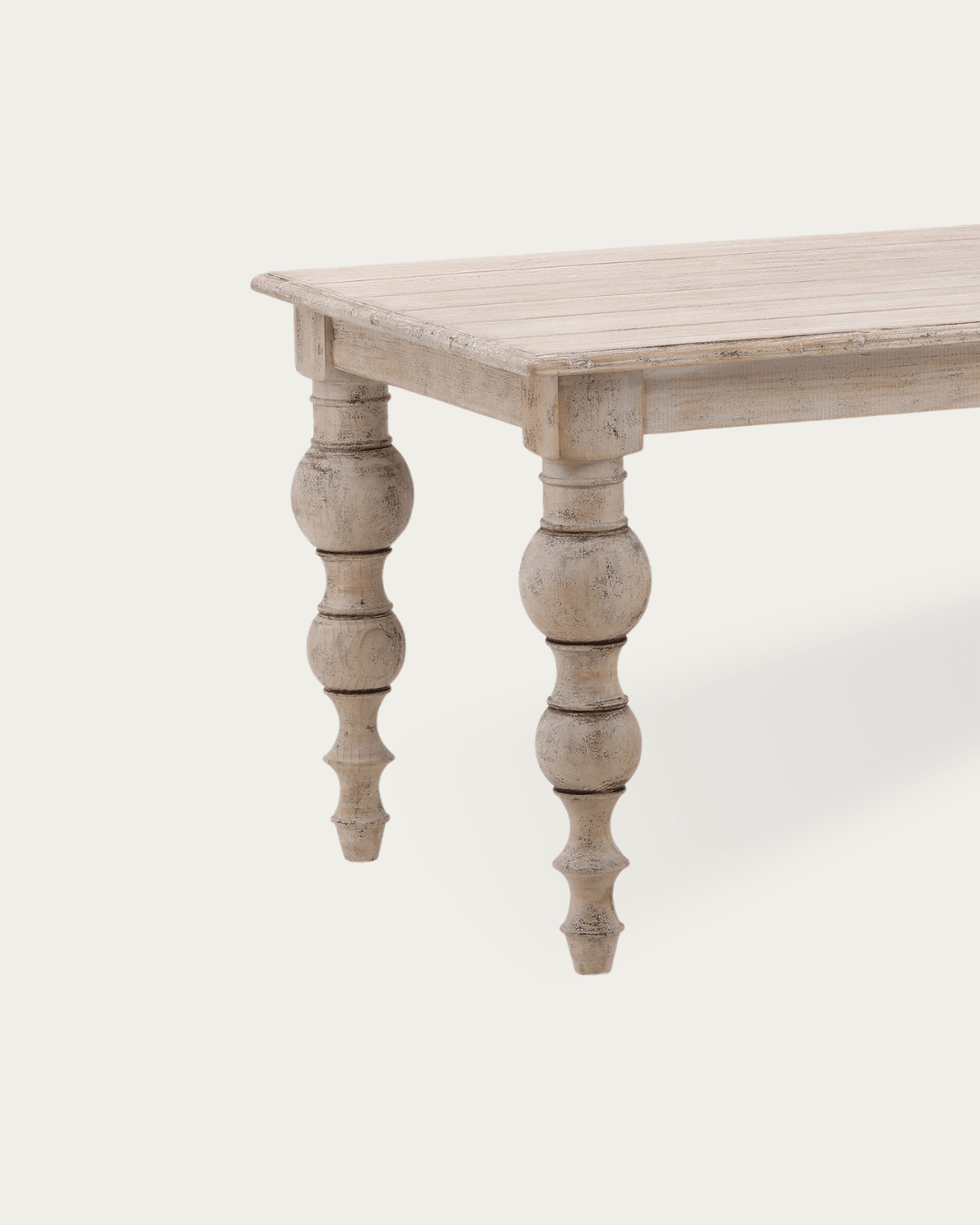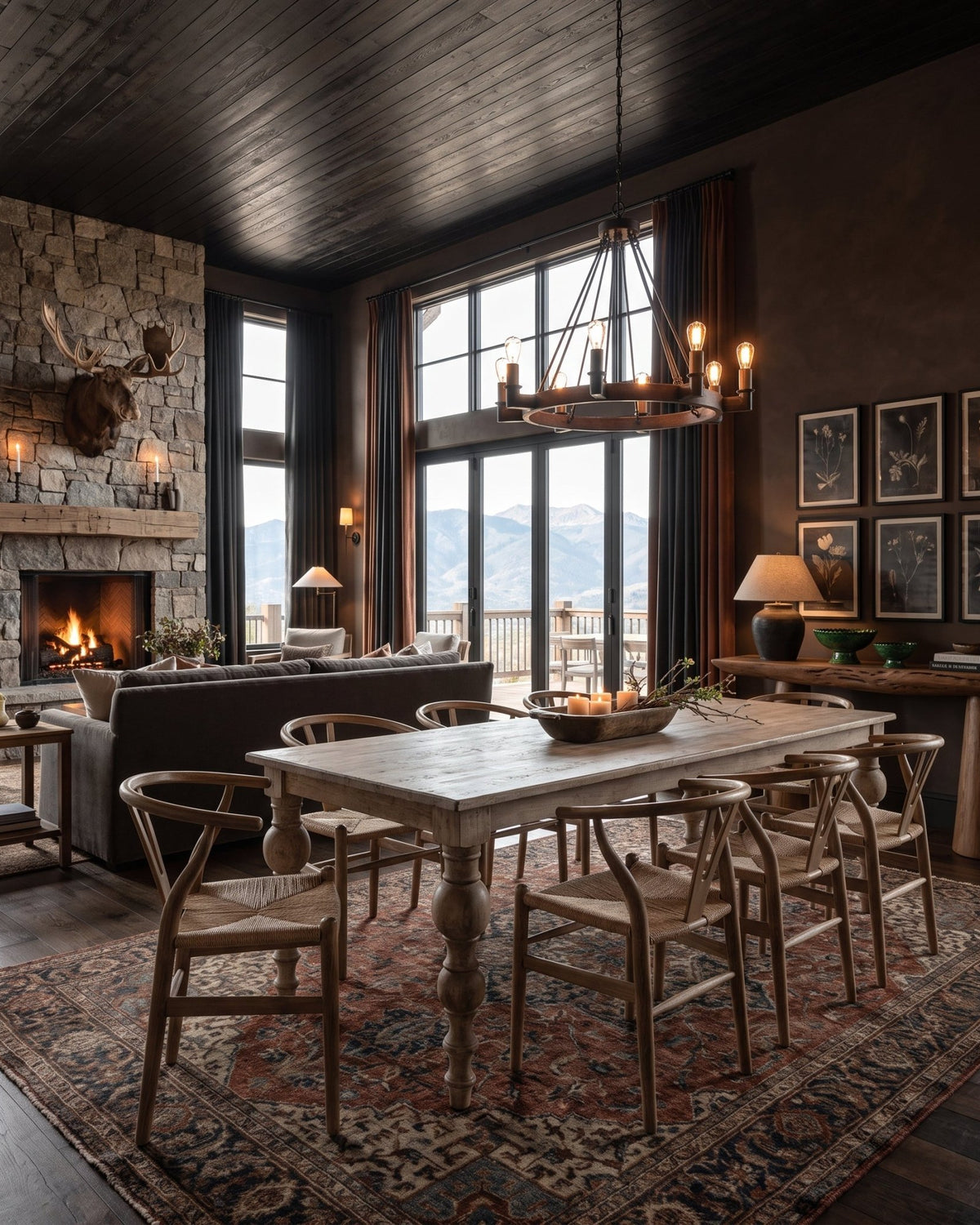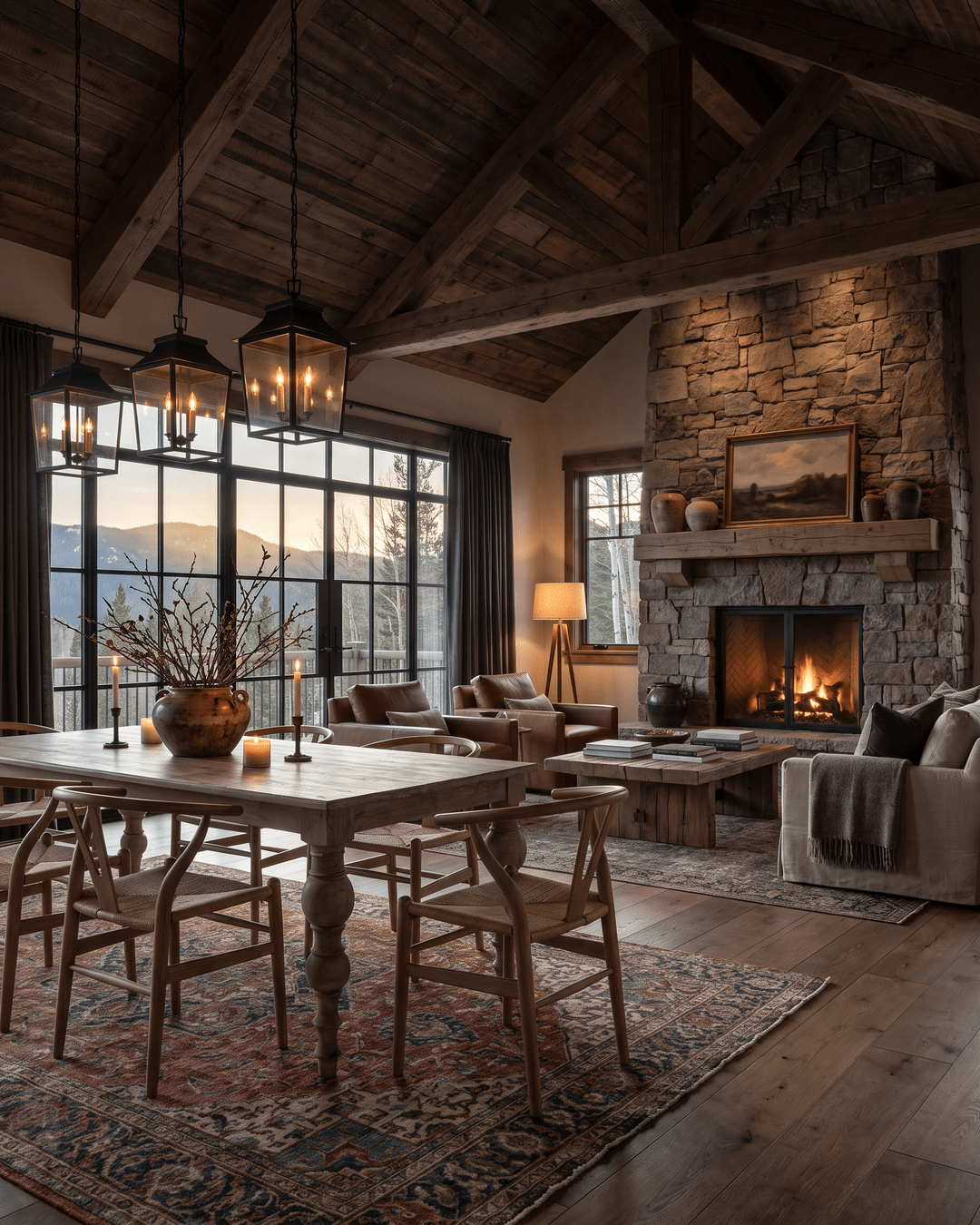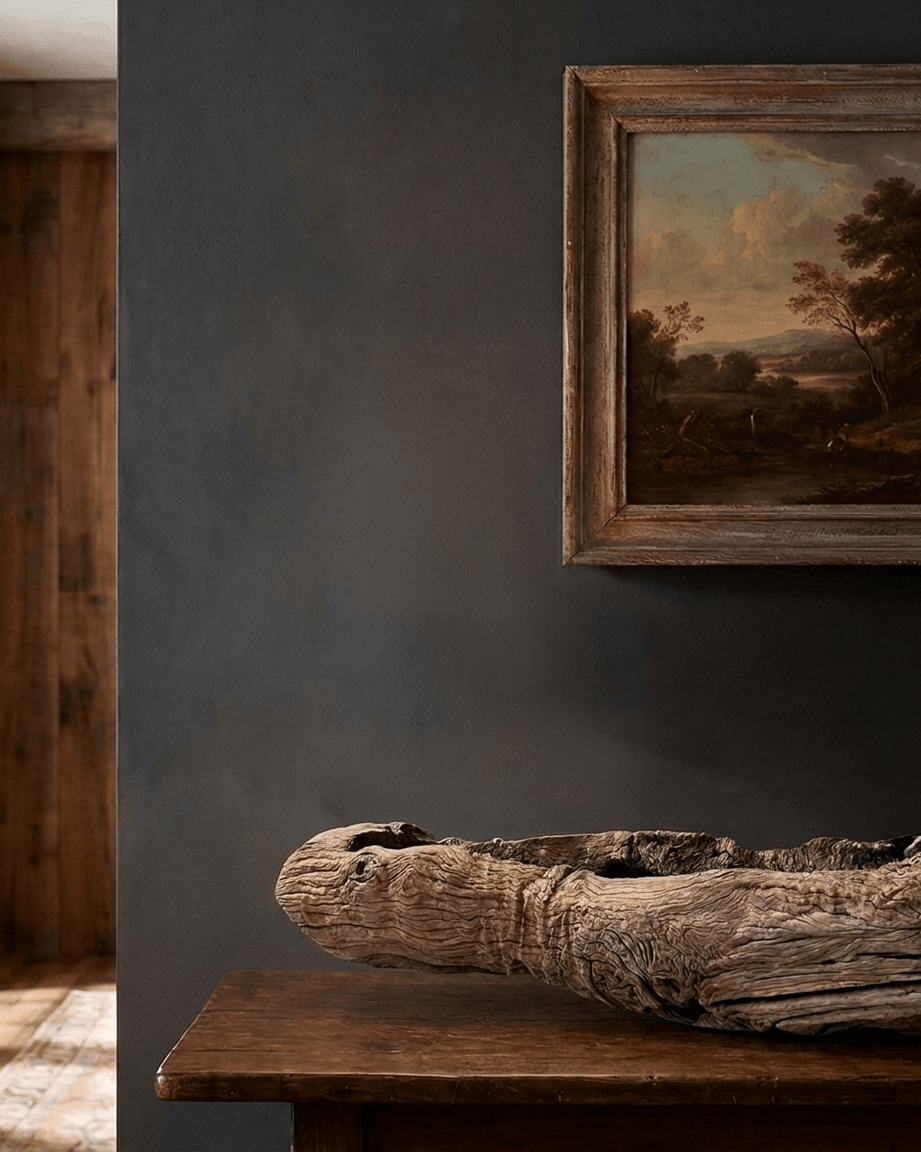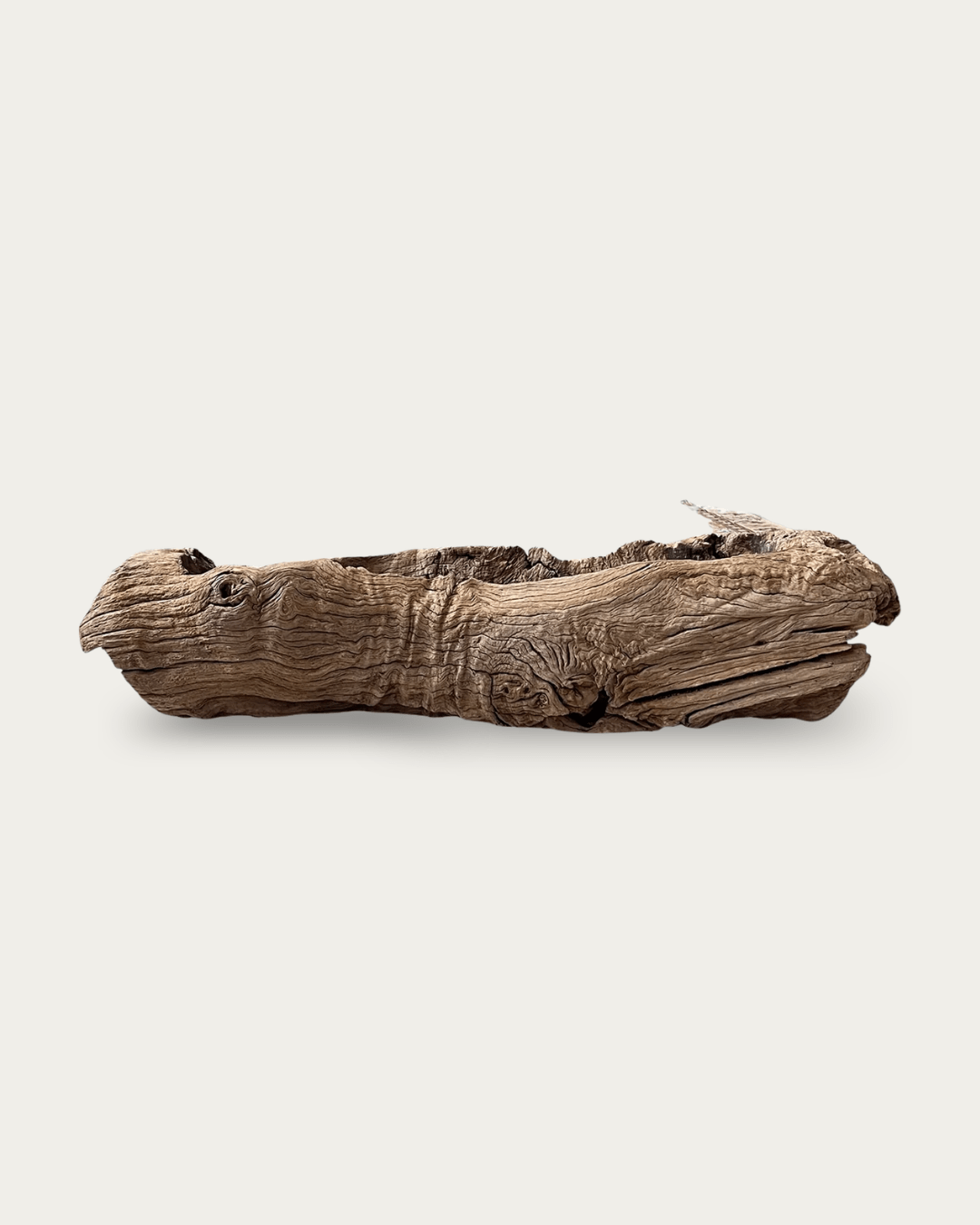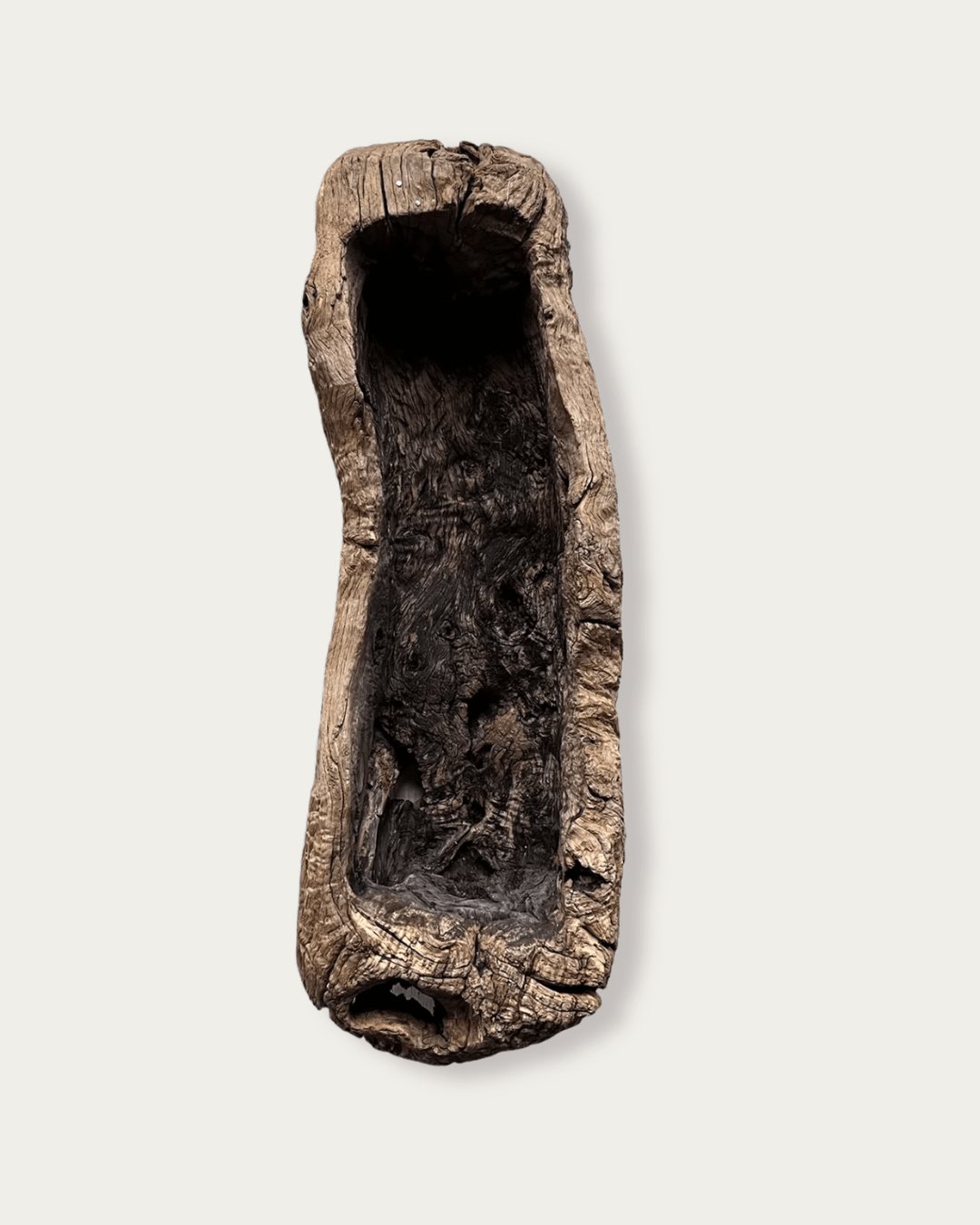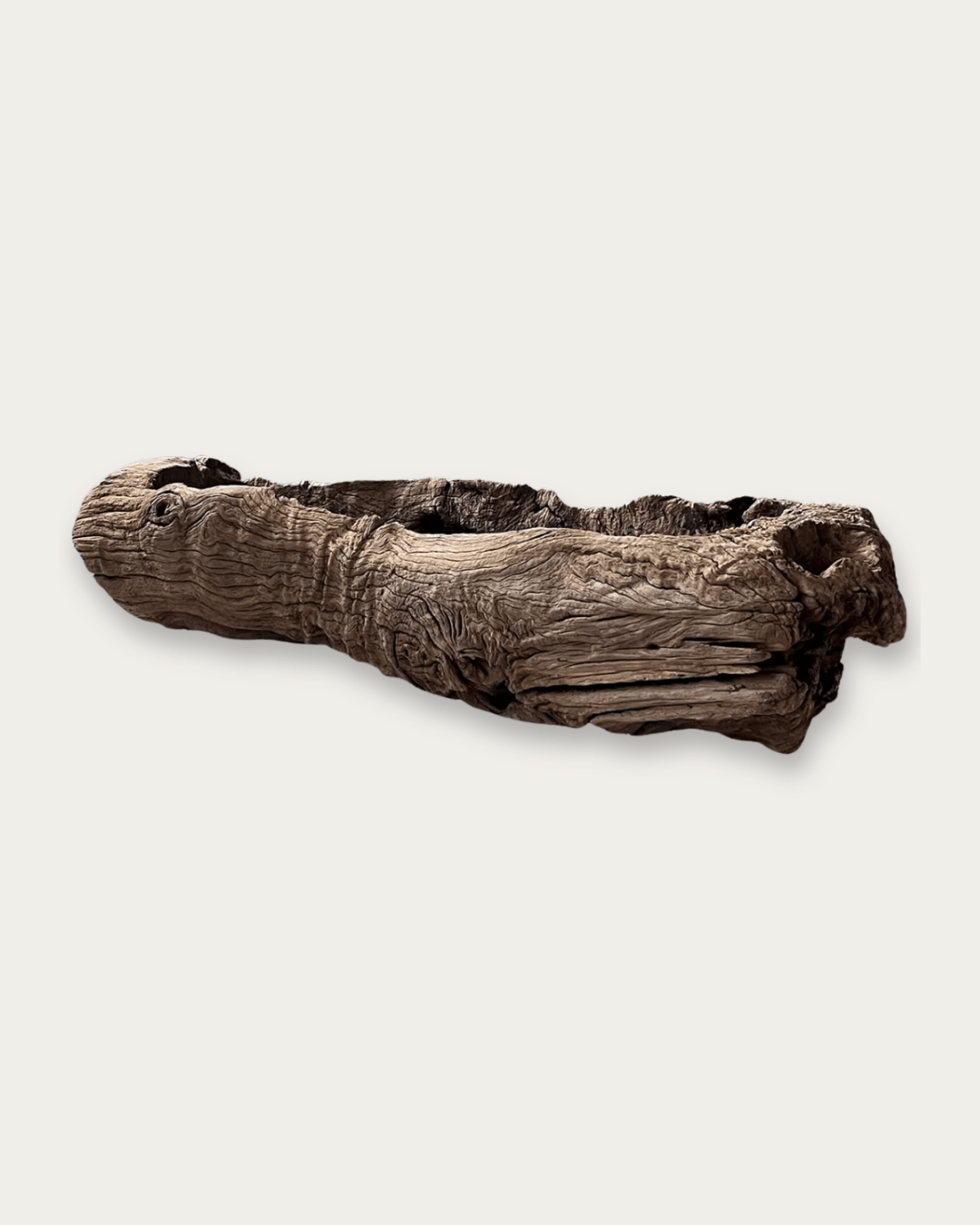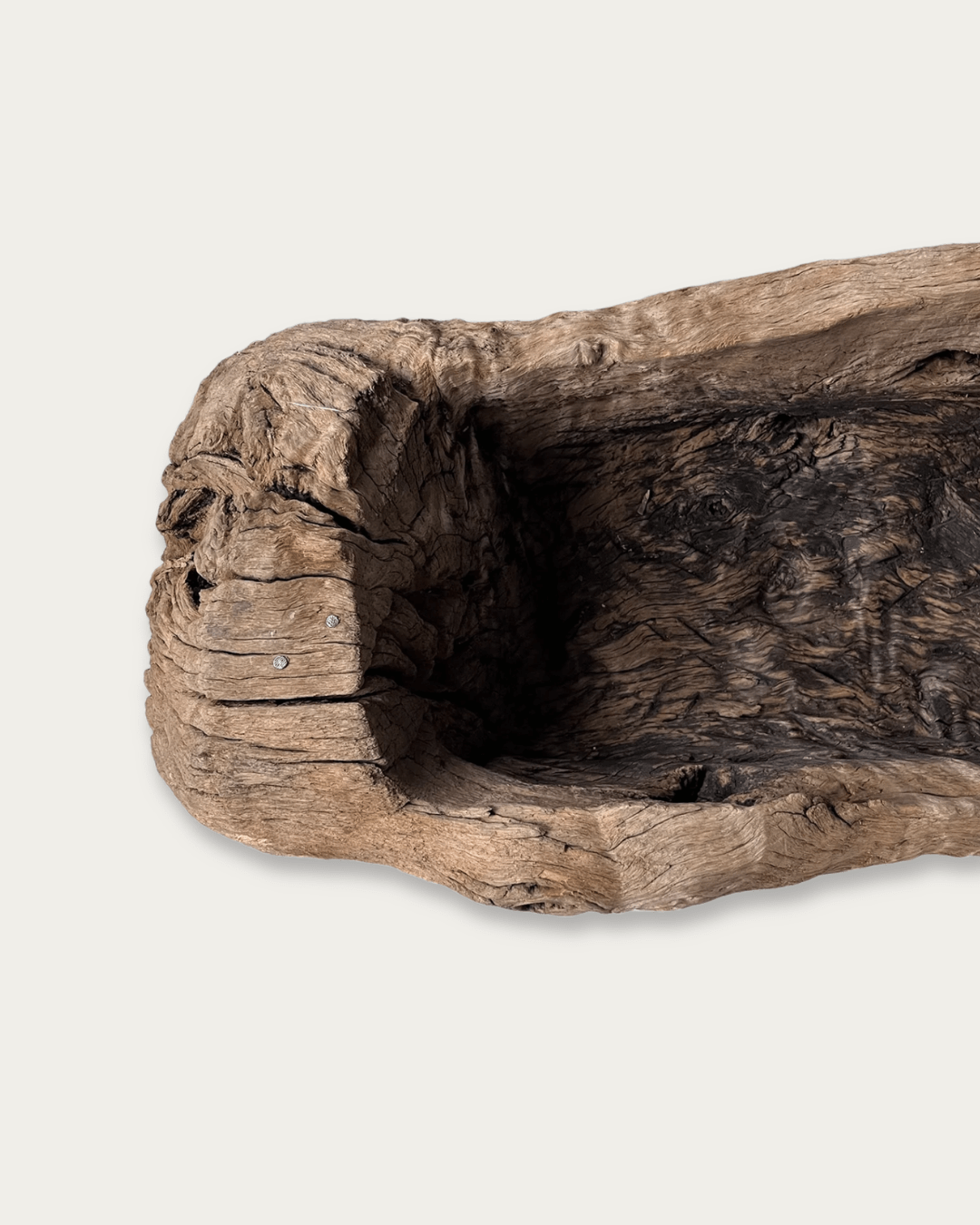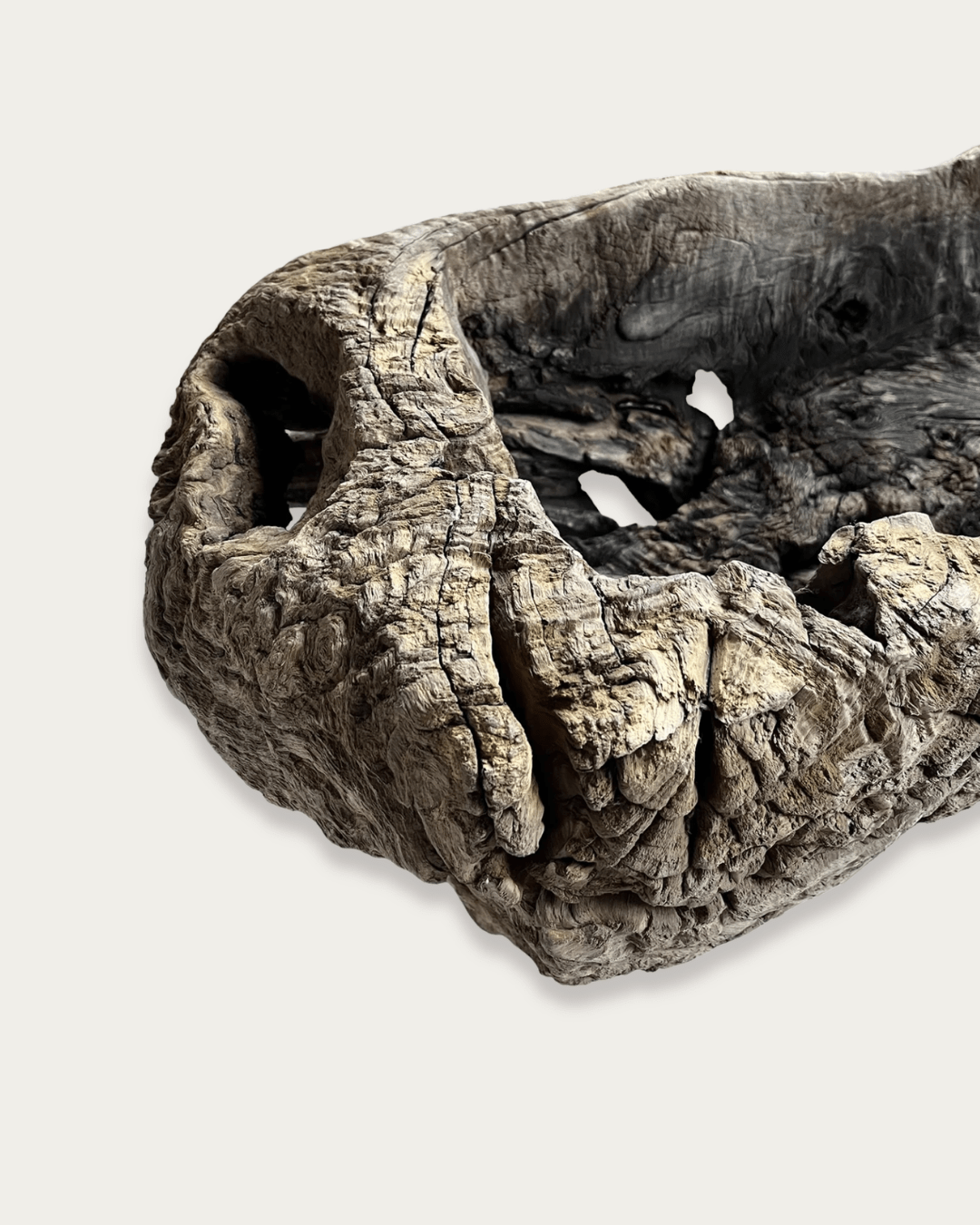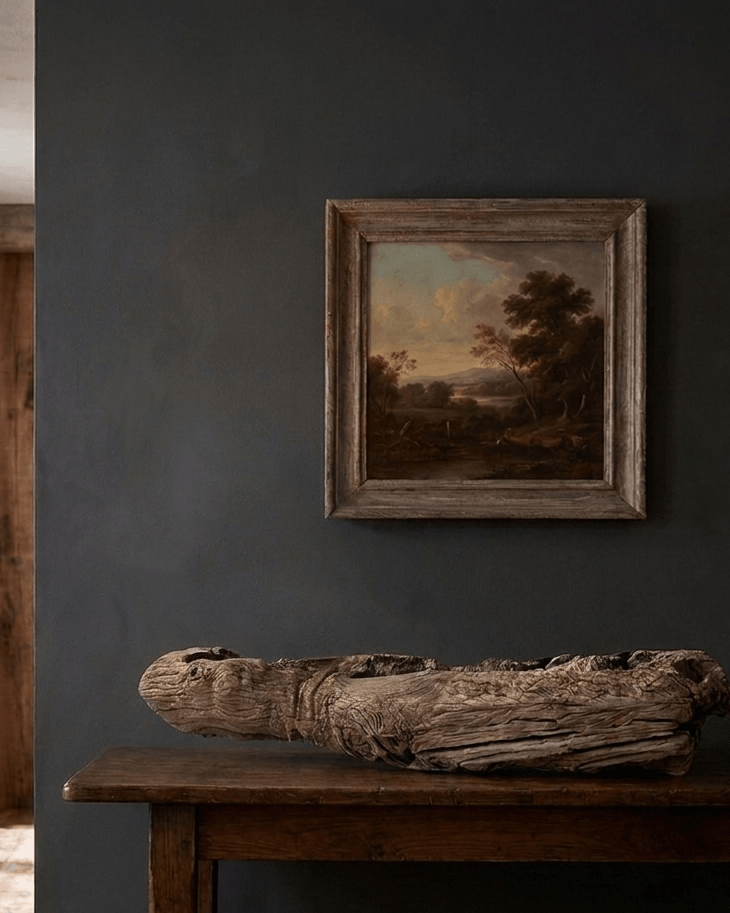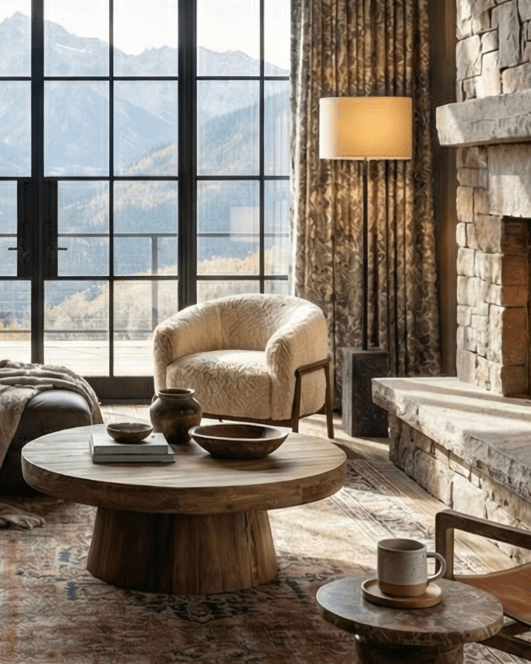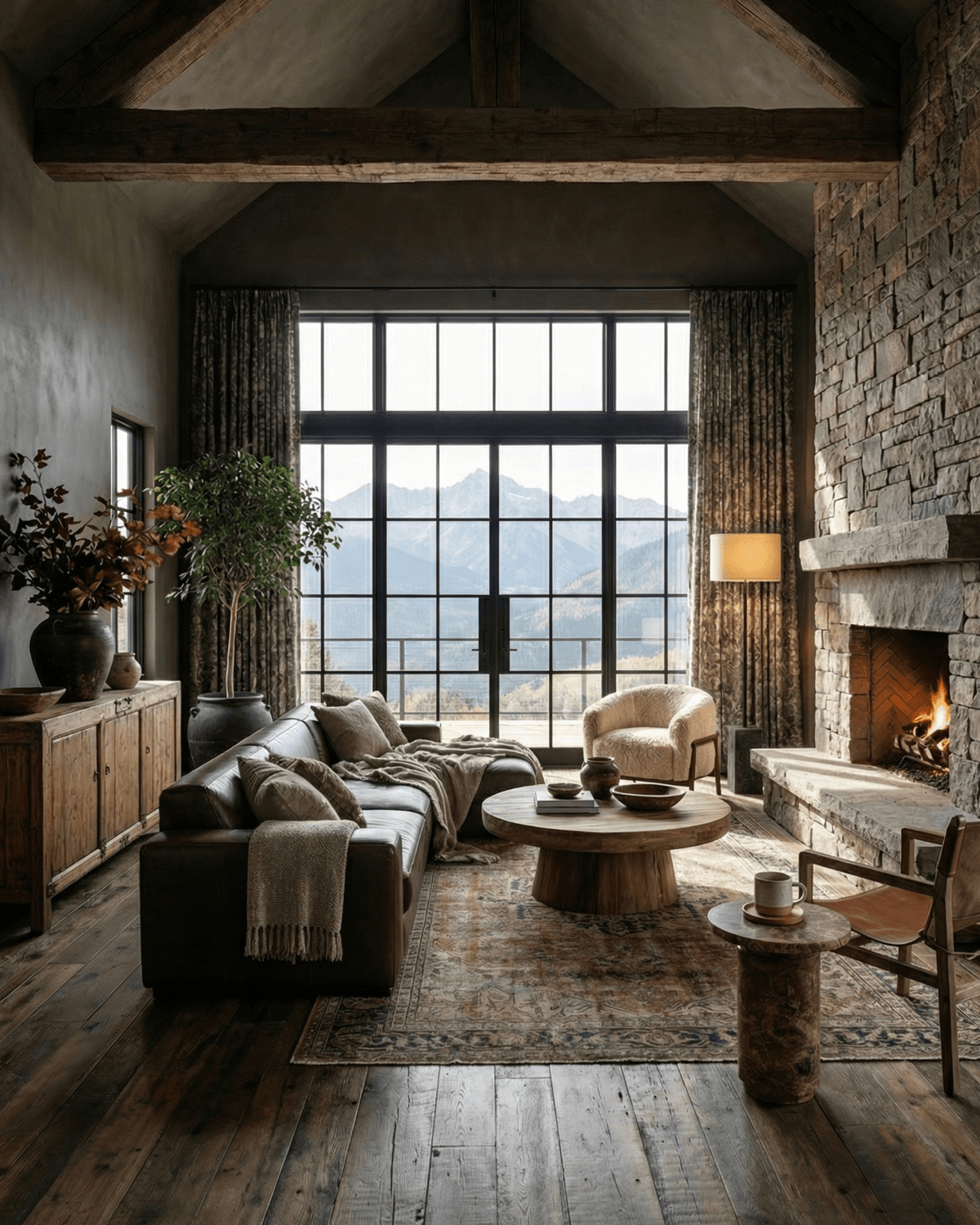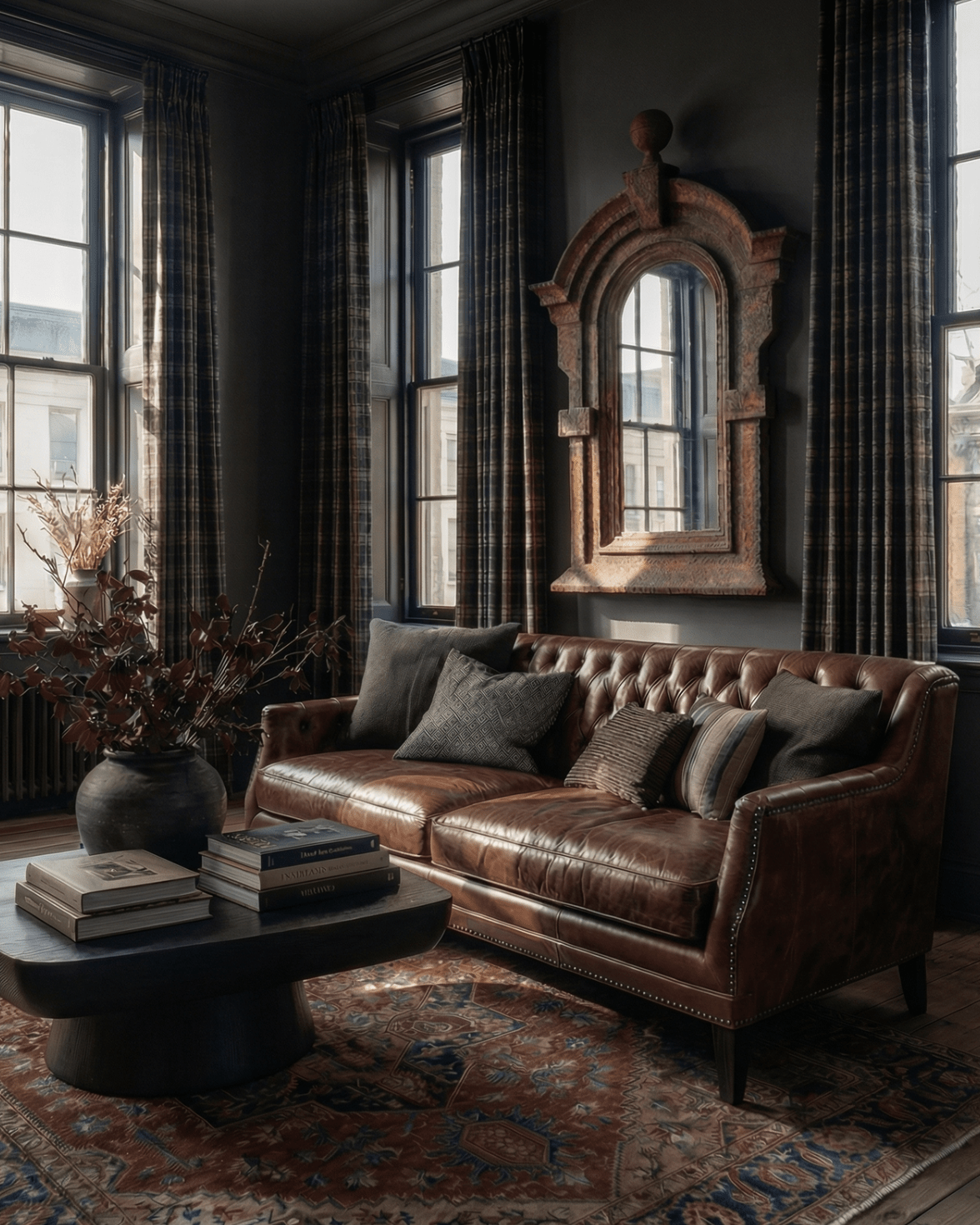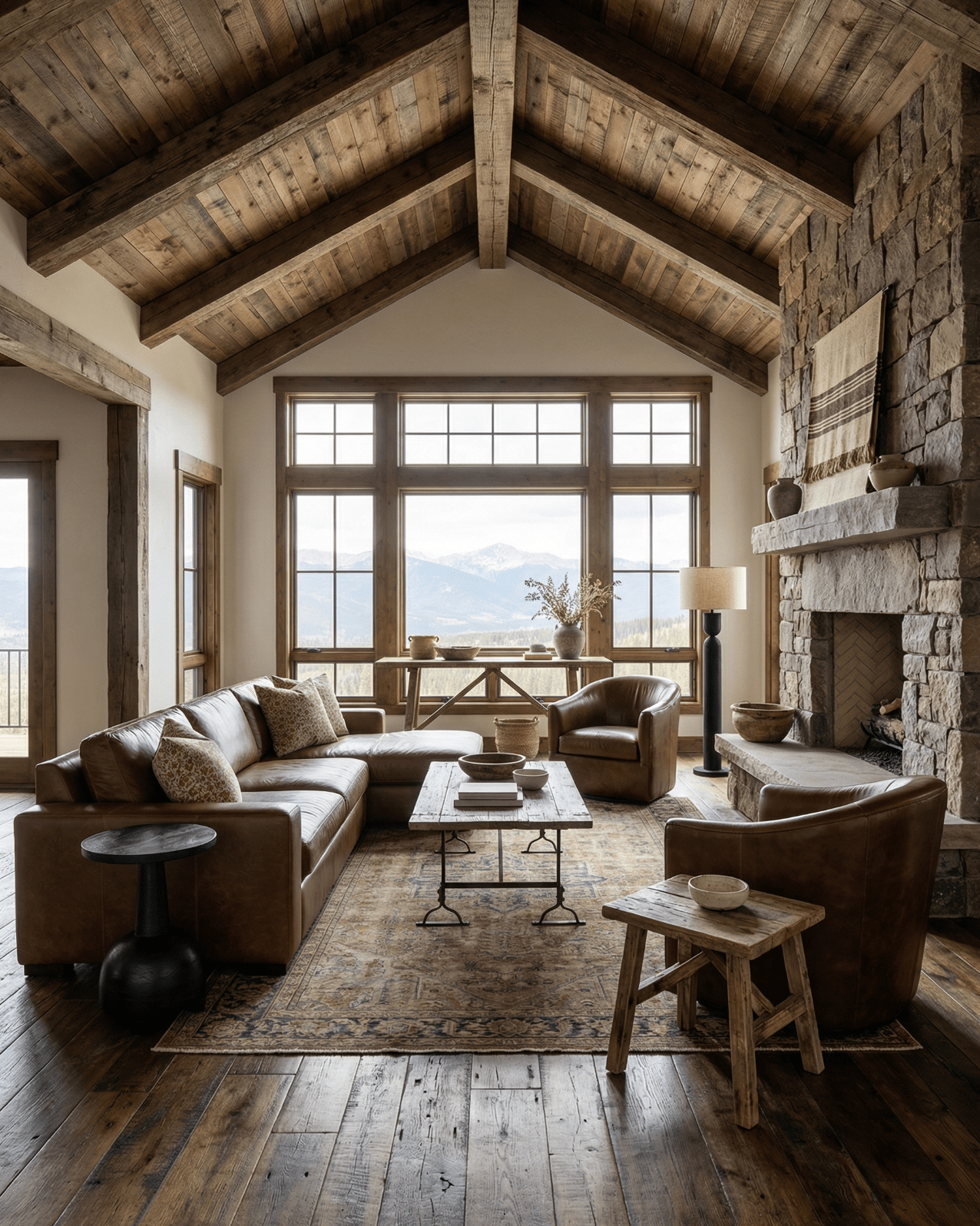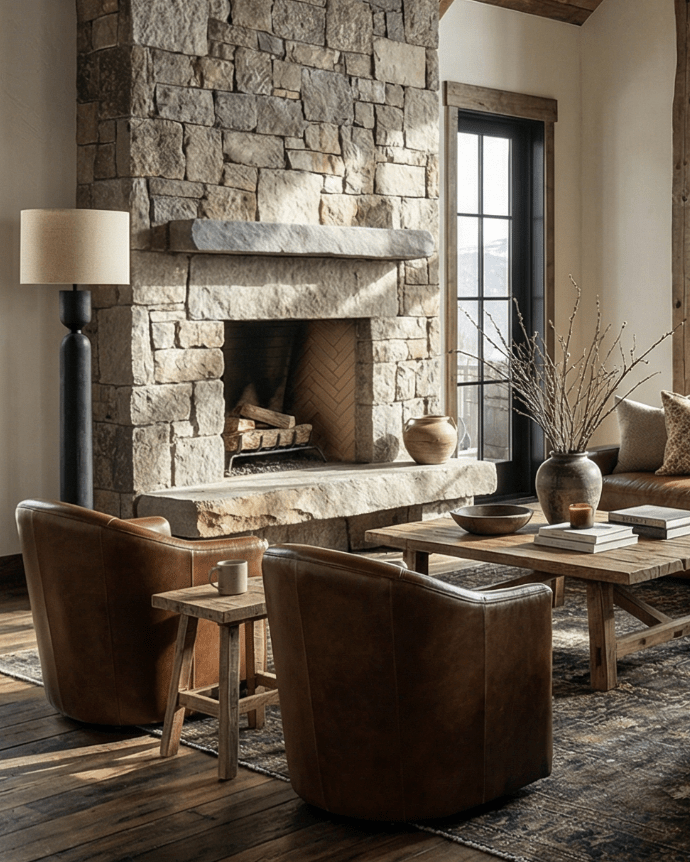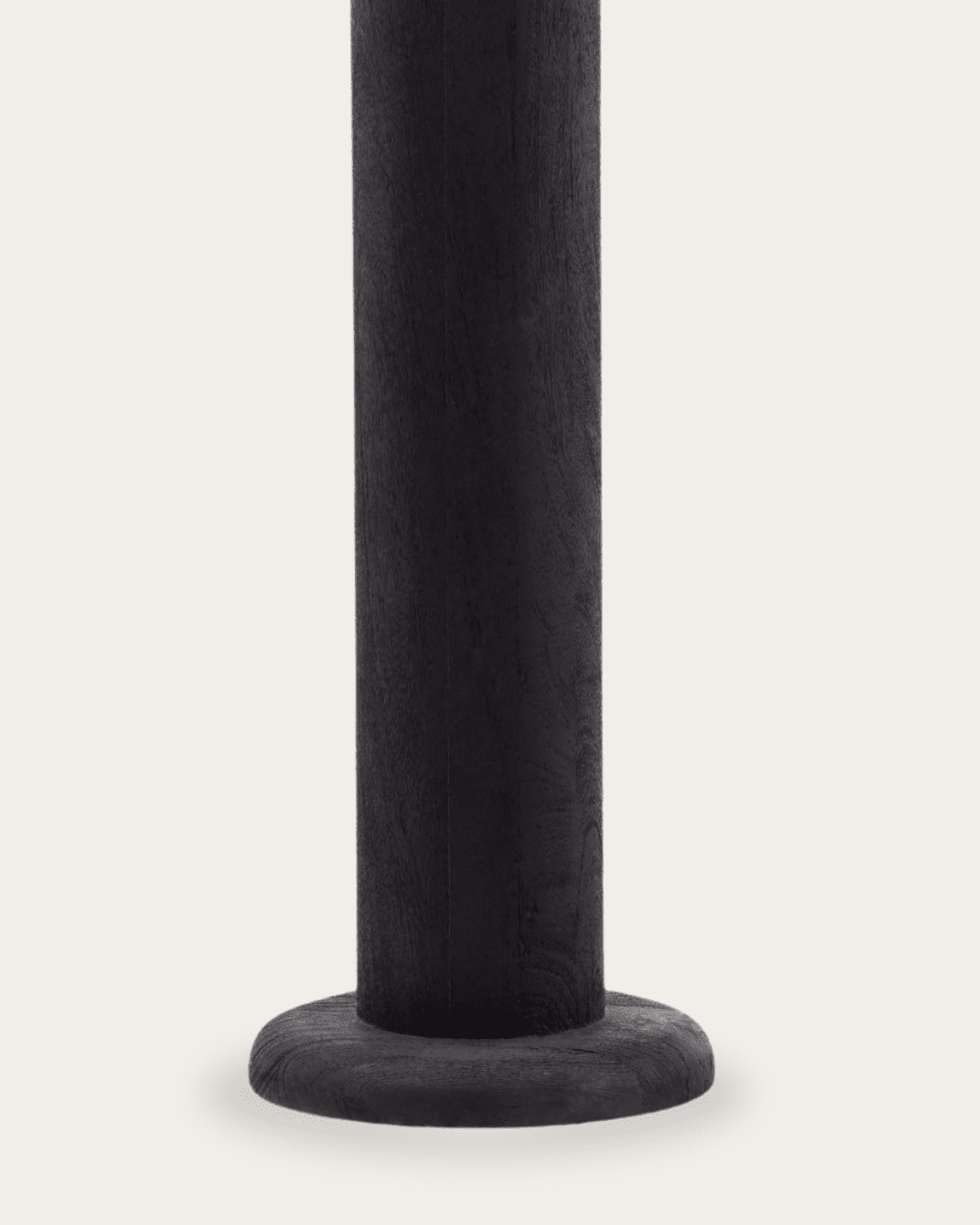








Most people don’t think twice about the material of their coffee table—they choose what looks clean, modern, or easy. But if your living room feels slightly off, too sharp, or harder to settle into, the issue might not be your layout or styling. It might be the surface sitting right at the center. A wood coffee table doesn’t just change how a room looks—it changes how it feels to be in.
If you’re building a space that feels grounded and easier to live in, start here:
Shop coffee tables collection
Wood vs Glass: The Difference You Actually Notice
At a glance, glass and wood can achieve similar visual goals. Both can feel minimal. Both can sit quietly in a space.
But they behave very differently.
Glass reflects. It creates sharp edges and visual interruptions. It often feels lighter, but also more exposed. Your eye doesn’t rest—it keeps moving.
Wood absorbs. It softens edges, reduces glare, and creates a stable visual anchor. Instead of bouncing your attention around the room, it gives your eye somewhere to land.
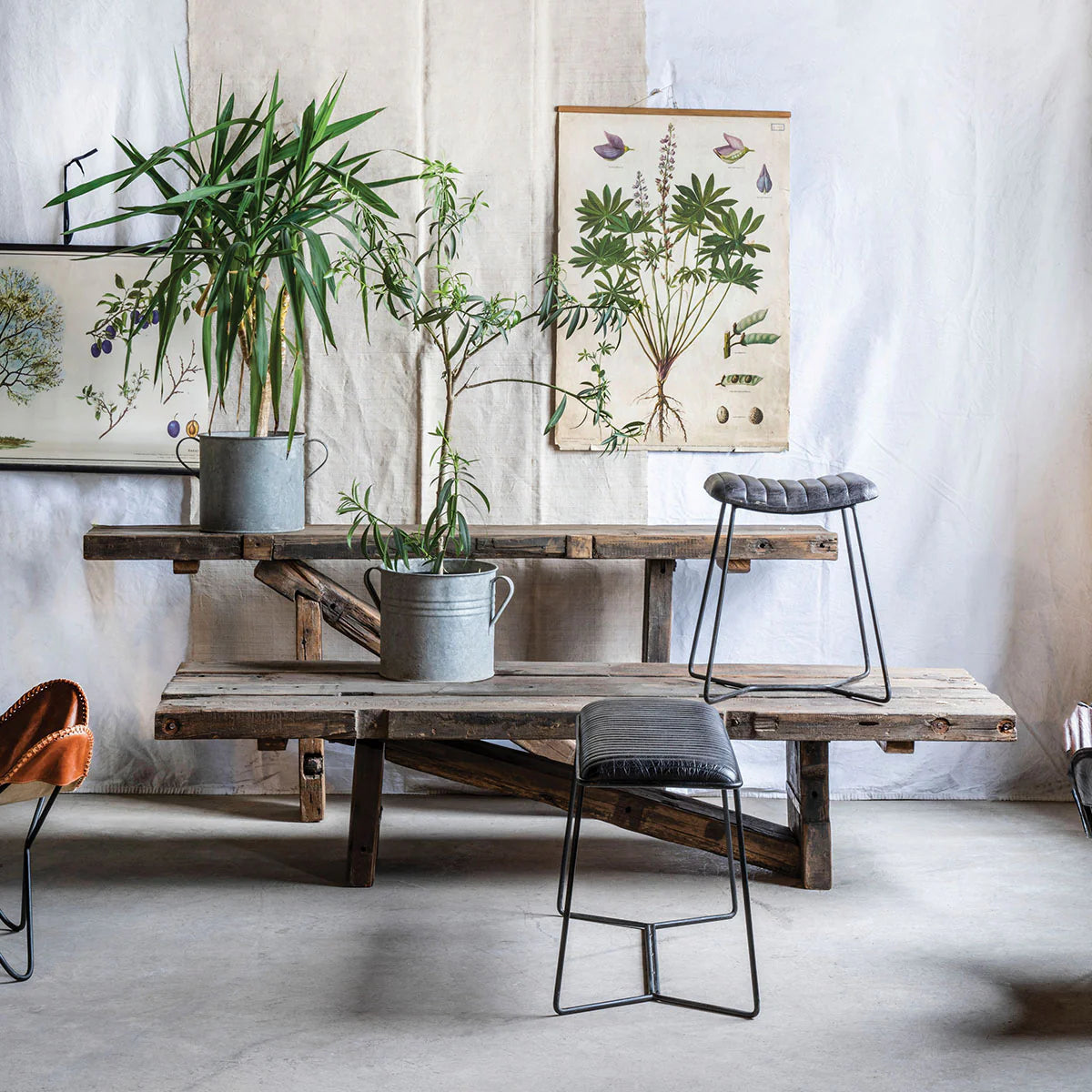
A piece like the Villum coffee table introduces that grounded presence immediately, while something like the Ronette coffee table balances structure with a softer visual edge.
This isn’t about style preference.
It’s about how your space is processed.
Why Wood Feels More Comfortable (Even If You Don’t Notice It)
There’s a reason wood shows up across interiors, architecture, and even nature-inspired design.
Your brain is wired to respond to it.
Natural materials like wood carry irregularity—grain, tone variation, subtle imperfections. These details signal familiarity. Your brain recognizes them quickly, which reduces the need to constantly scan and interpret the space.
Glass, on the other hand, is uniform and reflective. It introduces more visual variables—light reflections, transparency, edges—which your brain continues to process.
That low-level effort builds.
Wood removes it.
A piece like the Yrla coffee table works because it carries natural variation that grounds the room, while the Solva coffee table adds structure without creating visual tension.
The result is subtle—but consistent.
Wood Anchors a Room Better Than Glass
One of the most common layout issues is lack of a clear center.
Glass tables often disappear visually. While that can seem like a benefit, it actually removes the anchor your layout needs.
Without that anchor, furniture feels like it’s floating.
Wood does the opposite.
It defines the center of your space.
A piece like the Torjus coffee table creates that anchor immediately, while the Lovisa coffee table introduces a softer version of that same grounding effect.
If your room feels disconnected, this is often the fix.
Shape Still Matters—But Wood Makes It Easier
Shape plays a role in how your table functions, especially when deciding between round and rectangular forms.
But wood makes both shapes easier to work with.
A round wood table softens movement without feeling too light. A rectangular one adds structure without feeling too rigid.
This flexibility makes wood a more forgiving material when you’re still refining your layout.
A piece like the Gerda coffee table works well when you need something adaptable, while the Crosby coffee table holds a stronger presence in more structured spaces.
With glass, the wrong shape feels more obvious.
With wood, the room still holds together.
Wood Reduces Visual Noise
Modern living rooms often lean toward minimalism—but that doesn’t always mean calm.
Too many smooth, reflective, or uniform surfaces can create subtle visual noise.
Glass contributes to that.
Reflections, transparency, and sharp lines introduce more visual activity than you expect.
Wood simplifies it.
It absorbs light instead of reflecting it. It creates a stable surface that doesn’t compete with other elements in the room.
This is especially important if your space already includes multiple materials—fabric, metal, stone.
Wood becomes the grounding layer that ties everything together.
A RUTED Tip: Natural Materials Lower Cognitive Load. Your brain is constantly interpreting surfaces, edges, and reflections, and materials that are too uniform or reflective increase that processing load; natural materials like wood reduce that effort by providing familiar patterns and softer visual transitions, allowing your nervous system to settle more easily in the space.

How to Clean a Wood Coffee Table (Without Damaging It)
A wood coffee table is easier to live with than glass—but it still needs the right care.
The goal isn’t to keep it perfect. It’s to maintain the surface without stripping what makes it feel natural.
Start with the basics:
Use a soft, dry or slightly damp cloth for everyday cleaning
Avoid soaking the surface—wood absorbs moisture
Wipe spills immediately to prevent marks
For deeper cleaning:
Use a mild soap diluted in water
Apply with a soft cloth, then dry immediately
Avoid harsh chemicals or abrasive cleaners
If your table has a natural or oiled finish, occasional conditioning helps maintain its surface over time.
A piece like the Villum coffee table or the Solva coffee table benefits from simple, consistent care rather than heavy treatment.
Wood doesn’t need perfection—it just needs consistency.
Wood Works Better With Everyday Use
Beyond visual impact, there’s a practical difference.
Glass requires more attention. It shows fingerprints, smudges, and dust more easily. It also introduces a level of caution—people adjust how they move around it.
Wood is more forgiving.
It wears in, not out.
A piece like the Villum coffee table or the Torjus coffee table can handle daily use without constantly drawing attention to imperfections.
That changes how relaxed a space feels.
When Glass Still Makes Sense
This isn’t about eliminating glass entirely.
In smaller spaces, glass can help reduce visual density. It can make a room feel more open when used carefully.
But even then, it works best when balanced with grounding elements.
If you choose glass, you’ll often need stronger anchors elsewhere—like a heavier sofa, textured rug, or wood accents—to compensate.
With wood, that balance is already built in.
Where to Start
If your living room feels slightly off, start by looking at your center.
Your coffee table isn’t just a surface—it’s what connects everything around it.
Ask yourself:
Does it anchor the room?
Does it reduce or add visual noise?
Does it support how the space is used?
If the answer isn’t clear, the material might be the issue.
Final Thought
A wood coffee table doesn’t just change how your space looks.
It changes how it works.
It creates a center, reduces visual friction, and makes the room easier to settle into.
And when that happens, everything else—from your sofa to your layout—starts to feel more aligned.
If you’re ready to build a space that feels more grounded and easier to live in, explore here:
Browse coffee tables collection