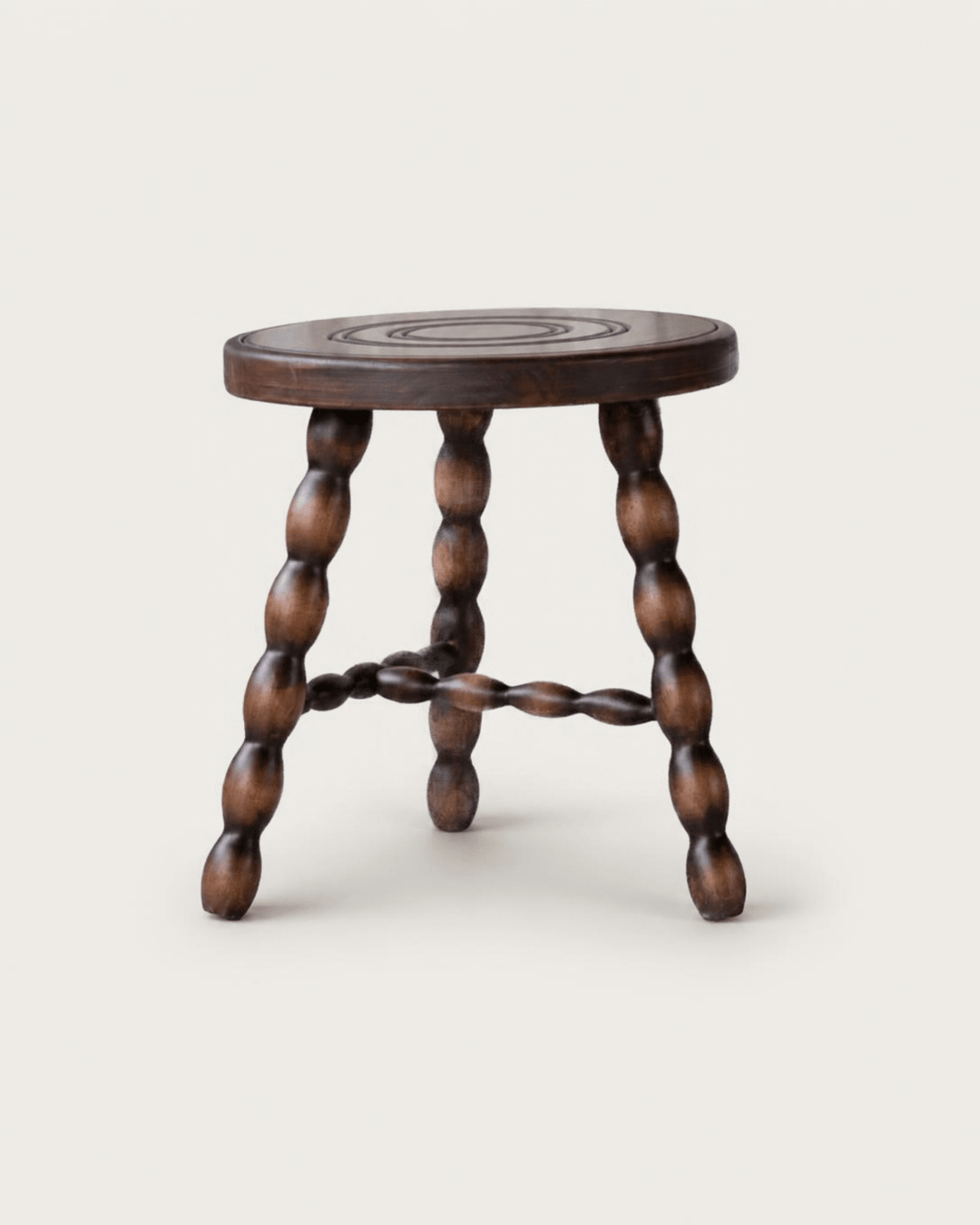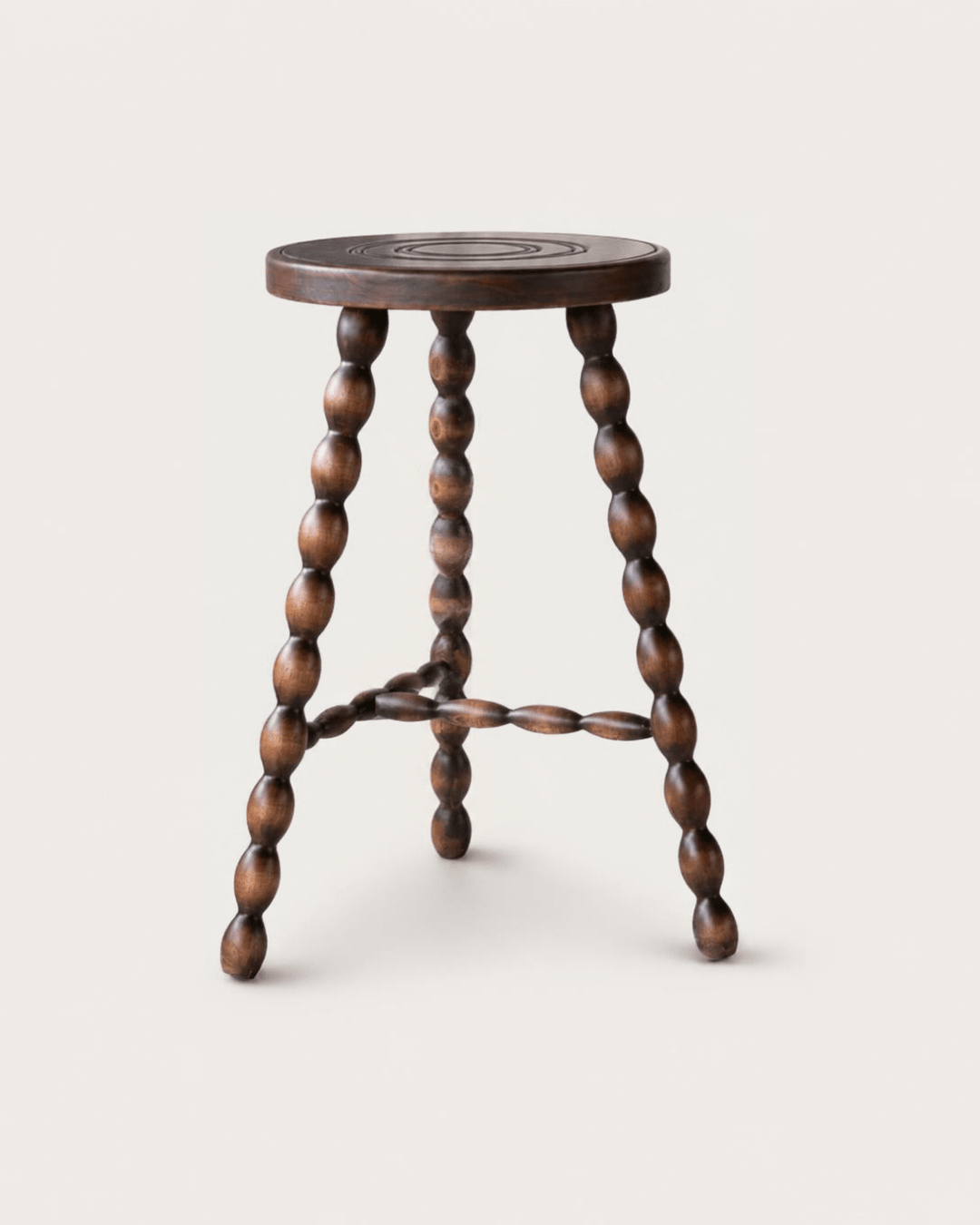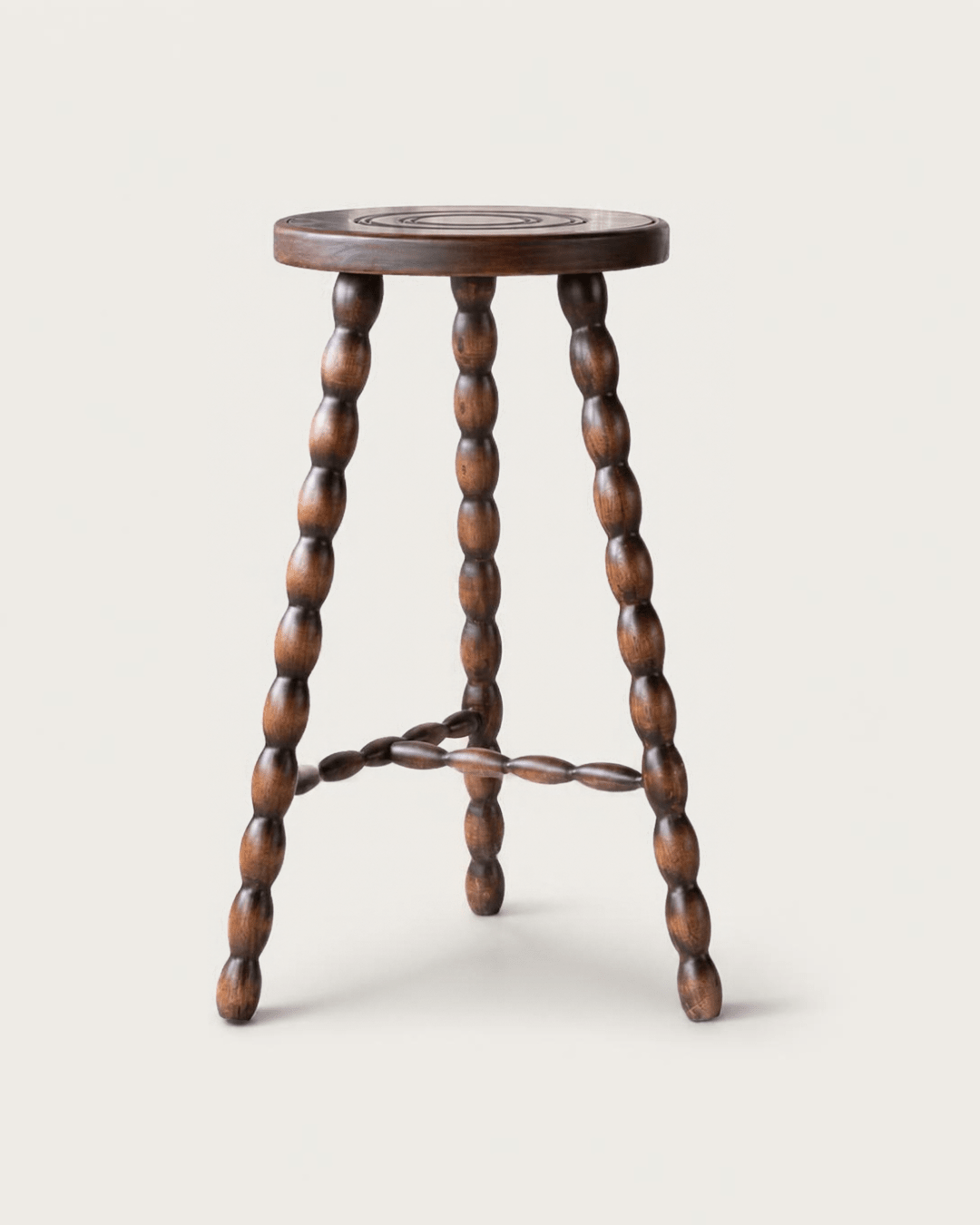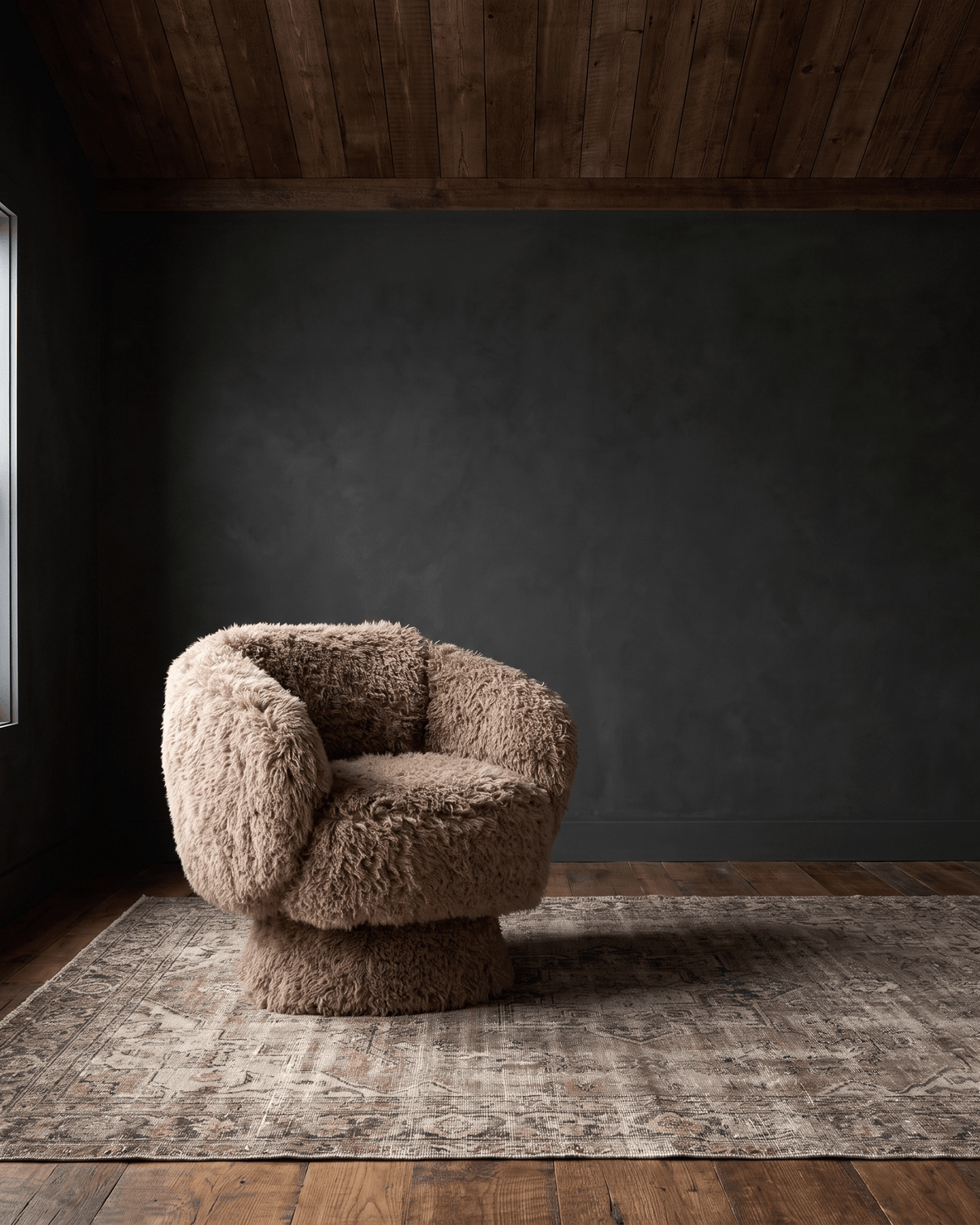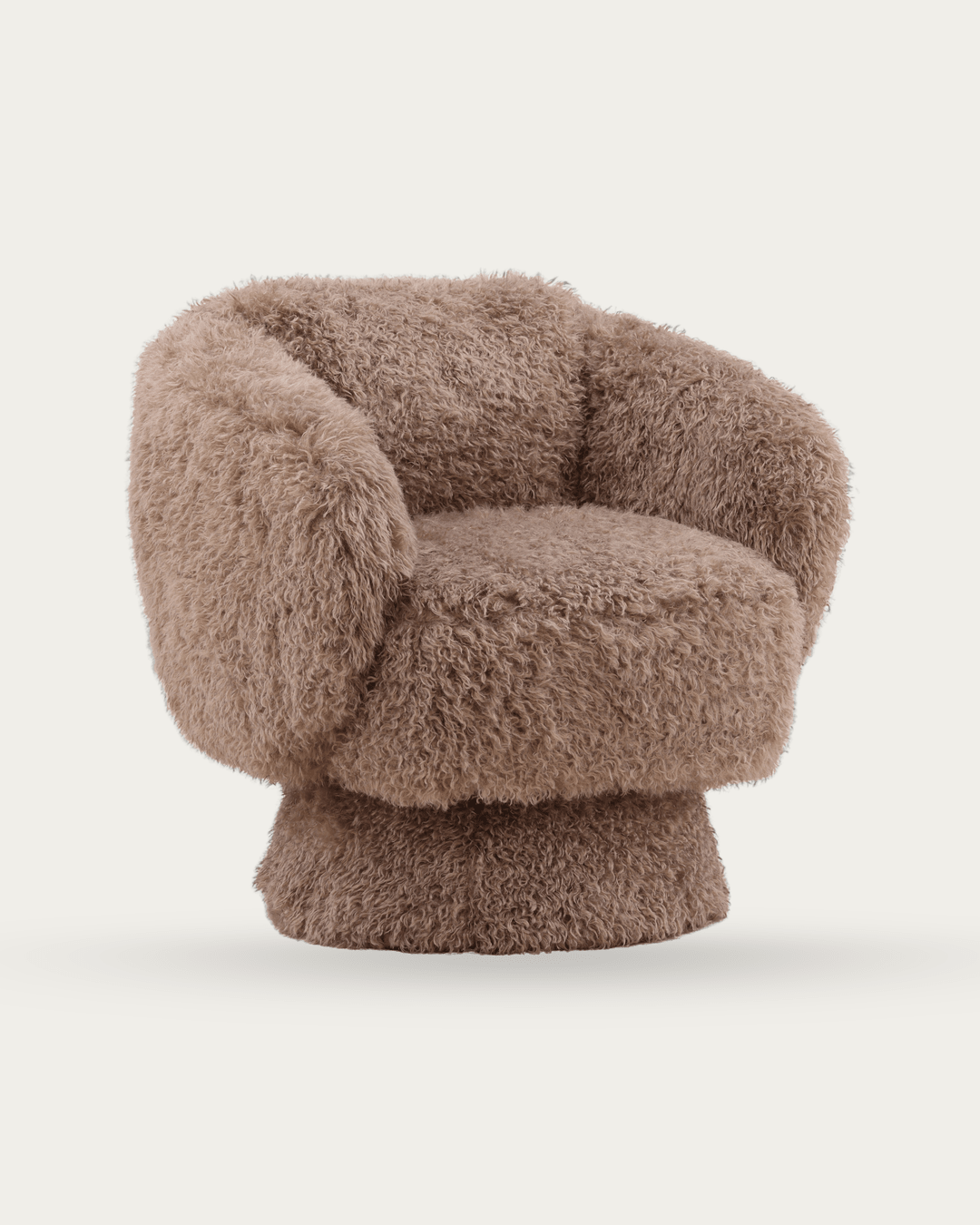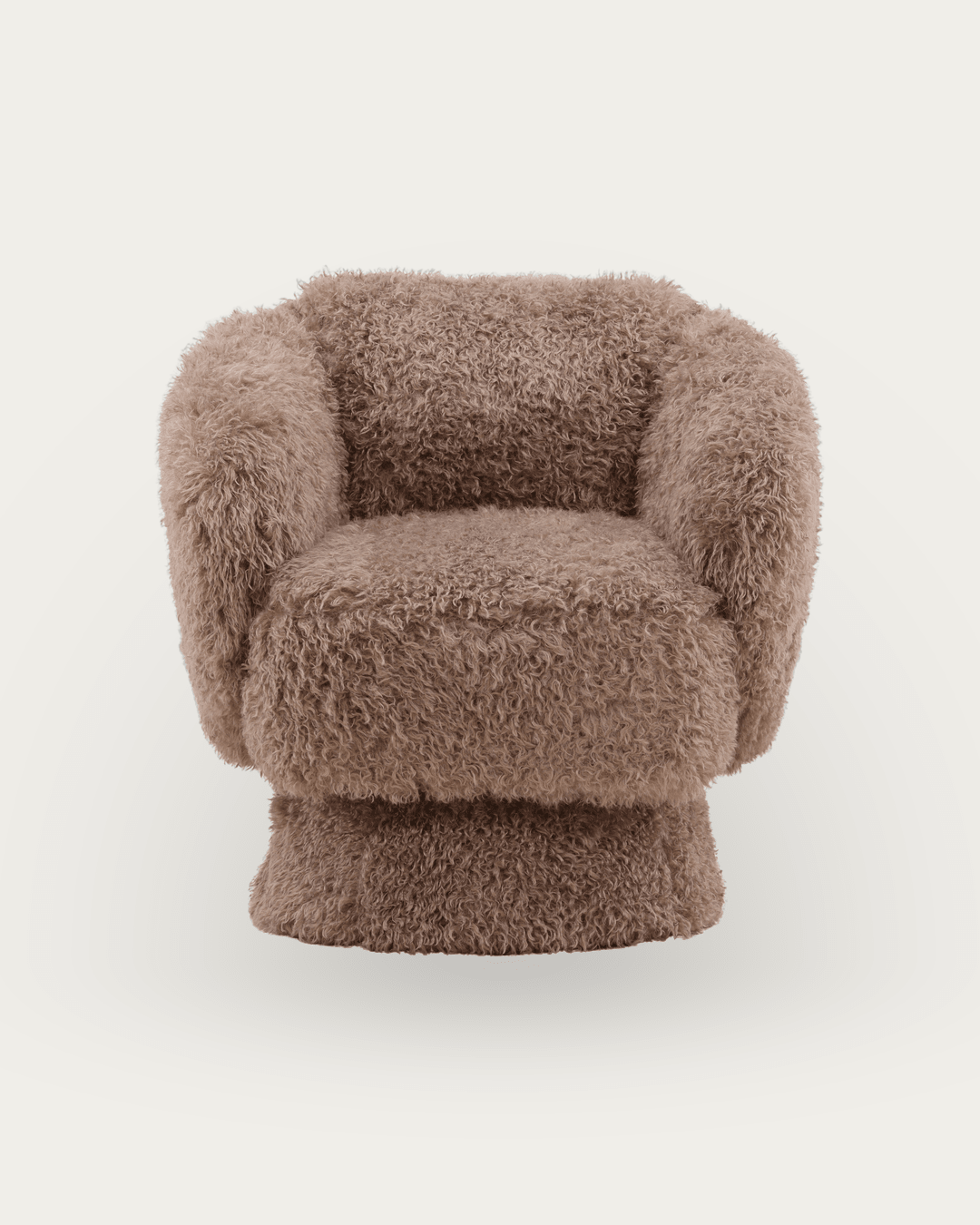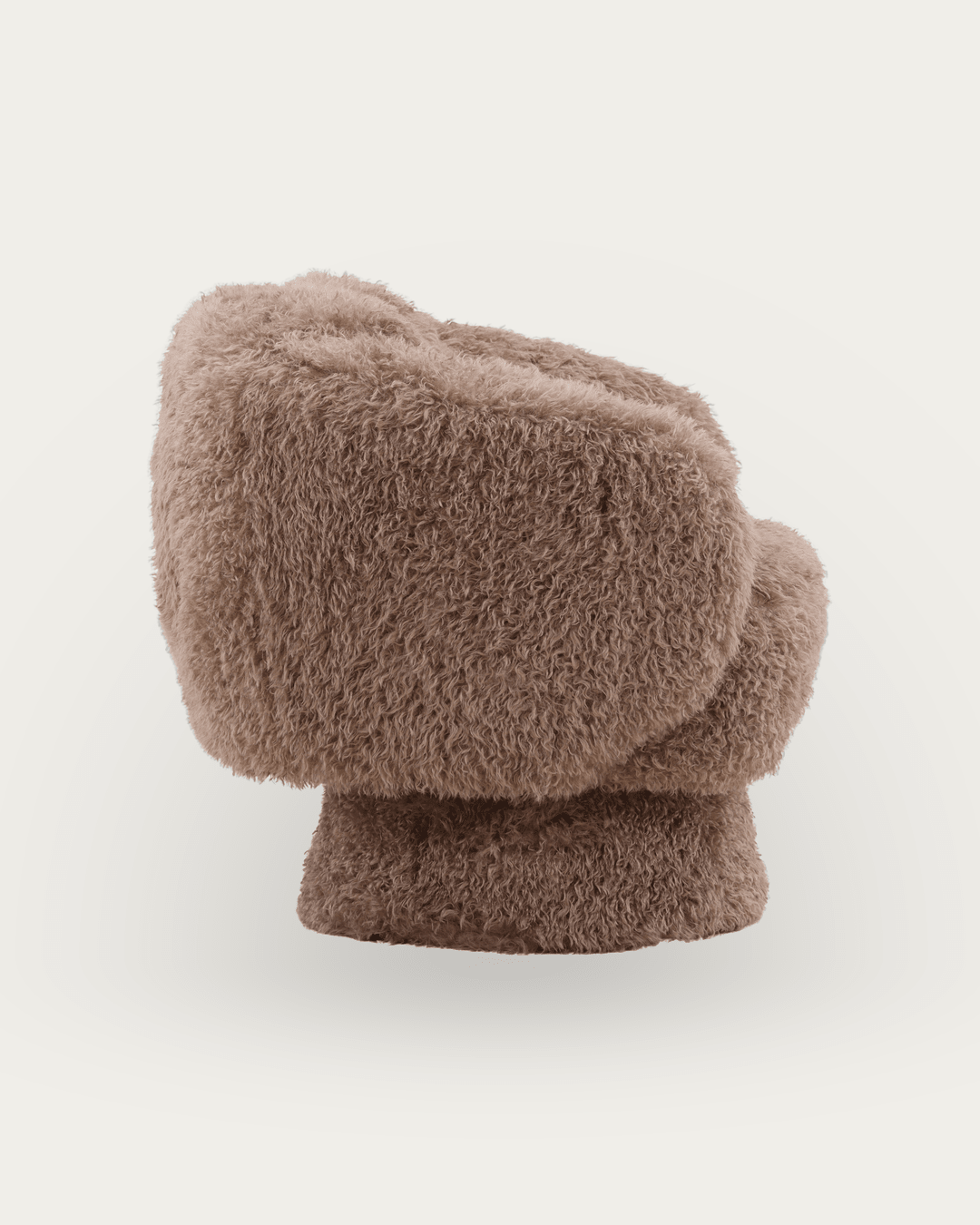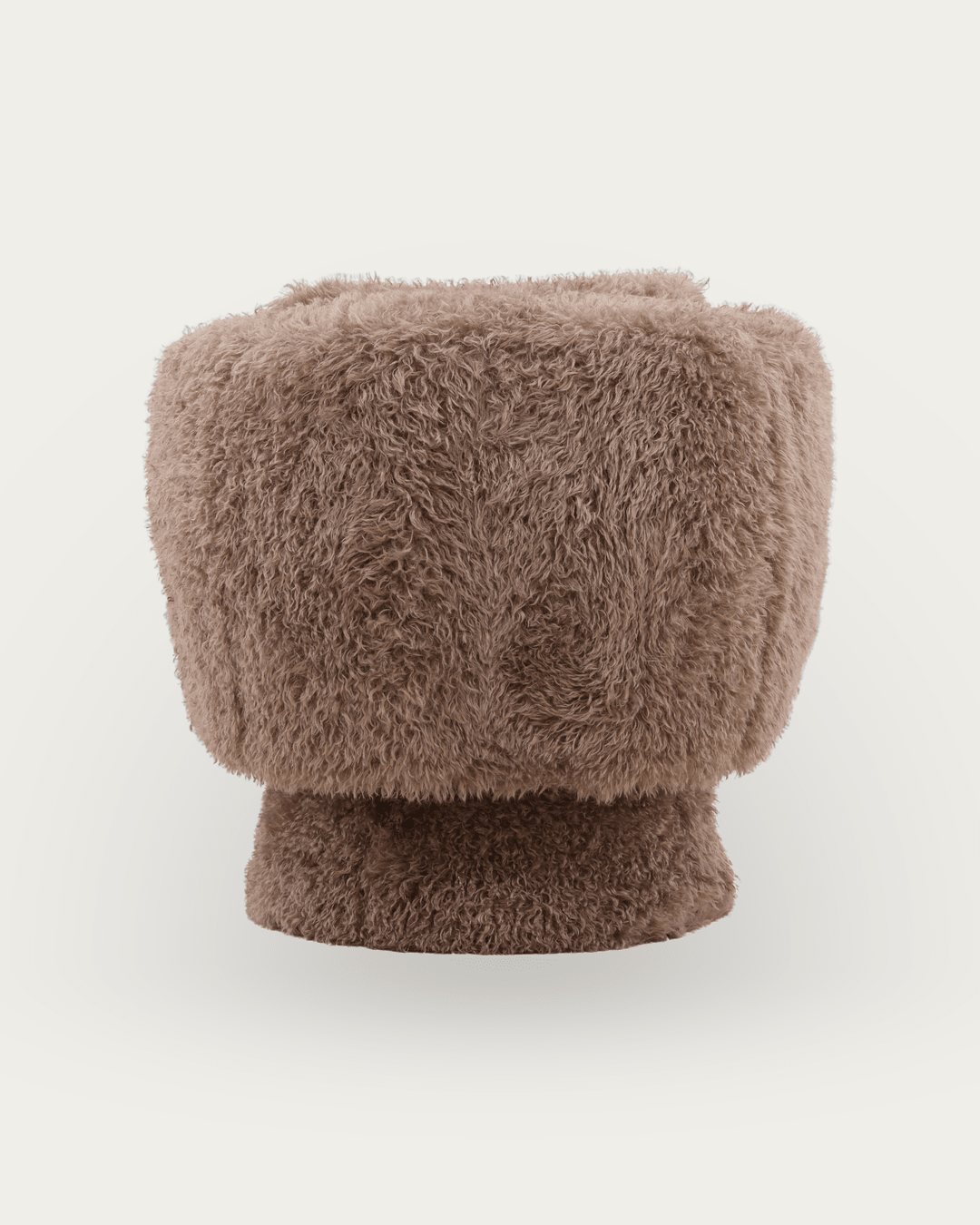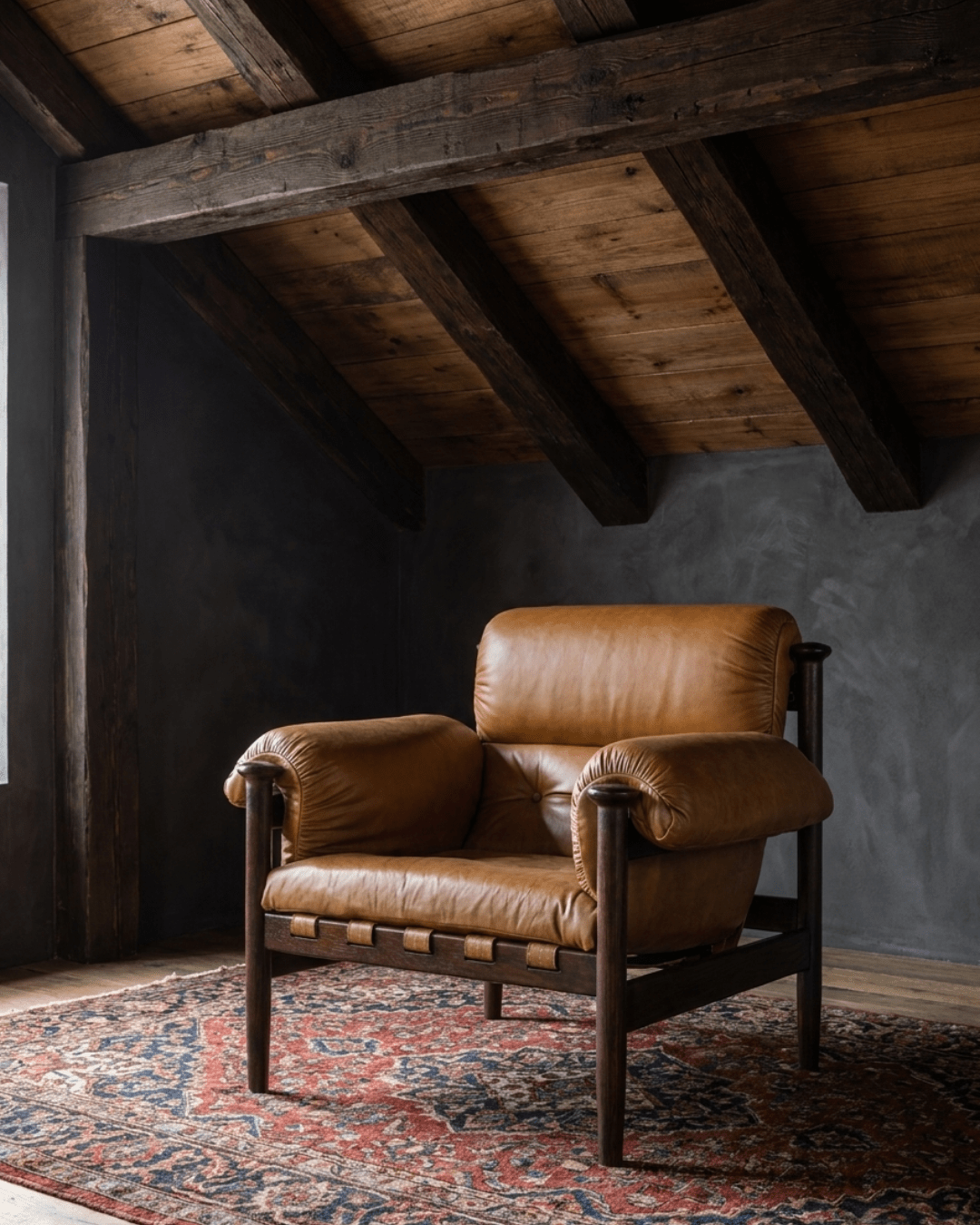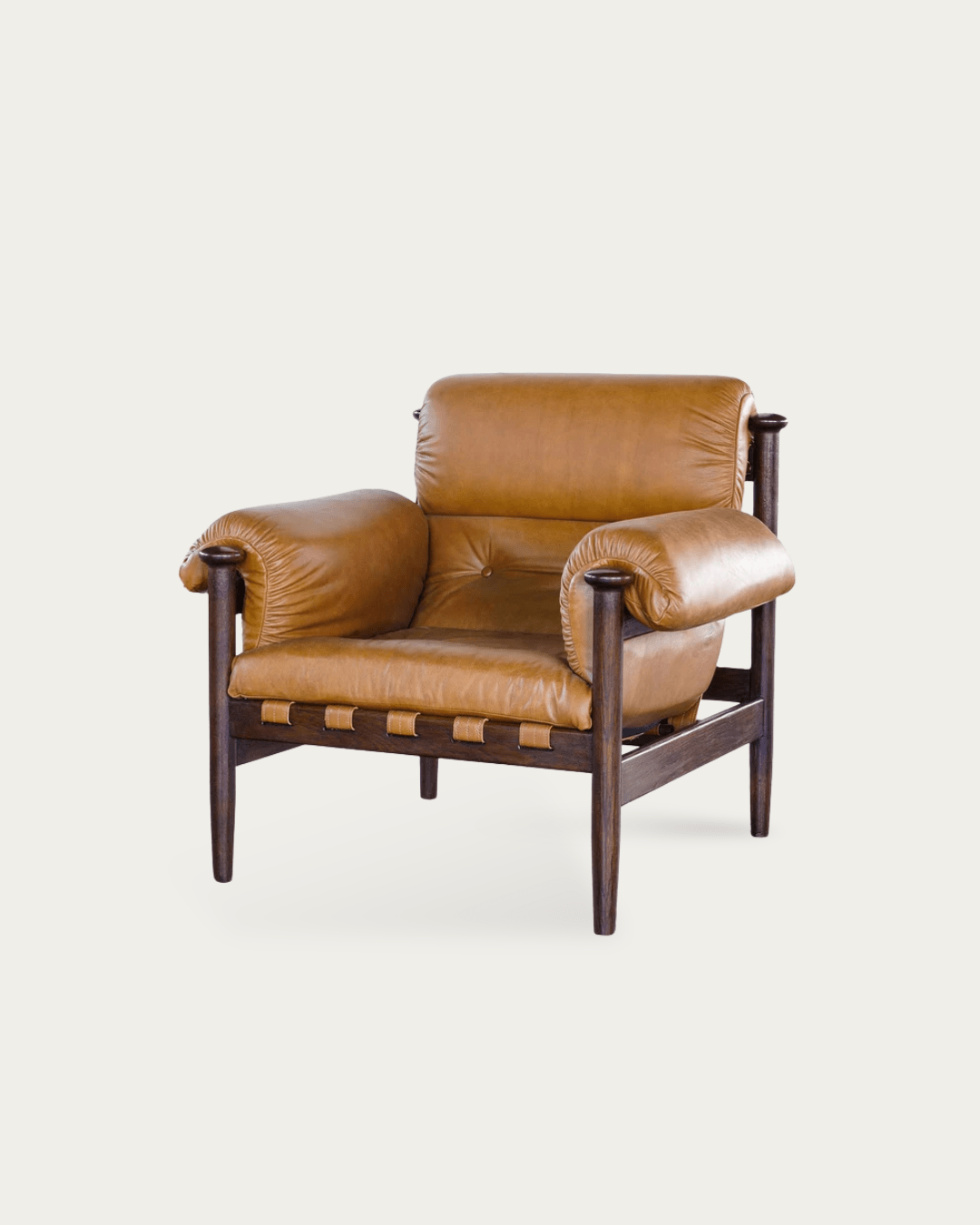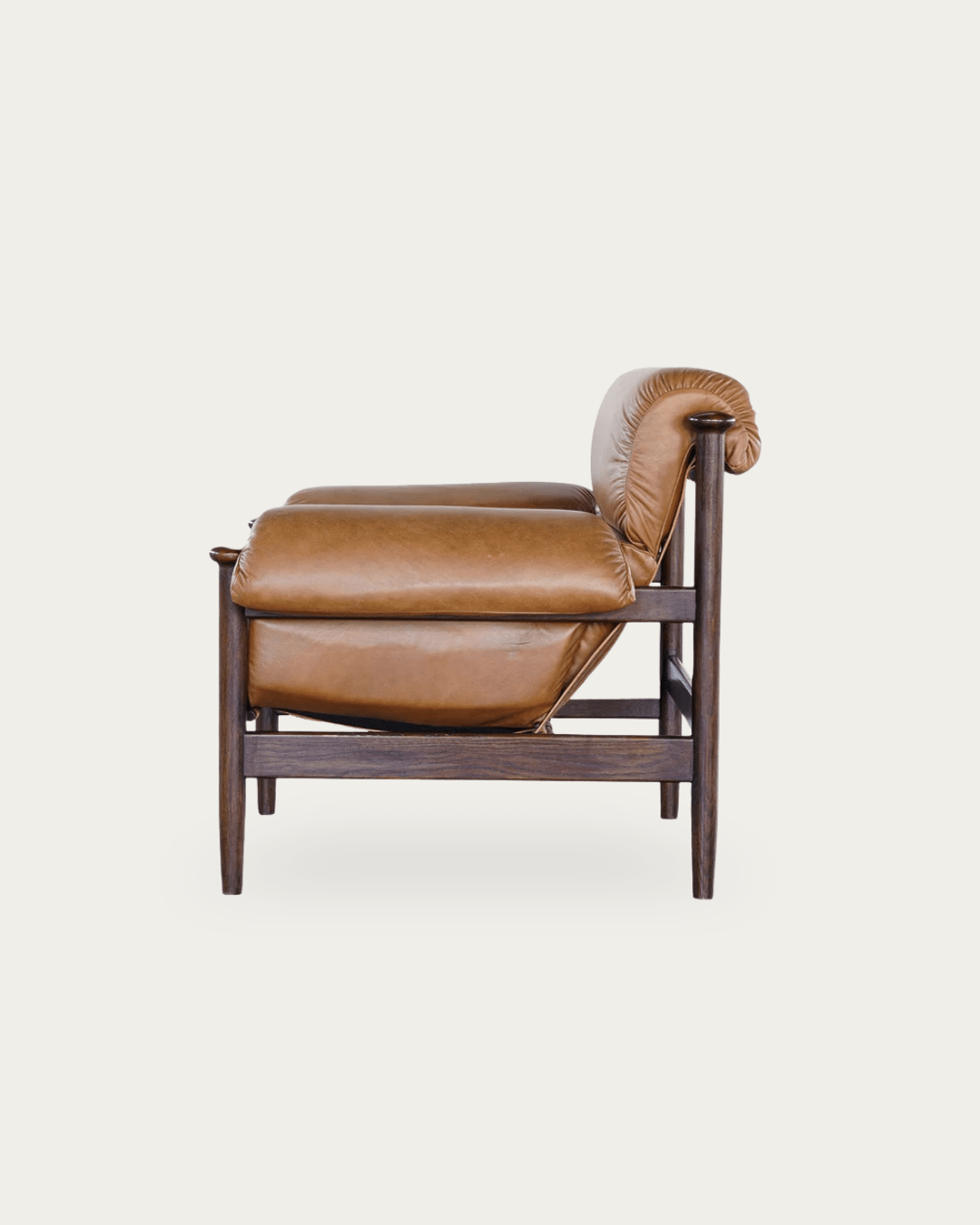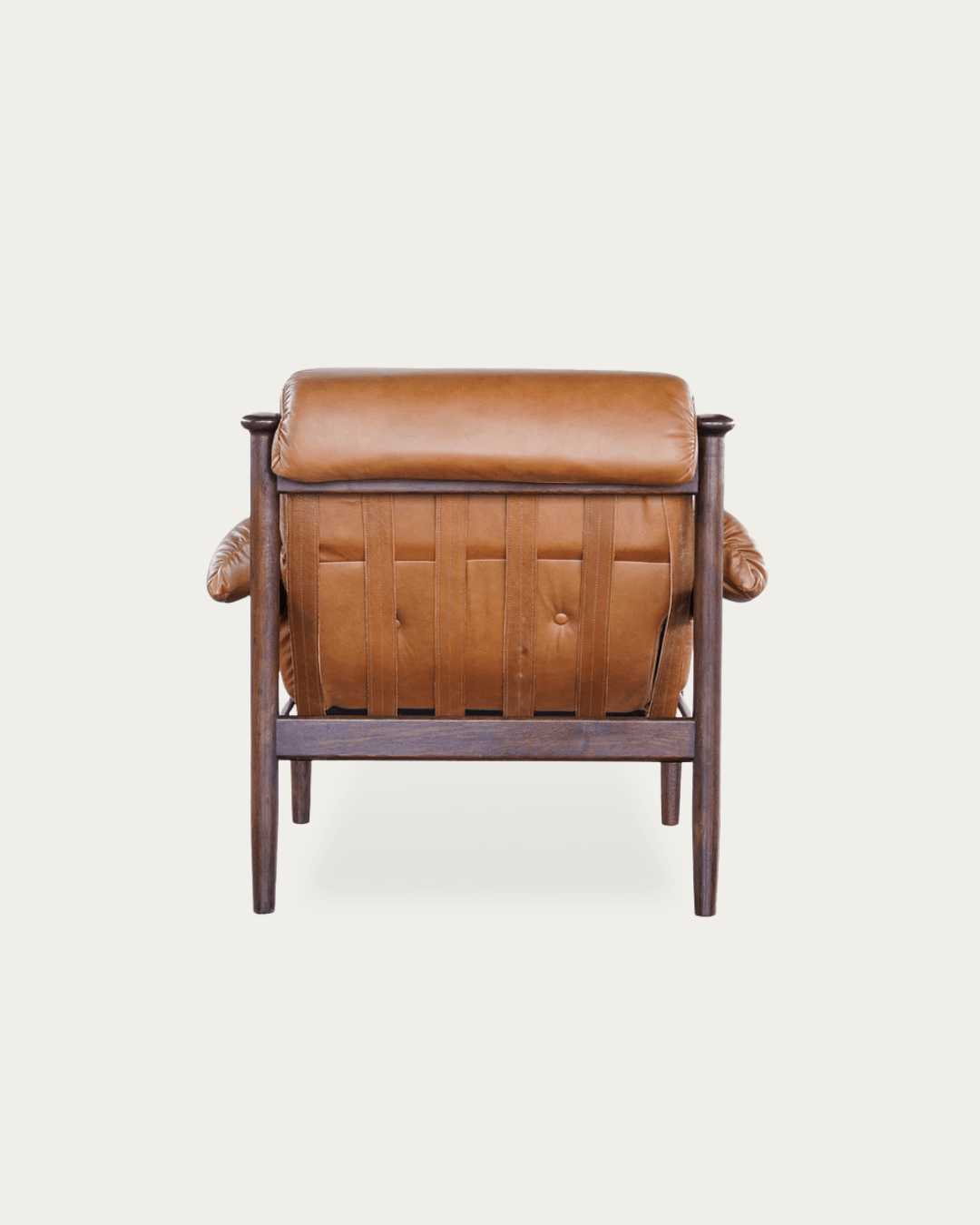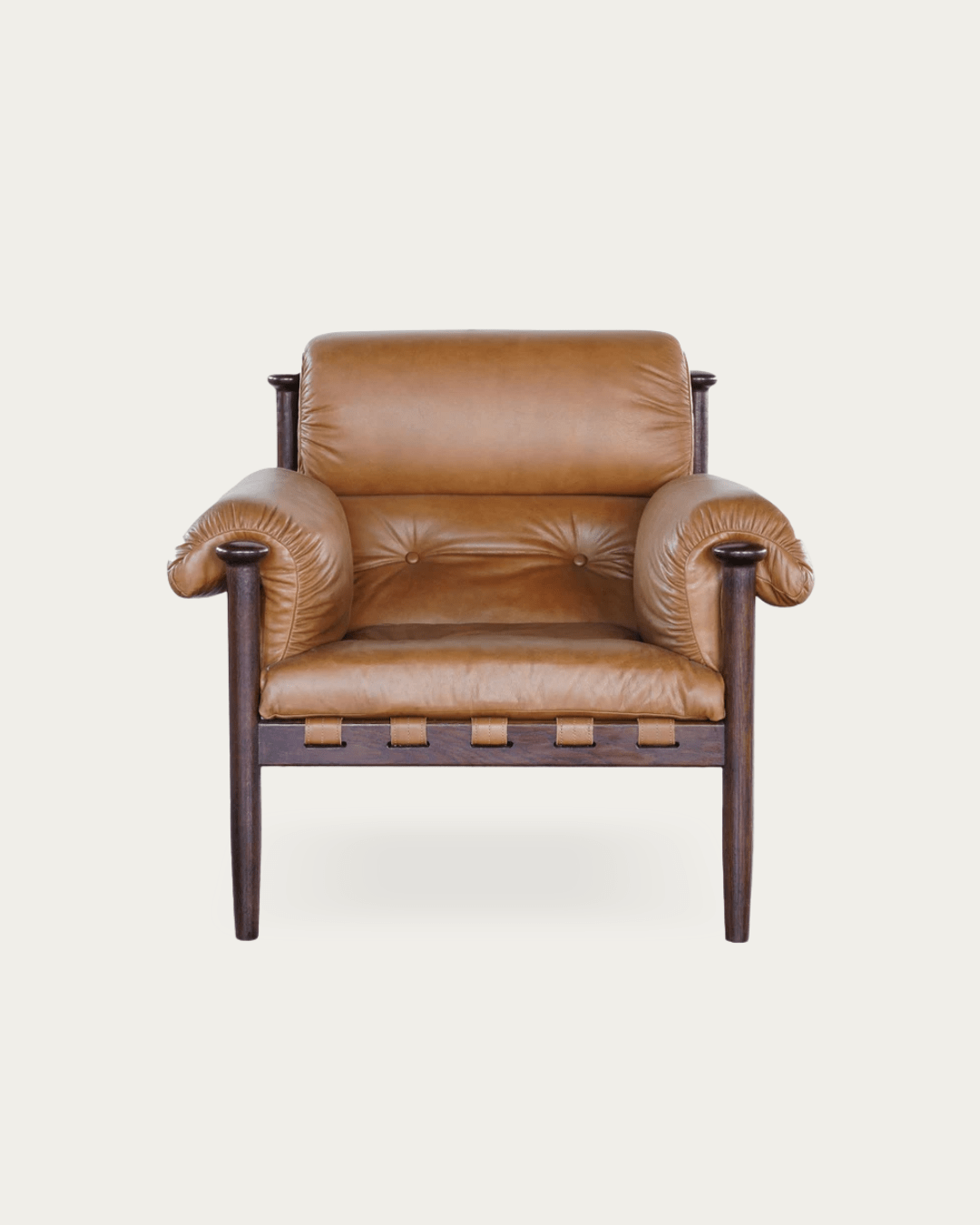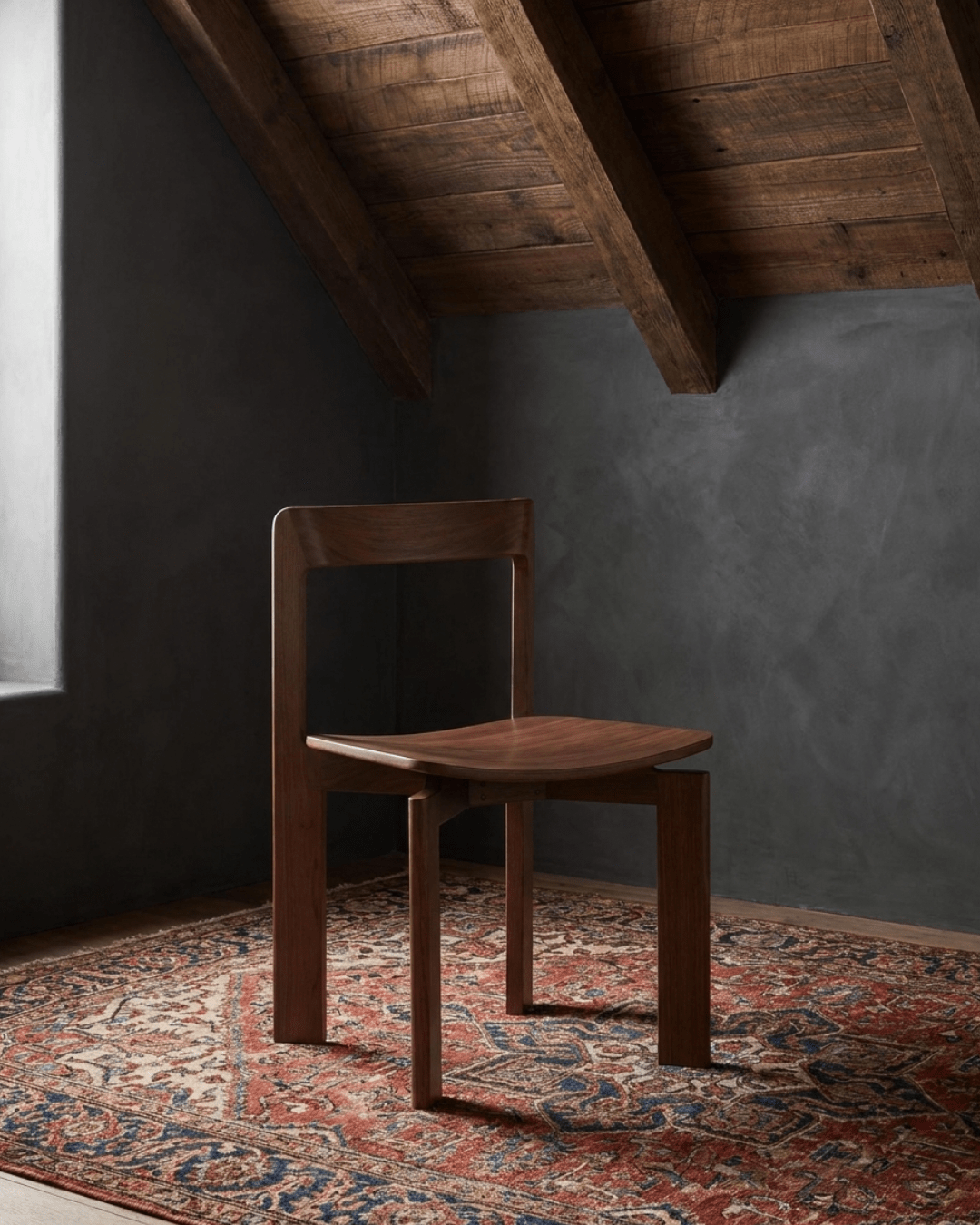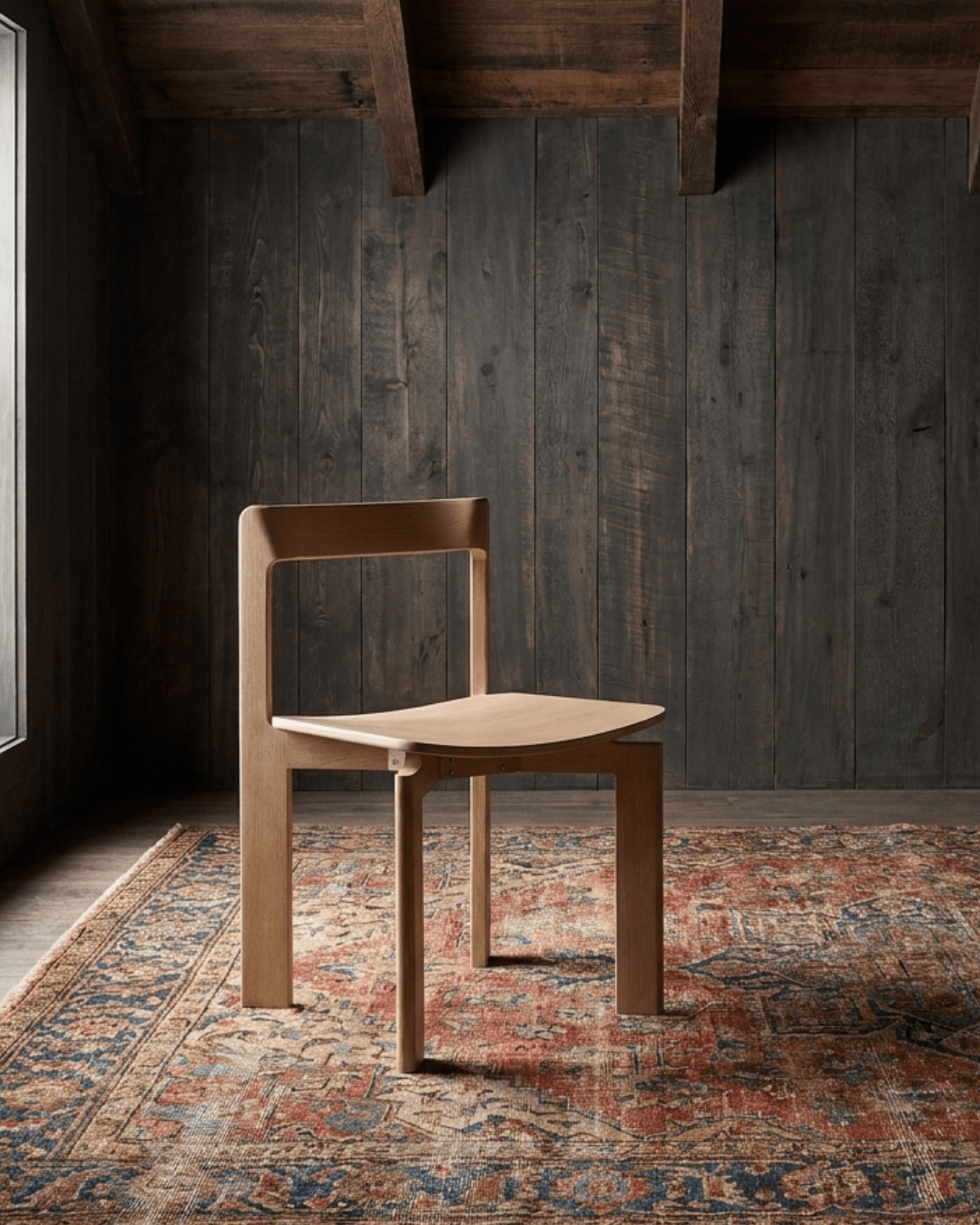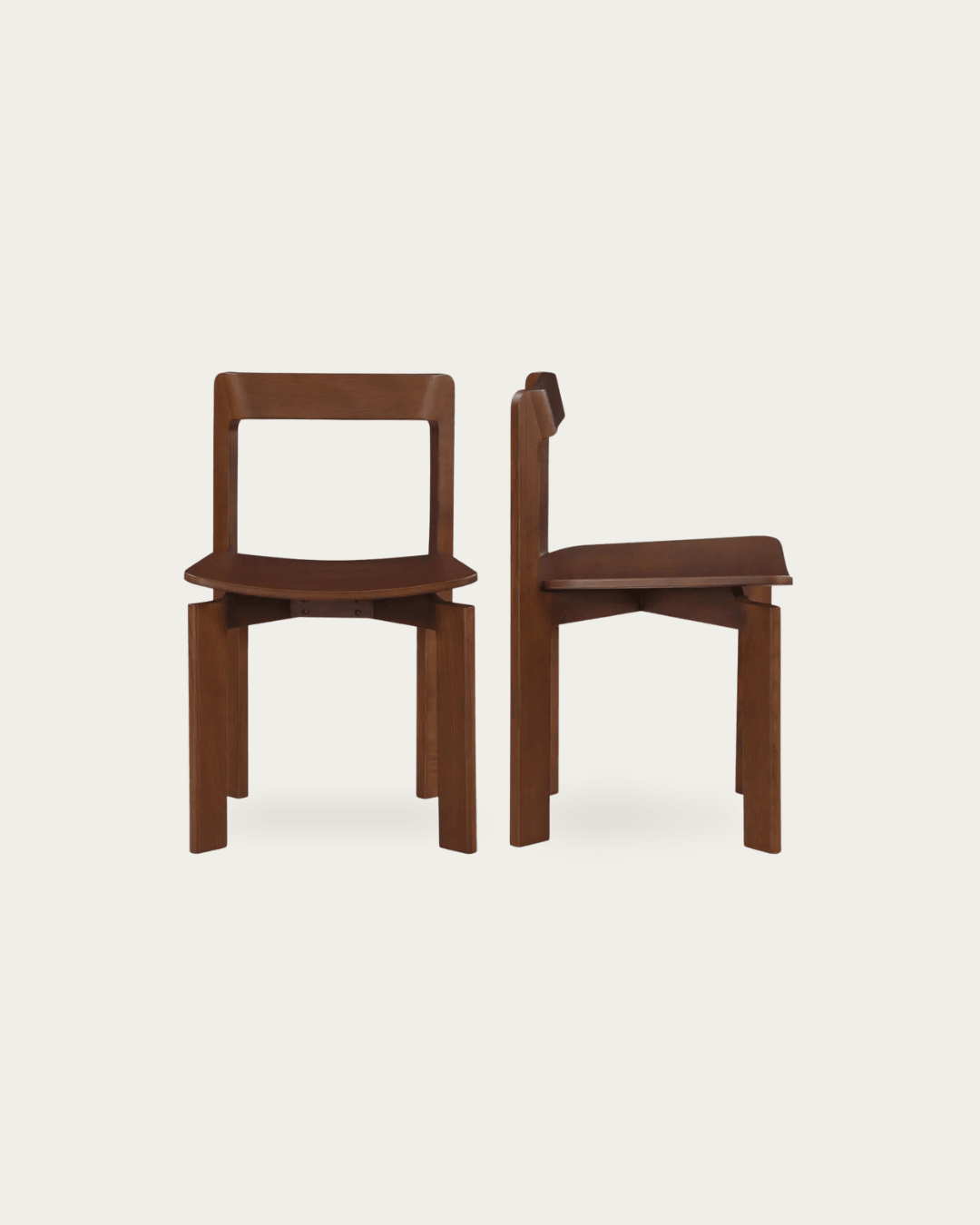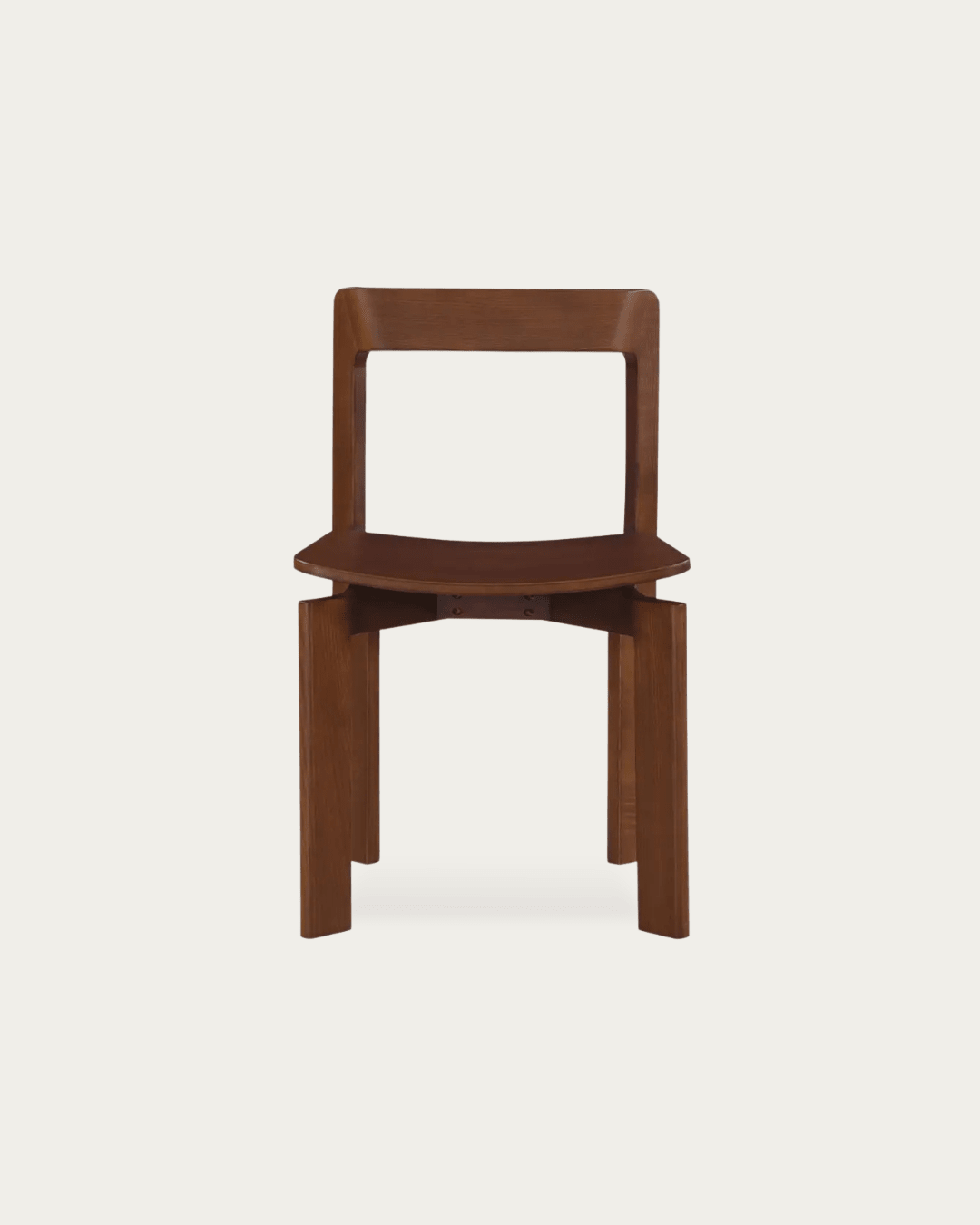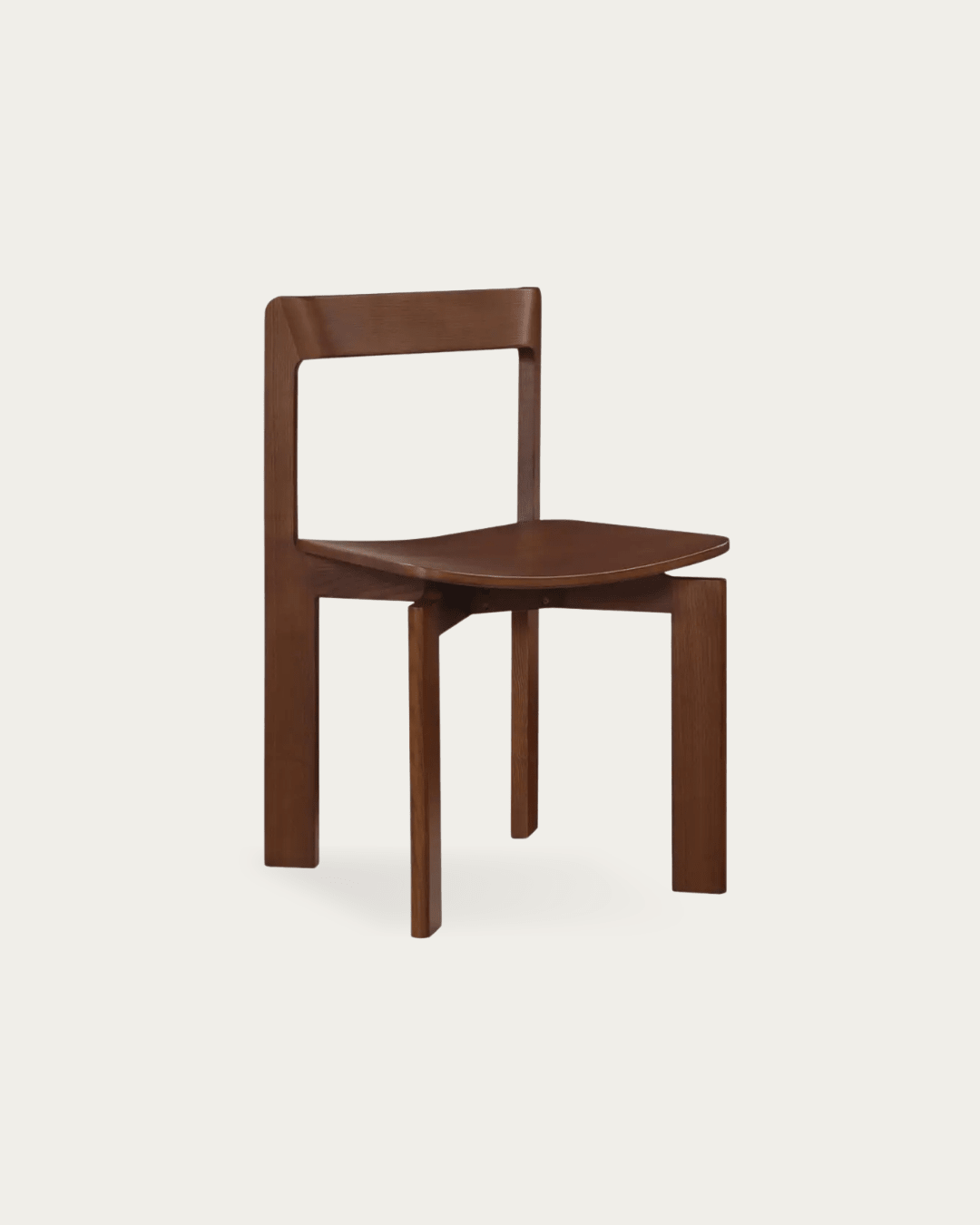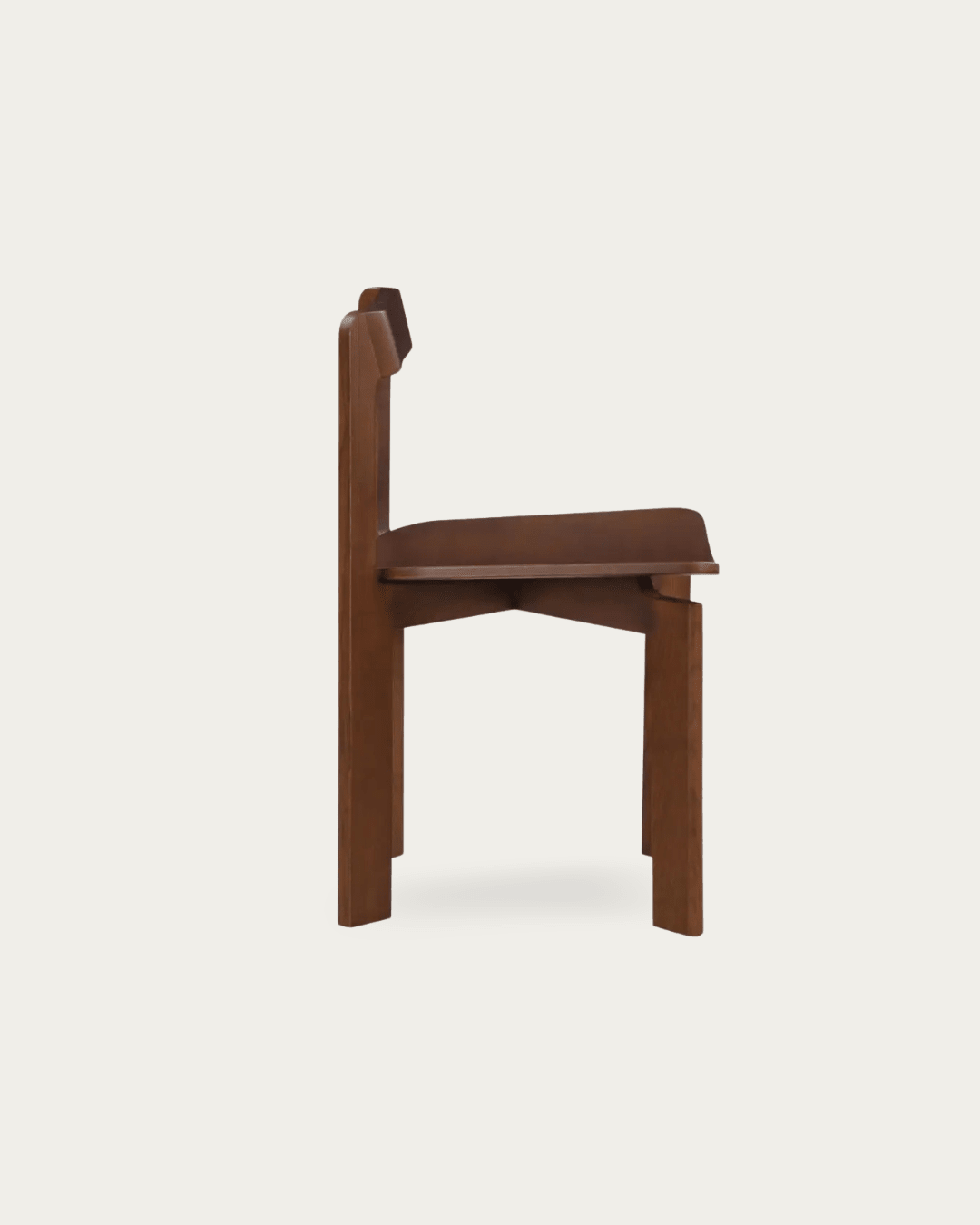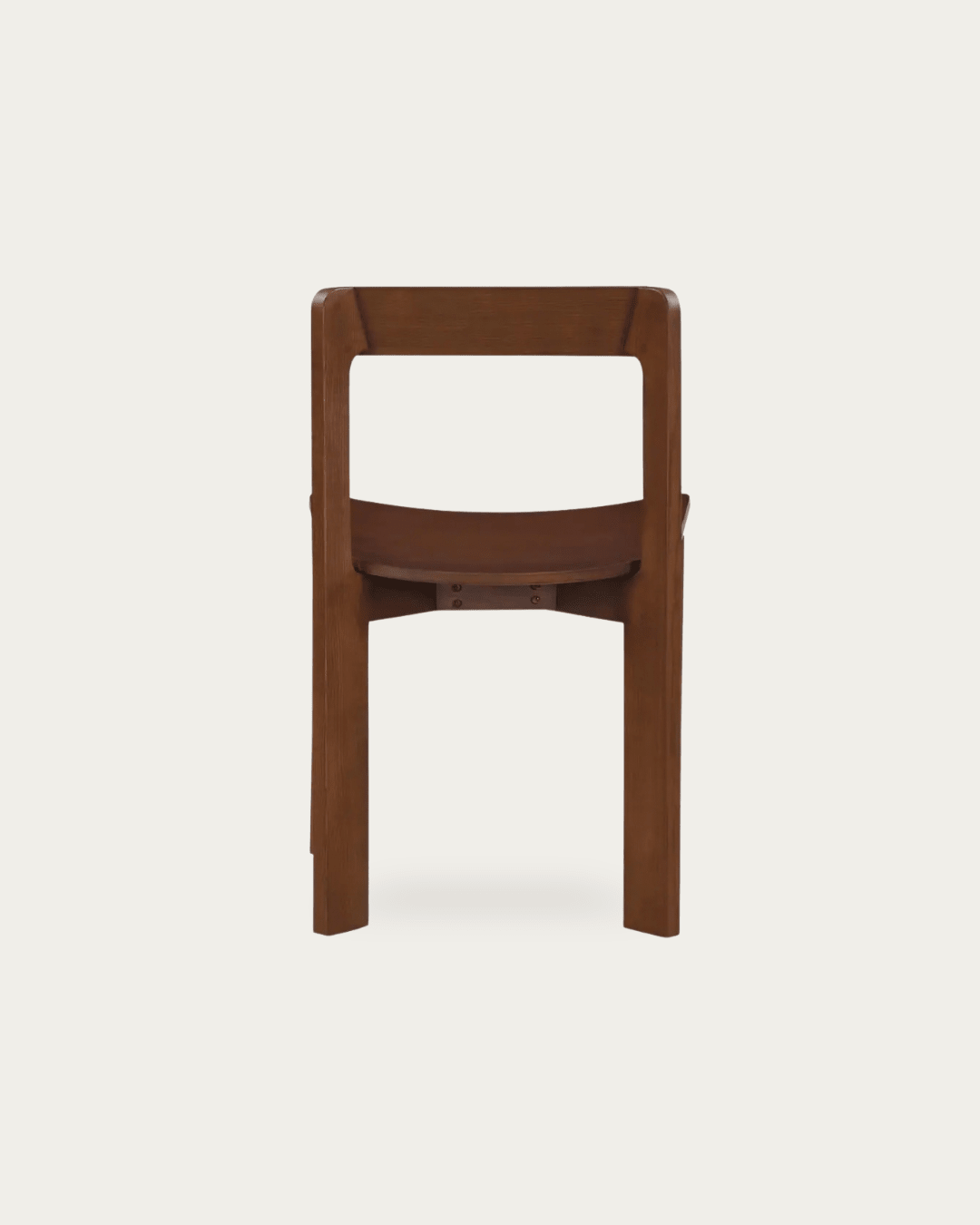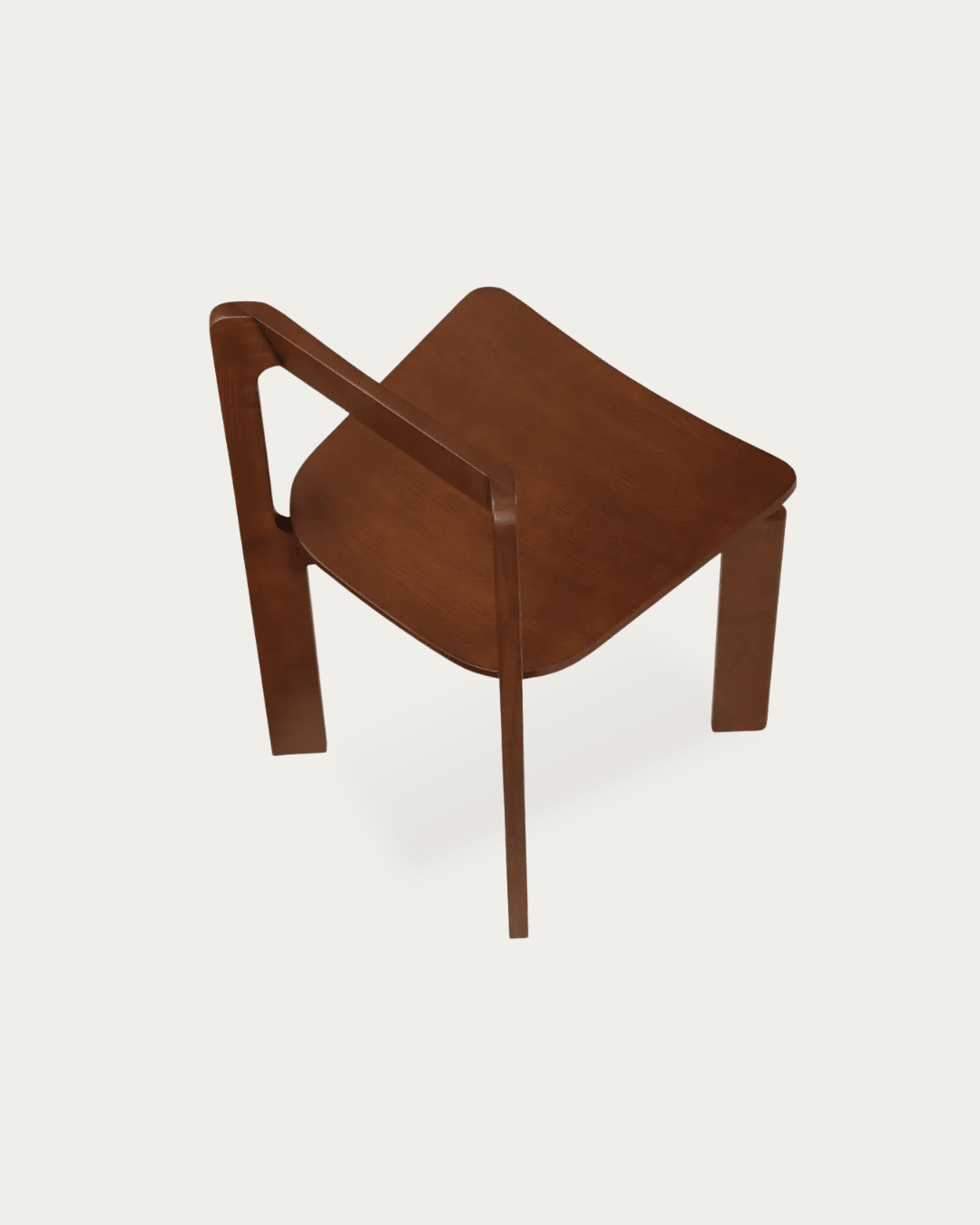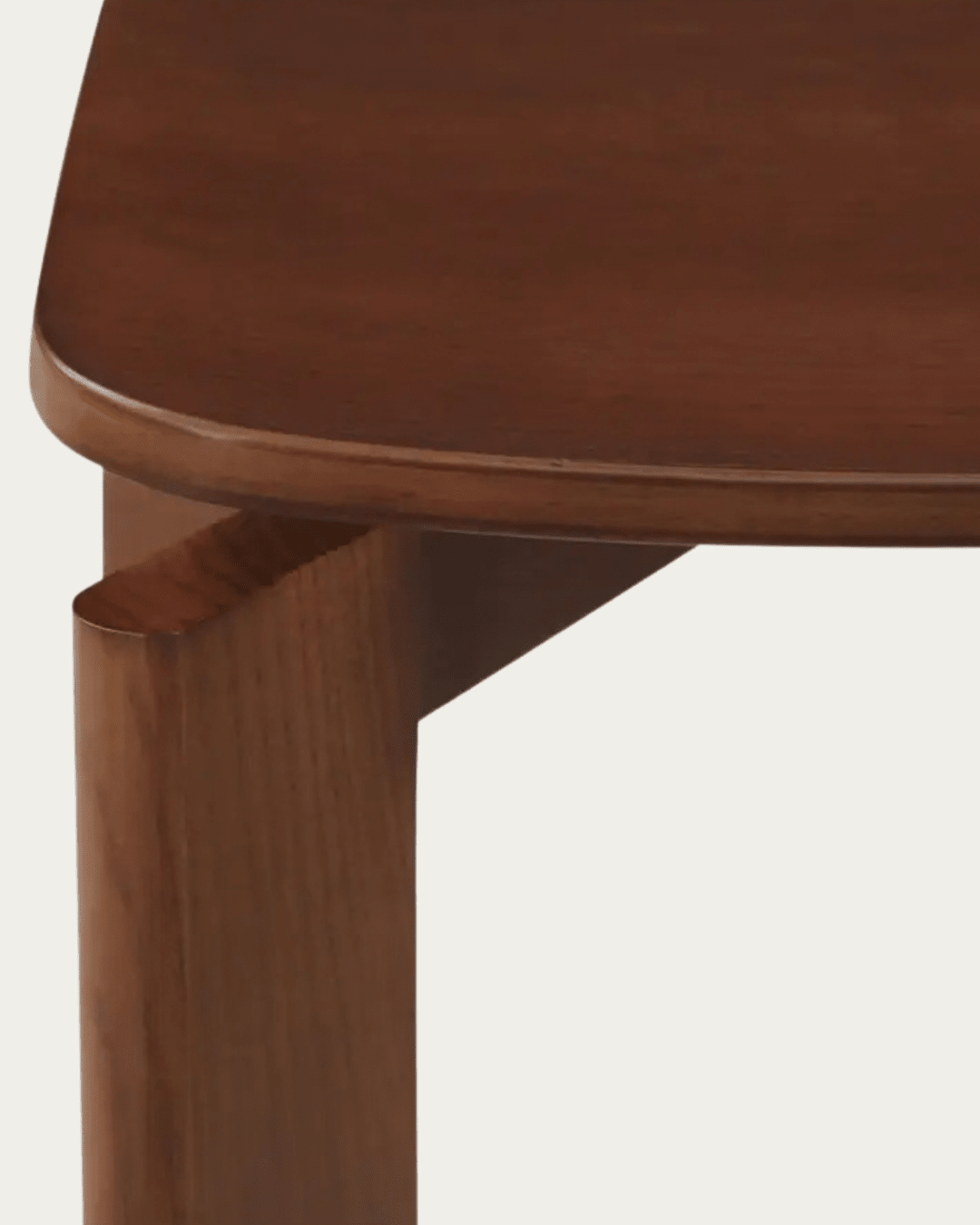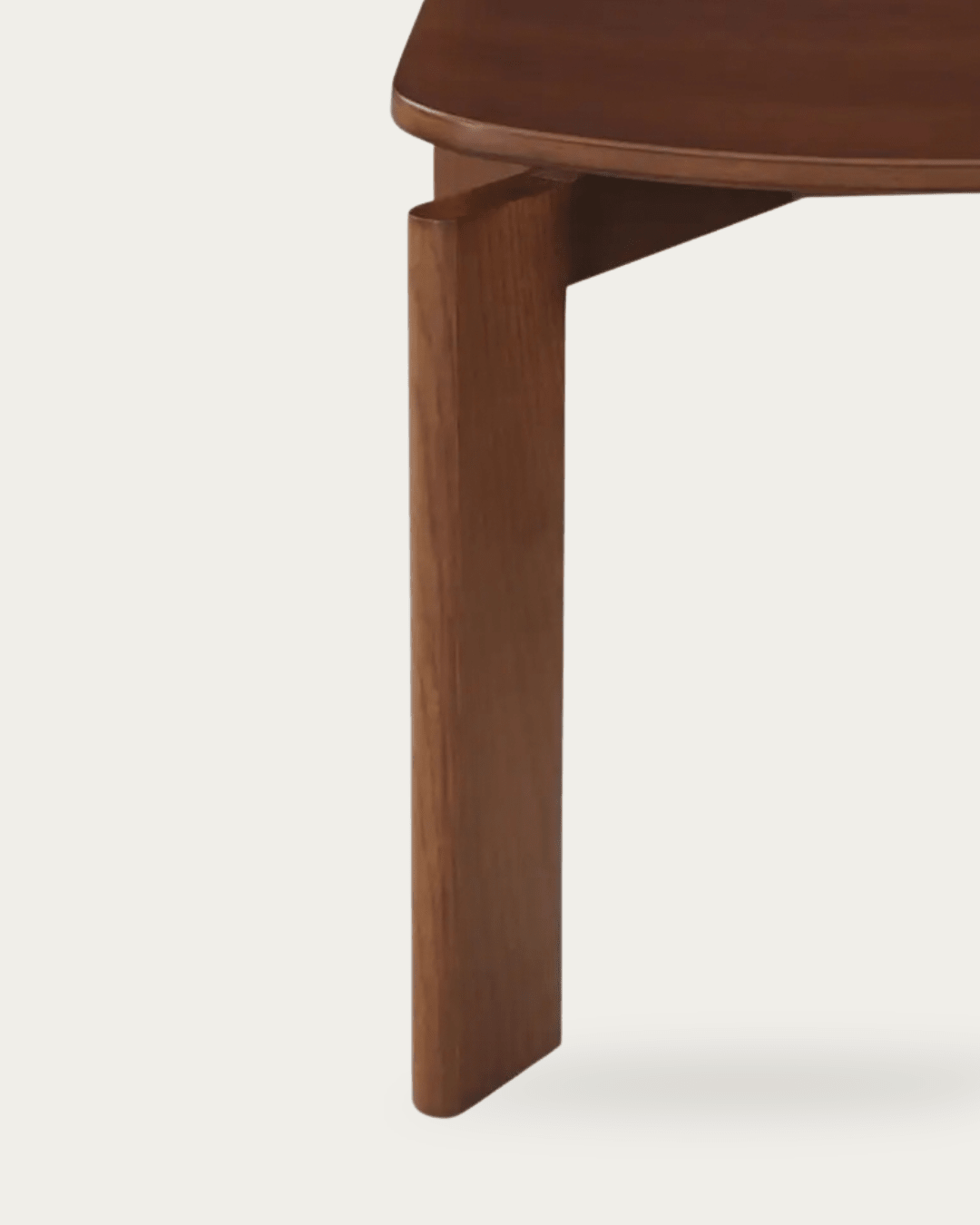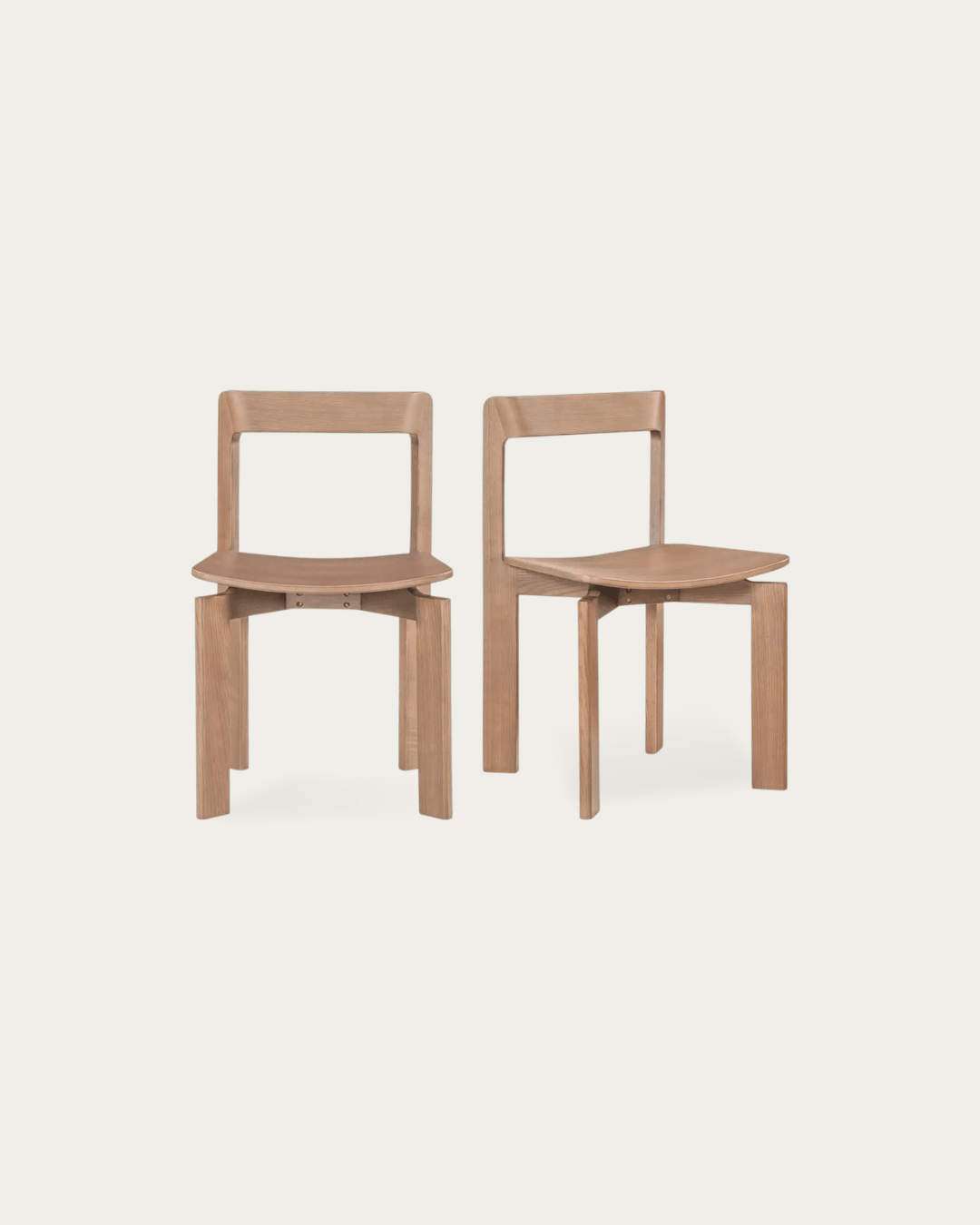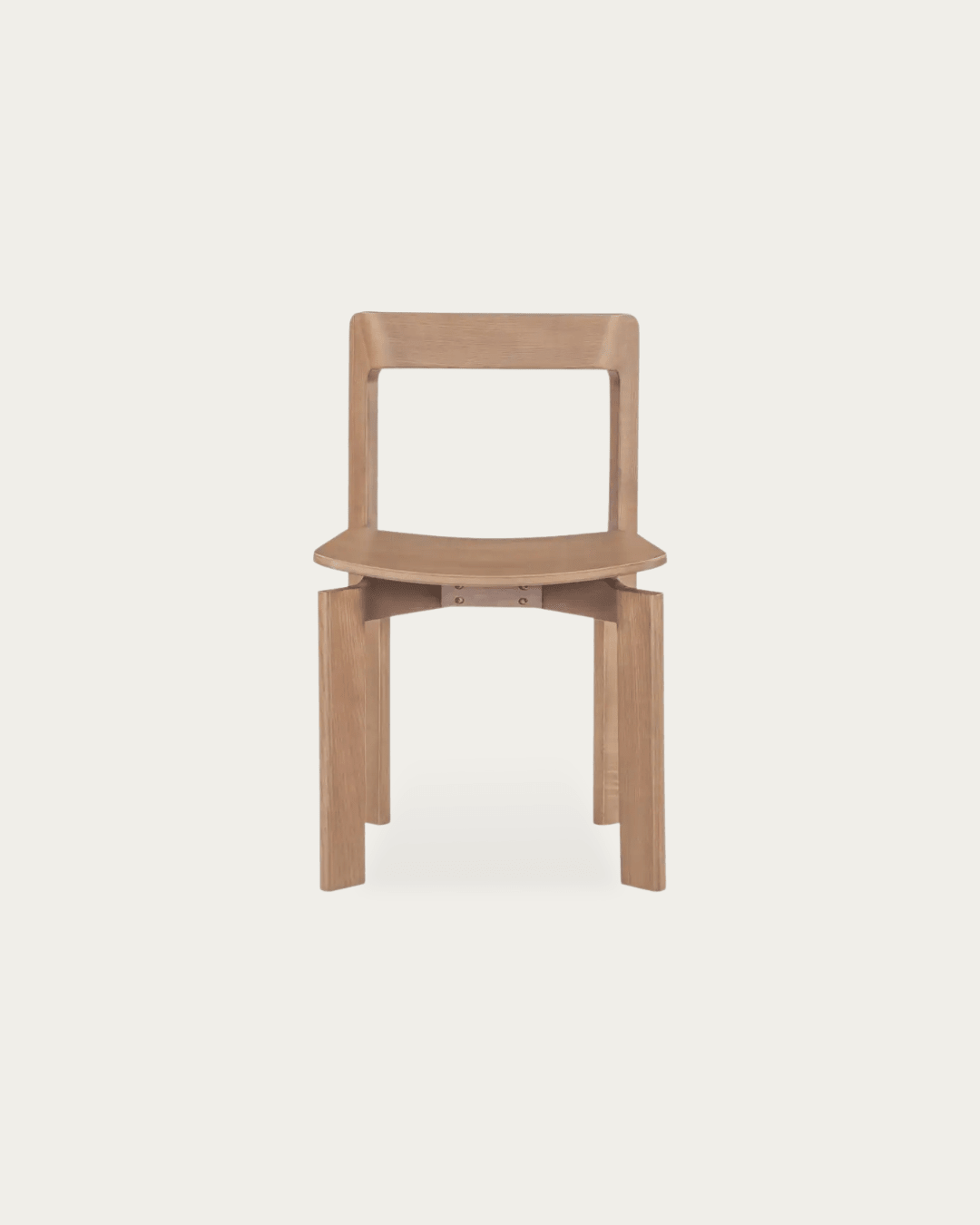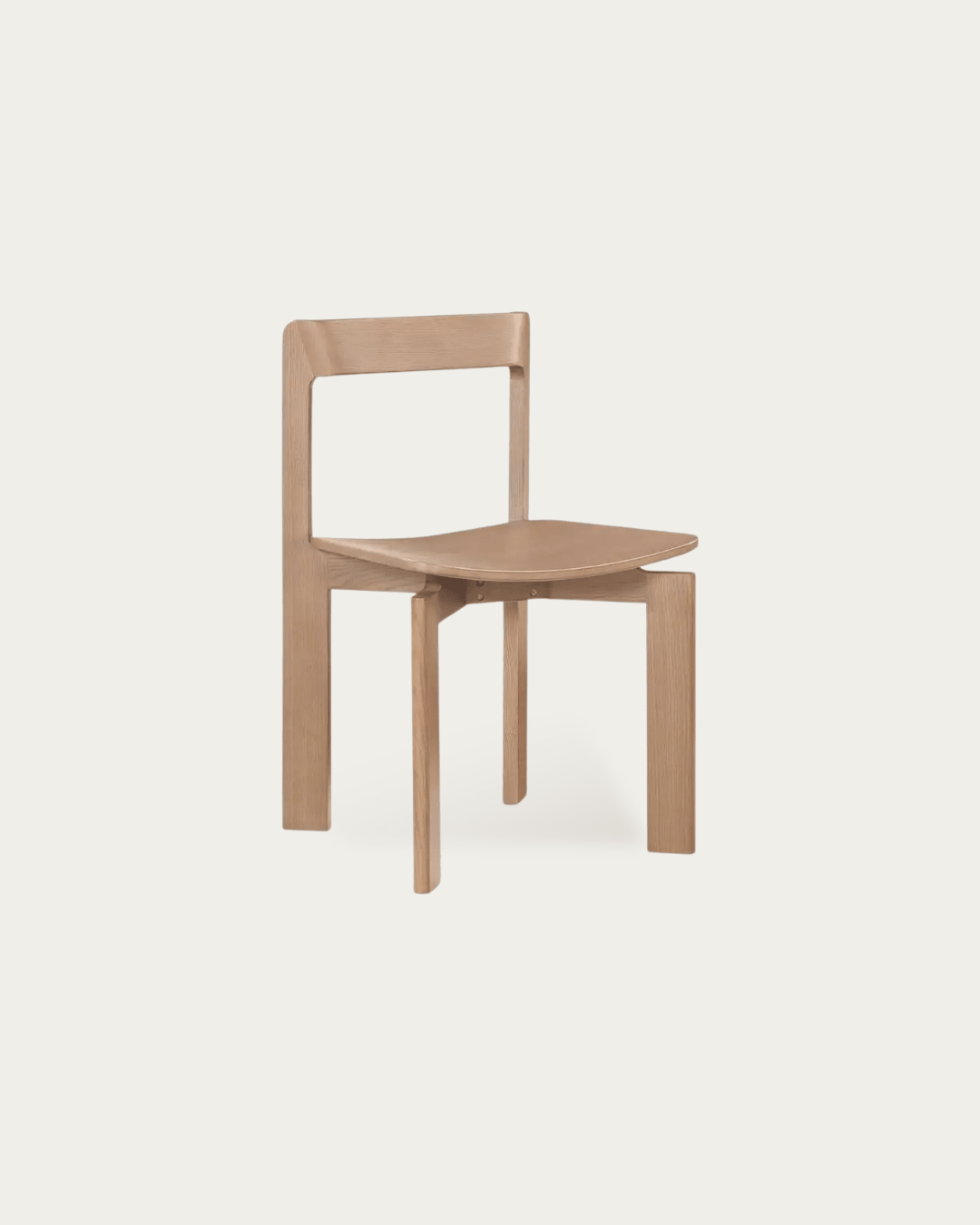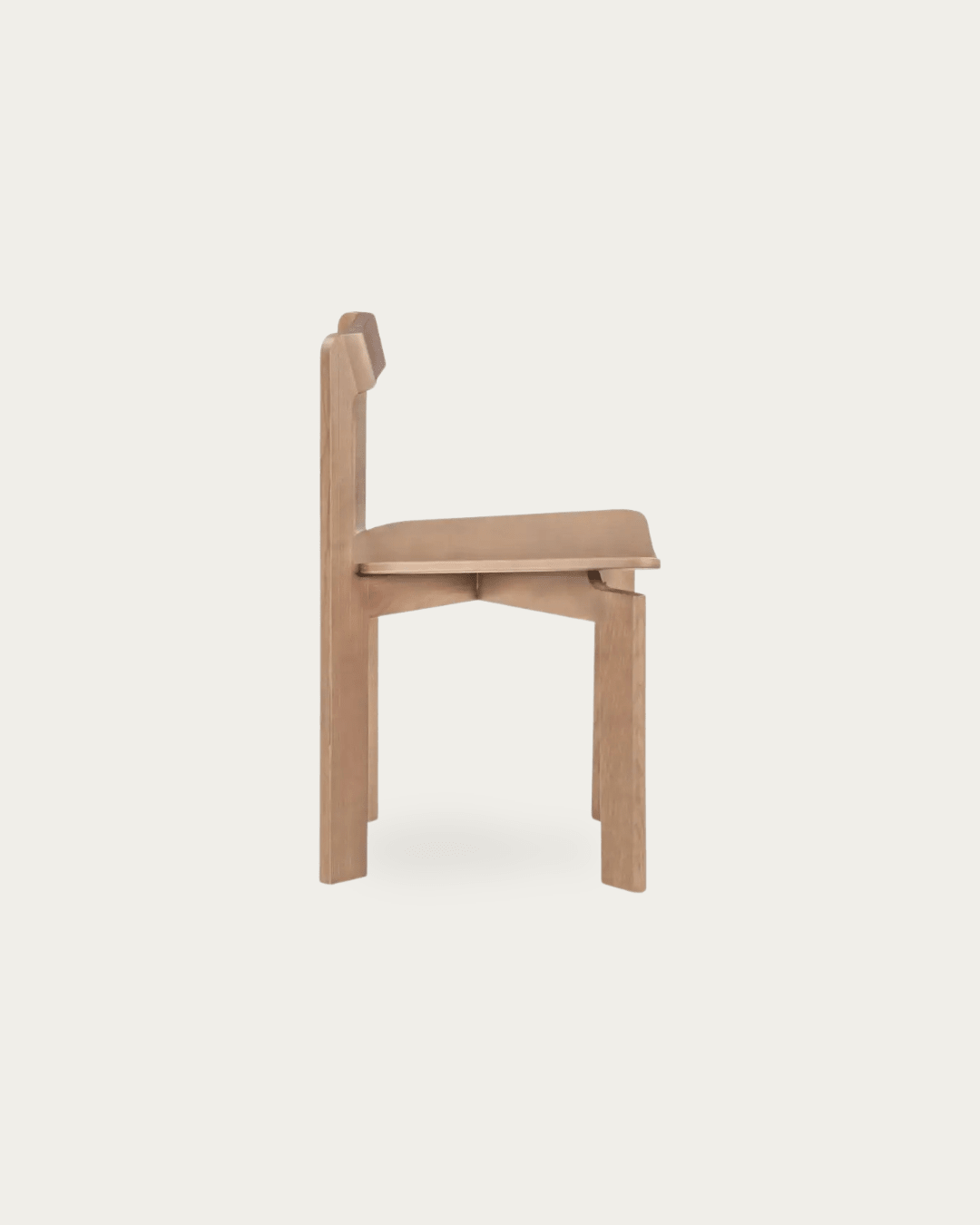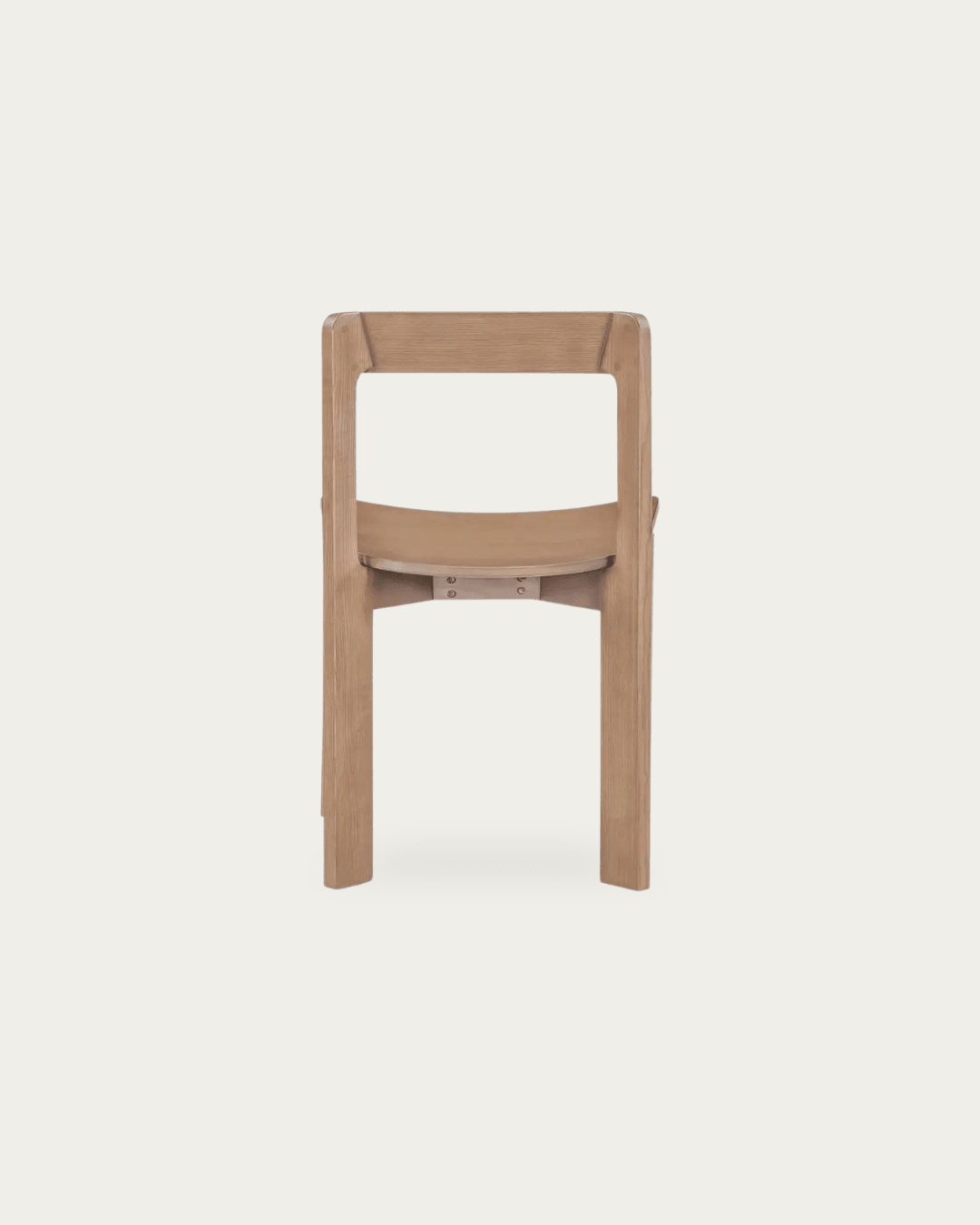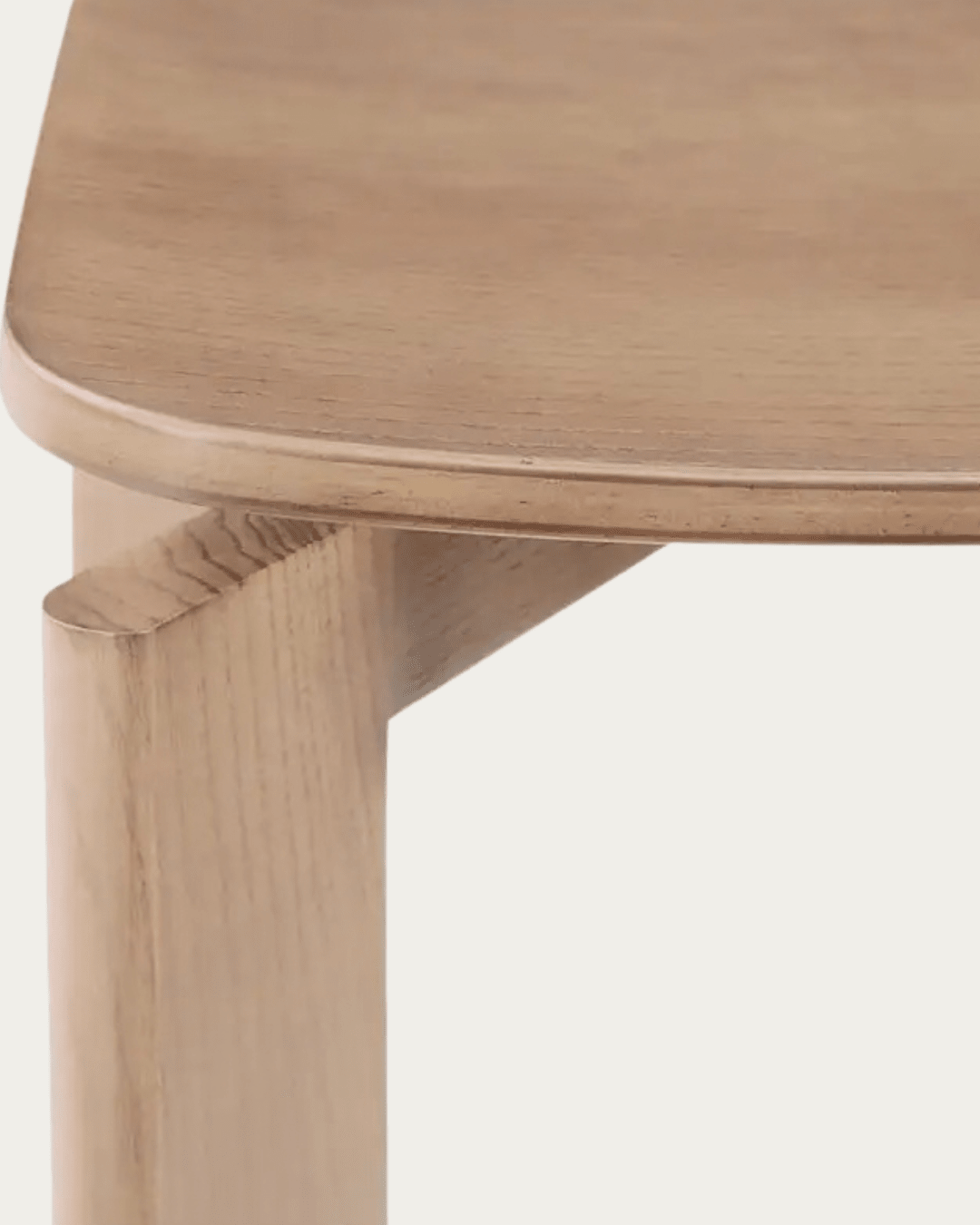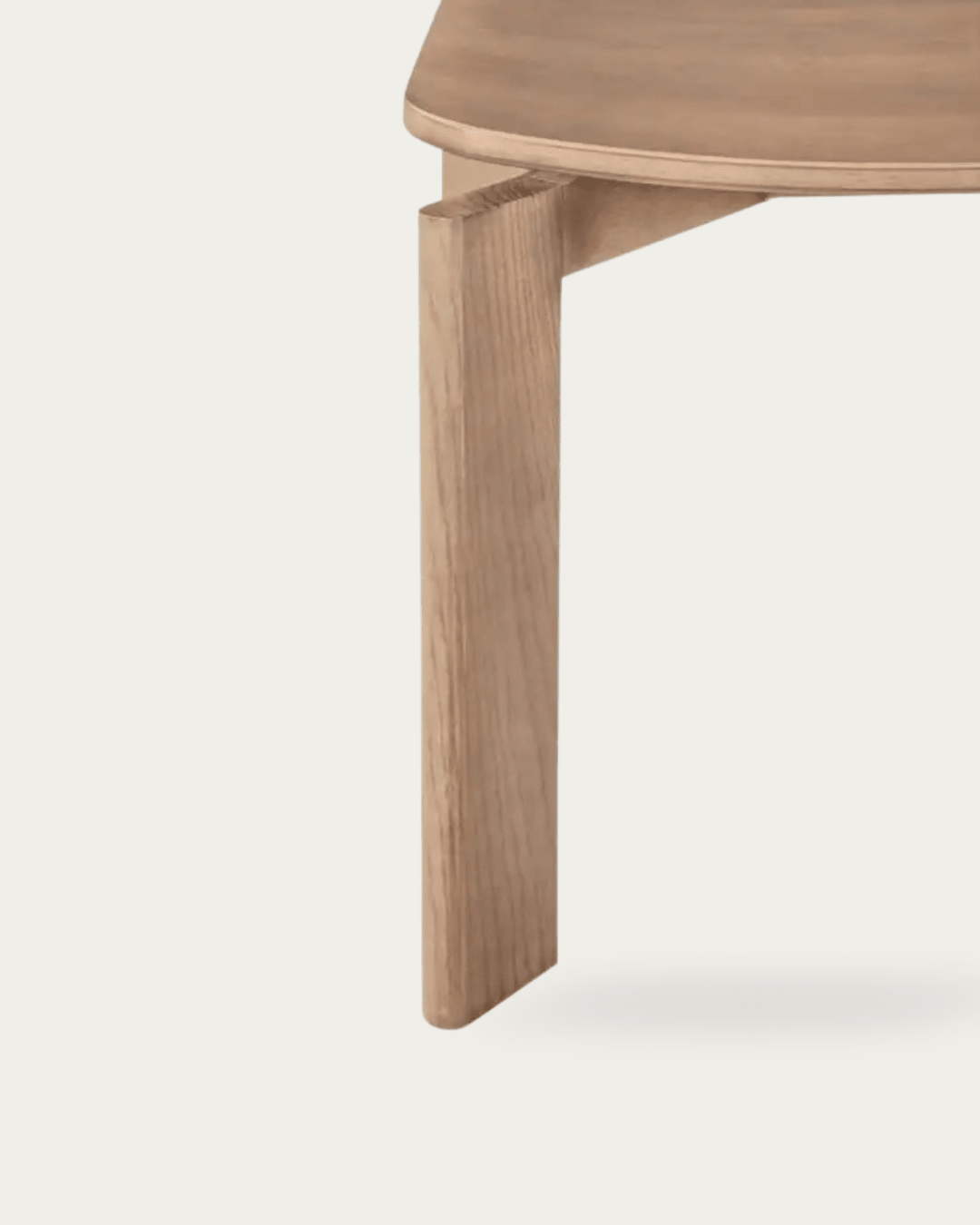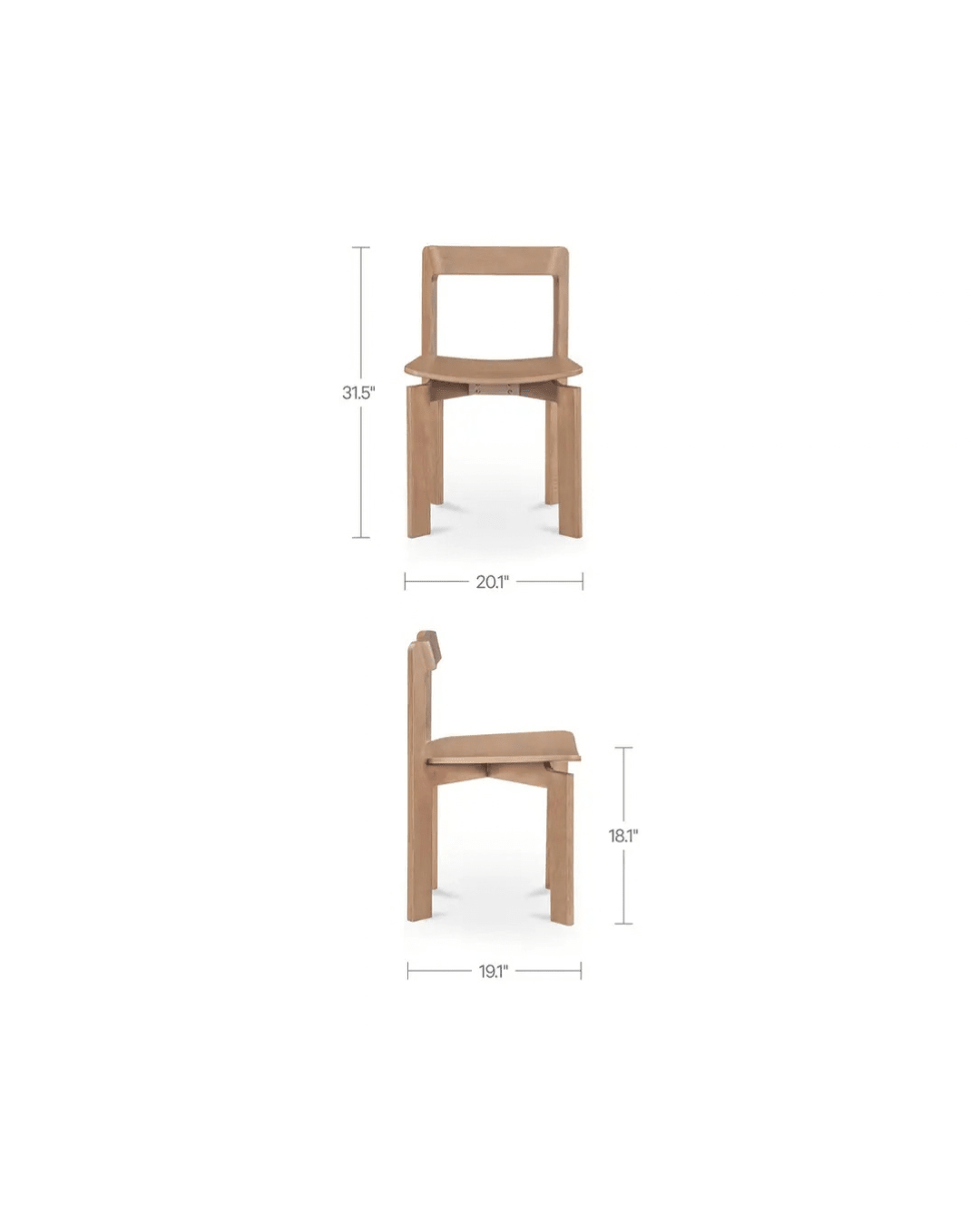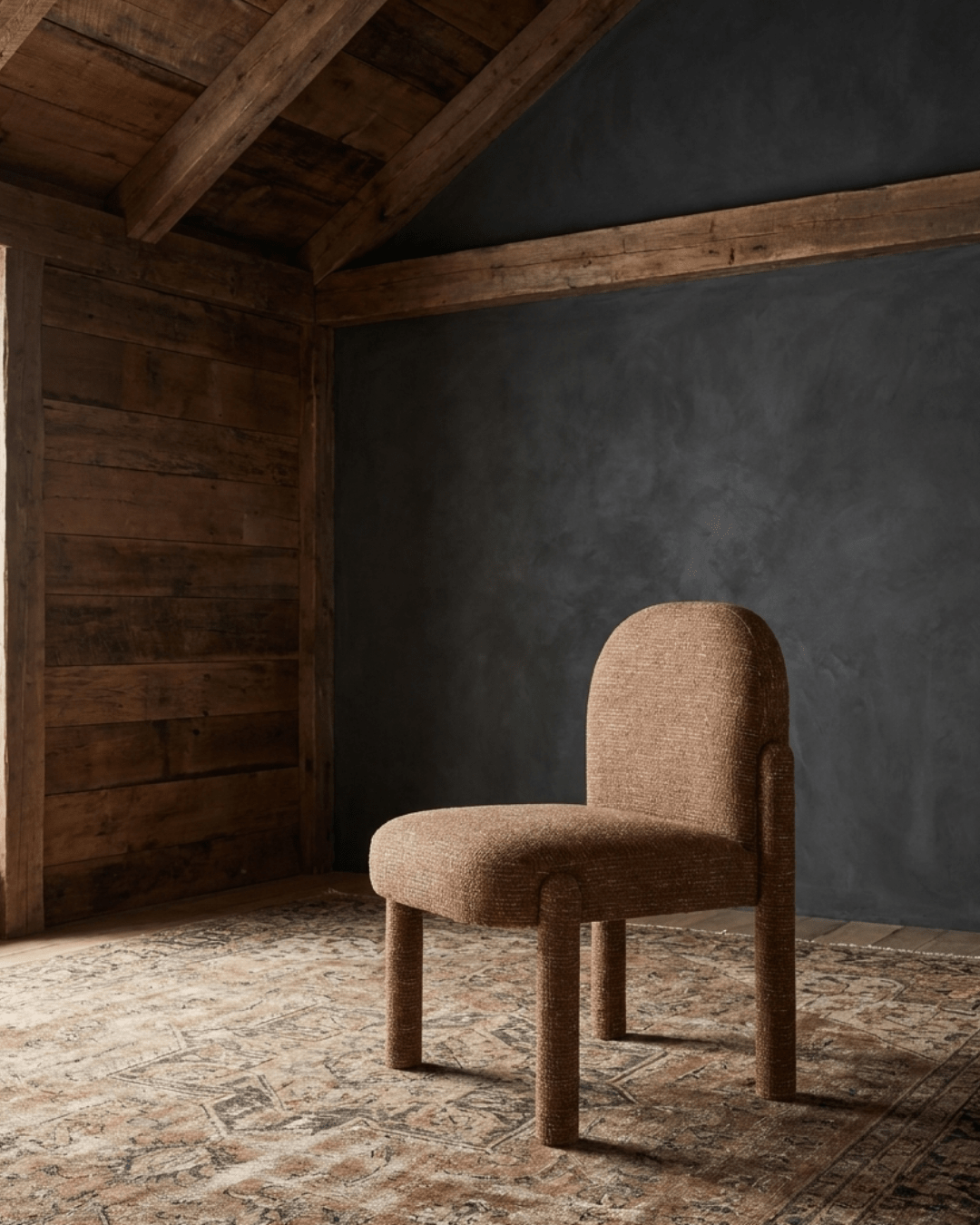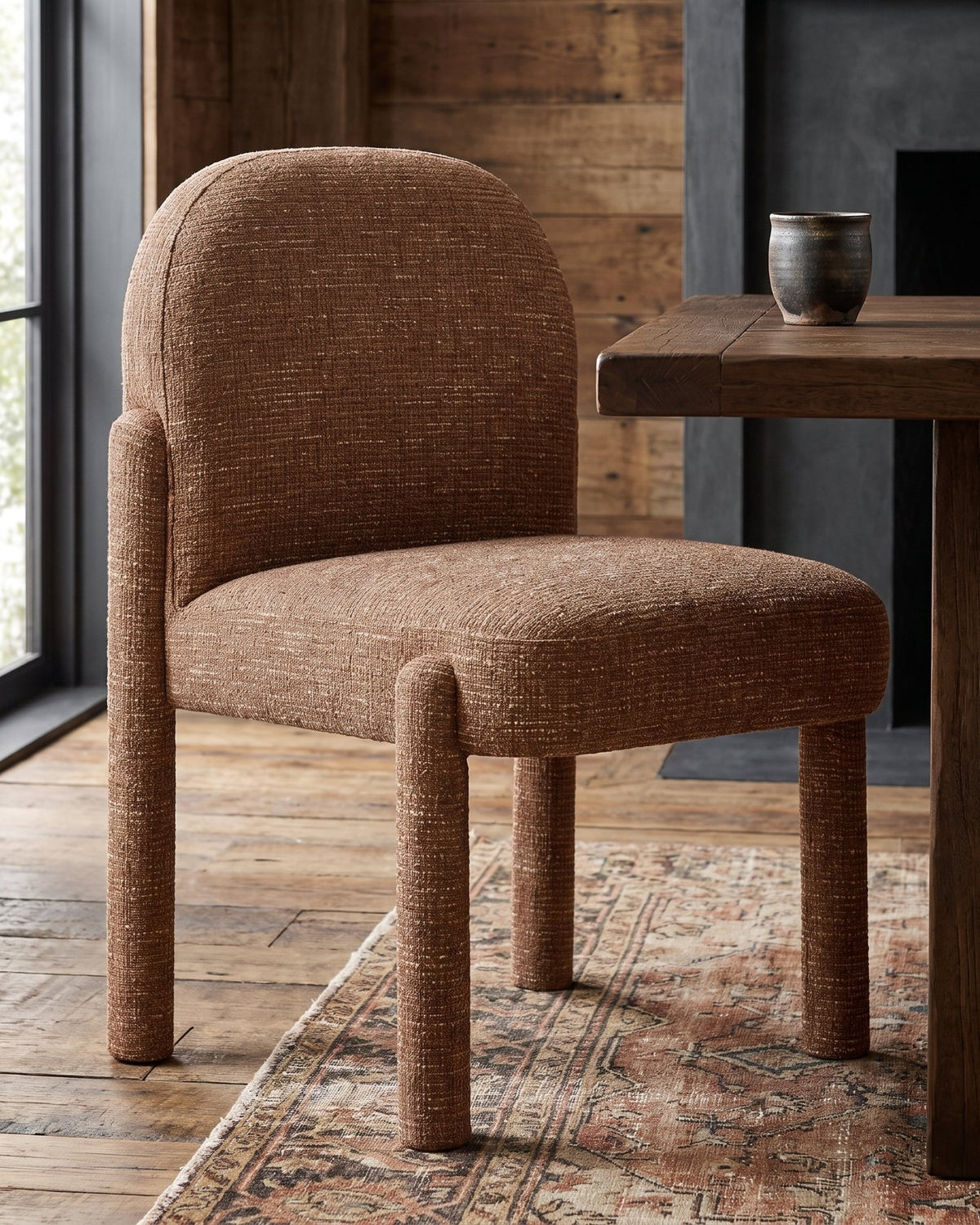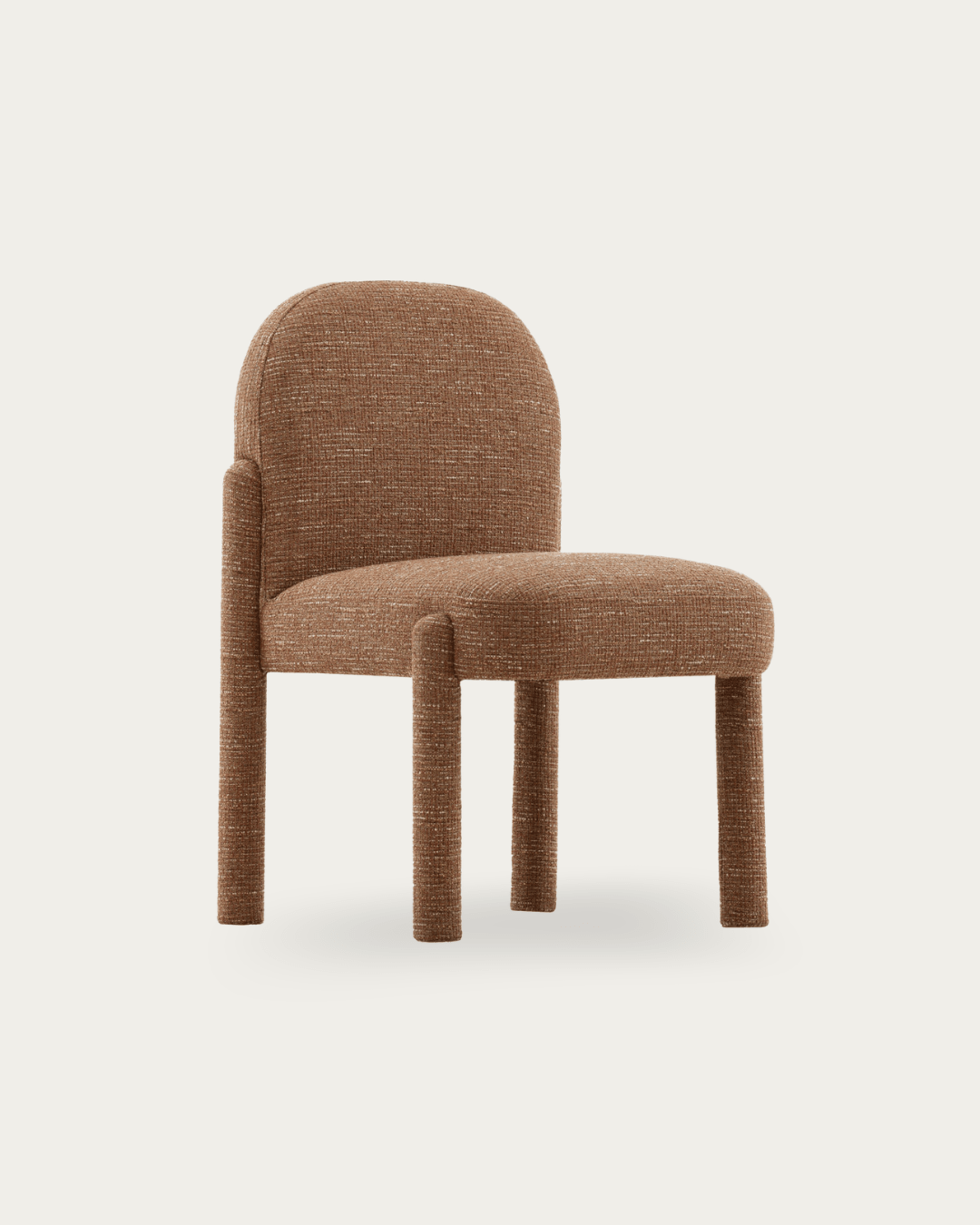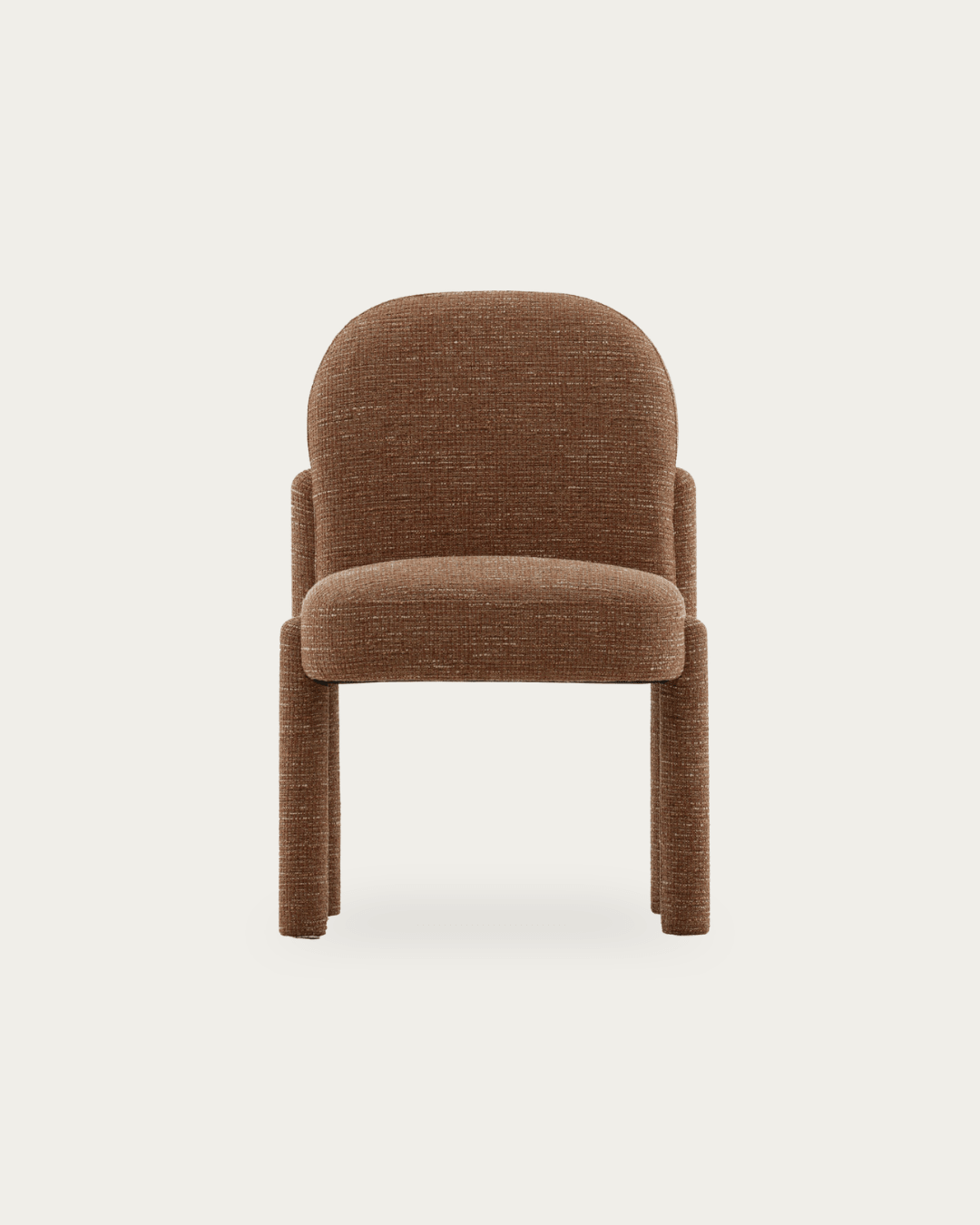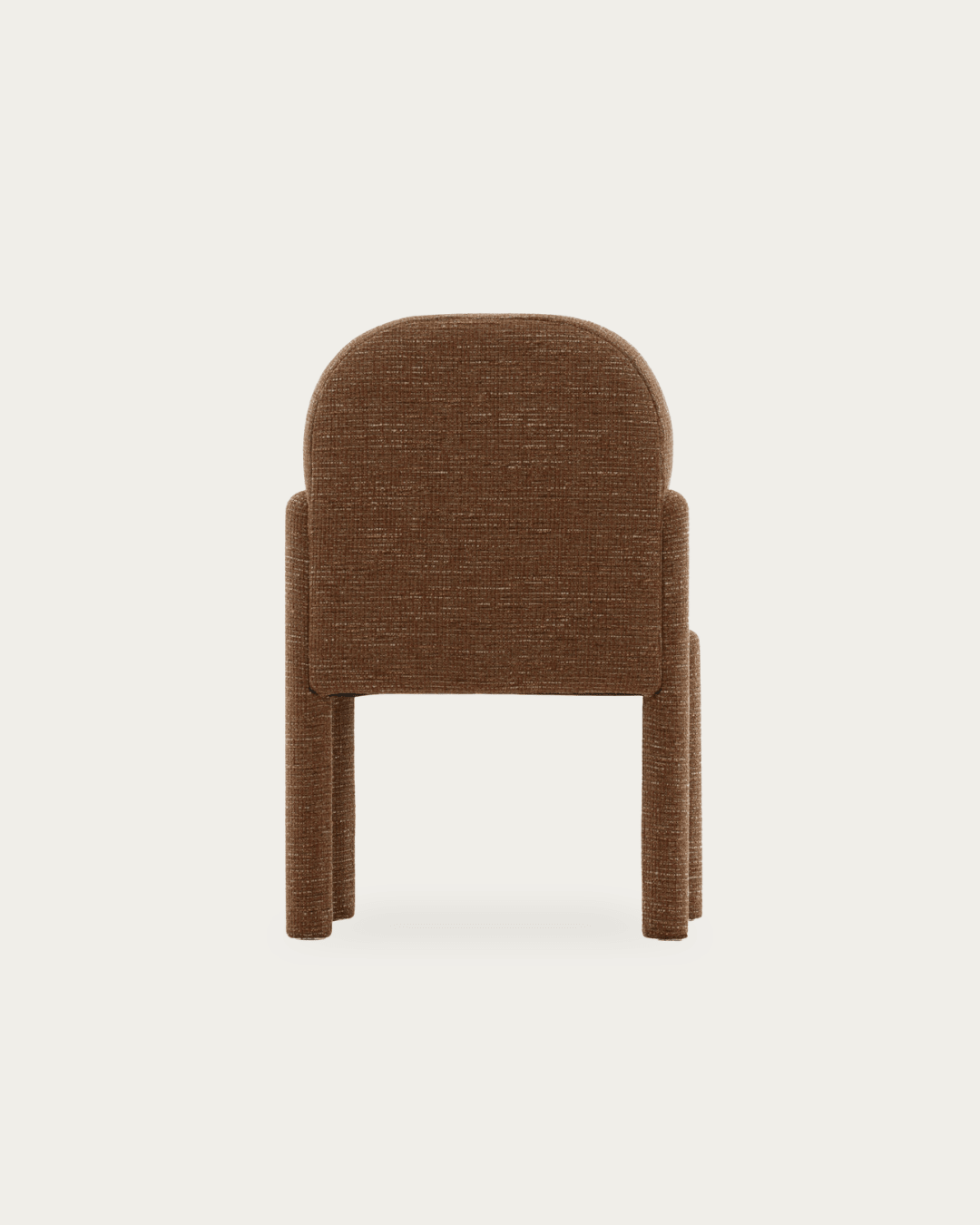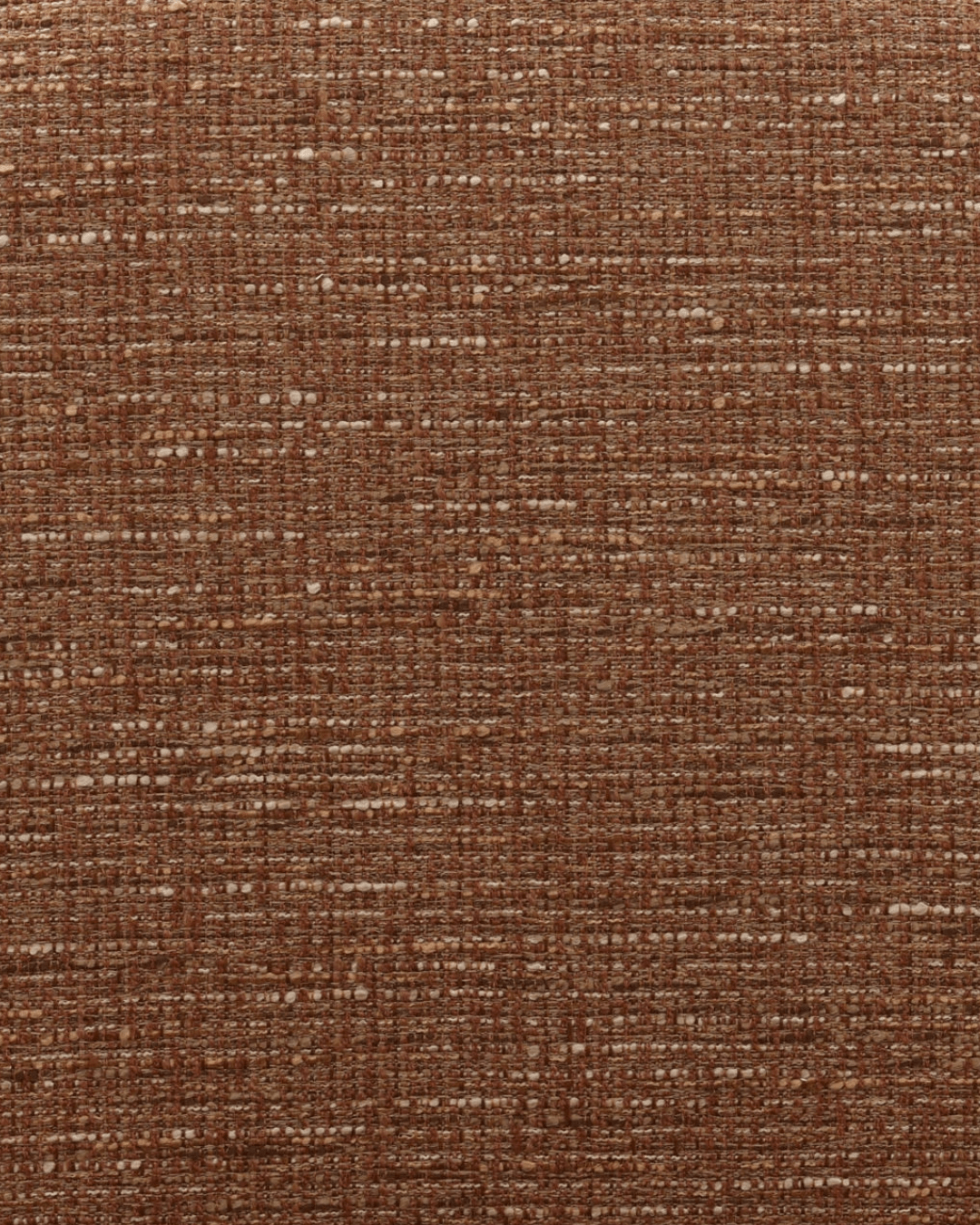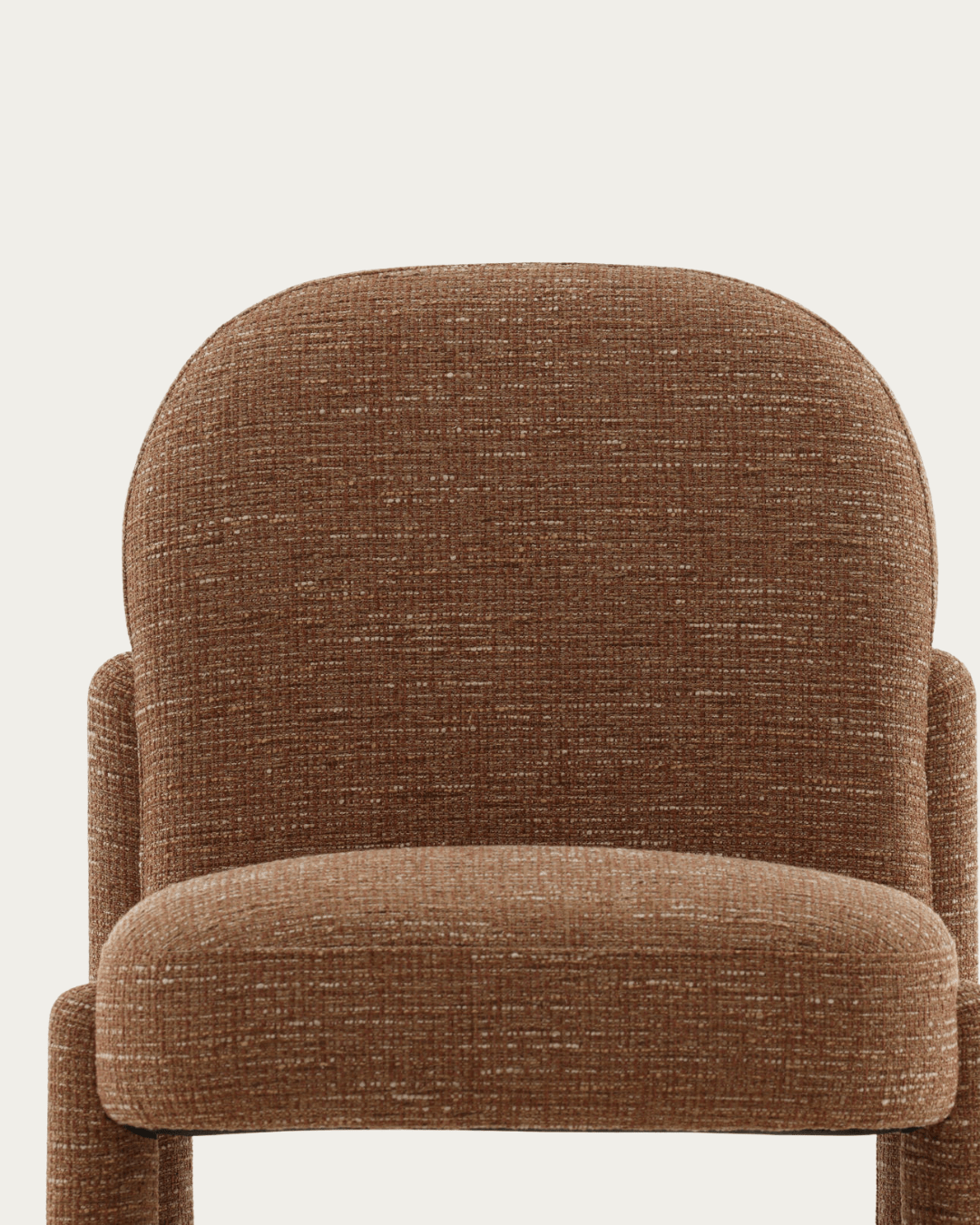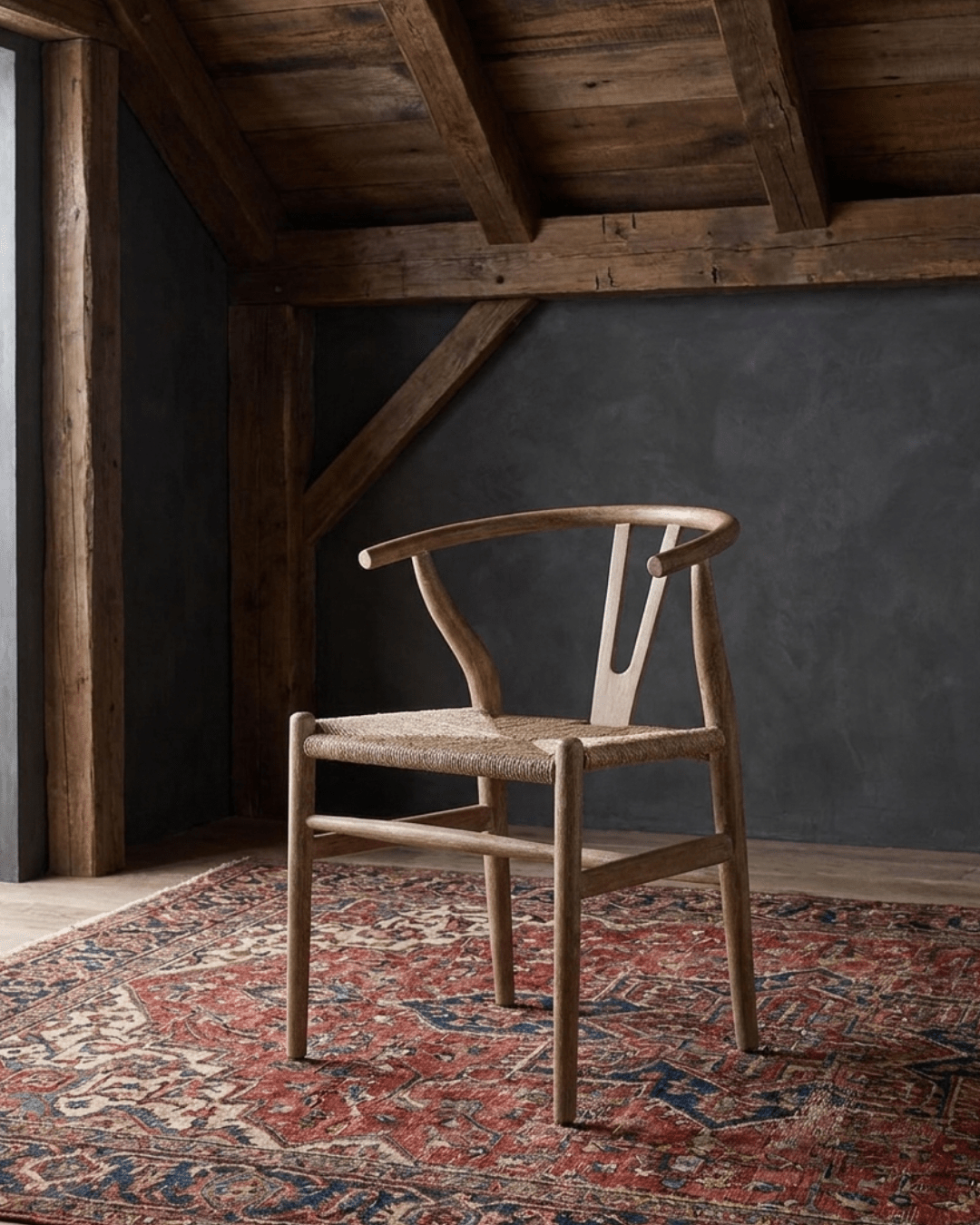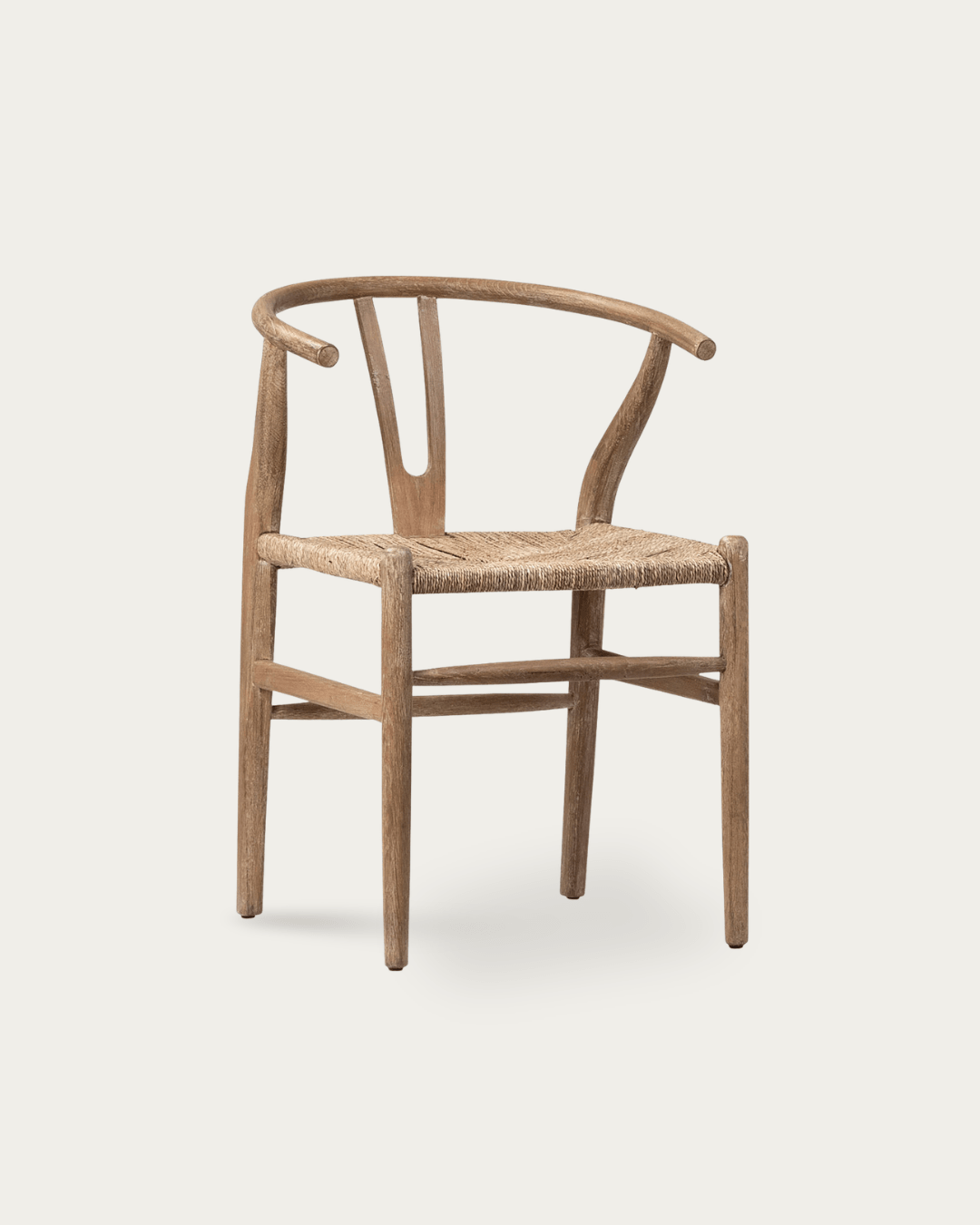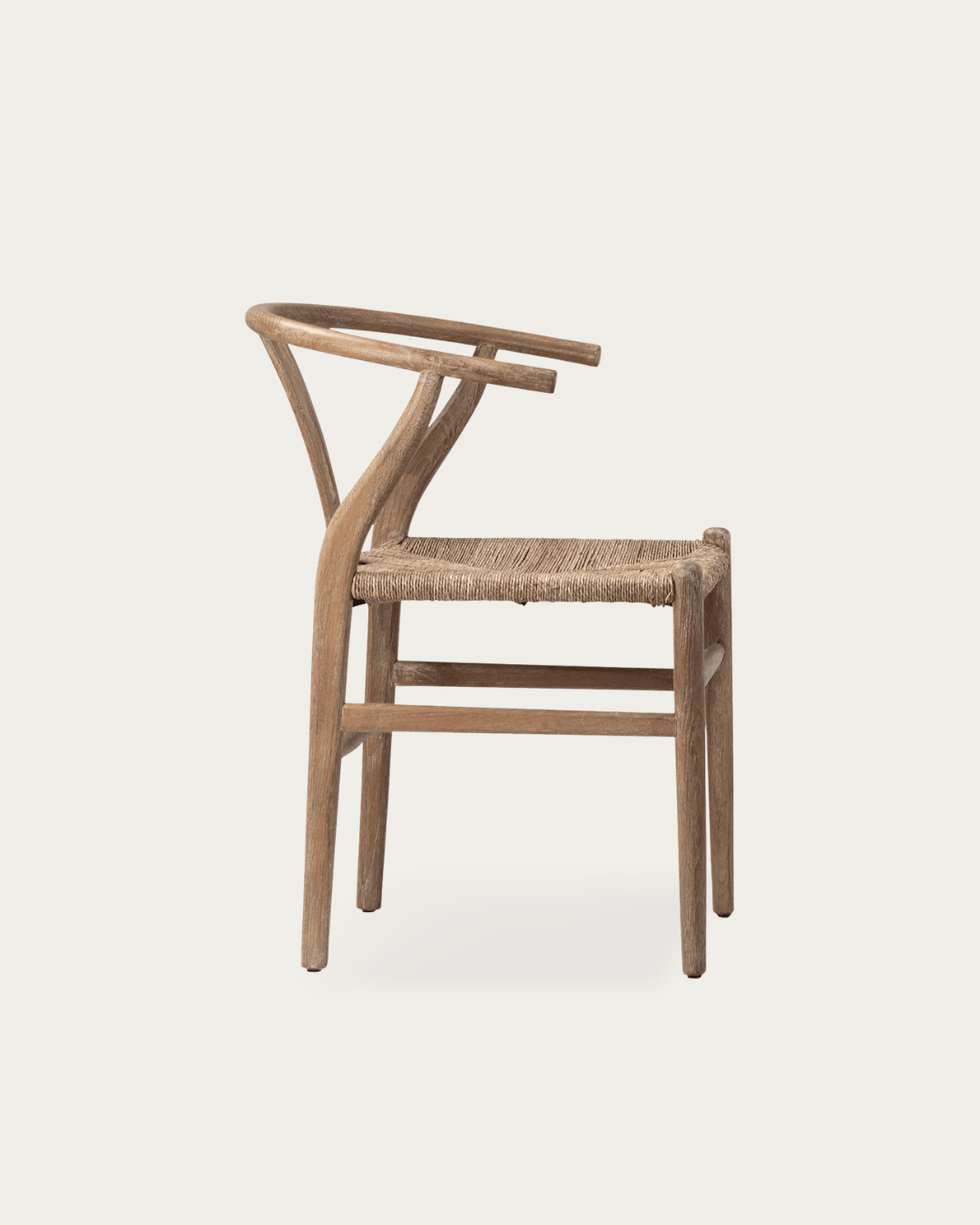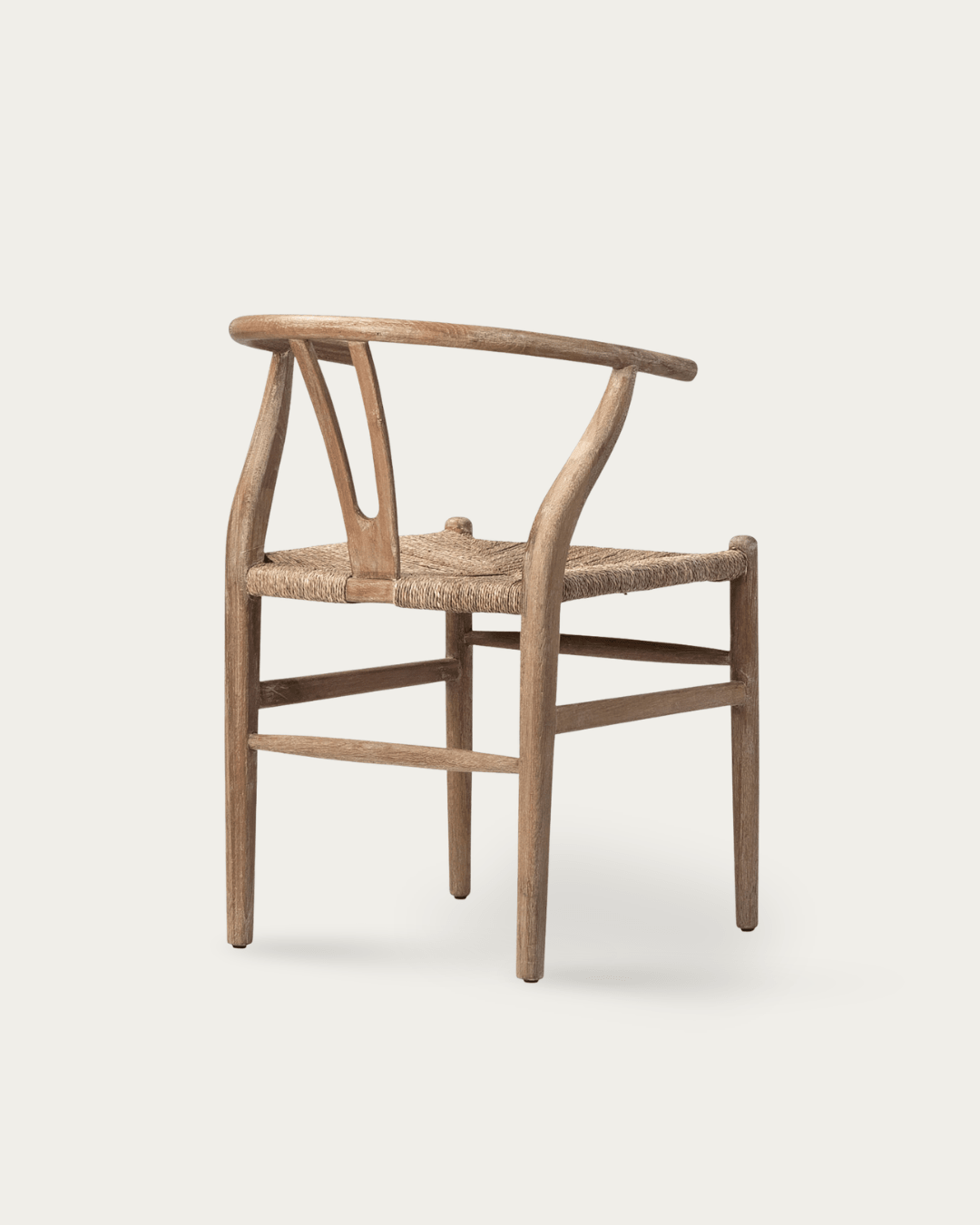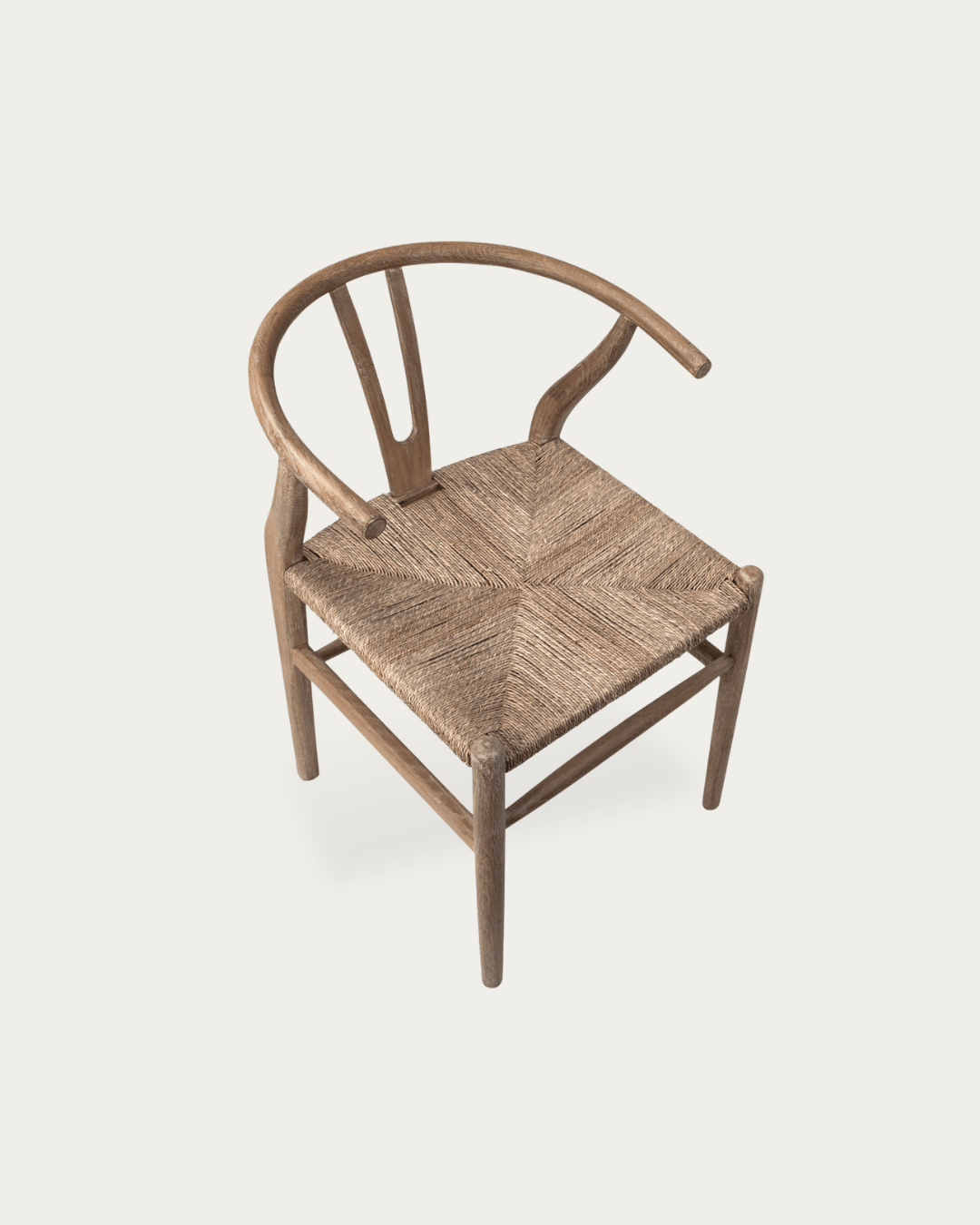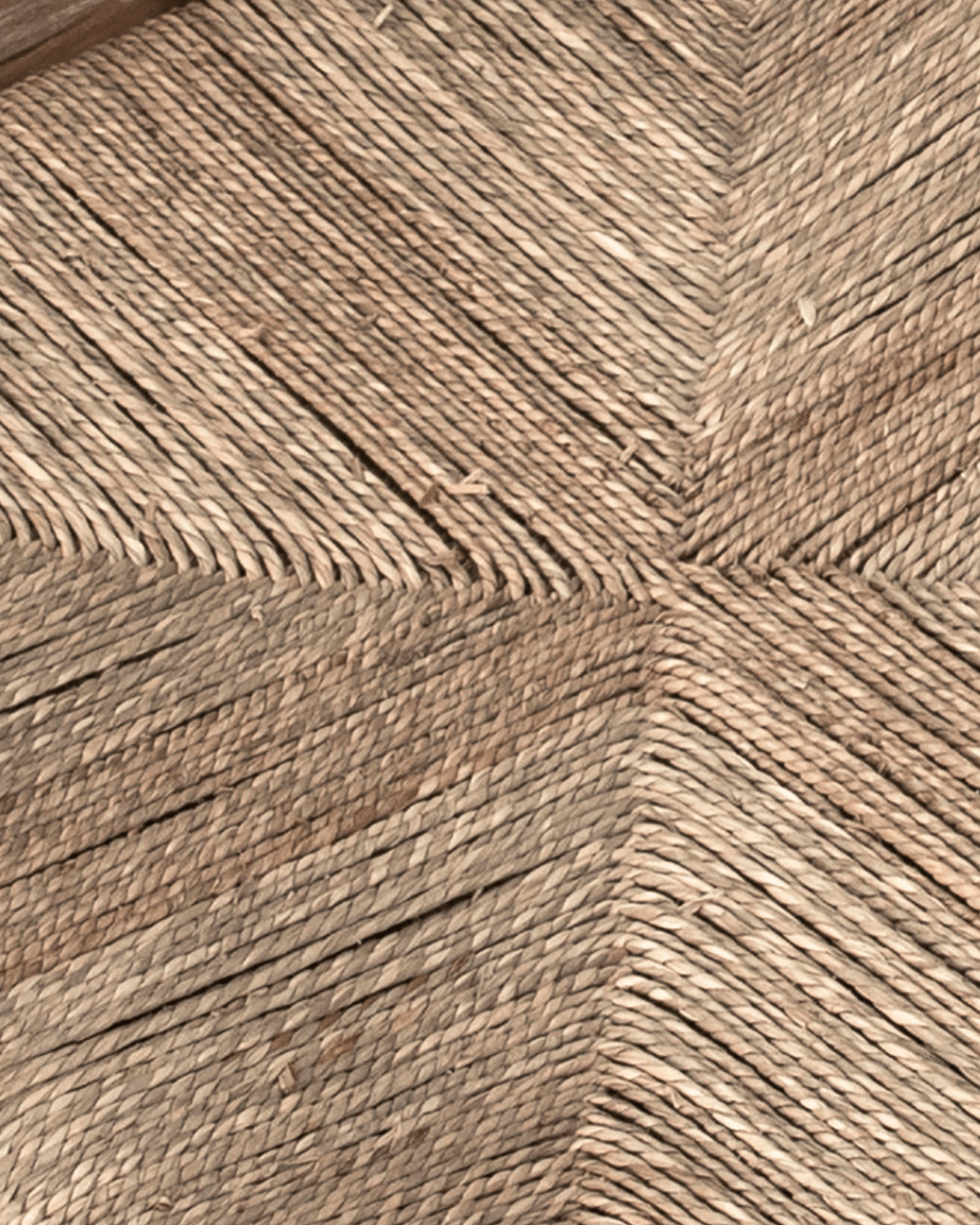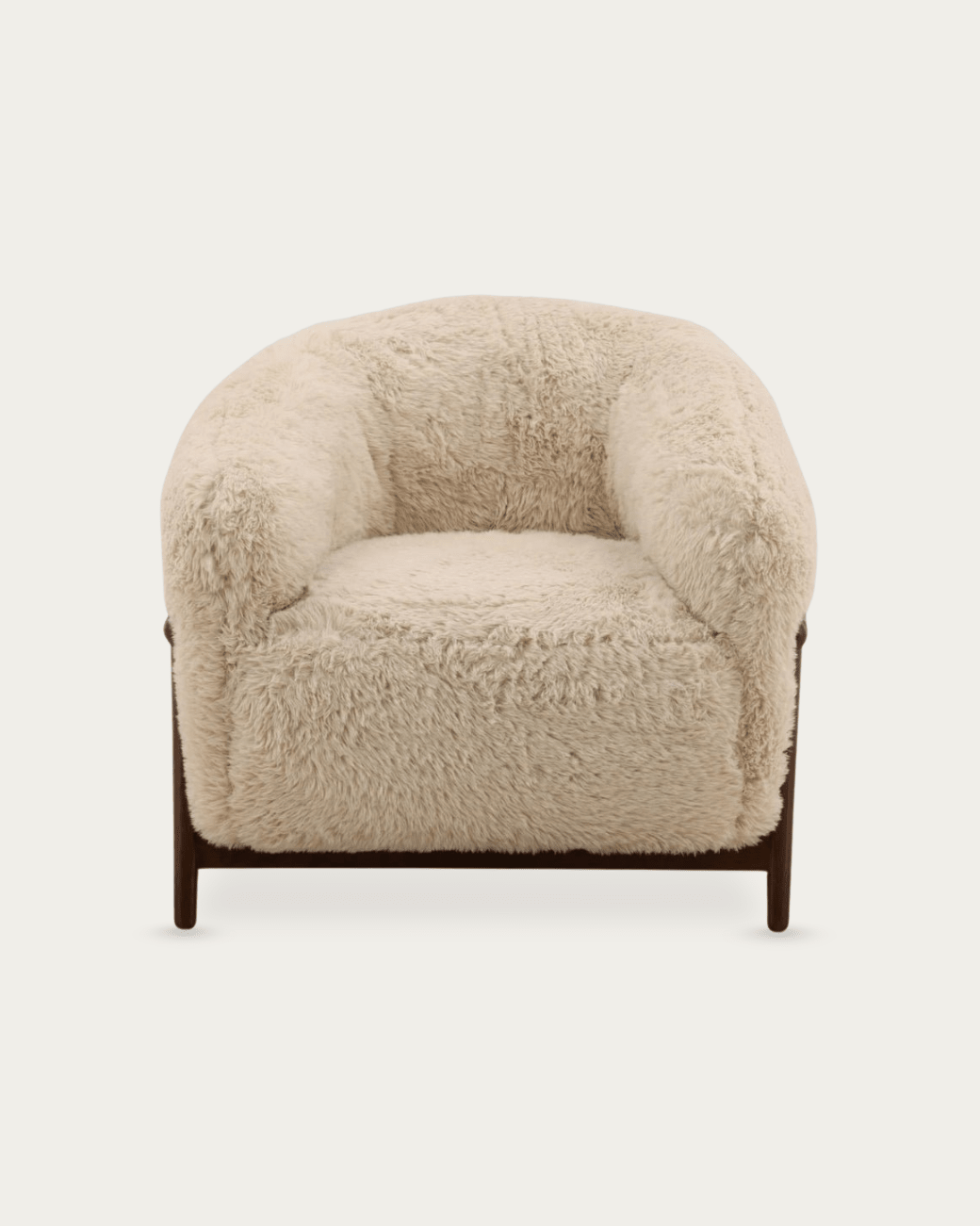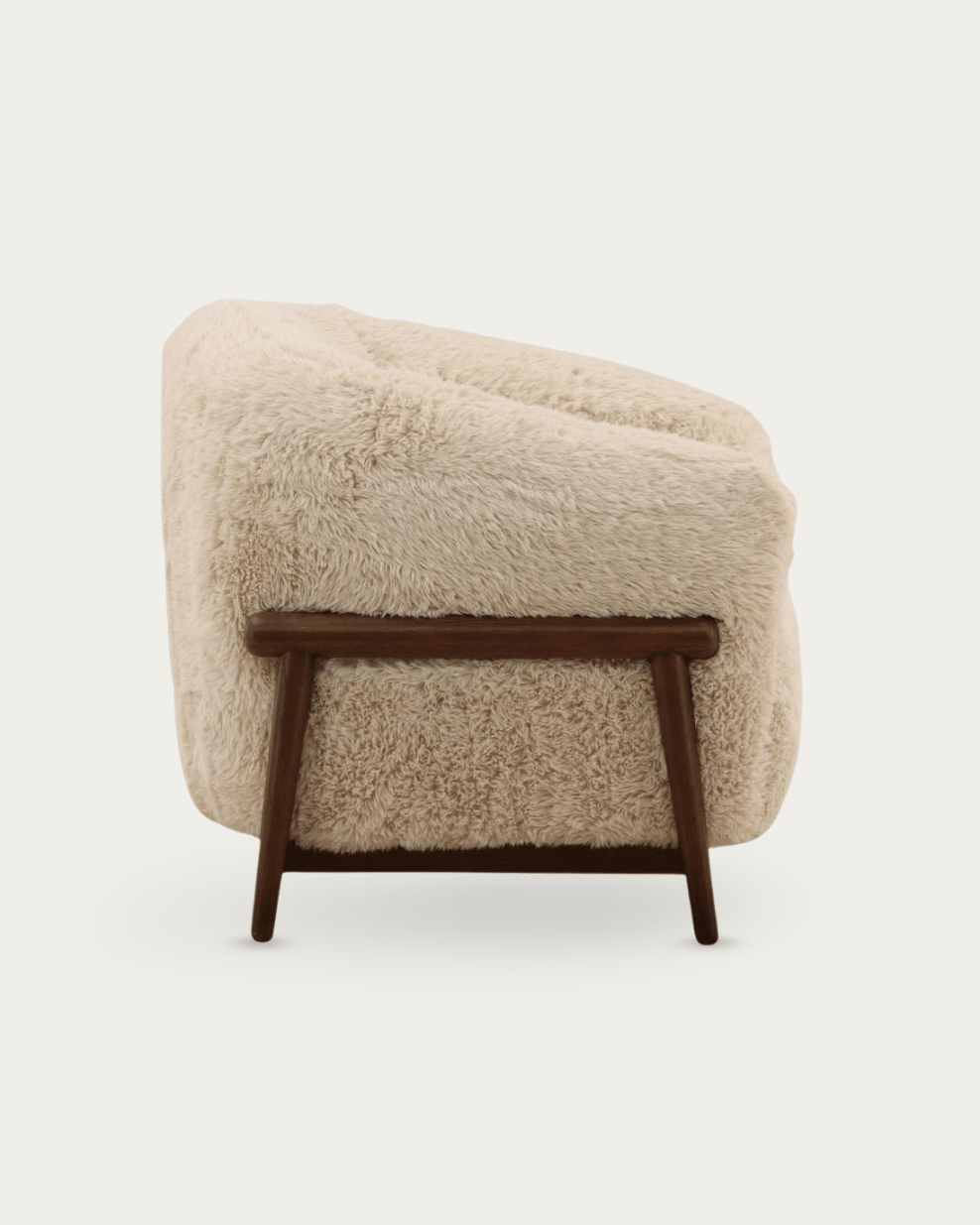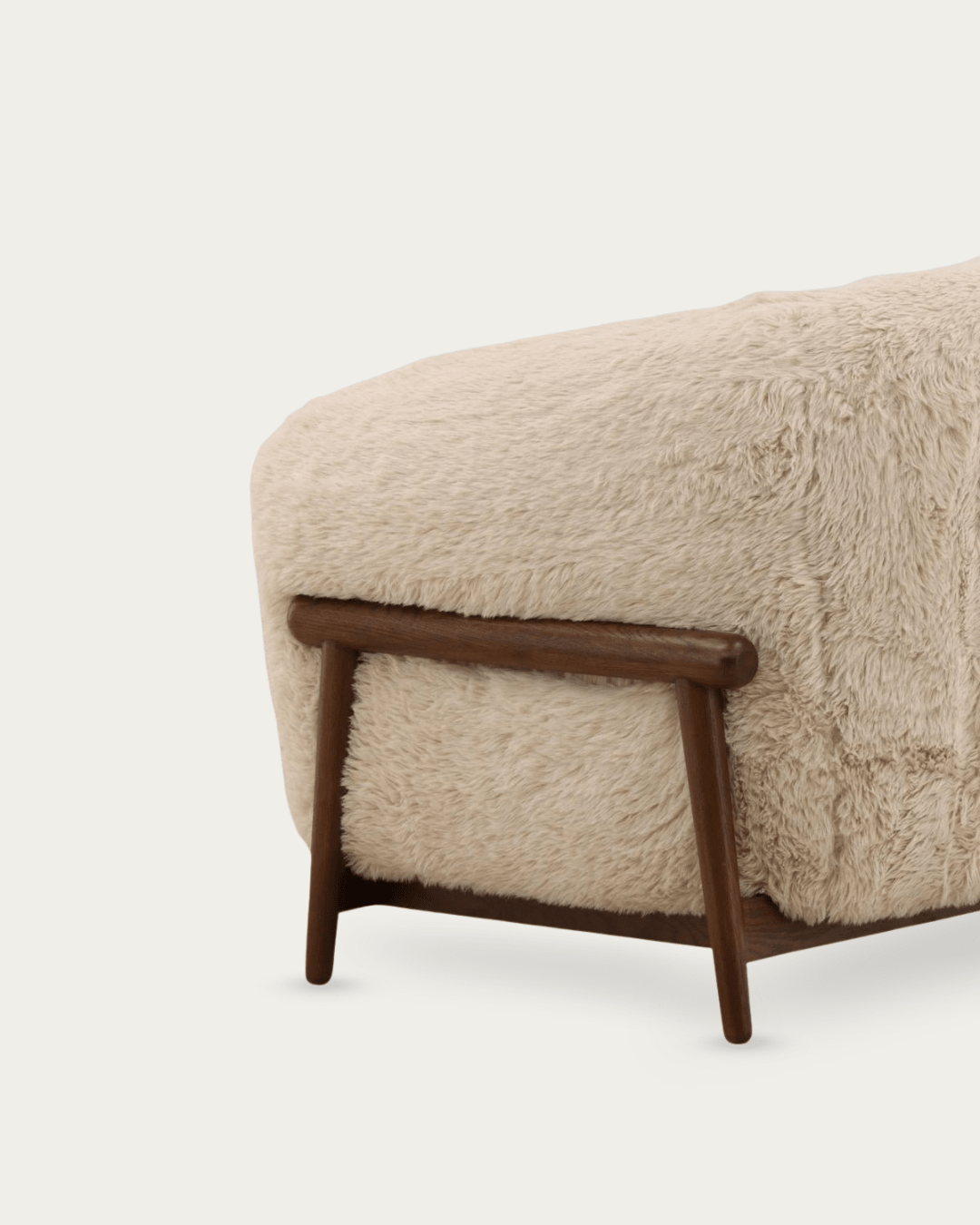









Most people don’t struggle with accent chairs because of style—they struggle because the chairs don’t actually work in the space. You can pick something that looks great on its own, but if the scale, placement, or material is off, the entire room feels slightly disconnected. Choosing the right accent chairs isn’t about filling space—it’s about making the layout function better.
If you’re building a setup that feels balanced instead of forced, start here:
Shop lounge chairs collection
Start With the Role, Not the Chair
Before you choose a chair, you need to know what it’s doing in the room.
Most accent chair mistakes come from skipping this step.
An accent chair can balance a heavy sofa, create a secondary seating zone, or anchor an empty corner. If you don’t define the role, you’ll end up choosing based on appearance—and that’s where things start to feel off.
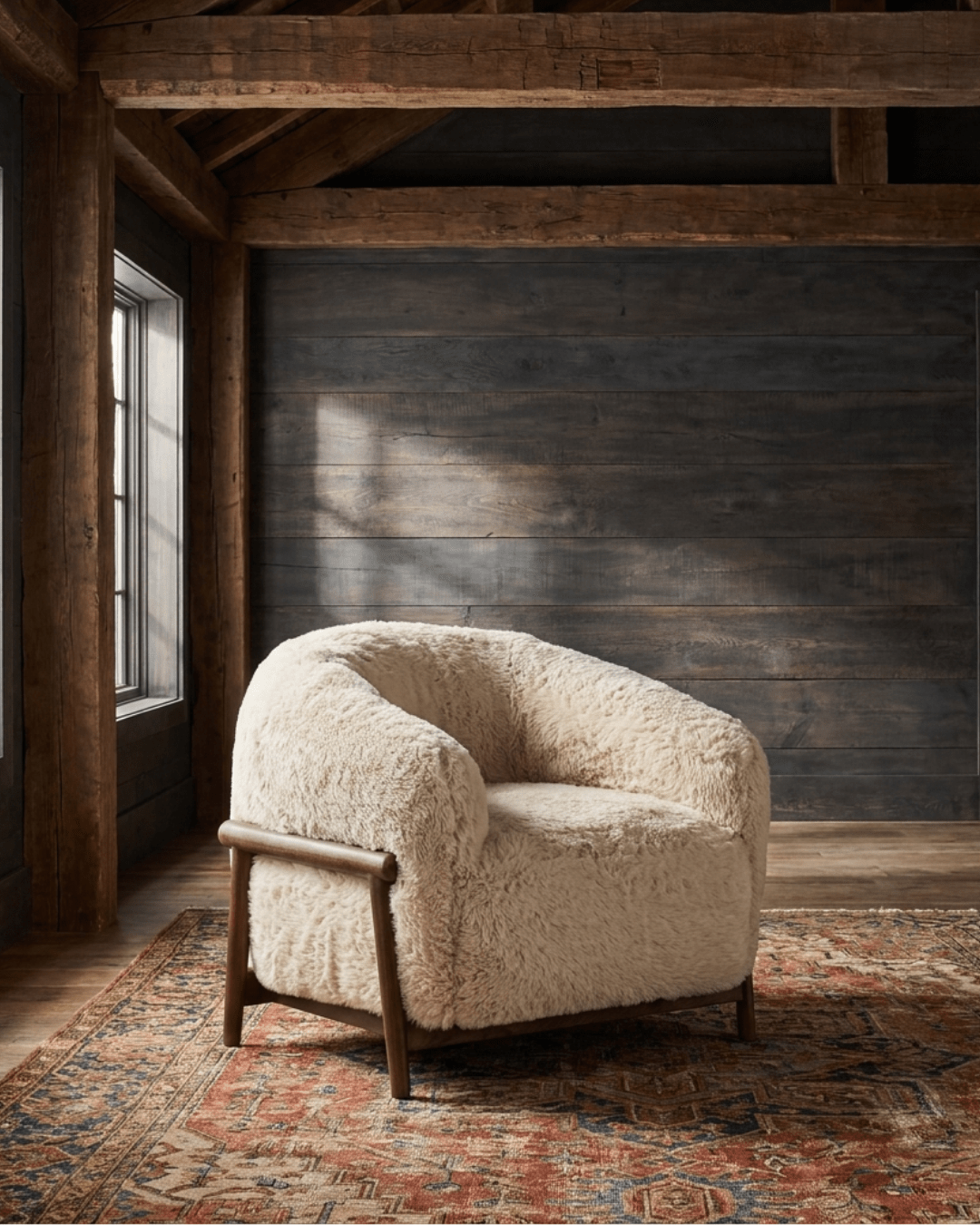
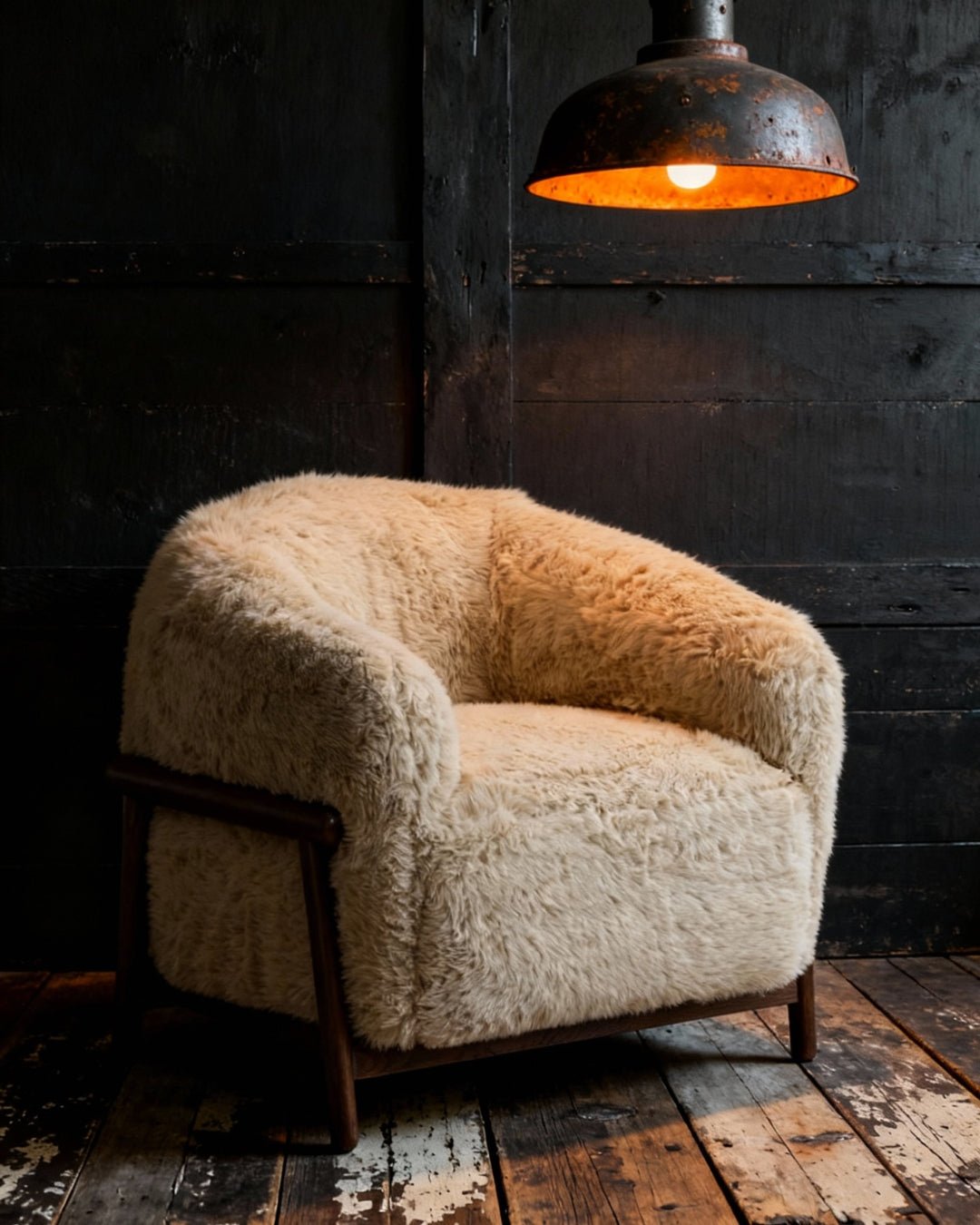
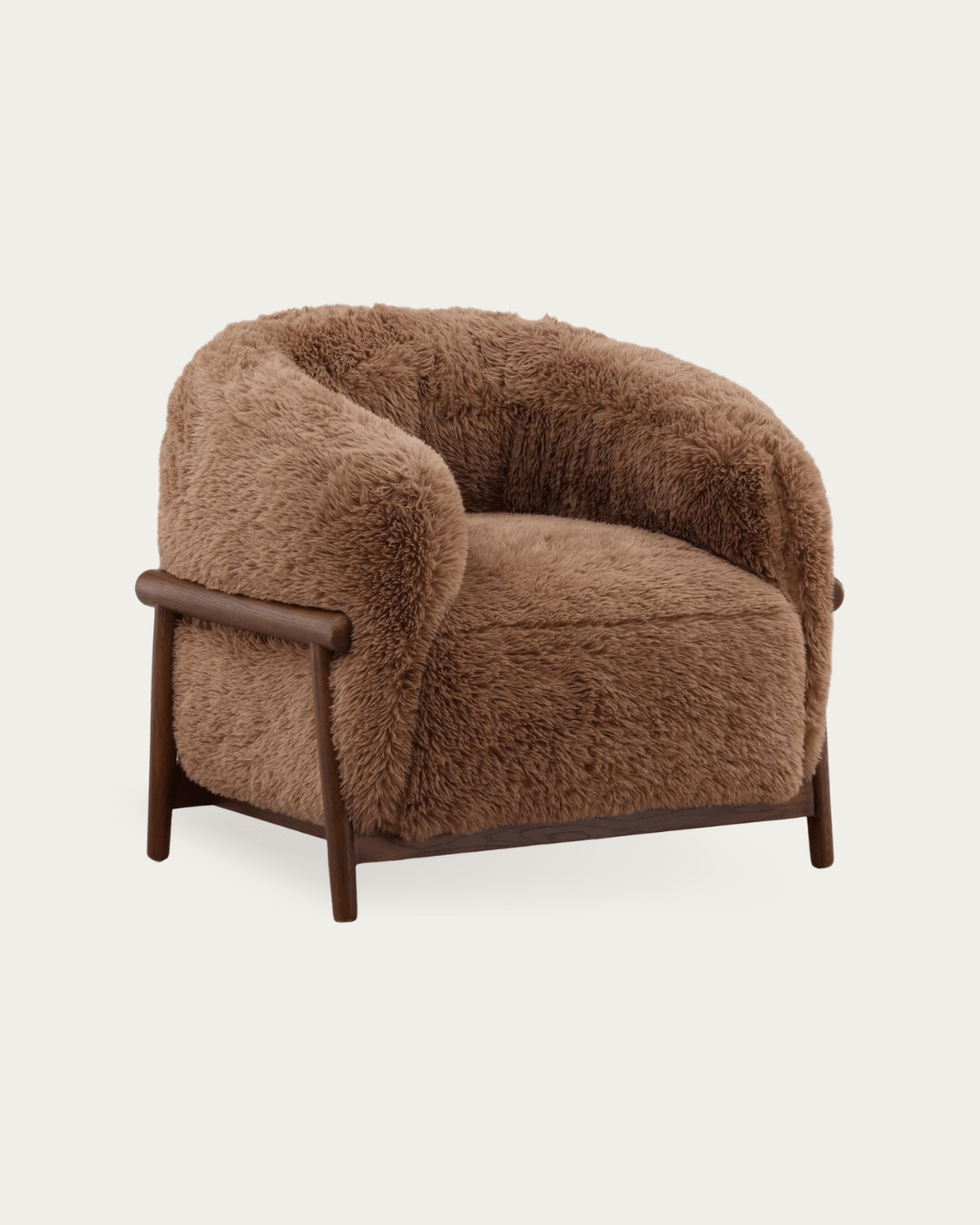
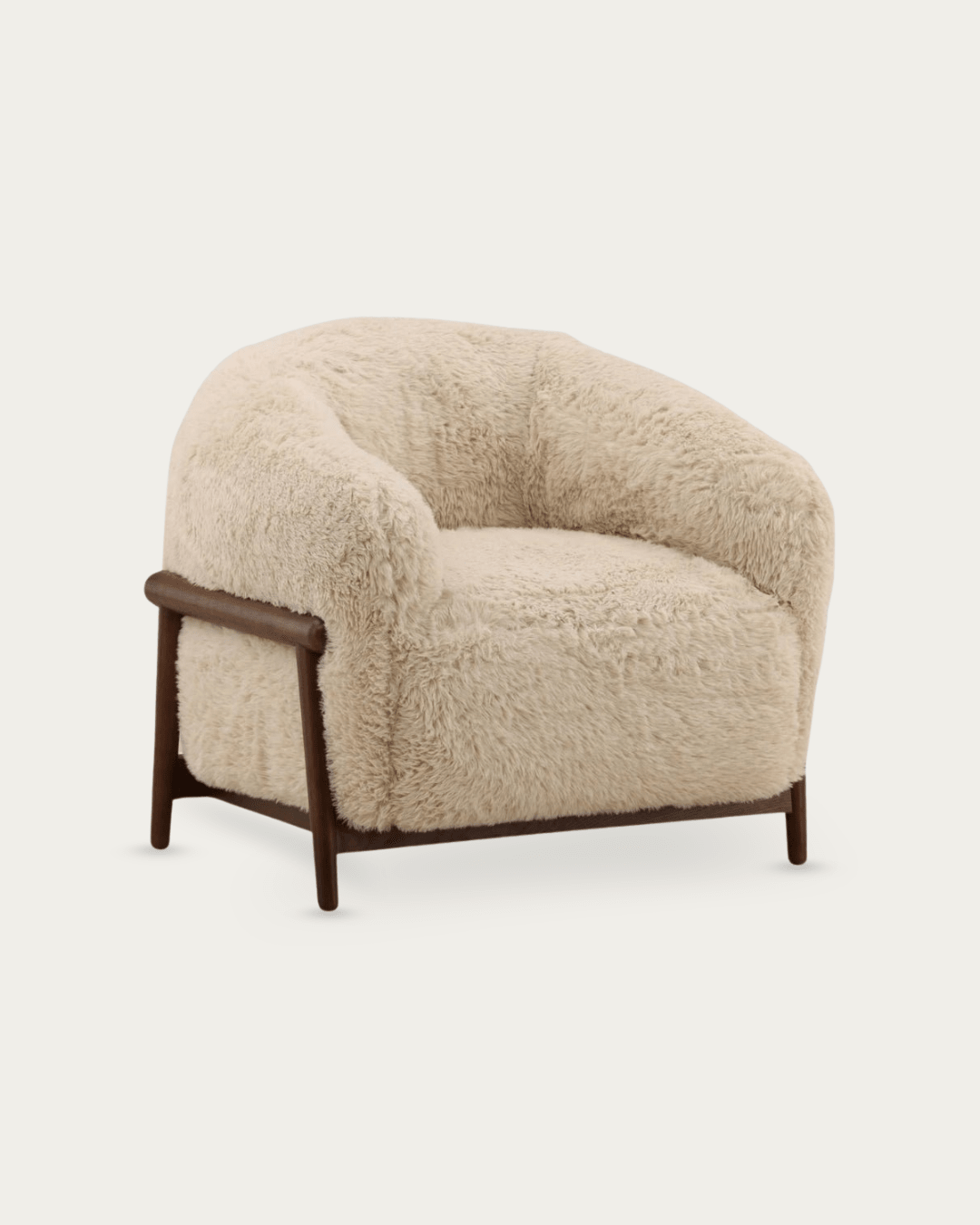
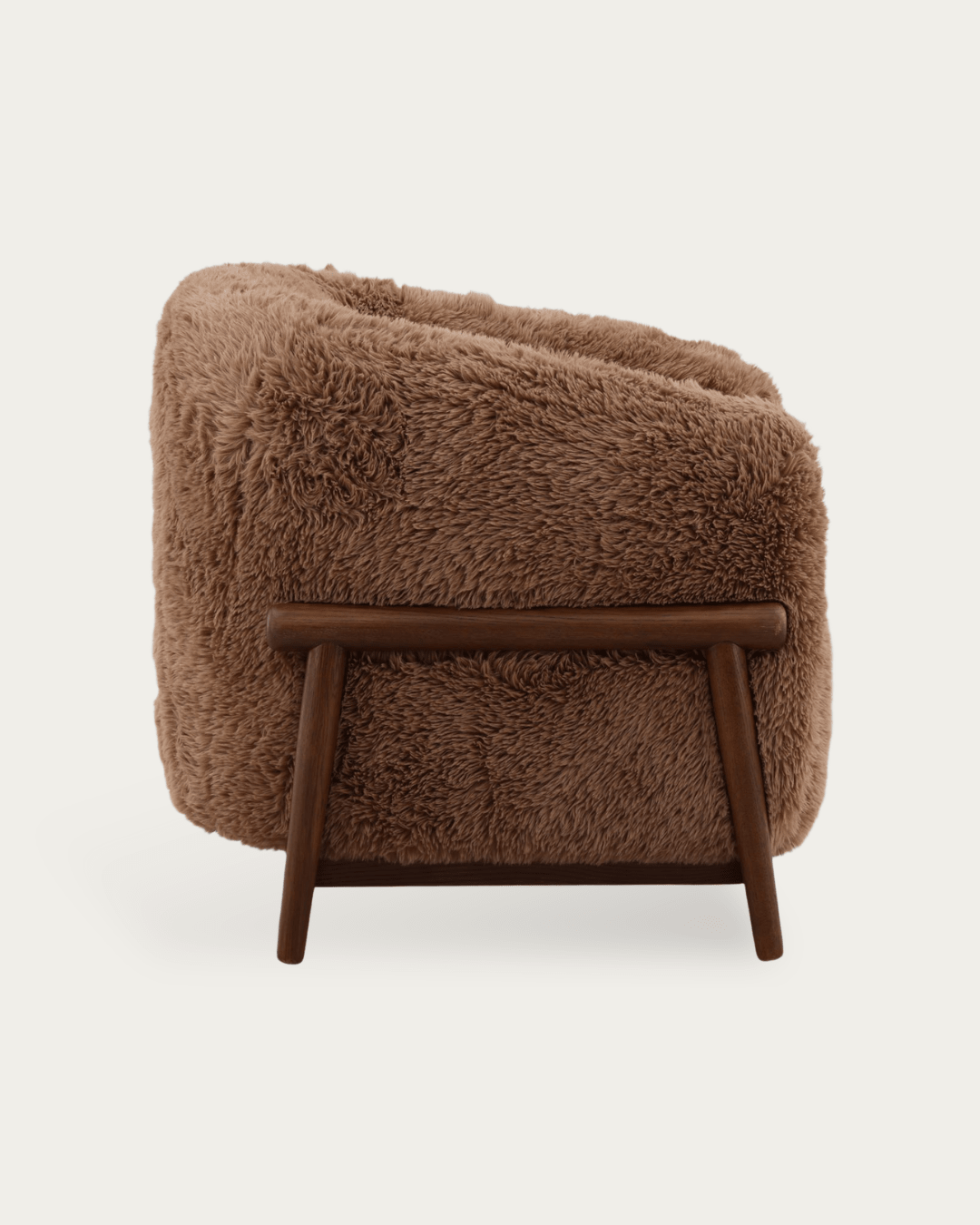
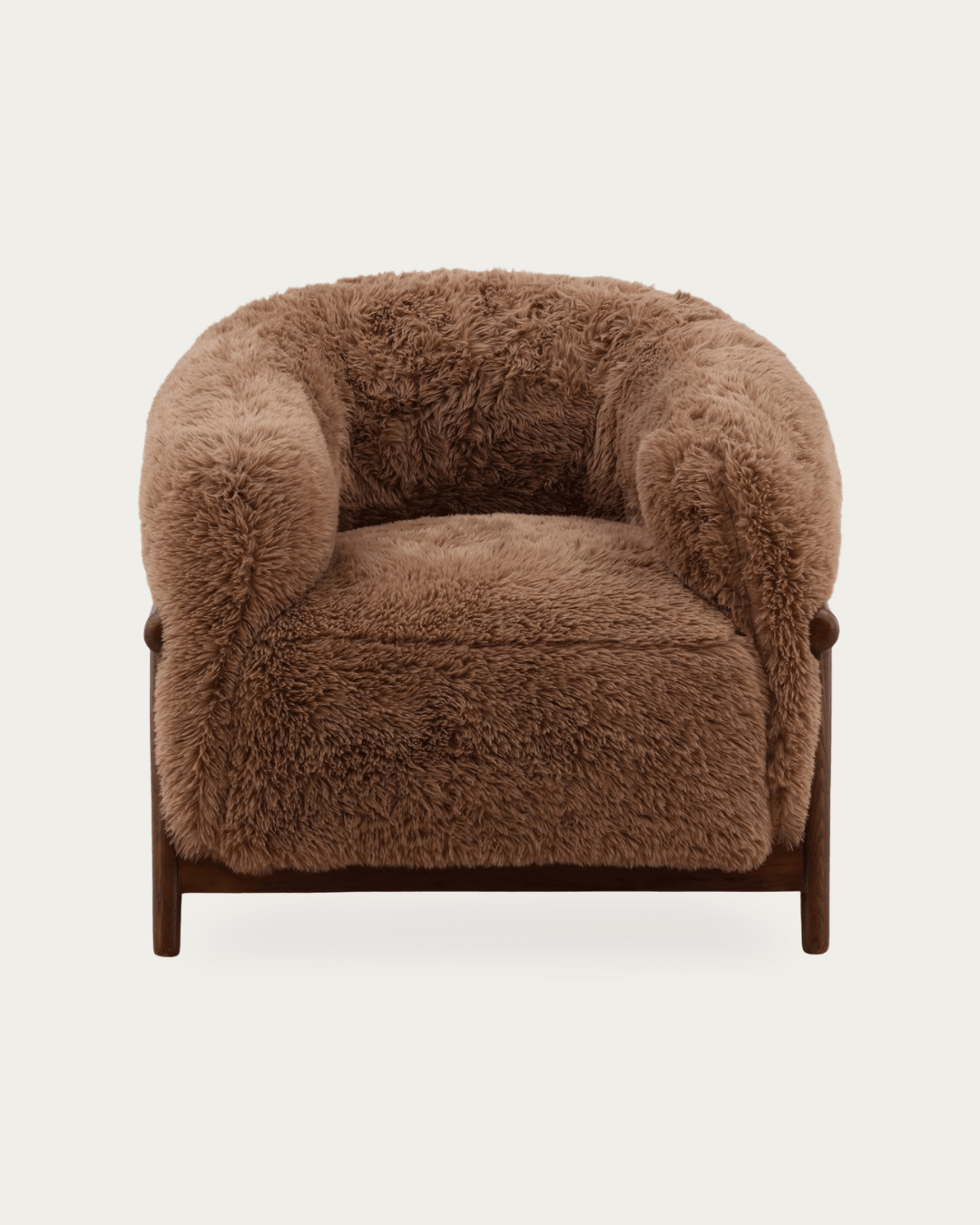
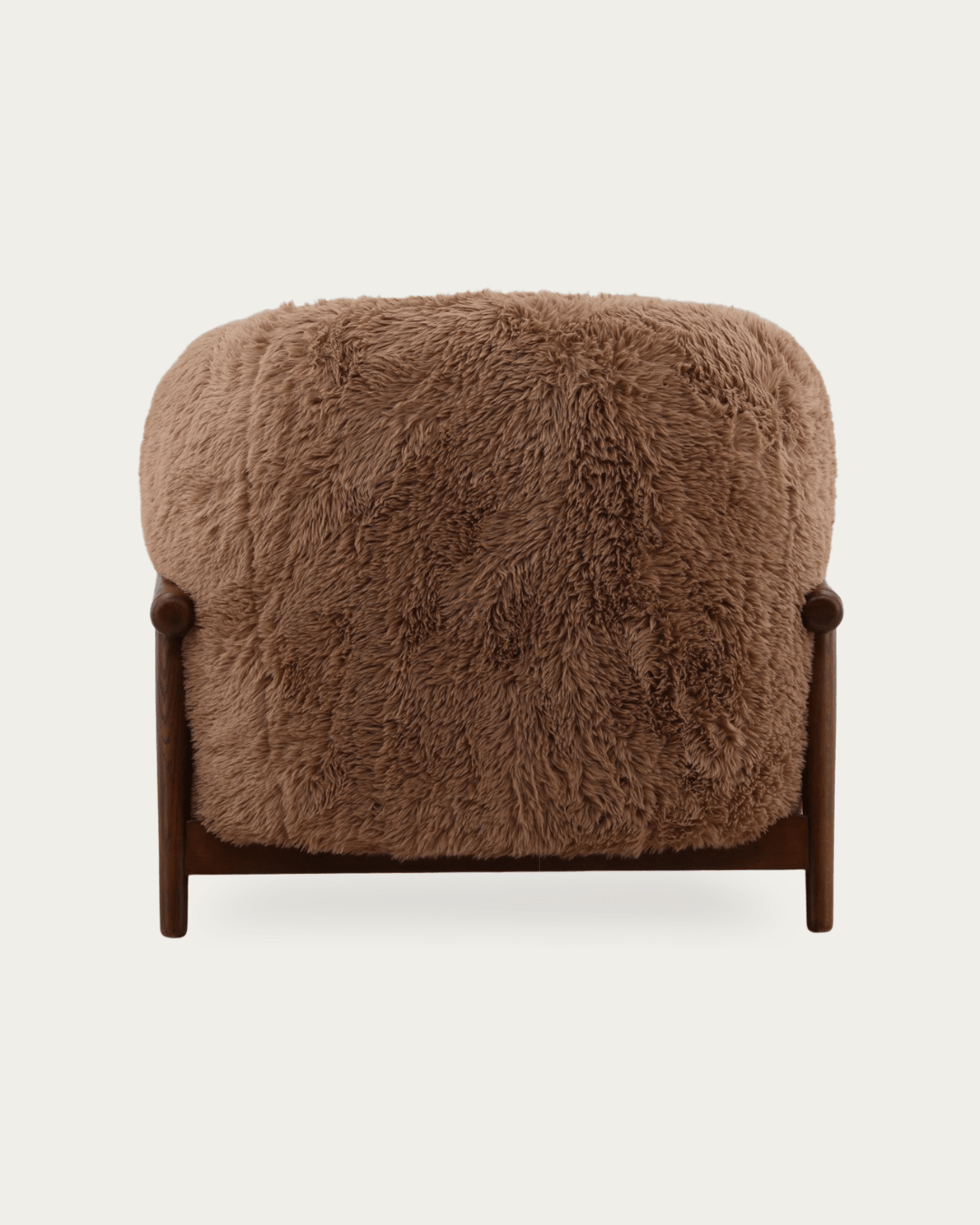
A piece like the Alvaer chair works well when you need a lighter visual presence, while something like the Fenris leather chesterfield chair carries more weight and can anchor a space more directly.
If you haven’t read it yet, this explains why accent chairs matter in the first place:
https://hellonorden.com/blogs/journal/accent-chairs-aren-t-extra-they-re-what-fix-a-room-that-feels-off
Match the Scale to Your Sofa
Scale is where most people go wrong.
A chair that’s too small disappears. A chair that’s too large competes with your sofa.
The goal is proportion—not matching.
Your accent chair should feel like it belongs in the same system as your sofa, not like it was added later.
A piece like the Torgny chair works when you need something balanced in scale, while the Griffin chair holds more presence and works better alongside larger seating.
Don’t Ignore Seat Height and Depth
Most people focus on how a chair looks.
But how it sits matters more.
If your accent chair is significantly lower or higher than your sofa, it creates a subtle disconnect. Conversations feel less natural. The space feels less cohesive.
Depth matters too.
A piece like the Eeroa chair leans toward a more relaxed sit, while something like the Hunter chair offers a more structured posture.
When seating feels aligned, the room starts to feel easier to use.
Use Material to Create Contrast
If everything in your living room is made of the same material, the space starts to feel flat.
Accent chairs are one of the easiest ways to introduce contrast.
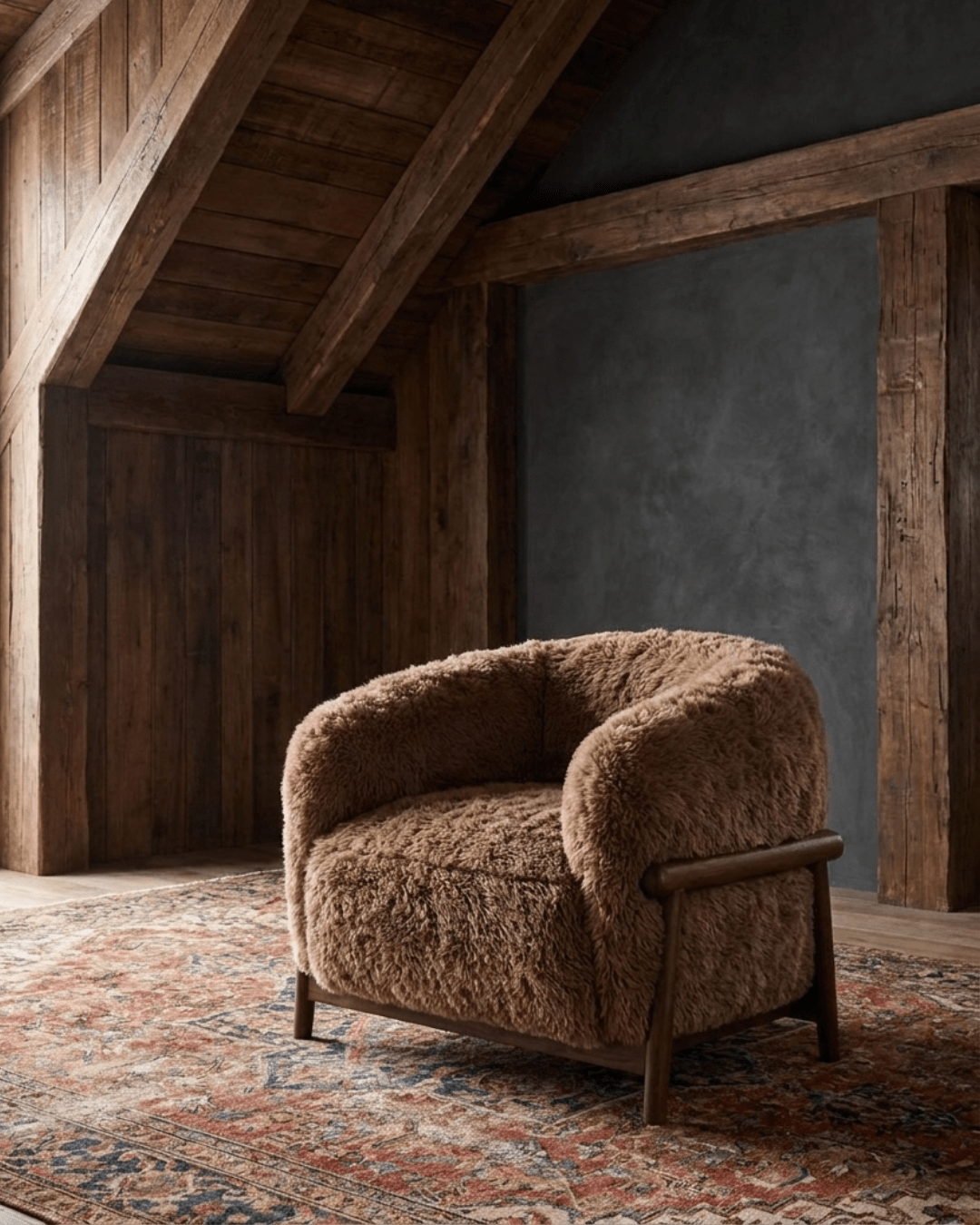
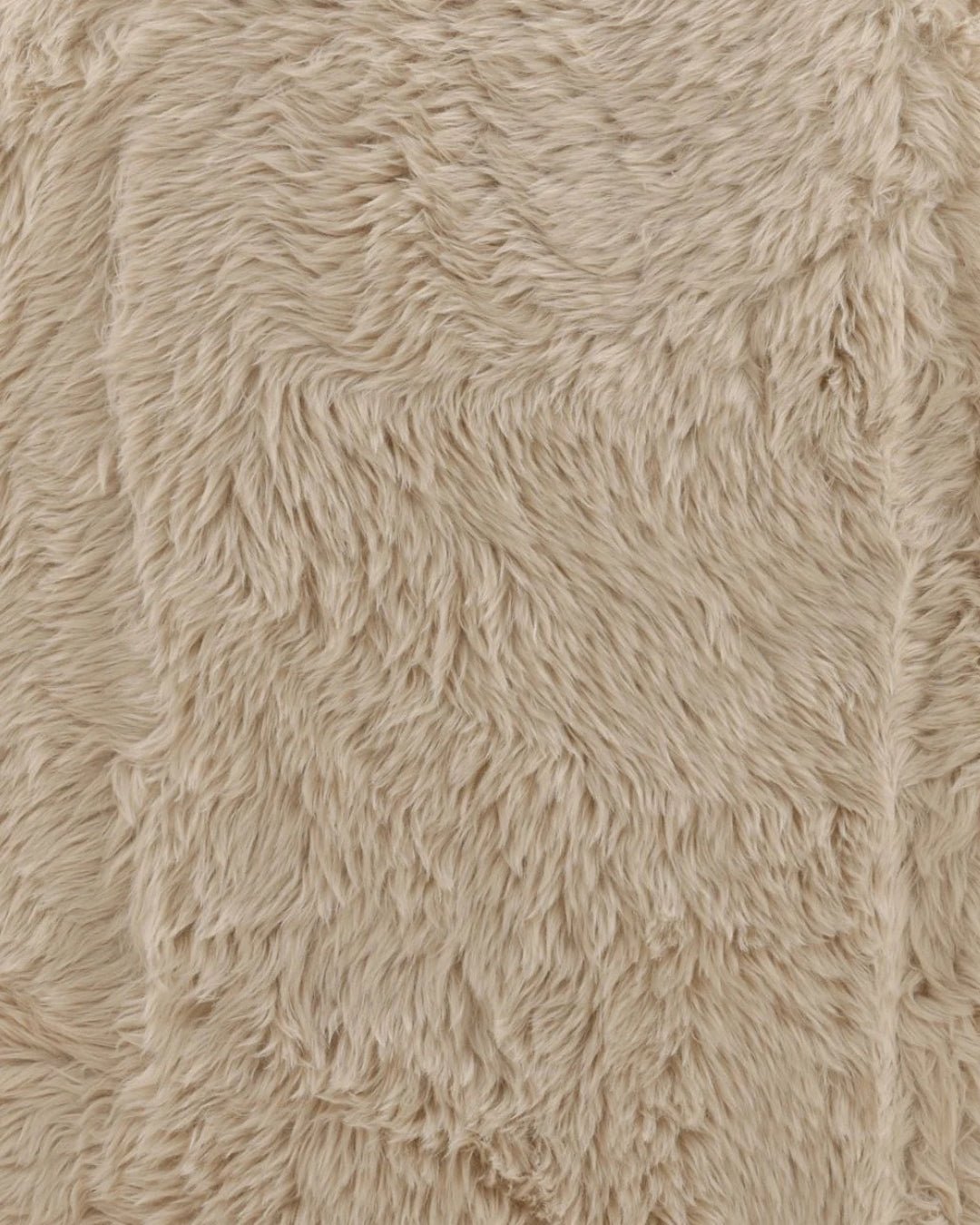
A leather piece like the Fenris leather chesterfield chair adds visual weight, while something like the Eldar chair can soften the space depending on its finish and structure.
Material isn’t just visual—it changes how your space is perceived.
Placement Matters More Than the Chair Itself
You can choose the perfect chair—and still get it wrong with placement.
Accent chairs shouldn’t just fill empty corners. They should connect to your main seating.
A slight angle toward your sofa creates interaction. A chair pushed against a wall creates separation.
A piece like the Ruthie chair works best when integrated into a conversation zone, while the Jostein chair can help define secondary seating areas when placed correctly.
Placement determines whether the chair feels intentional—or just placed.
One Good Chair Is Better Than Two Random Ones
Most people assume accent chairs come in pairs.
They don’t have to.
One well-placed chair can do more than two places without intention.
Especially in smaller spaces, adding multiple chairs can create clutter instead of balance.
A piece like the Alvaer chair can stand on its own when positioned correctly, while something like the Fletcher chair brings enough presence to anchor a corner without needing a pair.
Think About Movement, Not Just Seating
Accent chairs aren’t just about where people sit.
They affect how people move.
If a chair blocks a natural pathway, the room becomes harder to use—even if it looks right.
This is one of the biggest issues in smaller layouts.
A piece like the Torgny chair works well when space is tighter, while something like the Griffin chair needs more room to function properly.
Movement should always come first.
A RUTED Tip: Balance Reduces Visual Scanning. Your brain is constantly scanning a space for balance, and when visual weight is uneven—like when a sofa dominates one side—your eyes keep adjusting; adding an accent chair redistributes that weight, giving your brain a second anchor point and allowing your nervous system to settle faster.
Connect Your Chairs to the Rest of the Room
Accent chairs shouldn’t feel isolated.
They should connect to your coffee table, sofa, and overall layout.
If you’re building your setup step by step, it helps to see how pieces work together in a full system:
Explore living room collection
Discover how chairs, sofas, and tables connect as a complete layout
Don’t Overthink Matching
Accent chairs don’t need to match your sofa.
In fact, they usually shouldn’t.
Matching removes contrast and makes the room feel predictable.
Instead, aim for coordination—similar scale, complementary materials, and balanced visual weight.
Where to Start
If your living room feels off, don’t start by buying more furniture.
Start by understanding what’s missing.
Then choose an accent chair that solves that problem—not one that just fills space.
Final Thought
Choosing the right accent chairs isn’t about style.
It’s about function.
When the scale, placement, and material all align, the room stops feeling like something you’re adjusting—and starts feeling like something that works.
If you’re ready to find a chair that actually improves your space, start here:
Browse lounge chairs collection