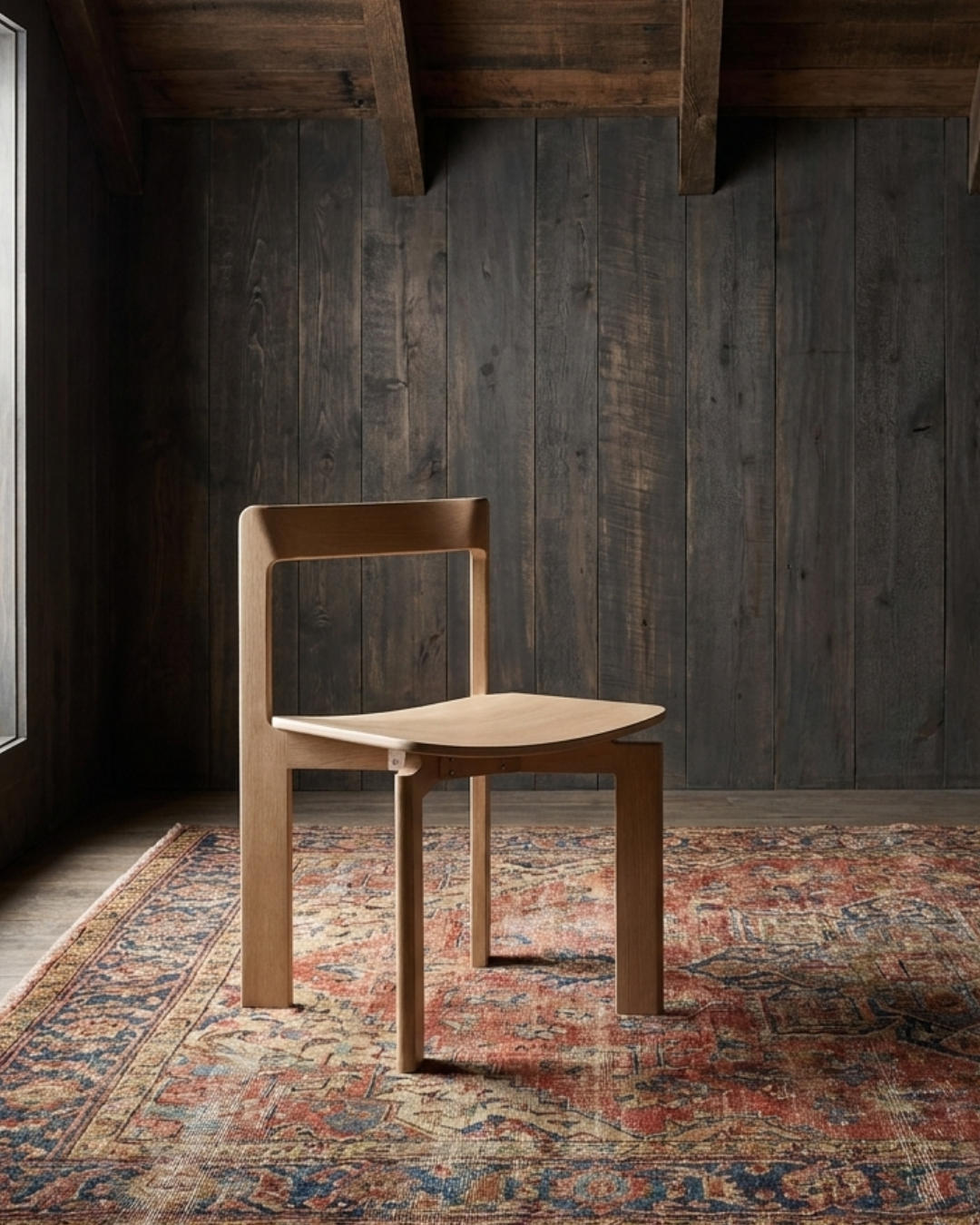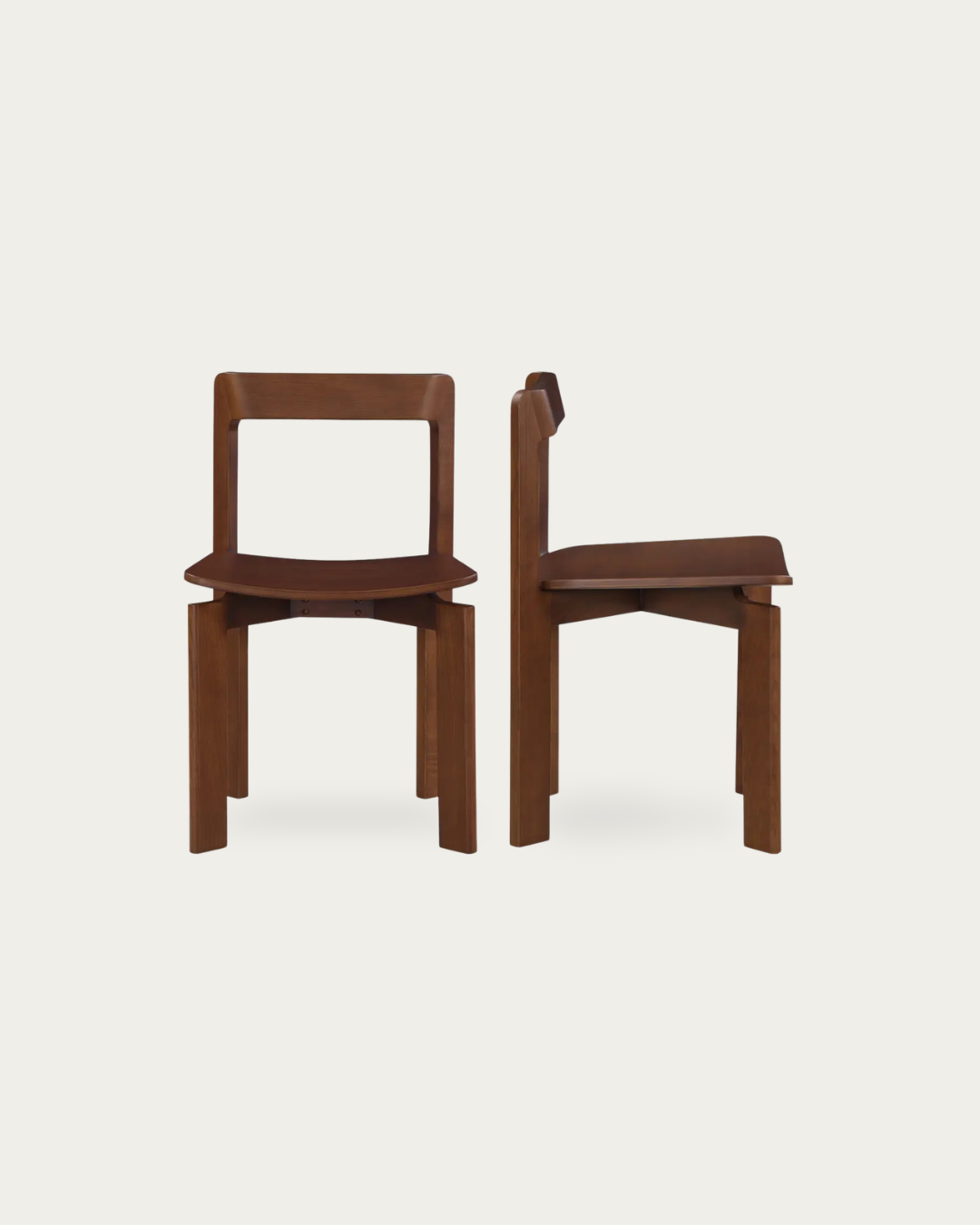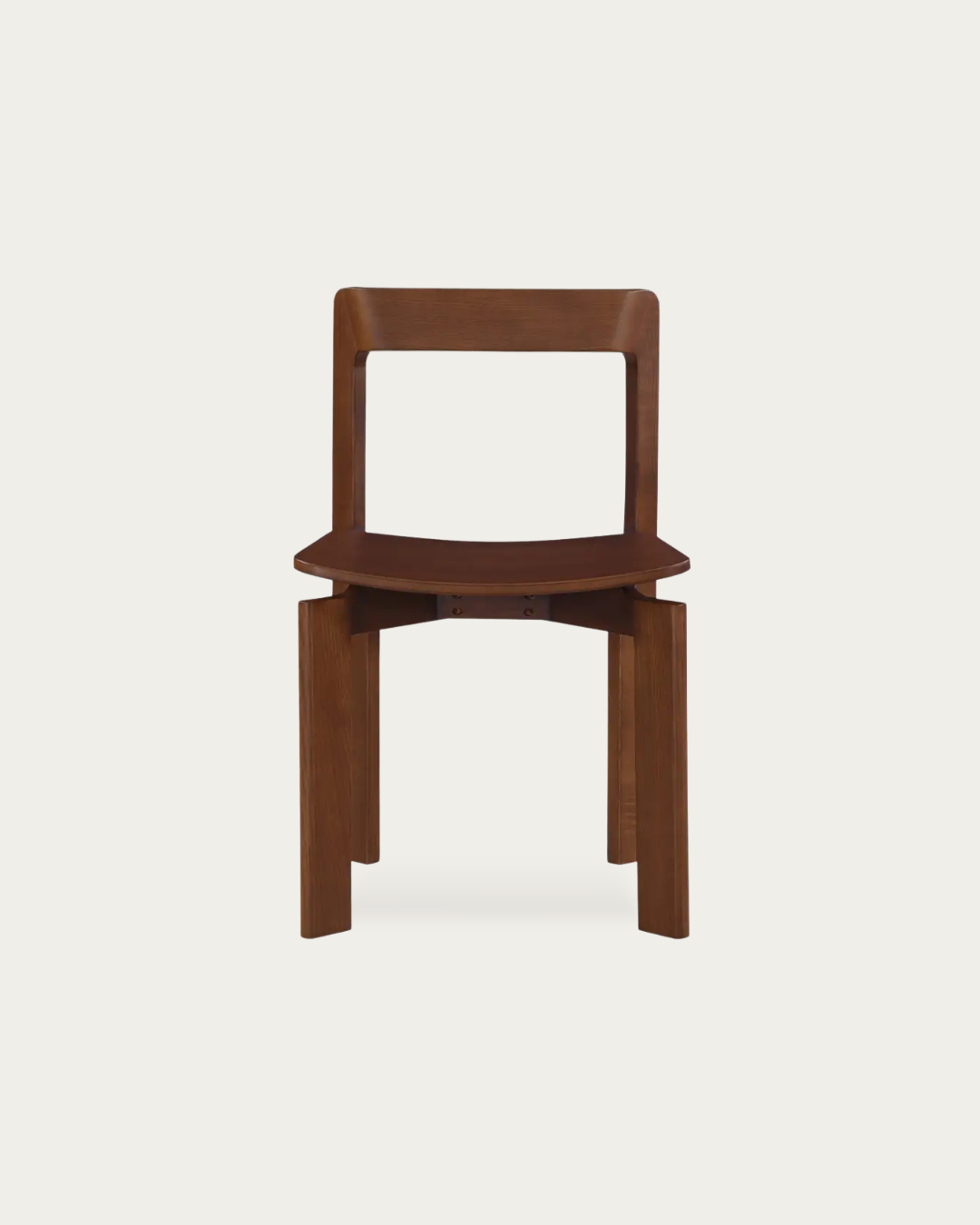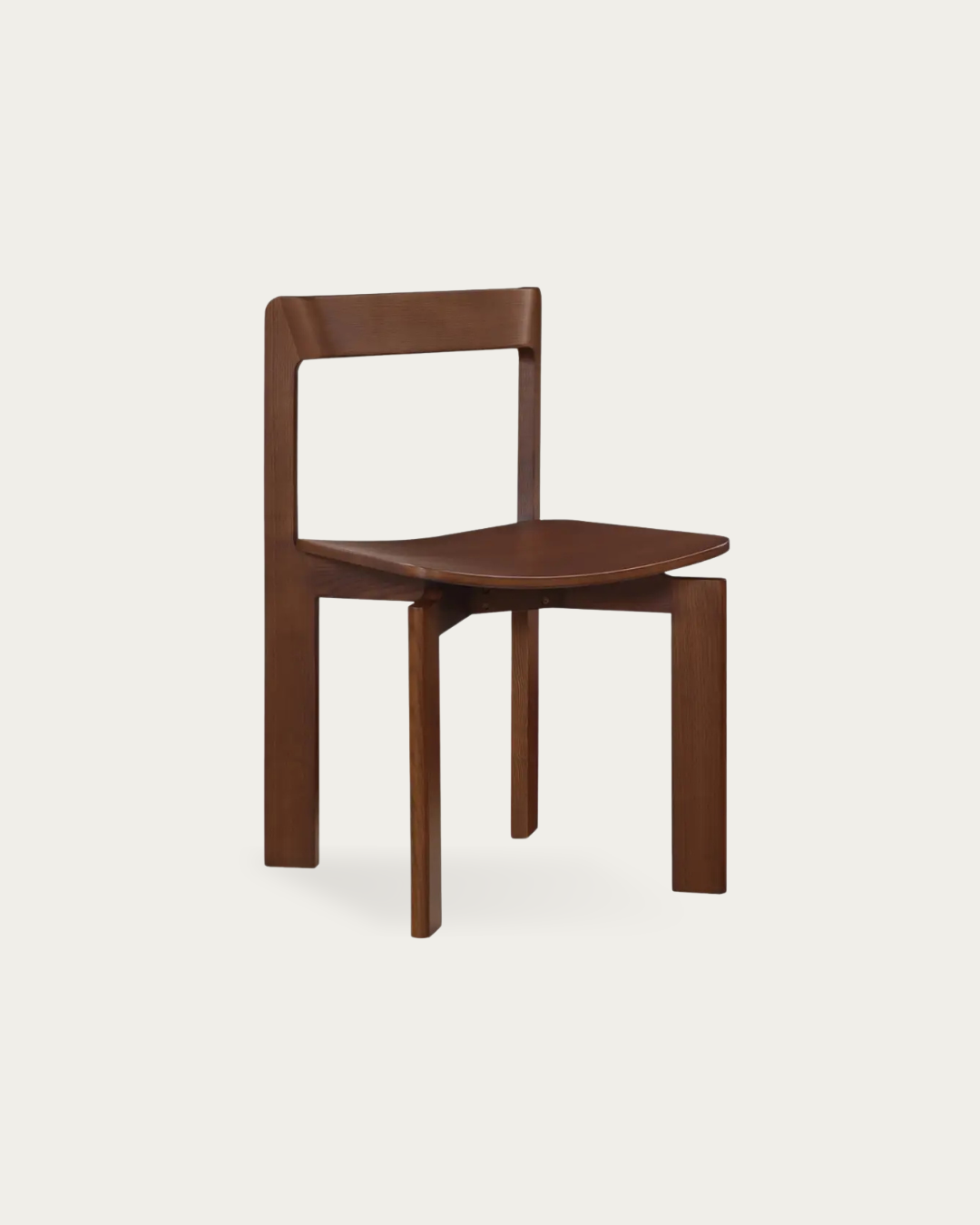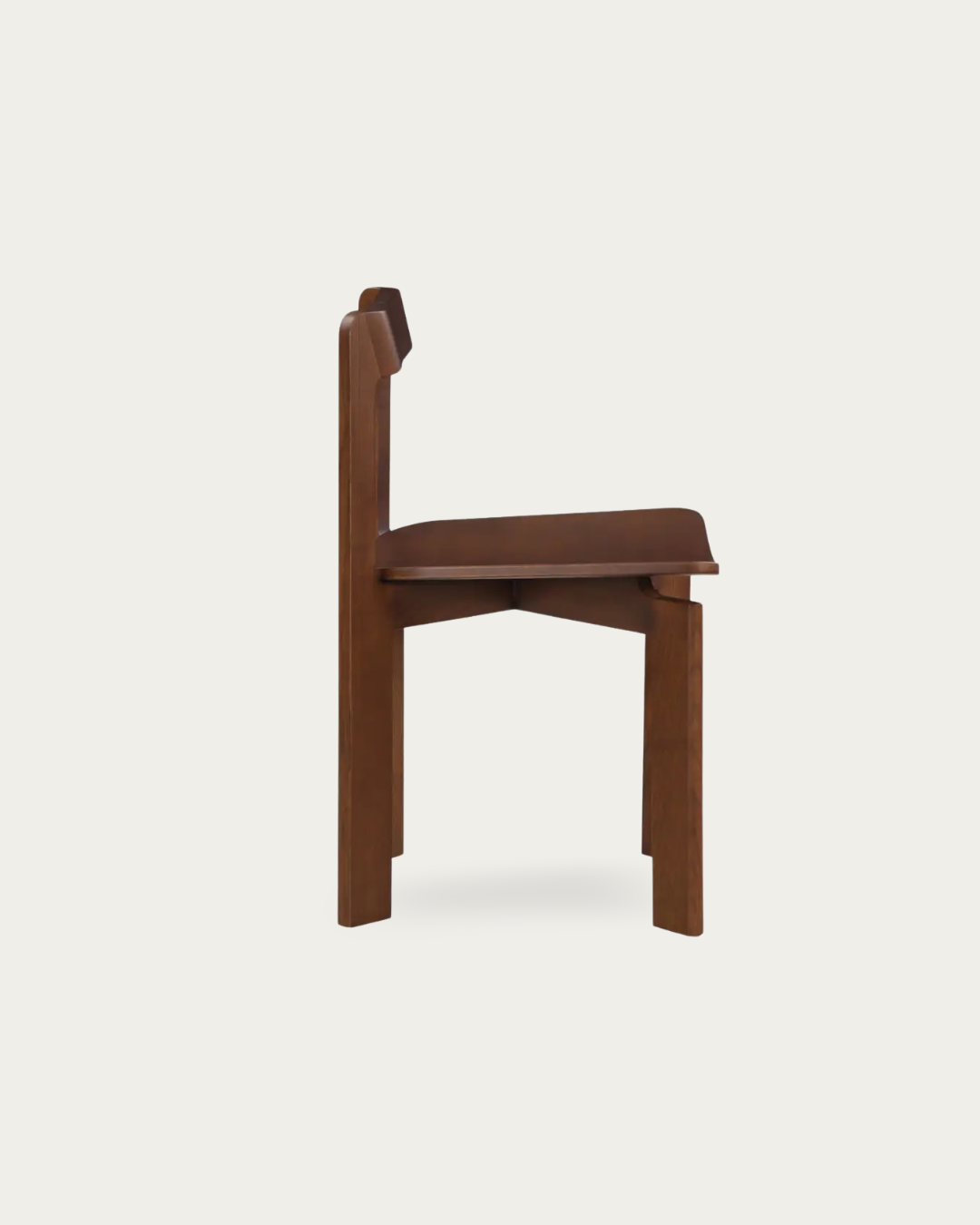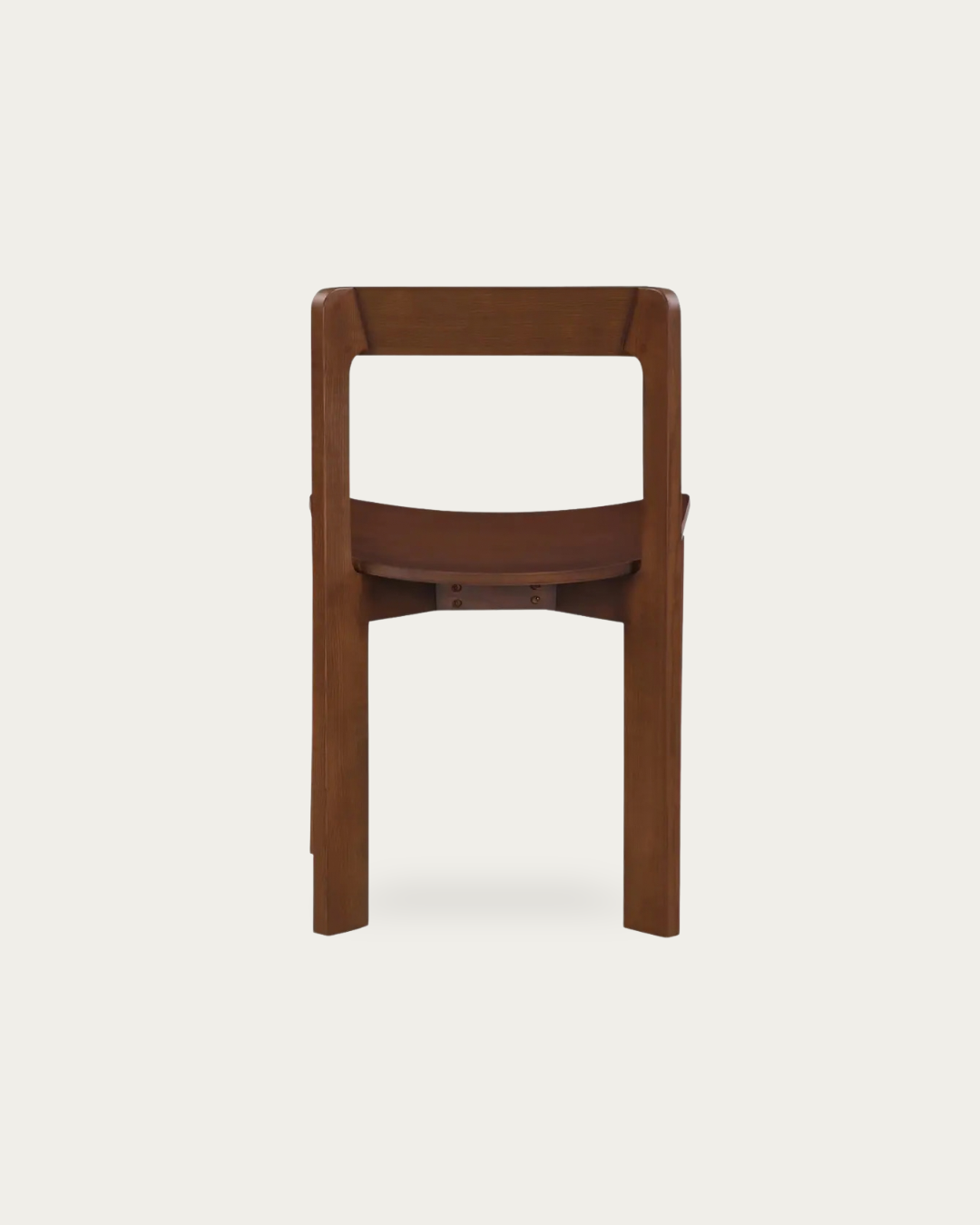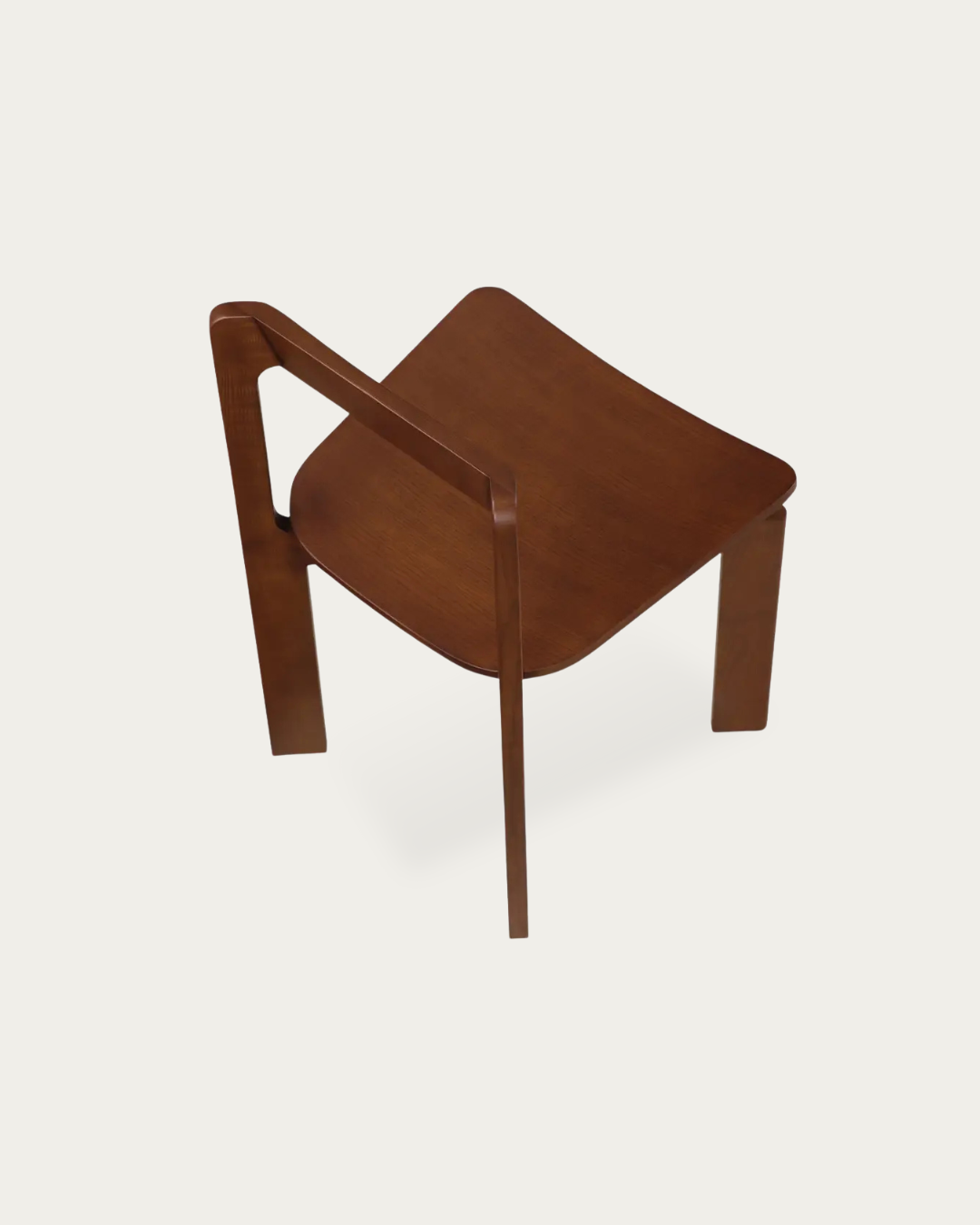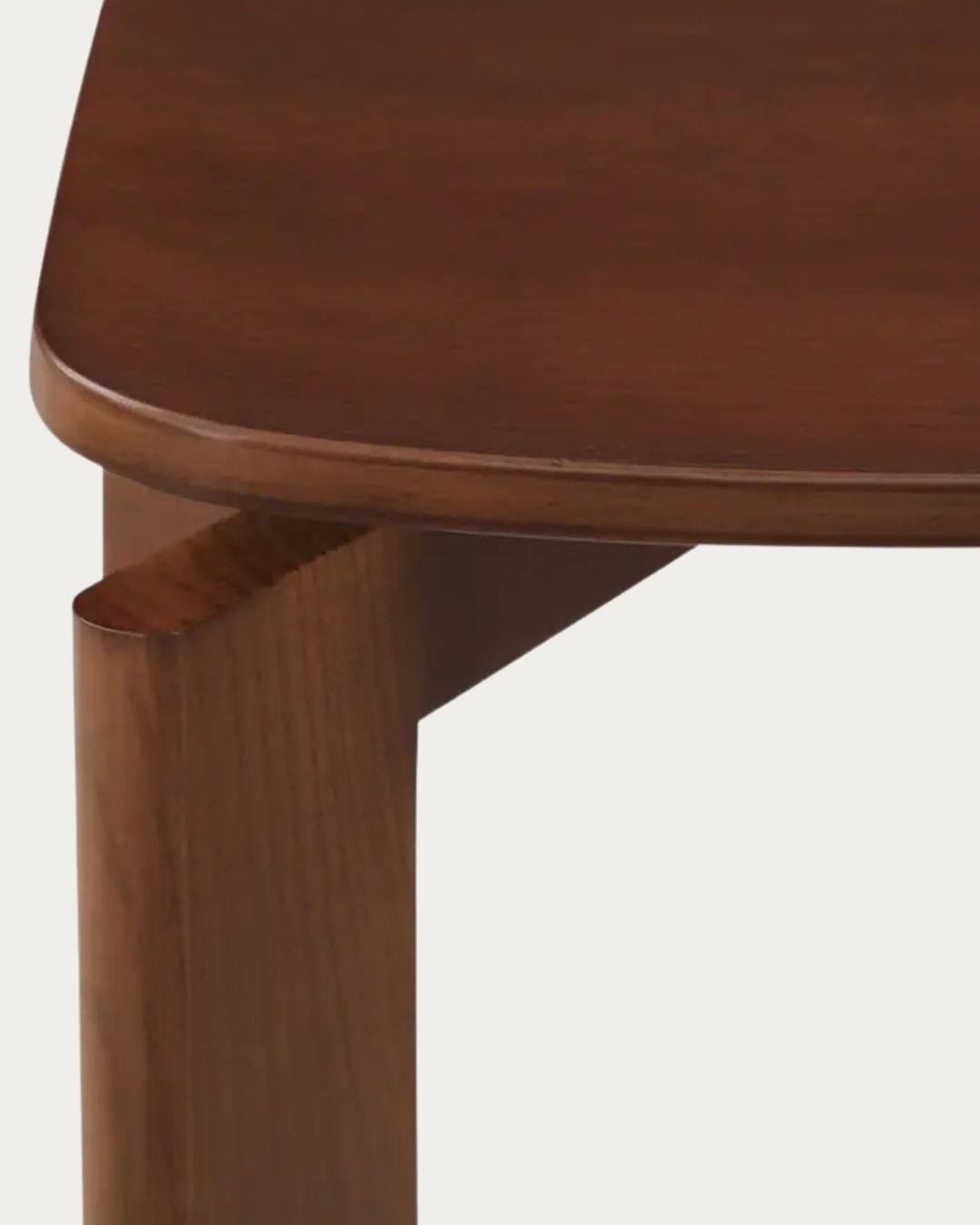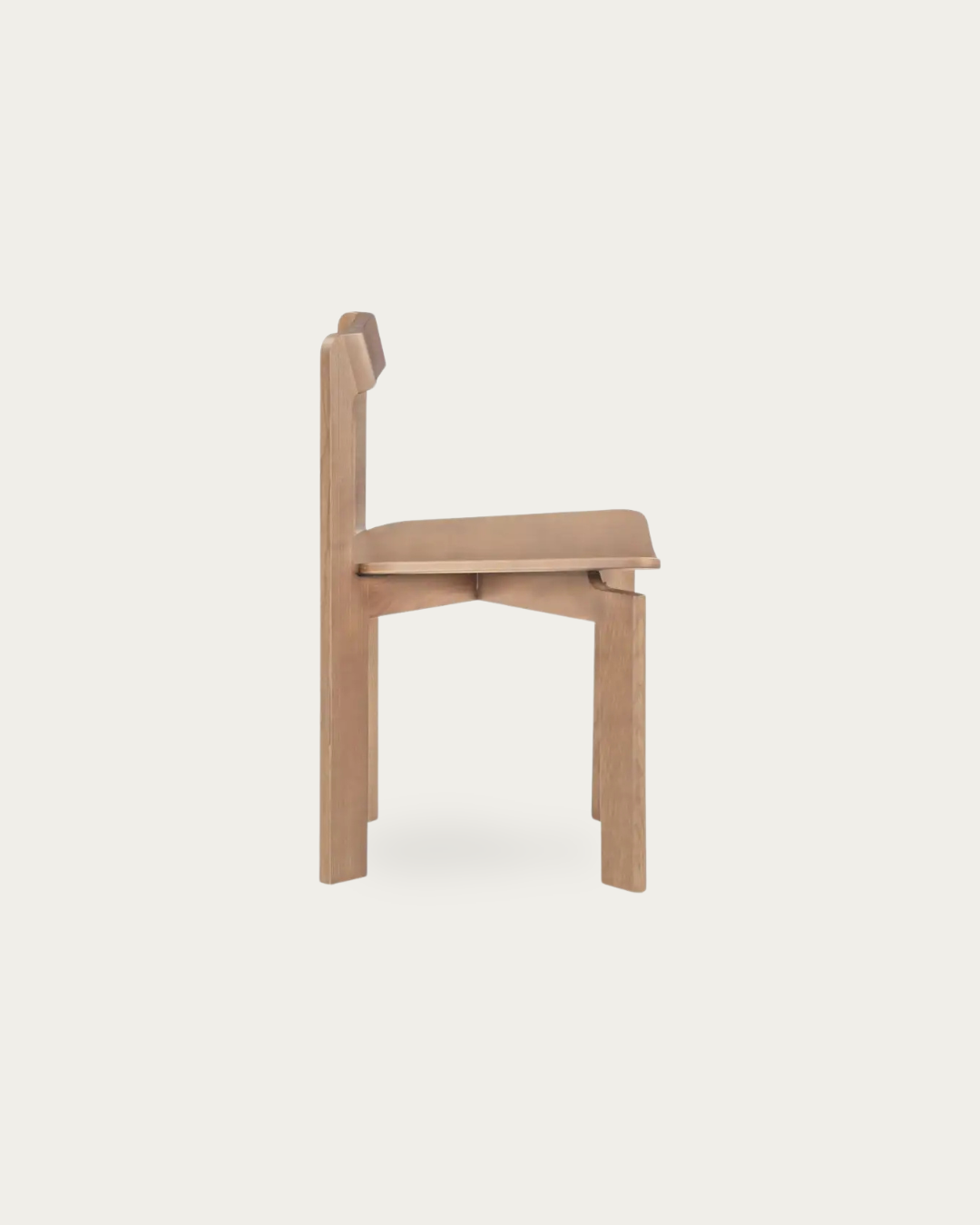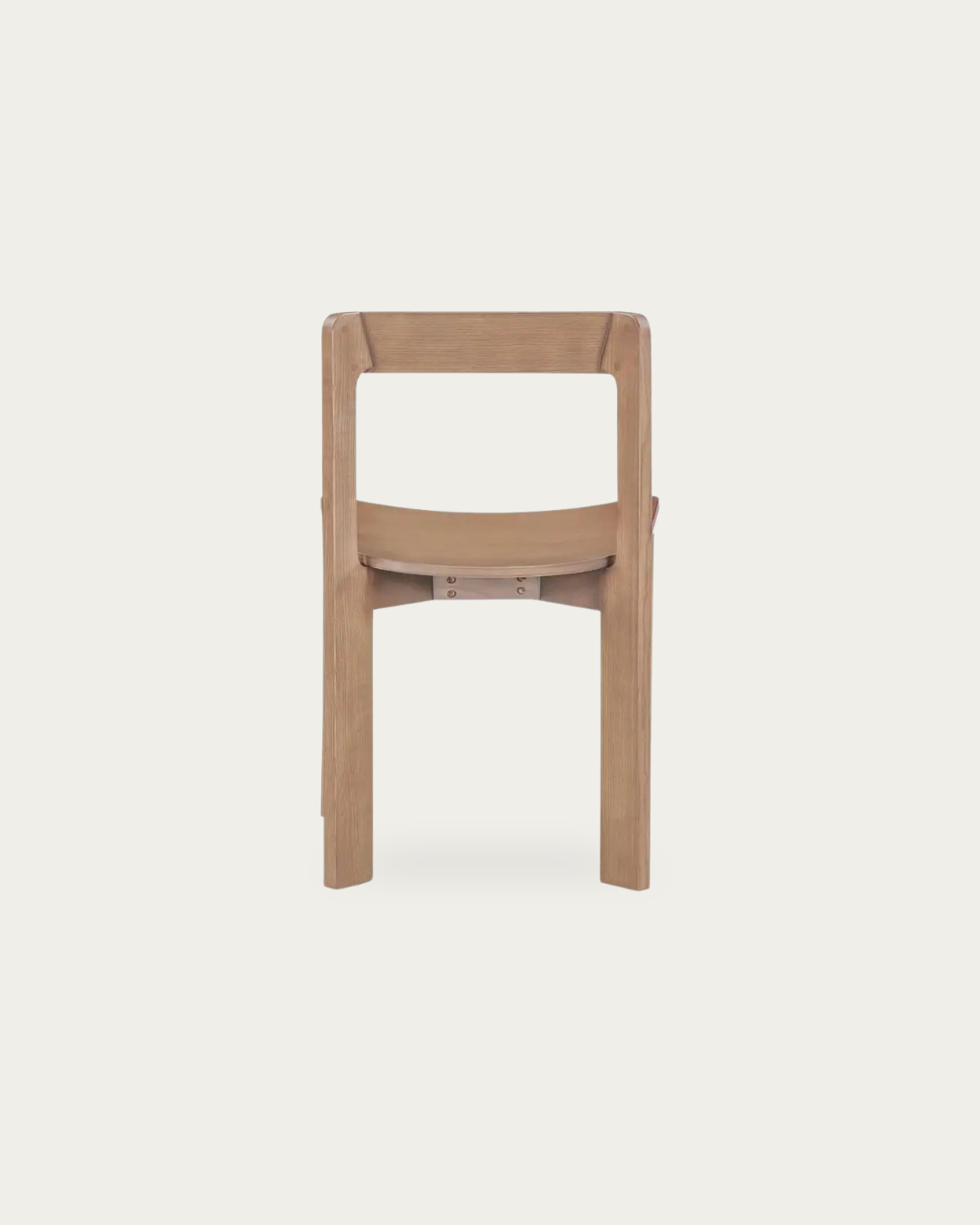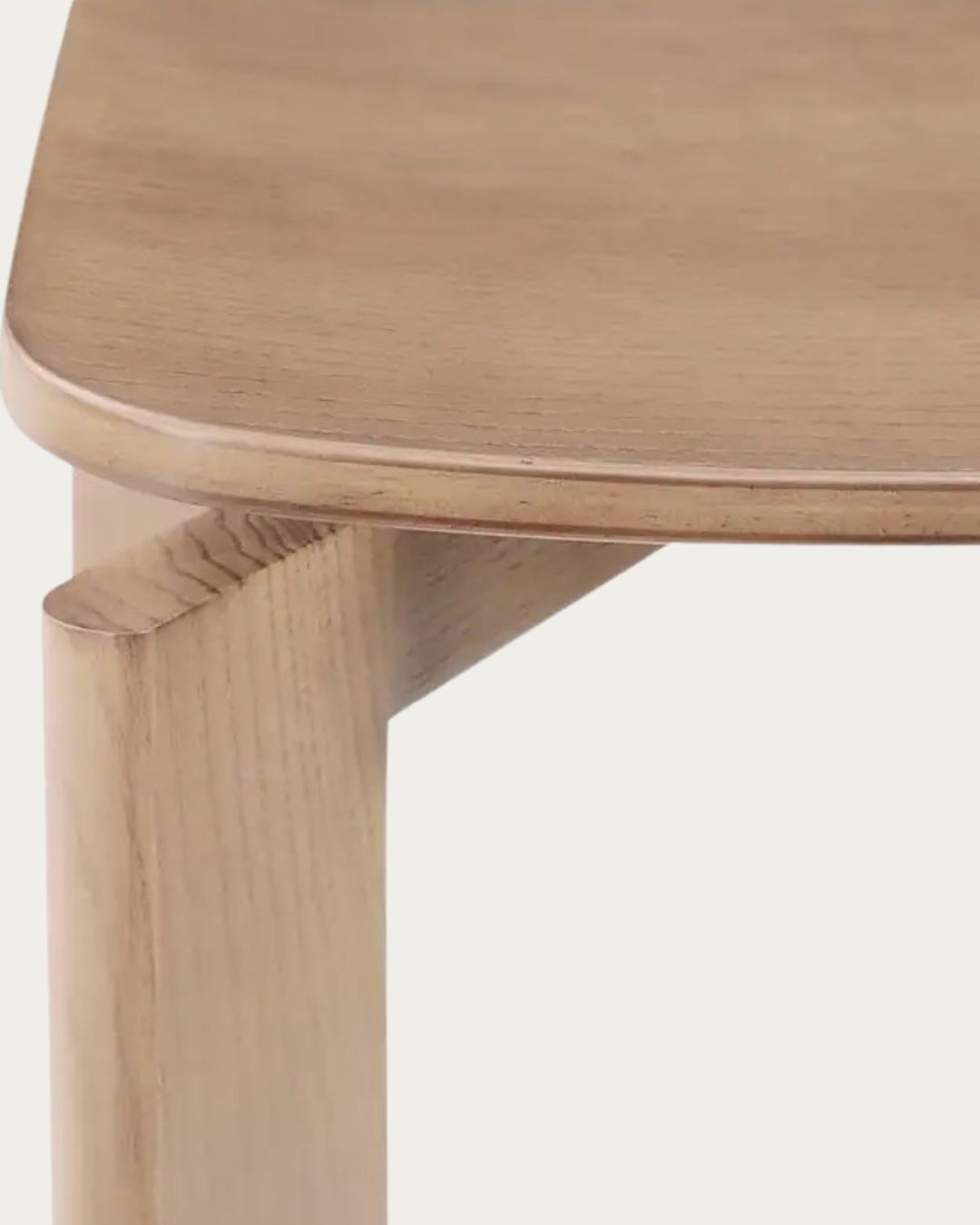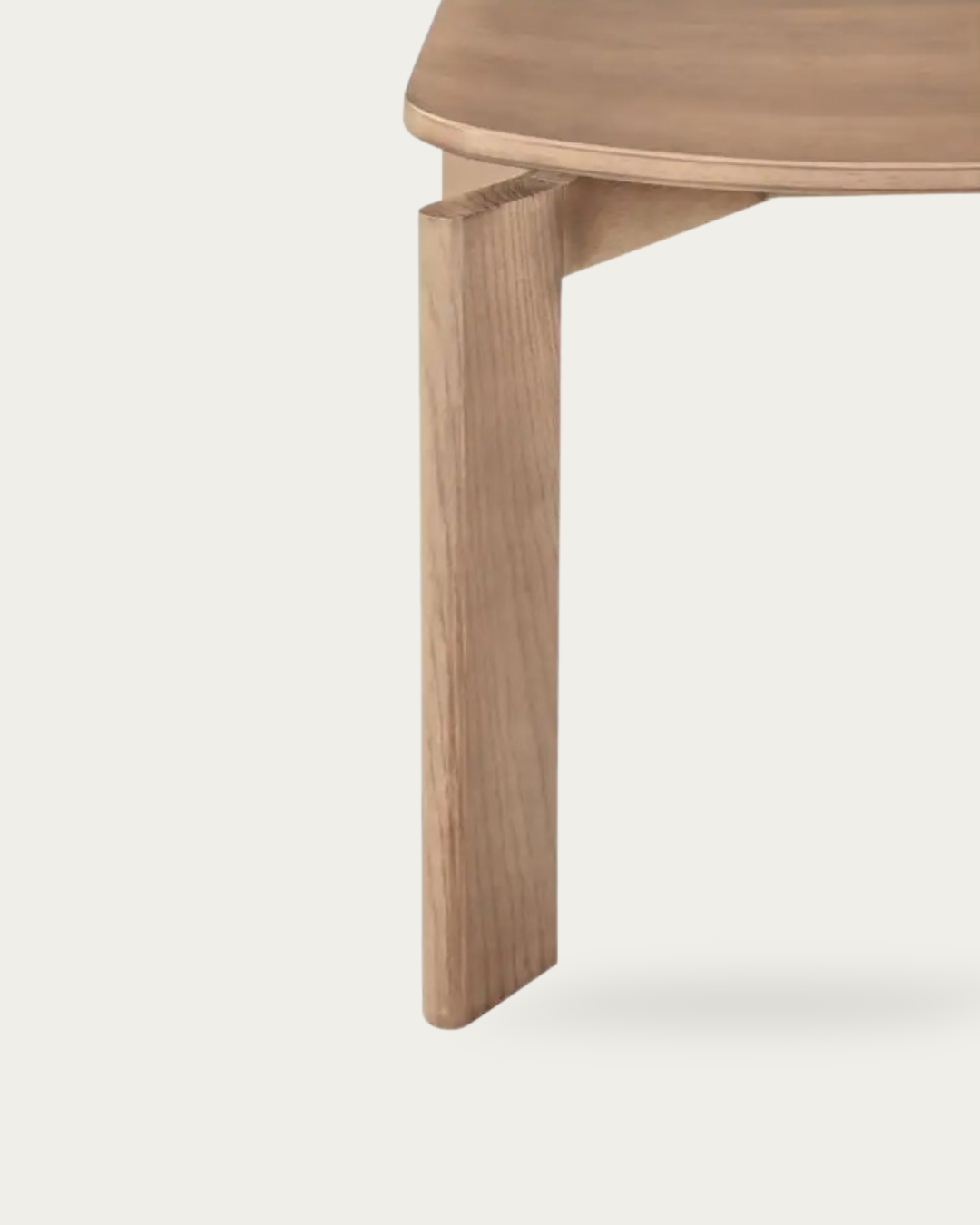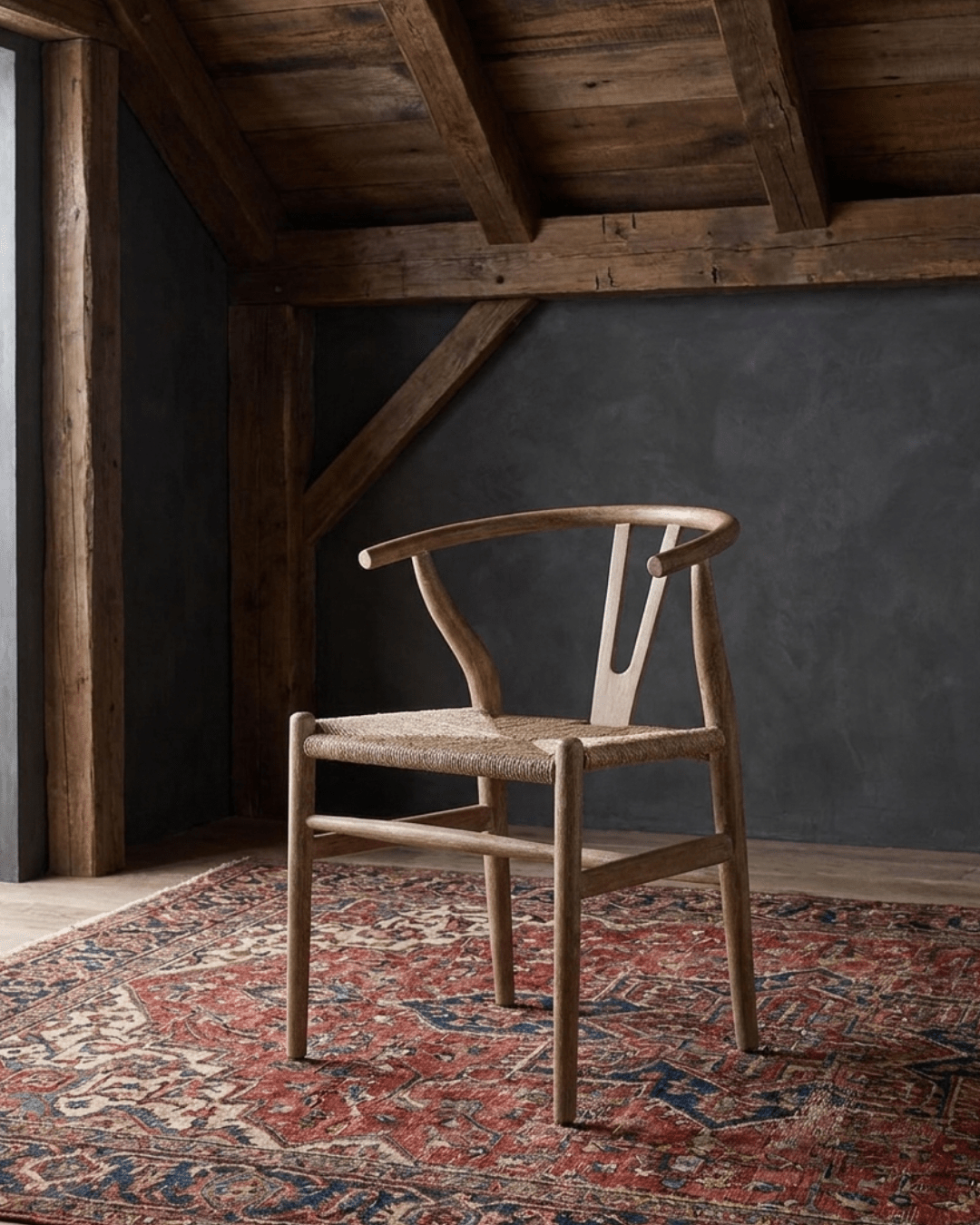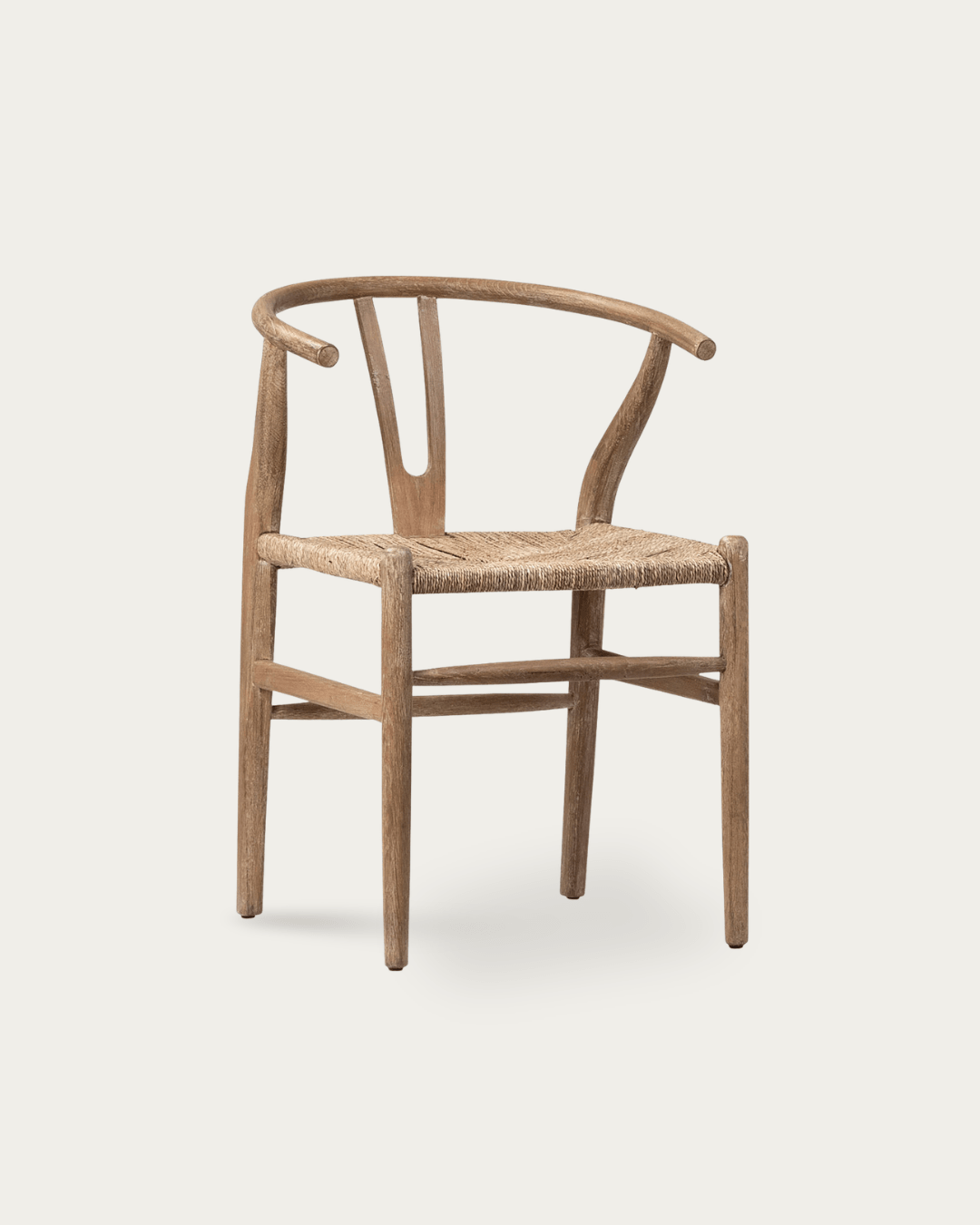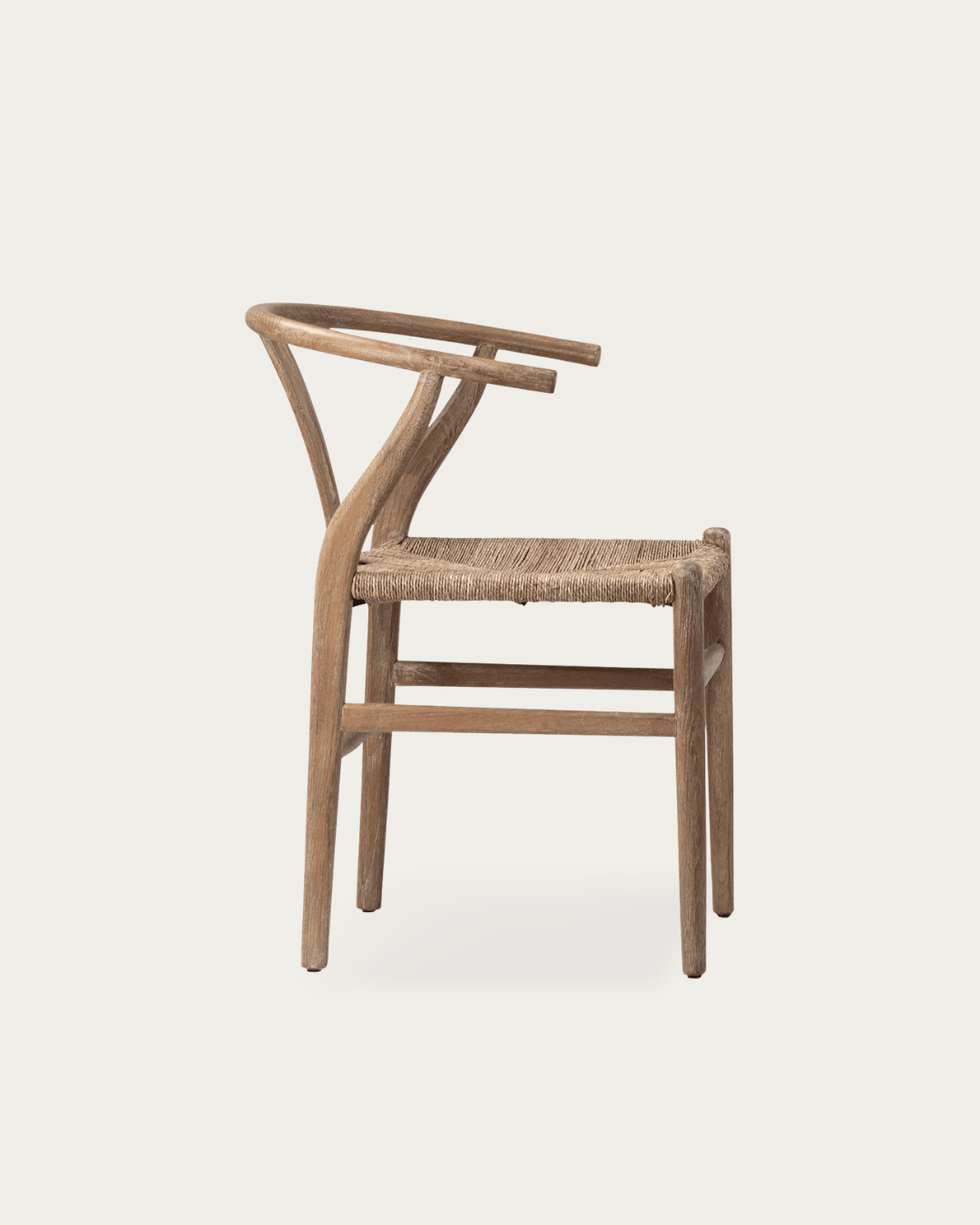








Most living rooms don’t have a style problem—they have a balance problem. You can have the right sofa, the right palette, even the right layout, and still feel like something isn’t landing. That “almost there” feeling usually comes down to how your accent chairs are working—or not working—in the space.
If you’re trying to fix a room that feels unresolved, start here:
Shop living room furniture collection
Why One-Sided Rooms Never Feel Right
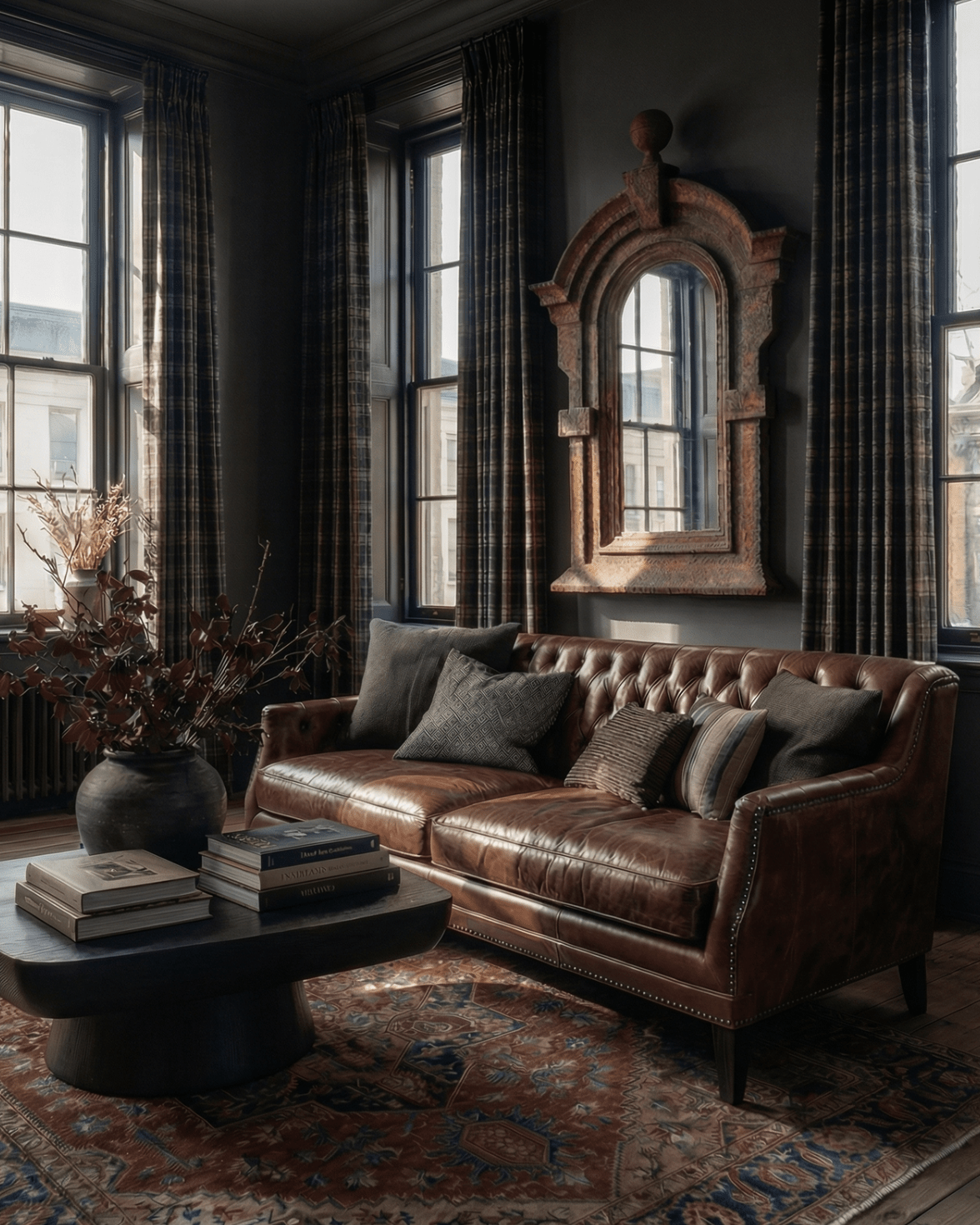
Most layouts lean too heavily on one piece—usually the sofa. Everything else becomes secondary, and the room starts to feel visually uneven.
Your brain doesn’t like that.
It’s constantly scanning for distribution. When all the weight sits on one side, your eyes keep moving instead of settling. That’s where subtle tension builds.
Accent chairs solve this by shifting the balance. They give the room a second point of gravity. Not decorative—structural.
What Accent Chairs Actually Do in a Layout
Accent chairs are often treated like extras, but they’re doing heavier work than most people realize. They define how a room flows, how people interact, and where attention lands.
Placed correctly, they break up dominant lines from larger furniture, create conversation zones without forcing symmetry, and help anchor negative space so it doesn’t feel empty.
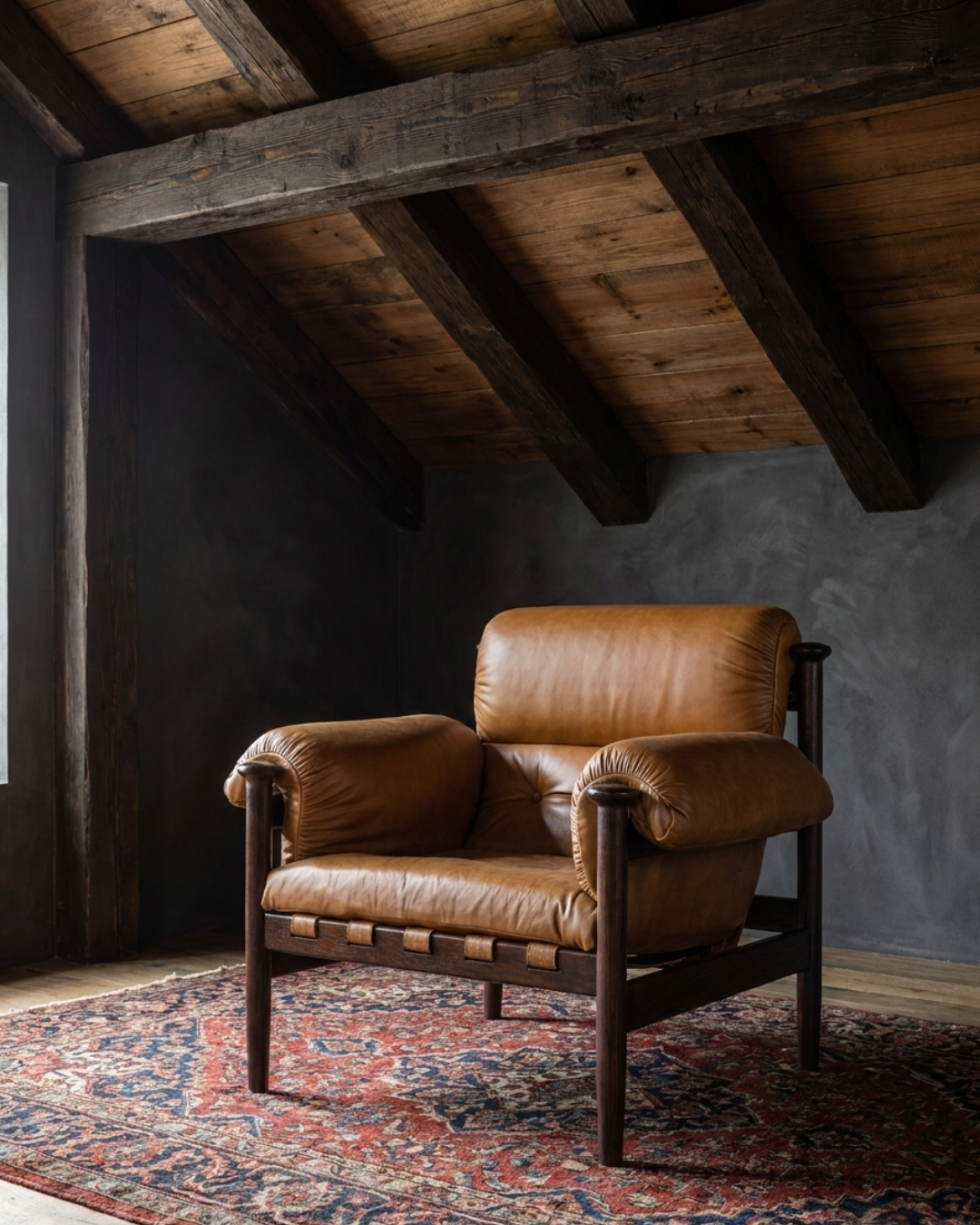
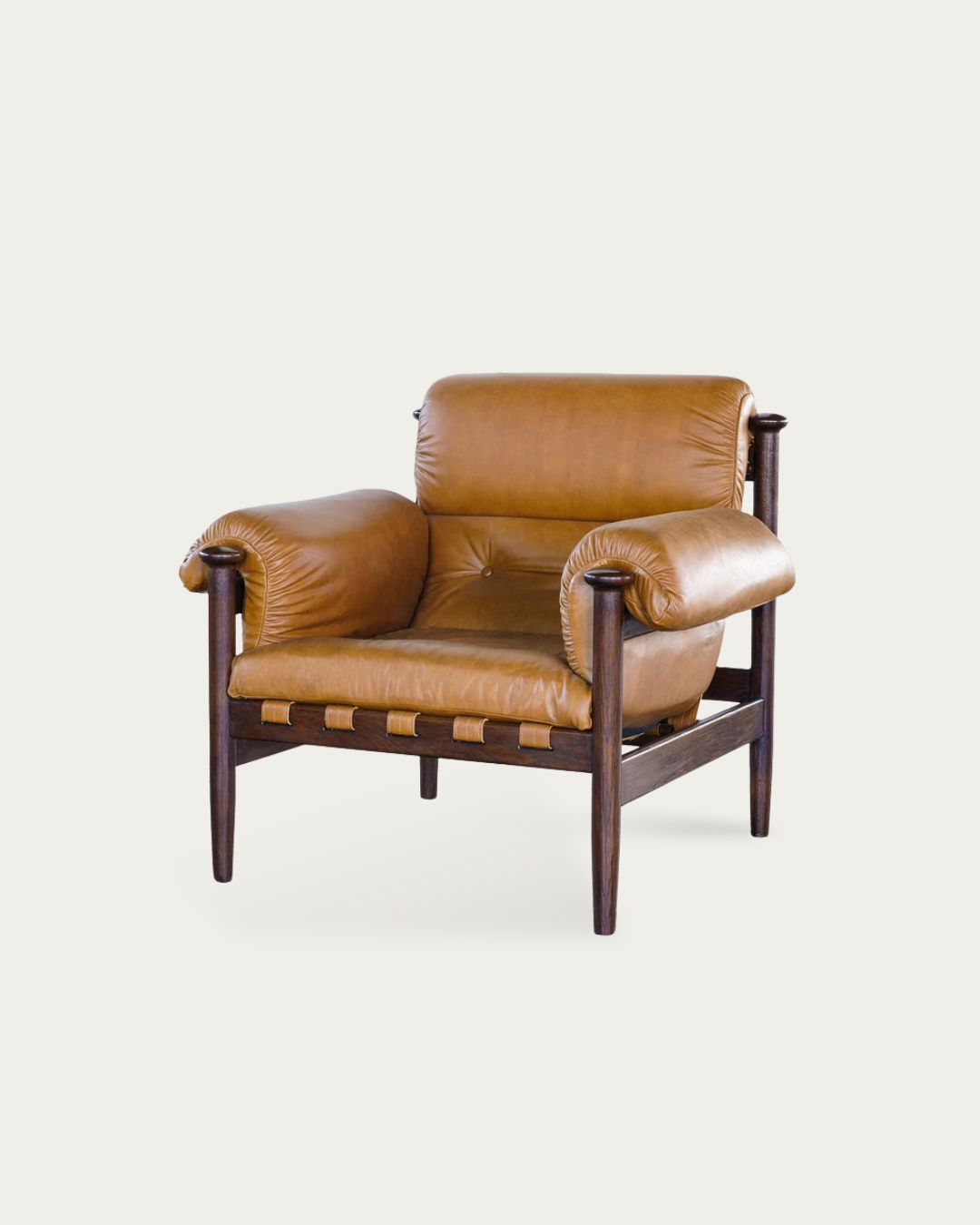
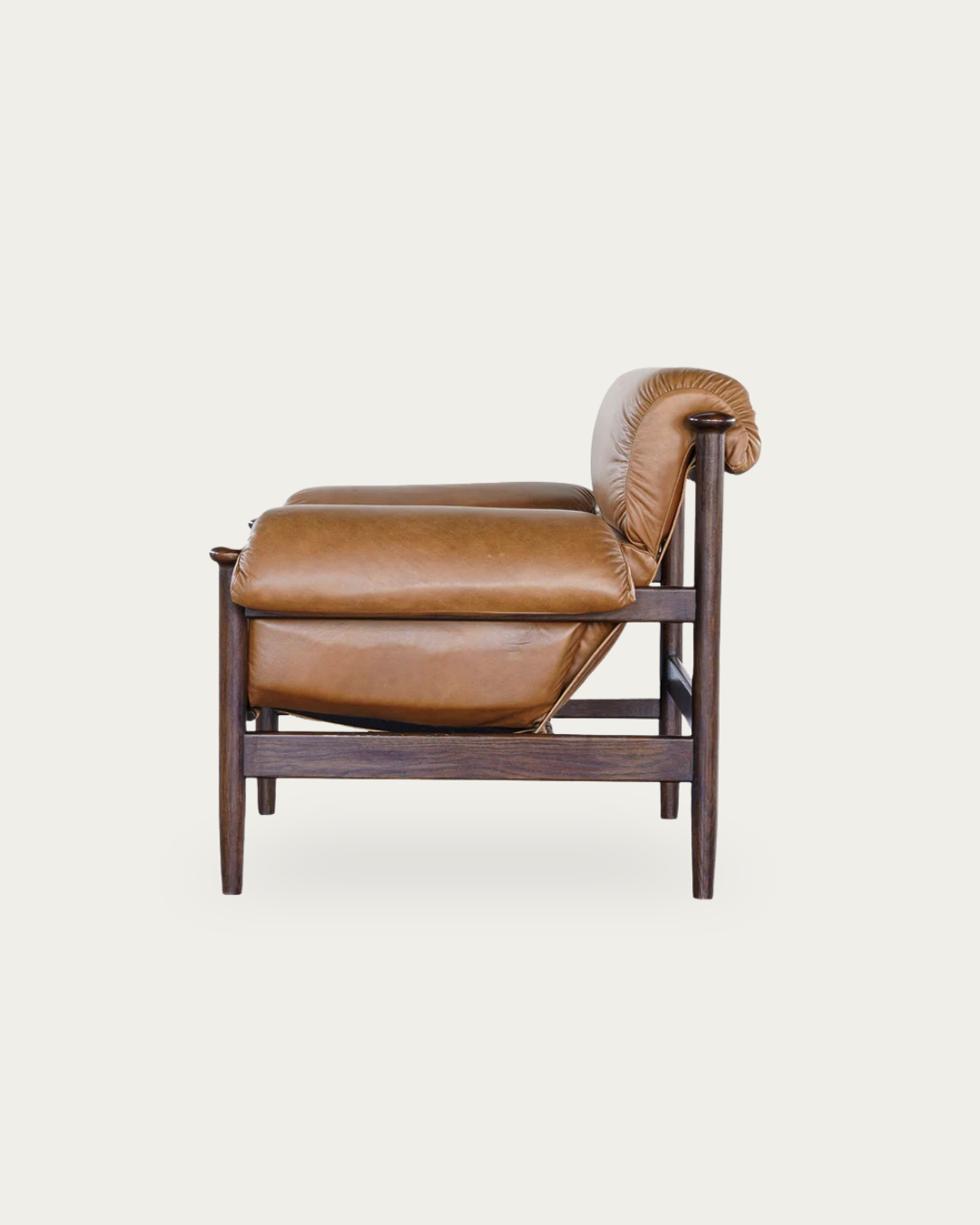
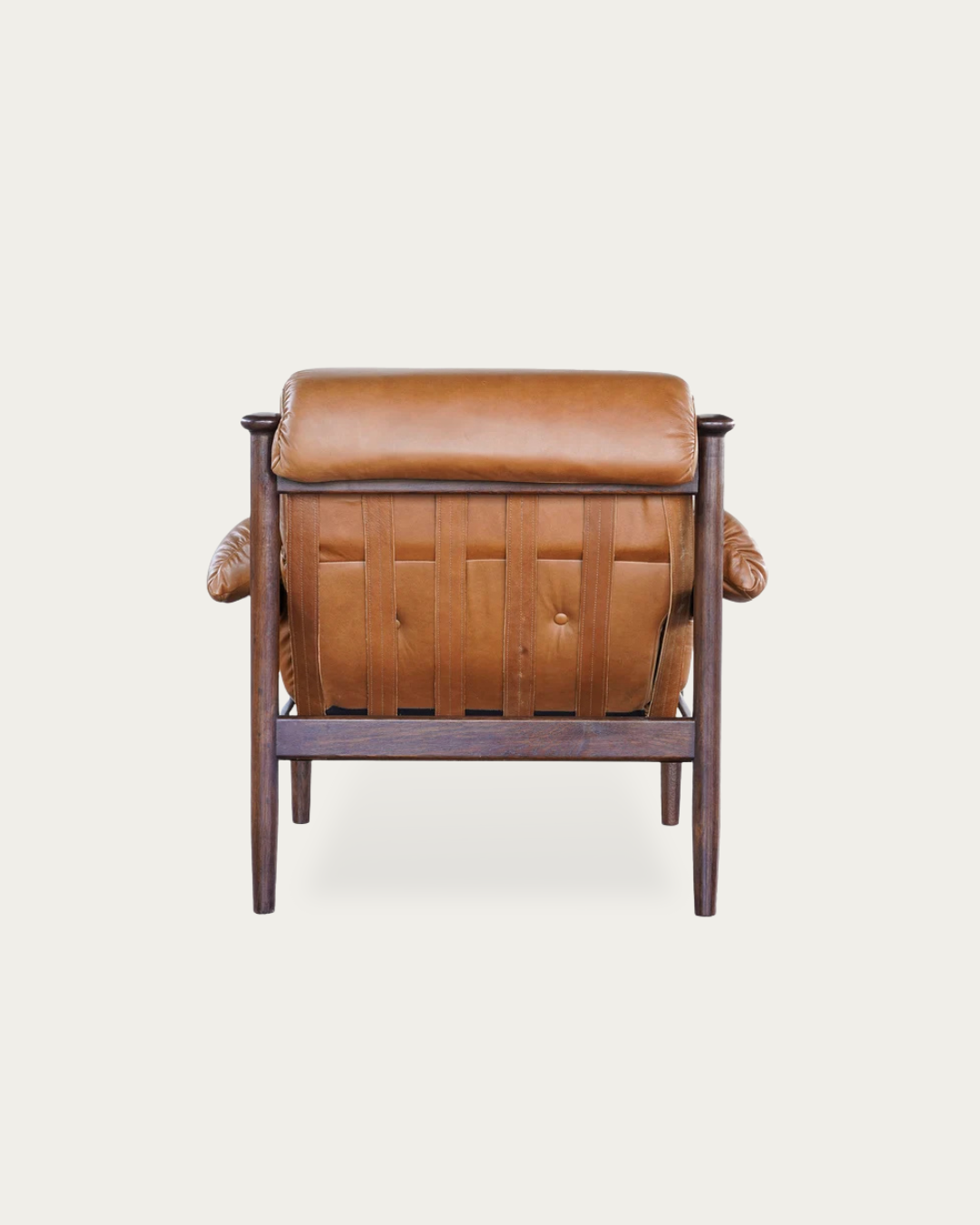
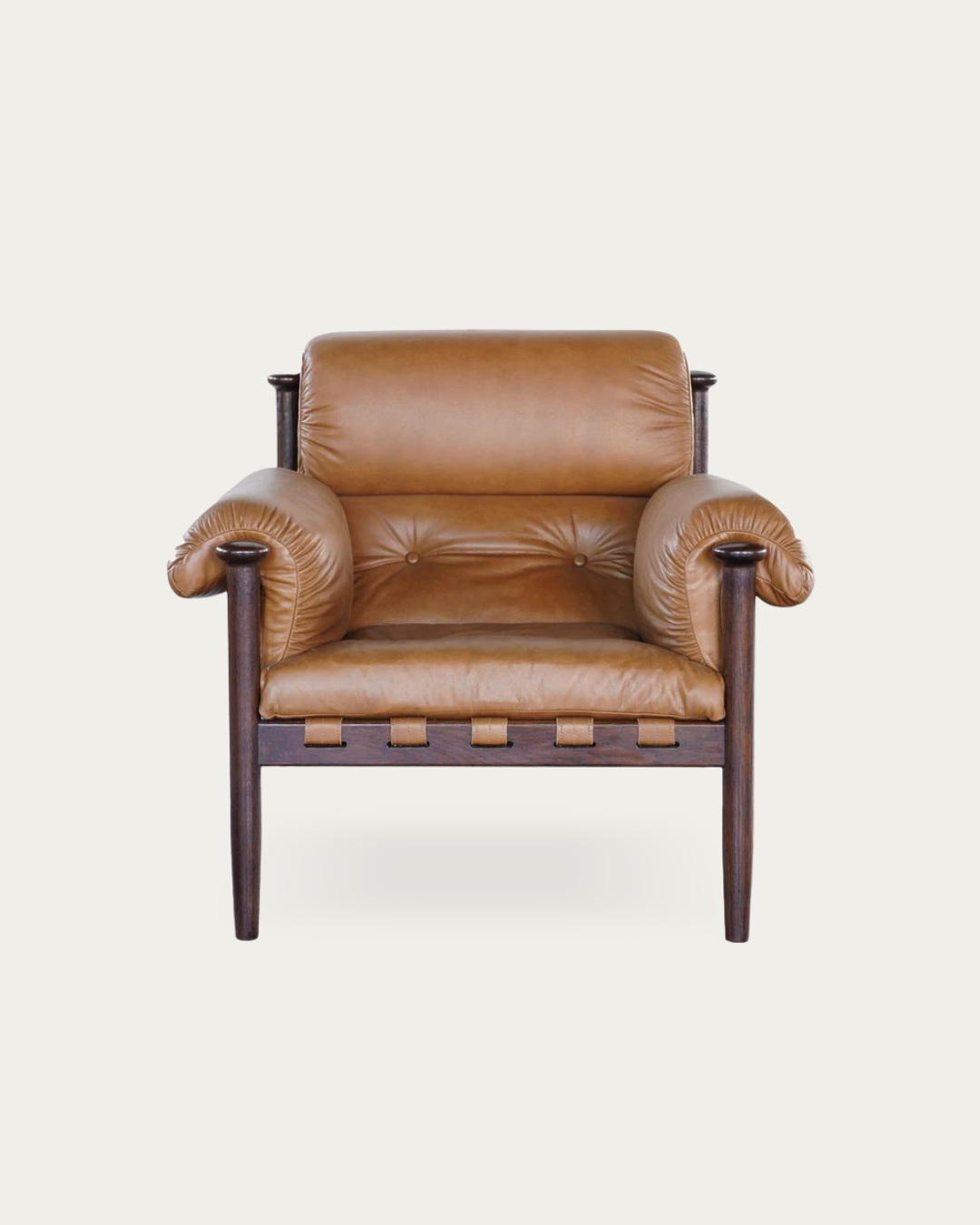
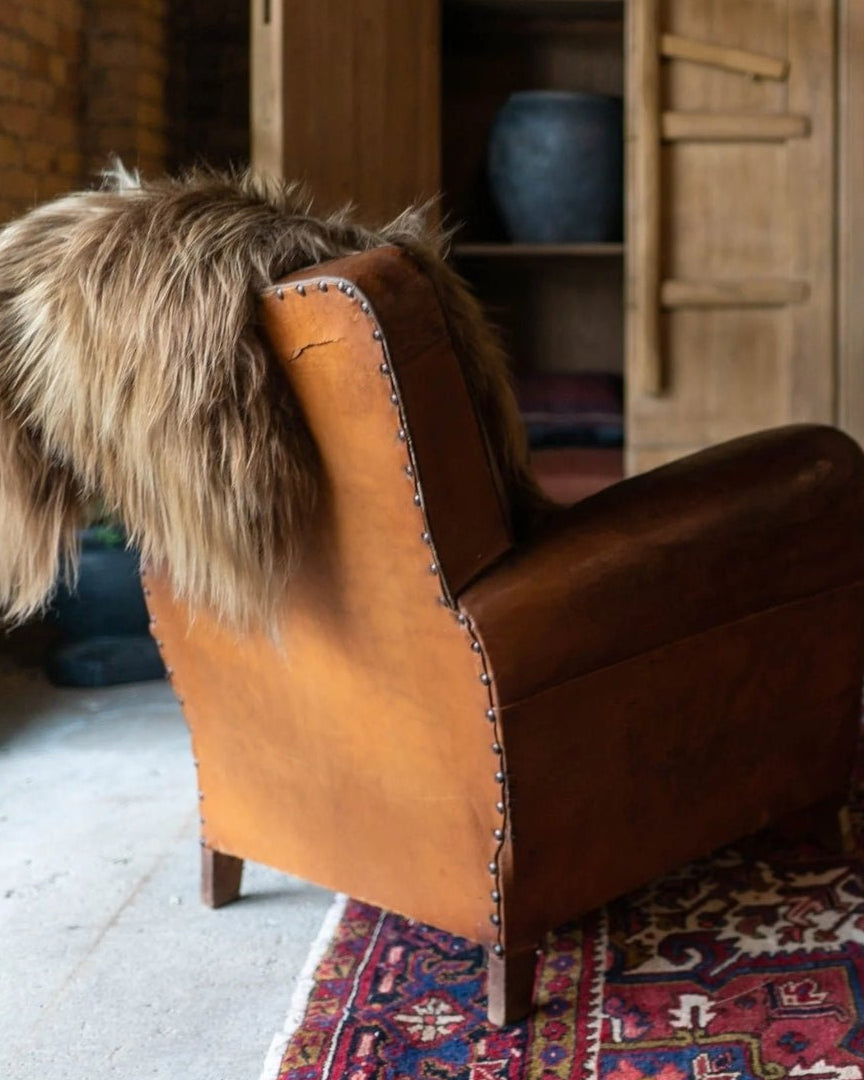
A chair like the Igor brown leather club chair immediately adds visual weight through its material and structure. It doesn’t need support pieces to feel complete.
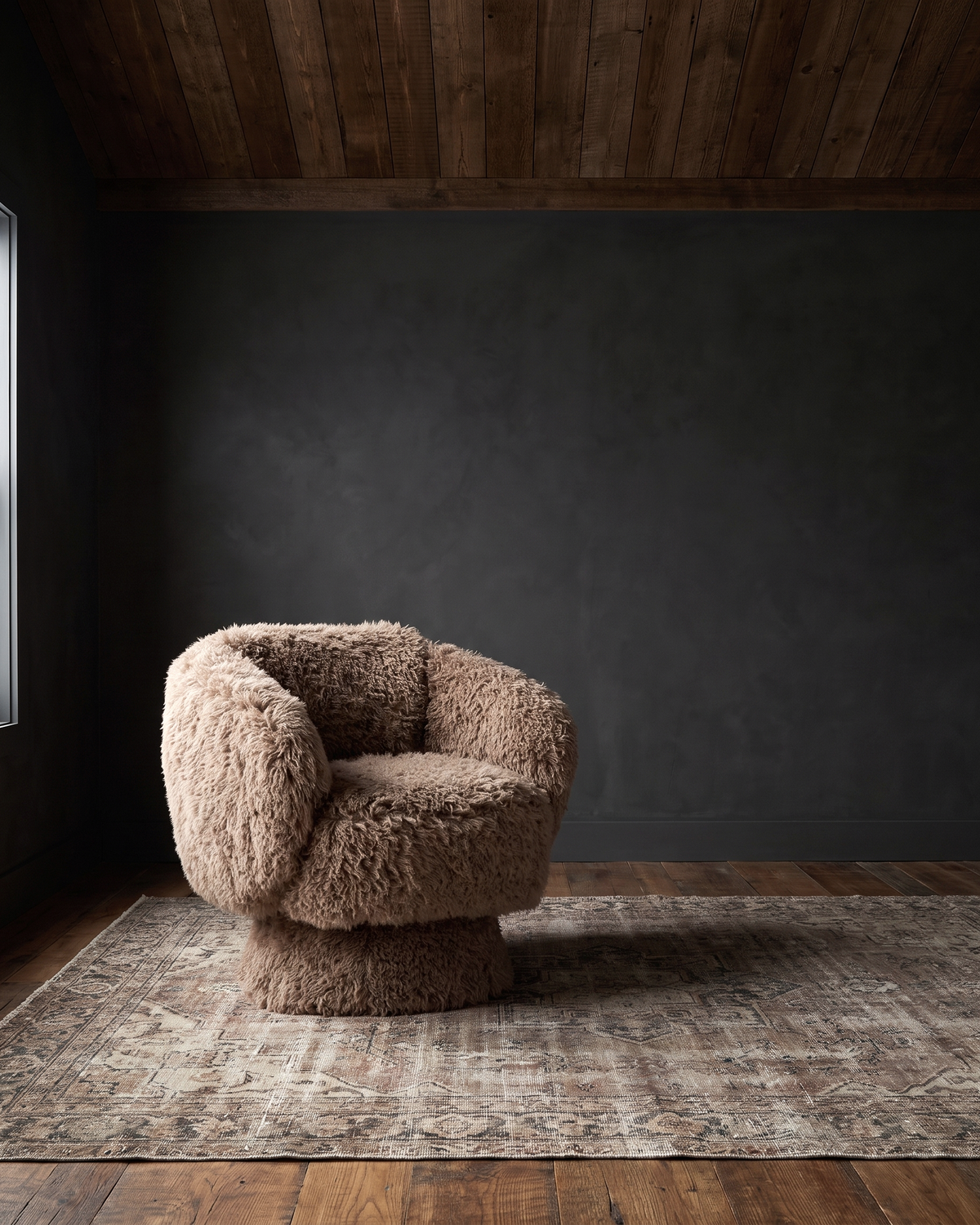
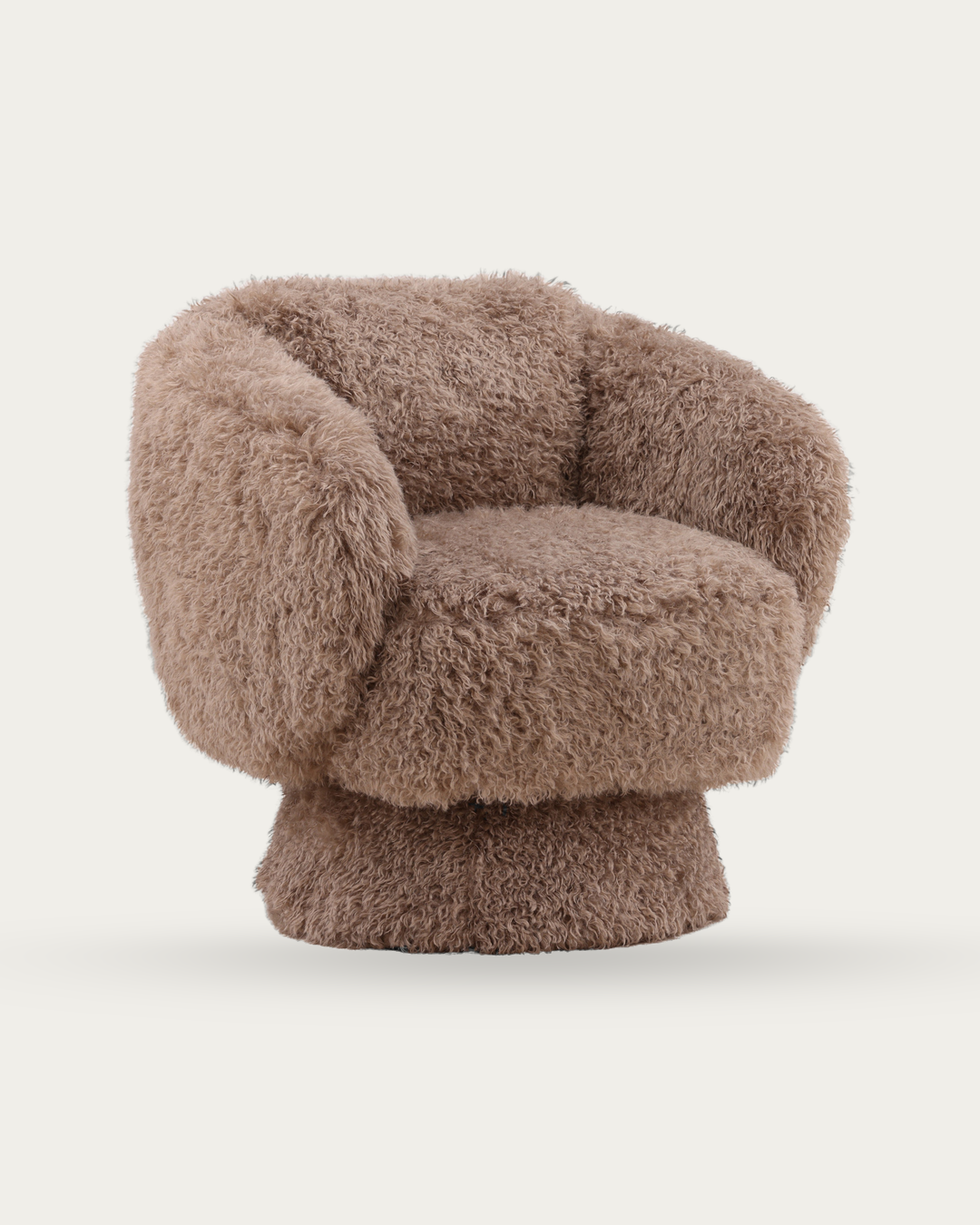
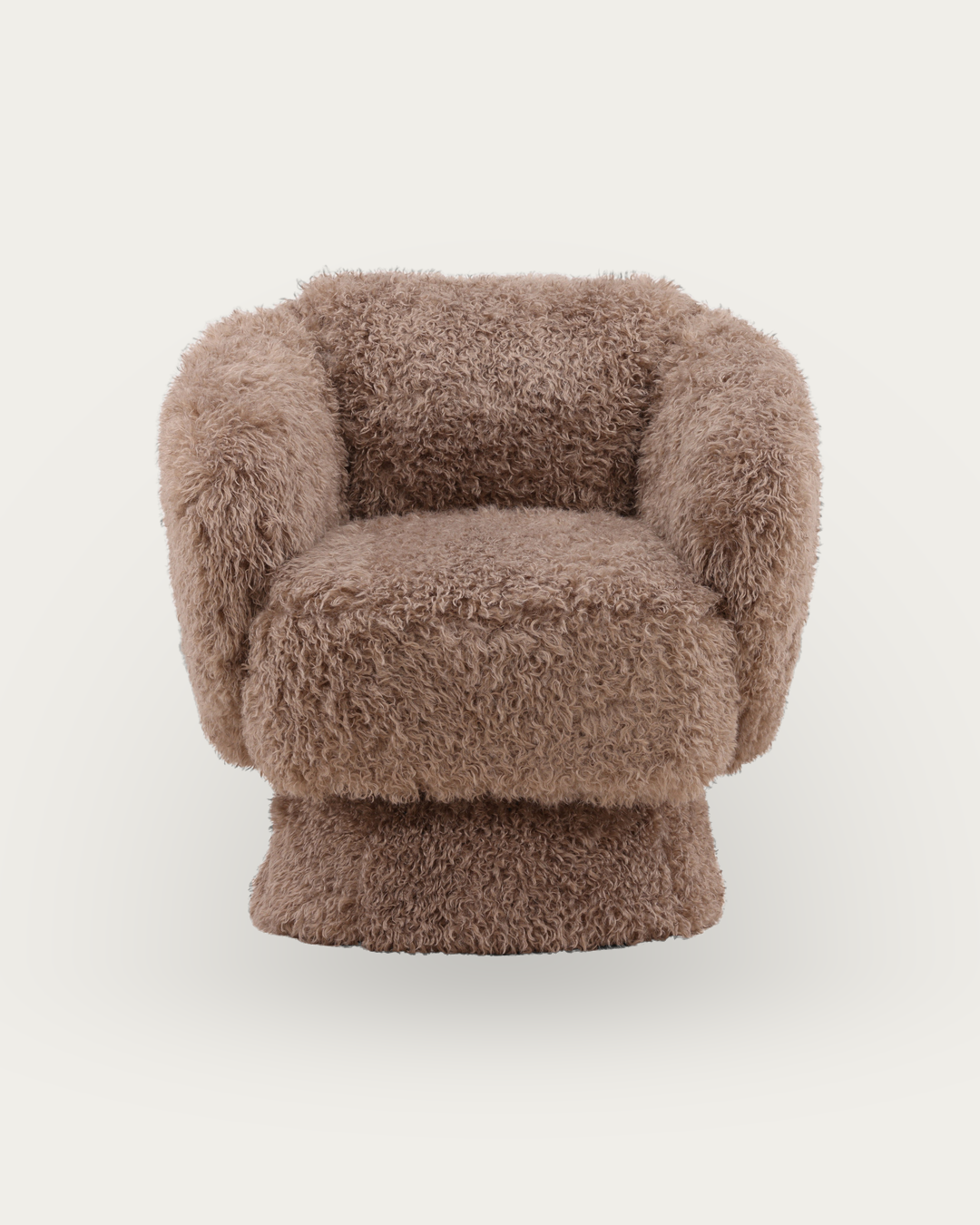
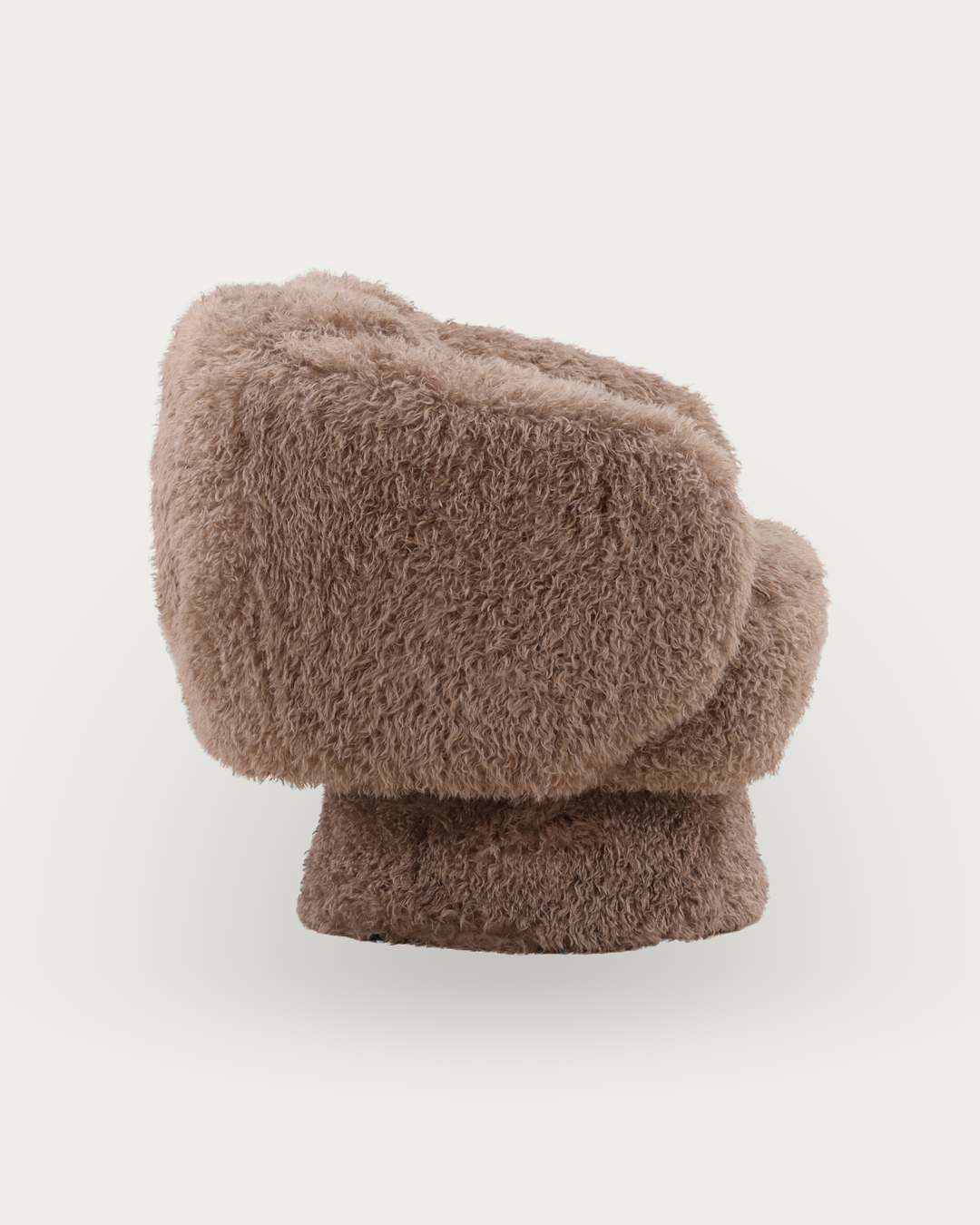
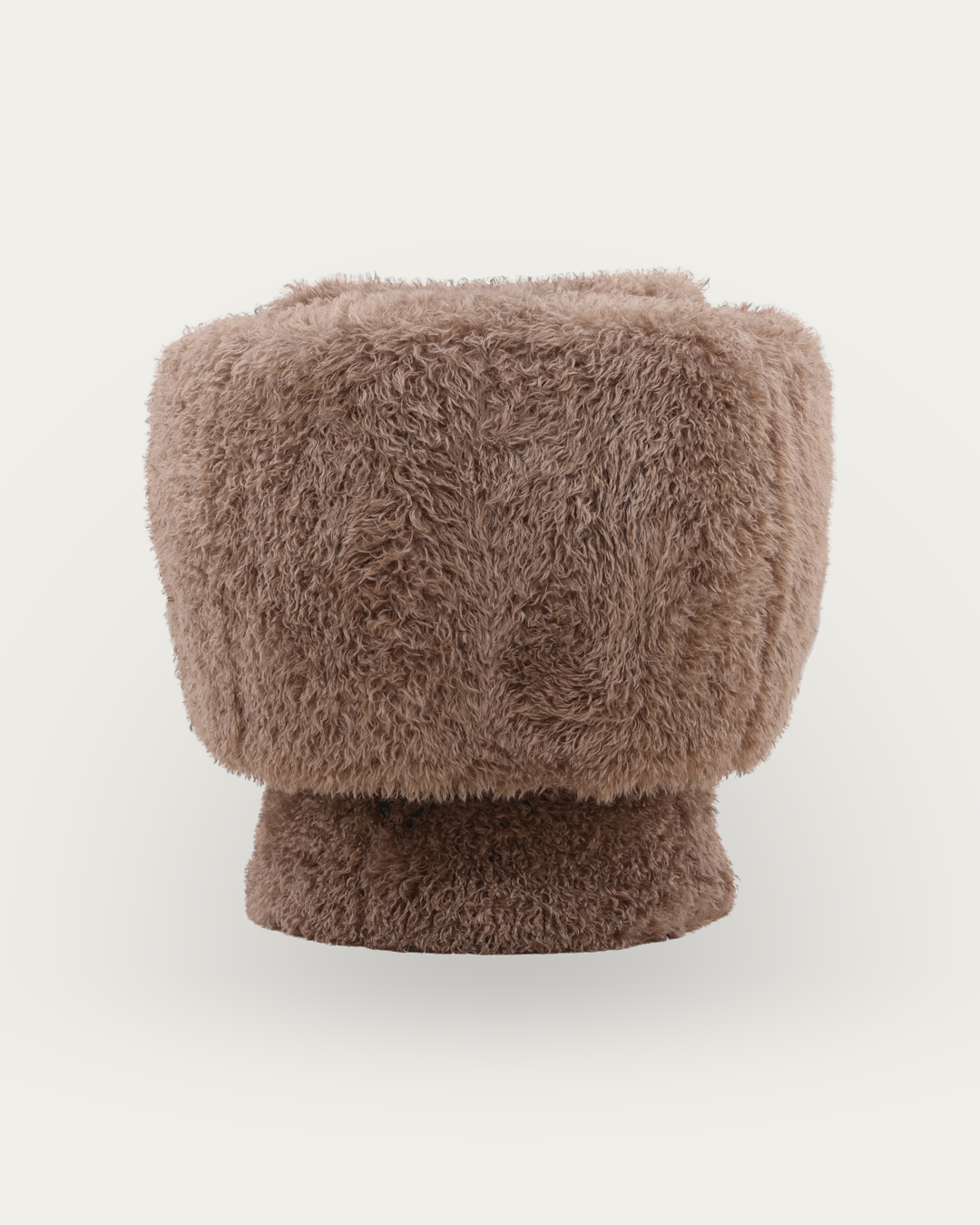
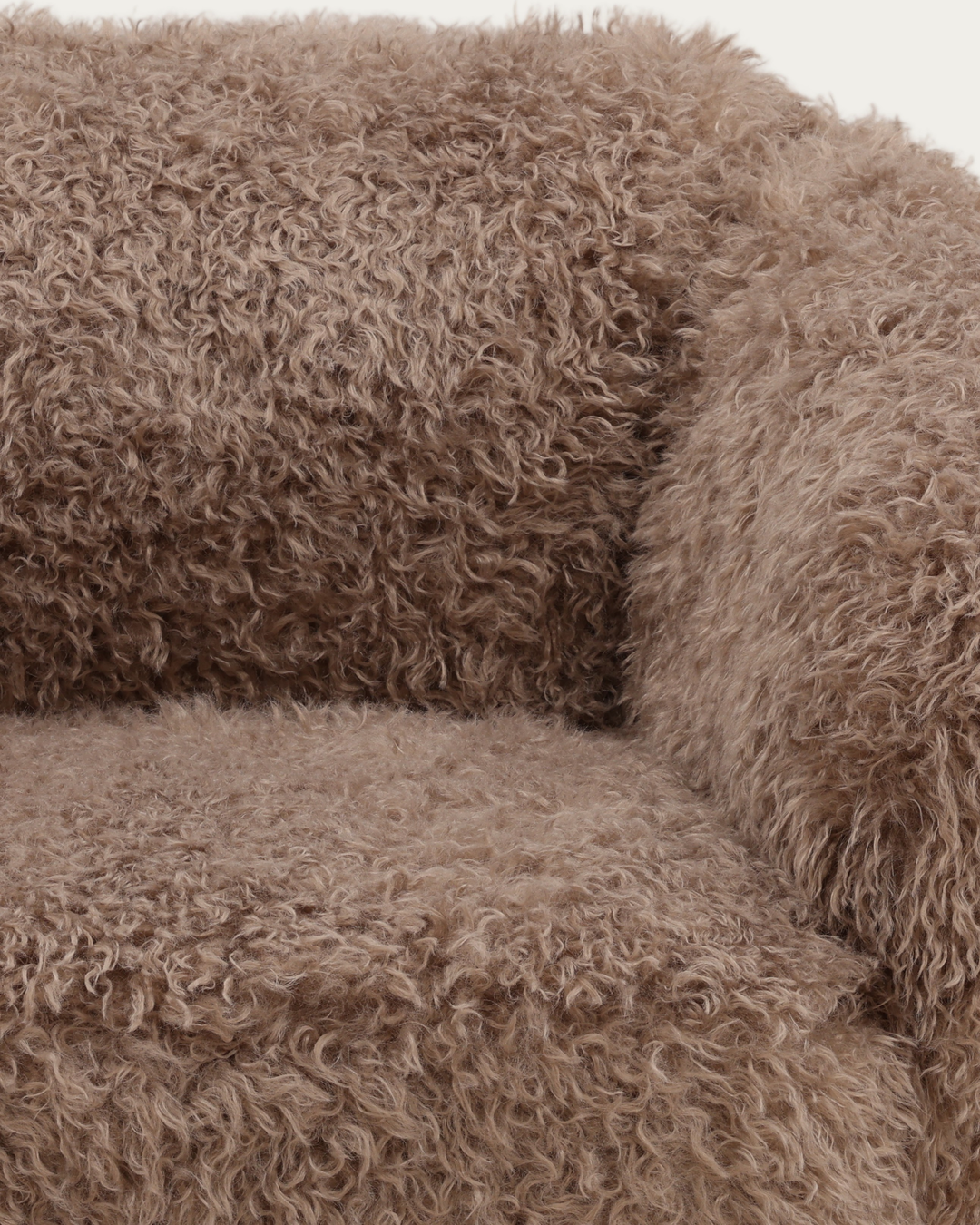
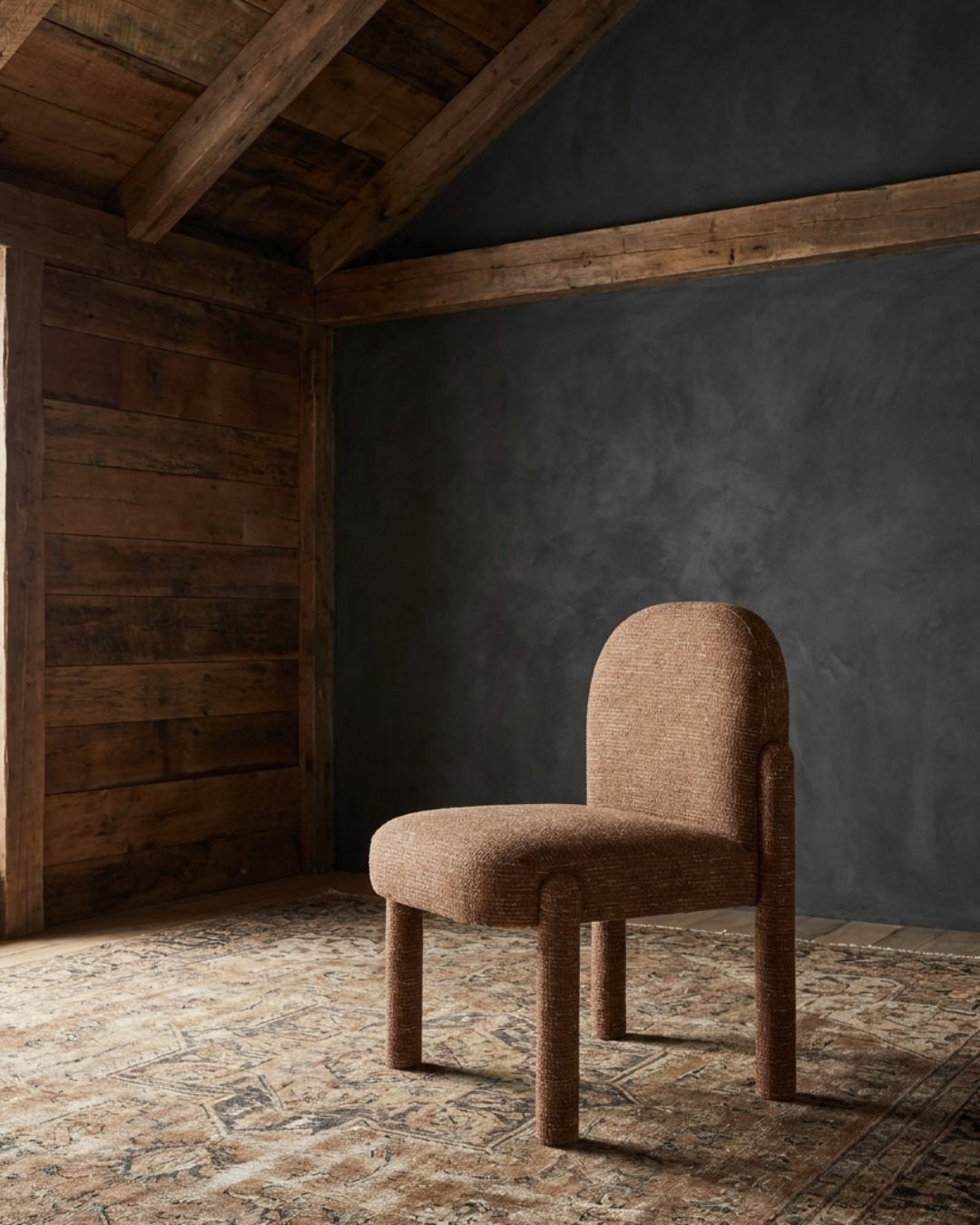
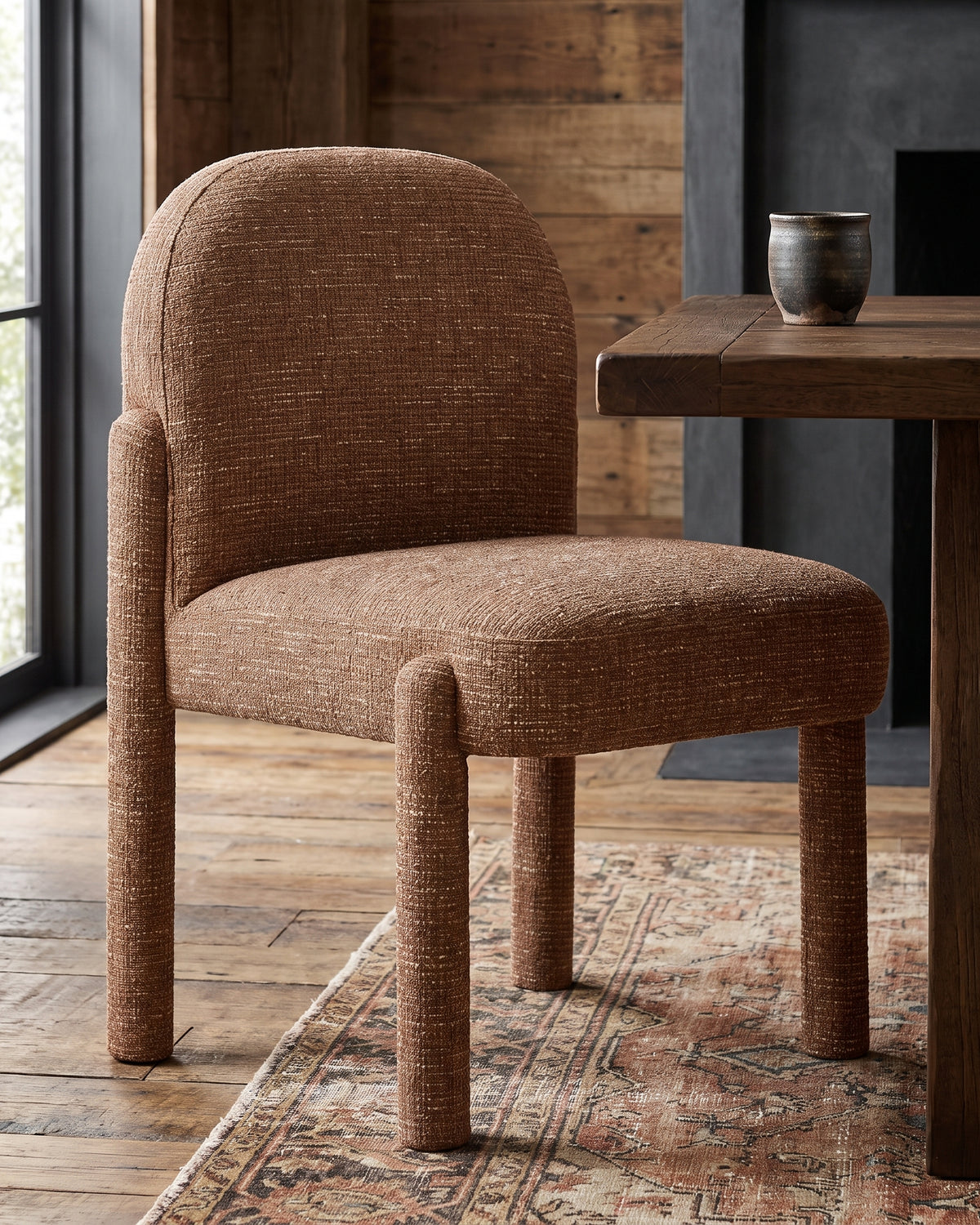
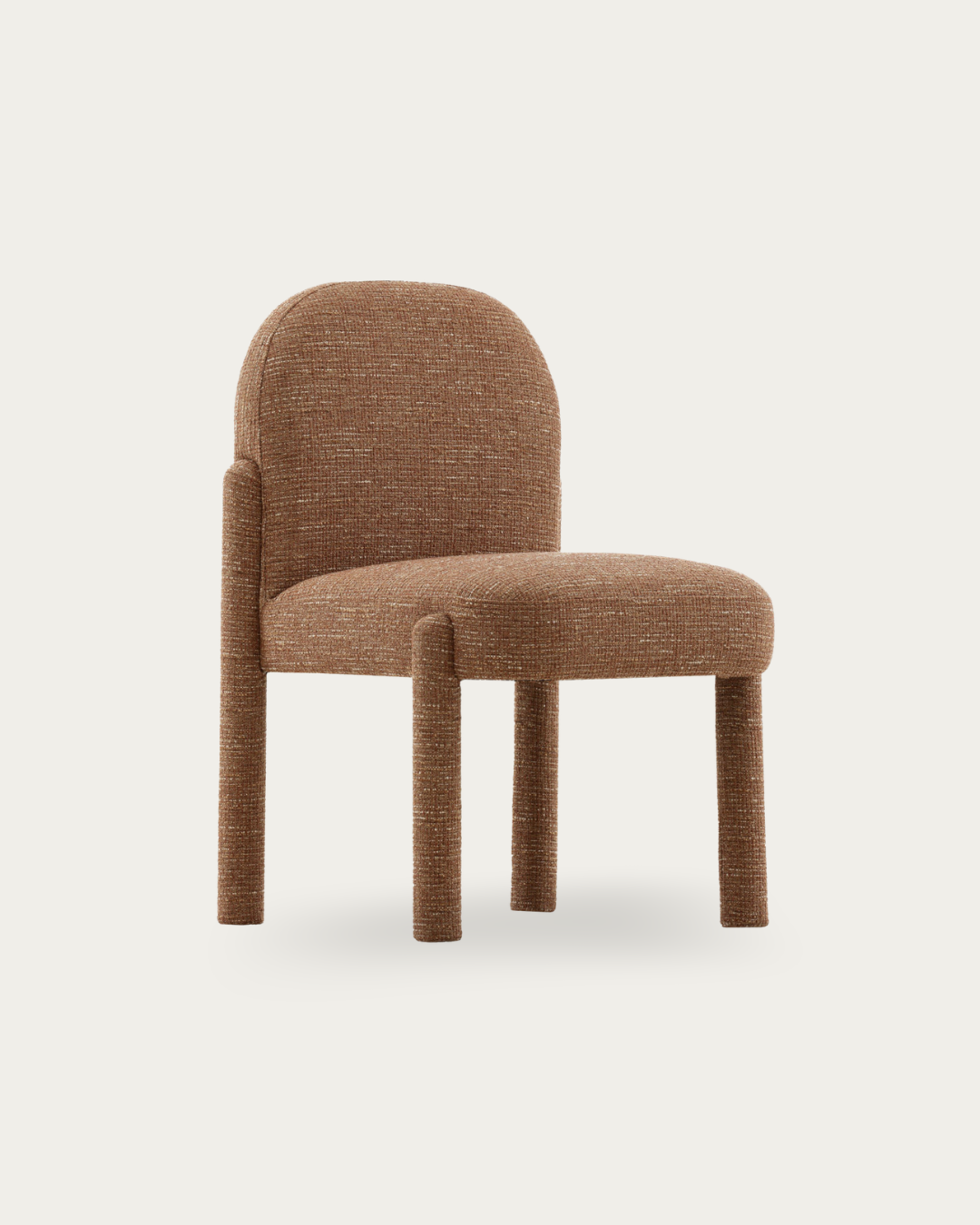
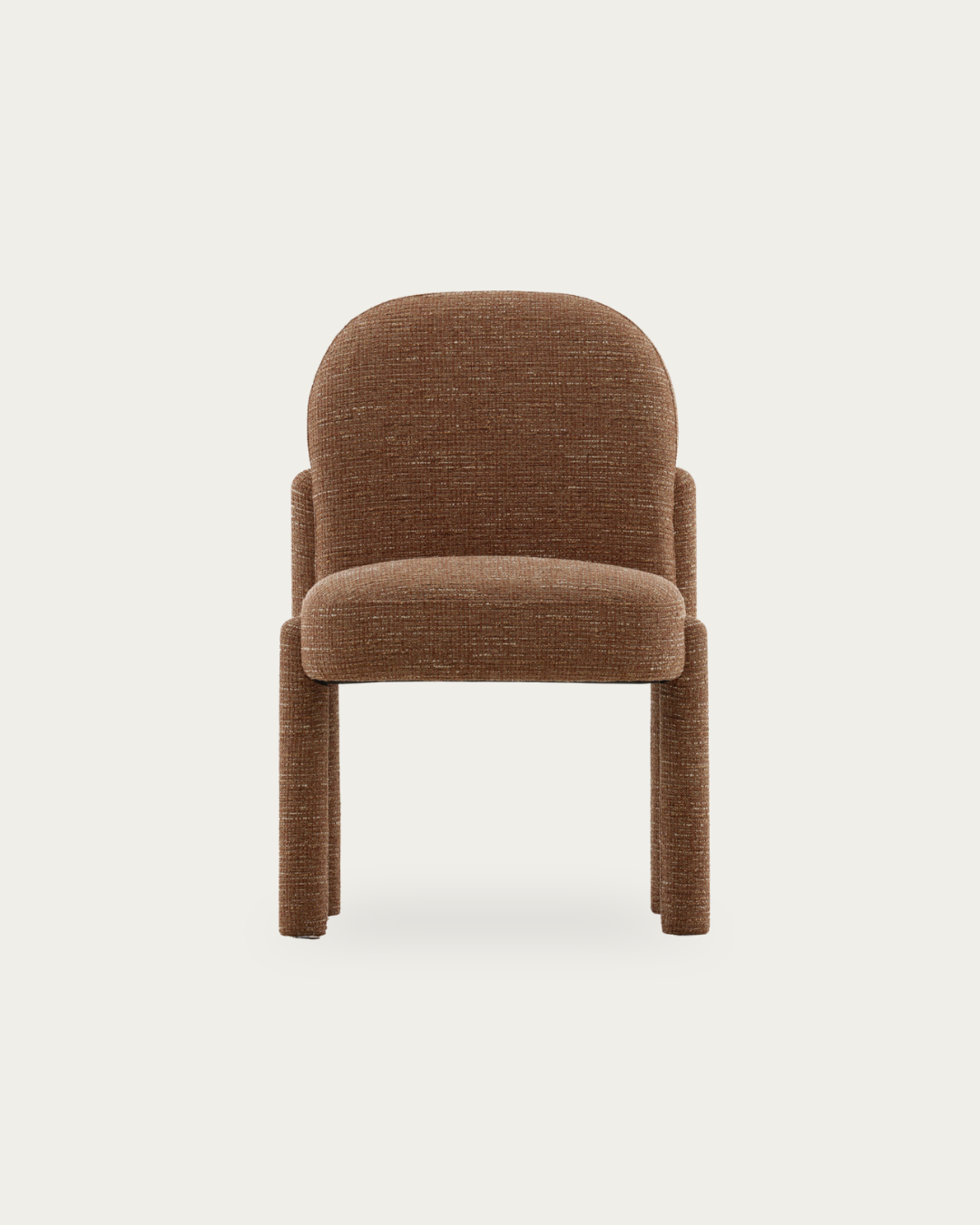
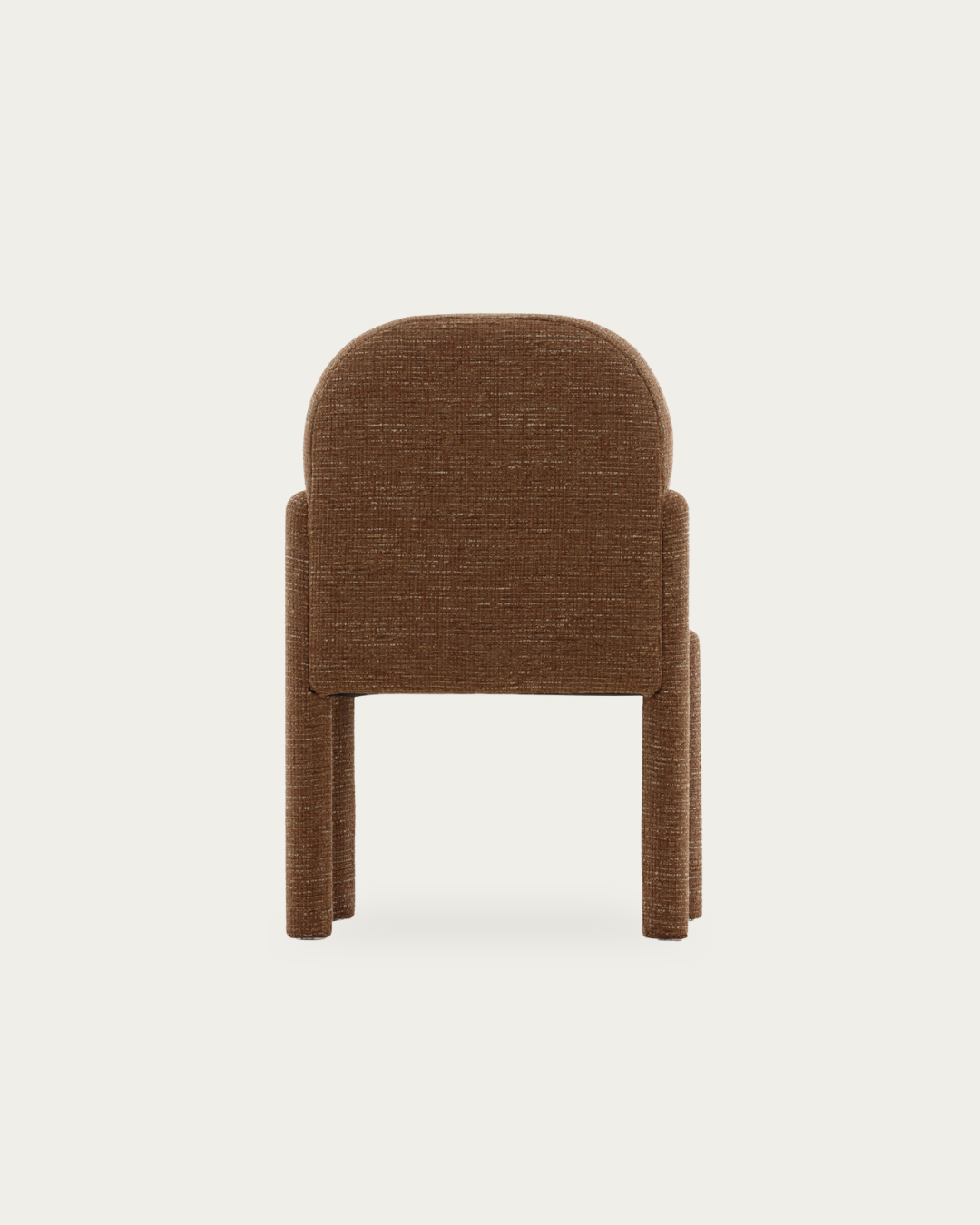
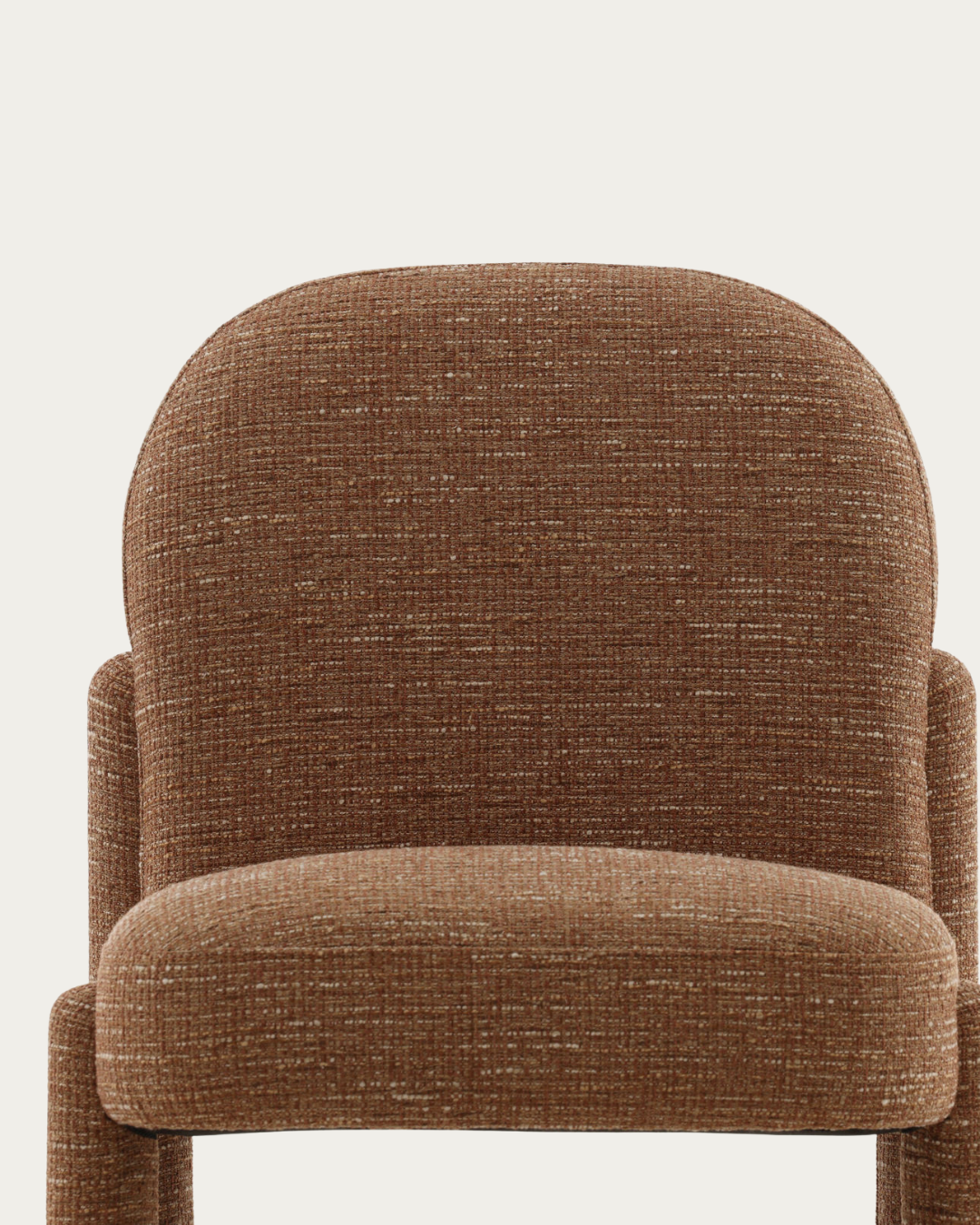
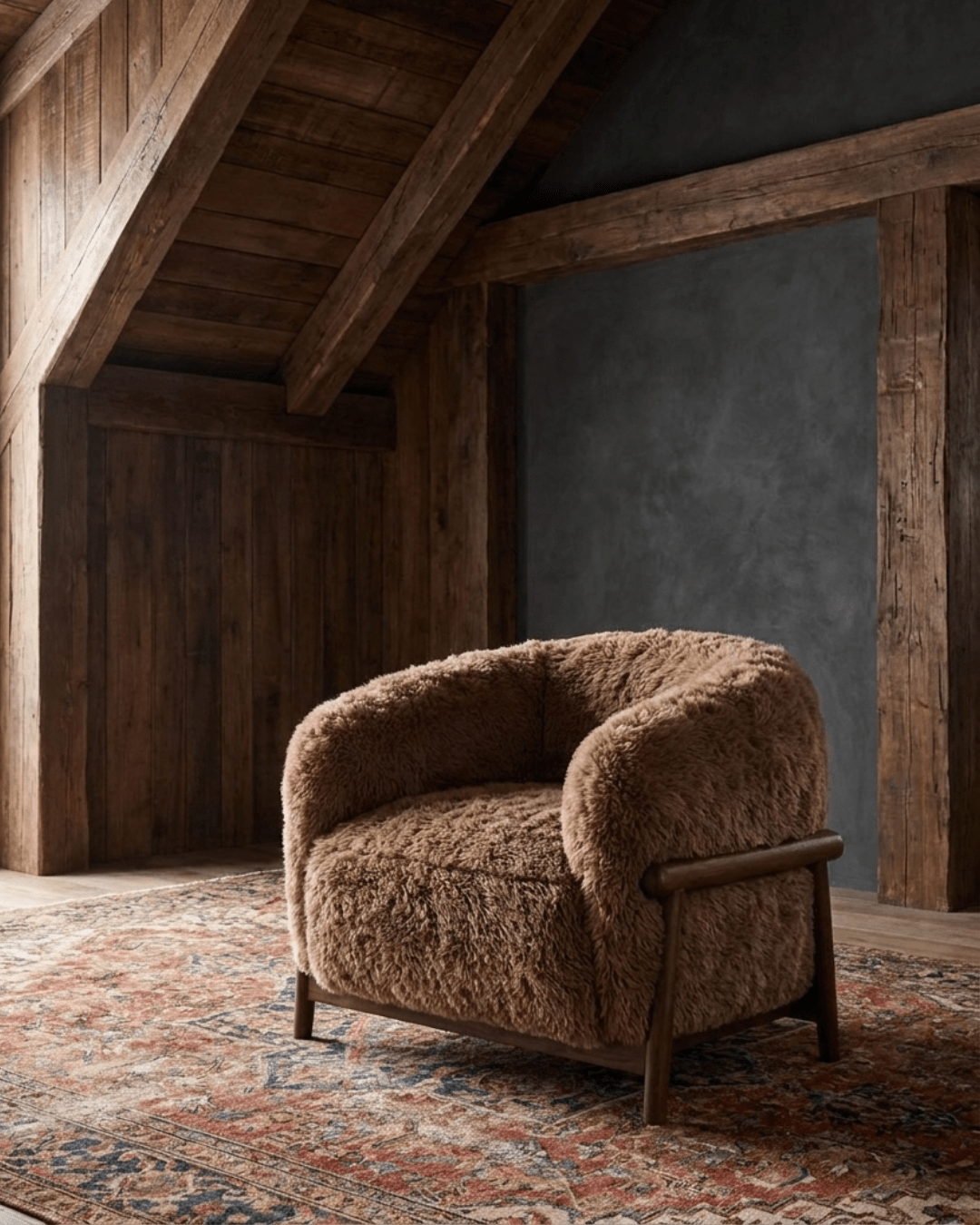
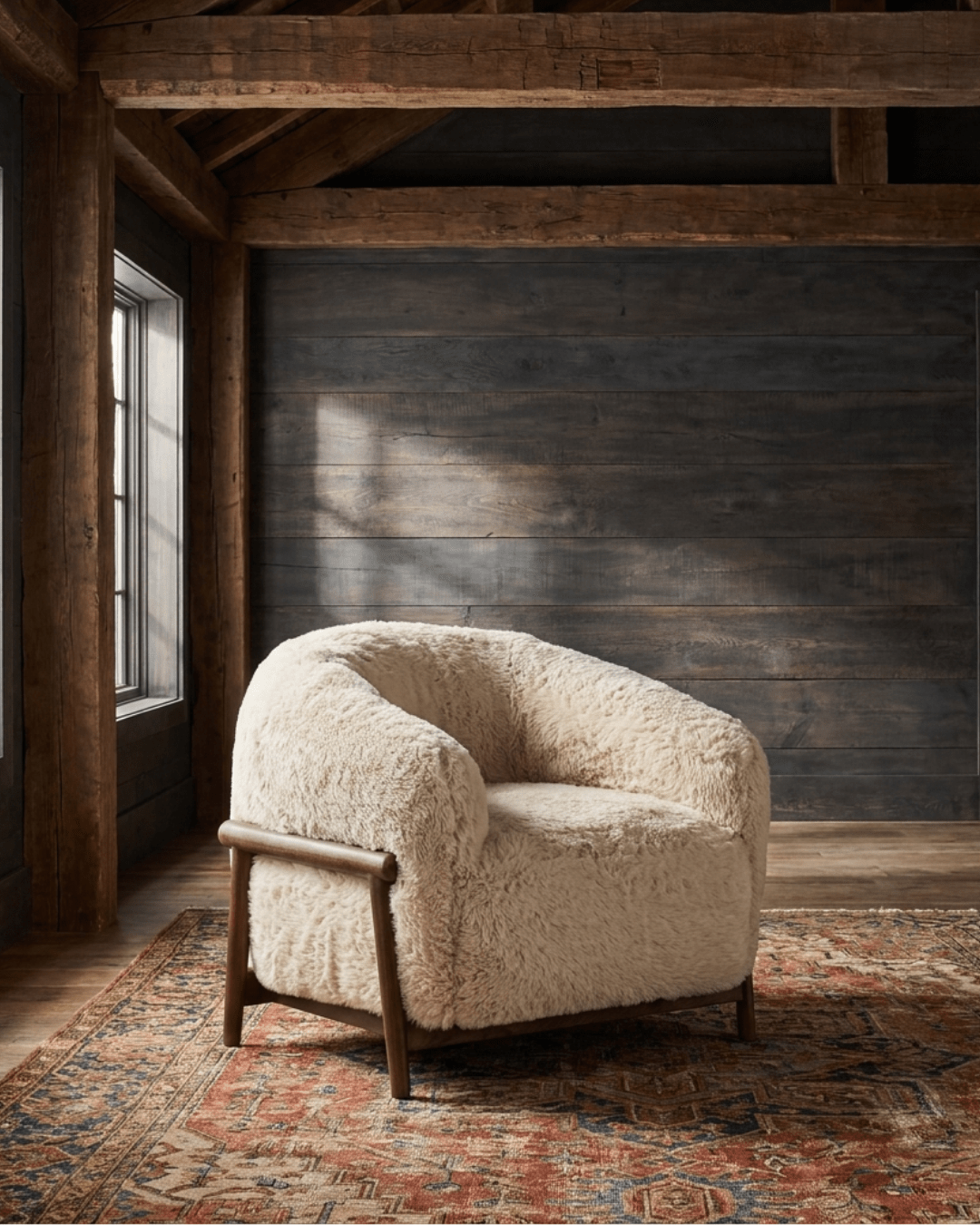
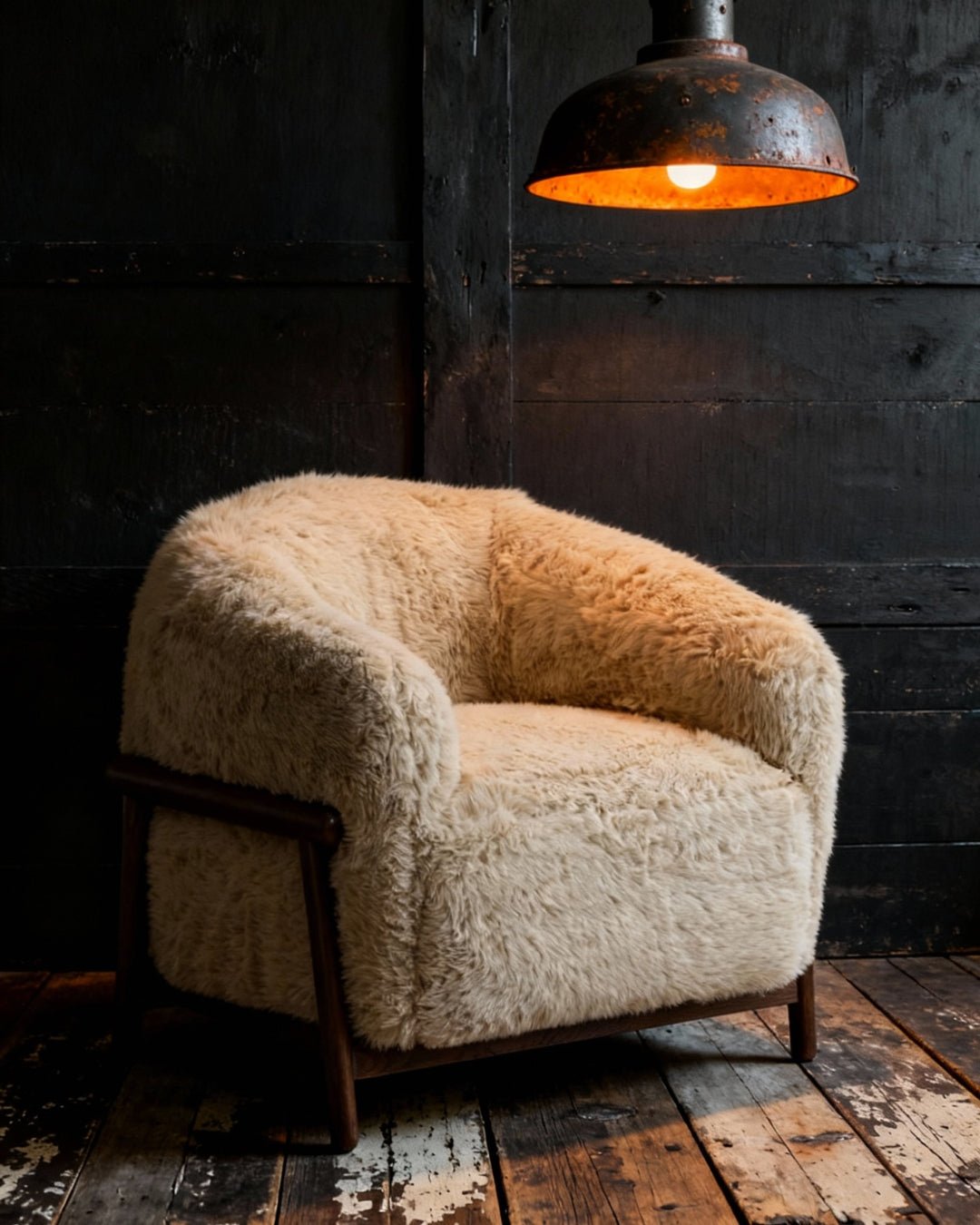
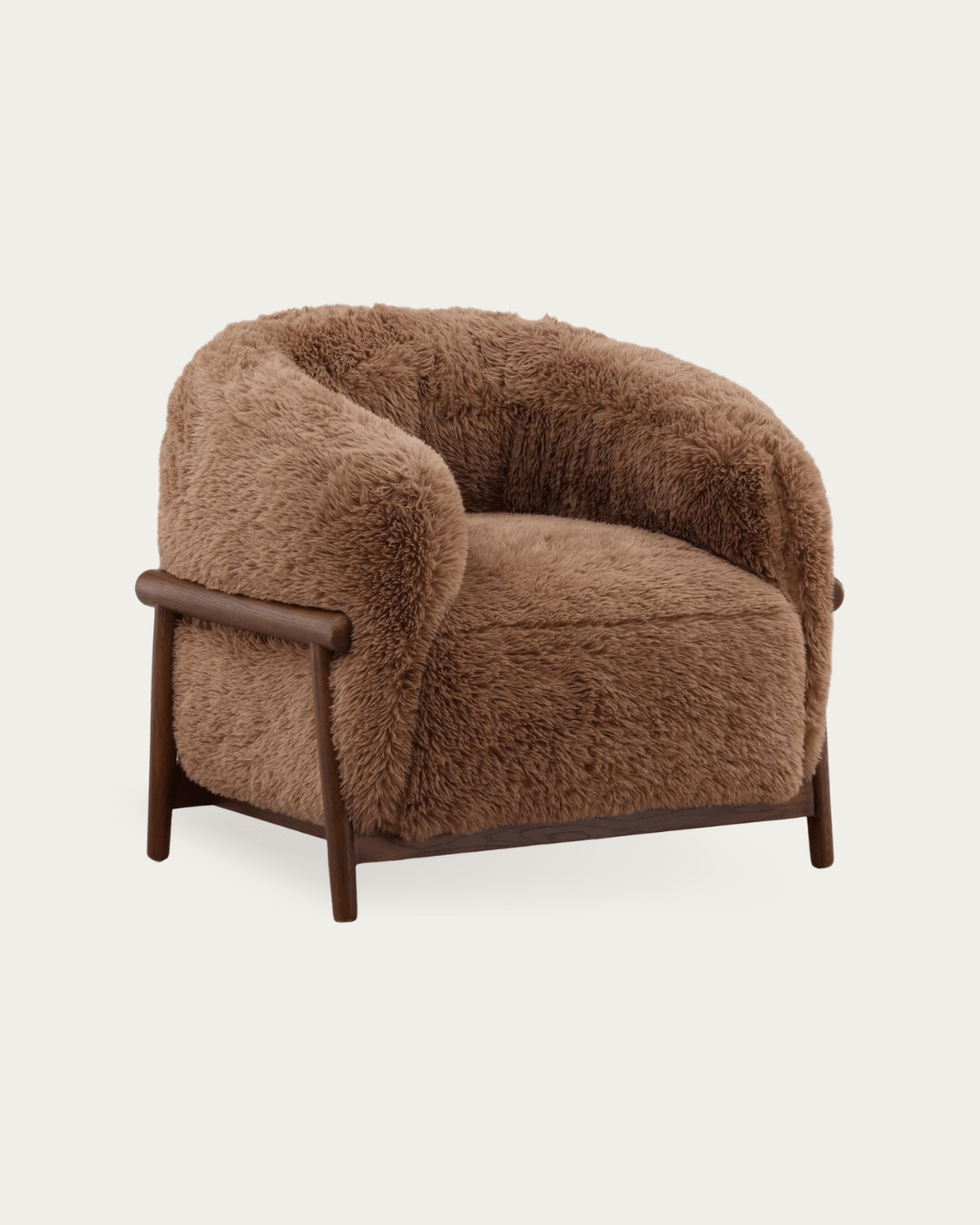
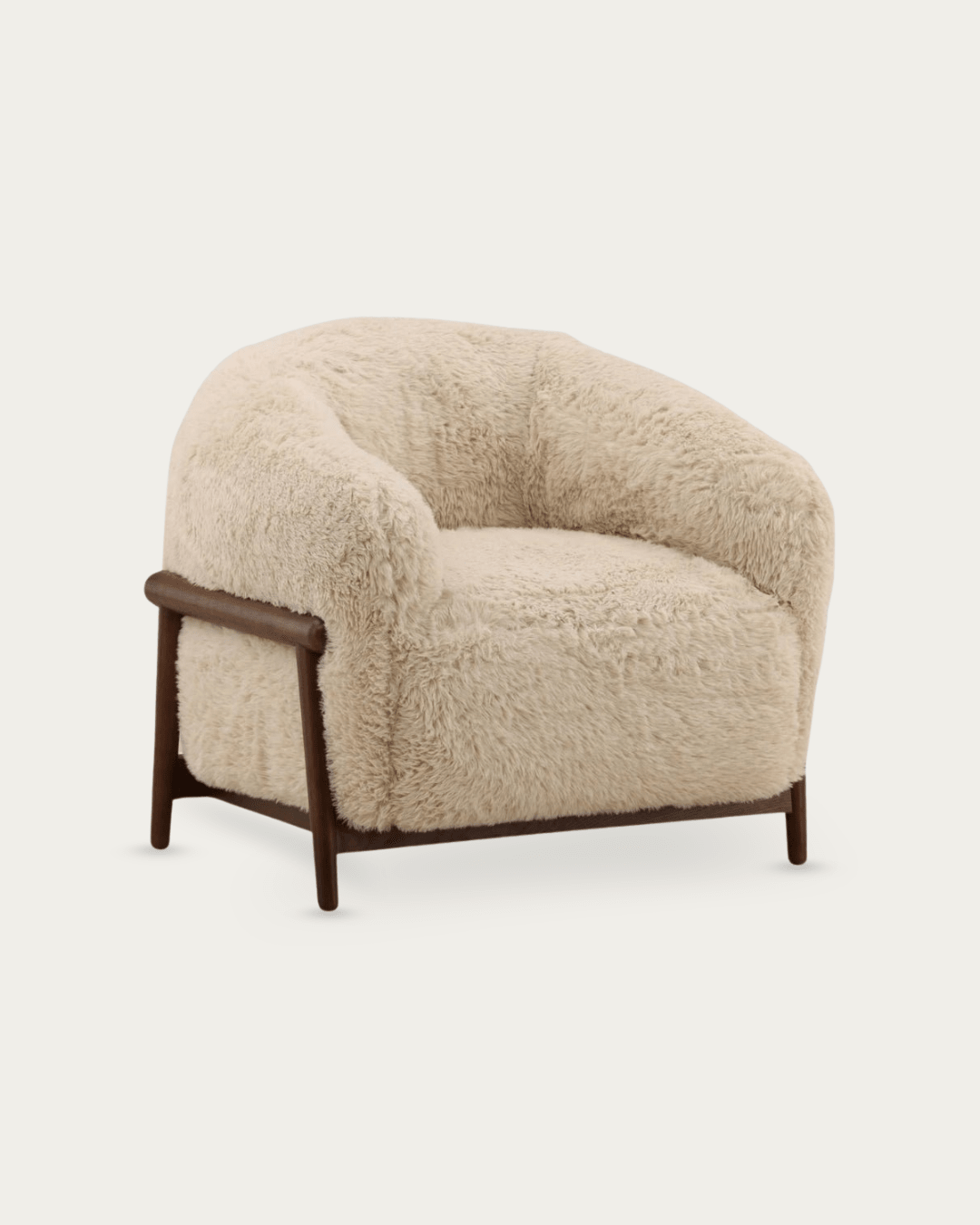
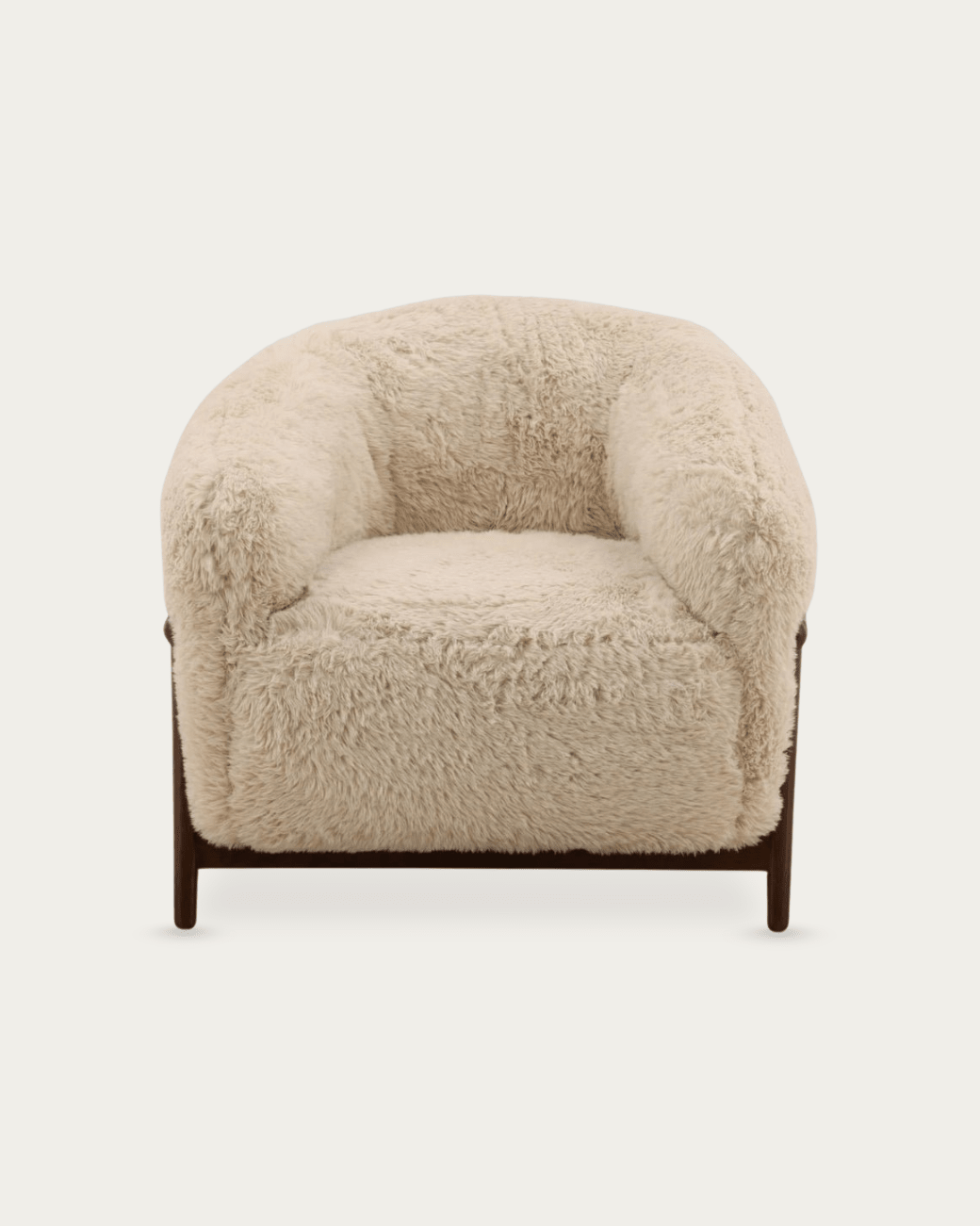
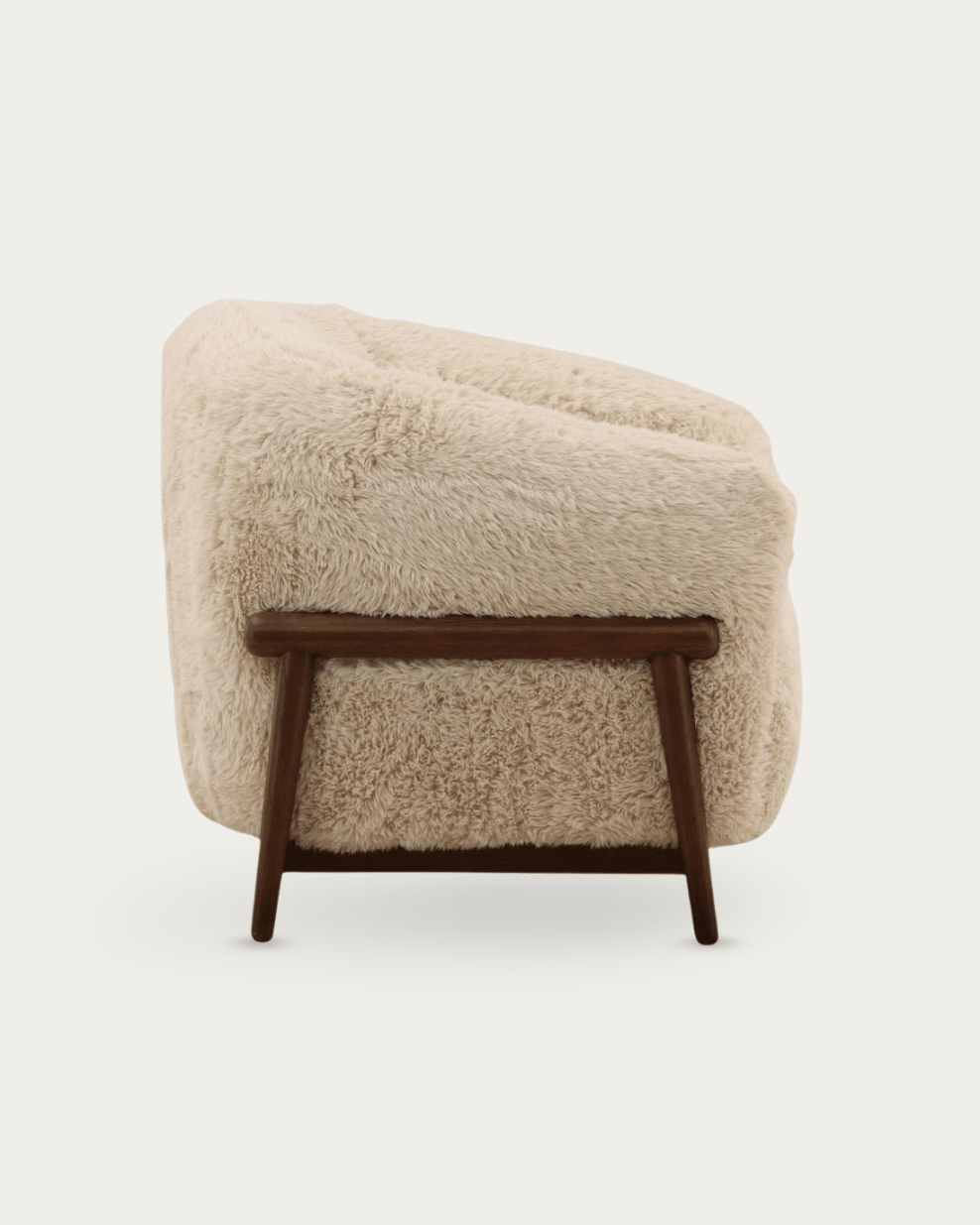
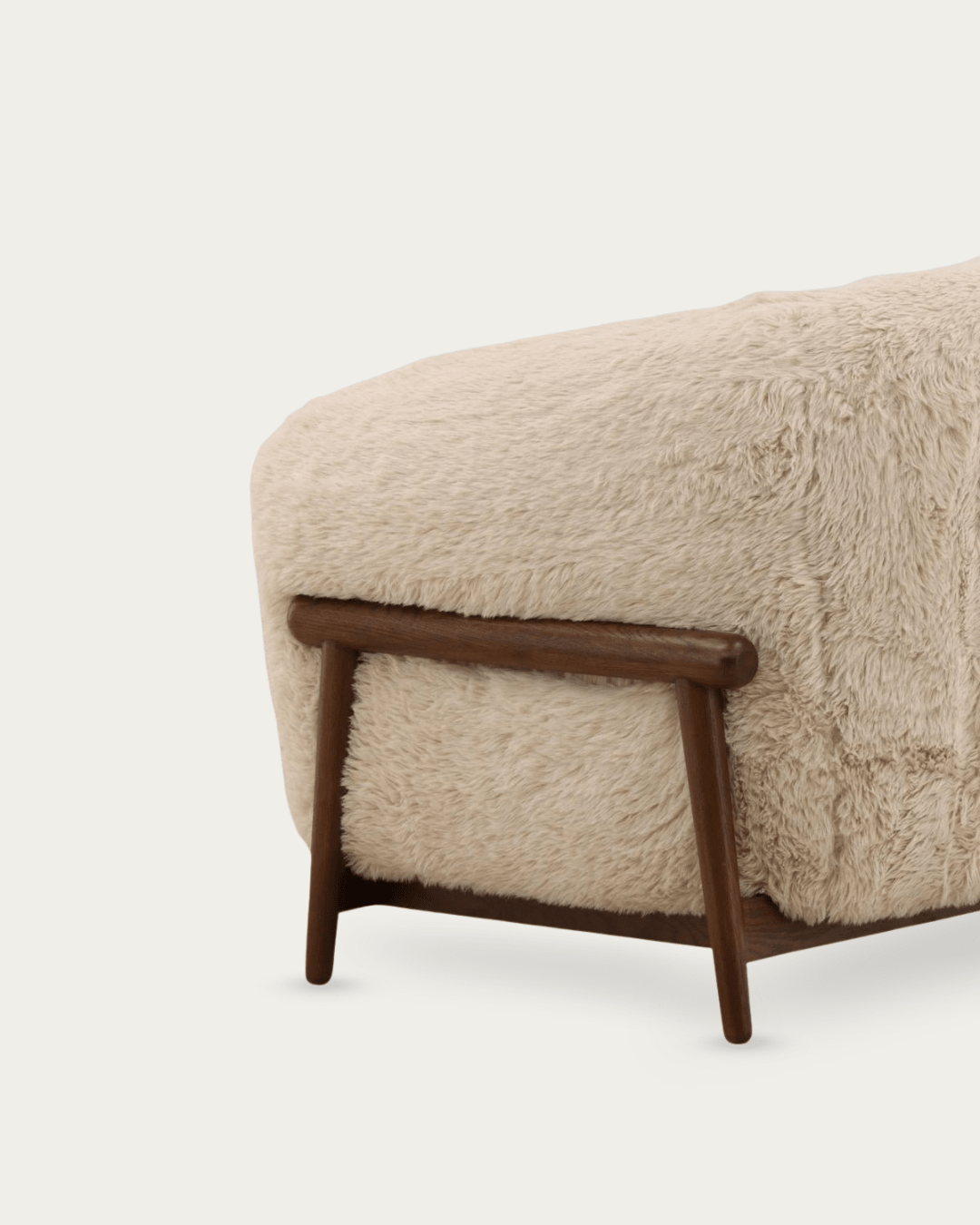
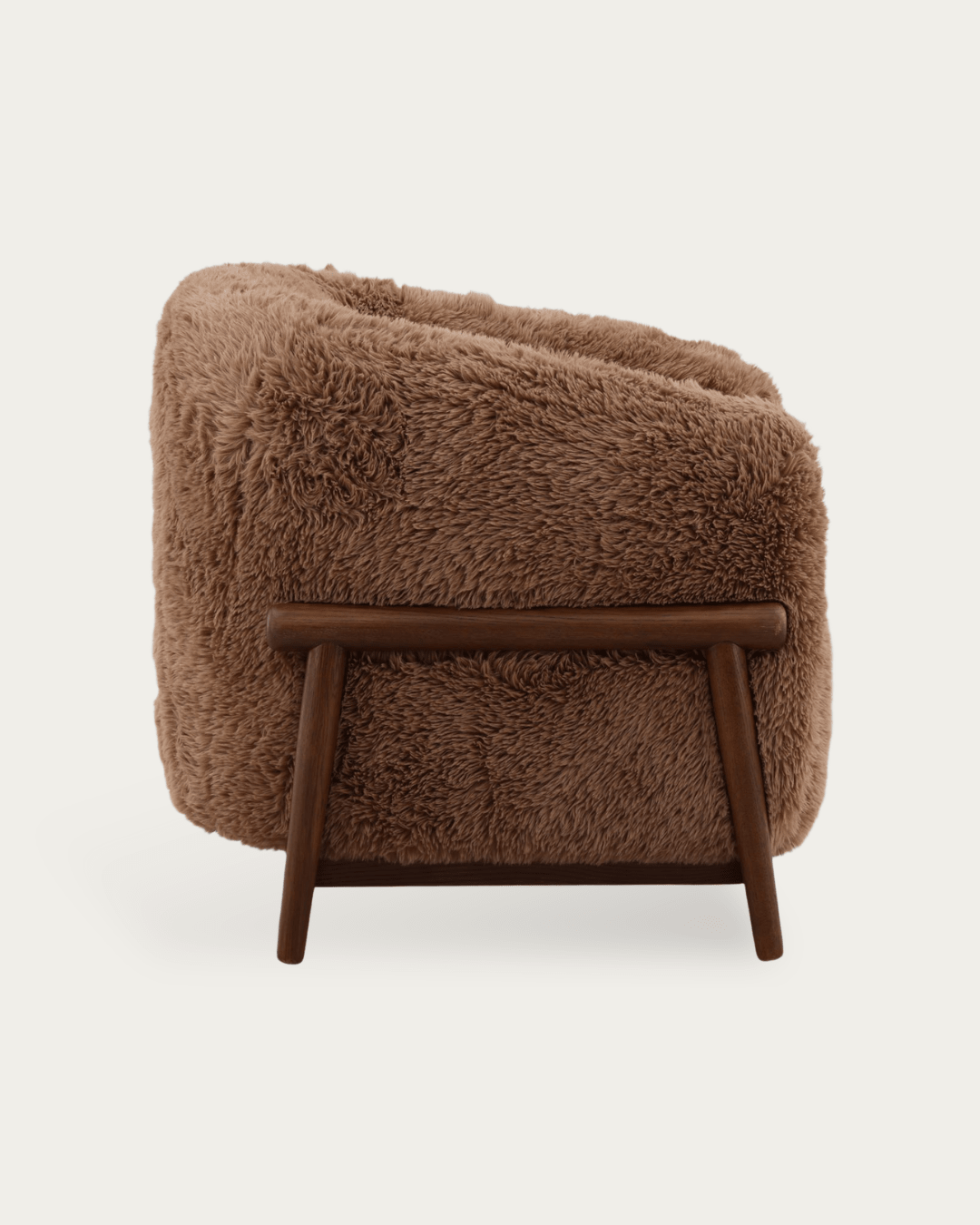
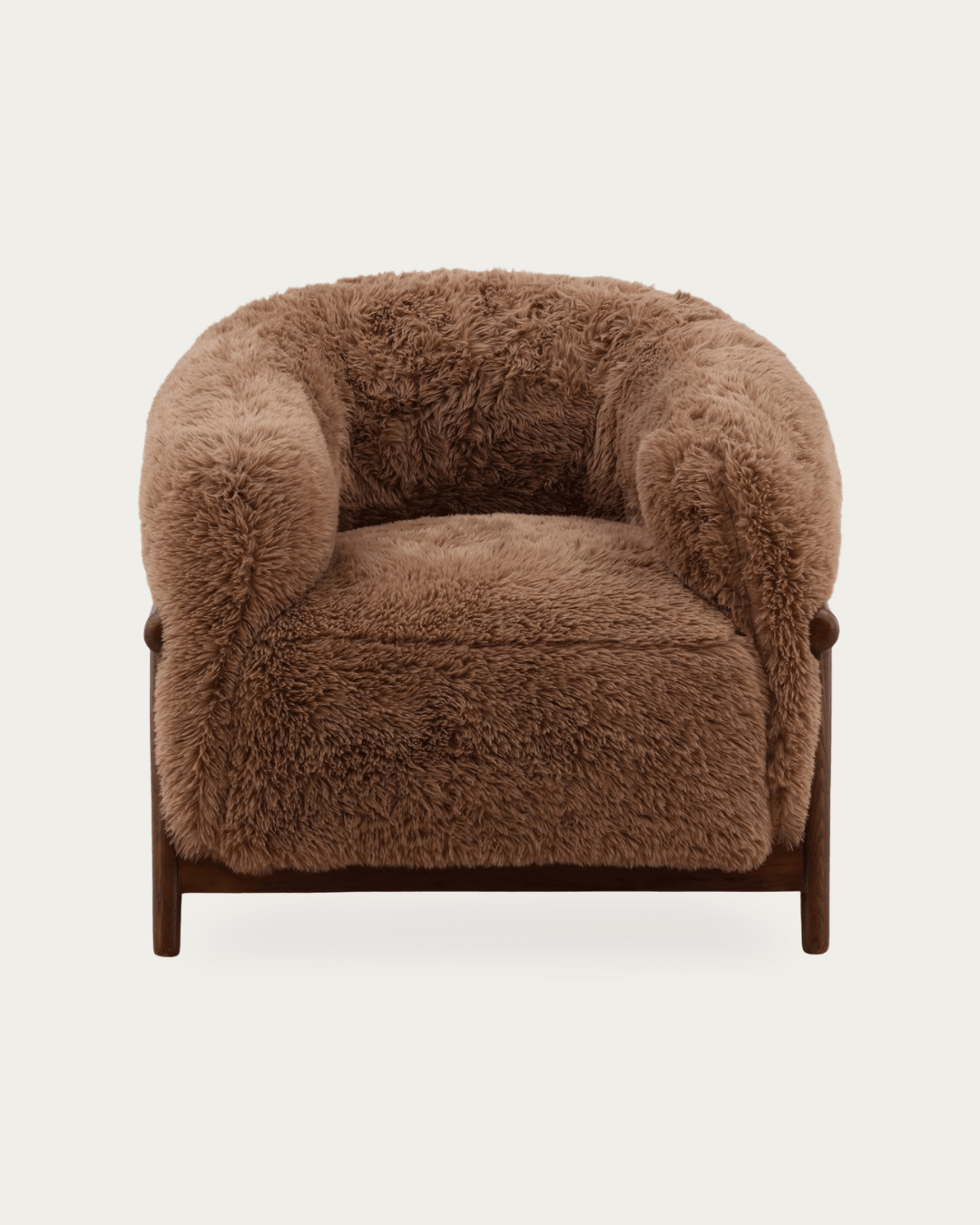
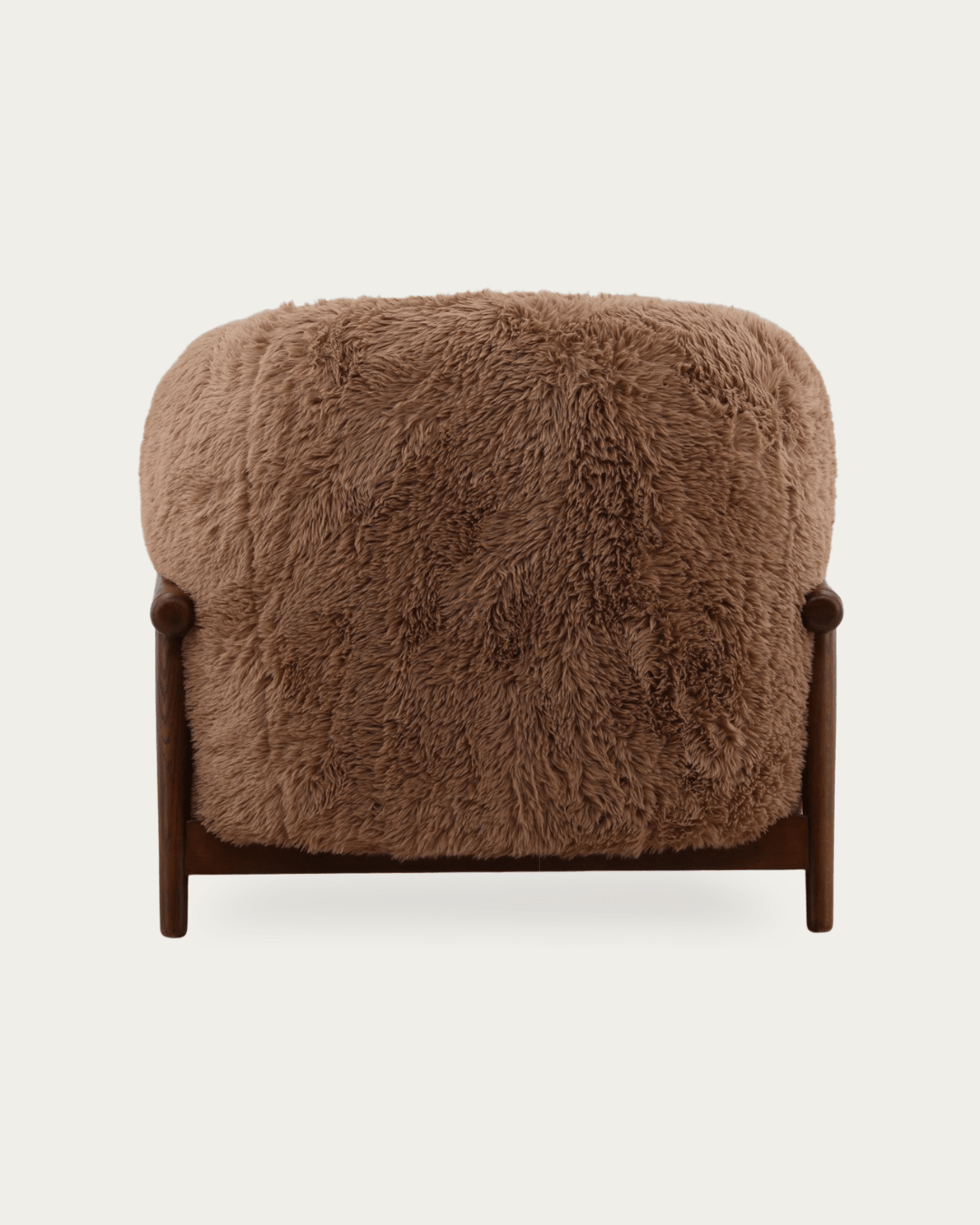
On the other hand, a softer form like the Eroa chair works best when it offsets something heavier—adding contrast without disrupting the layout.
The Difference Between Filling Space and Fixing It
Most people place chairs where there’s room. That’s the mistake.
Accent chairs shouldn’t fill empty corners—they should resolve tension points.
A chair angled slightly toward your sofa creates connection. A chair pushed into a corner creates isolation.
That small difference is what determines whether your room feels intentional or just arranged.
Even a structured piece like the Hilda brown leather tufted chair works best when it’s positioned as part of a conversation—not as a standalone object.
When Made-to-Order Chairs Change Everything
Sometimes the issue isn’t placement—it’s proportion.
That’s where made-to-order accent chairs start to matter.
A piece like the Fletcher chair or the Ruthie chair can align with your space in a way ready-made pieces can’t. Scale, depth, and presence all work together instead of competing.
You’re not forcing a chair into your layout—you’re building the layout around something that already fits.
Scale Is the Detail Most People Miss
You can have the right chair in the wrong size—and the whole room will feel off.
Too small, and it disappears. Too large, and it crowds the layout.
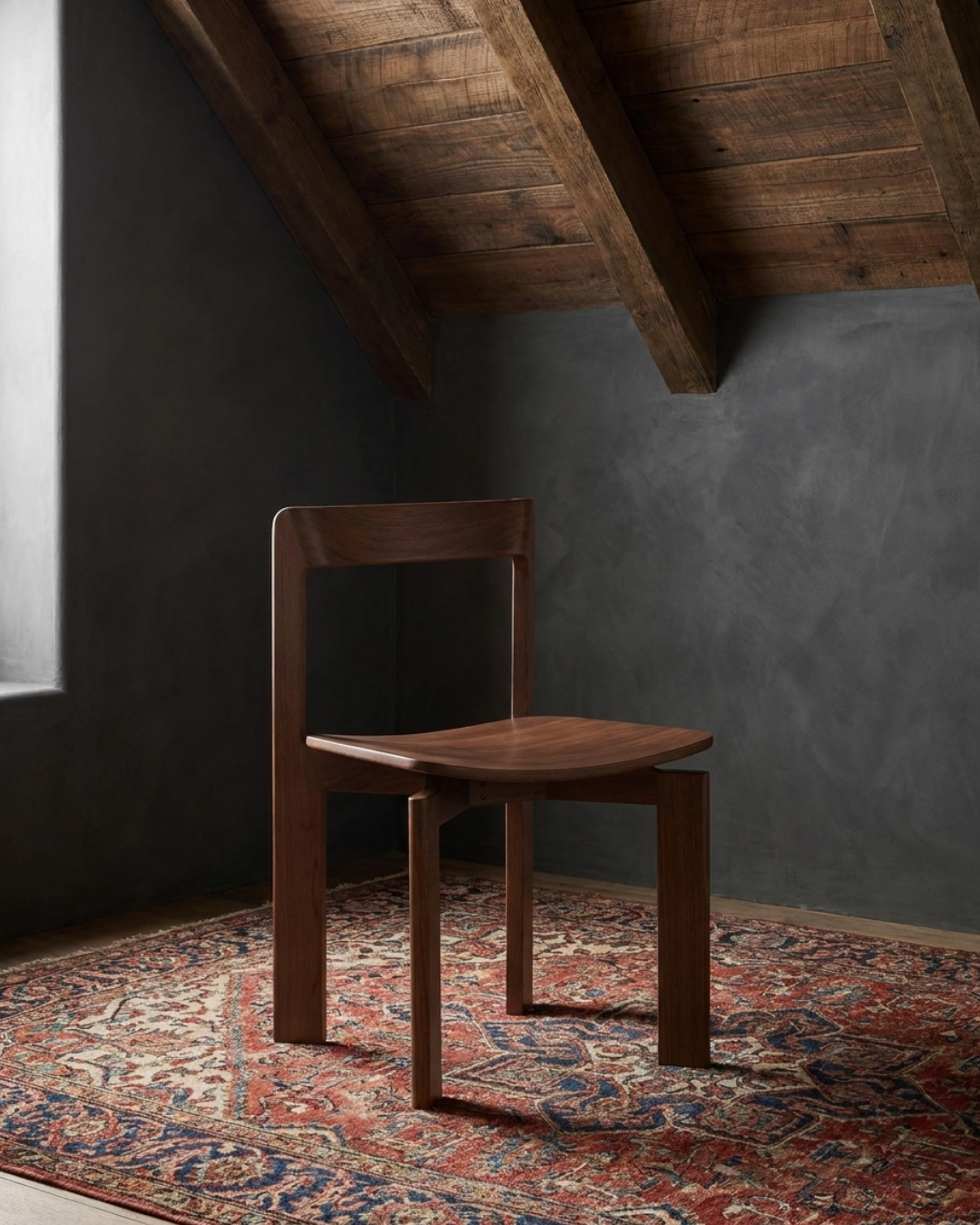
This is where more defined silhouettes like the Griffin chair or the Gitta chair come in. They hold presence without overwhelming the space, especially when paired with larger foundational pieces.
Scale doesn’t need to be perfect. But it does need to make sense.
How to Place Accent Chairs Without Overthinking It
You don’t need design rules. You need a few constraints.
Angle chairs slightly inward to create connection. Maintain consistent spacing from your main seating. Avoid pushing everything against walls.
The goal isn’t symmetry—it’s cohesion.
Accent chairs should feel like part of the system, not an afterthought.
A RUTED Tip: Balance Reduces Visual Noise Your brain is constantly scanning a space for balance, and when one side carries more visual weight than the other, it increases cognitive load and keeps your eyes moving; adding an accent chair redistributes that weight, giving your brain a second anchor point, which reduces scanning behavior and allows your nervous system to settle faster.
One Chair Can Be Enough
You don’t always need a pair.
In fact, one well-placed accent chair often works better than two placed out of habit.
A single chair can anchor a corner, break repetition, and introduce contrast without adding clutter.
That’s usually enough to shift the room.

Where to Start
If your space feels off, don’t add more—add something that changes the balance.
Start with a chair that holds visual weight, contrasts your existing furniture, and fits your layout instead of just your style.
From there, everything else becomes easier to resolve.
Final Thought
Accent chairs aren’t finishing touches. They’re structural decisions.
They don’t decorate a room—they stabilize it.
And once that balance is in place, the rest of the space stops asking for attention.
If you’re ready to find a piece that actually shifts your layout, explore your options here:
Explore living room furniture collection