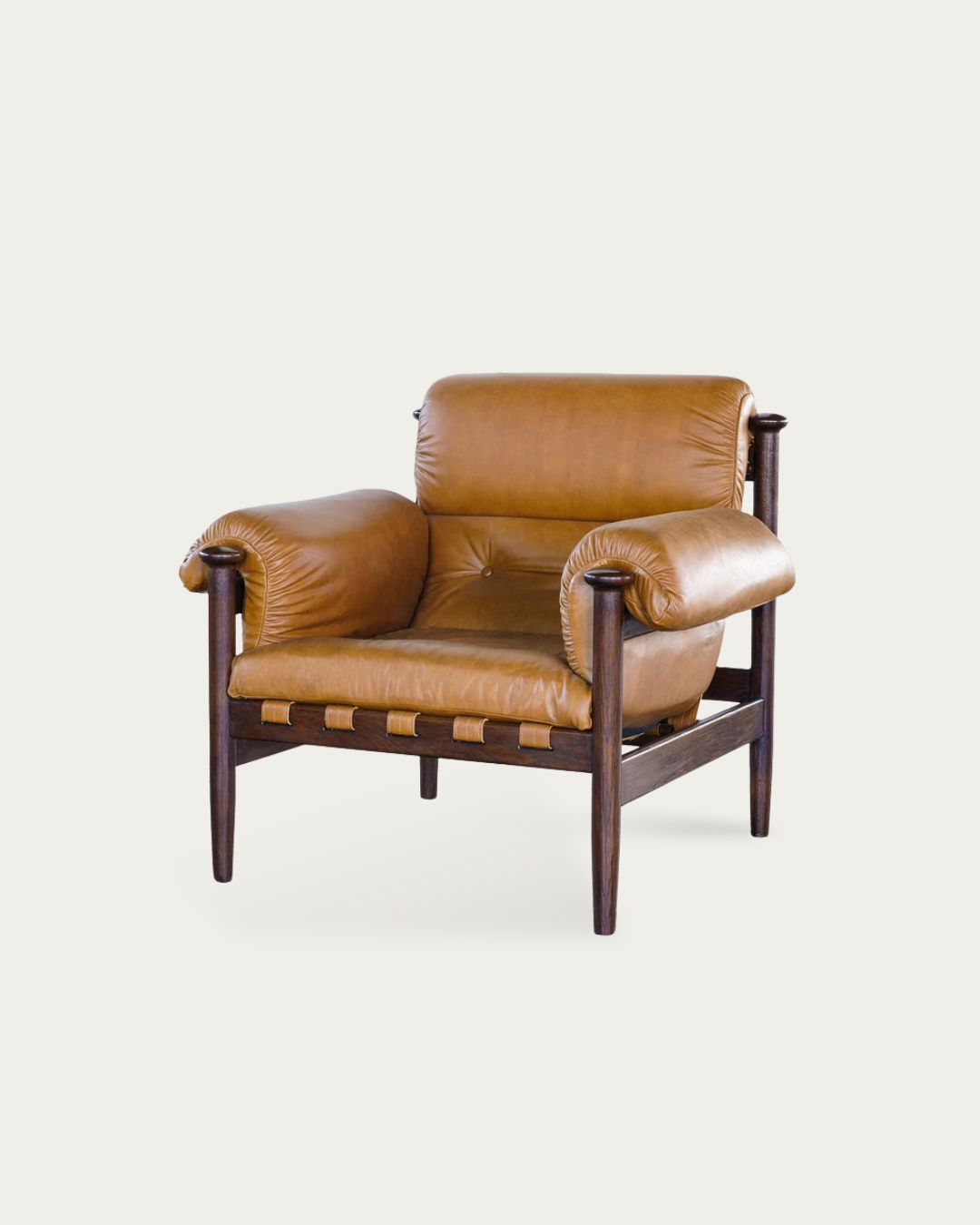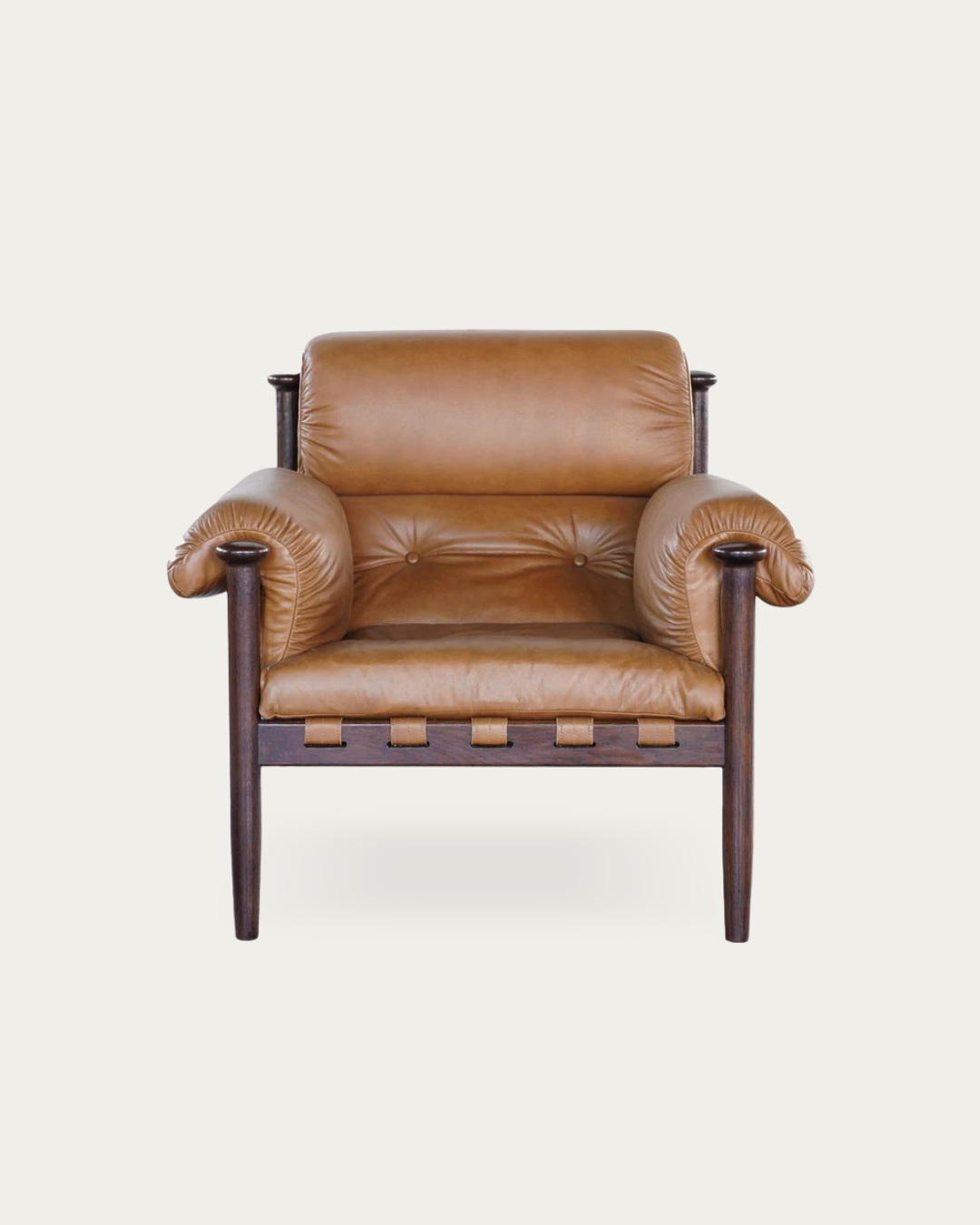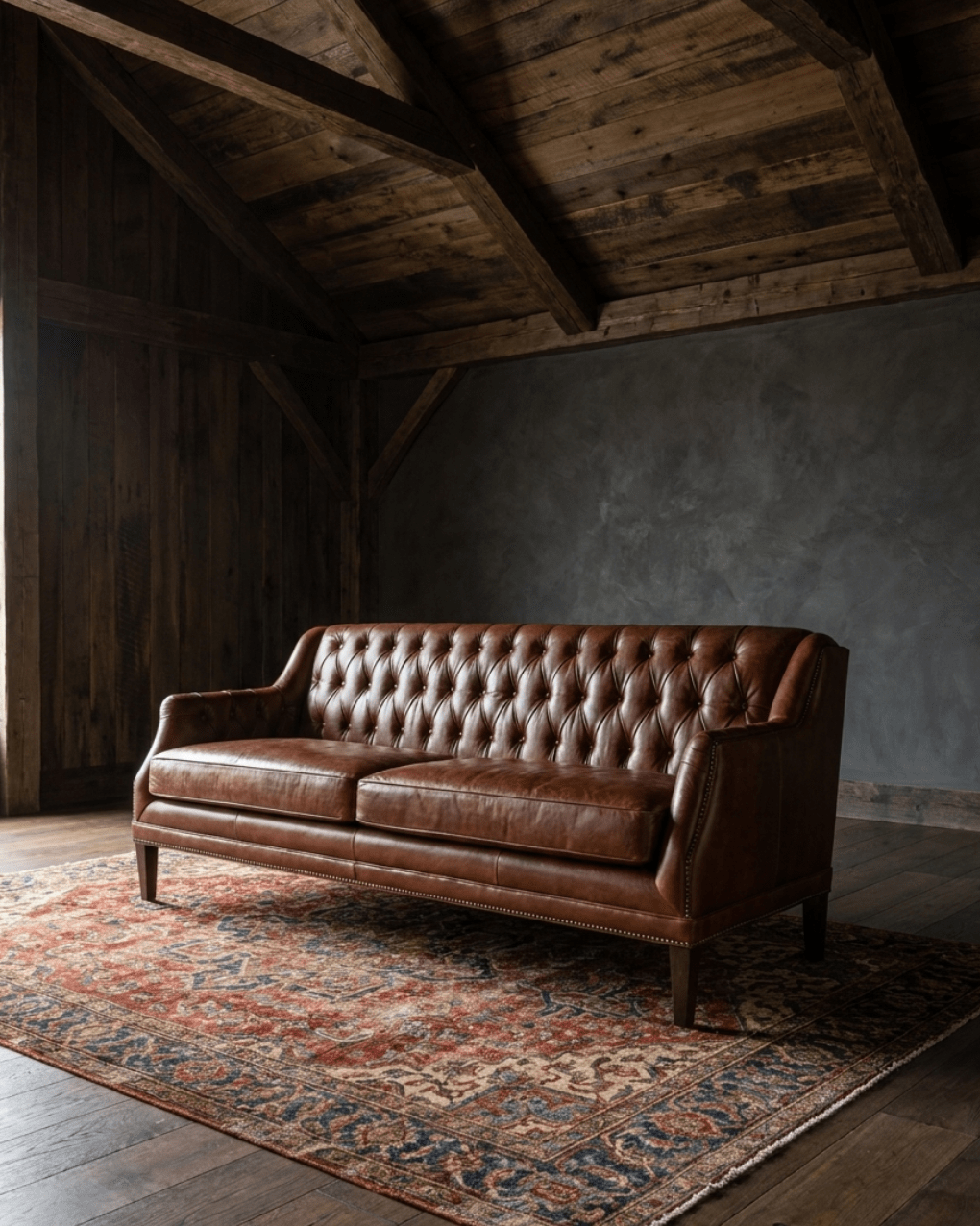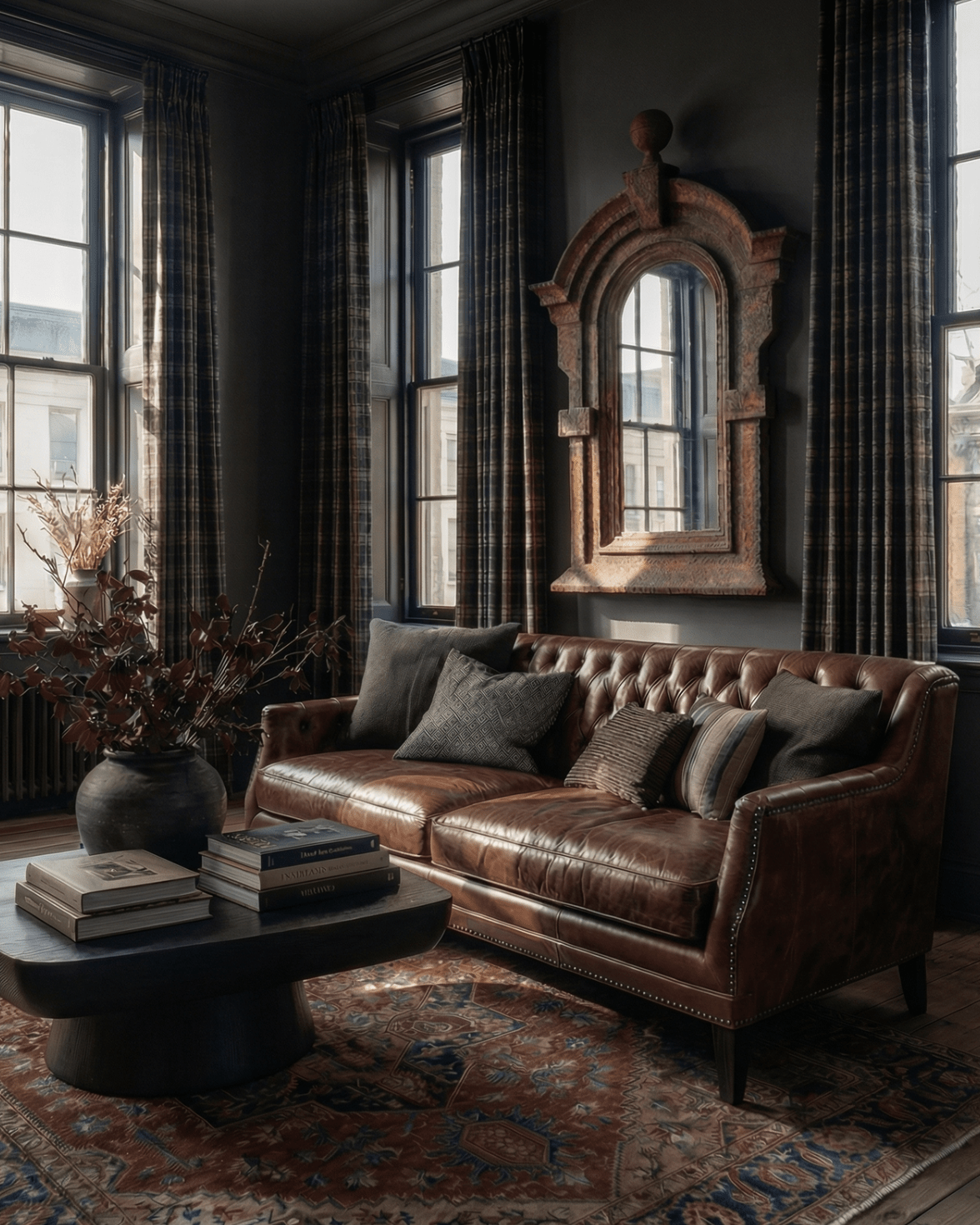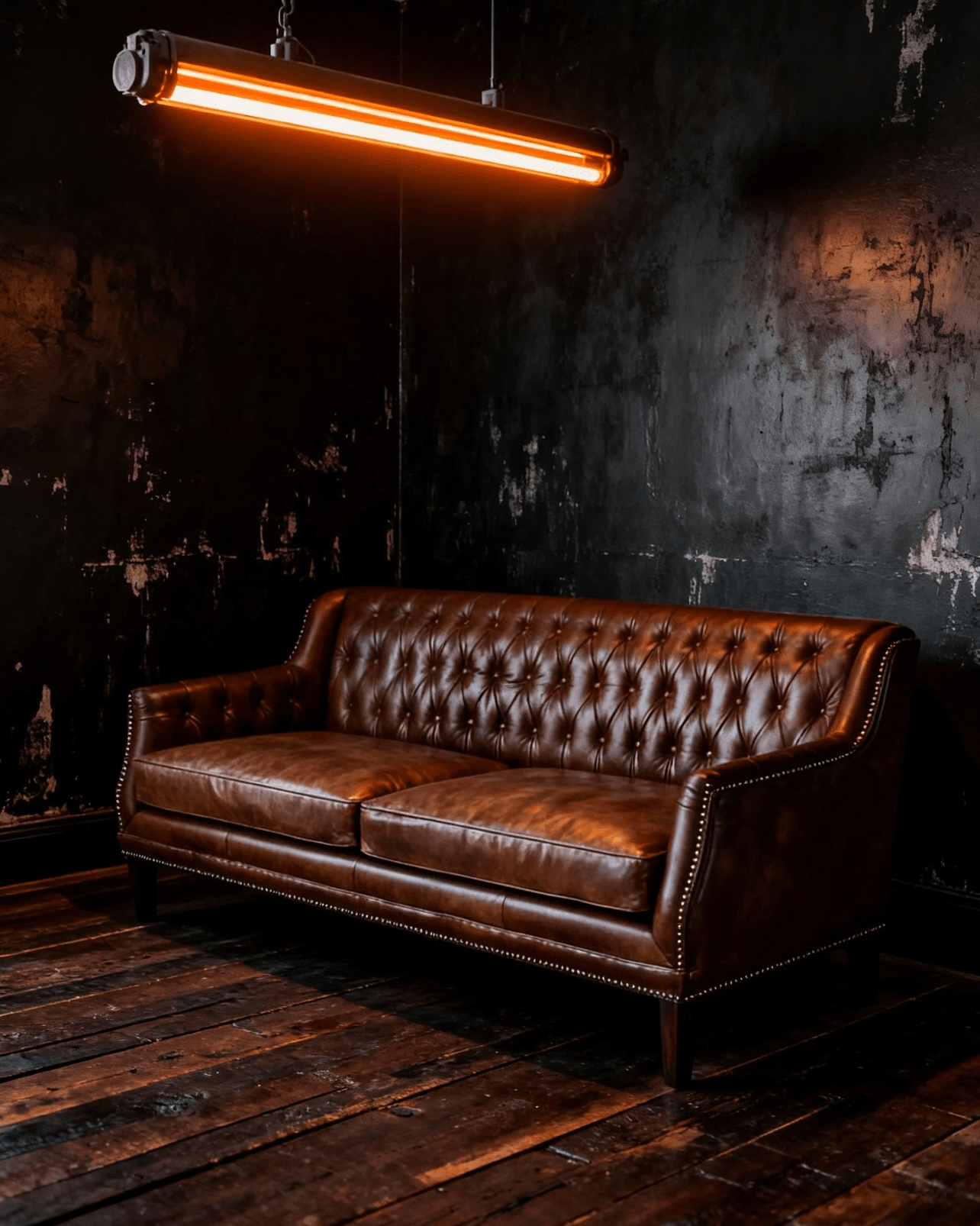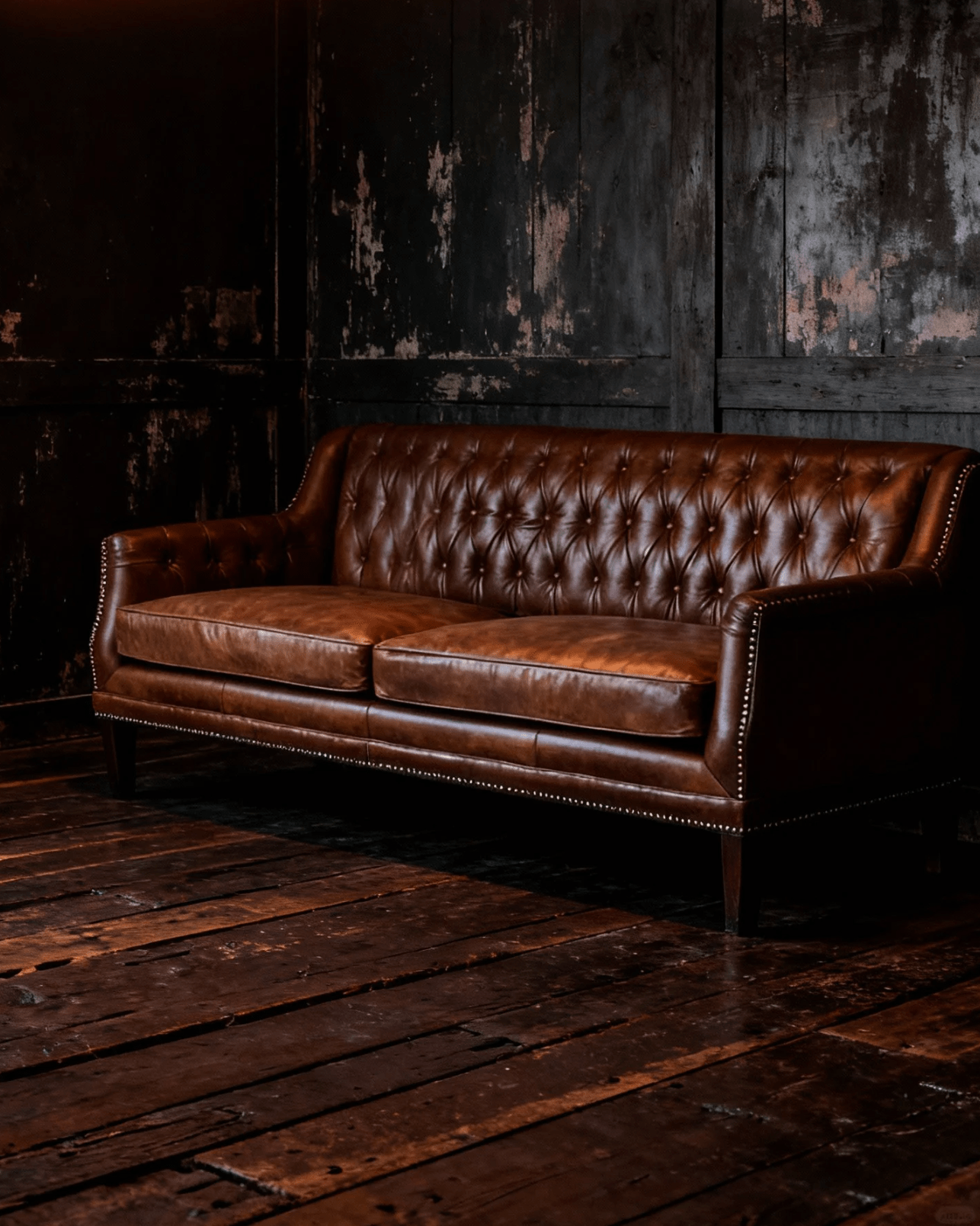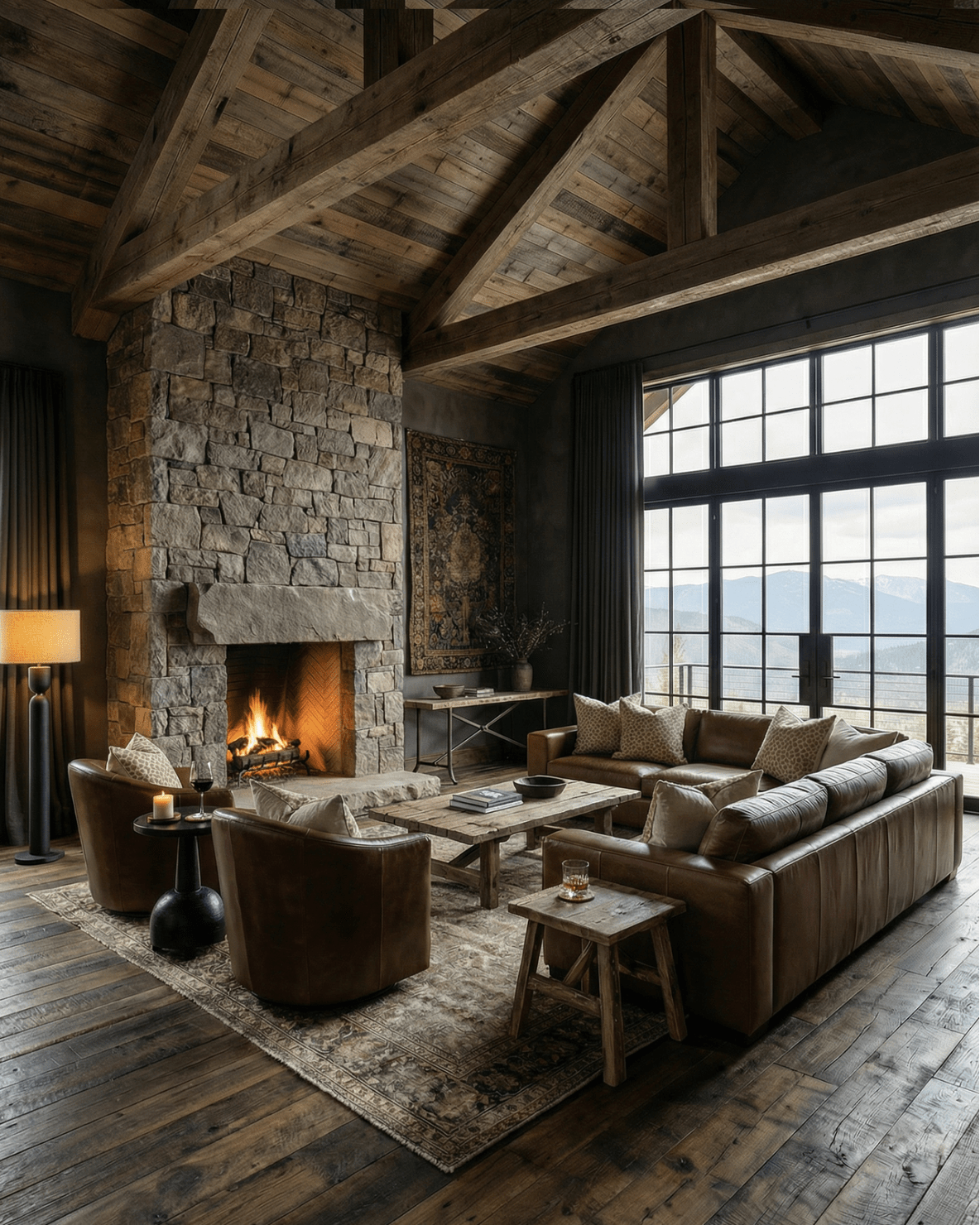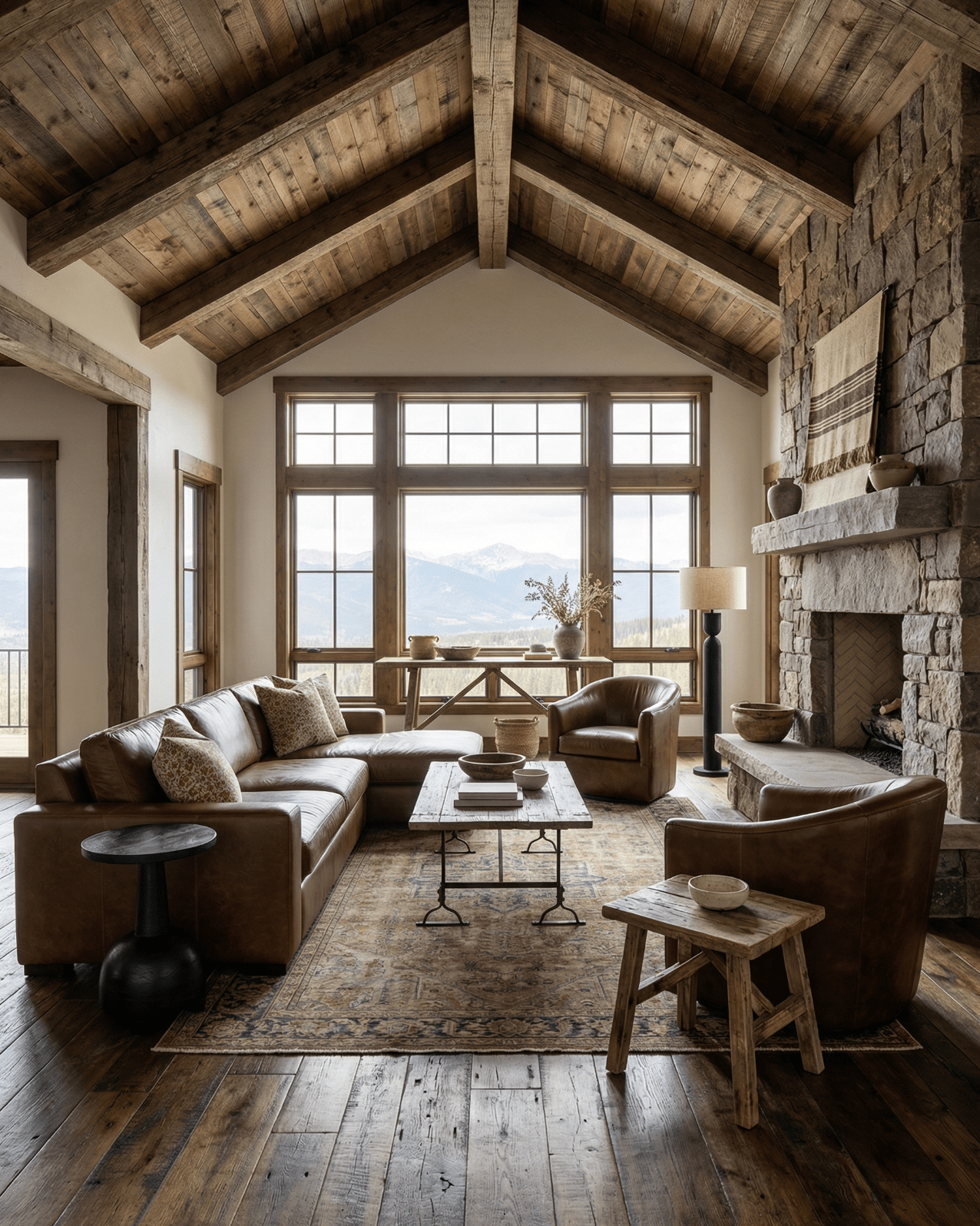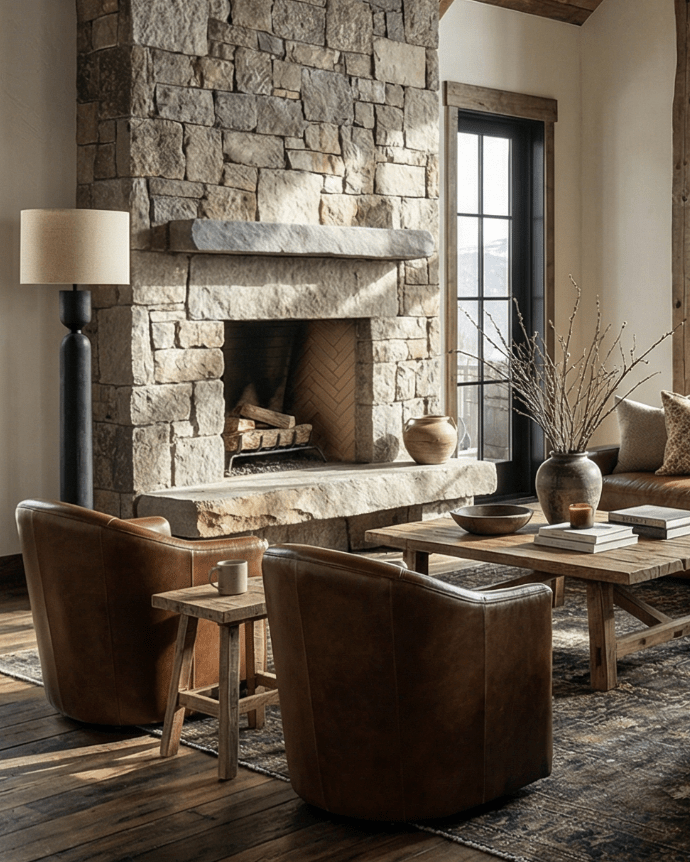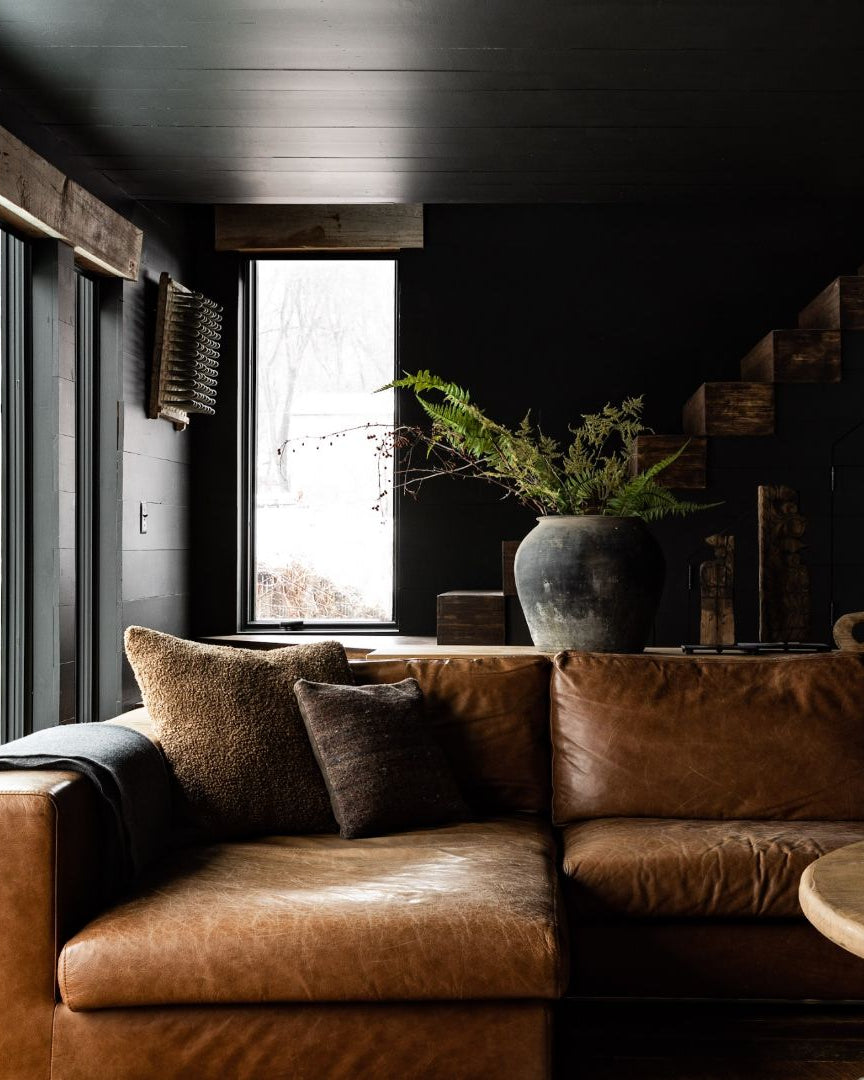









Most people don’t struggle with choosing a sofa because of style—they struggle because they’re deciding between two completely different layout tools. A leather sofa vs sectional isn’t just a visual choice. It determines how your room flows, how people move, and how your space is actually used.
If you’re trying to make the right call for your layout—not just what looks good—start here:
Shop sofas and sectionals collection
What’s the Real Difference Between a Sofa and a Sectional?
At a surface level, the difference is simple.
A sofa is a single piece.
A sectional is a configuration.
But functionally, they behave very differently.
A standard leather sofa gives you flexibility. You can move it, pair it with chairs, and adjust your layout over time. A sectional, on the other hand, defines the layout immediately. It locks in how the space is used.
A piece like the Wilhelm sofa works well in spaces where flexibility matters. Meanwhile, the Wilhelm sectional creates a fixed seating zone that organizes the entire room.
Neither is better.
They just solve different problems.
When a Leather Sofa Makes More Sense
A leather sofa works best when your layout needs room to adapt.
If you have a smaller living room, multiple pathways, or like rearranging your space, a standard sofa gives you more control.
It also pairs well with other elements—like accent chairs or side tables—allowing you to build your layout piece by piece.
A piece like the Mali sofa introduces structure without overwhelming the room, while the Anton brown leather sofa adds visual weight that helps anchor smaller setups.
If your space doesn’t need defining—it needs balancing—a sofa is usually the better choice.
If you’re still refining how your pieces work together, it helps to see how full layouts come together in context:
Explore living room collection
When a Leather Sectional Is the Better Choice
A sectional works best when your layout feels too open or undefined.
Instead of adding multiple pieces to fill the space, a sectional solves it in one move.
It creates boundaries. It defines seating. It reduces the need for additional furniture.
A piece like the Maxim sectional anchors a room immediately, while the Maxim sofa with chaise offers a similar effect with more flexibility.
If your space feels like it’s missing structure, a sectional often fixes that faster than anything else.
Layout First, Not Preference
This is where most people get it wrong.
They choose based on what they like—not what their space needs.
A sectional in a small or narrow room can block movement. A sofa in a large open space can feel disconnected.
The right decision comes down to:
How much space you have
How you move through it
How many people use it
If you’re coming from inspiration and still deciding what direction fits your space, it helps to see how different setups play out in real examples like these modern leather sofa ideas:
https://hellonorden.com/blogs/journal/10-modern-leather-sofa-ideas-that-instantly-improve-your-living-room
Scale and Proportion Matter More Than Type
Even if you choose the right format, scale can still ruin the layout.
A sectional that’s too large will dominate the room. A sofa that’s too small will feel disconnected.
This is where proportion becomes more important than the actual choice between sofa and sectional.
A piece like the Franz chesterfield sofa works when its scale matches the room, while the Norden chesterfield sectional with chaise performs best when it has enough space to breathe.
Fit always comes before form.
How Each One Changes the Way You Use the Room
This is the part most people don’t consider.
A sofa encourages movement.
A sectional encourages staying.
With a sofa, people sit, shift, and reposition. With a sectional, people settle in and stay longer.
That difference affects how your living room functions day to day.
If your space is more social and flexible, a sofa works better. If it’s more about comfort and staying in one place, a sectional becomes the stronger option.
If you’re still in the decision stage, understanding what to know before buying a leather sofa can help clarify what matters beyond appearance:
https://hellonorden.com/blogs/resources/7-things-to-know-before-buying-a-modern-leather-sofa
A RUTED Tip: Defined Layouts Reduce Mental Effort. Your brain constantly tries to understand how a space works, and when furniture doesn’t clearly define zones or movement paths, it increases cognitive load; a sectional simplifies this by creating a defined seating area, while a sofa requires additional pieces to achieve the same clarity.
Flexibility vs Structure: What Do You Need More?
At its core, this decision comes down to one thing:
Do you need flexibility—or structure?
A sofa gives you flexibility. You can rearrange, expand, and adjust your layout over time.
A sectional gives you structure. It locks in the layout and removes decision-making.
Neither is better—but one will fit your space better than the other.

Where to Start
If you’re unsure, don’t start with the furniture.
Start with your space.
Look at:
How your room is shaped
Where people walk
How the space is used
From there, the choice becomes clearer.
You’re not choosing between two designs.
You’re choosing how your living room will function.
Final Thought
A leather sofa vs sectional isn’t just a design decision.
It’s a layout decision.
It determines how your room feels, how it works, and how you use it every day.
When you choose the one that fits your space—not just your taste—everything else starts to fall into place.
If you’re ready to find the right piece for your layout, explore here:
Browse sofas and sectionals collection