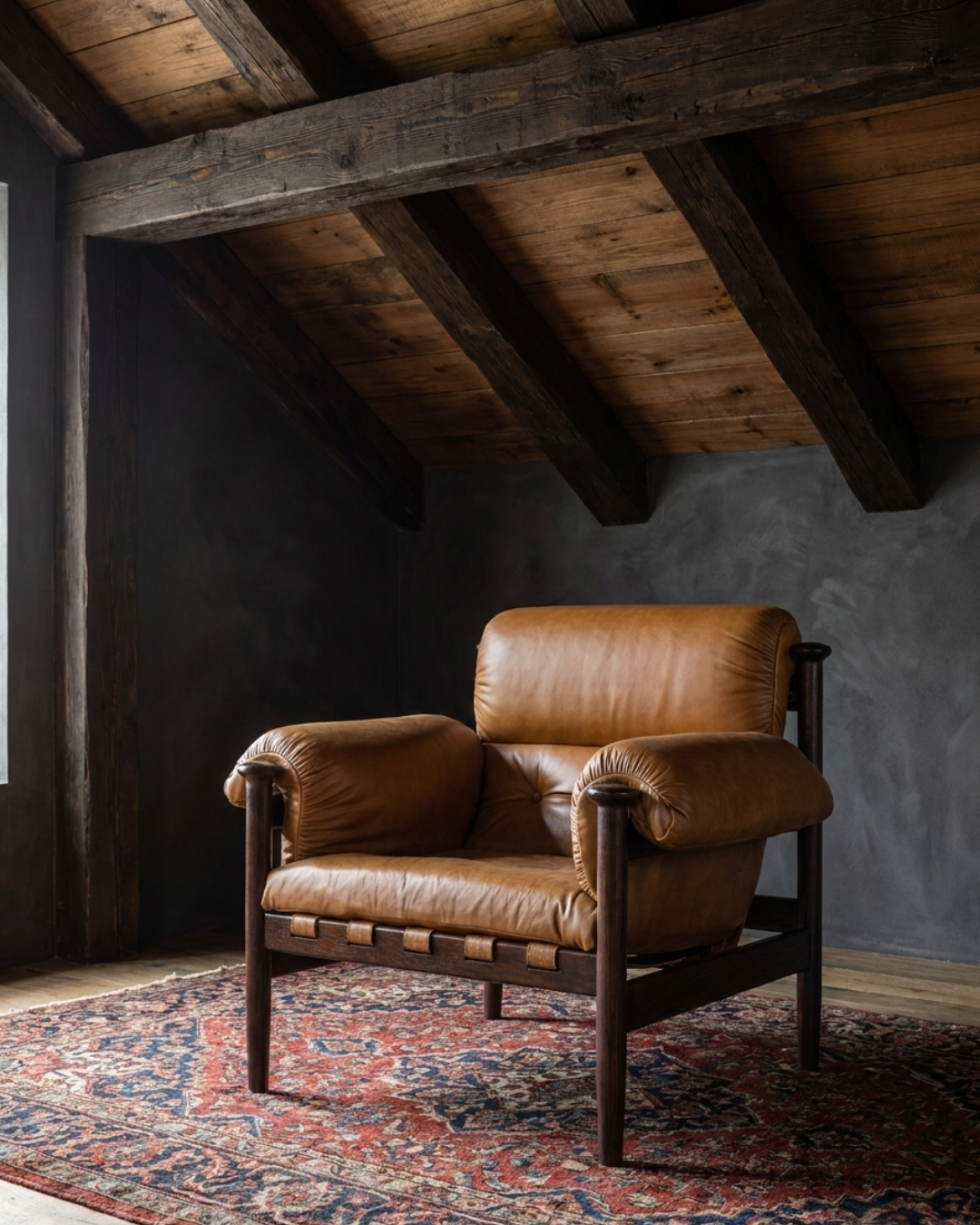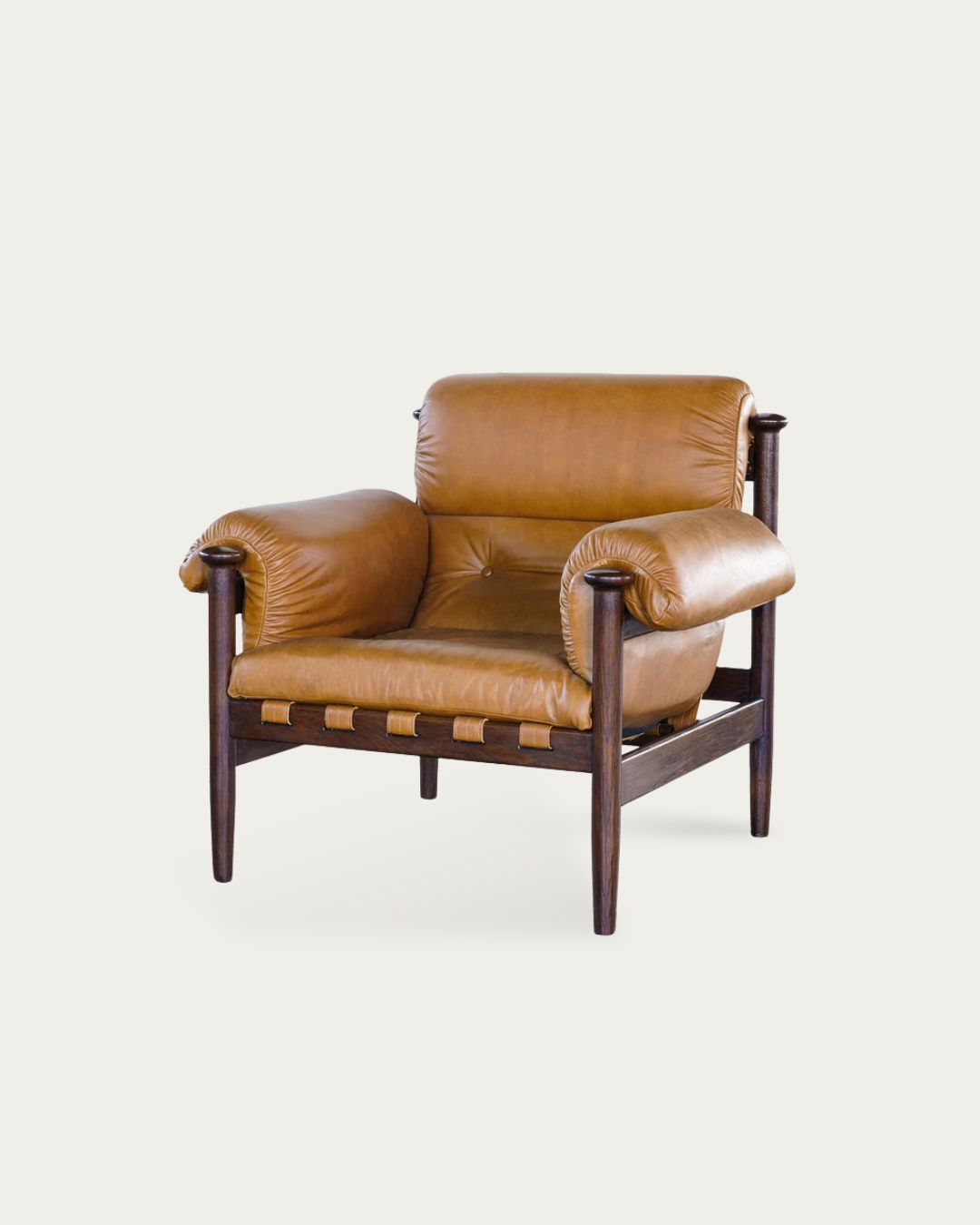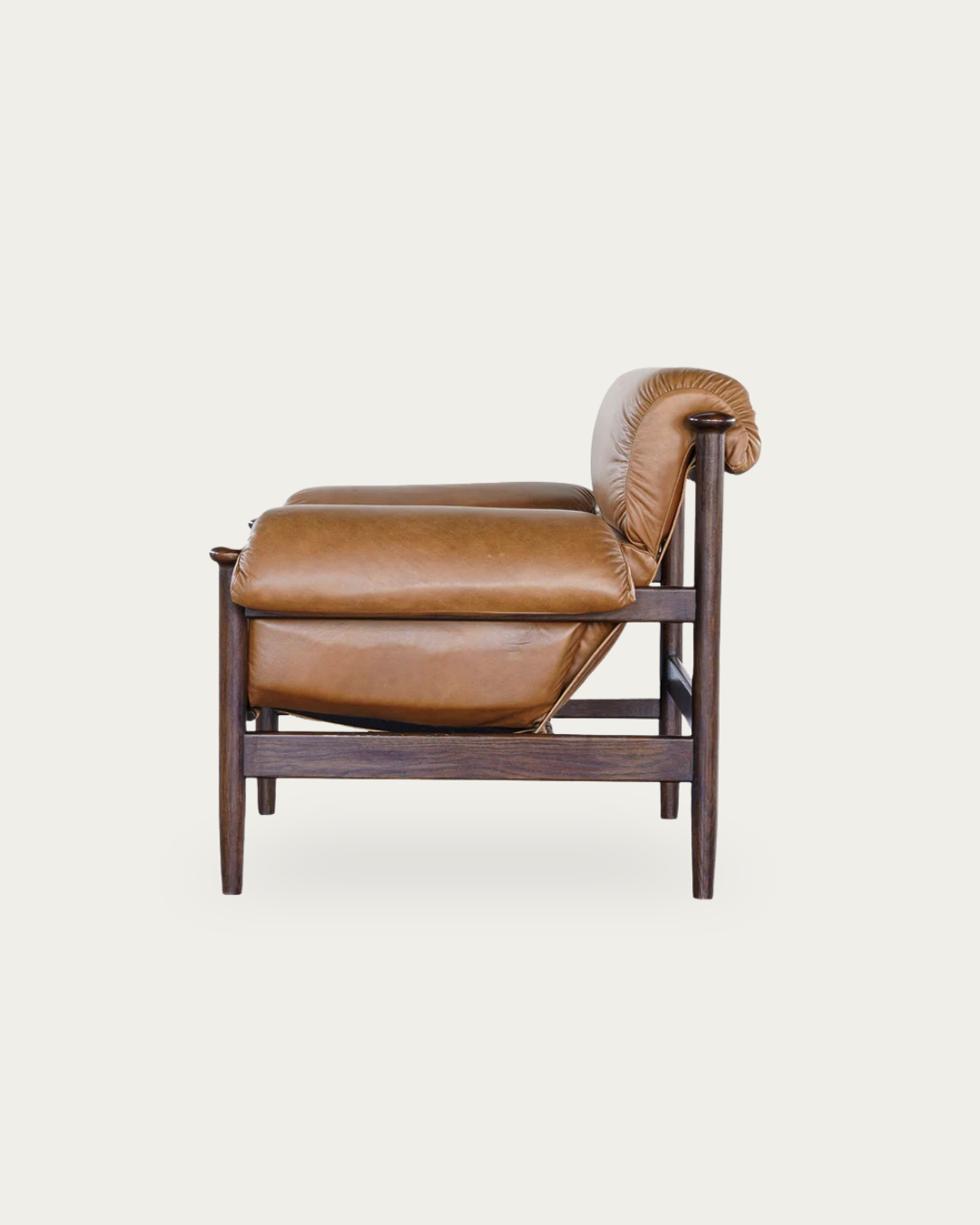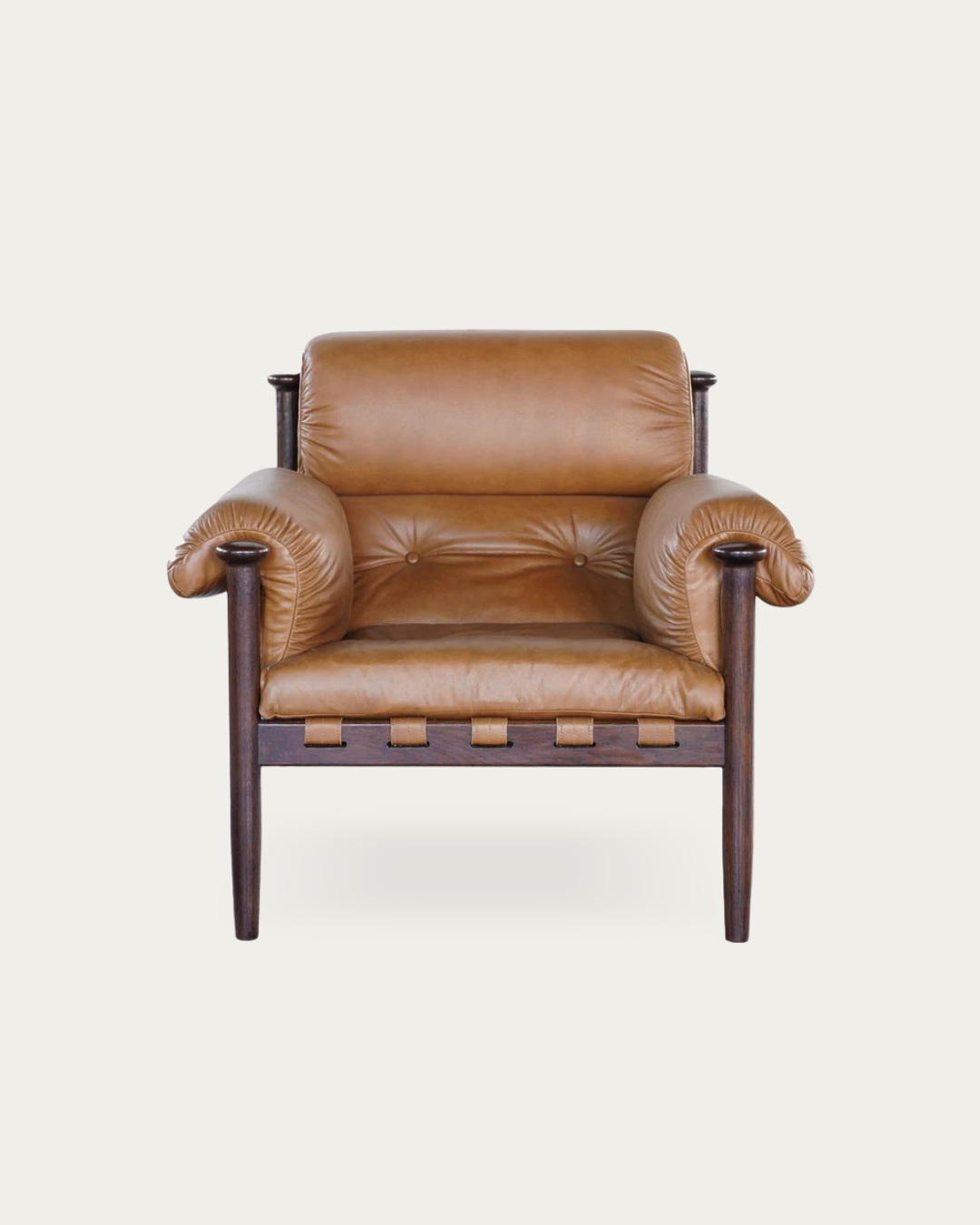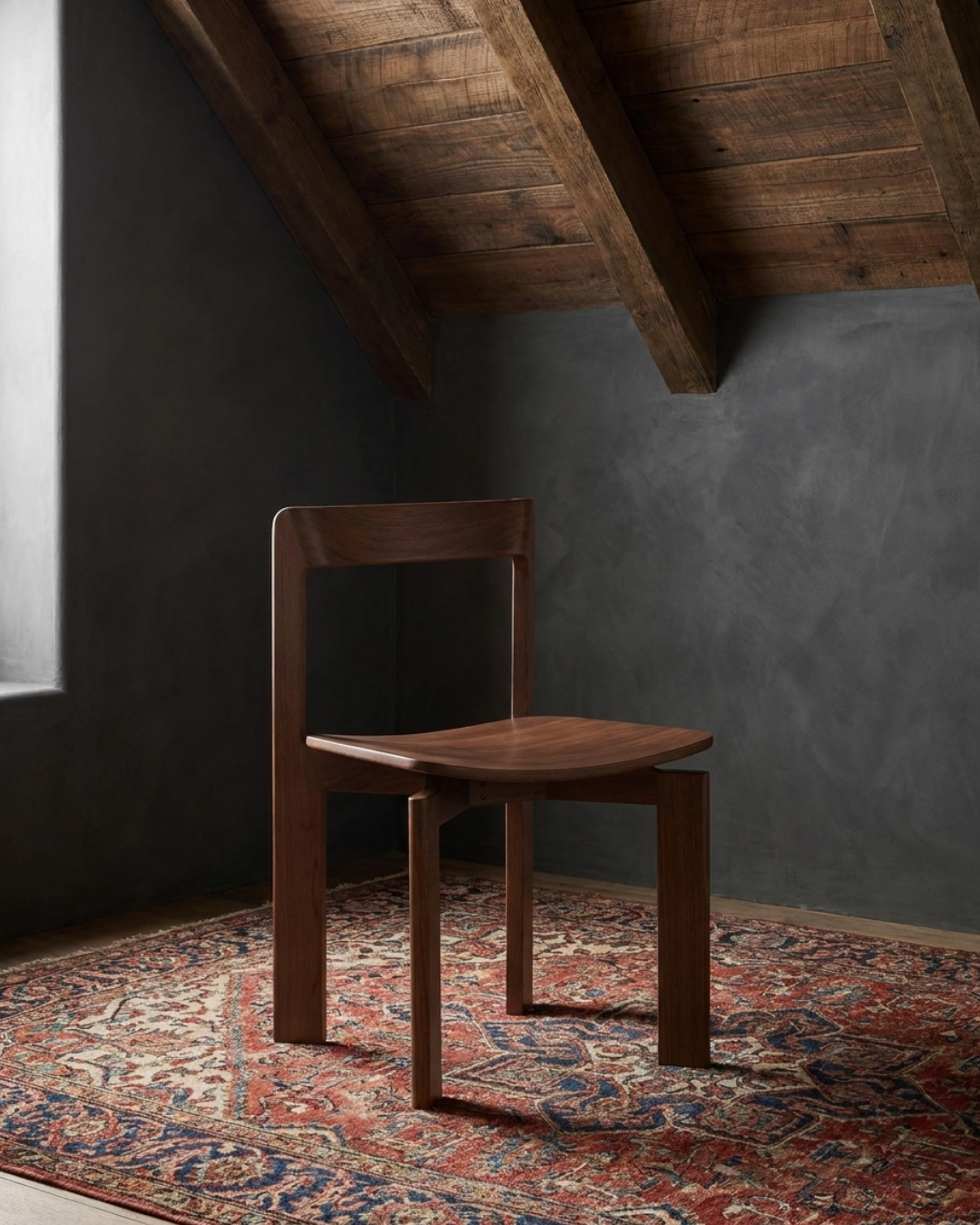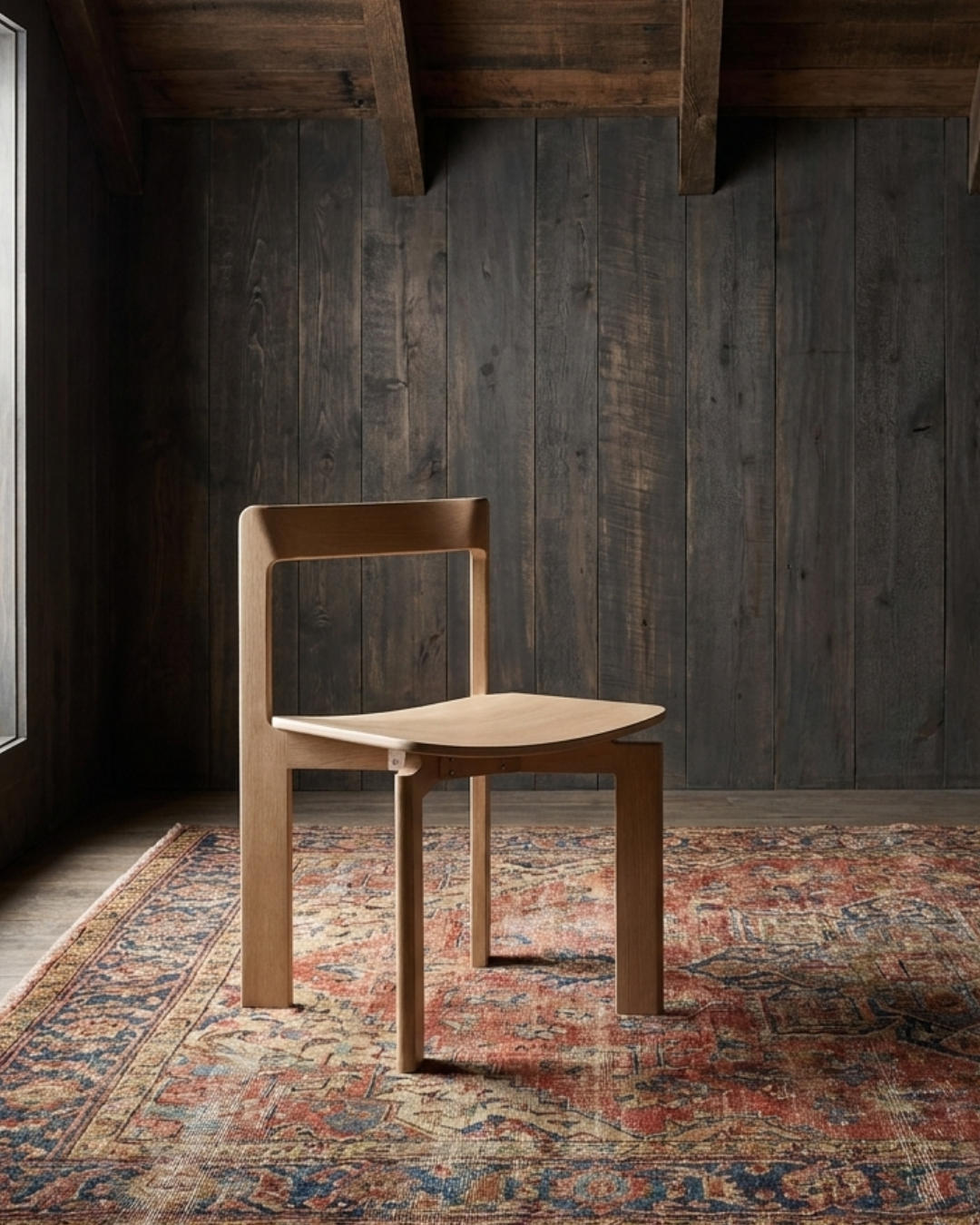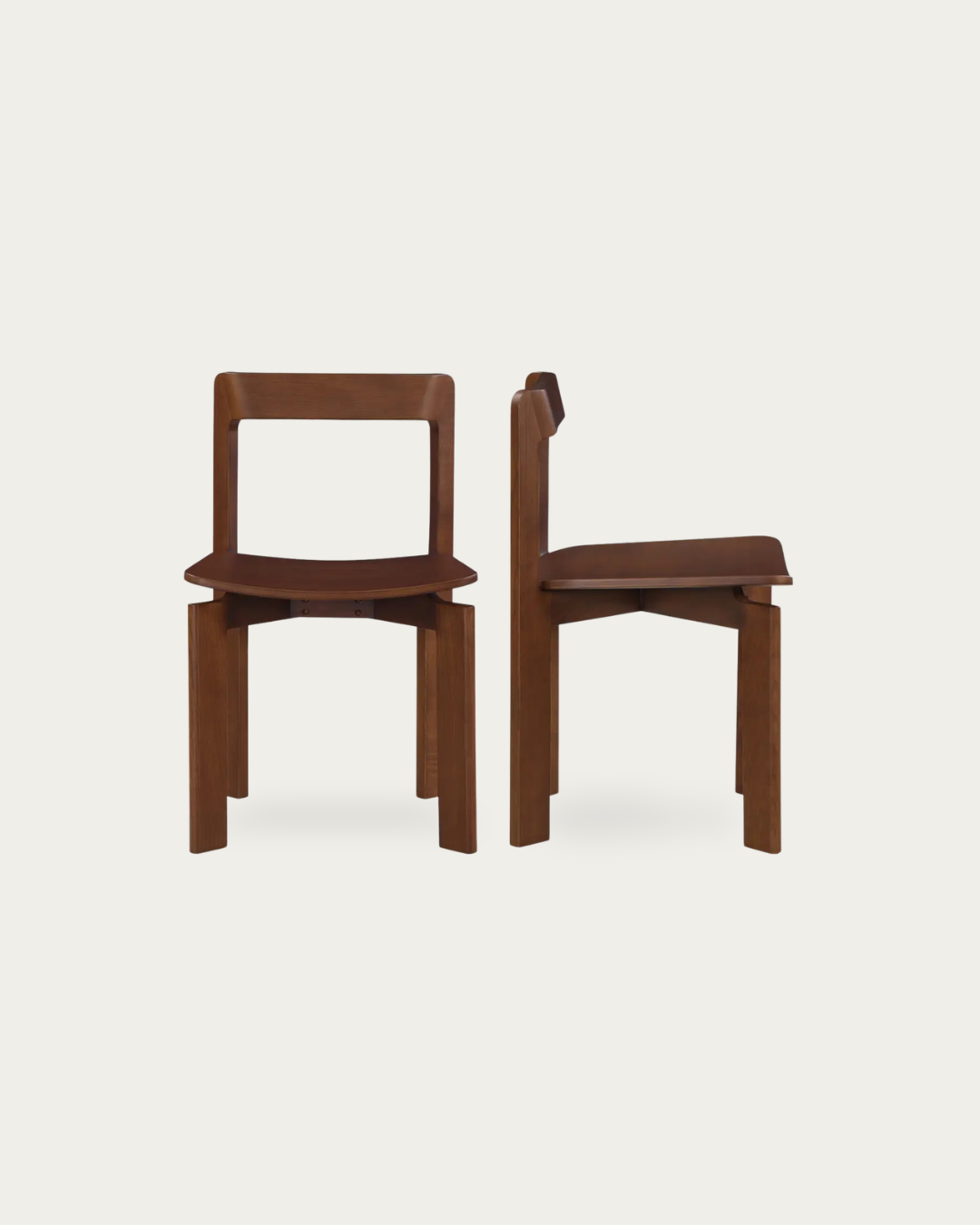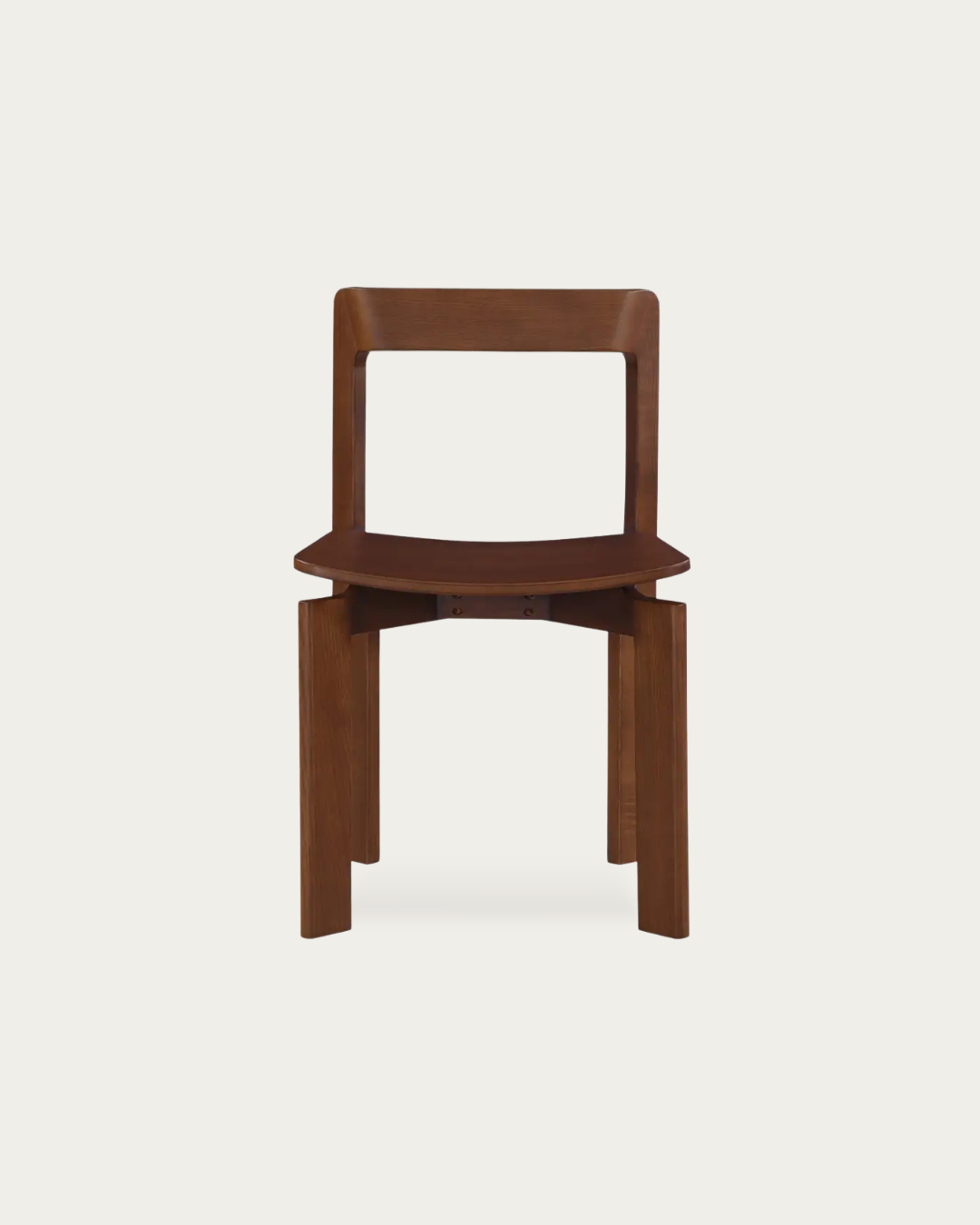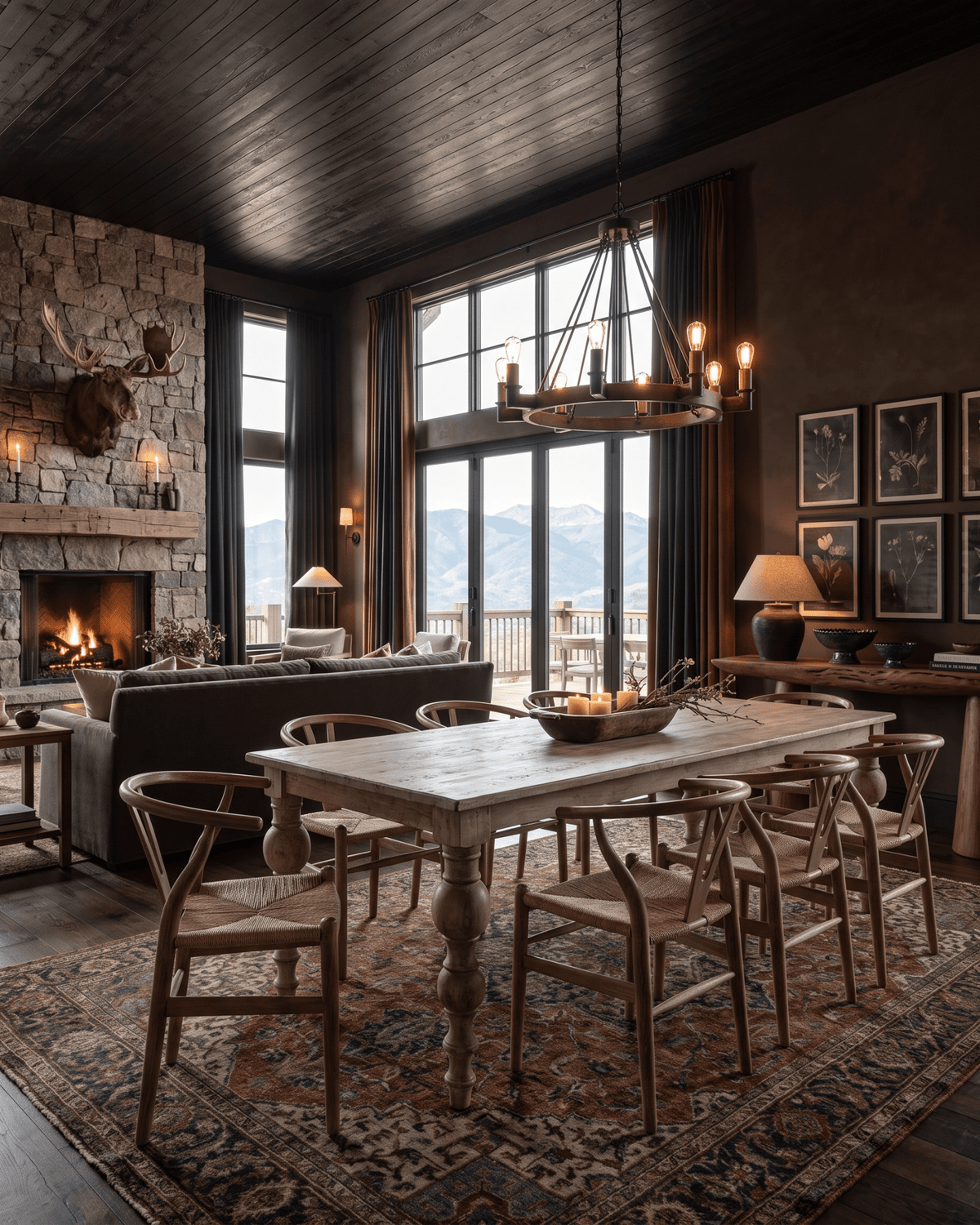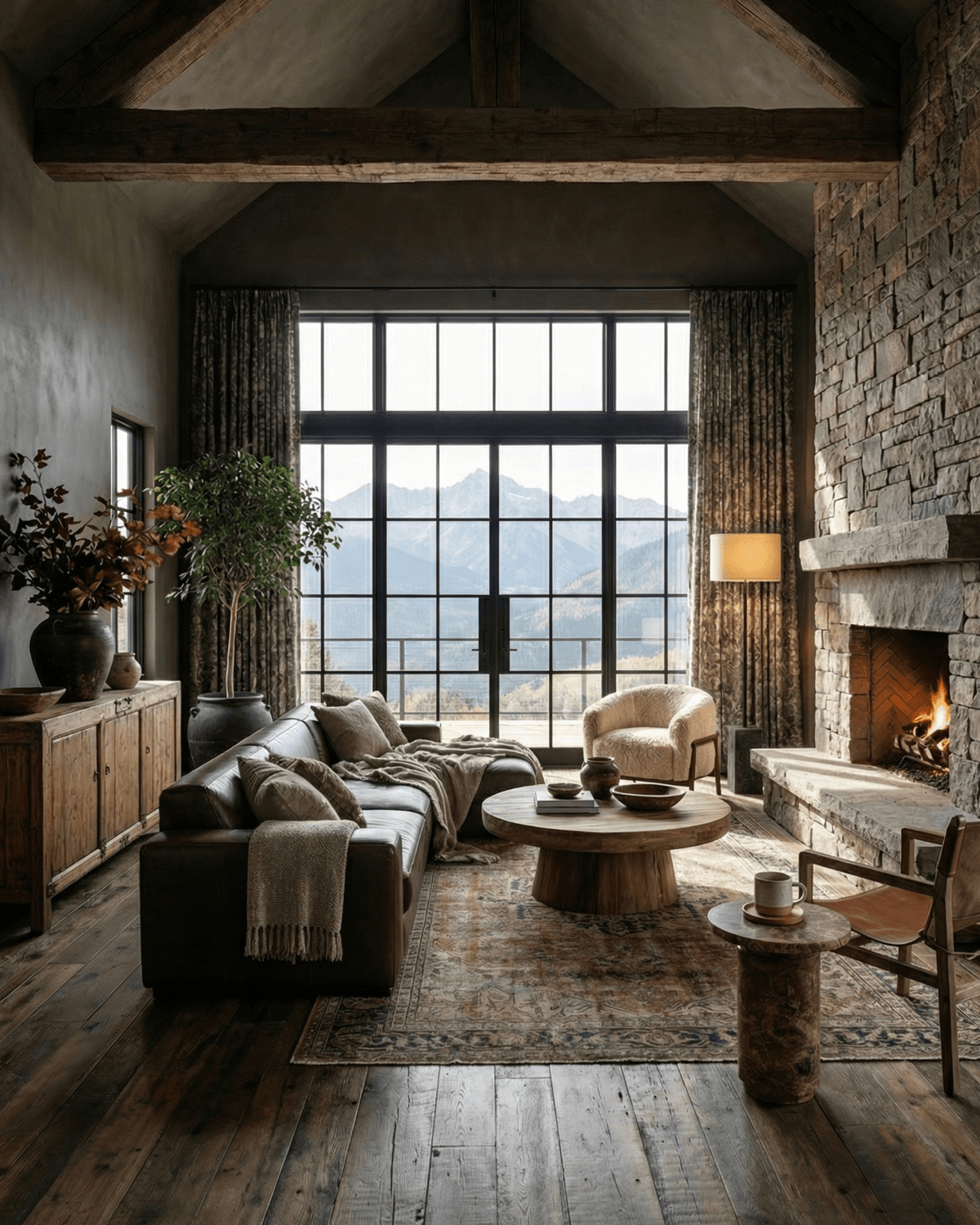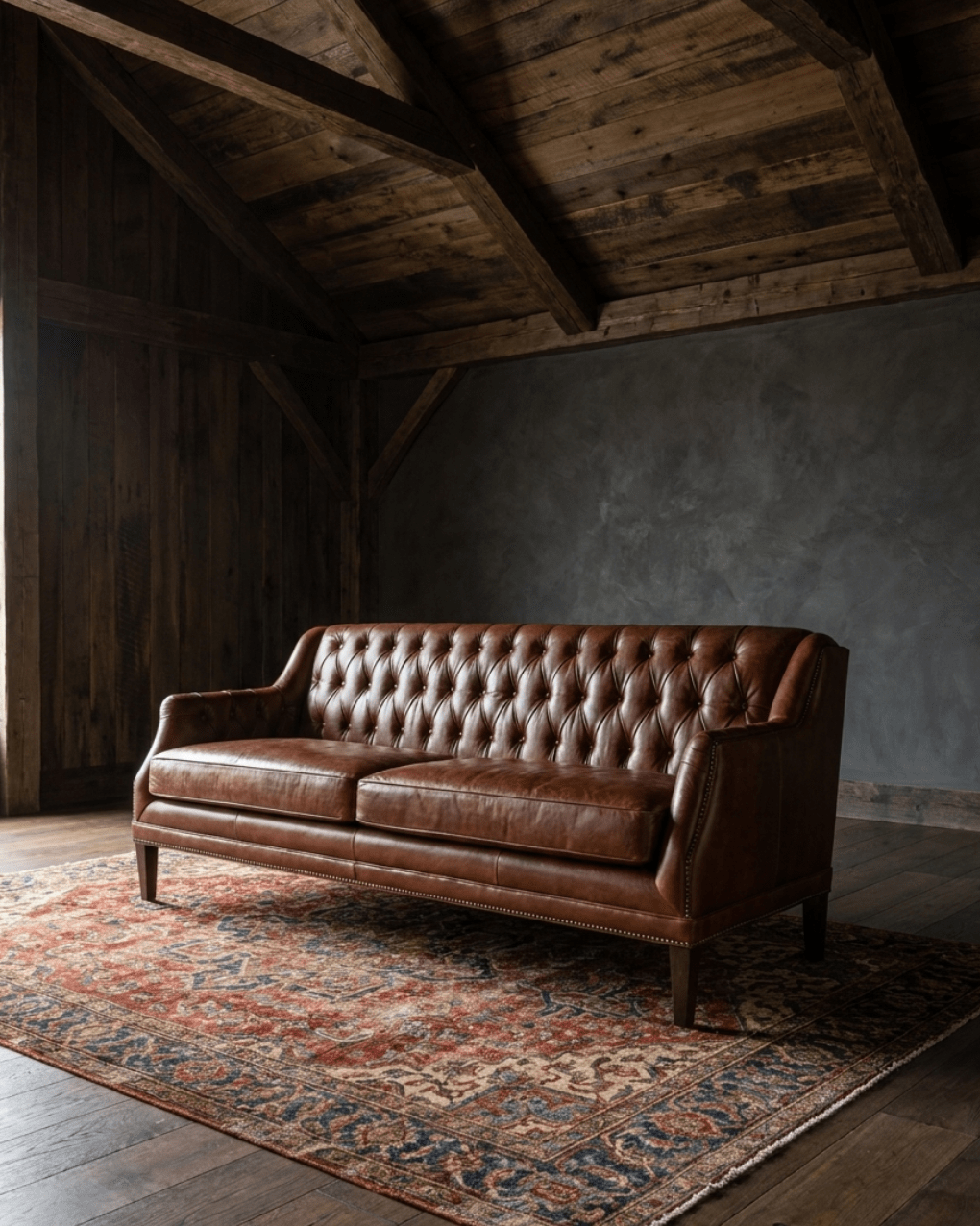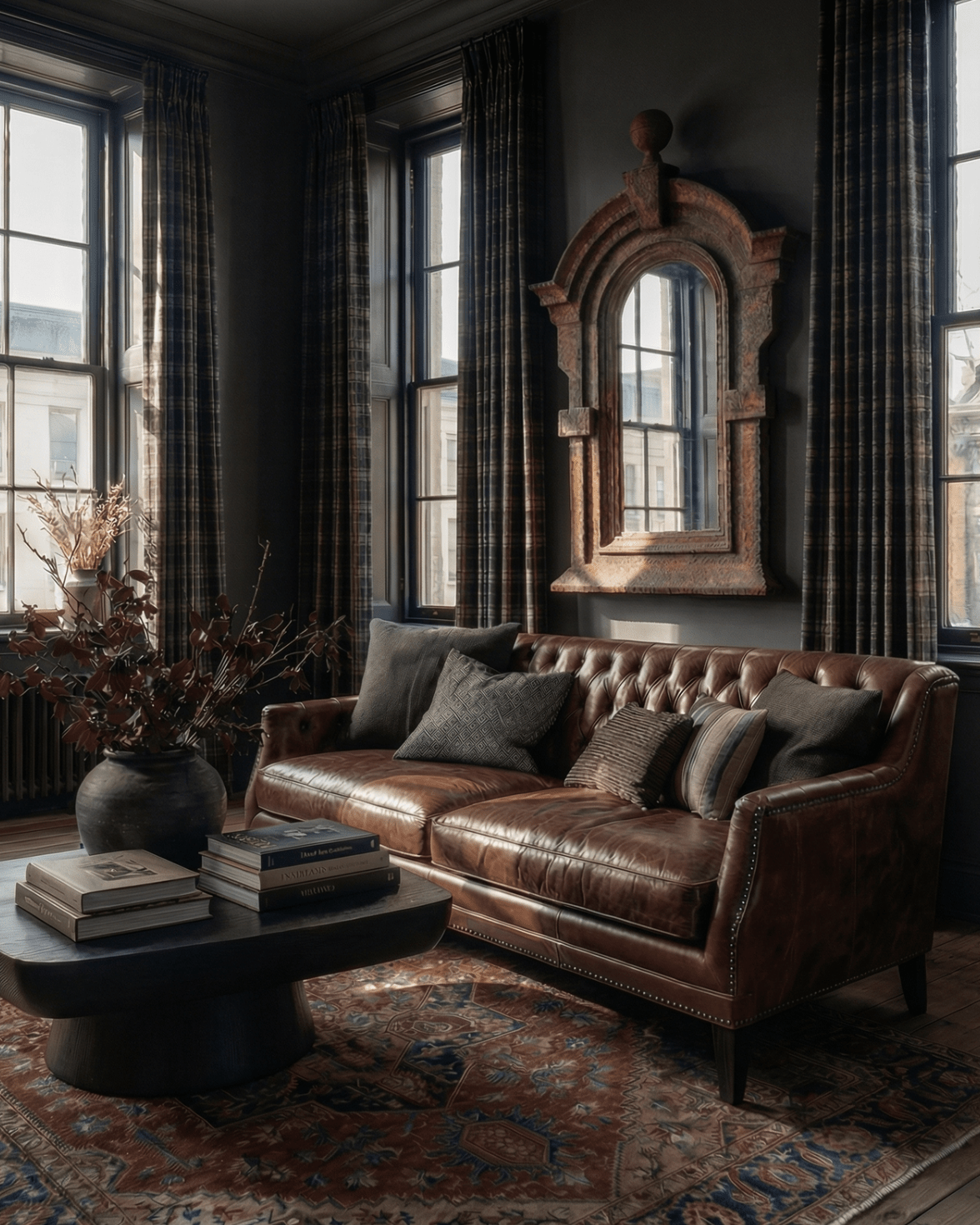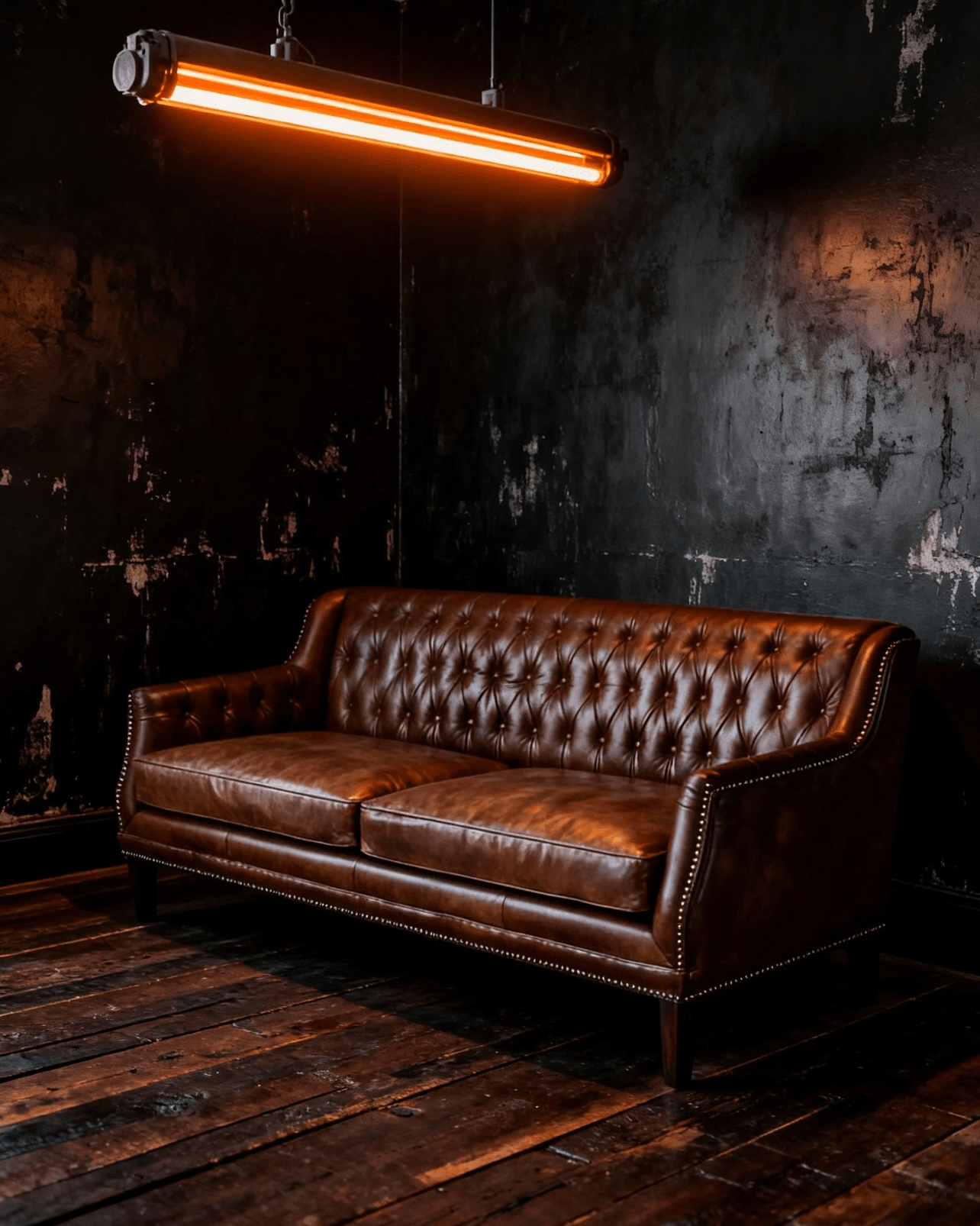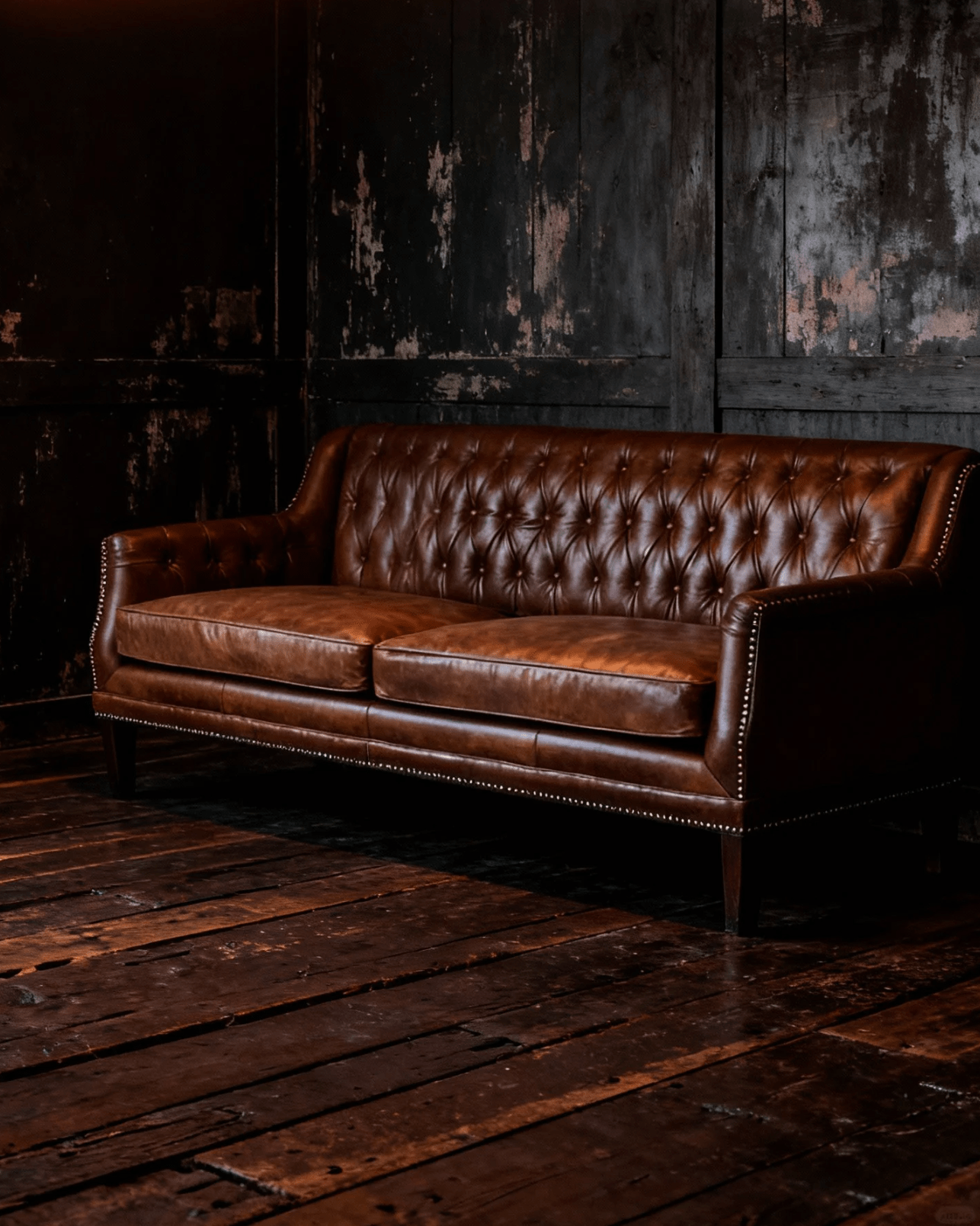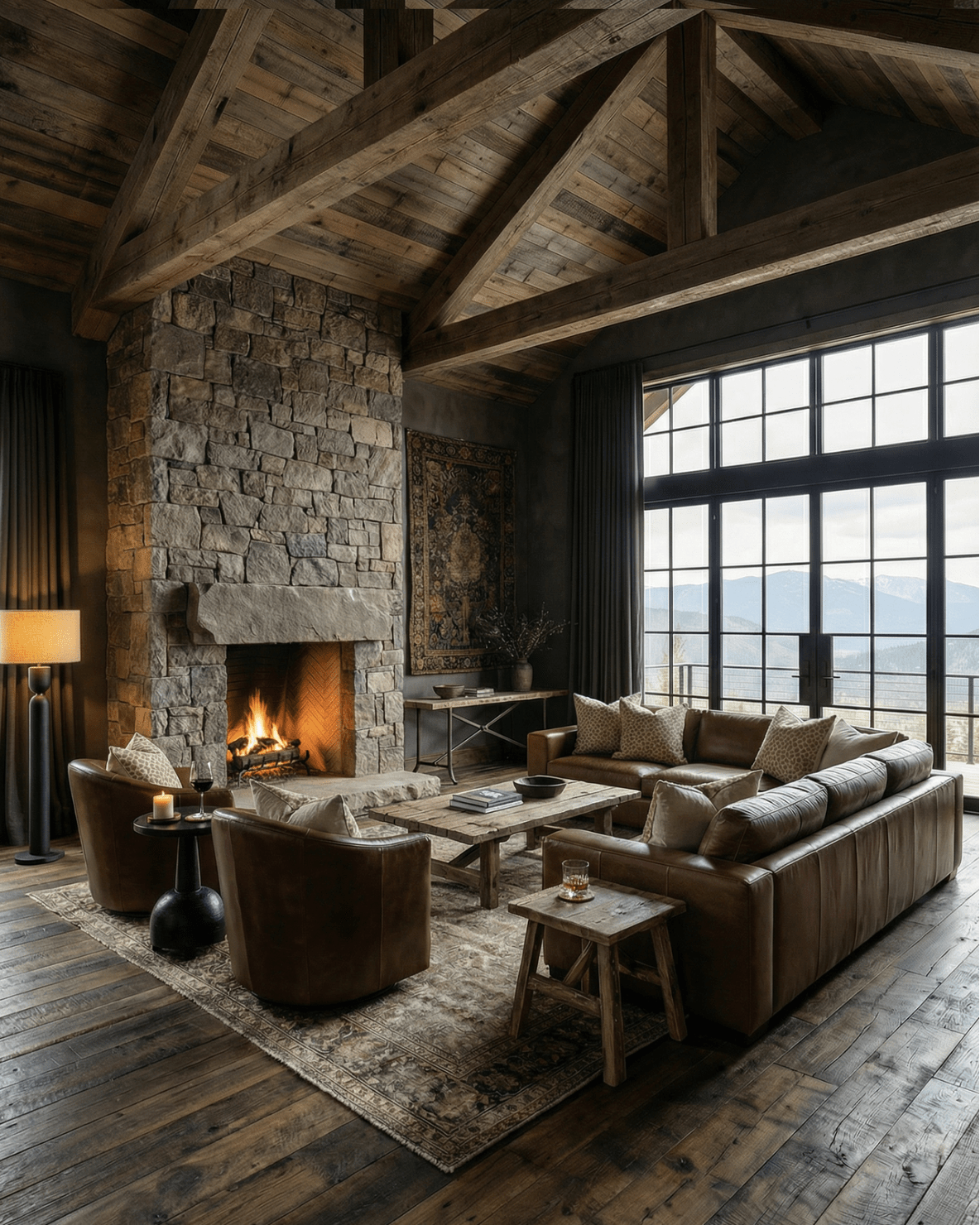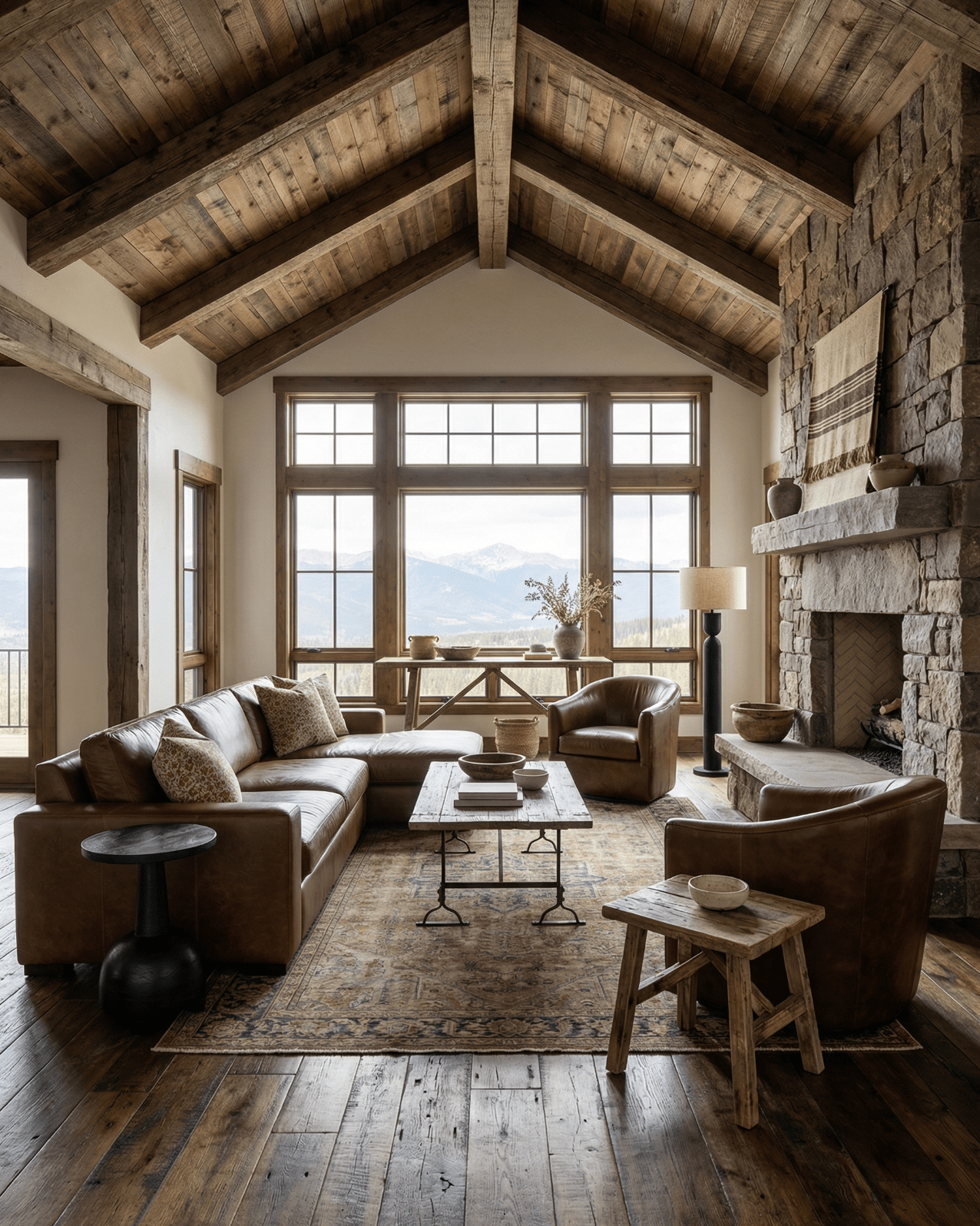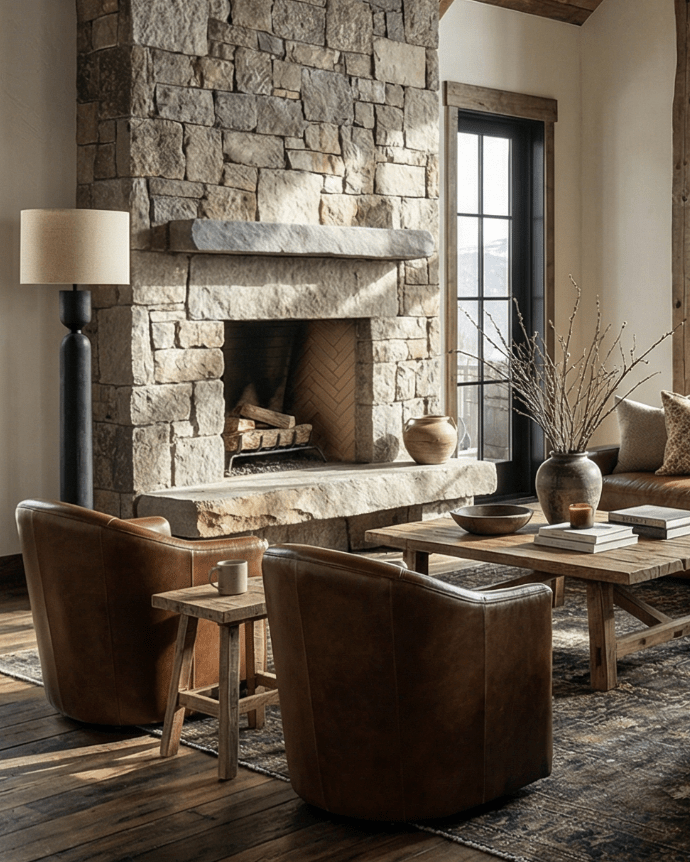








Most people don’t regret buying a sofa because it looks bad—they regret it because it doesn’t work in their space. A modern leather sofa might look right online, but if the scale, layout, or material isn’t aligned with how you live, it quickly becomes something you adjust around instead of something that supports you.
If you’re choosing one that actually fits your space and not just your taste, start here:
Shop sofas and sectionals collection
1. Size Isn’t Just Measurement—It’s How the Room Feels
Most people measure their space and stop there.
But size isn’t just about whether a sofa fits—it’s about how it affects movement, spacing, and visual balance. A sofa that technically fits can still overwhelm the room or feel disconnected.
A piece like the Wilhelm sofa works well because it comes in multiple sizes, allowing it to align with different layouts. For larger spaces, the Wilhelm sectional expands that footprint while maintaining proportion.
The goal isn’t to fill the space.
It’s to match it.
2. Depth Changes How You Actually Use the Sofa
Seat depth is one of the most overlooked details—and one of the most important.
A deeper sofa encourages lounging, while a shallower one supports upright seating. Neither is better—it depends on how you use your space.
A piece like the Mali sofa leans toward a more relaxed sit, while something like the Anton brown leather sofa offers a more structured posture.
This isn’t just comfort—it’s behavior.
Your sofa determines how you sit, stay, and interact in the room.
3. Sectional vs Standard Sofa Isn’t Just Preference
Choosing between a sectional and a standard sofa isn’t about style—it’s about layout.
Sectionals define space. They create boundaries and reduce the need for additional furniture. This makes them ideal for open-plan living.
A piece like the Maxim sectional anchors the room immediately, while the Maxim sofa with chaise offers flexibility without fully committing to a sectional footprint.
Standard sofas, on the other hand, allow for more movement and variation in layout.
The right choice depends on how fixed or flexible you want your space to be.
4. Leather Isn’t Just a Material—It’s a Structural Element
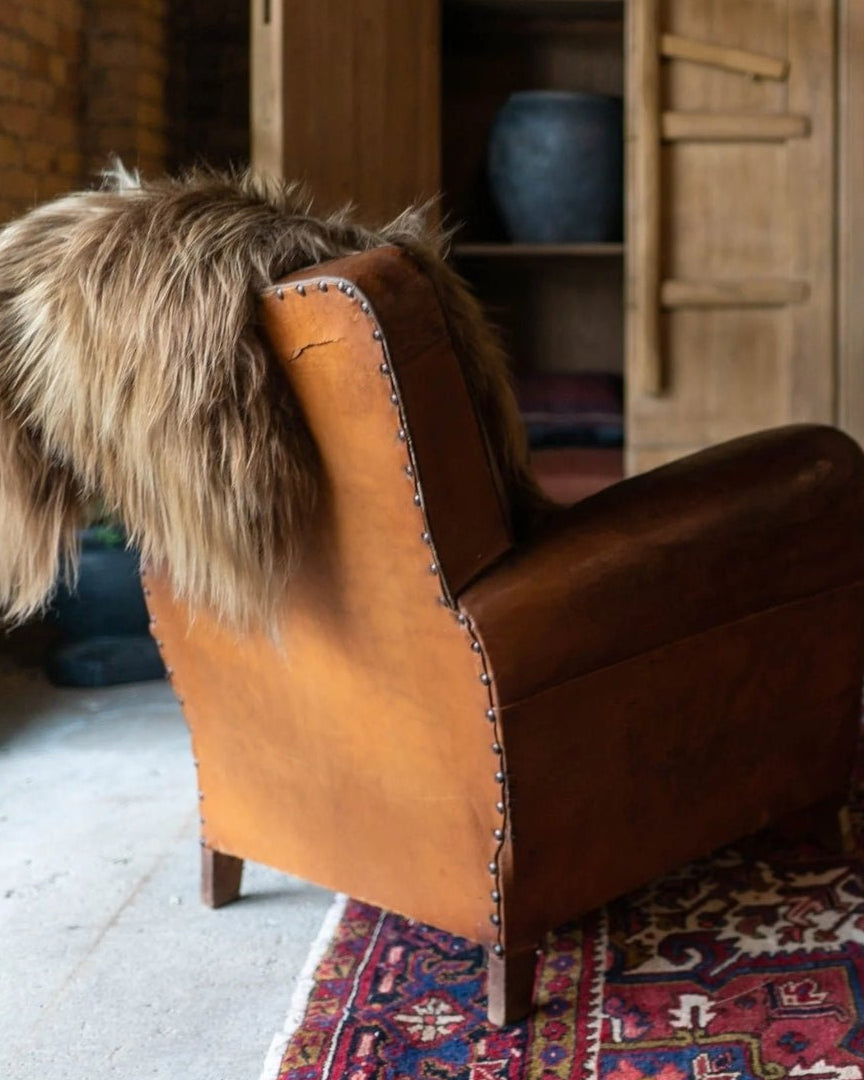
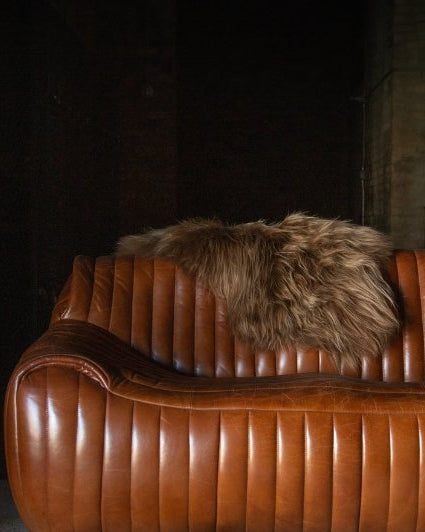
Leather does more than change how a sofa looks—it changes how the room feels.
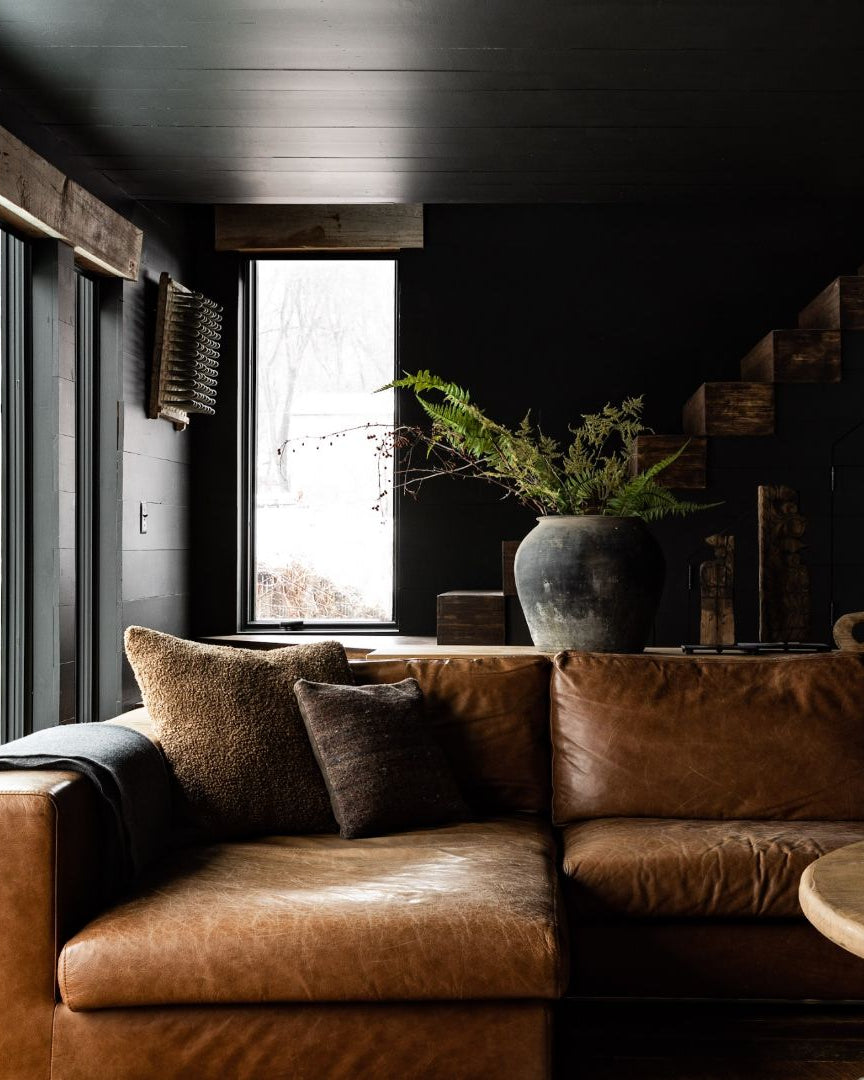
It reflects light, adds contrast, and introduces visual weight. That’s why leather sofas often anchor a space more effectively than fabric ones.
A piece like the Fenris leather chesterfield sofa creates immediate structure, while the Olin chesterfield sofa reinforces that presence in a more streamlined form.
If your space feels too soft or flat, leather is often the missing layer.
5. Custom Options Solve Problems You Didn’t Know You Had
Most people only consider custom furniture when they can’t find what they want.
But the real benefit is fit.
Custom sizing, materials, and configurations allow your sofa to align with your space instead of forcing your space to adapt.
If you’re working with a layout that feels slightly off, exploring made-to-order options can often resolve it more effectively than trying to compromise.
Explore made-to-order furniture
6. Your Sofa Sets the Tone for Everything Else
Your sofa isn’t just one piece in the room—it’s the reference point for everything around it.
Color, material, scale—these decisions ripple outward.
A piece like the Franz chesterfield sofa establishes a clear visual direction, while the Norden chesterfield sofa reinforces that structure across different layouts.
Once your sofa is right, everything else becomes easier.
This is where browsing a full living setup can help you see how pieces work together, not just individually.
Explore living room collection
7. You’re Not Just Buying a Sofa—You’re Setting the Layout
This is the part most people miss.
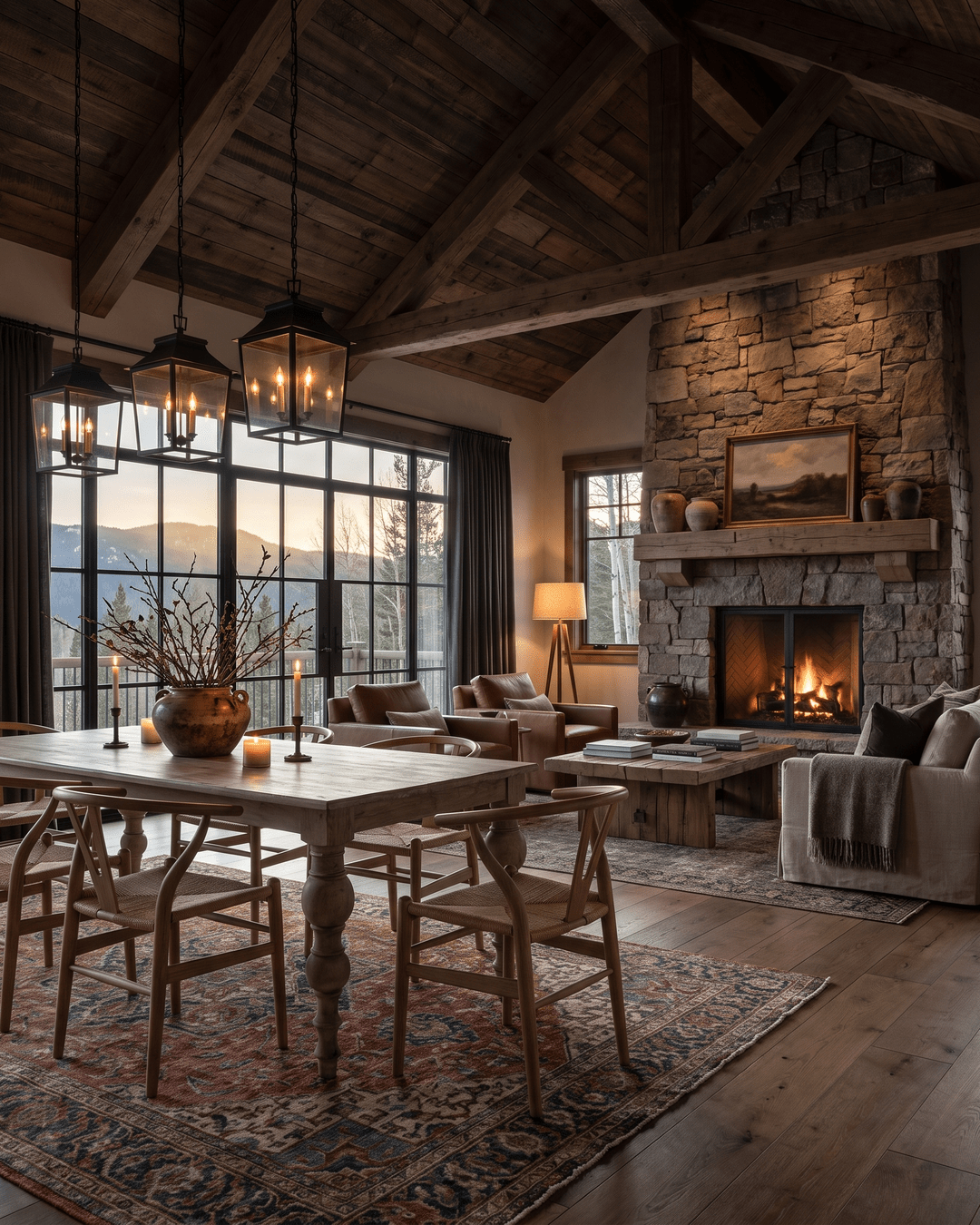
A sofa doesn’t just sit in your living room—it defines it.
It determines:
Where your coffee table goes
How your chairs are positioned
How people move through the space
A piece like the Norden chesterfield sectional with chaise or the Fenris leather chesterfield loveseat doesn’t just provide seating—it shapes the entire layout.
That’s why getting it right matters more than anything else in the room.
A RUTED Tip: Fit Reduces Friction. Your nervous system constantly adjusts to your environment, and when furniture doesn’t align with how you sit, move, or interact, it creates small but continuous friction; a well-proportioned sofa reduces that adjustment, allowing your brain to settle because the space feels intuitive instead of something you have to navigate.
Where to Start
If you’re unsure where to begin, don’t start with aesthetics.
Start with how you use your space.
Think about:
How you sit
How many people use the room
How the layout flows
From there, choose a sofa that supports those behaviors—not just one that looks right.
Final Thought
A modern leather sofa isn’t just a purchase.
It’s a decision that shapes your entire living room.
When the size, depth, material, and layout align, the space stops feeling like something you’re constantly adjusting—and starts feeling like it works on its own.
If you’re ready to find a piece that actually fits your space, explore here:
Browse sofas and sectionals collection