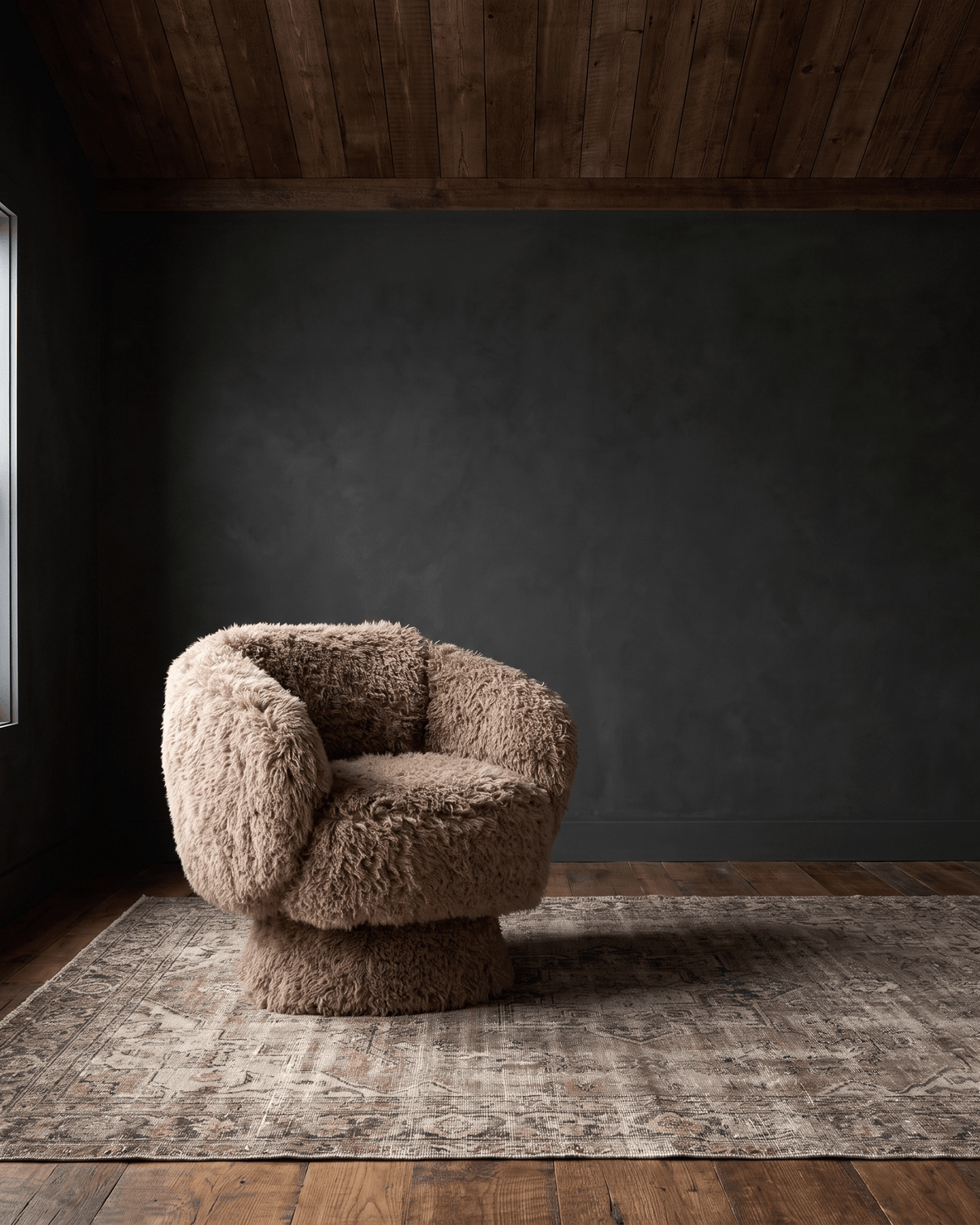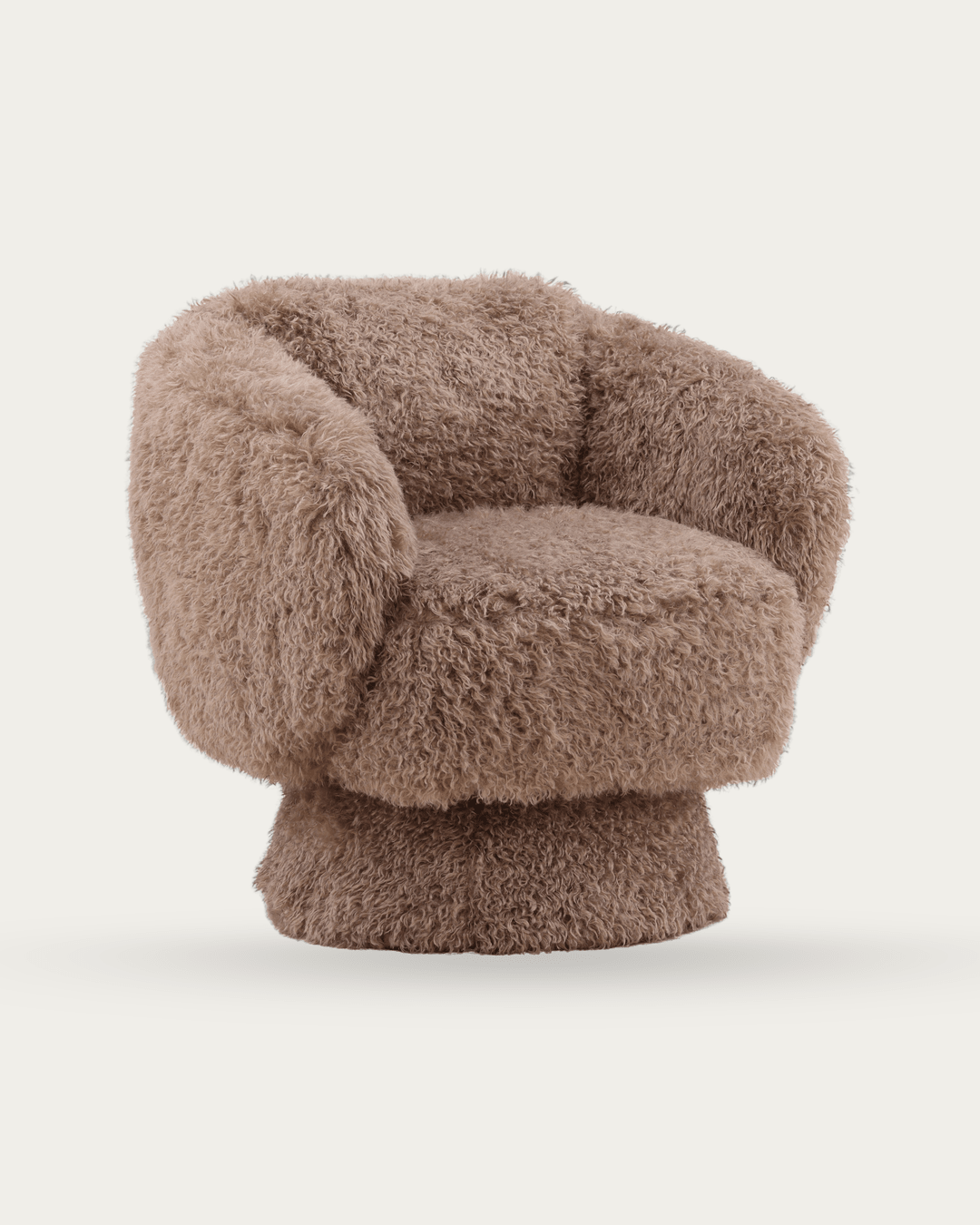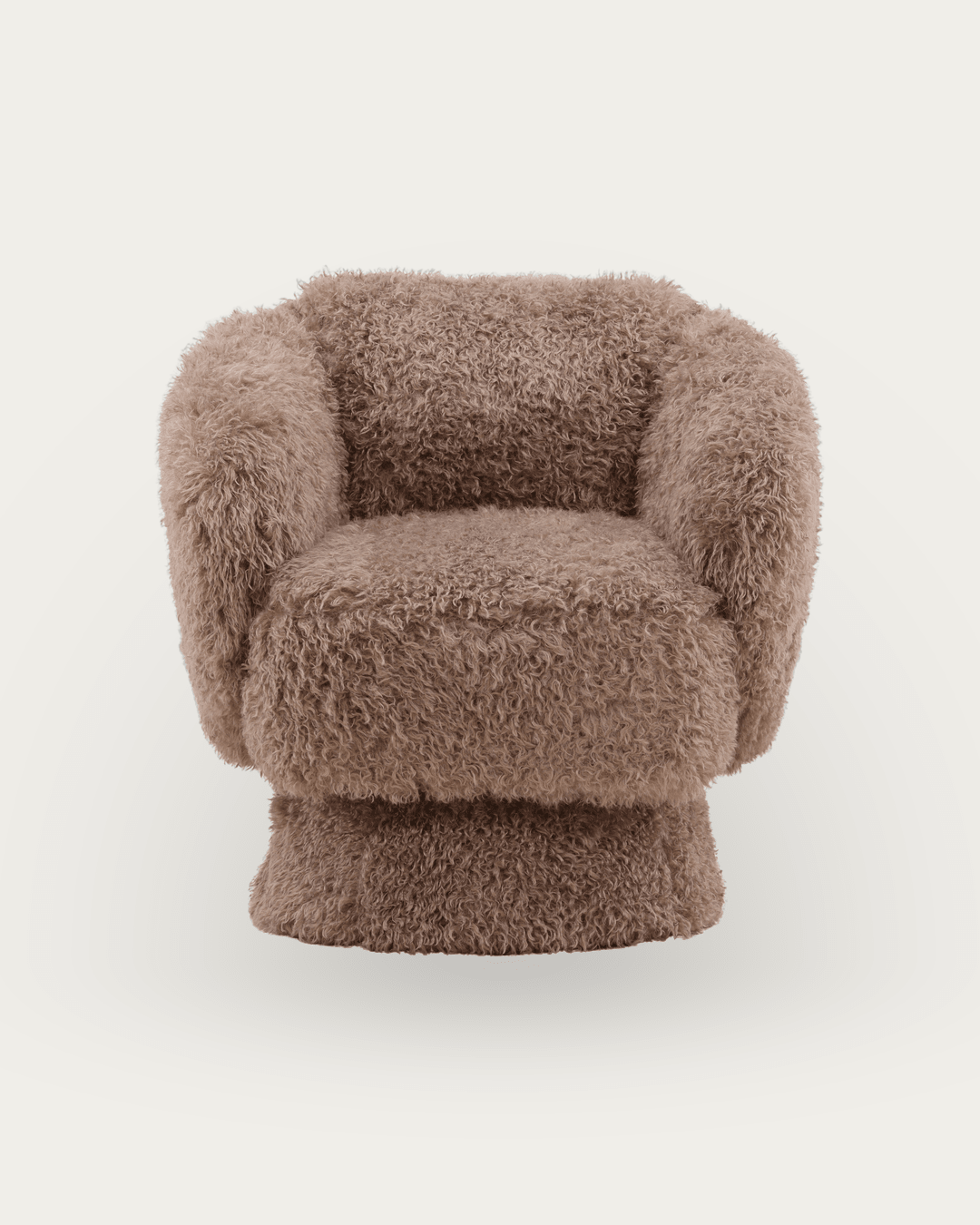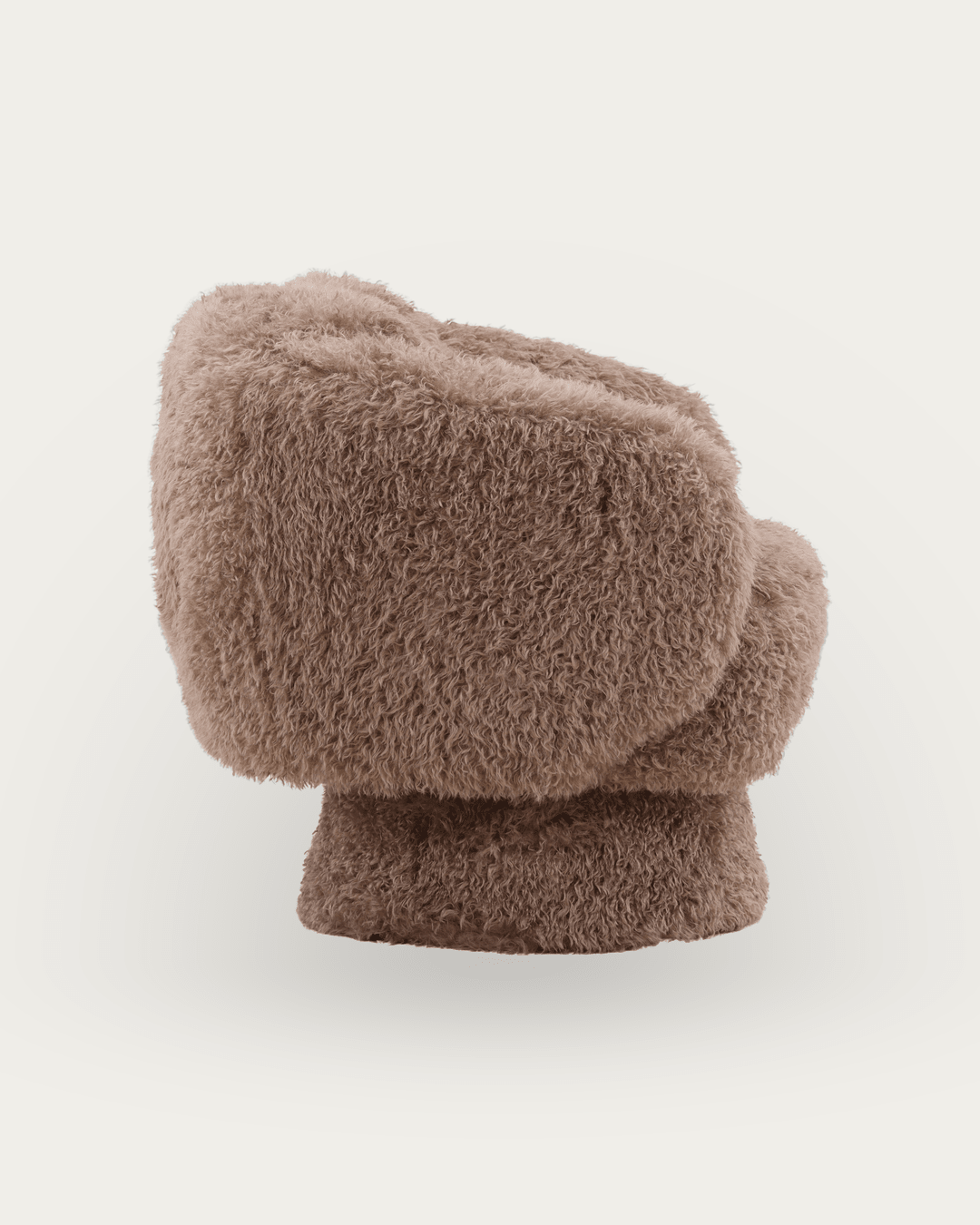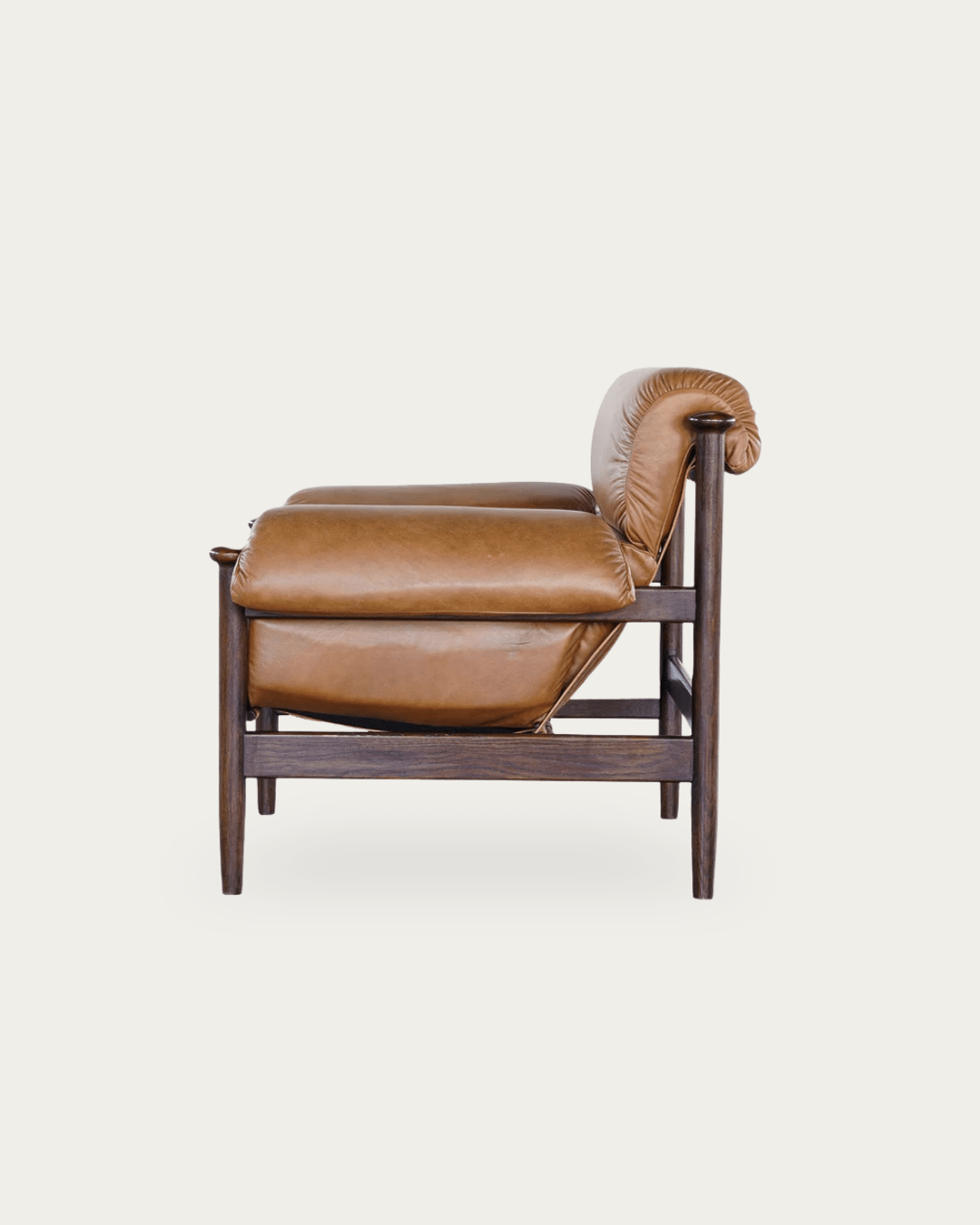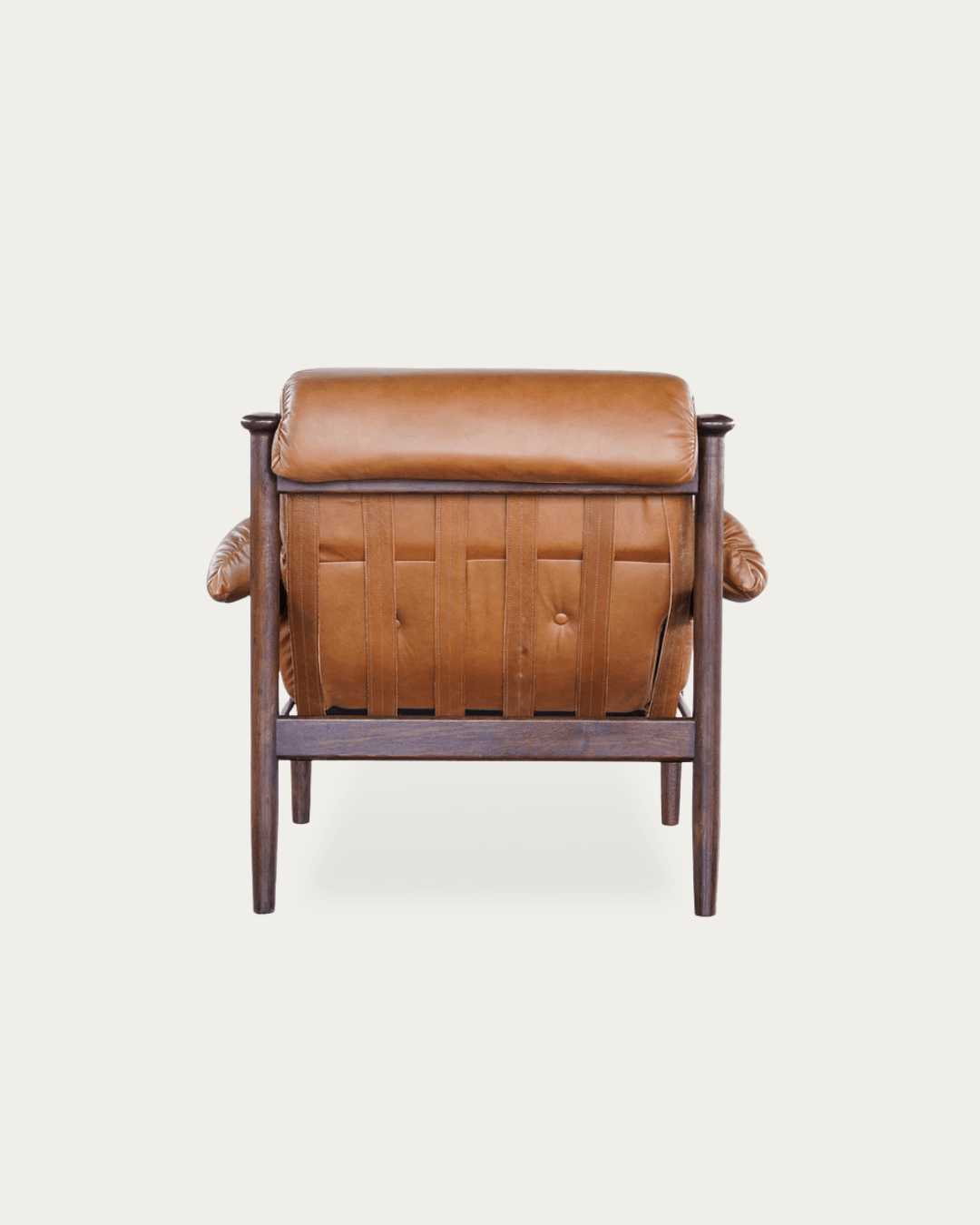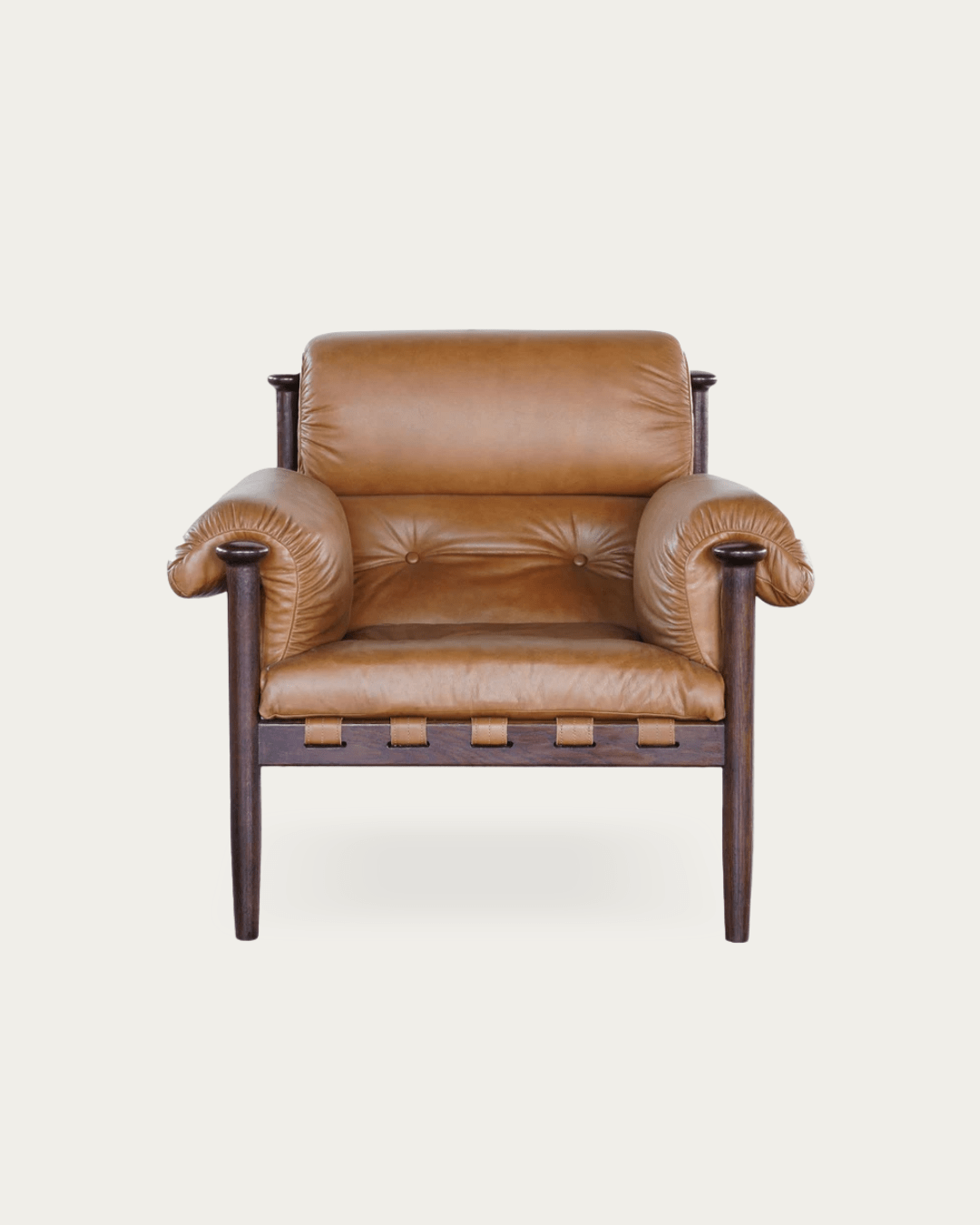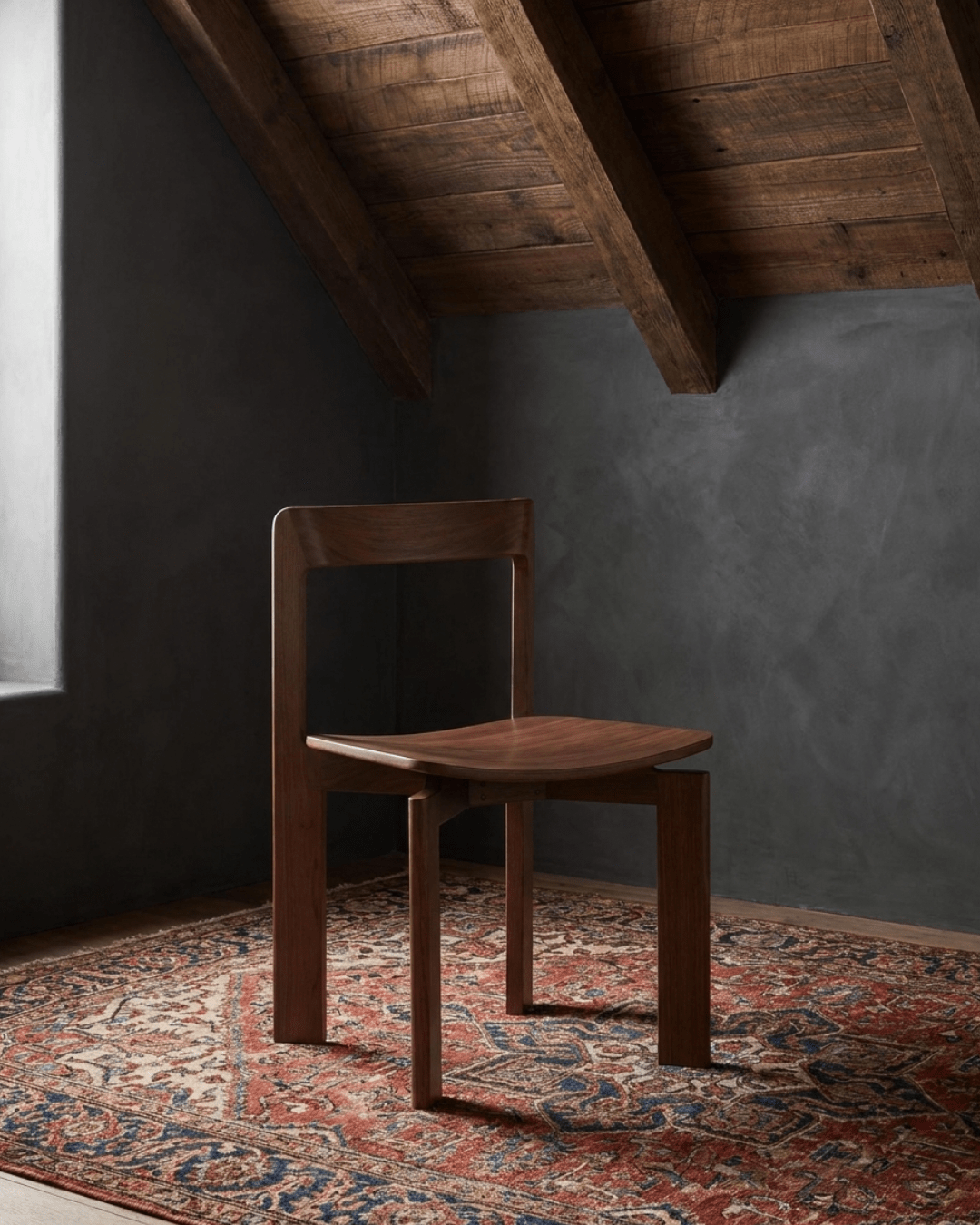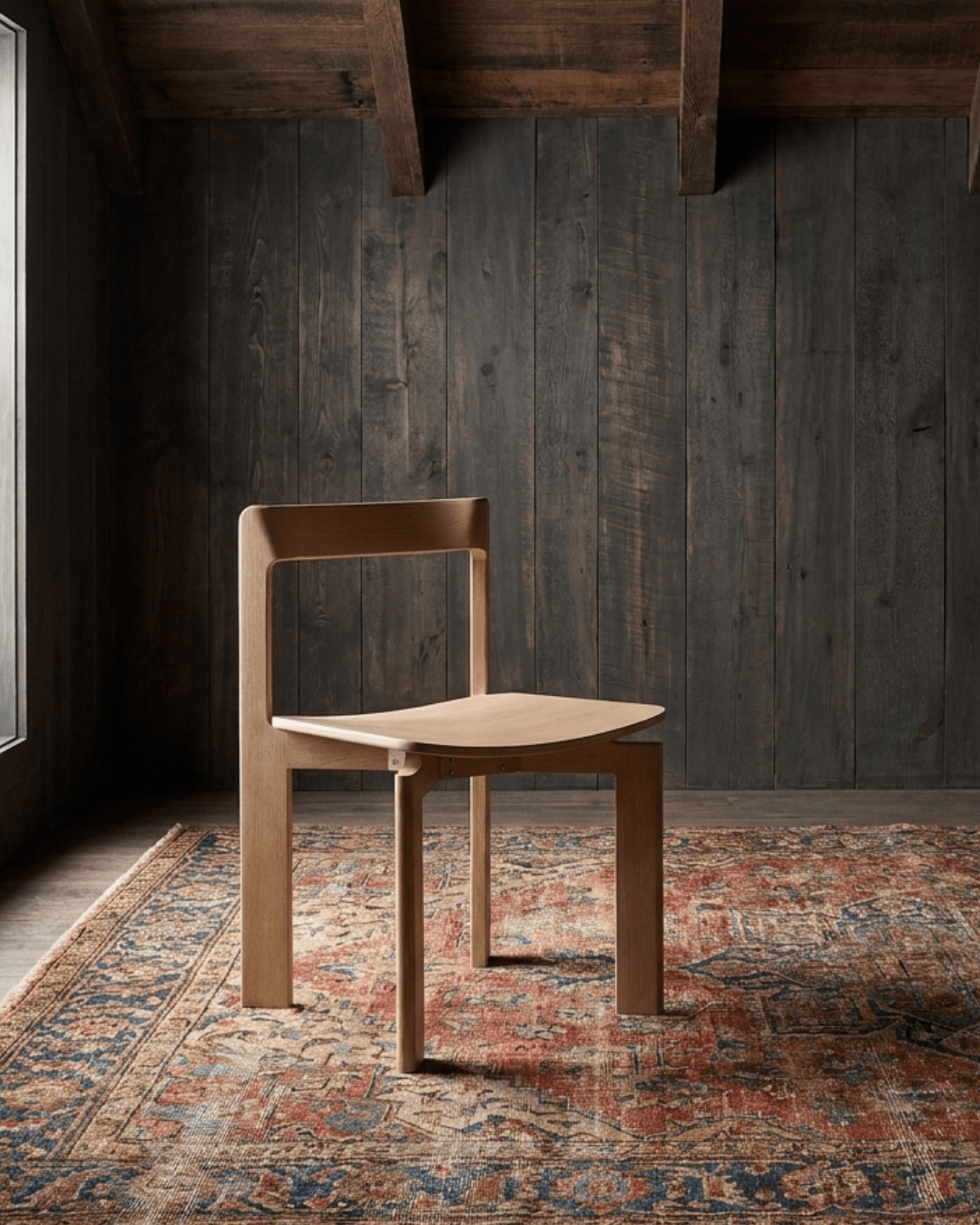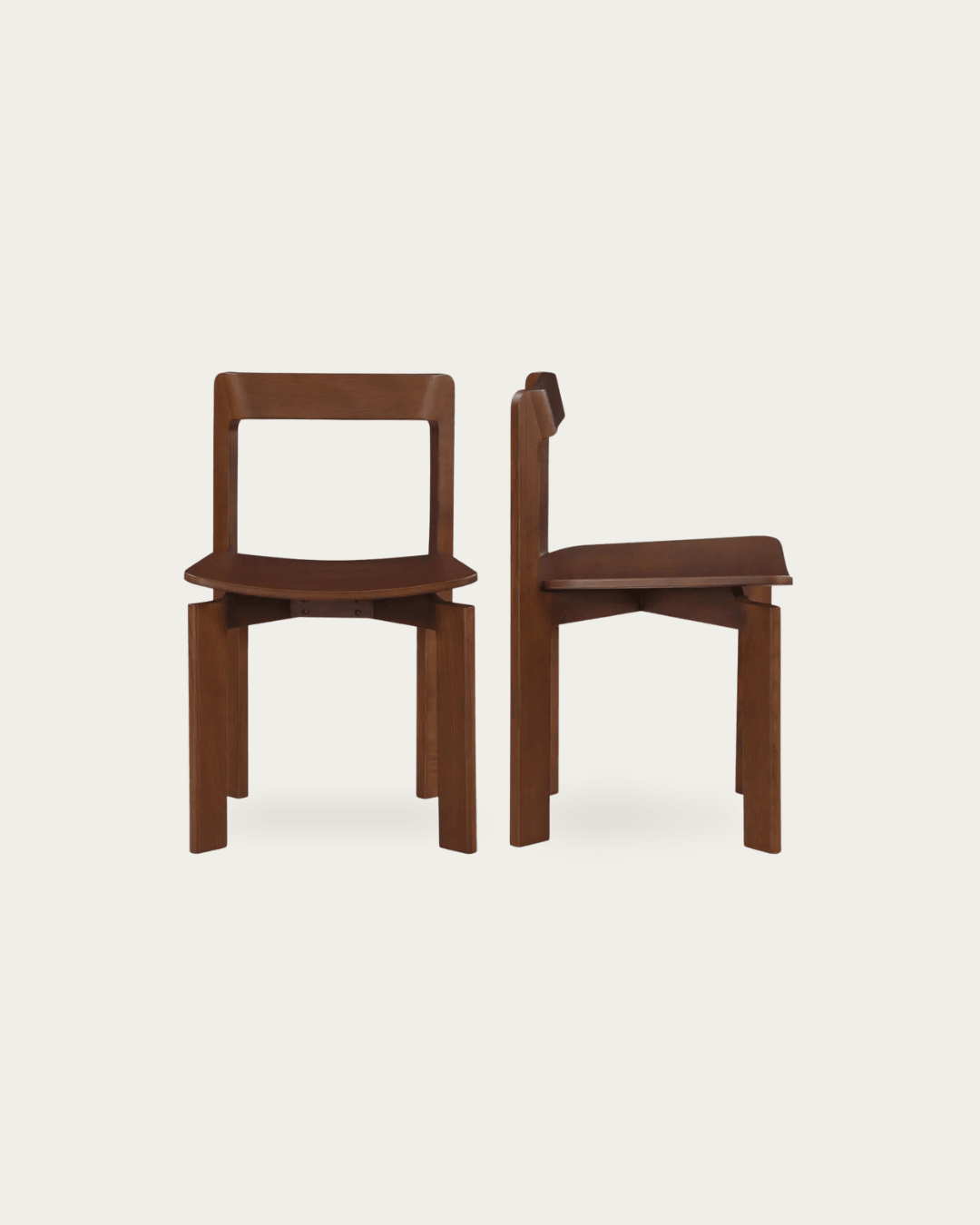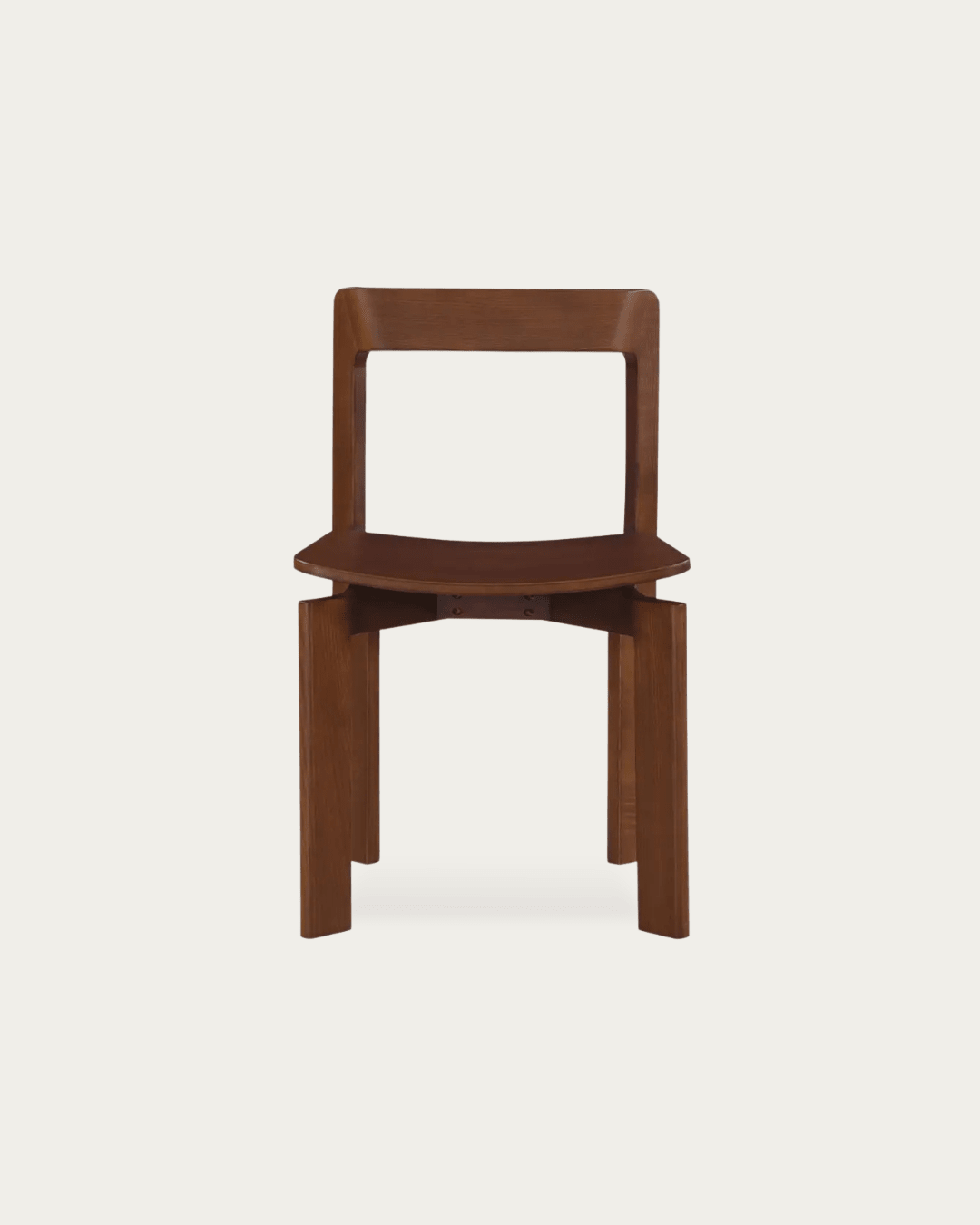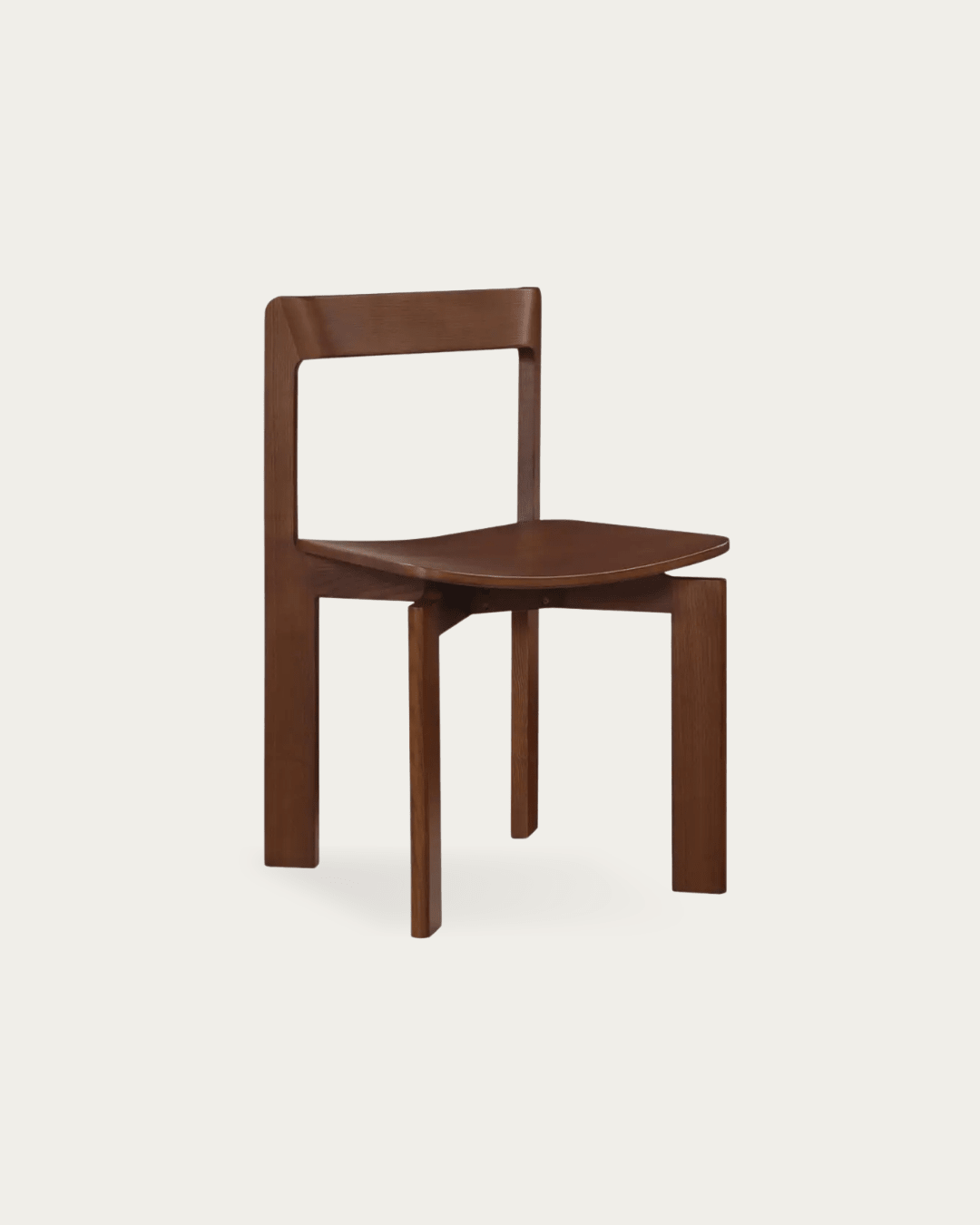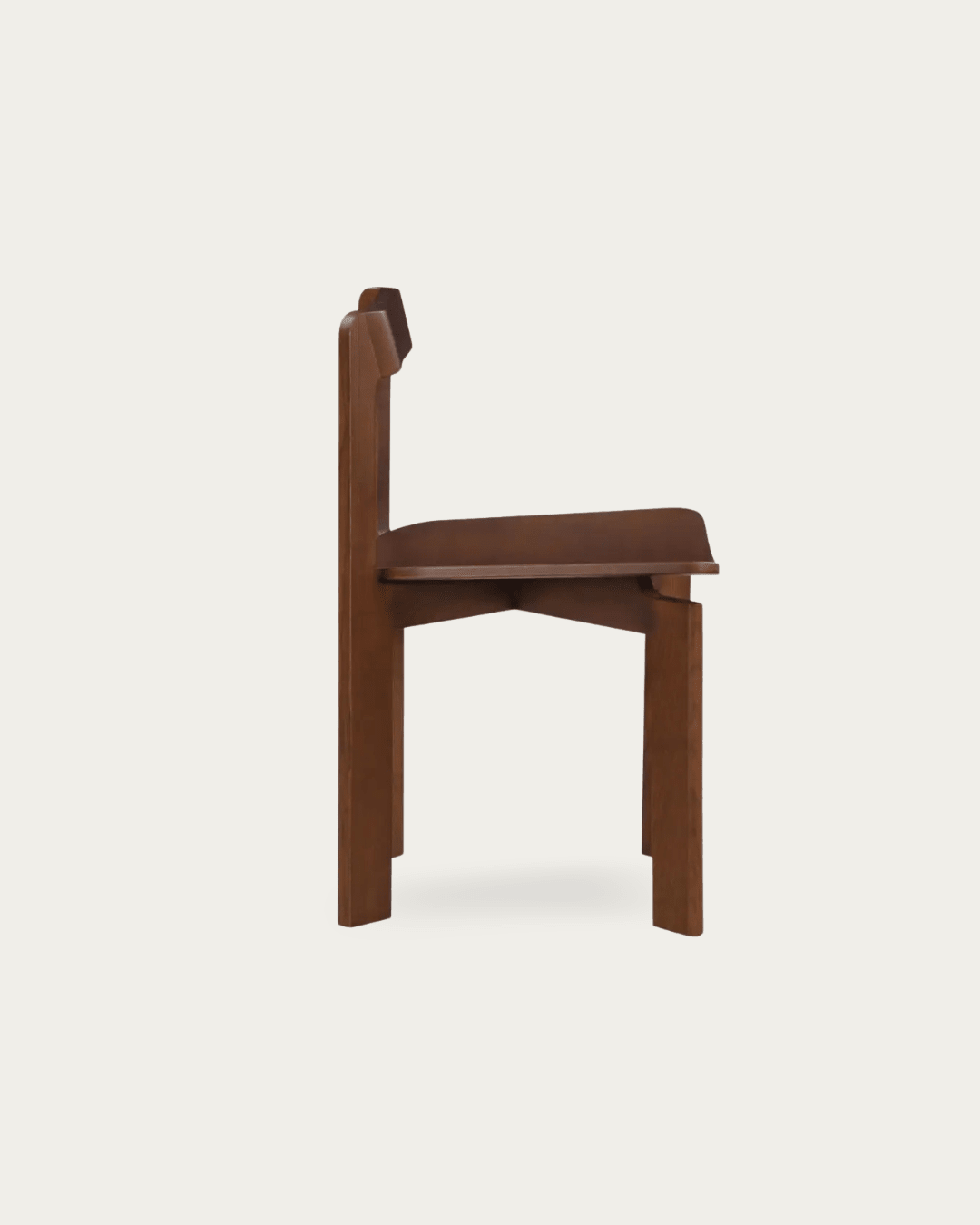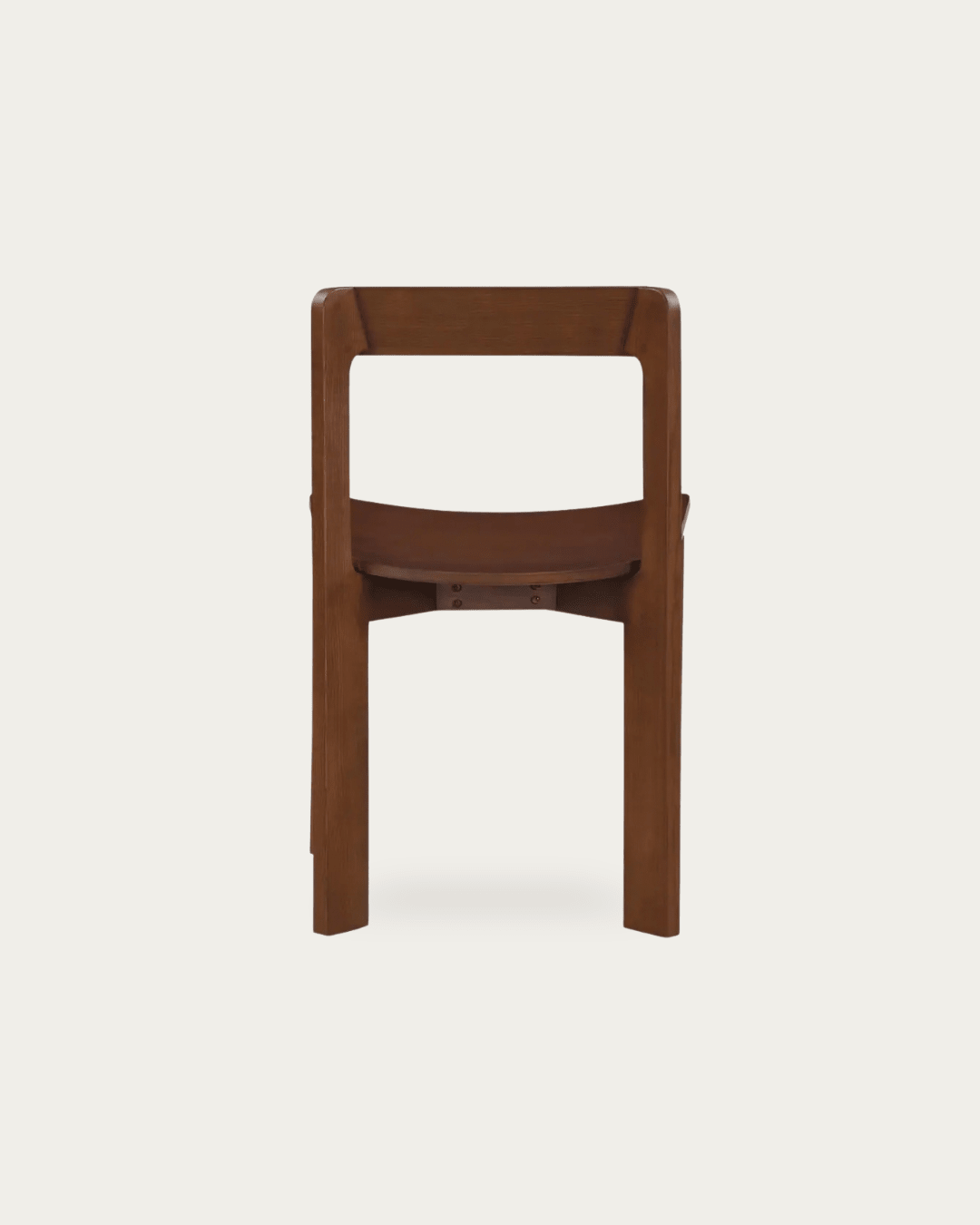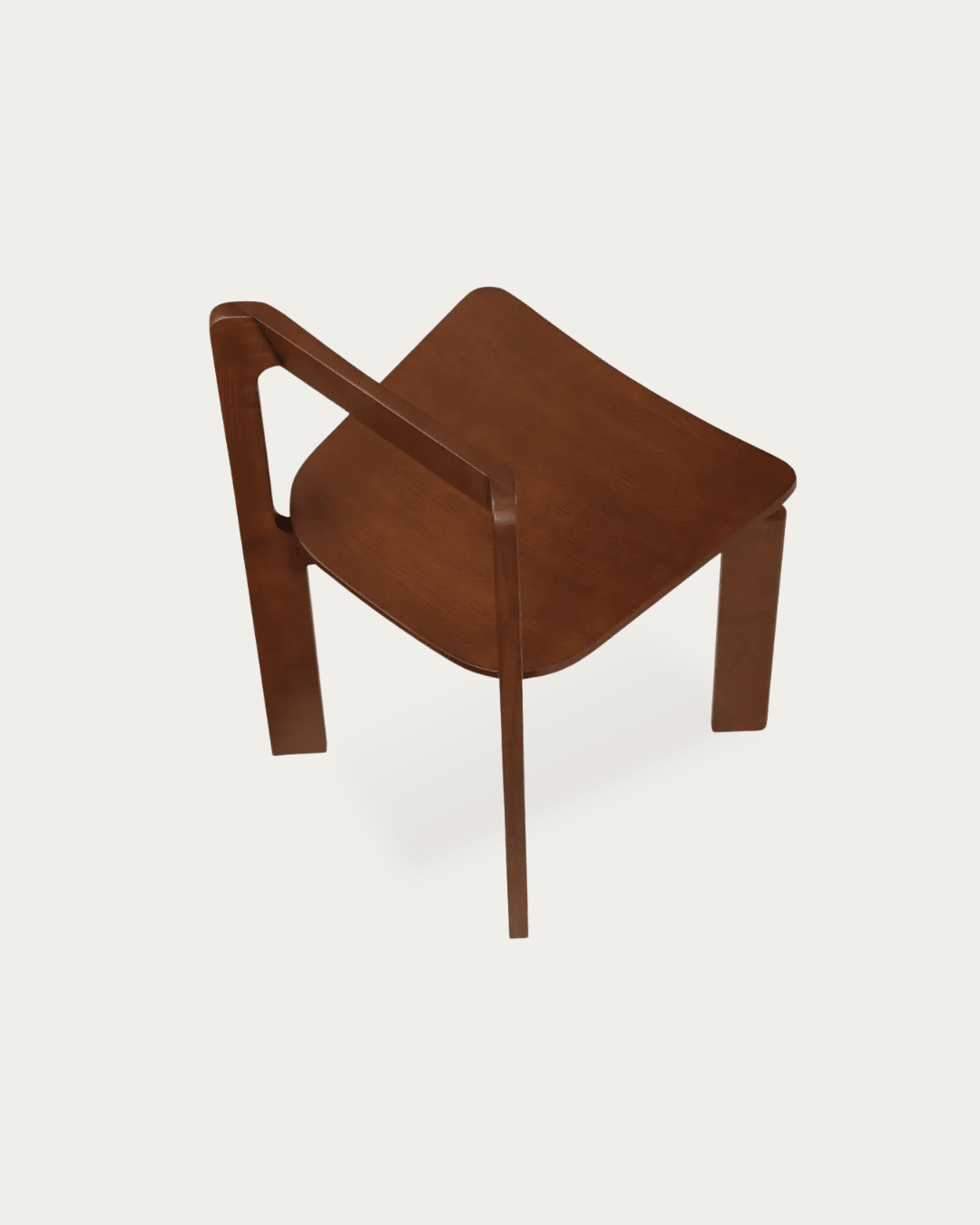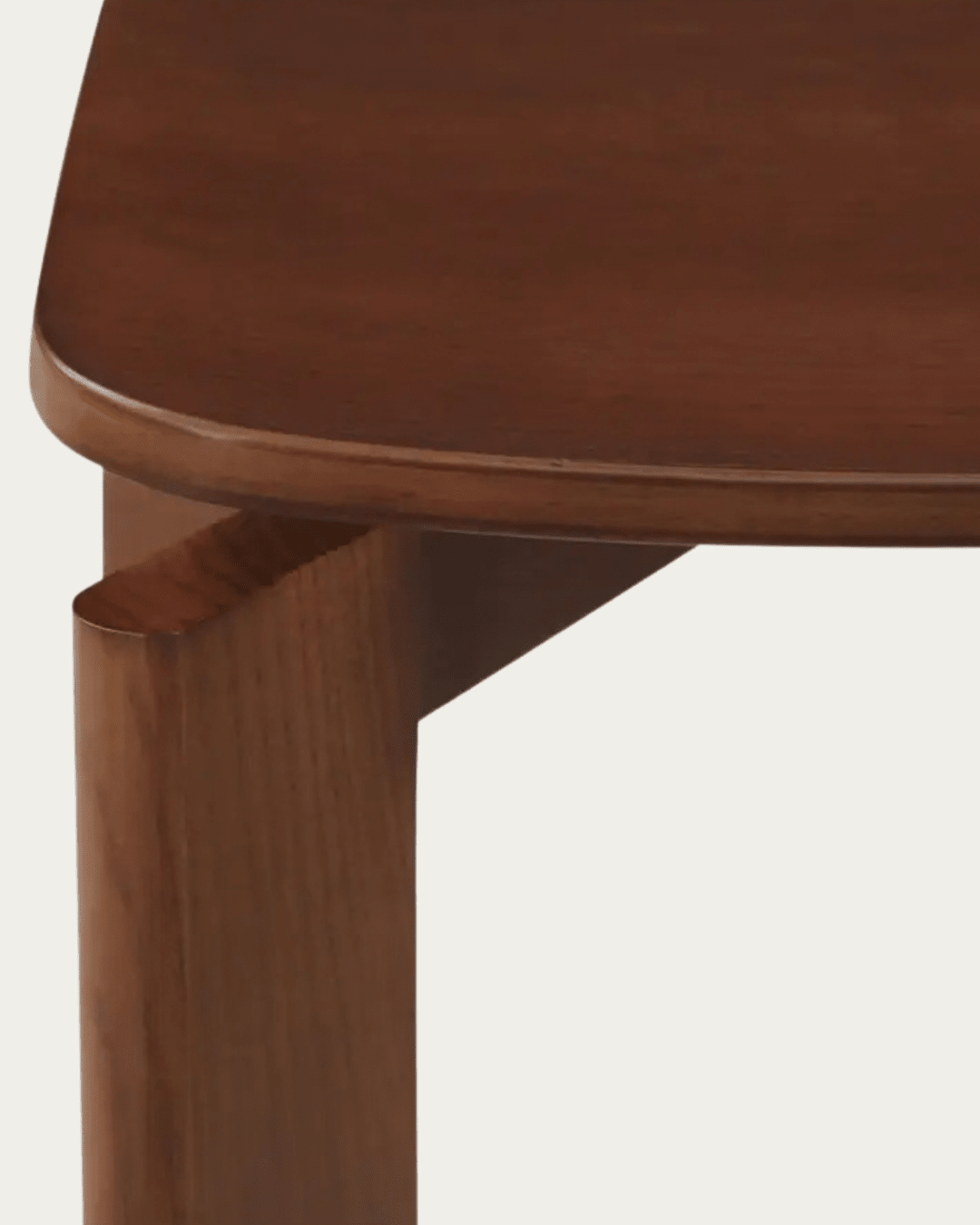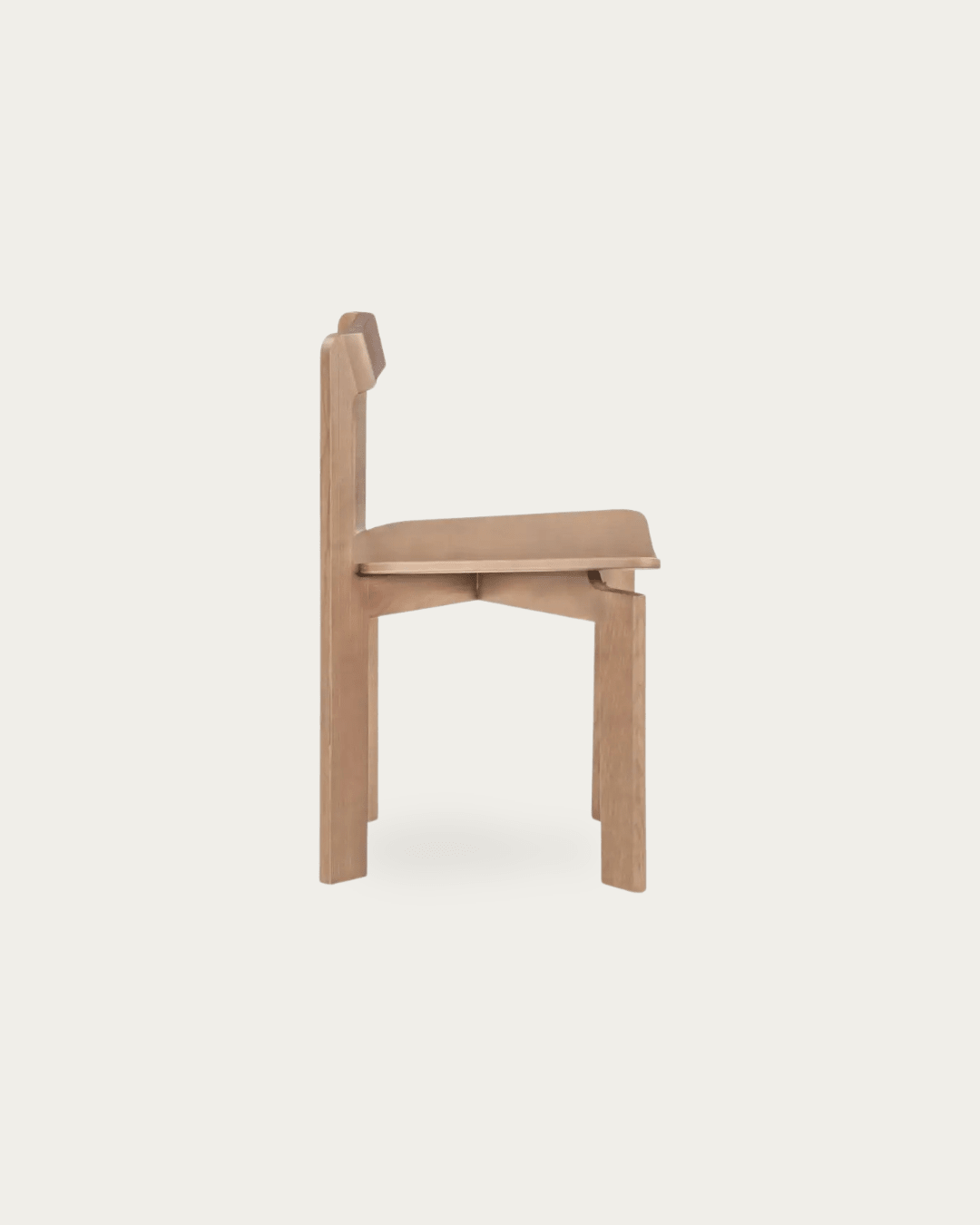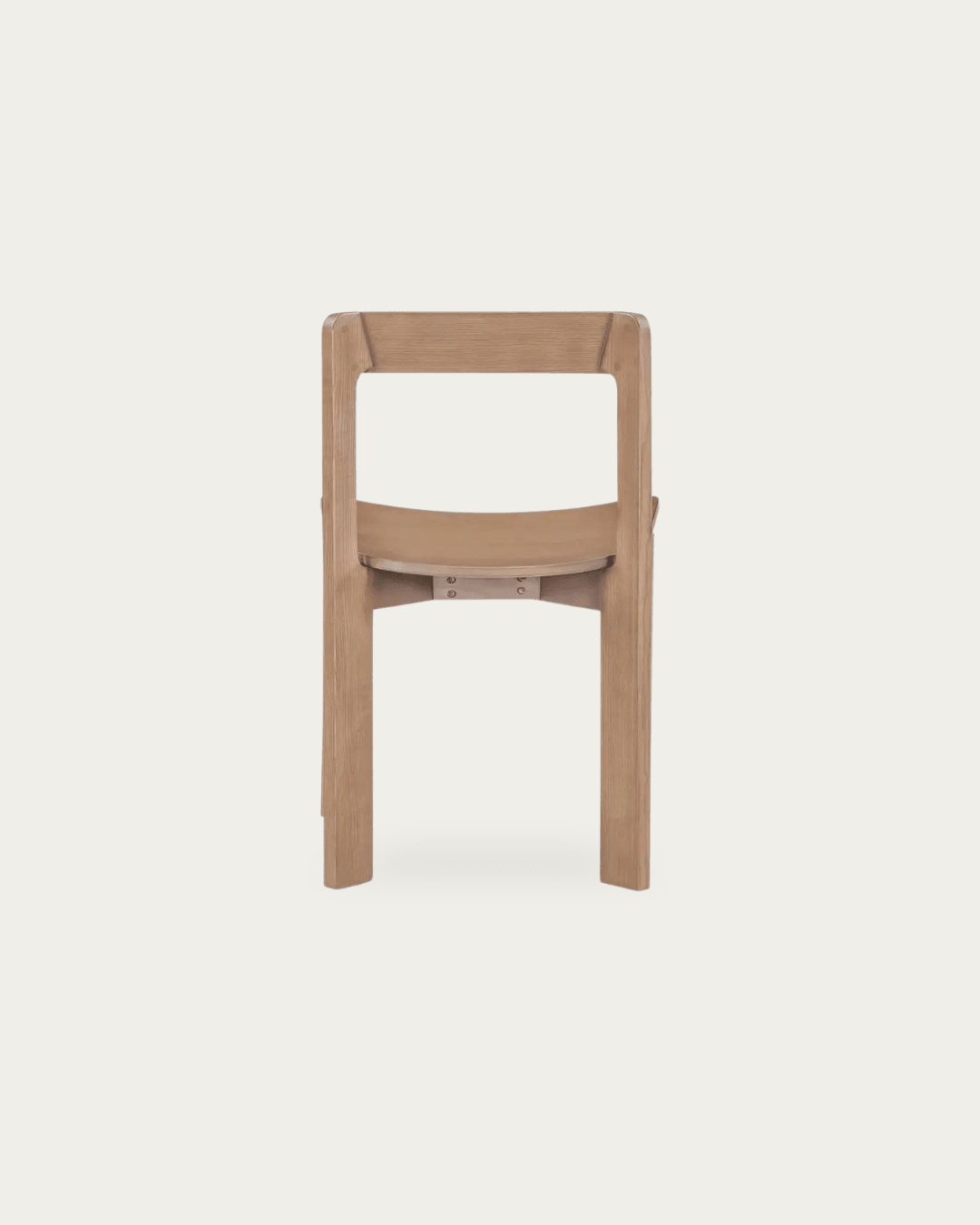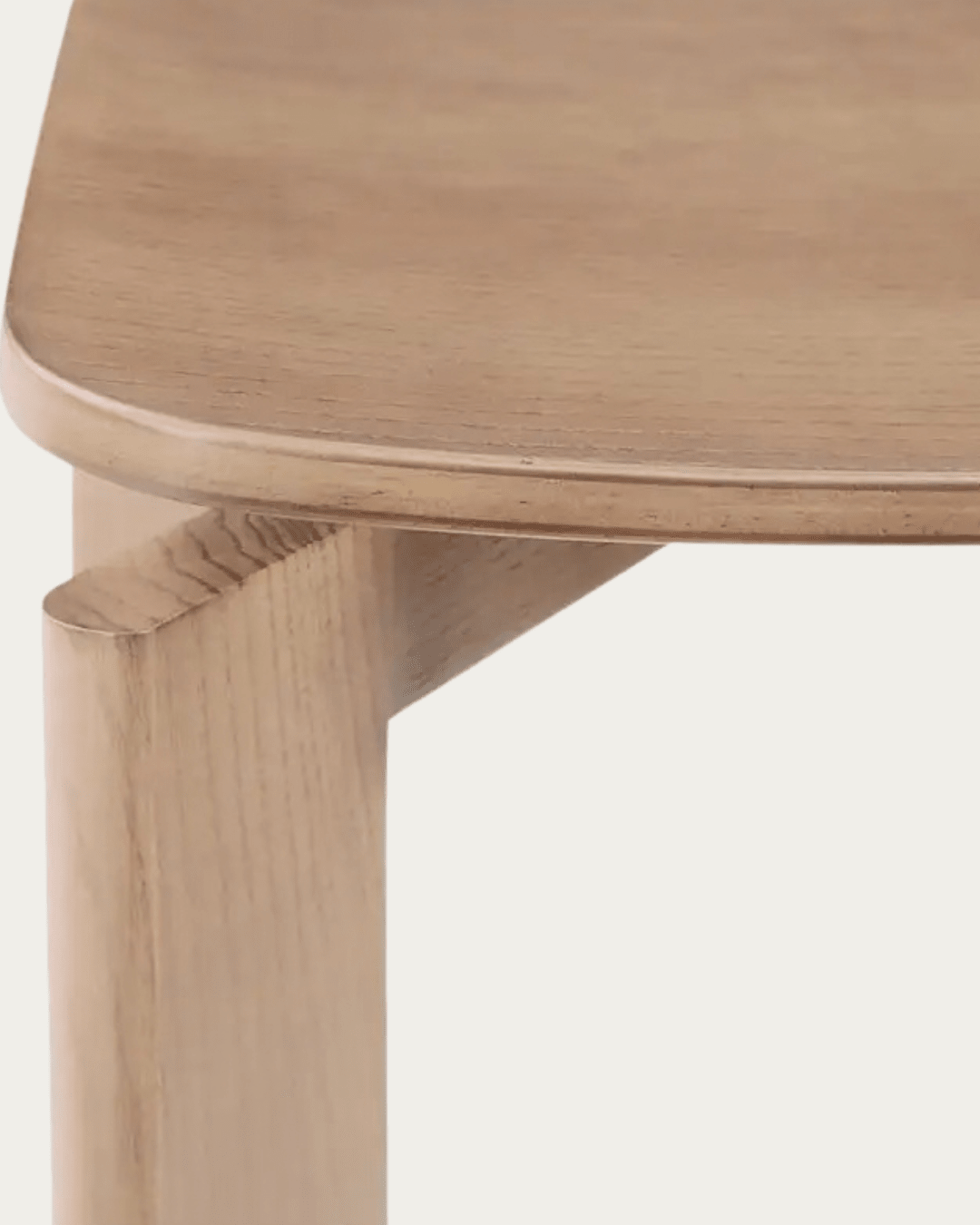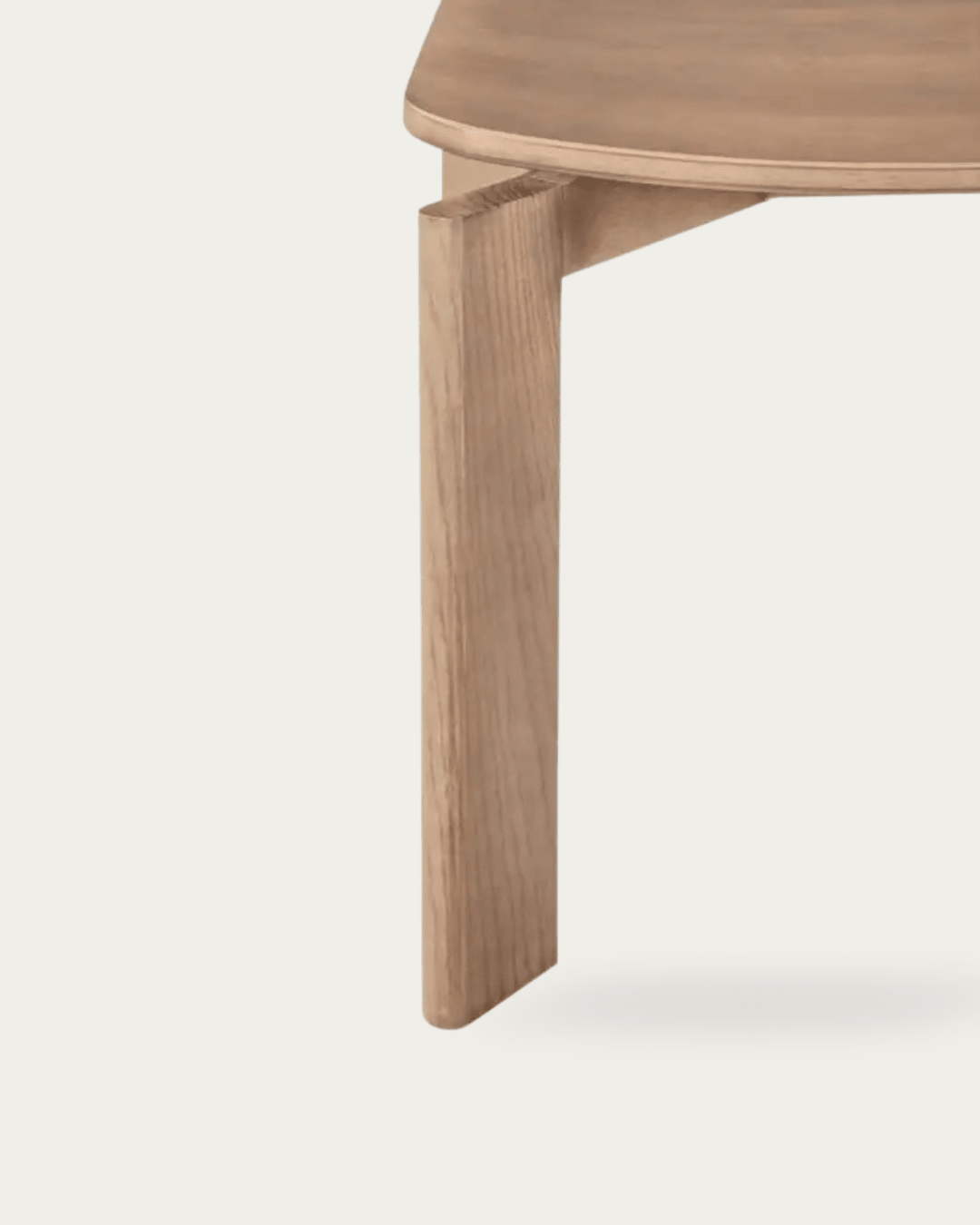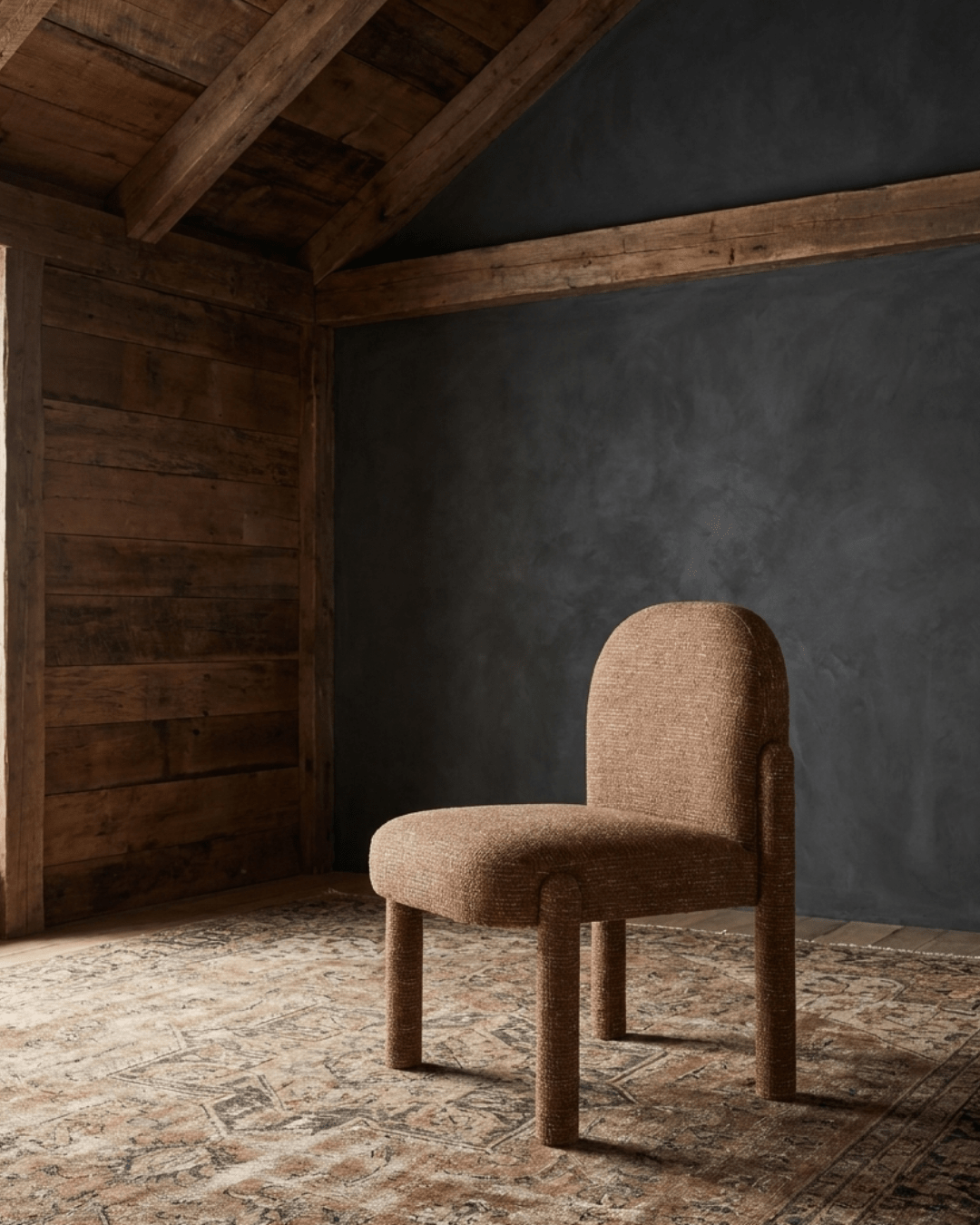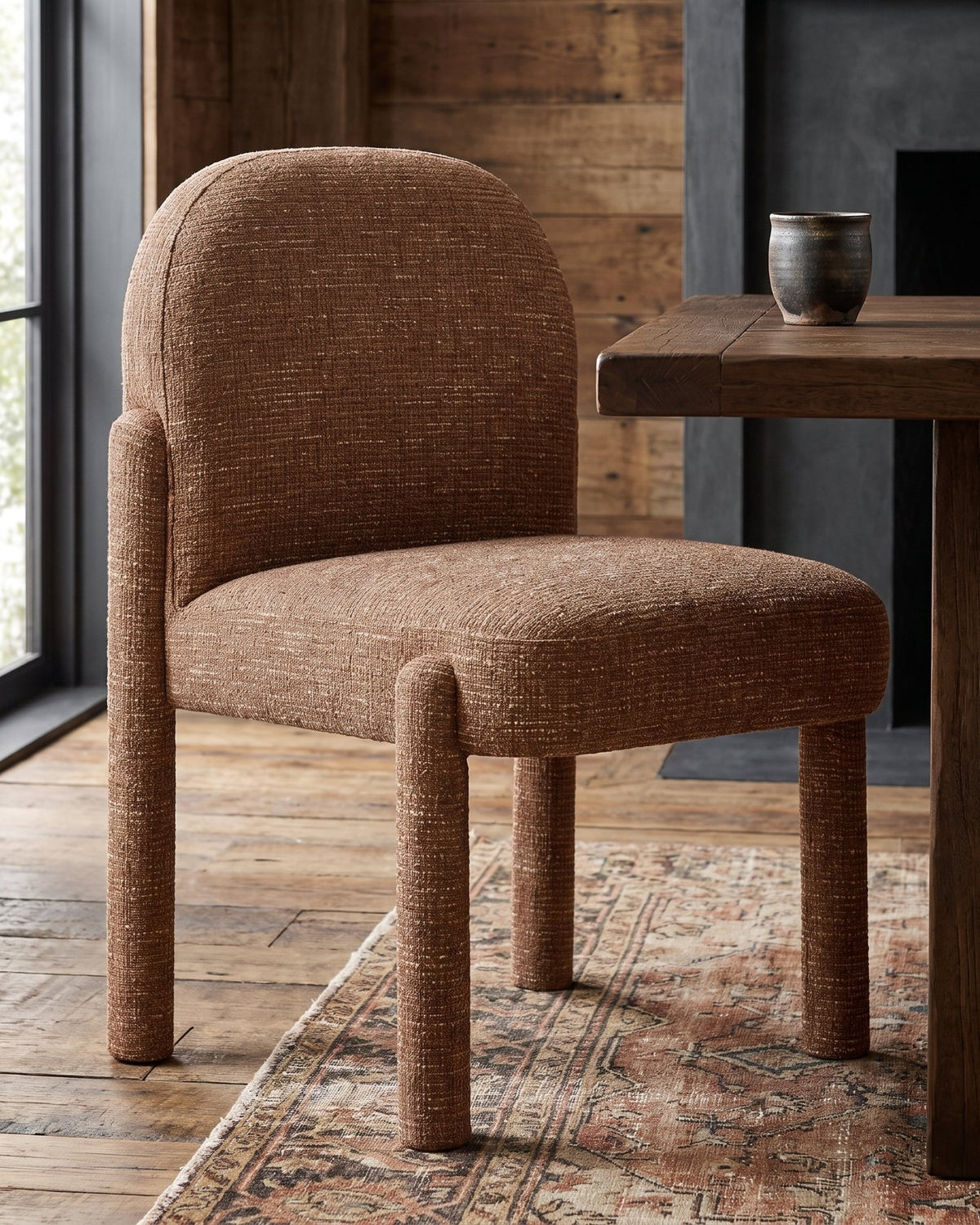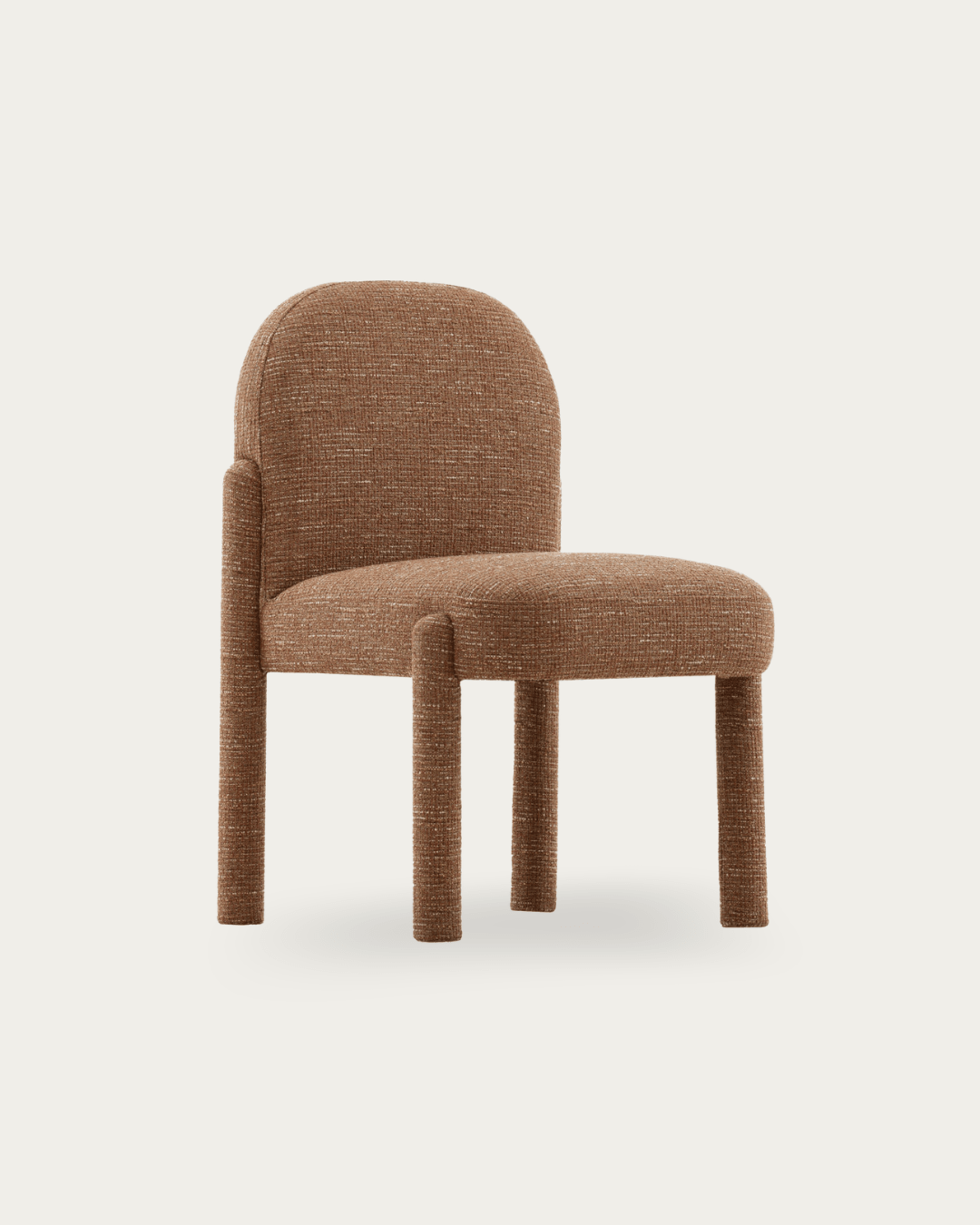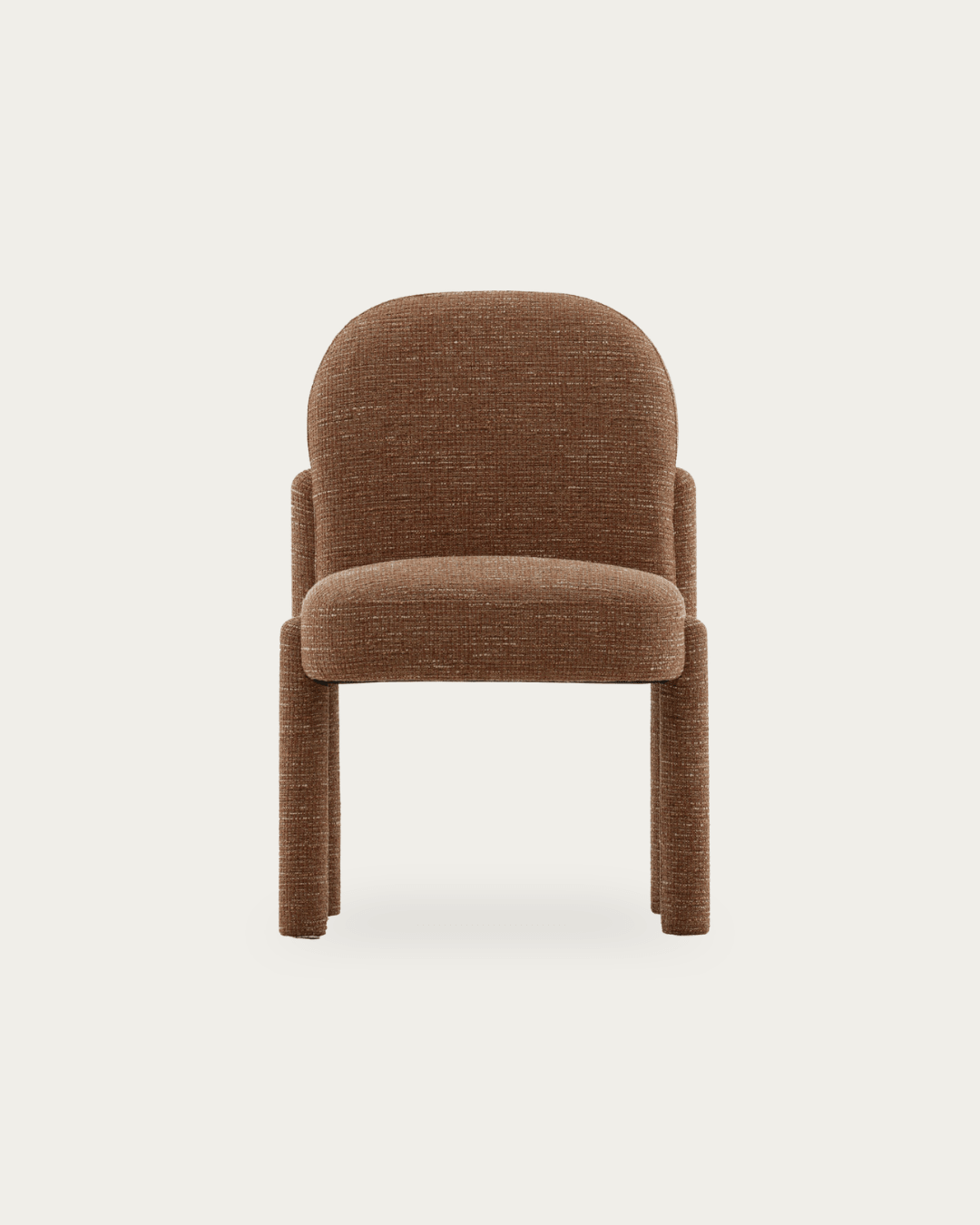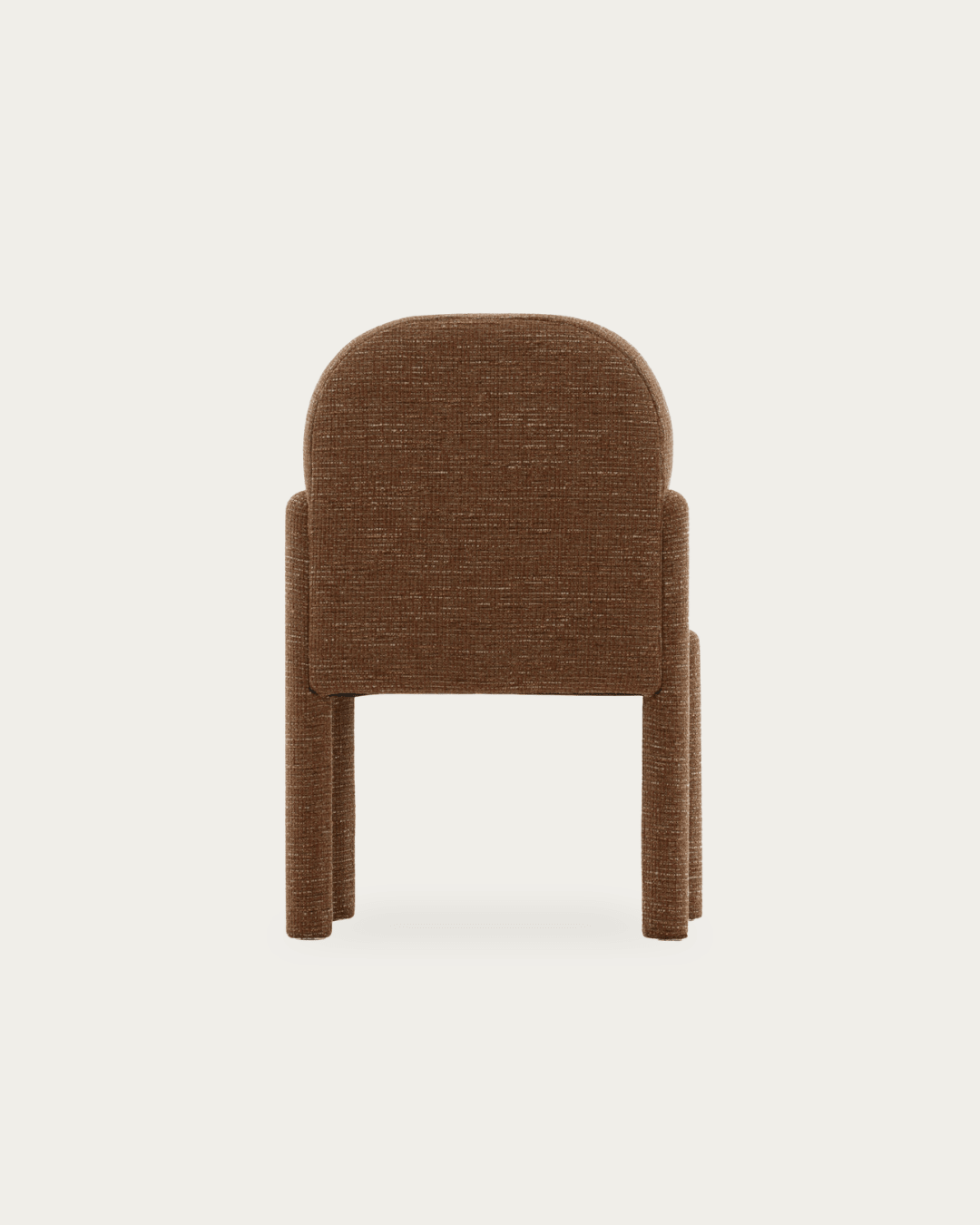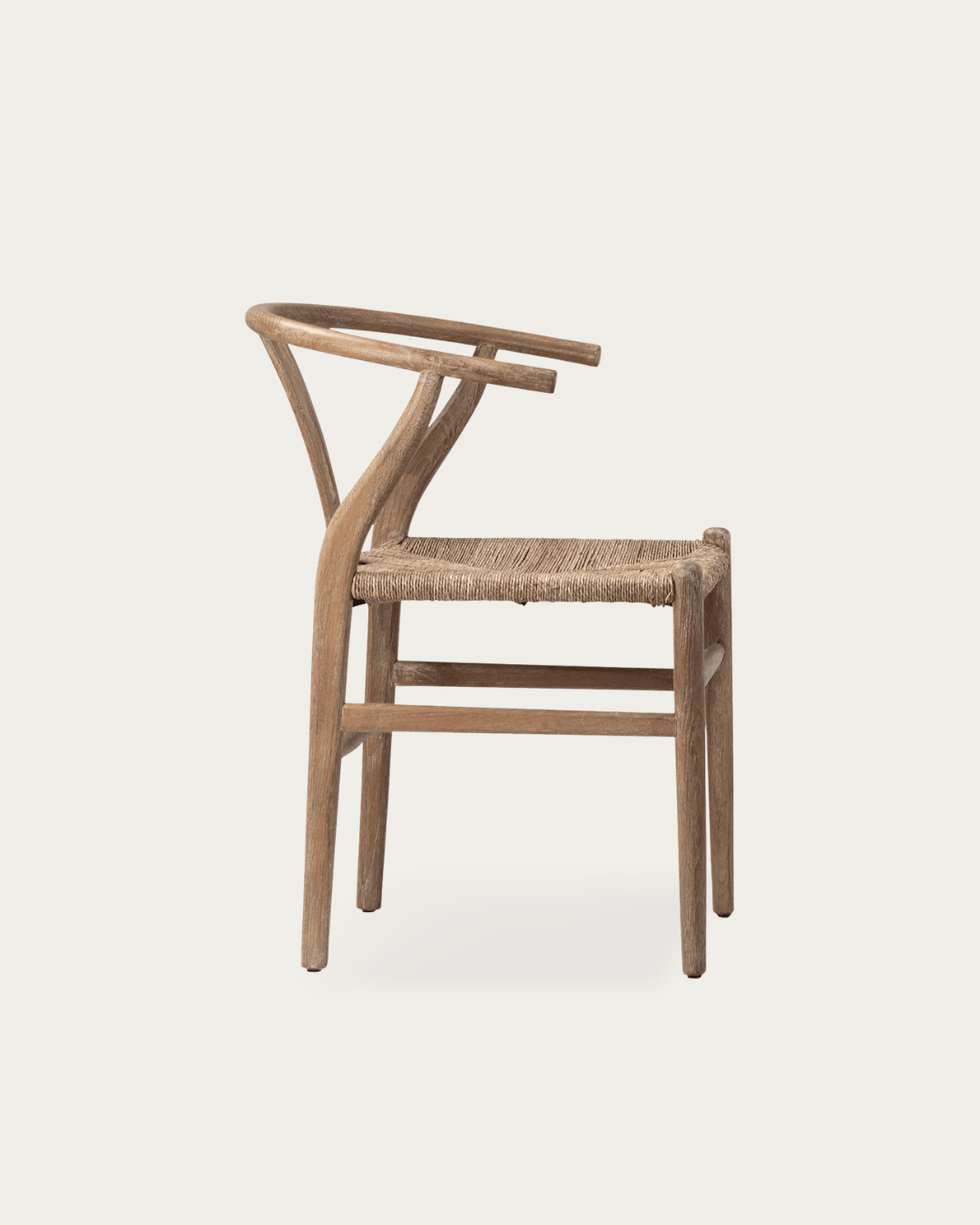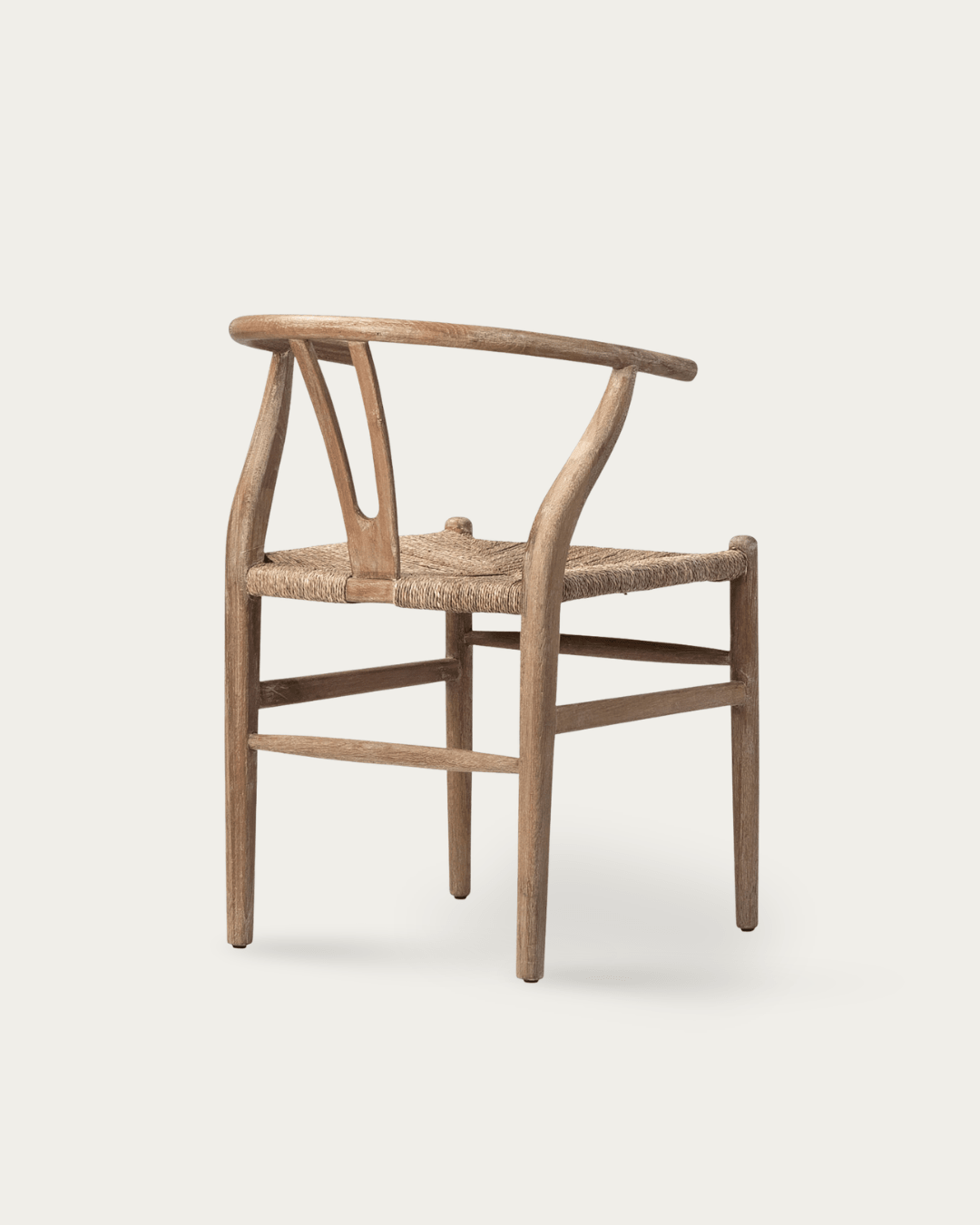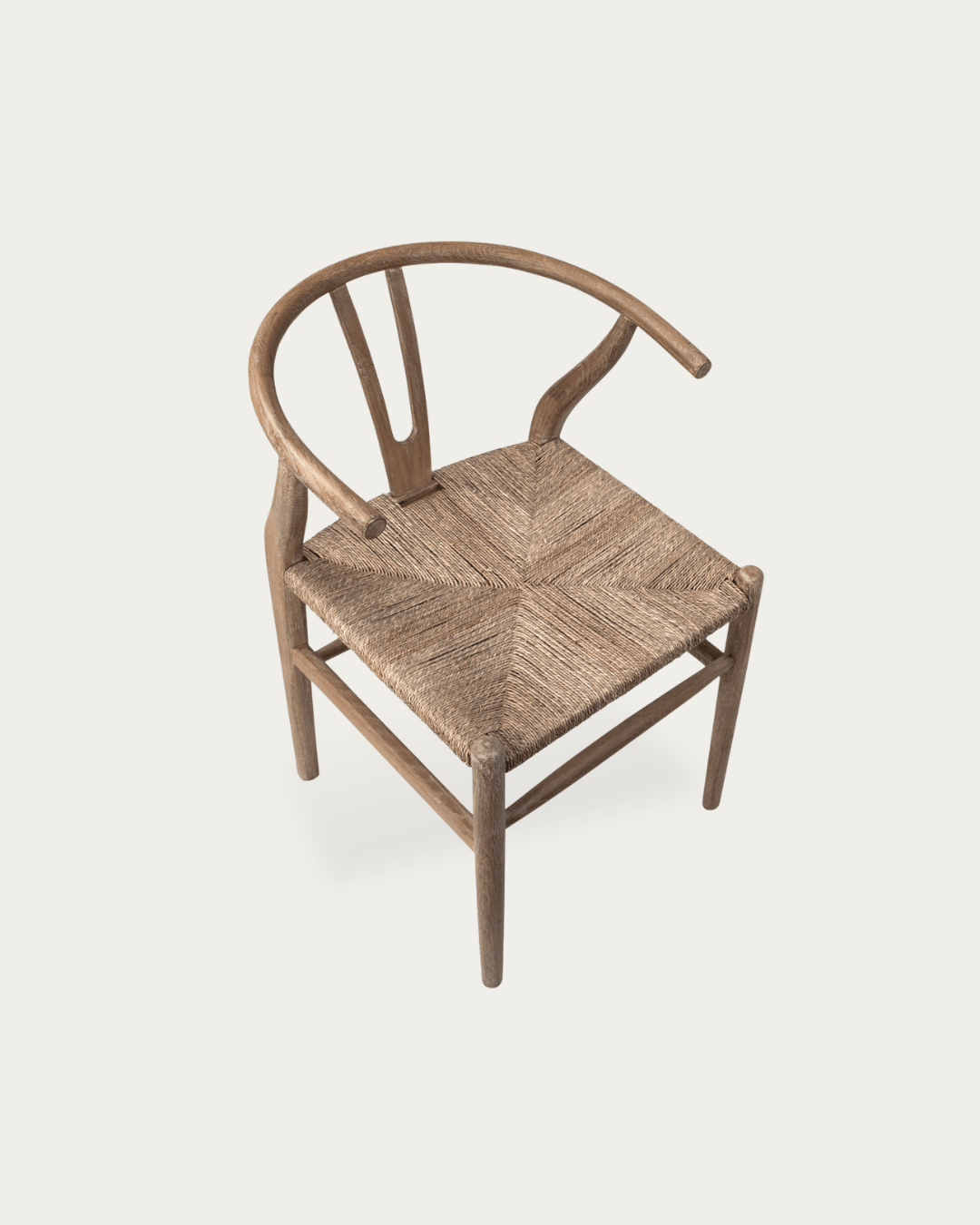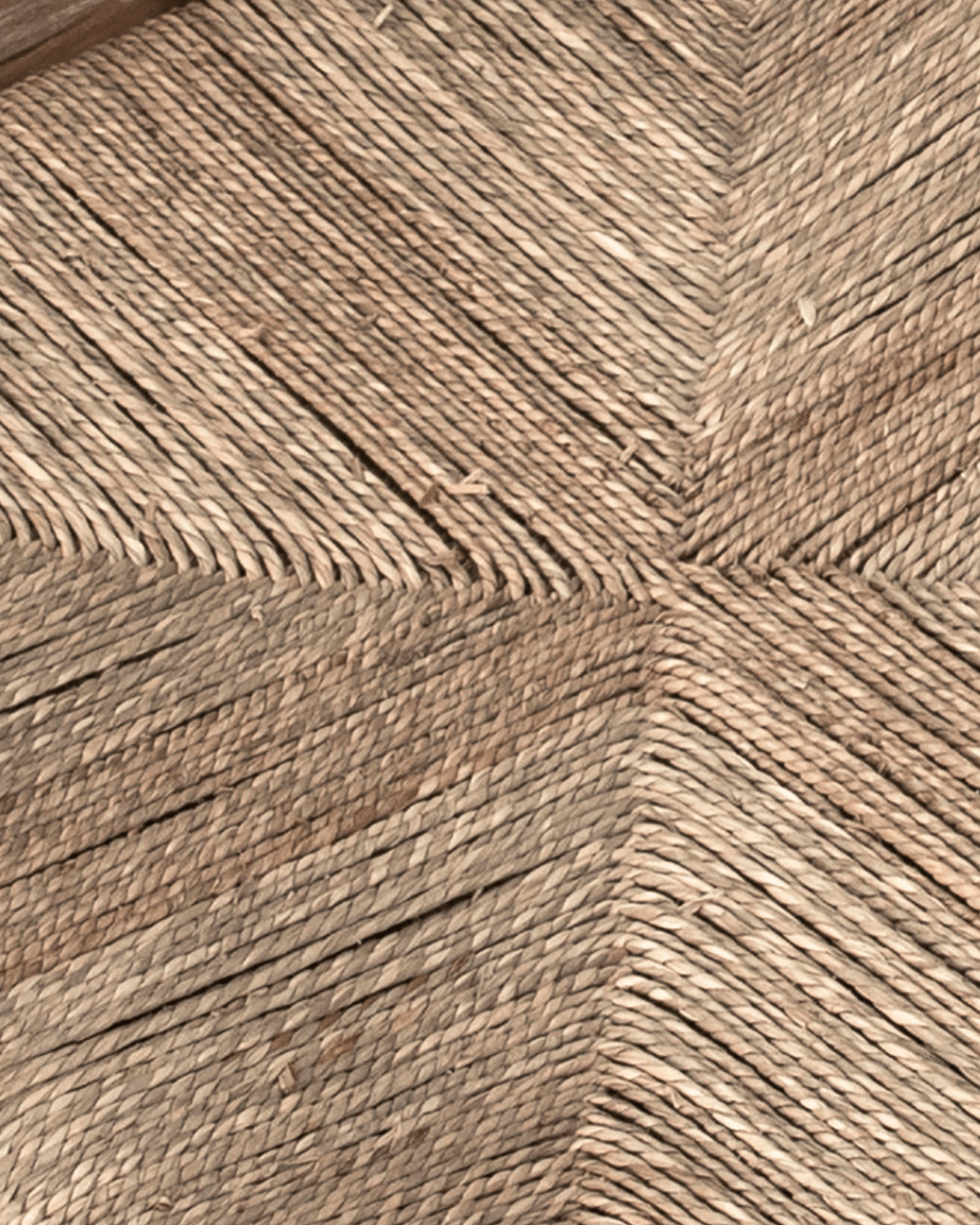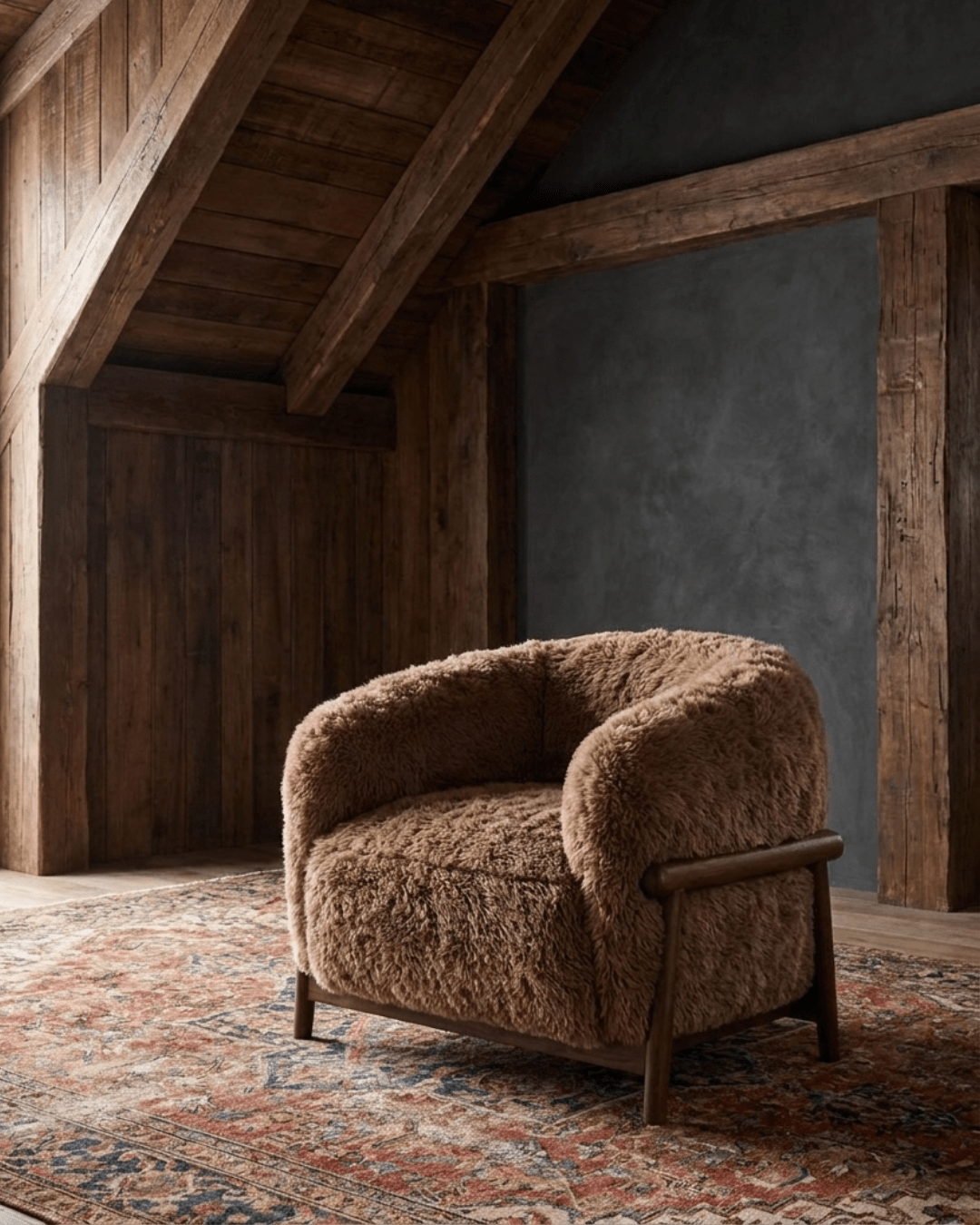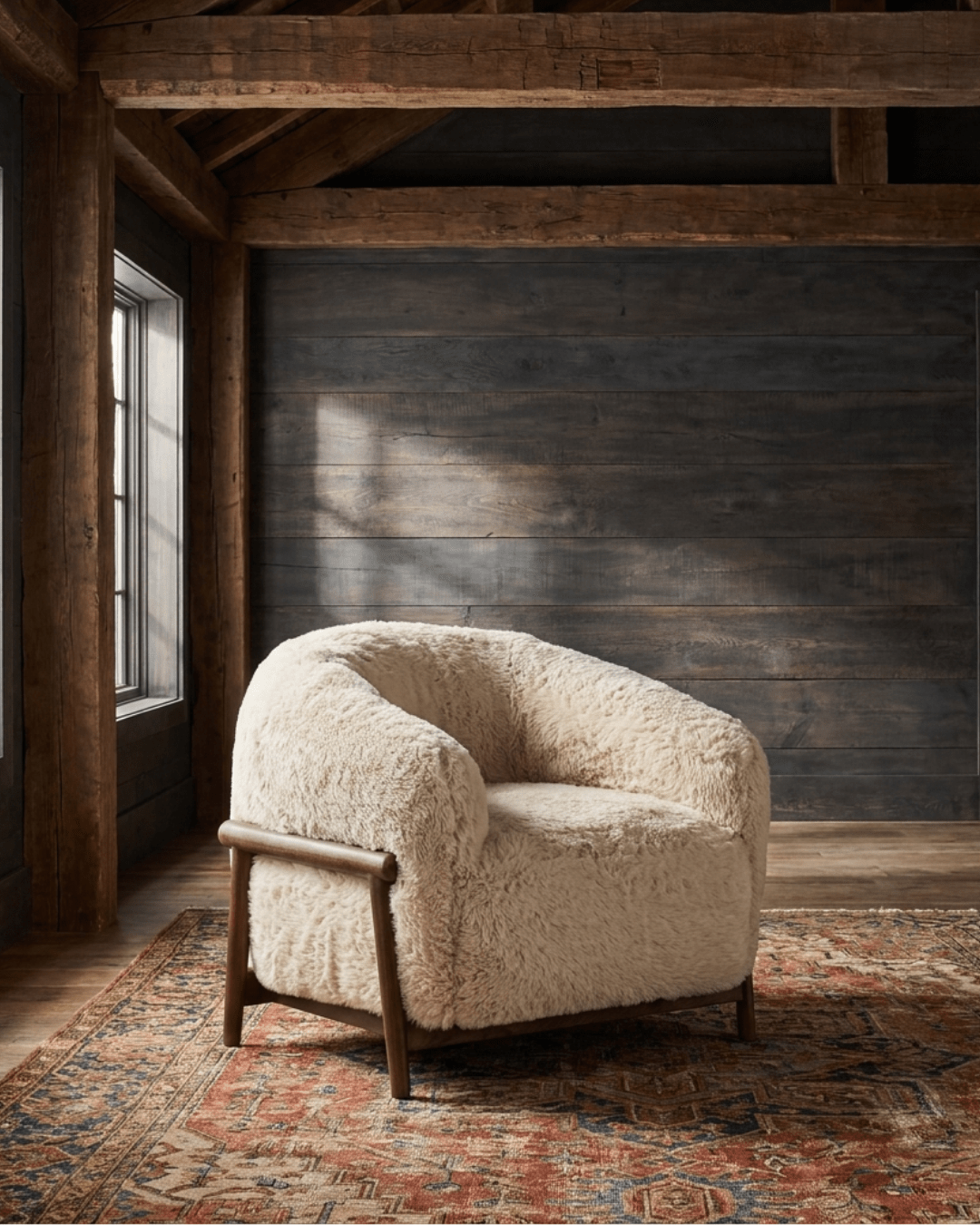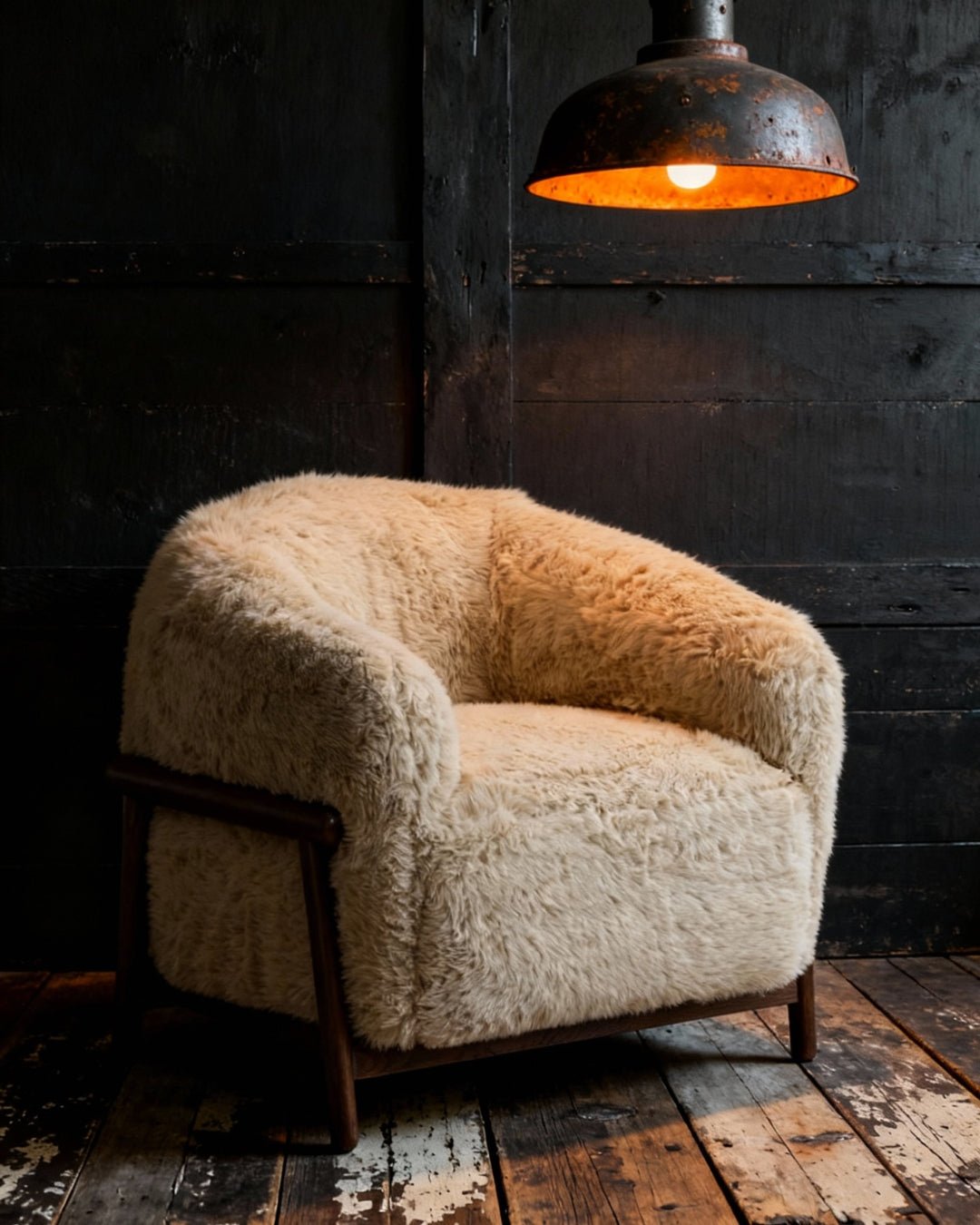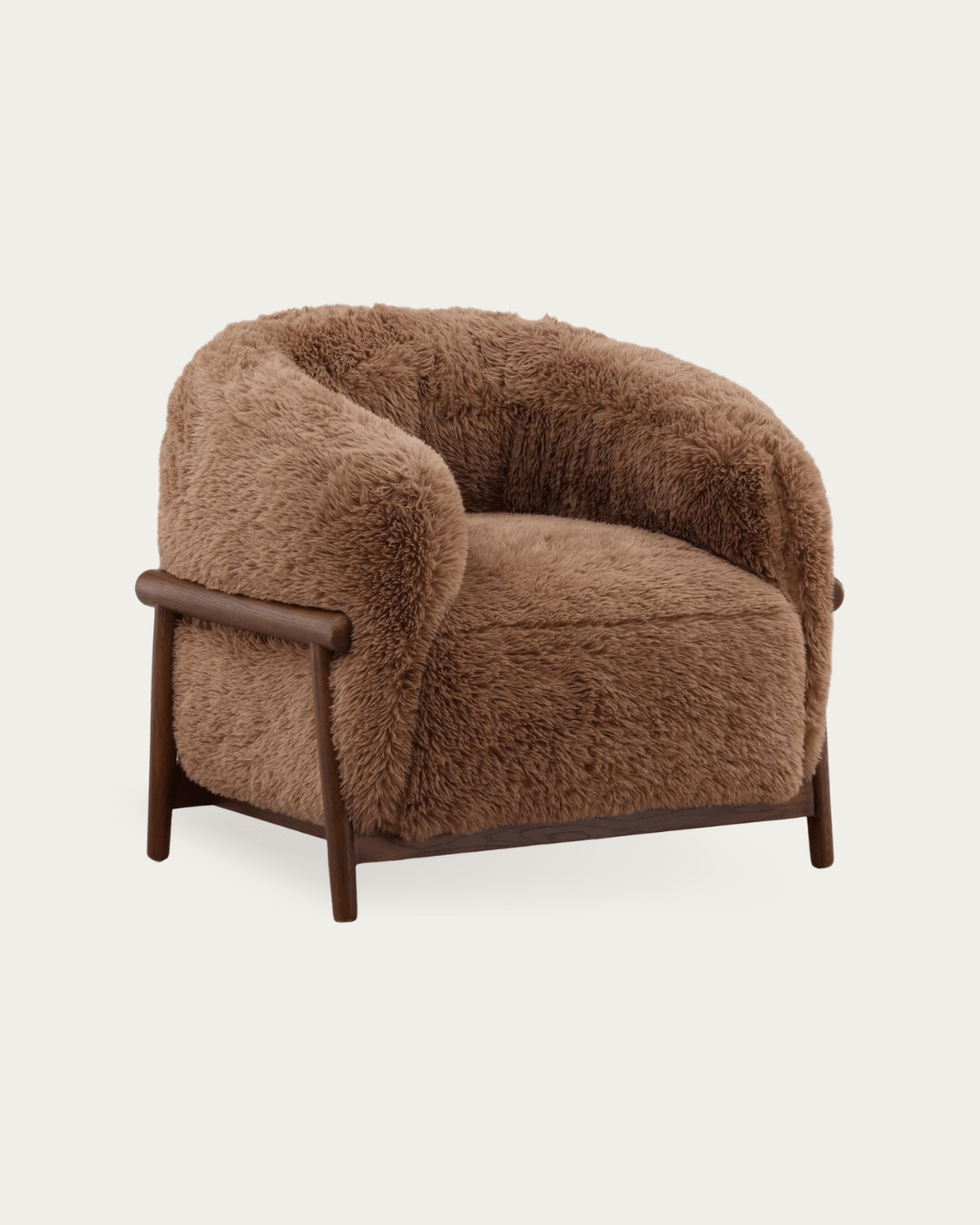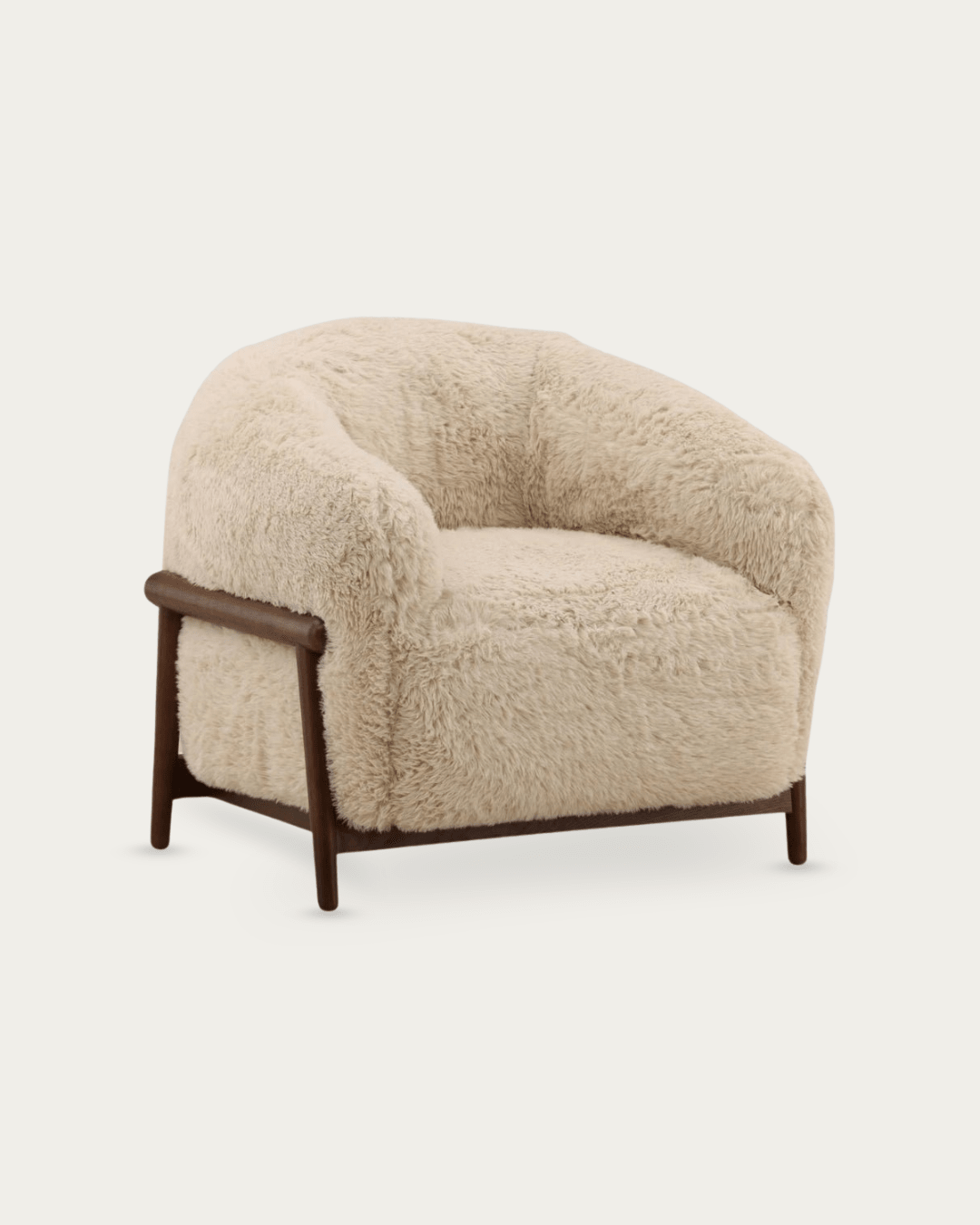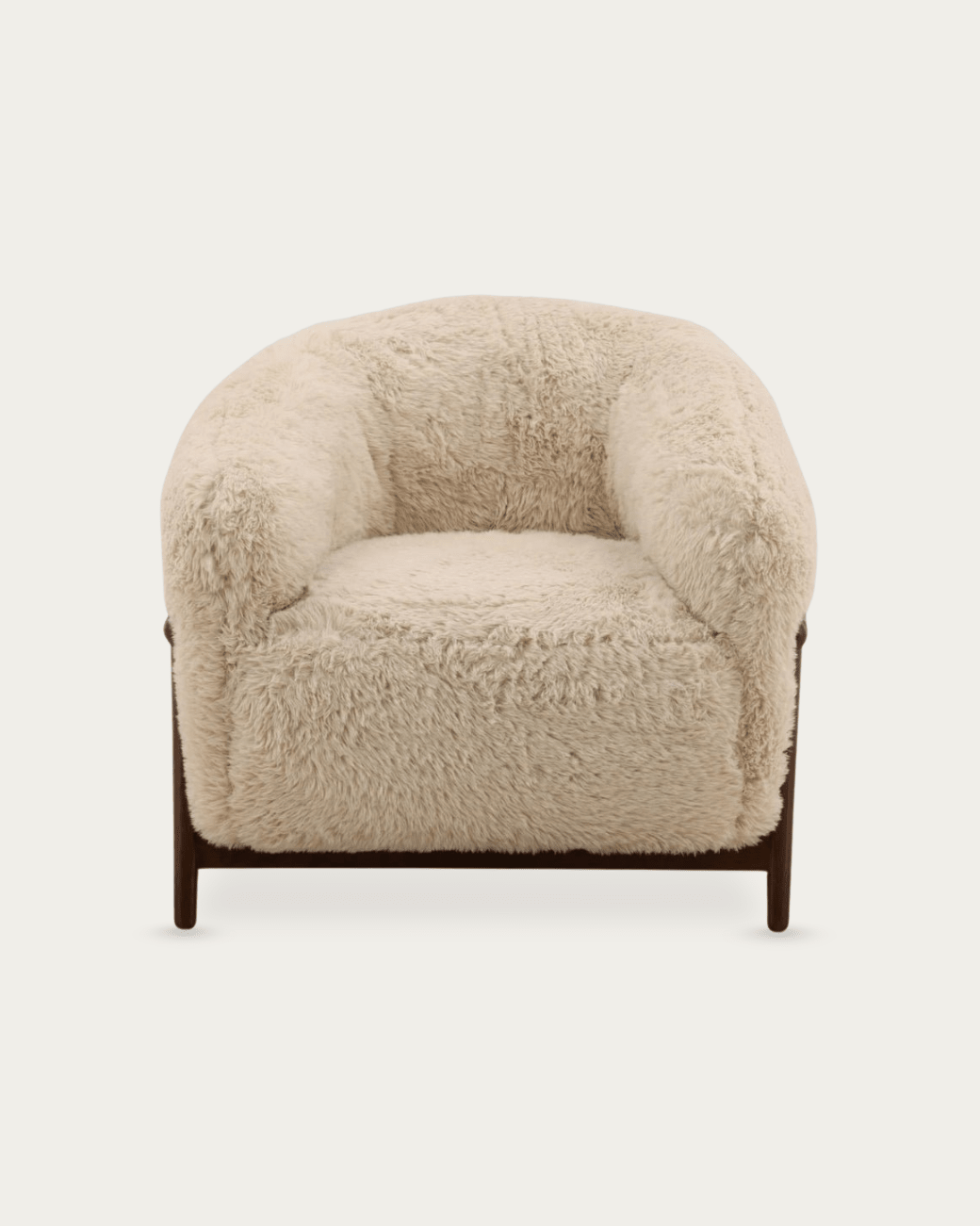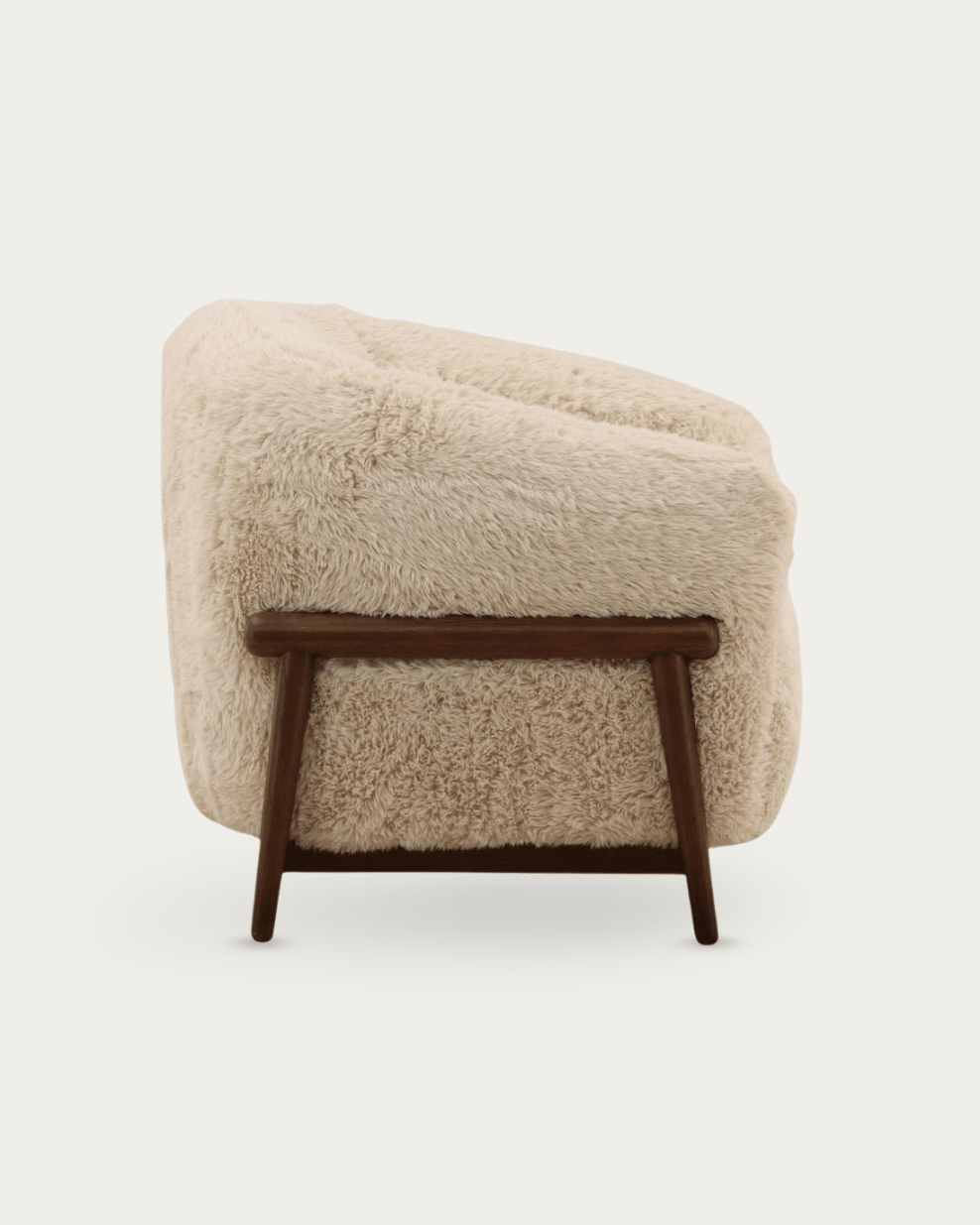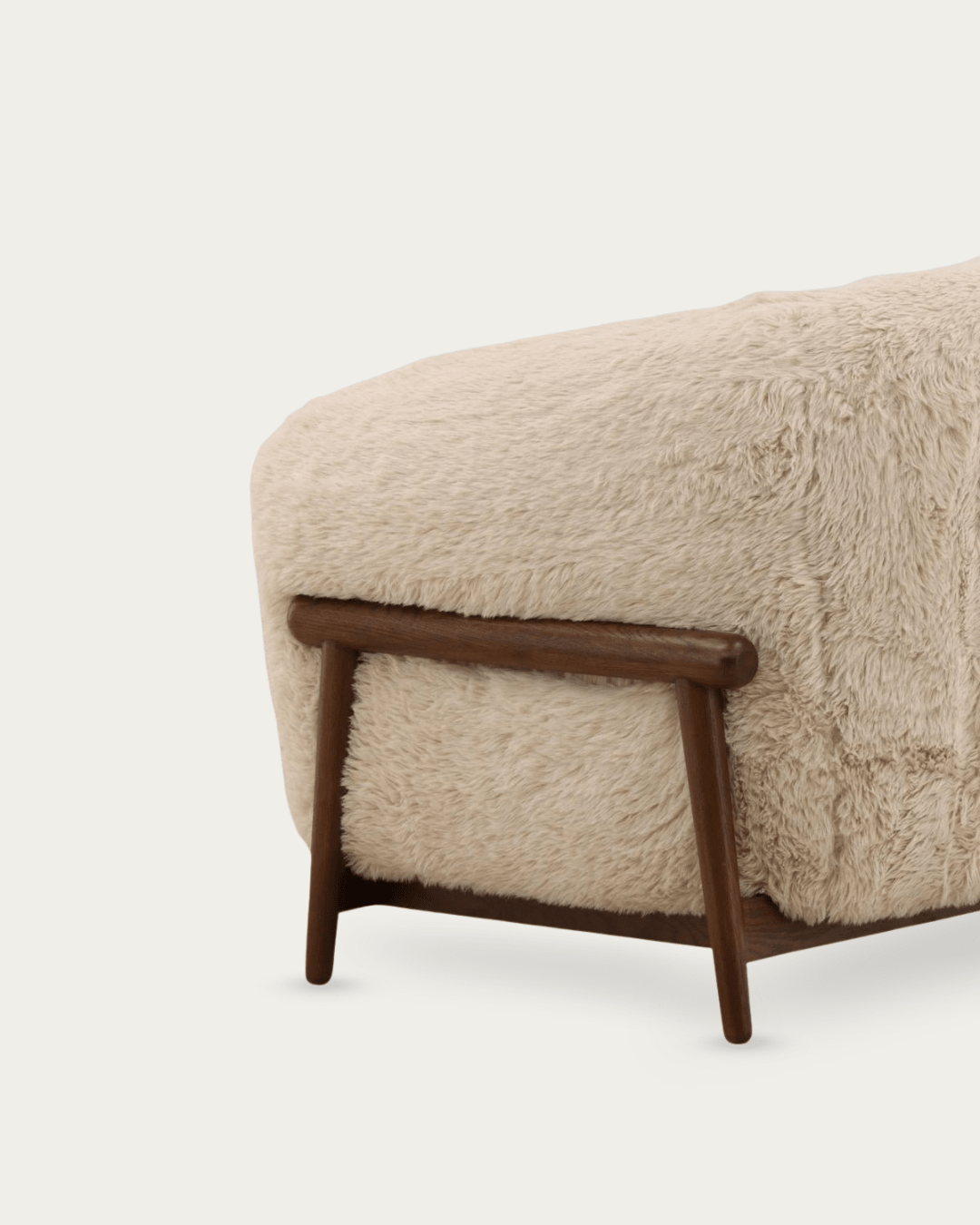








Most people don’t get accent chairs wrong because of the chair itself—they get it wrong because of where it’s placed. You can choose the right design, the right material, even the right size, and the room will still feel off if the placement doesn’t make sense. Knowing where to place accent chairs is what turns them from extra pieces into something that actually fixes your layout.
If you’re building a space that feels connected instead of scattered, start here:
Shop lounge chairs collection
Place Chairs to Support the Main Seating—Not Compete With It
Accent chairs should never feel like a separate zone unless that’s intentional.
Their primary role is to support your sofa, not compete with it.
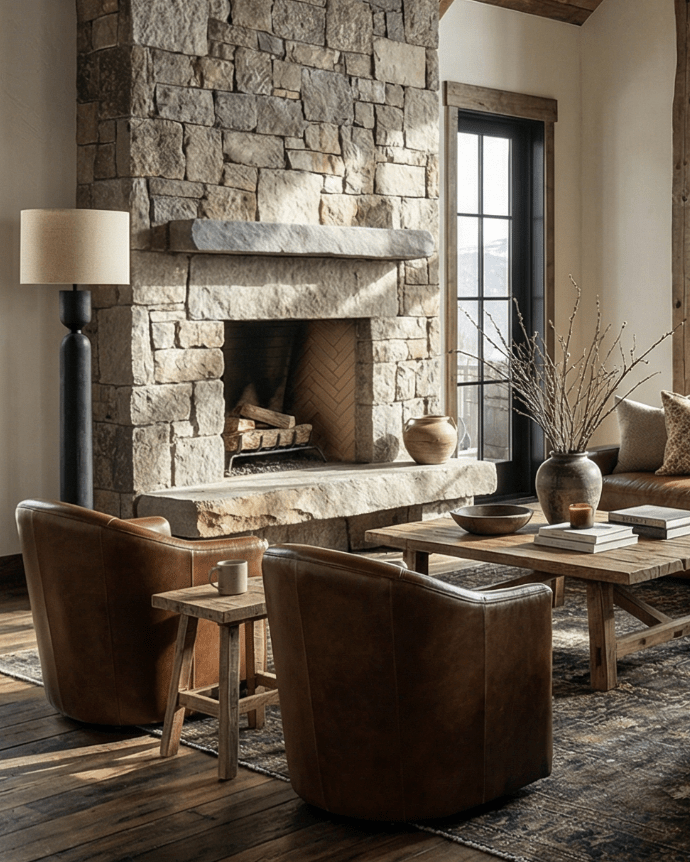
The best placement usually sits slightly angled toward the main seating area. This creates a natural conversation flow and makes the space feel connected.
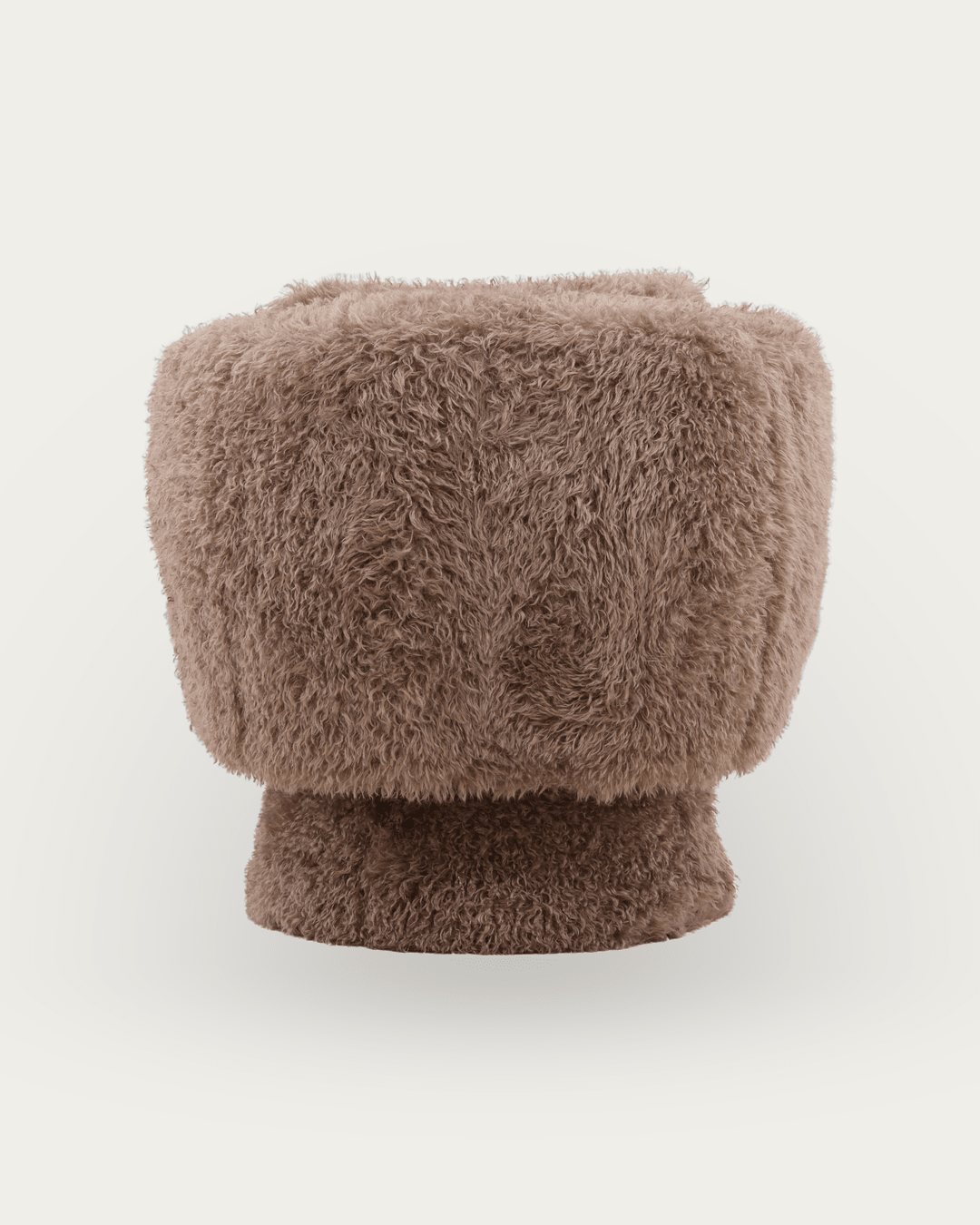
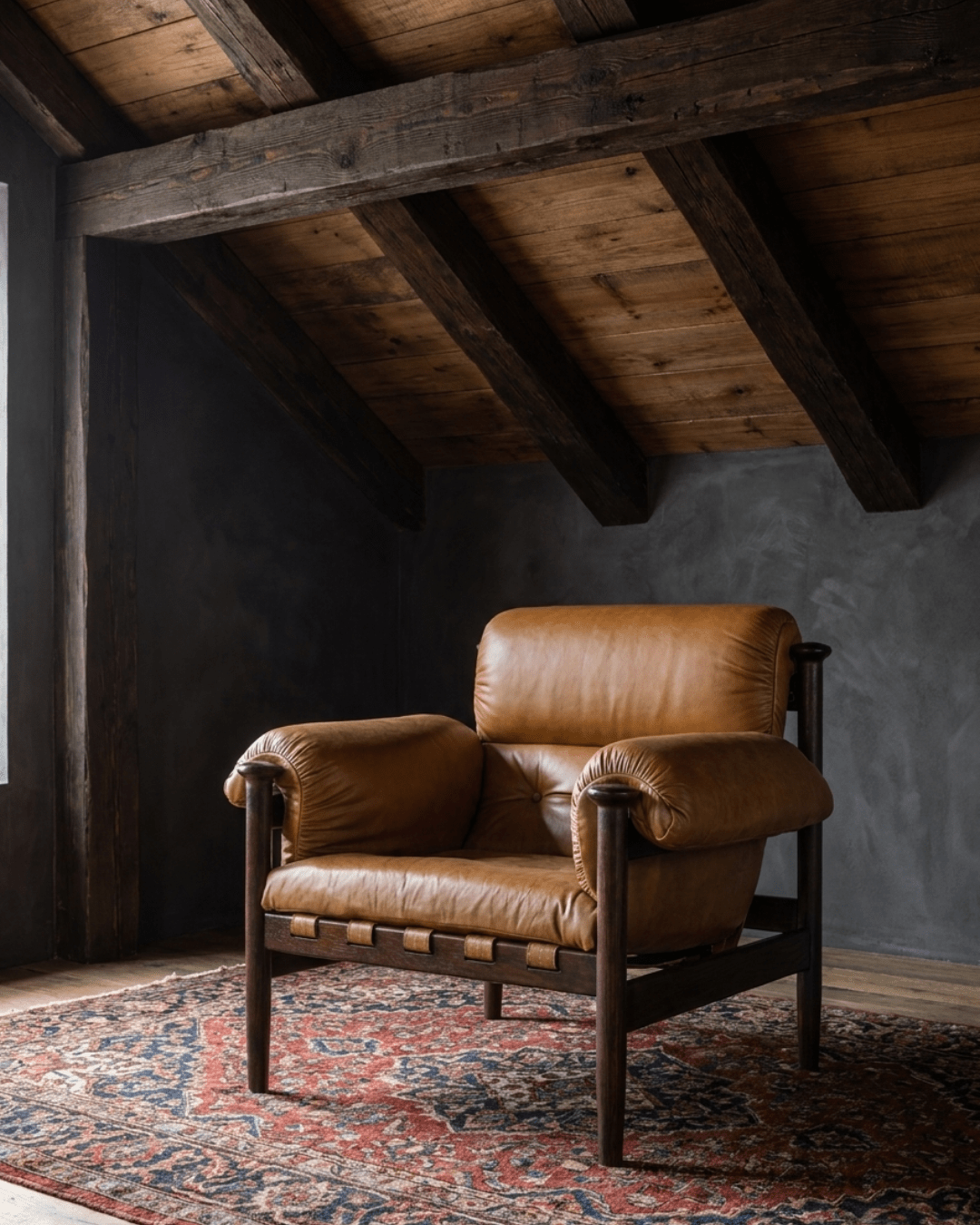
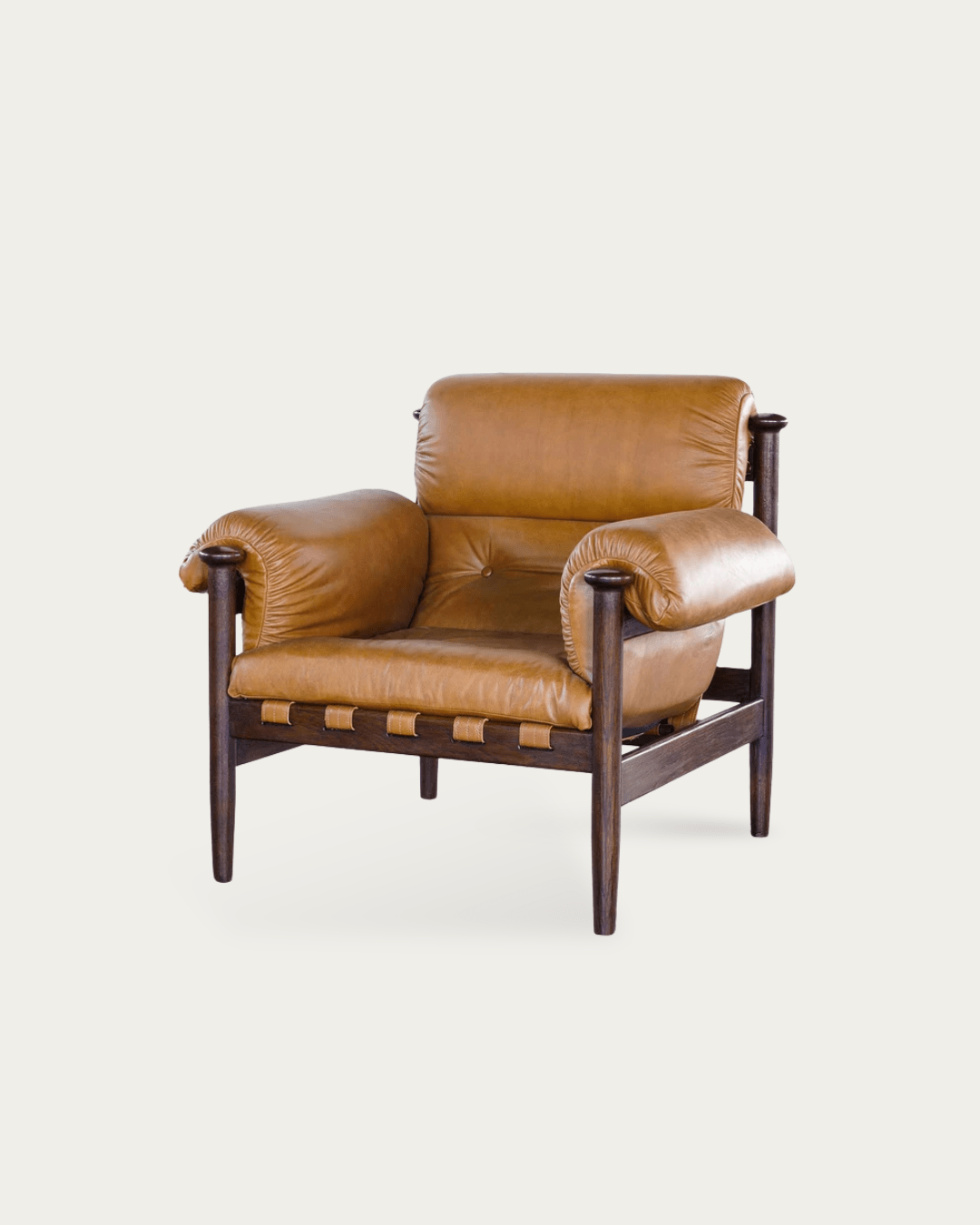
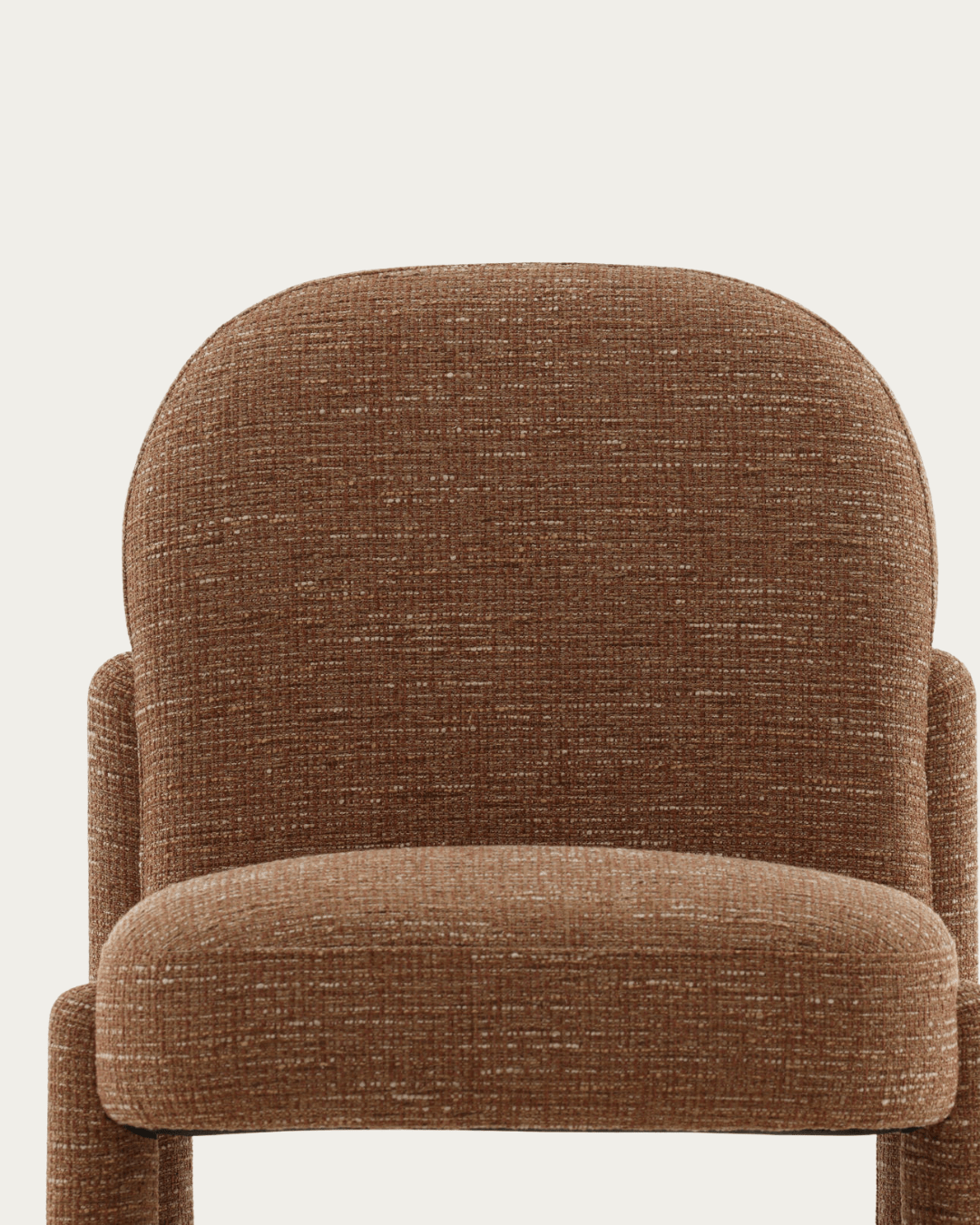
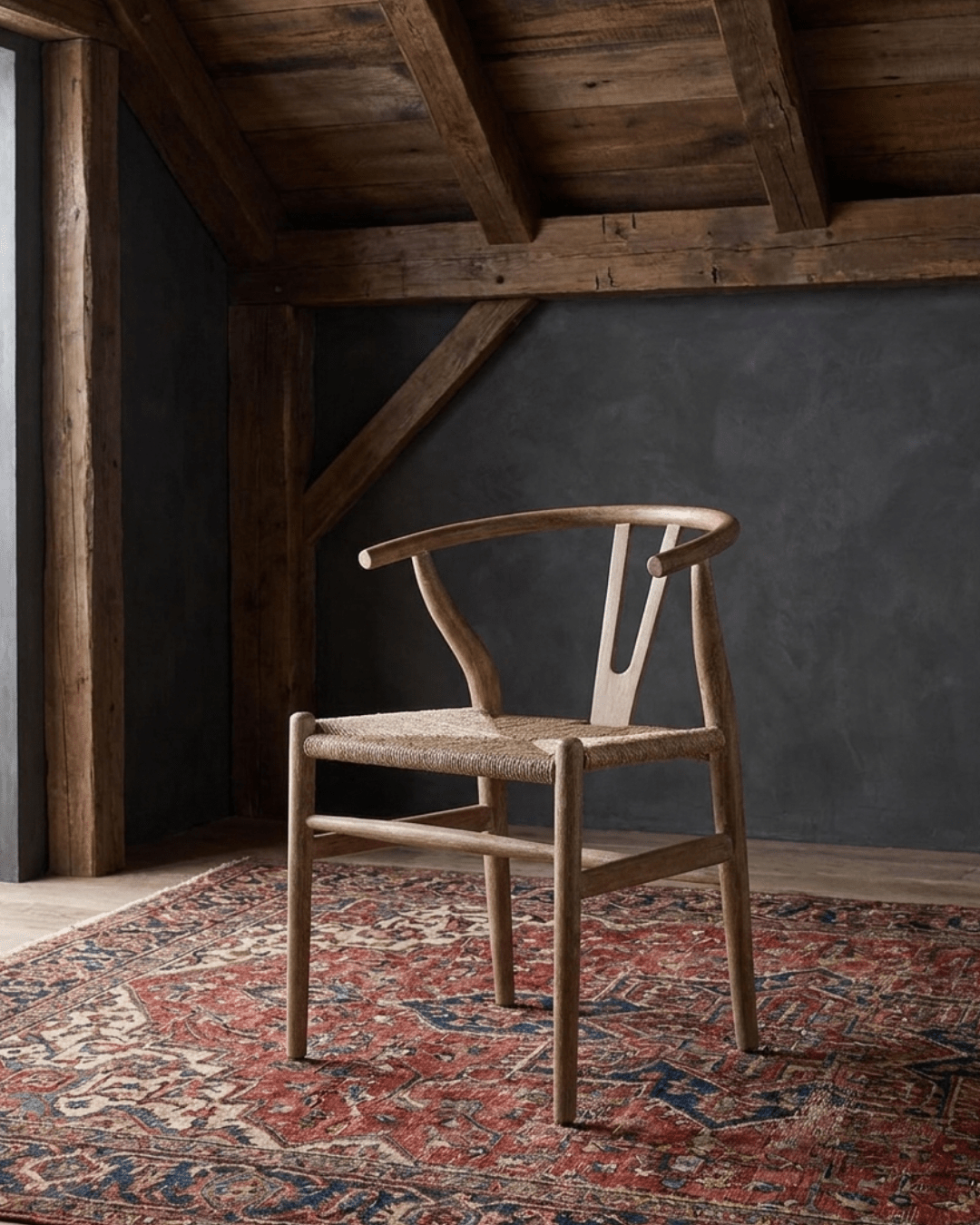
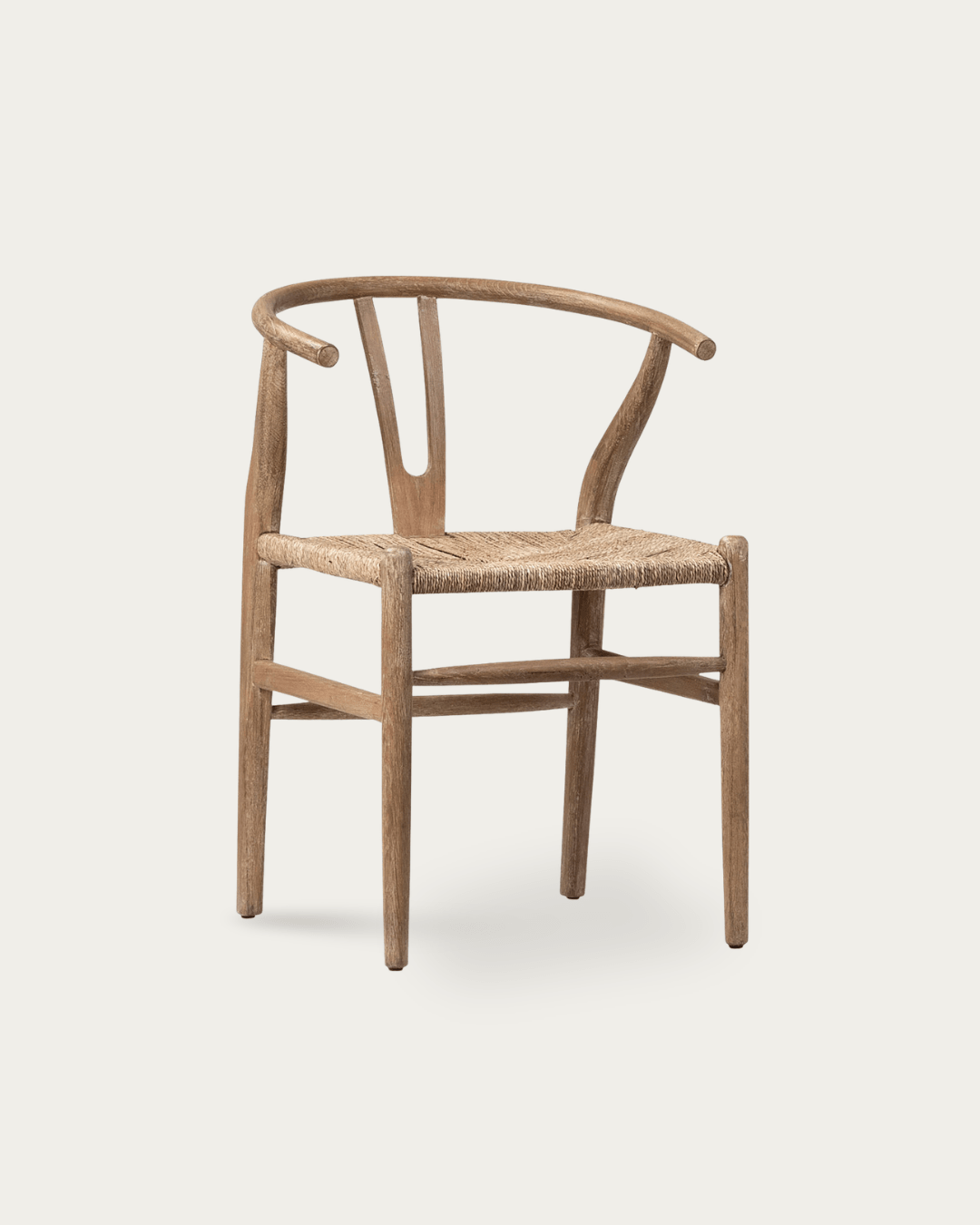
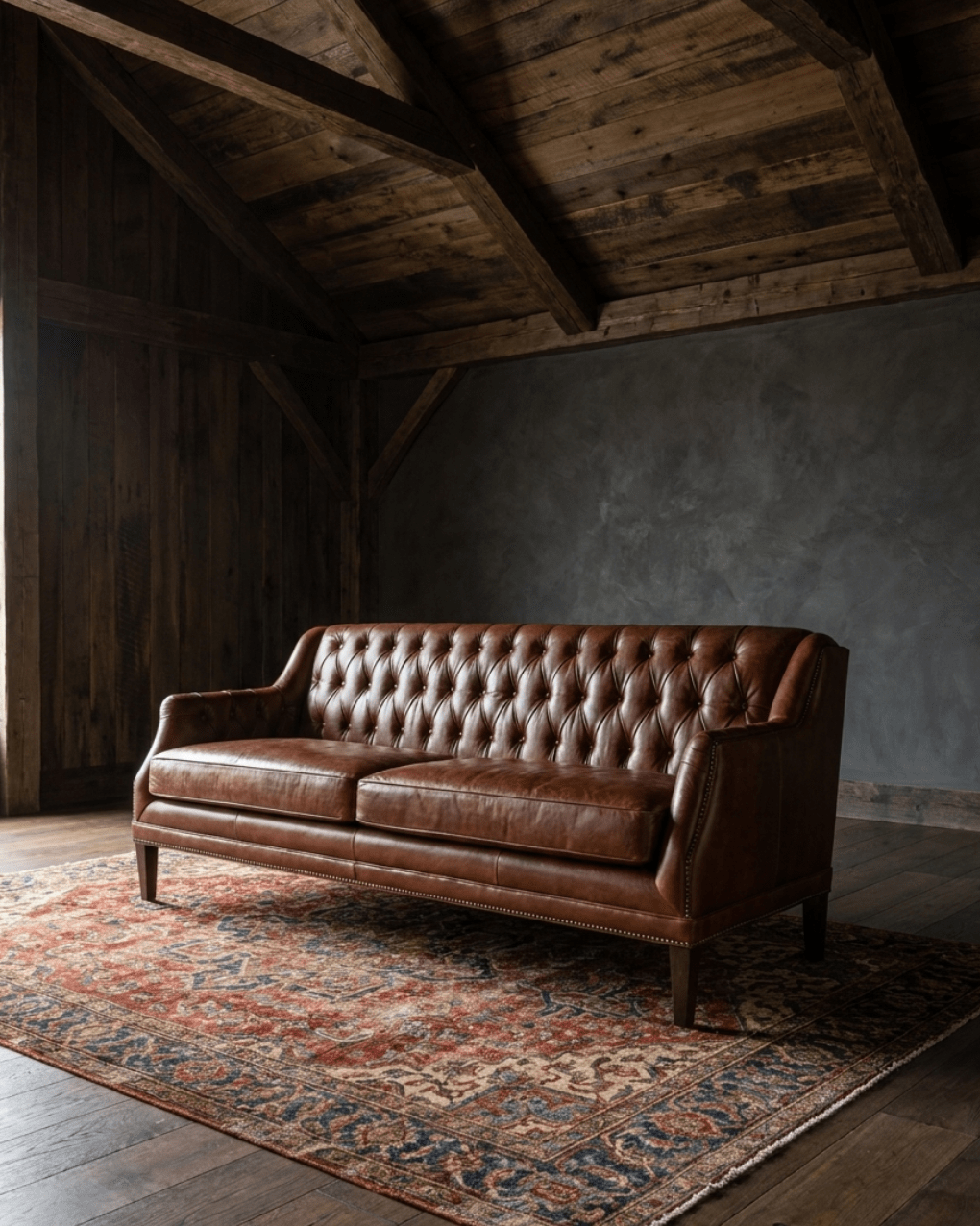
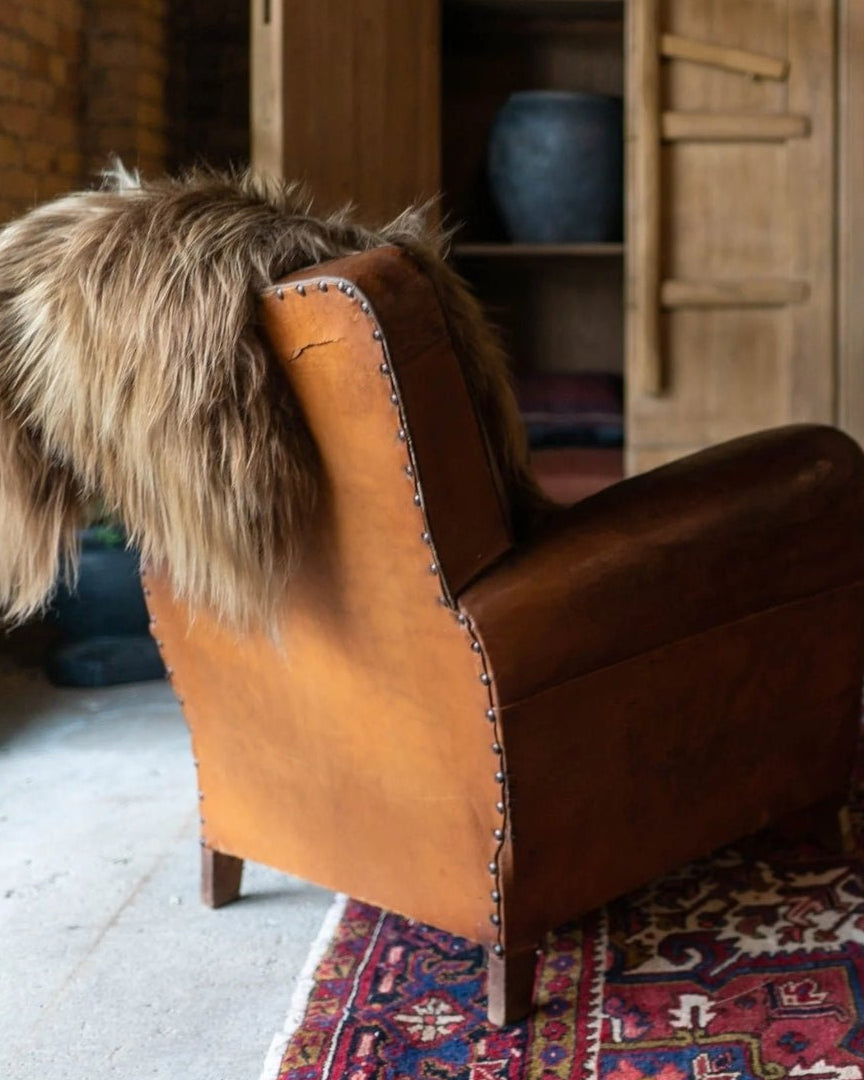
A piece like the Alvaer chair works well when positioned diagonally across from a sofa, while something like the Fenris leather chesterfield chair can hold a stronger position opposite a larger seating piece.
The key is interaction—not isolation.
Use Corners Intentionally—Not as Leftover Space
Corners are often treated as places to “put something.”
That’s where layouts start to break down.
An accent chair in a corner should feel intentional. It should either:
Complete a seating zone
Create a secondary function (like a reading spot)
A piece like the Eldar chair works well when slightly pulled out from the corner to avoid that “pushed aside” feeling, while the Ruthie chair can define a corner as its own usable space.
If it feels like an afterthought, it probably is.
Don’t Push Chairs Flat Against the Wall
This is one of the most common mistakes.
Pushing chairs against the wall might feel like it creates space—but it actually disconnects the layout.
Pulling the chair slightly inward creates structure. It brings the piece into the room instead of leaving it on the edges.
A piece like the Torgny chair works best when it’s part of the seating arrangement, not separated from it, while the Griffin chair holds its presence better when it’s positioned within the layout.
Distance creates connection.
Leave Enough Space for Movement
Placement isn’t just about where the chair sits—it’s about how you move around it.
If a chair blocks a natural pathway, the entire room becomes harder to use.
There should always be enough clearance to move comfortably between:
Sofa and chair
Chair and coffee table
Chair and walkways
A piece like the Alvaer chair works well in tighter layouts because of its lighter footprint, while something like the Hunter chair needs more breathing room to function properly.
If movement feels restricted, placement—not the chair—is the issue.
Angle Matters More Than You Think
Straight placement creates stiffness.
Slight angles create flow.
Even a small adjustment—turning a chair 10–15 degrees toward the sofa—can completely change how the room feels.
It encourages interaction and reduces that “lined up” look most living rooms fall into.
A piece like the Jostein chair works especially well with angled placement, while the Fenris leather chesterfield chair holds a stronger visual line even with minimal adjustment.
It’s a small change with a big impact.
Create a Second Zone (When the Room Needs It)
Not every accent chair has to connect directly to the main seating.
In larger rooms, creating a second zone can actually improve the layout.
This could be:
A reading corner
A quiet seating area
A transition space
A piece like the Ruthie chair works well when paired with a side table to create a separate function, while the Eeroa chair can define a softer, more relaxed secondary zone.
The key is intention—don’t just place it there because there’s space.
Balance the Room Visually
Placement isn’t just physical—it’s visual.
If all your larger furniture sits on one side of the room, it creates imbalance. Your eye keeps returning to that heavier side.
Accent chairs solve this.
They redistribute visual weight and create a more balanced composition.
A piece like the Fletcher chair adds enough presence to offset a heavier sofa, while the Torgny chair can subtly balance a space without overwhelming it.
Balance isn’t about symmetry—it’s about distribution.
A RUTED Tip: Placement Guides Your Attention. Your brain follows spatial cues to understand where to focus and how to move, and when seating is scattered or disconnected, it increases mental effort; placing accent chairs in alignment with your main seating creates a clear visual path, helping your nervous system process the space more easily.
Connect Placement to the Whole Room
Accent chair placement shouldn’t be decided in isolation.
It should relate to:
Your sofa
Your coffee table
Your overall layout
If you’re unsure how everything fits together, it helps to step back and look at the room as a complete system:
Explore living room collection
See how different pieces work together in a full layout
Where to Start
If your layout feels off, don’t start by moving everything.
Start with one chair.
Place it with intention:
Angle it toward your main seating
Check the distance
Adjust based on movement
Then build from there.
Small shifts often create the biggest improvements.

Final Thought
Accent chairs don’t fix a room on their own.
Placement does.
When they’re positioned correctly, they connect your layout, balance your space, and make the room feel easier to use.
And once that happens, everything else starts to fall into place.
If you’re ready to find a piece that actually works where it’s placed, start here:
Browse lounge chairs collection