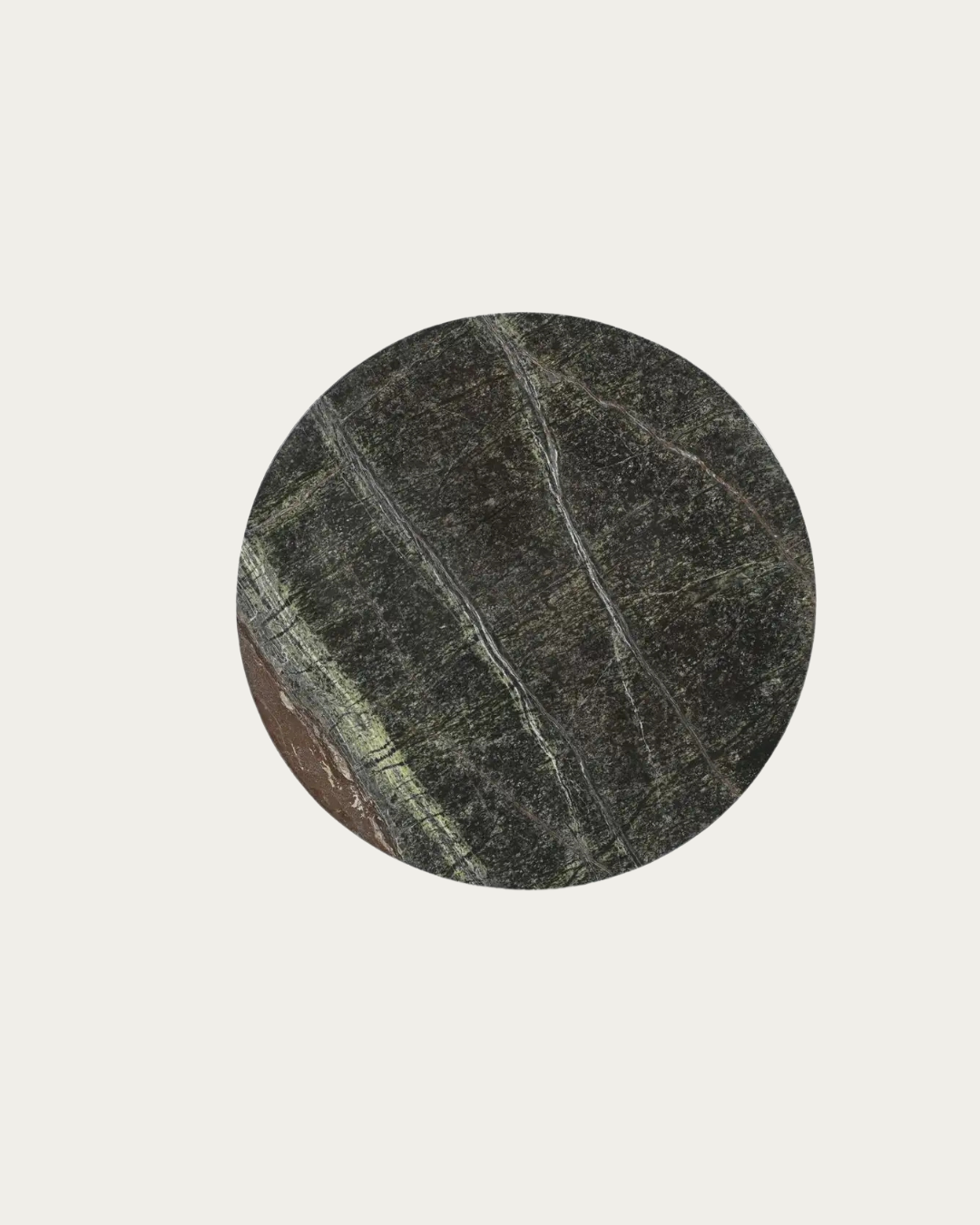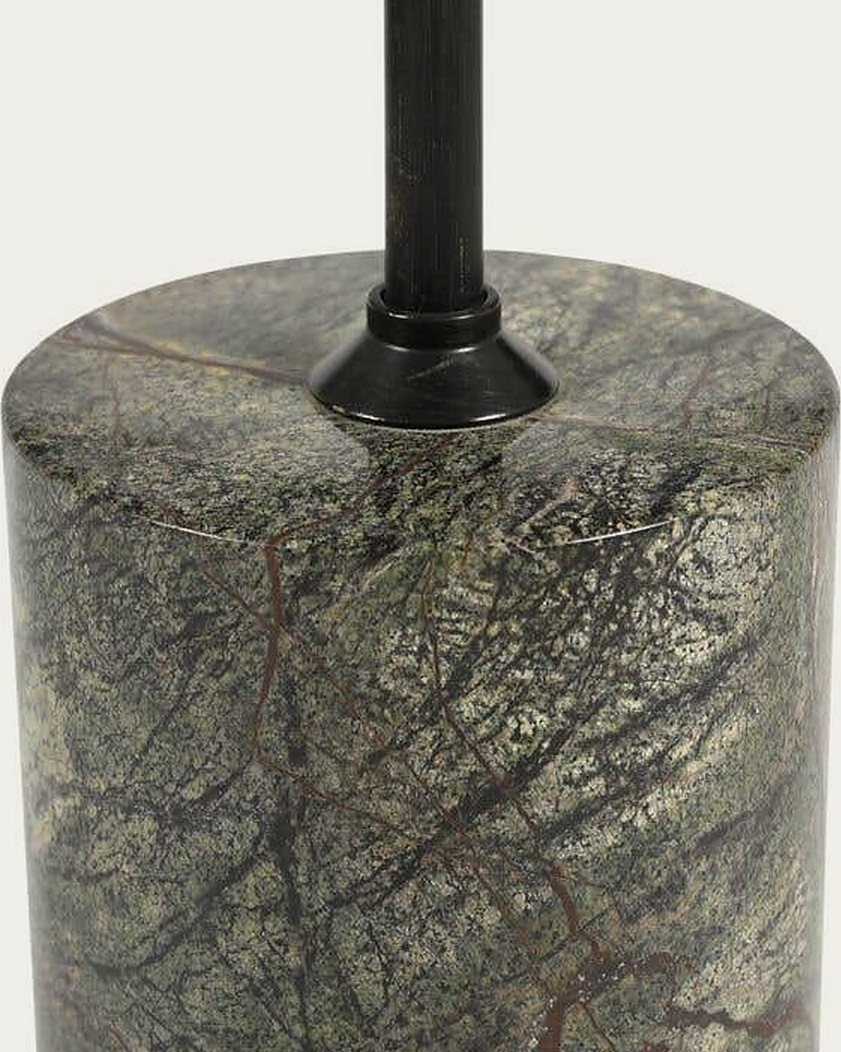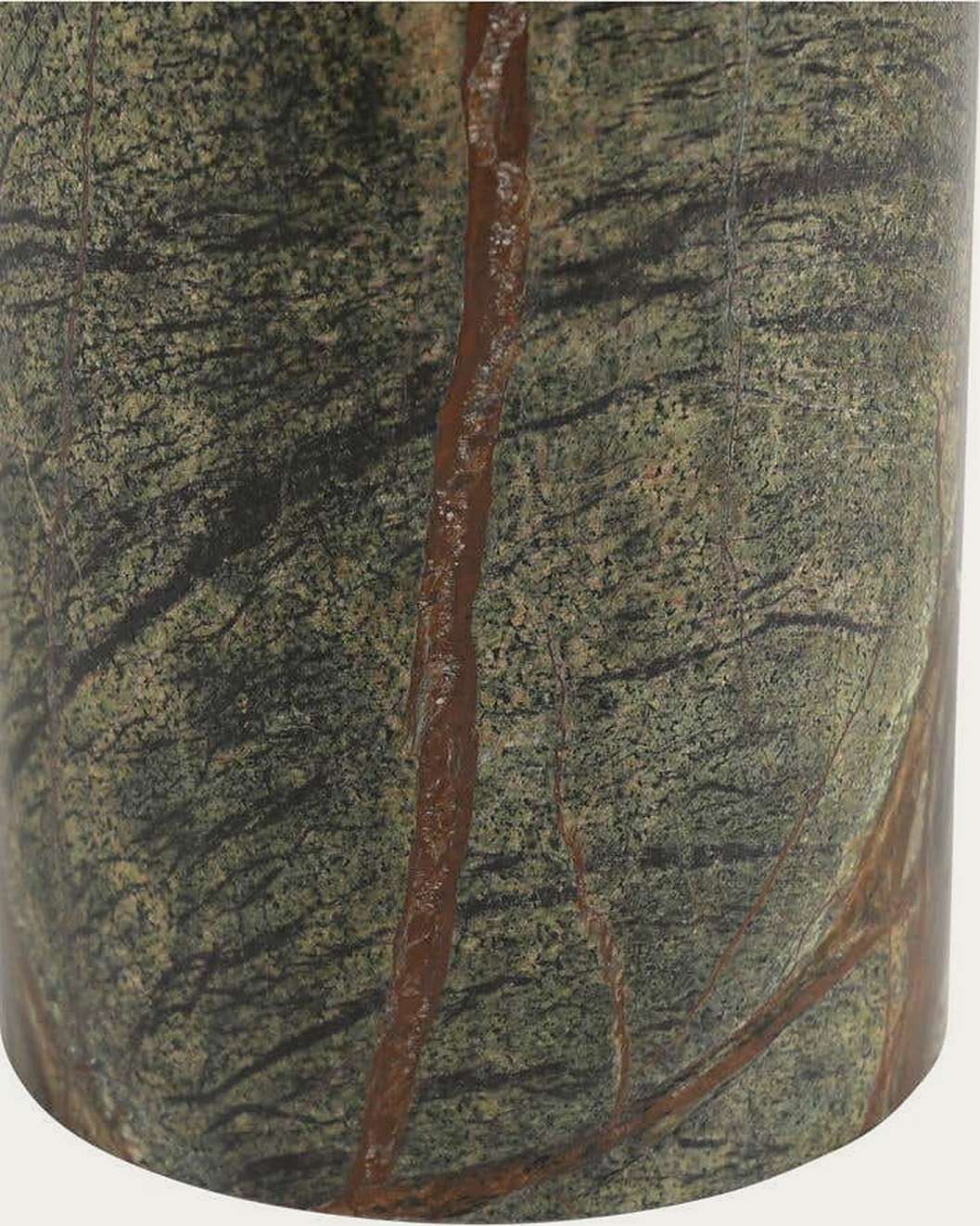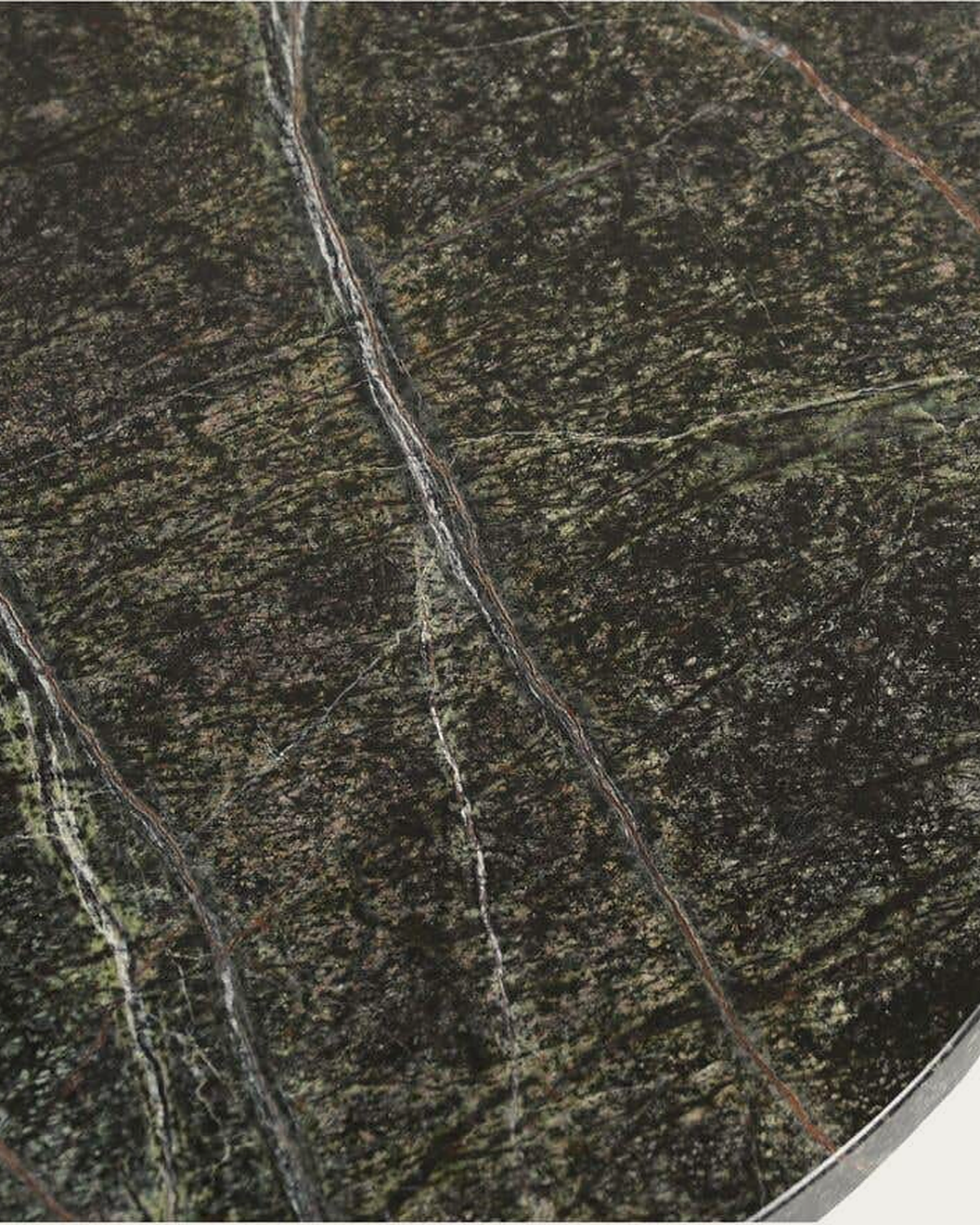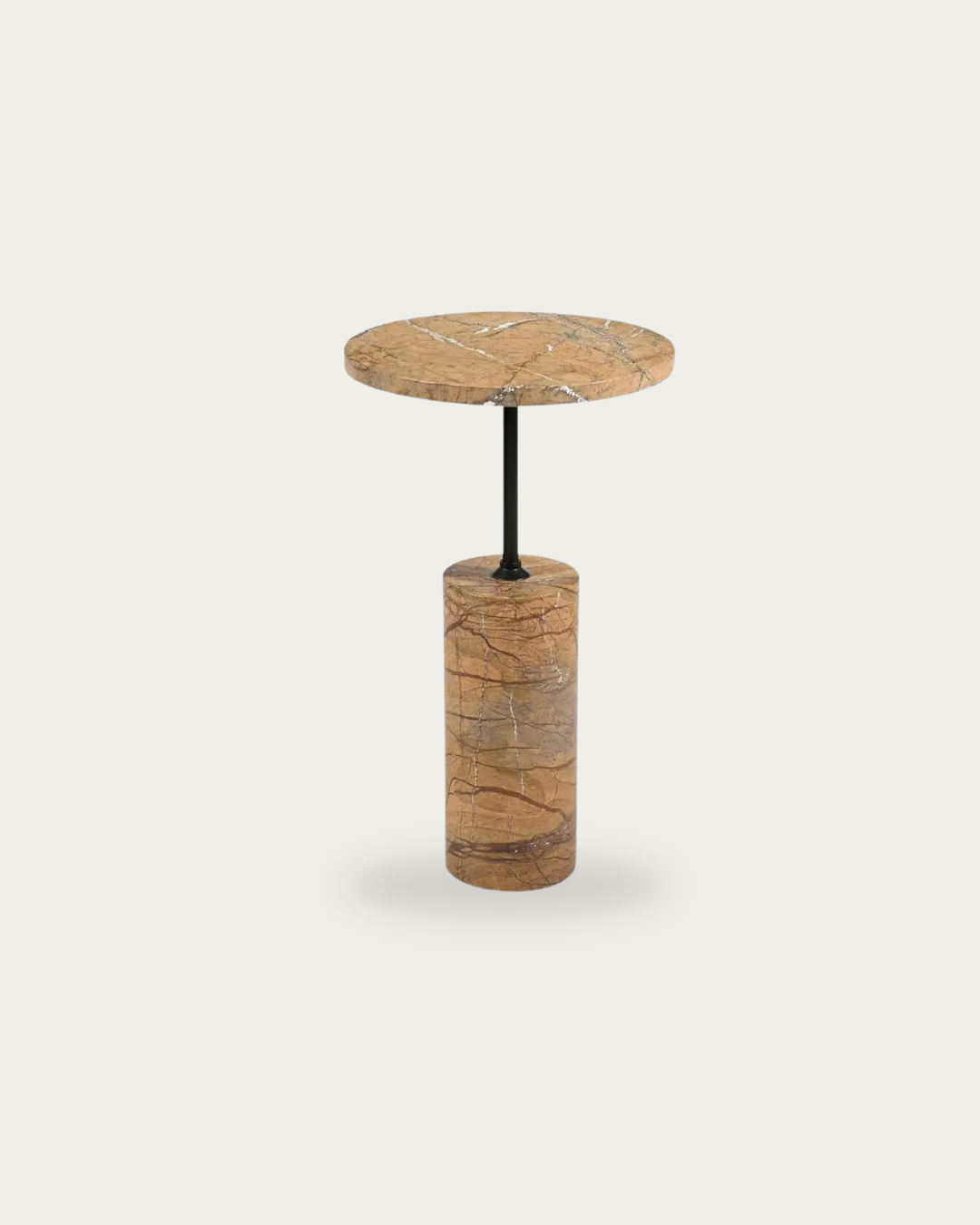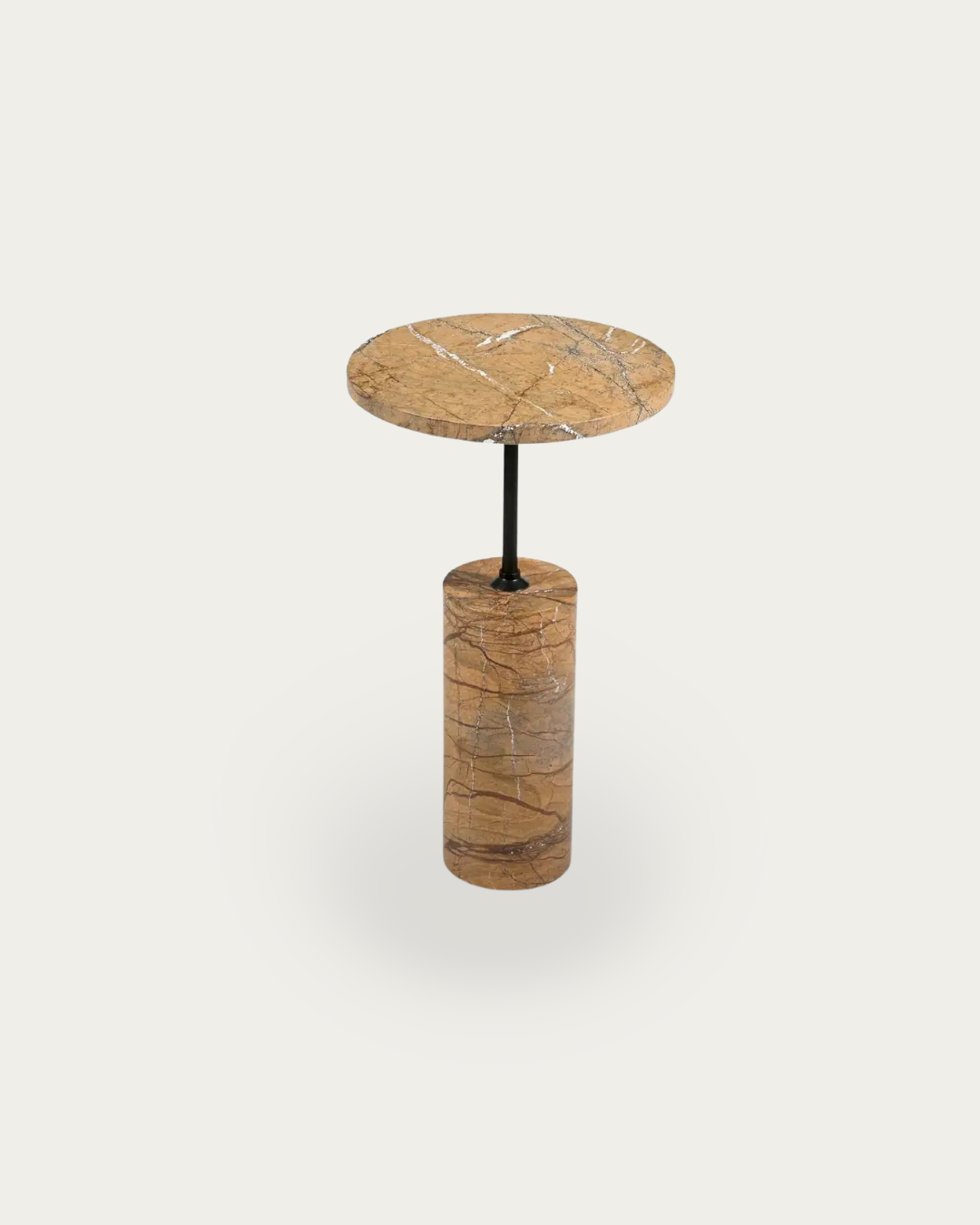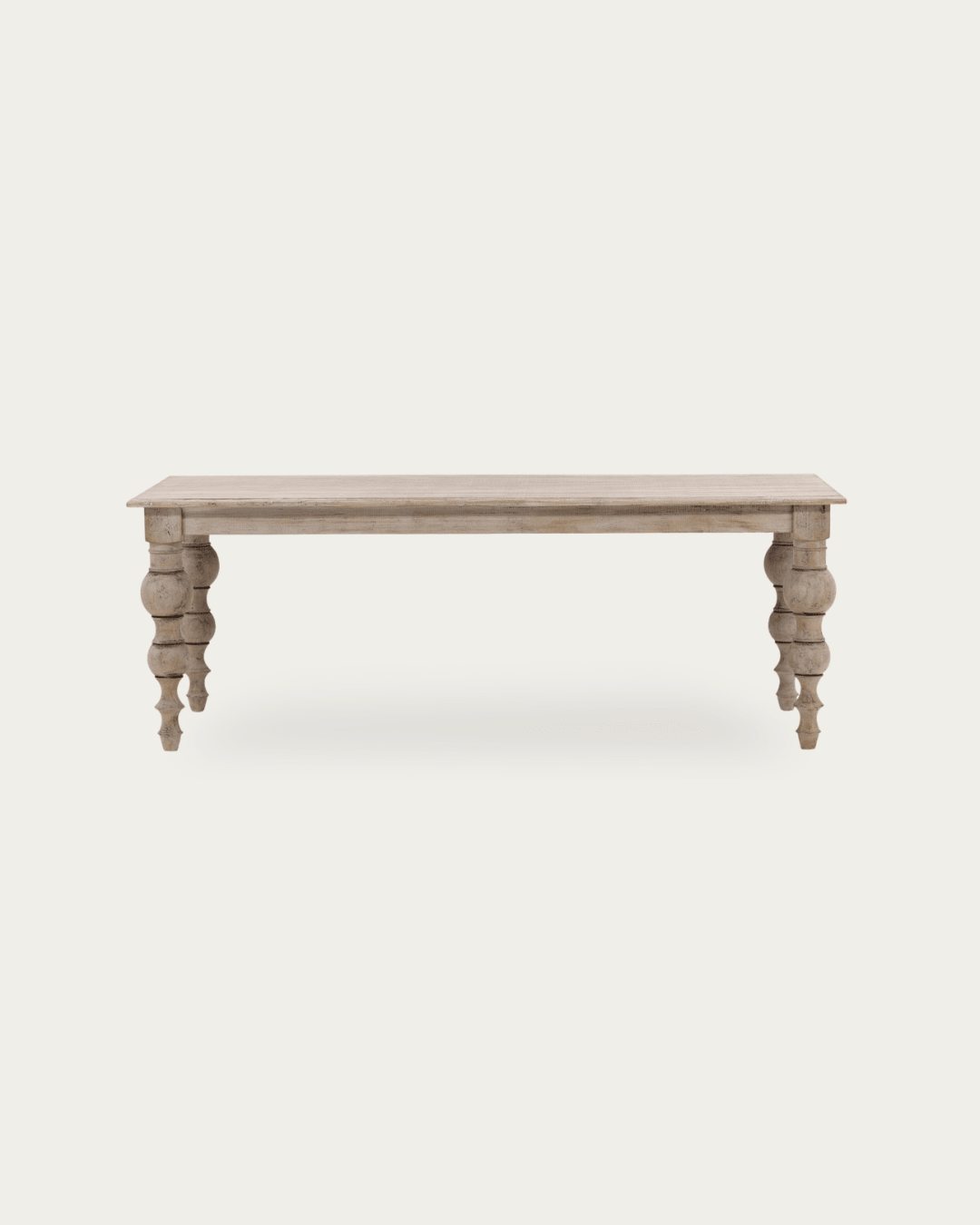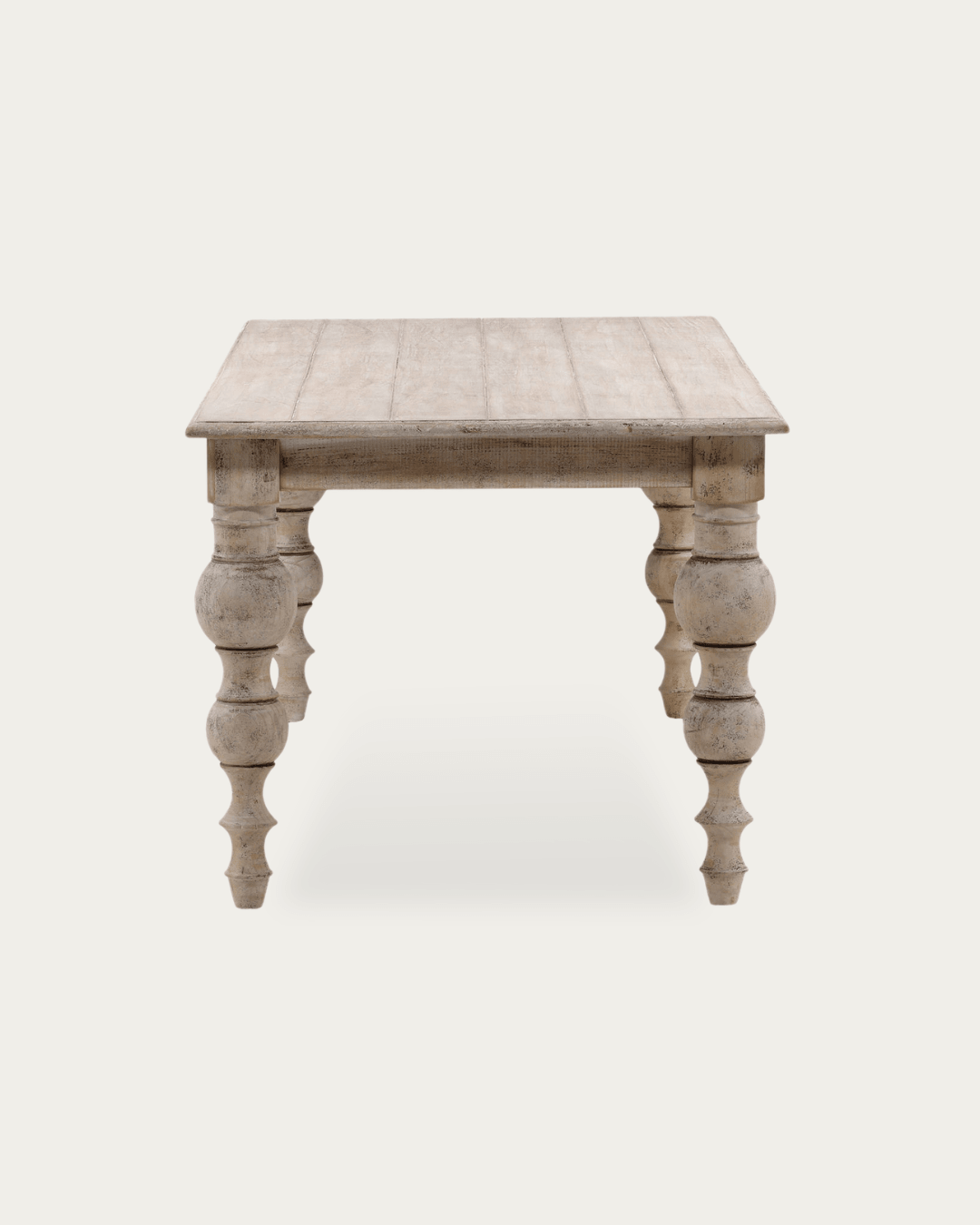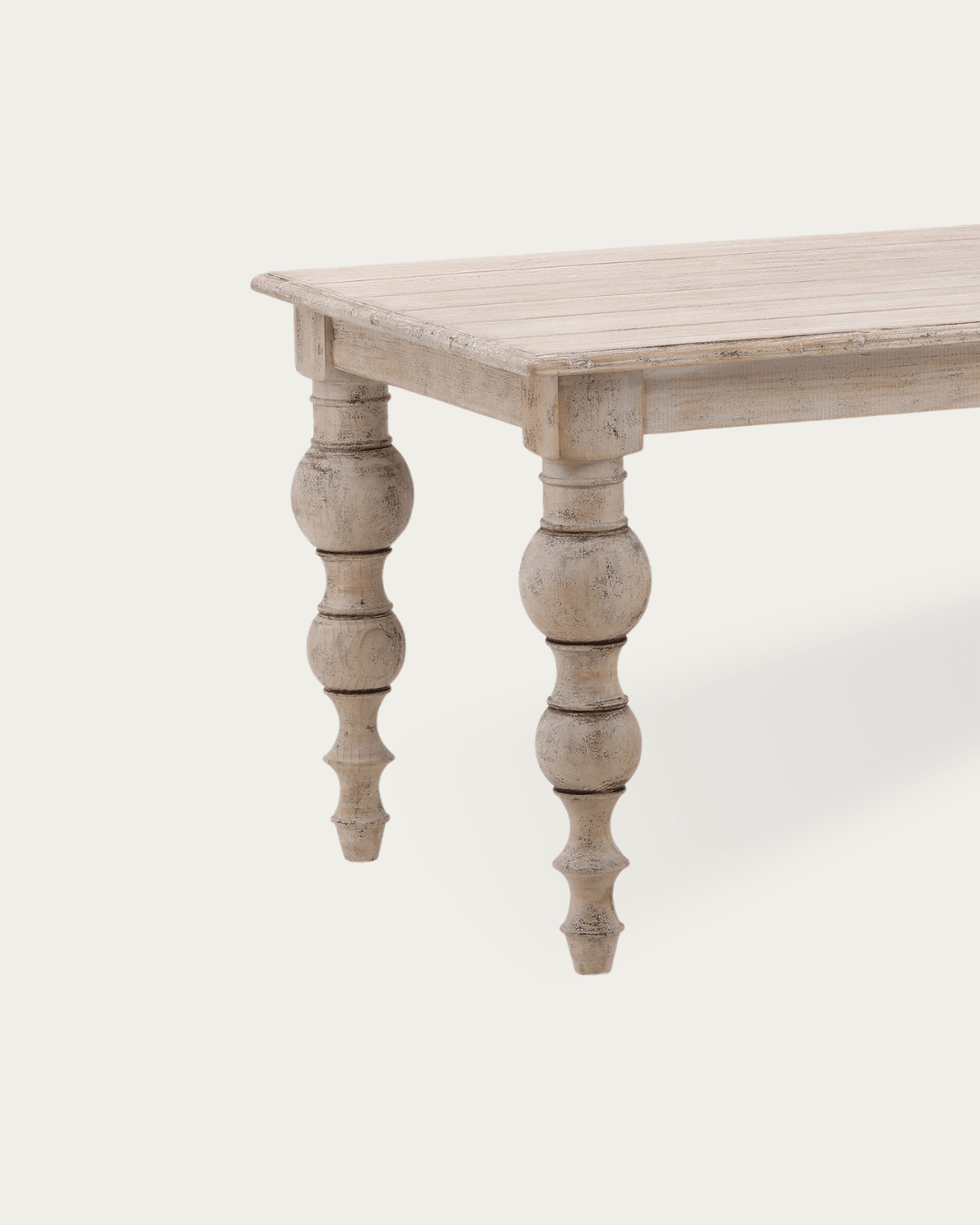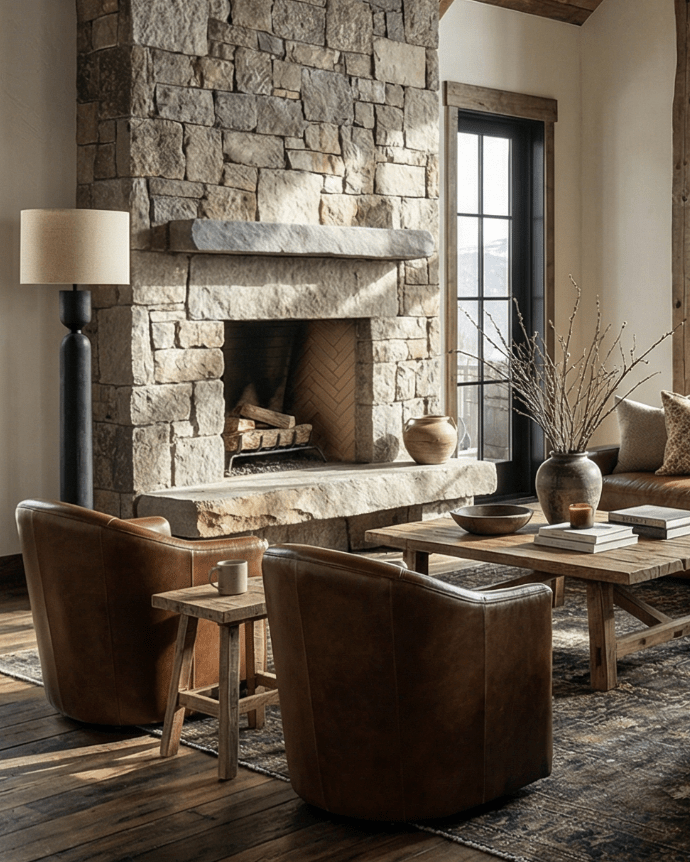










Most people clean their furniture the same way they clean everything else—and that’s exactly where things start to go wrong. A wood coffee table isn’t meant to be treated like glass or metal. It reacts differently, ages differently, and responds best to a more controlled approach.
When wood starts to look dull, uneven, or marked, it’s rarely because it’s low quality. It’s usually because it’s being cleaned too aggressively—or not consistently enough.
The goal isn’t to keep it looking untouched.
The goal is to maintain how it feels in your space—stable, grounded, and easy to live with.
If you’re working with wood, the approach should always be simple, repeatable, and intentional.
If you’re exploring different styles and finishes, you can start here:
Shop coffee tables collection
Start With Dry Cleaning Before Anything Else
The biggest mistake people make is jumping straight to wet cleaning.
Dust, debris, and fine particles naturally settle on the surface. When you introduce moisture too early, you spread those particles instead of removing them.
That’s where micro-scratches and dullness begin.
Dry cleaning should always come first.
Use:
A soft microfiber cloth
Light, even pressure
Consistent wiping motion
This removes the majority of buildup without interfering with the finish.
A piece like the Villum coffee table benefits from this kind of regular maintenance, especially when used daily. The Yrla coffee table also holds a texture that can trap fine dust, making dry cleaning even more important.
If done consistently, this step alone prevents most long-term surface issues.
Use Minimal Moisture—Not Excess Water
Water is where most damage starts.
Wood is naturally absorbent. Even when sealed, prolonged or repeated exposure to moisture can affect its surface over time.
Common issues include:
Warping
Fading or discoloration
Lifting of finish
If you need to clean beyond dry dusting:
Use a slightly damp cloth (never wet)
Wipe gently across the surface
Dry immediately with a clean, dry cloth
This controlled method removes residue without saturating the material.
A piece like the Solva coffee table performs best when maintained this way—cleaned lightly, but consistently.
Think of it as maintenance, not washing.
Choose Mild Cleaning Solutions Only
Strong cleaners are one of the fastest ways to damage a wood surface.
They strip protective finishes and dry out the material, leaving it more vulnerable over time.
Avoid:
Bleach
Ammonia
Alcohol-based sprays
Abrasive or “deep clean” products
Instead, use:
A small amount of mild soap
Diluted in water
Applied to a cloth—not directly to the table
A piece like the Ronette coffee table responds best to this type of cleaning—minimal, controlled, and consistent.
The goal is to clean without altering the surface.
Wipe Spills Immediately—Timing Matters More Than Method
One of the simplest habits makes the biggest difference.
Spills left sitting—even briefly—can leave marks depending on the type of wood and finish.
Liquids seep in quickly, especially in areas where the finish is thinner or worn.
The correct response:
Blot immediately (don’t rub)
Wipe clean with a soft cloth
Dry the surface fully
A piece like the Torjus coffee table holds up well under everyday use, but immediate cleaning prevents long-term marks.
Delay is what causes damage—not the spill itself.
Avoid Over-Polishing the Surface
Polish is often overused.
While it can enhance appearance in small amounts, too much creates buildup and changes how the surface behaves.
Over time, this leads to:
Uneven sheen
Sticky or coated feel
Residue that attracts more dust
If your table has a natural or matte finish, polishing is often unnecessary.
If used:
Apply sparingly
Use a soft cloth
Follow the grain
A piece like the Lovisa coffee table maintains its surface better with restraint rather than repeated treatments.
More product doesn’t mean better care—it usually means the opposite.
Understand Your Table’s Finish Before Cleaning
Not all wood coffee tables should be treated the same way.
The finish determines how it reacts to cleaning.
Sealed Wood
More resistant to moisture
Easier to clean
Requires less maintenance
Oiled Wood
Absorbs more easily
Needs occasional conditioning
Should avoid excess moisture
Raw or Natural Wood
Most sensitive
Requires gentle cleaning
Develops visible character over time
A piece like the Gerda coffee table may carry natural variation, meaning cleaning should support that—not remove it.
Cleaning should match the material—not fight it.
A RUTED Tip: Consistency Reduces Cognitive Load. Your brain responds to consistency in surfaces and materials, and when finishes become uneven—whether from over-cleaning or neglect—it creates subtle visual friction; maintaining a wood coffee table with regular, minimal care keeps the surface predictable, allowing your nervous system to process the space more easily.
Don’t Try to Keep It Perfect
This is where most people go too far.
Wood isn’t meant to stay untouched.
It’s meant to evolve.
Small variations, changes in tone, and subtle wear are part of how the material works in a space.
Trying to maintain a flawless surface often leads to over-cleaning—and that’s what causes real damage.
A piece like the Crosby coffee table performs best when it’s allowed to develop naturally instead of being constantly corrected.
Perfection creates tension.
Consistency creates ease.
Build Simple Cleaning Habits That Last
Instead of reacting to the mess, build a routine.
This doesn’t need to be complex.
A simple structure works best:
Light dusting once or twice a week
Immediate spill response
Minimal moisture when needed
Avoid unnecessary products
These habits maintain the surface without overworking it.
And over time, they create a table that feels stable and consistent—not over-treated.
How Cleaning Affects the Feel of Your Space
This part is often overlooked.
Cleaning isn’t just maintenance—it affects how your room feels.
A surface that’s over-polished or unevenly cleaned draws attention.
A surface that’s consistently maintained fades into the background in the best way.
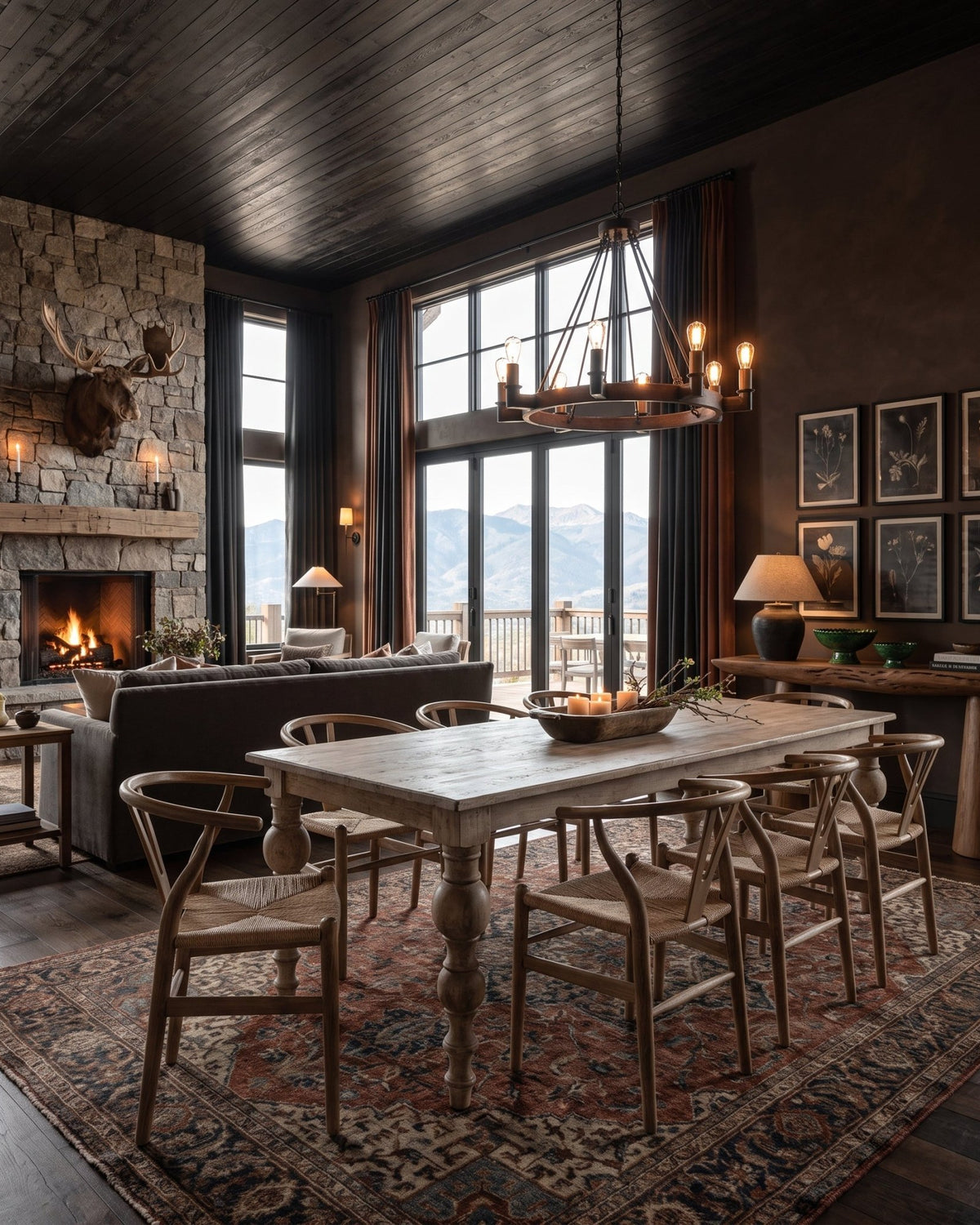
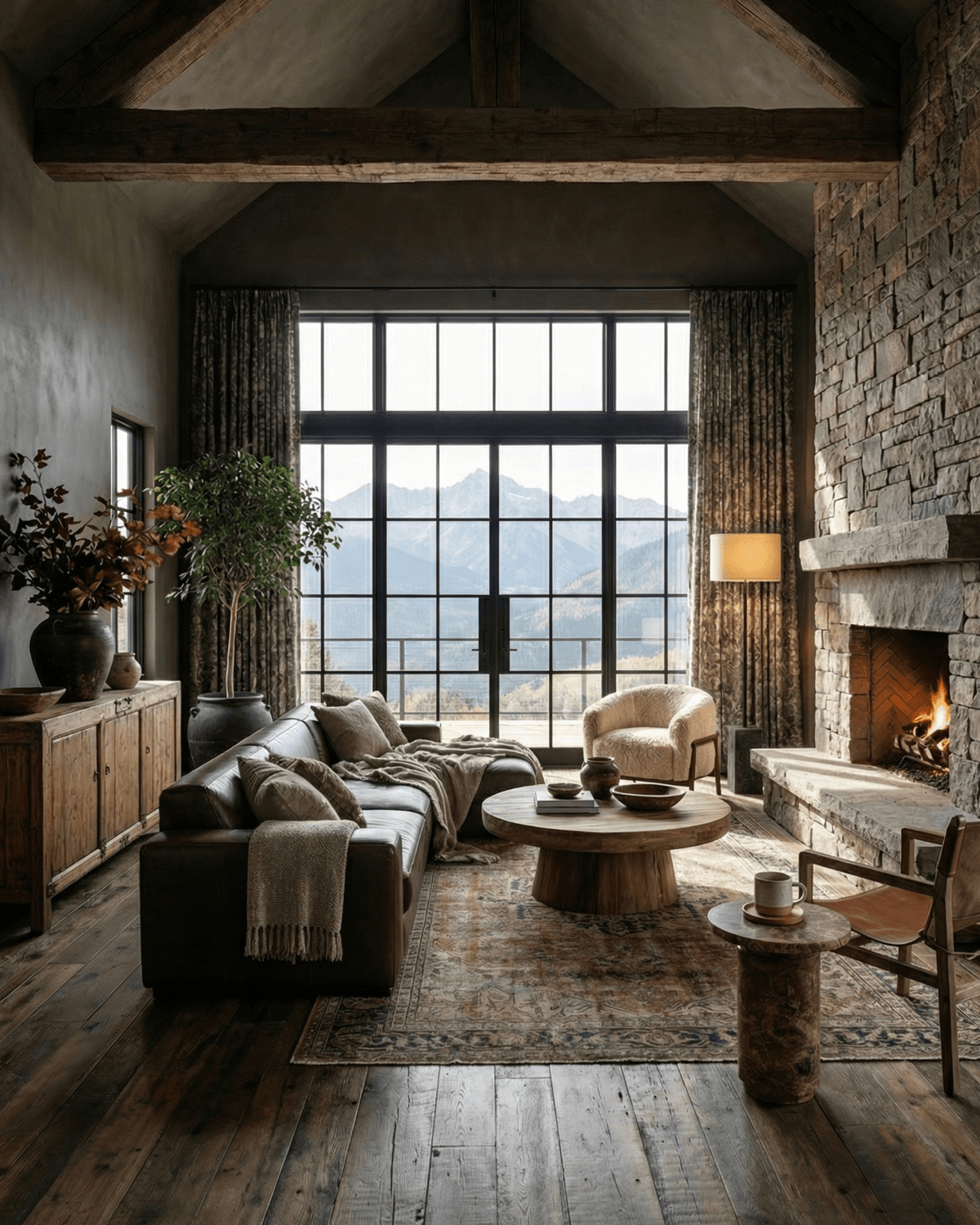
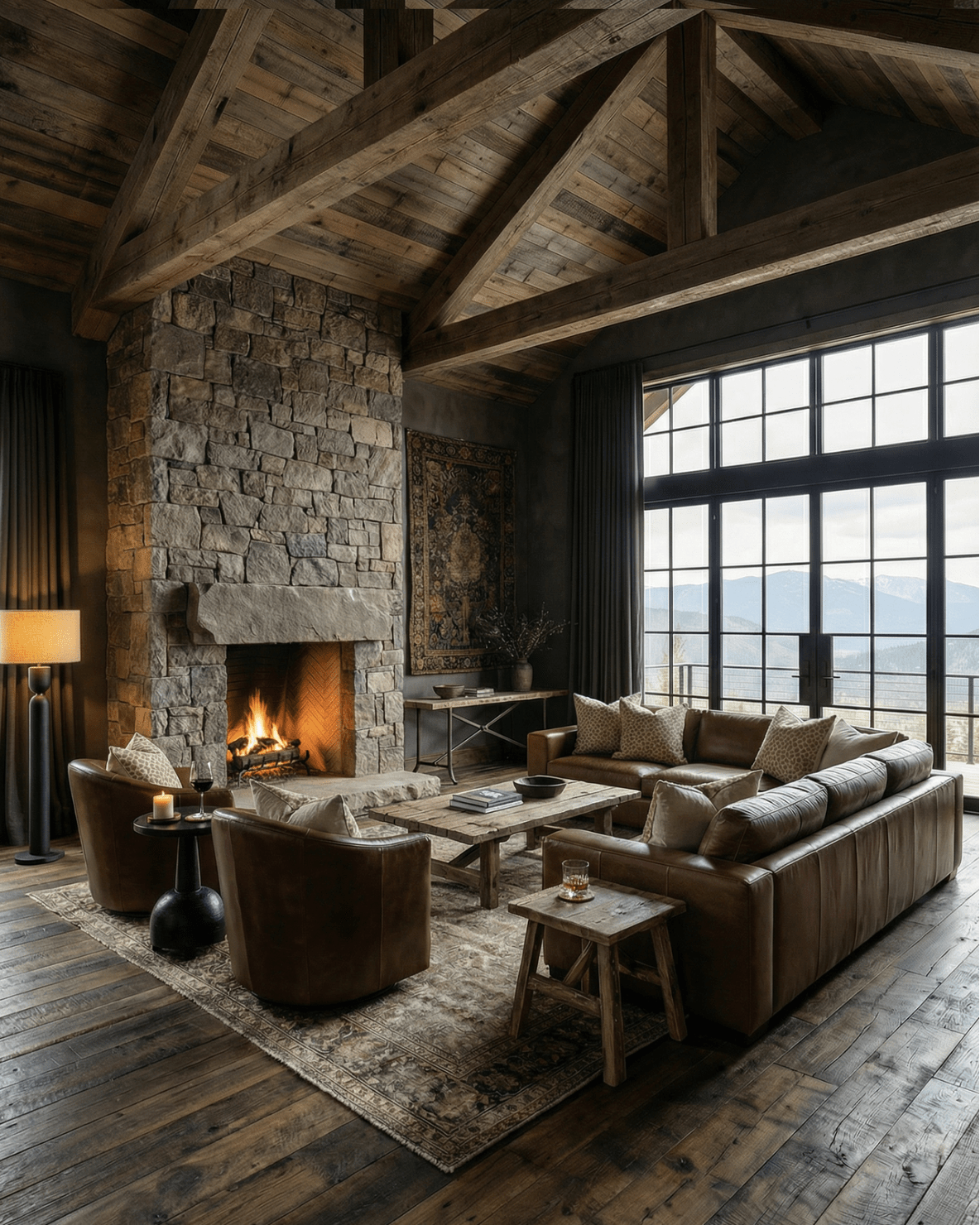
That’s what allows the rest of your layout—your sofa, chairs, and lighting—to come through without competition.
Wood works best when it supports the space—not when it stands out unnecessarily.

Where to Start
If you’re unsure what to do, simplify everything:
Start dry
Use minimal moisture
Avoid harsh products
Clean consistently
That’s enough to maintain your table long-term.
You don’t need complicated routines or specialty products.
Just better habits.
Final Thought
Cleaning a wood coffee table isn’t about keeping it spotless.
It’s about preserving how it works in your space.
When maintained properly, it continues to ground your layout, reduce visual noise, and support everyday use—without demanding constant attention.
And that’s what makes it a better choice long-term.
If you’re looking for a piece that’s built to live with—not just look at—explore here:
Browse coffee tables collection