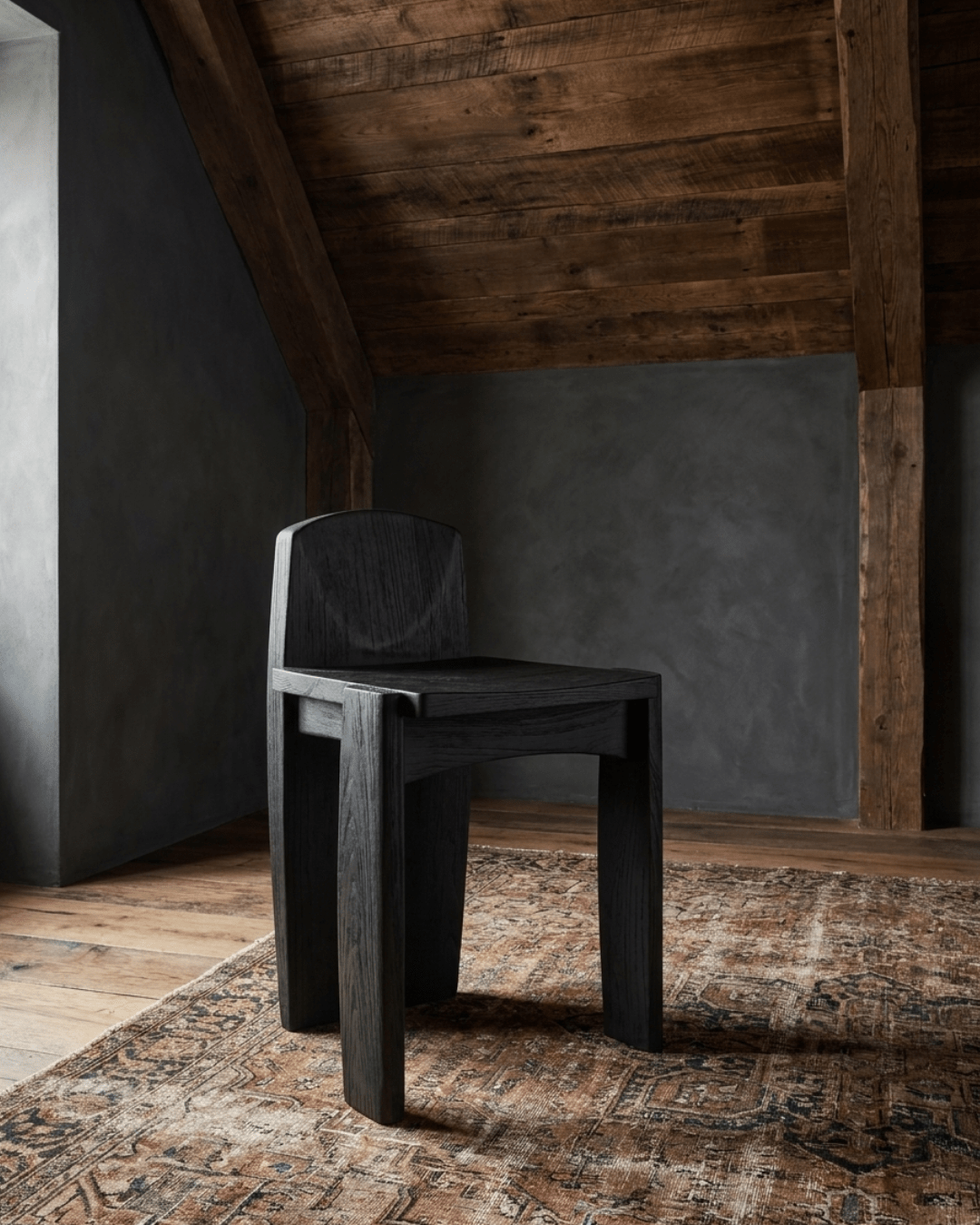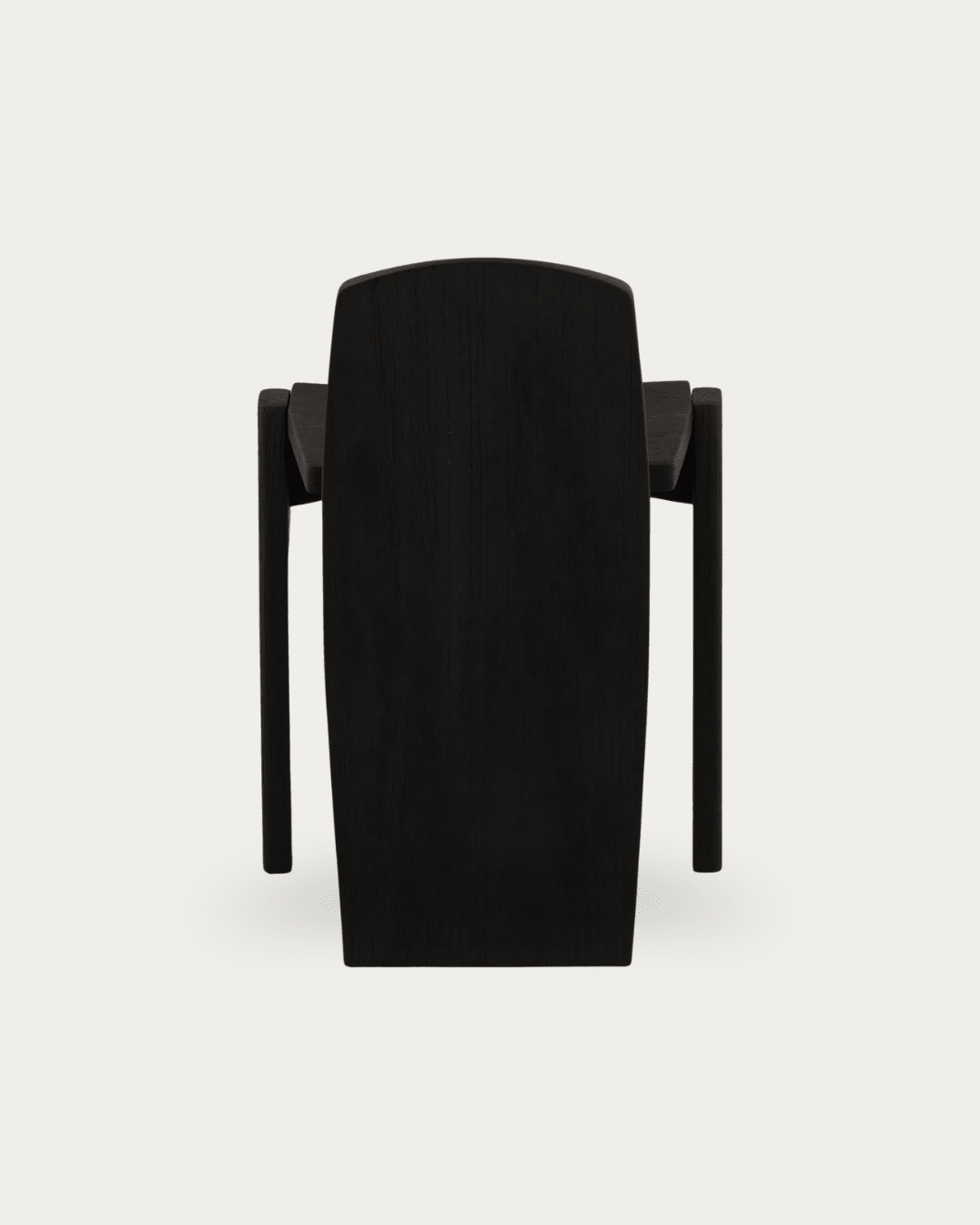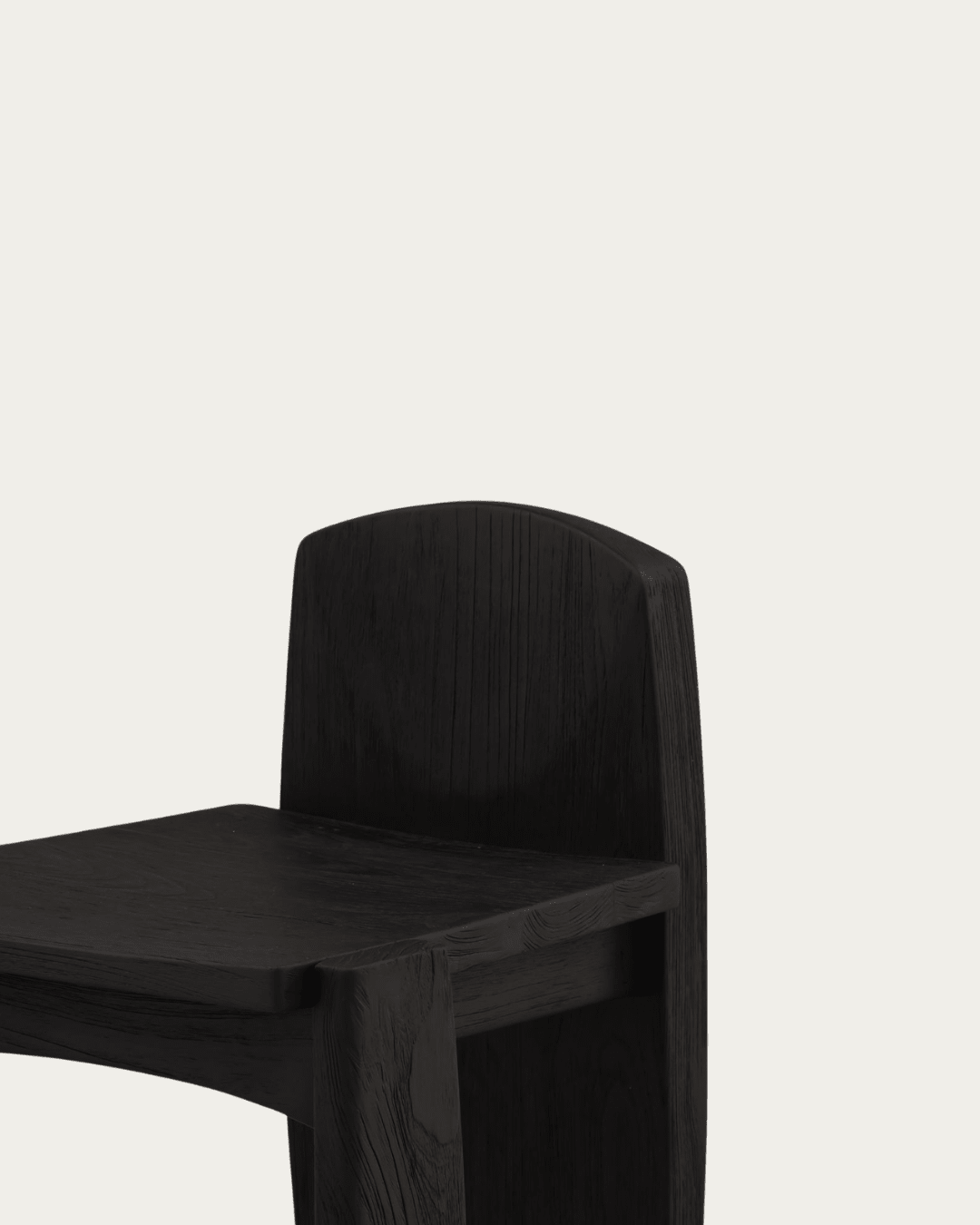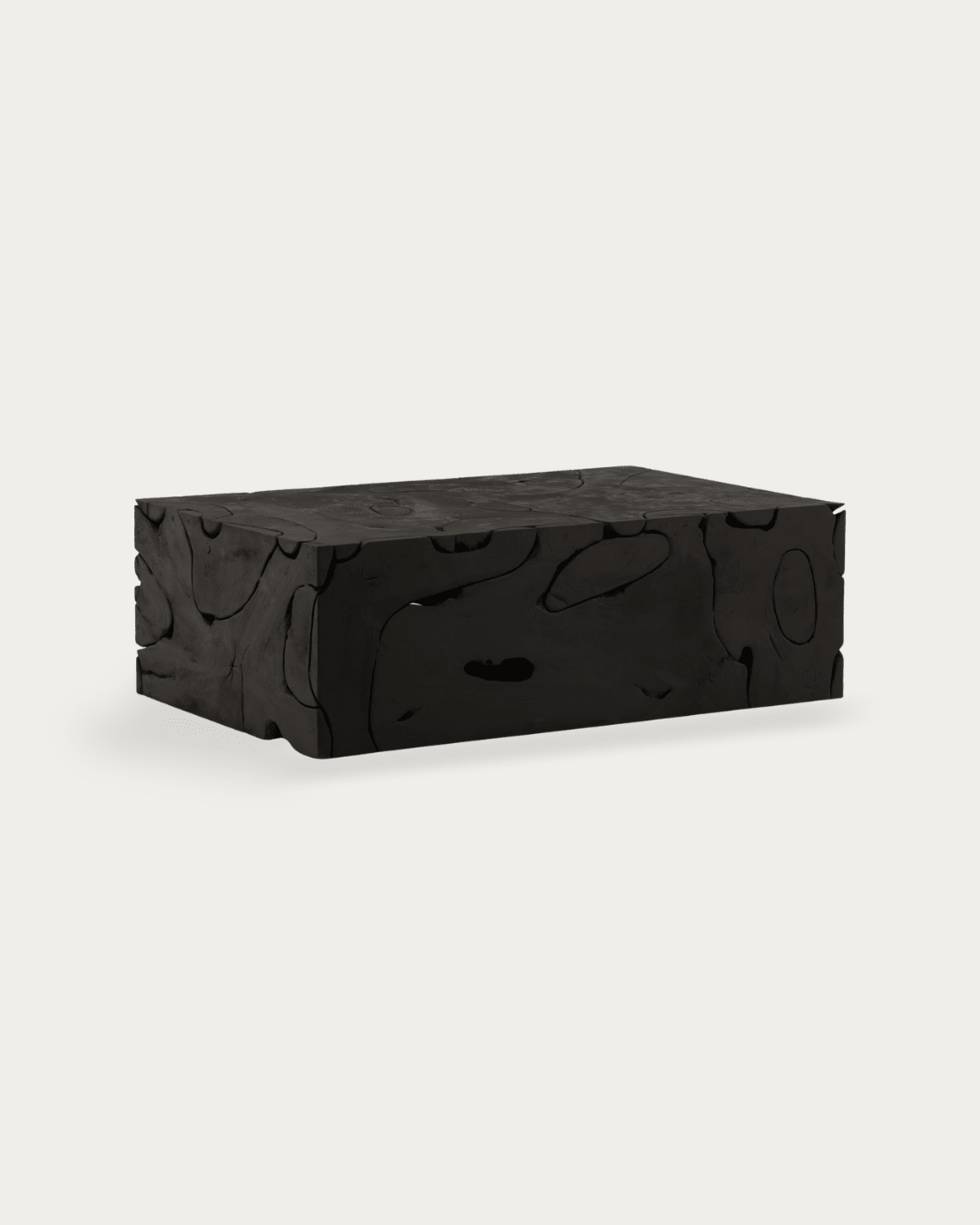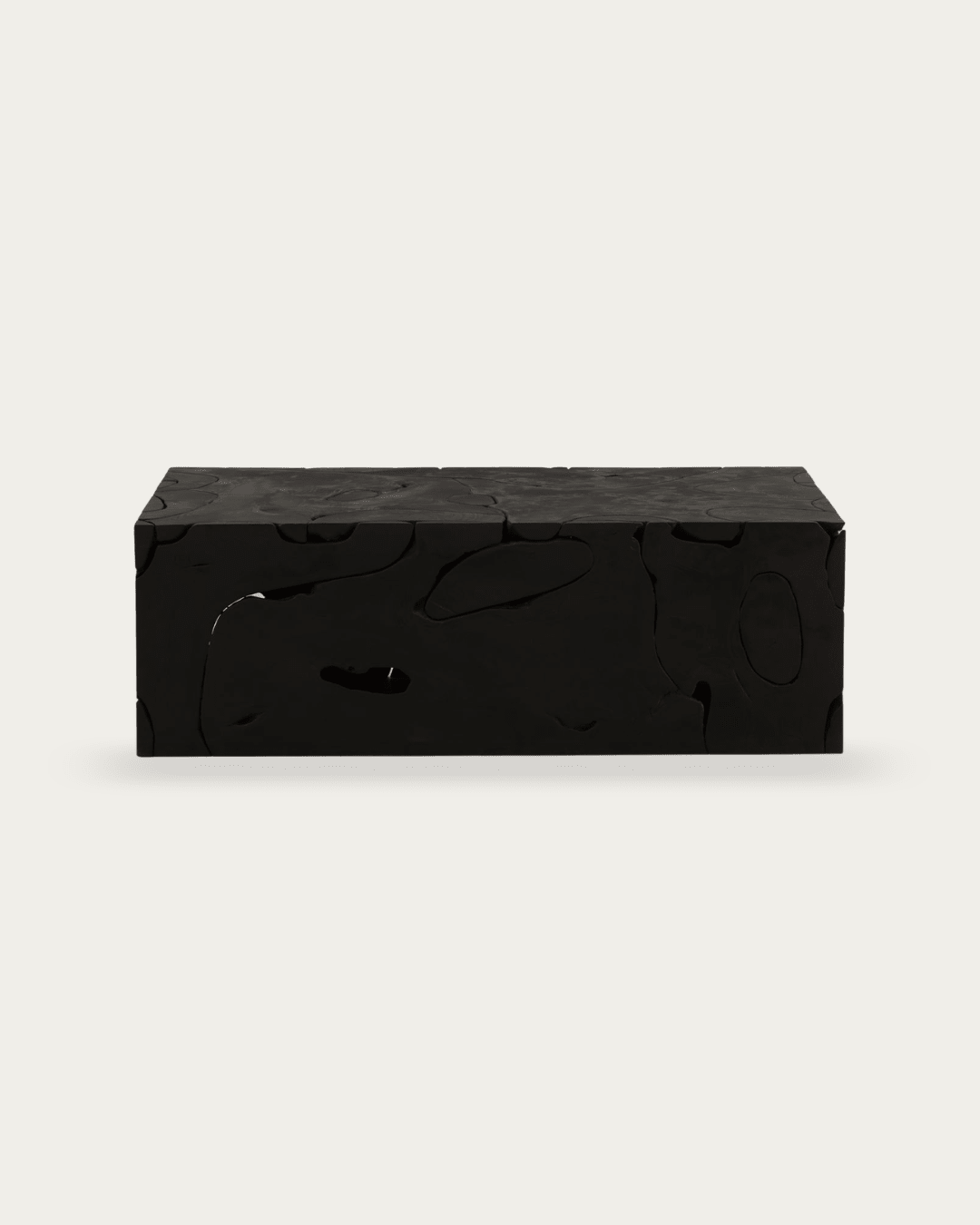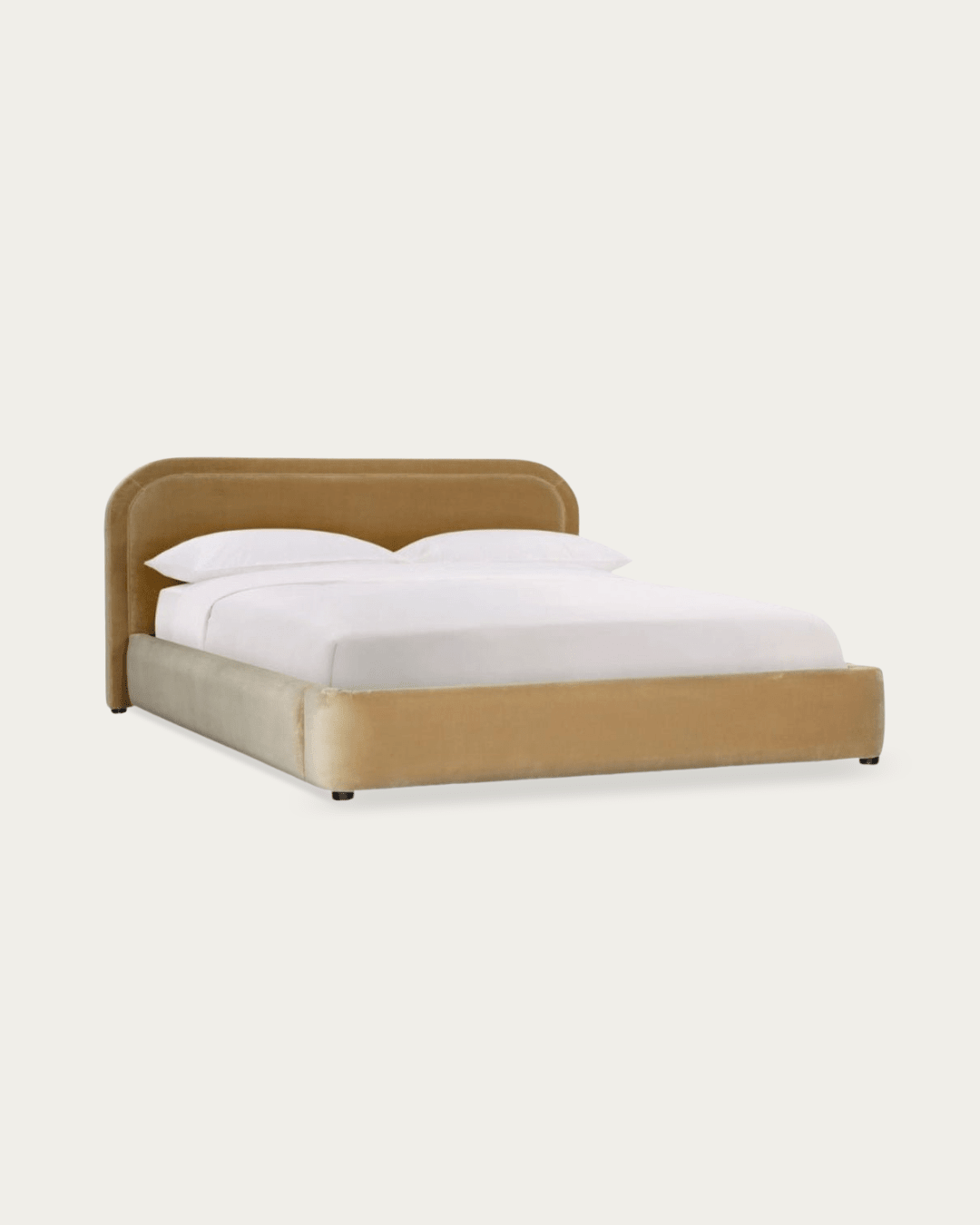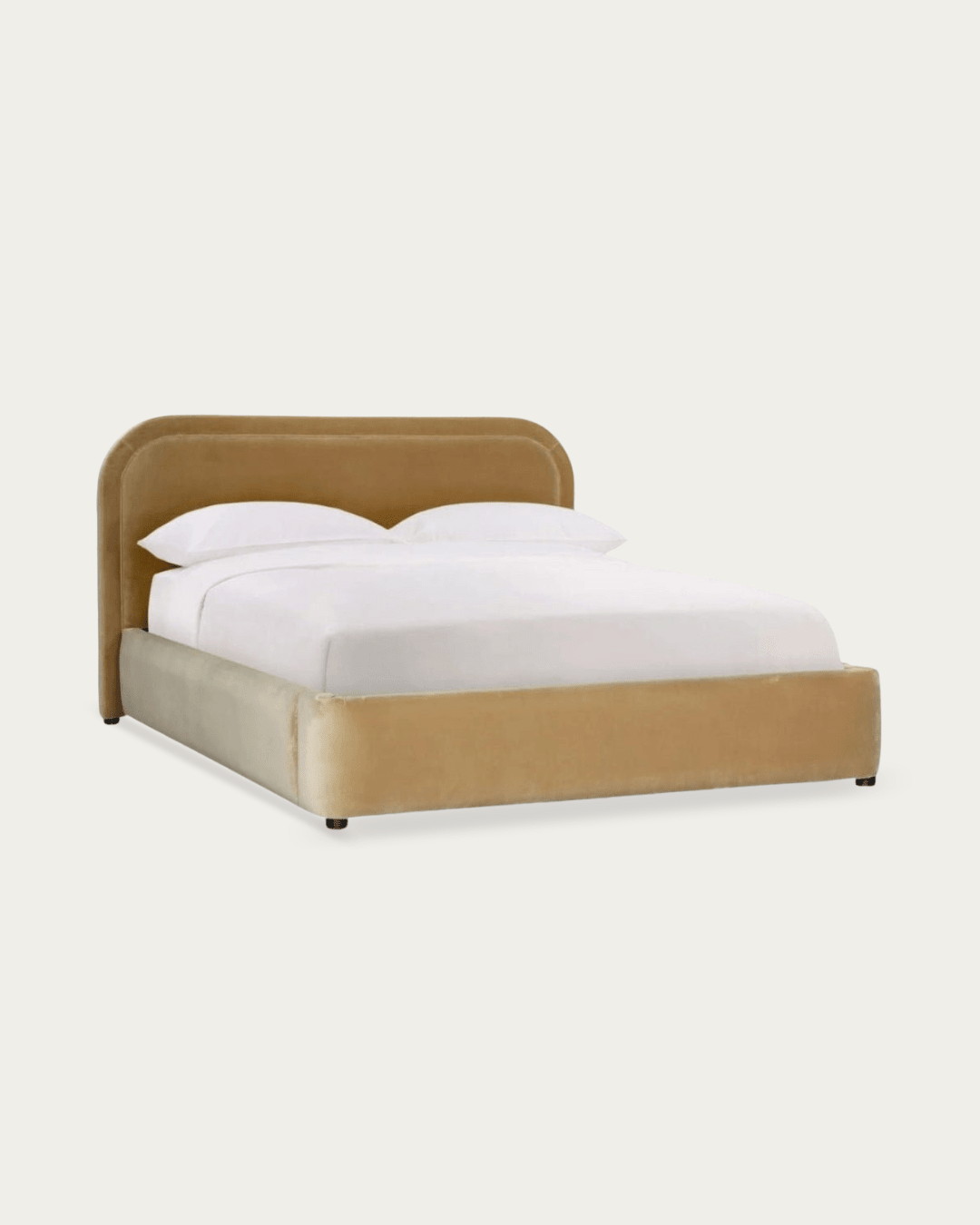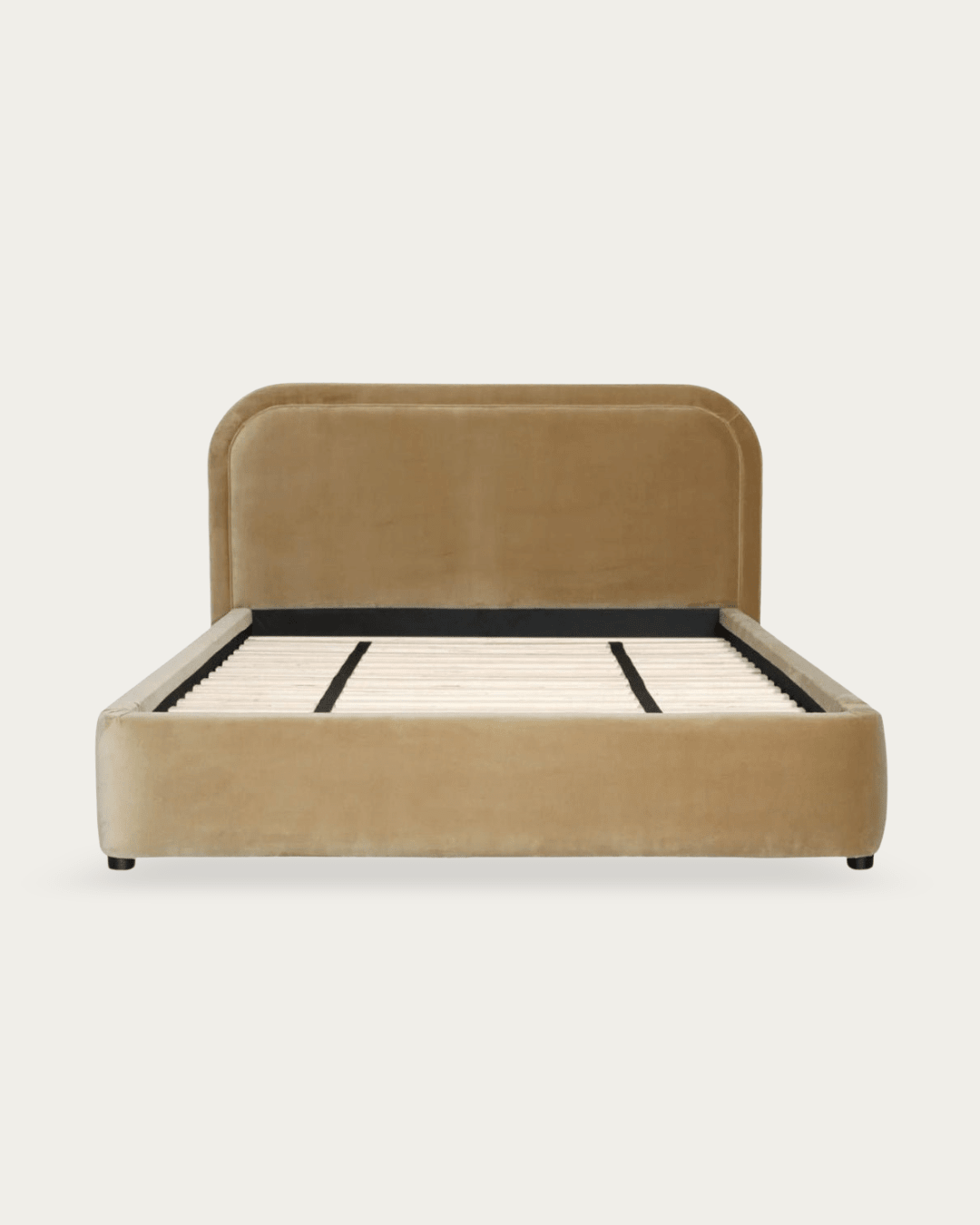














Most people arrange their bedroom based on what fits.
The bed goes where there’s space. The nightstands go wherever they can. Storage is added where the wall allows.
And then the room looks done—but doesn’t feel restful.
That’s because layout isn’t just about fitting furniture. It directly affects how your body responds to space. The way your bedroom furniture is arranged can either support sleep—or subtly work against it.
If you’re building a space that helps you slow down instead of stay alert, start here:
Explore bedroom collection
Start With the Bed—Then Build Around It
The bed isn’t just another piece of furniture.
It’s the anchor.
Everything else in the room should support it.
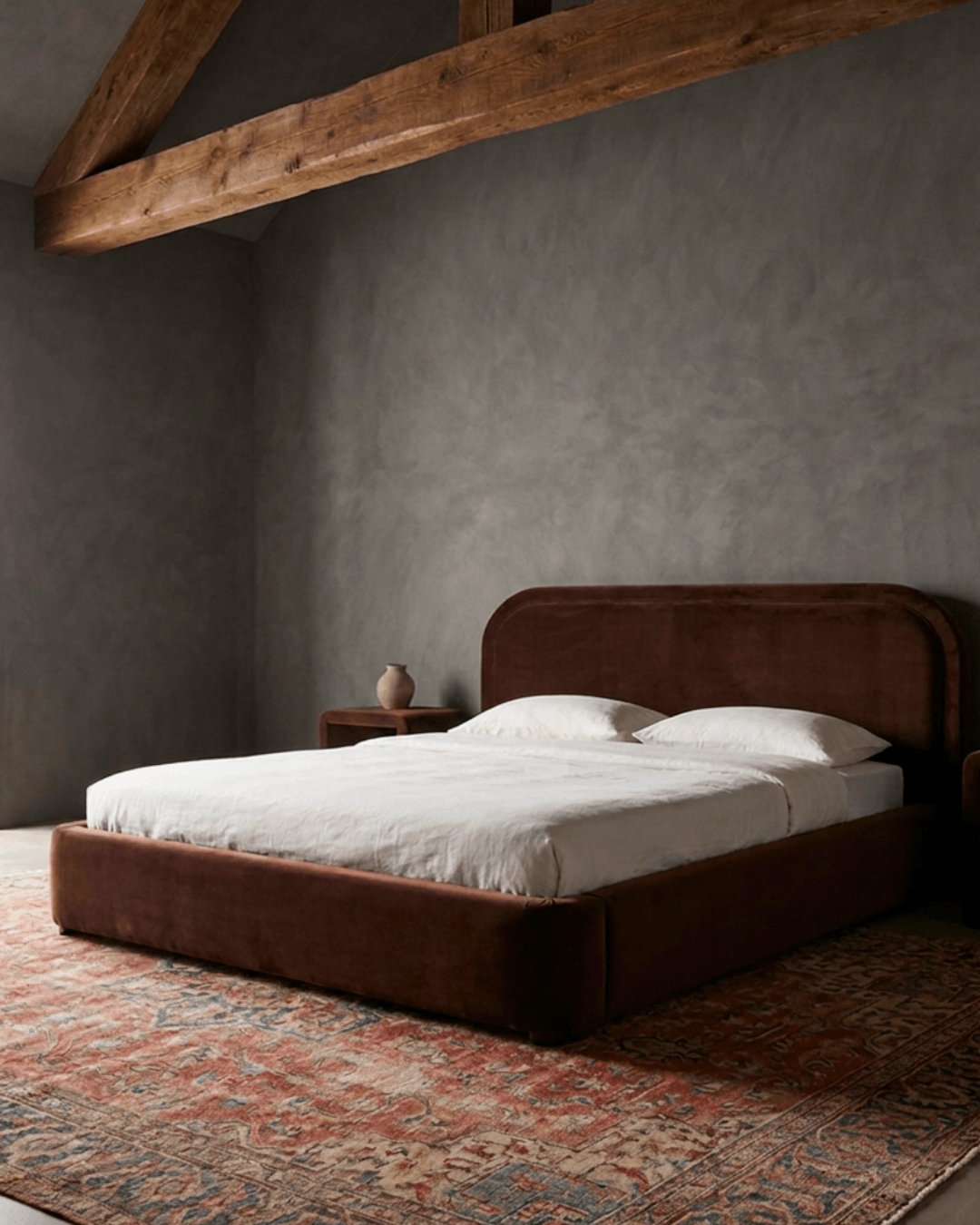
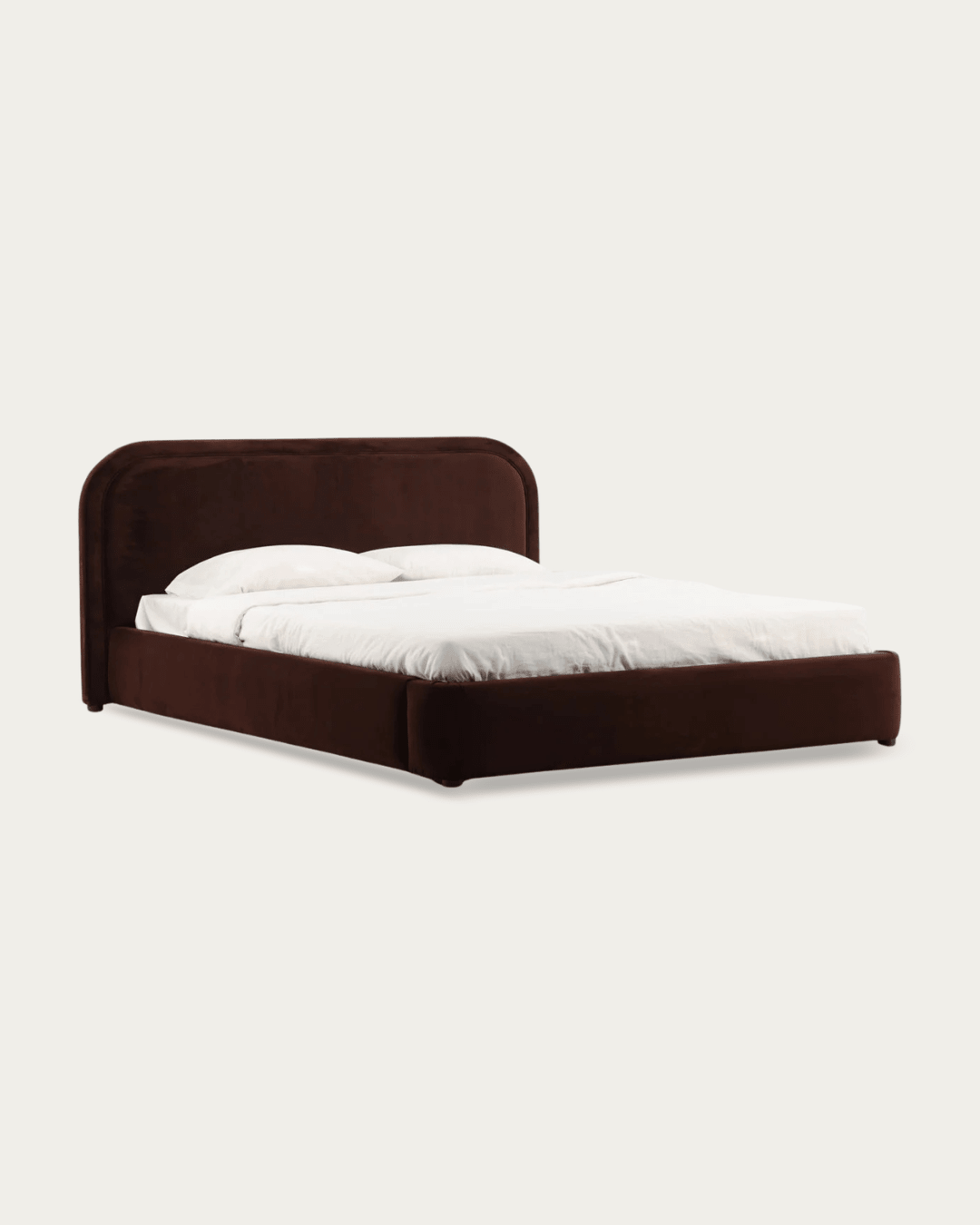
The most effective placement is usually:
Centered on the main wall
With enough space on both sides
Visually balanced within the room
When the bed is pushed too far into a corner or off-center, the room starts to feel uneven.
That imbalance is subtle—but your body picks up on it.
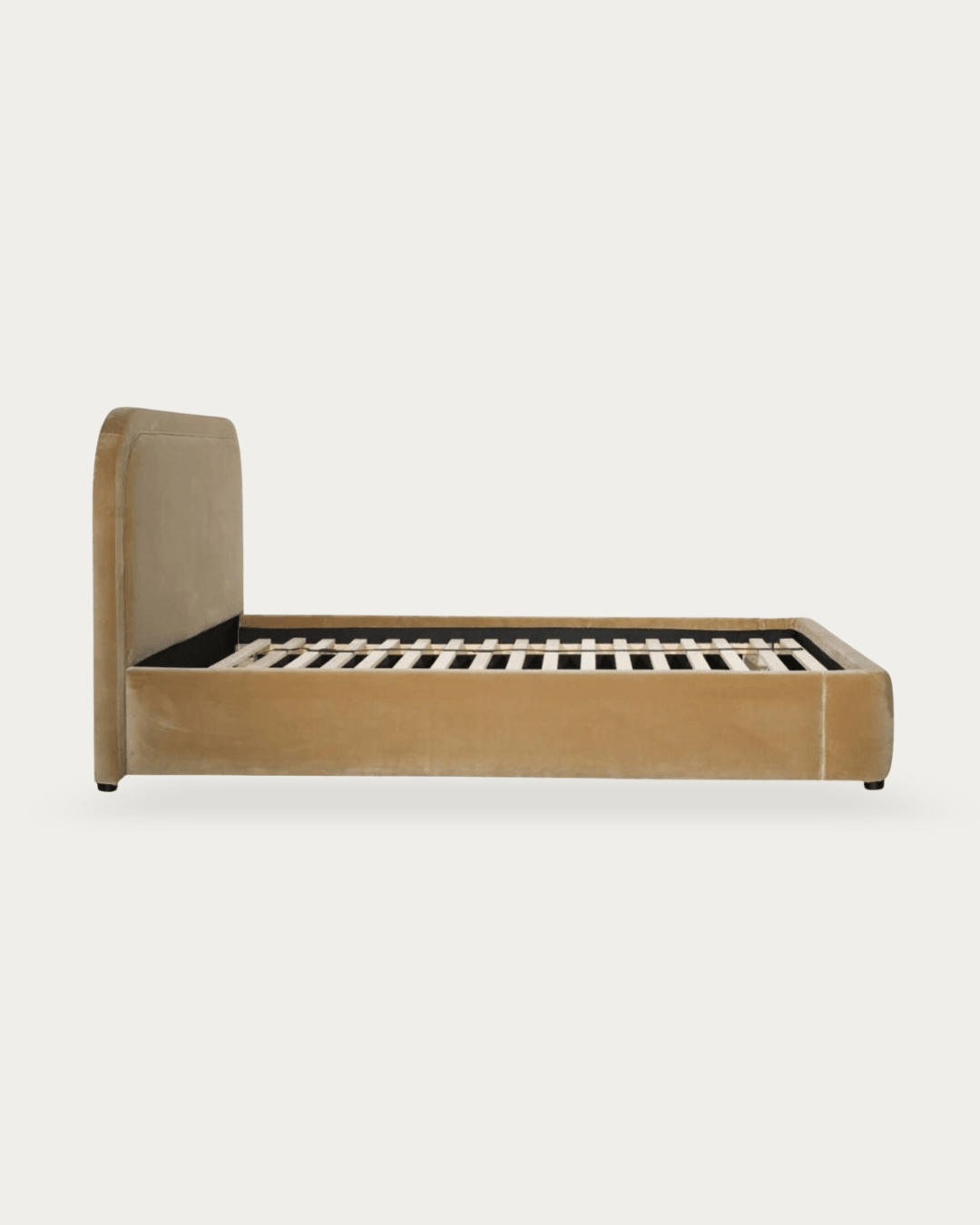
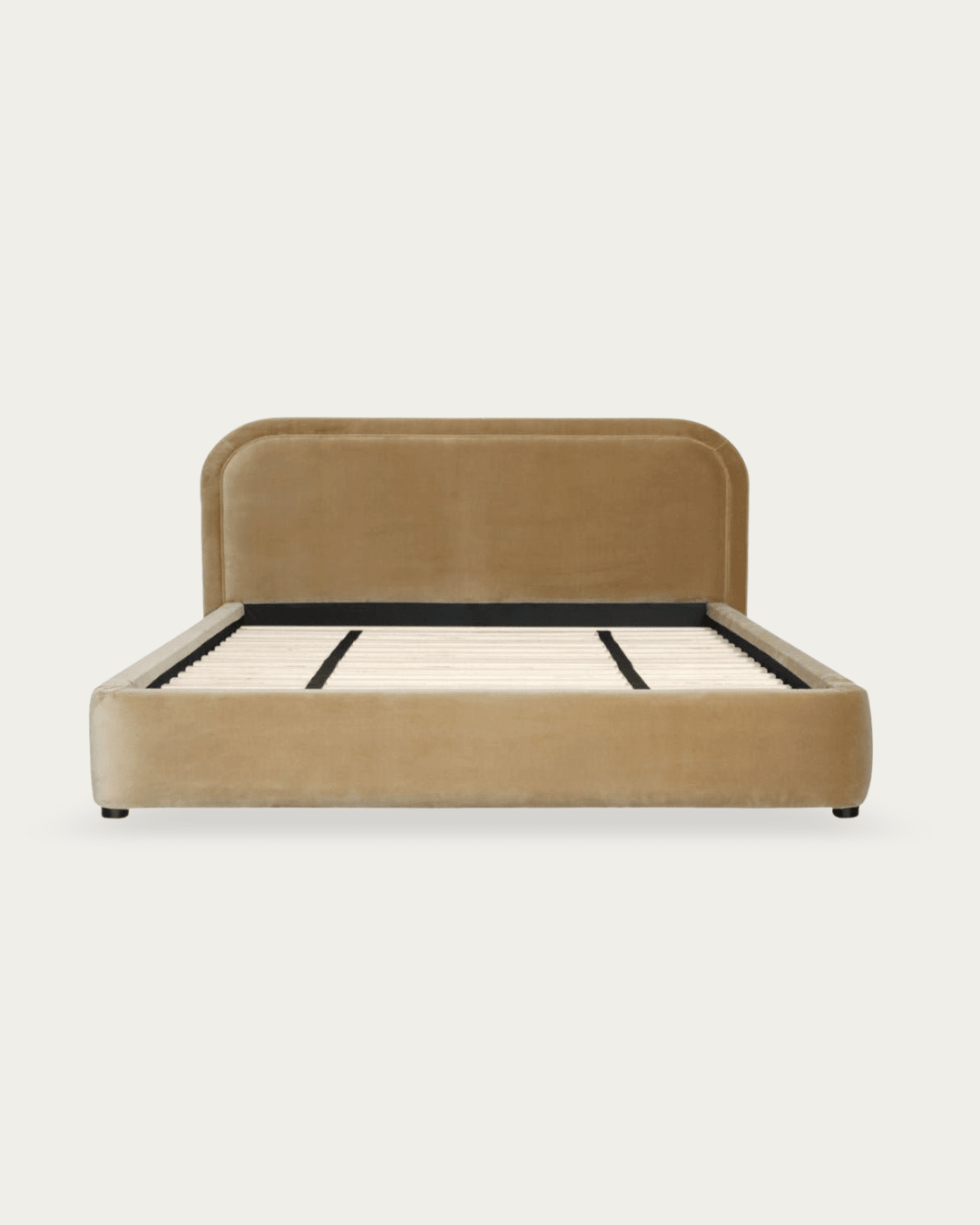
If you’re refining your setup, start with the foundation:
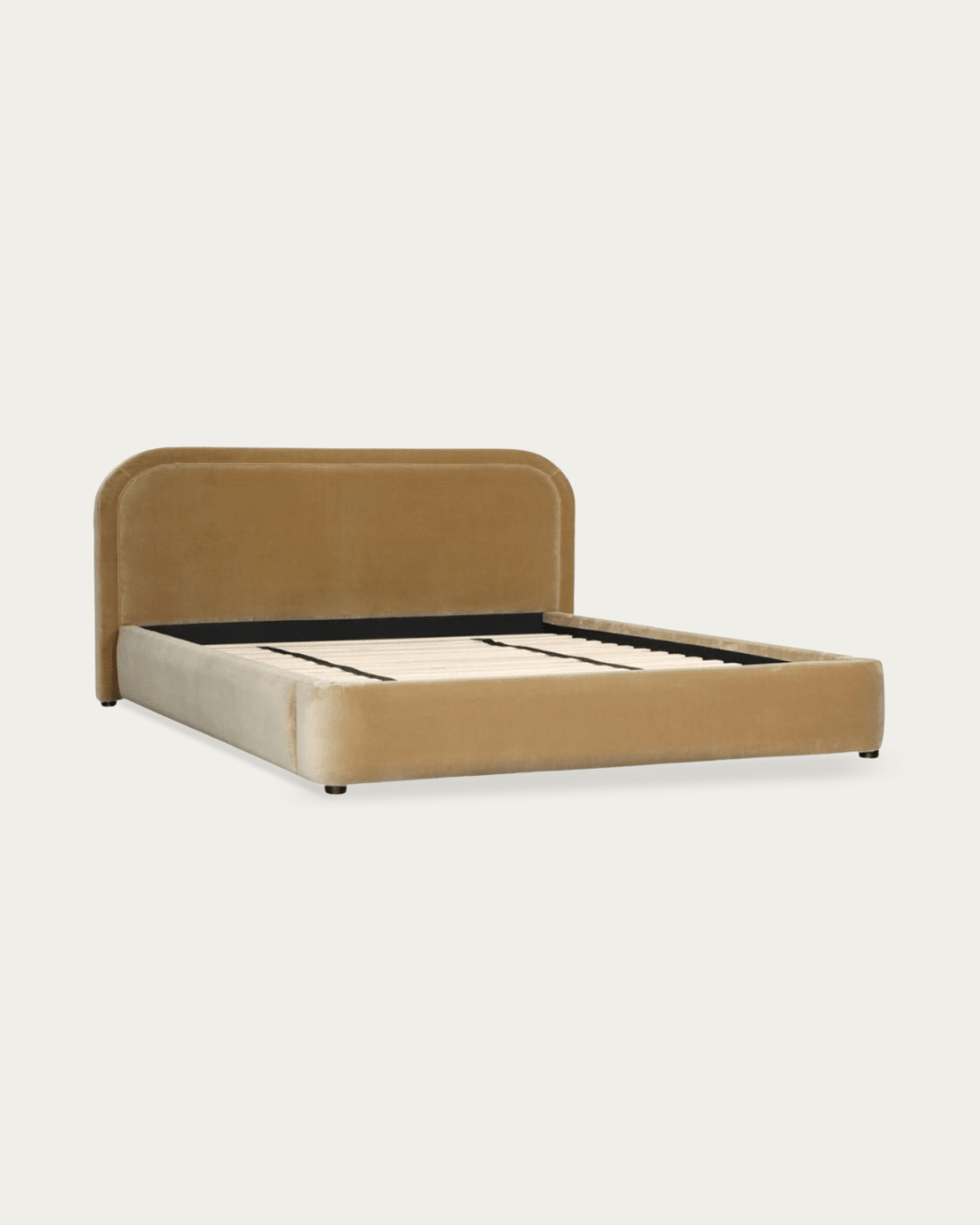
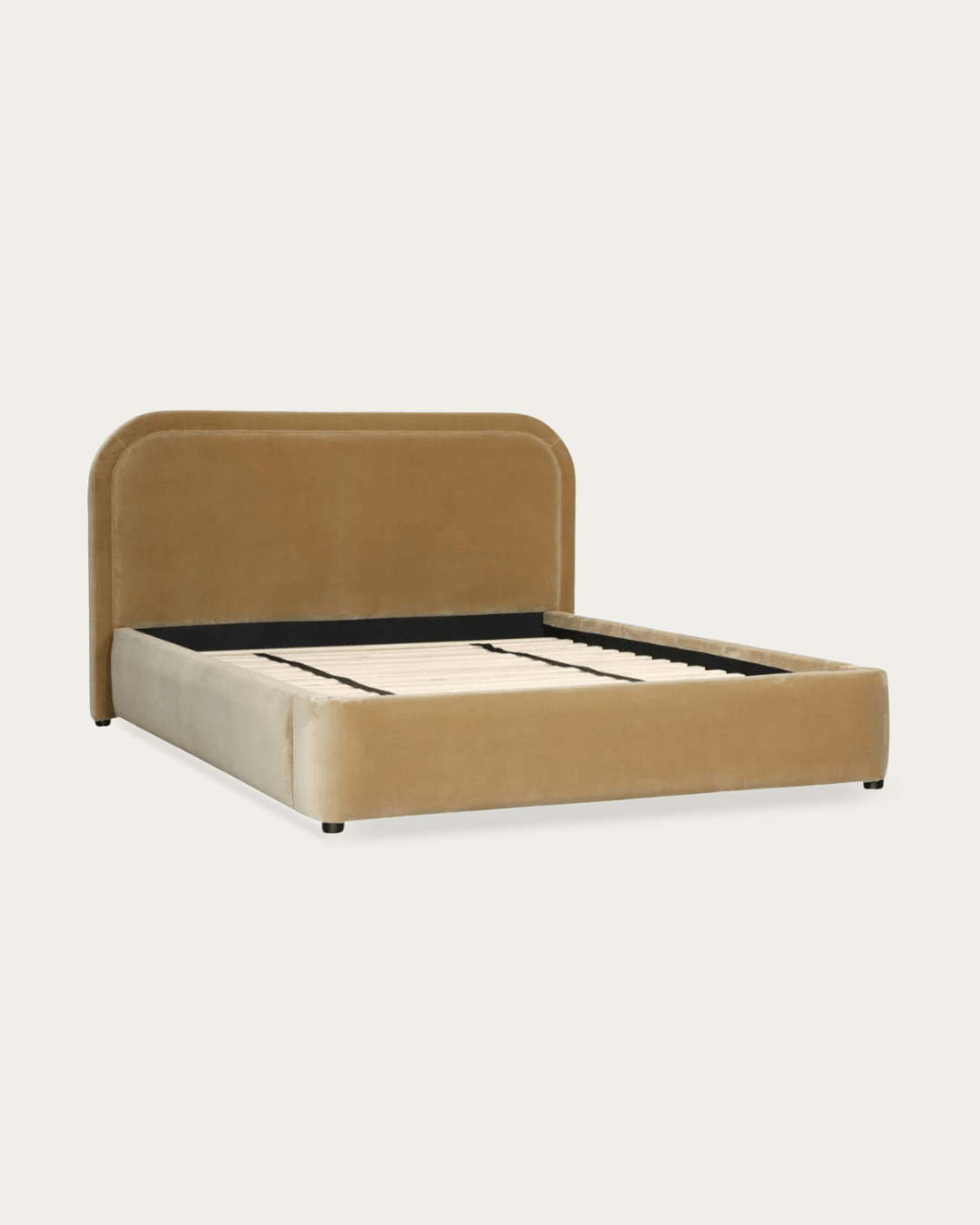
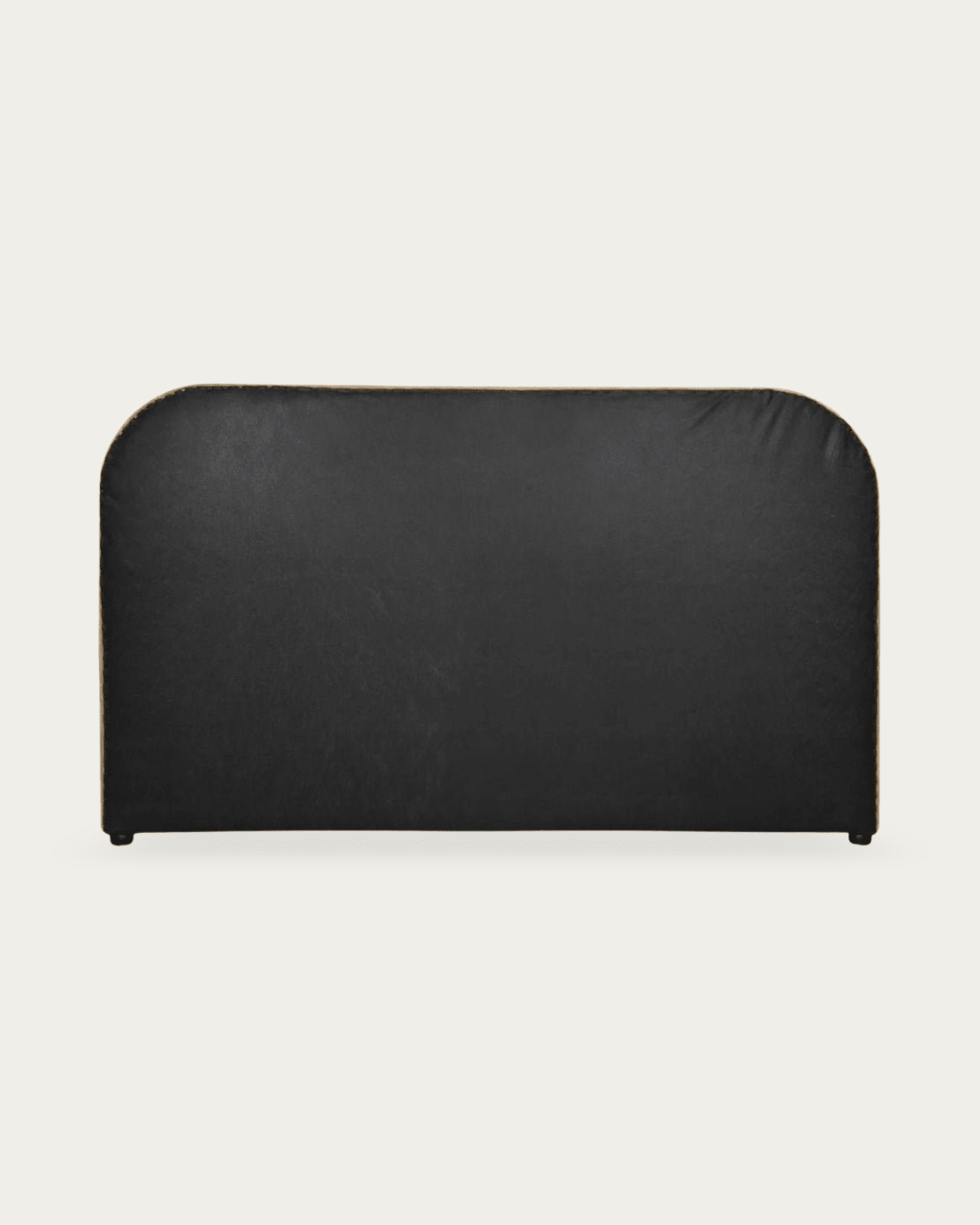
Browse beds and headboards build your layout around a clear center
Keep Both Sides of the Bed Functional
Even if only one side is used, both sides should feel intentional.
This creates:
Visual balance
Easier movement
A more settled layout
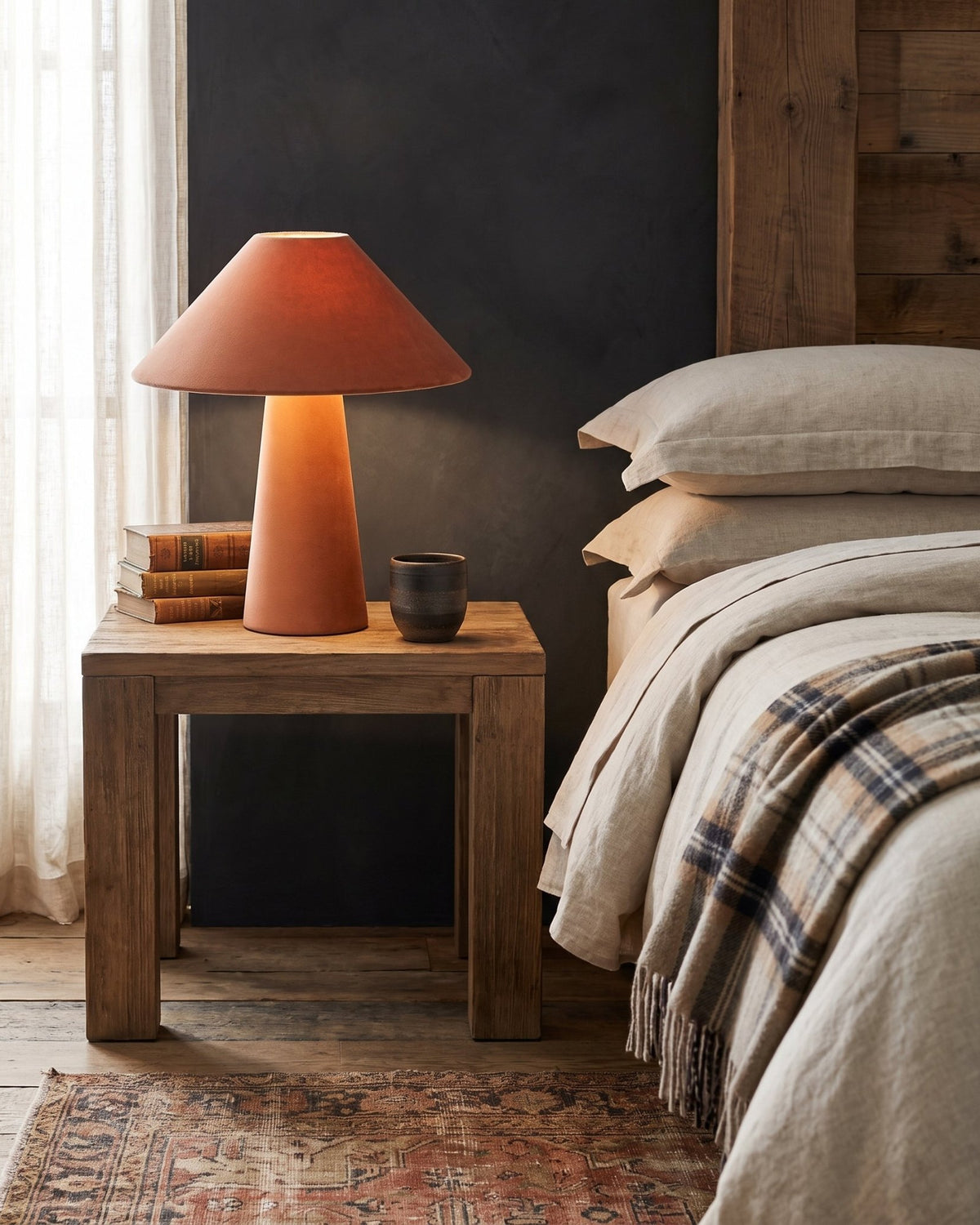
Nightstands play a big role here.
They shouldn’t feel like add-ons—they should feel integrated.
Height matters too.
If they sit too low or too high compared to the mattress, the setup feels off.
Explore nightstands collection choose pieces that align with your bed—not just fit beside it
Balanced sides make the room feel complete—even when it’s simple.
Leave Space to Move—Not Just to Place Furniture
One of the most common layout mistakes is overfilling the room.
Just because something fits doesn’t mean it belongs.
Movement matters.
You should be able to:
Walk around the bed comfortably
Access storage without obstruction
Move through the space without adjusting your path
When furniture interrupts natural movement, the room feels tighter—even if it’s not small.
Good layout always considers flow first.
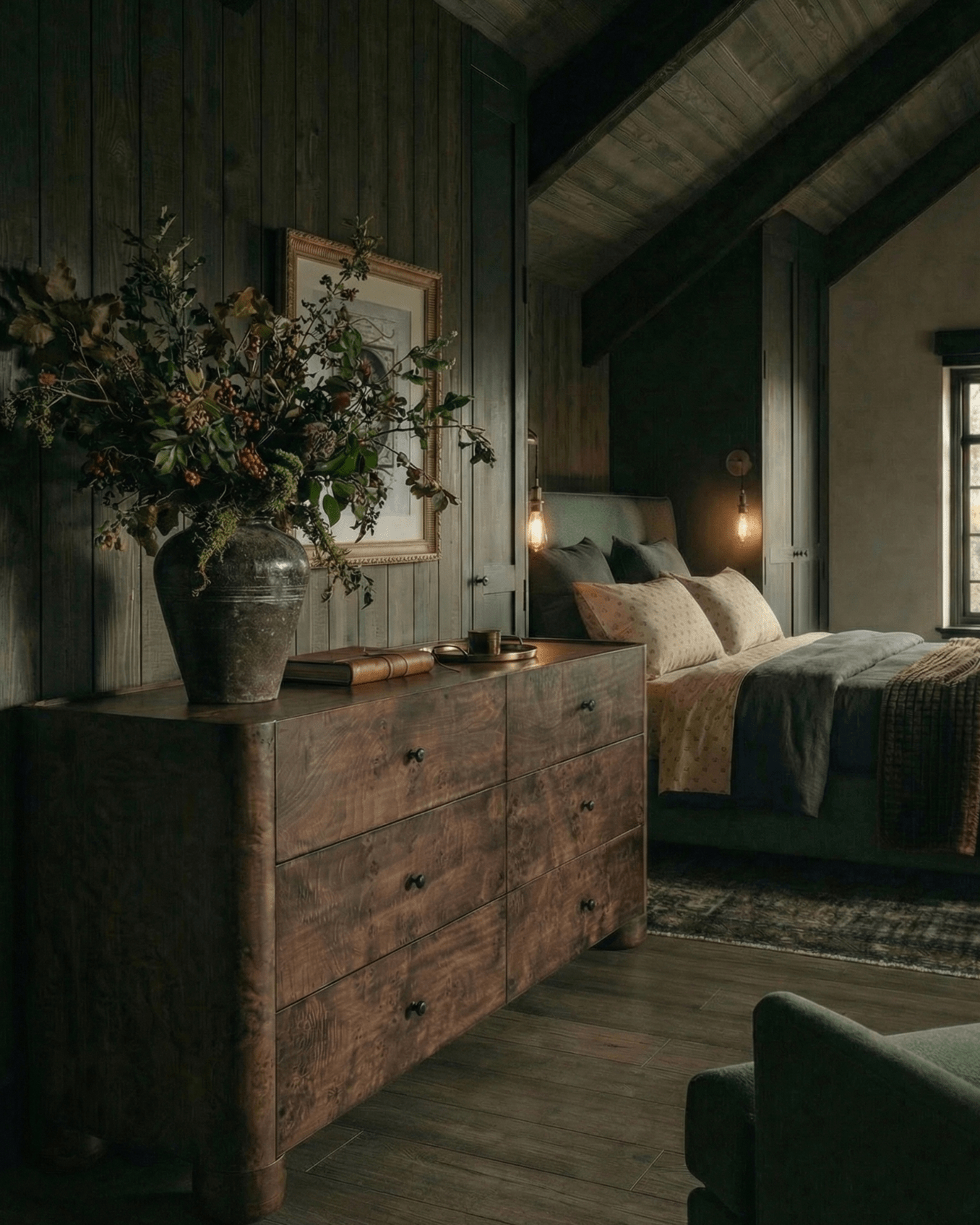
Position Storage Where It Doesn’t Compete
Dressers and storage pieces should support the room—not dominate it.
When placed incorrectly, they:
Pull attention away from the bed
Create visual imbalance
Add unnecessary weight to one side
The best placement is usually:
Opposite the bed
Along secondary walls
Away from main walkways
Browse dressers collection place storage where it supports—not competes with—the layout
Storage should feel integrated, not intrusive.
Let the Room Breathe
A bedroom doesn’t need to be filled to feel complete.
In fact, the opposite is true.
Leaving space around furniture:
Reduces visual pressure
Improves movement
Makes the room feel more settled
This is especially important around the bed.
Crowding it with too many elements—benches, extra tables, oversized decor—creates tension.
Restraint is what makes a bedroom feel calm.
Use Soft Layers to Support the Layout
Layout isn’t just about furniture placement—it’s also about how the space is softened.
Hard edges and clean lines are important, but without softer elements, the room can feel too sharp.
Layering helps balance that.
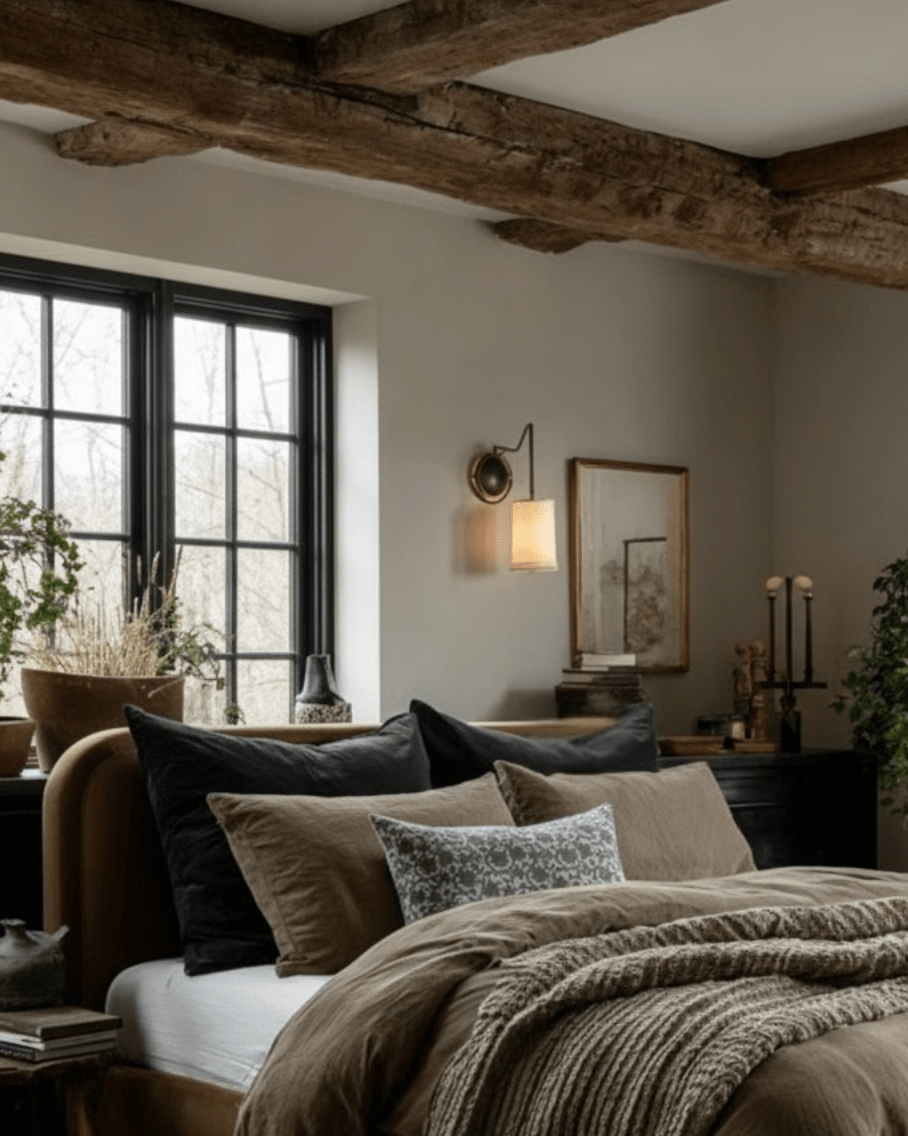
A simple throw or textile can:
Break up rigid lines
Add visual softness
Make the bed feel more inviting
Explore blankets and throws add layers that soften the space without cluttering it
Softness supports rest.
A RUTED Tip: Clear Layouts Help the Body Relax Faster. Your brain constantly maps your environment to understand safety and movement, and when a room feels cluttered or misaligned, it increases cognitive load; a clear, well-arranged bedroom reduces that processing effort by creating predictable pathways and balanced zones, allowing your body to shift into rest more quickly.
Align Furniture With How You Use the Room
Not every bedroom is used the same way.
Some are purely for rest. Others include:
Reading areas
Work corners
Storage-heavy setups
Your layout should reflect that.
If you read in bed, lighting and side access matter more.
If you use a dresser daily, its placement should prioritize access—not symmetry.
The goal isn’t a perfect layout.
It’s a functional one.

Avoid Common Layout Mistakes
A few small decisions can affect the entire room:
Pushing all furniture against walls
Blocking natural walkways
Using mismatched scale
Overcrowding small spaces
These aren’t major design flaws—but they create subtle friction.
Fixing them often requires small adjustments, not major changes.
Where to Start
If your bedroom feels off, don’t redesign everything.
Start with one shift.
Recenter the bed
Adjust nightstand placement
Clear unnecessary furniture
Improve spacing
Then observe how the room feels.
Layout improvements are often immediate.
Final Thought
A restful bedroom isn’t about having more furniture.
It’s about placing the right pieces in the right way.
When your layout supports movement, balance, and simplicity, the room stops feeling like something you’re managing—and starts feeling like something you can settle into.
If you’re ready to create a space that supports better sleep, explore here:
Browse bedroom collection