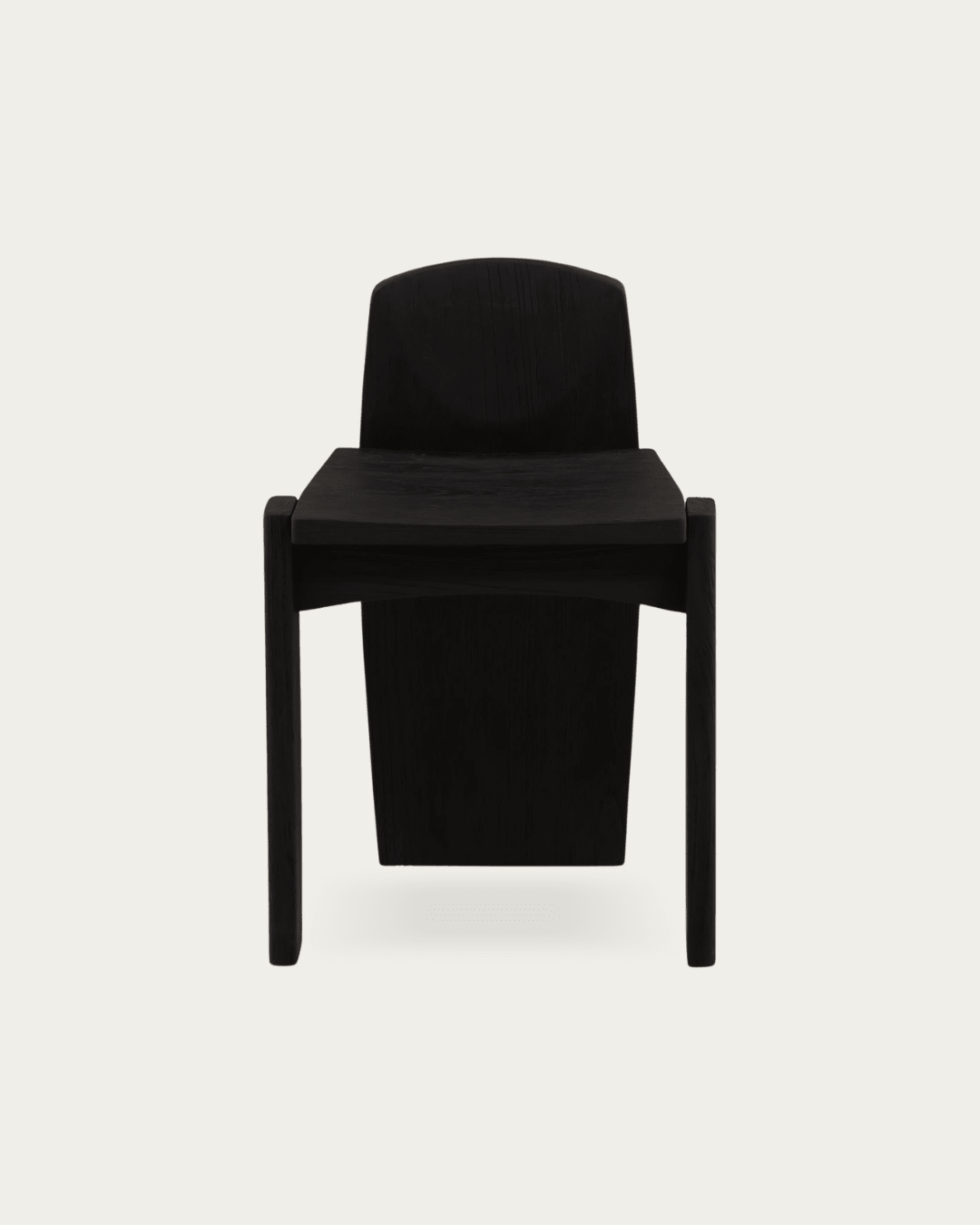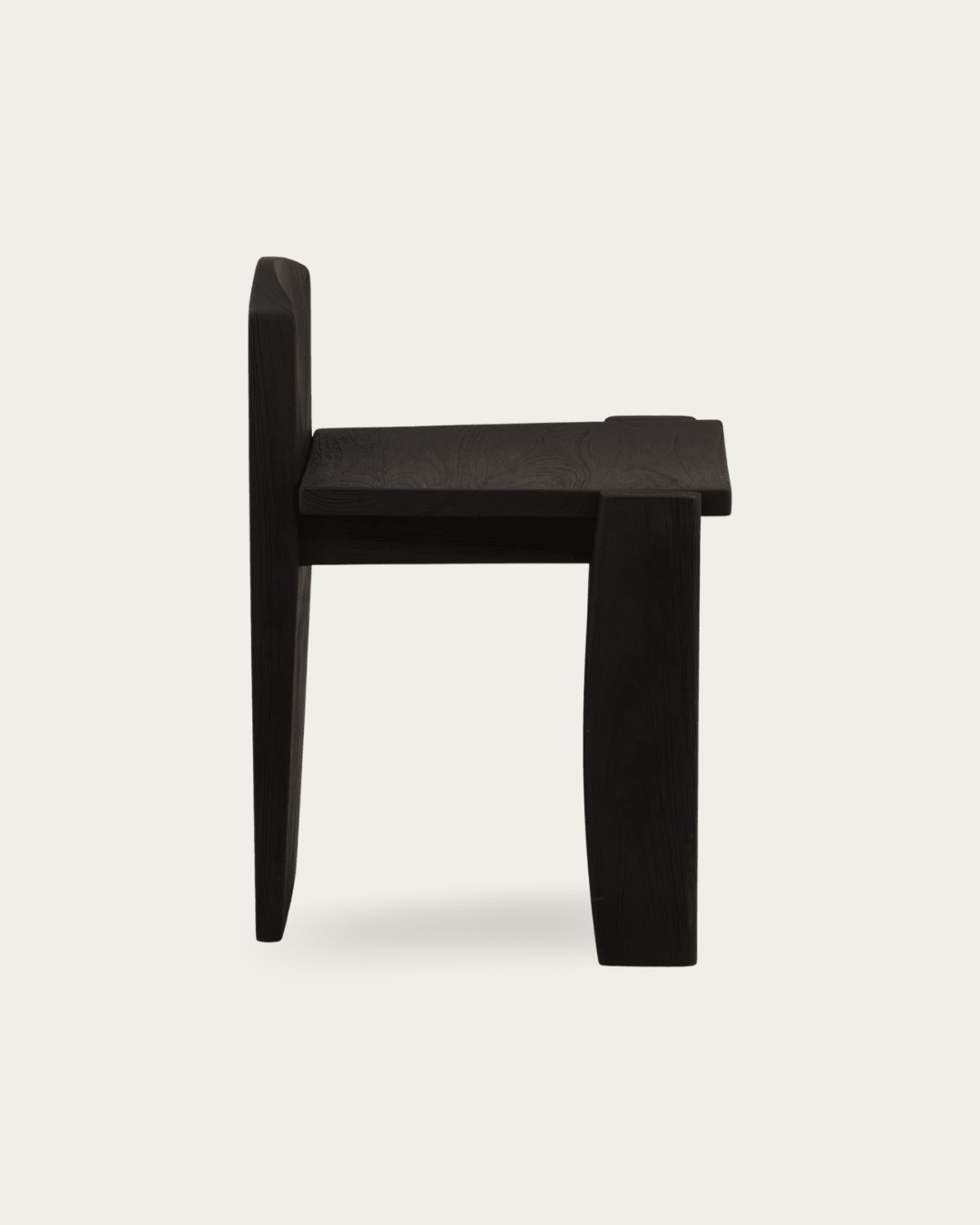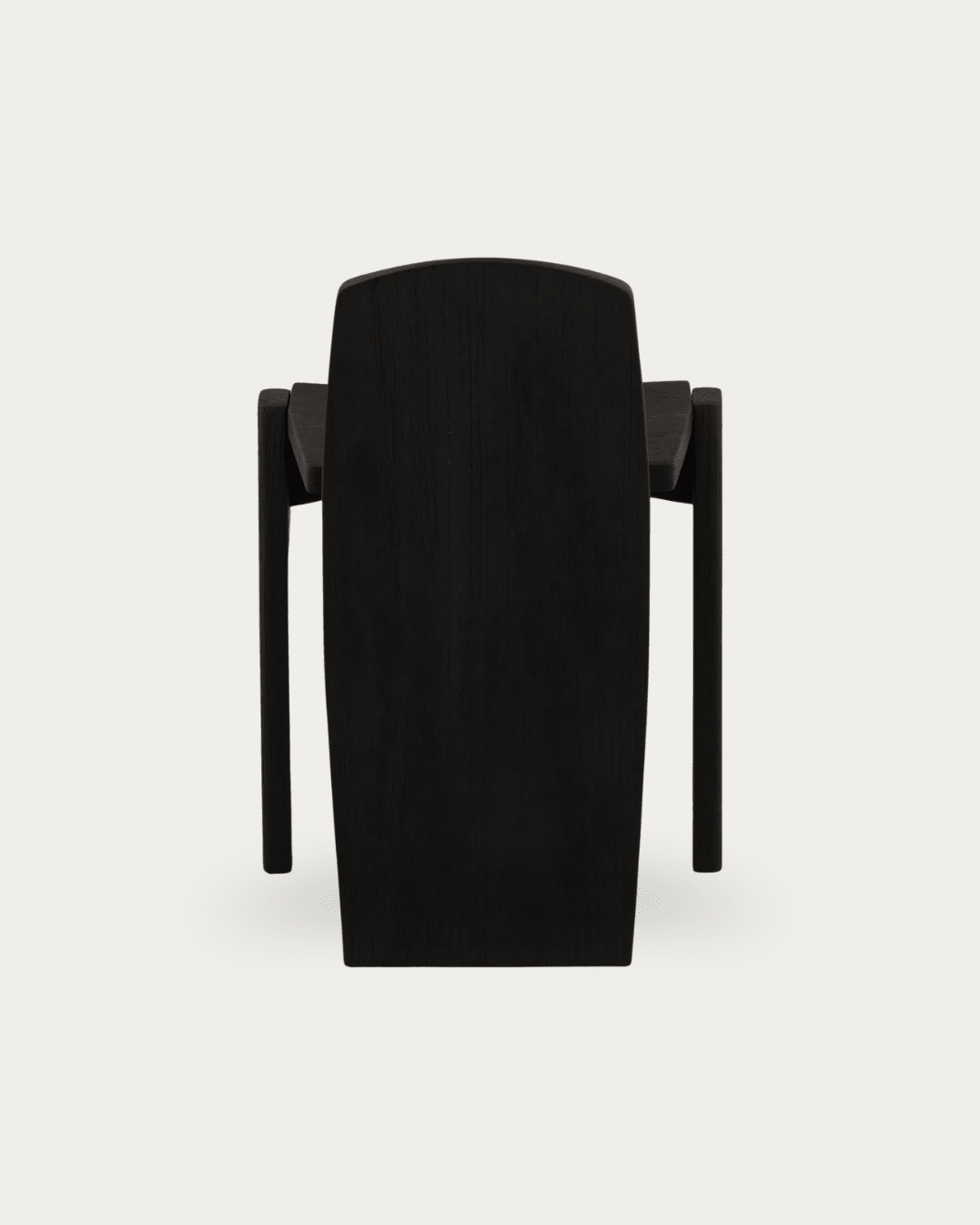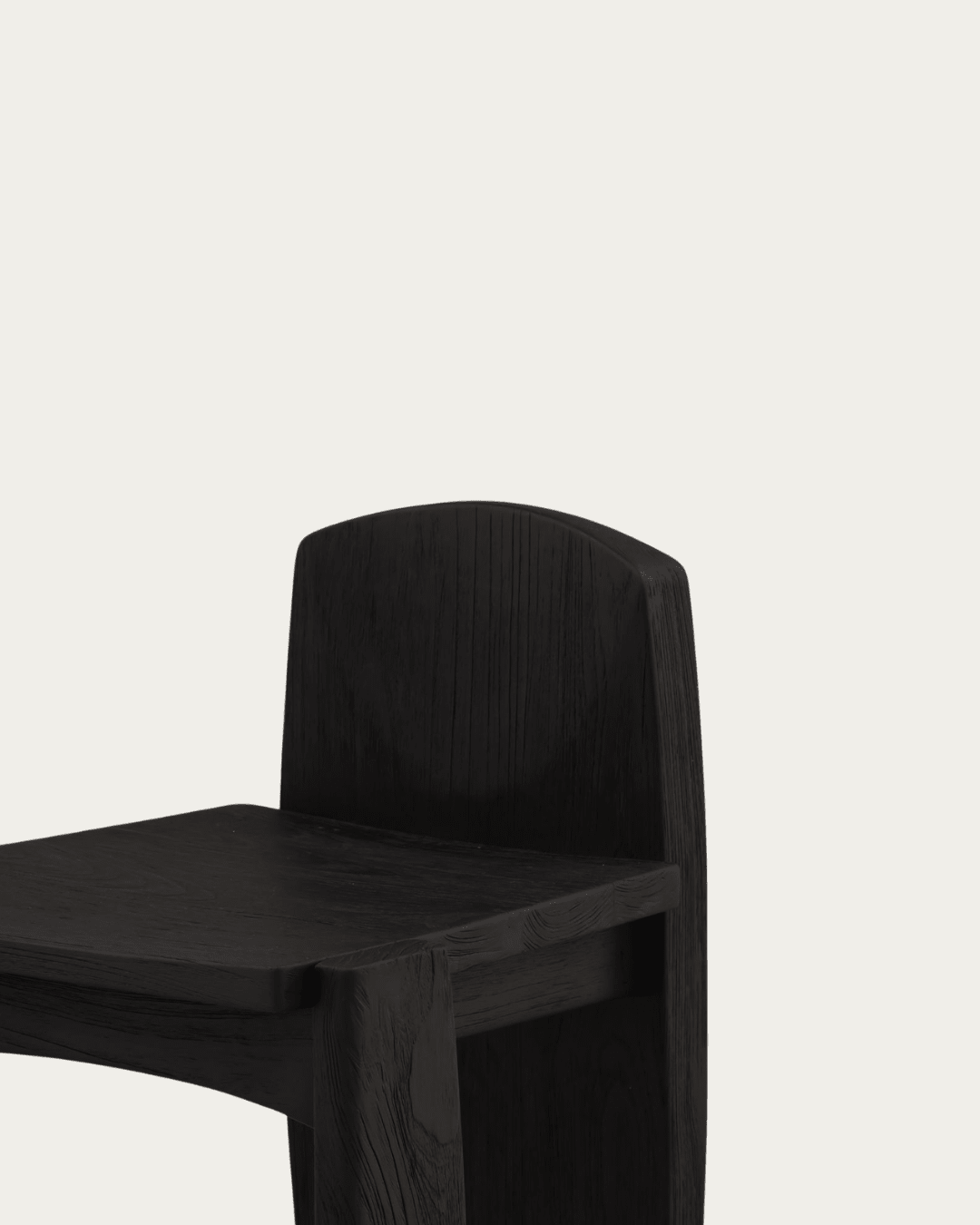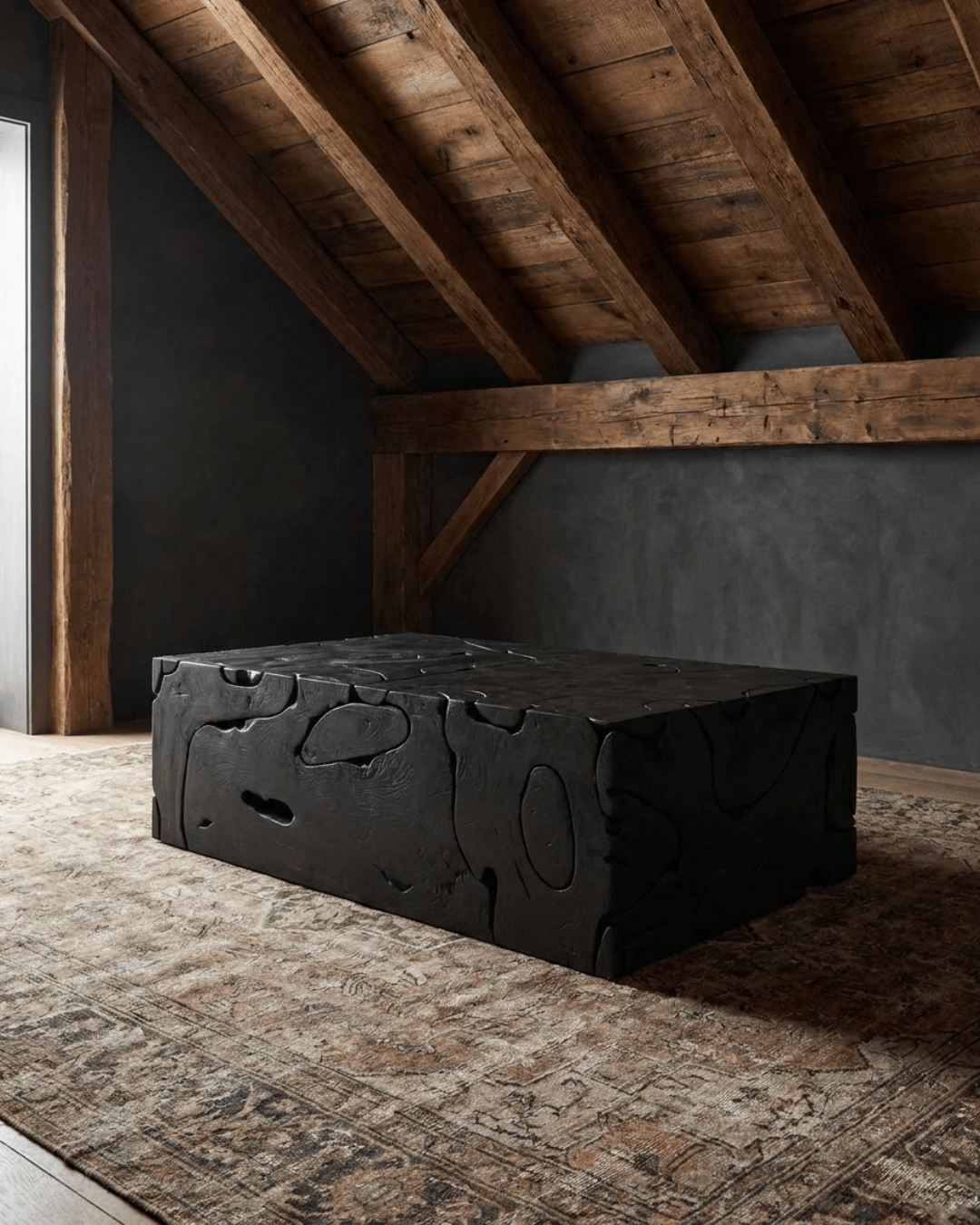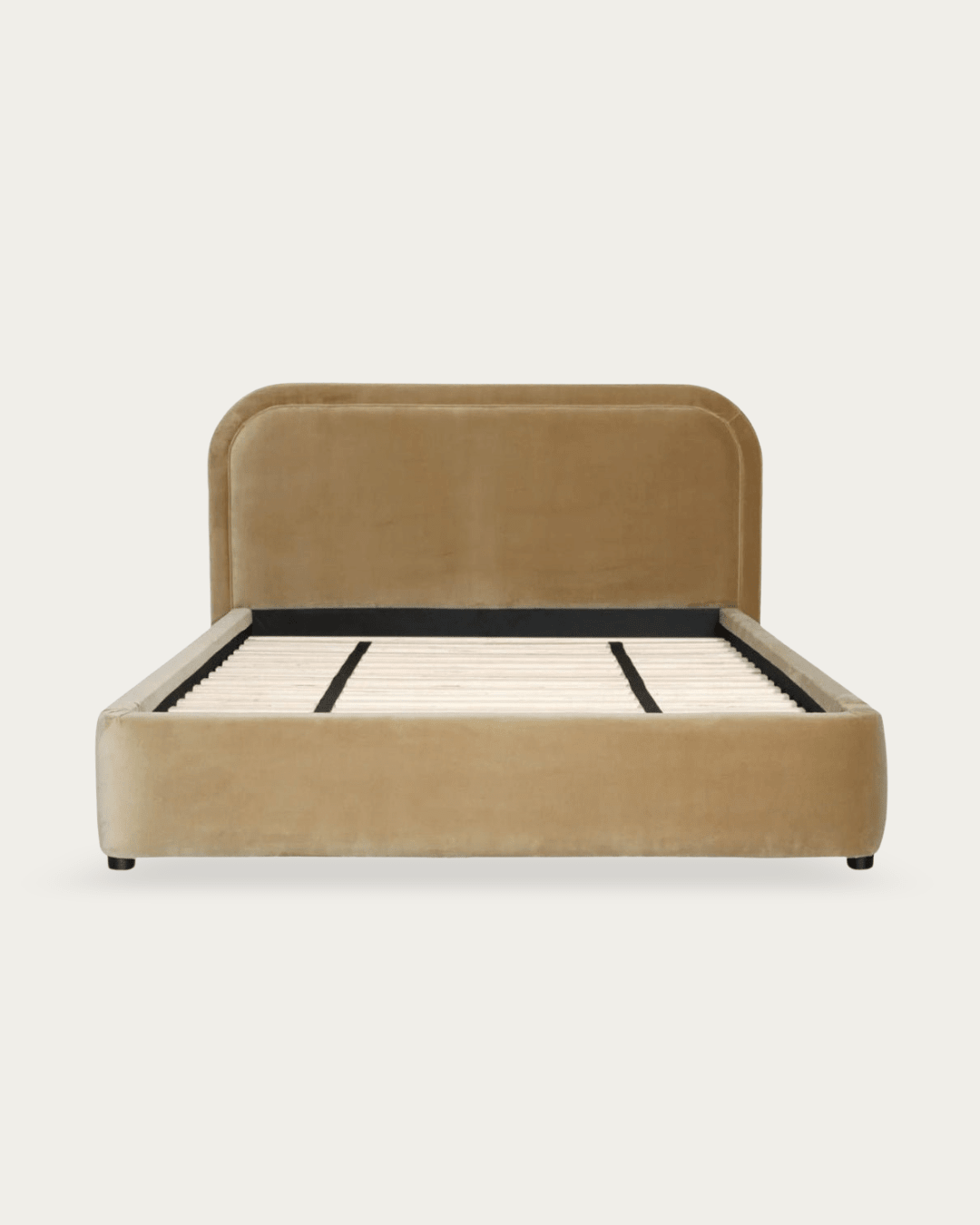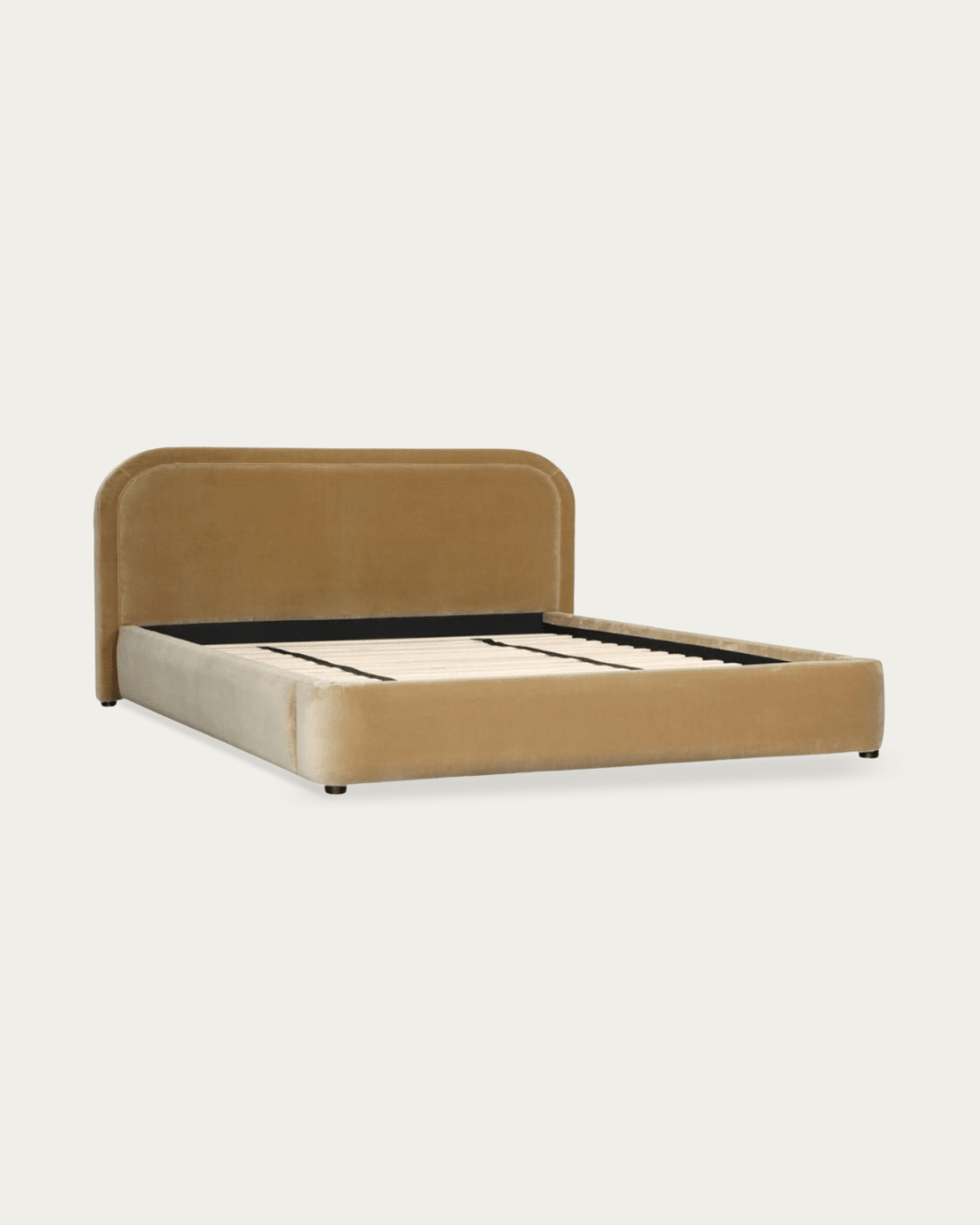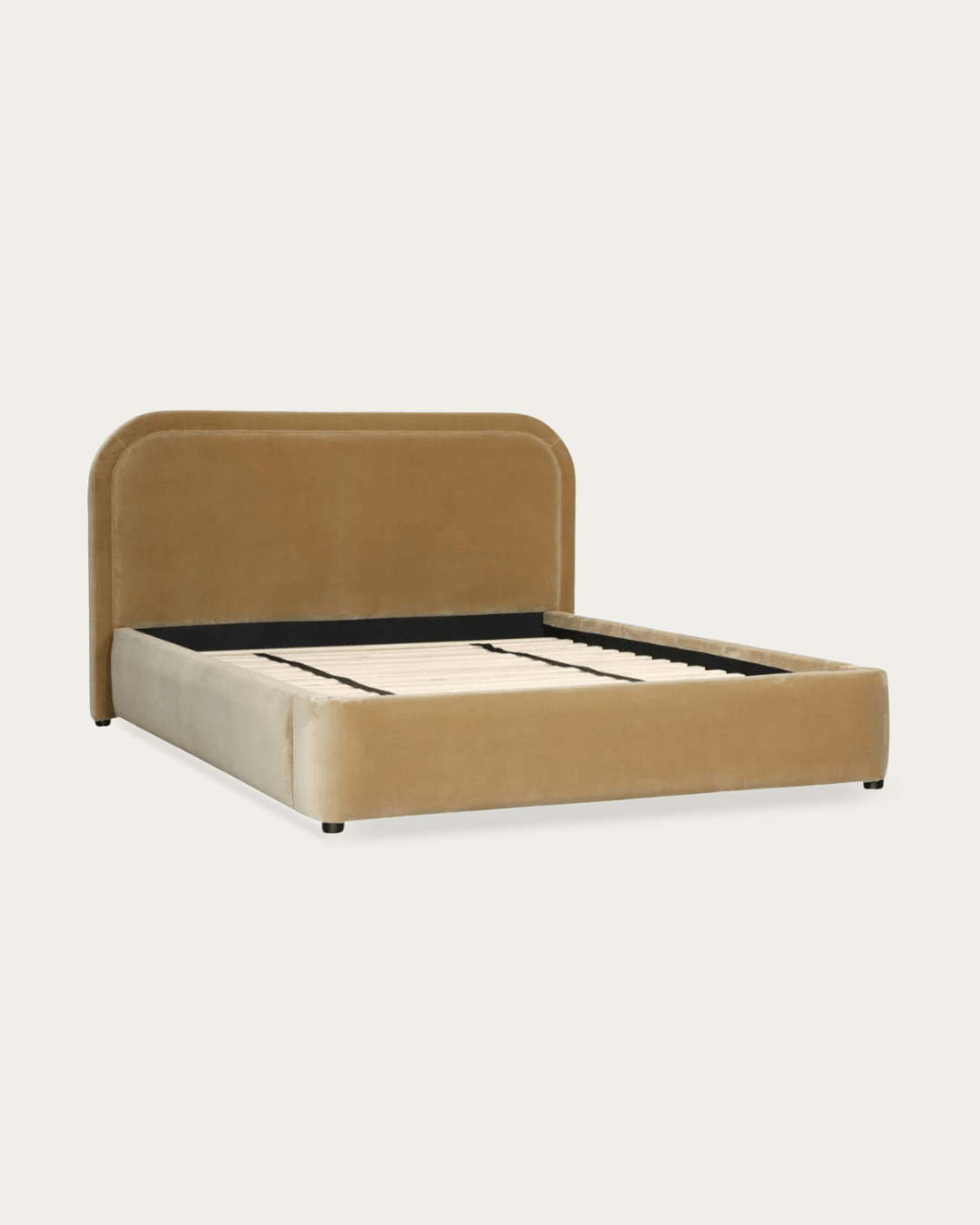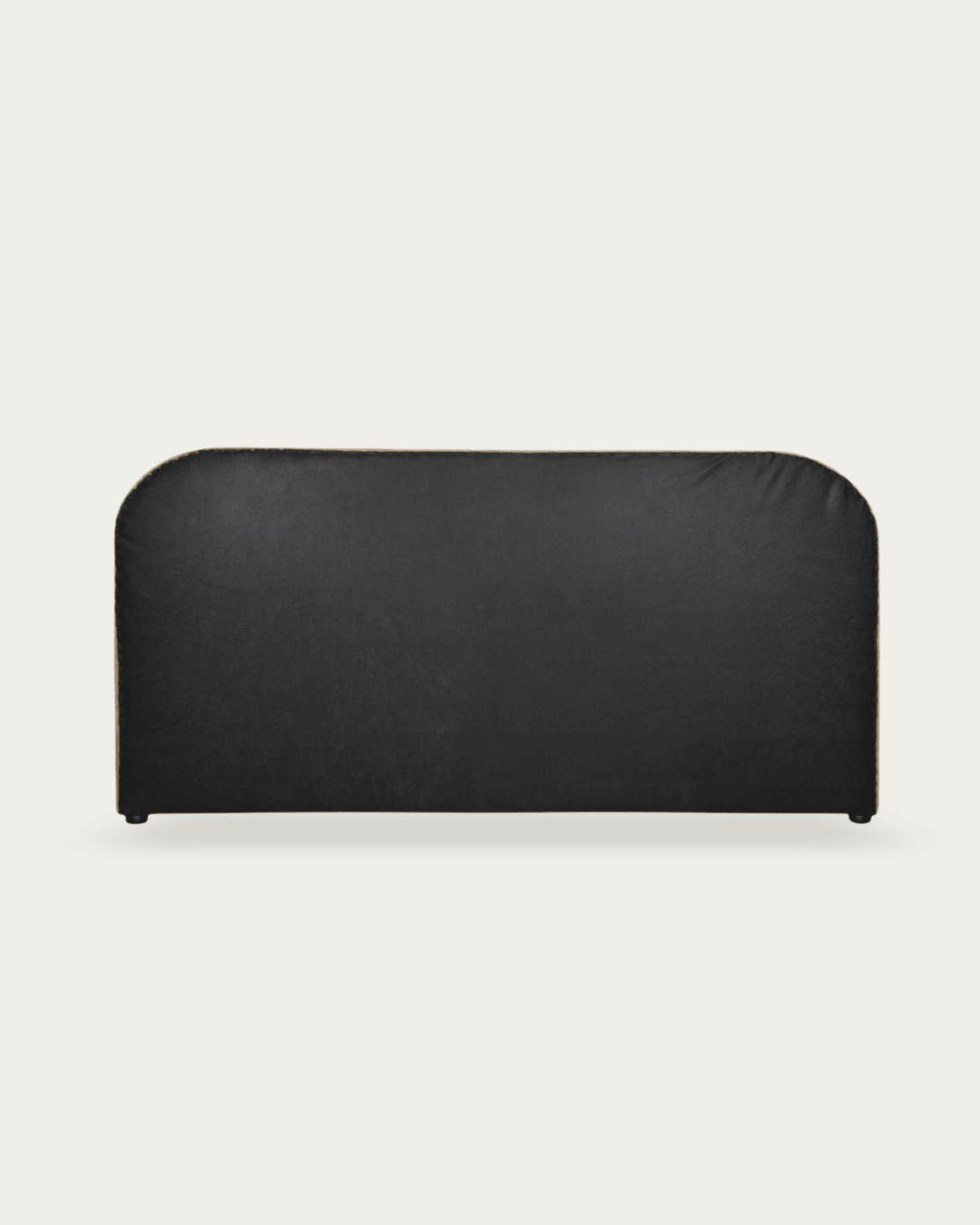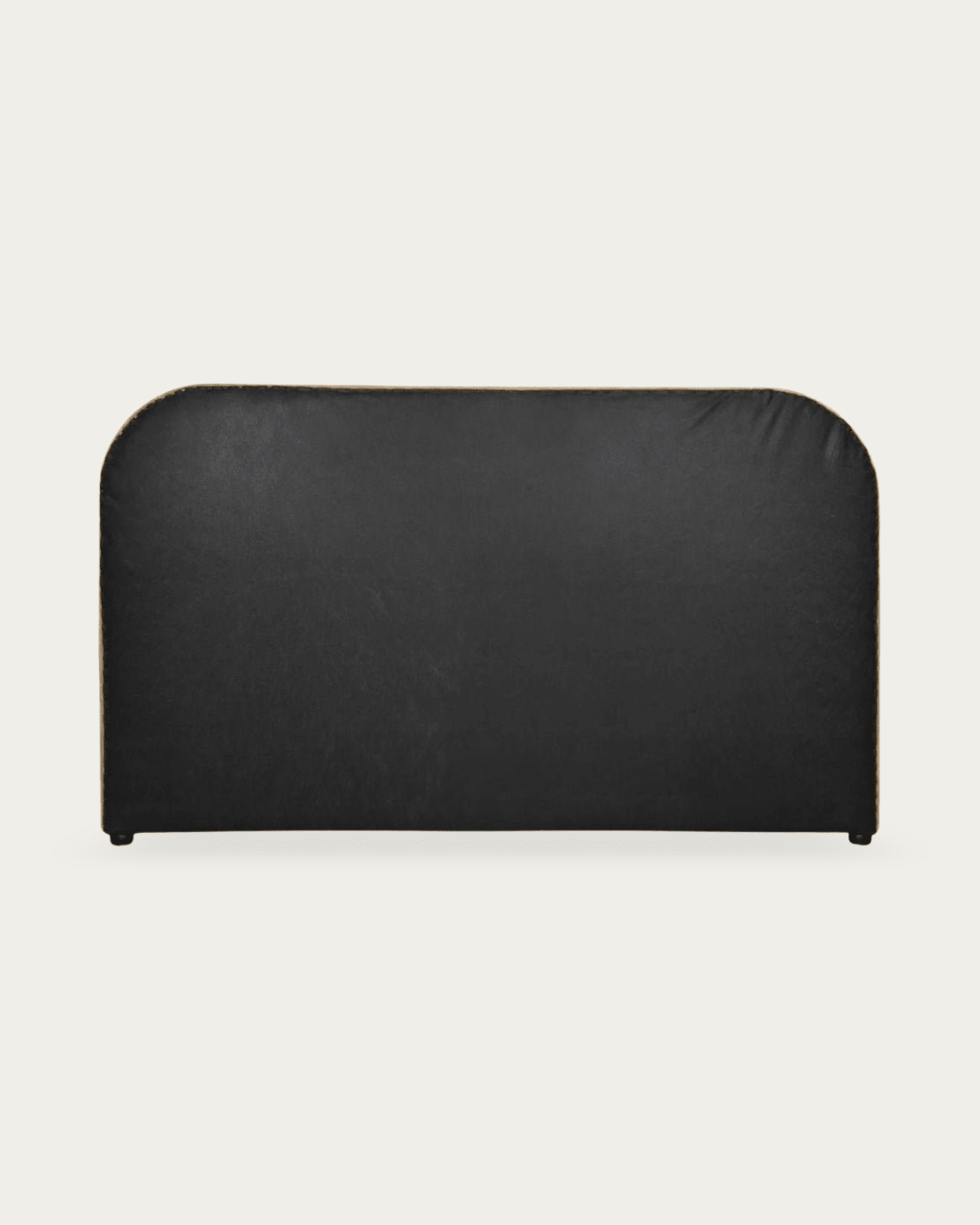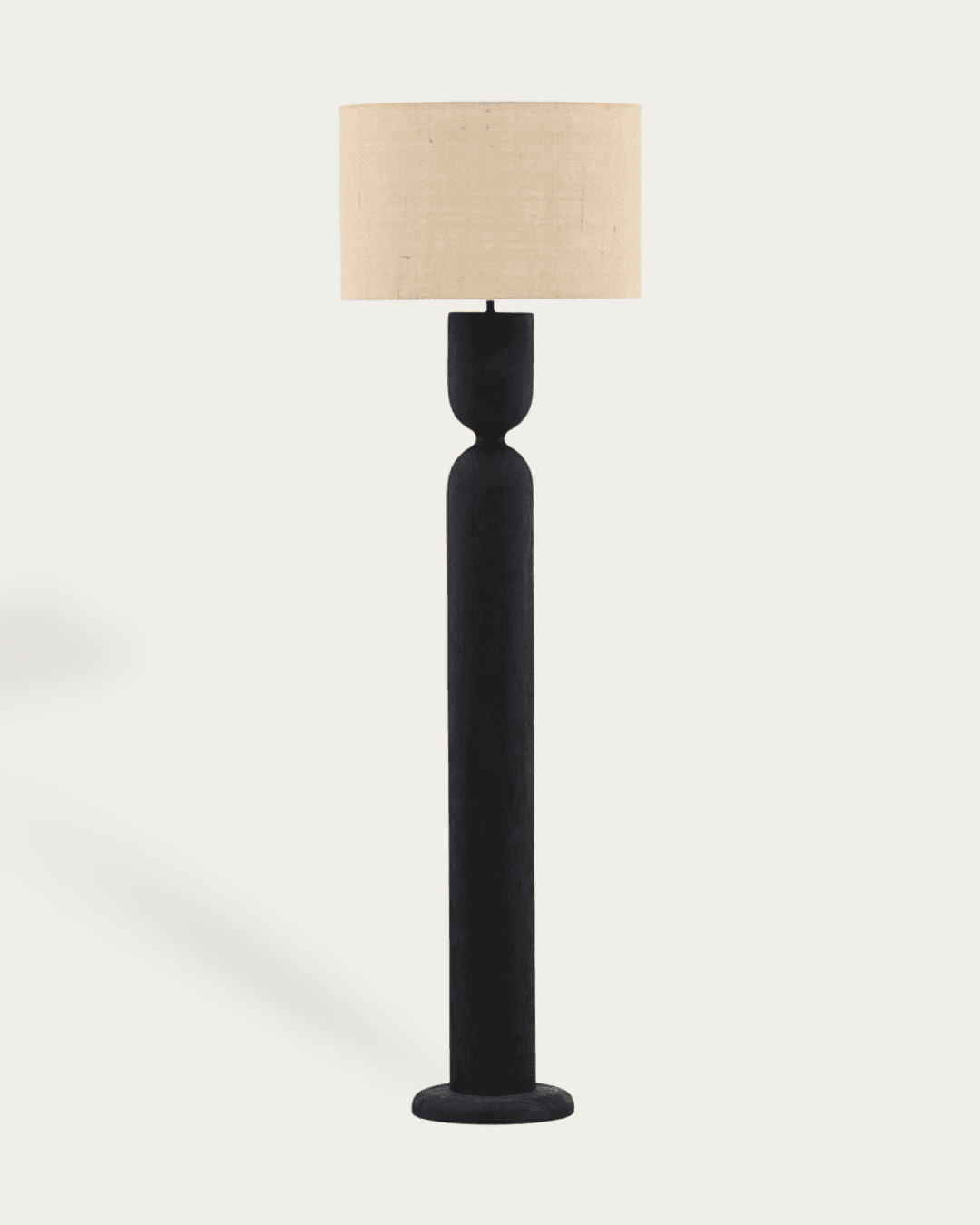
















Most bedrooms don’t feel off because of bad furniture.
They feel off because of small mistakes that add up—wrong scale, poor placement, mismatched proportions. A queen bed frame, a dresser, and a bedside nightstand might all be well-designed, but if they’re not working together, the room never fully settles.
That’s the difference between a bedroom that looks complete and one that actually feels restful.
If you’re refining your space and something isn’t clicking, start here:
https://hellonorden.com/collections/bedroom
Choosing the Wrong Bed Size for the Room
This is where most layout problems begin.
A king size bed frame might feel like the better choice—but in a smaller room, it can overwhelm everything else. Movement becomes restricted, nightstands feel squeezed, and the room loses balance.
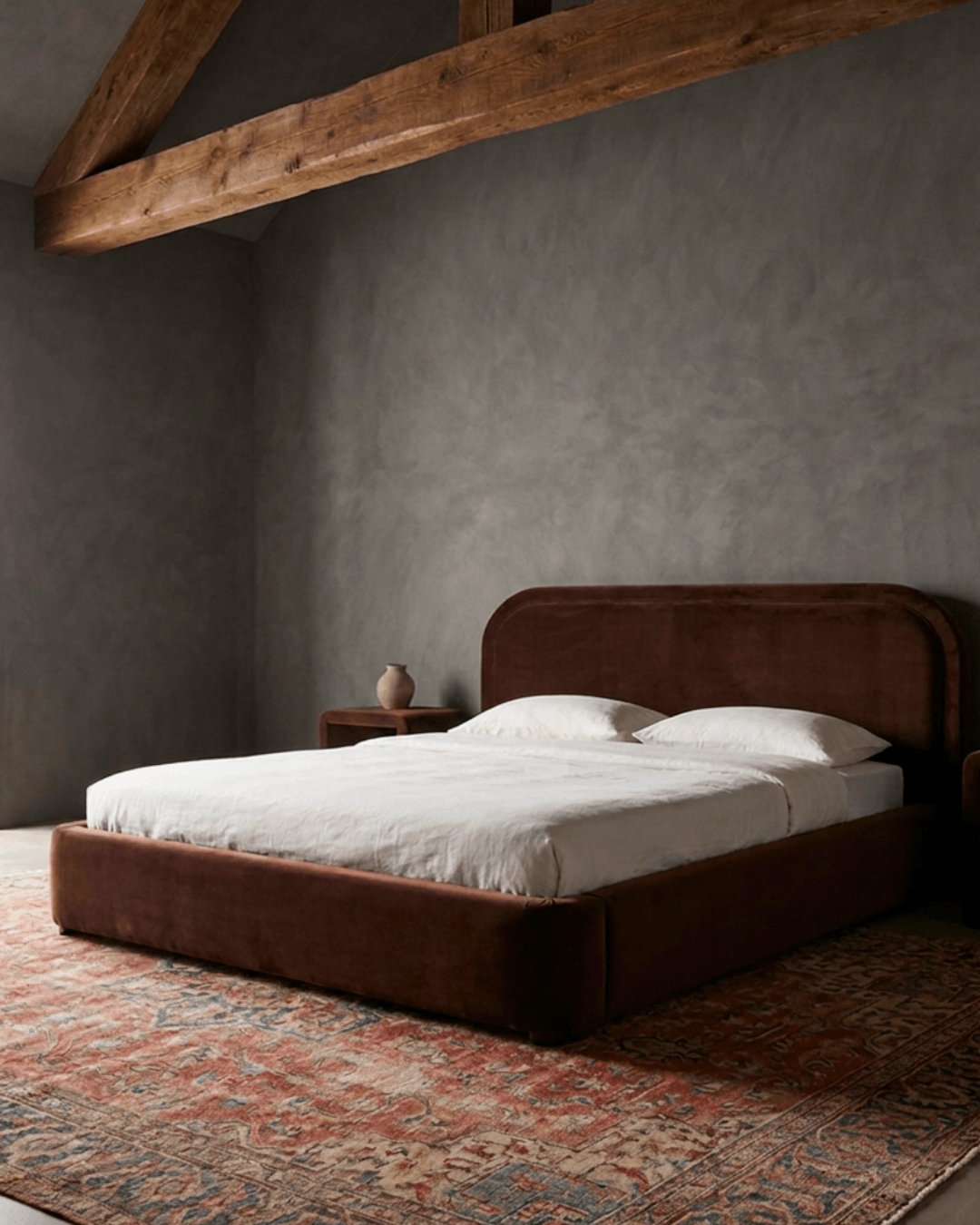
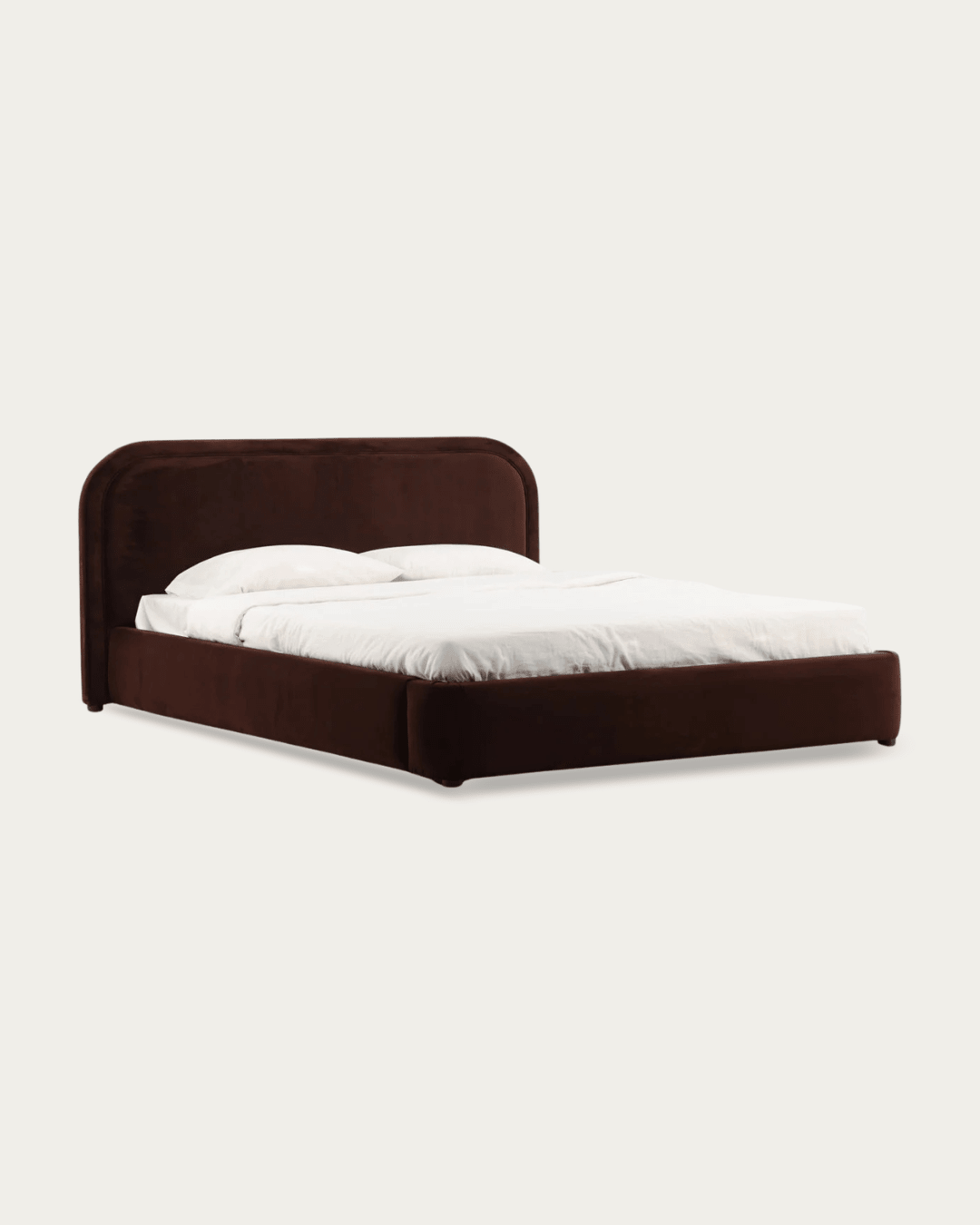
A queen bed frame often creates a better relationship between comfort and space. It allows room for circulation, proportional furniture, and a more breathable layout.
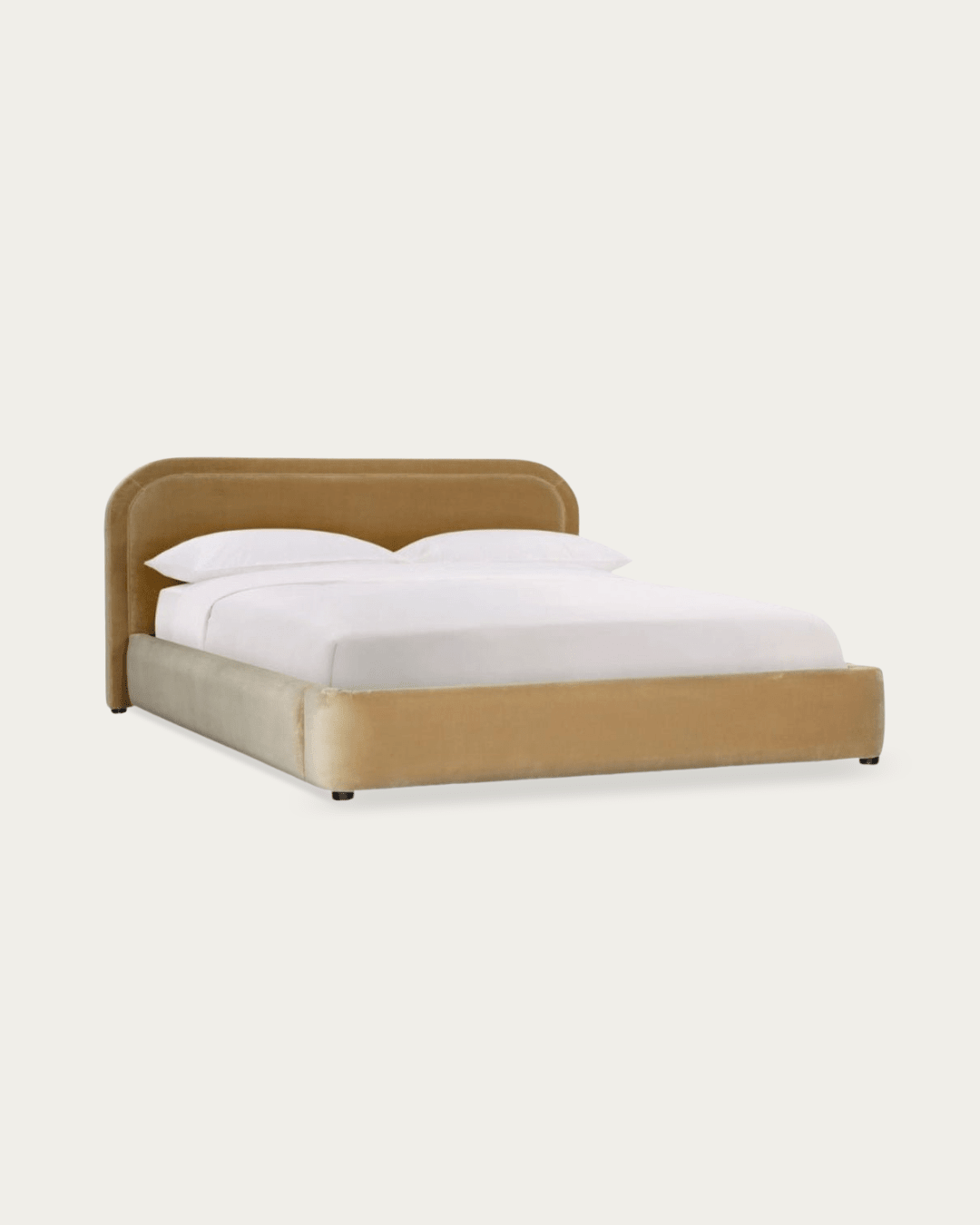
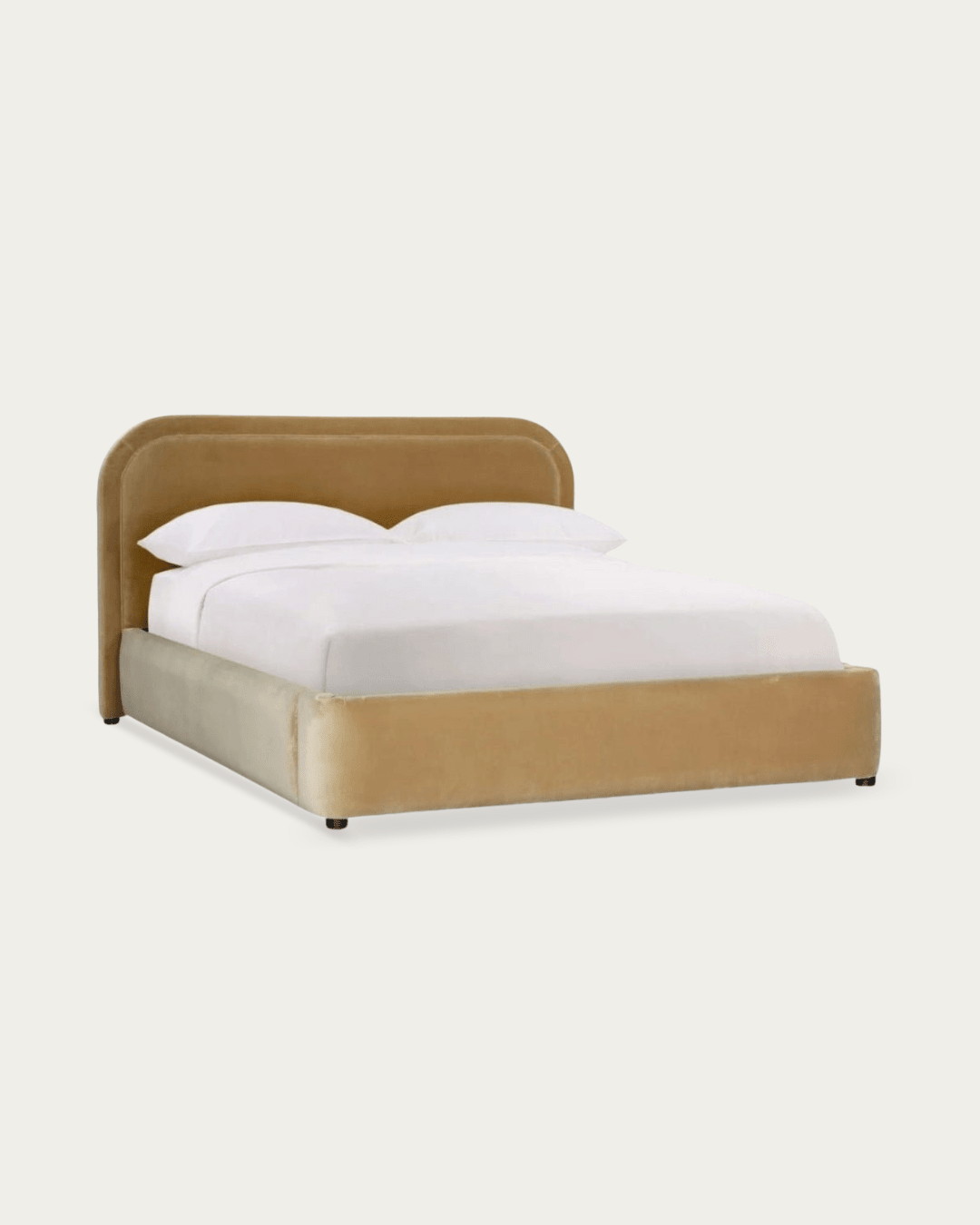
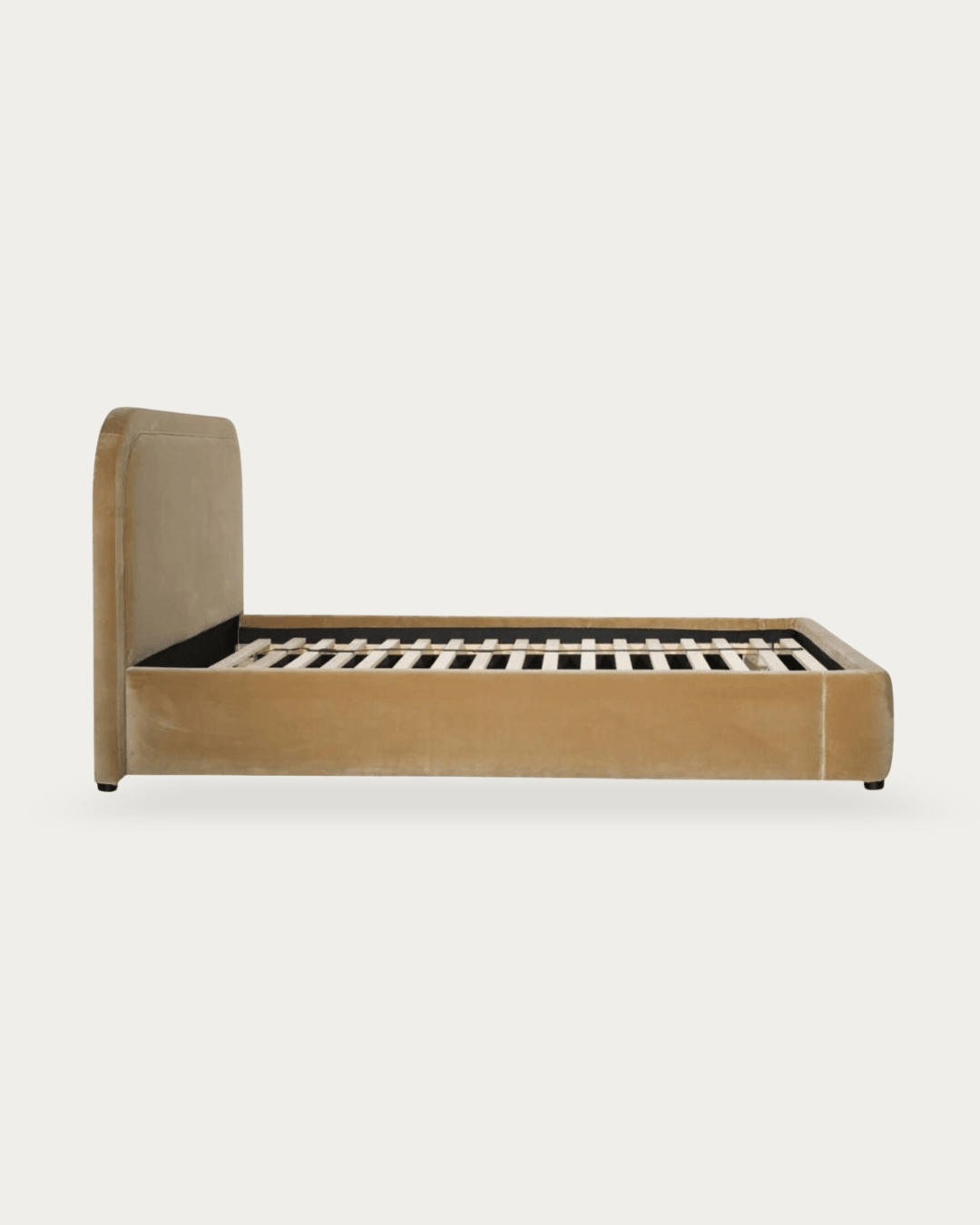
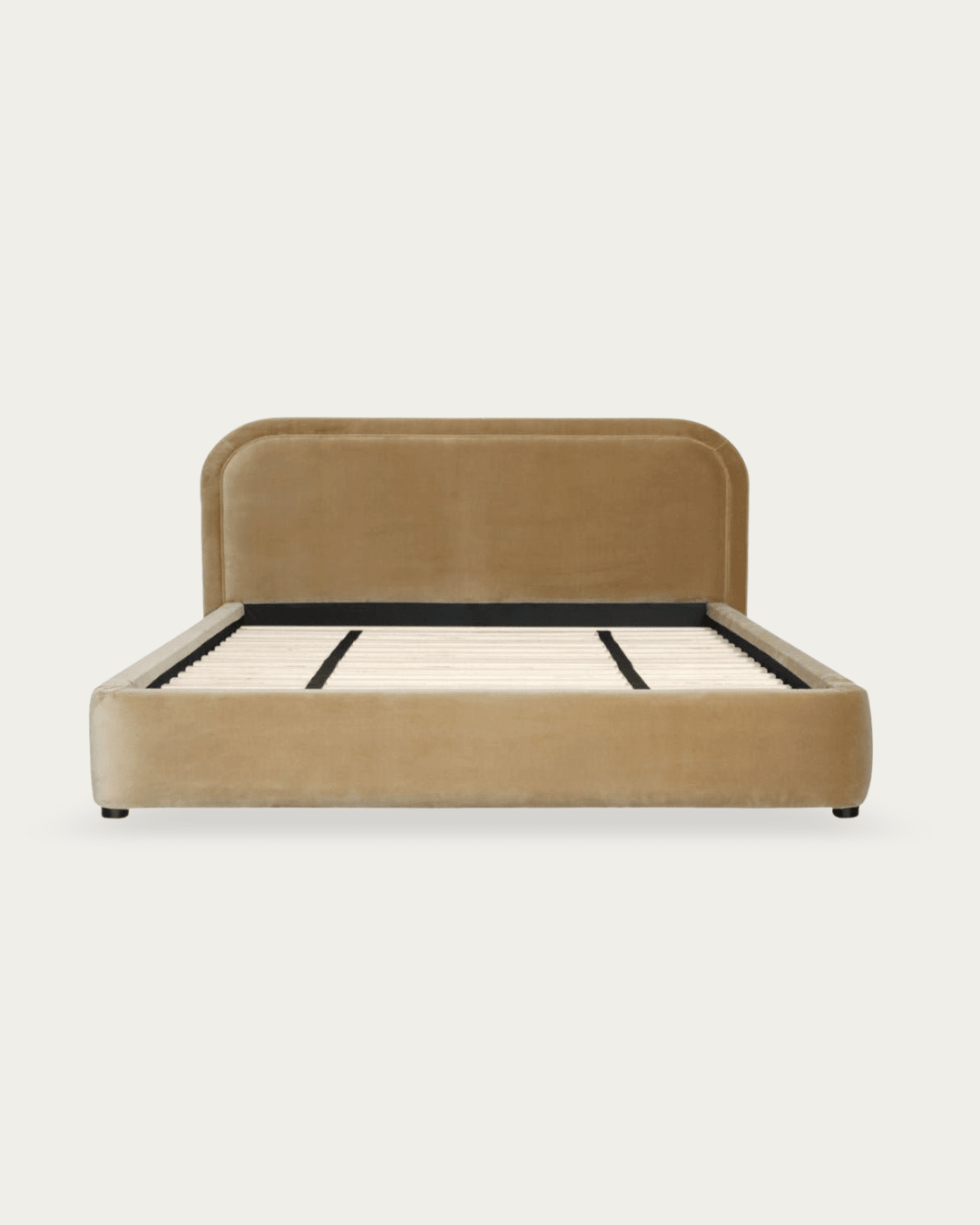
A piece like Baldur bed works well when you need a grounded center without taking over the room, while Bjorn bed suits larger layouts where more visual weight is needed.
Fix it by choosing the bed based on the room—not just preference.
Nightstands That Don’t Align With the Bed
A bedside nightstand that’s slightly off in height or scale can throw off the entire setup.
Too low, and it feels disconnected.
Too high, and it interrupts the visual line of the bed.
This creates a subtle imbalance that your brain keeps trying to correct.
A piece like the Jorik nightstand works when you need structure and alignment, while the Saevar nightstand brings a softer integration depending on the space.
https://hellonorden.com/collections/nightstands
Choose nightstands that align—not just fit
Alignment matters more than matching.
Pushing All Furniture Against the Walls
This feels like the easiest way to create space—but it often does the opposite.
When everything is pushed outward:
The room loses structure
Furniture feels disconnected
The center feels empty
Pulling pieces slightly inward creates cohesion.
A bed framed properly by nightstands and supported by surrounding furniture feels intentional—not scattered.
This is a small shift—but one that immediately changes how the room feels.
Using a Dresser That Dominates the Room
A dresser should support the space—not take control of it.
When it’s too large or placed incorrectly, it pulls focus away from the bed and creates imbalance.
This often happens when:
The dresser is too wide for the wall
It sits too close to the bed
It blocks natural movement
A piece like the Riven dresser works when you need a grounded presence, while the Jorik dresser integrates more subtly depending on placement.
https://hellonorden.com/collections/dressers
Choose storage that supports the room—not competes with it
The dresser should feel integrated—not dominant.
Ignoring the Space Between Furniture
Furniture placement isn’t just about where pieces sit—it’s about the space between them.
When spacing is off:
Movement feels restricted
The room feels tighter
The layout feels forced
This is especially noticeable around the bed.
Nightstands that are too close, or dressers that crowd walkways, create friction.
A piece like Vaino nightstand works well in tighter spaces due to its lighter footprint, while Veli nightstand suits rooms that can support more presence.
Space is part of the design.
Trying to Match Everything
Matching furniture seems like the safest choice.
But it often leads to a flat, predictable space.
A bedroom works better when pieces relate—not match.
That means:
Similar scale
Complementary materials
Balanced visual weight
A piece like an Eero dresser works well alongside varied textures, while a Jussi dresser complements without mirroring.
Coordination creates depth.
Matching removes it.
A RUTED Tip: Imbalance Creates Subtle Stress. Your brain constantly scans for balance in a space, and when furniture is uneven—whether in scale, height, or spacing—it increases cognitive load; correcting that imbalance through aligned bedroom furniture allows your nervous system to relax without effort.
Overfilling the Room With Furniture
More furniture doesn’t fix a bedroom.
It usually creates pressure.
Adding extra pieces—benches, additional storage, oversized decor—can make the room feel crowded even when everything technically fits.
The bed needs space around it to function as the center.
Restraint creates calm.
Choosing Furniture Without Thinking About Movement
A bedroom is something you move through every day.
If furniture placement forces you to:
Adjust your path
Squeeze through spaces
Work around obstacles
The layout isn’t working.
This is especially important with larger pieces like a king size bed frame, which requires more clearance than most people expect.
Good bedroom furniture supports movement.
It doesn’t interrupt it.
Ignoring How Materials Affect the Room
Even with the right layout, materials can make a room feel off.
Too many hard or uniform surfaces can create tension.
Natural materials—like wood and textured finishes—soften the space and reduce visual noise.
This is what makes a room feel calmer without adding more furniture.
Material choice isn’t just visual.
It affects how the space is experienced.
Not Building the Room in the Right Order
One of the most common mistakes is trying to complete the room all at once.
This leads to:
Poor scale decisions
Forced placement
Unnecessary pieces
Instead, build in layers:
Bed first
Nightstands next
Dresser placement
Adjust spacing
Add final elements
A piece like an Eirikur bed works well as a starting point, while a Jukka bed can anchor larger setups when the room supports it.
Building gradually leads to better decisions.
Why the Room Still Feels Off
Even when everything is in place, a bedroom can still feel unresolved.
That’s because the issue isn’t individual pieces.
It’s how they interact.
When furniture:
Competes instead of supports
Interrupts instead of aligns
Crowds instead of balances
The room creates subtle tension.
Fixing it doesn’t require replacing everything.
It requires adjusting what’s already there.
Where to Start
If your bedroom feels off, simplify the process.
Focus on three things:
Bed placement
Nightstand alignment
Dresser positioning
Adjust those first.
Then reassess the space.
Small changes often create immediate results.
Final Thought
A bedroom doesn’t feel restful because of how much furniture it has.
It feels restful because of how well everything works together.
When your bedroom furniture, from your queen bed frame or king size bed frame to your dresser and bedside nightstand, aligns in scale, placement, and material, the room stops feeling like something you’re trying to fix—and starts feeling like something you can settle into.
And that’s what matters.
If you’re ready to refine your space, start here:
https://hellonorden.com/collections/bedroom