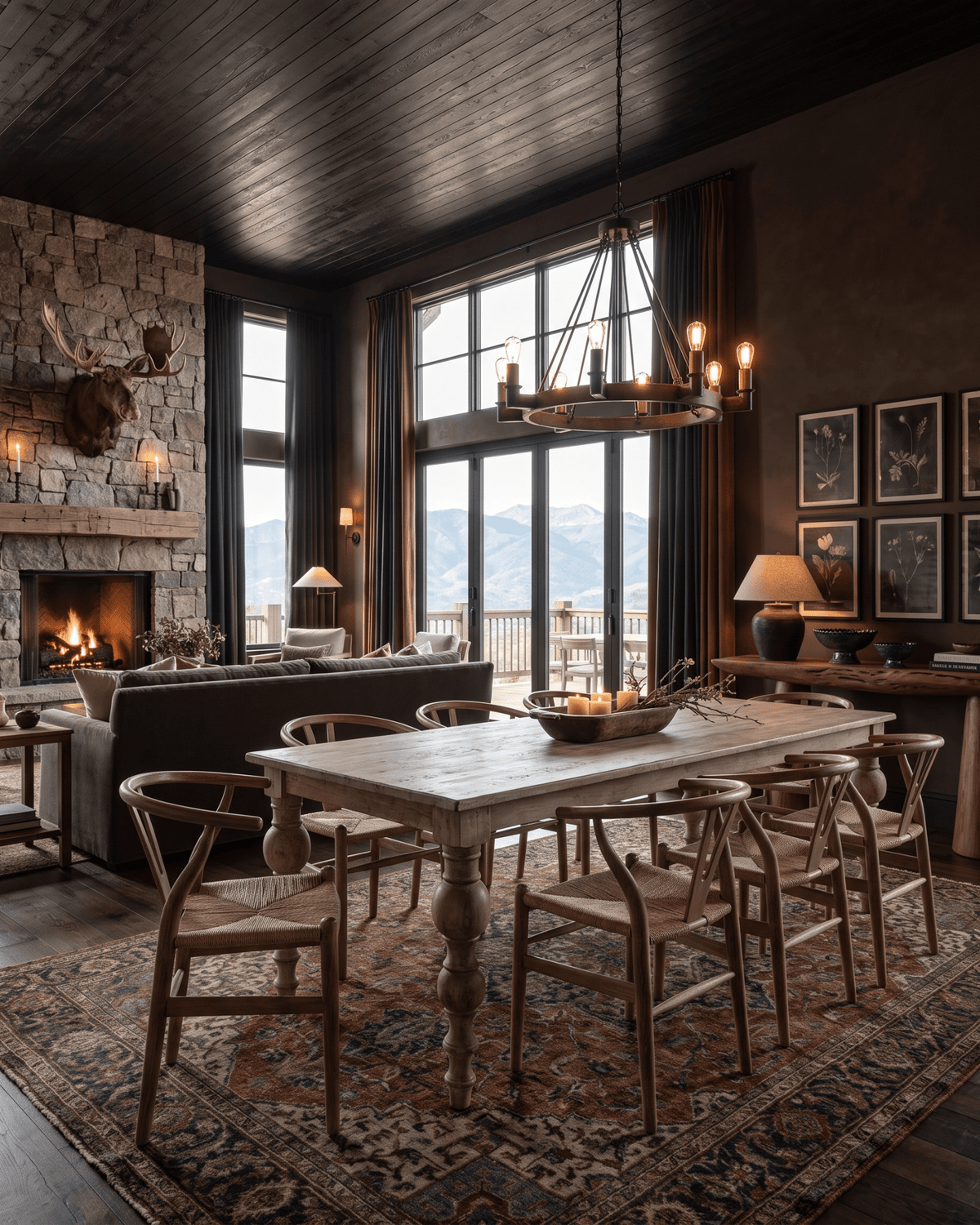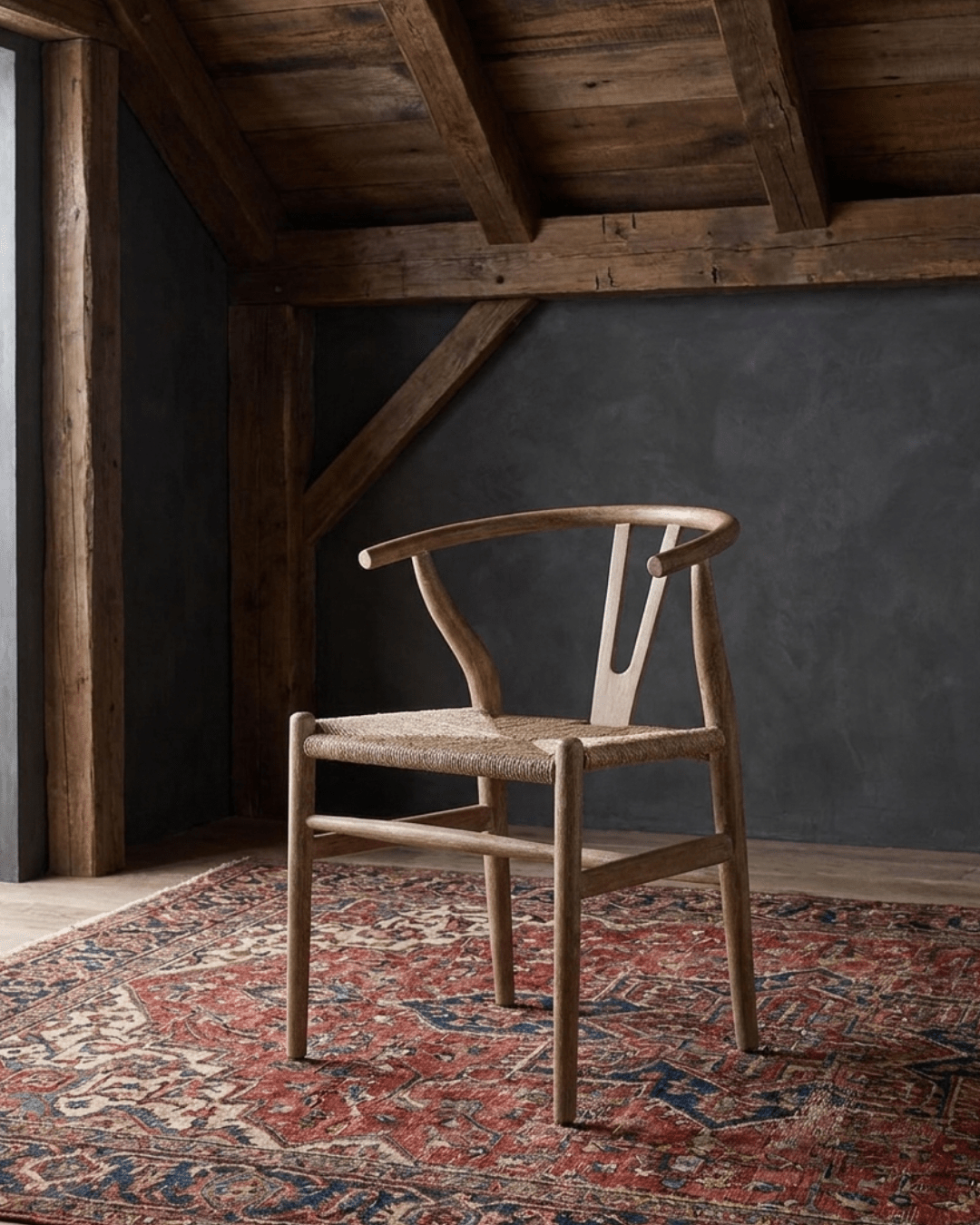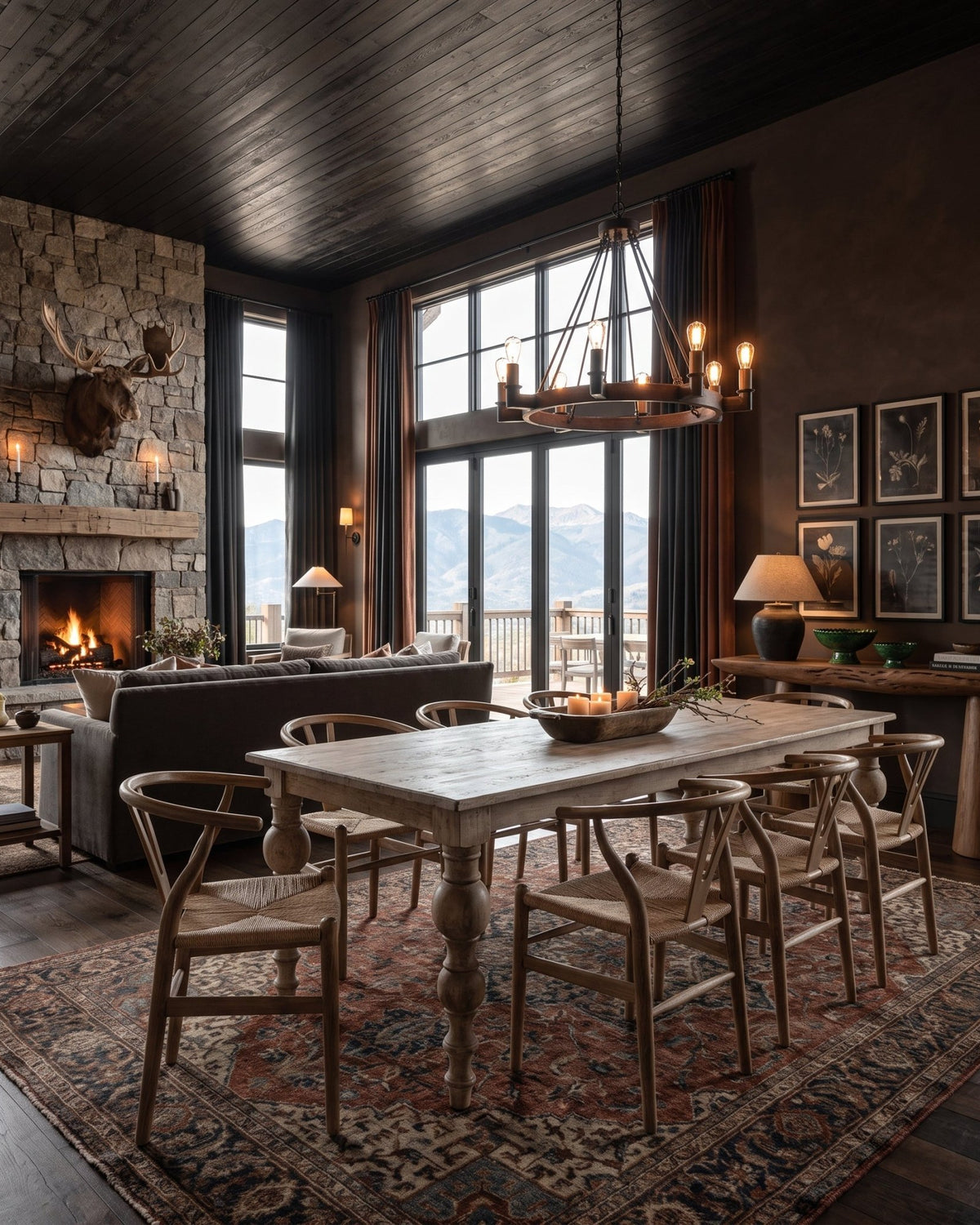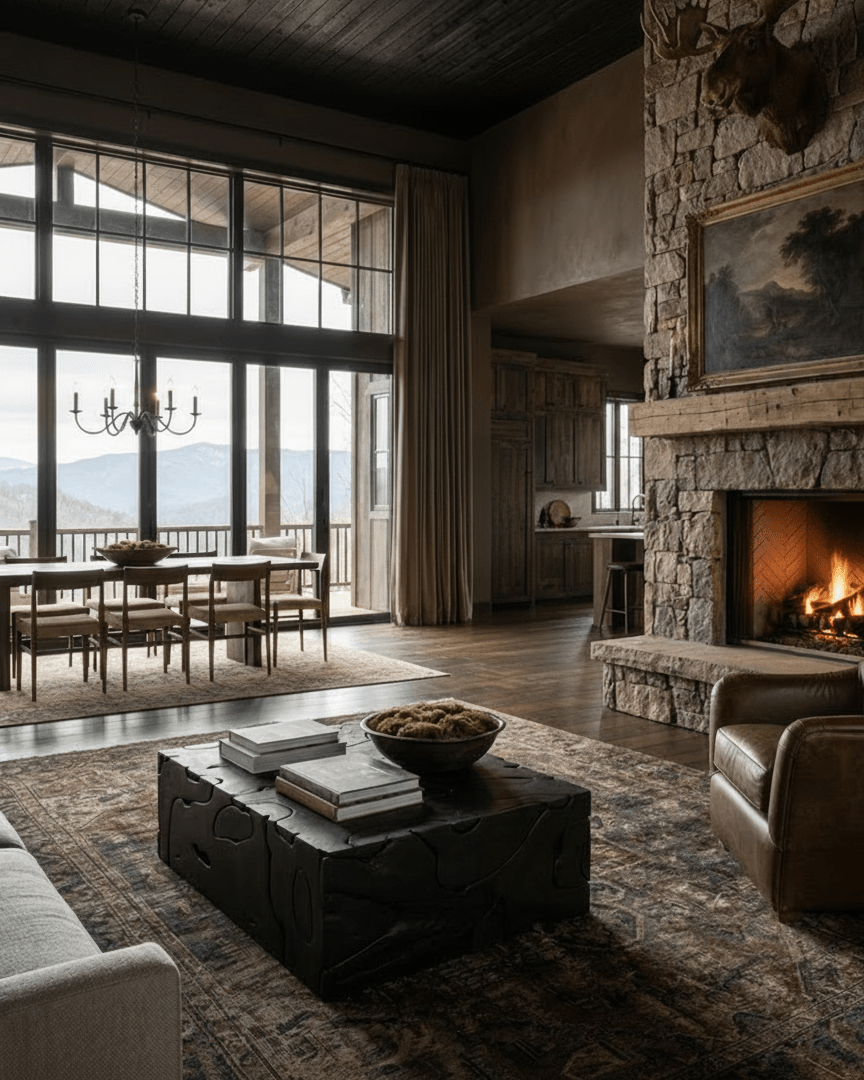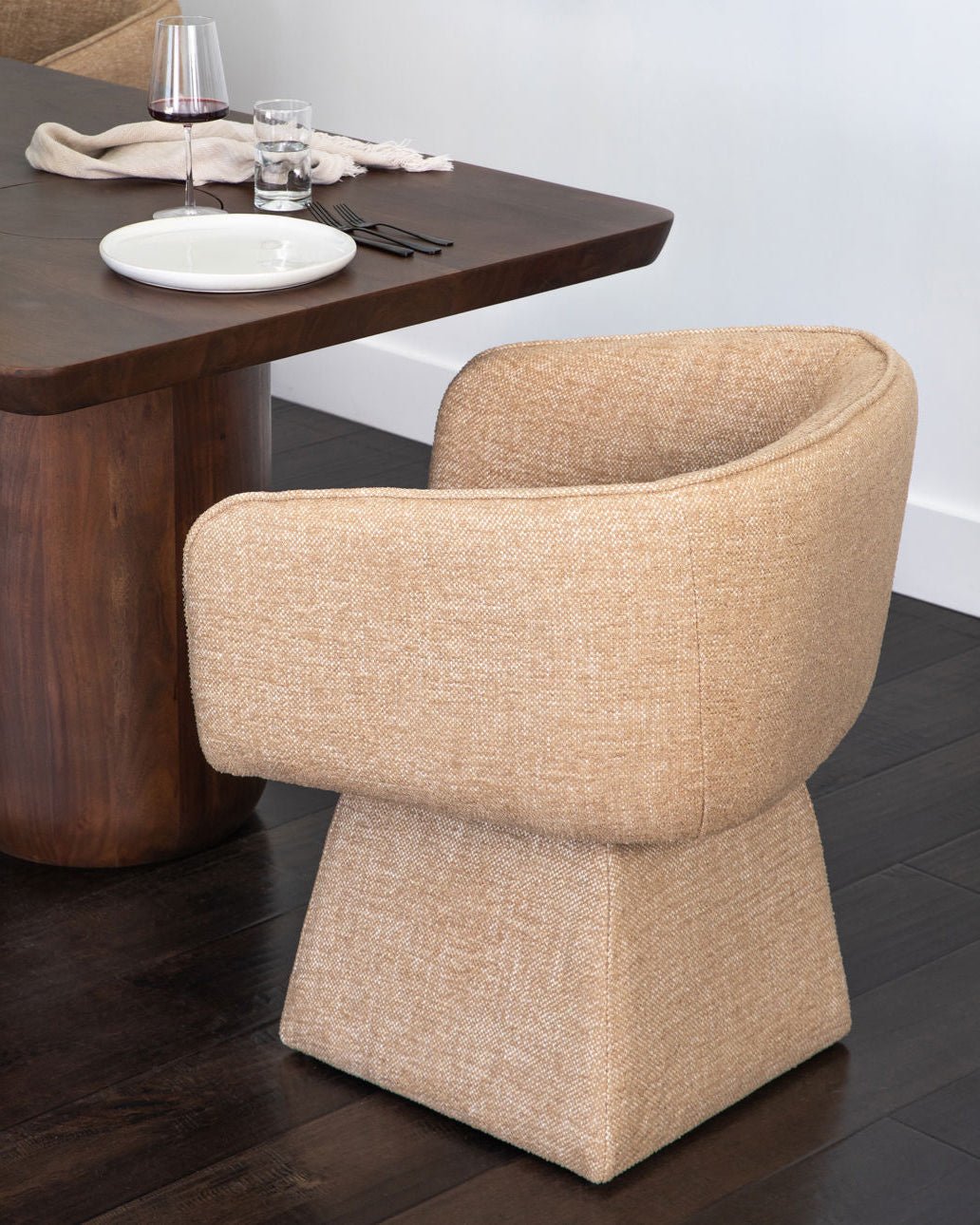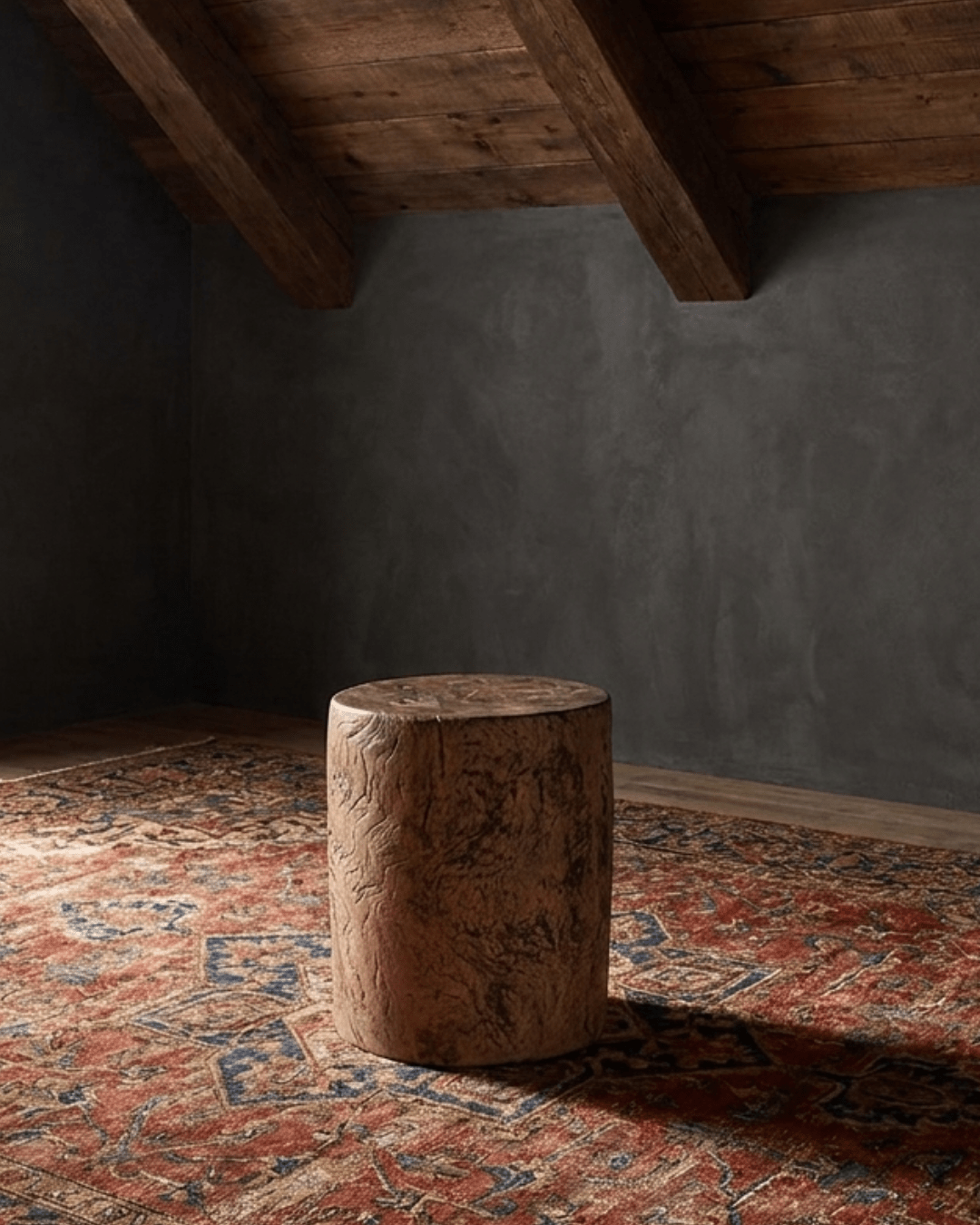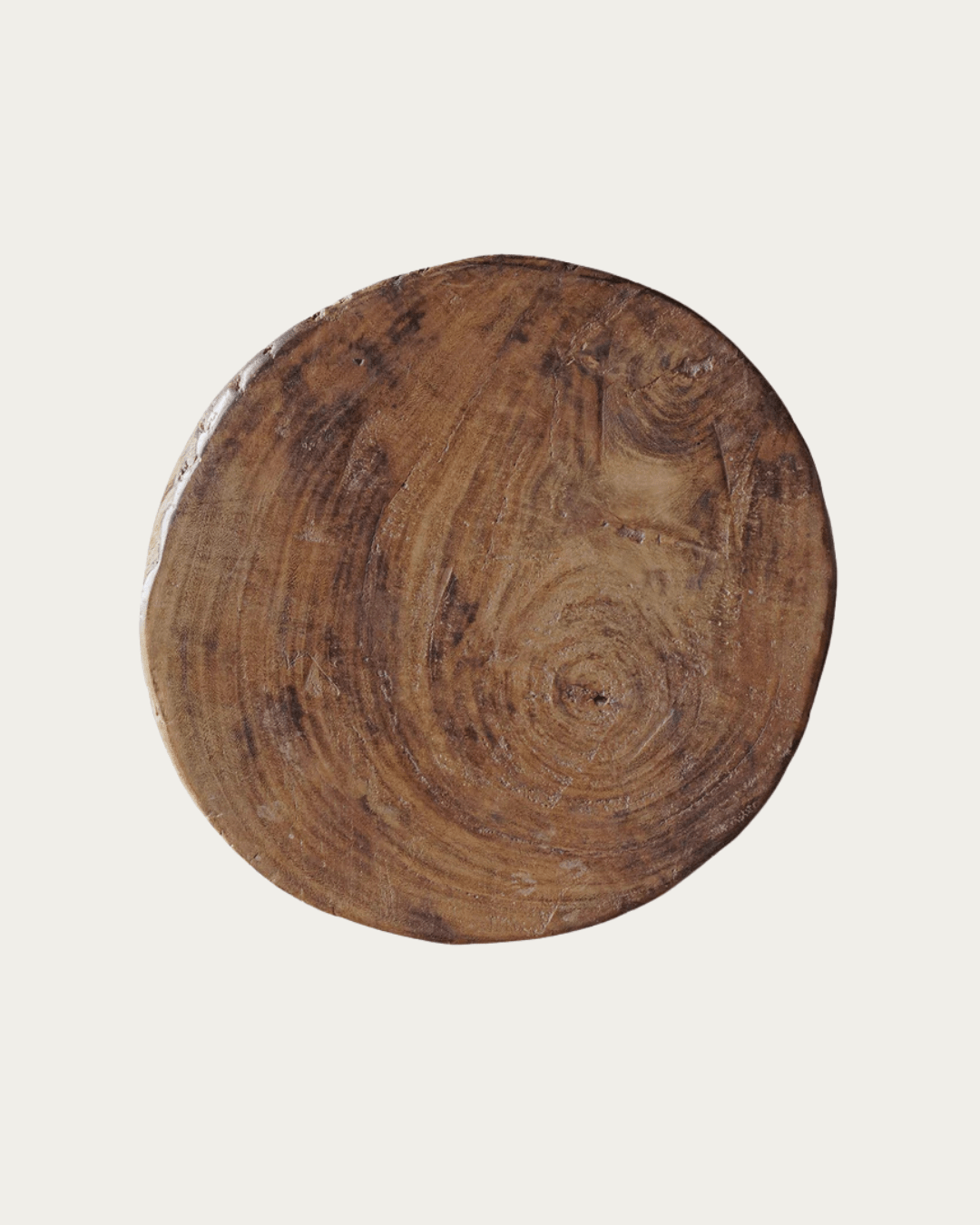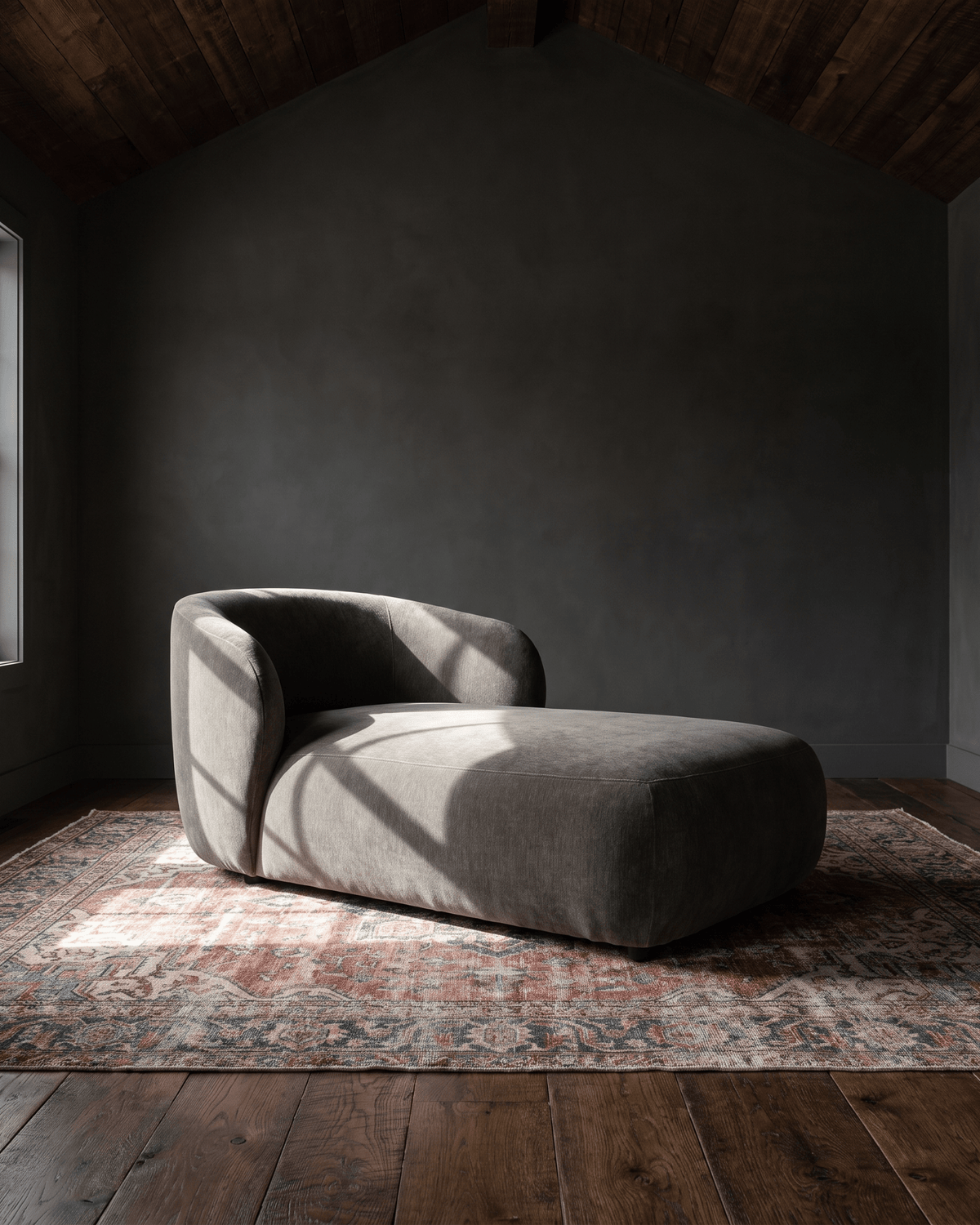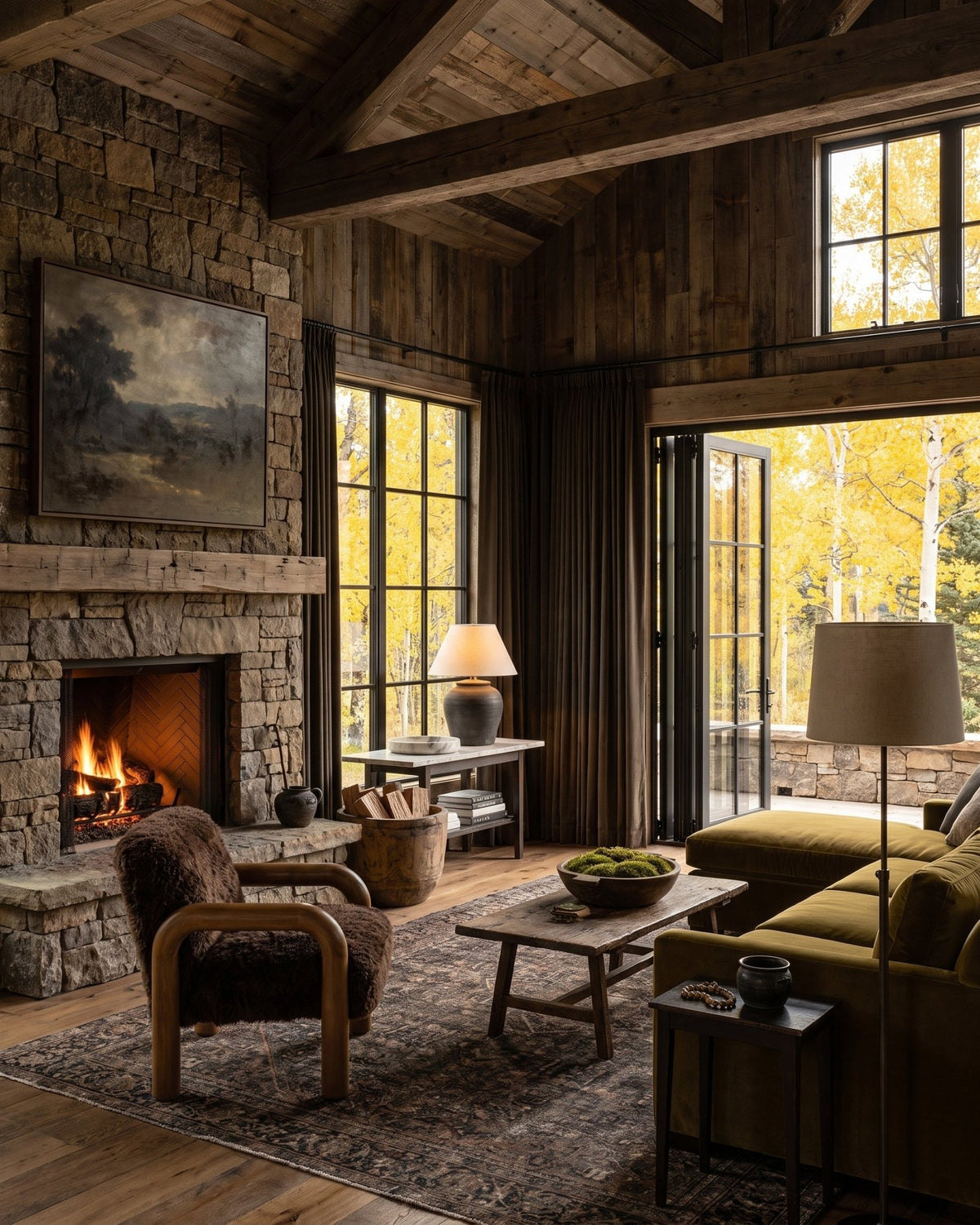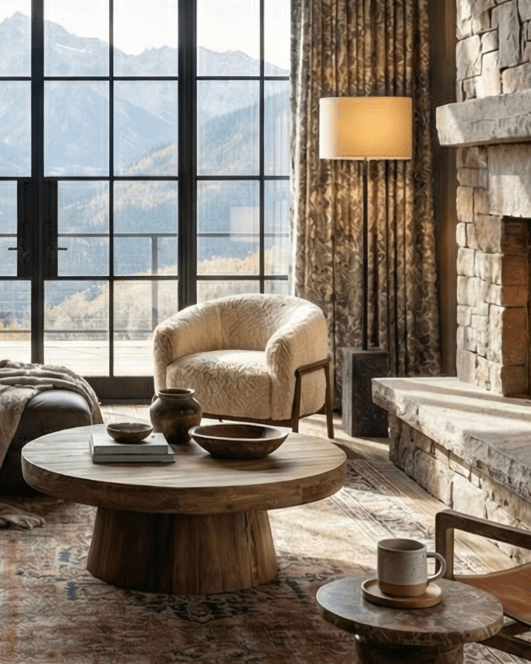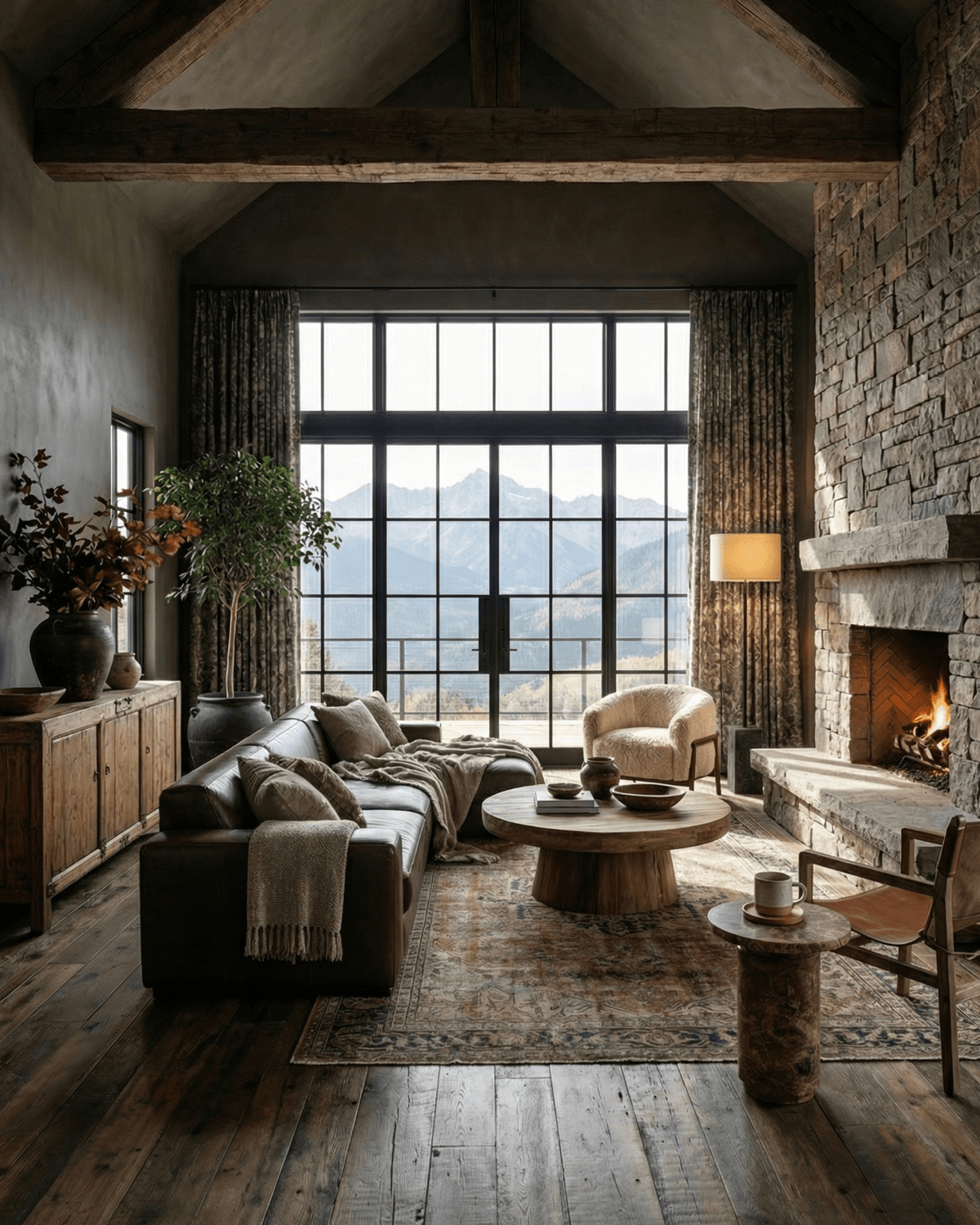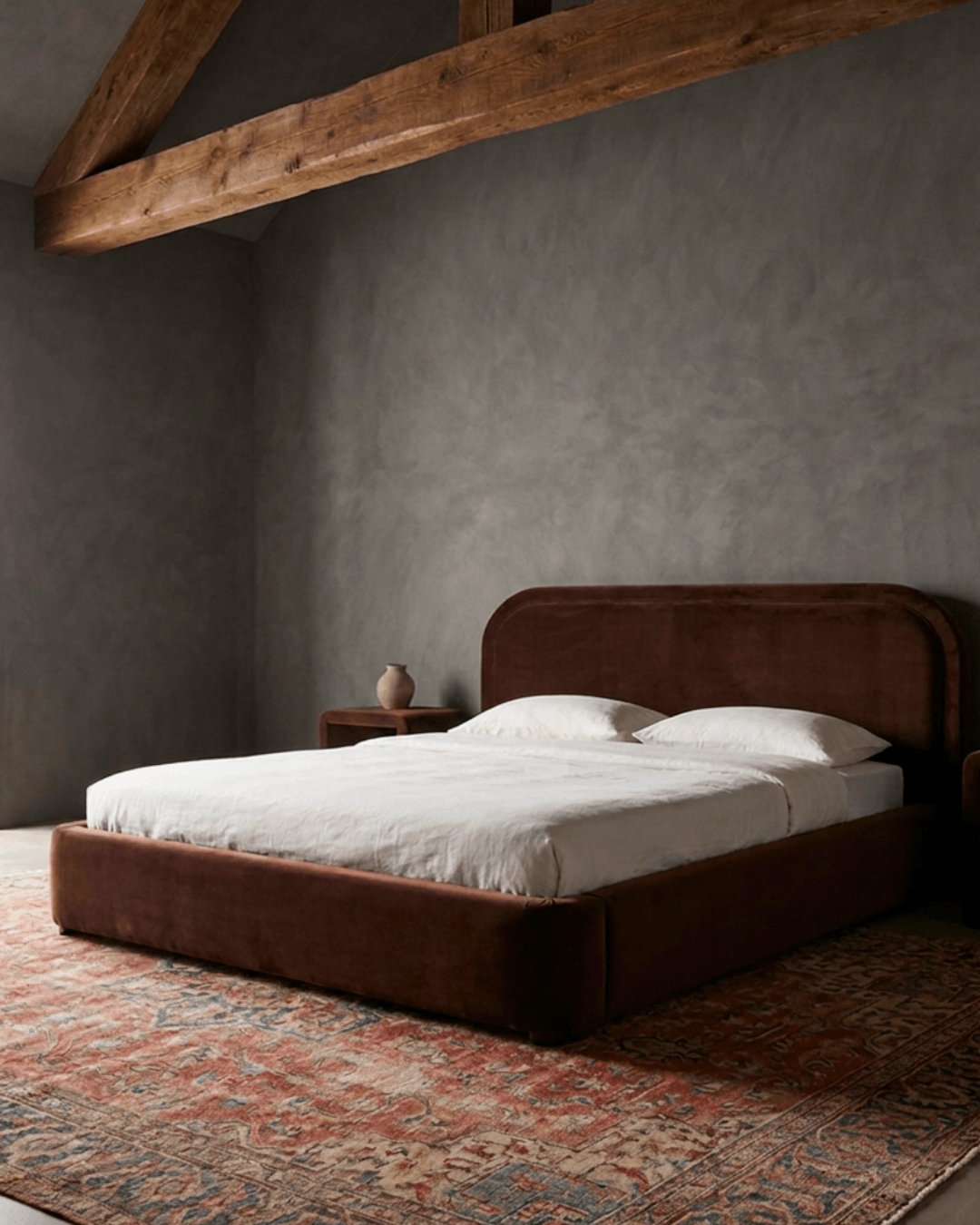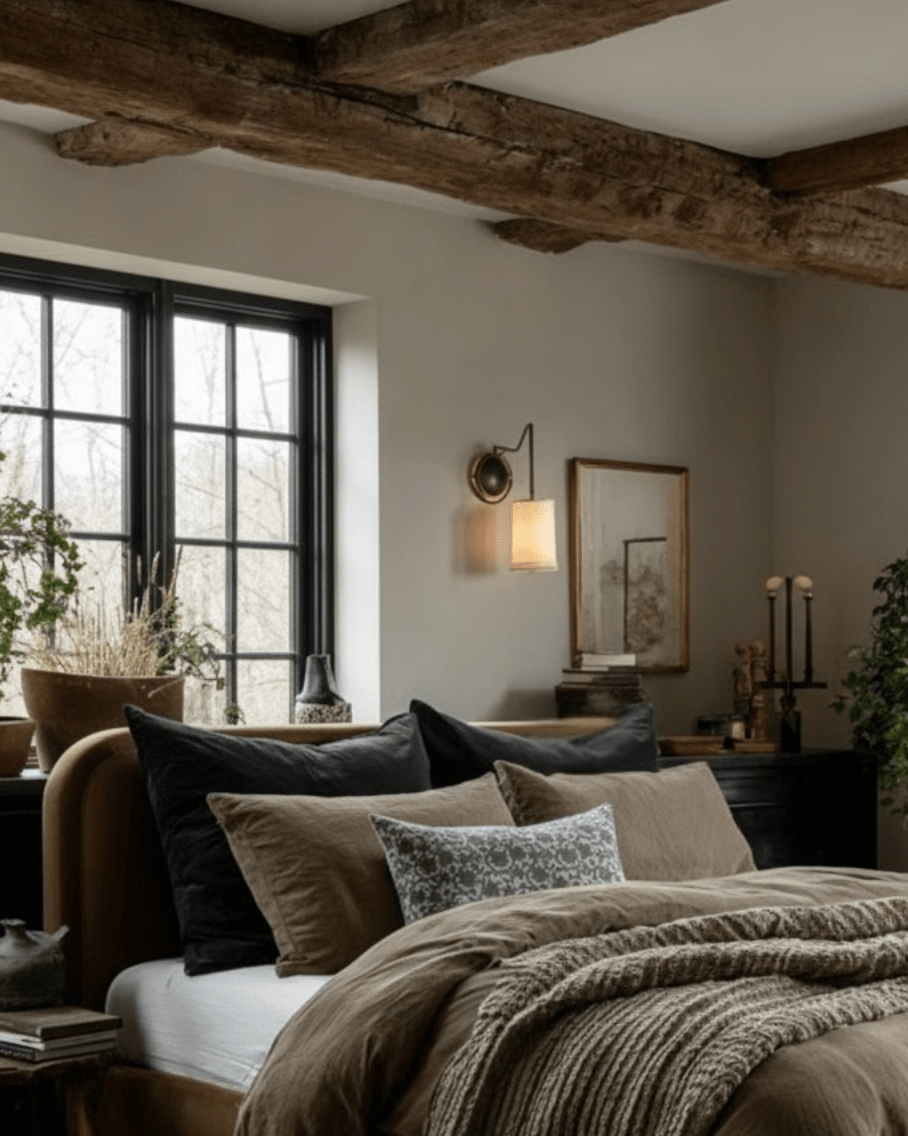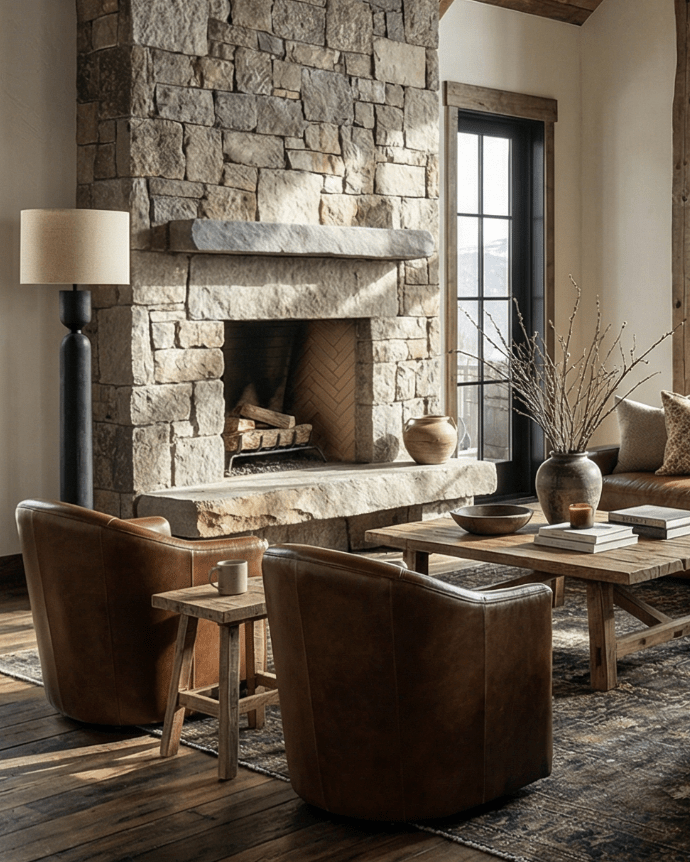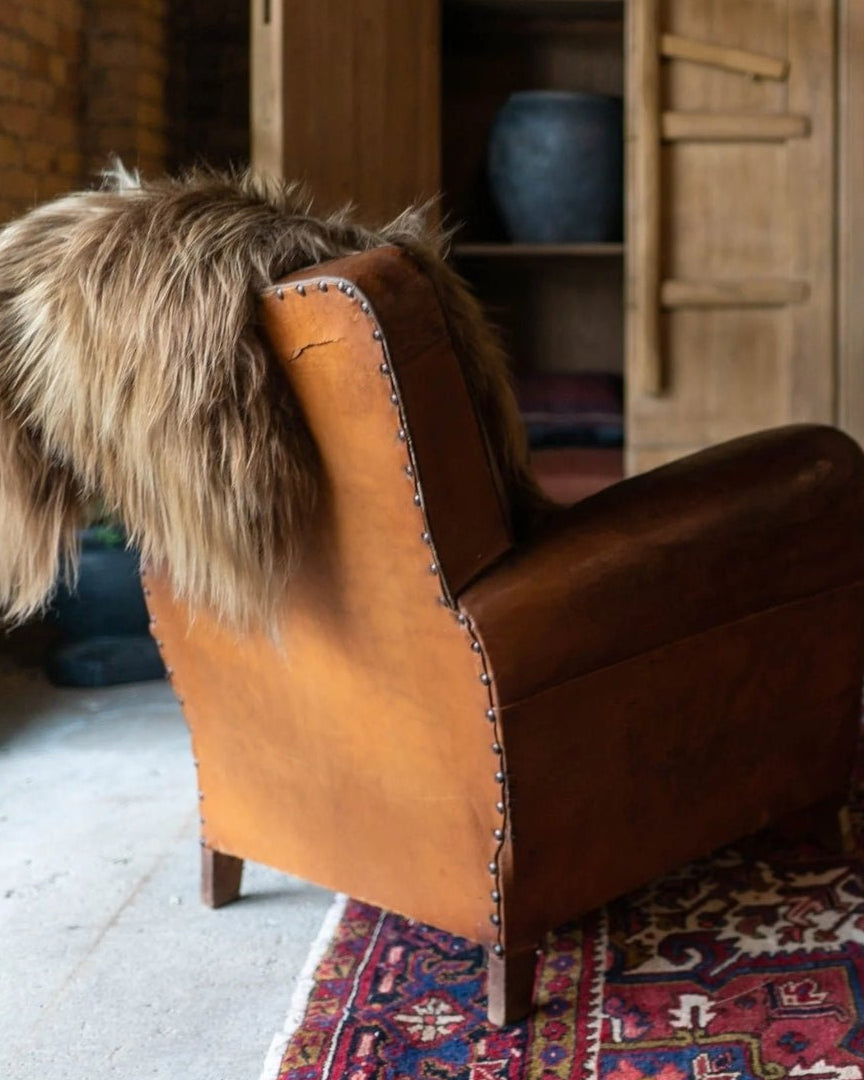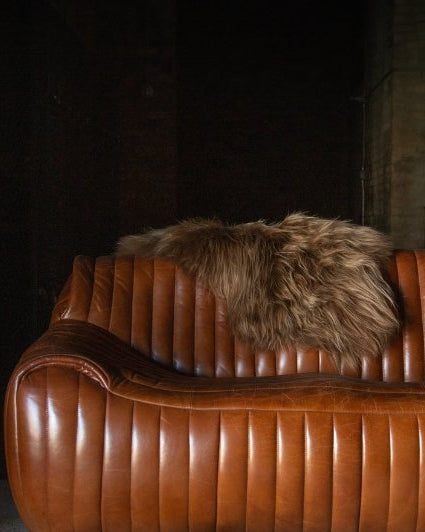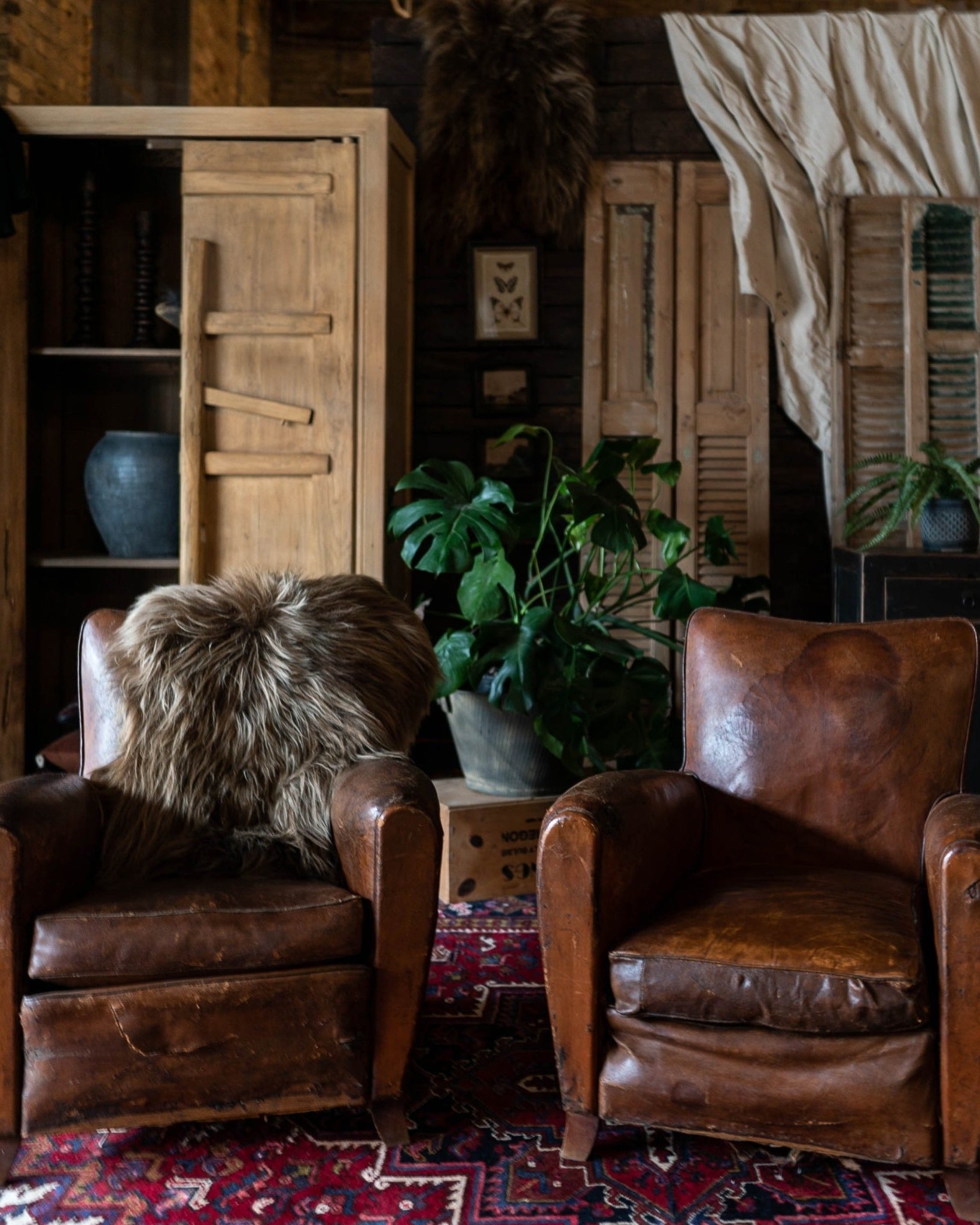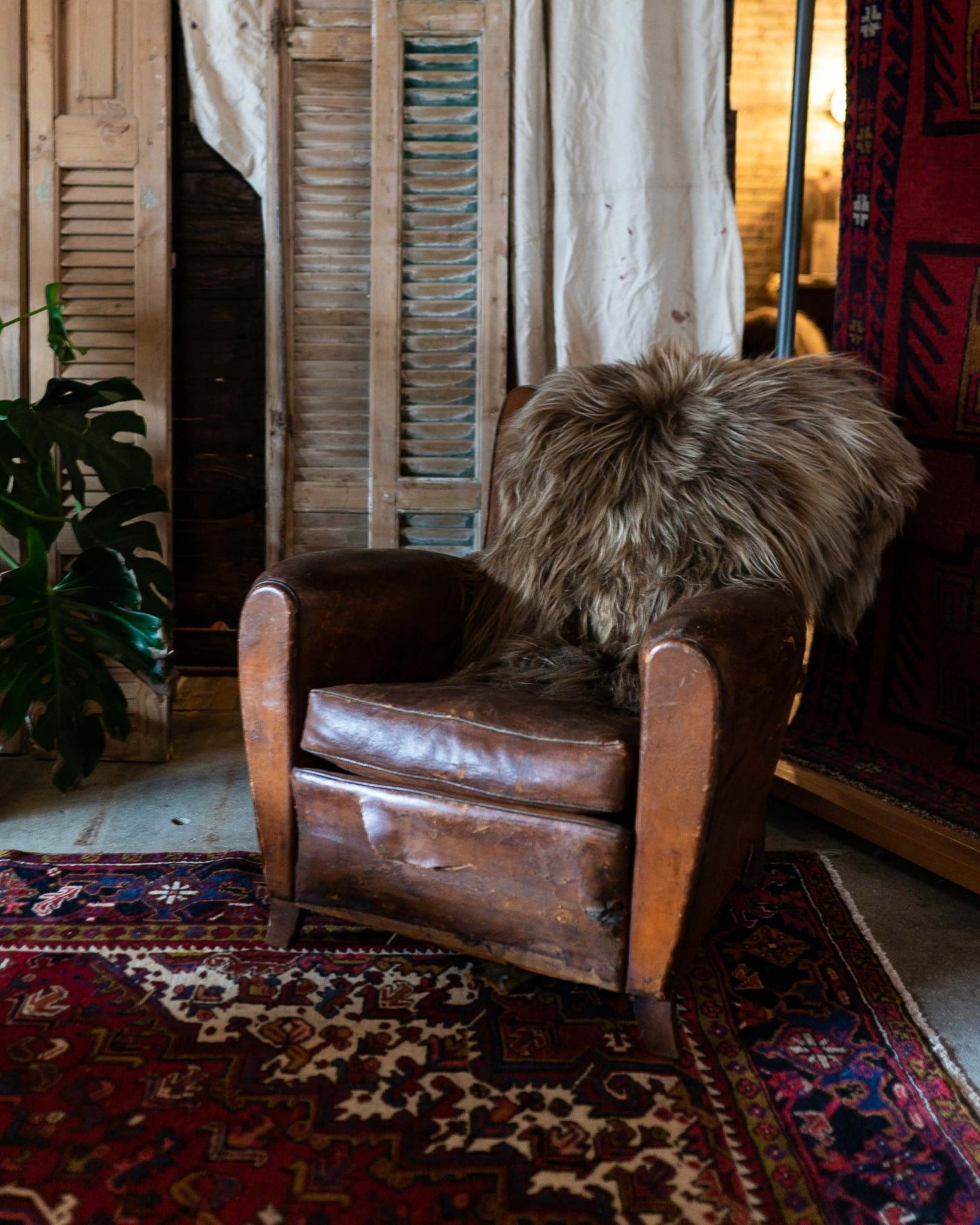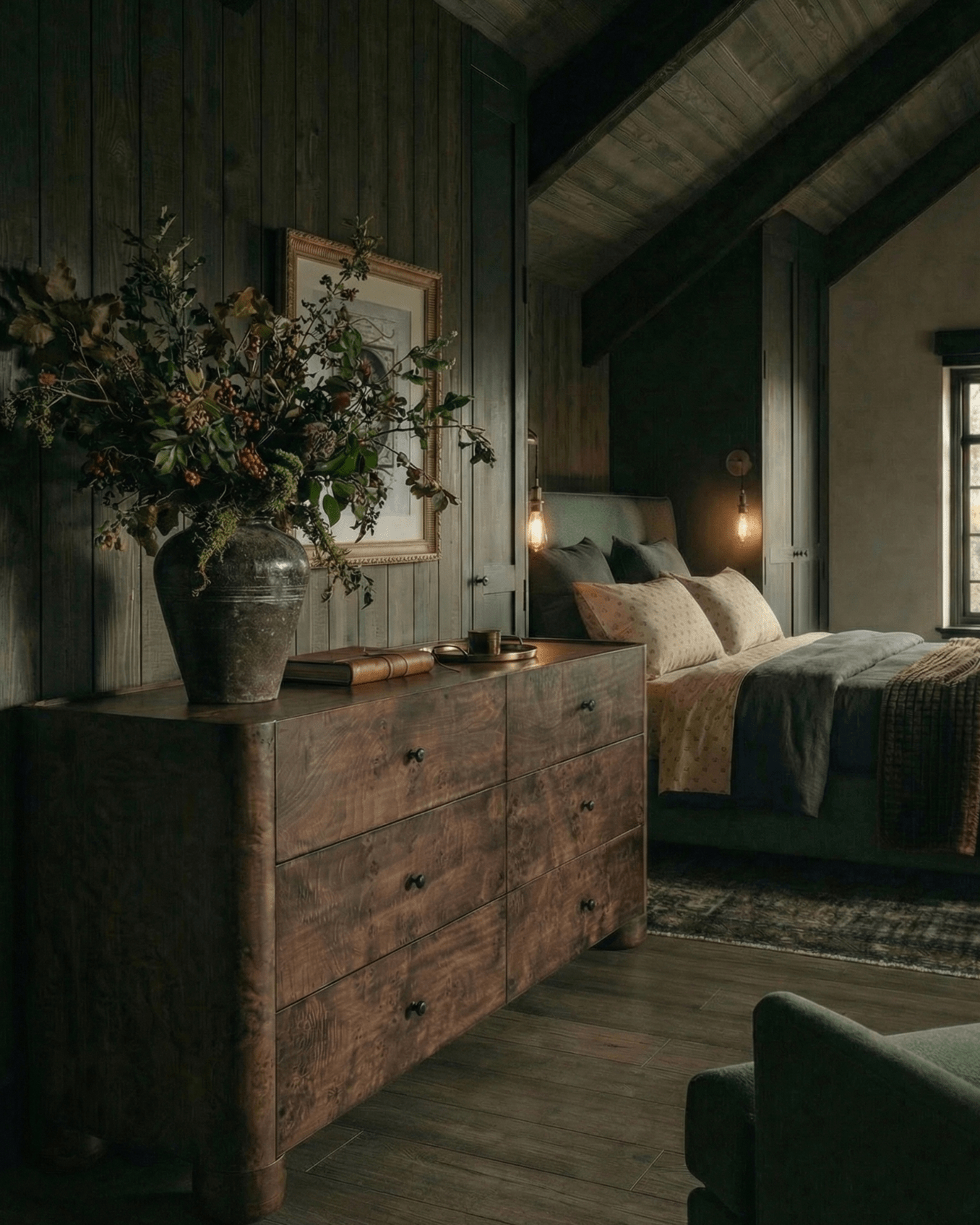




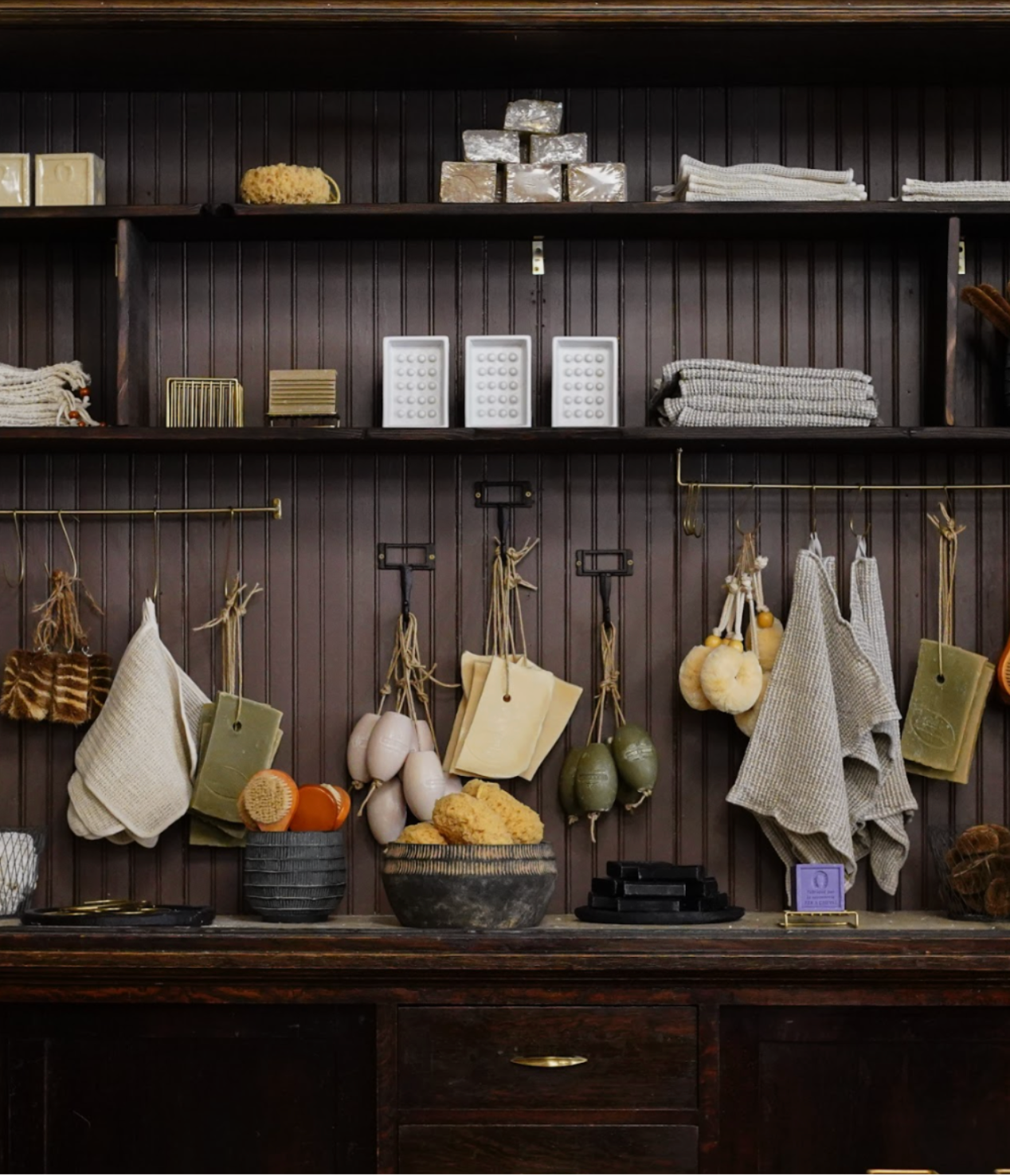


Some homes look finished.
Others feel lived in.
The difference isn’t how much furniture is in the room or how styled everything looks. It’s something less obvious—something you feel before you notice.
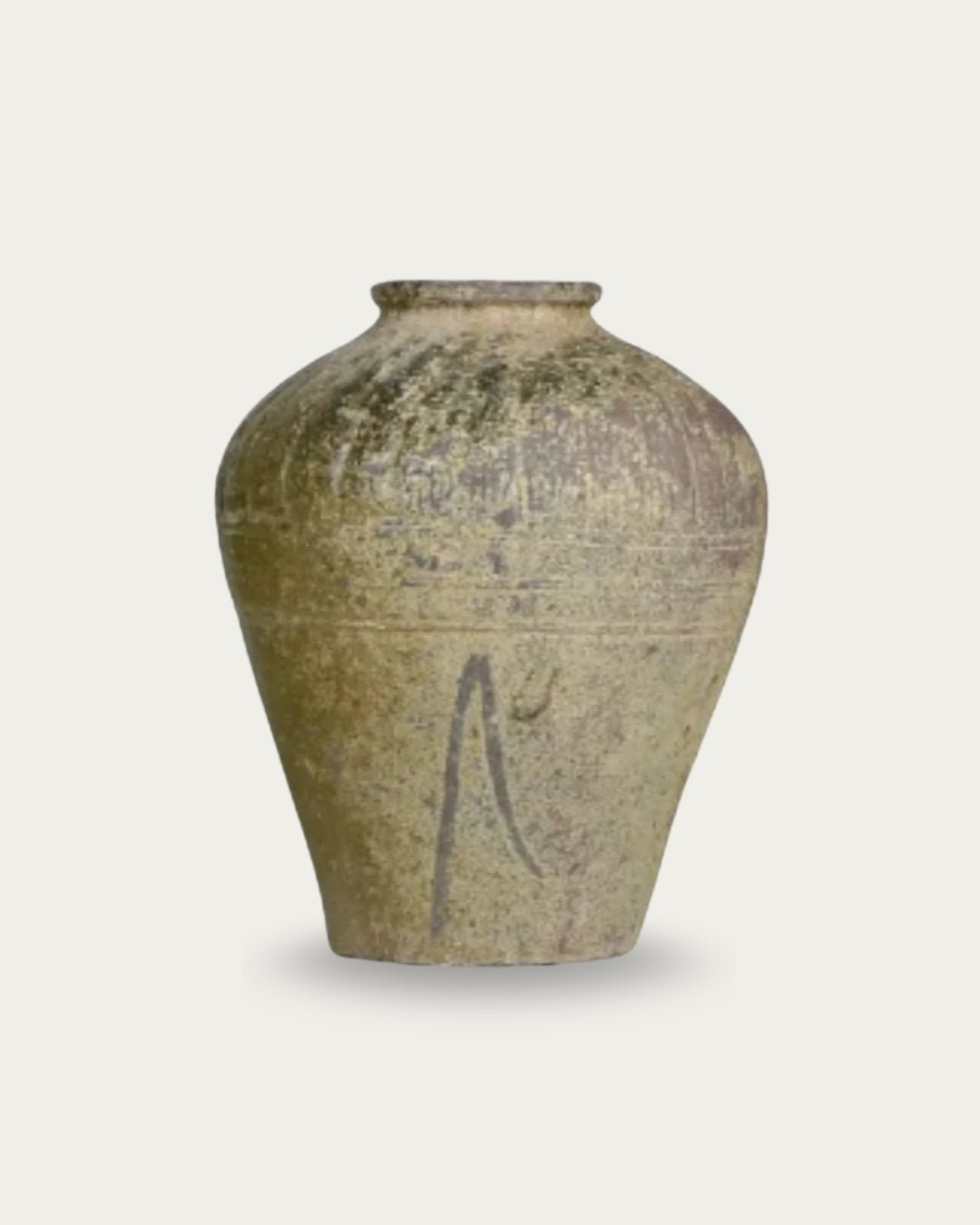
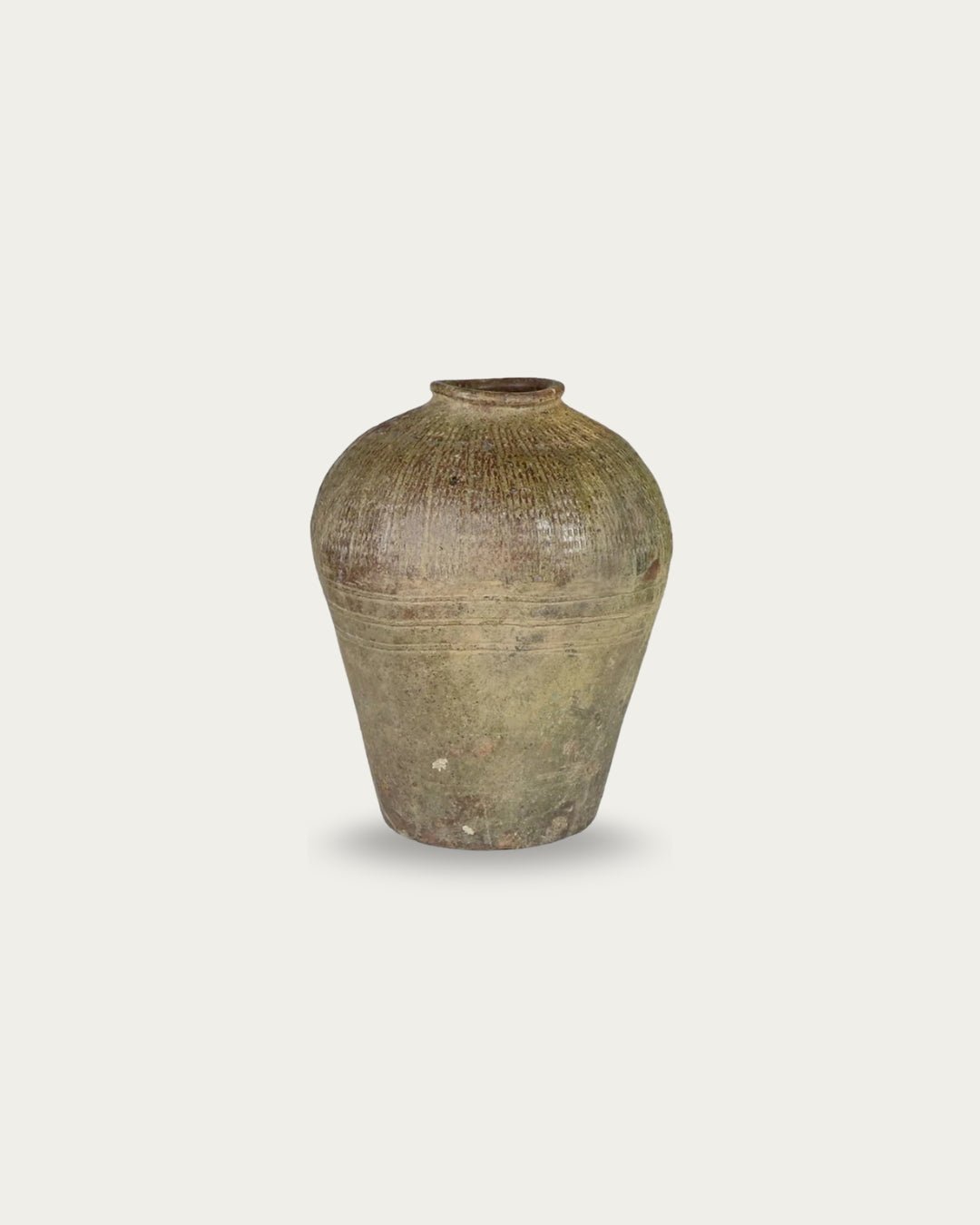
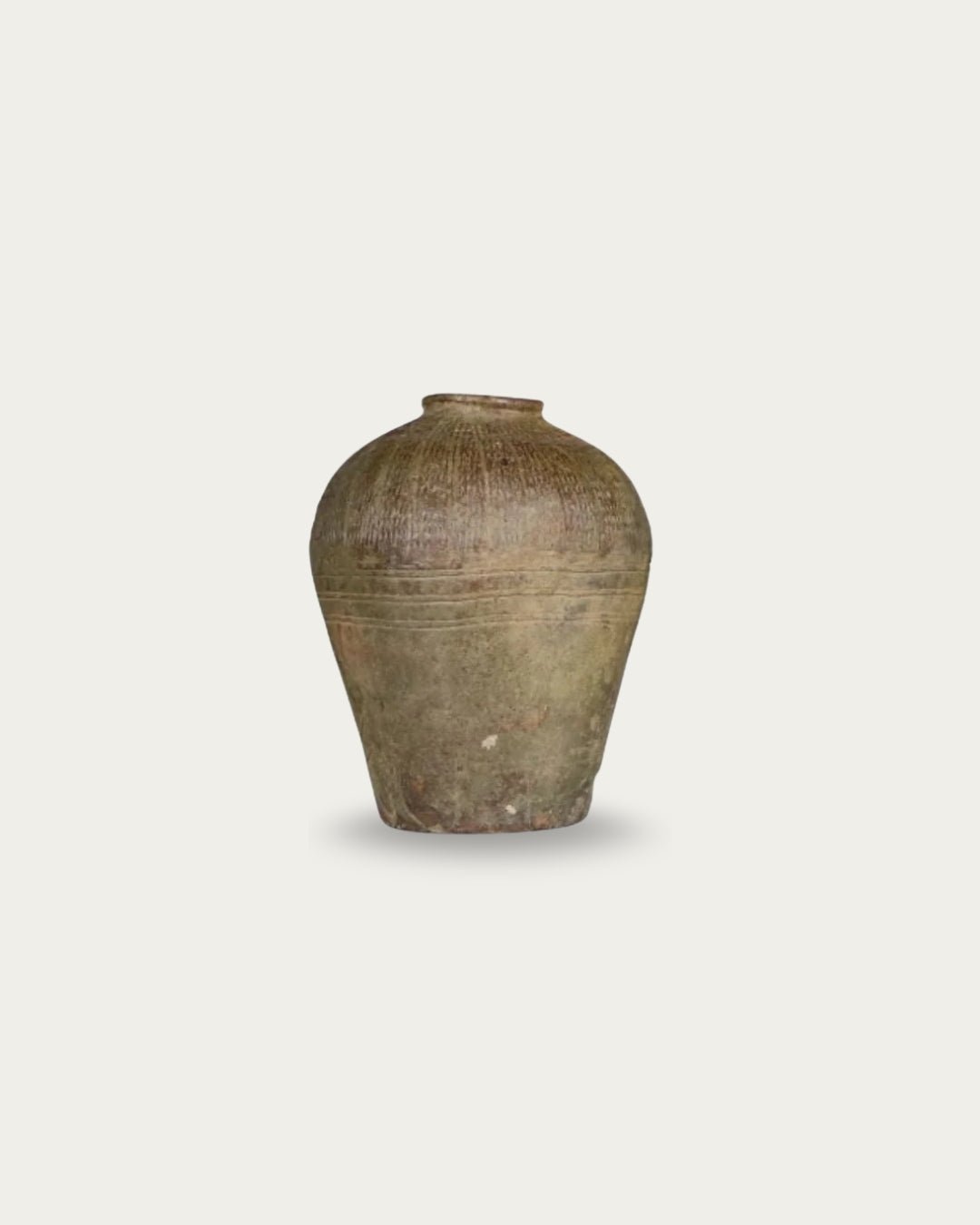
That difference often comes down to vintage decor.
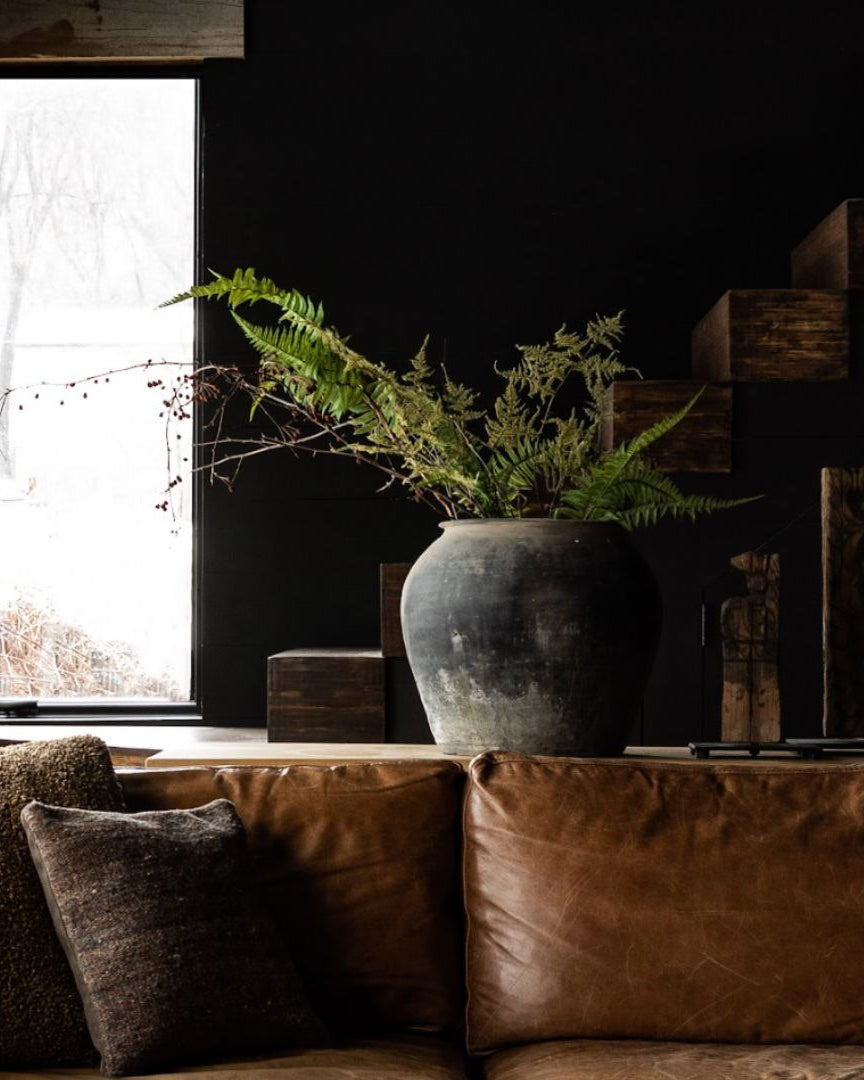
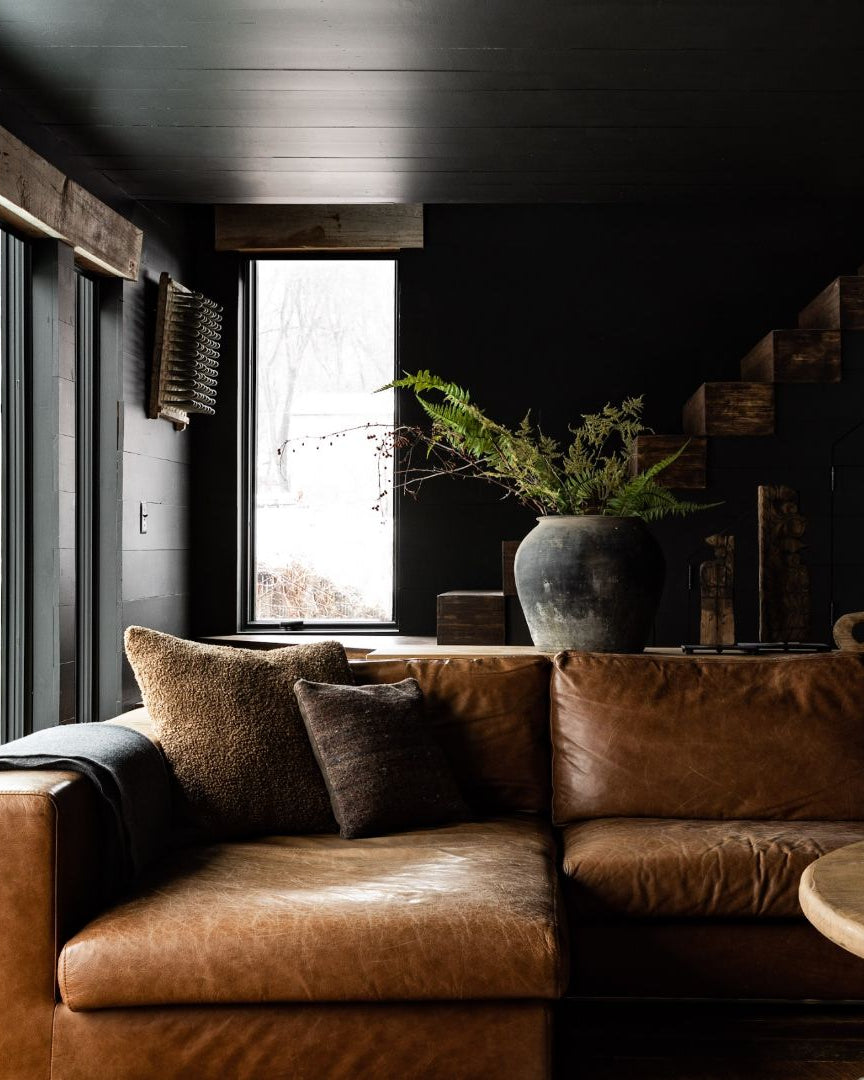
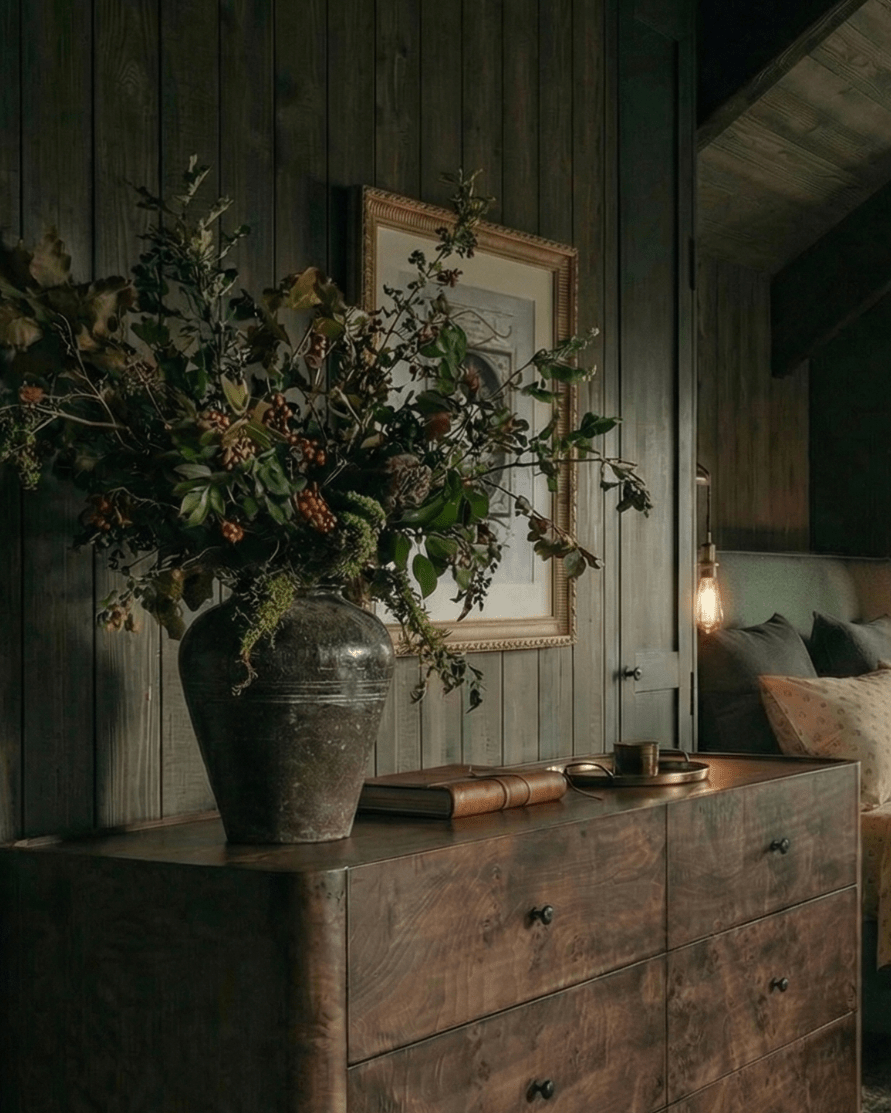
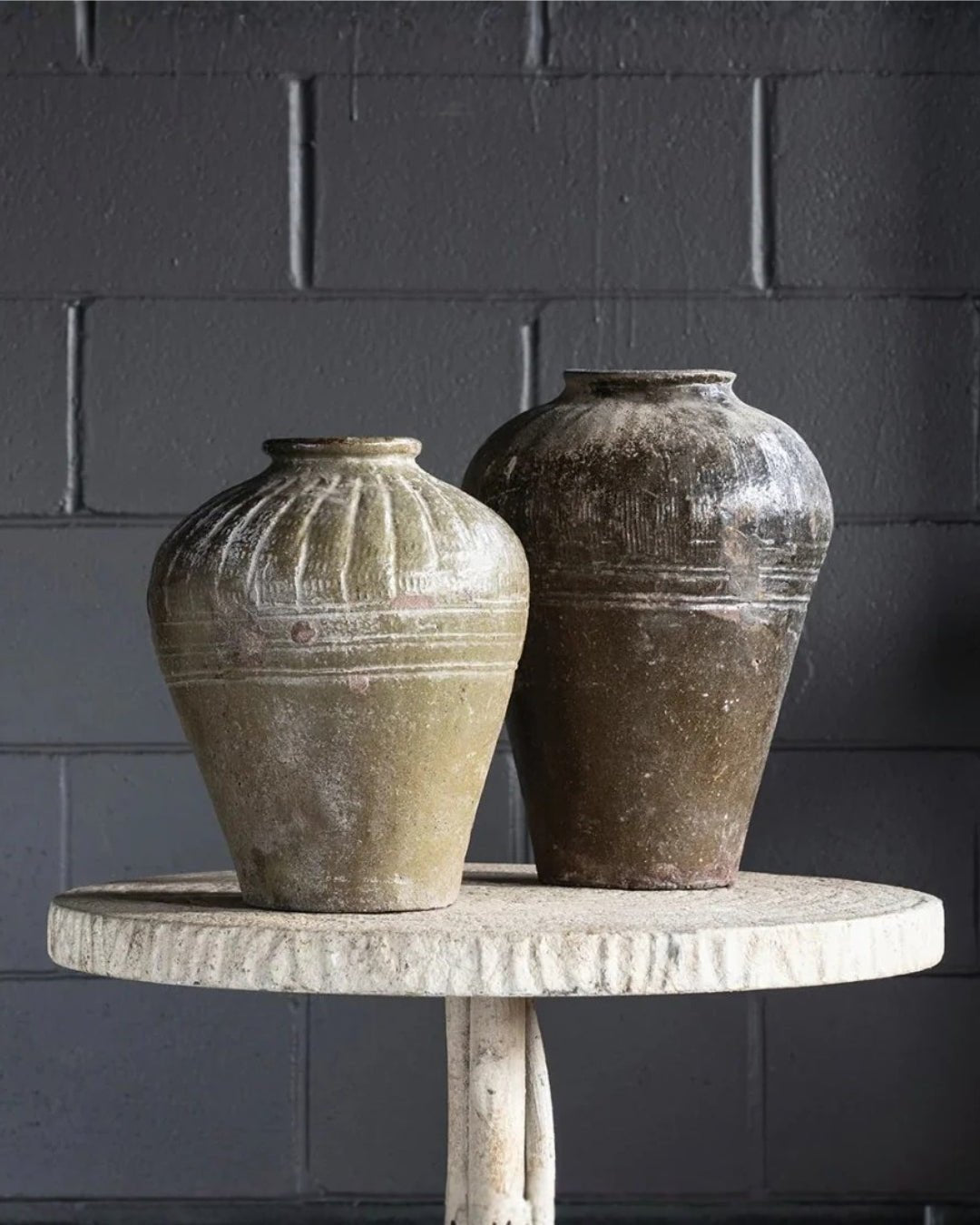
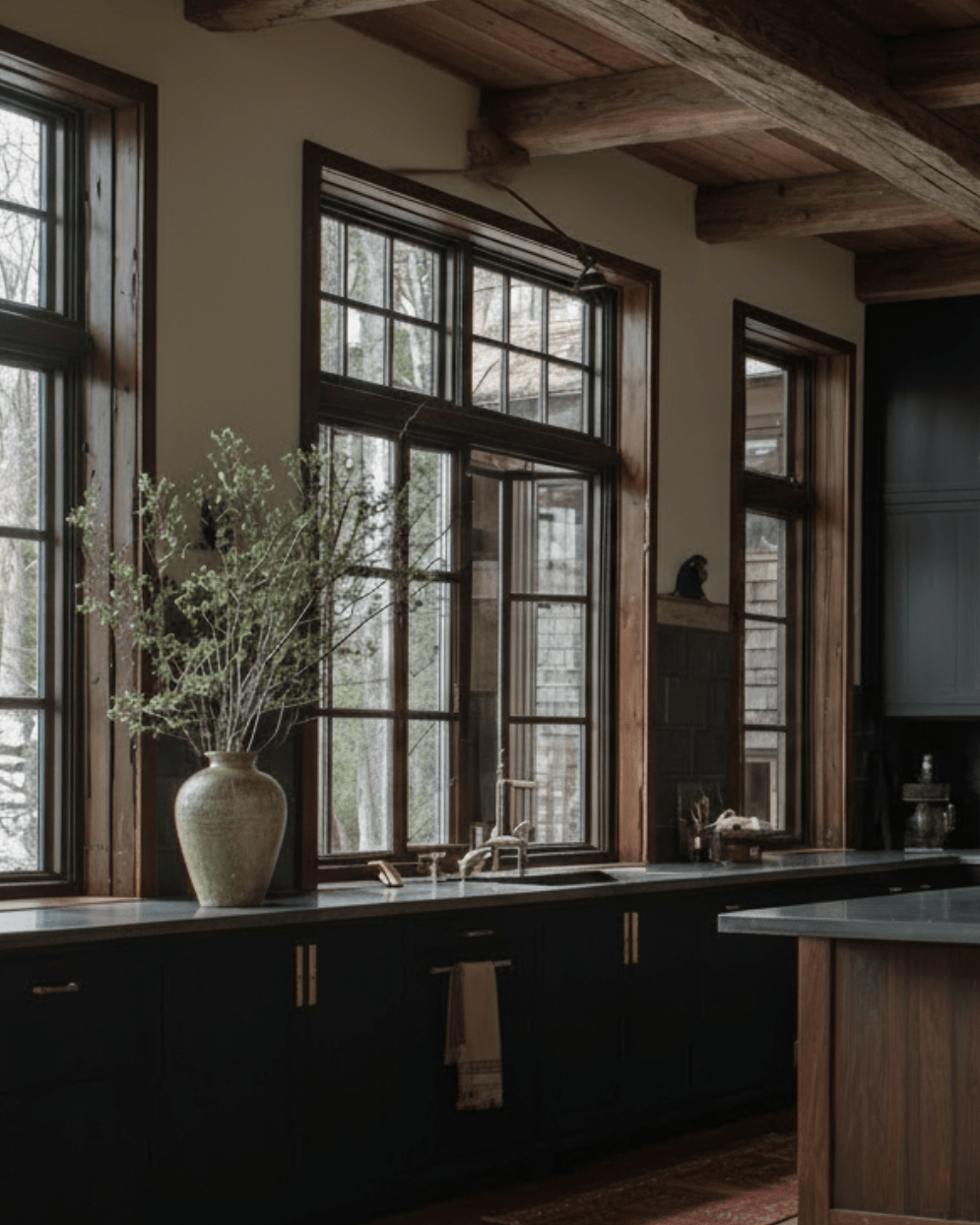
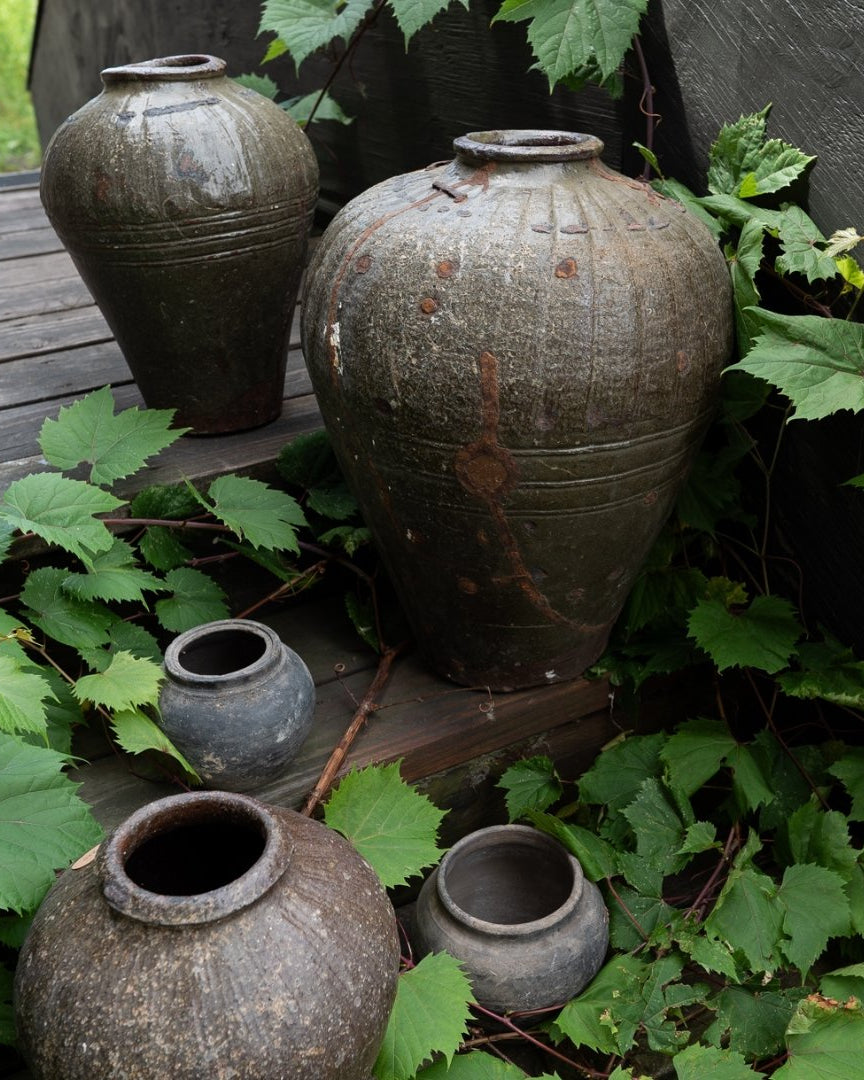
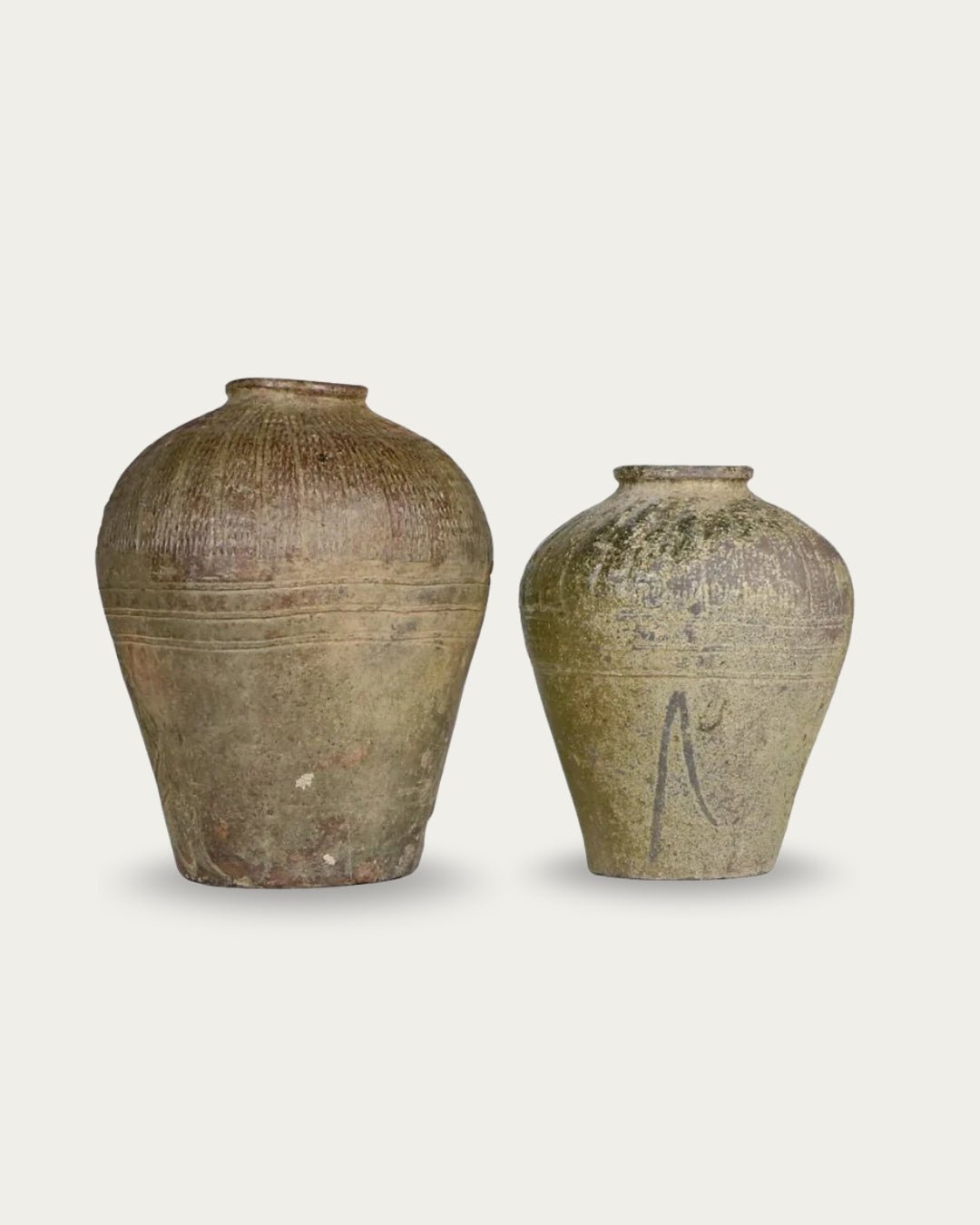
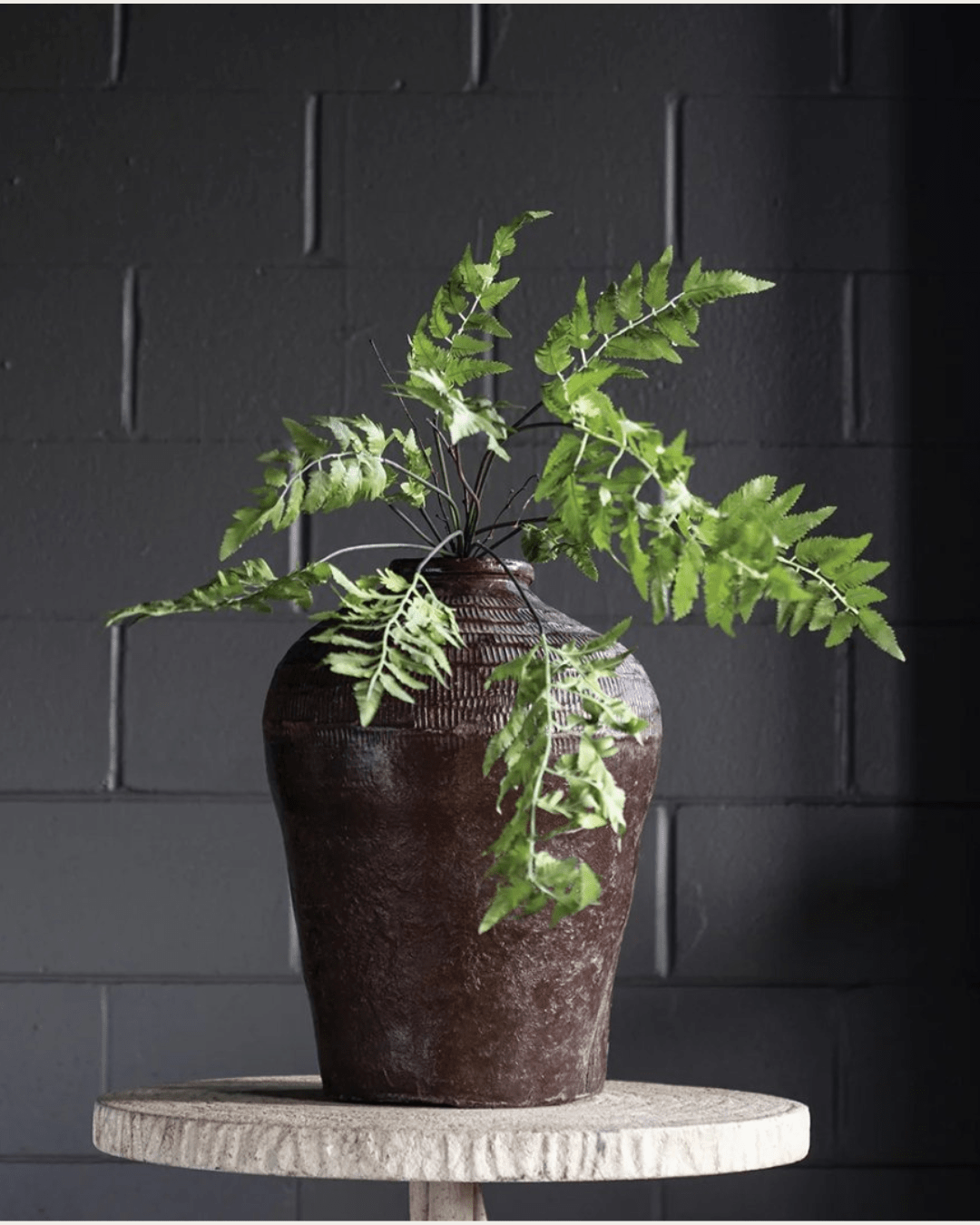
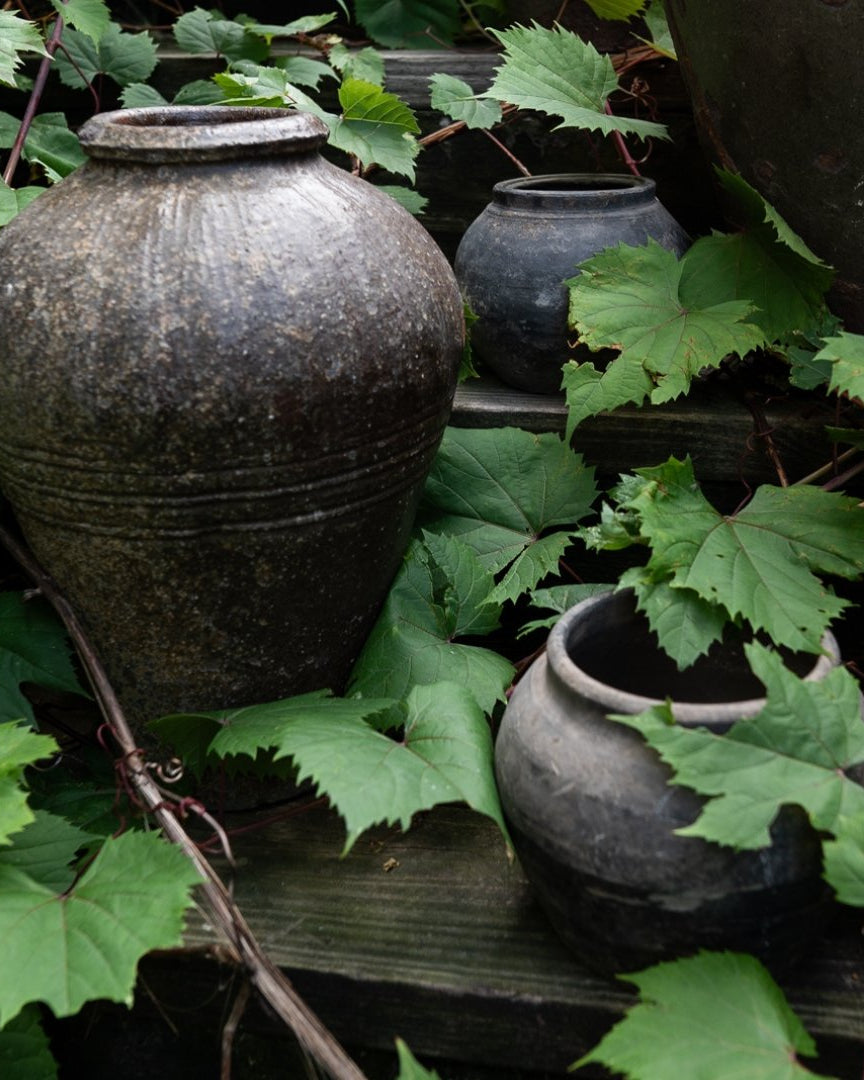
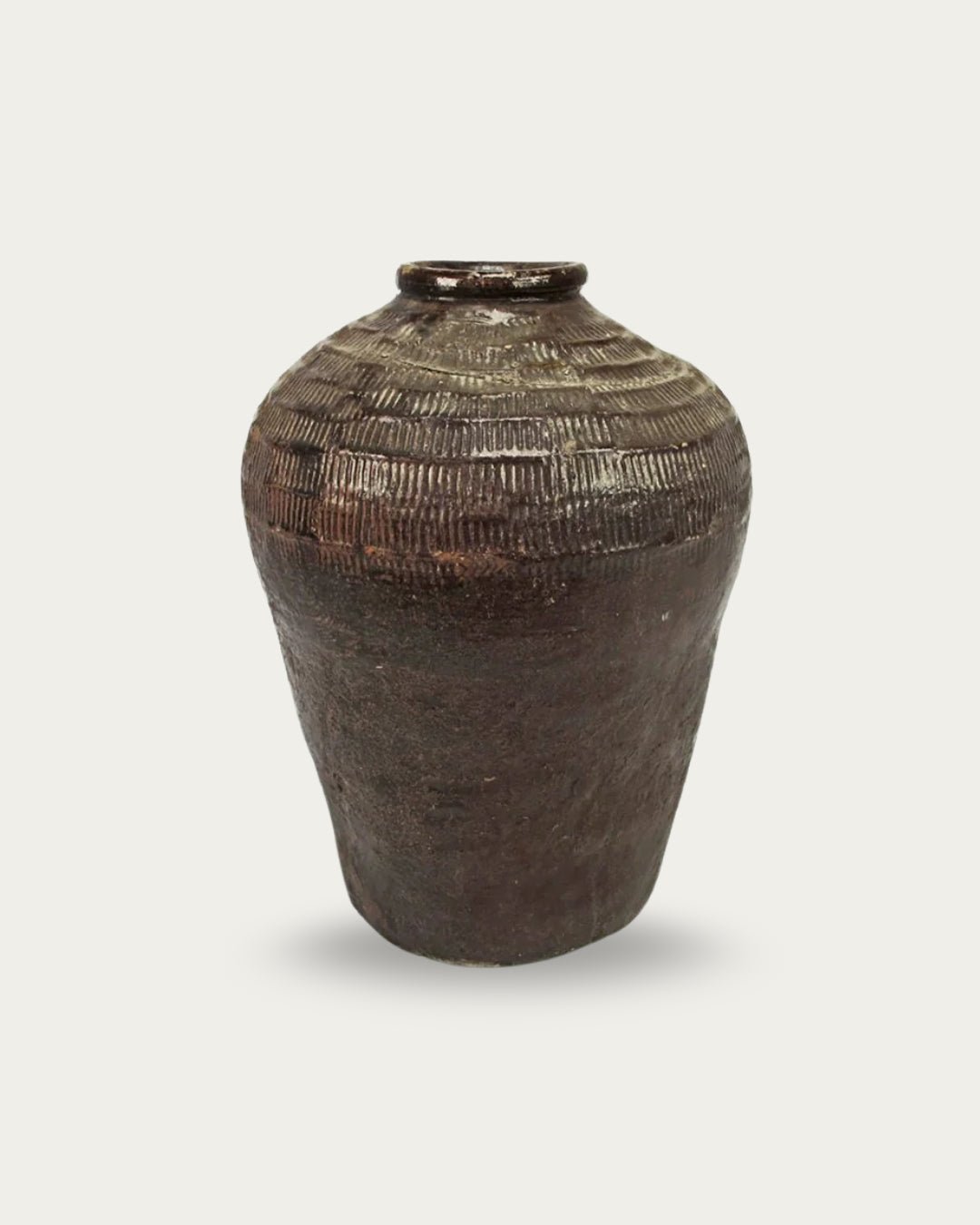
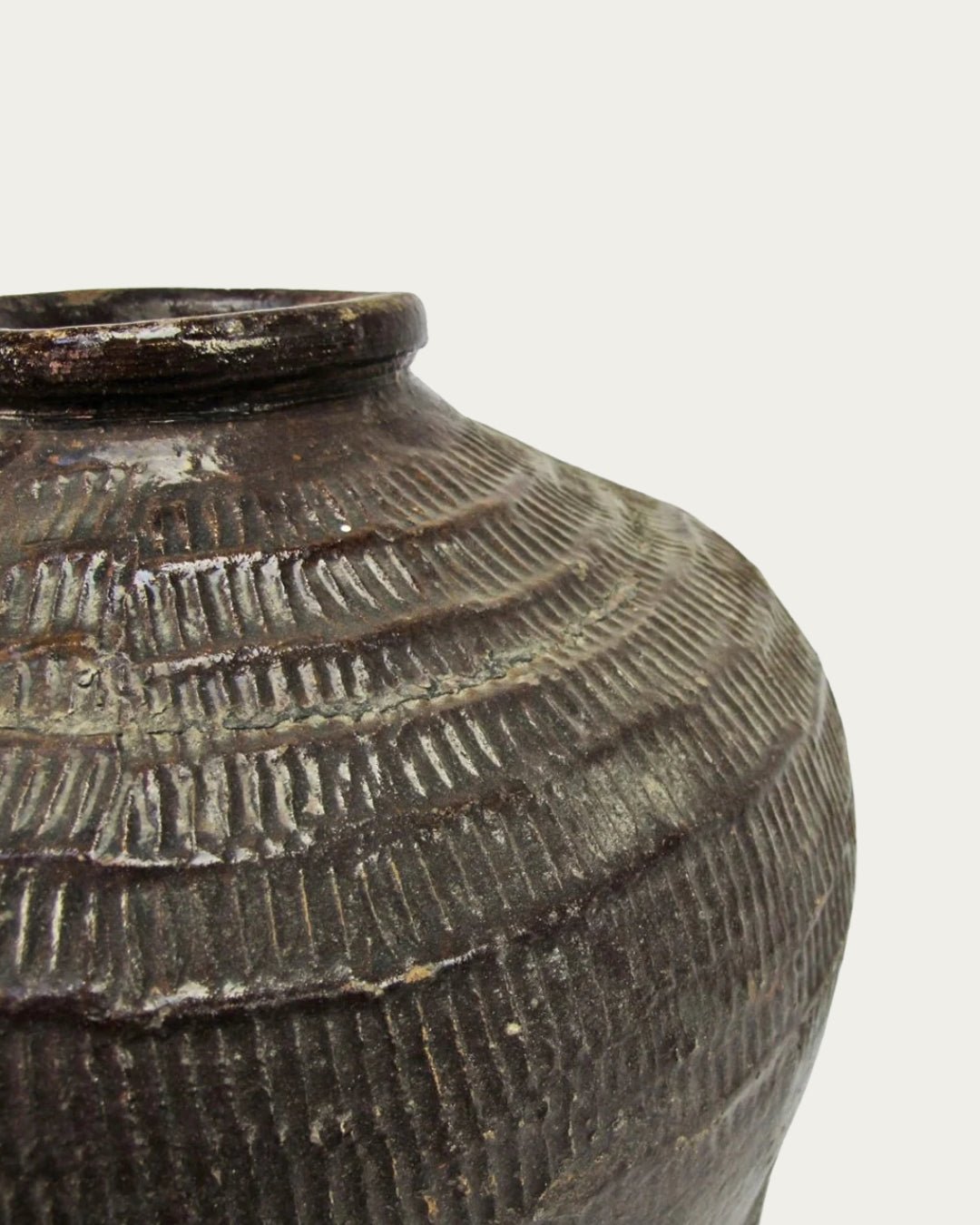
It introduces variation, texture, and irregularity into a space that would otherwise feel too controlled. And when that happens, the room shifts—from something that looks arranged to something that feels settled.
If you’re trying to create a home that feels easier to be in, not just easier to look at, start here:
Explore the vintage collection
New Spaces Often Feel Too Controlled
Modern interiors tend to lean clean.
Straight lines. Consistent finishes.
Repeated materials.
It works visually—but something gets lost in the process.
When everything is uniform, the space becomes predictable. And when it’s too predictable, it starts to feel flat.
That’s where vintage decor changes things.
It introduces contrast—not through color, but through variation.
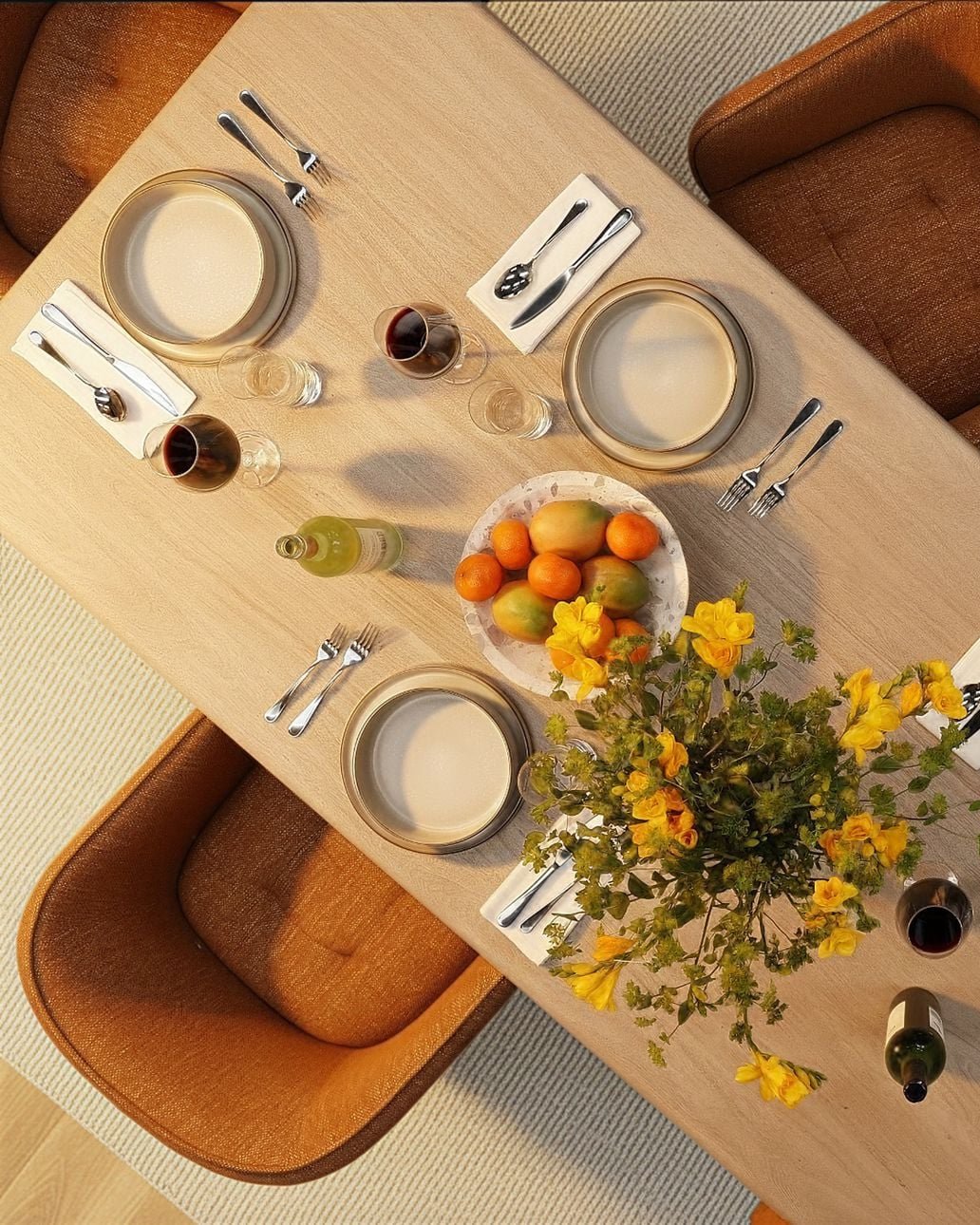
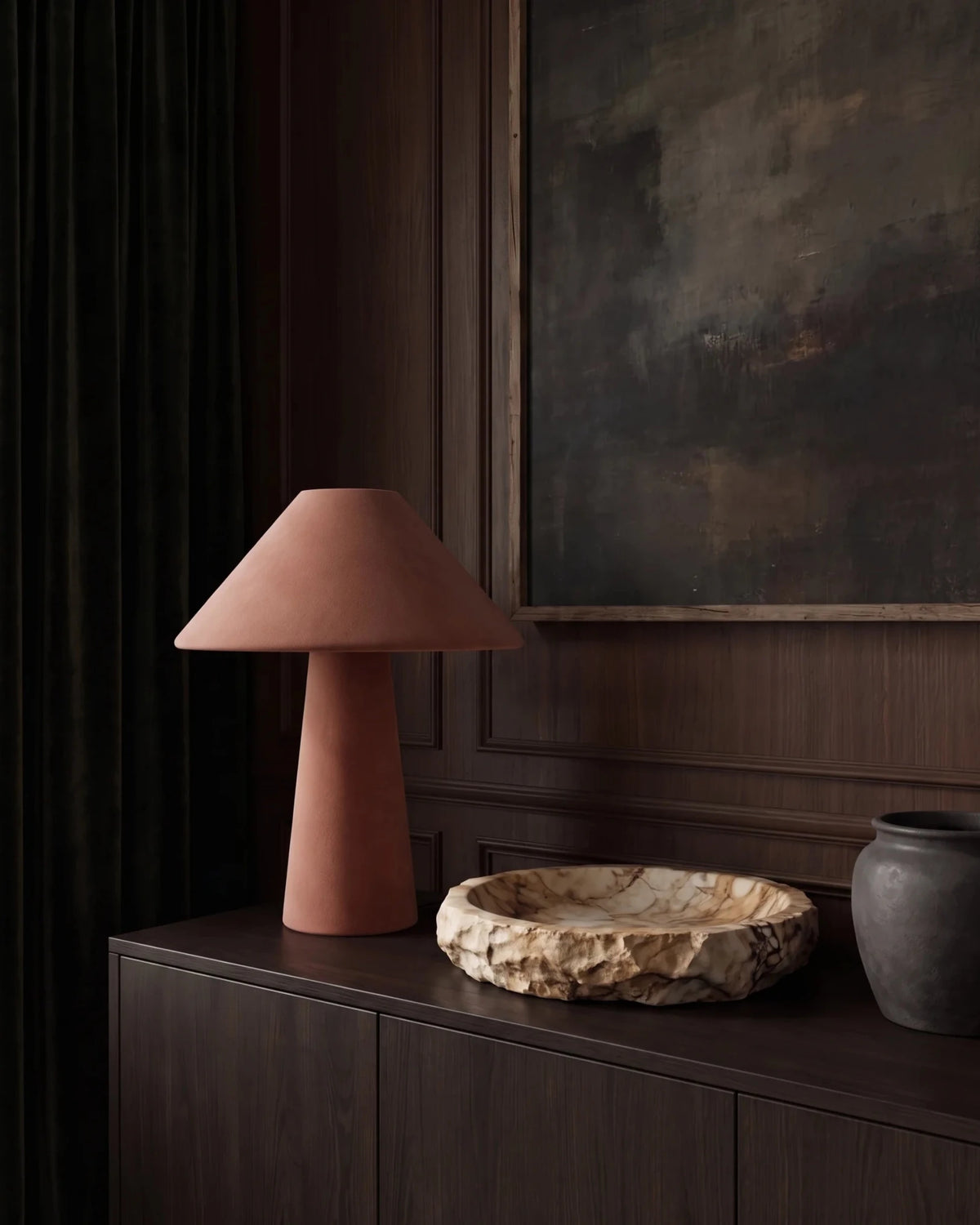
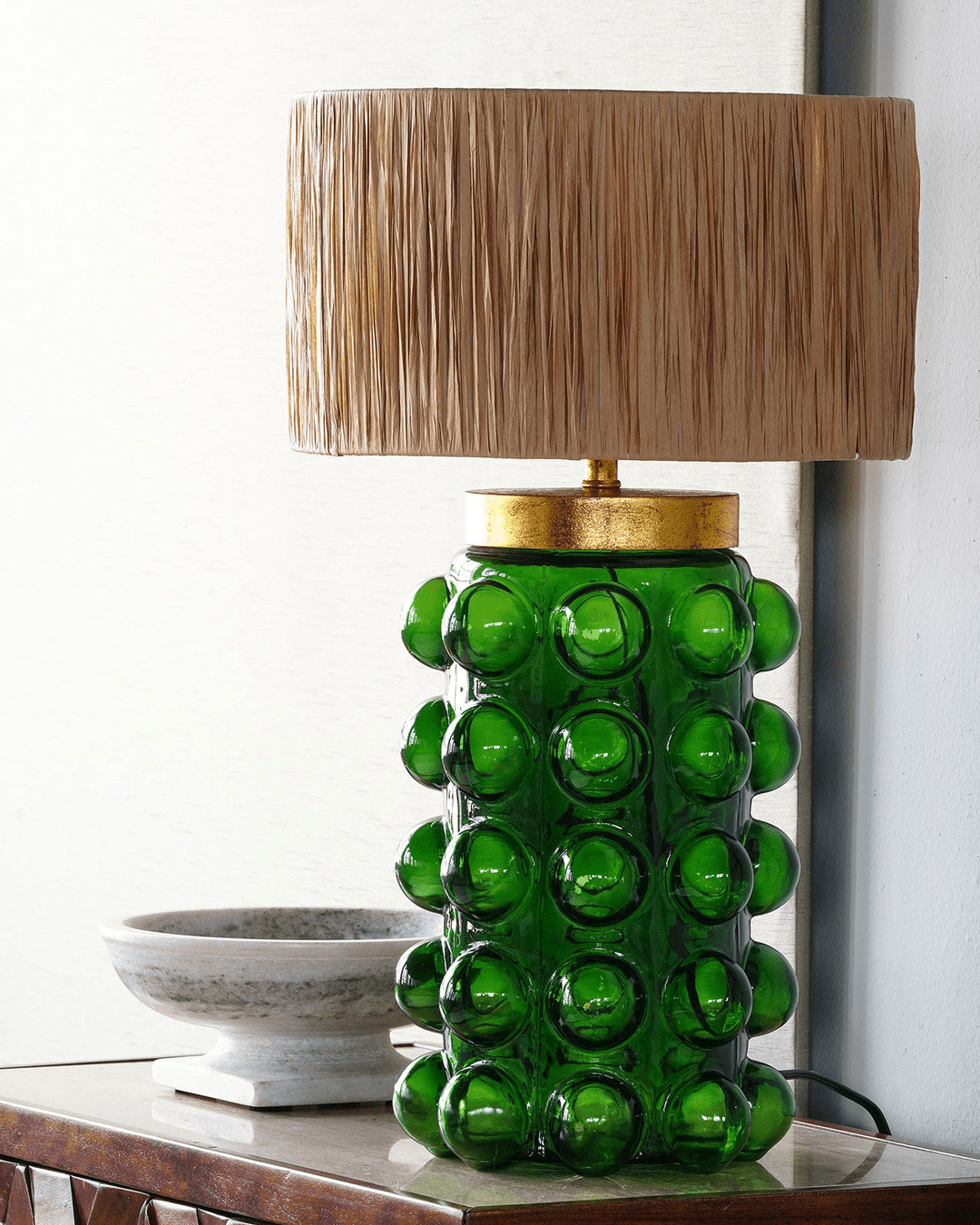
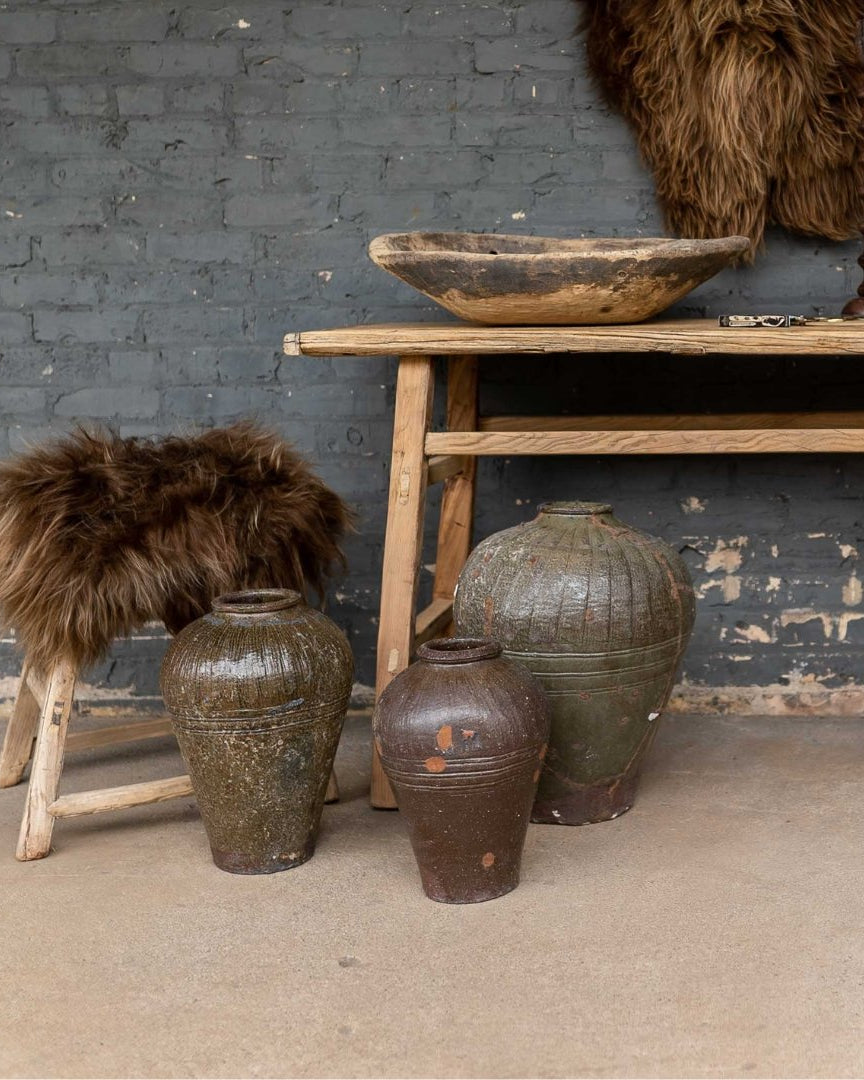
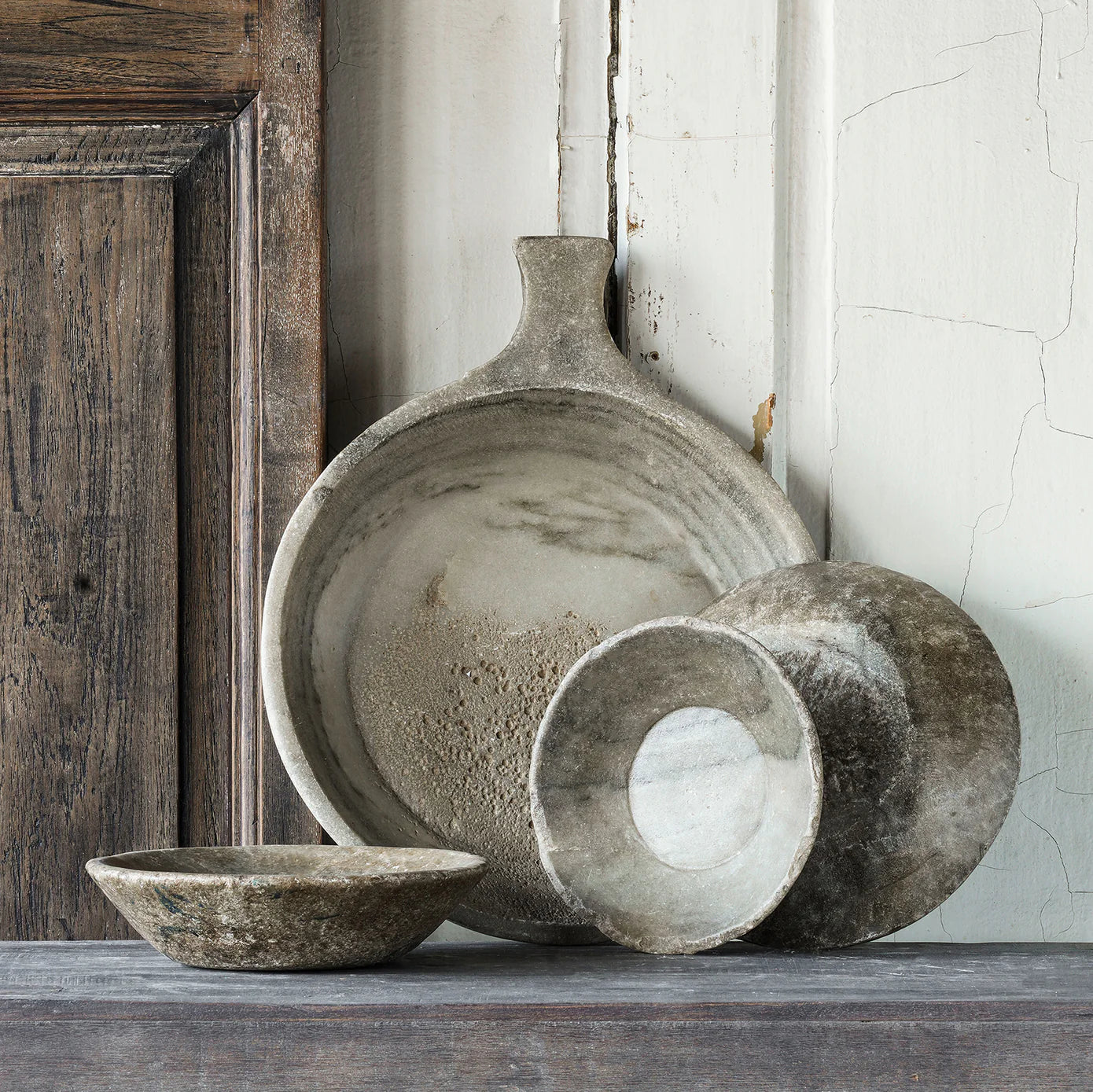
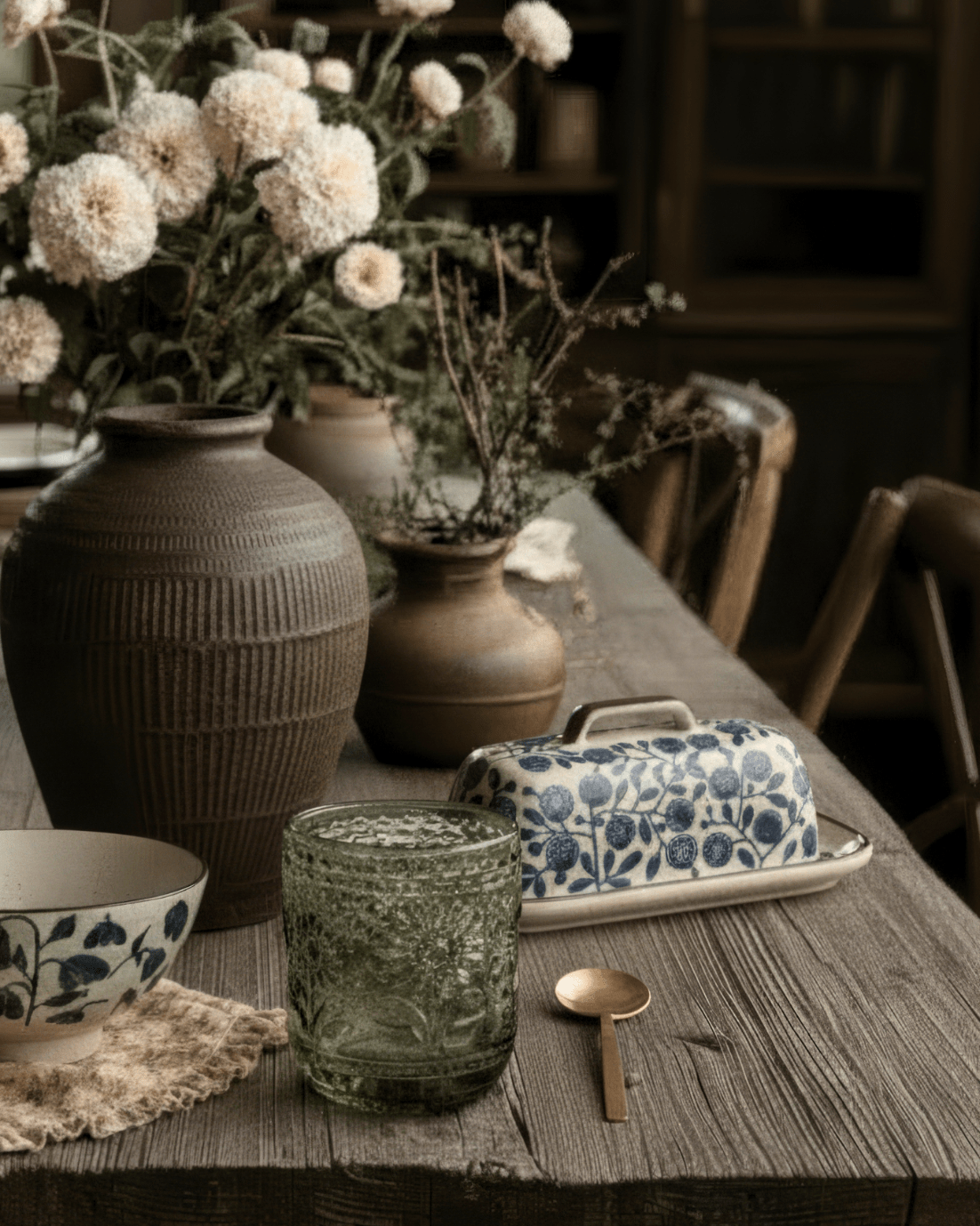
Pieces like the Vintage shallow wood bowls bring irregular edges and tonal shifts, while the Vintage marble shallow bowl adds natural variation that breaks up smooth, consistent surfaces.
These aren’t dramatic changes.
But they’re enough to shift how the room is processed.
Lived-In Doesn’t Mean More—It Means Better Placement
There’s a common assumption that a lived-in home is one filled with objects.
More layers. More pieces. More detail.
But that’s not what creates the feeling.
A lived-in space feels resolved—not crowded.
Vintage decor works when it’s placed intentionally, not accumulated.
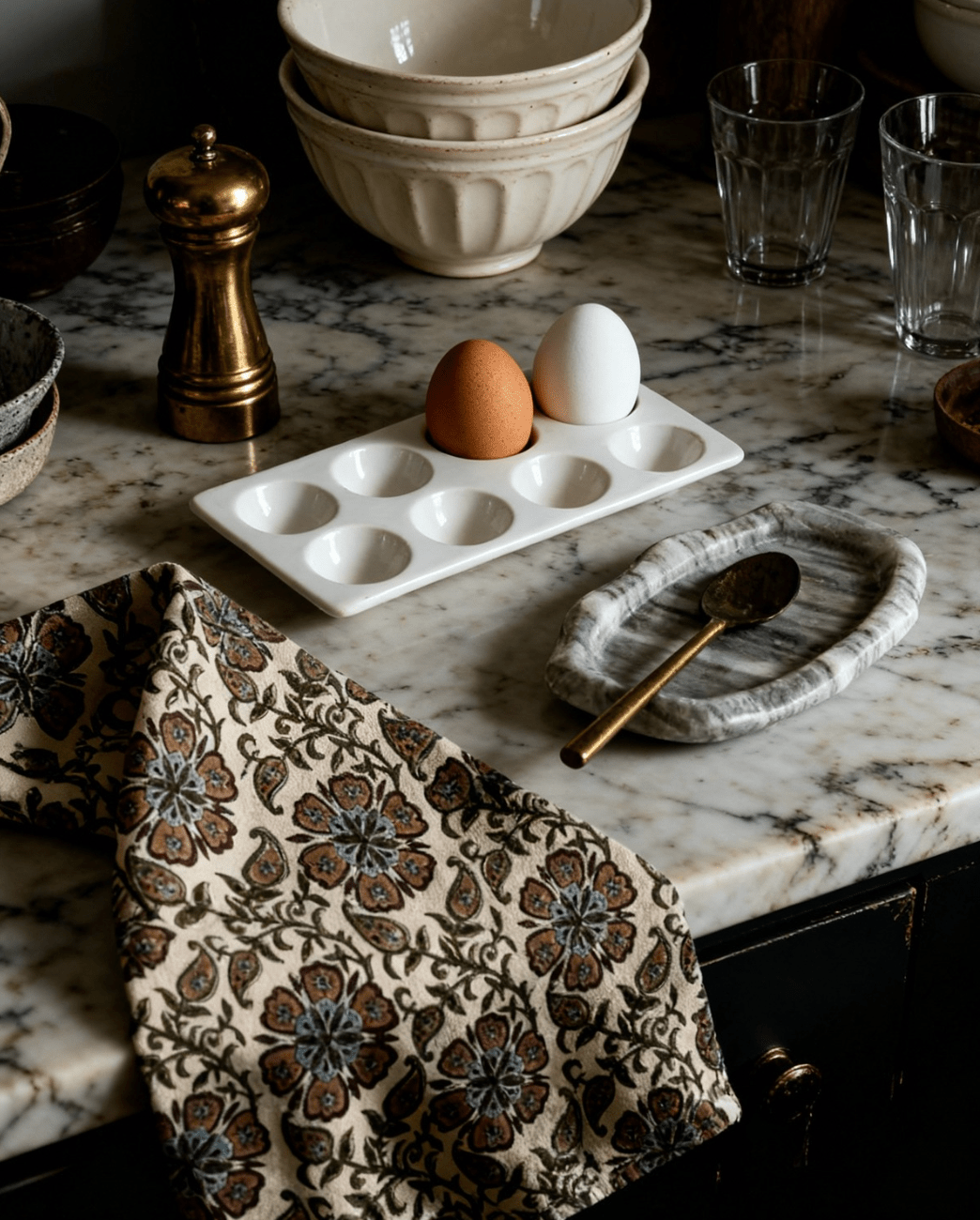
A piece like the Fern stone biscuit mold plate can sit quietly on a surface and still add depth, while the Vintage glove mold introduces a form that breaks repetition without adding clutter.
It’s not about adding more.
It’s about placing better.
Large Vintage Pieces Create Immediate Impact
If you want to shift how a room feels quickly, scale matters.
Large vintage pieces act as anchors.
They give the room a point of reference—a place where the eye can settle.
A piece like the Chinese handwoven harvest basket defines a wall or corner instantly, while the Edna chapati mirror changes how light moves and expands the sense of space.
Even something like the Vintage forged iron pan can shift from functional to focal when placed intentionally.
Large vintage decor doesn’t just decorate.
It structures the room.
Small Vintage Pieces Build Texture Over Time
While large pieces anchor the space, smaller vintage items create depth.
They fill in the visual gaps.
They soften transitions between materials and surfaces.
Without them, a room can feel too sharp or too clean.
Pieces like the Vintage shallow wood bowls layer naturally onto tables and shelves, while the Fern stone biscuit mold plate adds subtle variation that supports the overall composition.
These details don’t stand out individually.
But together, they change everything.
A RUTED Tip: Variation Helps the Brain Settle. Your brain constantly scans for patterns, and when everything in a space is too consistent—same finish, same shape, same tone—it increases cognitive load; vintage decor introduces variation and irregularity, which reduces that load and allows your environment to feel more natural and easier to settle into.
Vintage Decor Breaks Visual Repetition
Repetition creates order.
But too much of it creates predictability.
And predictability can feel flat.
Vintage decor disrupts that pattern.
It introduces:
Uneven edges
Natural inconsistencies
Materials that don’t match perfectly
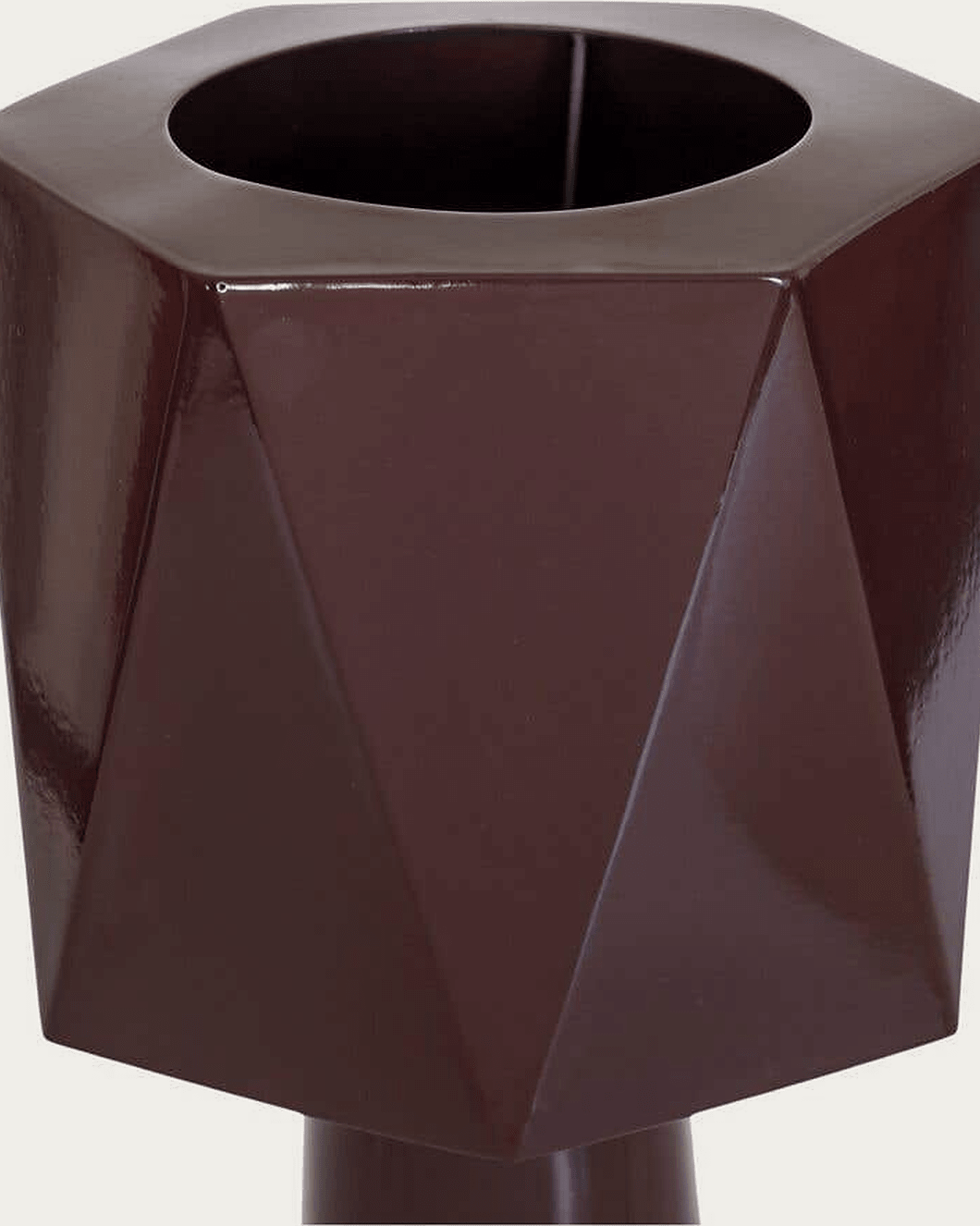
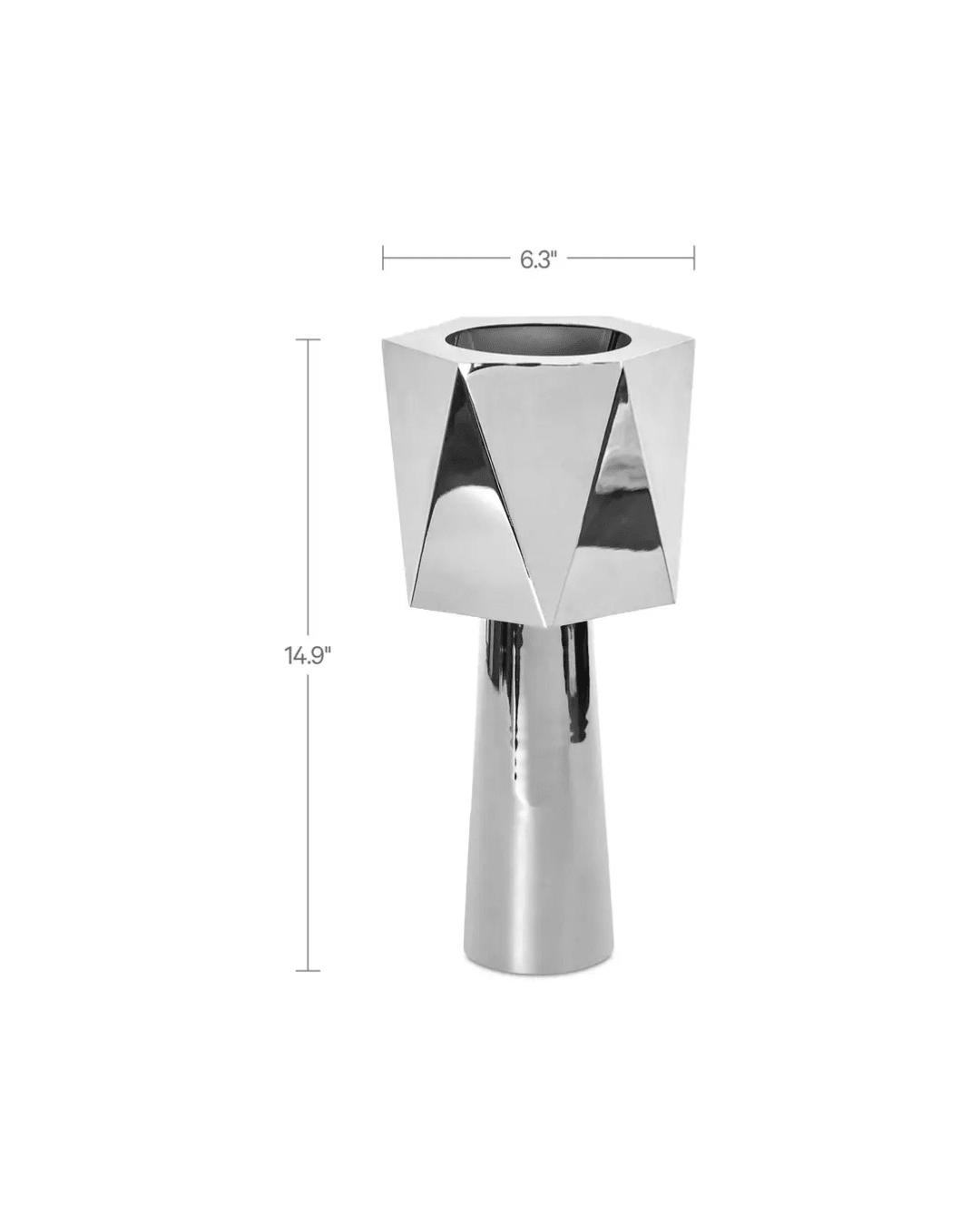
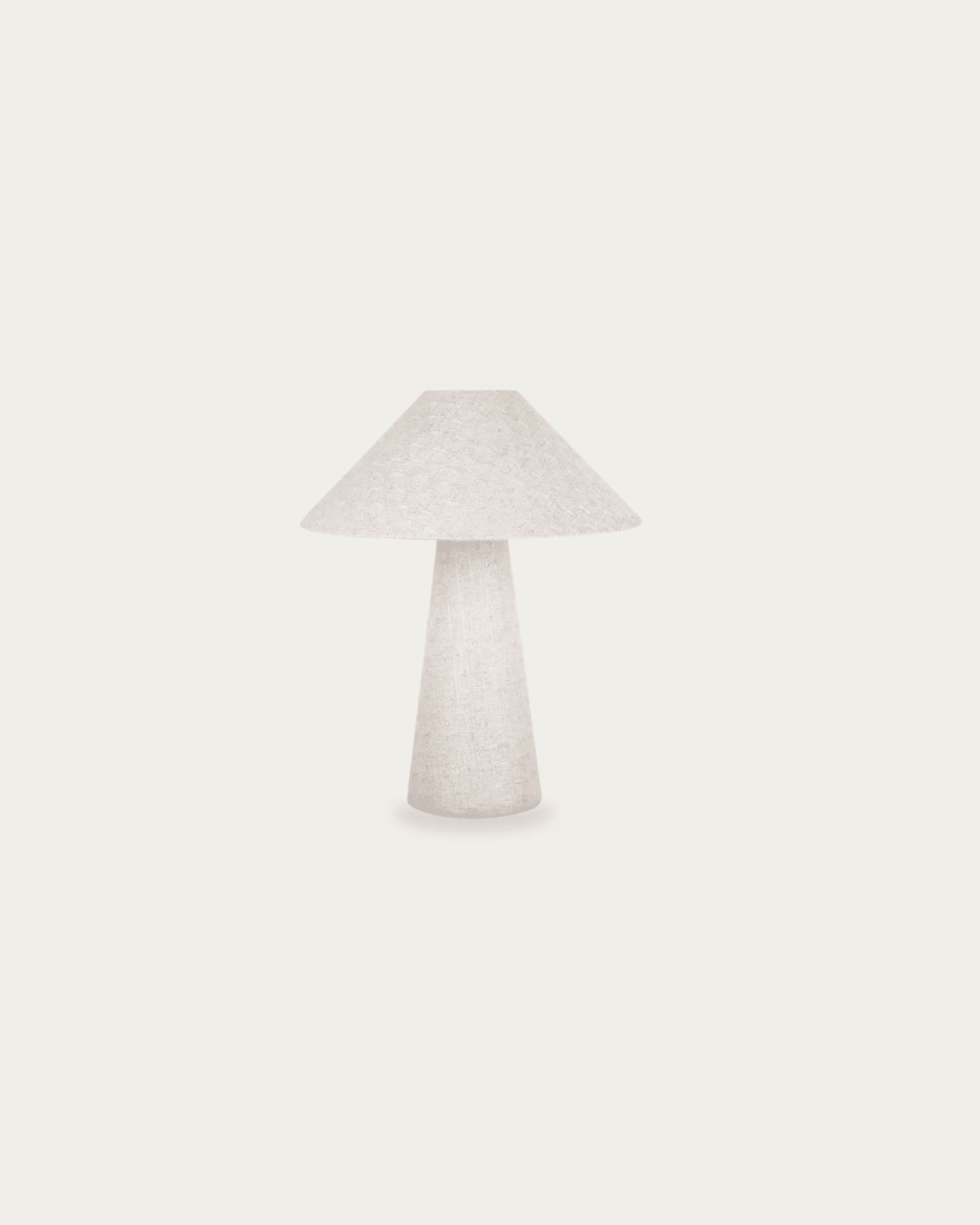
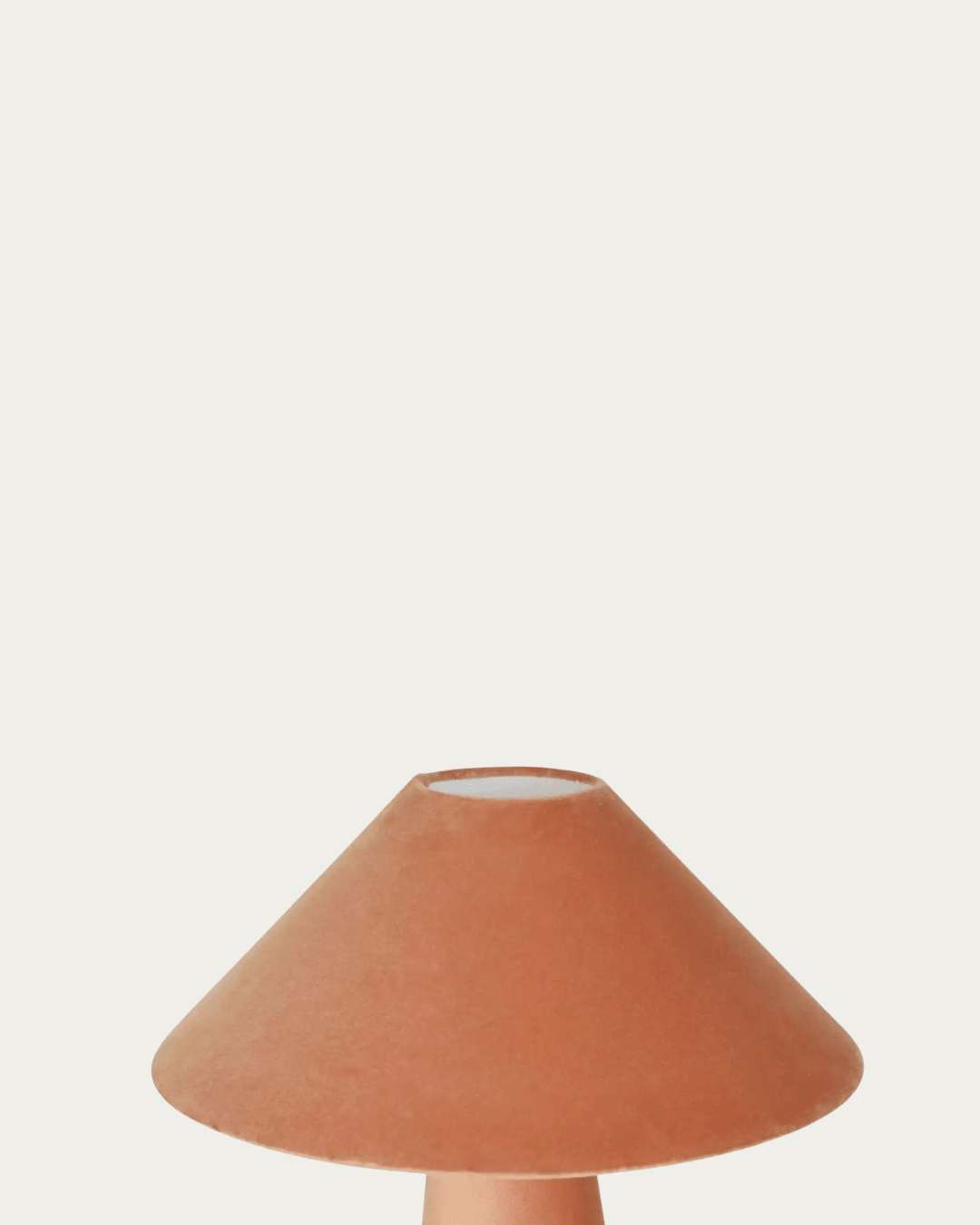
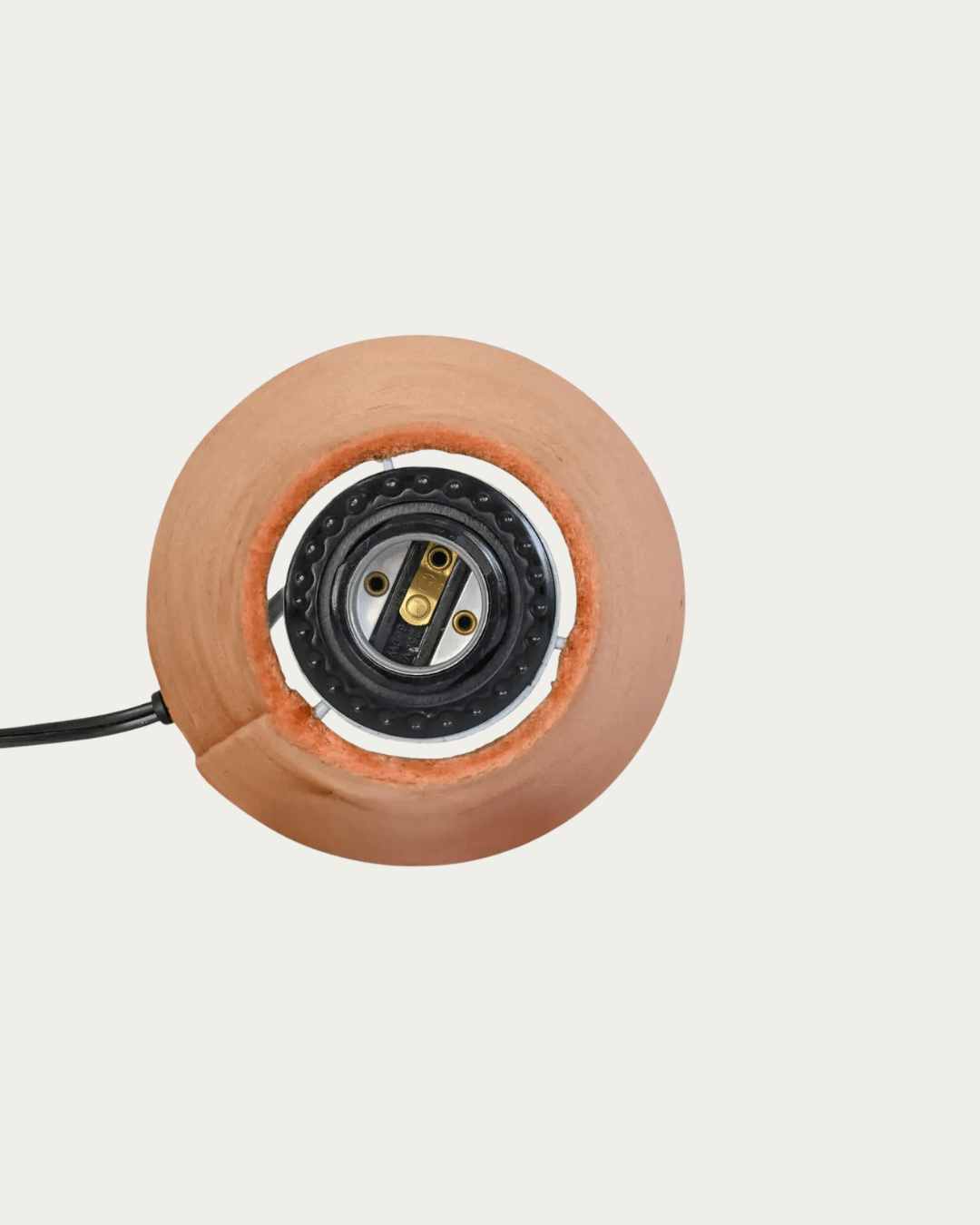
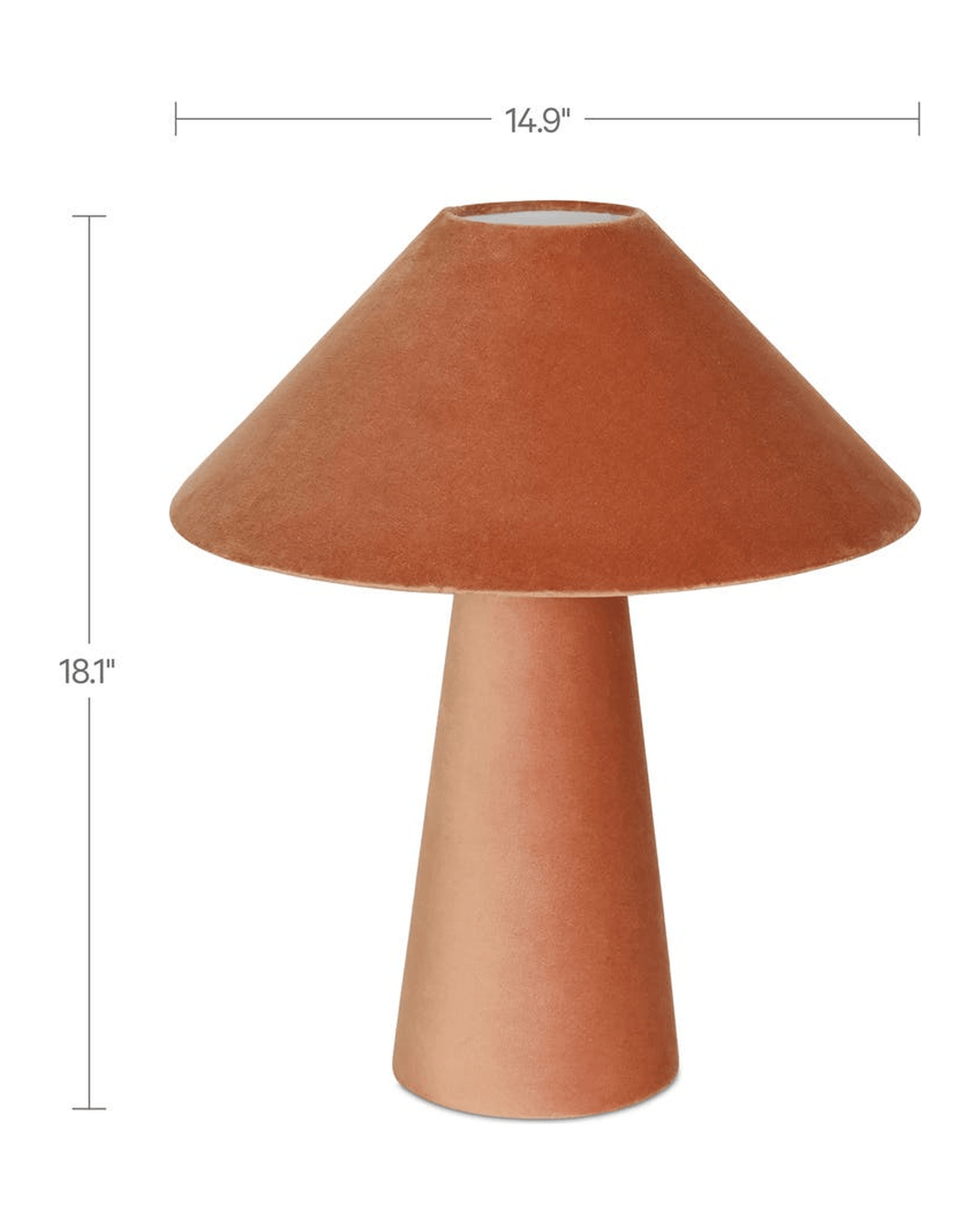
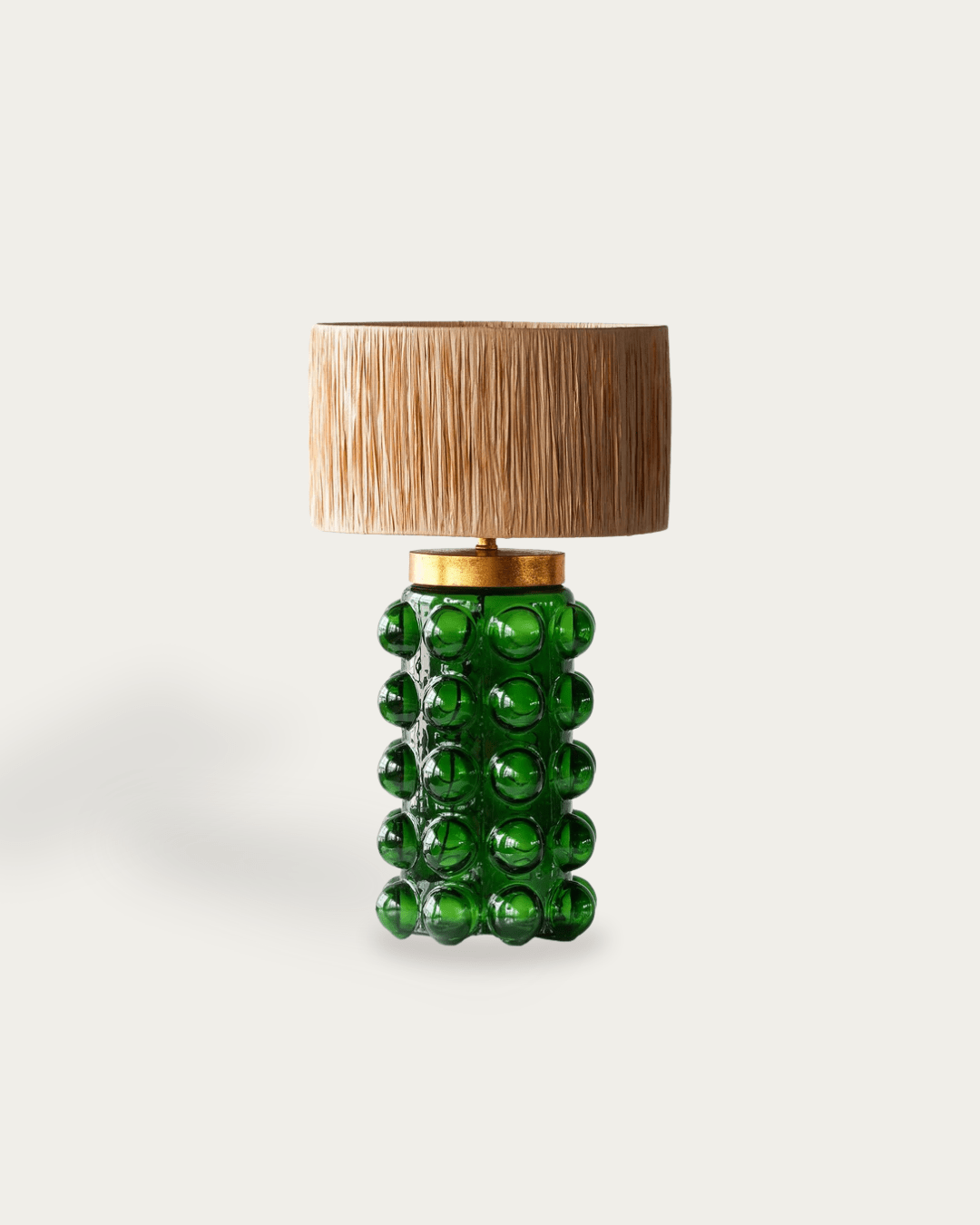
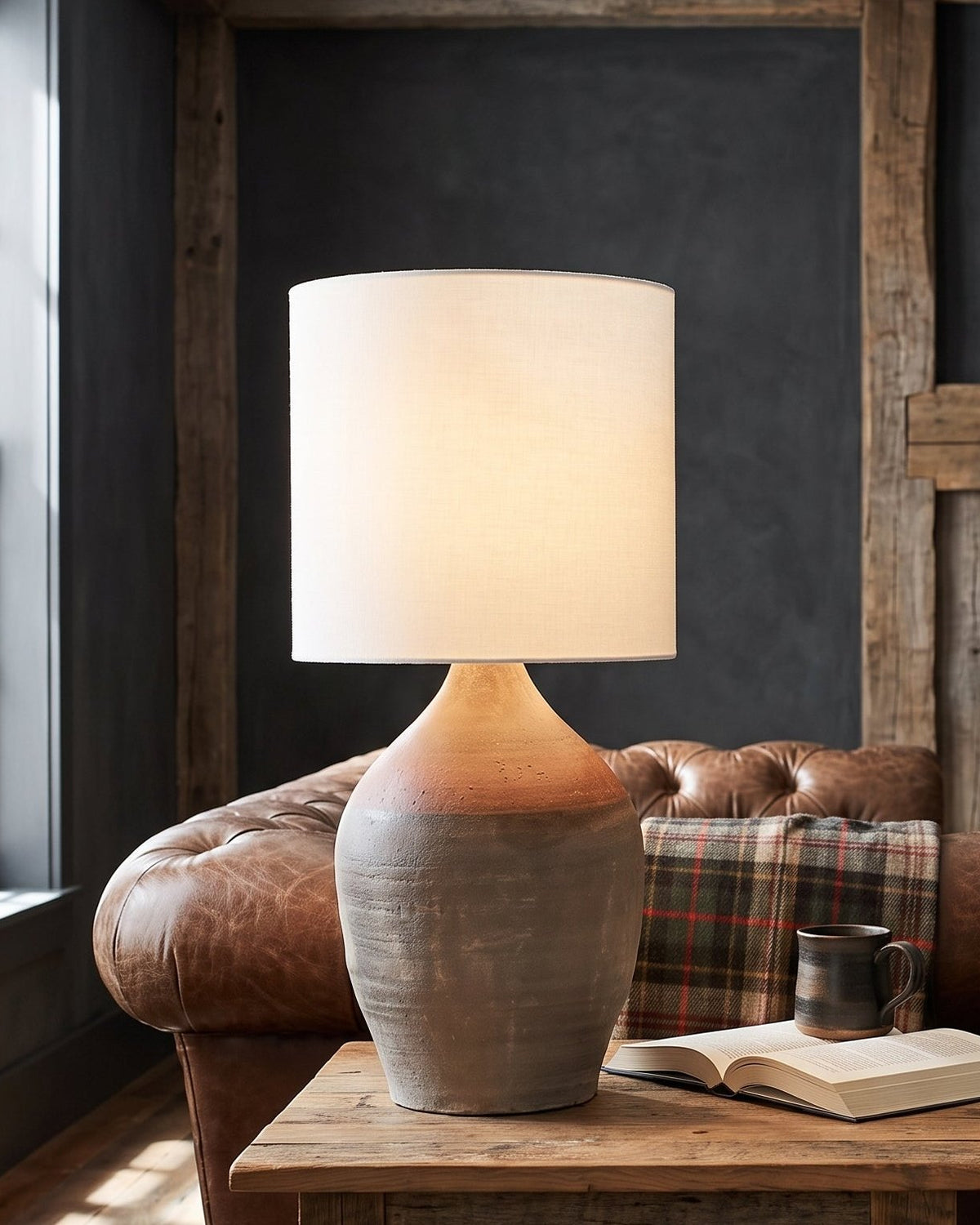
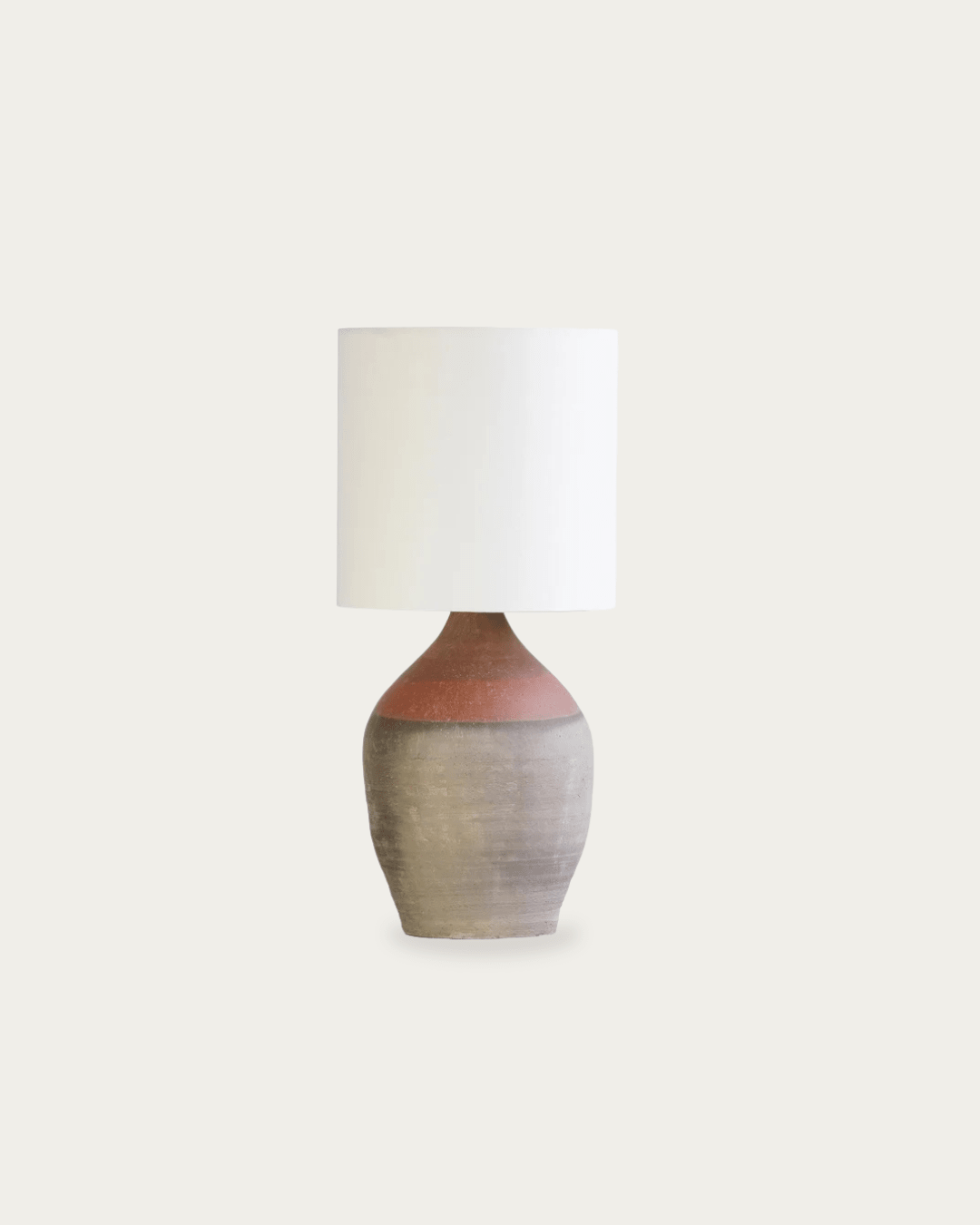
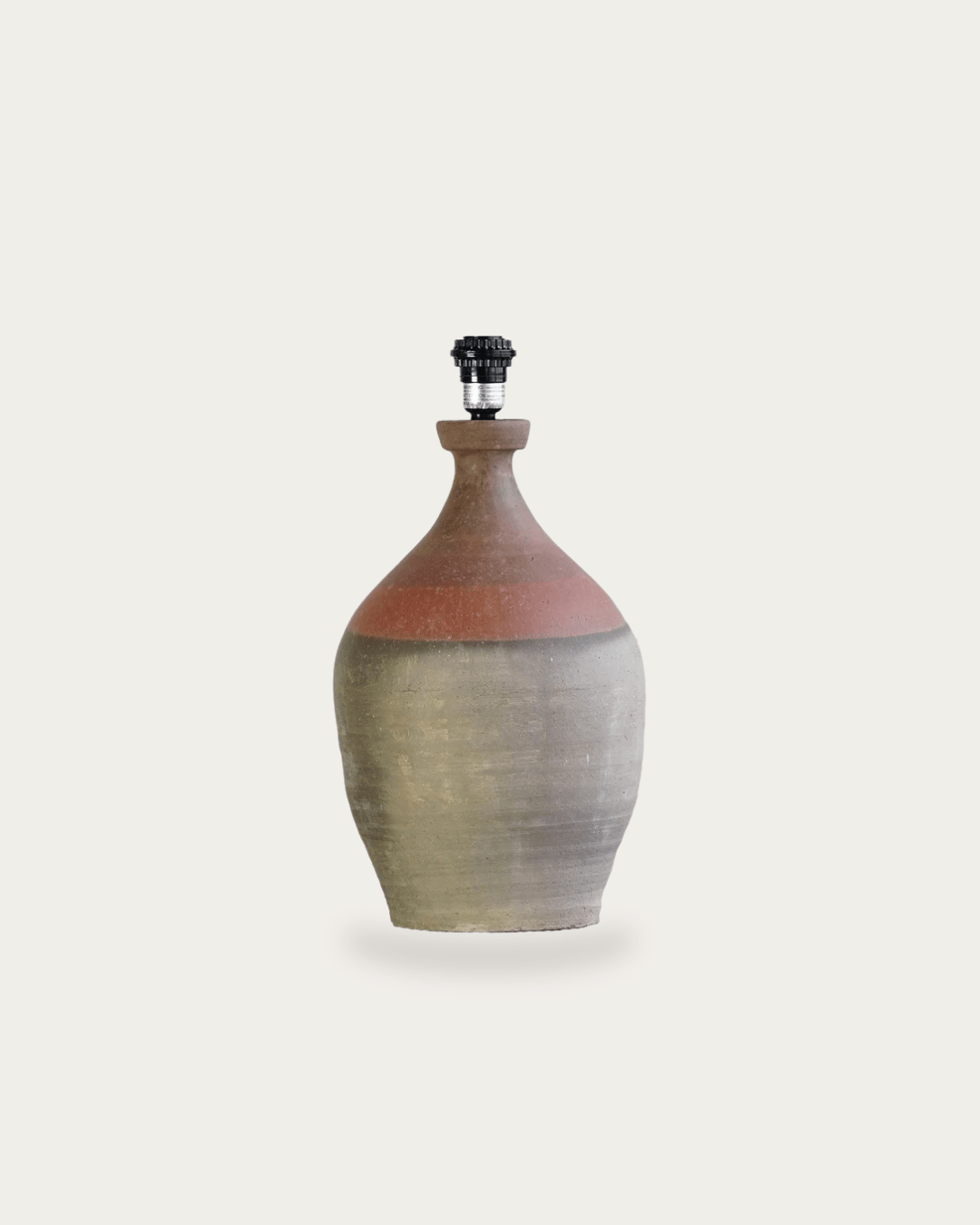
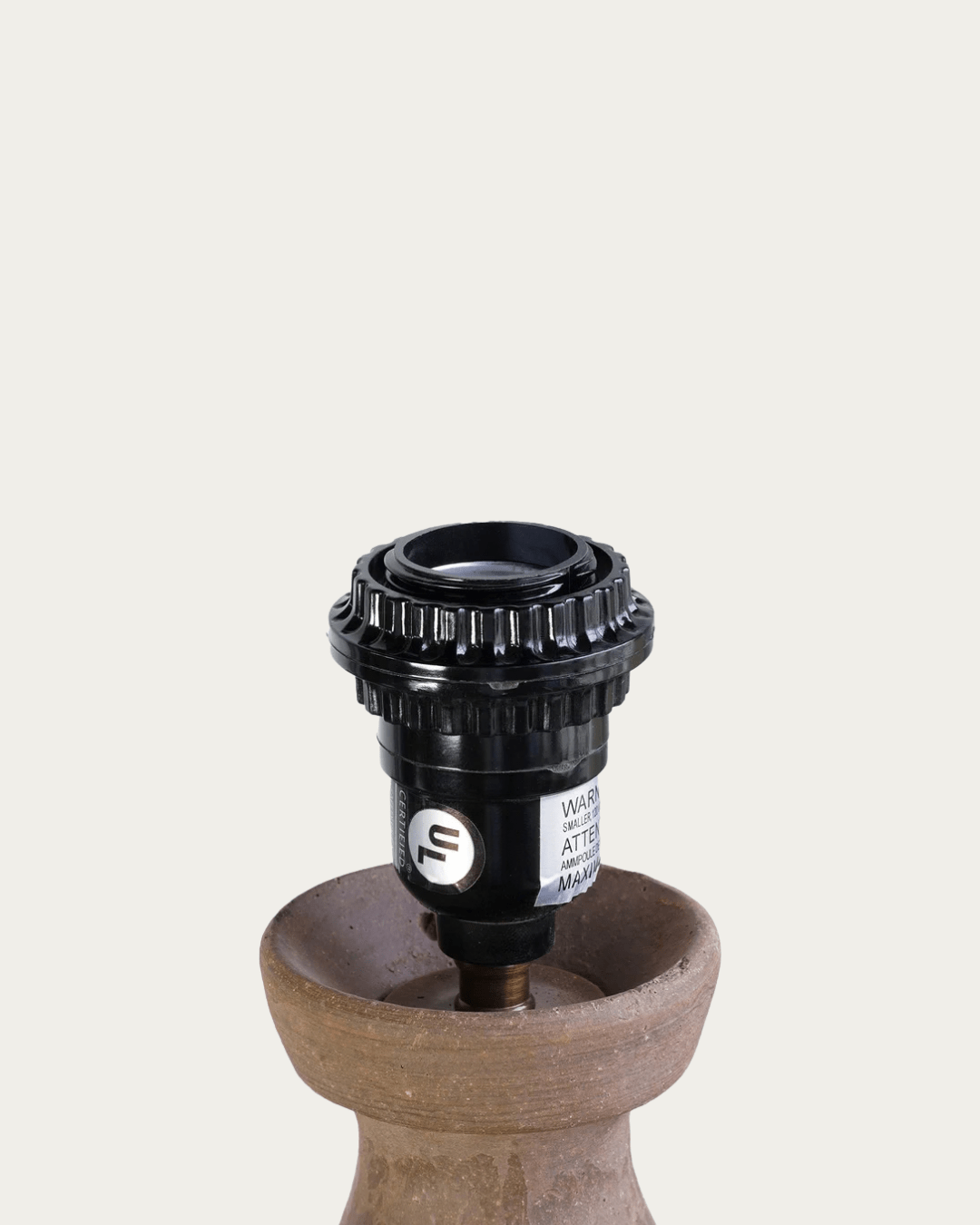
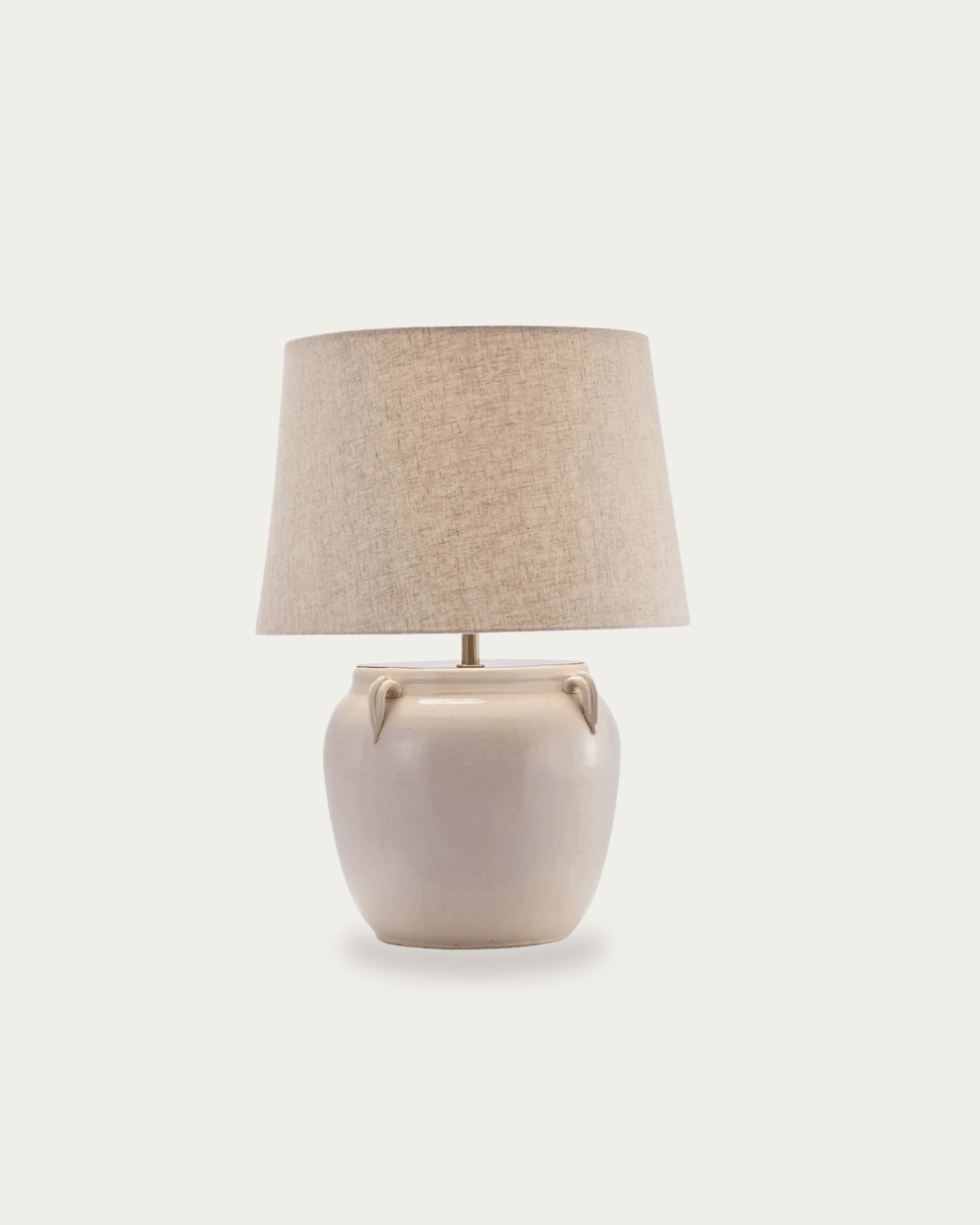
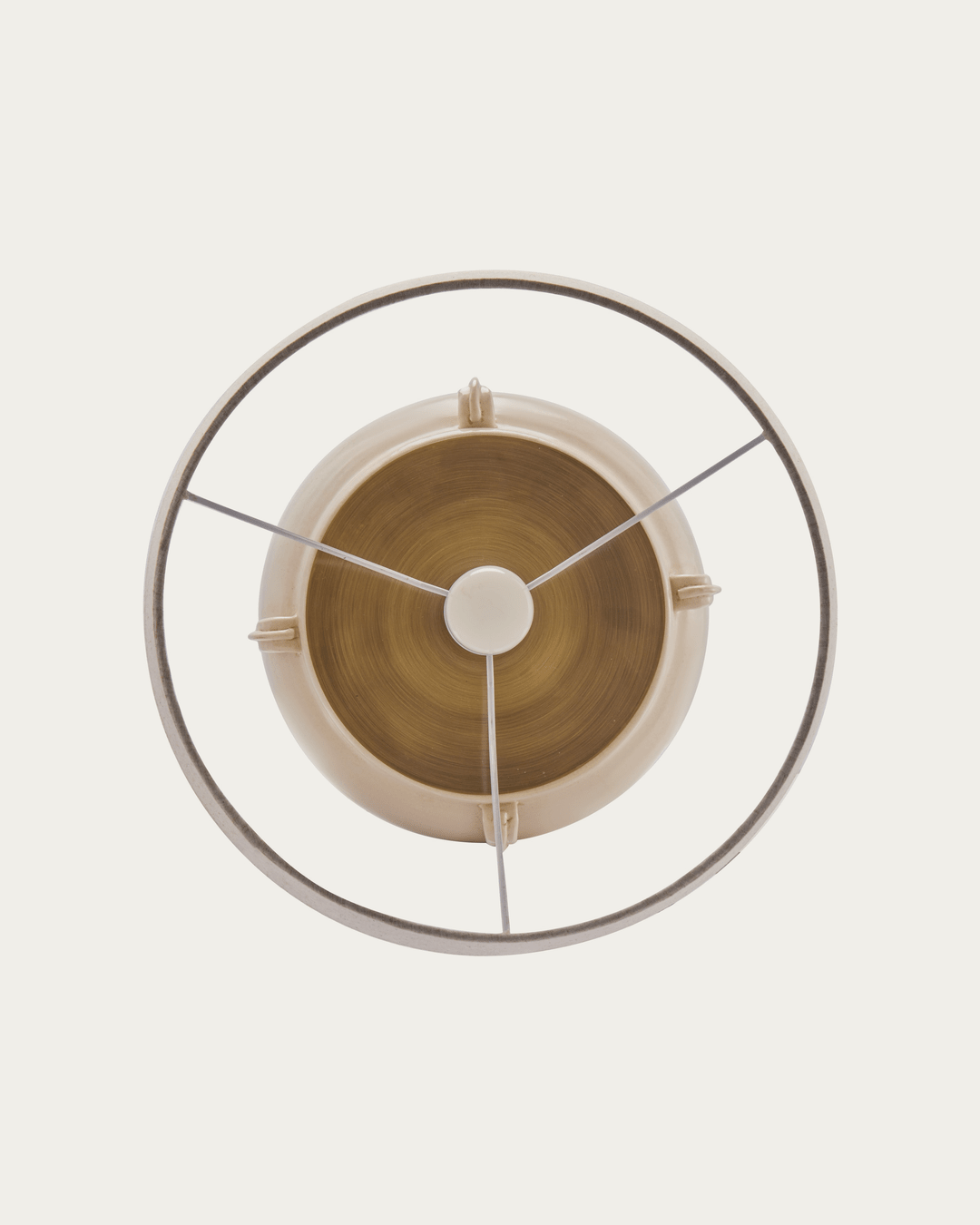
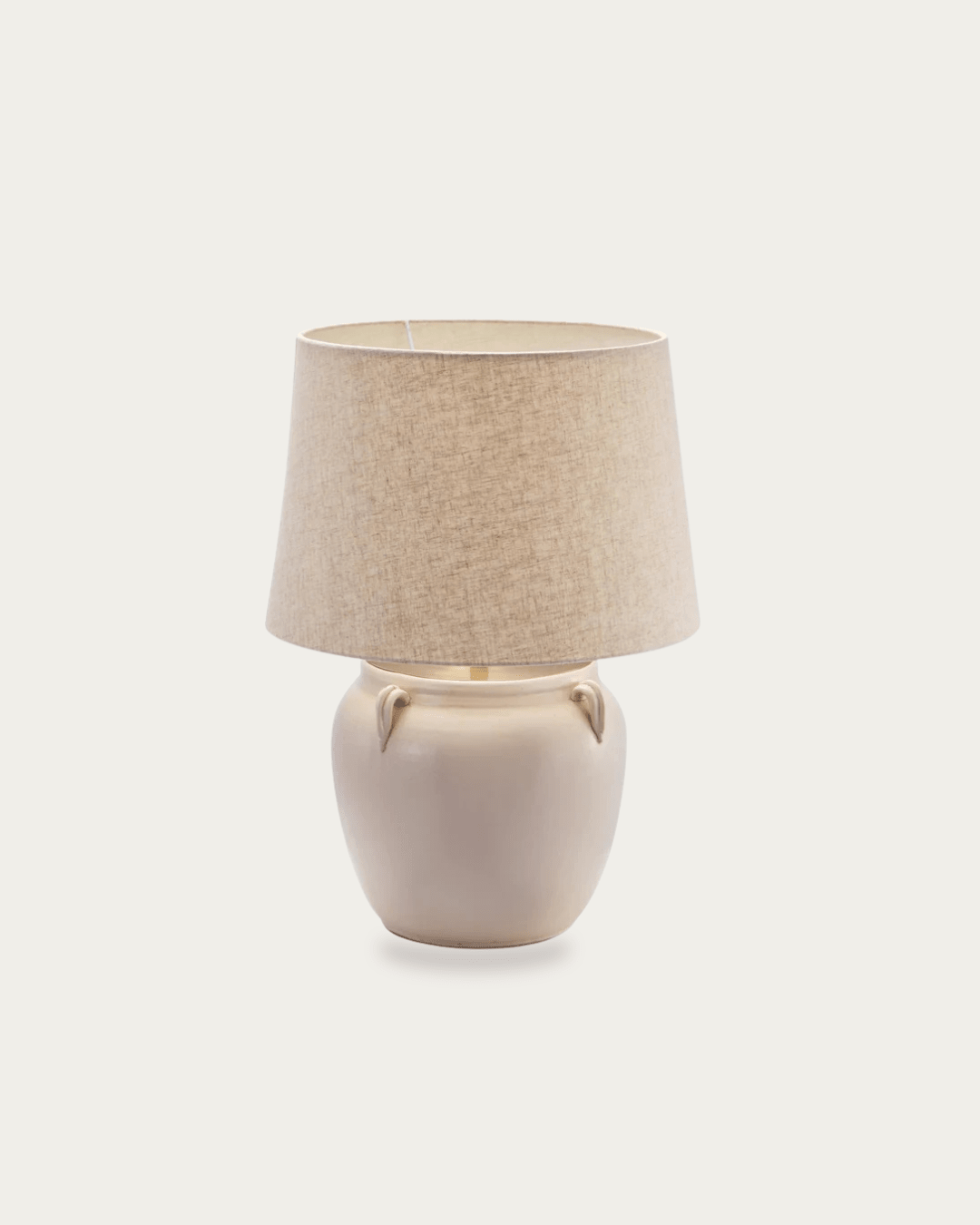
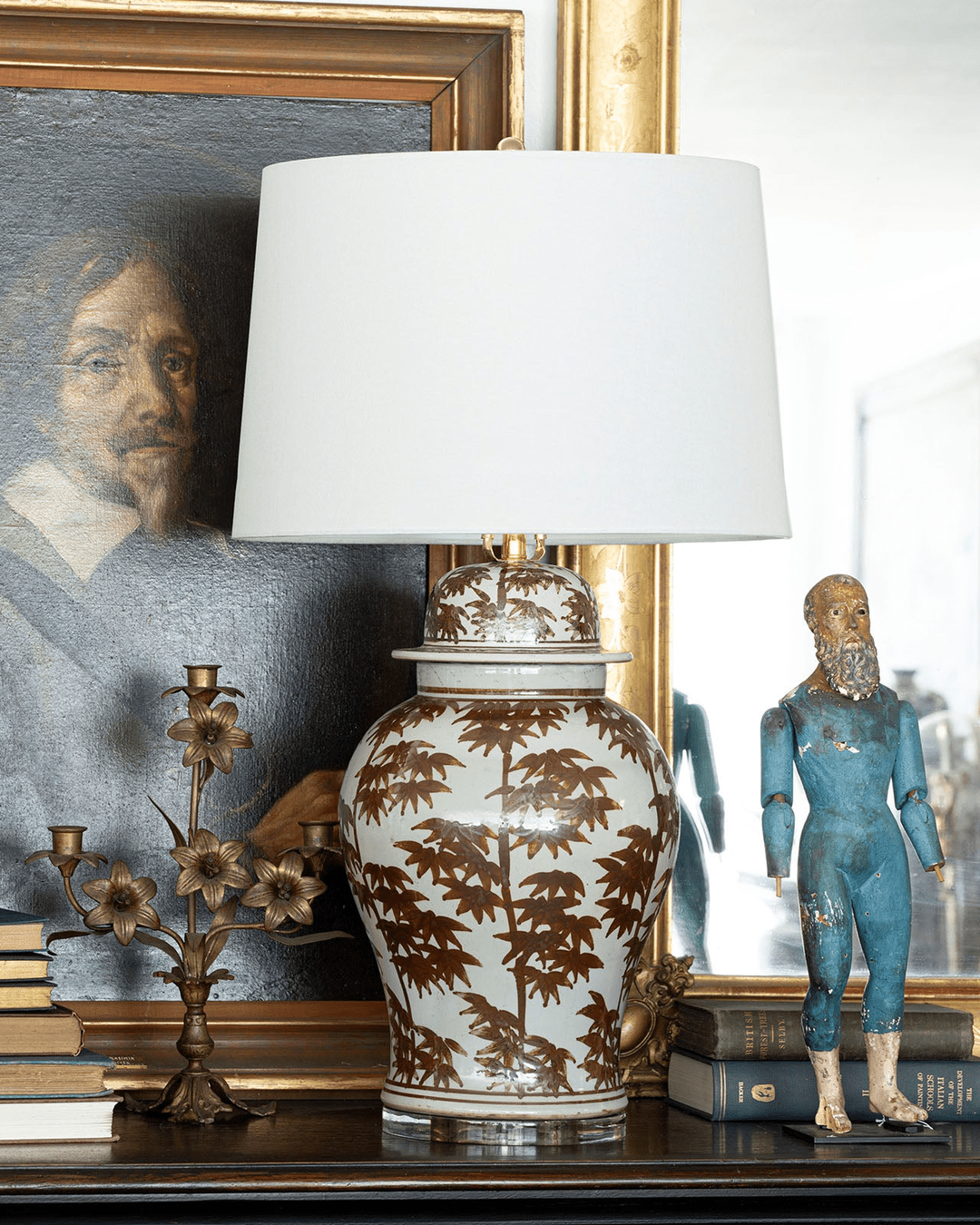
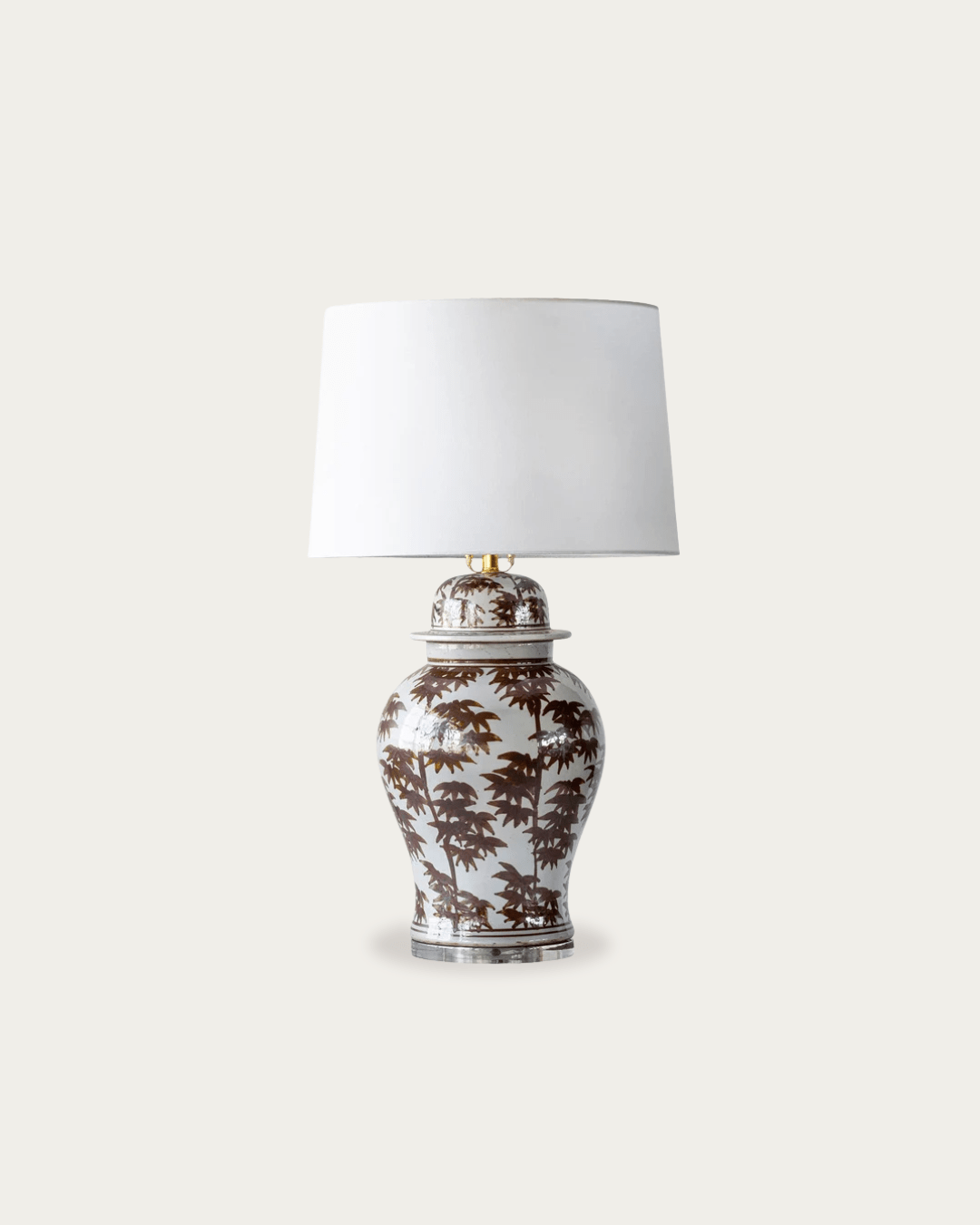
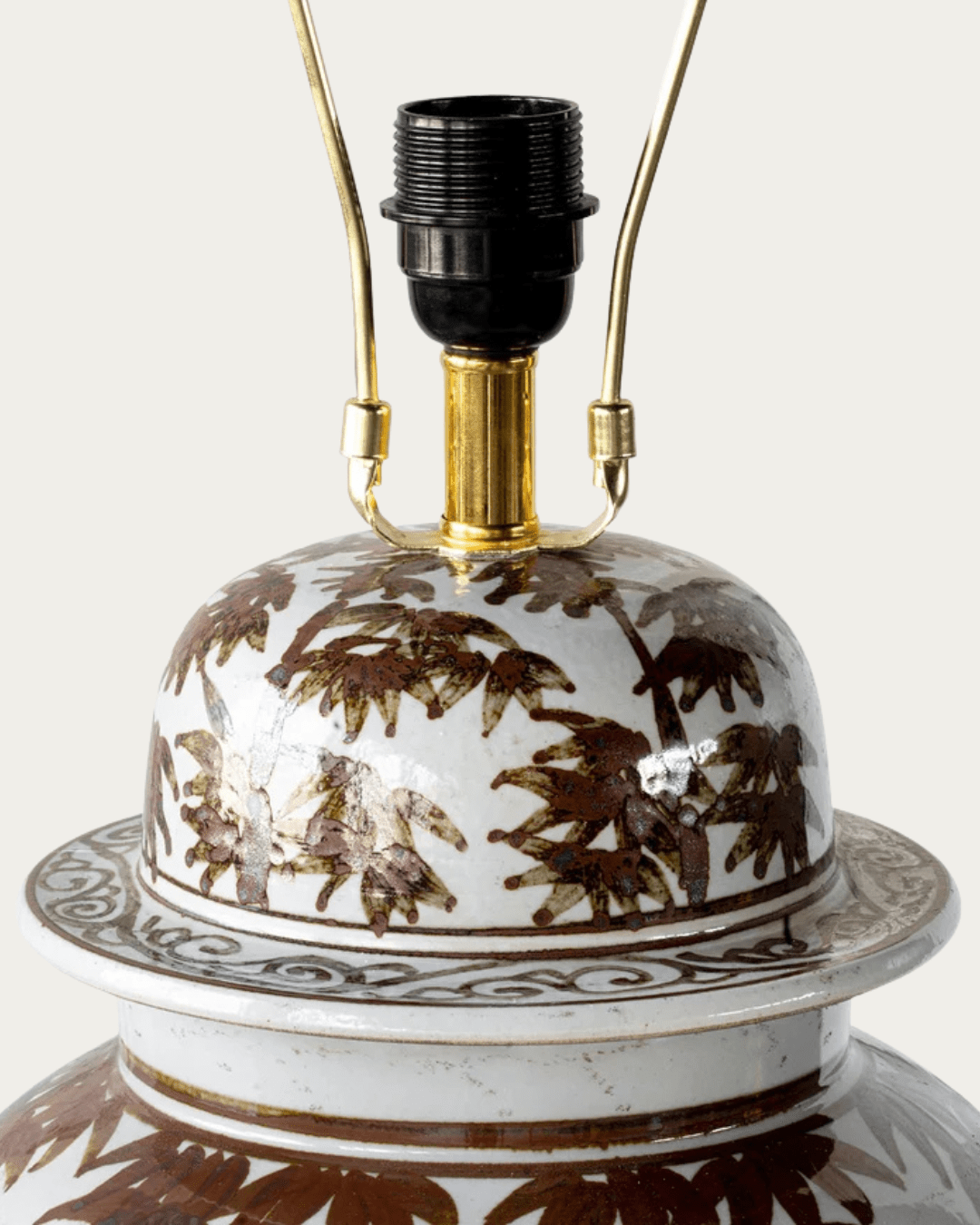
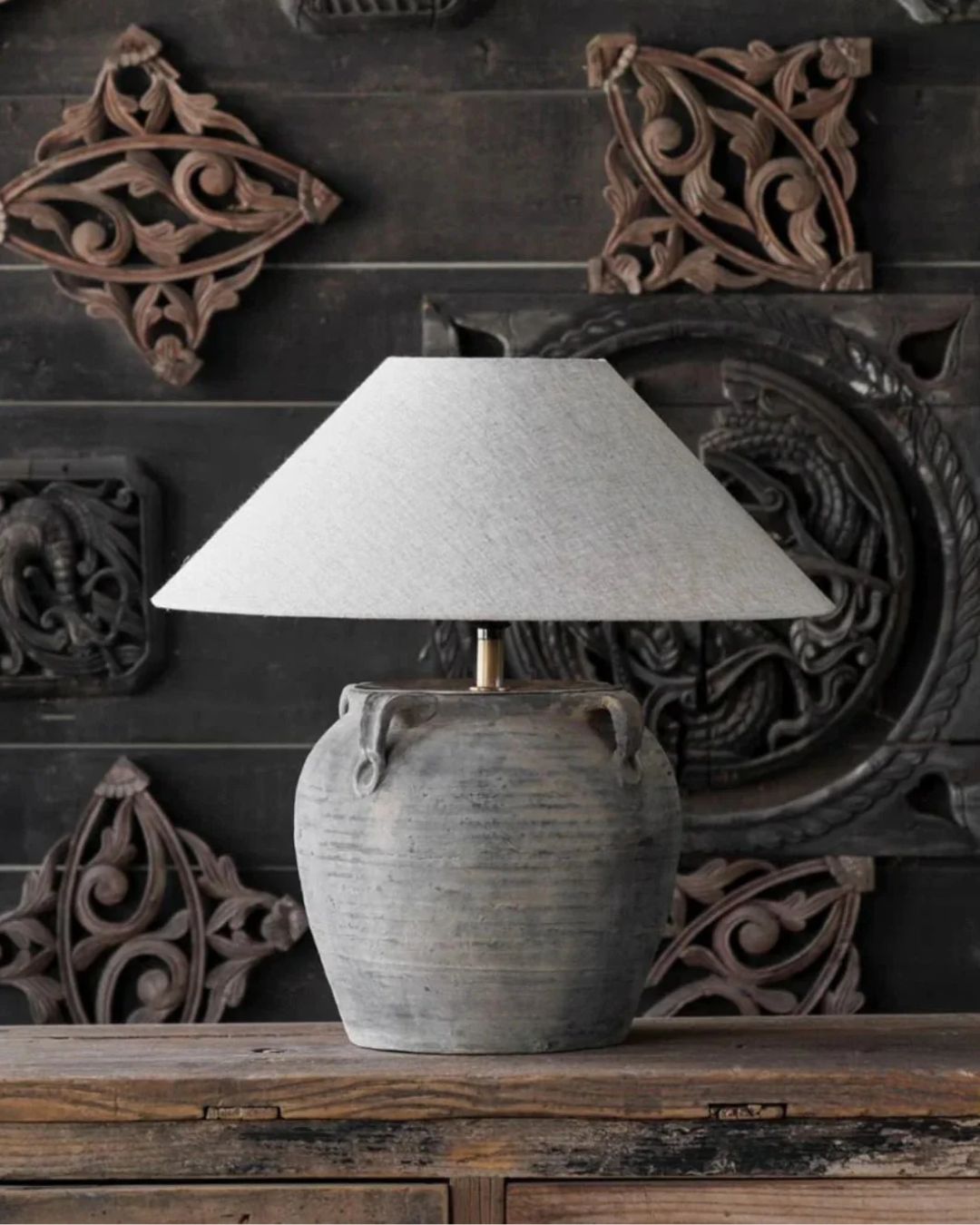
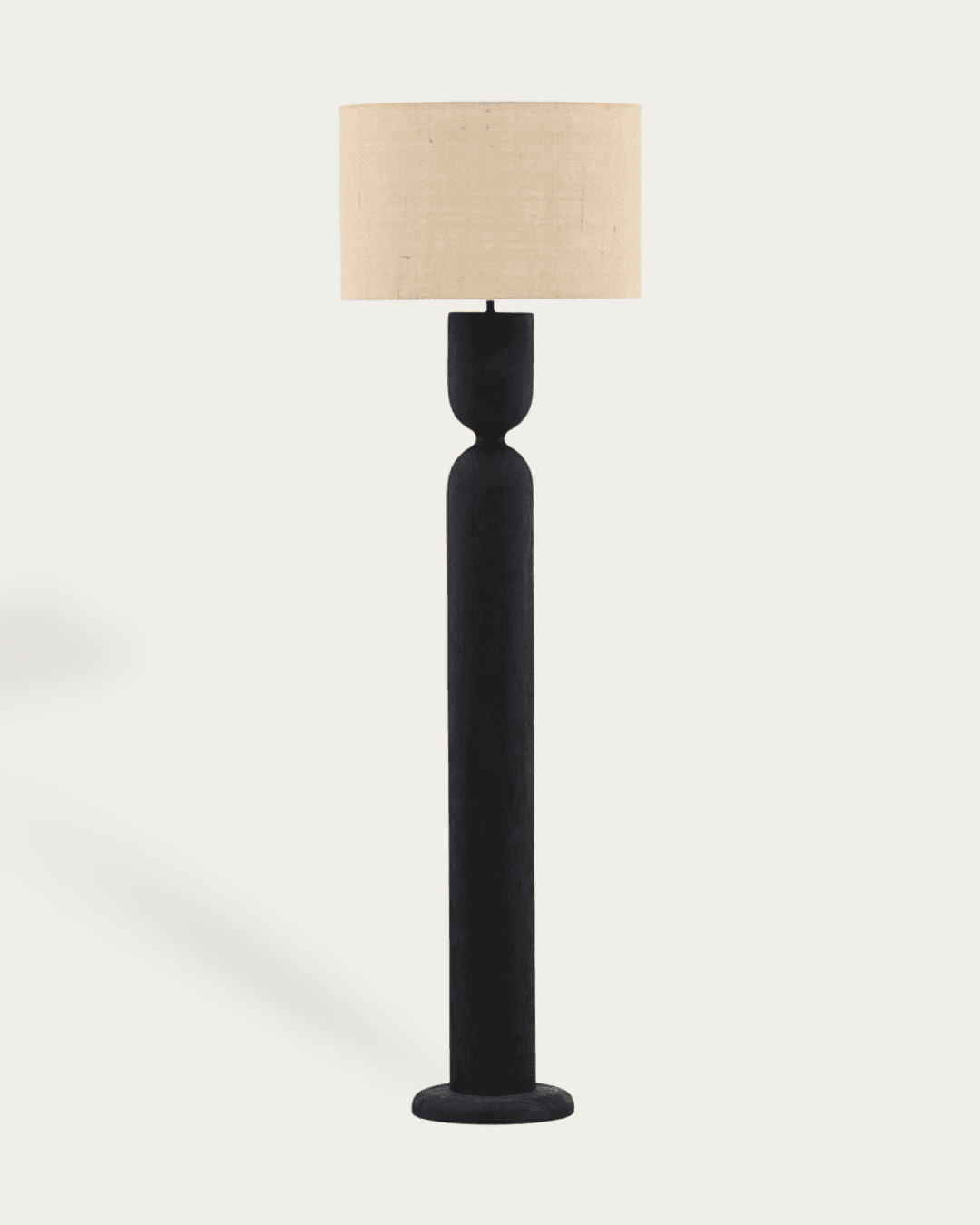
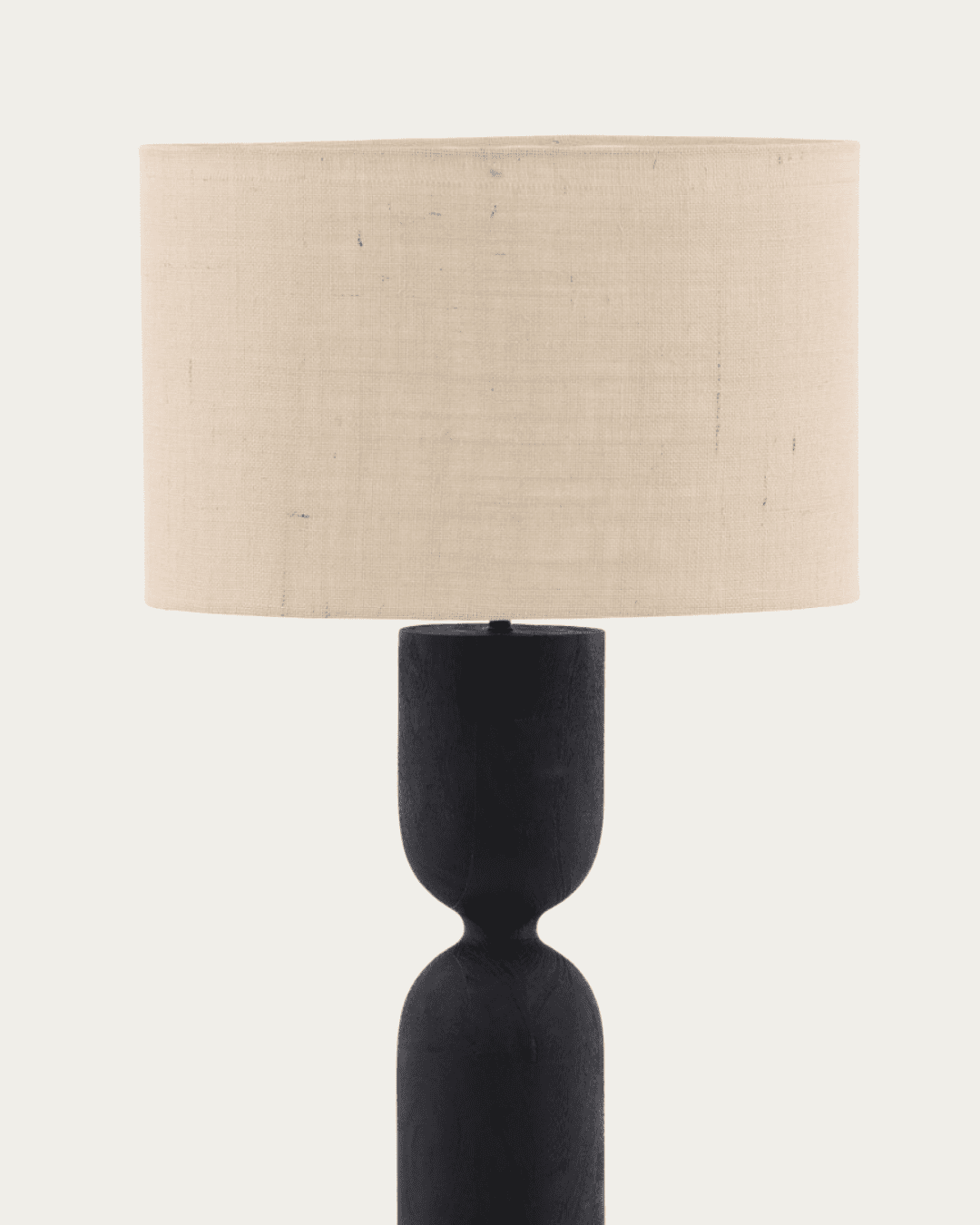
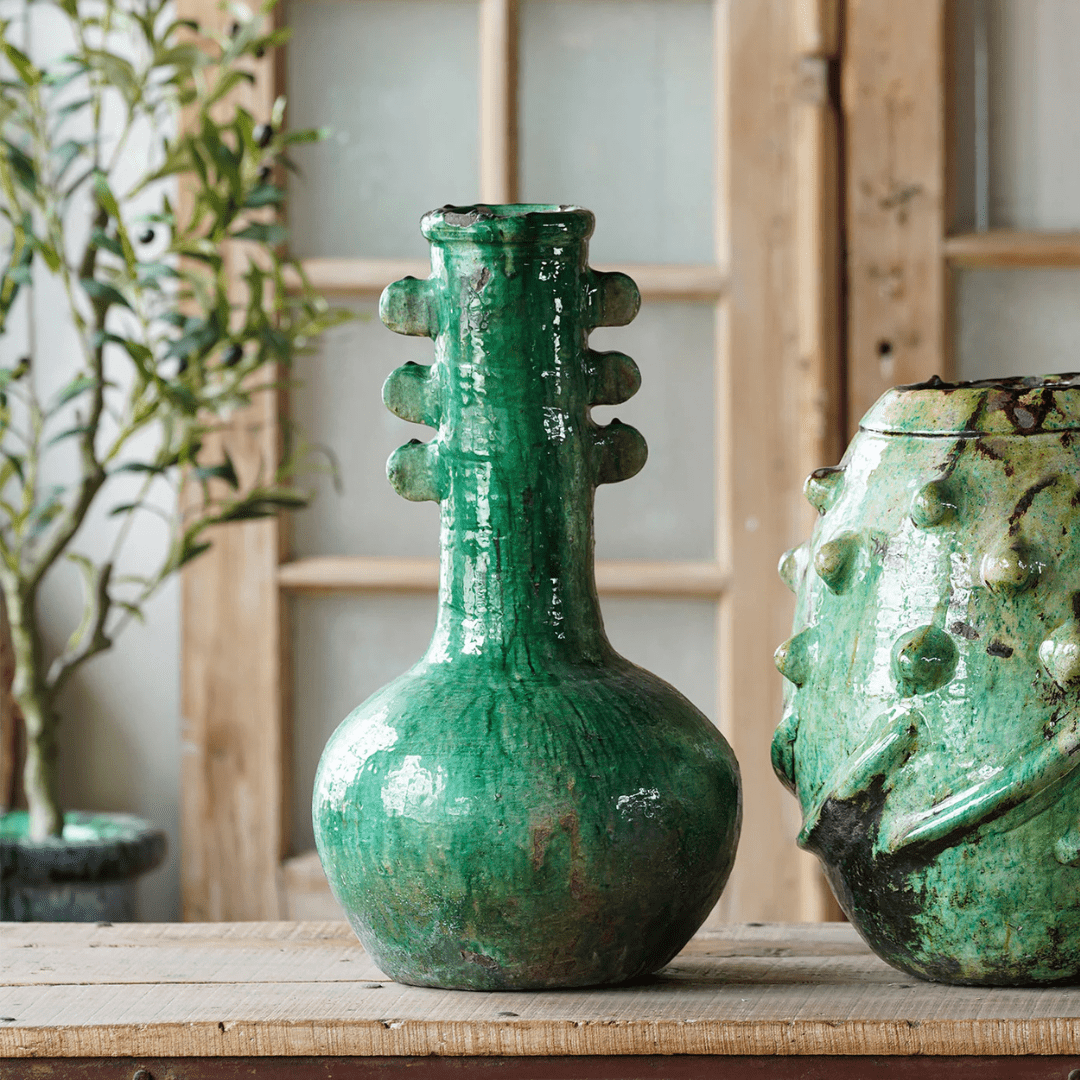
A piece like the Tamegroute candlestick holder adds a raw texture that contrasts smoother elements, while the Betz water pot table lamp introduces a form that feels less standardized.
This disruption is subtle.
But it creates depth that uniform design can’t.
It Adds Weight Without Adding Bulk
One of the challenges in modern spaces is creating presence without overcrowding.
Vintage decor solves that.
Because of its material and variation, it carries visual weight without needing size.
A single vintage piece can hold attention in a way that multiple modern pieces can’t.
This allows you to do more with less.
Which is what keeps a space feeling open—but complete.
Placement Determines Everything
Even strong vintage pieces won’t work if placement is random.
This is where most spaces fall apart.
When pieces are scattered:
The room feels disconnected
The eye keeps moving without settling
Nothing feels intentional
When placed correctly:
The room feels collected
The eye moves naturally
The space feels resolved
A larger piece like the Edna chapati mirror needs space around it to be understood, while smaller items like the Vintage marble shallow bowl work best when layered or grouped.
Placement creates meaning.
It Creates a Sense of Time Without Being Thematic
Vintage decor doesn’t need to tell a literal story.
But it introduces a sense of time.
Not in a nostalgic way—but in a material way.
Surfaces that show variation feel more established. They don’t feel temporary or newly placed.
This is what makes a room feel settled.
Instead of looking like it was completed all at once, it feels like it evolved.
That shift changes how people experience the space—even if they can’t explain it.
Why This Matters in Everyday Living
A room that feels lived in is easier to exist in.
It doesn’t demand constant adjustment.
It doesn’t feel like something you need to maintain perfectly.
It supports you instead of distracting you.
Vintage decor contributes to that by:
Softening hard edges
Reducing visual tension
Adding variation where needed
It’s not about aesthetics.
It’s about function on a sensory level.

Where to Start
If your space feels off, don’t add more immediately.
Start with one shift.
Add one larger vintage anchor
Layer in one or two smaller pieces
Adjust placement before adding anything else
Then observe.
The impact is usually immediate.
Final Thought
Vintage decor doesn’t make a room feel lived in by itself.
It changes how the room is processed.
When used intentionally—through scale, placement, and material—it transforms a space from something that looks arranged into something that feels settled.
And that’s what people respond to.
If you’re ready to bring that kind of depth into your home, start here:
Browse the vintage collection