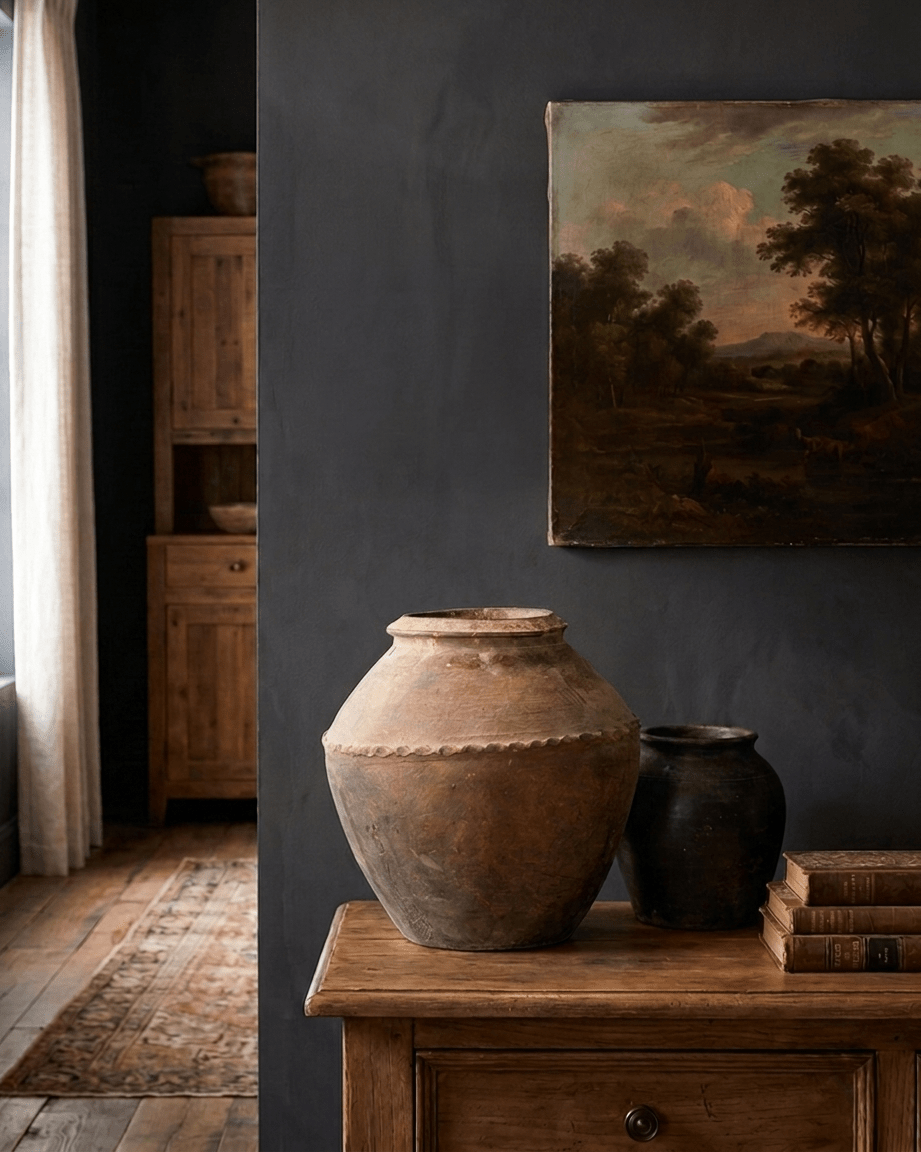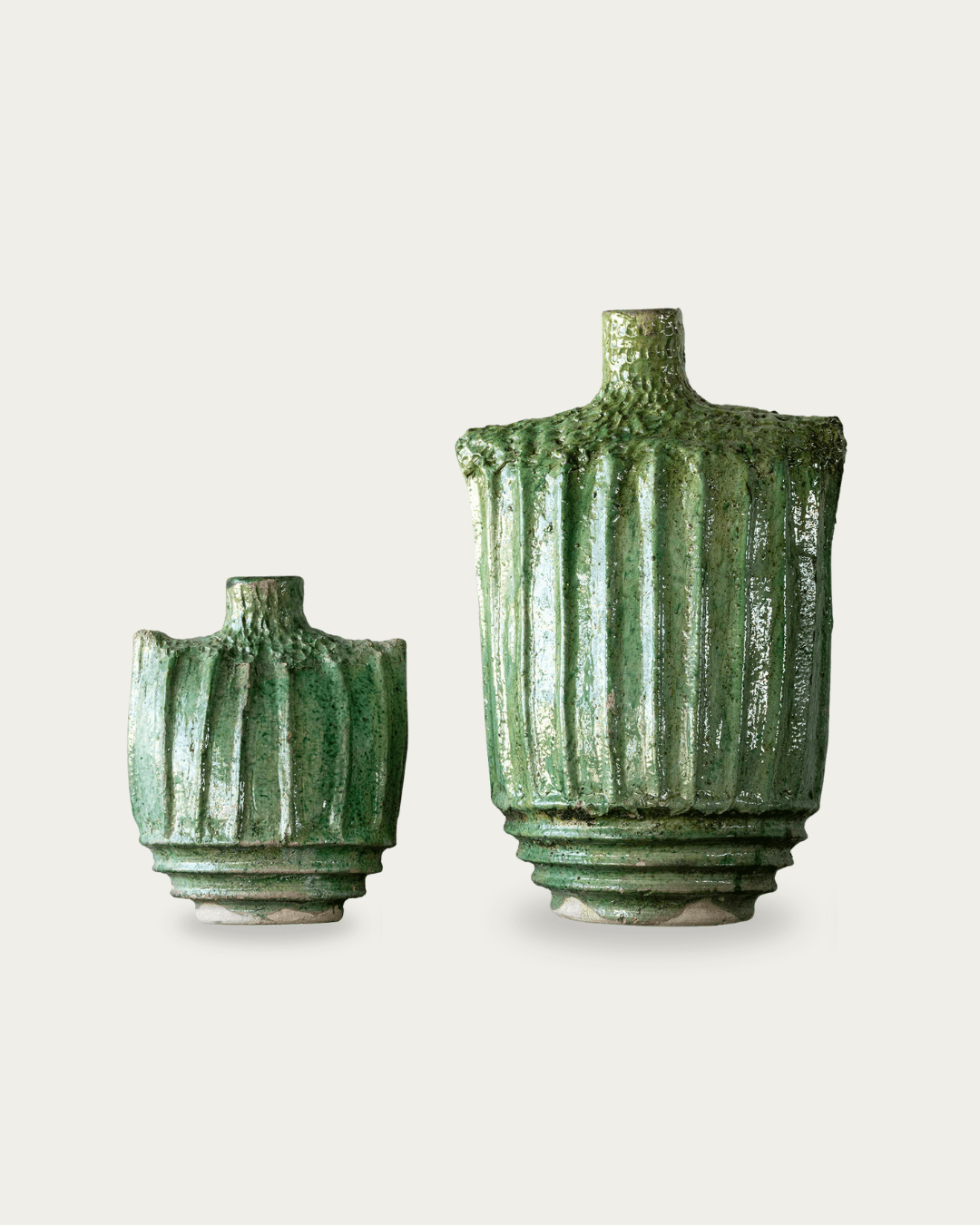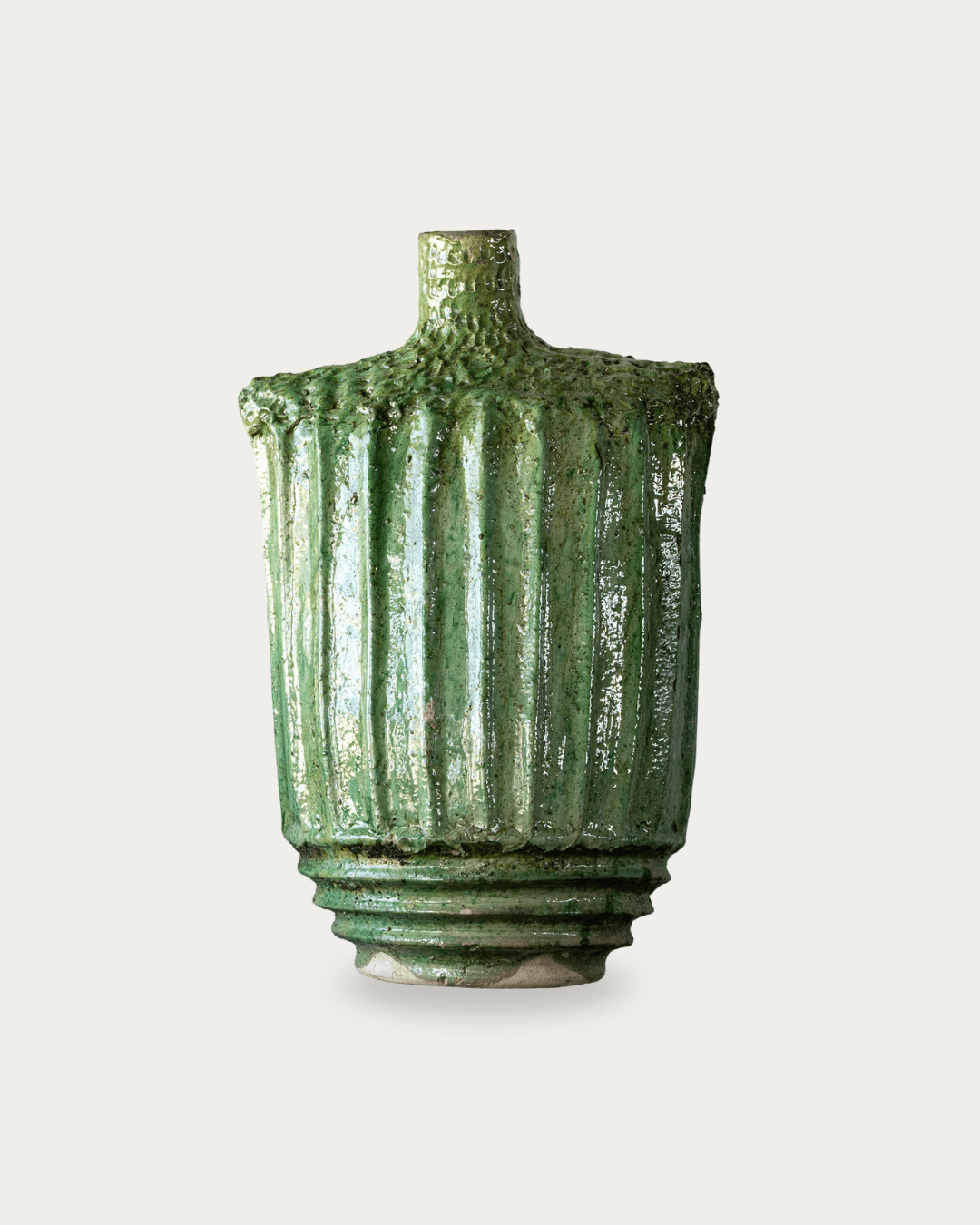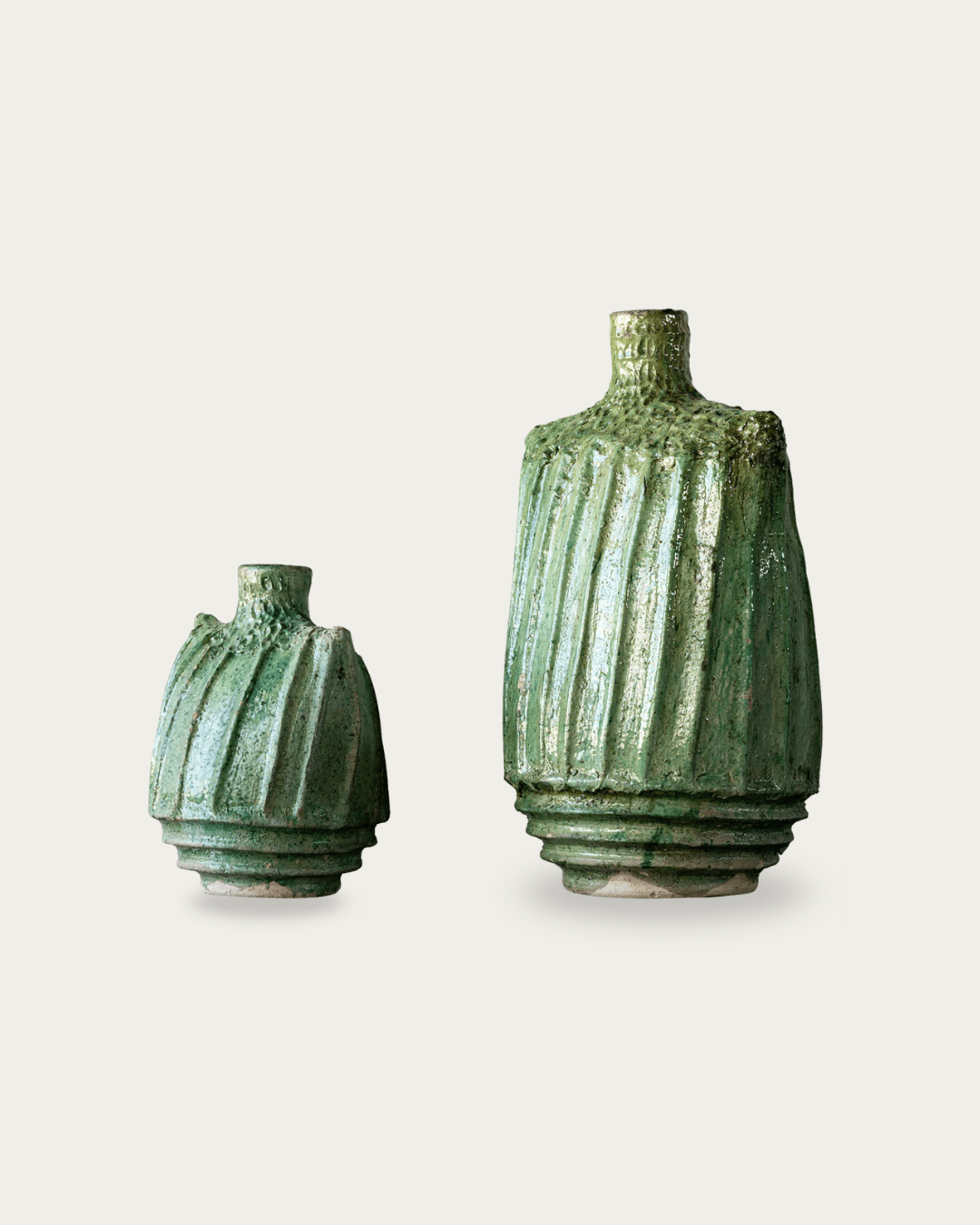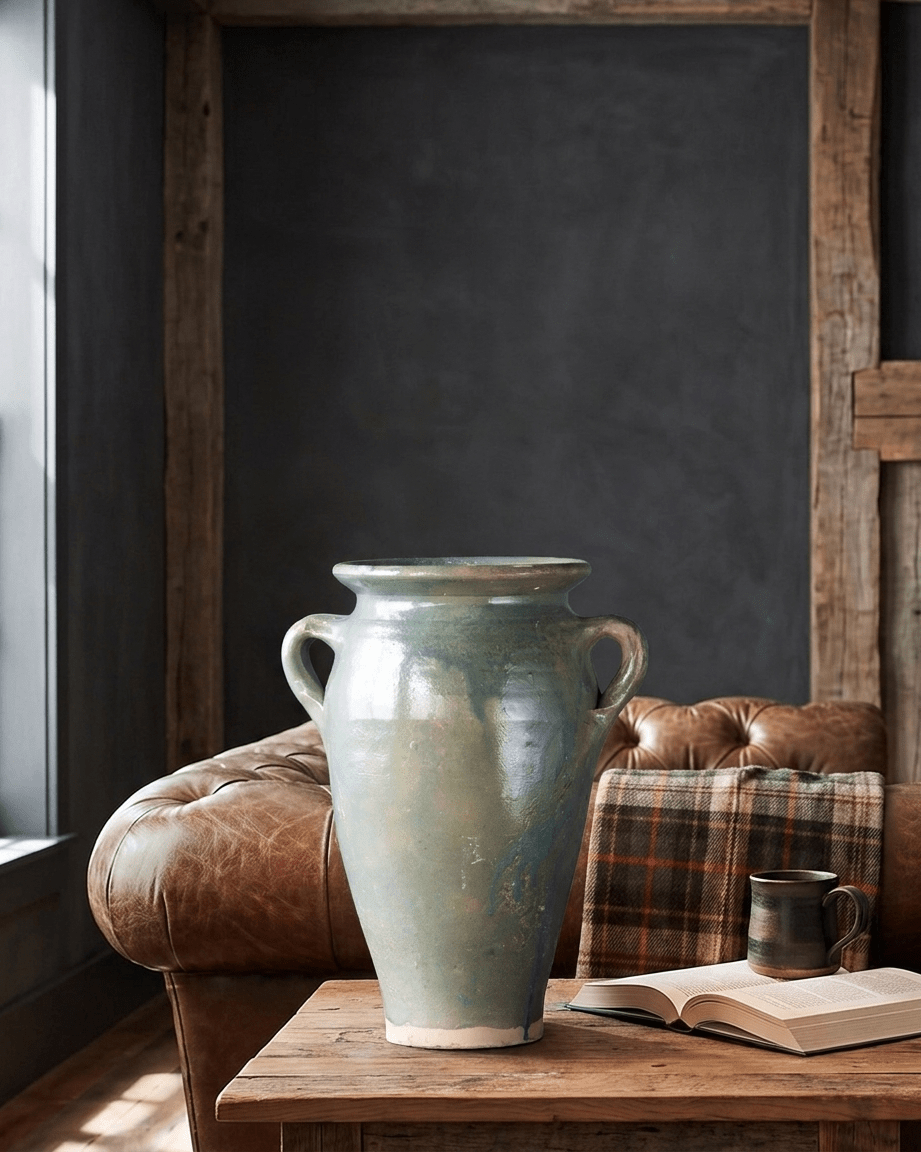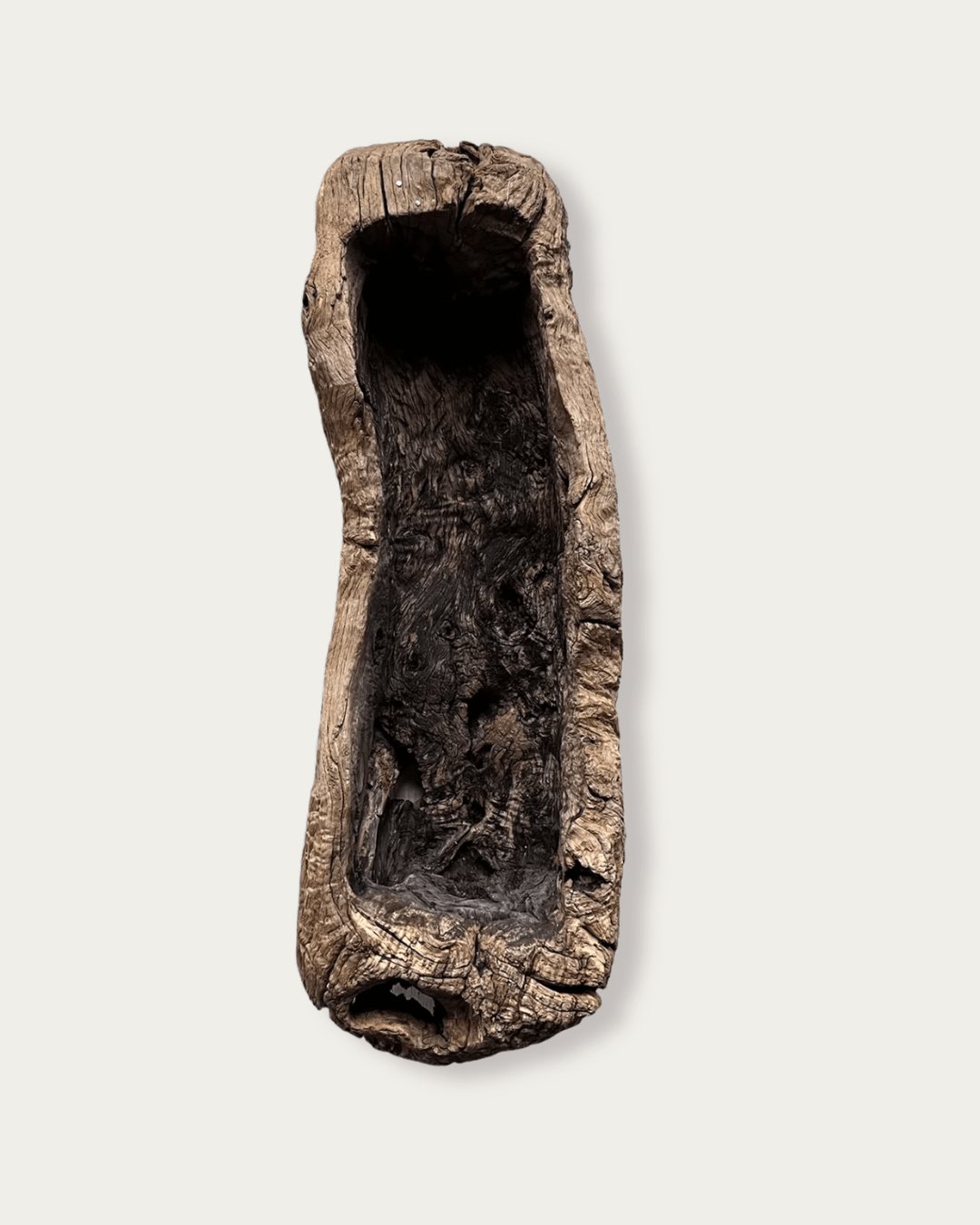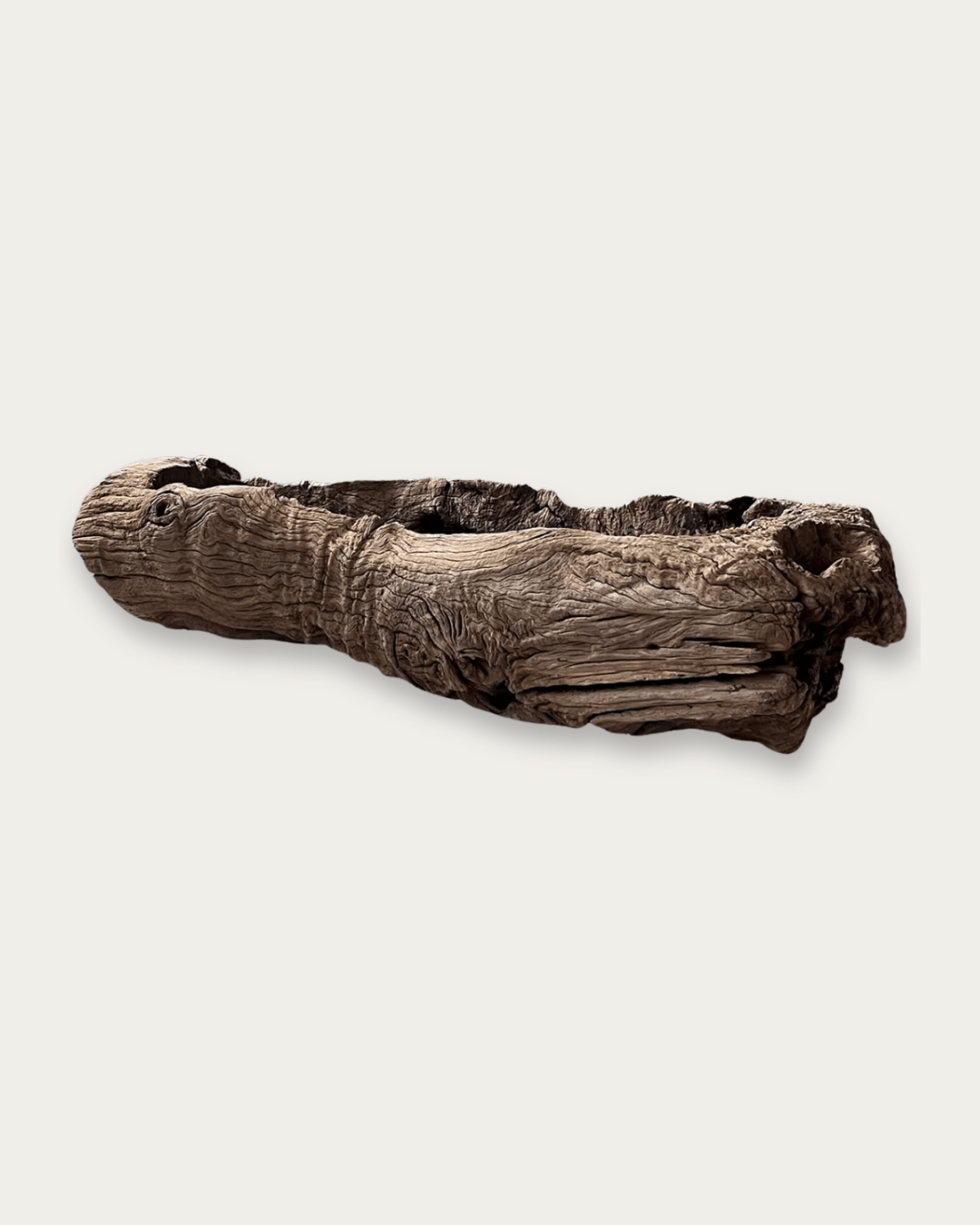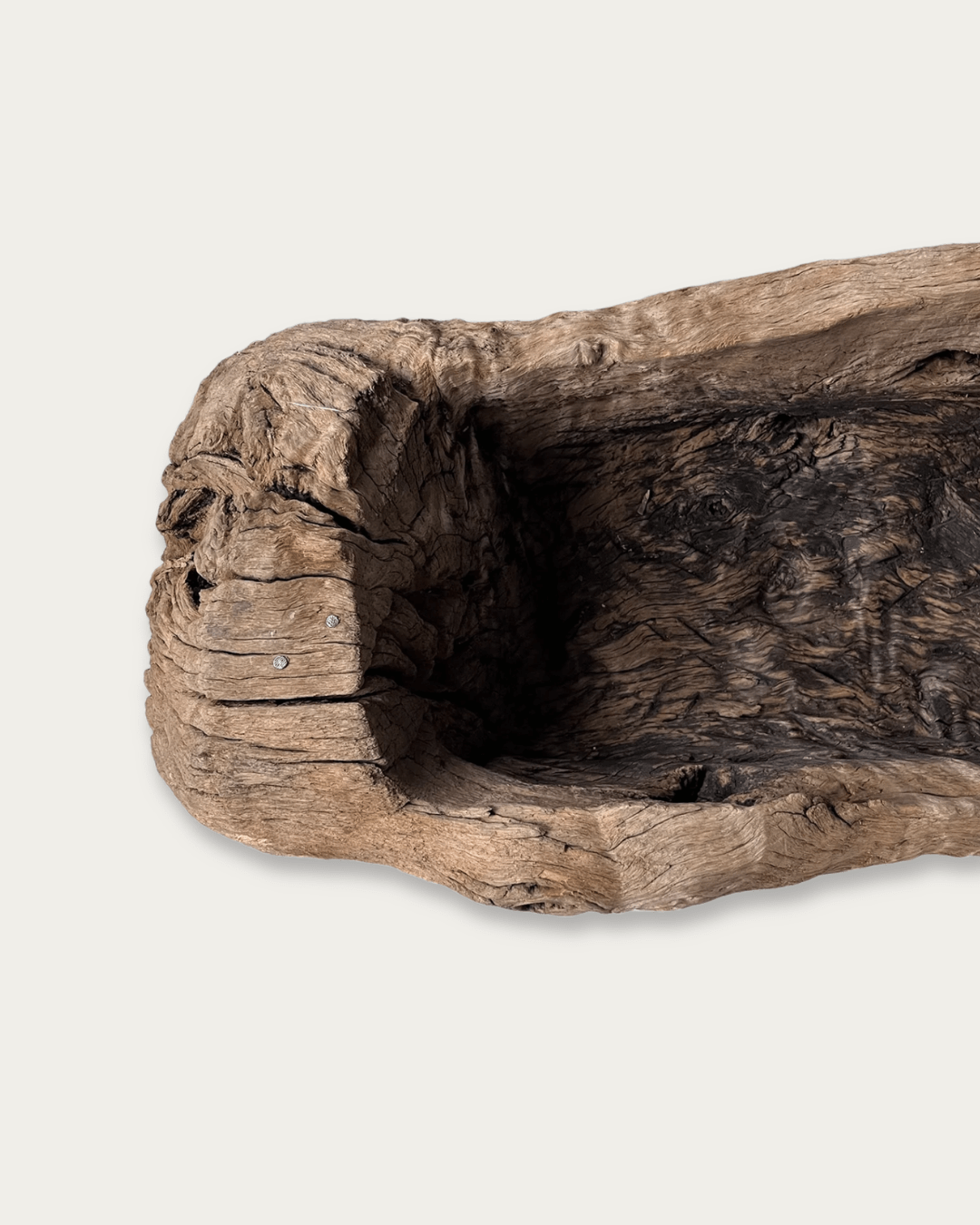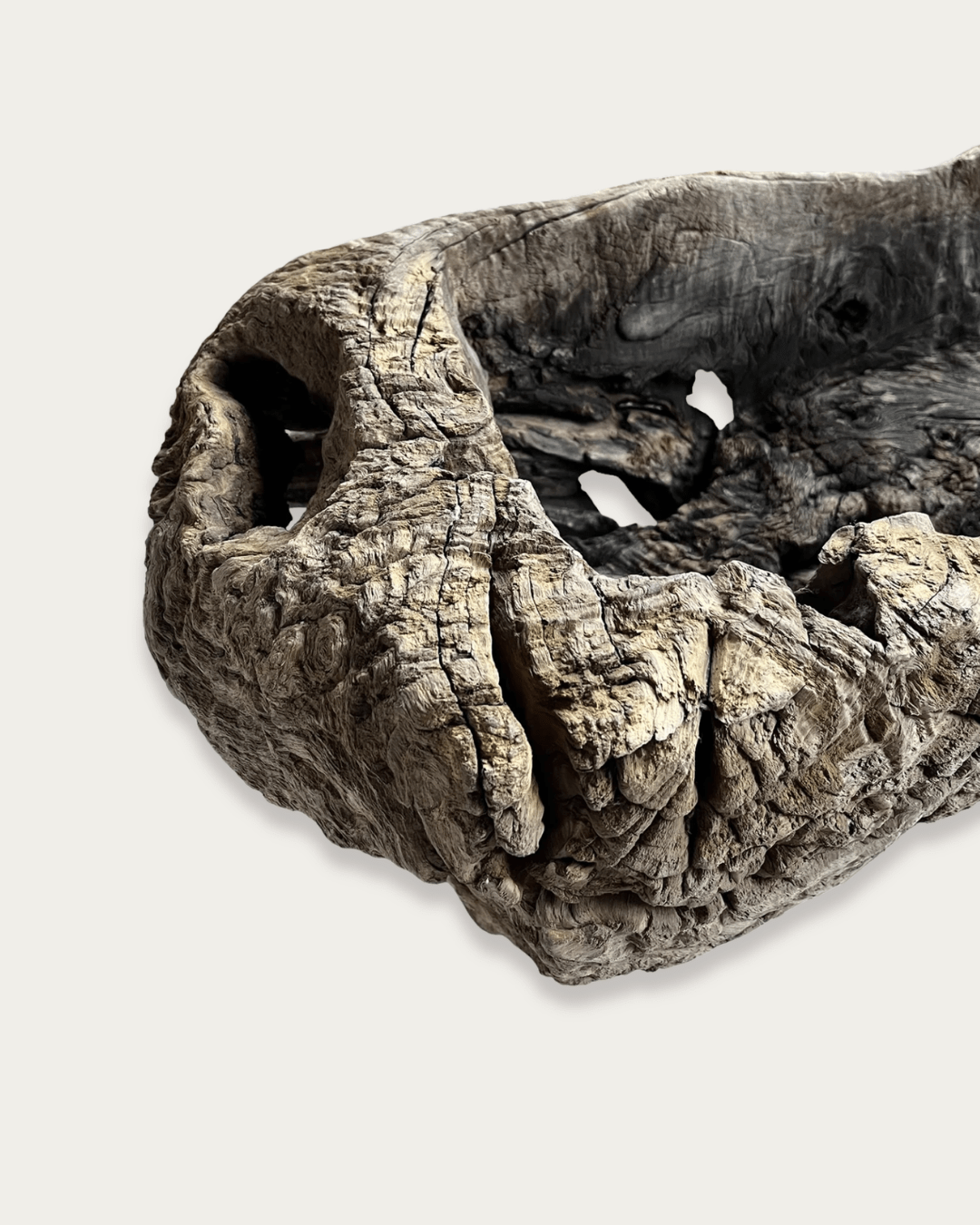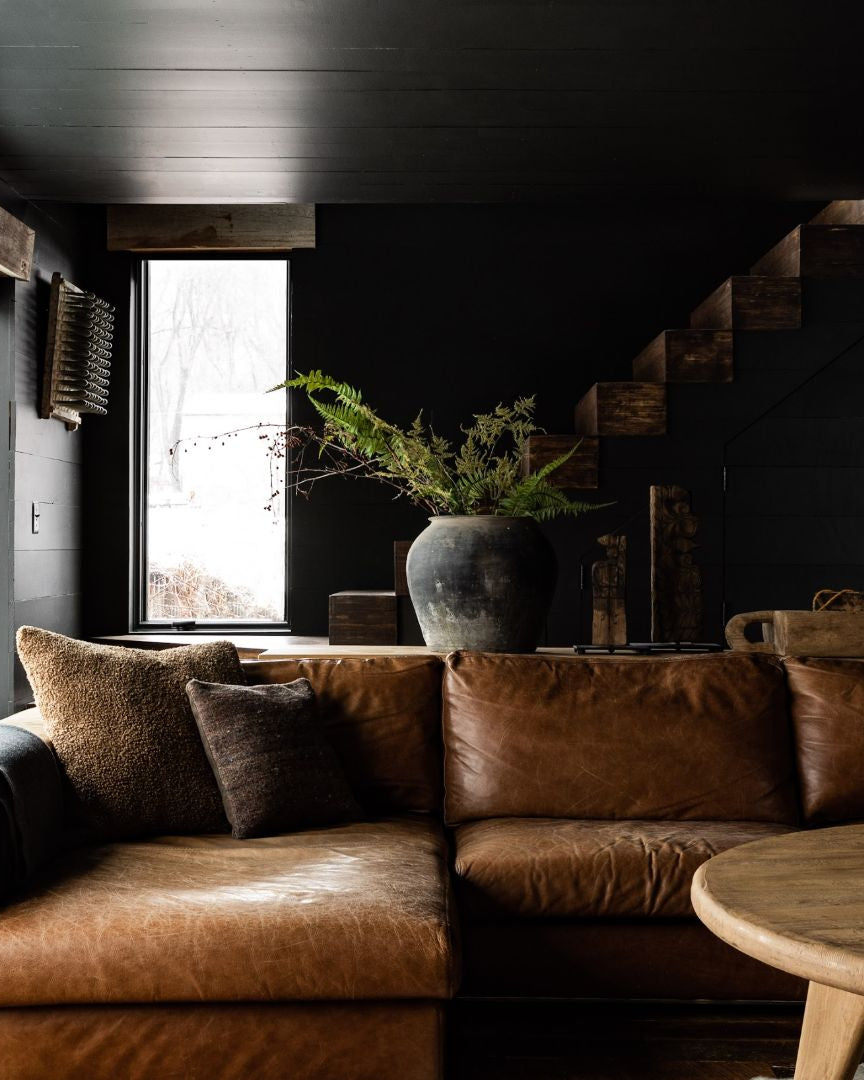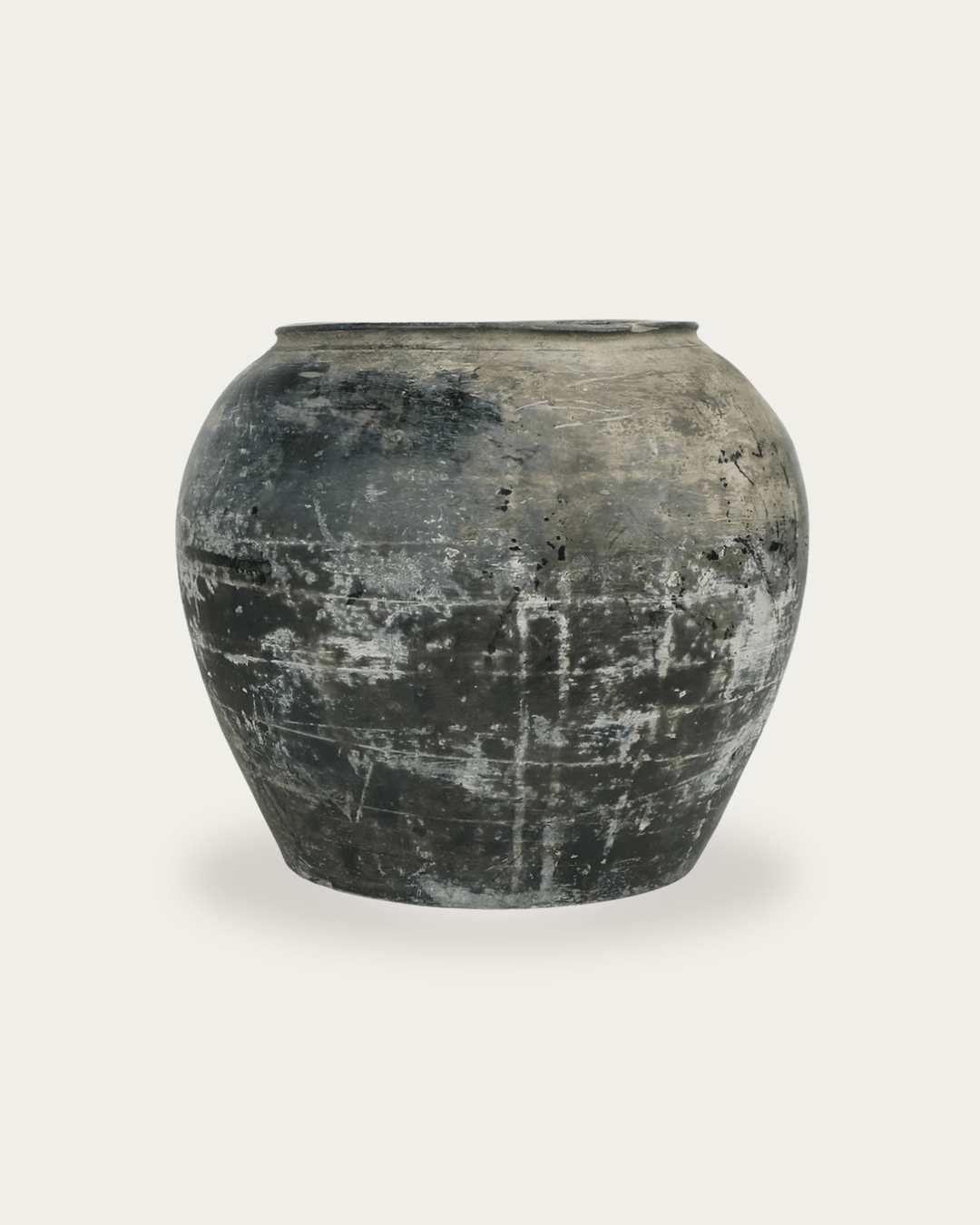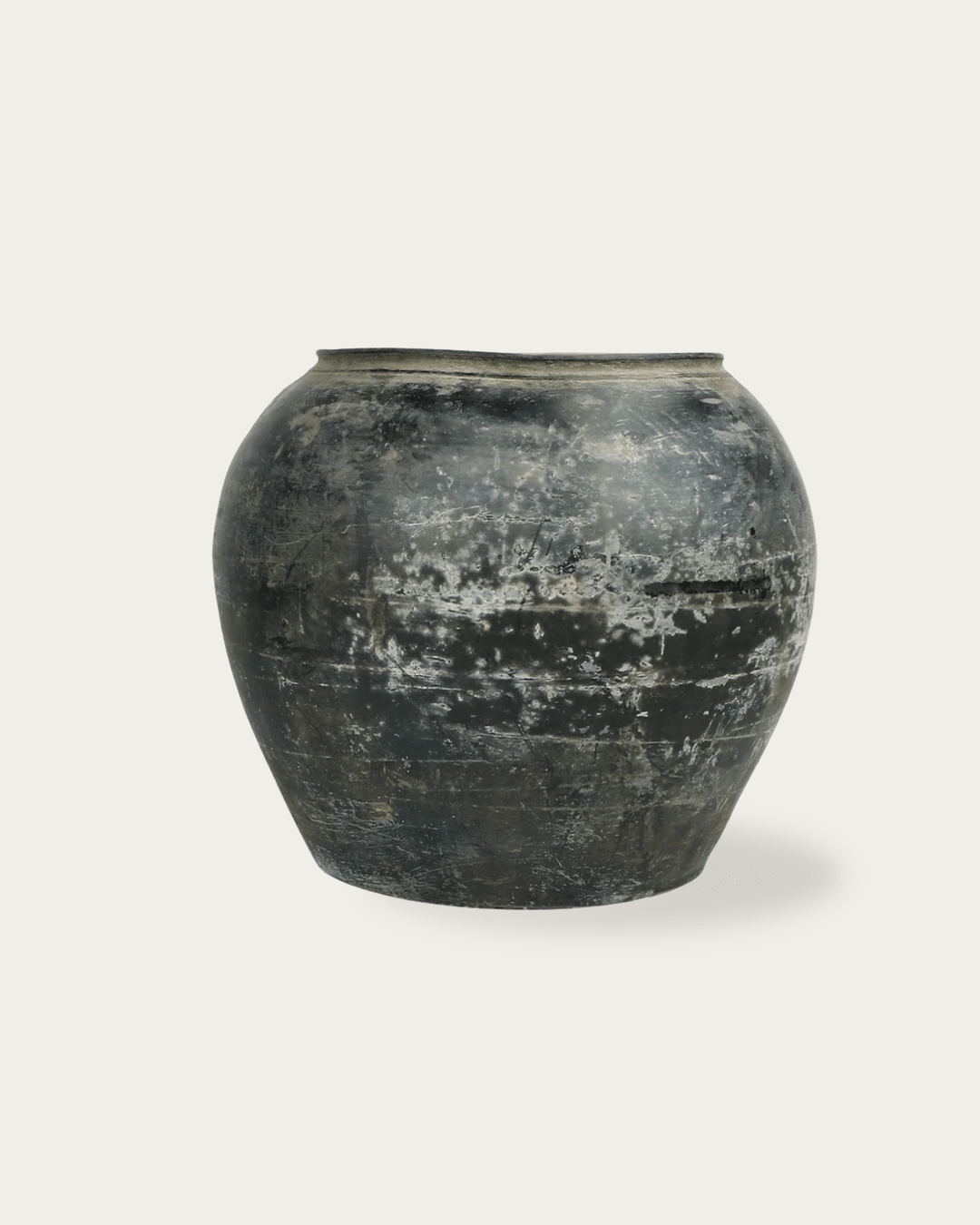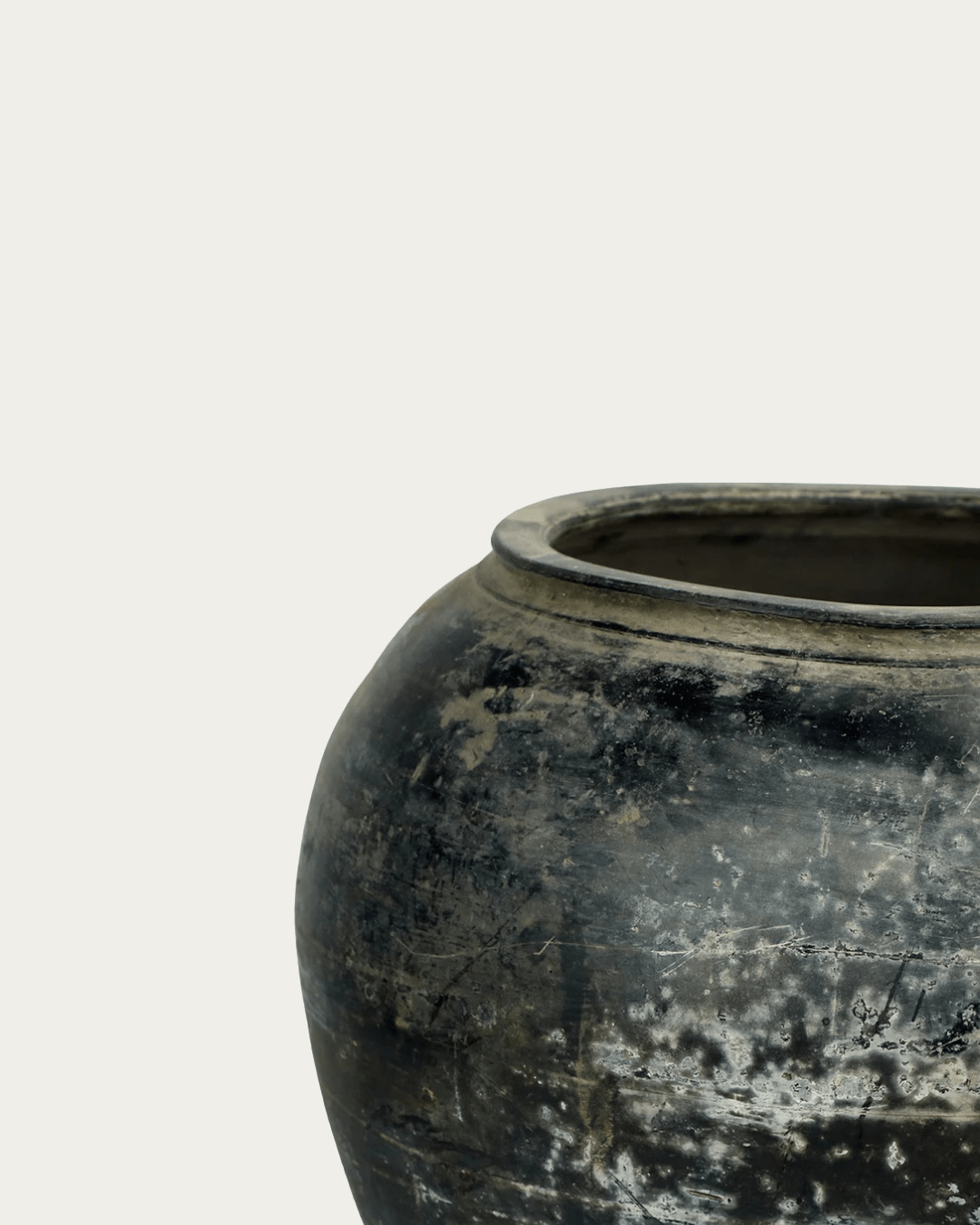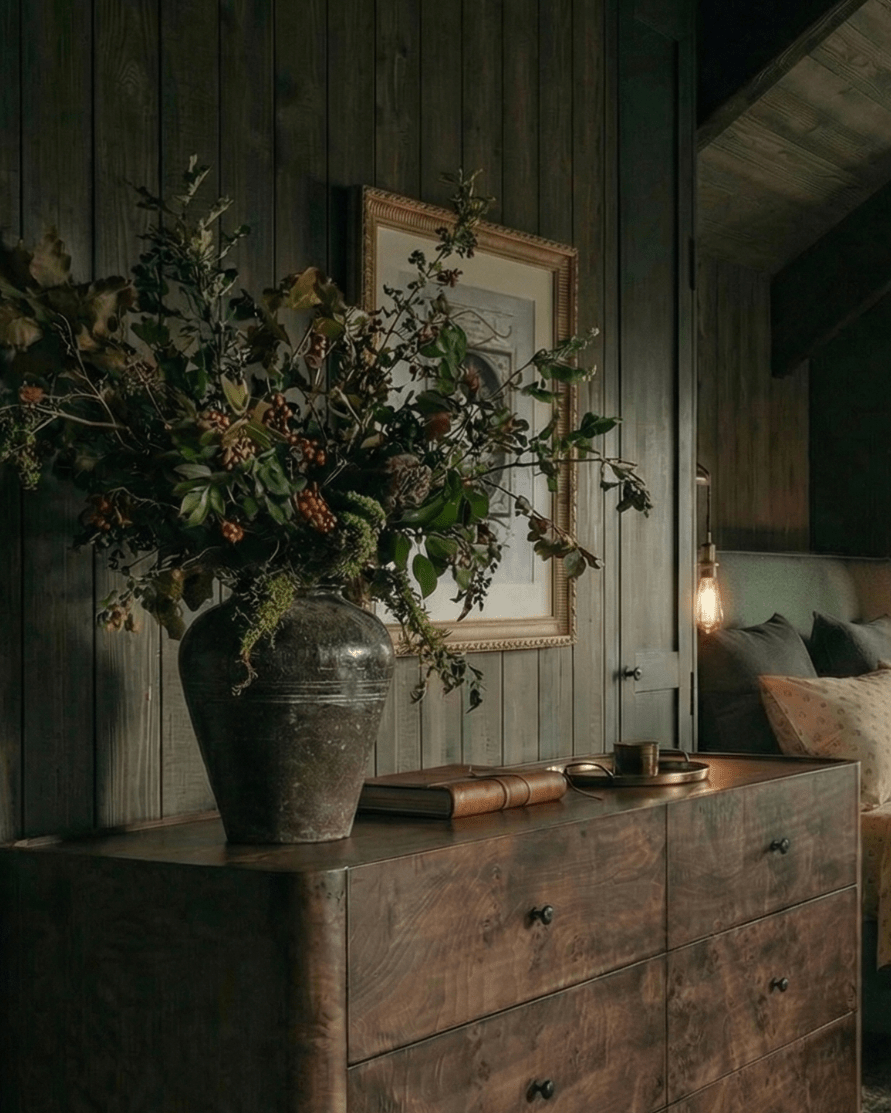







Most homes don’t lack decor. They lack objects that actually do something. Shelves fill up. Surfaces get styled. And yet the room still feels unresolved. That’s usually because the most useful vintage decor piece in the house is being treated like a background extra instead of a lead role. It’s a vintage pot.
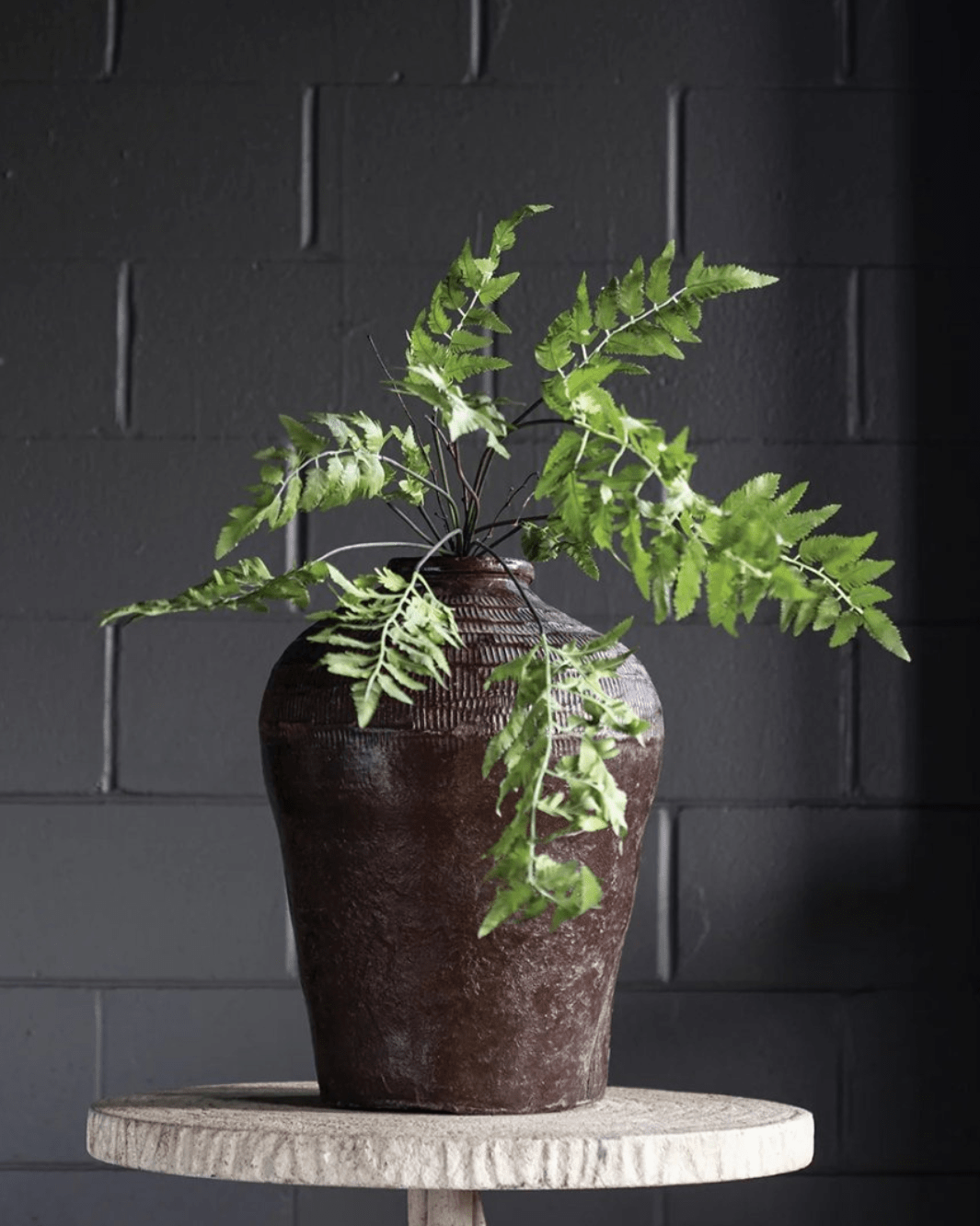
Used well, a vintage pot isn’t a vase, an accent, or a styling filler. It’s a container, an anchor, a visual pause—and one of the easiest ways to bring order into a space without adding more furniture.
Why Vintage Pots Outperform Most Decorative Objects
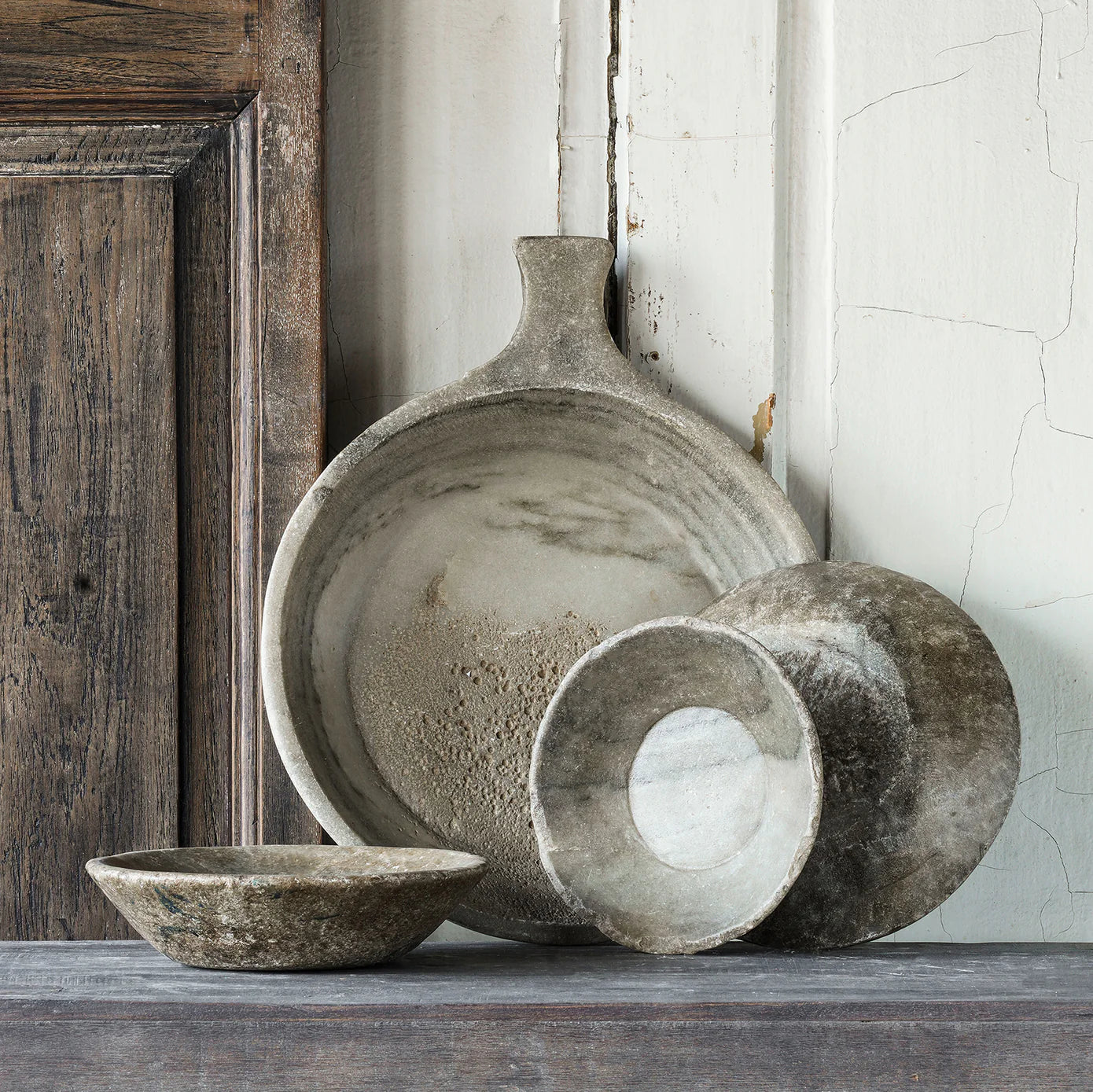
Vintage pots were never designed to be precious. They were made to carry water, grain, wine, oil—heavy, everyday materials. That original function is exactly why they work so well in modern interiors.
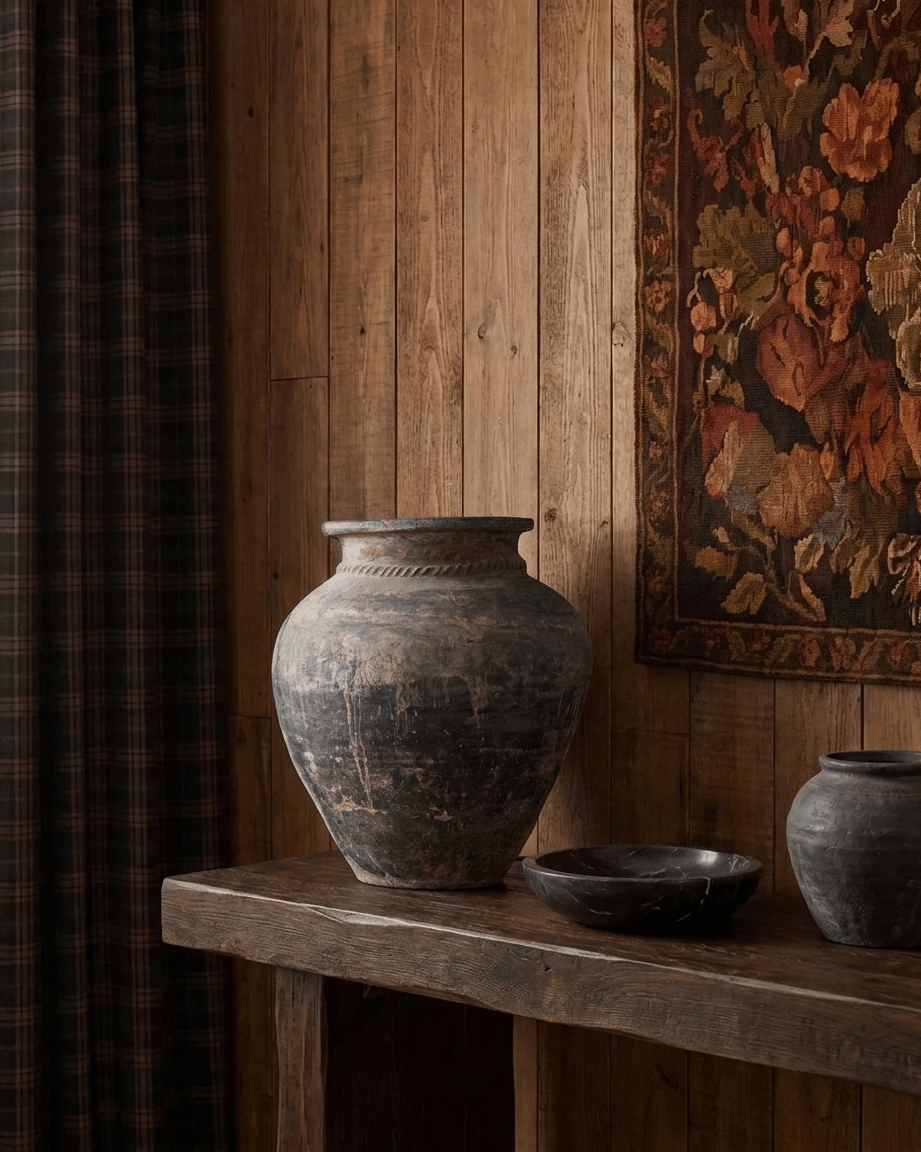
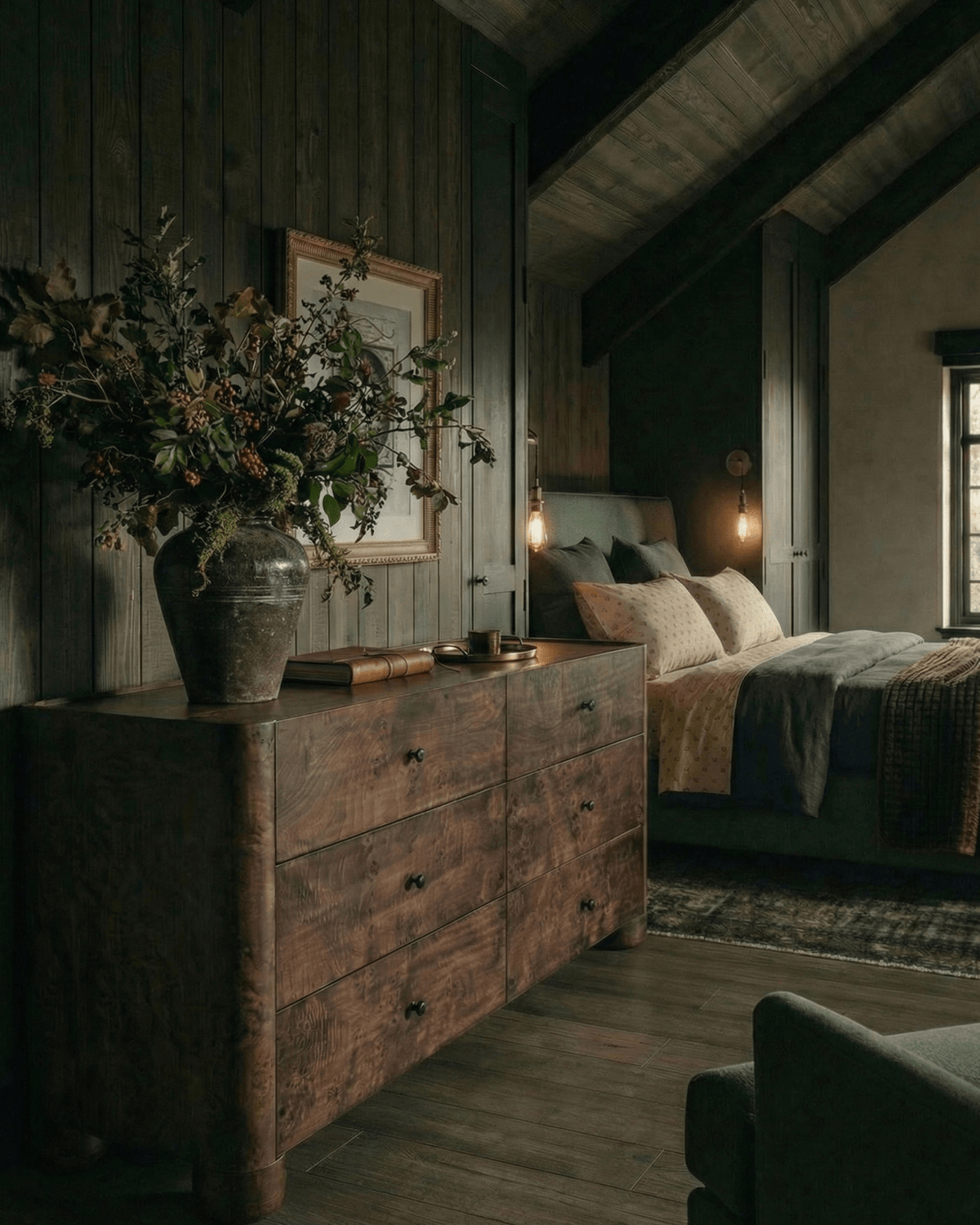
Unlike lightweight decor, a vintage pot introduces real visual mass. It holds space. It tells the eye where to rest. You don’t need multiples. One well-placed piece does more than a shelf of curated objects.
This is why rooms styled with vintage pots often feel calmer. There’s less competition. Less explaining. More clarity.
Containers That Anchor a Room
The strongest vintage pots don’t decorate a room—they stabilize it.
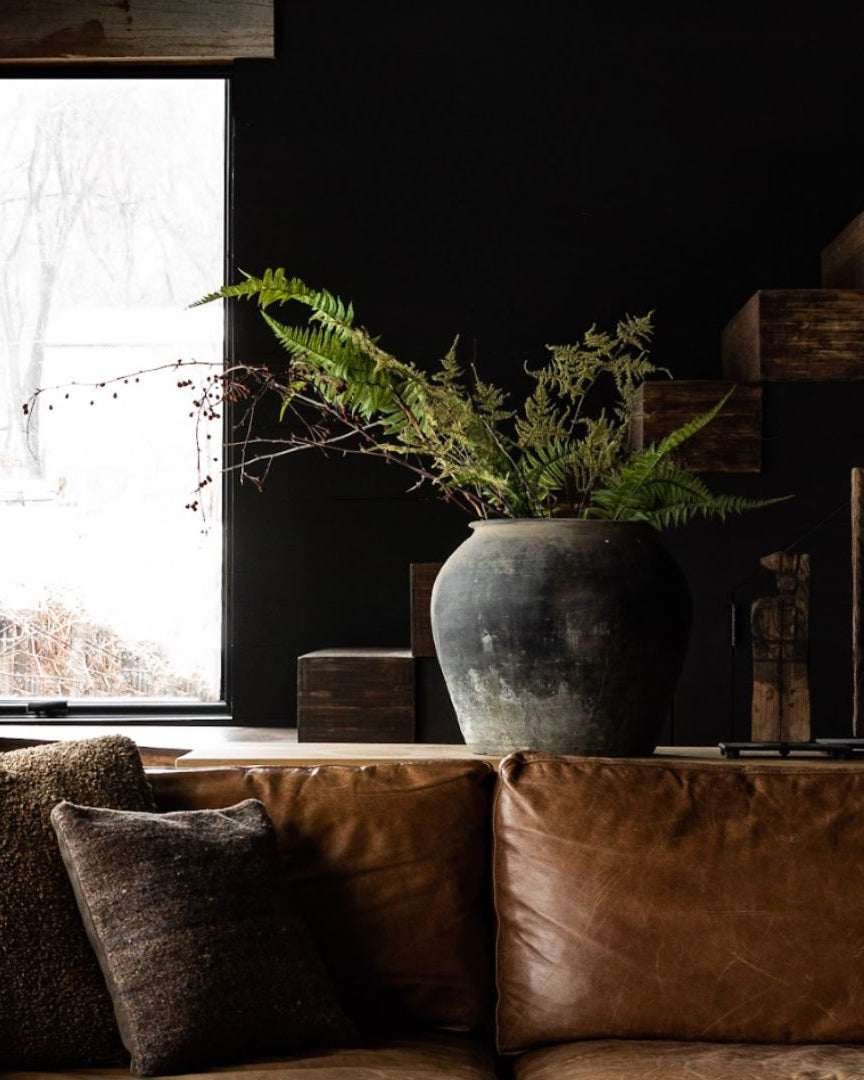
Large-scale vessels work especially well in open or transitional spaces where furniture alone doesn’t quite finish the job. An empty corner, the end of a hallway, the edge of a living area—these are ideal zones for pots that can carry visual weight without blocking movement.
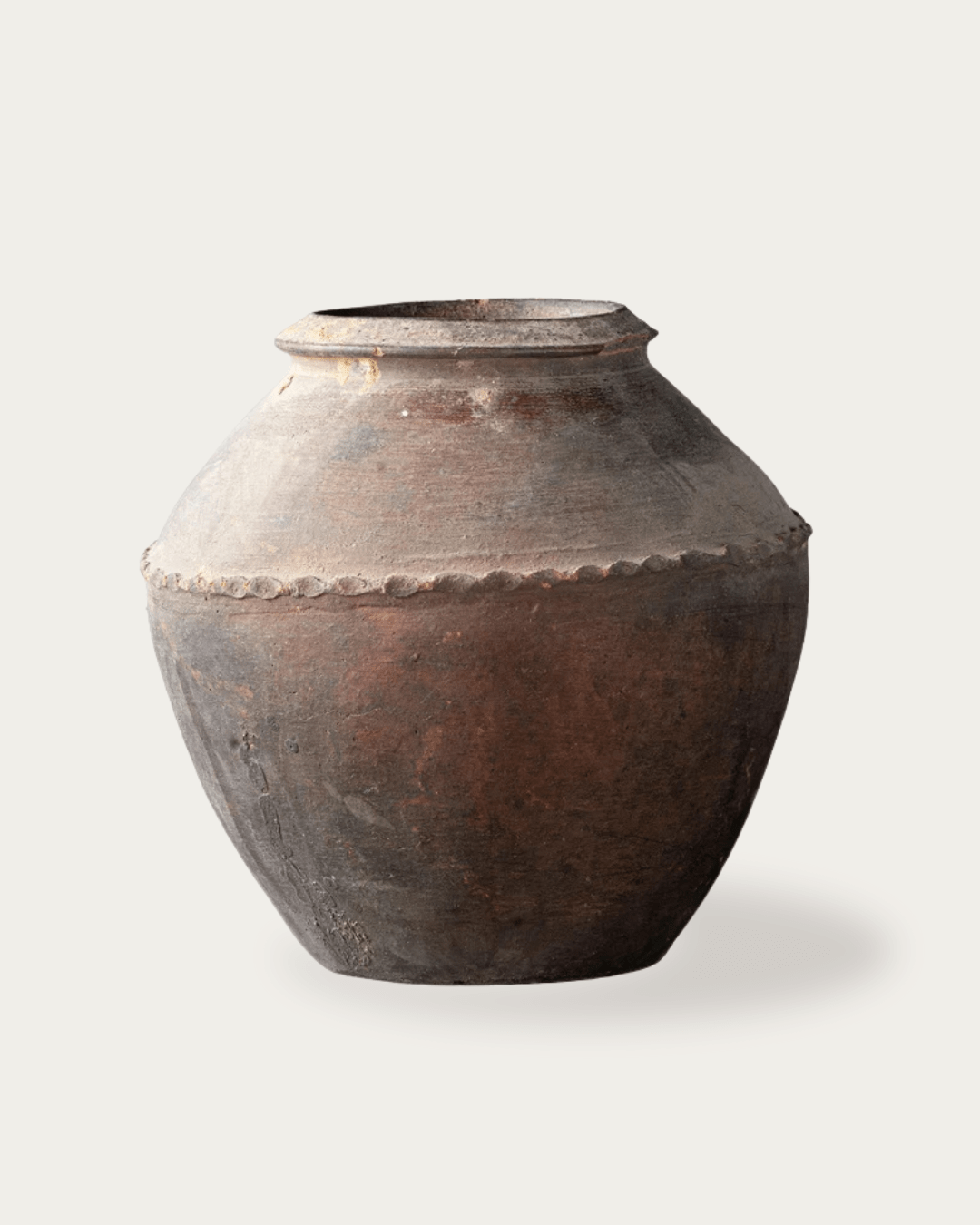
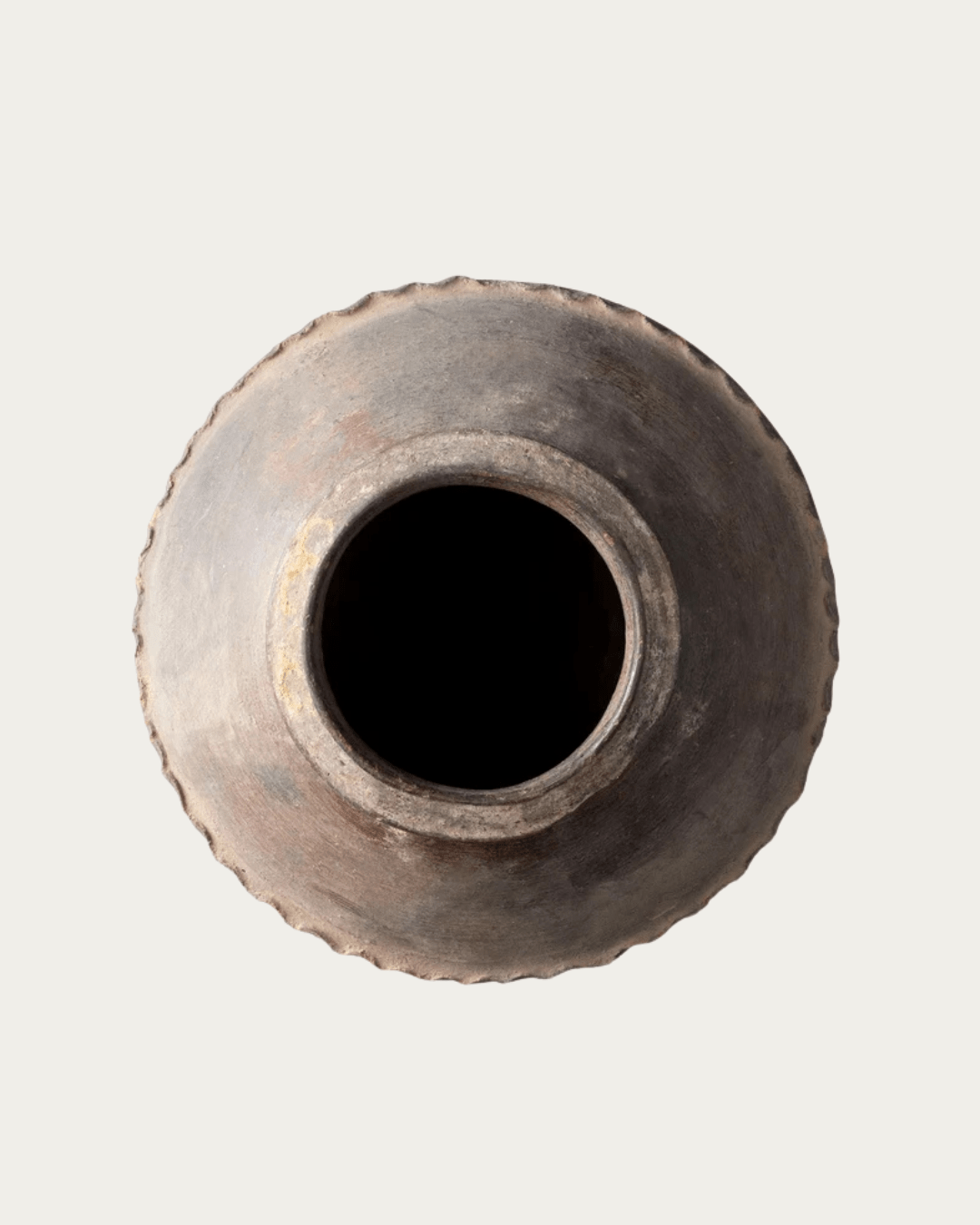
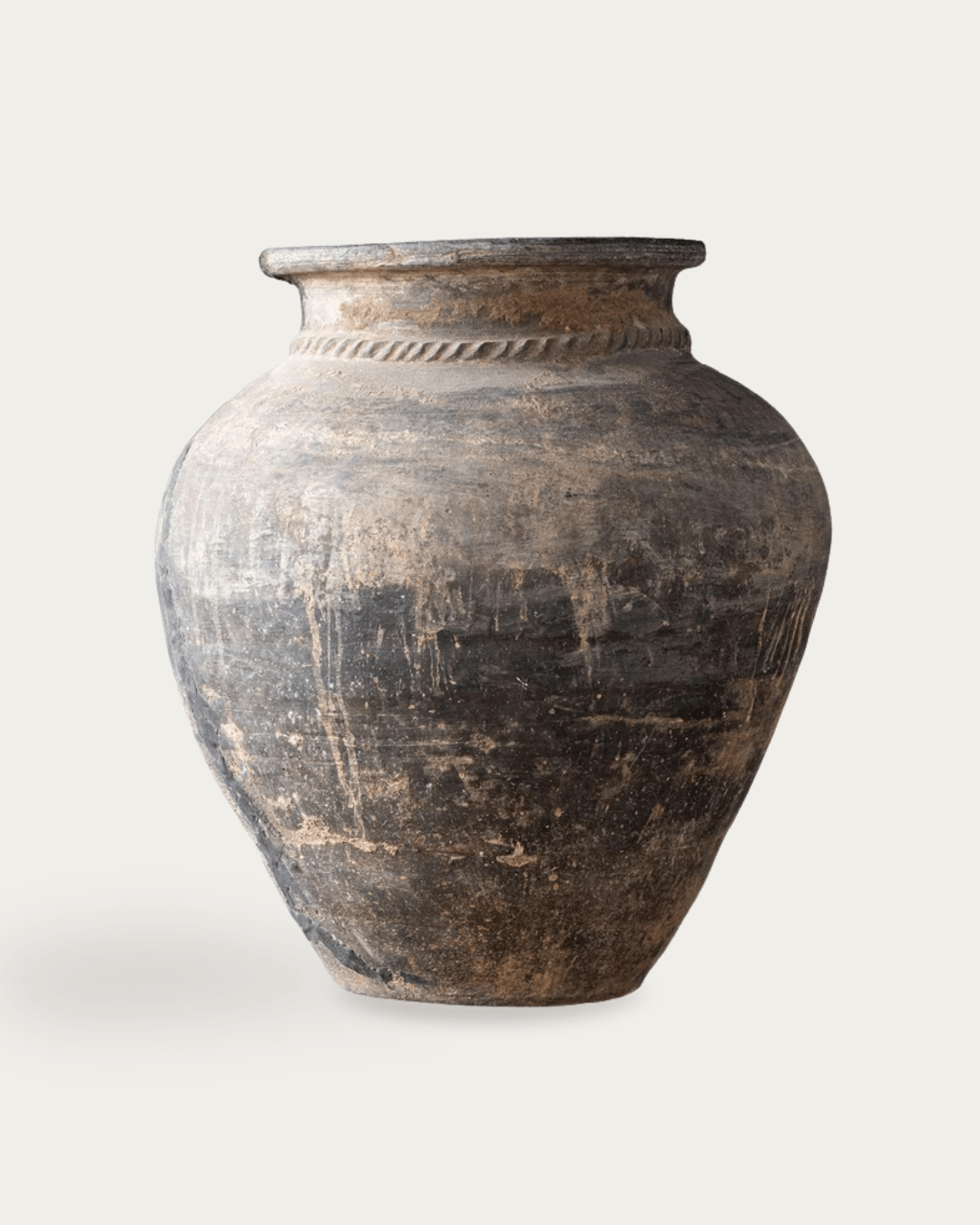
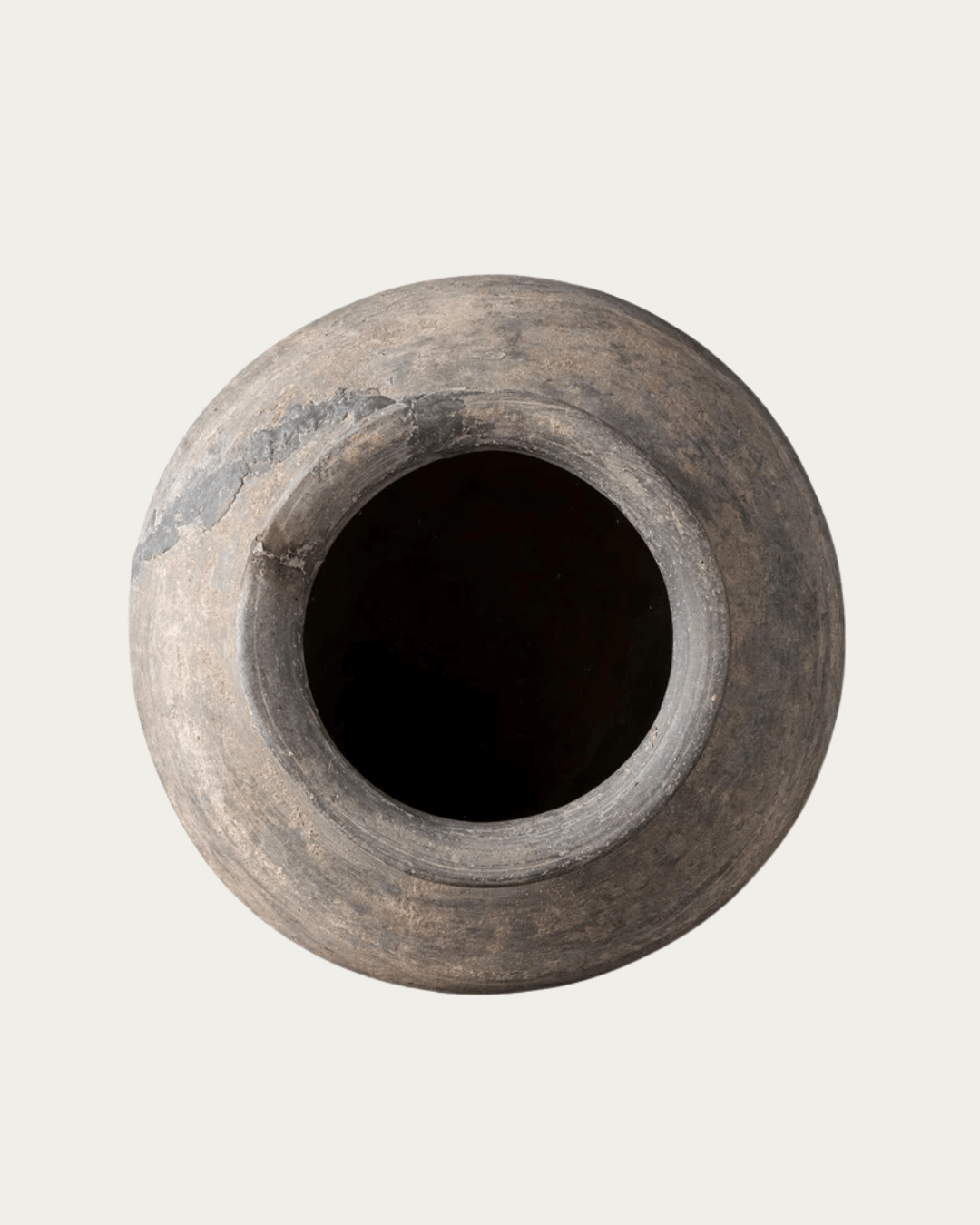
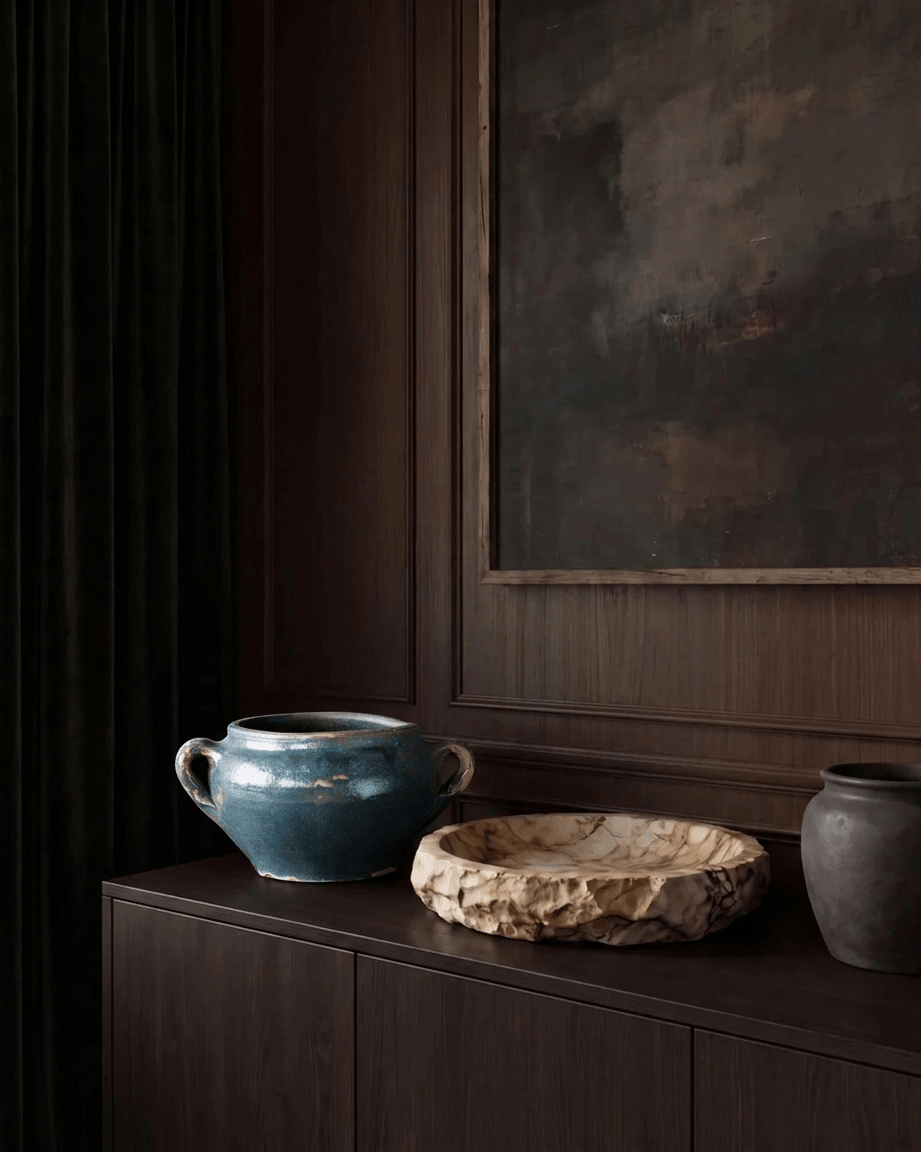
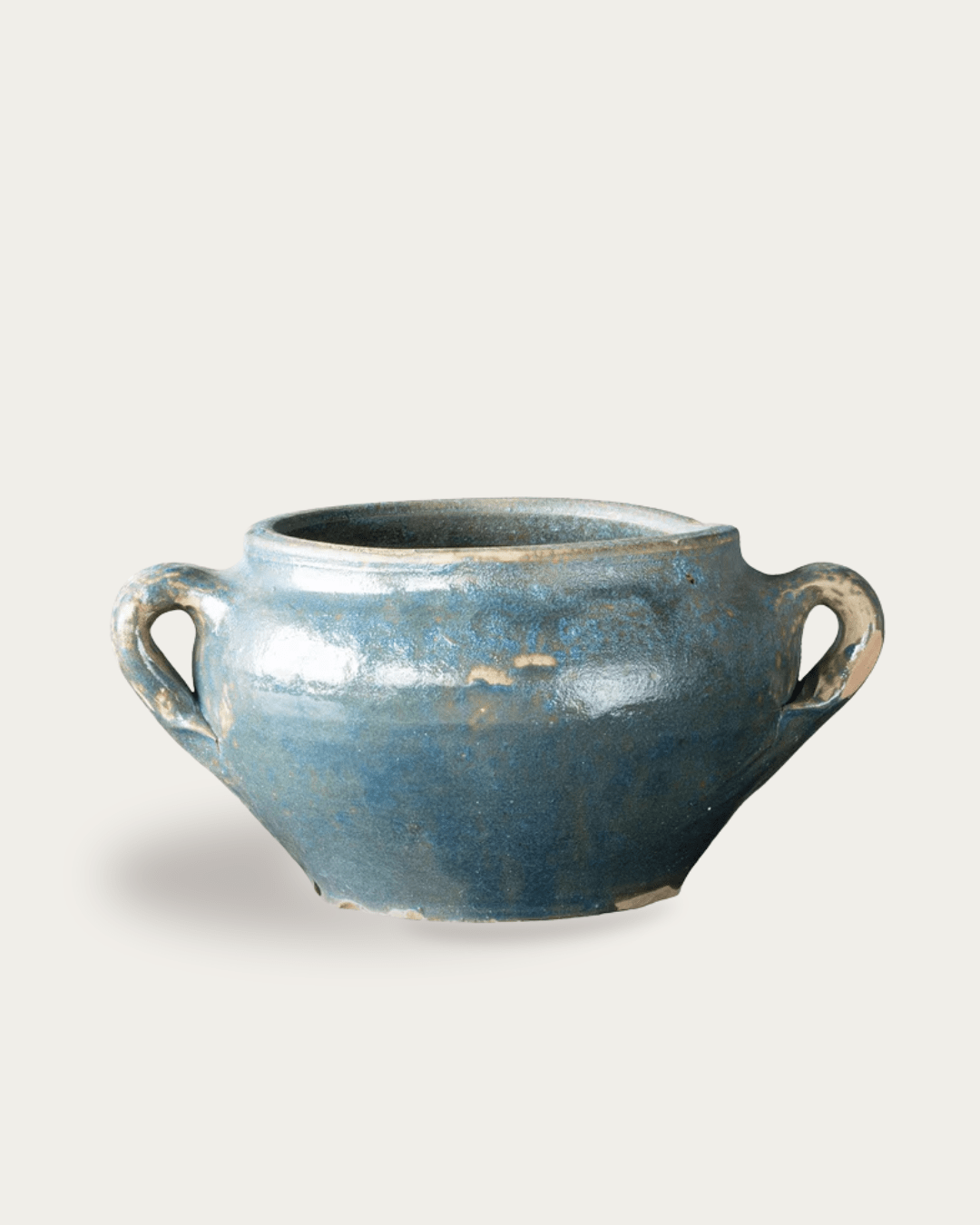
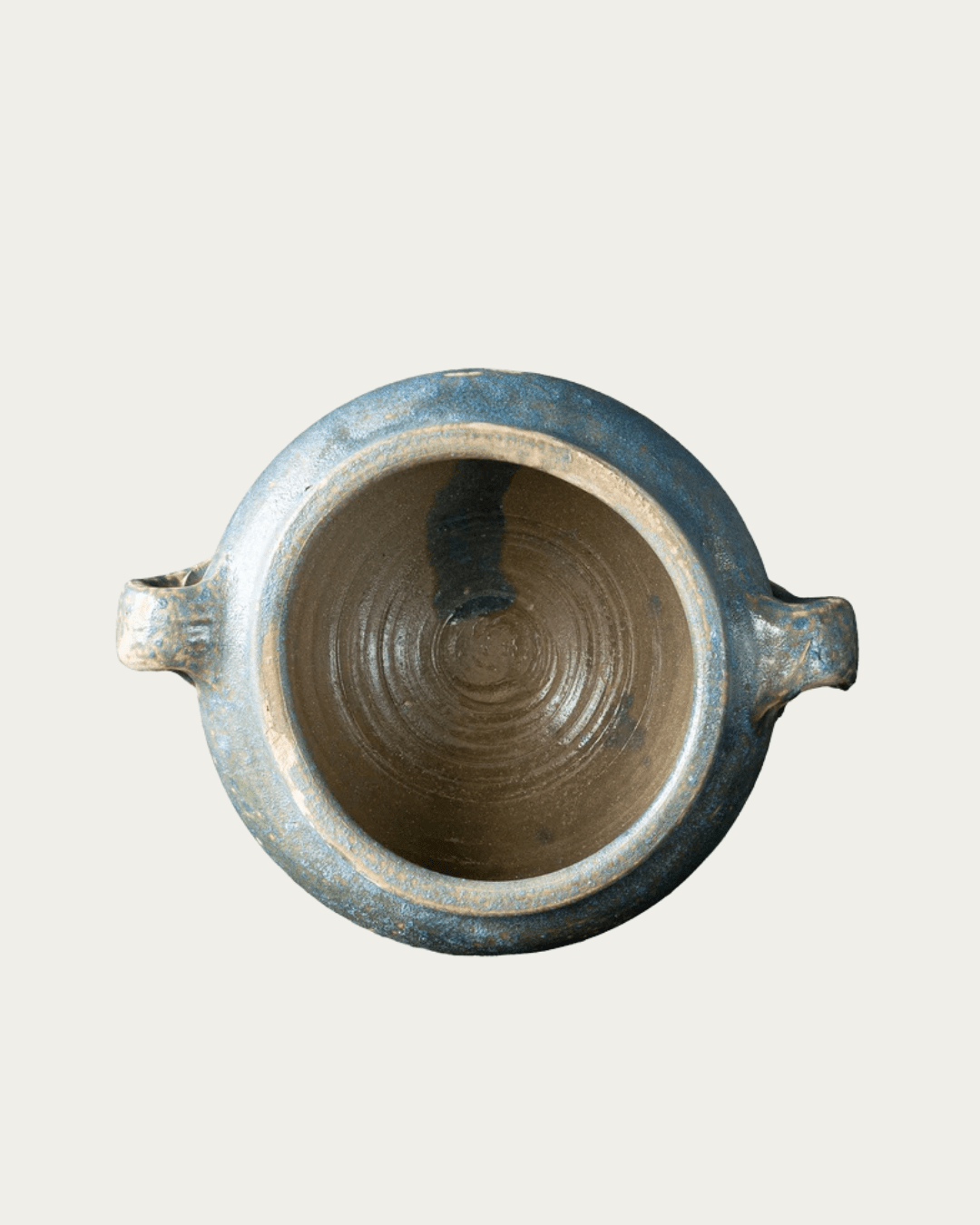
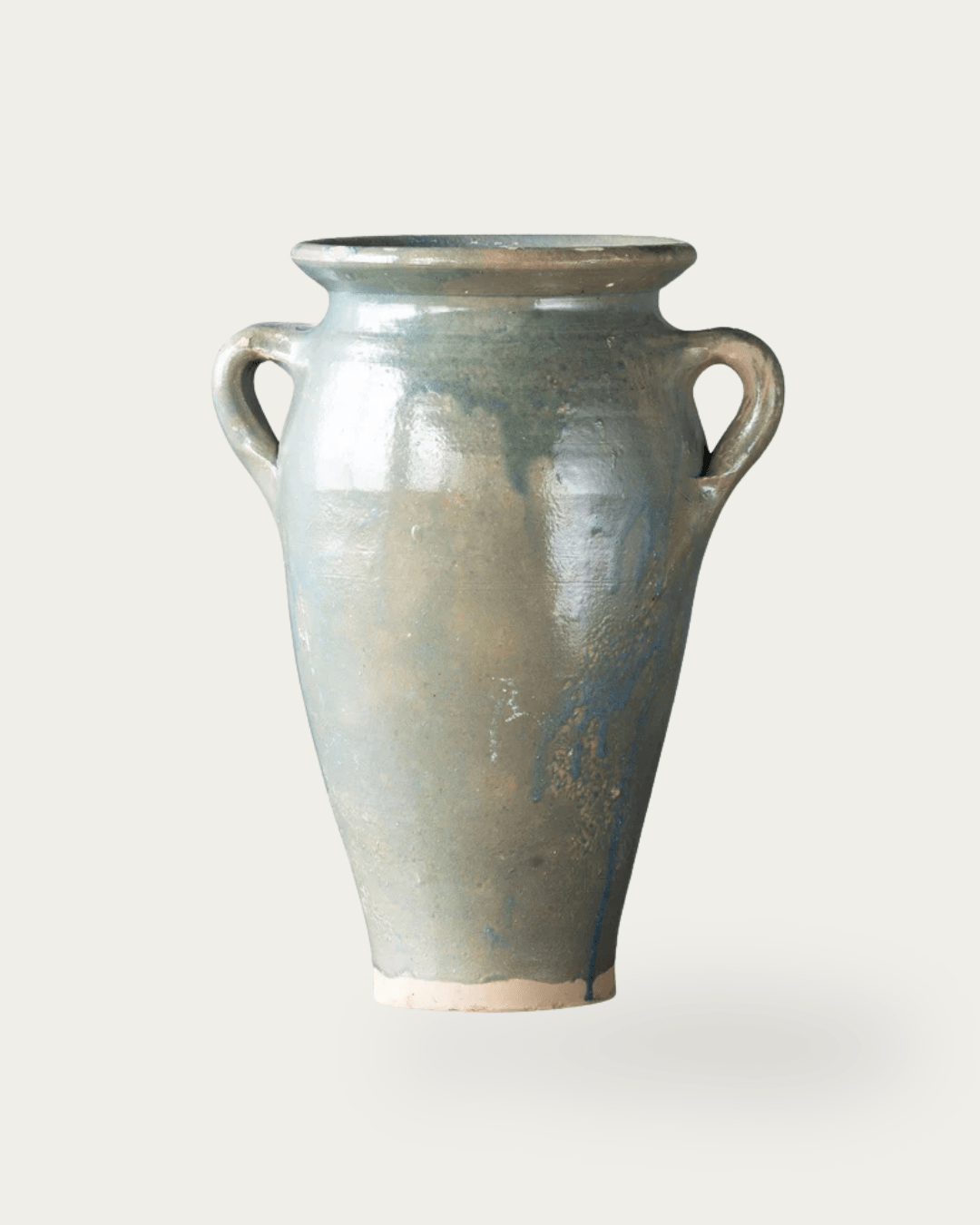
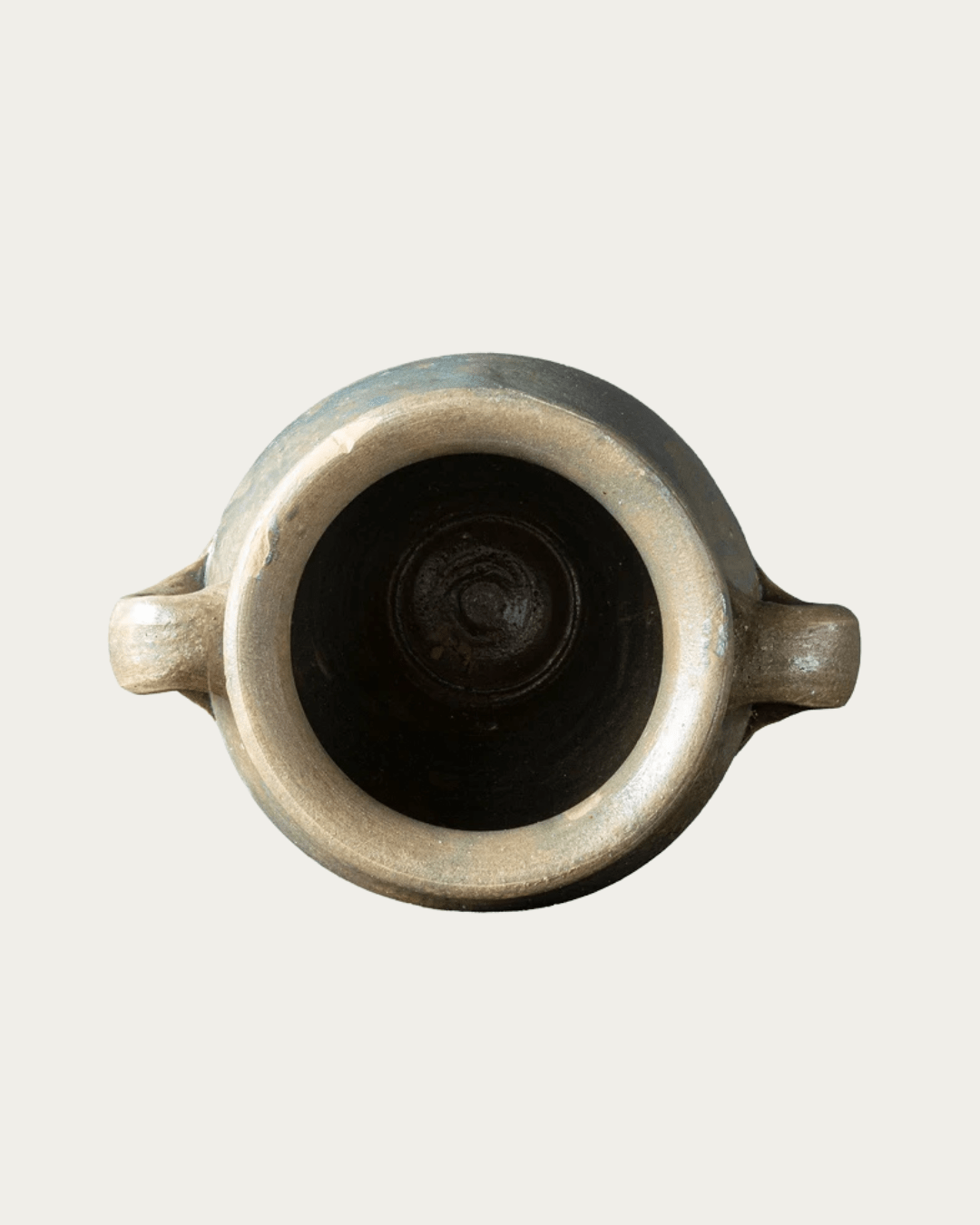
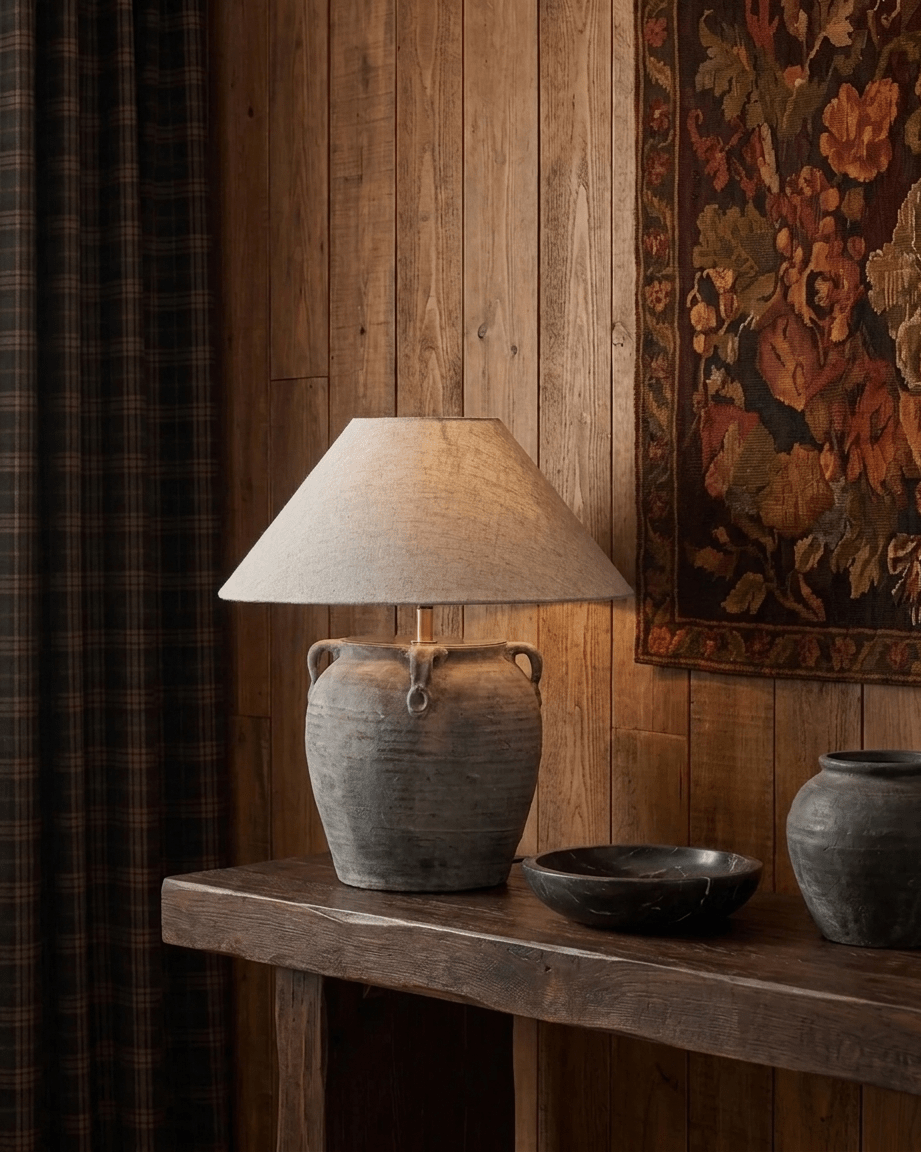
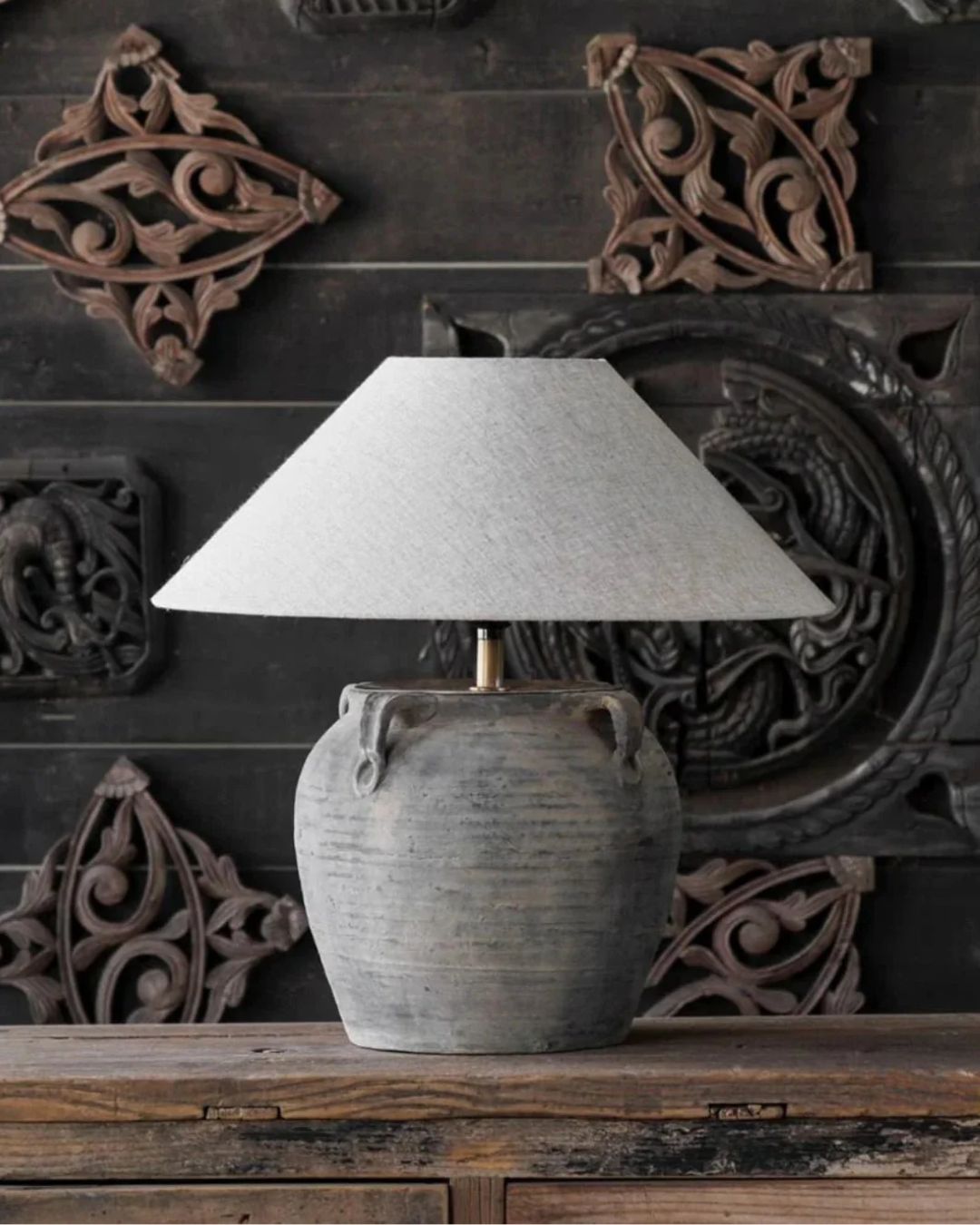
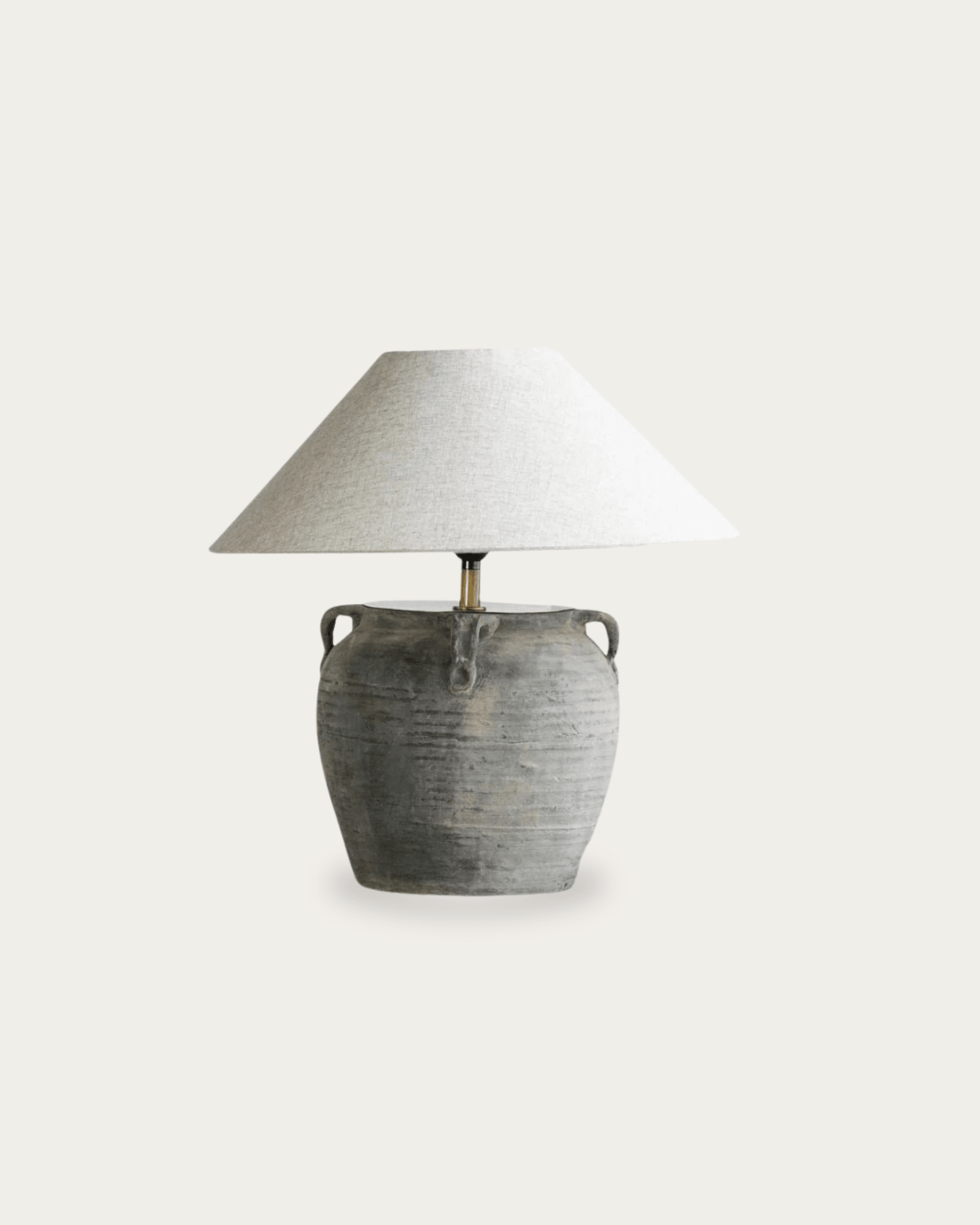
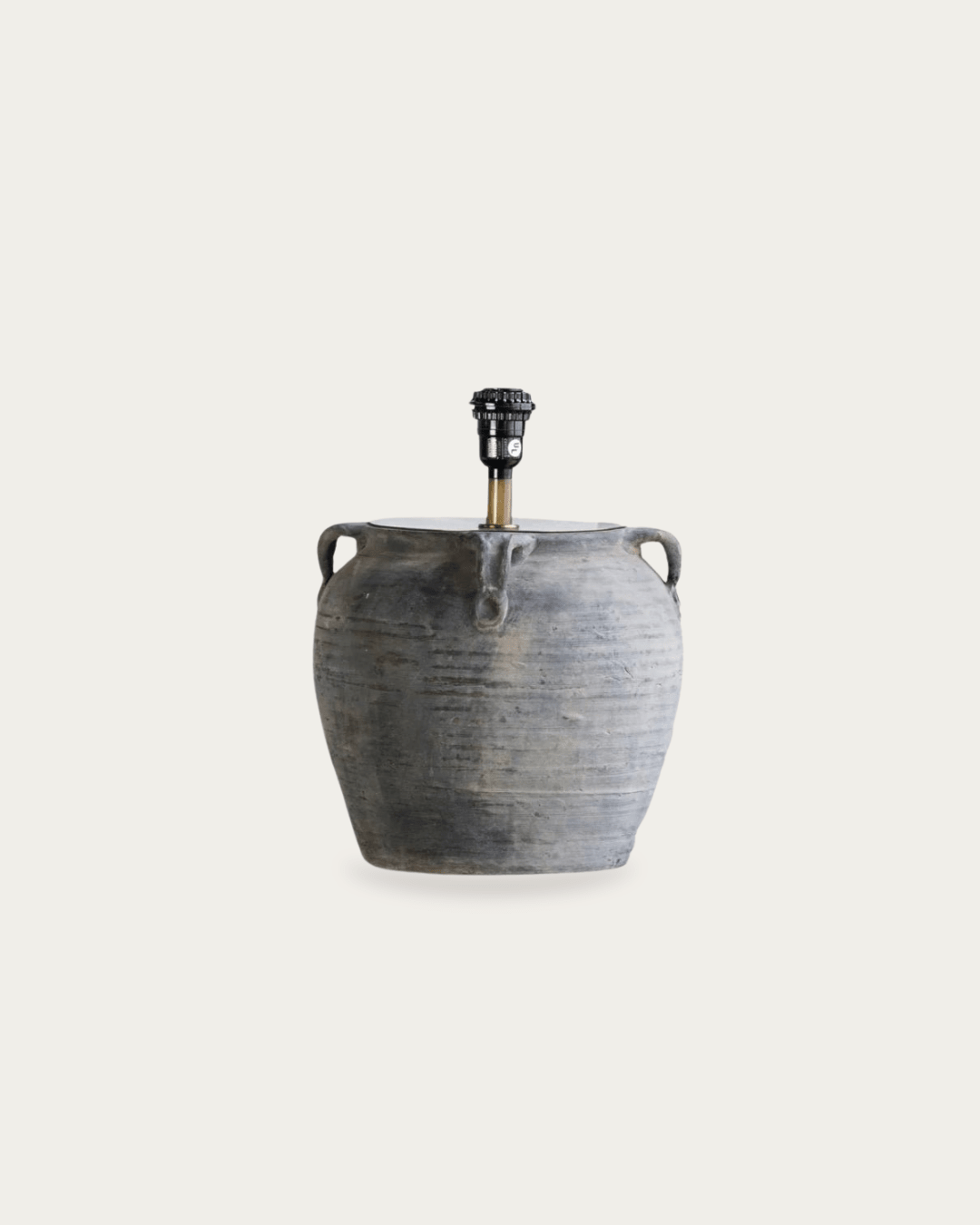
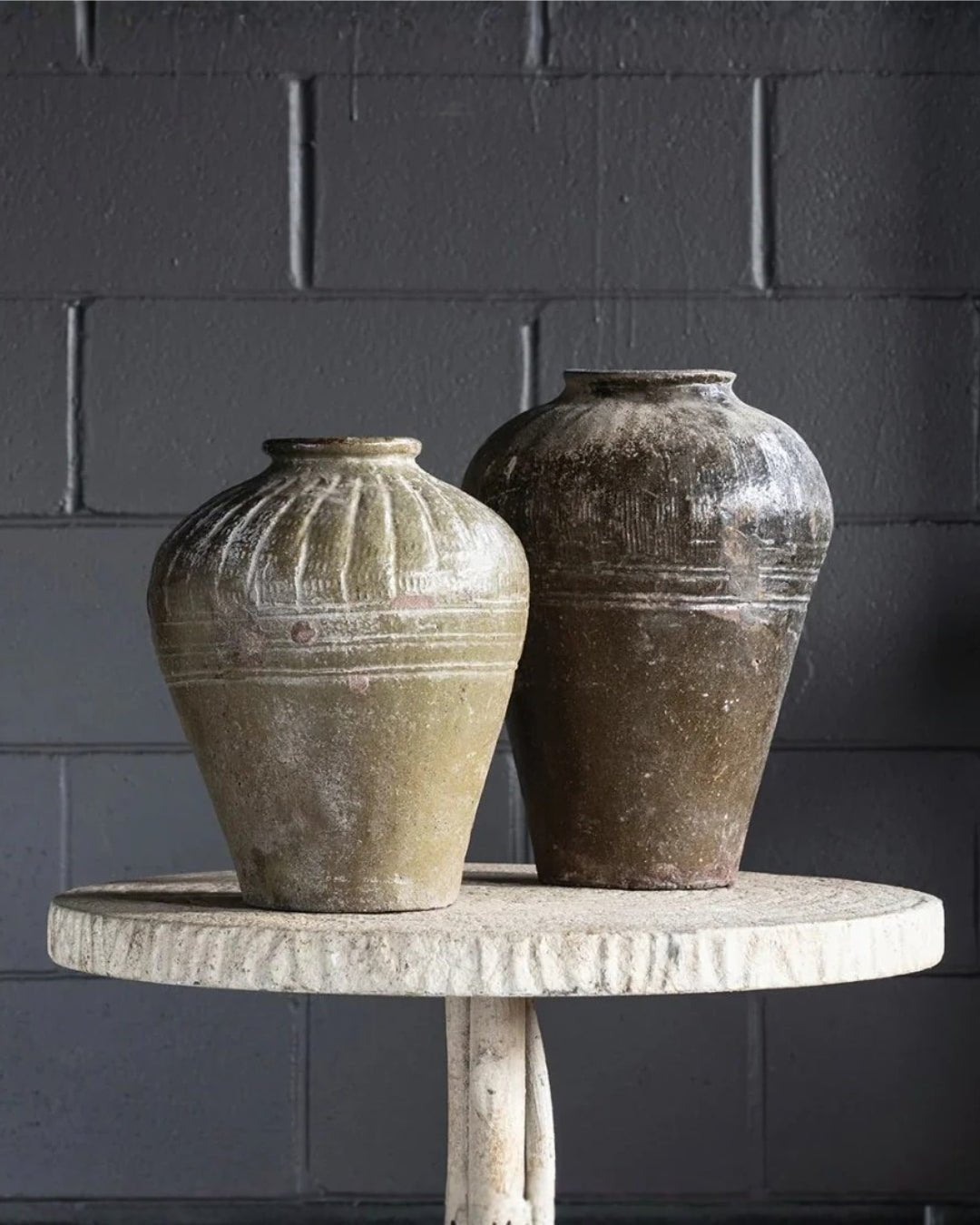
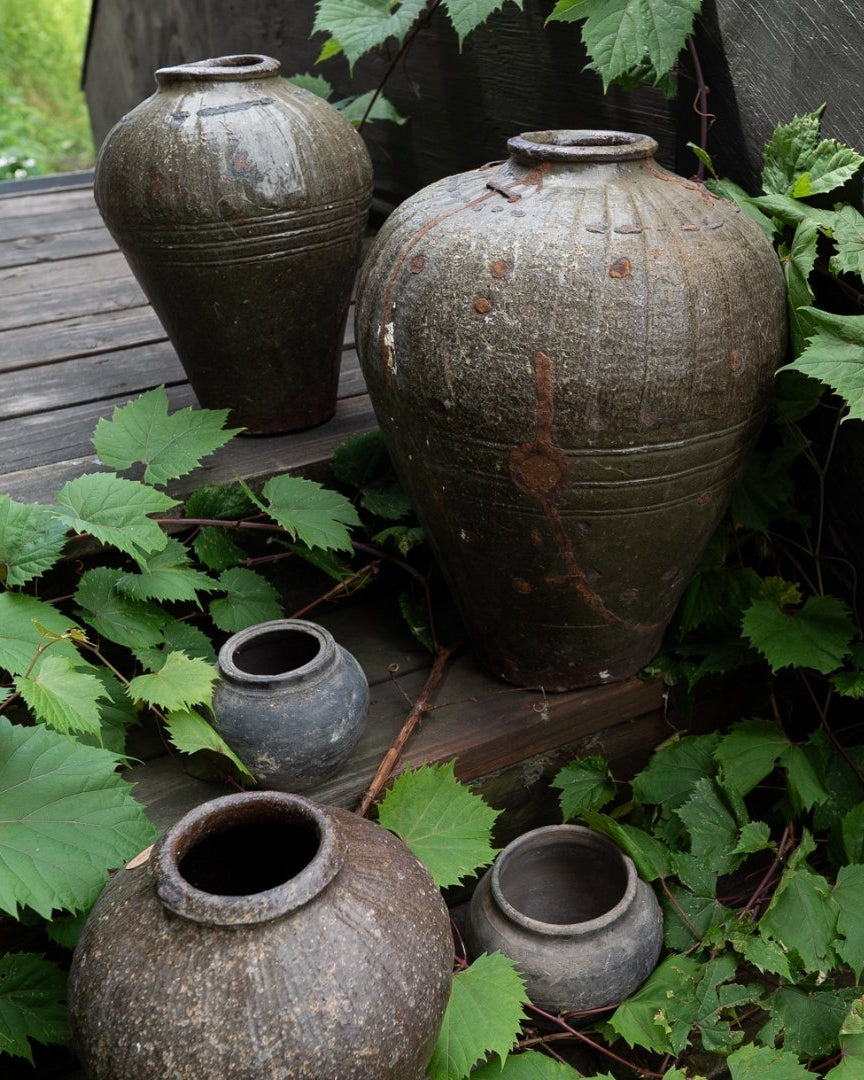
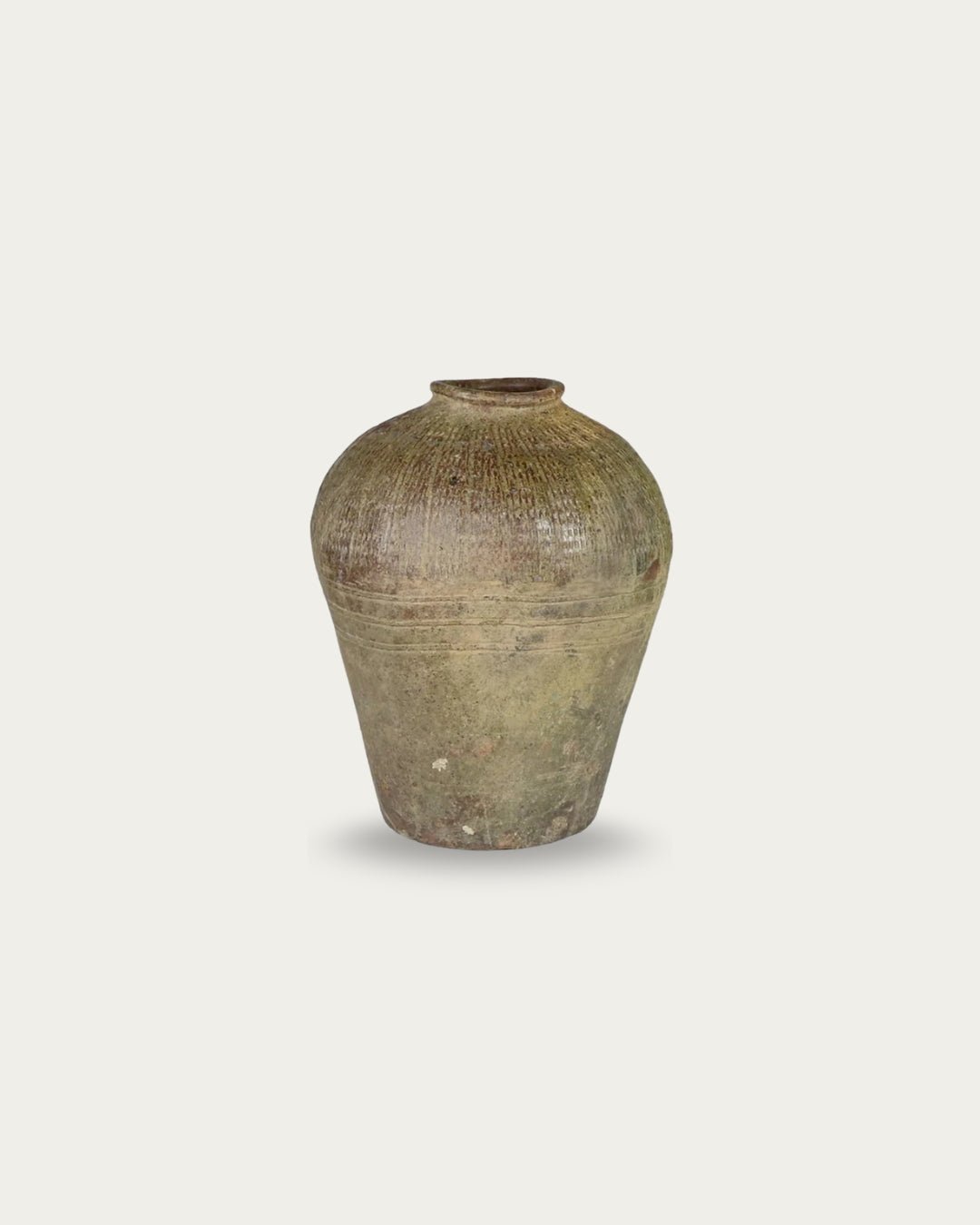
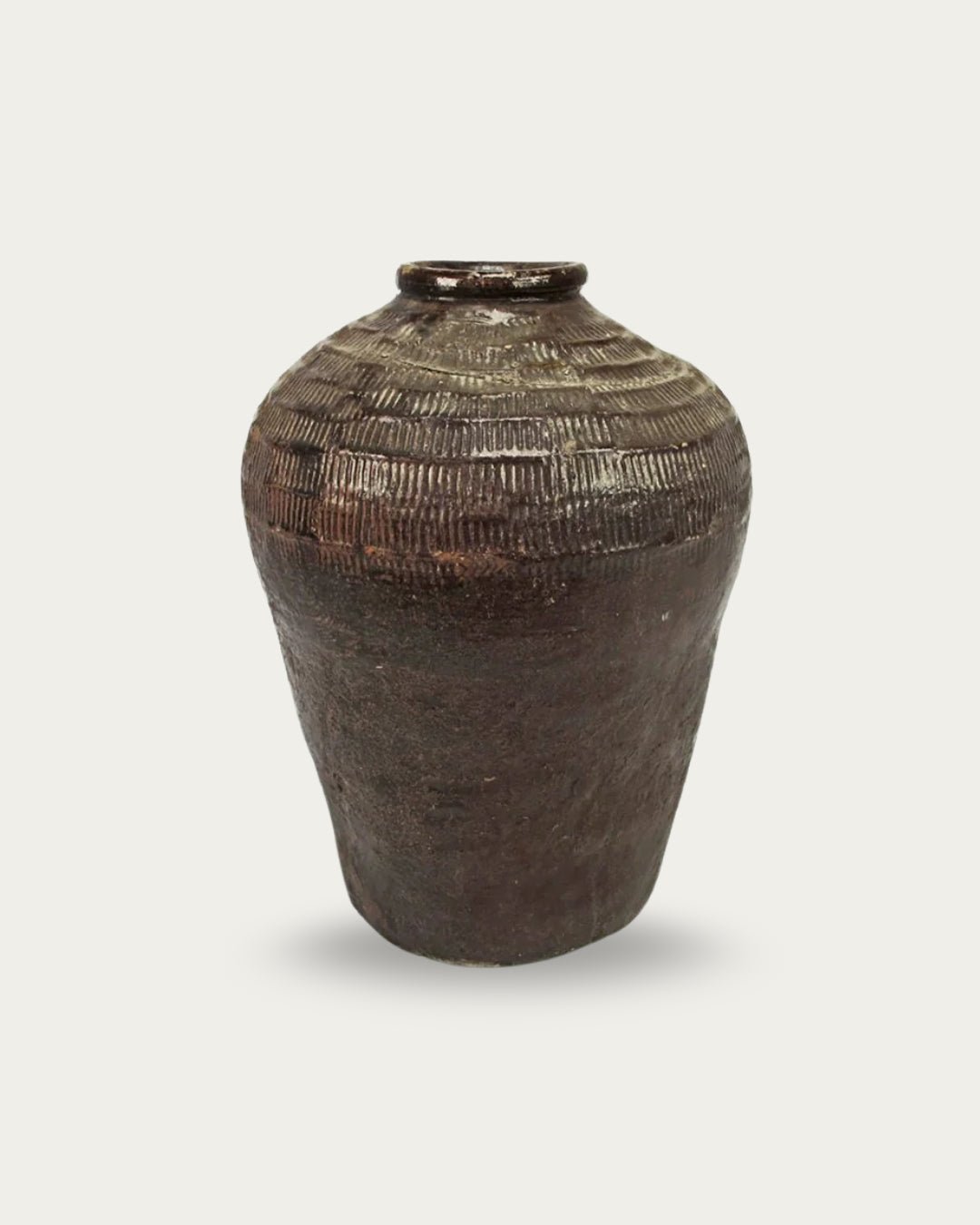
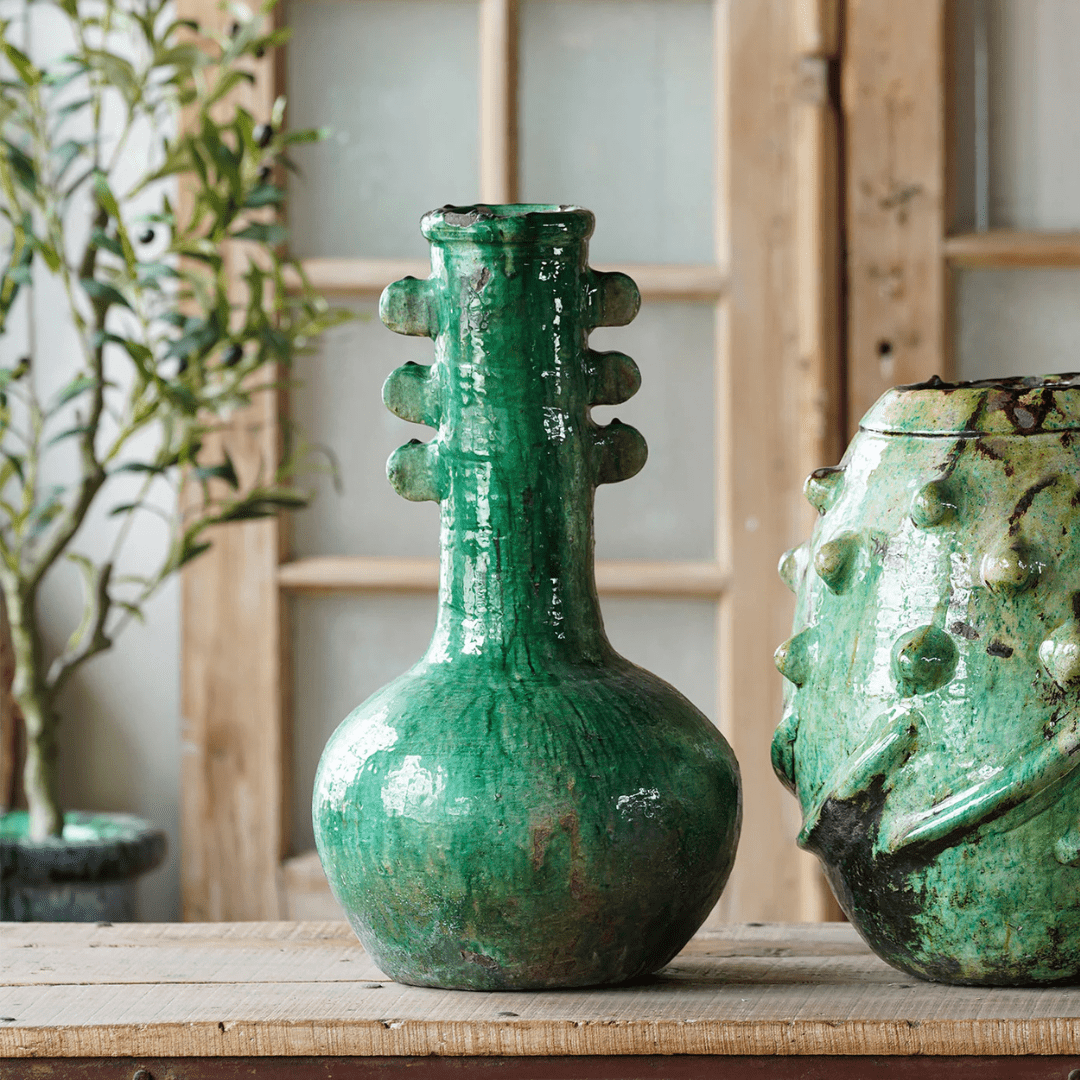
The Chinese water pot with handles. Its rounded form and handled silhouette feel intentional even when left empty. The pot doesn’t need flowers or branches to justify itself.
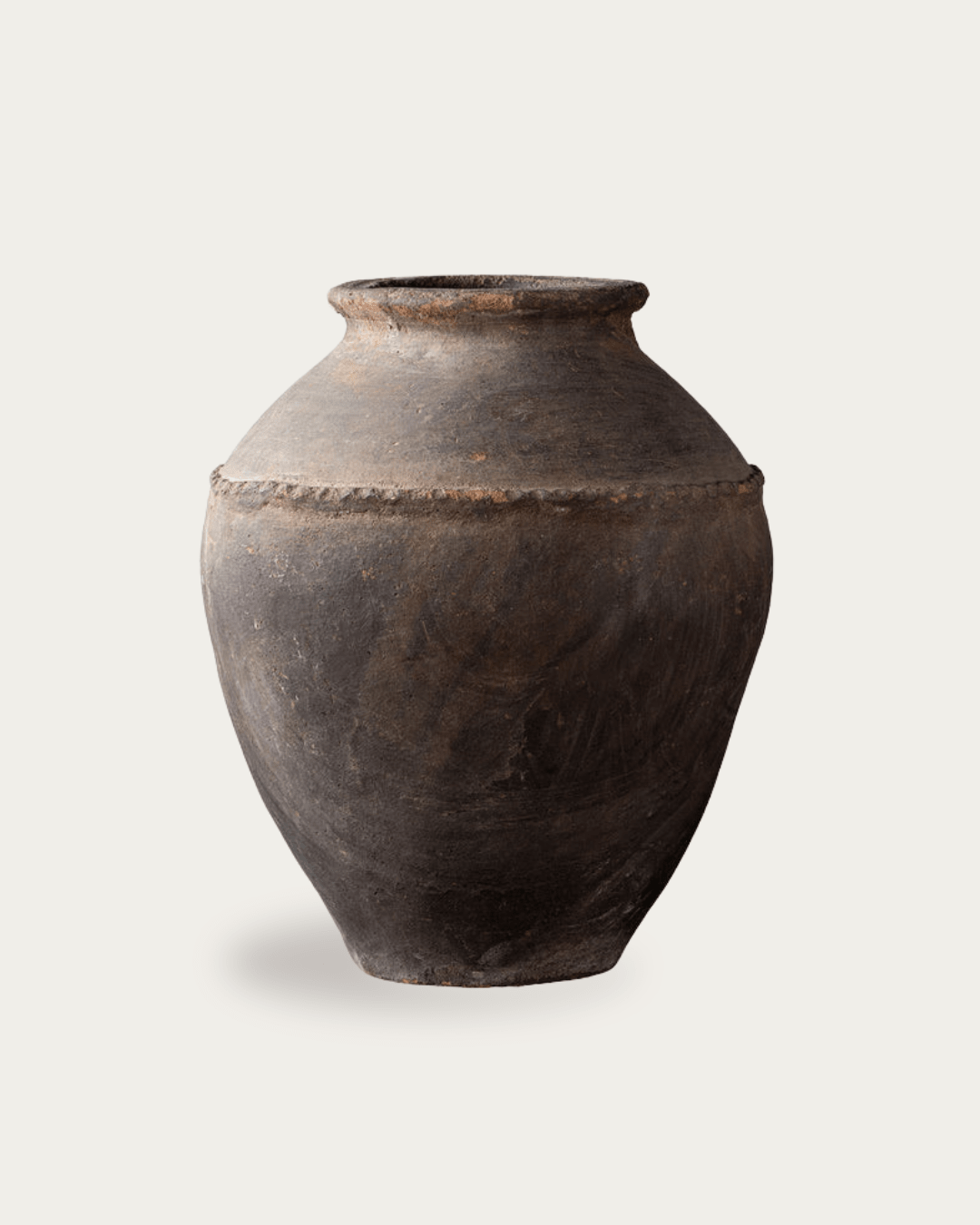
Similarly, the Chinese water pot (large) brings enough presence to stand alone on the floor or beside low furniture. These pieces act like punctuation marks in a room—clear, grounding, and confident.
When a Pot Replaces Furniture
One of the most overlooked uses of vintage pots is as furniture substitutes.
Instead of adding another side table or storage unit, a substantial pot can hold throws, rolled towels, firewood, or even children’s toys—without introducing more lines or bulk. The round form softens a space where rectangular furniture dominates.
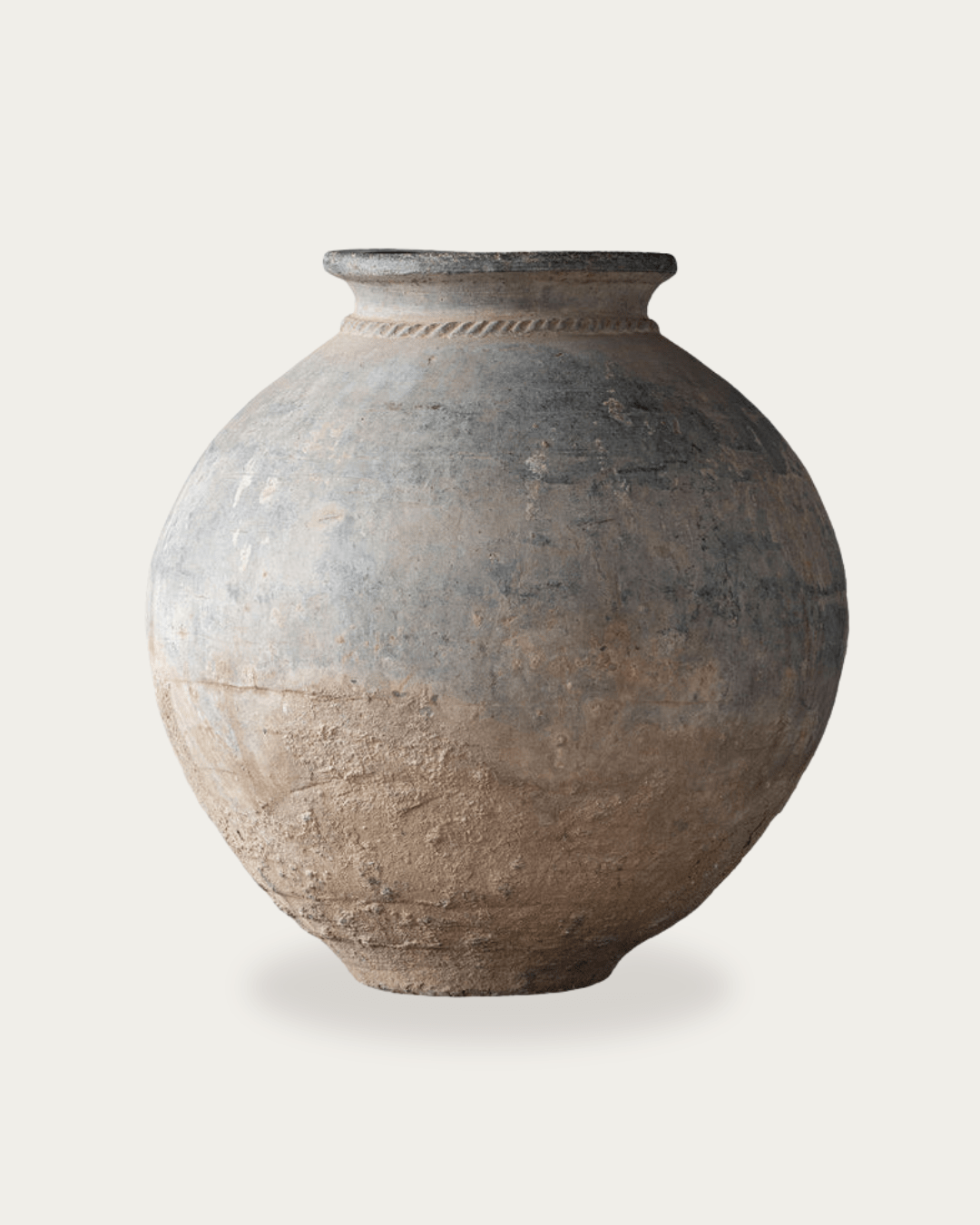
The Vintage wine jar is especially effective in this role. Its height and volume make it useful in living rooms and bedrooms alike, where it can store everyday items while still reading as sculptural.
Empty Is a Valid Styling Choice
There’s a persistent idea that containers must be filled to feel complete. Vintage pots quietly prove the opposite.
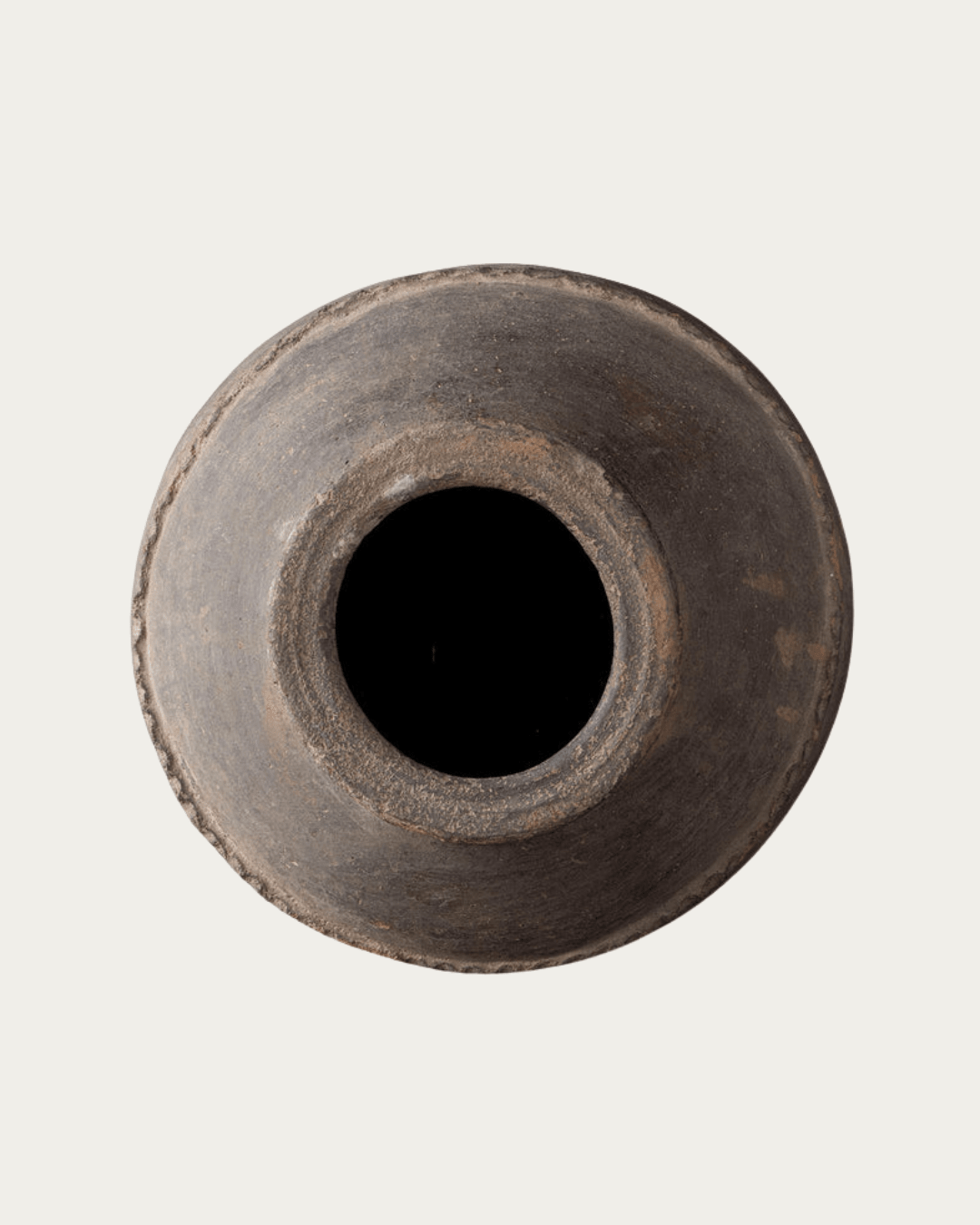
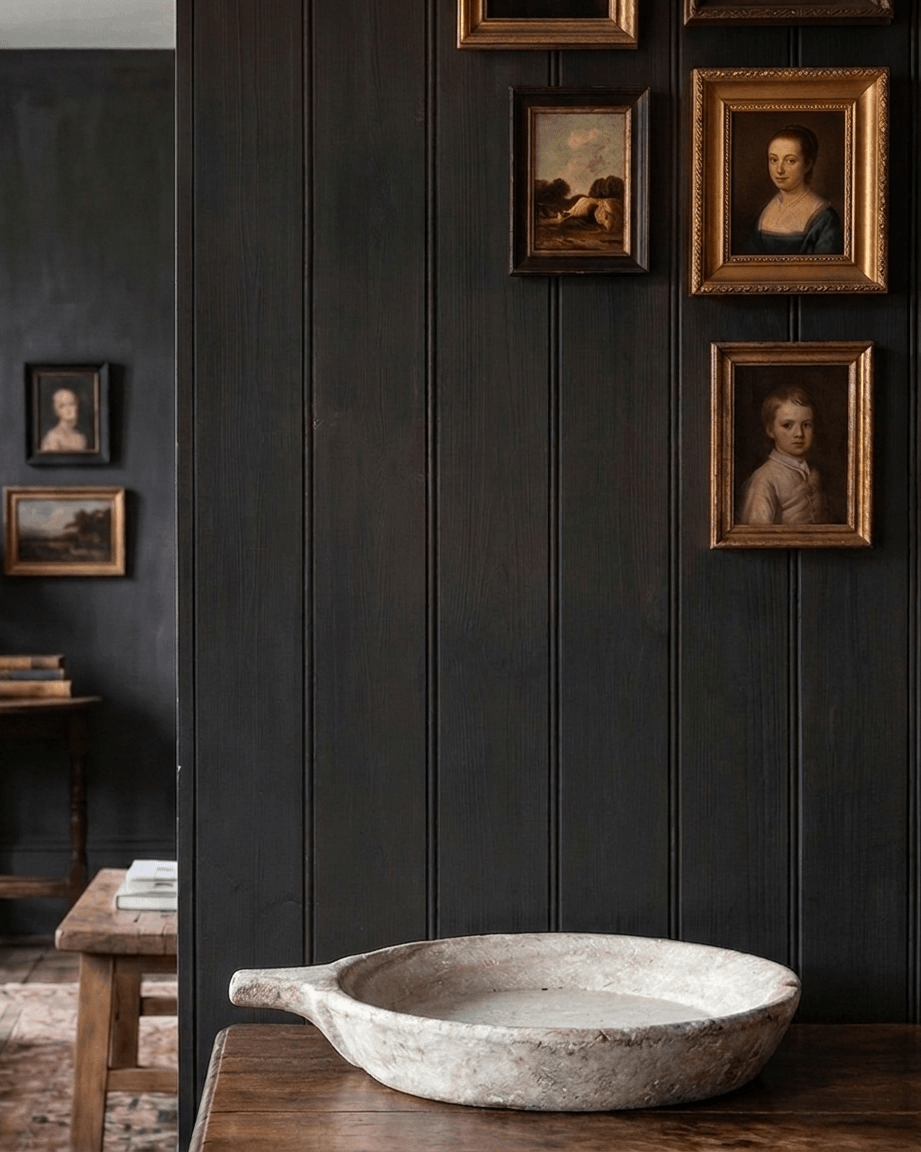
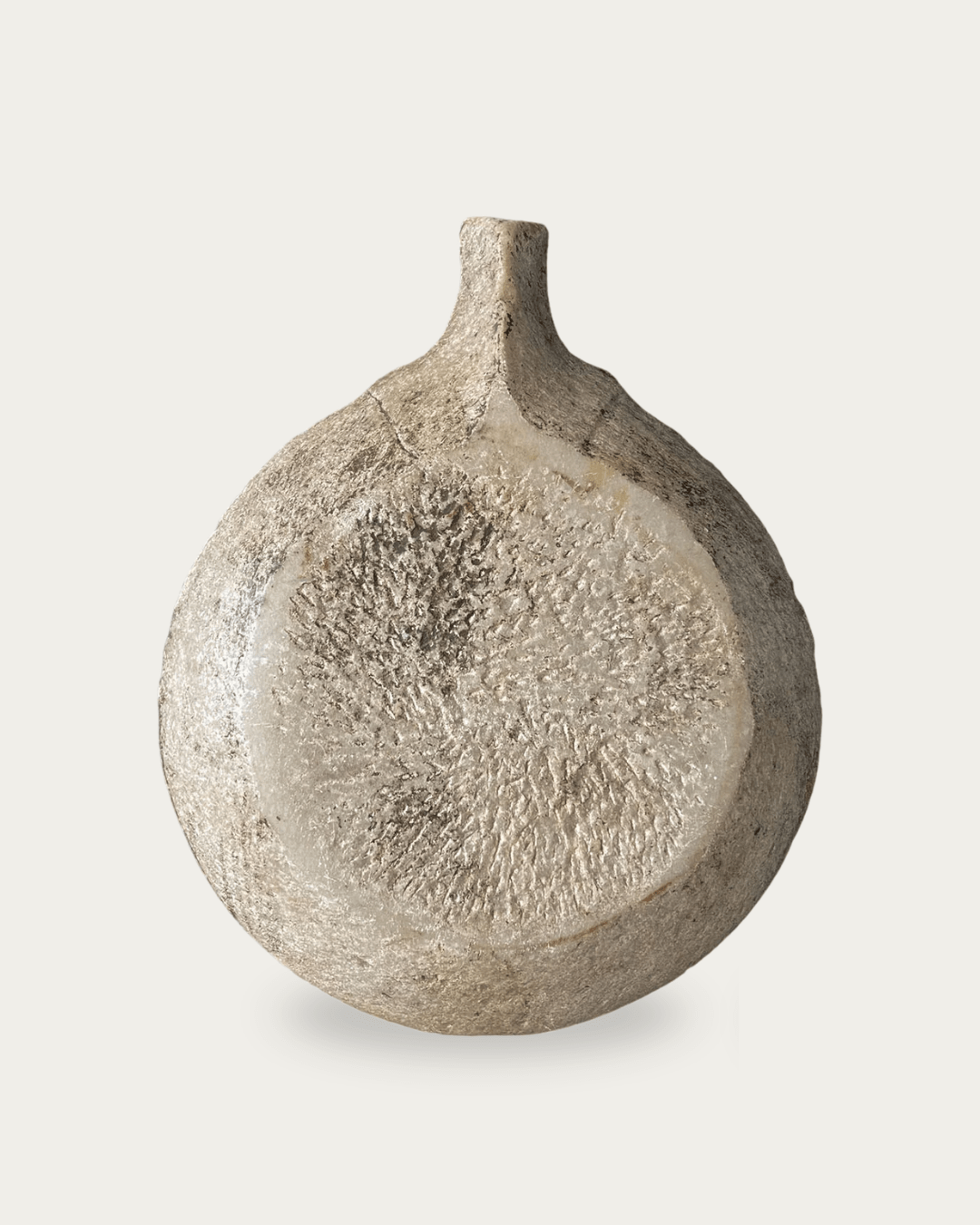
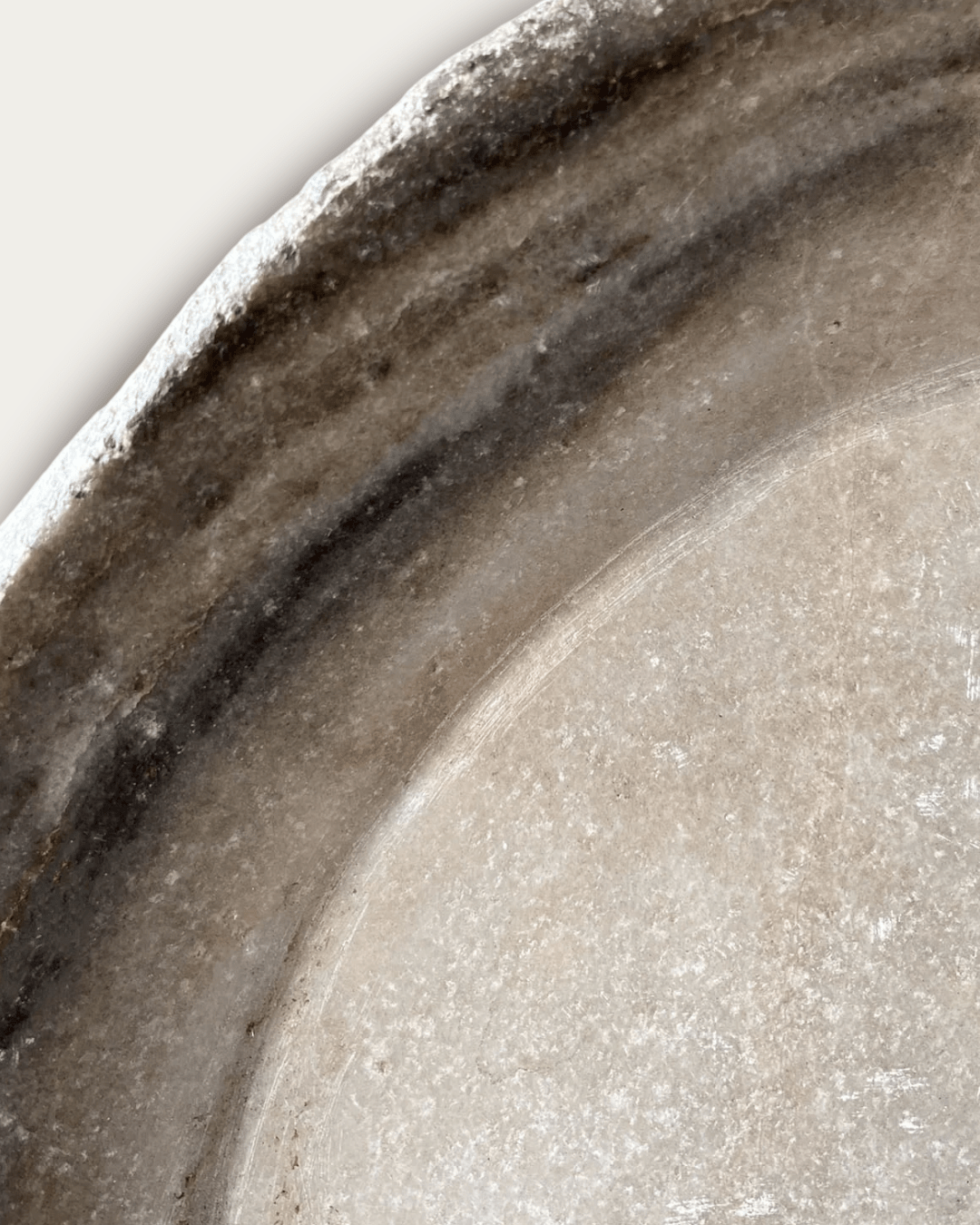
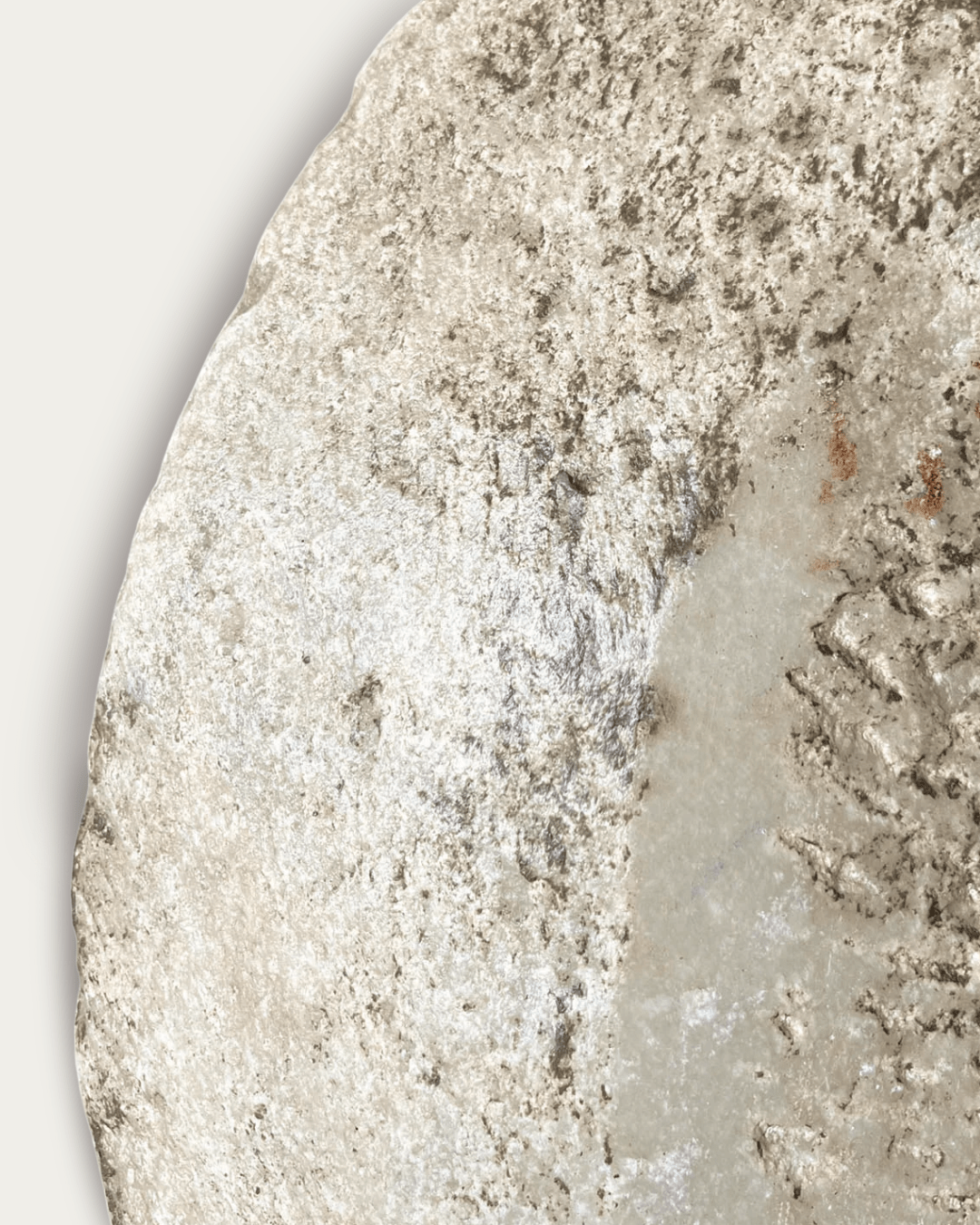
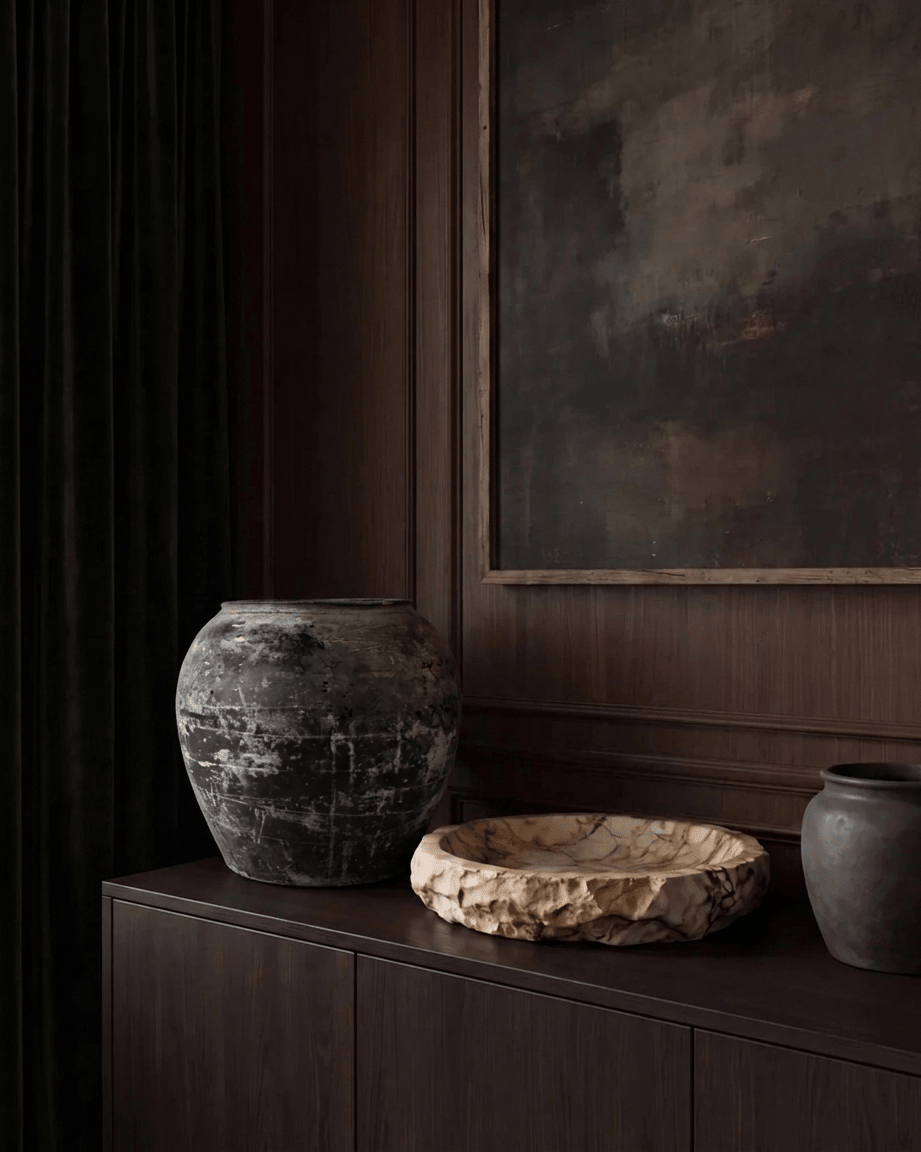
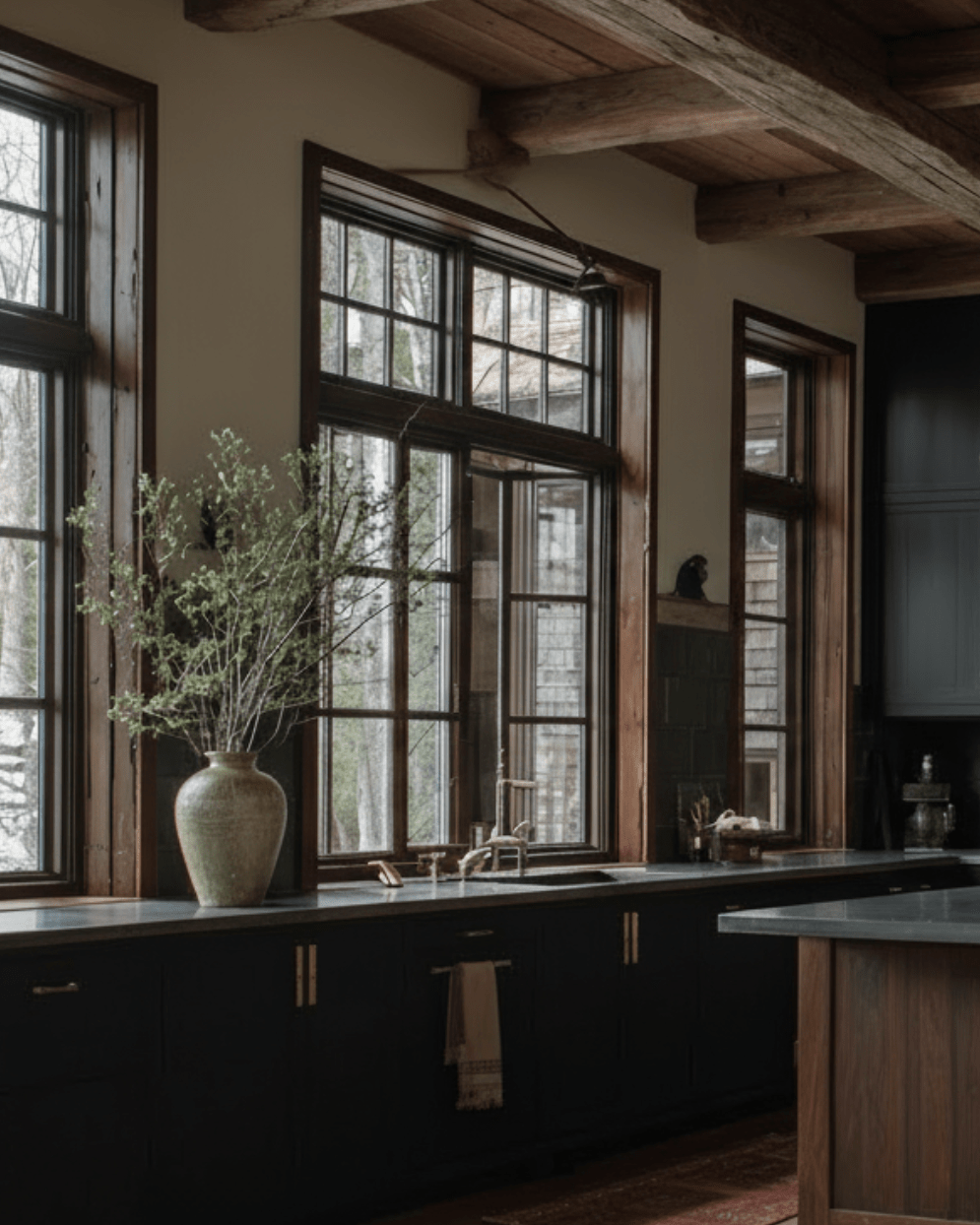
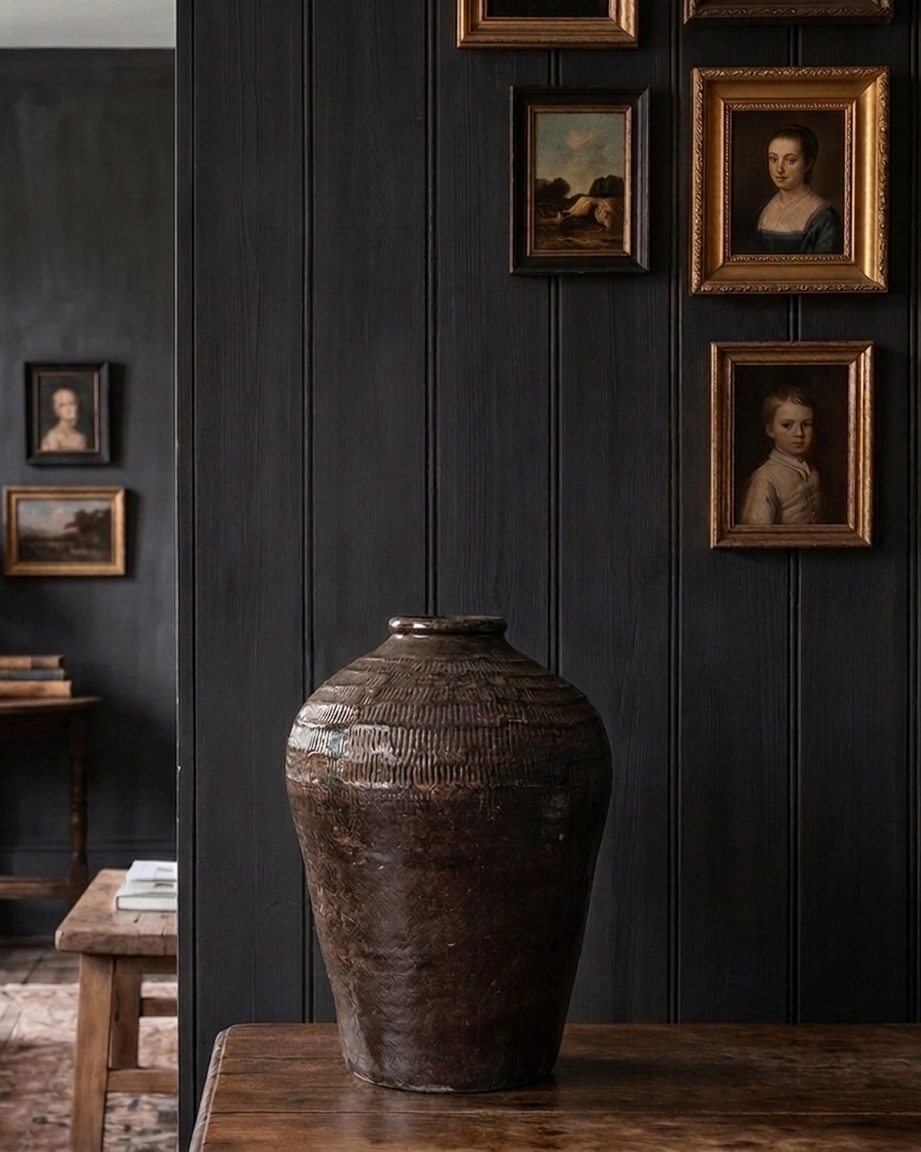
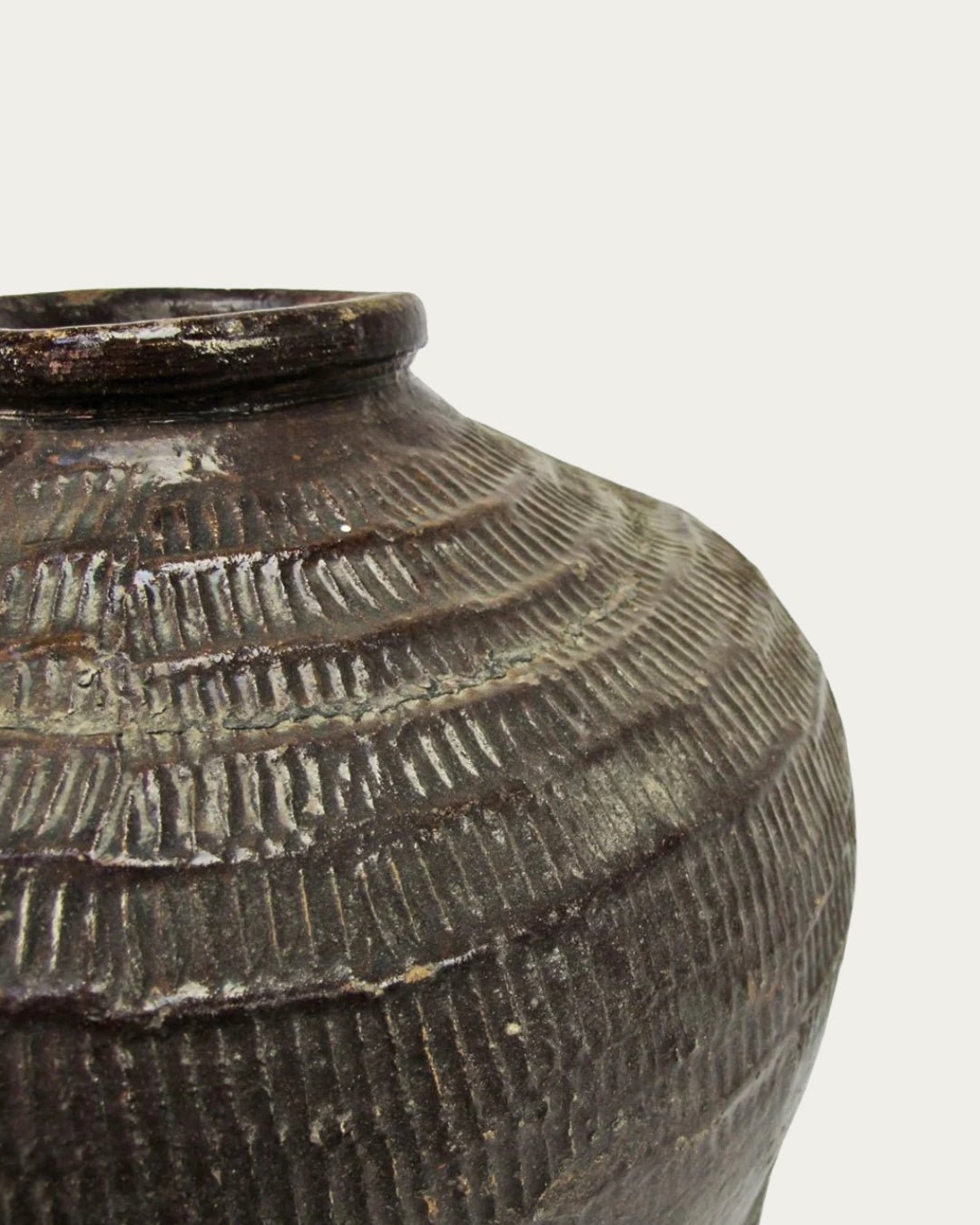
An empty pot allows the form and surface to do the work. Texture becomes the focal point. Proportion takes over. The room breathes.
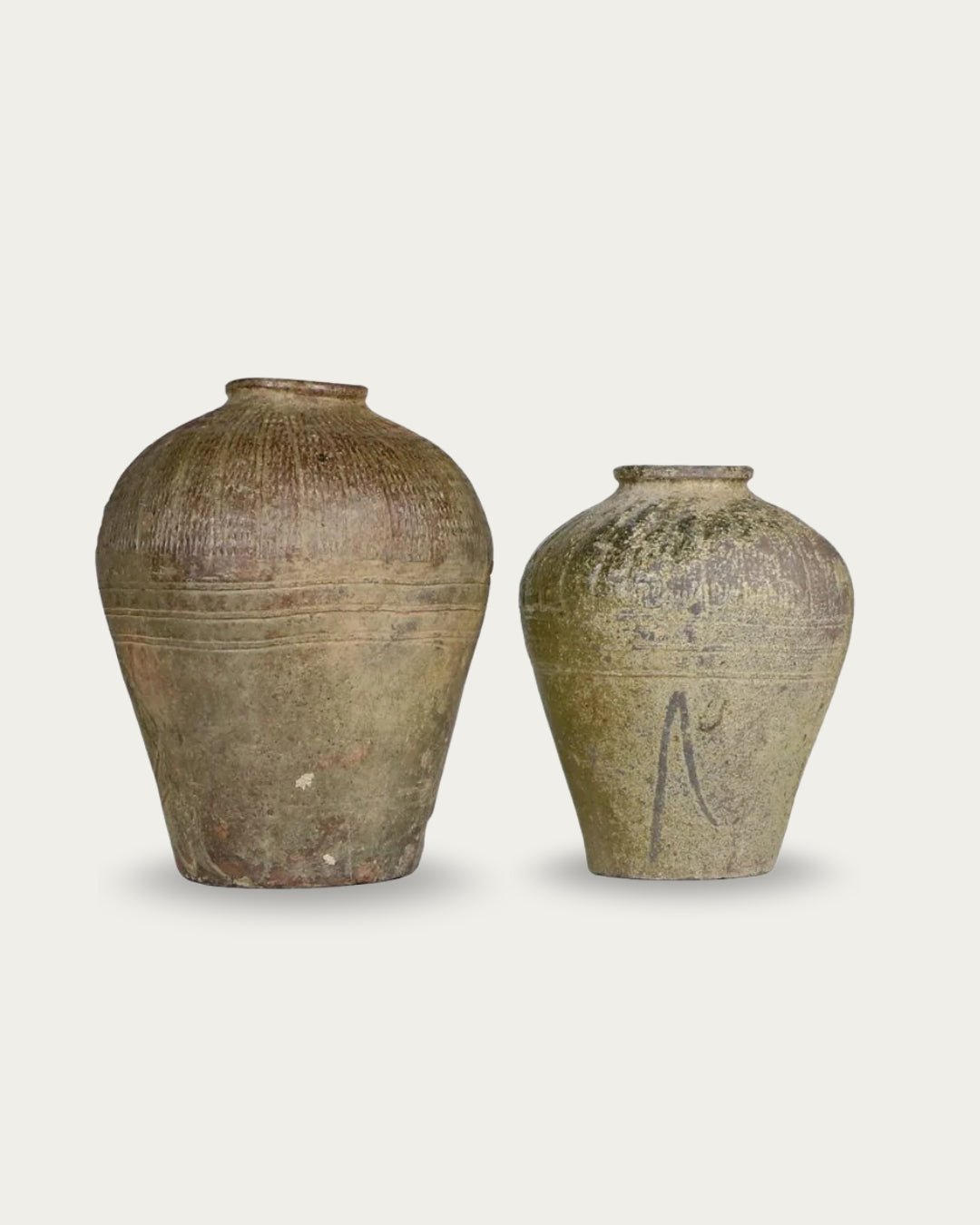
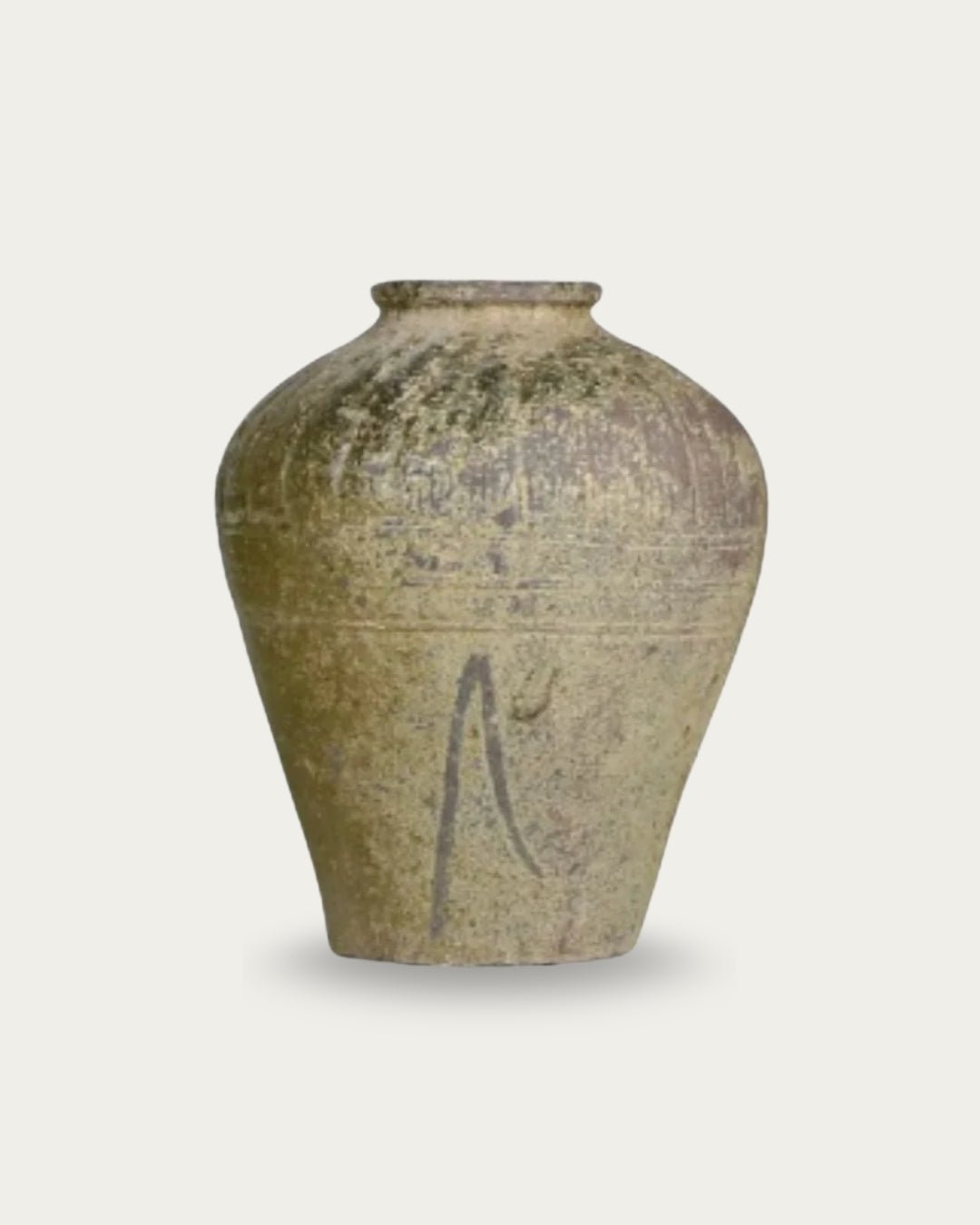
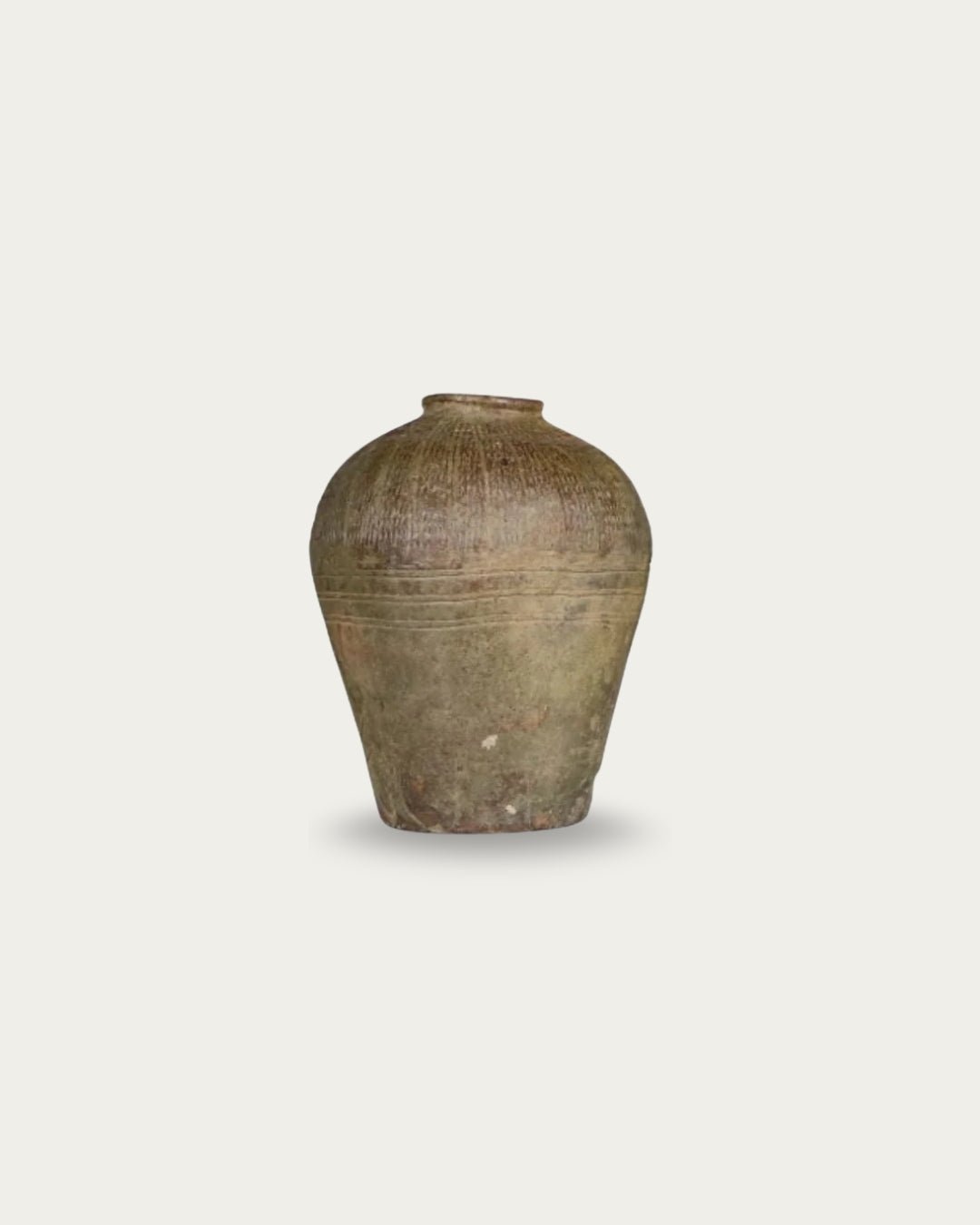
The Chinese water pot (medium) is a great example of this restraint. Its silhouette reads clearly from across the room, even with nothing inside it. Placing it empty near a wall or beside furniture creates a pause—something the eye can land on without distraction.
RUTED Tip: If a vintage pot only looks good once it’s filled, it’s being used as decor. If it still works empty, it’s doing its job.
The Right Scale Changes Everything
Most styling issues come down to scale. Vintage pots solve this problem quickly.
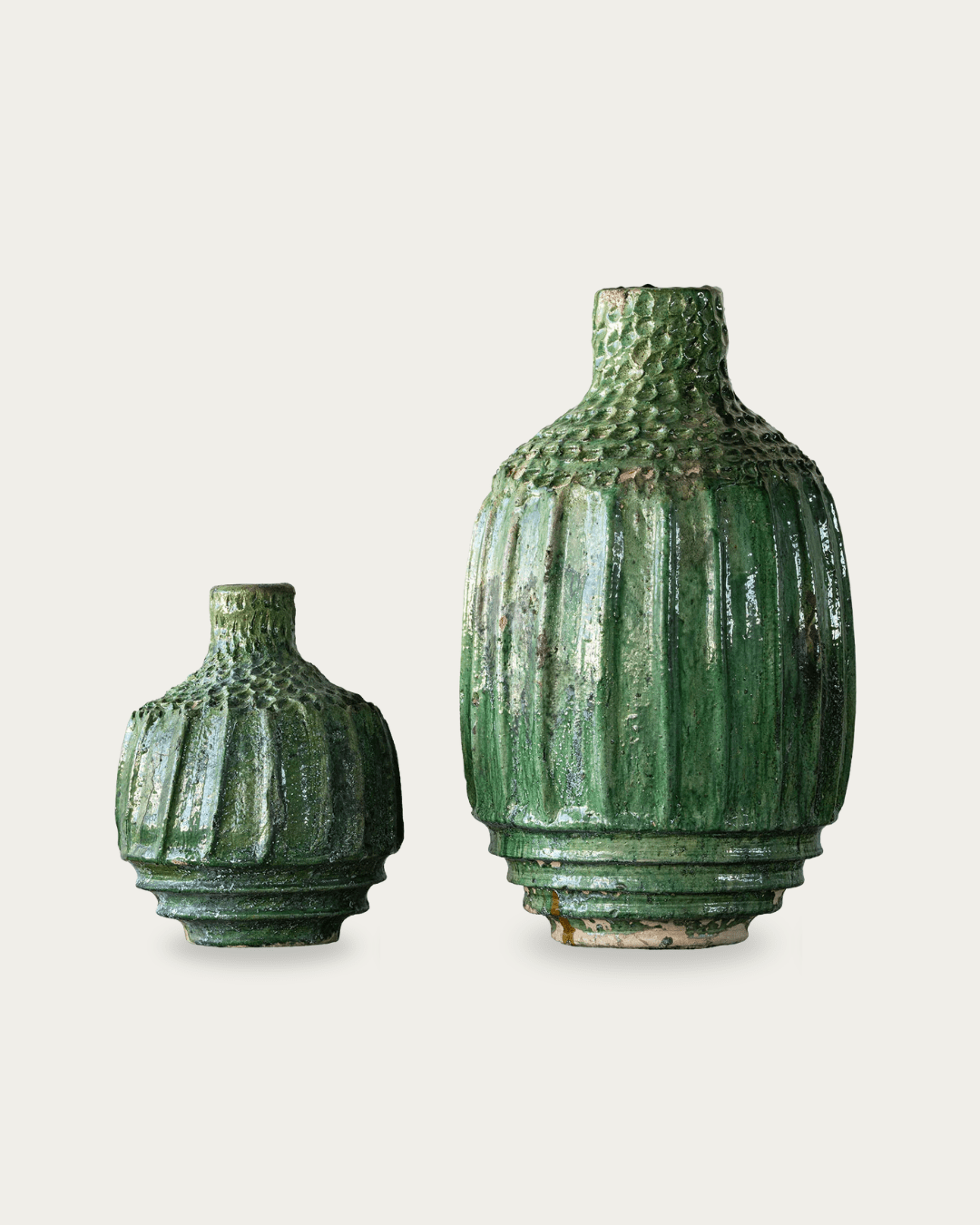
Smaller decor items require grouping to make an impact. Vintage pots don’t. Their size and weight allow them to stand alone, which reduces clutter and visual noise.
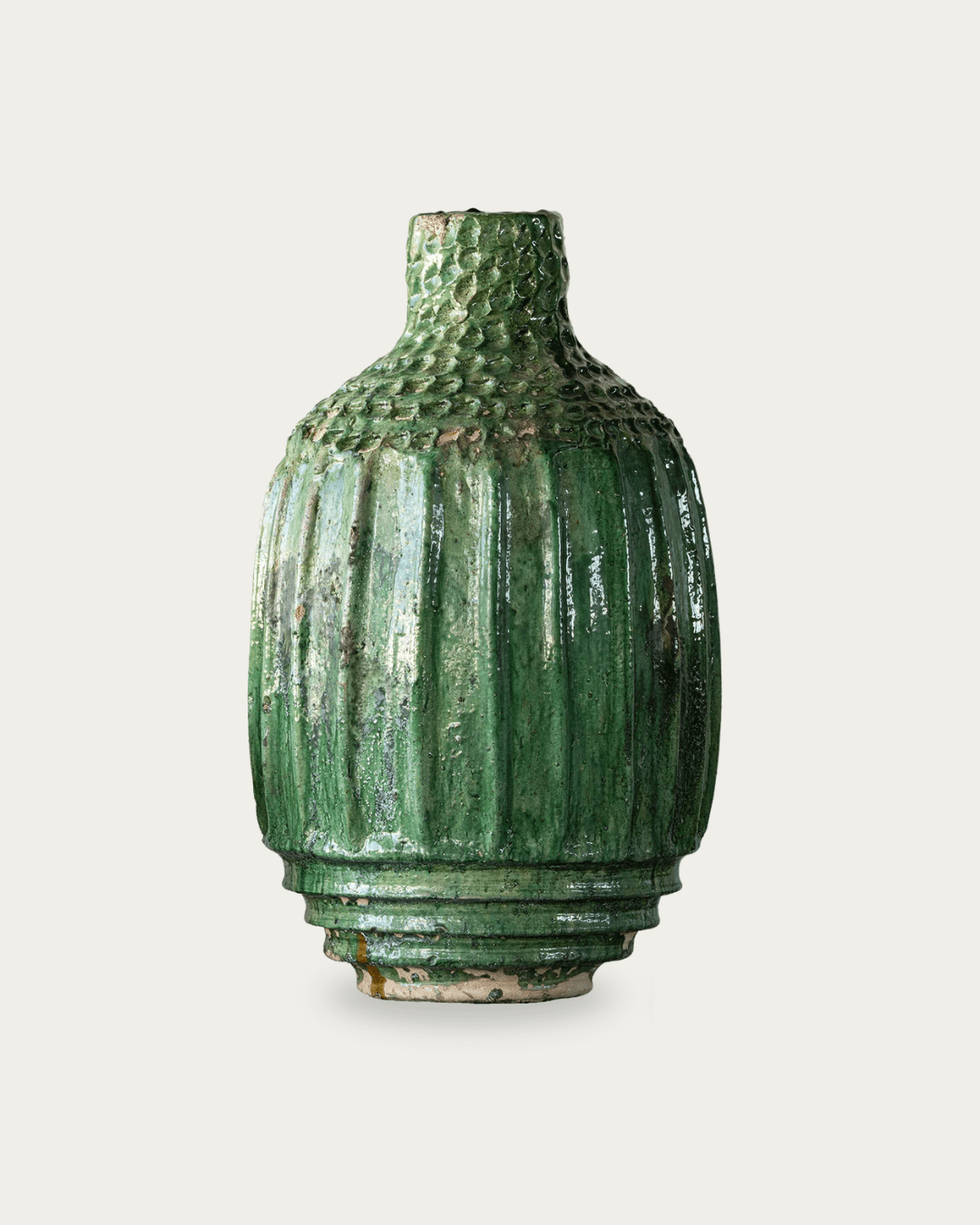
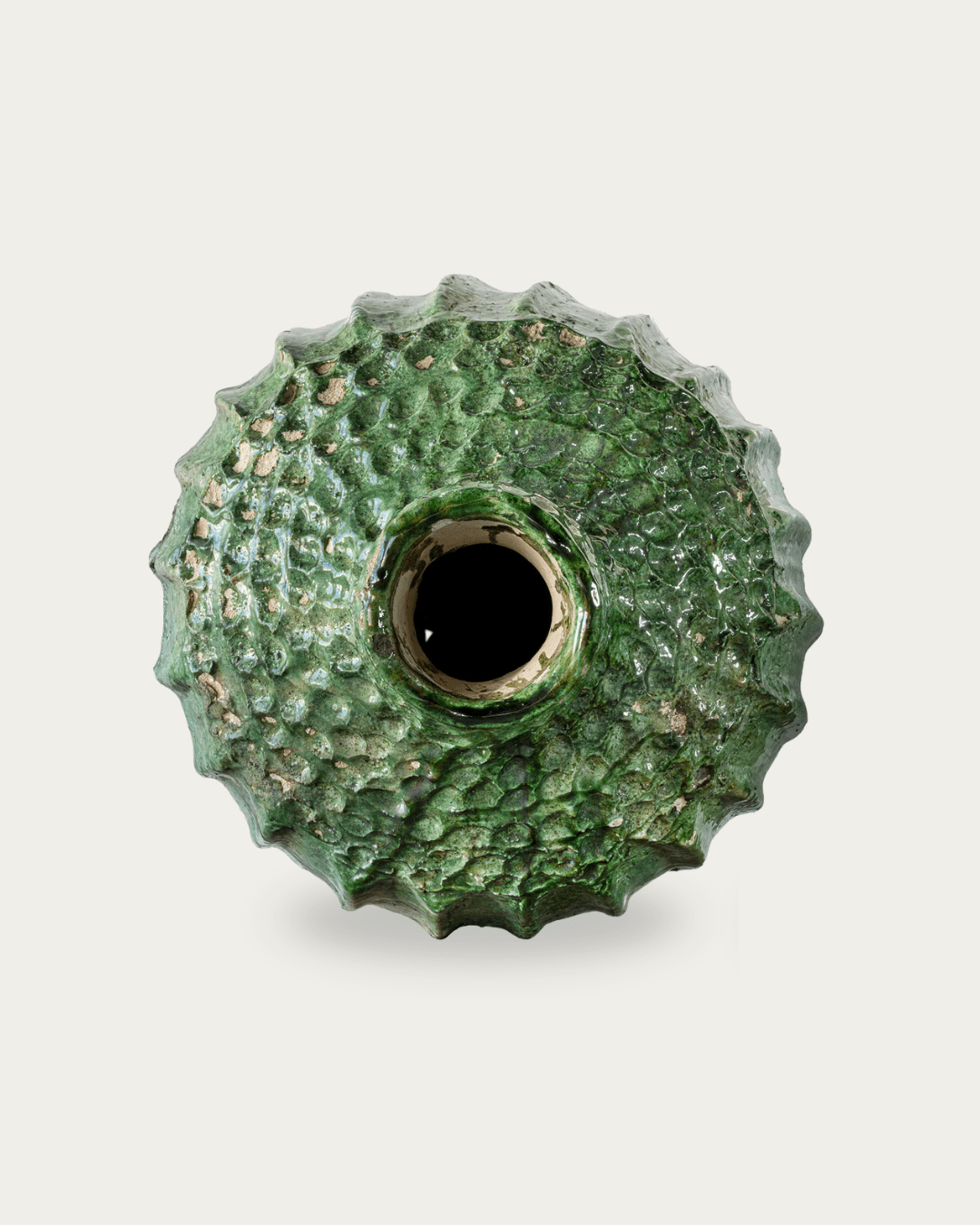
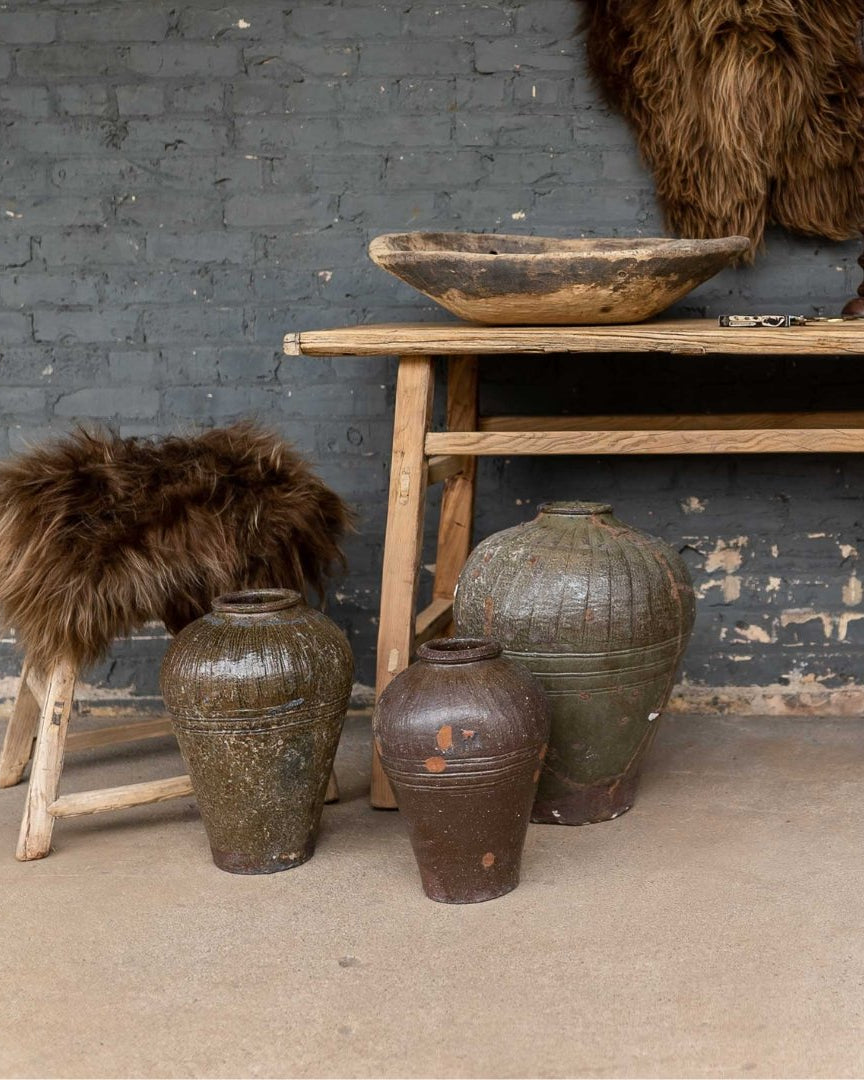
The Skadi vintage glazed handle pot balances scale and detail particularly well. It’s substantial without being overpowering, making it ideal for entryways, kitchens, or under console tables where smaller objects would get lost.
Vintage Pots as Quiet Storage
Storage doesn’t need to look like storage.
Vintage pots offer a way to hold everyday items without introducing visible compartments, drawers, or baskets. Because their original function was utilitarian, they don’t feel out of place when repurposed.
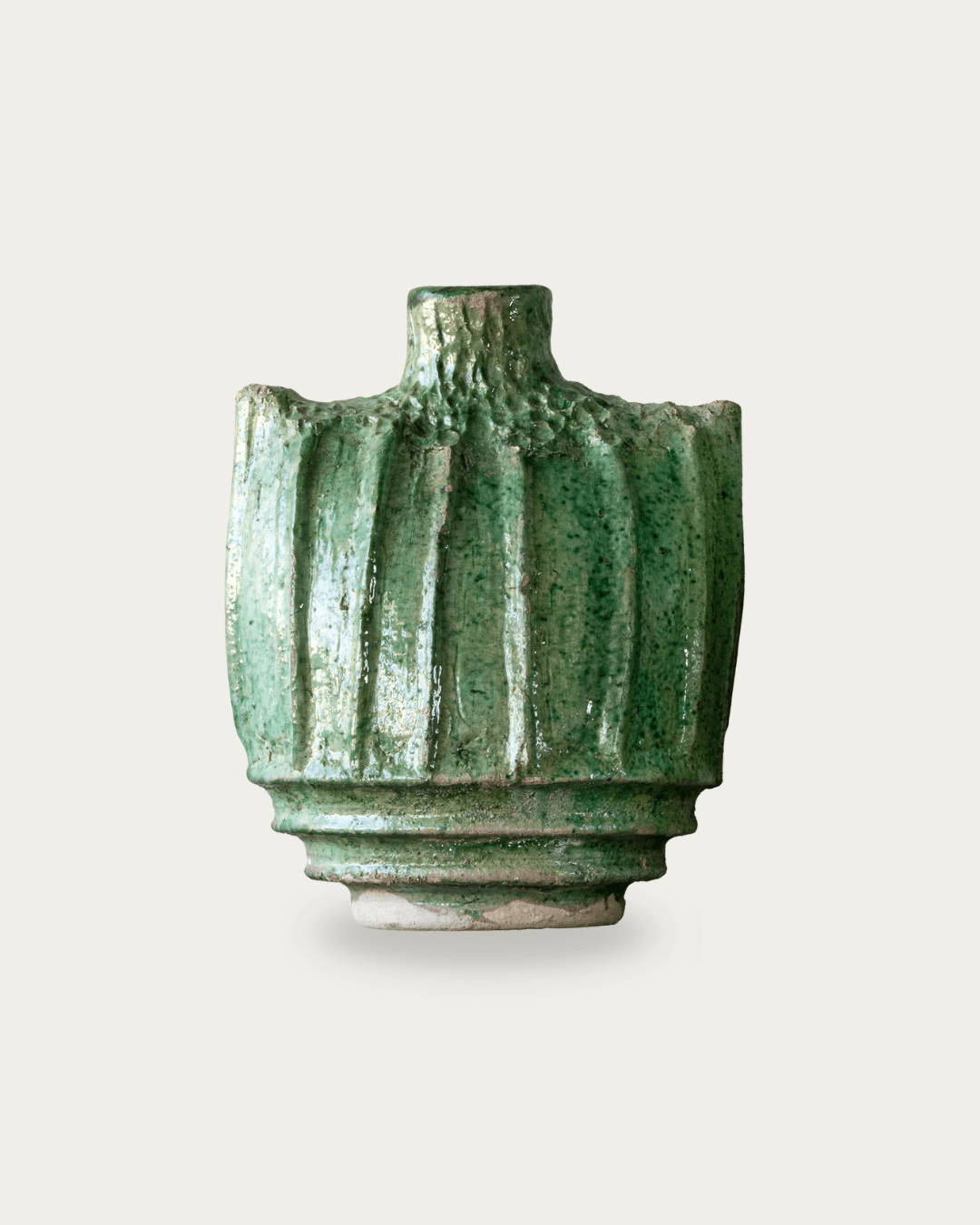
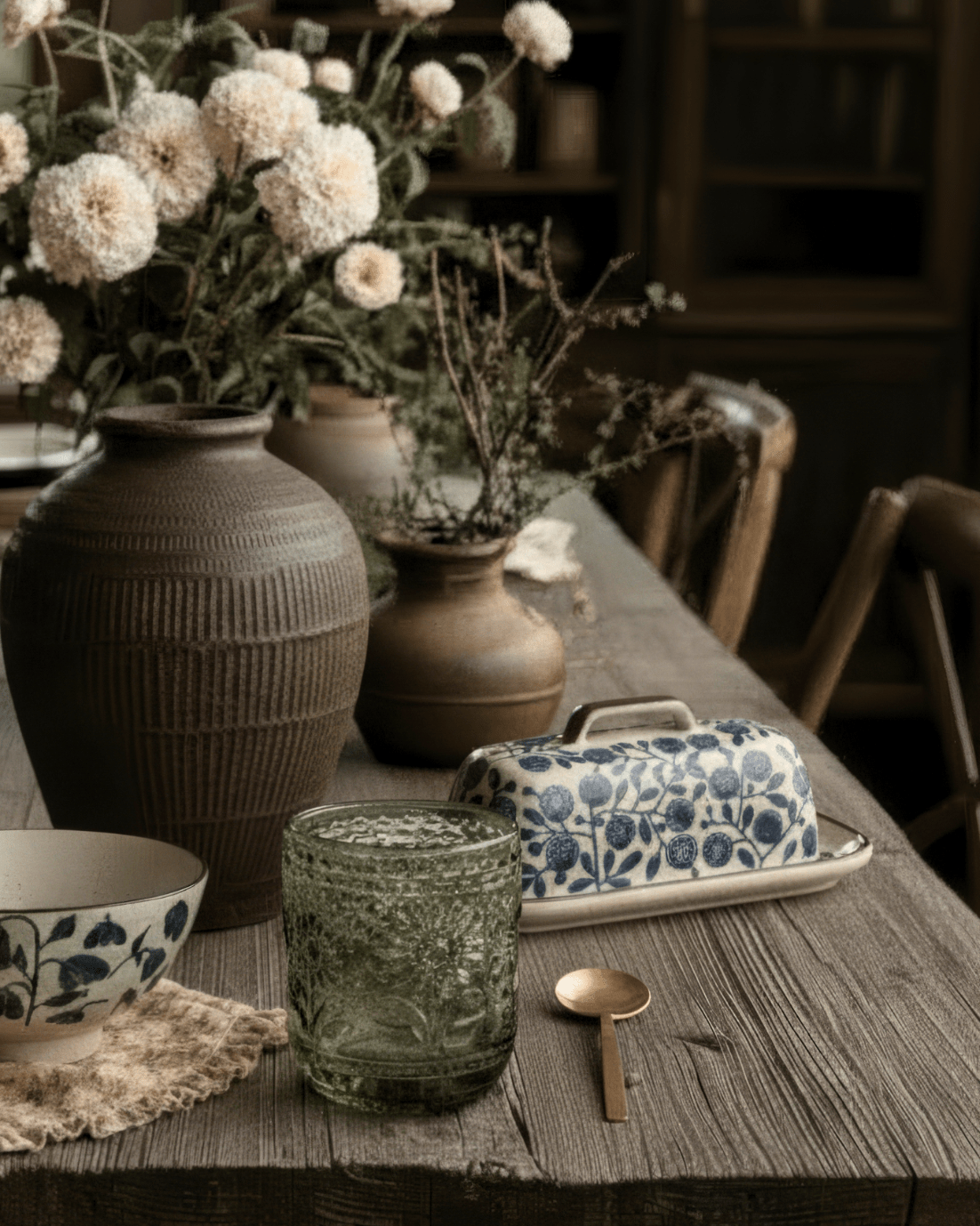
A Vintage clay vase works well in this context, especially in kitchens or bathrooms. It can hold utensils, brushes, or rolled linens while still reading as an object with history rather than a storage solution.
How Material Dictates Placement
Not all vintage pots belong in the same places. Material should guide placement more than aesthetics.
Glazed pieces tolerate moisture and frequent contact, making them suitable for kitchens, bathrooms, or near entrances. Unglazed or rougher vessels feel better in dry areas where their texture can be appreciated without interference.
Understanding this helps avoid forced styling. When material and placement align, the pot feels inevitable rather than added.

One Pot Is Usually Enough
Restraint is what makes vintage pots work.
Clustering too many vessels in one area dilutes their impact. A single pot placed with intention will always outperform a group competing for attention.
Let it stand where it can be seen from multiple angles. Give it negative space. Allow it to do less—and therefore more.
Why Vintage Pots Age Better Than Most Decor
Unlike fragile accessories, vintage pots improve with use. Scratches, chips, and marks blend into existing wear. The object evolves rather than deteriorates.
This makes them ideal for real homes, not just styled spaces. You don’t have to protect them. You can live with them.

Conclusion: Utility Is the New Styling
The most useful vintage decor pieces don’t ask for attention. They earn it through function, scale, and material honesty.
A vintage pot can anchor a room, replace furniture, store everyday items, or simply exist as a visual pause. When used with intention, it does more than decorate—it organizes.