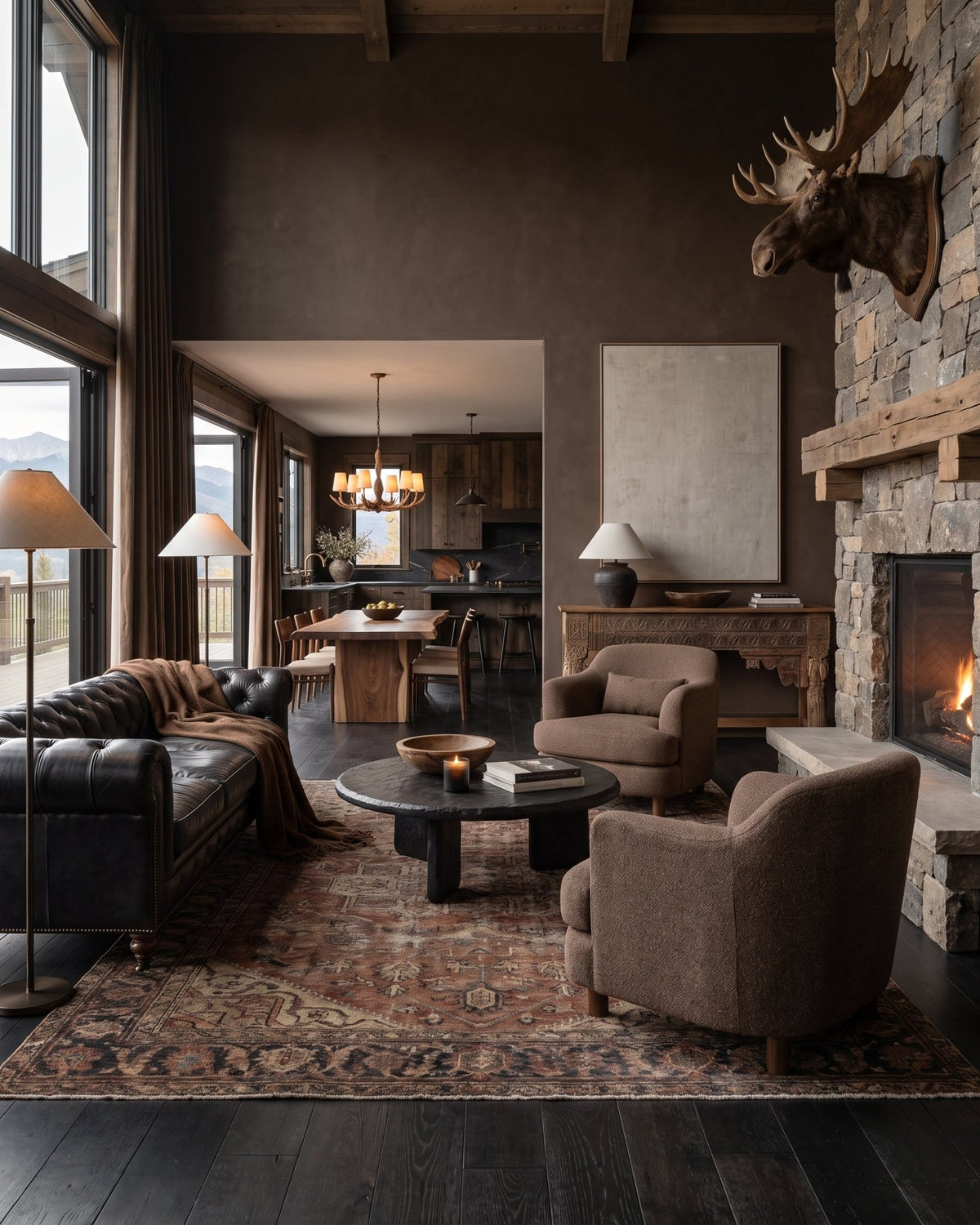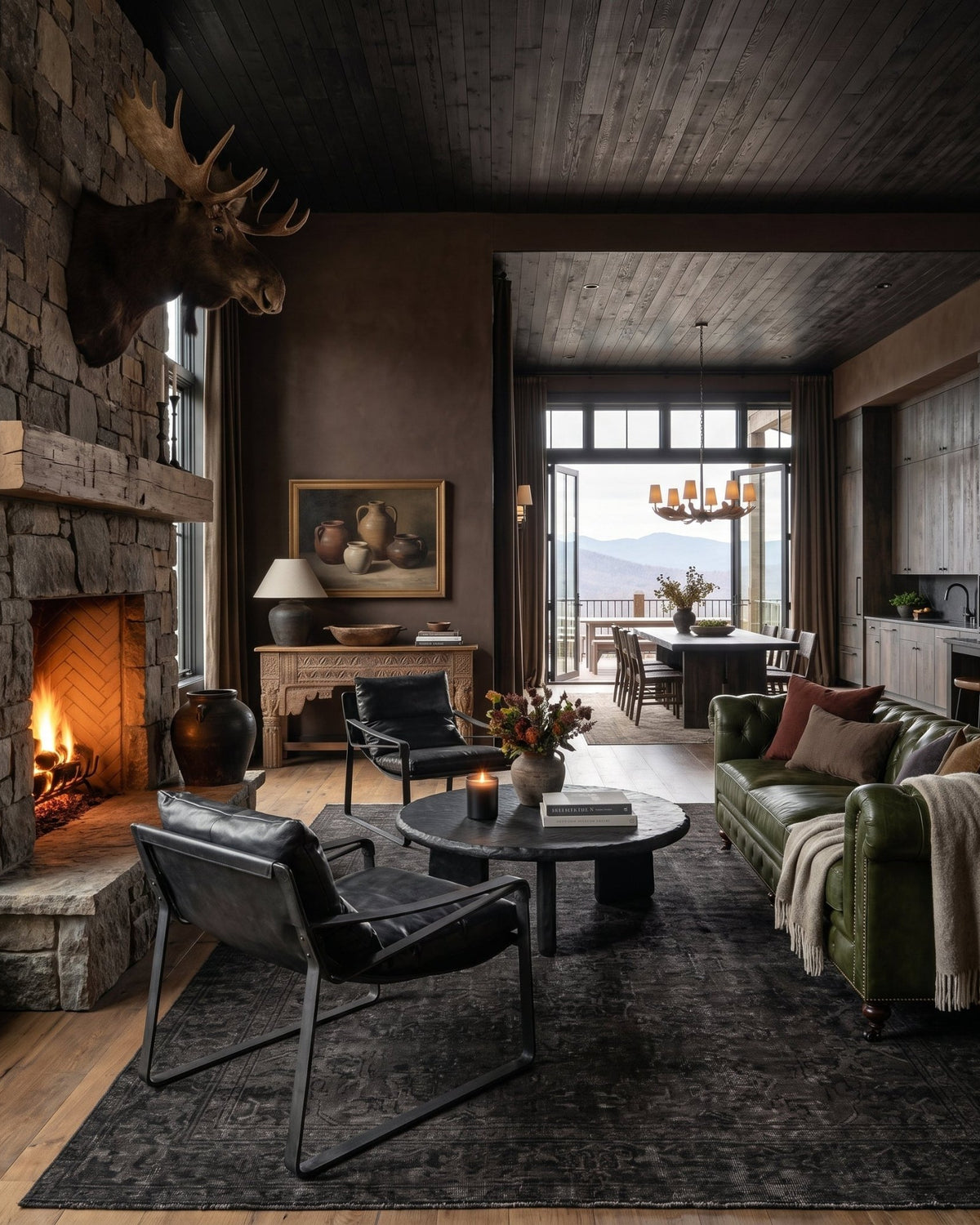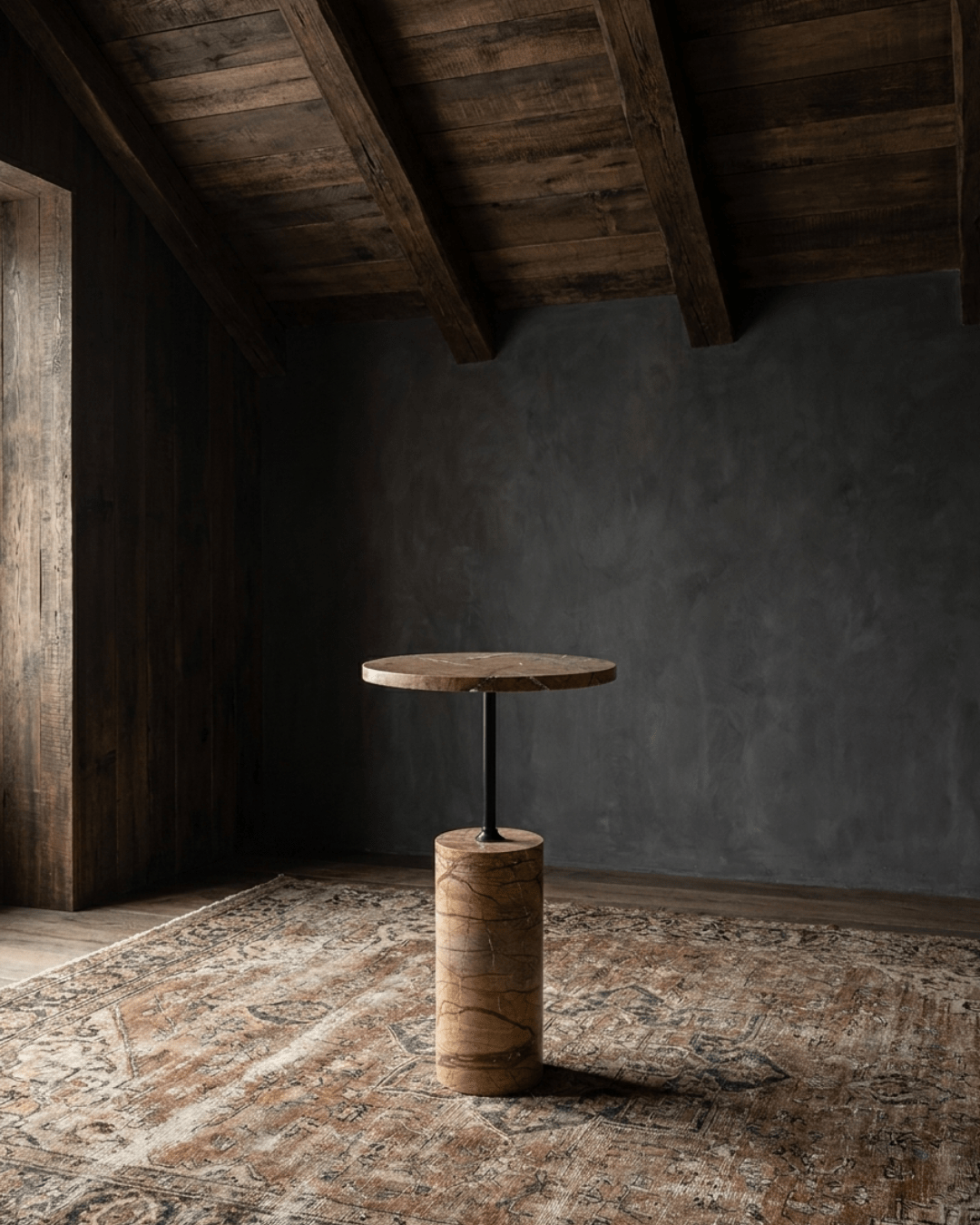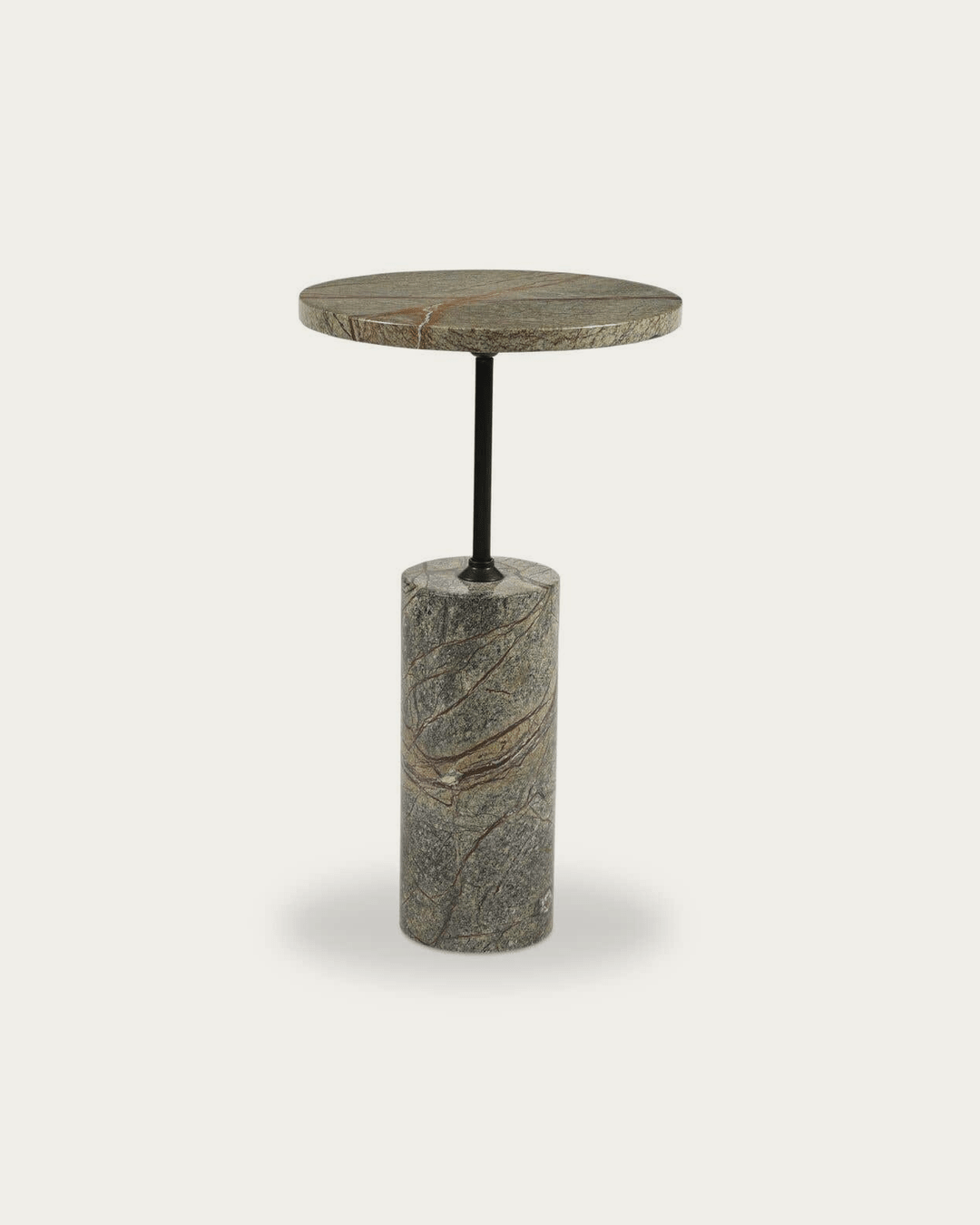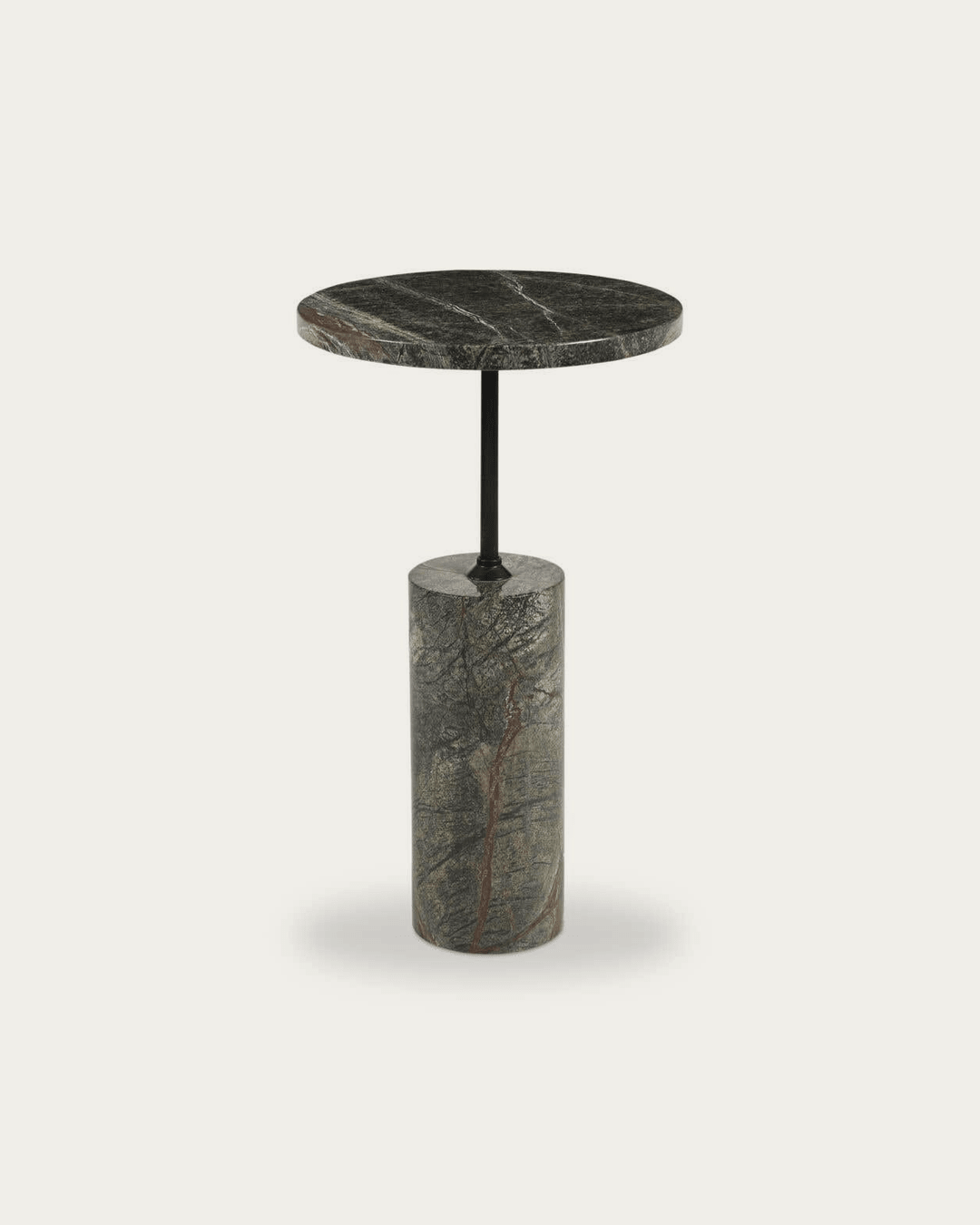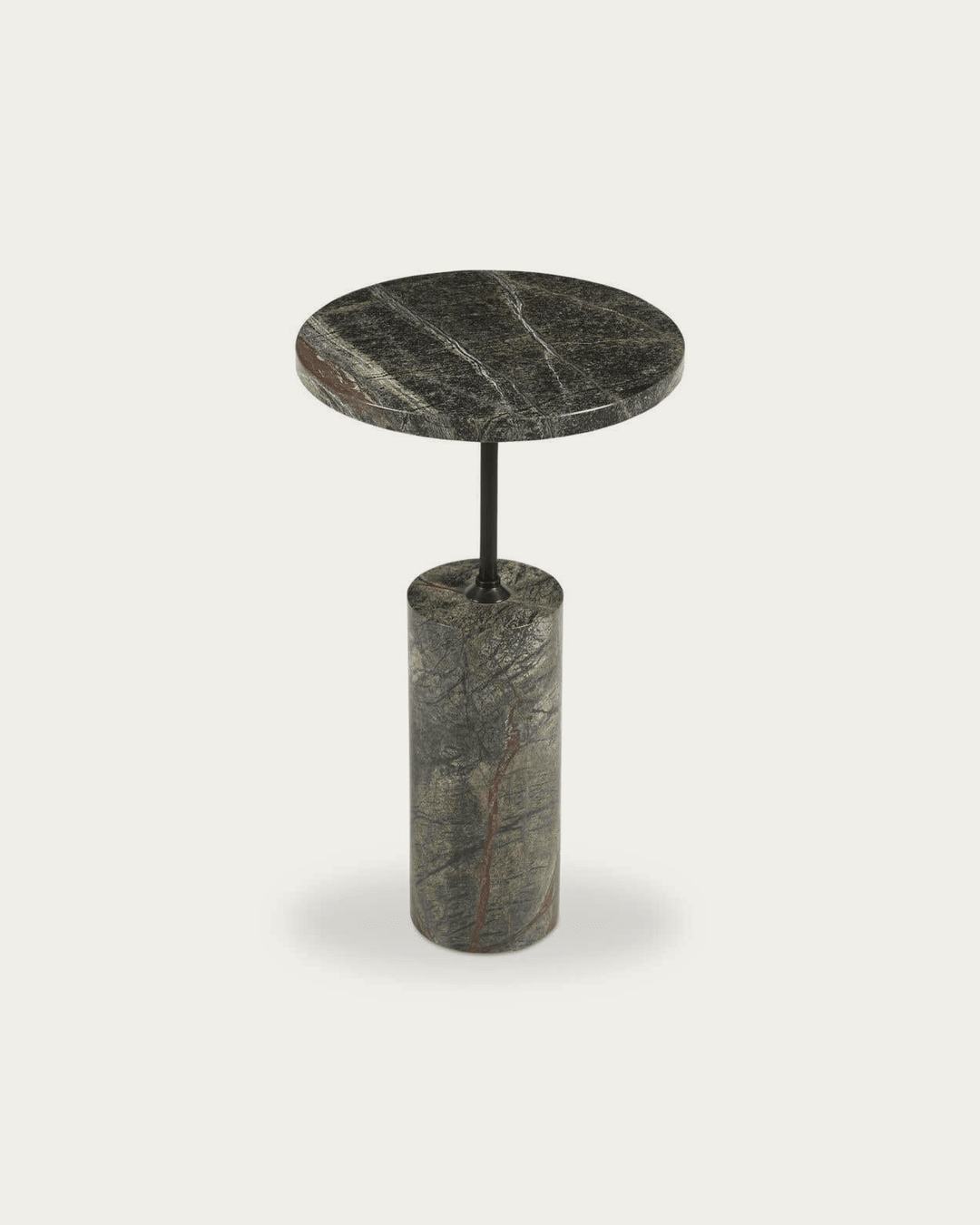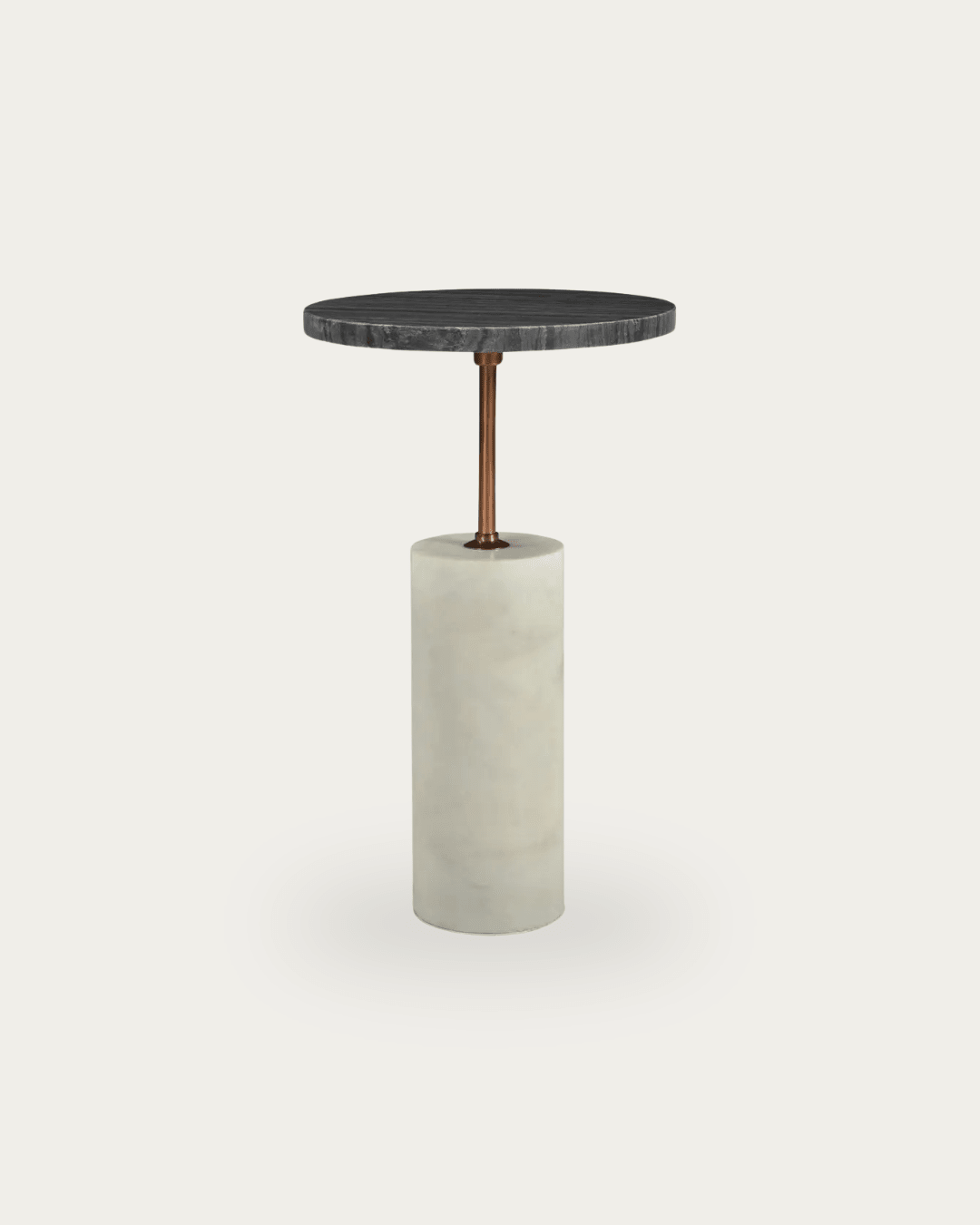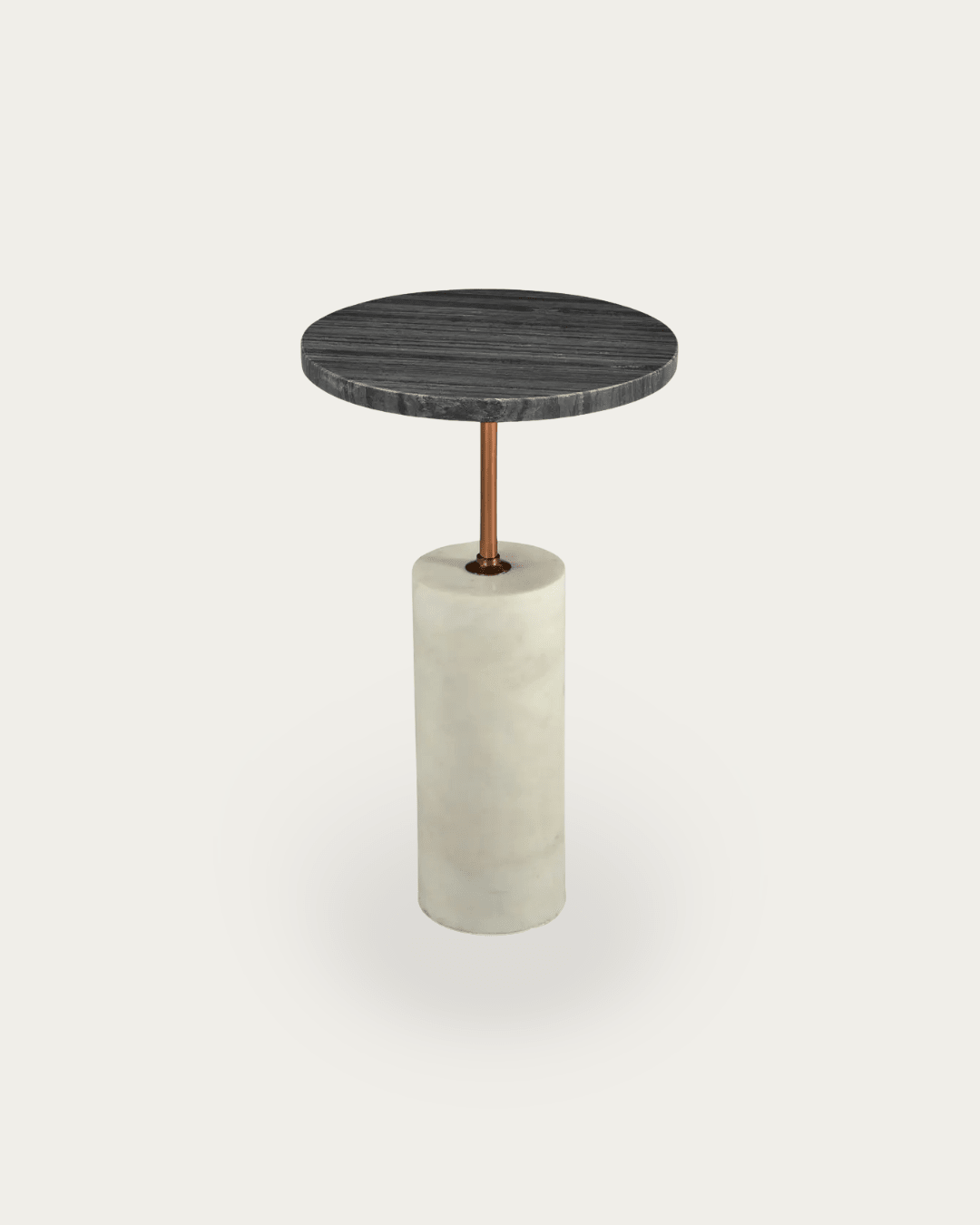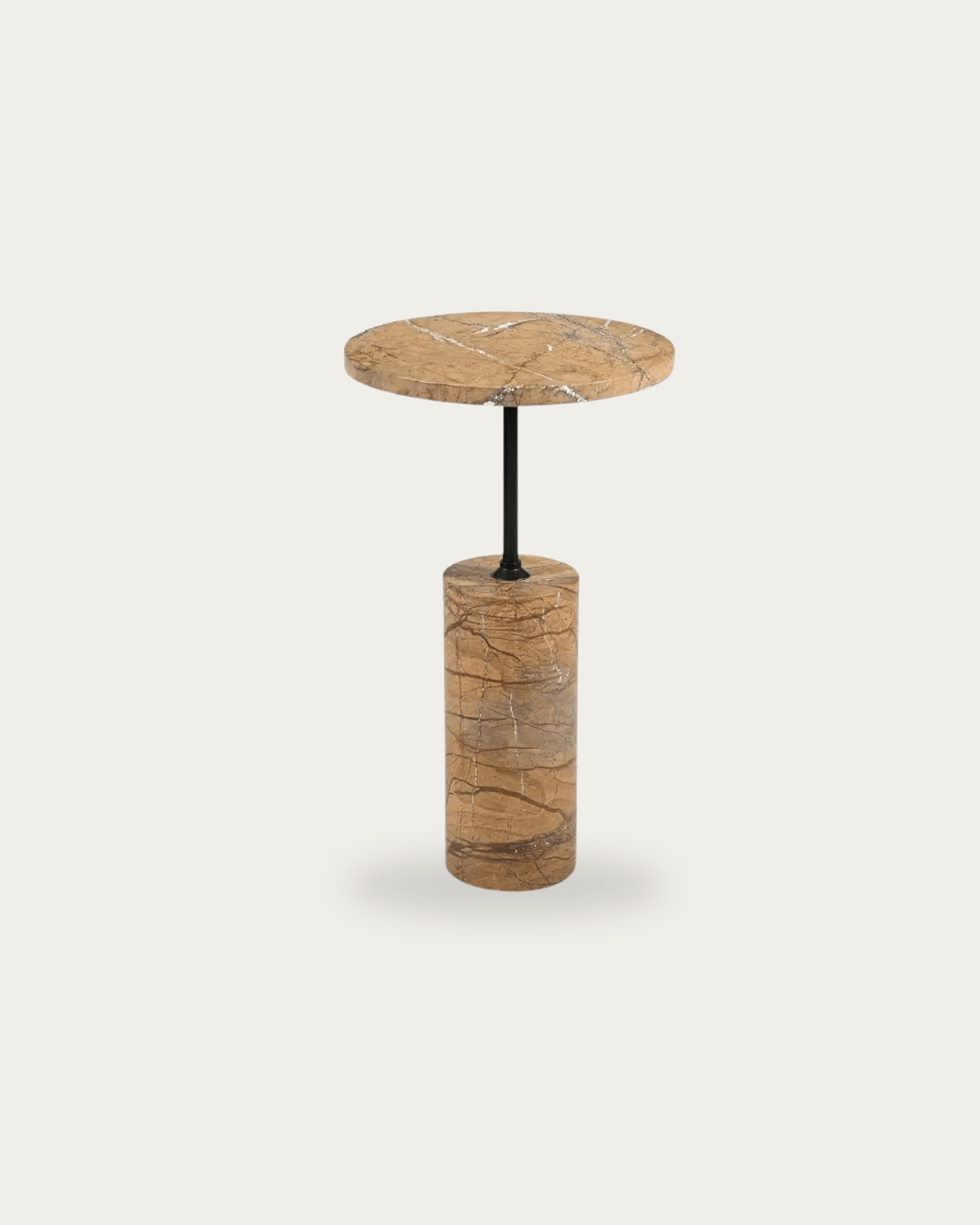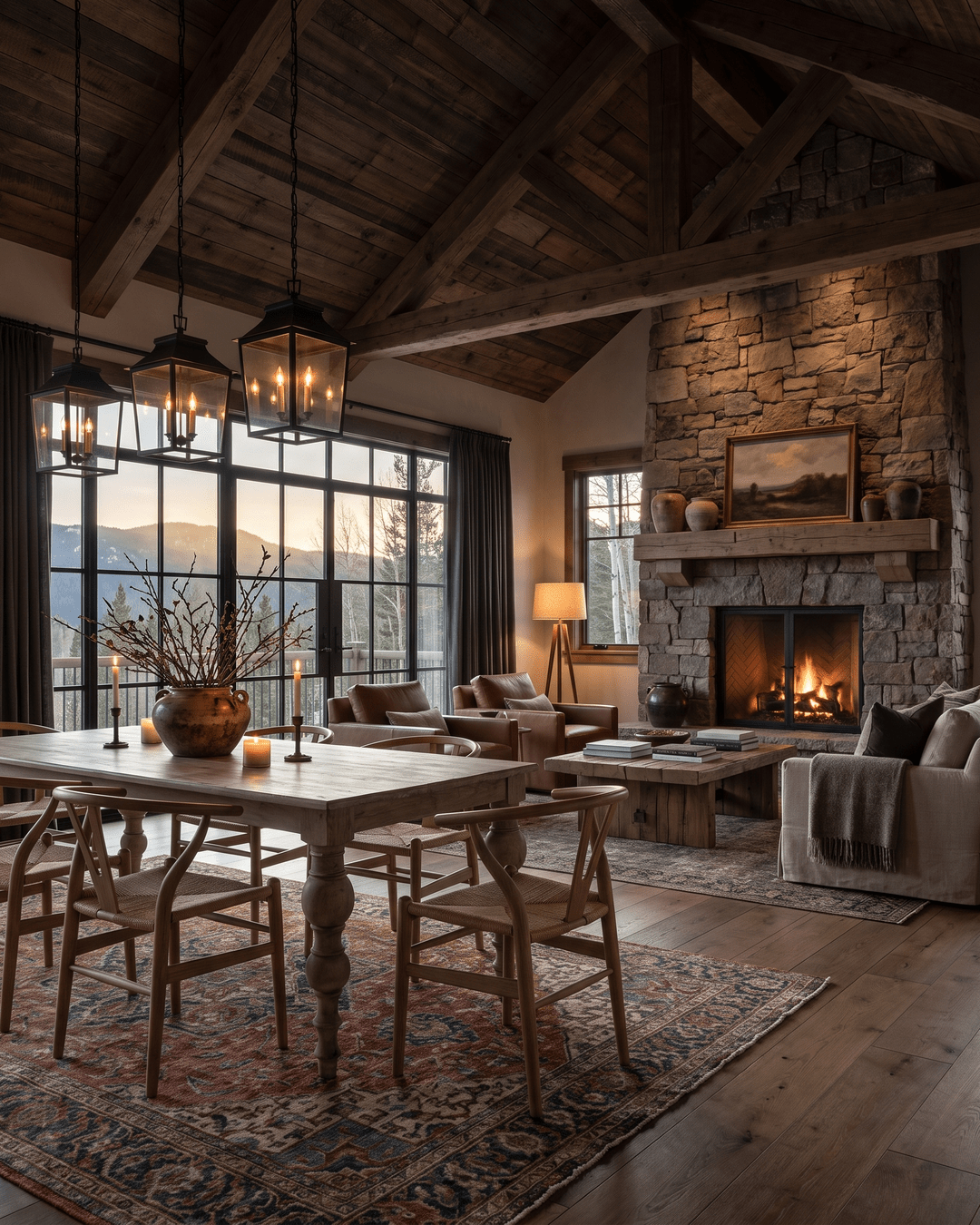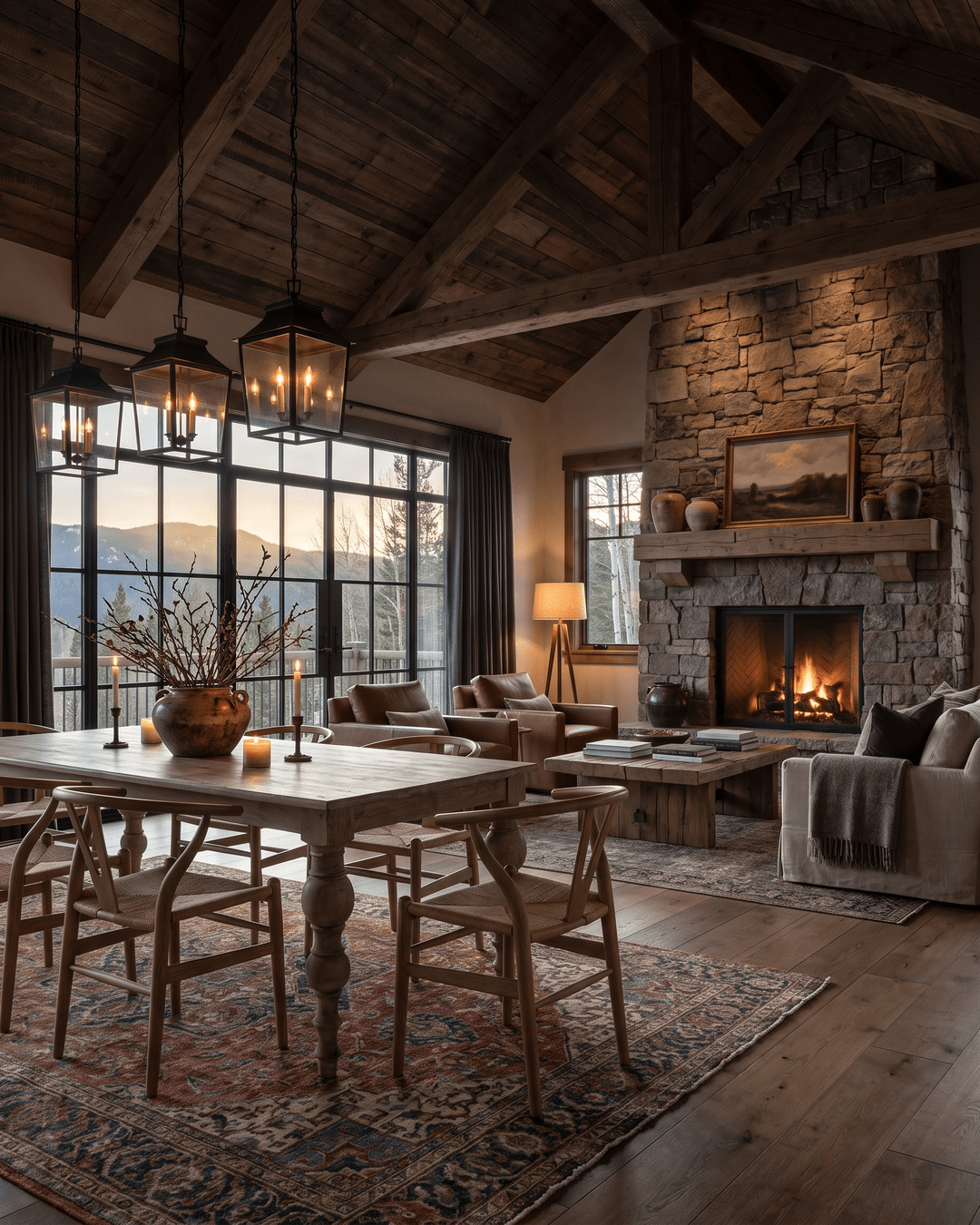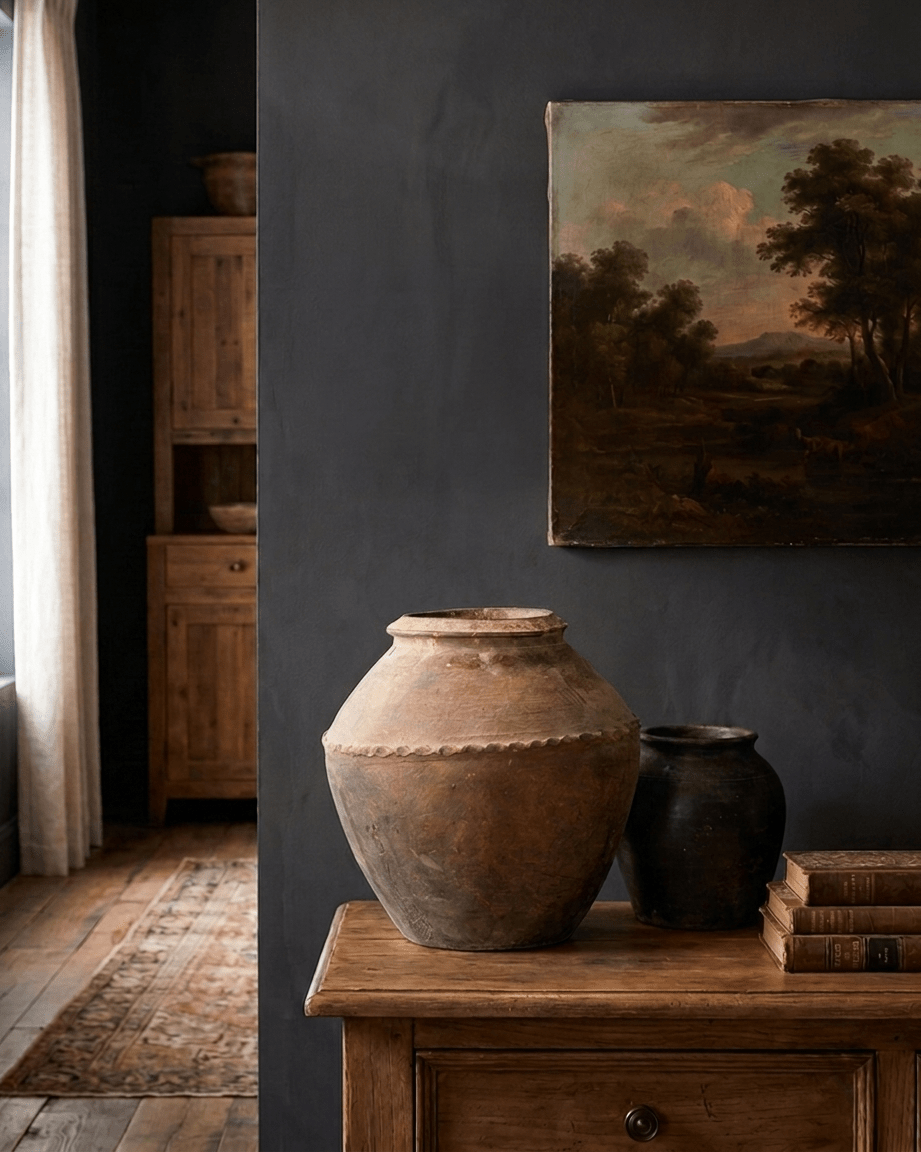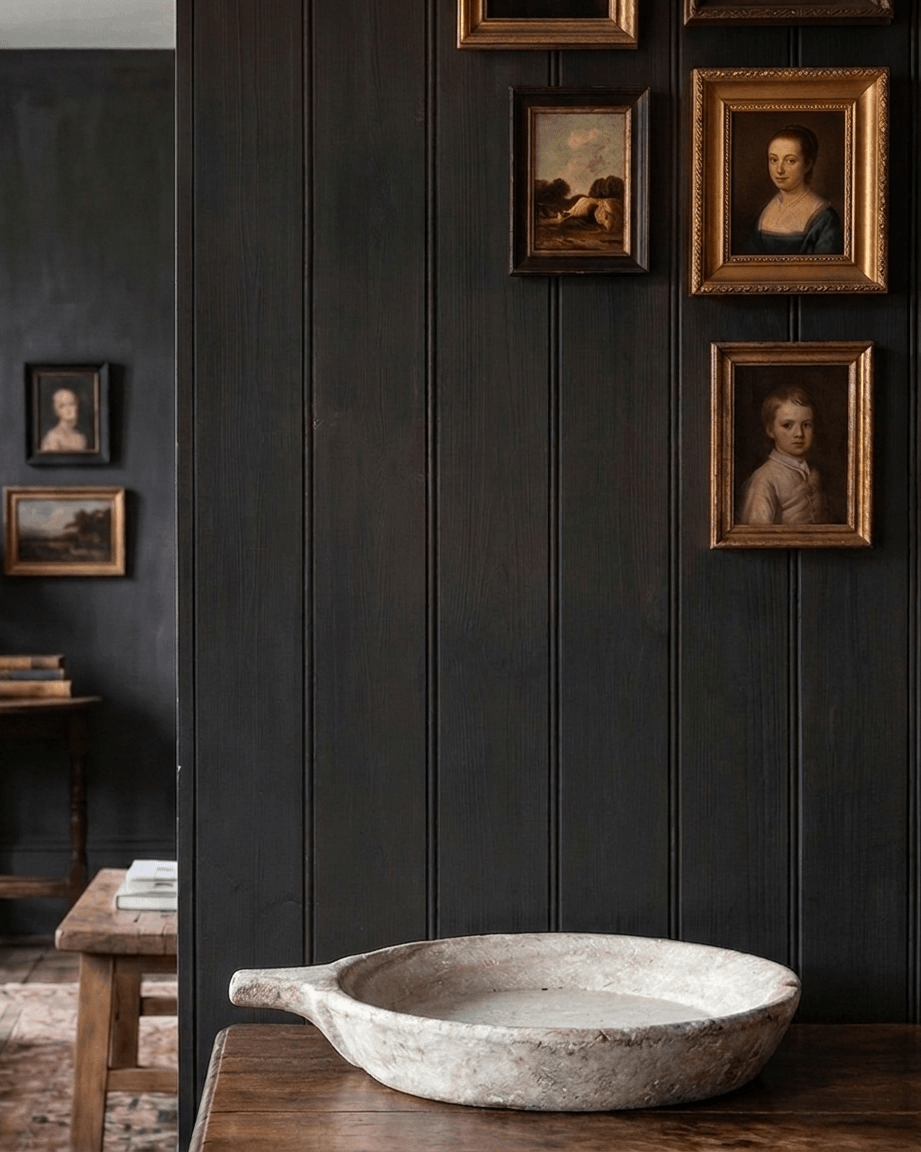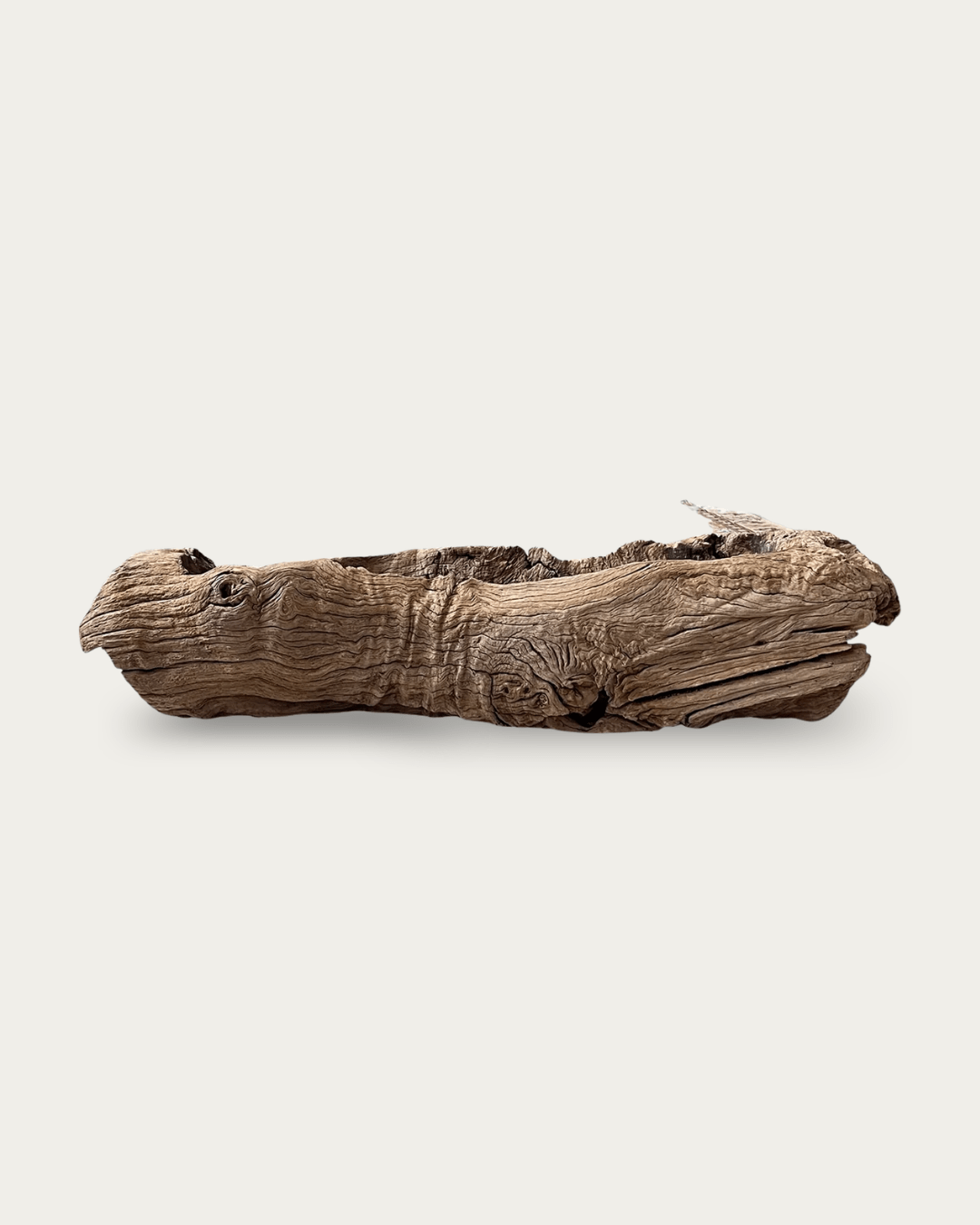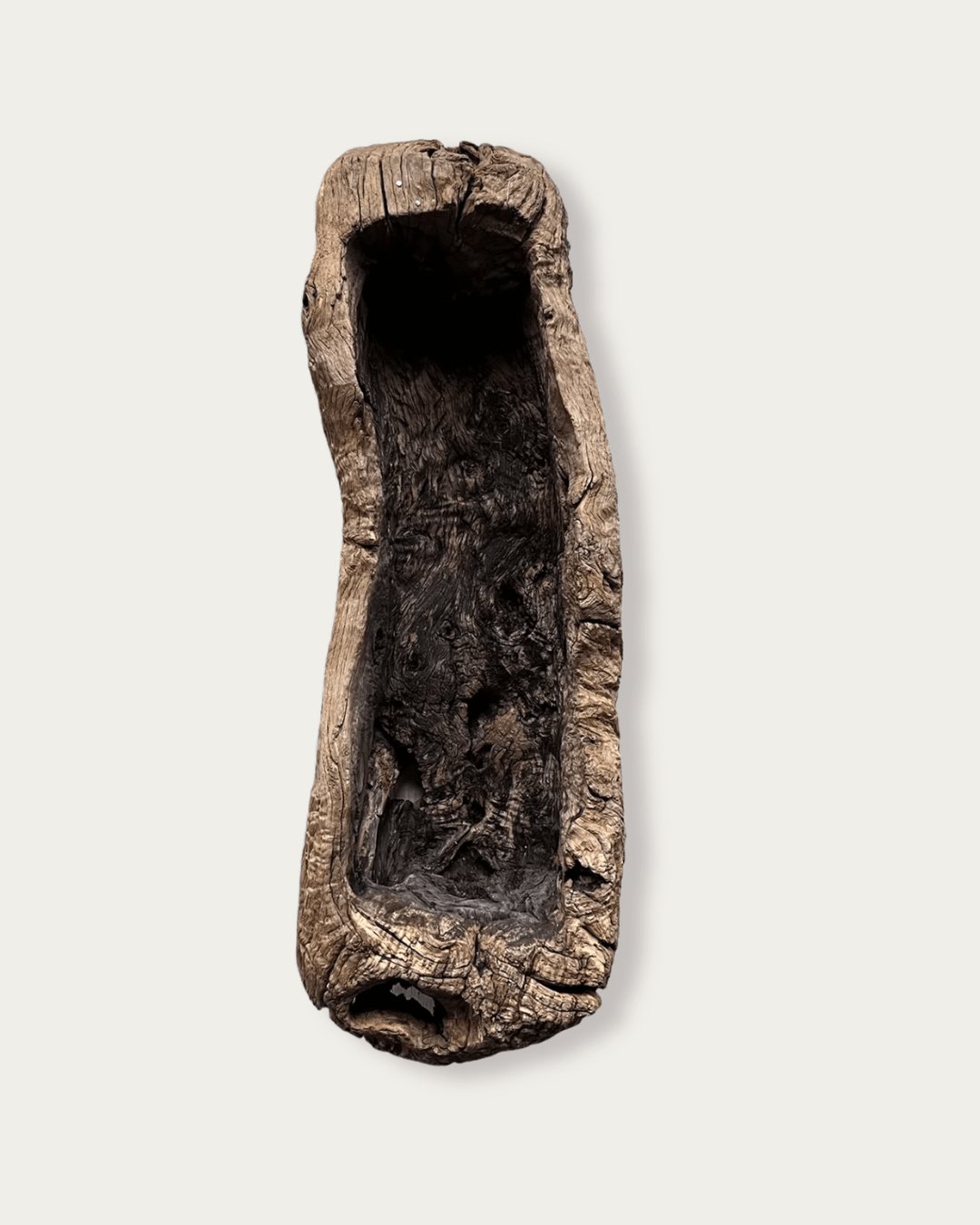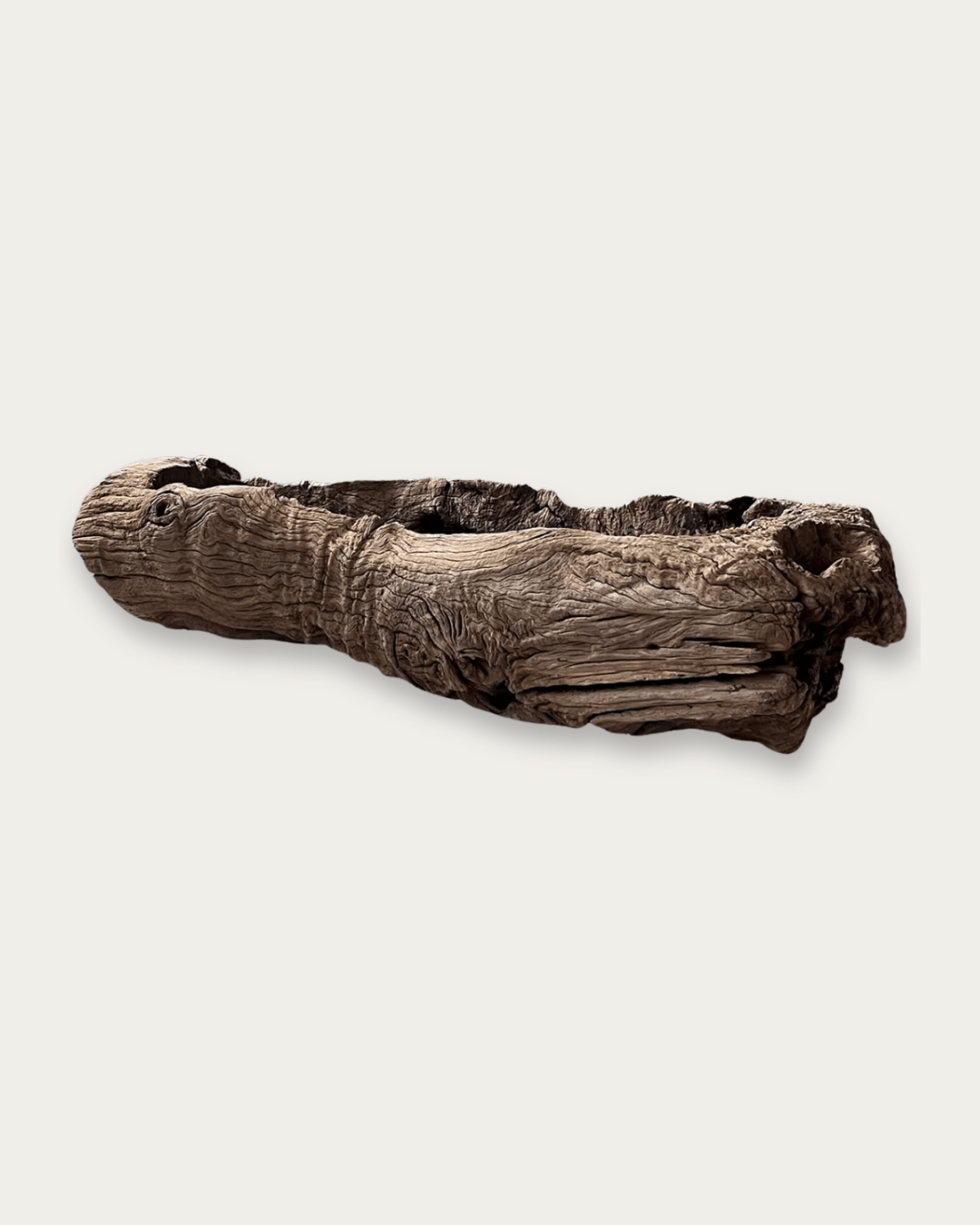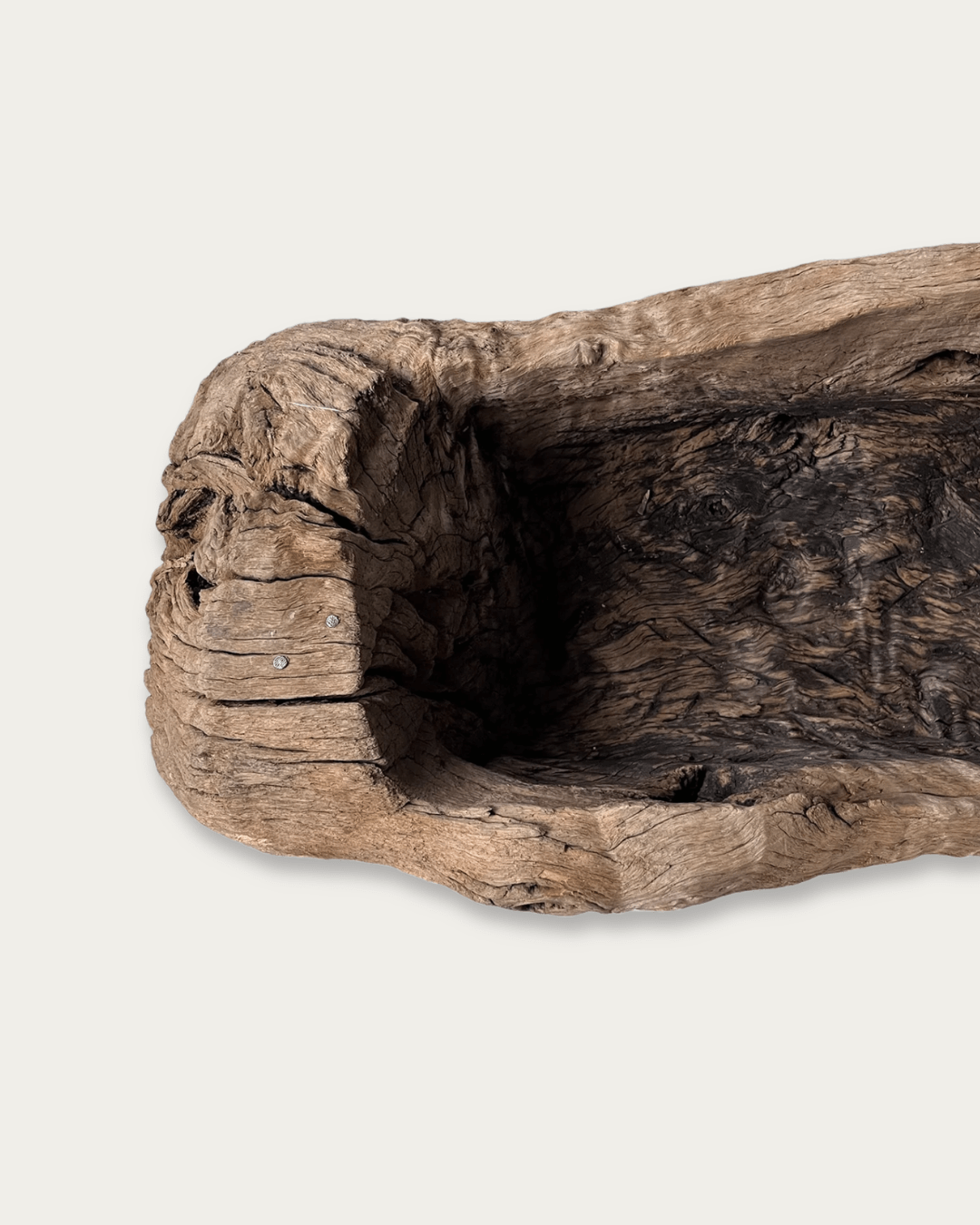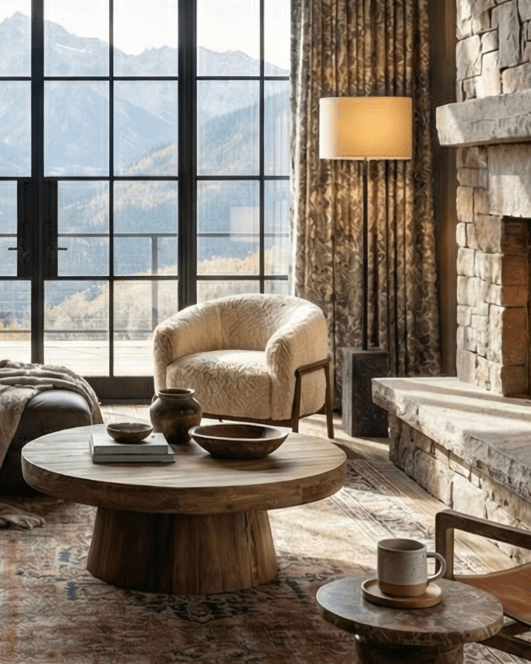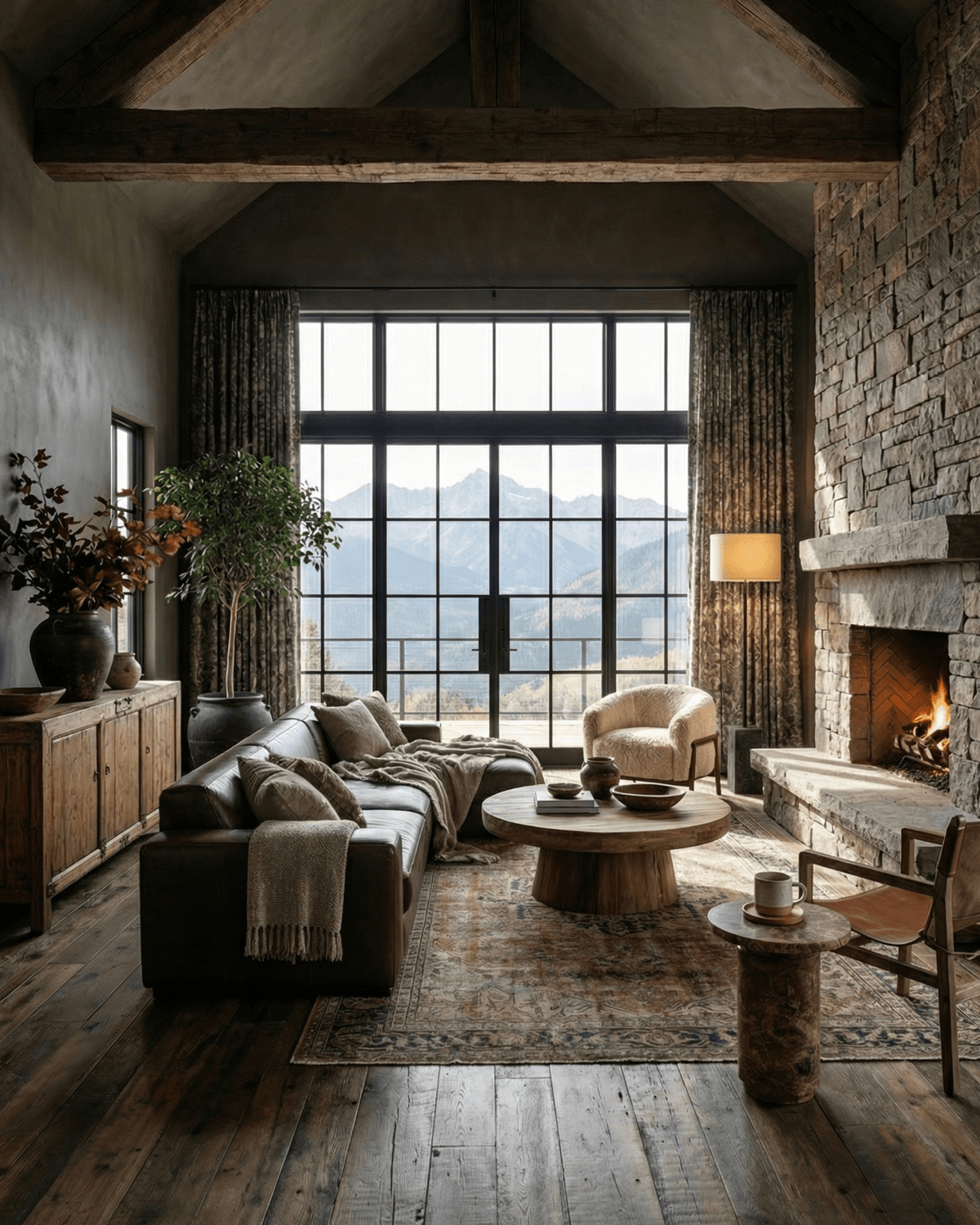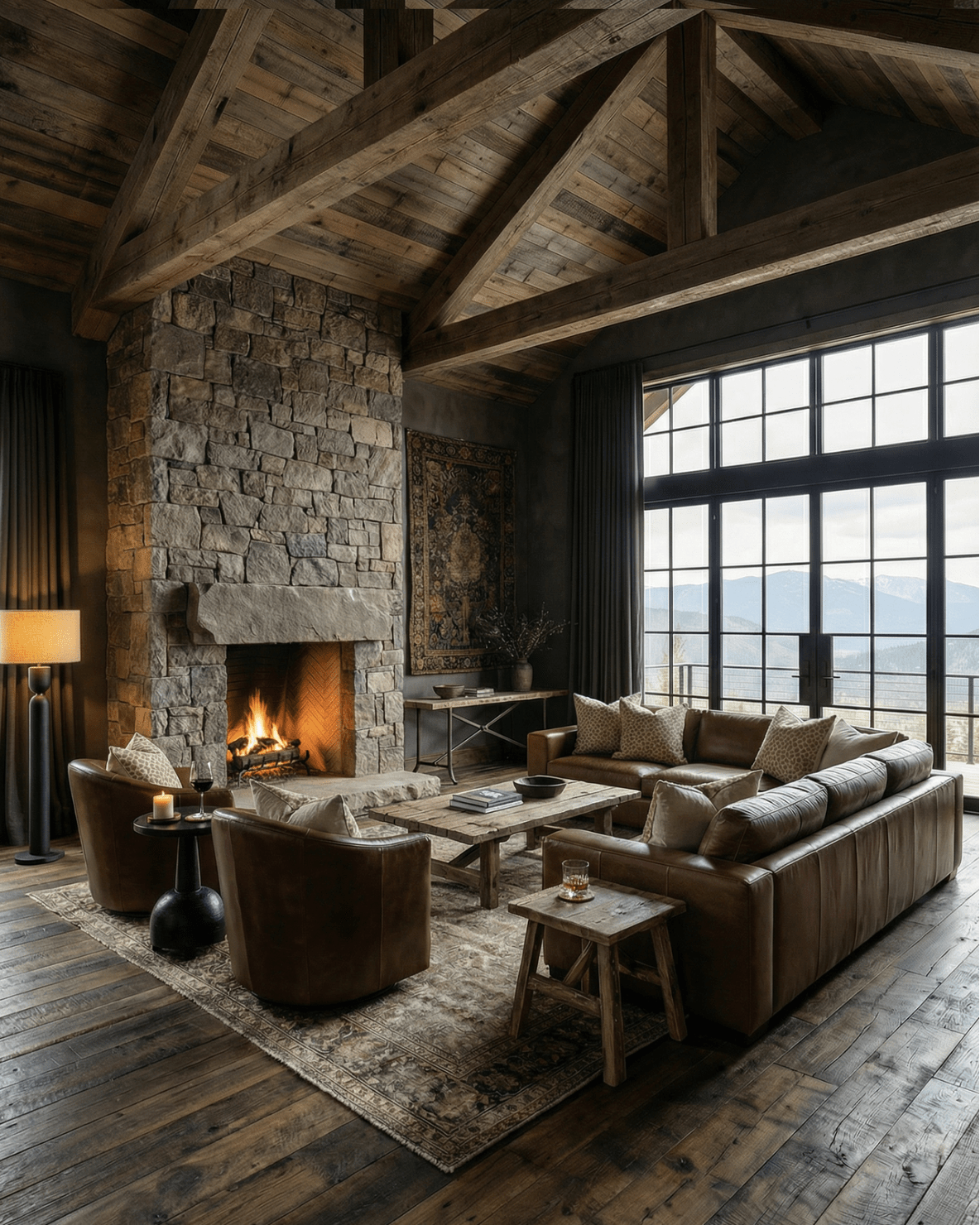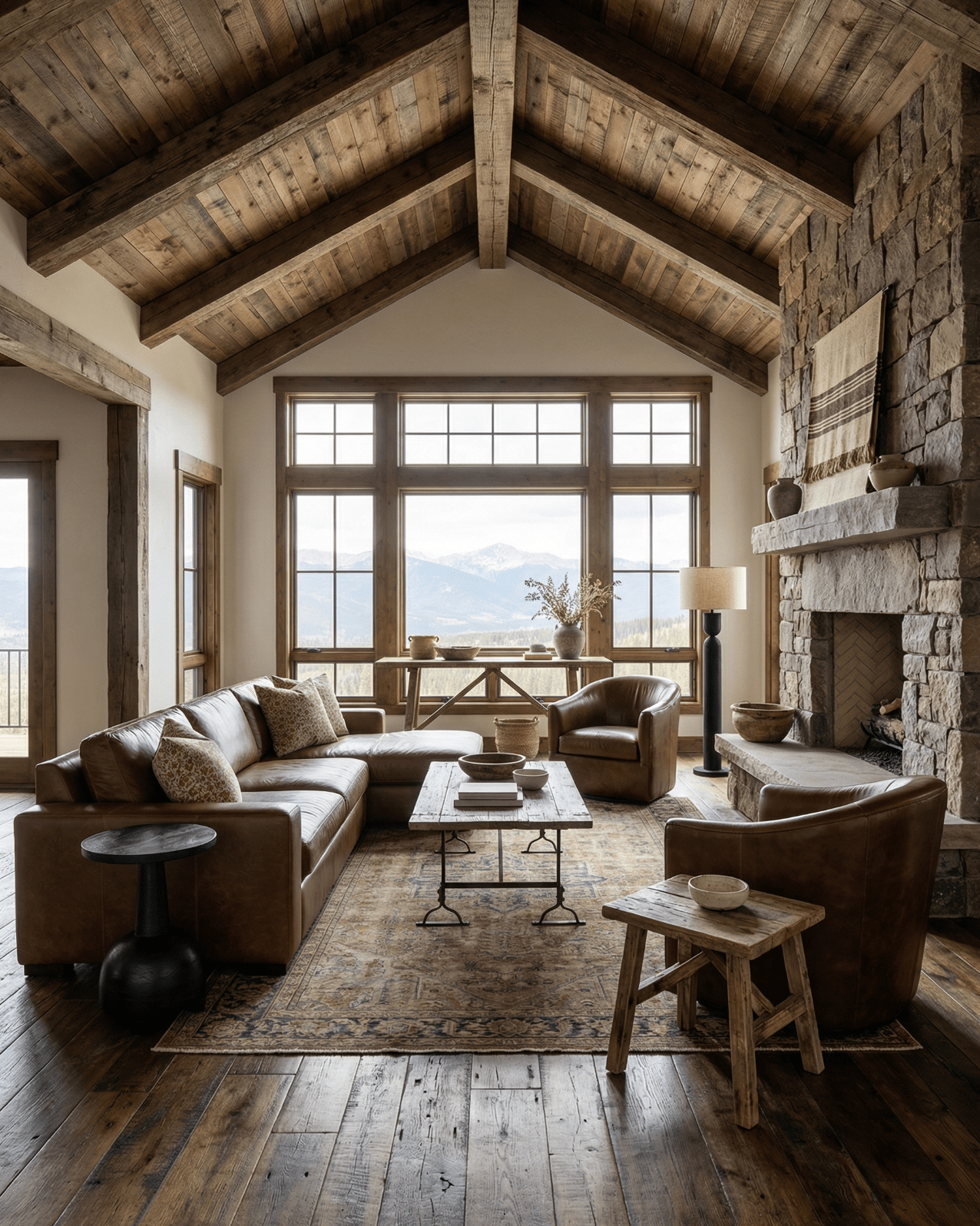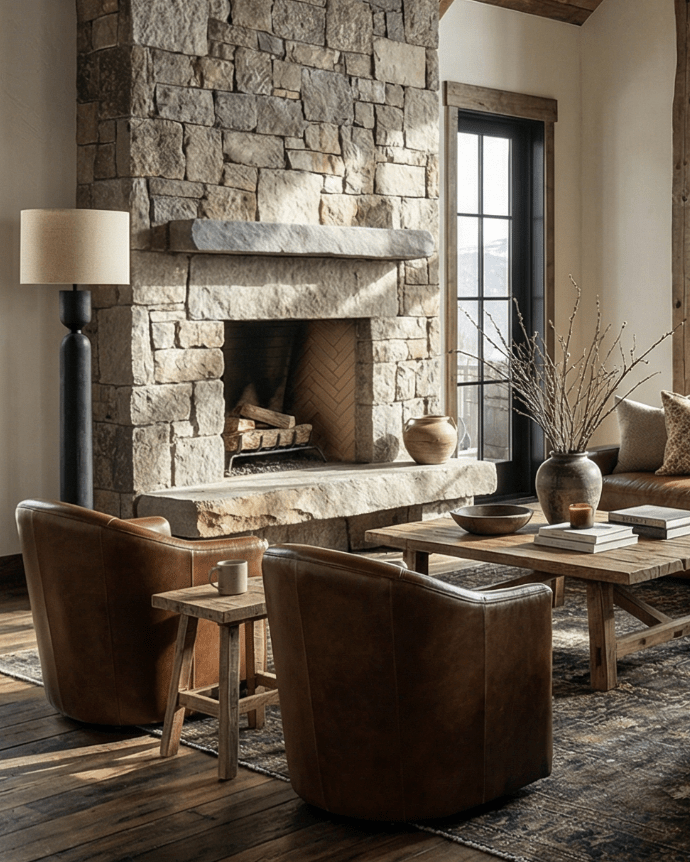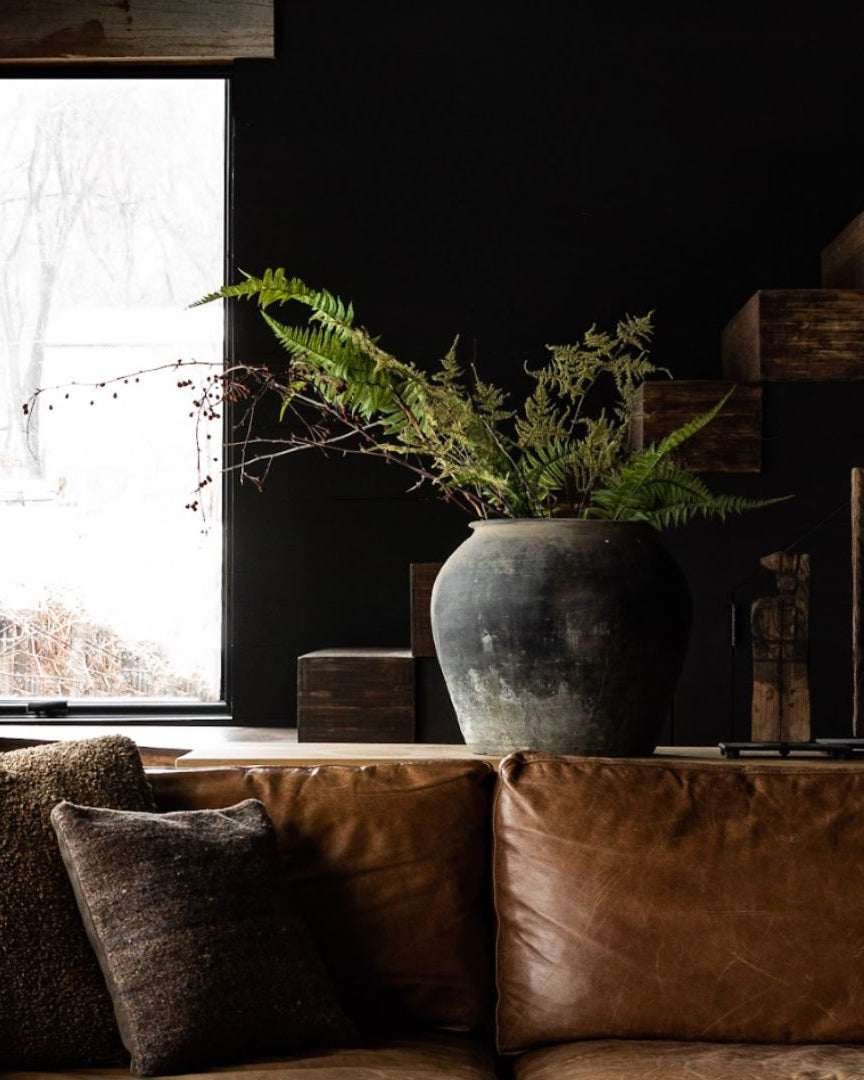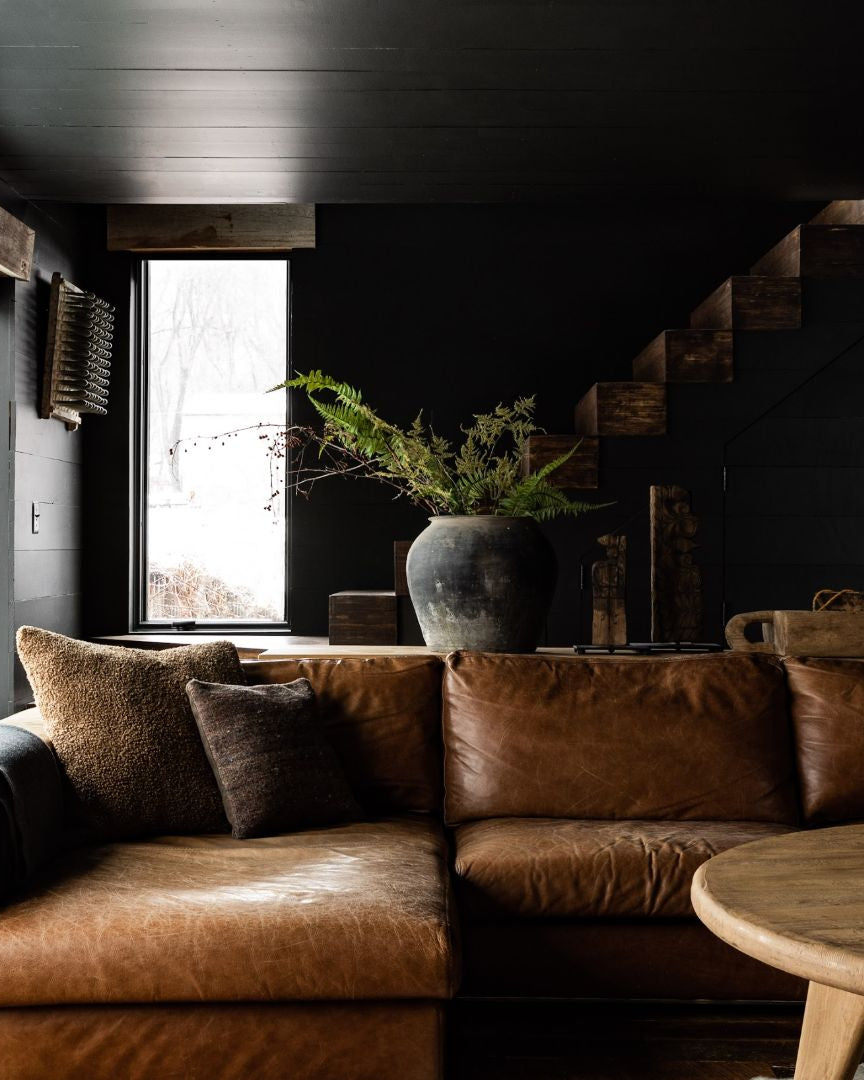








Most living rooms don’t fail because of bad furniture choices—they fail because nothing is in charge. Sofas float. Rugs feel optional. Accessories overcompensate. That’s where a reclaimed coffee table quietly changes everything. When you treat it as the starting point instead of an afterthought, the room organizes itself around it.
This isn’t about decorating on a table. It’s about building the room from it.
Start With Weight, Not Size
The first mistake people make when choosing a coffee table is thinking in inches instead of impact. A reclaimed coffee table doesn’t need to be oversized to anchor a room—it needs visual weight.
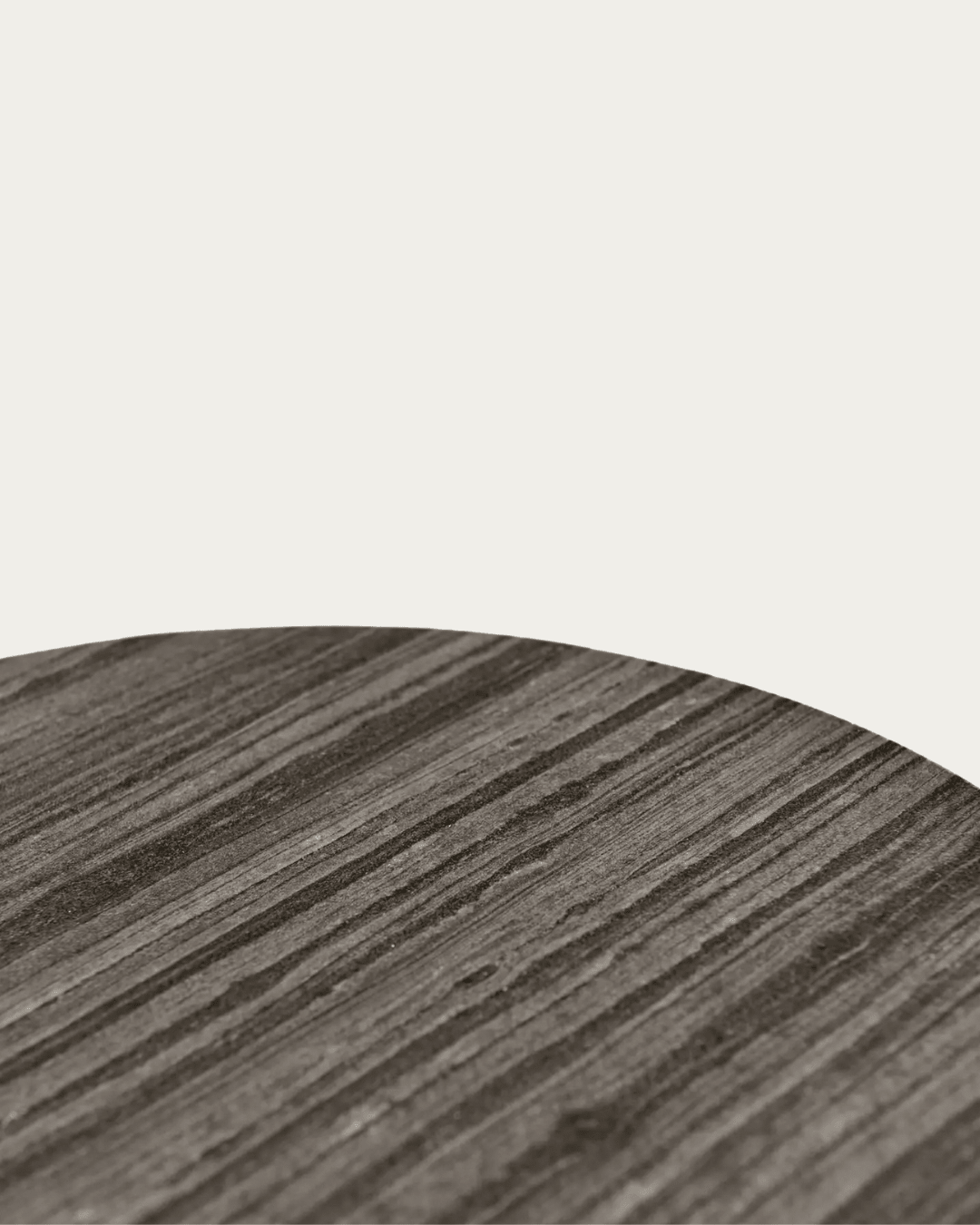
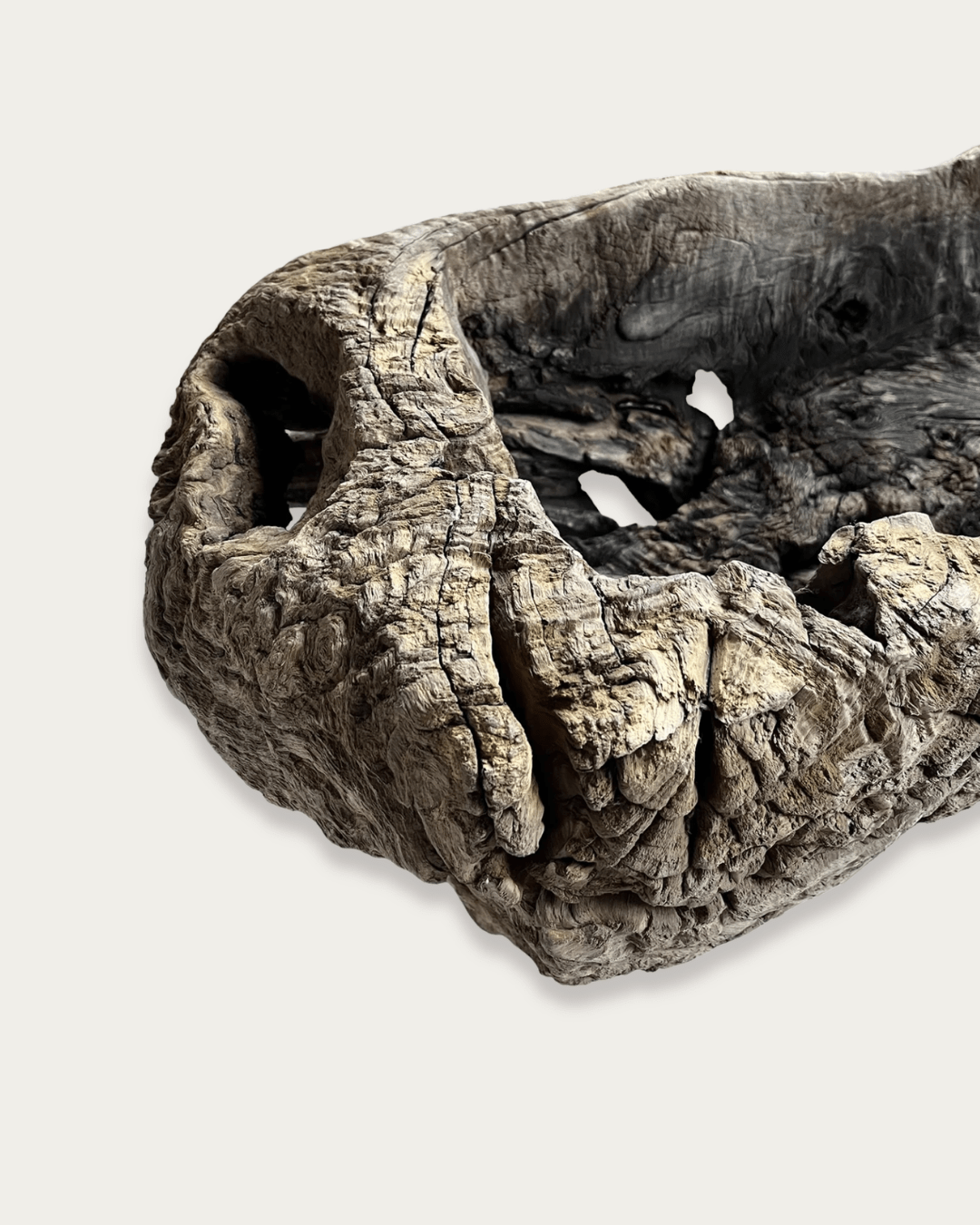
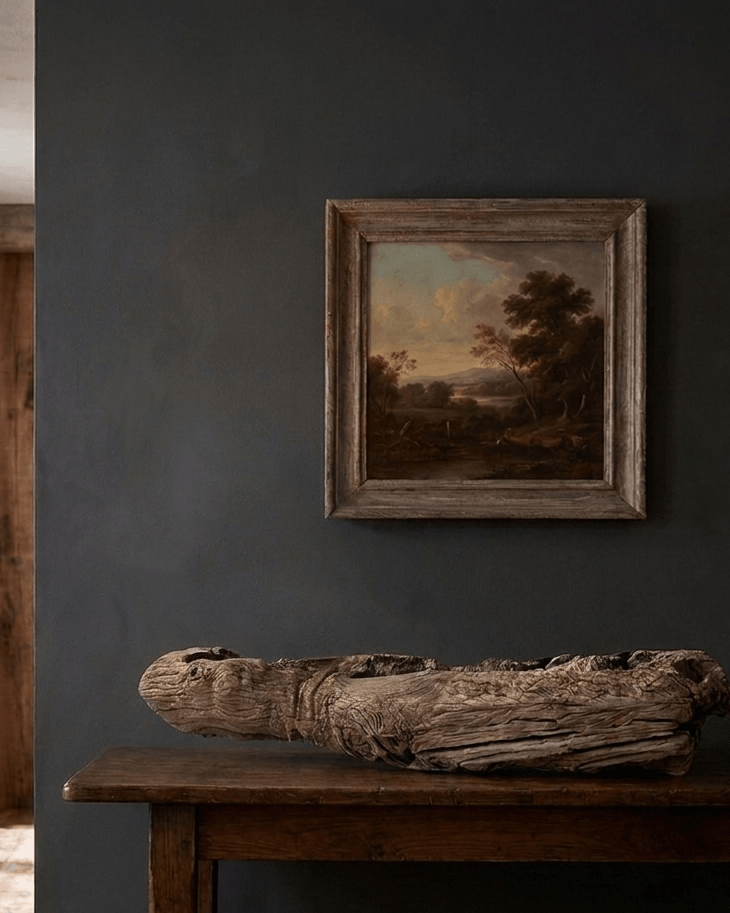
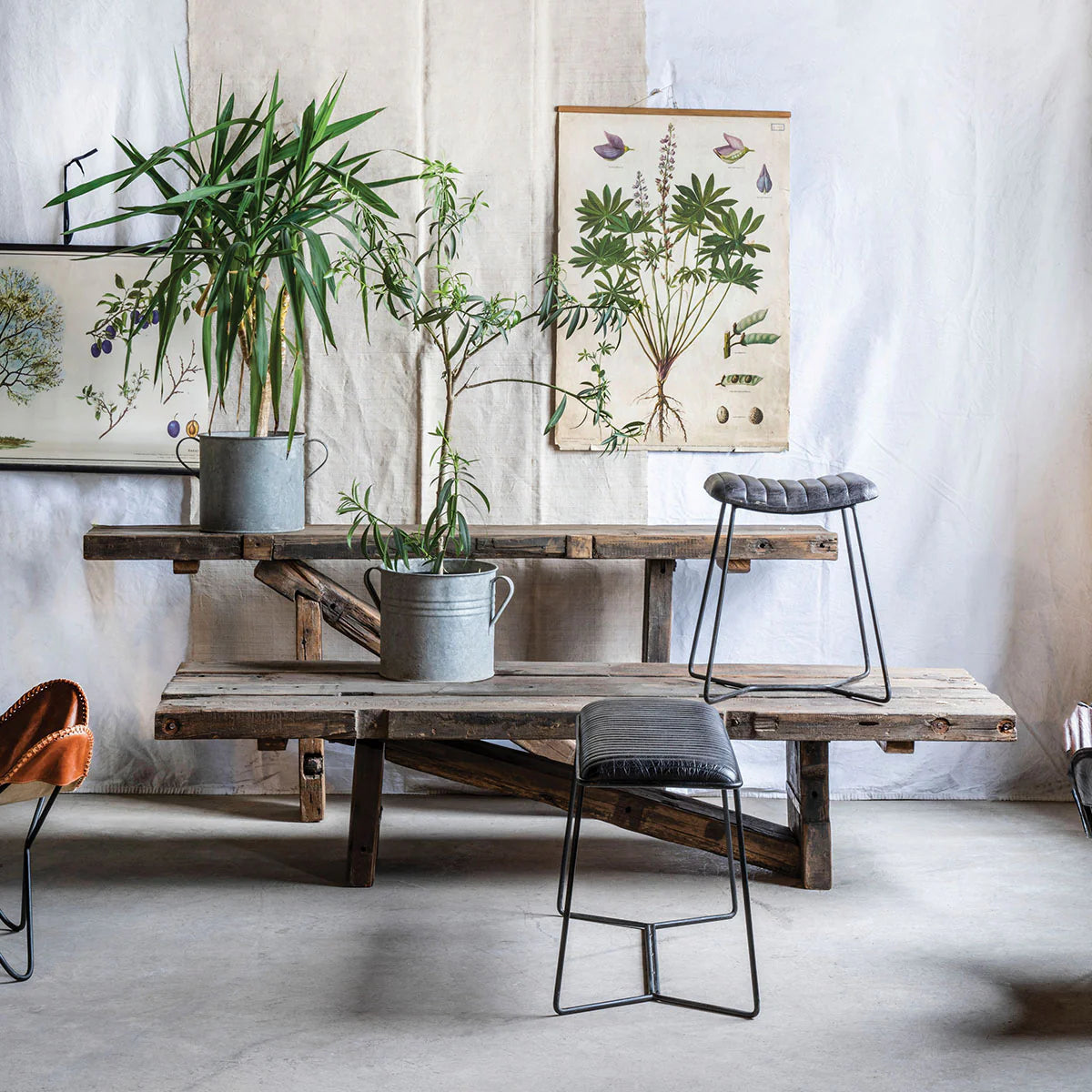
Reclaimed wood naturally provides this. Dense grain, layered patina, and visible wear give the table presence even before anything is placed on top. This presence is what allows the rest of the furniture to relax into place.
A piece like the Vidar Salvaged Wood Coffee Table works well in open living rooms because it visually holds the center without demanding extra styling. Its surface texture does the work that decorative trays and stacks of books usually try—and fail—to do.
In tighter layouts, a reclaimed table with a more compact footprint can still carry authority. The point isn’t dominance. It’s stable.
Let the Coffee Table Set the Tone
Once the coffee table is chosen, everything else should respond to it—not compete with it. This is where reclaimed furniture excels. It sets a material and emotional baseline that the rest of the room can follow.
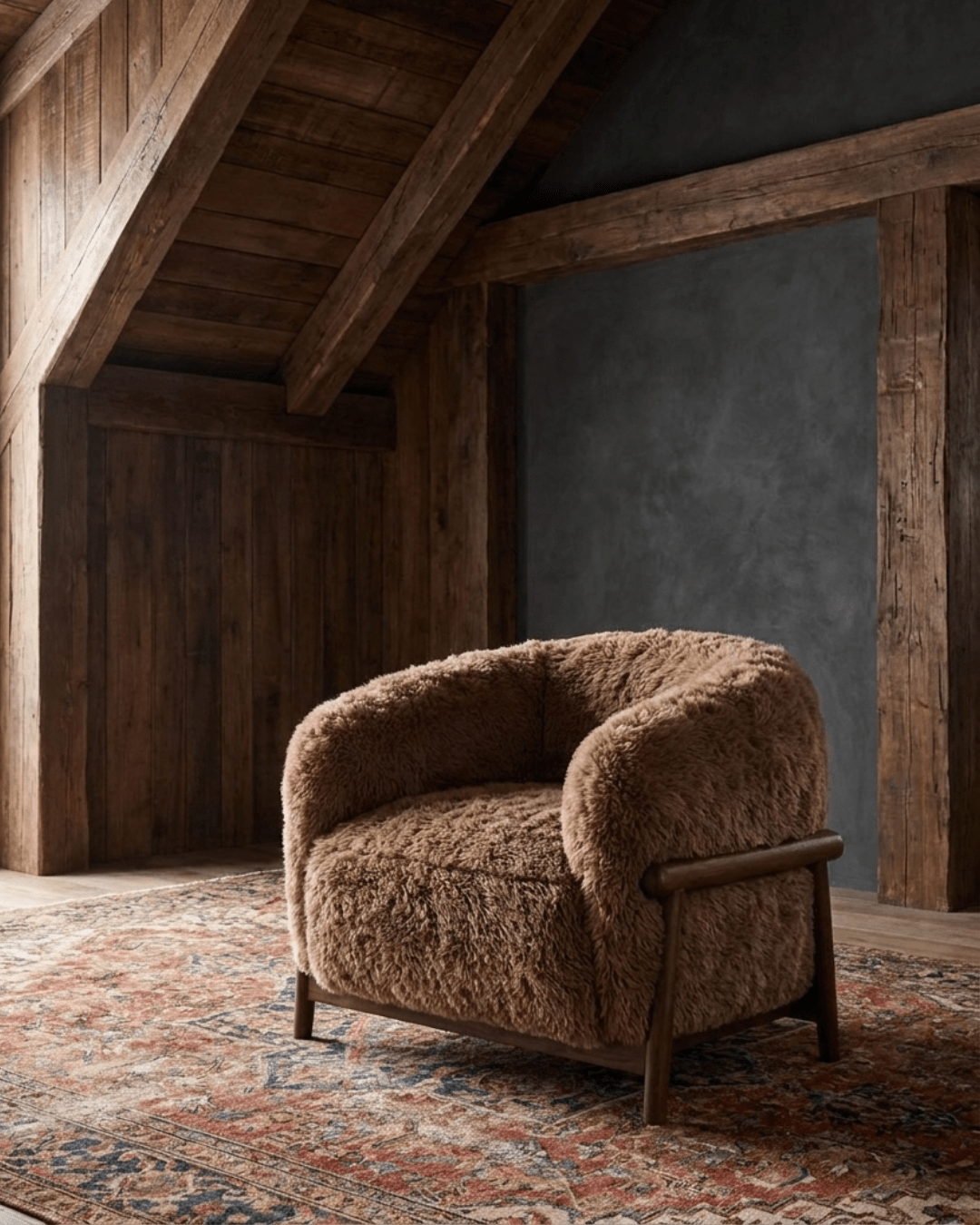
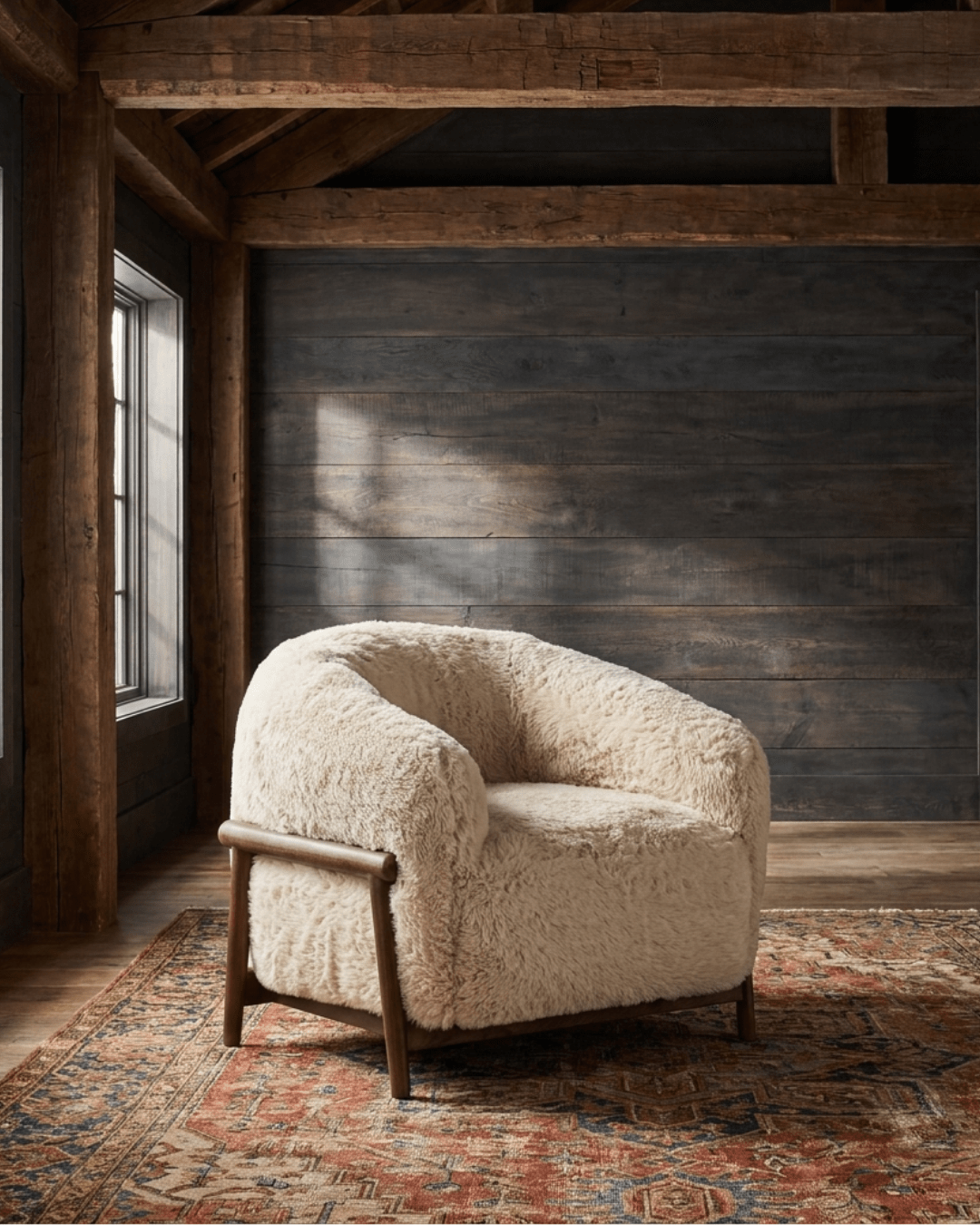
If the wood is dark, let the surrounding upholstery go lighter. If the surface shows heavy texture, keep nearby finishes calmer. Contrast creates clarity.
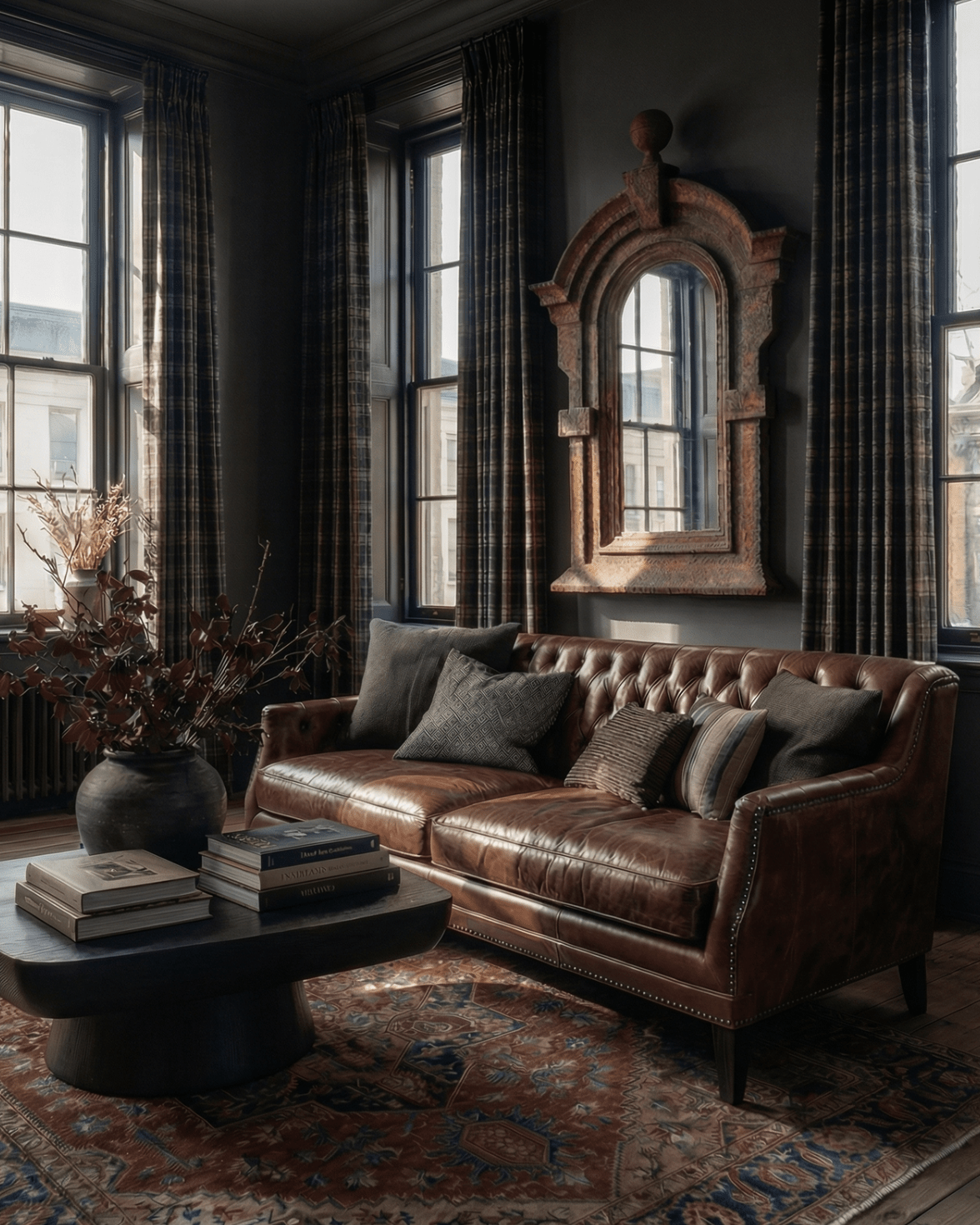
The Ebon coffee table, for example, introduces depth without ornament. In a room with pale walls or neutral seating, it grounds the palette instantly. You don’t need to “warm up” the space with extra accessories—the table already establishes a sense of substance.
This approach reduces decision fatigue. When the coffee table leads, other choices become obvious.
Build Seating Around Function, Not Symmetry
Traditional layouts prioritize symmetry. Reclaimed-centered rooms prioritize use.
Instead of centering the sofa first, position seating in relation to how the table will actually be used. Can someone reach it easily from every seat? Is there enough clearance for movement without breaking the visual flow?
Reclaimed coffee tables tend to invite interaction. Their surfaces aren’t precious. You don’t hesitate to place a mug, a book, or your feet. That usability should inform how close seating feels—not how perfect it looks in a photo.
The Elin coffee table works particularly well in conversational layouts where seating wraps loosely around it rather than facing it head-on. Its understated form allows flexibility without visual clutter.
RUTED Tip: If you’re worried about scratching a coffee table, it’s probably not the right one to build a living room around.
Use Negative Space Intentionally
A strong reclaimed coffee table doesn’t need constant decoration. In fact, the more space you leave around it, the more effective it becomes.
Negative space allows the grain, wear, and structure of reclaimed wood to register. Overfilling the surface neutralizes its impact and turns it into just another platform.
Think of the coffee table as a pause point in the room. Let it breathe. One or two objects at most—and only if they serve a purpose.
The Gerda Coffee Table benefits from this restraint. Its balanced proportions and visible construction make it feel complete even when empty. That’s a sign the table is doing its job.

Anchor the Rug to the Table, Not the Sofa
Rugs often get chosen after furniture, which leads to awkward proportions. Flip that logic.
Once the coffee table is placed, the rug should extend outward from it, not merely tuck under the sofa. This visually locks the seating arrangement together and reinforces the table’s role as the center.
Reclaimed coffee tables pair well with rugs that aren’t overly patterned. Subtle texture works better than bold graphics. Let the table remain the most tactile surface in the room.
This is especially effective in open-plan spaces, where the rug-table relationship helps define the living area without walls.
Keep Storage Secondary
One of the advantages of building around a reclaimed coffee table is that it reduces the need for excessive storage furniture.
When the central piece feels resolved, the urge to add side tables, shelves, and extra surfaces diminishes. The room feels complete with fewer elements.
If additional storage is necessary, keep it visually lighter than the coffee table. The table should remain the heaviest presence in the room.
This hierarchy prevents visual clutter and keeps attention focused where it belongs.
Let Wear Do the Decorating
Reclaimed coffee tables age forward. New marks don’t detract—they integrate. This is why they work so well as the foundation of a living room.
Instead of styling defensively, you can live normally. The table absorbs life instead of resisting it.
Over time, this creates a room that feels authentic rather than arranged. The coffee table becomes a record of use, not an object frozen in place.
This quality can’t be replicated with new, polished furniture. It has to be earned—and reclaimed wood already has a head start.

Resist the Urge to Match Everything
When a reclaimed coffee table leads the room, matching becomes unnecessary—and often counterproductive.
Avoid pairing it with overly coordinated furniture. Variation adds credibility. Mix materials, finishes, and eras thoughtfully.
The table provides cohesion through material honesty, not uniformity. Let everything else orbit that principle.
This is where reclaimed furniture quietly outperforms trend-based pieces. It doesn’t need reinforcement.
Final Thoughts: One Decision That Solves Many
Building a living room around a reclaimed coffee table simplifies design rather than complicating it. It establishes weight, guides layout, reduces clutter, and allows the room to evolve naturally.
Instead of decorating from the edges inward, start at the center—with a piece that can actually carry the room.
Explore the reclaimed furniture collection and look for a coffee table that doesn’t just sit in the space, but quietly organizes everything around it.