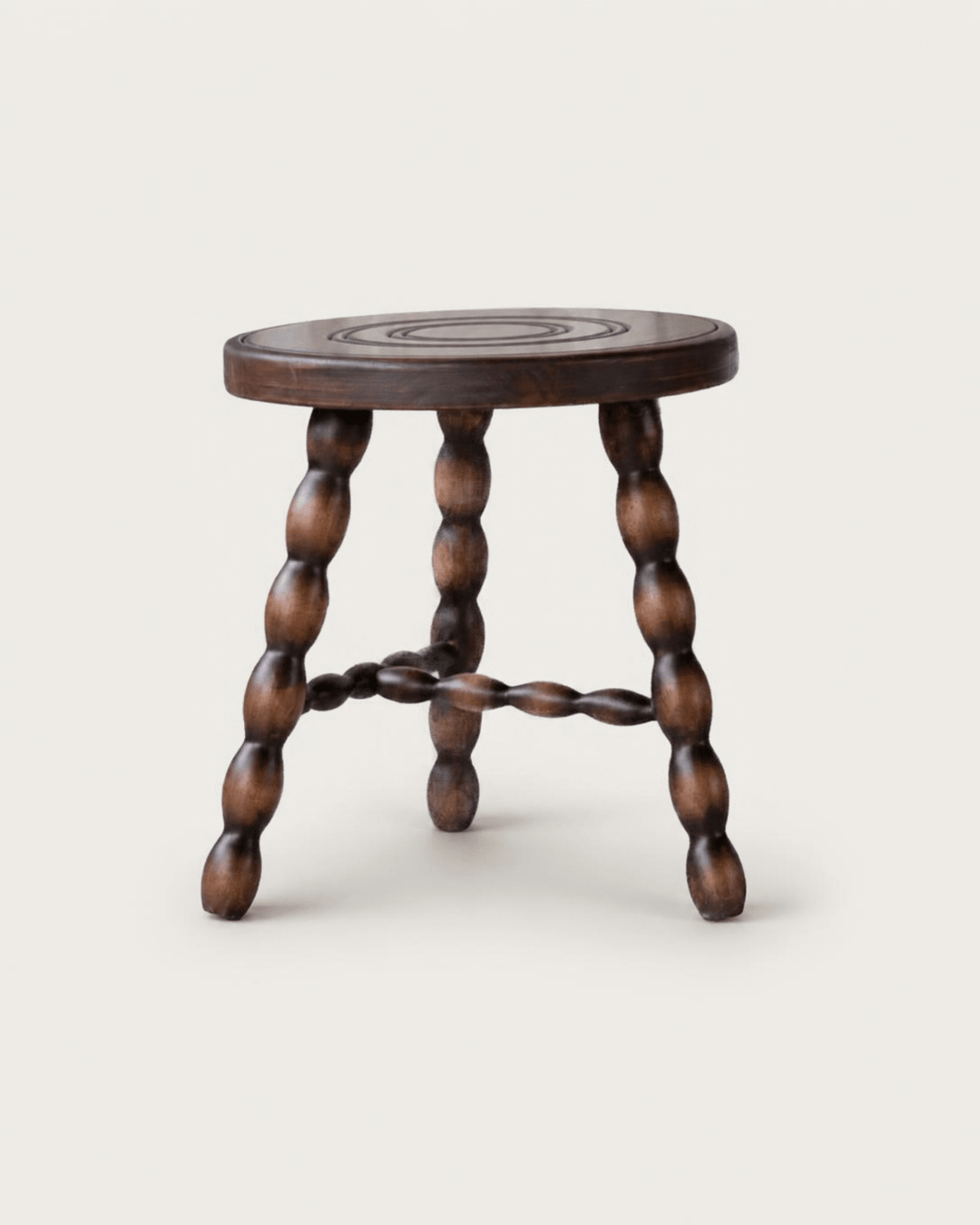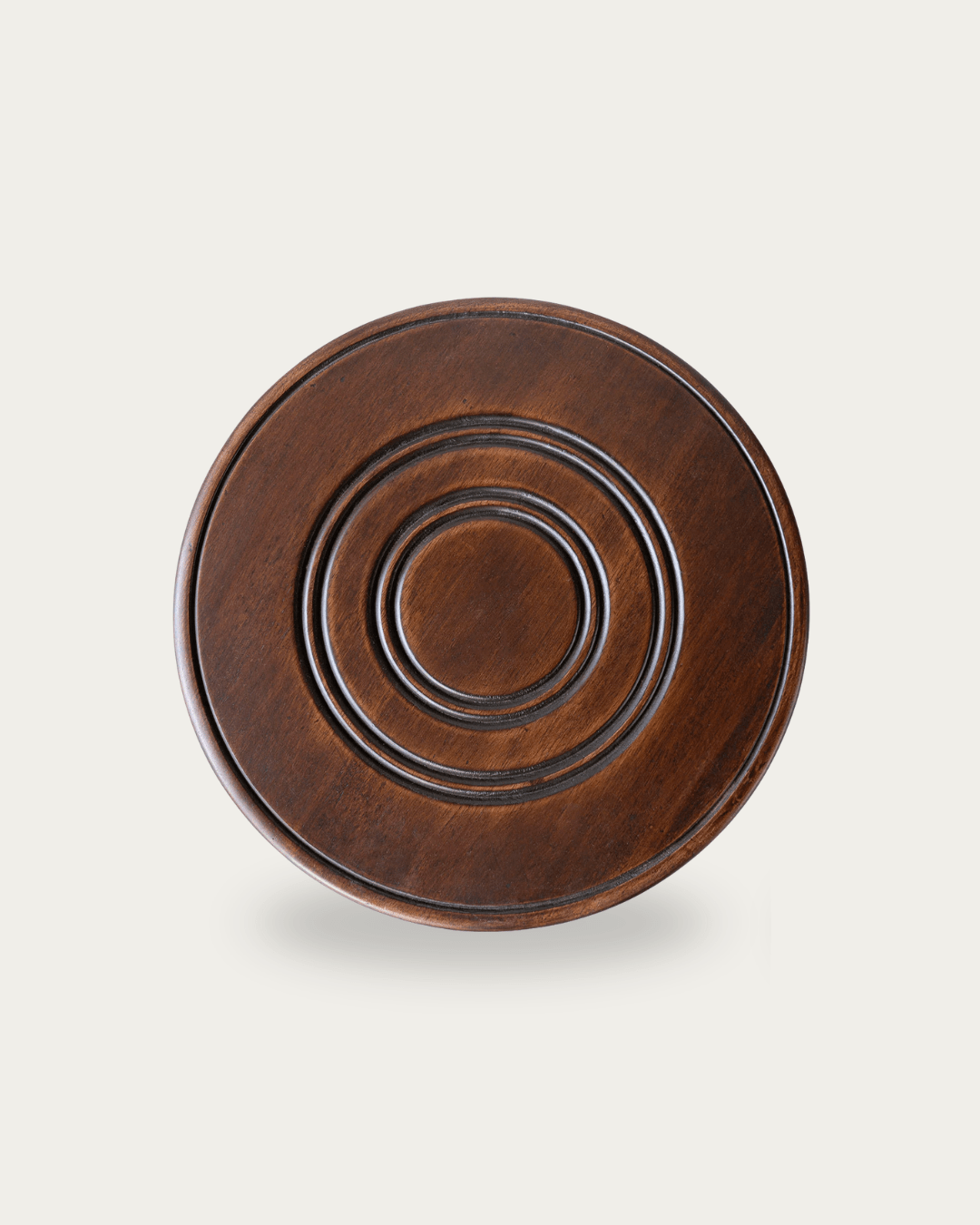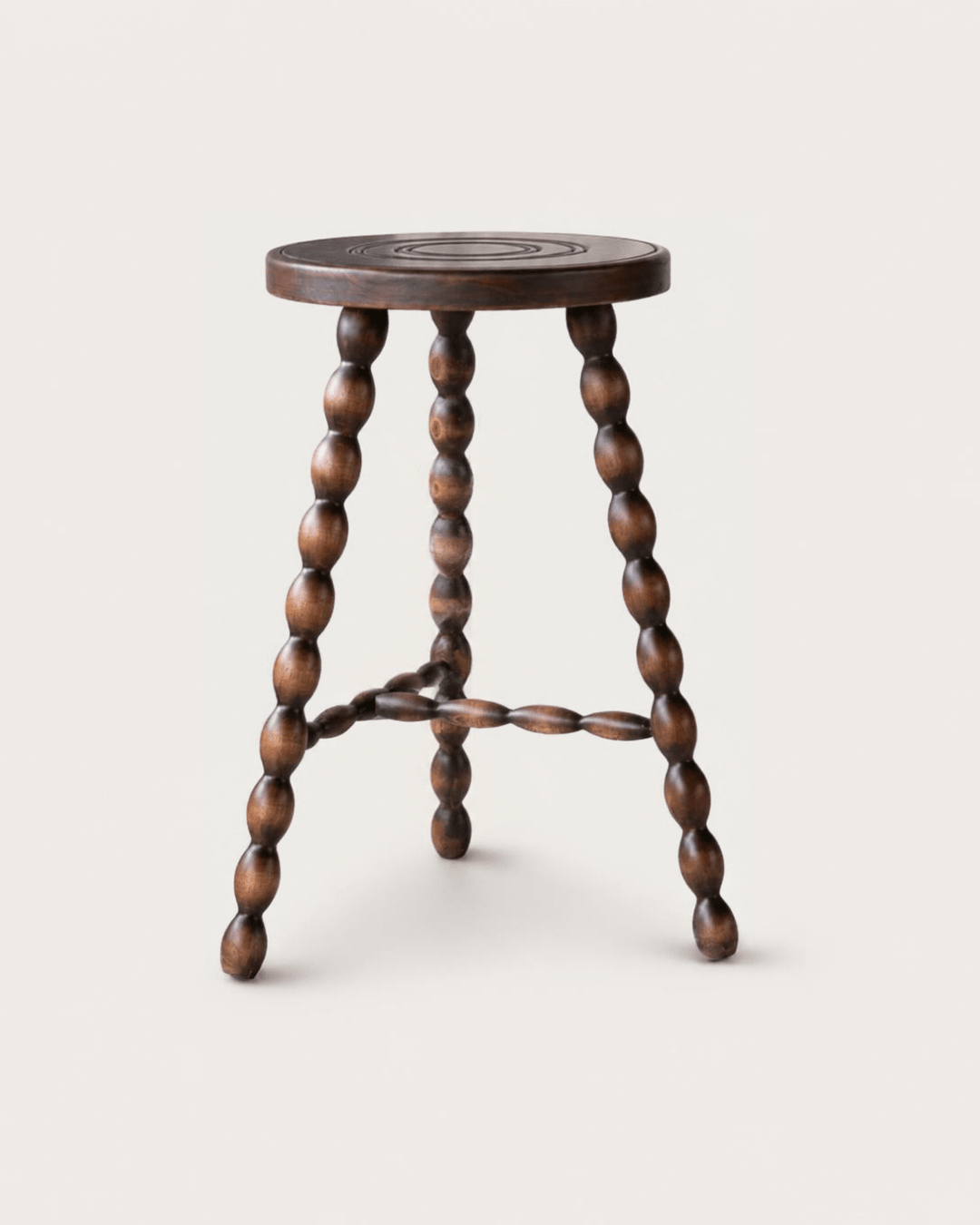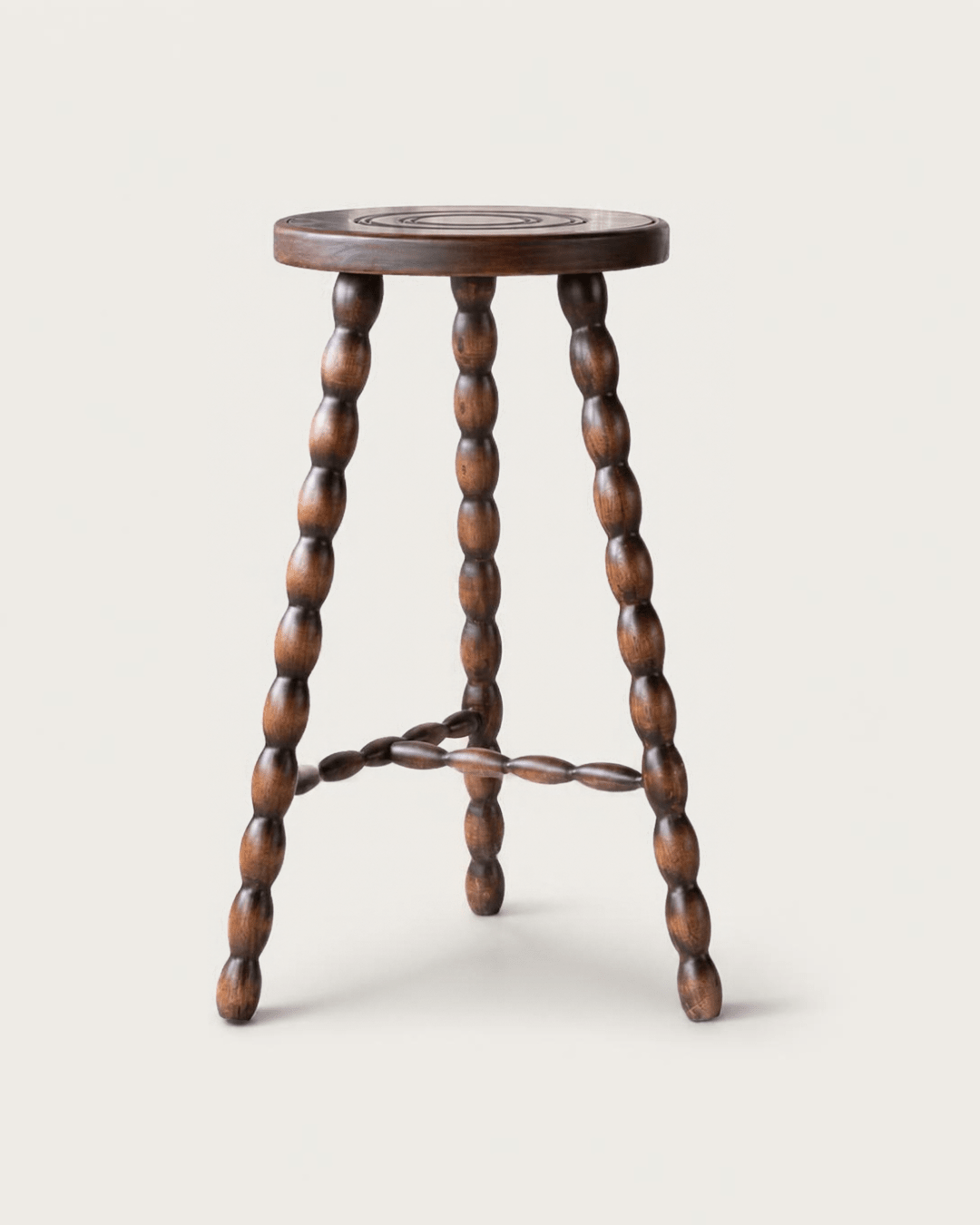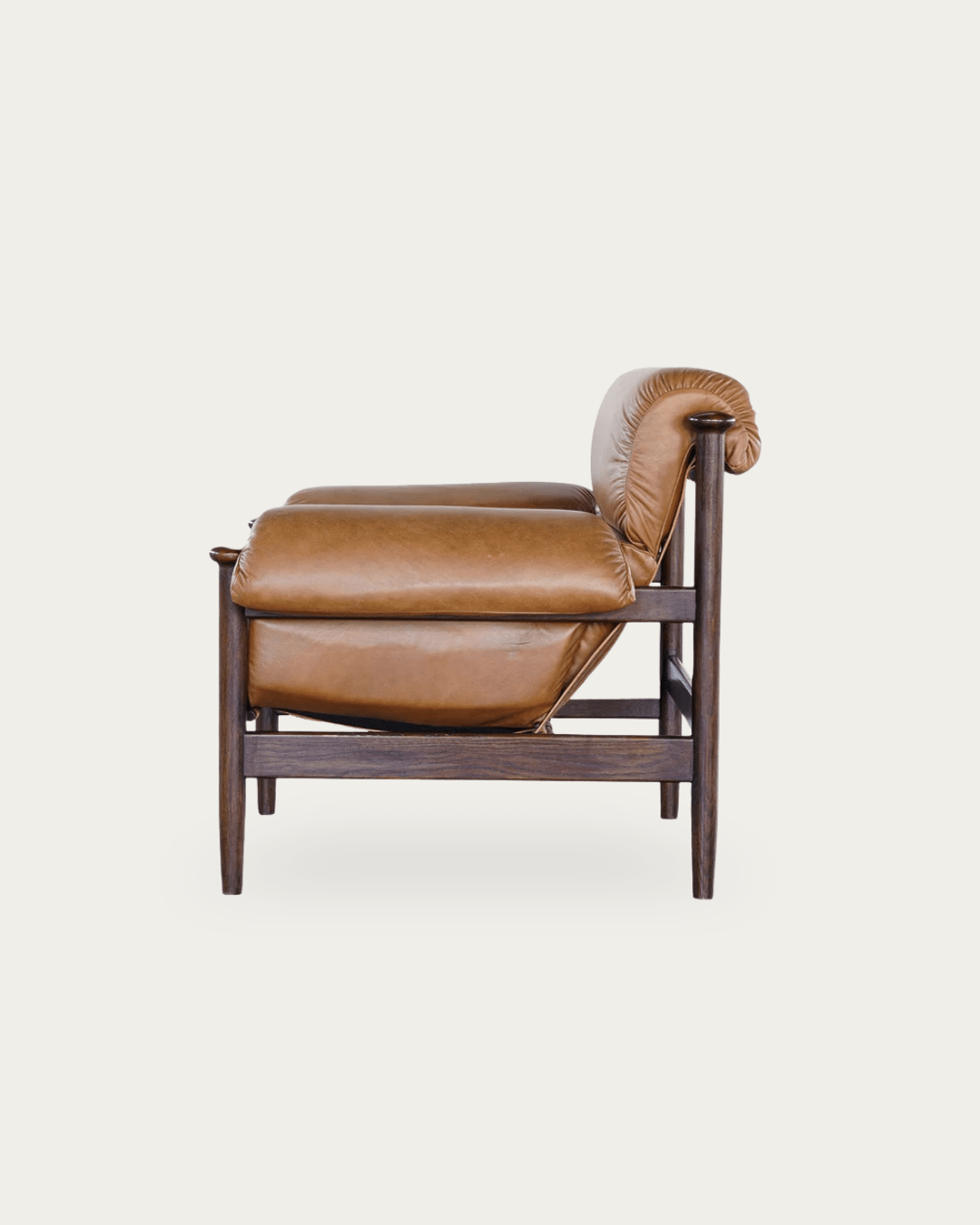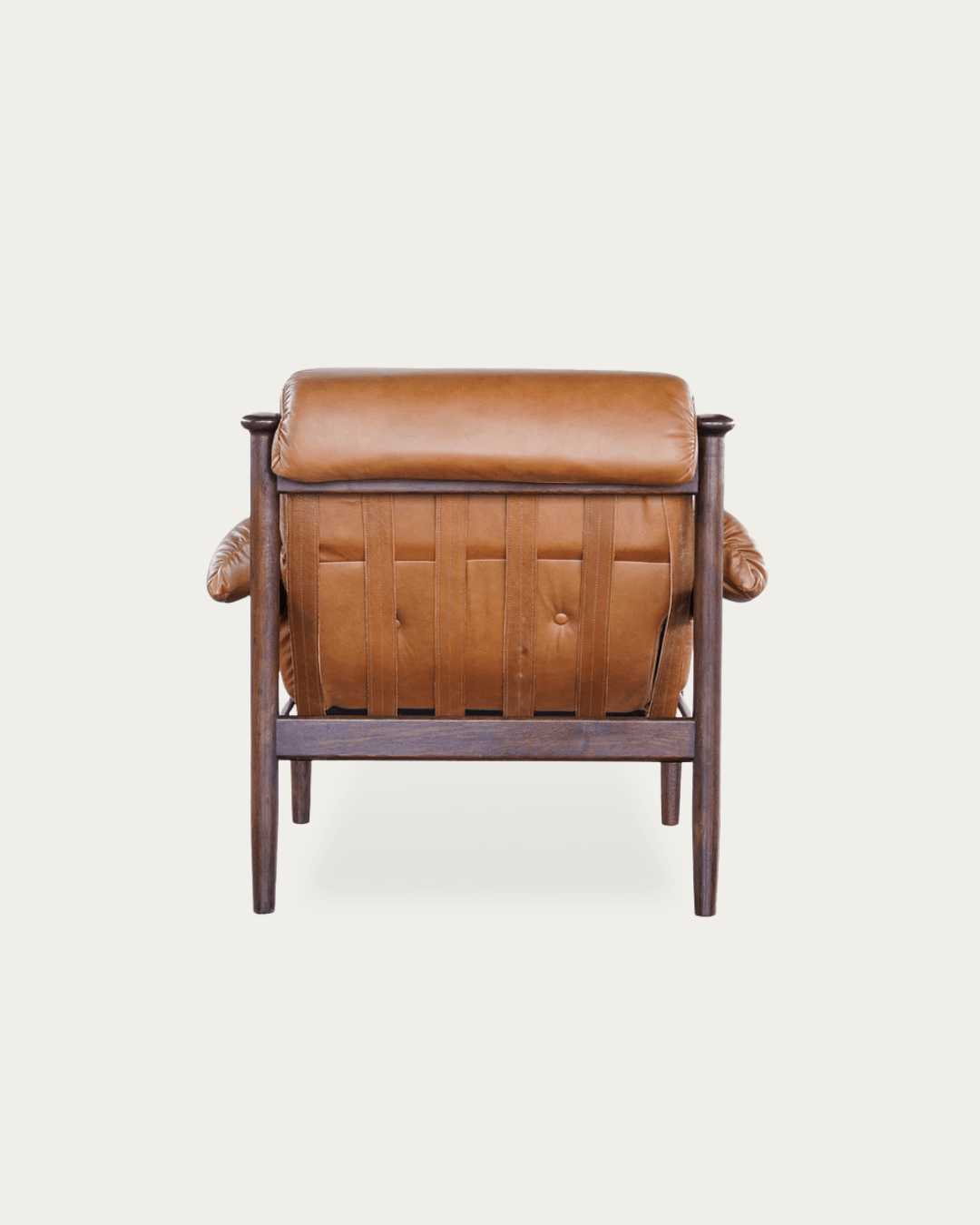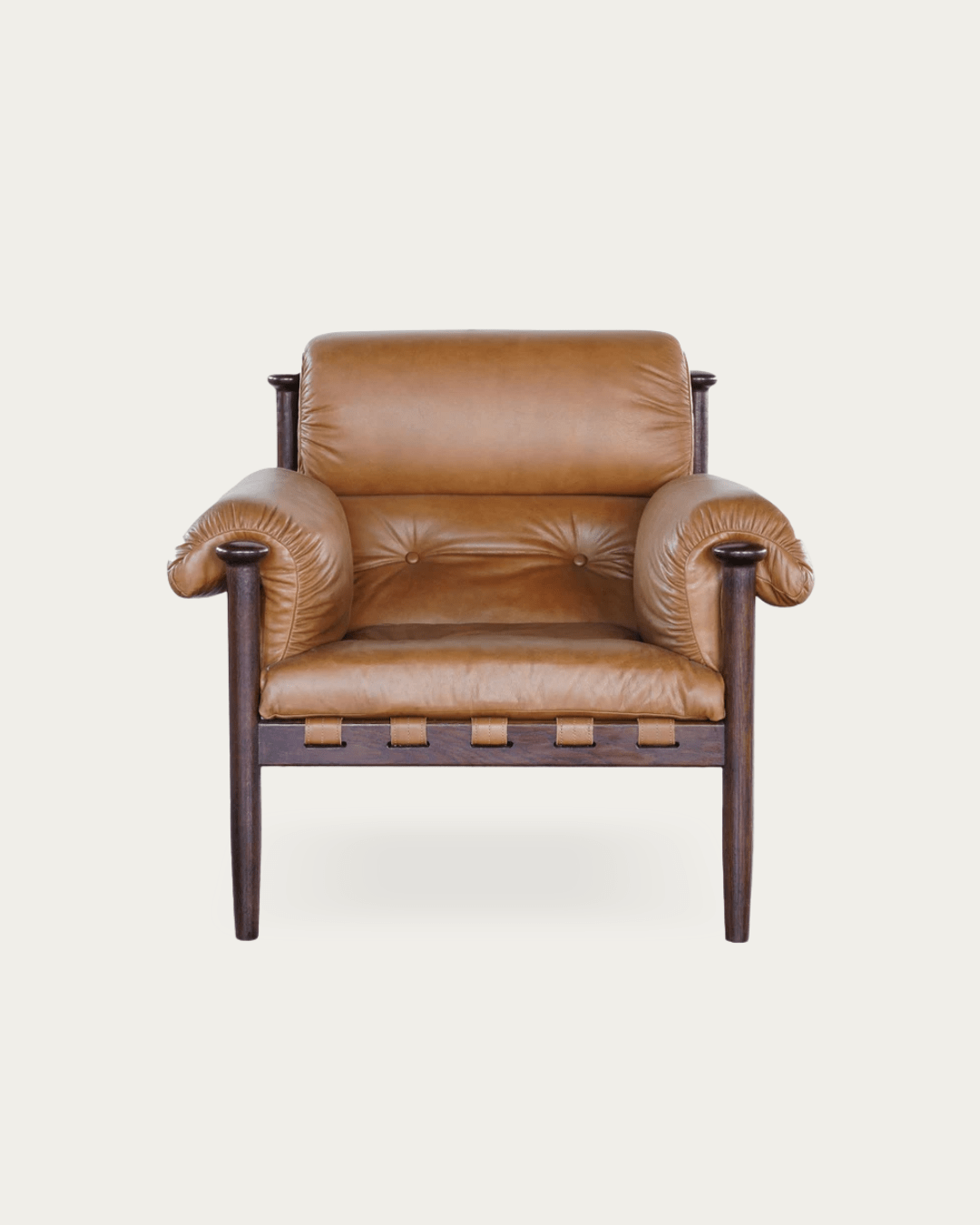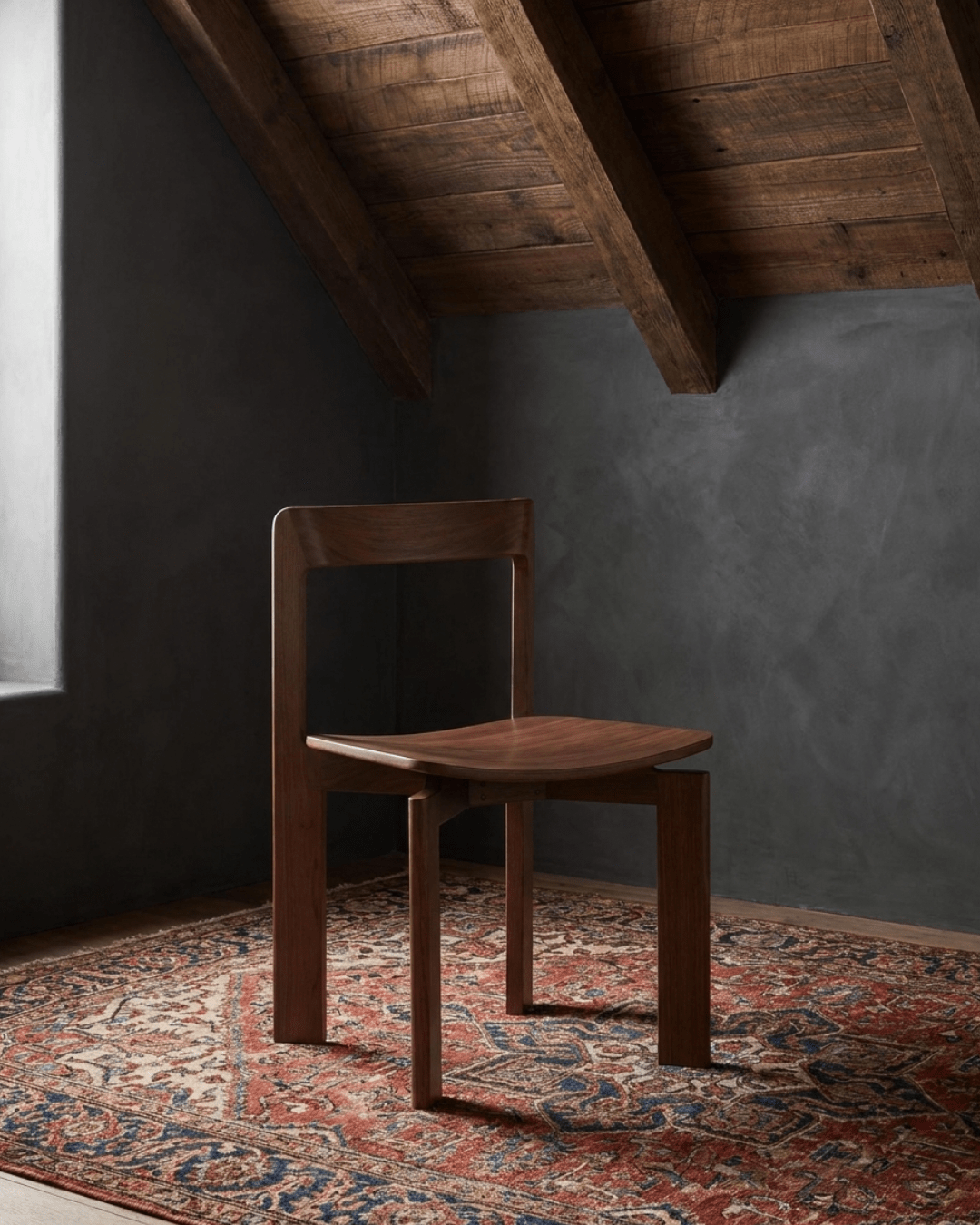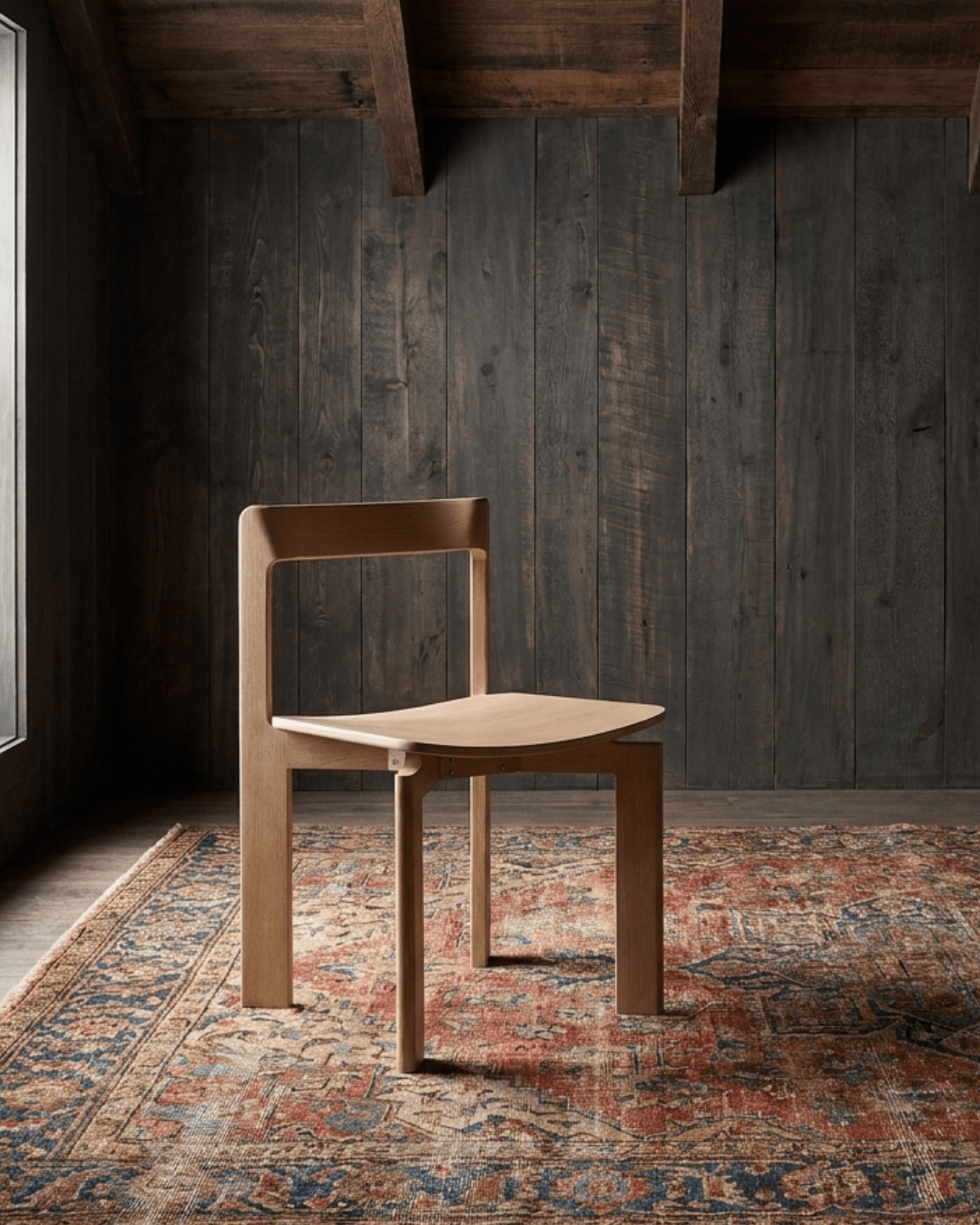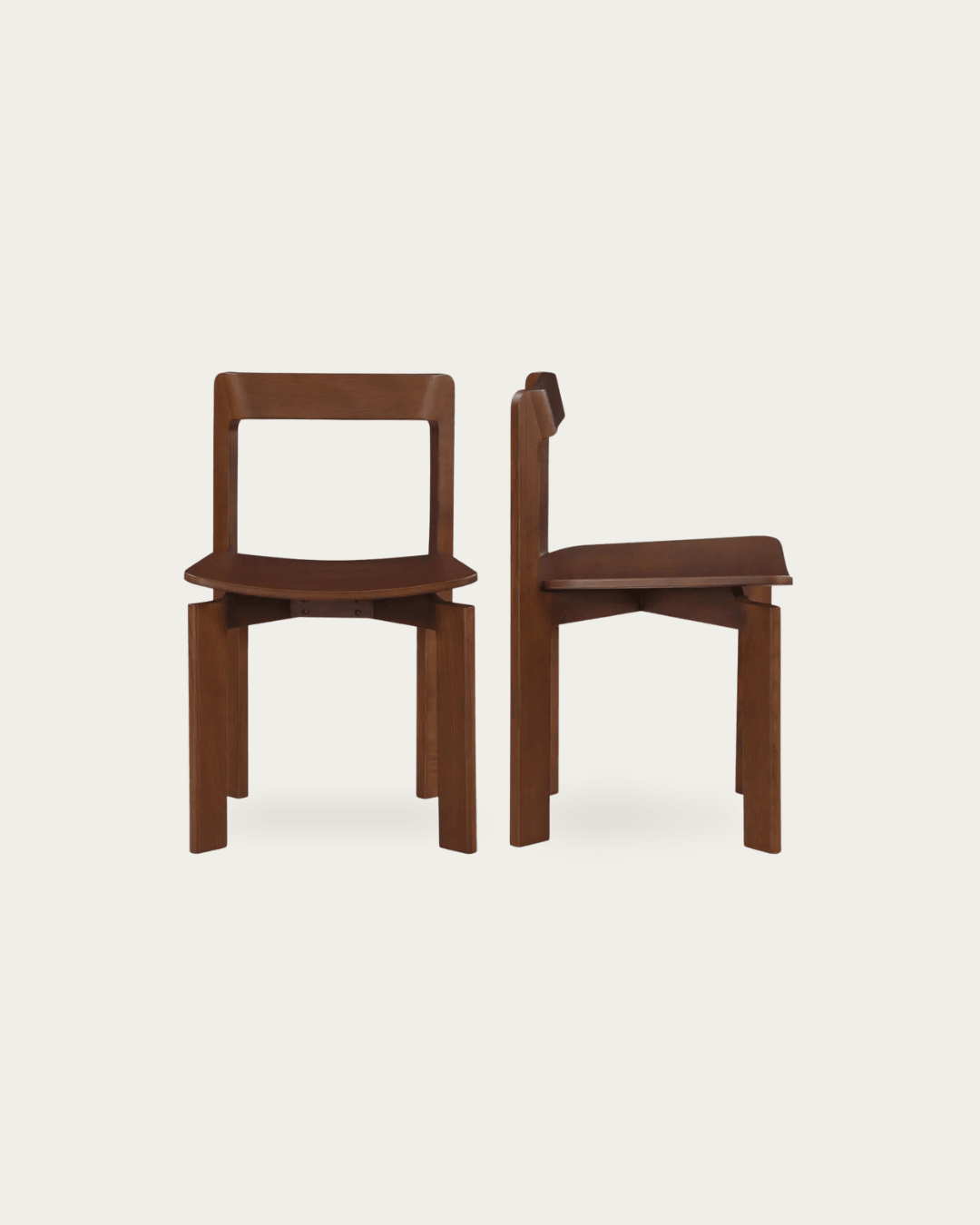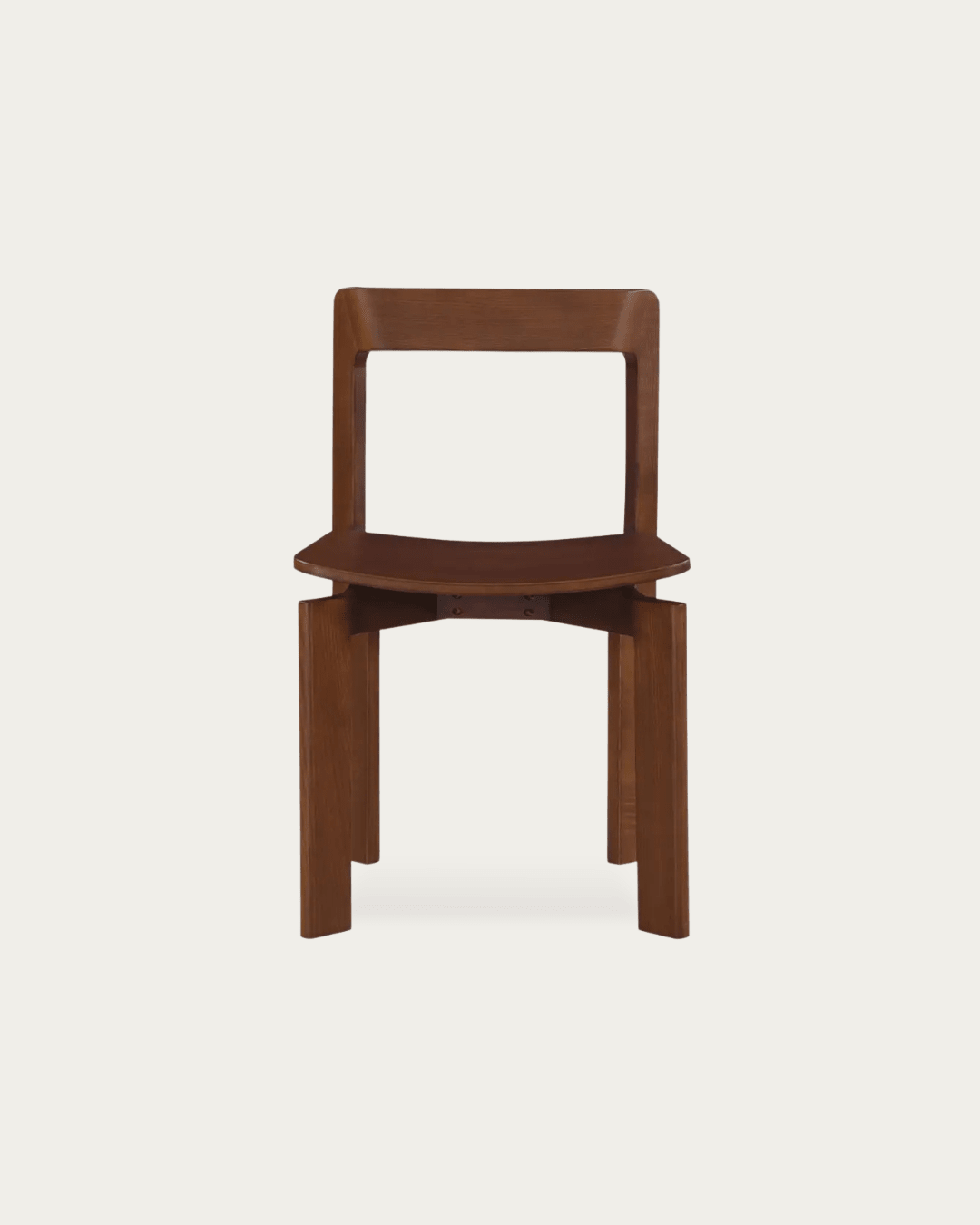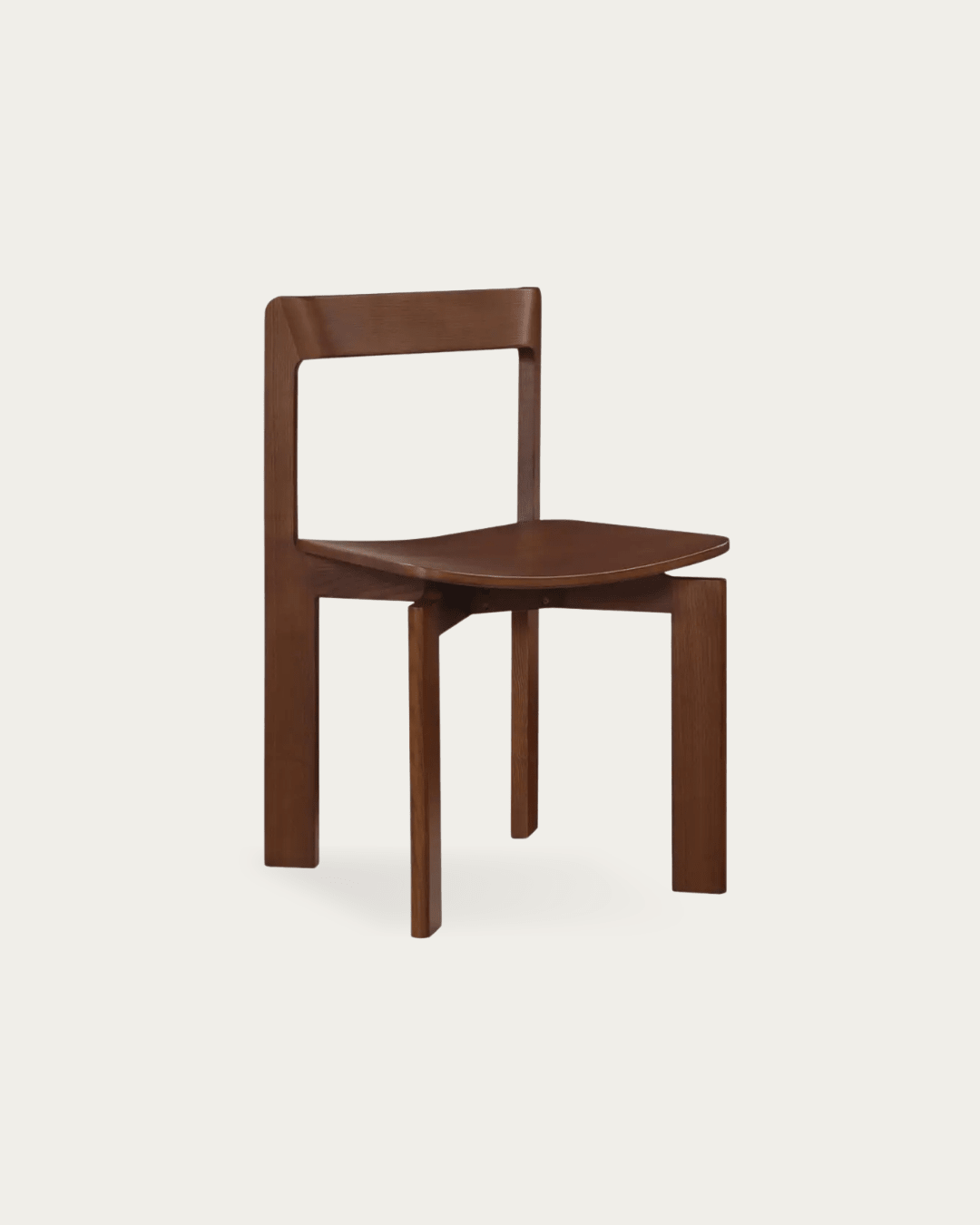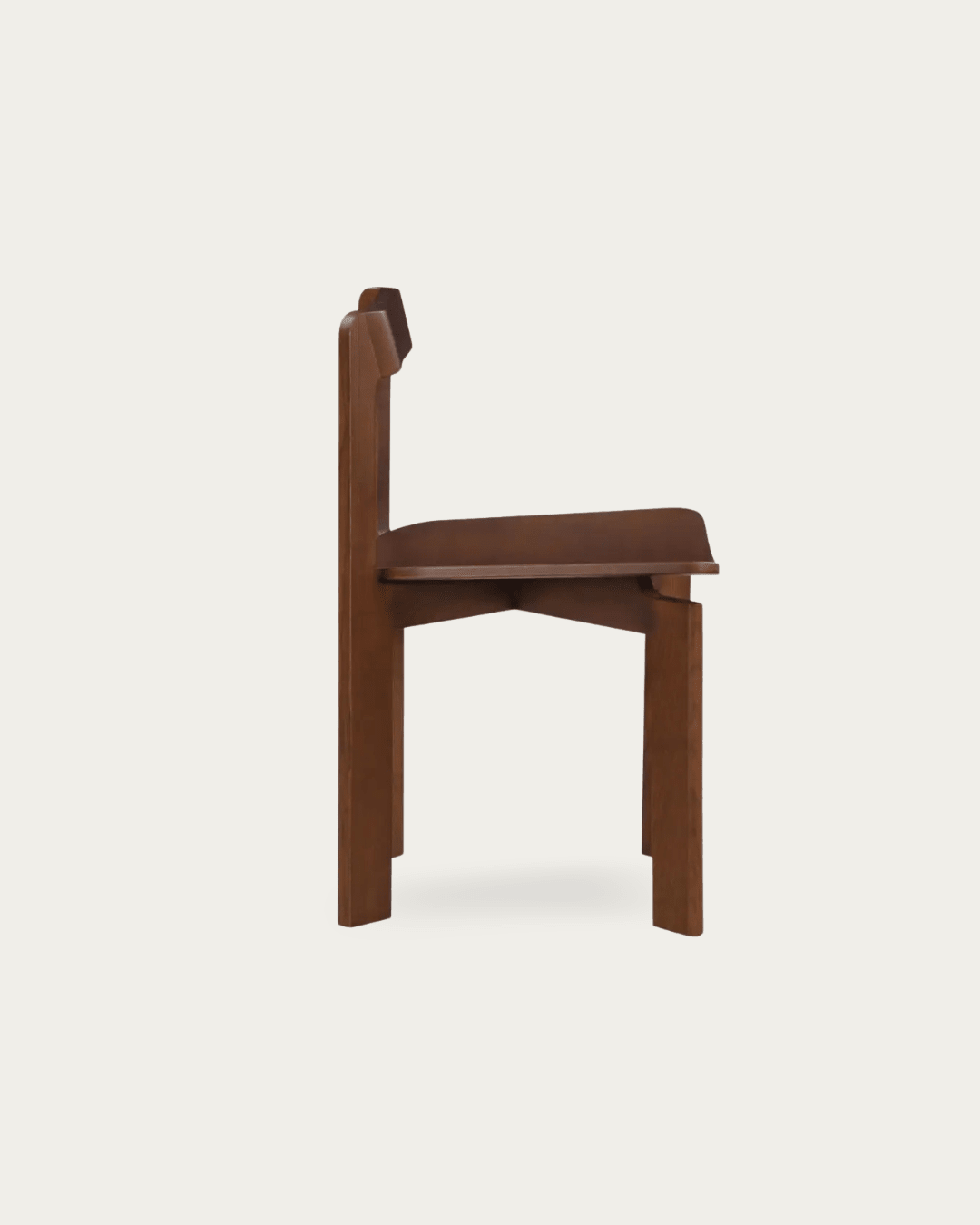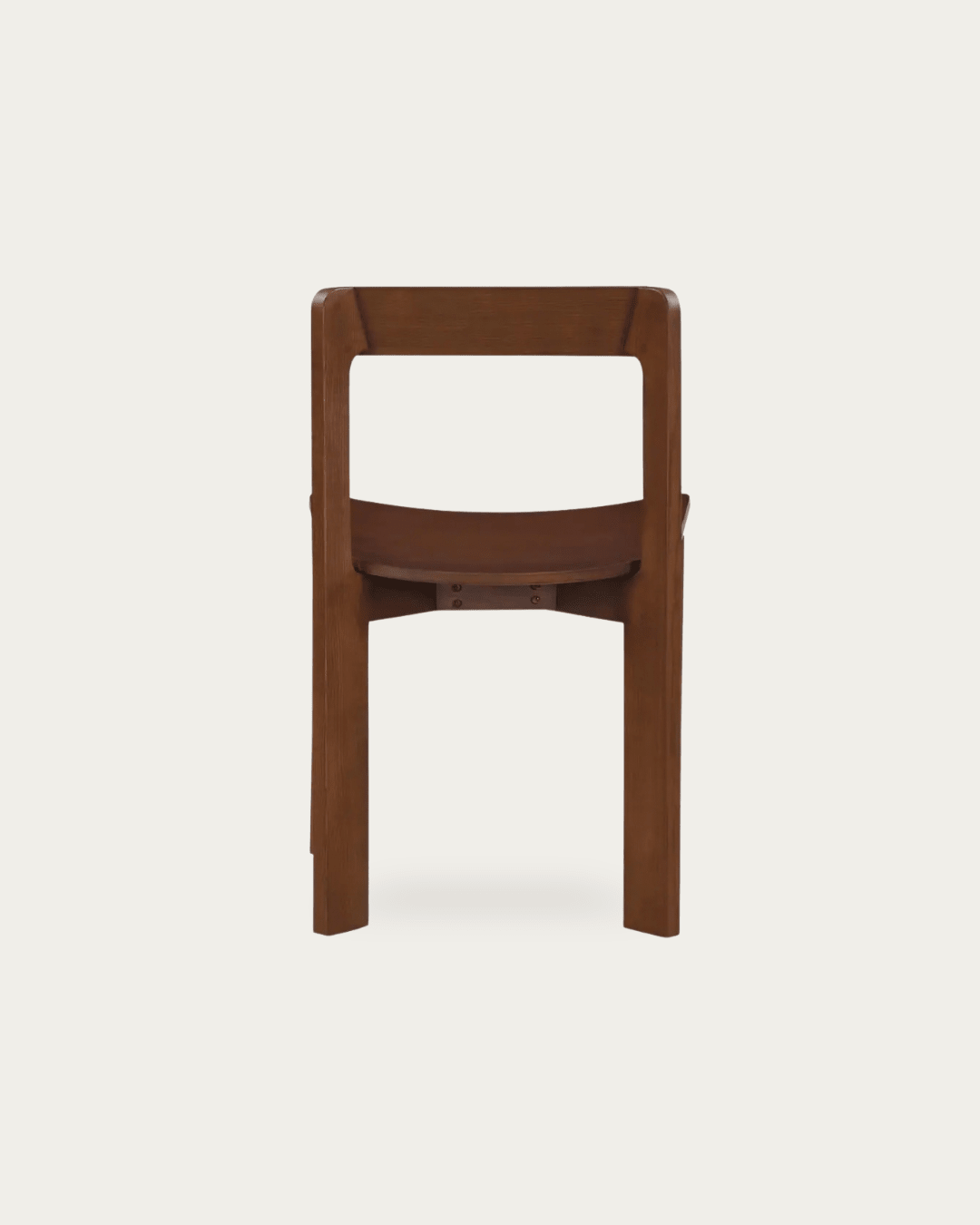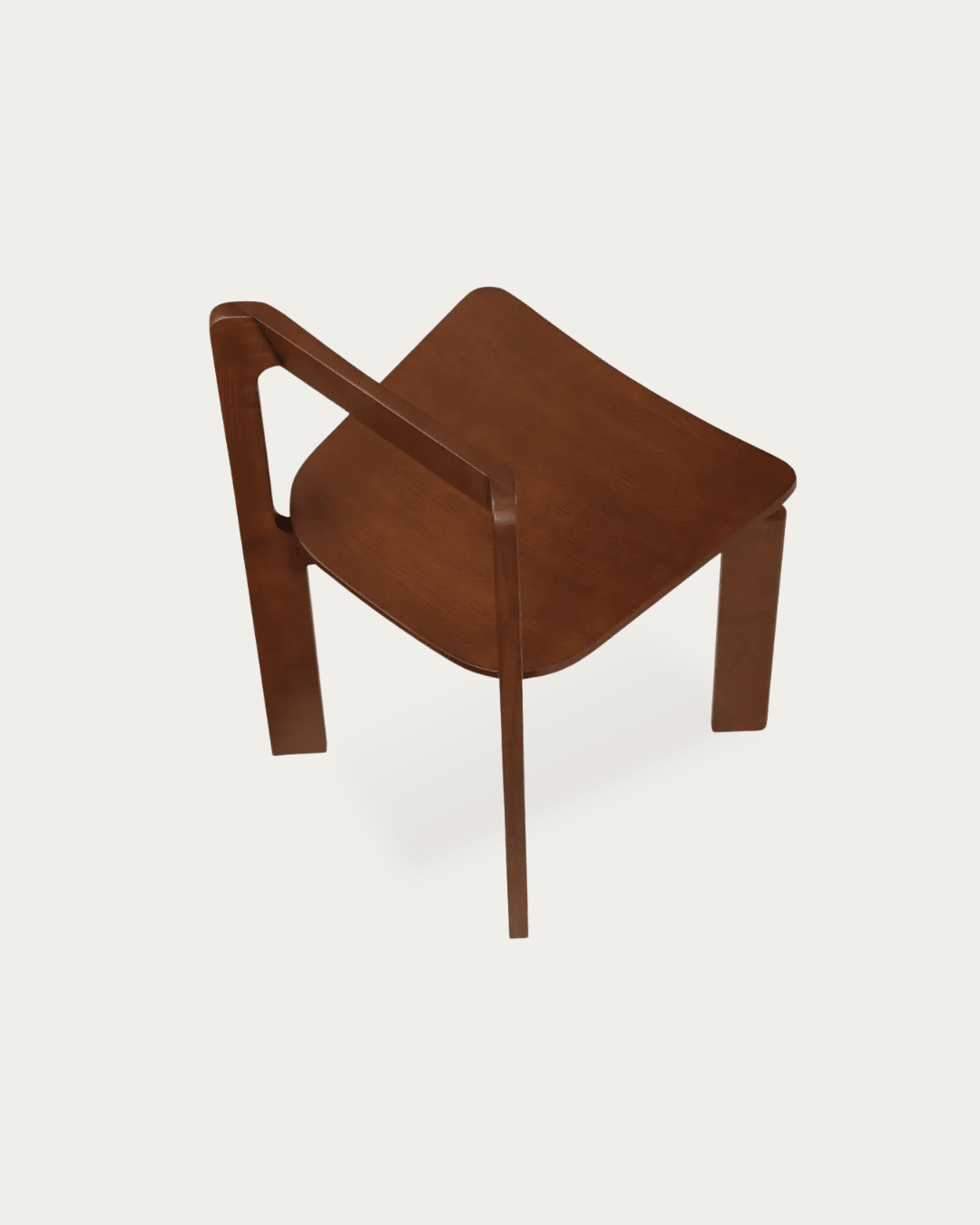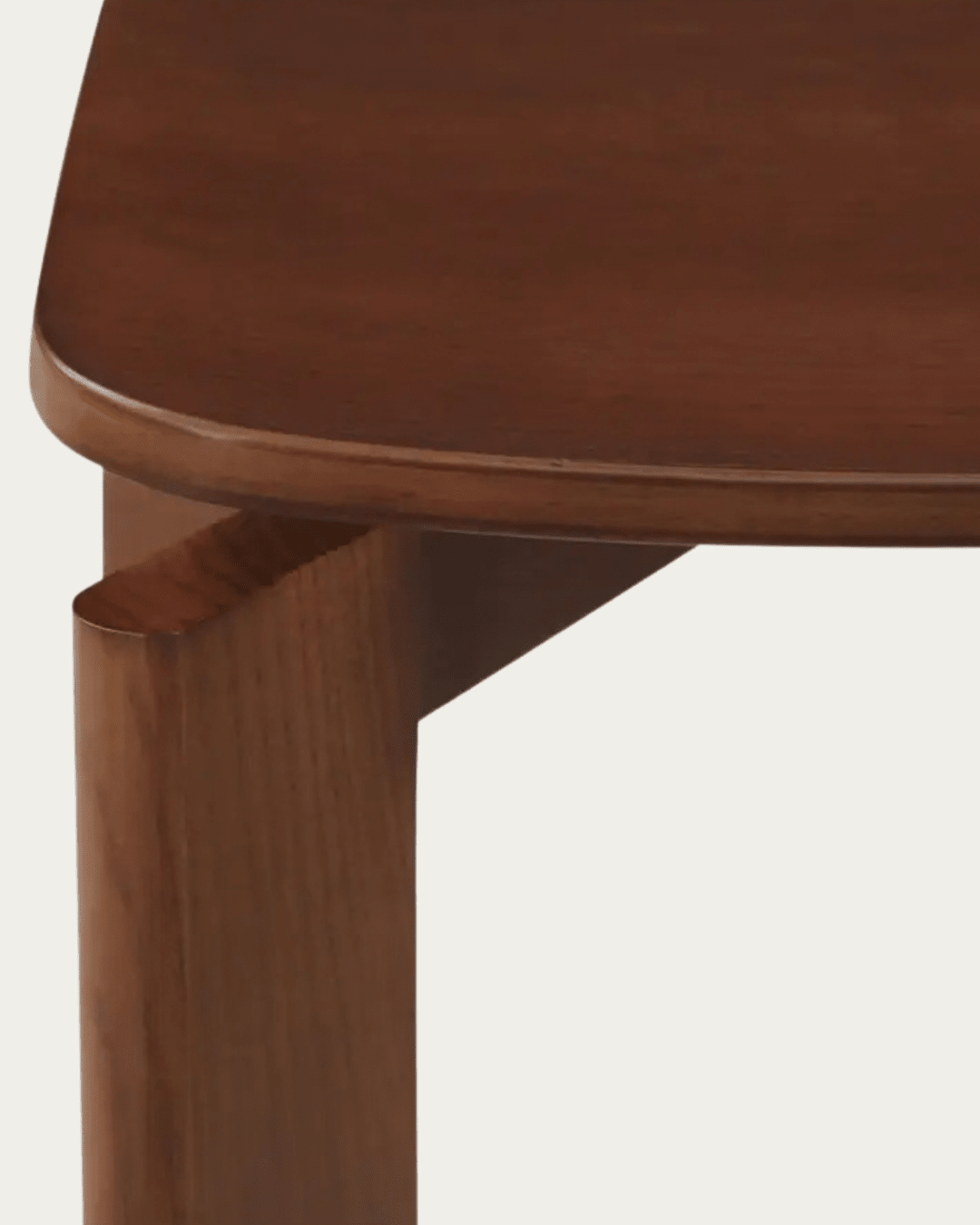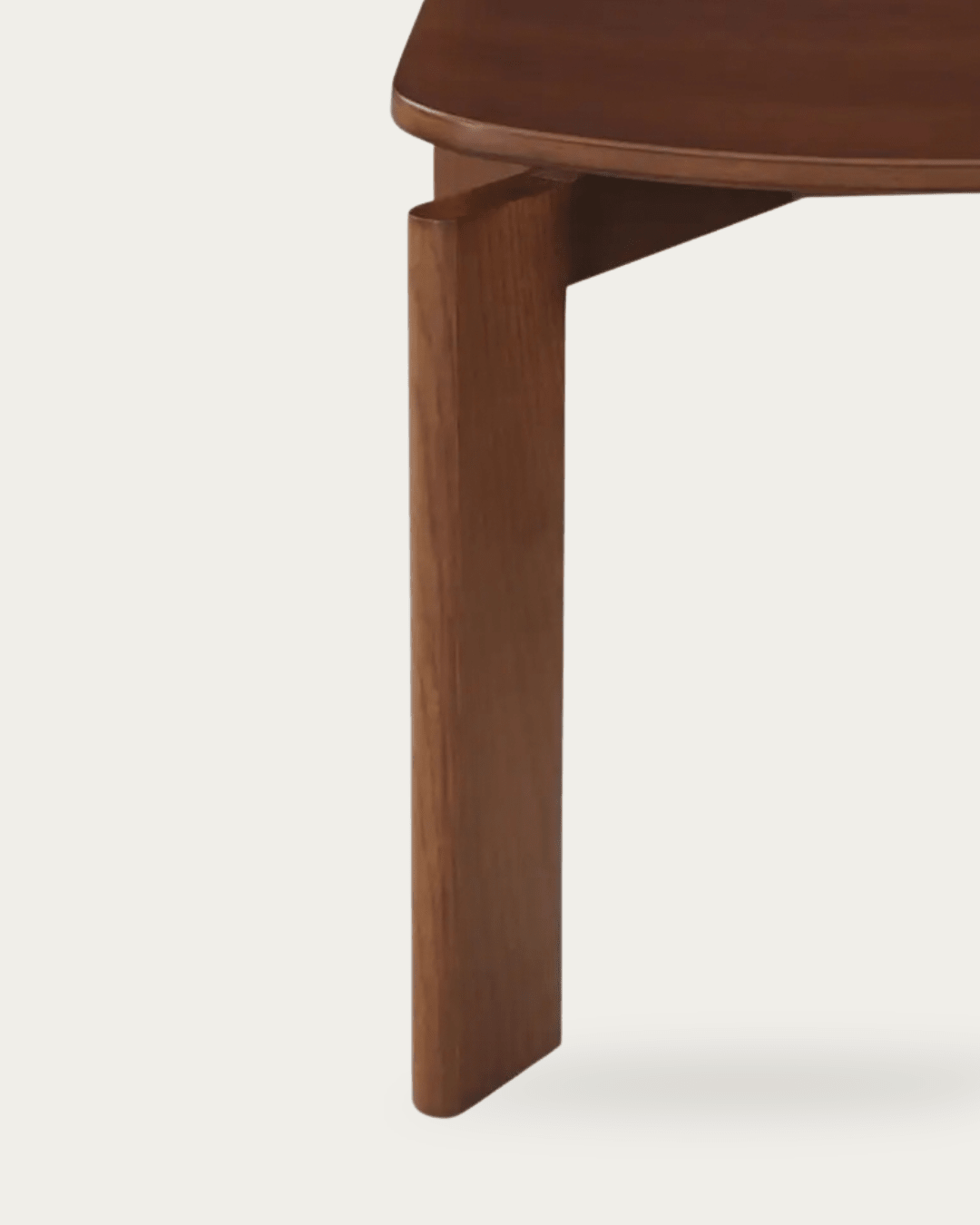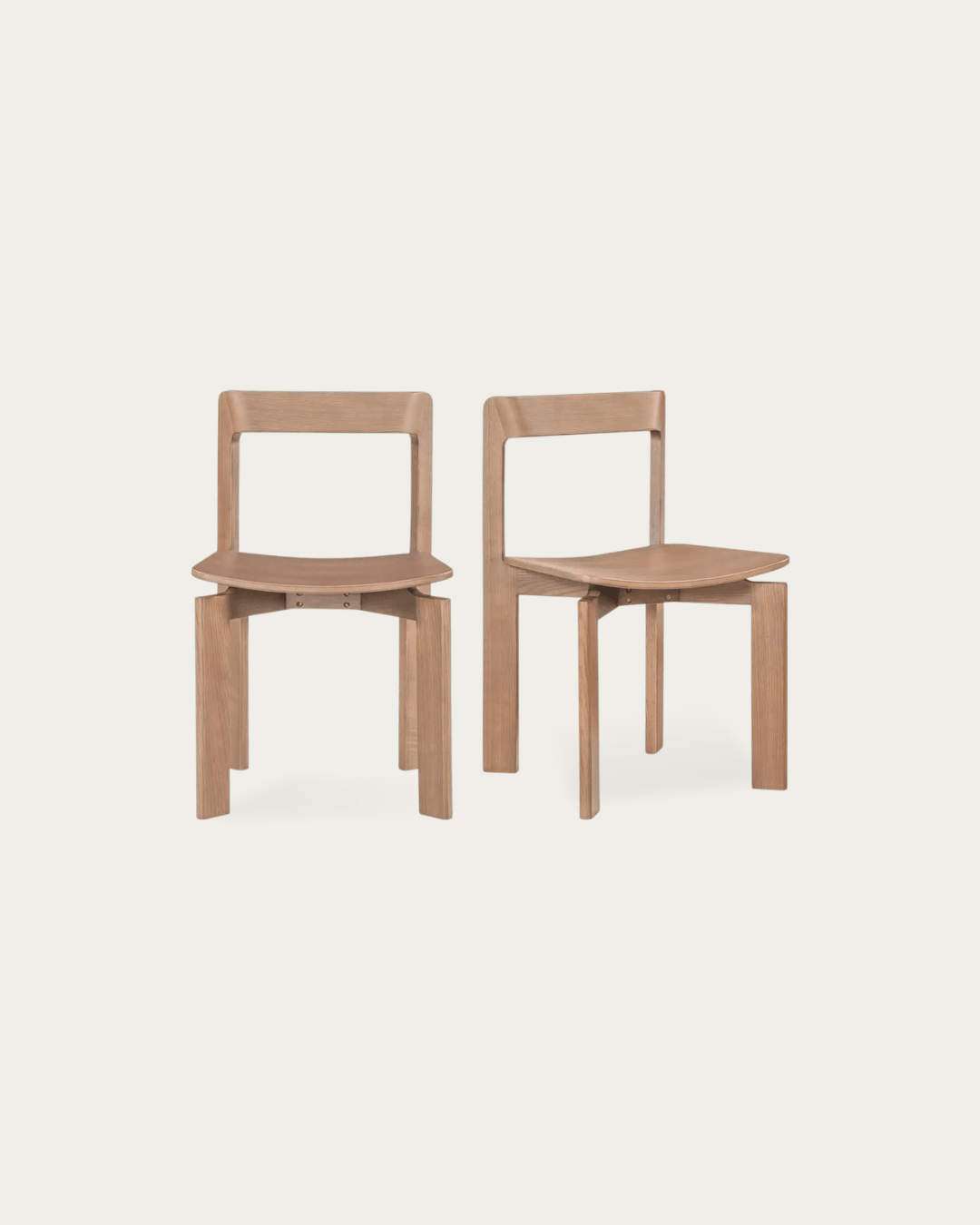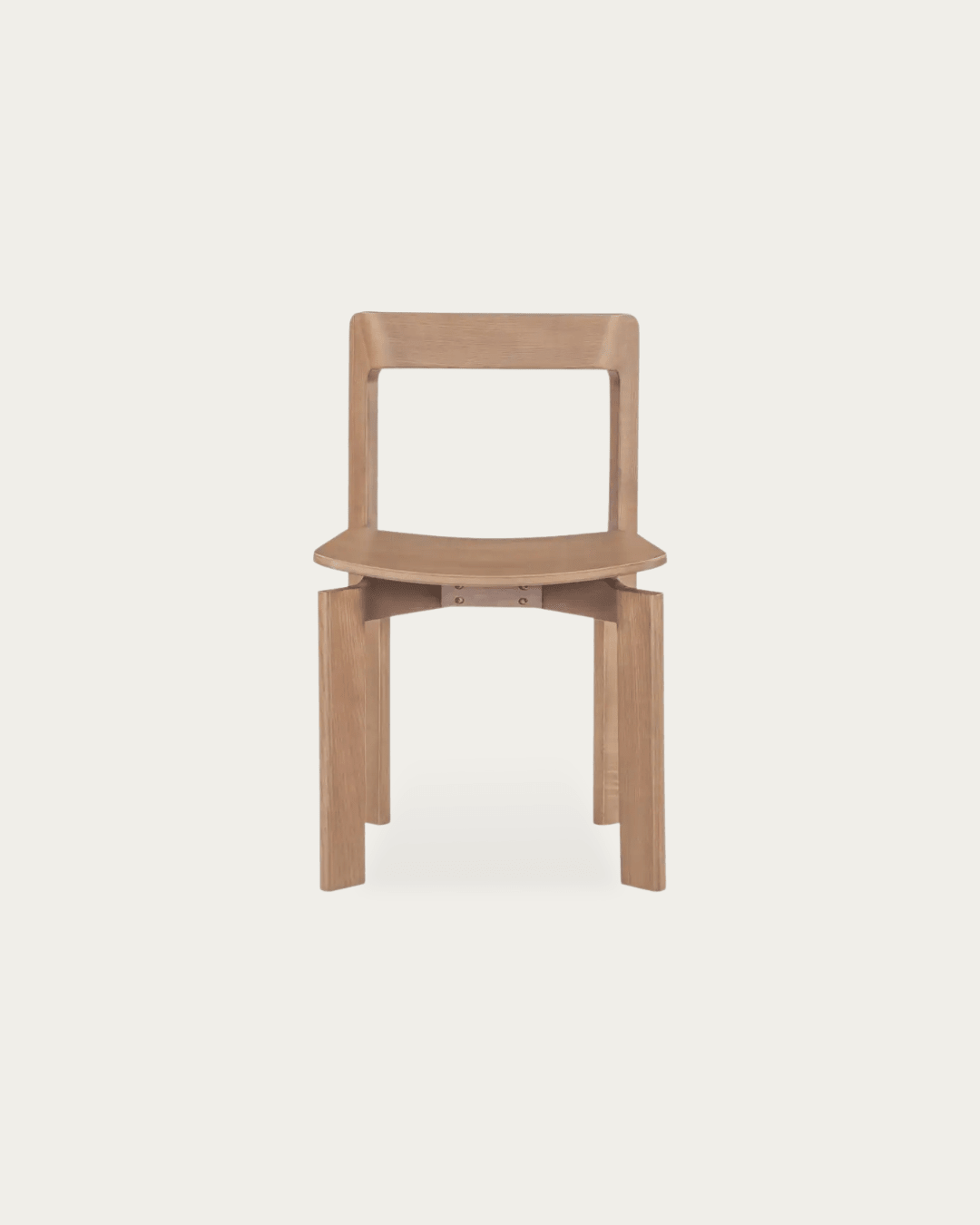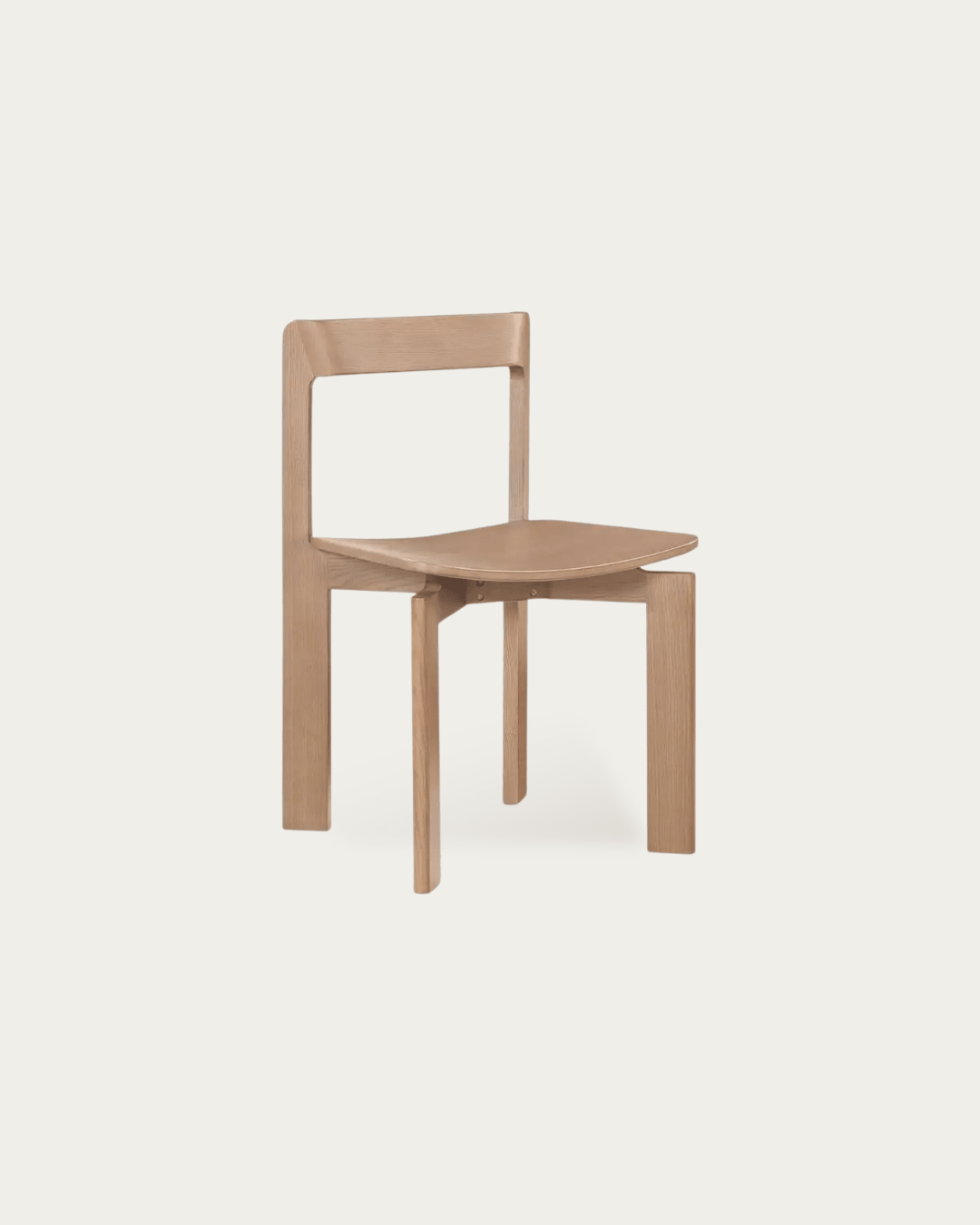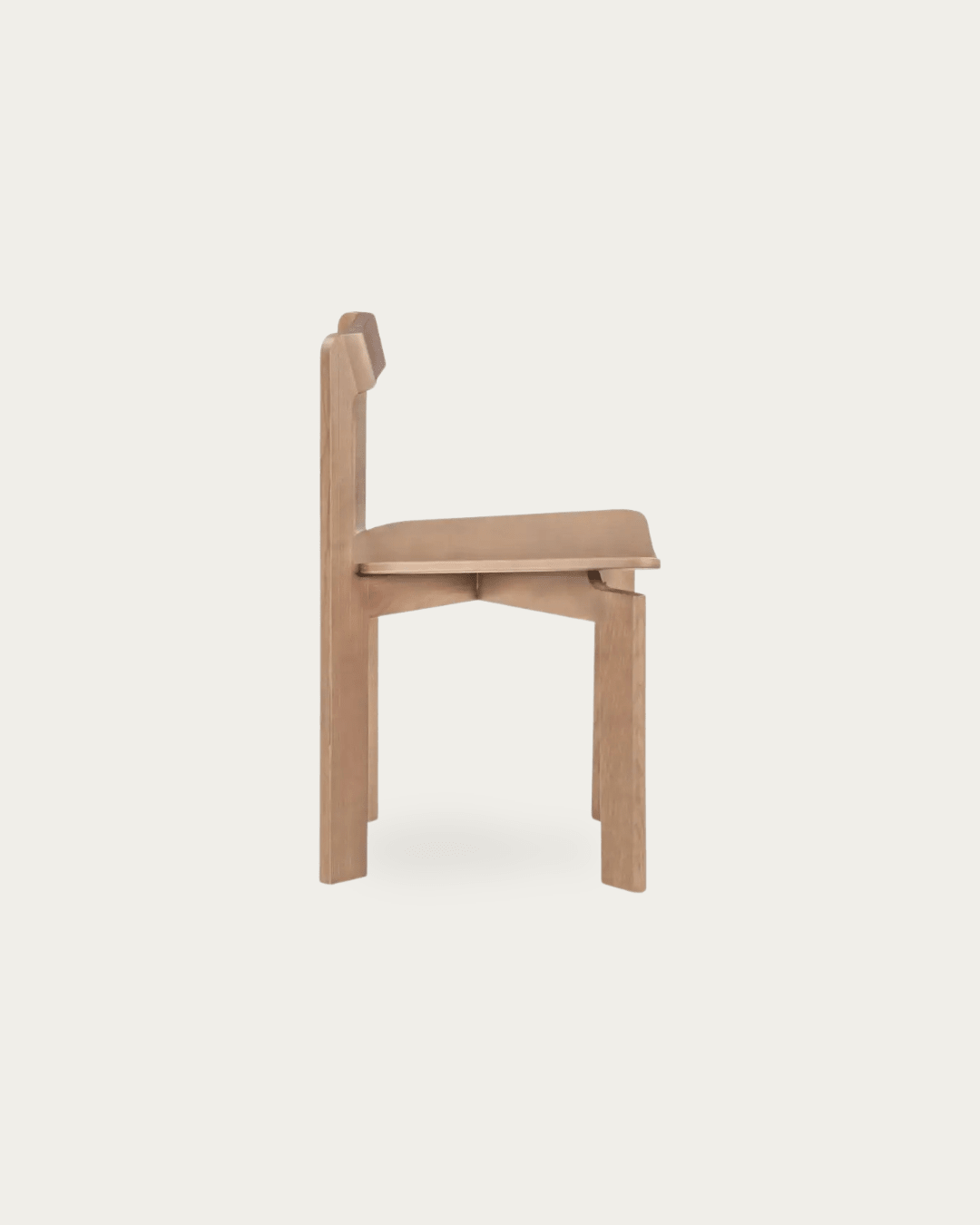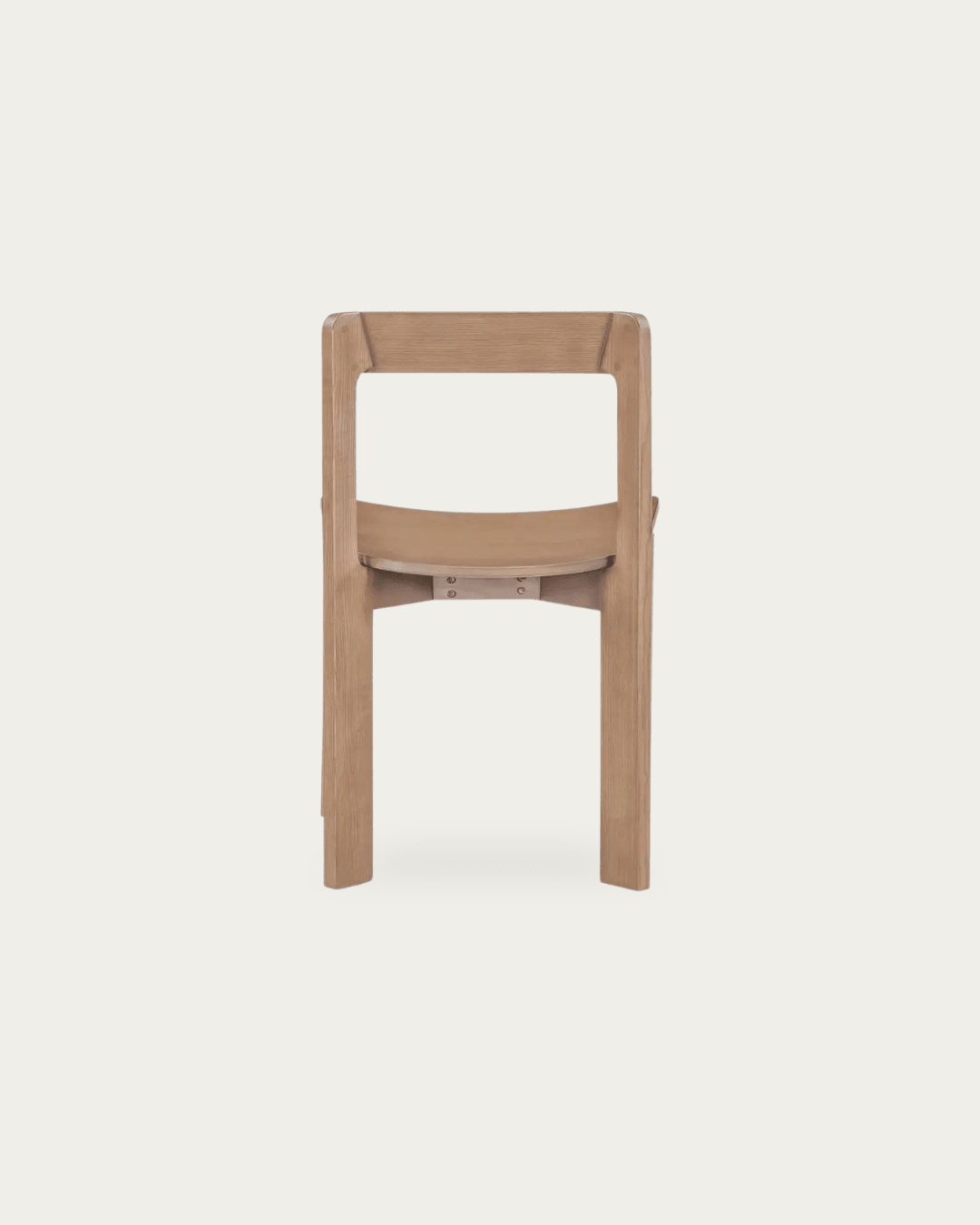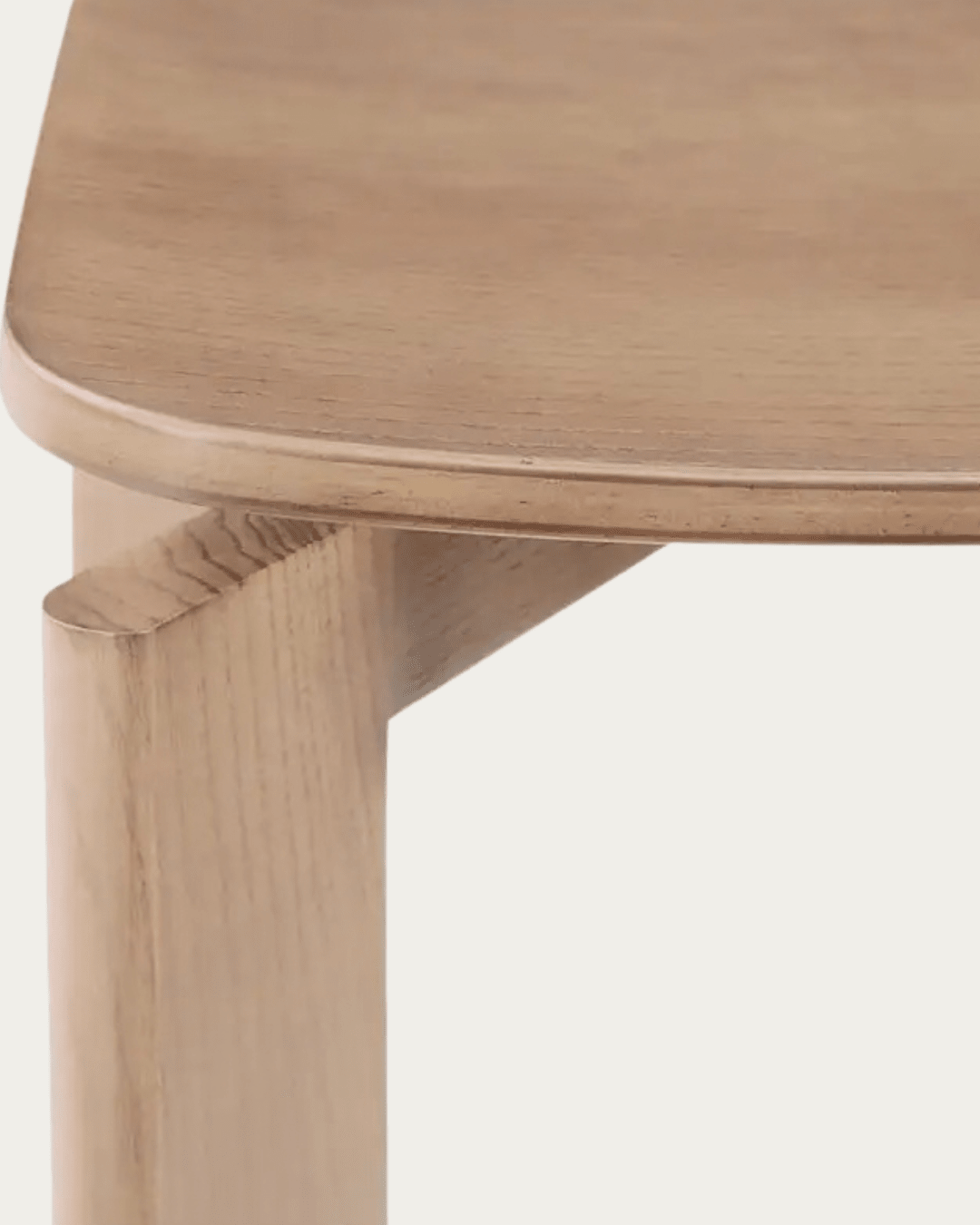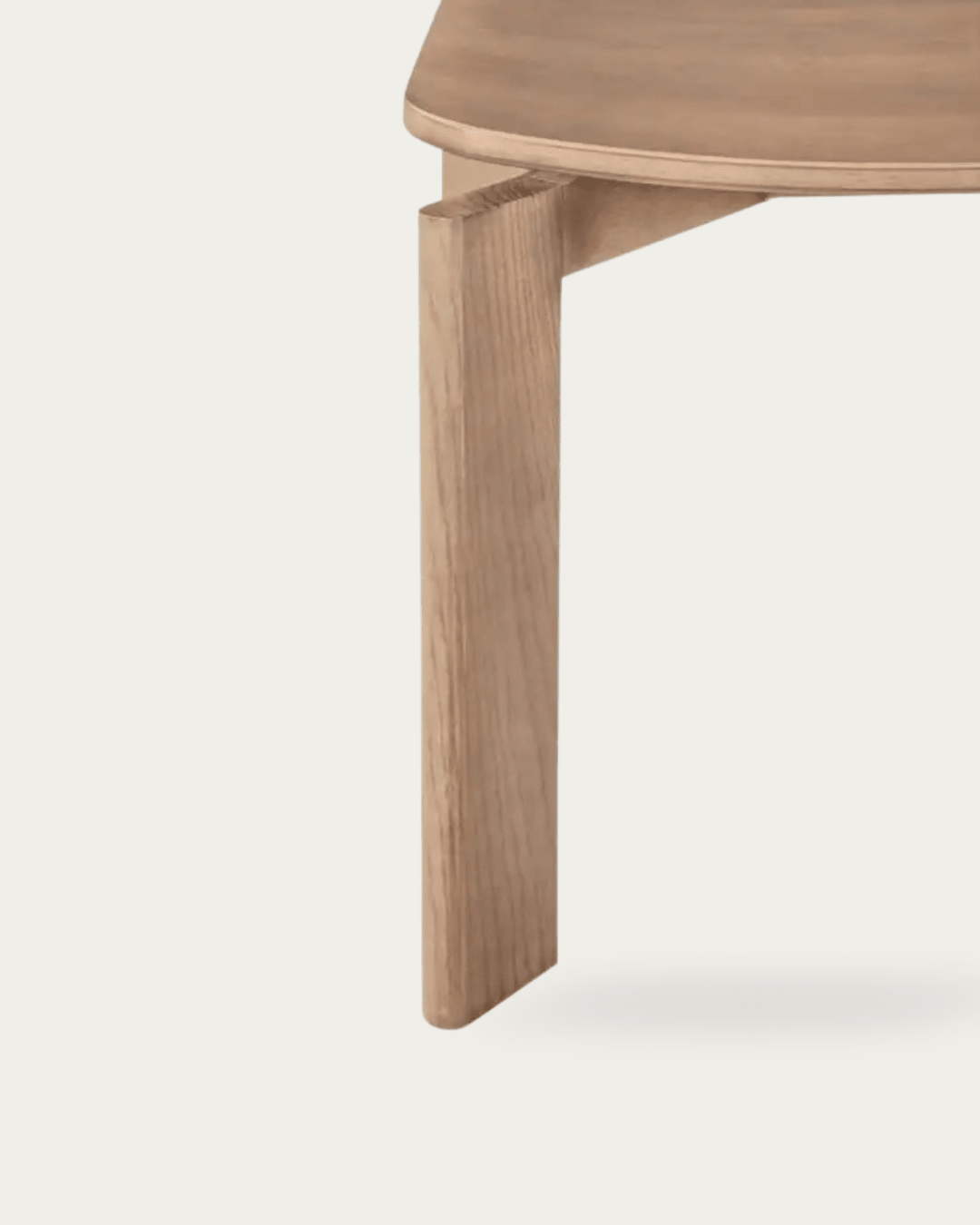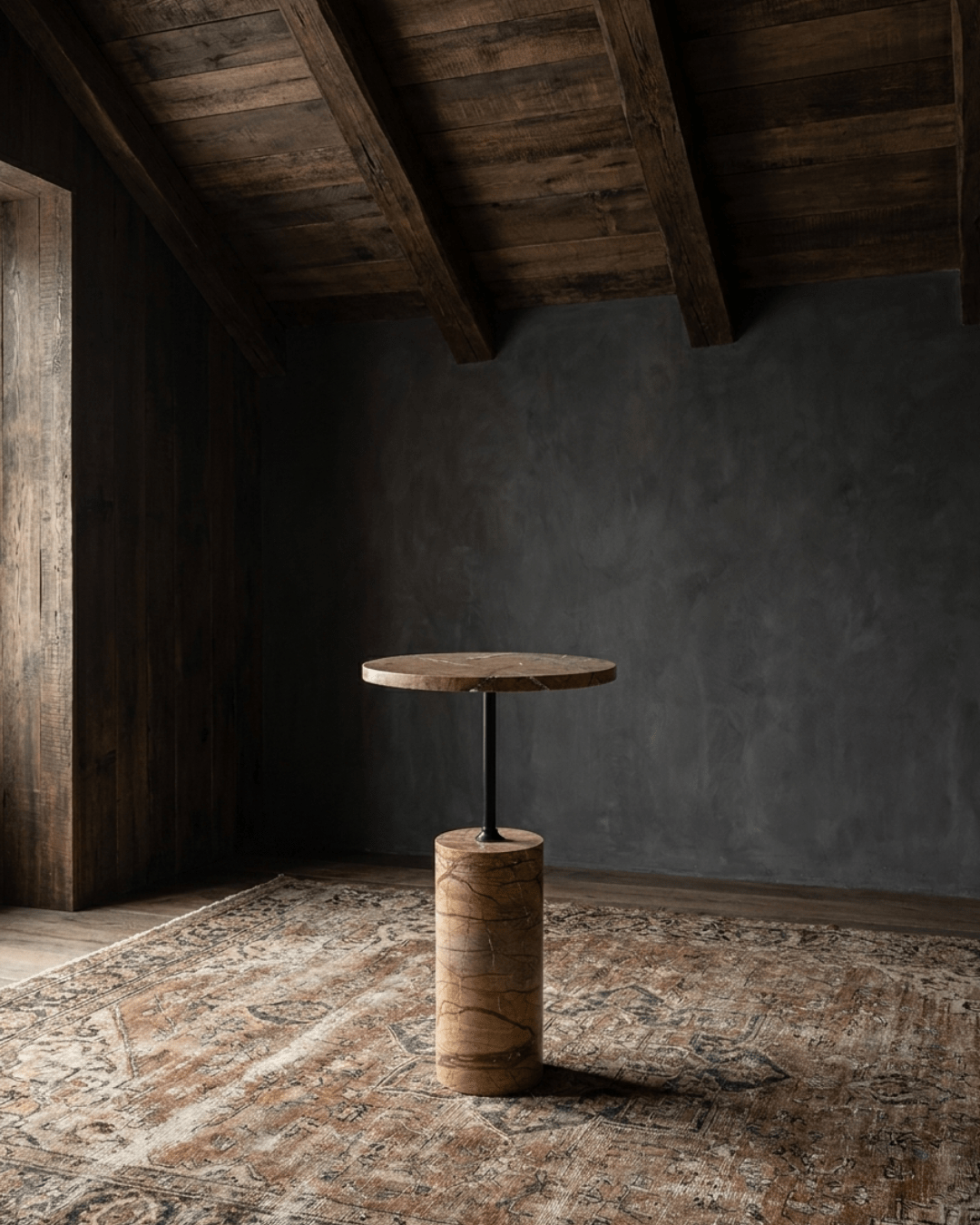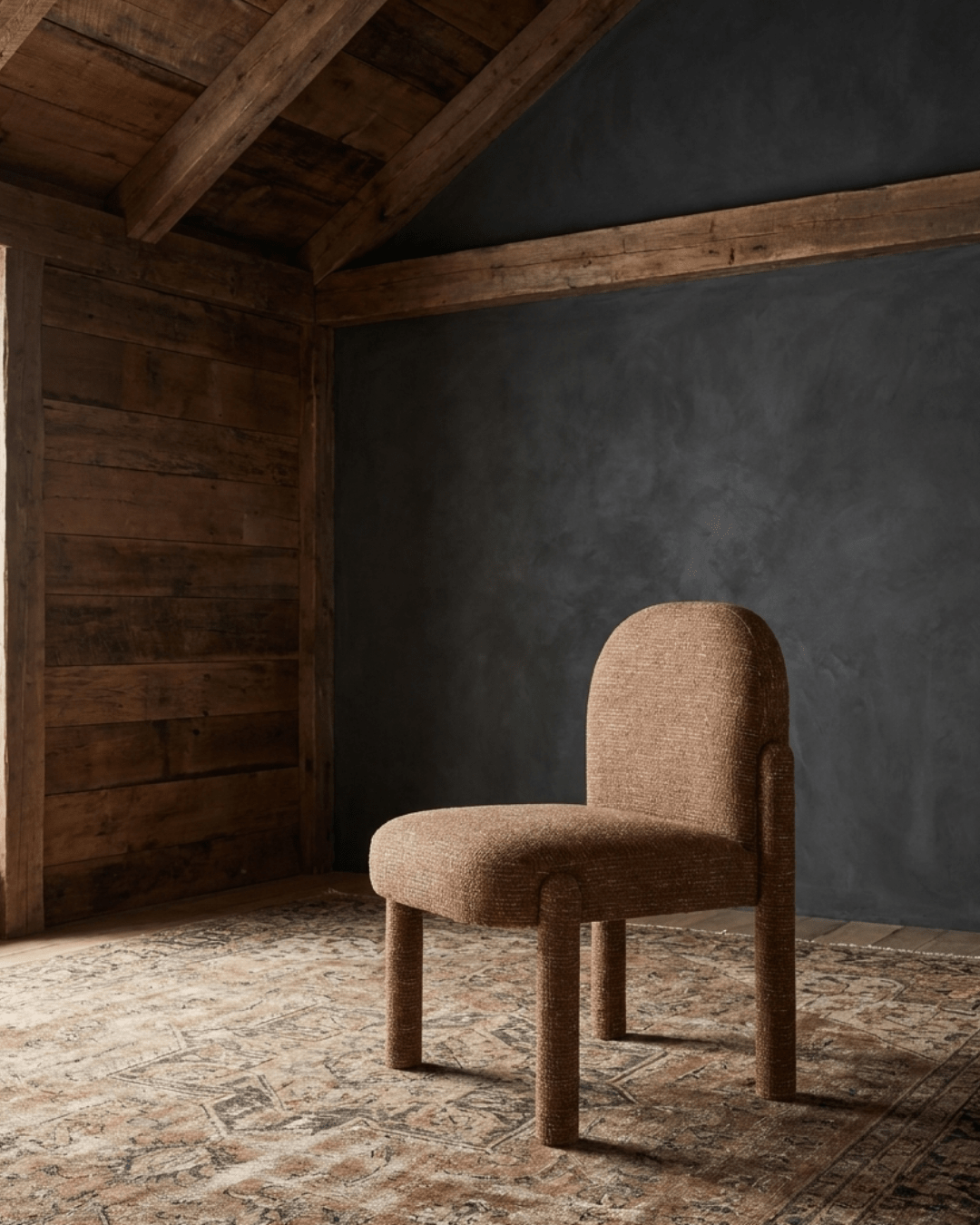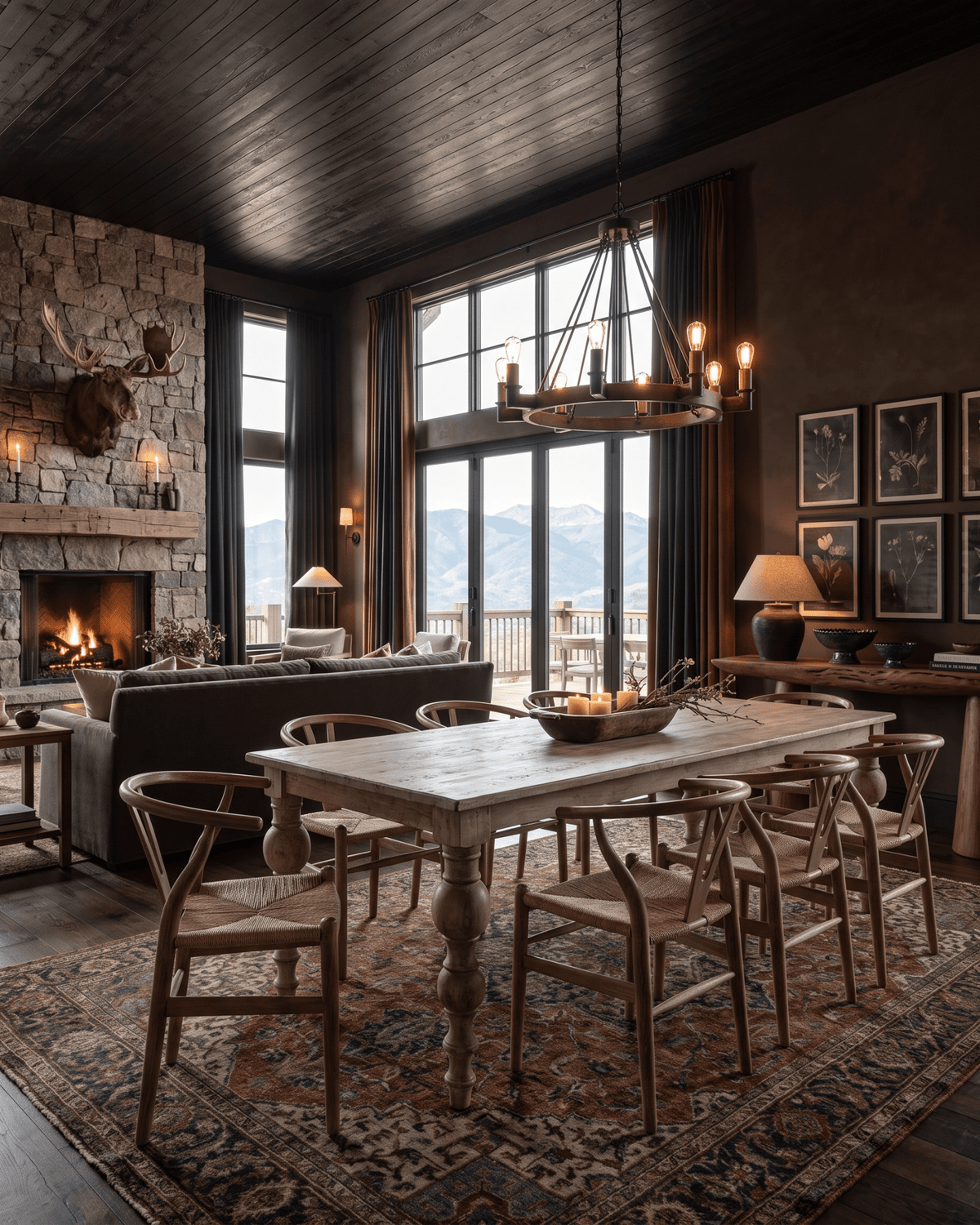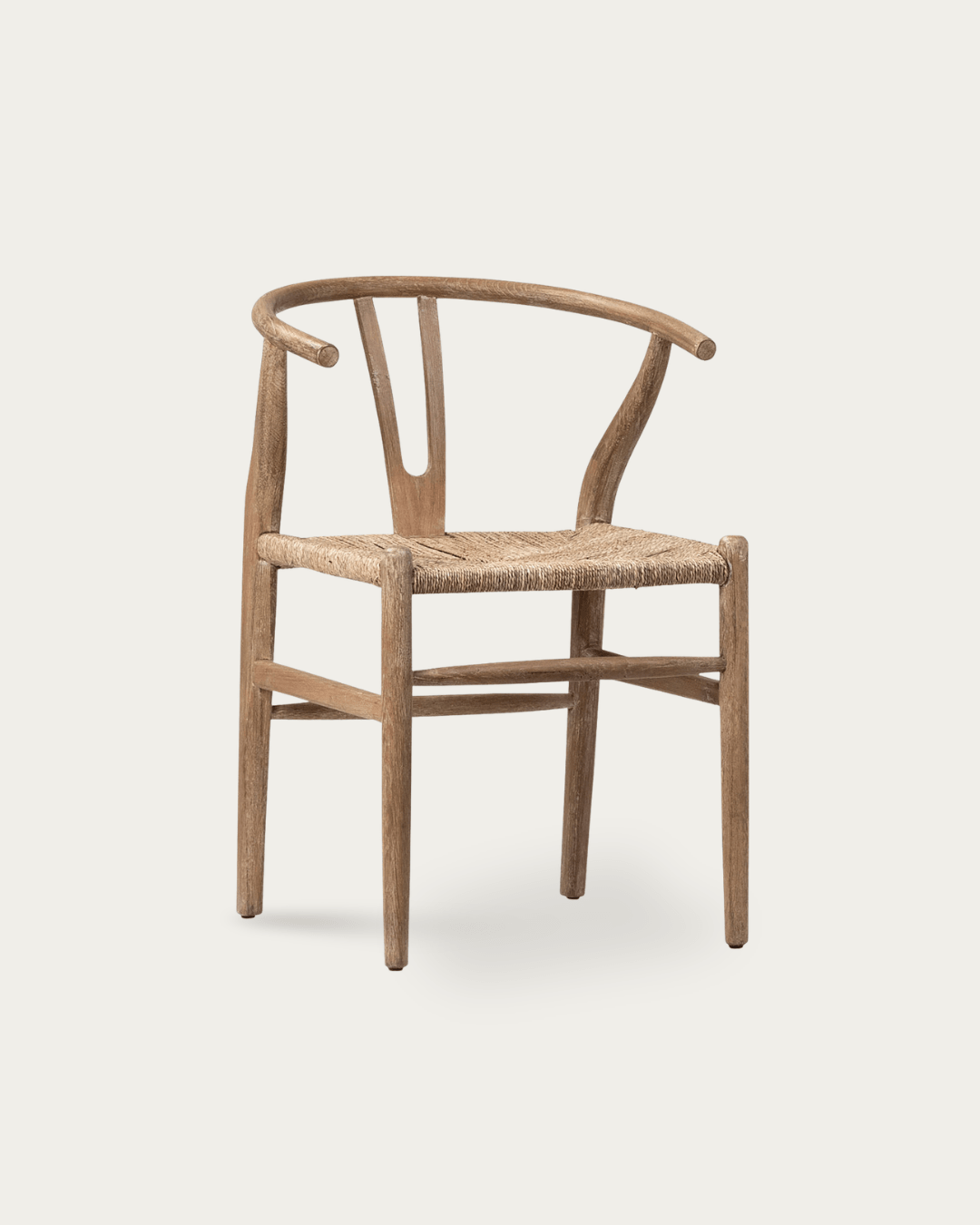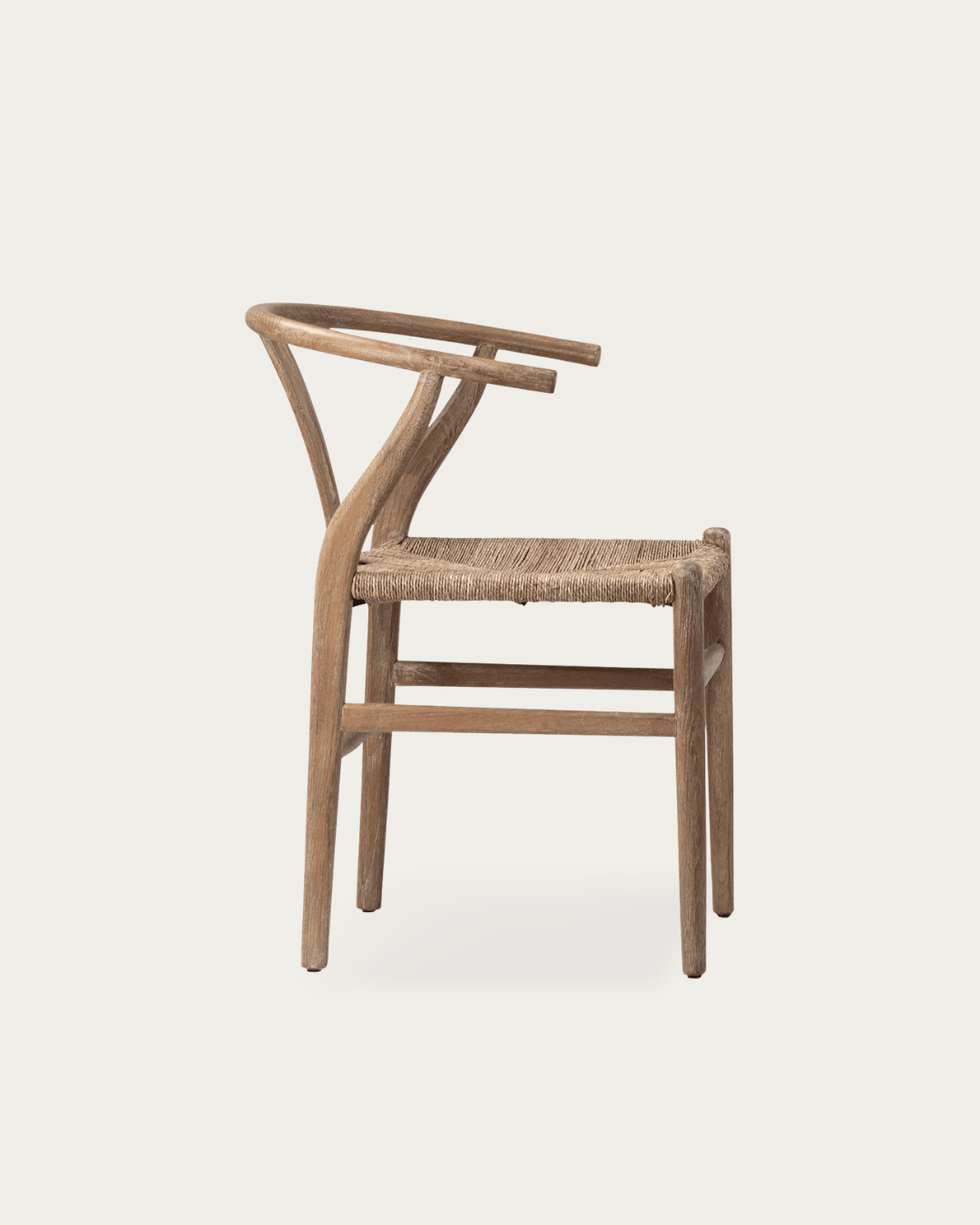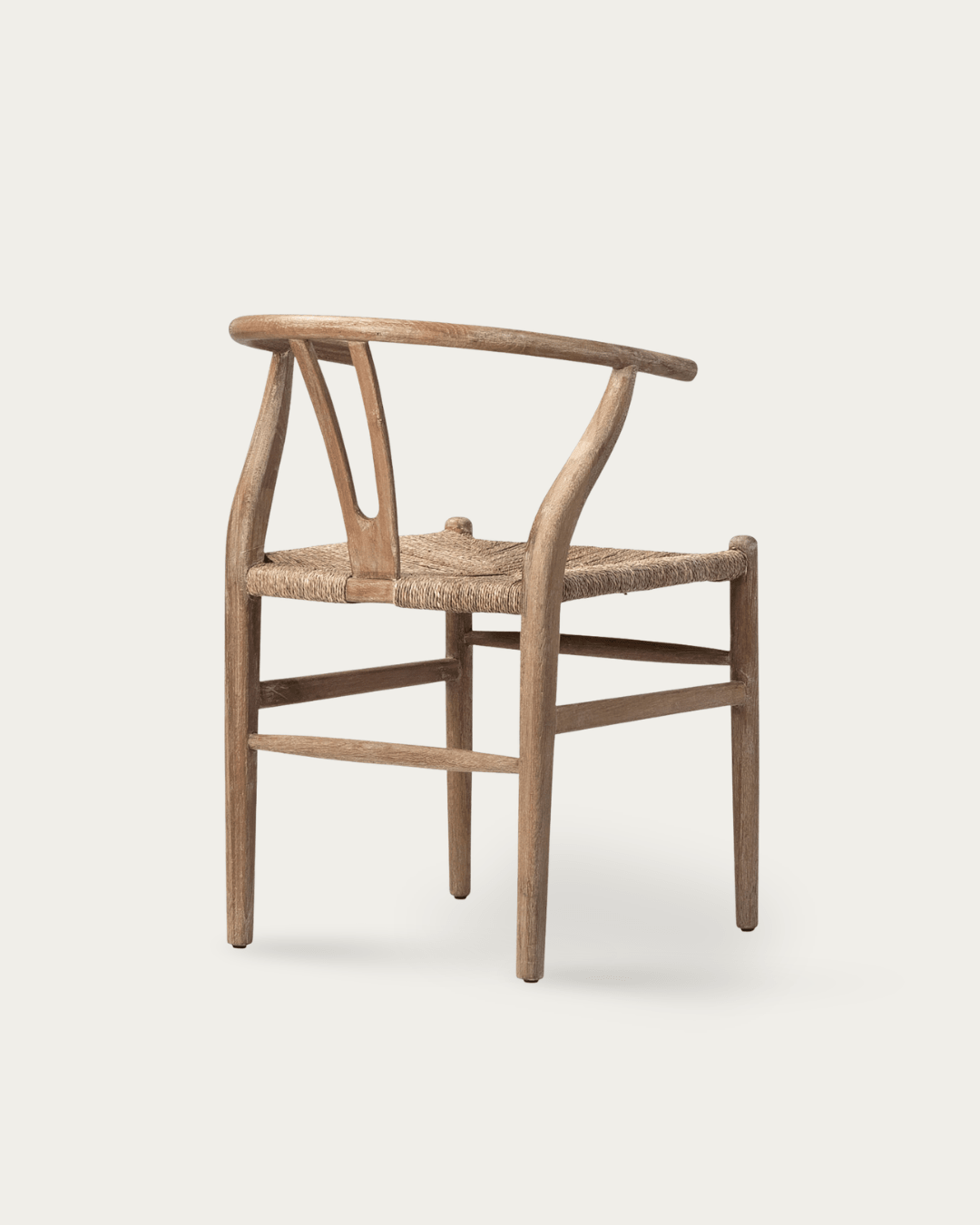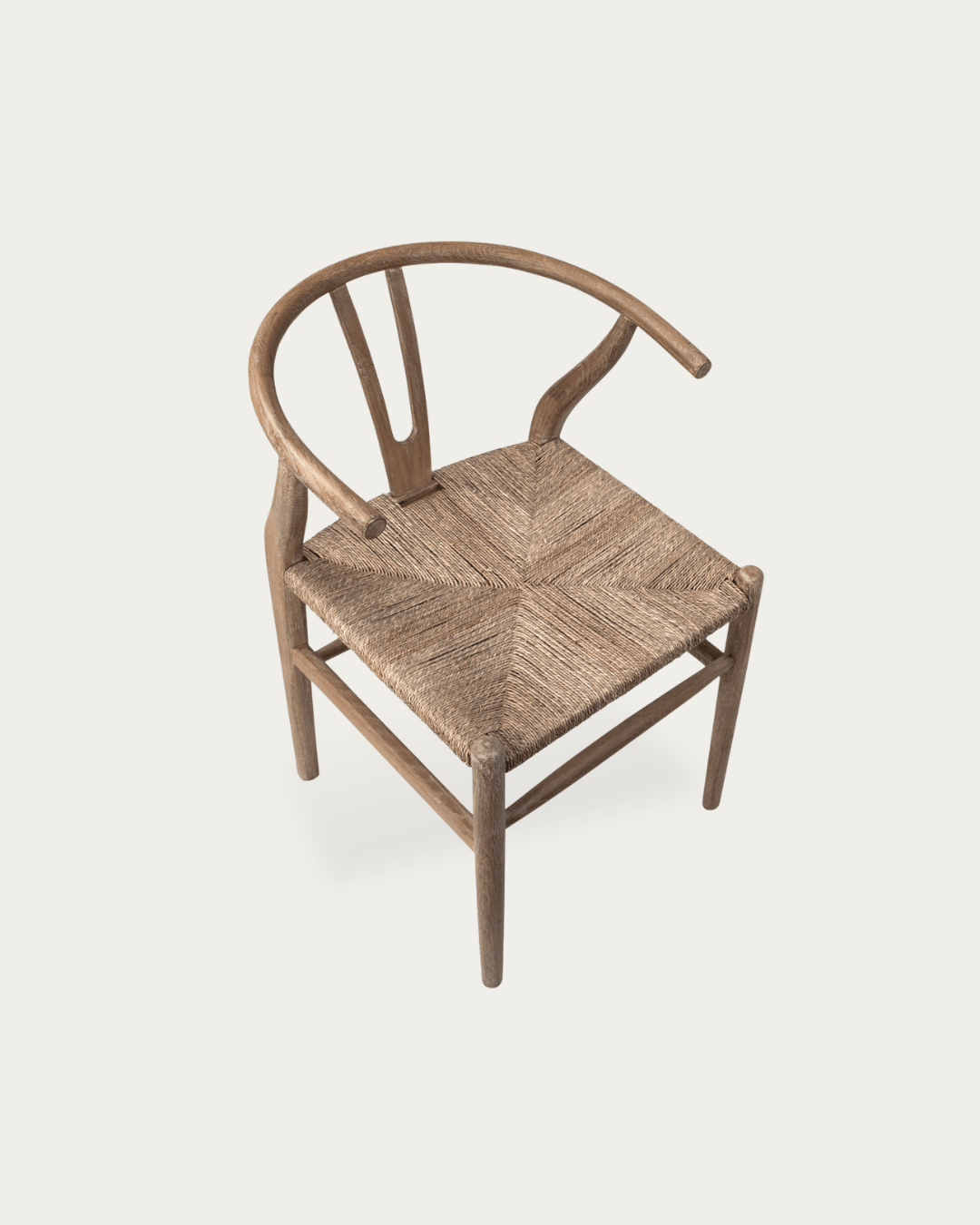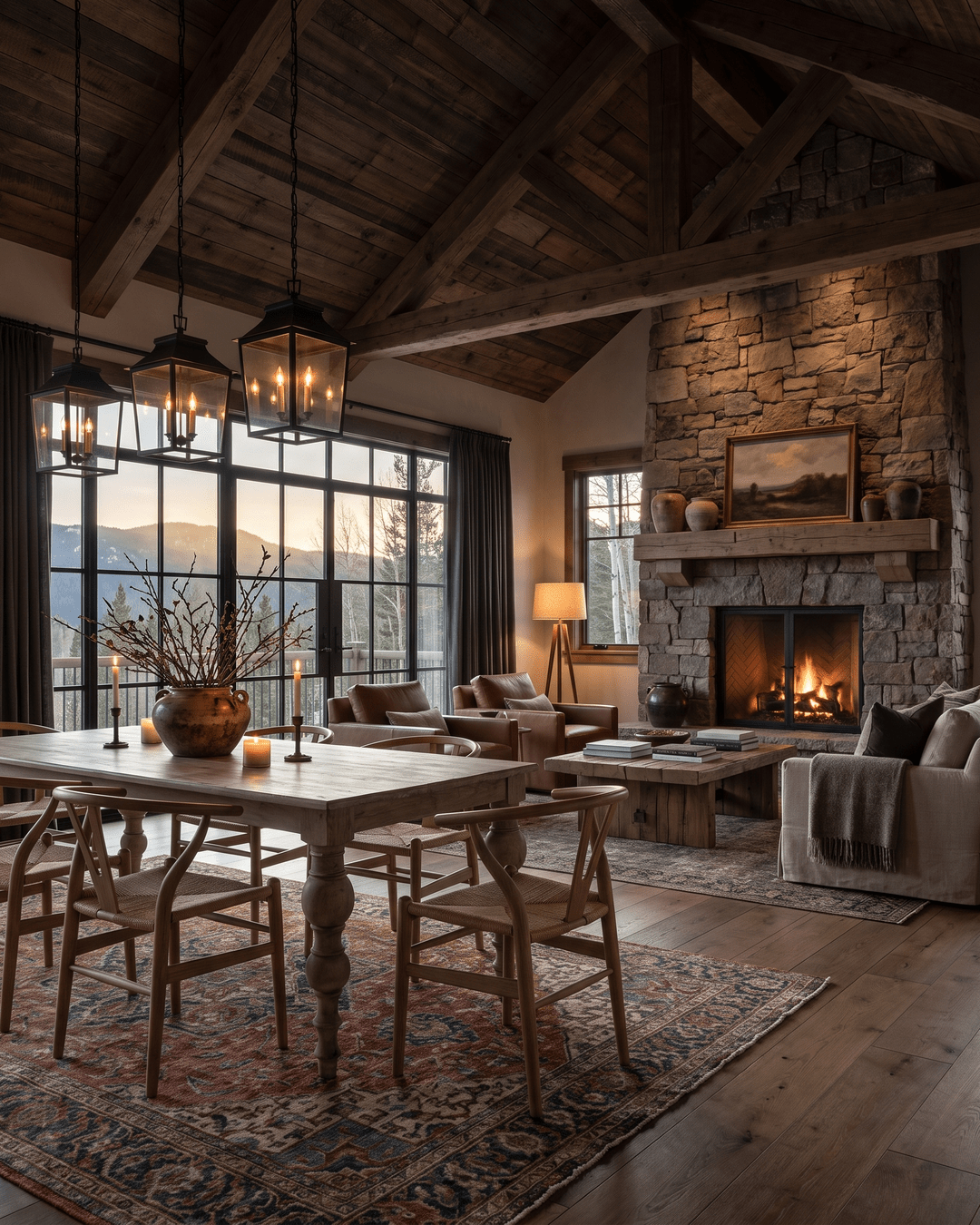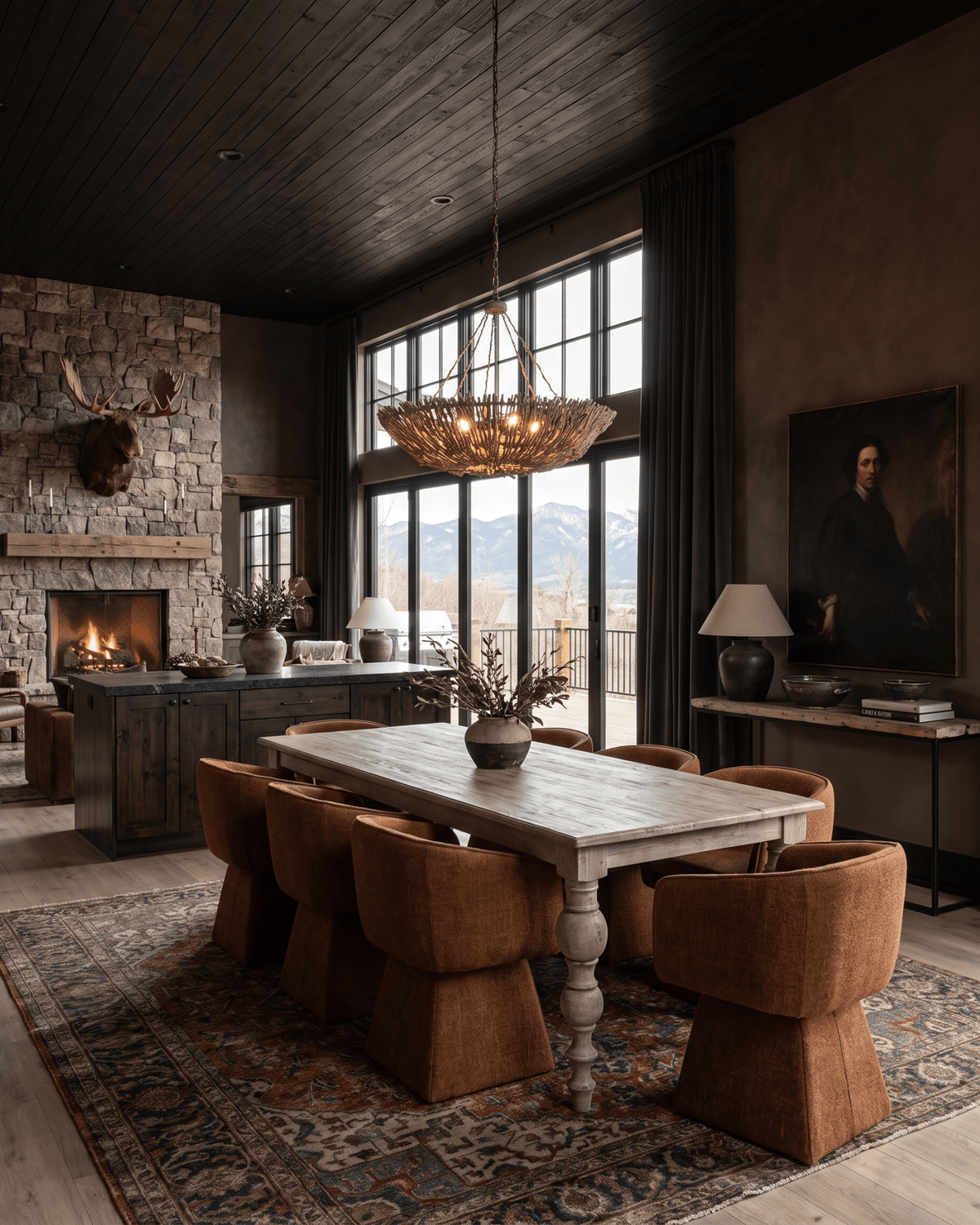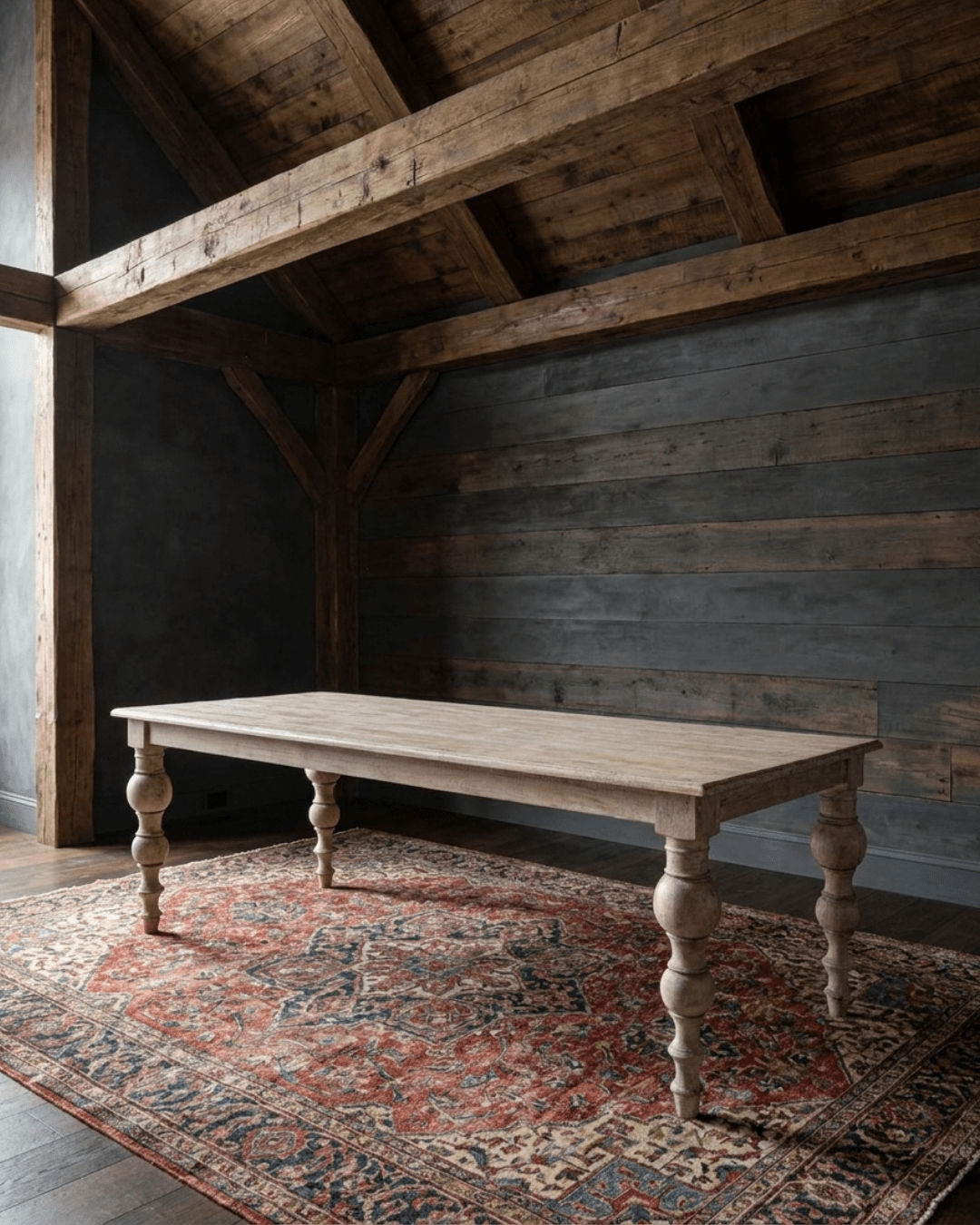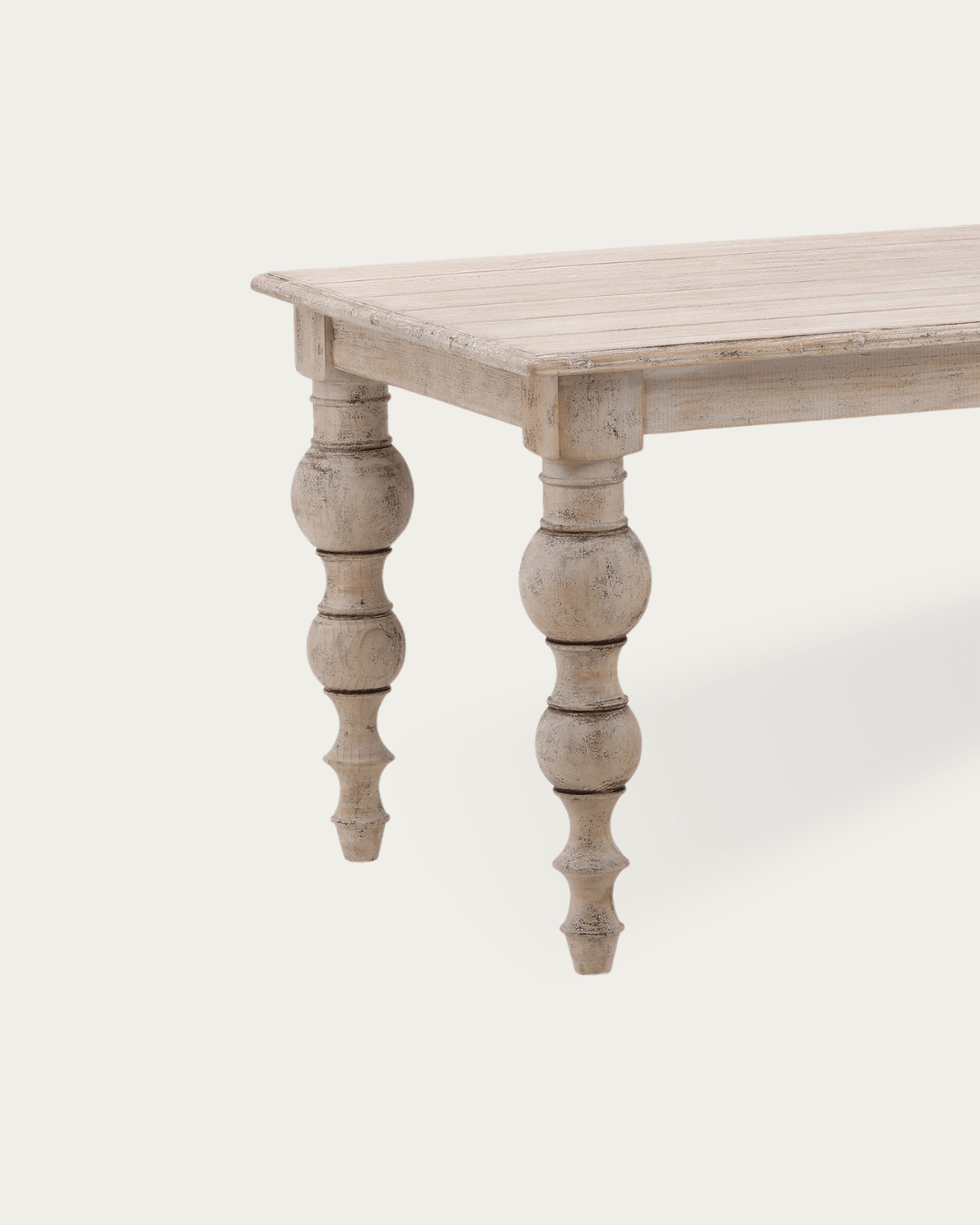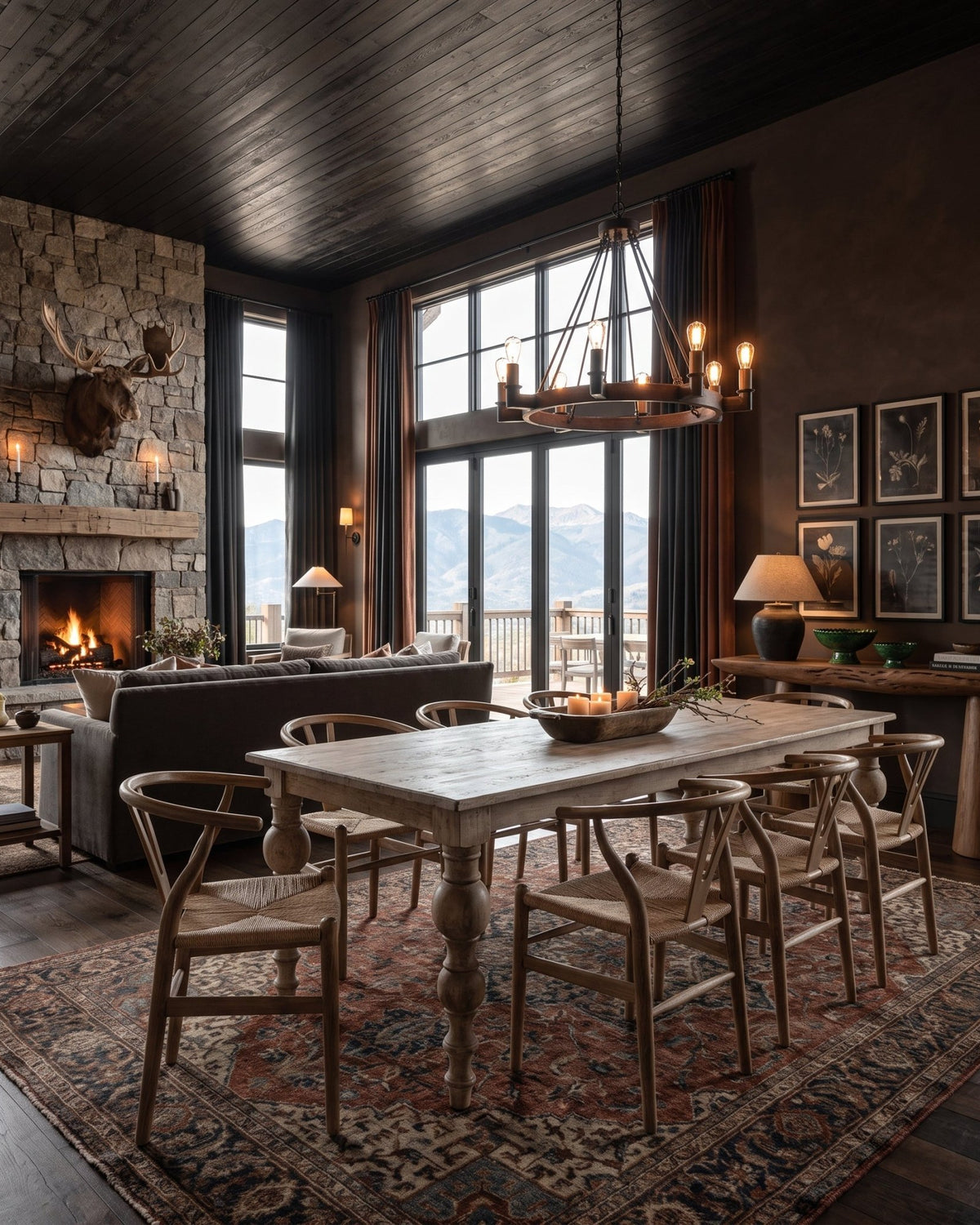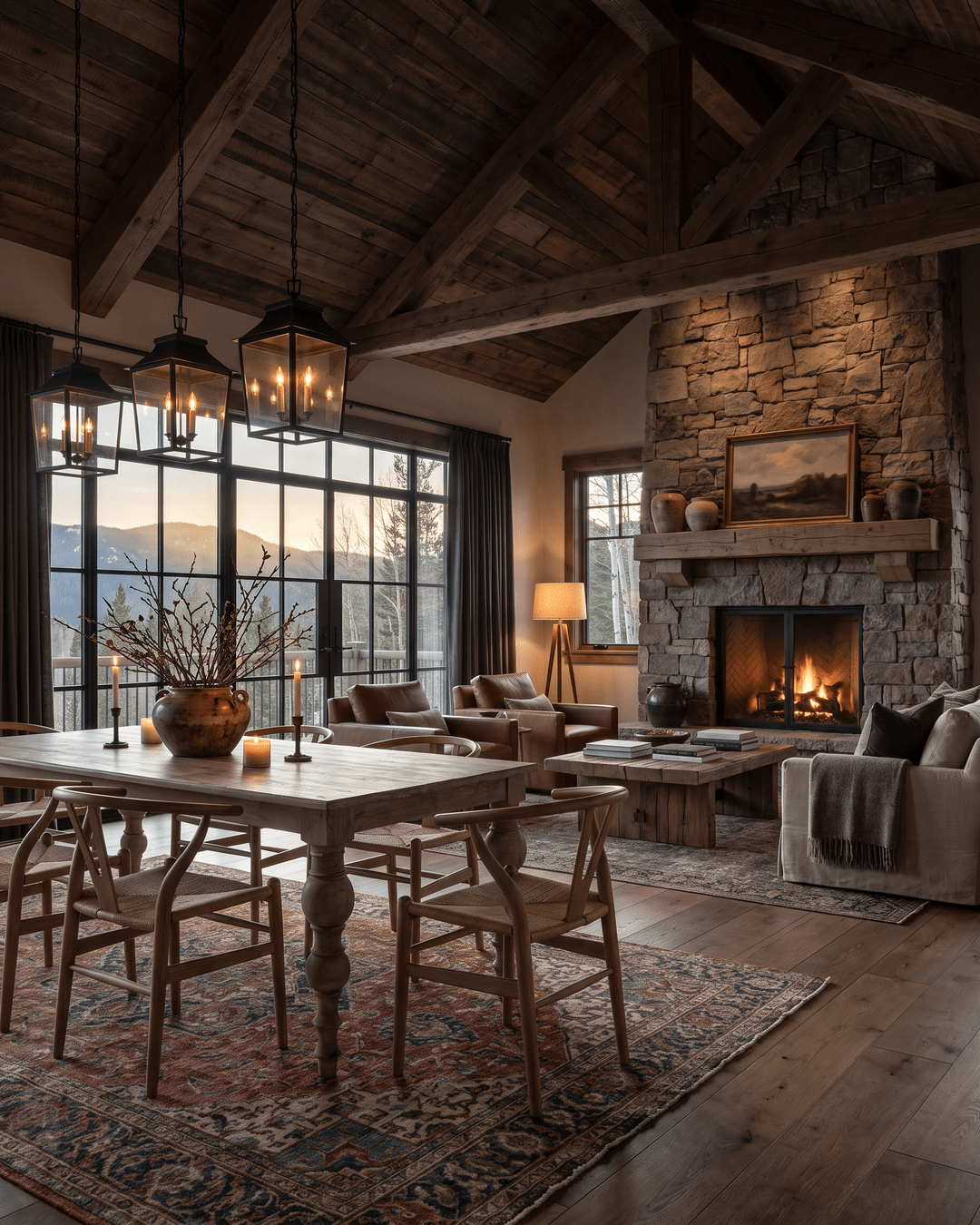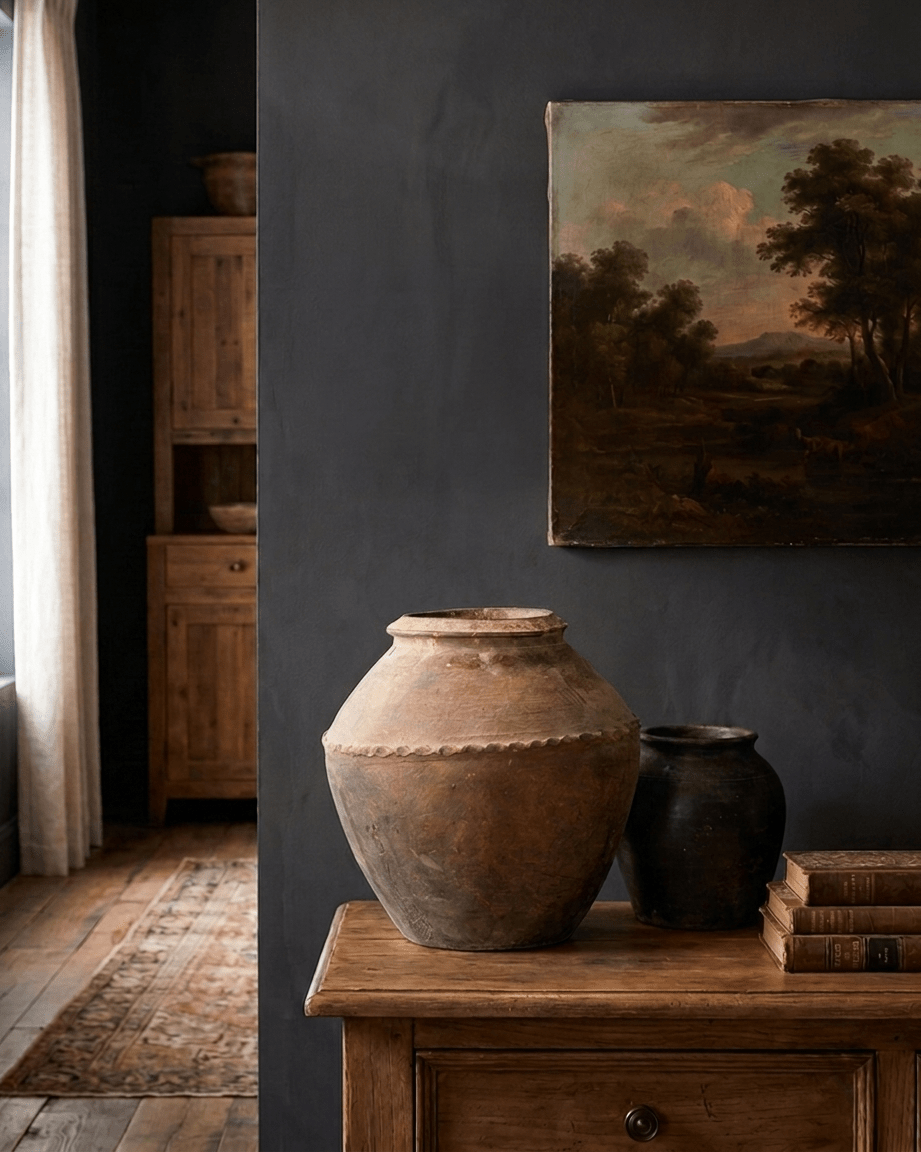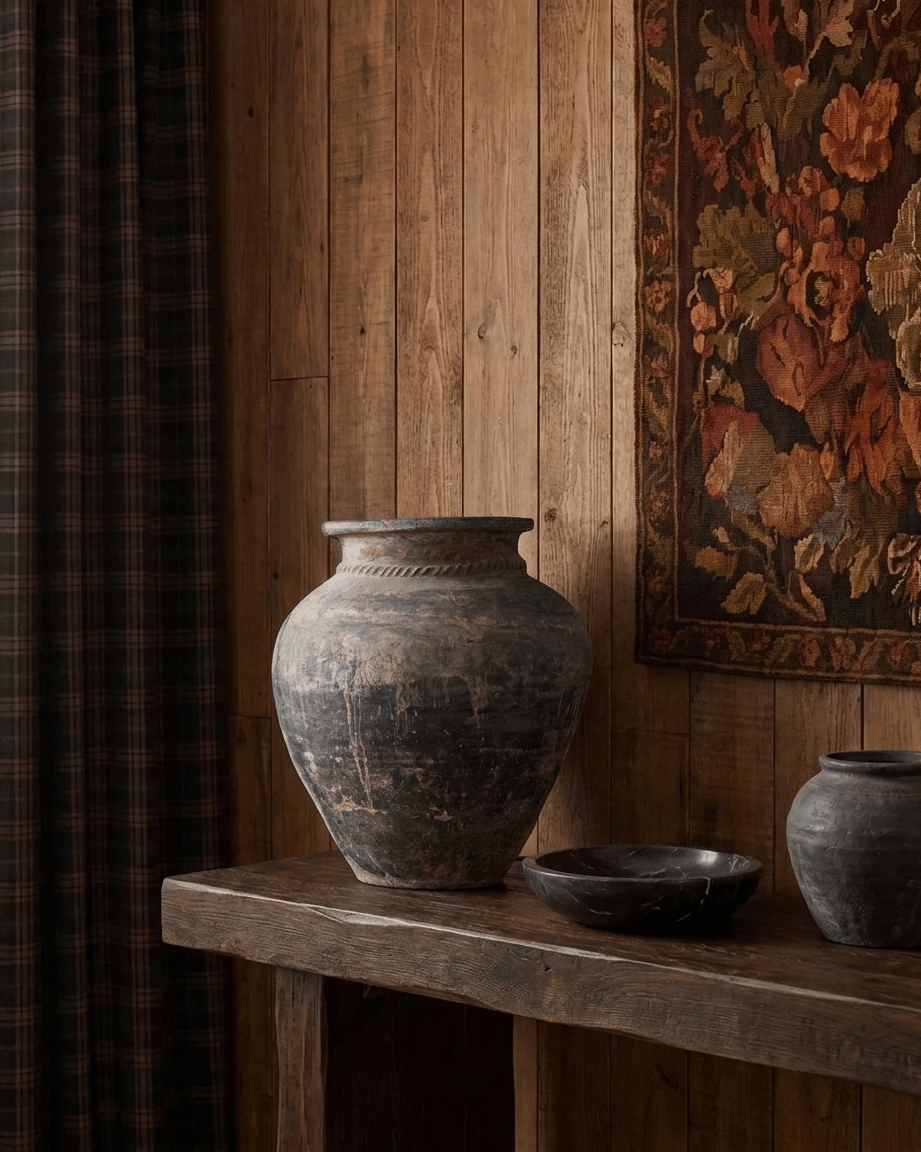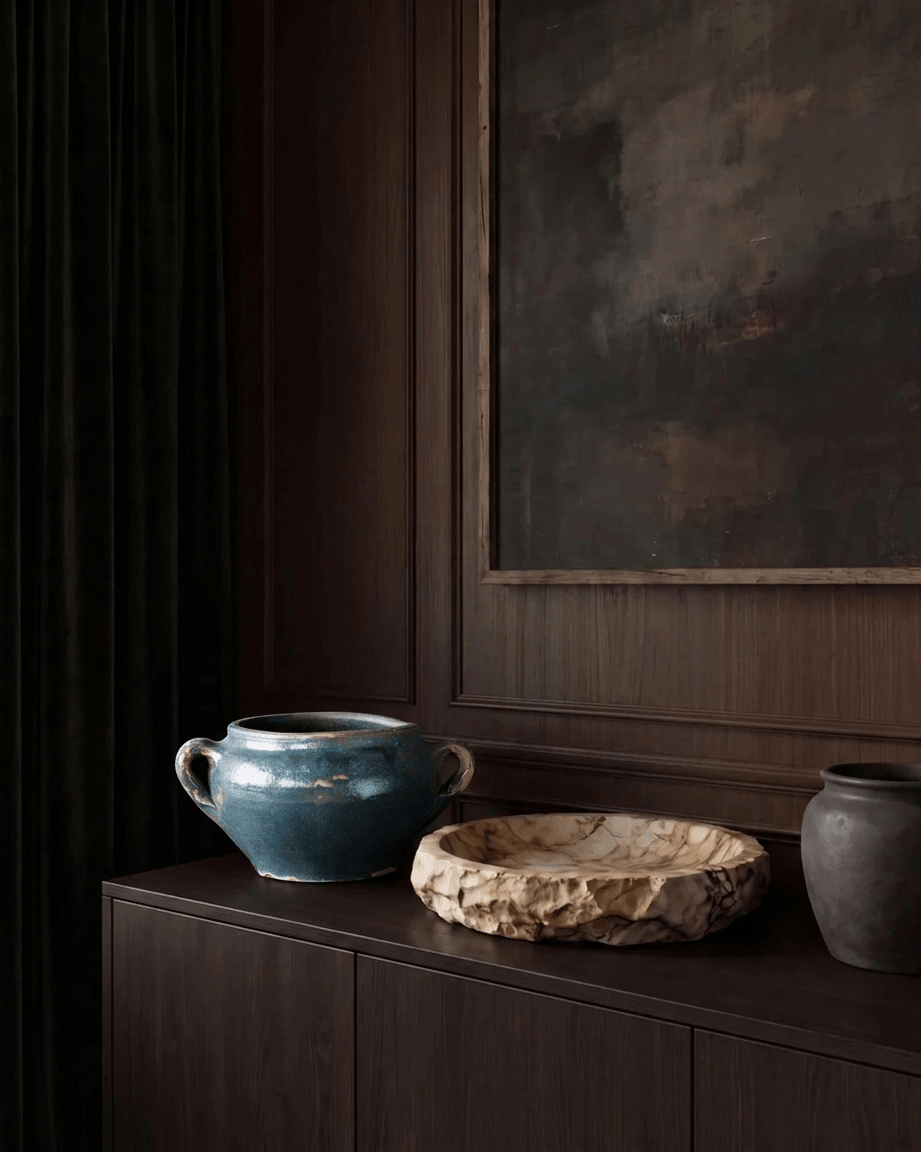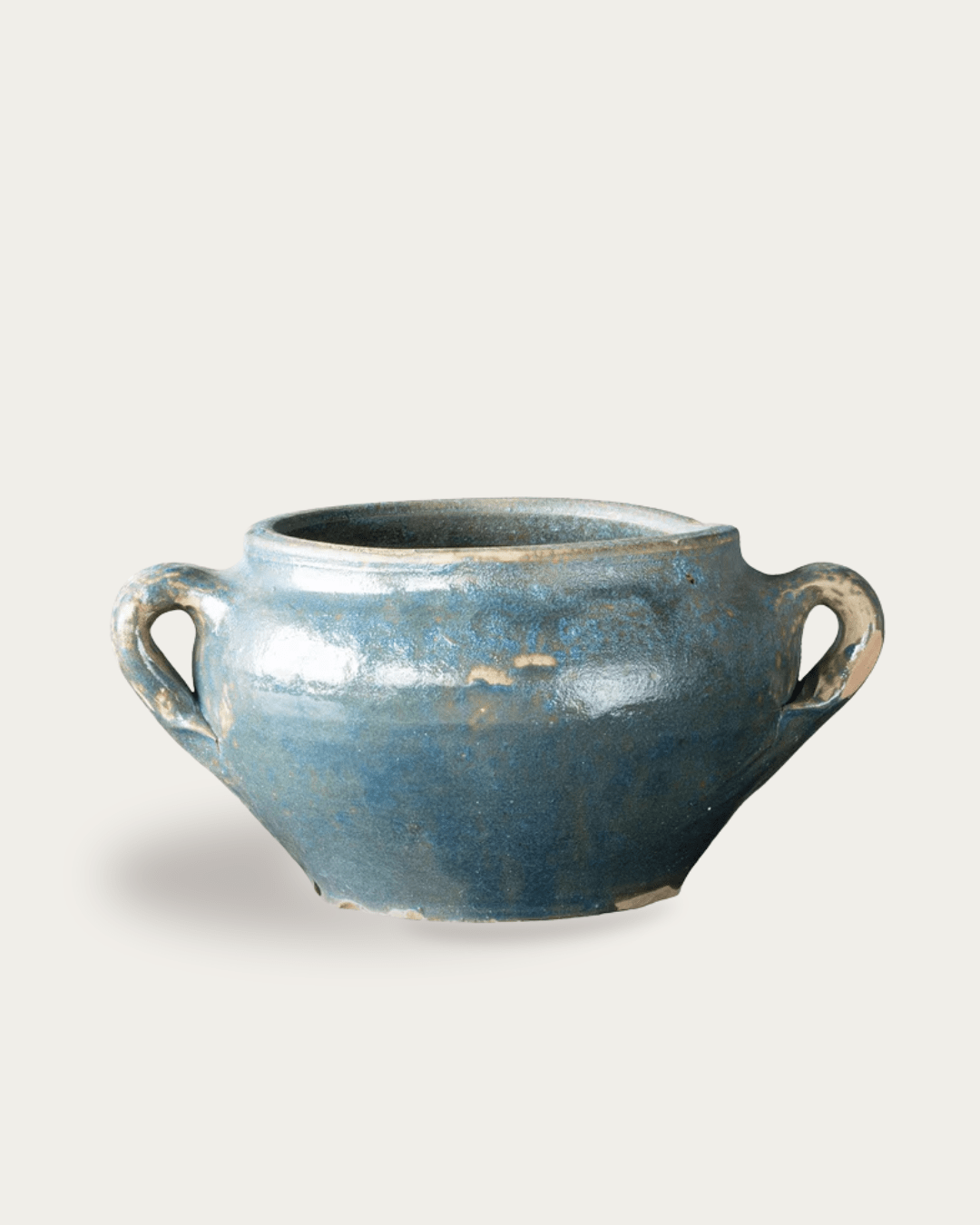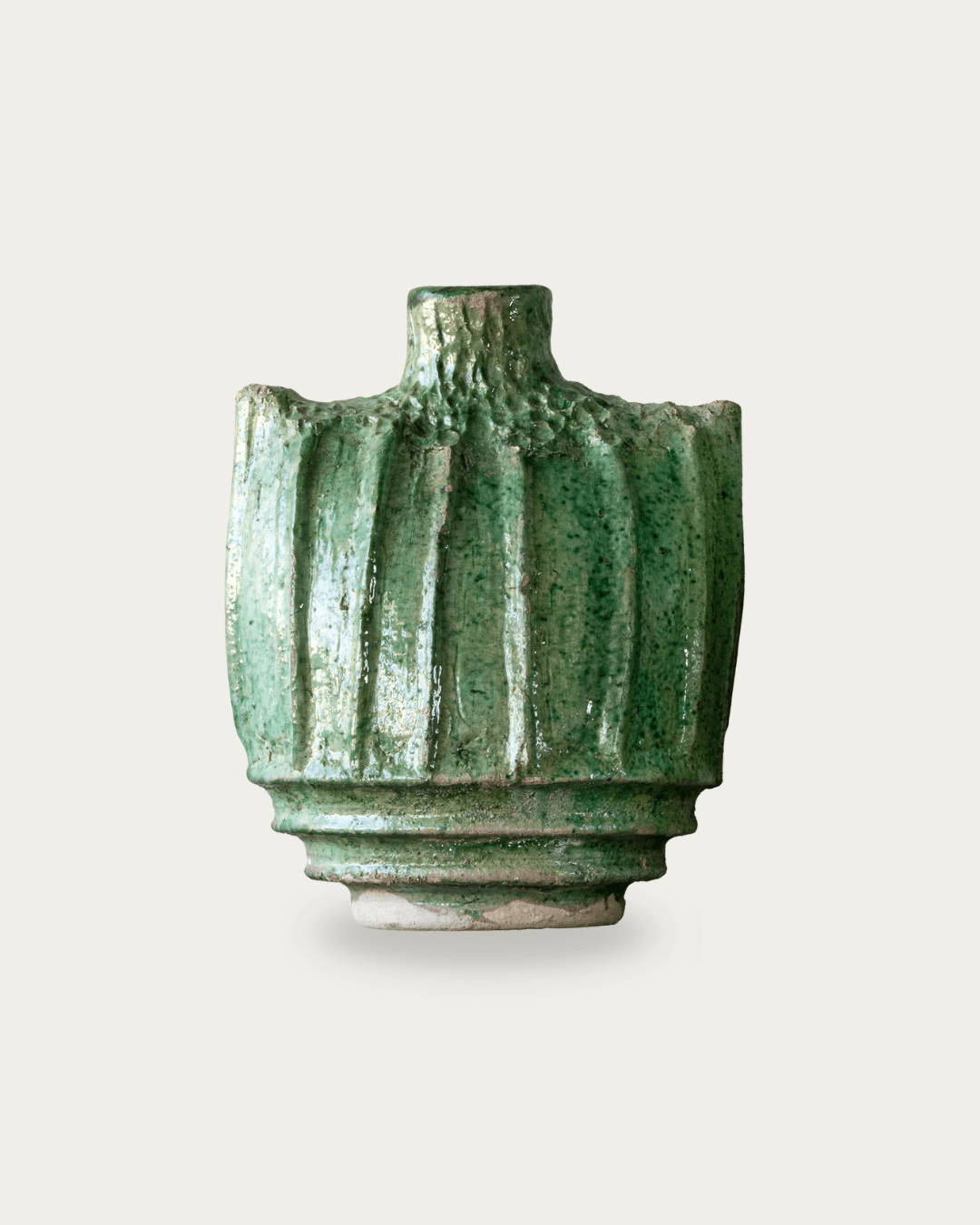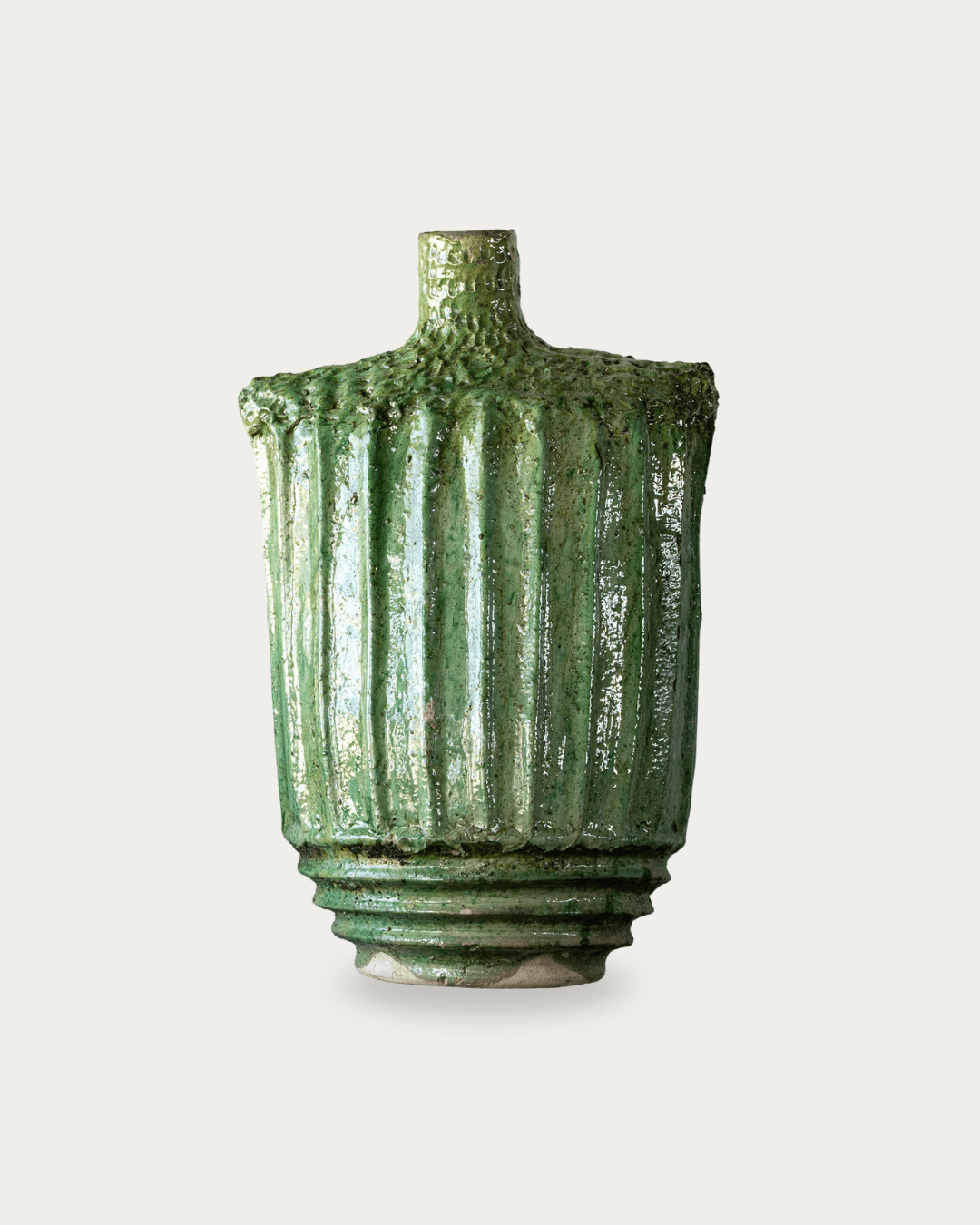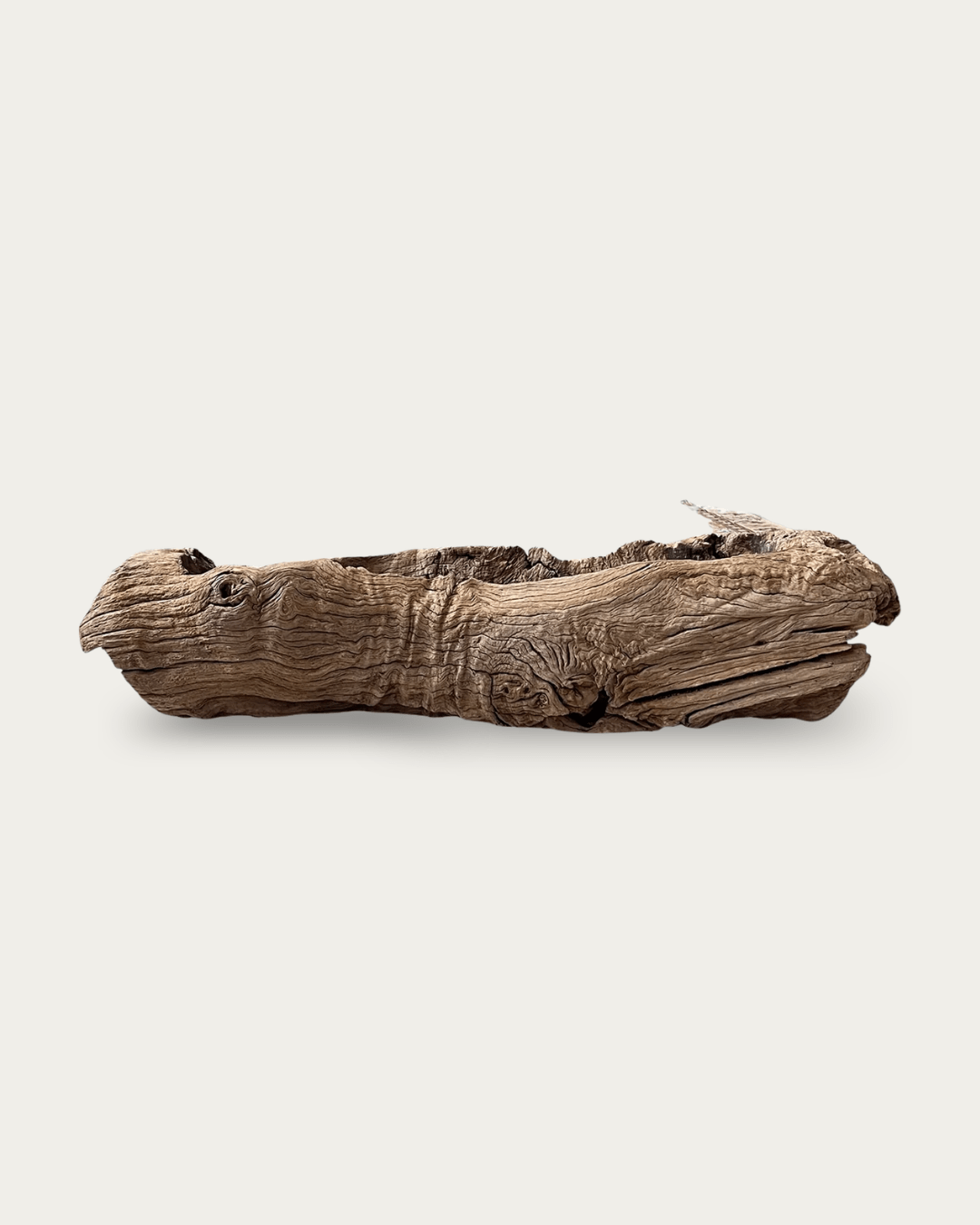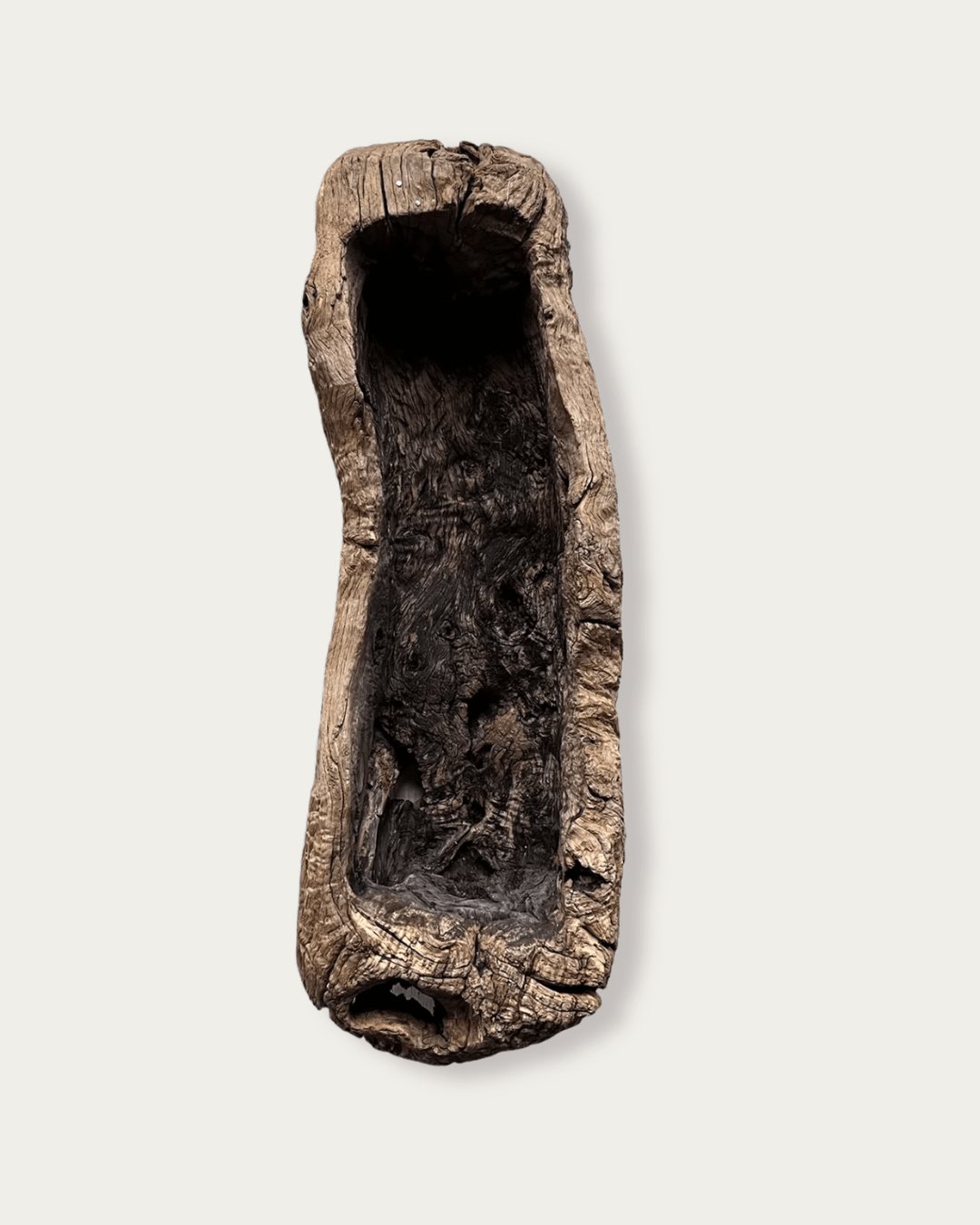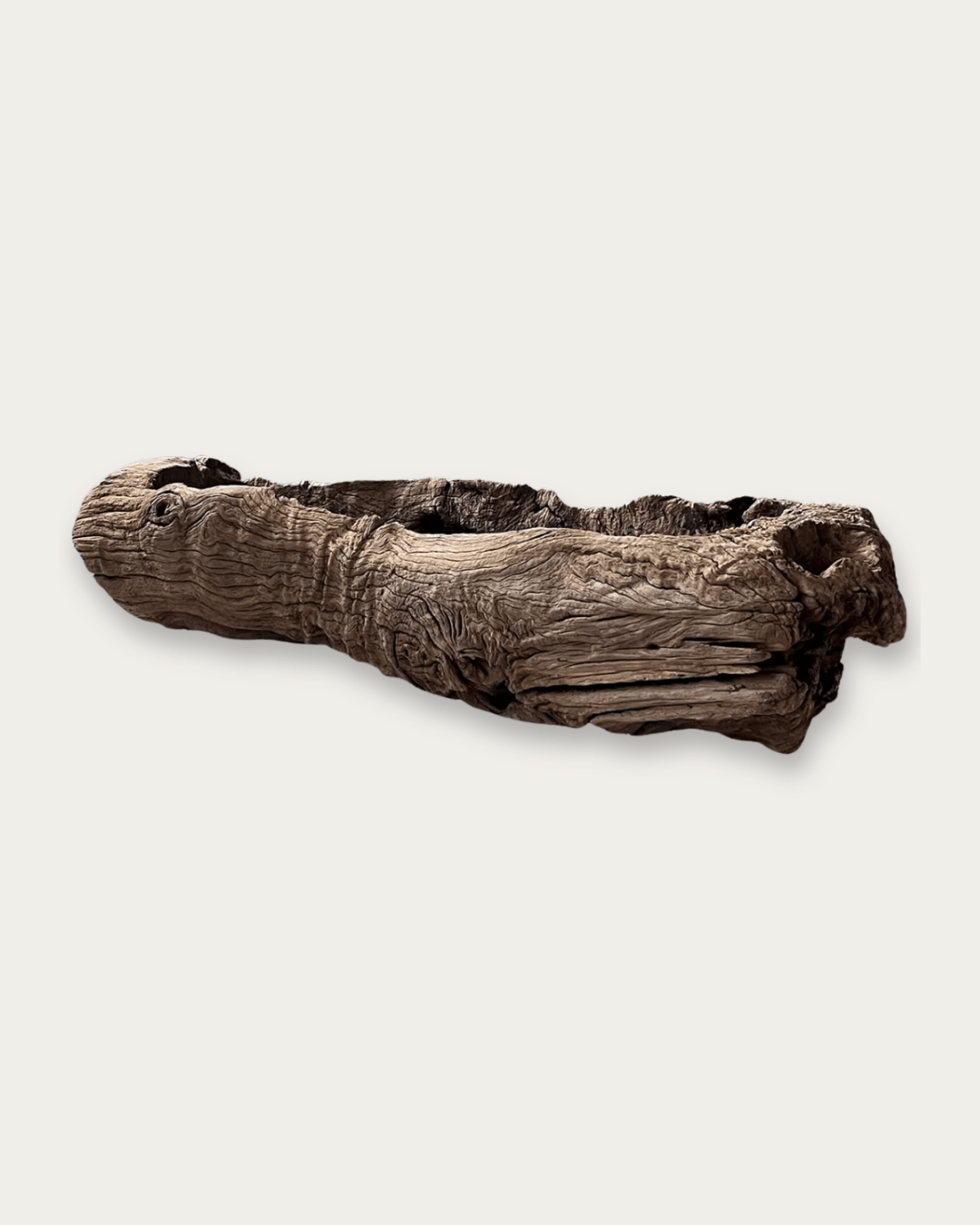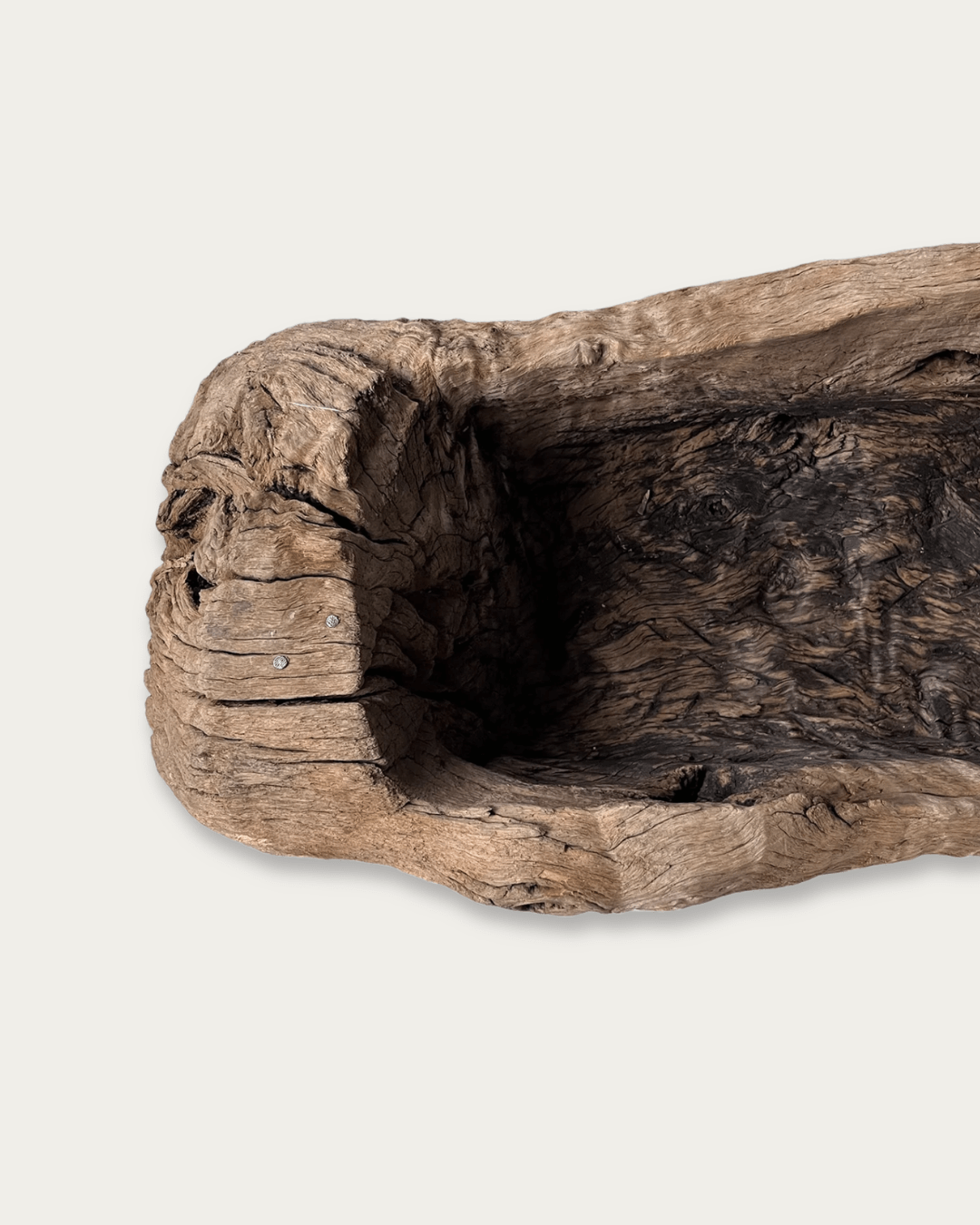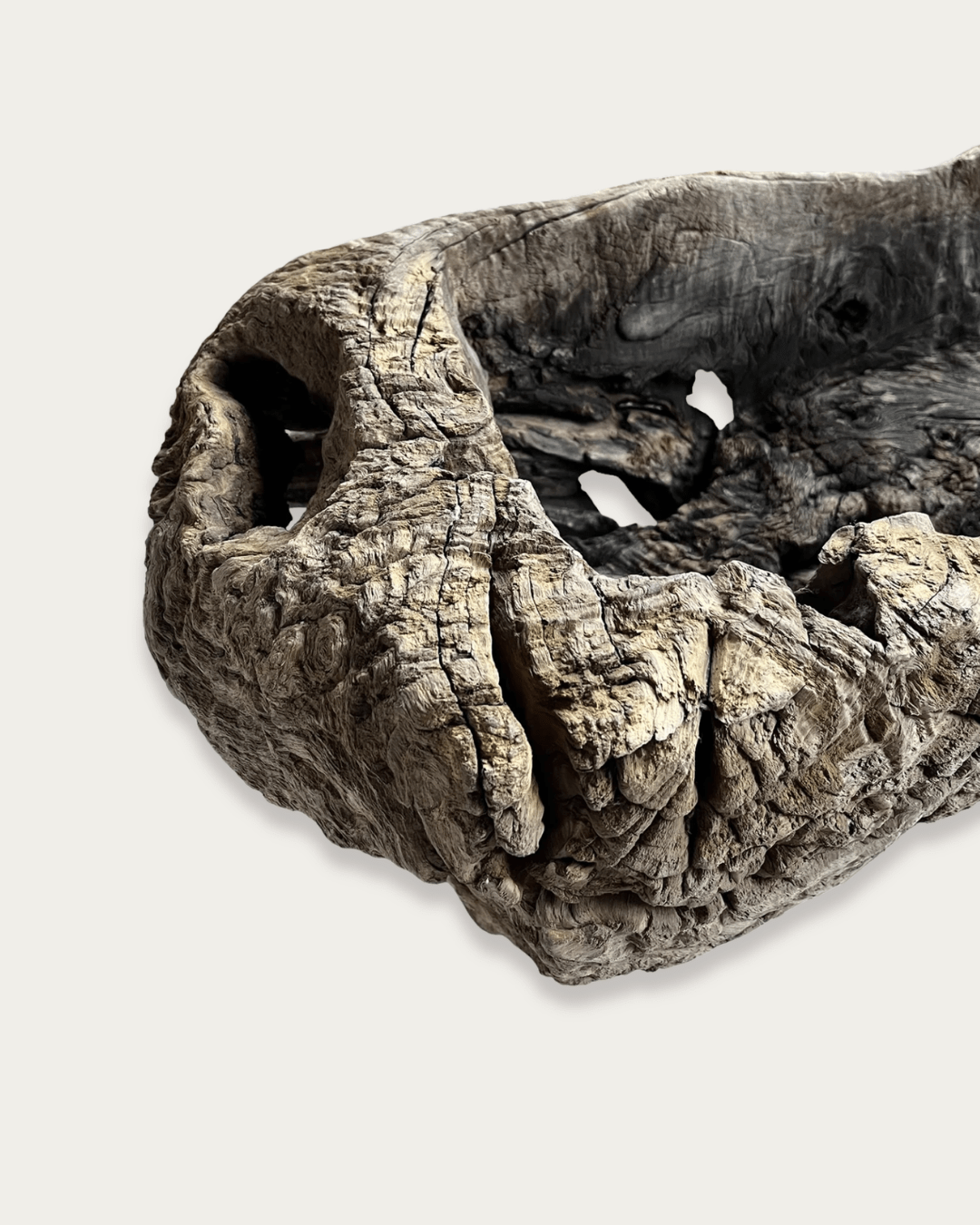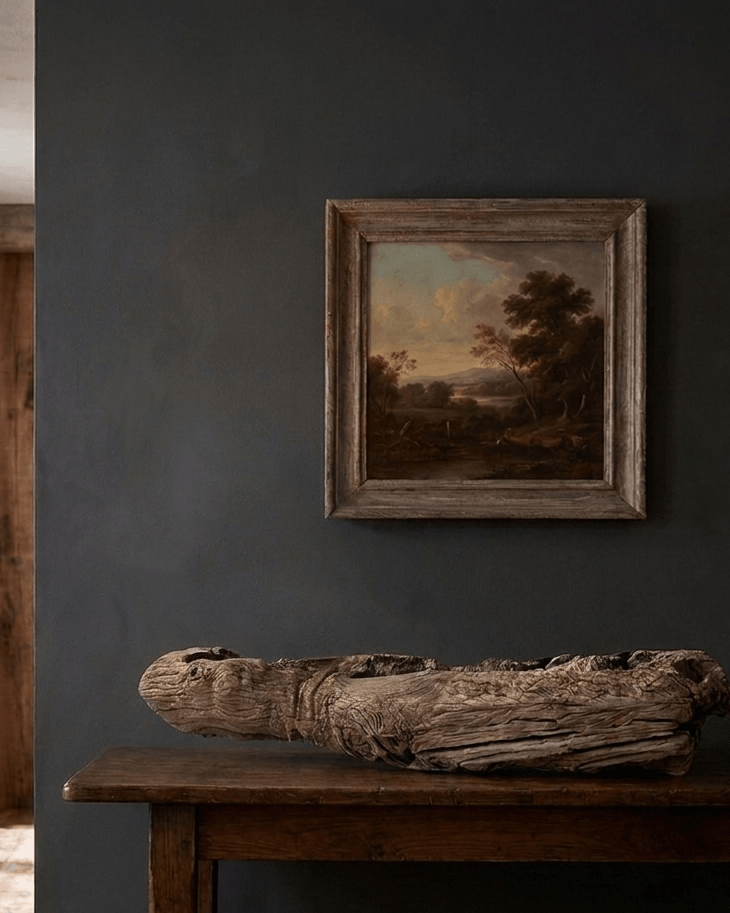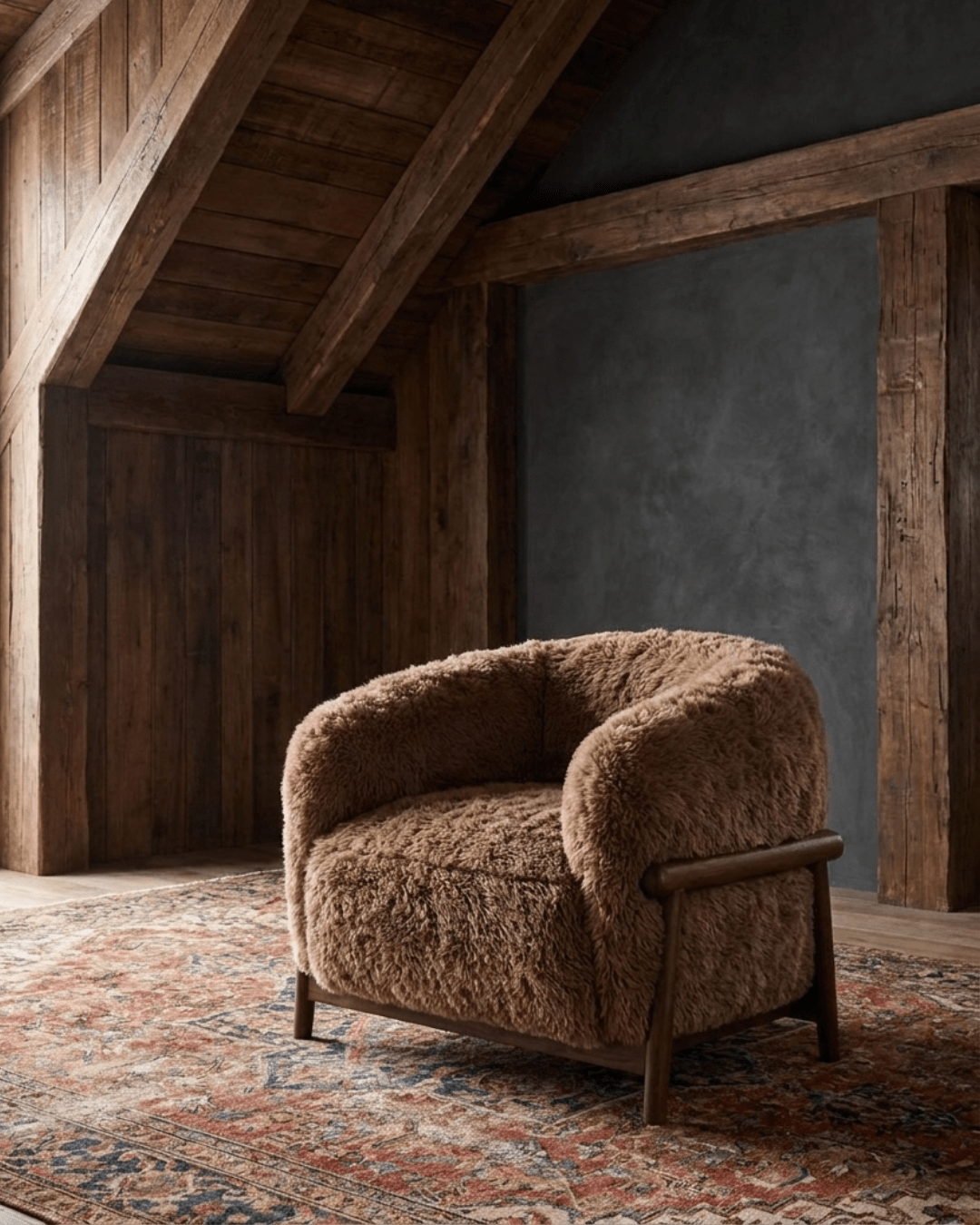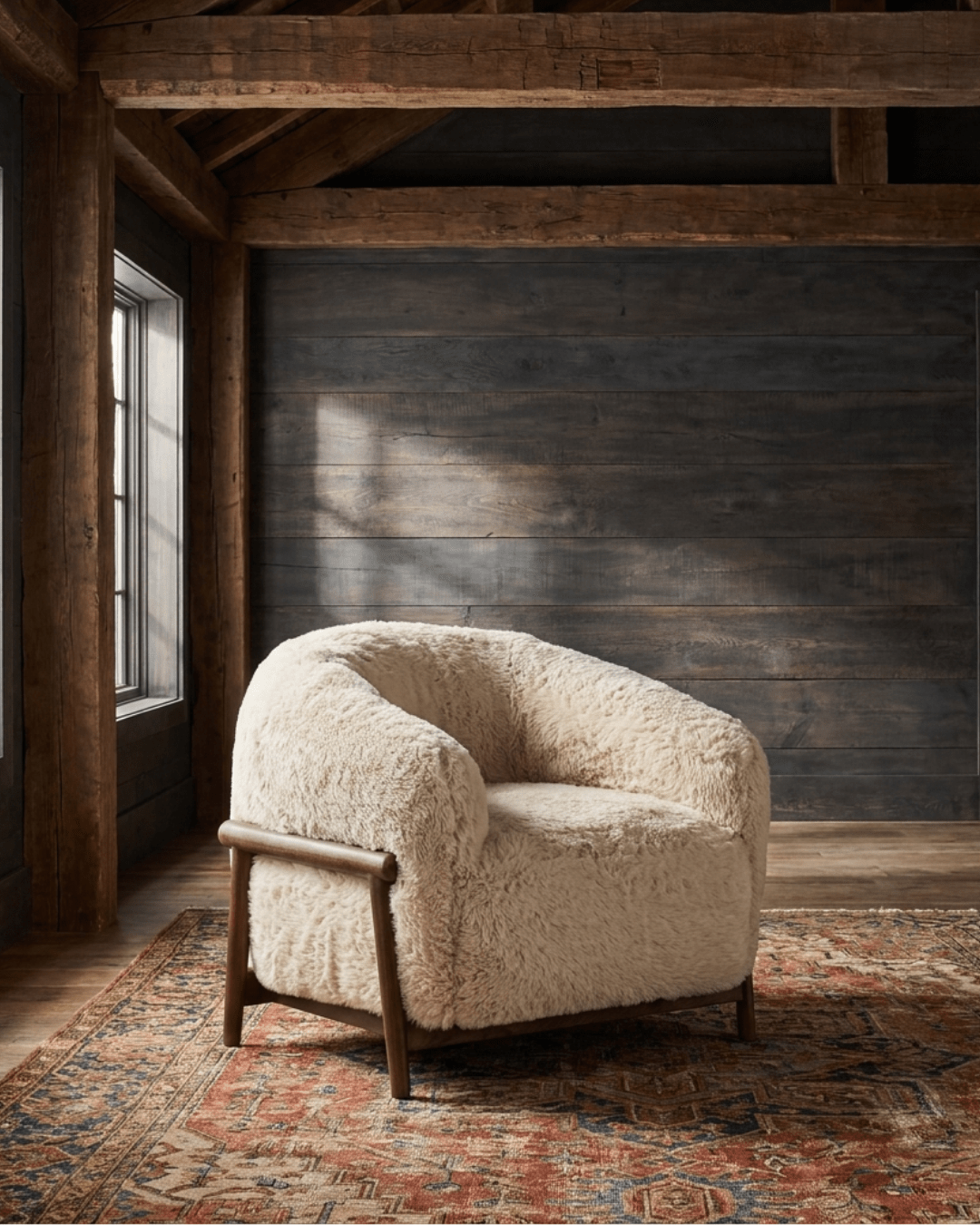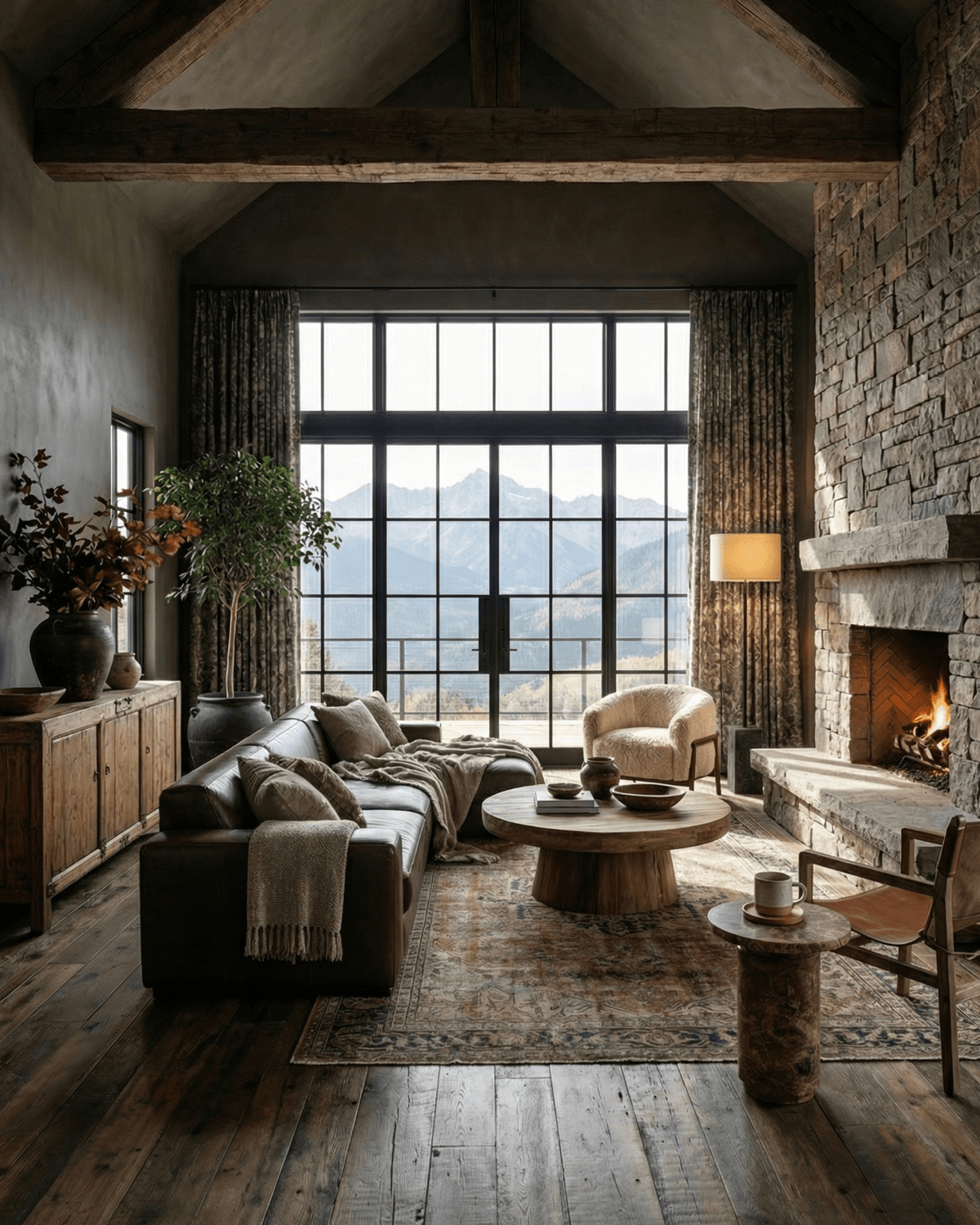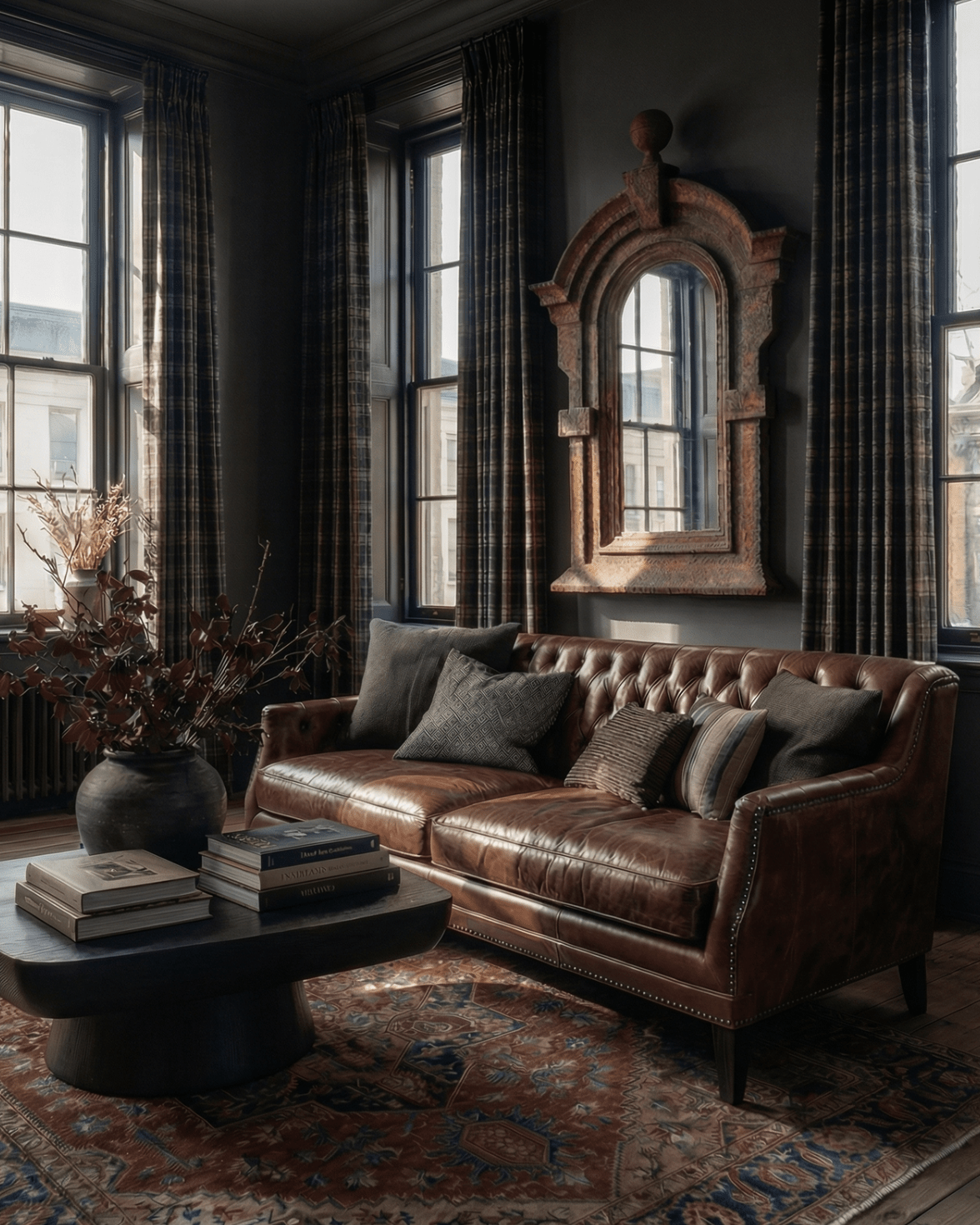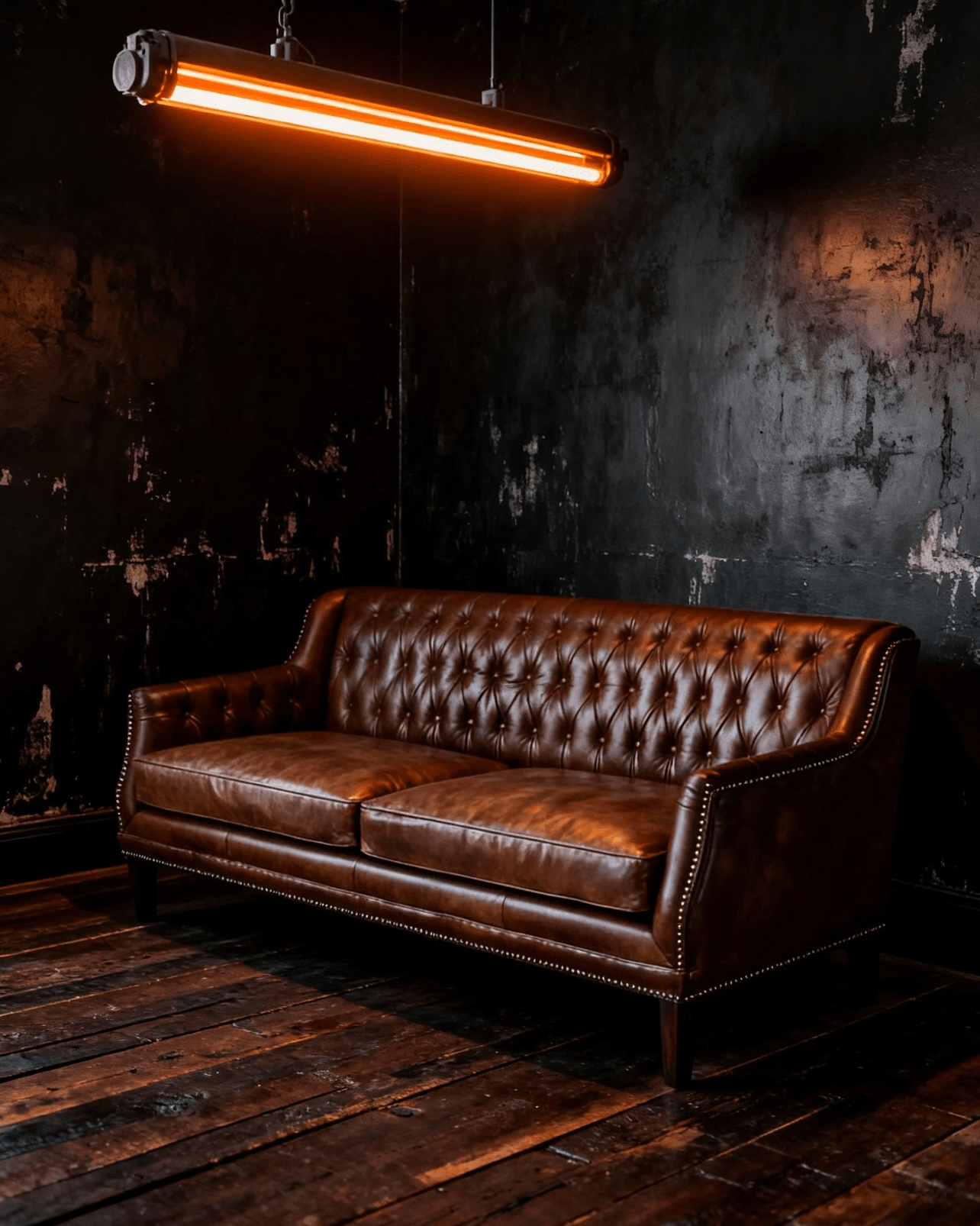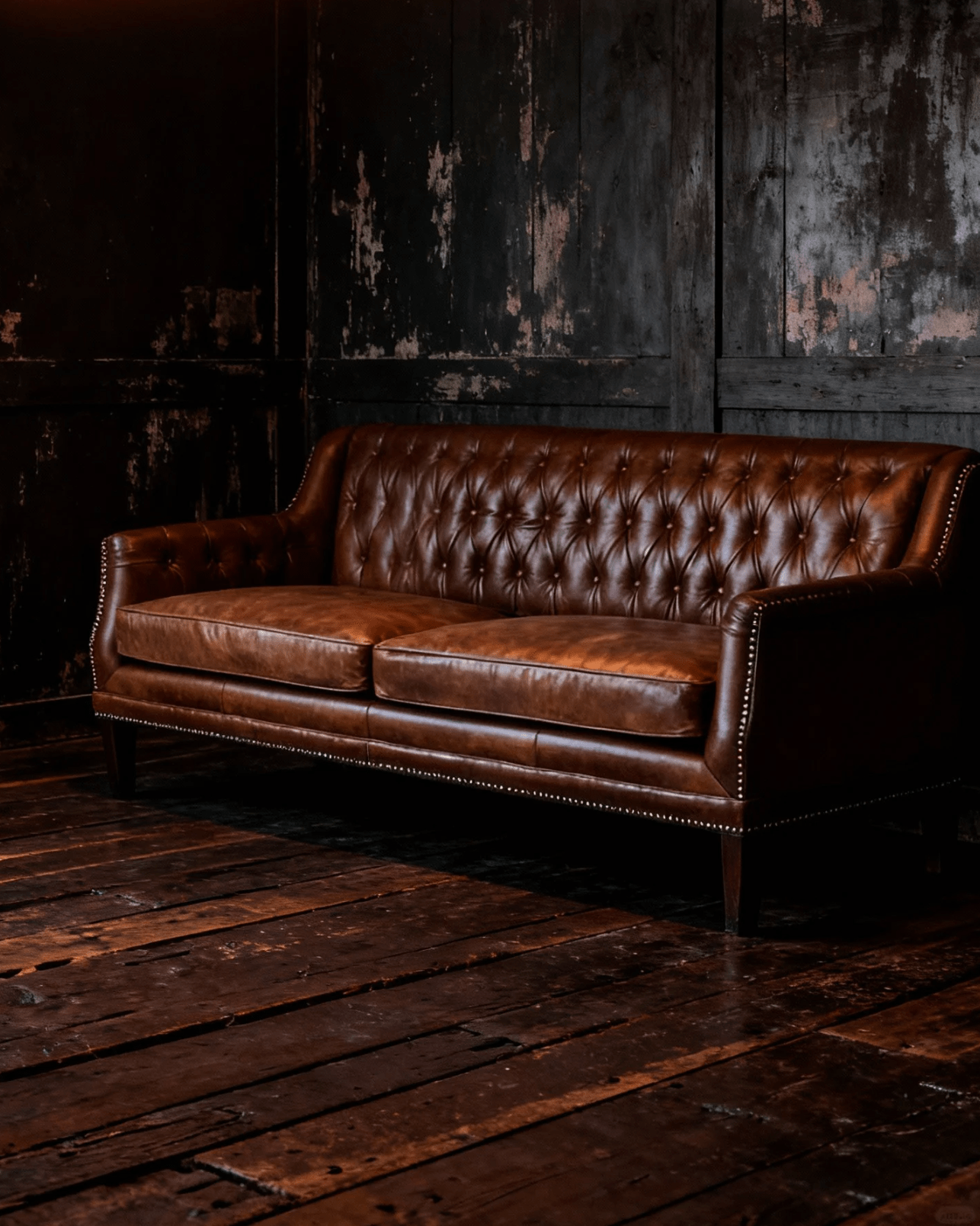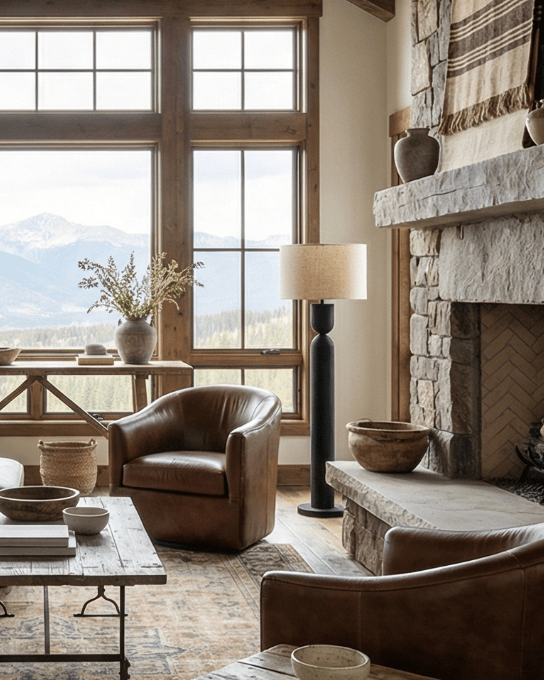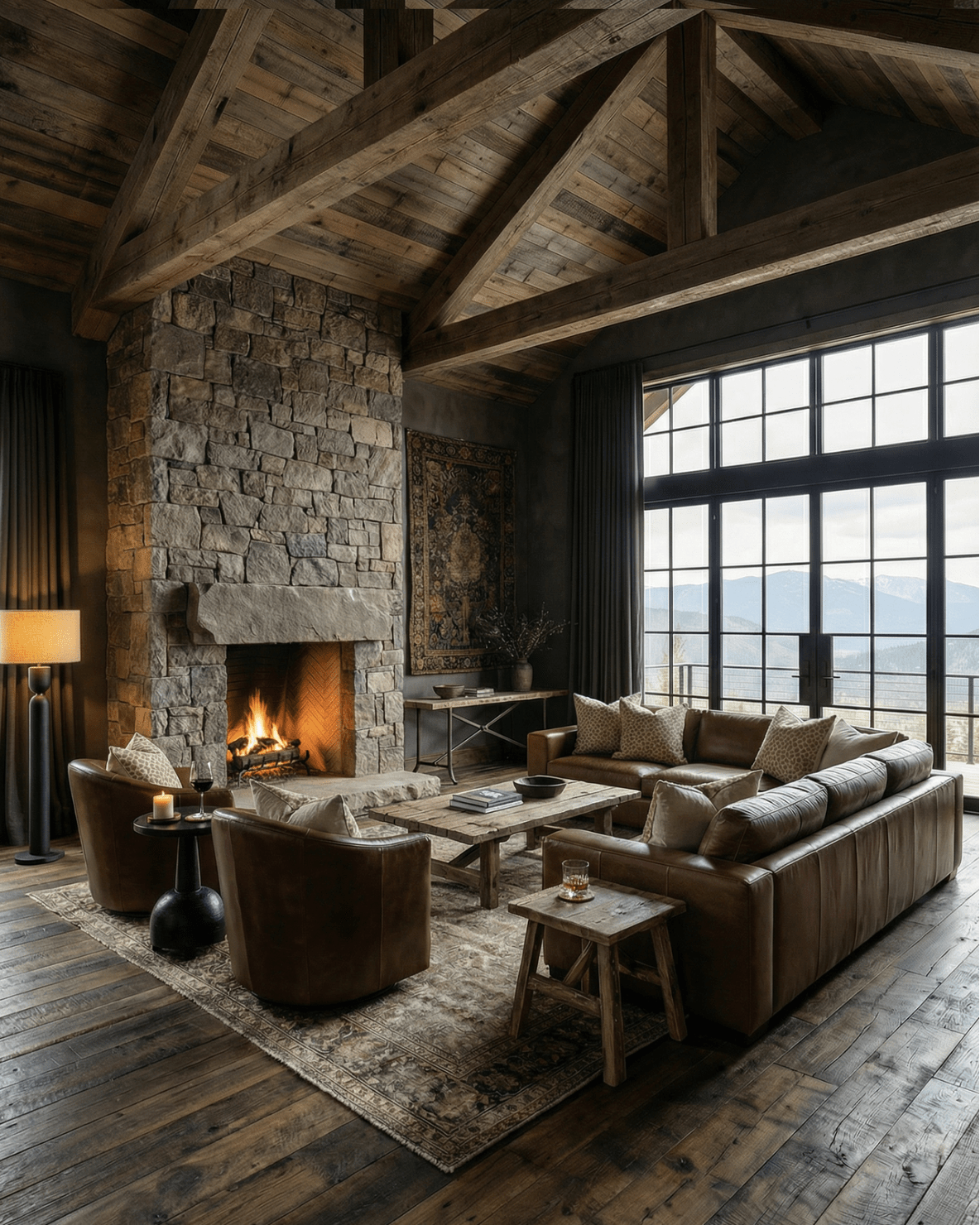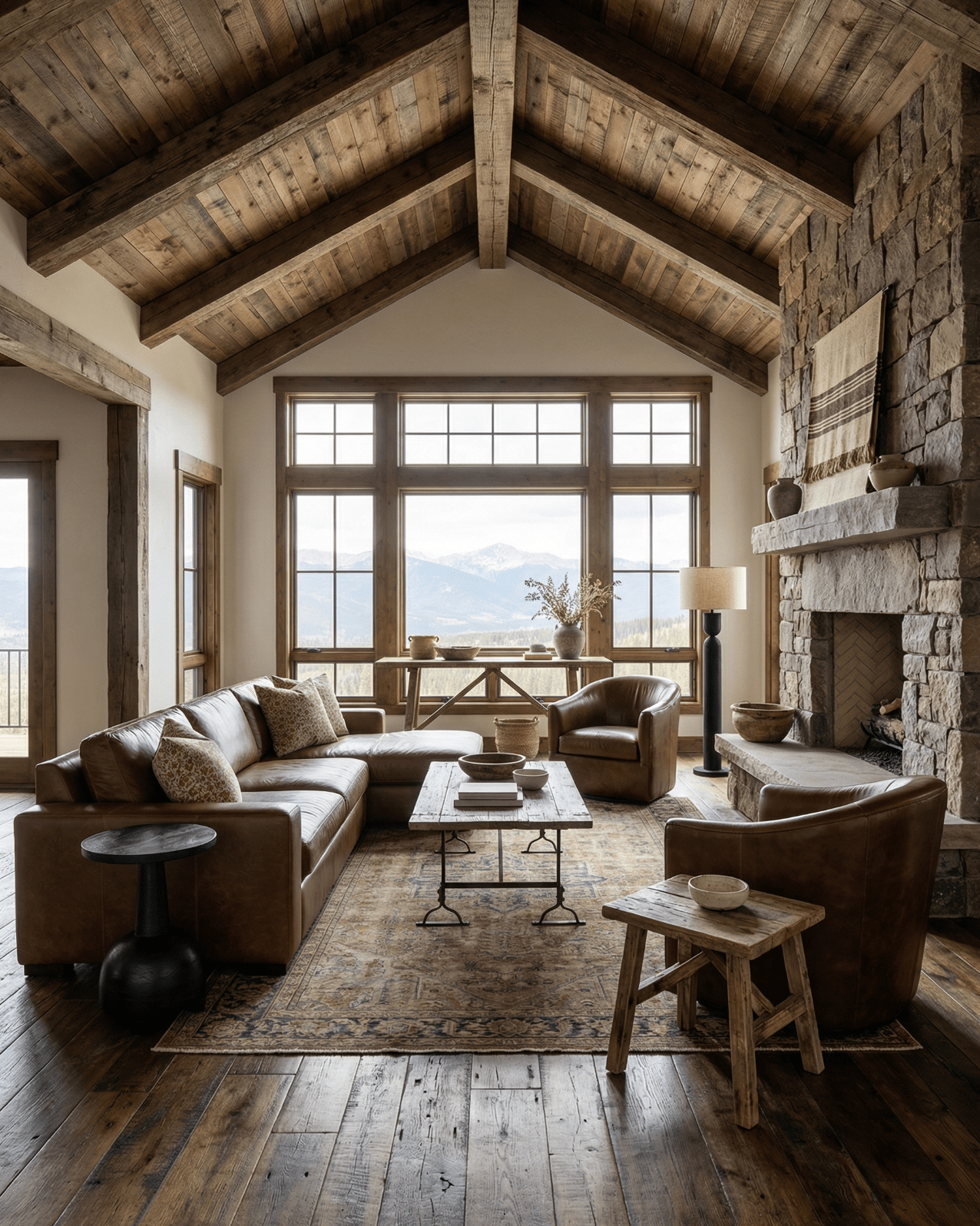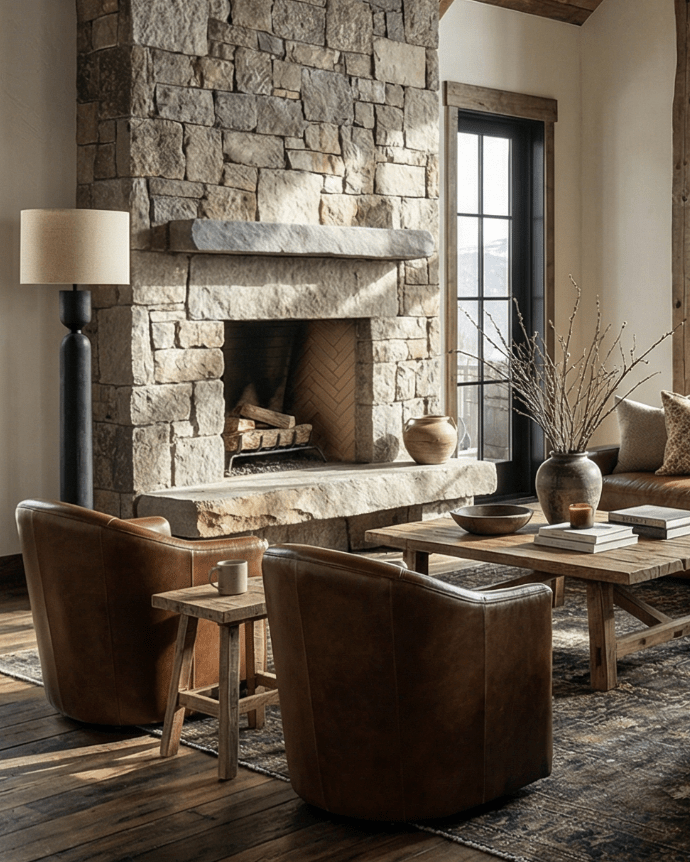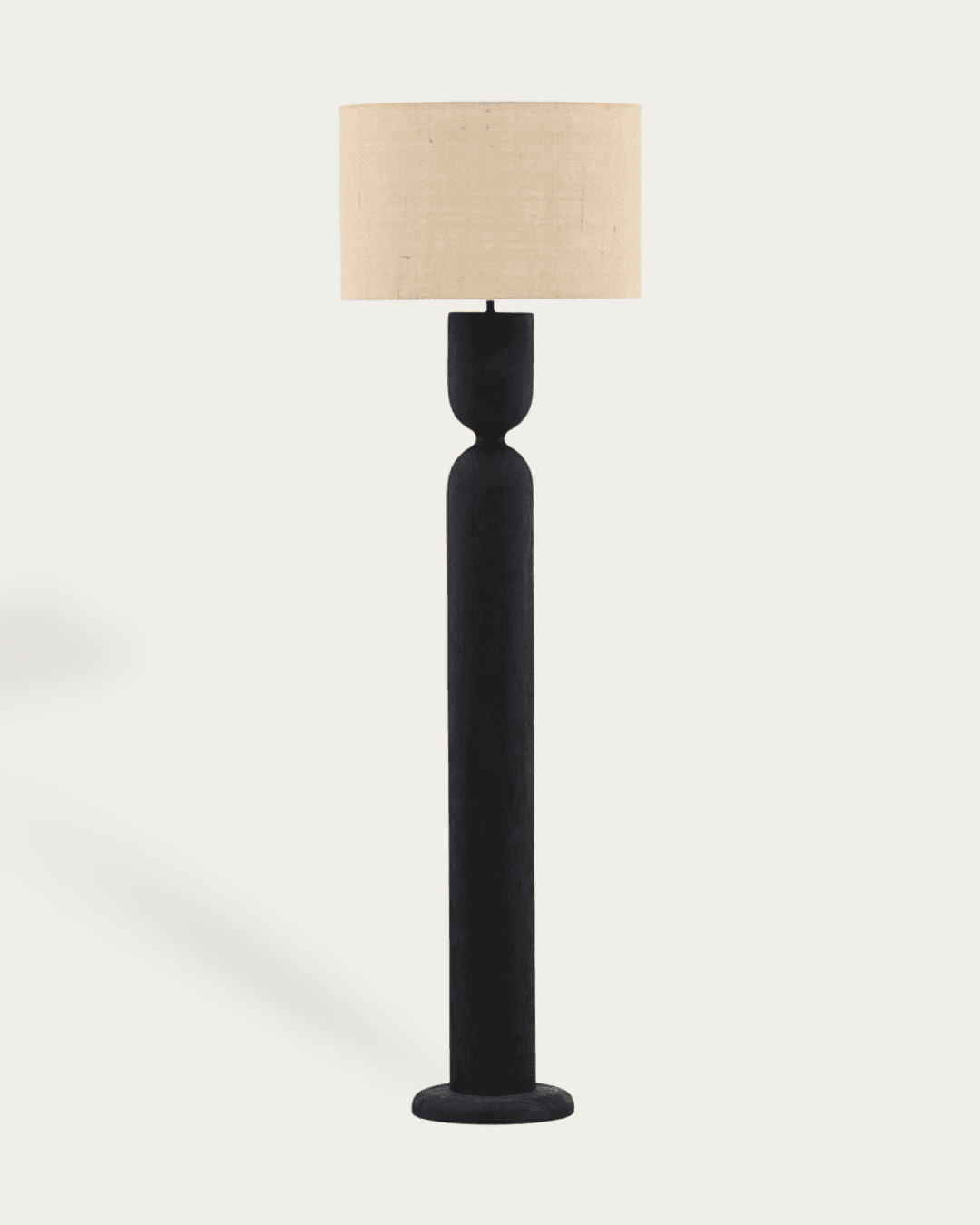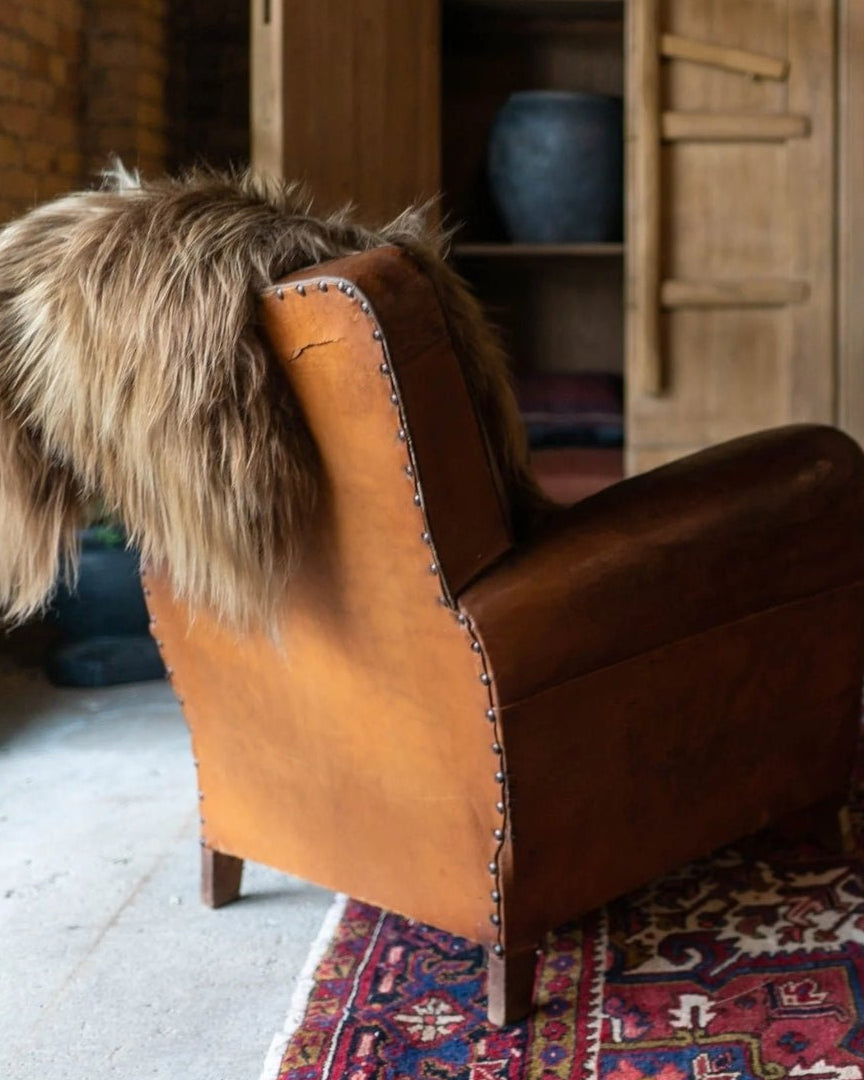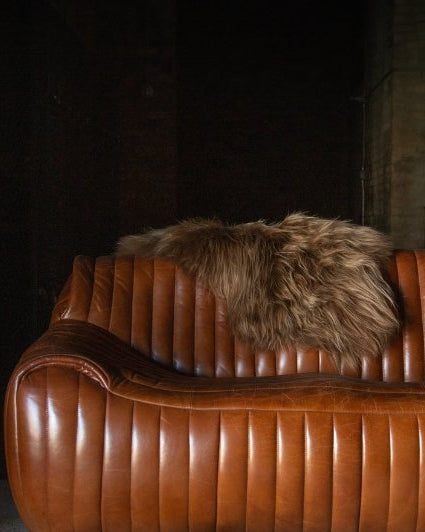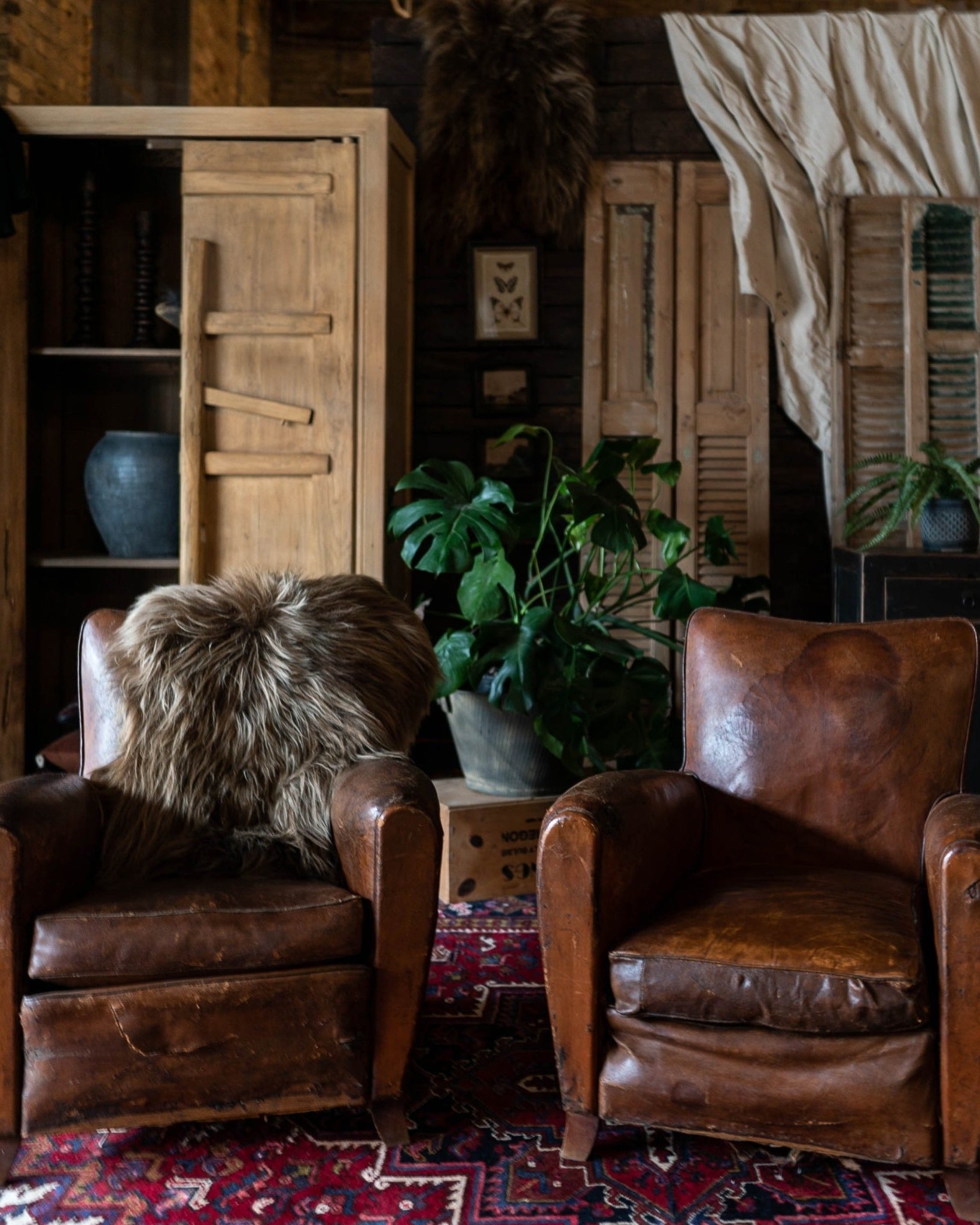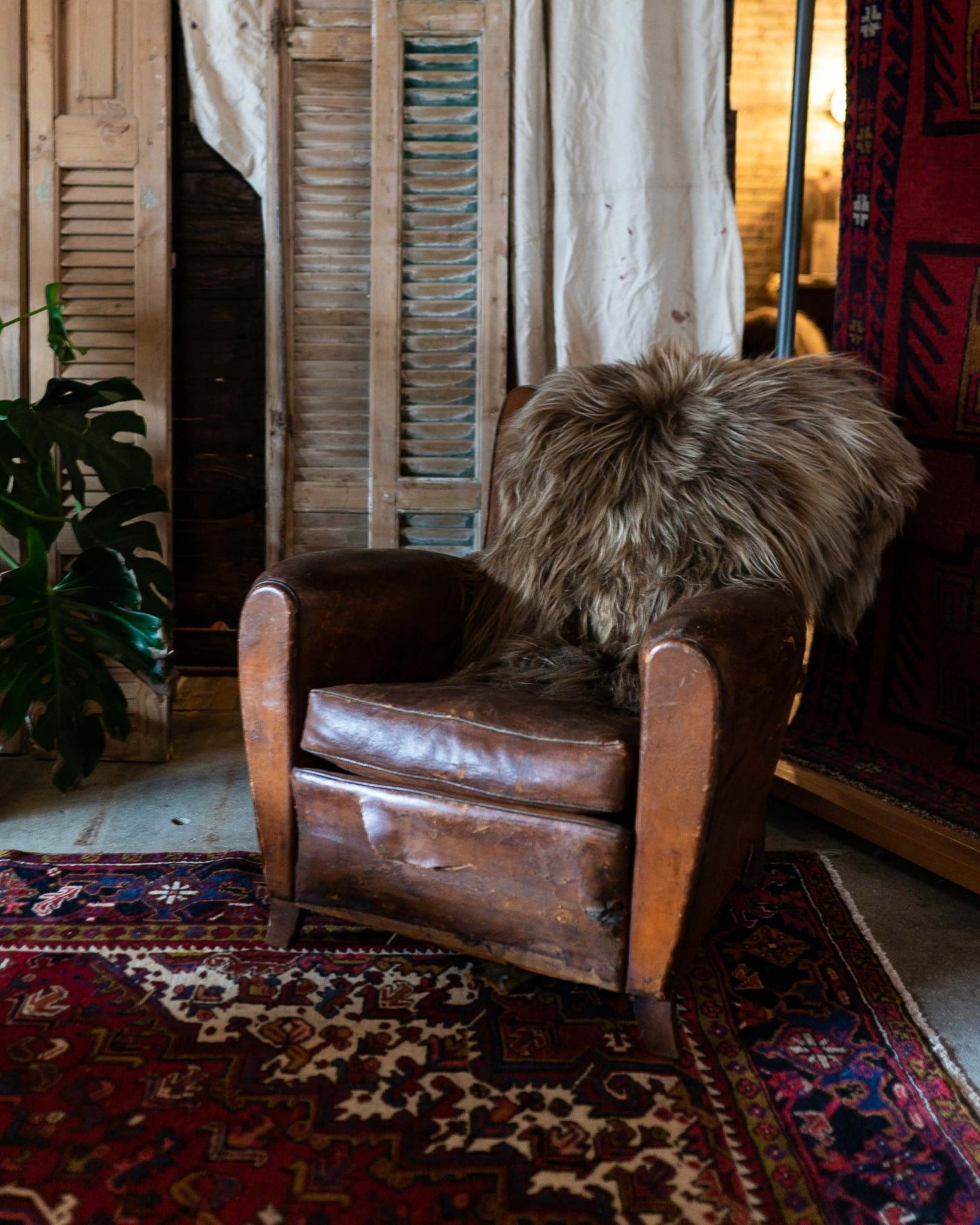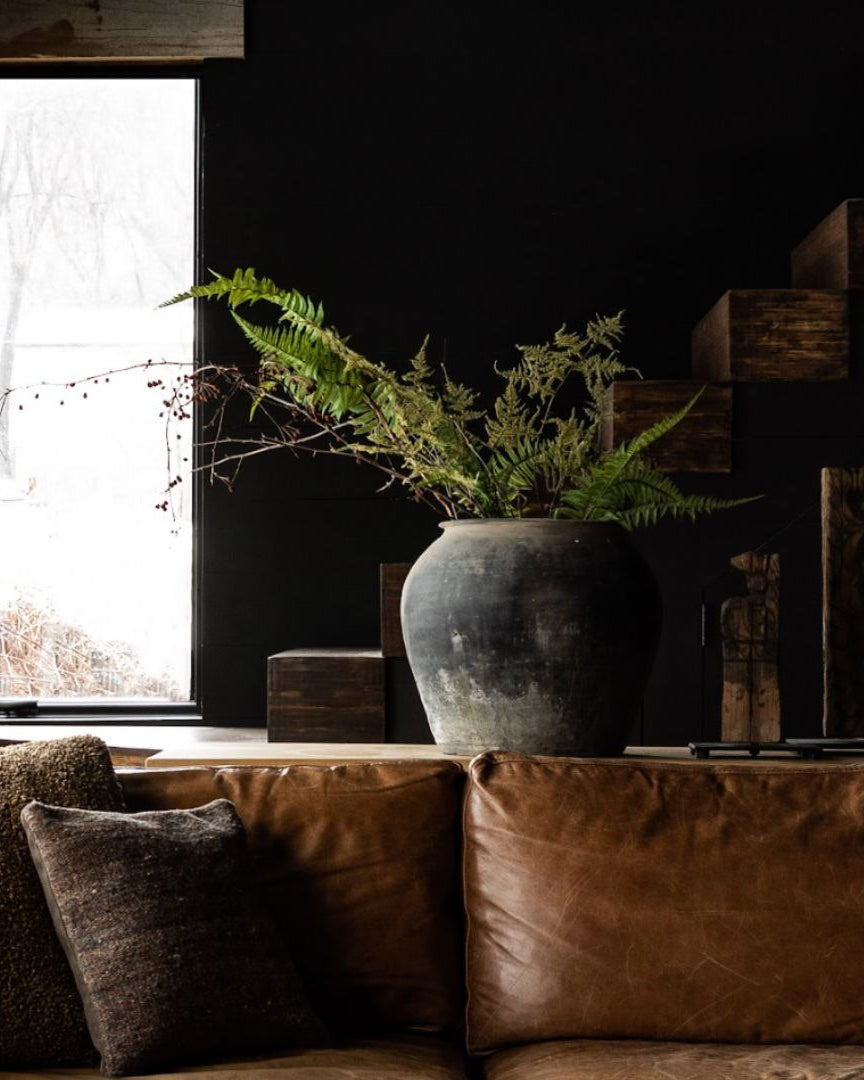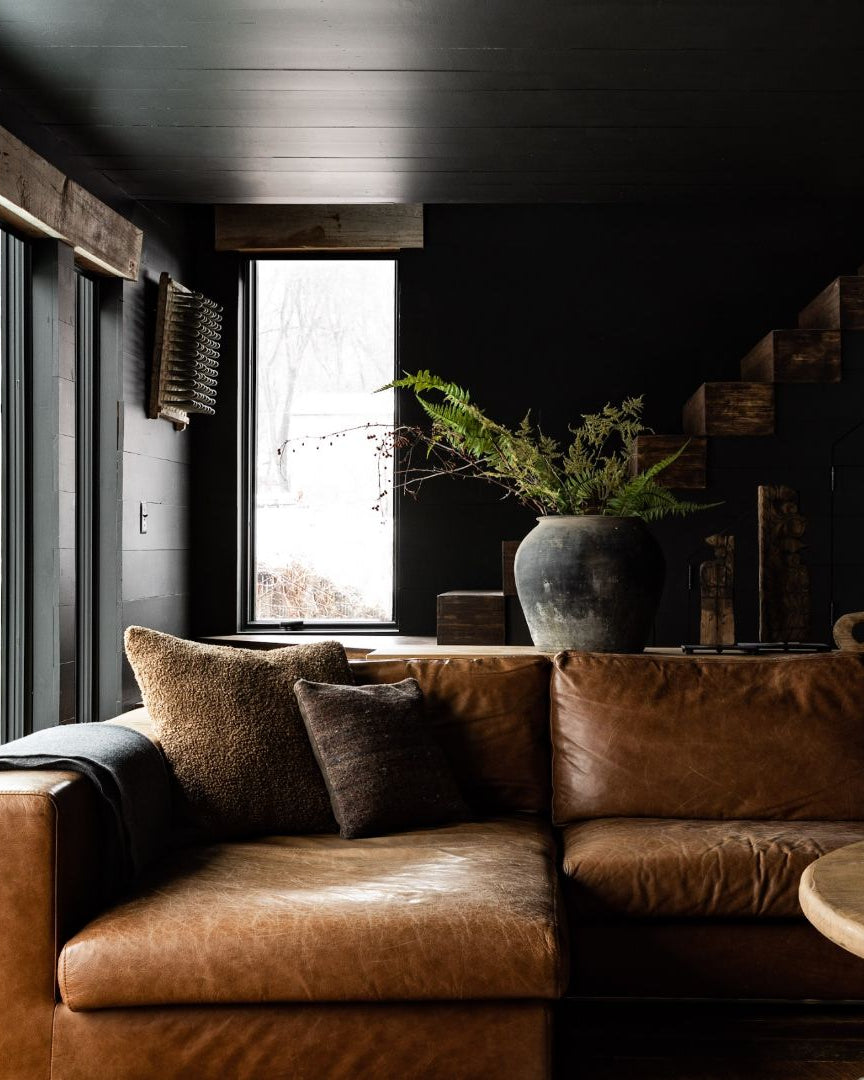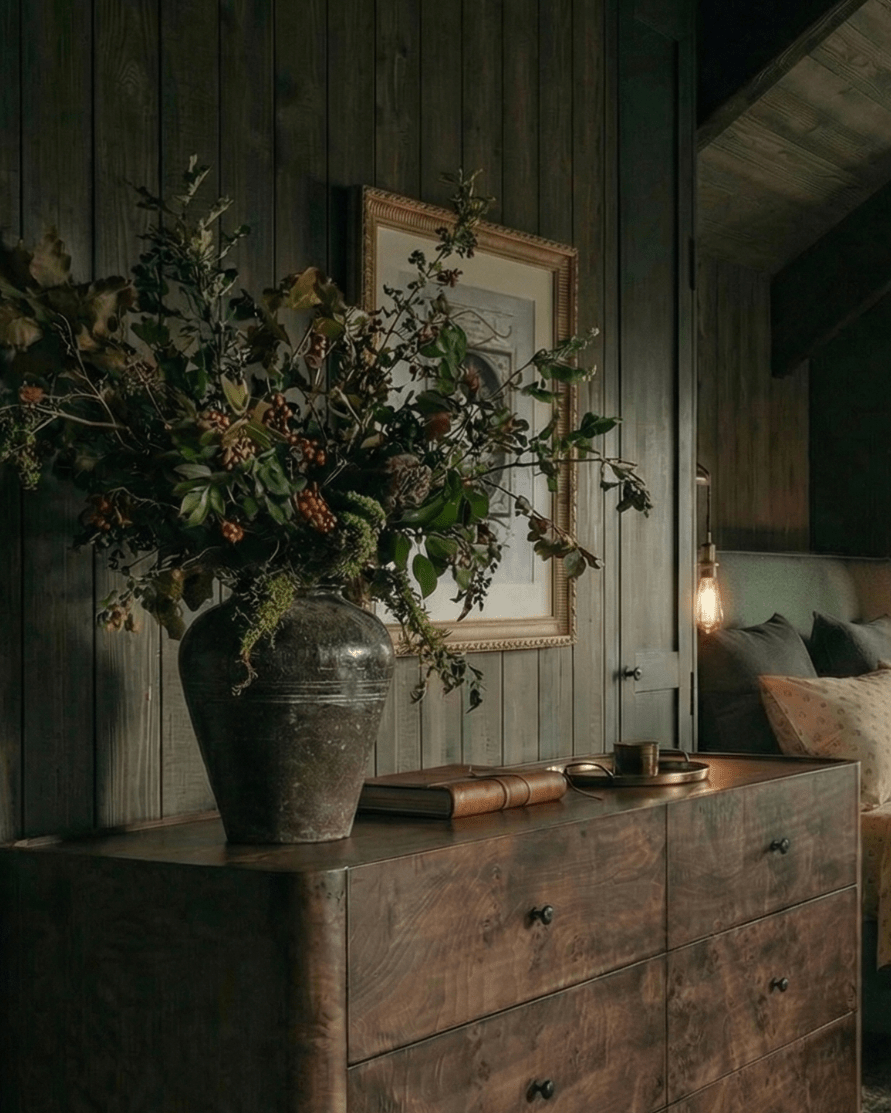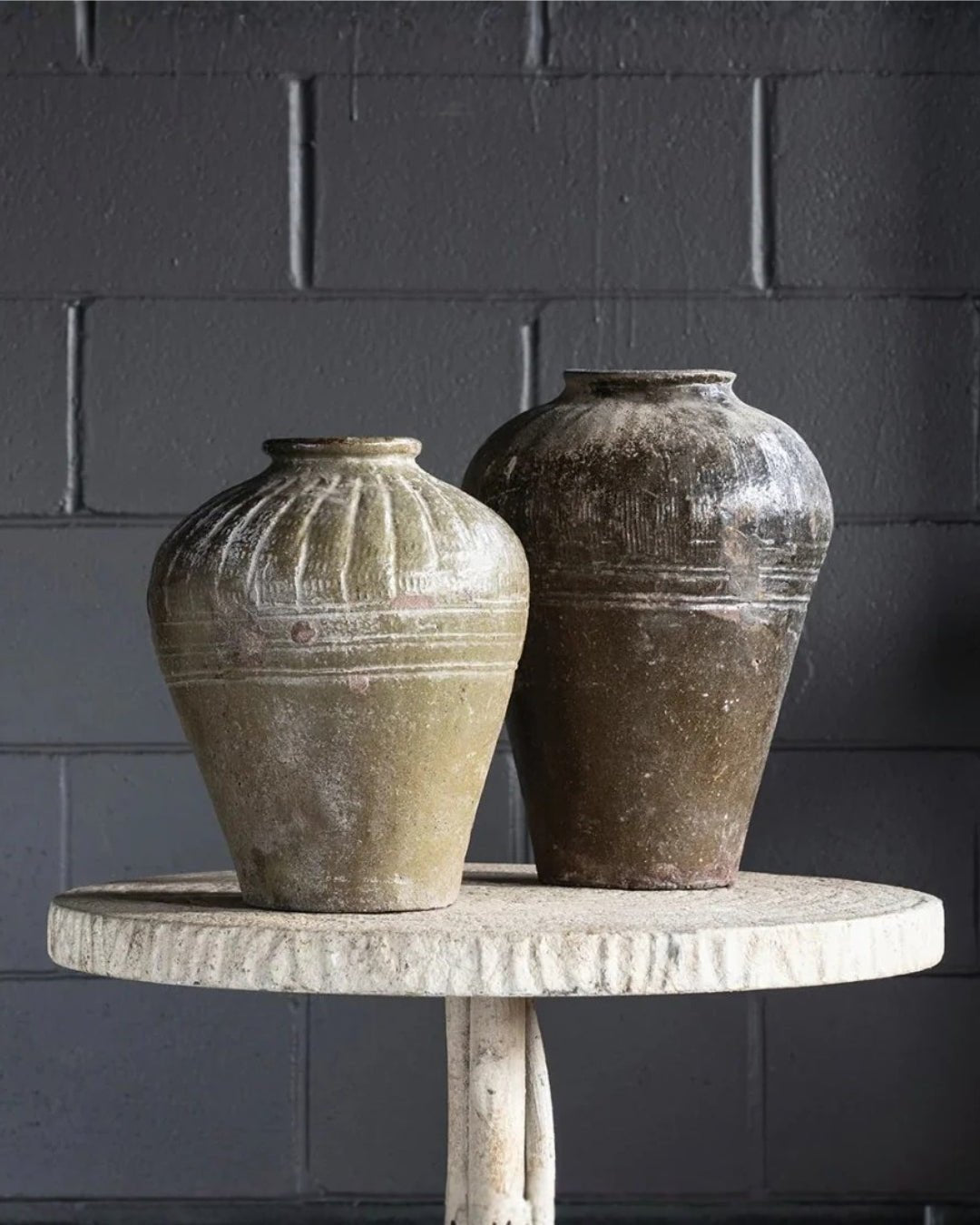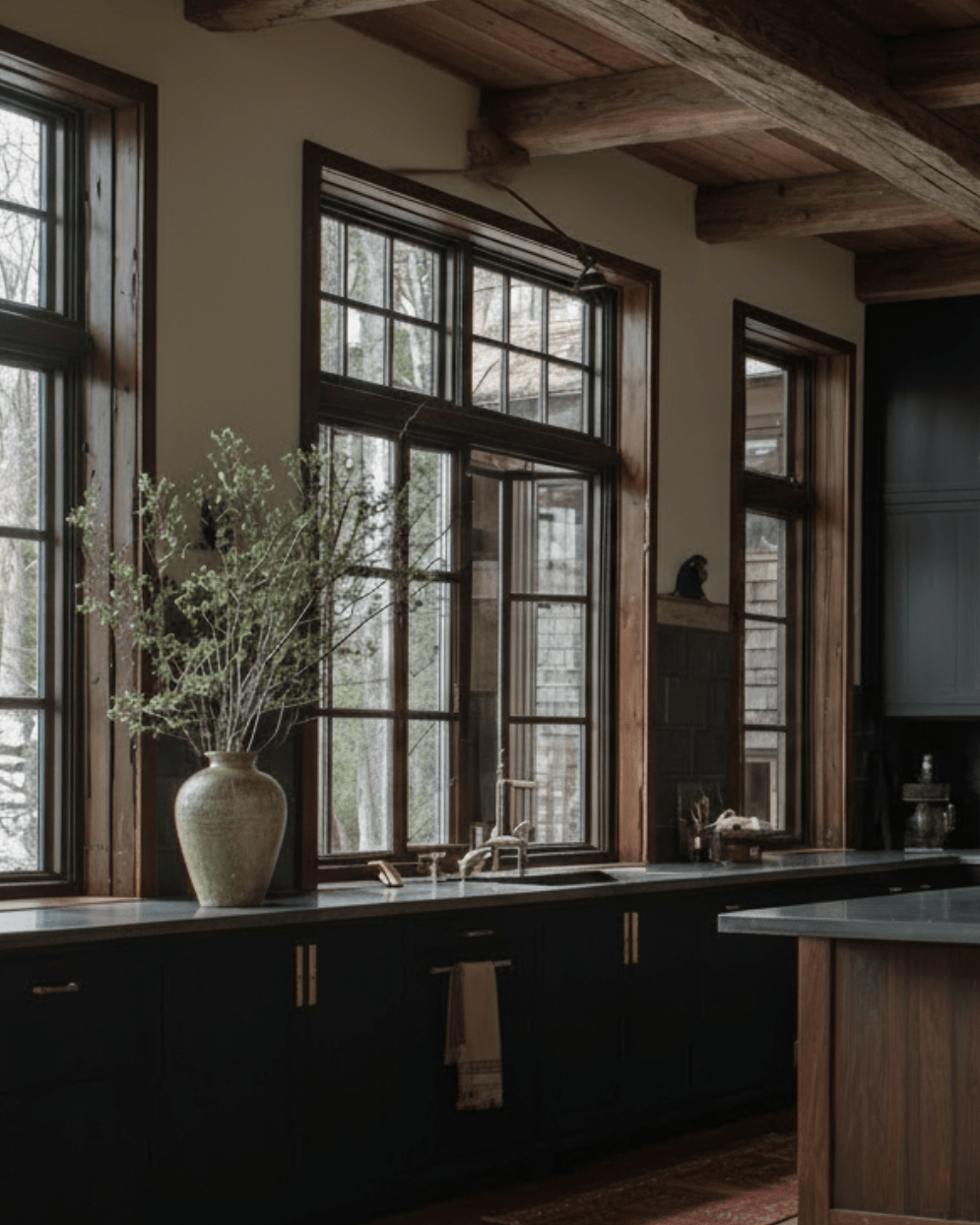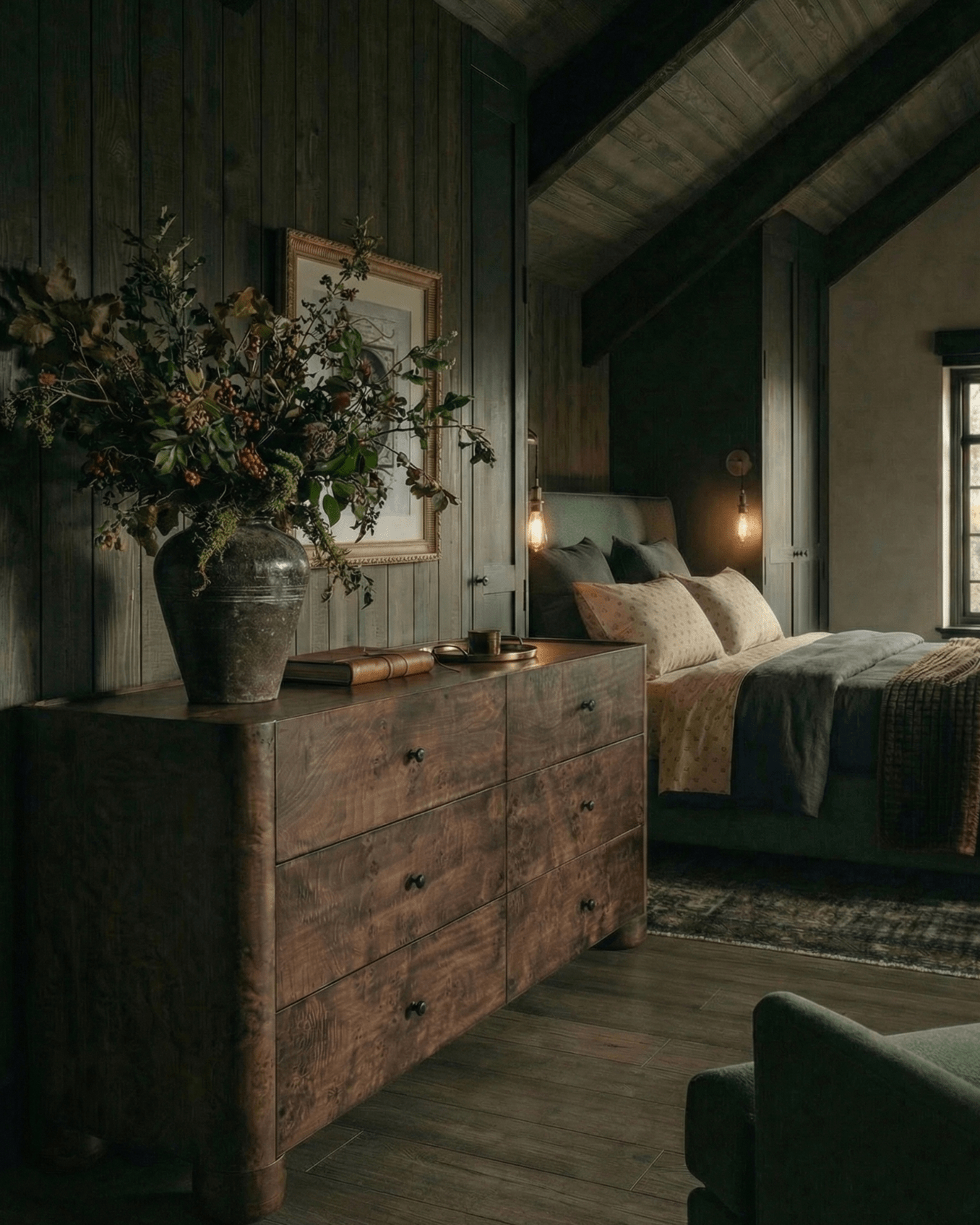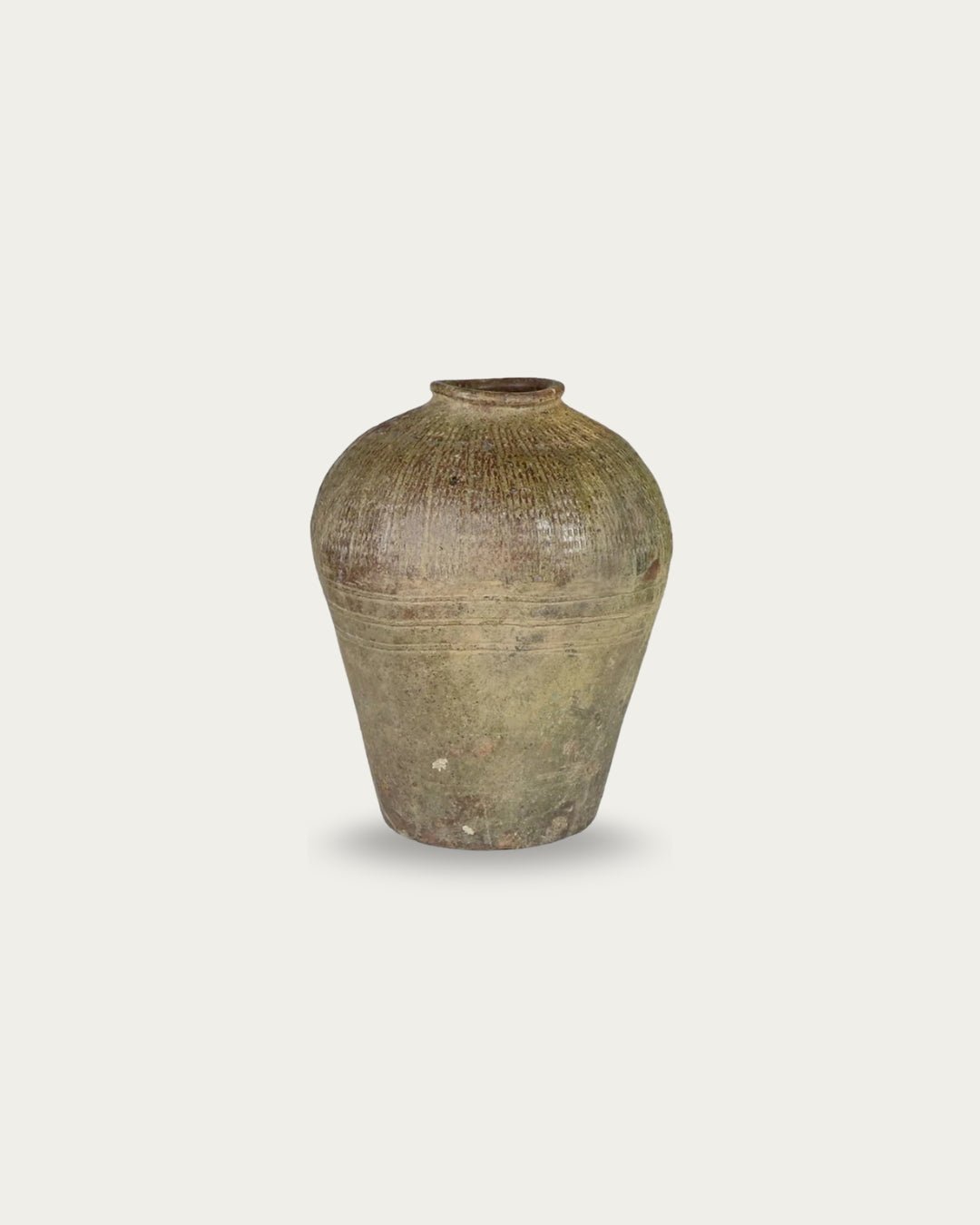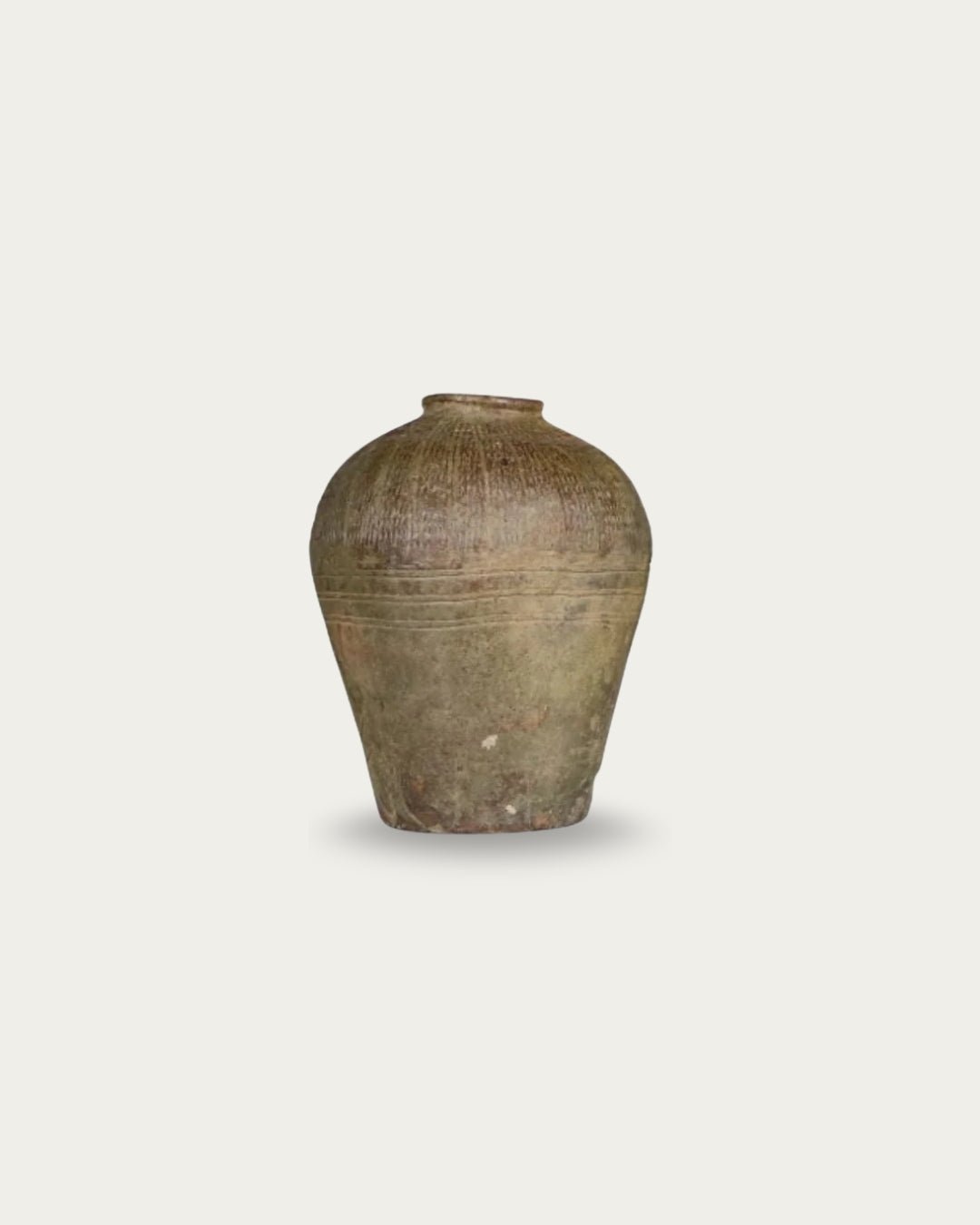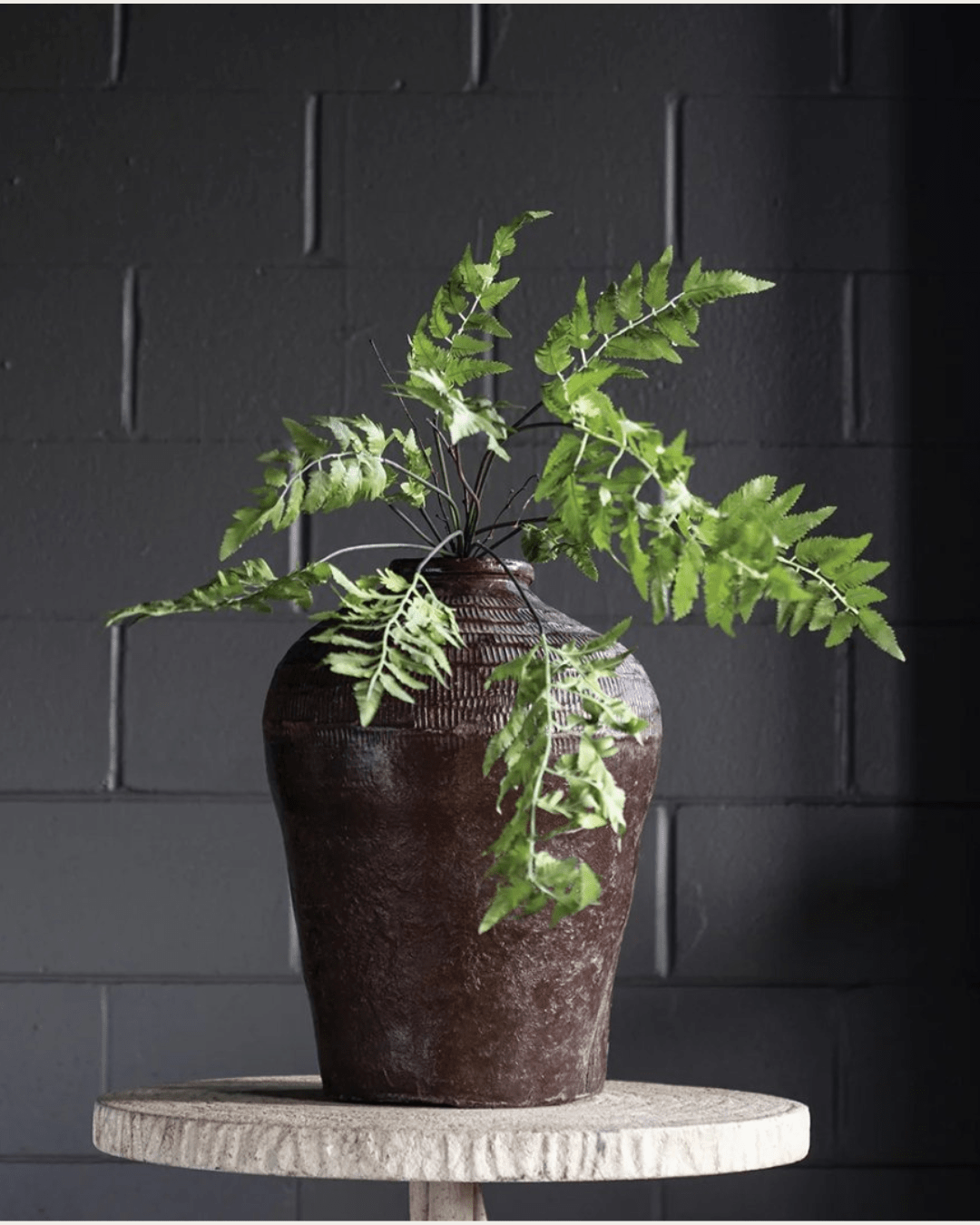








Most rooms don’t feel unfinished because they’re missing decor. They feel unfinished because nothing is carrying enough visual responsibility. That’s the quiet advantage of reclaimed furniture. It changes a room immediately—not through styling, layering, or trend-driven fixes, but by introducing material weight, scale, and history in one move.
This is the shortcut designers rarely spell out: instead of adding more pieces, add one that can hold the room together. Reclaimed furniture does that naturally, because it was never designed to be light, temporary, or disposable.
Why Reclaimed Furniture Changes a Room Faster Than Anything Else
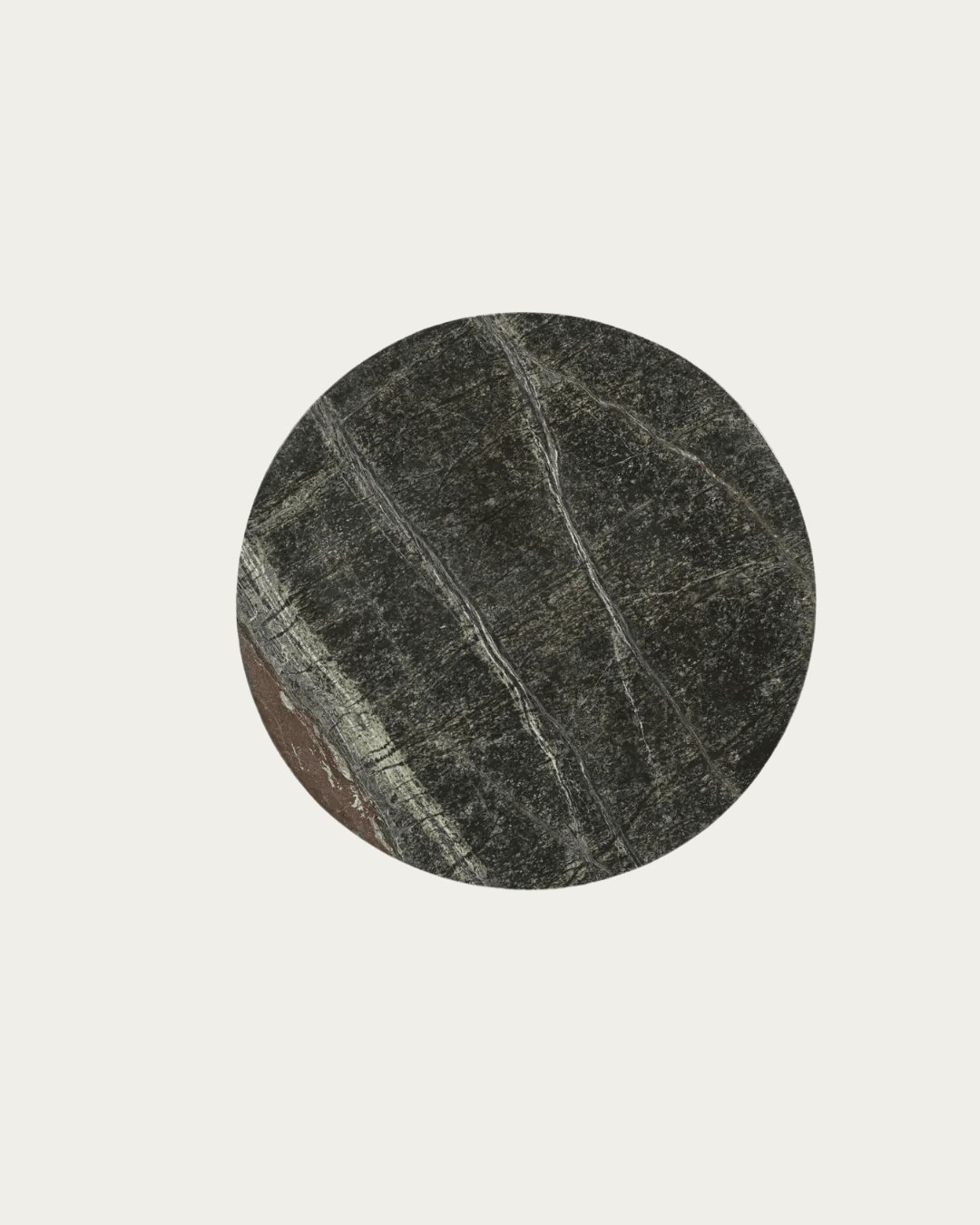
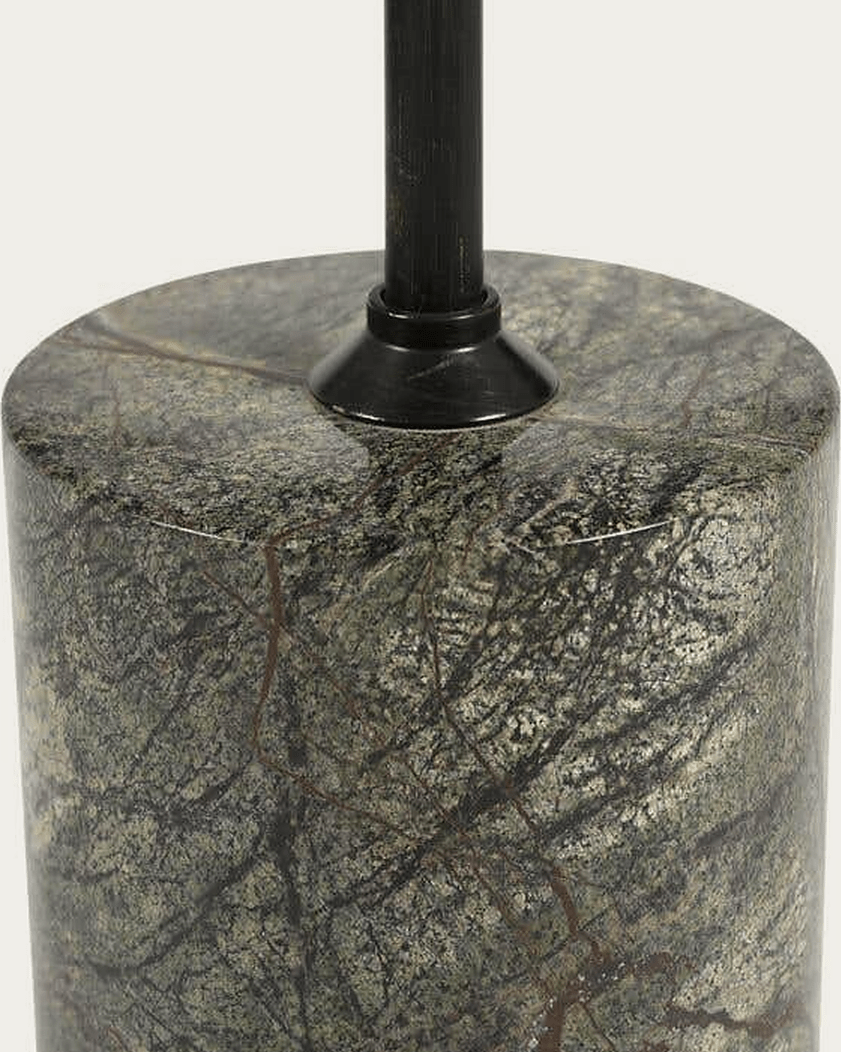
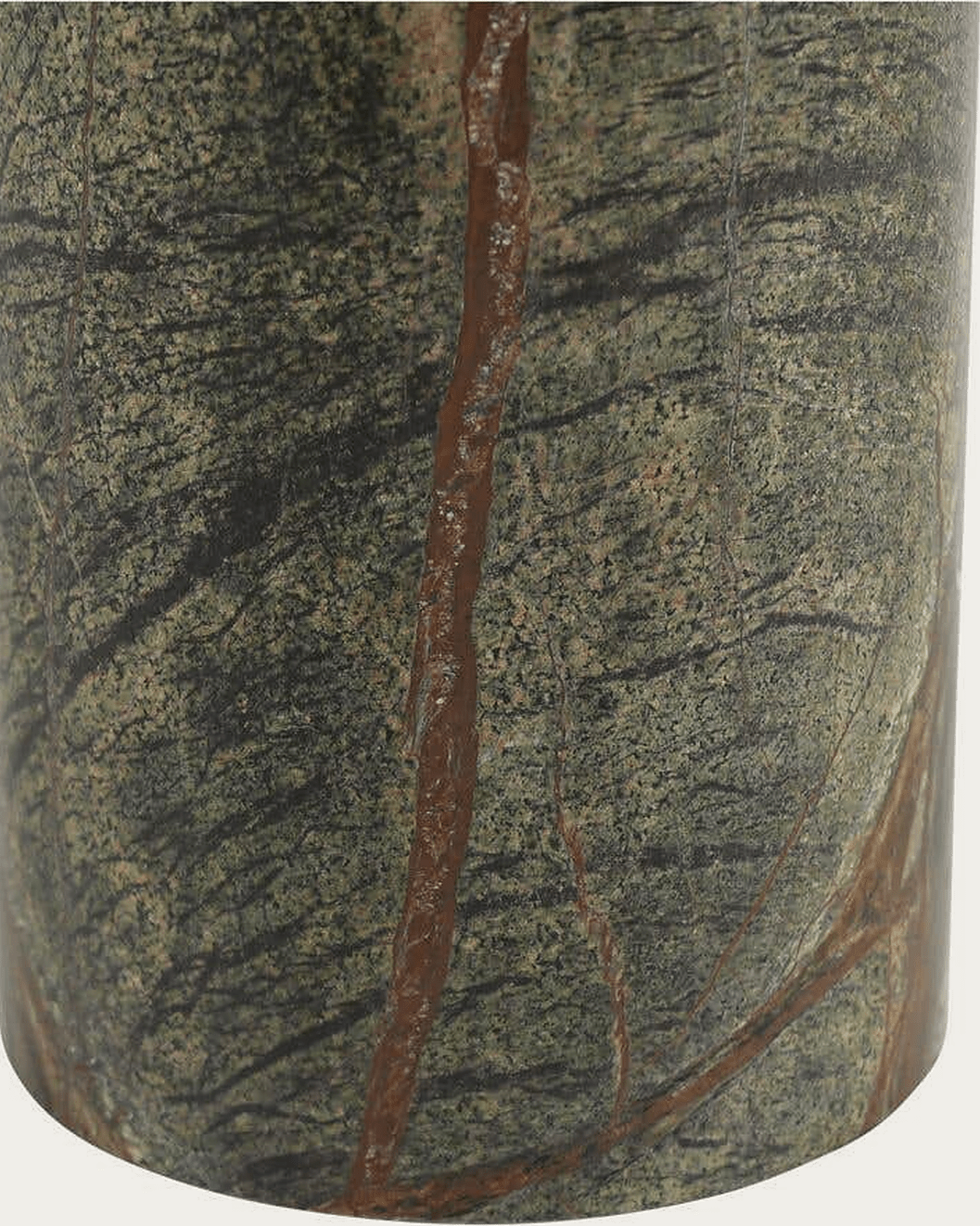
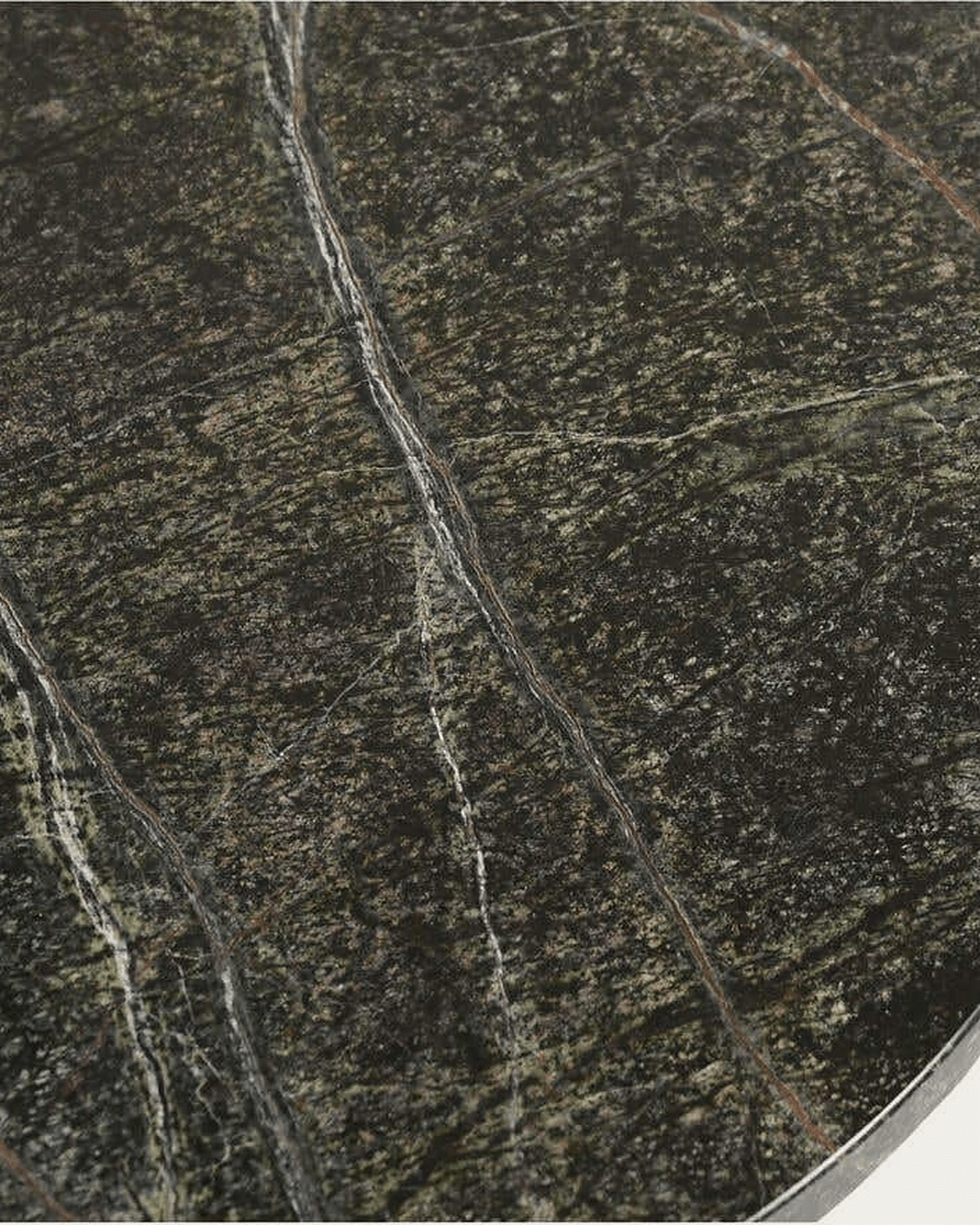
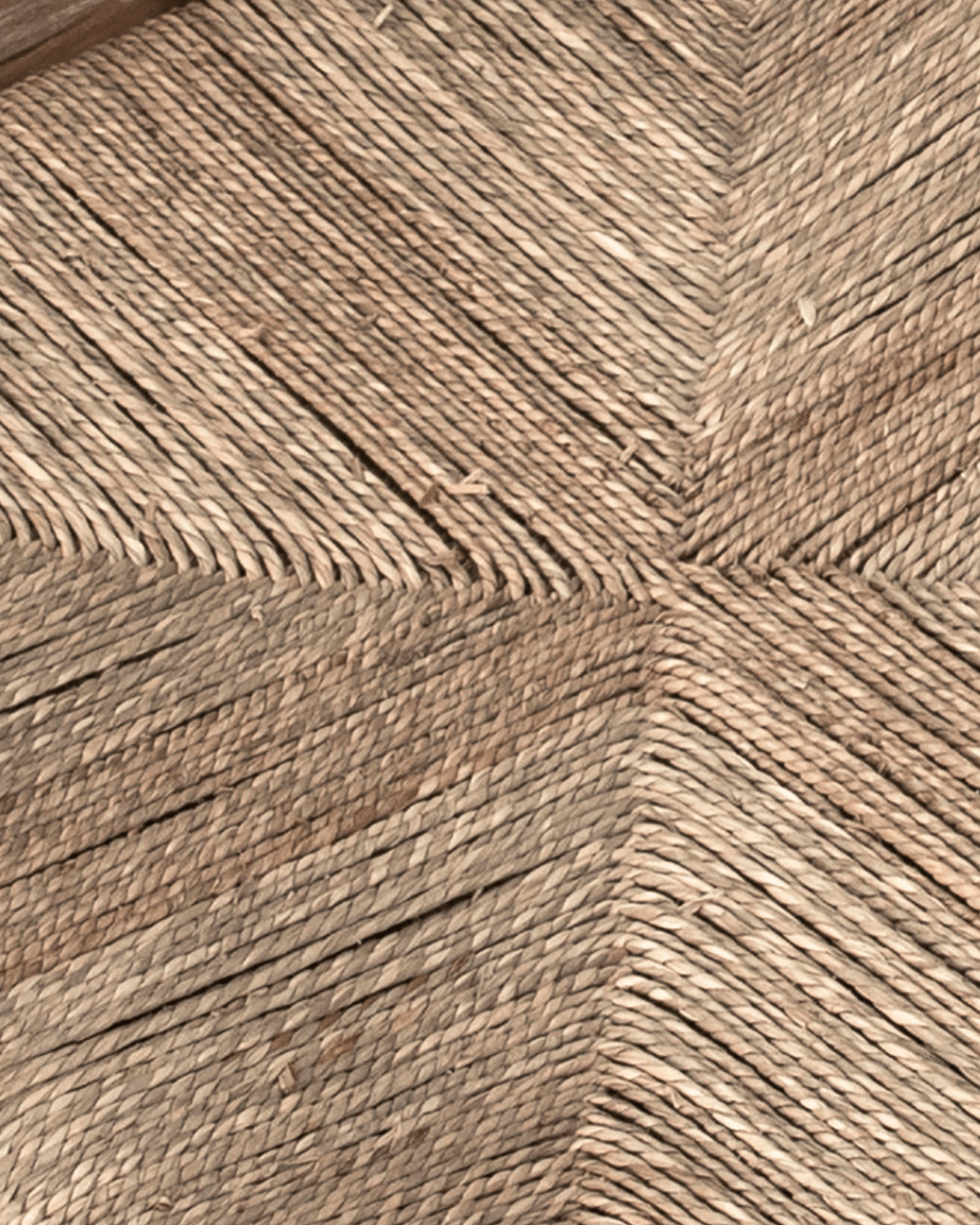
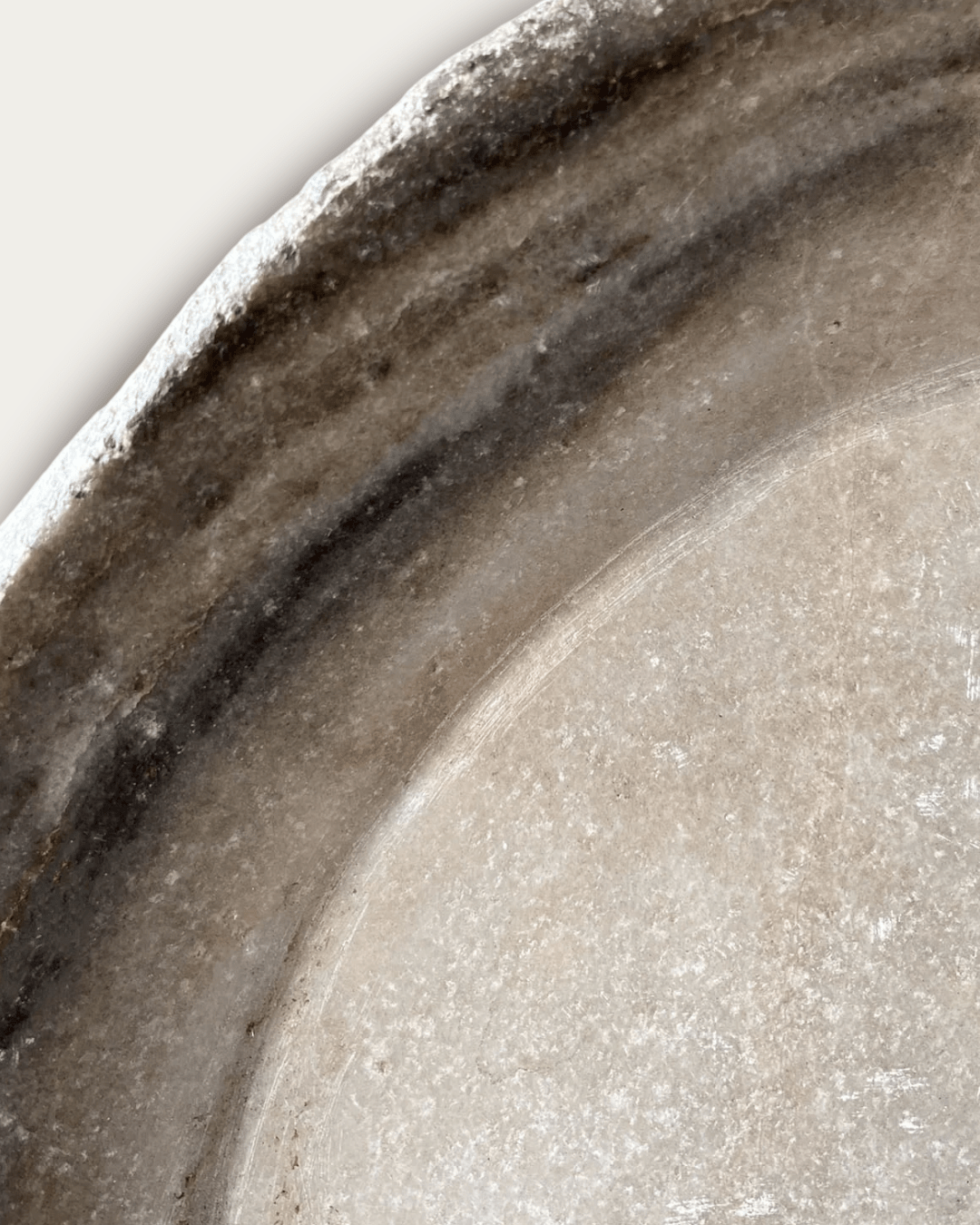
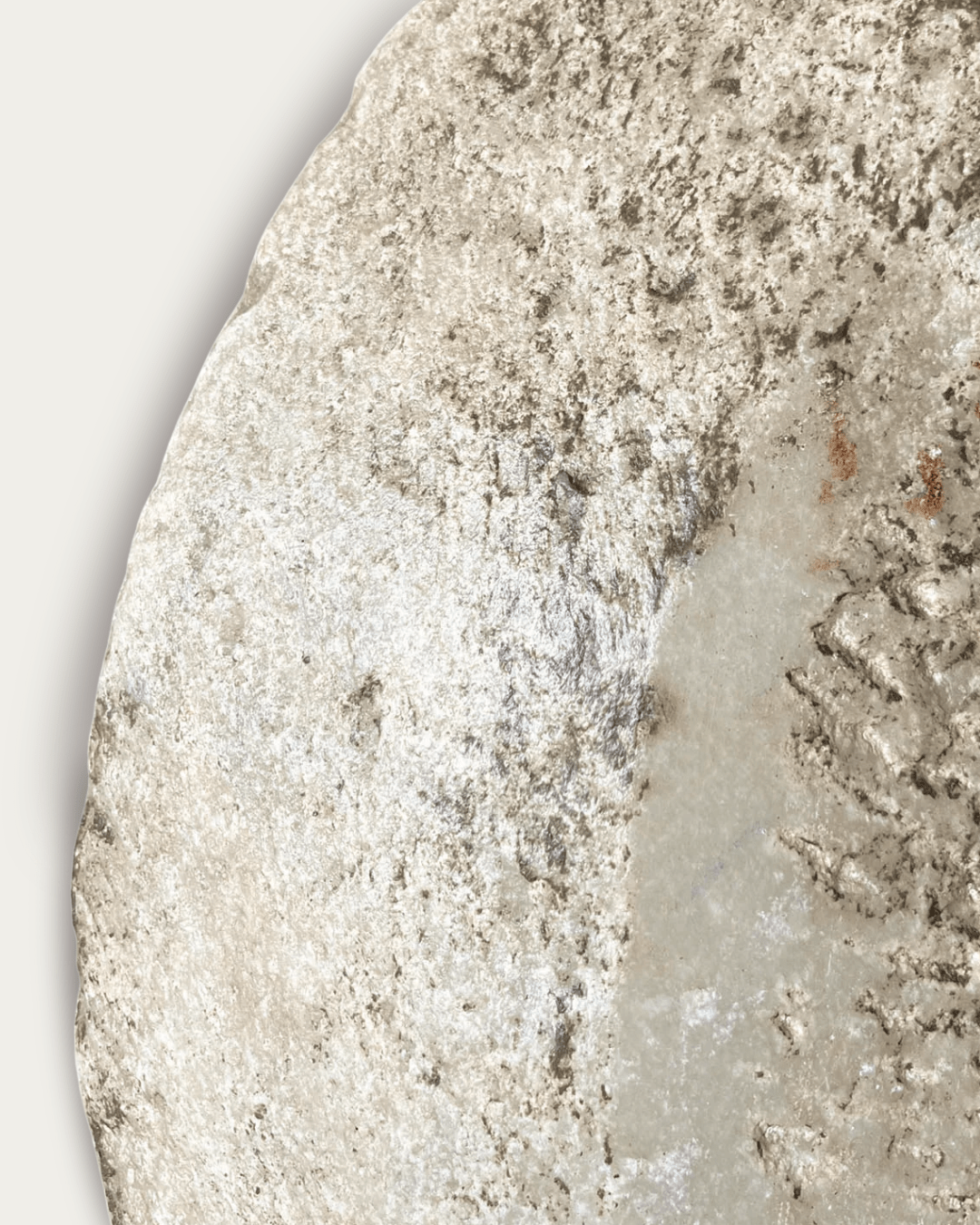
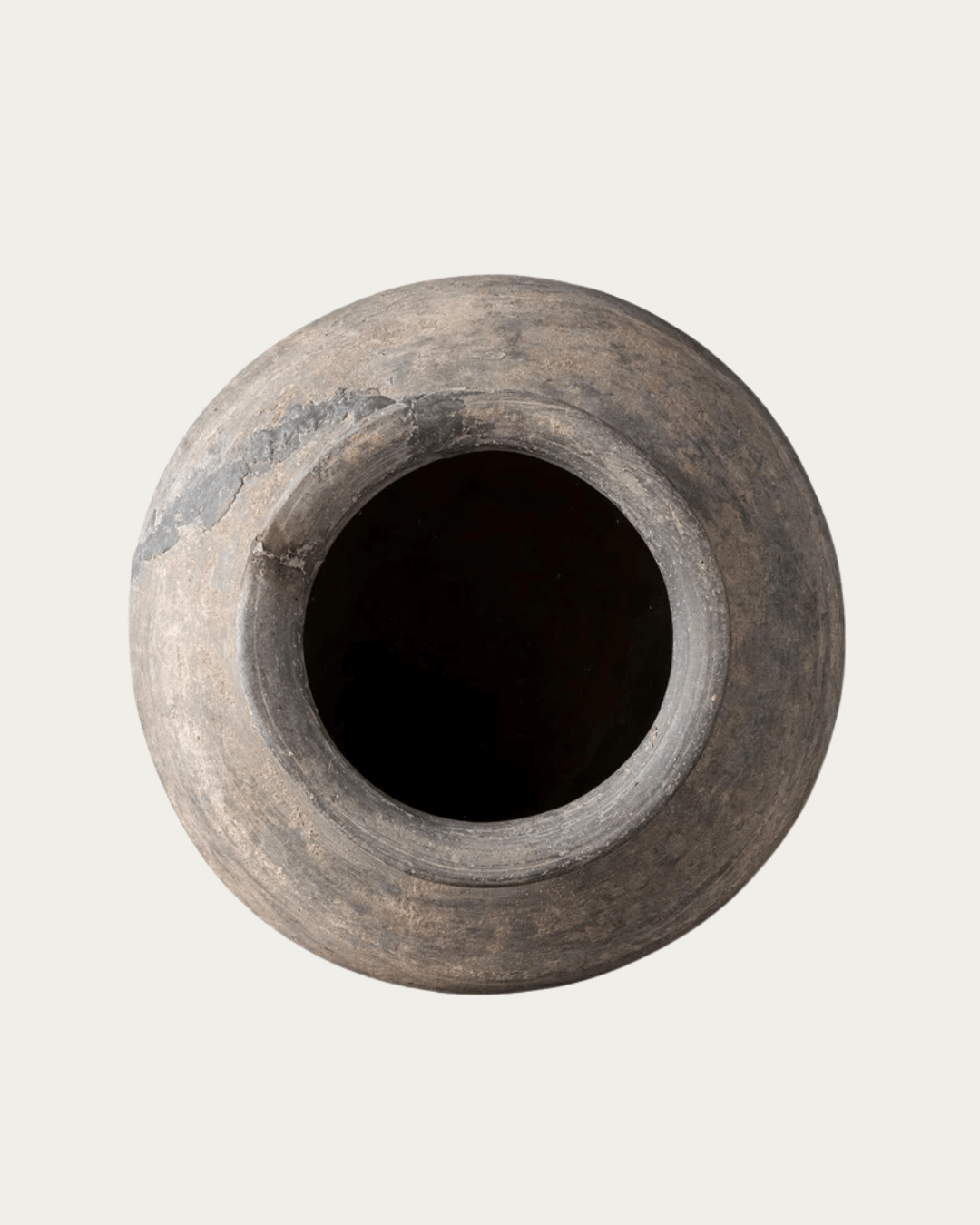
Reclaimed furniture works fast because it brings three things most modern interiors lack: mass, texture, and credibility. The materials—salvaged wood, aged surfaces, visible joinery—register instantly. You don’t need to explain them or style around them for effect.
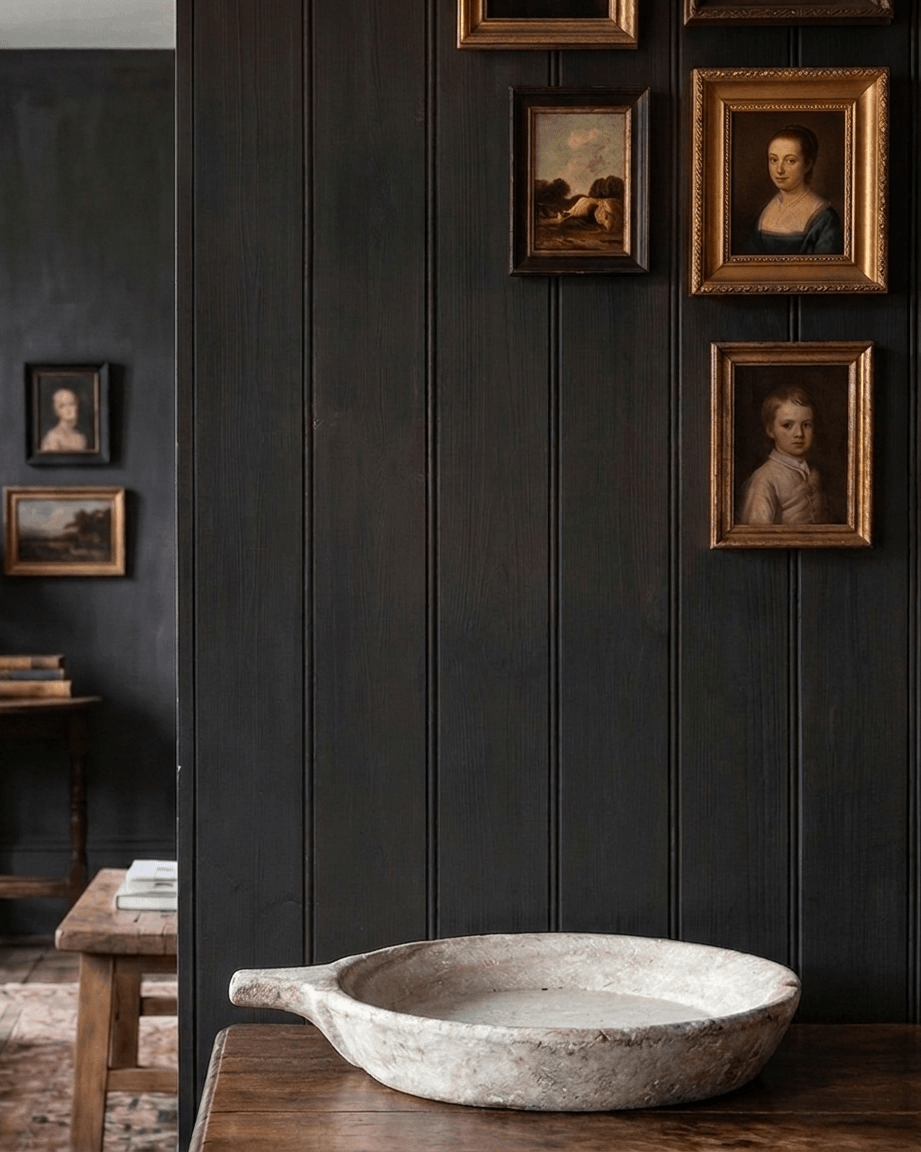
A reclaimed piece anchors the room visually, which means everything else suddenly makes sense. Artwork feels intentional. Lighting feels softer. Negative space starts working instead of looking empty.
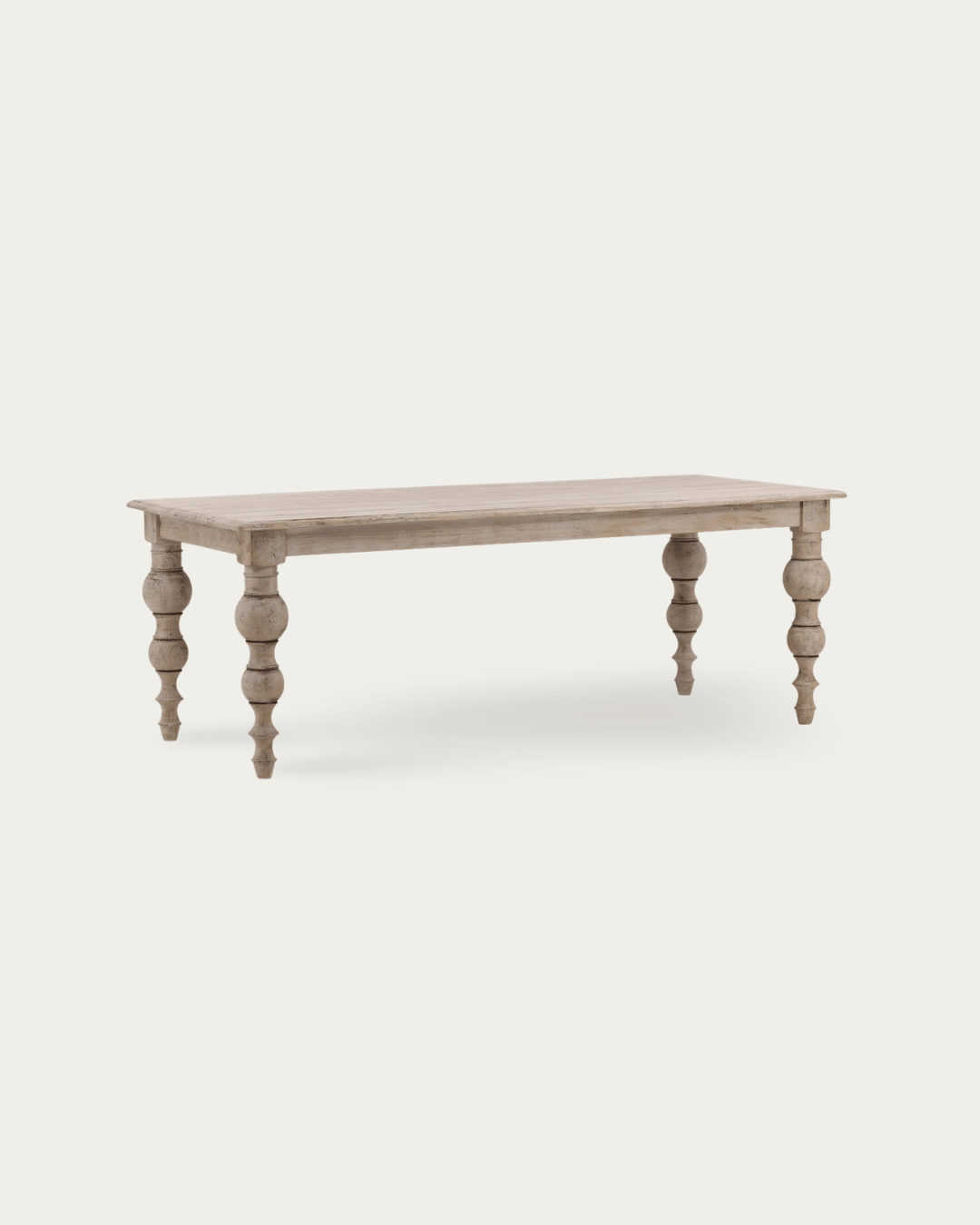
This is why one strong table often outperforms multiple smaller decor pieces. A reclaimed form doesn’t compete for attention—it absorbs it.
Visual Weight: The Underrated Design Tool
Visual weight isn’t about size alone. It’s about how an object occupies space. Reclaimed furniture tends to sit lower, thicker, and more grounded than mass-produced pieces, which gives the eye a place to rest.
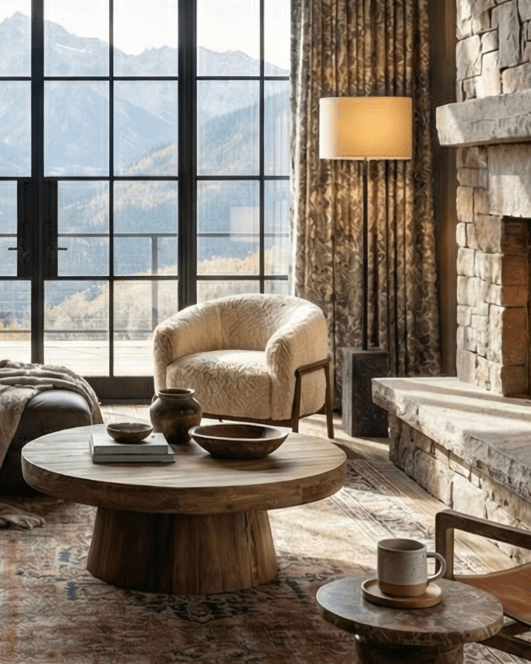
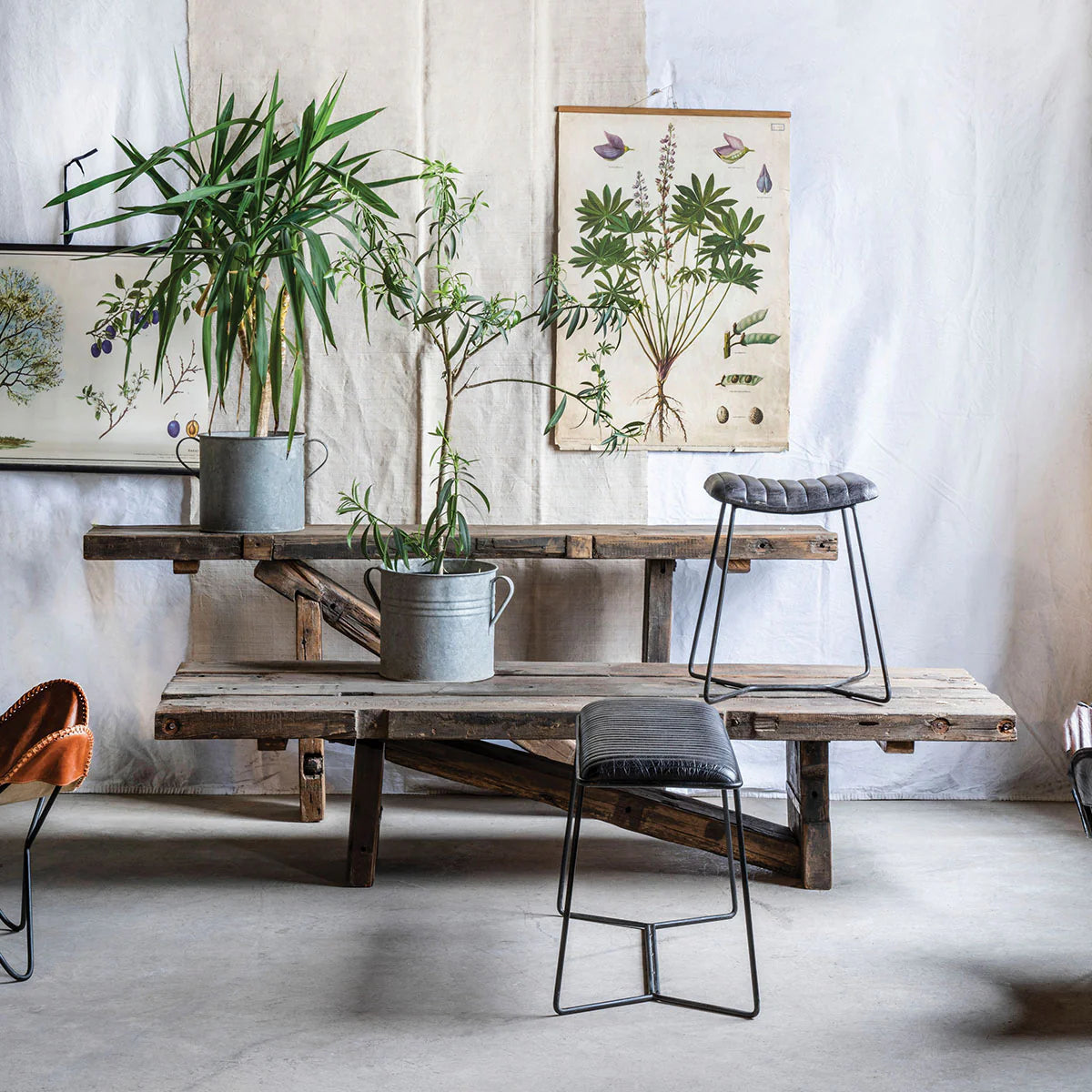
A coffee table like the Vidar salvaged wood coffee table establishes a center of gravity in a living room. Its surface texture and proportion mean you don’t need to over-style it. A single book or object is enough.
In smaller rooms, the Elin coffee table offers the same stabilizing effect with a lighter footprint. It still carries material presence, but it doesn’t overwhelm the layout.
RUTED Tip: If you’re styling more than three objects to make a table feel “right,” the table isn’t doing enough work.
Why Reclaimed Furniture Makes Modern Spaces Feel Finished
Minimal, modern spaces often struggle with feeling incomplete. Clean lines and neutral palettes can read as flat without something to interrupt them. Reclaimed furniture provides that interruption—without chaos.
The irregularities in reclaimed wood introduce variation that modern architecture lacks by design. Grain shifts, knots, and wear marks break up uniformity, which adds depth without adding clutter.
A piece like the Junia vintage wood sideboard works especially well against smooth walls or contemporary finishes. It gives the room a sense of permanence, even if everything else is new.
Paired thoughtfully, reclaimed furniture doesn’t fight modern design—it completes it.
Function Is What Keeps It From Feeling Like a Statement Piece
One reason reclaimed furniture never feels forced is that it’s useful first. These pieces were built to work, and that logic still applies.
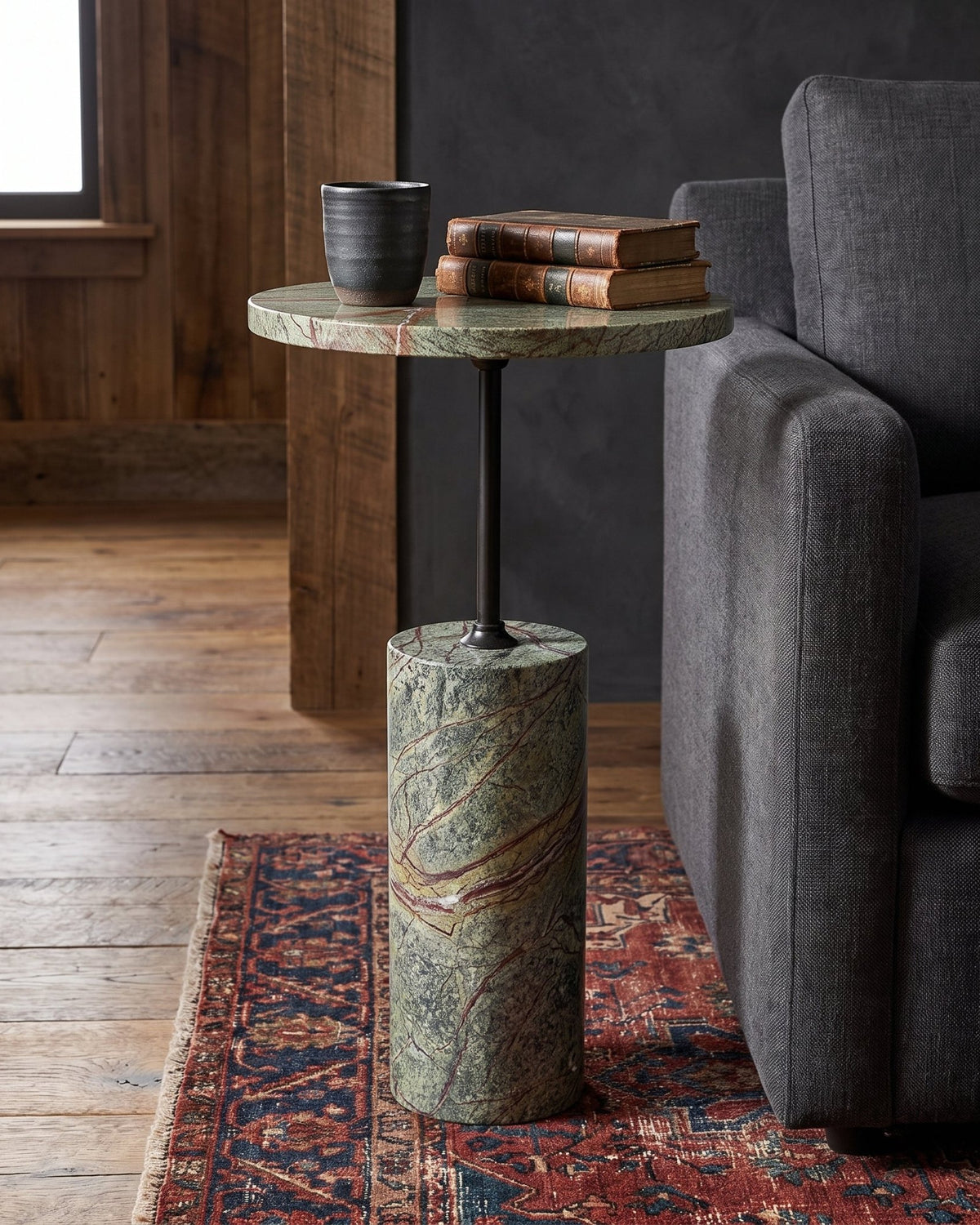
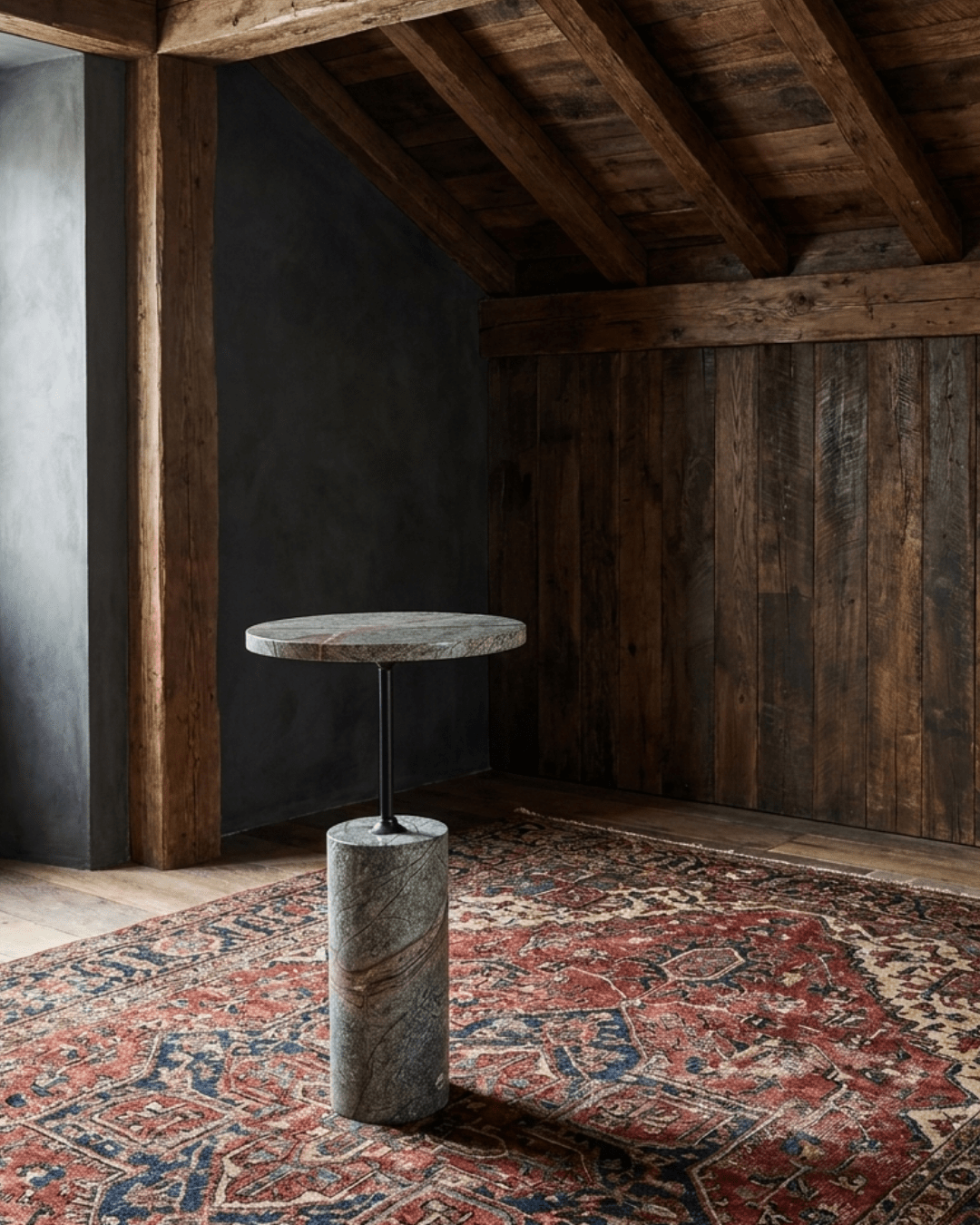
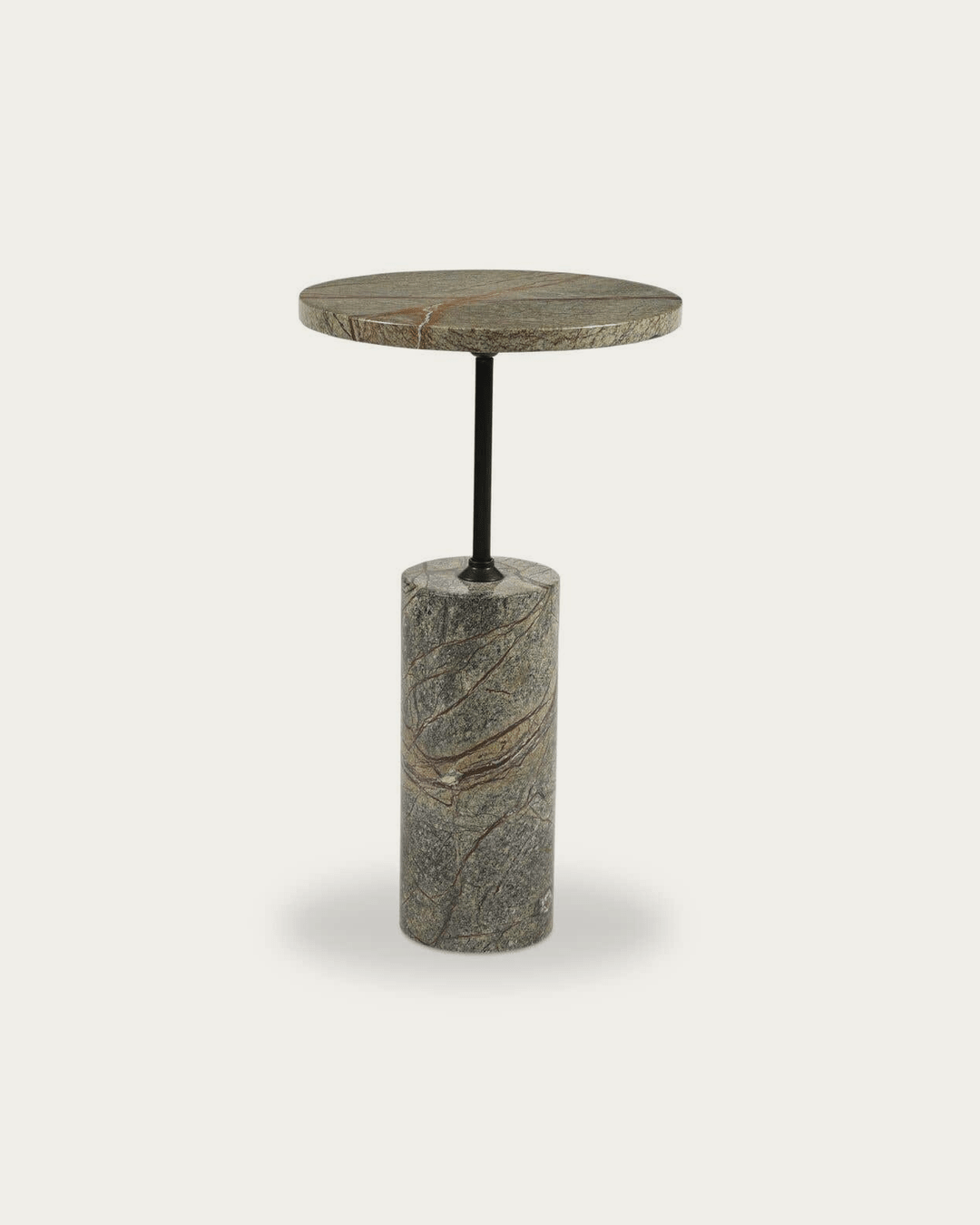
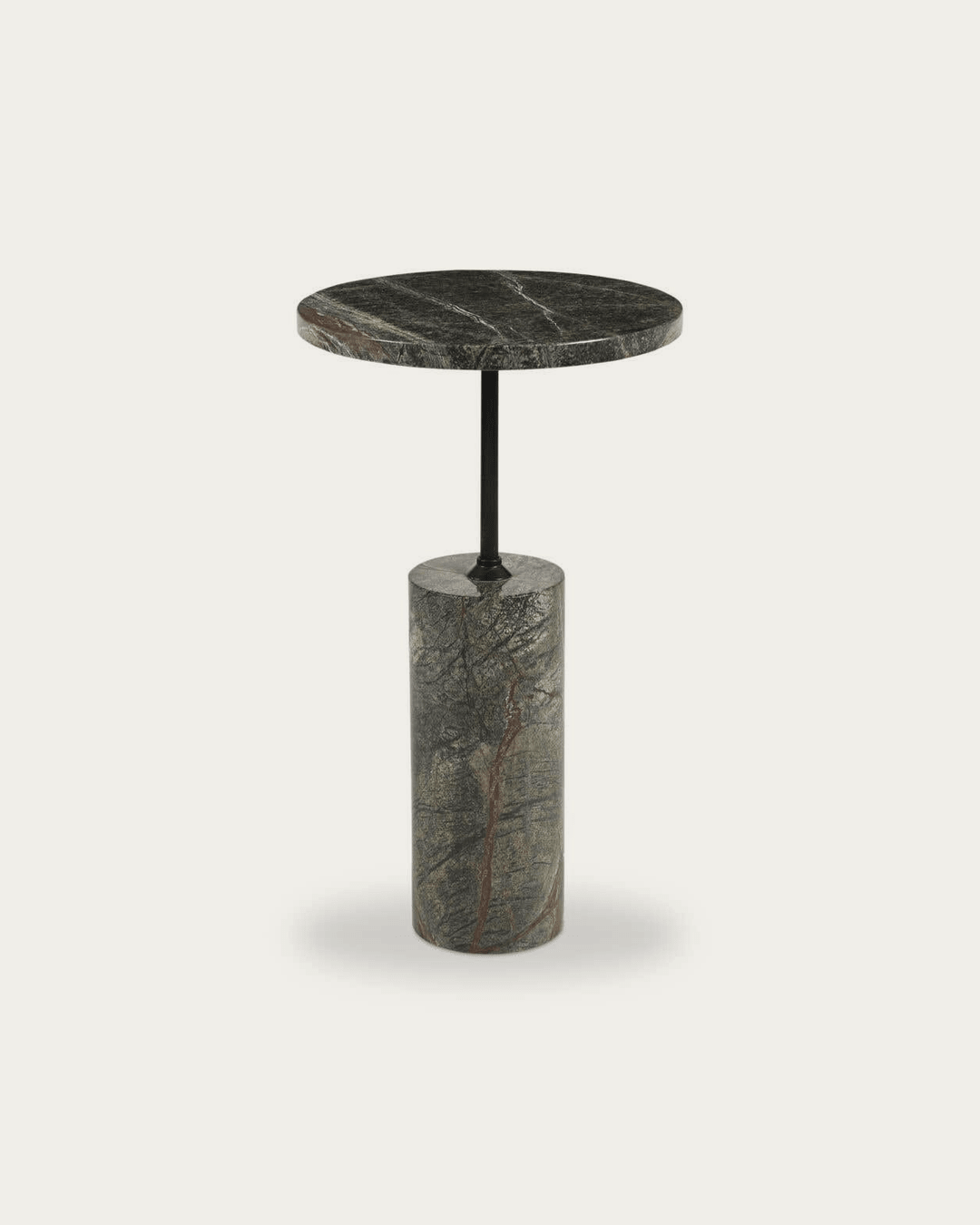
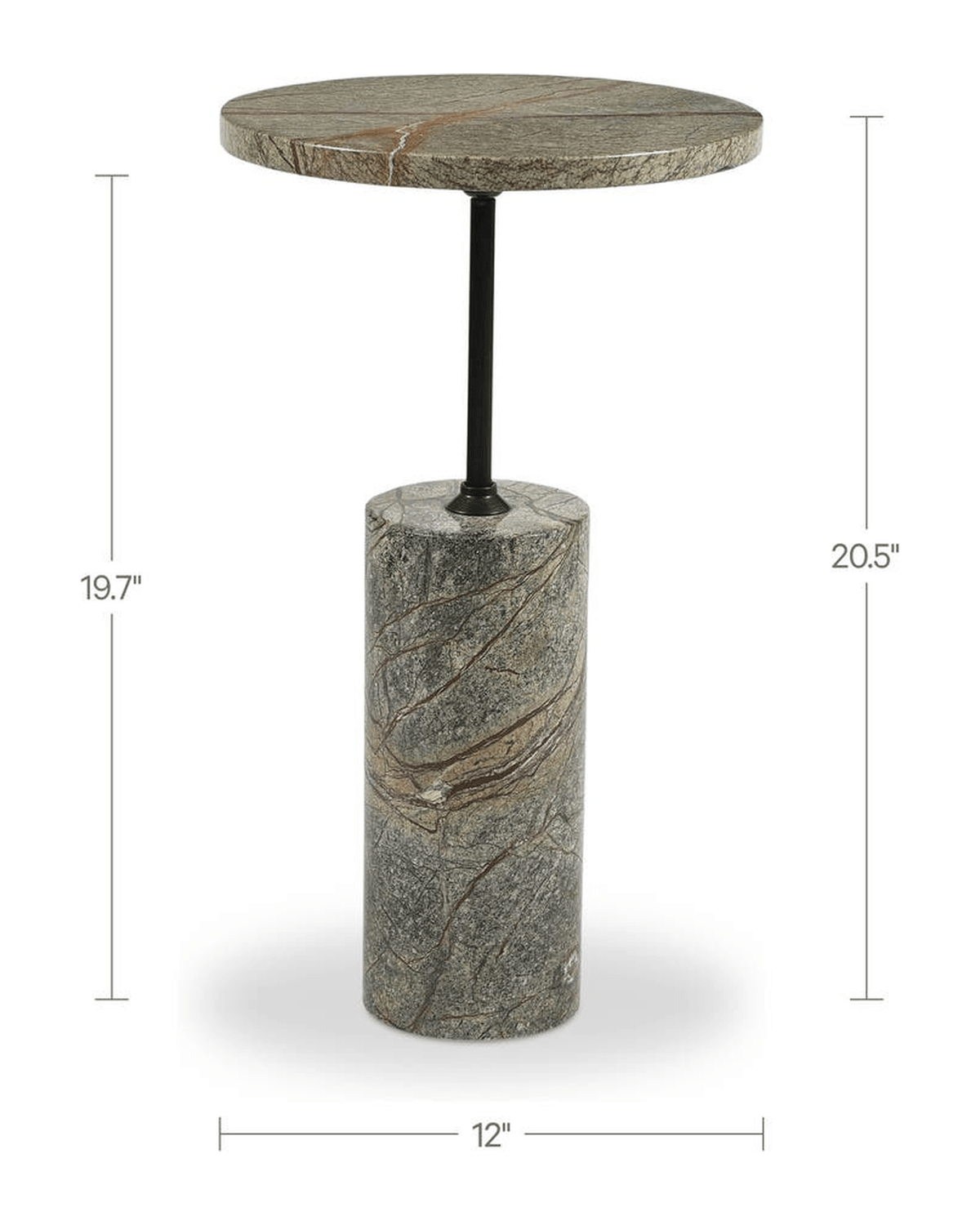
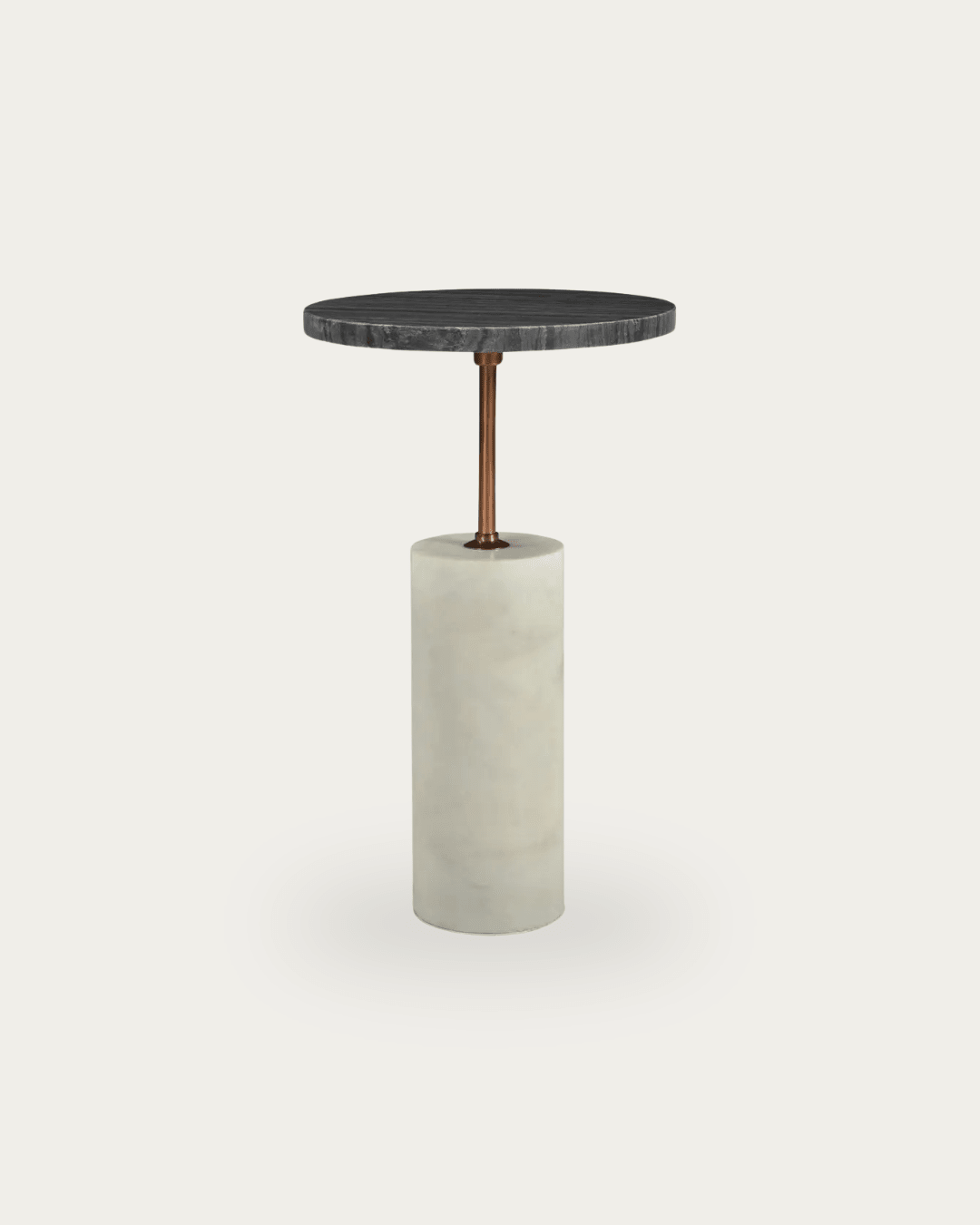
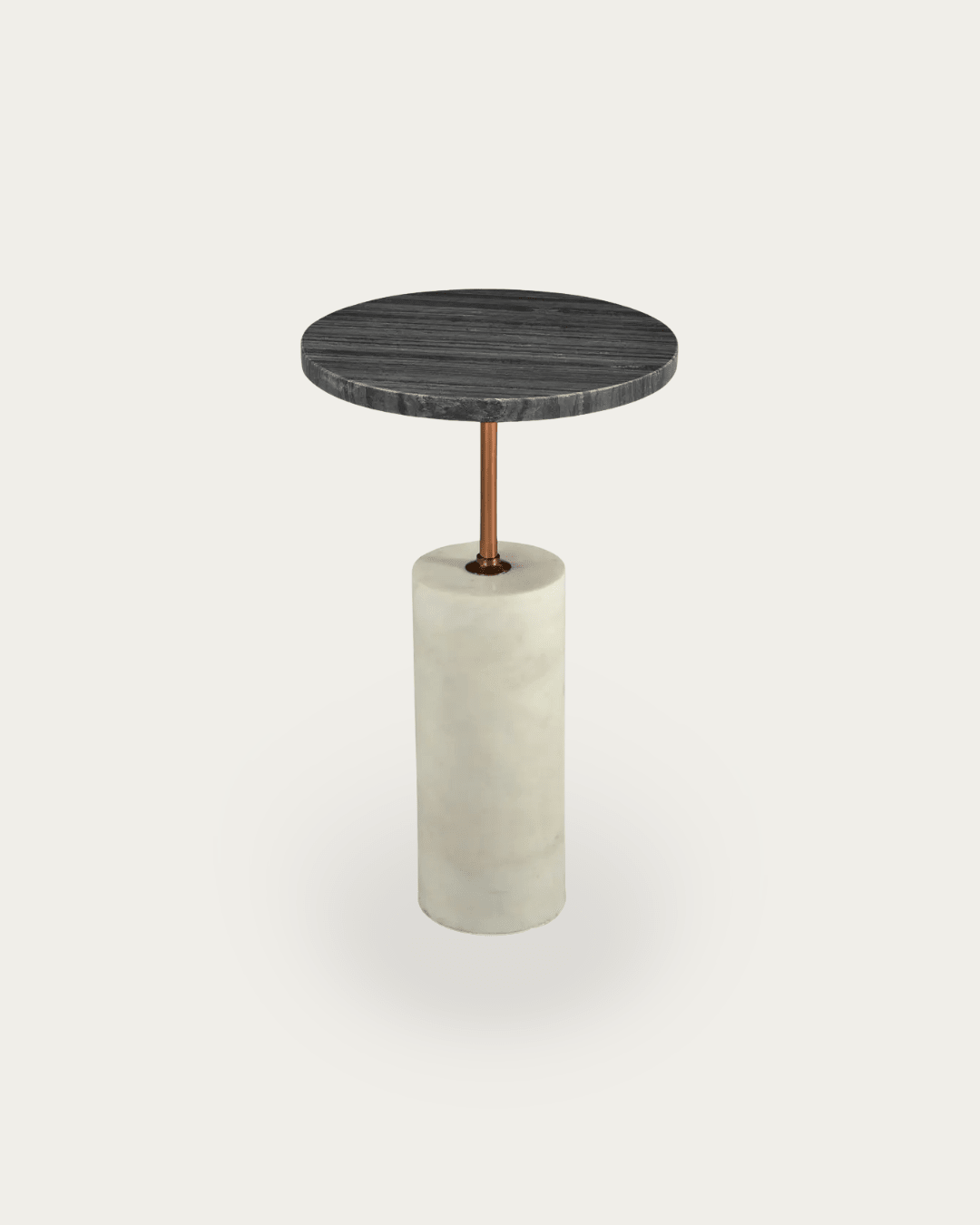
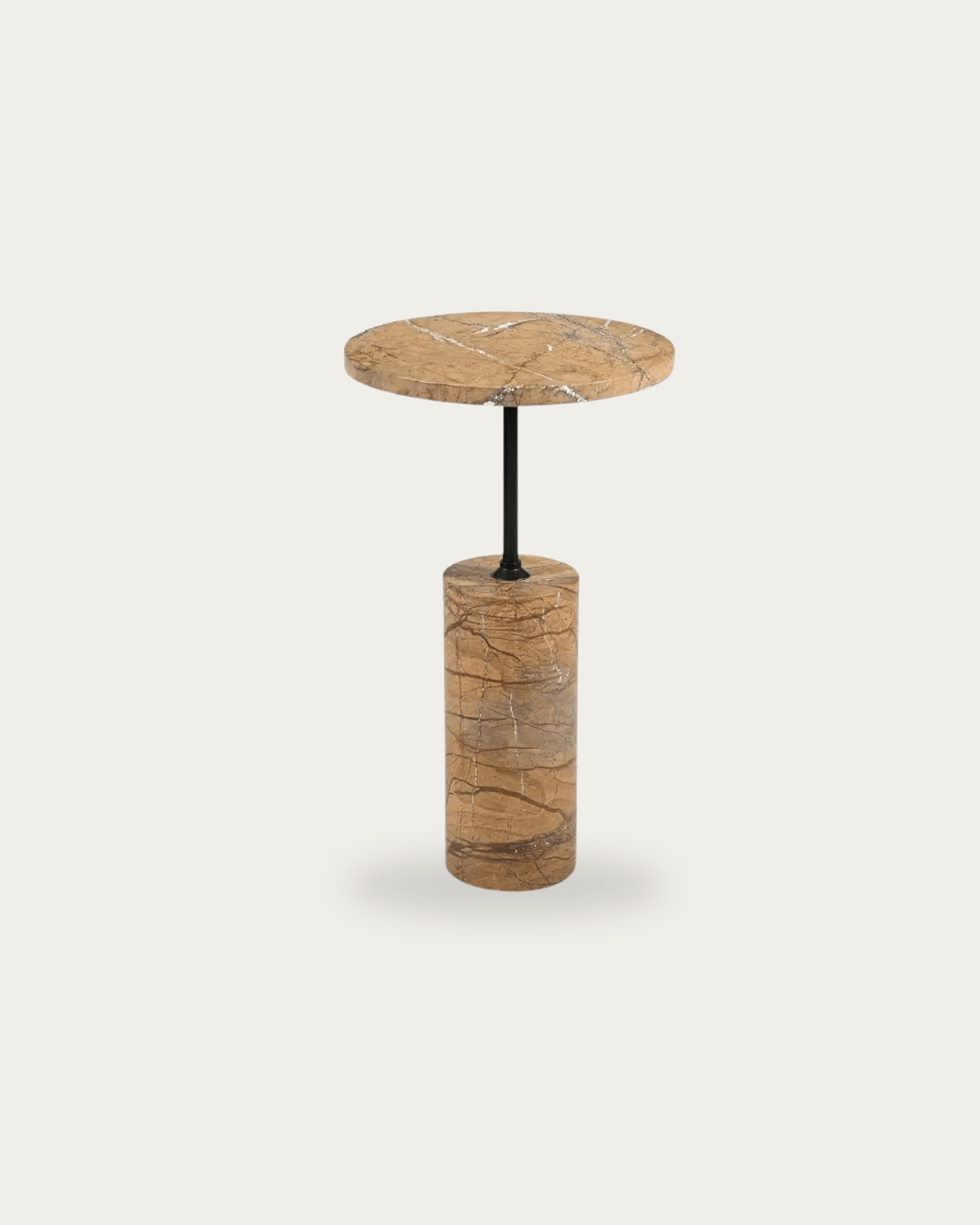
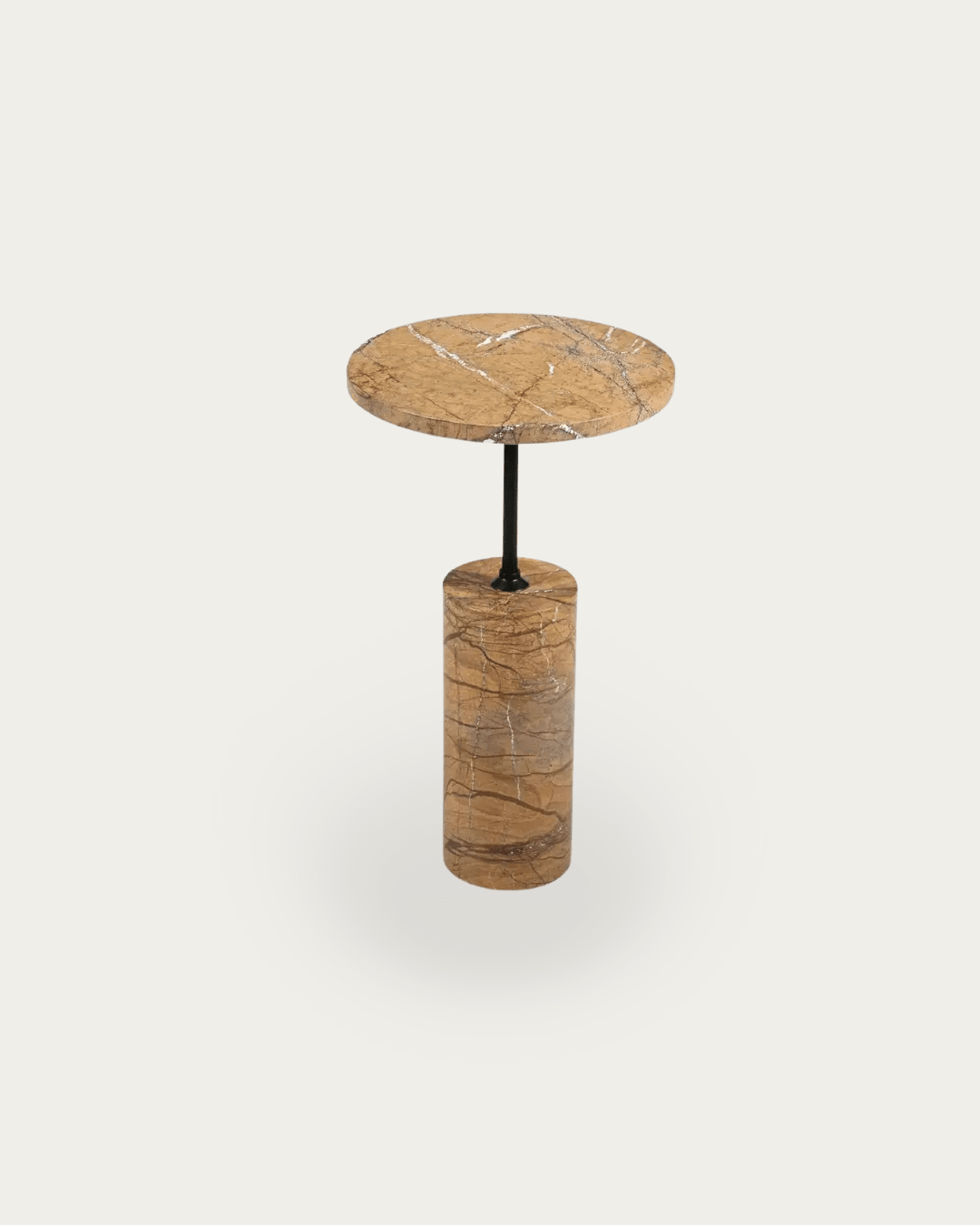
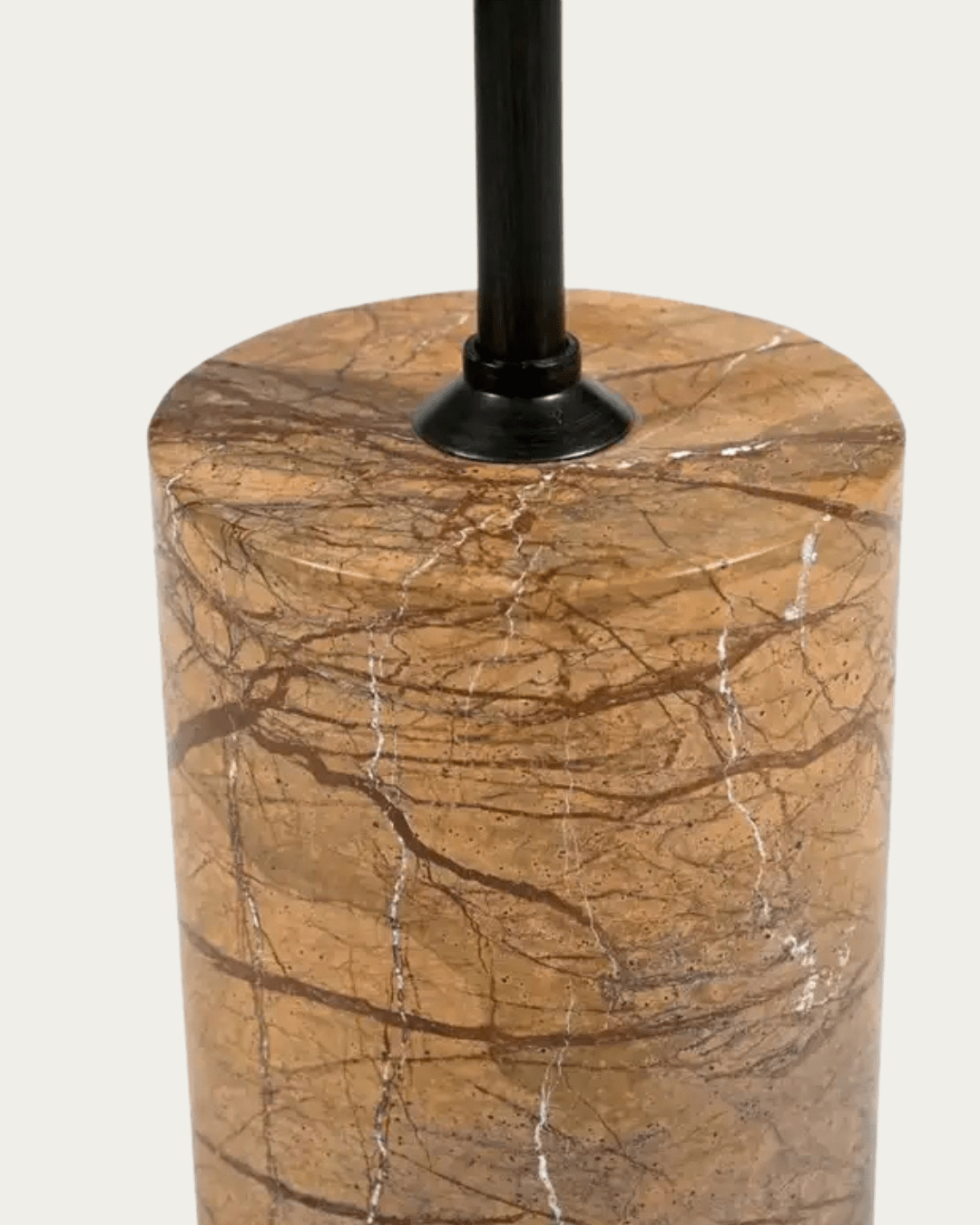
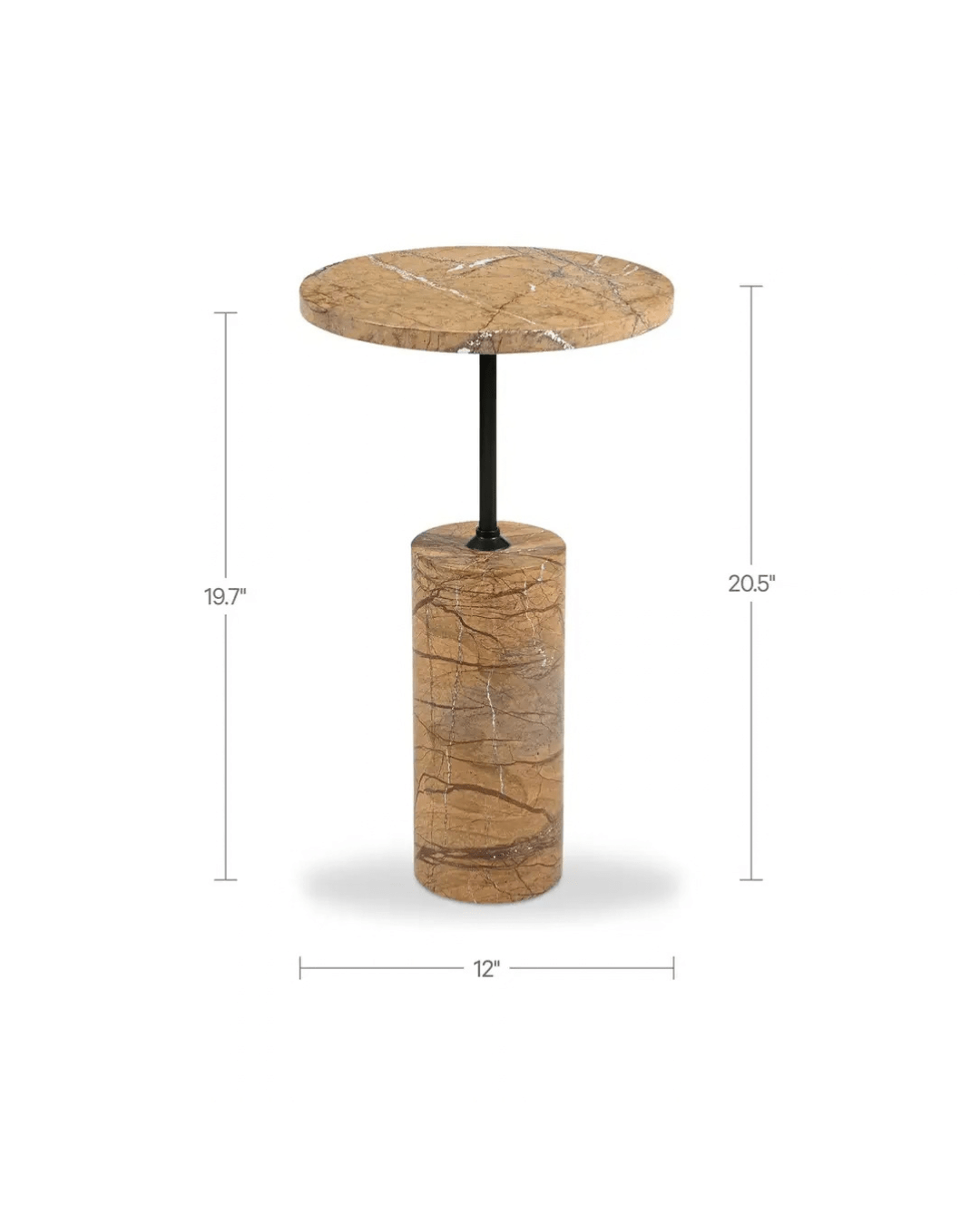
Side tables, for example, often get treated as decorative afterthoughts. Reclaimed ones don’t allow that. The Lenard workshop side table feels purposeful because its form suggests use. It’s not asking to be styled; it’s asking to be used.
The same is true of the Nellie rustic side table. Its weight and construction make it effective beside seating, where it can handle daily interaction without feeling precious.
Function reduces visual noise. When furniture clearly earns its place, the room feels calmer.
Reclaimed Furniture as Quiet Architecture
The most effective reclaimed pieces behave like architecture rather than decor. Console tables, bookcases, and larger forms define space without enclosing it.
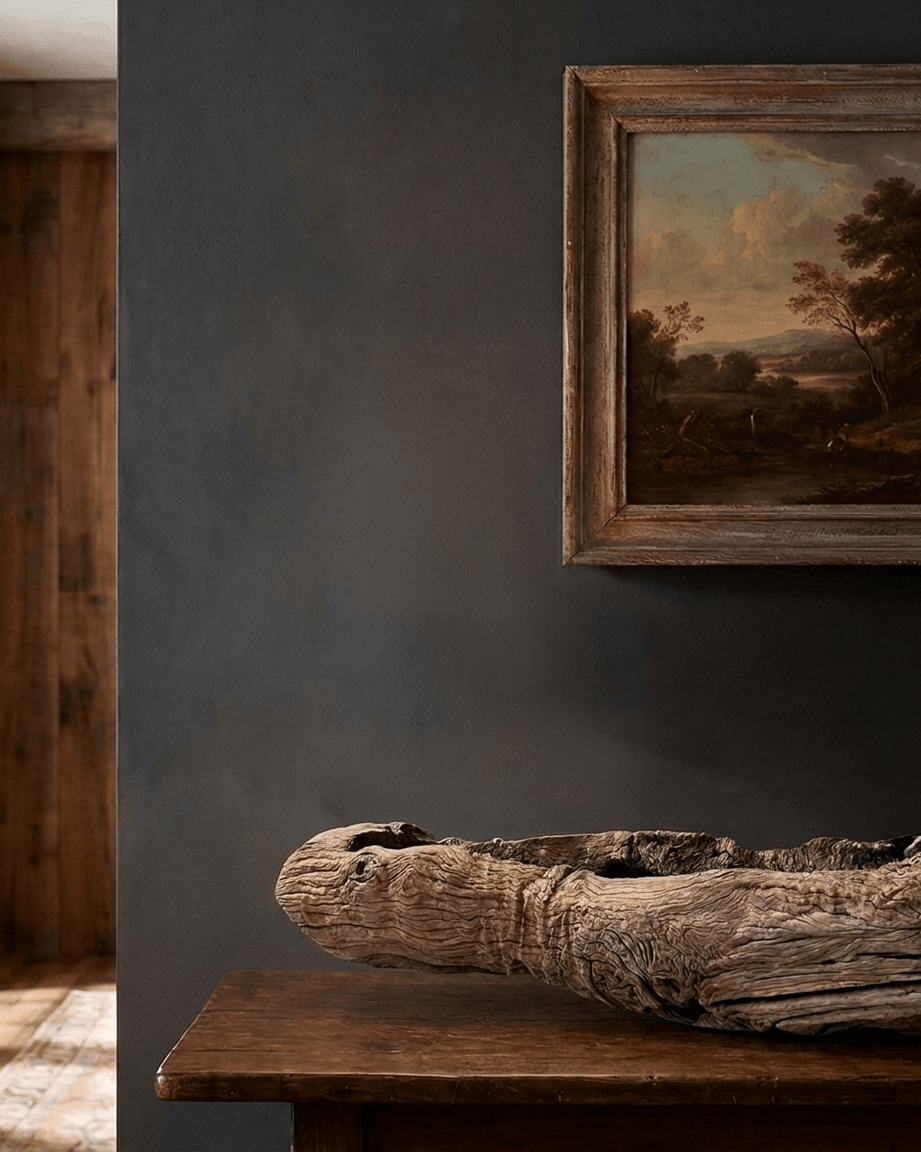
The Linden architectural salvage console table is a strong example. It reads as part of the building rather than an added layer. Placed beneath artwork or along a wall, it gives the room a backbone.
Similarly, the Elin console table works as a connector between zones. In open layouts, it helps establish flow without blocking light or movement.
This architectural quality is what allows reclaimed furniture to elevate a space instantly. It doesn’t decorate the room—it structures it.
Storage That Doesn’t Look Like Storage
Storage is often where rooms lose their design integrity. Cabinets and shelves tend to look utilitarian or overly polished. Reclaimed furniture solves this by blurring the line between storage and structure.
A piece like the Linus bookcase holds objects while also acting as a visual anchor. Its presence is felt even when sparsely filled, which means you don’t need to pack it with items to justify its existence.
The benefit here is restraint. When storage furniture carries visual weight on its own, you’re less tempted to overfill it. The room stays legible.
Why One Reclaimed Piece Is Better Than Five New Ones
Design overwhelm often comes from trying to fix a room incrementally. Add a lamp. Add a rug. Add decor. The space gets busier but not better.
Reclaimed furniture shortcuts that cycle. One strong piece can replace several weaker ones. A reclaimed coffee table eliminates the need for multiple small accents. A sideboard replaces floating storage and wall decor.
This consolidation is what makes reclaimed furniture feel efficient—not just visually, but emotionally. Fewer decisions. Fewer adjustments. More clarity.
Letting the Piece Lead Over Time
Another reason reclaimed furniture elevates a room instantly is that it doesn’t peak on day one. It gets better as the space evolves.
Scratches blend in. New objects look intentional against aged surfaces. Light changes reveal different textures throughout the day.
Because reclaimed furniture isn’t trend-dependent, it doesn’t need constant updating. The room can change around it without losing cohesion.
Final Thoughts: The Shortcut That Actually Works
Reclaimed furniture isn’t a trend or a style move. It’s a structural decision. By introducing material weight, functional credibility, and architectural presence, it solves multiple design problems at once.
That’s why it works so fast—and why it lasts.
If a room feels unfinished, resist the urge to add more. Start with one piece that can carry the space.
Explore the Reclaimed furniture collection and look for pieces that do more than fill a gap—pieces that quietly elevate everything around them.