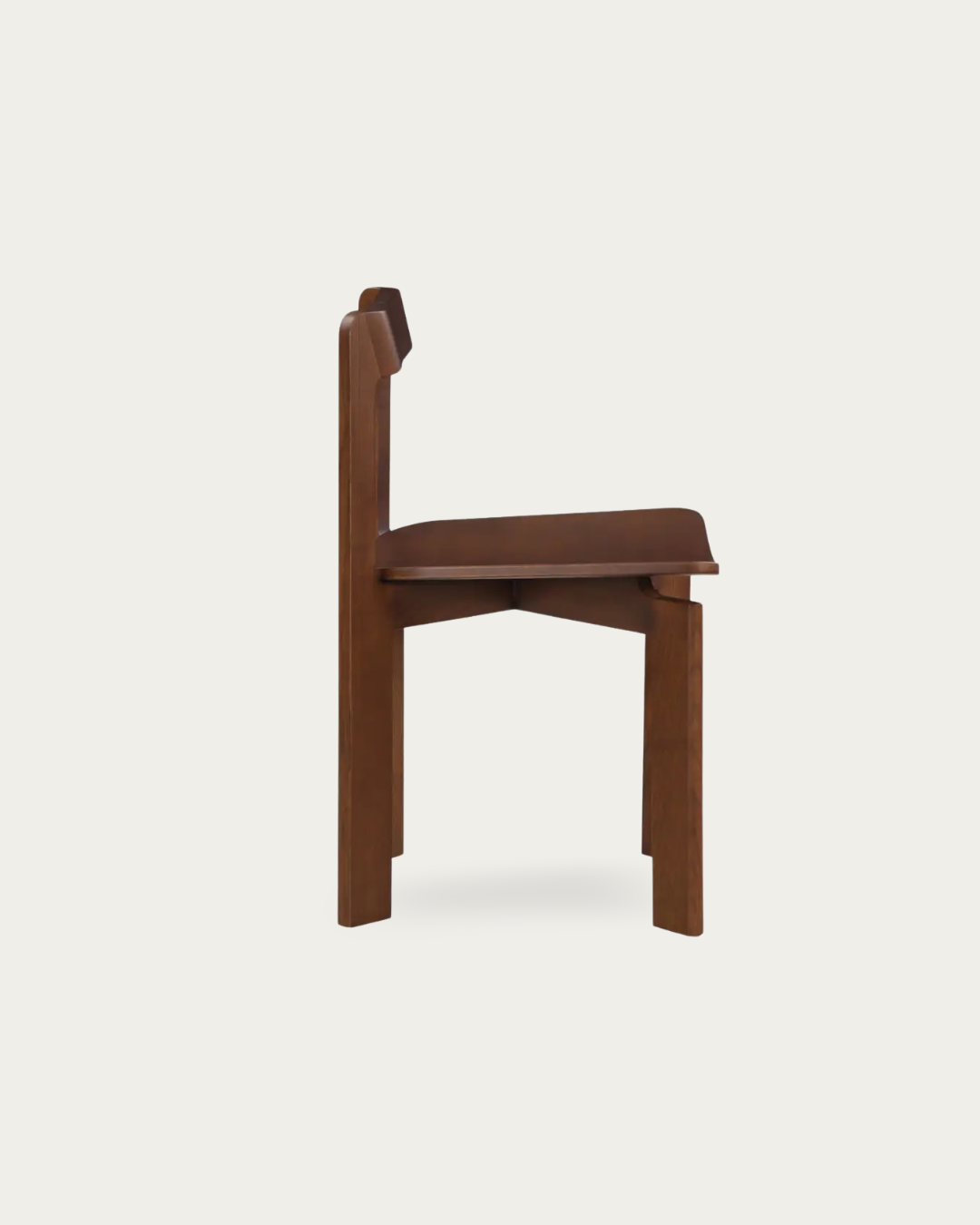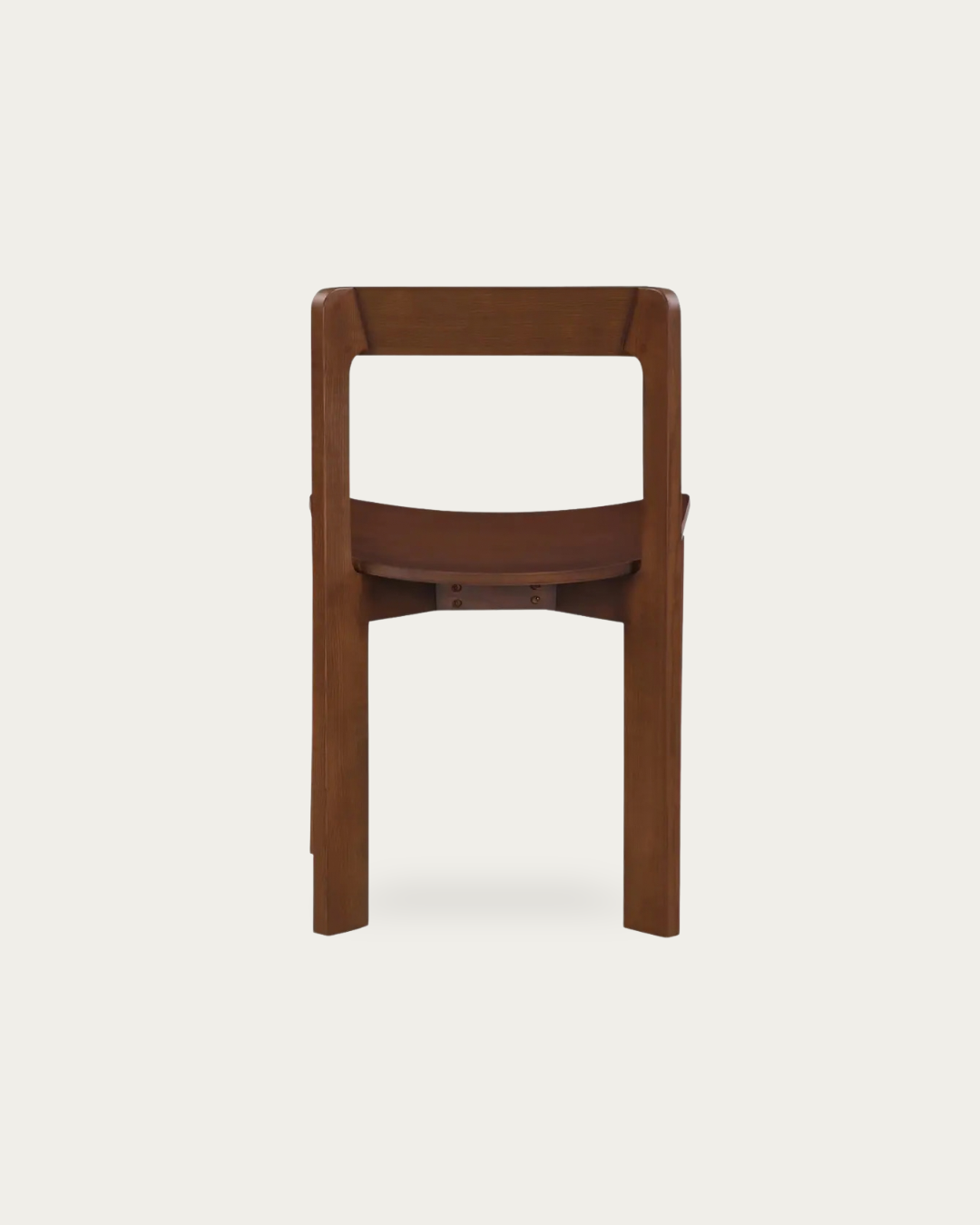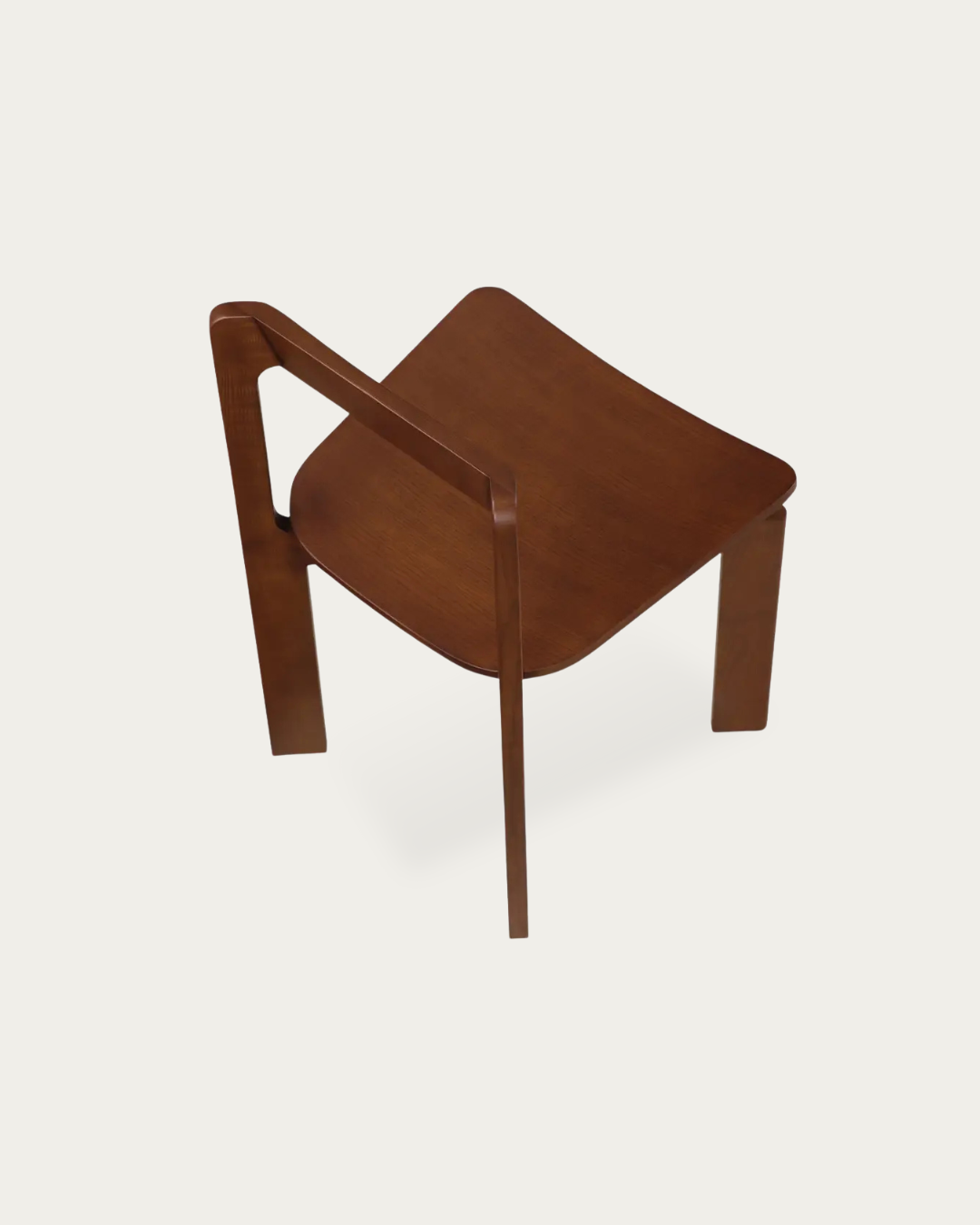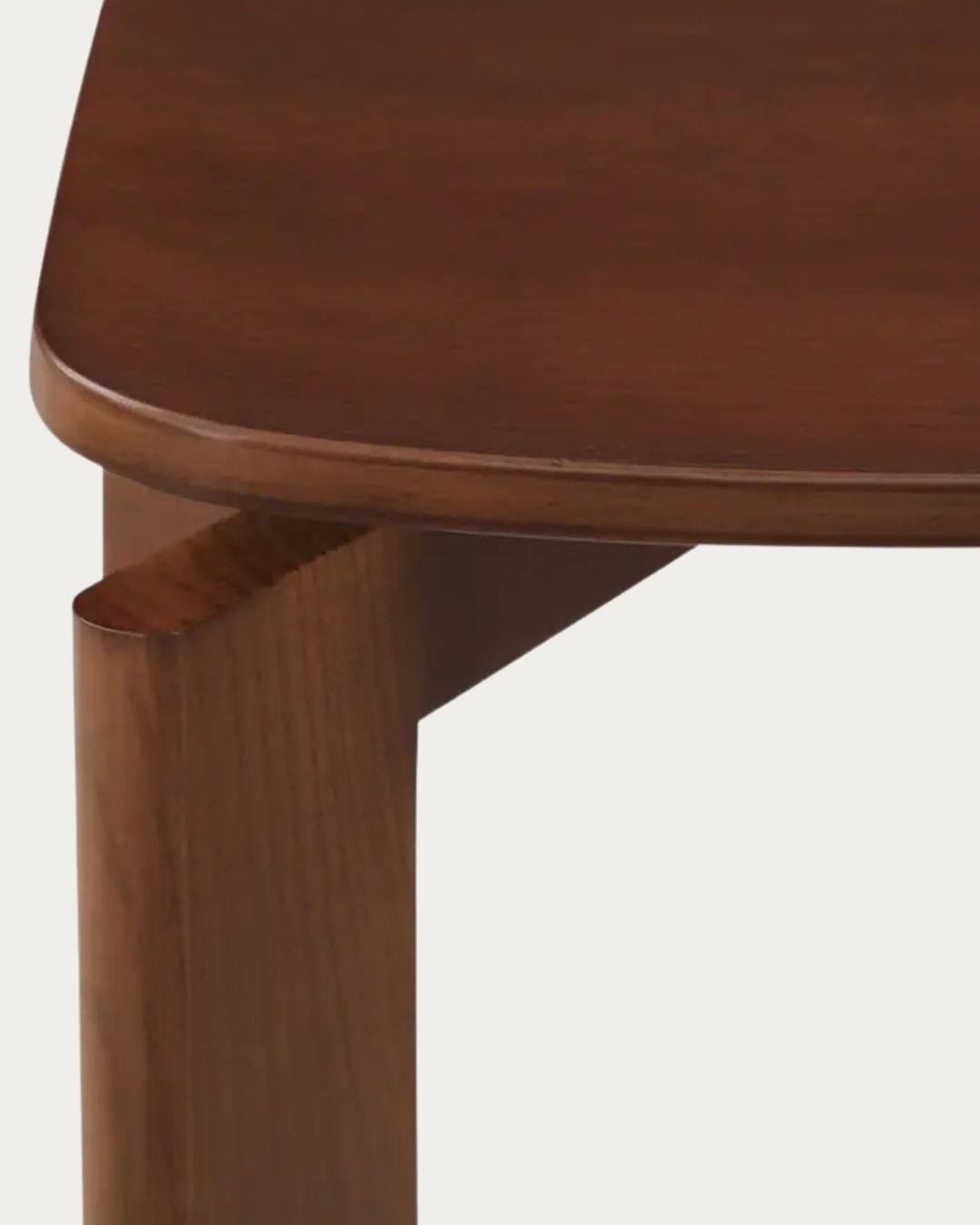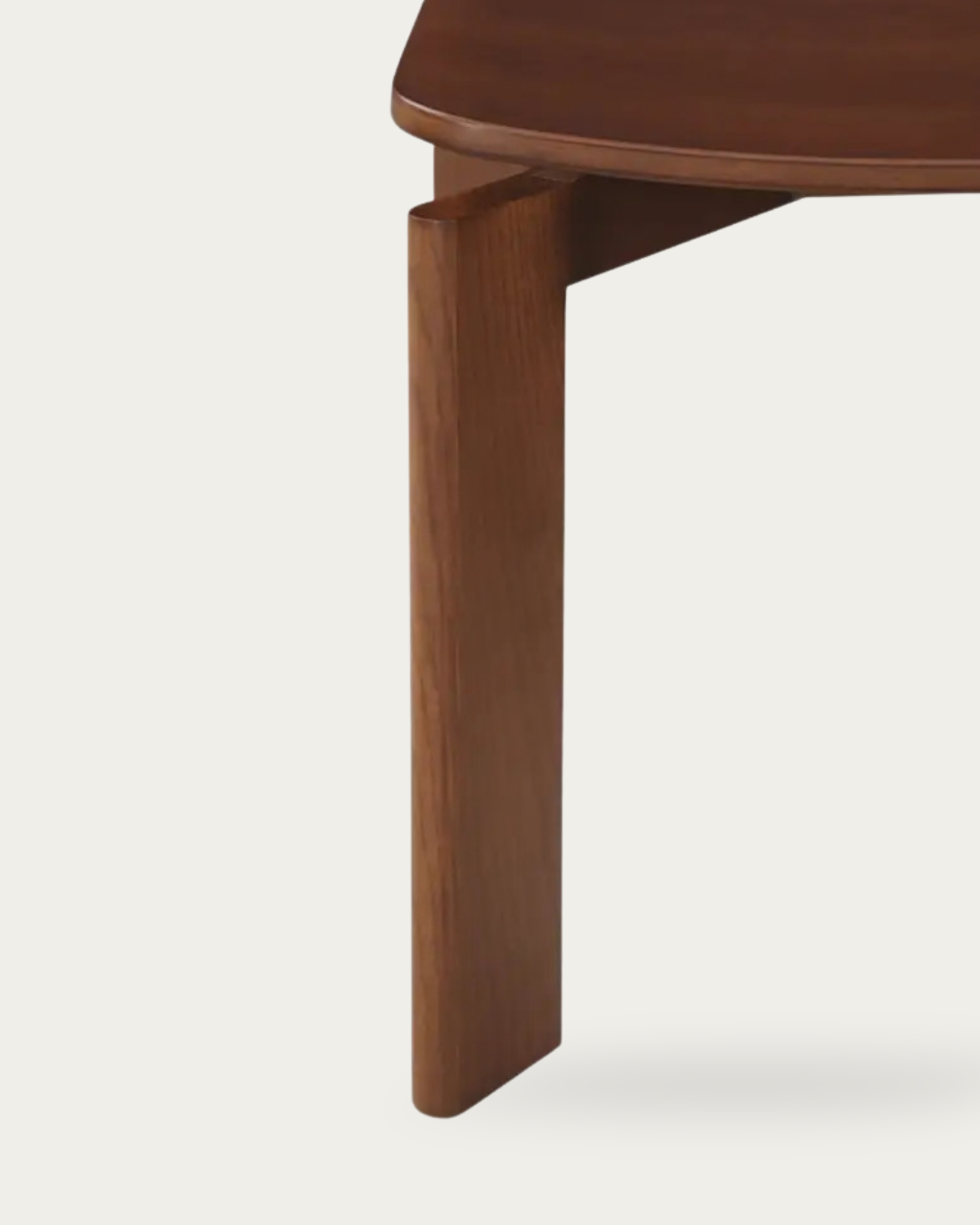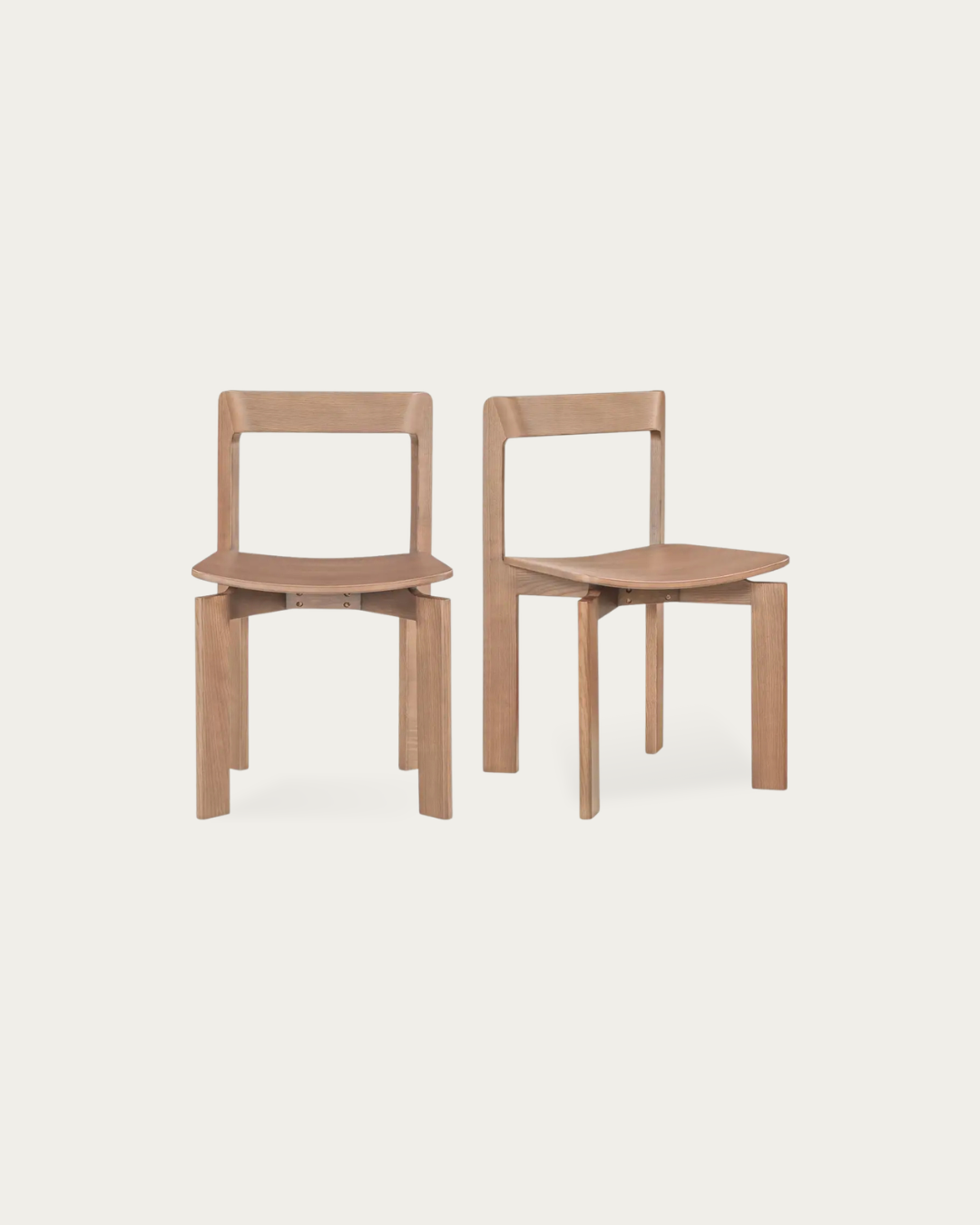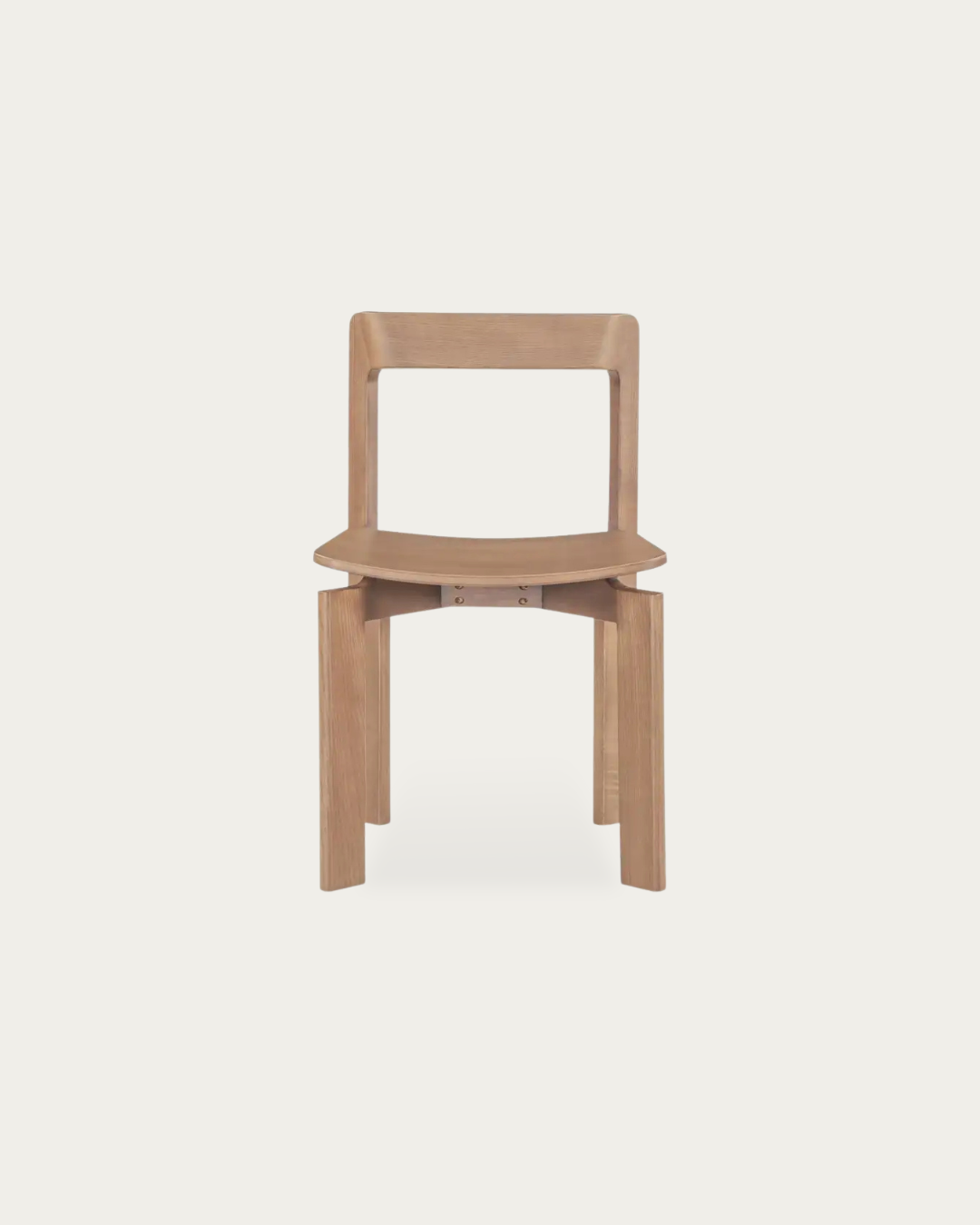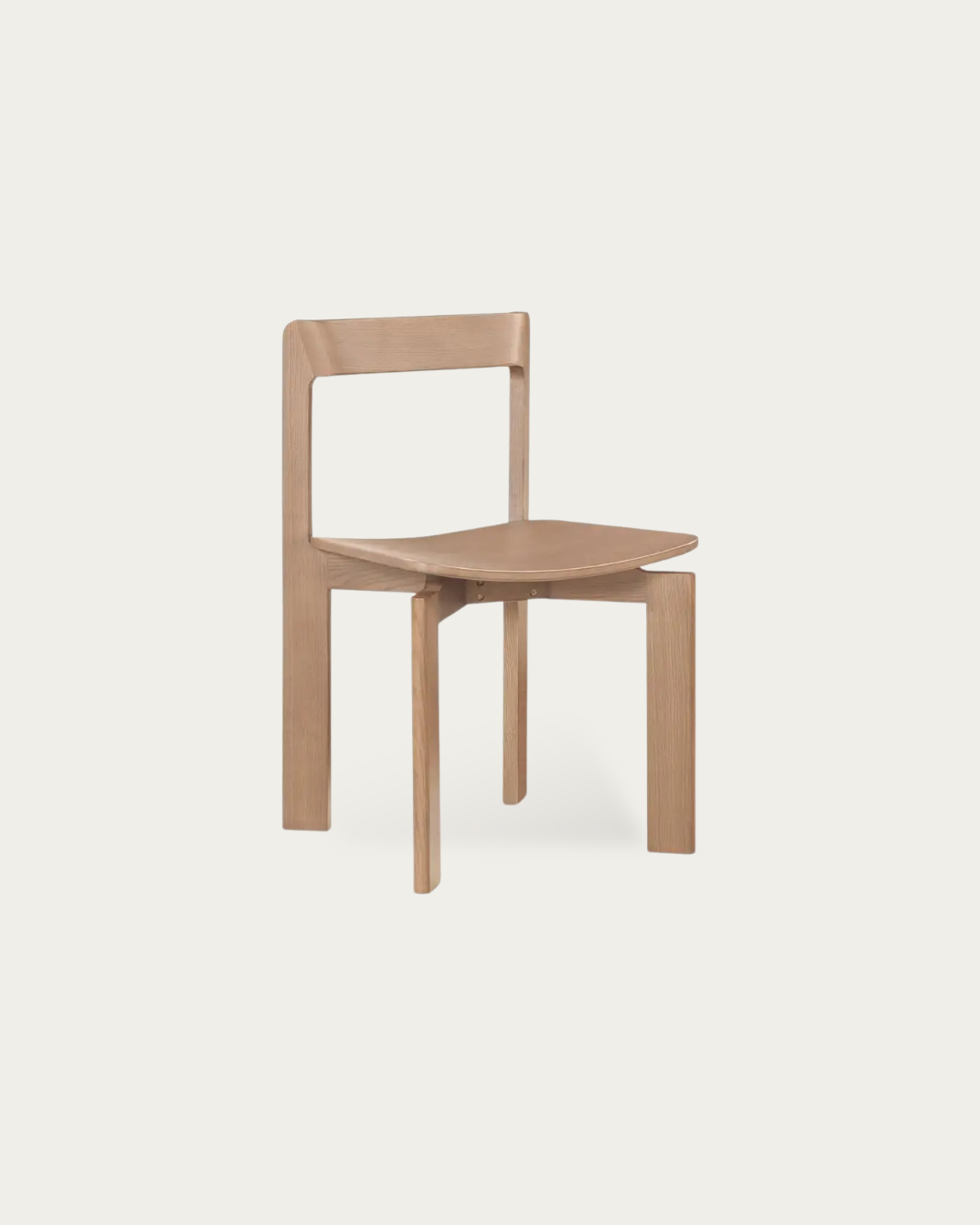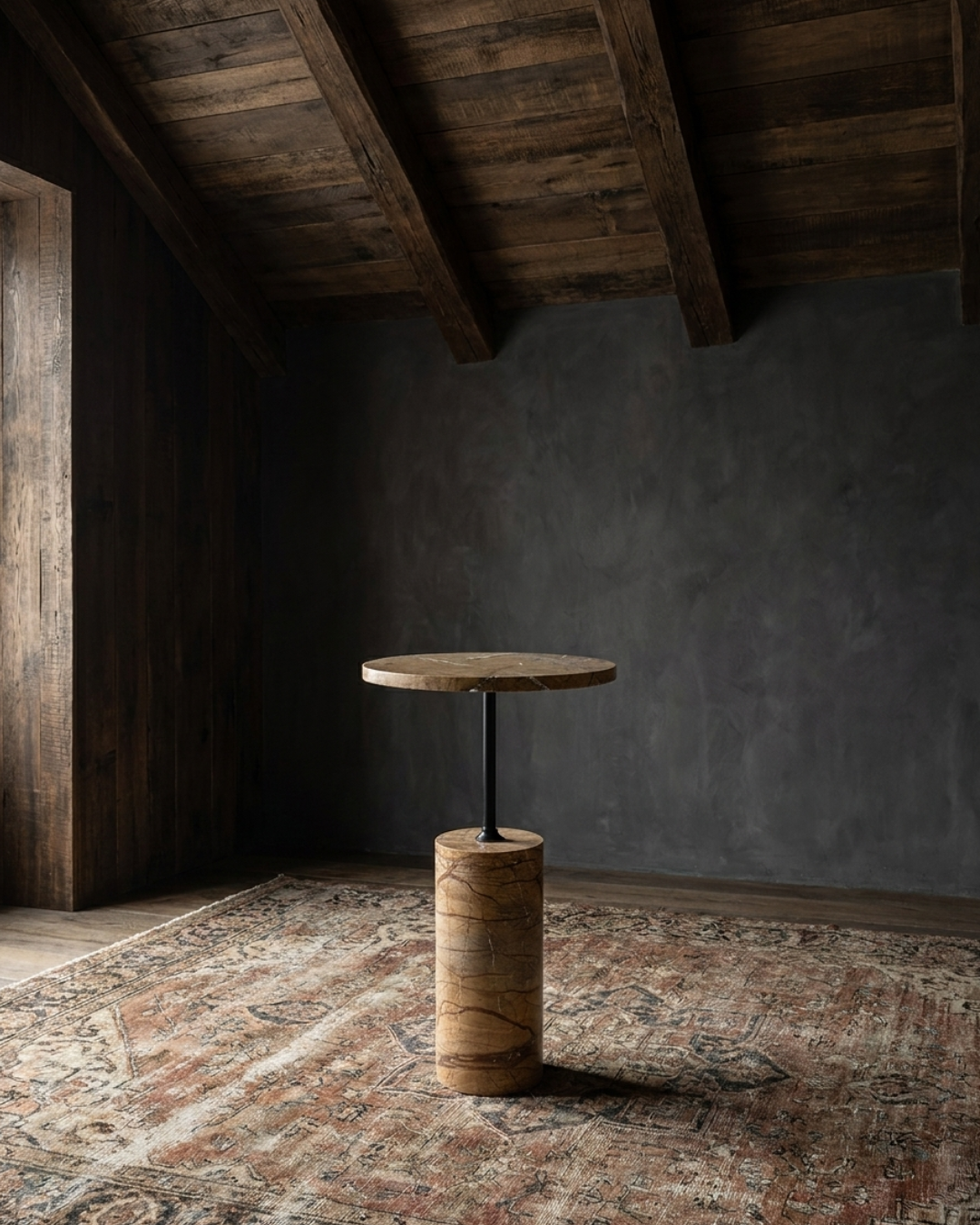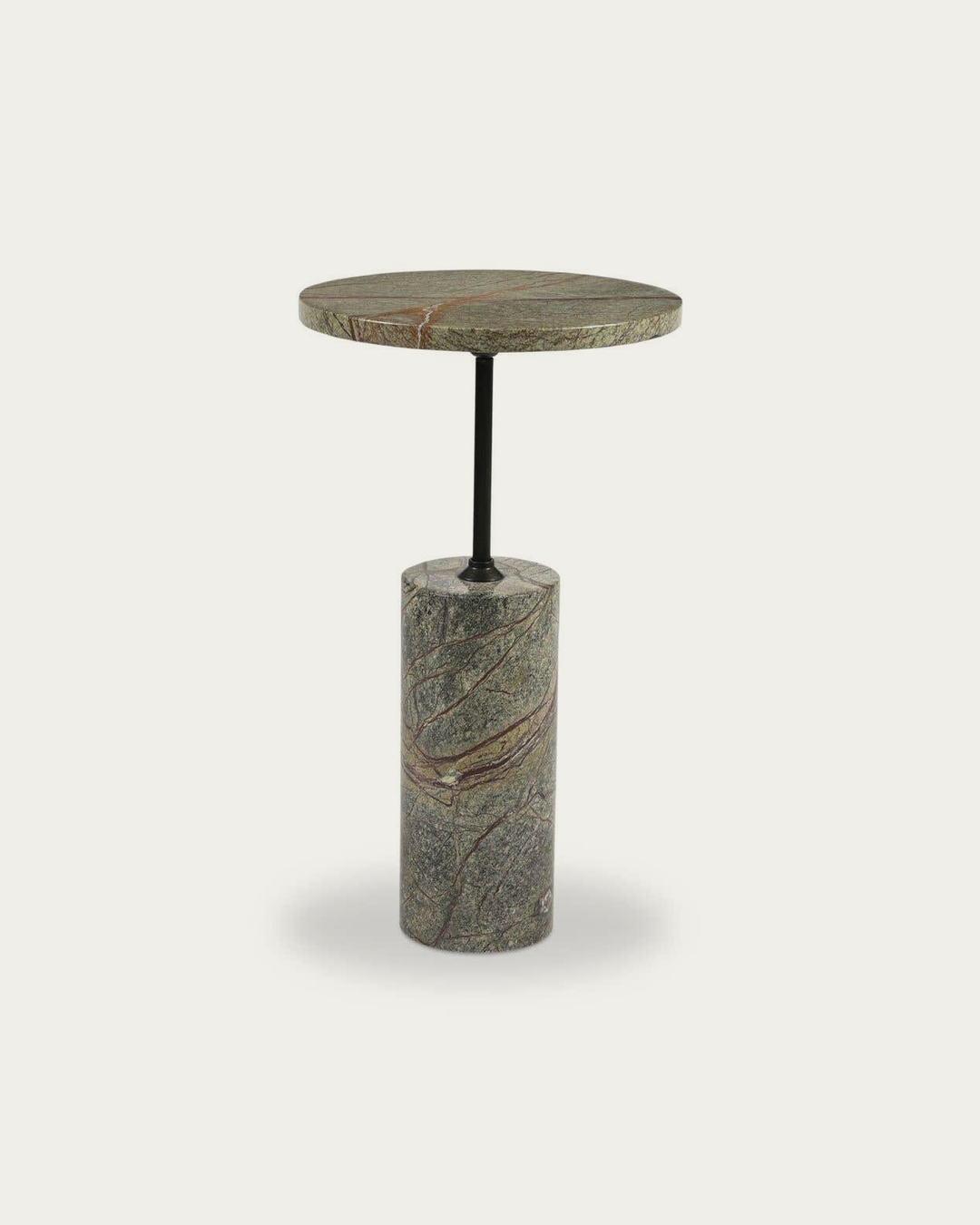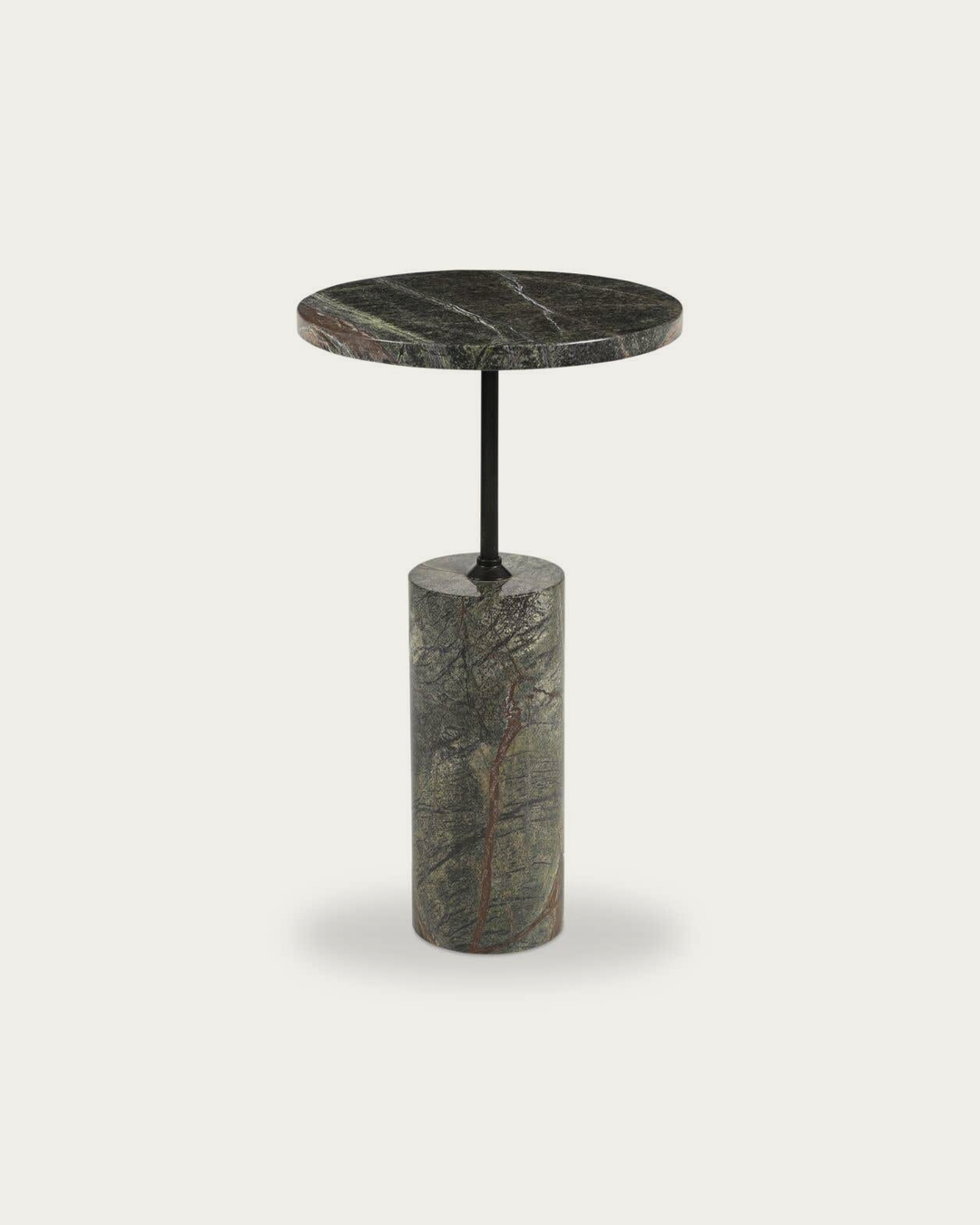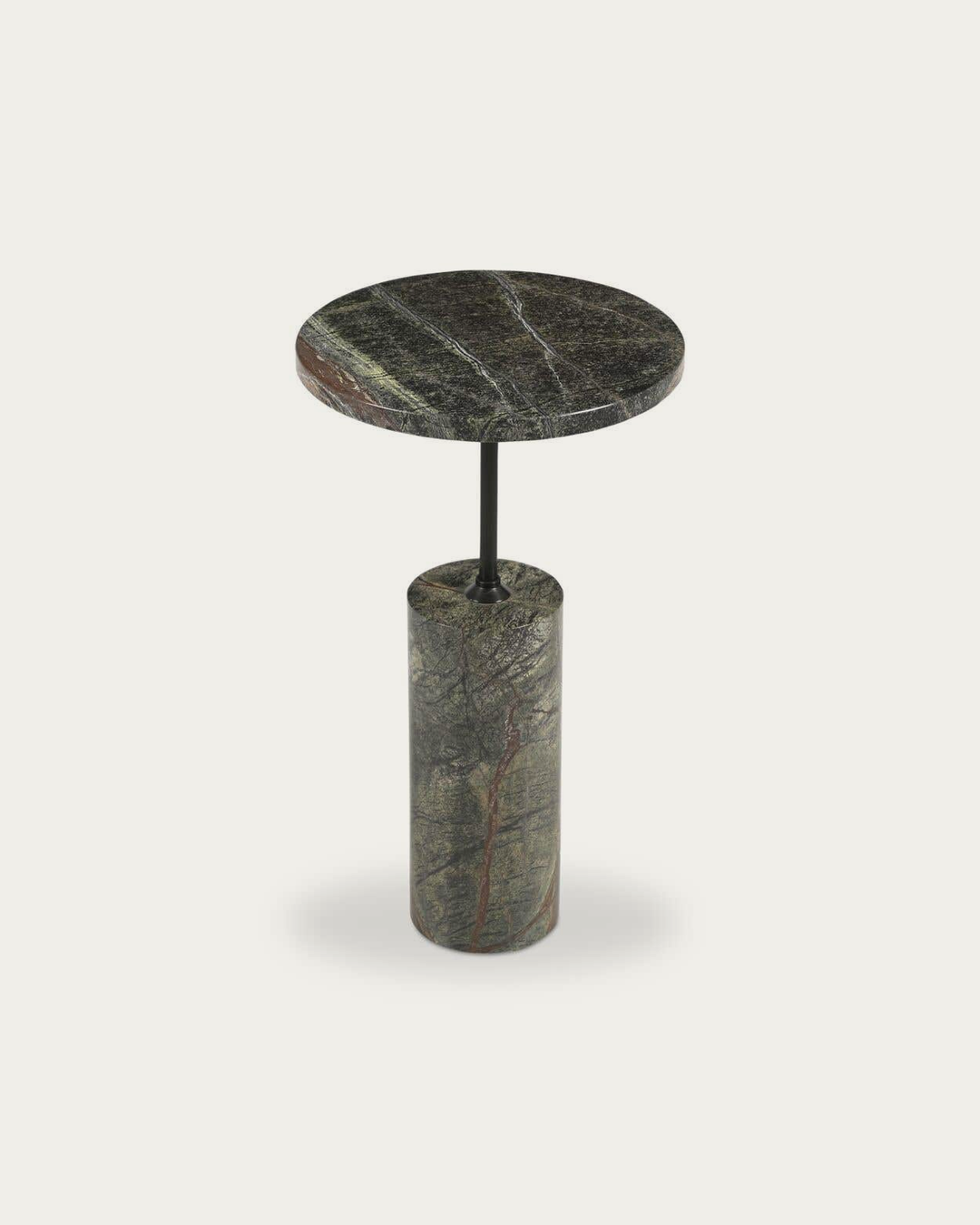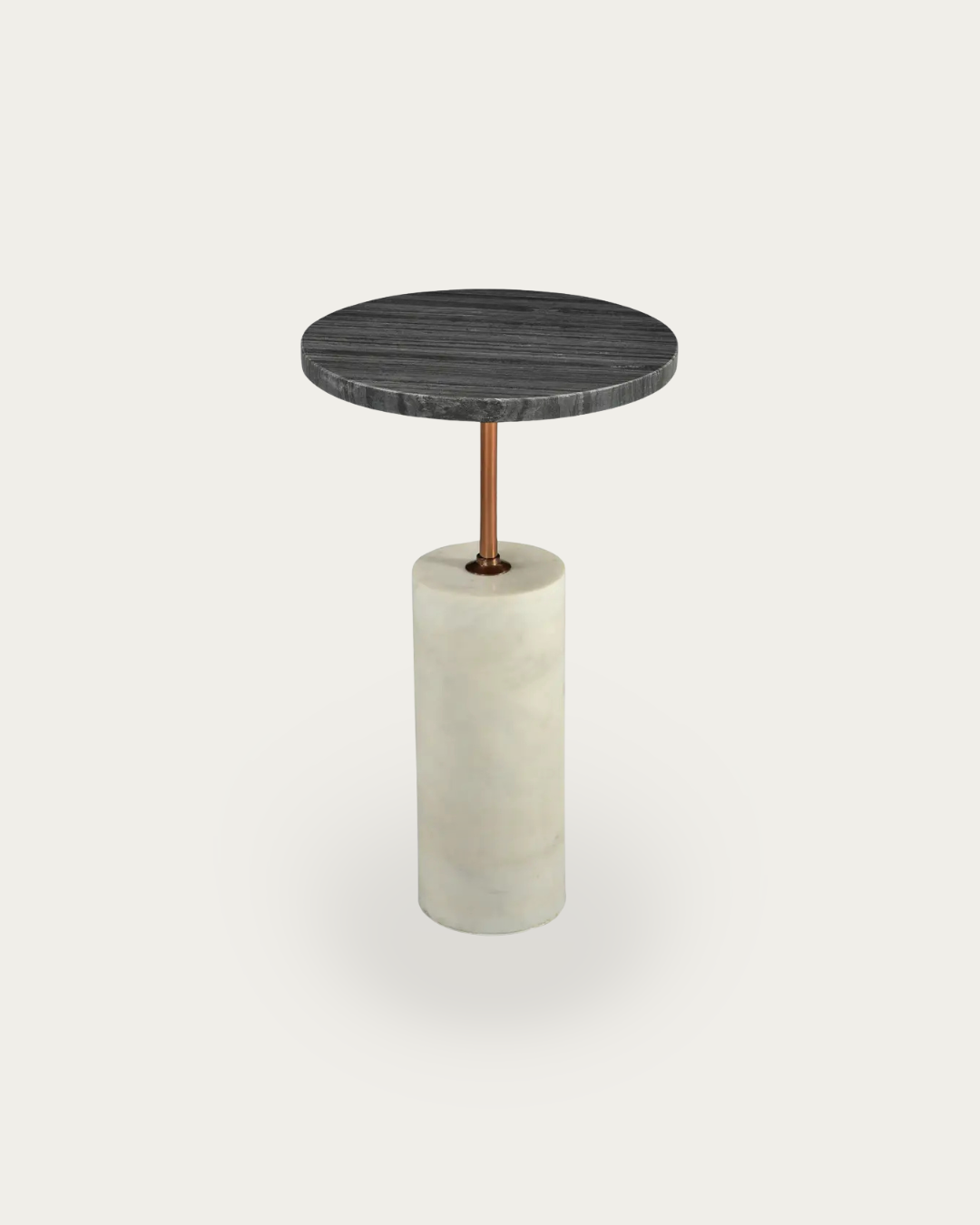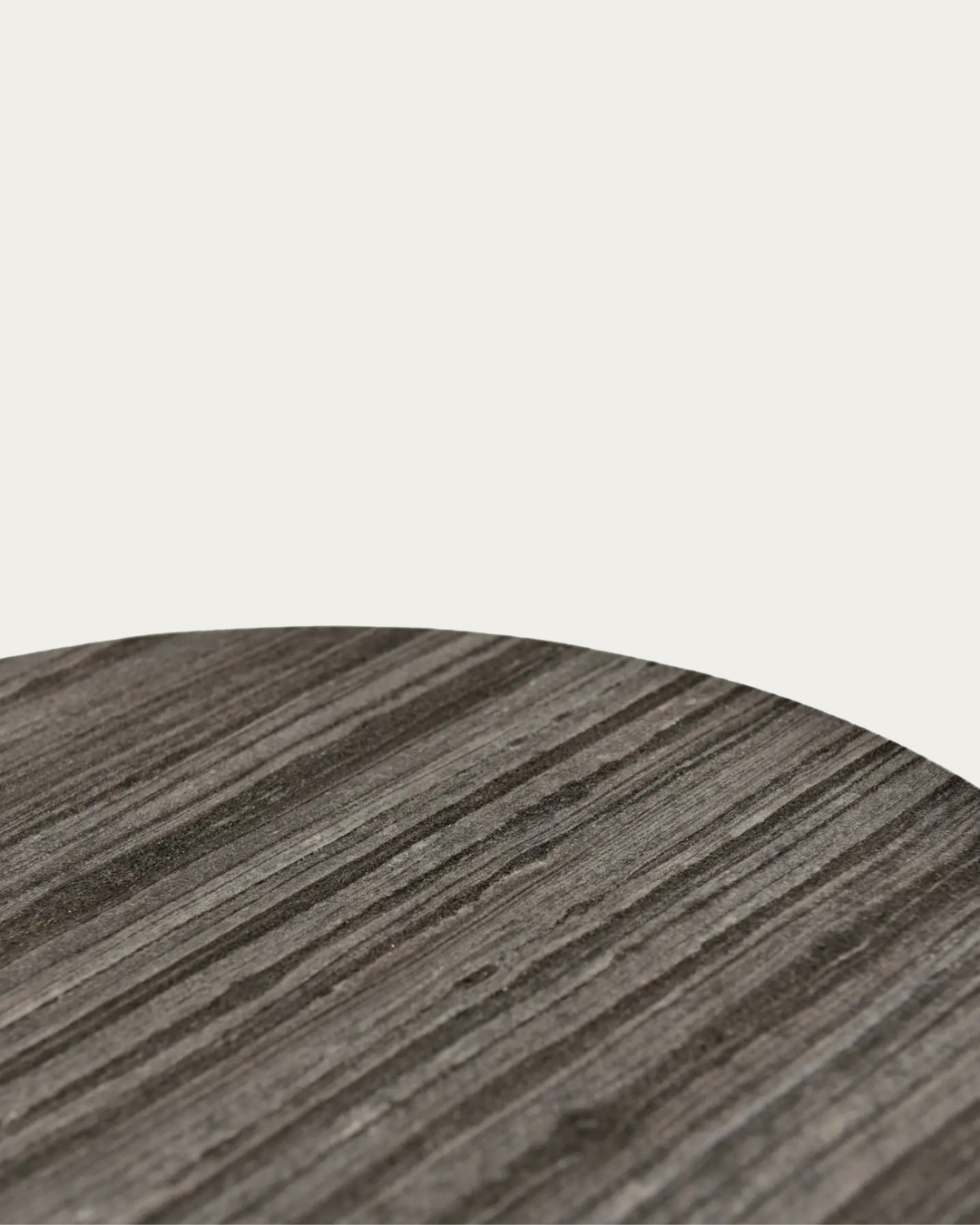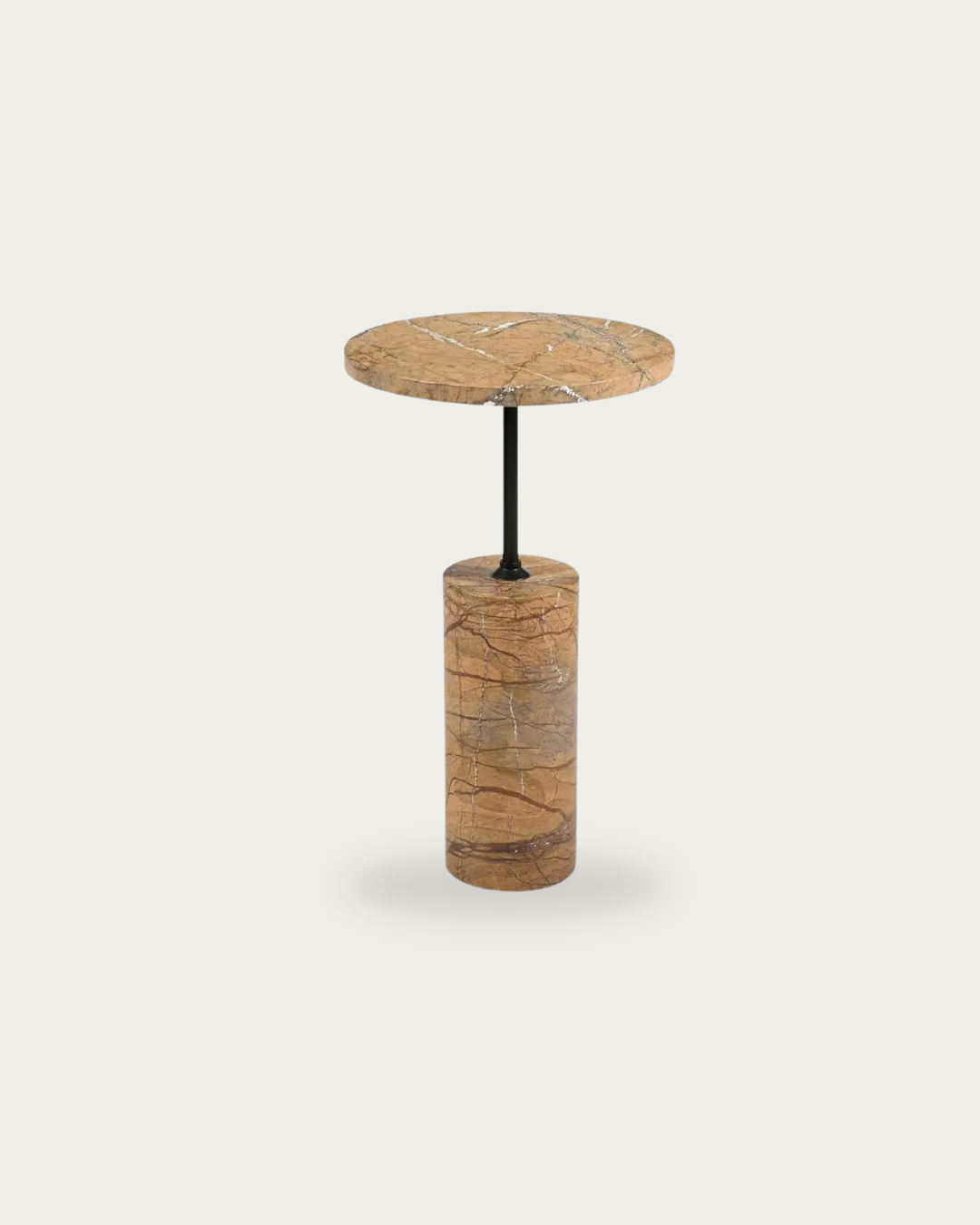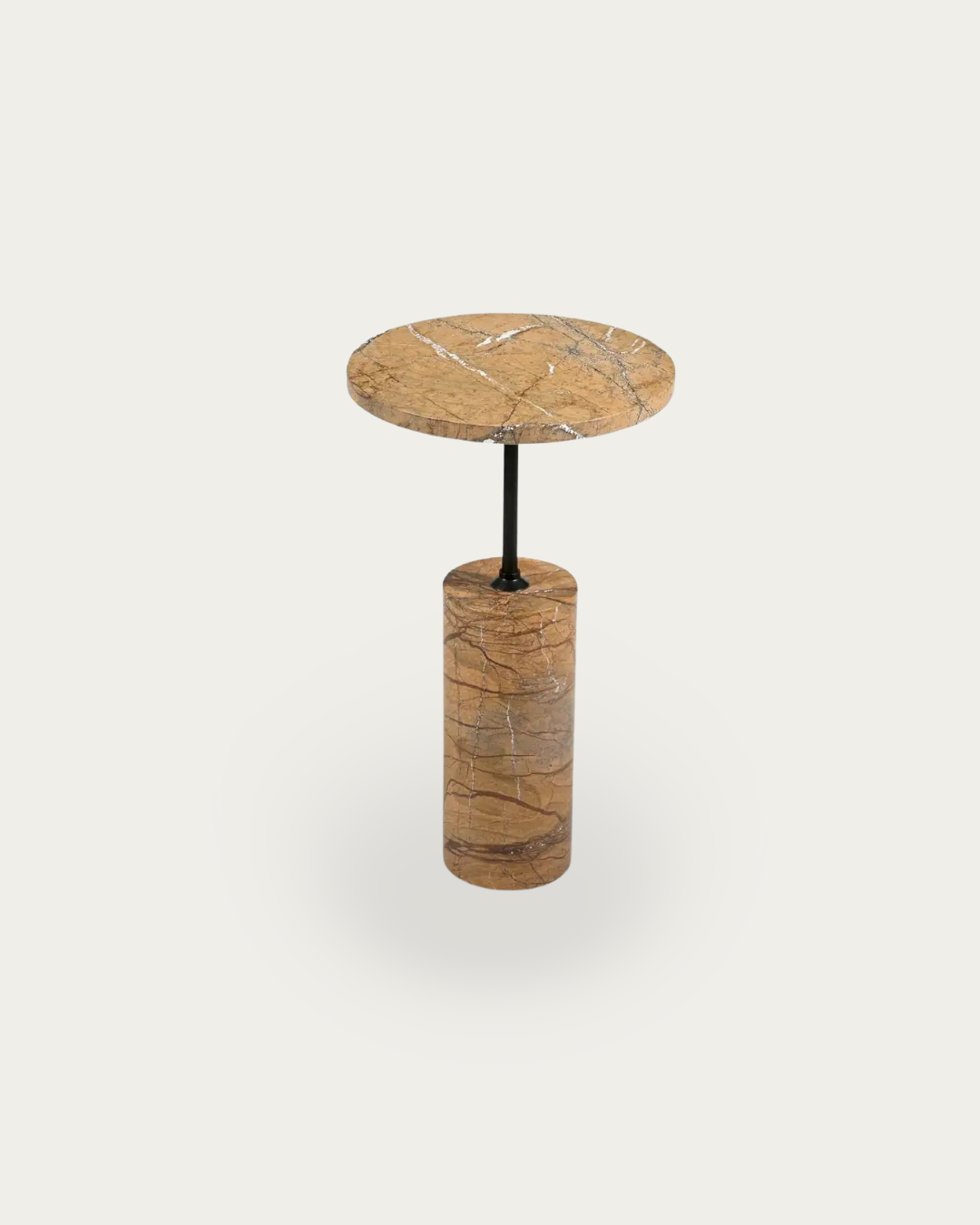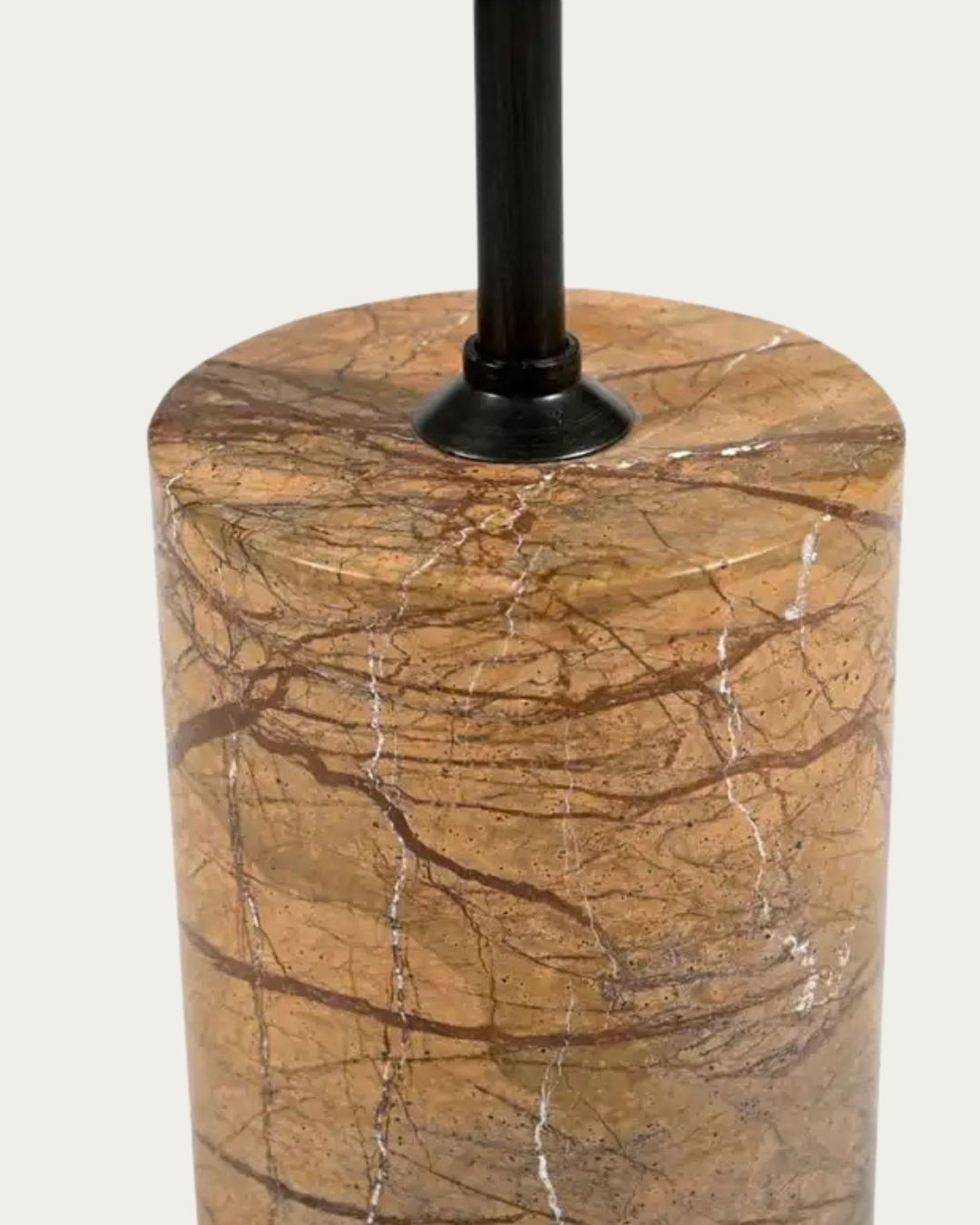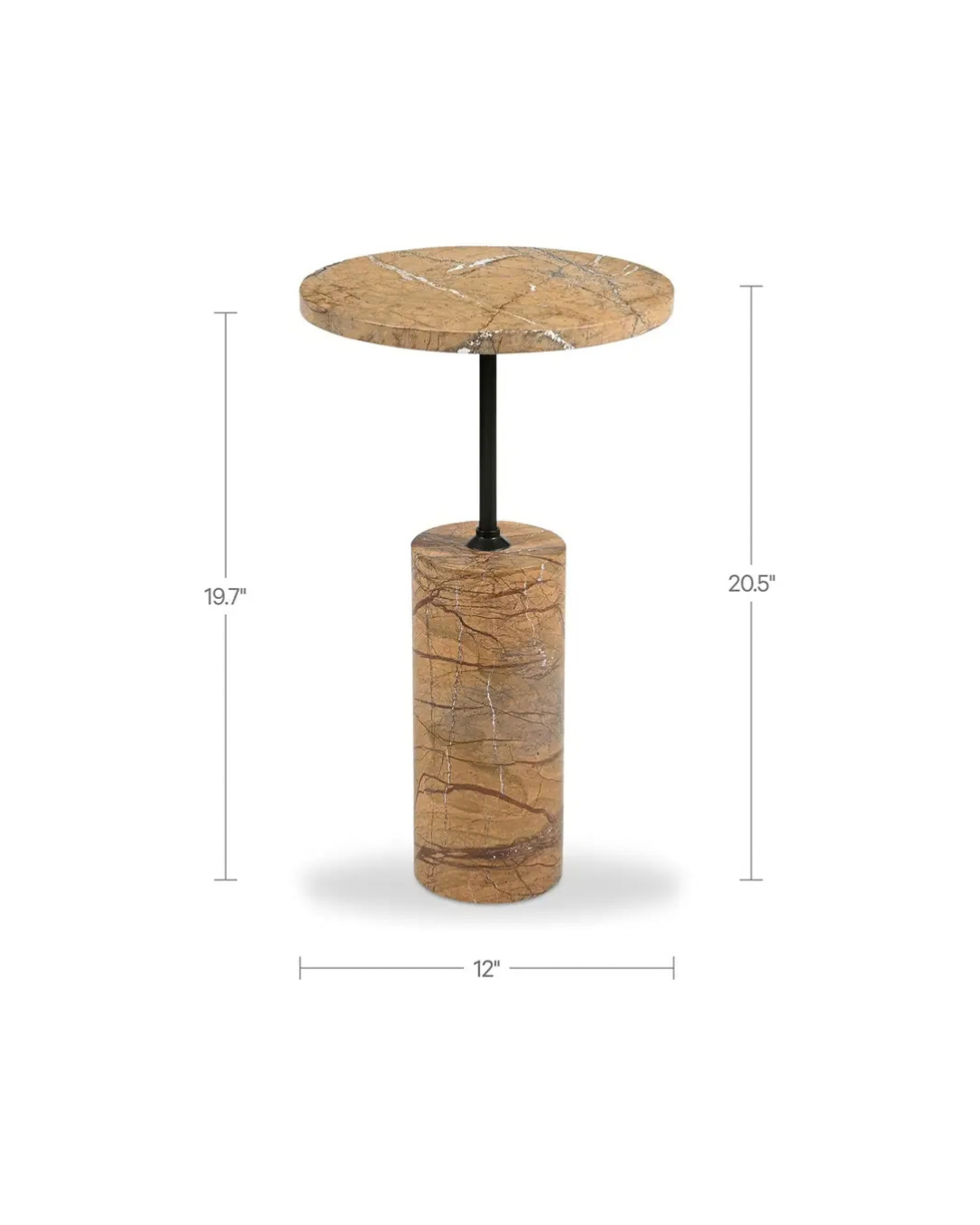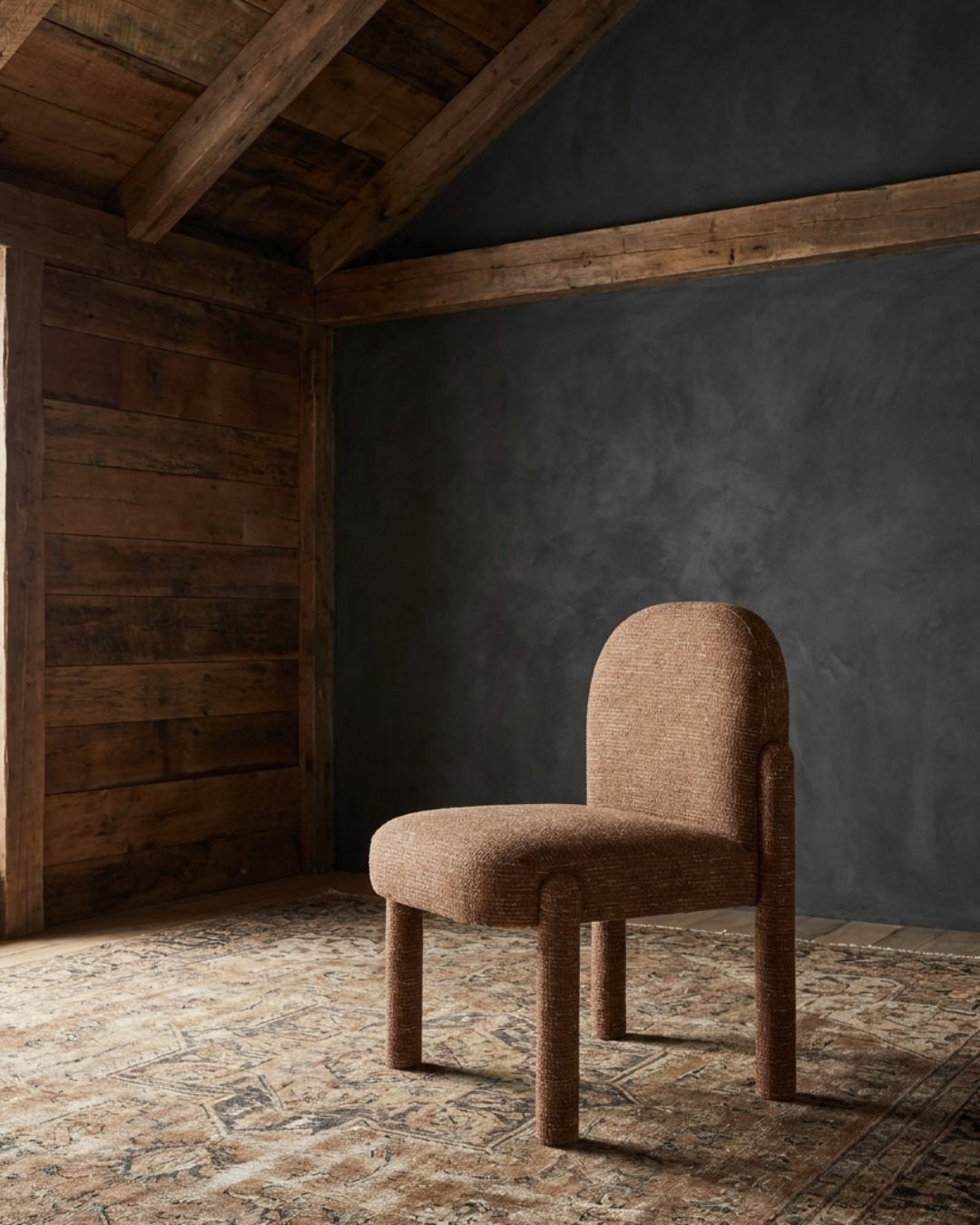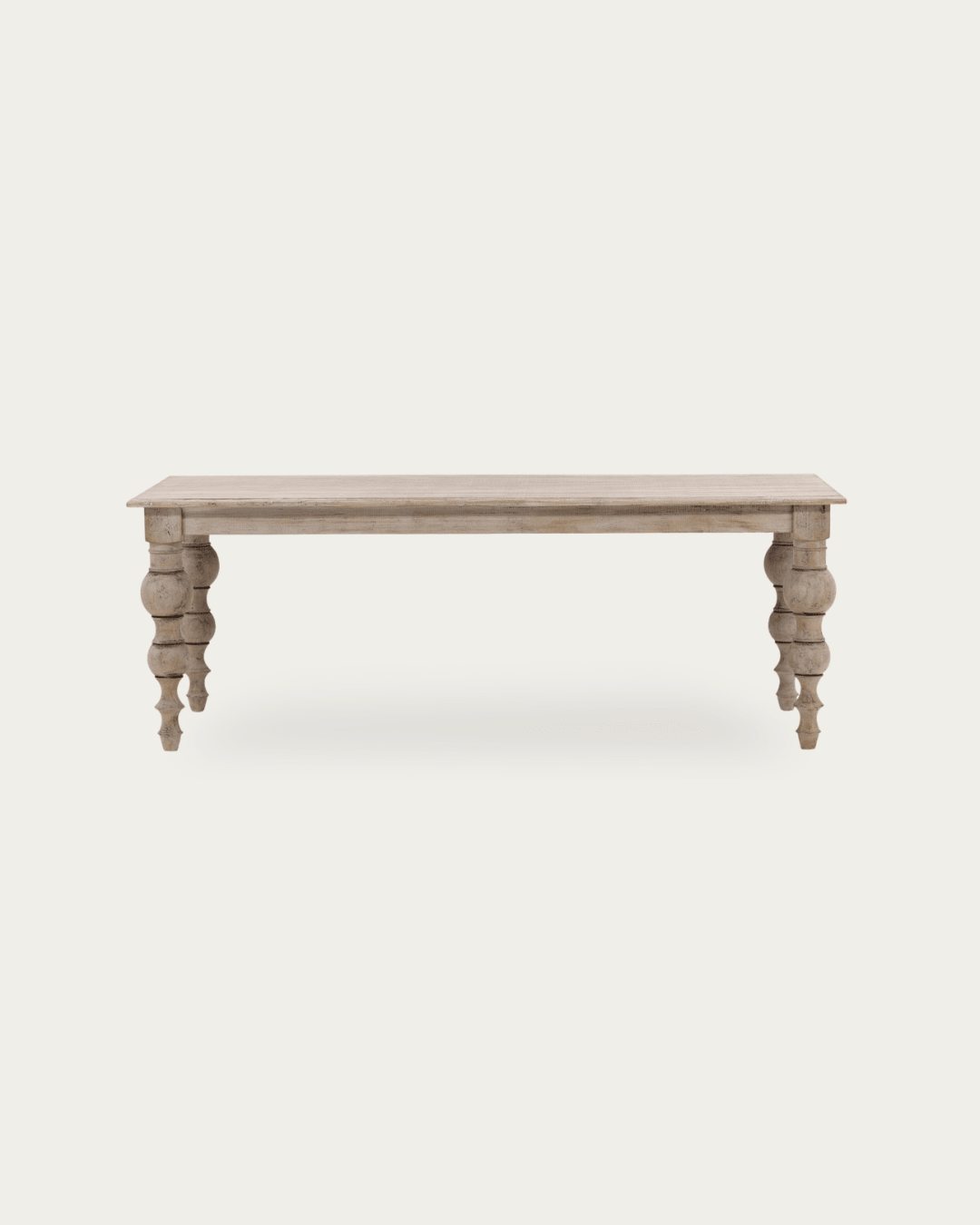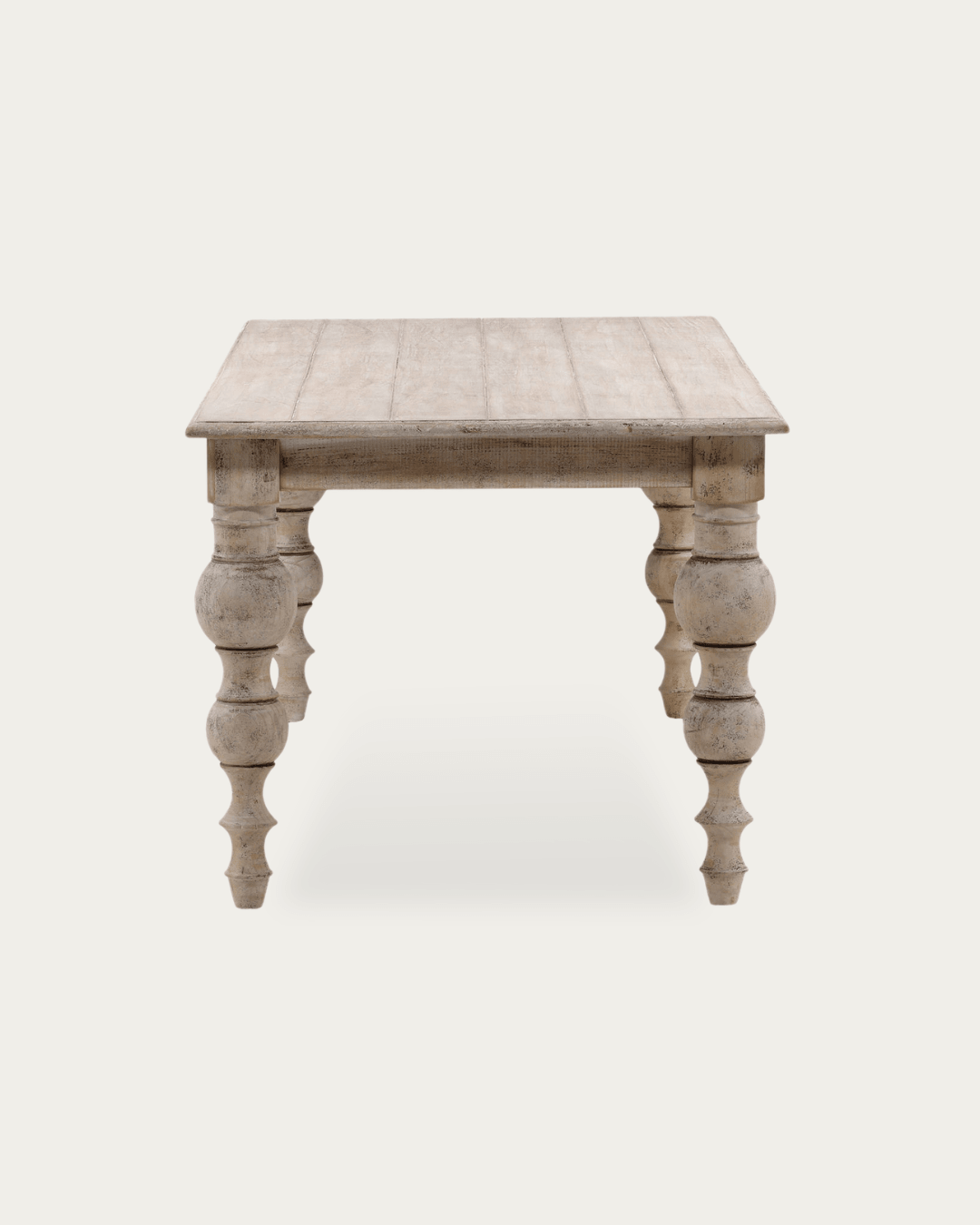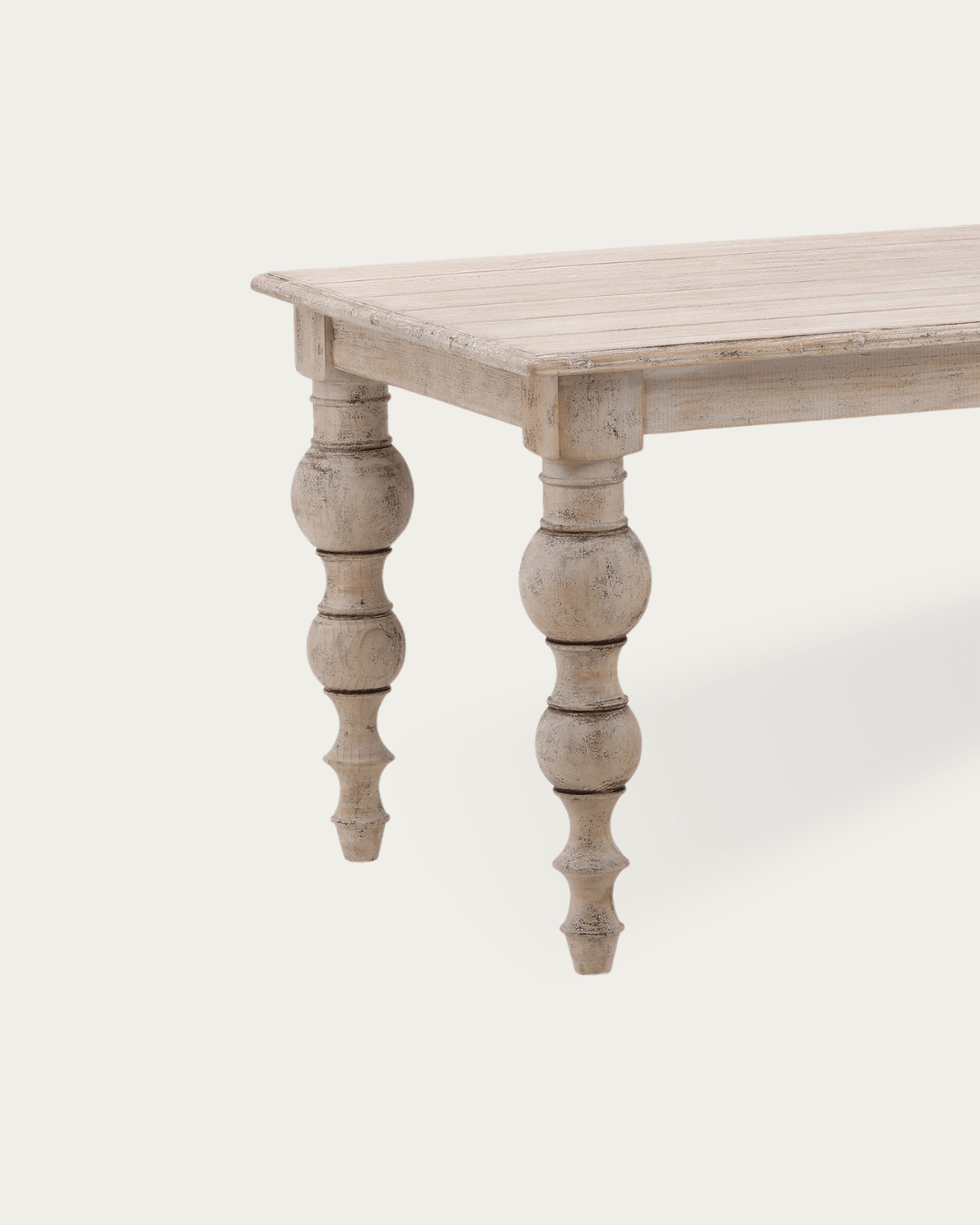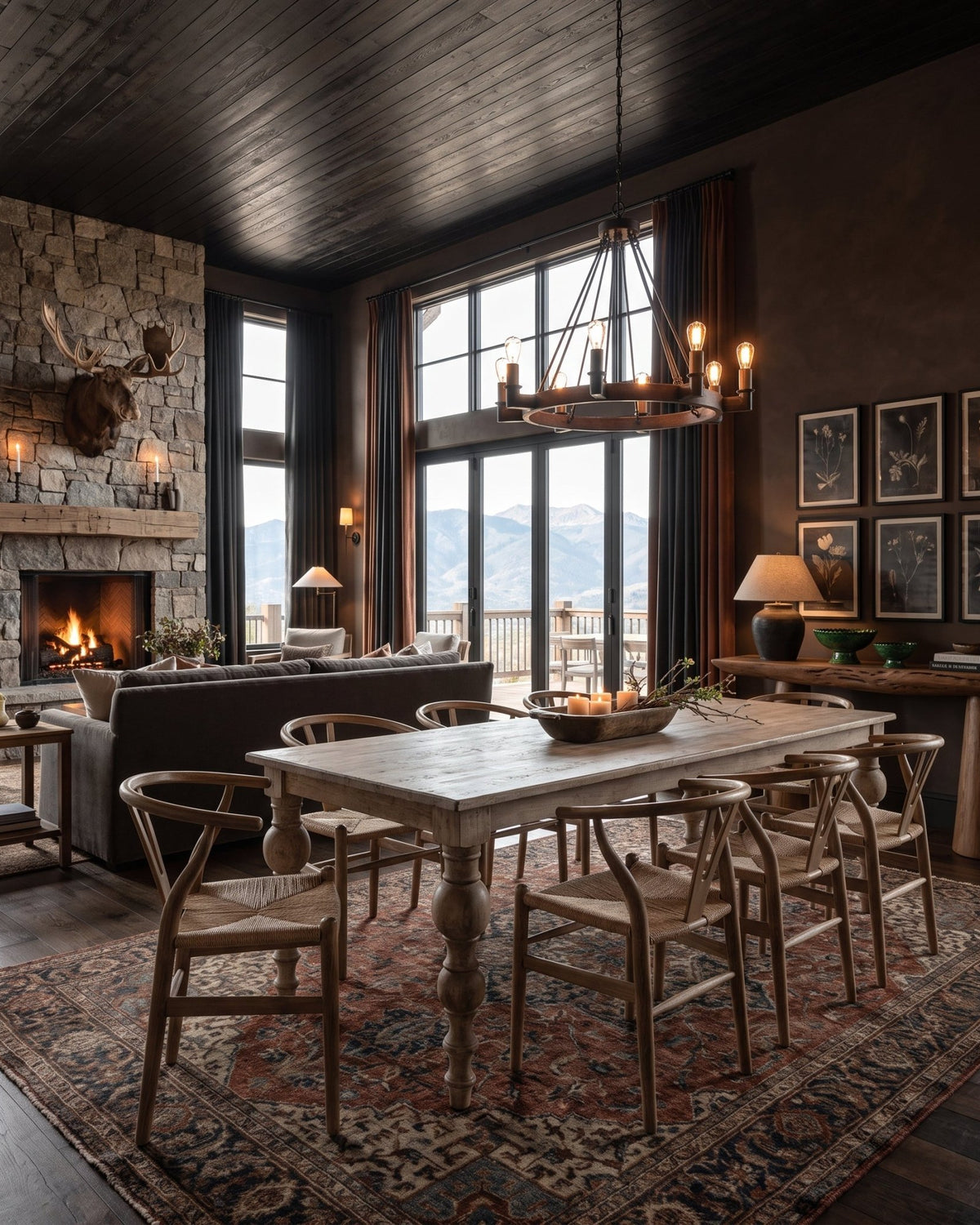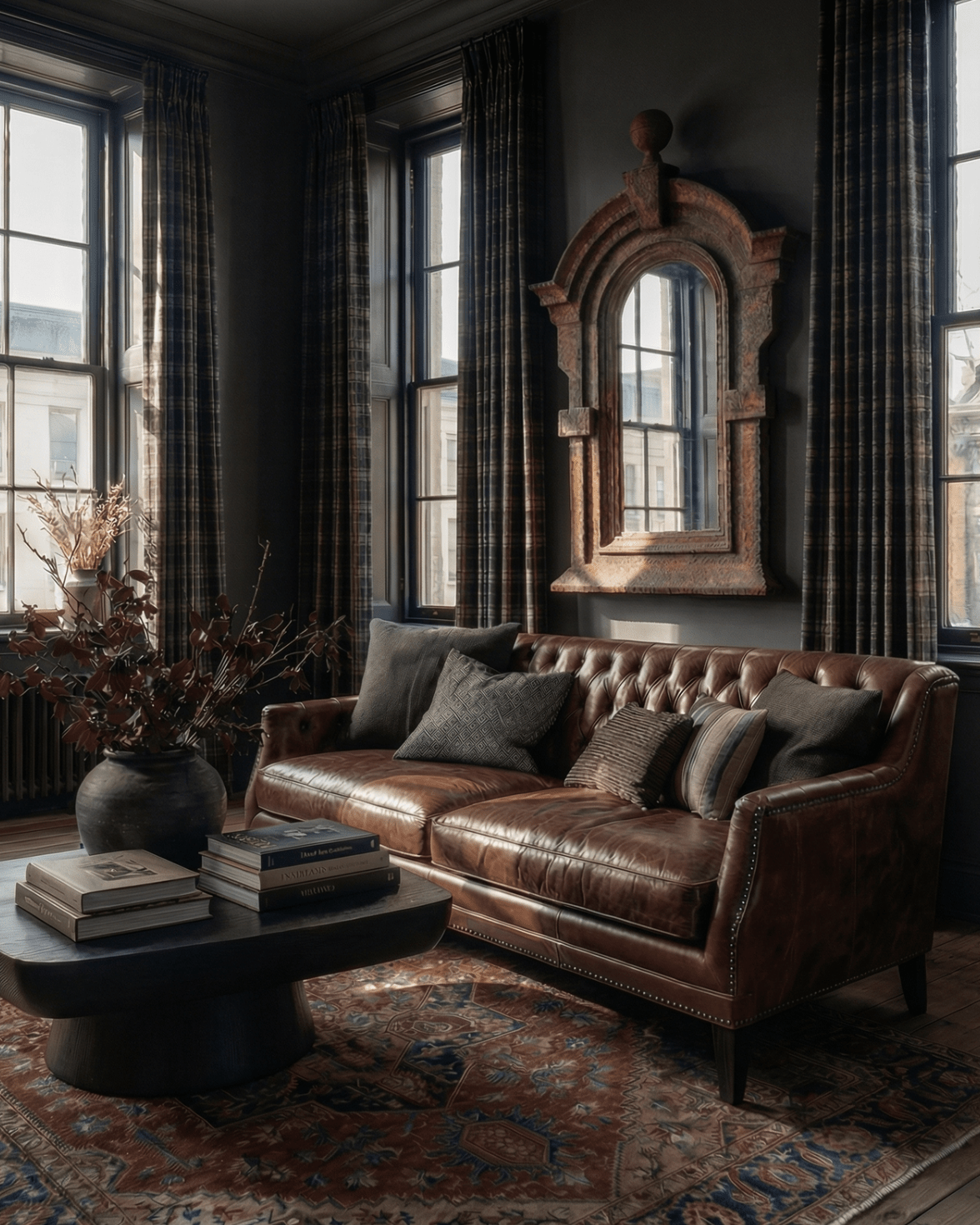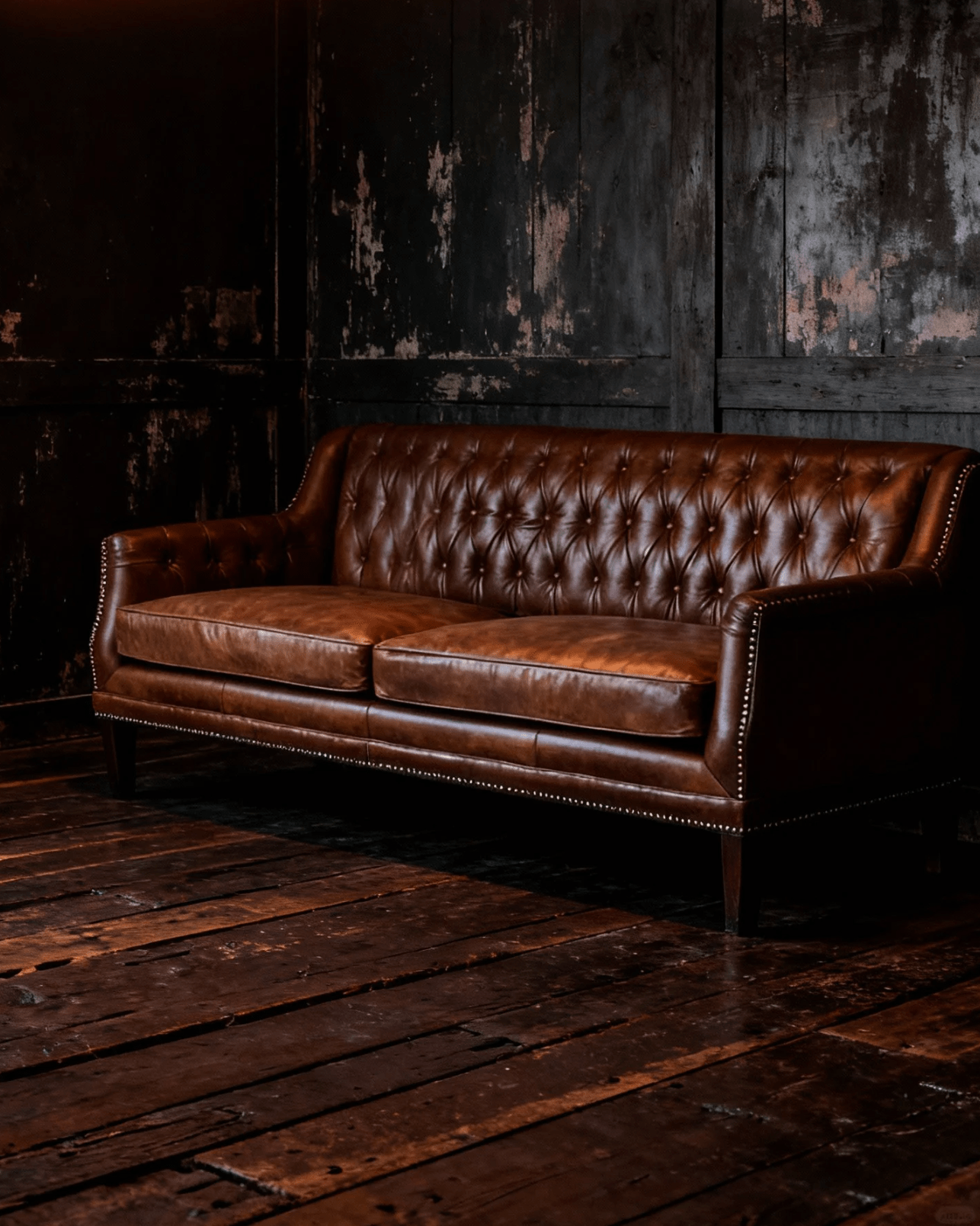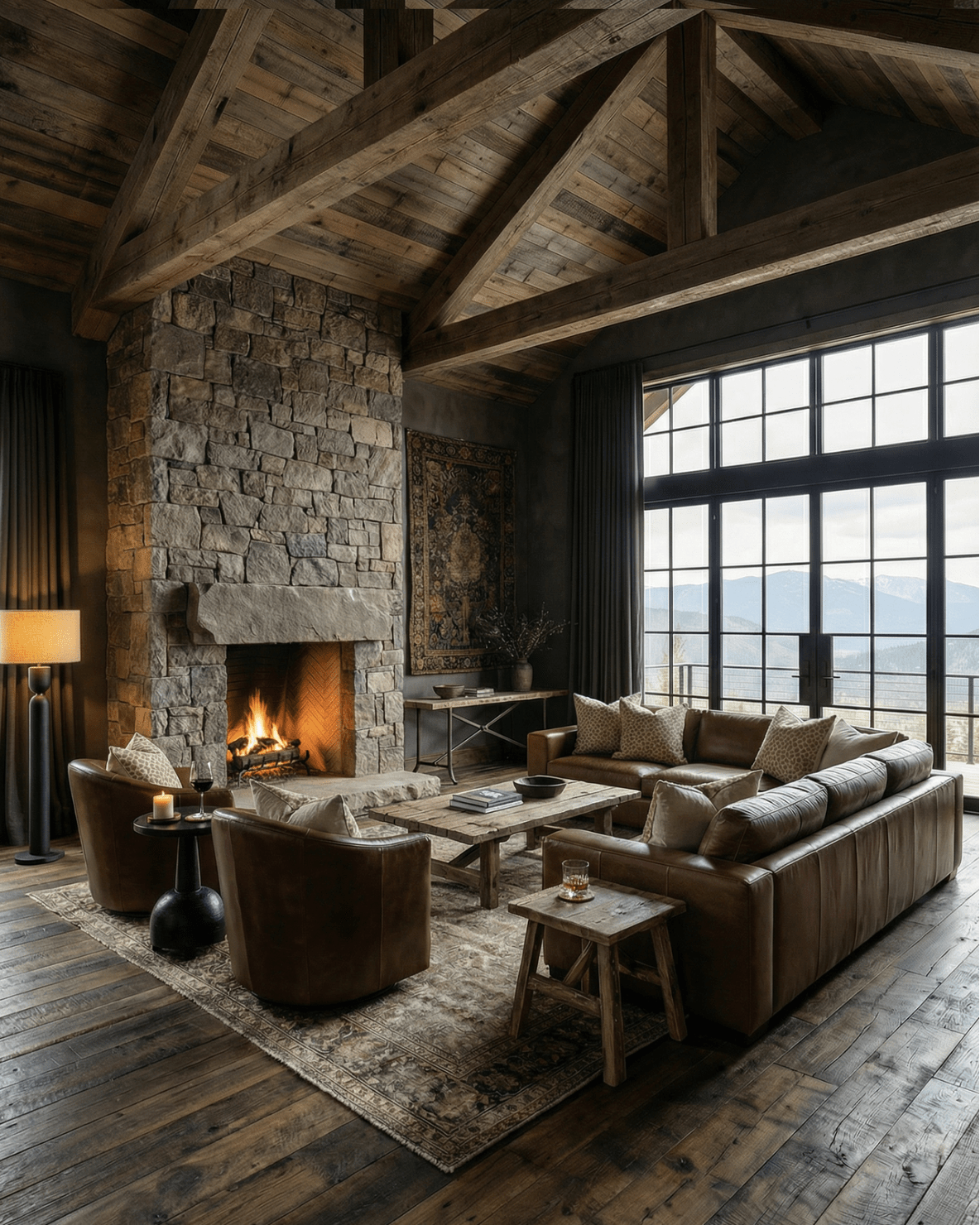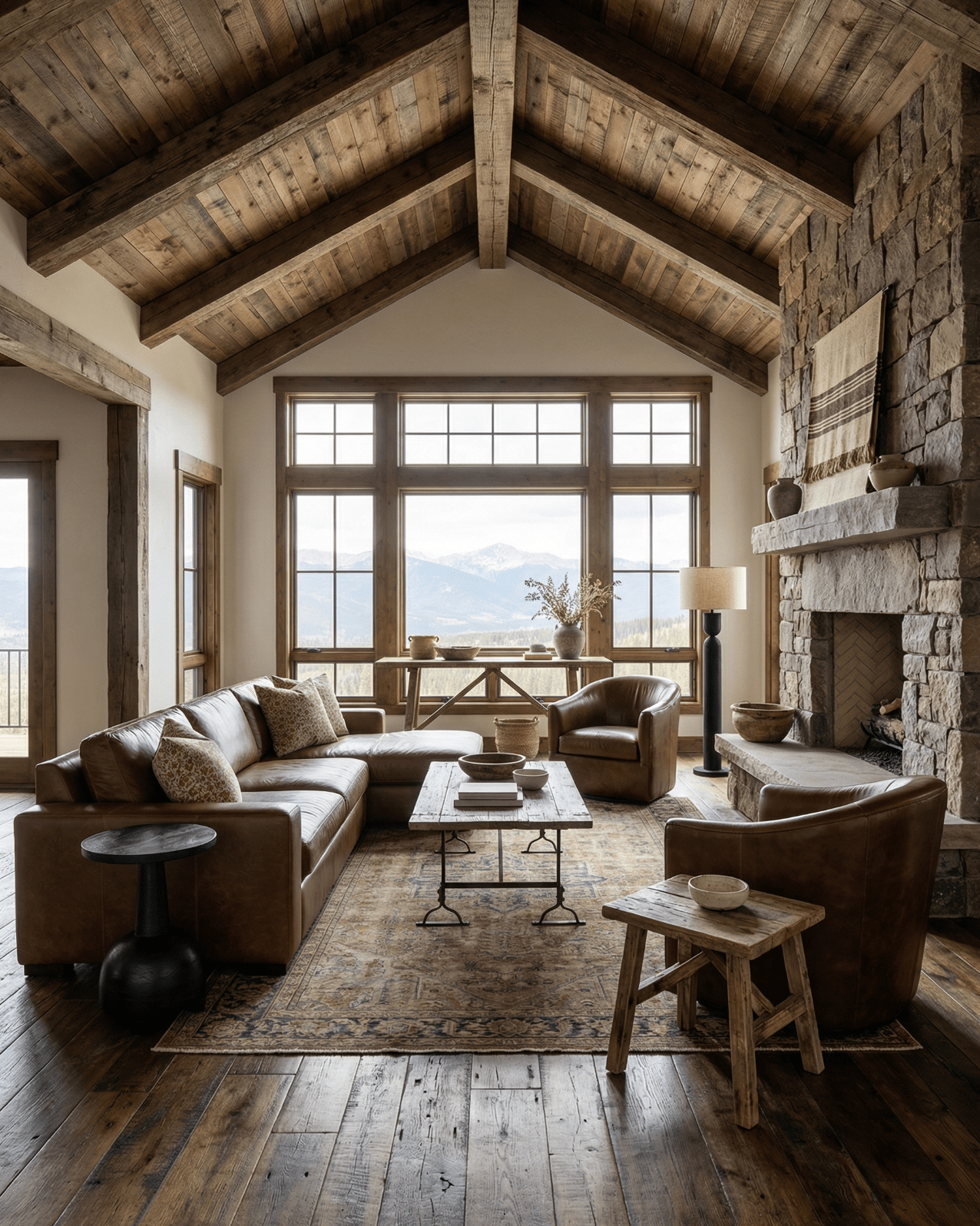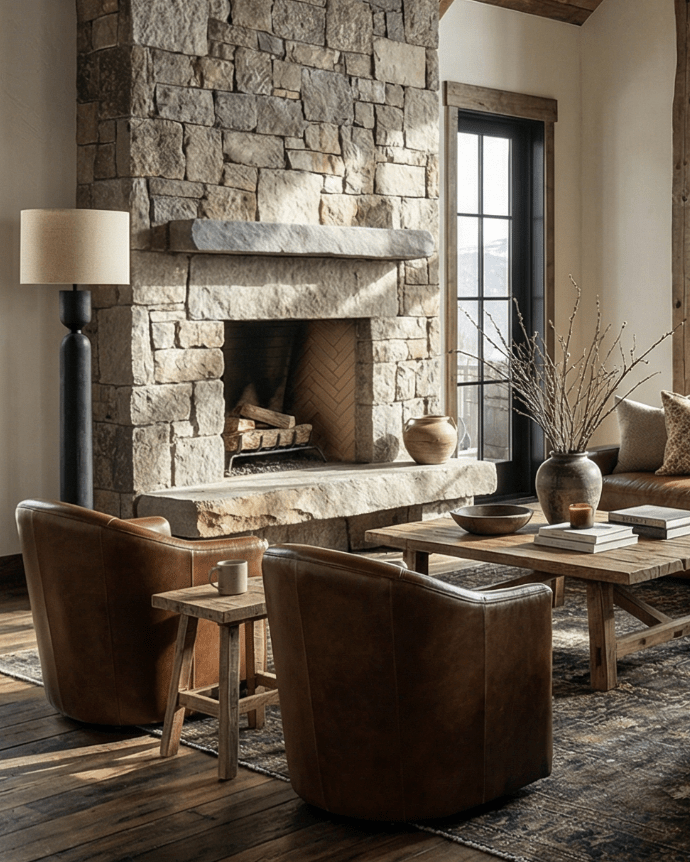









Most people treat the coffee table as a surface—somewhere to place objects, stack books, or fill space between seating. But in reality, it’s one of the most important pieces in your layout. A well-placed coffee table doesn’t just sit in the middle of your room—it defines how everything else works around it.
It controls spacing. It sets boundaries. It determines how people move, sit, and interact.
And when it’s wrong, the entire room feels slightly off—even if everything else is technically right.
If your space feels unresolved, this is often where to start.
Start with pieces that anchor your layout, not just decorate it:
Shop coffee tables collection
Why the Coffee Table Is the Center of the Room
In most living rooms, the coffee table acts as the central reference point. Everything else—sofa, chairs, rugs—relates back to it. Without a clear center, your layout lacks direction.
Your eyes keep moving.
Your brain keeps scanning.
That’s where subtle tension builds.
A strong coffee table gives your room a fixed point. It creates visual stability and helps your brain understand the space faster.
A piece like the Ronette coffee table works because it defines the center without overpowering it. It gives your layout something to organize around.
For more structured spaces, the Halvar coffee table reinforces alignment with surrounding furniture, helping everything feel more intentional.
The goal isn’t to fill the middle.
It’s to establish control over it.
Shape Changes How a Room Moves
Shape is one of the most overlooked factors in furniture selection, but it has a direct impact on how a room functions.
Round tables allow movement to flow more freely. They soften transitions and reduce sharp edges in tighter layouts. Rectangular tables, on the other hand, reinforce structure. They align with sofas and define boundaries more clearly.
A piece like the Solva coffee table helps guide movement through the space, especially in rooms with longer seating arrangements.
Meanwhile, something like the Roi coffee table introduces variation that prevents the room from feeling too rigid or predictable.
Choosing the right shape isn’t about preference—it’s about how you want the room to function.
Material Is What Makes It Feel Real
Material is where coffee tables stop being passive and start becoming structural.
Different materials communicate different signals.
Glass feels light and temporary. Metal feels sharp and defined. Wood feels grounded.
That’s why wood coffee tables tend to anchor a room more effectively. They introduce natural variation—grain, tone, texture—that your brain recognizes instantly.
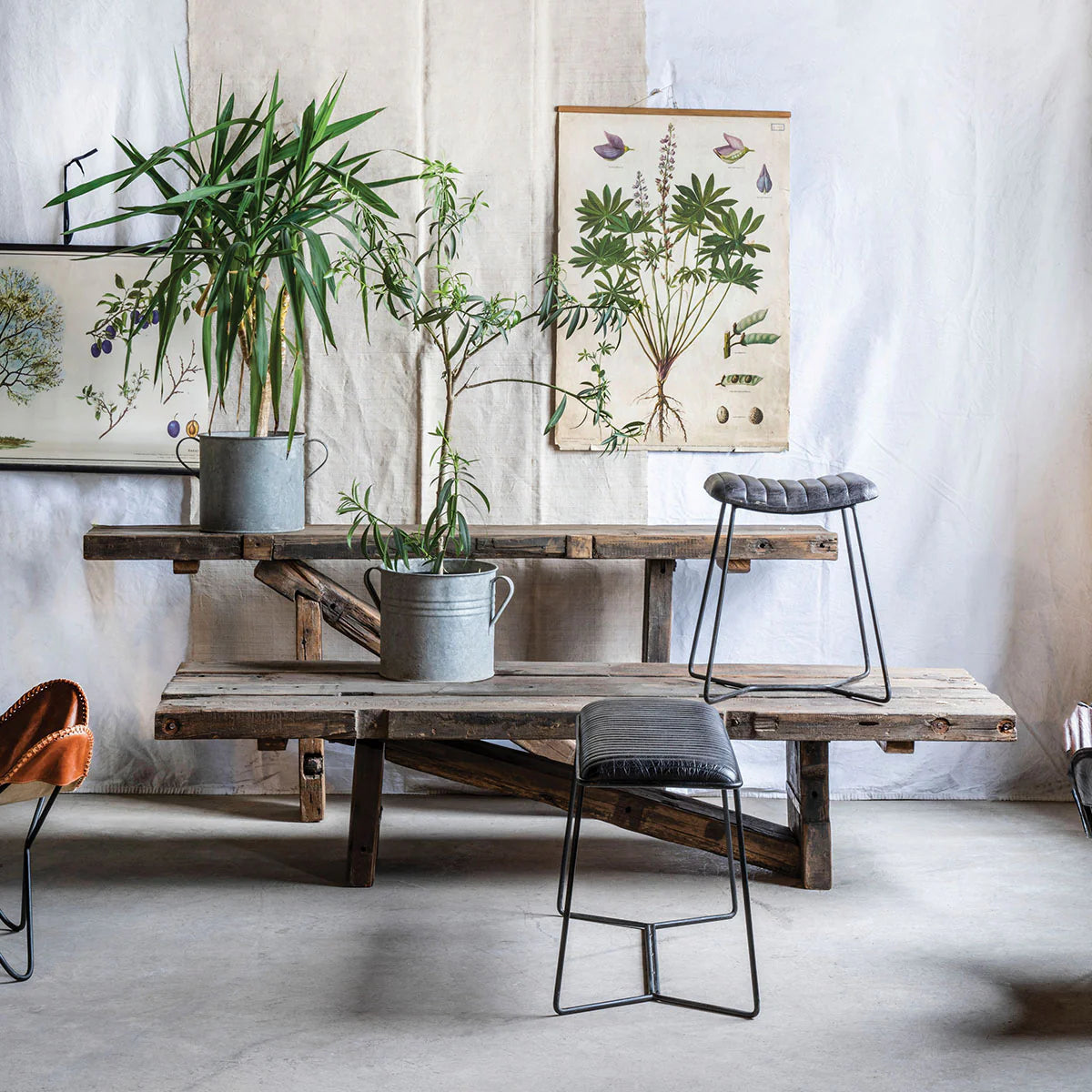
A piece like the Finn rustic wood coffee table creates that grounding effect without needing additional styling. It holds presence on its own.
Similarly, the Synnova coffee table balances structure and texture, making it easier for surrounding elements to settle around it.
Material isn’t just a visual choice.
It’s what determines how stable your space feels.
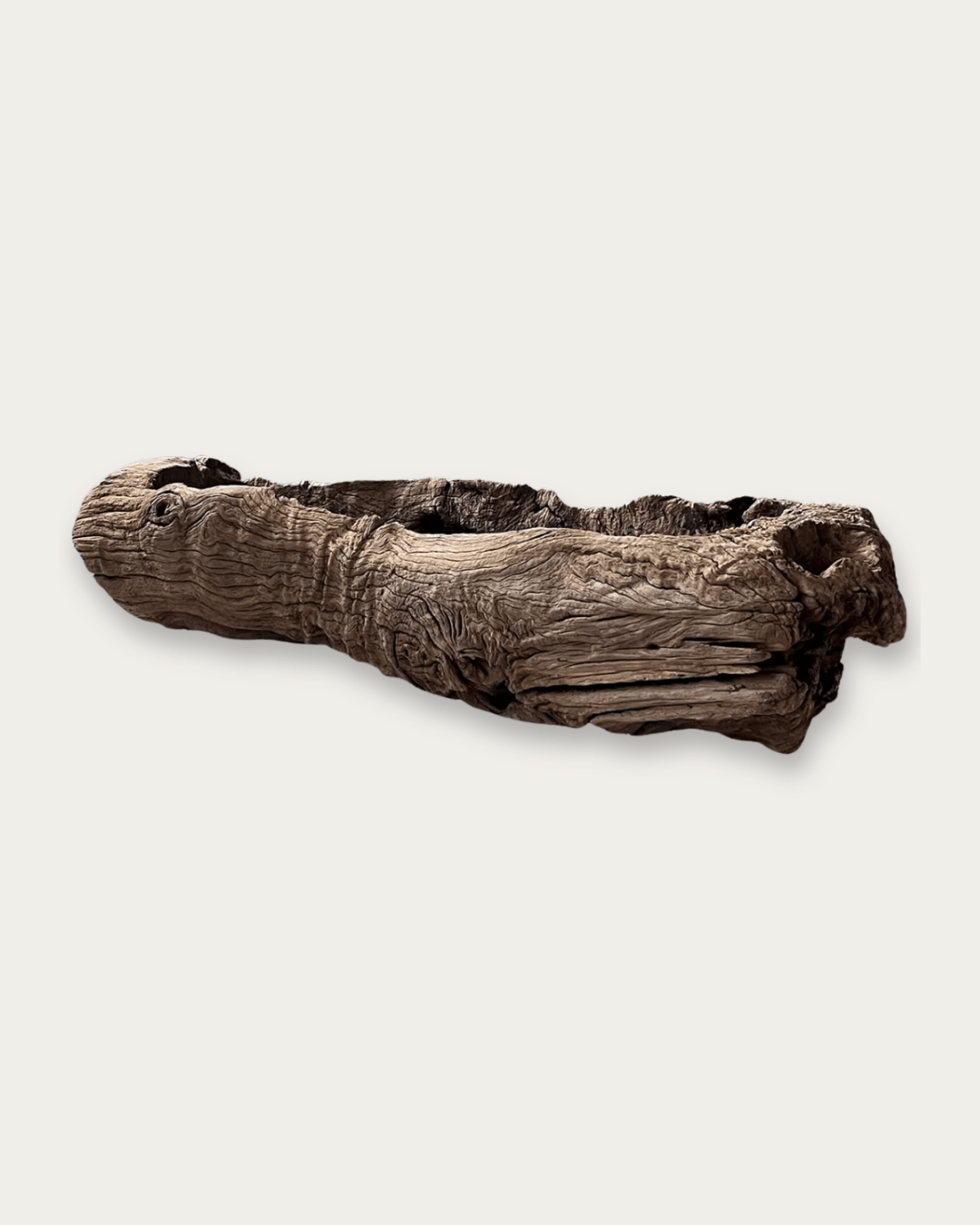
When Reclaimed Coffee Tables Do It Better
New furniture is designed for consistency. Reclaimed furniture isn’t—and that’s where it stands out.
Reclaimed wood carries irregularities.
Variations in tone. Subtle imperfections.
Your brain processes these details as real.
It doesn’t need to work as hard to interpret them.
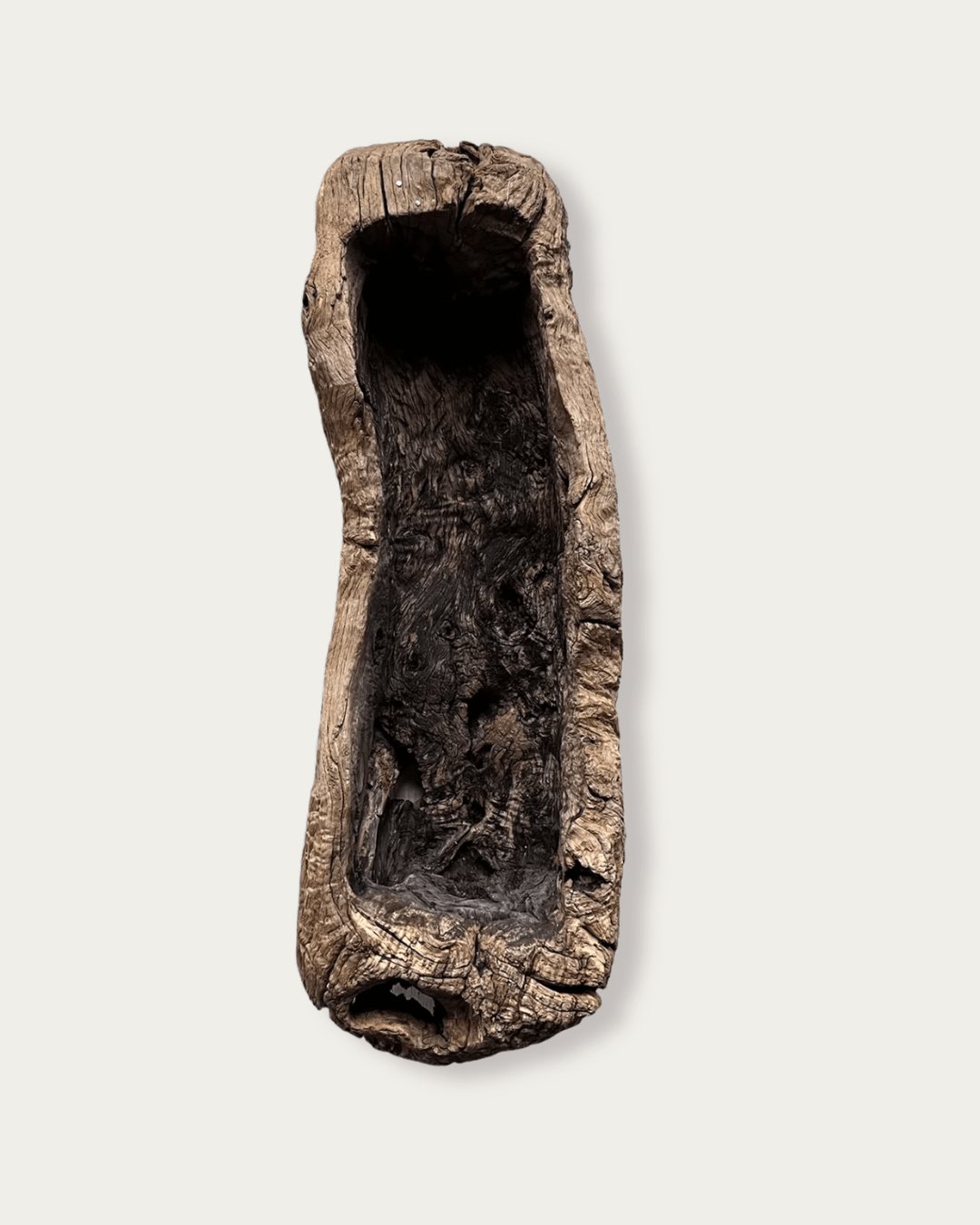
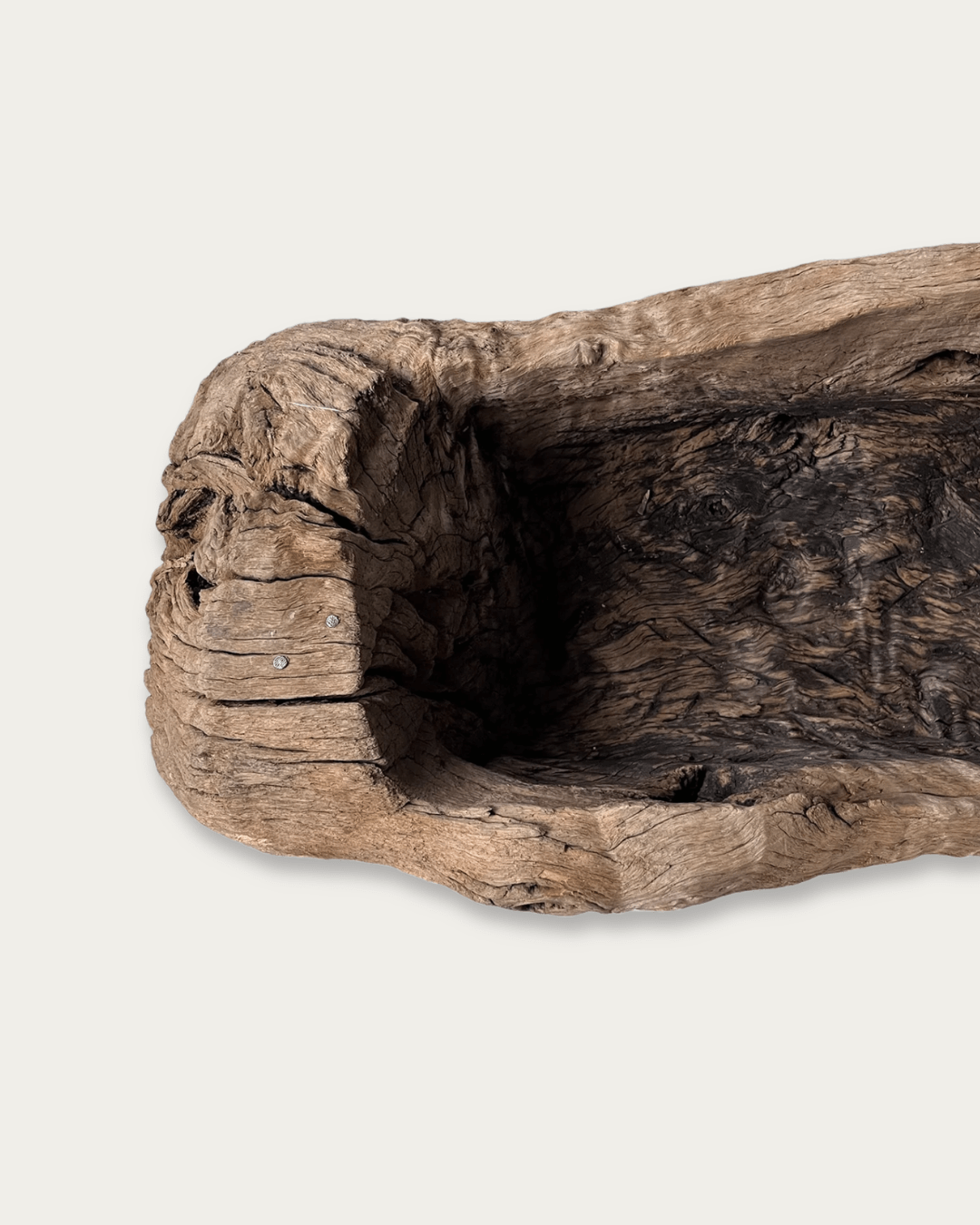
A piece like the Vidar salvaged wood coffee table introduces depth immediately. It doesn’t rely on styling to feel complete—it already has character.
For a slightly more structured reclaimed option, the Ebon coffee table provides balance. It maintains form while still carrying natural variation.
Reclaimed pieces don’t just sit in a room.
They stabilize it.
Scale Is the Make-or-Break Detail
Most coffee table mistakes come down to scale—not style.
A table that’s too small will feel disconnected from your seating. It won’t anchor the layout. It will feel like an afterthought.
A table that’s too large will interrupt movement. It creates friction in how people navigate the space.
The right coffee table should sit comfortably within reach of your seating—close enough to be functional, but not so close that it feels intrusive.
It should feel integrated into the layout.
Not imposed on it.
This is where proportion becomes more important than aesthetics.
Height and Spacing: The Subtle Details That Matter
Beyond length and width, height plays a critical role in how a coffee table functions.
A table that’s too low can feel disconnected from the seating. Too high, and it disrupts sightlines and comfort.
Ideally, your coffee table should sit at or slightly below the height of your sofa cushions.
Spacing matters just as much.
Too much distance between your seating and the table creates disconnection. Too little restricts movement.
These small adjustments don’t seem significant—but they’re what determine whether a room feels easy to use or slightly frustrating.

A RUTED Tip: The Brain Needs a Center Point. Your brain is constantly scanning a space for a central reference point, and when one isn’t clearly defined, it keeps moving between objects trying to establish order; a coffee table provides that anchor, reducing visual scanning and helping your nervous system settle because the room suddenly makes sense.
Styling Matters Less Than You Think
Most people try to fix their coffee table with styling—books, trays, candles.
But styling doesn’t solve structural problems.
If your table is the wrong size, shape, or material, adding decor only adds more visual noise.
Focus on what actually matters:
Position first.
Scale second.
Material third.
Styling should enhance the table—not compensate for it.
How It Connects Everything Together
A coffee table isn’t an isolated piece.
It connects your entire layout.
It links your sofa, your accent chairs, and your surrounding space into one system. Without it, pieces feel separate. With it, they feel intentional.
This is why your living room furniture layout often depends on getting this one piece right.
It’s not just about function.
It’s about cohesion.
Where to Start
If your room feels off, don’t start with decor.
Start with your coffee table.
Look for something that:
Holds enough visual weight to anchor the room
Fits the scale of your seating
Supports how you move through the space
From there, everything else becomes easier to adjust.
Final Thought
A coffee table isn’t just a surface.
It’s the center of how your room operates.
It defines movement. It controls balance. It anchors the layout.
And when that center is right, everything around it starts to make sense.
If you’re ready to find a piece that actually supports your space, explore here:
Explore coffee tables collection