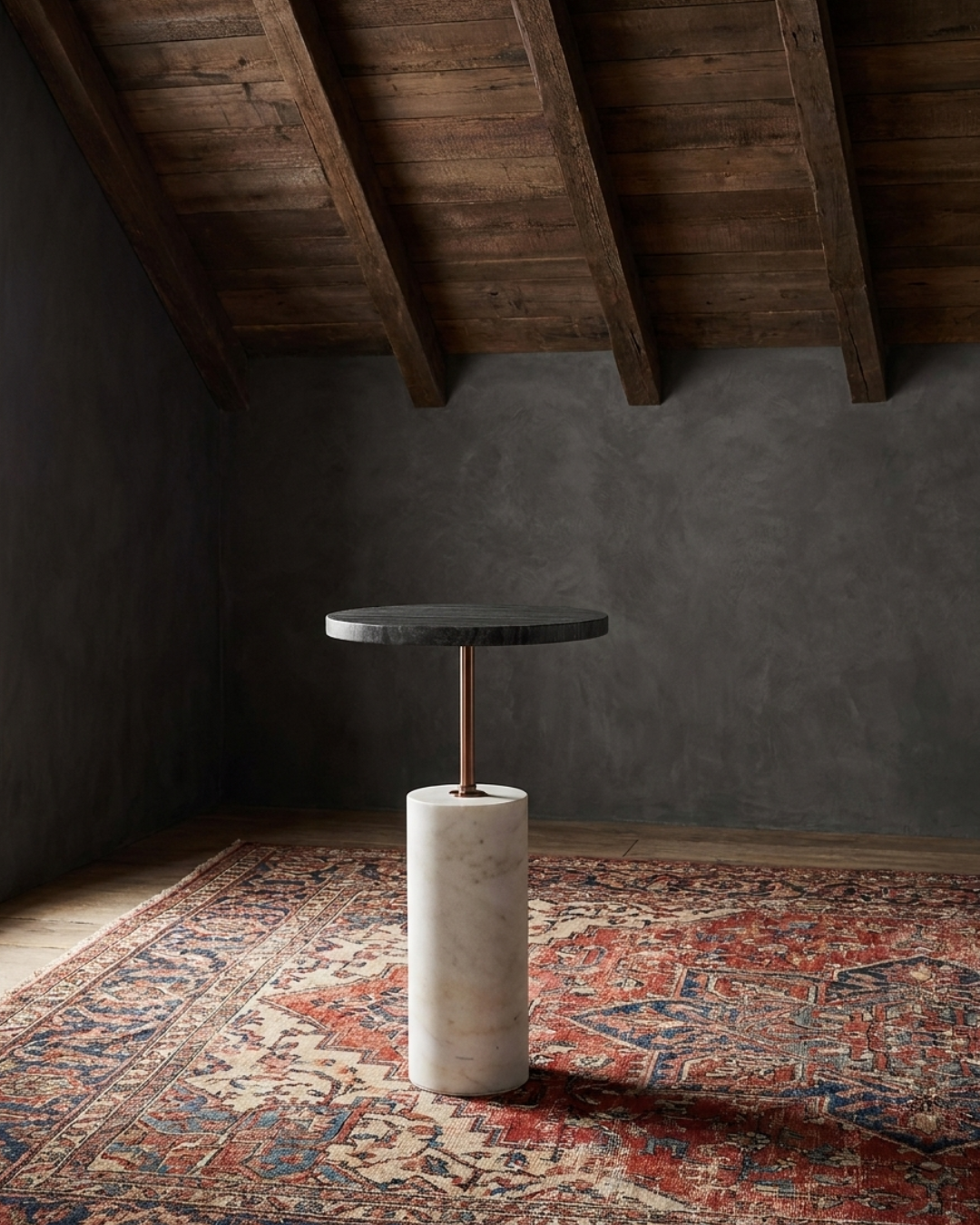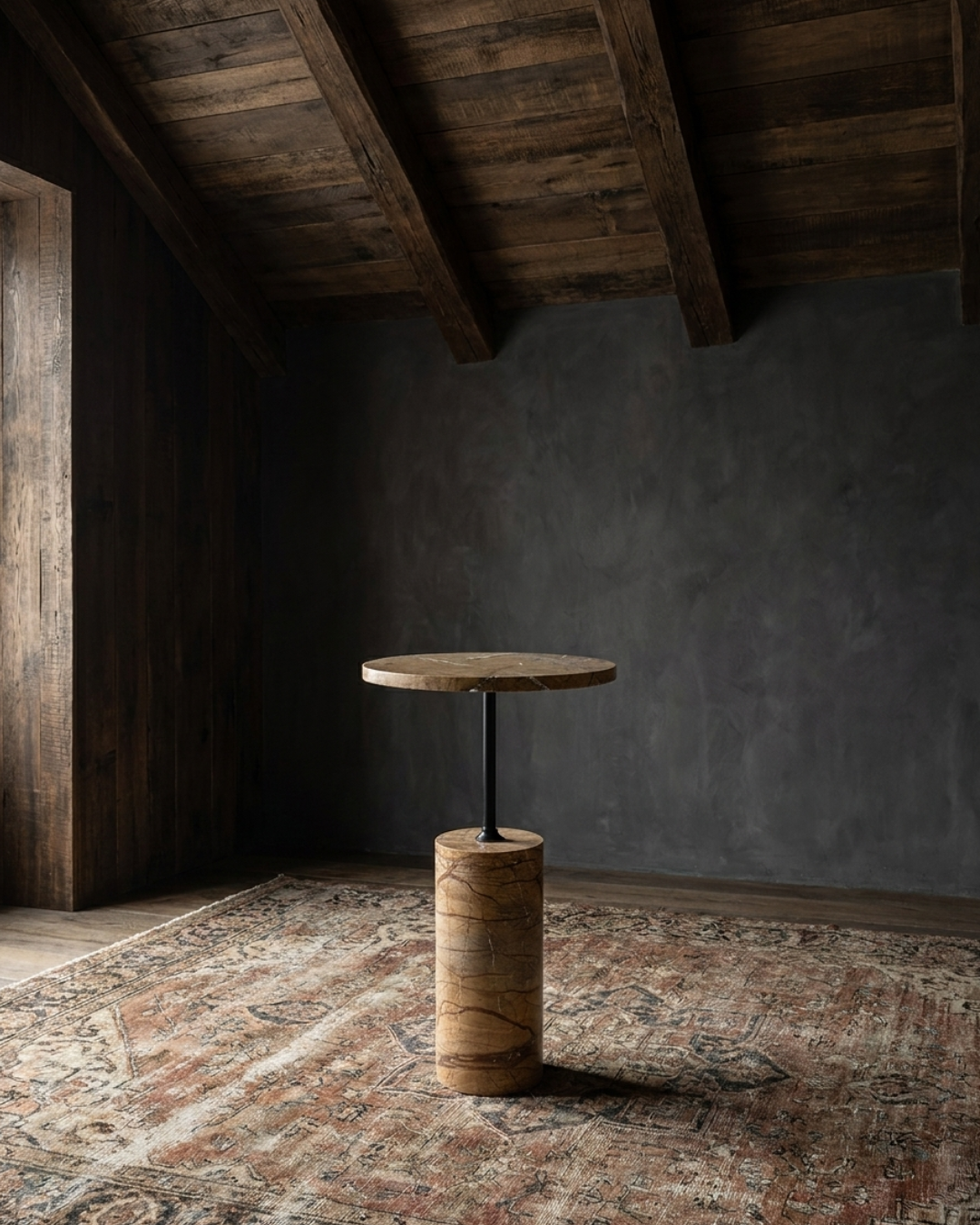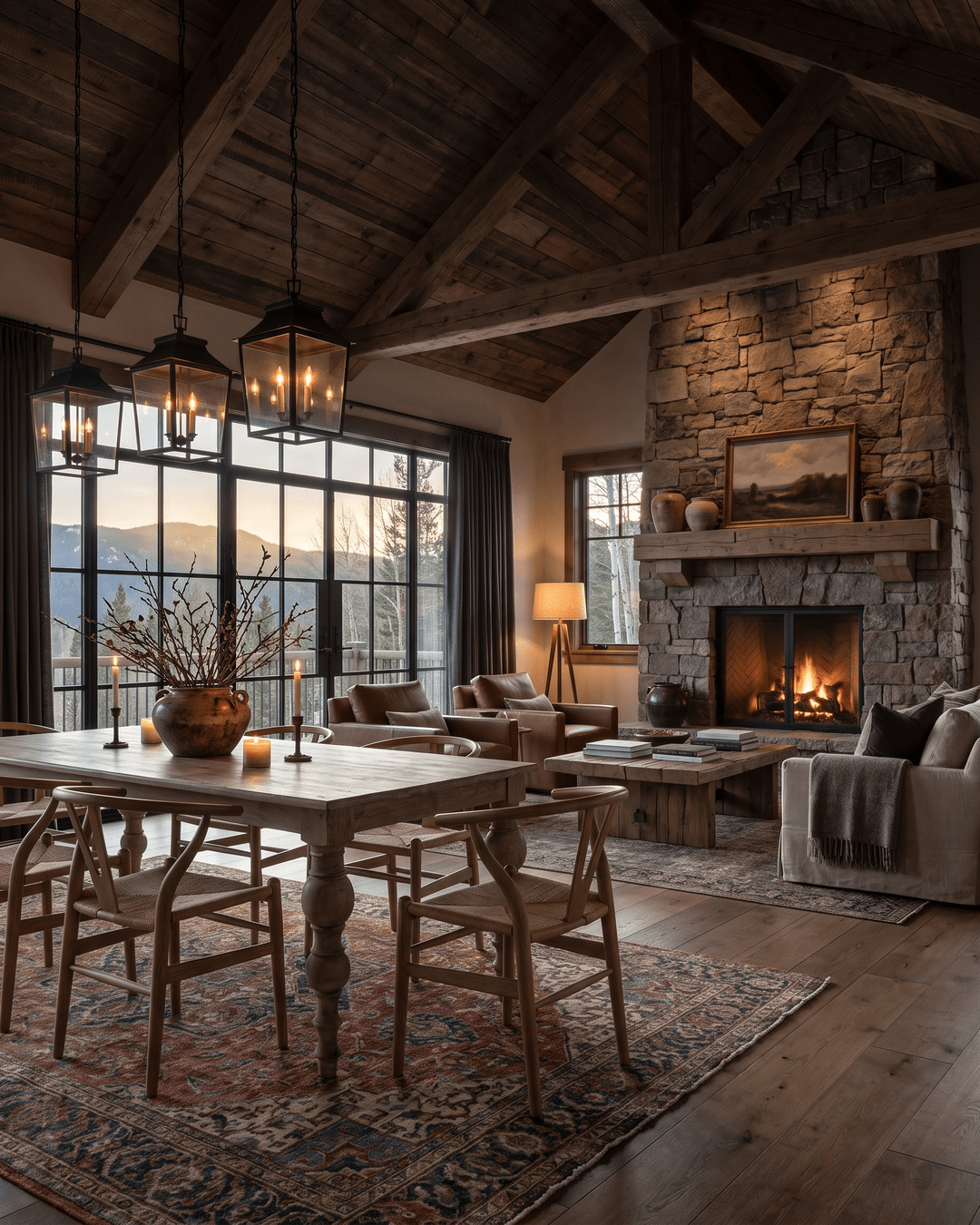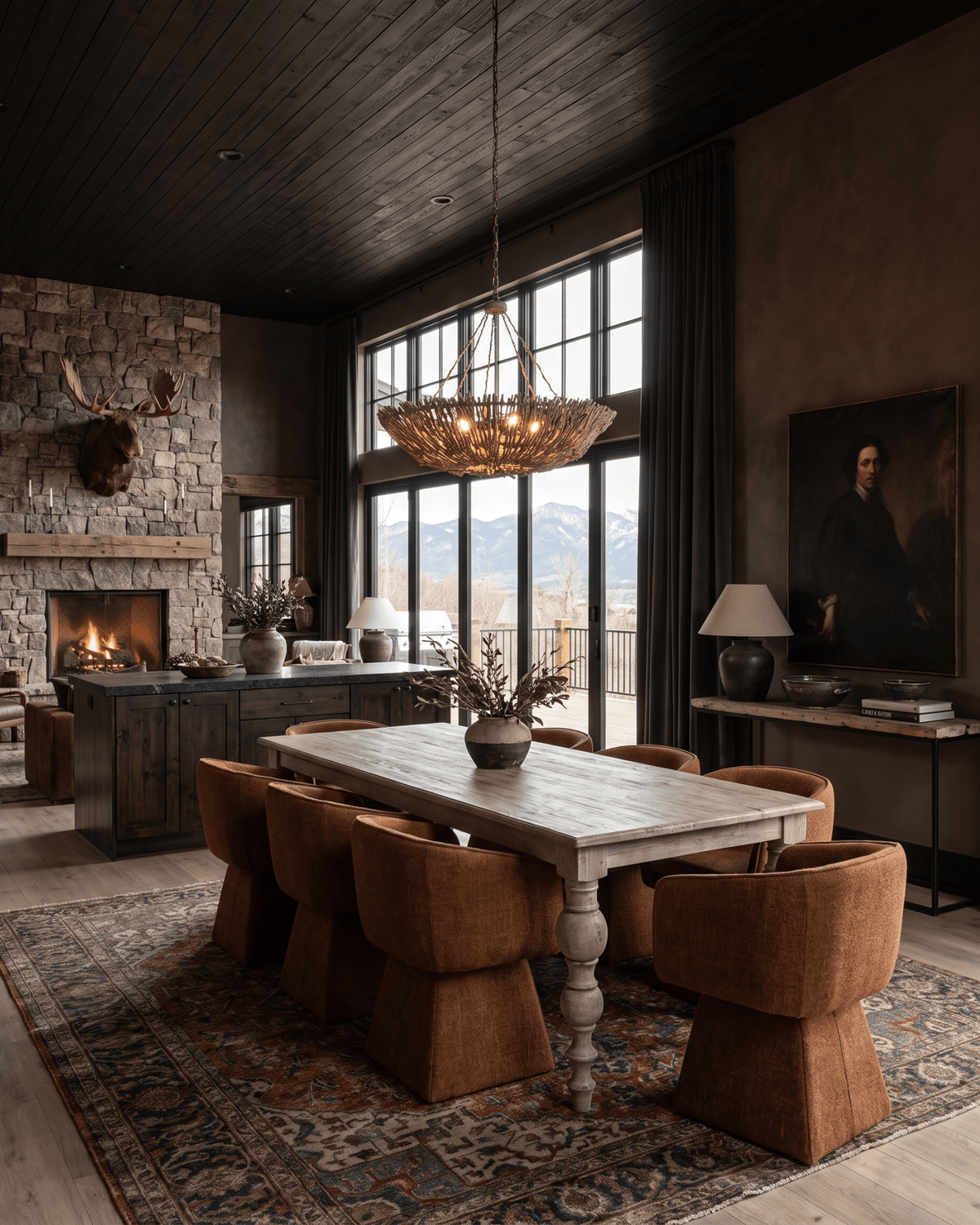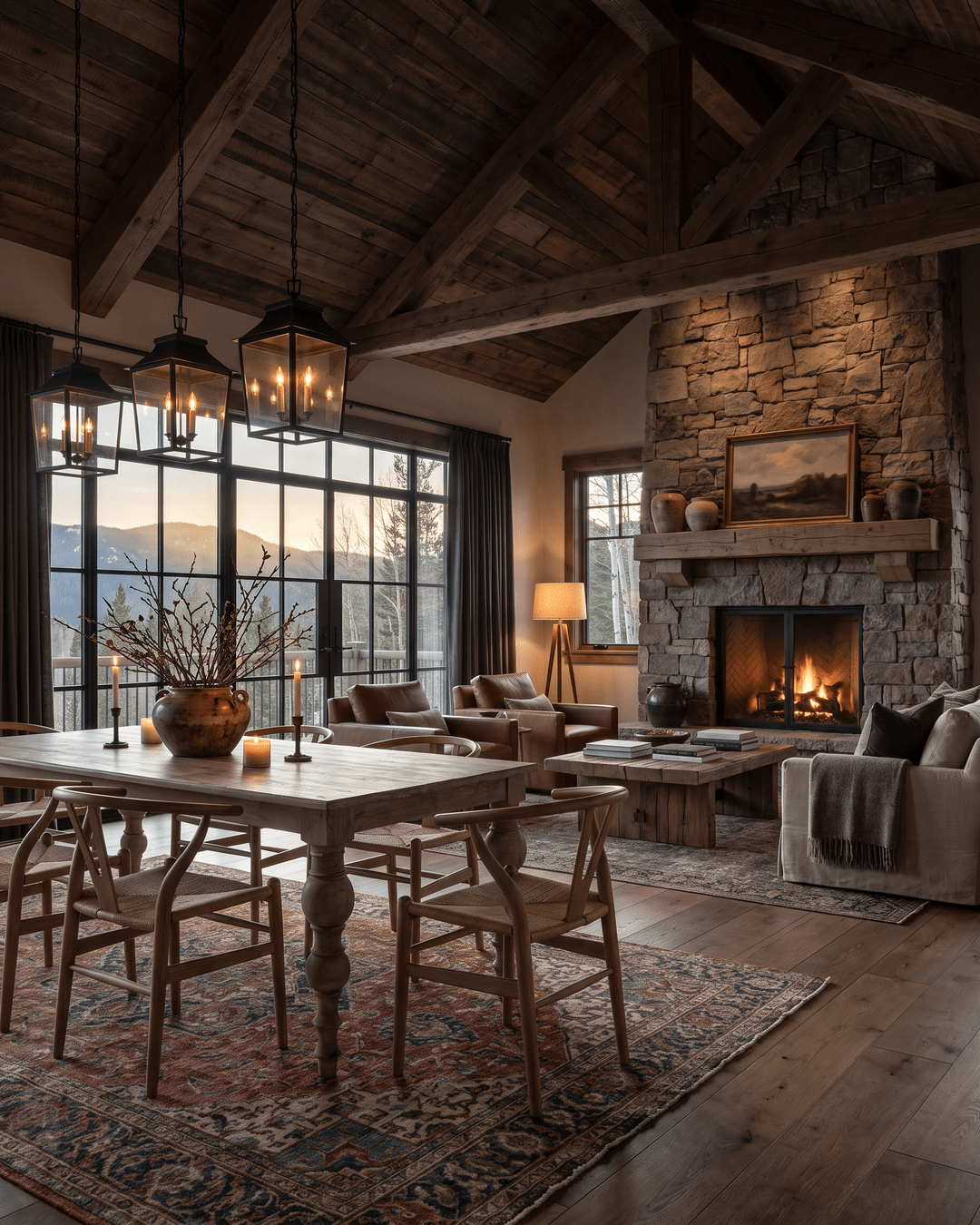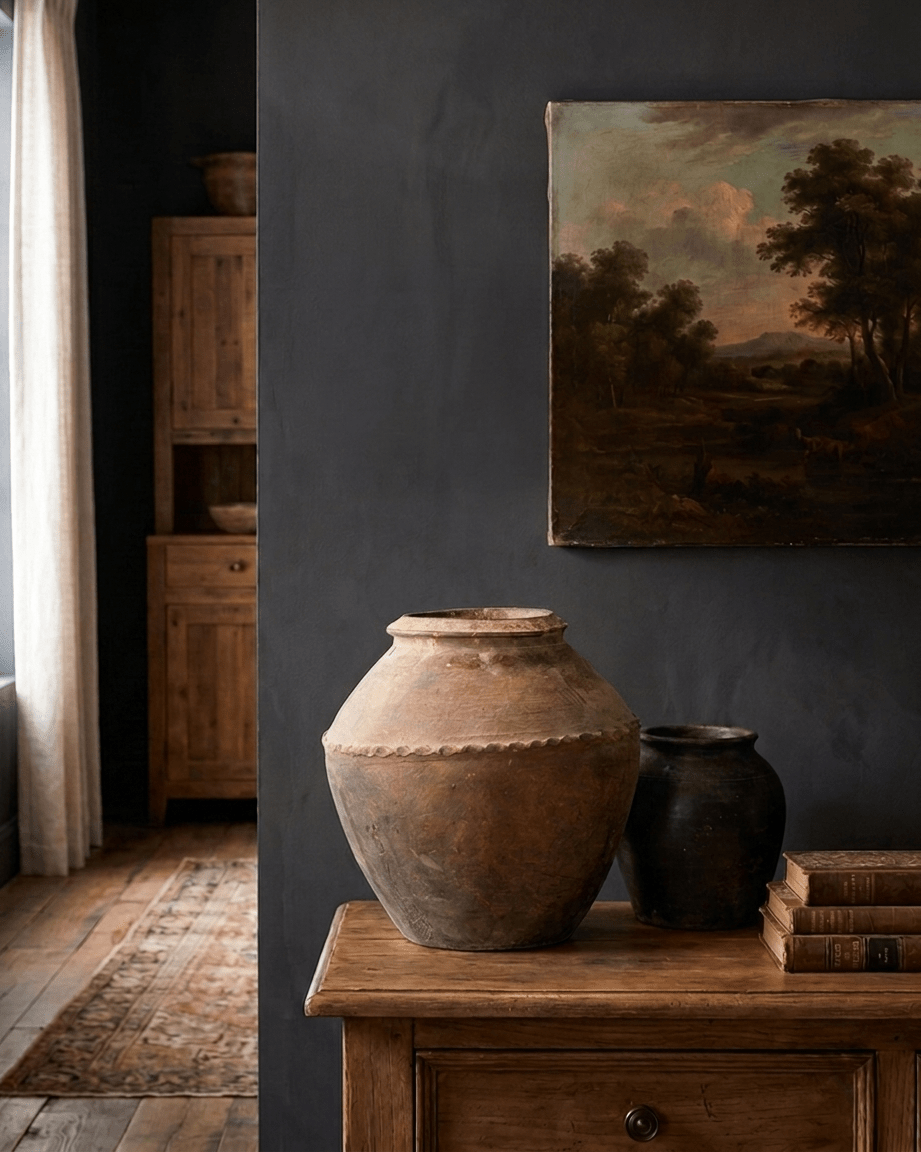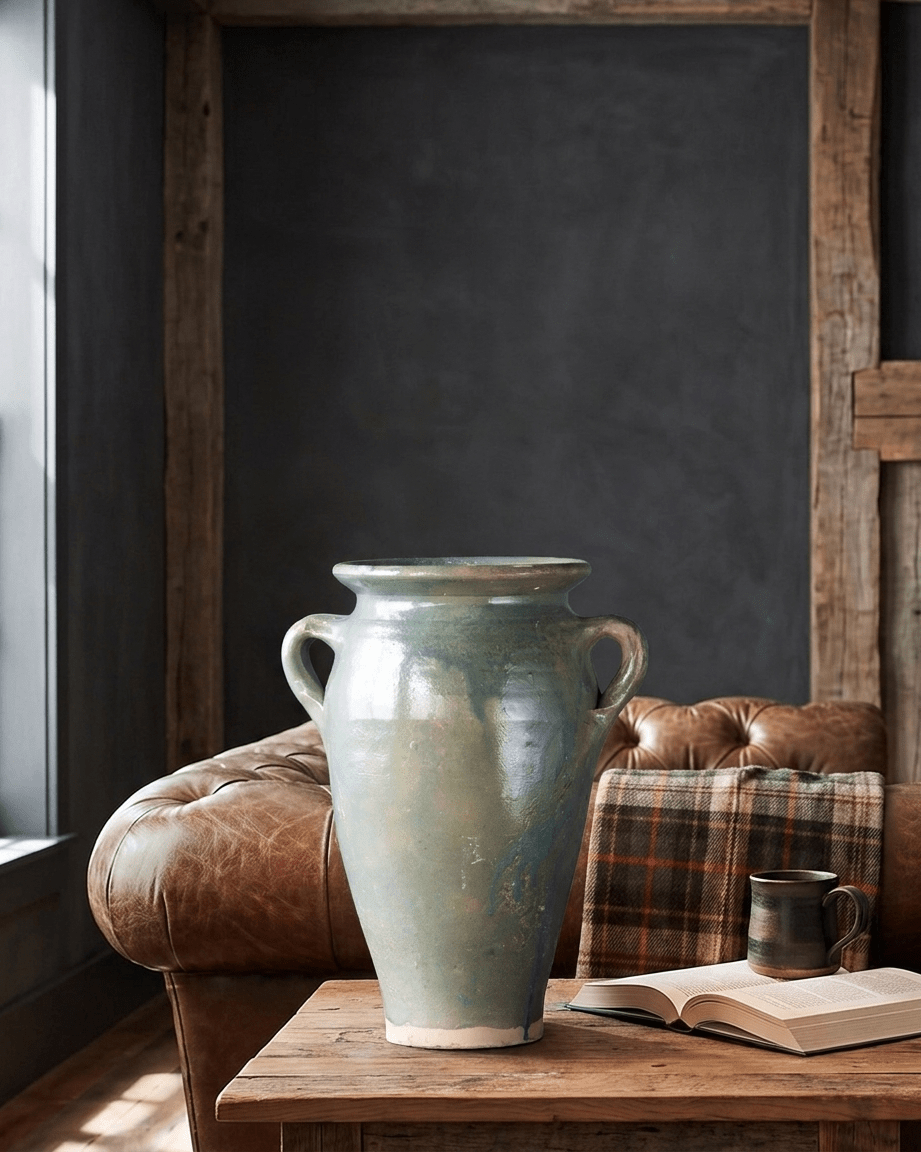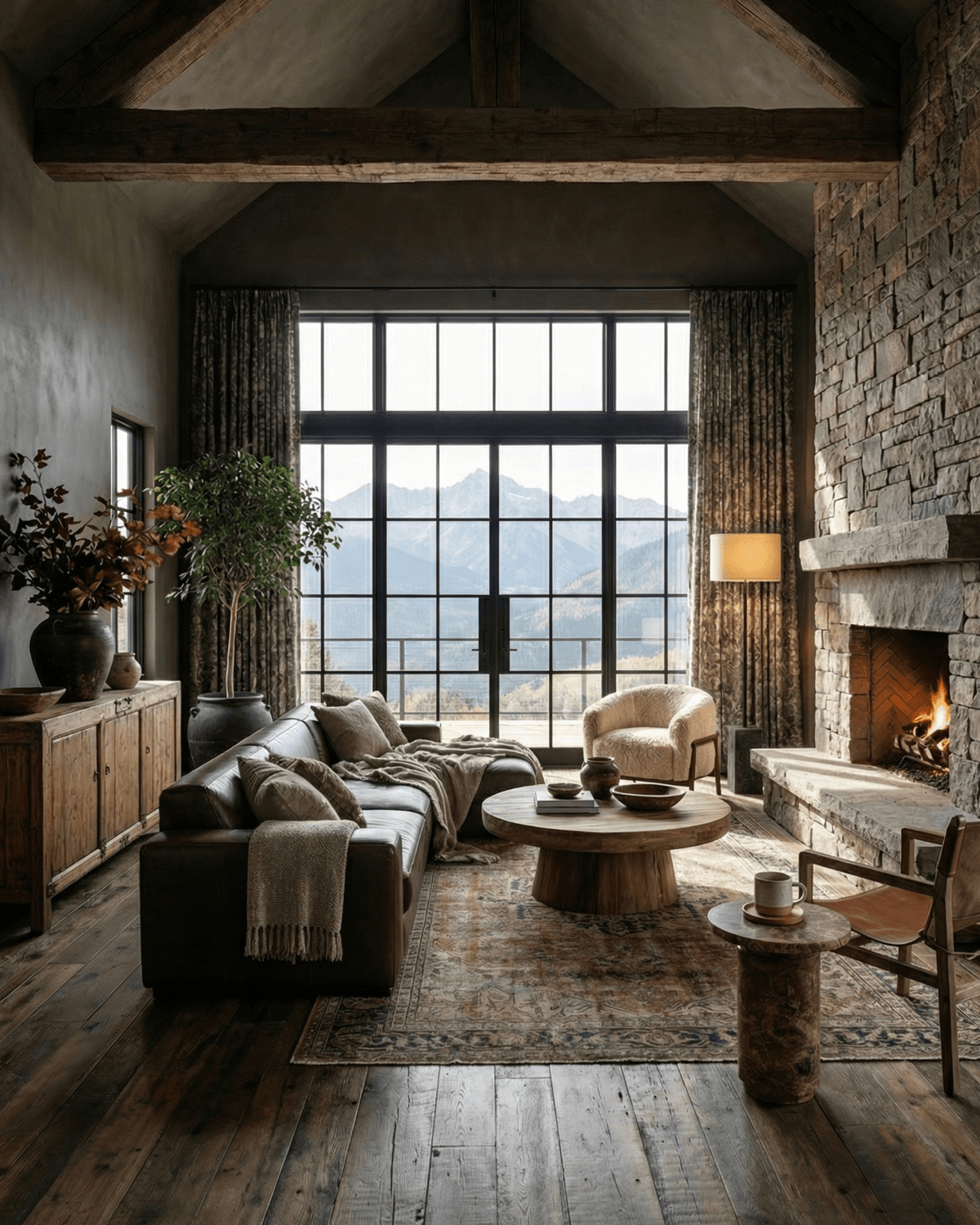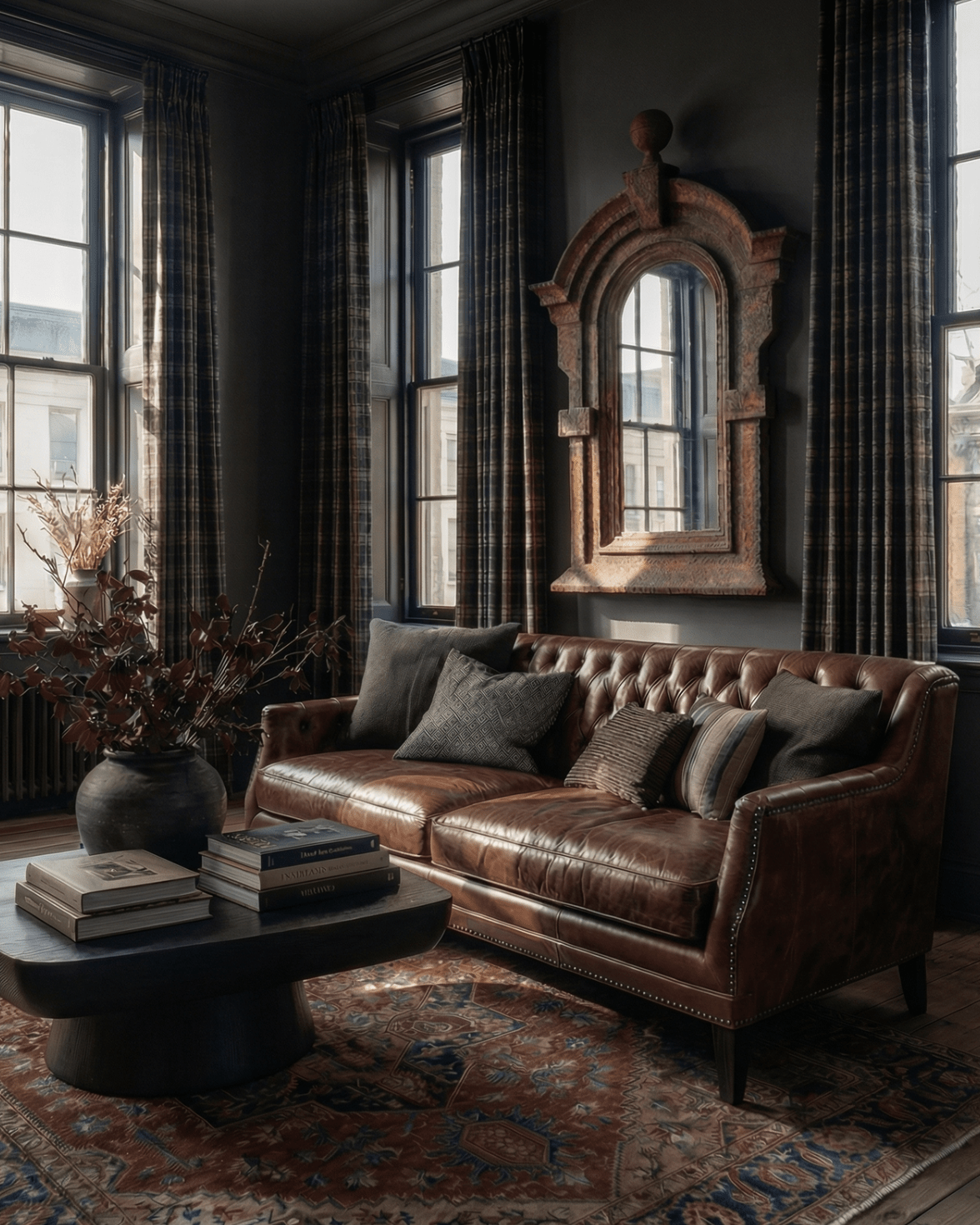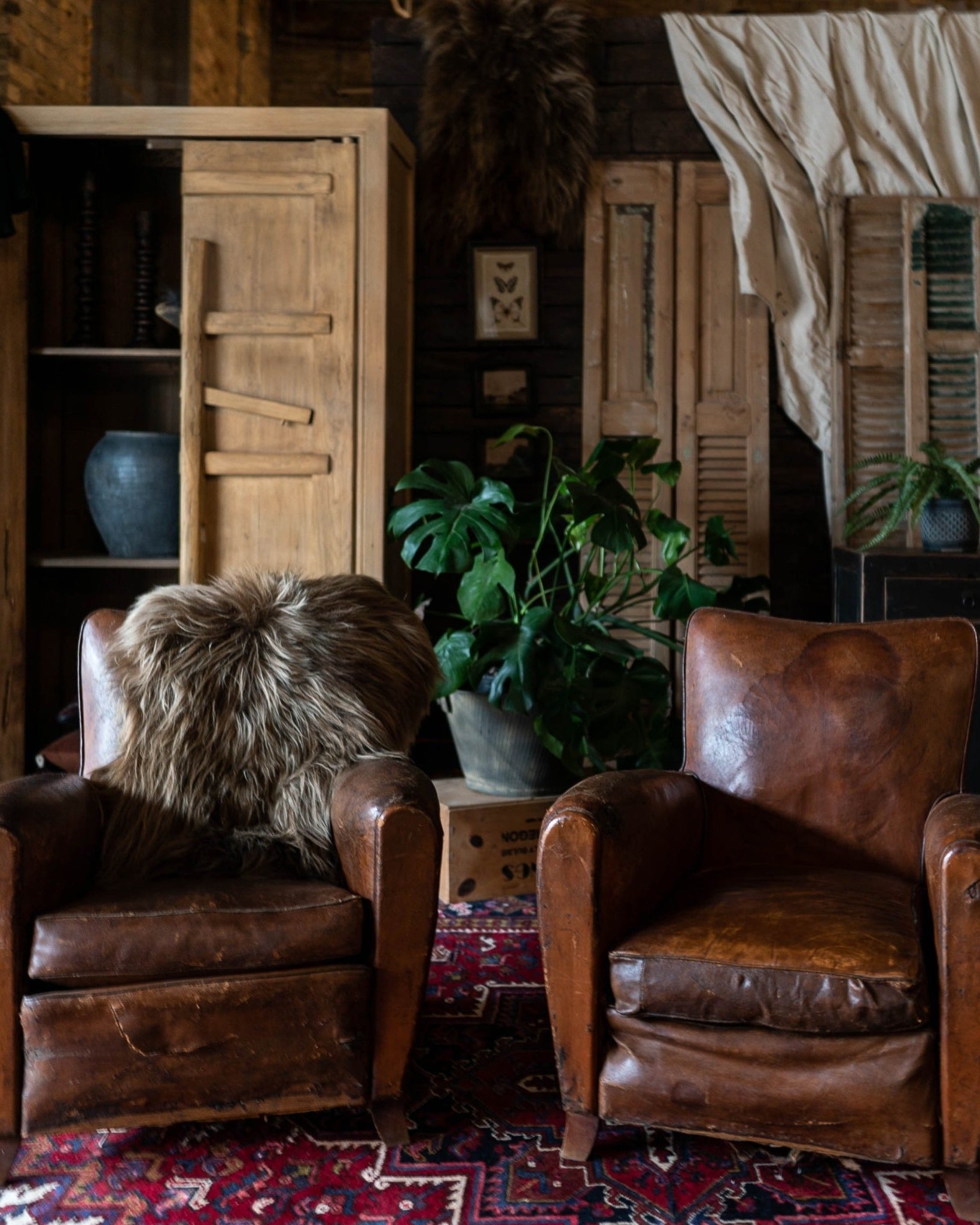








Most people choose furniture based on how it looks. But what actually determines whether a space feels settled or slightly off usually comes down to material. Leather is one of those materials that changes how a room behaves the moment it’s introduced—and that’s why leather living room furniture often feels different before you even notice why.
It’s not just visual. It’s structural. Leather creates definition, contrast, and a sense of stability that softer materials often can’t achieve on their own. That’s why rooms built entirely on fabric can feel finished but not fully resolved.
If you’re building a space that feels more grounded and intentional, start here:
Why Leather Feels Different From Fabric
Fabric softens a space. Leather defines it.
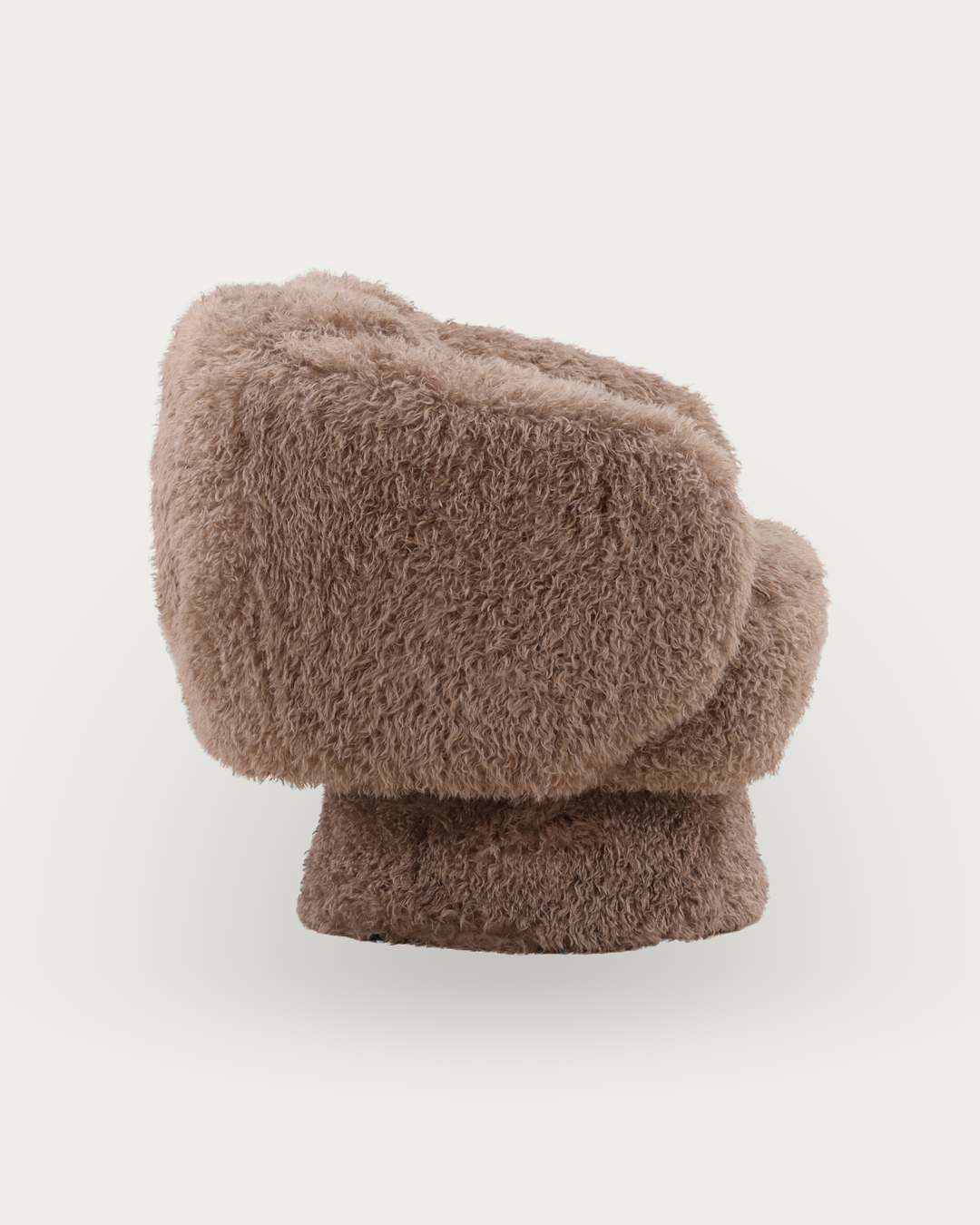
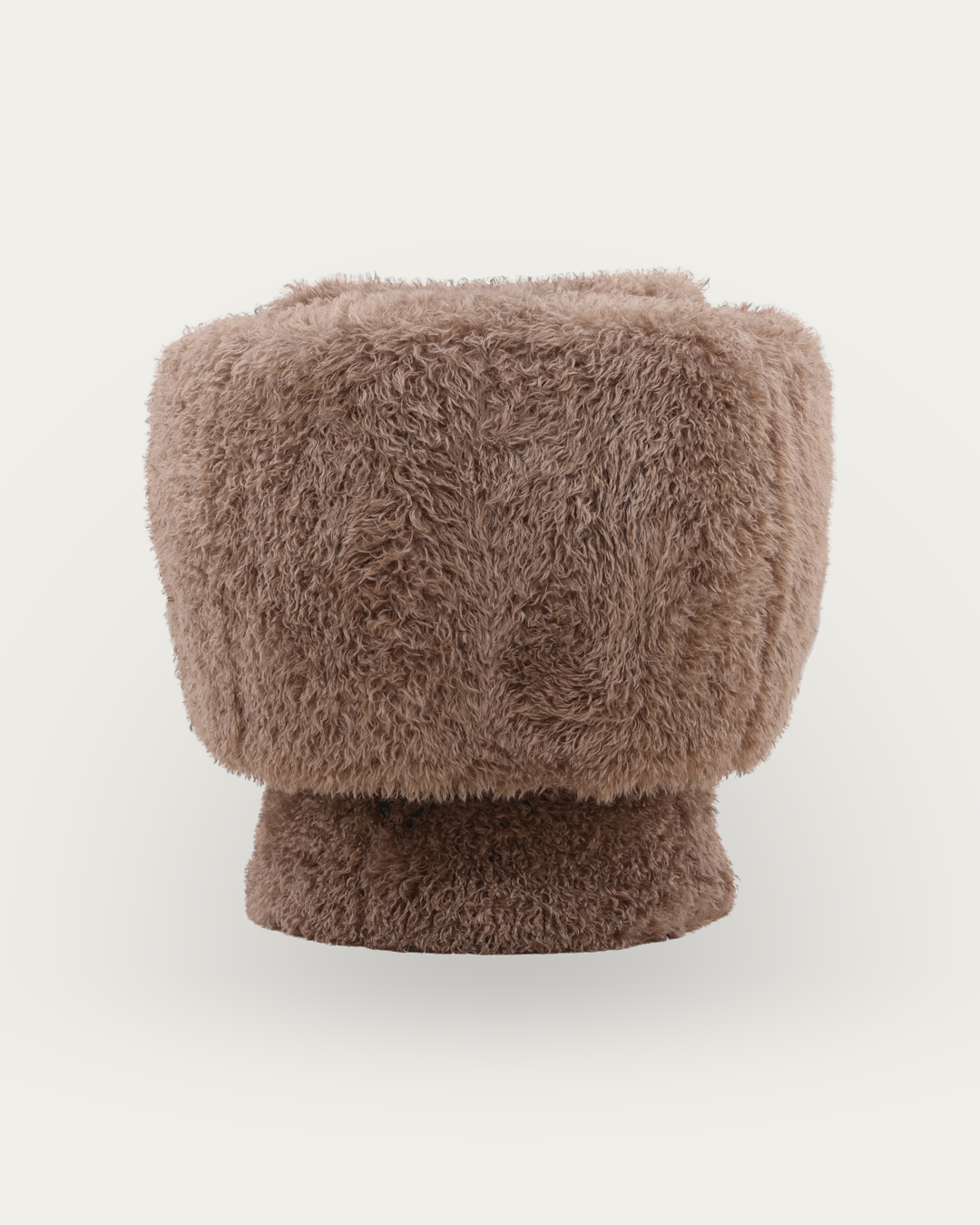
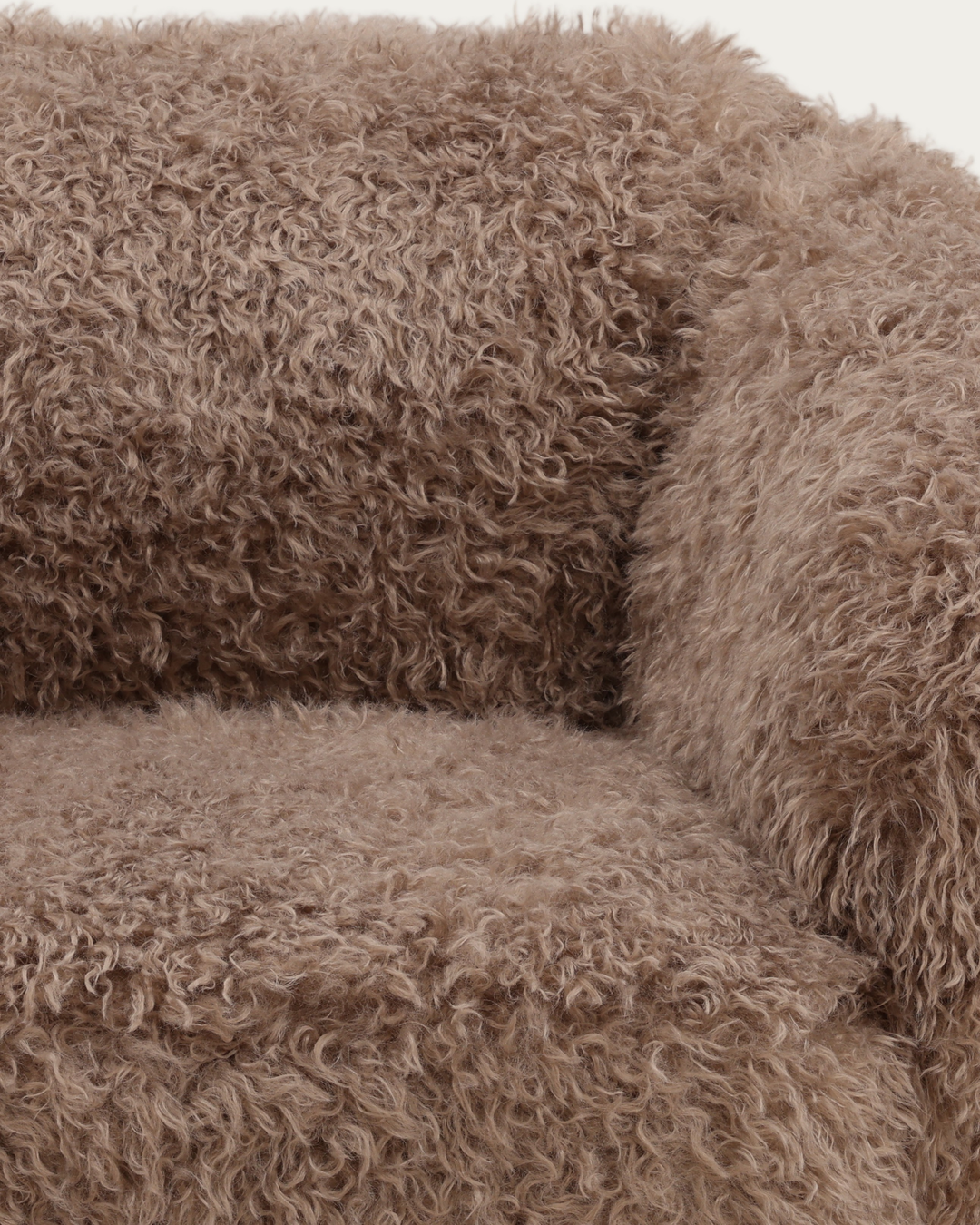
That’s the shift most people don’t realize they’re missing. Fabric tends to absorb attention. It blends into the room, supports other elements, and creates a more diffused visual experience. That’s useful—but when everything is soft, nothing stands out.
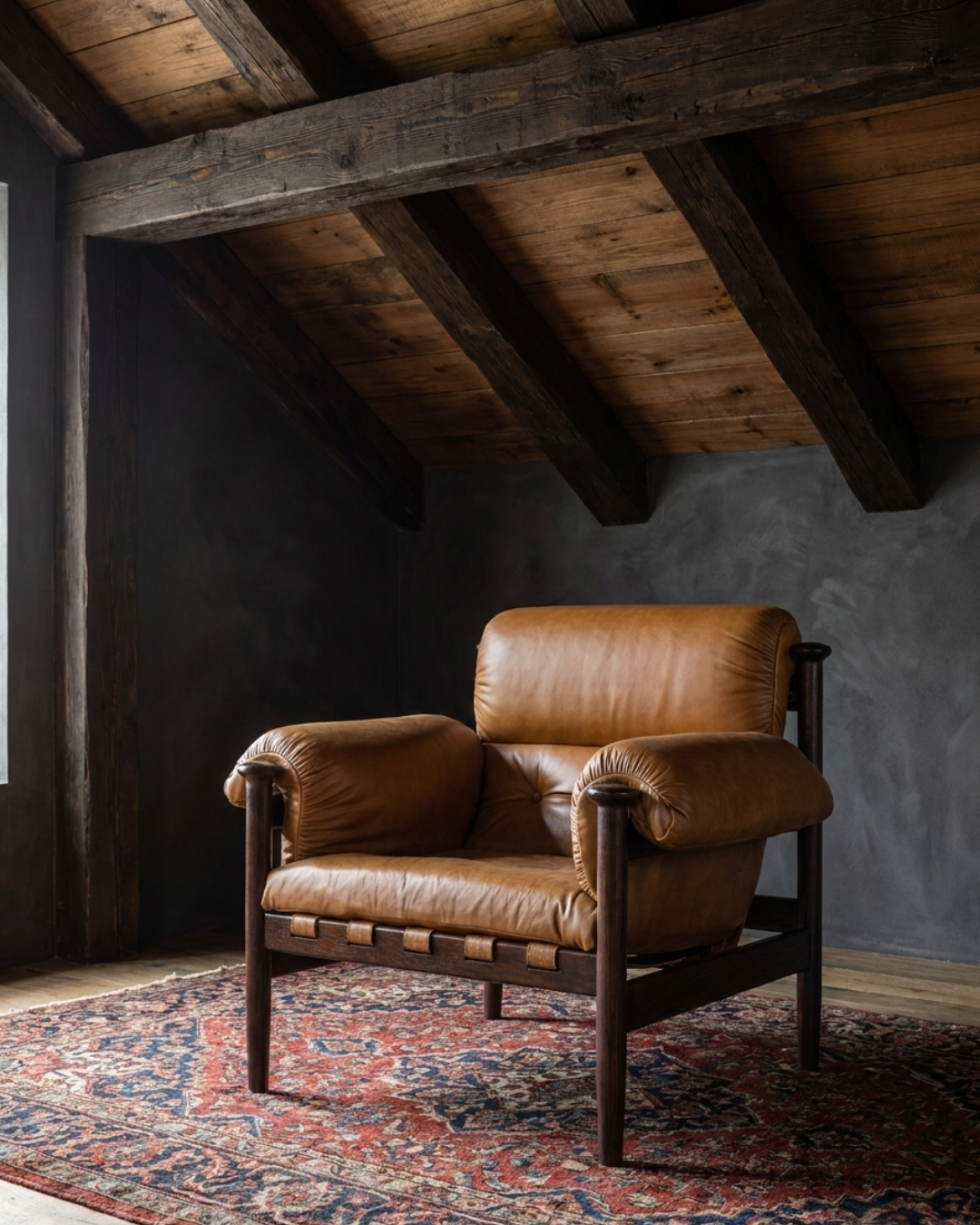
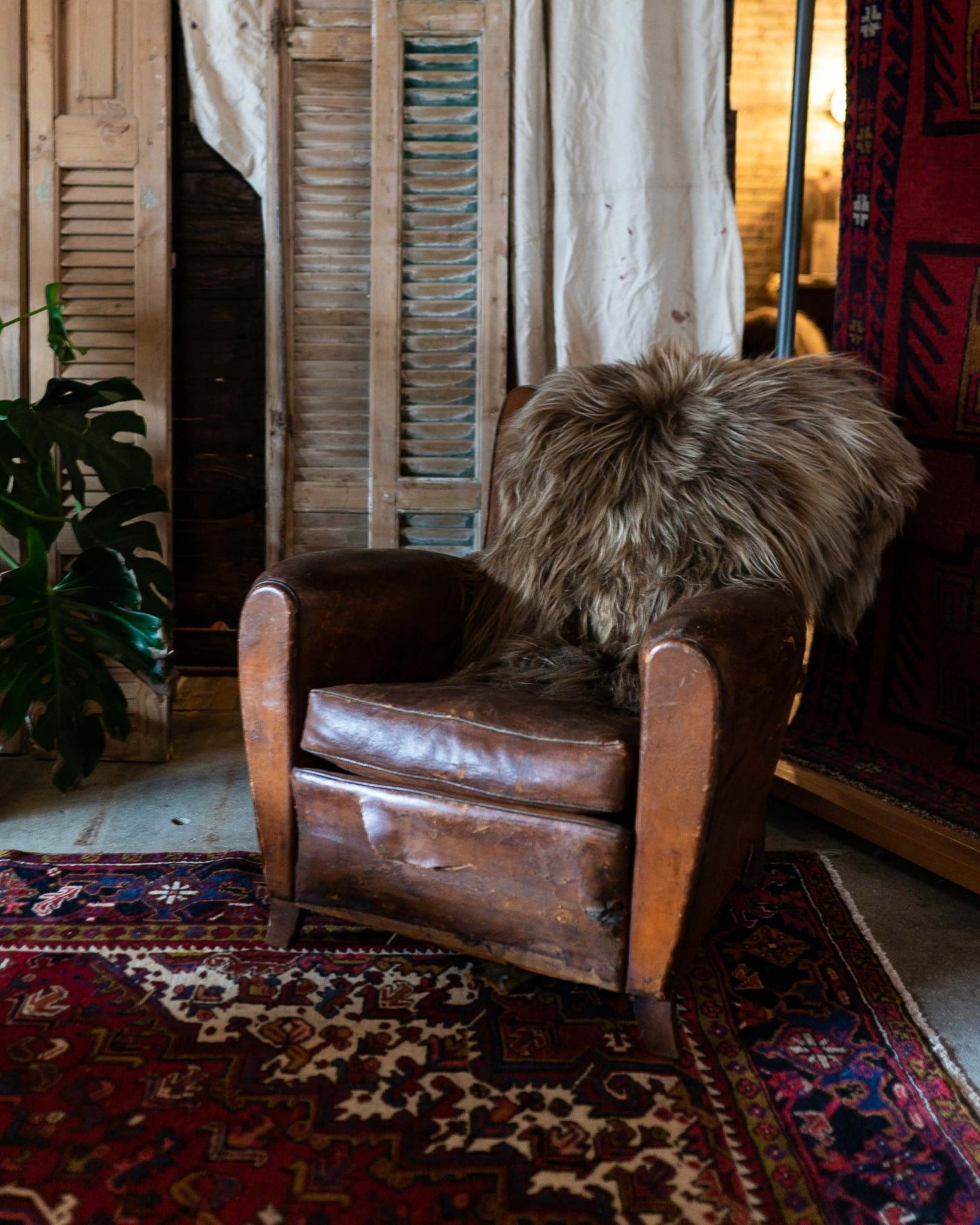
Leather works differently. It reflects light, carries subtle variation in tone, and creates clearer edges within a layout. Your eye can track it more easily. It introduces contrast without needing additional decoration.
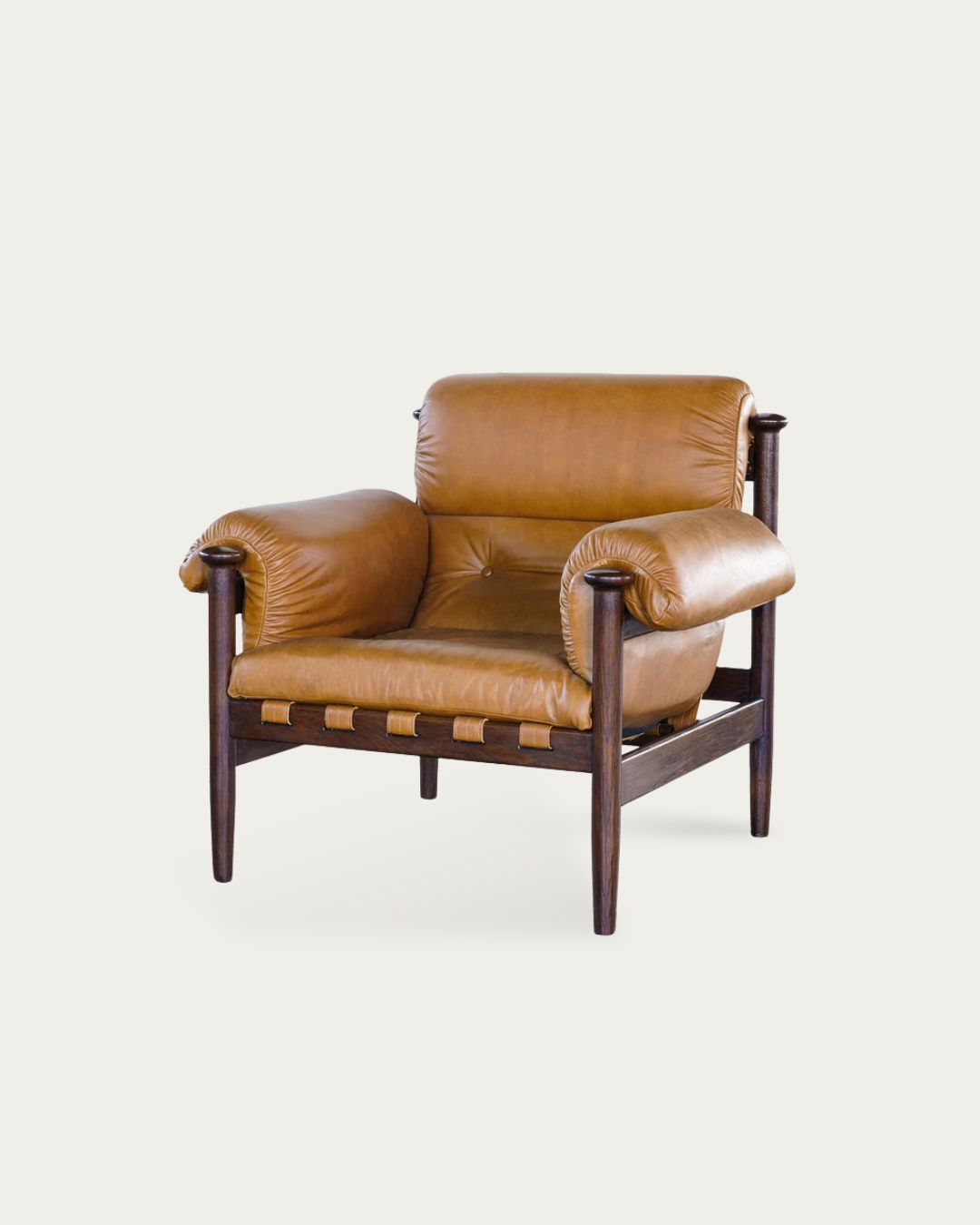
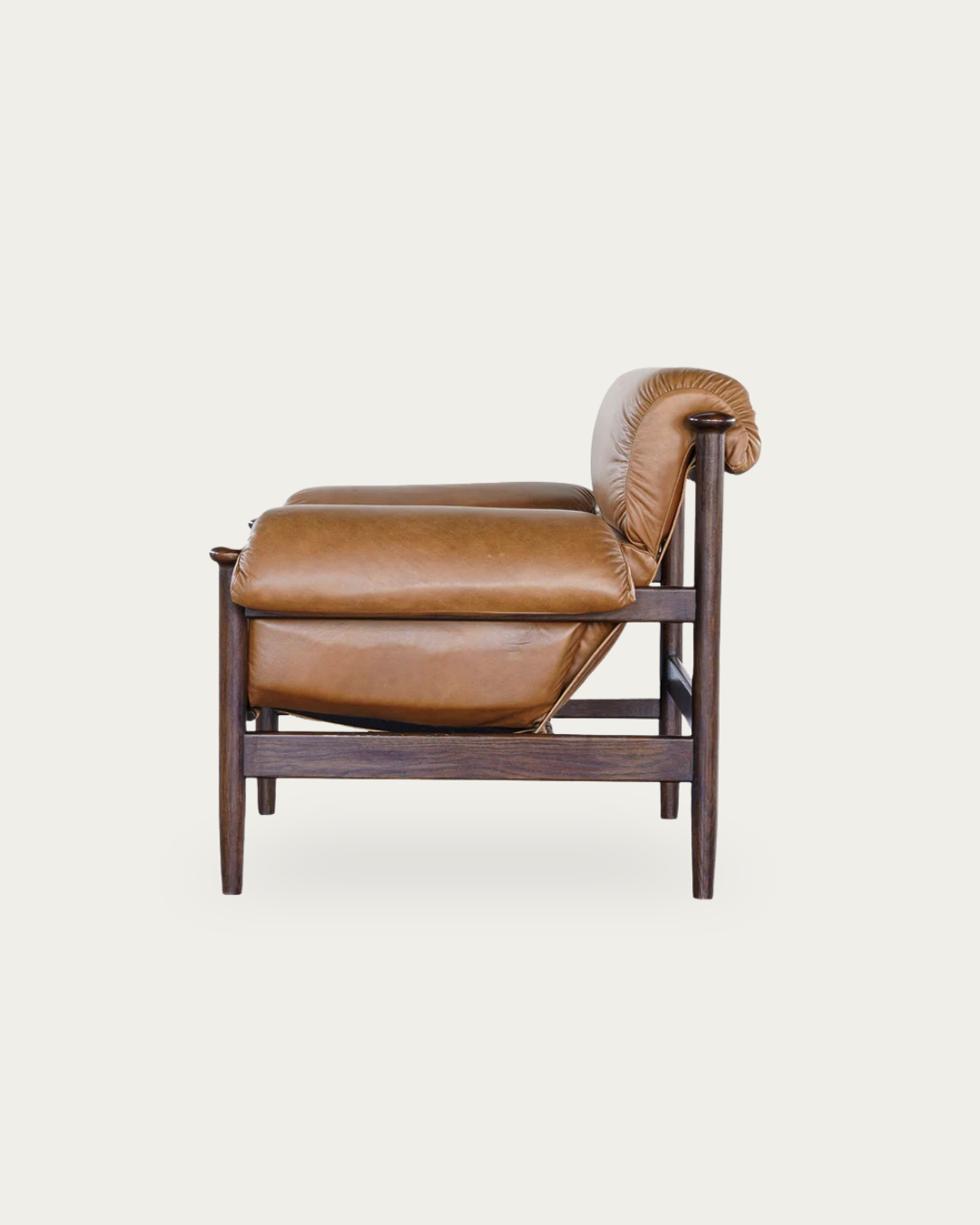
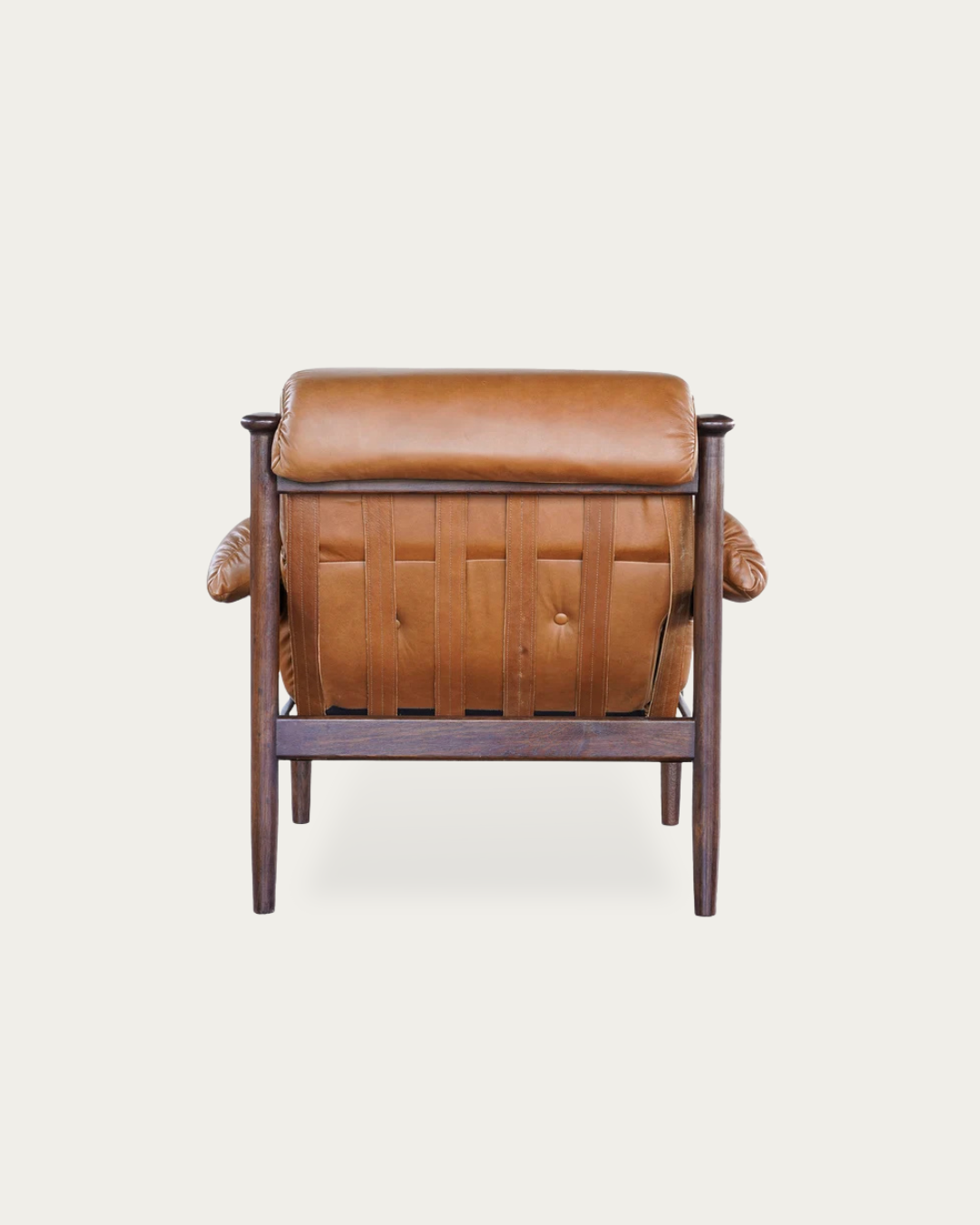
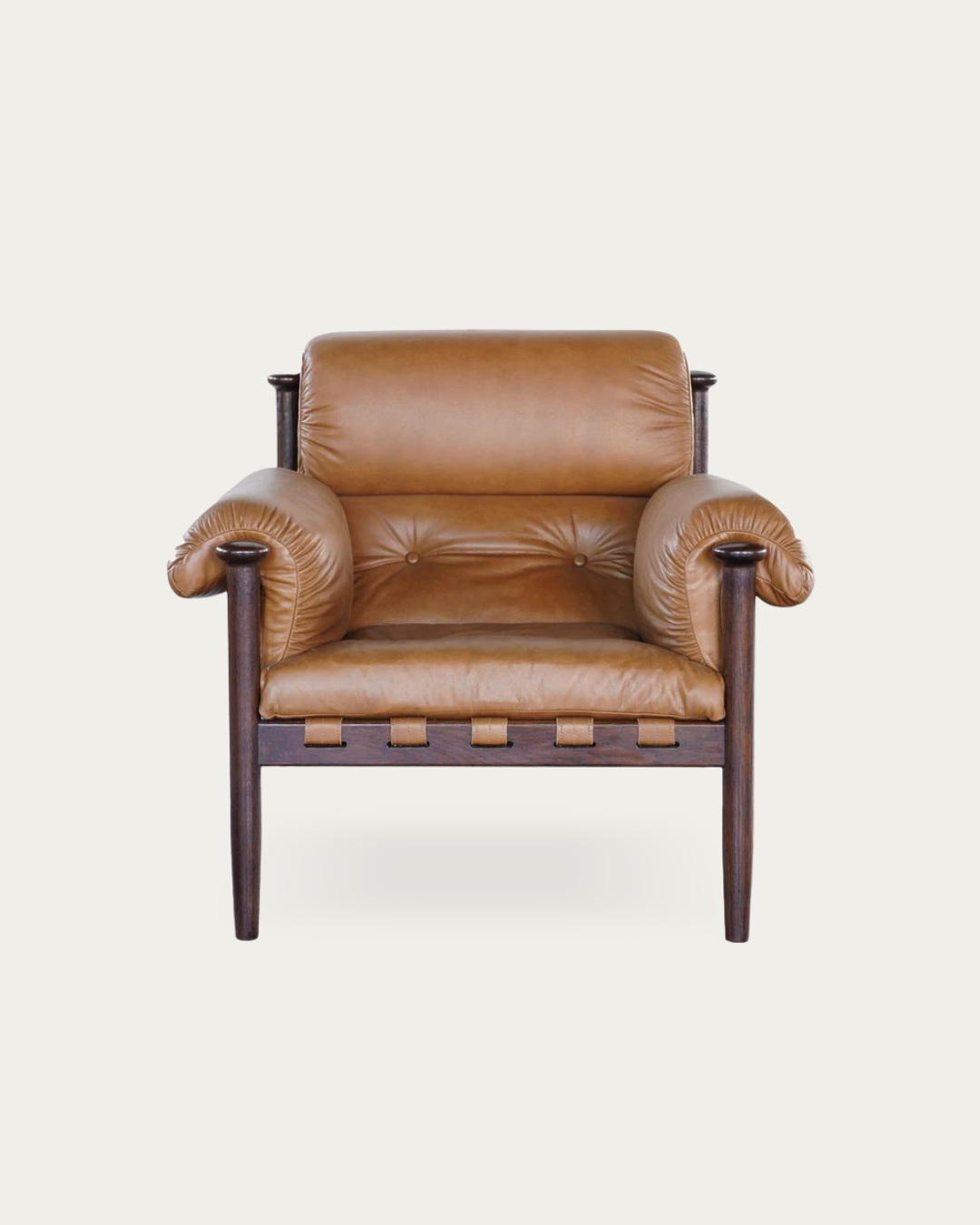
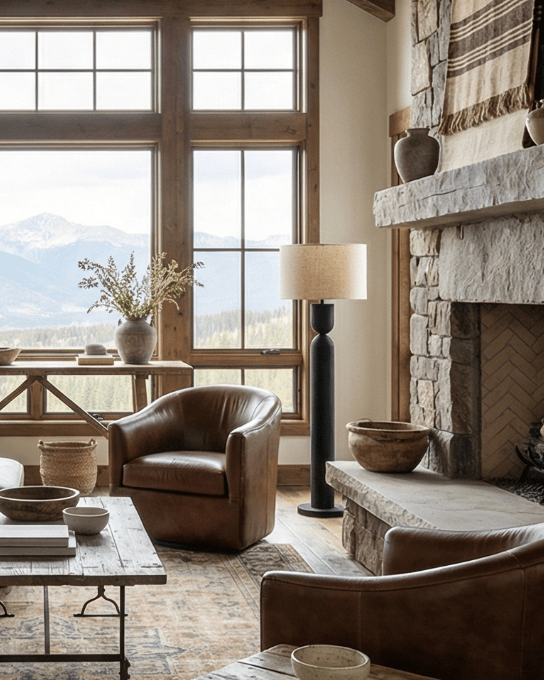
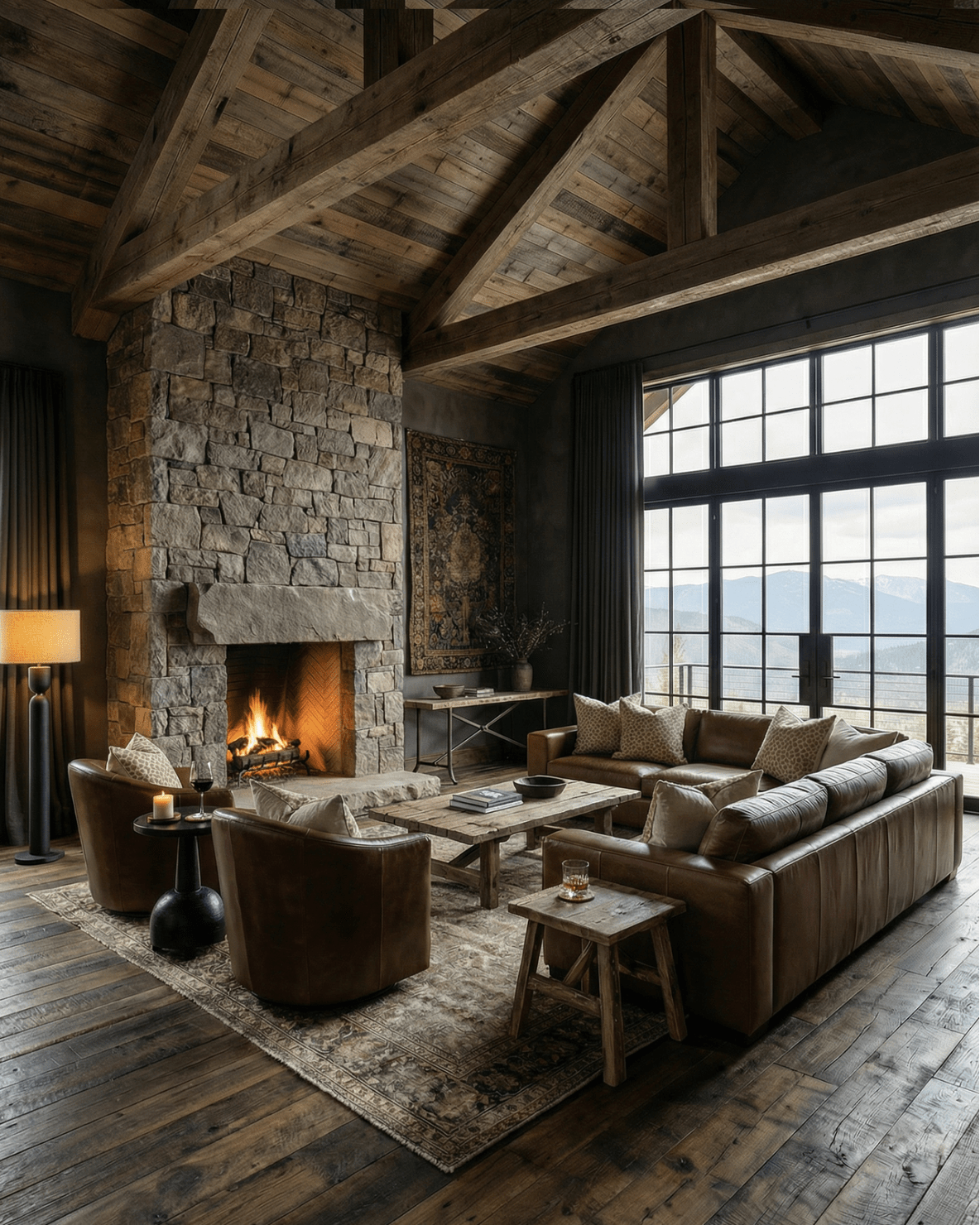
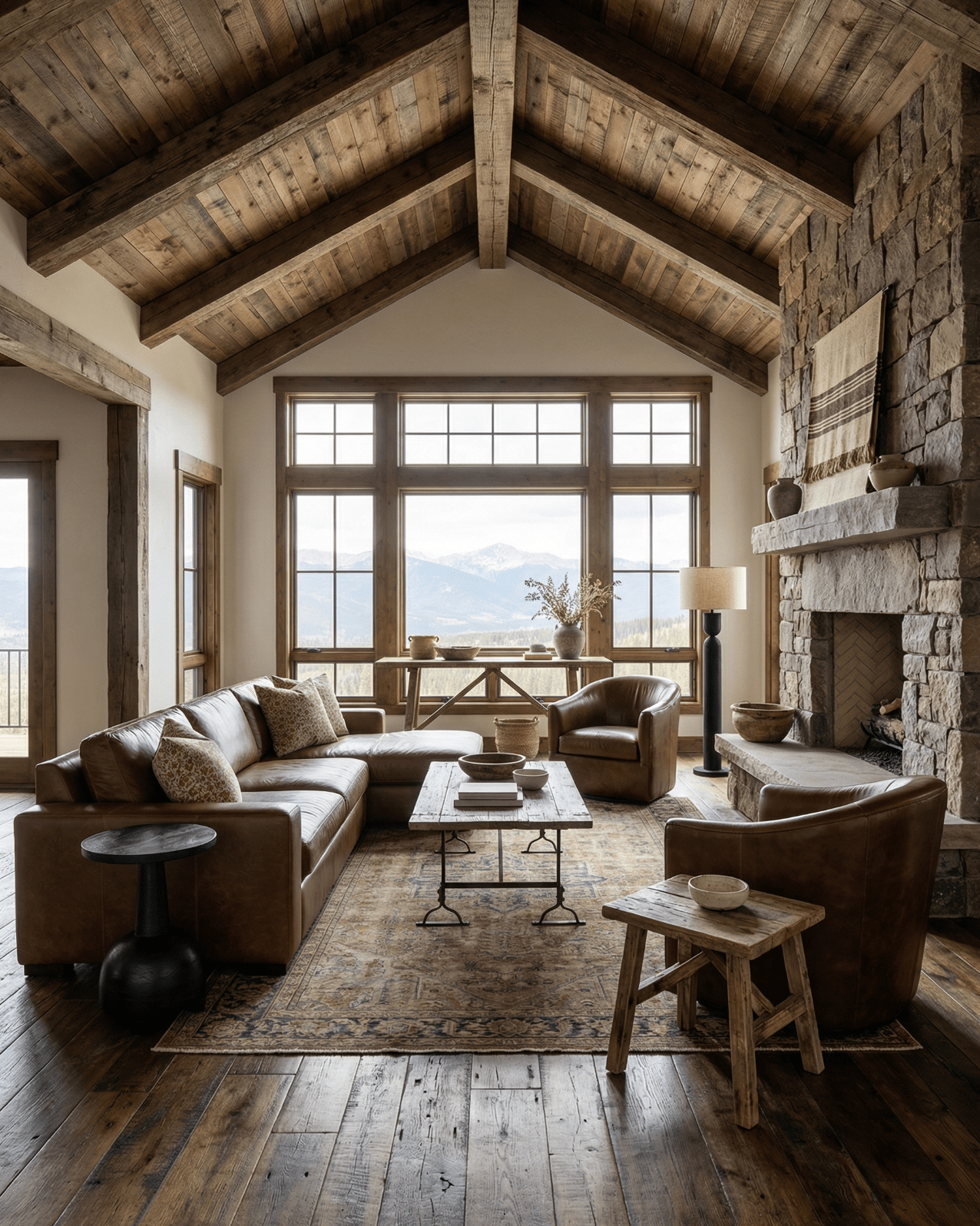
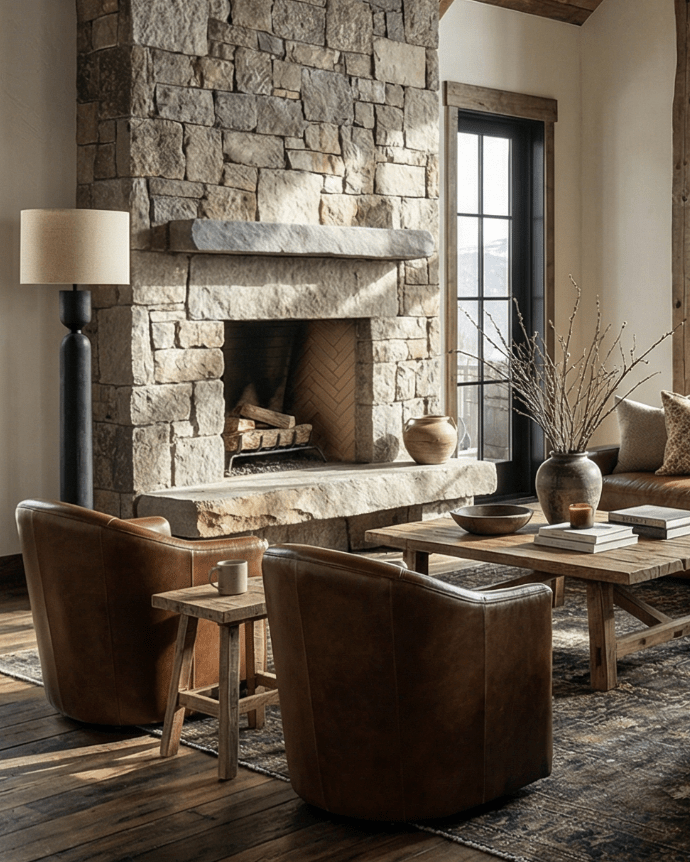
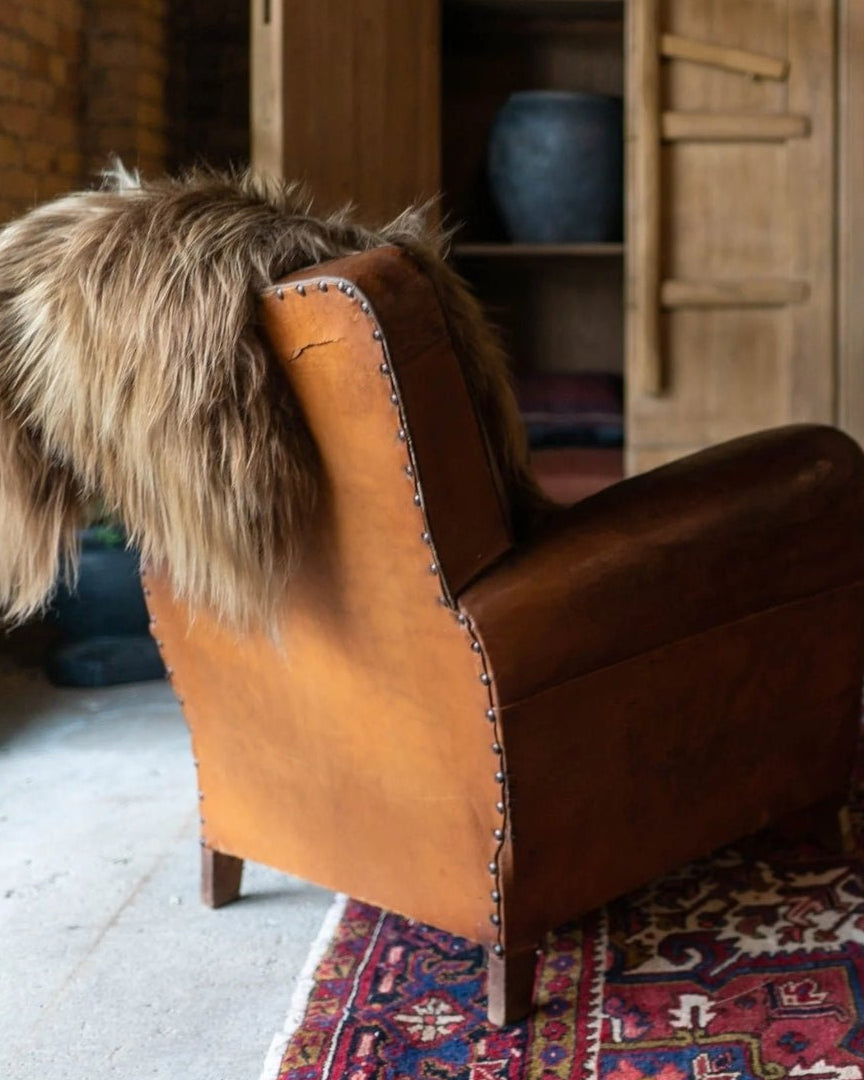
This is why a piece like the Igor brown leather club chair immediately feels grounded. It doesn’t rely on surrounding decor to define it—it holds its own. A more detailed piece like the Hilda brown leather tufted chair introduces rhythm through structure, giving your eyes something stable to return to.
The result isn’t just visual clarity—it’s a reduction in how much your brain has to process.
The Role of Leather in a Living Room Layout
Most living rooms lean too heavily on soft materials—fabric sofas, layered cushions, textured rugs. Over time, everything begins to blur together. Even well-designed spaces can start to feel visually flat.
Leather interrupts that pattern.
It introduces contrast without adding more objects. It creates separation between elements so your eyes can distinguish where one piece ends and another begins.
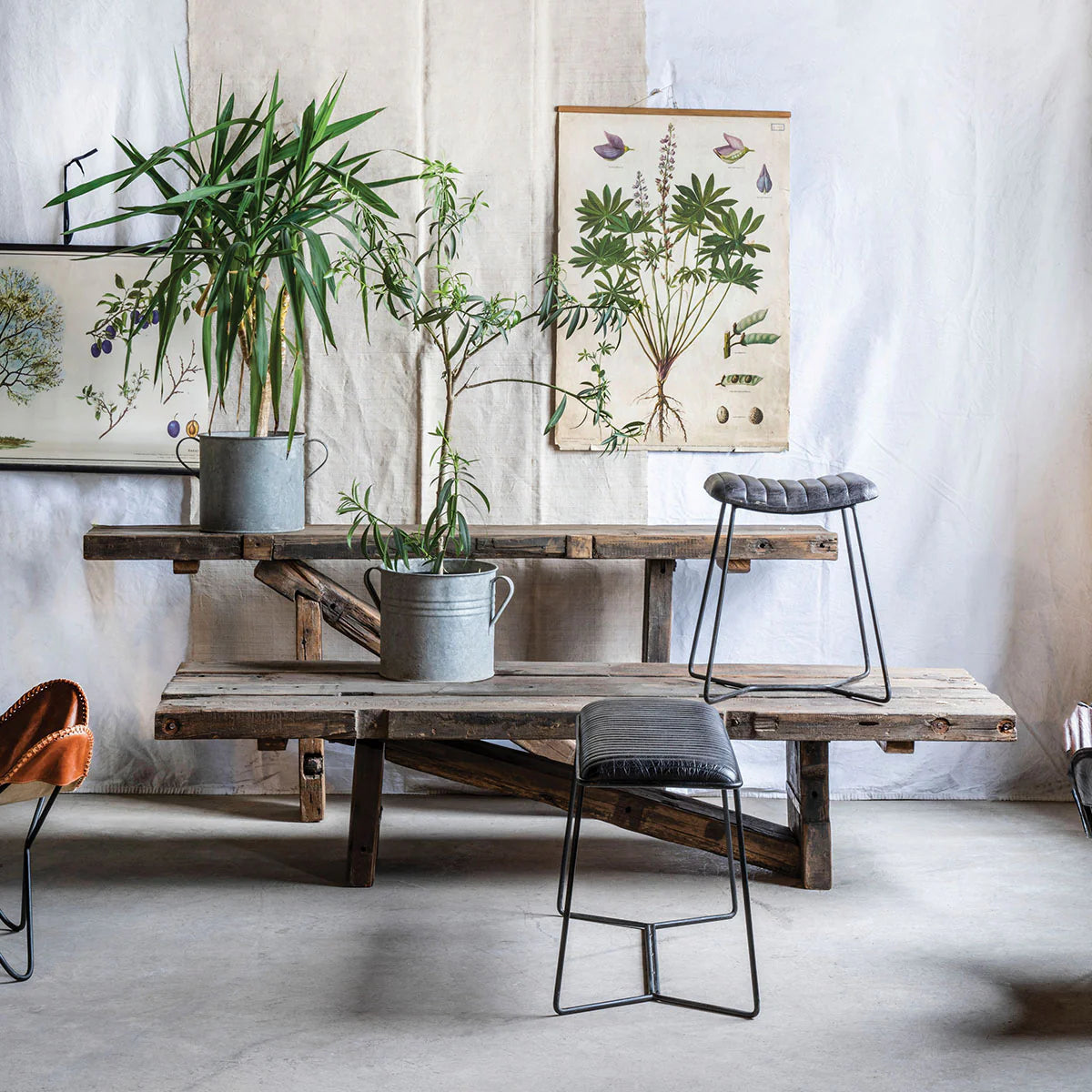
Even a smaller piece like the Anderson leather stool can shift how a space reads. Placed near a fabric sofa, it acts as a visual anchor—something your eyes can land on instead of continuing to scan.
That’s the function most people miss.
Leather isn’t about making a statement. It’s about creating structure.
Why Leather Works So Well in Modern Mountain Spaces
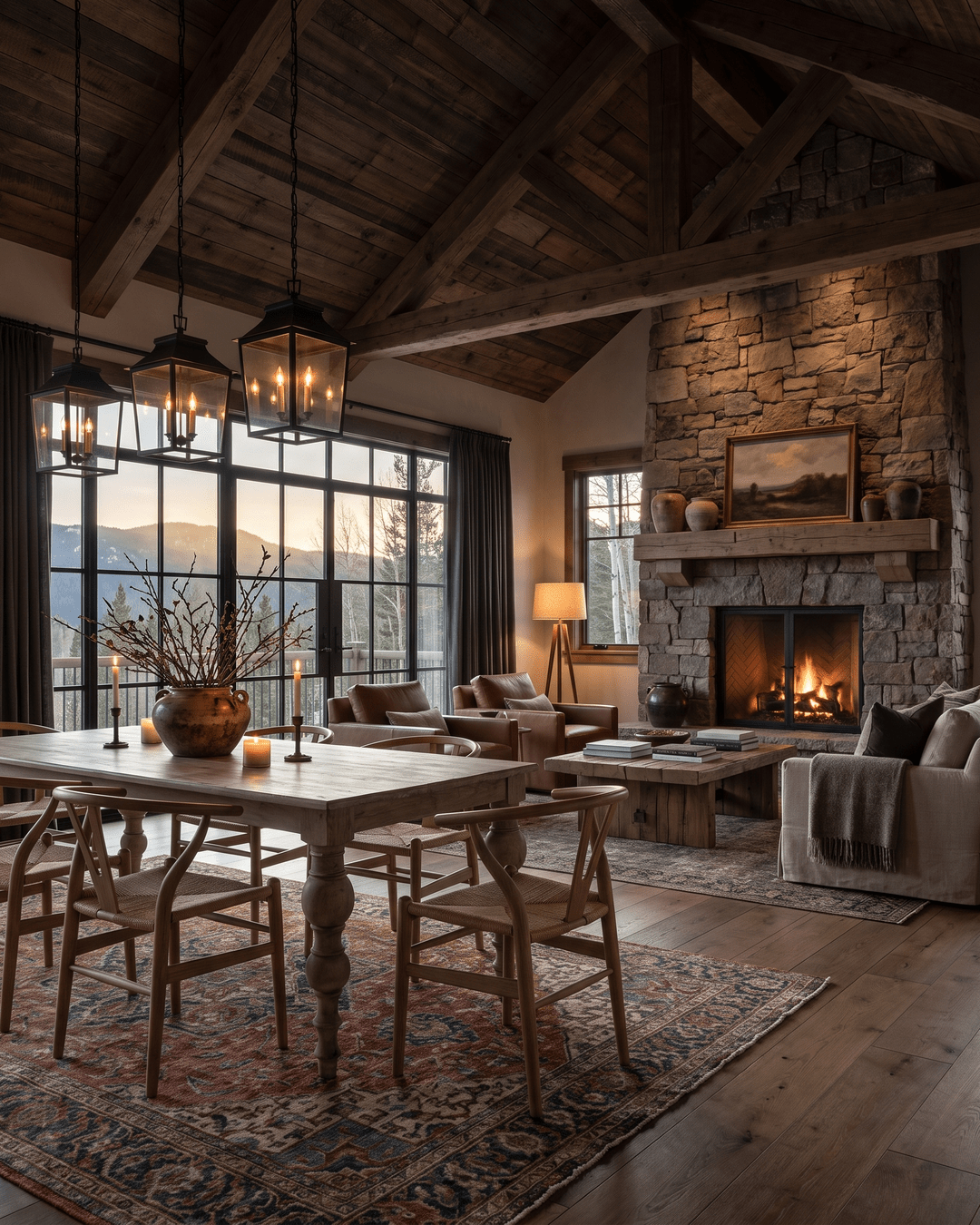
Modern mountain interiors rely less on decoration and more on material relationships. That means each material has to contribute to how the space feels—not just how it looks.
Leather fits naturally into this system.
It sits between structured and organic. It doesn’t feel overly refined, but it also doesn’t feel unfinished. It bridges the gap between polished and raw materials.
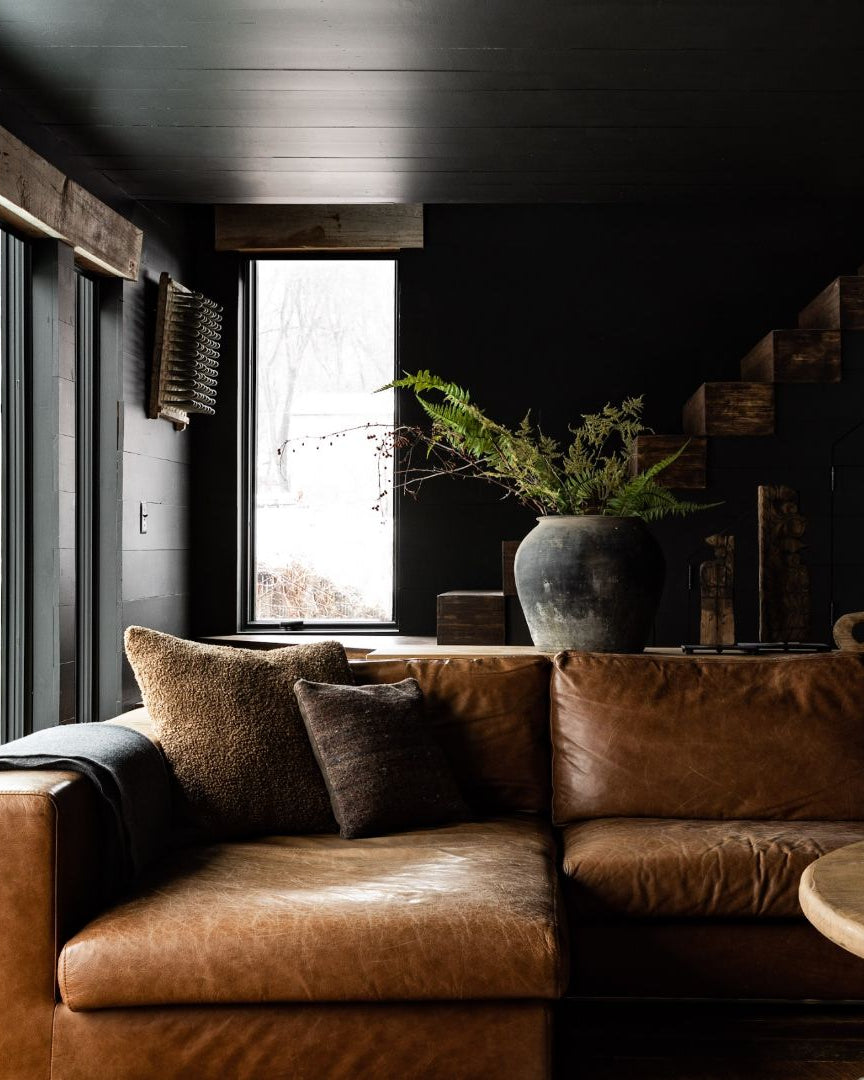
When paired with wood, linen, or stone, leather adds contrast without conflict. It doesn’t compete—it stabilizes.
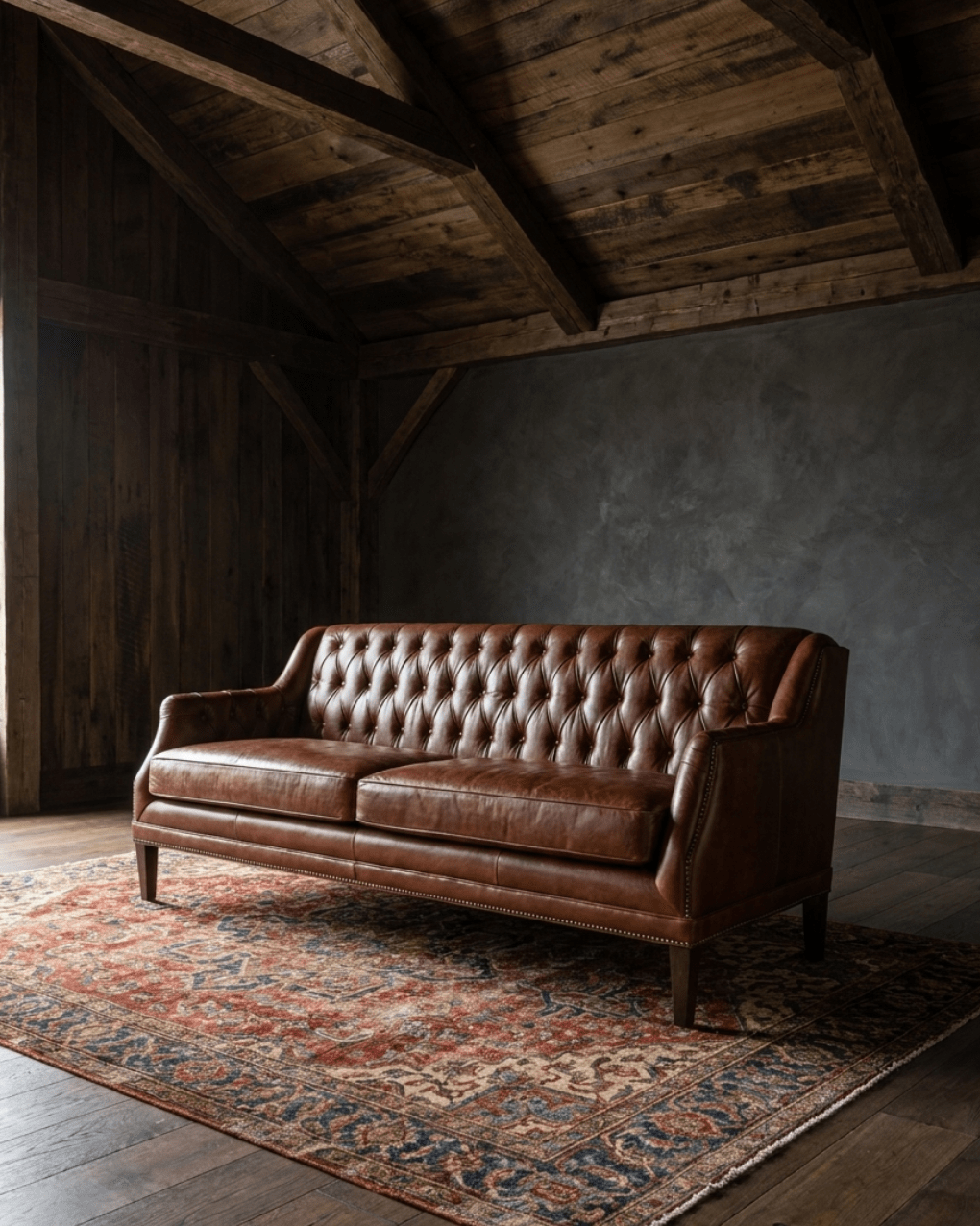
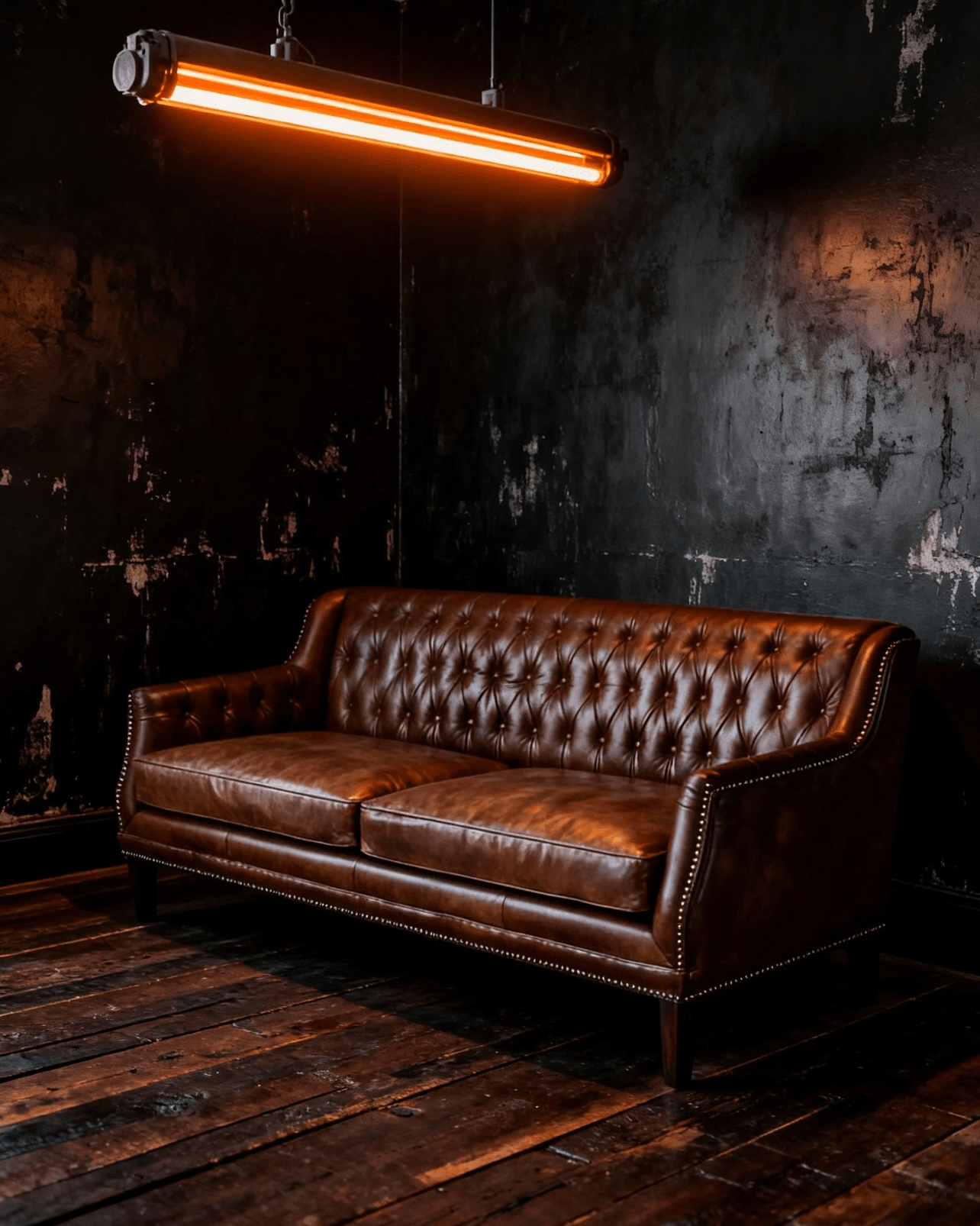
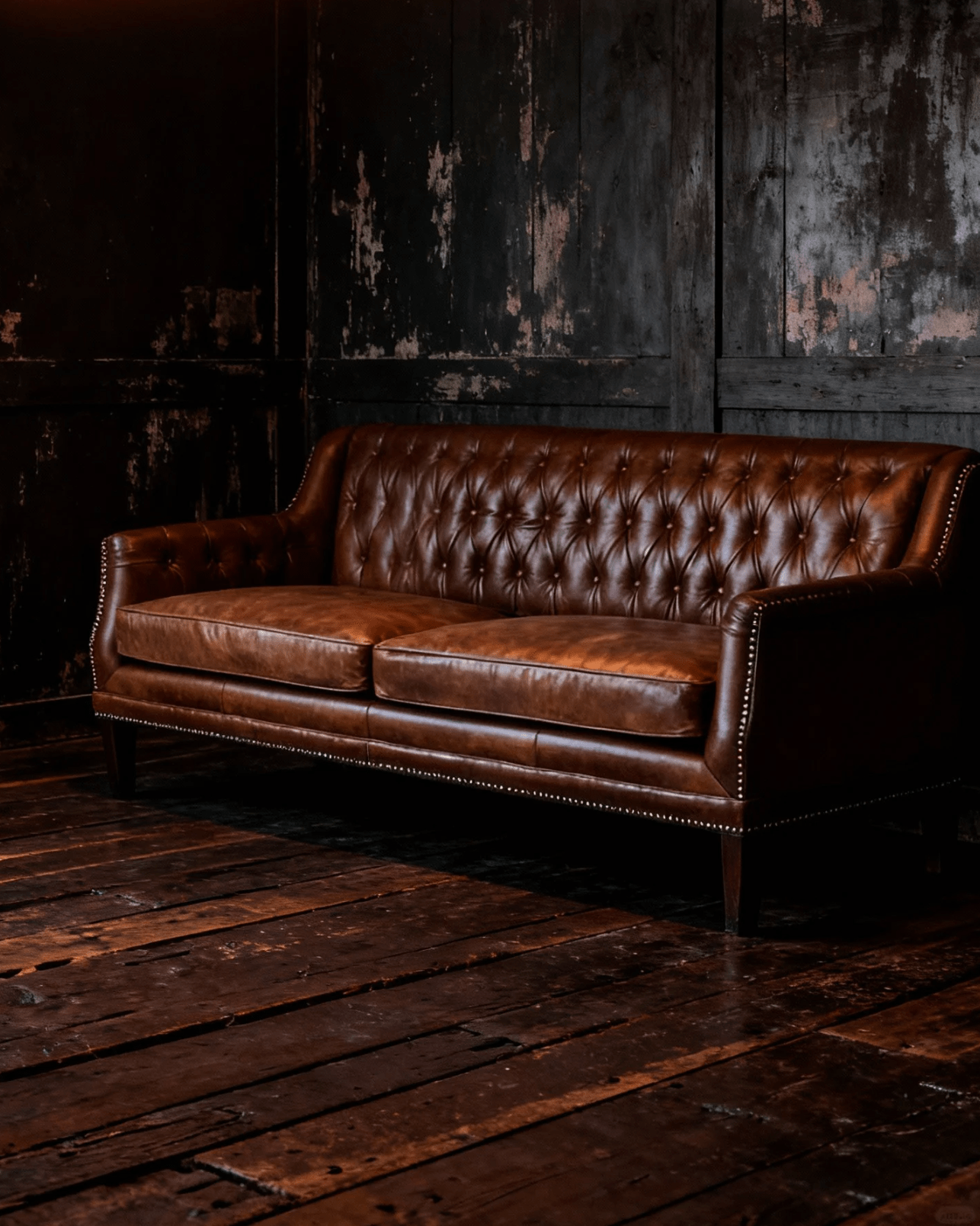
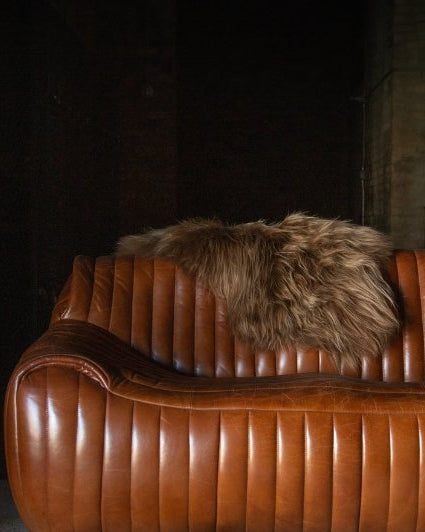
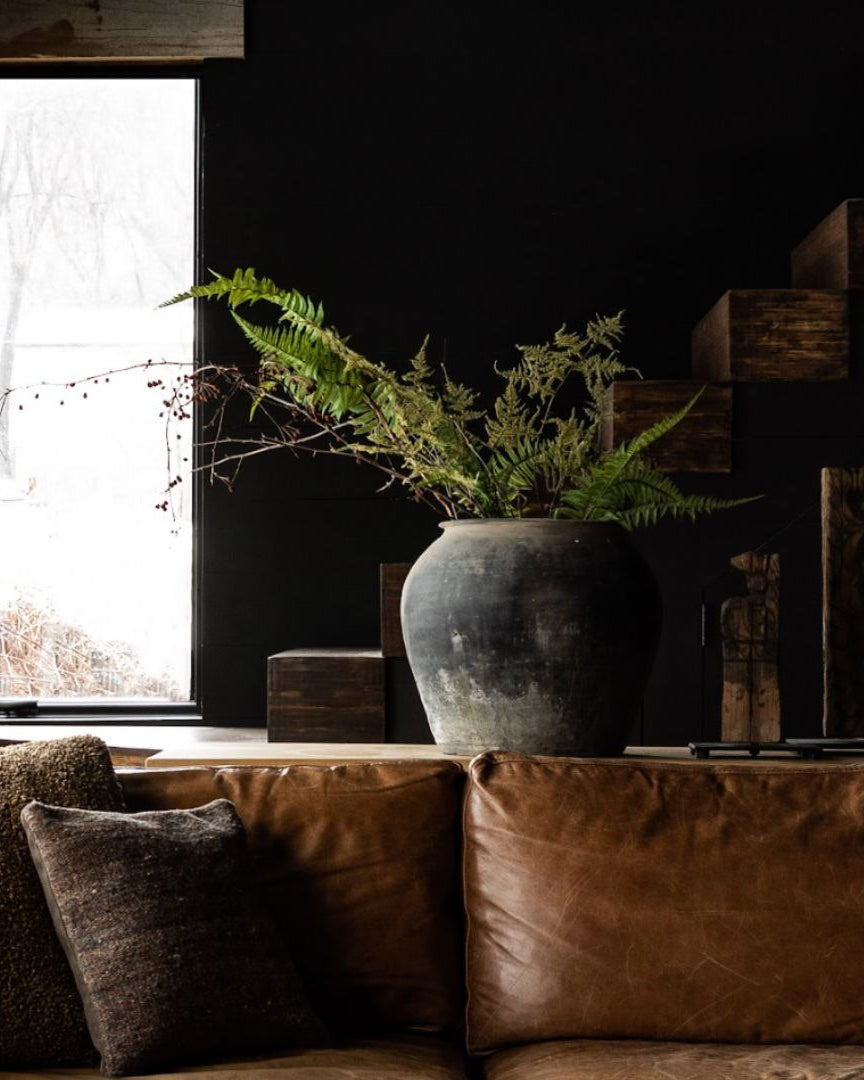
A larger piece like the Jorgen sofa works particularly well in this context. It defines the space through proportion and material, acting as both anchor and foundation. It gives the room a center of gravity.
This is what makes modern mountain spaces feel composed without feeling staged.
When Made-to-Order Leather Pieces Make More Sense
Not all leather furniture performs the same way.
The difference often comes down to proportion.
A chair that’s slightly too deep can feel heavy. One that’s too upright can feel rigid. Even small misalignments affect how your body interacts with the space.
That’s where made-to-order pieces become relevant.
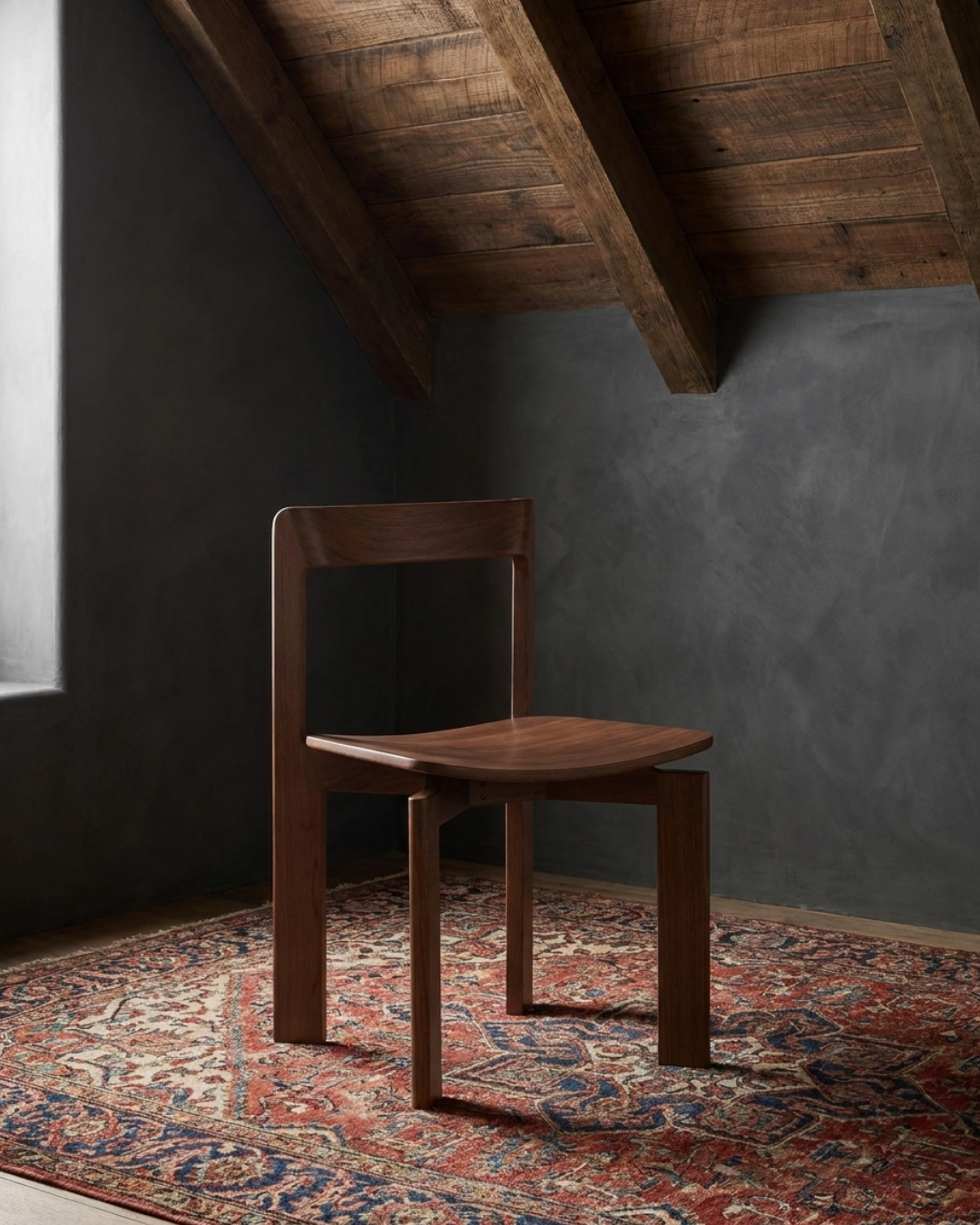
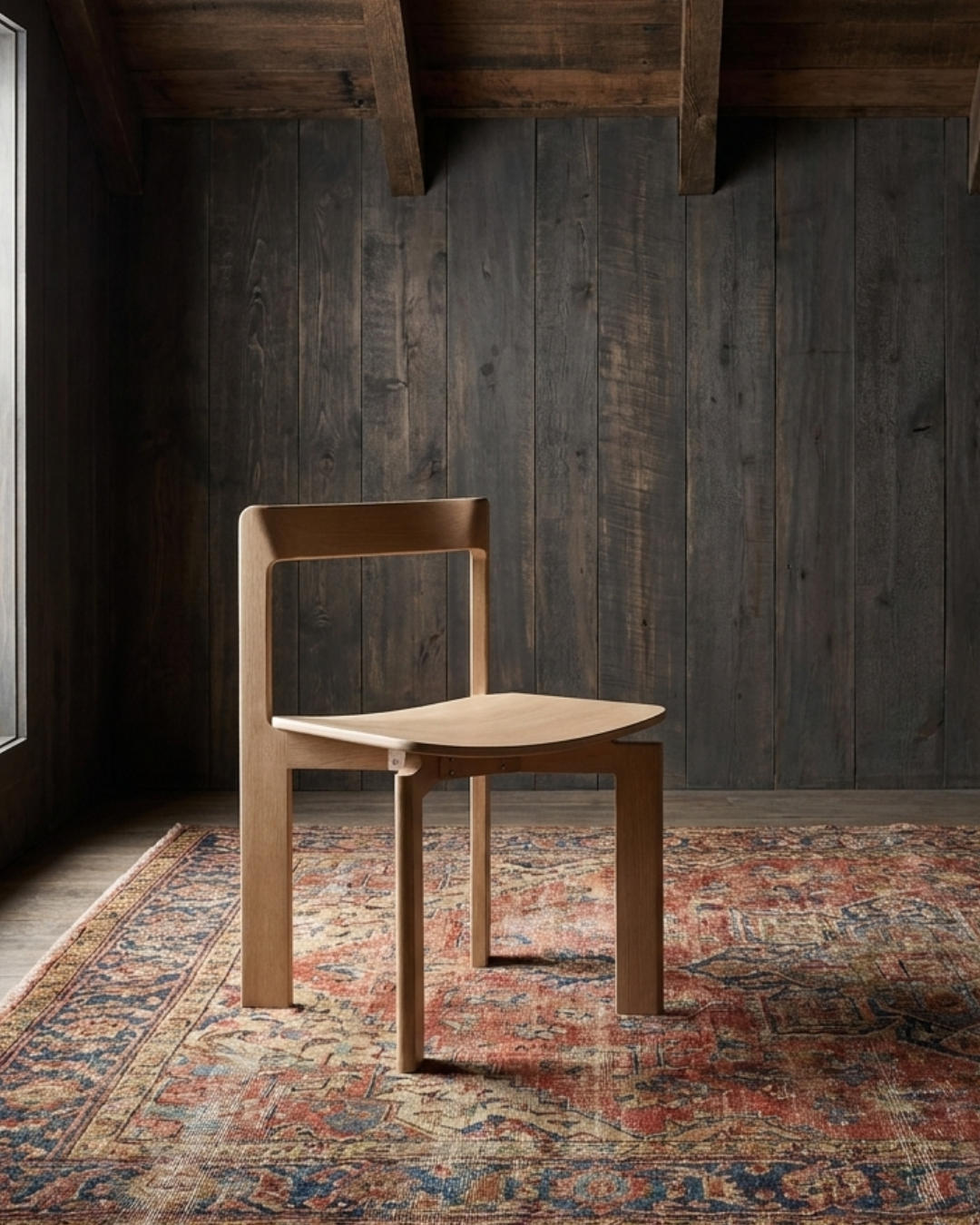
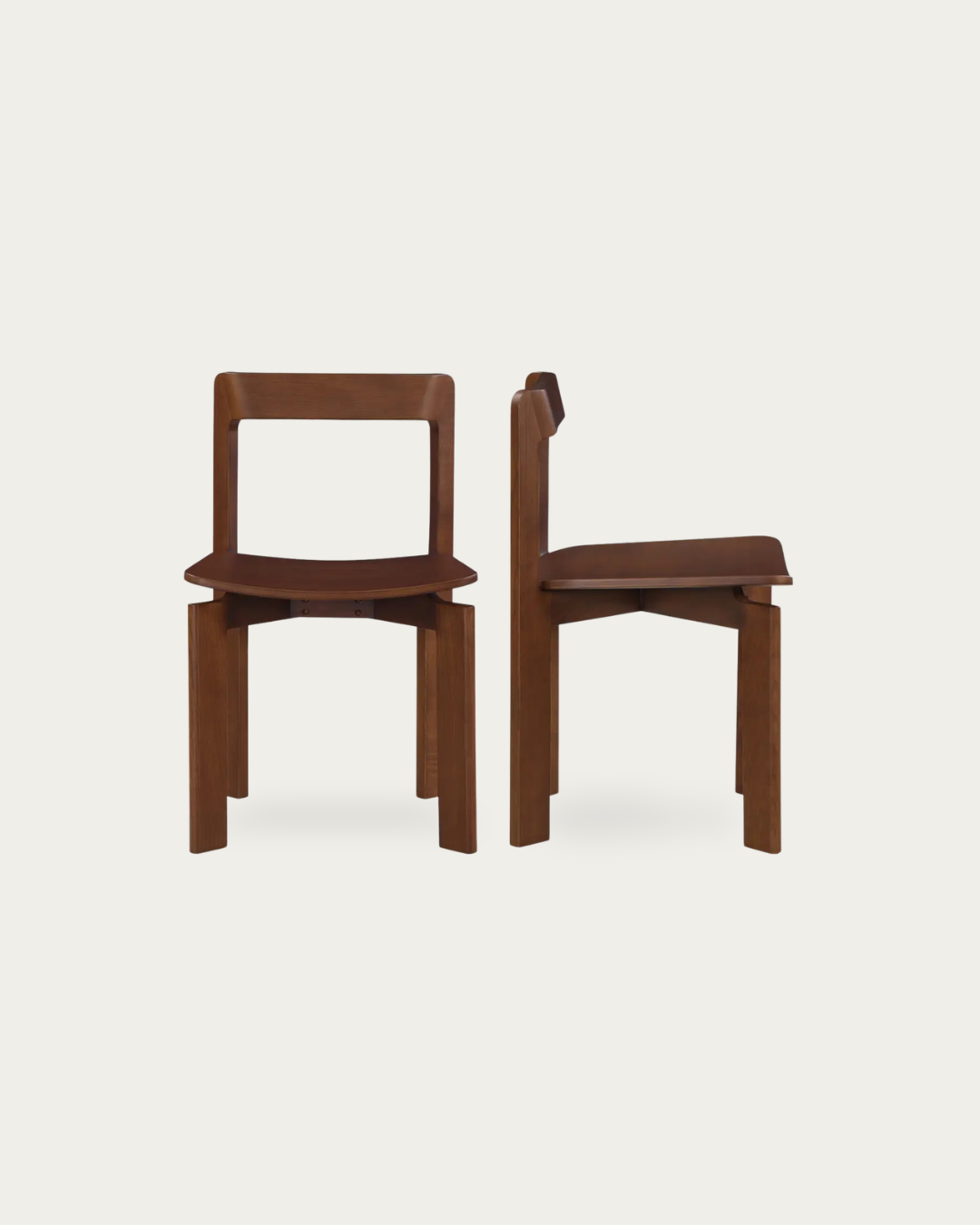
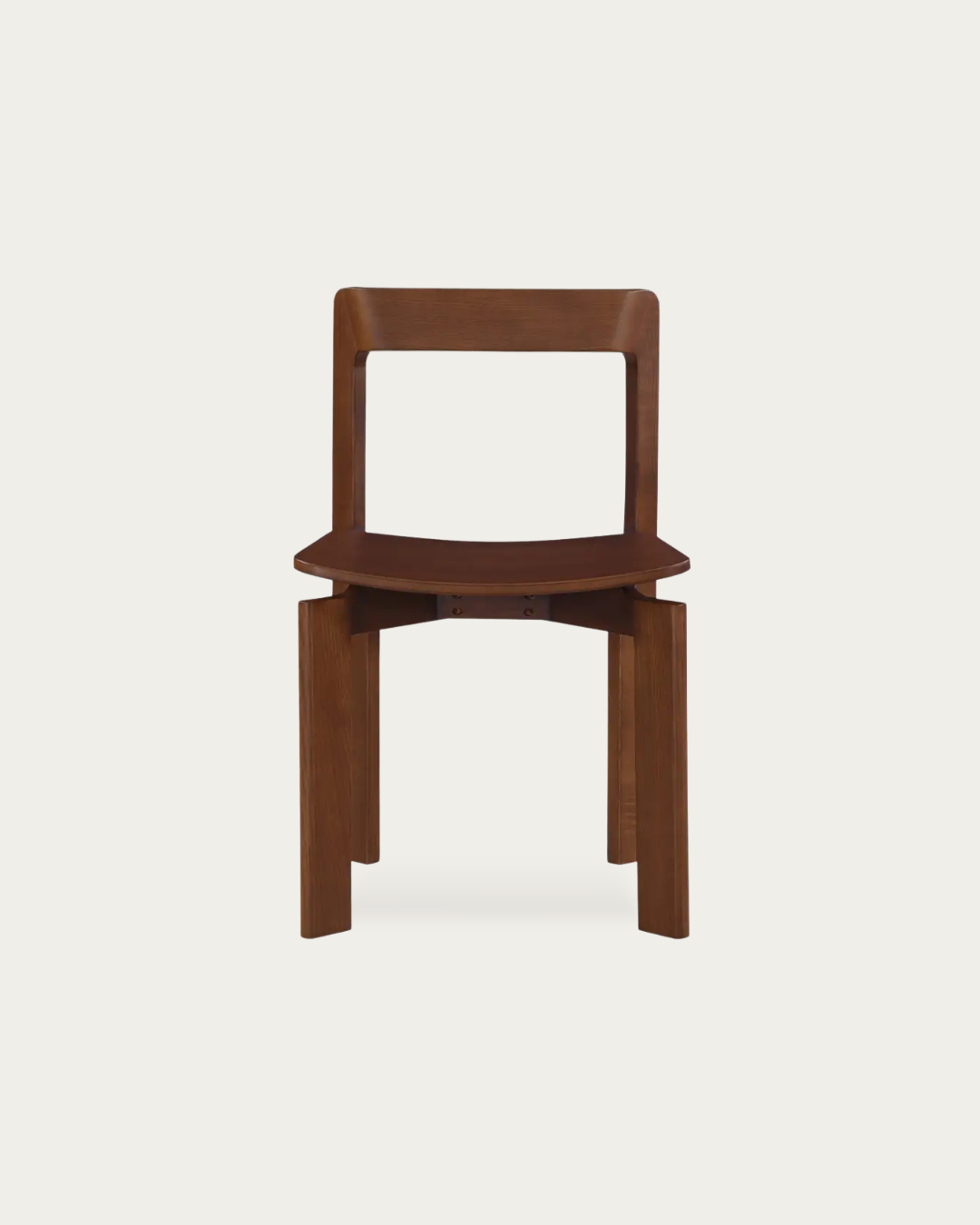
A piece like the Fletcher chair or the Griffin chair works because the proportions are intentional. The scale aligns with the room. The material supports the form instead of compensating for it.
You’re not adjusting to the furniture.
The furniture is aligned with how you live in the space.
That shift removes friction in a way most people don’t notice immediately—but feel over time.
Leather and Visual Weight: Why It Grounds a Room
Every piece of furniture carries visual weight, whether you notice it or not.
Leather naturally sits on the heavier end of that spectrum.
But “heavy” here doesn’t mean overwhelming. It means stable.
A room without enough visual weight can feel like it’s floating—nothing fully anchors it. That’s when spaces feel incomplete, even if they’re styled correctly.
Leather corrects that.
Even functional pieces like the Valdemar leather bar chairs can ground transitional areas like kitchen-to-living spaces. They create continuity between zones, making the overall layout feel more cohesive.
It’s not about adding more furniture.
It’s about adding the right kind of presence.
How Leather Changes the Way a Space Ages
One of the overlooked aspects of leather is how it evolves.
Fabric tends to wear in a way that looks used.
Leather wears in a way that looks lived-in.
That distinction matters.
As leather ages, it develops variation—subtle shifts in tone, slight creases, changes in surface texture. These changes don’t disrupt the space. They add depth to it.
Your room doesn’t stay static. It adapts.
This is one of the reasons leather works so well alongside vintage furniture and reclaimed wood furniture. All three materials share a similar behavior over time—they don’t degrade visually, they evolve.
That continuity makes a space feel more cohesive long-term.
A RUTED Tip: Texture Signals Stability. Your nervous system responds to texture before it processes style, and materials like leather create subtle variations in light and surface that signal depth and stability; this reduces the need for your brain to keep scanning for contrast, allowing it to settle more quickly in a space that feels visually grounded.
How to Use Leather Without Overdoing It
The goal isn’t to fill your room with leather.
It’s to introduce it where it creates the most impact.
Start with one piece that contrasts your existing materials. A chair next to a fabric sofa. A stool in a softer seating area. A sofa that defines the room instead of blending into it.
From there, let the rest of the space support it.
Too much leather removes contrast.
Everything starts to feel uniform again.
Too little, and nothing shifts.
Balance is what makes it work.

Where to Start
If your space feels soft but unresolved, leather is often the missing layer.
Start with something that introduces structure without overwhelming the layout. A chair, a stool, or a central piece can be enough to change how the entire room behaves.
Focus on:
Material contrast
Proportion
Placement
Not just appearance.
Once those align, everything else becomes easier to adjust.
Final Thought
Leather doesn’t just change how a room looks.
It changes how a room holds itself.
It introduces structure where there wasn’t any, reduces visual noise, and gives your space something to anchor around.
And once that’s in place, everything else starts to settle.
If you’re ready to introduce that layer into your space, explore your options here:
Explore living room furniture collection