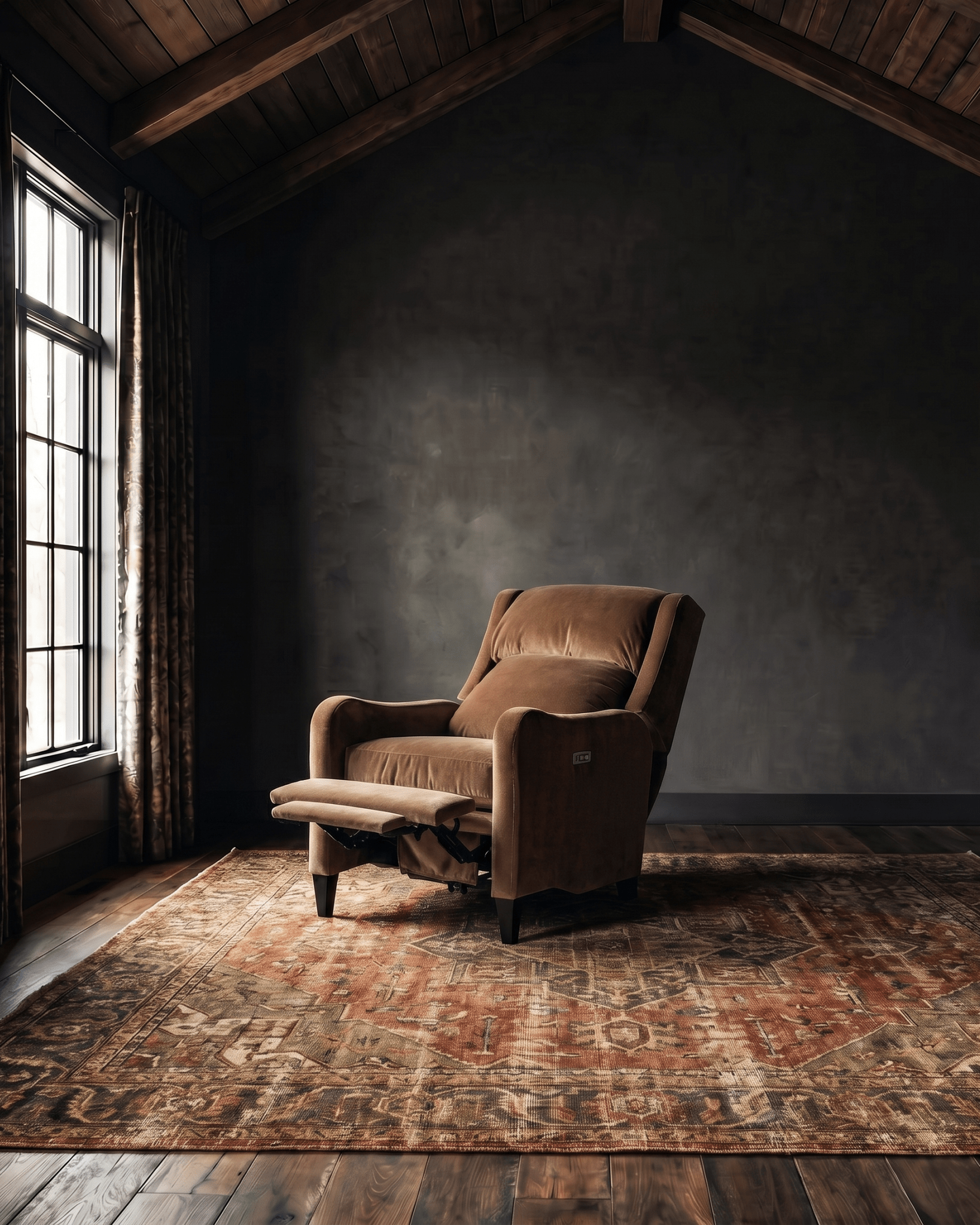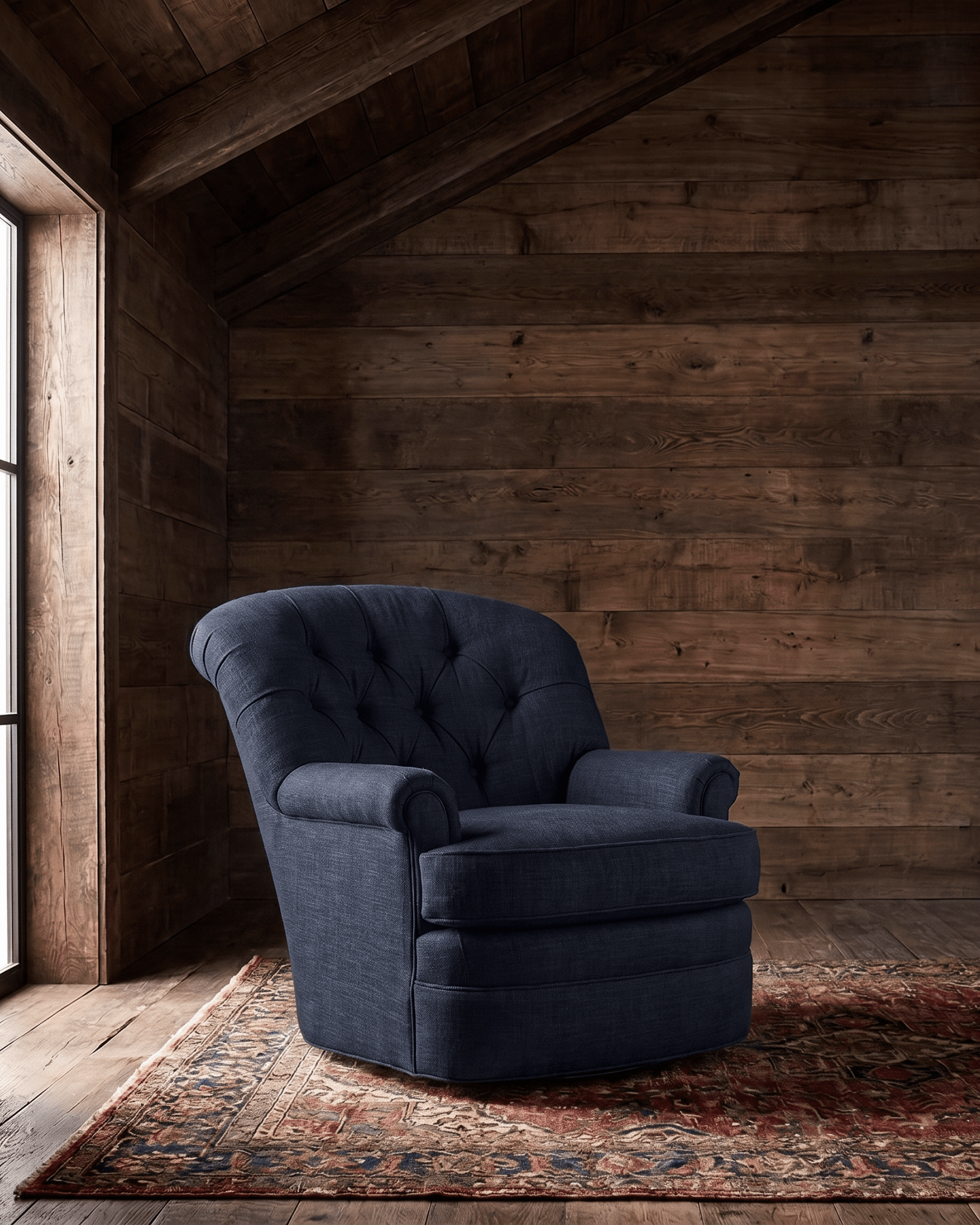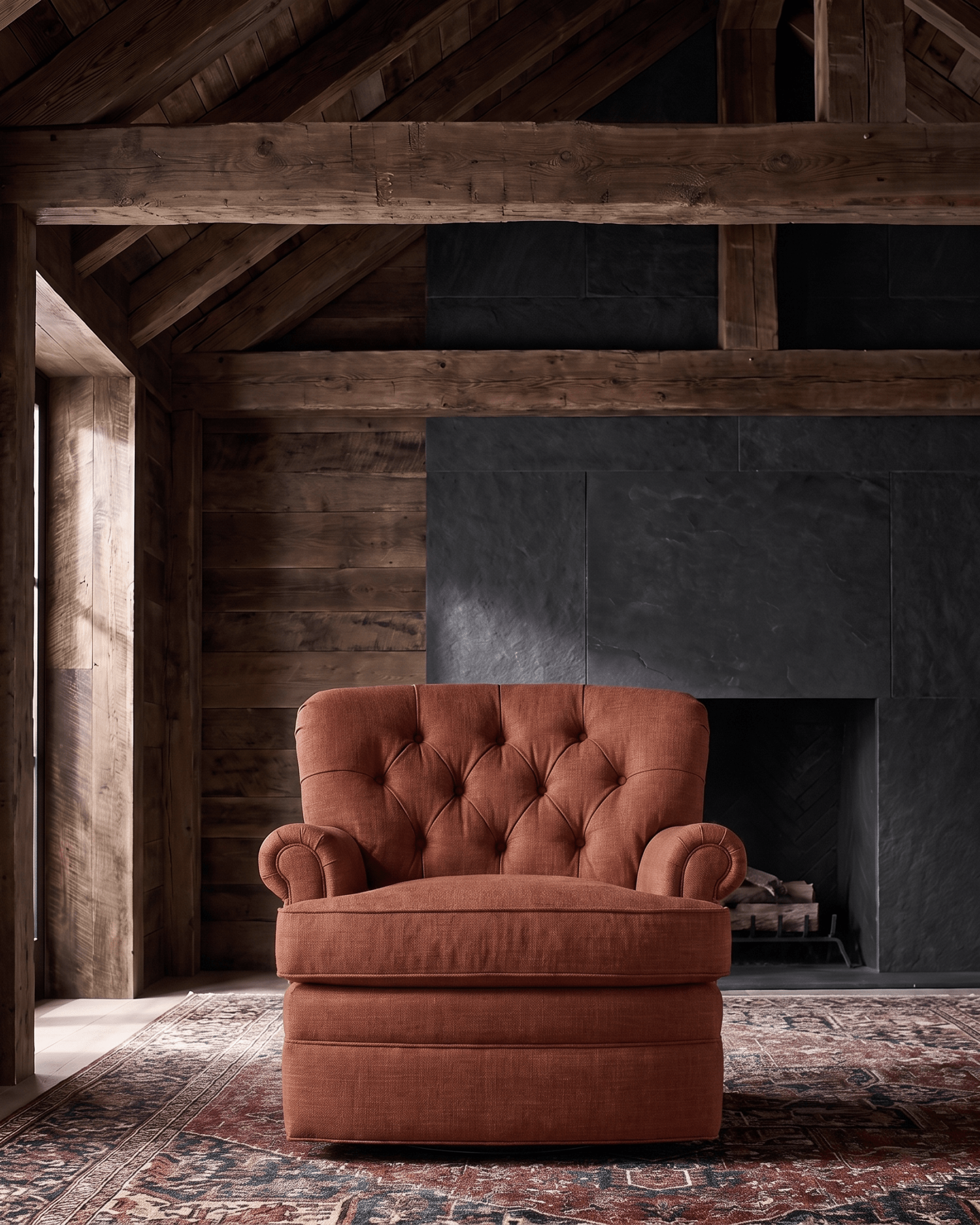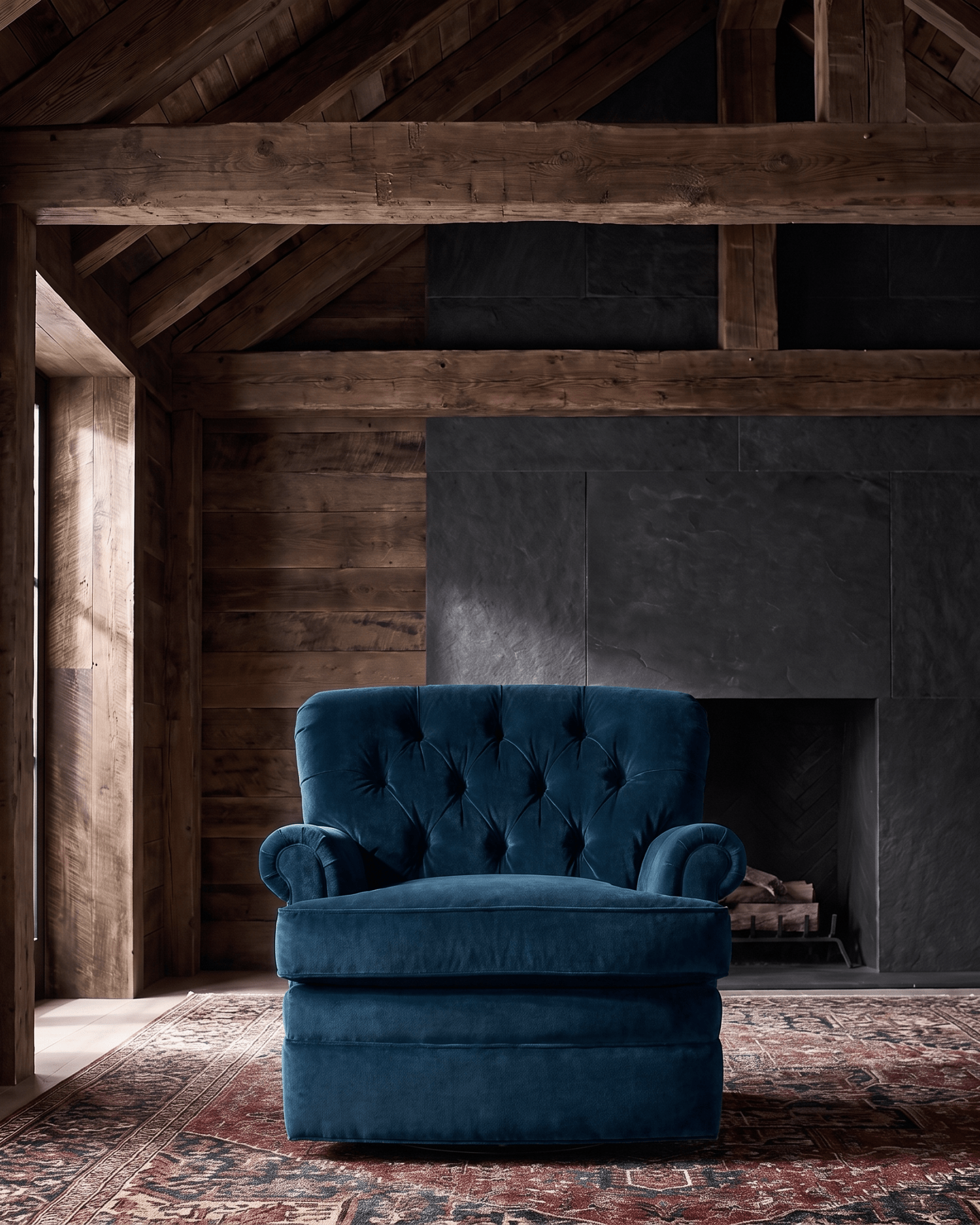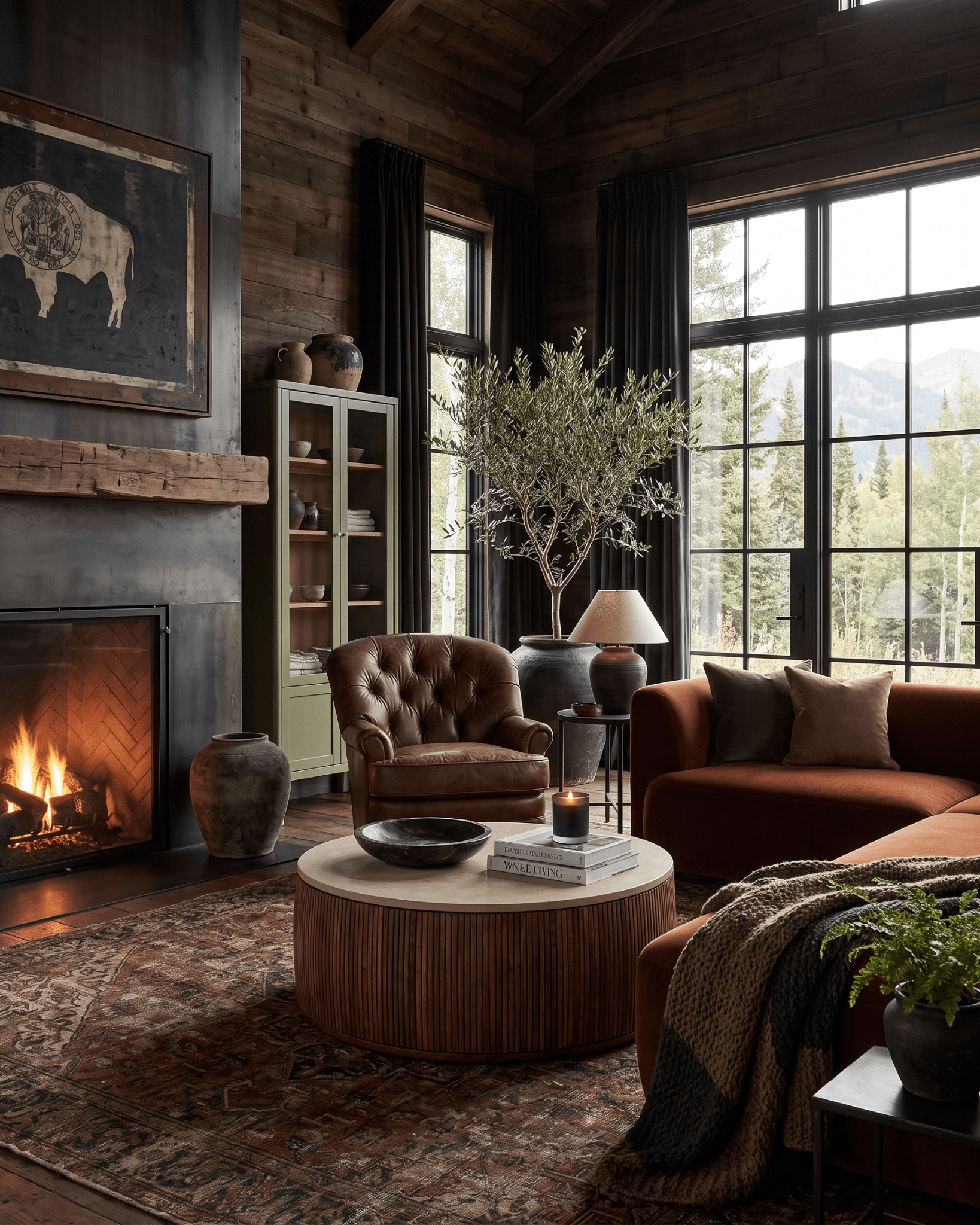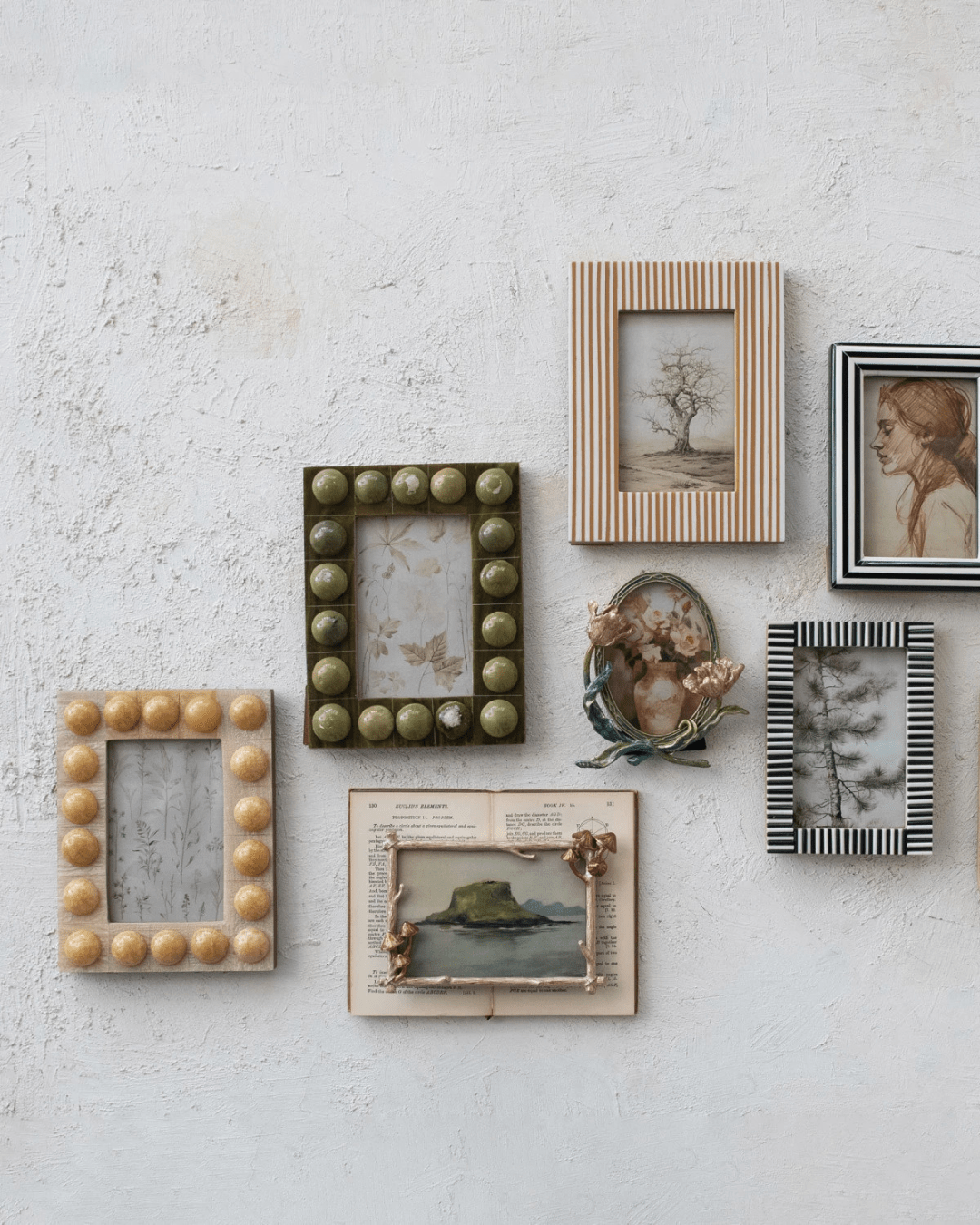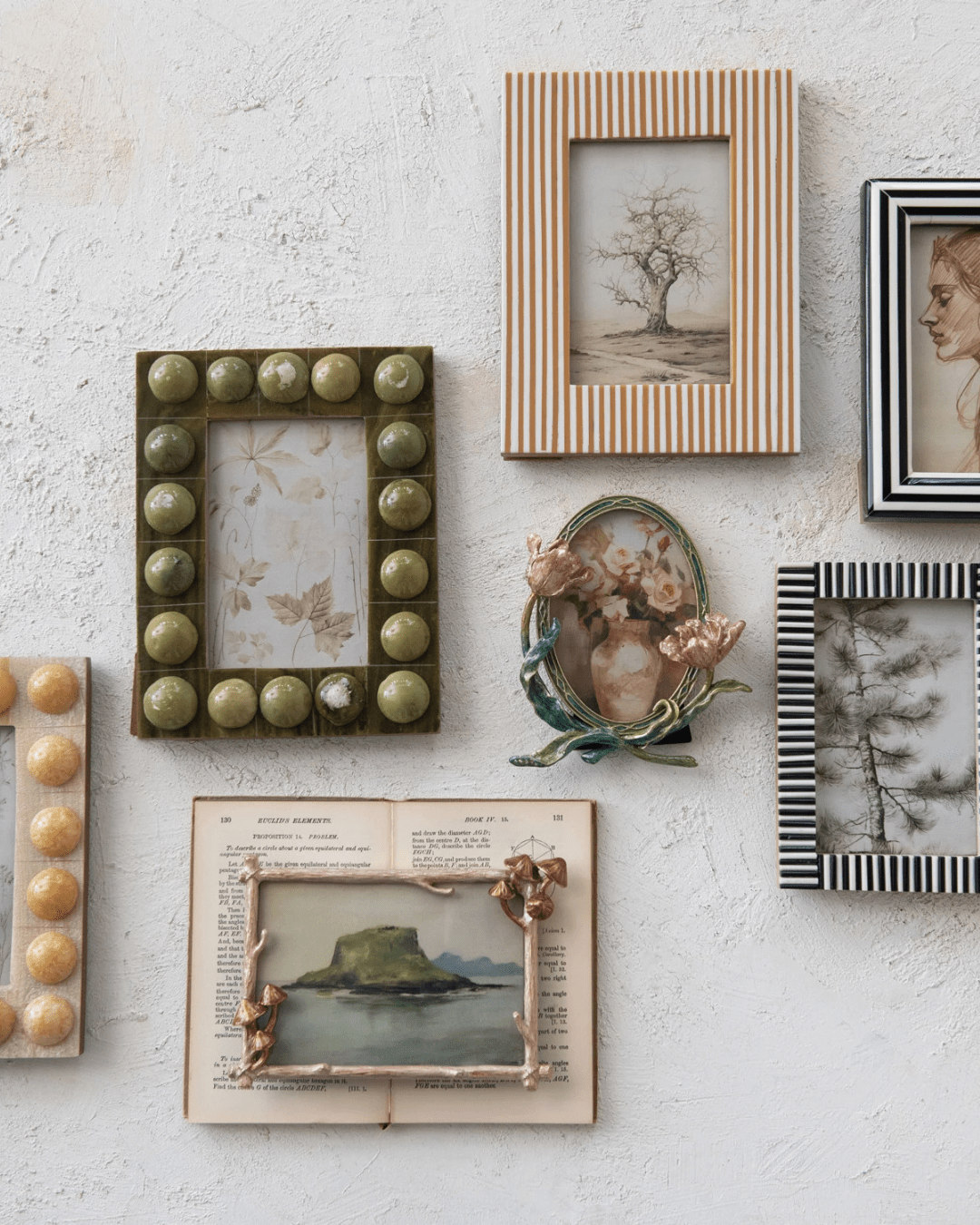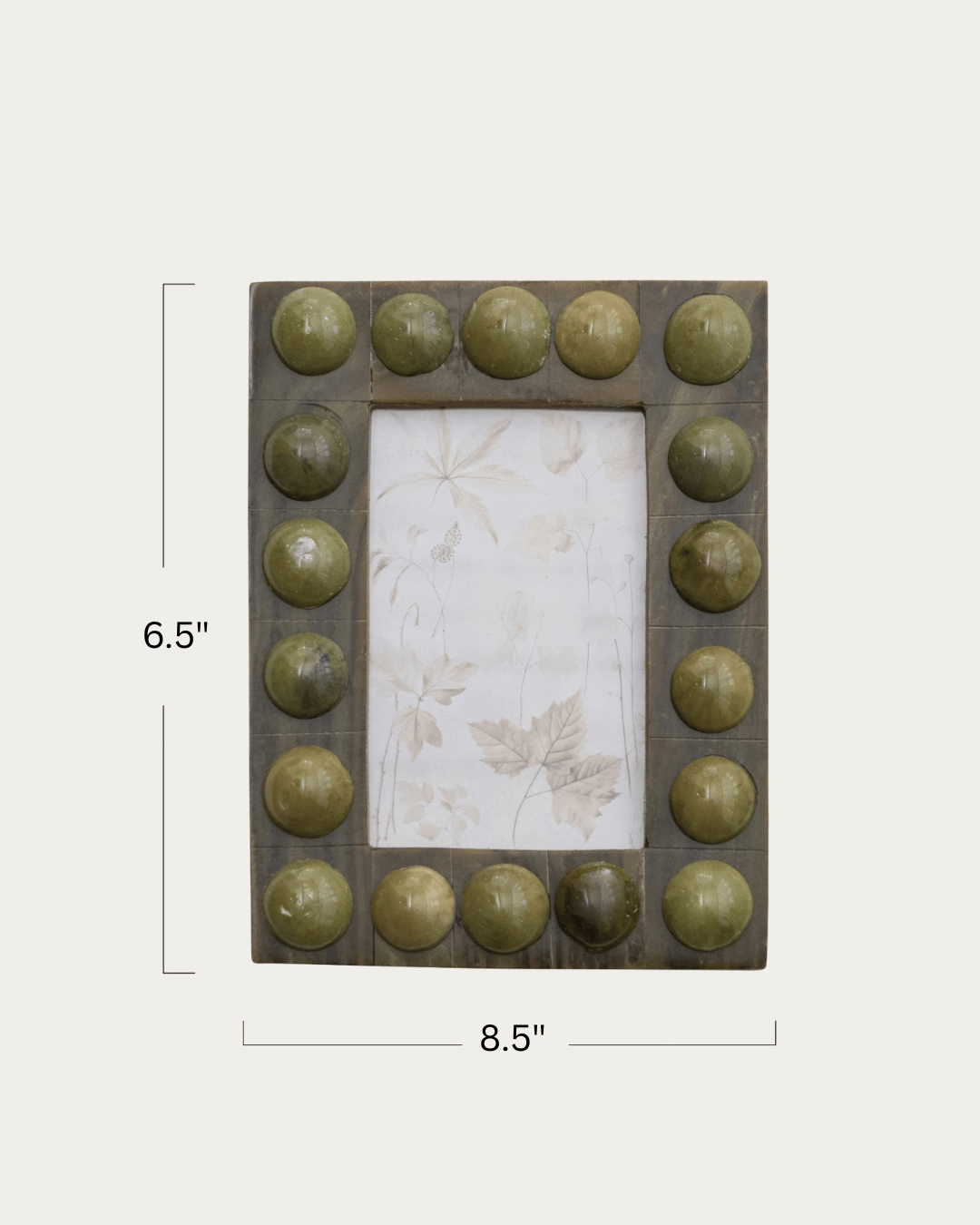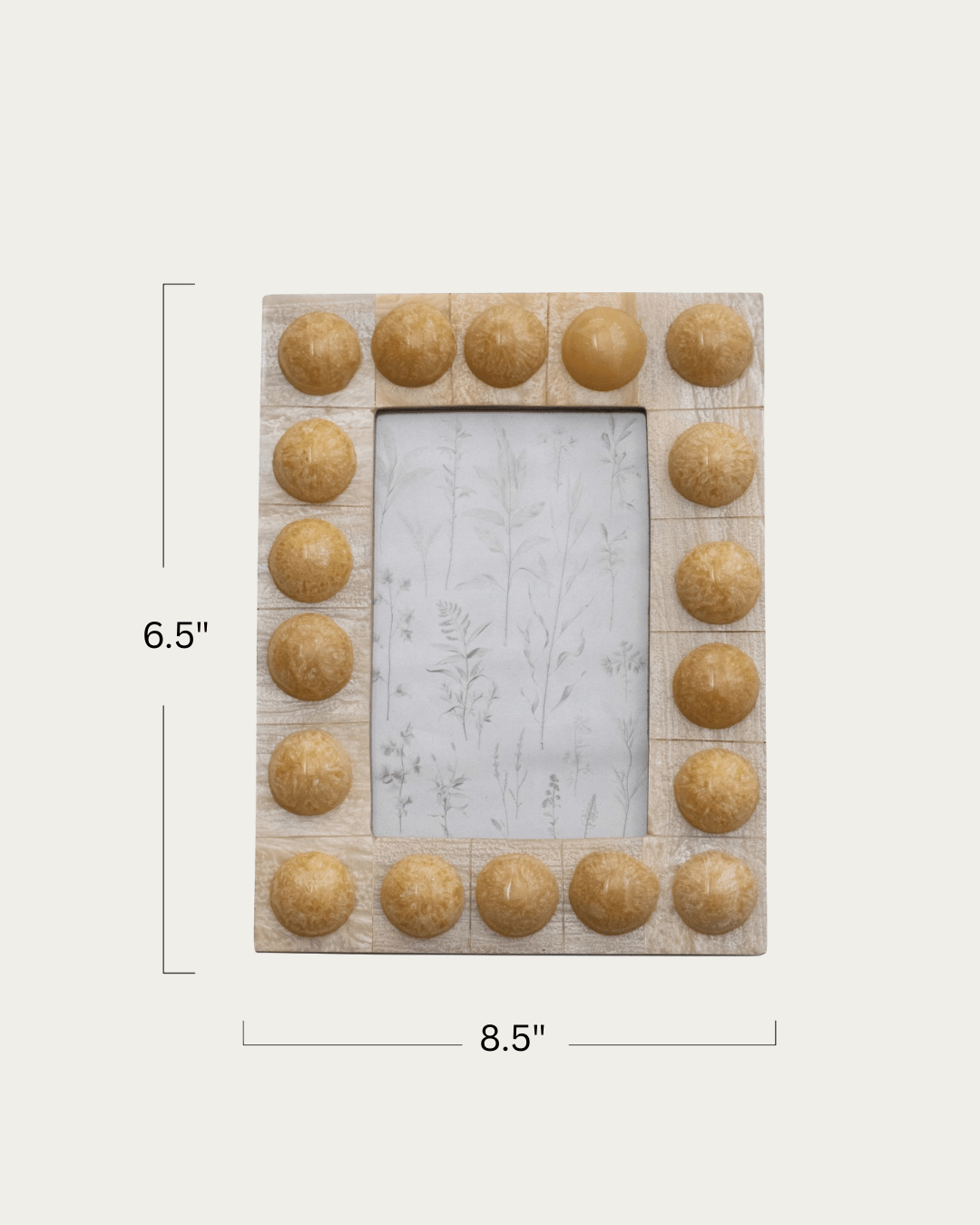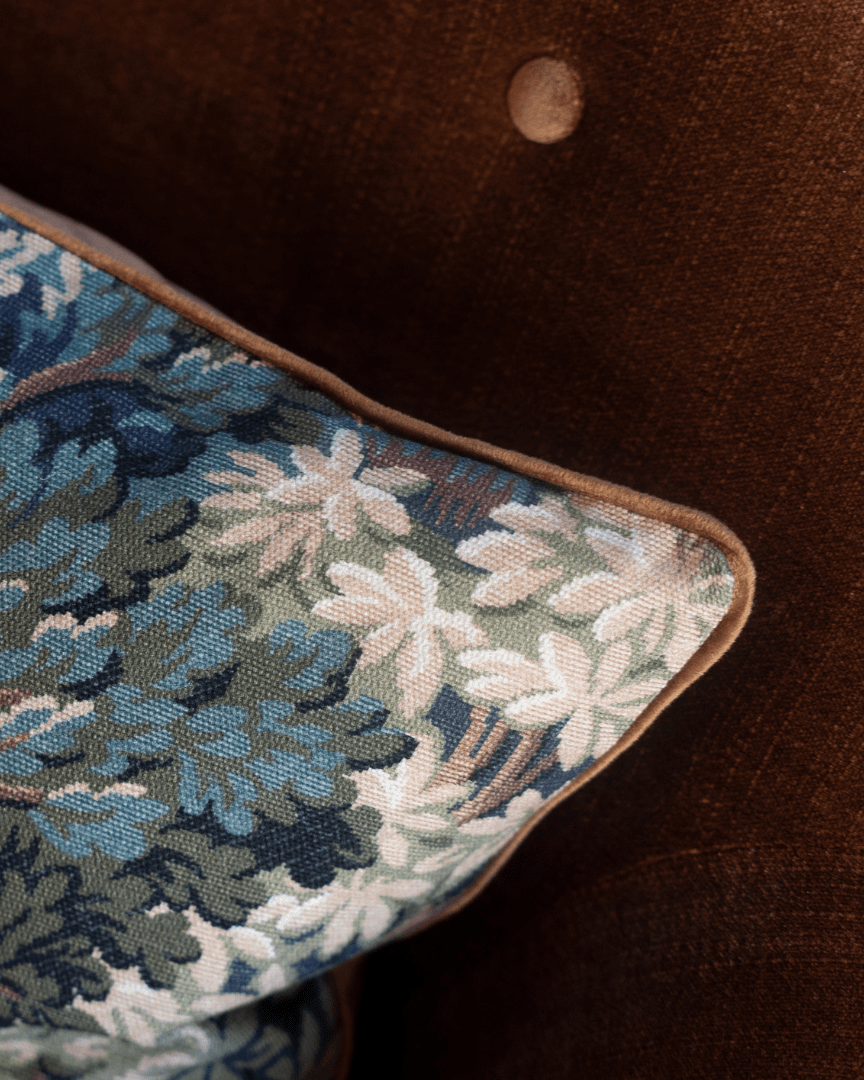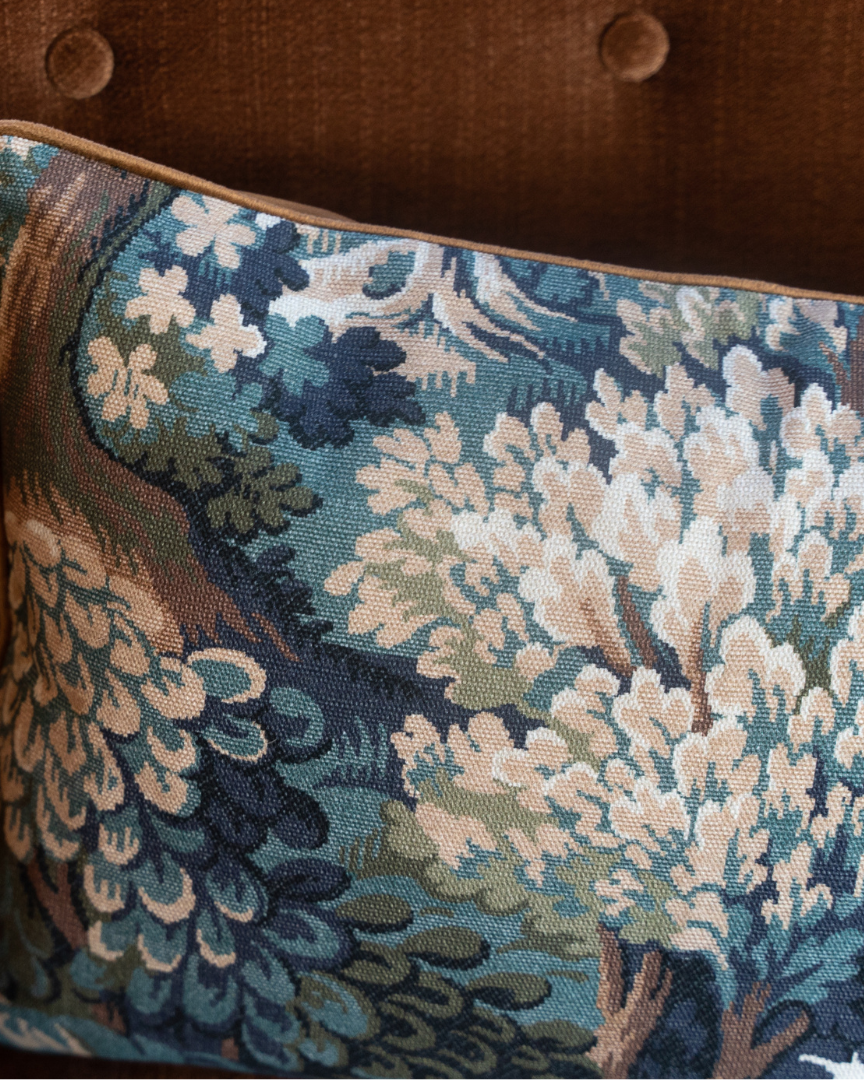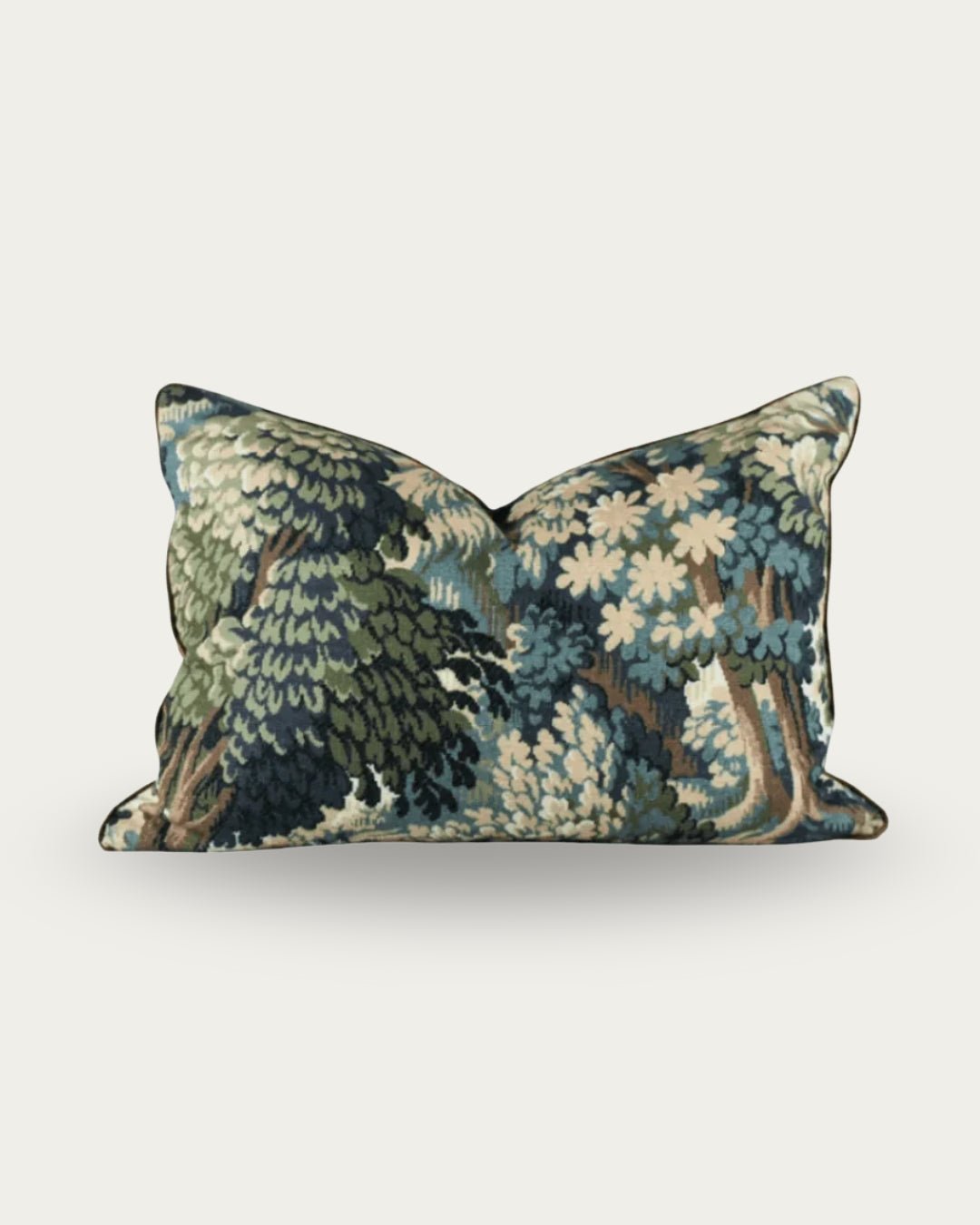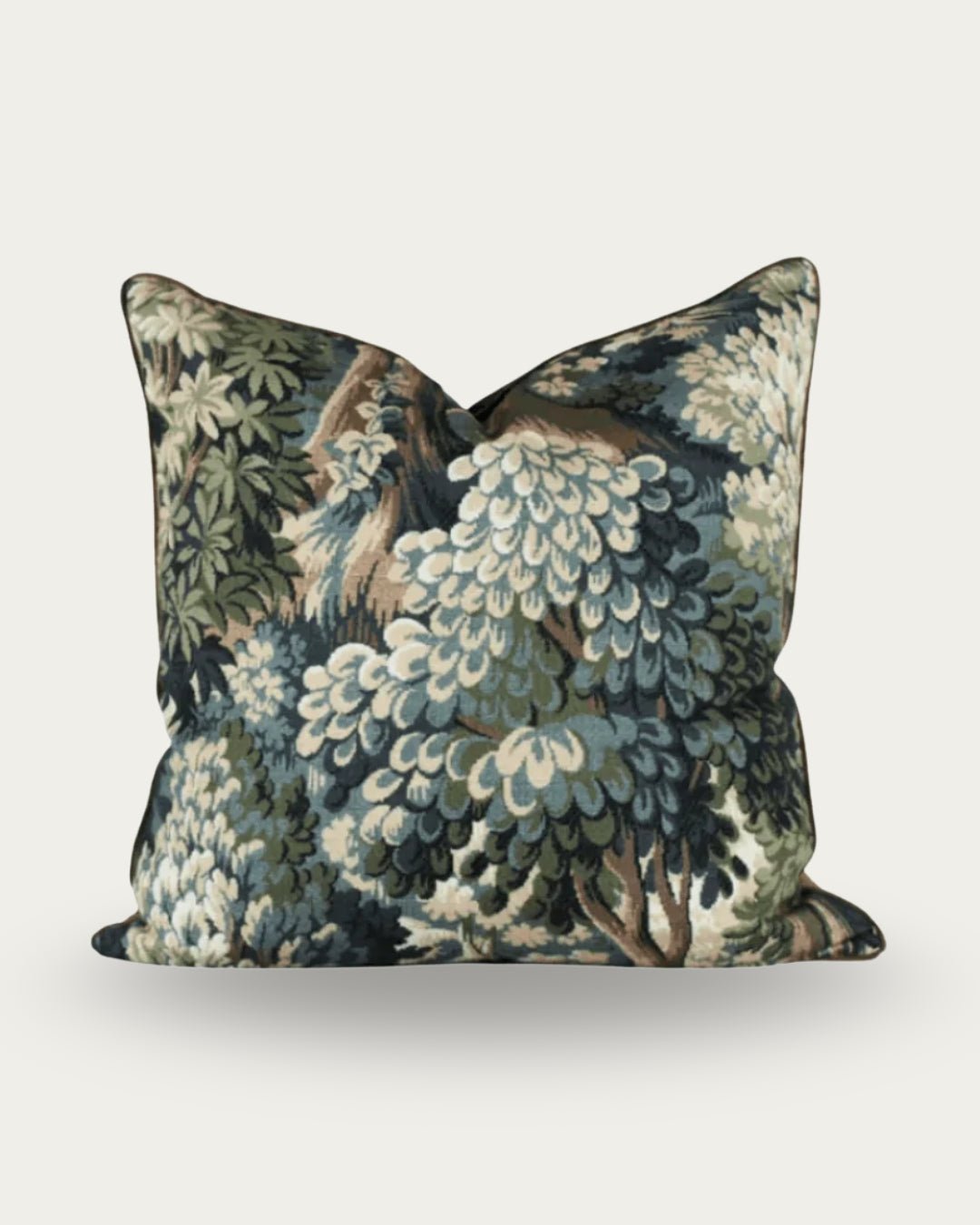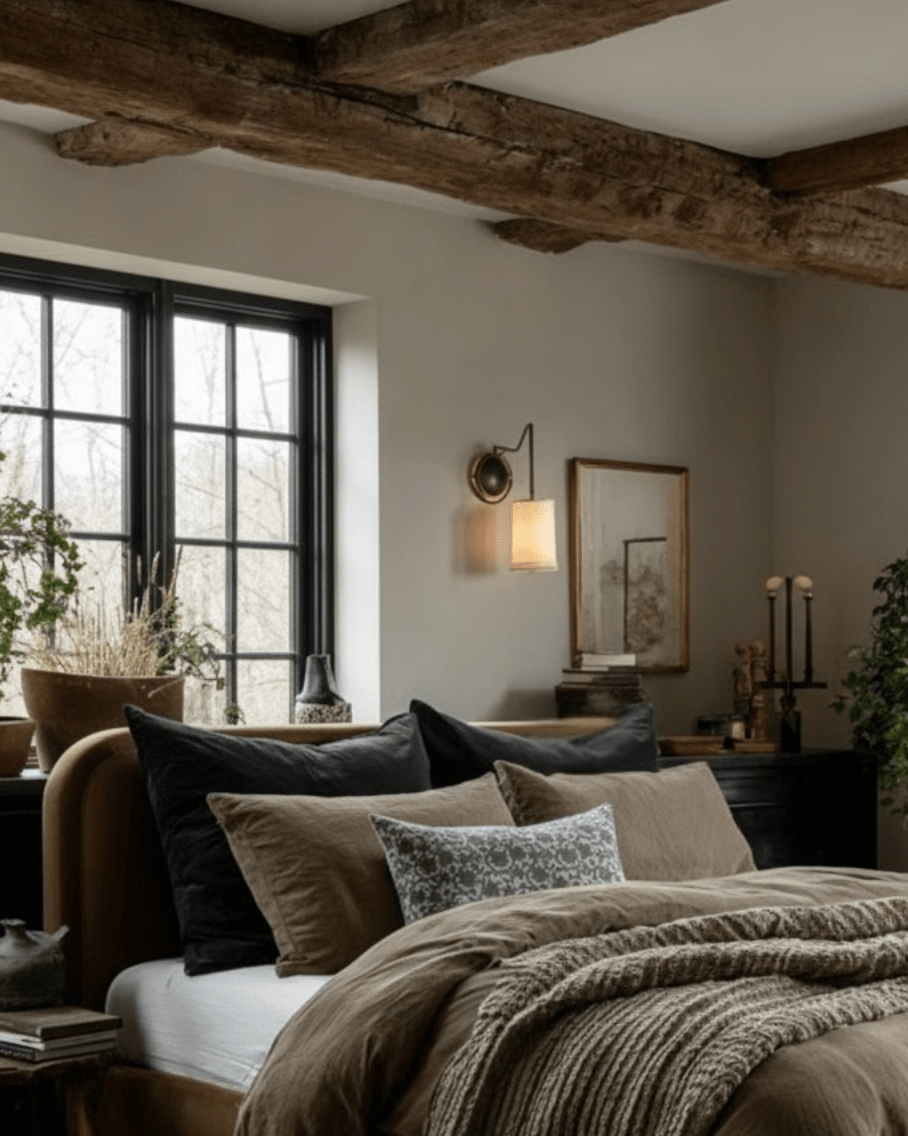









Wrong color palette. Wrong decor. Wrong couch.
So they keep adding.
More pillows. More objects. More “fixes.”
And somehow, it still doesn’t feel right.
That’s because the issue usually isn’t what you’ve added—it’s how your living room furniture is arranged in the first place.
Before anything else, your brain is reading layout, spacing, and weight. Not aesthetics.
If those are off, nothing settles.
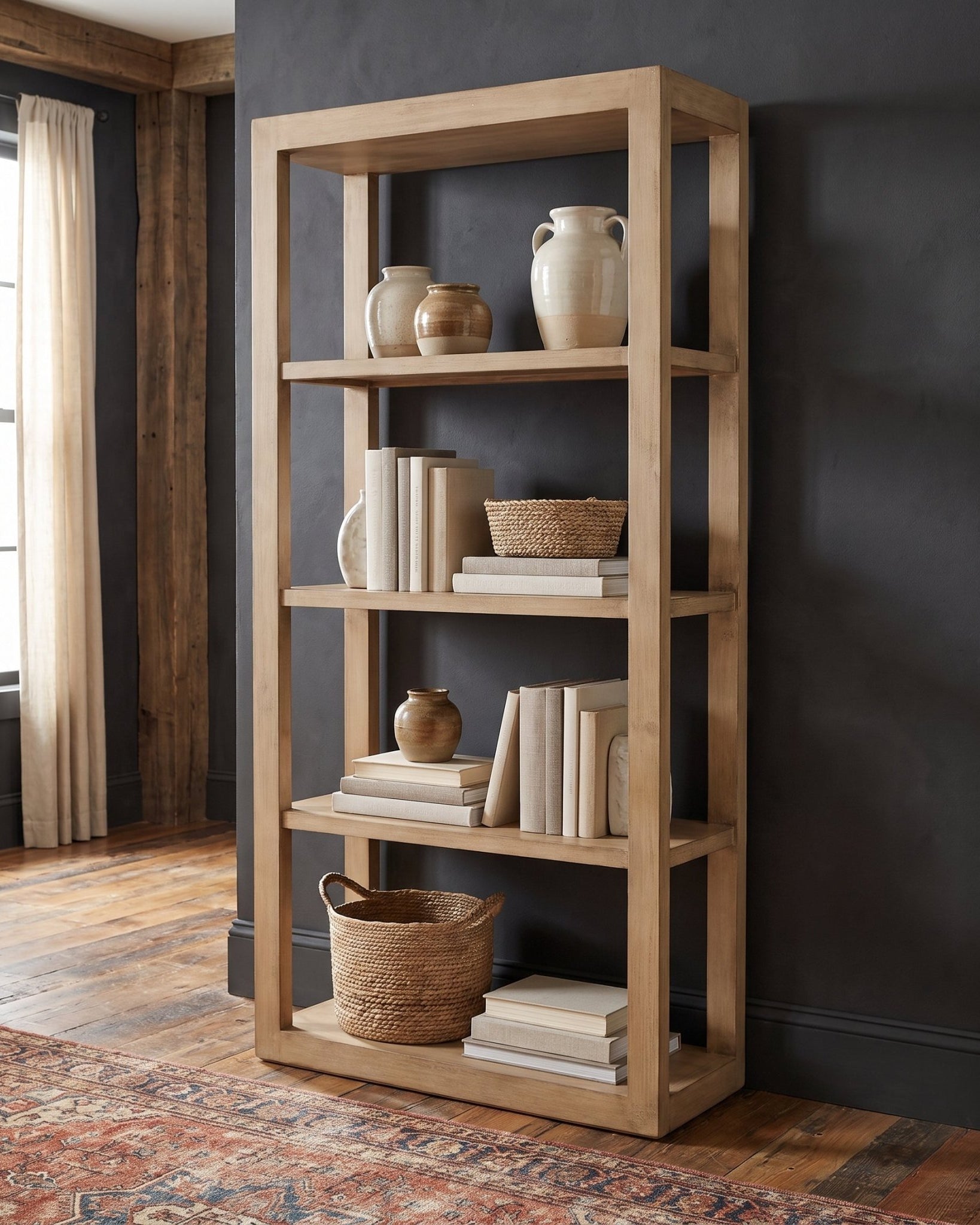
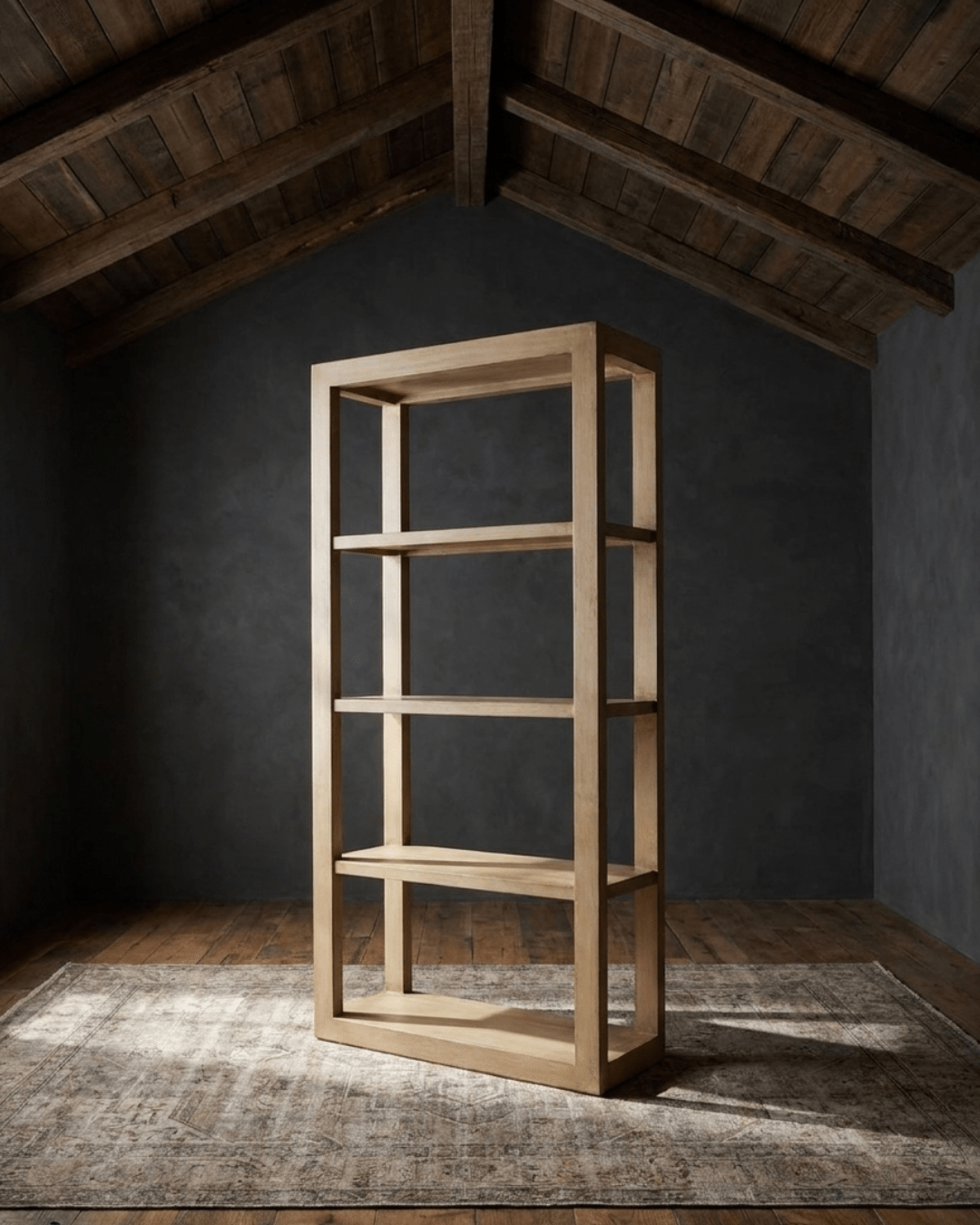
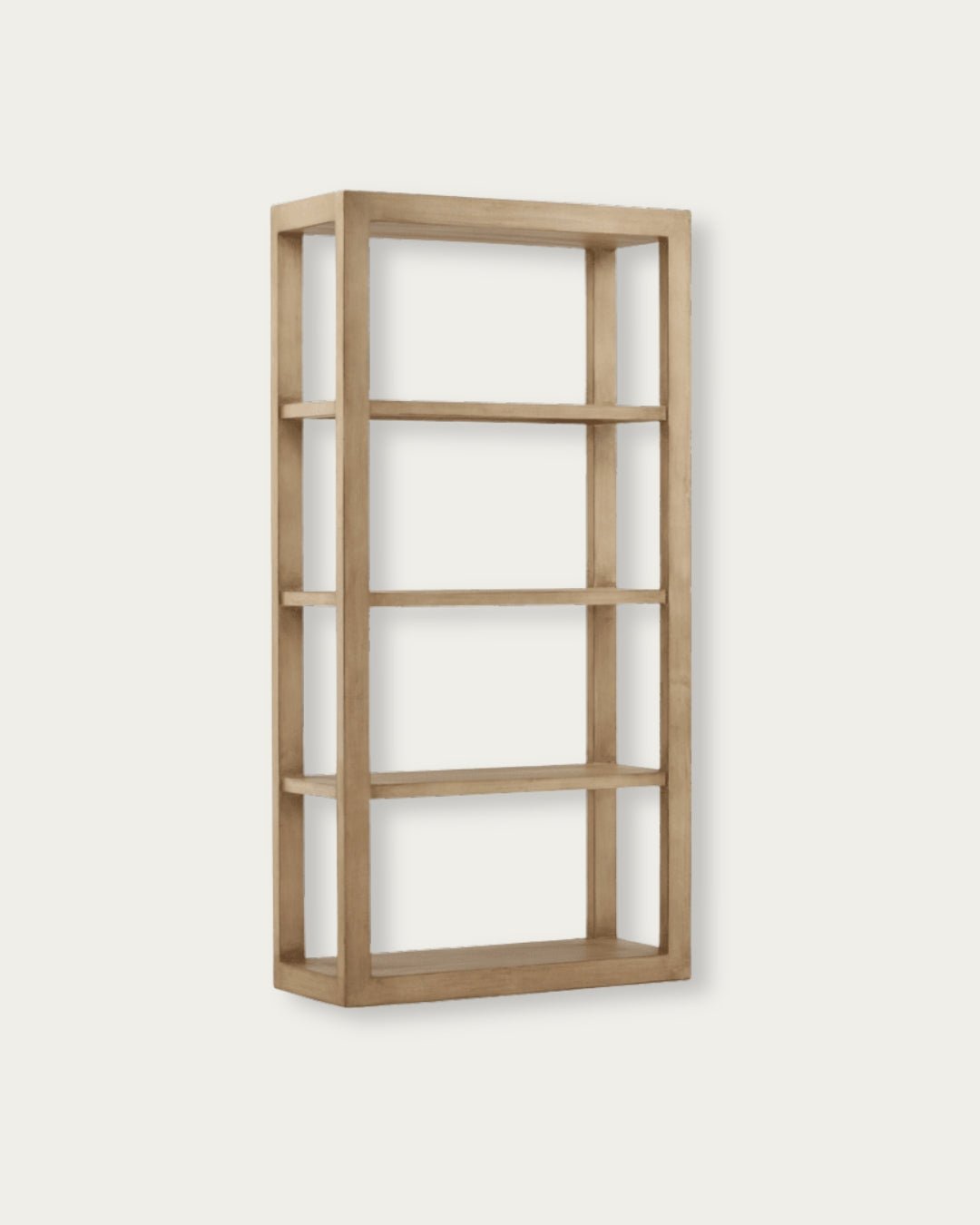
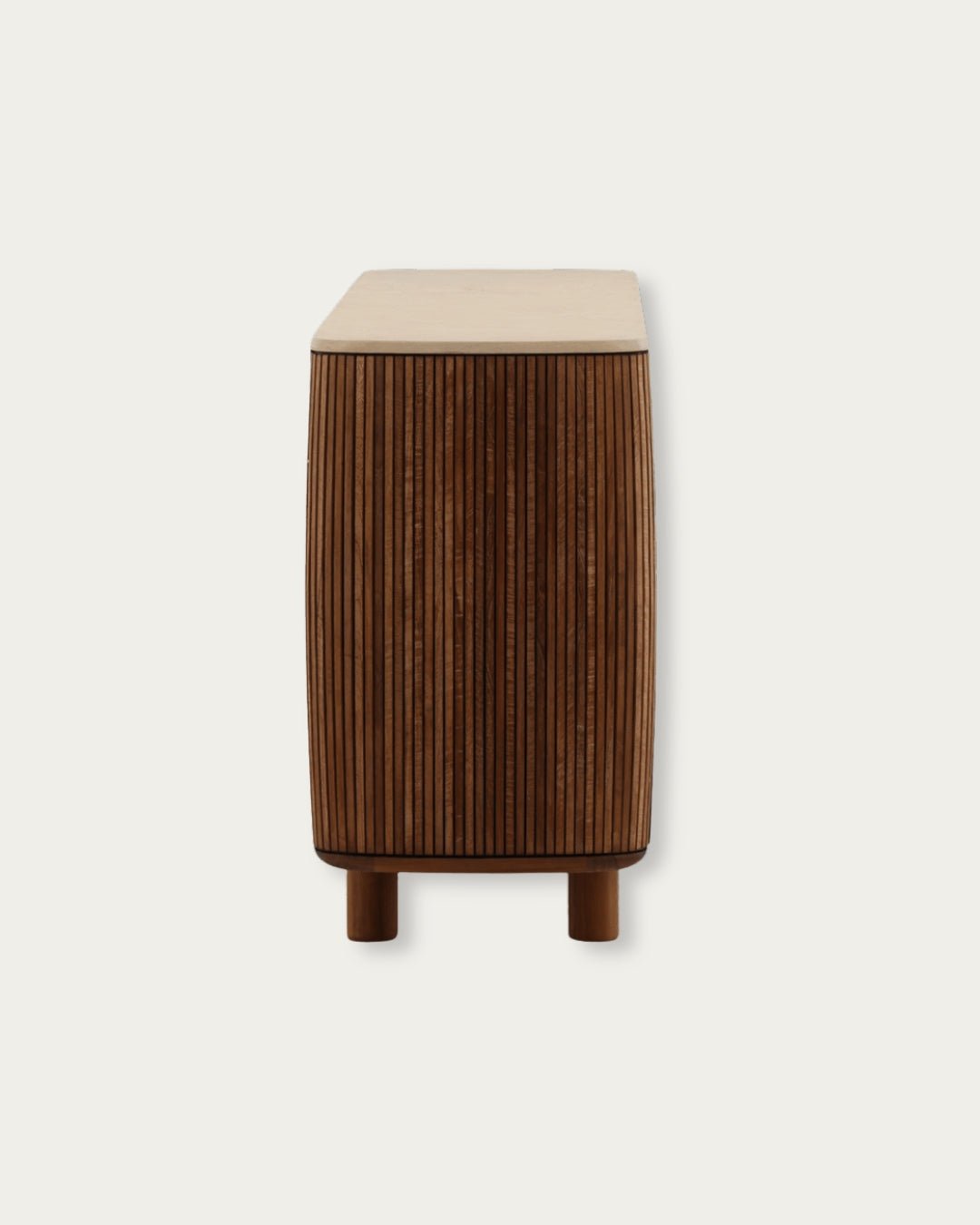
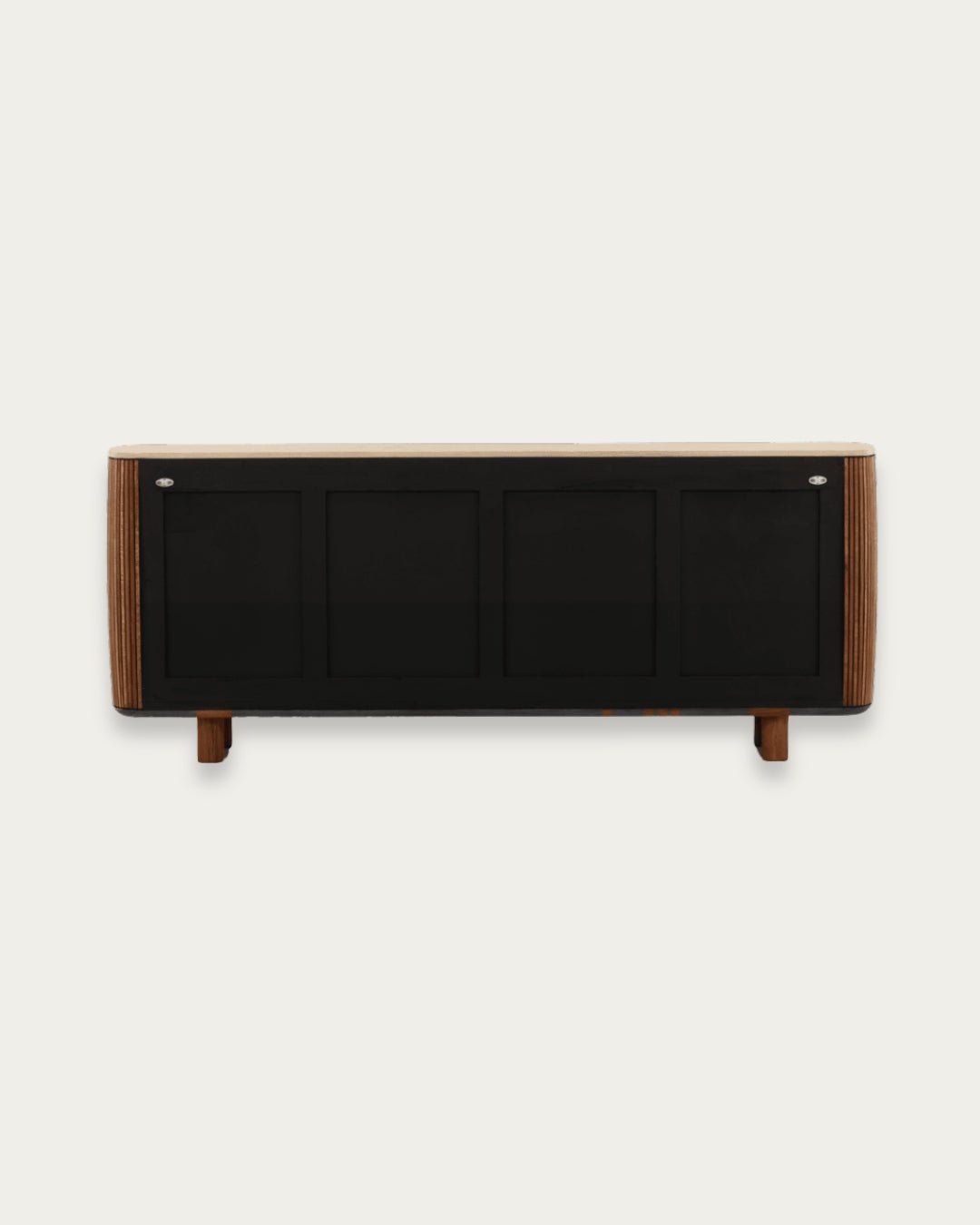
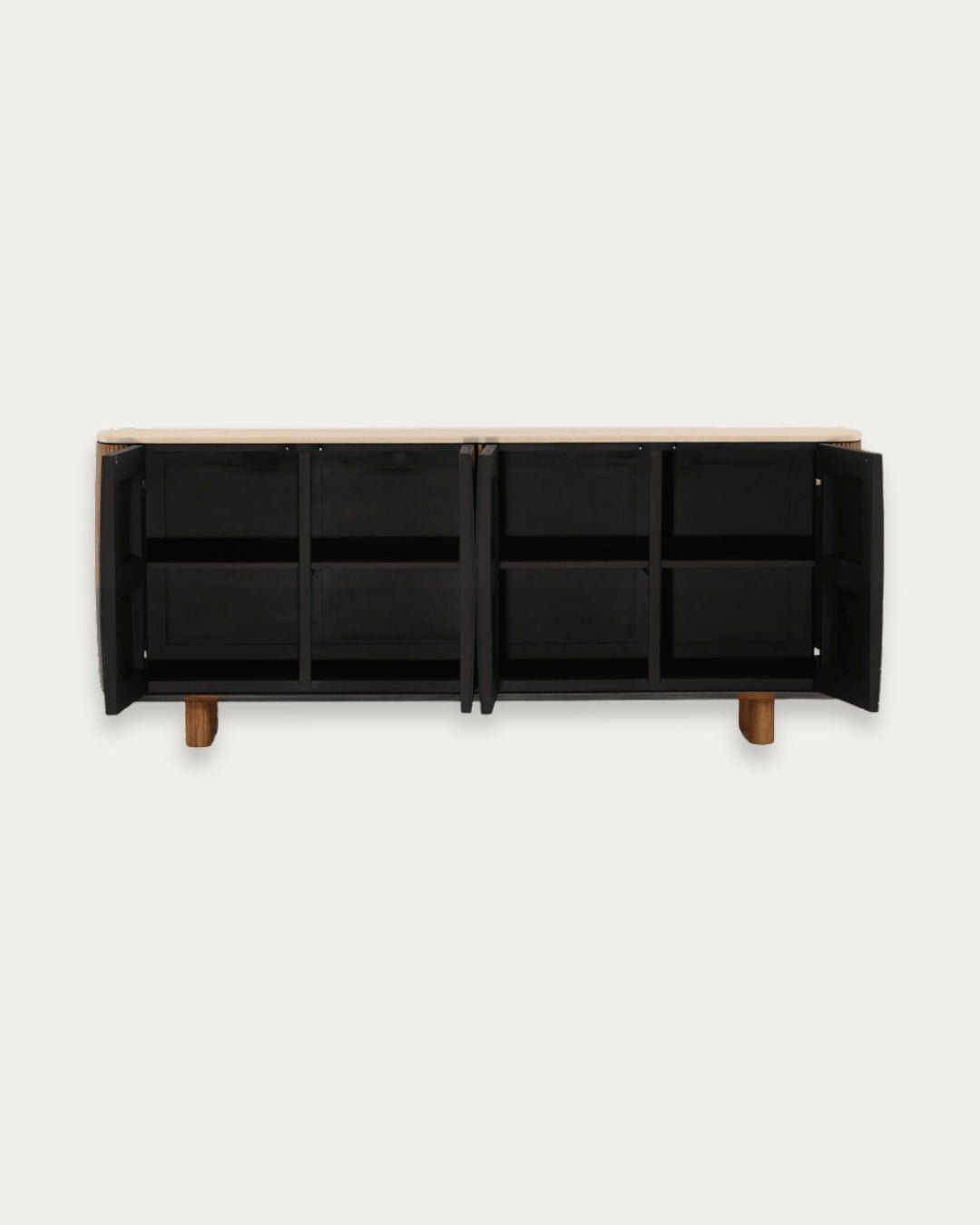
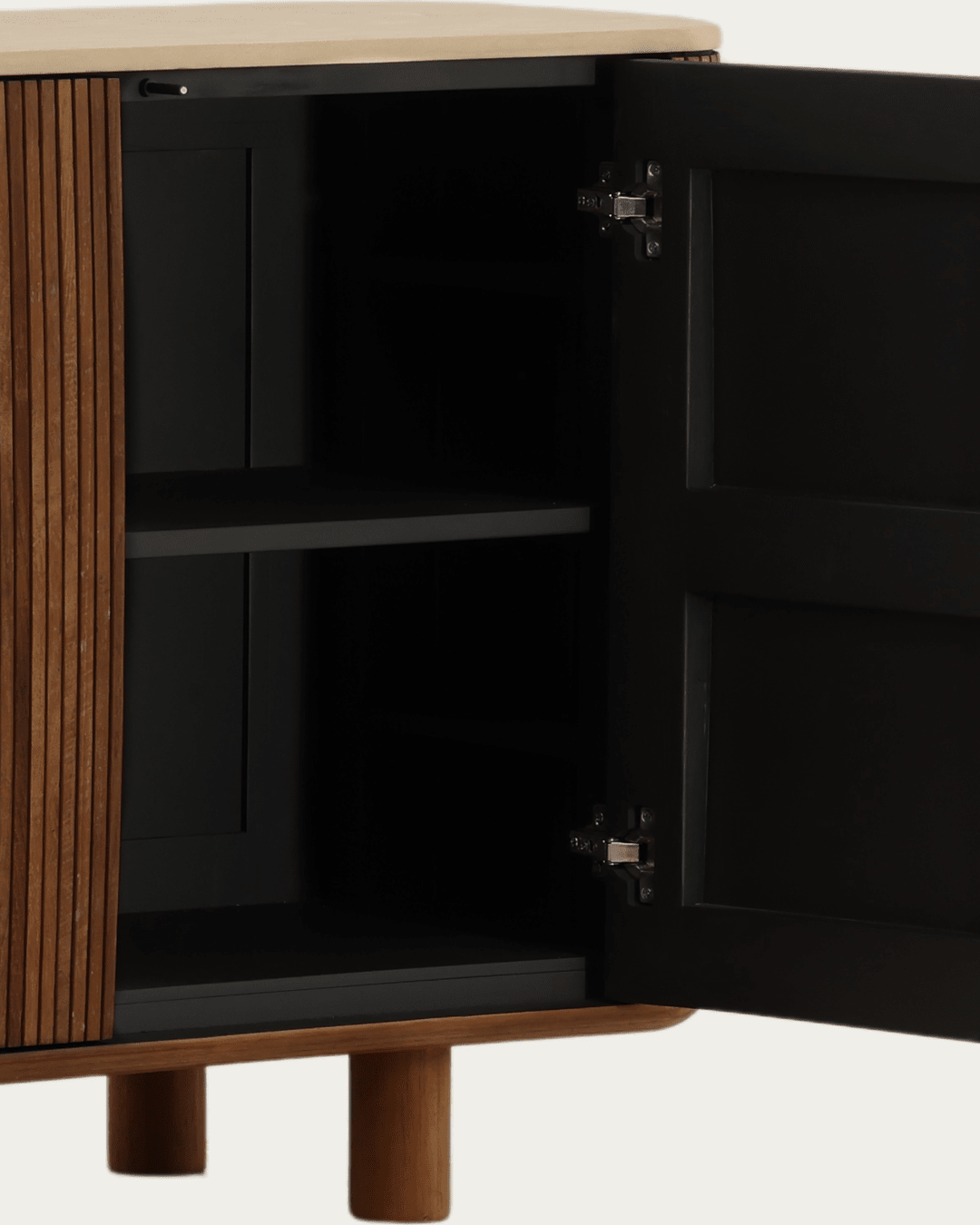
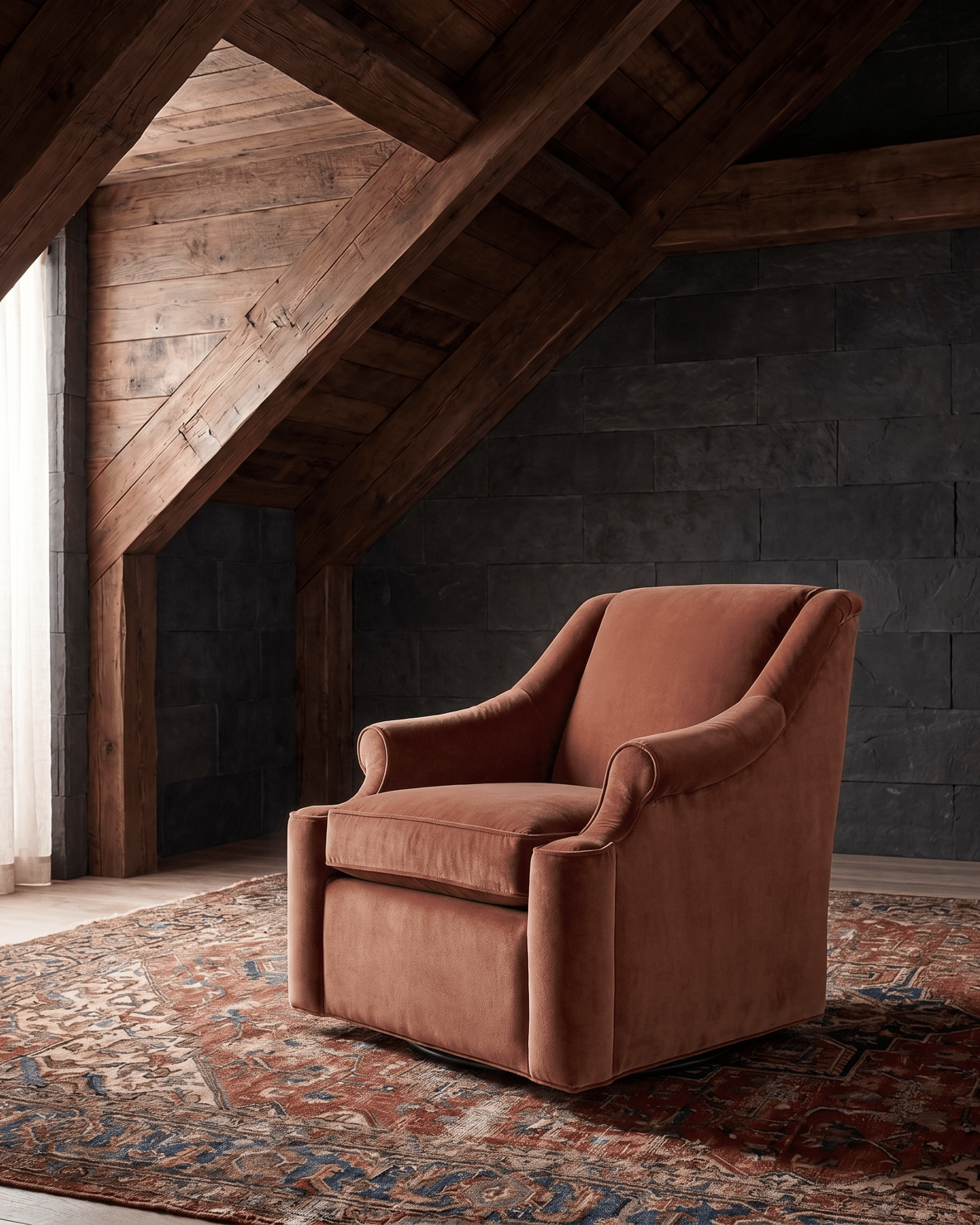
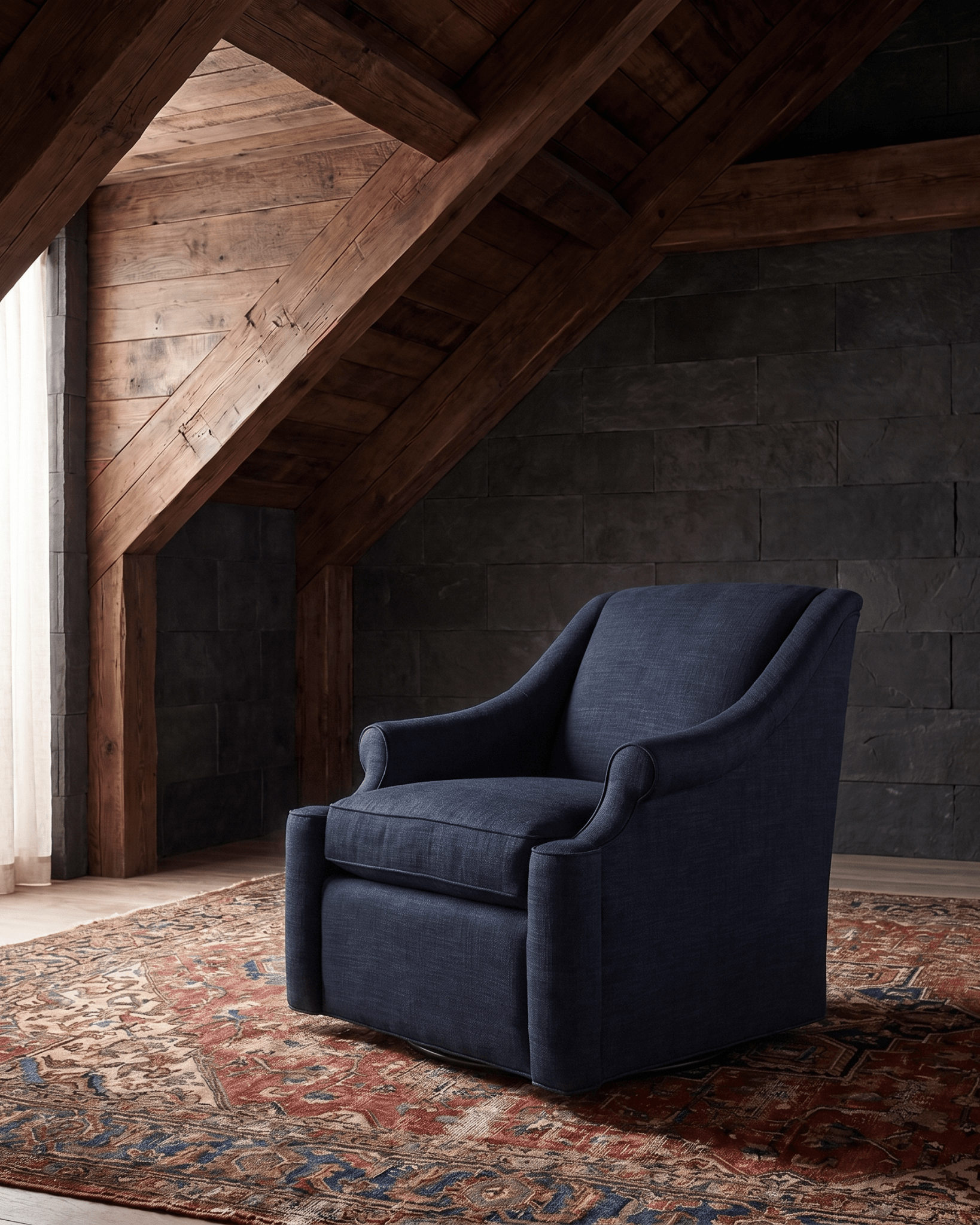
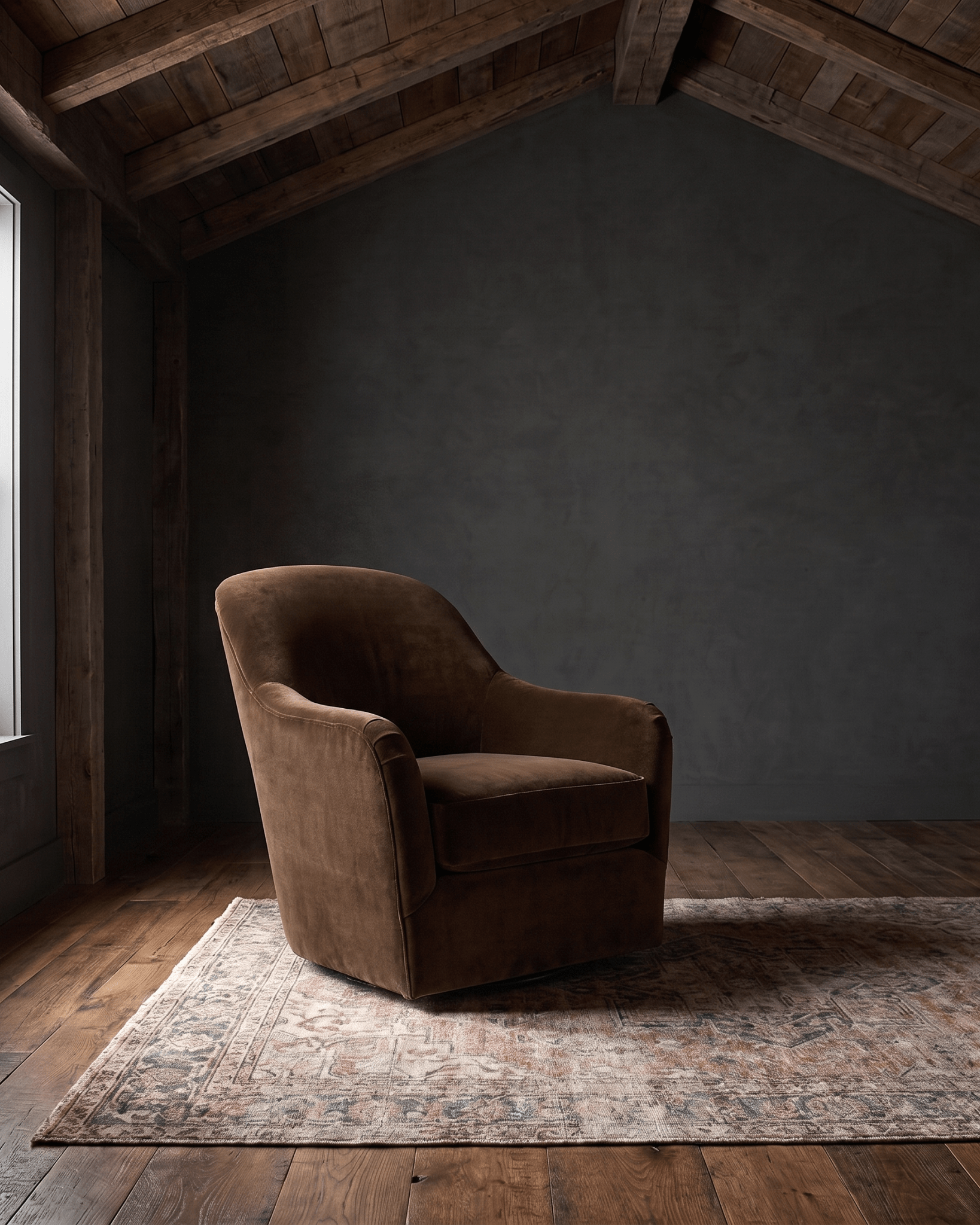
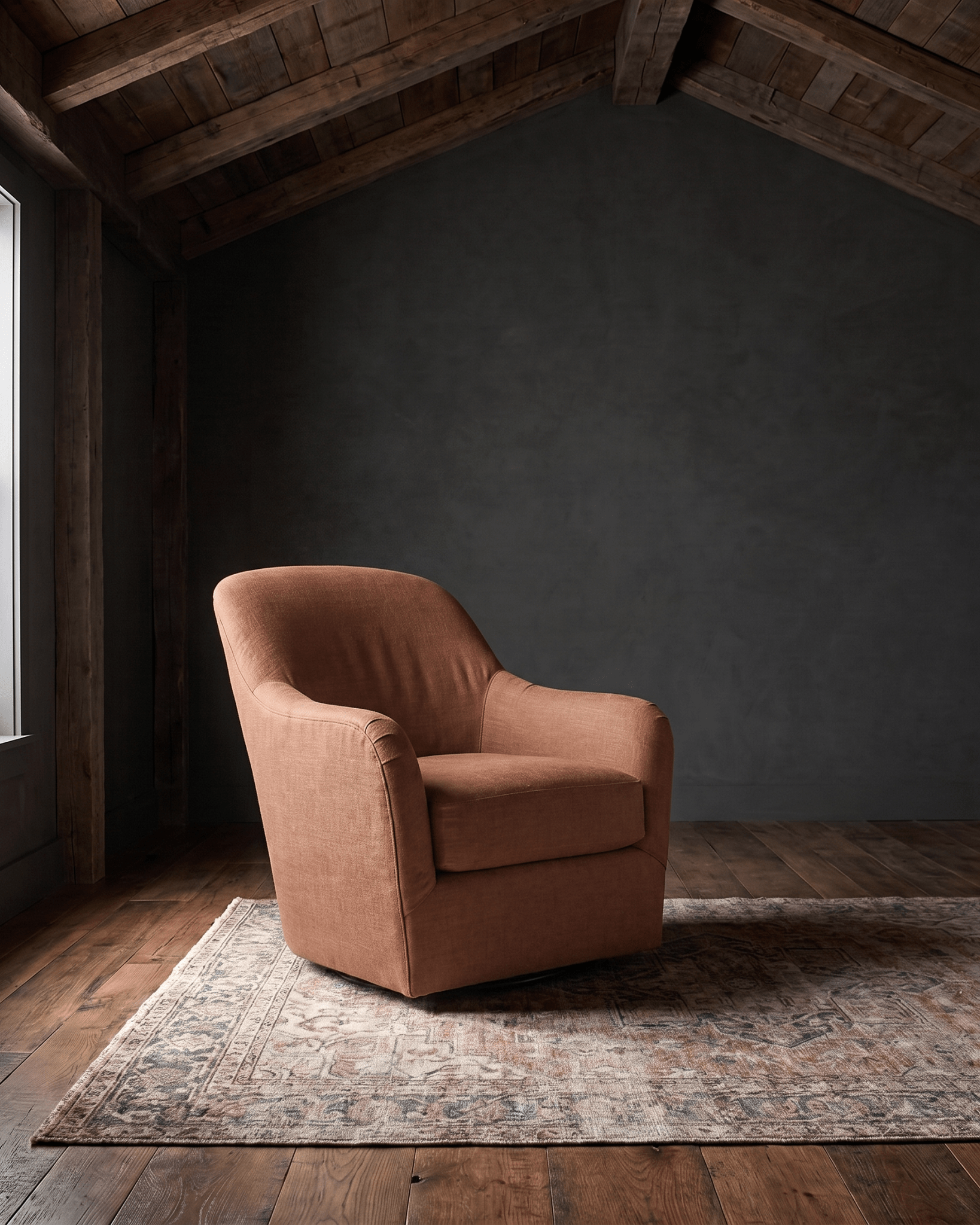
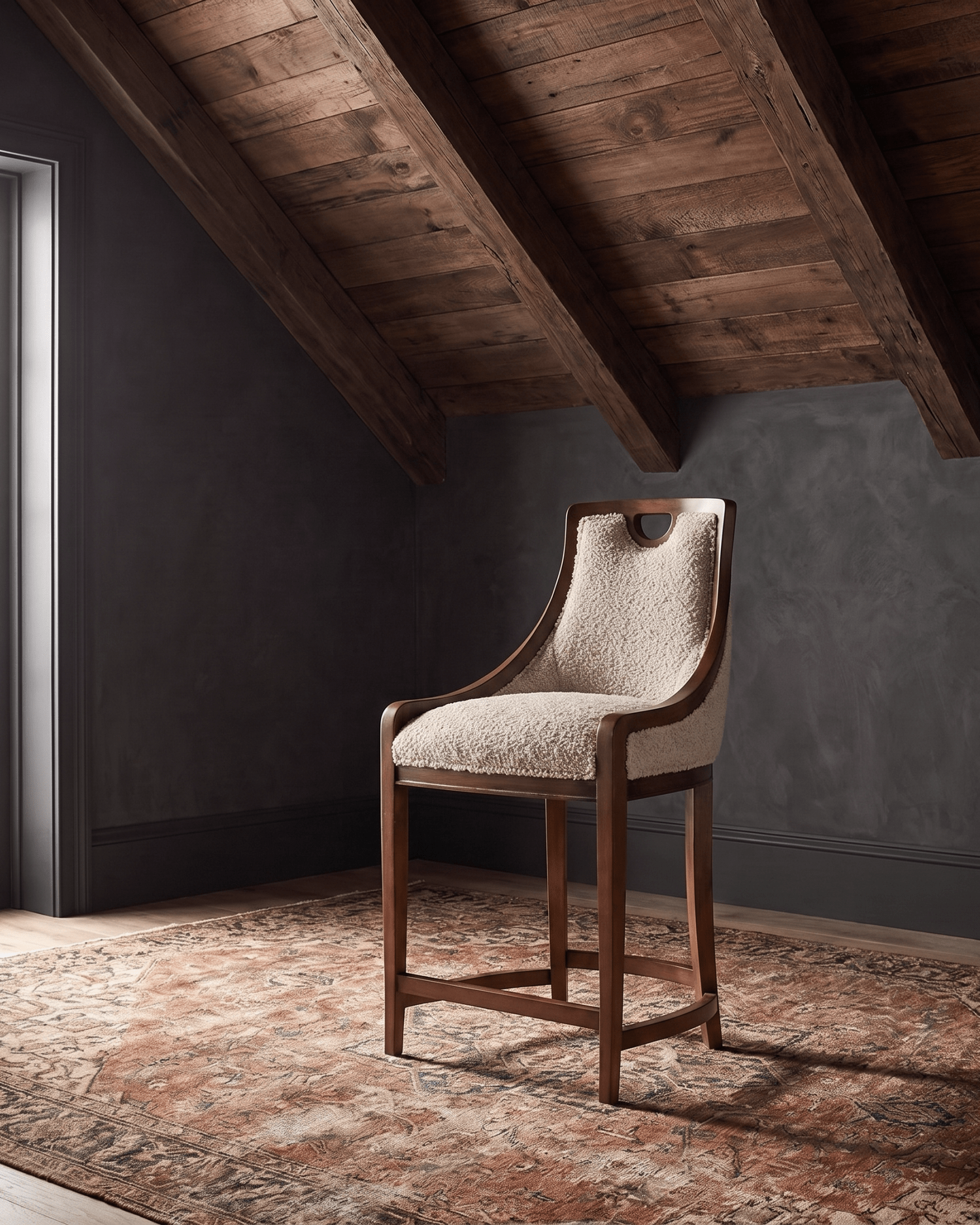
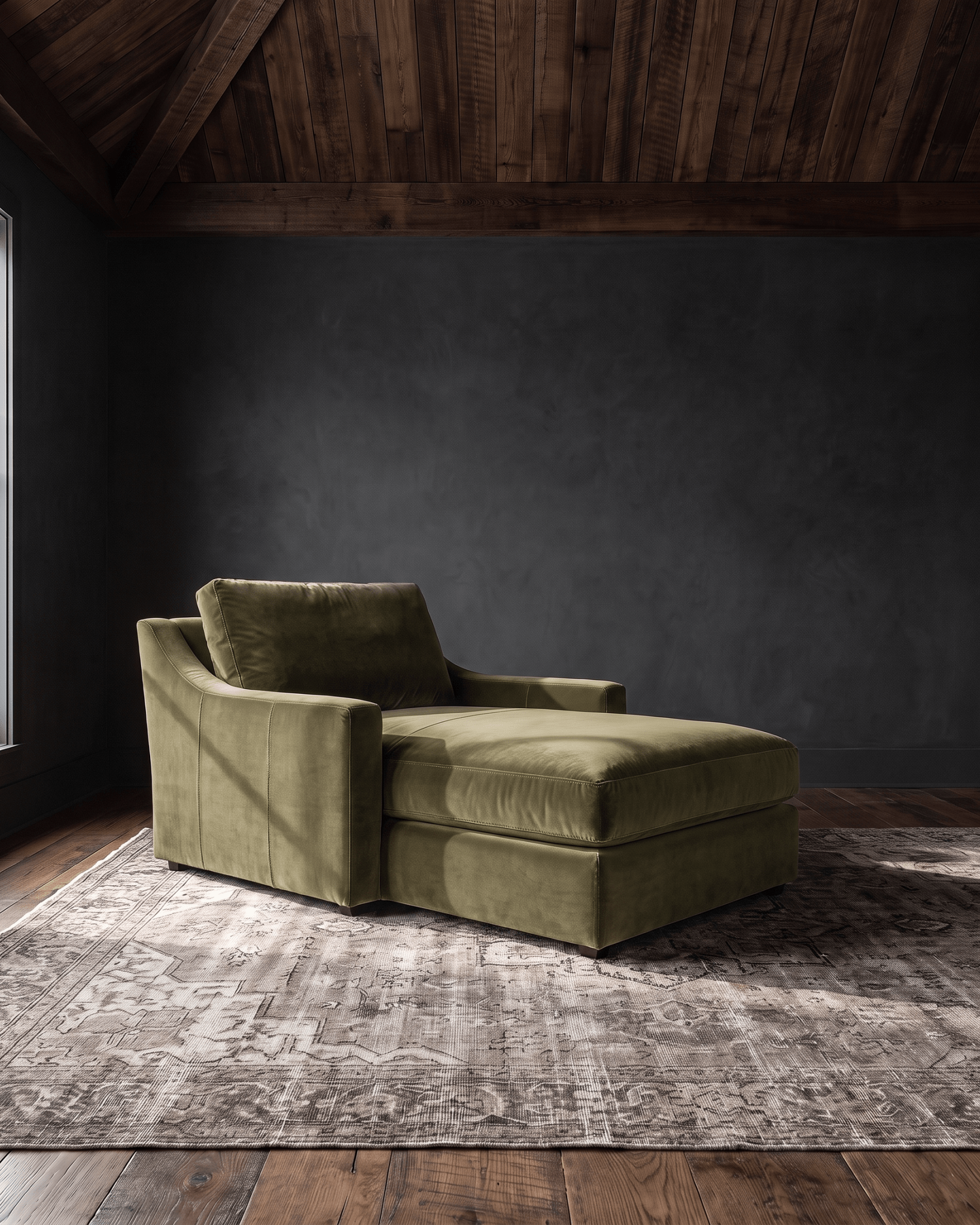
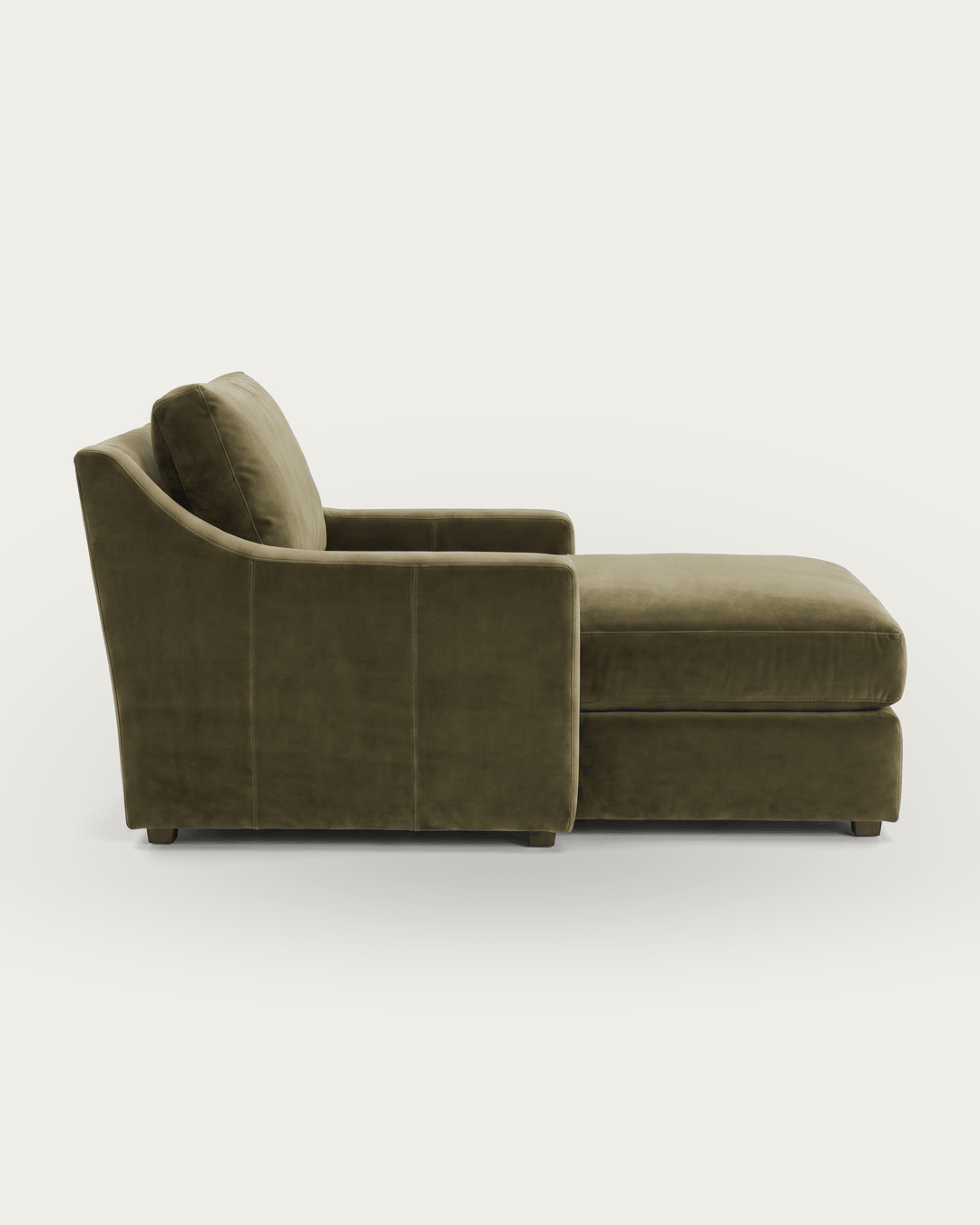
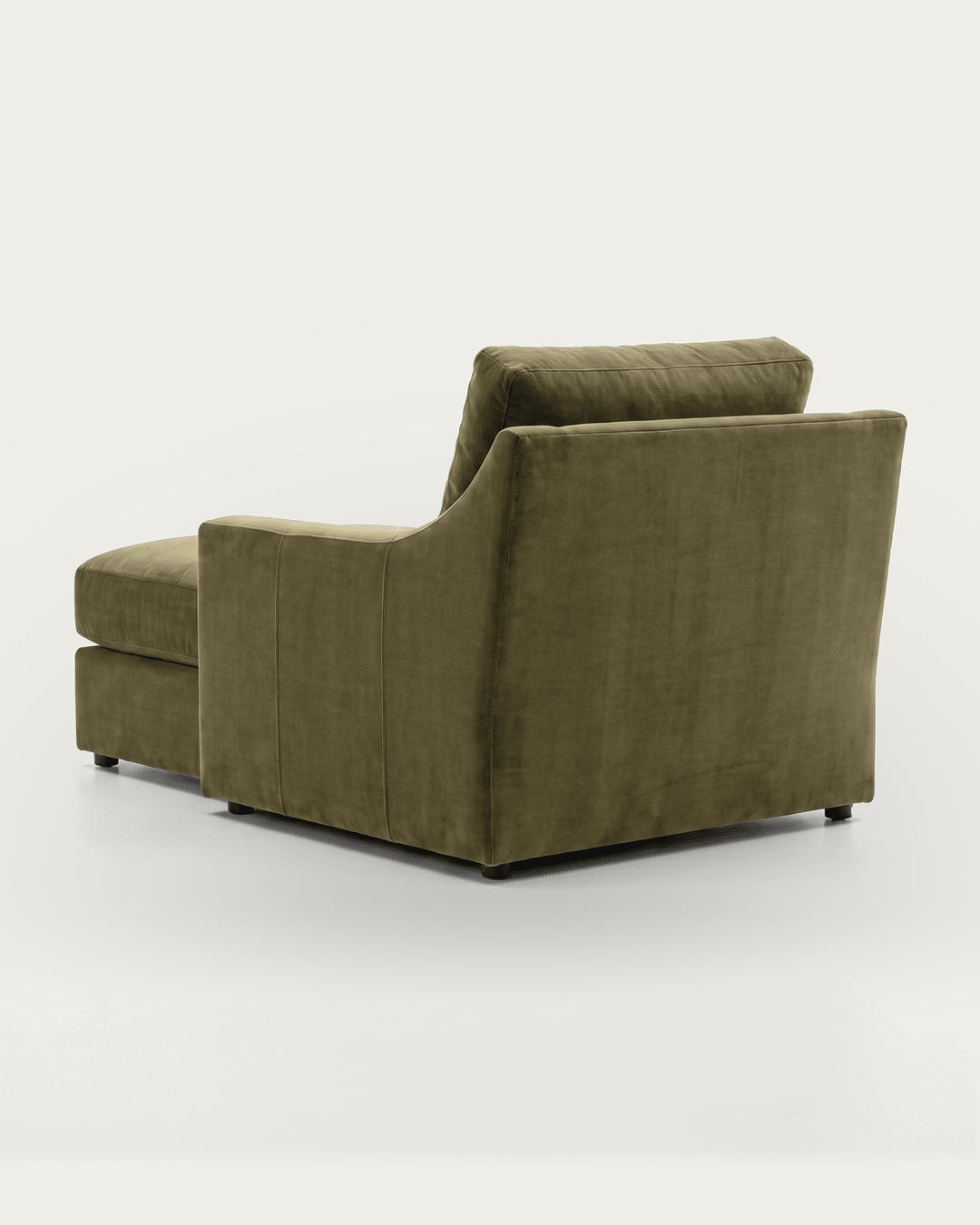
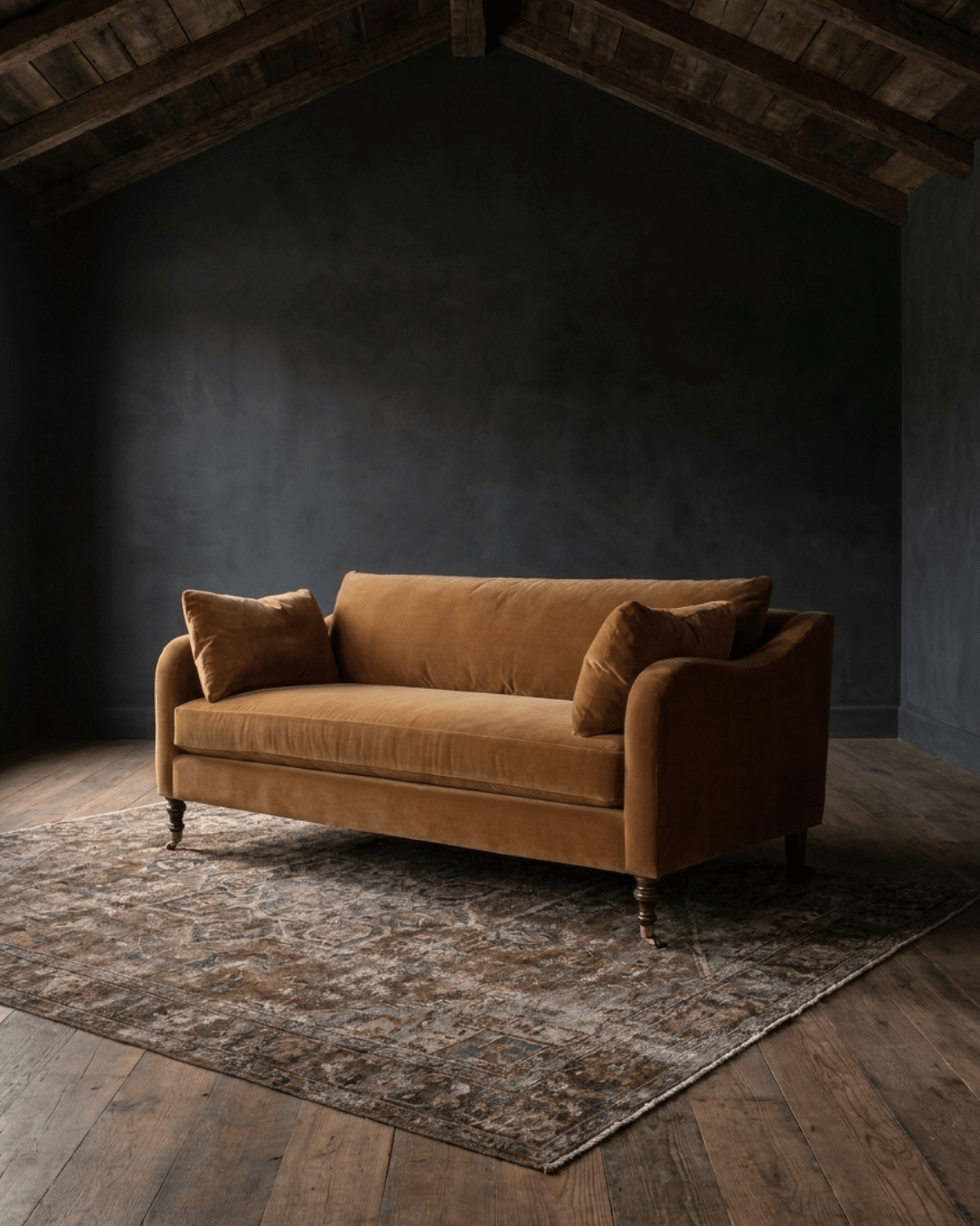
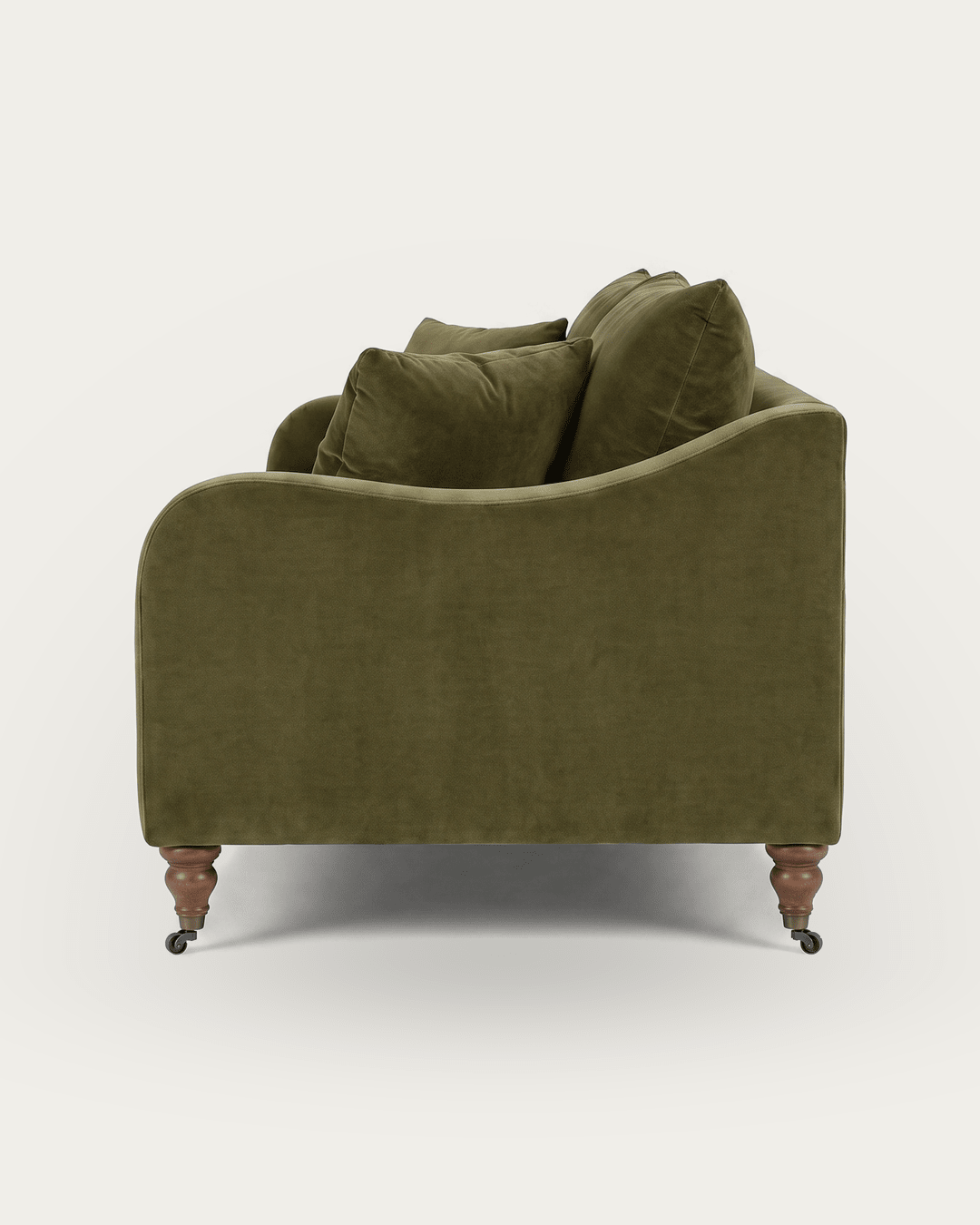
If you’re in that phase of trying to figure out what’s missing, it helps to look at pieces that are already designed to work together. Explore our living room furniture collection, including curated vintage and made-to-order pieces.
Your Brain Reads Furniture Before It Notices Style
When you walk into a room, your brain scans fast.
Not for color.
Not for trends.
But for cues:
👉 Is this space predictable?
👉 Can I relax here?
👉 Do I need to stay alert?
Your living room furniture answers those questions before you even sit down.
If the layout feels scattered, your eyes keep moving.
If nothing anchors the space, your body doesn’t fully settle.
If pieces feel visually light or temporary, your brain keeps checking the room like something’s unfinished.
That low-level scanning is what makes a space feel tiring—even when it looks good.
Start With Layout, Not Decor
Most people try to fix their space by adding.
That’s the wrong starting point.
A good layout solves most of the problem before styling even begins.
Strong living room layout ideas usually come down to three things:
-
A clear focal point (coffee table, fireplace, or sofa line)
-
Seating that faces inward—not pushed against every wall
-
Enough space to move without adjusting your body
When furniture is placed without intention, your brain keeps searching for order.
That’s where discomfort builds.
Fix the structure first, and you’ll need far less decor later.
RUTED Tip: Reset Before You Rearrange Before you move anything, pause and notice where your eyes naturally go—and where they avoid—because your brain is constantly scanning for predictability and visual order; when a space lacks clear anchors or has too many competing elements, it increases cognitive load and keeps your nervous system slightly alert, so instead of adding more, reduce the variables by removing or repositioning one piece at a time to create a clearer line of sight—this lowers the amount of processing your brain has to do and is often enough to make the entire room feel more settled.
Not All Furniture Feels the Same (Even If It Looks Good)
Here’s the part most people overlook.
Furniture isn’t neutral.
Materials communicate.
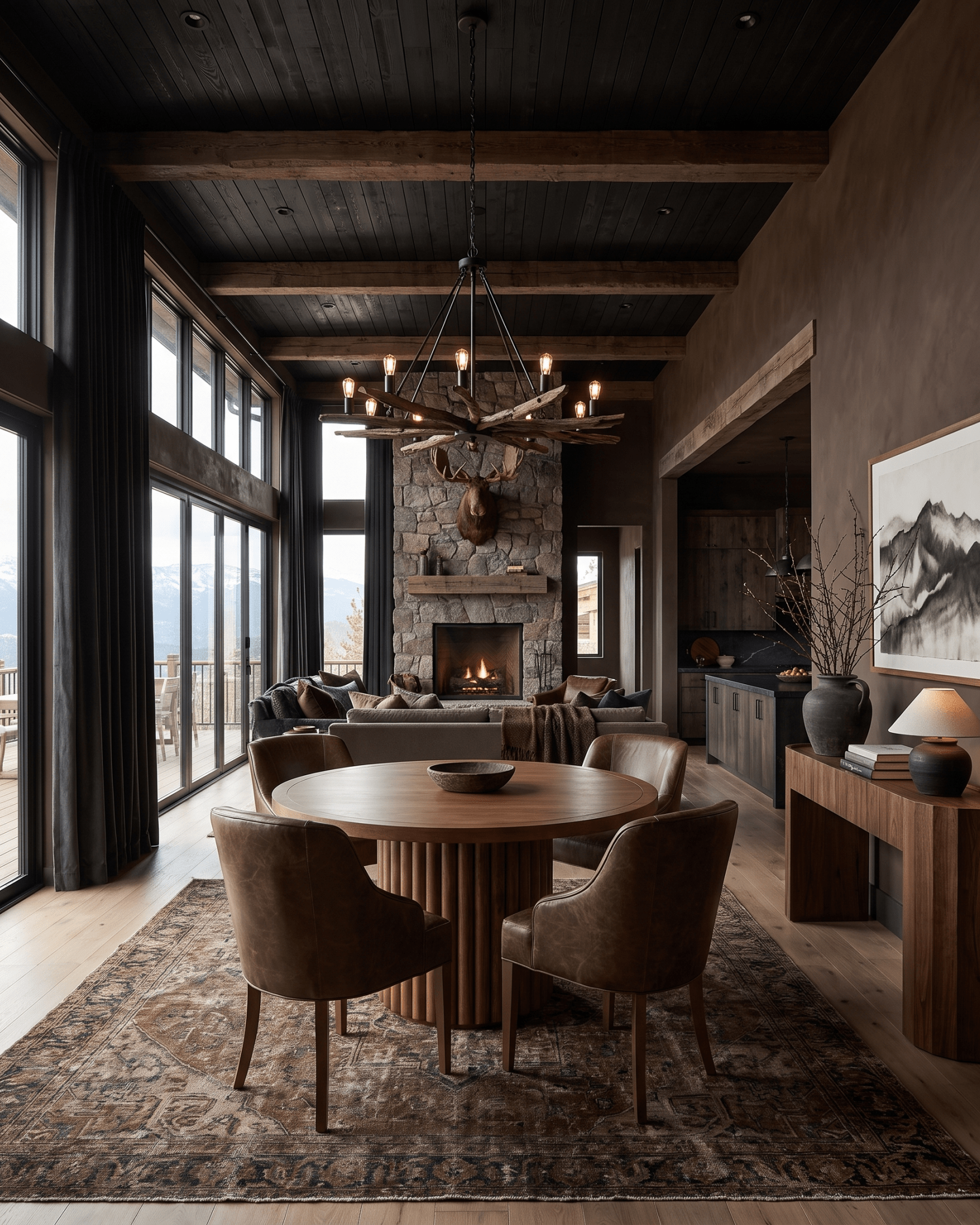
Some pieces feel stable the moment you see them. Others don’t.
-
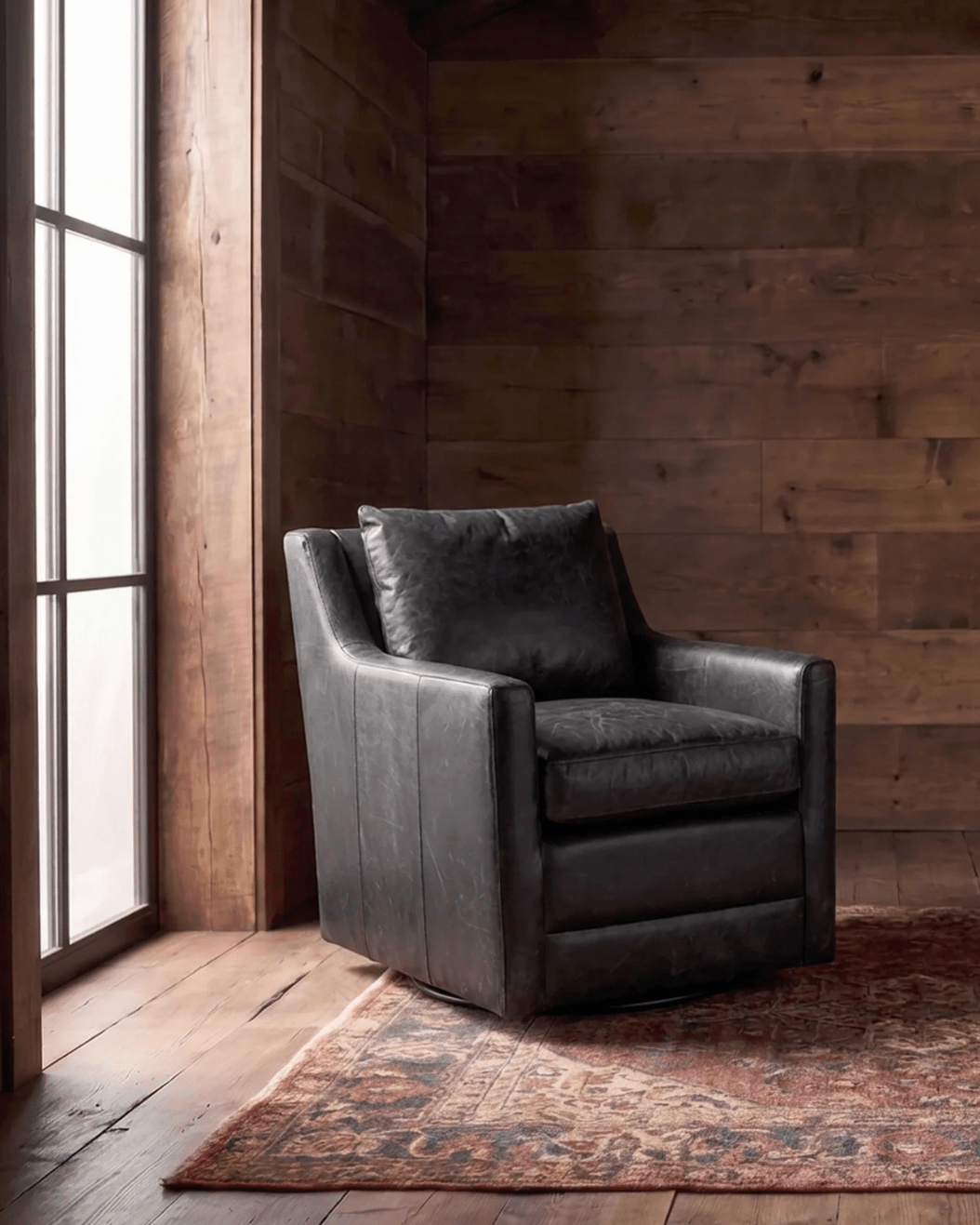
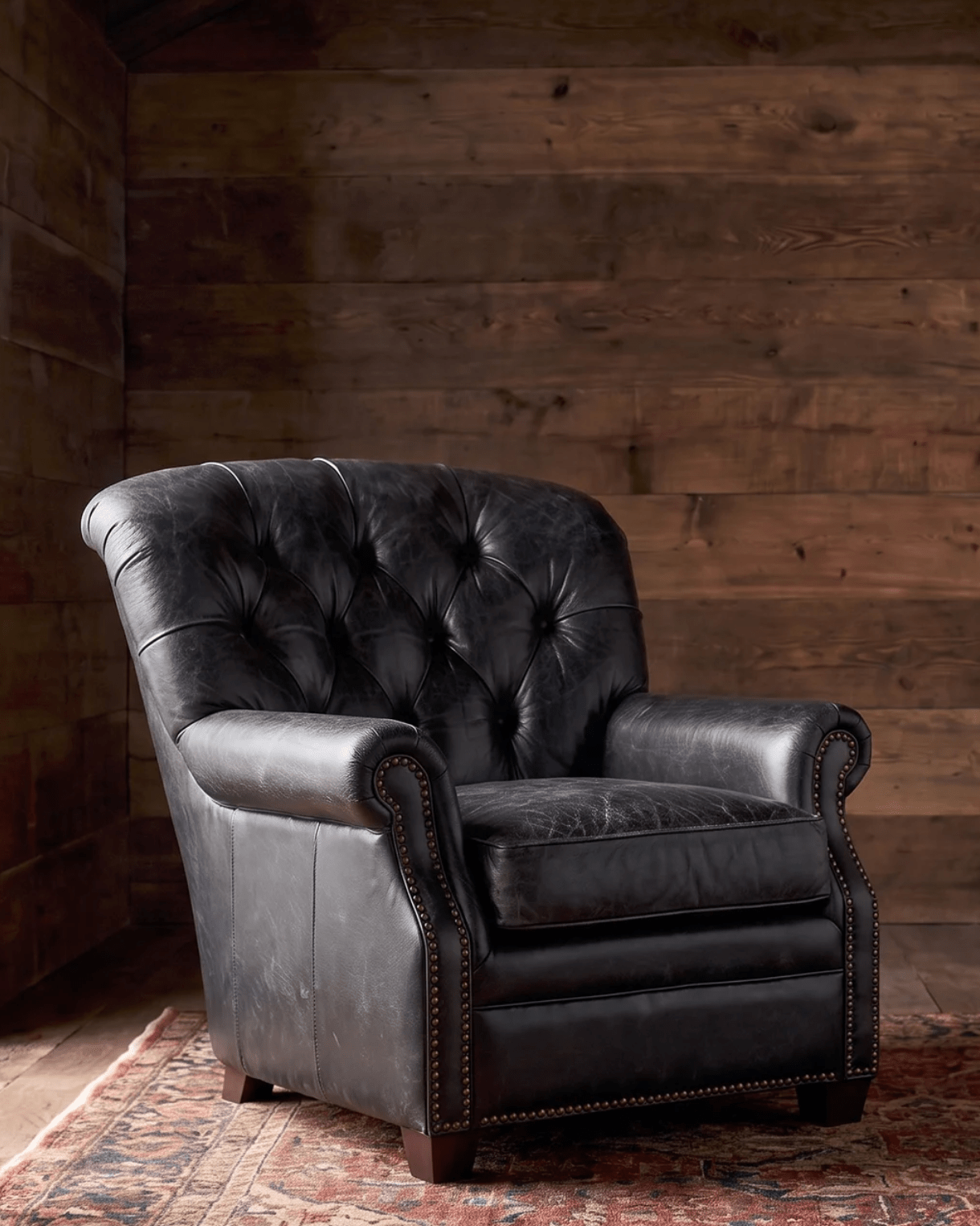
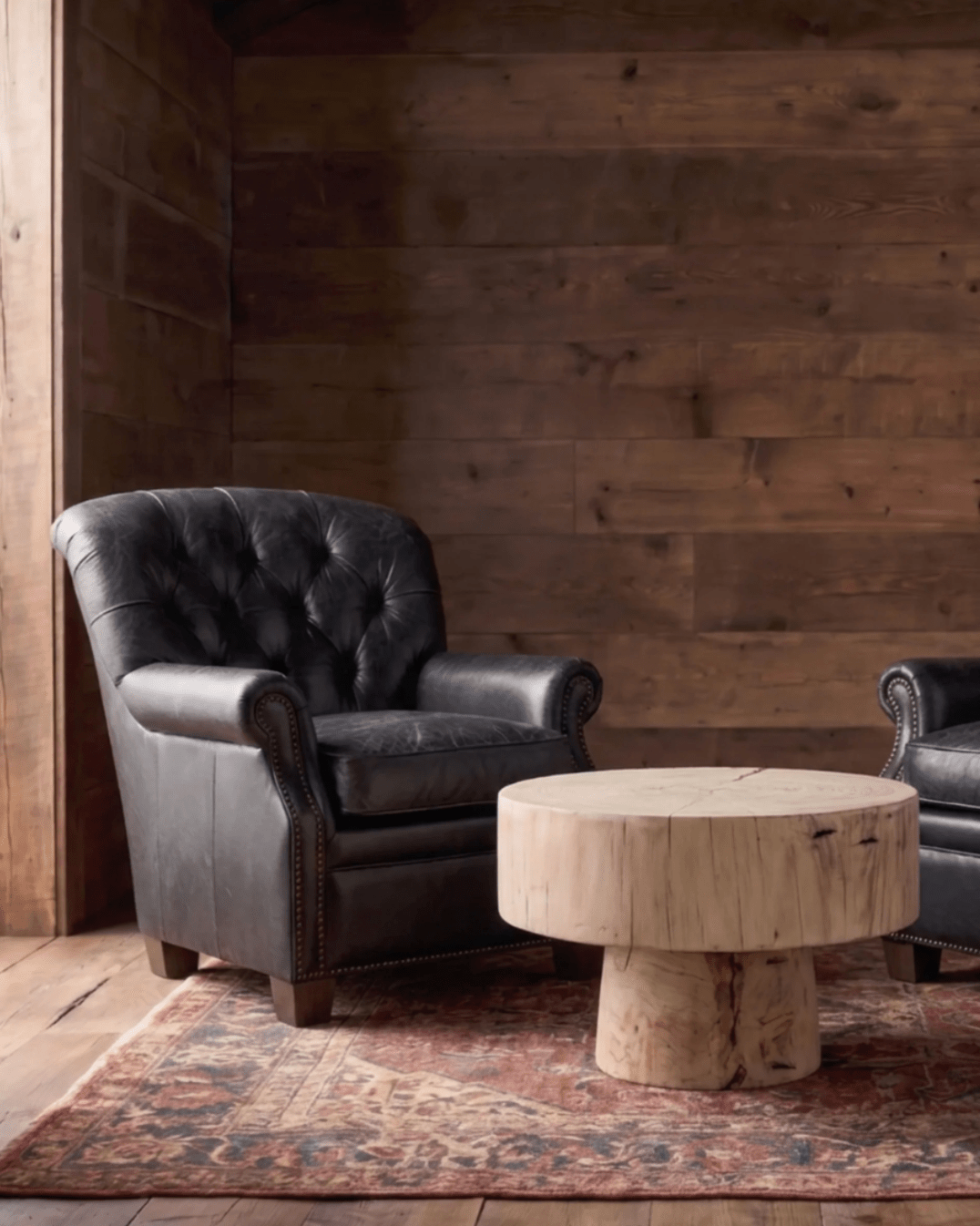
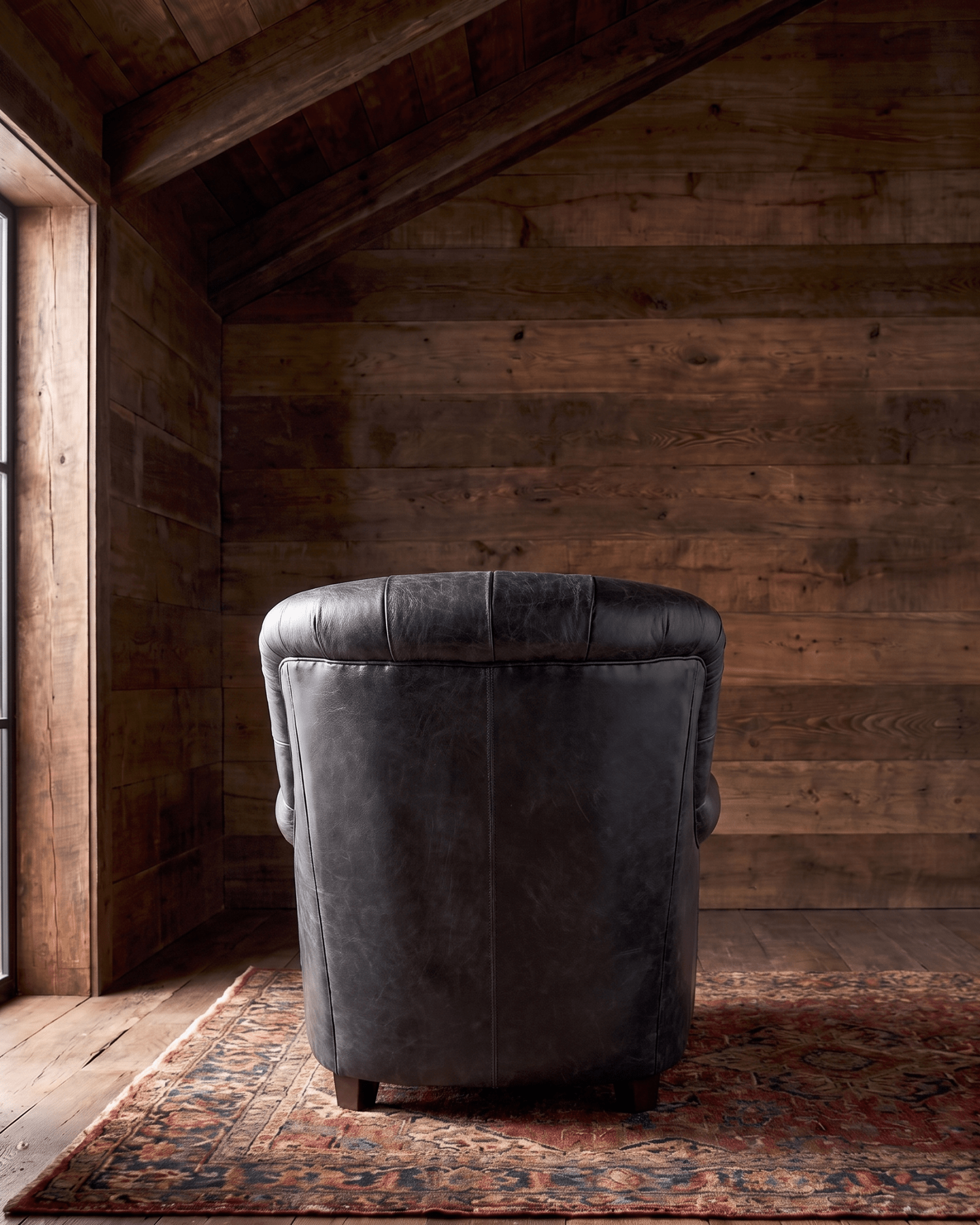
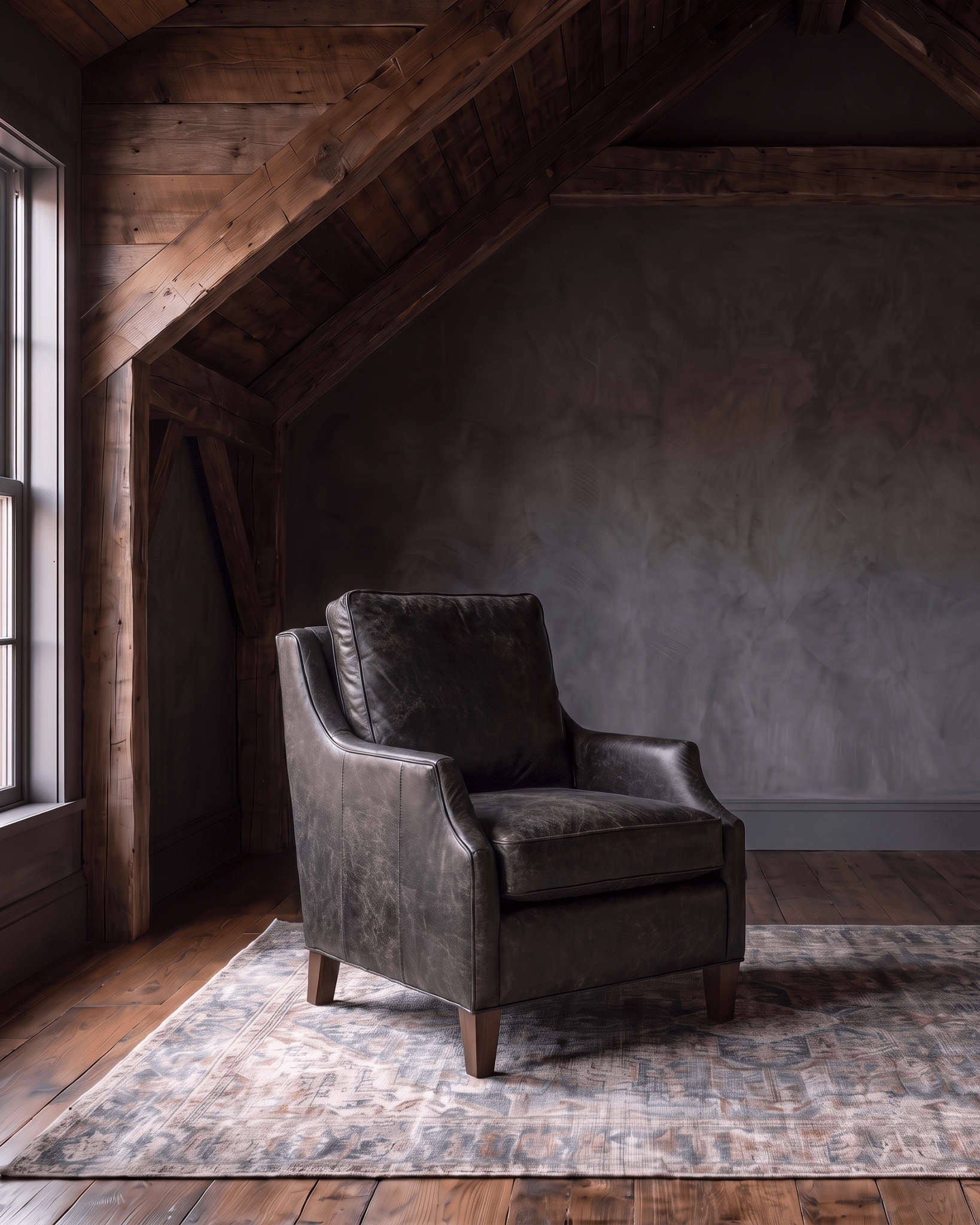
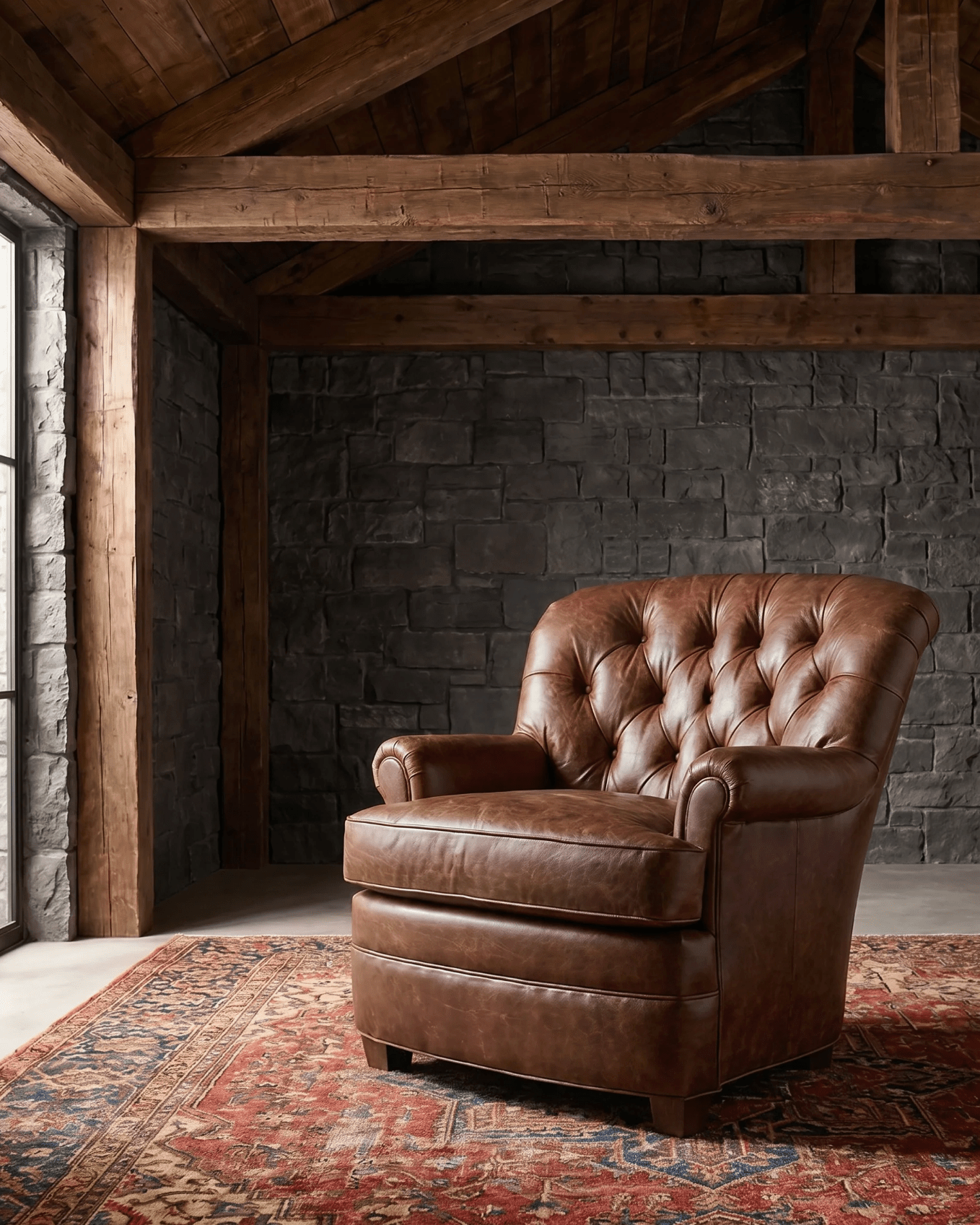
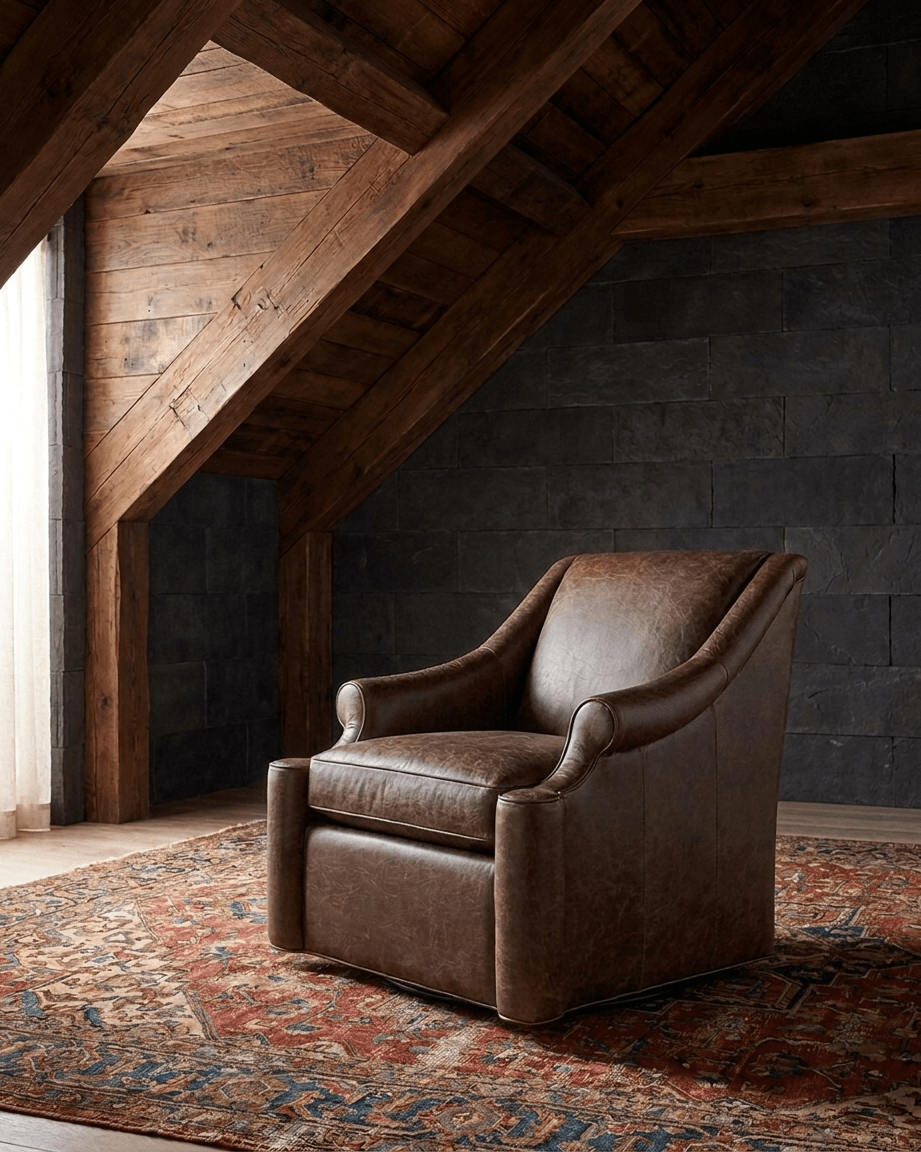
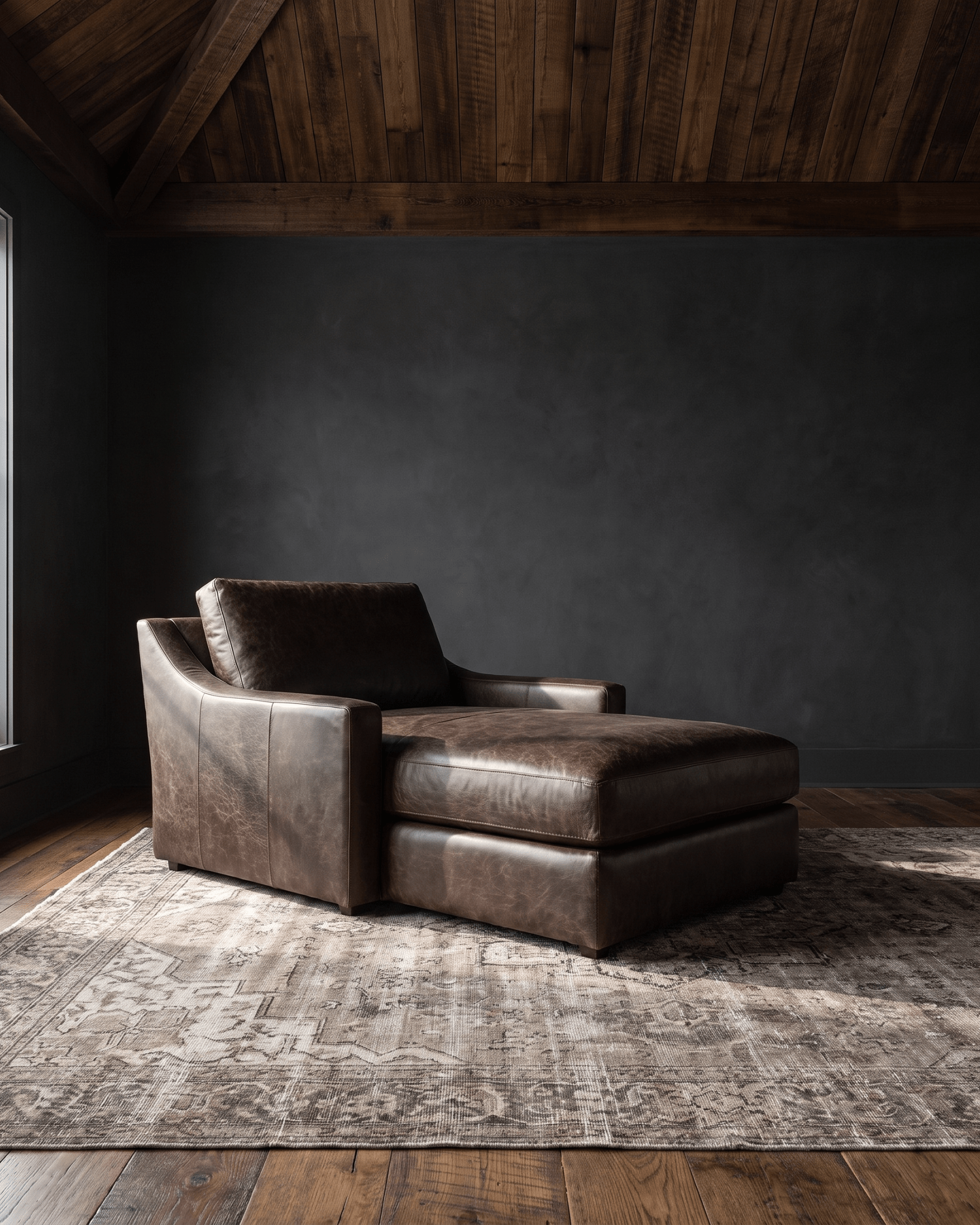
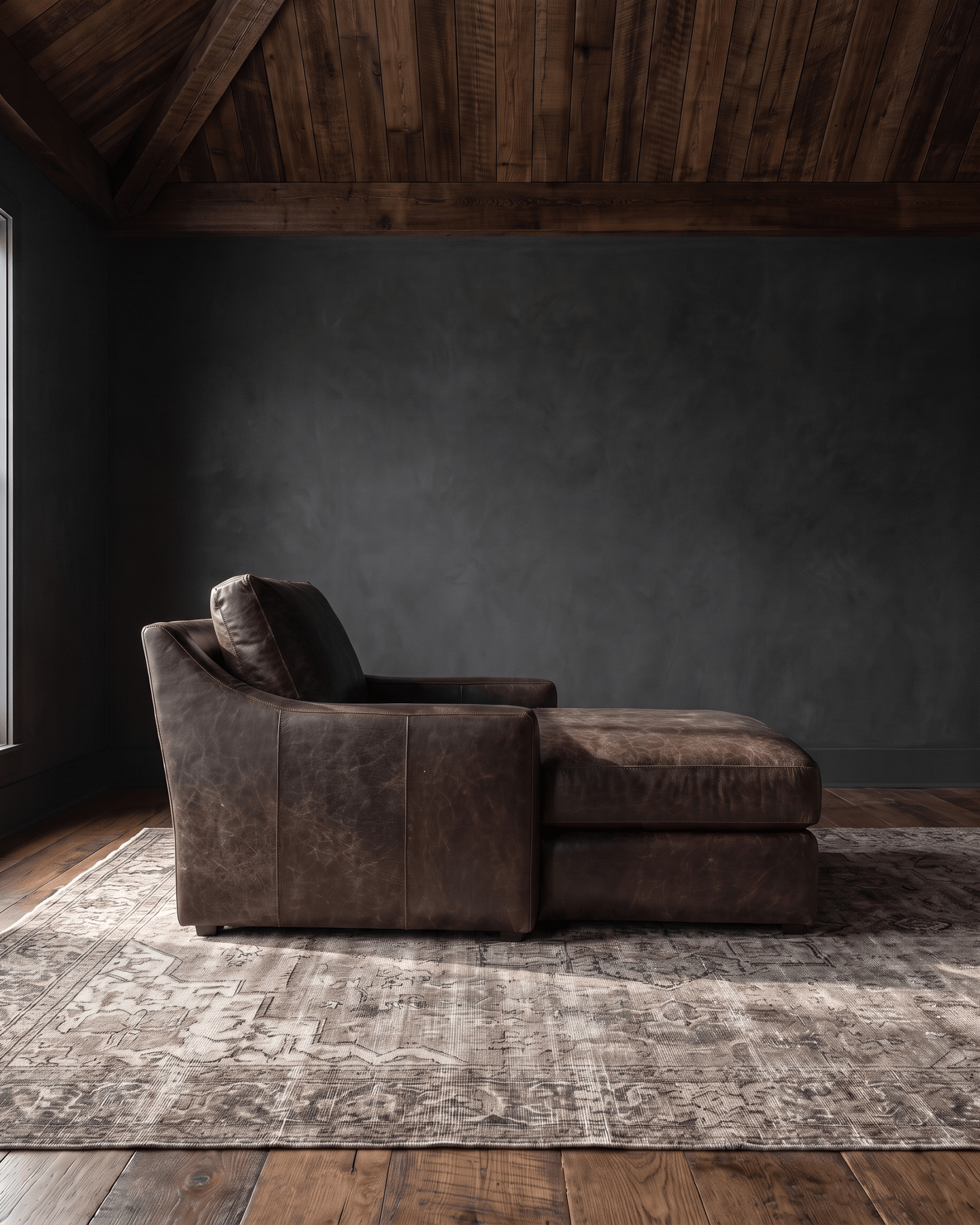
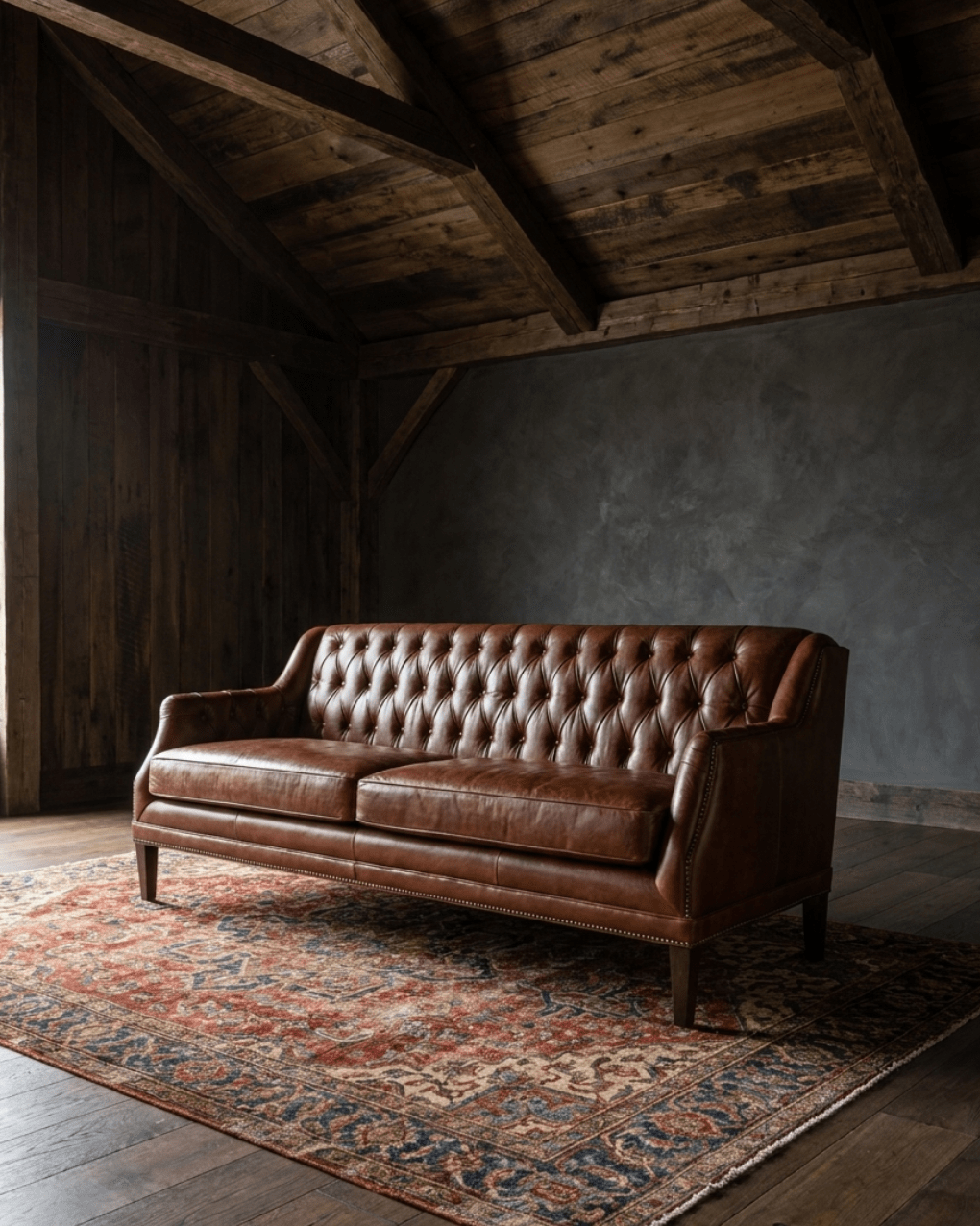
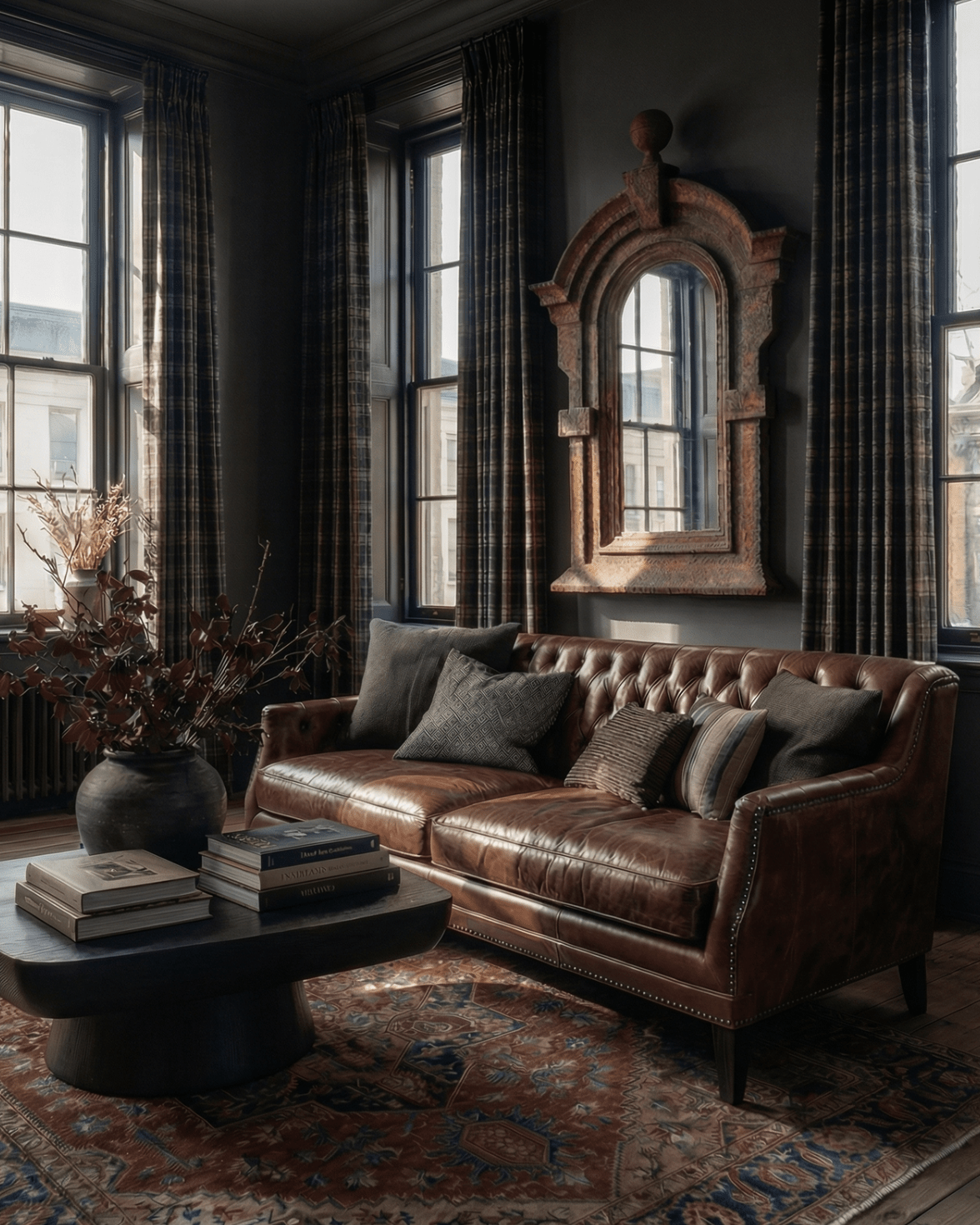
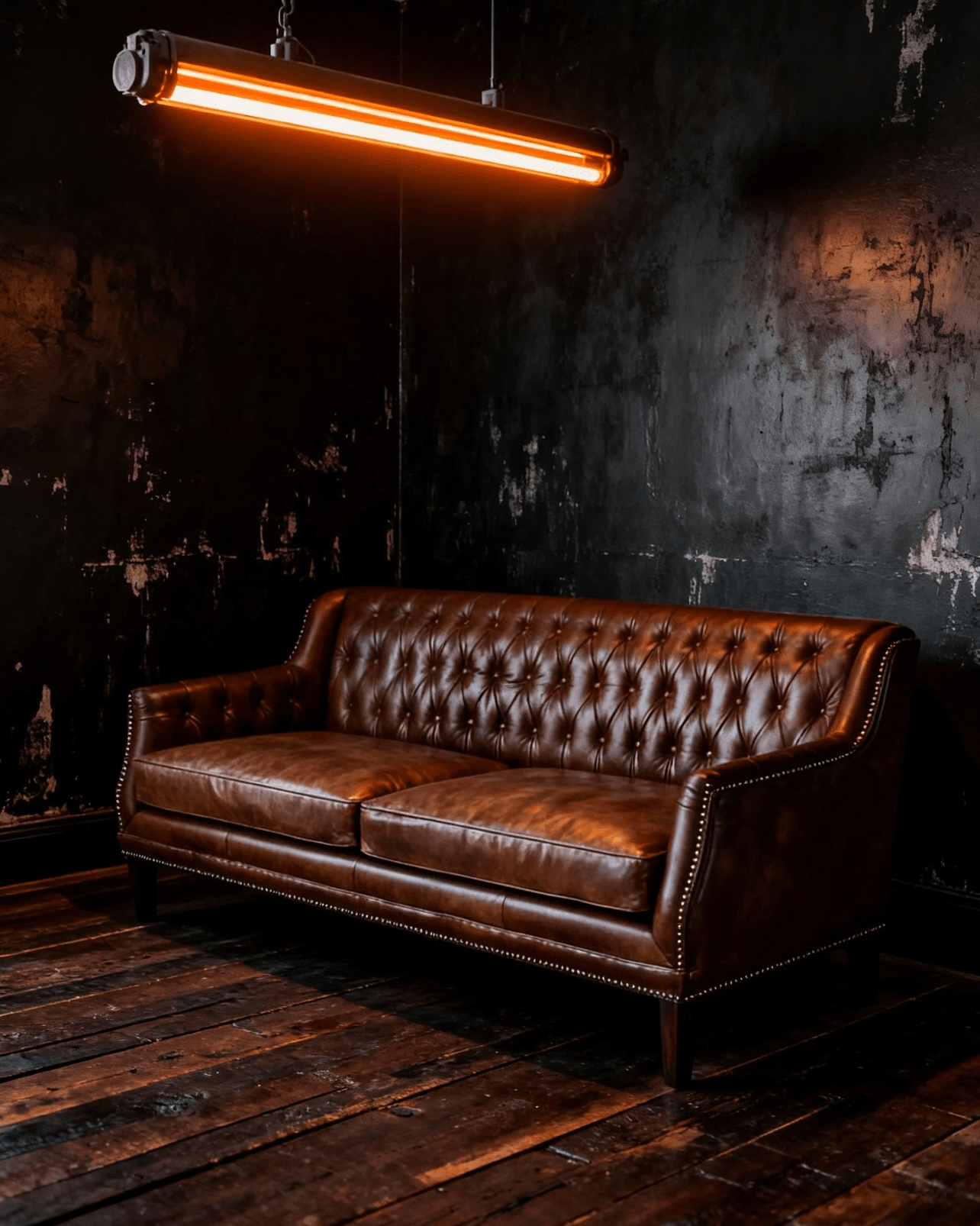
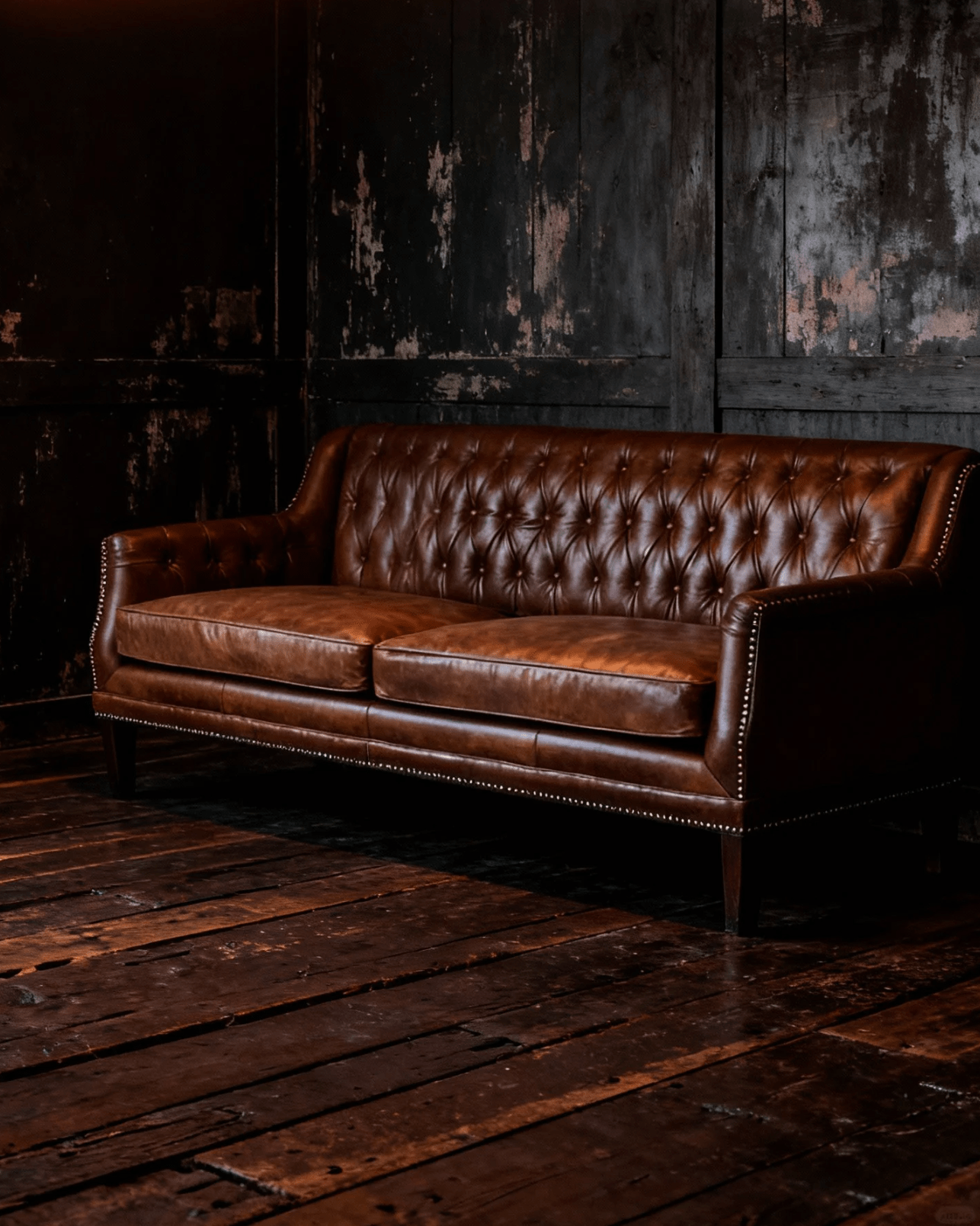
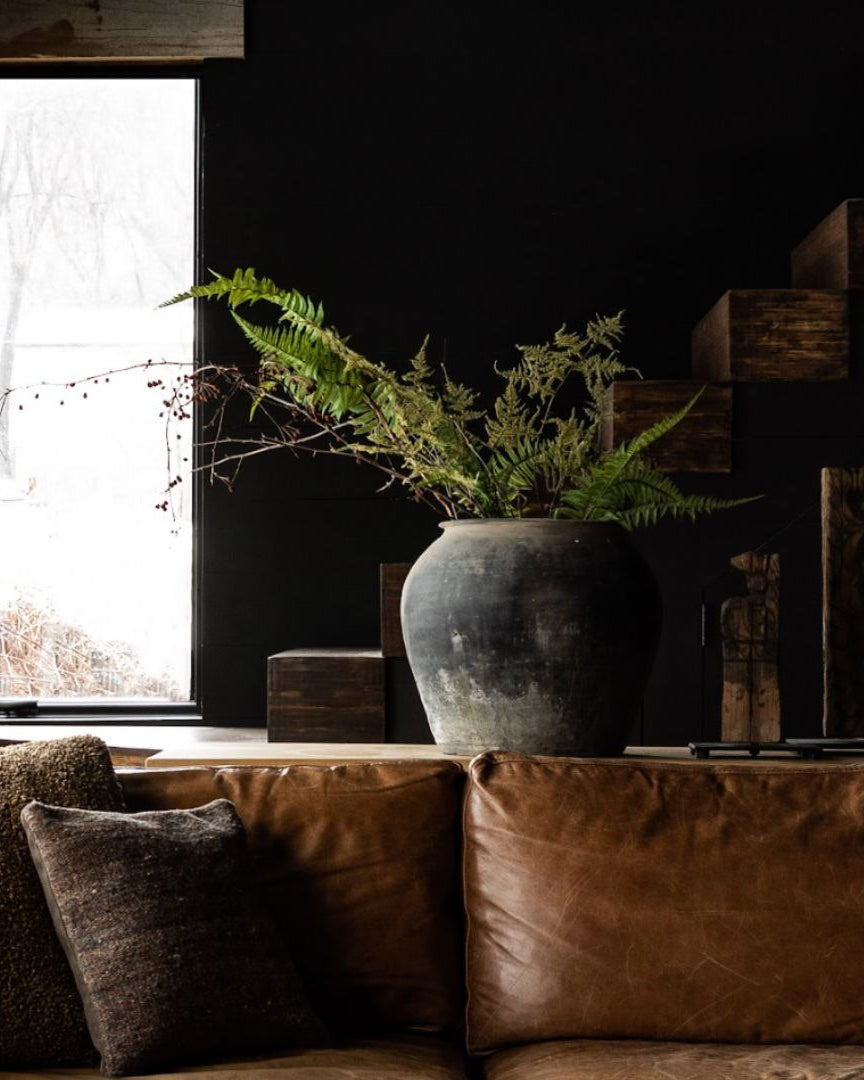
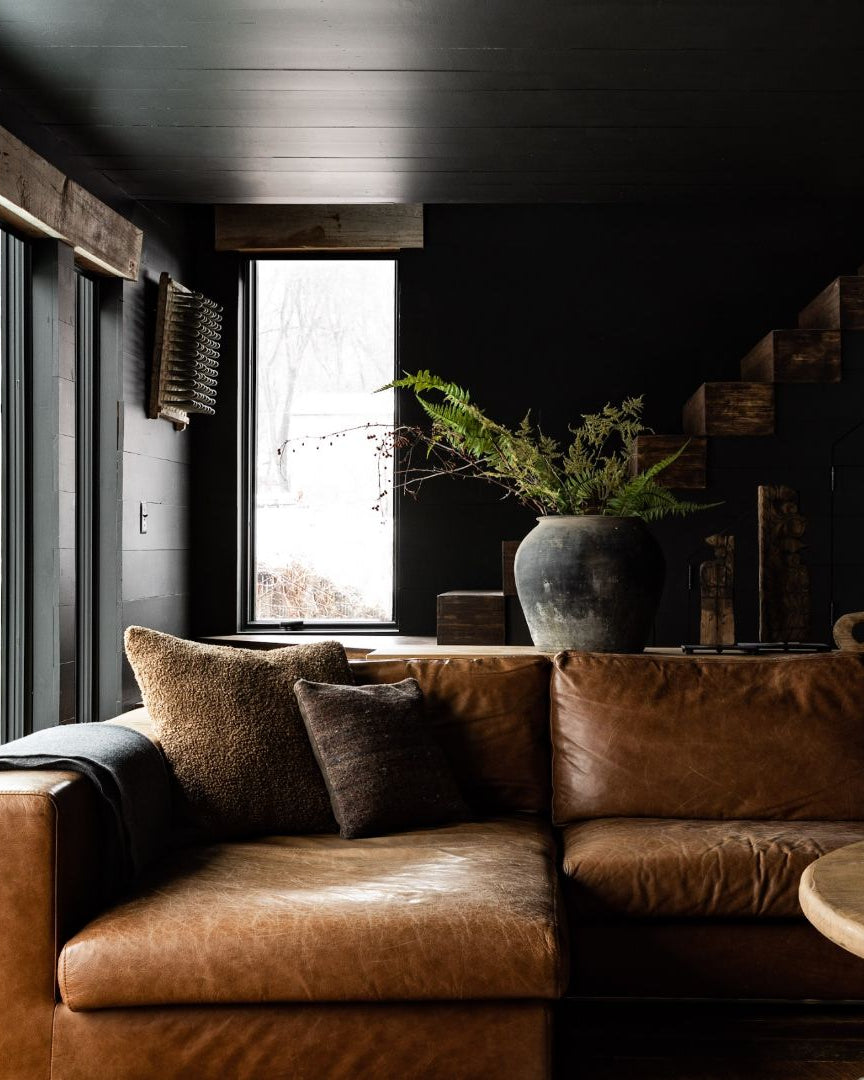
Leather feels structured and grounded
-
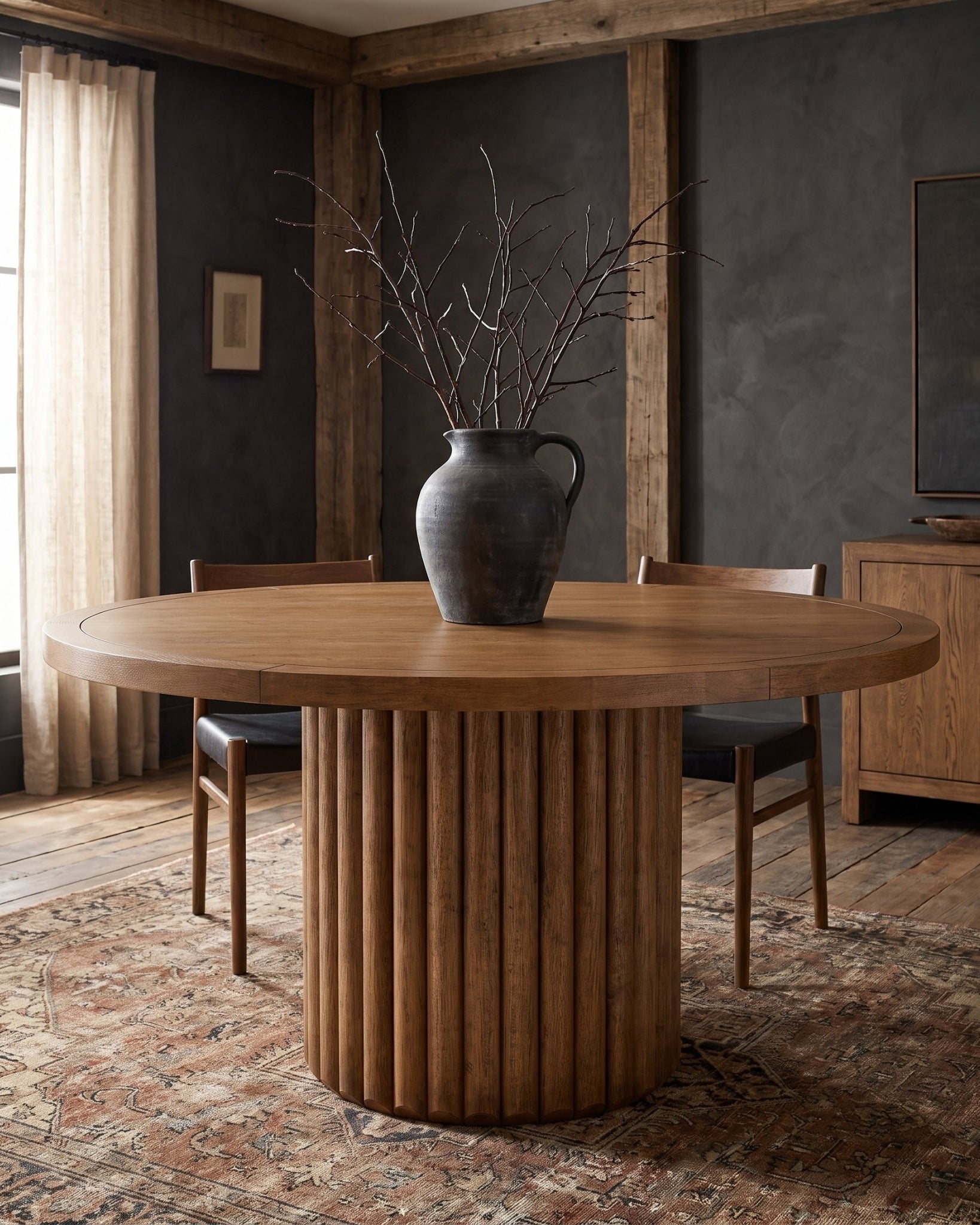
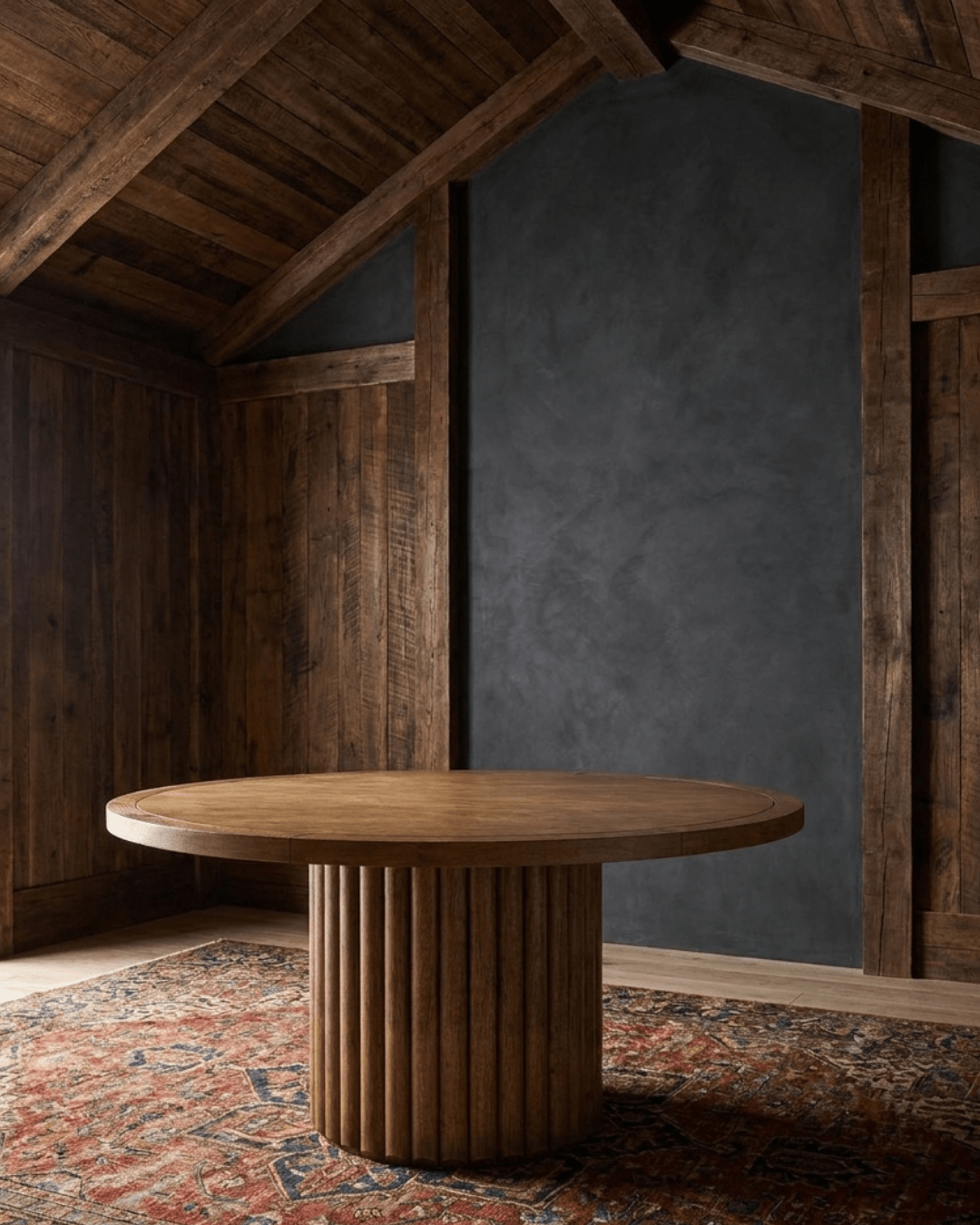
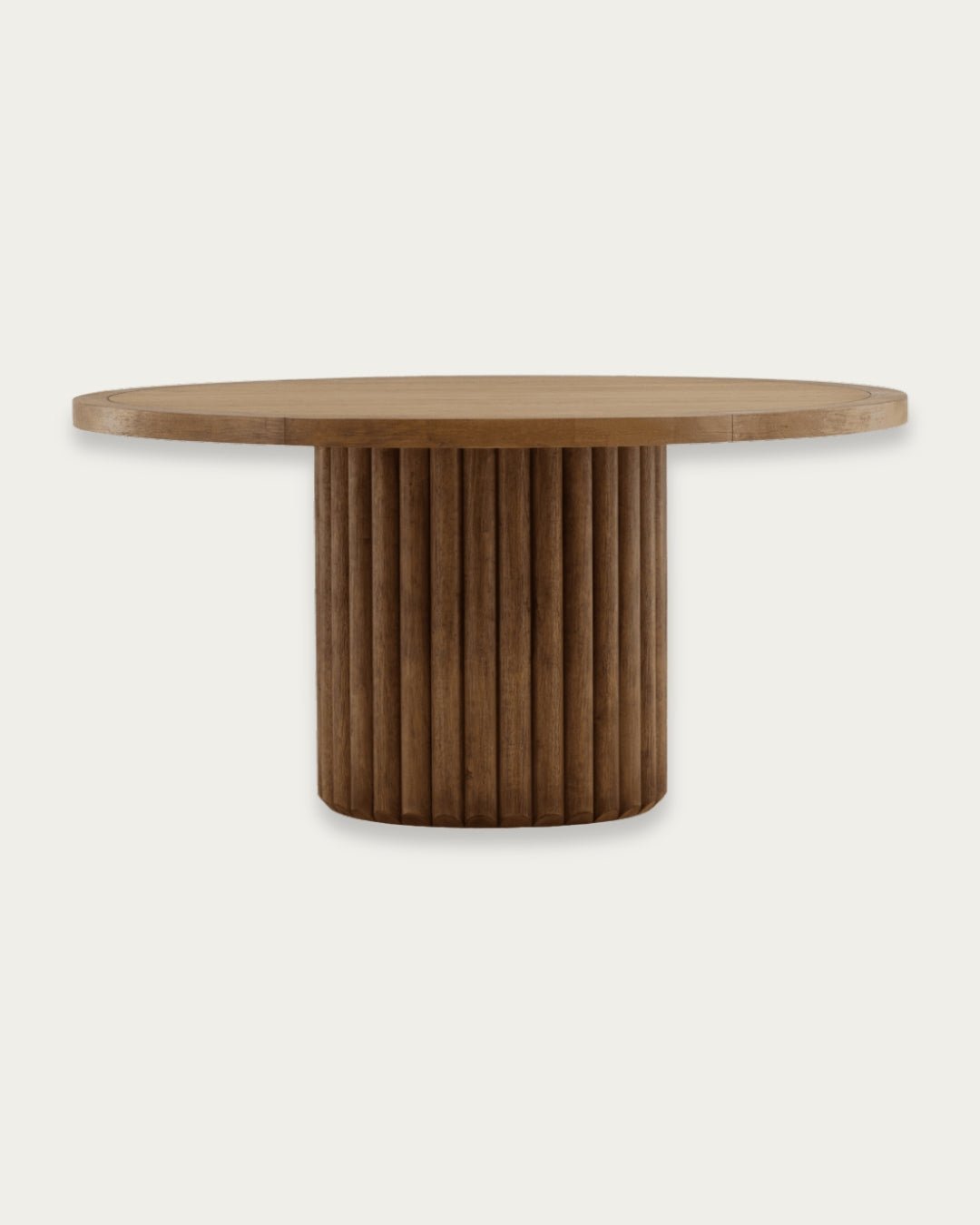
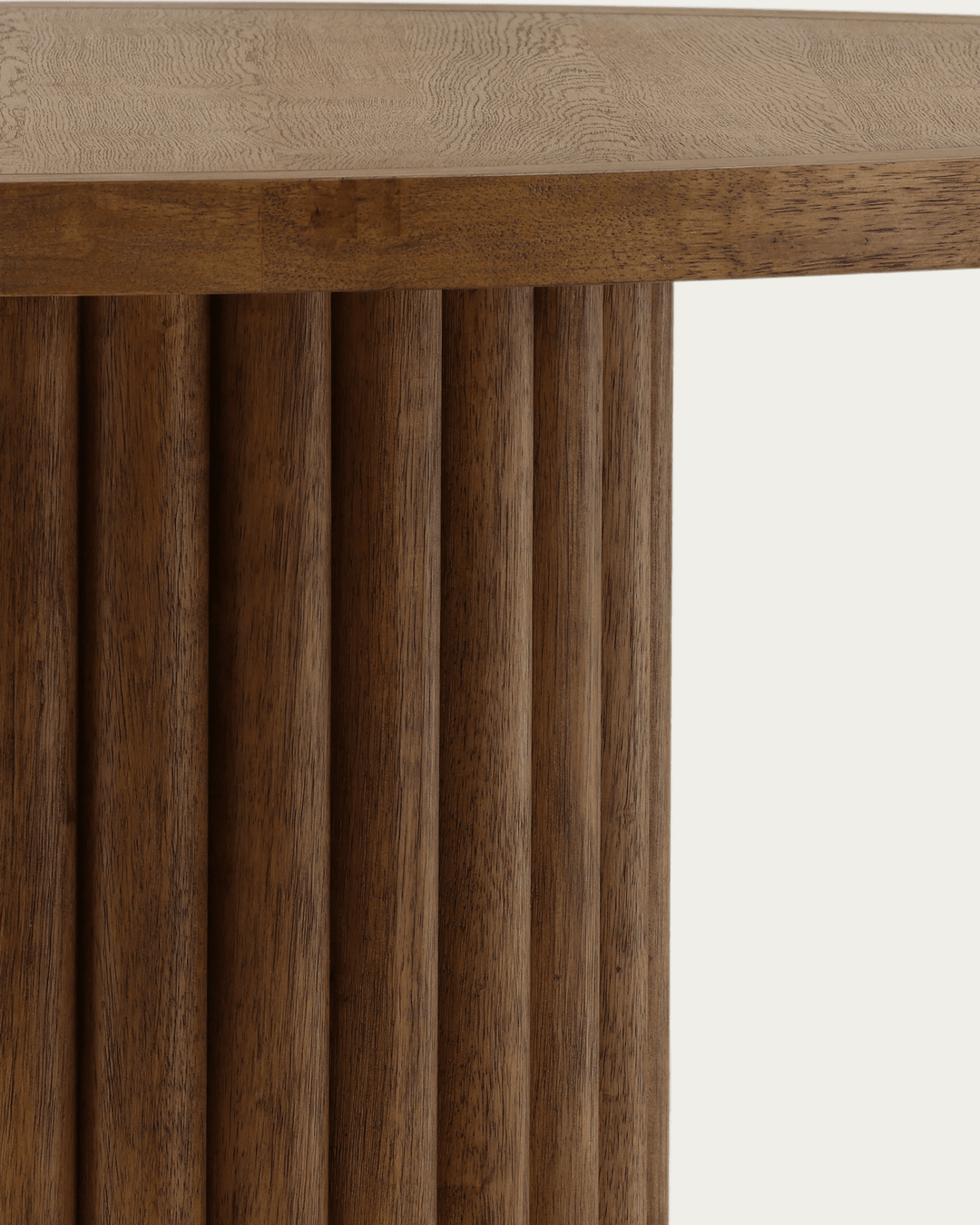
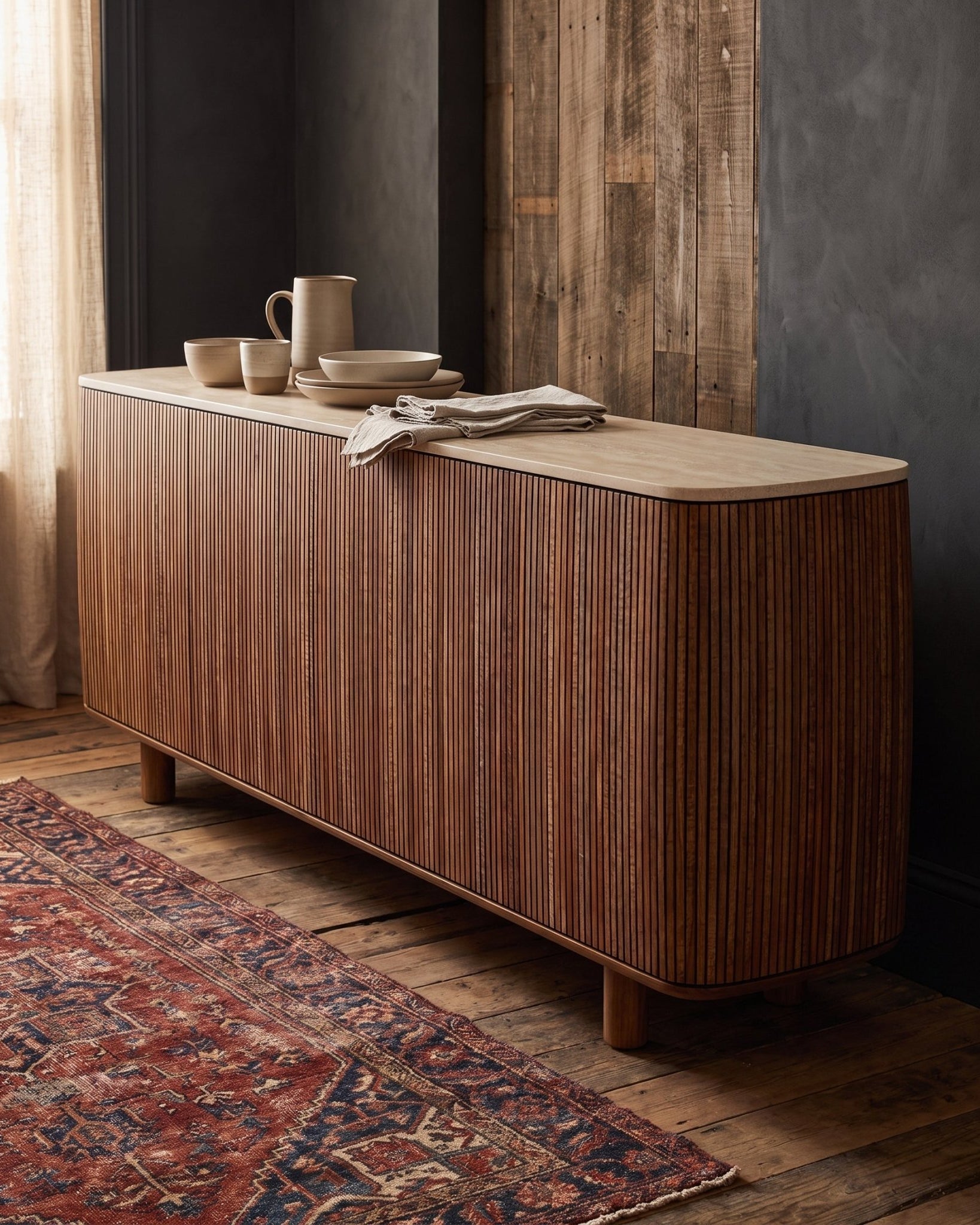
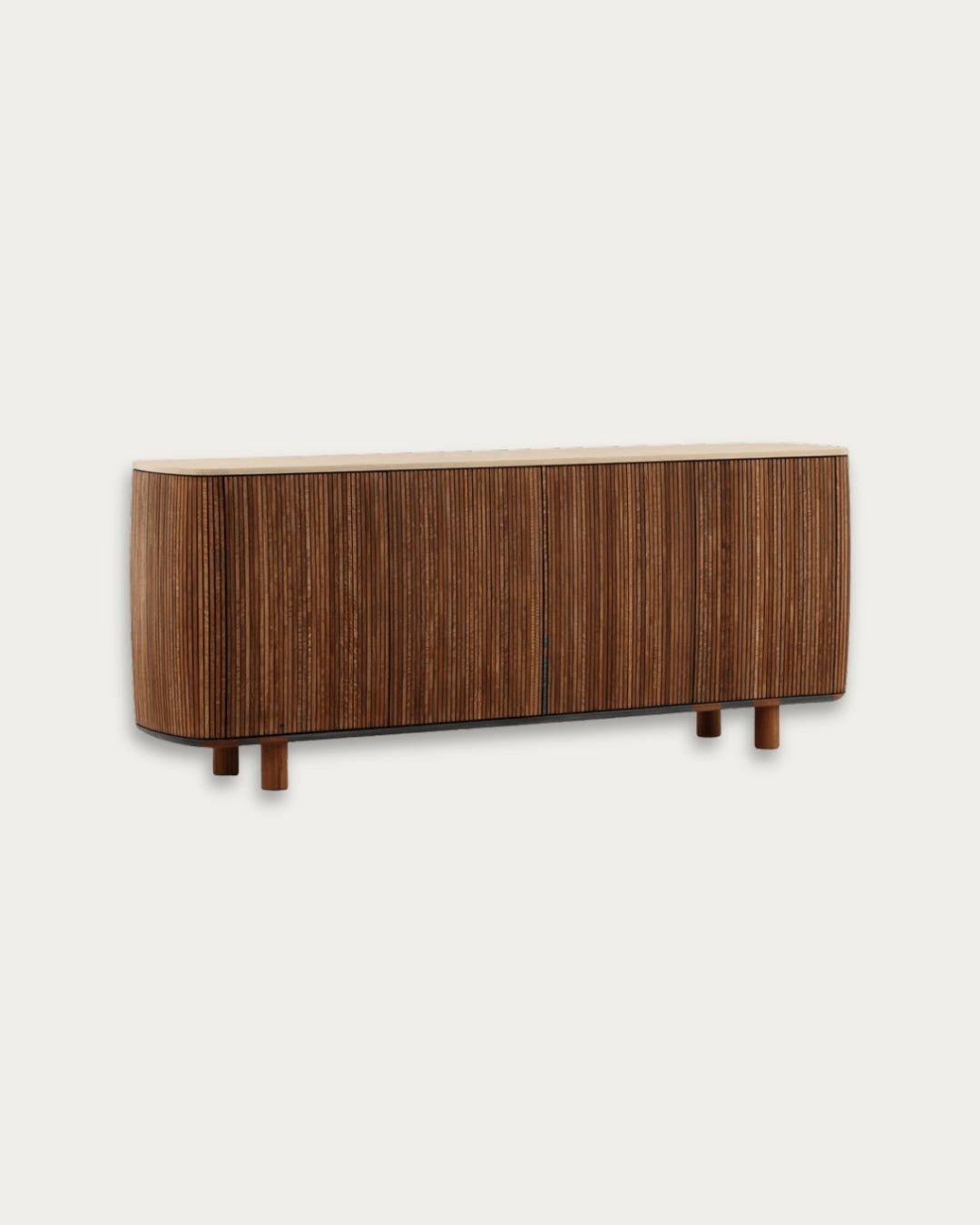
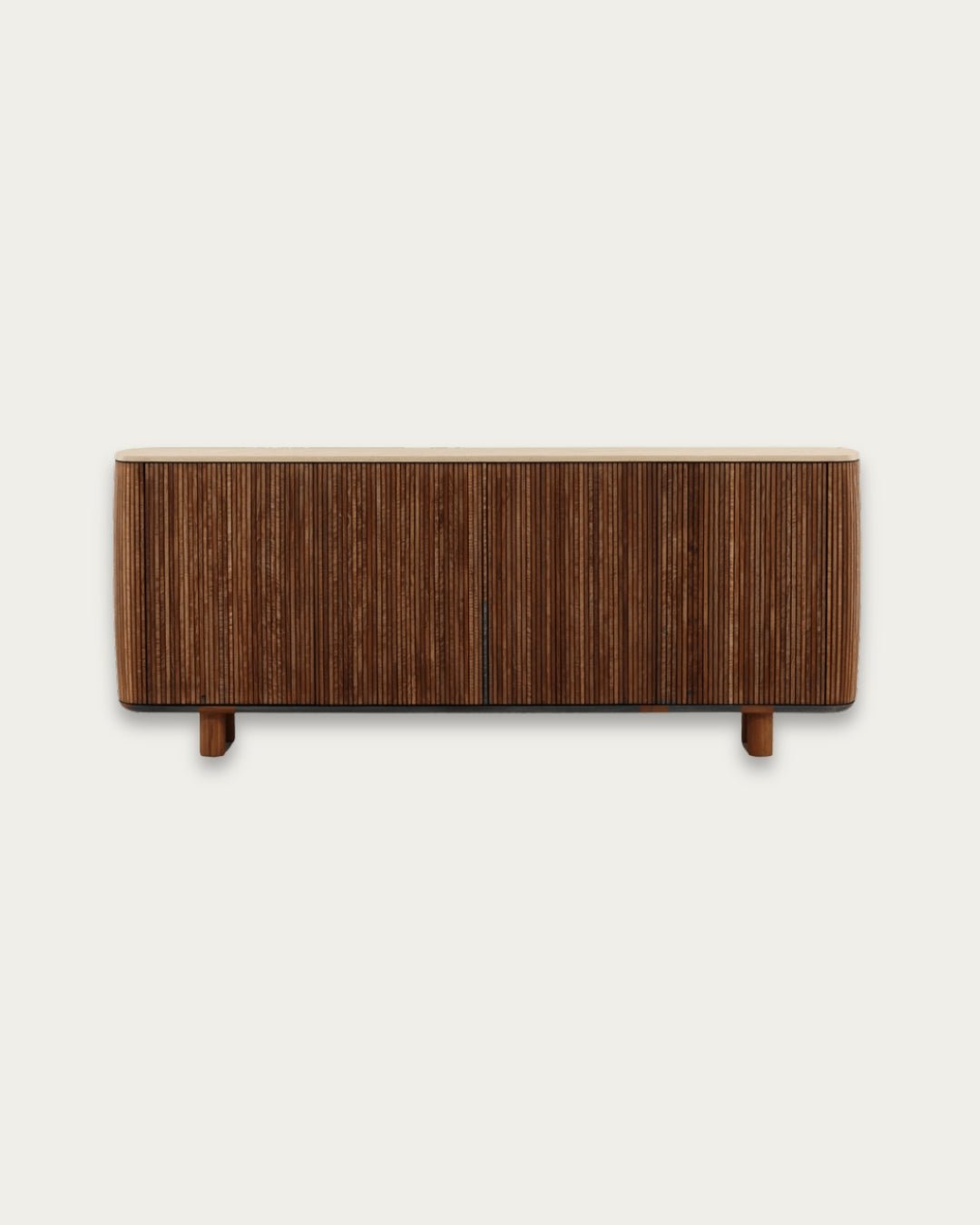
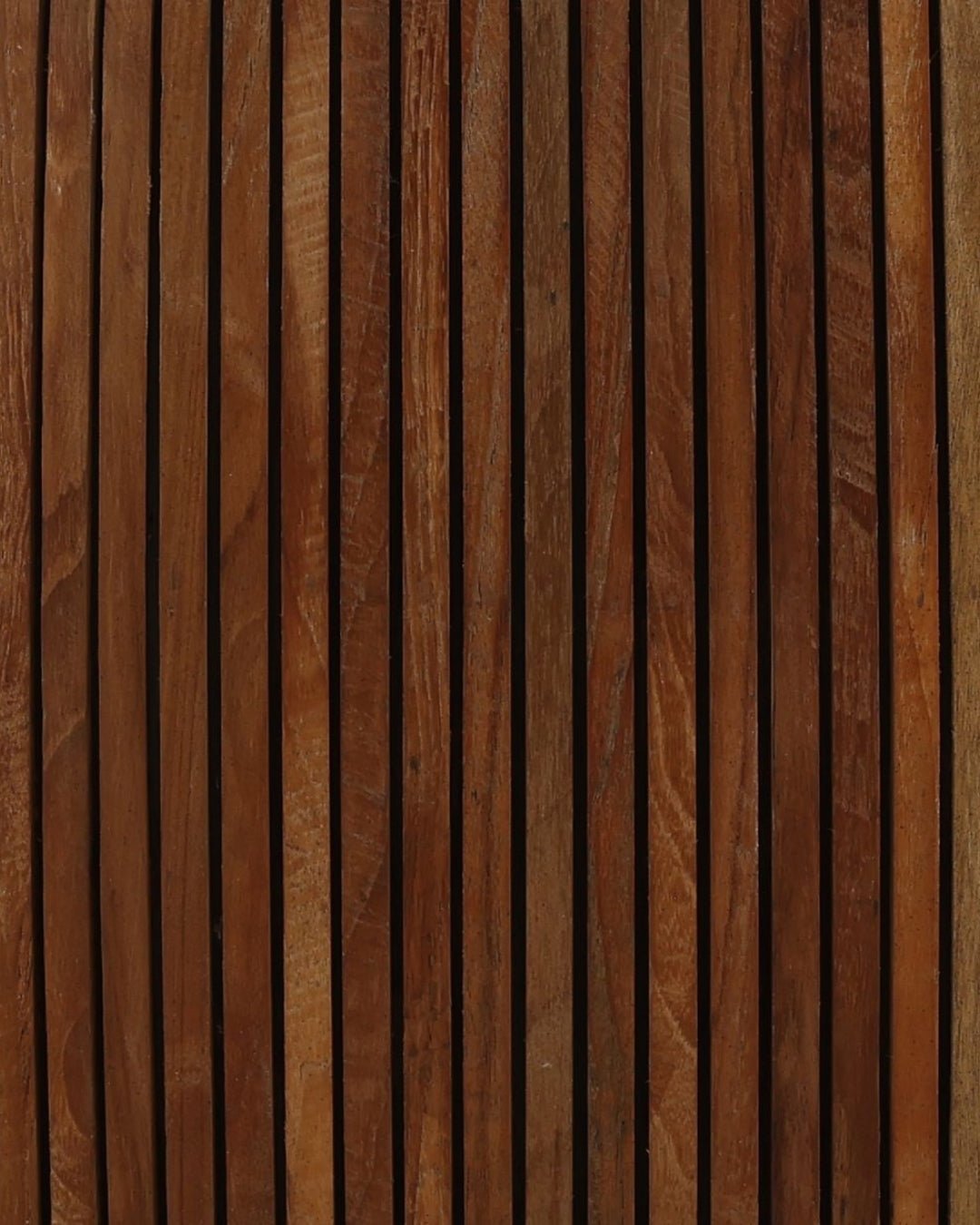
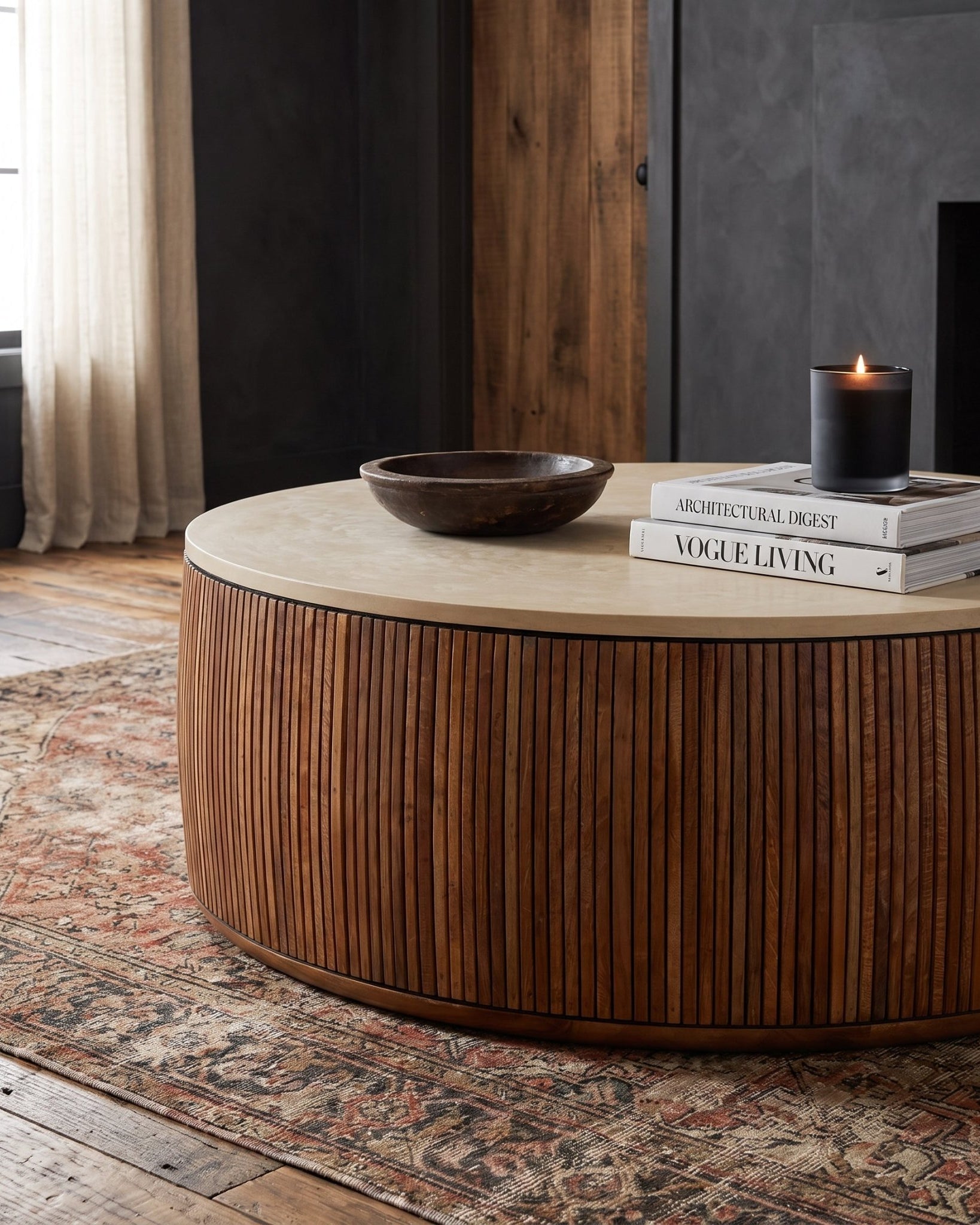
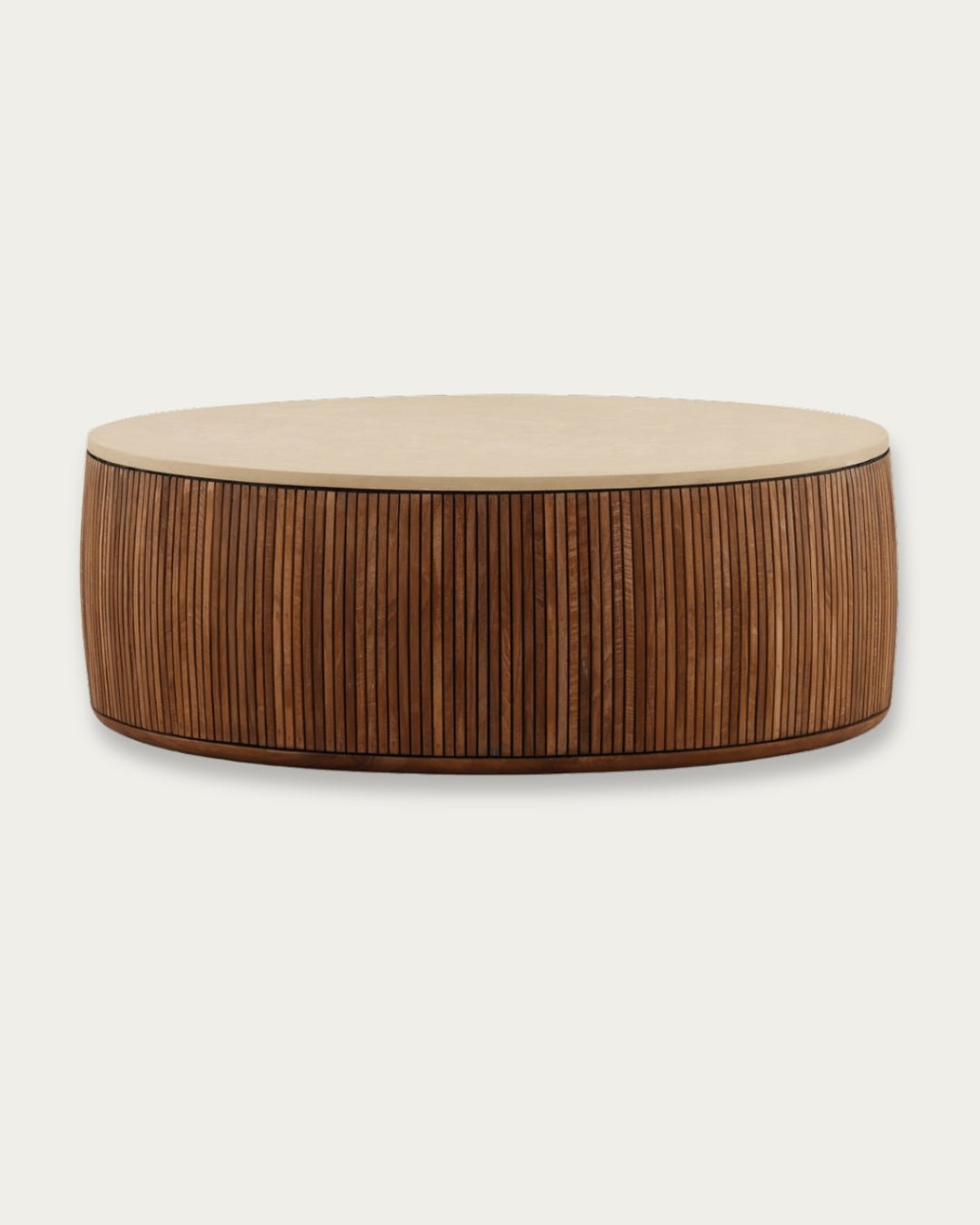
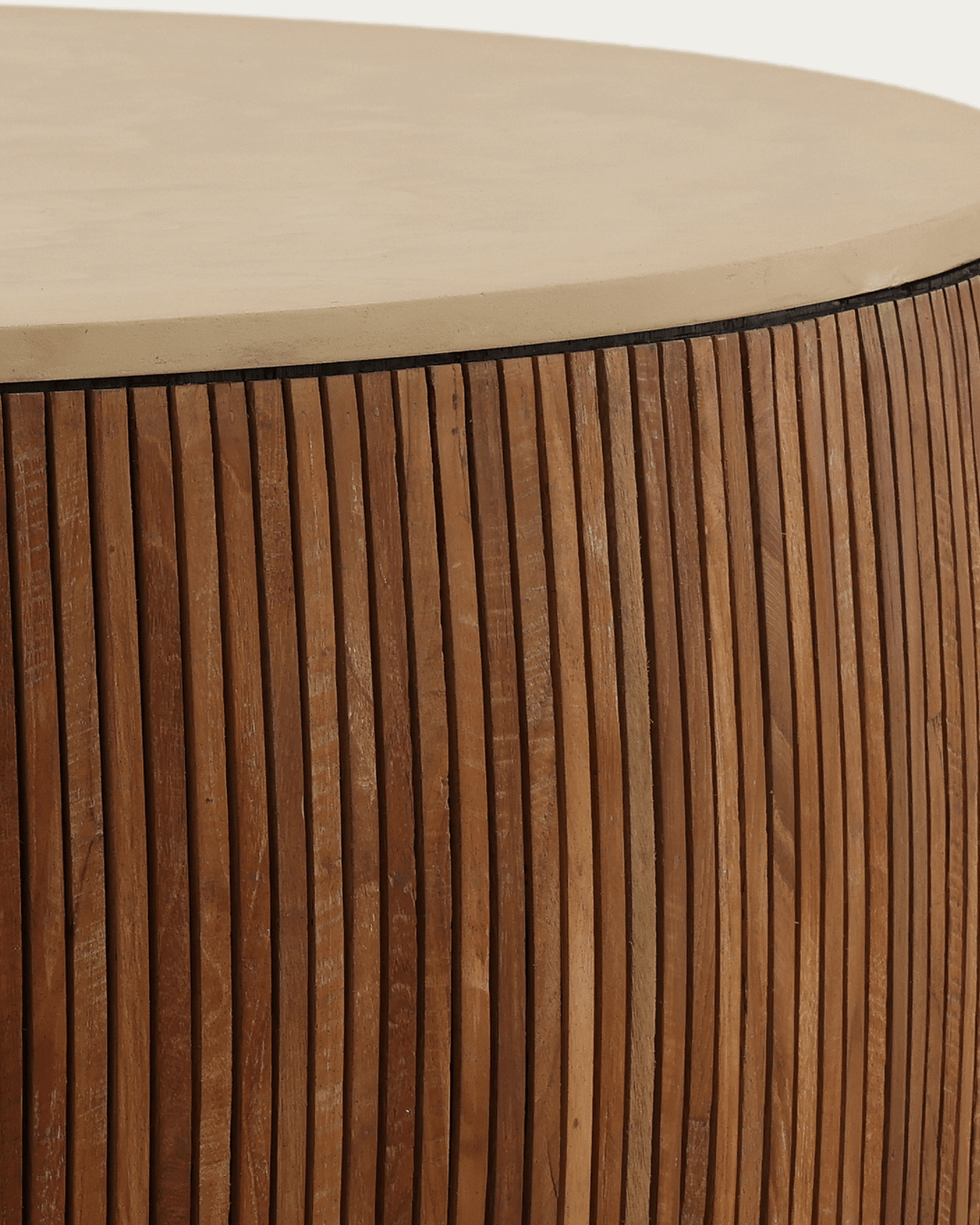
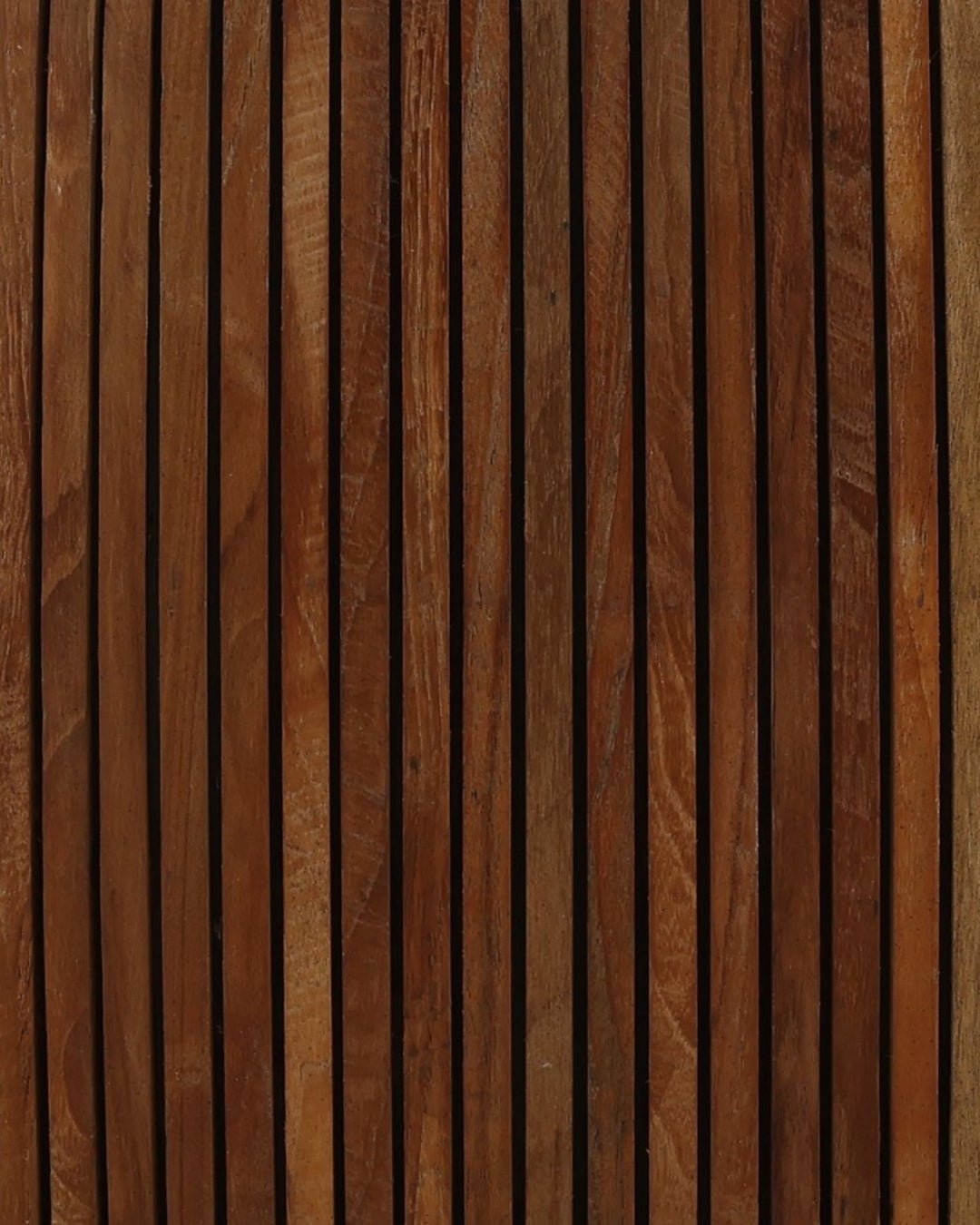
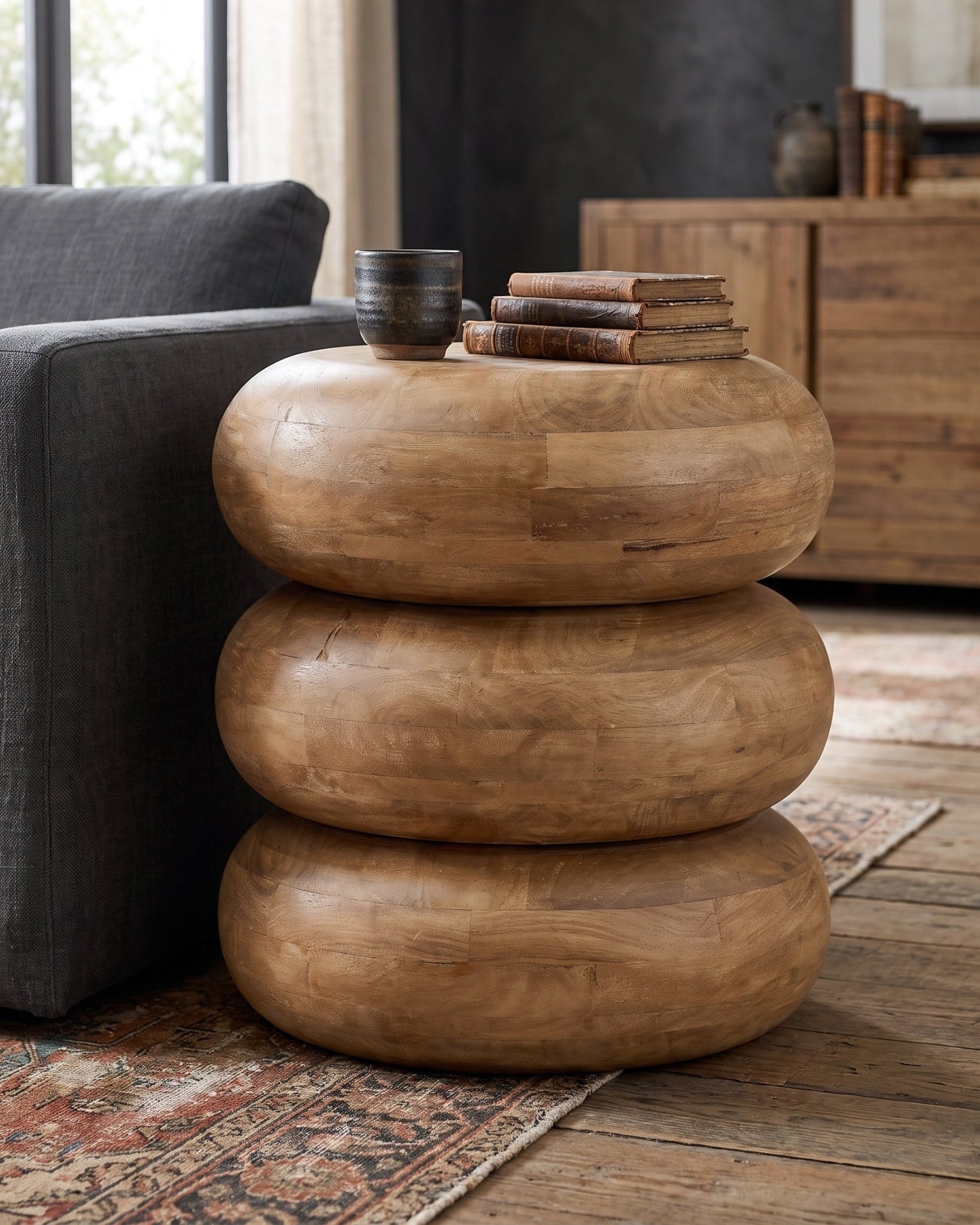
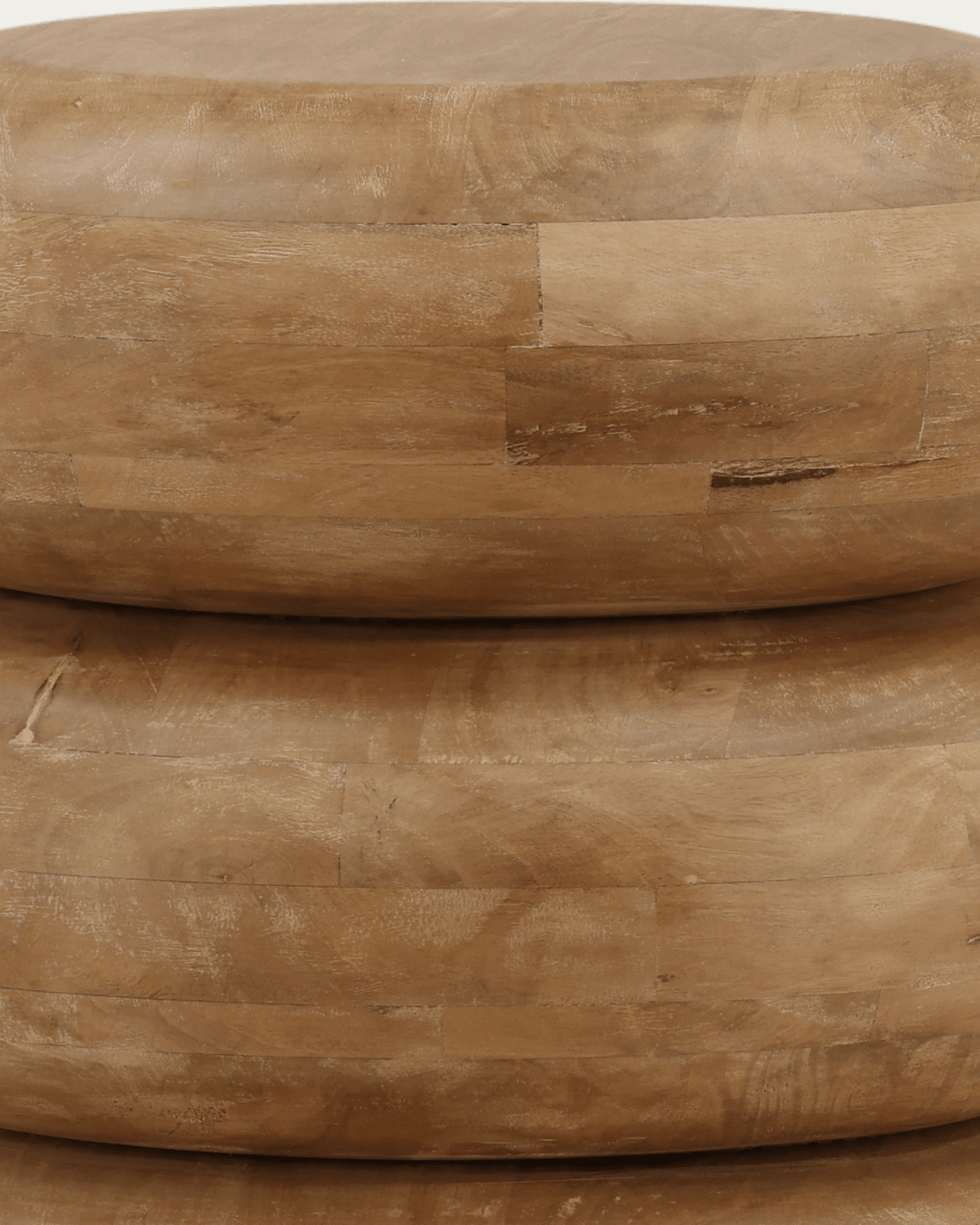
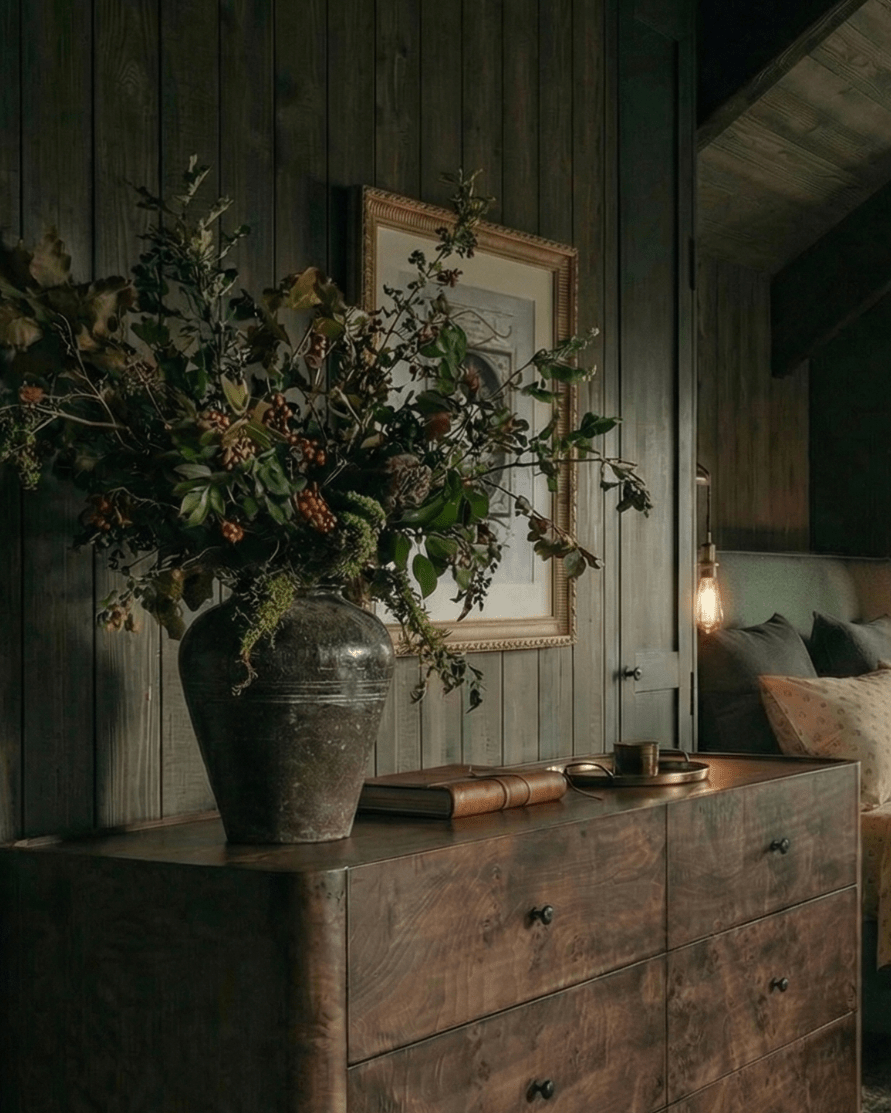
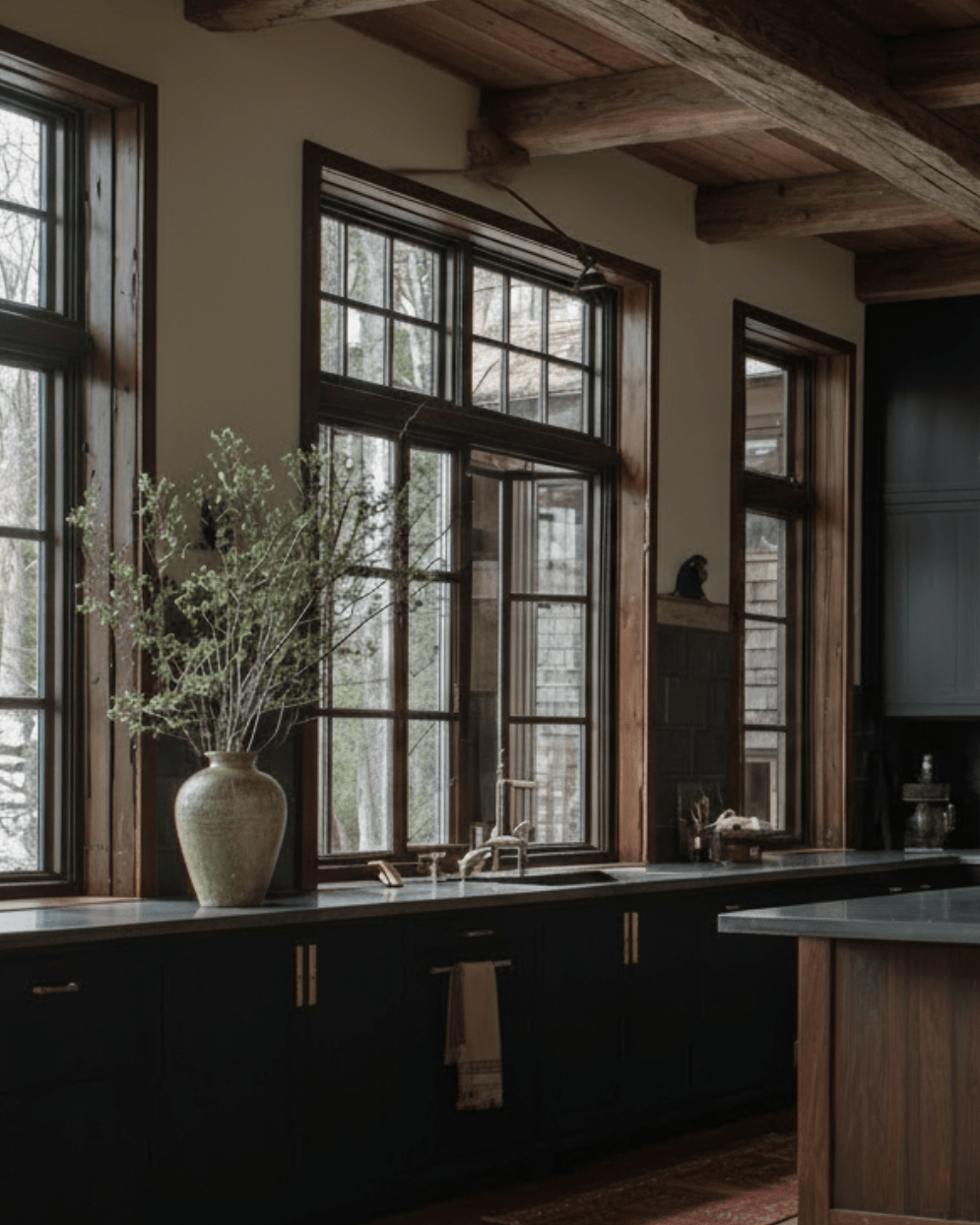
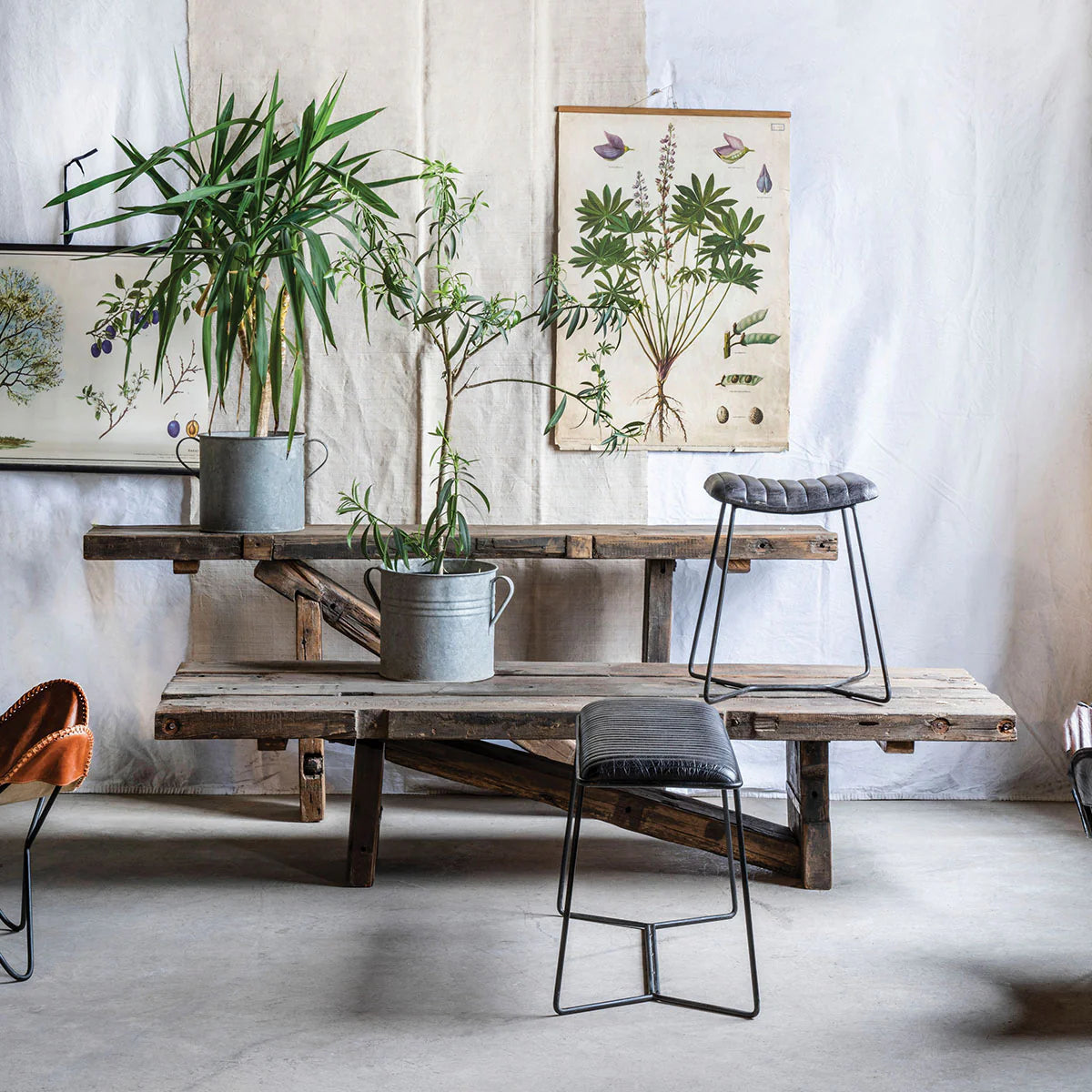
Solid wood feels anchored and reliable
-
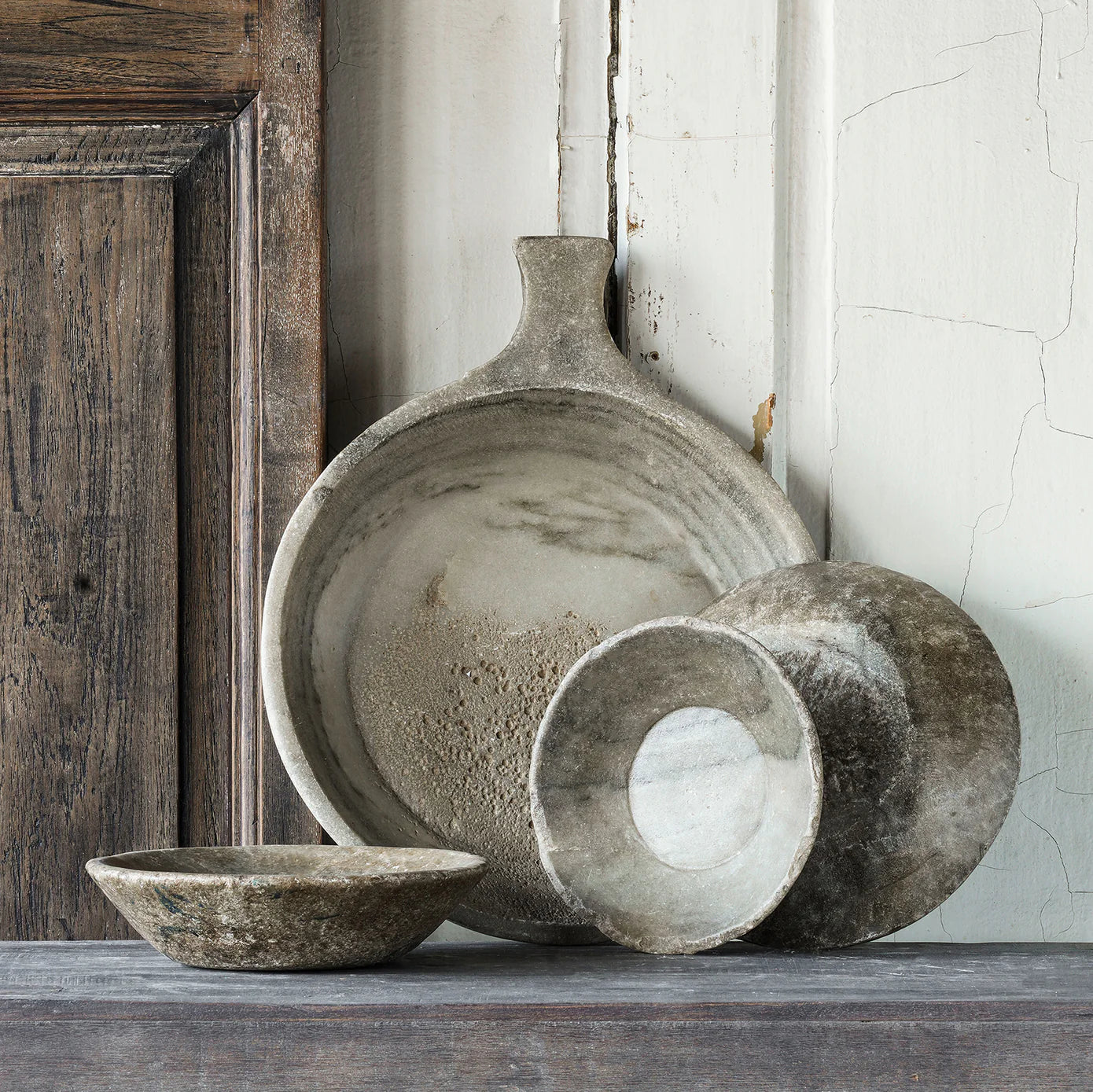
Stone feels heavy and permanent
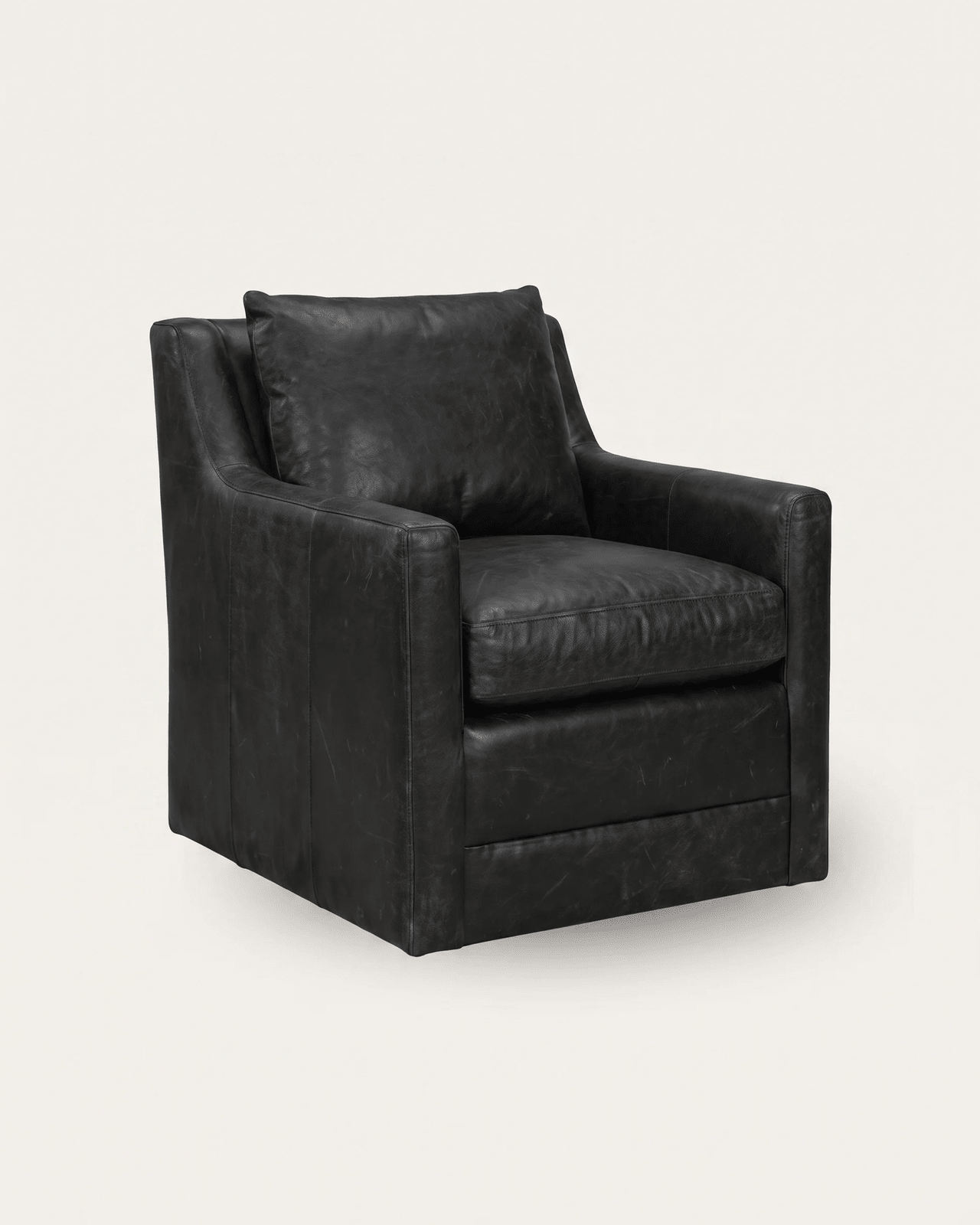
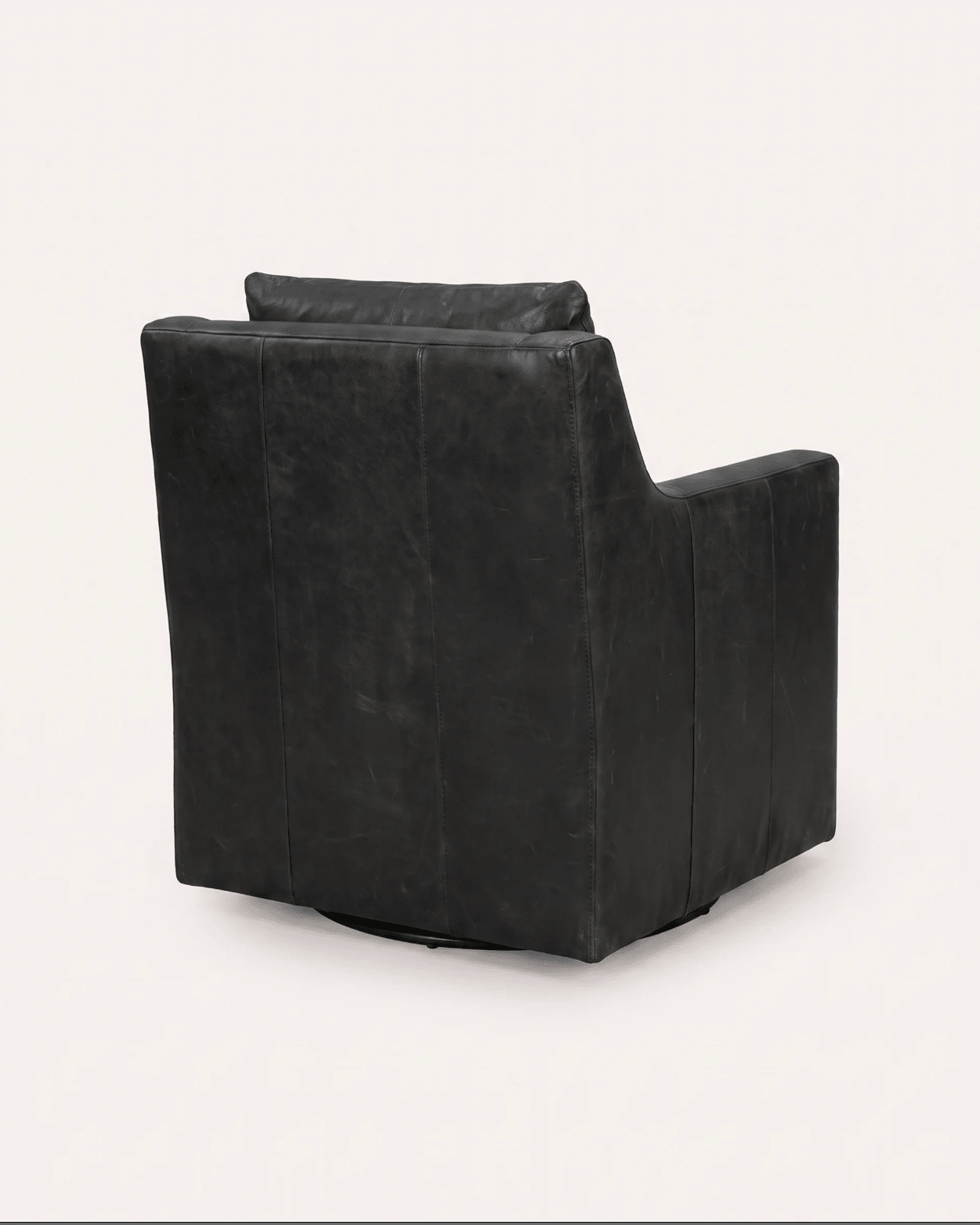
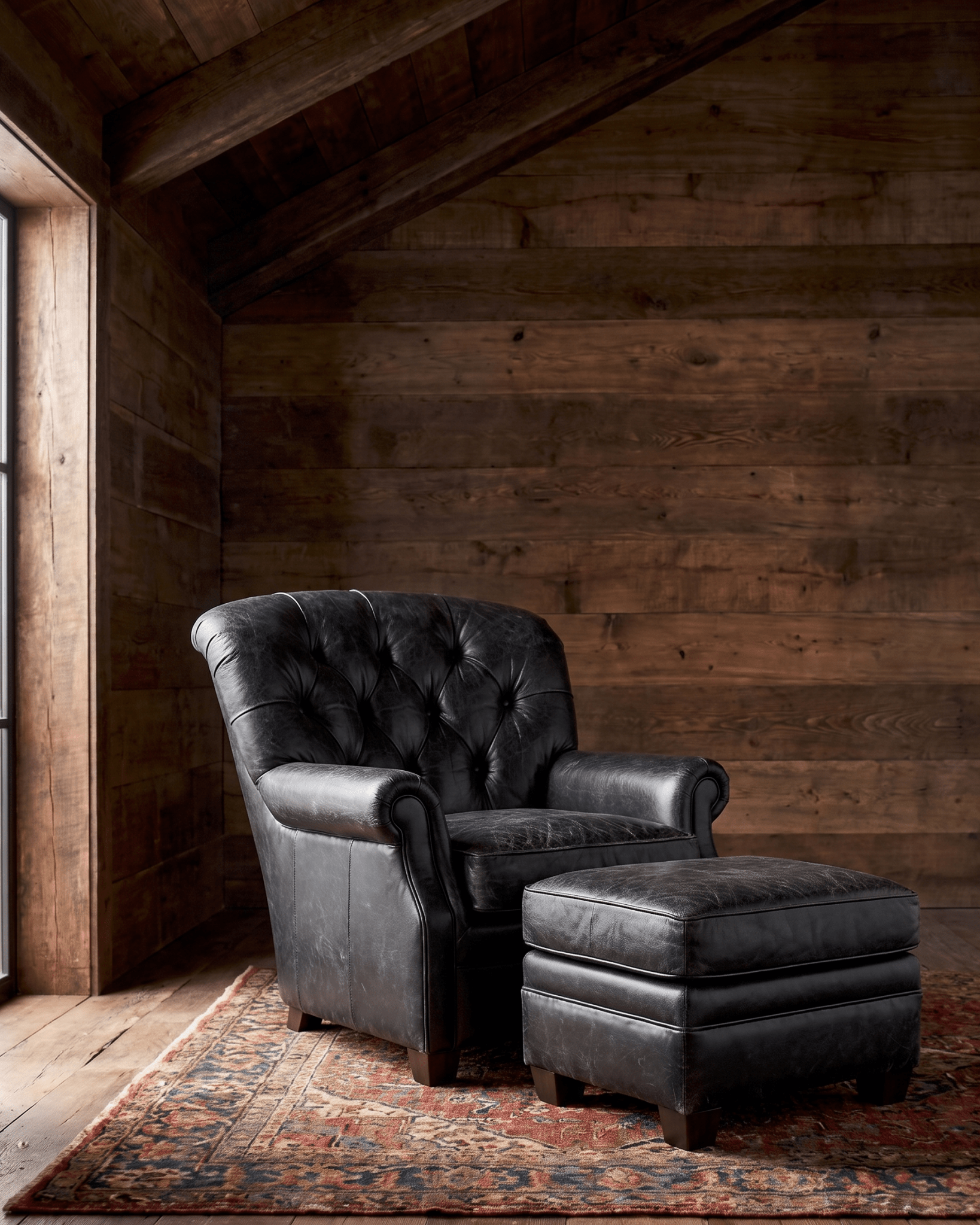
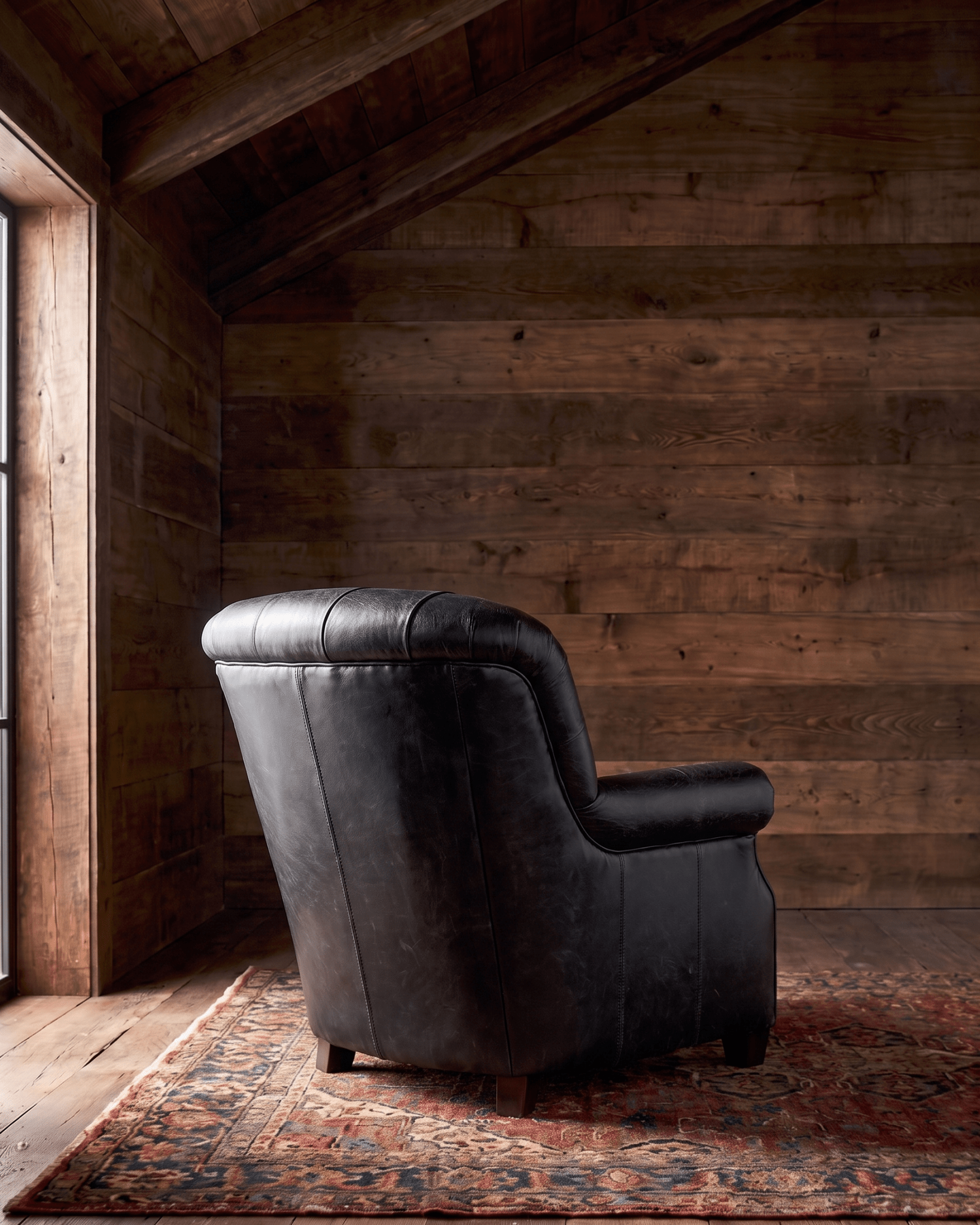
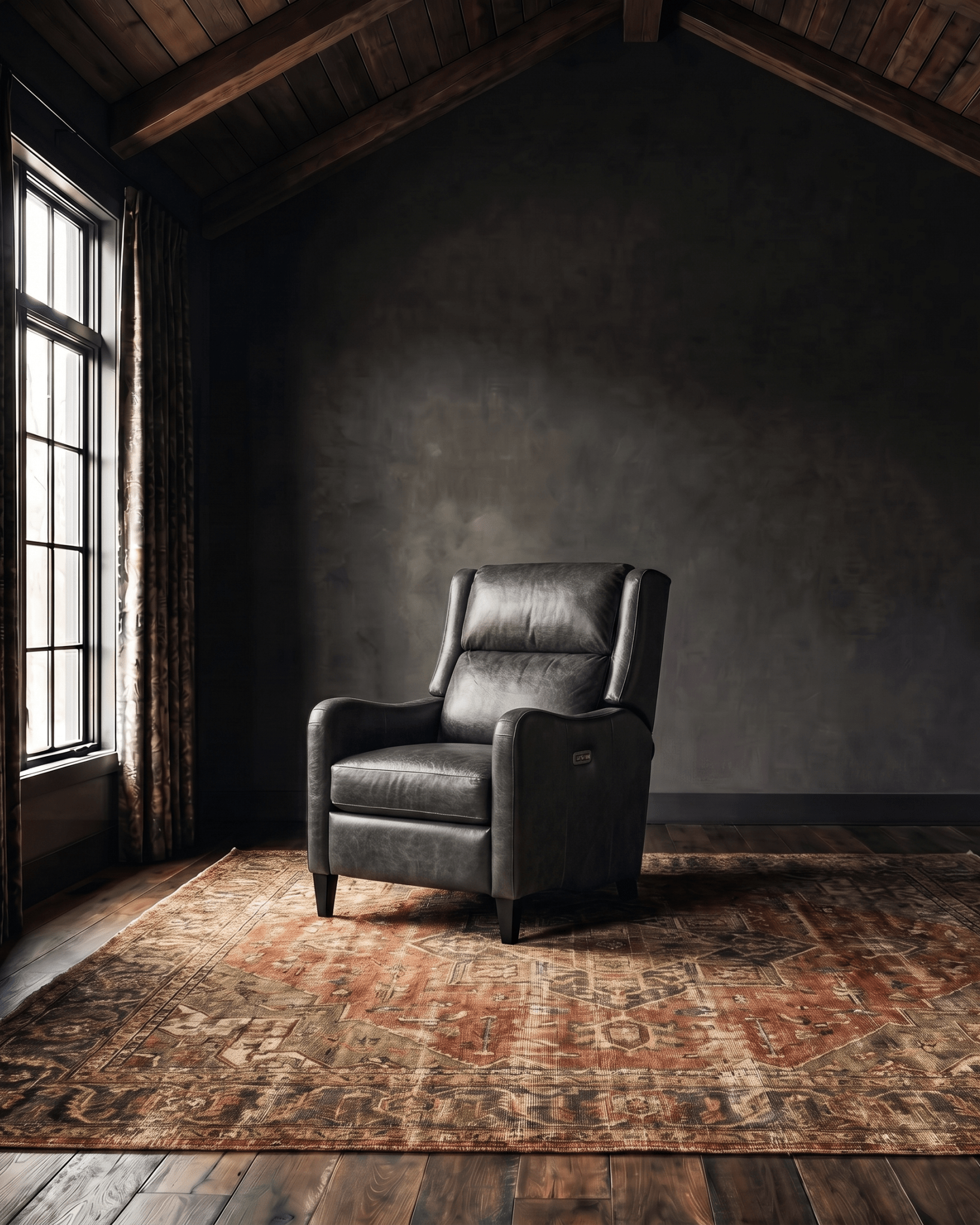
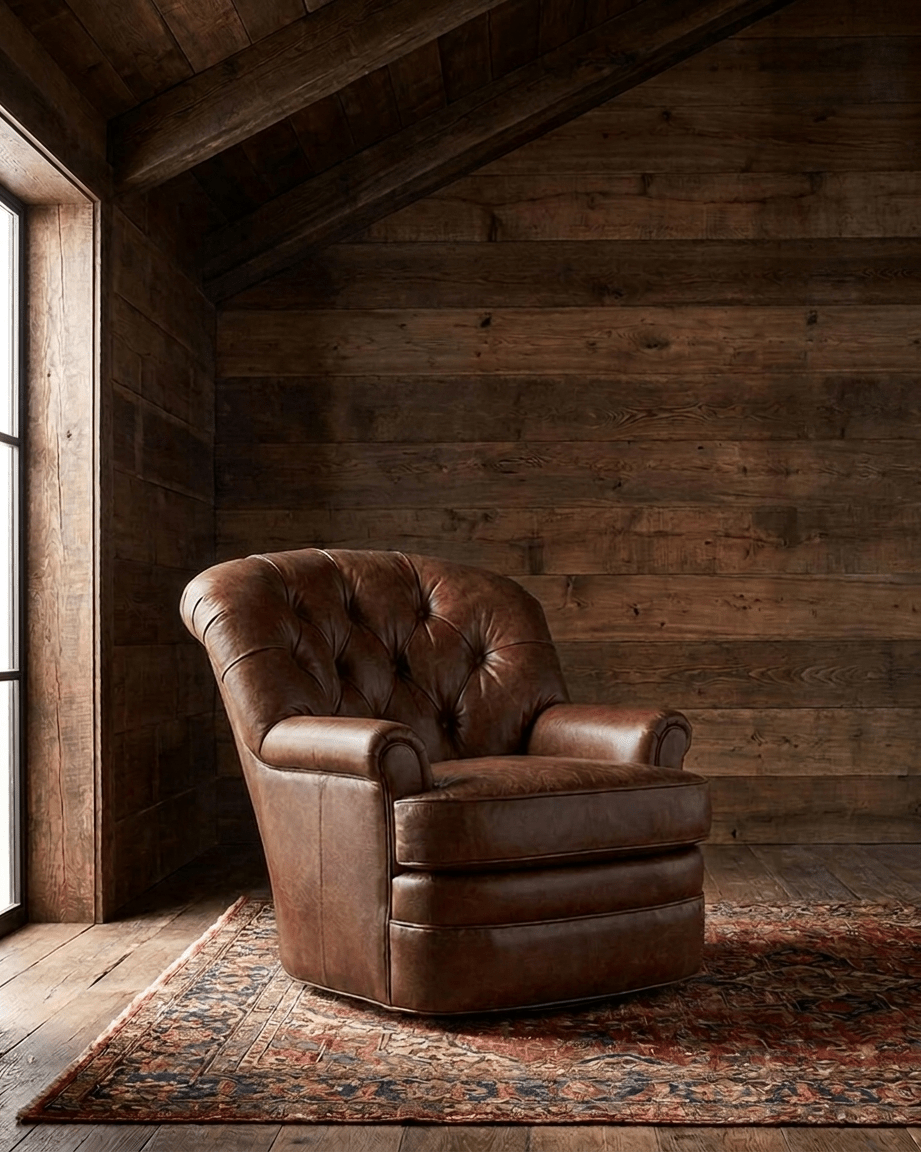
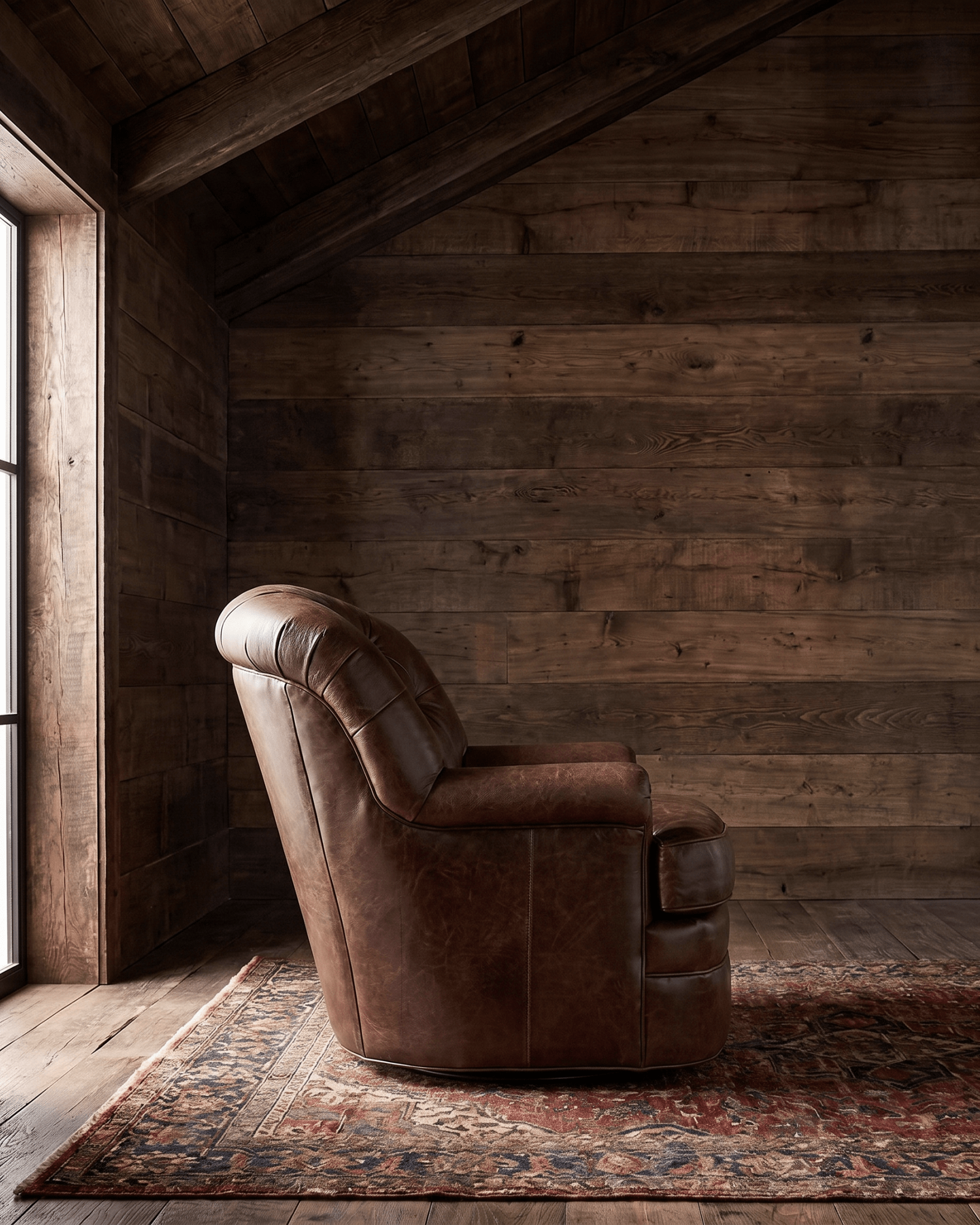
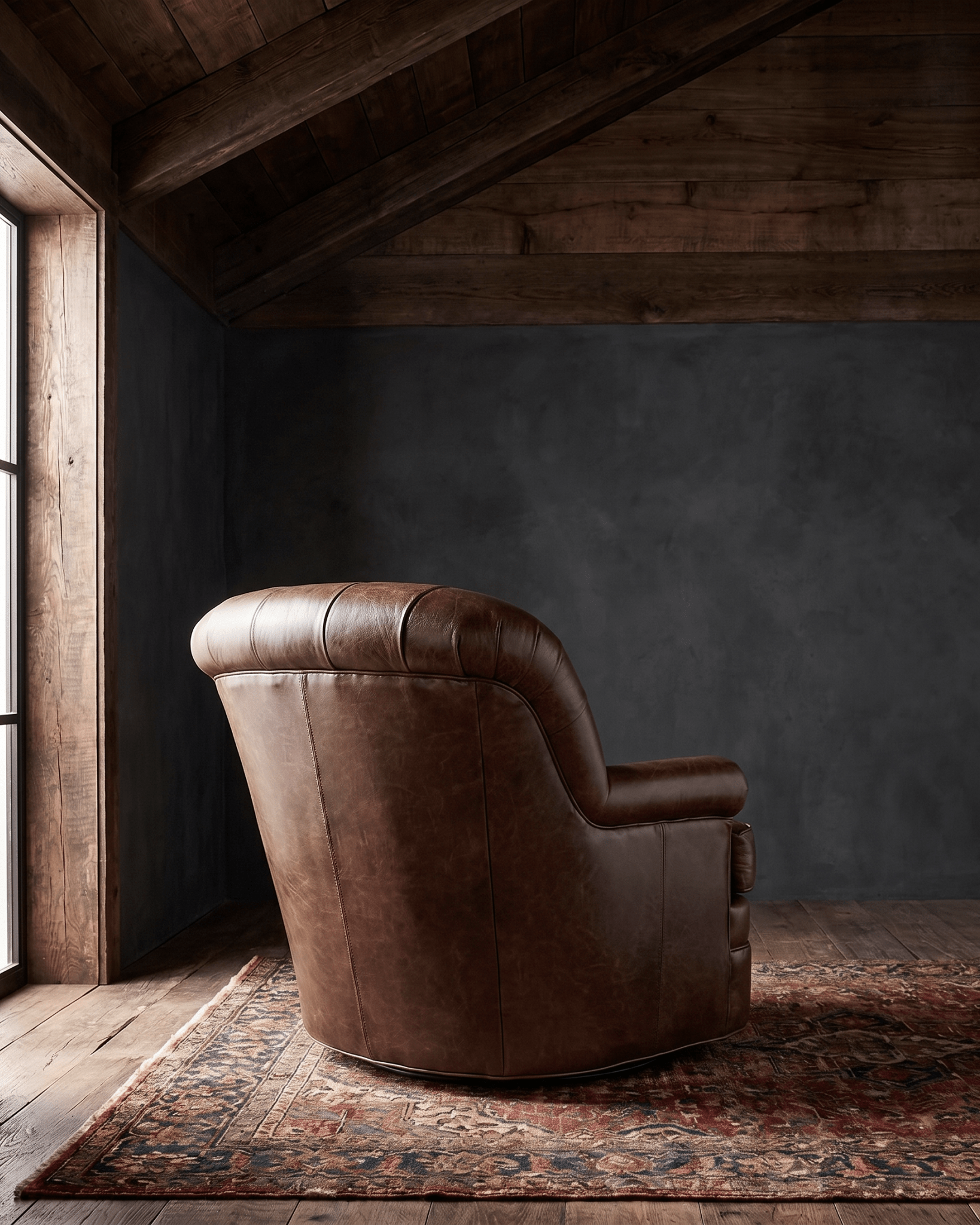
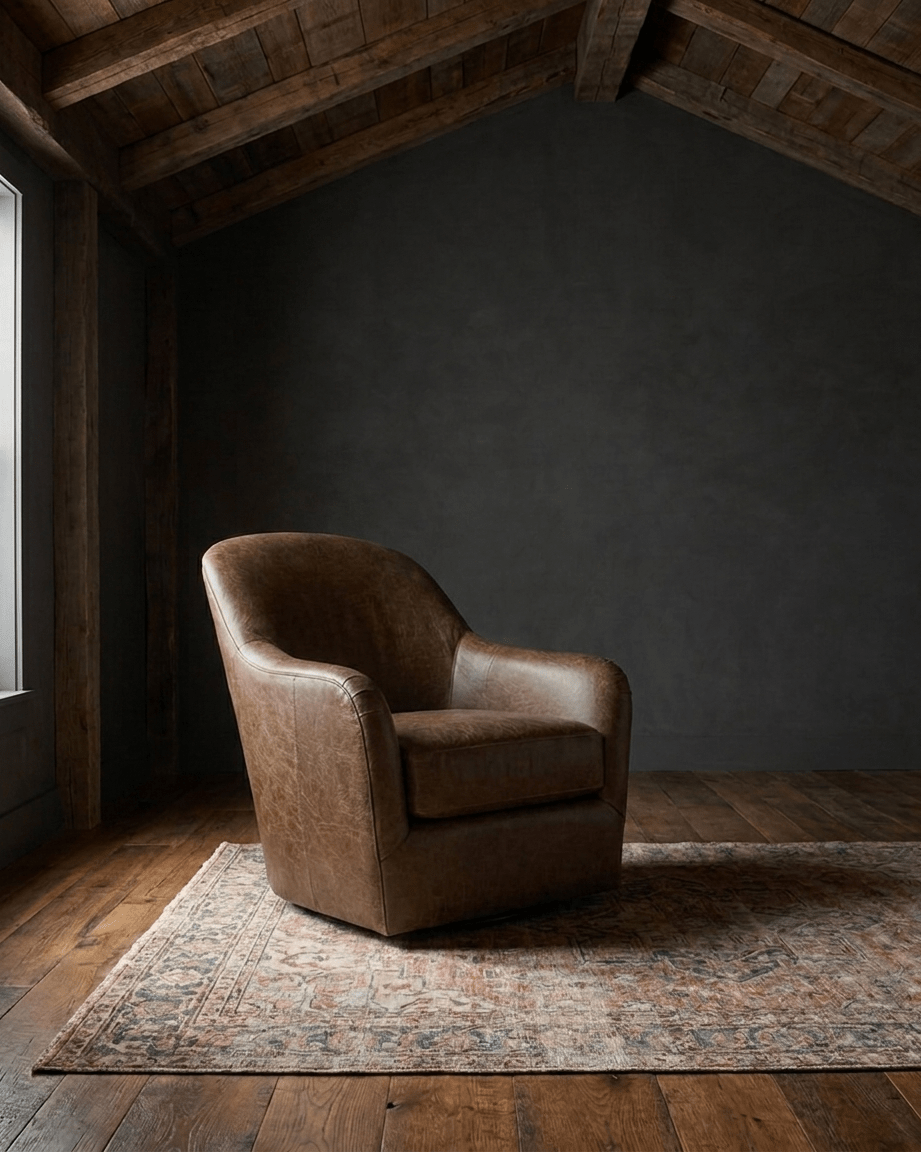
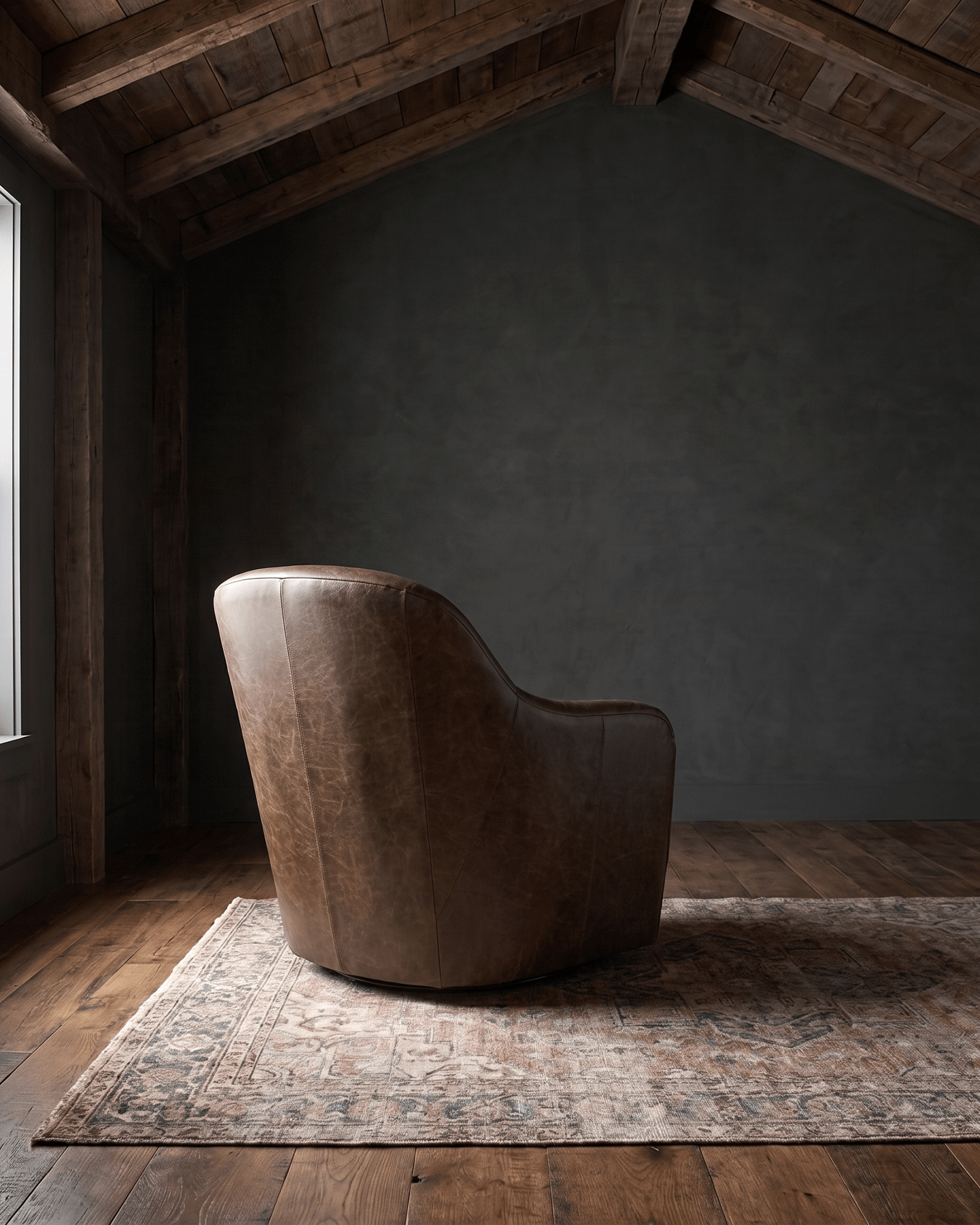
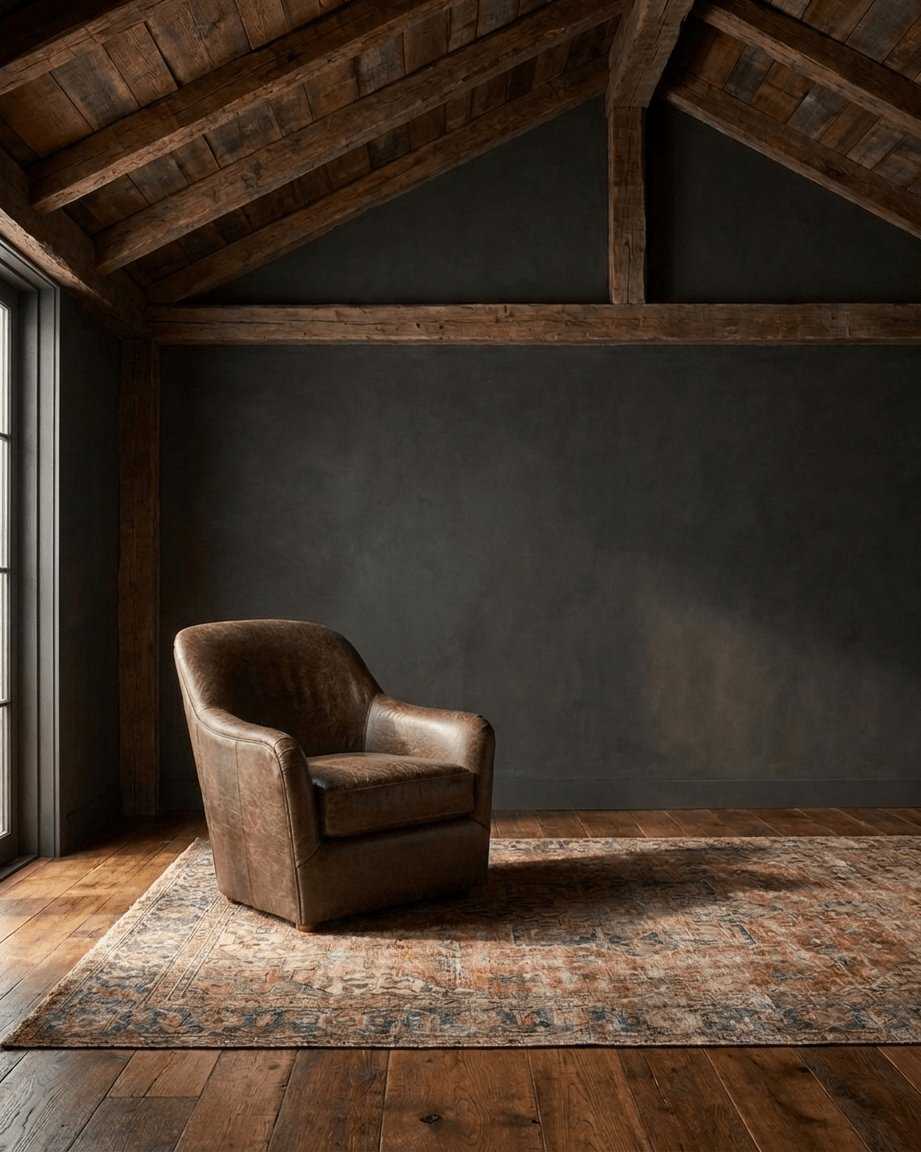
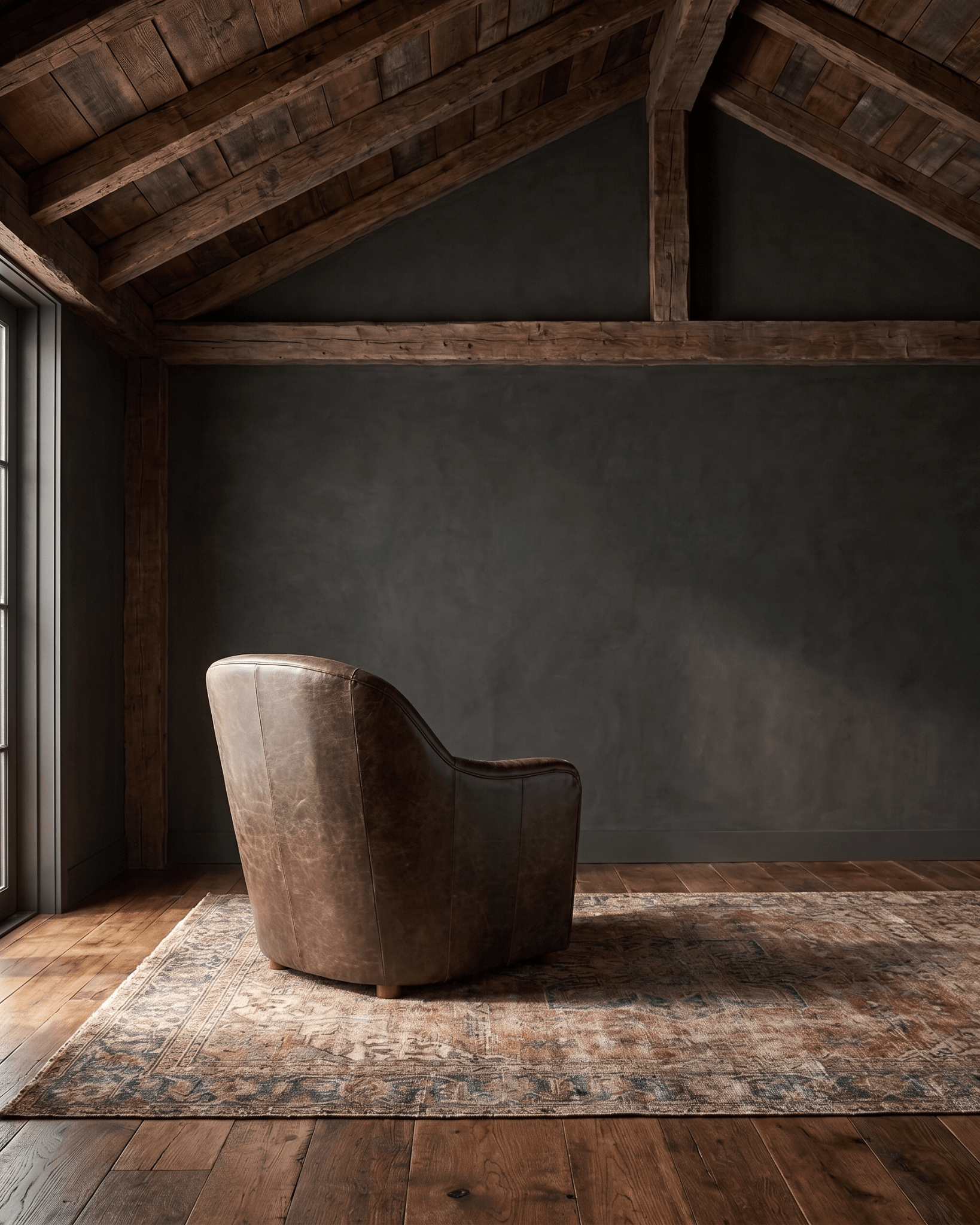
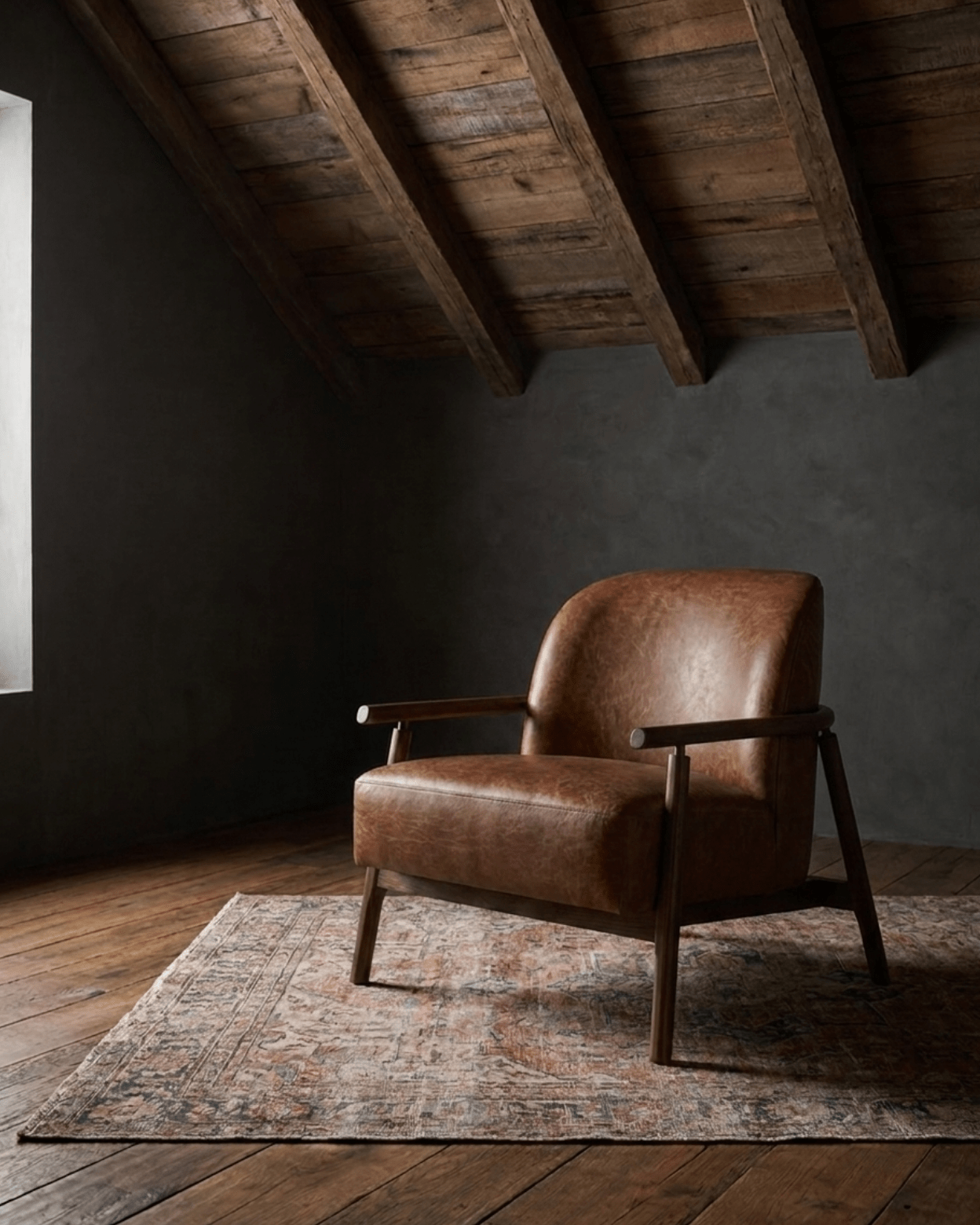
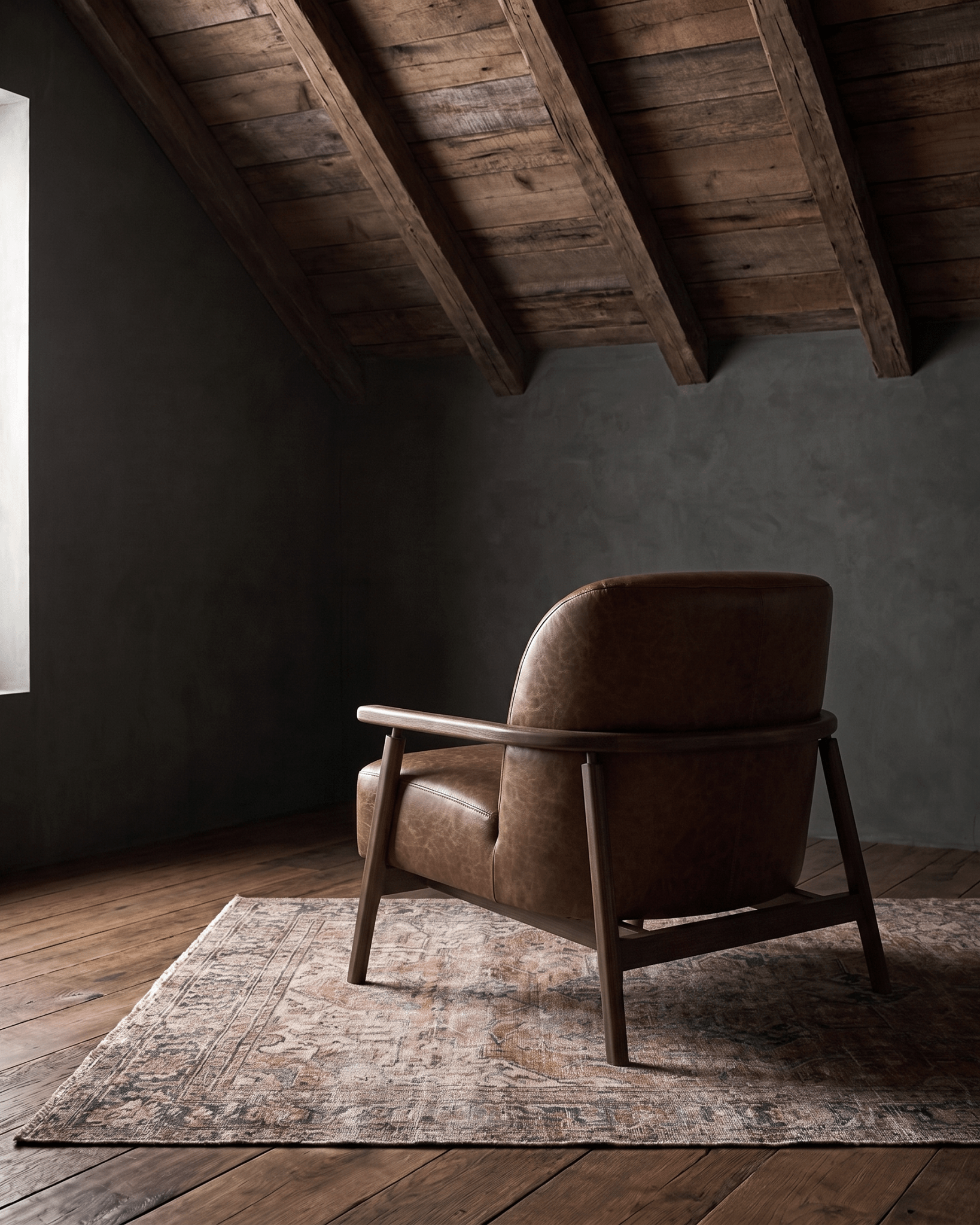
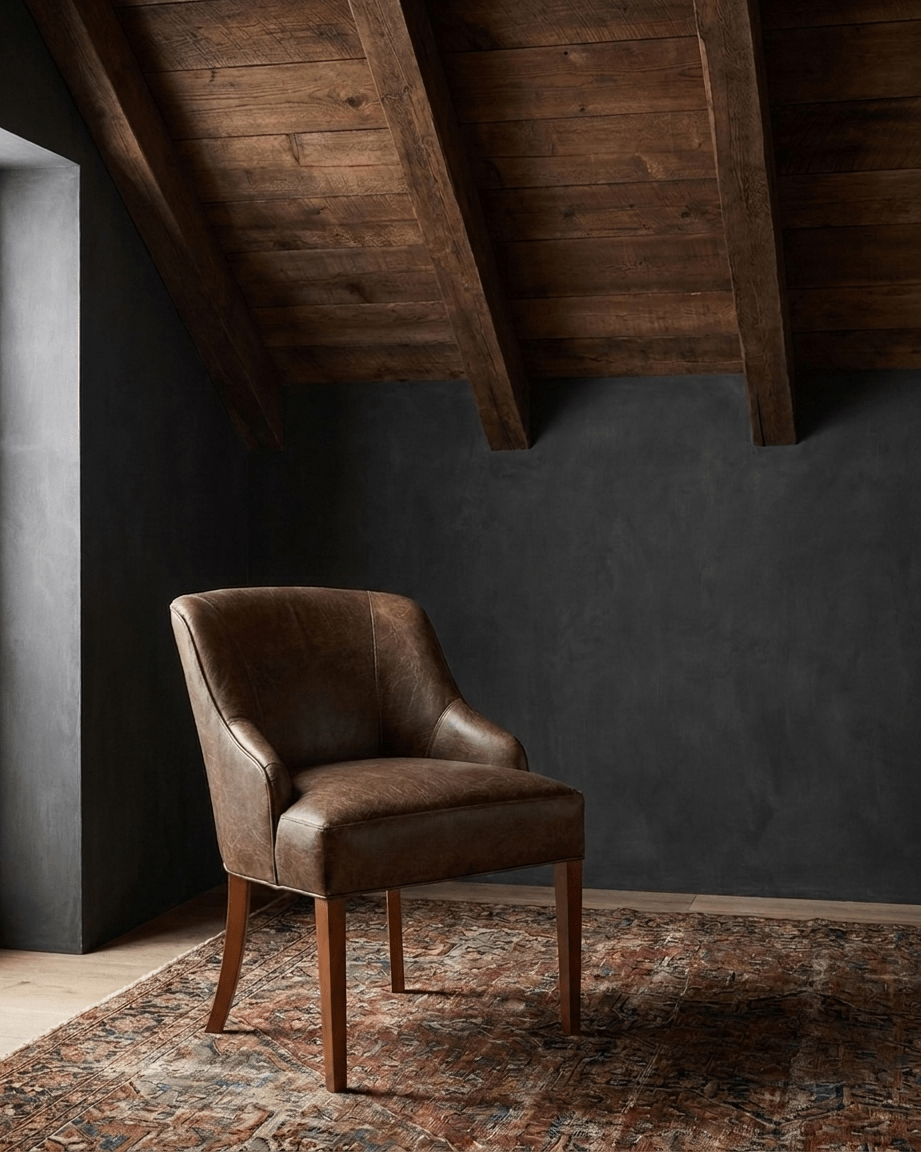
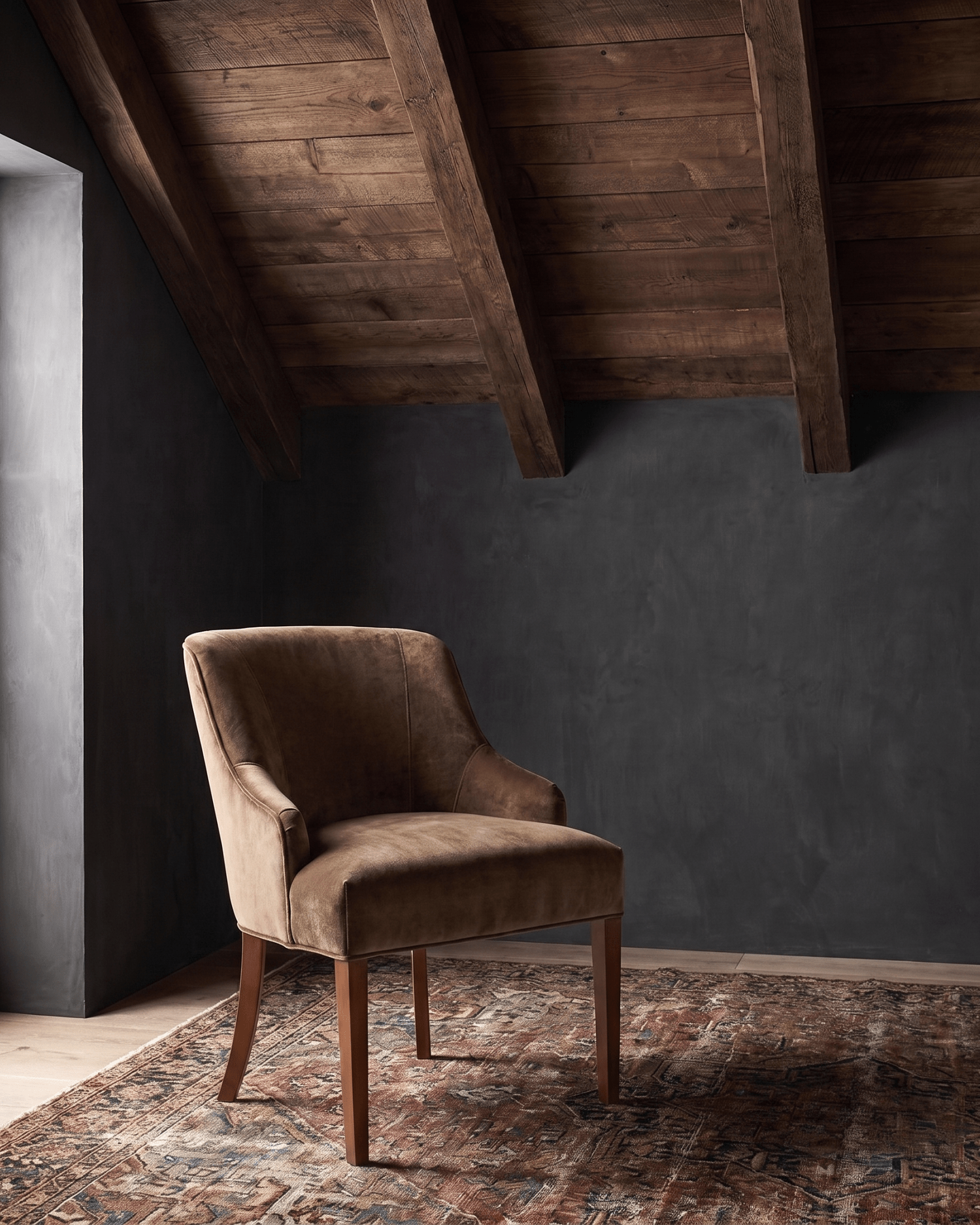
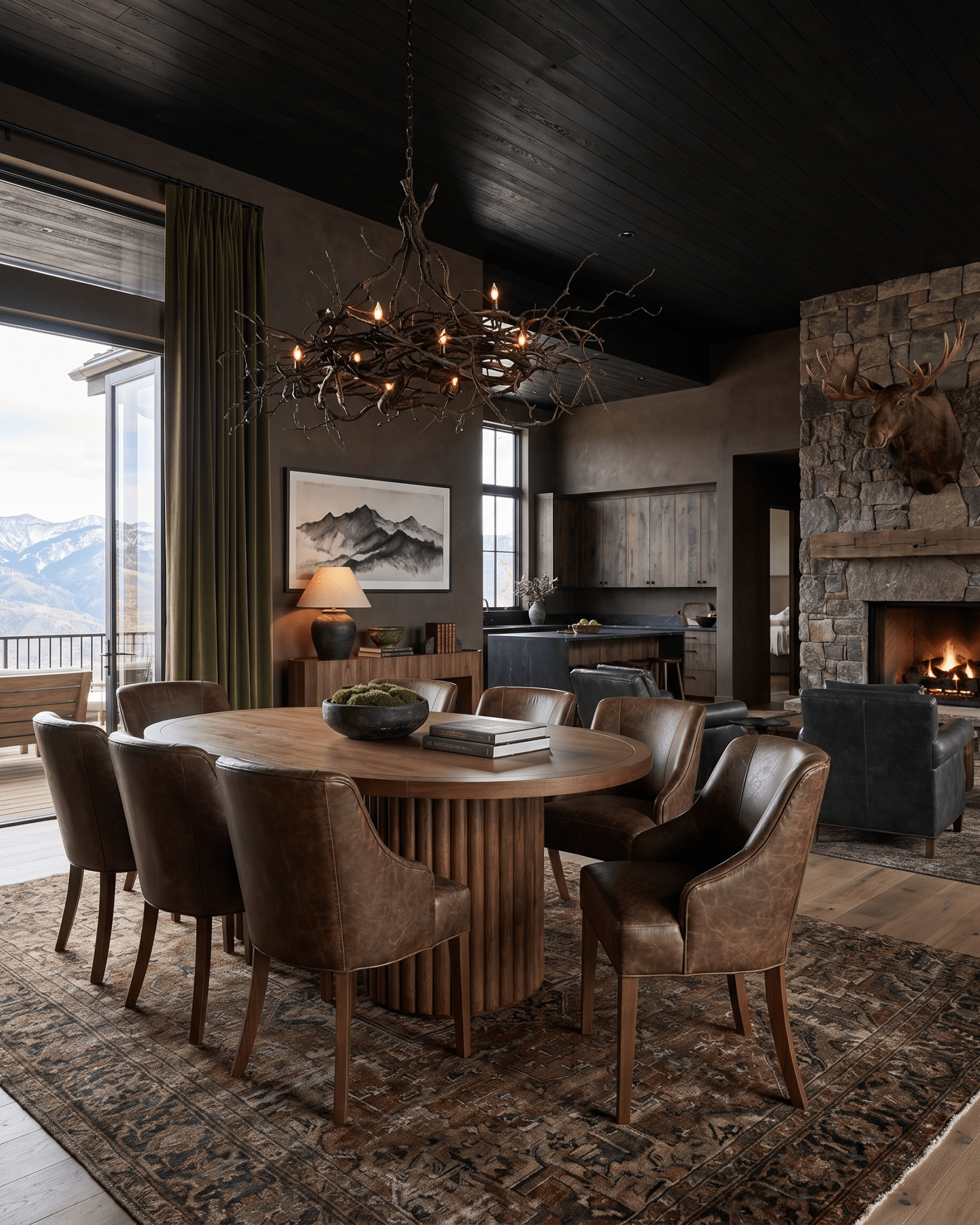
That’s why leather living room furniture can completely shift how a room feels.
It reduces visual uncertainty.
It gives your brain something to trust.
If your space feels unsettled, it’s often because everything feels too light or interchangeable.
One grounded piece can change that instantly.
You can explore pieces designed to anchor a space through our living room furniture collection.
The Problem With “Filling the Space”
A lot of living rooms aren’t empty.
They’re overloaded in small, subtle ways.
Too many small objects. Too many competing shapes. Too many things trying to be noticed.
Your brain doesn’t interpret this as styled.
It interprets it as unresolved.
Instead of adding more, try subtracting pressure from the space:
-
Use fewer, larger pieces
-
Group objects intentionally instead of scattering them
-
Leave negative space where your eye can pause
This isn’t about minimalism.
It’s about reducing the number of decisions your brain has to make.
Why Living Room Chairs Matter More Than You Think
Chairs aren’t just extras.
They control balance.
Most people focus on the sofa and treat chairs as filler. That’s where things start to feel off.
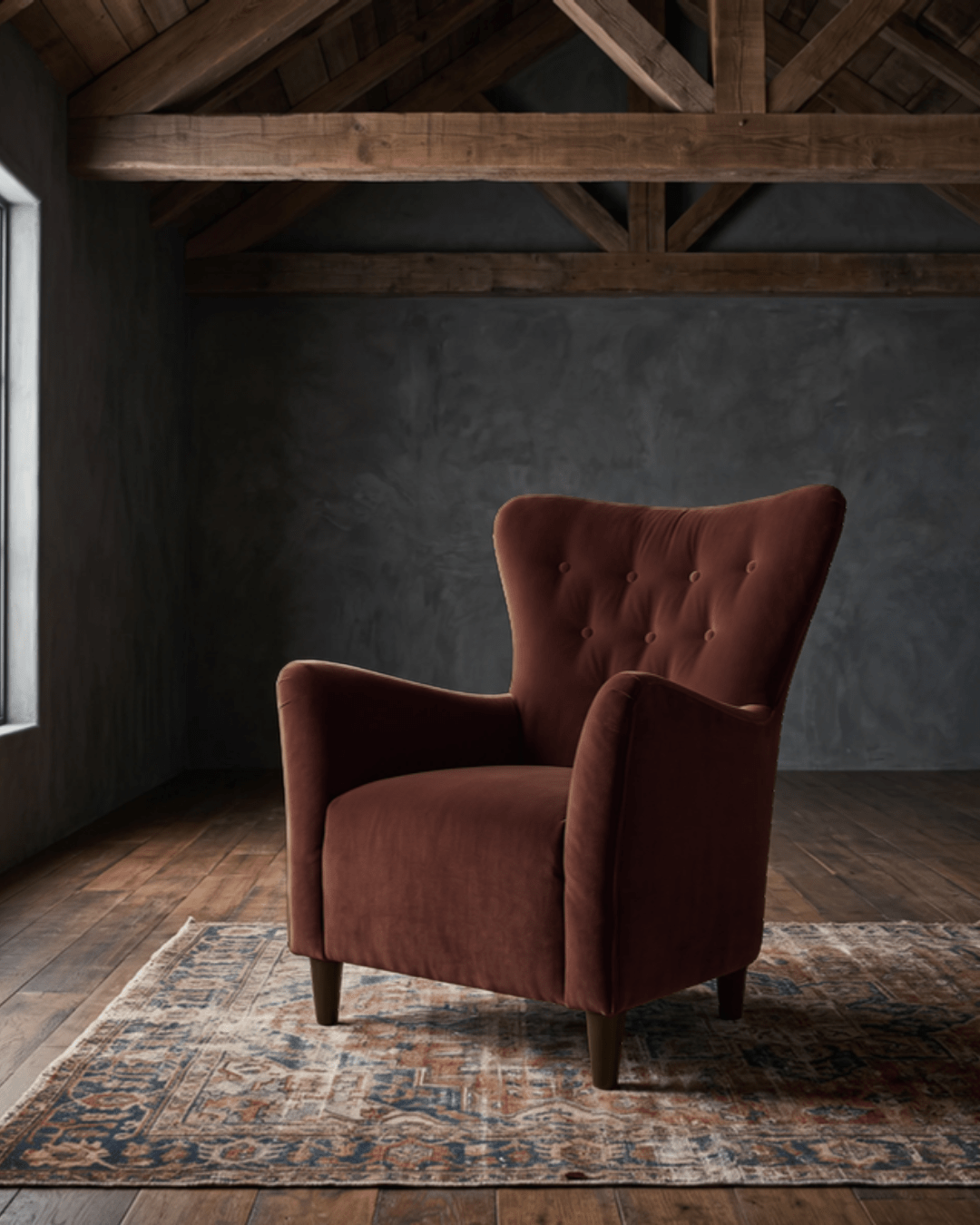
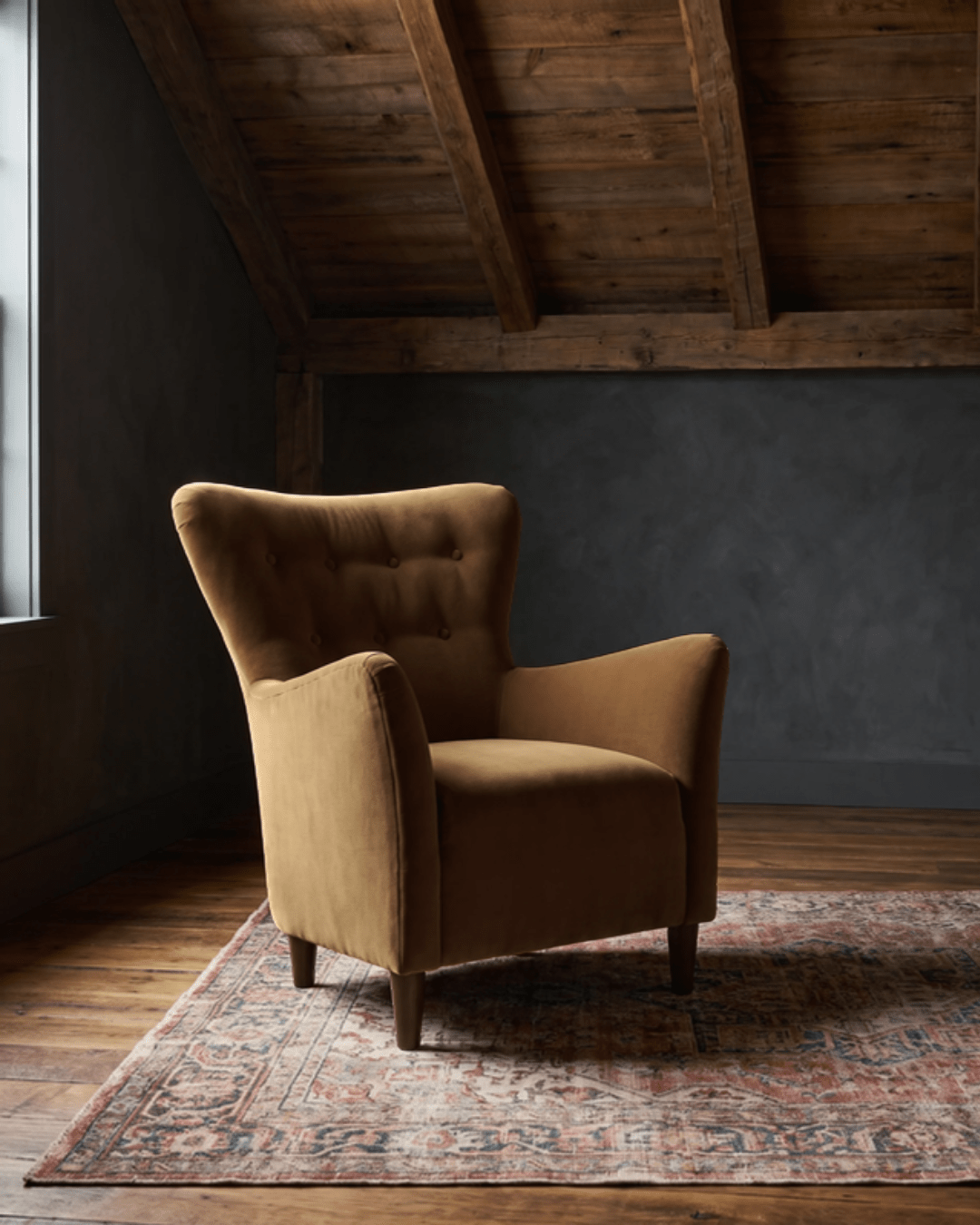
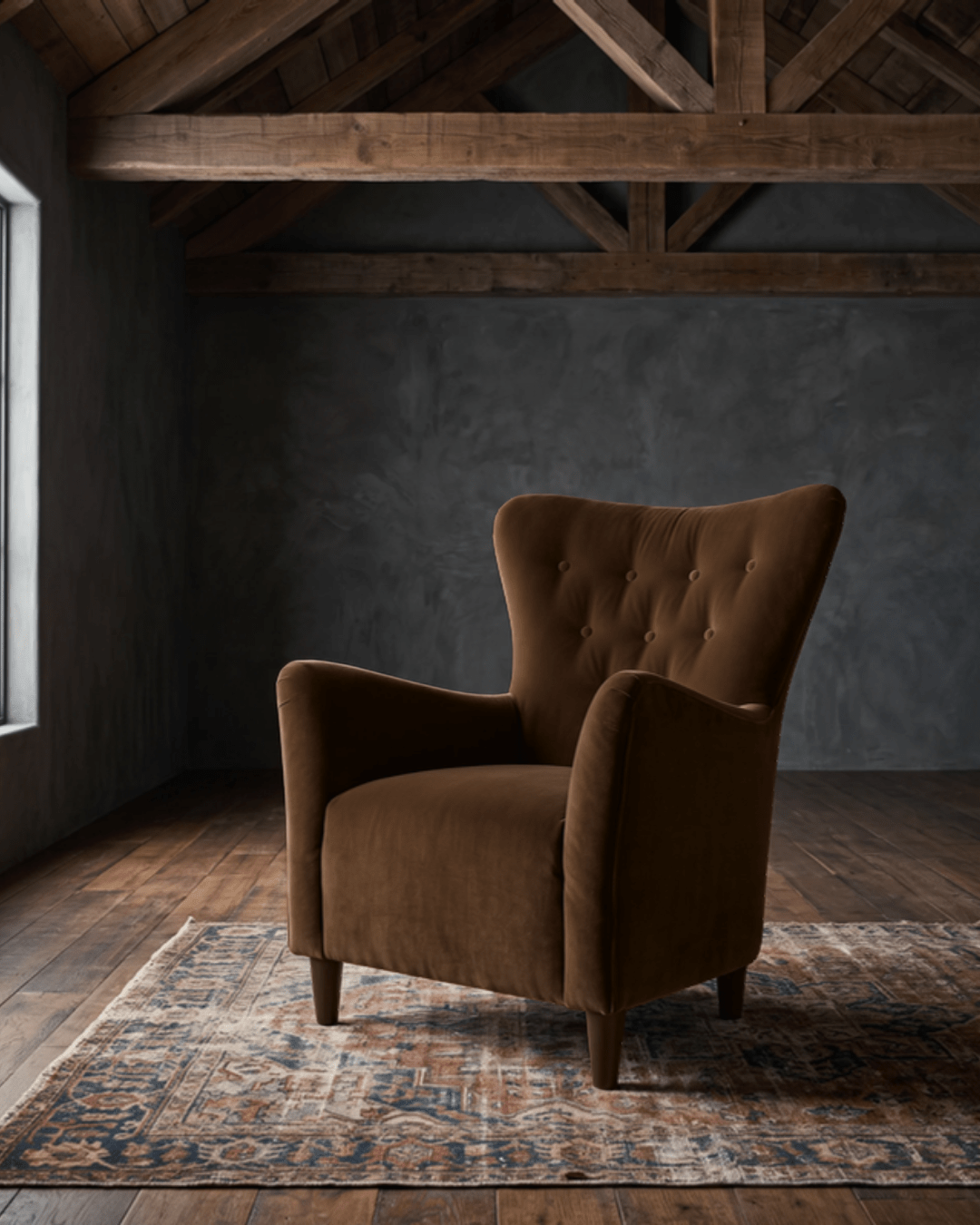
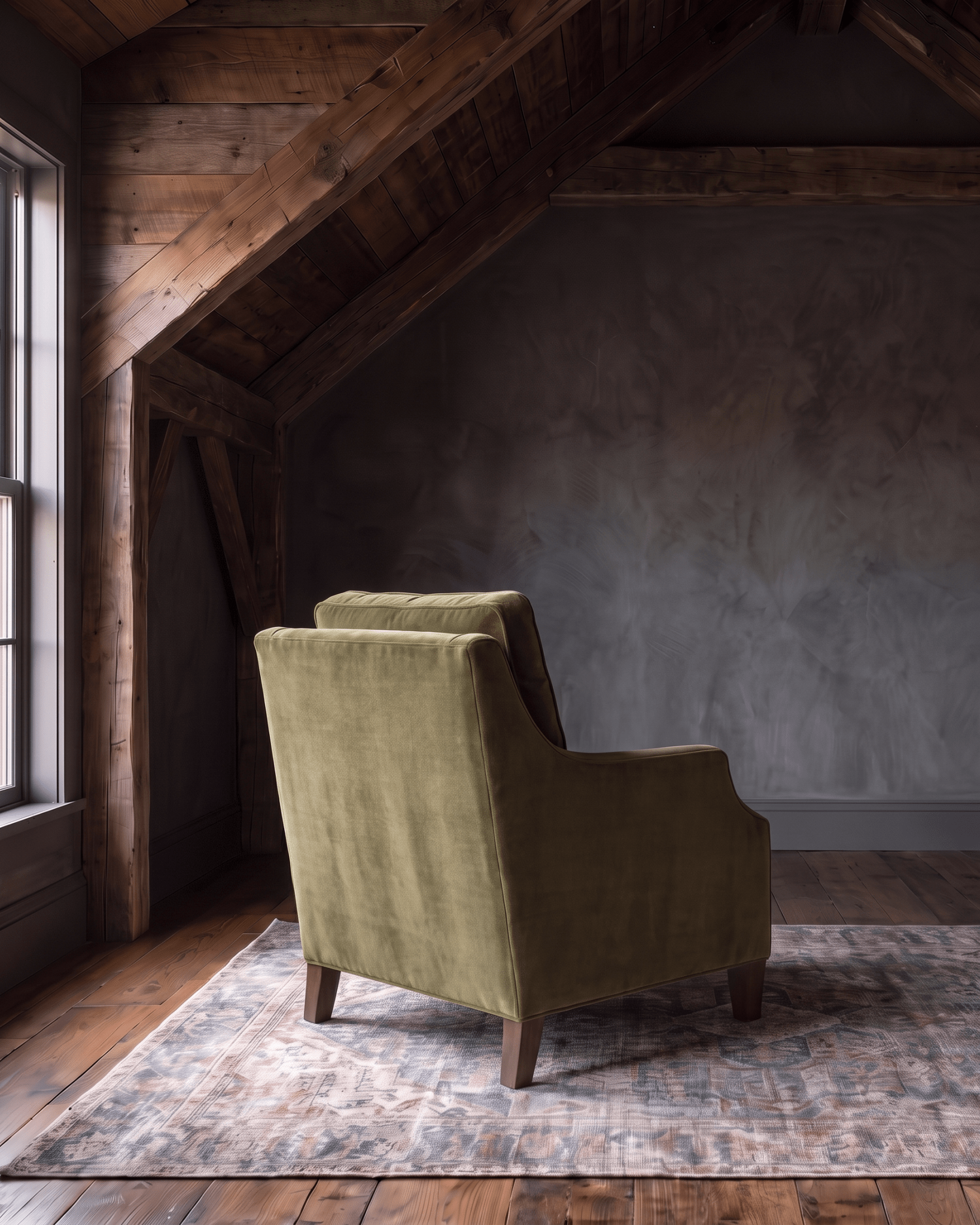
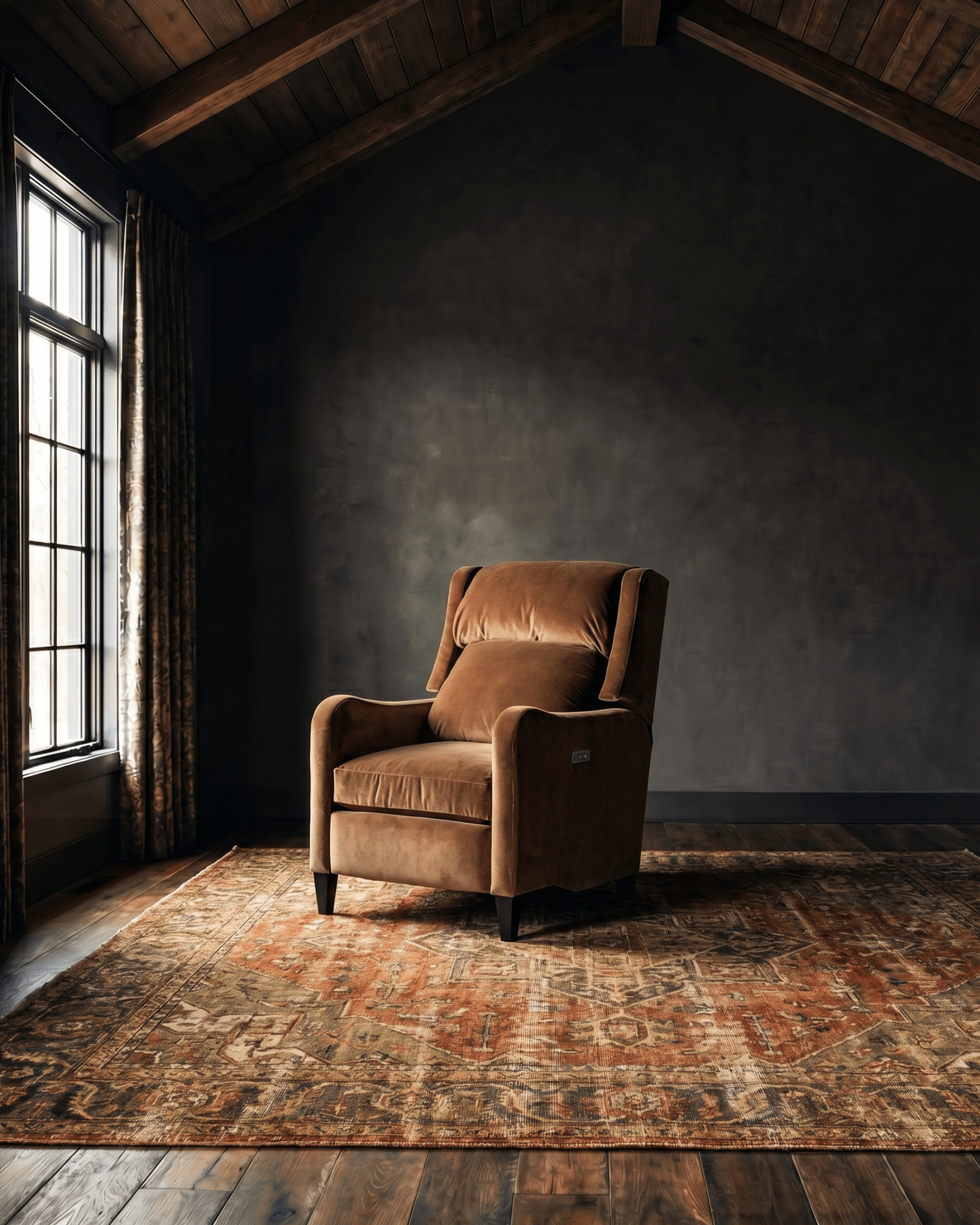
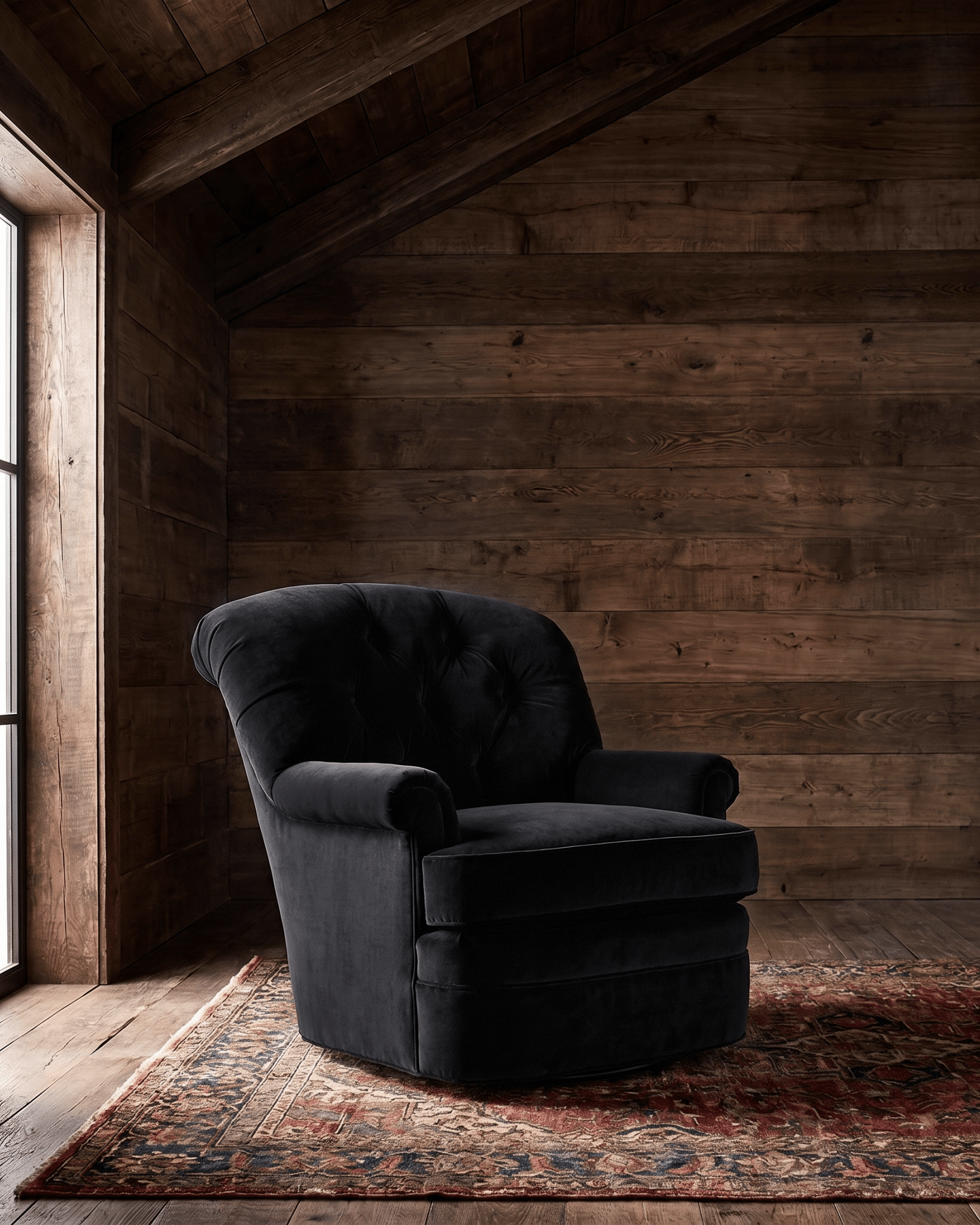
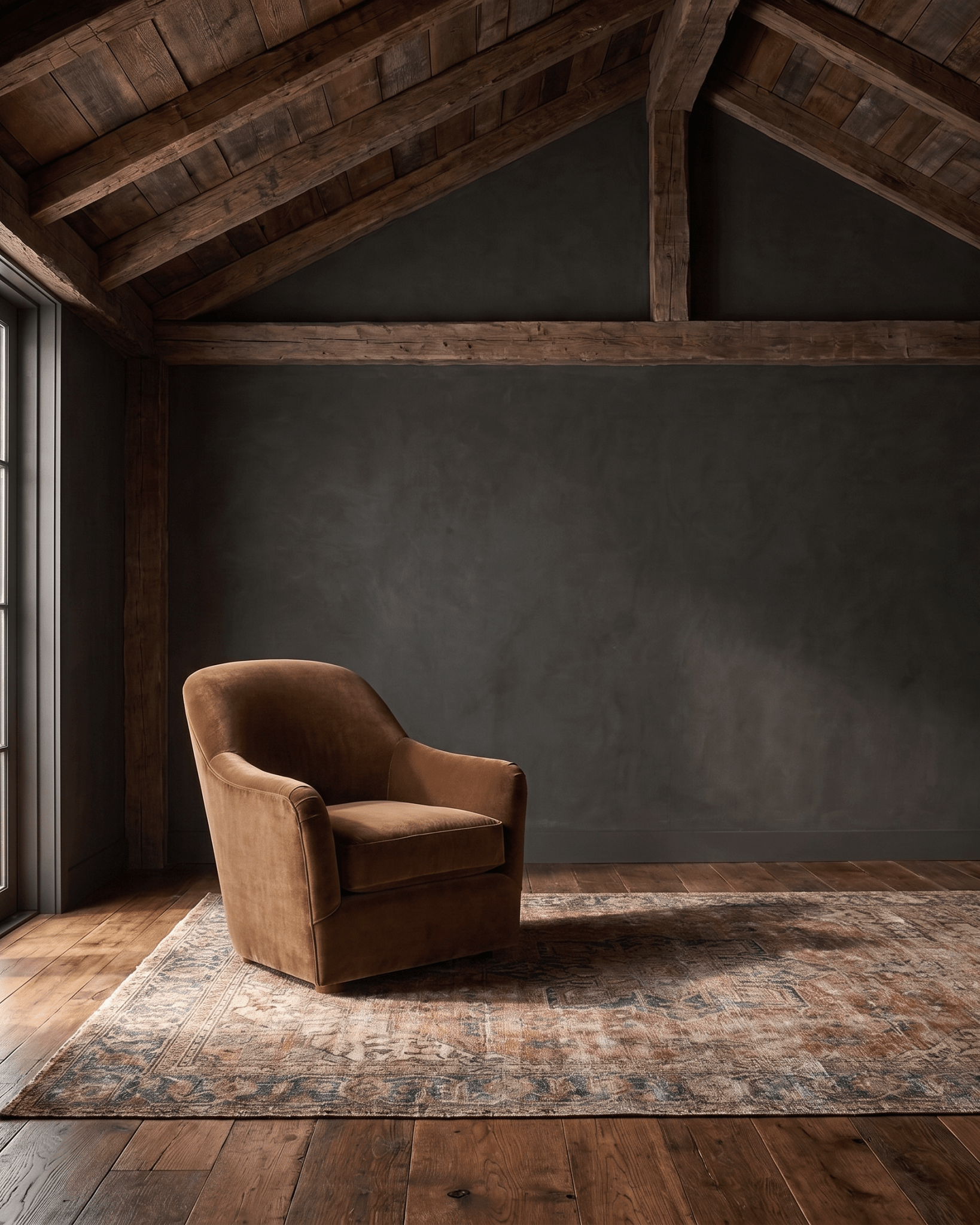
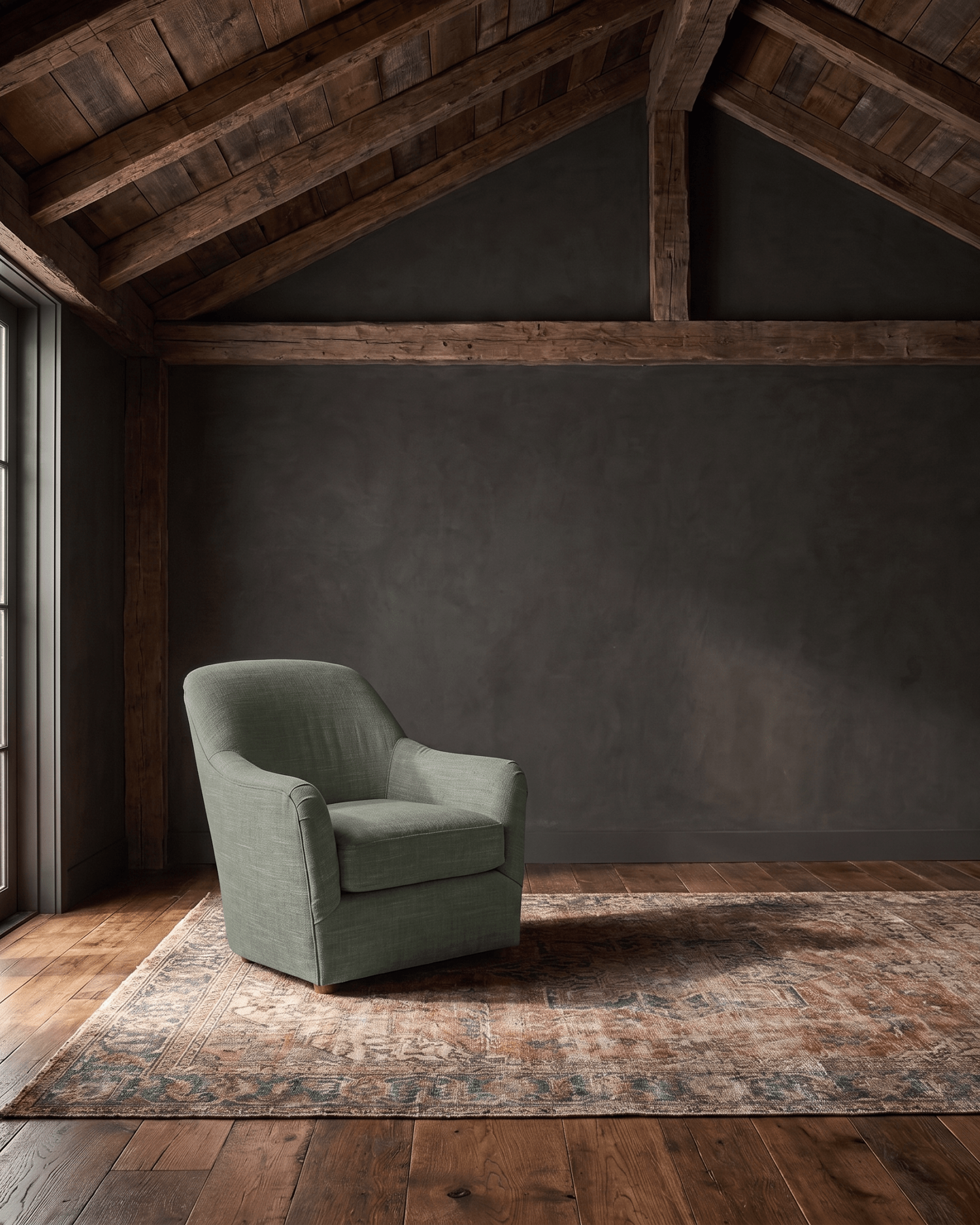
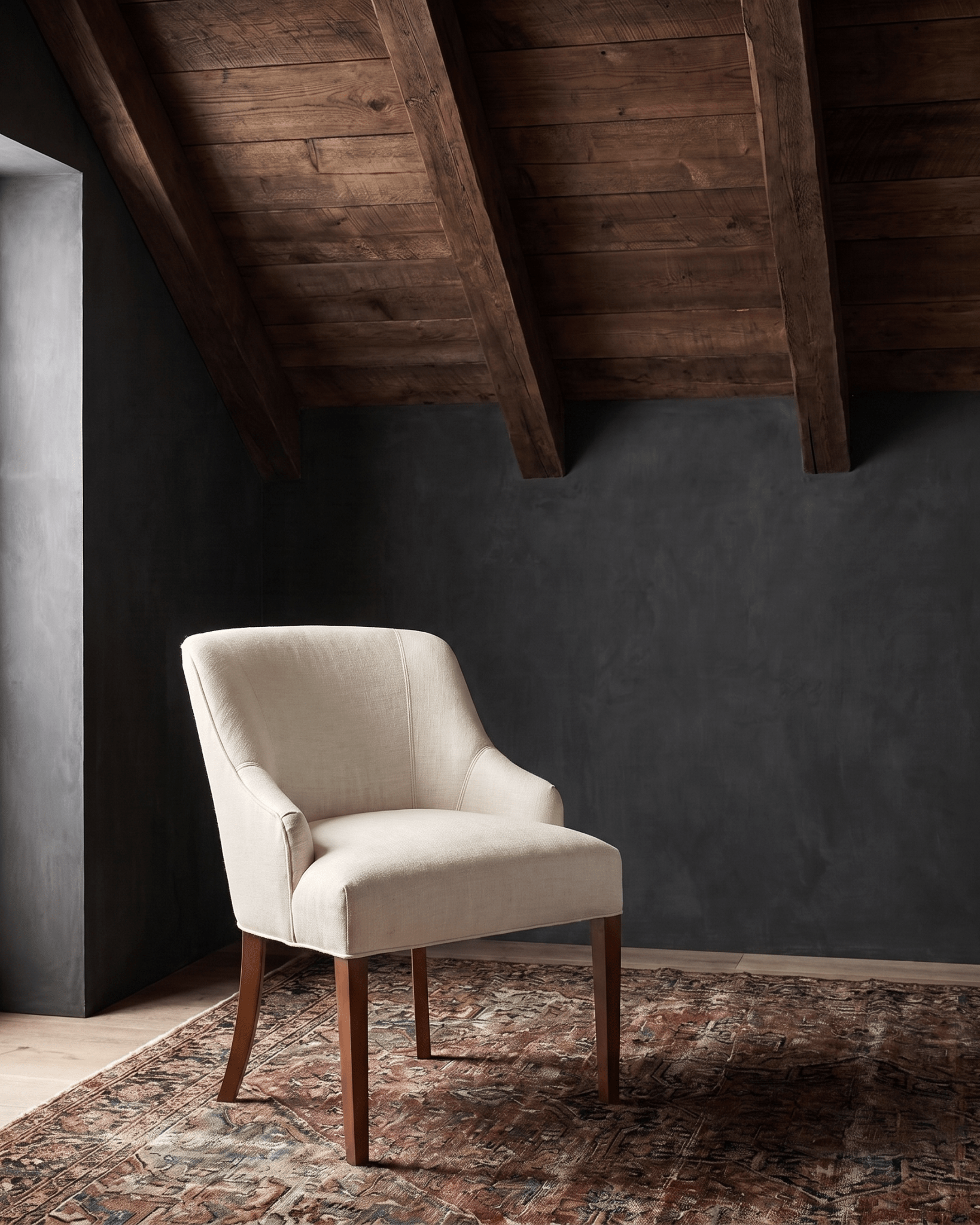
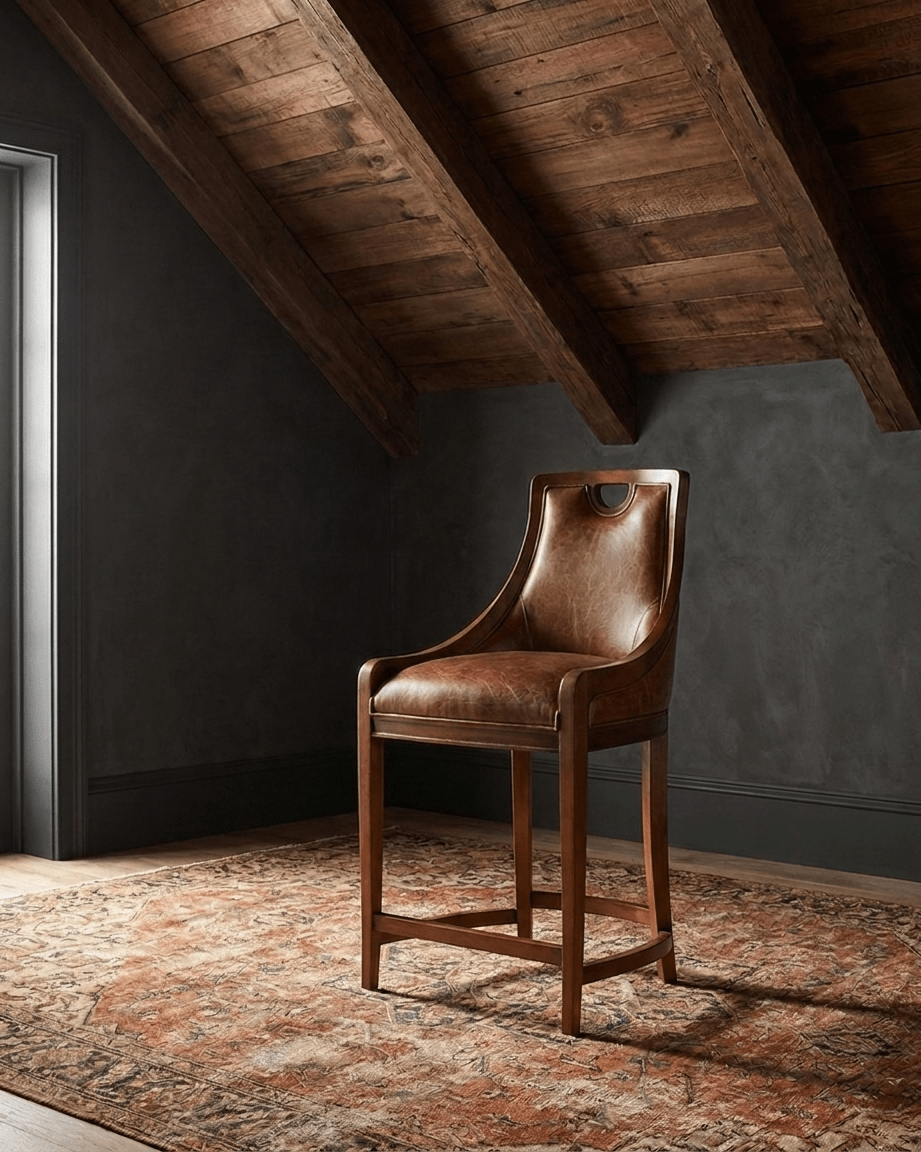
Living room chairs shape how weight is distributed across the space.
If your sofa is heavy and your chairs are too light, the room feels unstable.
If everything matches too closely, the room feels flat.
What actually works:
-
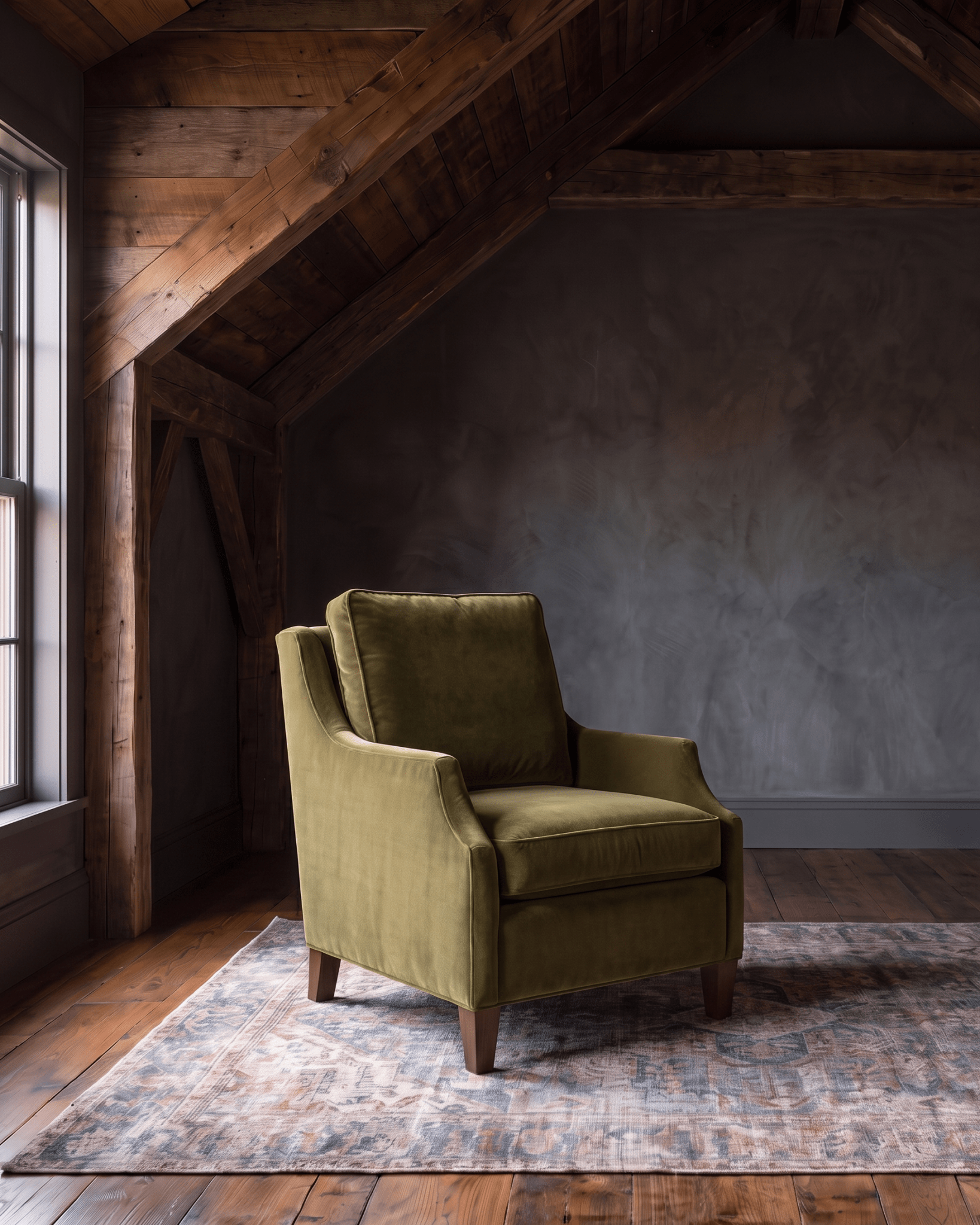
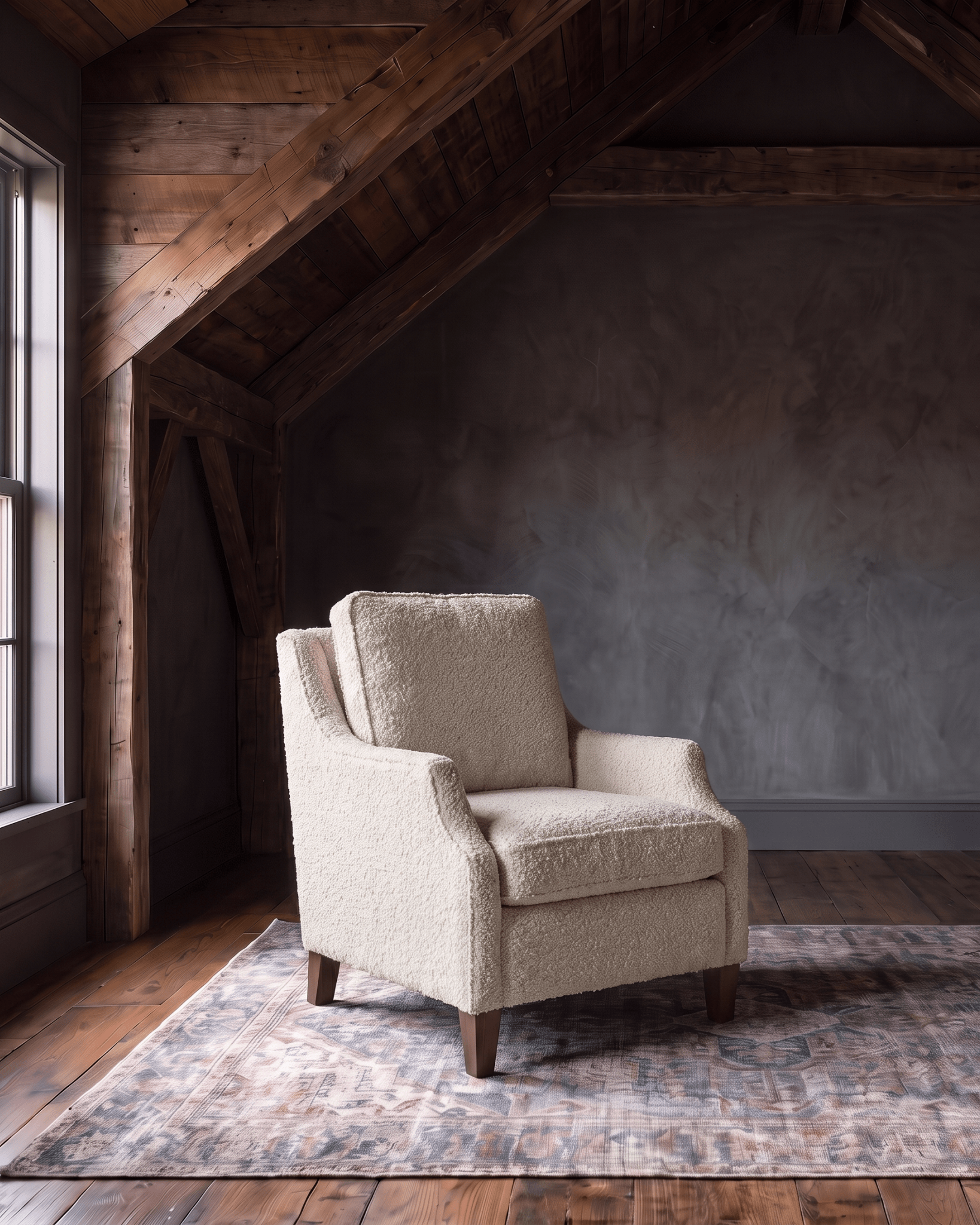
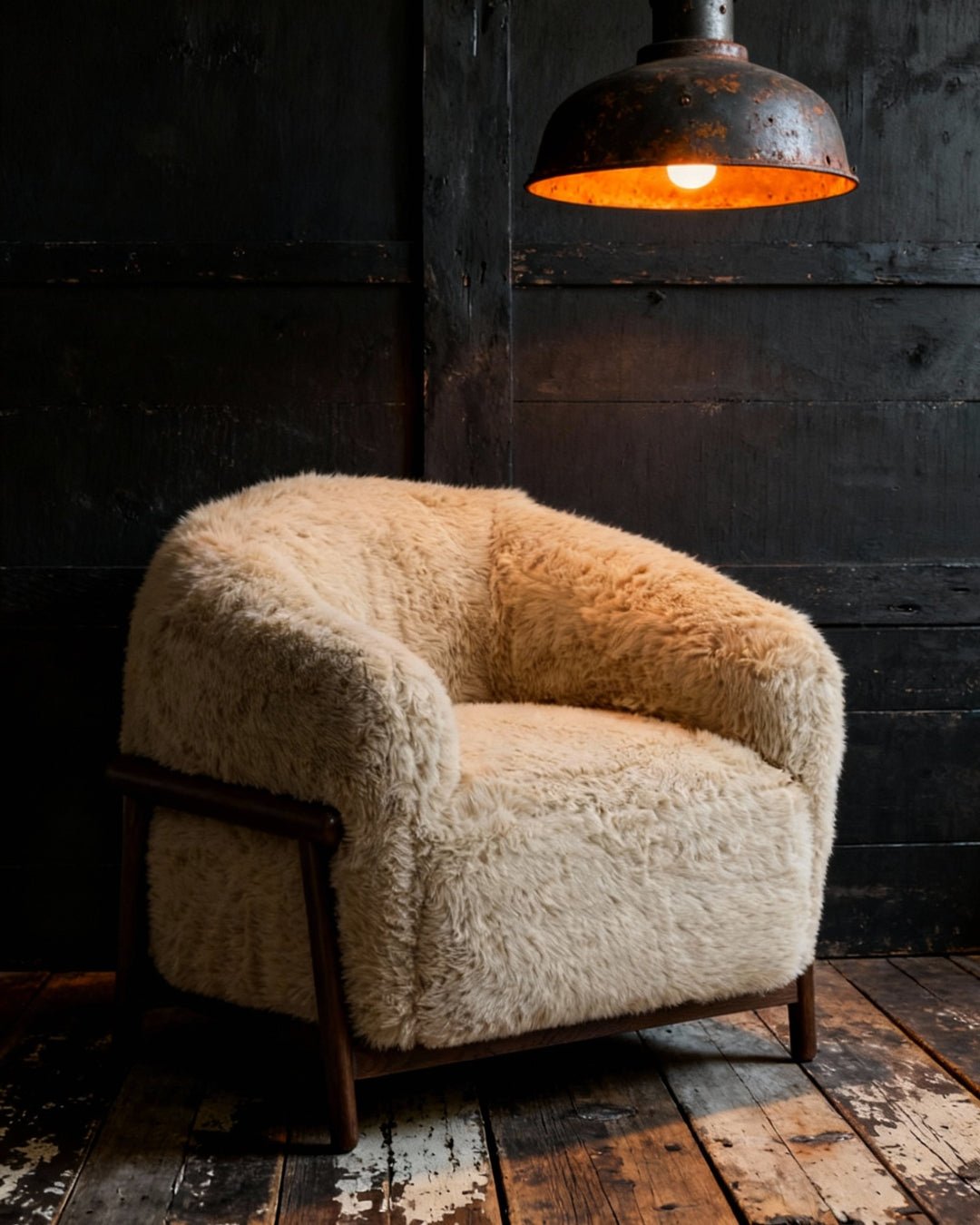
Pair a structured sofa with a softer chair
-
Mix materials instead of repeating them
-
Avoid perfect symmetry—slight variation feels more natural
You’re not trying to match.
You’re trying to resolve tension.
Stop Designing for Photos. Start Designing for Stillness
A lot of modern living room furniture setups are designed to look good in photos.
Clean lines. Perfect spacing. Nothing out of place.
But real spaces aren’t meant to be observed.
They’re meant to be lived in.
If everything feels too perfect, your body stays slightly alert—like you shouldn’t disturb anything.
That’s not comfortable.
That’s performance.
A good living room allows movement, variation, and use without feeling like it’s being disrupted.

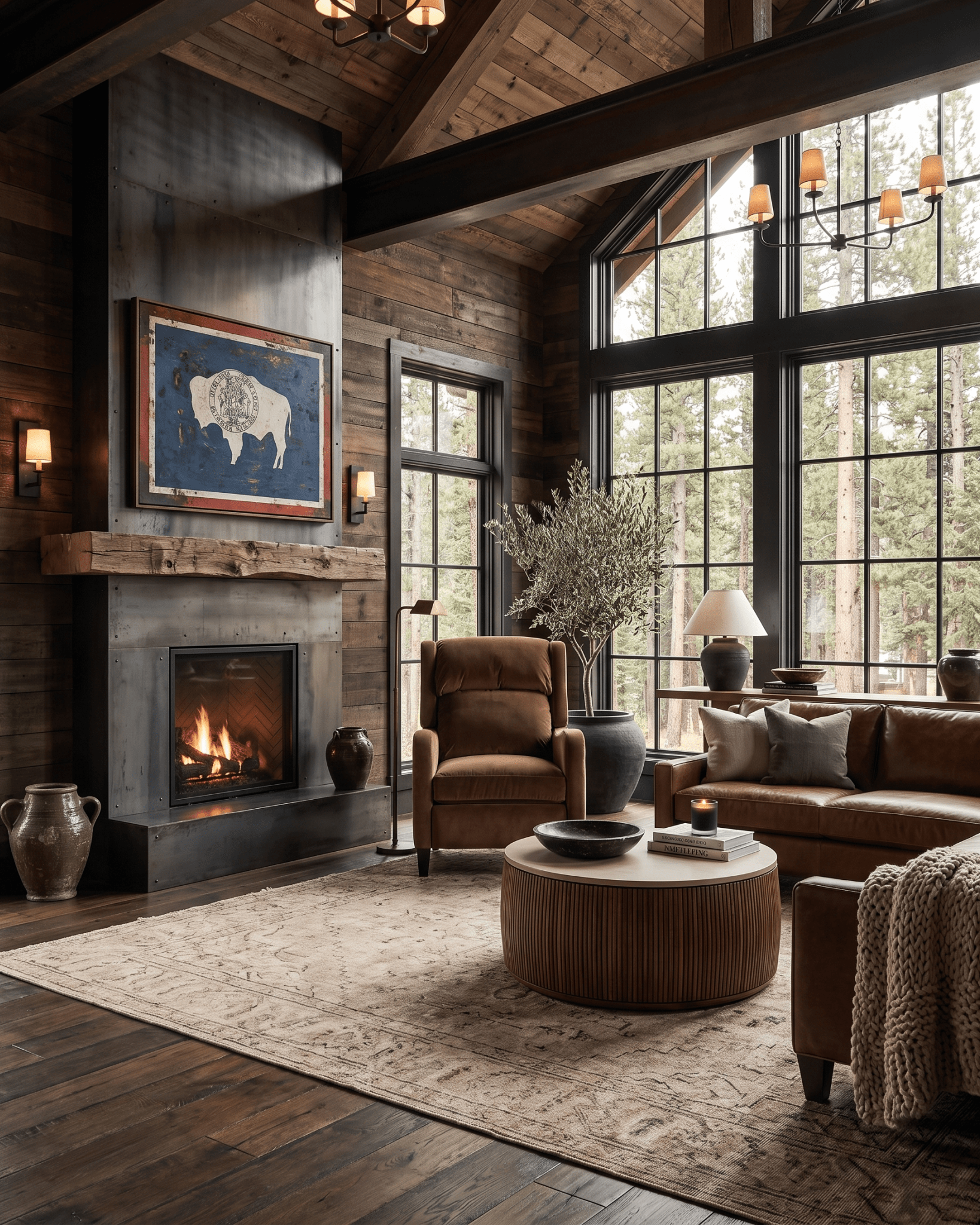
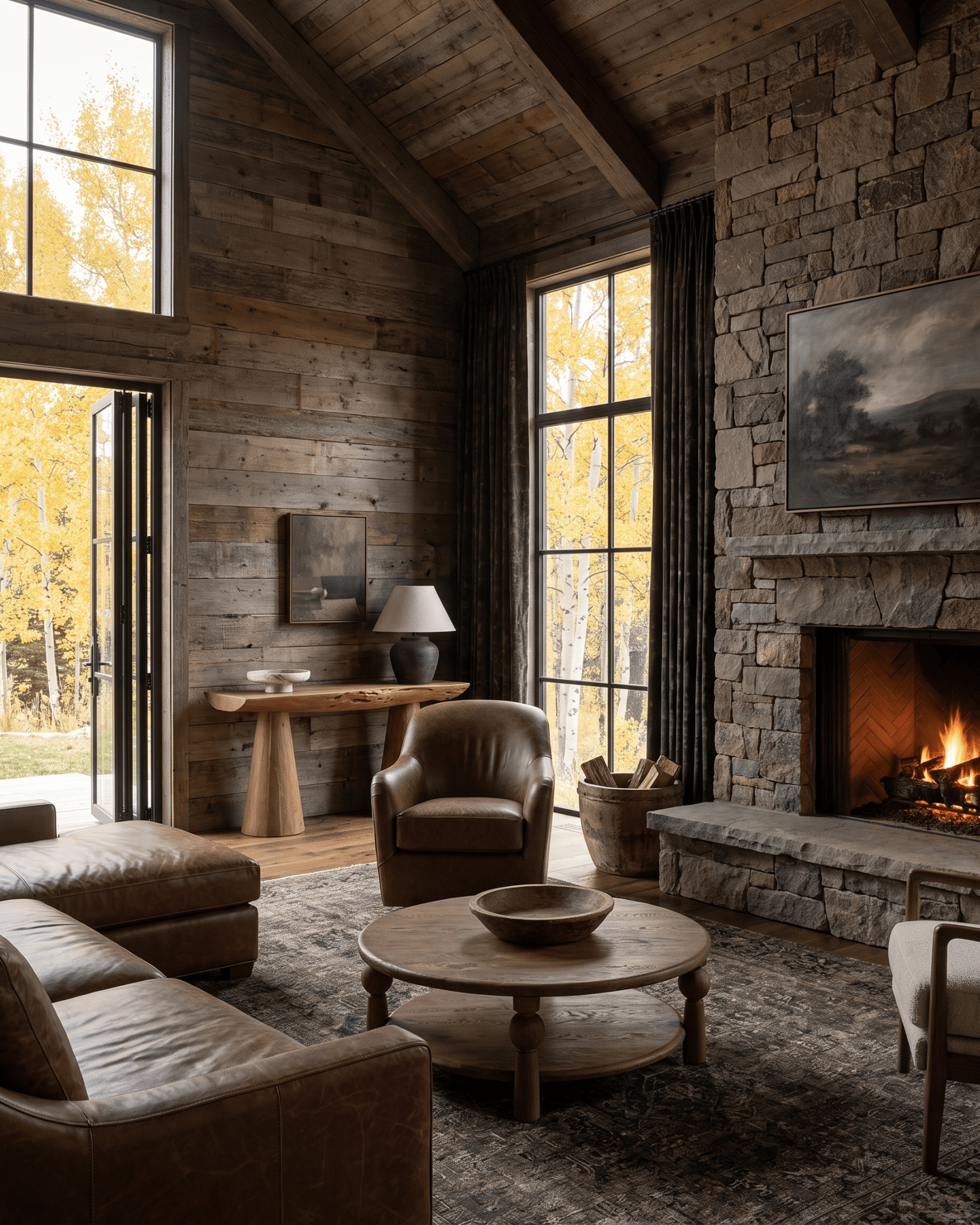
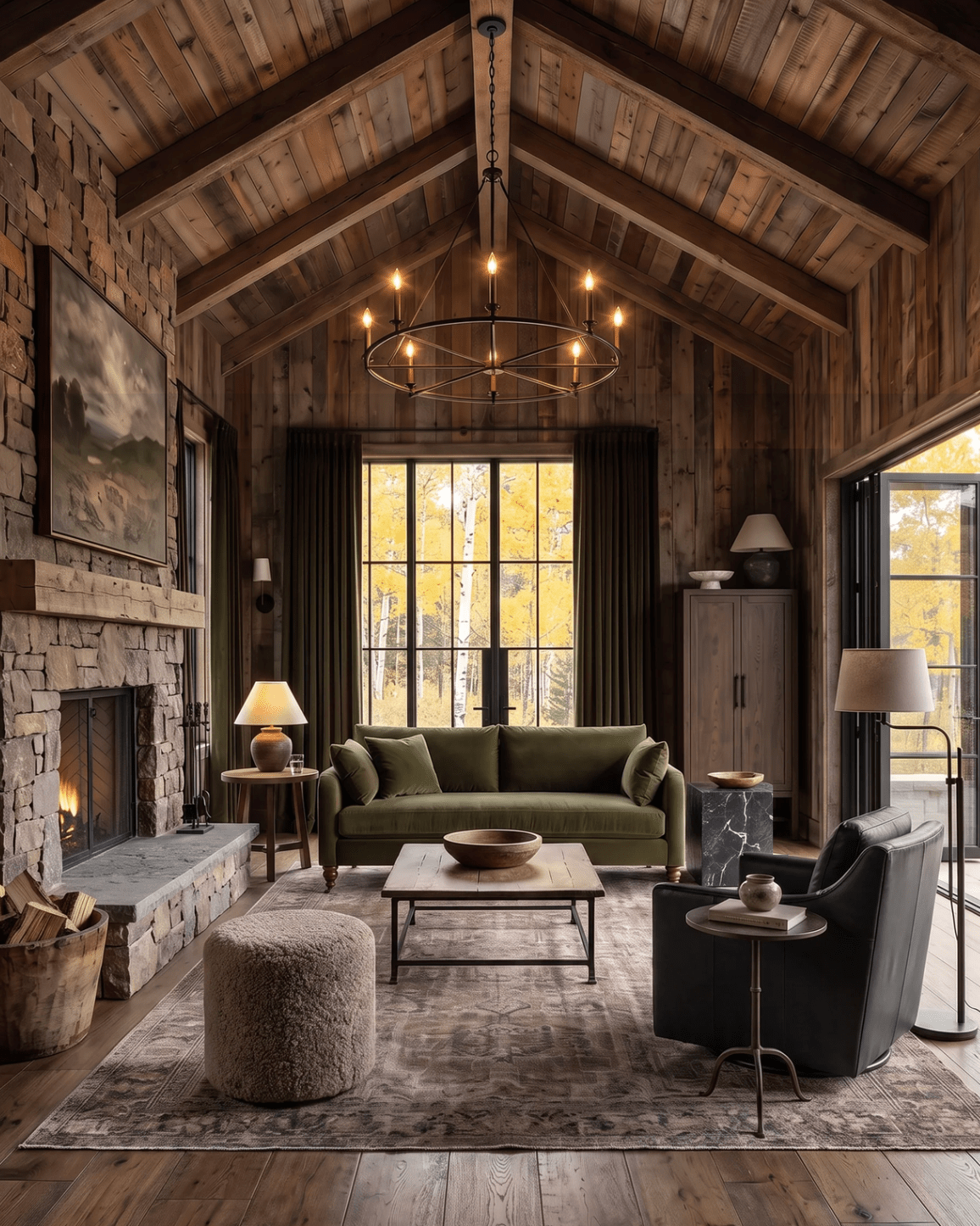
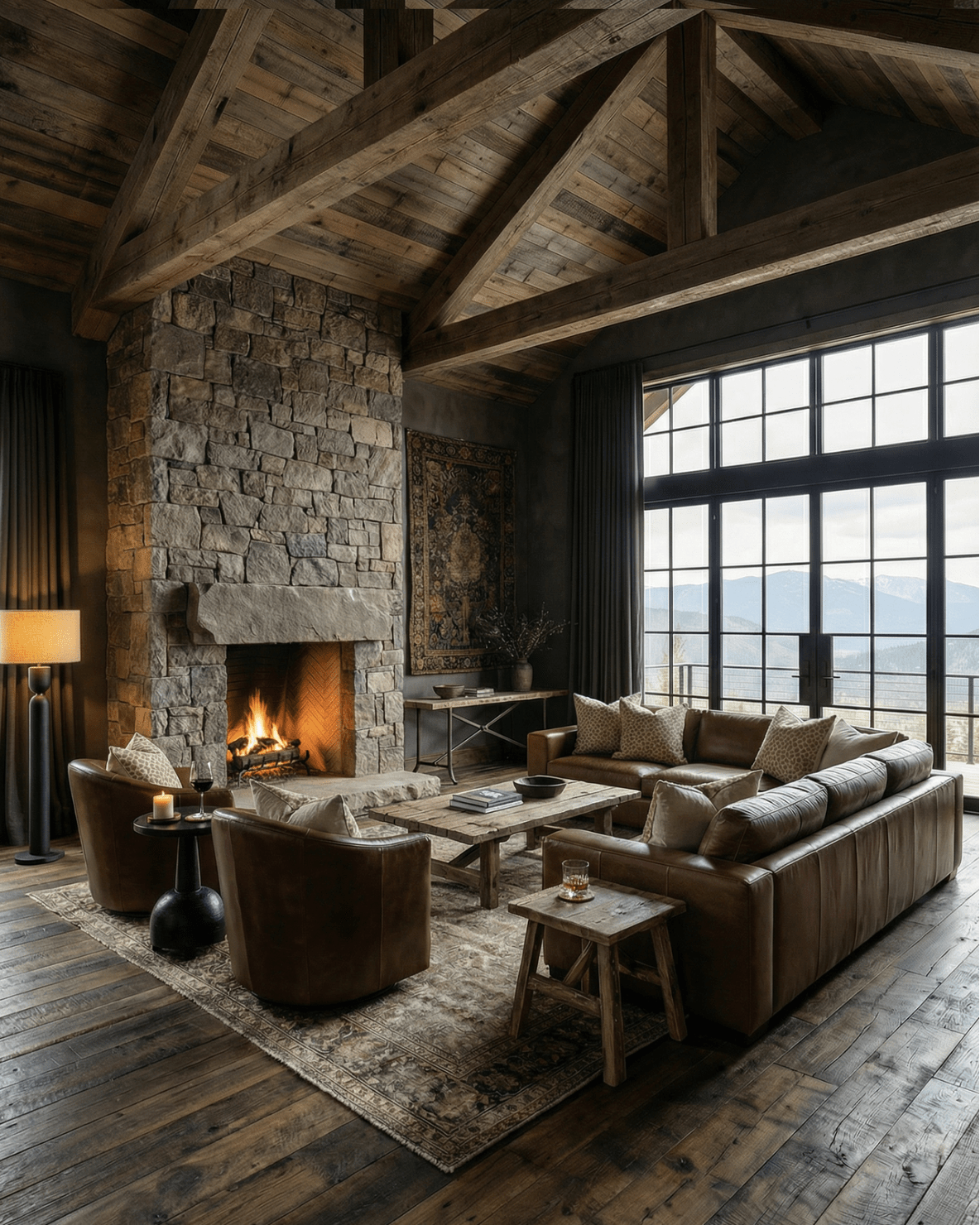
What Makes a Modern Mountain Living Room Feel Different
This is where things shift.
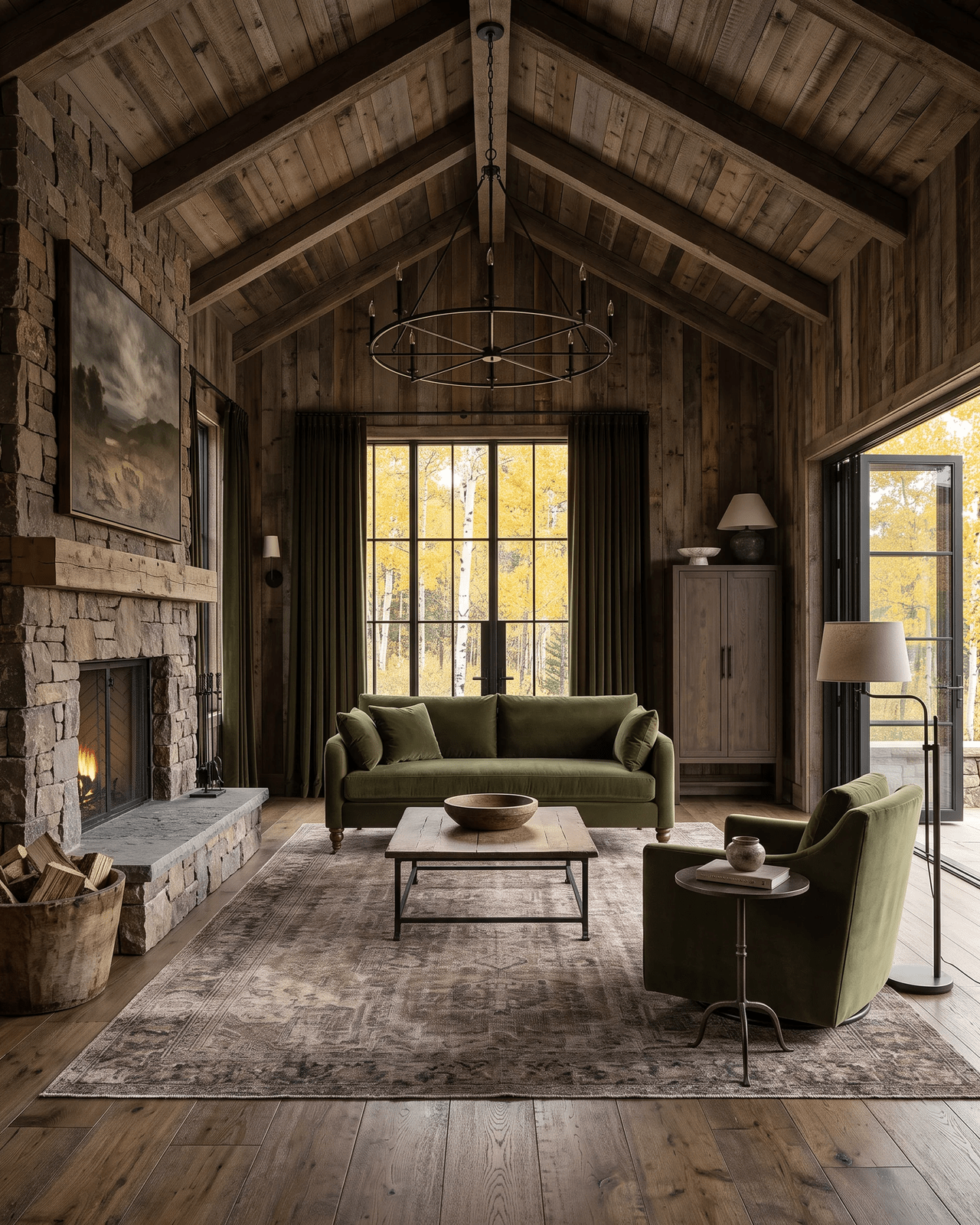
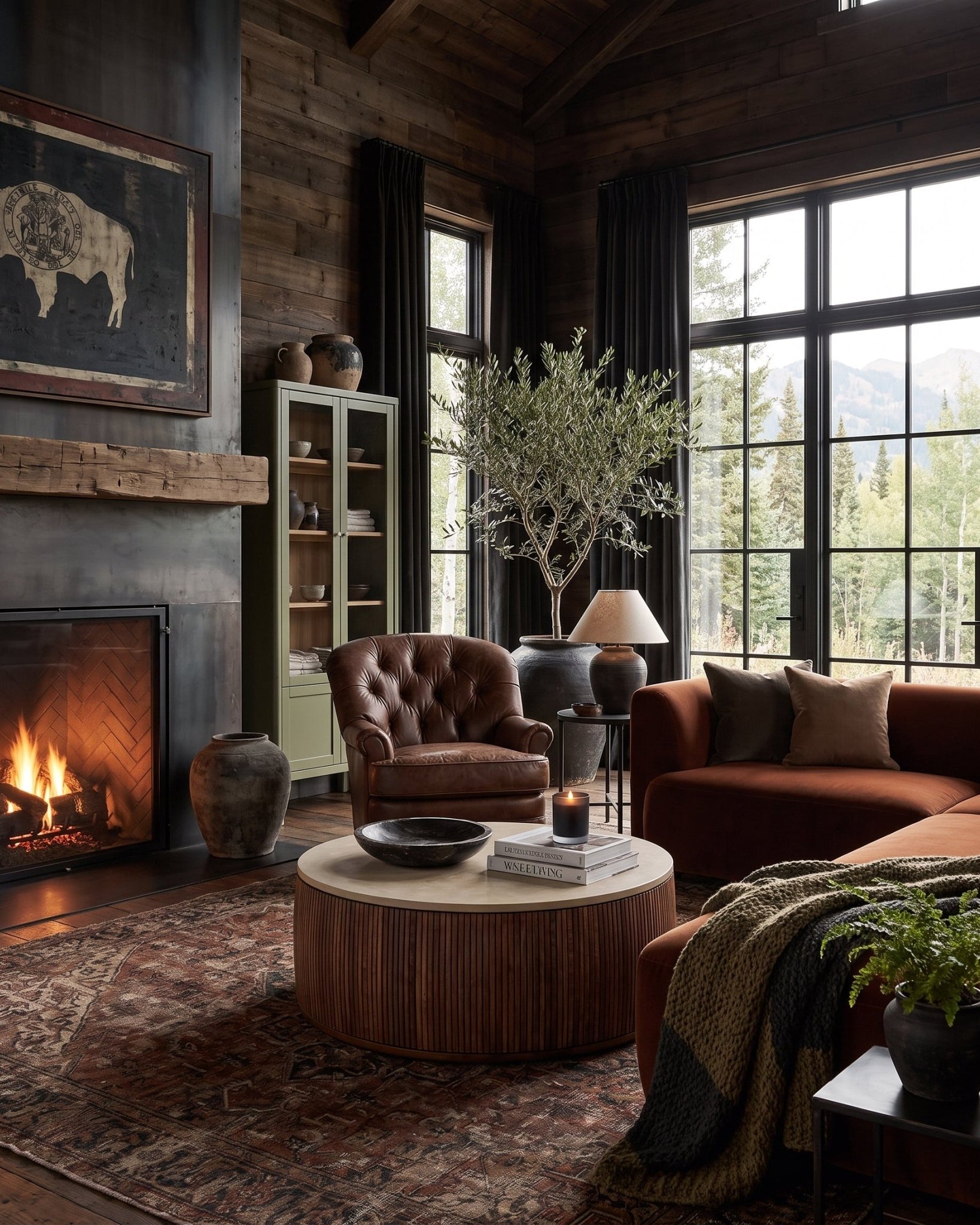
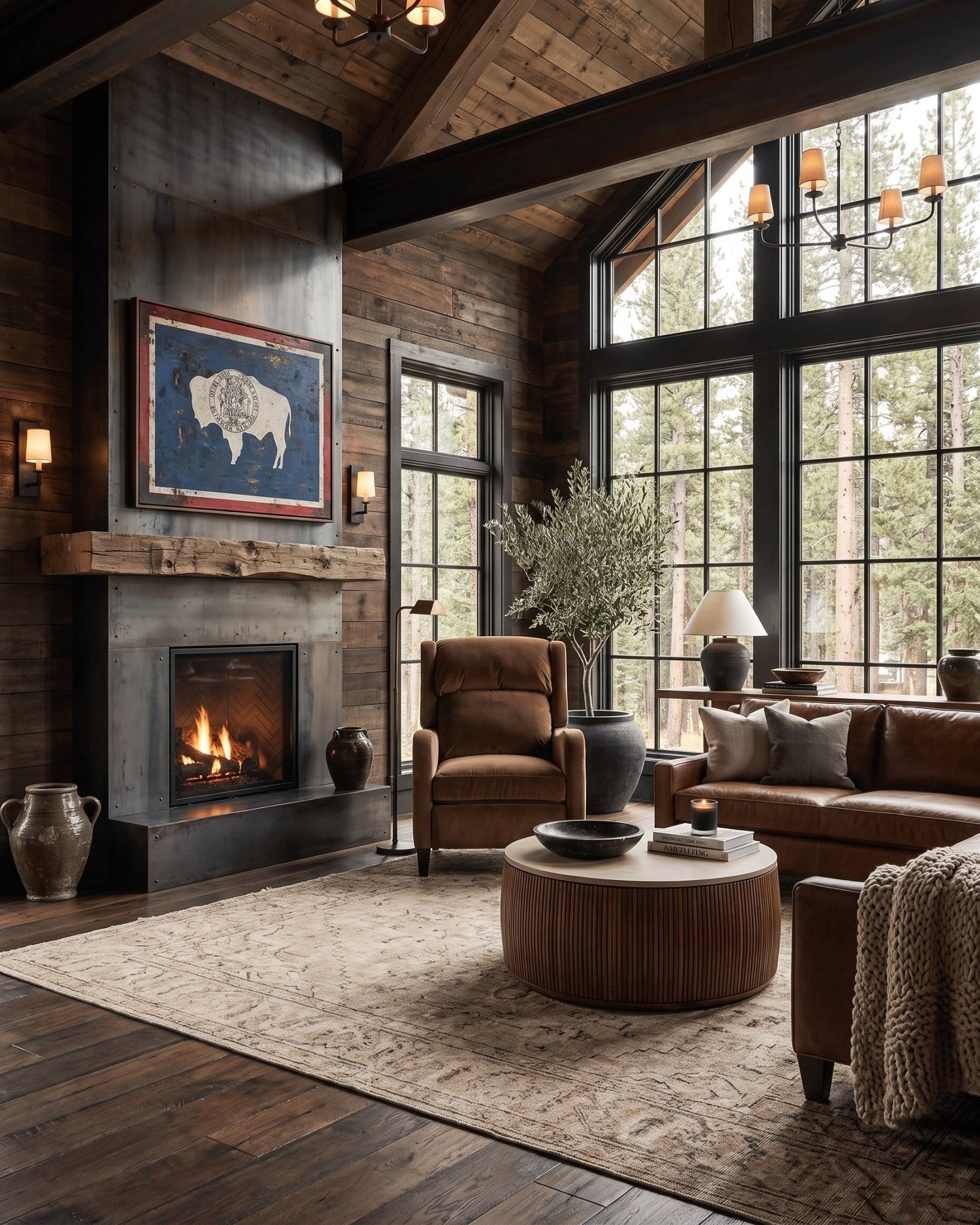
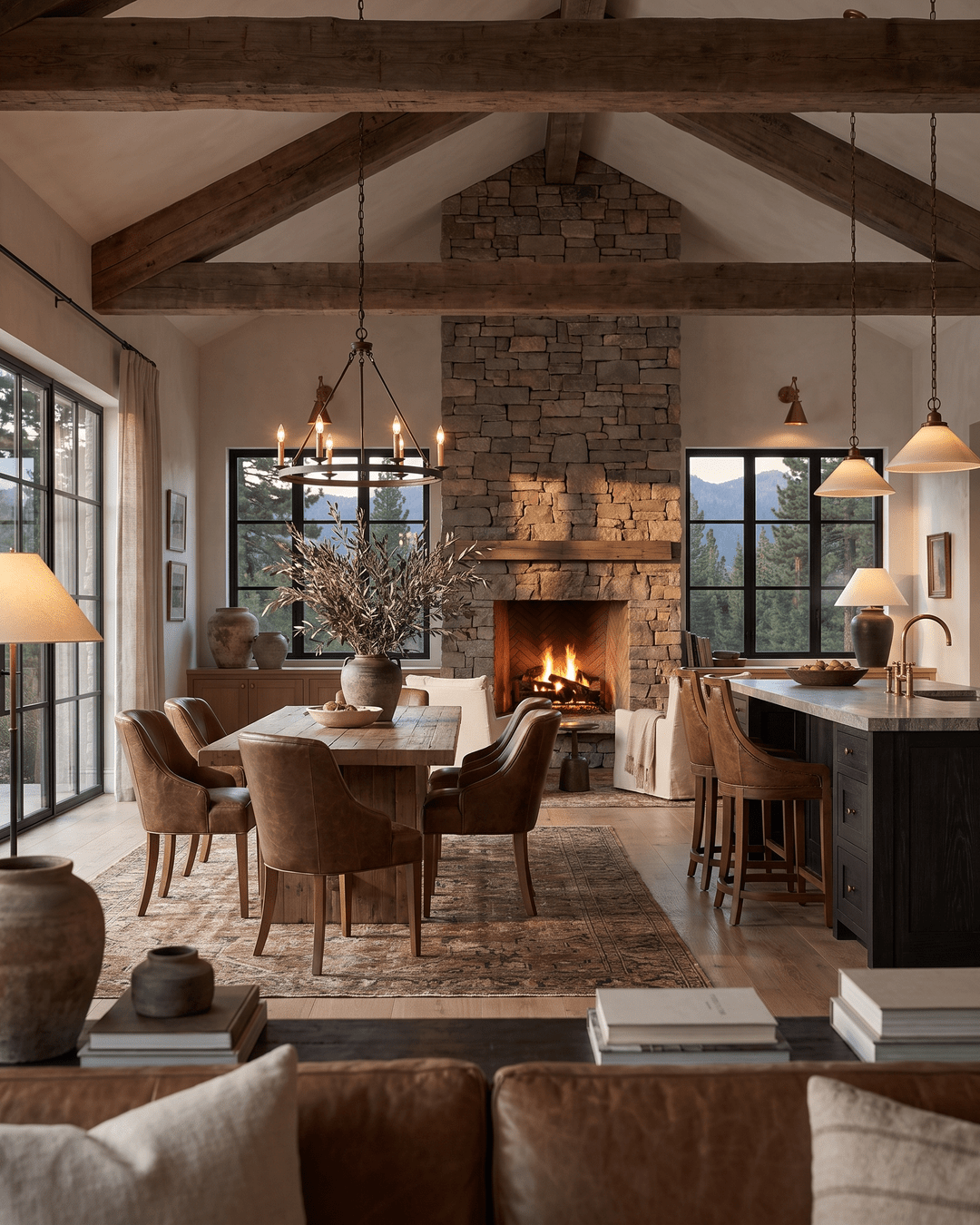
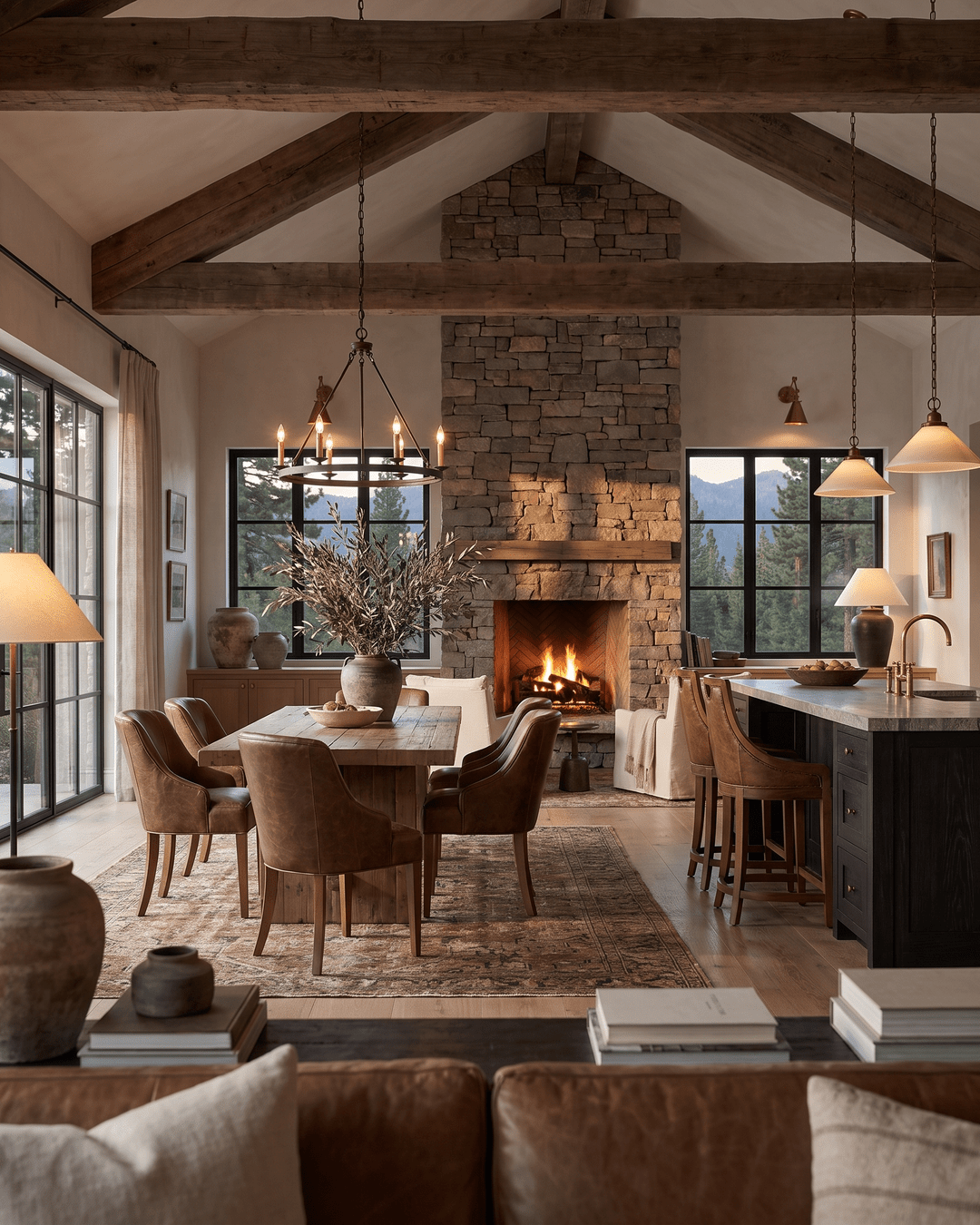
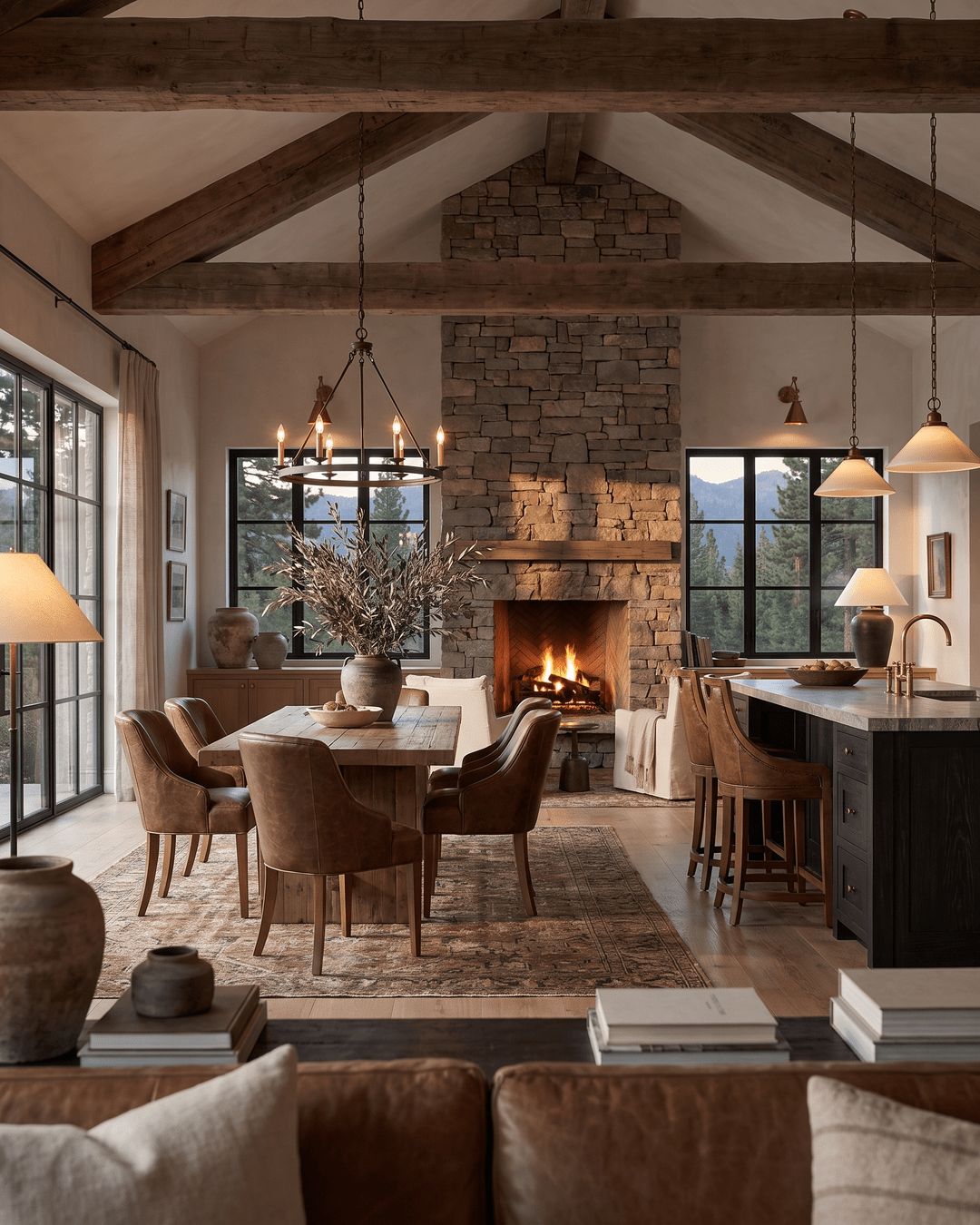
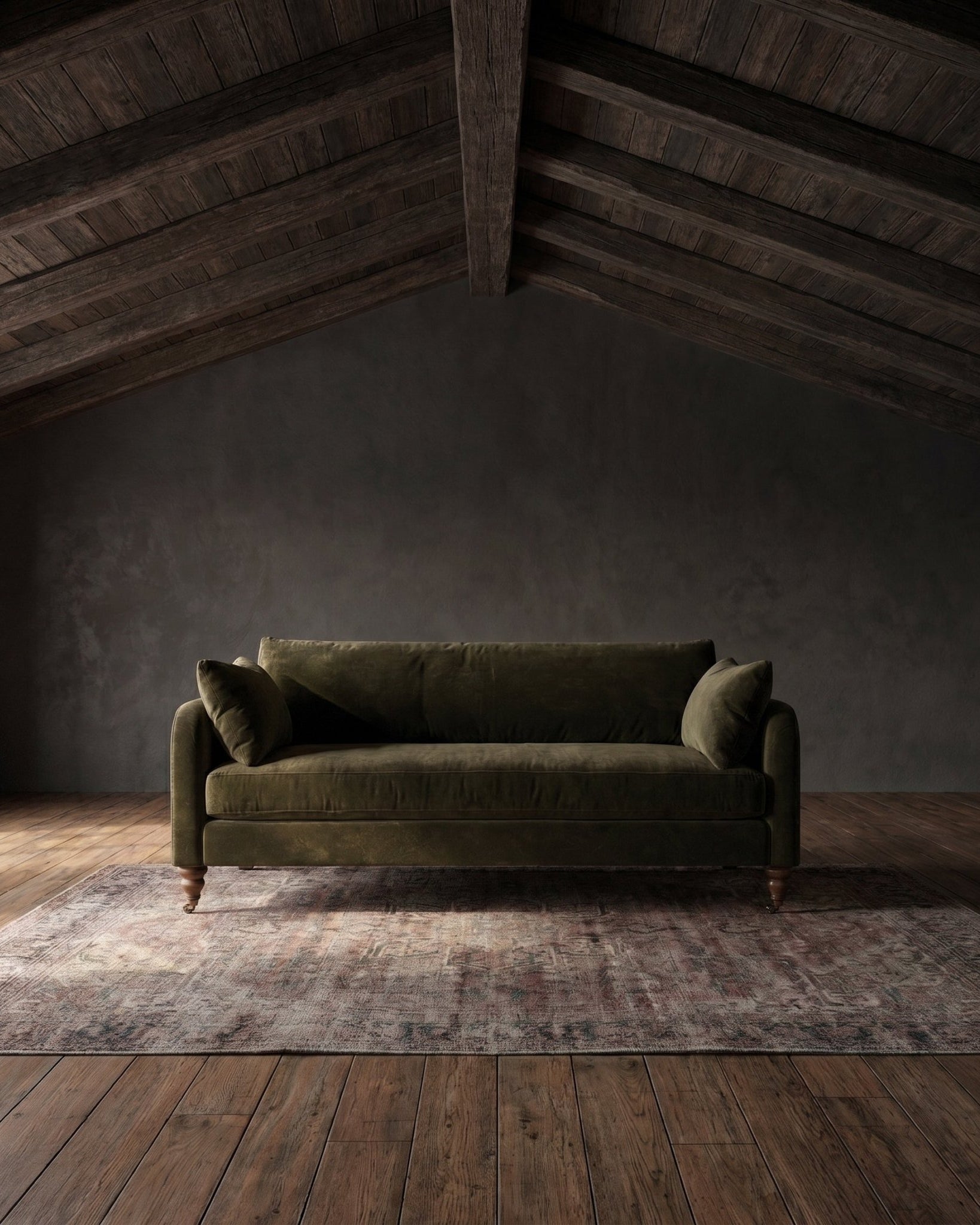
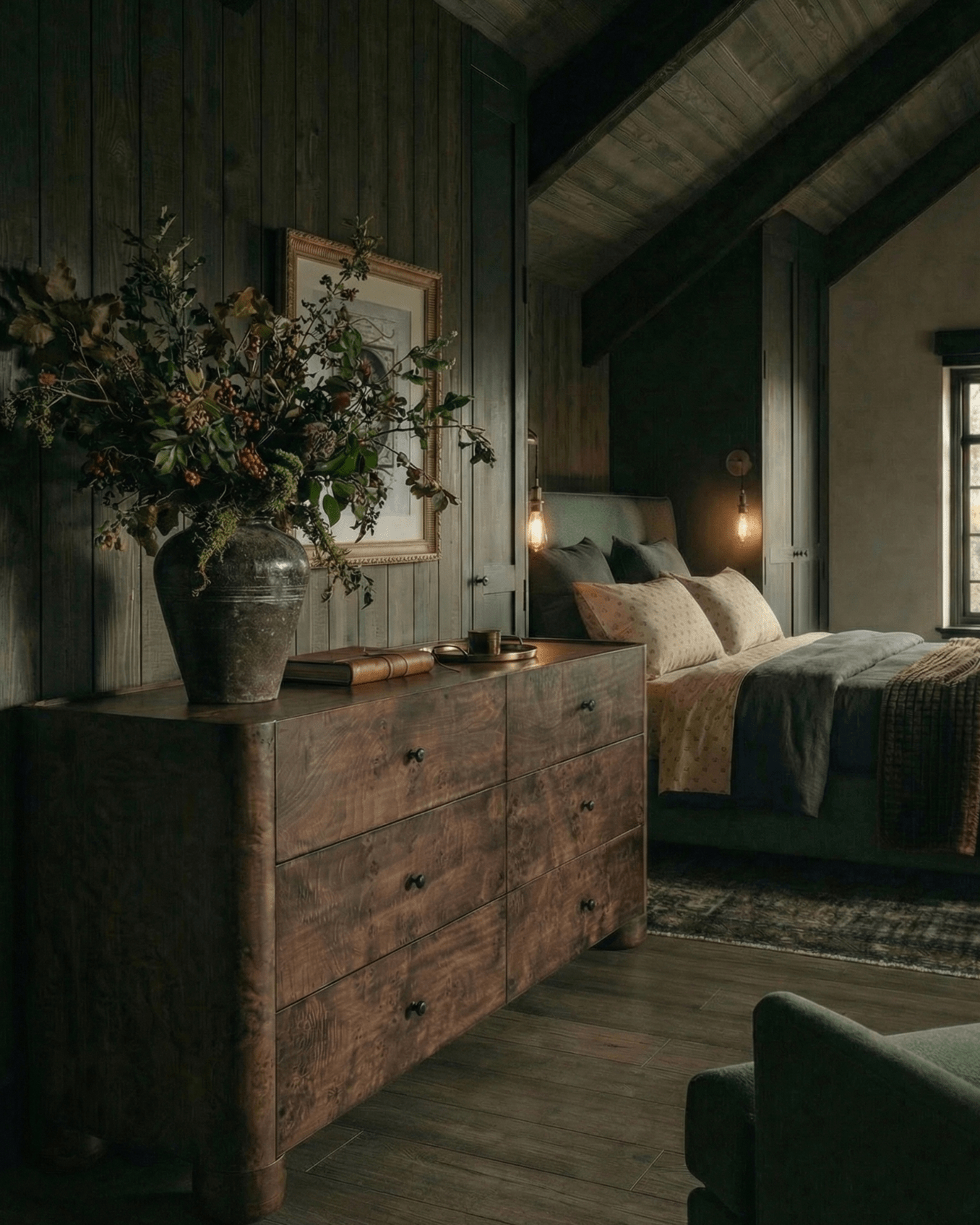
A modern mountain living room doesn’t try to impress—it tries to regulate.
It leans into:
-
Lower, deeper seating
-
Heavier, natural materials
-
Softer lighting
-
Less visual noise
It doesn’t rely on decoration to create interest.
It relies on presence.
That’s why it feels different.
It gives your system fewer things to process—and more room to settle.
Anchor First. Style Later.
If your living room still feels off, don’t start with styling.
Start with anchors.
Ask:
-
Is your sofa positioned with intention?
-
Does your coffee table feel proportional?
-
Do your chairs support the layout—or compete with it?
These decisions shape everything else.
If they’re right, styling becomes easy.
If they’re wrong, nothing will feel finished—no matter how much you add.
A Better Way to Approach Your Living Room
Instead of asking:
👉 “What should I add?”
Ask:
👉 “What is my space still trying to solve?”
Most of the time, the answer isn’t more decor.
It’s better to make decisions around your living room furniture.
Pieces that hold weight. Layouts that reduce friction. Materials that feel stable.
That’s what shifts a space from “almost there” to somewhere you actually want to stay.
Where to Start
Start with fewer, more intentional pieces.
Focus on layout first. Then materials. Then styling.
If you’re reworking your space, you can browse pieces designed to anchor and structure a room—not just fill it—through our living room furniture collection.
Final Thought
A good living room doesn’t ask for attention.
It holds it.
Quietly.
It doesn’t need constant adjusting.
It doesn’t rely on more.
It just makes sense—to your eyes, and to your body.