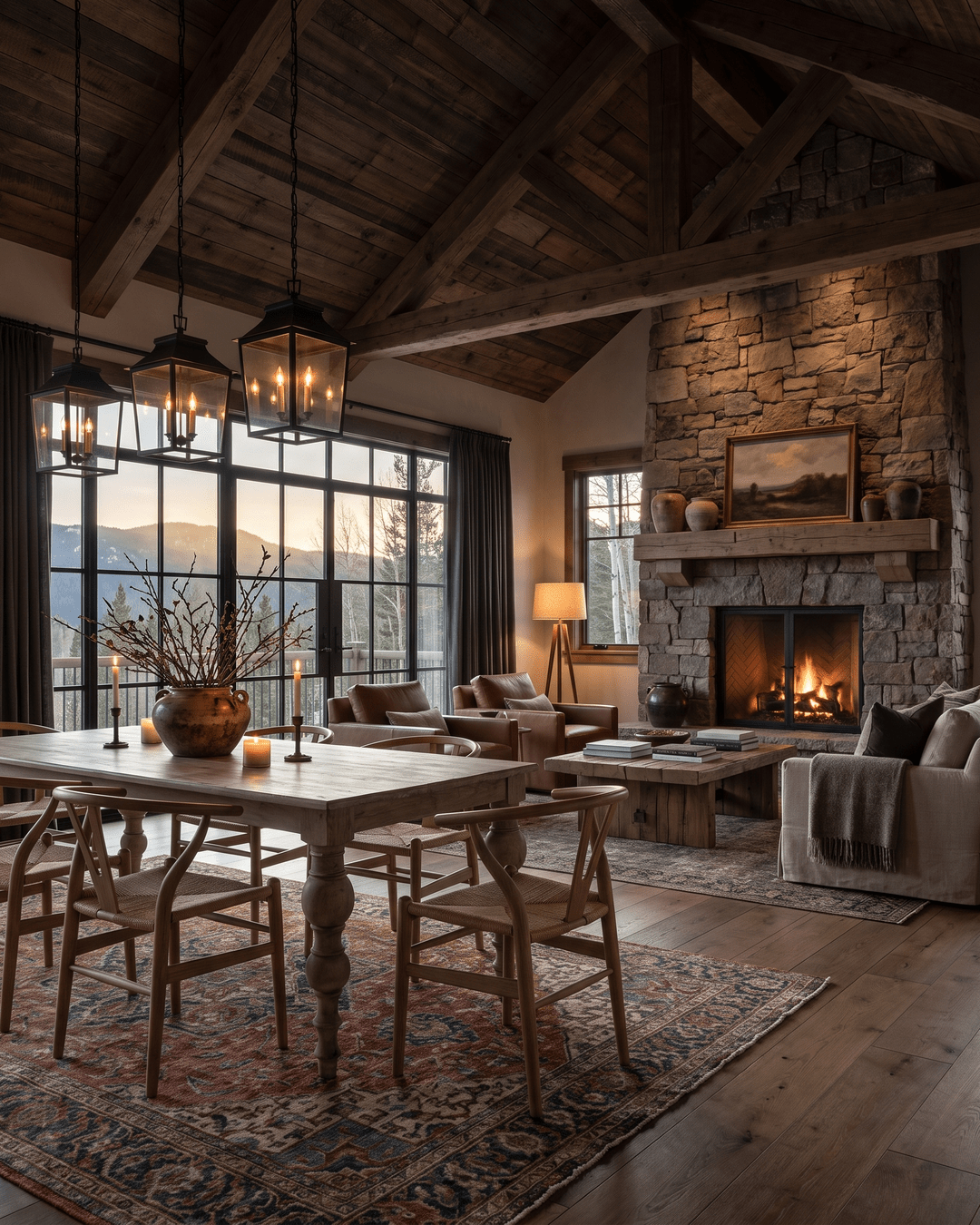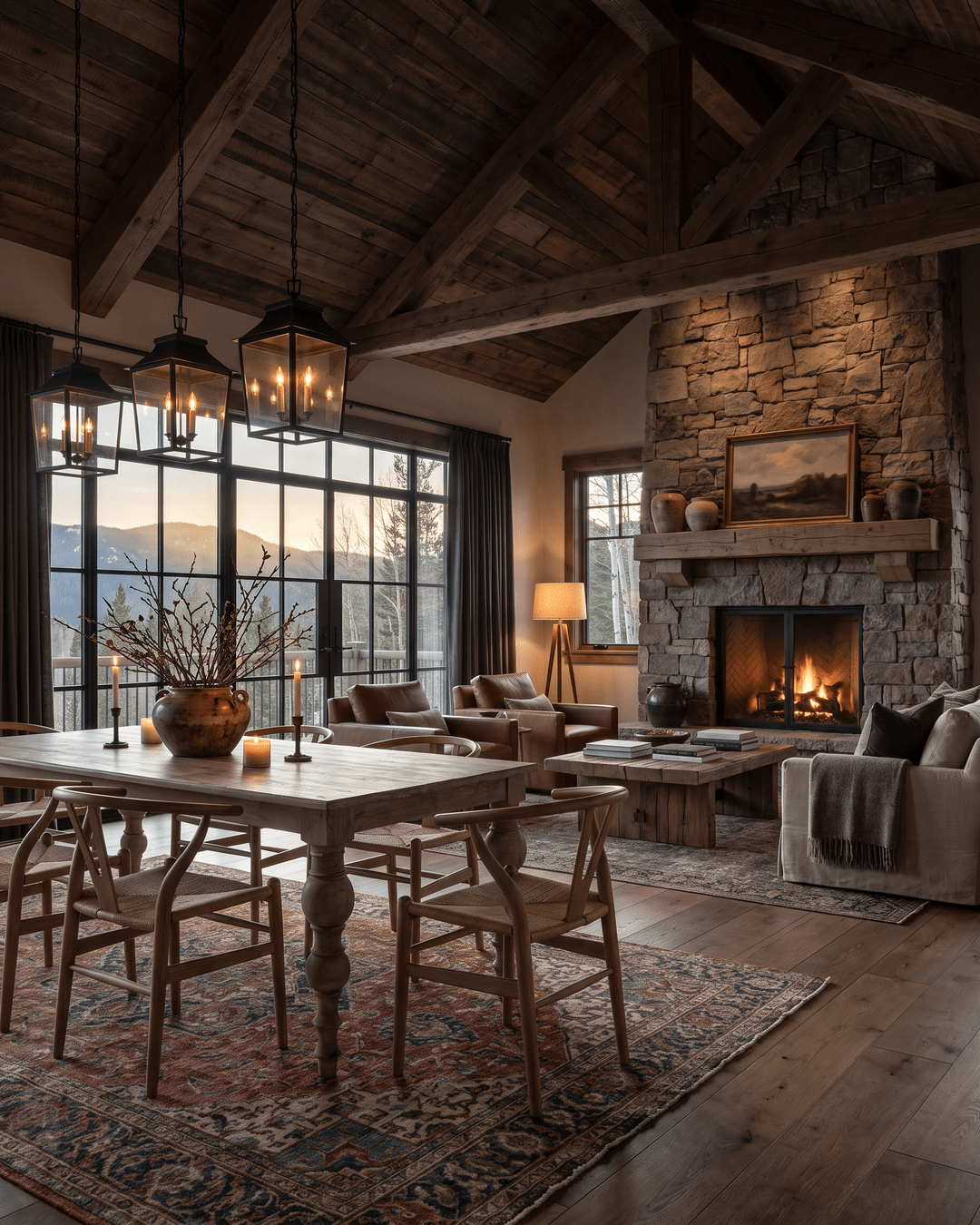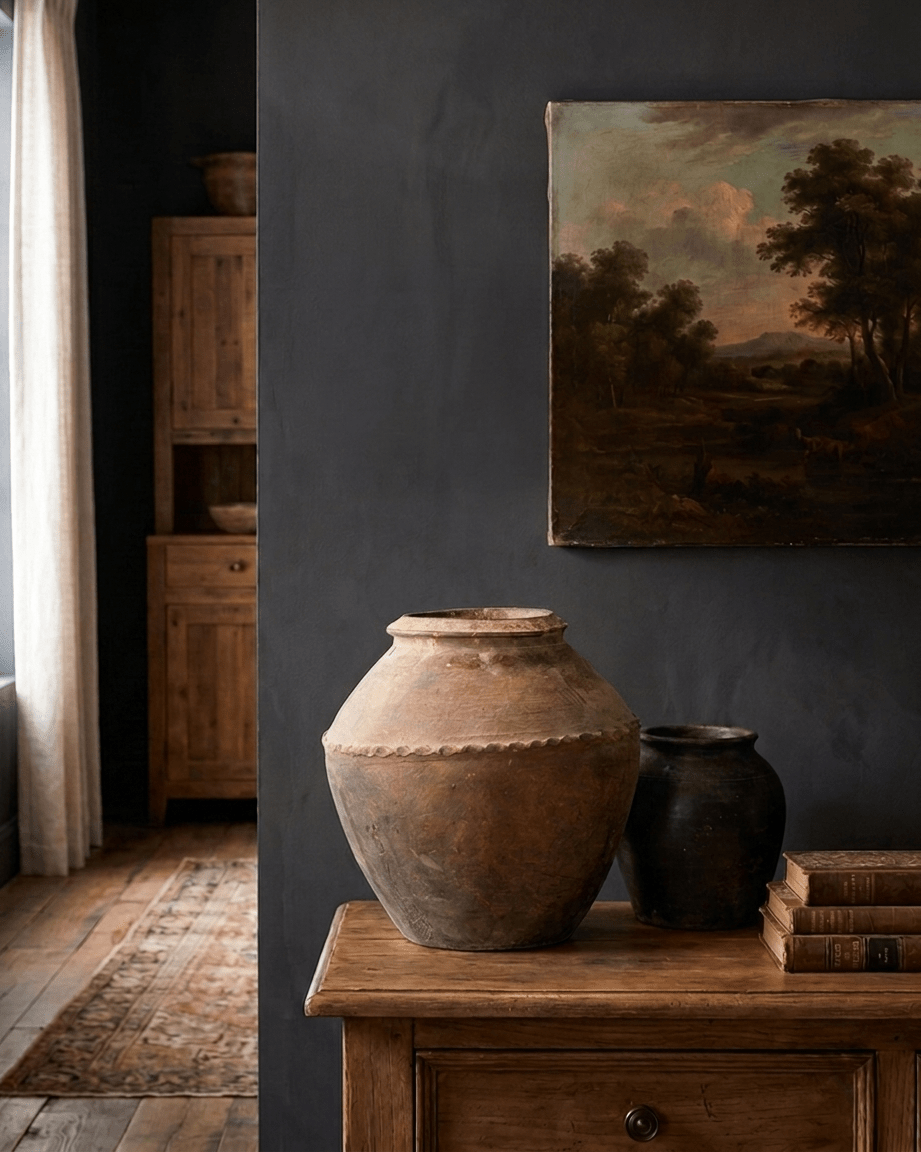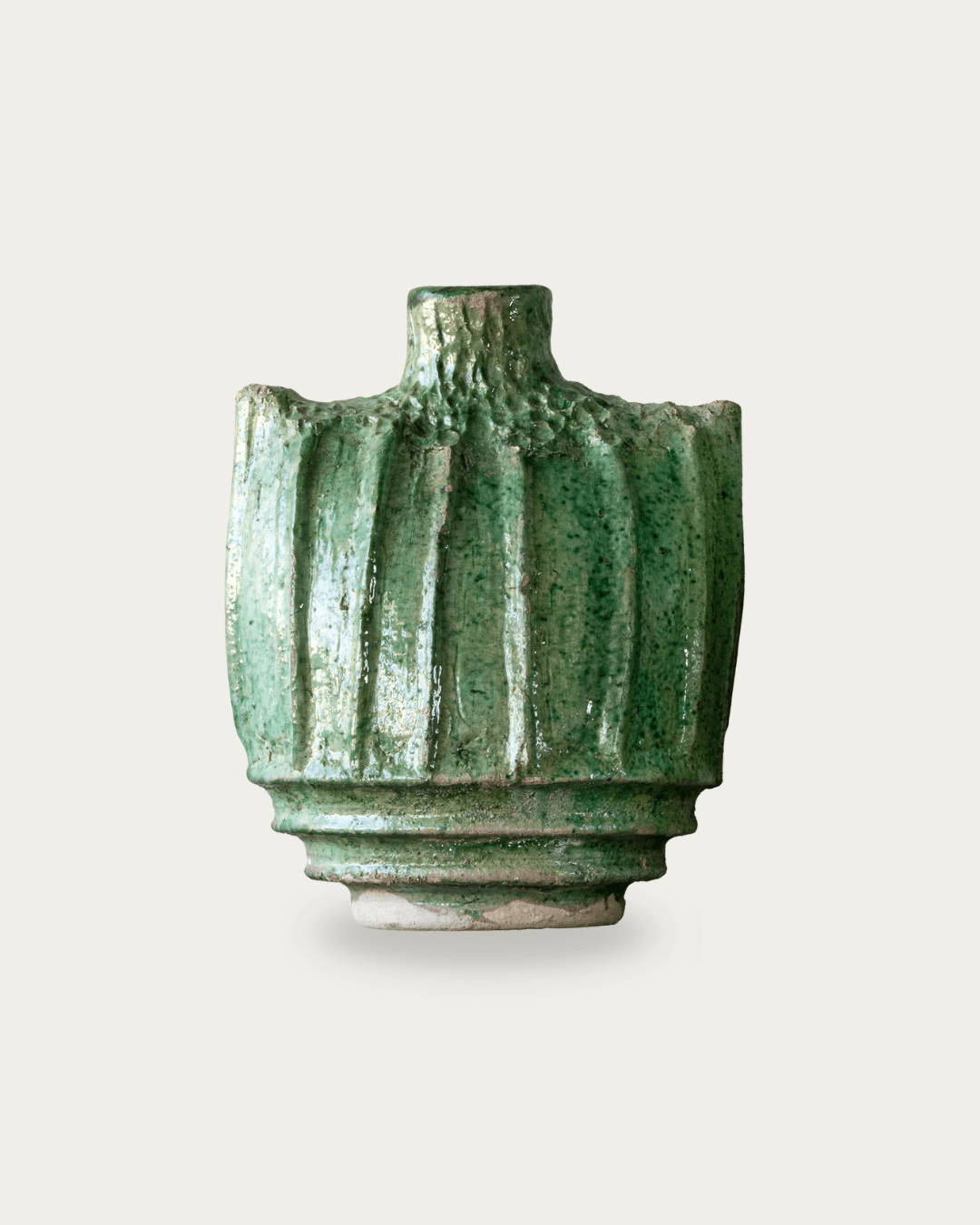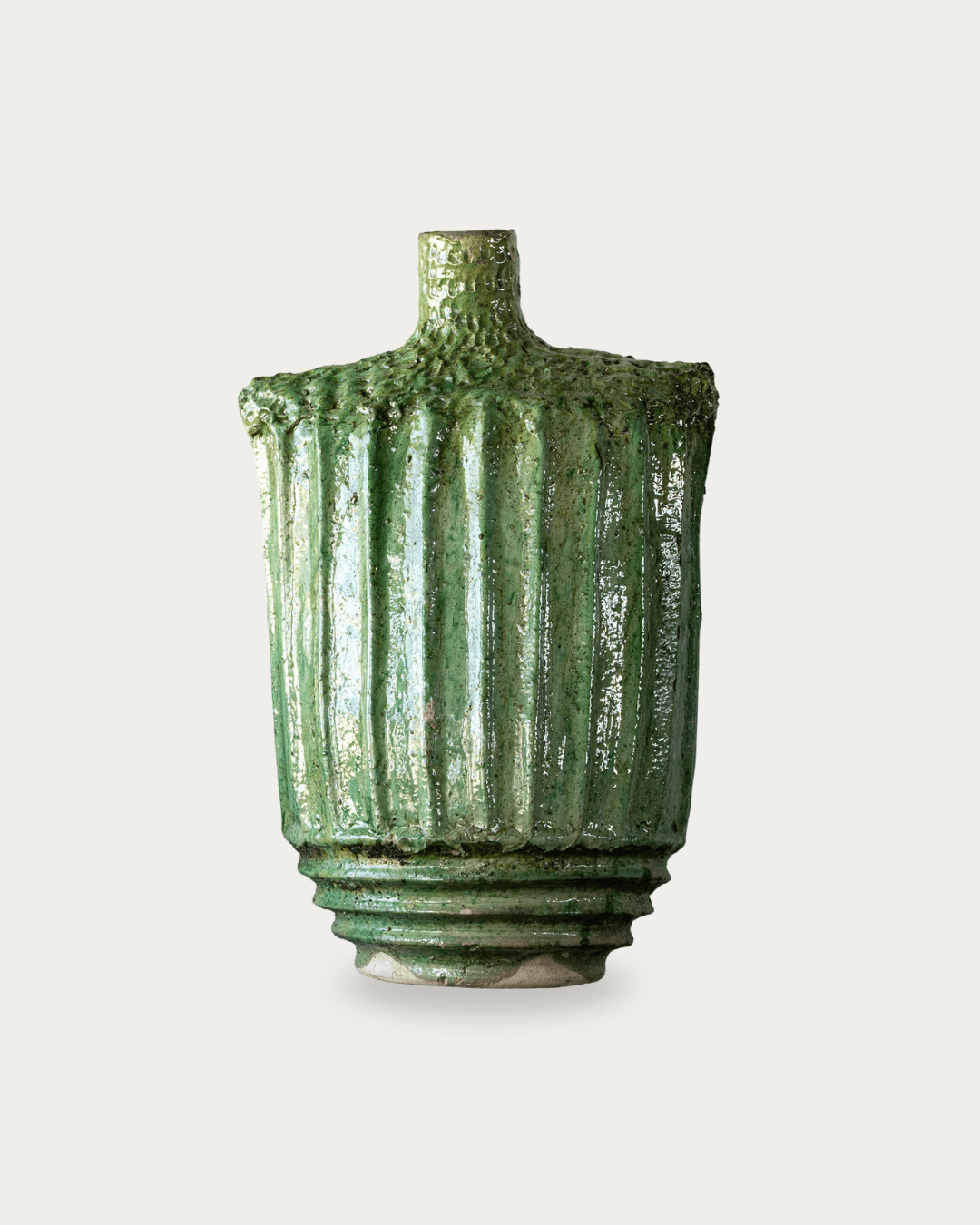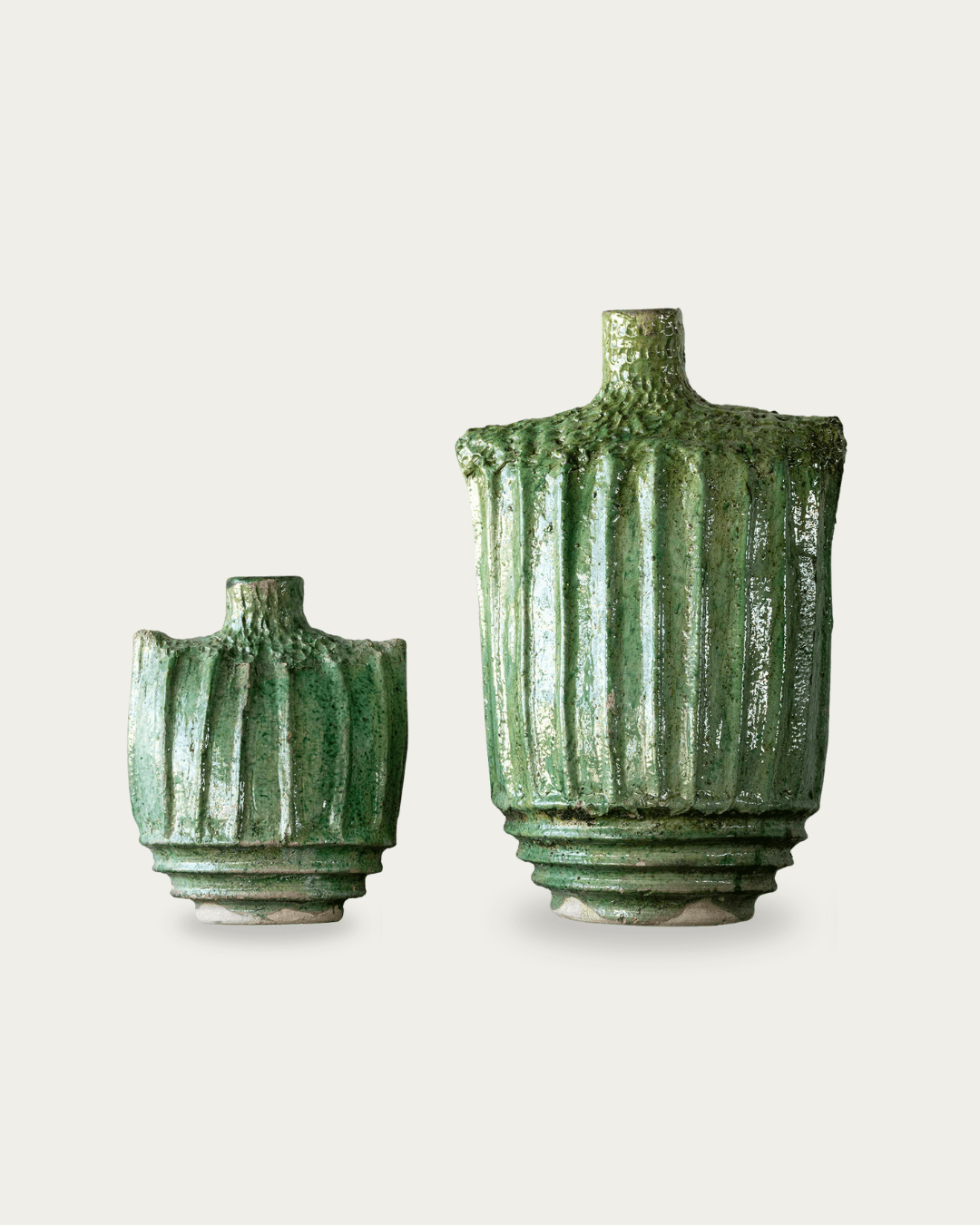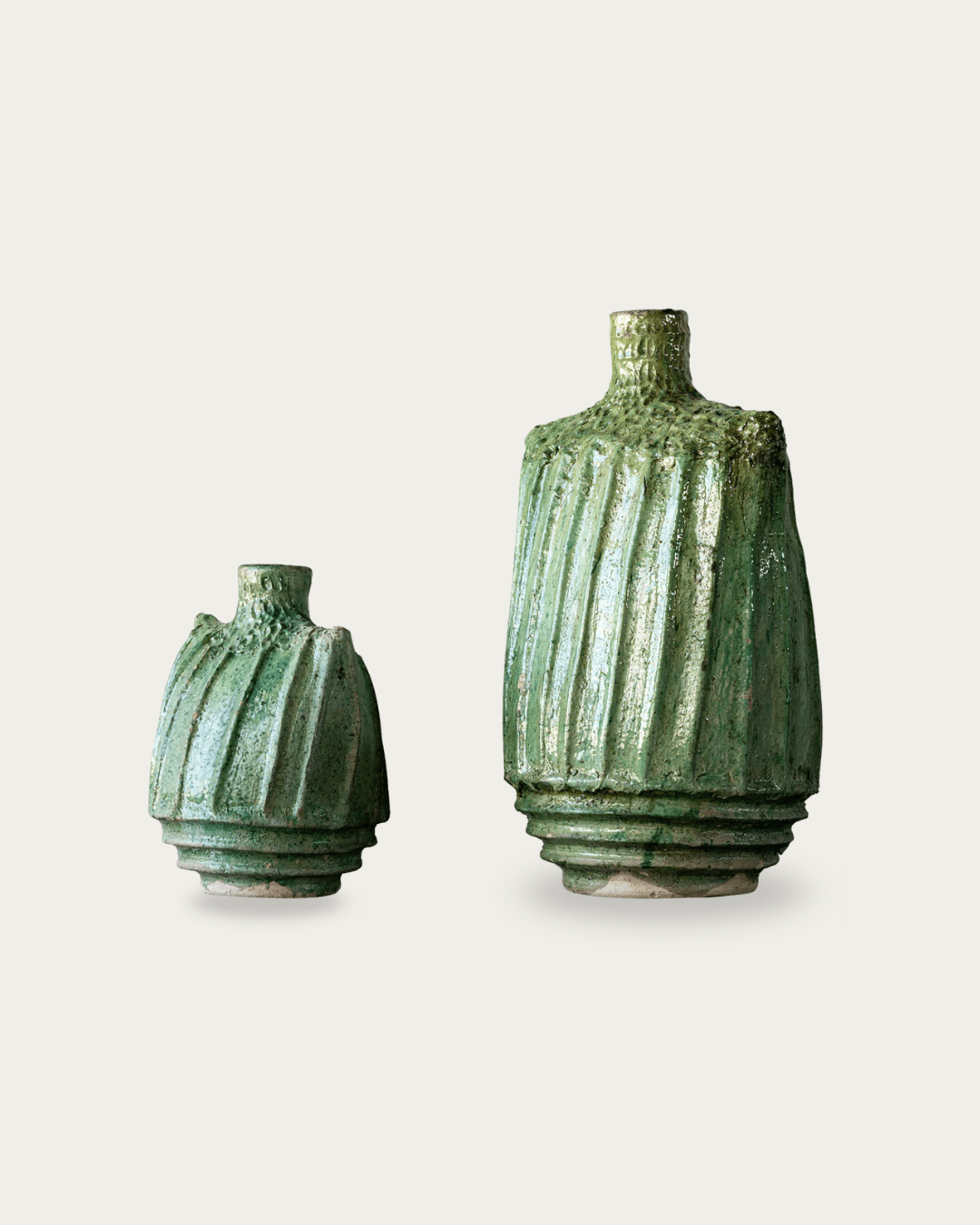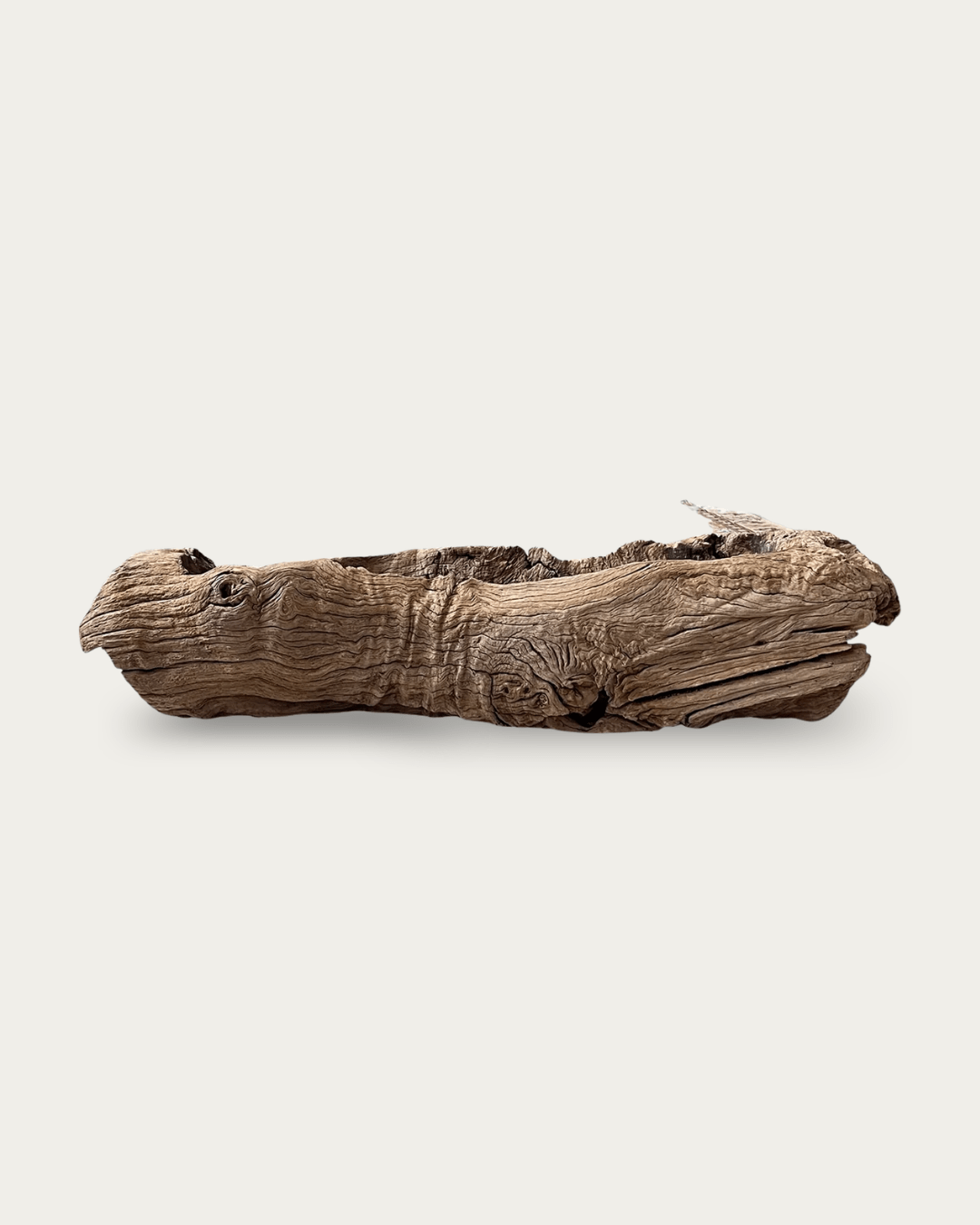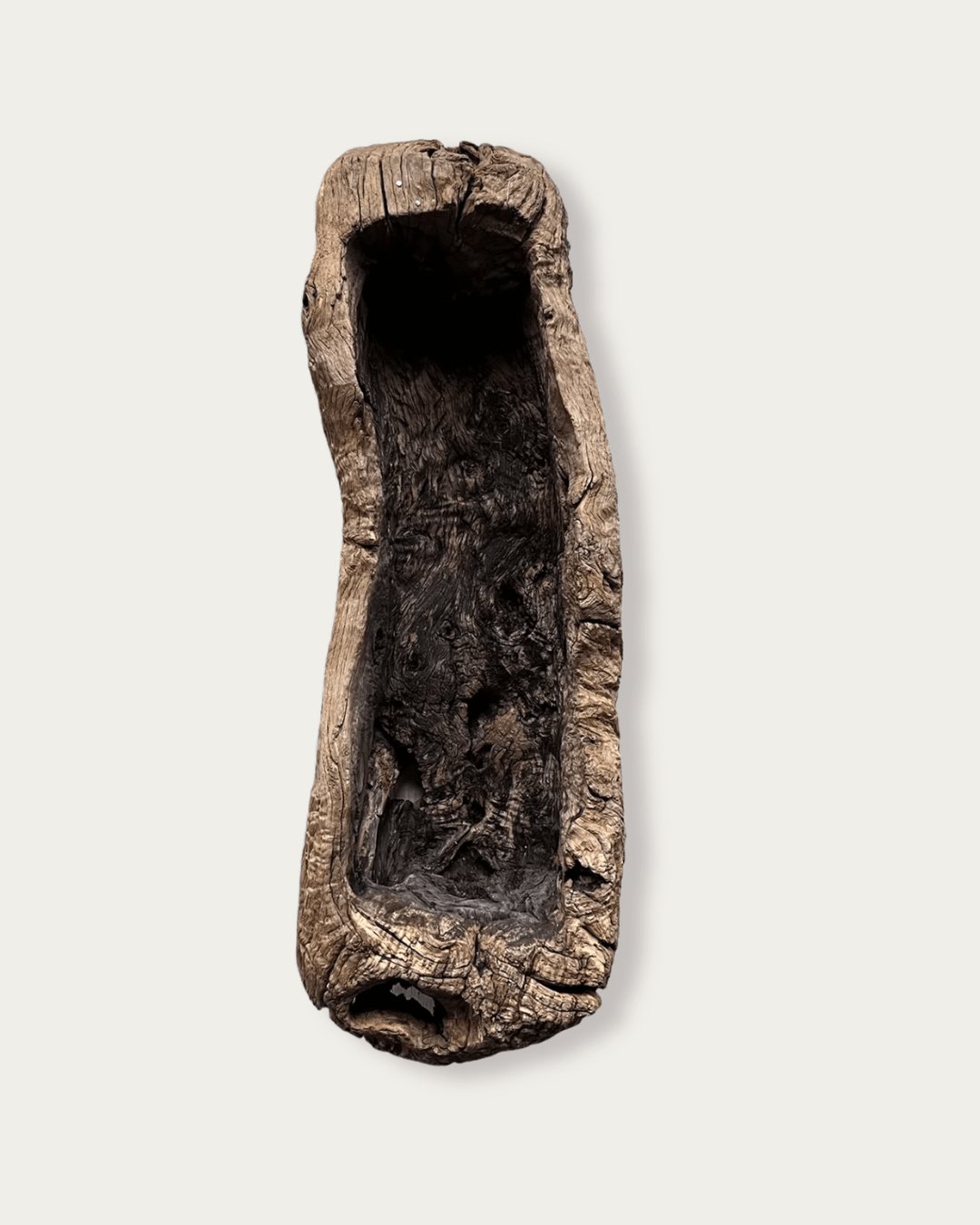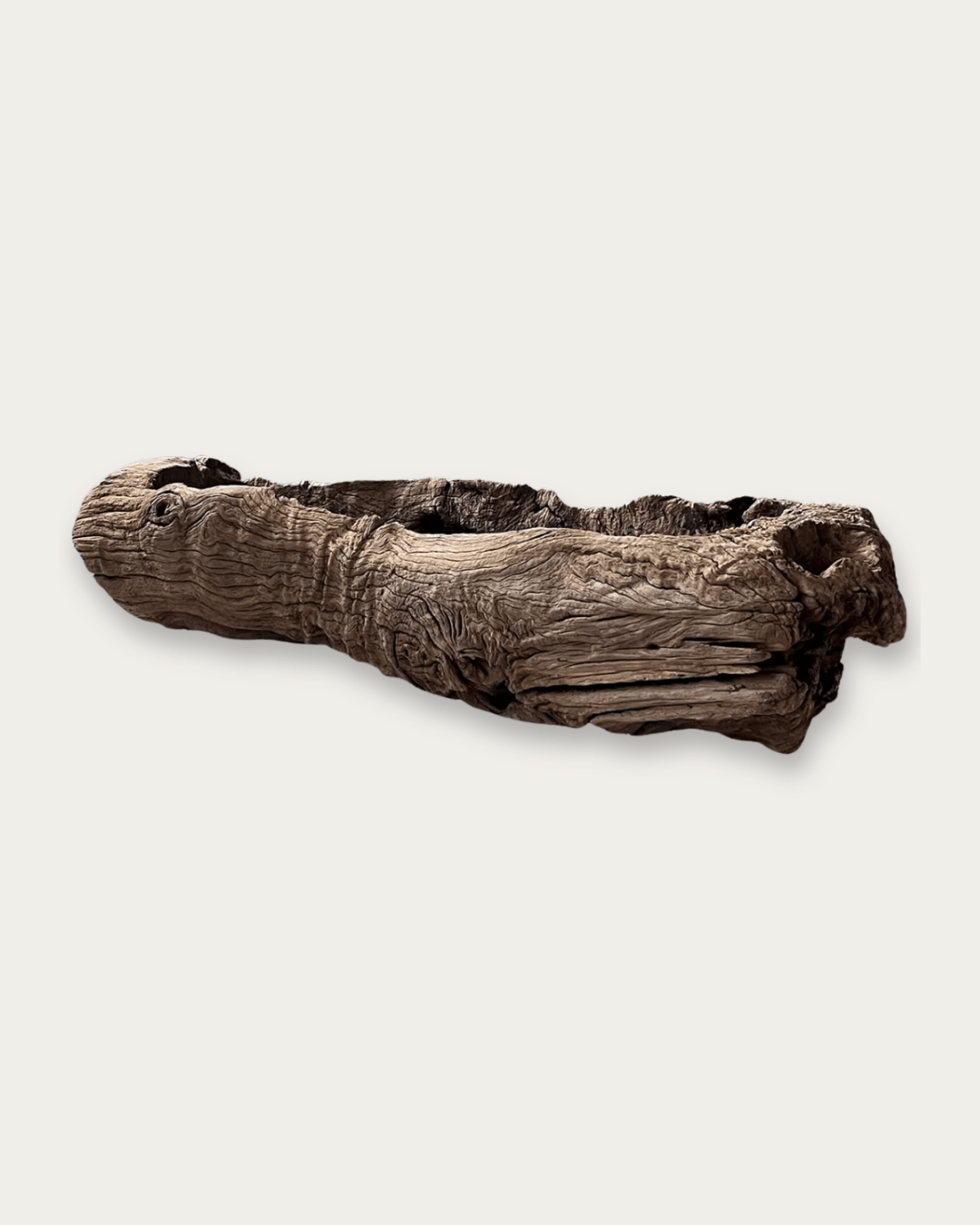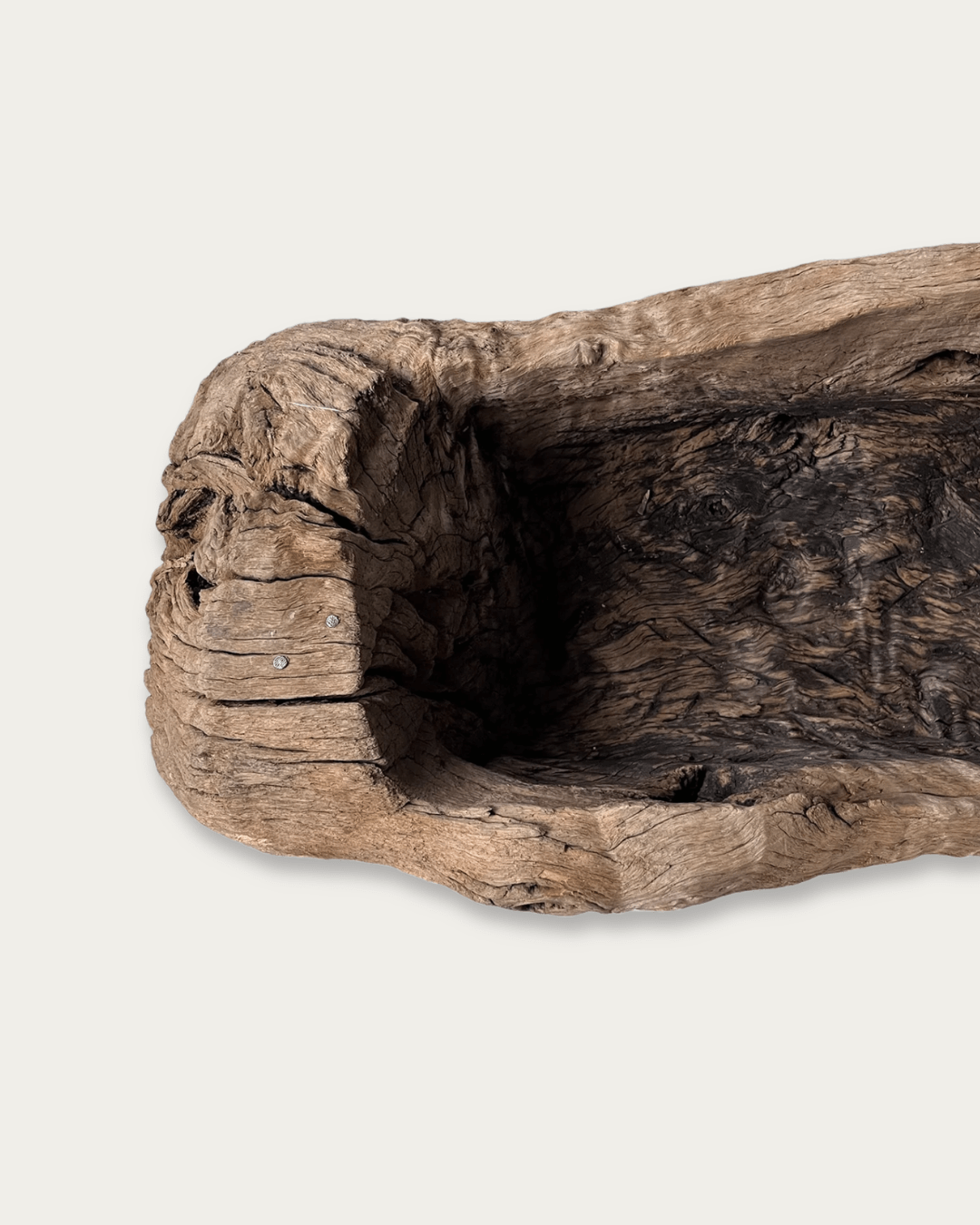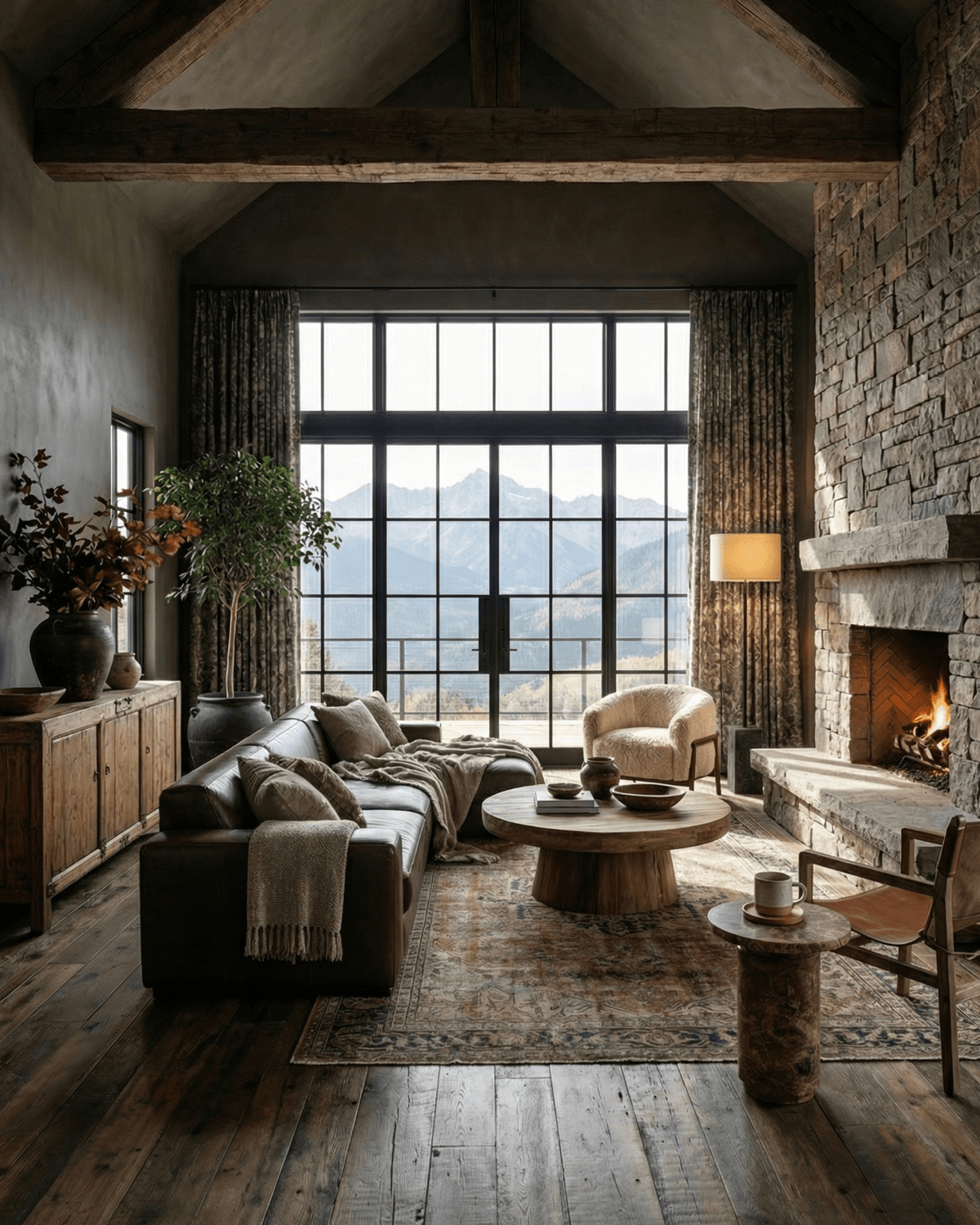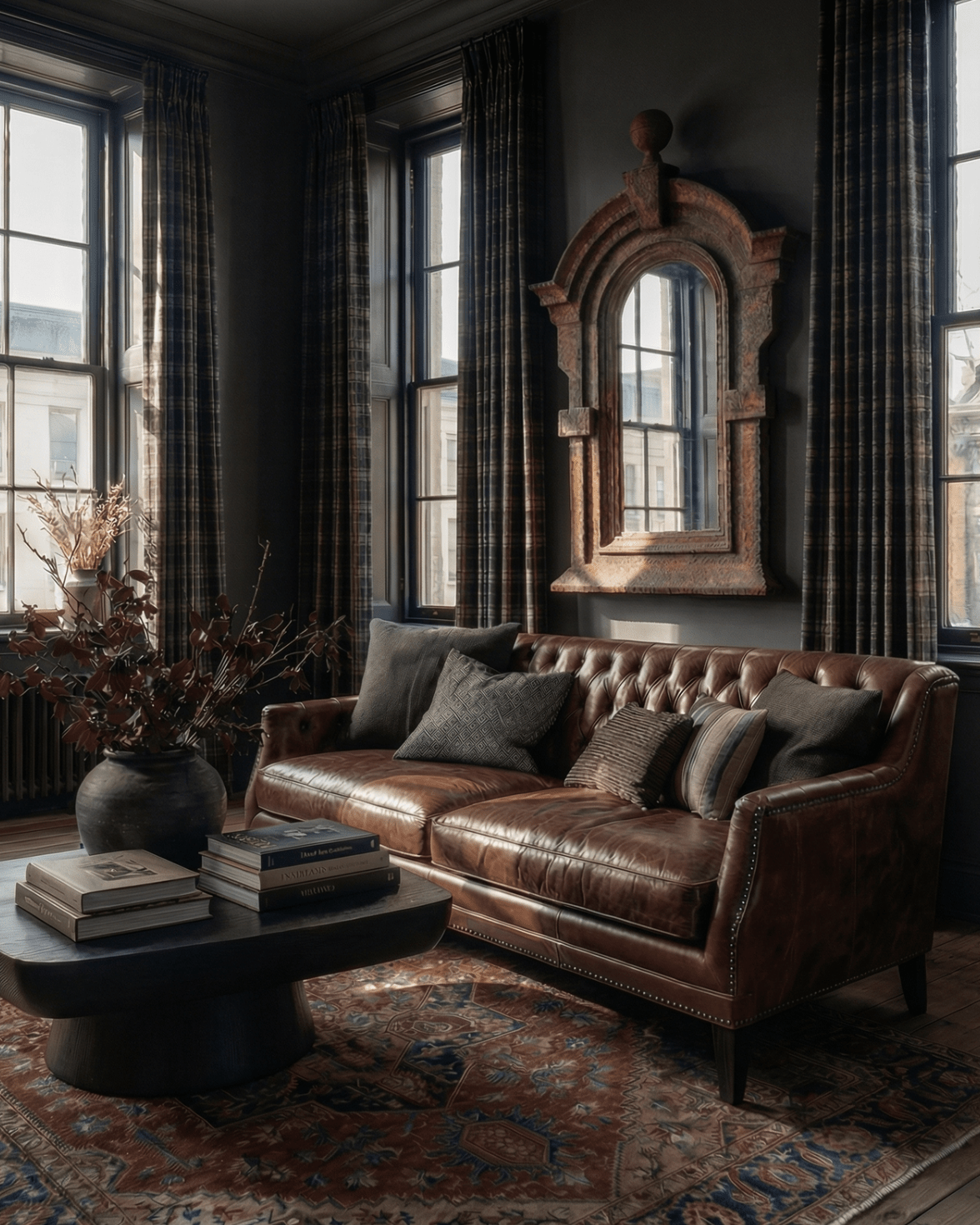






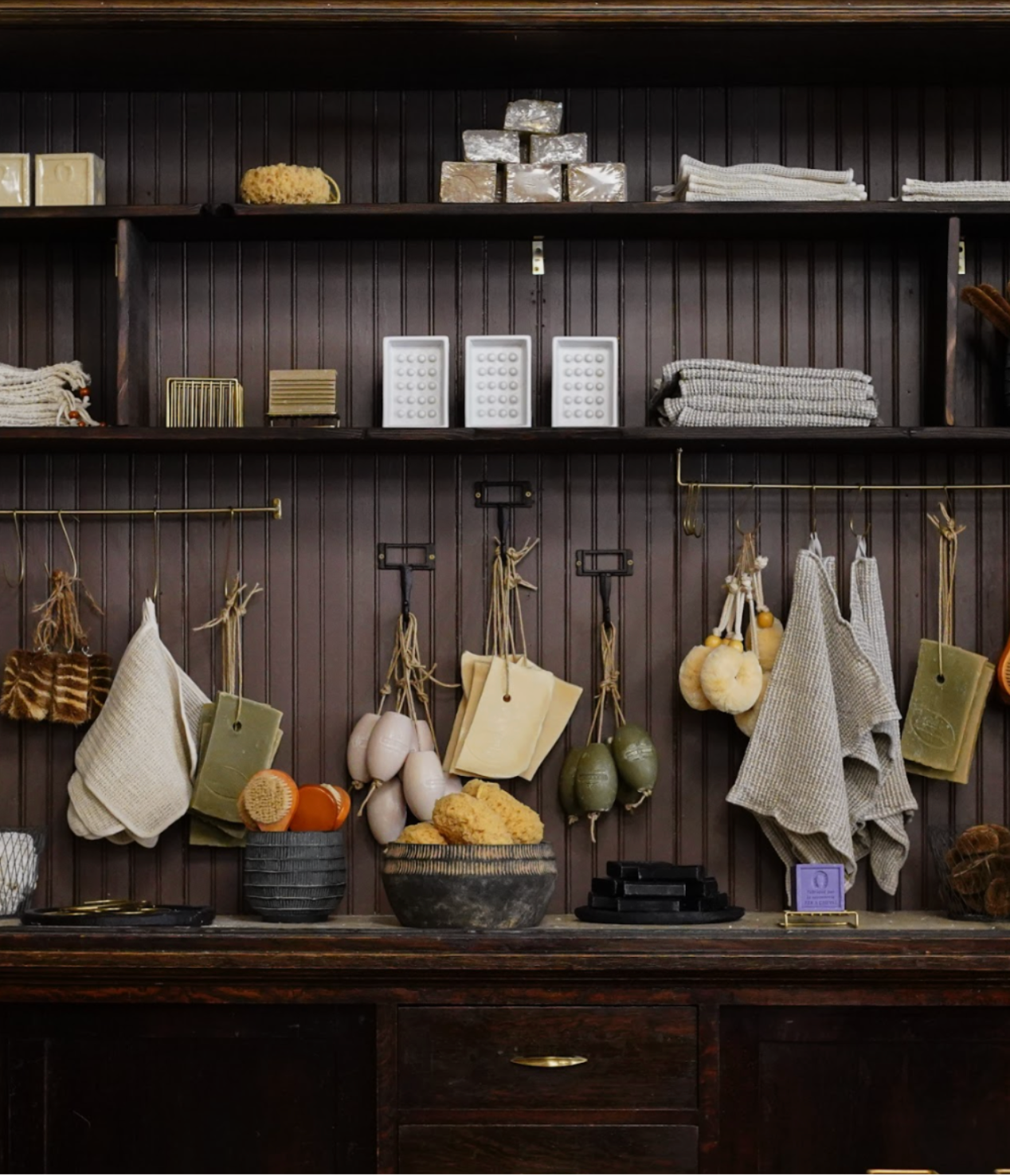


Most living rooms don’t feel unfinished because they’re missing furniture. They feel unfinished because nothing is anchoring the space. Sofas float. Corners feel unresolved. Styling piles up, but the room still doesn’t settle. That’s where the vintage pot quietly changes everything.
Used intentionally, a vintage pot becomes more than vintage decor. It introduces weight, scale, and clarity—often in the exact spot where a room feels unsure of itself. One piece. One decision. And suddenly the living room feels complete.
Why Living Rooms Struggle to Feel Finished
Living rooms are open by nature. They’re designed for movement, conversation, and flexibility. That openness is also their weakness. Without a clear visual anchor, everything competes instead of cooperating.
Most people try to solve this with more styling: extra cushions, layered objects, and decorative trays. But adding small things rarely fixes a big spatial issue. What the room actually needs is something with enough presence to hold its ground.
That’s where a vintage pot succeeds. It doesn’t decorate the living room—it stabilizes it.
The Vintage Pot as an Anchor, Not an Accent
A vintage pot works best when it’s treated as a structural element, not an accessory. Think of it the same way you’d think about a coffee table or an armchair. It has a job to do.
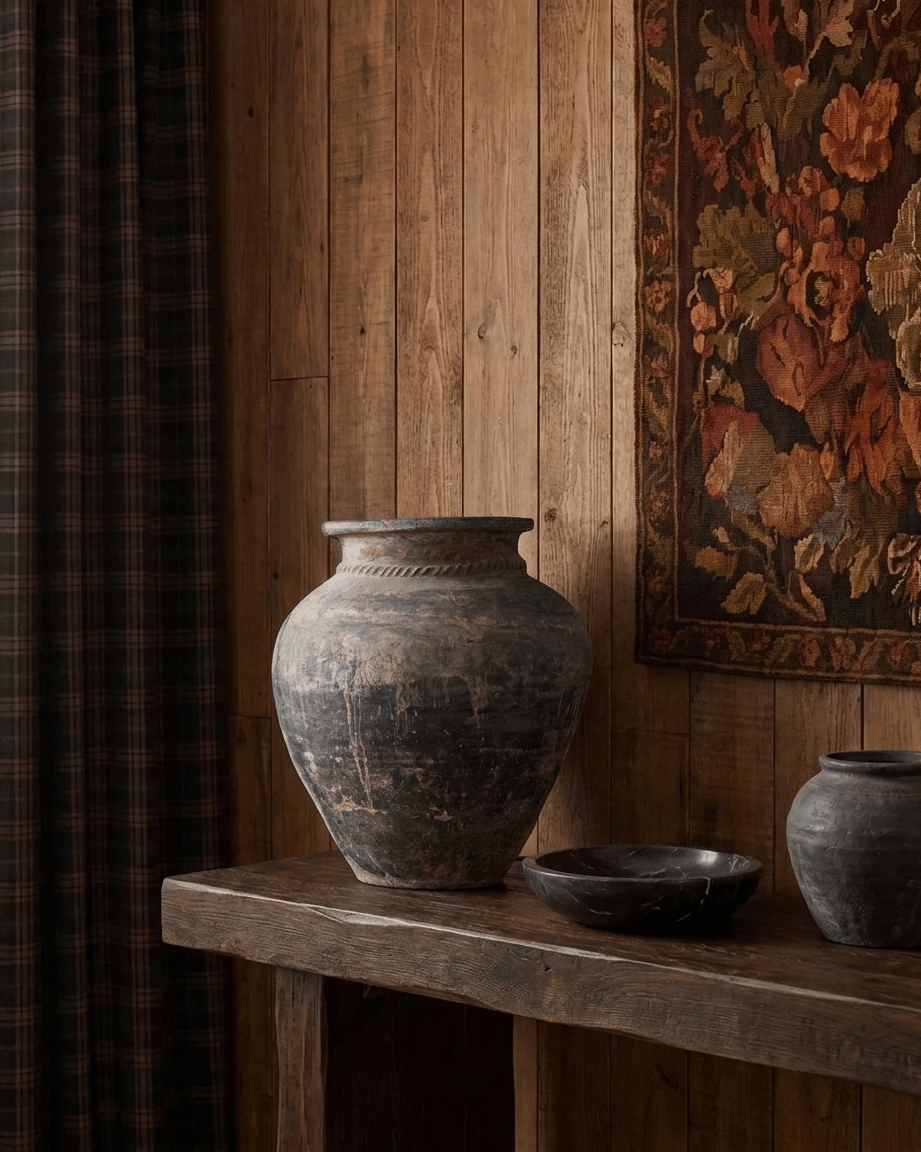
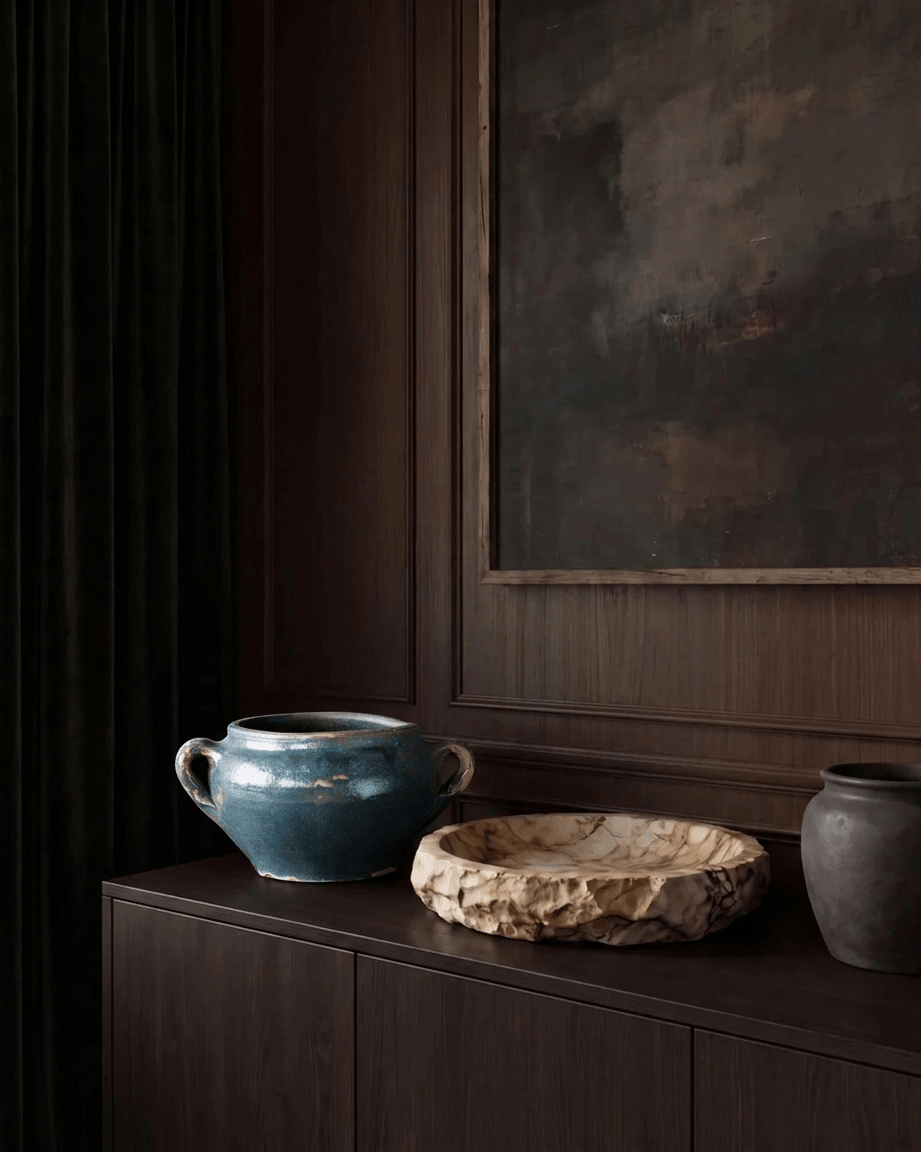
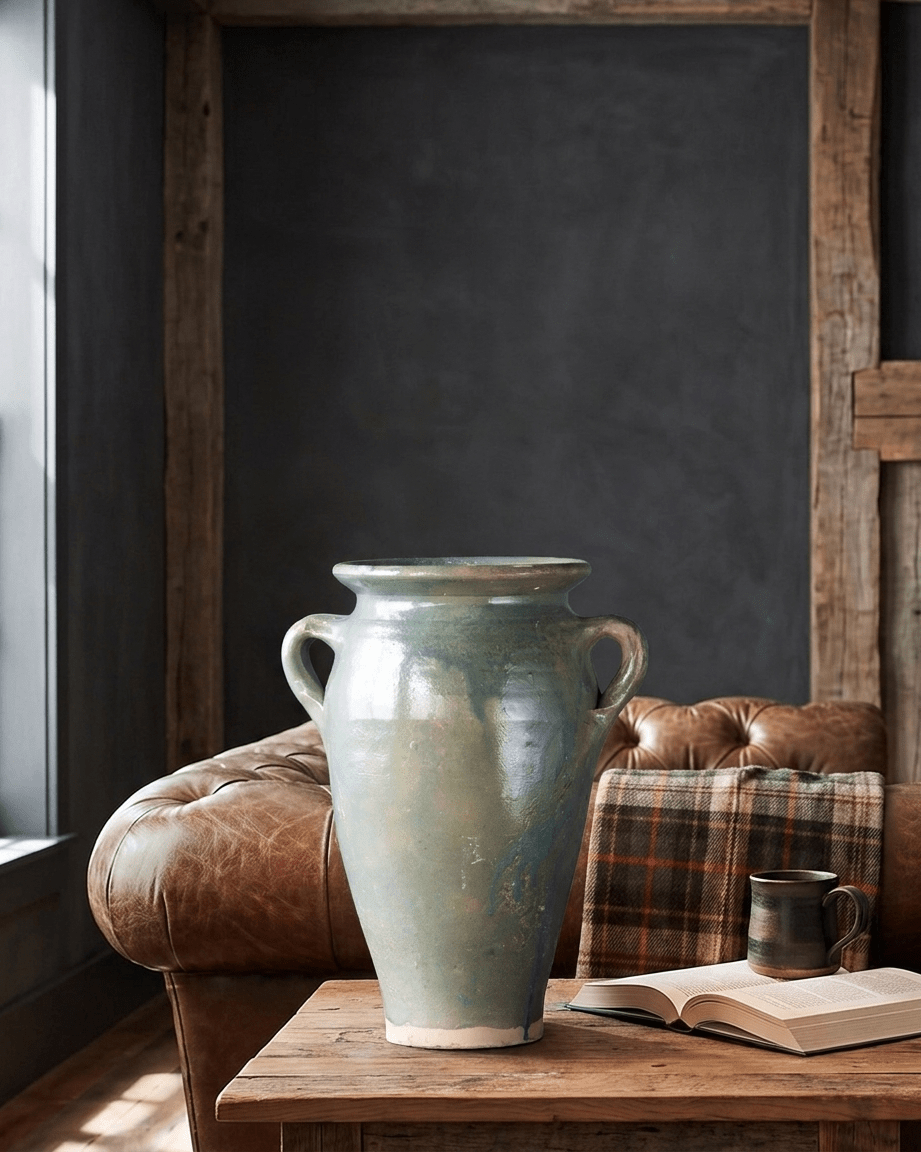
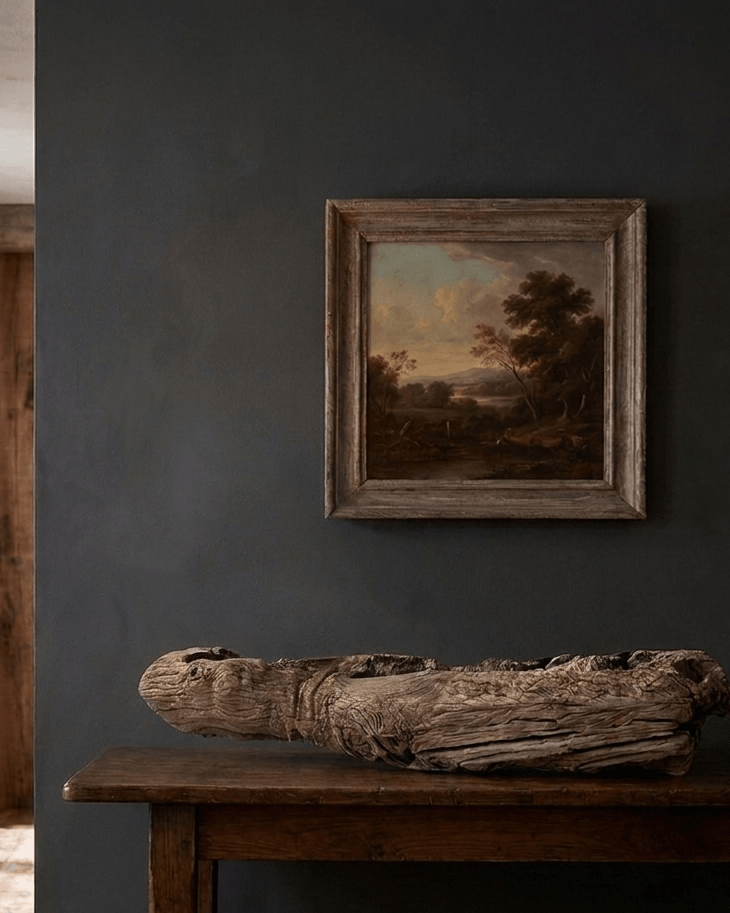
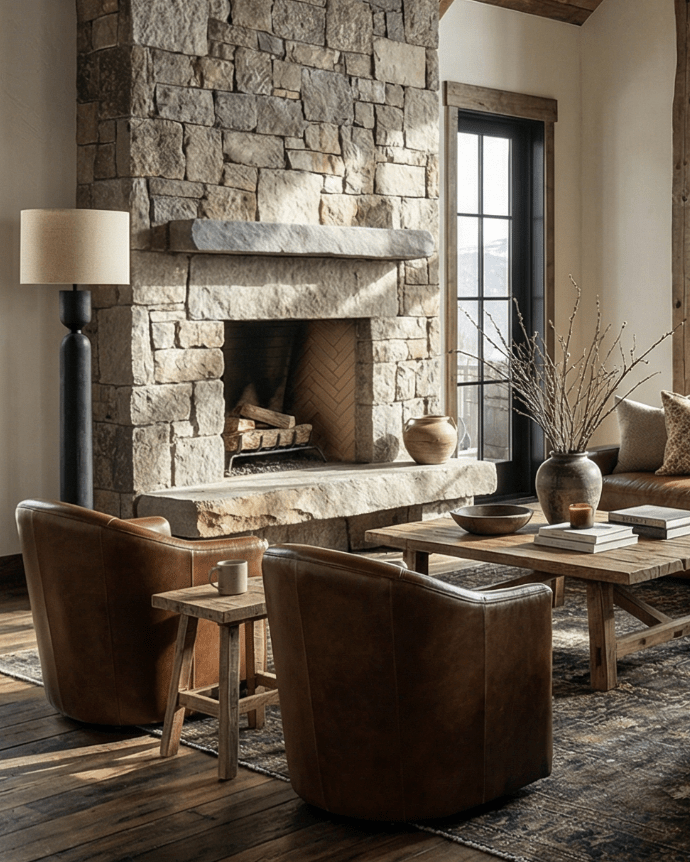
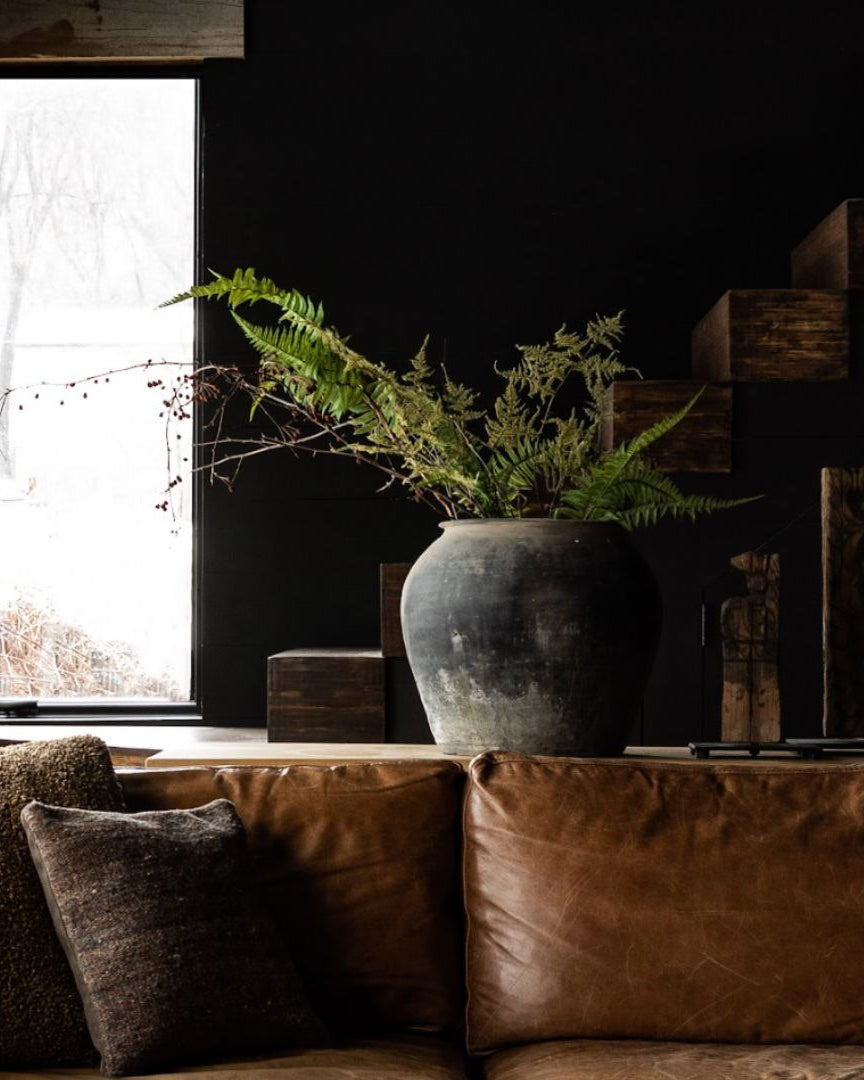
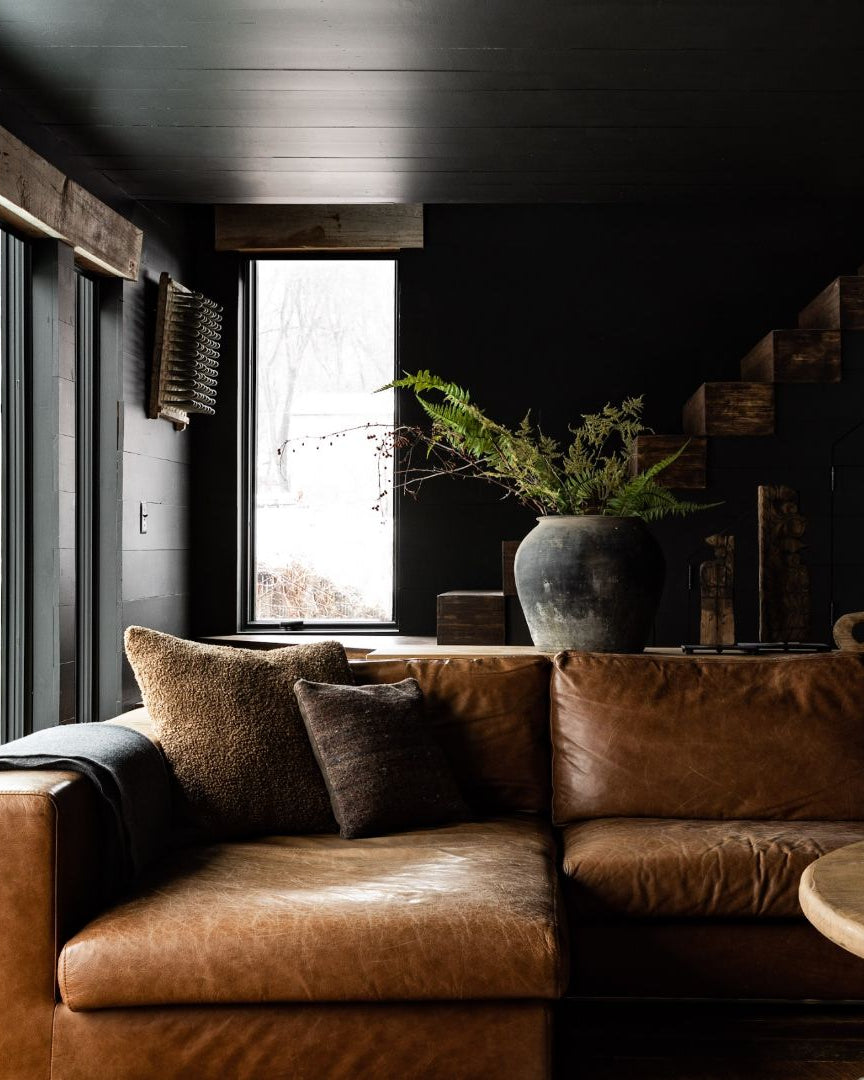
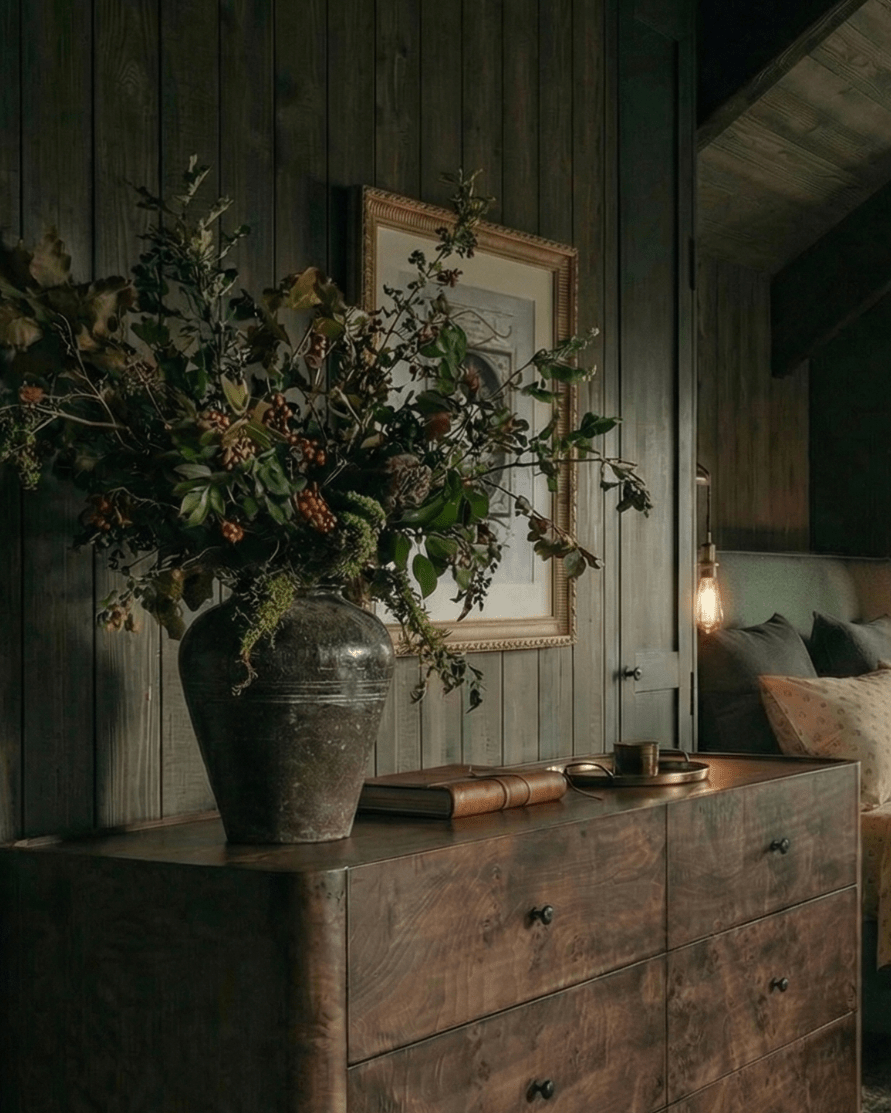
Placed in an empty corner, beside a sofa, or at the edge of a seating area, a vintage pot gives the eye somewhere to land. It tells the room where to pause. That pause is what makes everything else feel intentional.
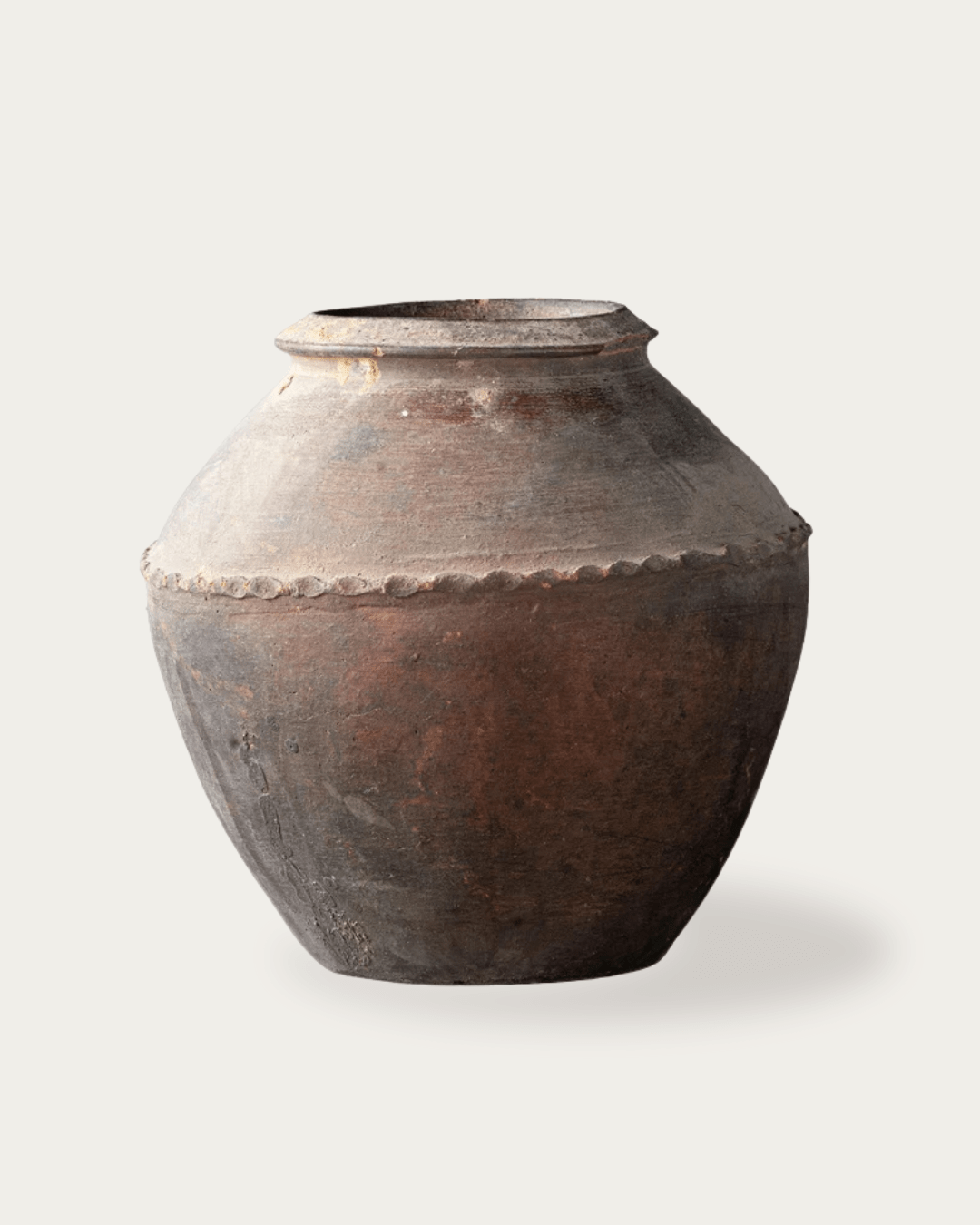
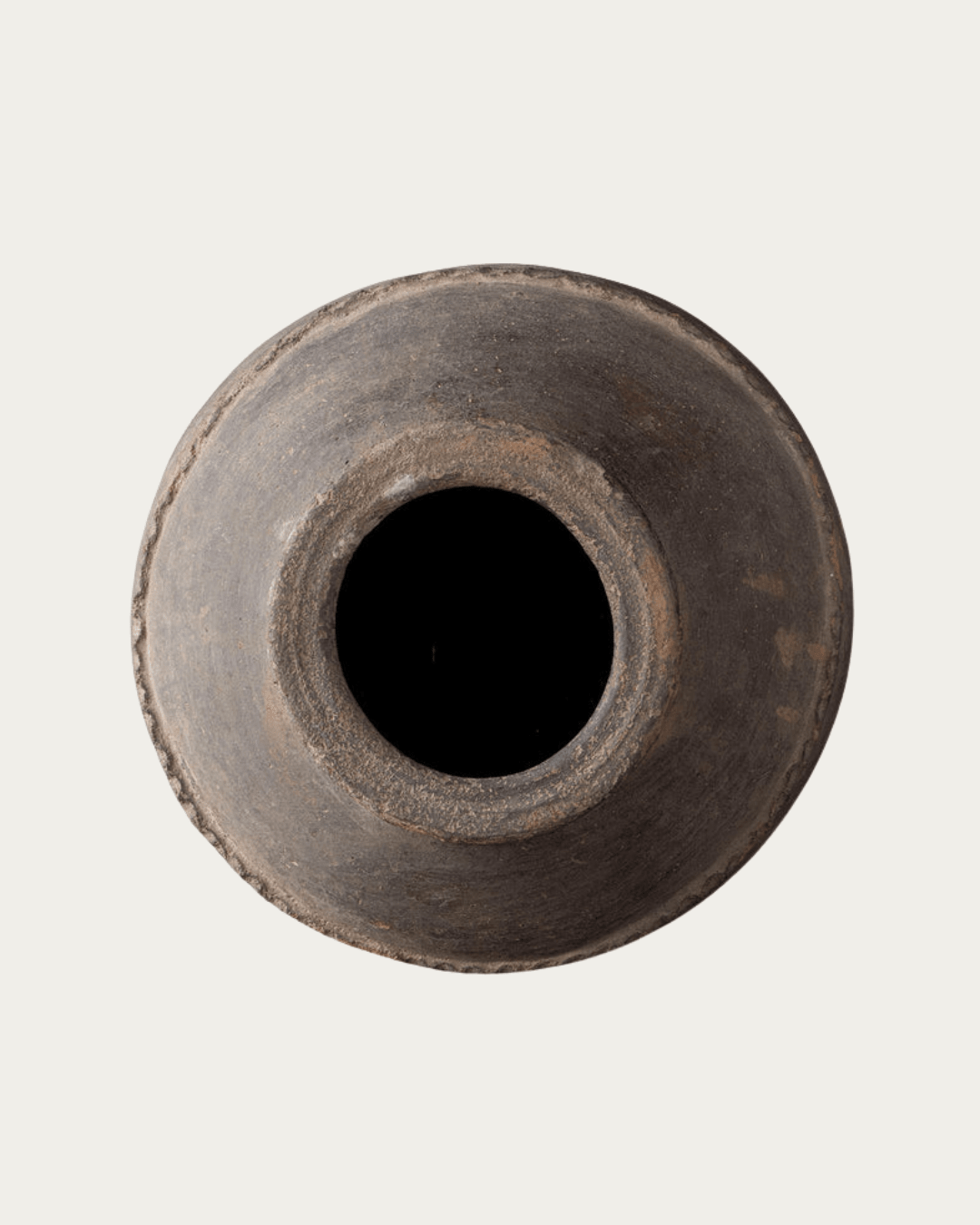
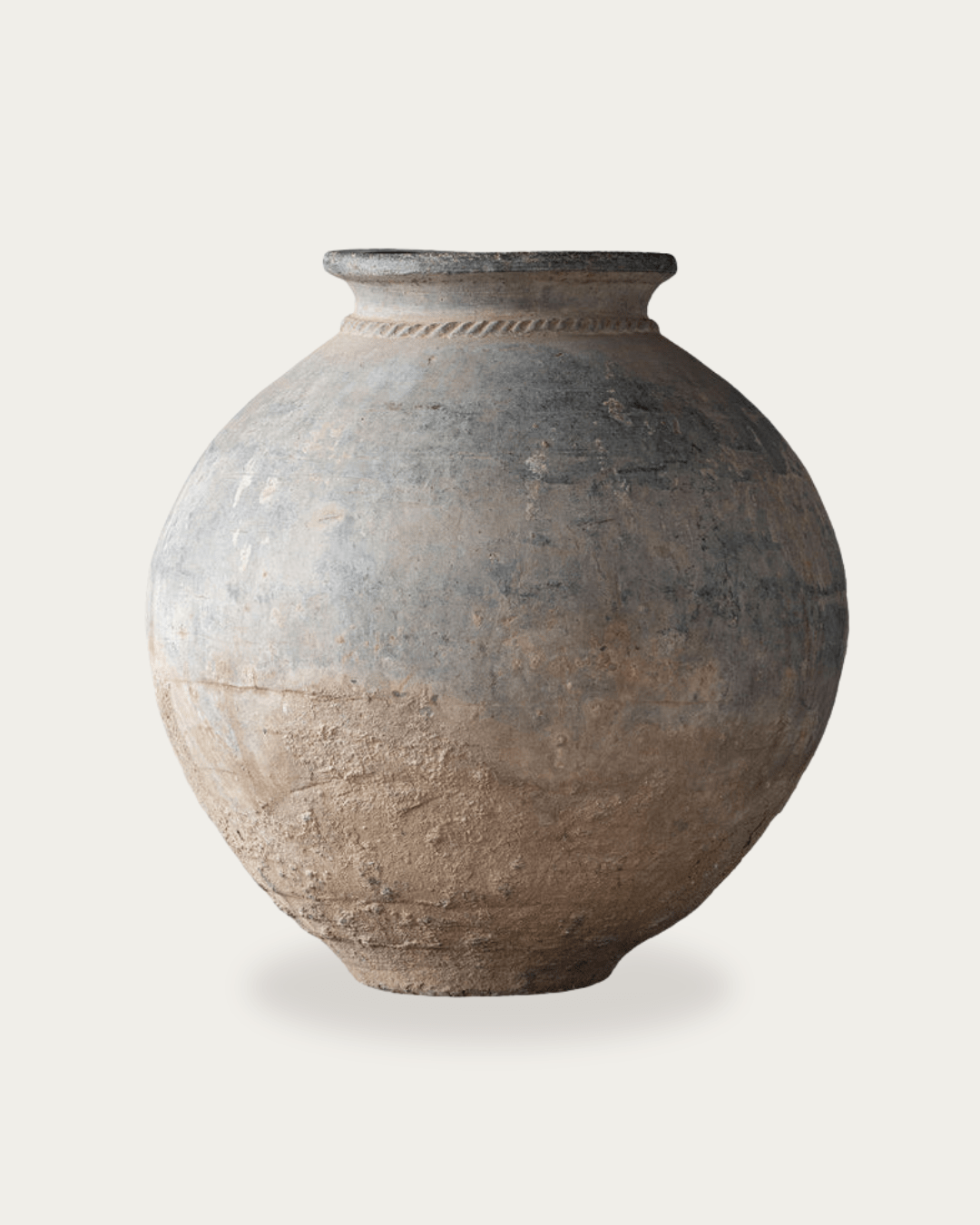
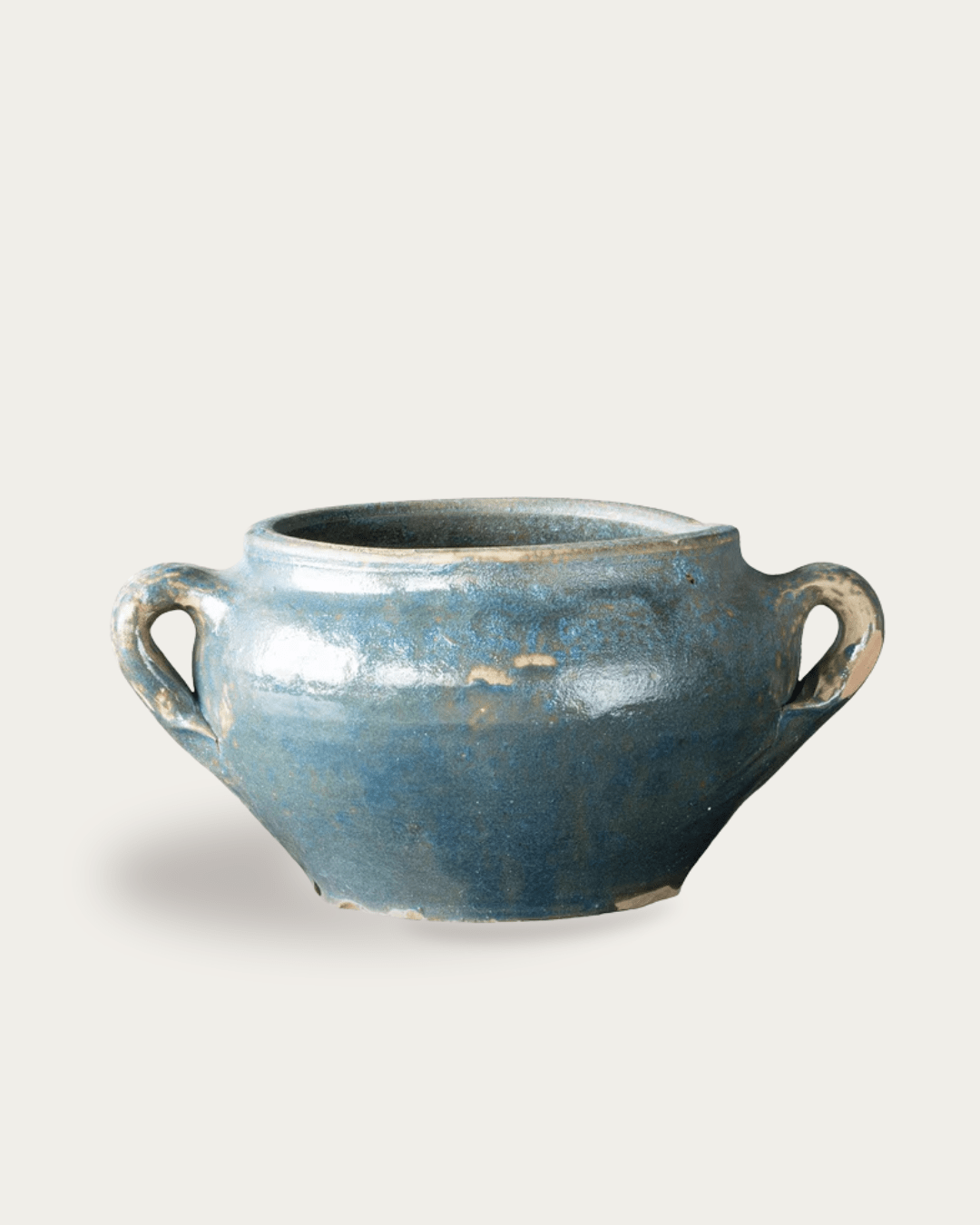
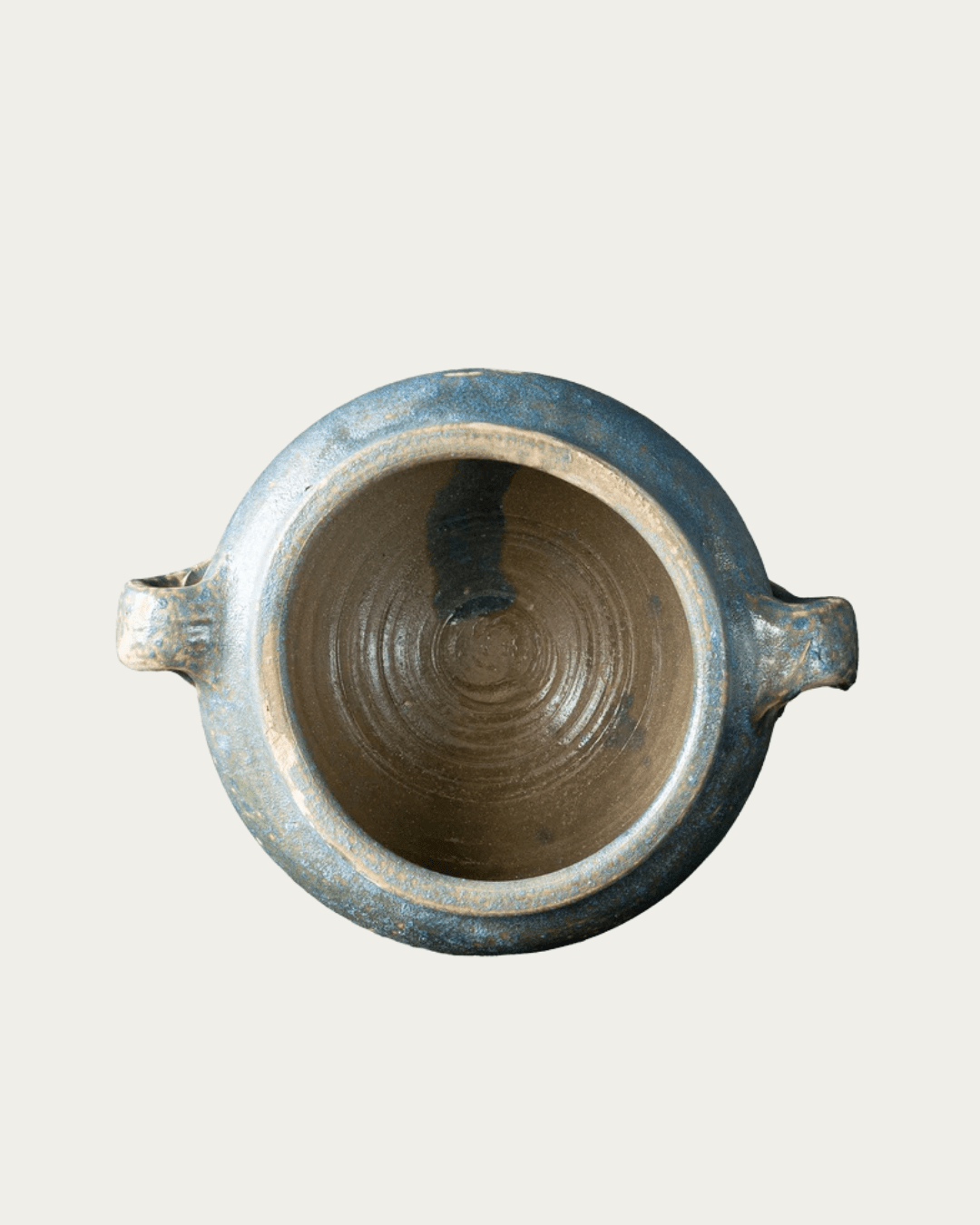
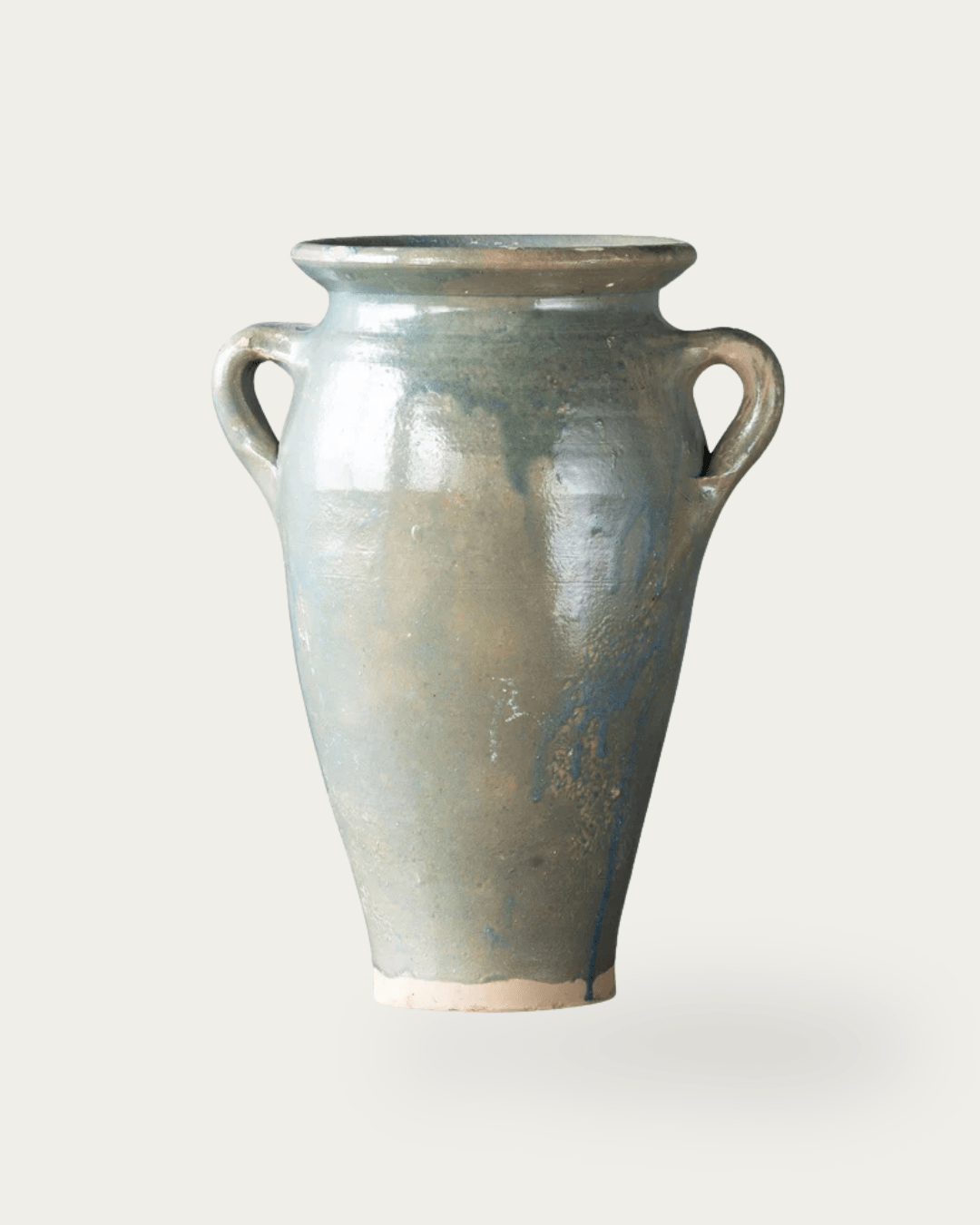
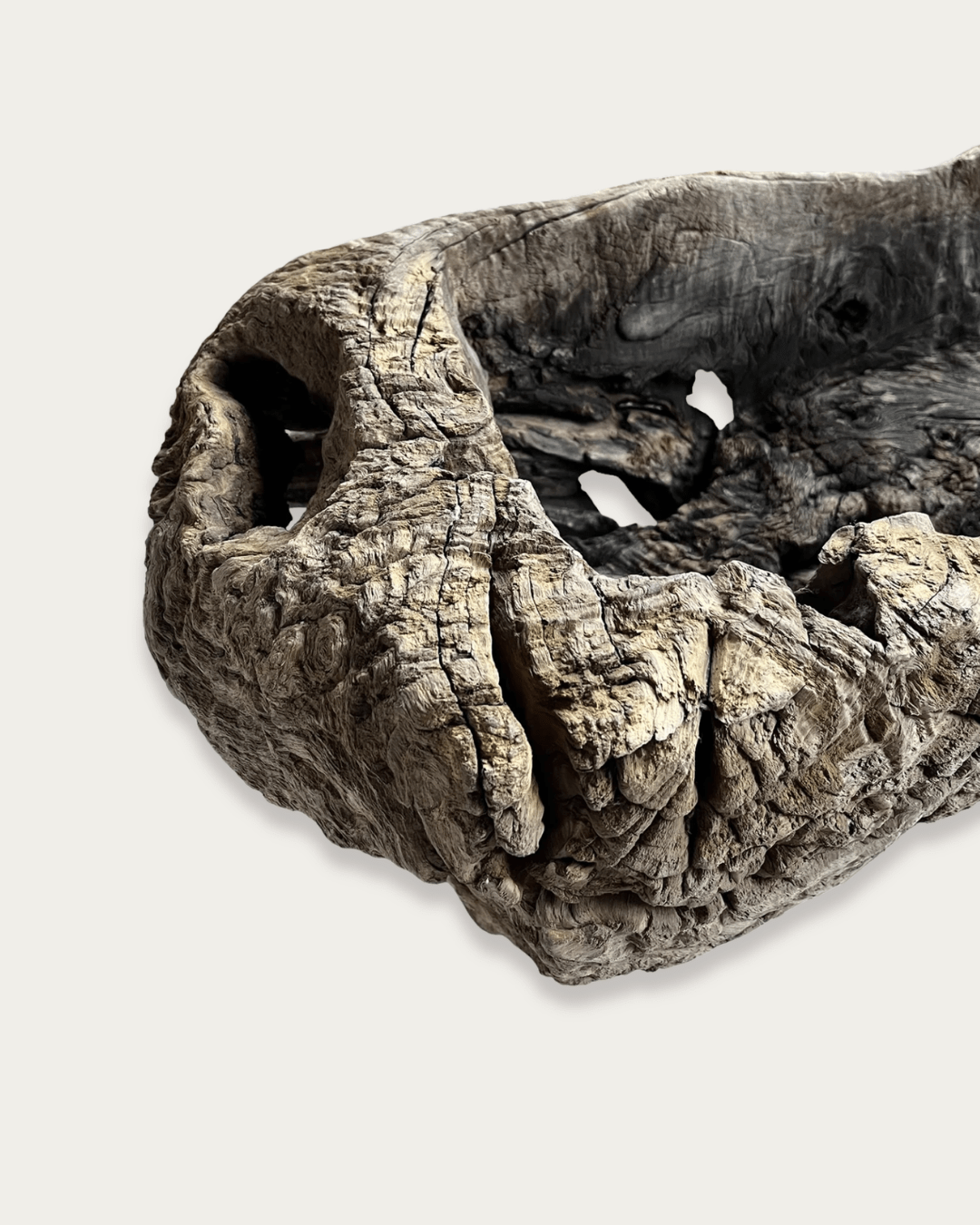
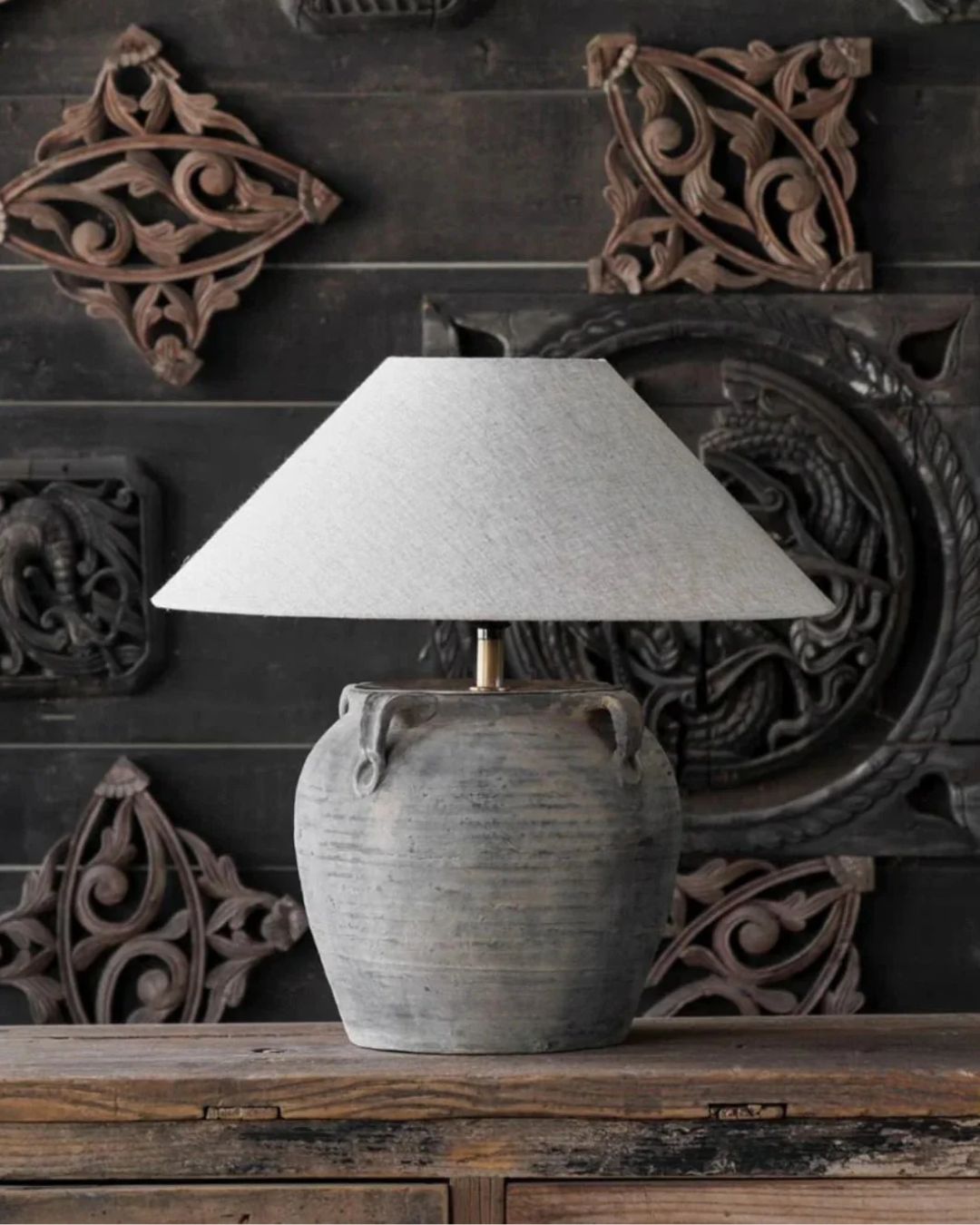
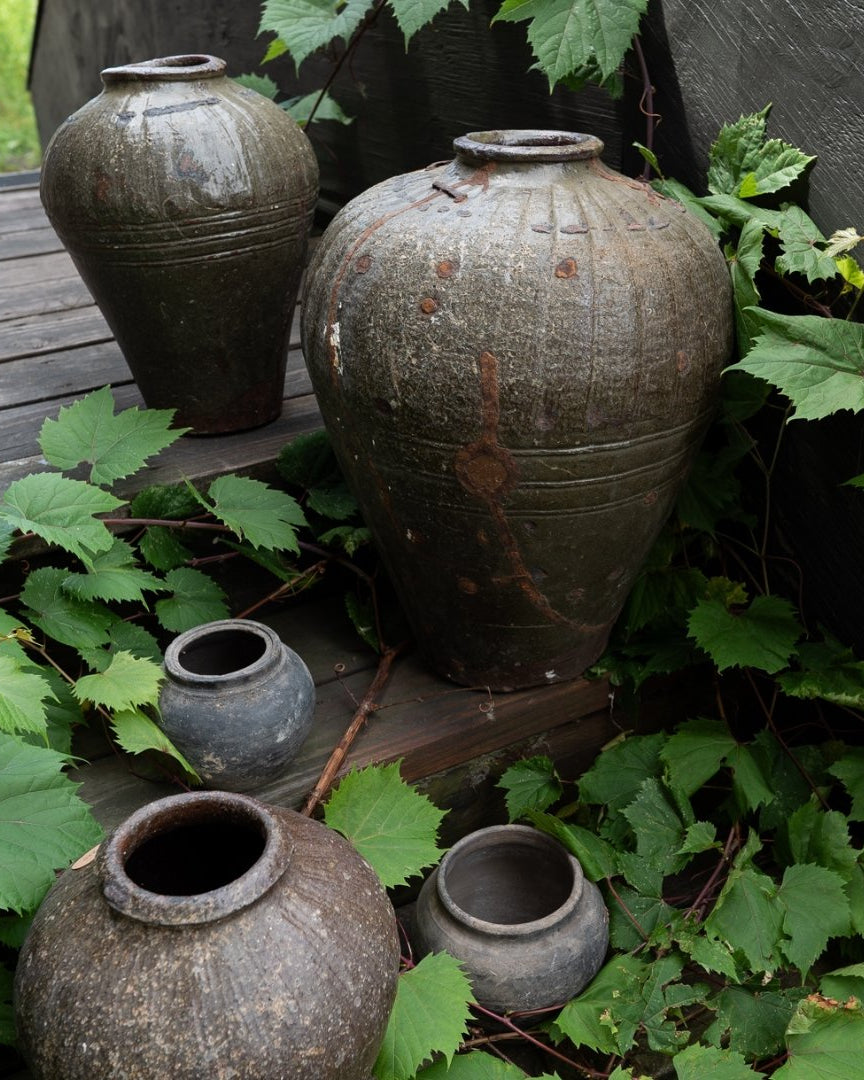
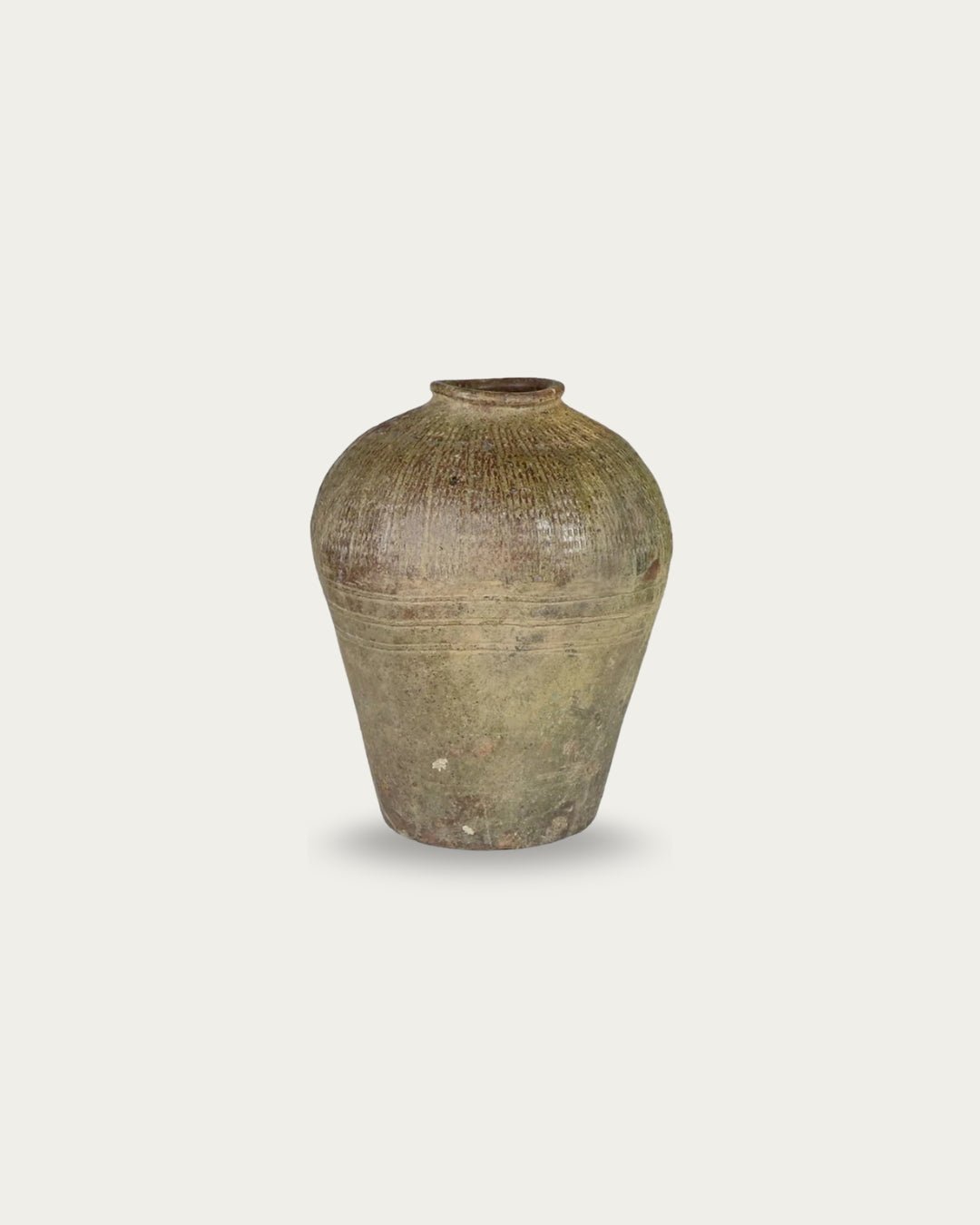
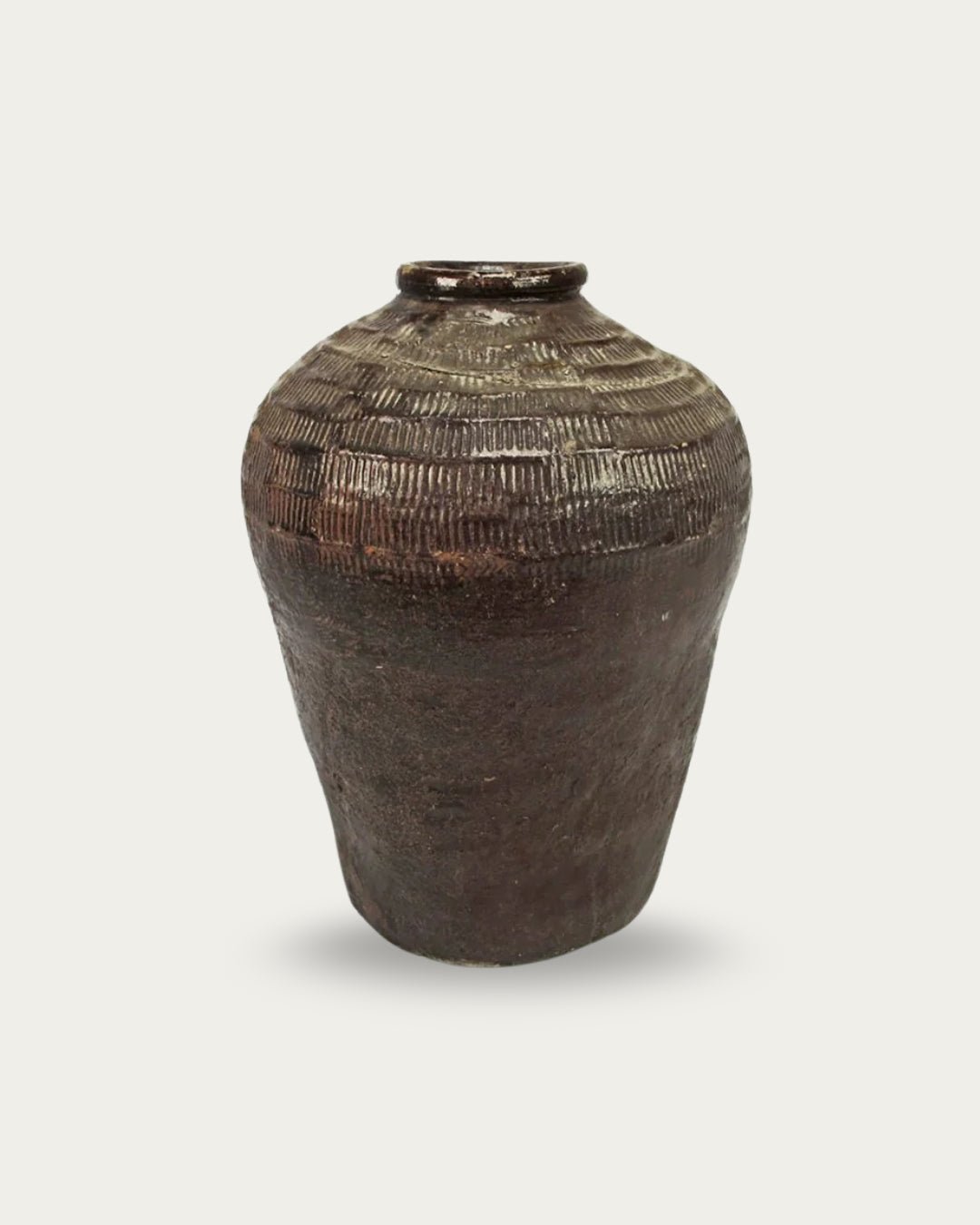
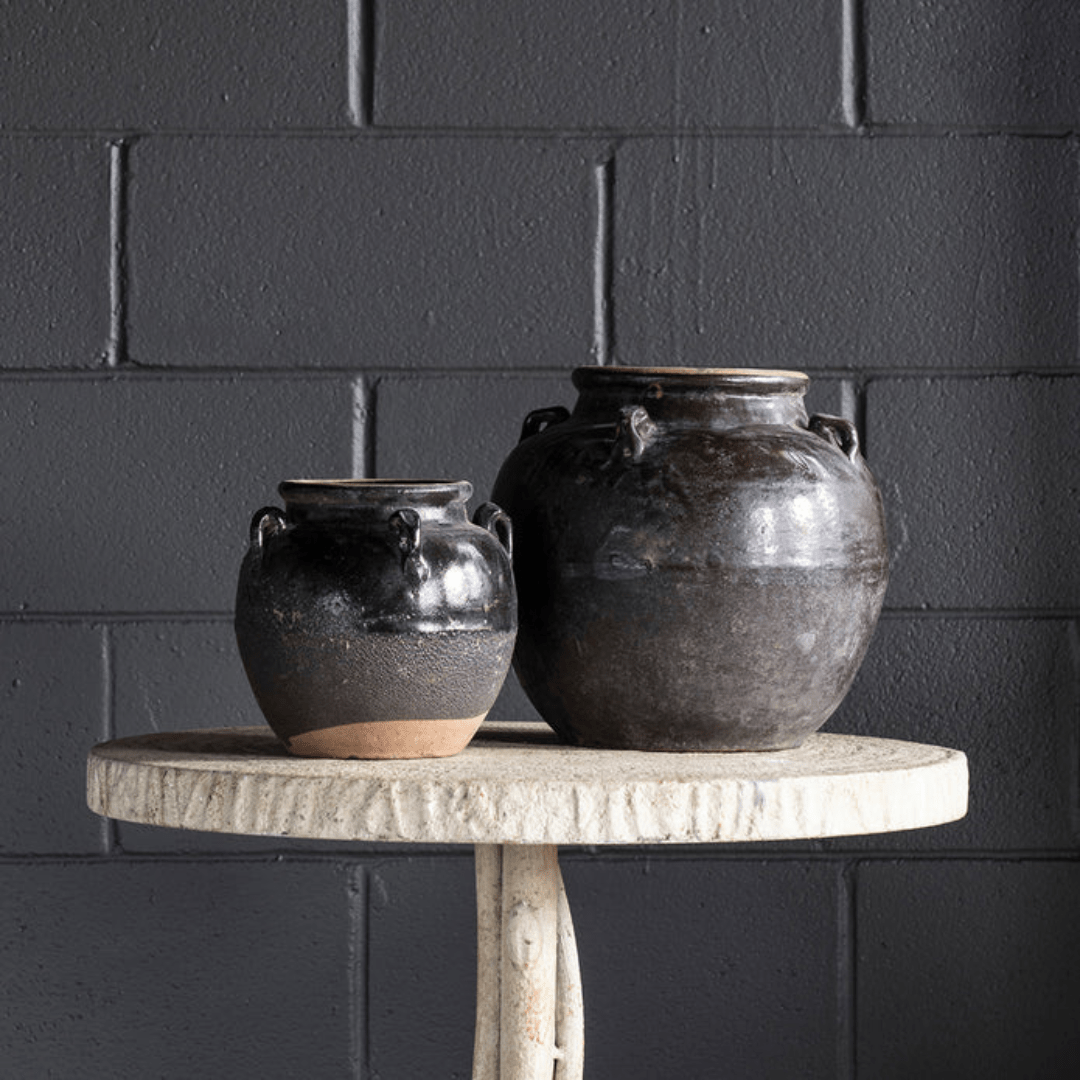
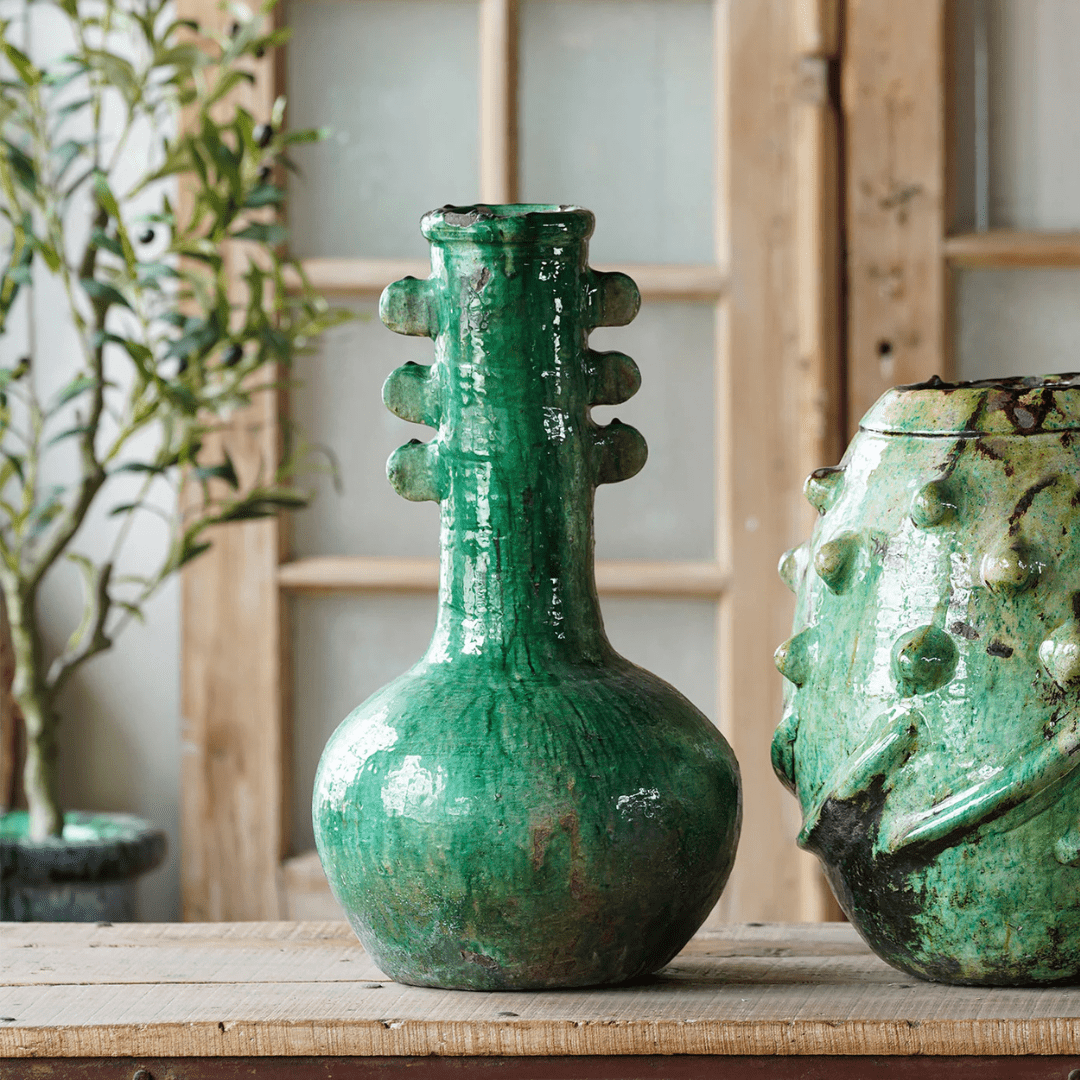
The Chinese water pot with handles is a strong example of this. Its rounded body and side handles give it instant authority. Even when left empty, it reads as purposeful. It doesn’t need flowers, branches, or filler to earn its place.
The same applies to the Chinese water pot, which works especially well in larger living rooms where furniture alone doesn’t quite define the edges.
Scale Is the Trick Most People Miss
The most common mistake with vintage decor is choosing pieces that are too small. A vintage pot only works when its scale matches the room.
In a living room, this usually means bigger than you think. A pot that feels oversized at first glance often ends up feeling exactly right once it’s placed. It replaces the need for multiple smaller objects and reduces visual clutter.
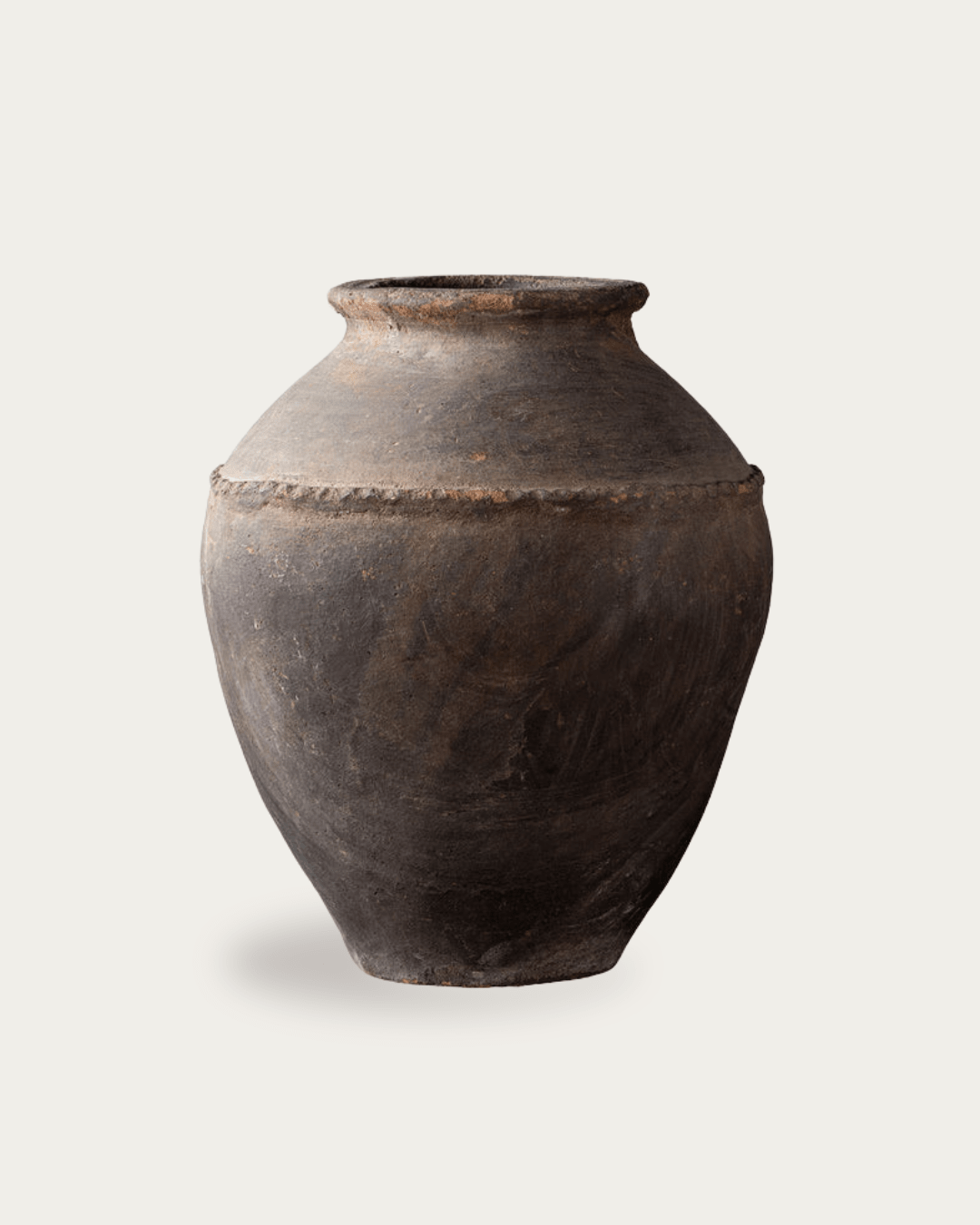
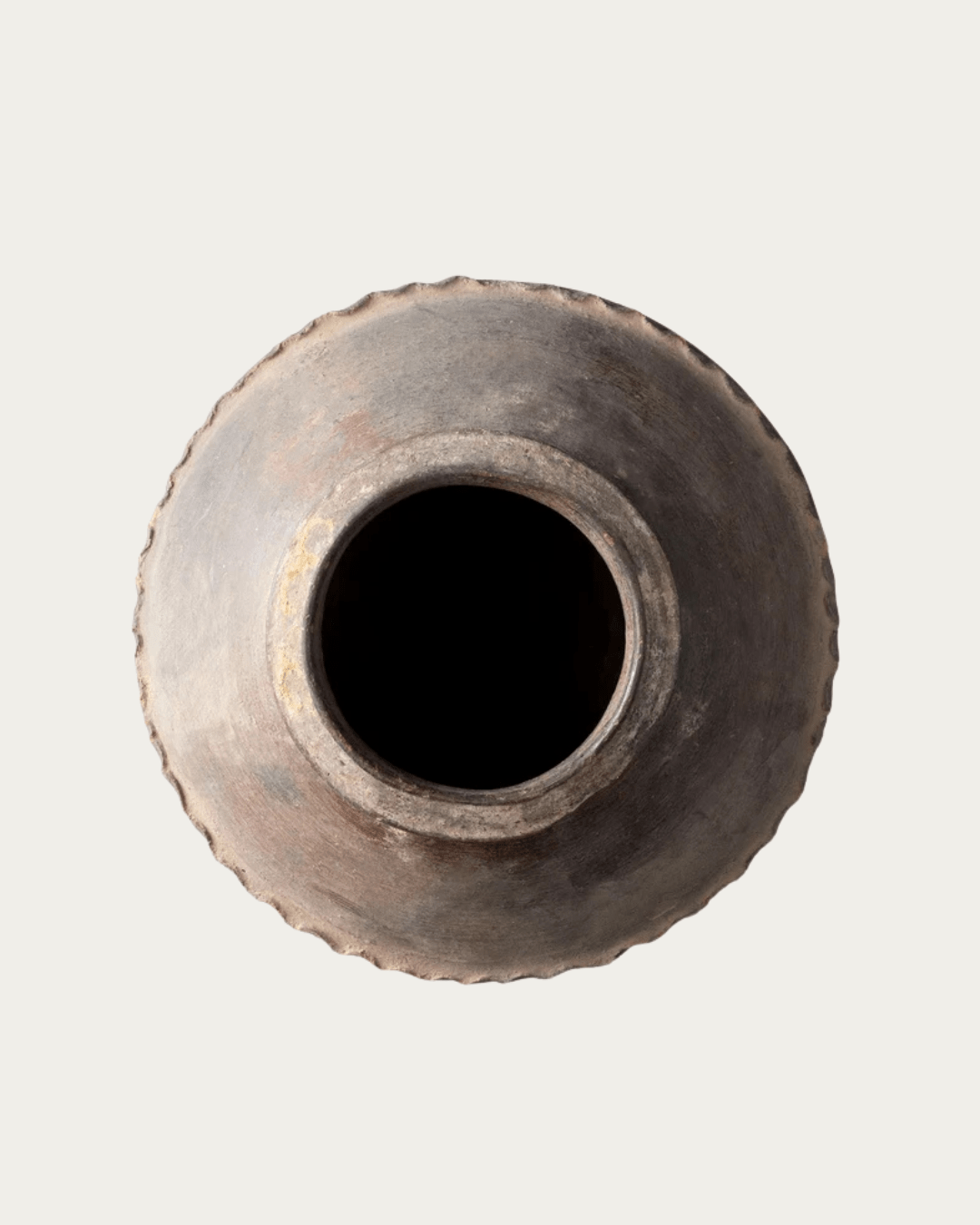
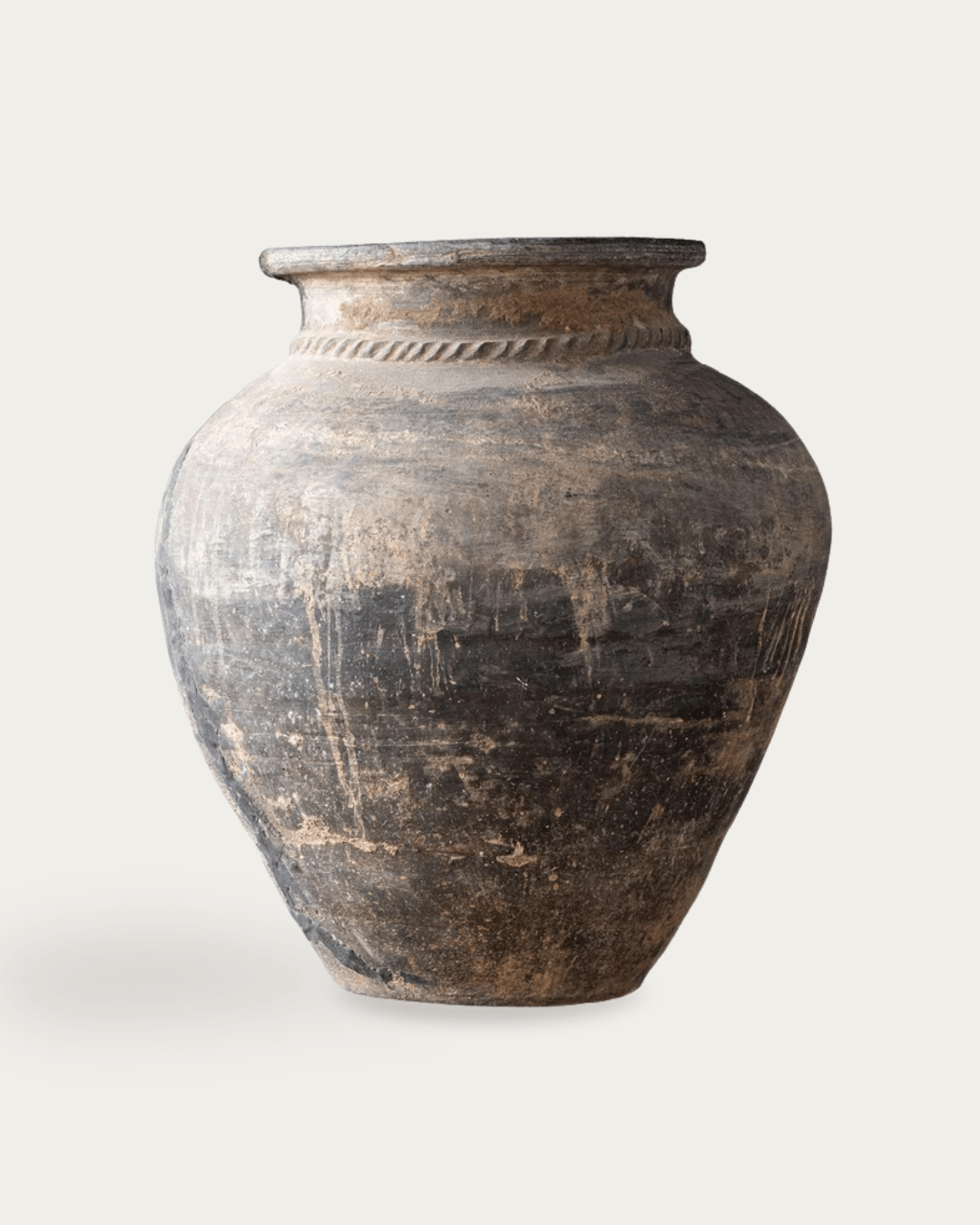
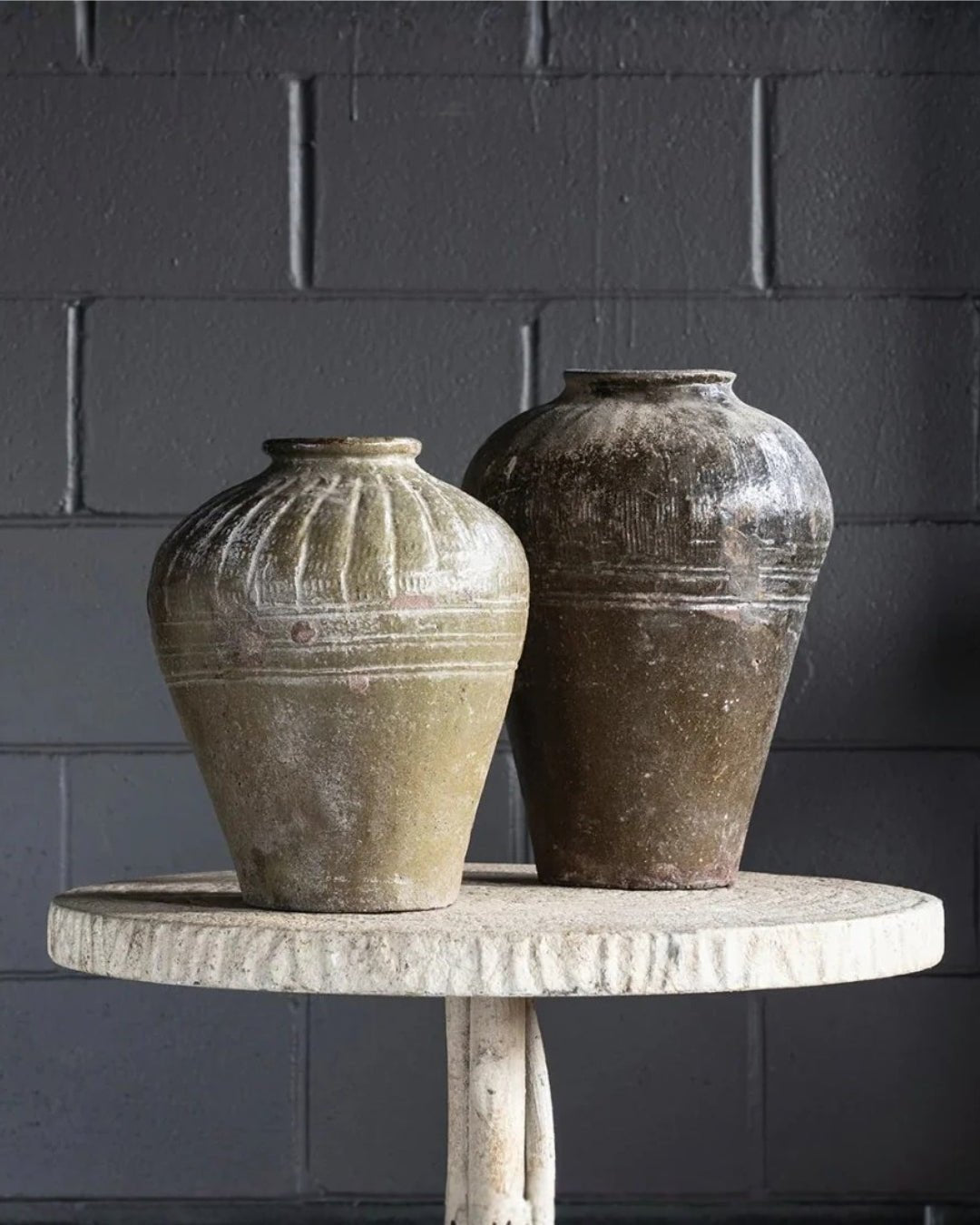
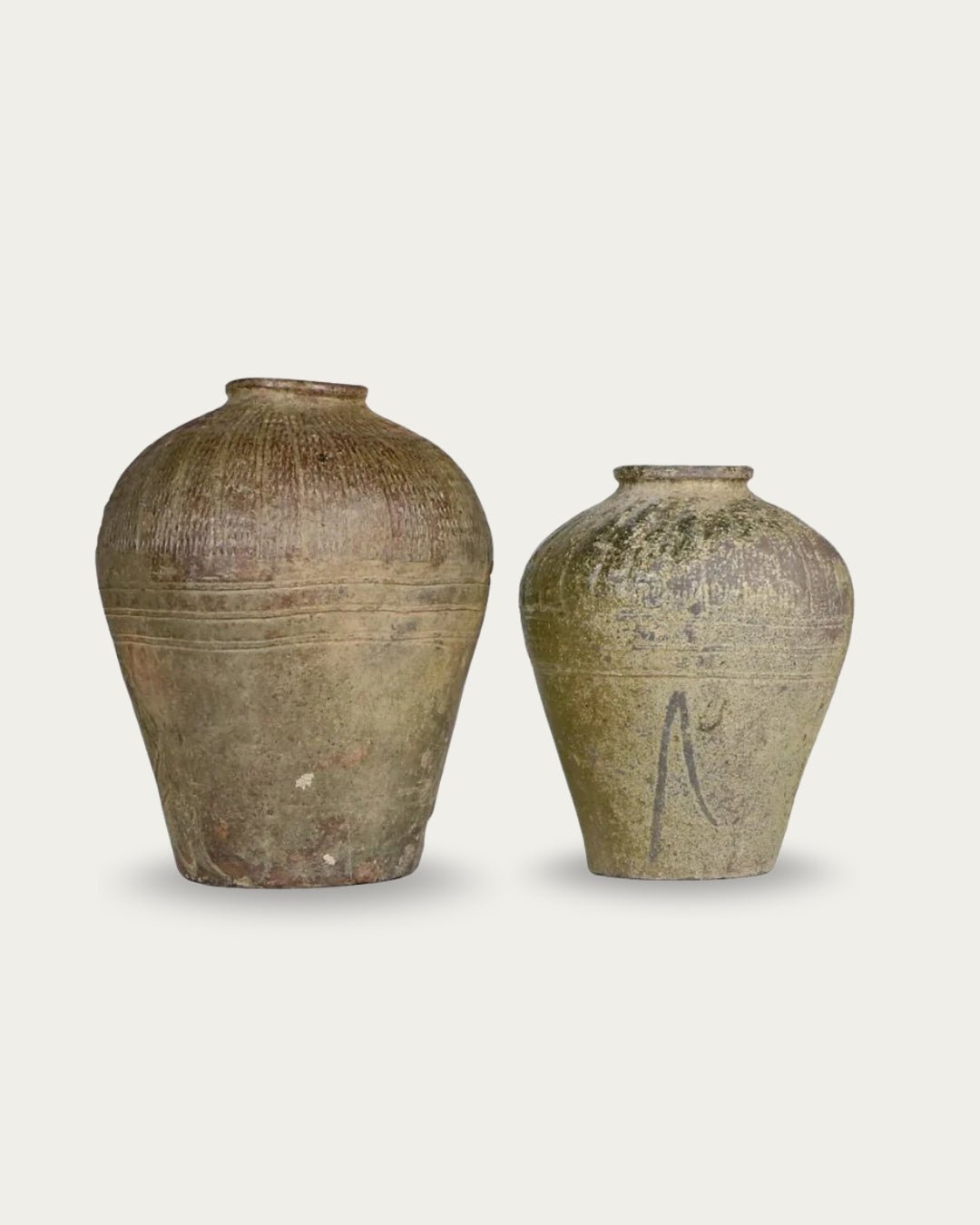
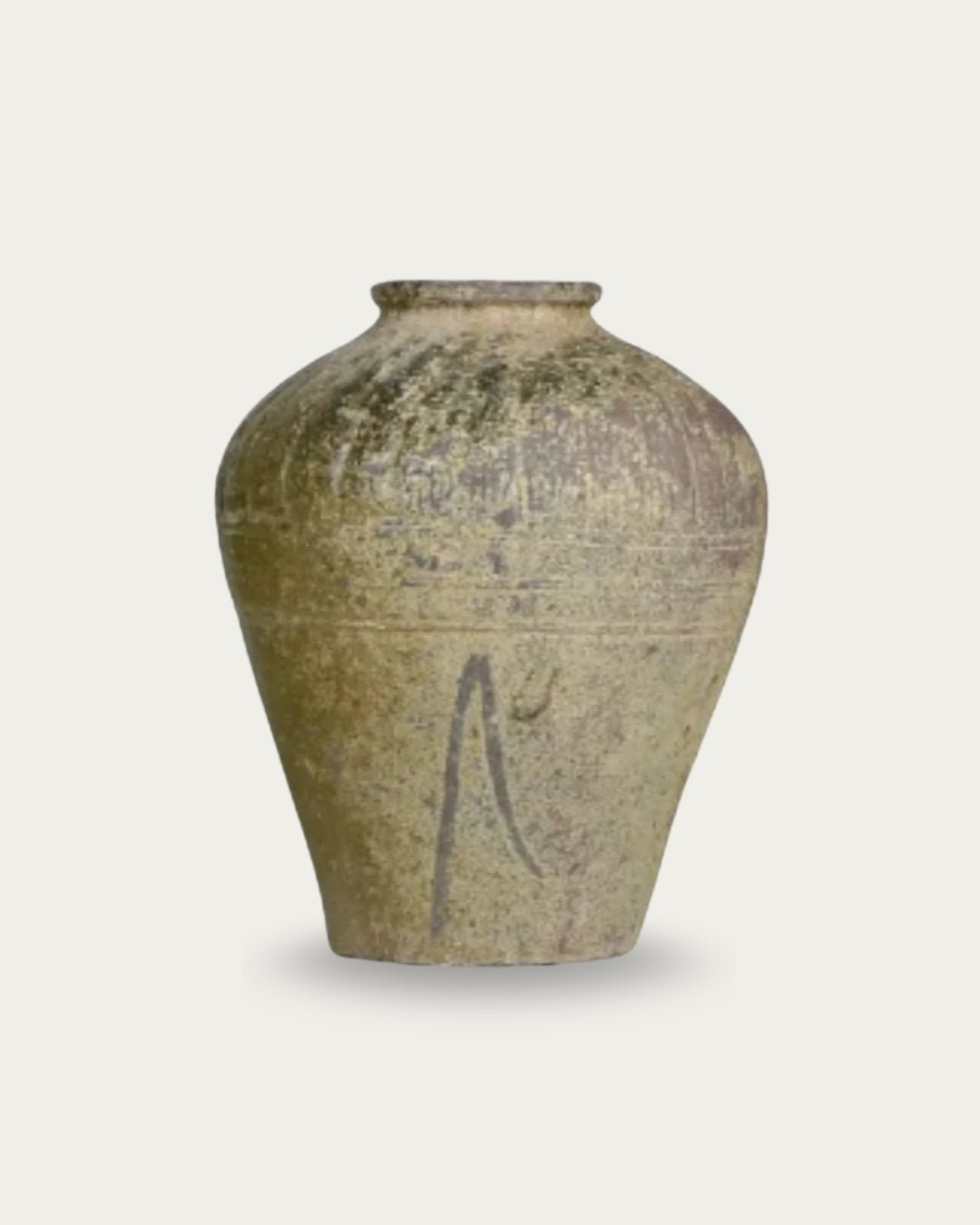
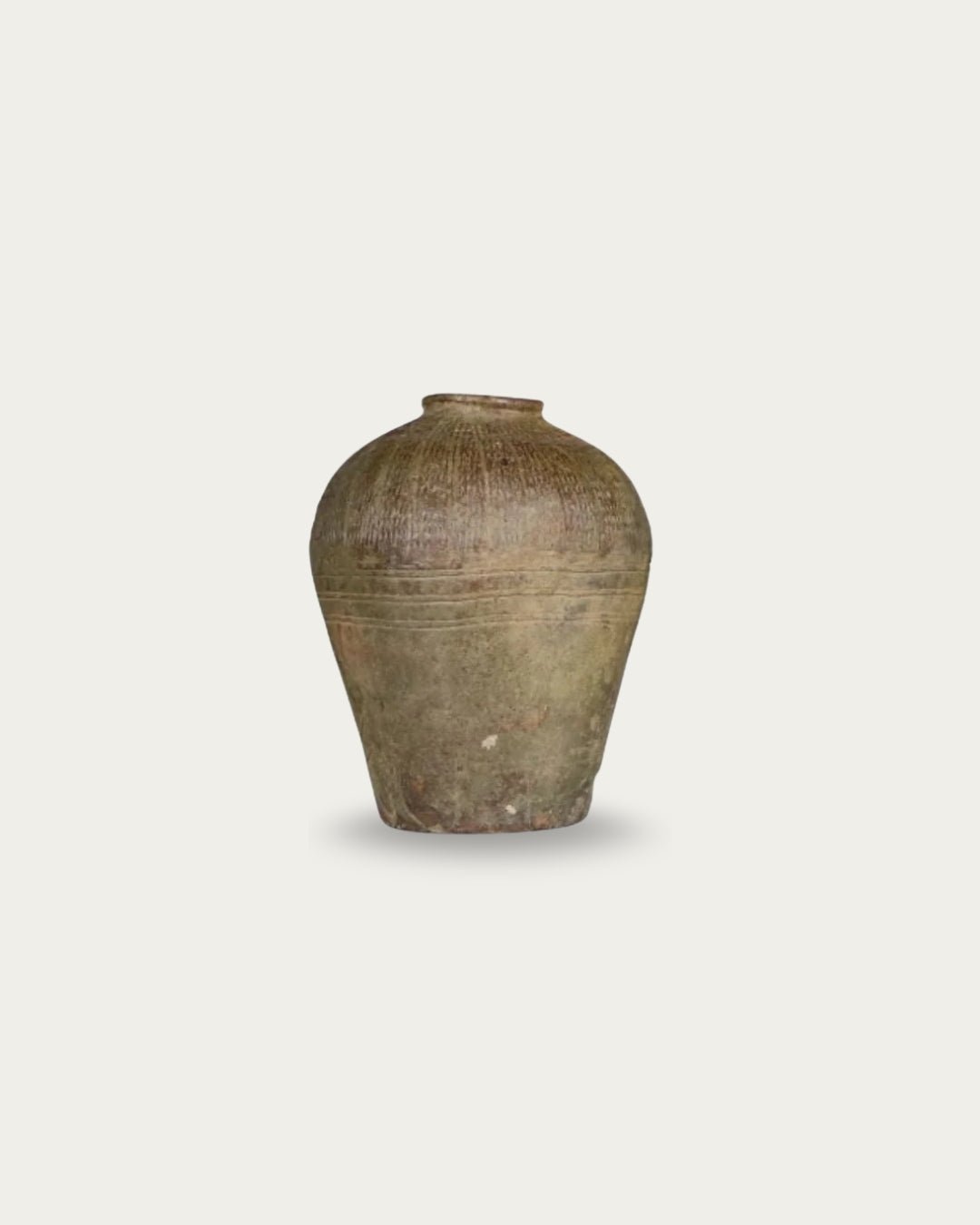
The vintage wine jar is particularly effective here. Its height and volume give it enough presence to stand on its own, whether it’s holding throws, magazines, or nothing at all.
When scale is right, styling becomes optional instead of necessary.
Empty Is Often the Strongest Choice
There’s a belief that vessels need to be filled to feel complete. Vintage pots quietly challenge that idea.
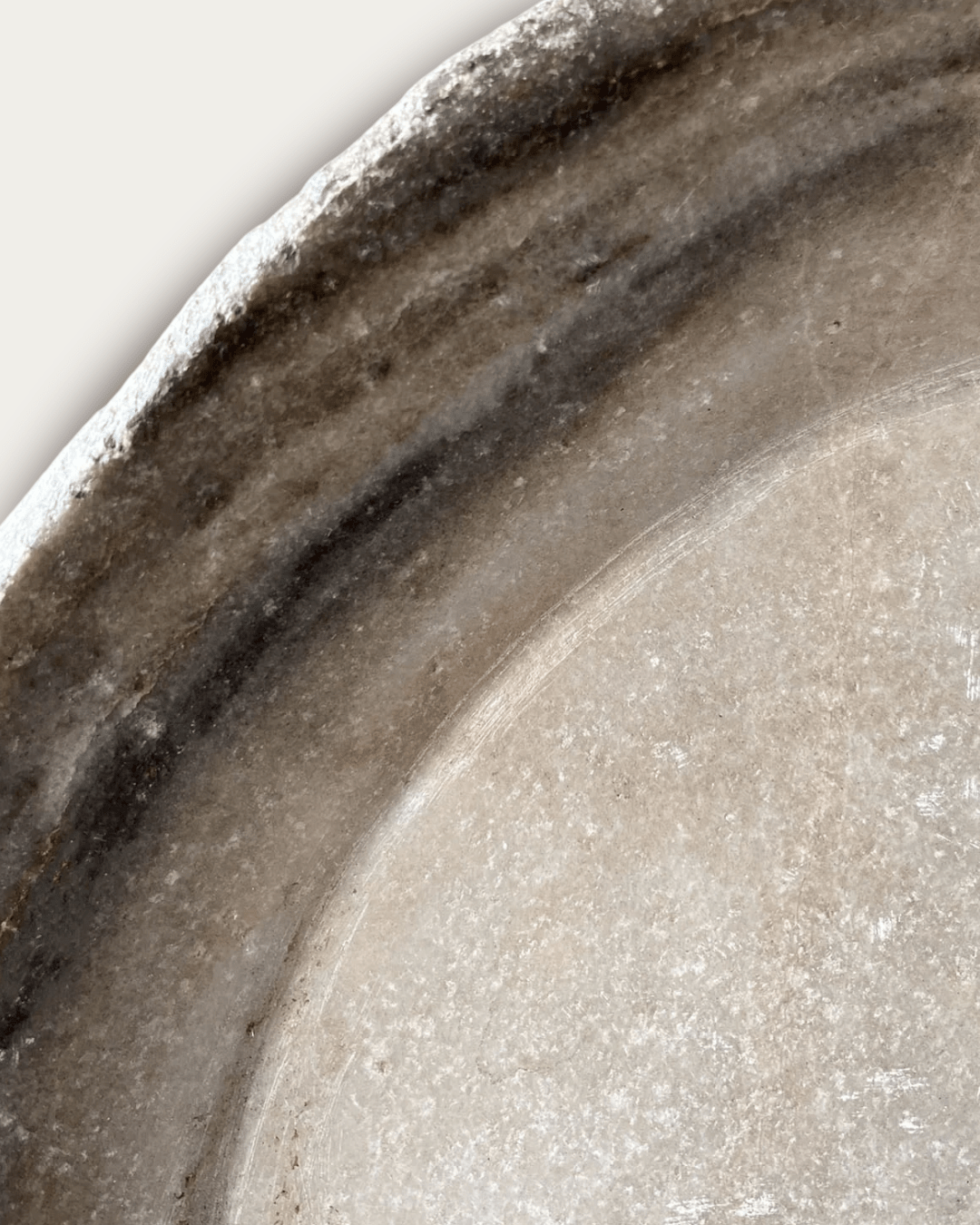
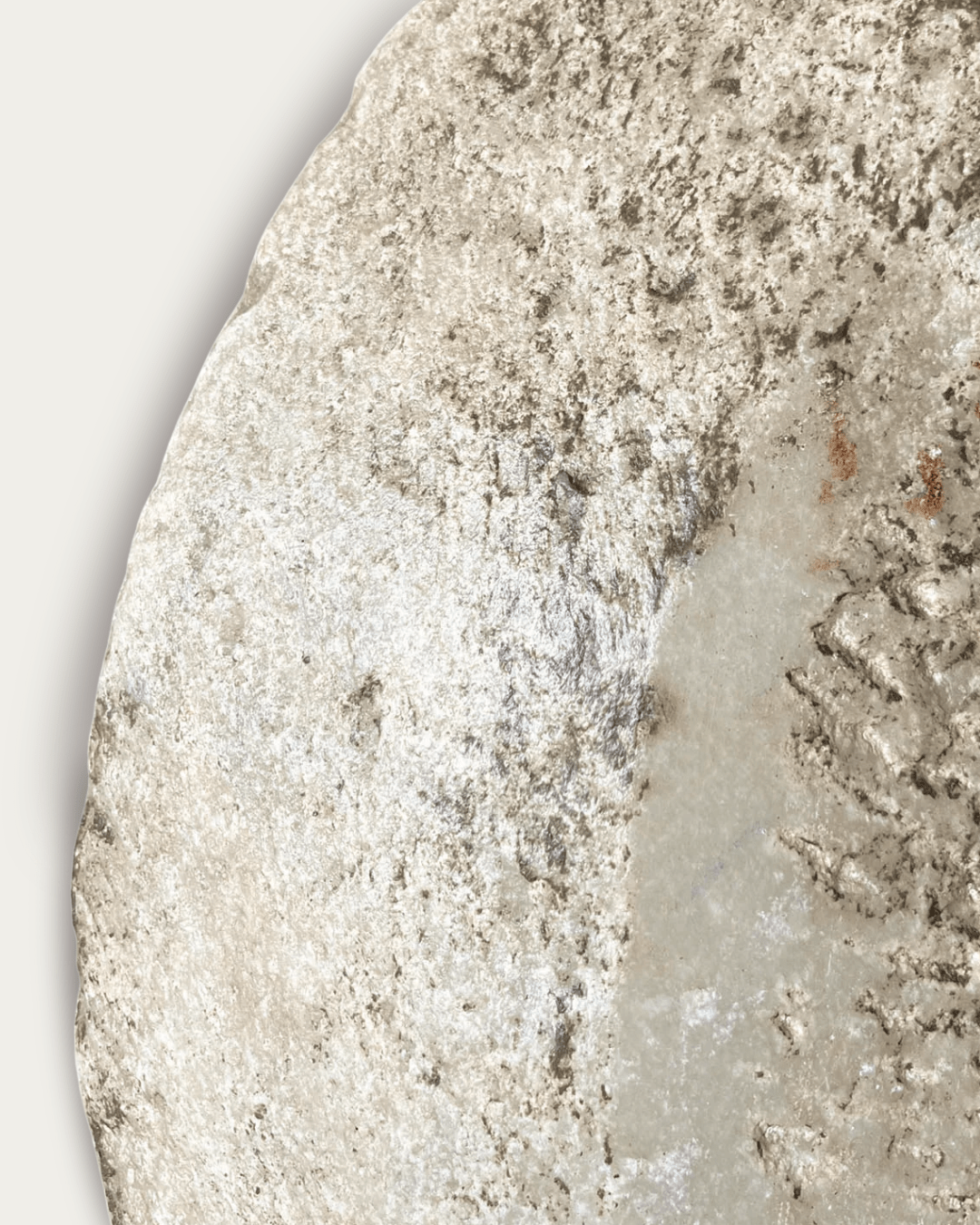
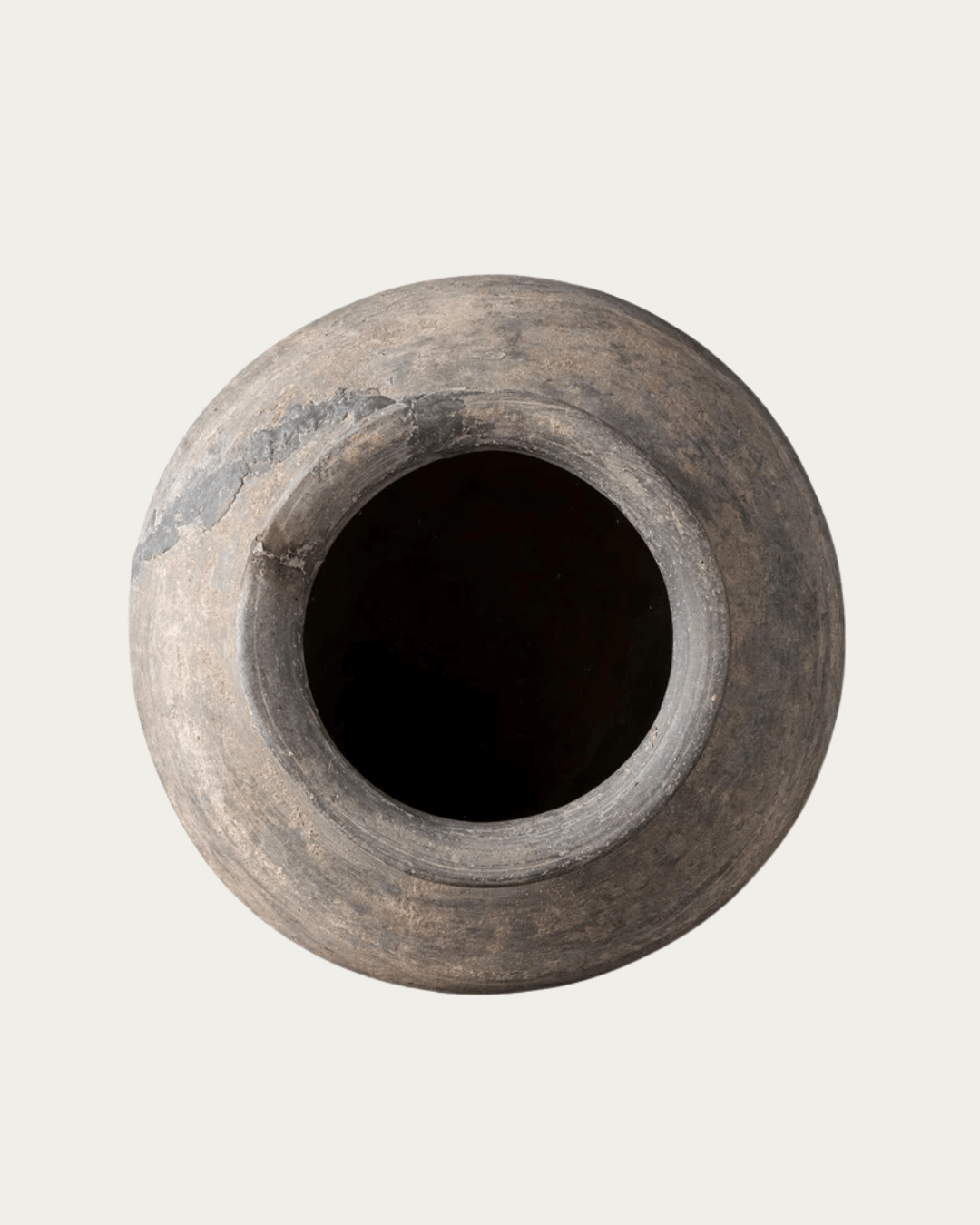
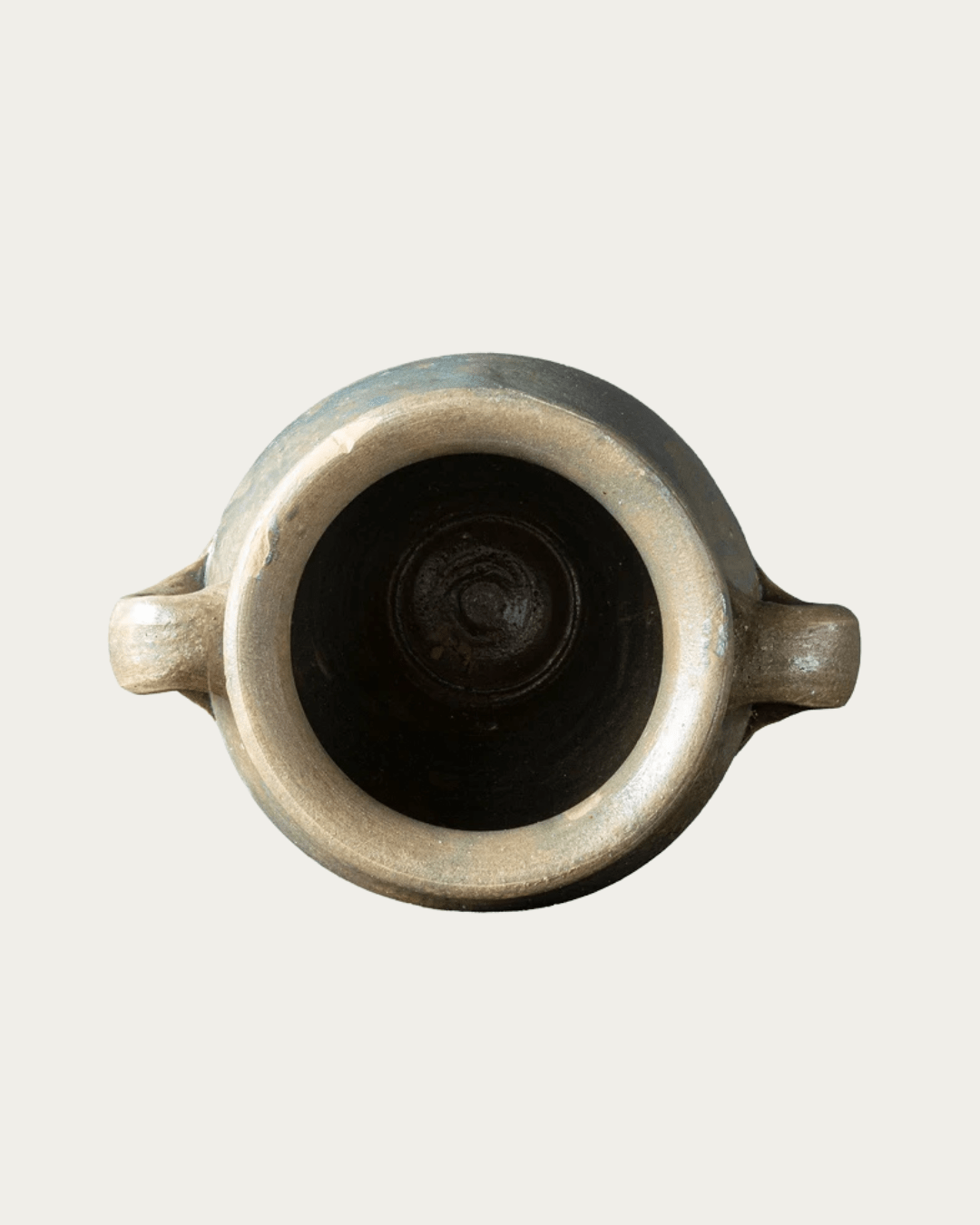
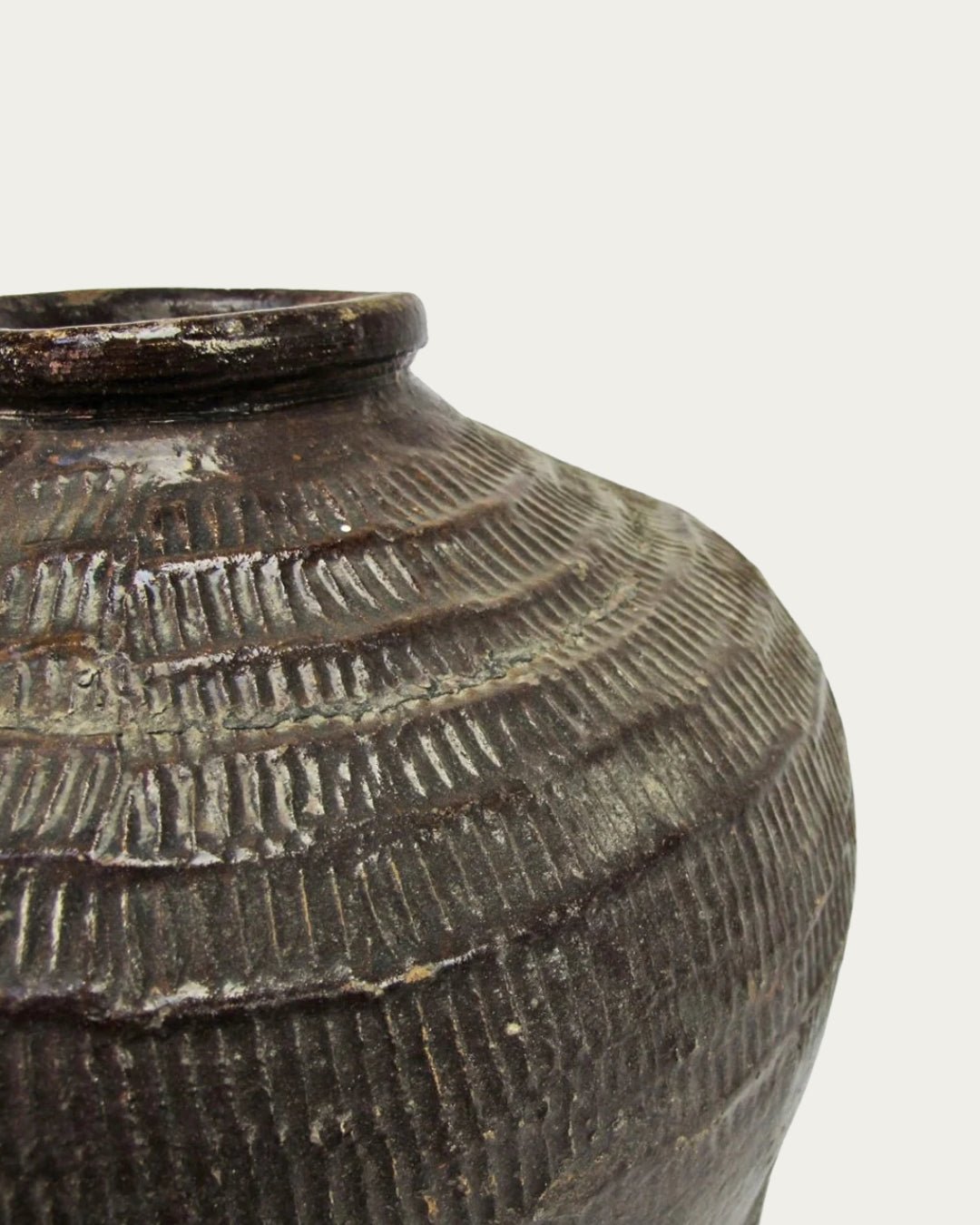
An empty pot allows the form, surface, and patina to do the work. The living room feels calmer because there’s less visual noise competing for attention. Negative space becomes part of the design instead of something to fix.
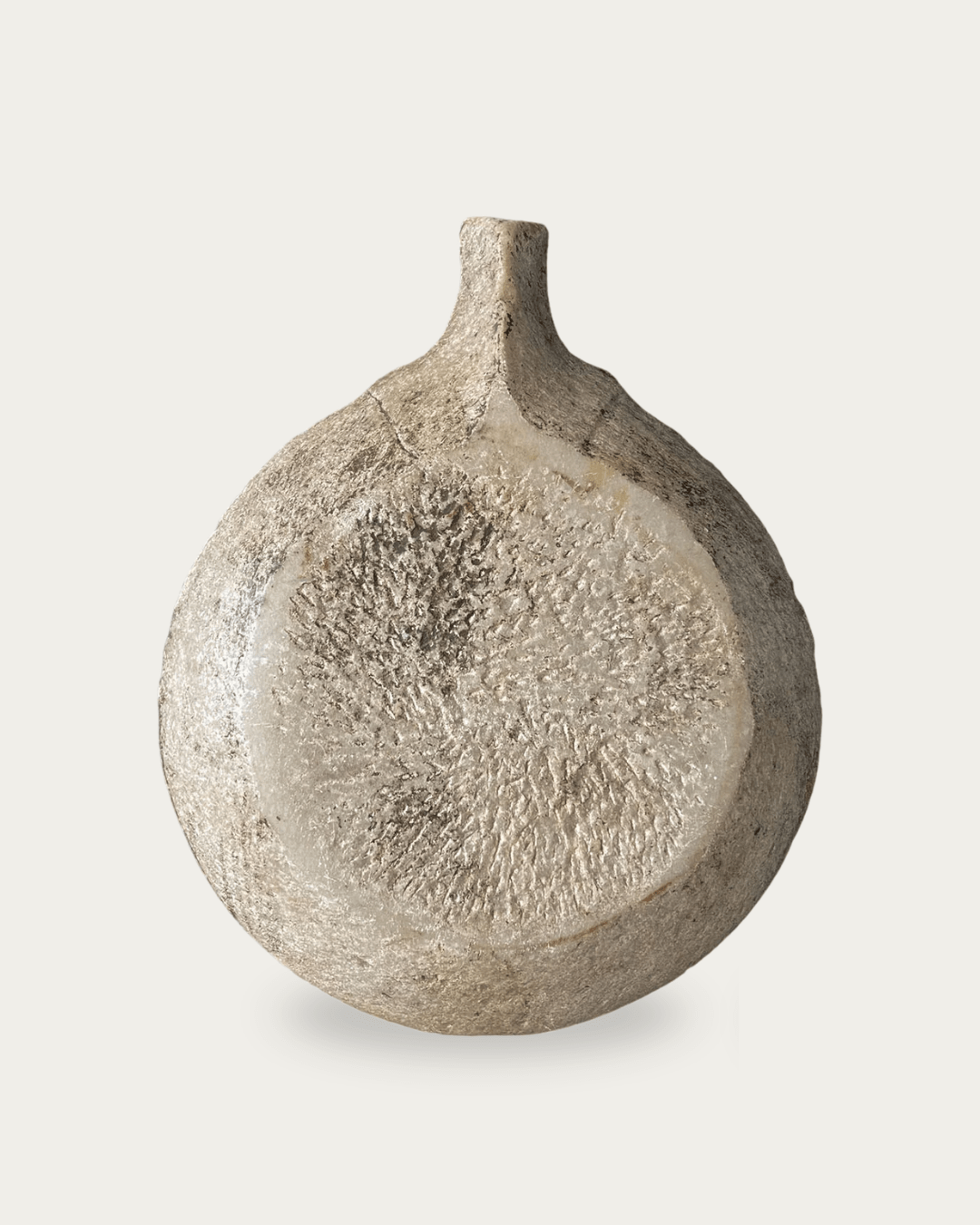
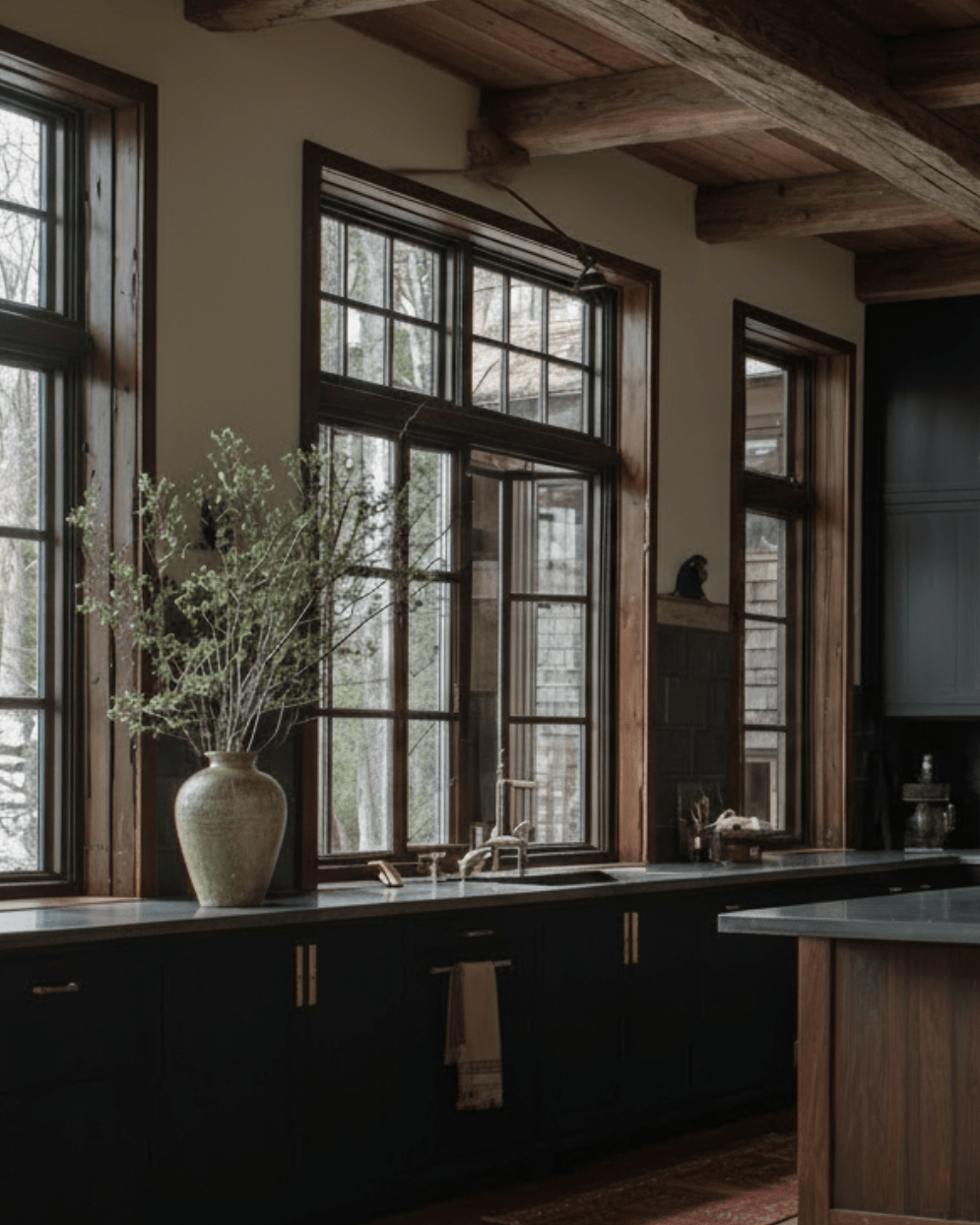
The water pot is a great example of a piece that works best when left alone. Its silhouette reads clearly from across the room, making it ideal for placement near seating or along a wall where the room needs definition but not distraction.
RUTED Tip: If you feel the urge to fill a vintage pot immediately, step back. If it looks right empty, you’ve placed it correctly.
When a Vintage Pot Replaces Furniture
One of the most useful roles a vintage pot can play in a living room is replacing furniture you don’t actually need.
Instead of adding a side table, basket, or extra storage piece, a vintage pot can hold blankets, cushions, or children’s toys without introducing more lines into the room. Its round form softens layouts dominated by rectangles and straight edges.
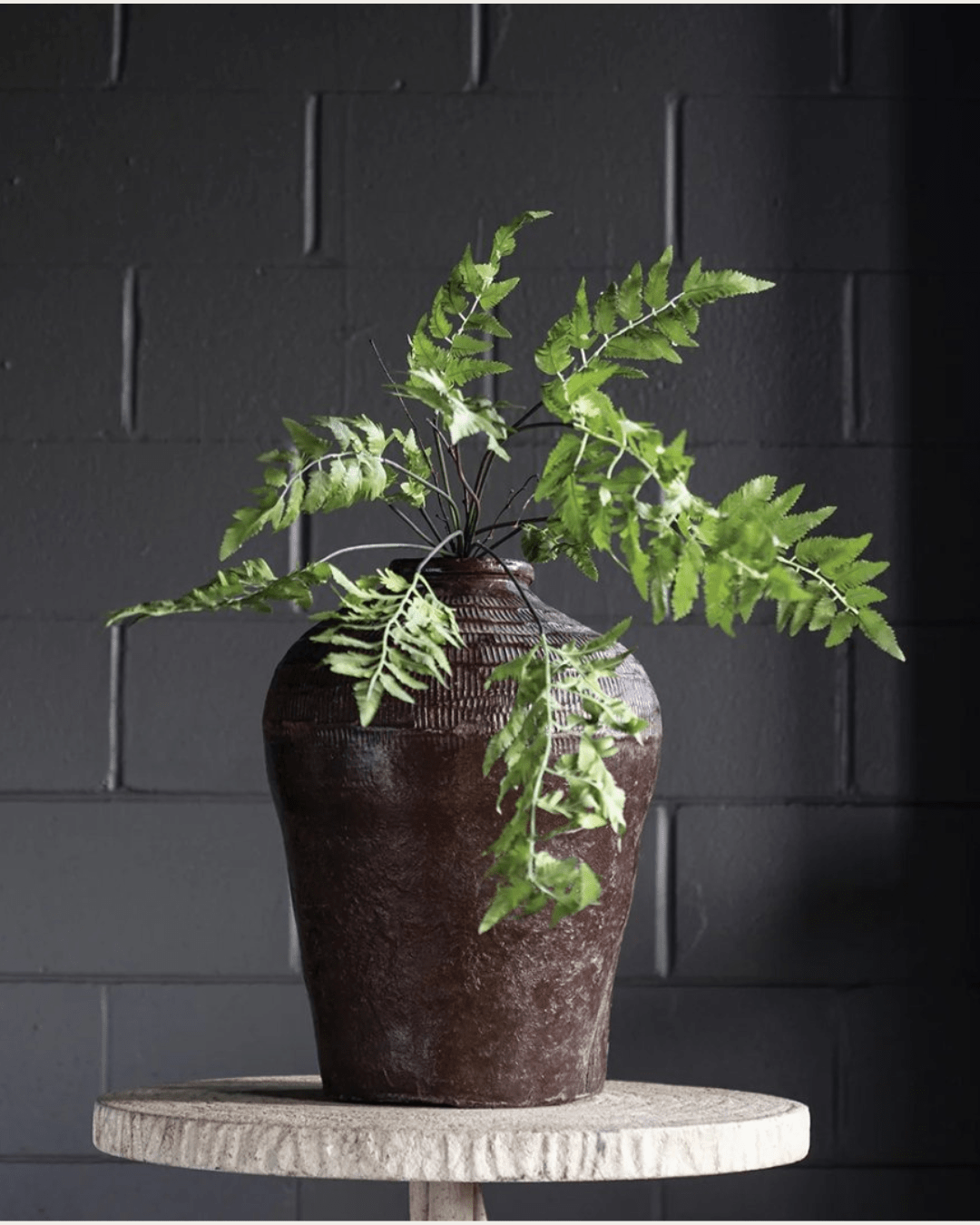
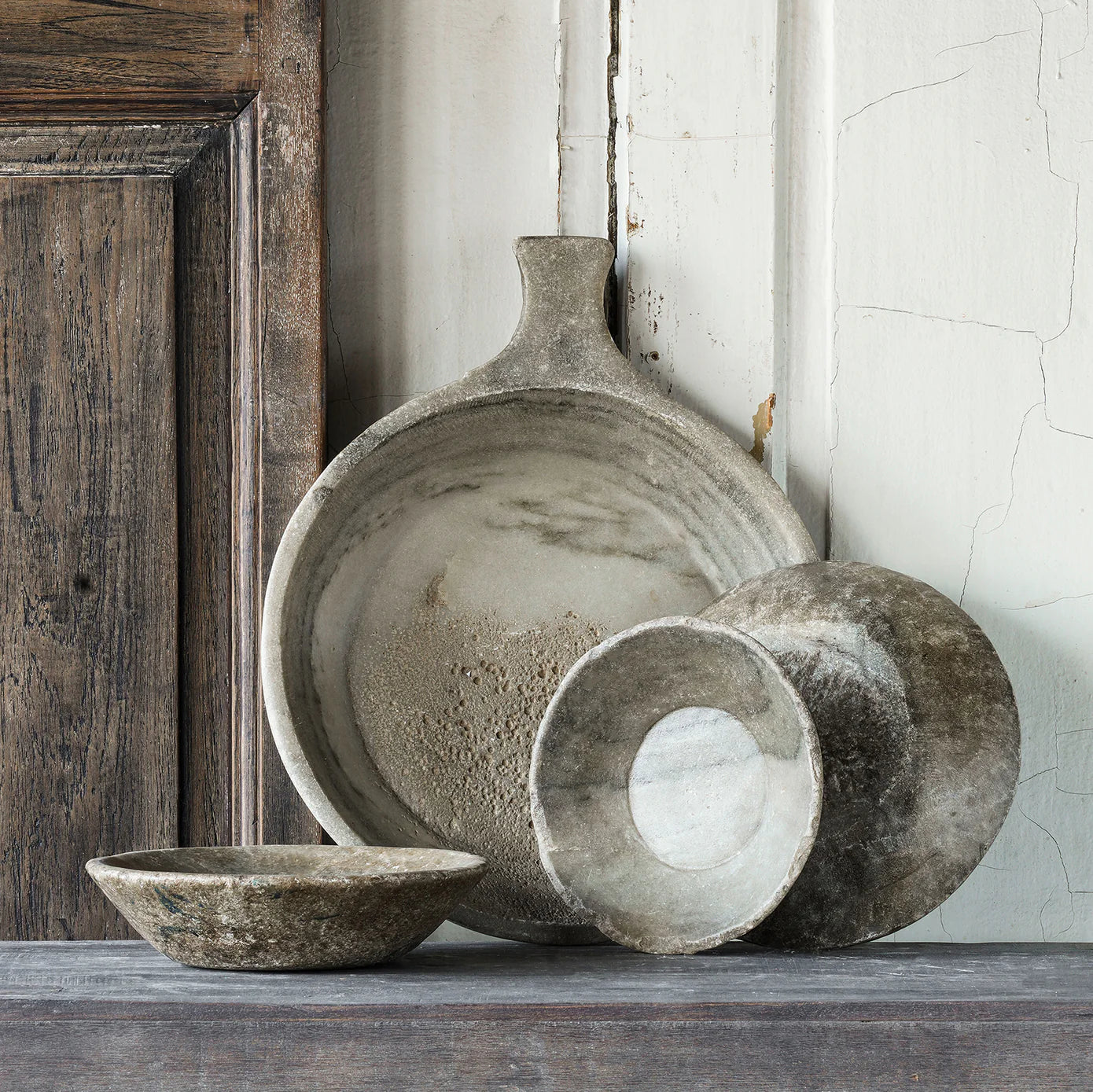
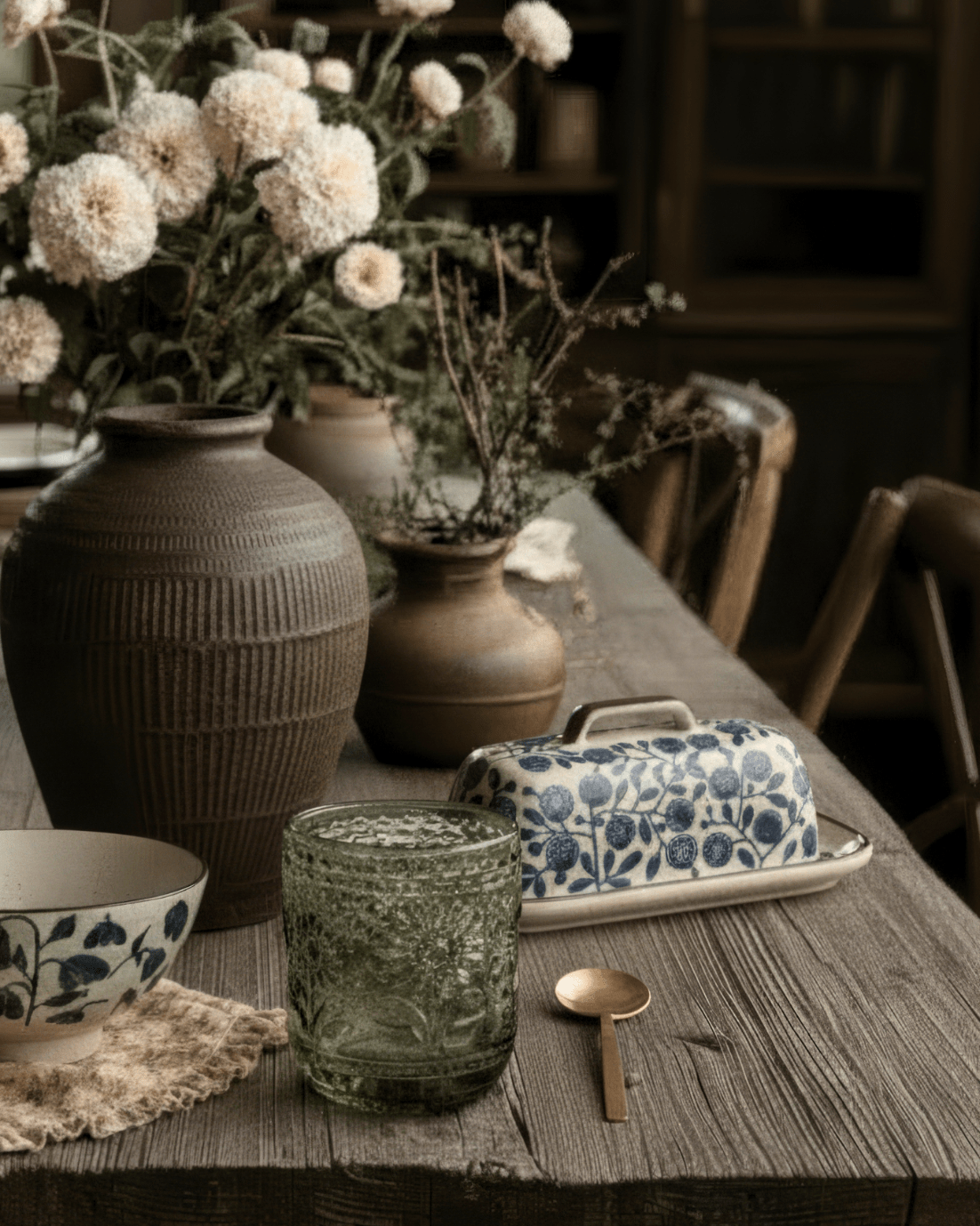
The vintage clay vase works especially well in this role. Its material feels honest and unfussy, which makes it suitable for everyday use without feeling like a utility object.
This approach keeps living rooms functional without tipping into clutter.
Material Matters More Than Styling
What makes a vintage pot effective isn’t just its shape—it’s the material. Clay, ceramic, and glazed surfaces all behave differently in a living room.
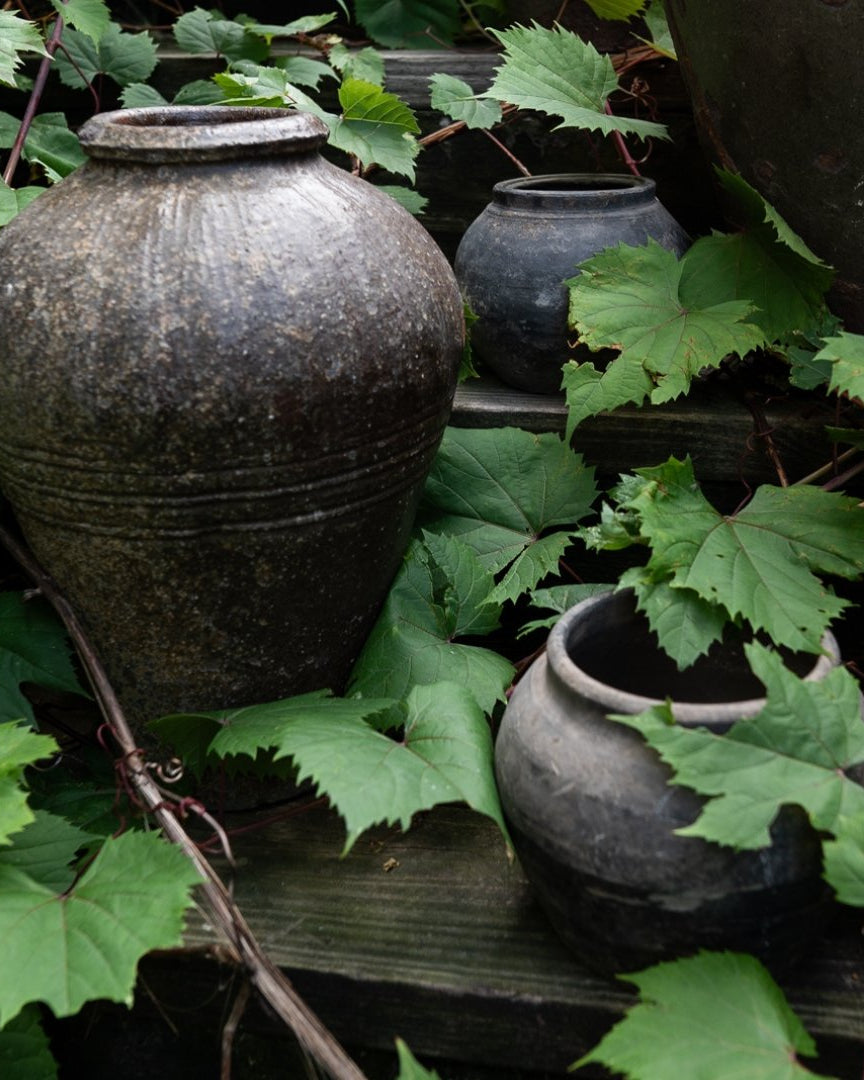
Glazed pots reflect light subtly and work well near windows or lamps. Unglazed or matte surfaces absorb light, adding depth in brighter spaces. Understanding this helps you place the pot where it supports the room instead of fighting it.
If you’re layering lighting in the living room, vintage pots often pair naturally with softer, lower lighting rather than harsh overhead fixtures.
You might also find it useful to explore how lighting and objects interact across different materials.
Explore lighting.
One Pot Is Enough
Restraint is what makes this trick work.
A single vintage pot placed with intention will always outperform a cluster of smaller decorative items. When there are too many vessels in one space, they stop anchoring the room and start competing with each other.
Choose one spot where the room feels unresolved. Place the pot there. Let it be the only statement in that zone.
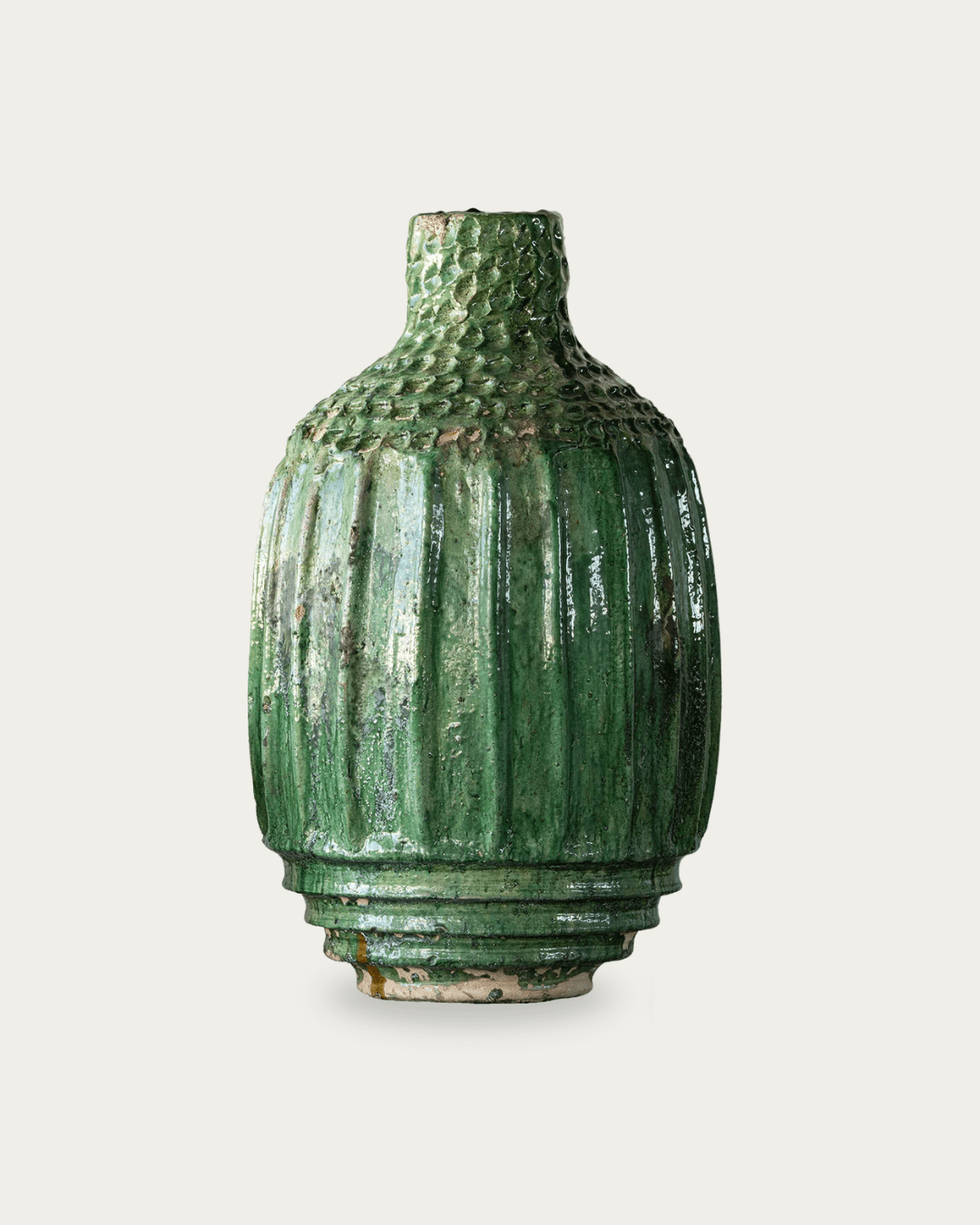
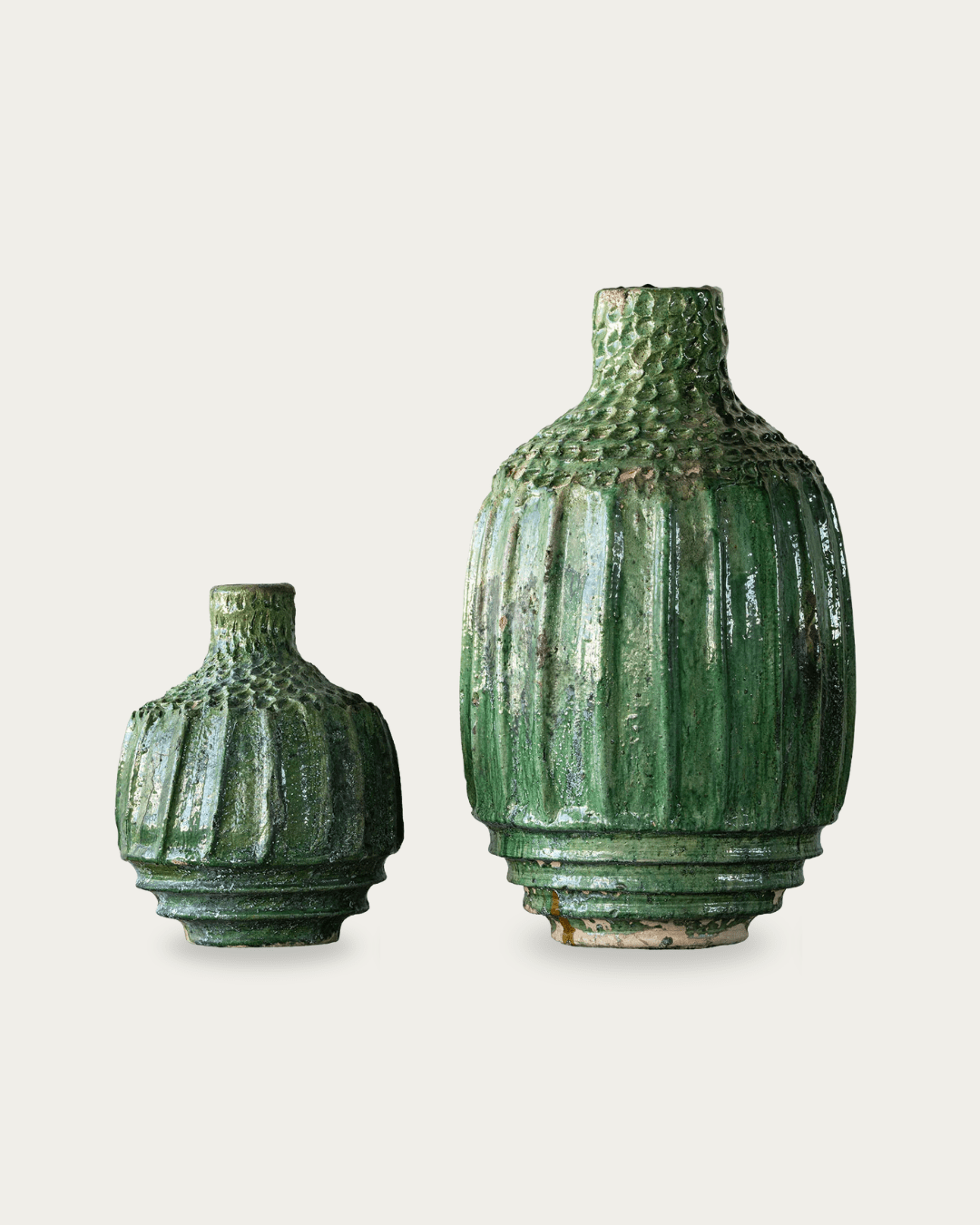
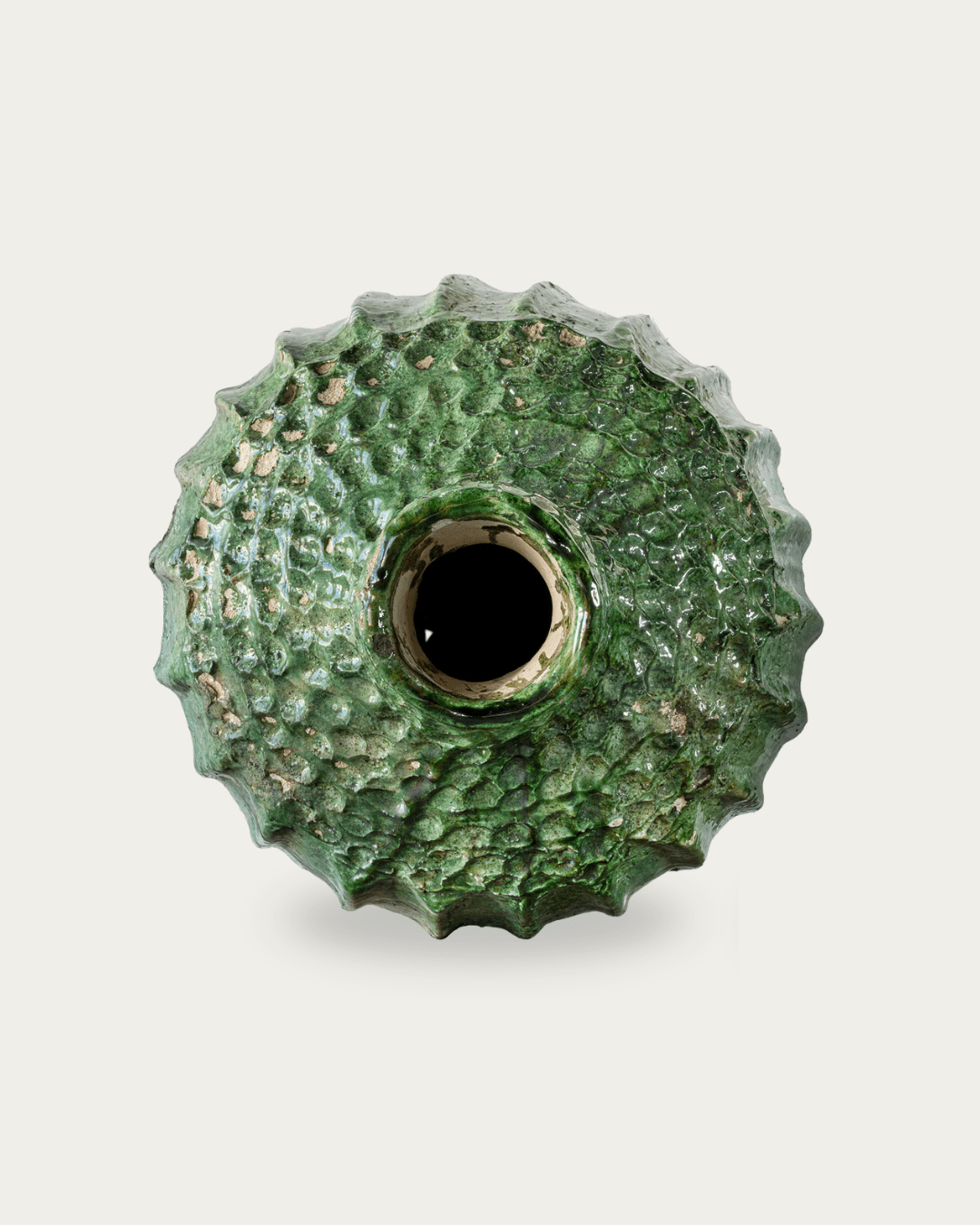
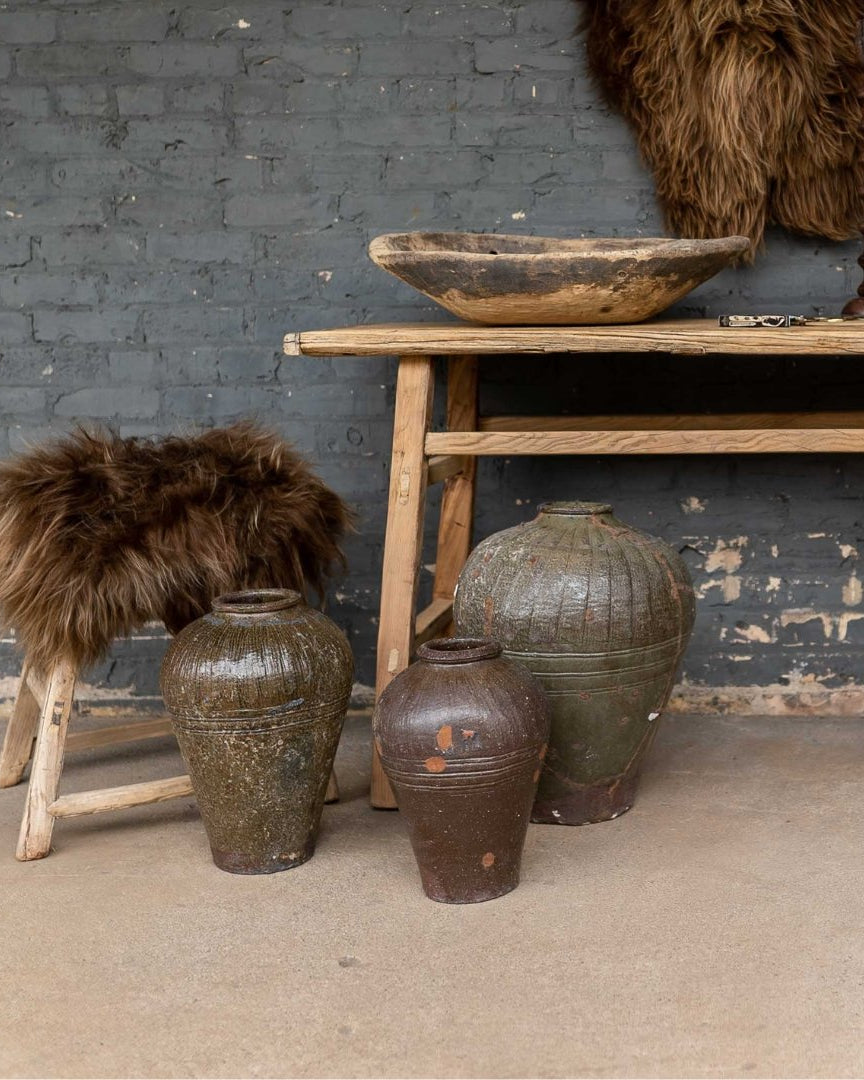
The Skadi vintage glazed handle pot is well suited for this kind of placement. It has enough surface detail to feel interesting but not so much that it overwhelms the space.
How Vintage Pots Work With Other Vintage Decor
Vintage pots don’t need to match the rest of the room, but they do need to relate.
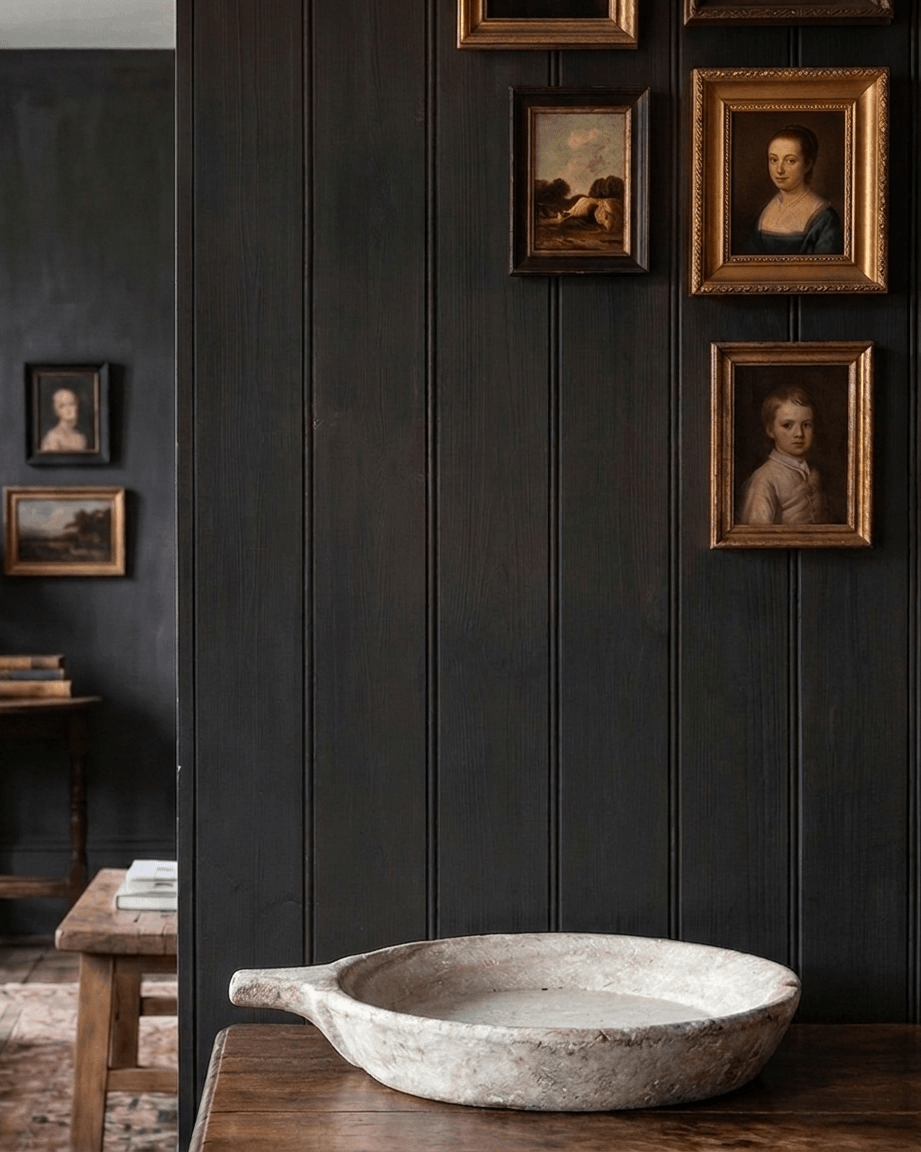
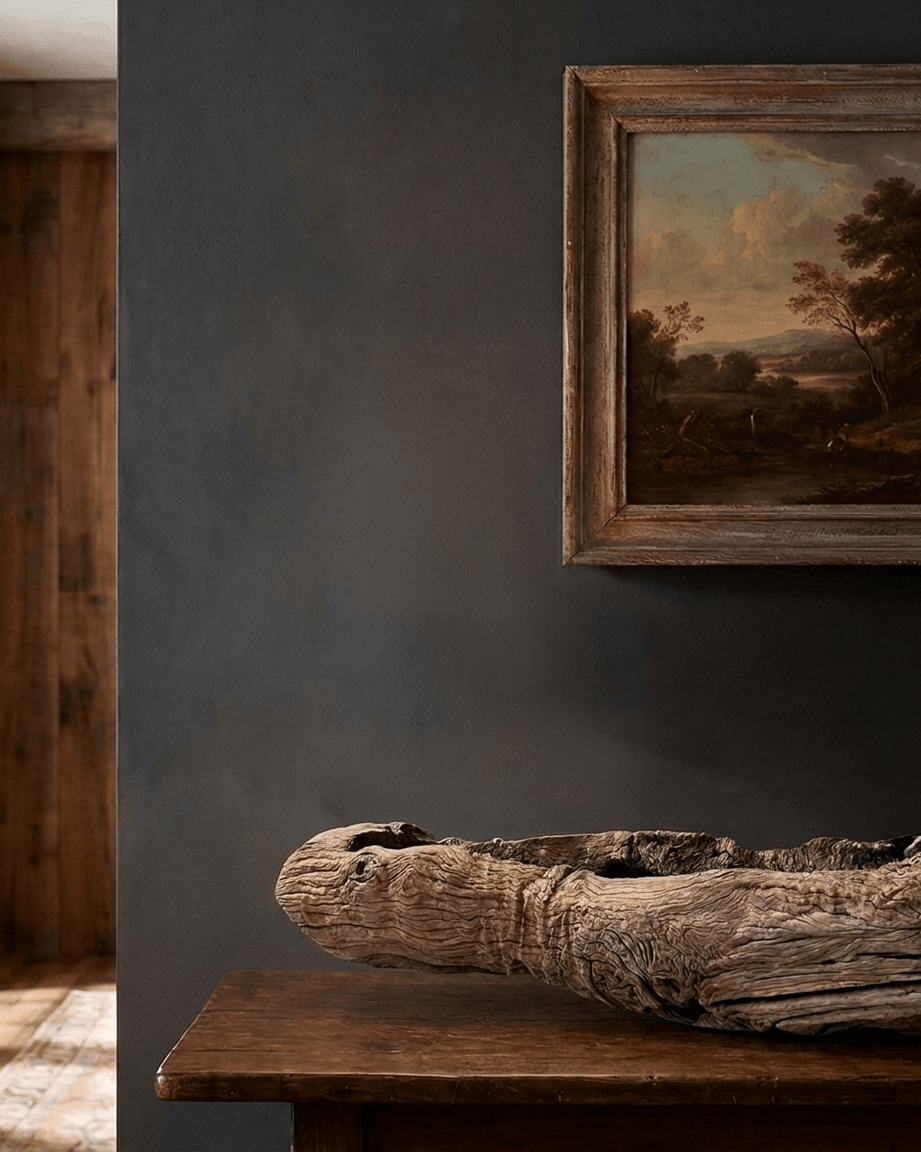
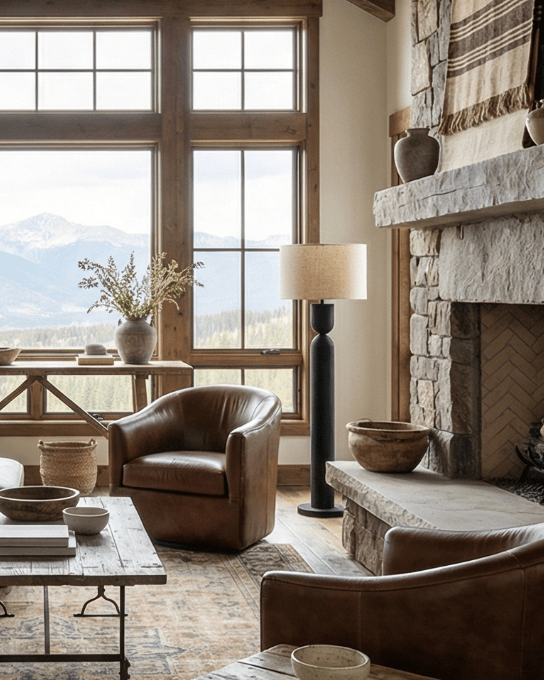
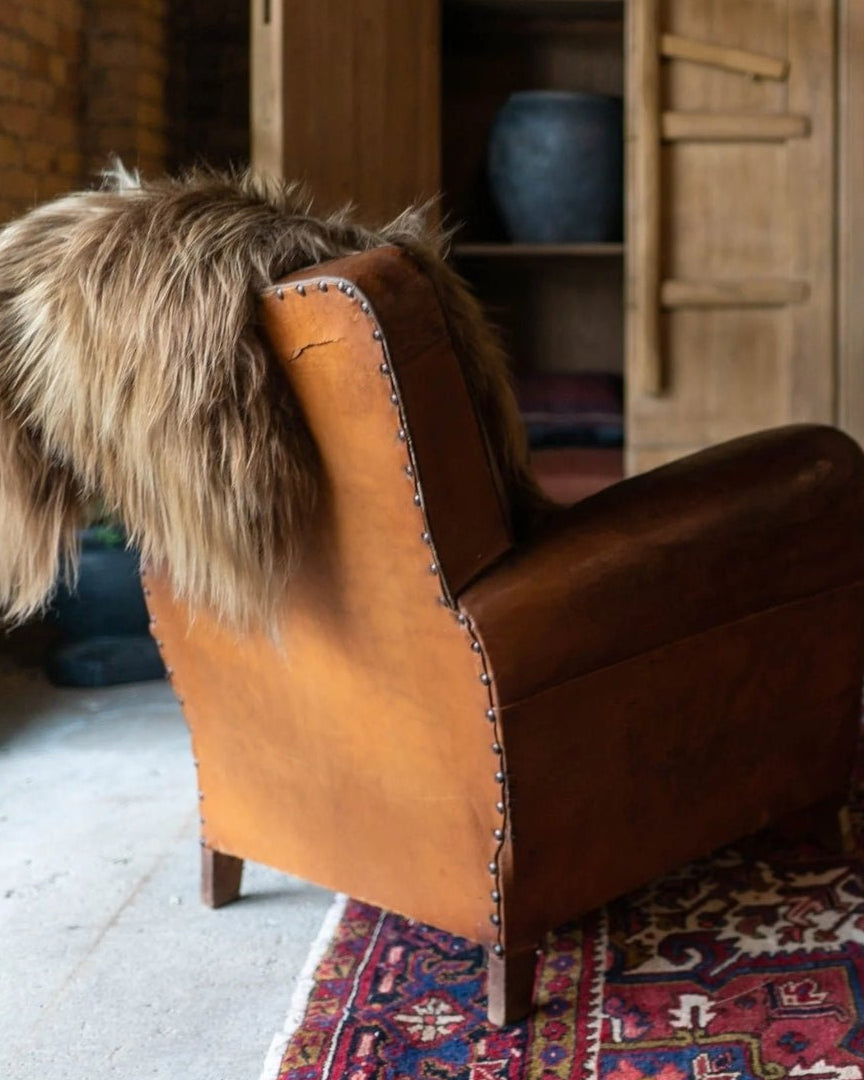
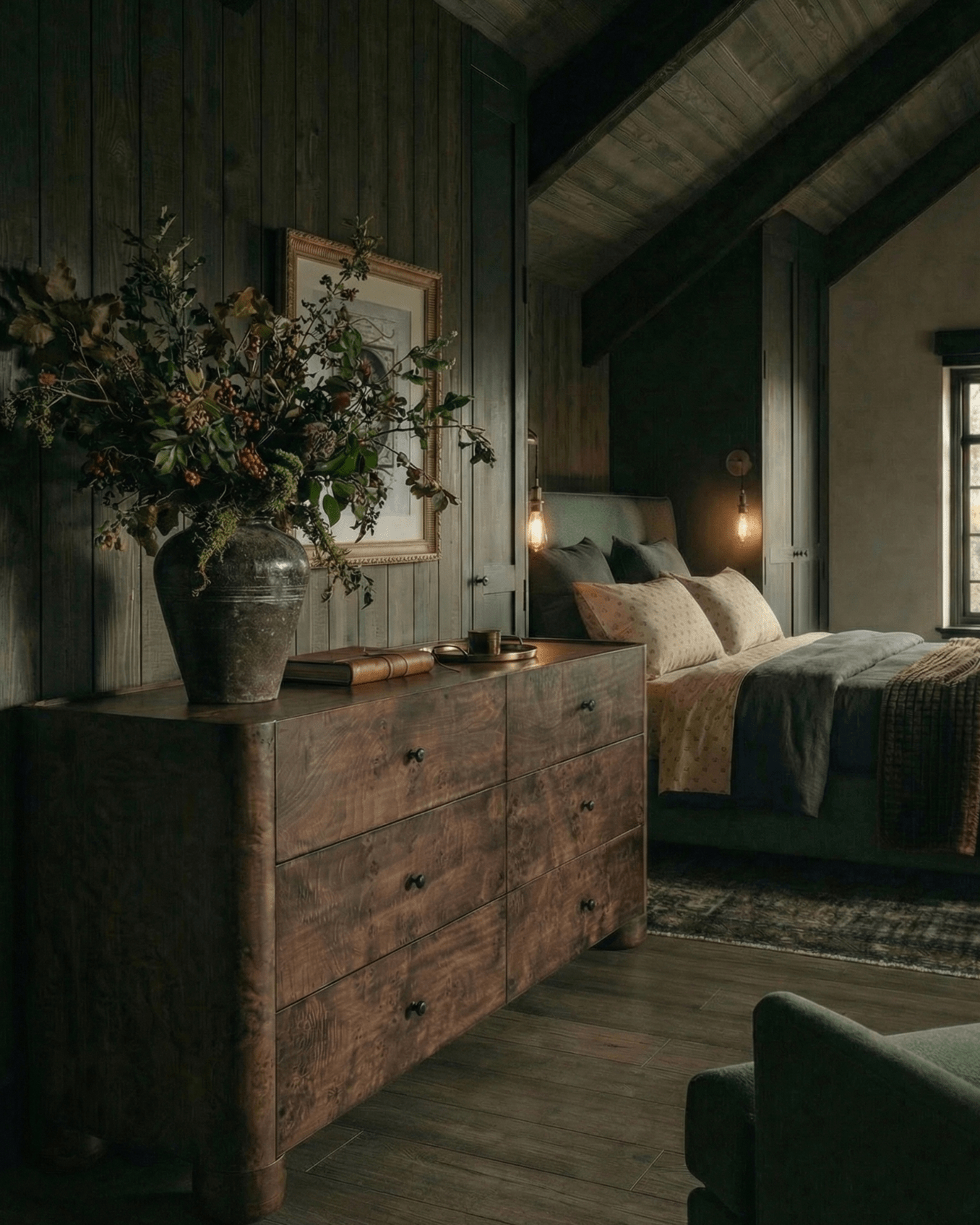
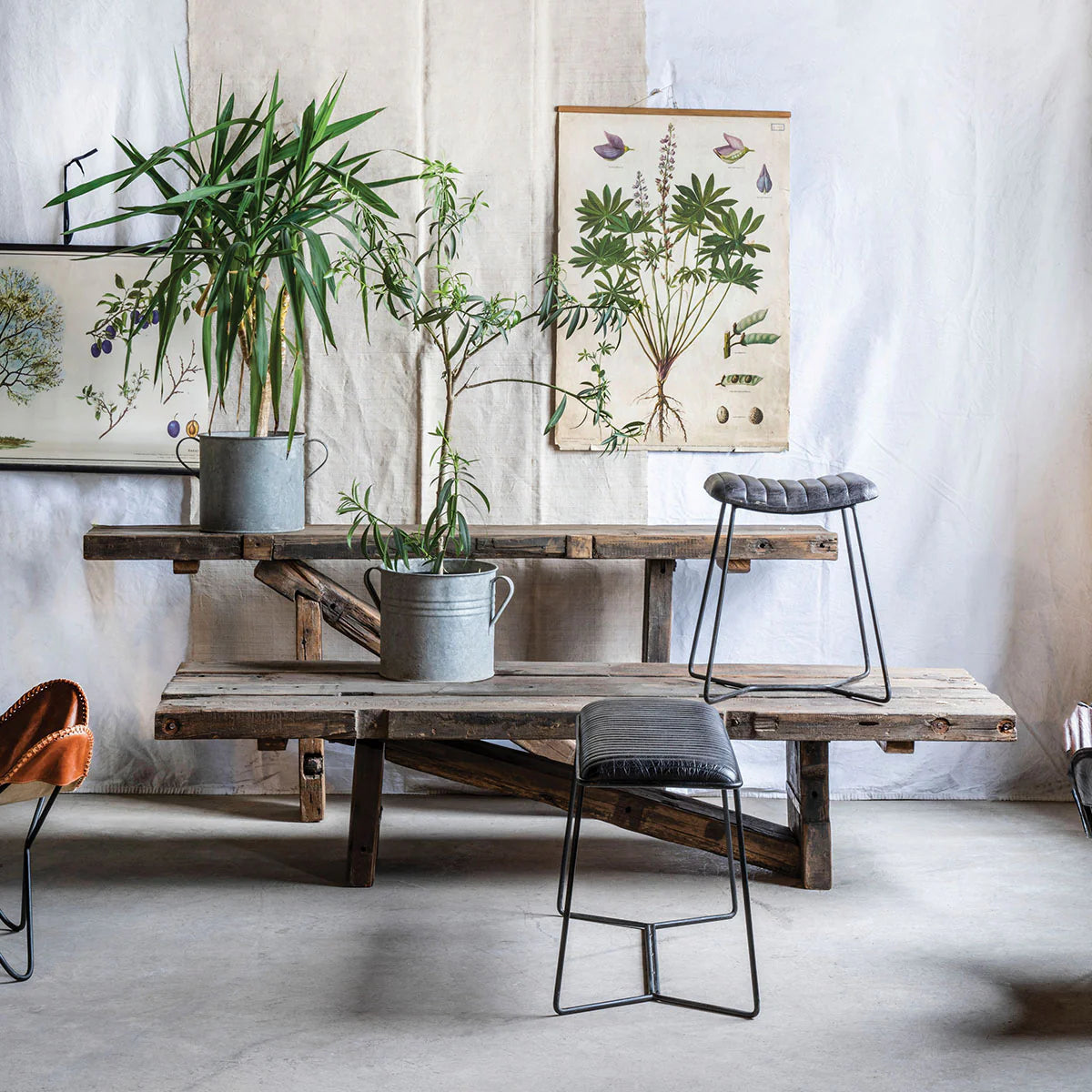
They pair naturally with aged wood, collected objects, and worn surfaces. When placed near vintage furniture or decor, they create continuity without looking styled.
If your living room includes older pieces or collected objects, a vintage pot often becomes the grounding element that ties them together.
You may want to explore how other vintage decor pieces interact with scale and material.
Explore vintage decor.
Why Vintage Pots Make Rooms Feel Lived-In, Not Styled
There’s a difference between a room that looks styled and one that feels lived-in. Vintage pots contribute to the latter.
They invite use. They tolerate wear. Scratches and marks don’t ruin them—they add to the story. This makes people more relaxed in the space. Less caution. More comfort.
Over time, the pot becomes part of the rhythm of the living room. It moves when needed. It gets repurposed. It adapts.
That adaptability is what makes the room feel finished without feeling fixed.
Final Thoughts: The Small Shift That Changes Everything
The vintage pot trick isn’t about adding decor. It’s about adding clarity.
By introducing one well-scaled, well-placed vintage pot, a living room gains structure, balance, and purpose. The space stops asking for more and starts making sense.
If your living room feels close—but not quite there—don’t add another cushion or object. Look for the spot that needs grounding.