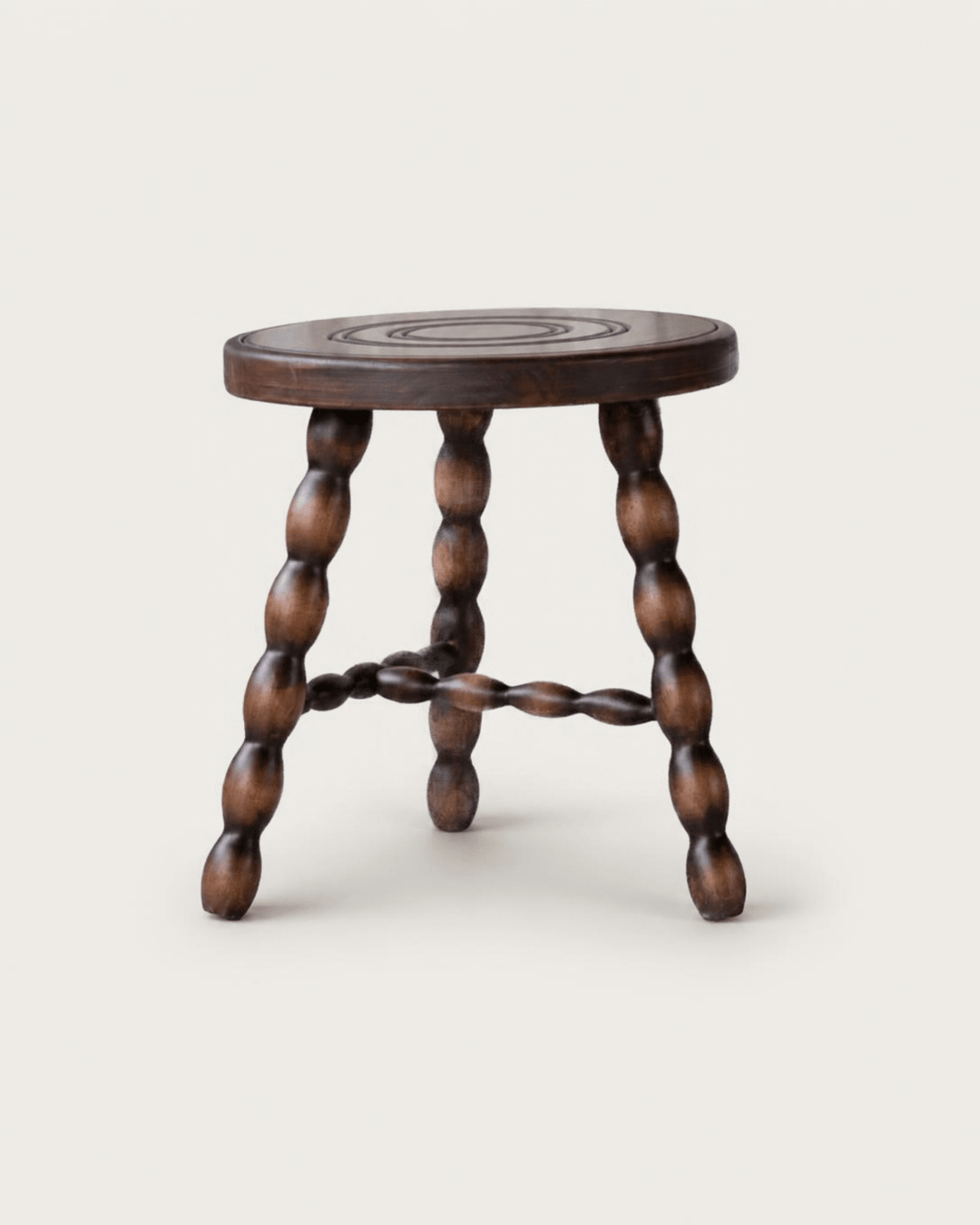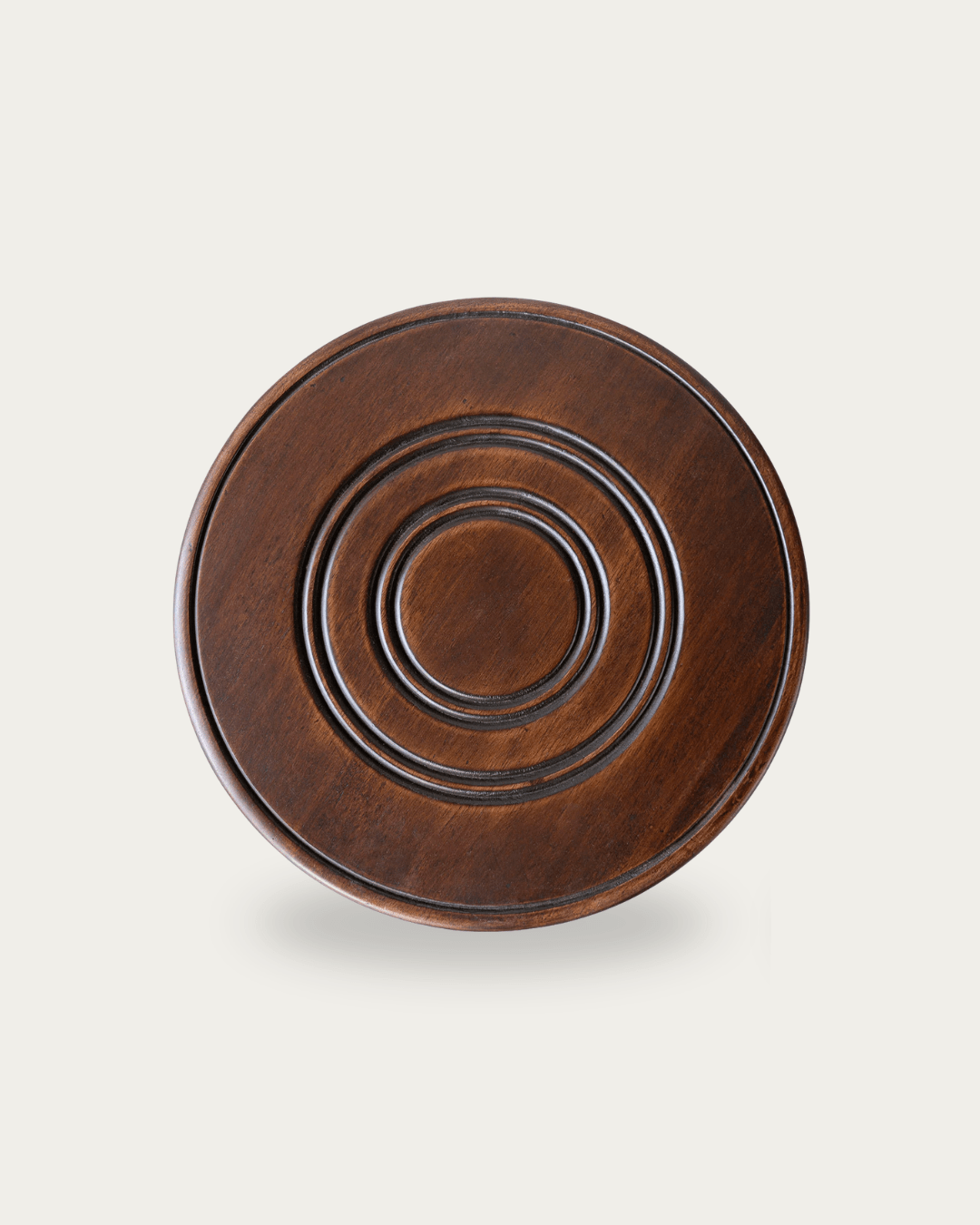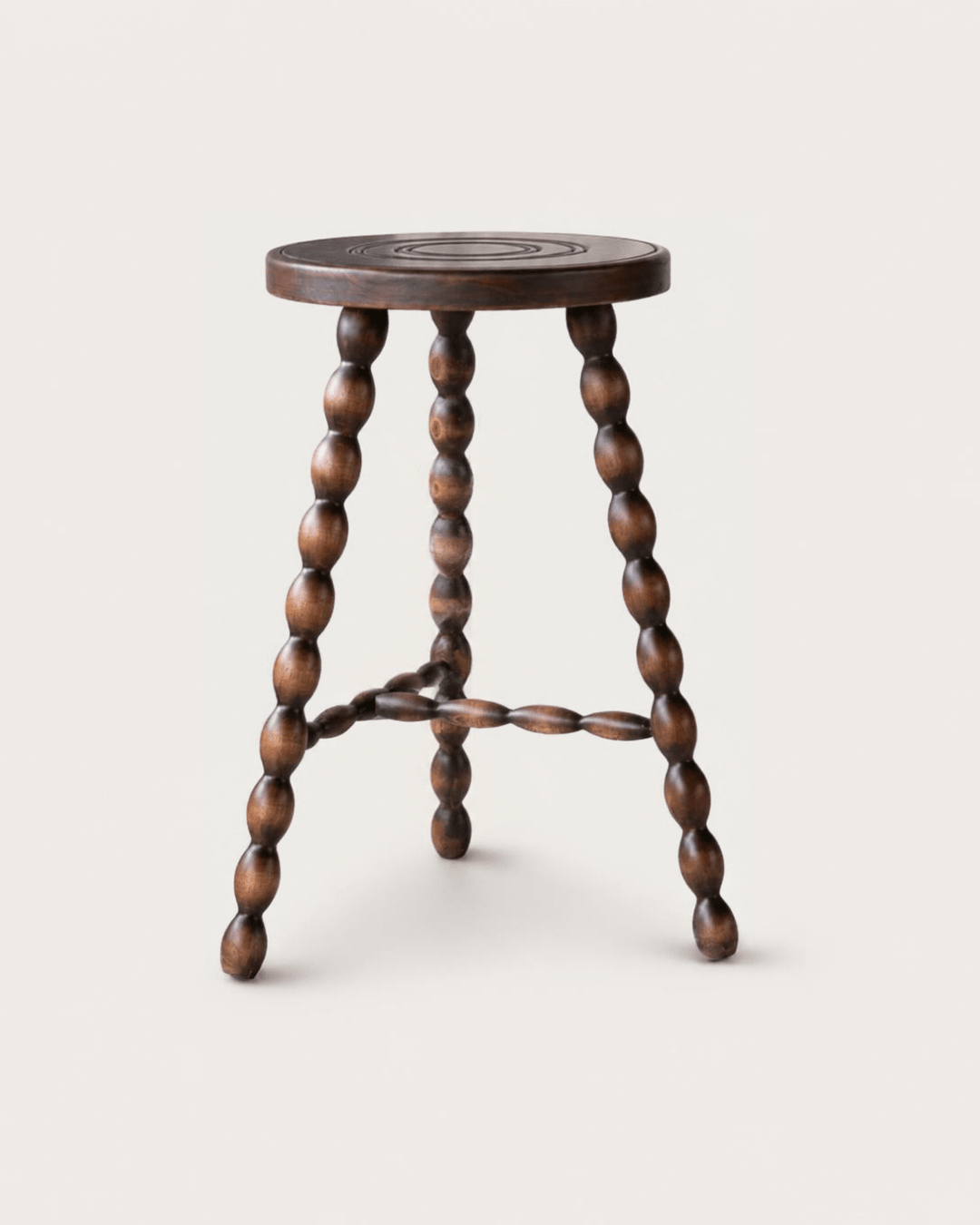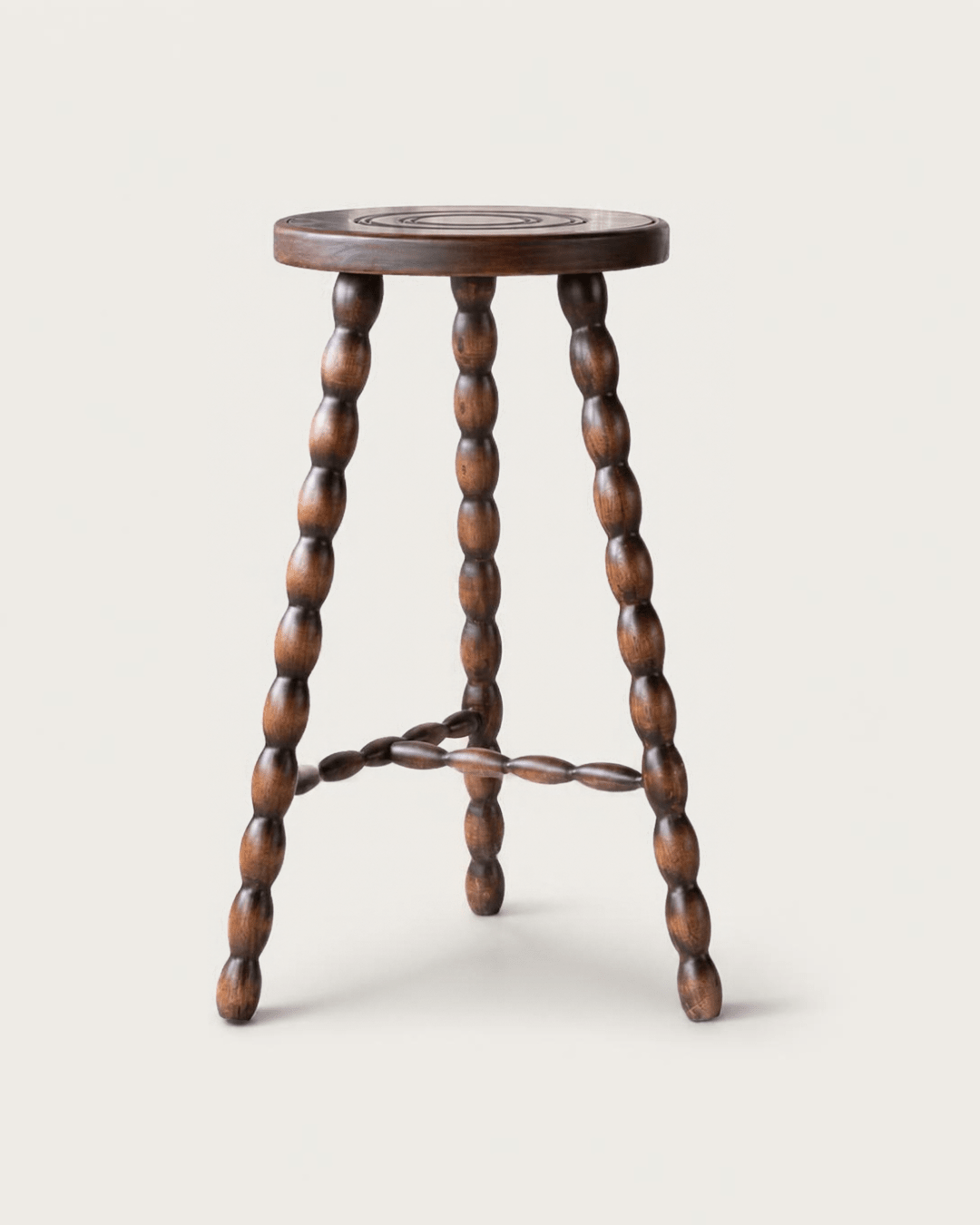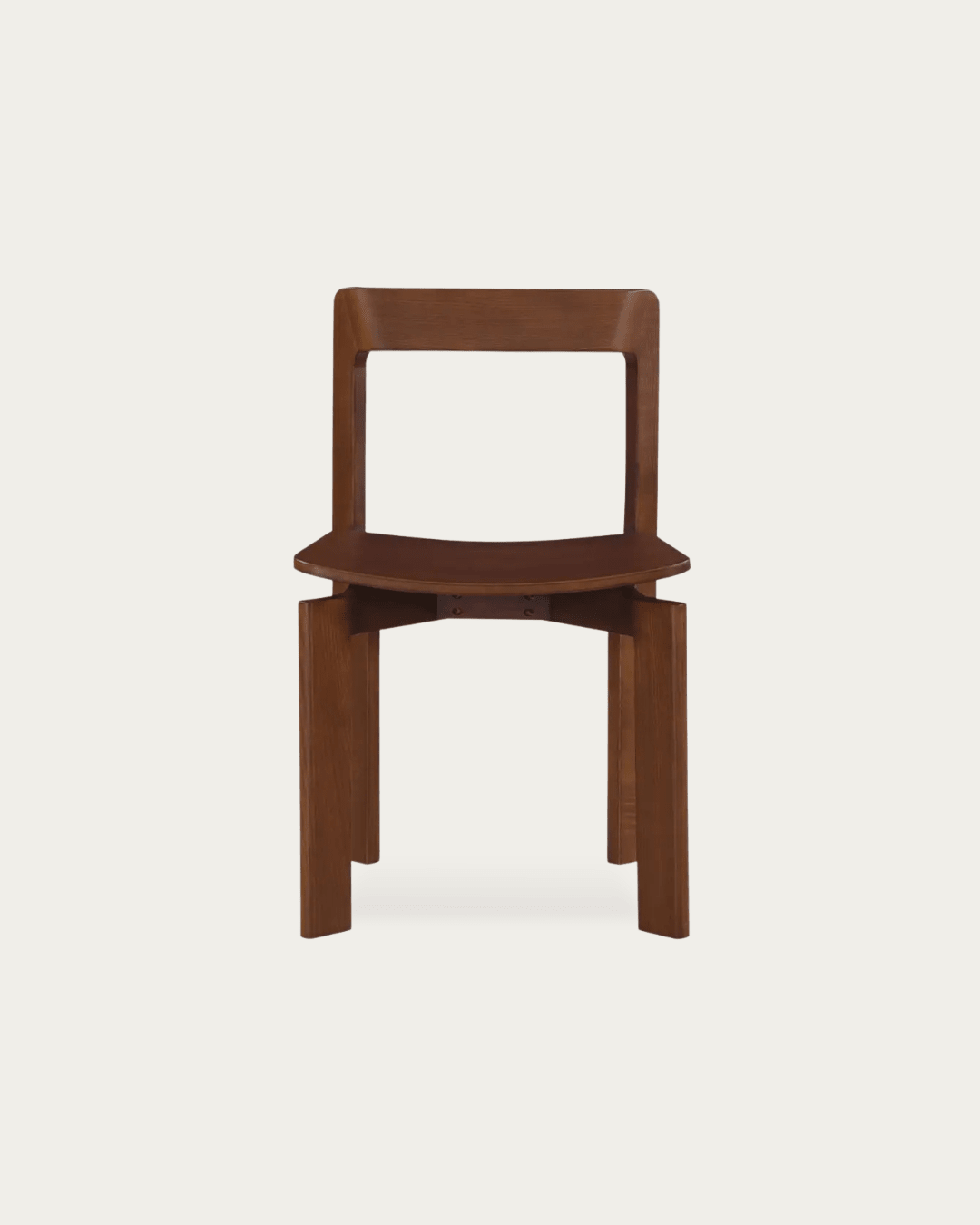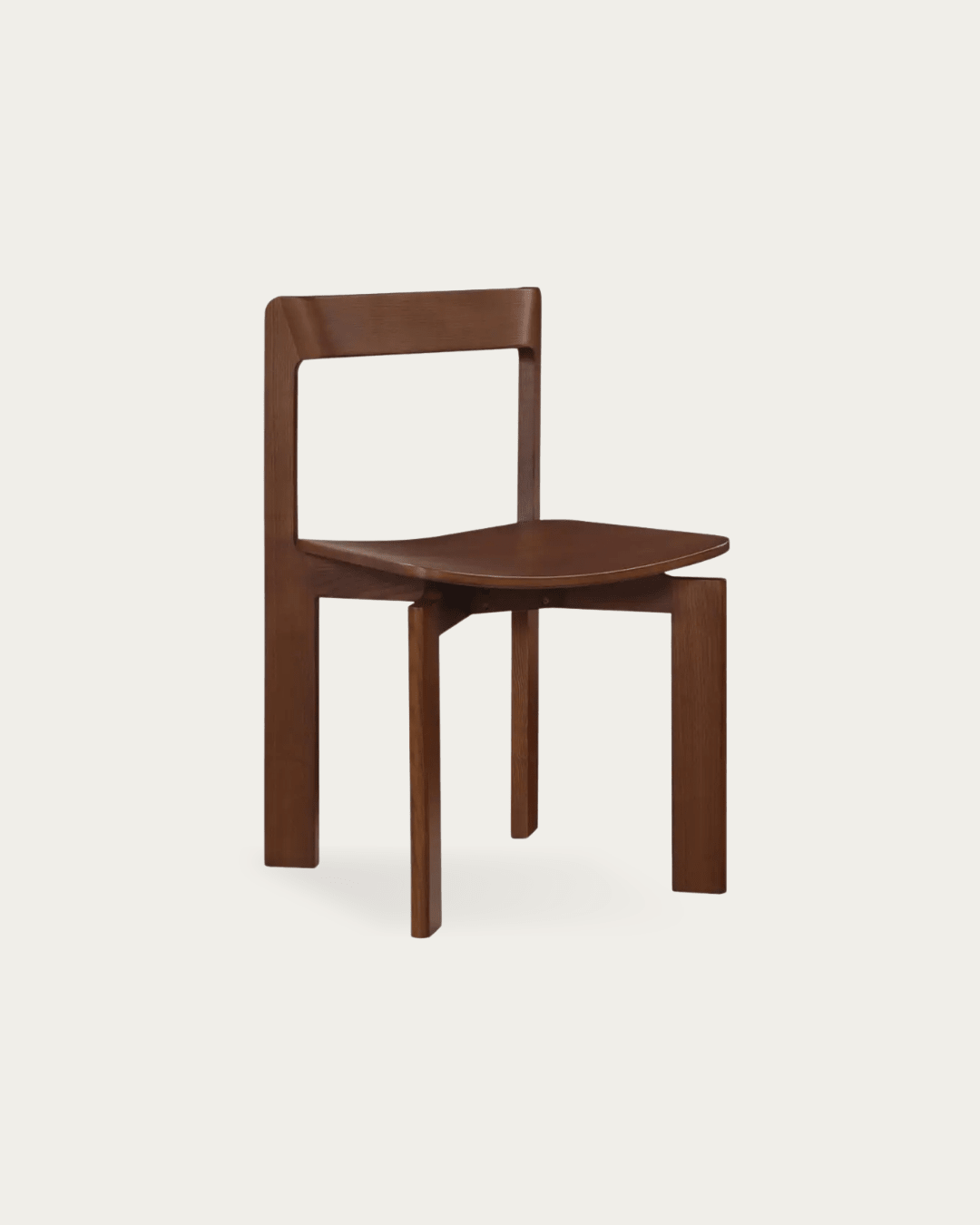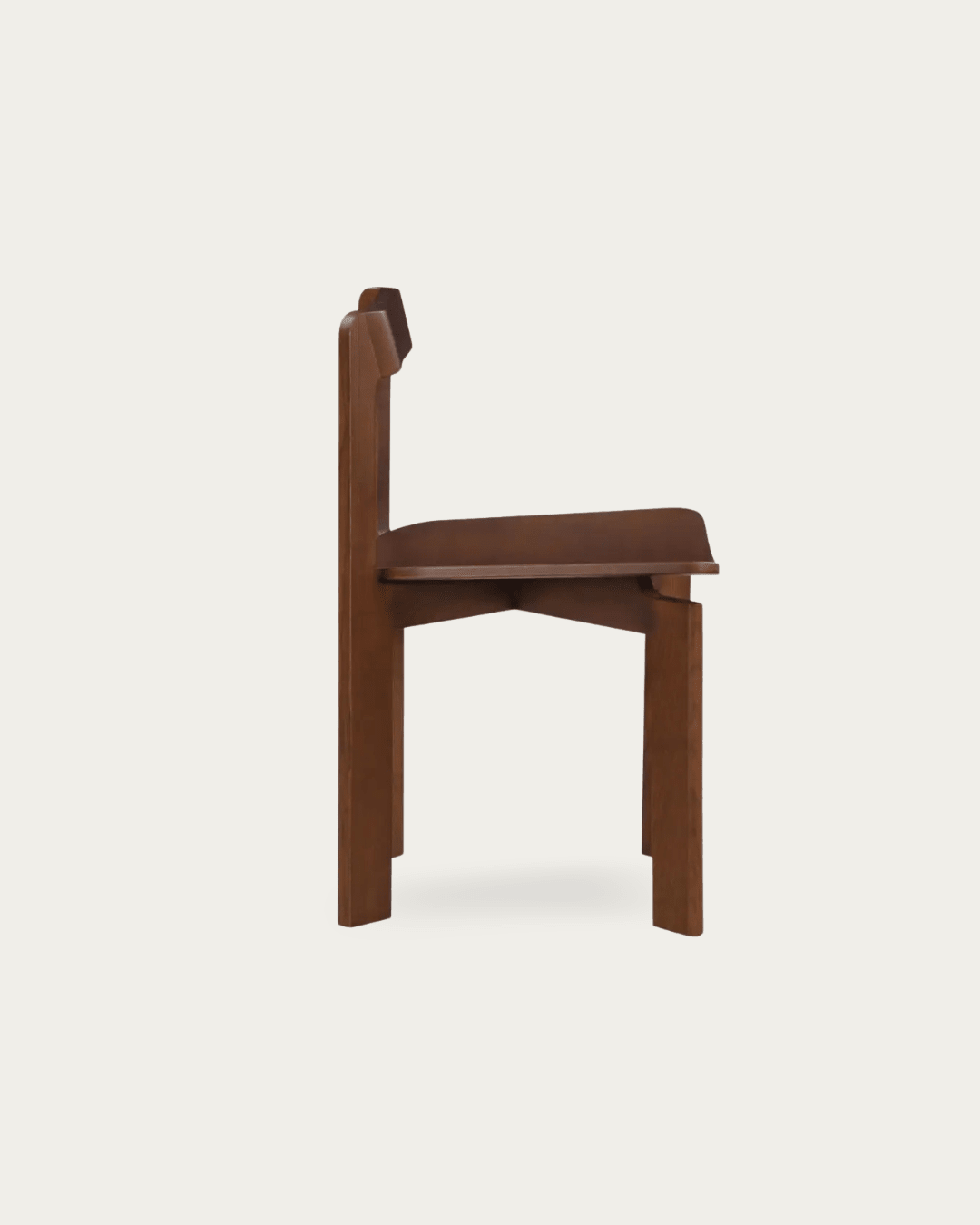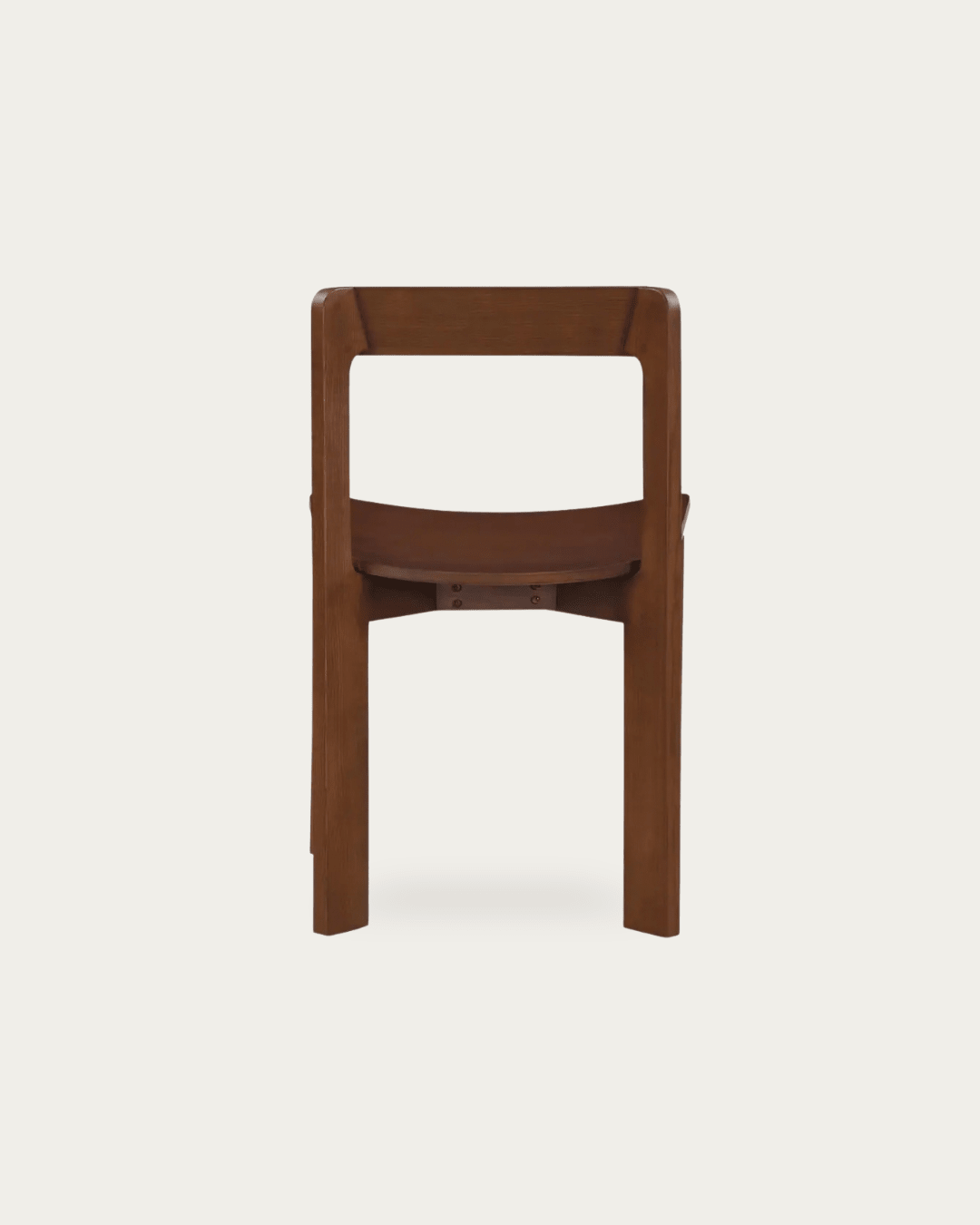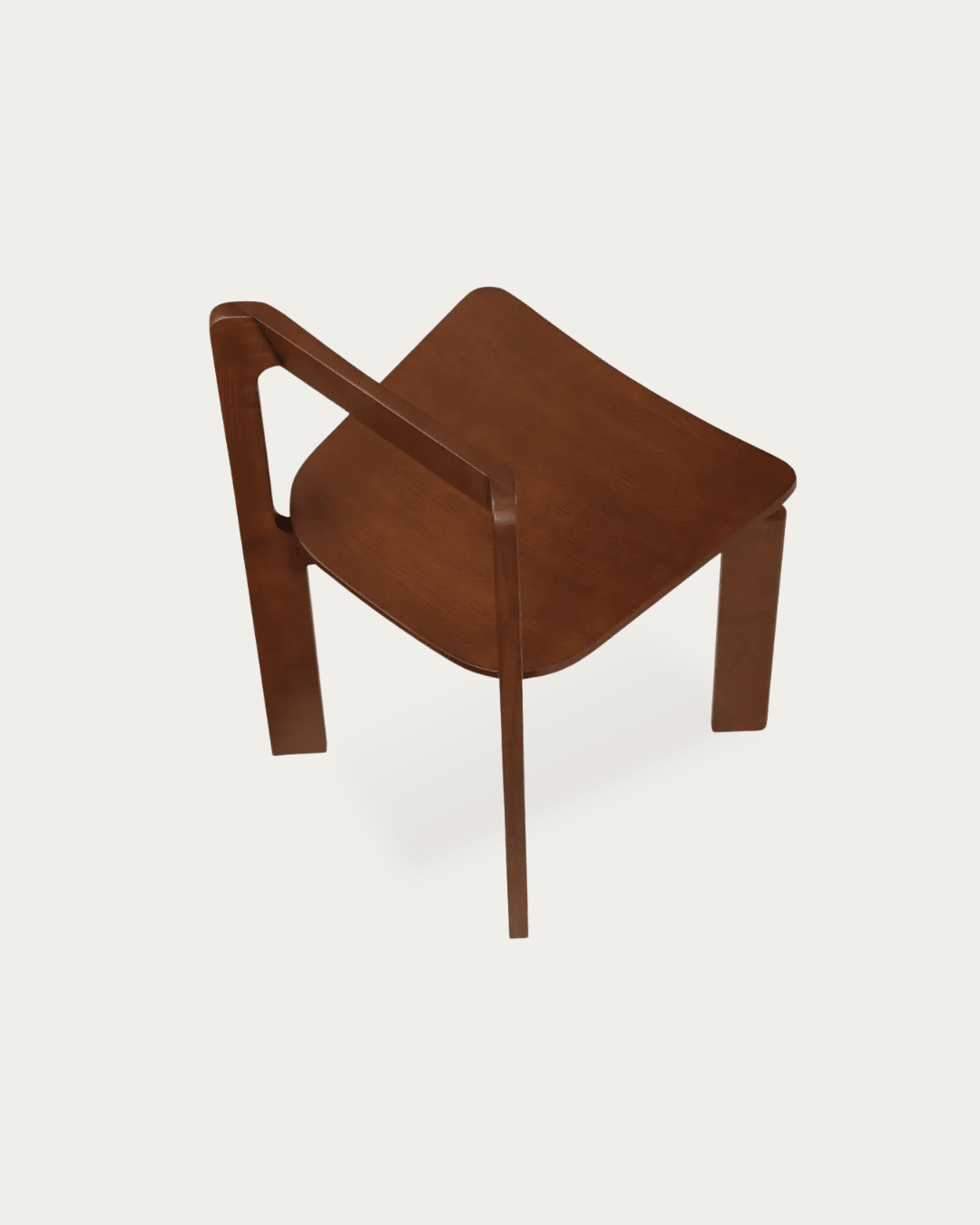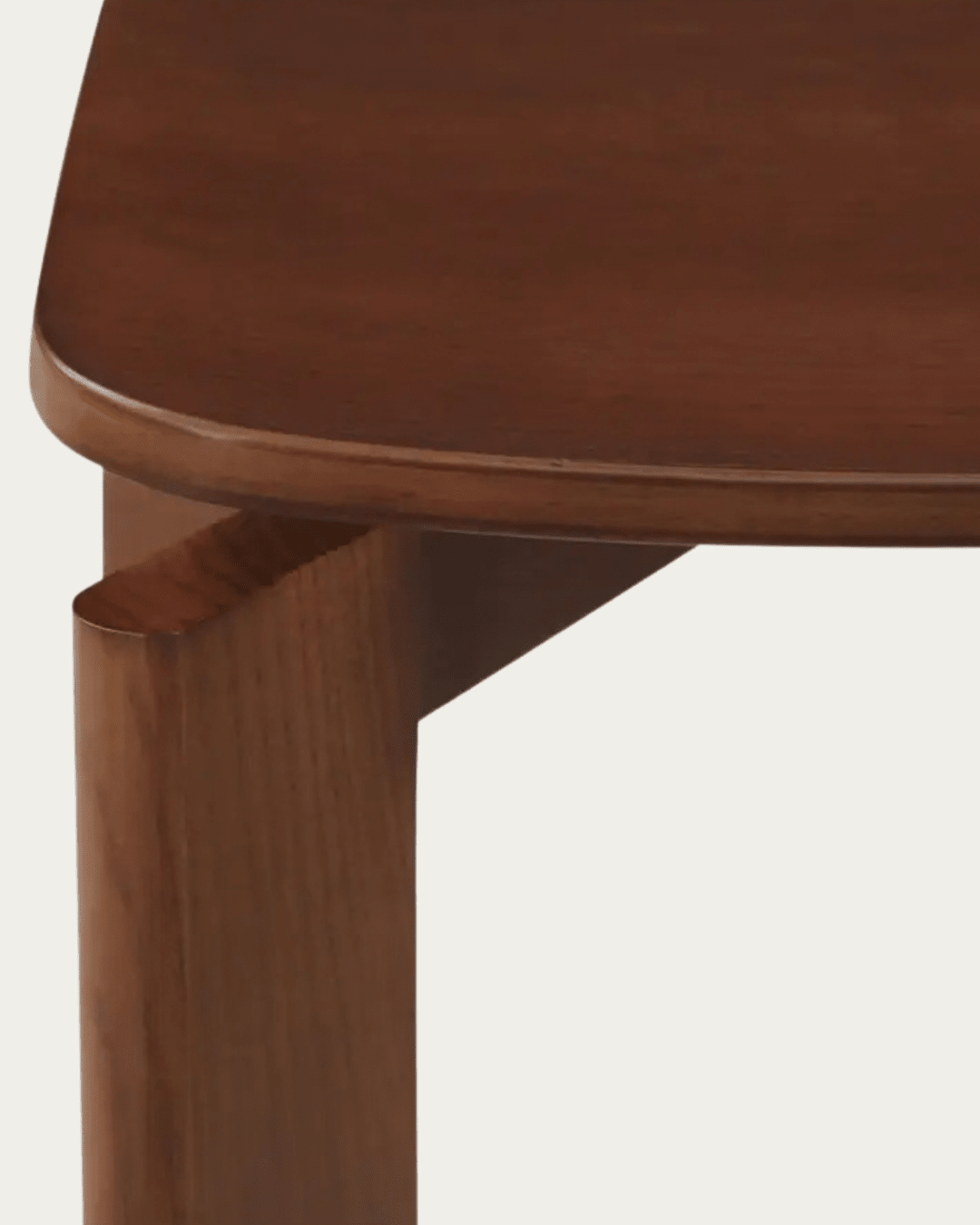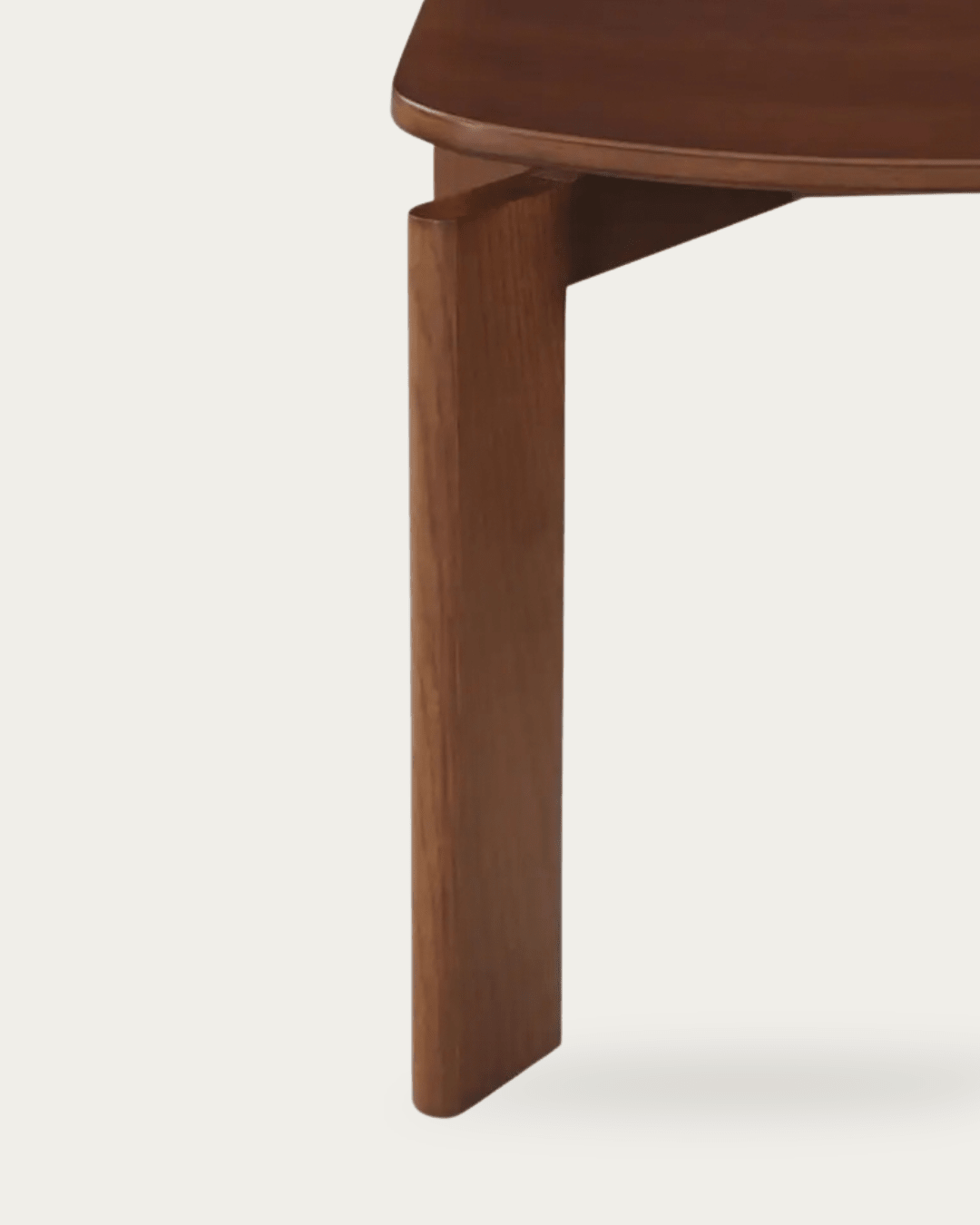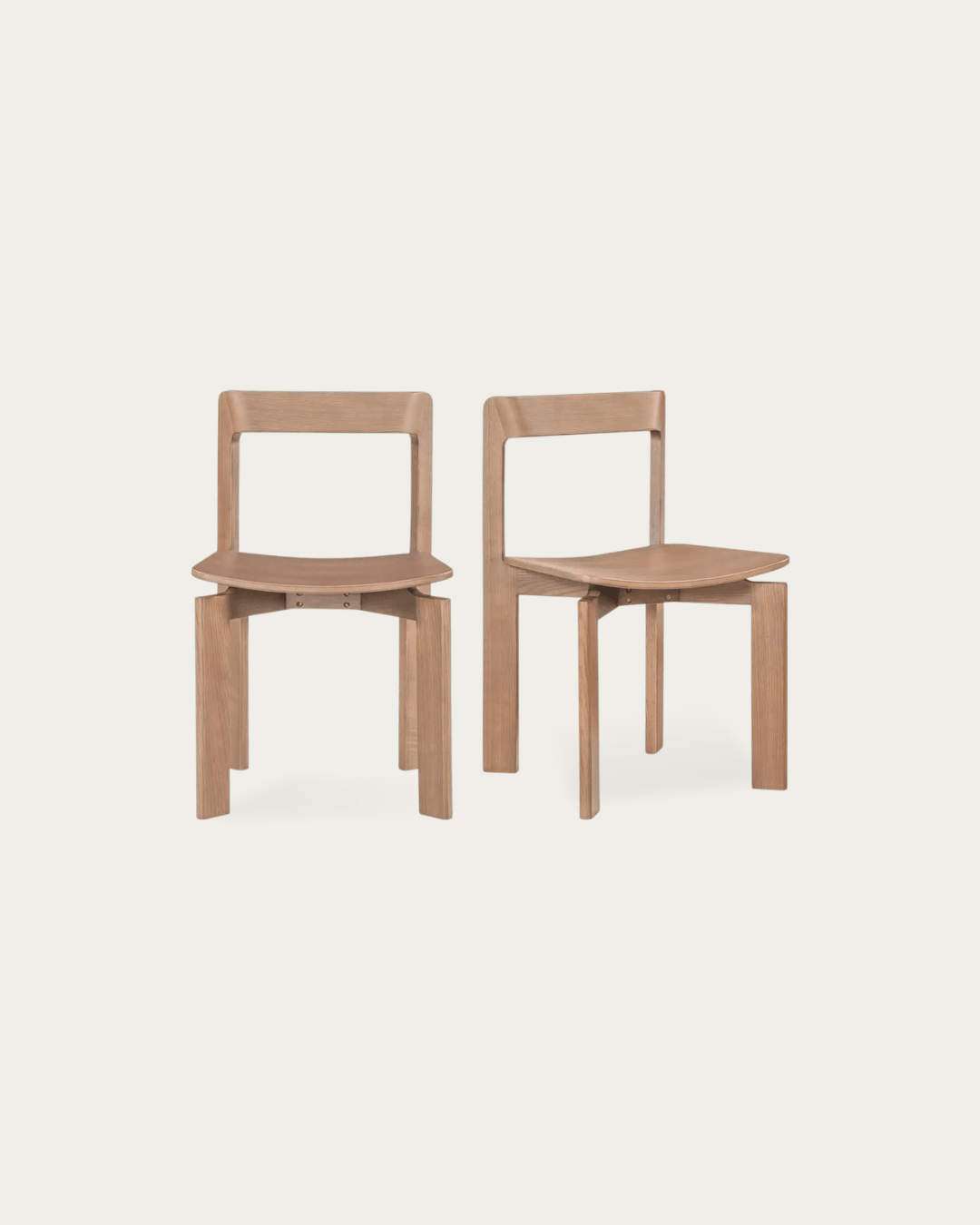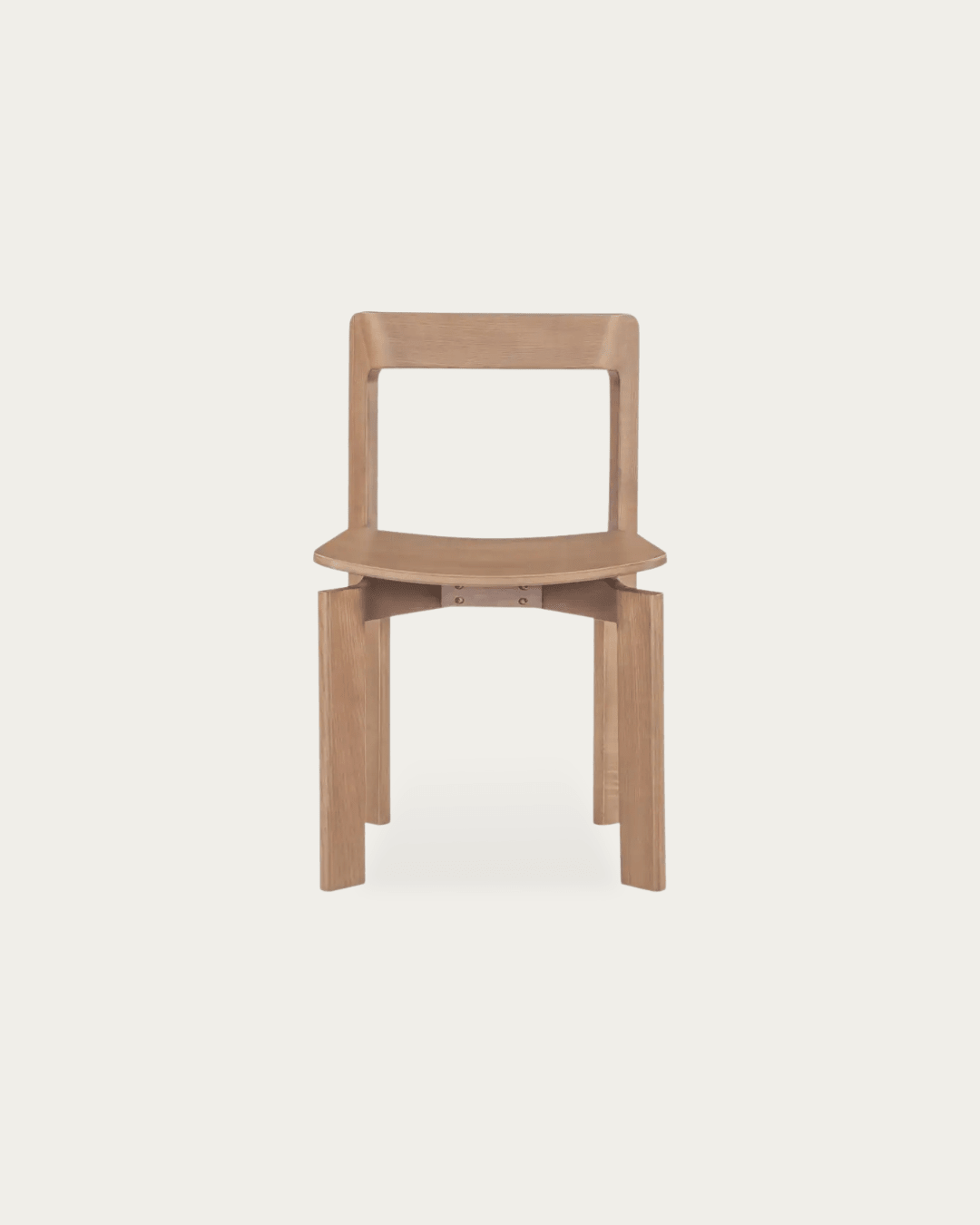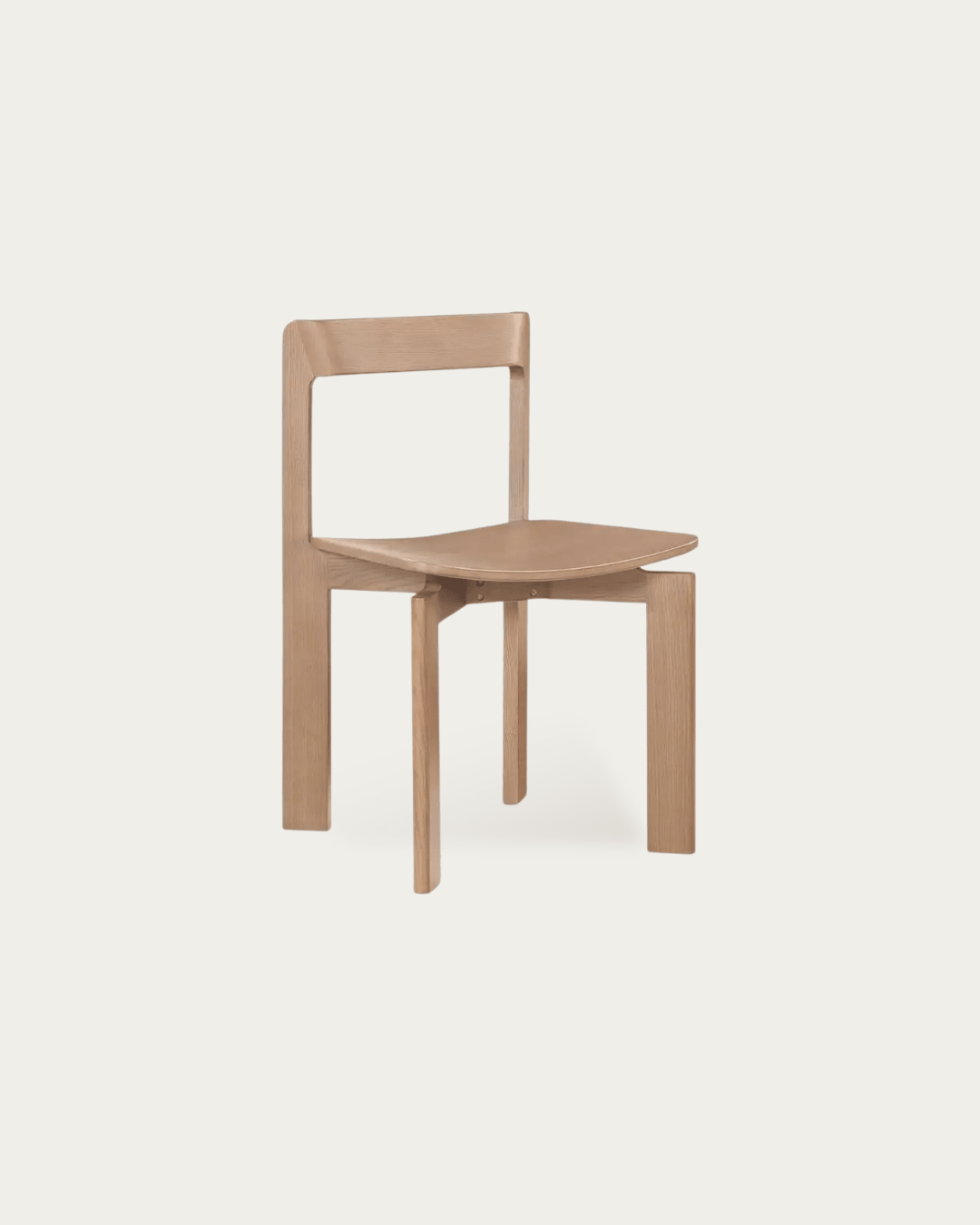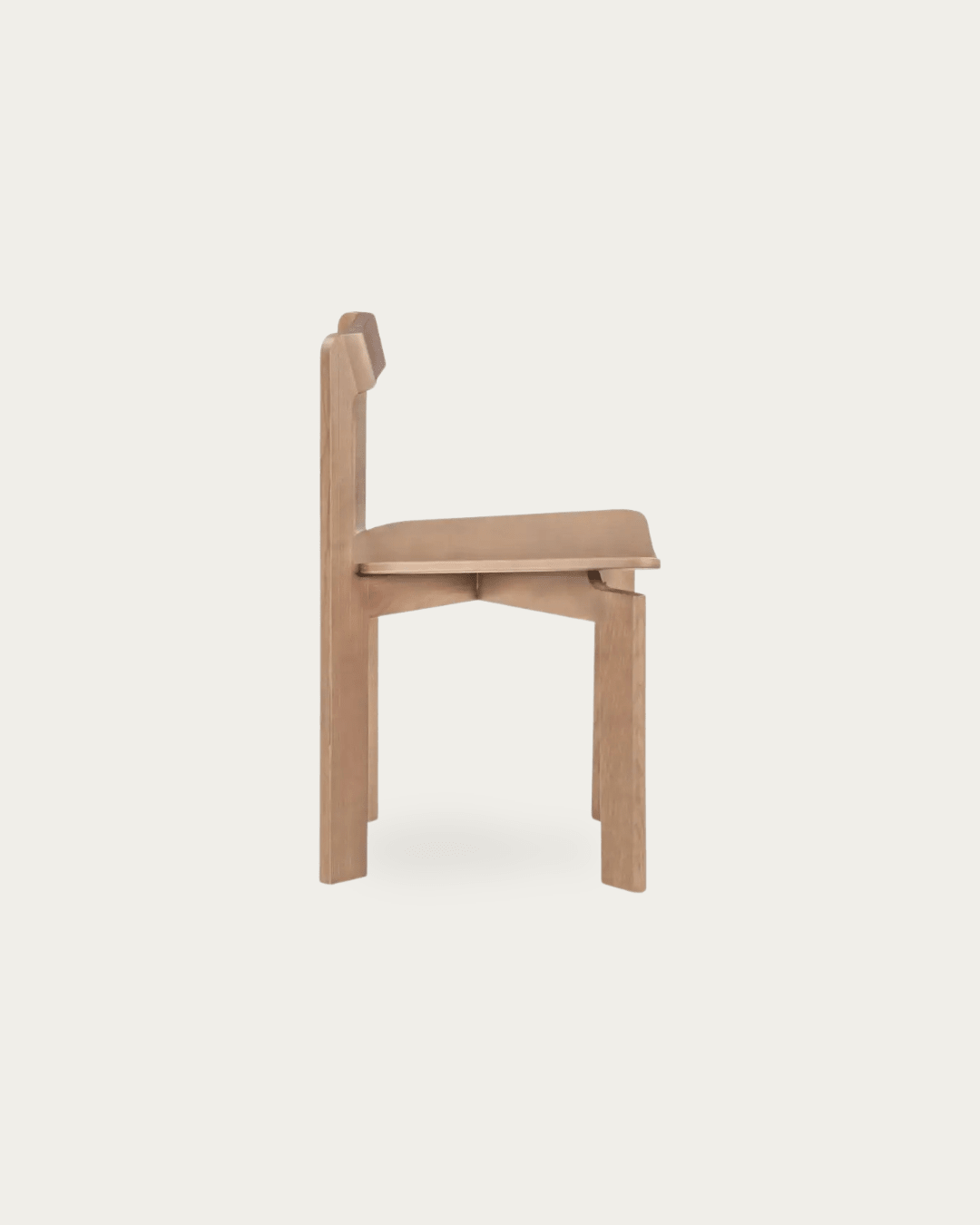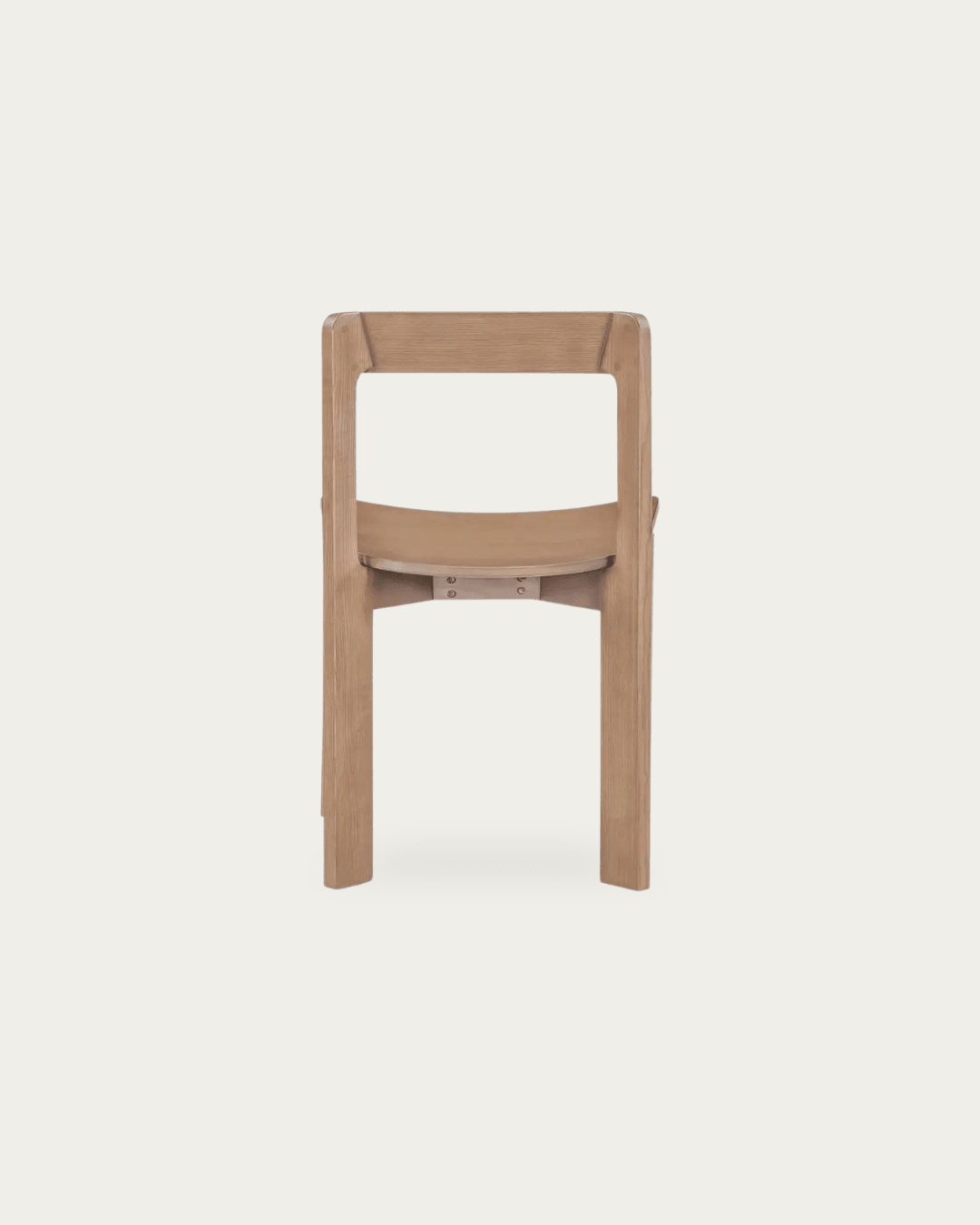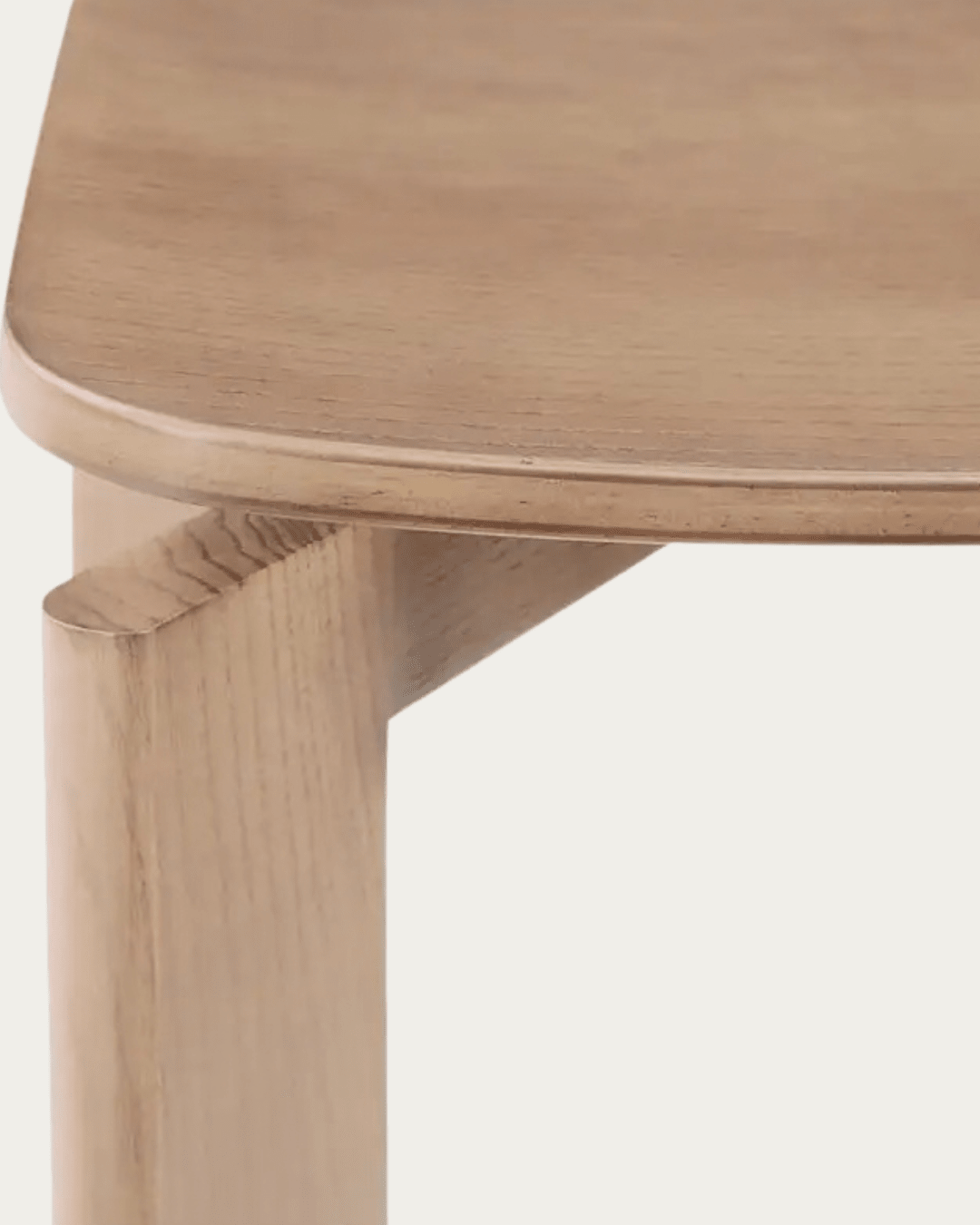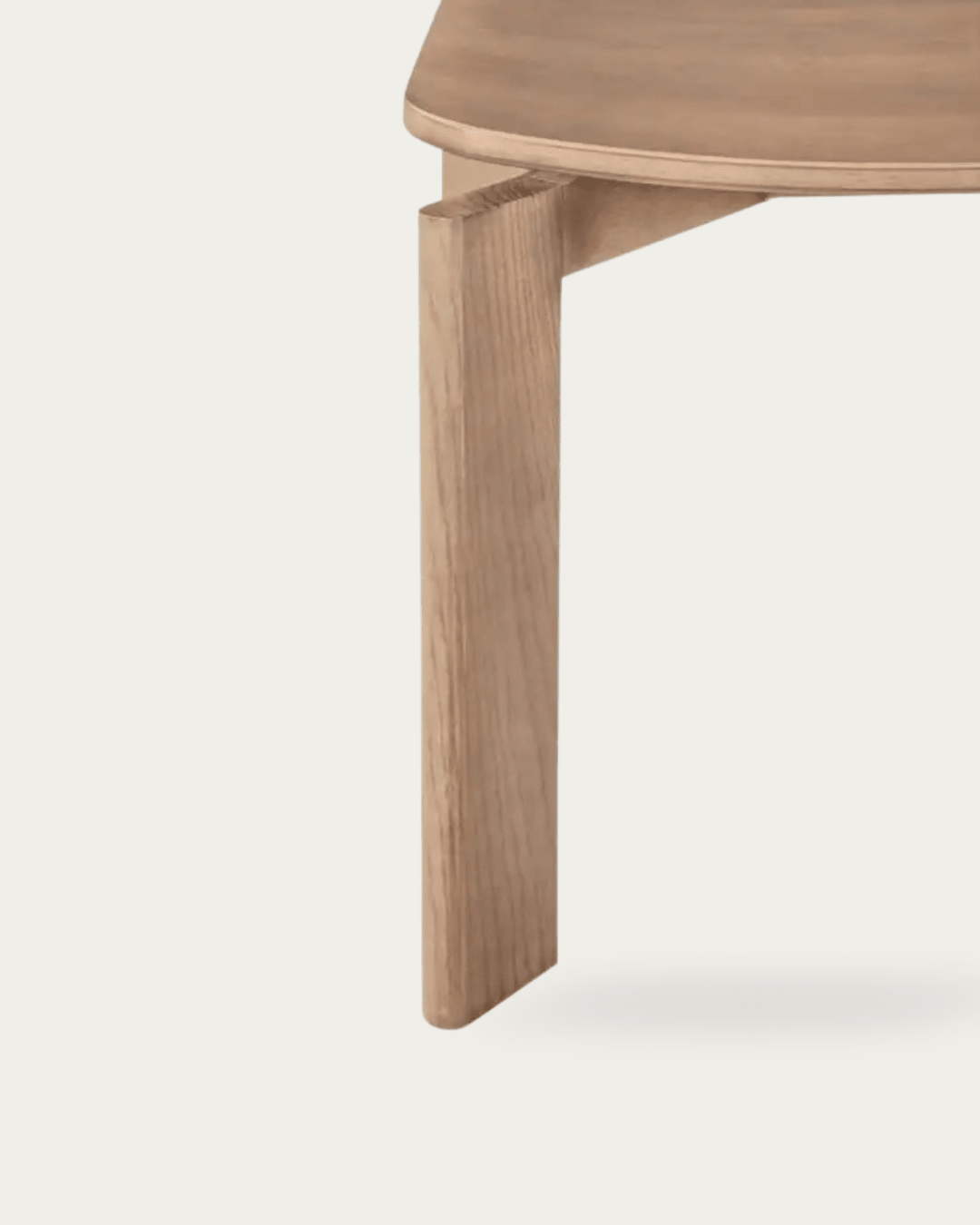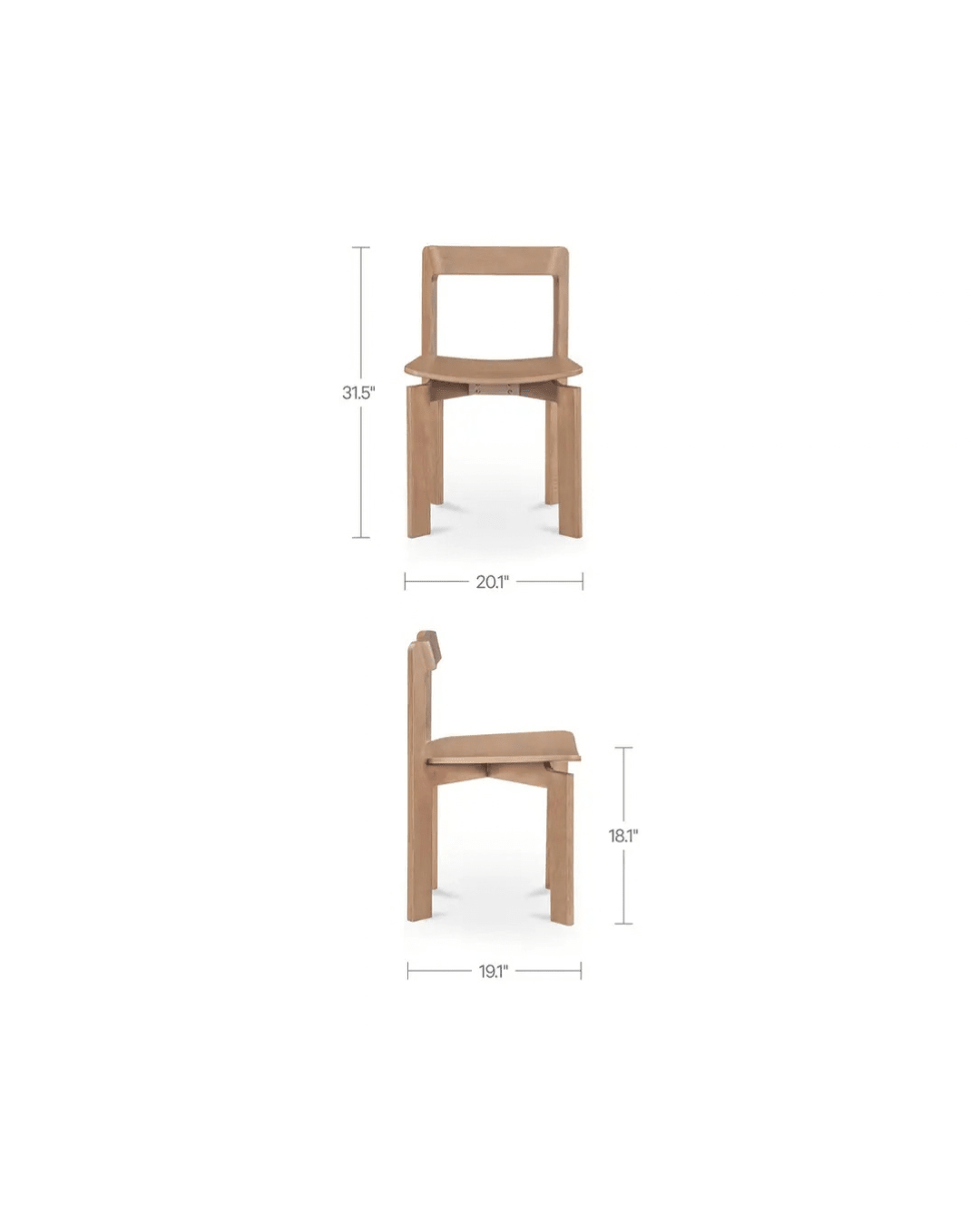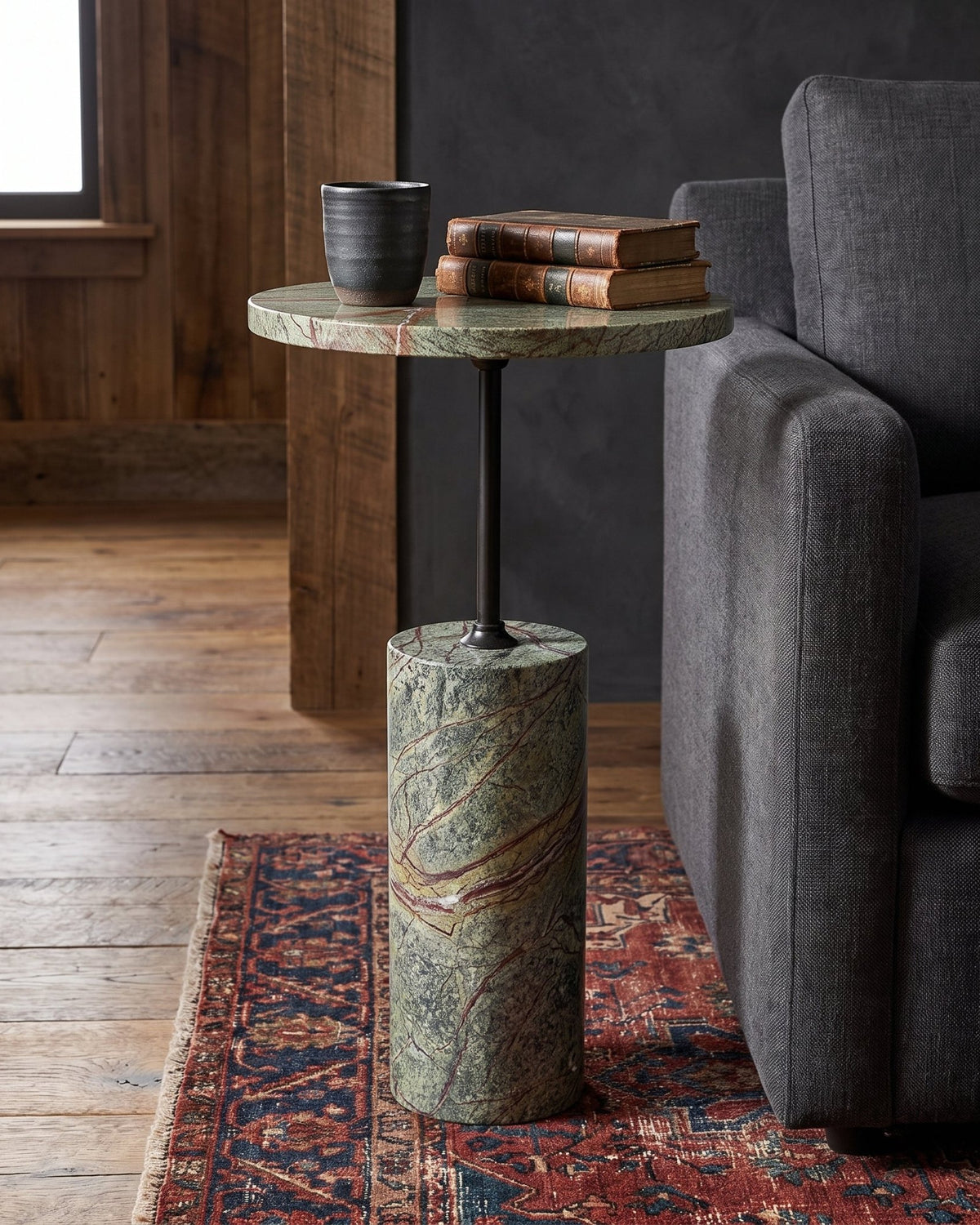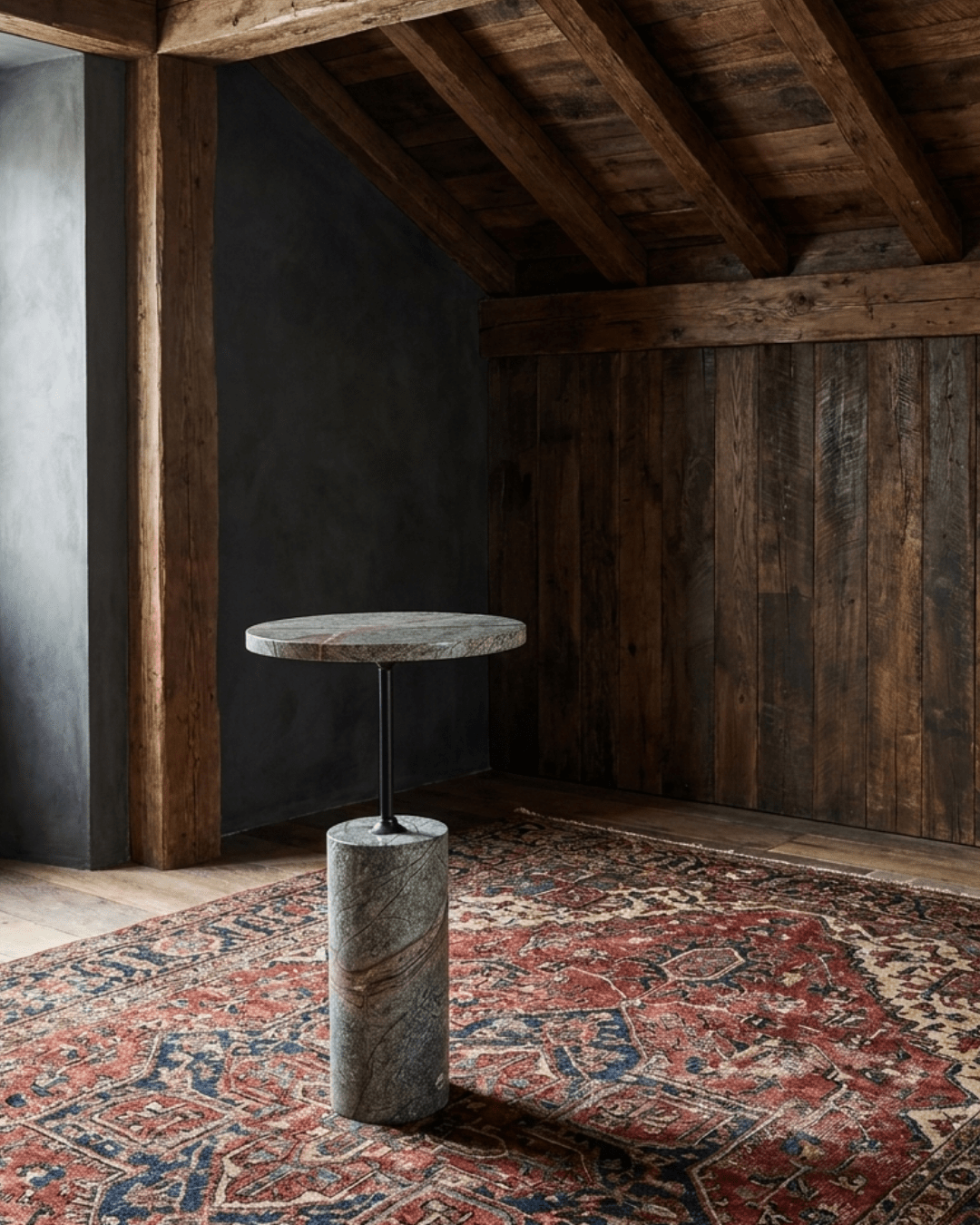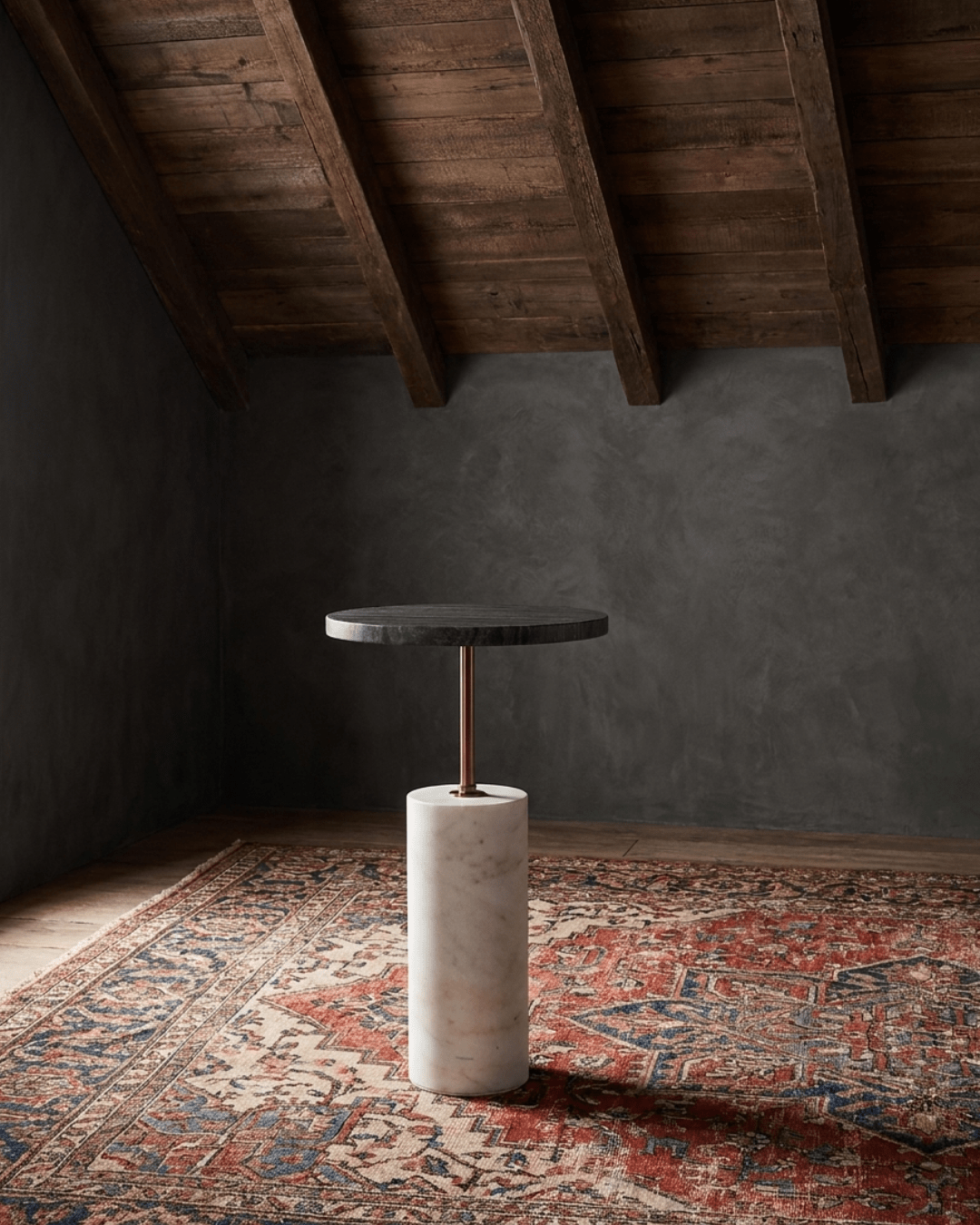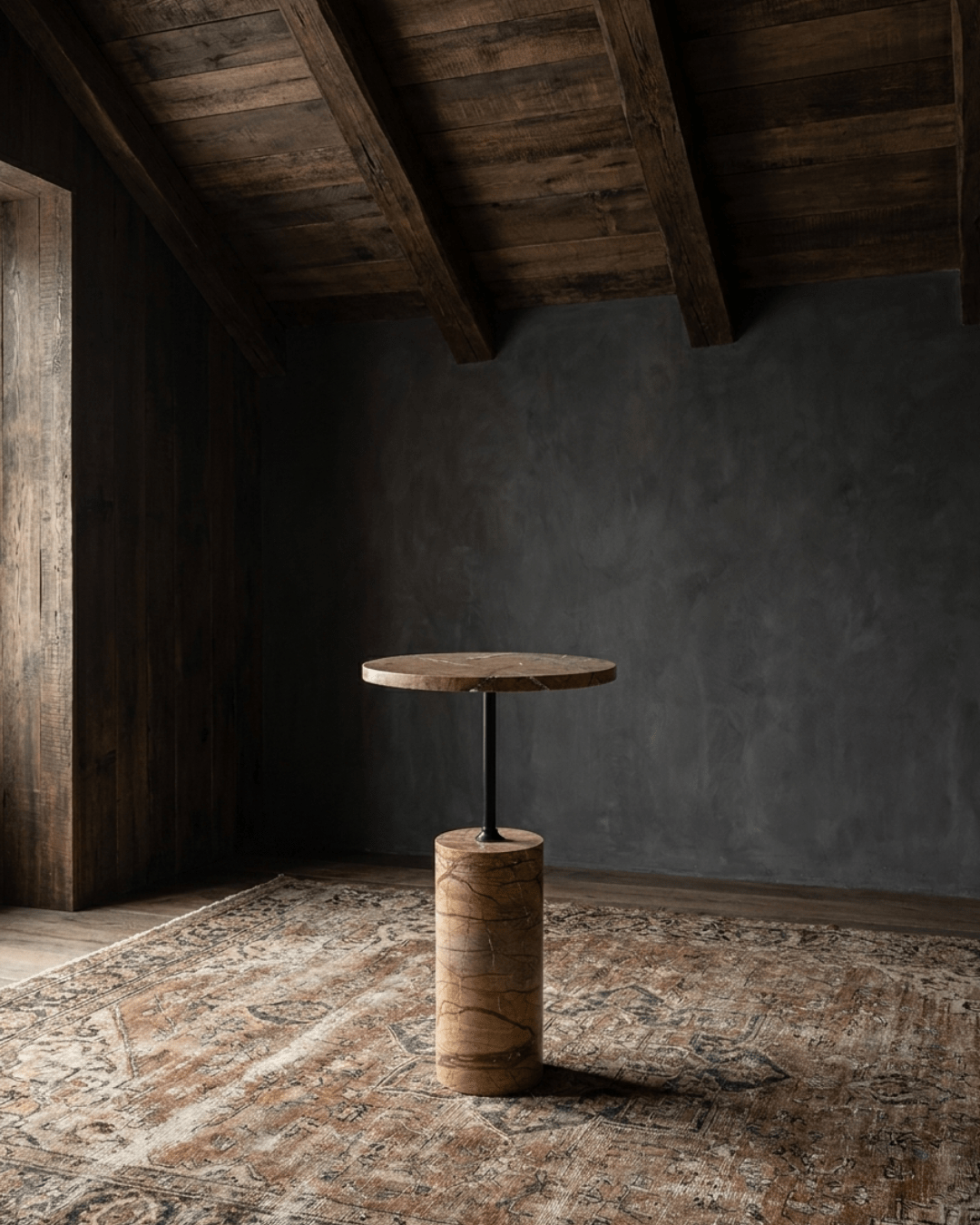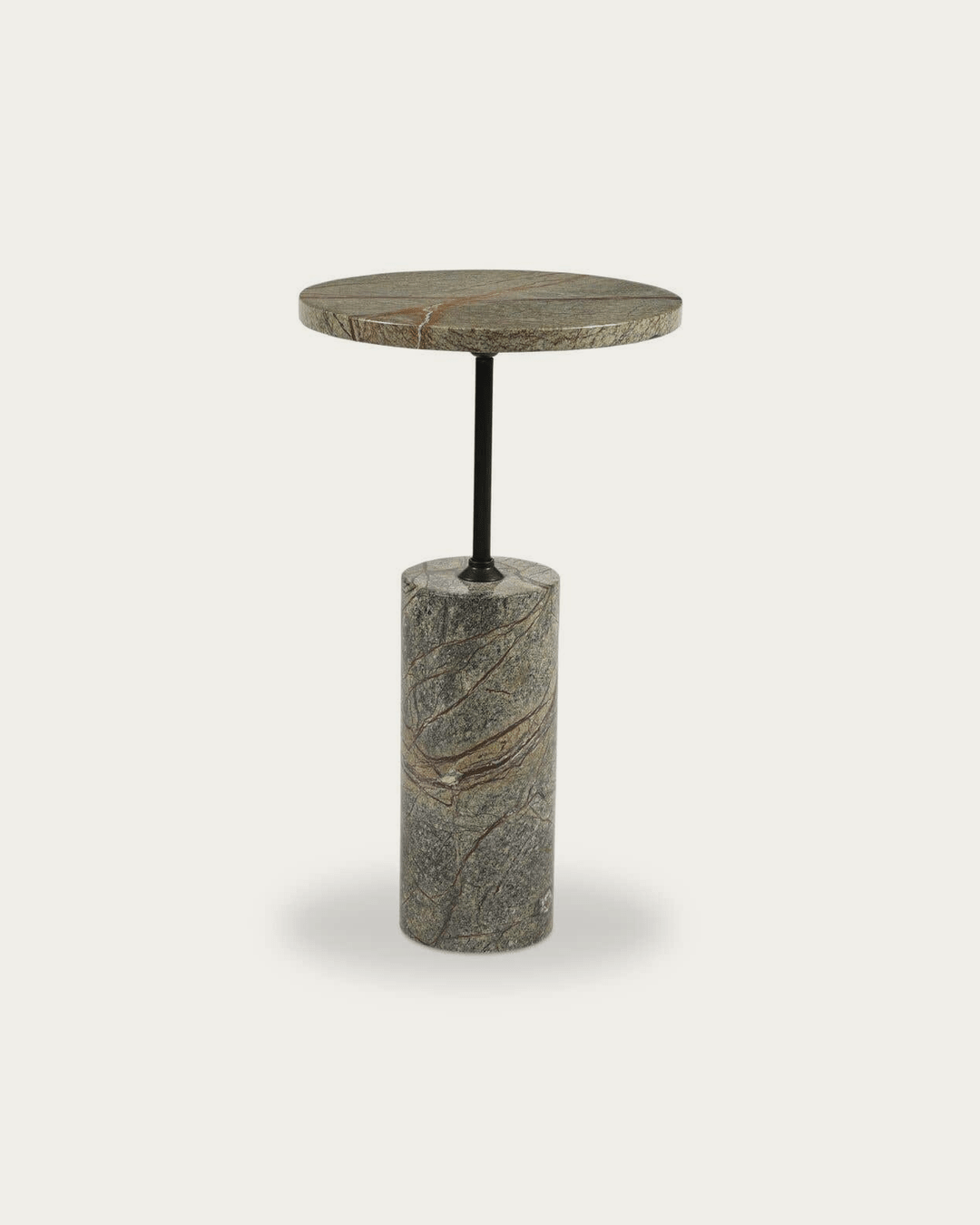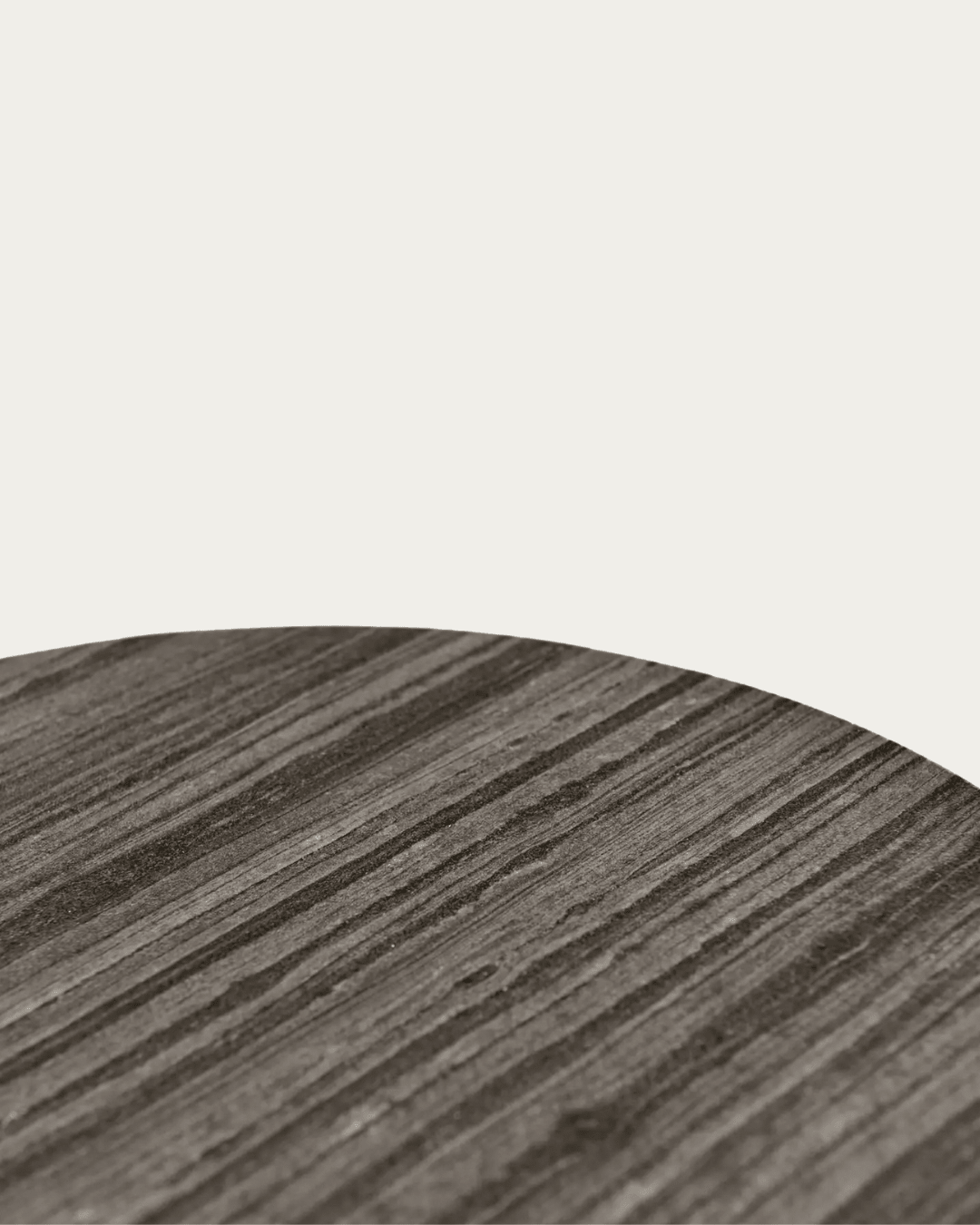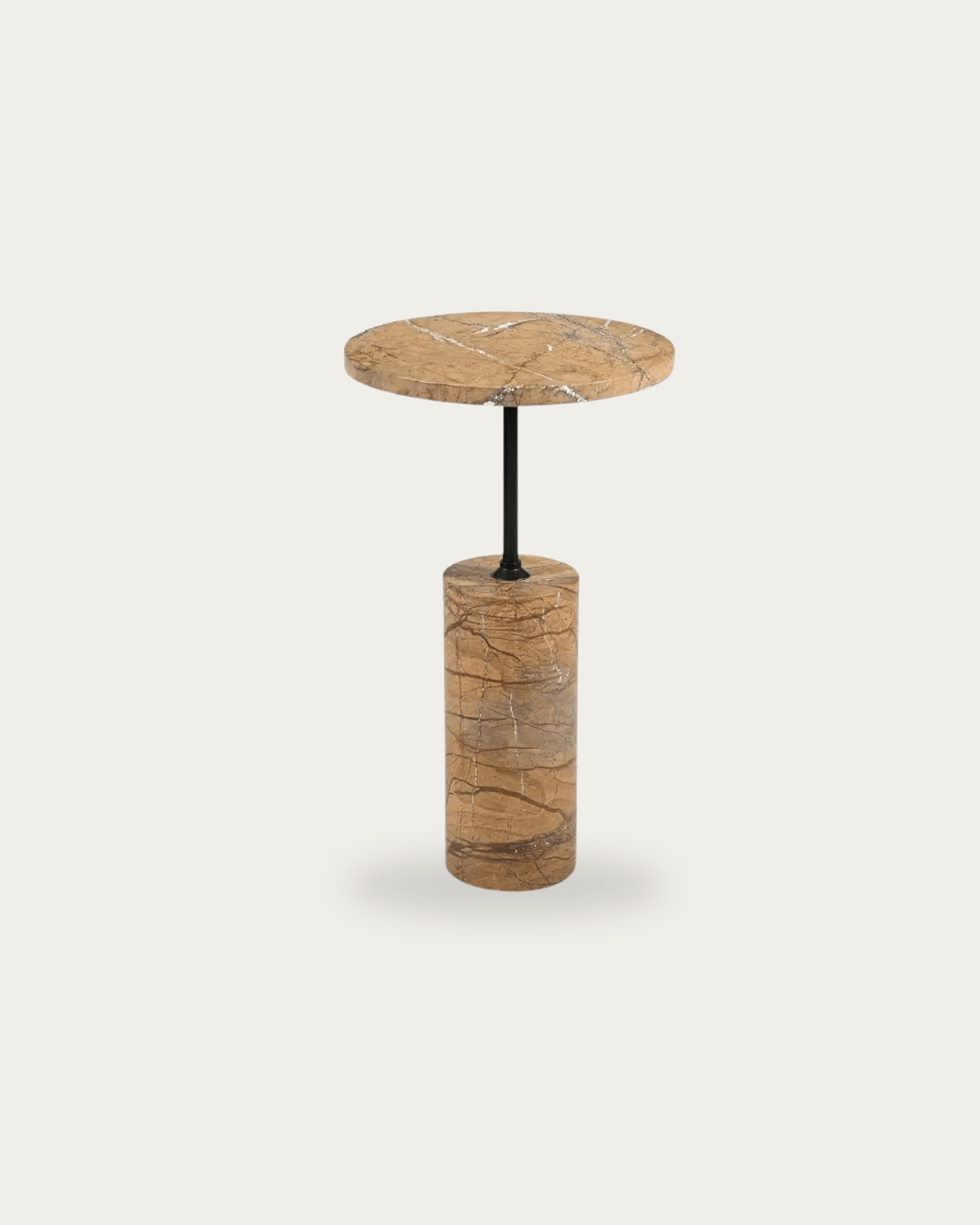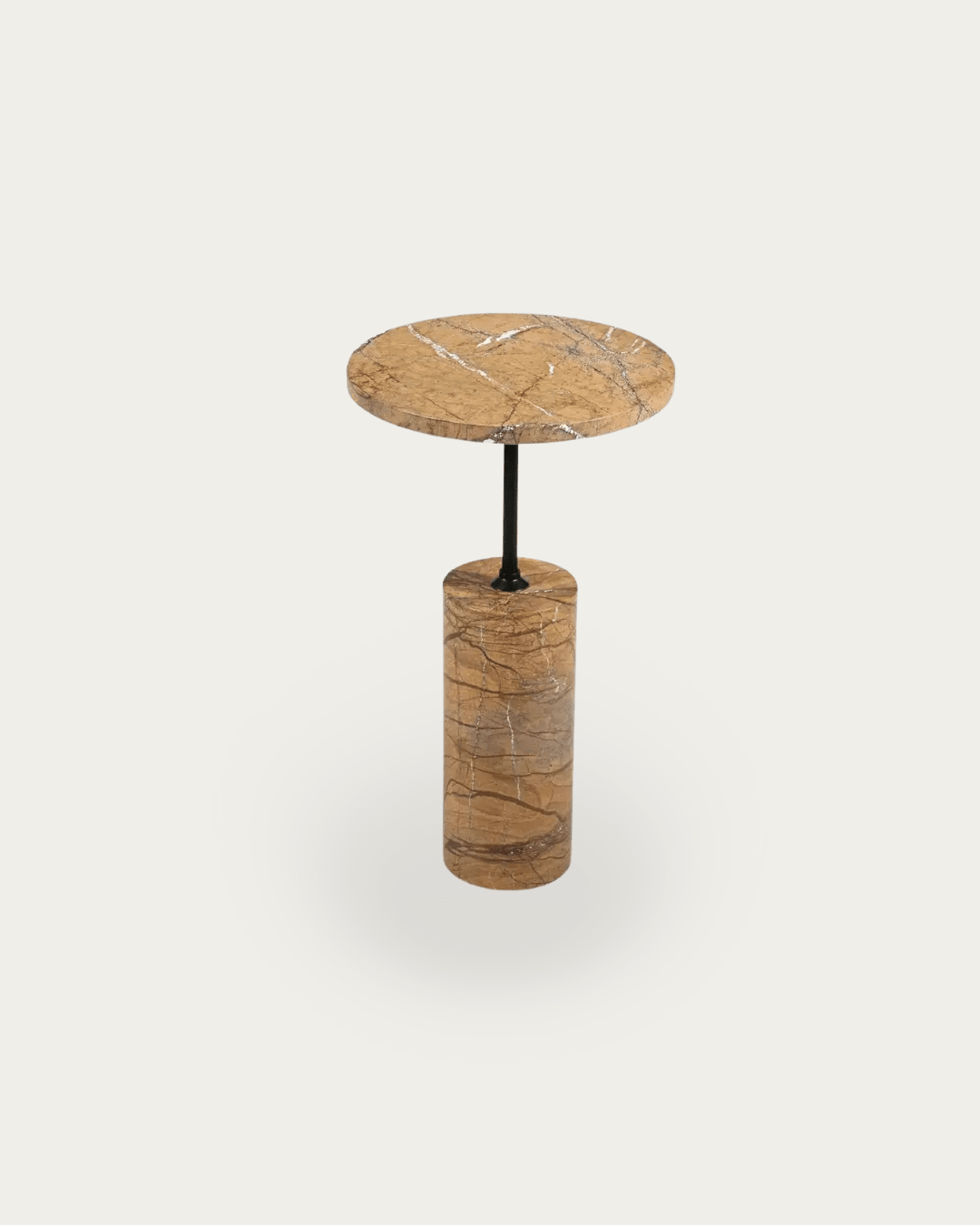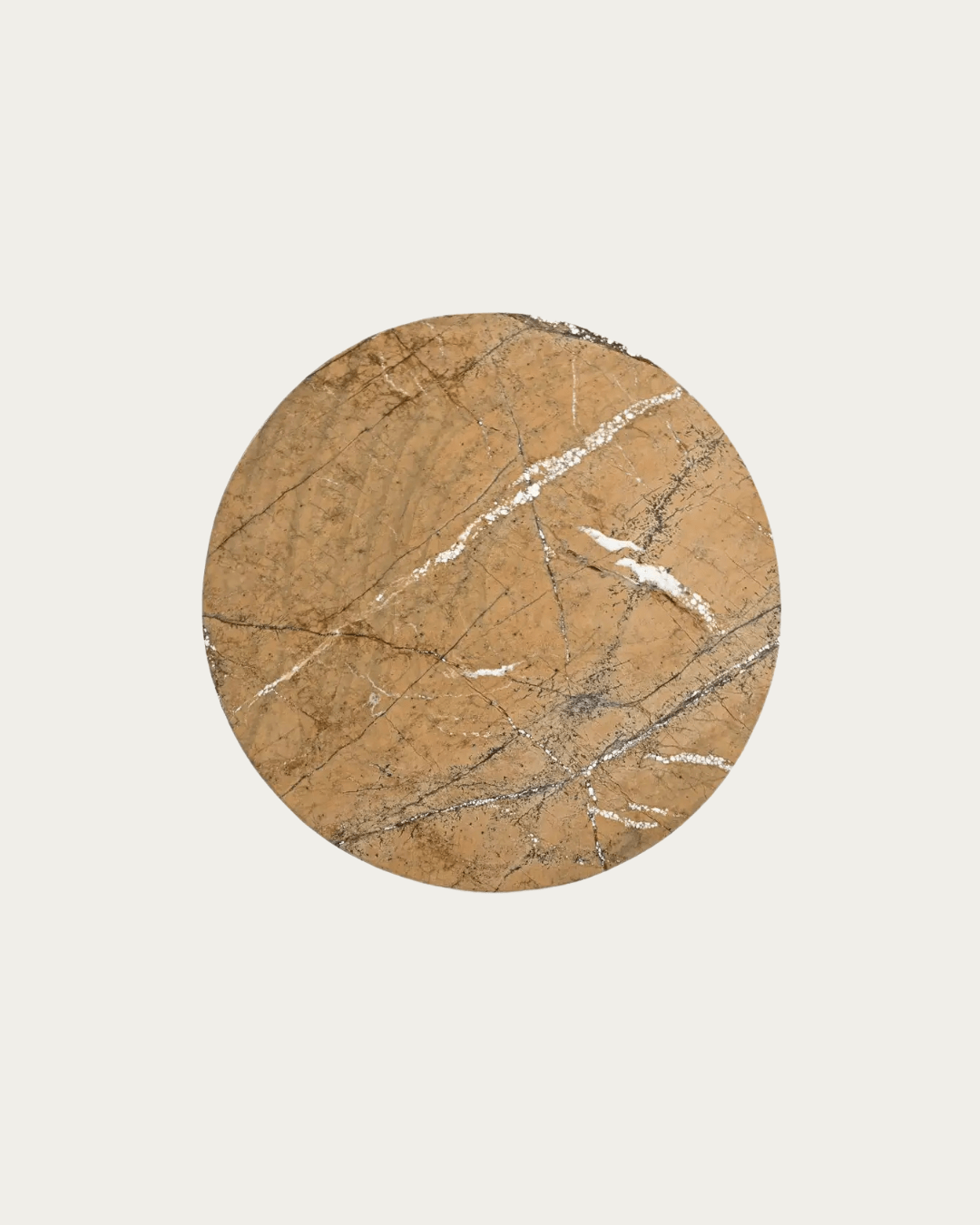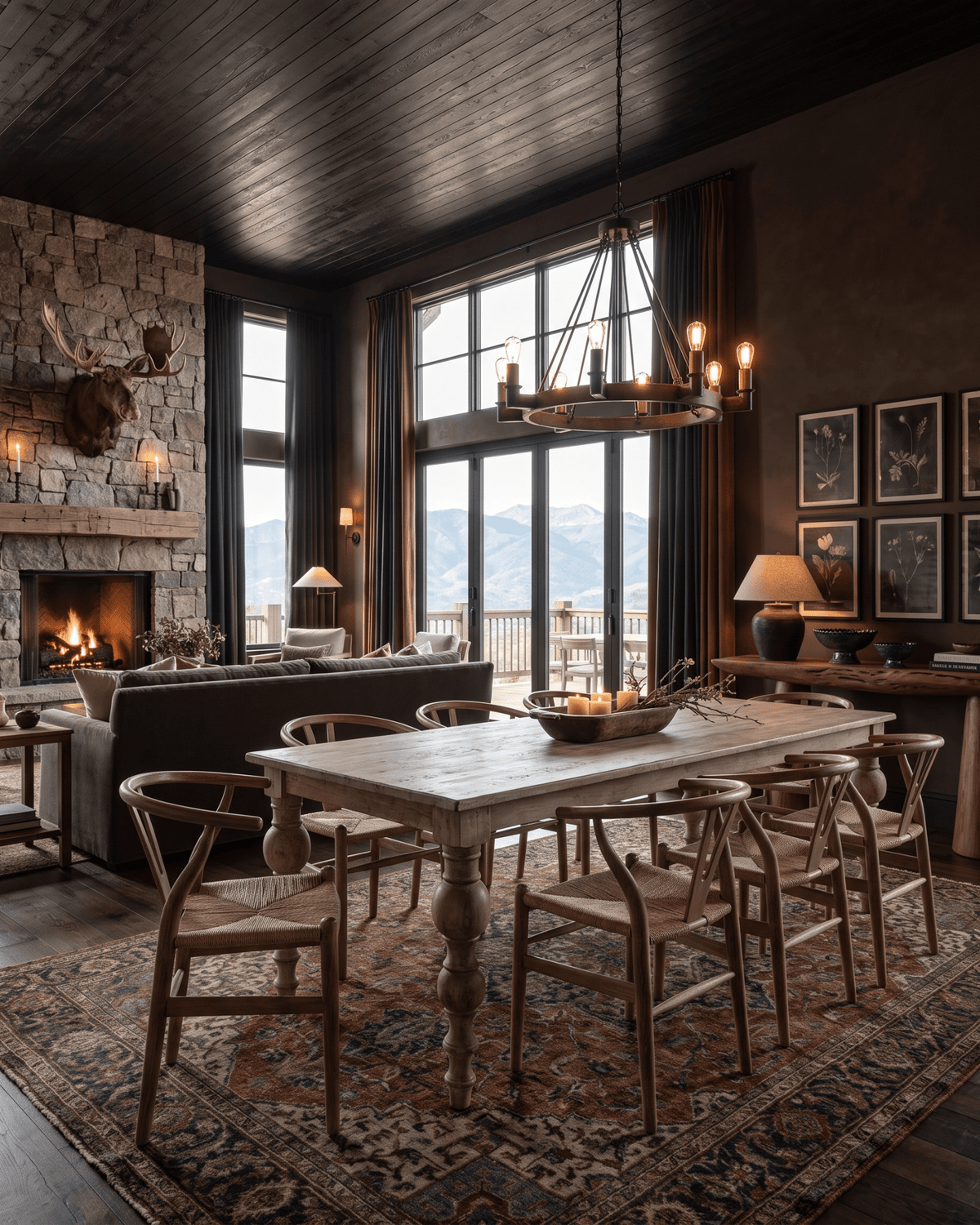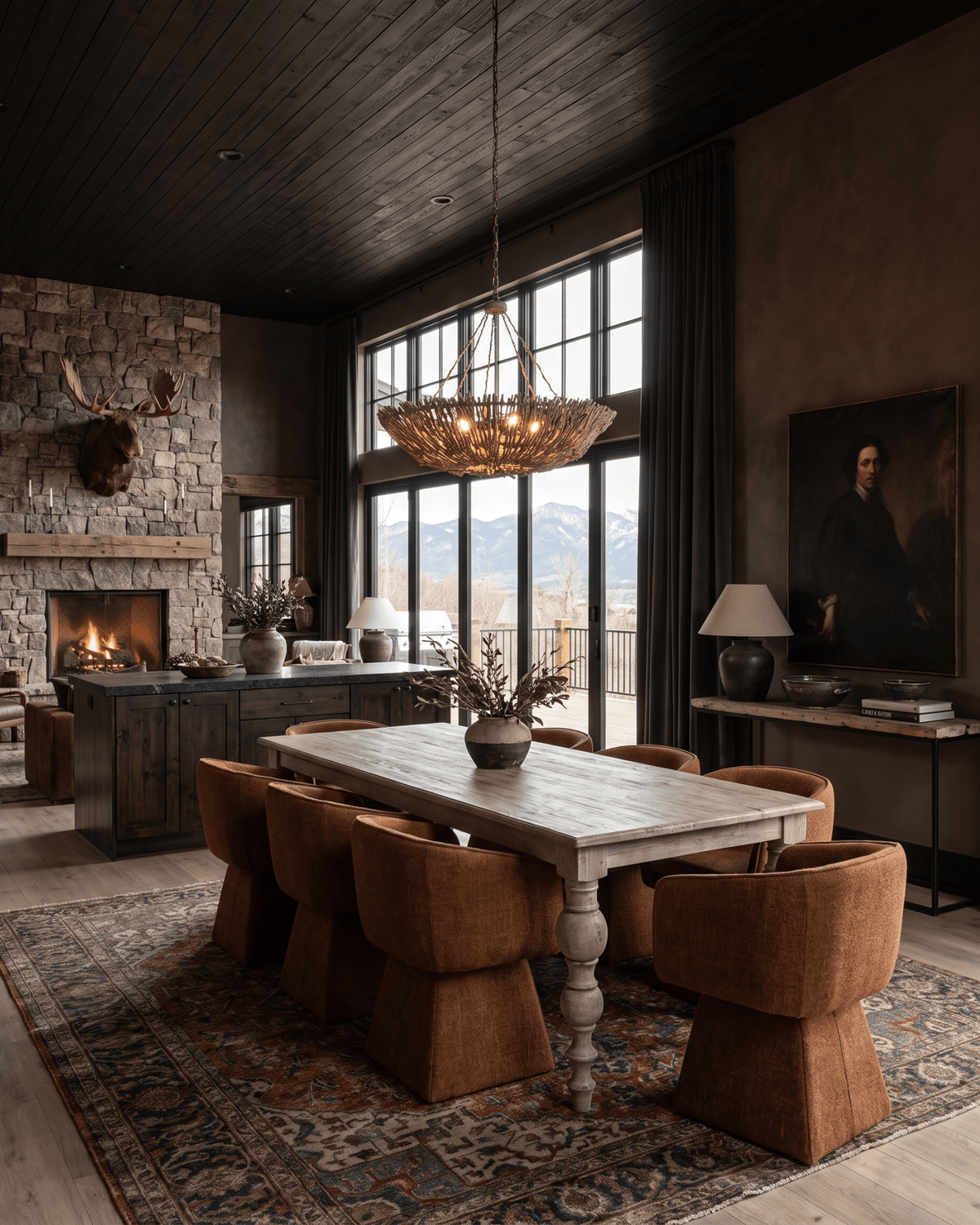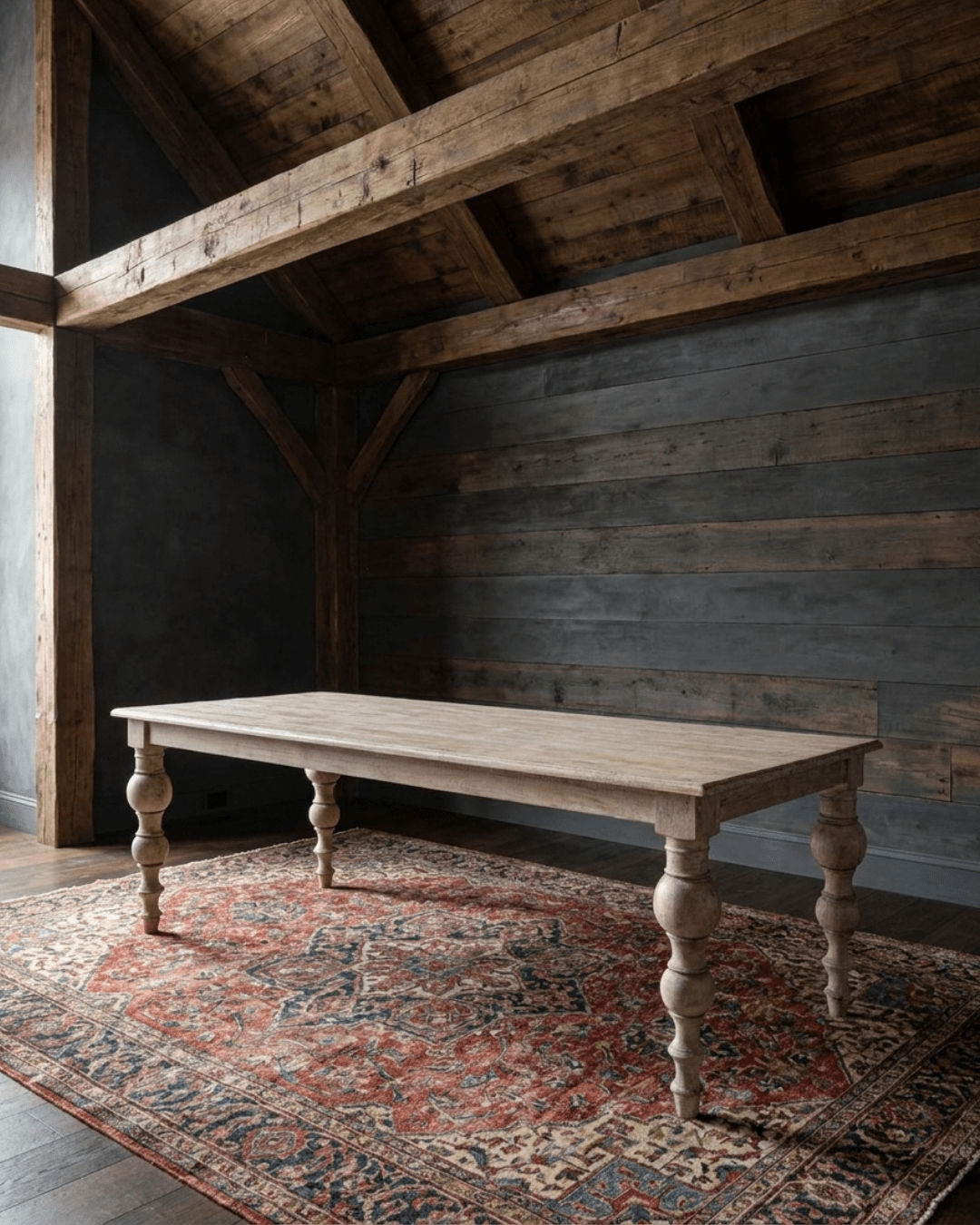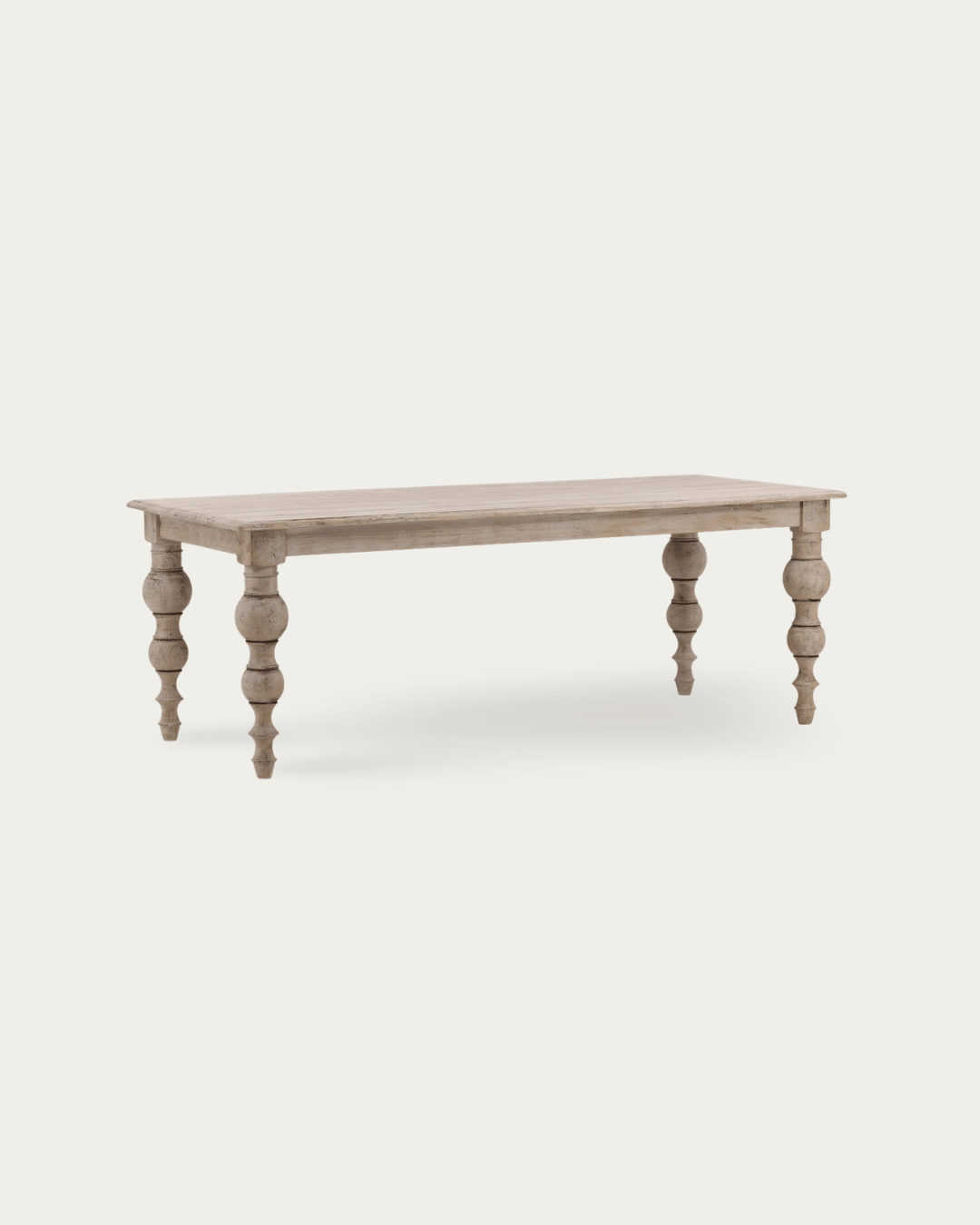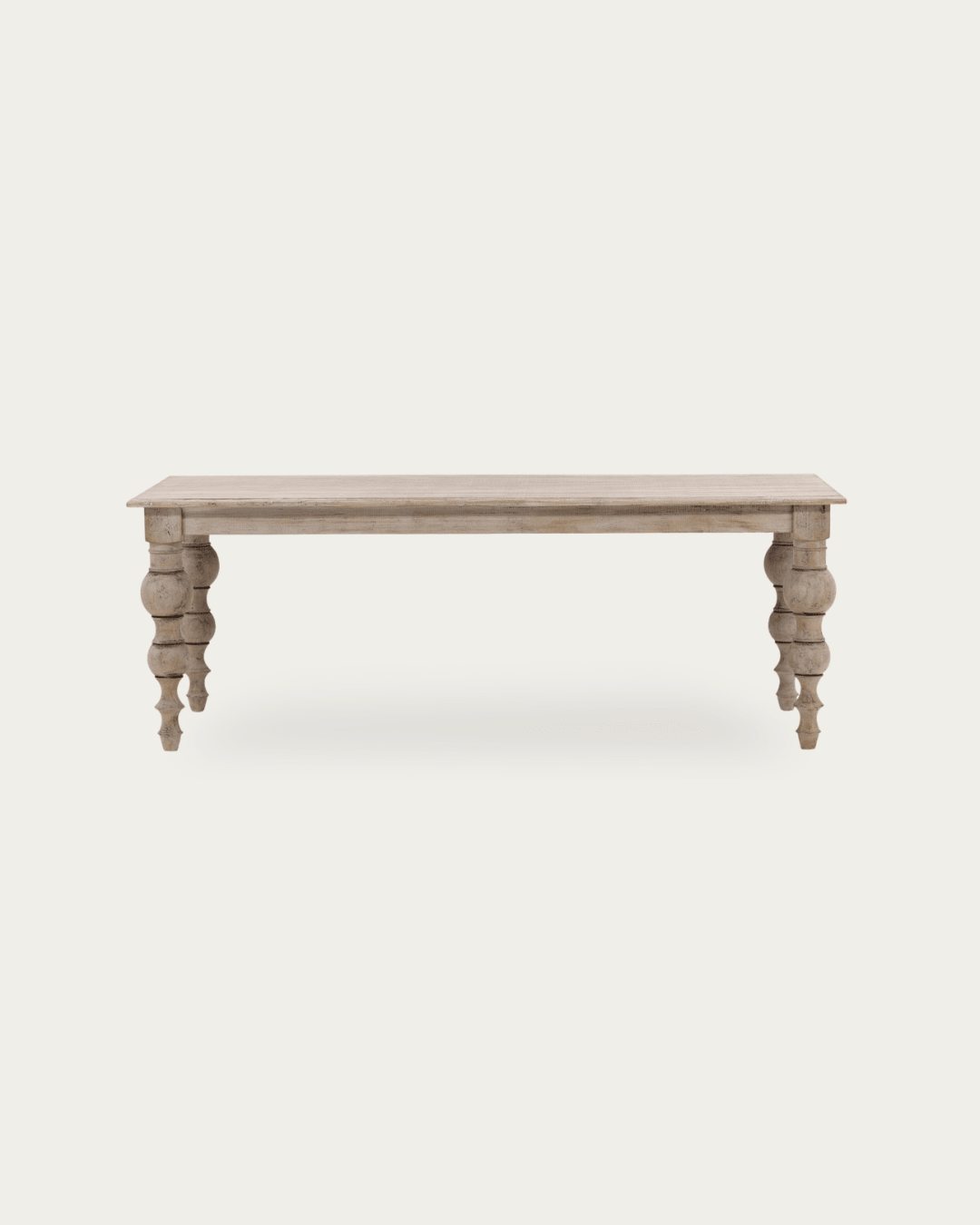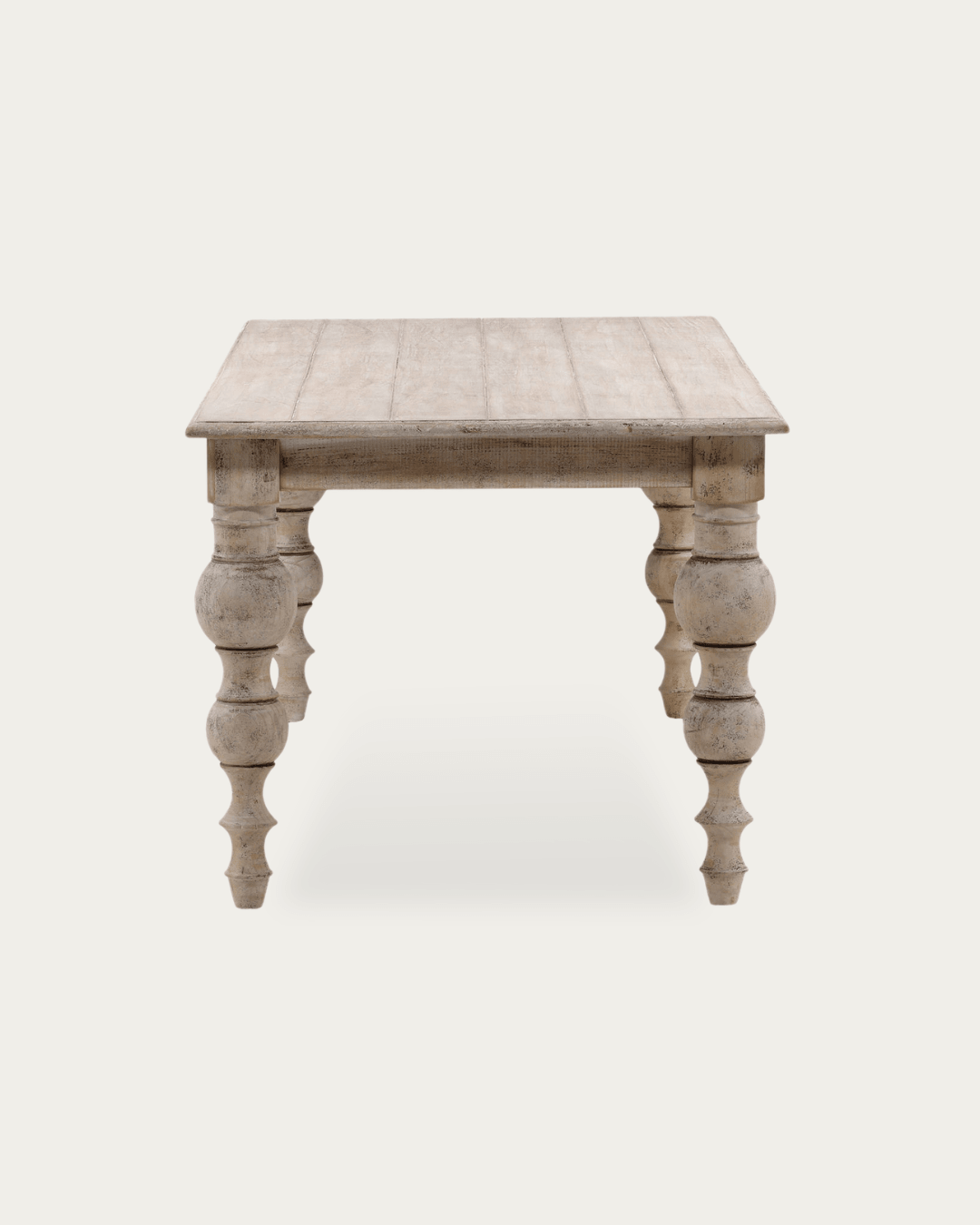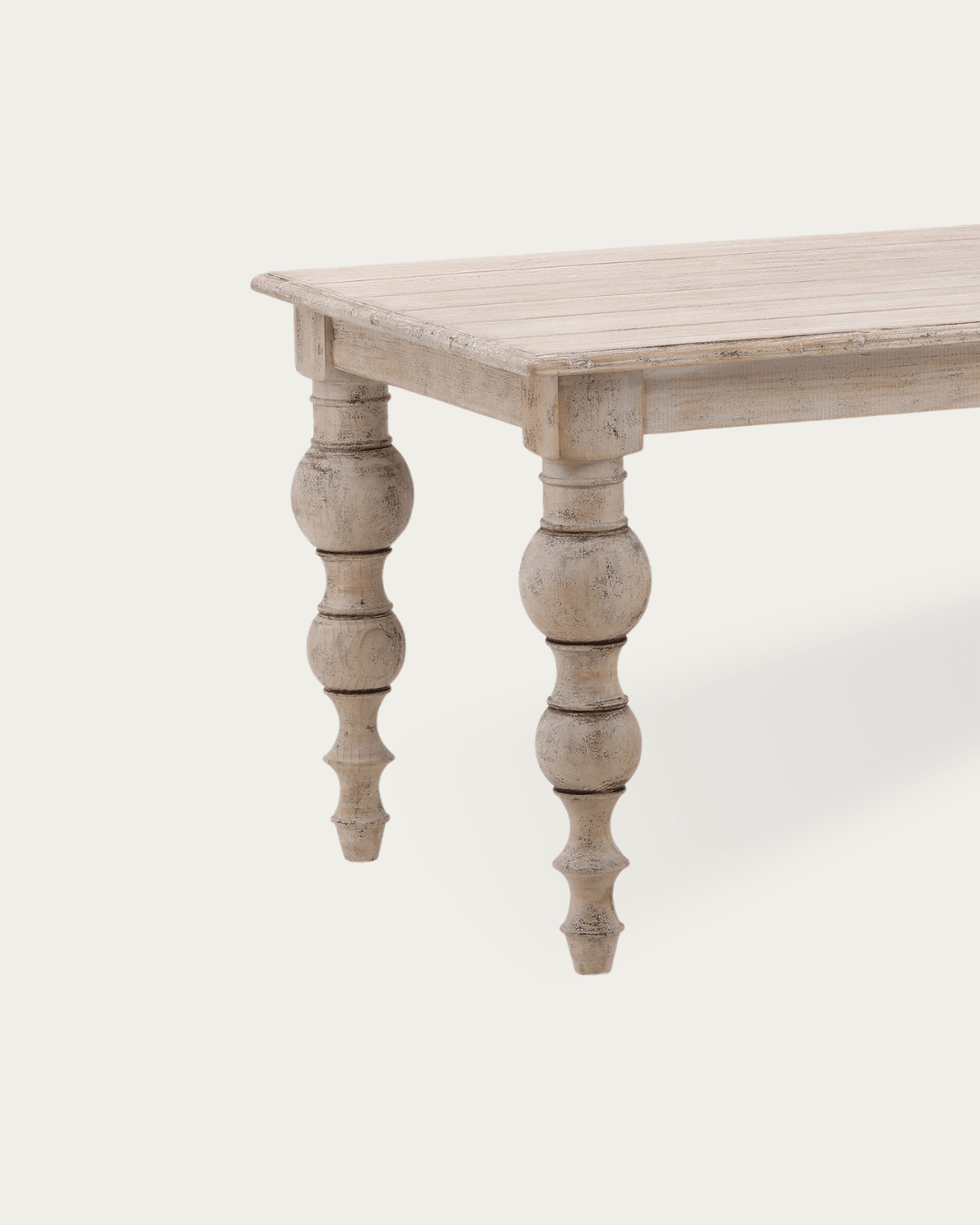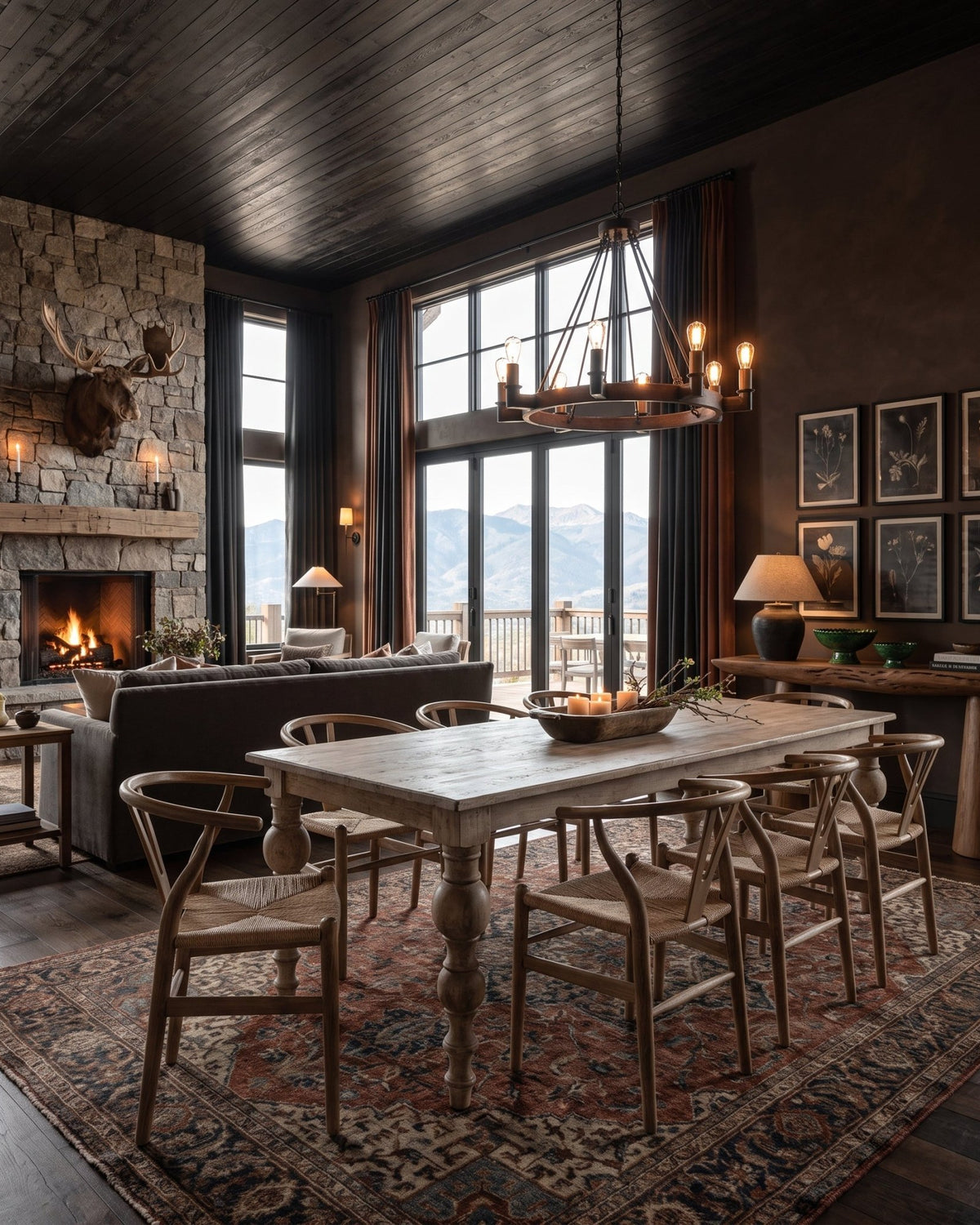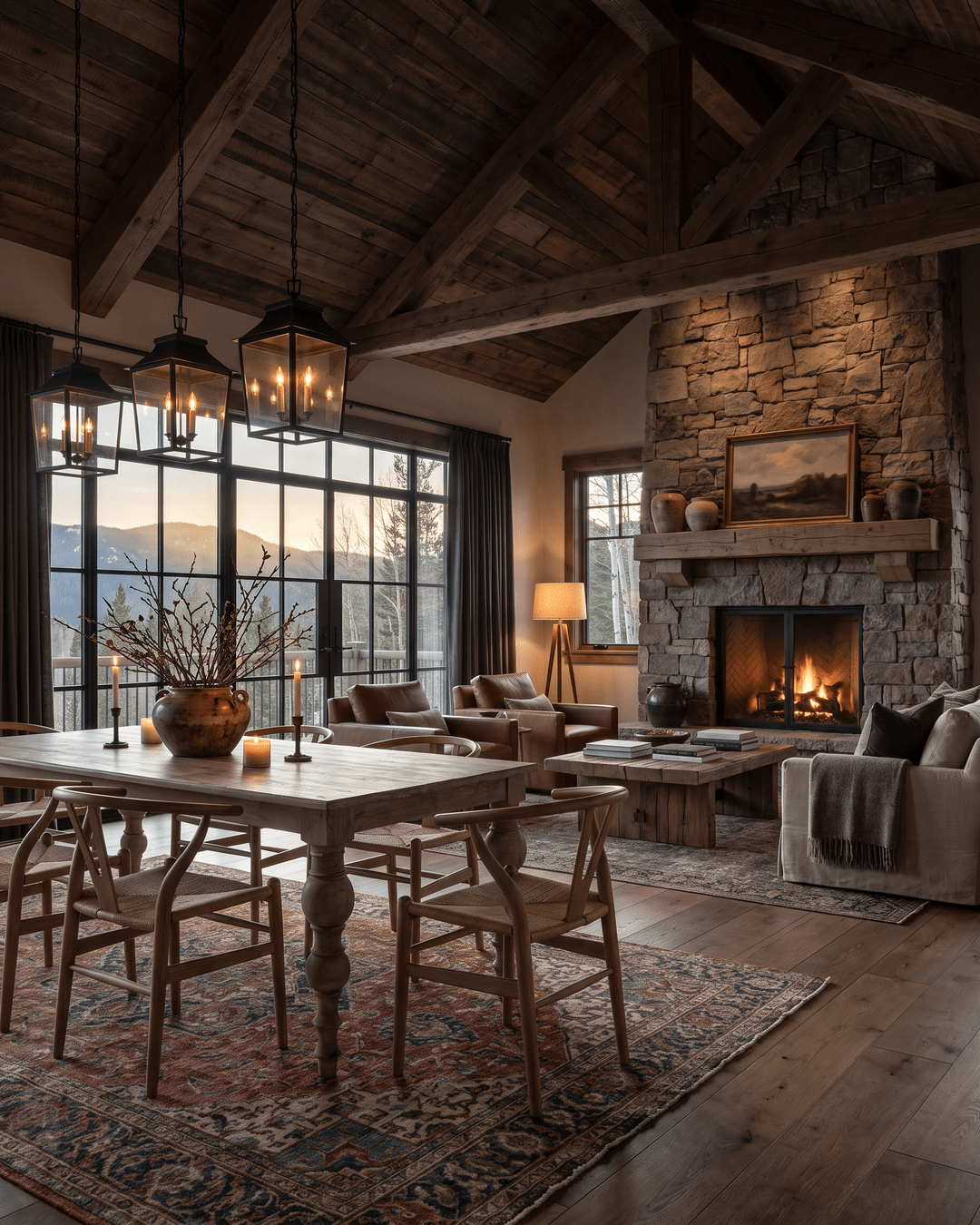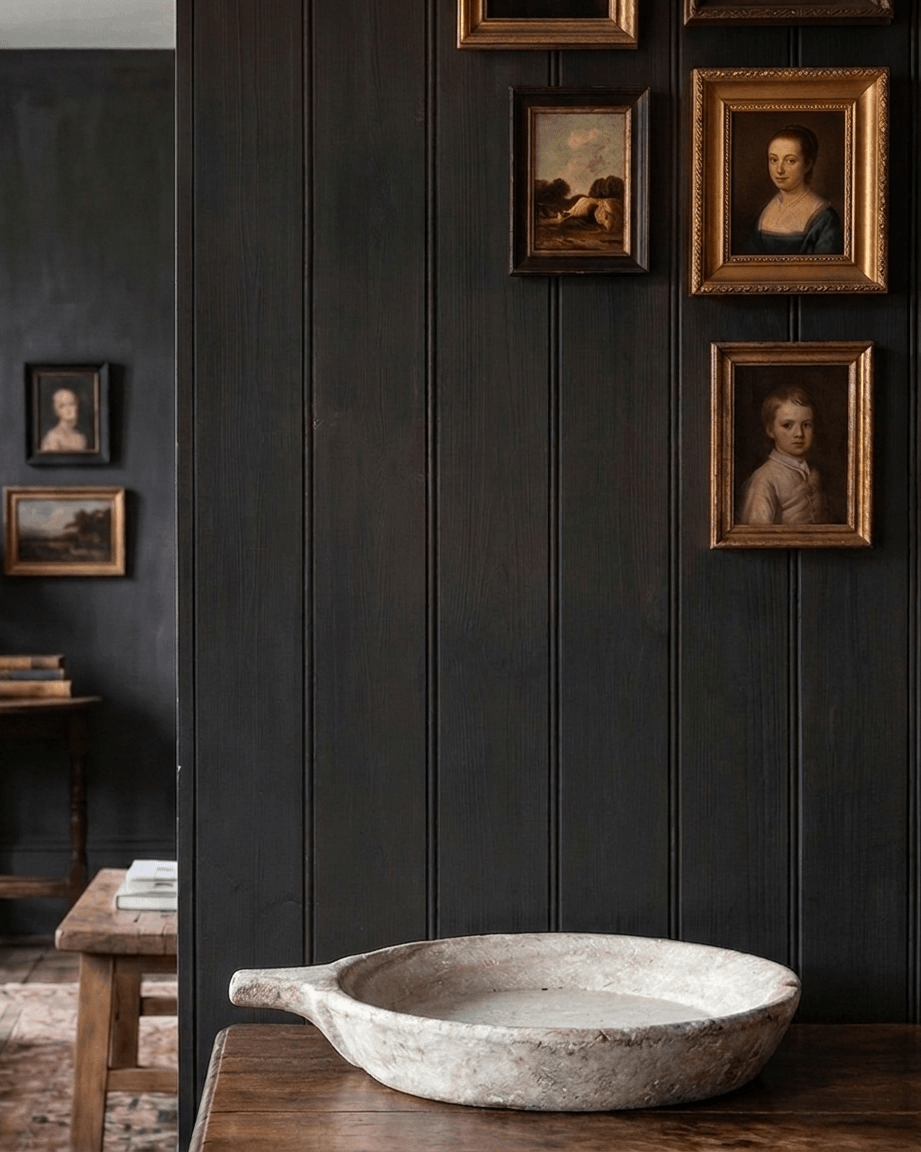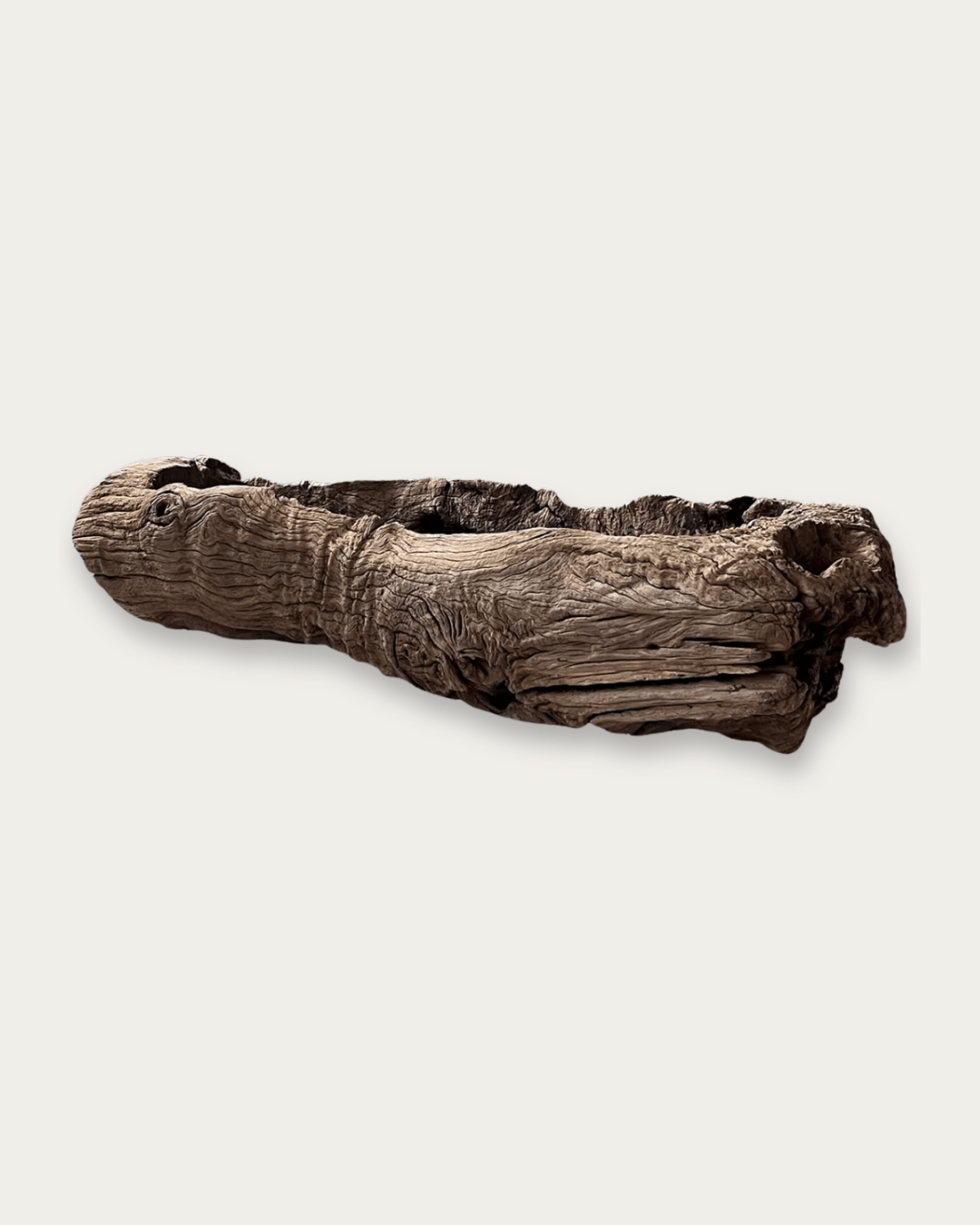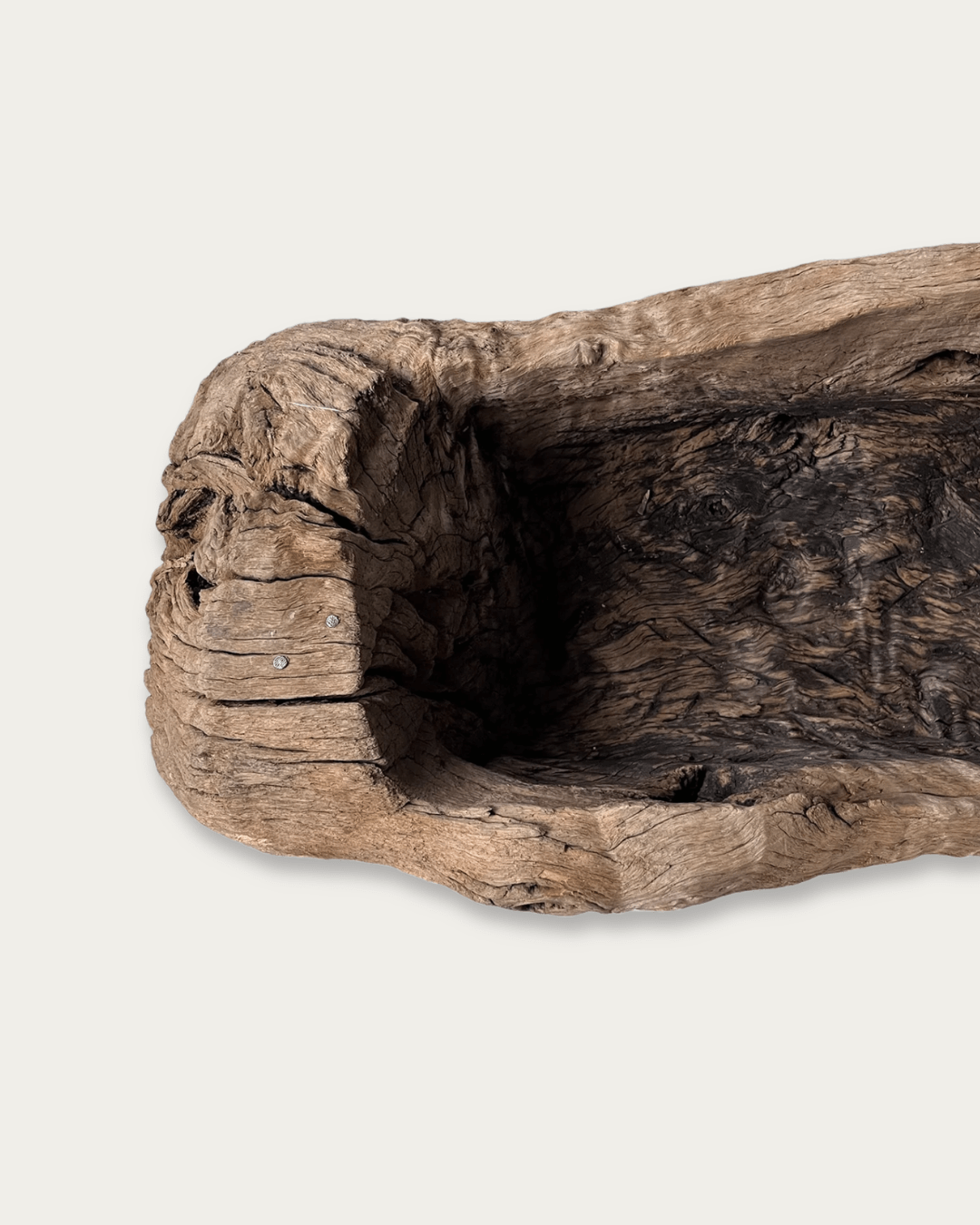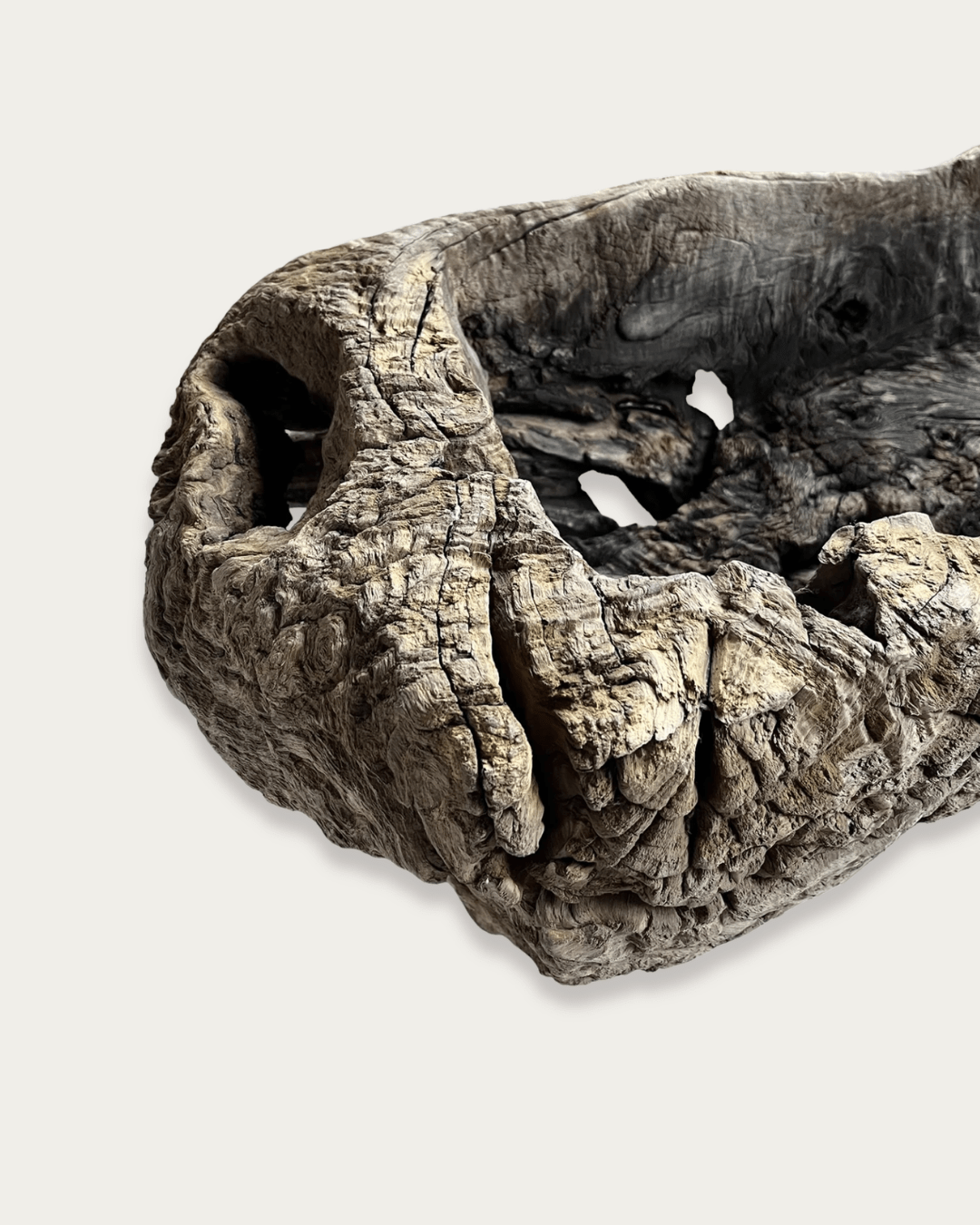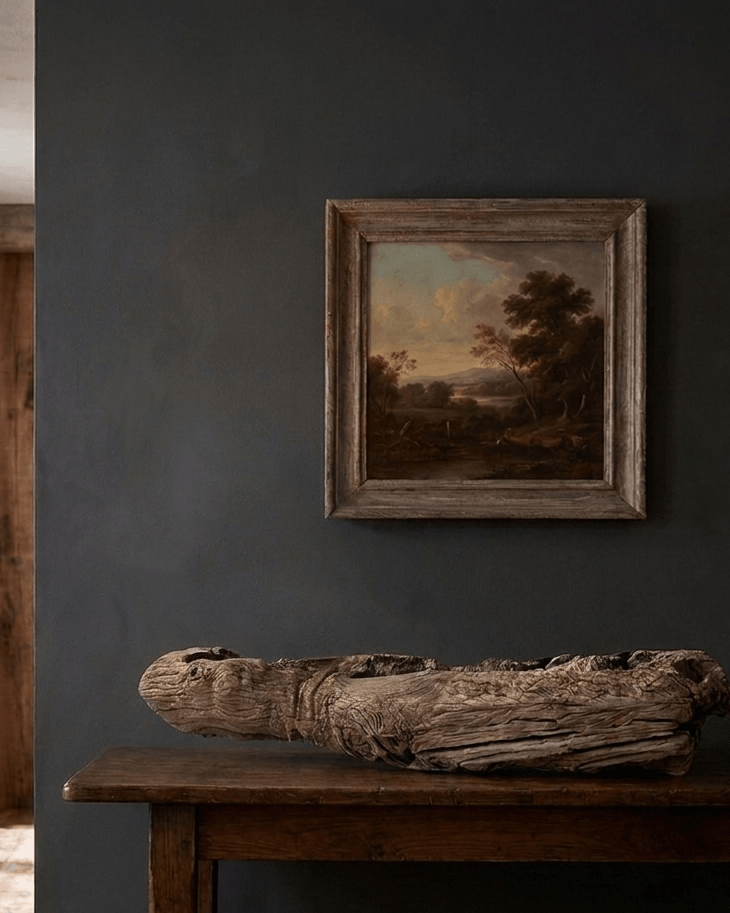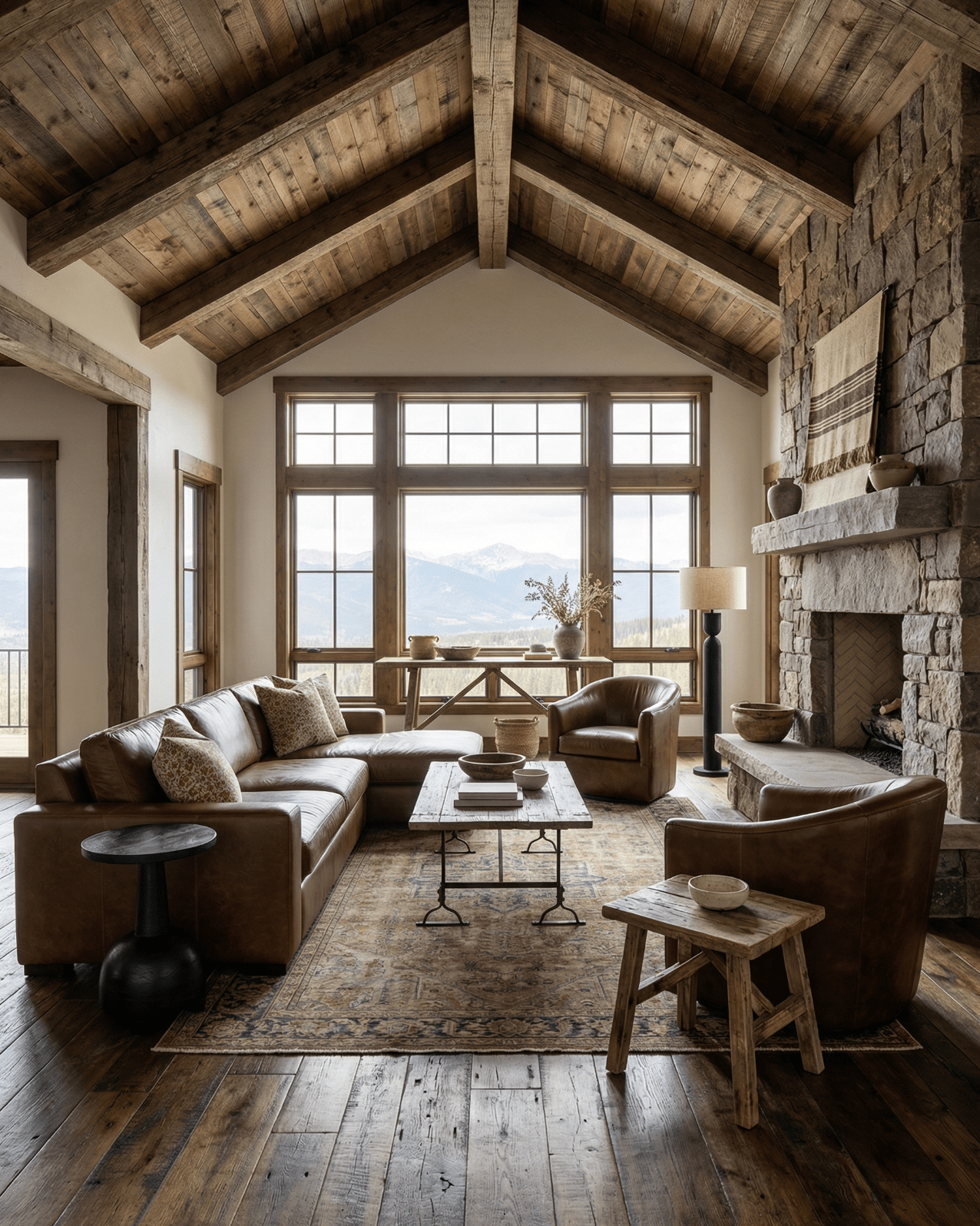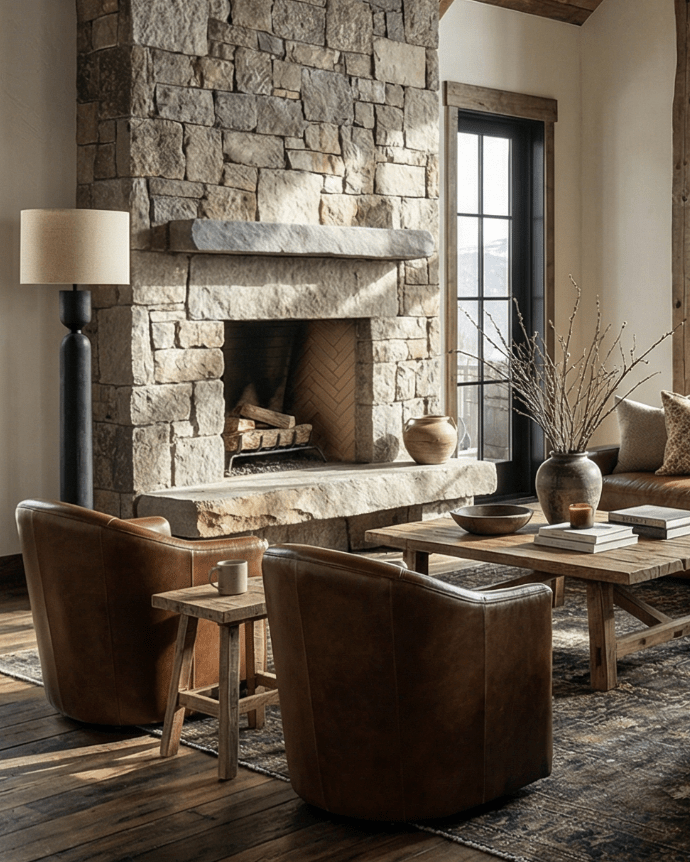










Most rooms don’t feel unfinished because they lack decor. They feel unfinished because nothing is doing enough work. That’s where a reclaimed console table earns its keep. When the material itself carries visual weight, you don’t need excess styling, layers, or constant adjustment. The piece holds the space on its own.
This is the quiet advantage of reclaimed console tables. They don’t rely on trends or accessories to feel resolved. The wood, the wear, and the construction do the work upfront.
Why Console Tables Are the Ultimate Test of Materials
Console tables live in transitional spaces—entryways, hallways, behind sofas, along blank walls. These are areas where furniture often feels decorative rather than necessary. That’s exactly why material quality matters more here than anywhere else.
A reclaimed console table succeeds because it doesn’t pretend to be light or incidental. Salvaged wood brings density, grain variation, and surface history that reads immediately, even in narrow or high-traffic zones. The table doesn’t need styling to justify its presence. It earns it.
Pieces like the Edith console table show how restraint amplifies material impact. Its form is simple, but the wood does the talking. That balance keeps transitional spaces from feeling overdesigned or empty.
Letting Texture Replace Decoration
One of the most common mistakes with console tables is over-styling. Bowls, lamps, stacks of books—often added to compensate for a piece that lacks presence.
Reclaimed console tables don’t need that crutch. Texture replaces decoration.
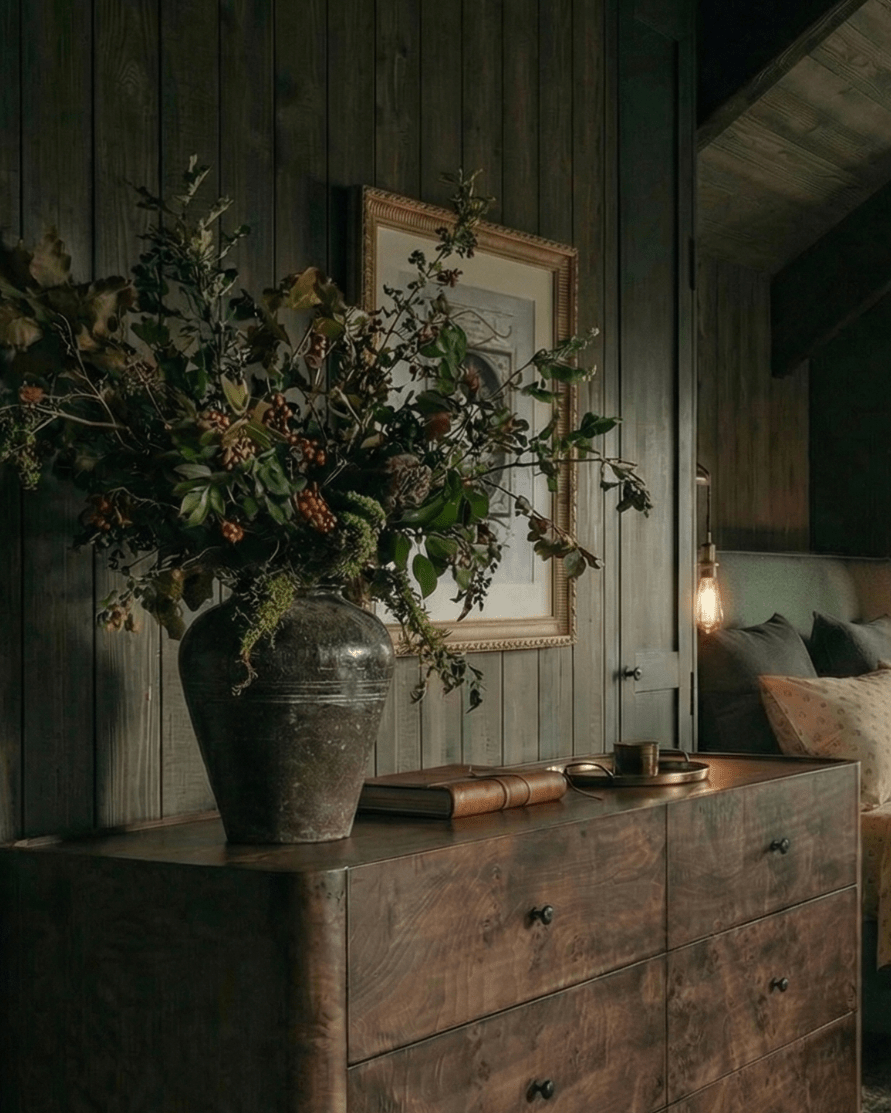
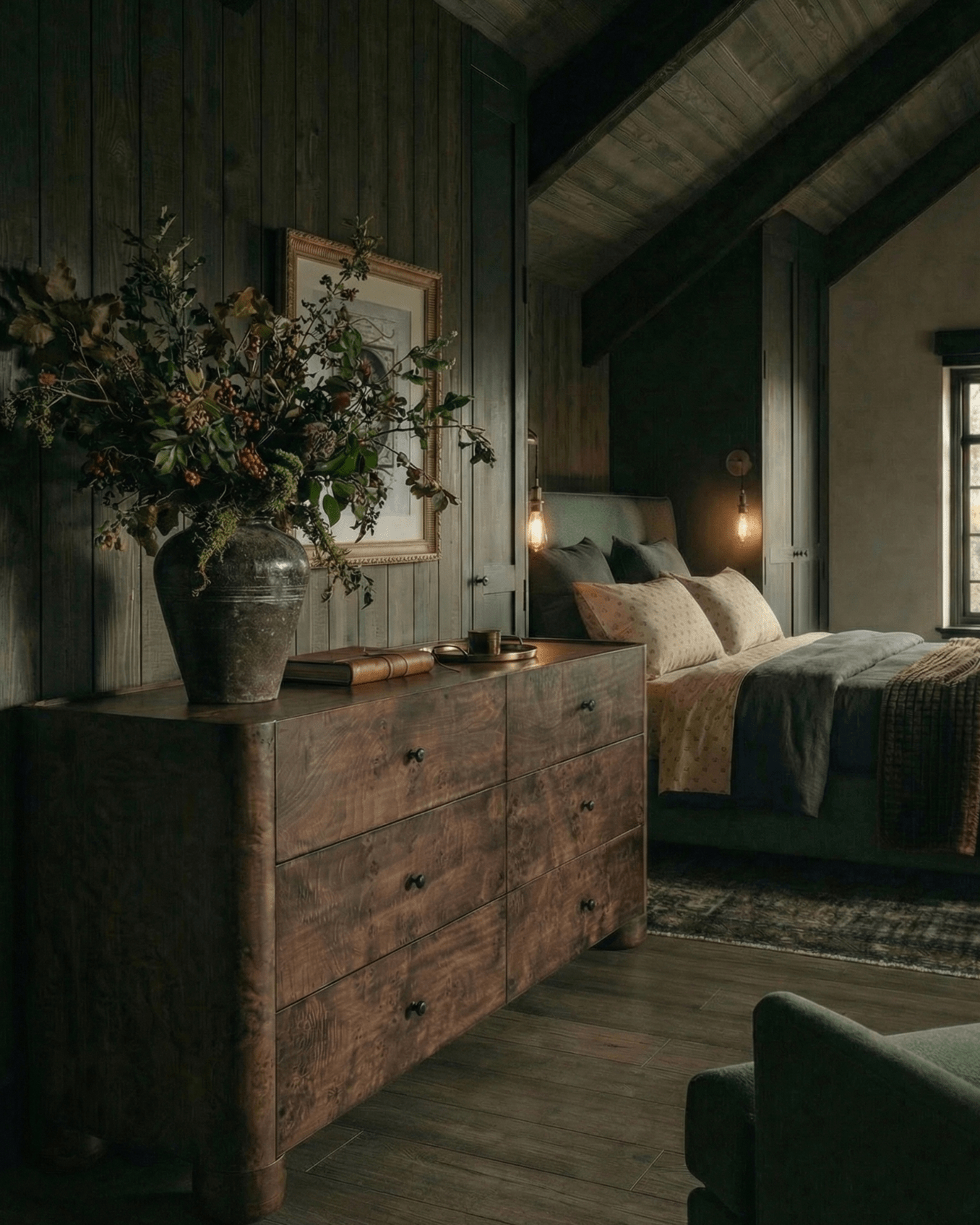
The Helena console table works best when left largely untouched. The grain variation, subtle wear, and solid proportions create enough visual interest on their own. One object is plenty. Sometimes none is better.
This approach also makes rooms calmer. Fewer objects, clearer roles, stronger foundations.
RUTED Tip: If a console table needs three accessories to feel intentional, the material isn’t pulling its weight.
Console Tables as Quiet Architecture
The best reclaimed console tables behave more like architectural elements than furniture. They define edges, guide movement, and create visual pause without blocking light or flow.
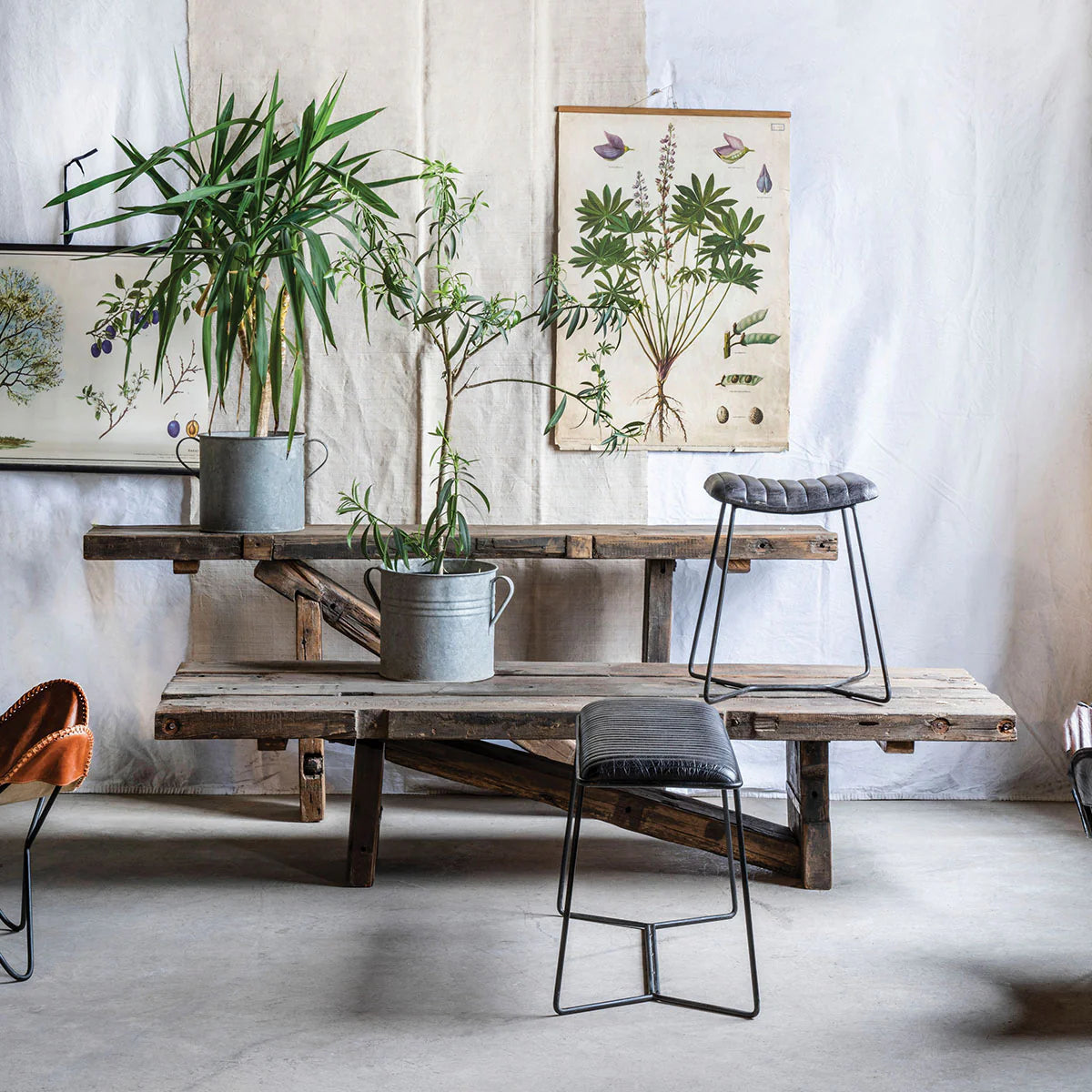
In open-plan homes, a reclaimed console can separate zones subtly—between dining and living, or behind a sofa—without introducing bulk. Along a wall, it gives scale where empty space might otherwise feel unresolved.
The Linden architectural salvage console table is a strong example of this role. Its presence feels structural, as though it belongs to the building rather than being placed inside it.
This is where reclaimed materials excel. They feel grounded enough to hold space without demanding attention.
When Reclaimed Meets Vintage
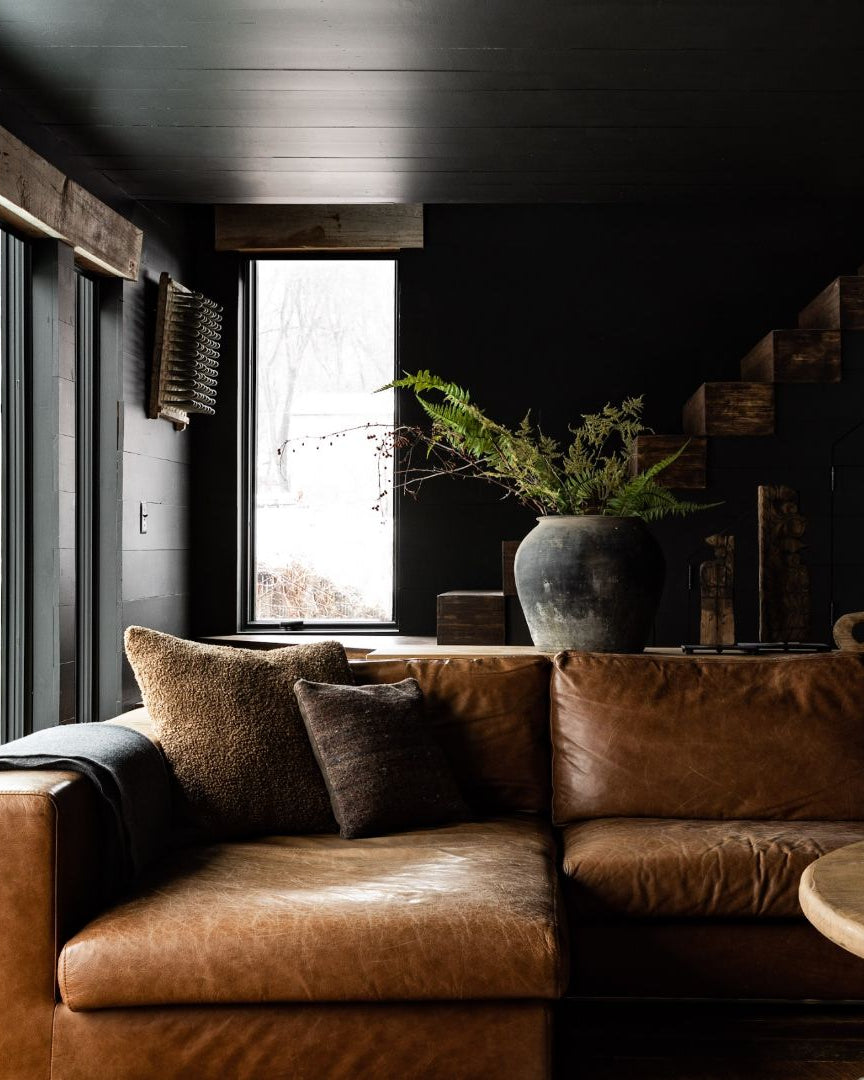
Reclaimed console tables pair naturally with other pieces that value age and material honesty. This is where mixing reclaimed furniture with vintage elements strengthens the room rather than complicating it.
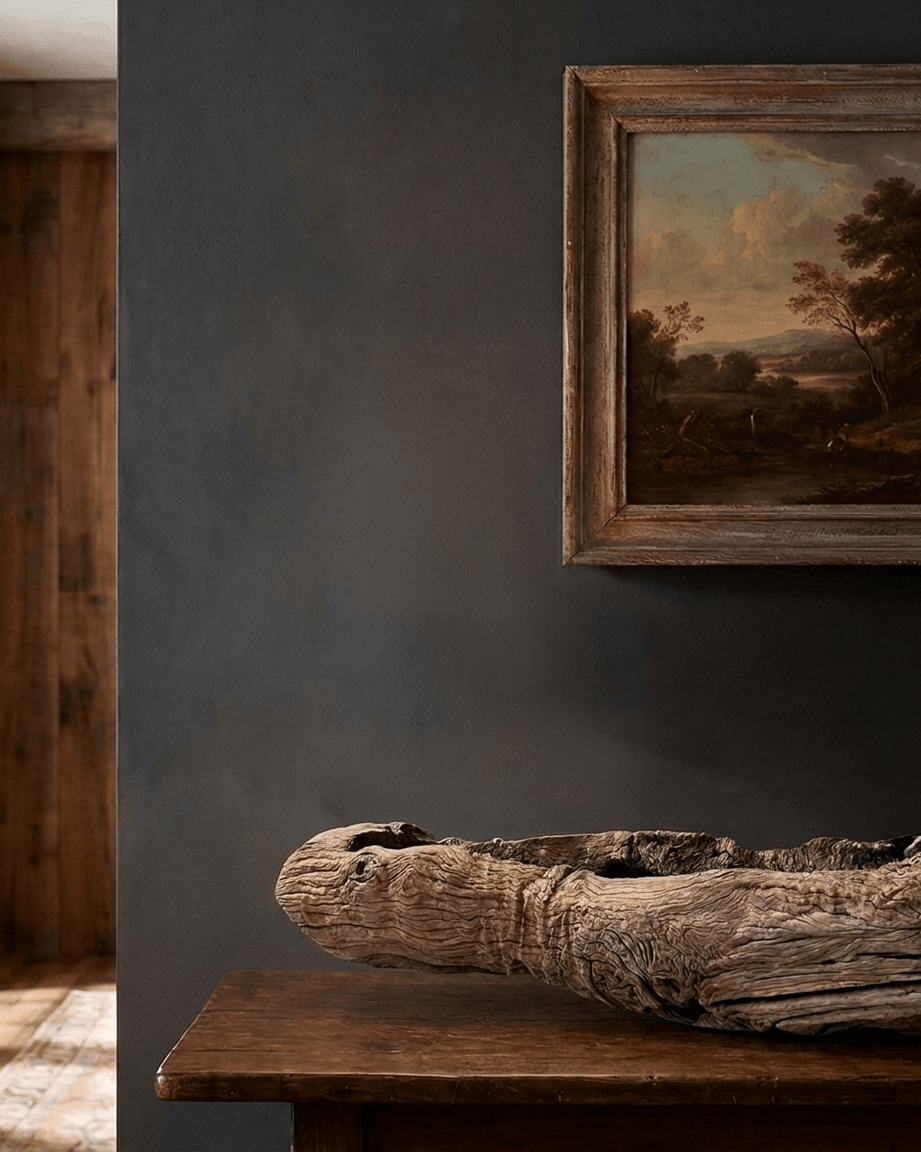
A reclaimed console beneath aged art or alongside collected objects creates continuity. The materials speak the same language, even if the forms differ.
This approach works especially well when layered with pieces from the vintage furniture collection.
The reclaimed console acts as the stabilizer. Vintage pieces can come and go, but the table keeps the space anchored.

Proportion Over Placement
Where you place a console table matters less than how it’s proportioned. Too shallow and it disappears. Too deep and it obstructs movement.
Reclaimed console tables tend to get this right because their thickness and leg structure provide visual mass without unnecessary depth. This makes them ideal for narrow hallways and entries.
The Bryndis console demonstrates how proportion can solve spatial challenges. Its solid form gives weight, while its footprint remains practical.
When proportion is right, placement becomes intuitive.
Storage Without Visual Noise
Some console tables need to be stored. Others just need to exist. Reclaimed designs can do both without looking utilitarian.
A reclaimed console with drawers or shelves doesn’t advertise its function. Storage is integrated quietly, so the piece still reads as furniture first, solution second.
The Guobjorg console table balances this well. It offers utility without breaking the material narrative. The wood remains the focal point.
This is crucial in spaces like entryways, where clutter accumulates quickly. When storage looks intentional, the room stays legible.
Why Reclaimed Consoles Age Better Than New Ones
Unlike polished furniture that shows wear as damage, reclaimed console tables absorb use naturally. New marks blend into existing texture. Patina deepens rather than deteriorates.
This makes them ideal for high-contact areas—keys dropped, bags slid across surfaces, hands brushing past daily. The table evolves with use instead of resisting it.
The Ingibjorg reclaimed console table is designed for this kind of life. Its surface doesn’t ask for protection. It expects interaction.
That expectation changes how people use the space. Less caution. More ease.
Pairing Reclaimed Consoles With Decorative Objects
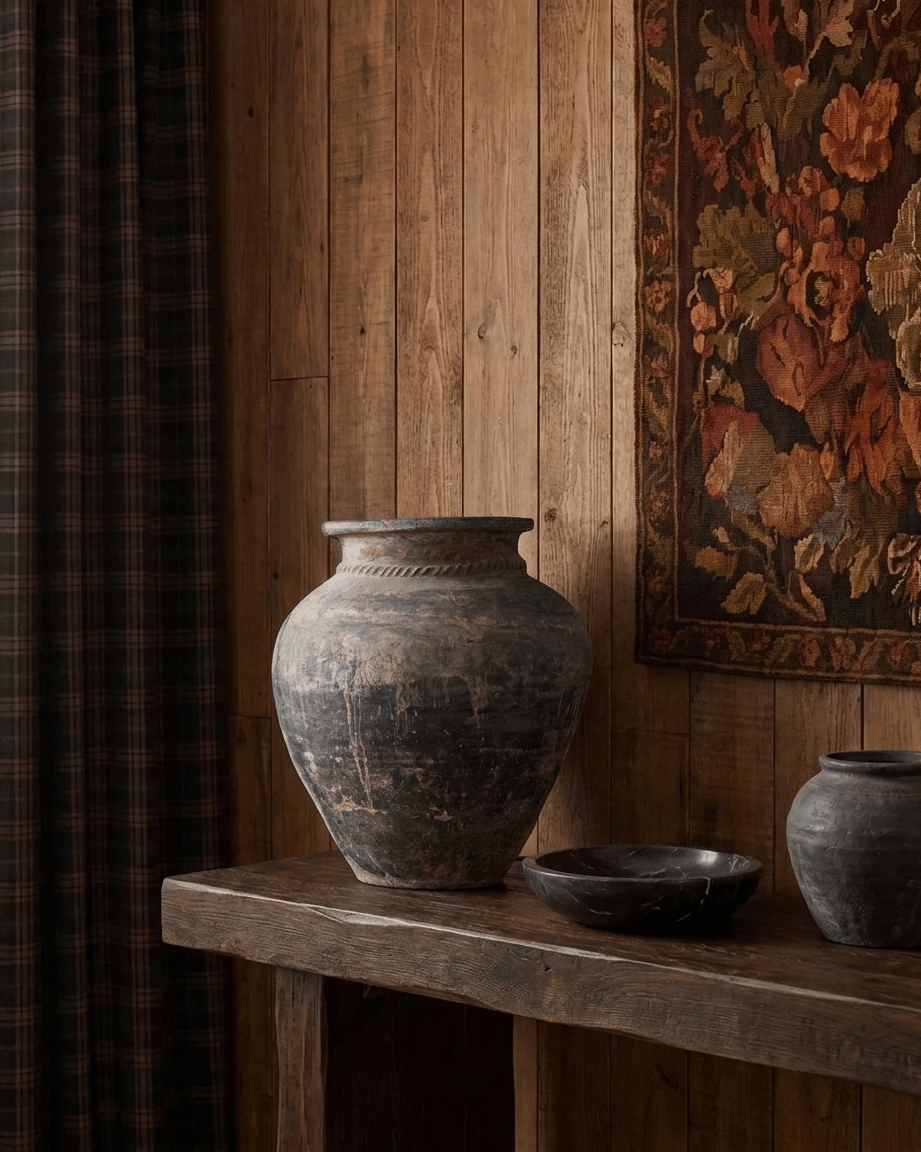
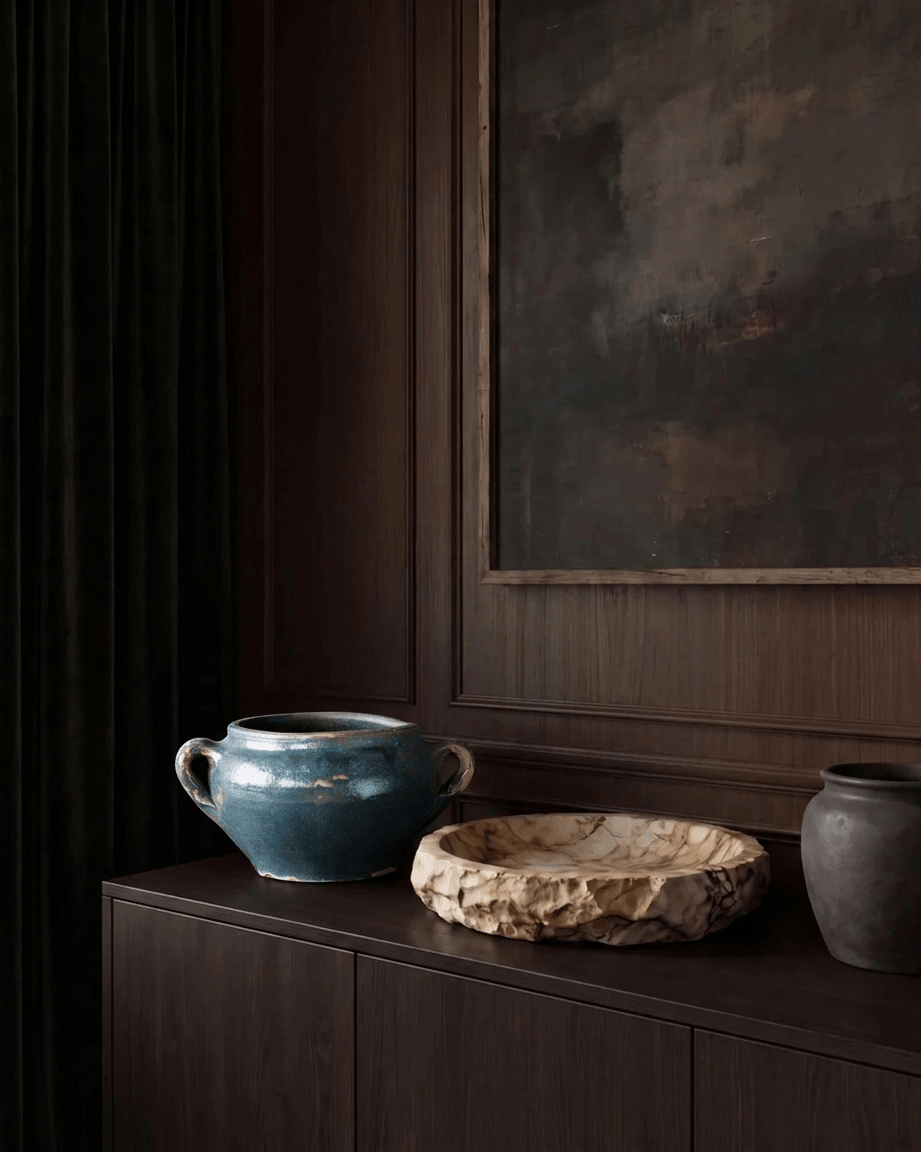
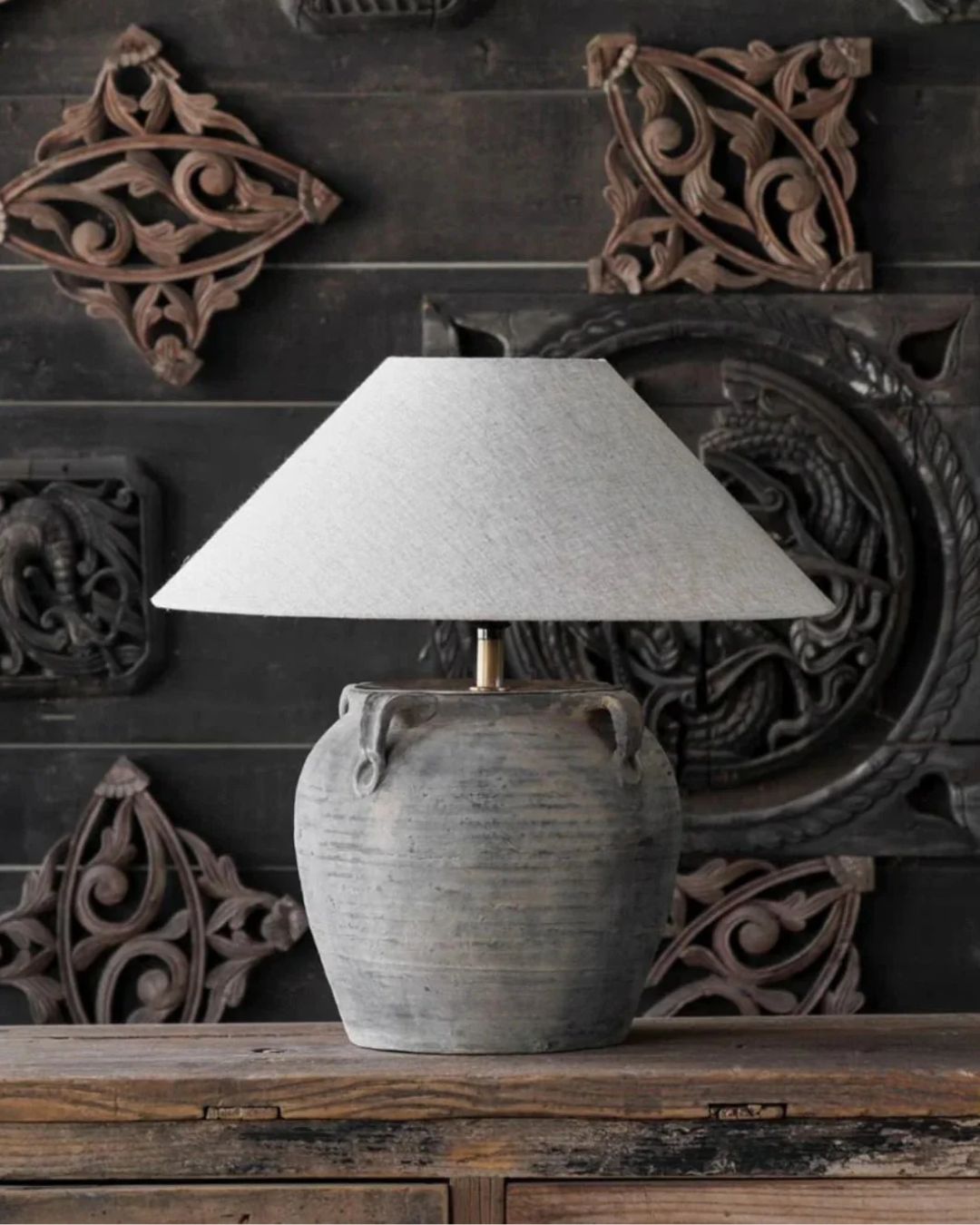
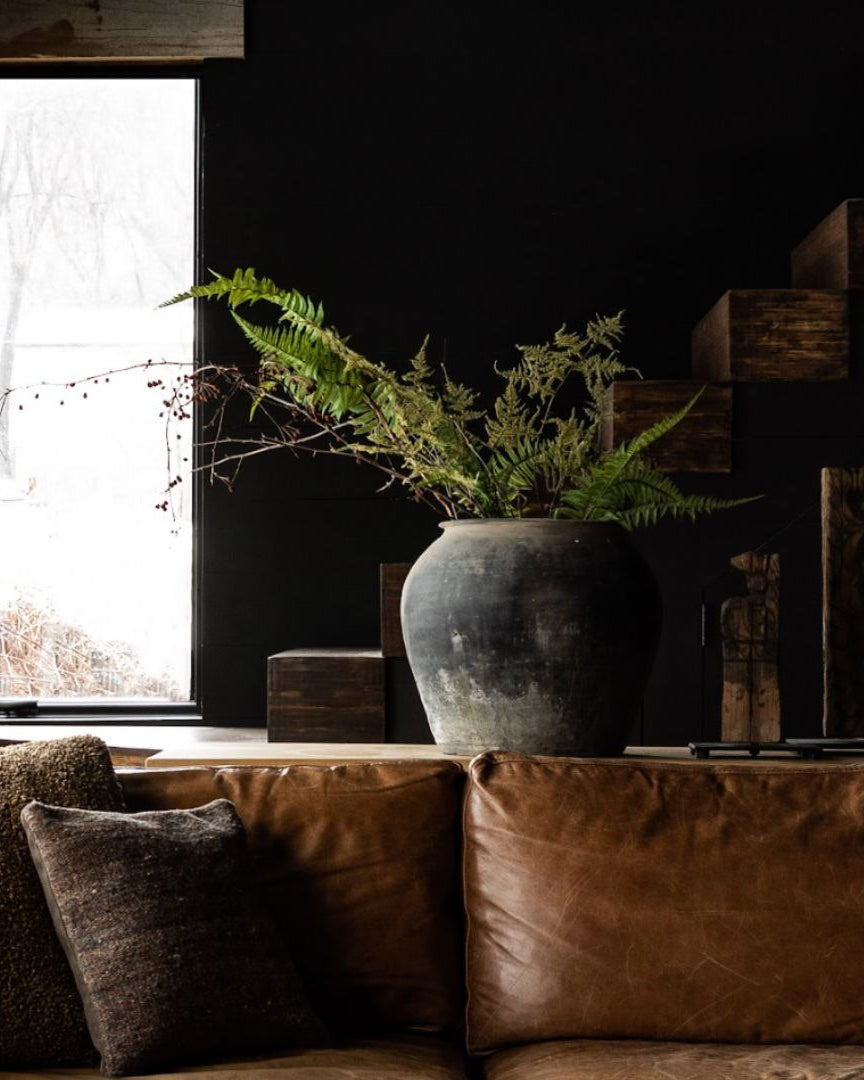
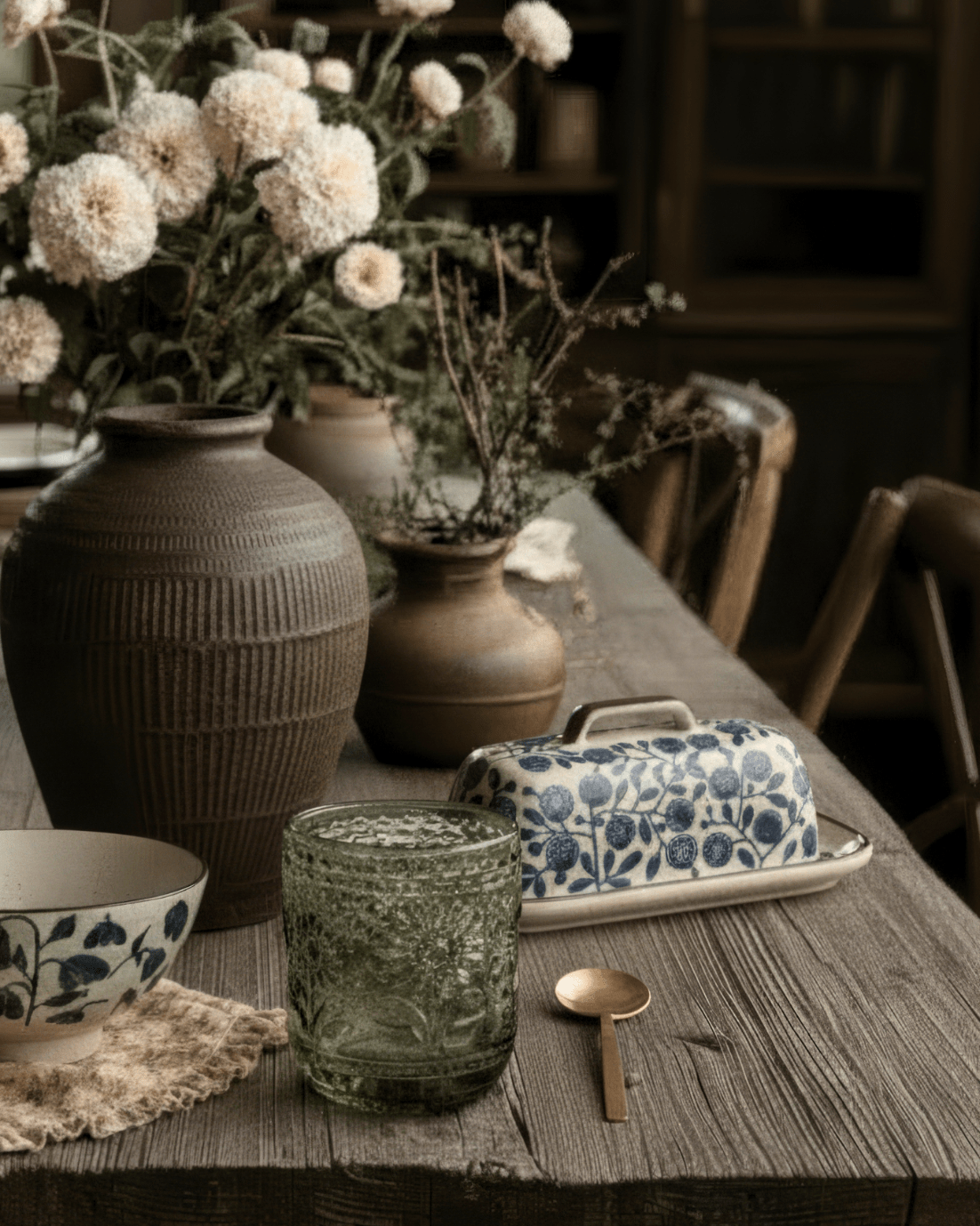
When decoration is necessary, reclaimed console tables benefit from restraint. One sculptural object, a vessel, or a lamp is usually enough.
This is where vintage decor complements reclaimed furniture naturally.
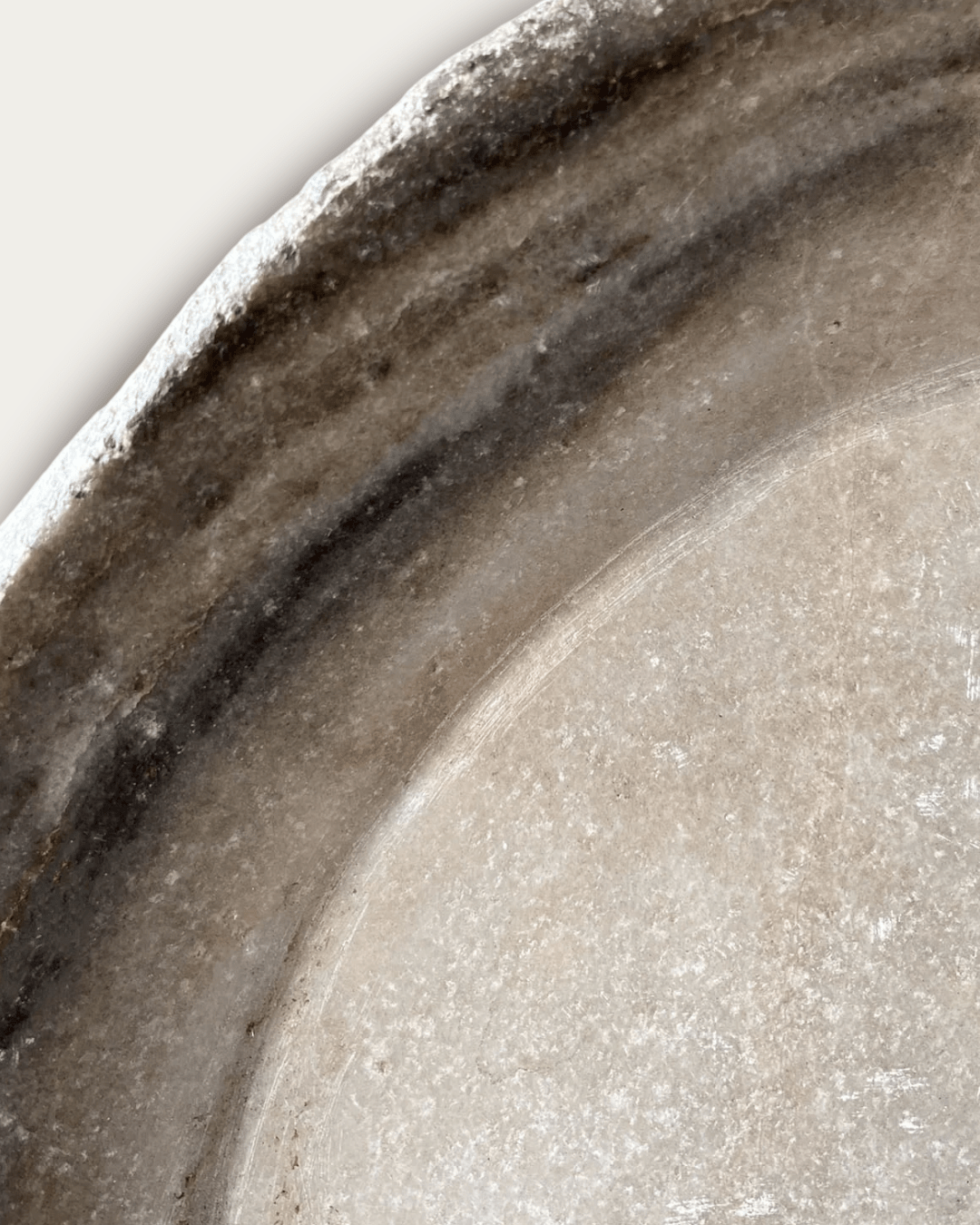
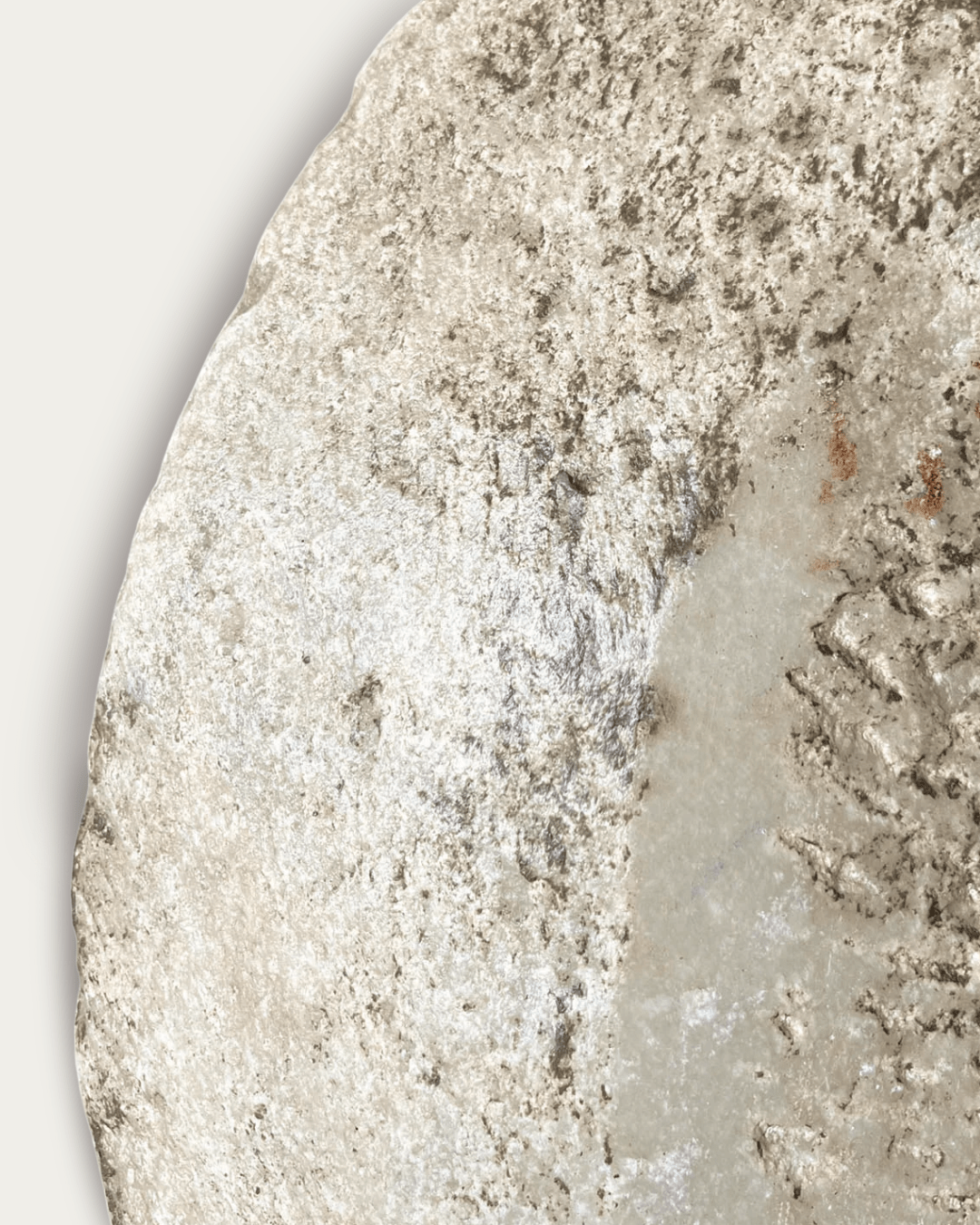
Because the console already carries visual weight, decorative objects should contrast rather than compete. Smooth against rough. Light against dark. Simple against textured.
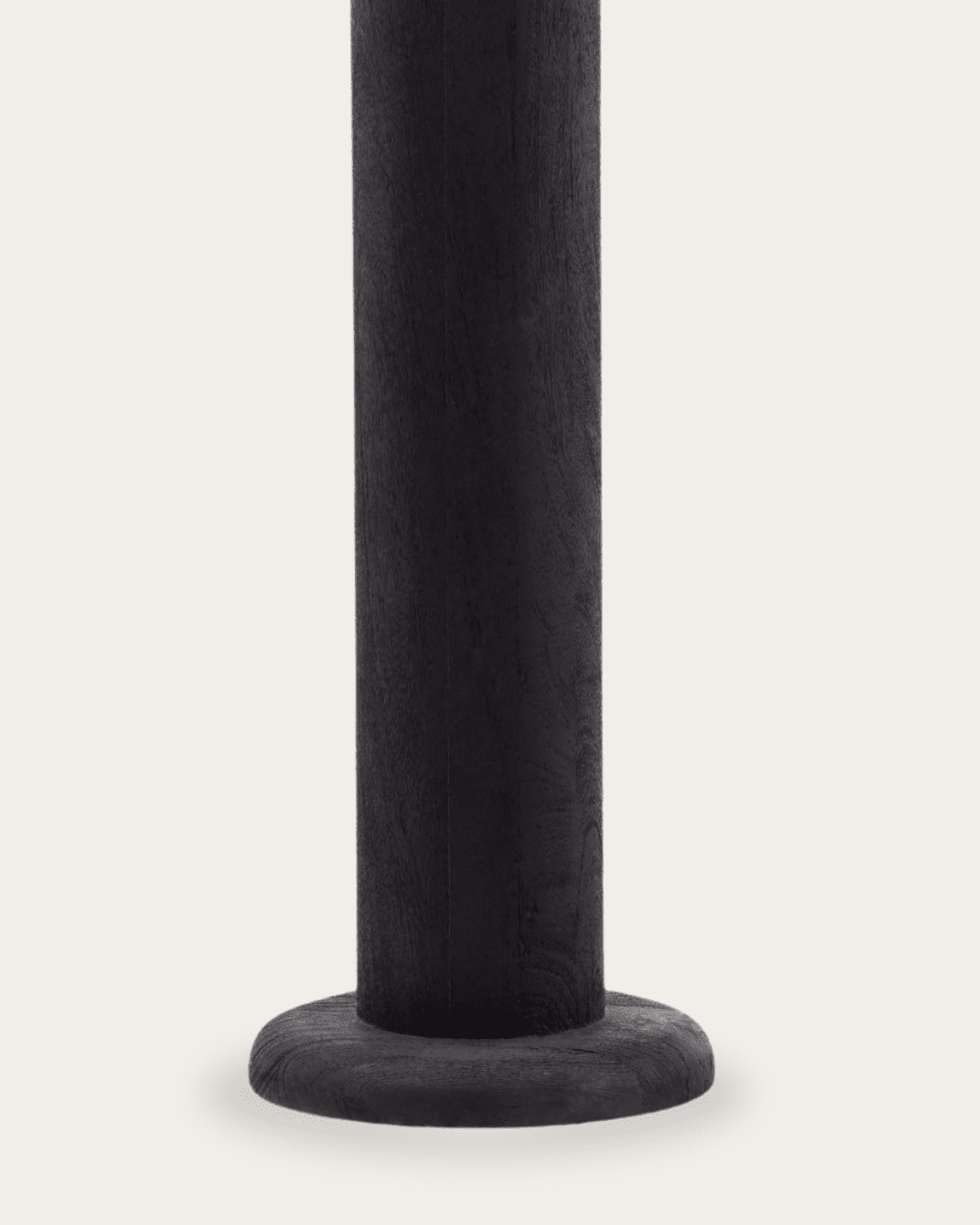
The Ebon console table works particularly well with minimal decor. Its darker finish allows lighter objects to stand out without overwhelming the surface.
Consistency Through Material, Not Matching
A common misconception is that reclaimed pieces must match each other. In reality, consistency comes from material honesty, not uniform appearance.
Different reclaimed consoles can coexist in the same home without clashing, as long as each piece respects its material origin. Variations in tone and texture add depth rather than chaos.
The Elin console table is a good example of a piece that integrates easily across spaces. It doesn’t dominate, but it doesn’t disappear either.
This flexibility is what makes reclaimed console tables such reliable design tools.
Final Thoughts: When Materials Lead, Rooms Follow
Reclaimed console tables succeed because they don’t ask to be dressed up. They rely on material integrity, proportion, and function to define a space.
When you let materials do the heavy lifting, design becomes simpler. Fewer objects. Fewer decisions. More clarity.
A strong reclaimed console table doesn’t decorate a room—it organizes it.
Explore the reclaimed furniture collection and look for pieces that can hold space quietly, confidently, and for the long haul.