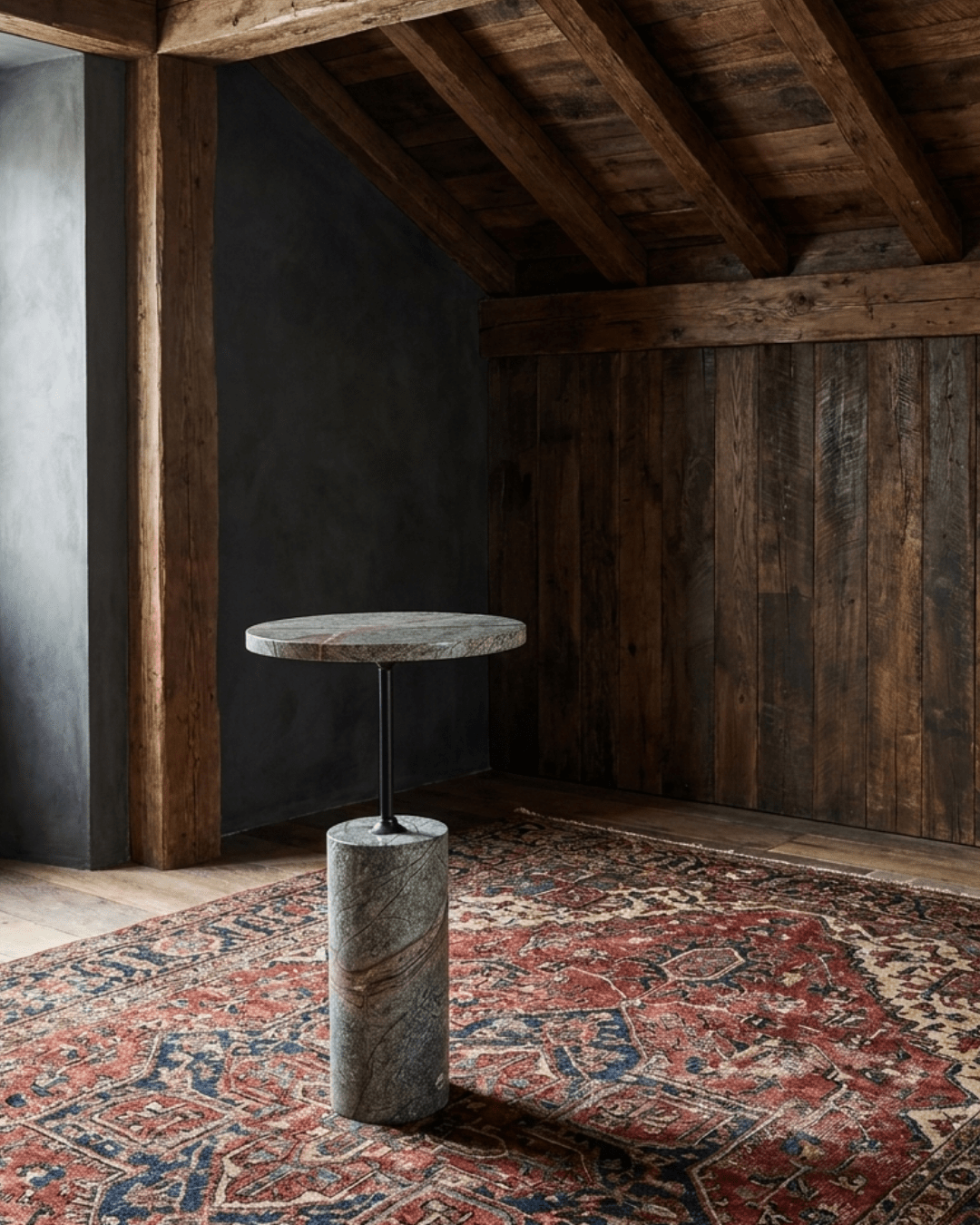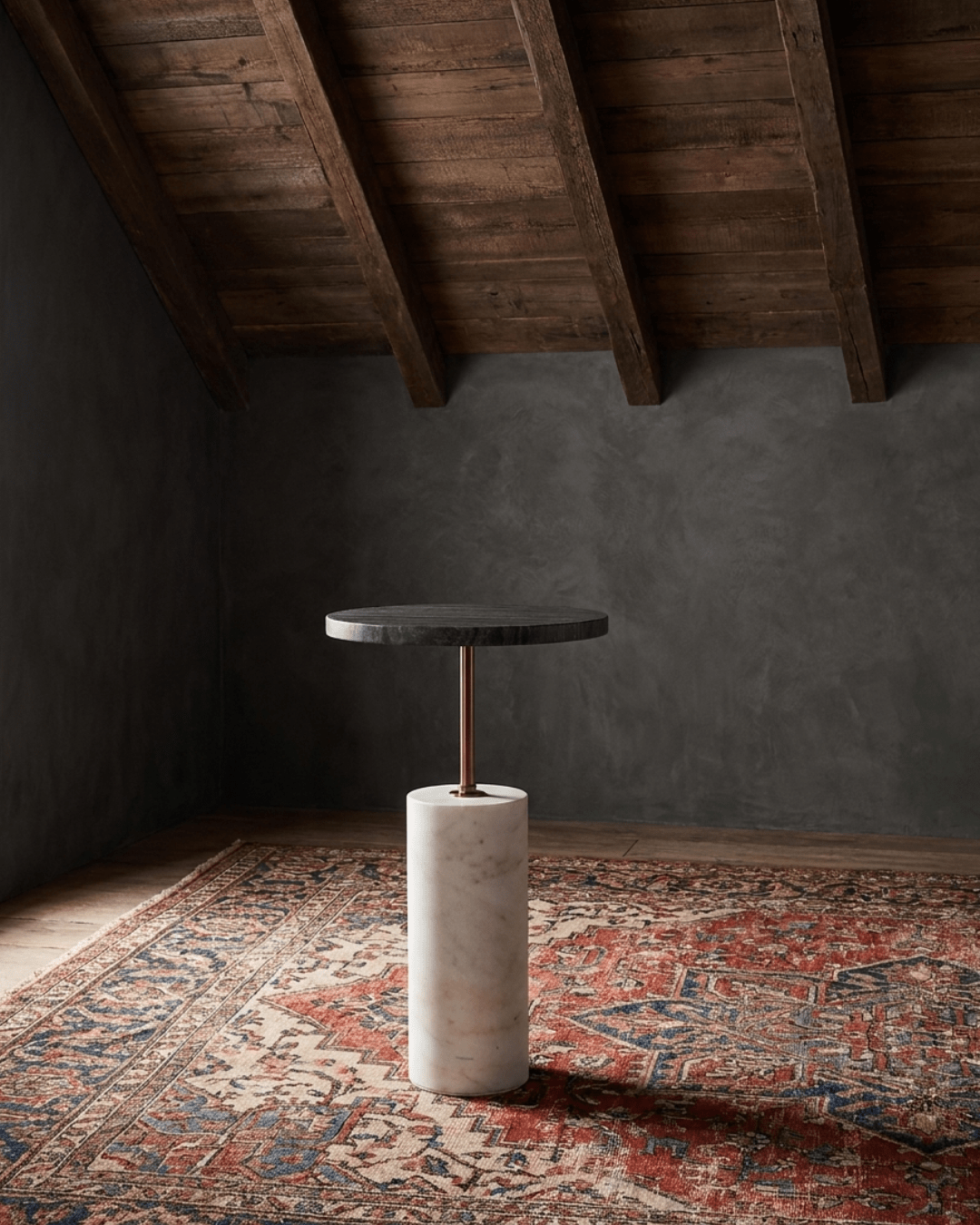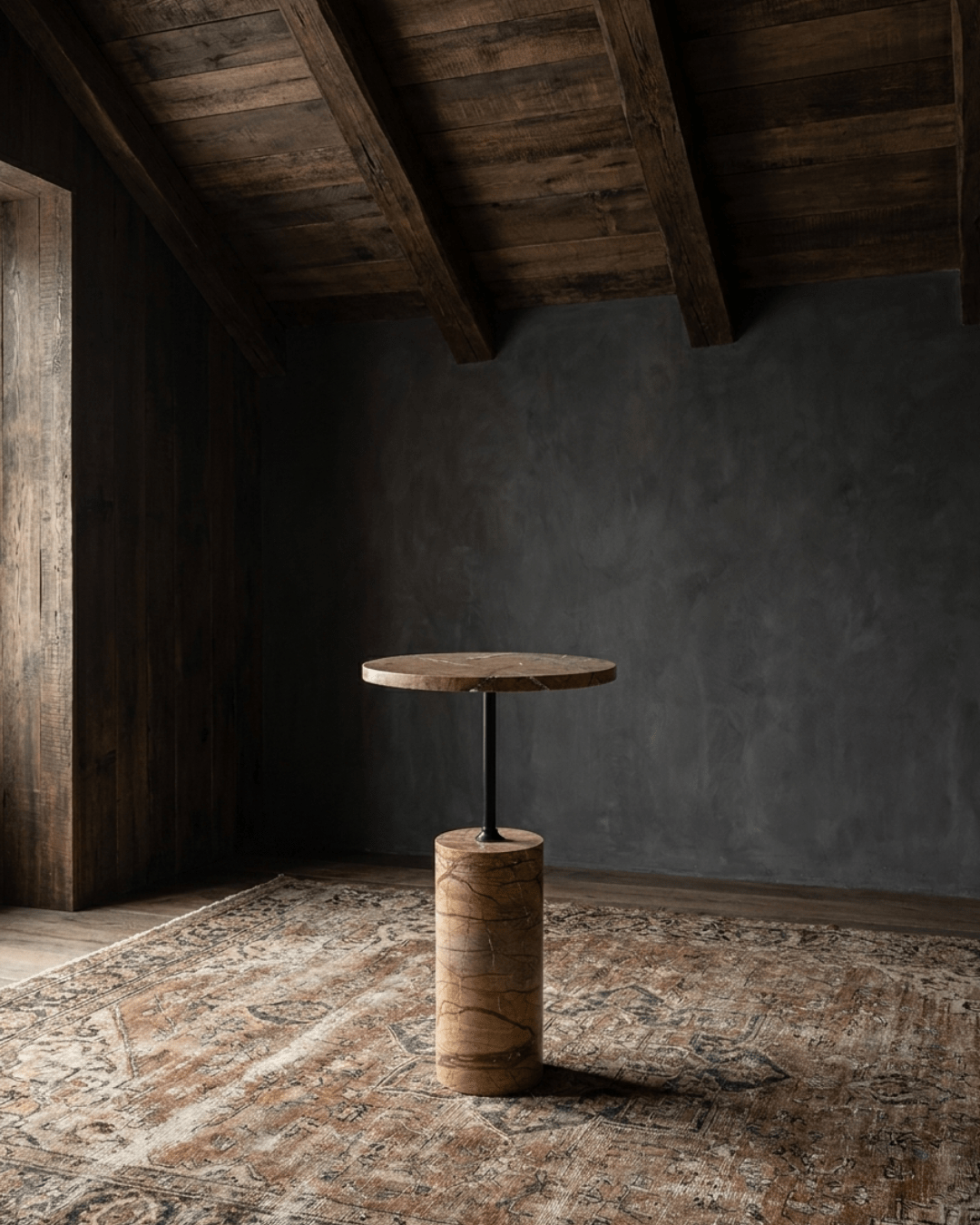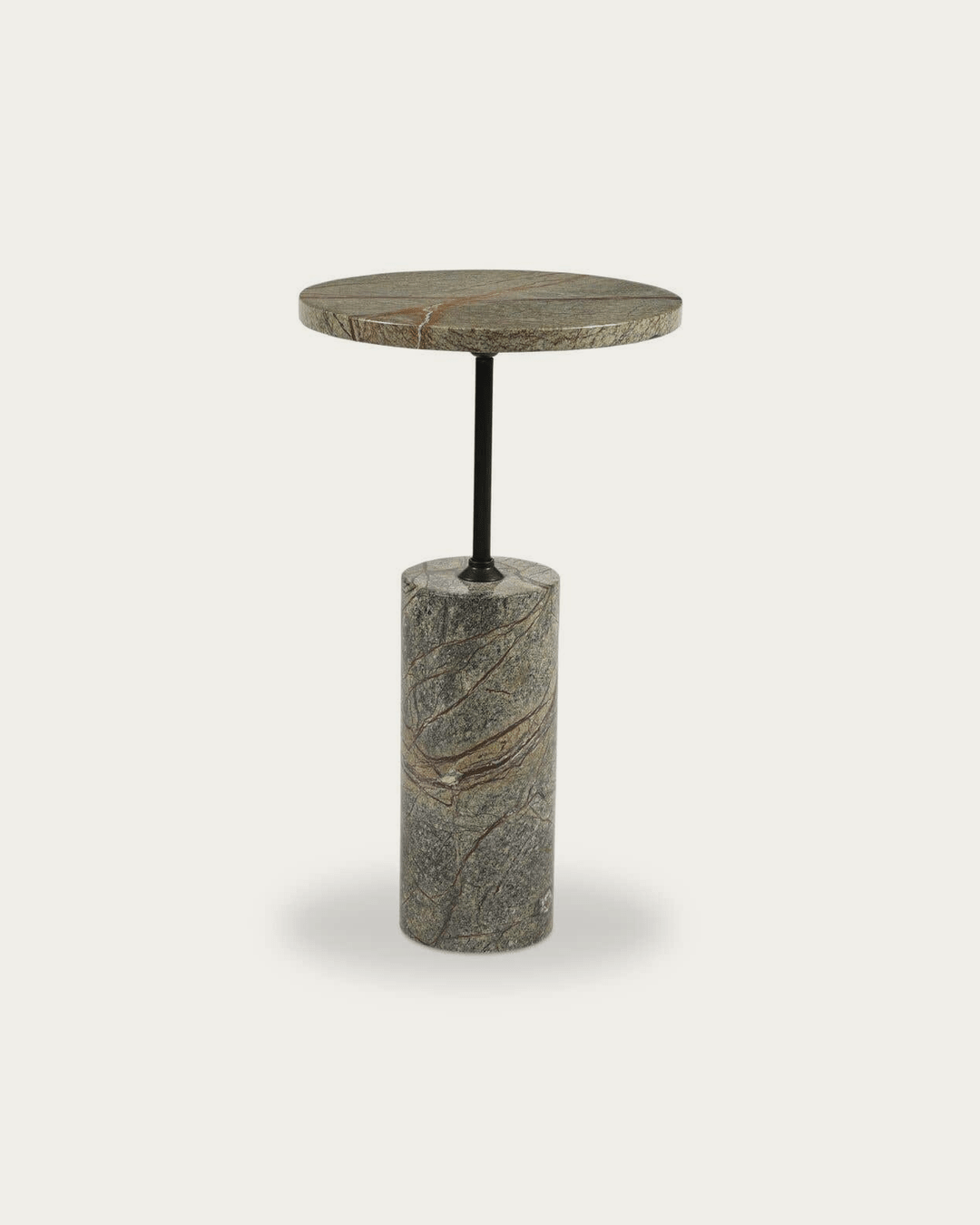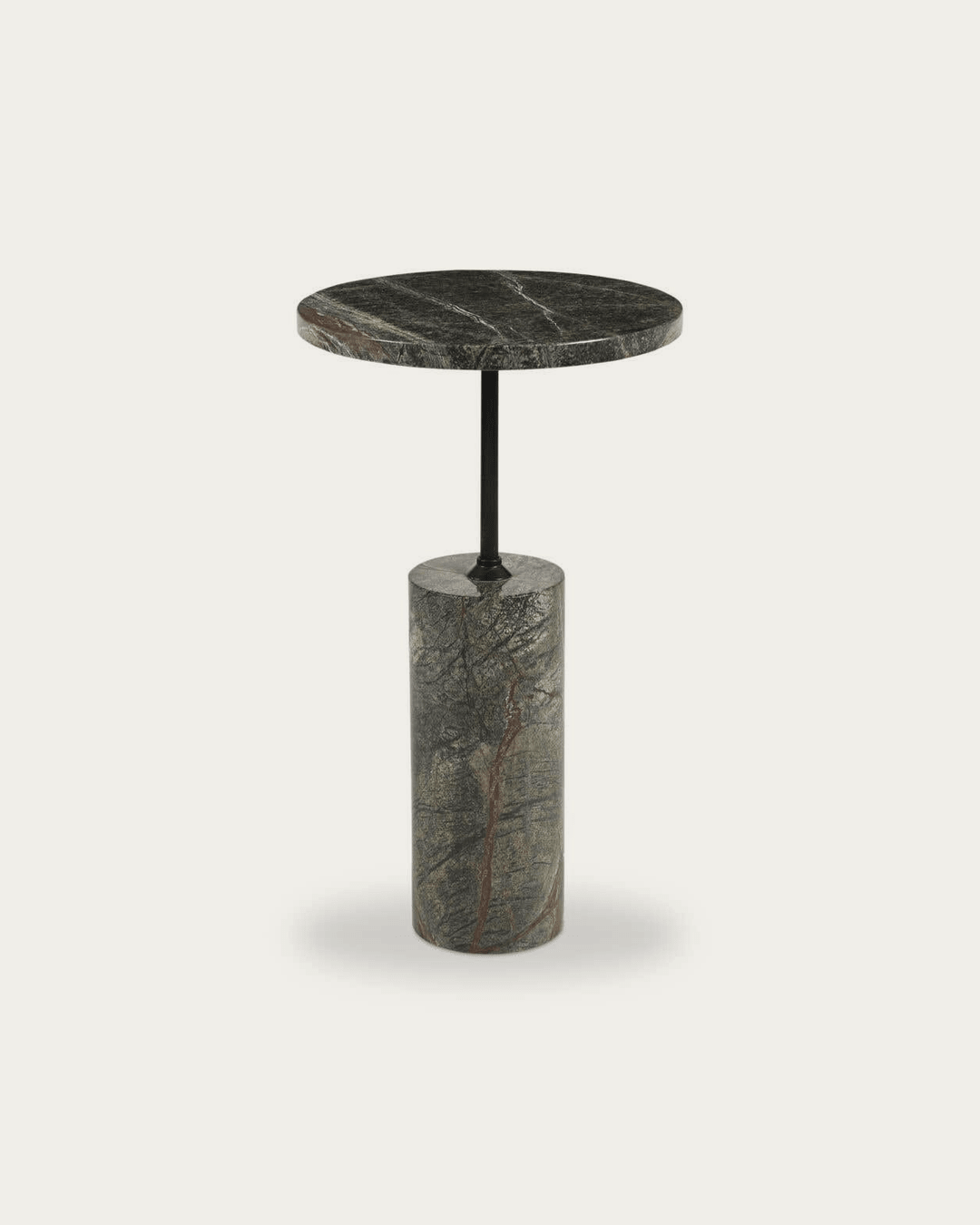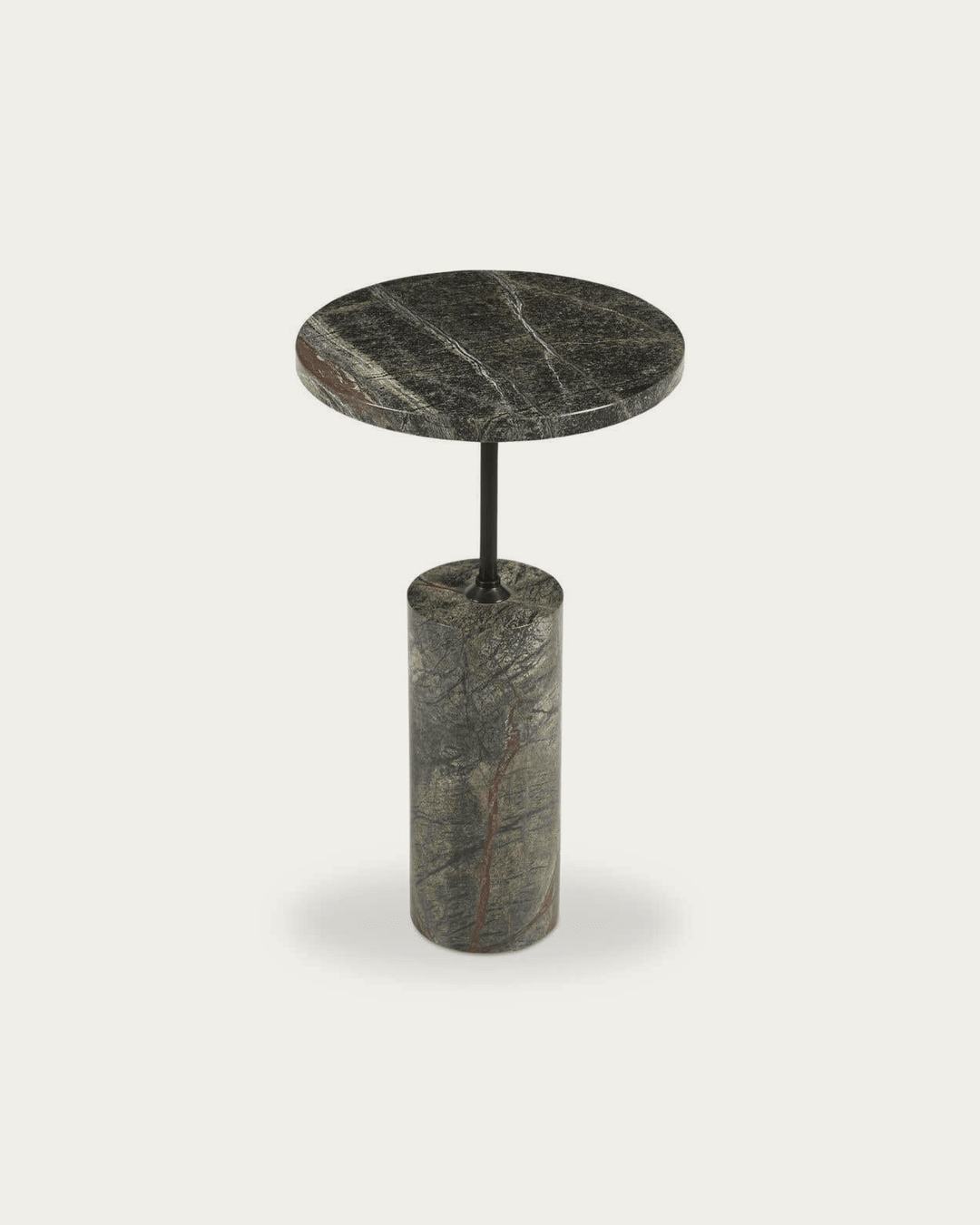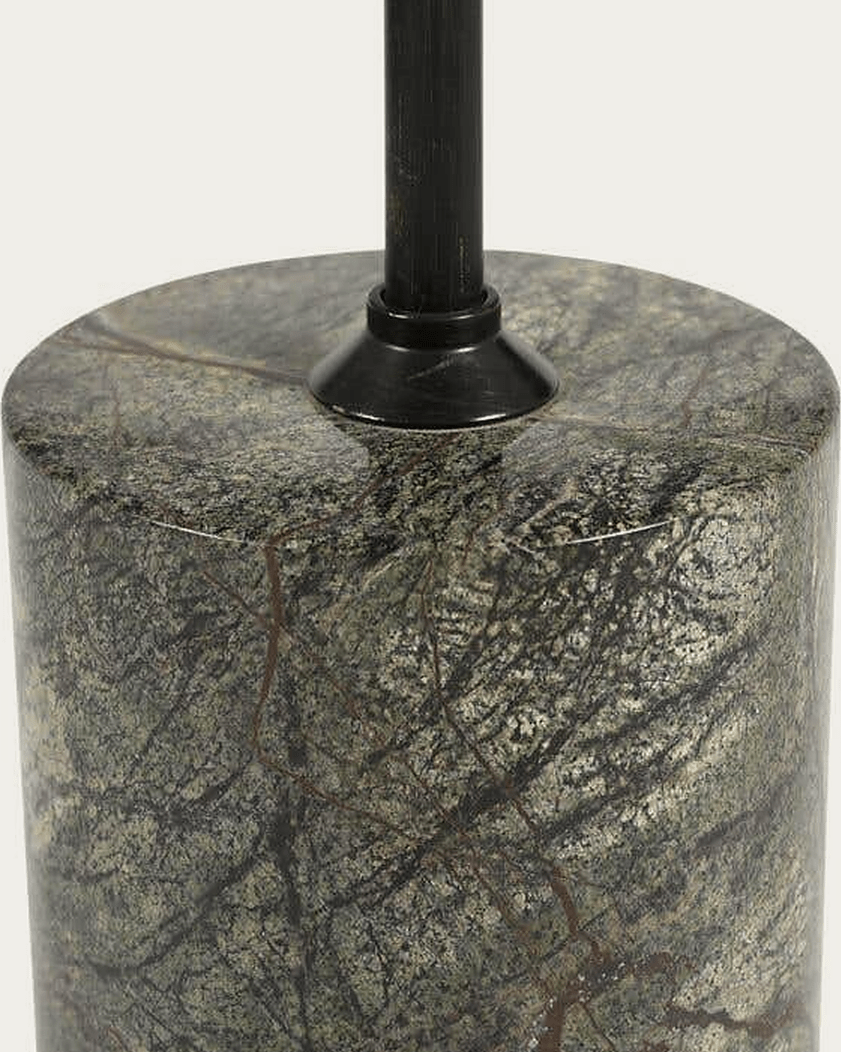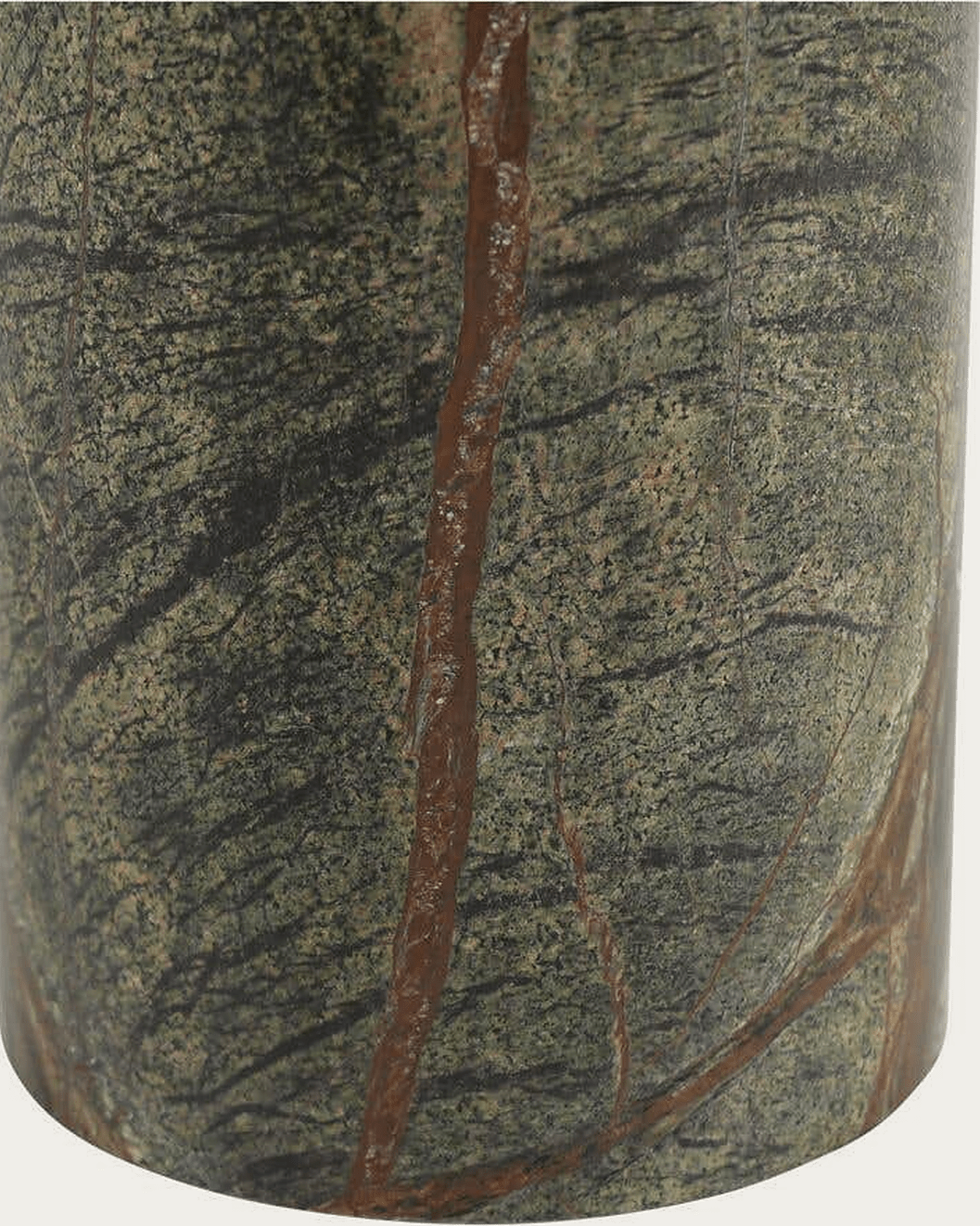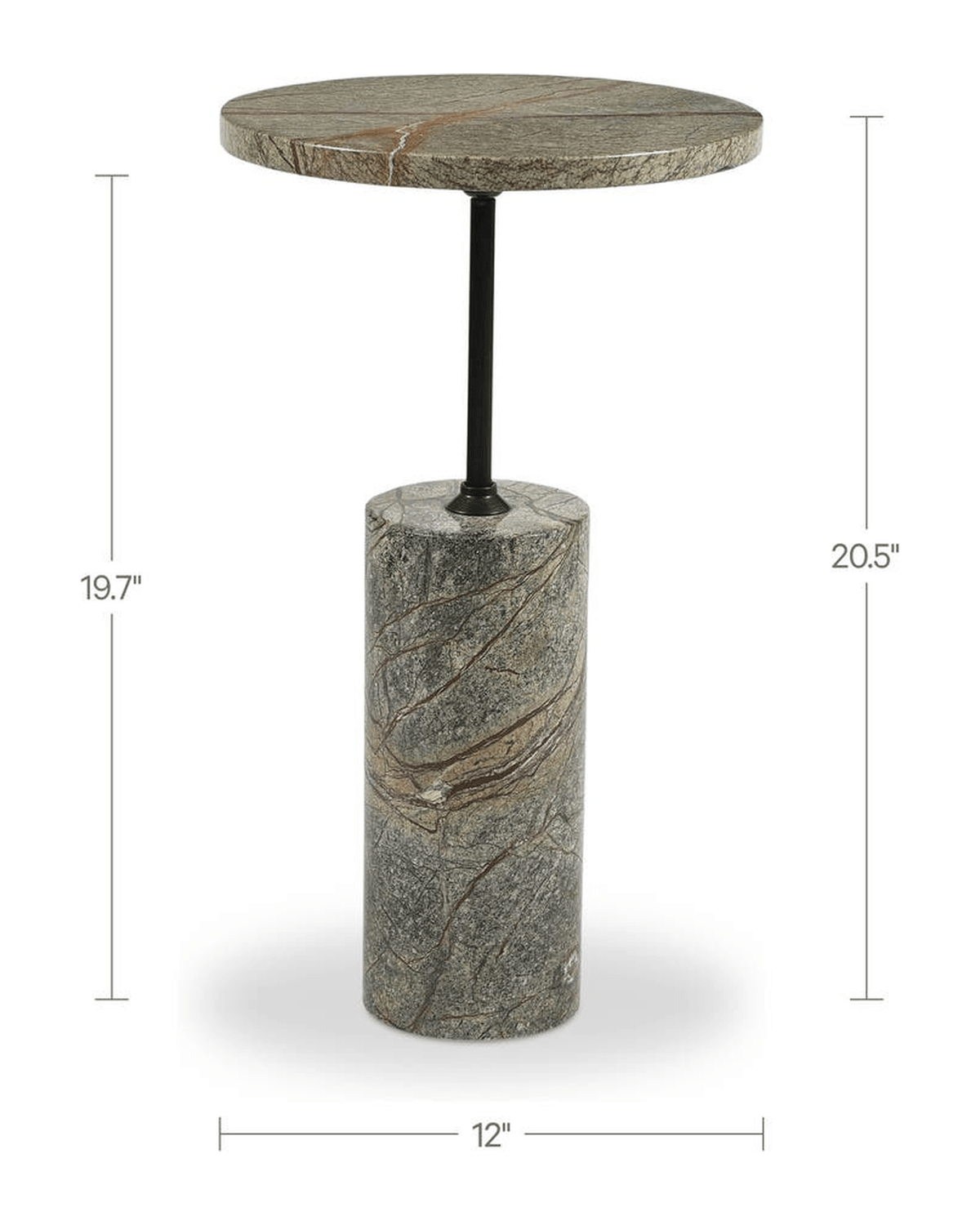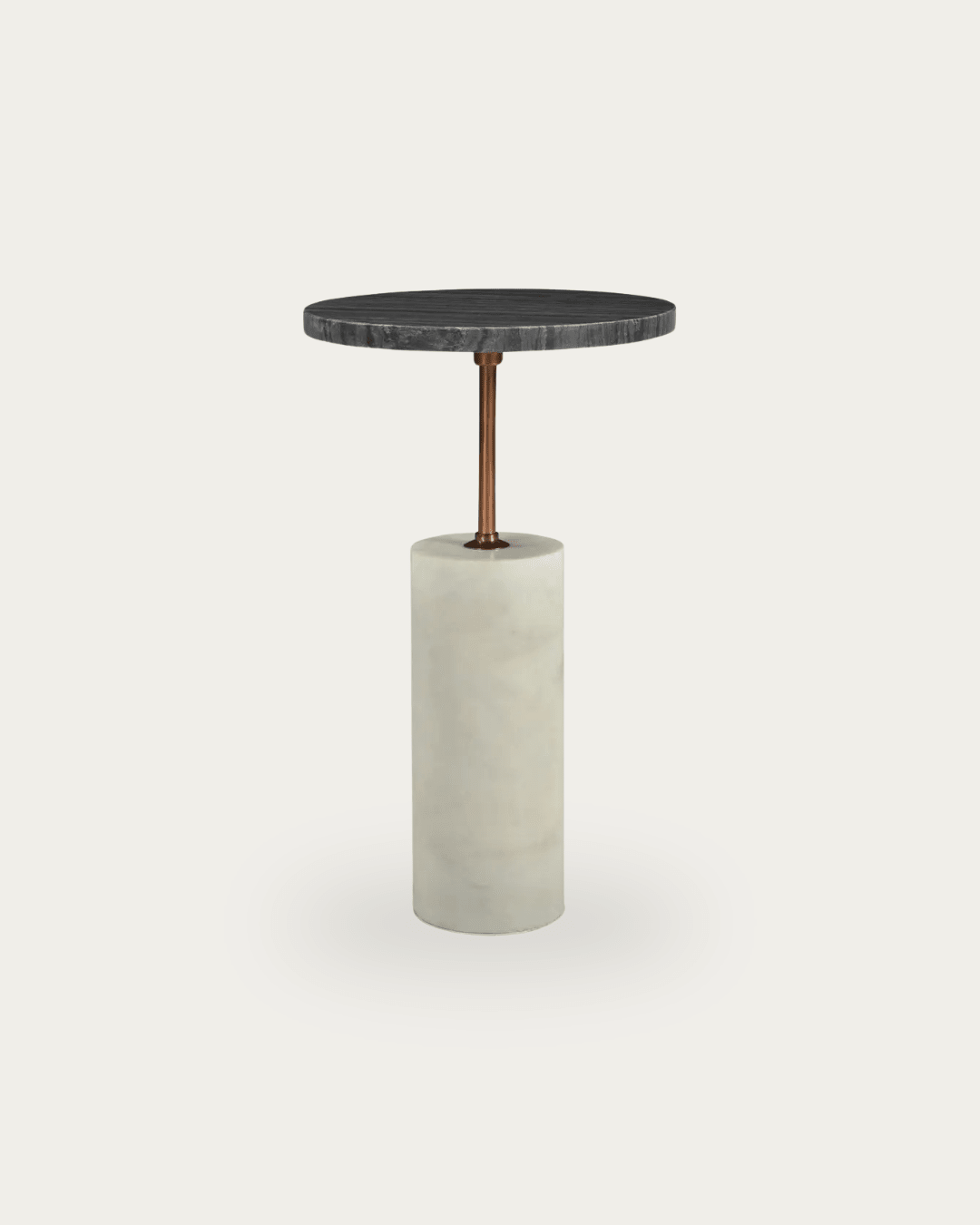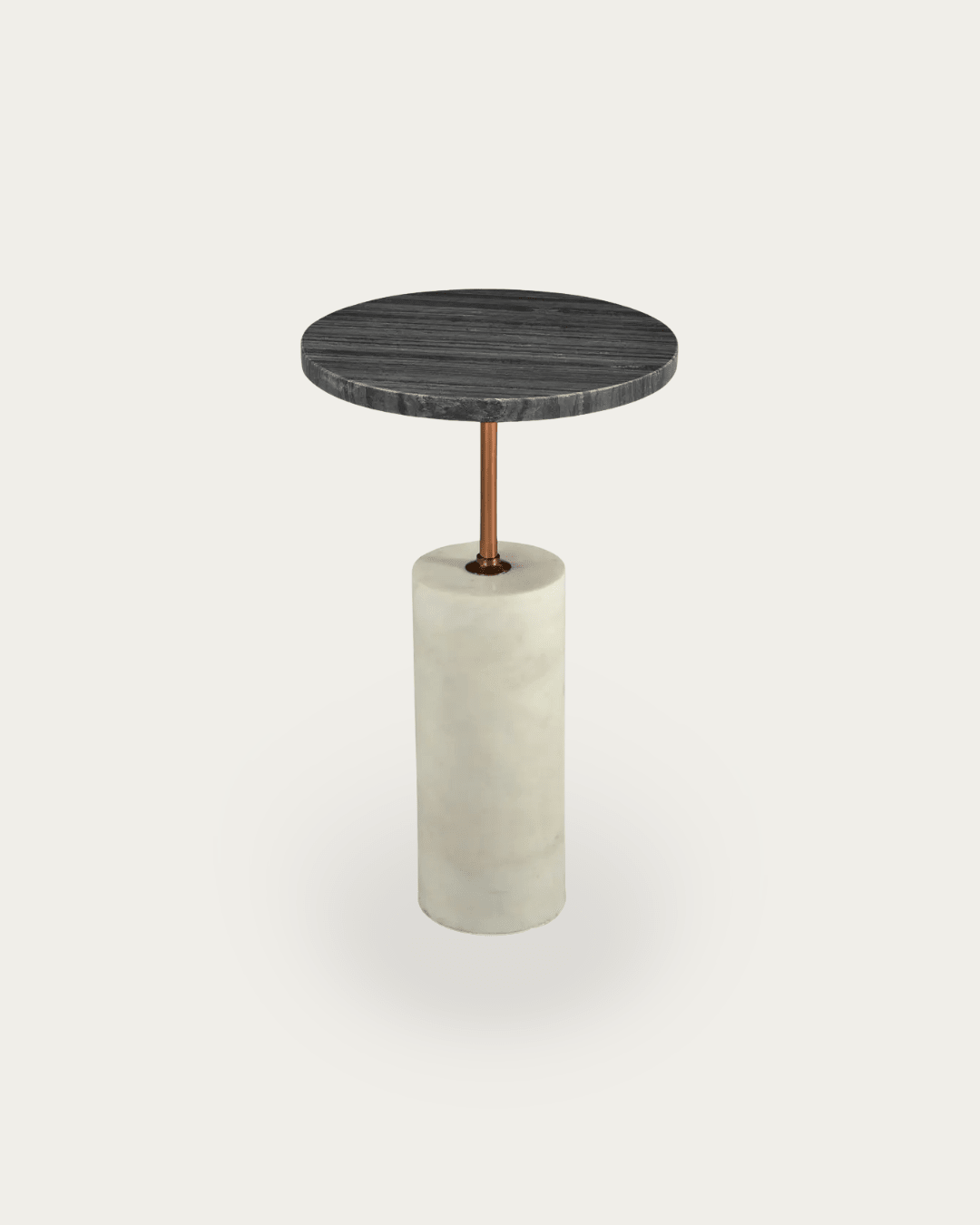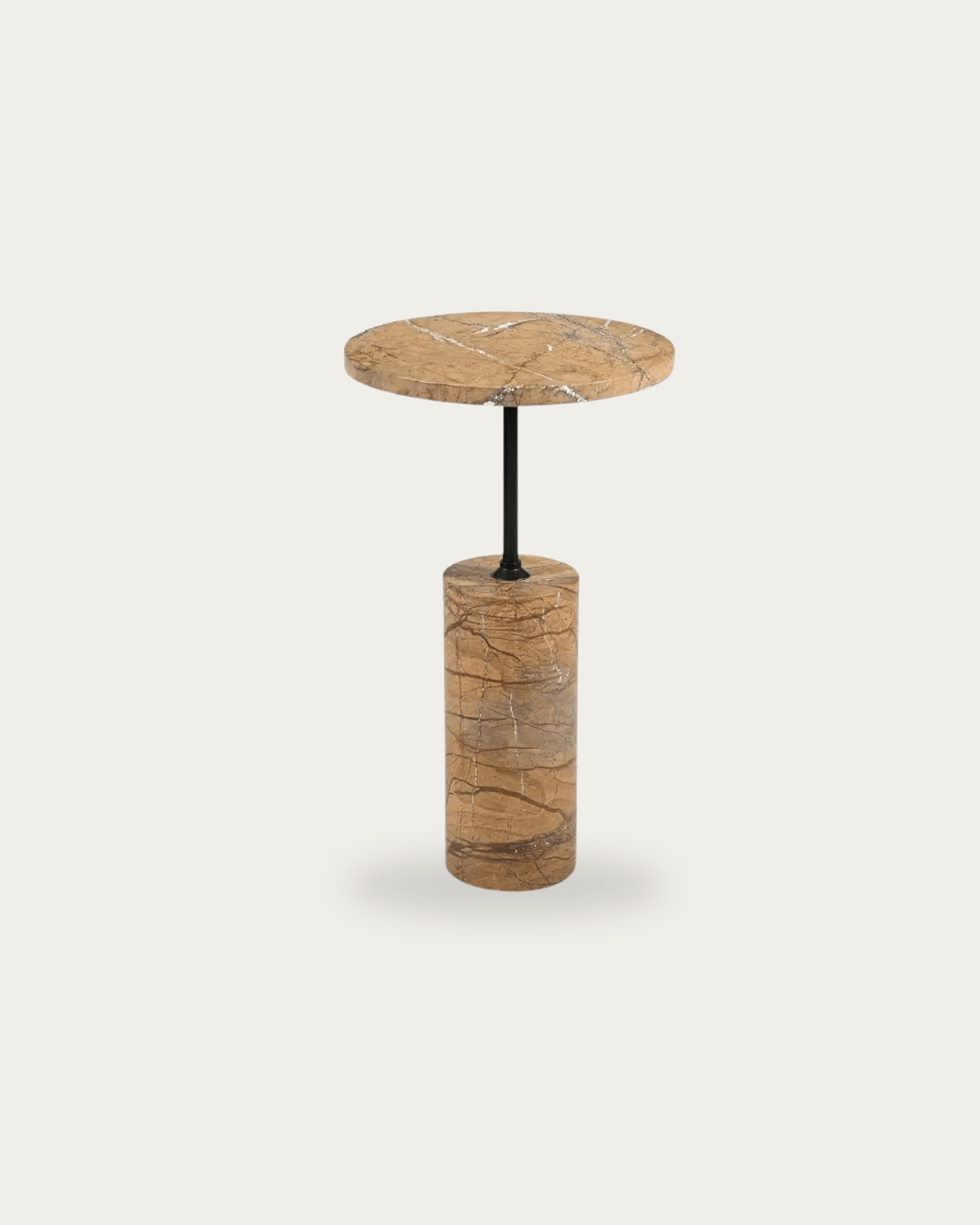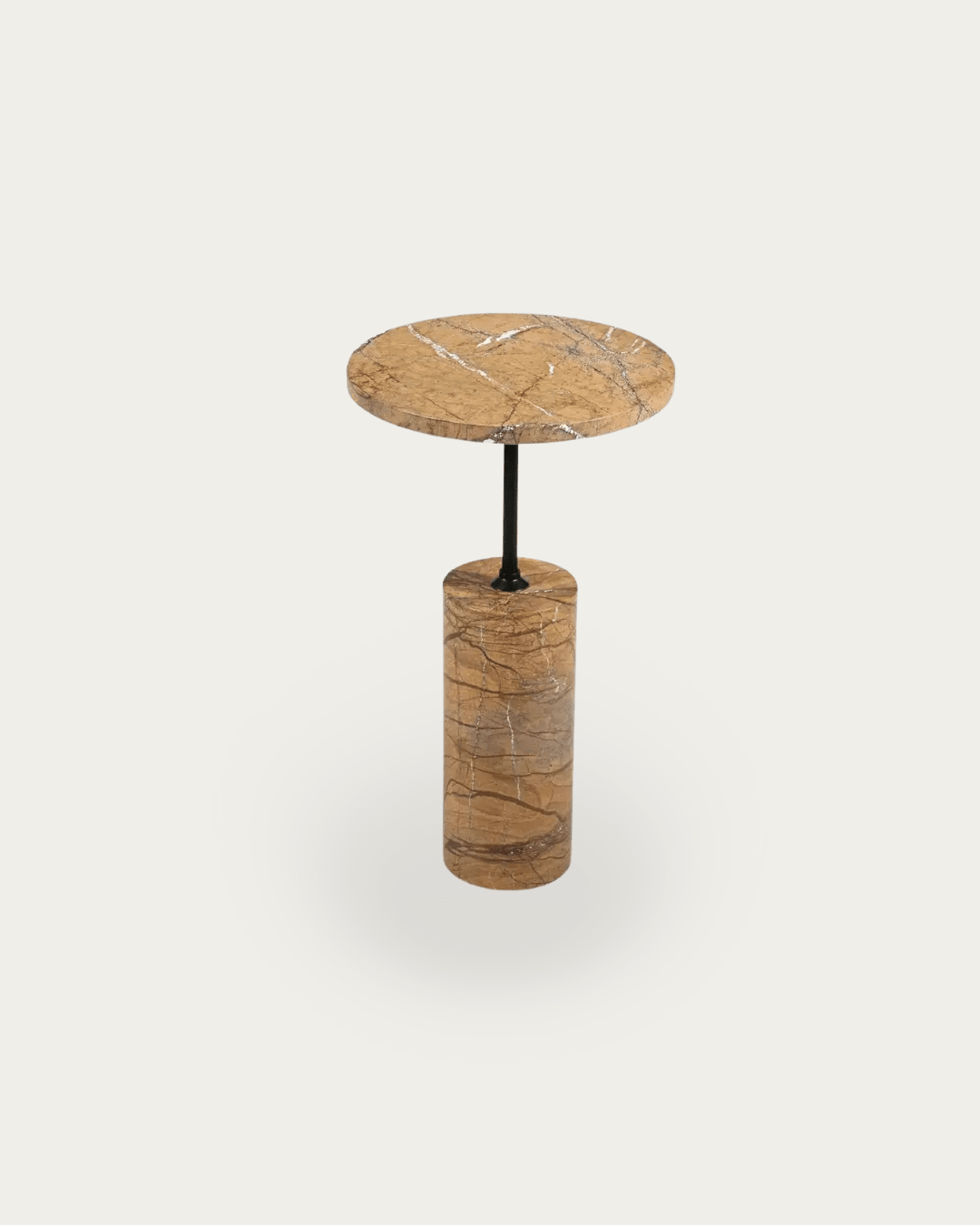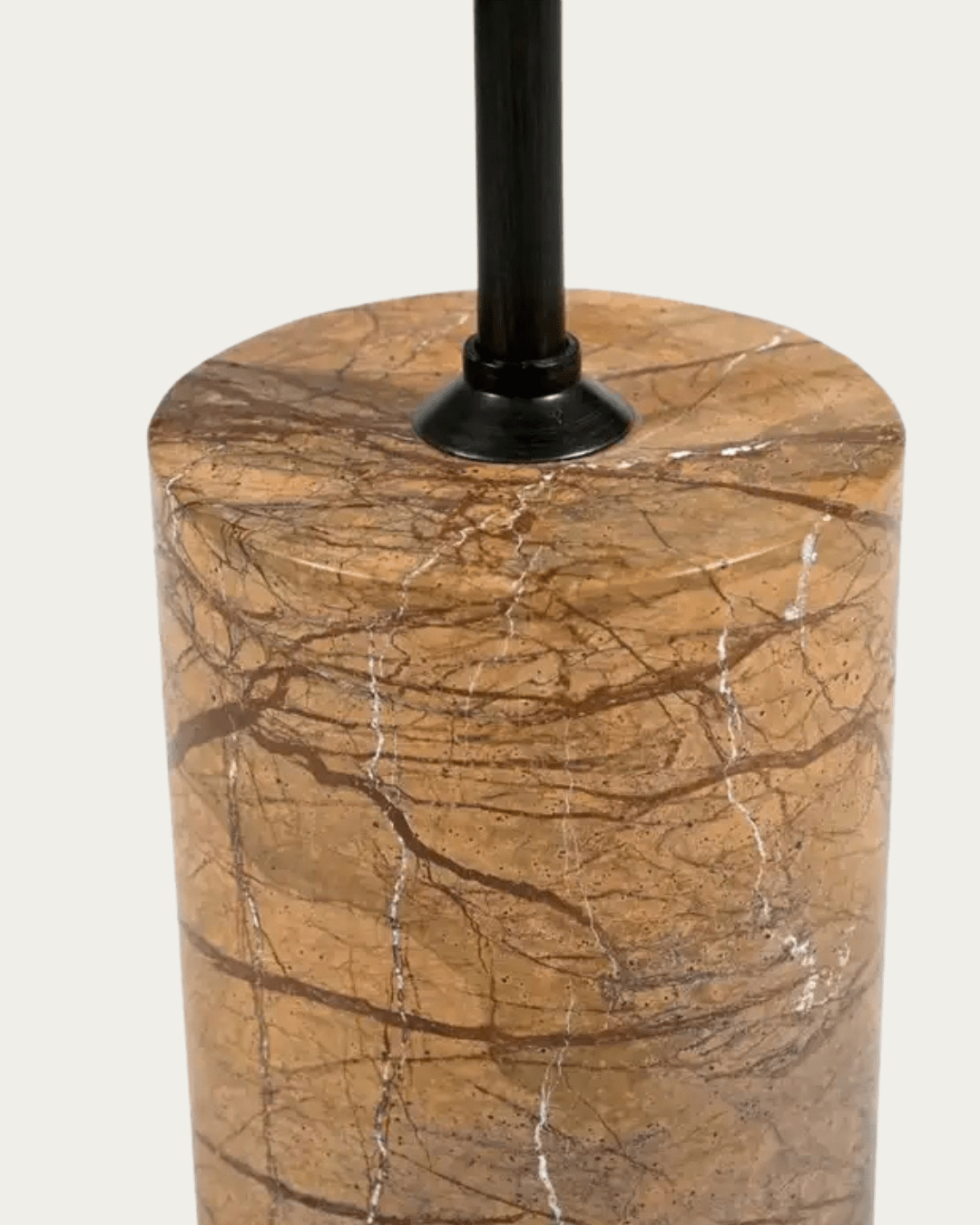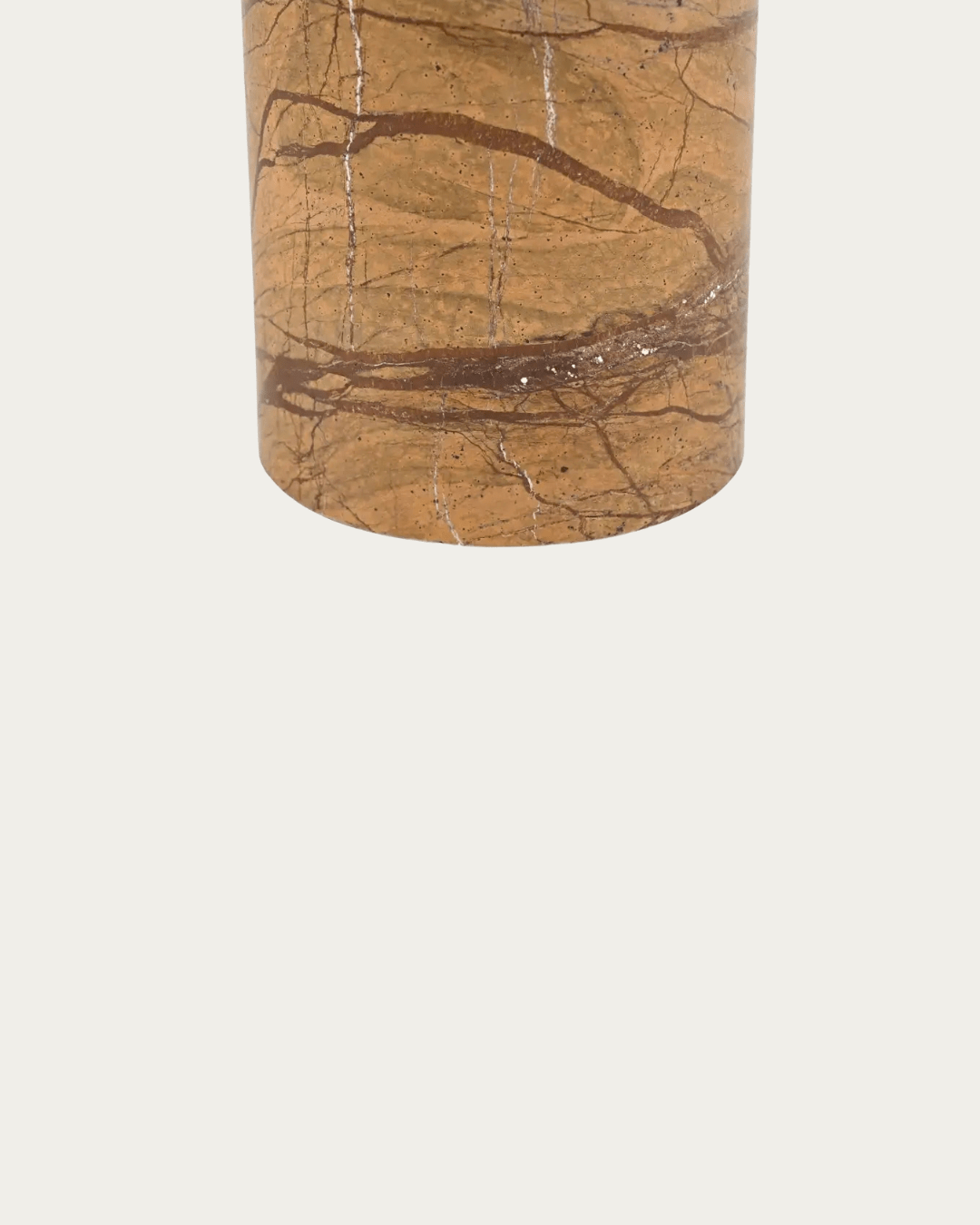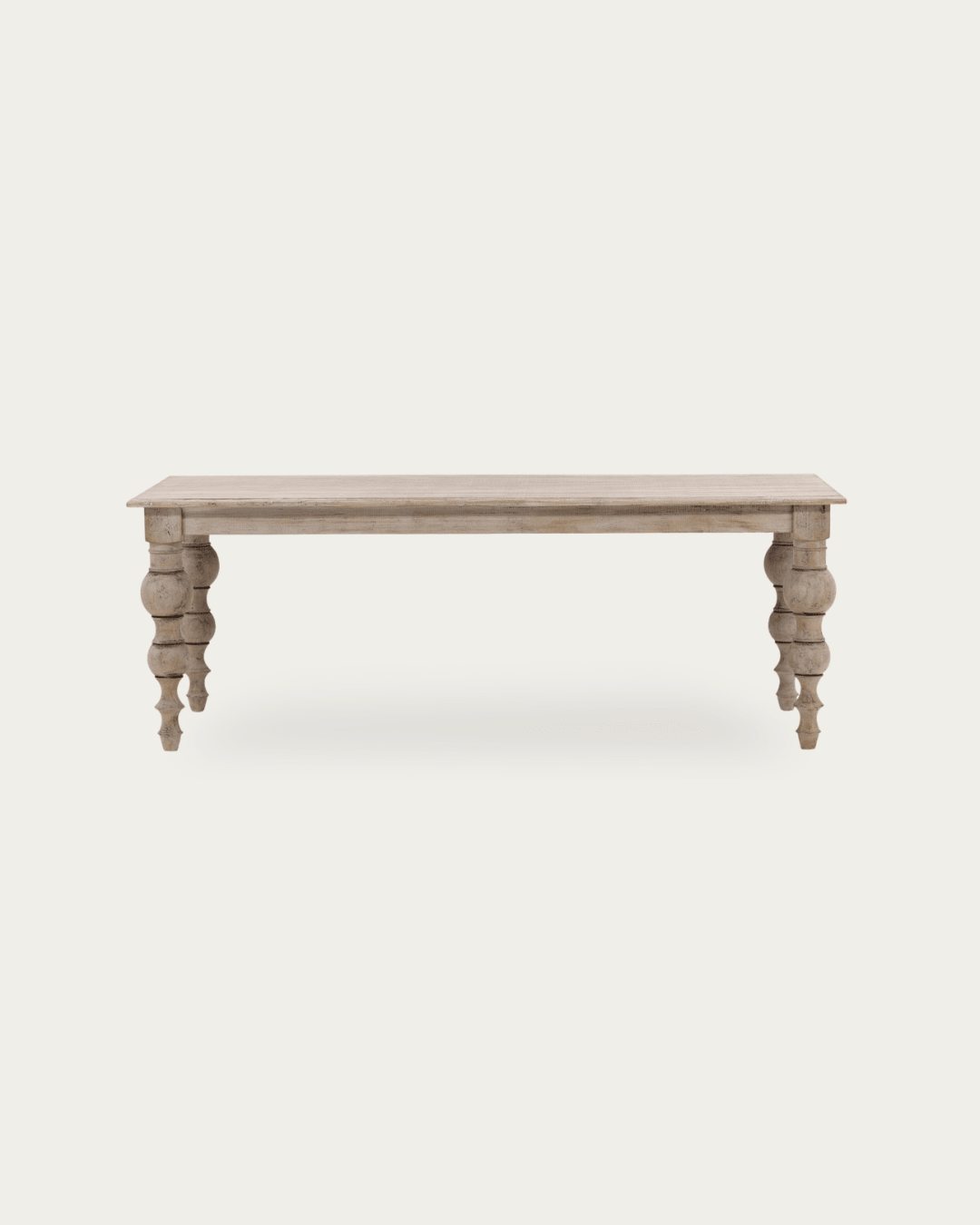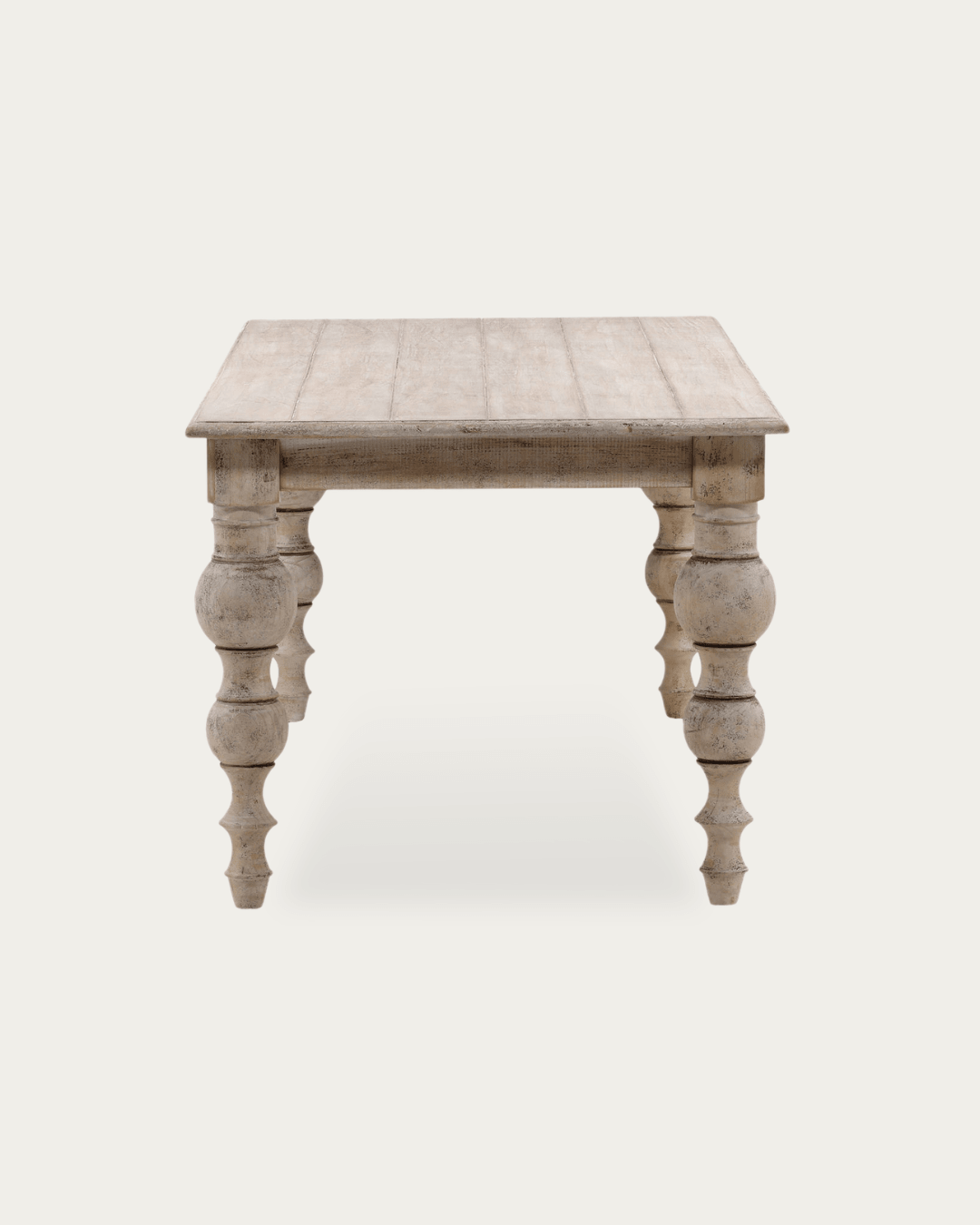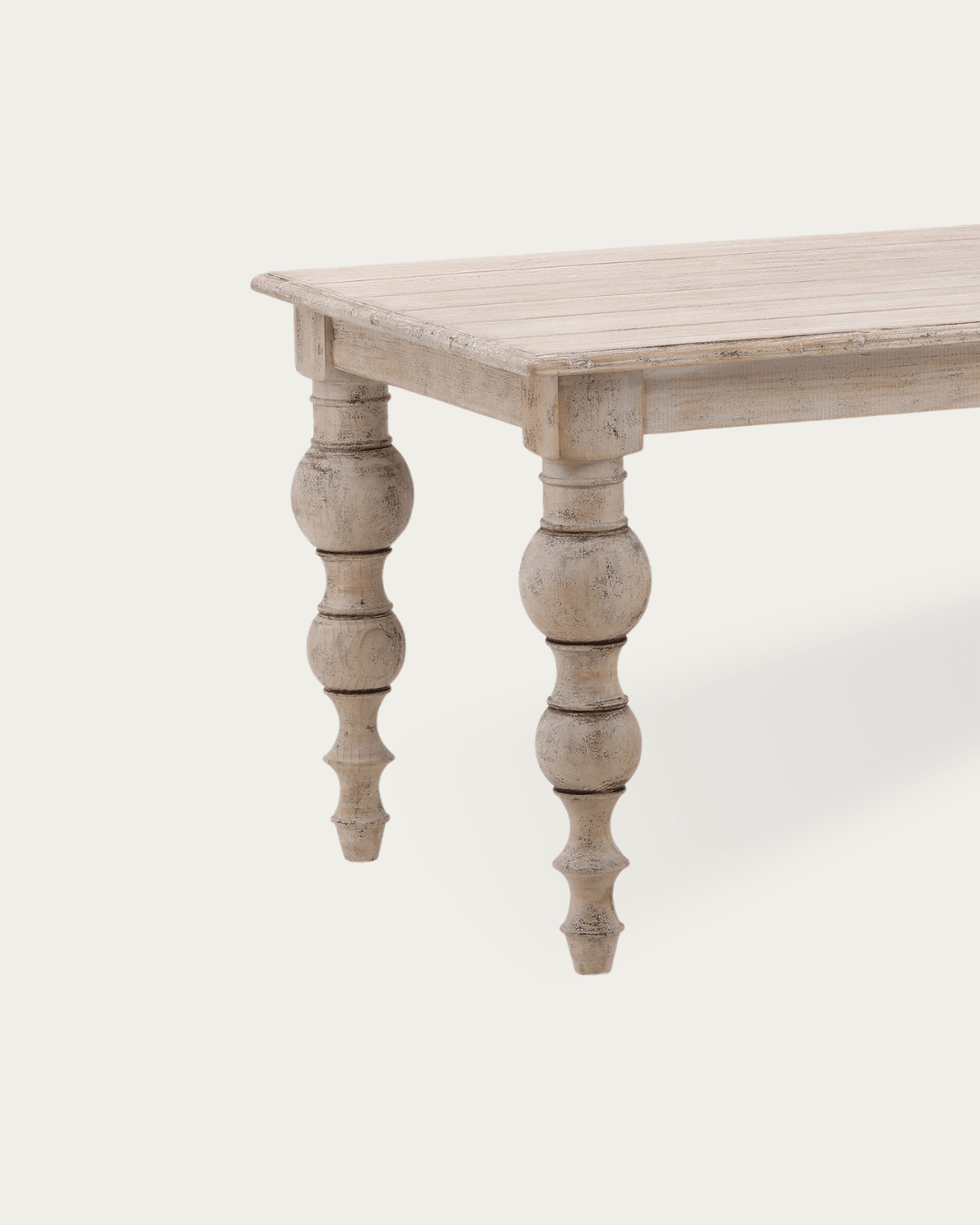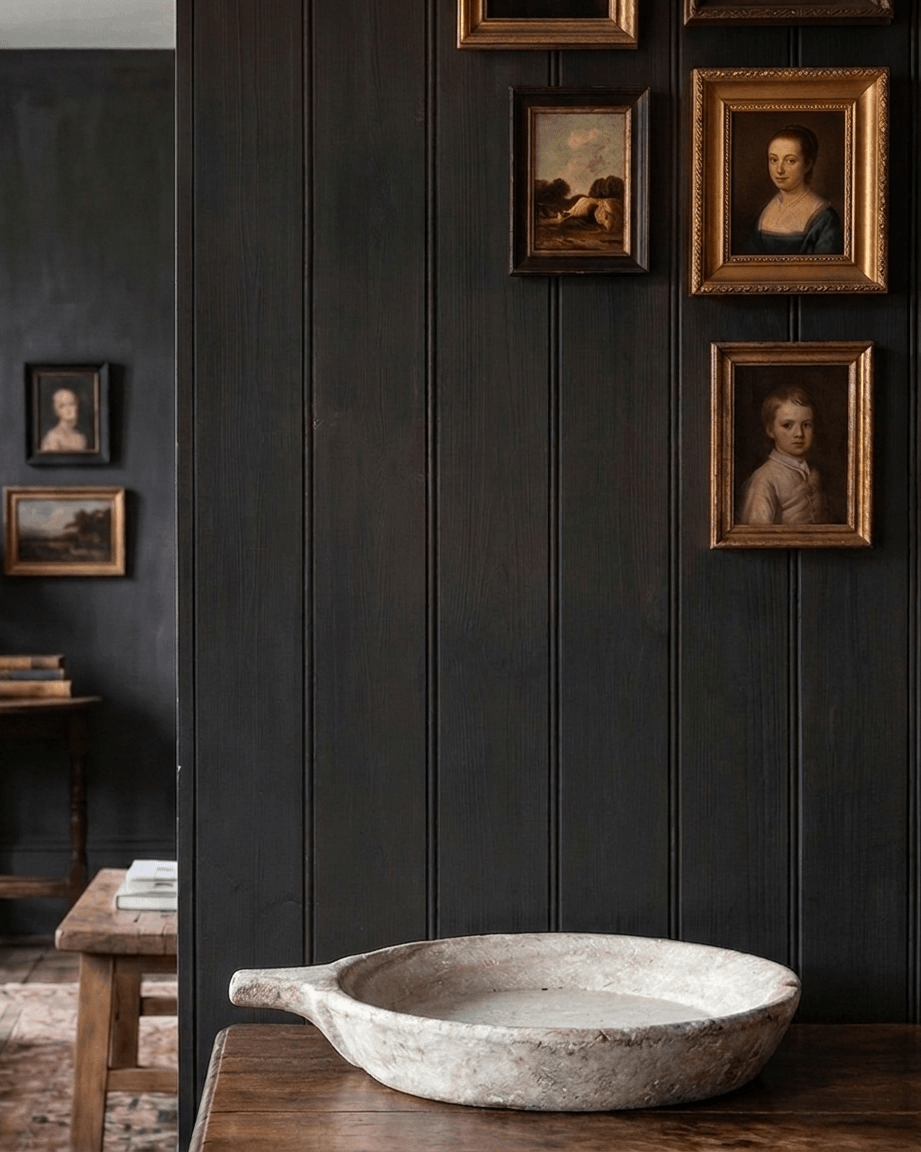











Most people don’t get a marble coffee table wrong because they picked the wrong design—they get it wrong because it doesn’t work with the rest of the room. A marble coffee table can instantly improve a space, but when the size, shape, or placement is off, it becomes the reason the layout feels slightly uncomfortable.
If you’re trying to get it right the first time—or fix one that already feels off—start here:
Shop coffee tables collection
Choosing the Wrong Shape for Your Layout
One of the most common mistakes is choosing shape based on preference instead of layout.
Round tables and rectangular tables behave completely differently in a room. Round pieces soften movement and improve flow, while rectangular tables define structure and align with longer seating.
A piece like the Luna Marble coffee table works well in tighter layouts because it removes hard edges and allows easier movement. On the other hand, the Astri marble coffee table reinforces direction and works better with structured seating arrangements.
Getting the Scale Slightly Wrong
A marble coffee table that’s even slightly off in size can throw off the entire room.
Too small, and it feels disconnected. Too large, and it interrupts movement.
This usually happens when people focus on the table itself instead of how it relates to surrounding furniture.
A piece like the Clara marble coffee table works when it aligns proportionally with your sofa length, while something like the Lynnea coffee table performs better when centered within a more compact seating arrangement.
Scale issues often come from not understanding how a piece relates to the rest of the layout, which is why a broader coffee table layout guide can help clarify what works.
Placing It Slightly Off-Center
Placement mistakes are subtle—but they have a big impact.
A coffee table that’s even a few inches off-center can create visual imbalance. Your brain keeps adjusting, trying to make sense of the layout.
A piece like the Fjola marble coffee table works best when it mirrors the structure of the room, sitting centered within the seating arrangement. Similarly, the Halvar coffee table benefits from precise placement because of its structured form.
Fix it by aligning your table with your main seating and focal point—not just the rug or available space.
Overstyling the Surface
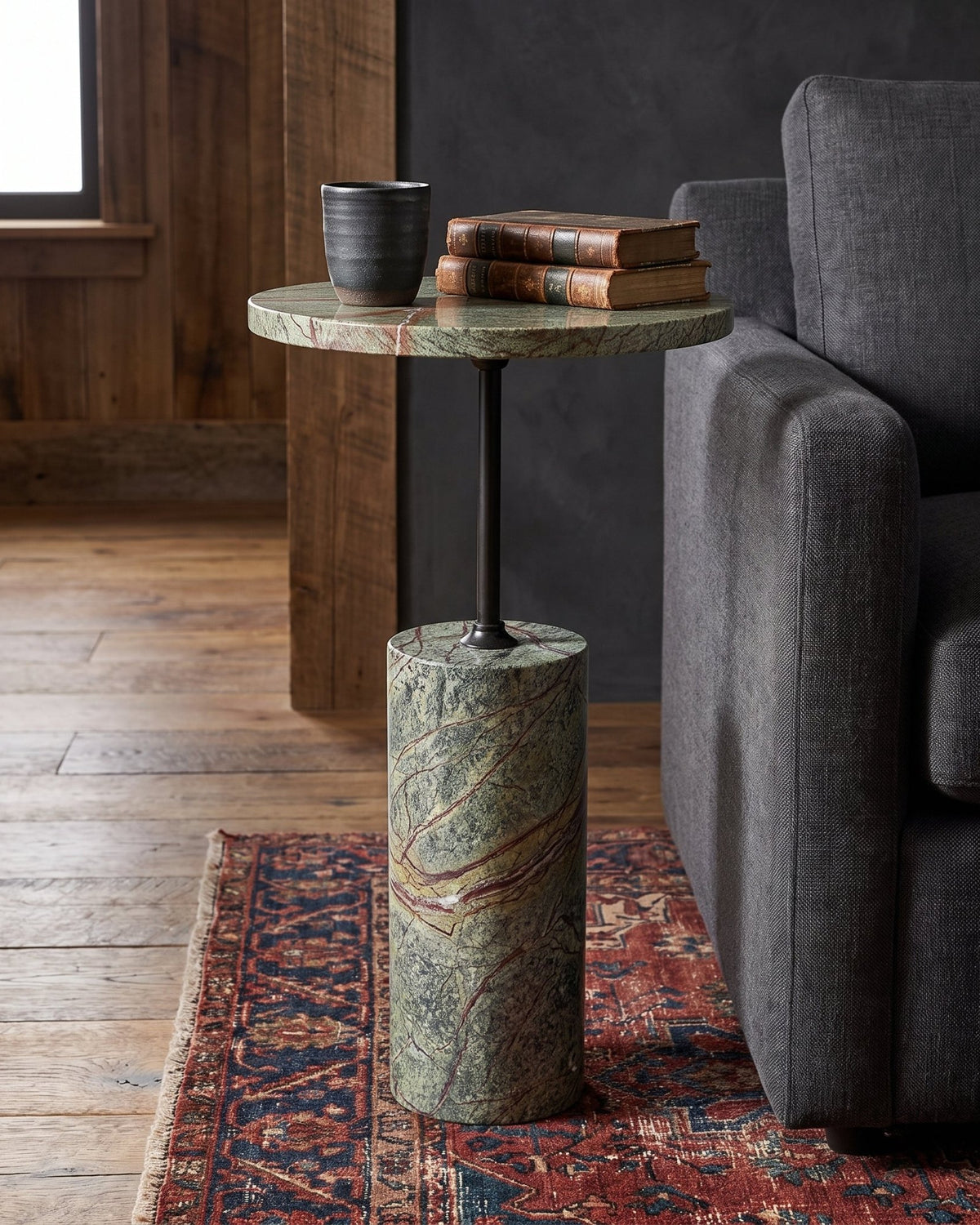
Marble already has visual detail.
Adding too many objects on top creates noise instead of enhancing the space.
Books, trays, candles—these can work, but only in restraint. When overdone, they compete with the natural variation of the marble itself.
A piece like the Luna marble coffee table doesn’t need much to feel complete. The same goes for the Fjola marble coffee table, where the surface already carries enough presence.
Fix it by reducing styling to one or two intentional elements.
Ignoring How It Connects to the Rest of the Room
A marble coffee table doesn’t exist on its own—it connects everything around it.
When it doesn’t relate to the rest of your furniture, the room feels disconnected.
This often happens when the table is chosen last, without considering how it interacts with the sofa, chairs, and surrounding pieces.
Most layout issues come from how pieces interact, not the pieces themselves, which is why understanding living room furniture rules changes how everything fits together.
If you’re unsure how everything works together, browsing full setups can help you see how materials and placement come together across a space.
Explore living room collection Discover pieces that work together as a complete layout
Choosing Marble Without Considering Contrast
Marble works best when it creates contrast.
If your room already has a lot of similar tones or smooth surfaces, the table can blend in instead of standing out.
The goal isn’t to match everything—it’s to introduce variation.
A piece like the Astri marble coffee table works well when paired with softer materials like fabric or wood, while the Lynnea coffee table helps break up more uniform layouts.
Fix it by using marble as a contrast point—not a continuation.
Forgetting About Movement Around the Table
A coffee table isn’t just something you look at—it’s something you move around every day.
If there isn’t enough space between the table and surrounding furniture, the room becomes harder to navigate. If there’s too much space, it feels disconnected.
This is one of the most common issues in smaller layouts.
Choosing a shape that supports movement—and placing it at the right distance—makes a bigger difference than most styling decisions.
If you’re comparing different sizes and styles, exploring a wider range can help you understand what works best for your space.
Browse all tables collection Find a table that fits how your space actually moves
A RUTED Tip: Alignment Reduces Visual Stress. Your brain is constantly scanning for alignment, and when objects feel slightly off—whether in placement, scale, or spacing—it increases cognitive load; a properly aligned marble coffee table reduces that tension by giving your eyes a clear point of reference, allowing your nervous system to settle faster.
Treating It as a Decorative Piece Instead of a Structural One
The biggest mistake is thinking of a marble coffee table as just decor.
It’s not.
It’s a structural element.
It defines the center of your layout, how your furniture connects, and how your space is used.
A piece like the Clara marble coffee table or the Halvar coffee table doesn’t just sit in the room—it organizes it.
Fix this by thinking of your table as the anchor—not the accessory.
Where to Start
If your current setup feels off, don’t start by replacing everything.
Start with your center.
Look at your marble coffee table and ask:
Does the shape match the layout?
Is the scale aligned with the seating?
Is it placed correctly?
Most of the time, small adjustments fix what feels like a bigger problem.

Final Thought
A marble coffee table can either complete your room—or be the reason it doesn’t feel right.
The difference isn’t in the design.
It’s in how it fits.
When the shape, scale, placement, and material all align, the room stops feeling like something you’re trying to fix—and starts working the way it should.
If you’re ready to find a piece that actually works with your space, explore here:
Explore coffee tables collection