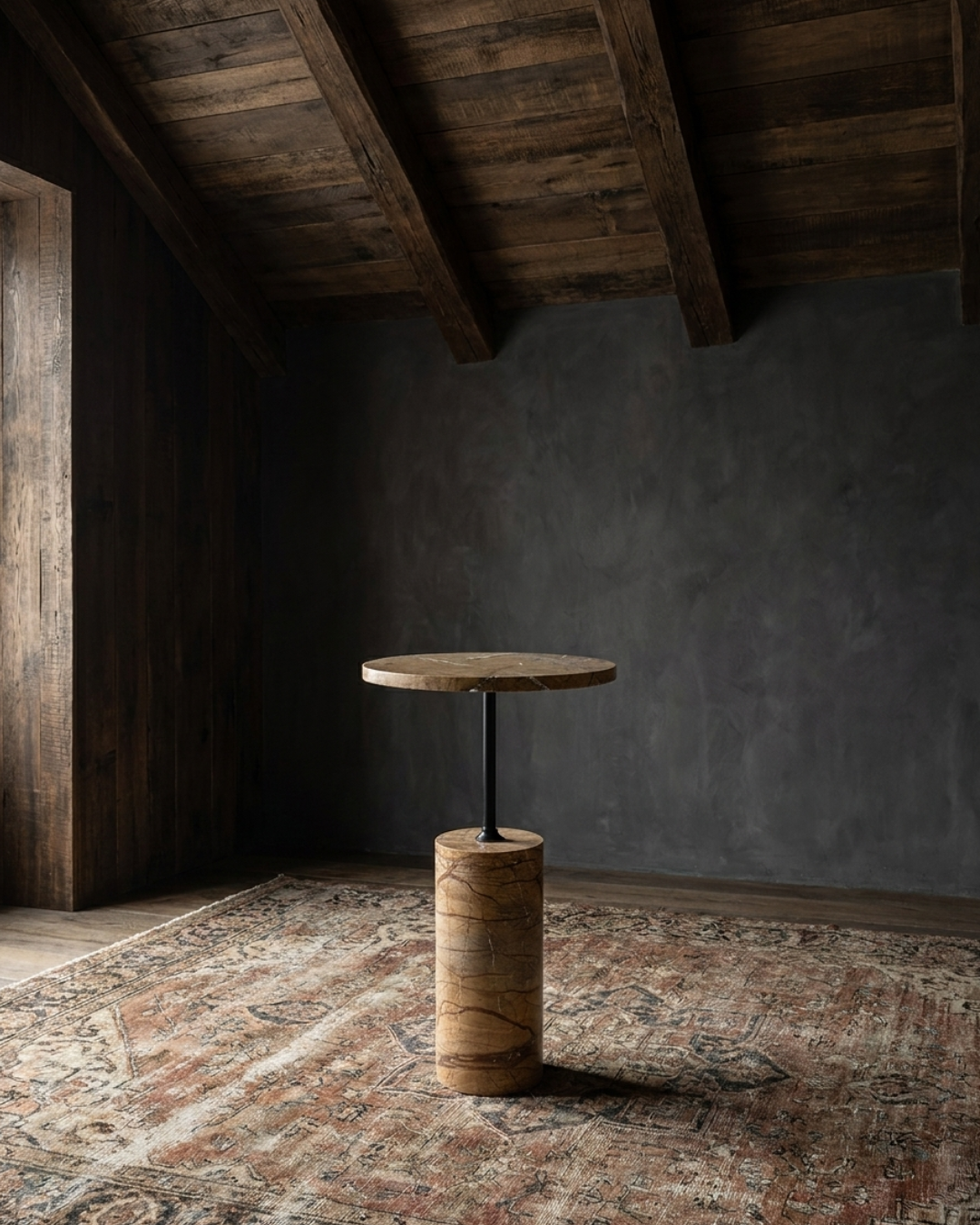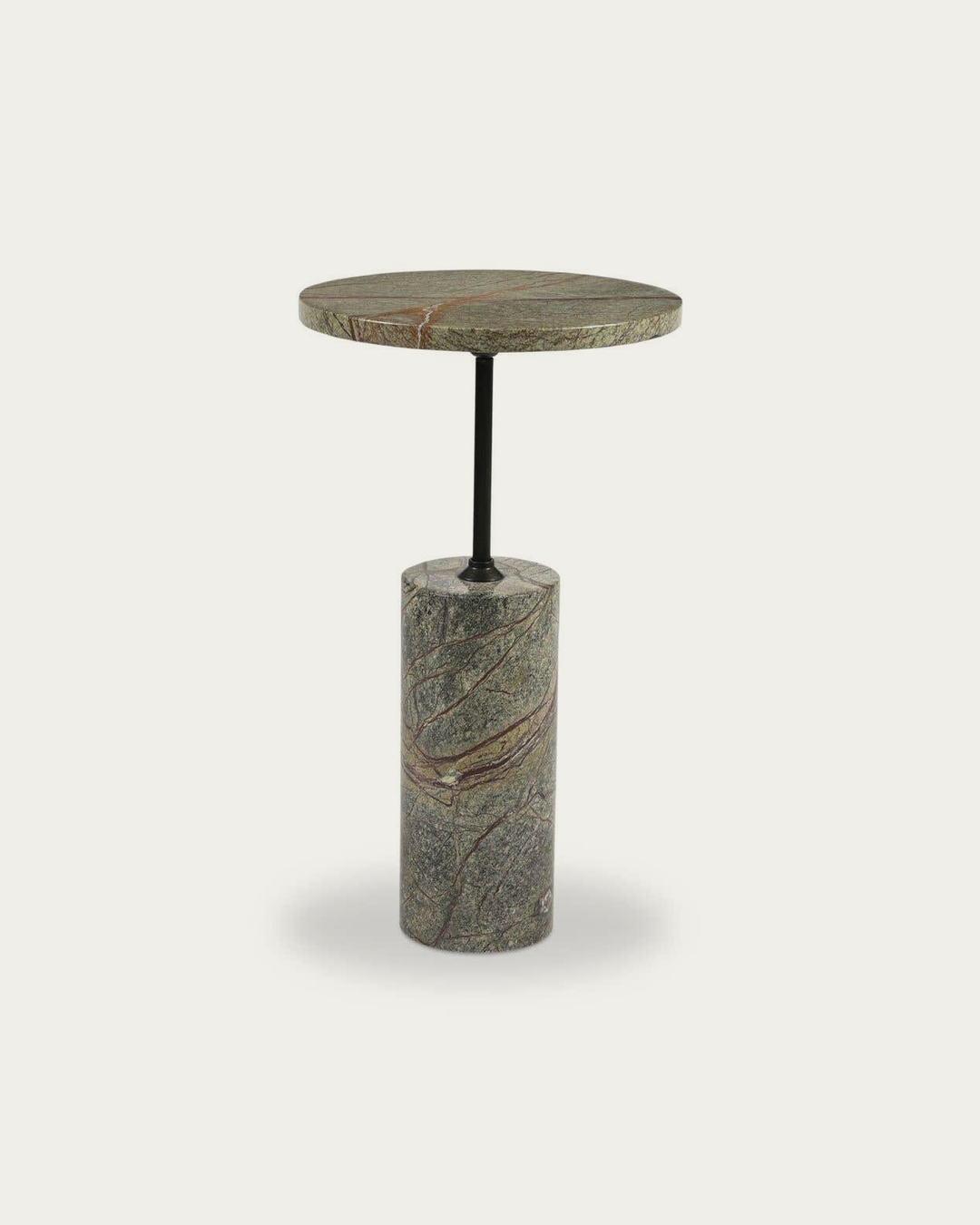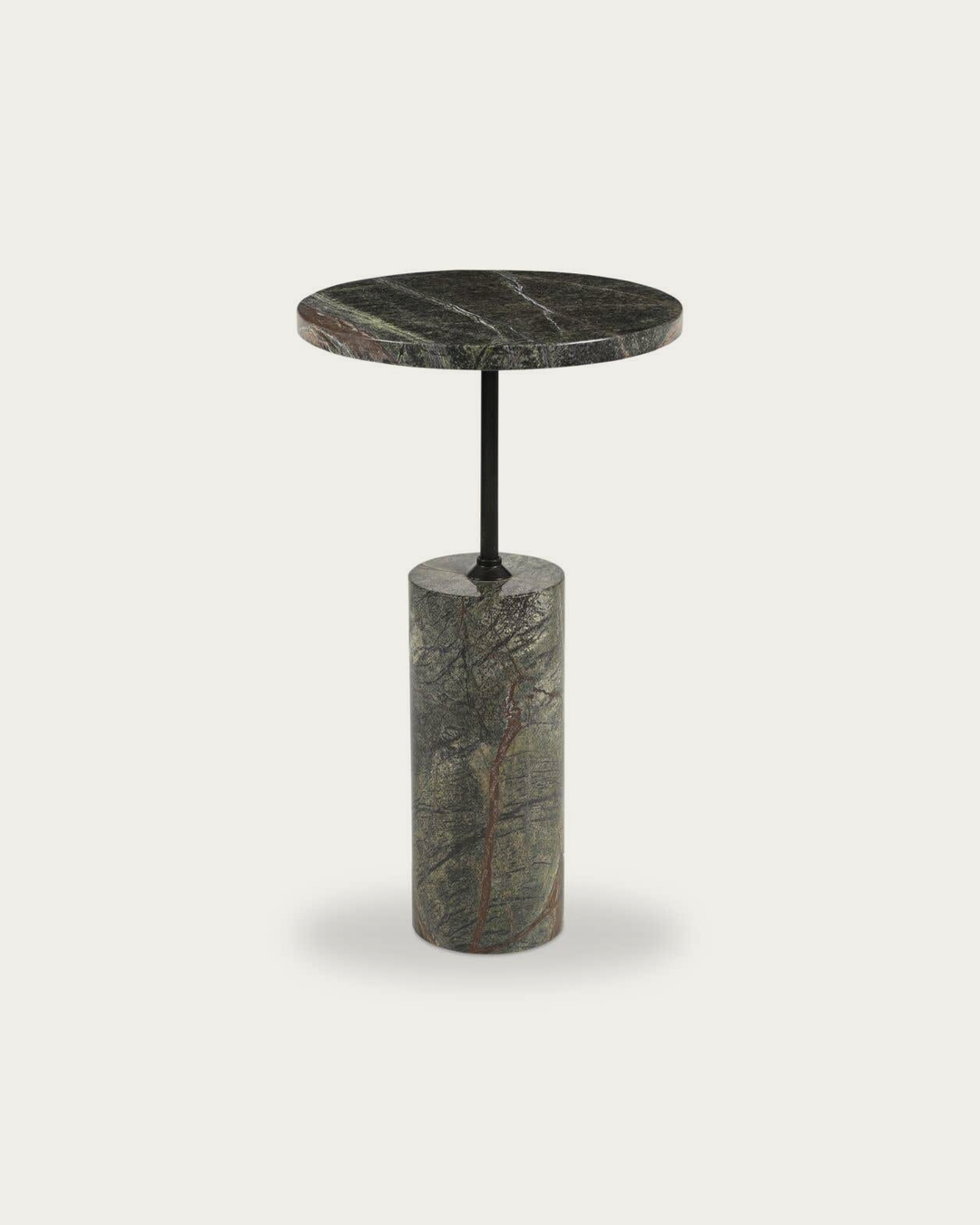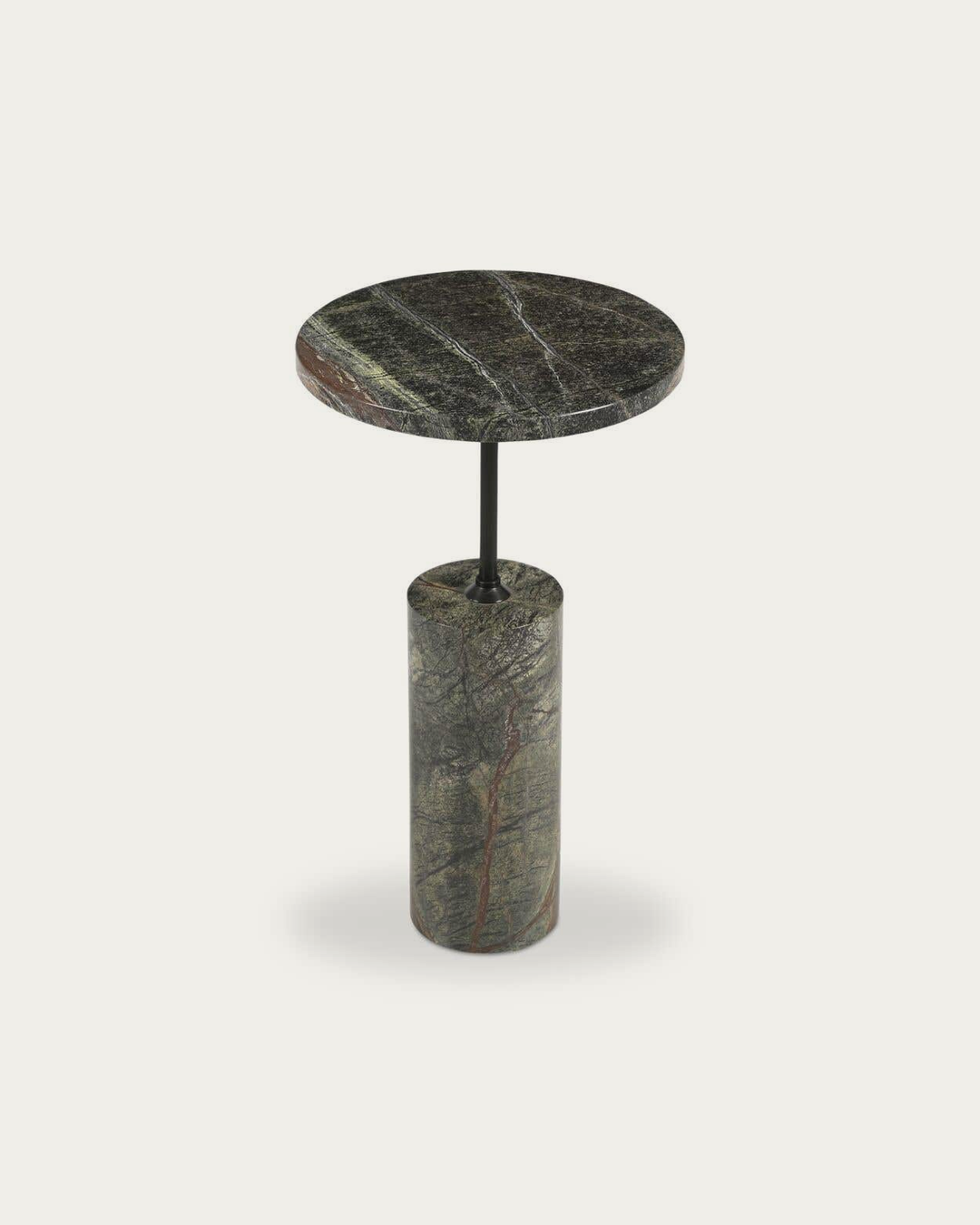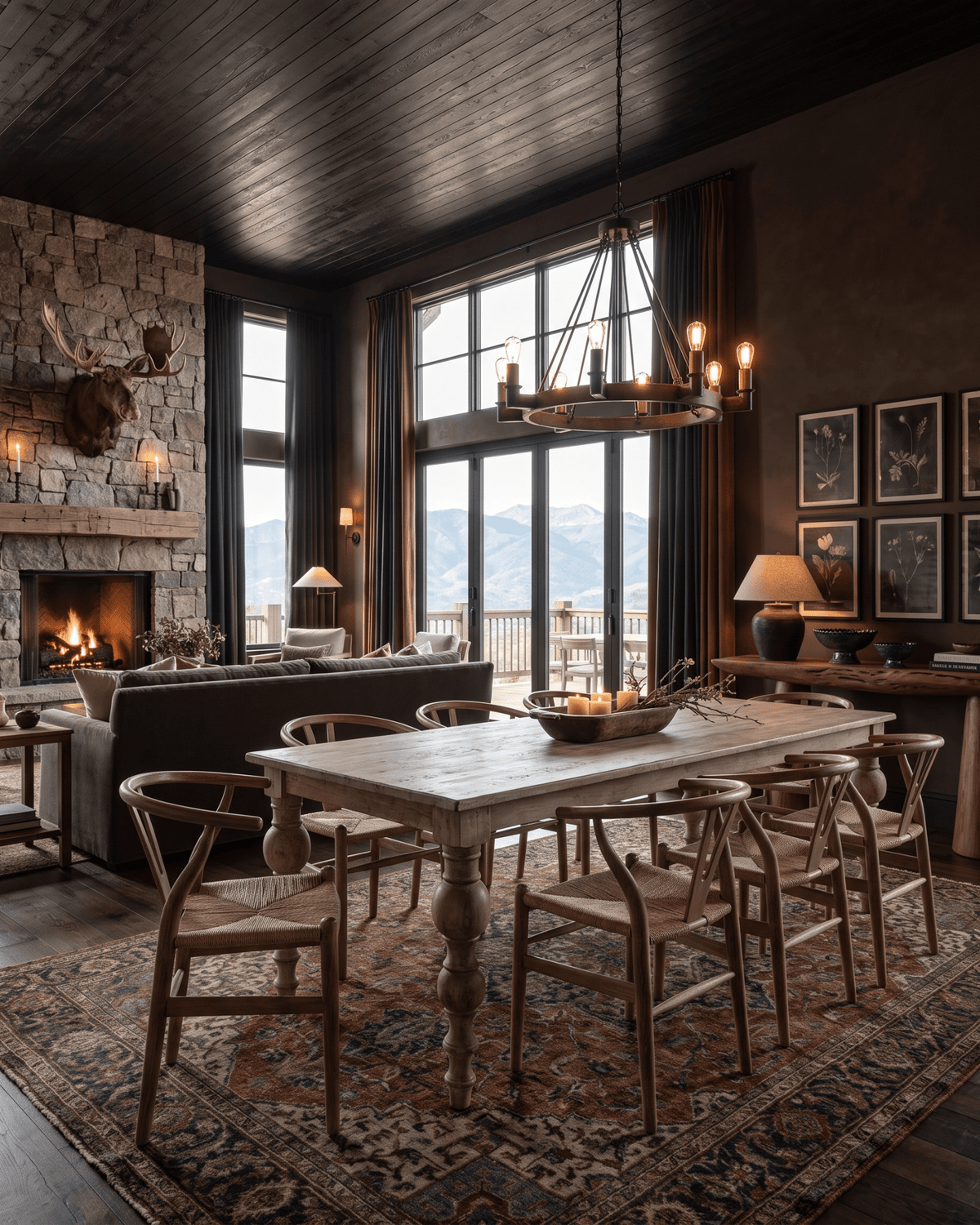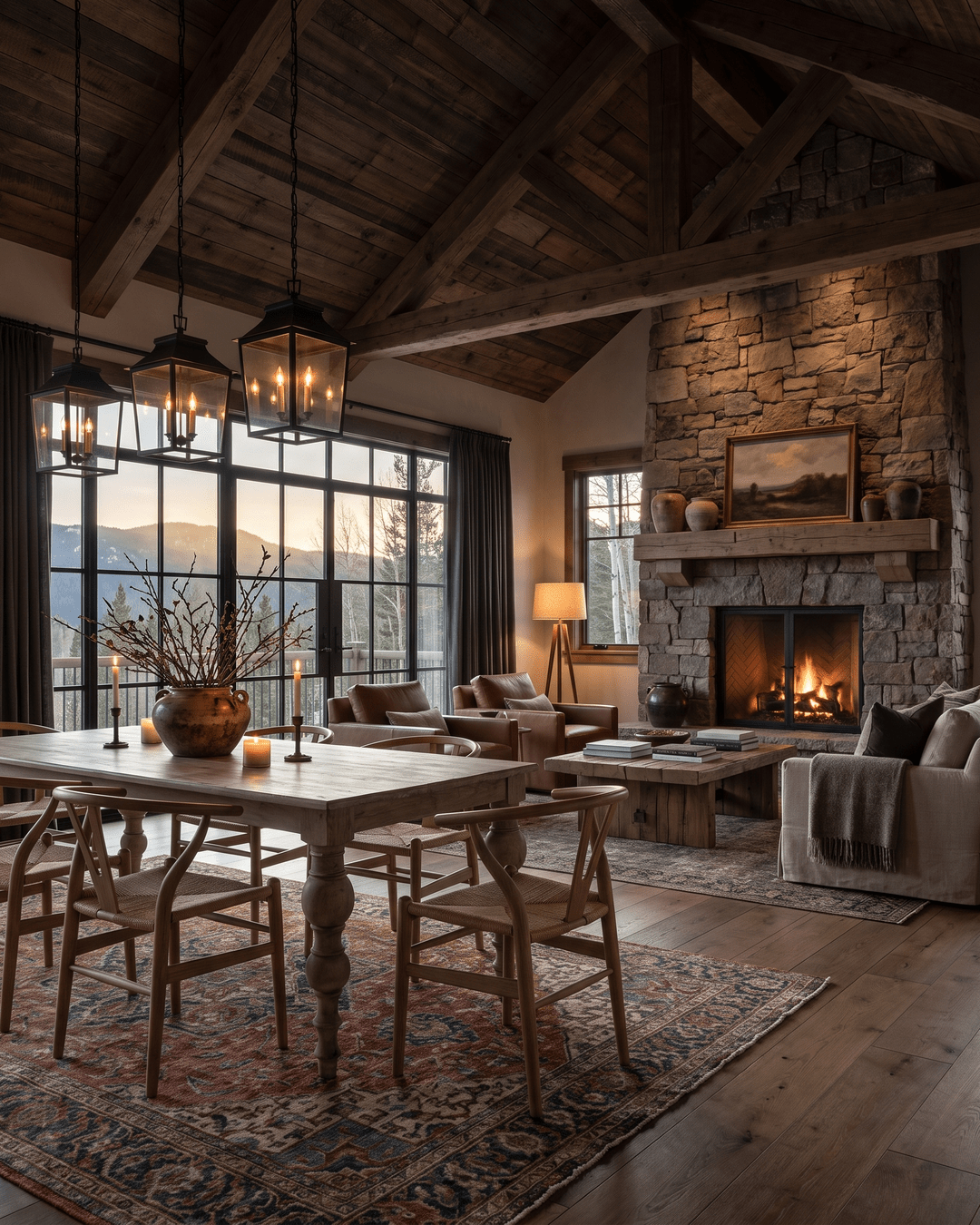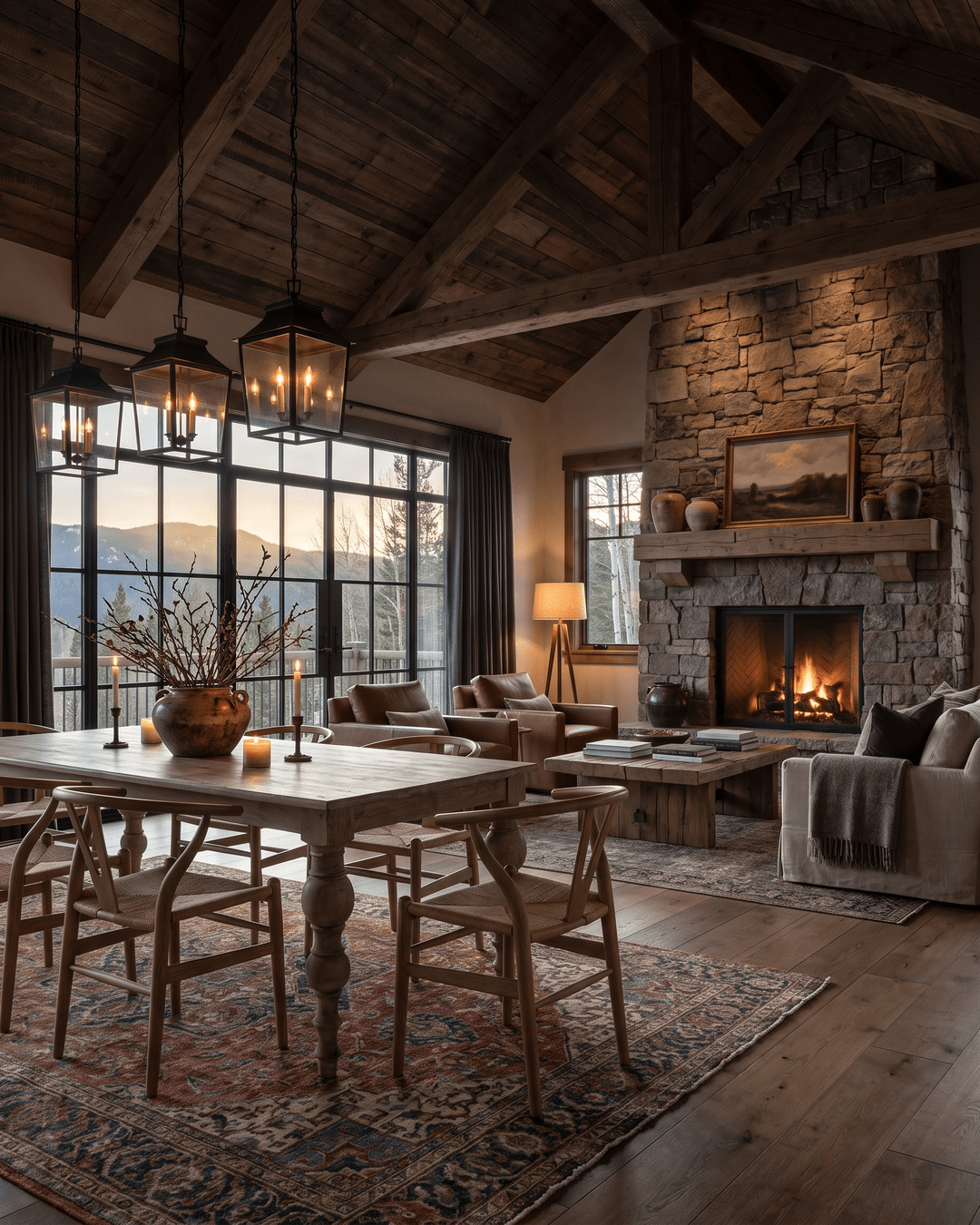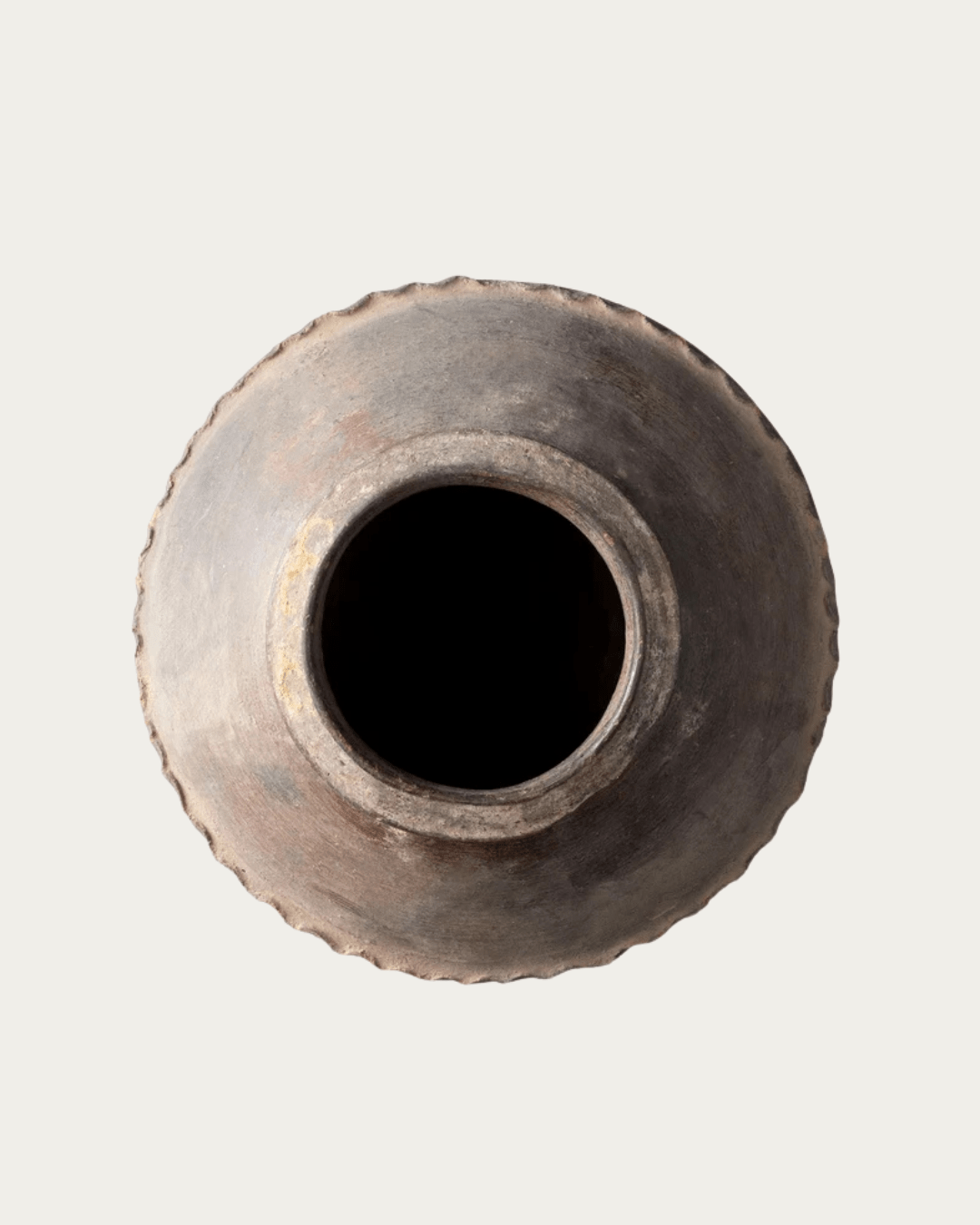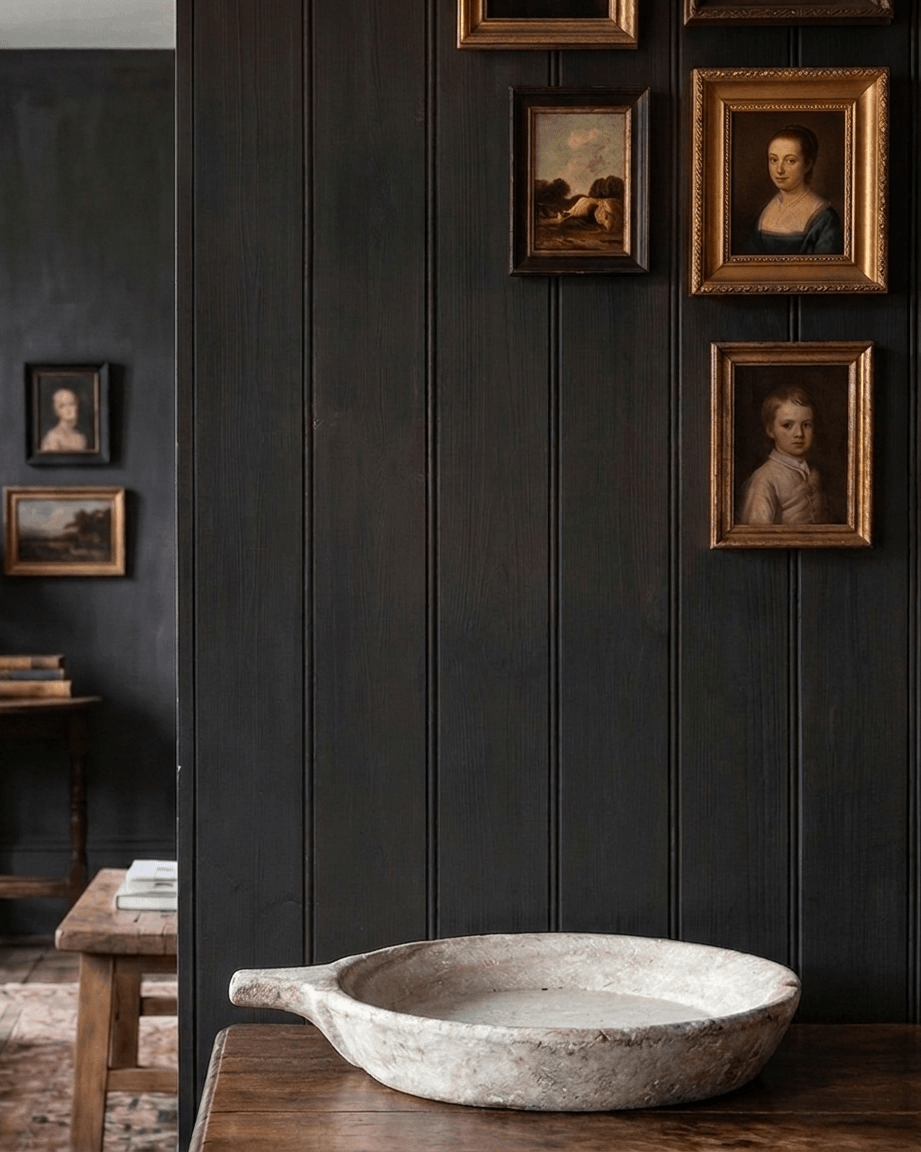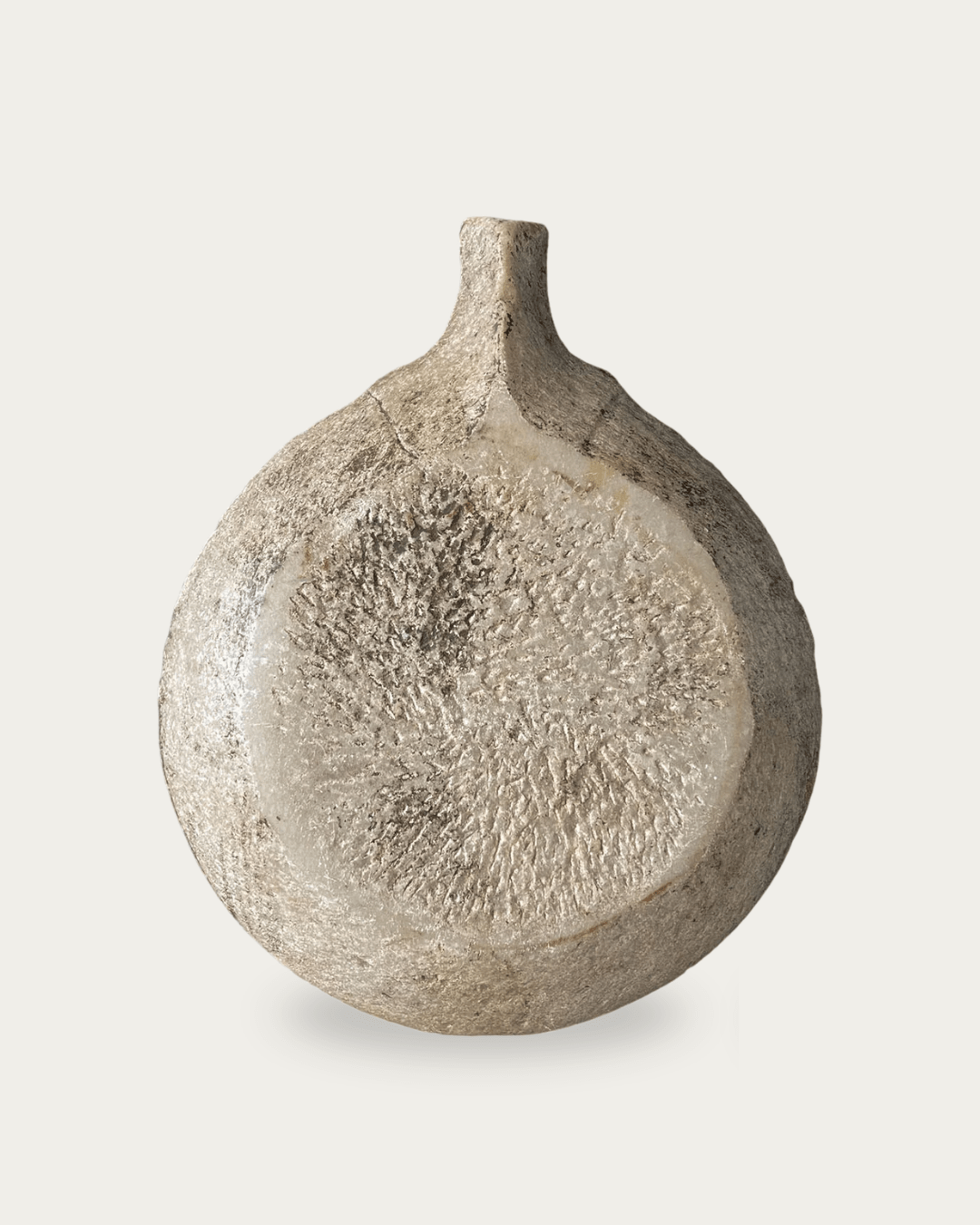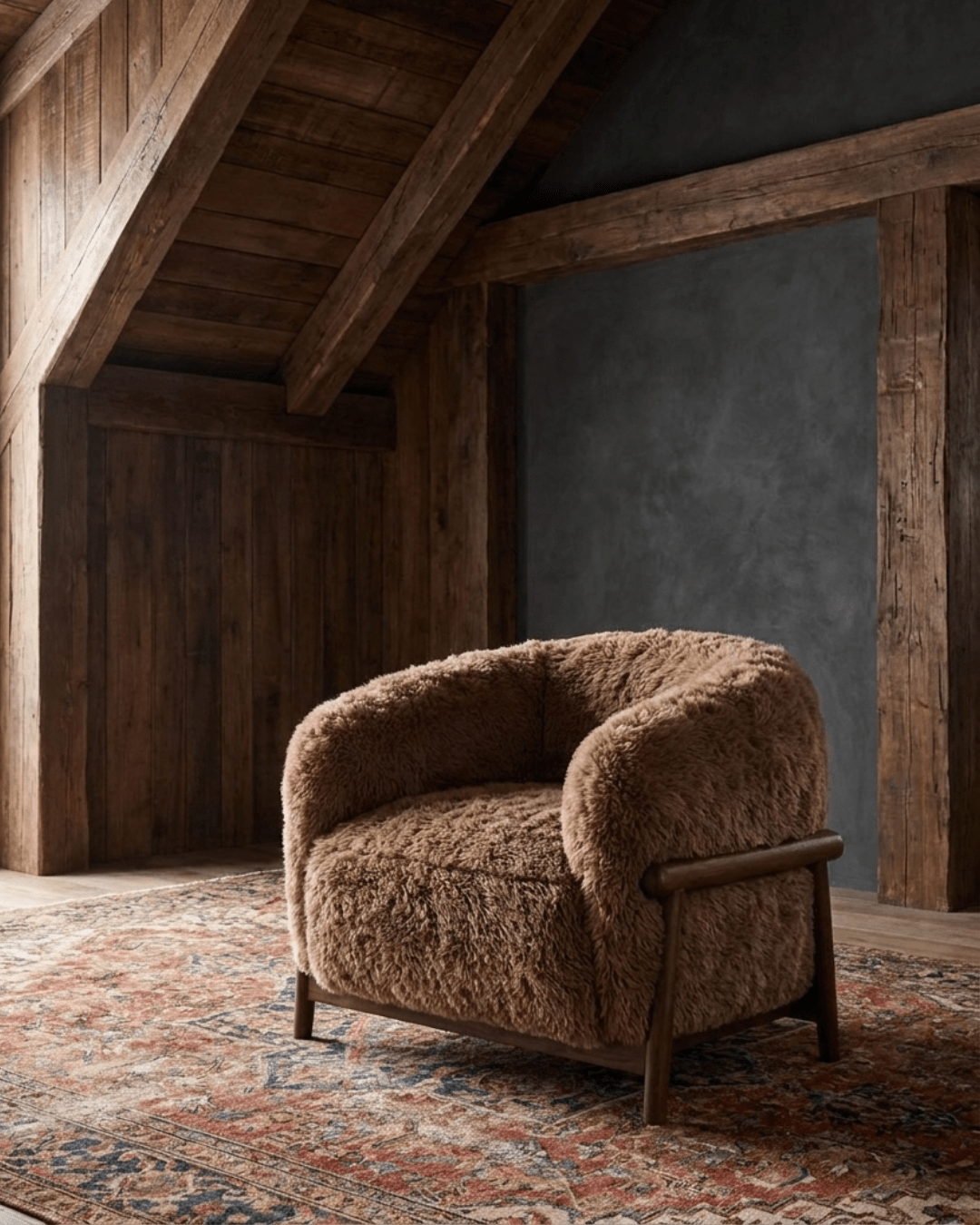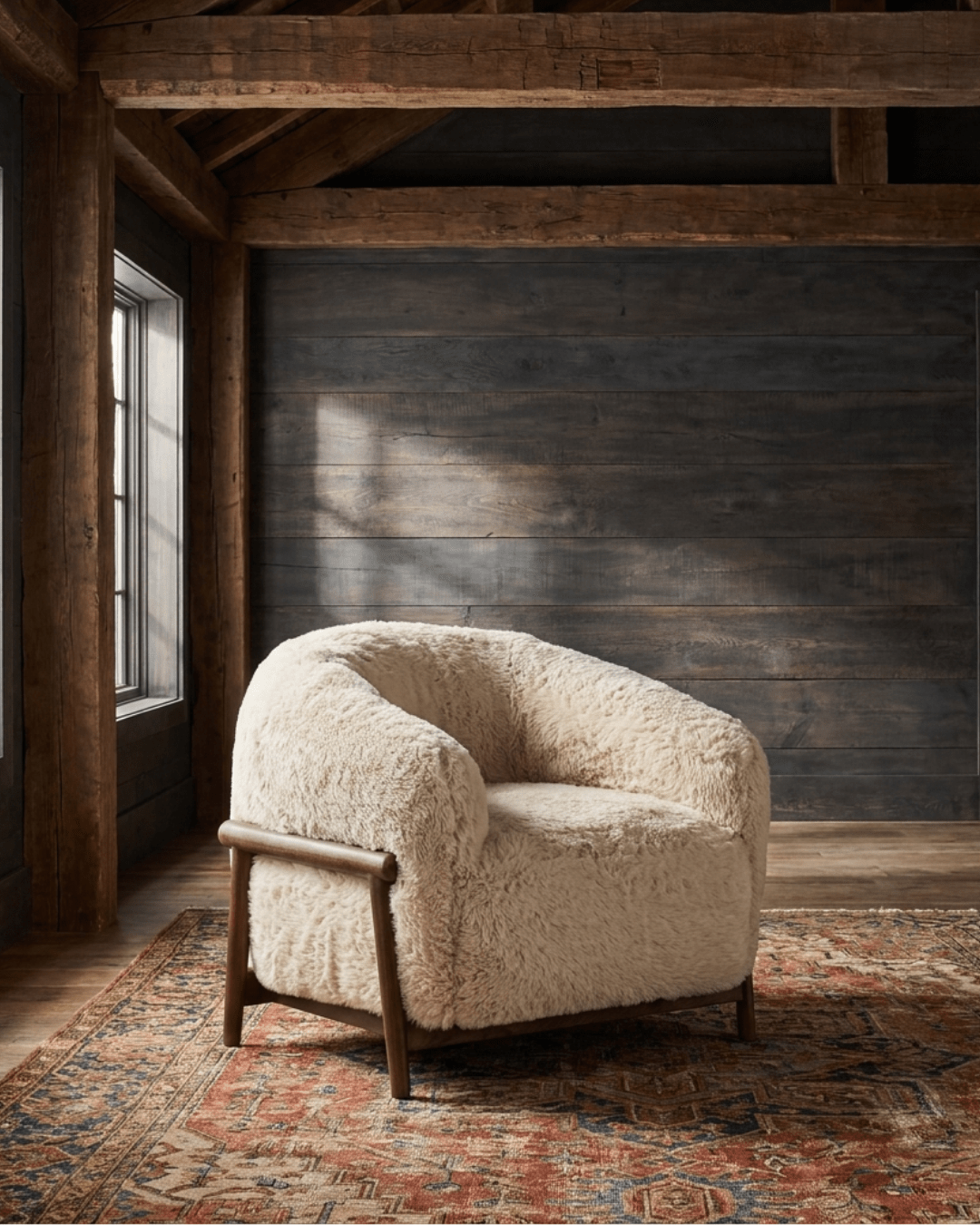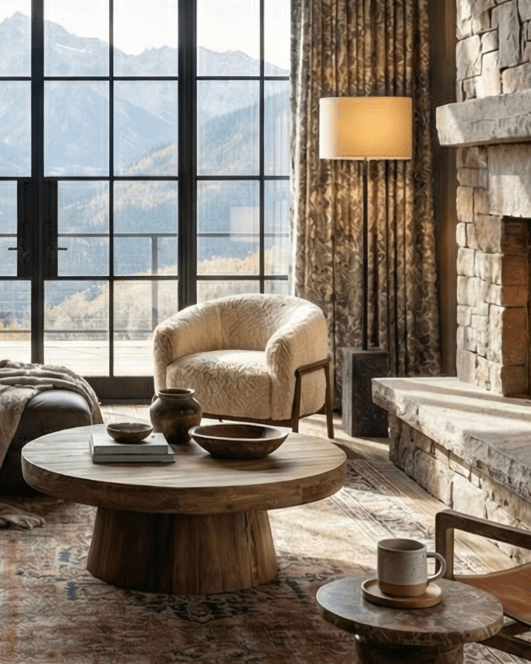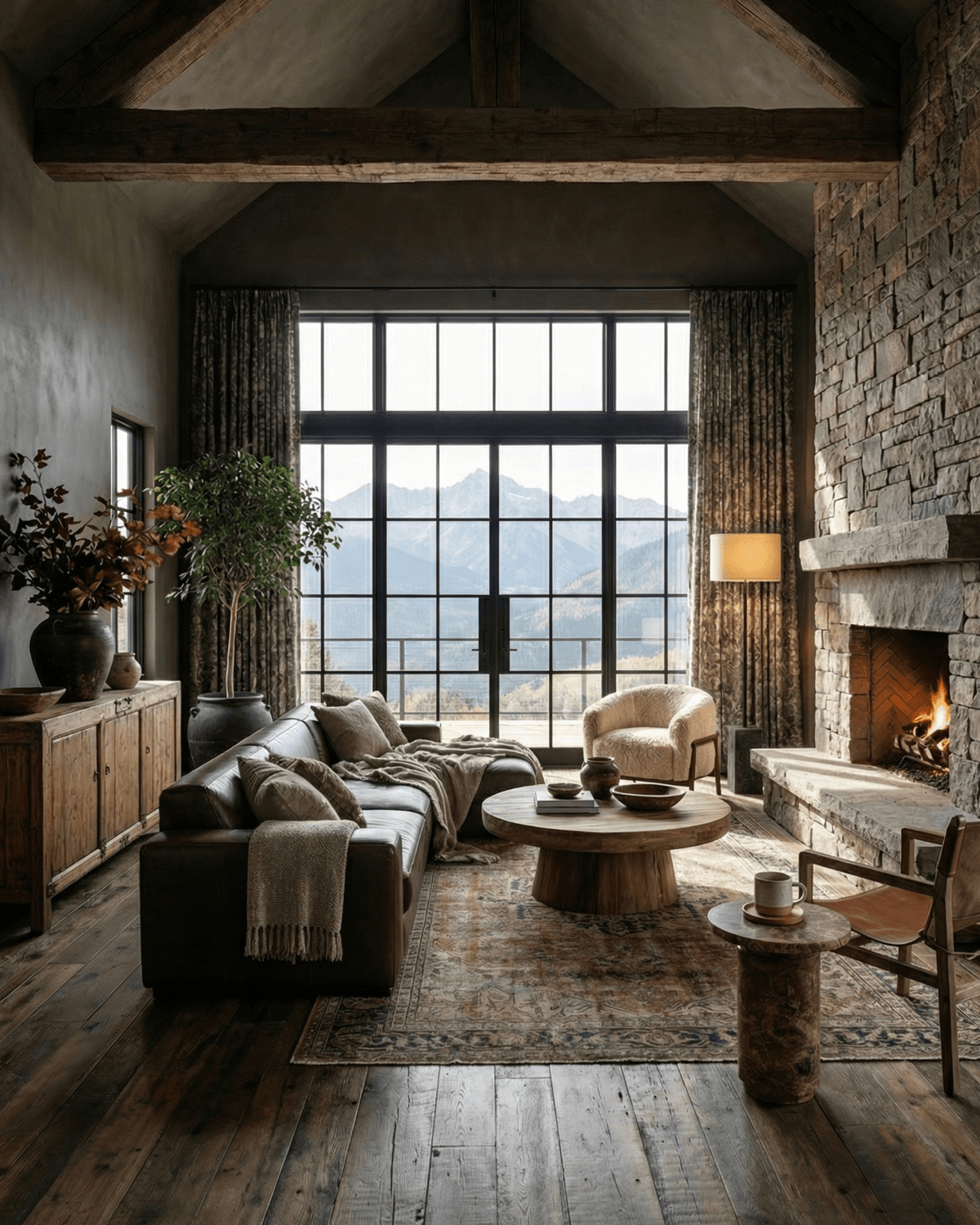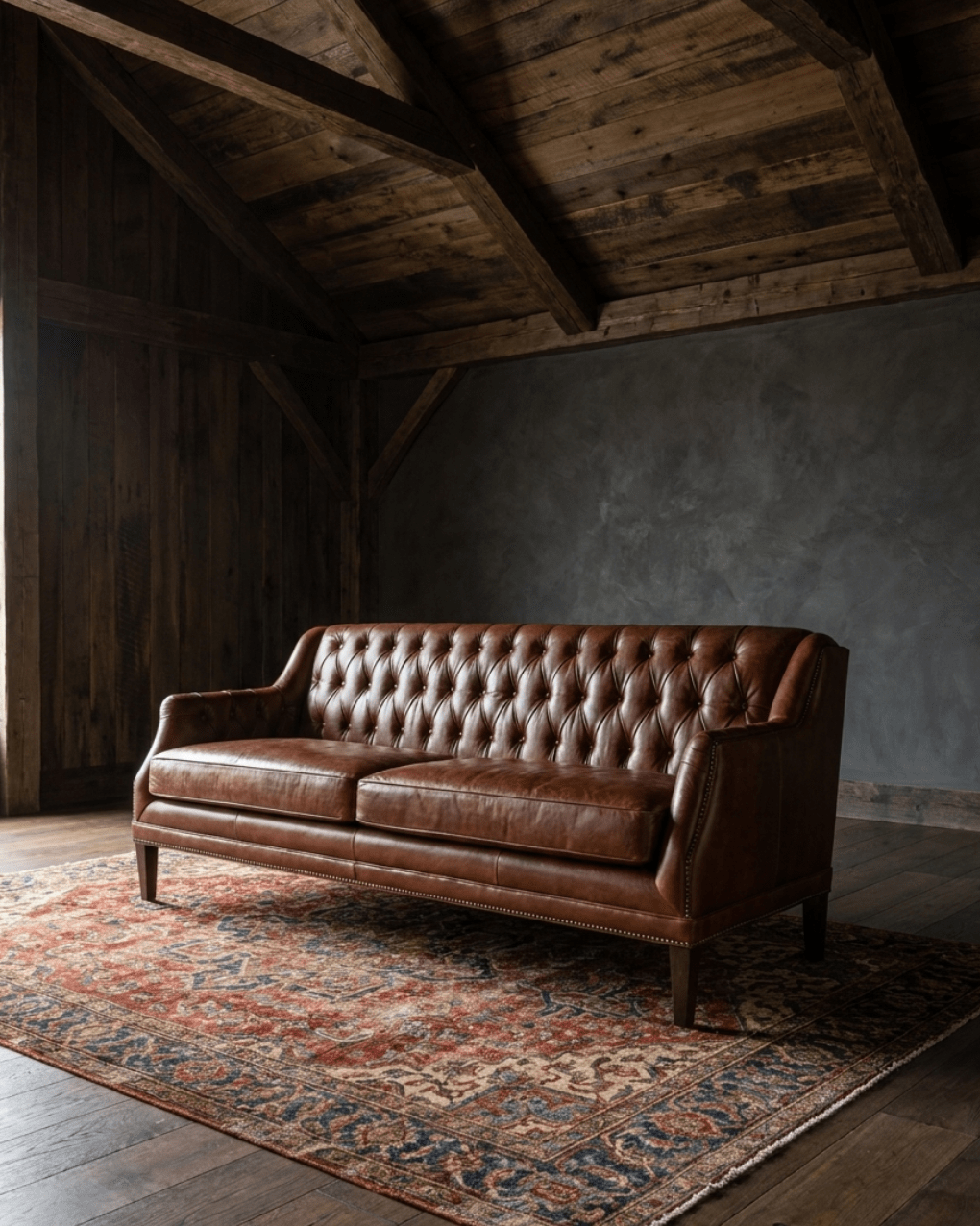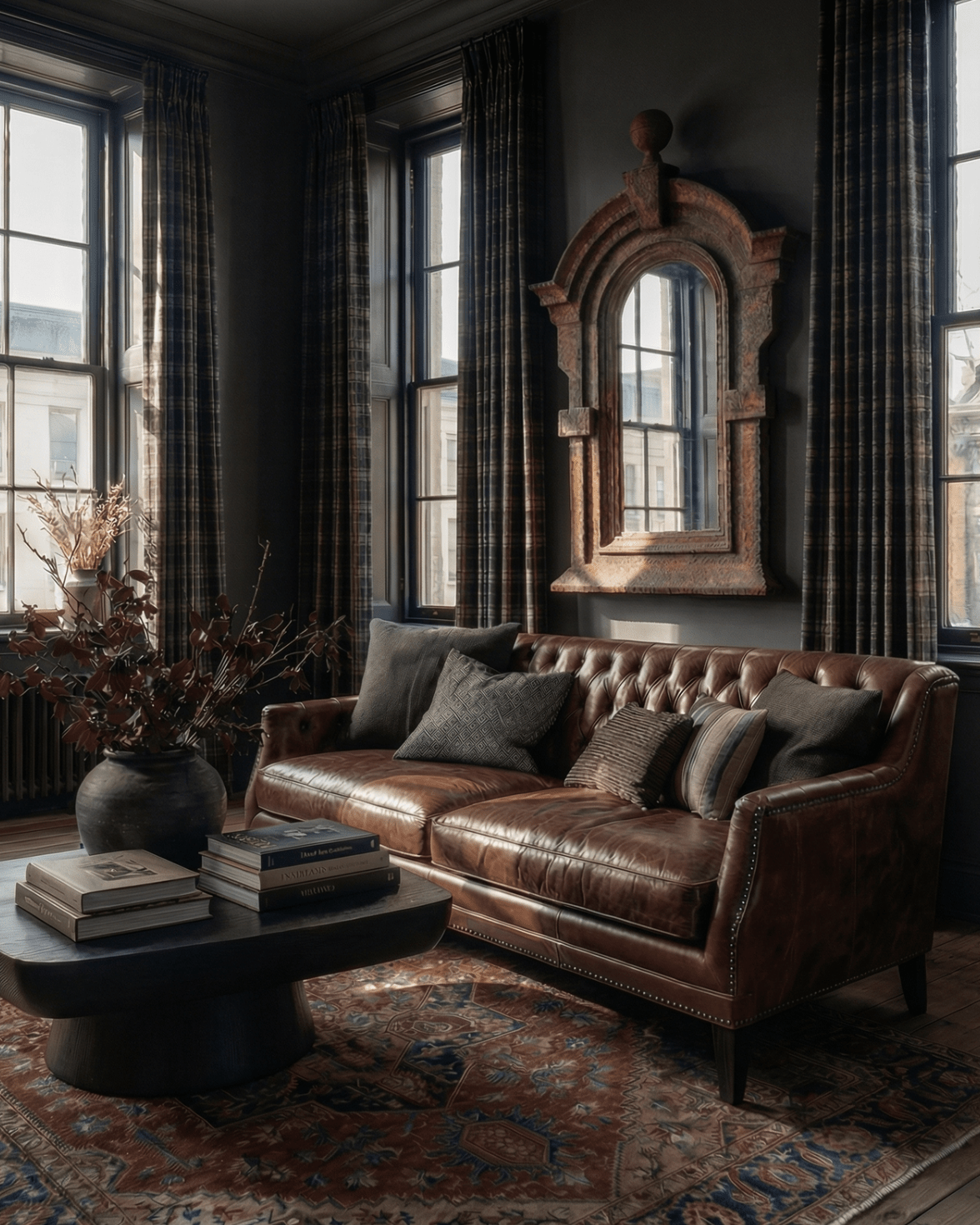








Minimal, neutral, perfectly matched—most modern living rooms follow the same formula.
And yet, many of them still feel unfinished.
Not because they need more decor, but because they’re missing contrast.
That shift is starting to show up more in how people design spaces now—less about adding objects, more about introducing materials that actually change how a room feels.
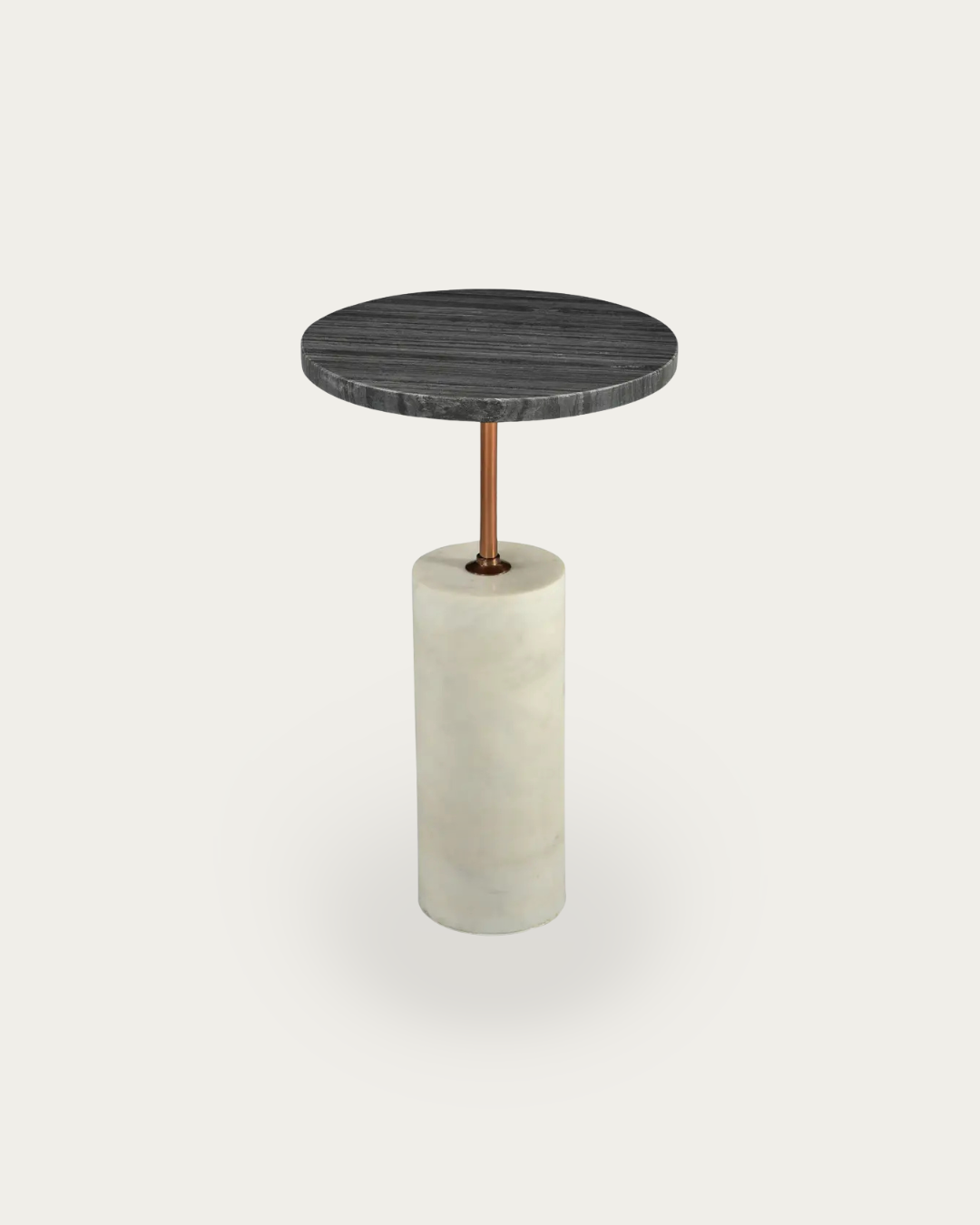
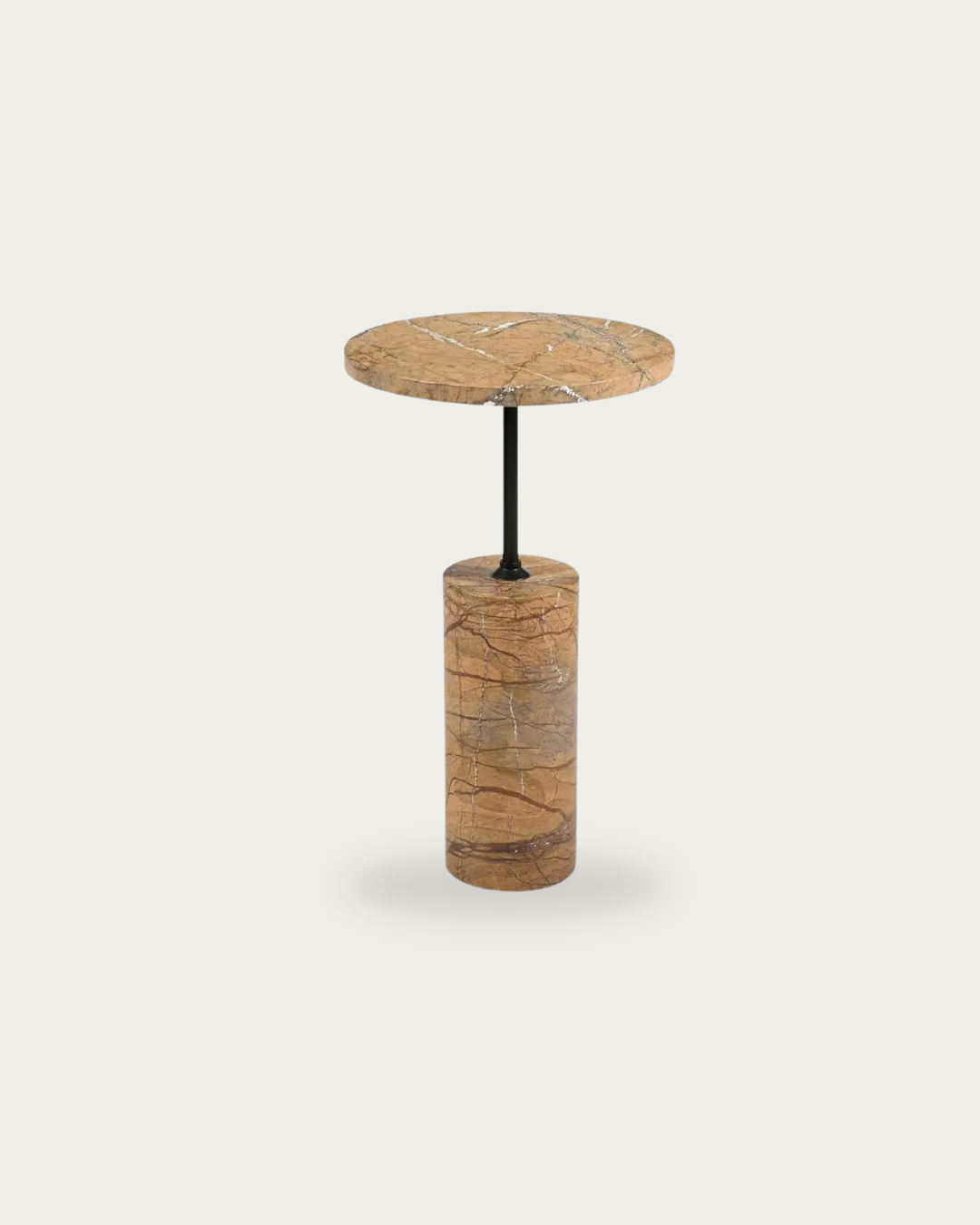
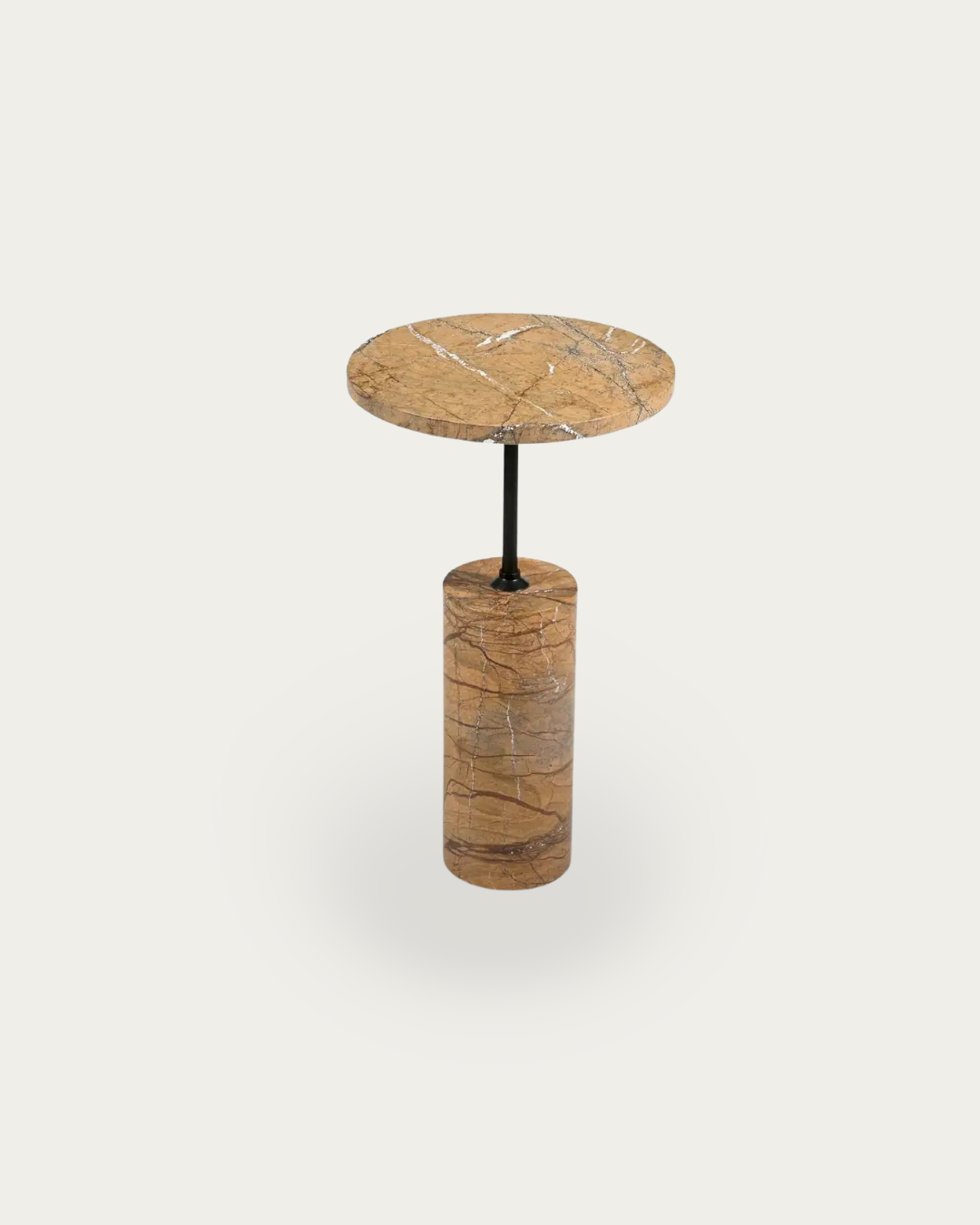
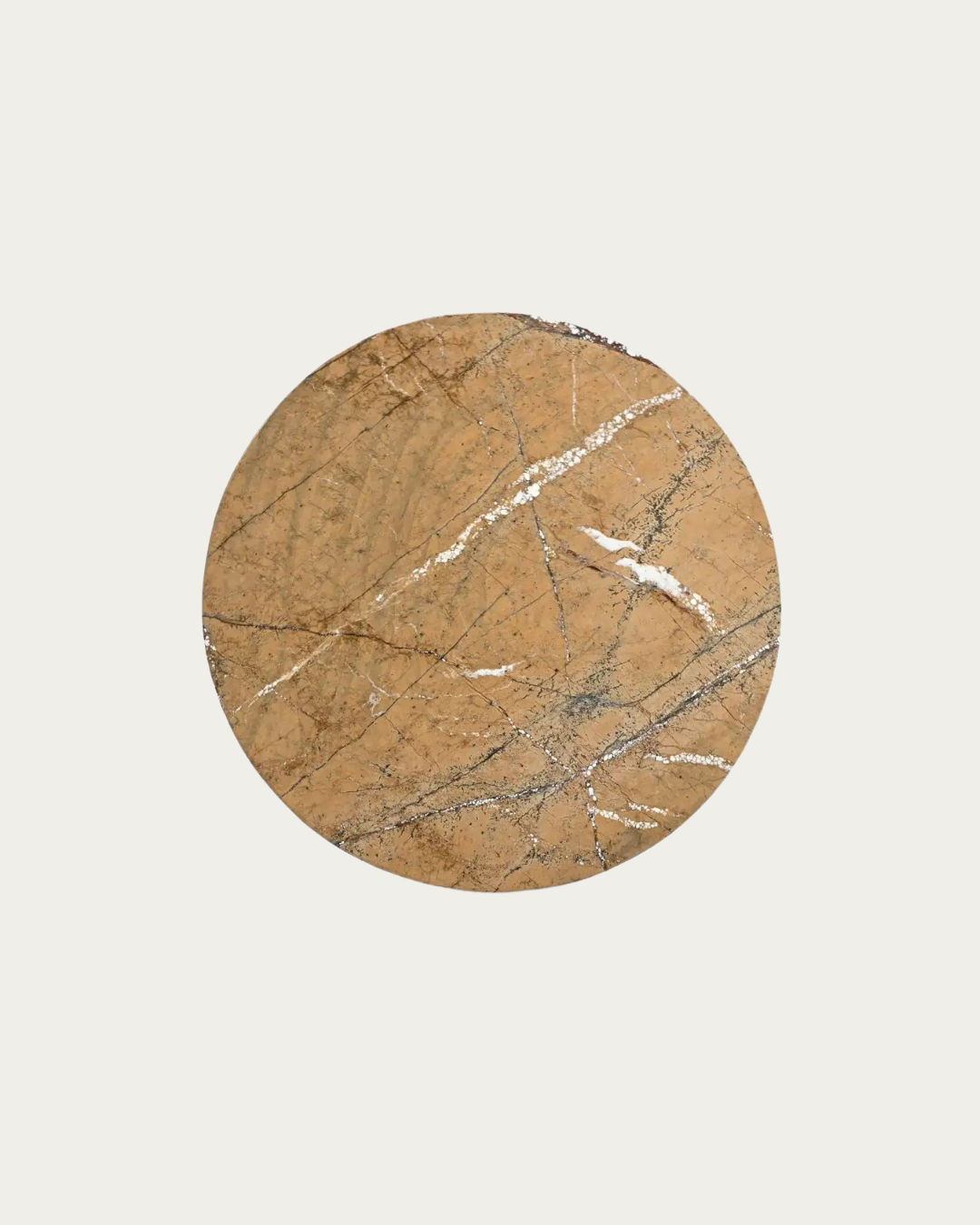
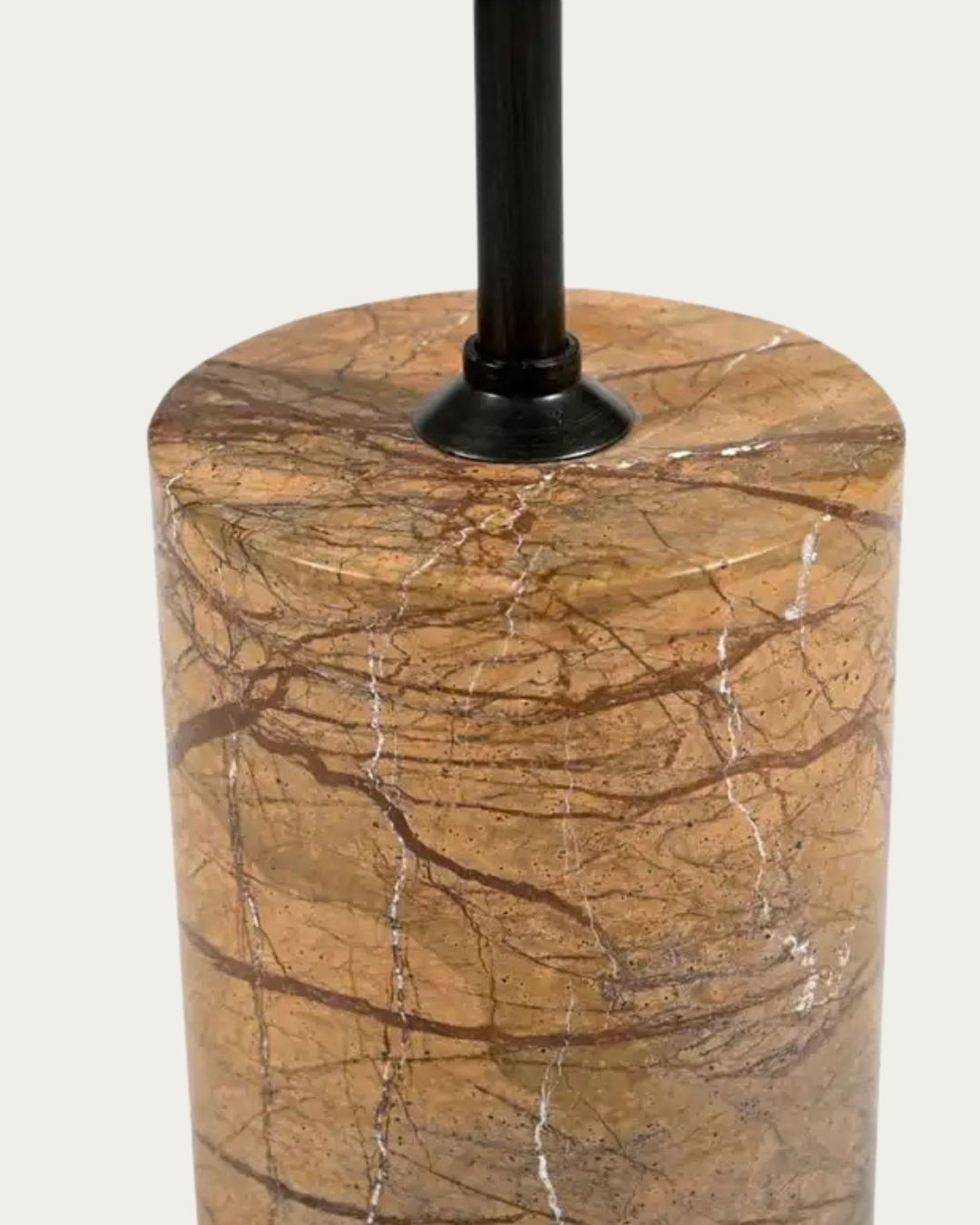
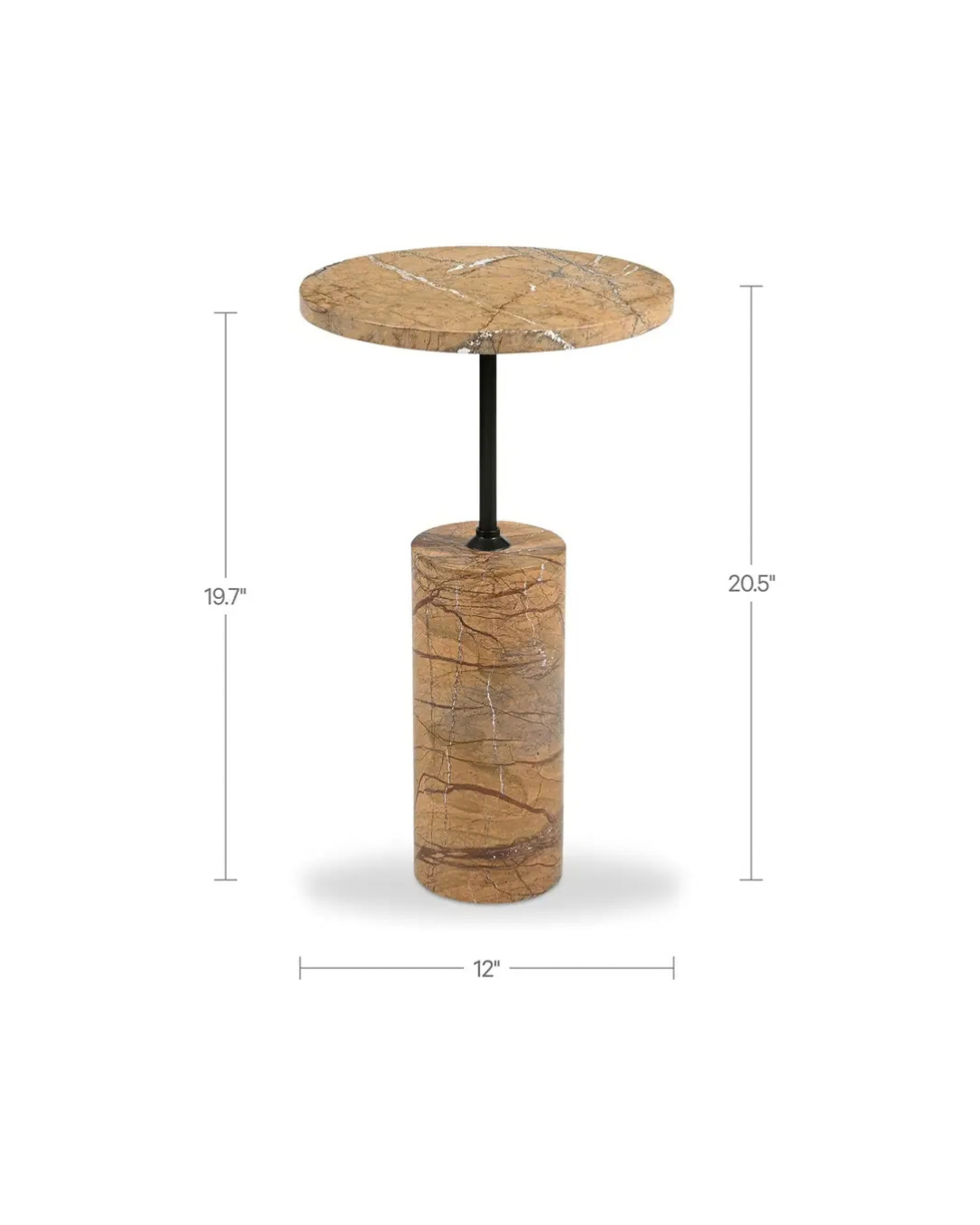
A marble coffee table does exactly that. It adds structure, variation, and a clear center your space can build around—often fixing the room before anything else needs to change.
If you’re choosing one that actually works with your layout, start here:
Shop marble coffee tables collection
Round vs Rectangular: What Your Layout Actually Needs
Most people choose a shape based on preference. But shape isn’t just visual—it dictates movement, spacing, and how your seating connects.
Round marble coffee tables soften a room. They allow movement to flow more easily and reduce friction in tighter layouts. This makes them ideal for smaller spaces or rooms with multiple walkways. A piece like the Luna marble coffee table creates a clear center without interrupting flow, while the Lynnea coffee table offsets more structured seating with curvature.
Rectangular marble coffee tables do the opposite. They reinforce direction and align with longer seating arrangements. A piece like the Astri marble coffee table helps organize the layout, while the Fjola marble coffee table extends that structure across the room.
If you’re comparing shapes and materials beyond marble, browsing the full
coffee tables collection can help you see how different forms behave in similar layouts.
How Shape Affects How You Use the Room
Shape doesn’t just affect layout—it changes behavior.
Round tables encourage circulation. You move around them more naturally, which makes the room feel more relaxed. There’s less need to adjust your path or avoid corners.
Rectangular tables create boundaries. They define zones, making larger rooms feel more organized and easier to navigate.
A piece like the Halvar coffee table works well when you need both—structure with softened edges. It adapts across layouts without feeling too rigid or too loose.
Scale: The Detail That Decides Everything
You can choose the right shape and still get it wrong if the scale is off.
A table that’s too small feels disconnected. It won’t anchor your seating. A table that’s too large interrupts movement and makes the room feel constrained.
The right marble coffee table should sit comfortably within reach while allowing space to move around it.
A rectangular option like the Clara marble coffee table works best when it aligns with your sofa’s proportions. Meanwhile, round pieces like the Luna marble coffee table perform well when centered within a defined seating area.
Scale isn’t always obvious—but it’s always felt.
Placement: Where It Sits Changes How It Works
Placement is where most layouts break down.
Even the right table can feel wrong if it’s not positioned correctly.
A marble coffee table should sit centered within your seating arrangement and aligned with the room’s main focal point. It should feel intentional—not slightly off.
A piece like the Astri marble coffee table works best when it mirrors the structure of the room, reinforcing alignment instead of competing with it.
Placement isn’t about filling the middle.
It’s about completing it.
Marble as a Material: Why It Changes the Room
Material is what shifts a room from looking finished to actually feeling resolved.
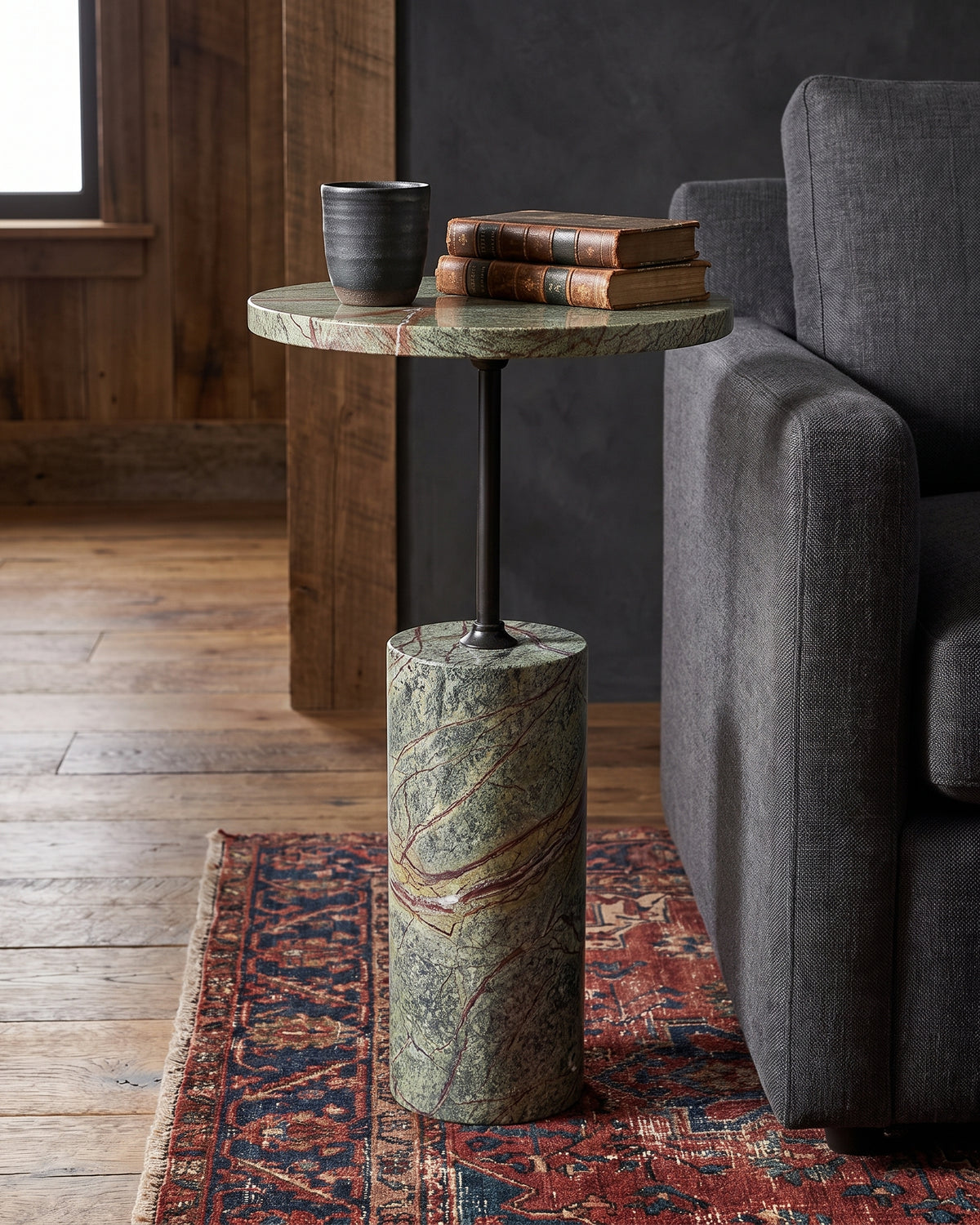
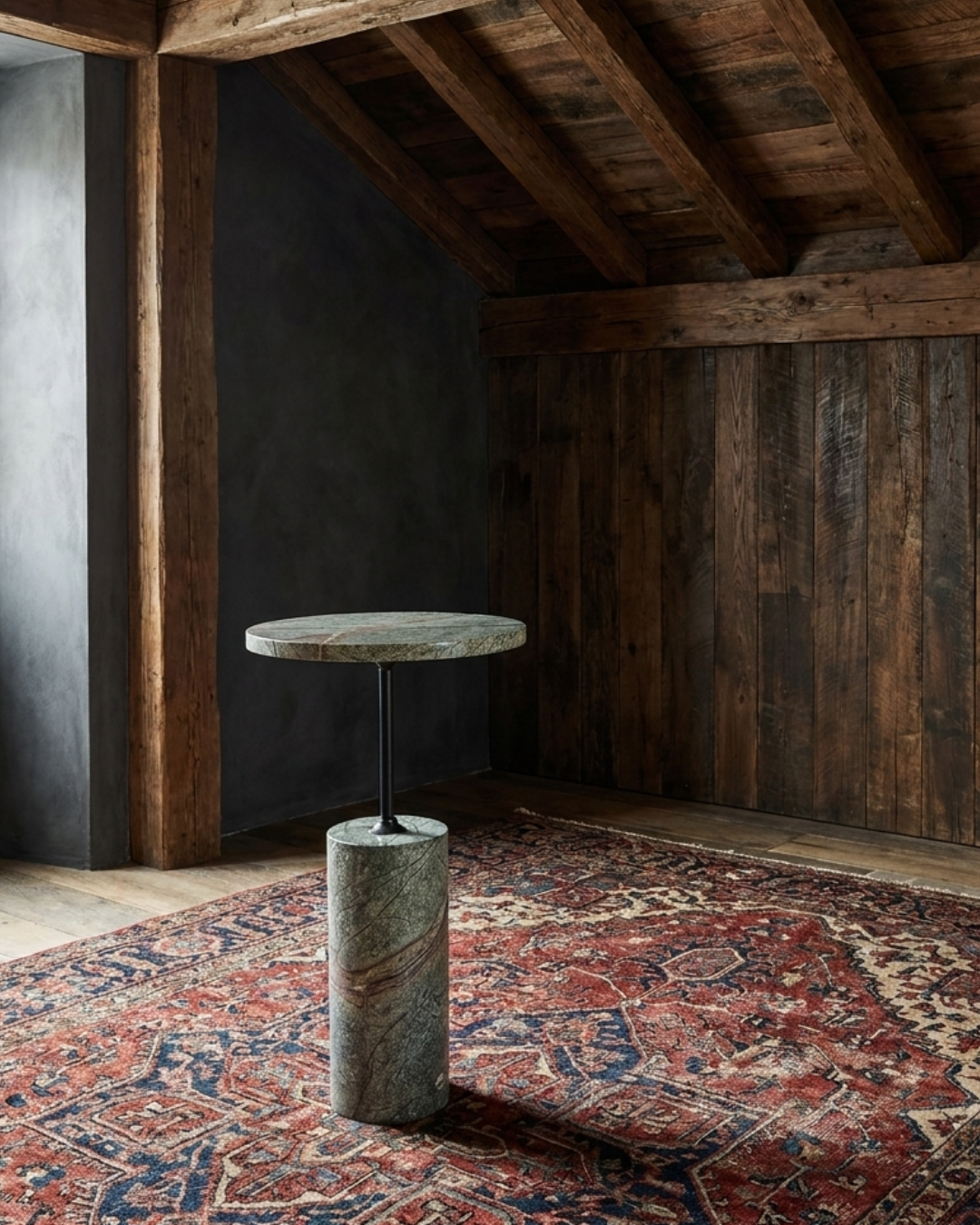
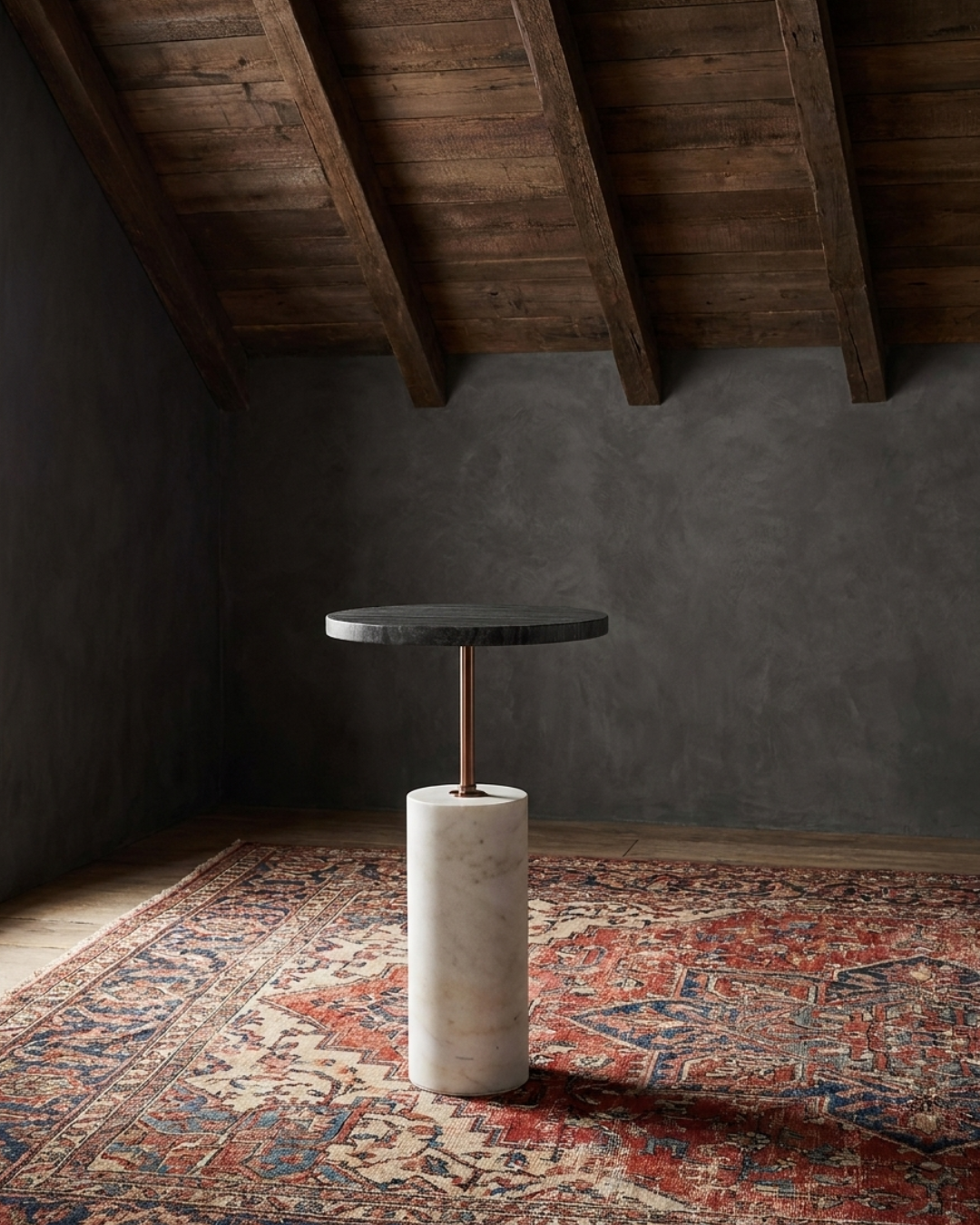
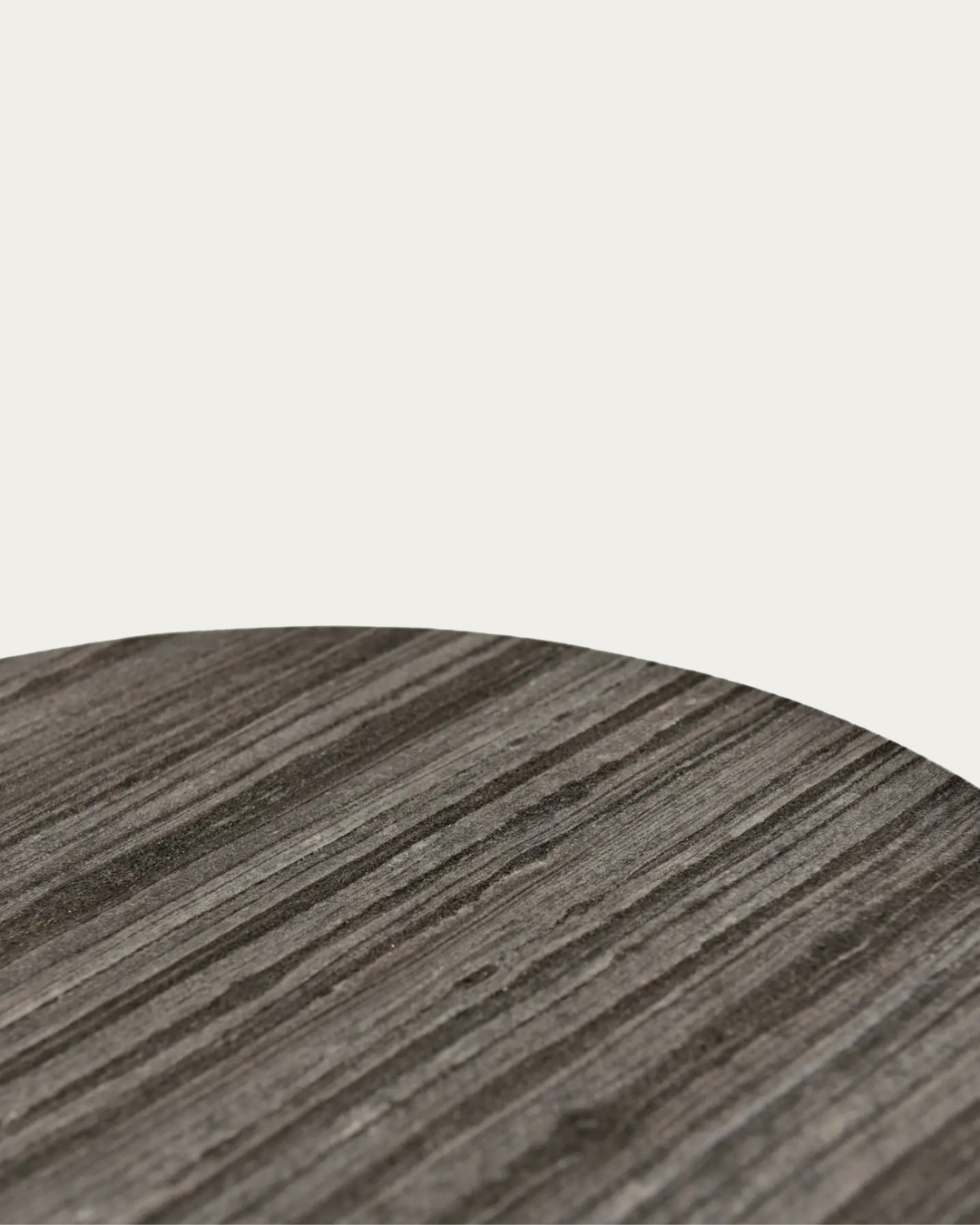
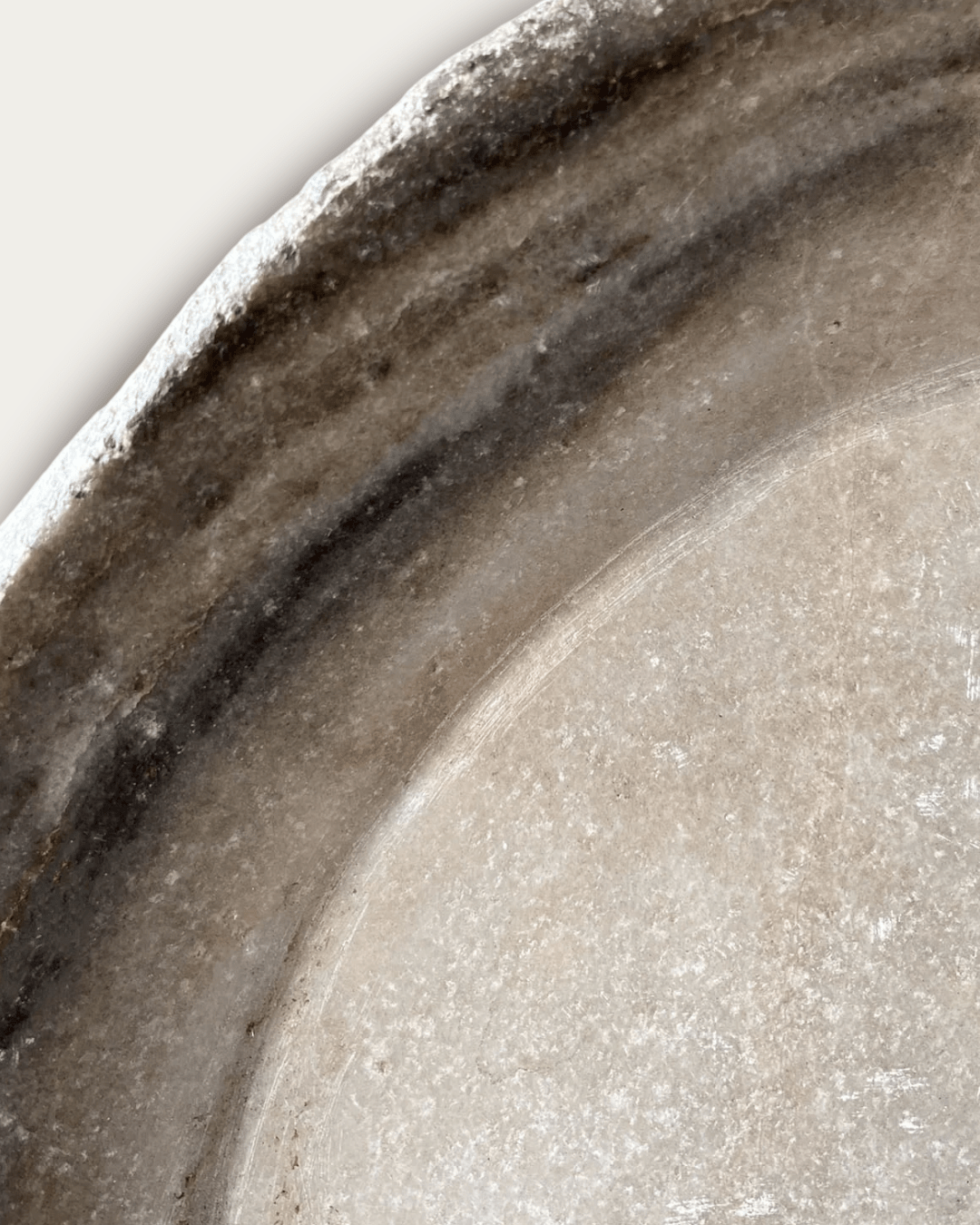
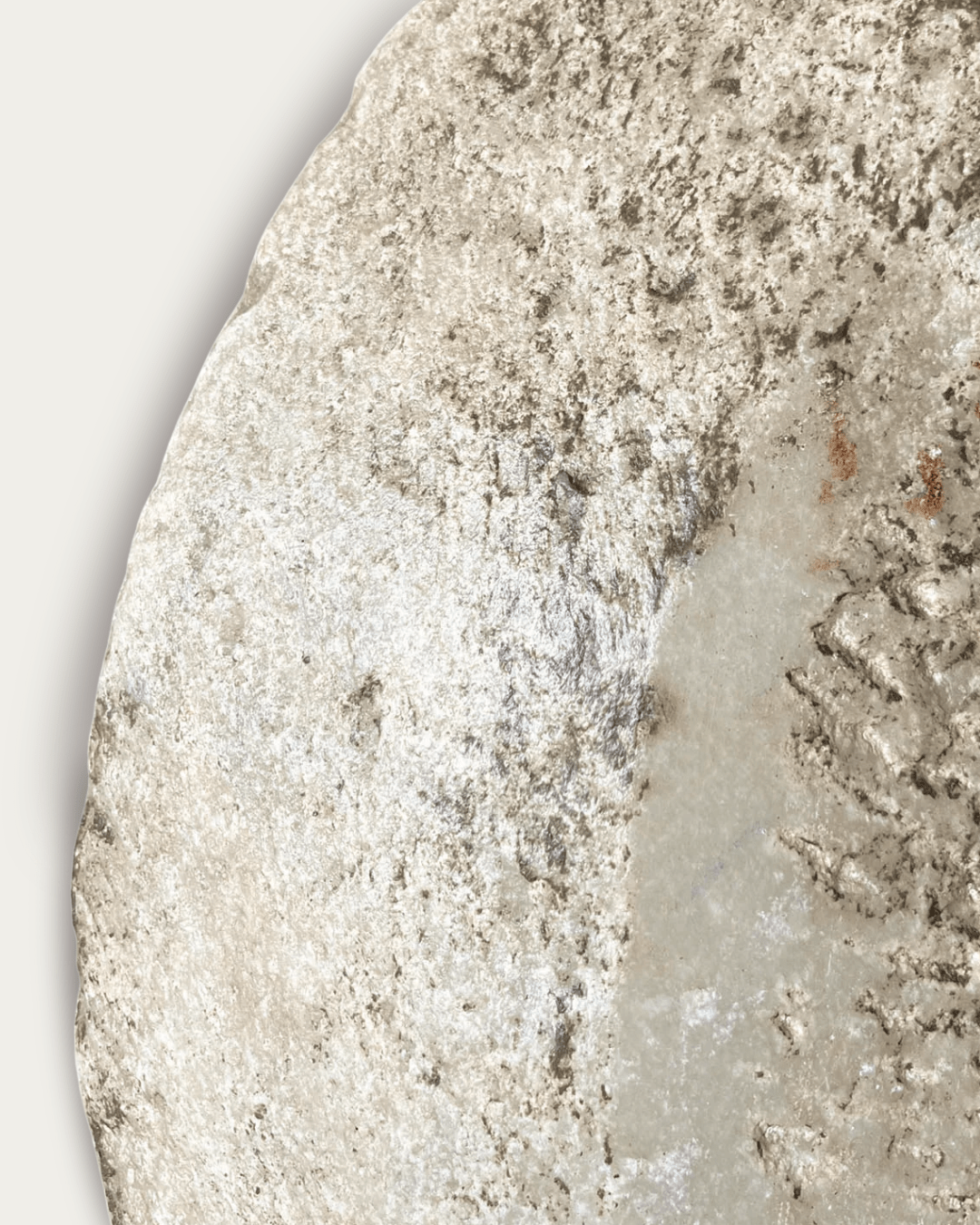
Marble reflects light, carries natural variation, and introduces contrast in a way that reduces visual noise. It gives your eyes something clear to focus on.
A piece like the Fjola marble coffee table becomes a focal point without needing additional styling. It holds a presence on its own.
If you’re layering materials or building a more textured space, exploring options across the full coffee tables collection can help you understand how marble compares to wood, metal, or mixed materials.
A RUTED Tip: Shape Reduces Cognitive Load. Your brain is constantly scanning for patterns and predictability, and when furniture shapes don’t align with how you move through a space—like sharp corners in tight layouts—it increases cognitive load; choosing a round or rectangular marble coffee table that supports your room’s flow reduces that friction and allows your nervous system to settle faster.
When to Choose Round vs Rectangular (Quick Guide)
If your room feels tight or busy, go round. It softens the layout and improves movement.
If your room feels open or undefined, go rectangular. It creates structure and reinforces alignment.
If you’re unsure, look at how you move through the space. The right shape will match that flow—not interrupt it.

Styling a Marble Coffee Table Without Overdoing It
Marble doesn’t need much.
The surface already carries variation and detail, so adding too many objects creates unnecessary noise.
Keep it minimal—one or two objects, grouped intentionally.
Let the material do the work.
Where to Start
If your space feels unresolved, don’t start with decor.
Start with your center.
Choose a marble coffee table that fits your layout, scale, and movement. If you’re still exploring, comparing across both marble-specific and broader options can help clarify what works best.
Explore marble coffee tables collection
Final Thought
A marble coffee table isn’t just a design choice.
It’s a structural one.
It defines how your room moves, how your eyes settle, and how your space holds itself.
And when that center is right, everything else starts to make sense.