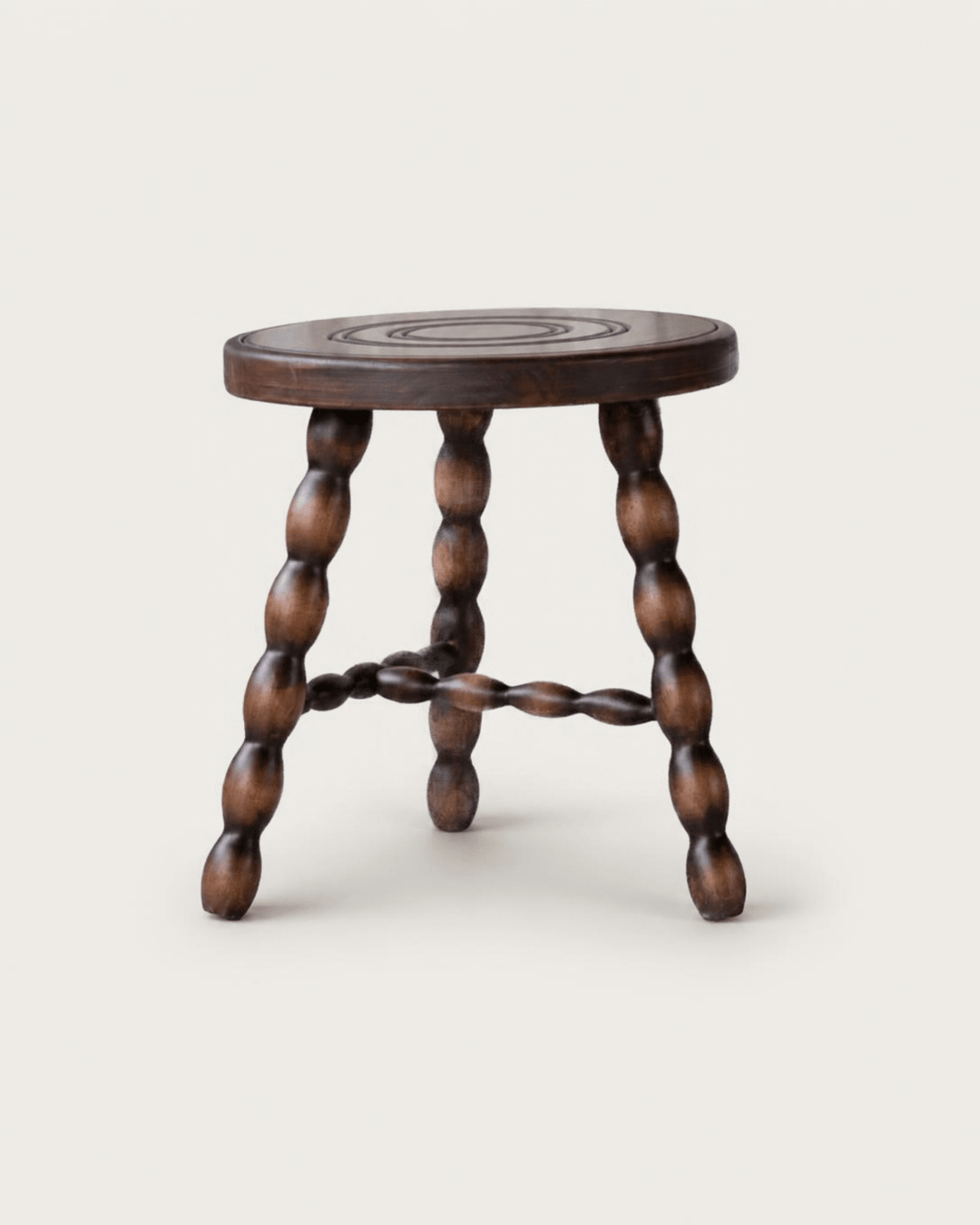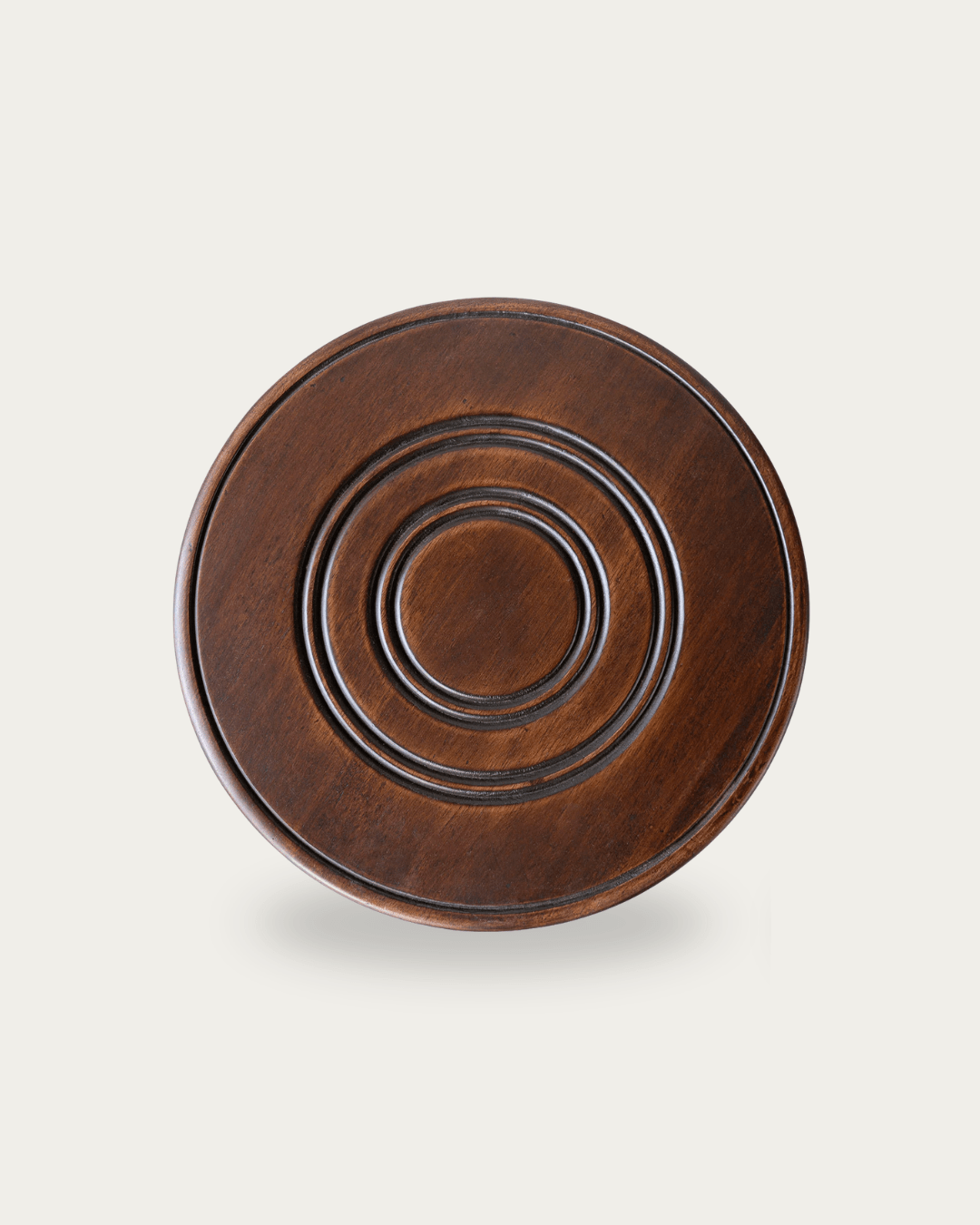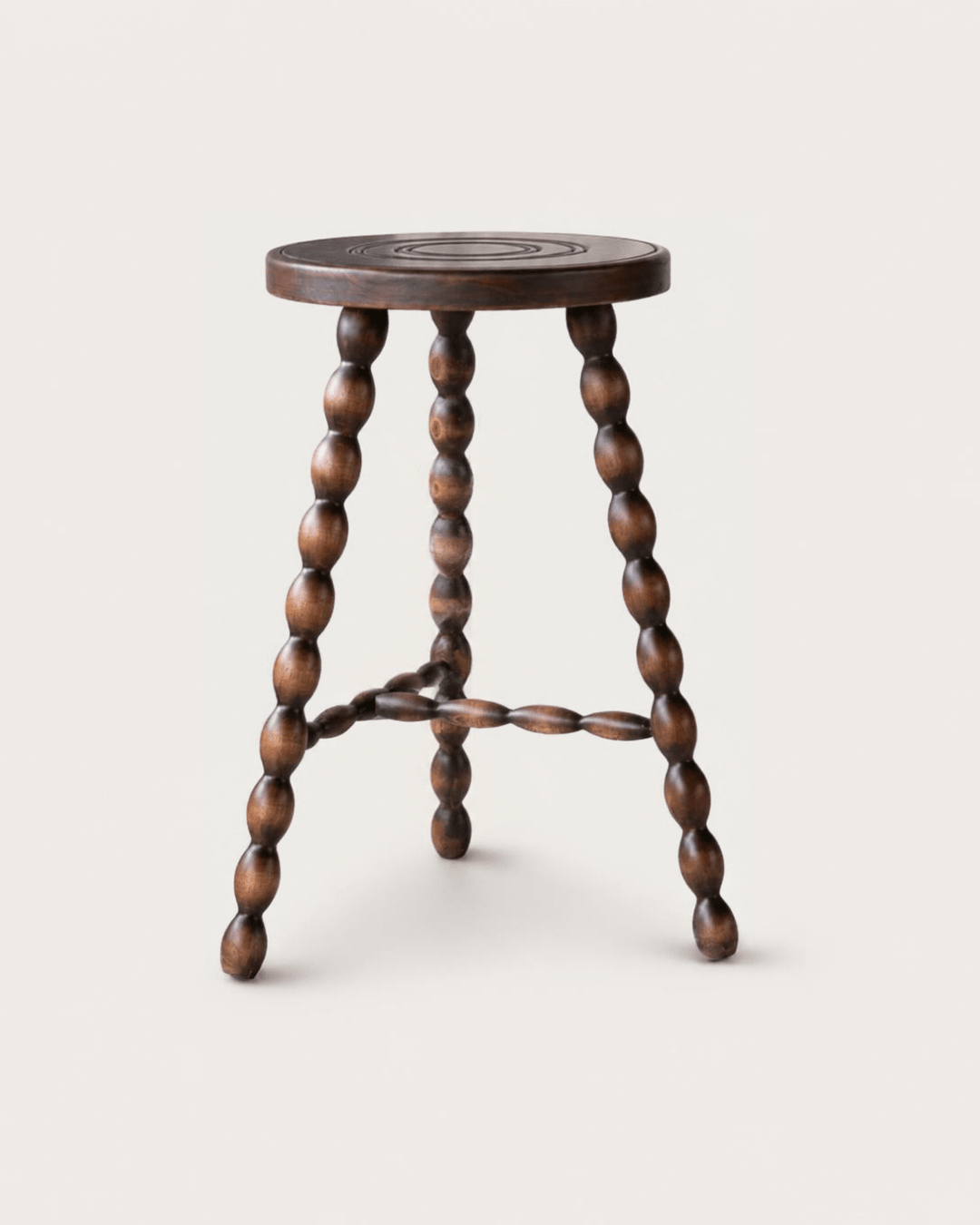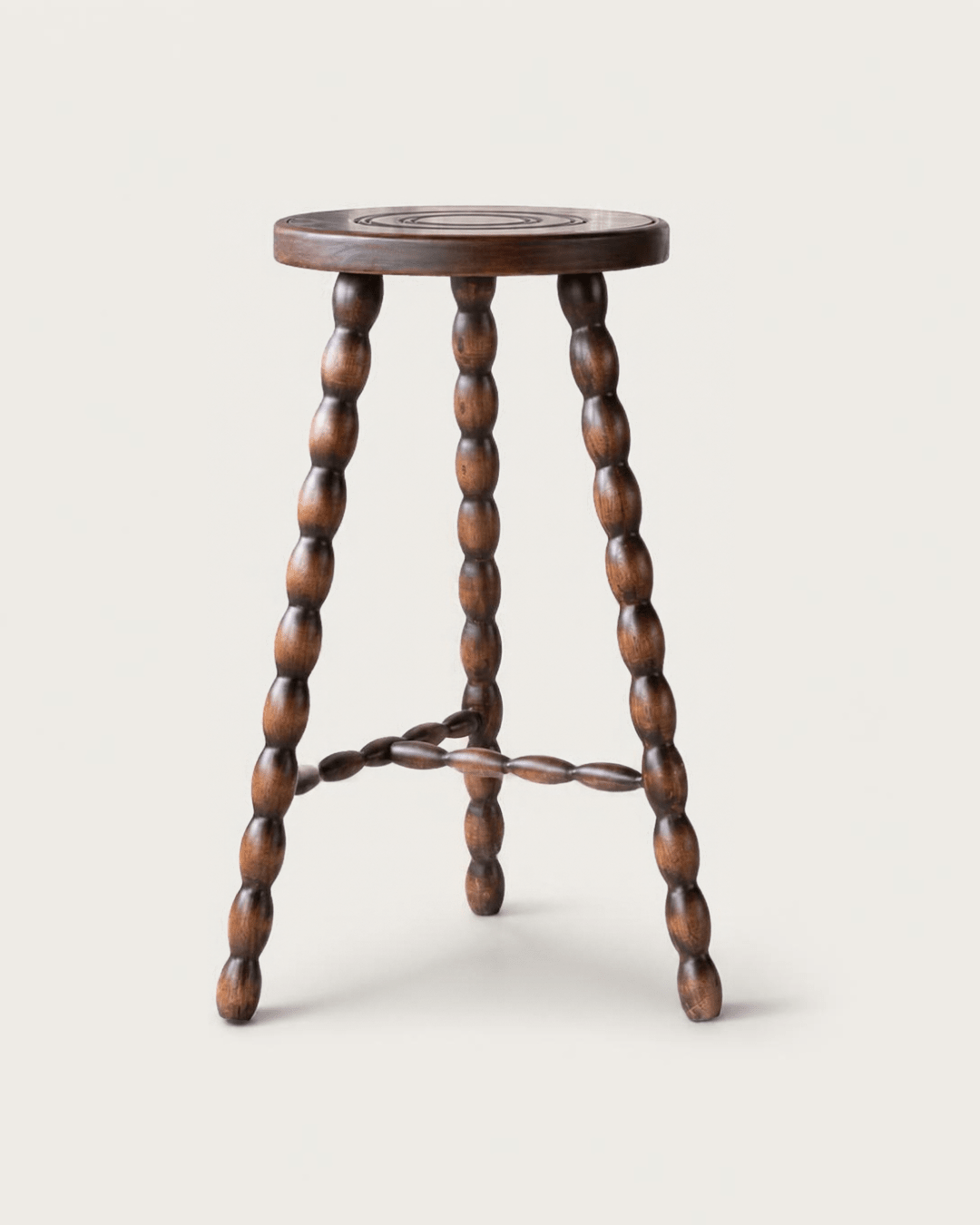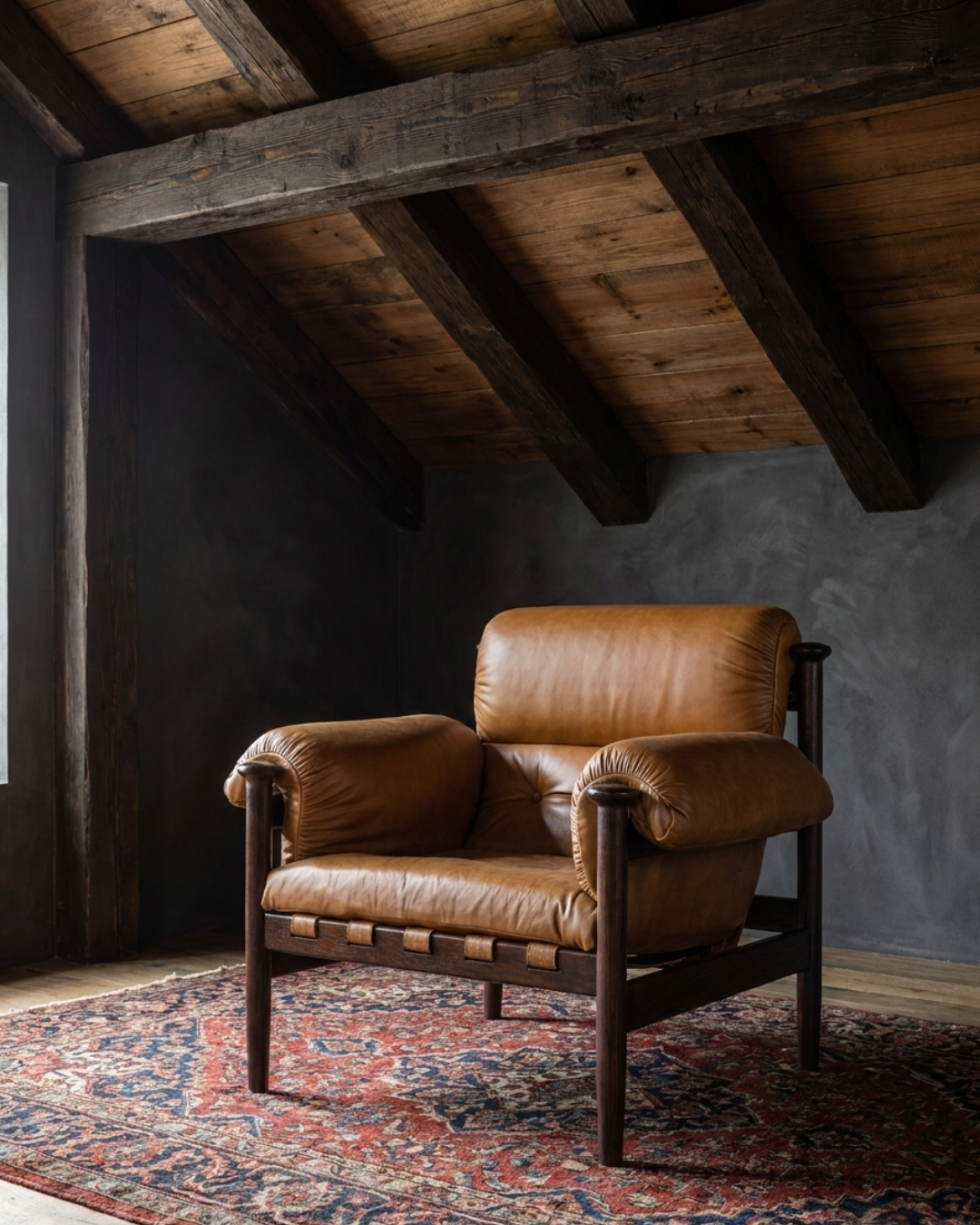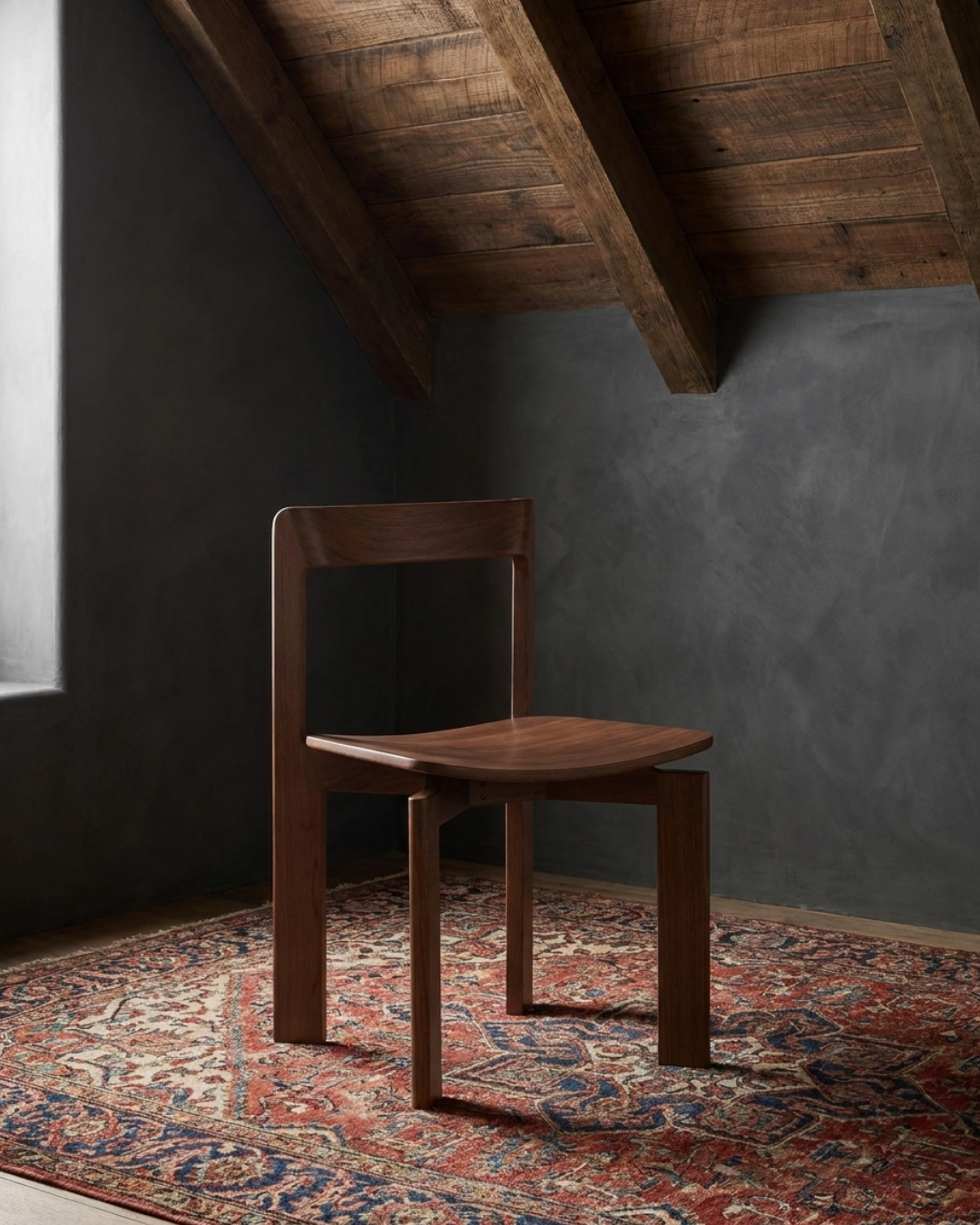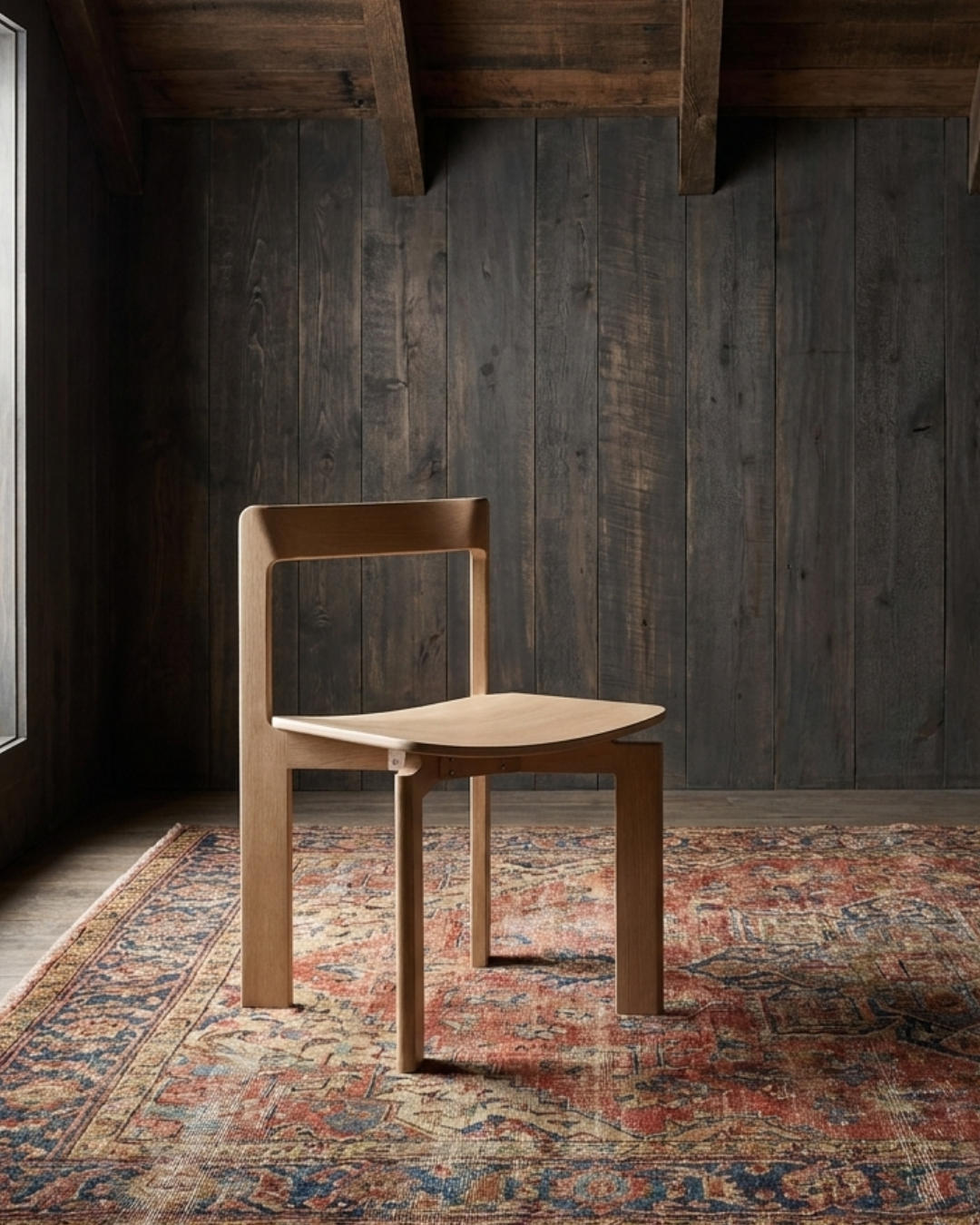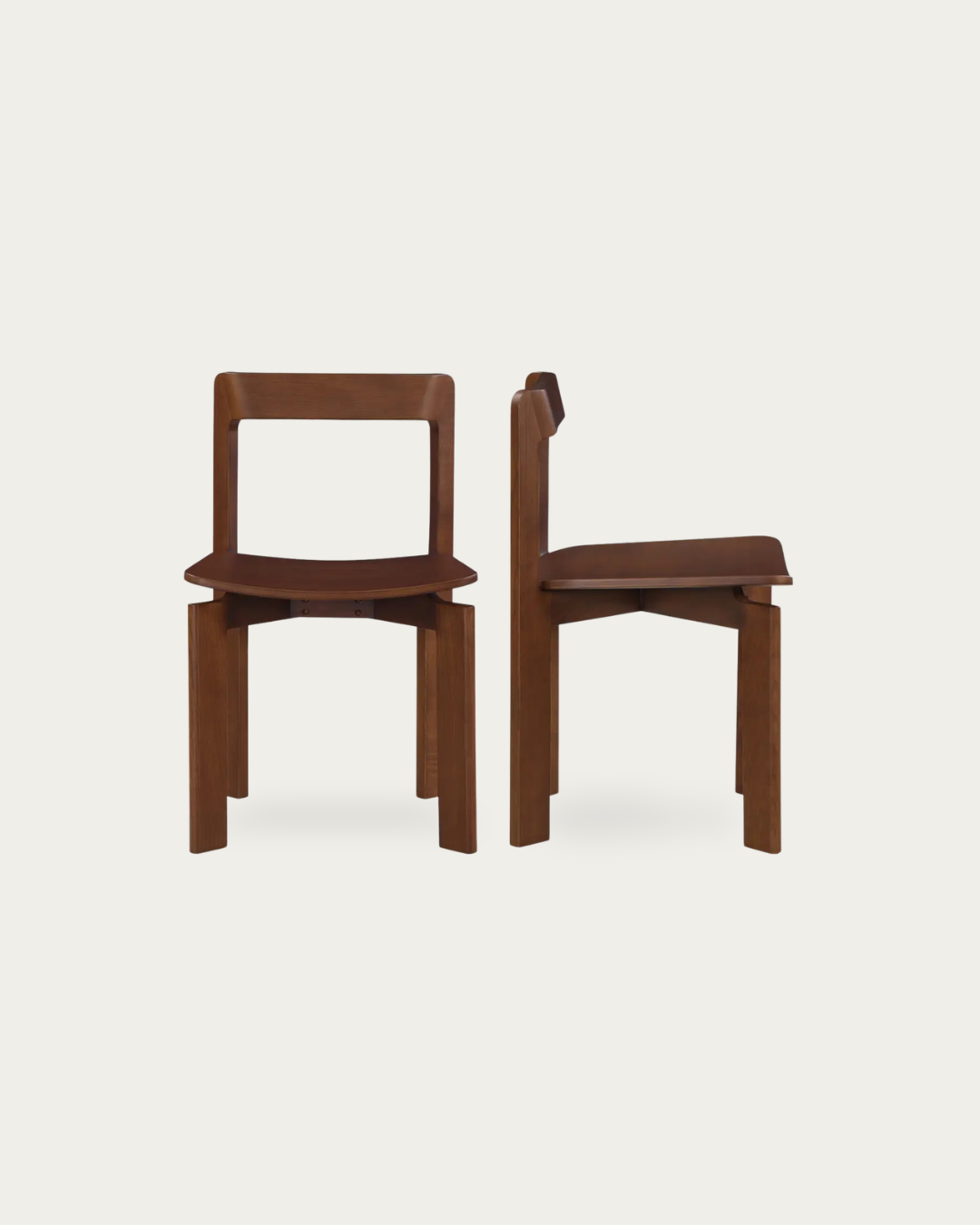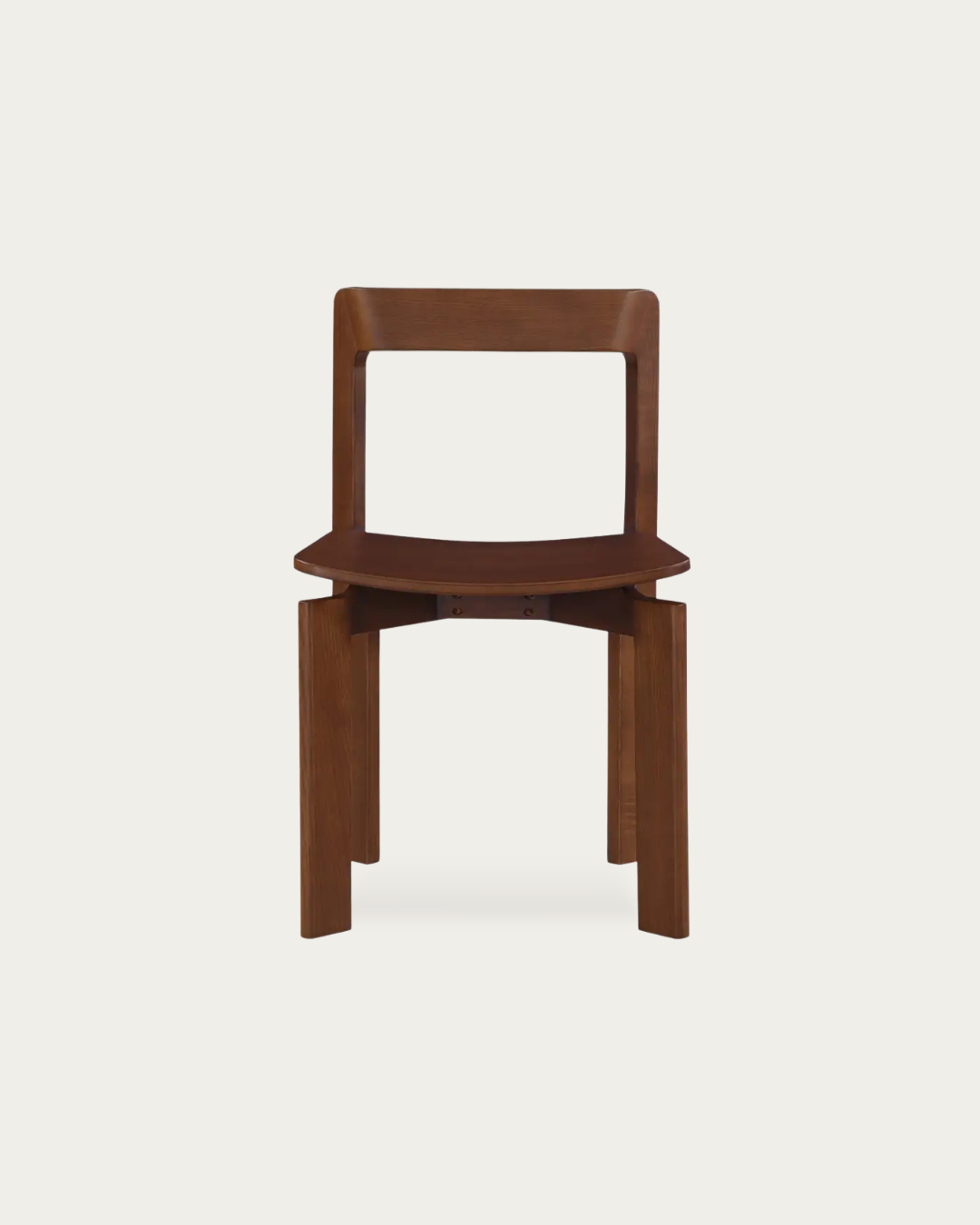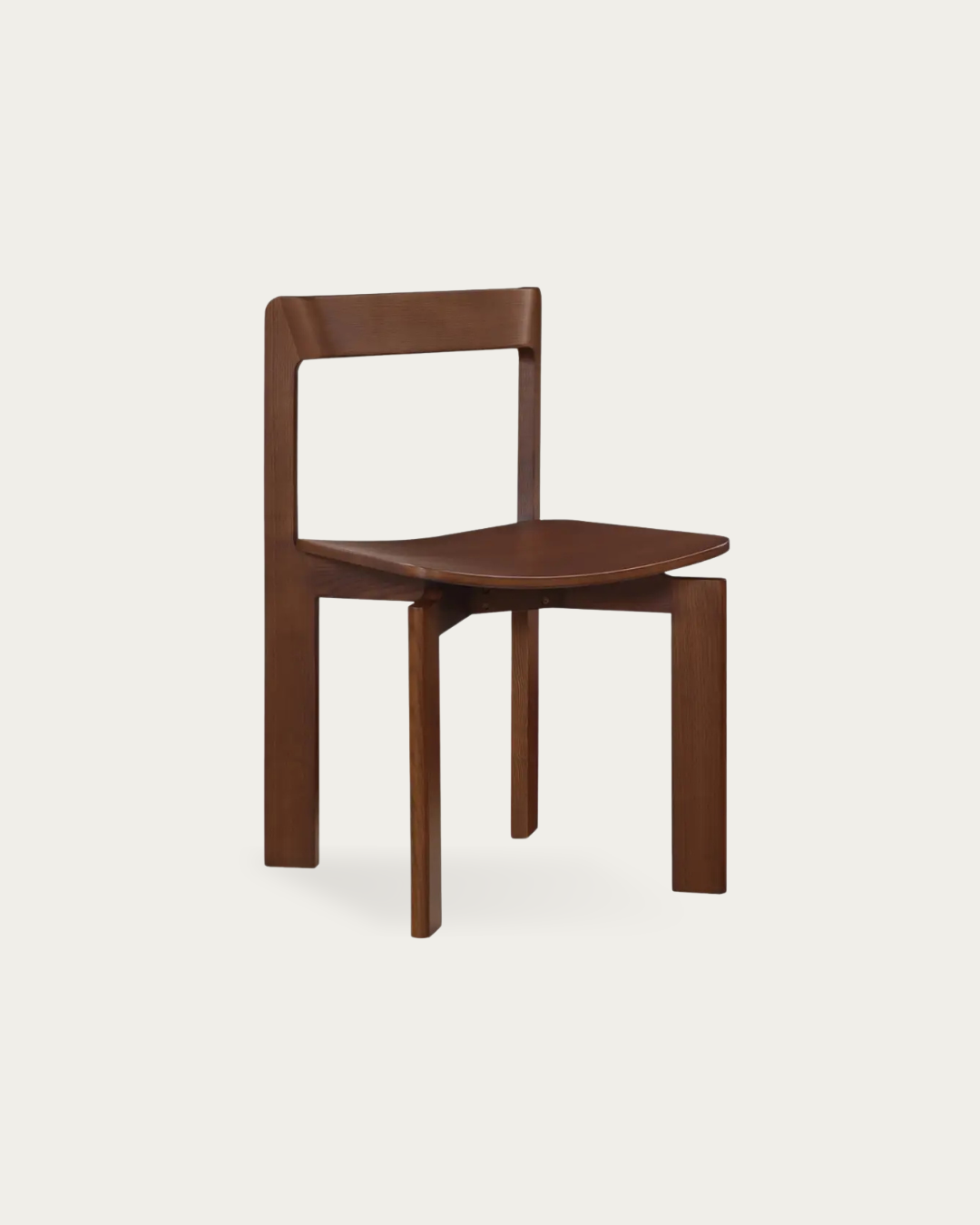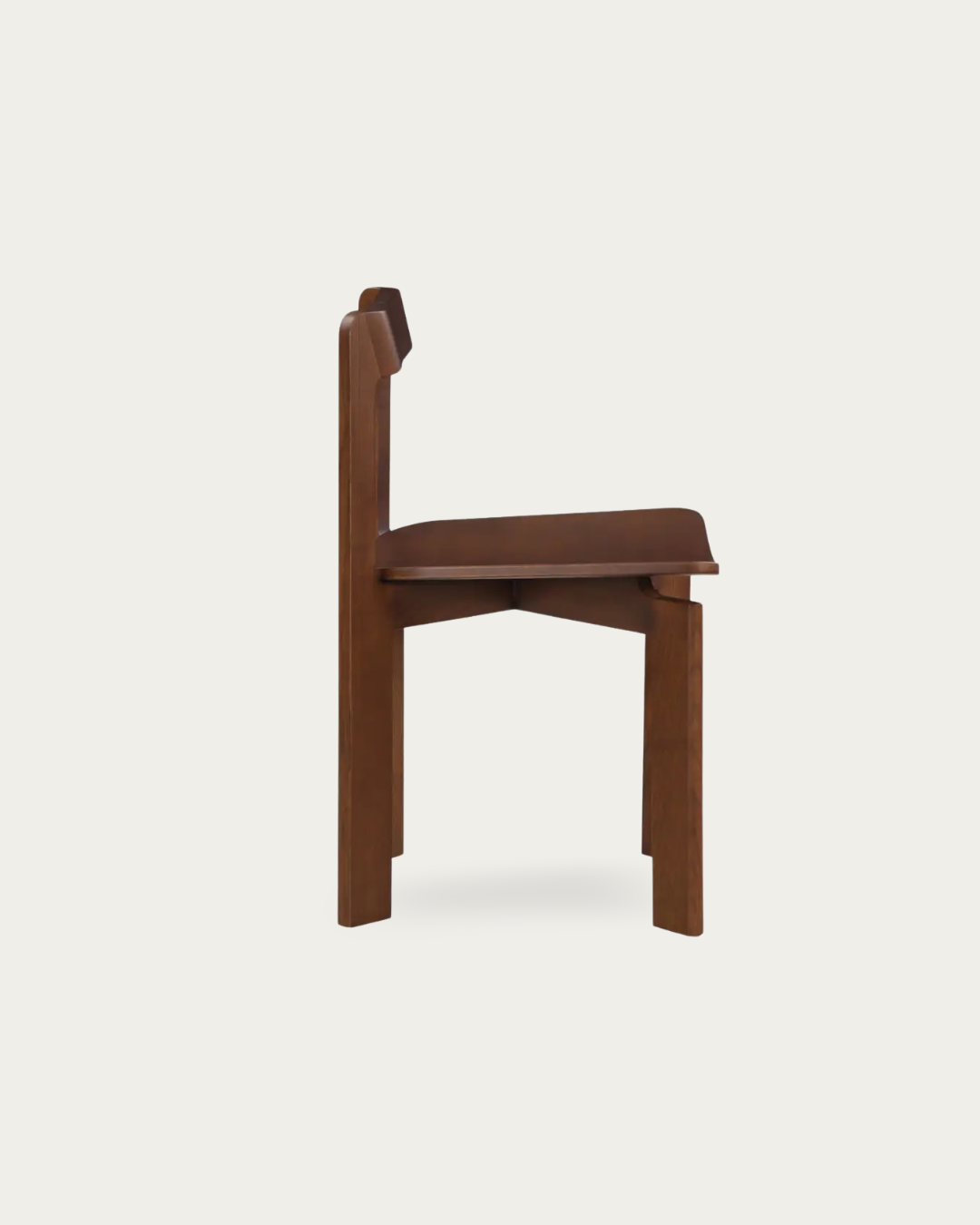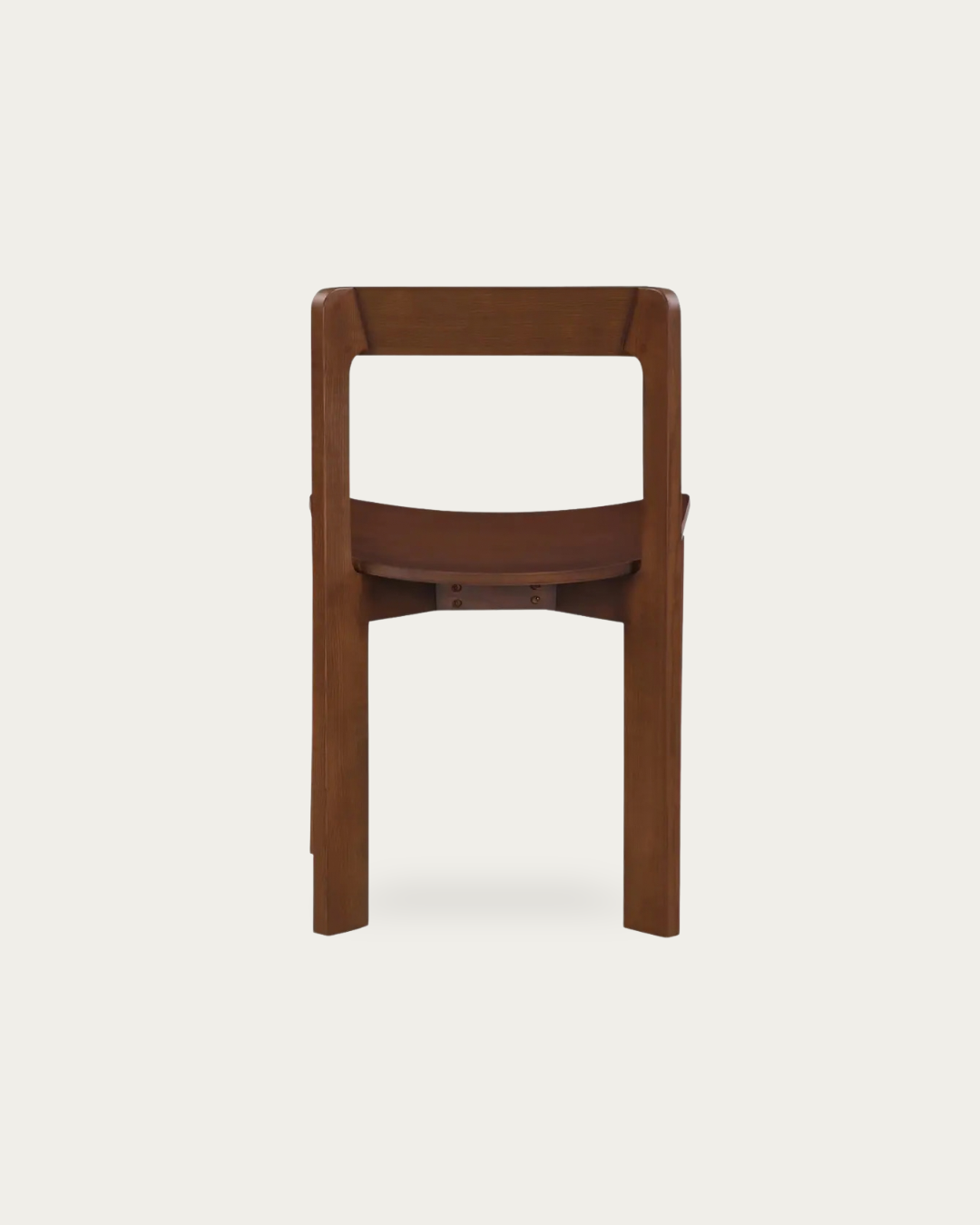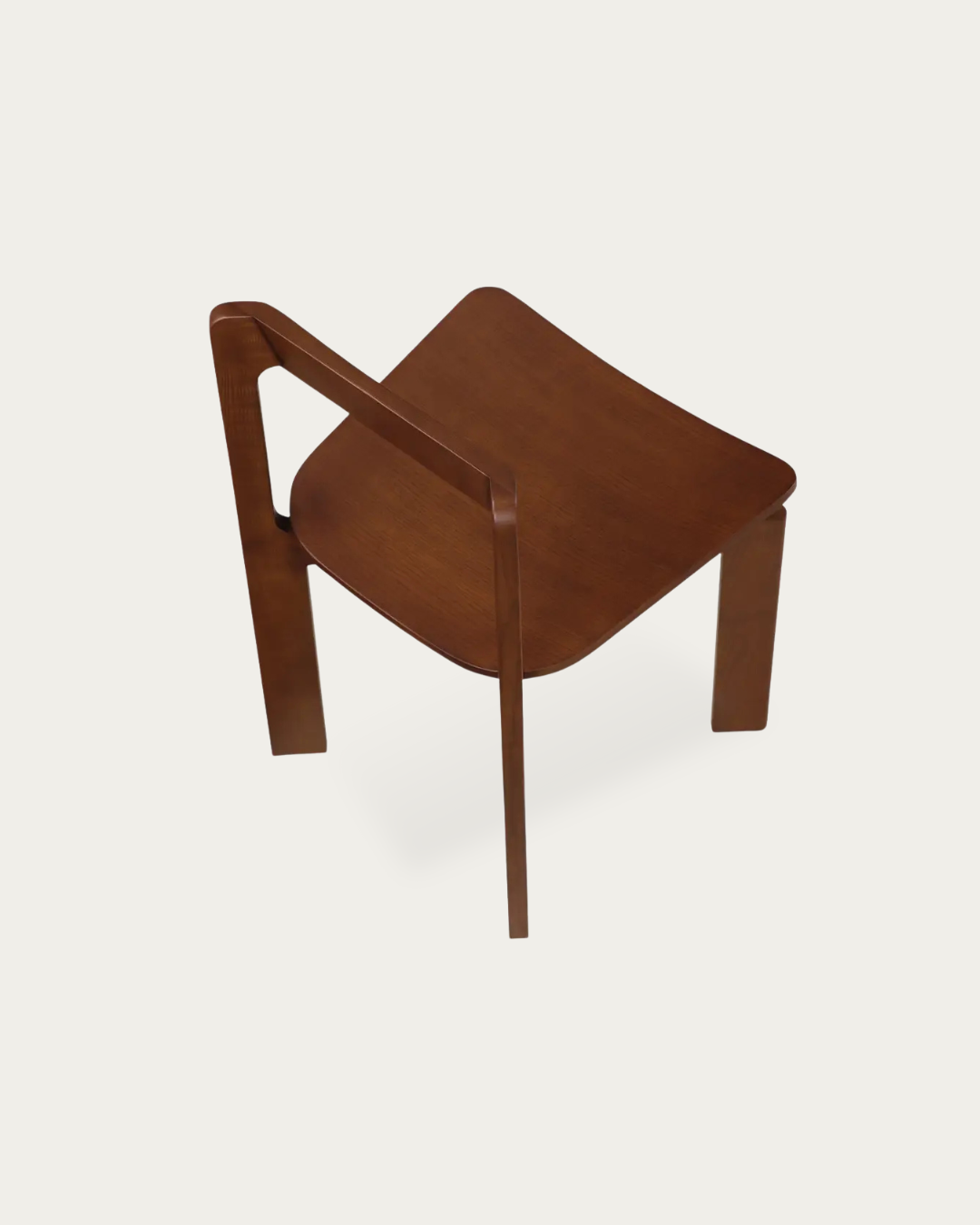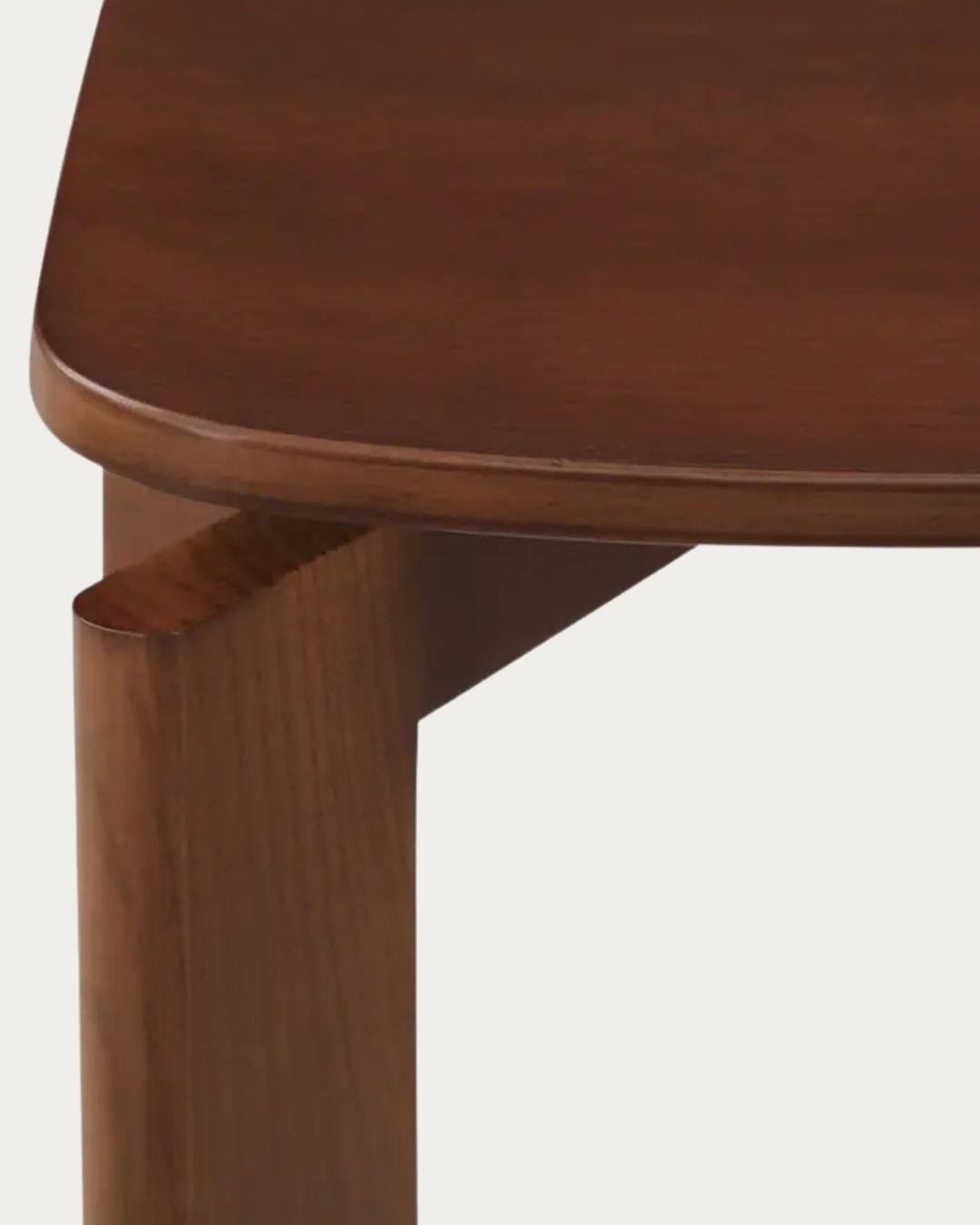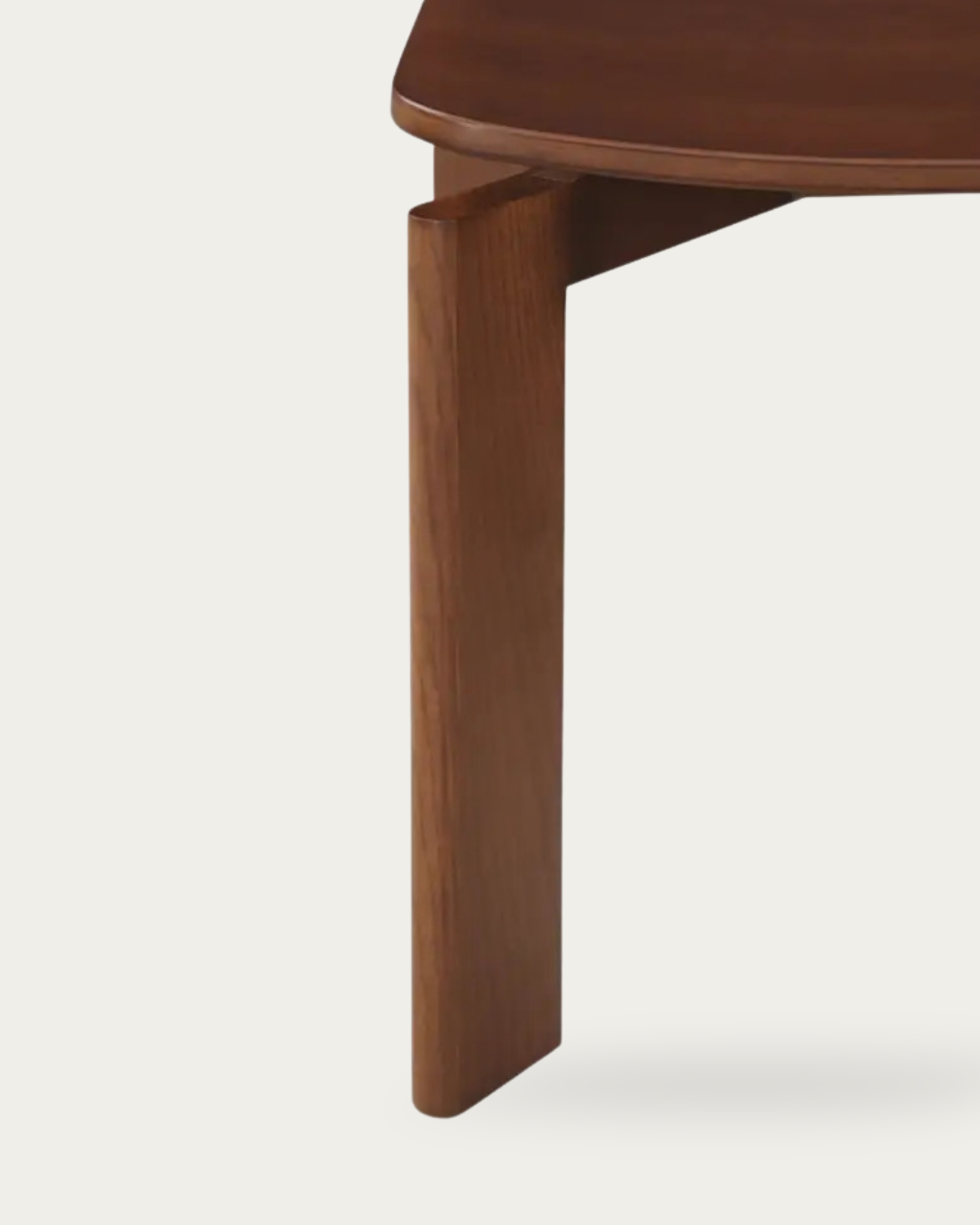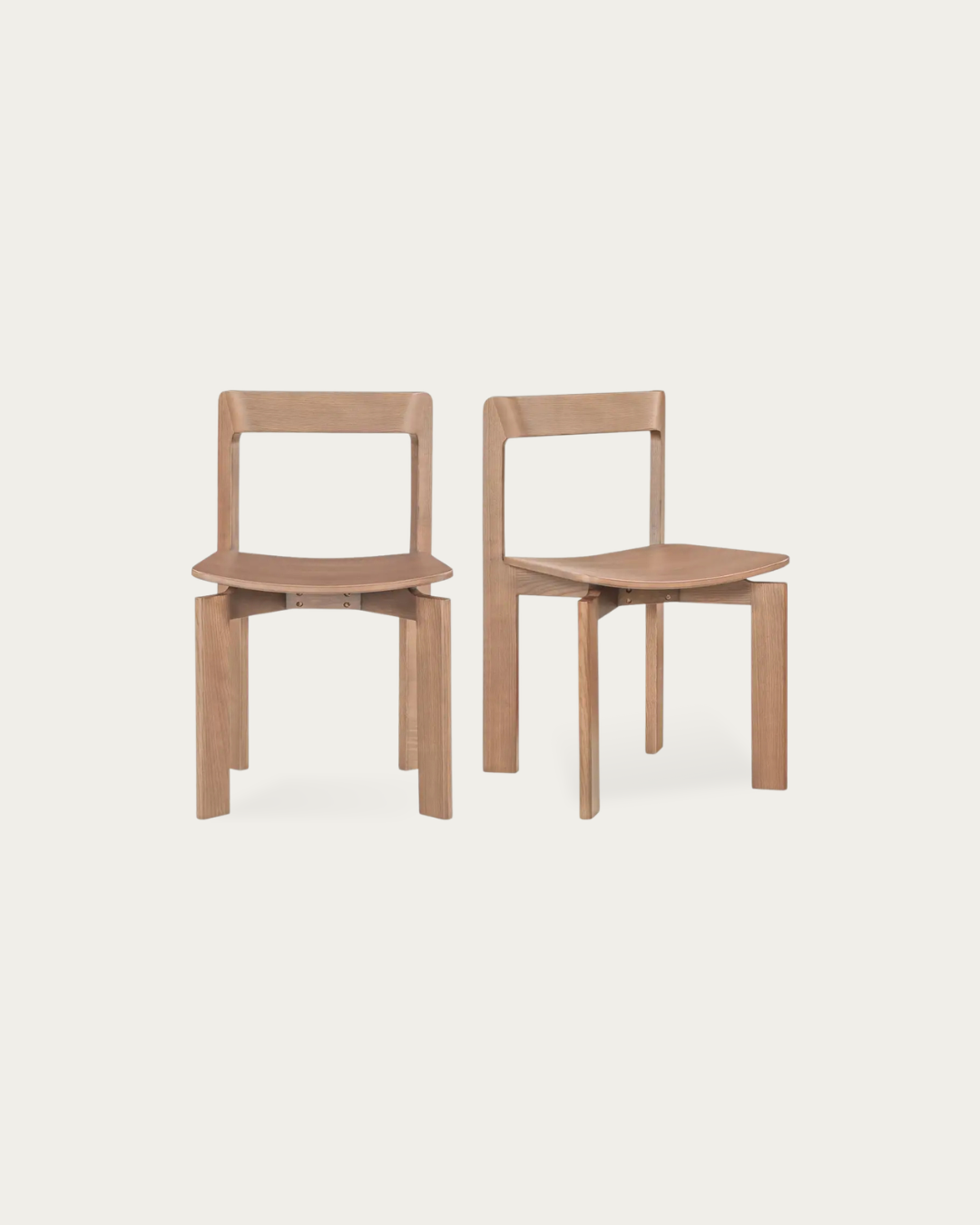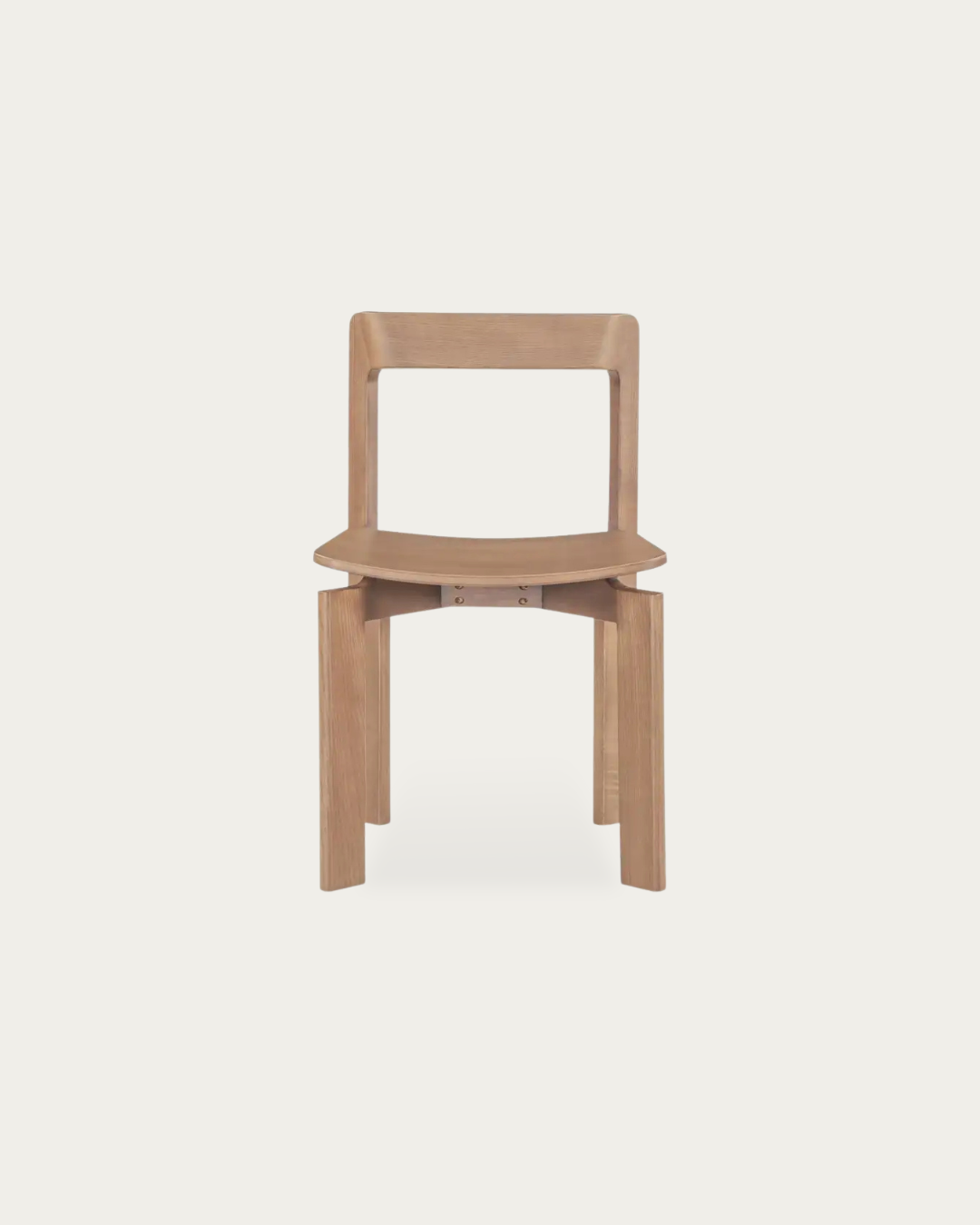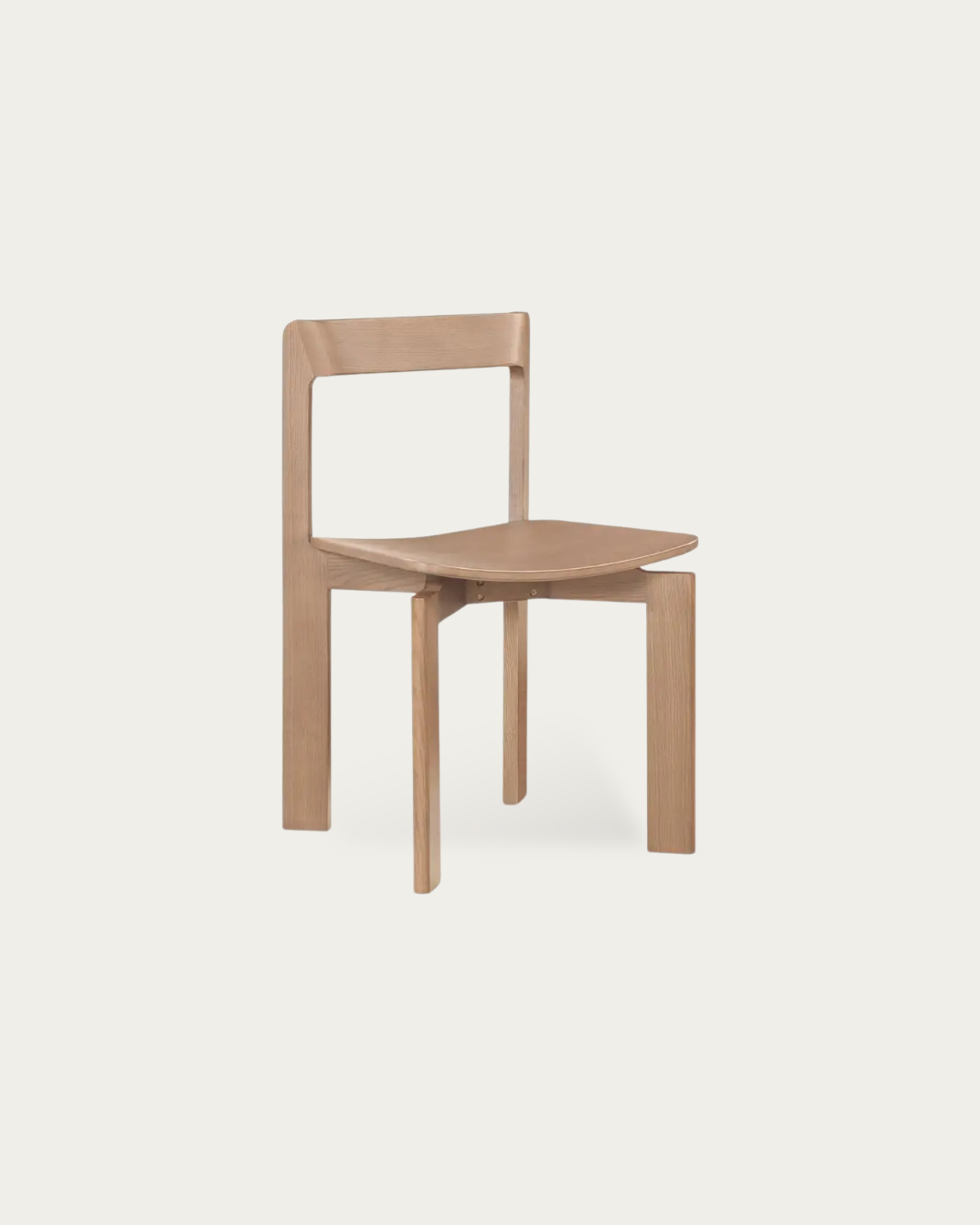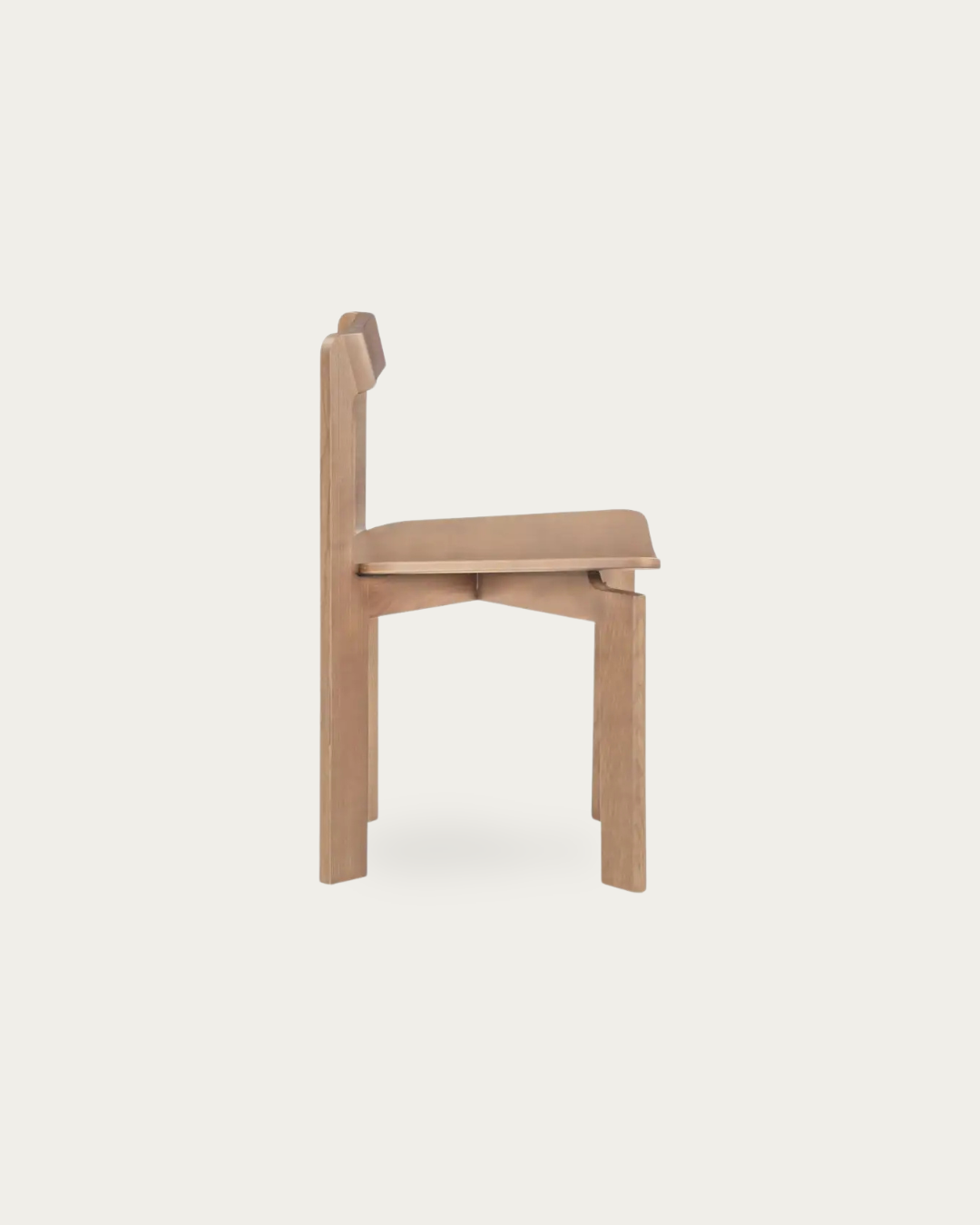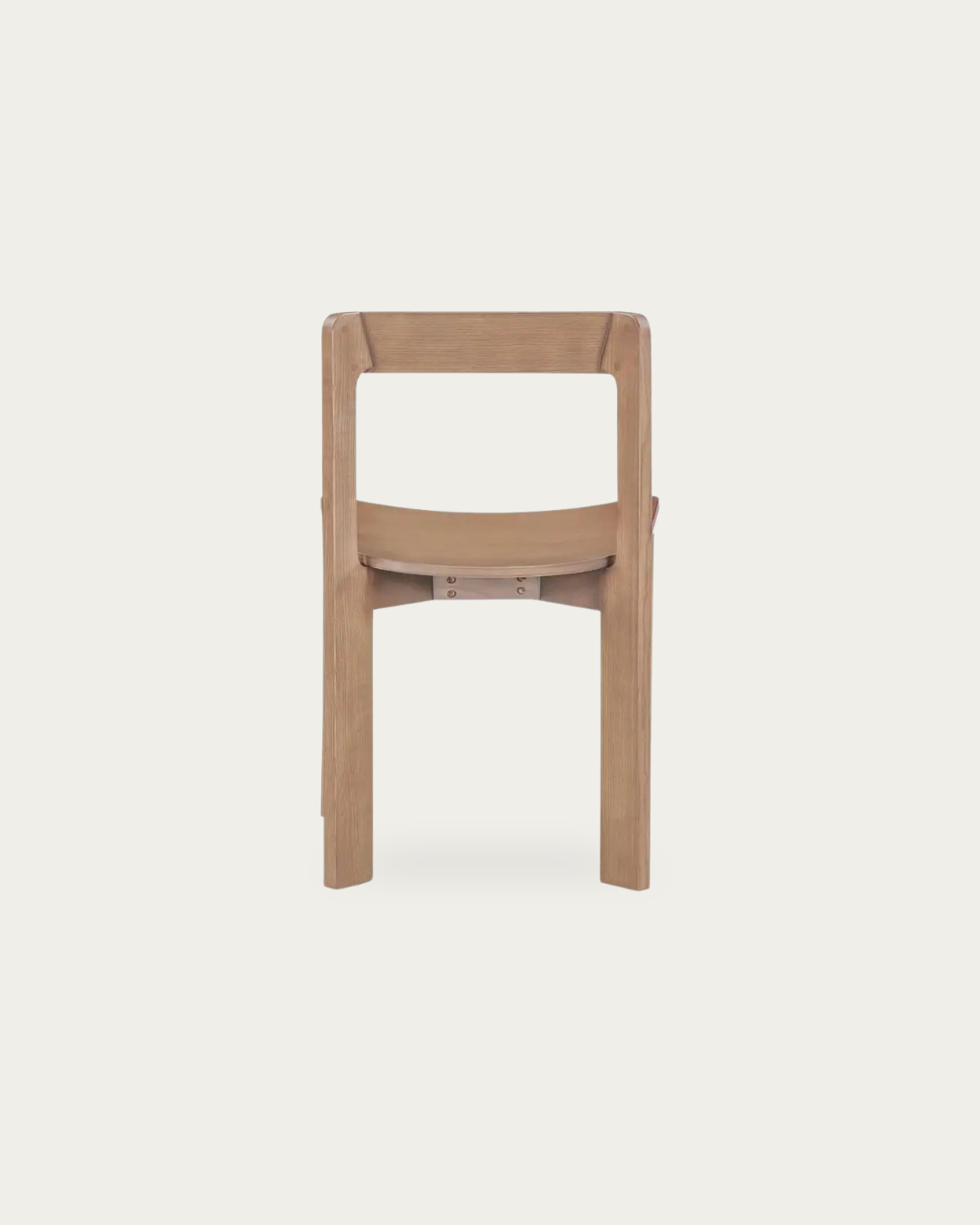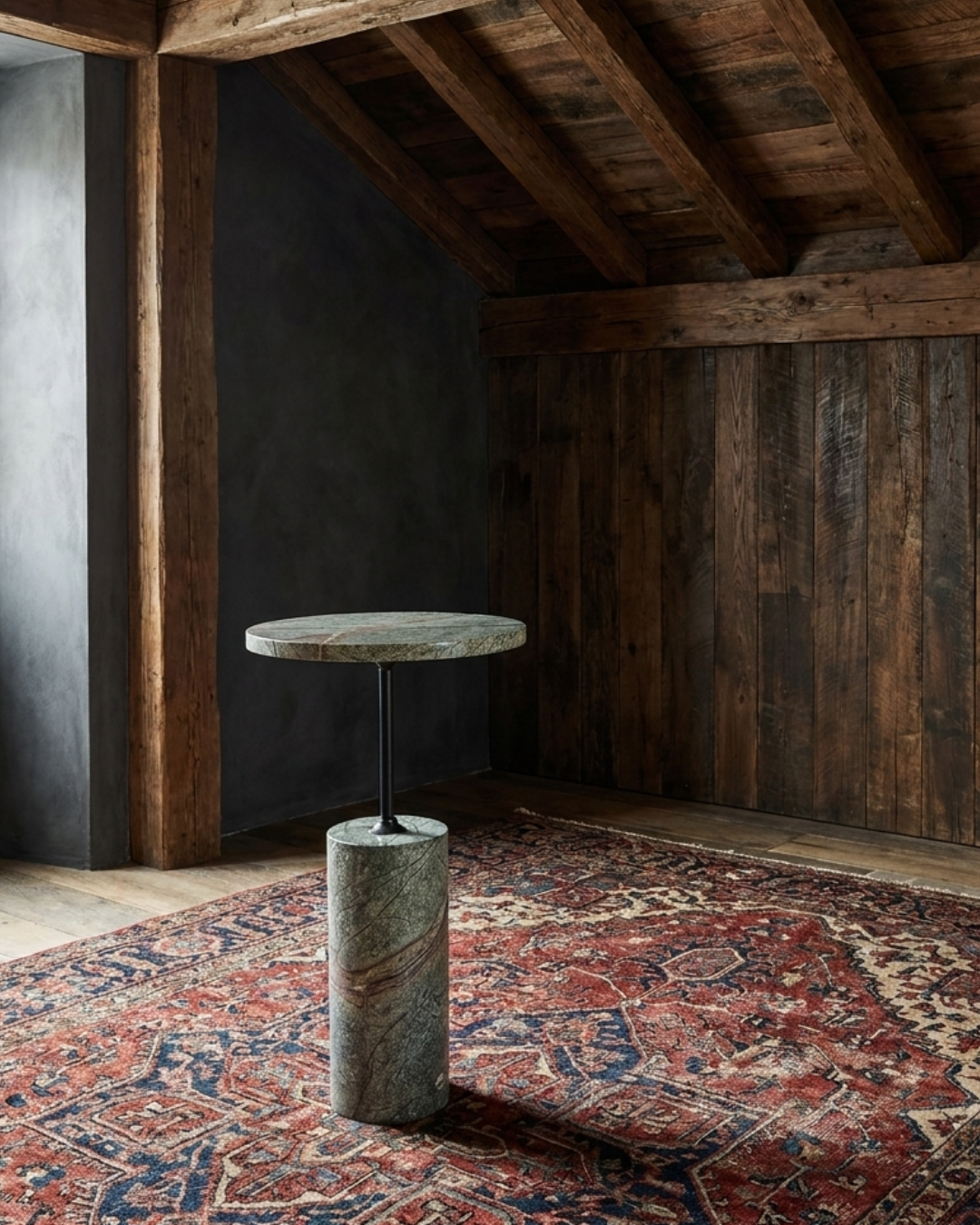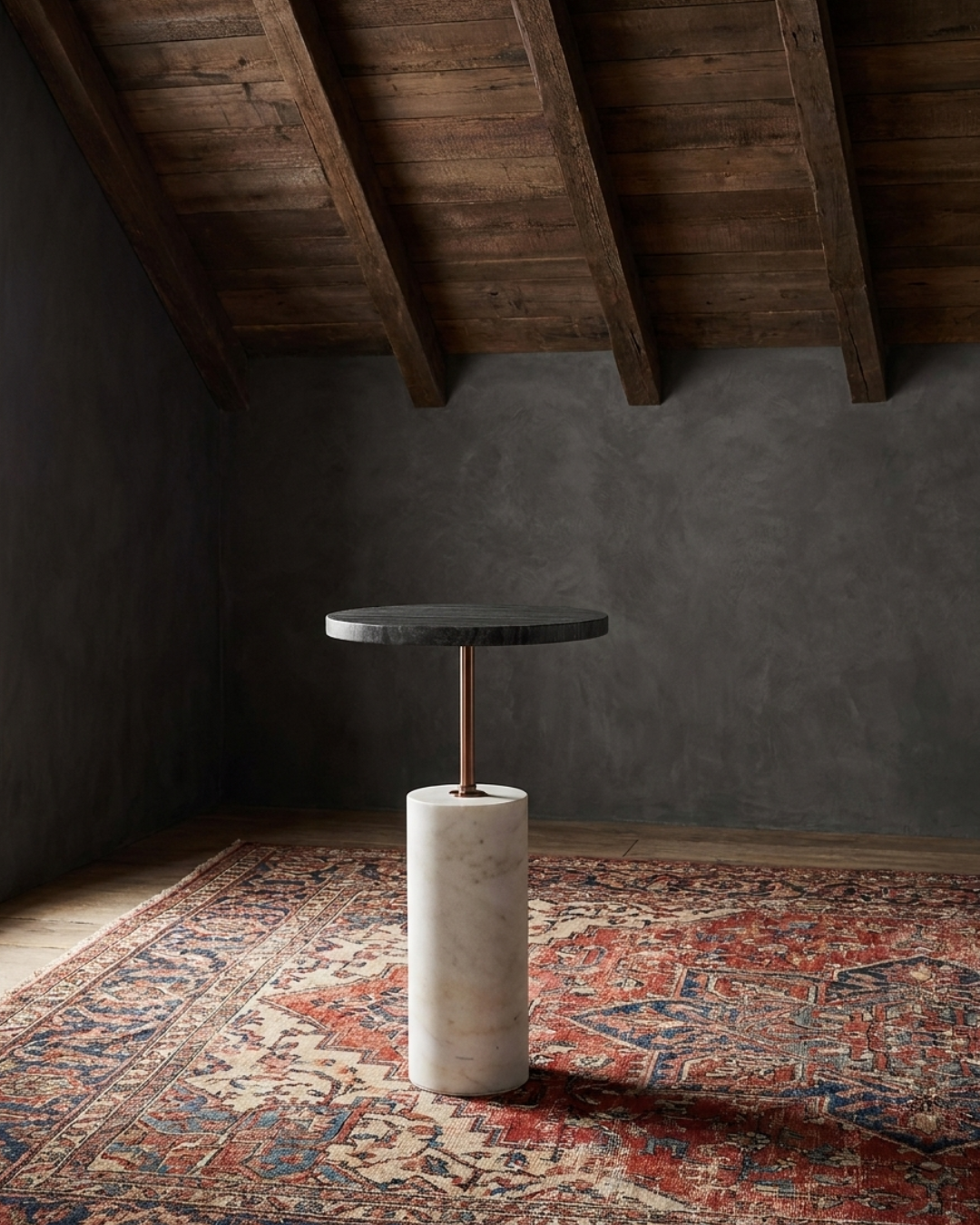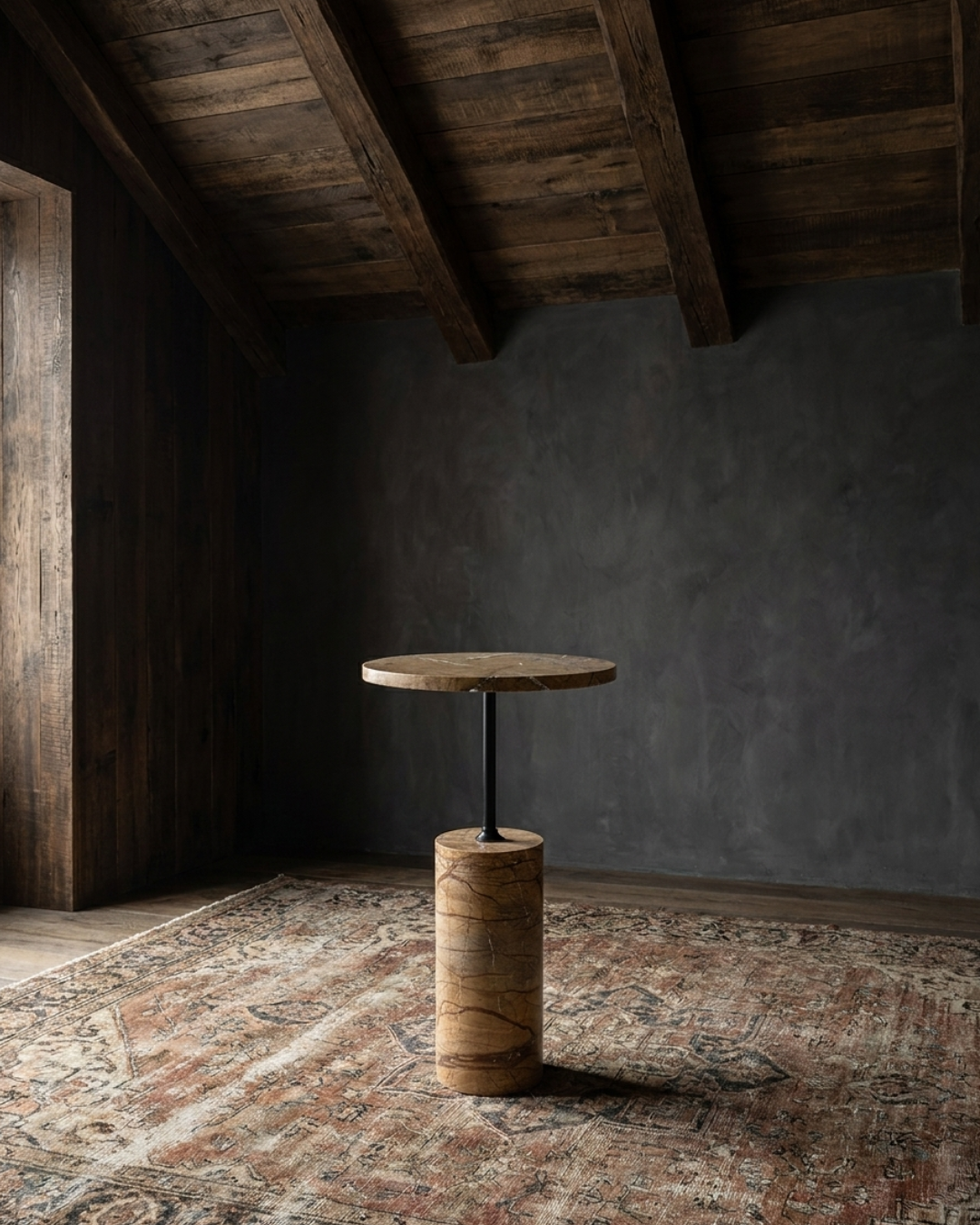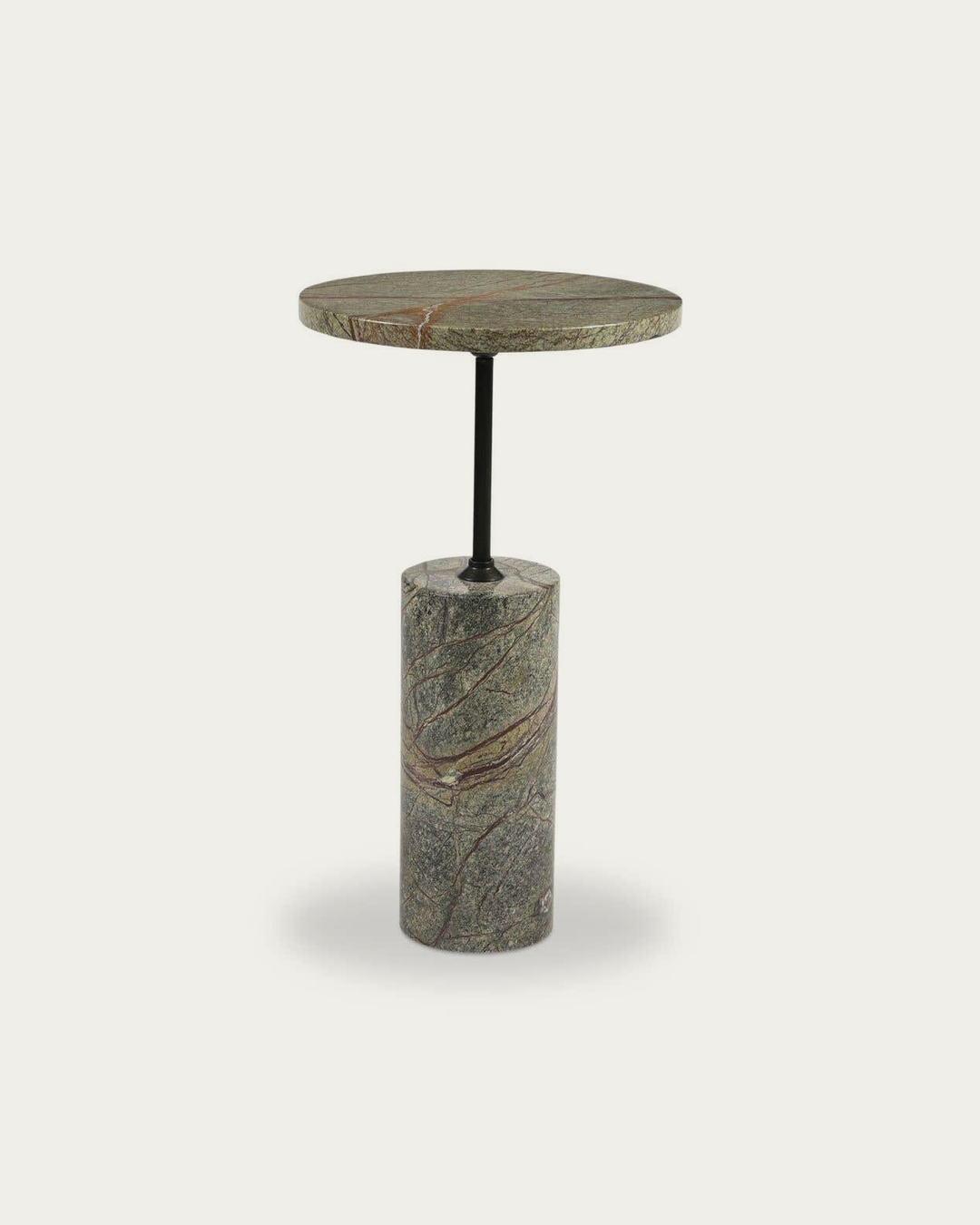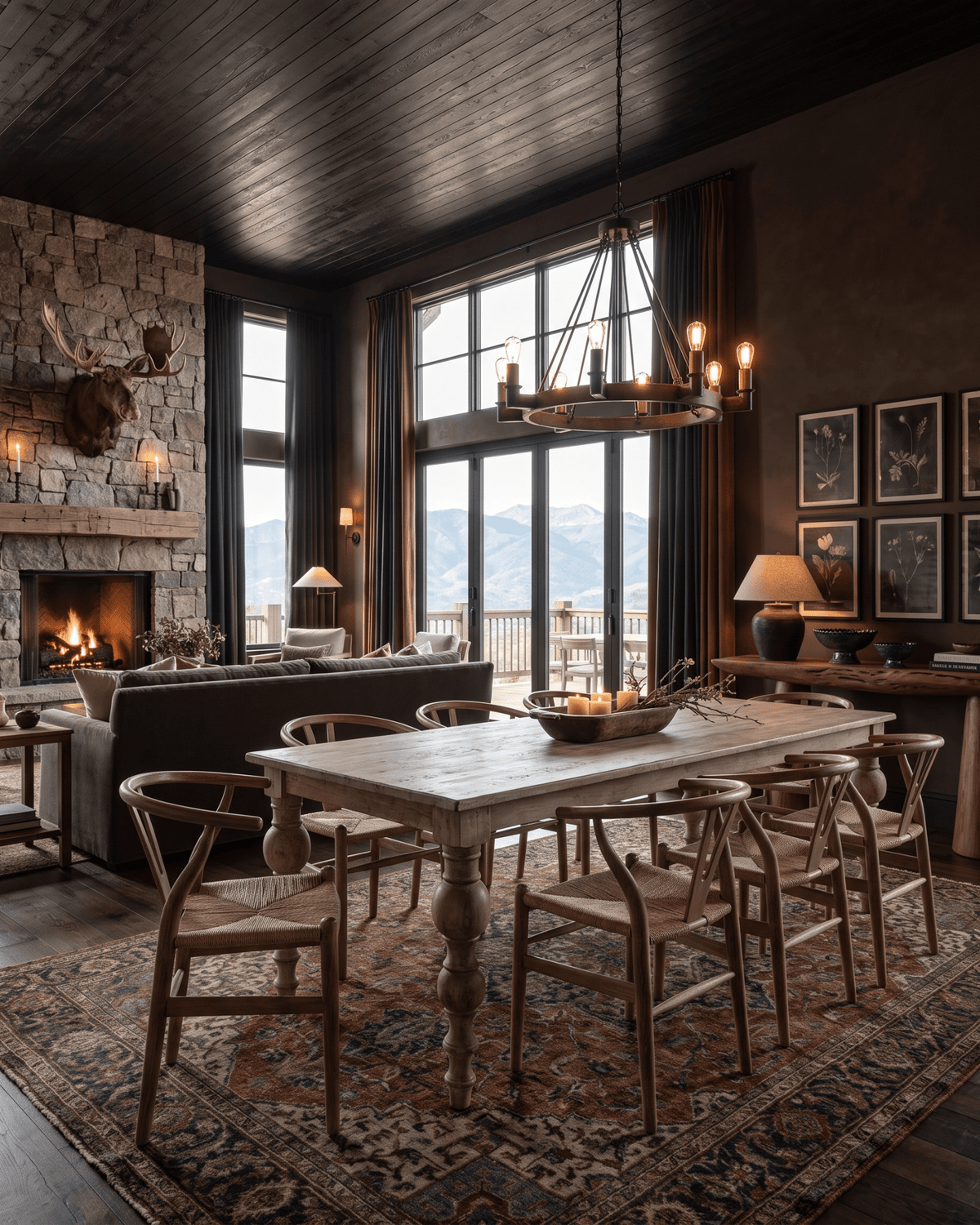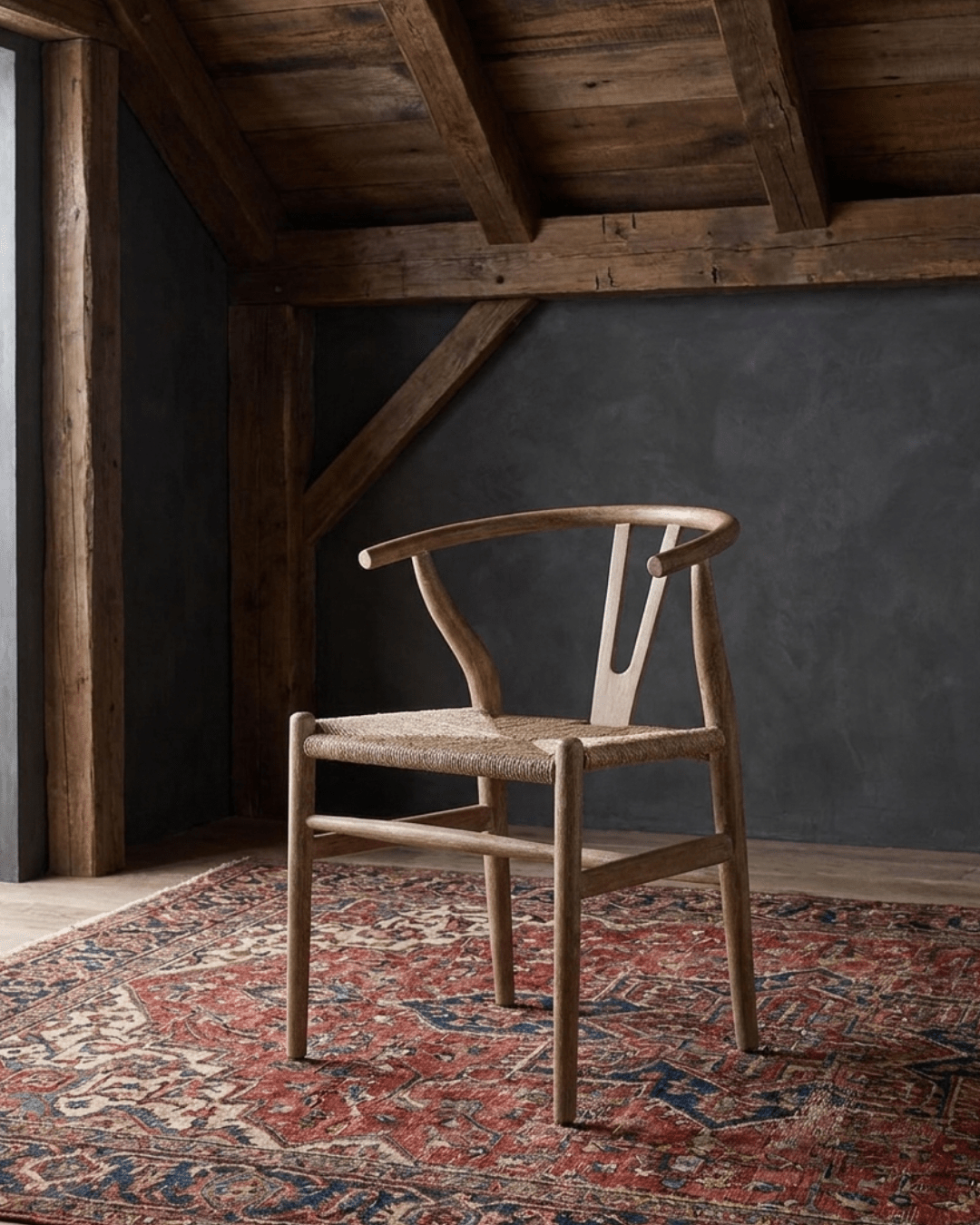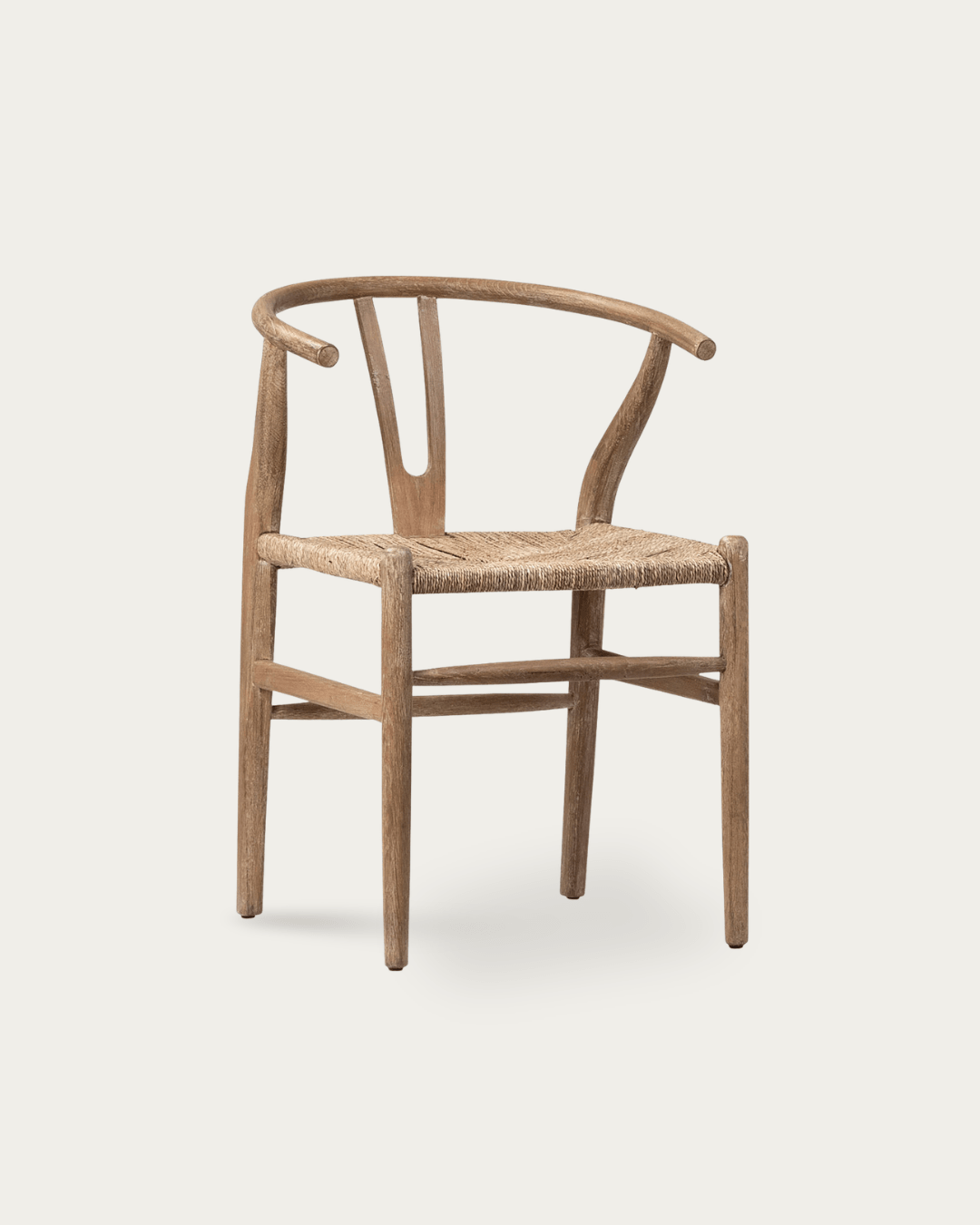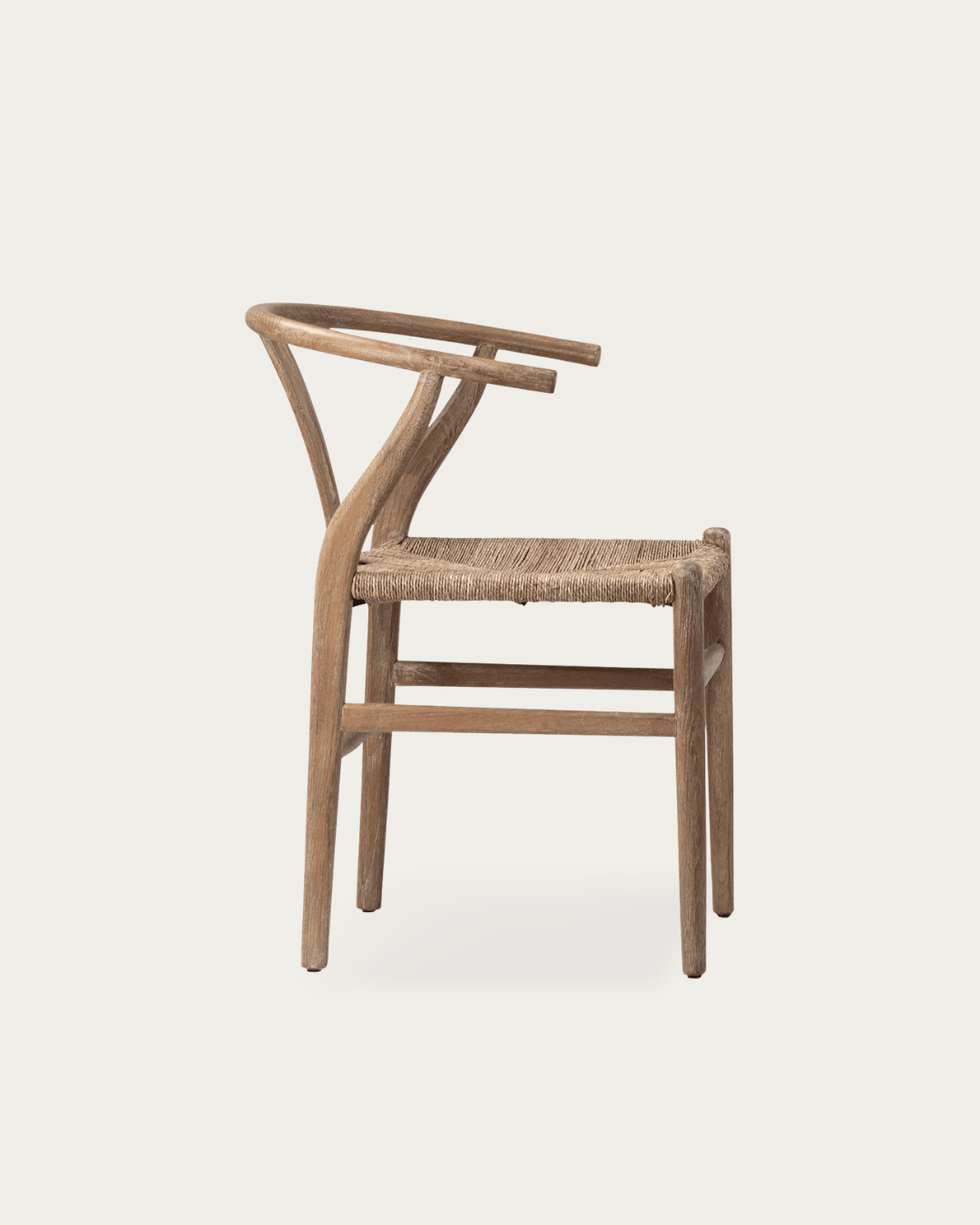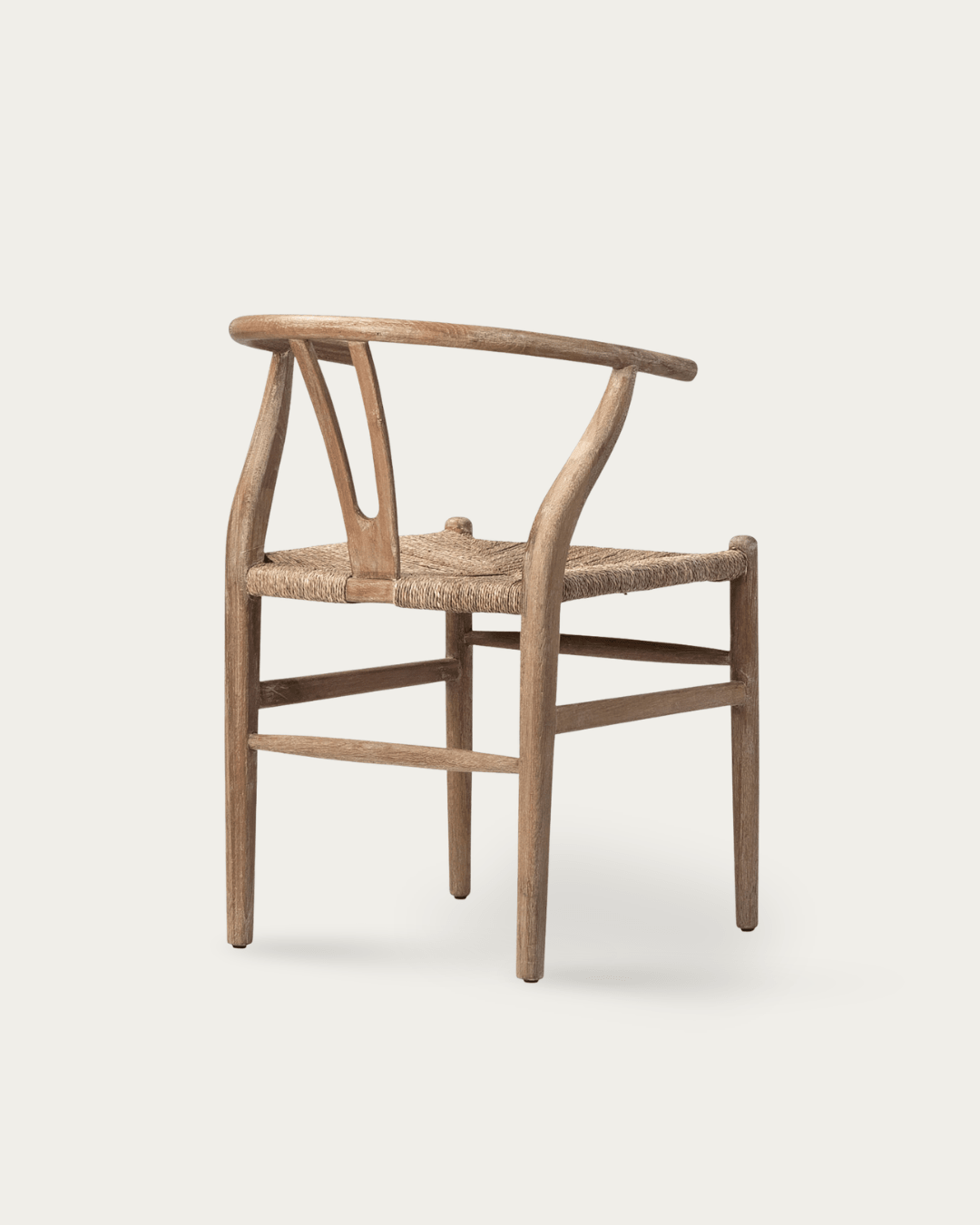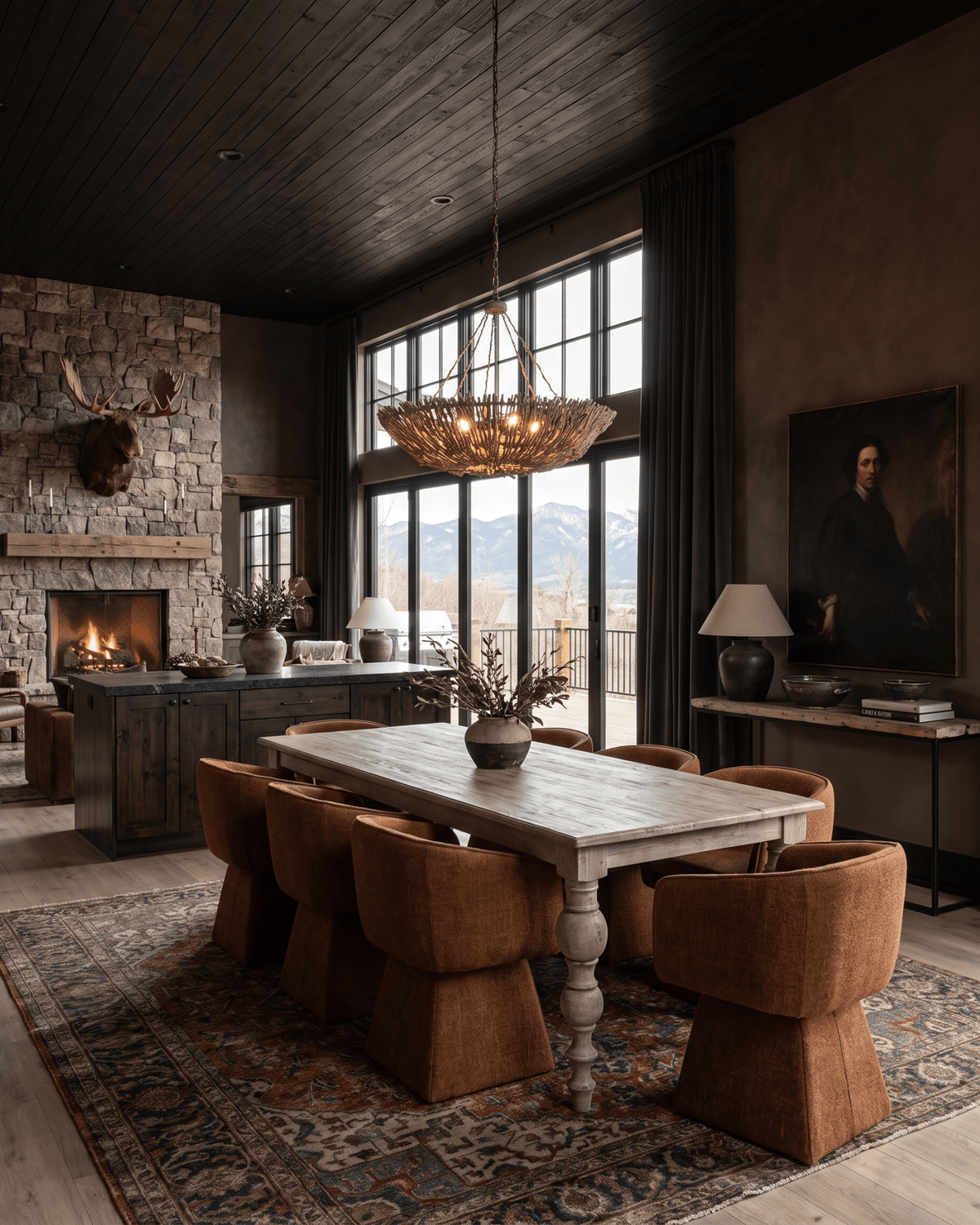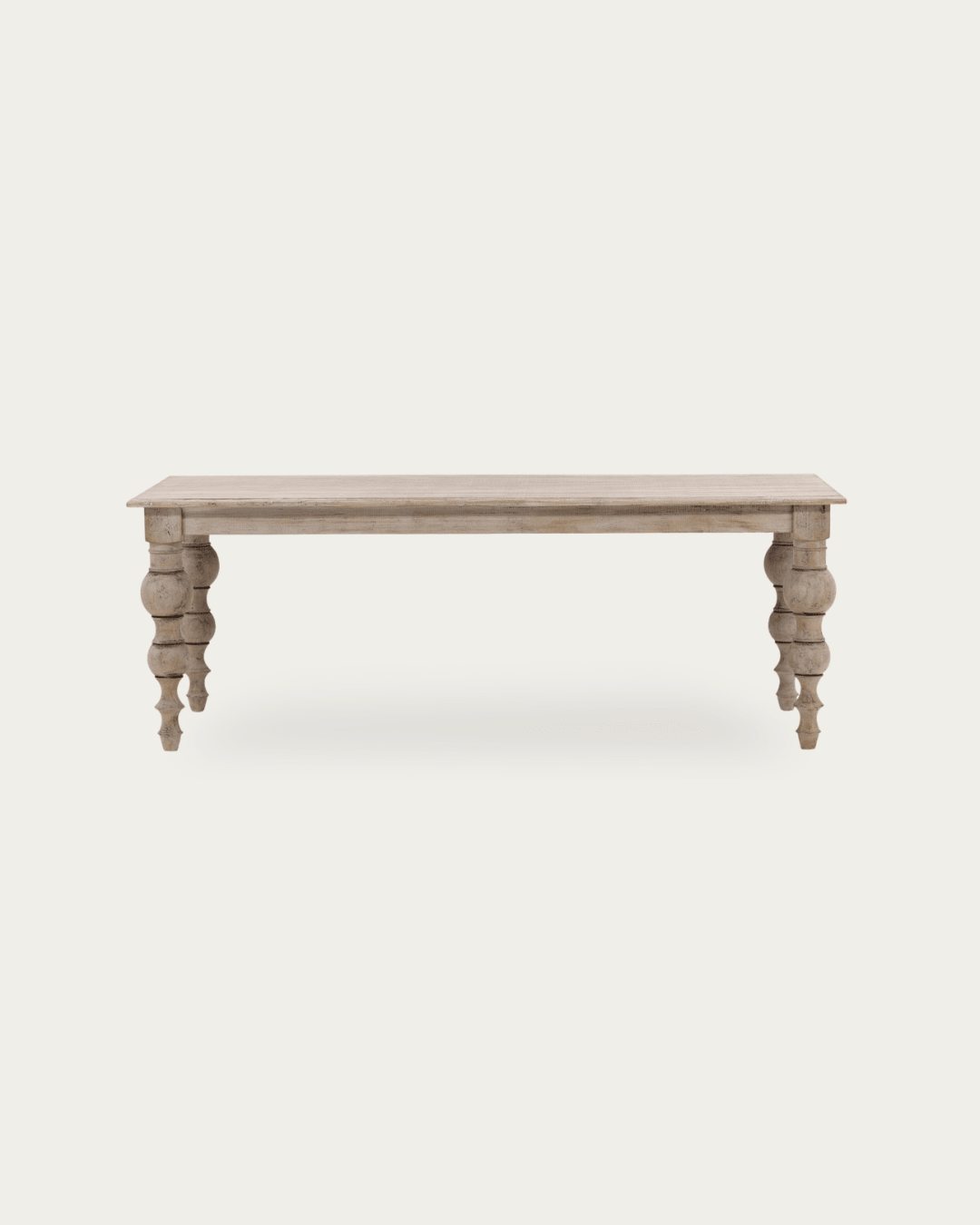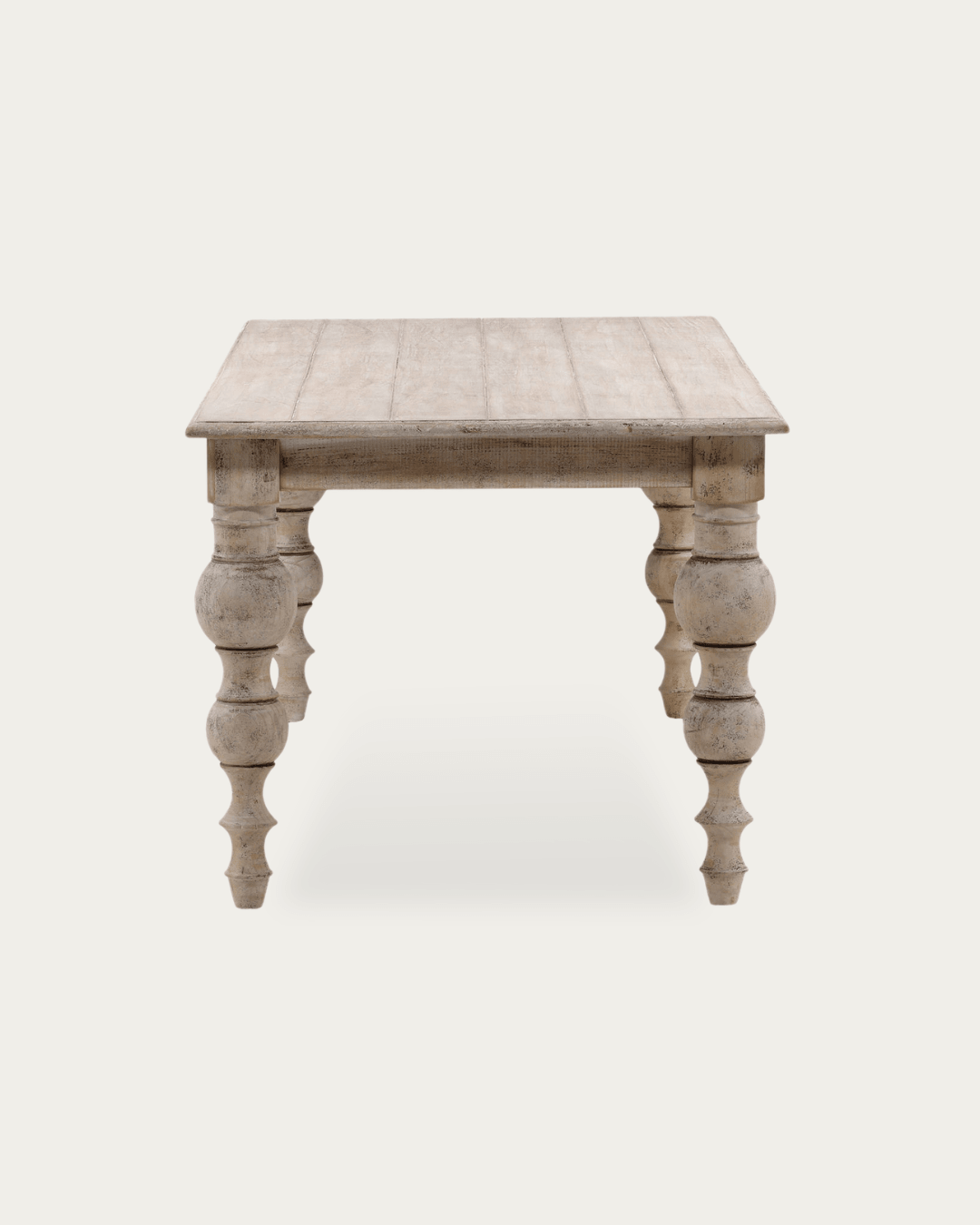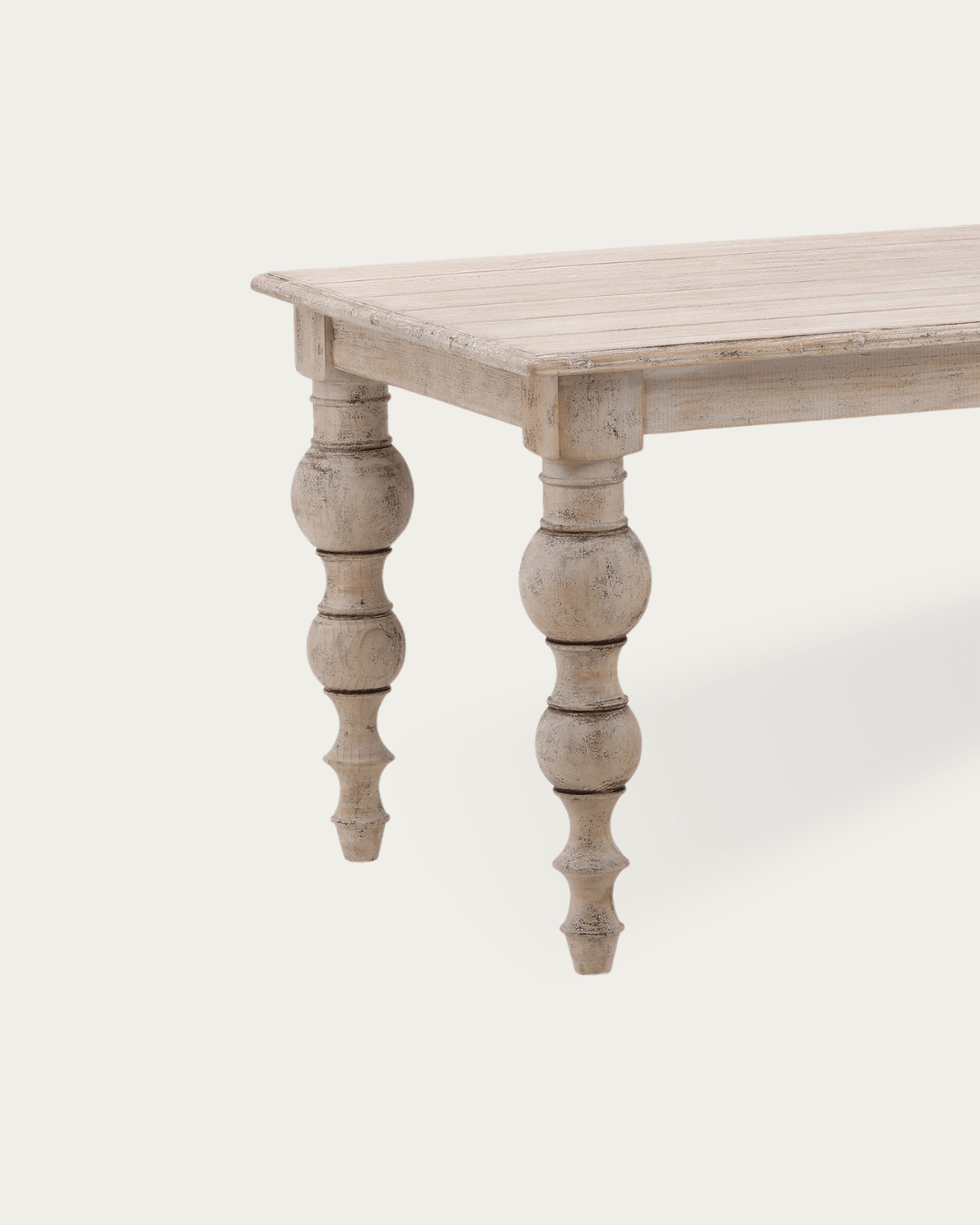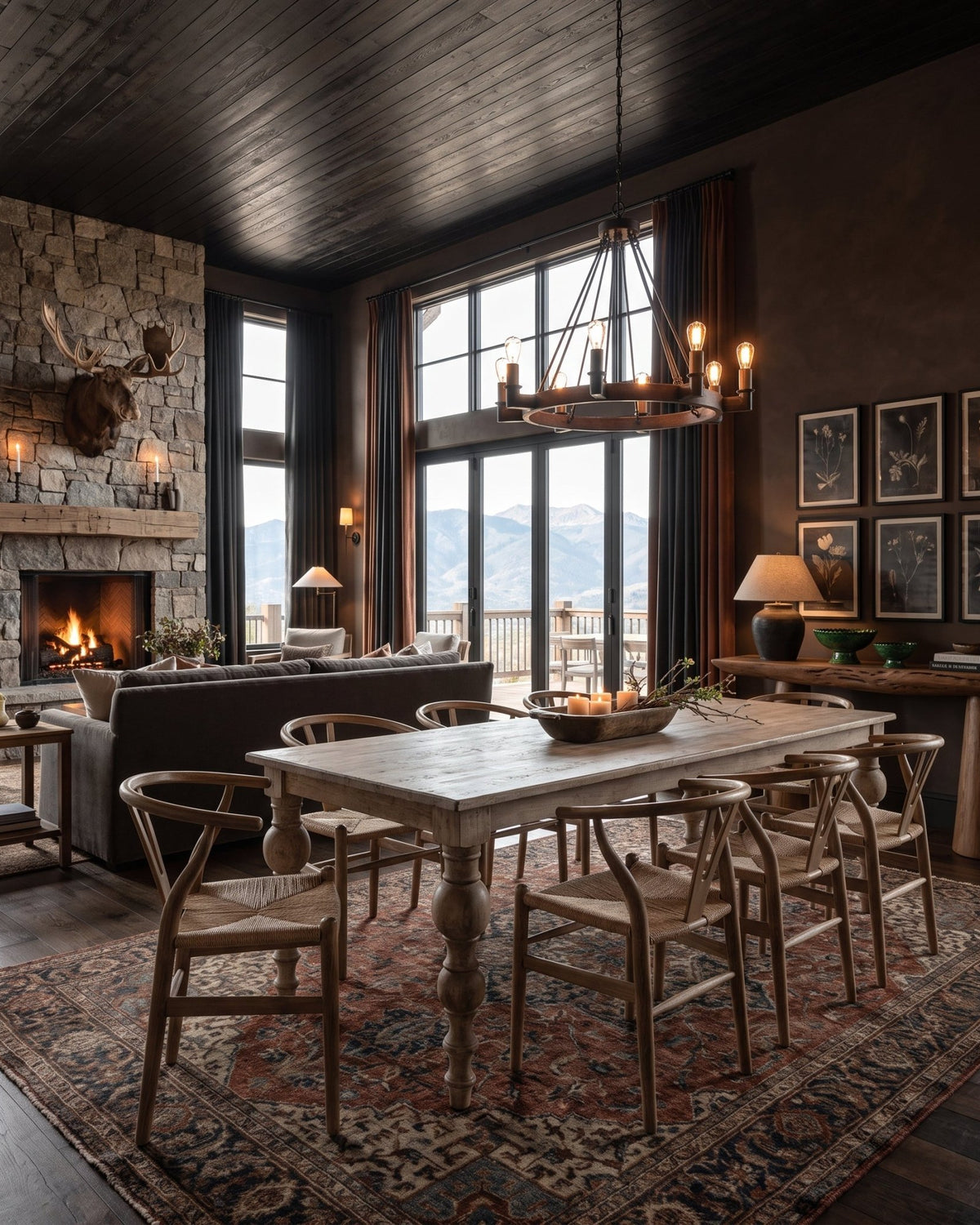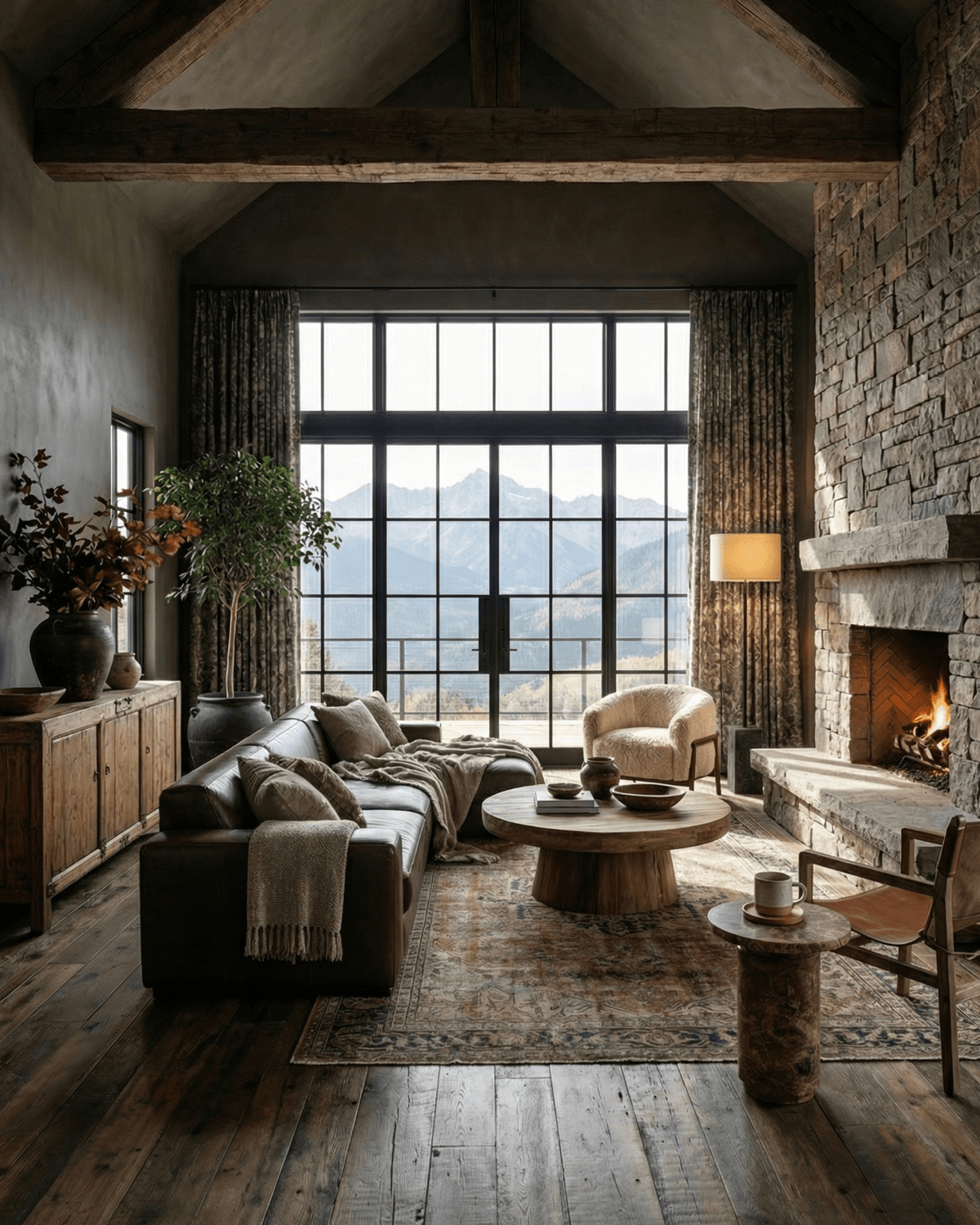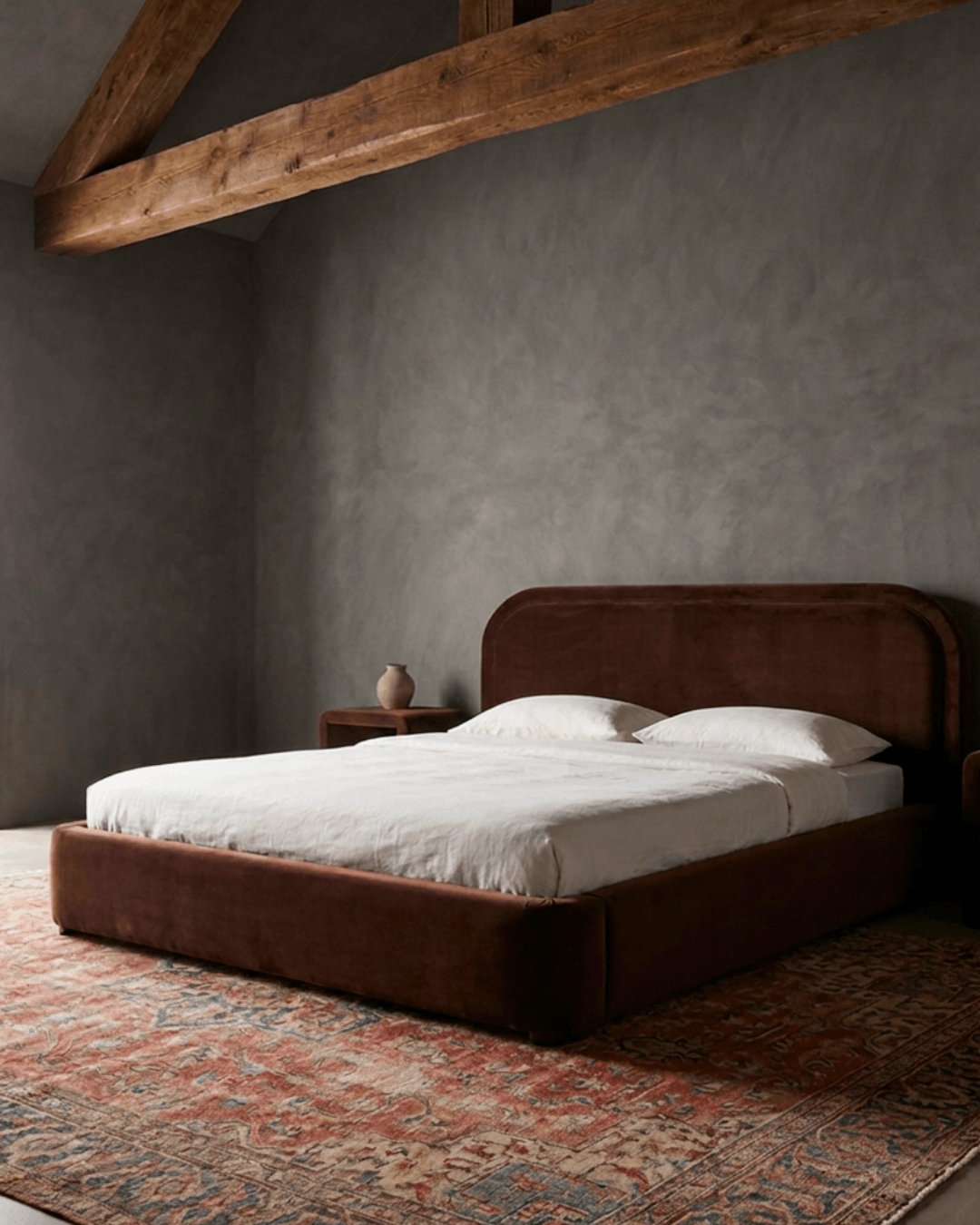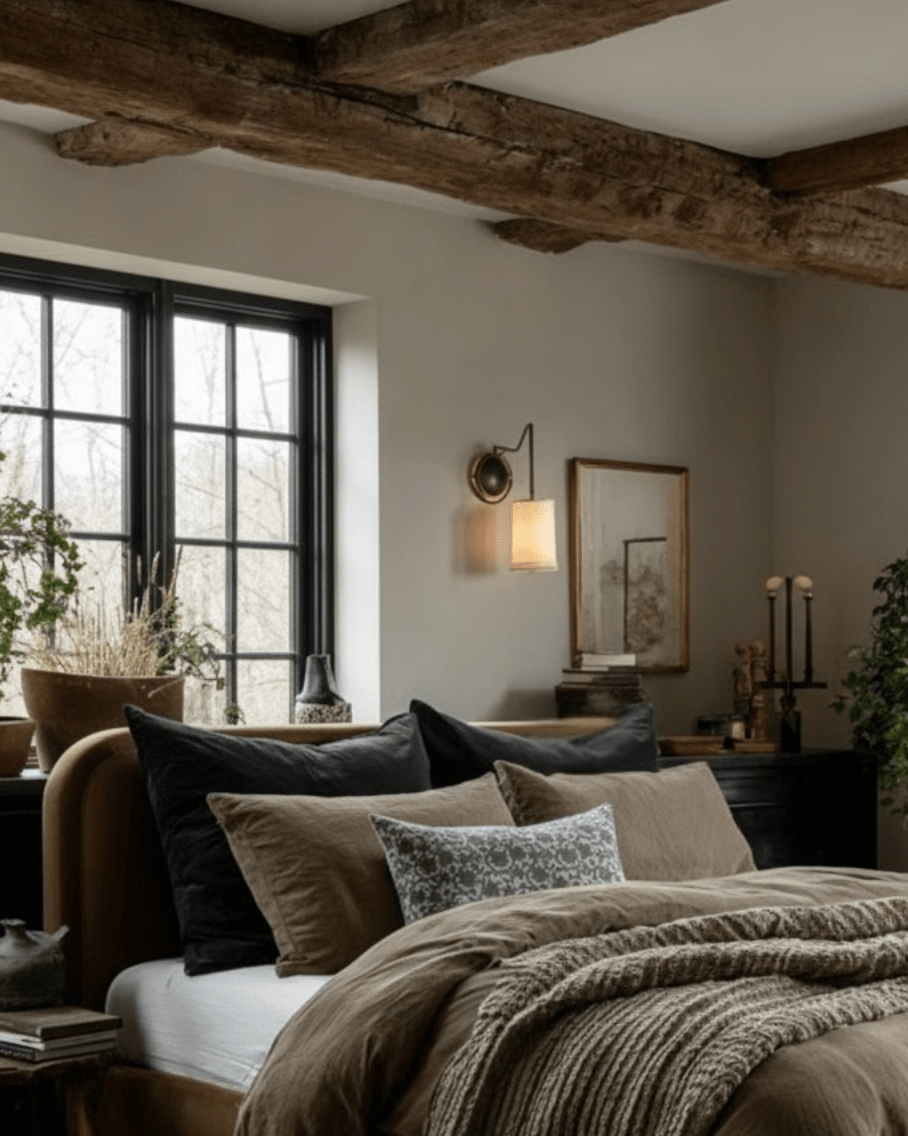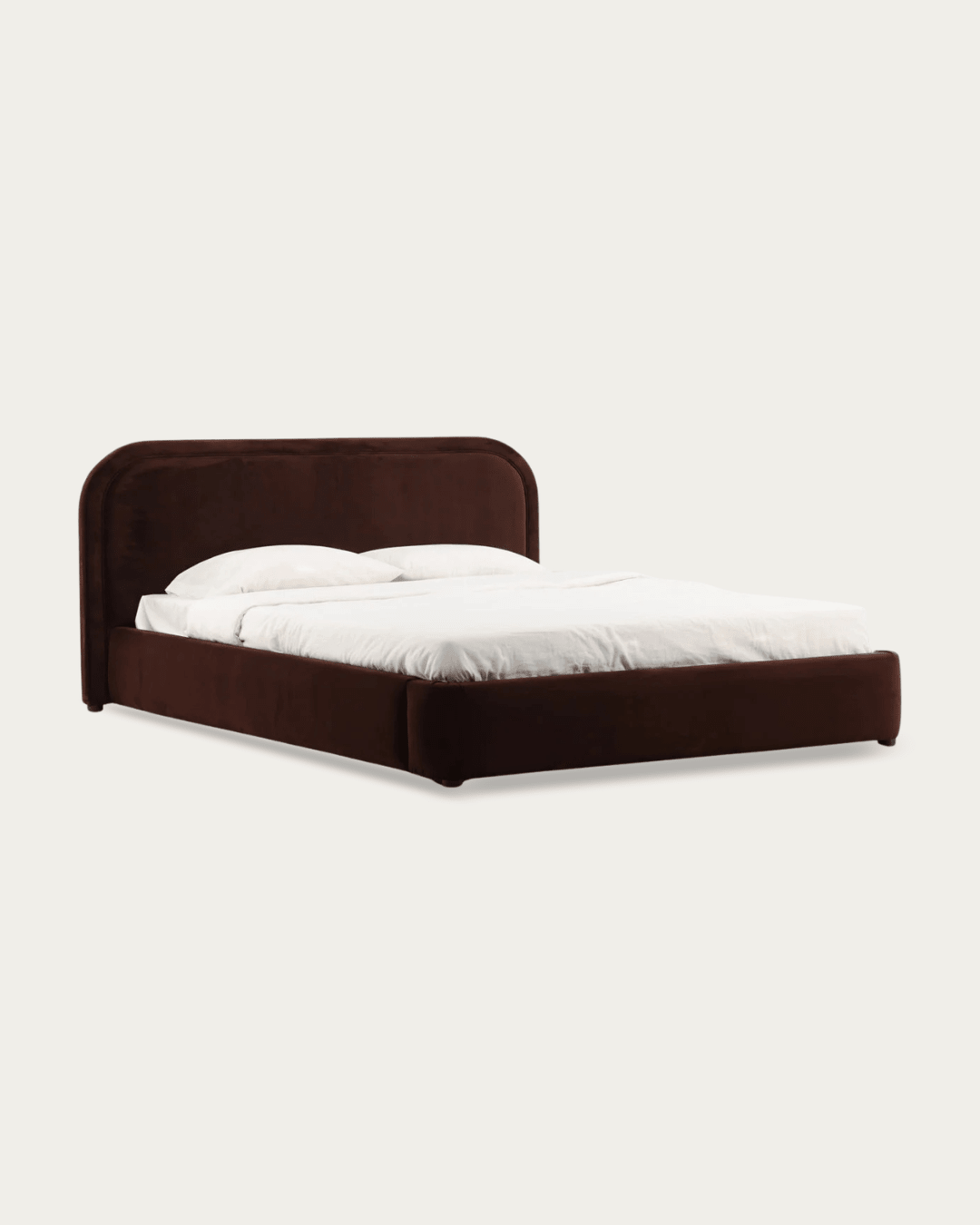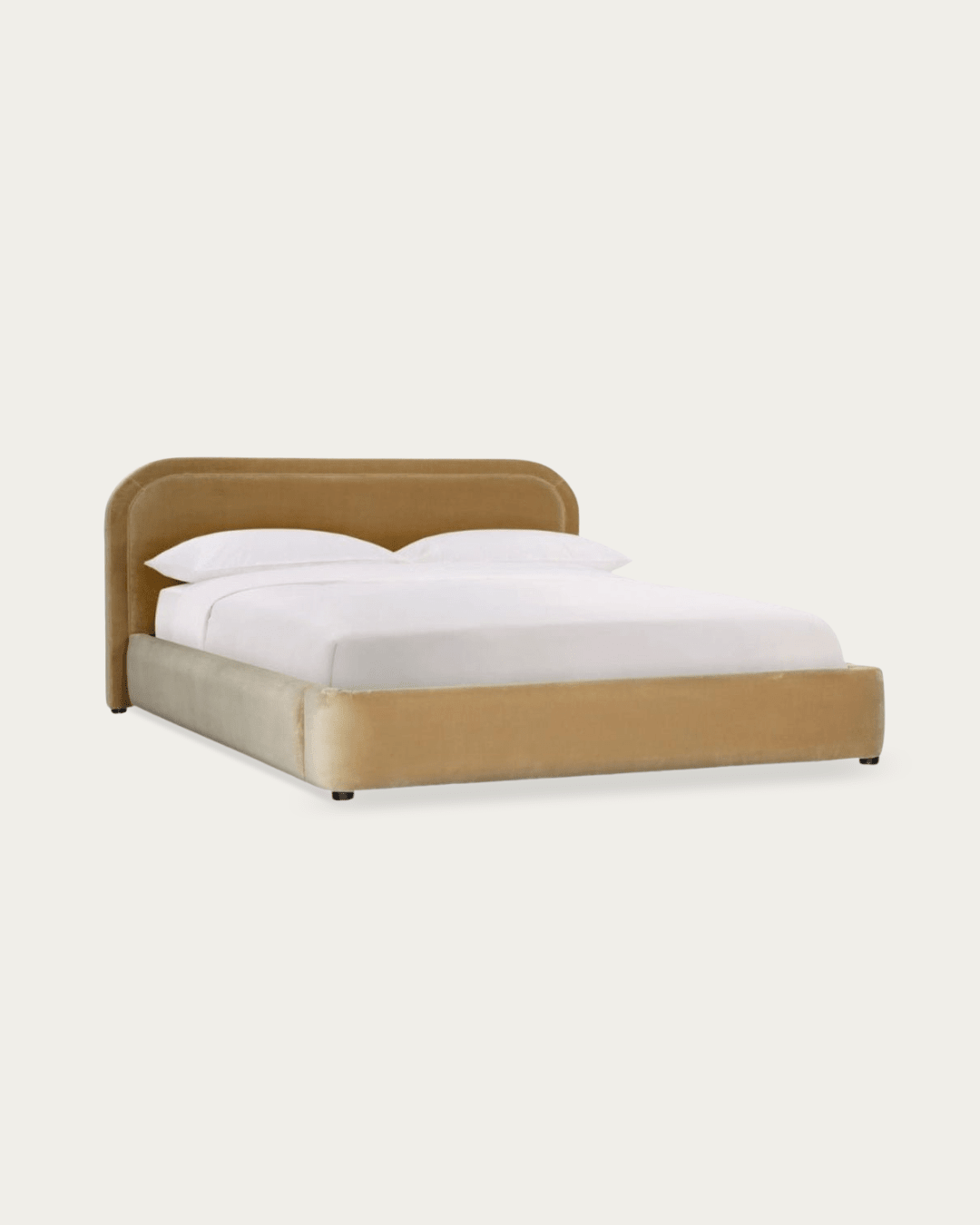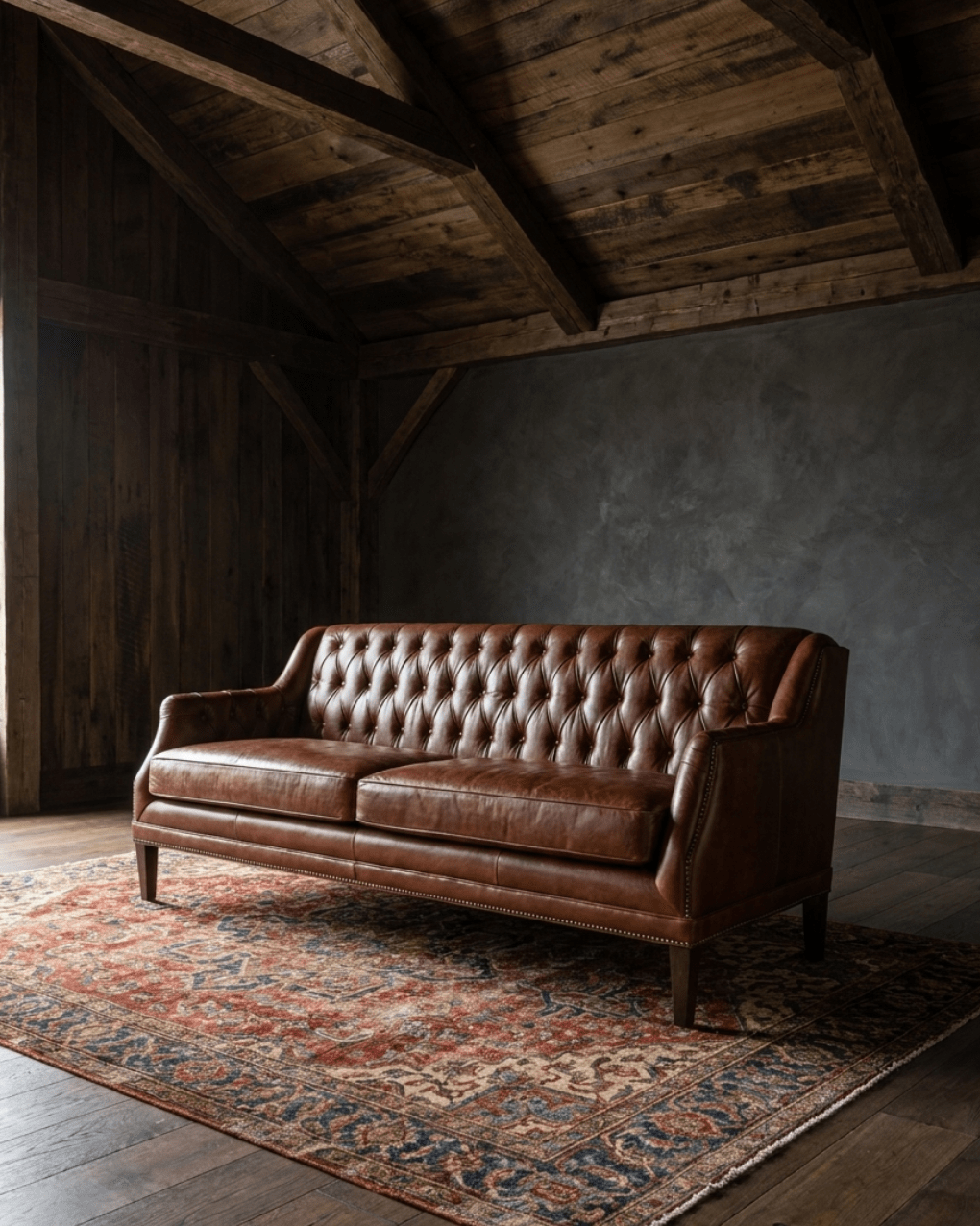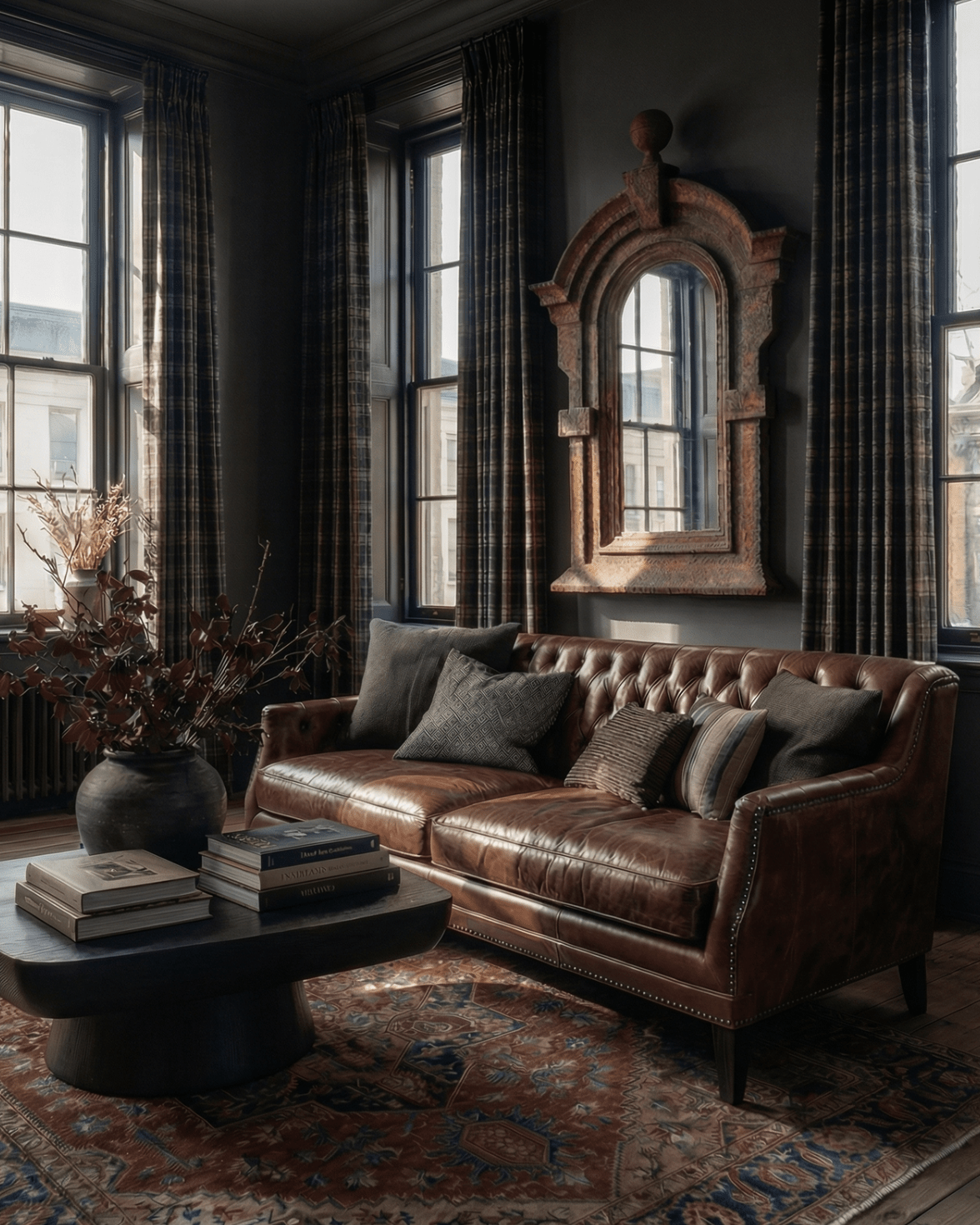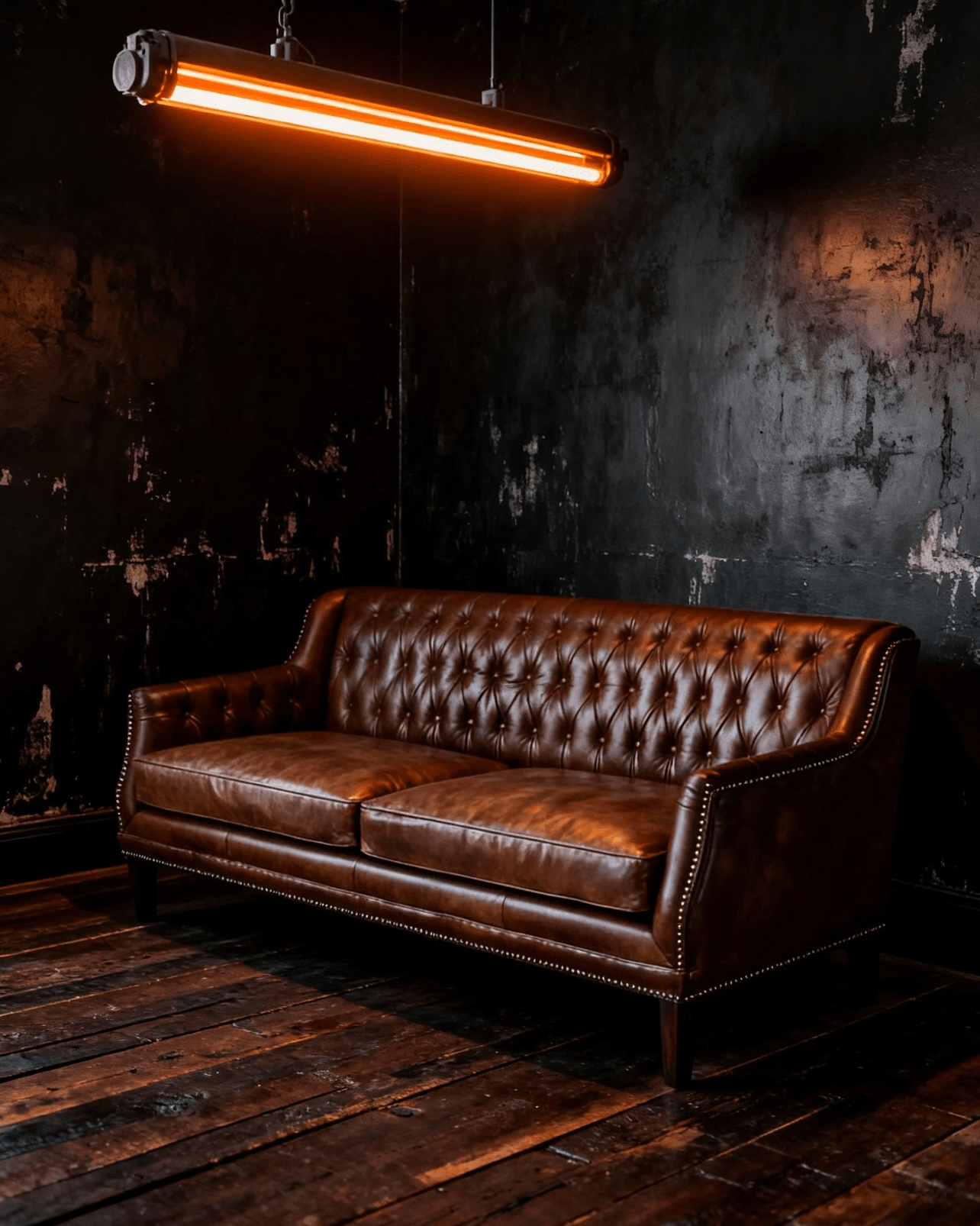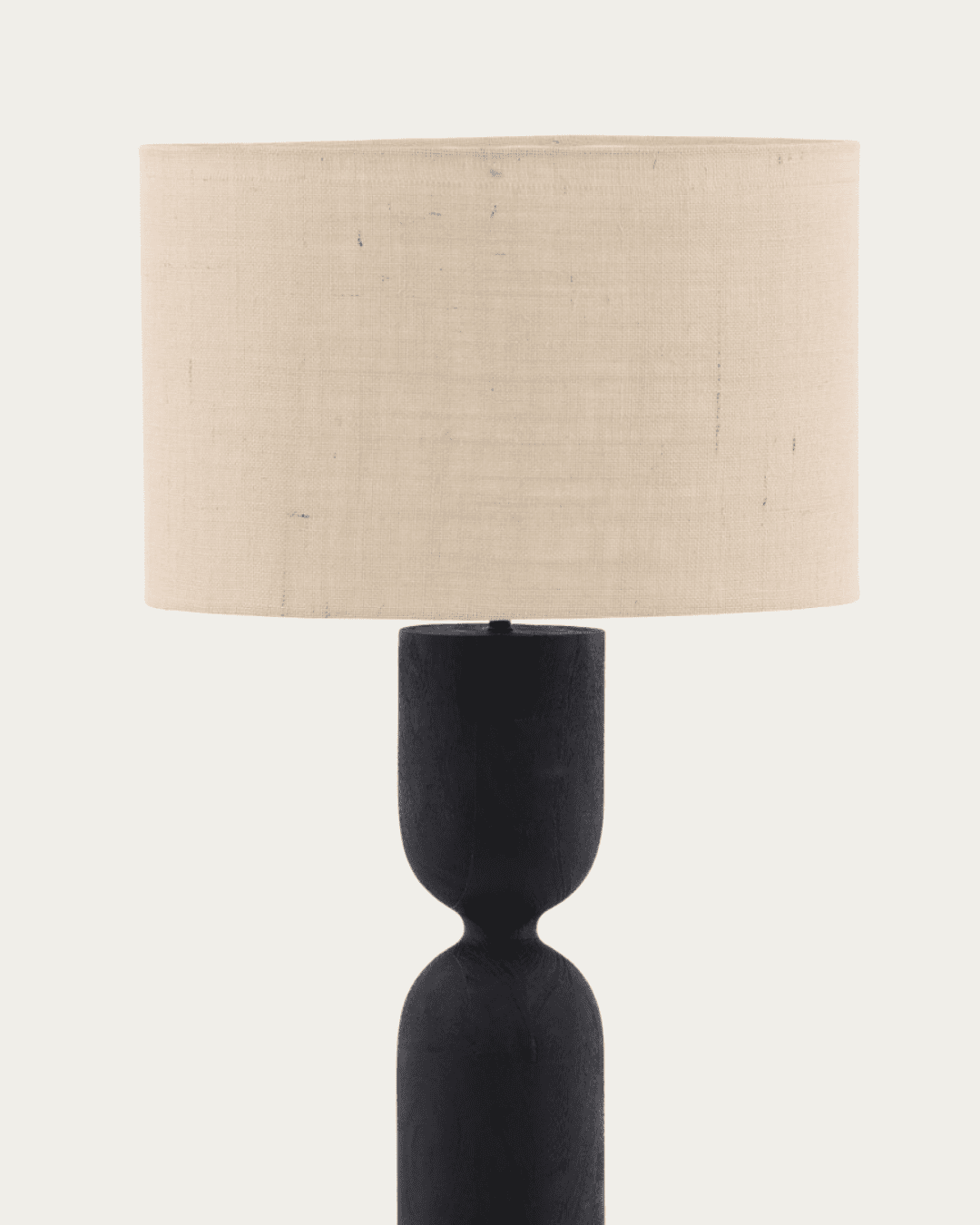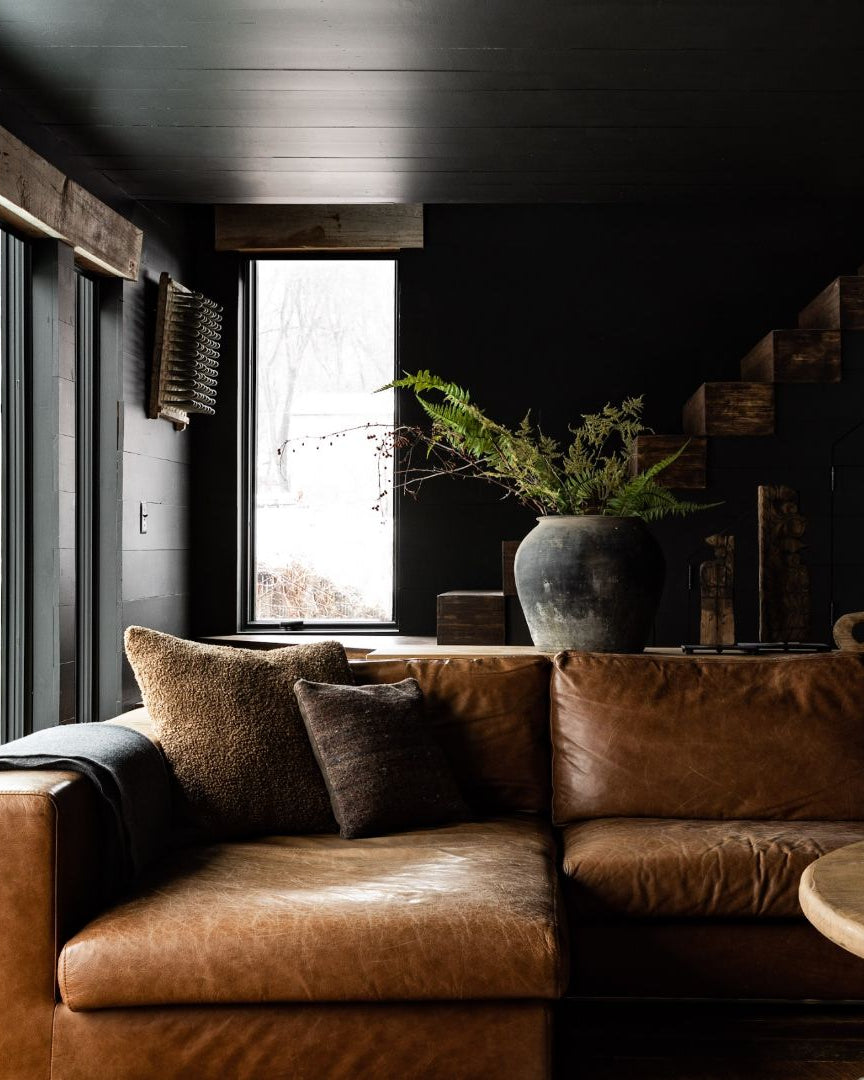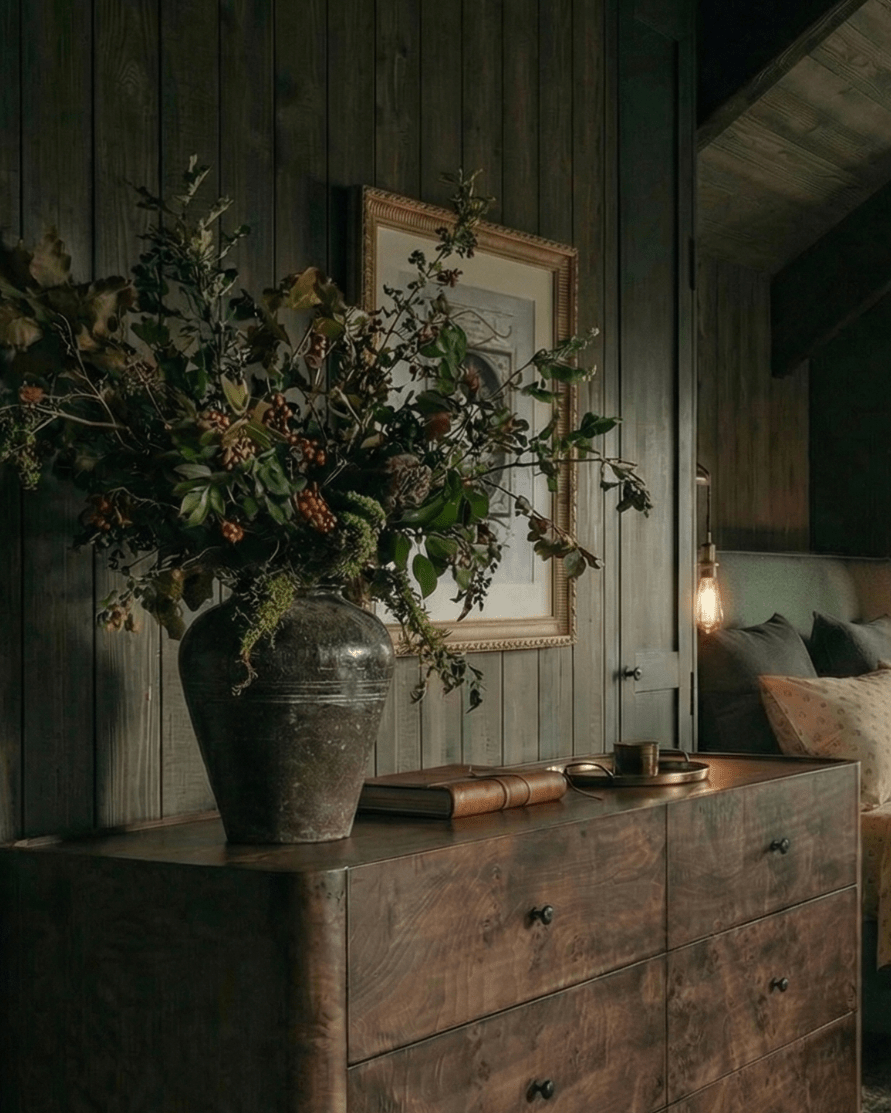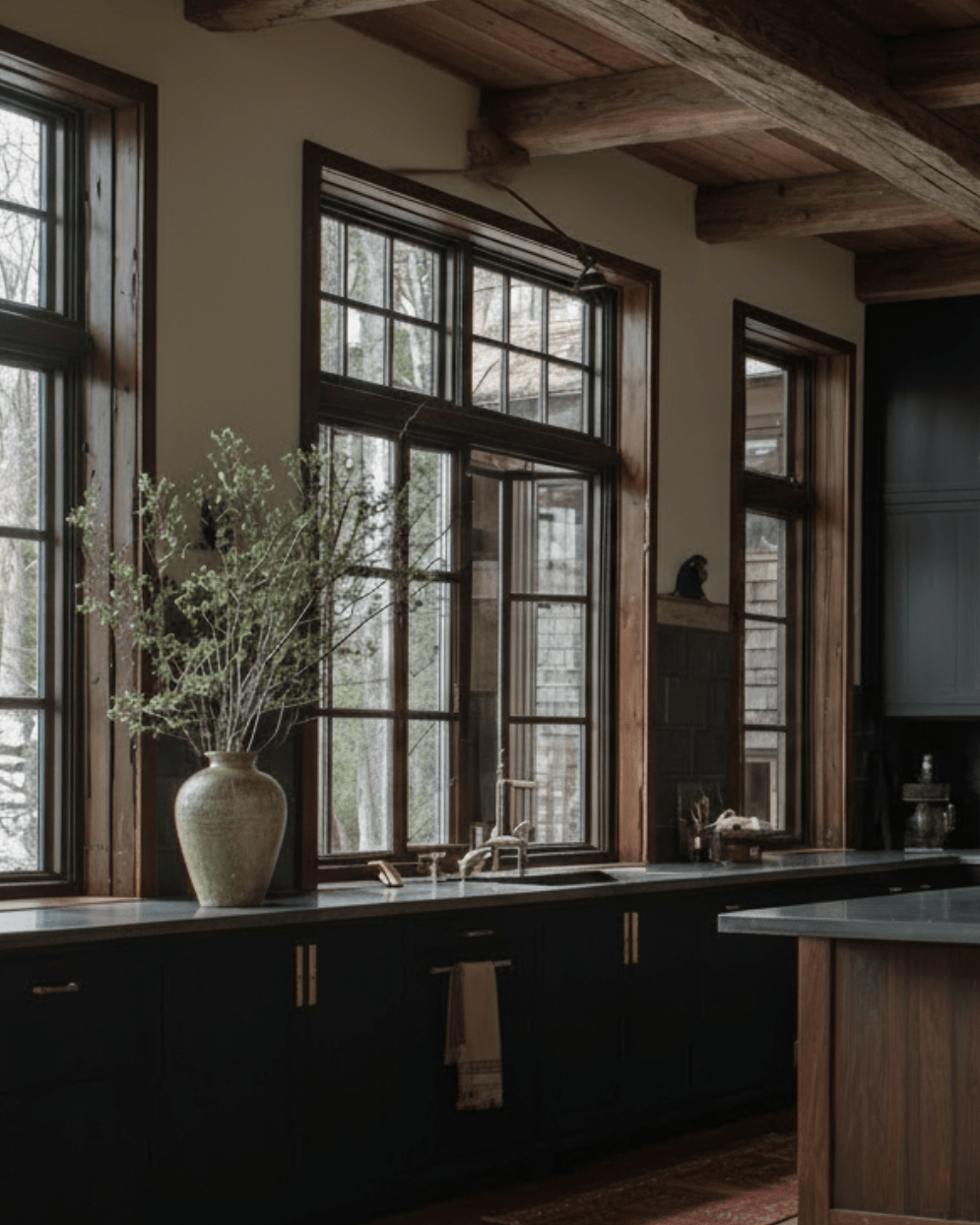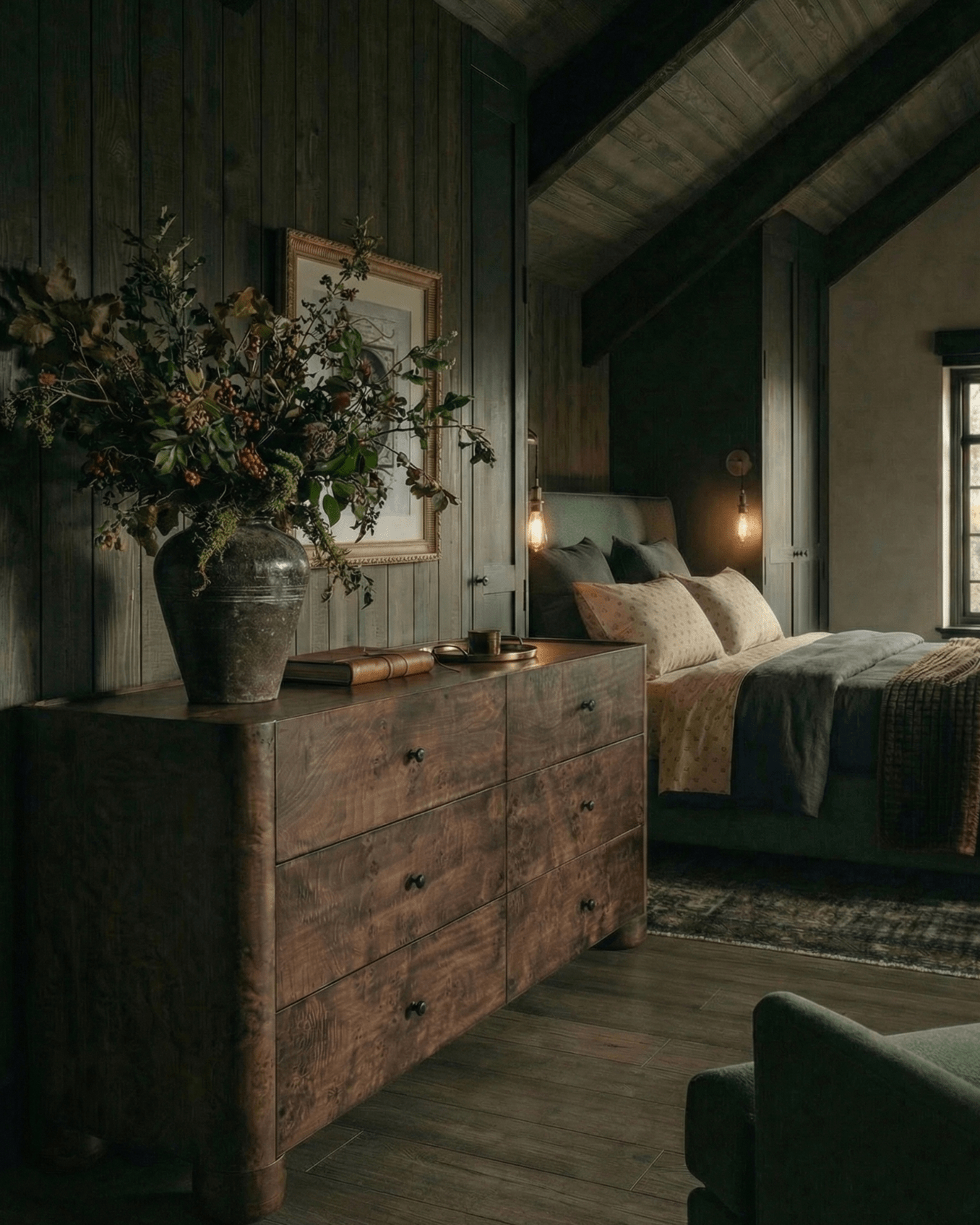








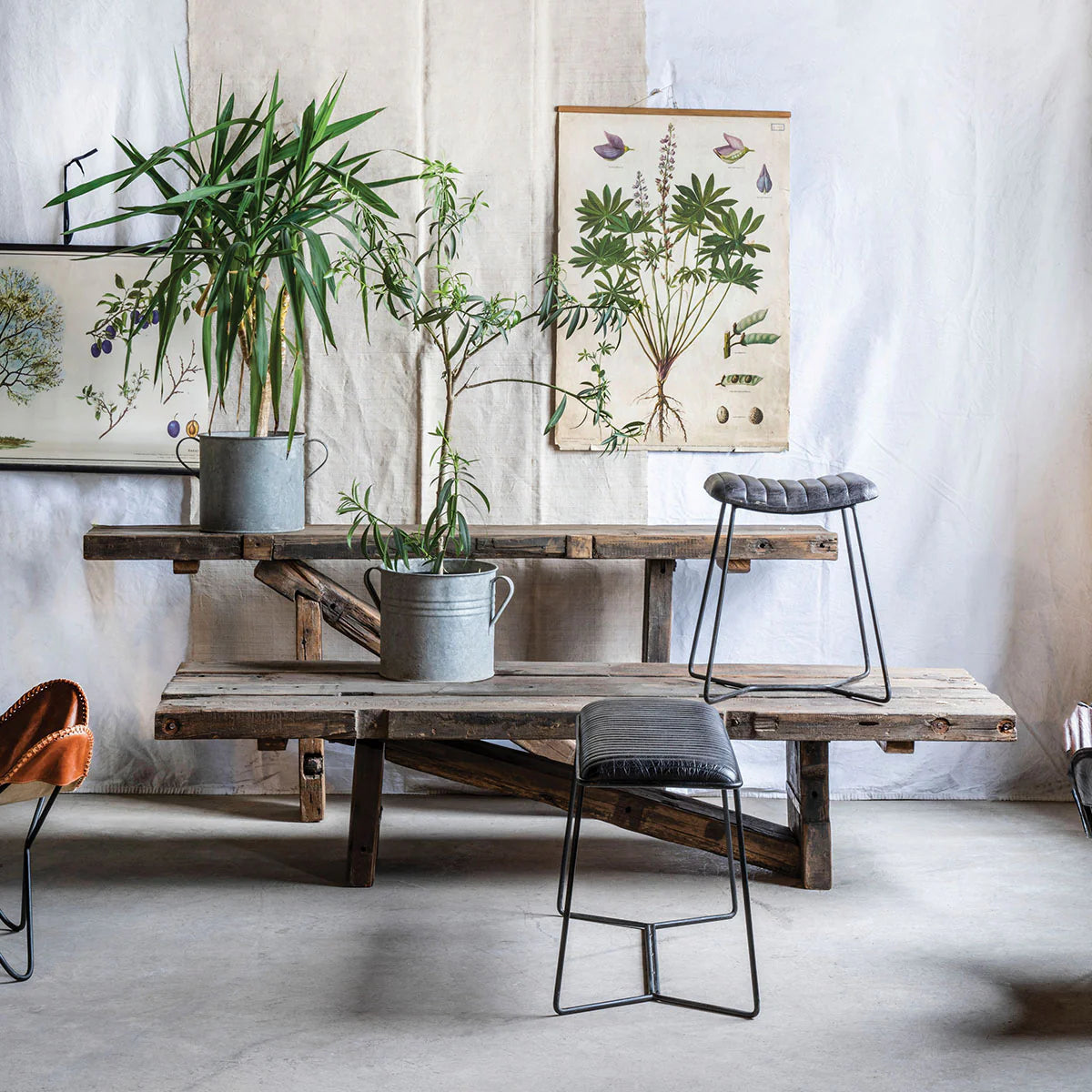





Most people assume their space feels off because of the furniture itself. But more often, it’s not what you bought—it’s how your living room furniture is working together.
You can have good pieces and still end up with a room that feels disconnected, slightly awkward, or just unfinished. That’s because your brain reads layout before it reads style. If the structure doesn’t make sense, nothing else will.
If you’re trying to fix a space that doesn’t quite land, start here:
Shop living room furniture collection
Rule 1: Stop Letting the Sofa Do All the Work
Most layouts rely too heavily on one piece—the sofa.
Everything else becomes secondary, and the room starts to feel one-sided. Your eyes keep returning to the same place, and the rest of the space feels underutilized.
A better approach is distribution.
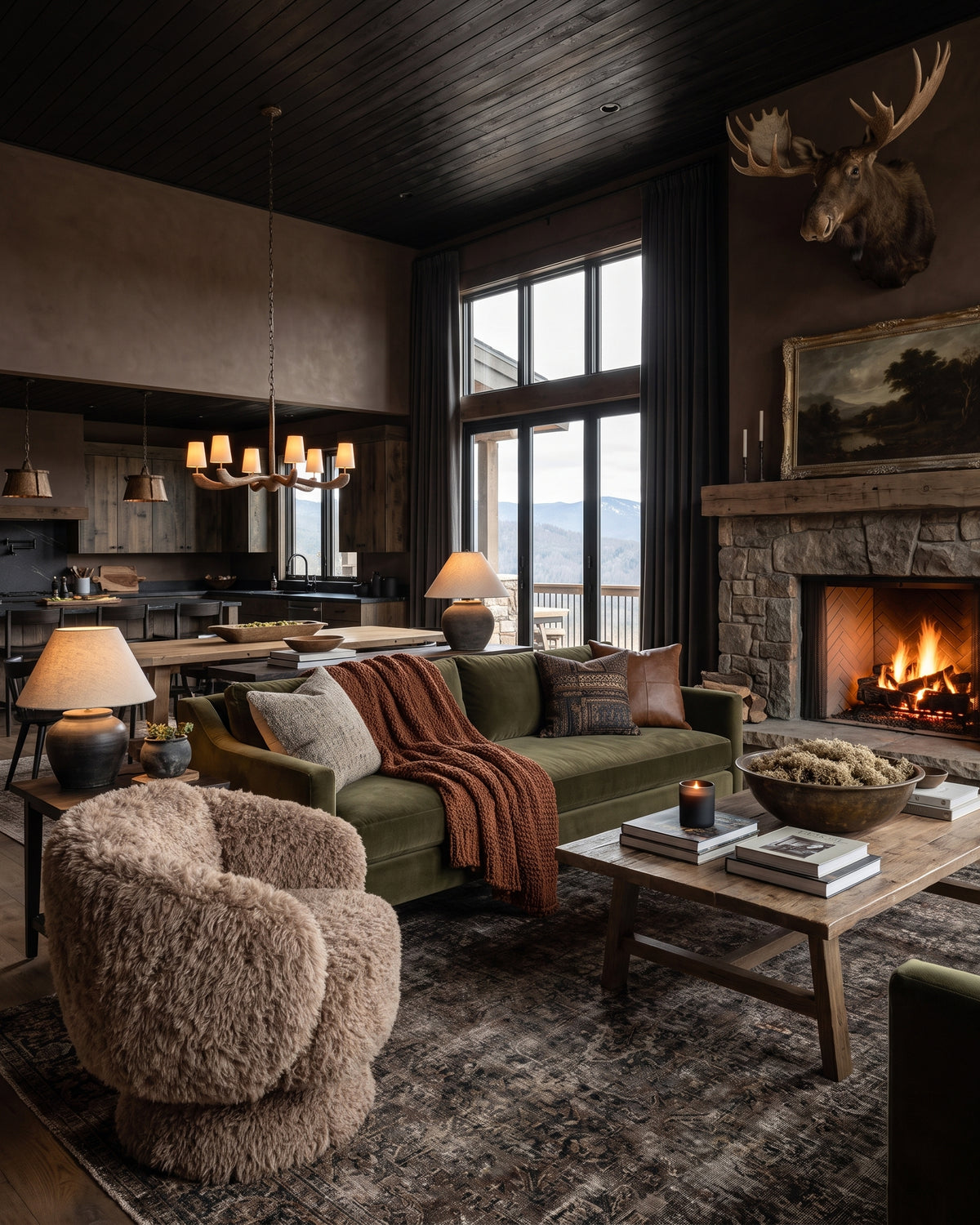
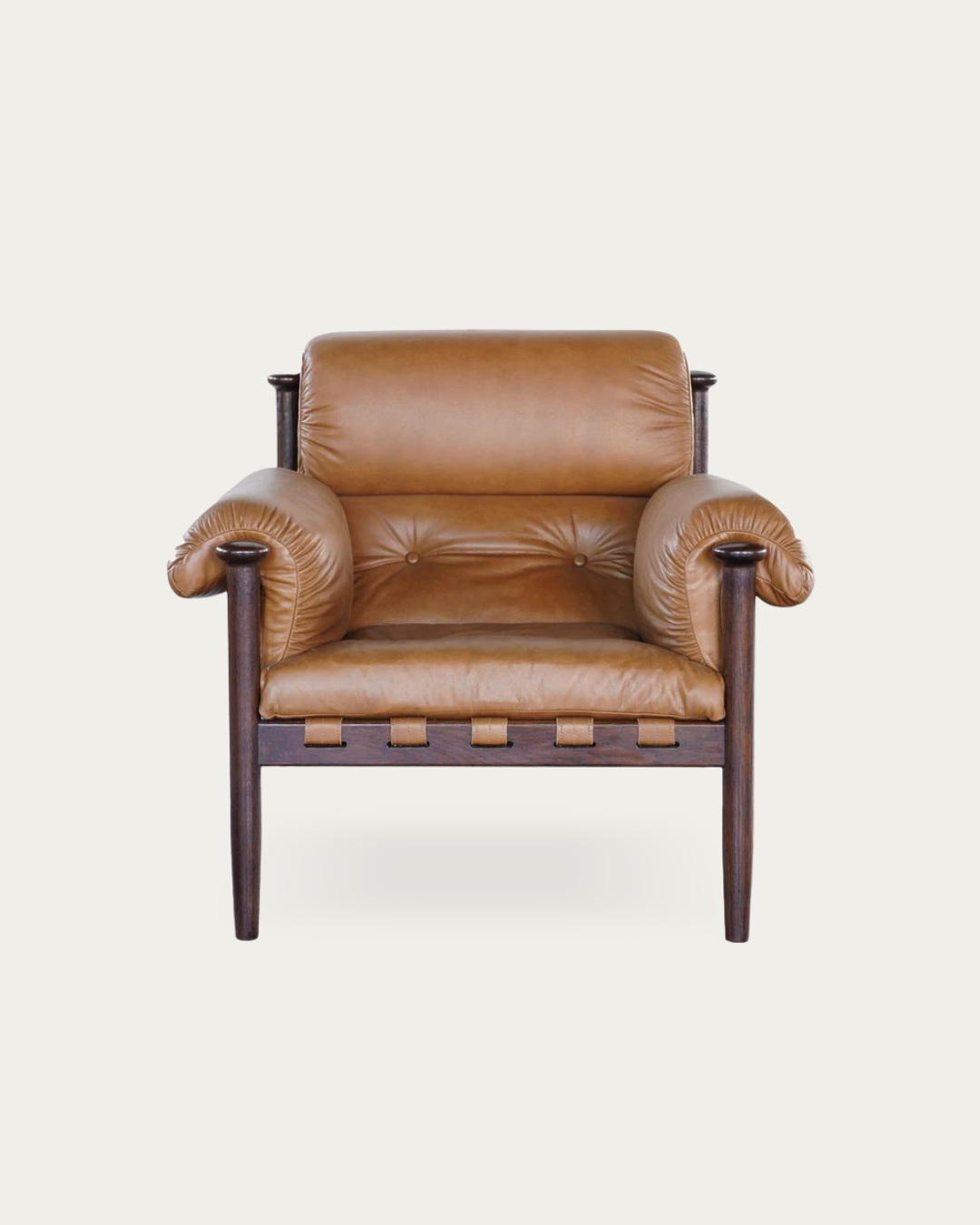
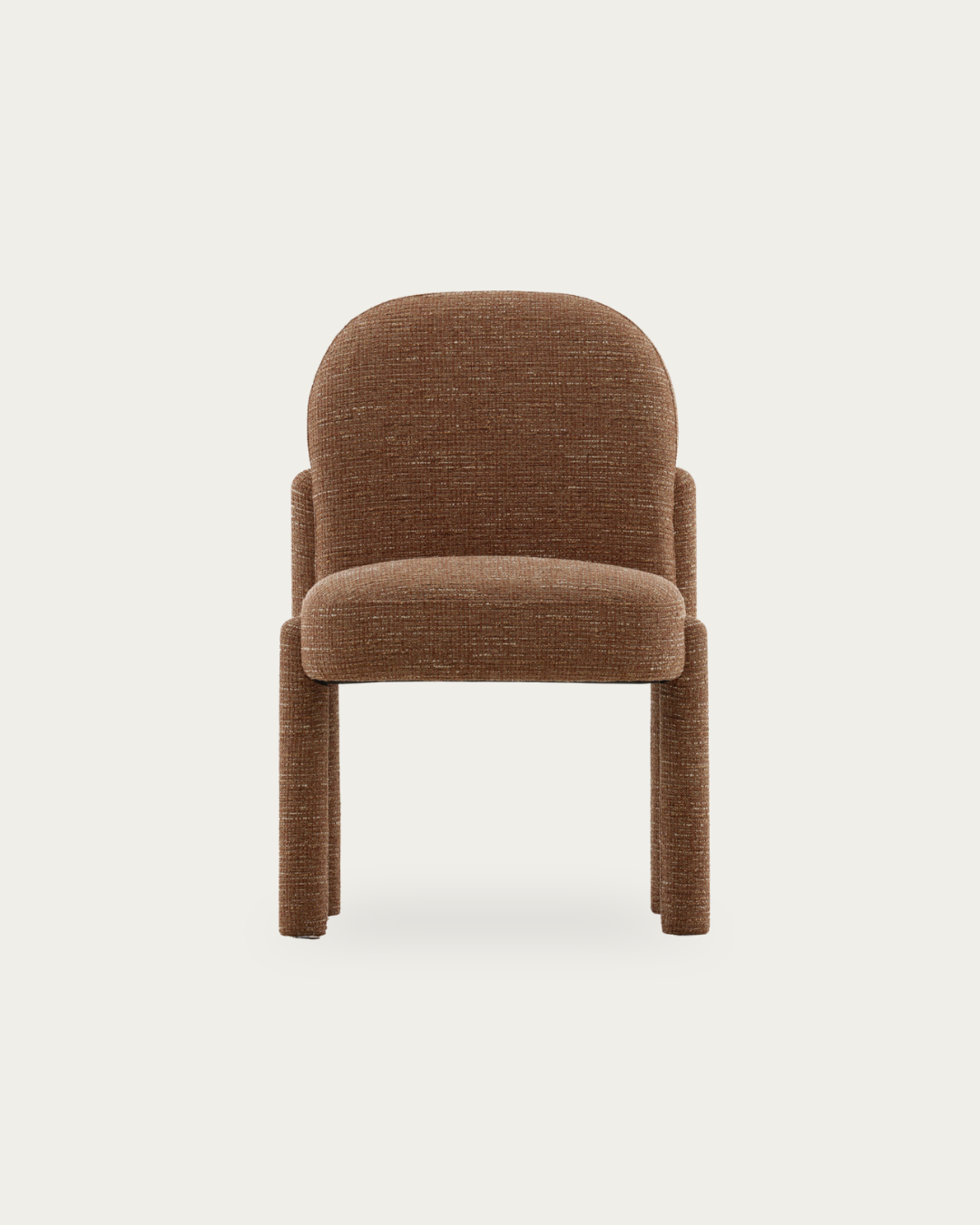
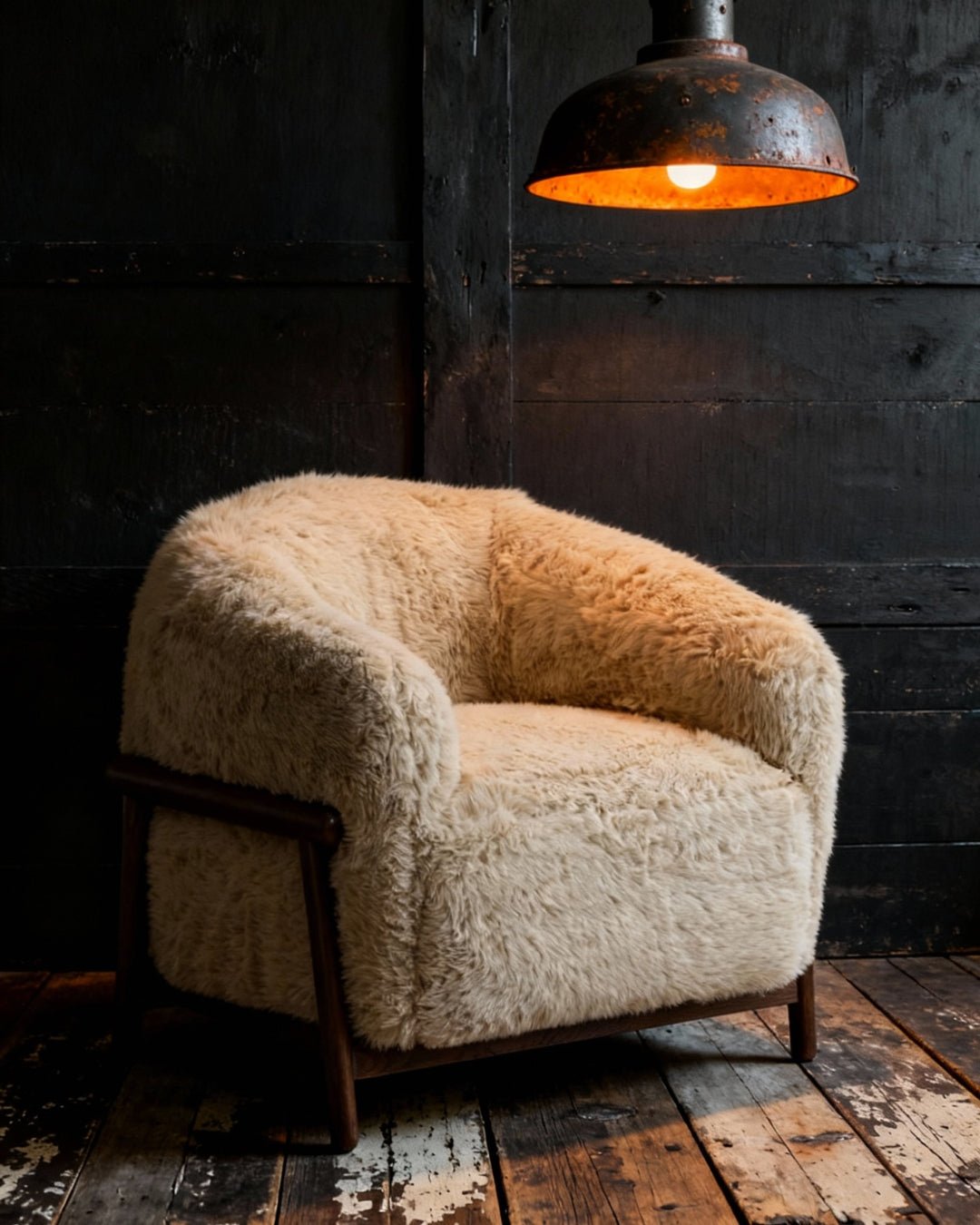
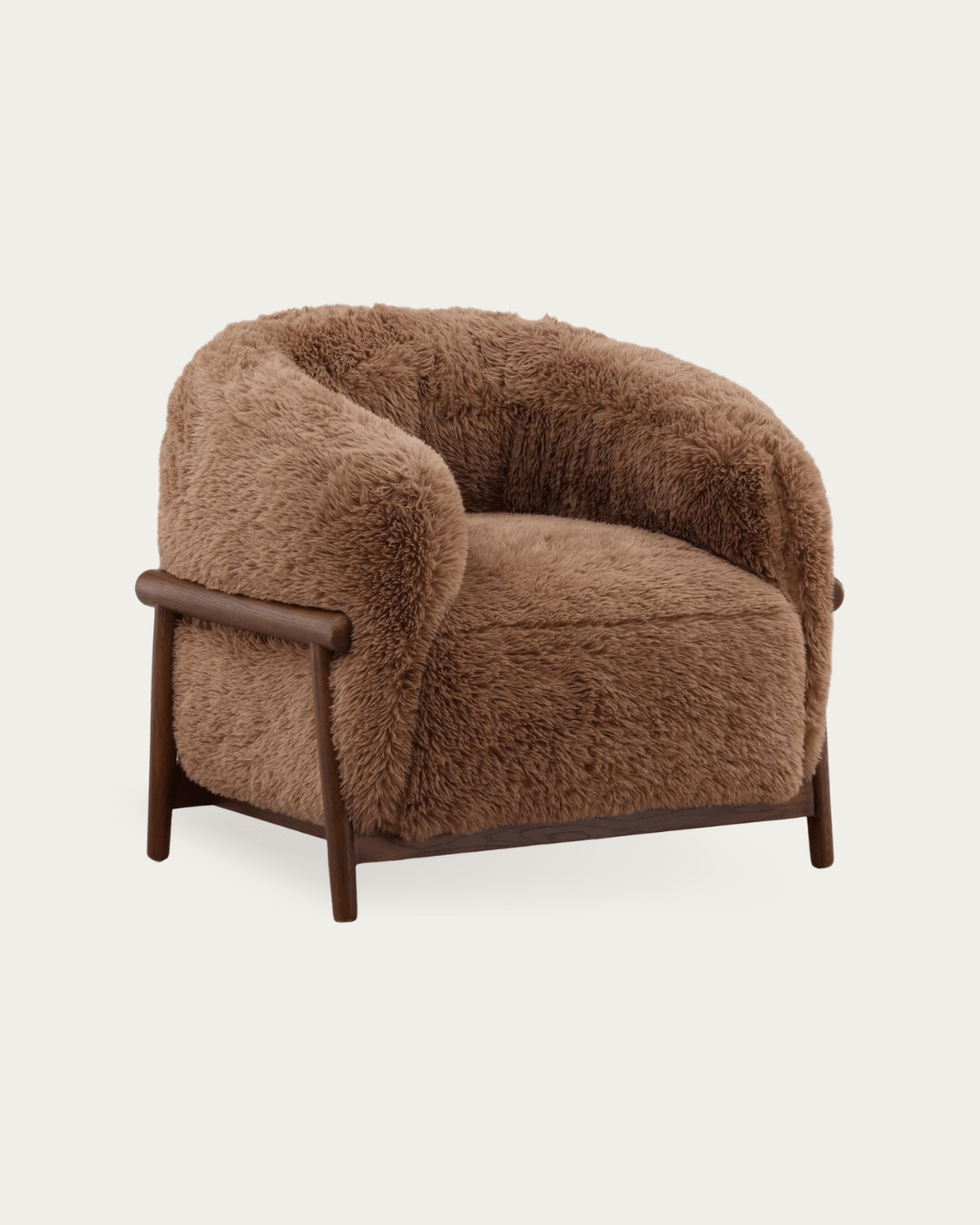
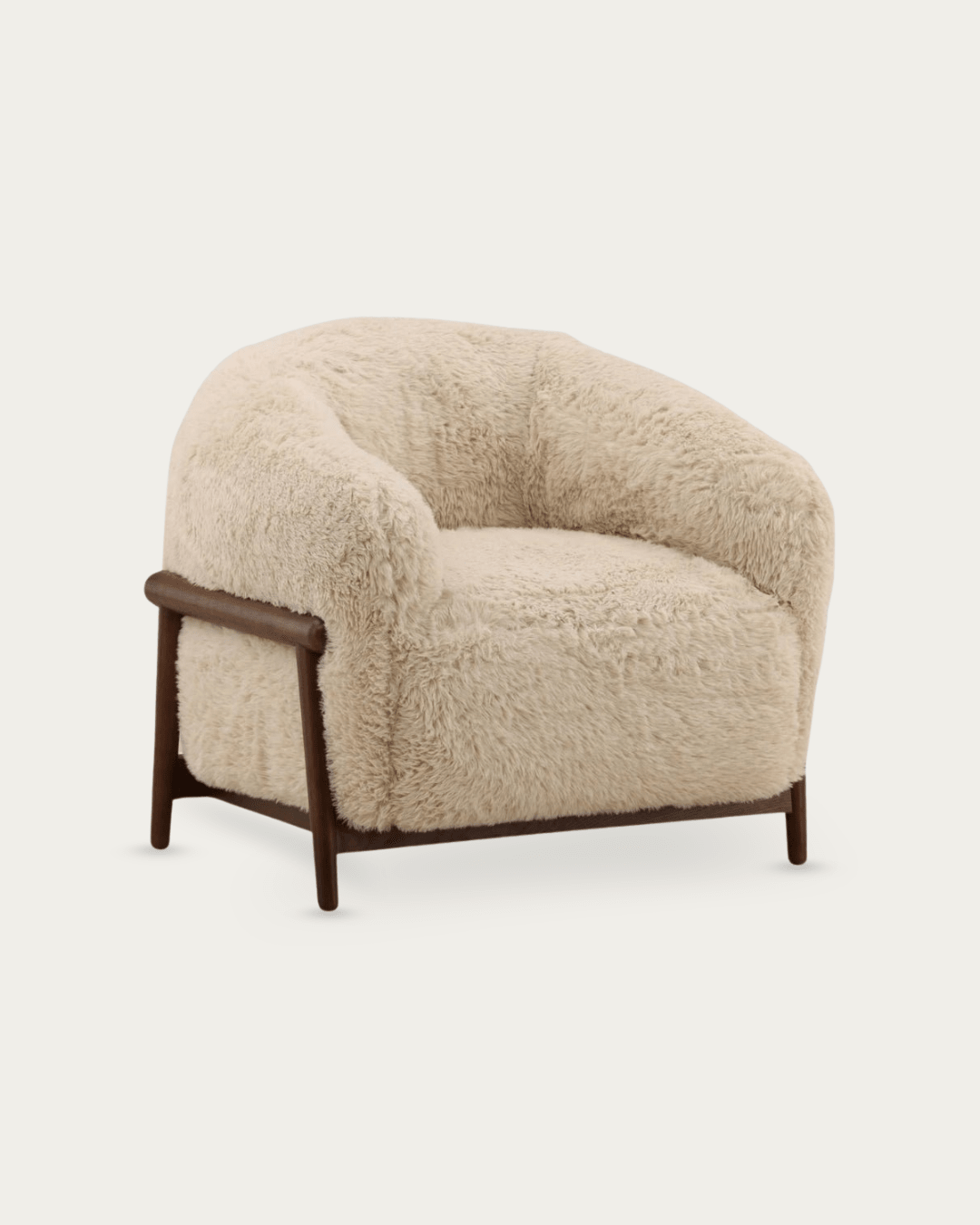
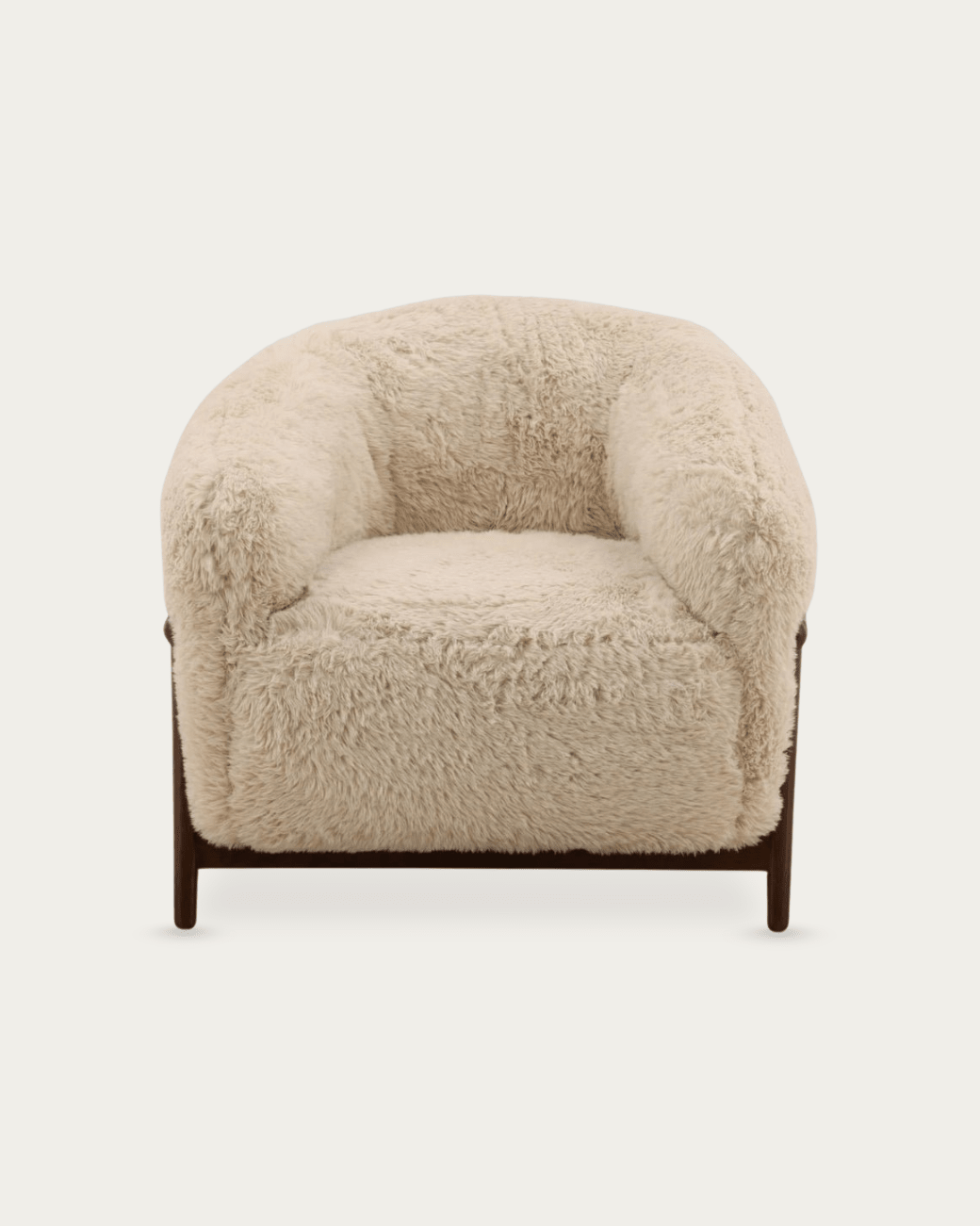
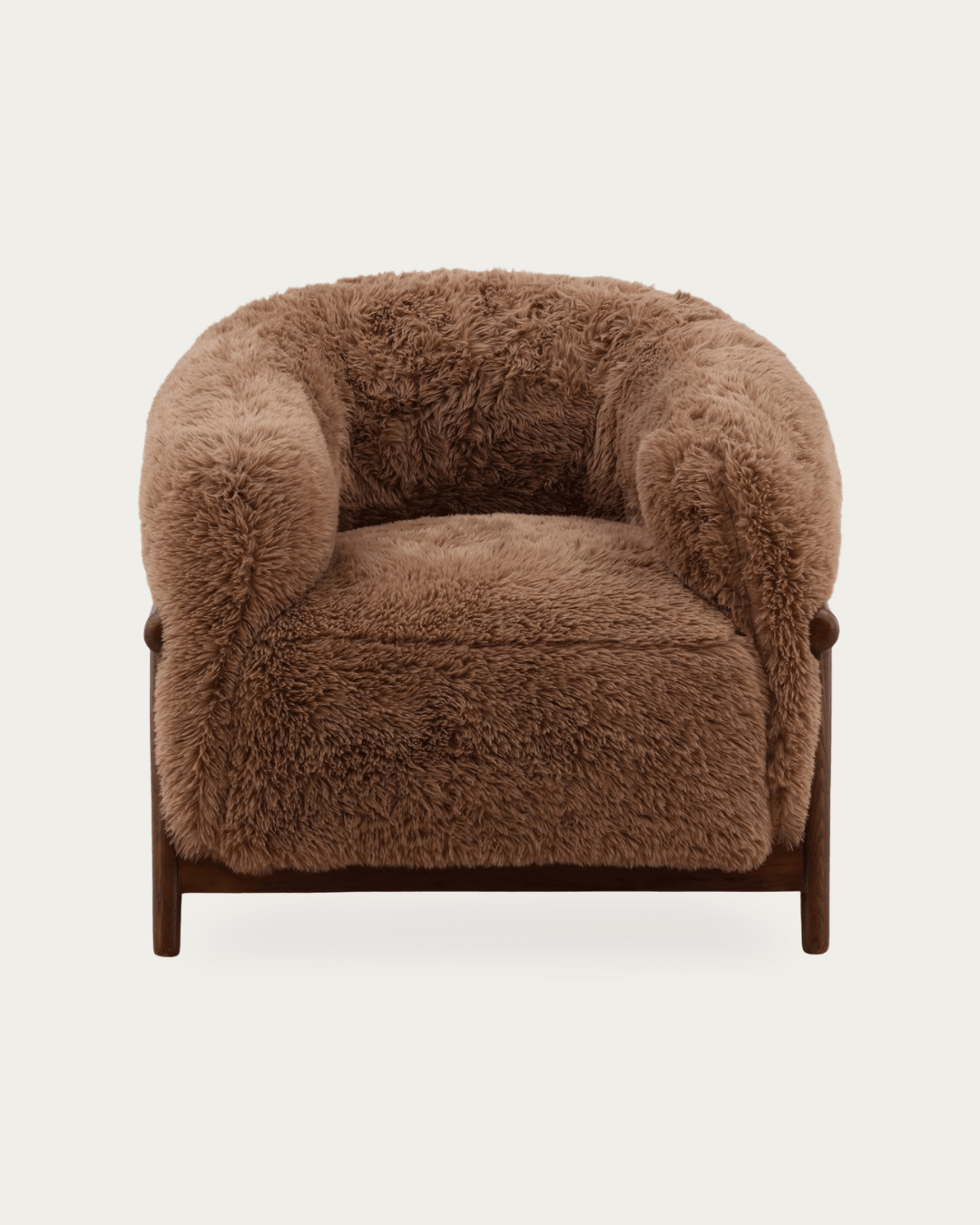
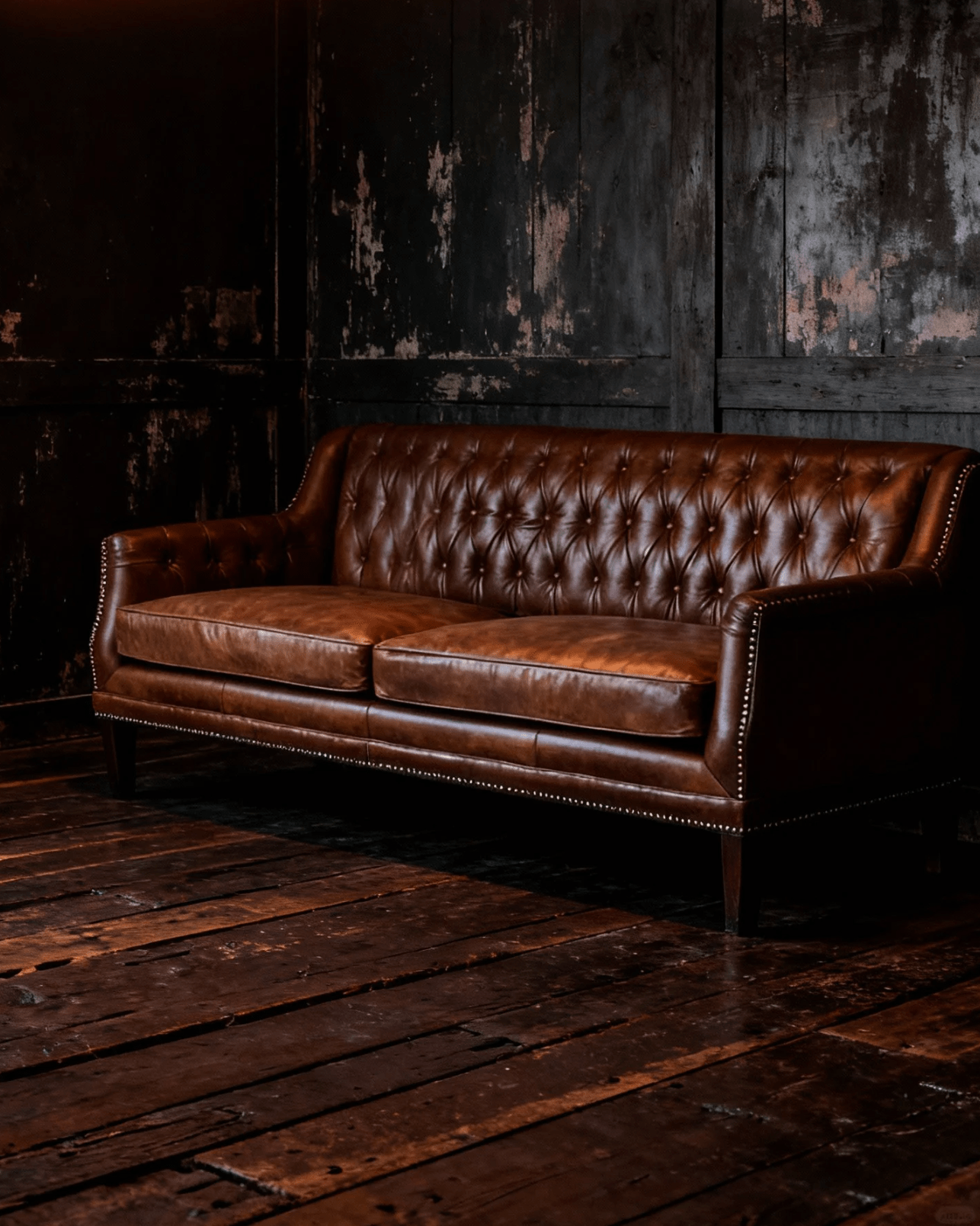
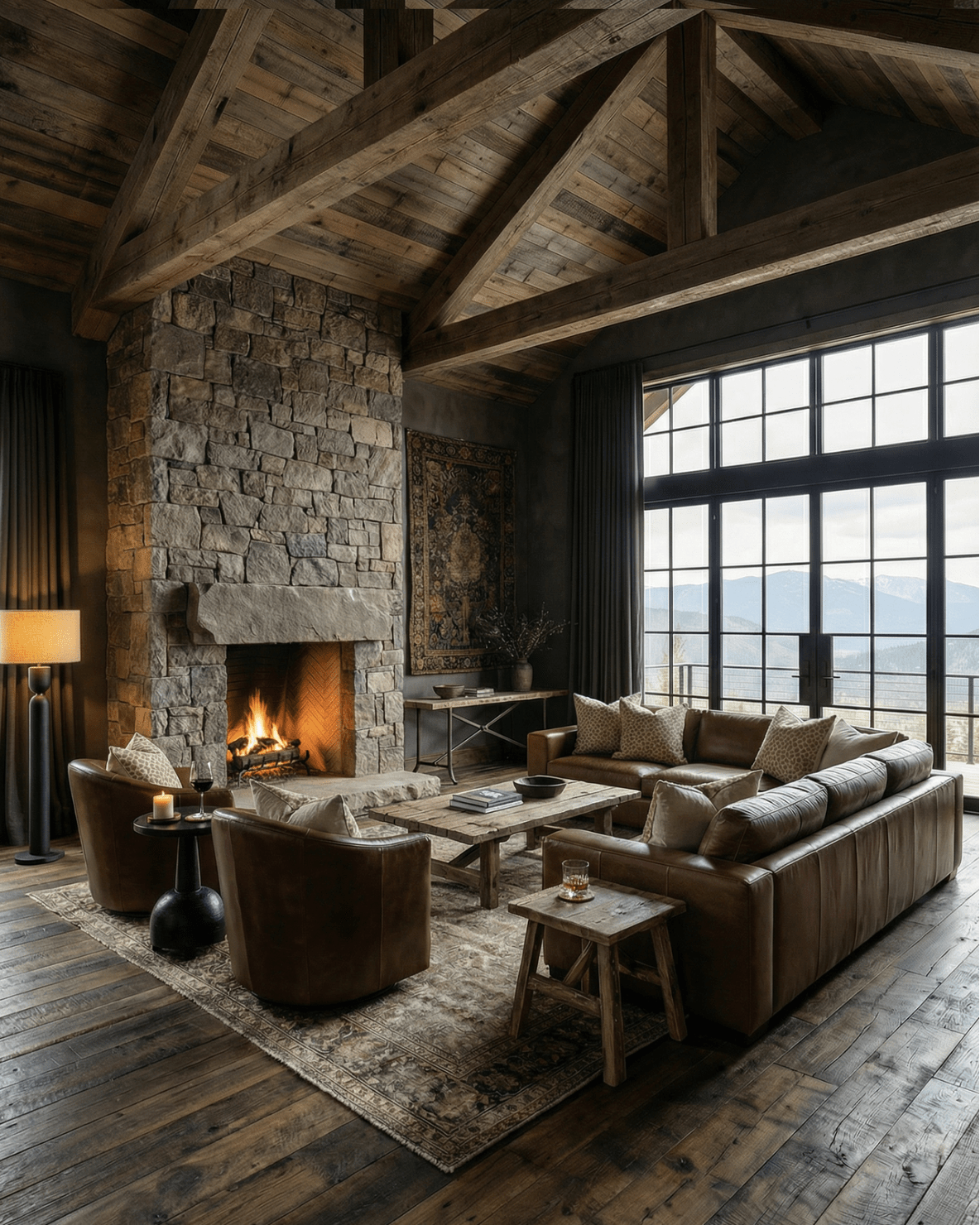
Your sofa should anchor the room, but it shouldn’t carry the entire layout. Supporting pieces like sofas and sectionals work best when paired with elements that balance their weight—like lounge chairs or side tables.
The goal isn’t to highlight one piece.
It’s to create a system.
Rule 2: Every Layout Needs a Center
Without a clear center, your room has no structure.
Your eyes keep scanning, trying to find where to land. That’s what creates that subtle feeling of something being “off.”
A central anchor—usually a coffee table—solves this instantly.
A well-placed piece from your coffee tables collection brings everything together. It connects your seating, defines your layout, and gives your space a point of reference.
This isn’t styling.
It’s structure.
Rule 3: Balance Isn’t Symmetry—It’s Weight
A room doesn’t need to be perfectly symmetrical to feel right.
But it does need balance.
If one side of your room feels heavier—visually or physically—your brain keeps compensating for it. That’s where discomfort builds.
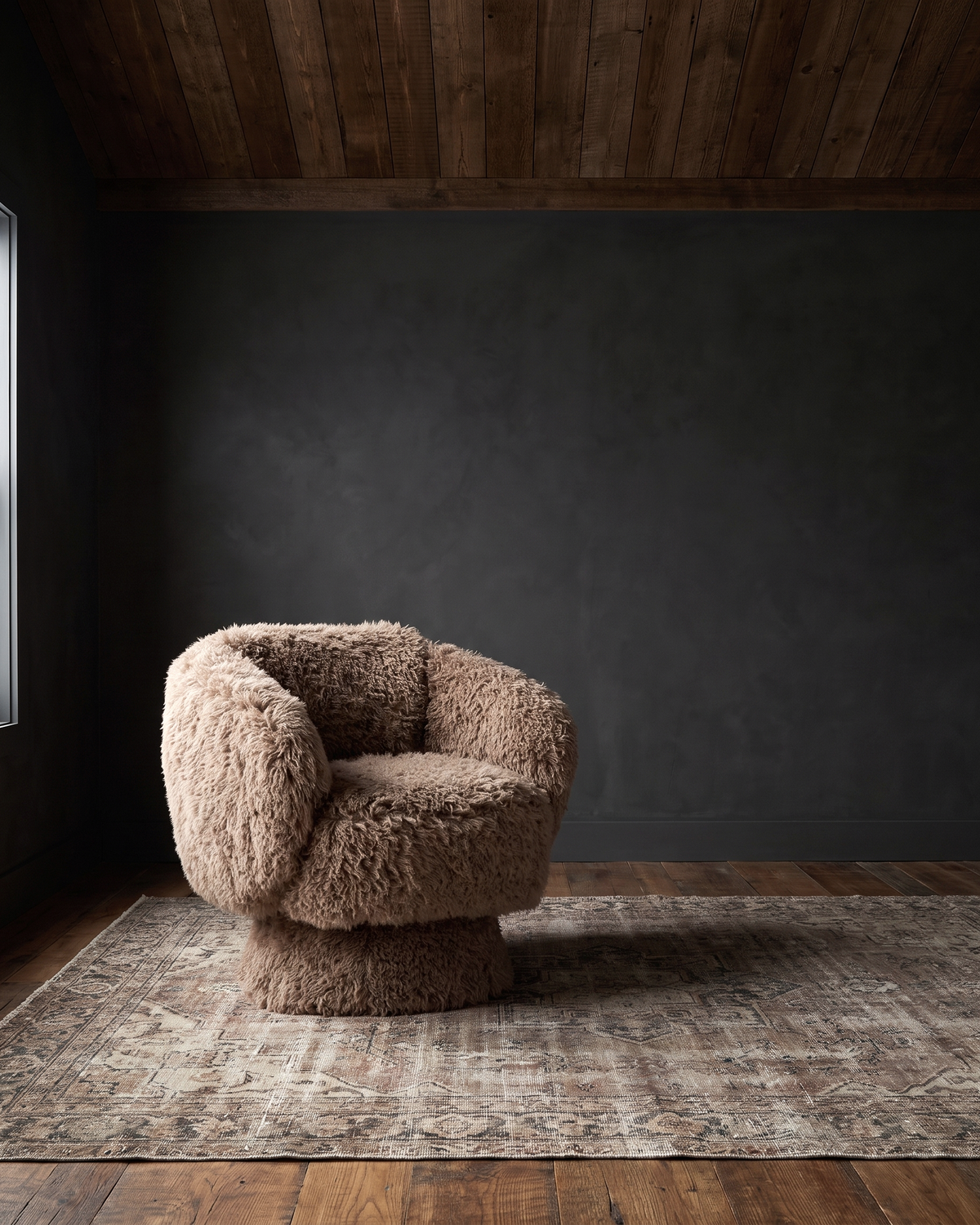
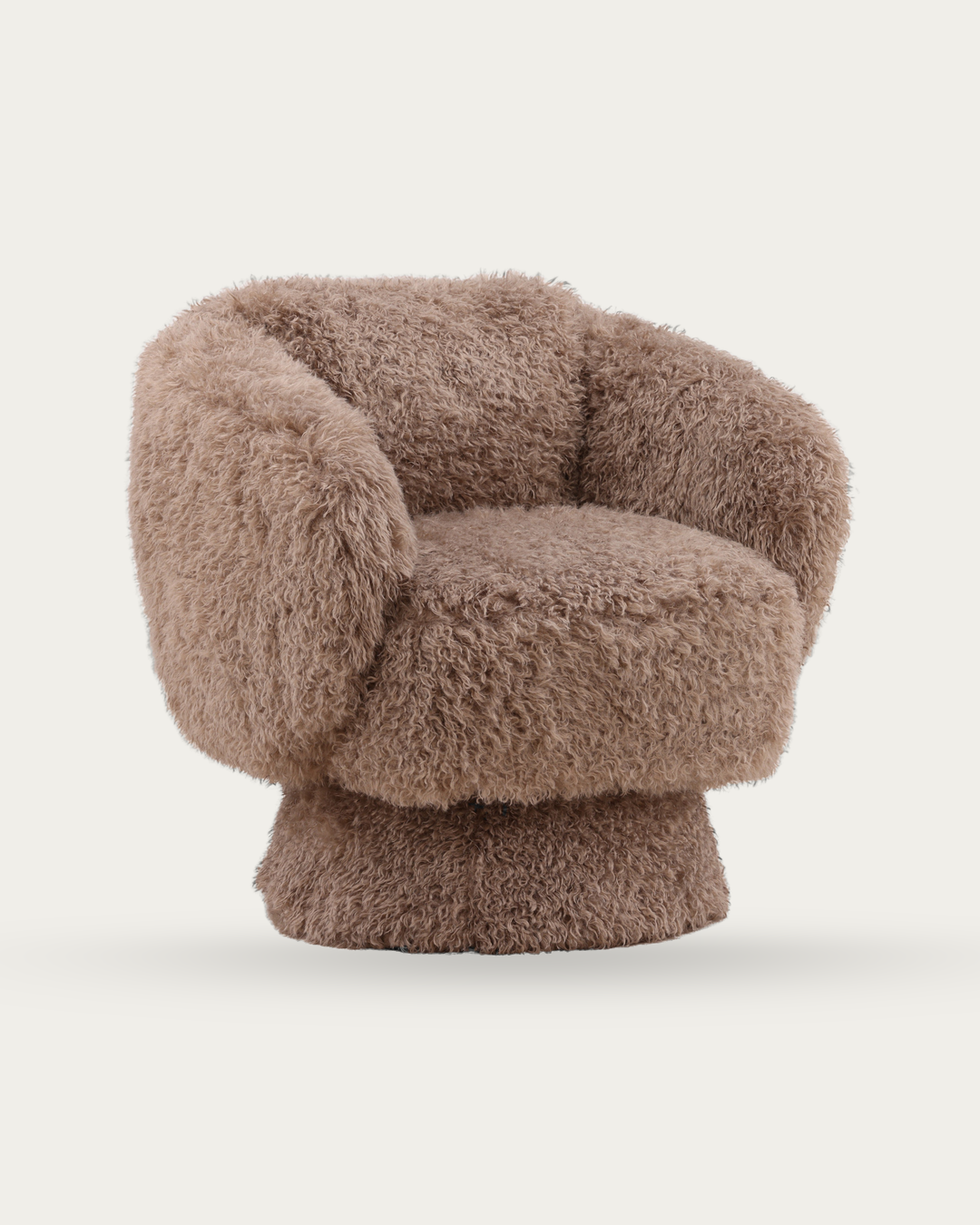
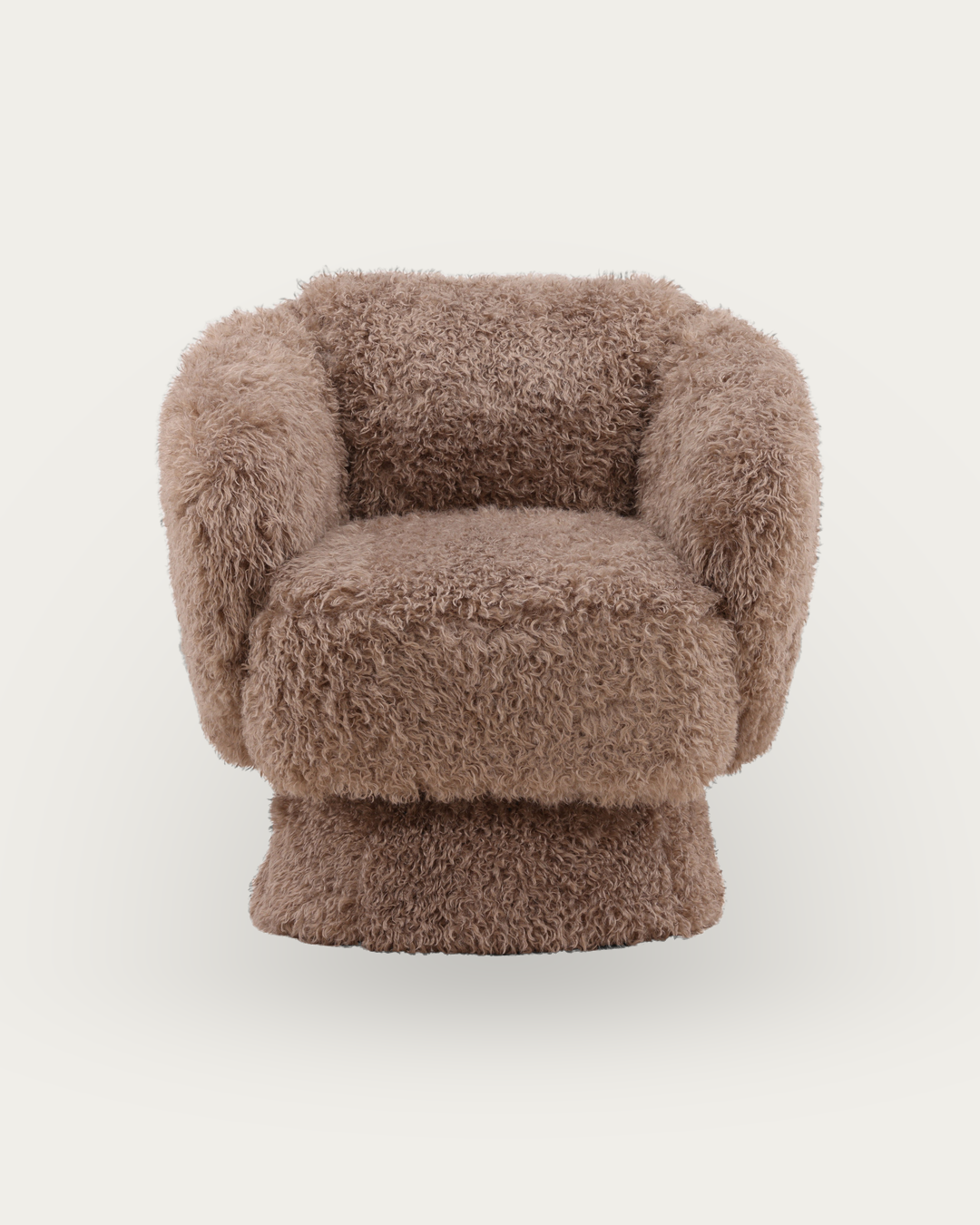
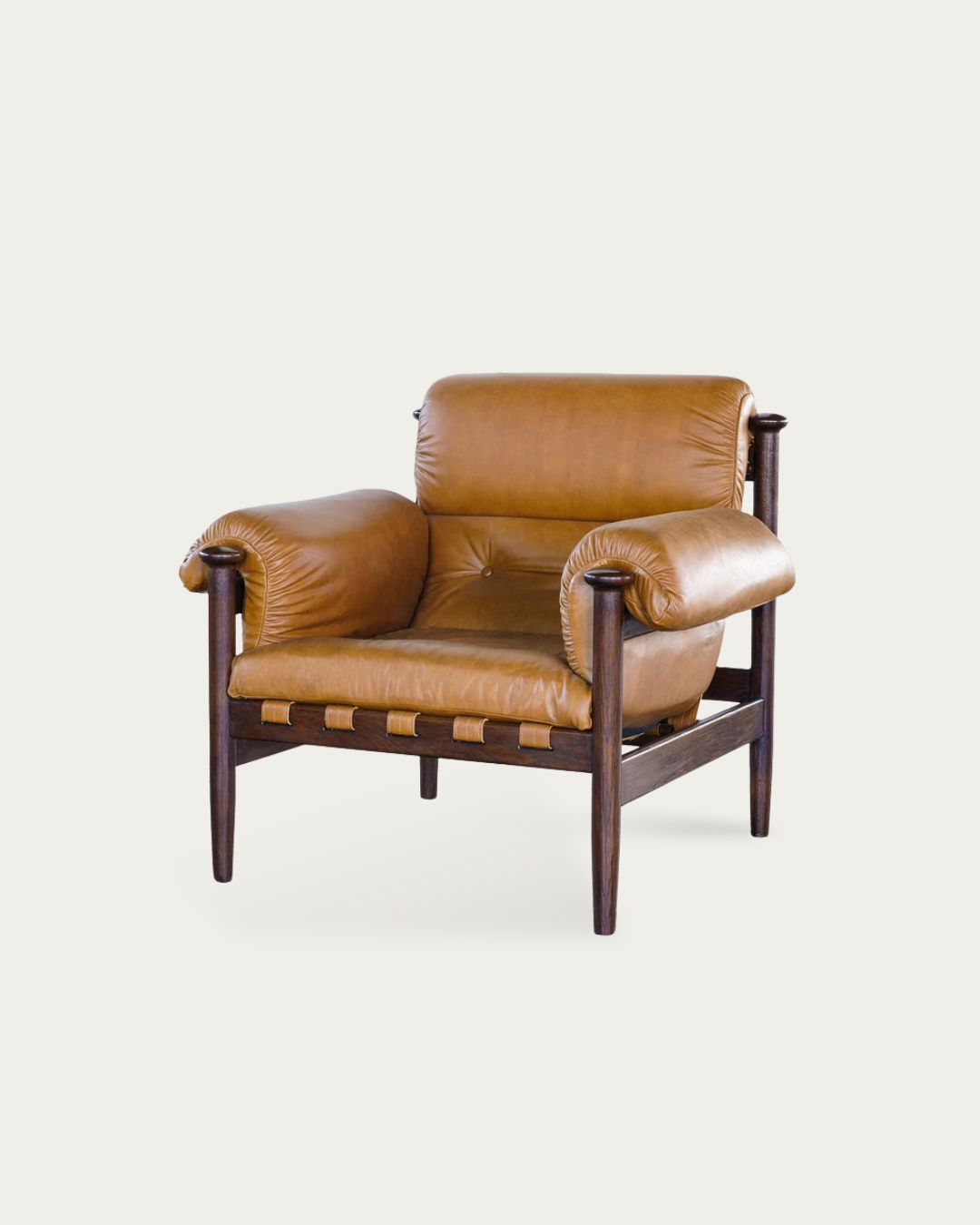
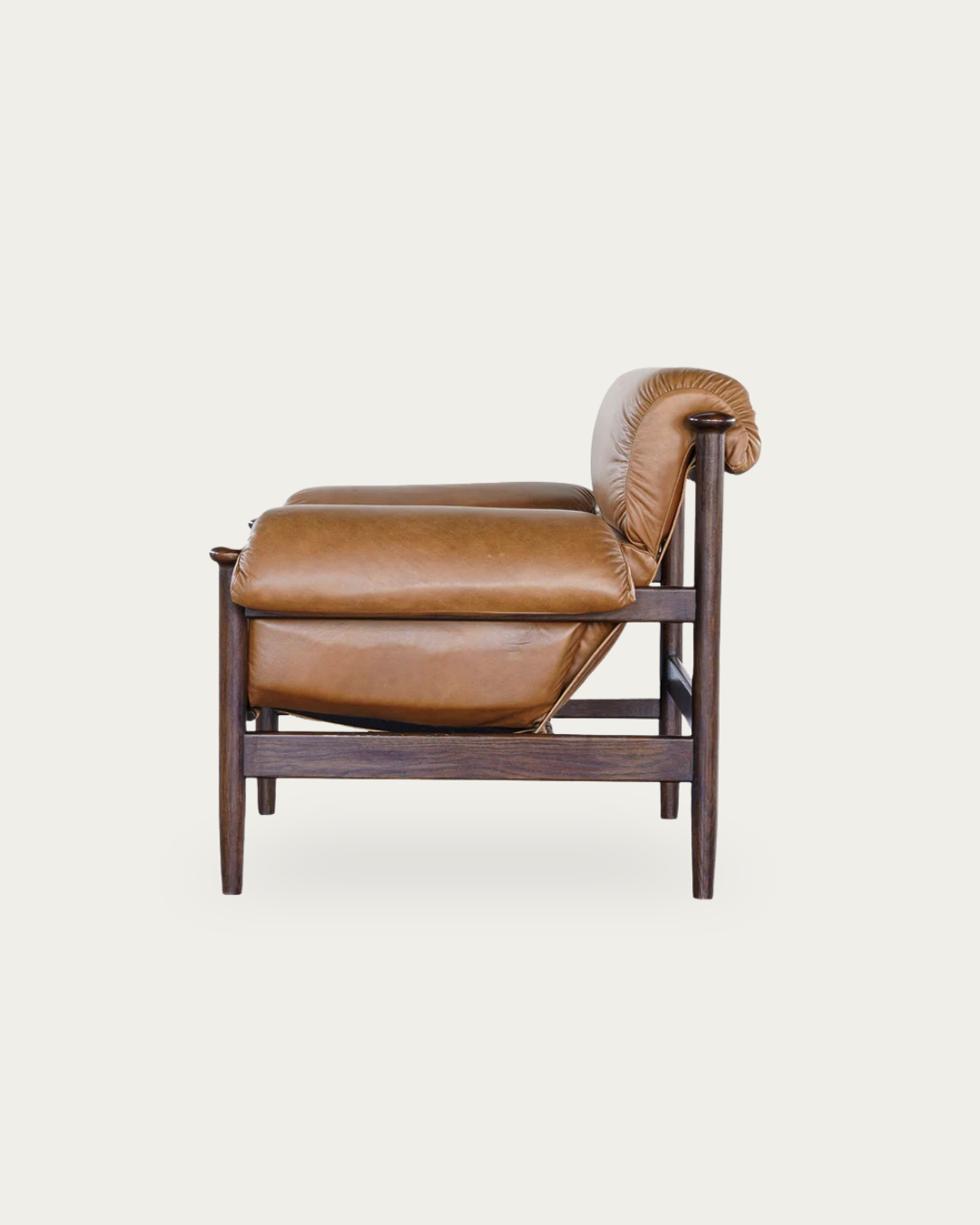
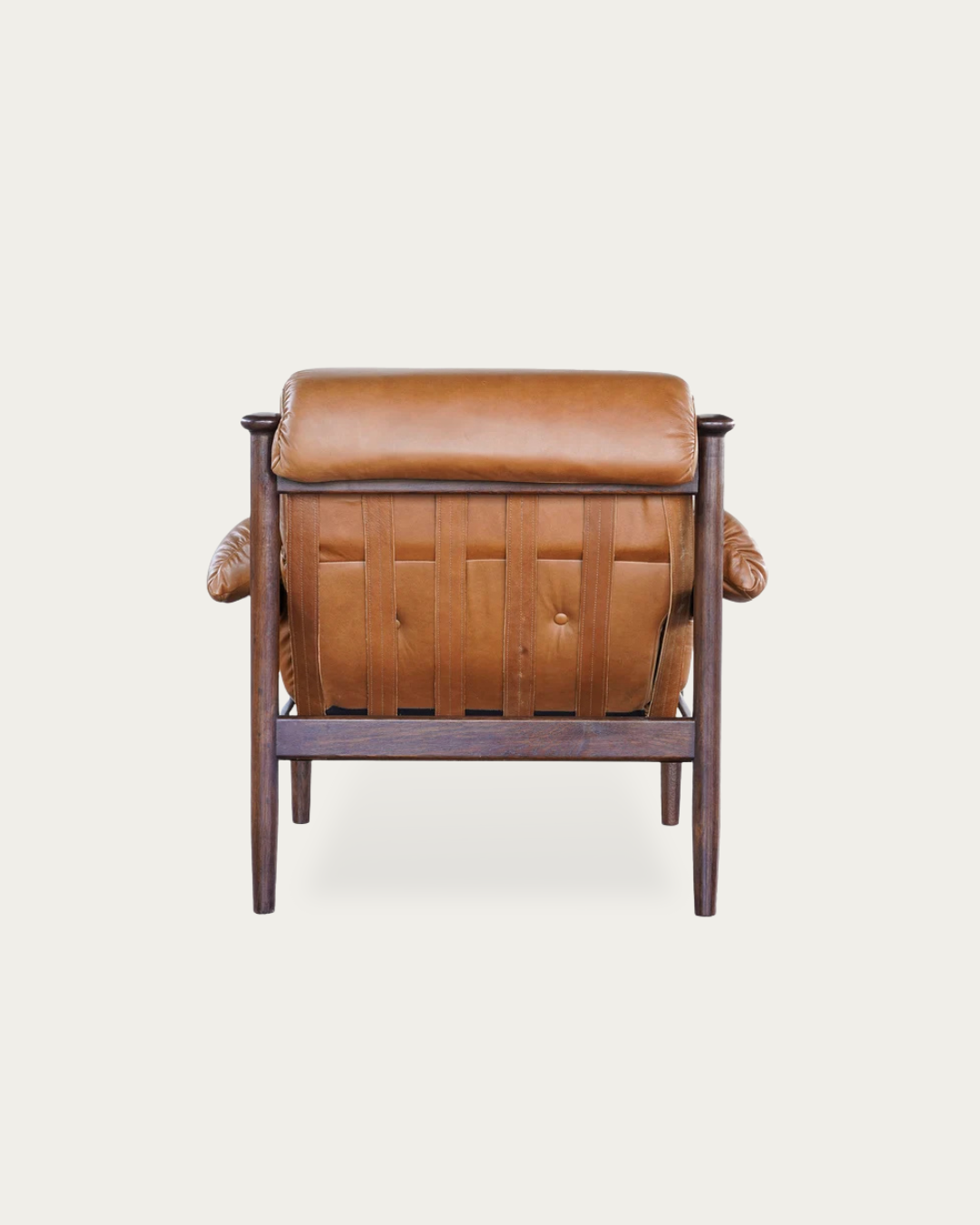
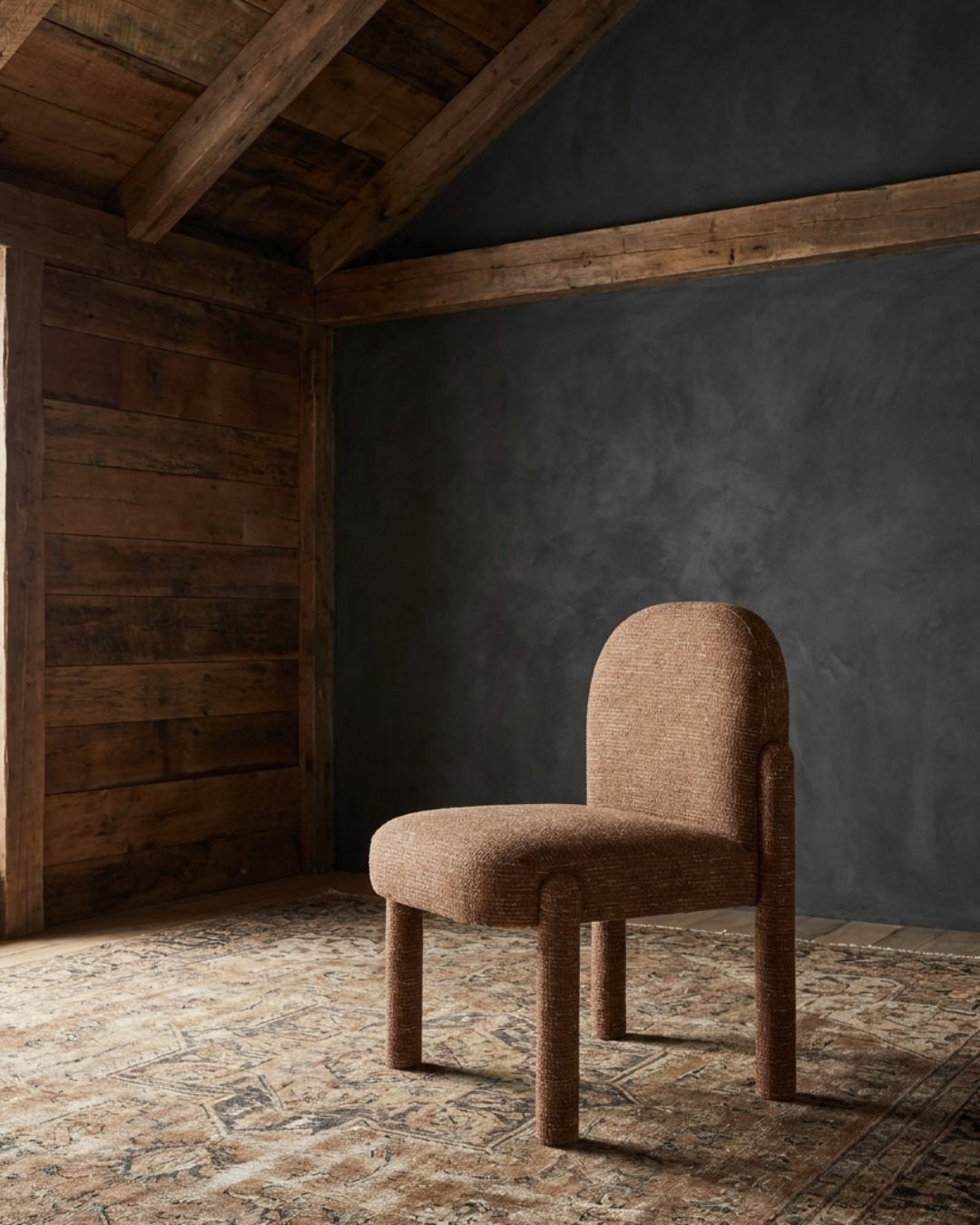
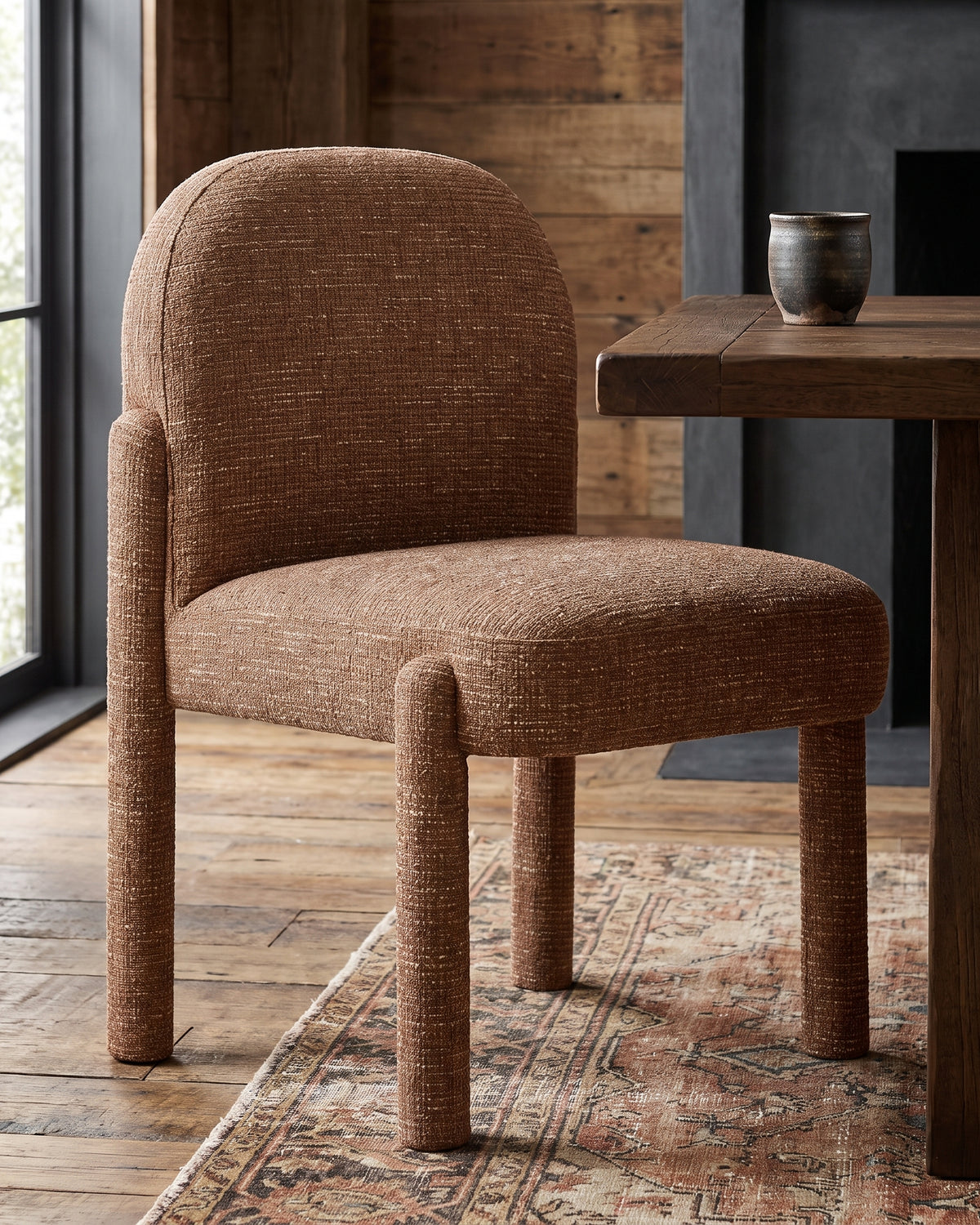
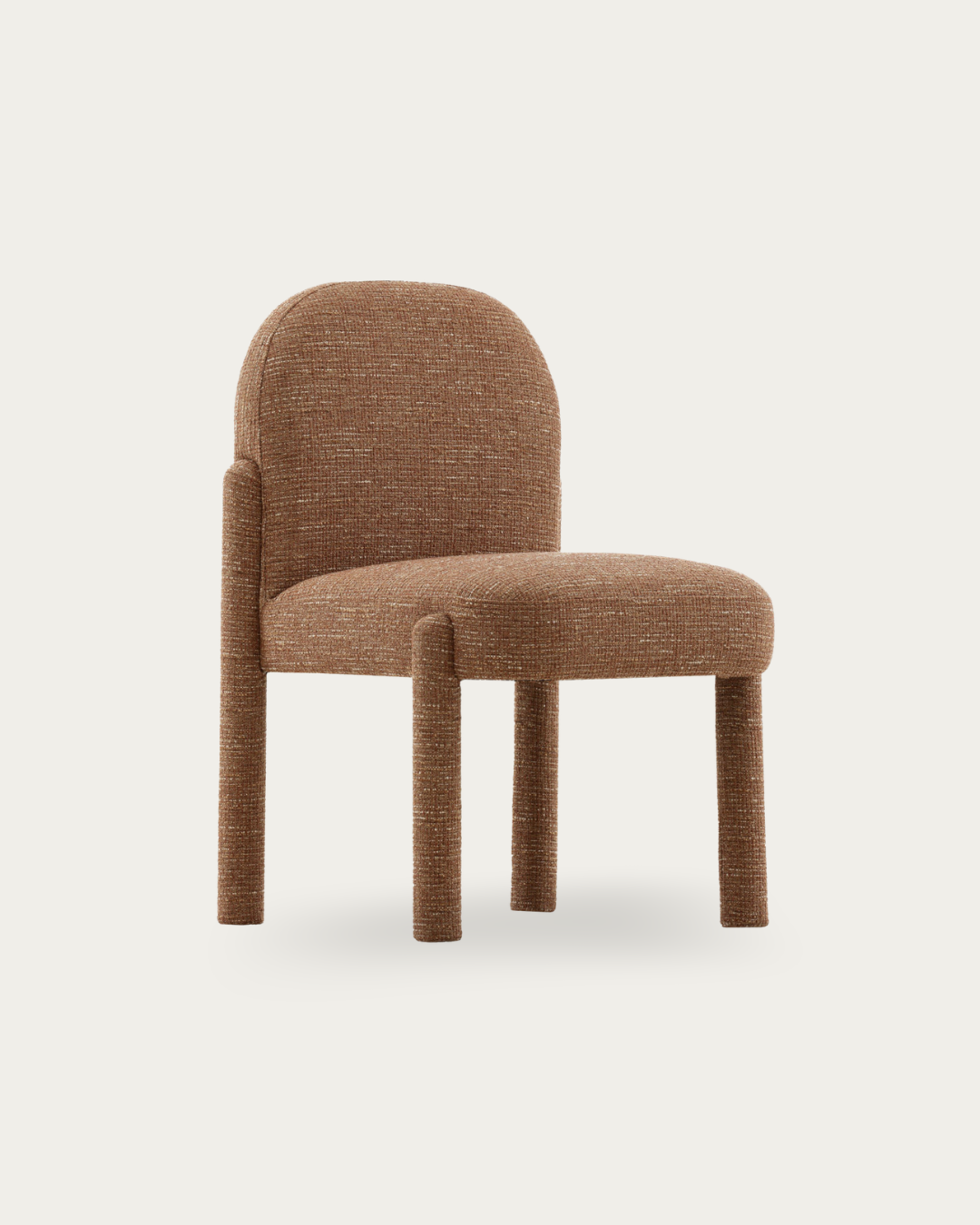
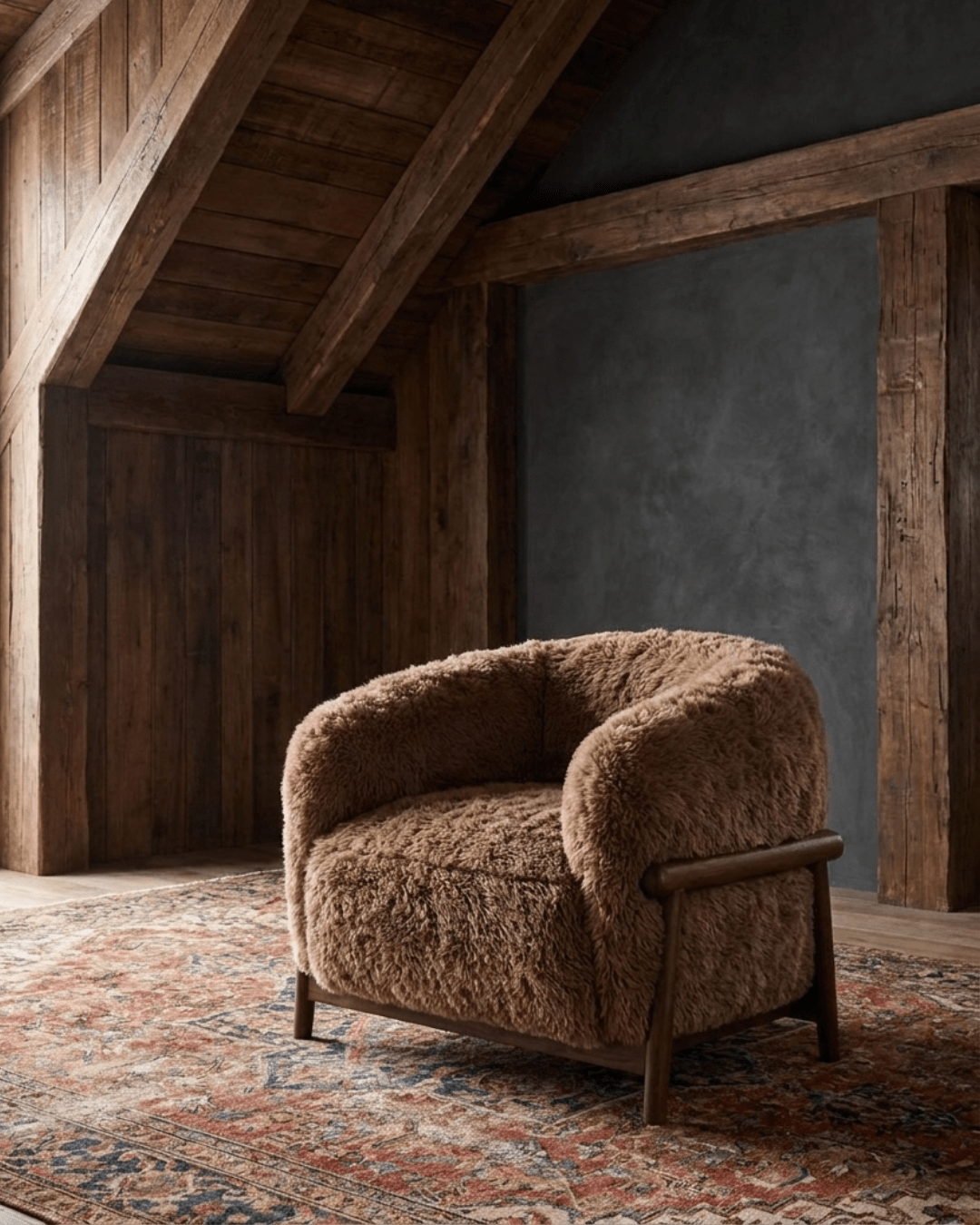
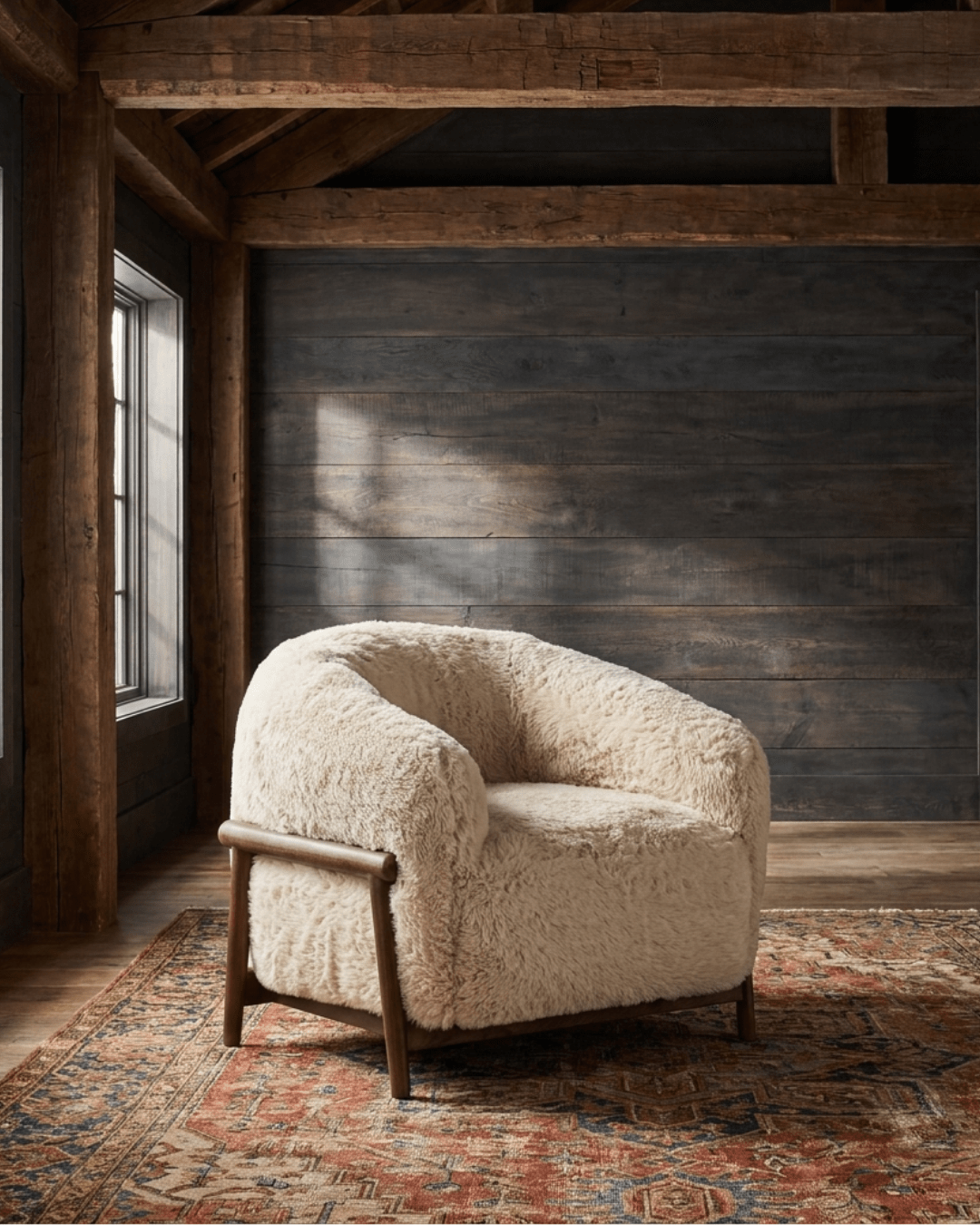
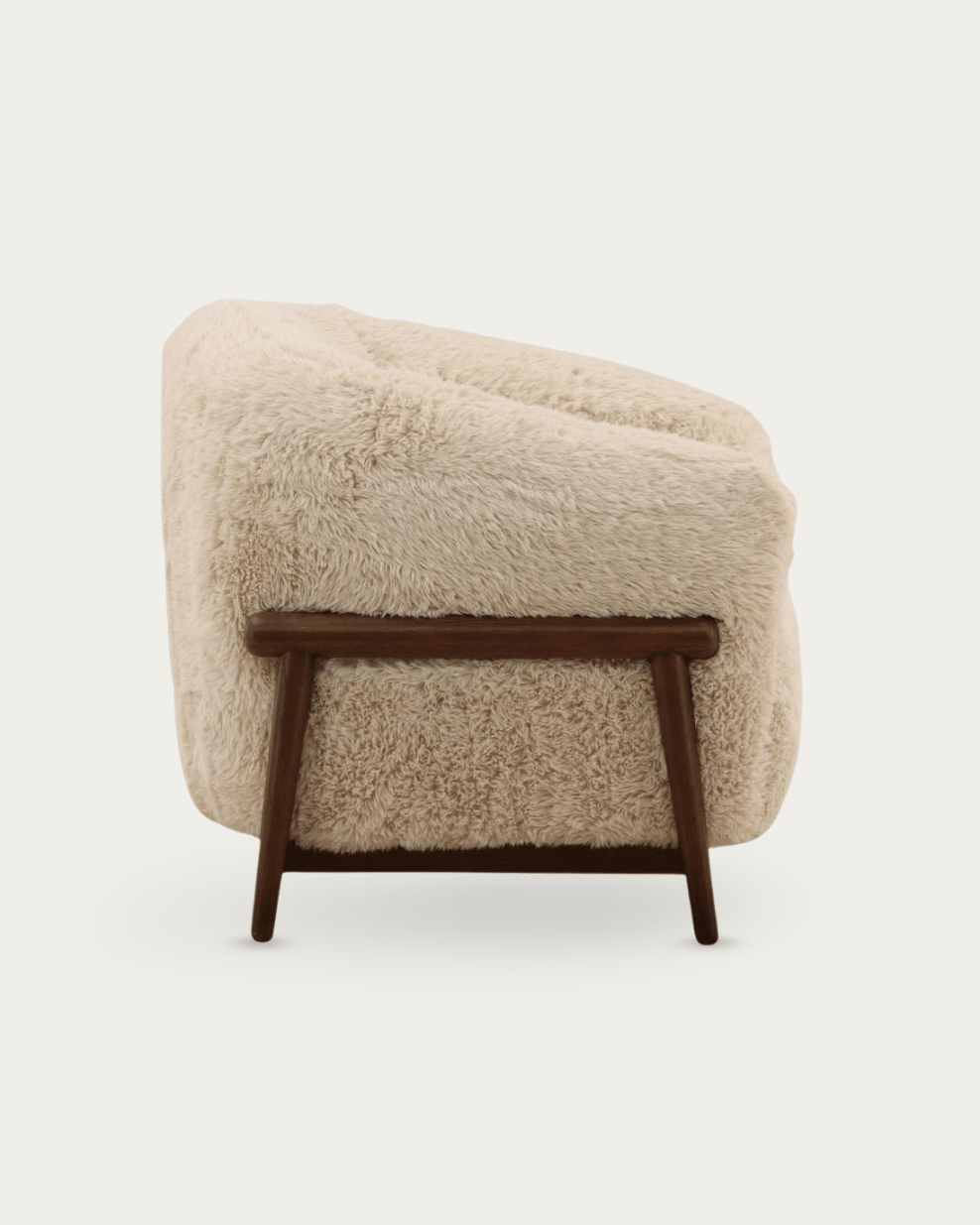
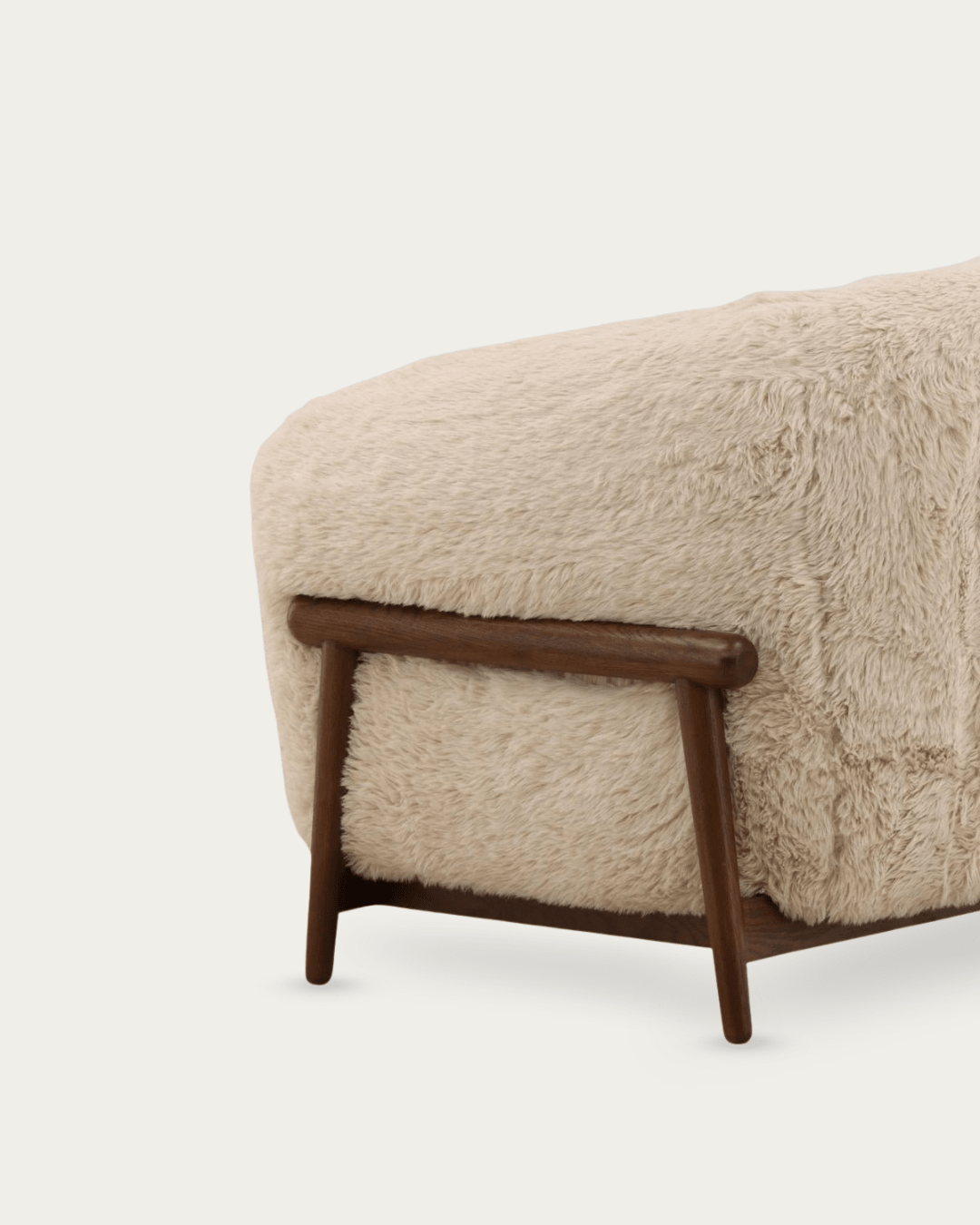
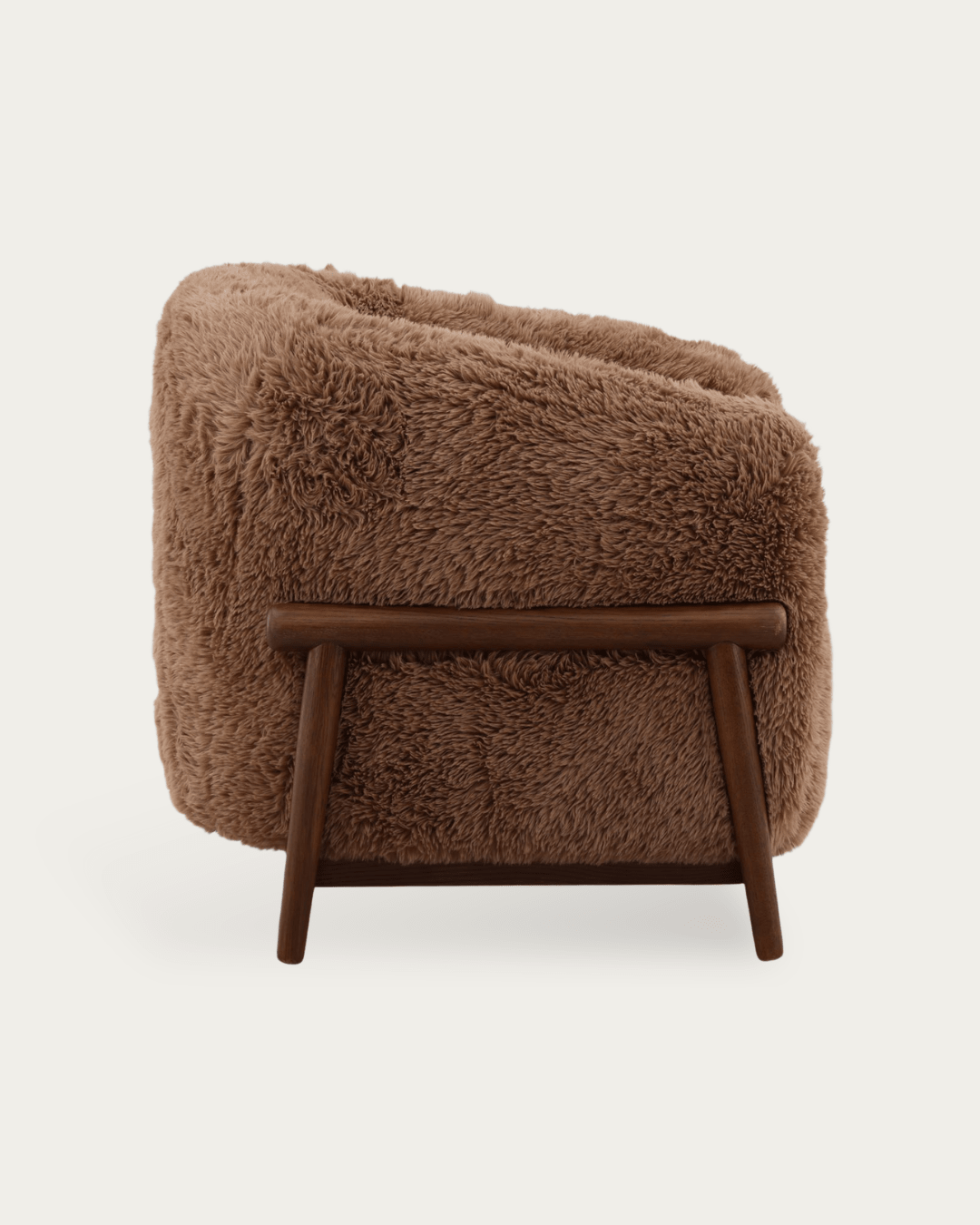
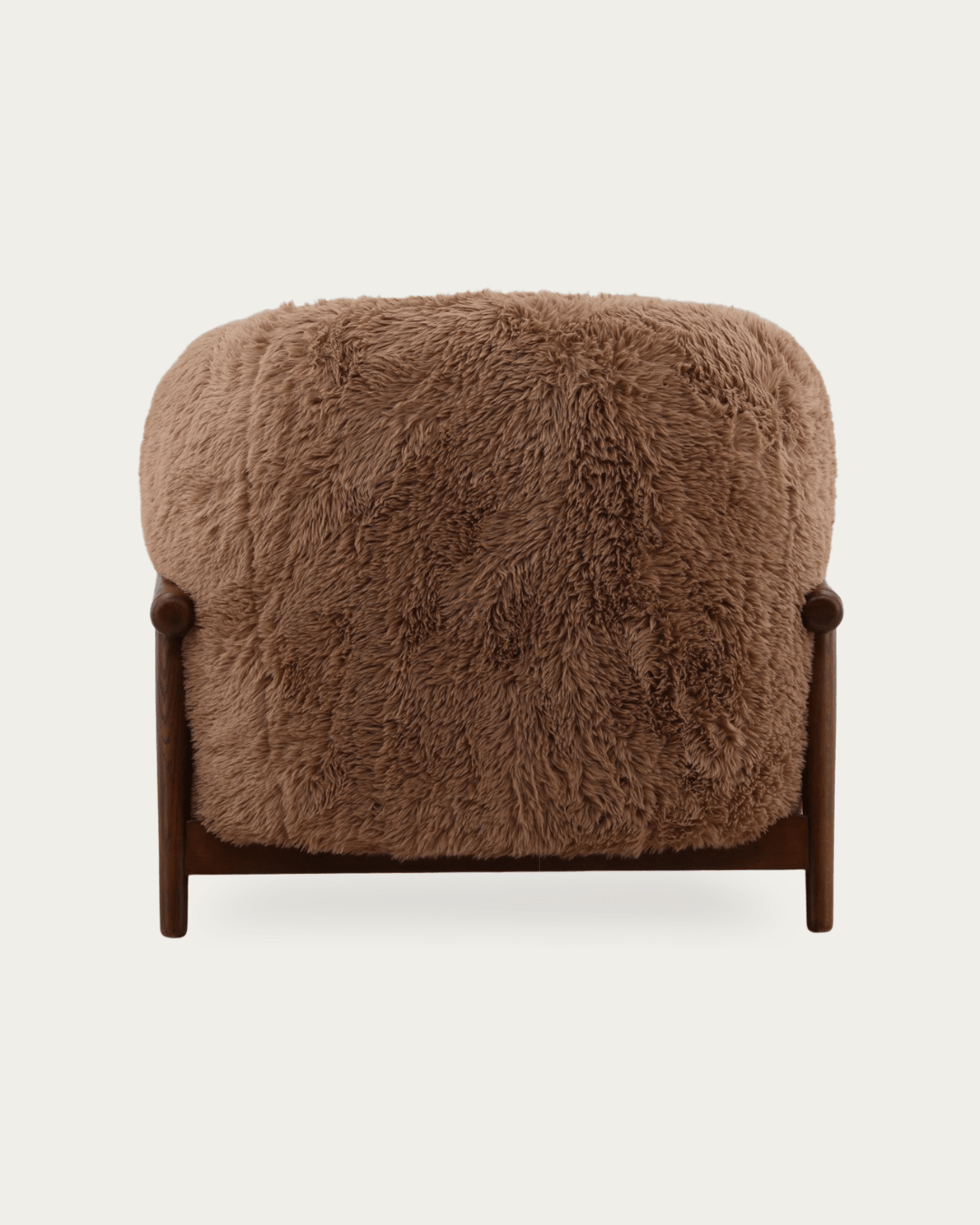
This is where pieces like lounge chairs become important. They redistribute visual weight and create a second anchor point, helping your layout feel more grounded.
Balance isn’t about matching.
It’s about distribution.
Rule 4: Use Side Tables to Create Connection
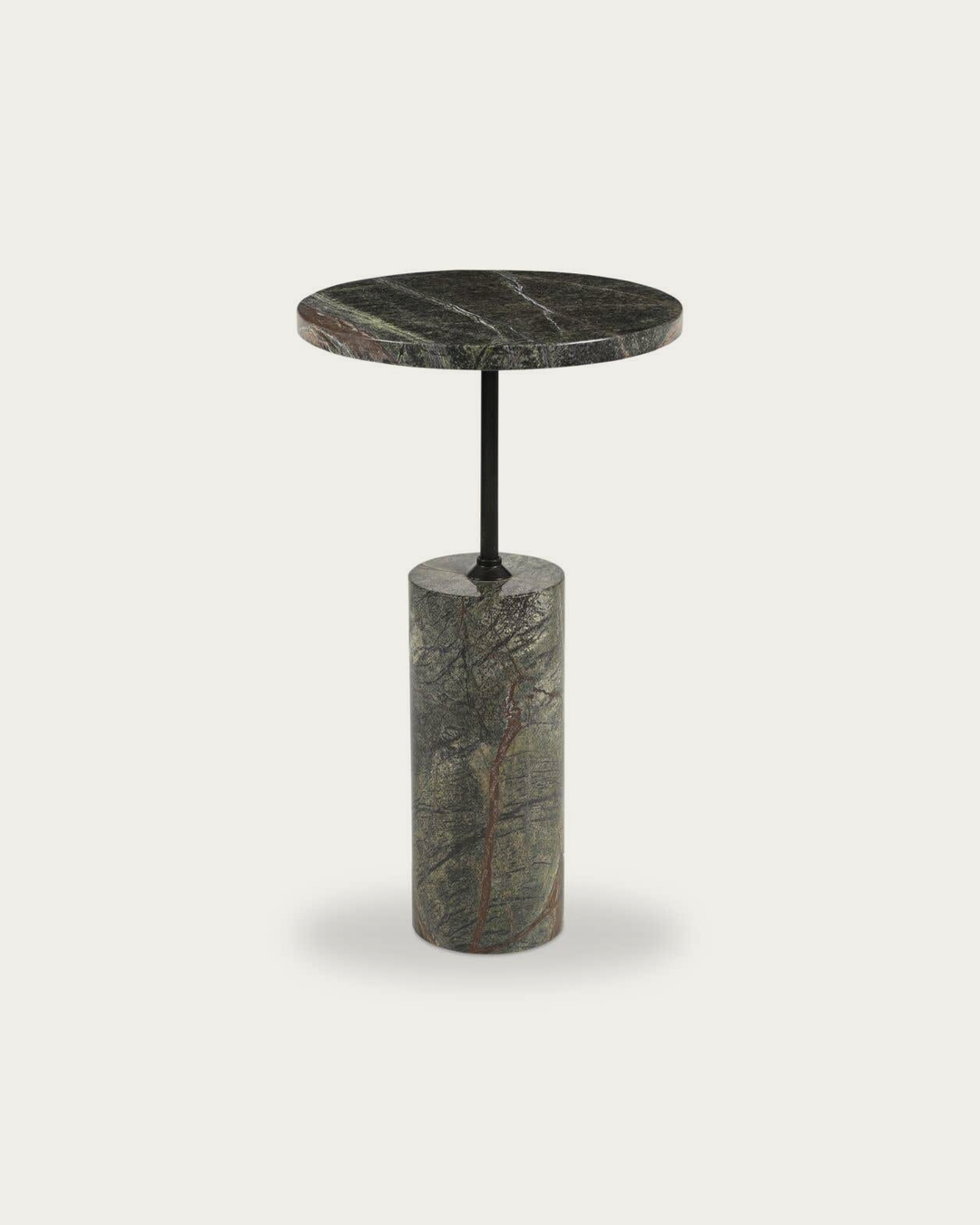
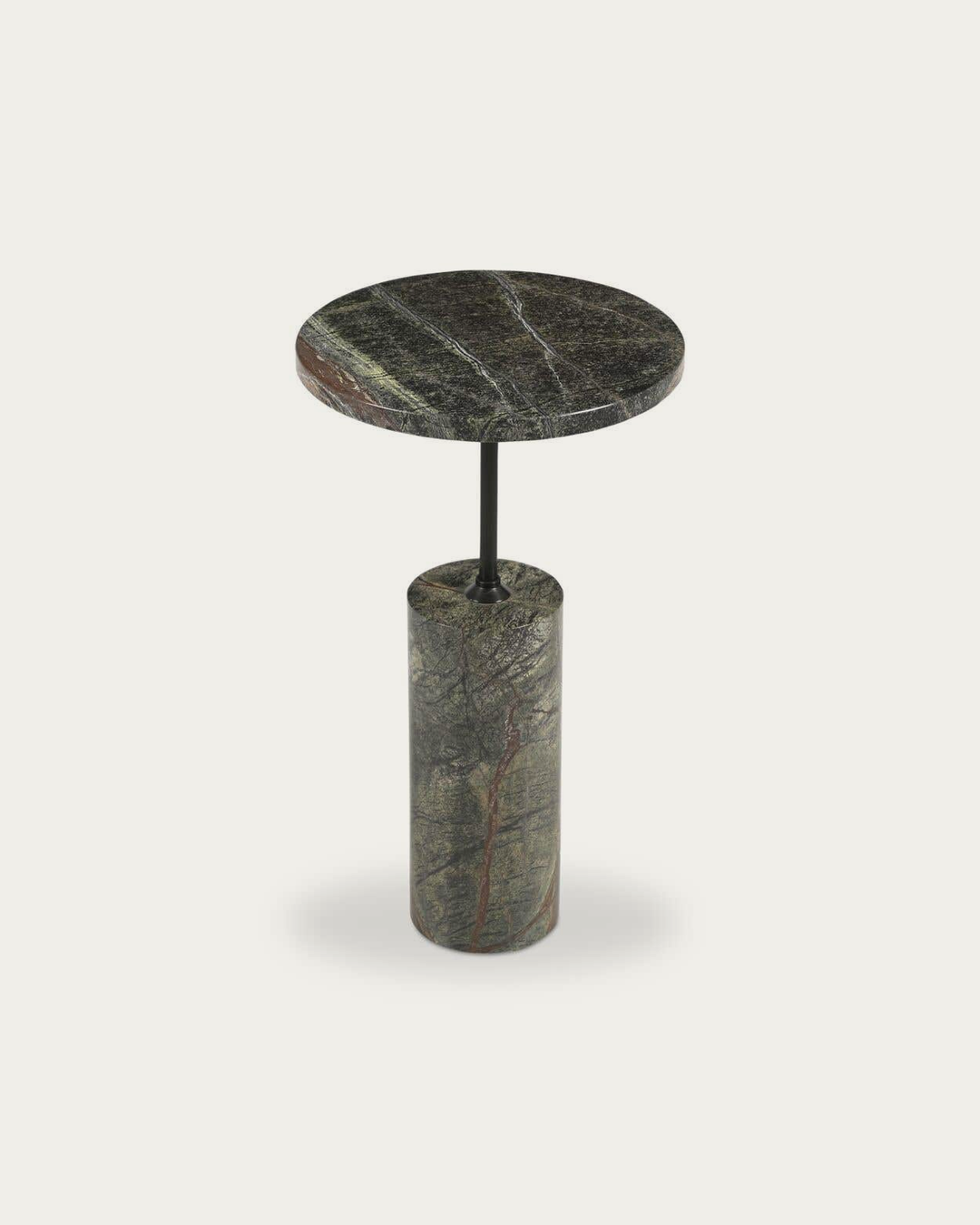
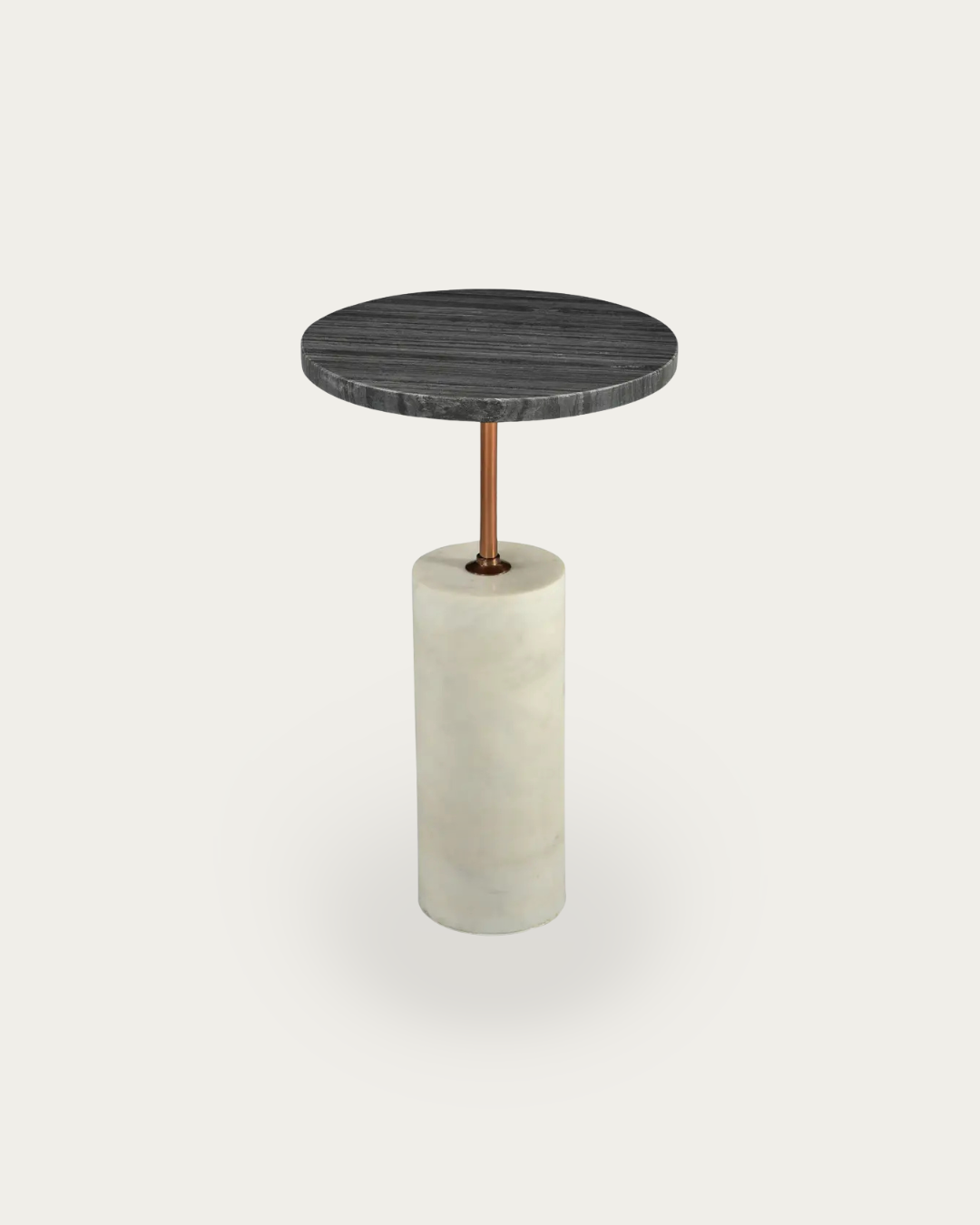
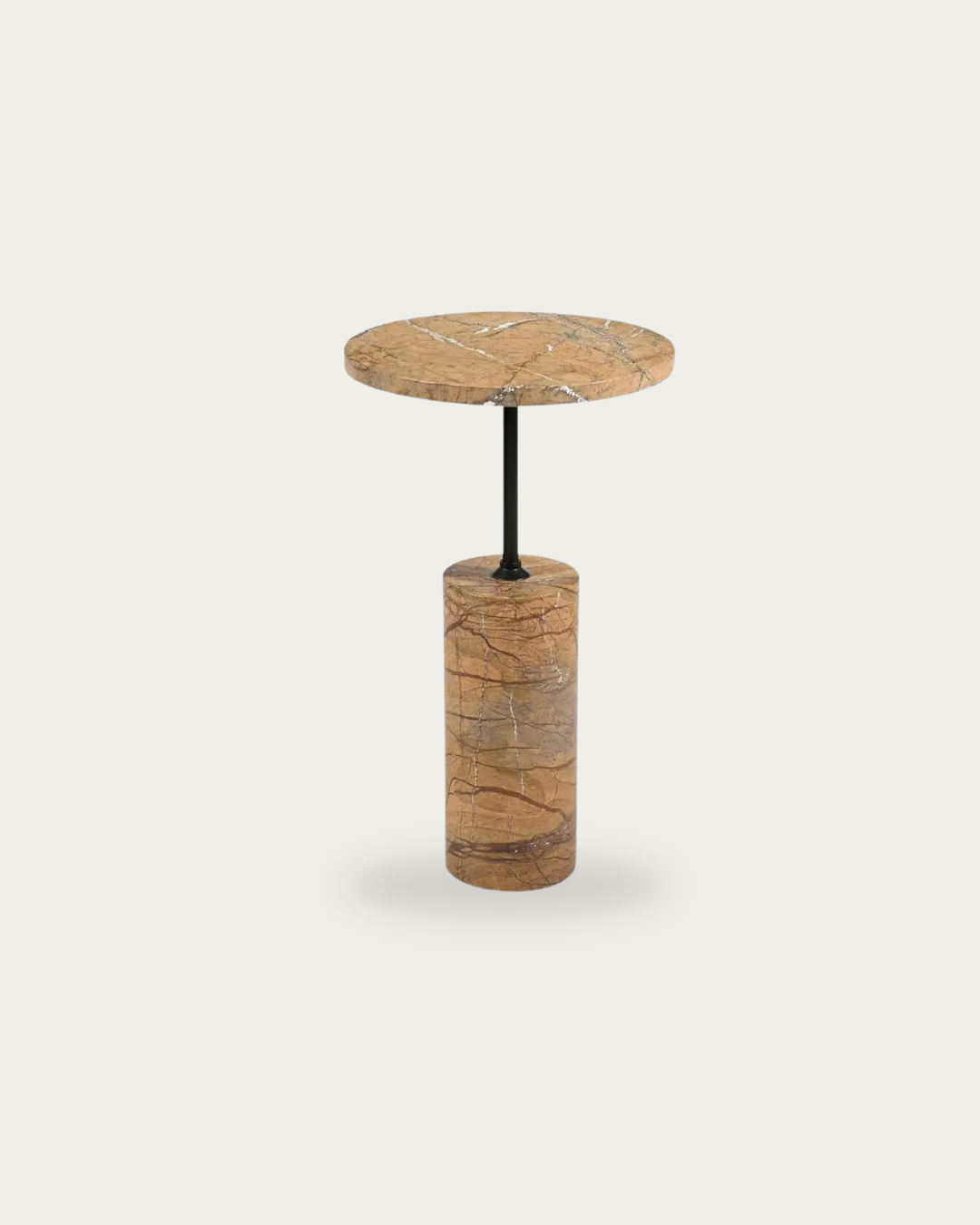
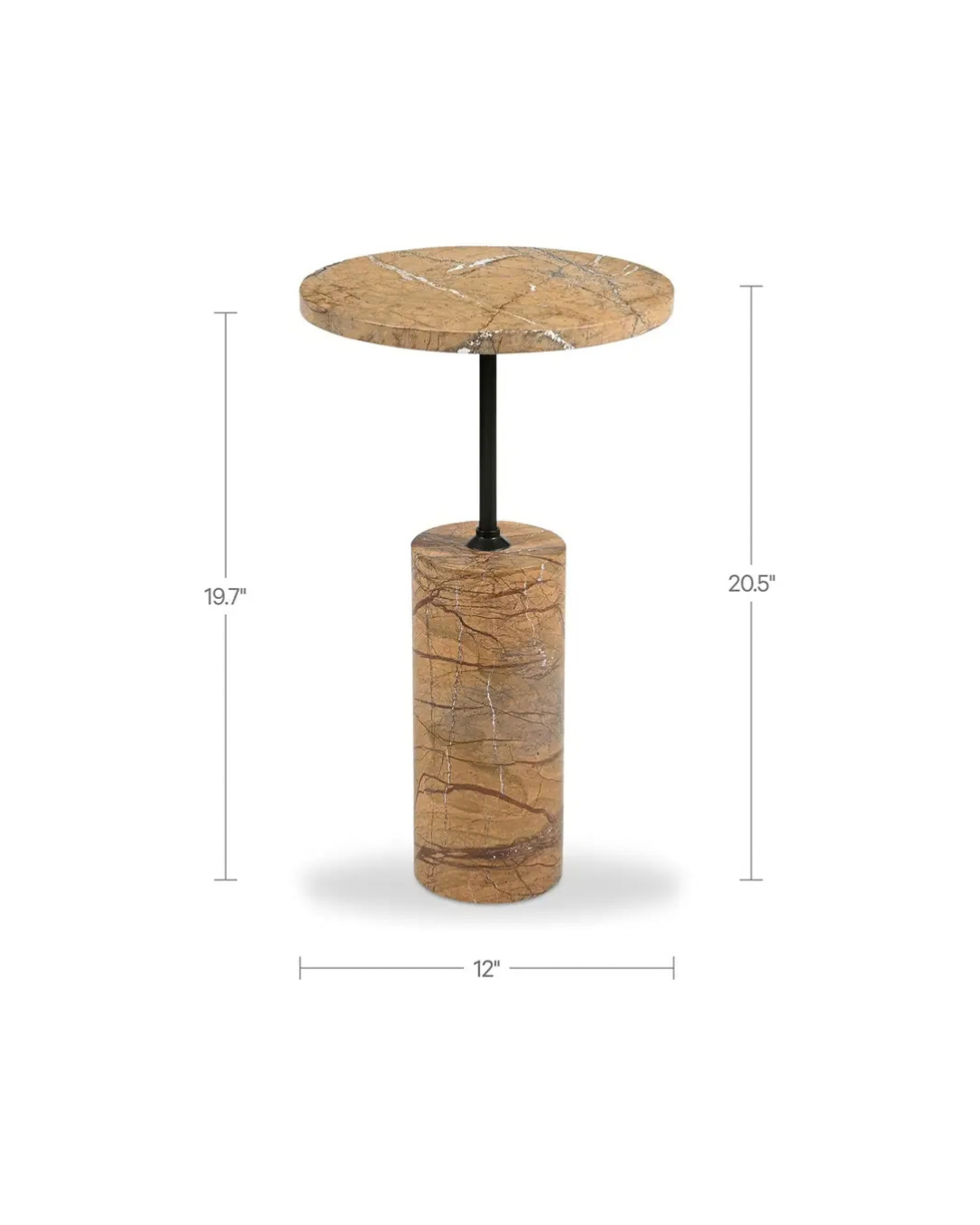
Side tables are often treated as extras—but they’re one of the easiest ways to improve a layout.
They create connection points between larger pieces and help define spacing.
Without them, furniture can feel isolated.
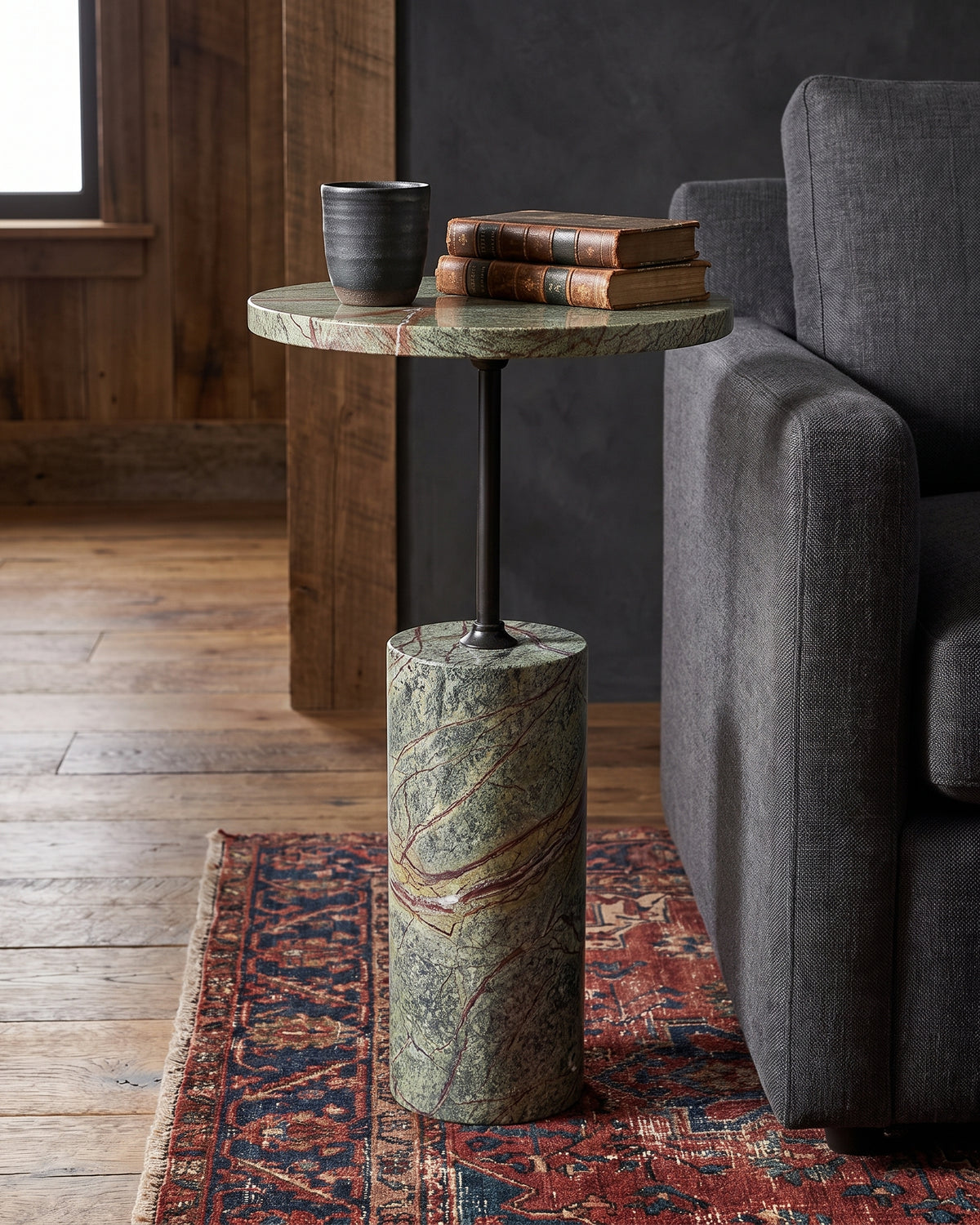
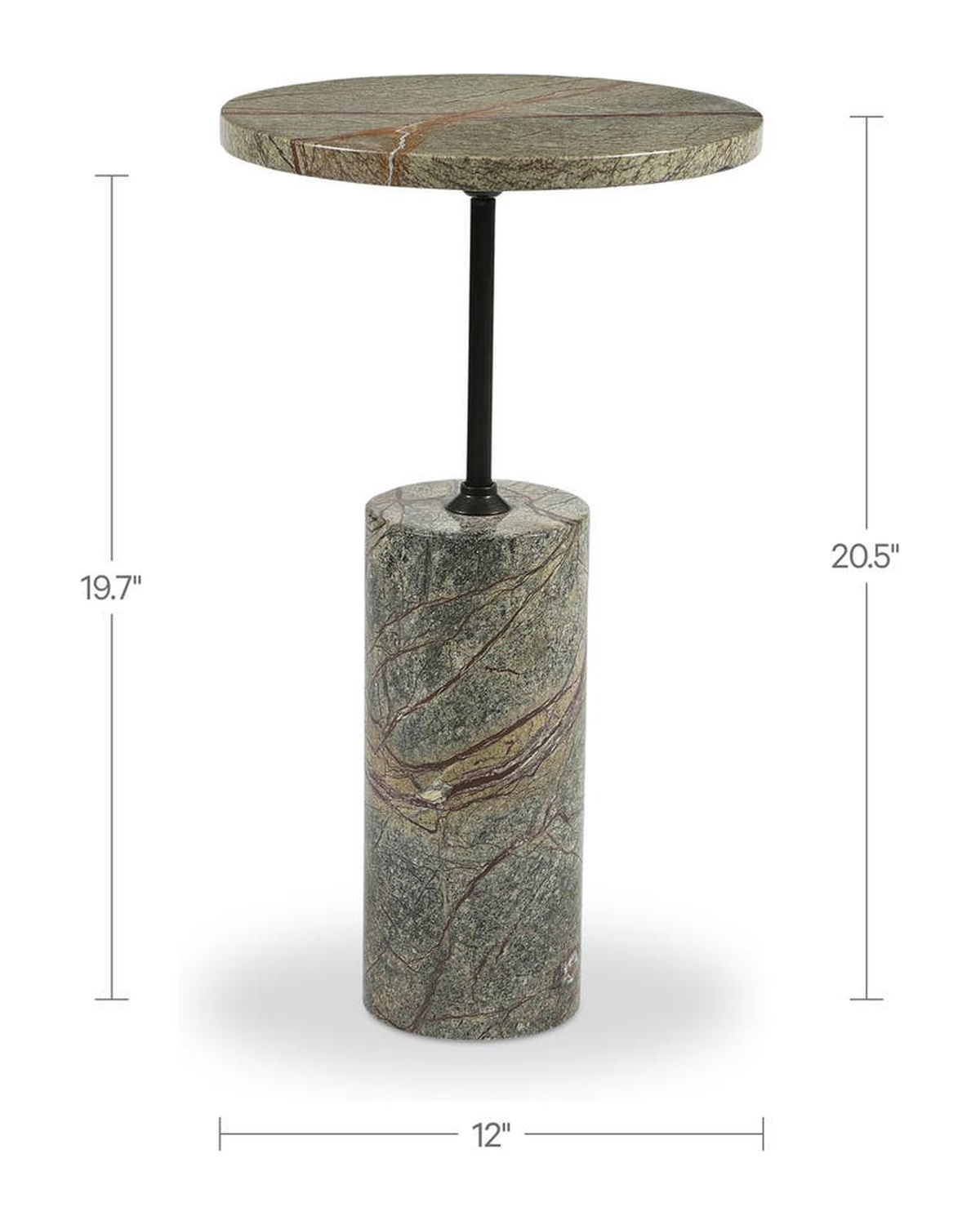
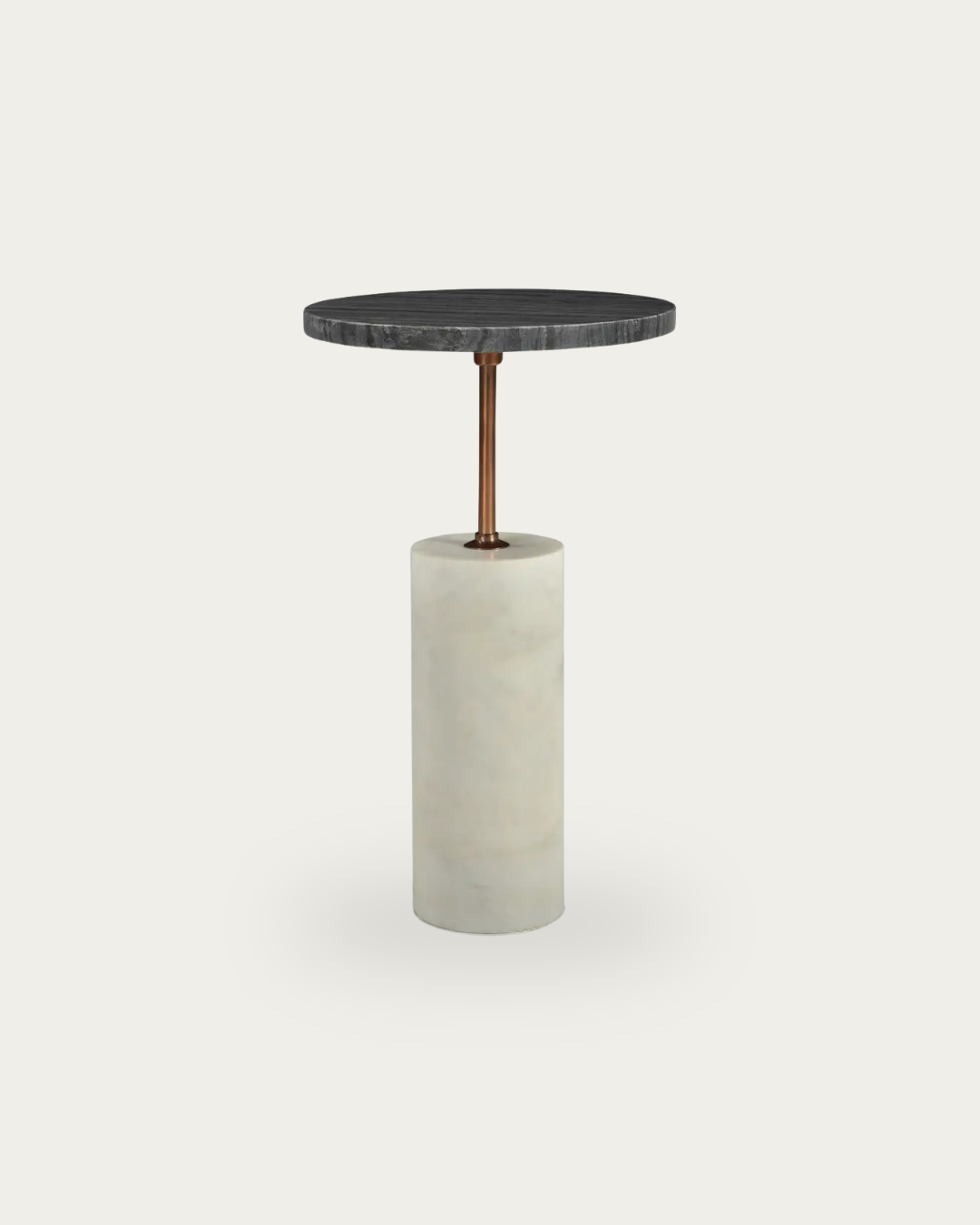
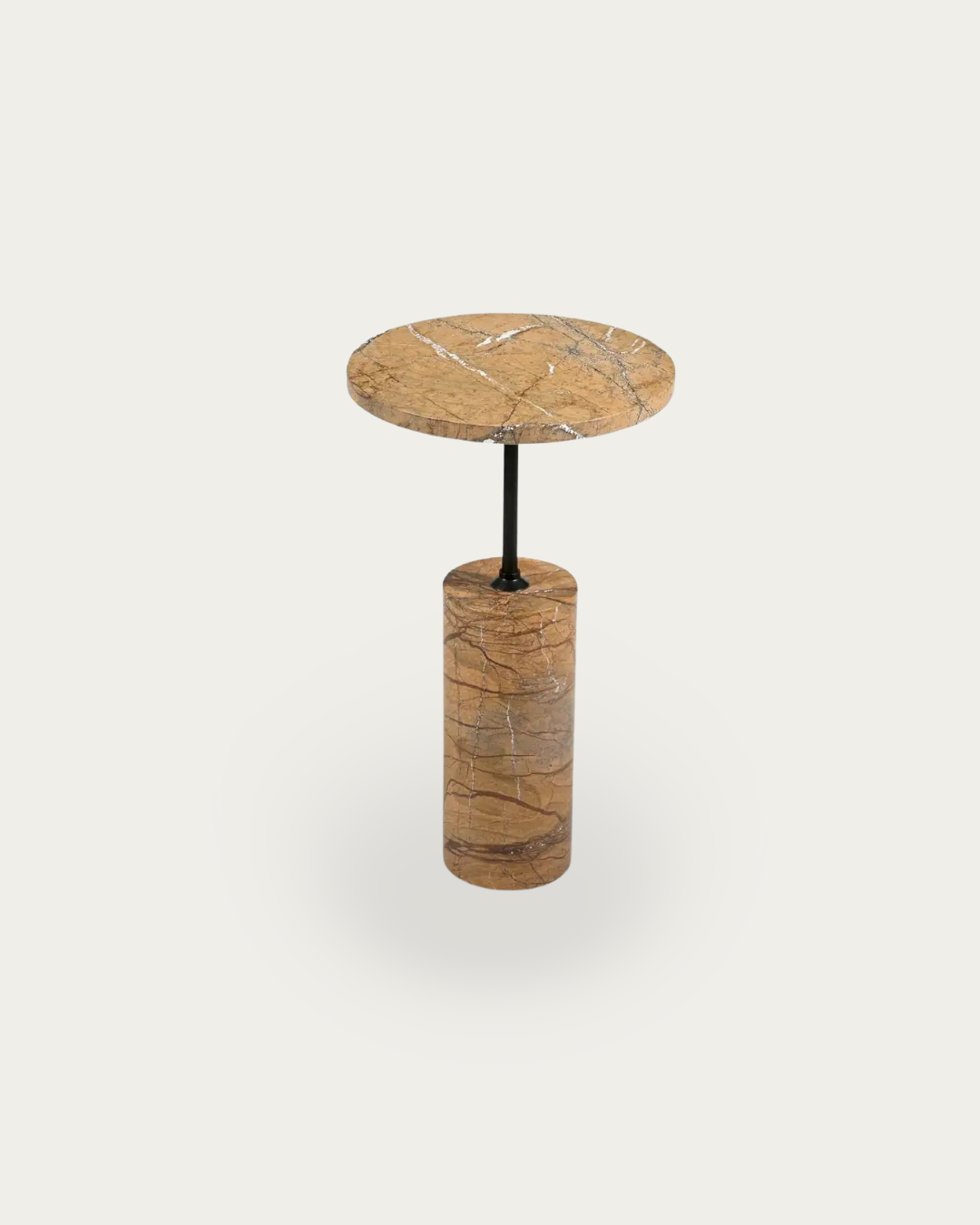
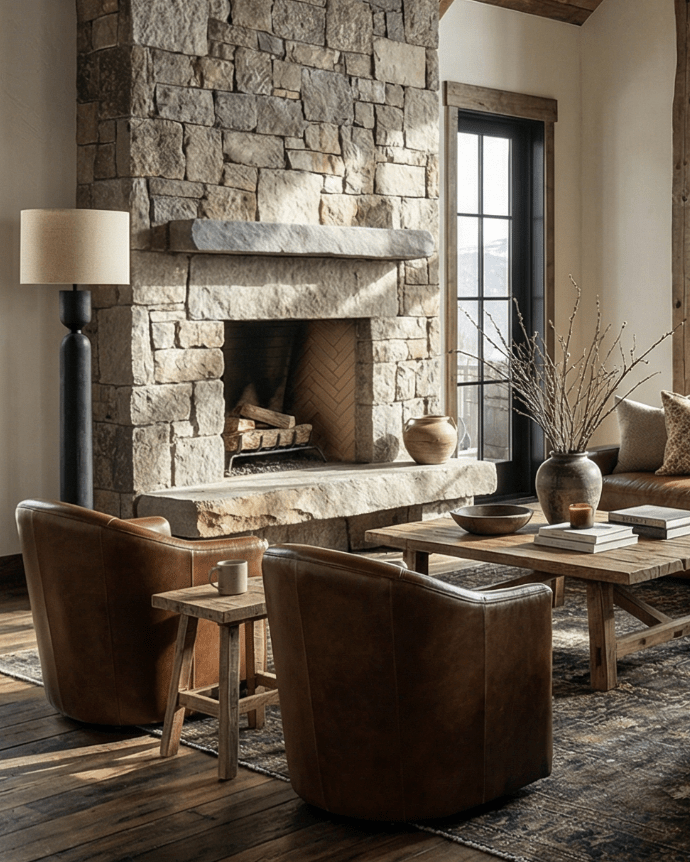
A well-placed piece from your side tables collection bridges gaps between seating, making the layout feel intentional instead of scattered.
They don’t just hold objects.
They hold the structure together.
Rule 5: Define Edges With Consoles and Storage
A good layout doesn’t just have a center—it has edges.
That’s where consoles and storage come in.
Pieces from your consoles collection or cabinets and storage help define boundaries without closing off the space.
They give the room a sense of completion.
Without them, layouts can feel like they fade out instead of resolving.
Edges matter just as much as the center.
Consoles collection:
Cabinets and storage collection:
Rule 6: Scale Before Style
You can choose the right pieces and still get it wrong if the scale is off.
Too many small items create visual noise. Oversized pieces create pressure.
The goal is proportion.
Your main furniture should feel grounded, while supporting pieces stay in scale with it. This is where made-to-order furniture can make a difference—because it aligns with your space instead of forcing your space to adjust.
Scale isn’t always obvious.
But it’s always felt.
Rule 7: Leave Space Where It Matters
Not every gap needs to be filled.
In fact, trying to fill every space is what makes most layouts feel cluttered.
Empty space isn’t a problem.
Unresolved space is.
There’s a difference.
A well-planned layout allows for breathing room. It gives your eyes a place to rest and your furniture a chance to stand on its own.
More furniture doesn’t fix a layout.
Better placement does.

A RUTED Tip: Your Brain Needs a Clear Path. Your nervous system is constantly scanning for movement paths, and when furniture blocks or interrupts those paths, it increases cognitive load and creates subtle tension; a well-planned living room layout keeps pathways clear and predictable, allowing your brain to relax because it understands how to move through the space.
Where to Start
If your living room feels off, don’t start with decor.
Start with structure.
Look at how your furniture is arranged. Identify where the imbalance is. Adjust placement before adding anything new.
Often, the solution isn’t more.
It's a better decision.
Final Thought
A good living room doesn’t rely on more furniture.
It relies on better layout.
When your pieces work together—when there’s a clear center, balanced weight, and defined edges—the room stops feeling like something you’re trying to fix.
And starts feeling like something that just works.
If you’re ready to build a layout that actually makes sense, start here:
Explore living room furniture collection