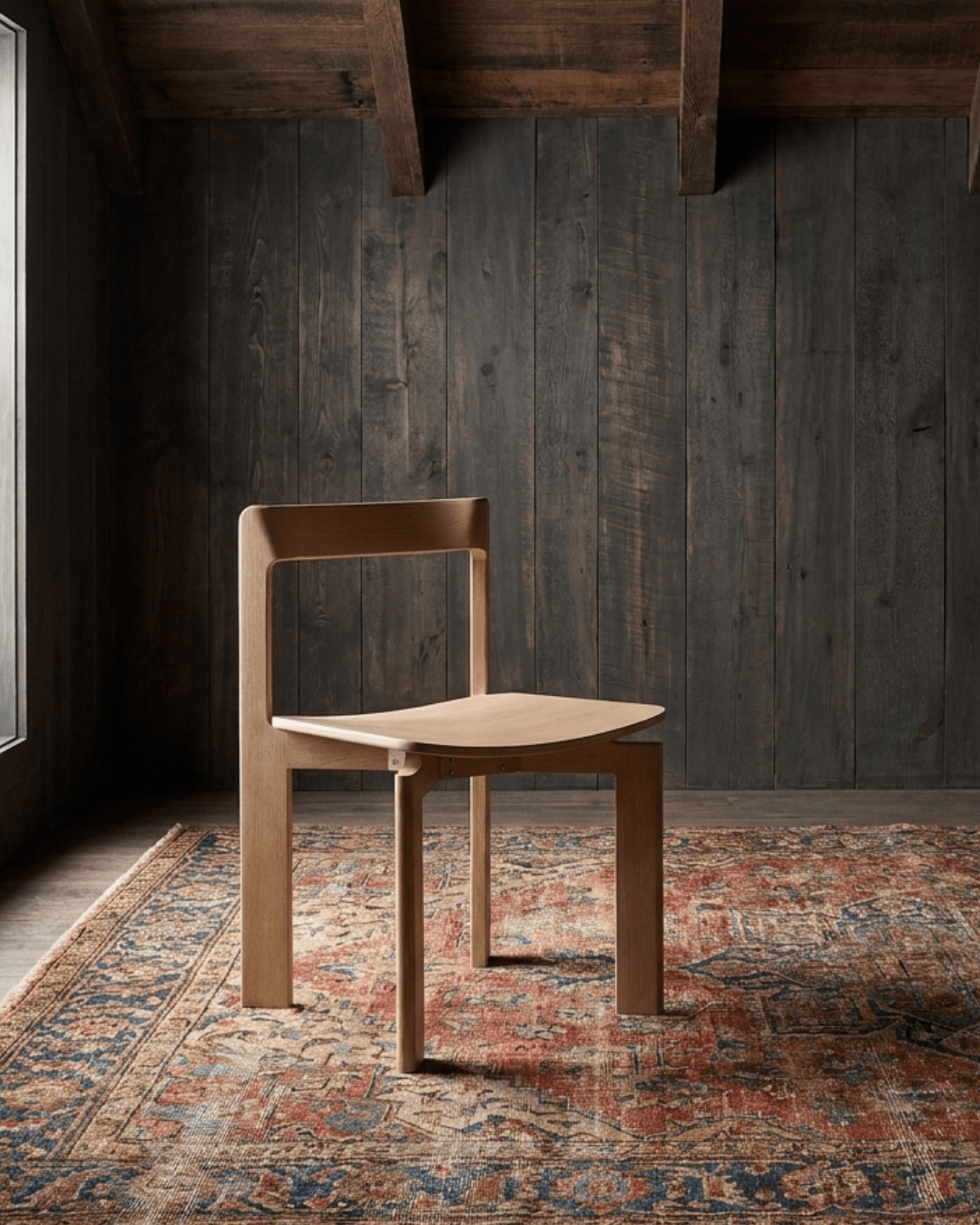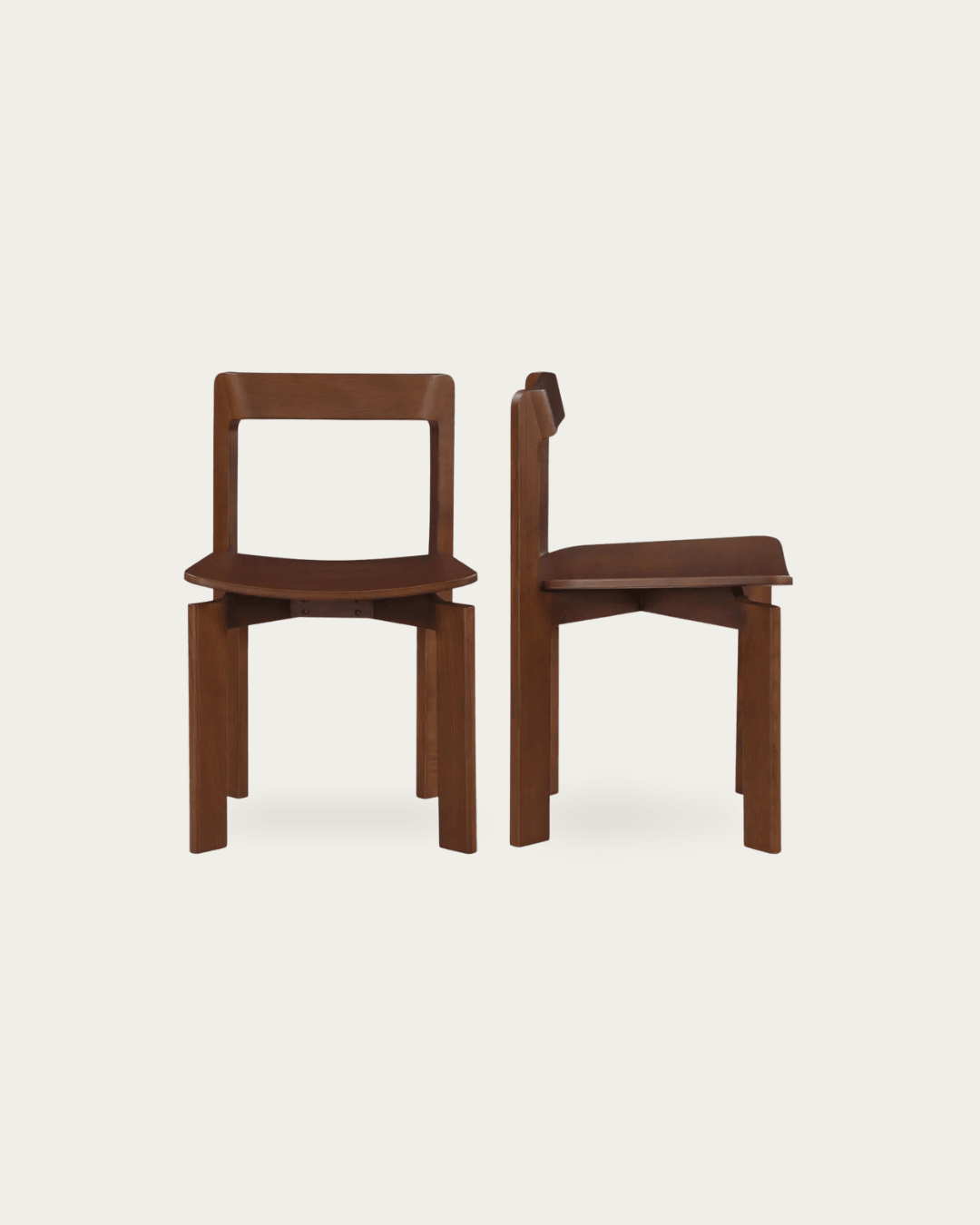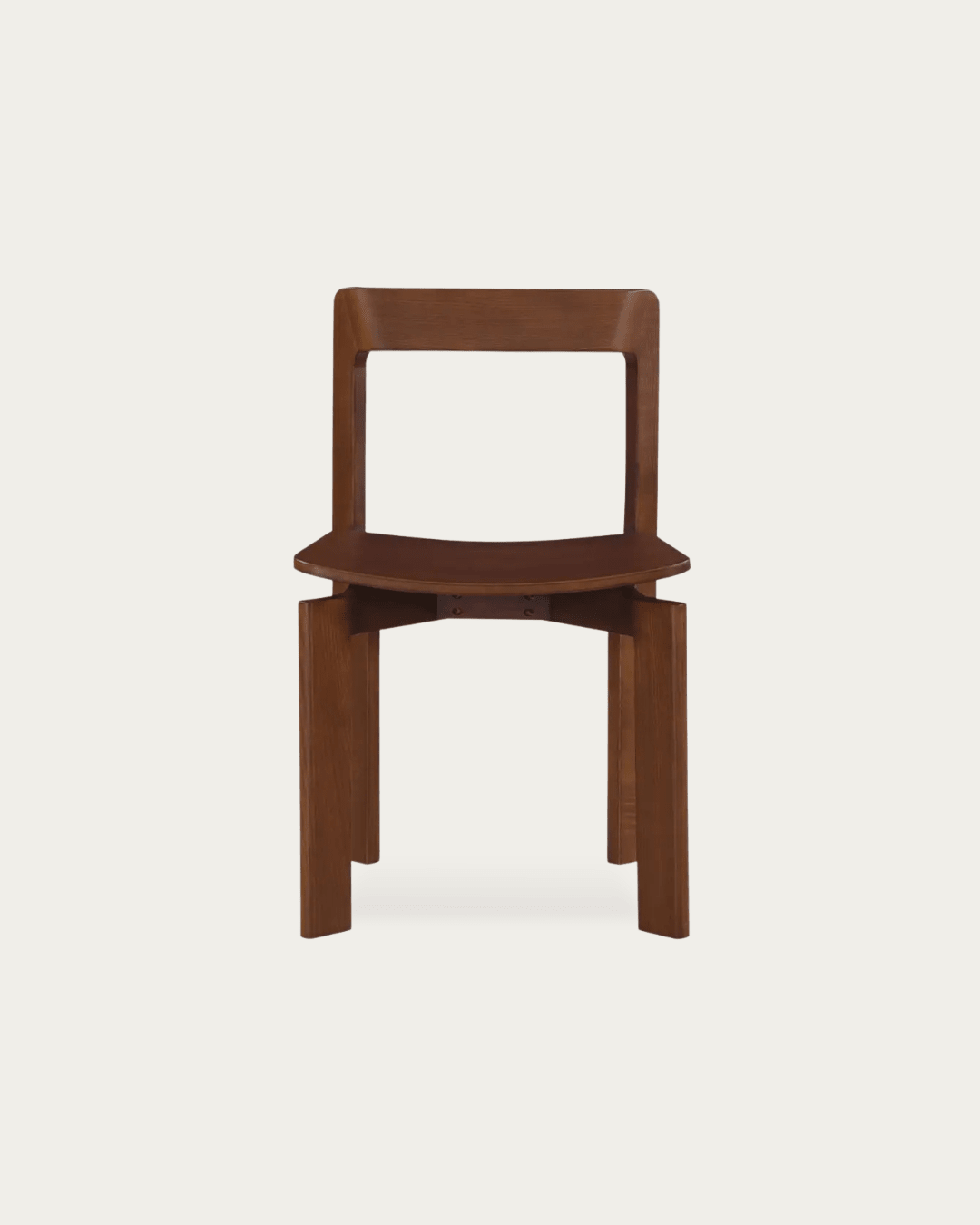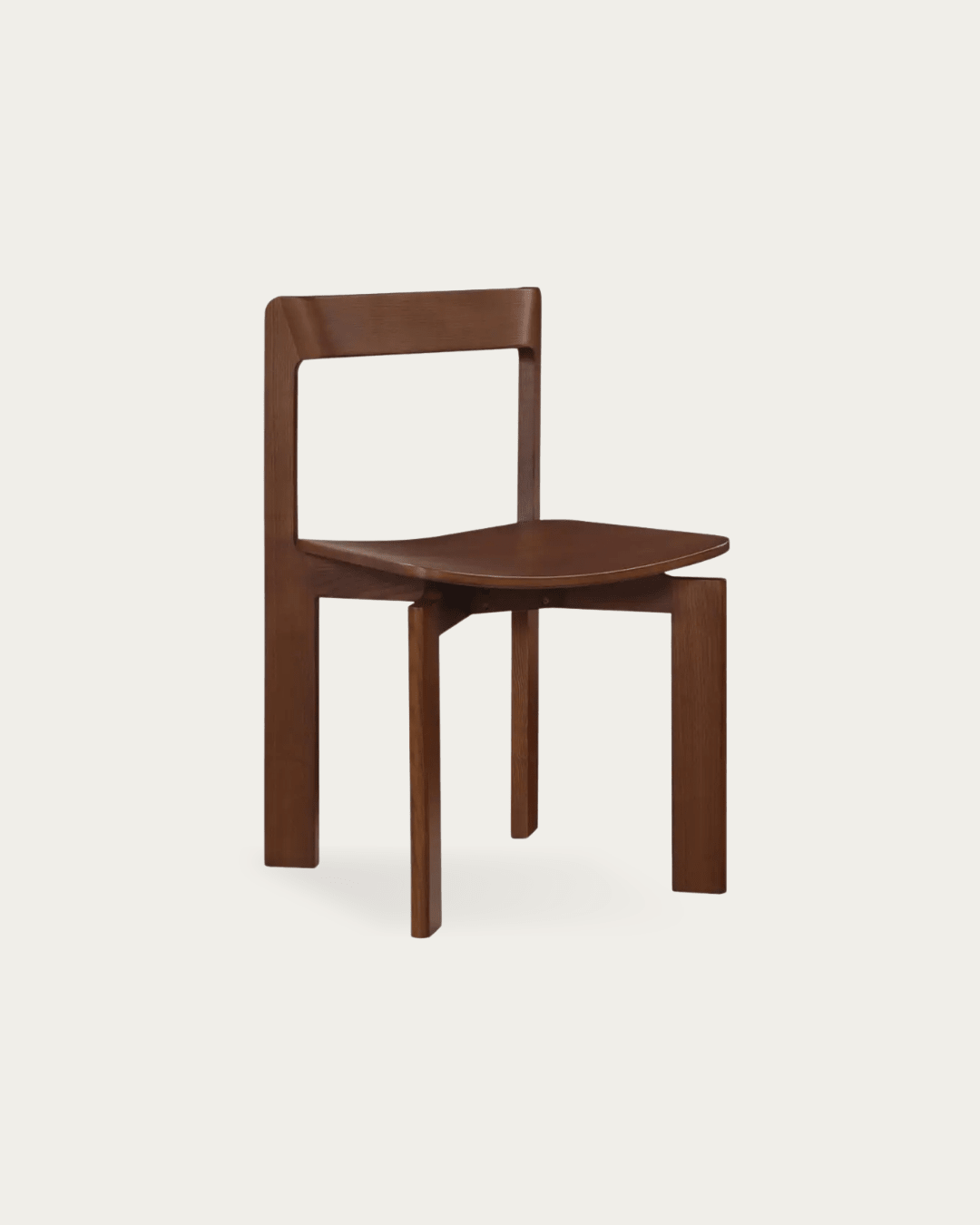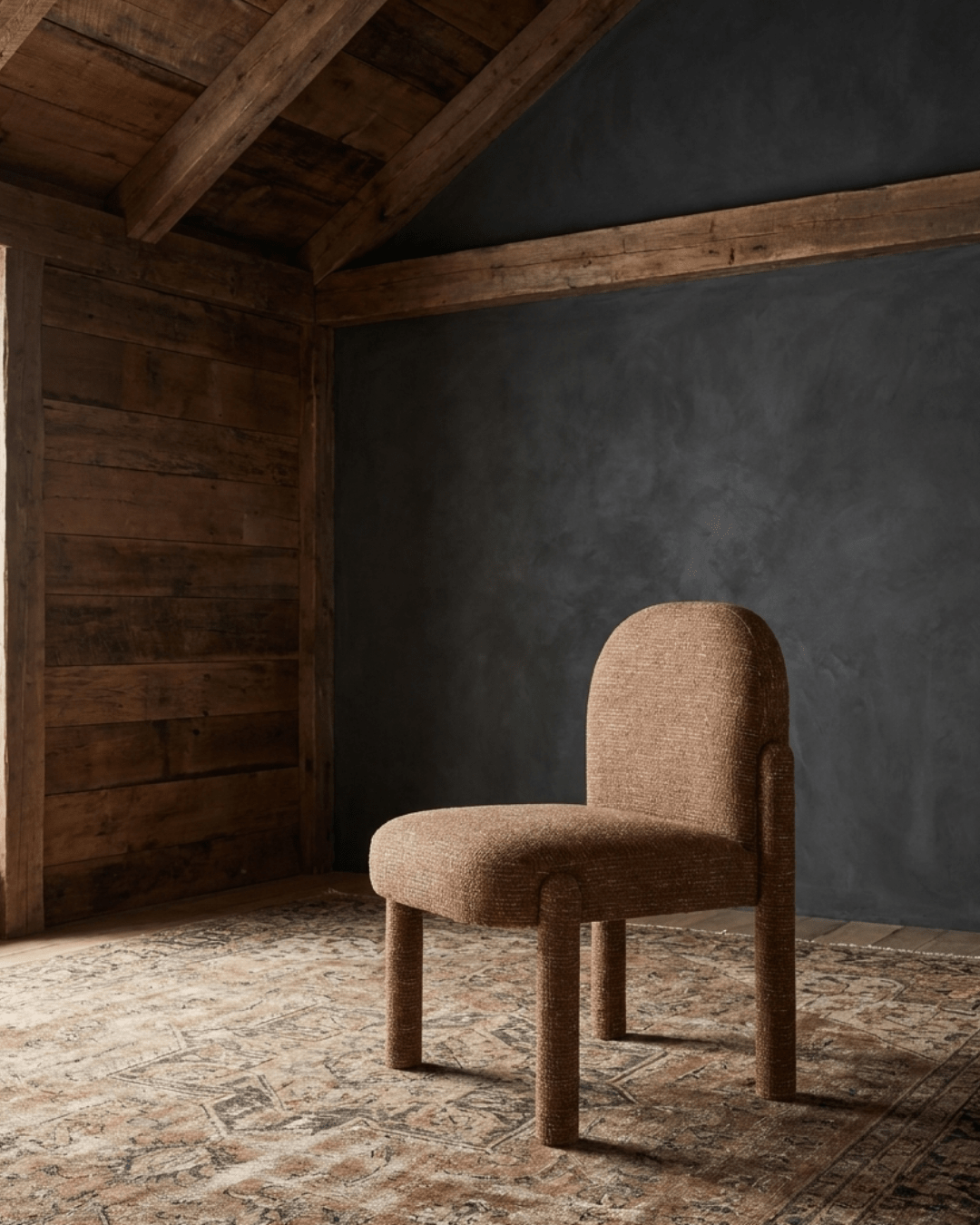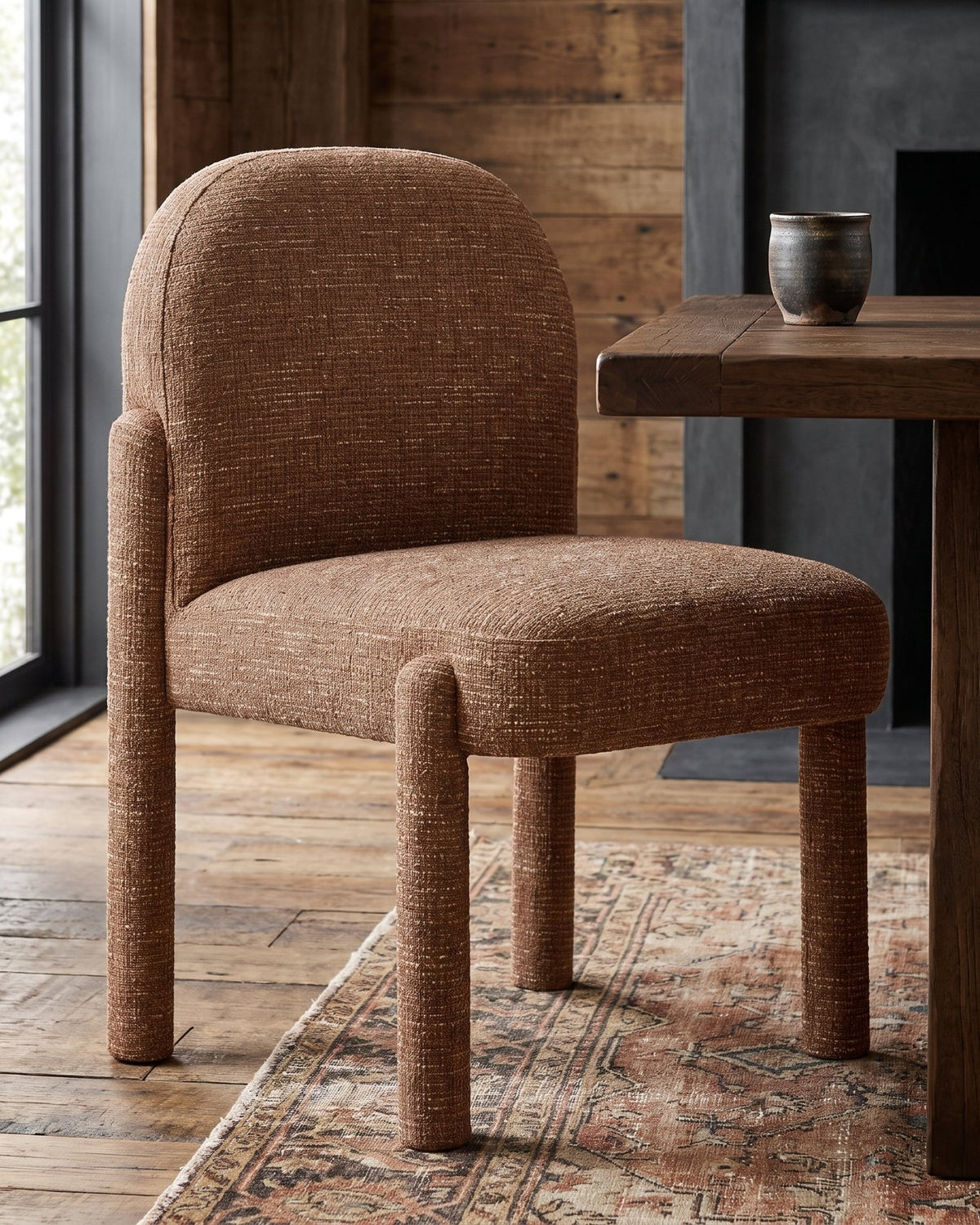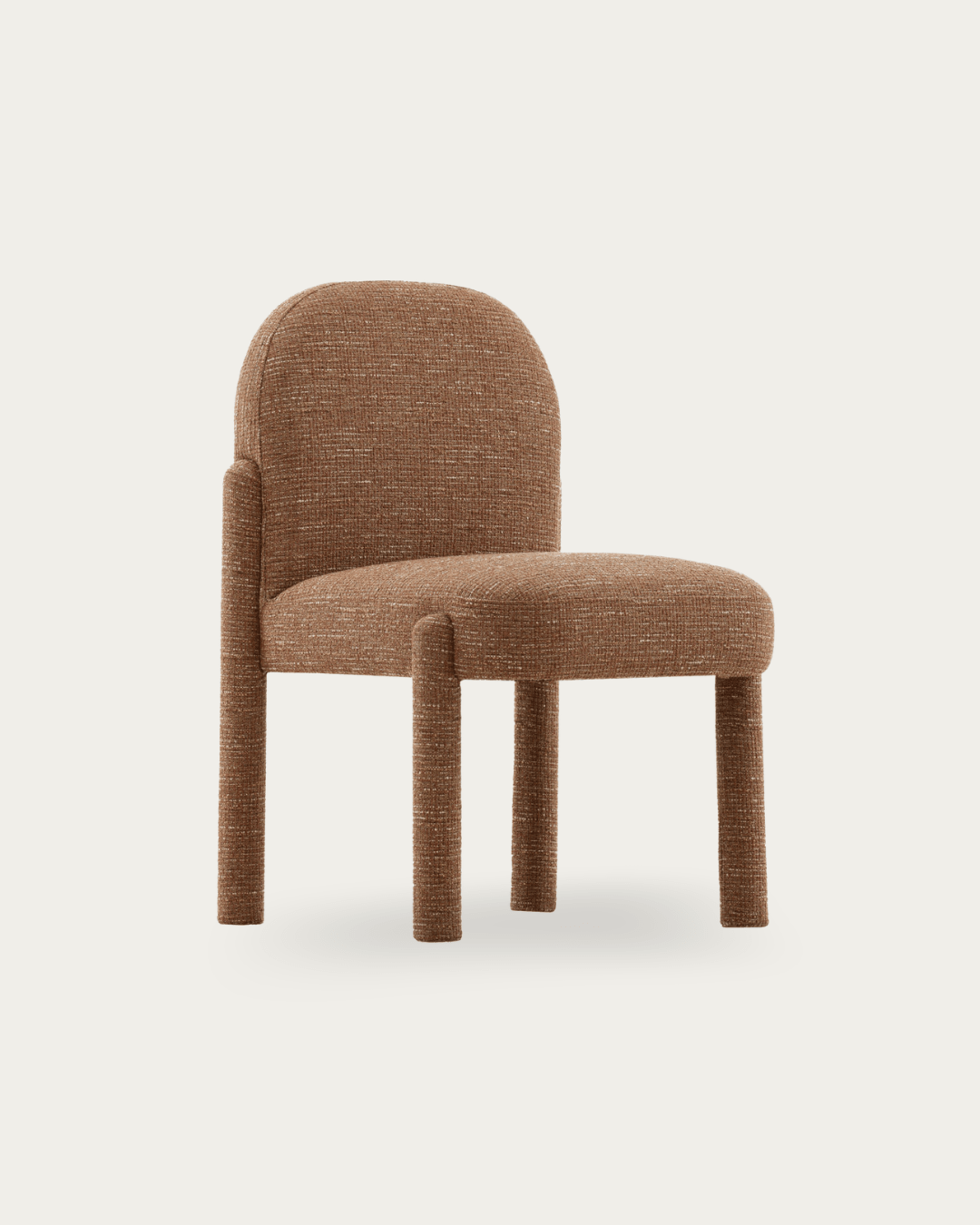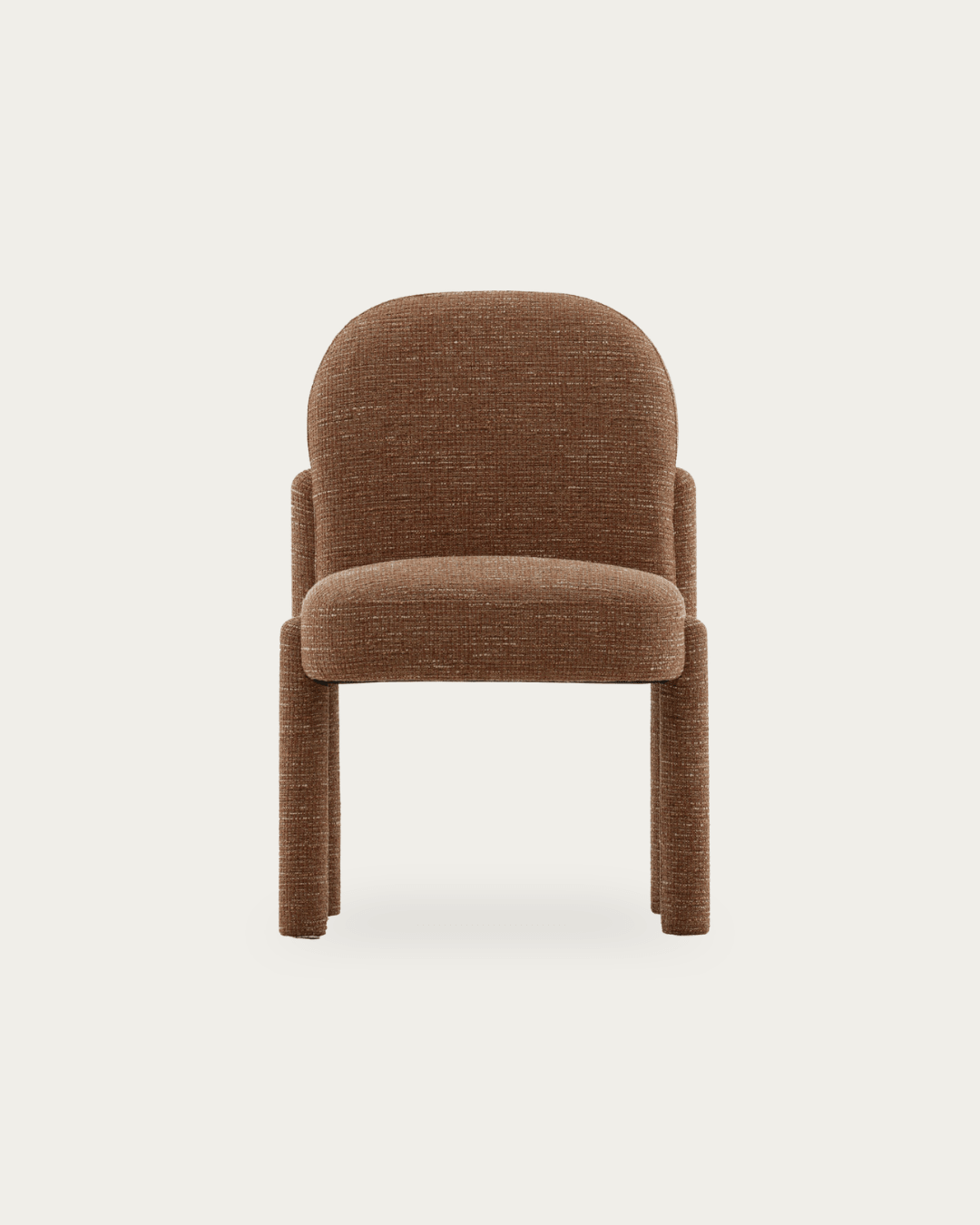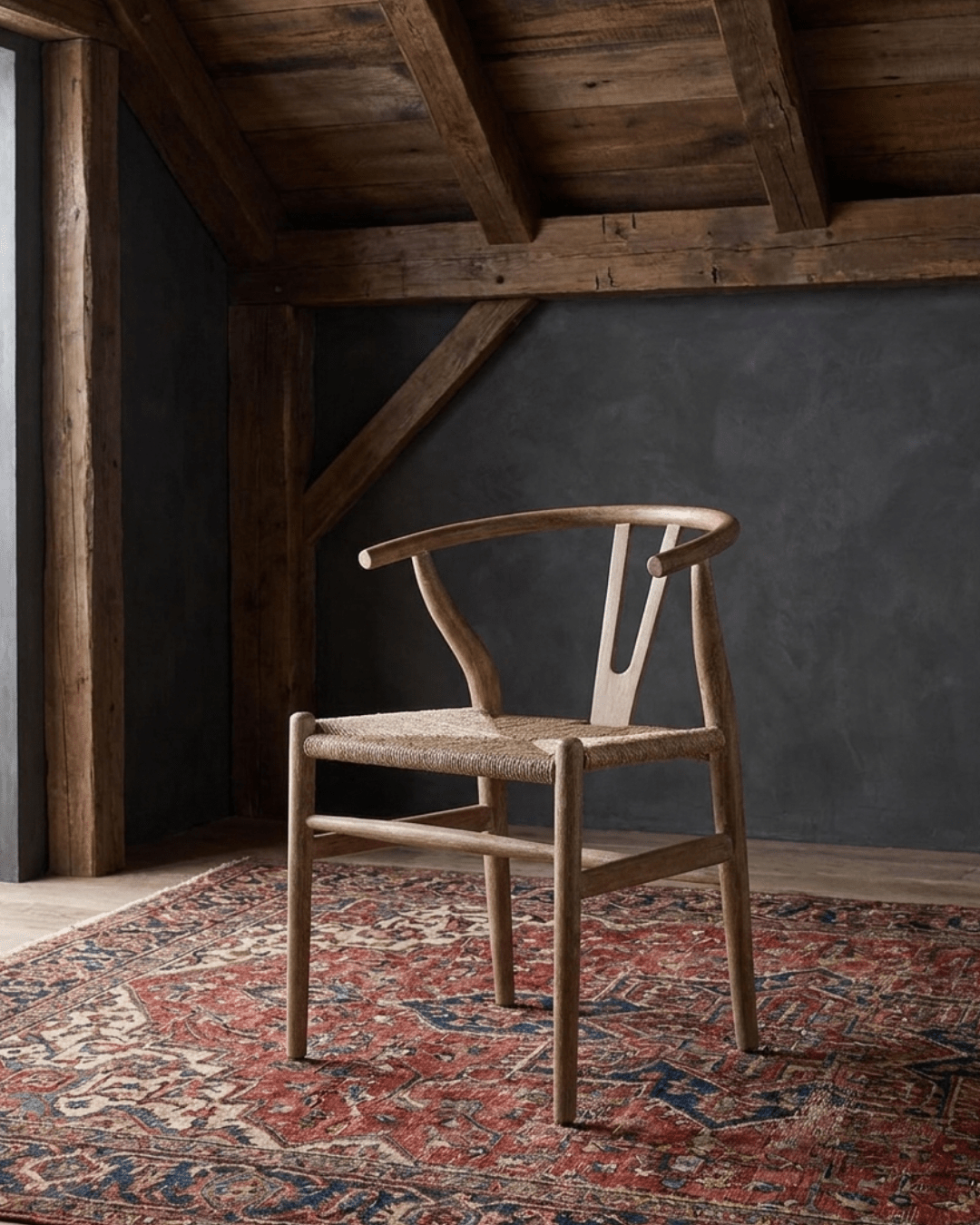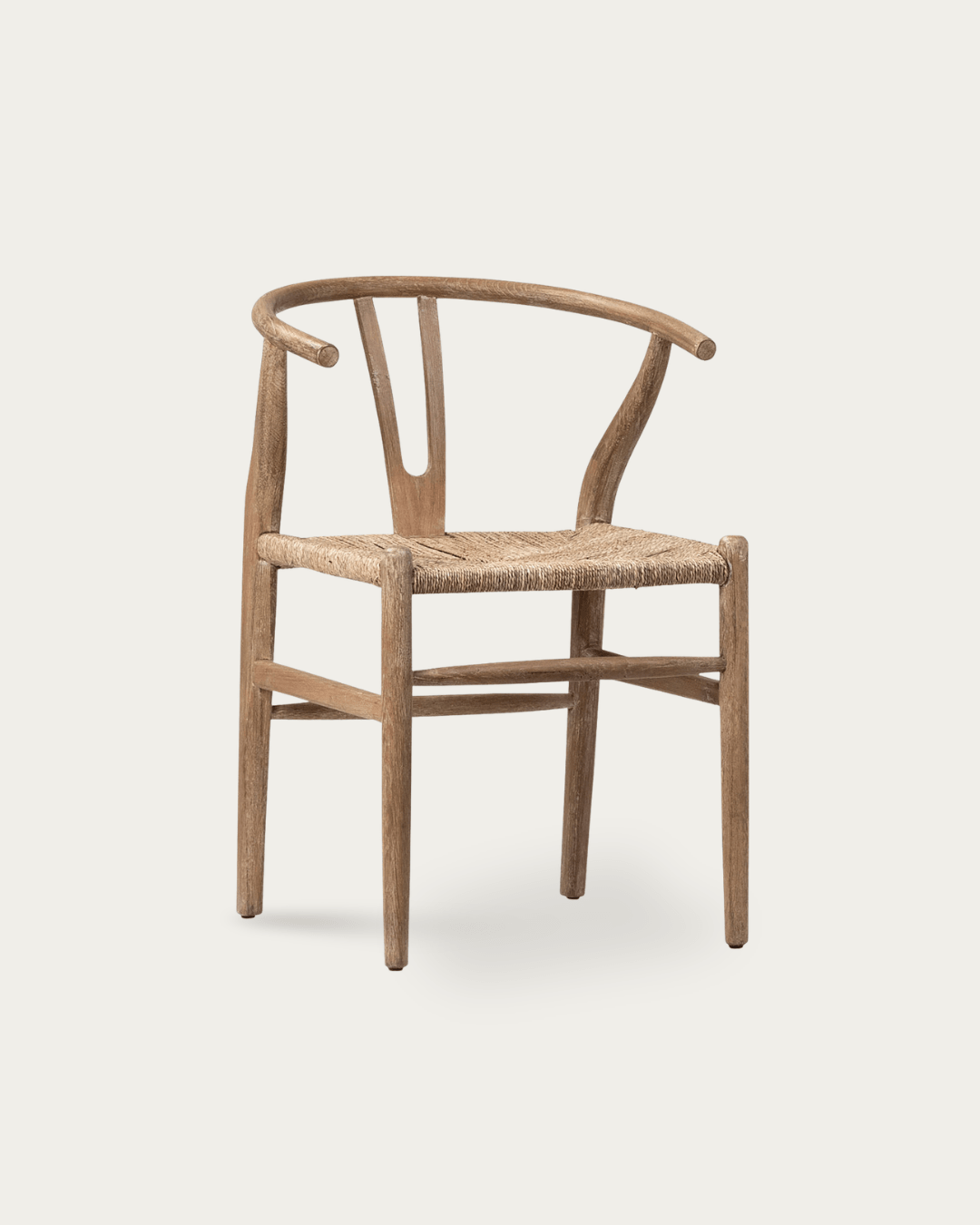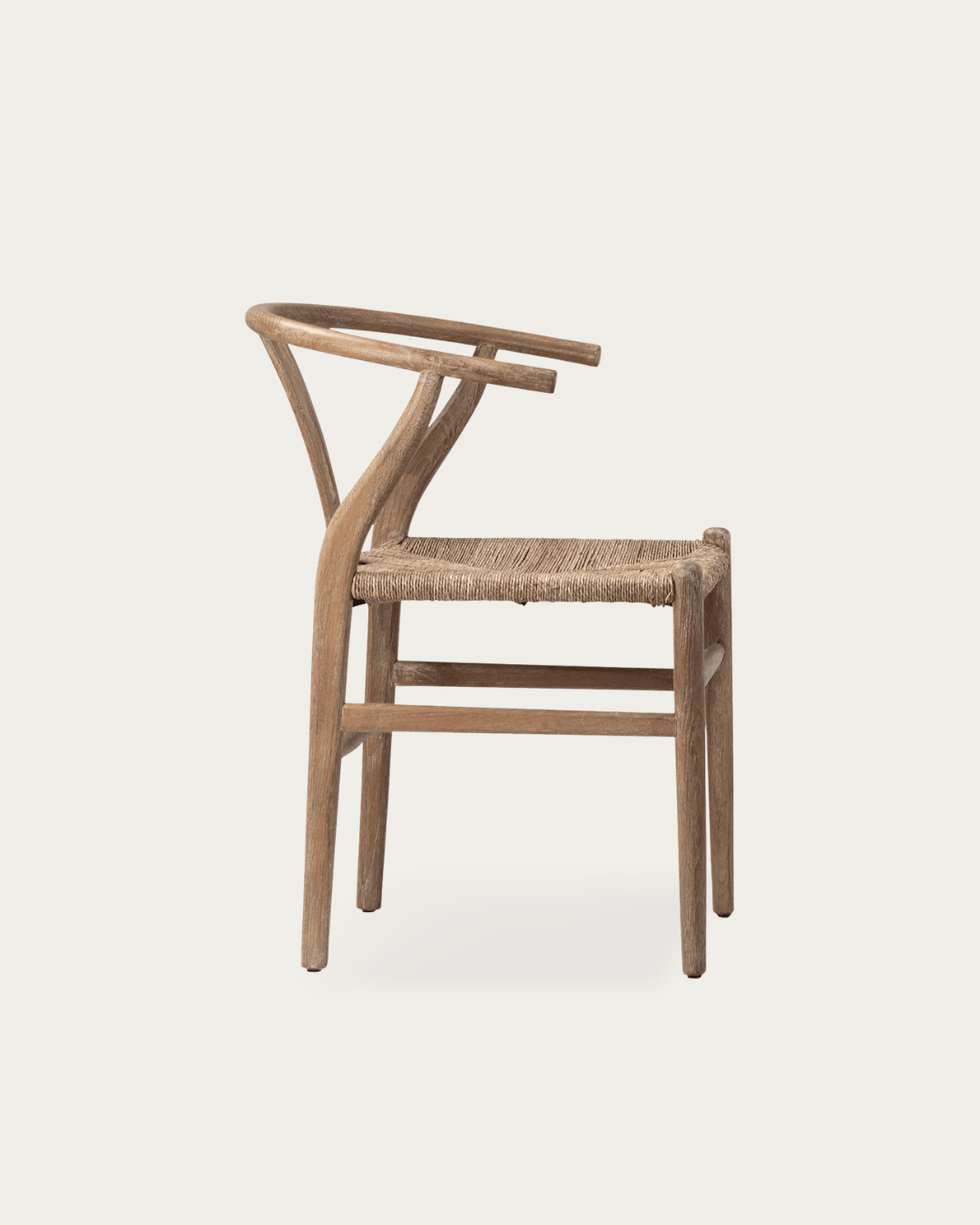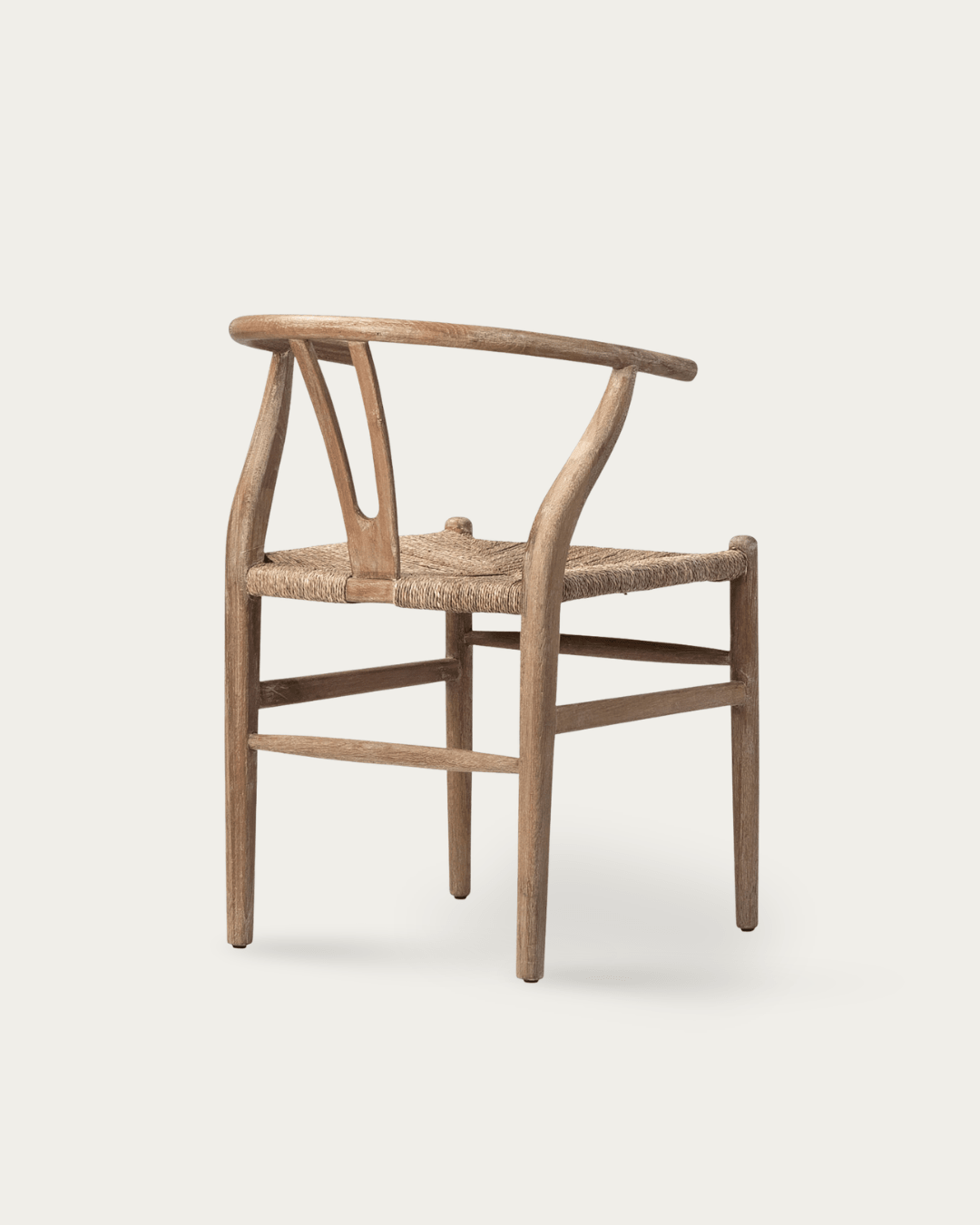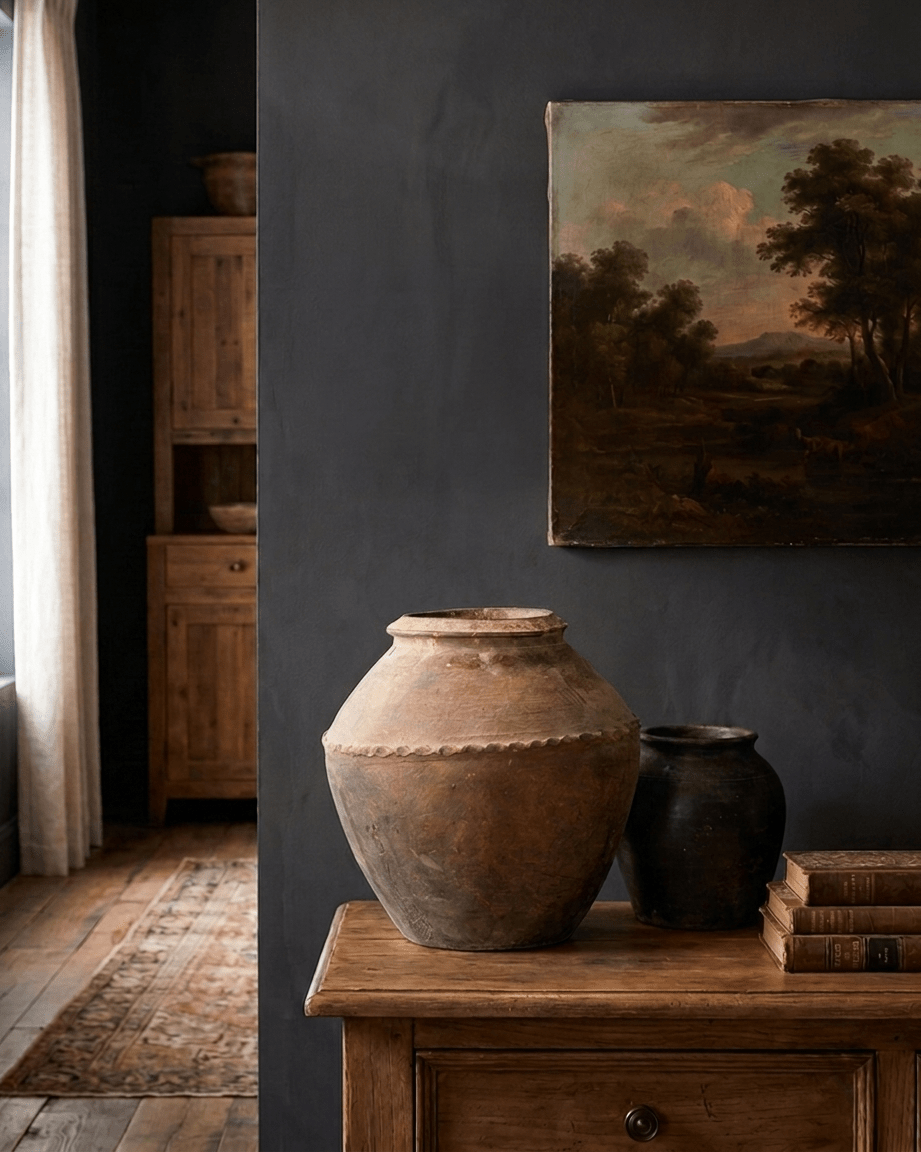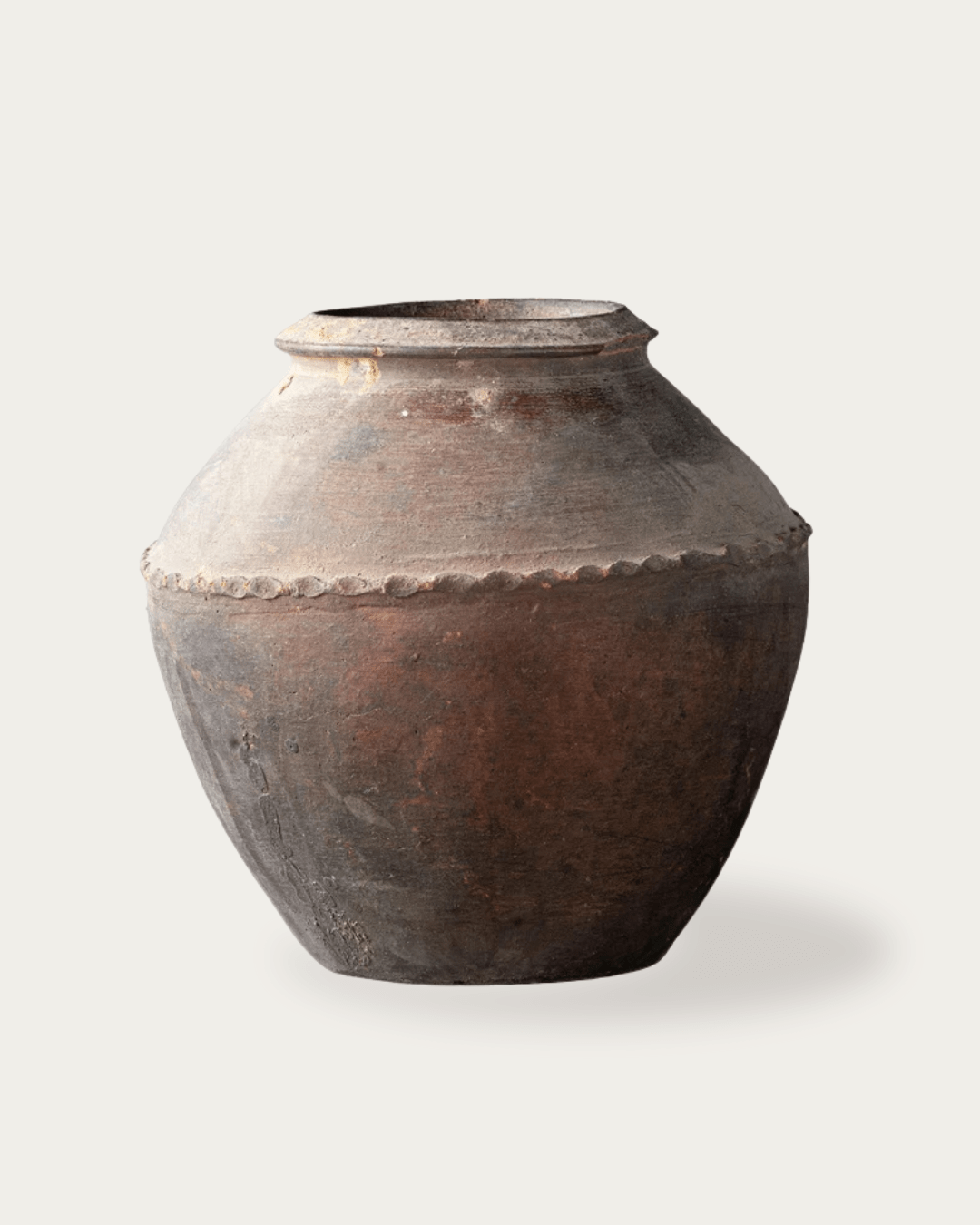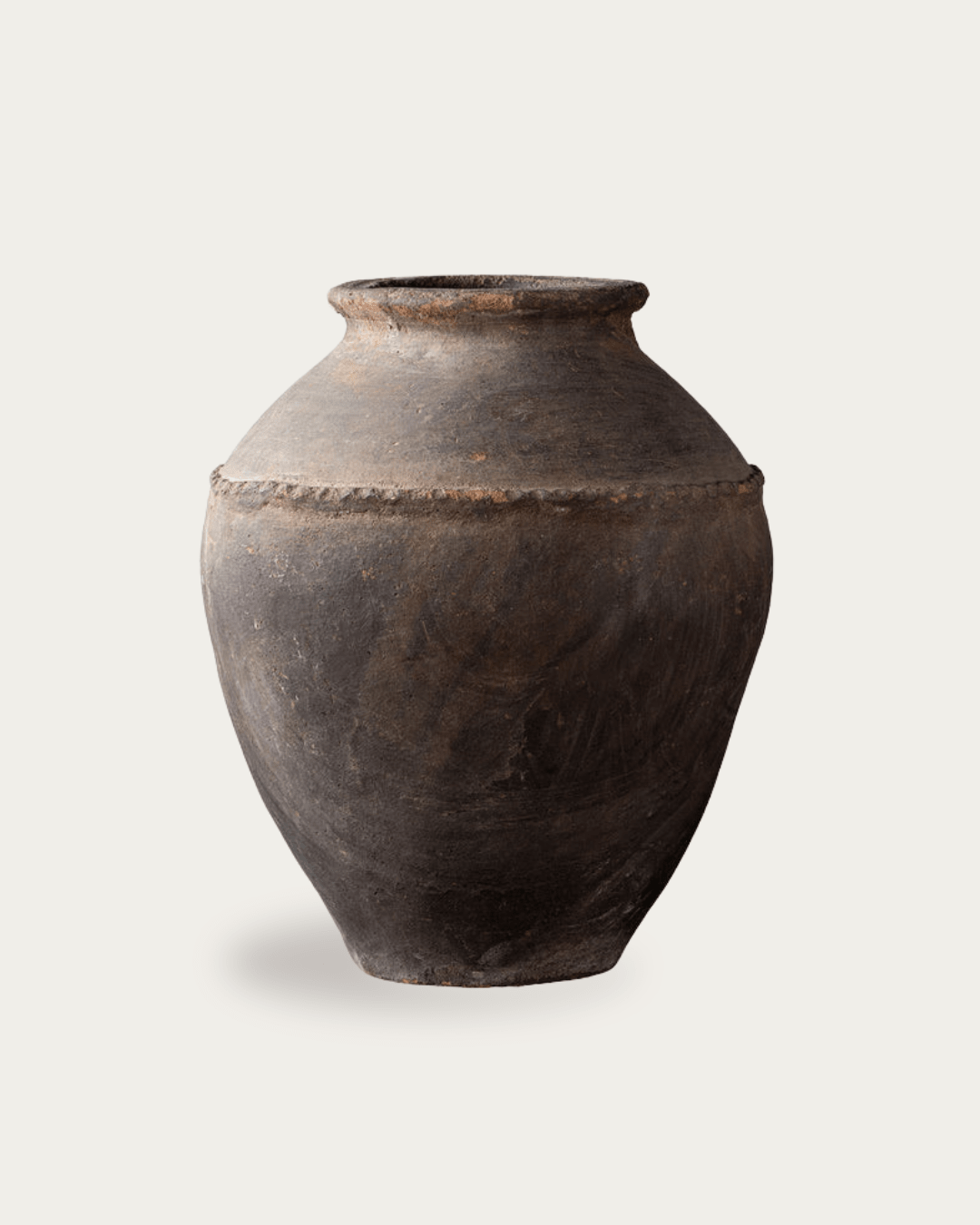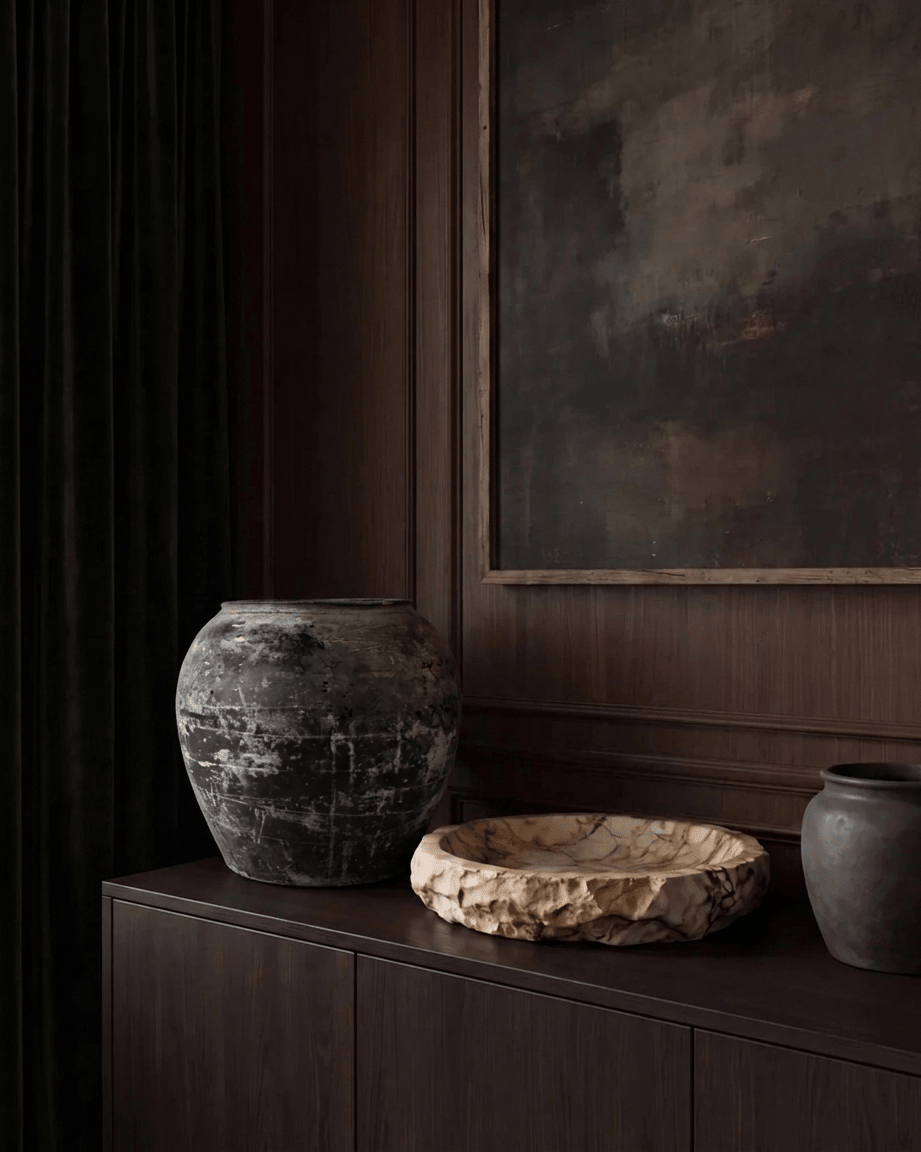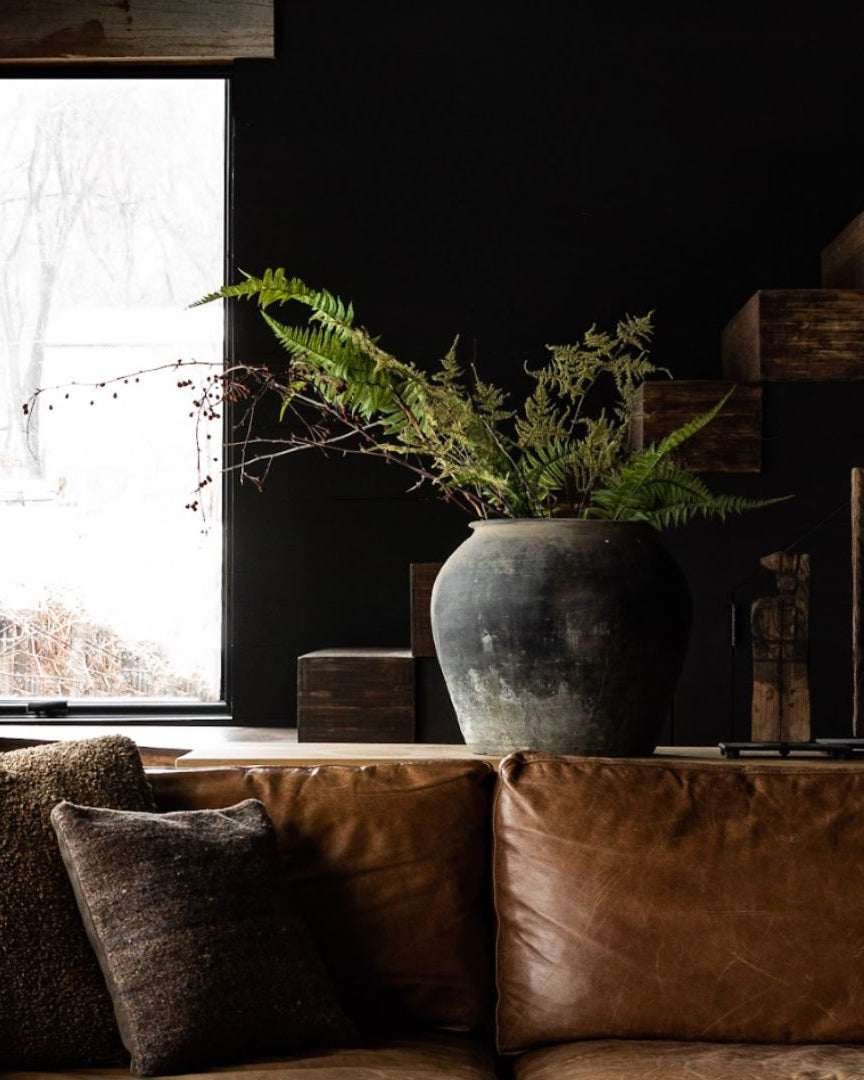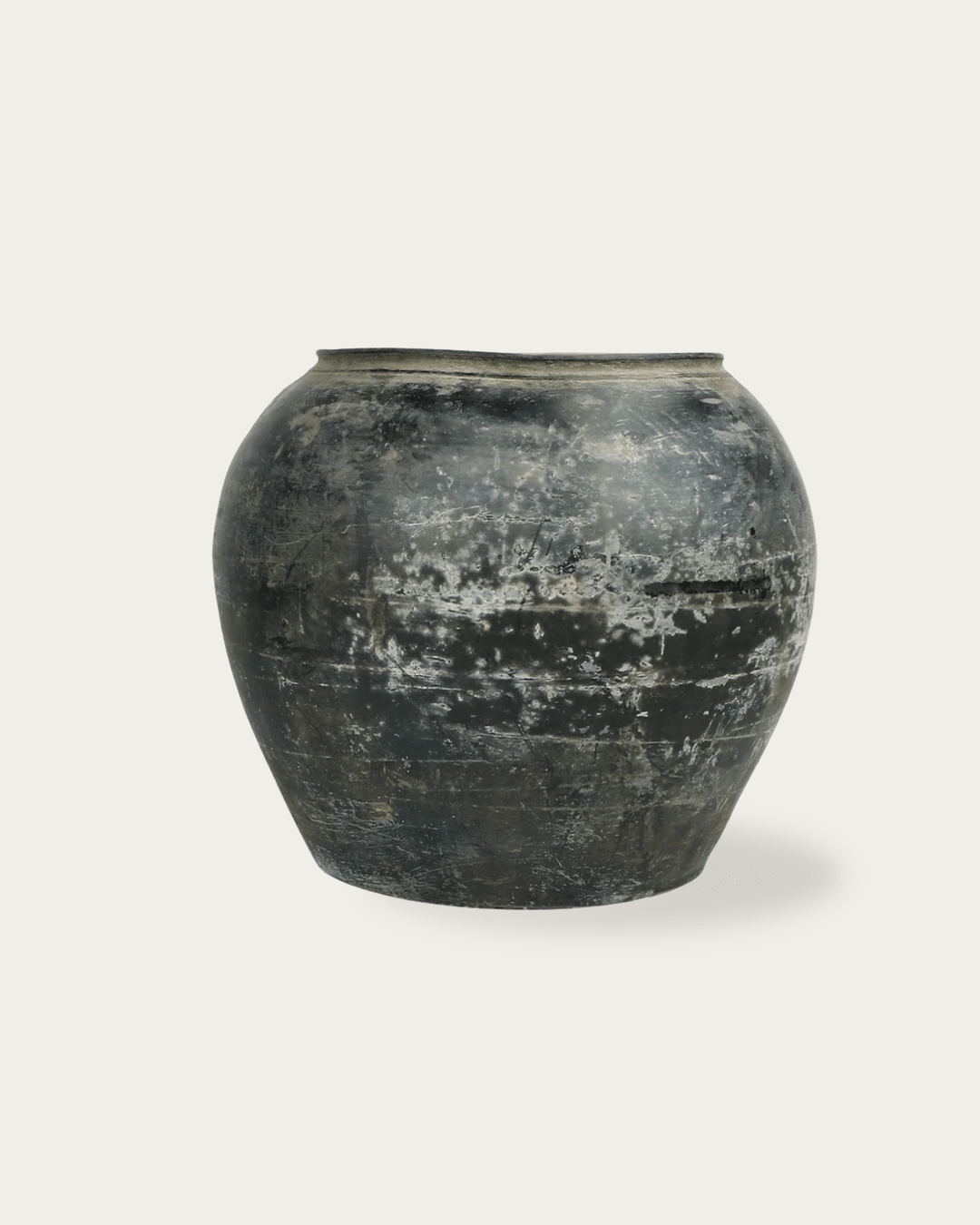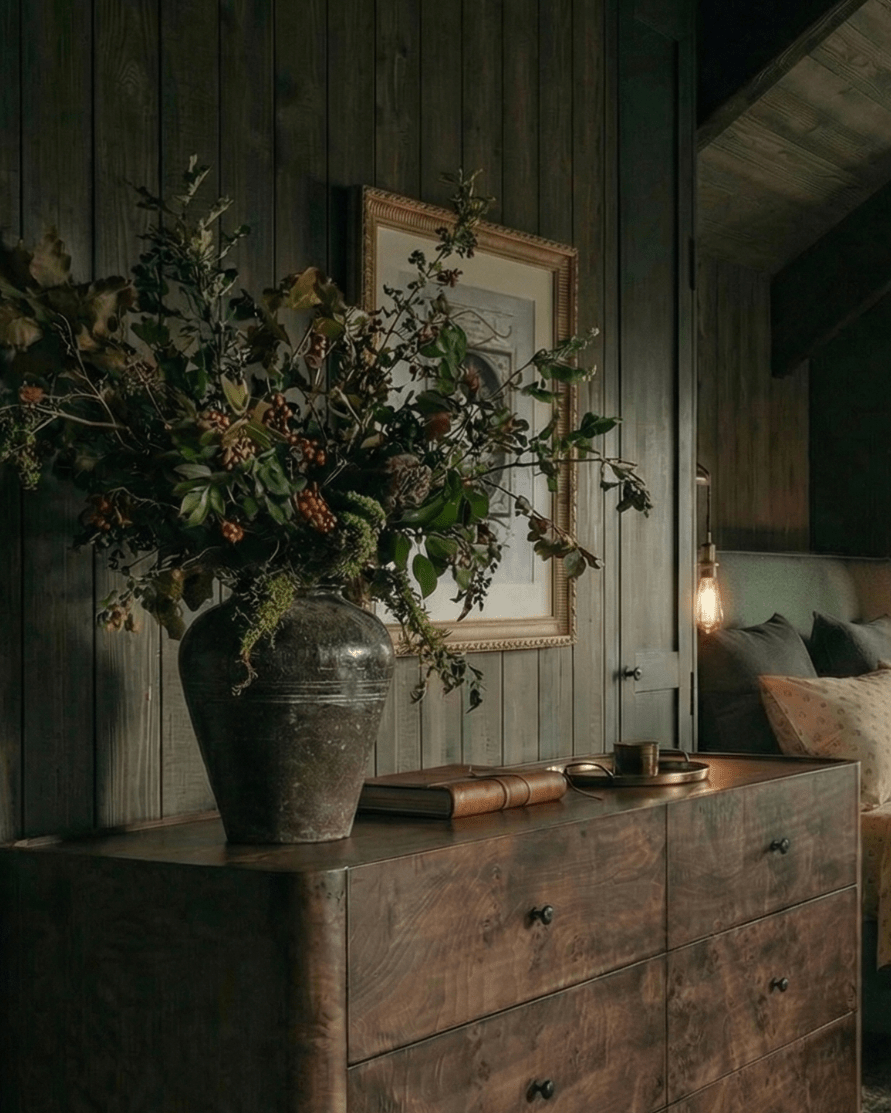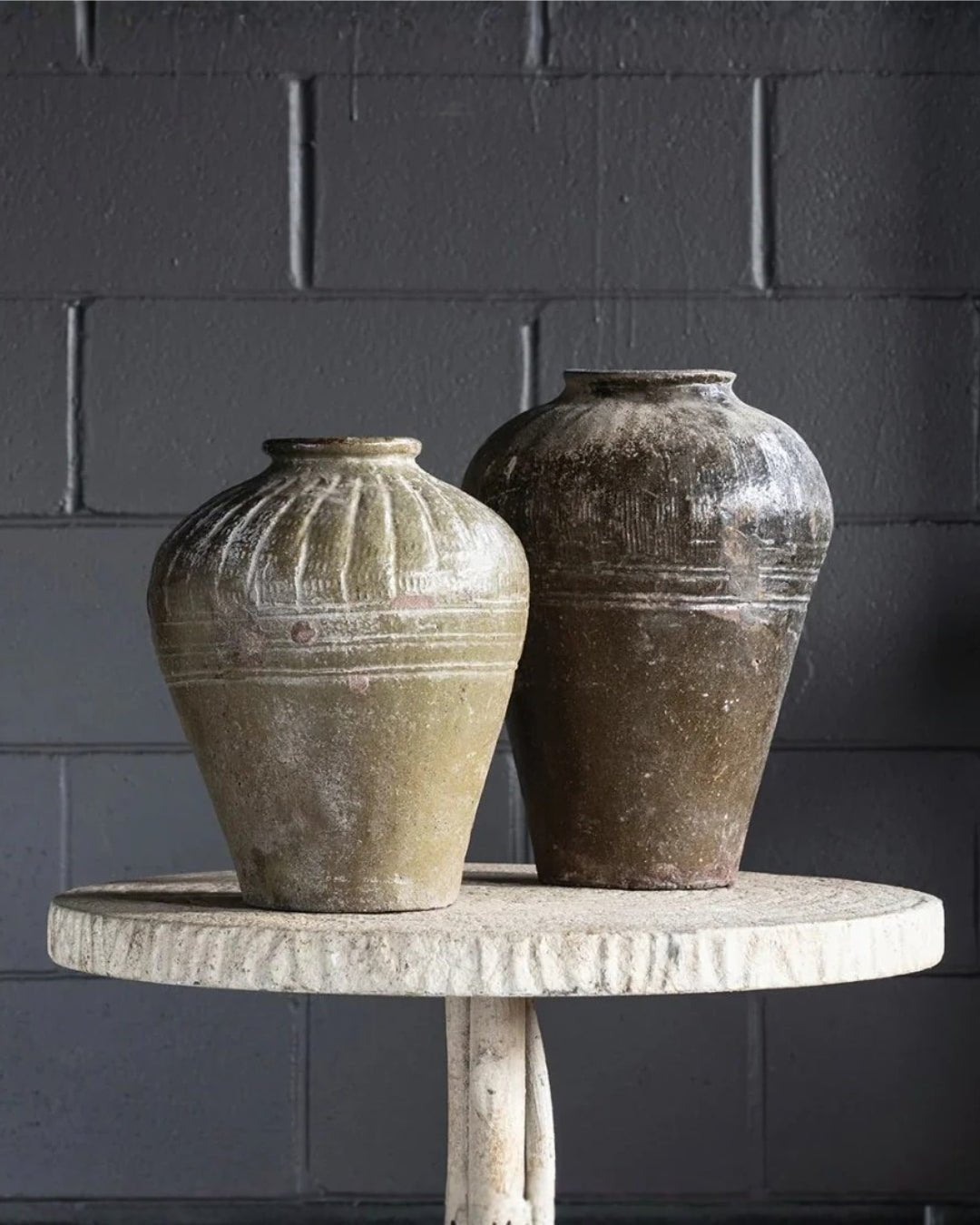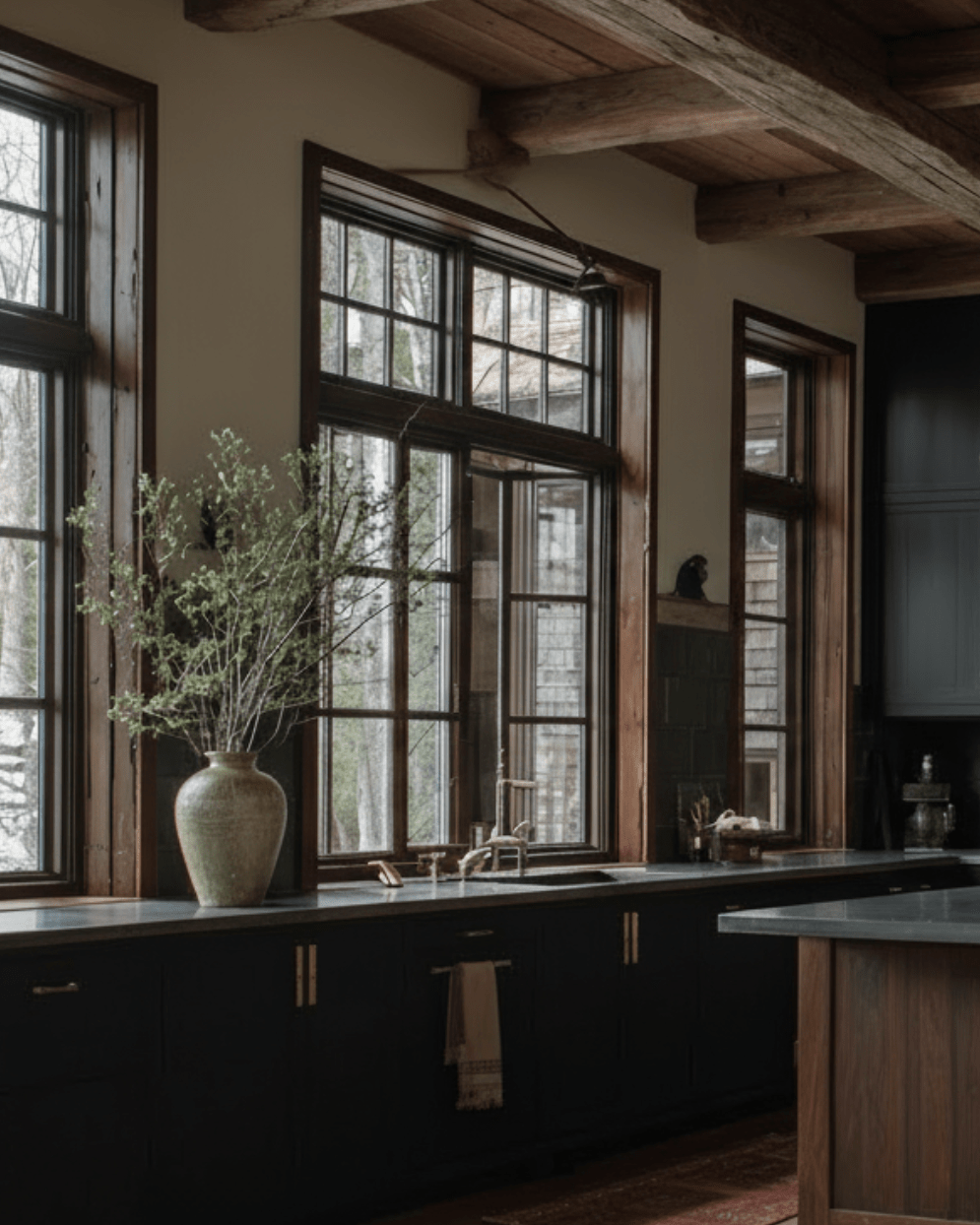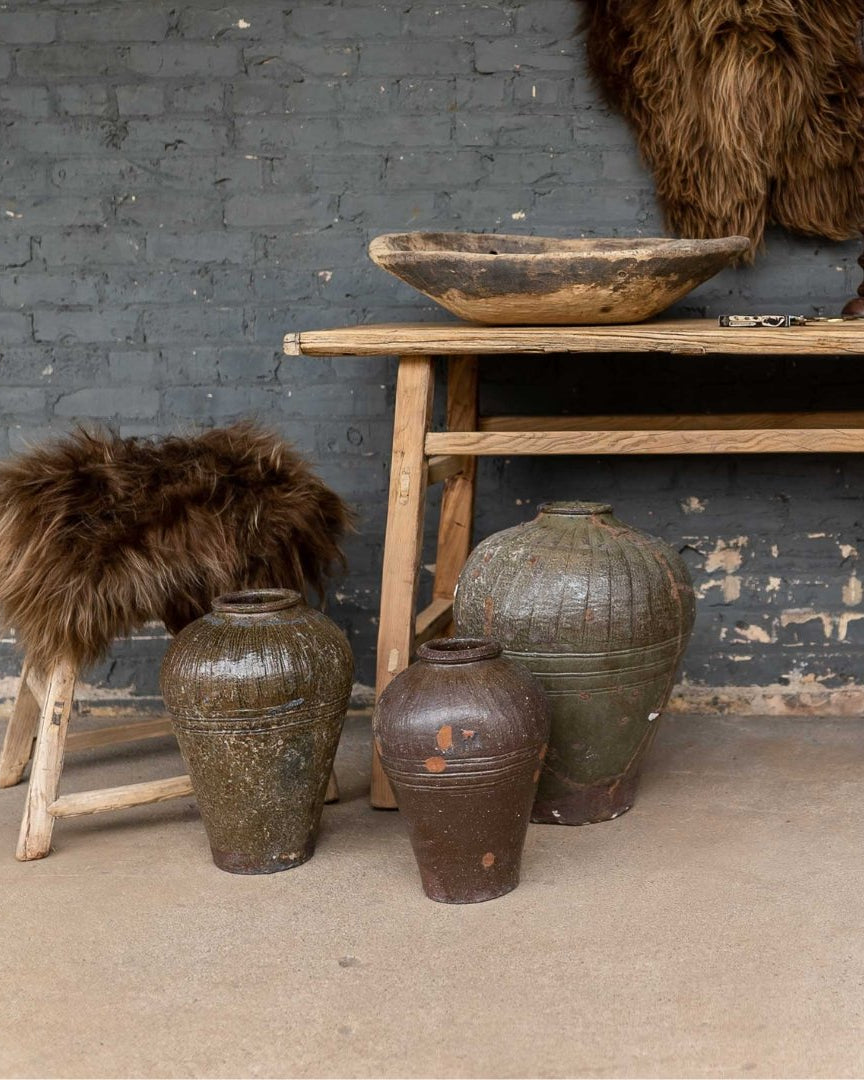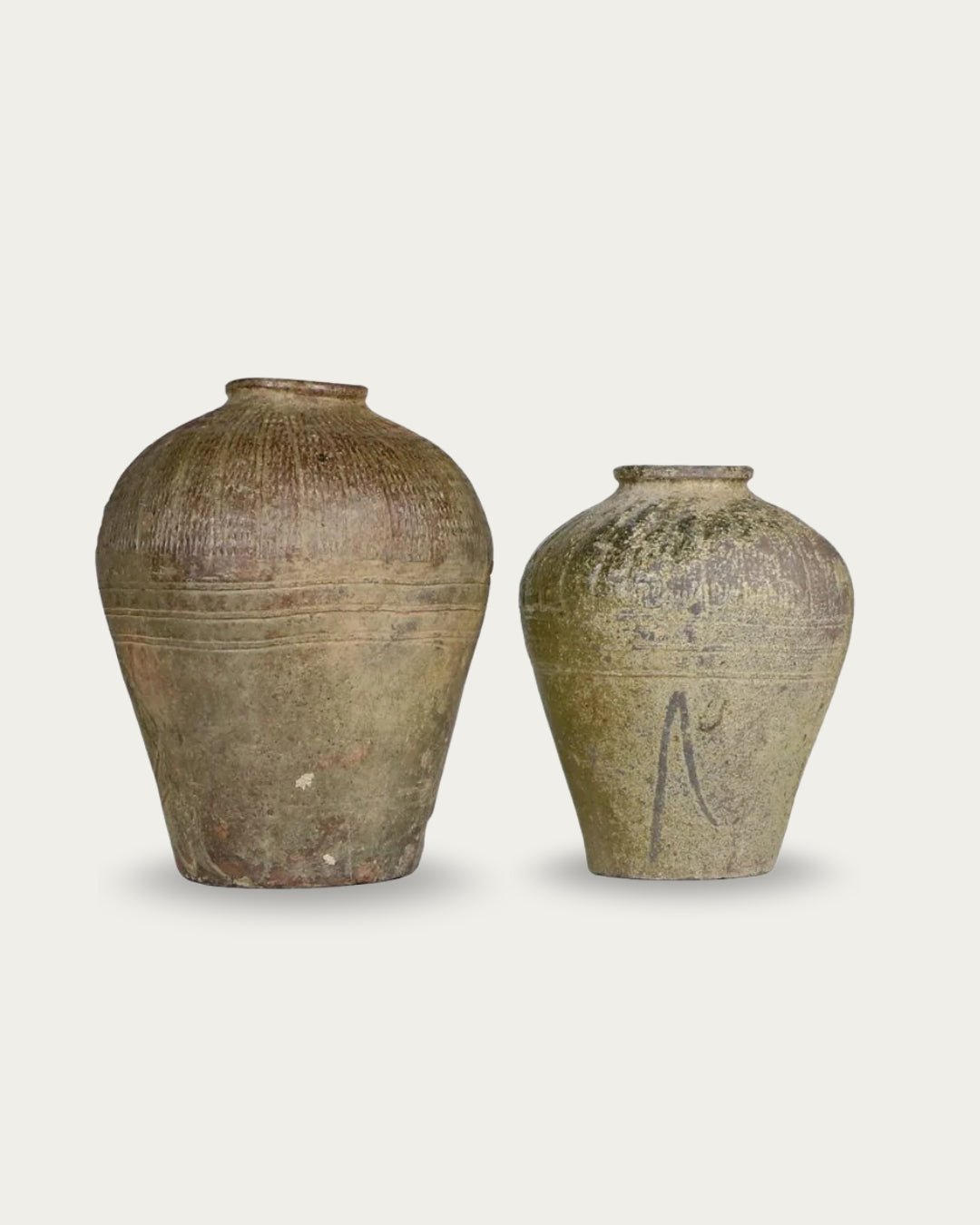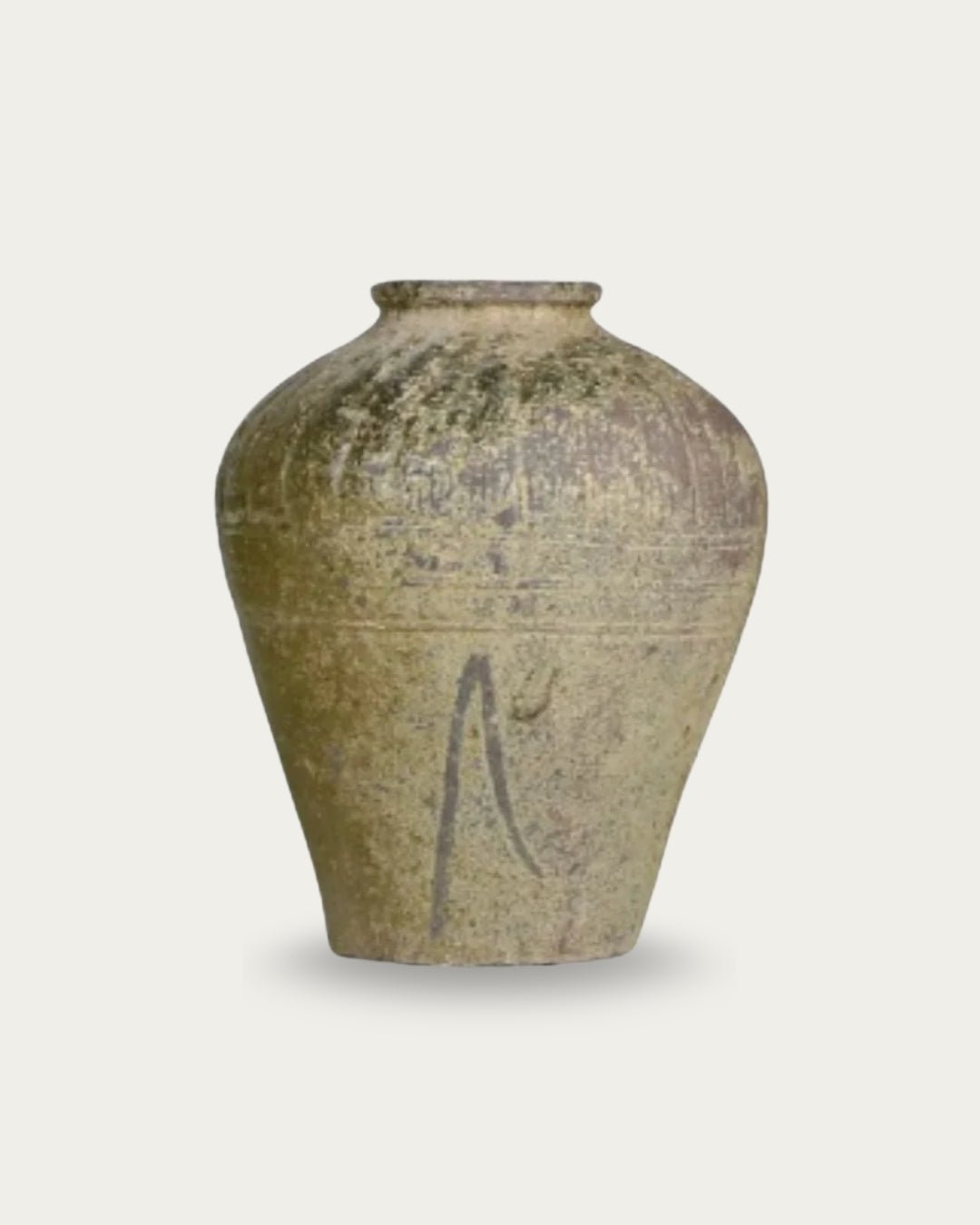








Some homes look visually impressive for about thirty seconds and then immediately start exhausting you.
Too many competing materials. Furniture that feels disconnected from the architecture. Lighting bright enough to perform minor surgery. Tiny decor objects scattered around like the room lost a bet.
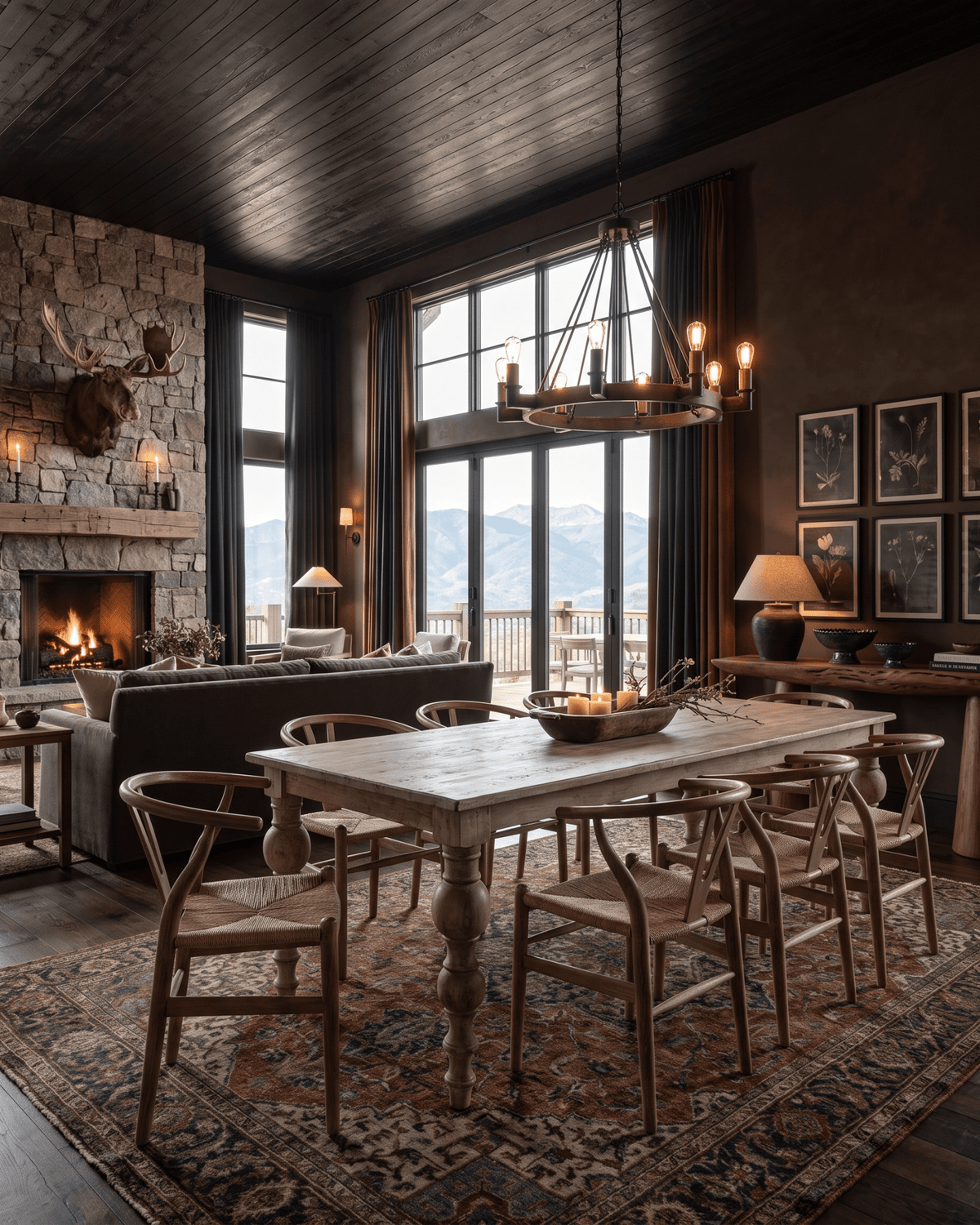
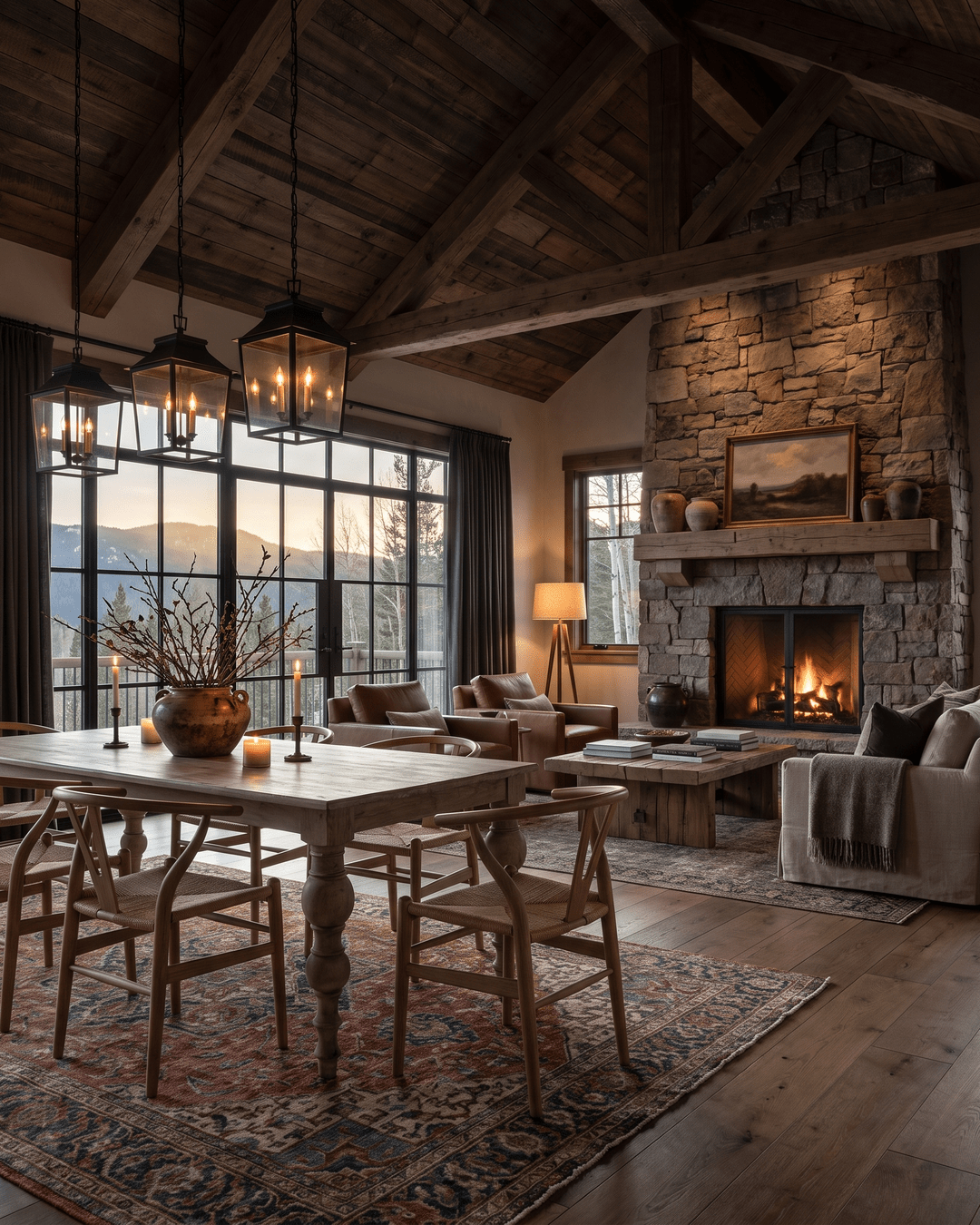
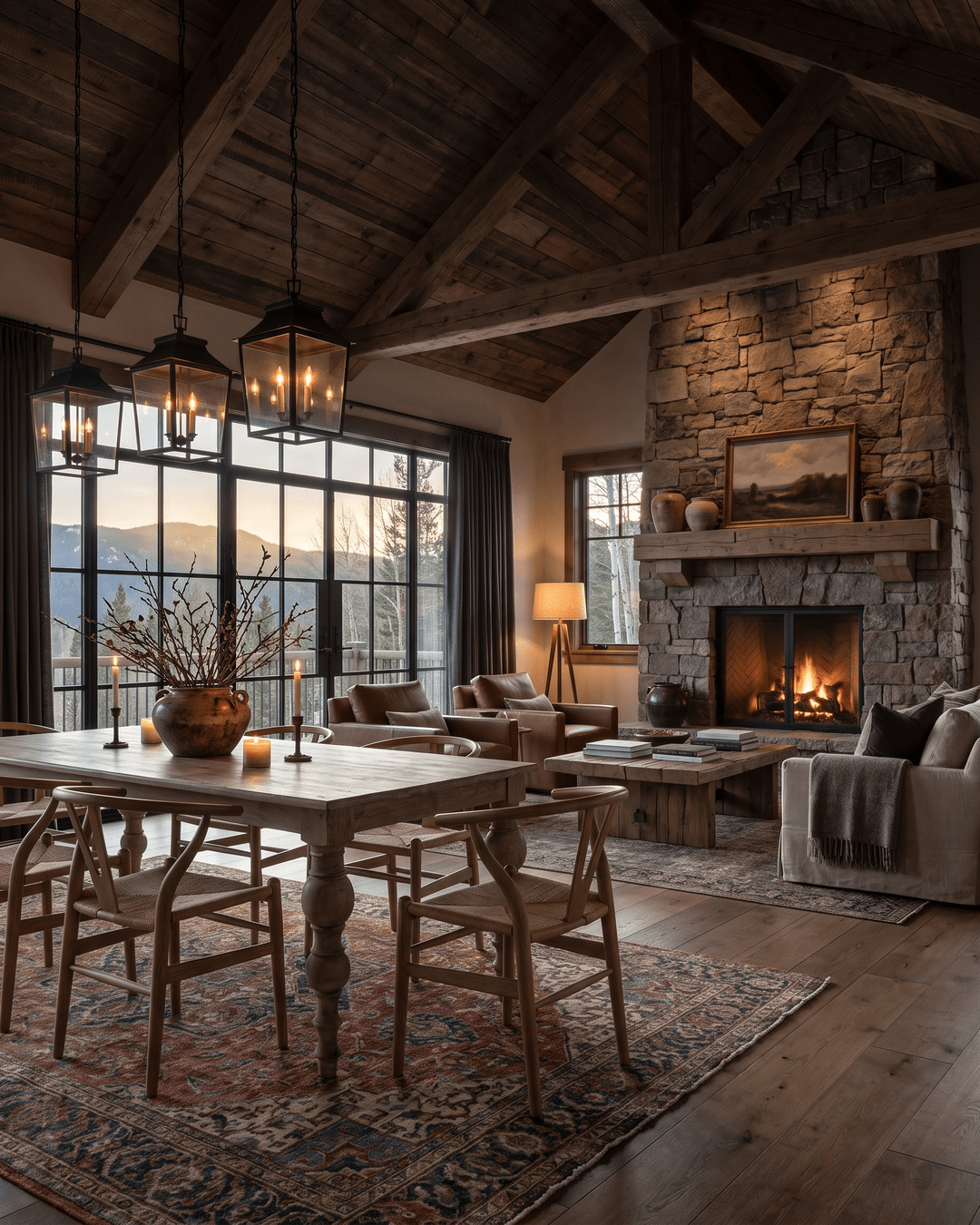
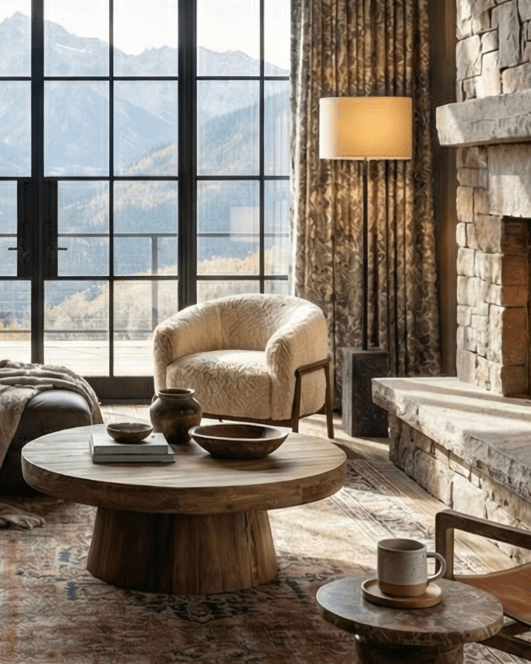
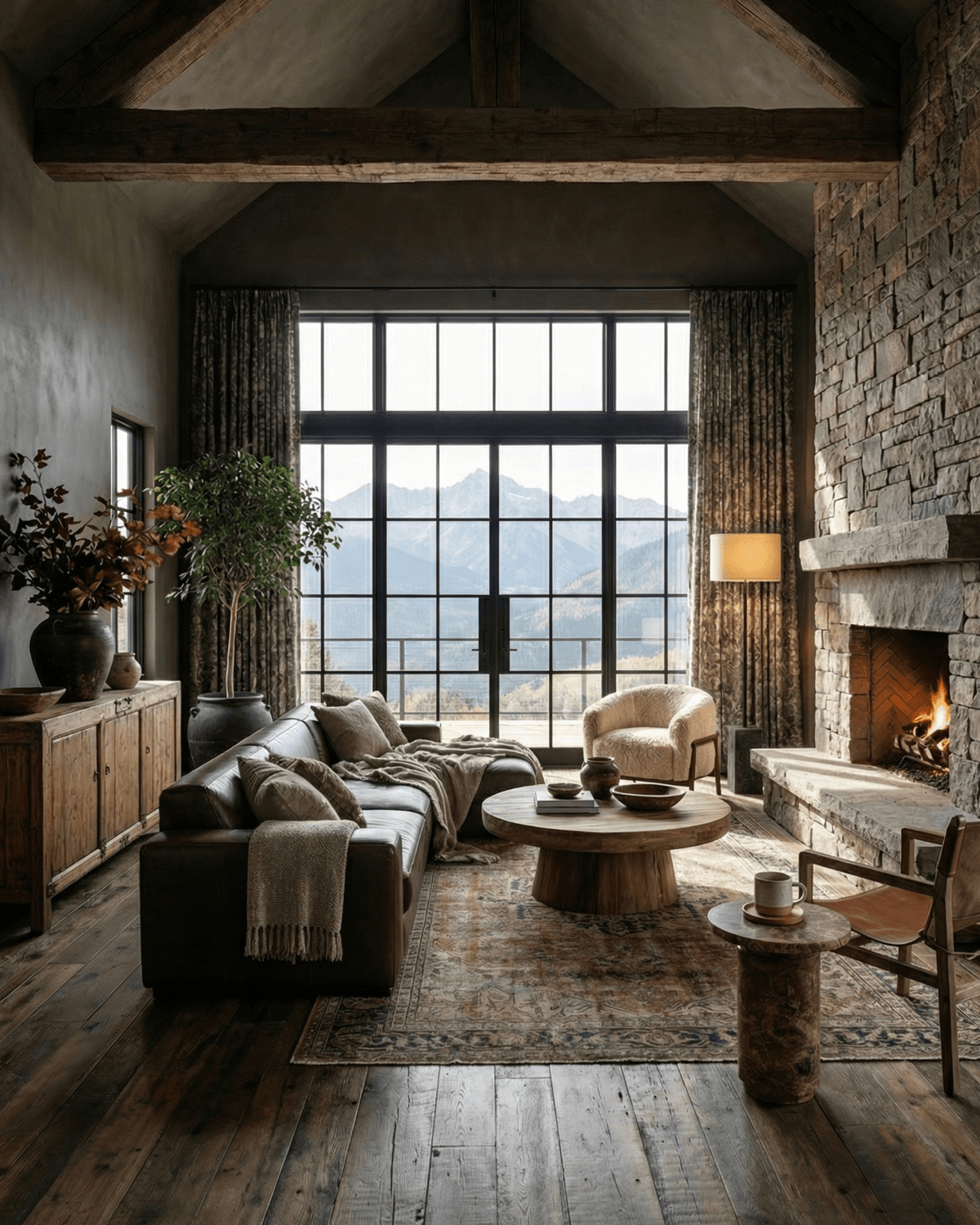
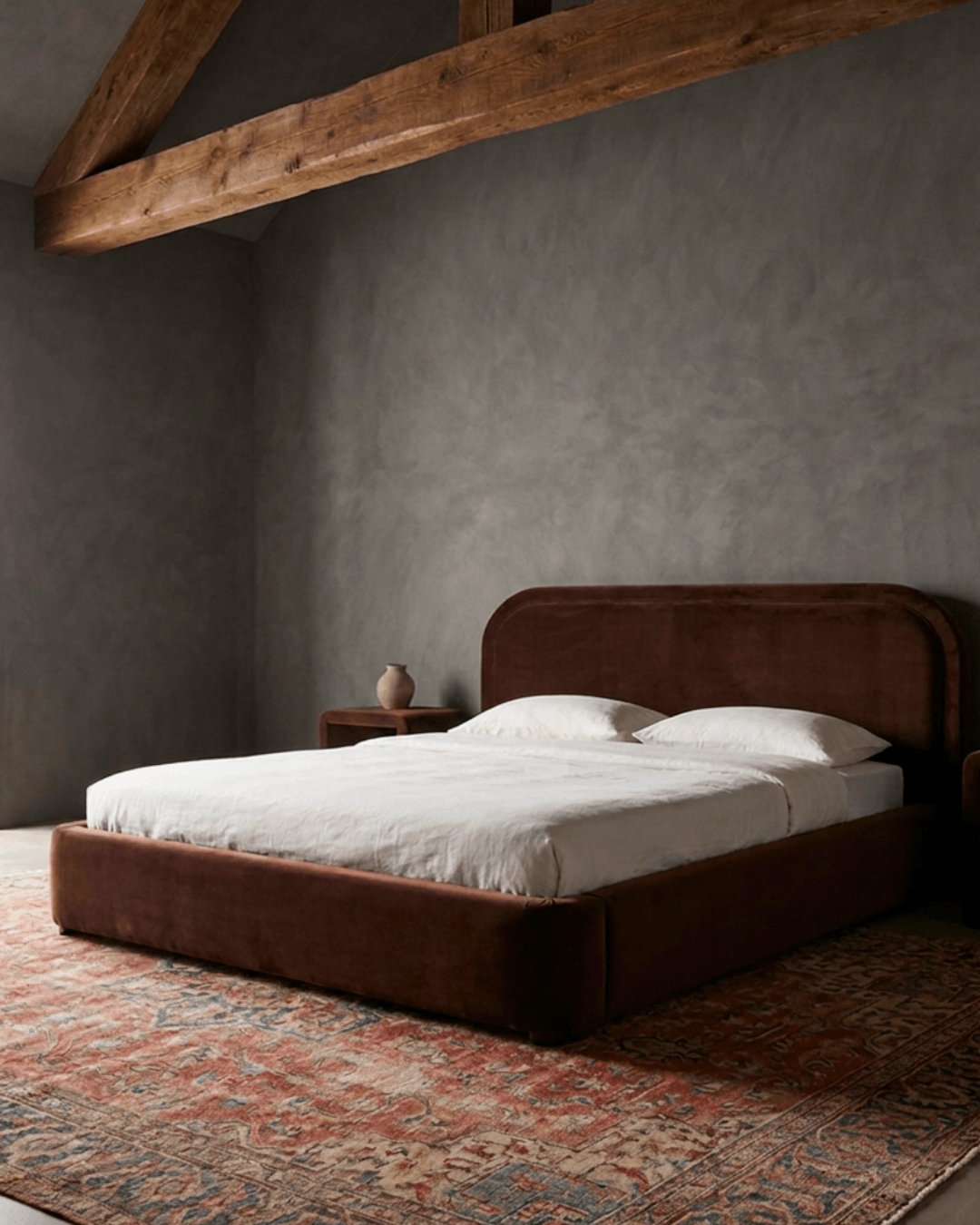
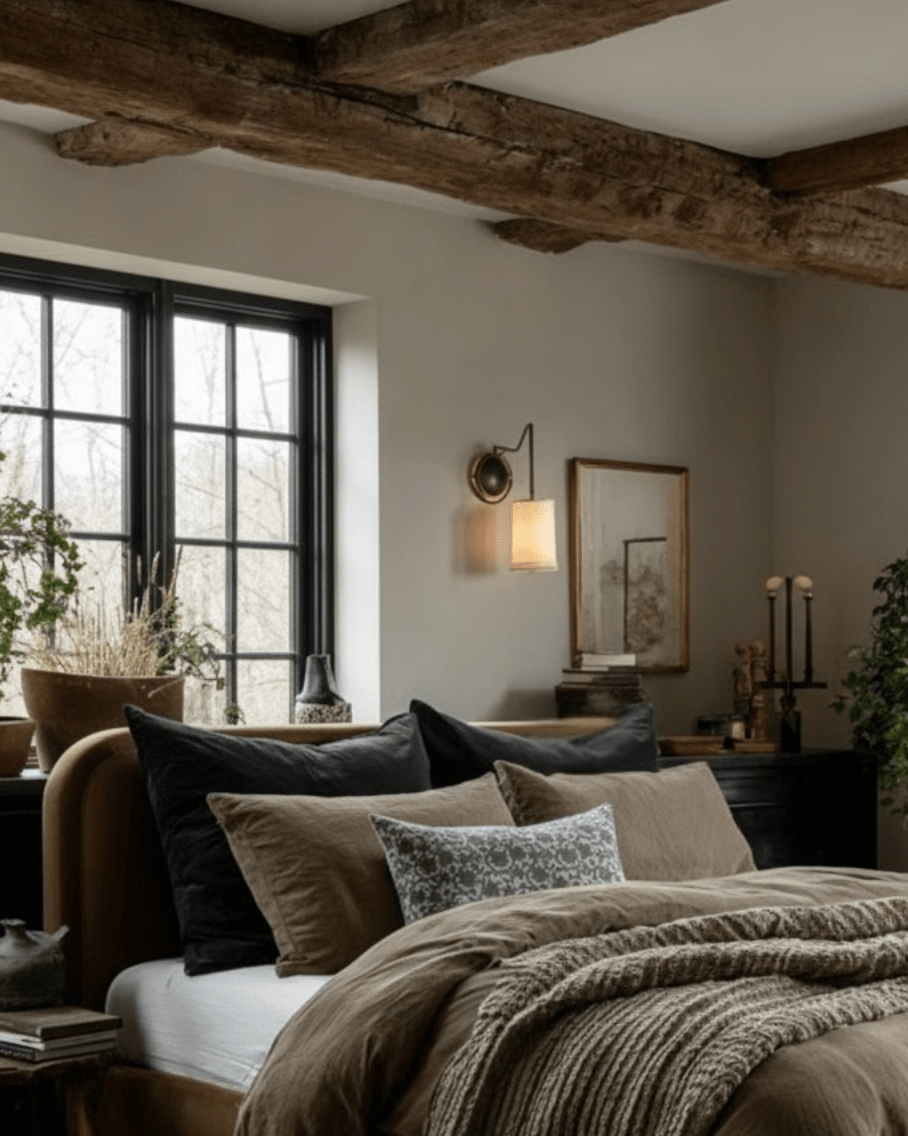
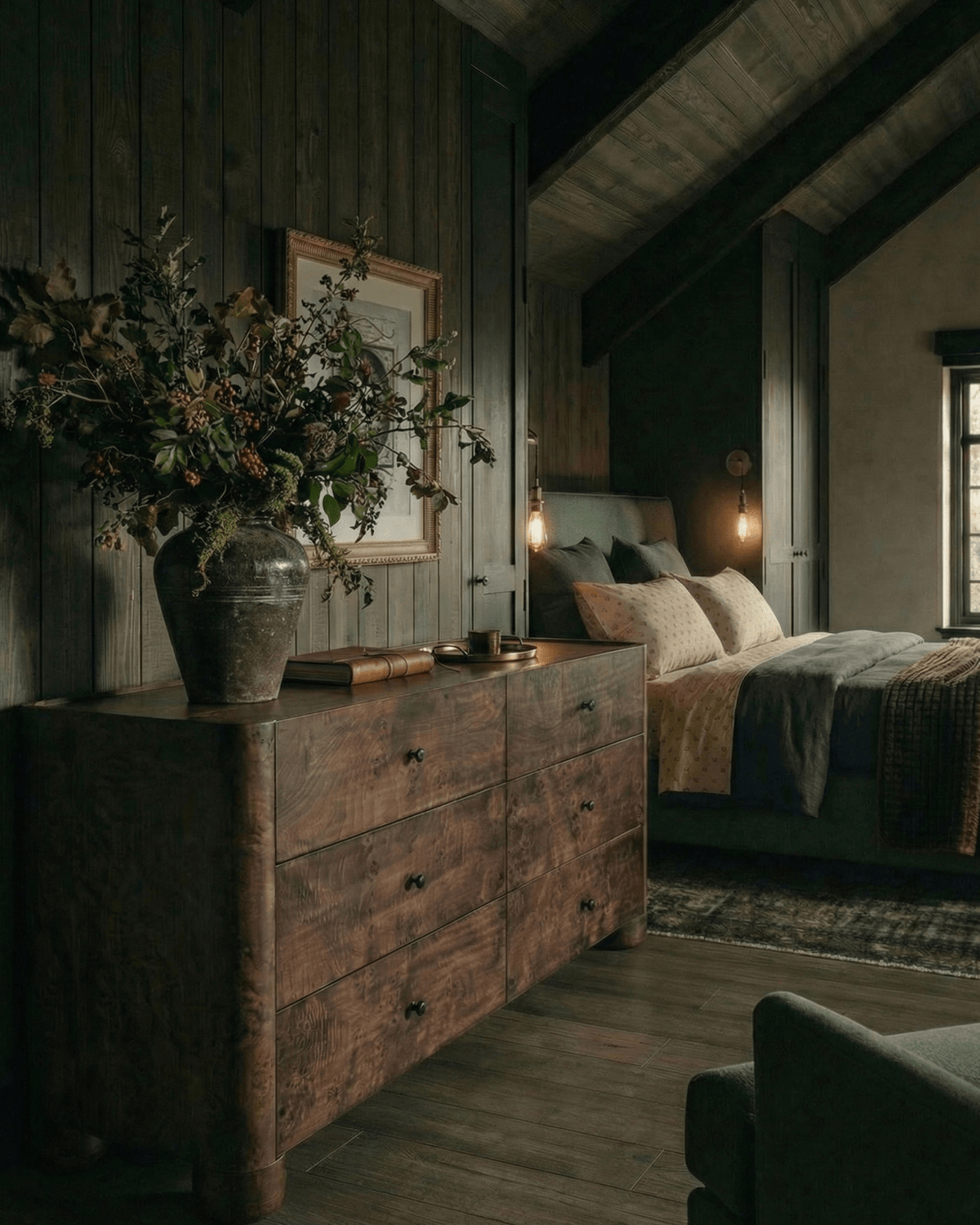
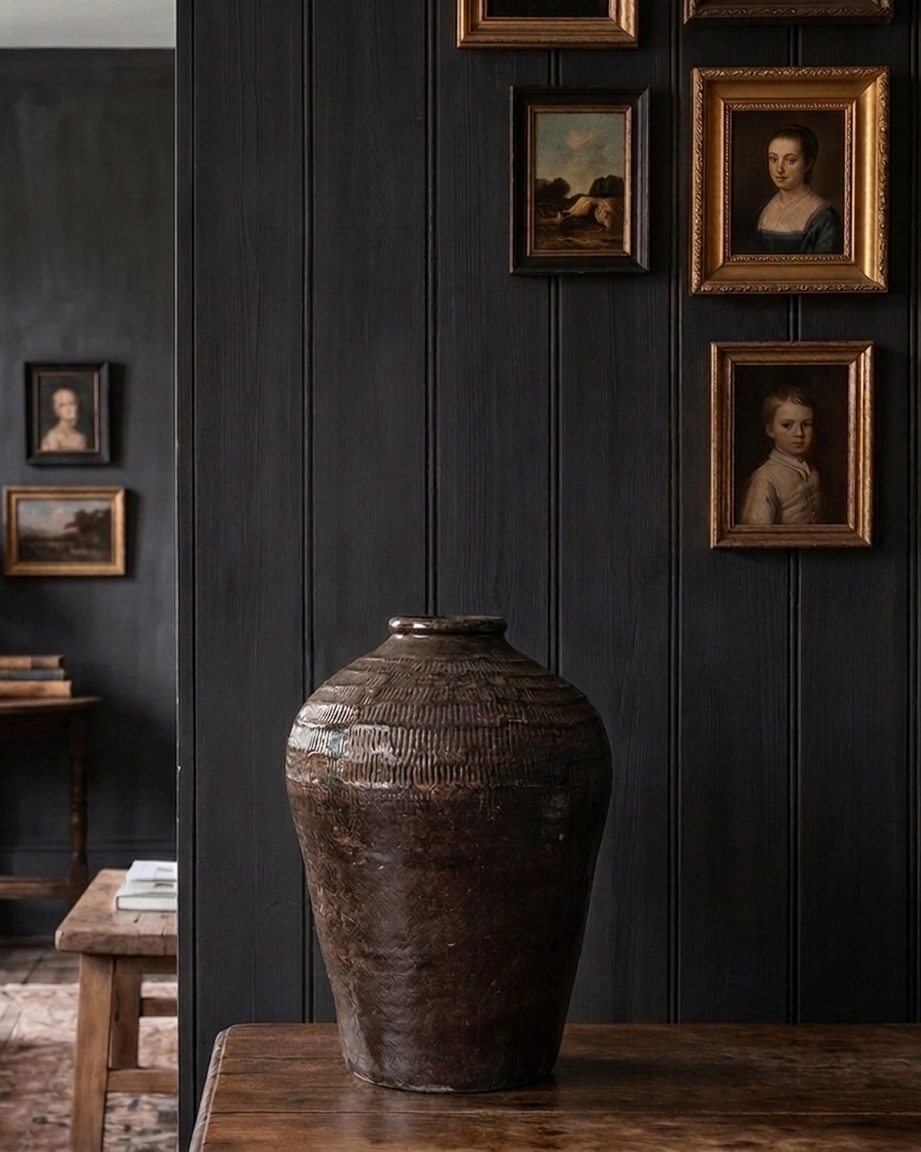
That’s why the modern mountain home has started evolving beyond aesthetics alone. The newer versions aren’t trying to feel rustic for the sake of it. They’re trying to feel regulated. Grounded. Visually slower. Easier for the nervous system to process after spending all day overstimulated everywhere else.
The homes that feel best usually aren’t doing more. They’re doing less — more intentionally.
Many of those shifts begin with foundational pieces from the Living room collection that prioritize materiality, proportion, and sensory balance over trend-heavy styling.
1. Stop Designing Around Decor — Start Designing Around Weight
One oversized sofa will regulate a room faster than twelve decorative accessories ever will.
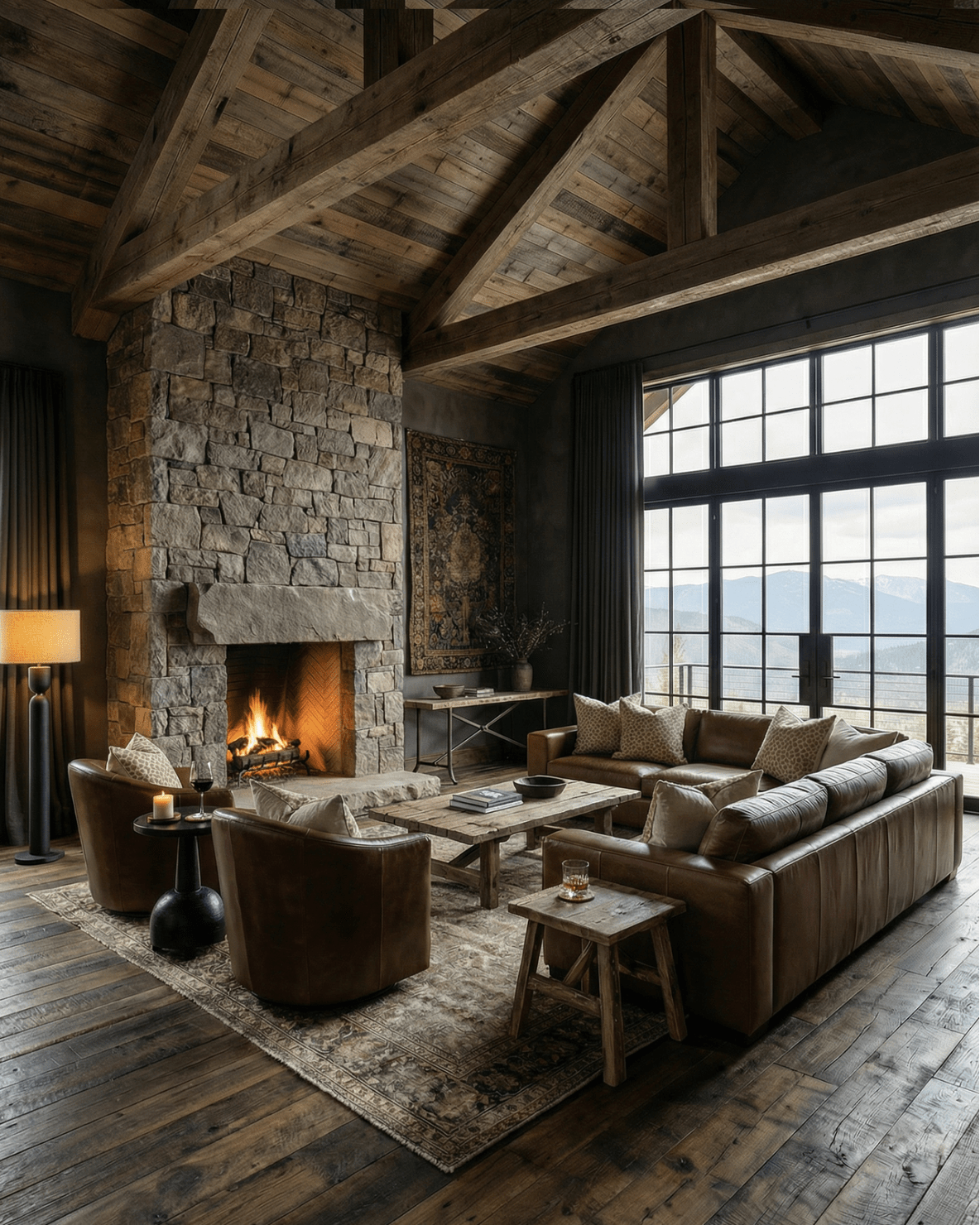
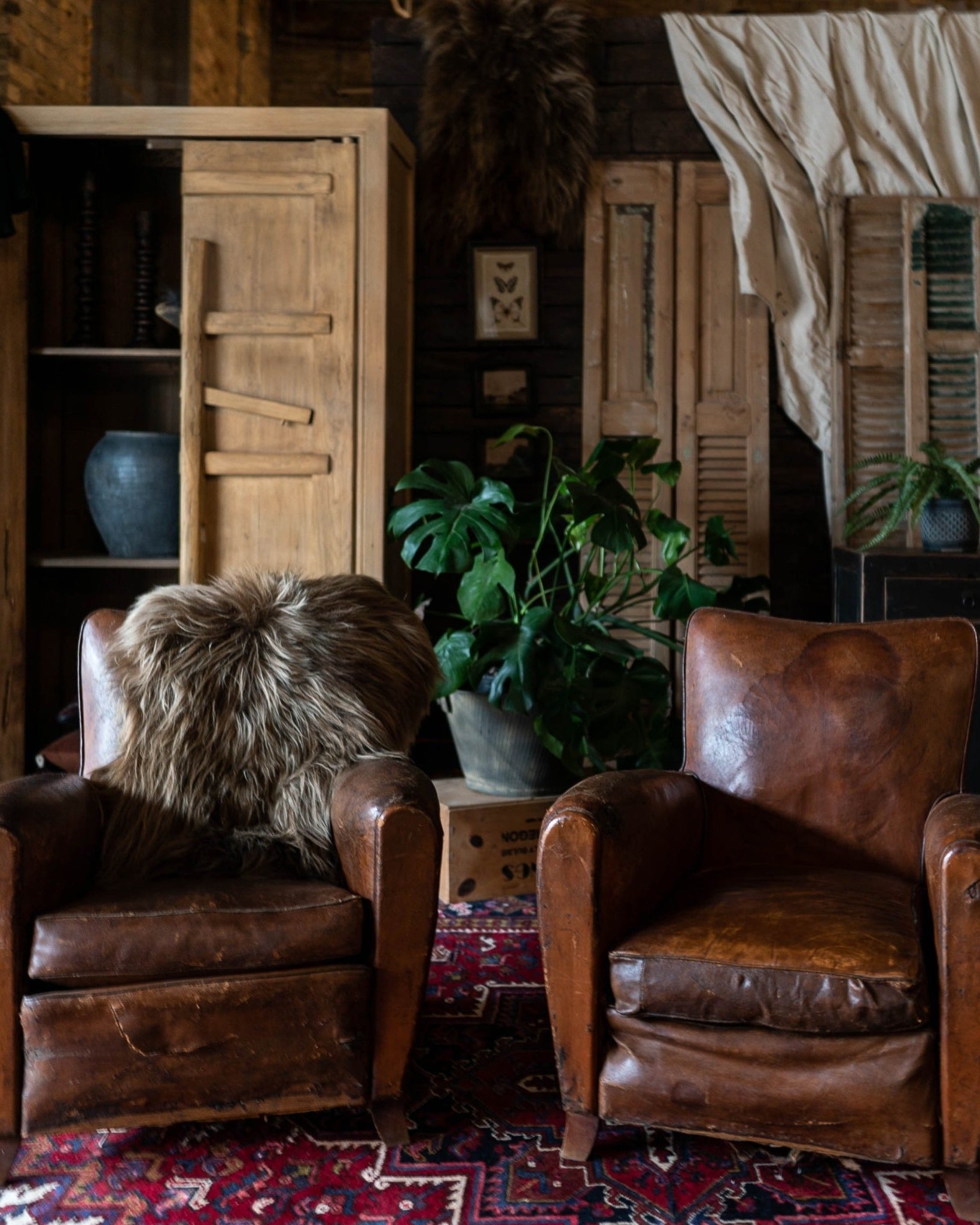
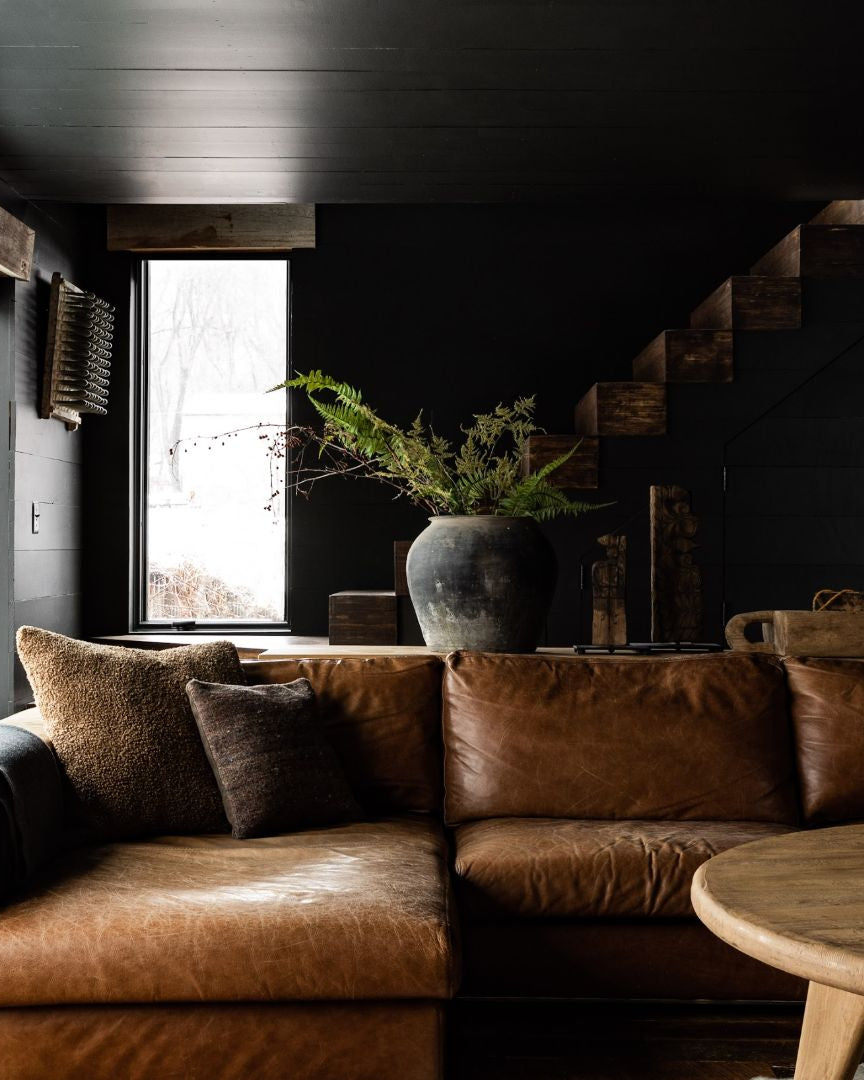
Modern mountain interiors feel grounded because the furniture itself already carries enough visual presence to anchor the room. Heavier forms reduce fragmentation. The eye settles more easily instead of constantly scanning from object to object.
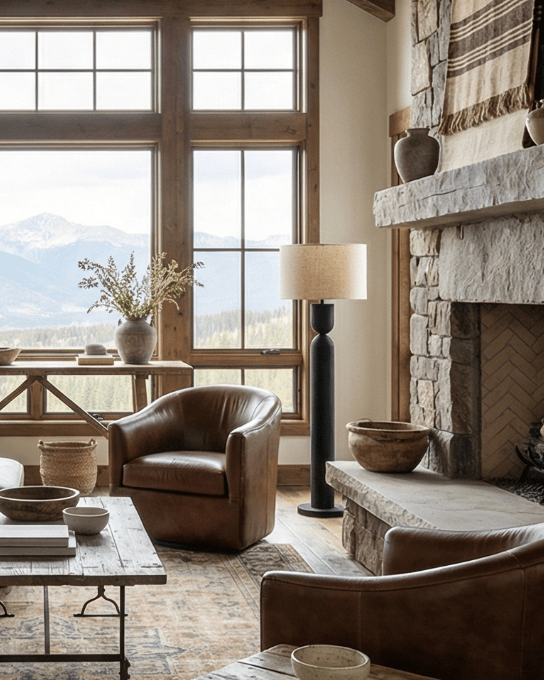
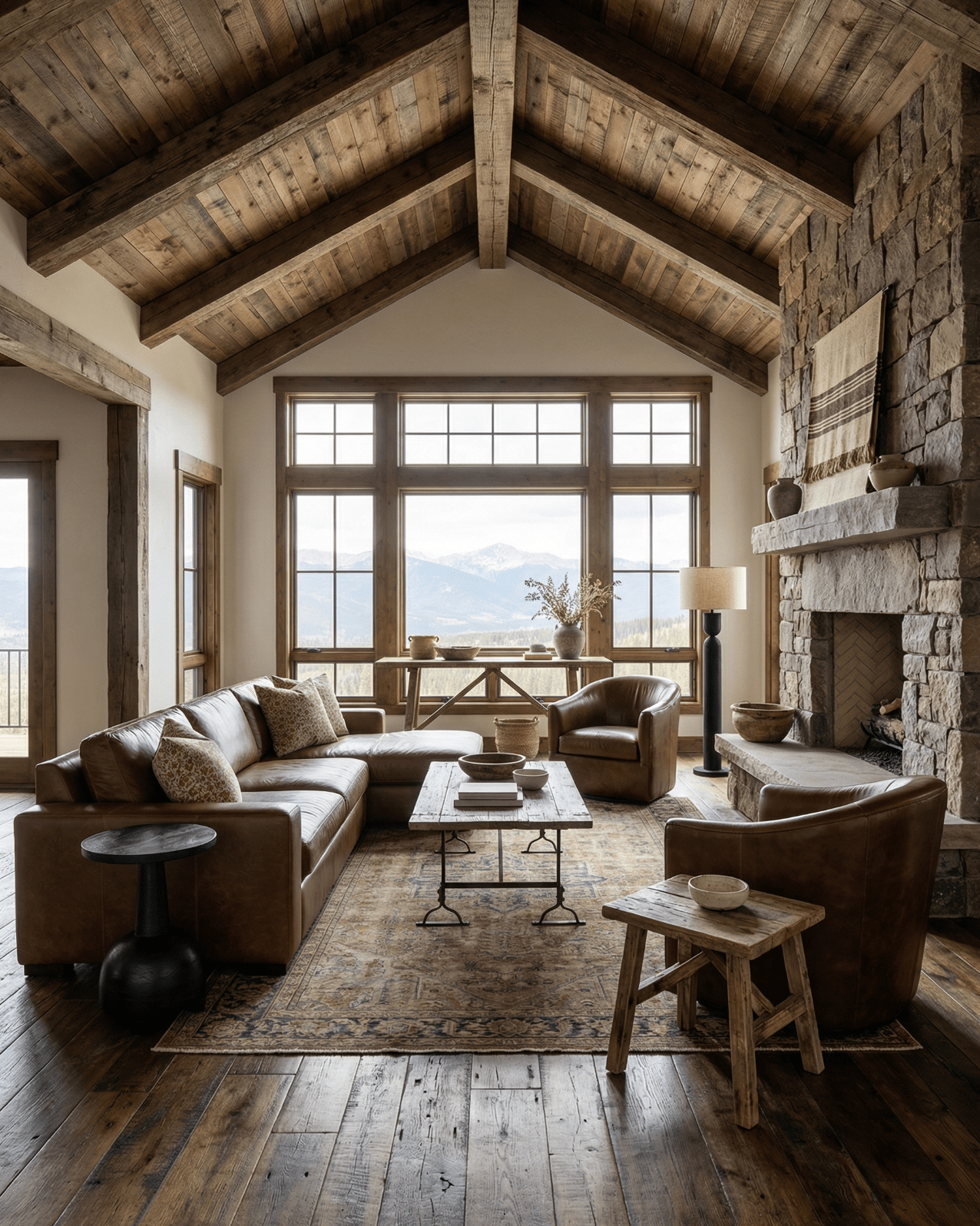
That’s especially important in homes with larger windows, taller ceilings, stone fireplaces, or exposed beams where smaller furniture can feel visually disconnected from the architecture.
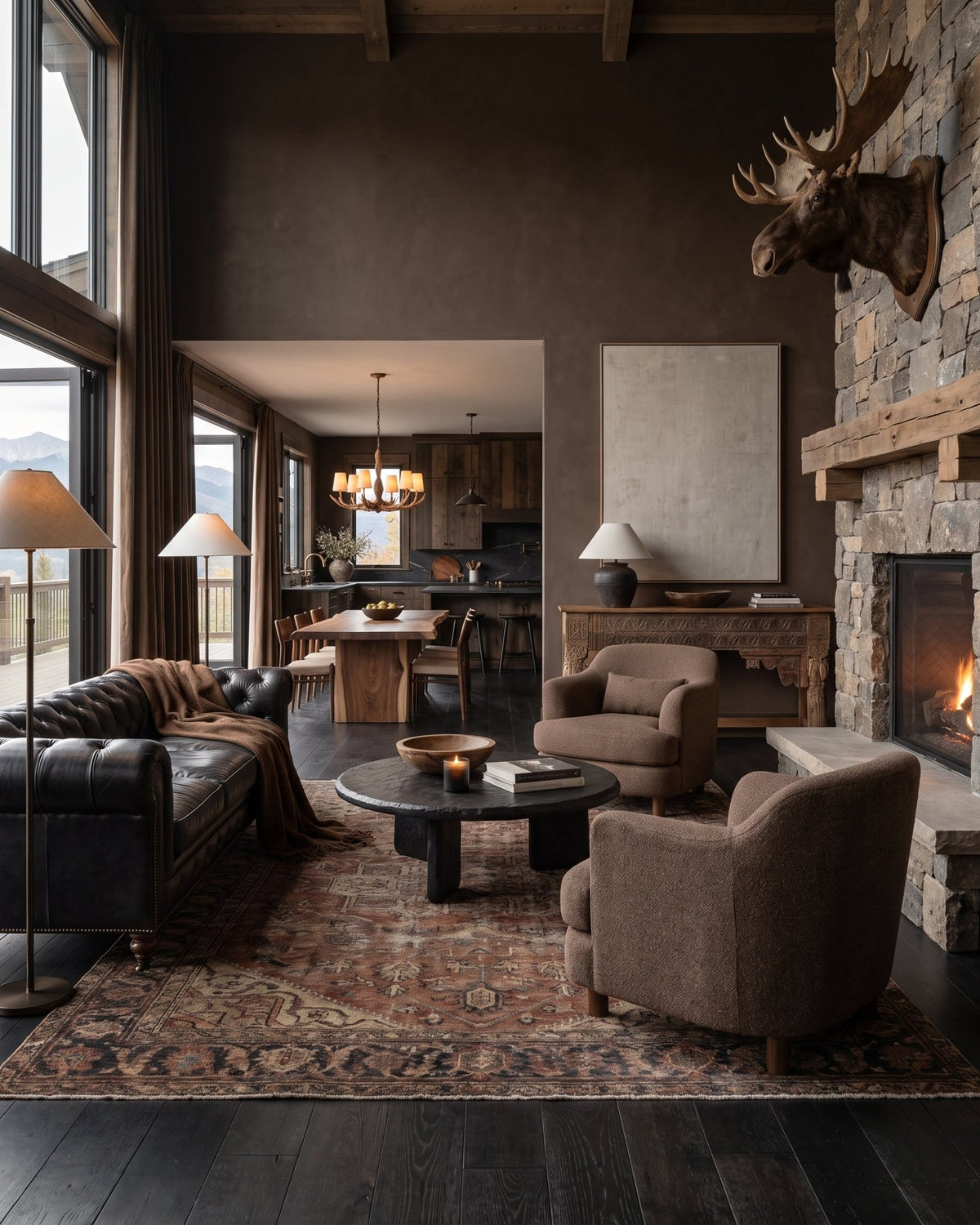
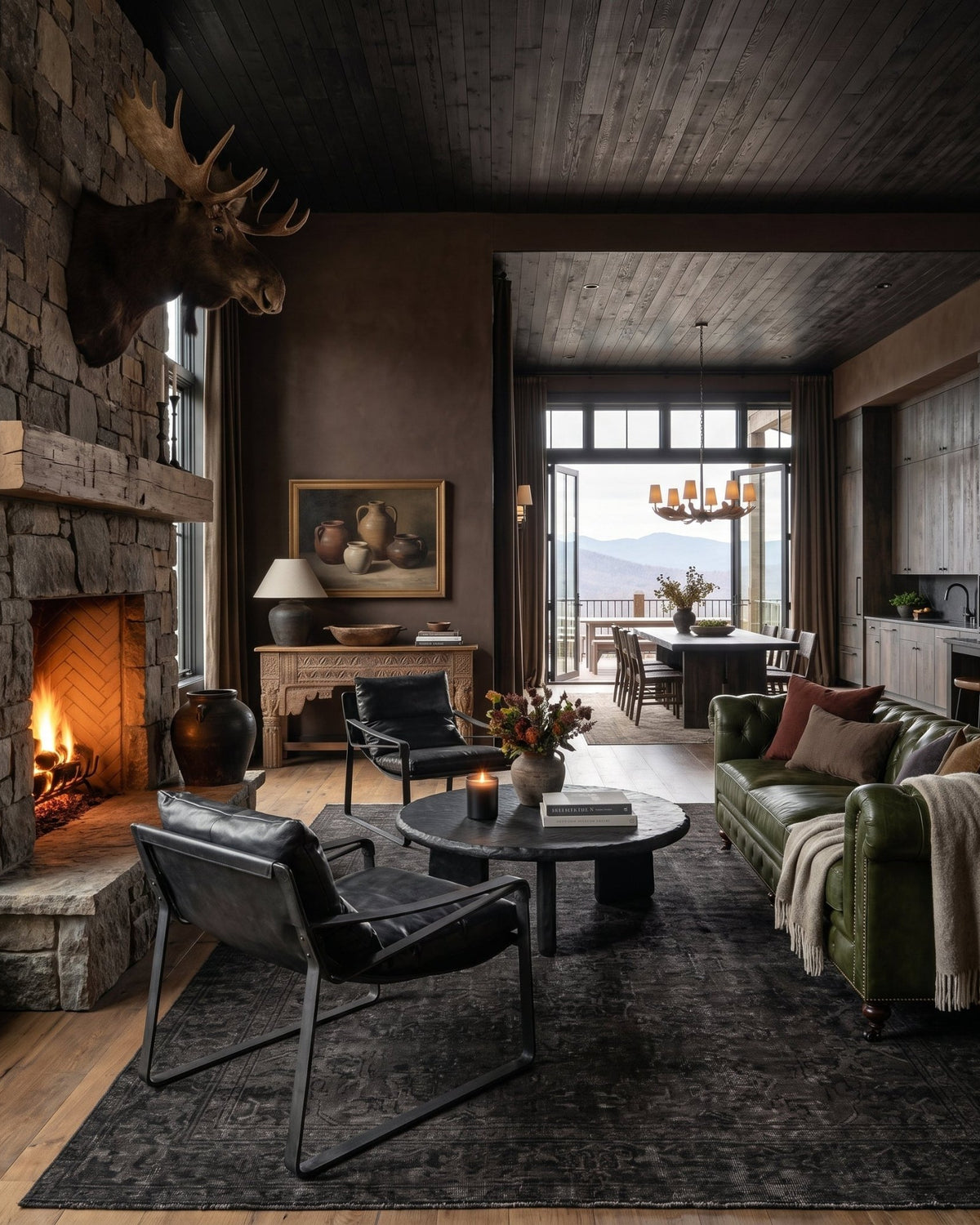
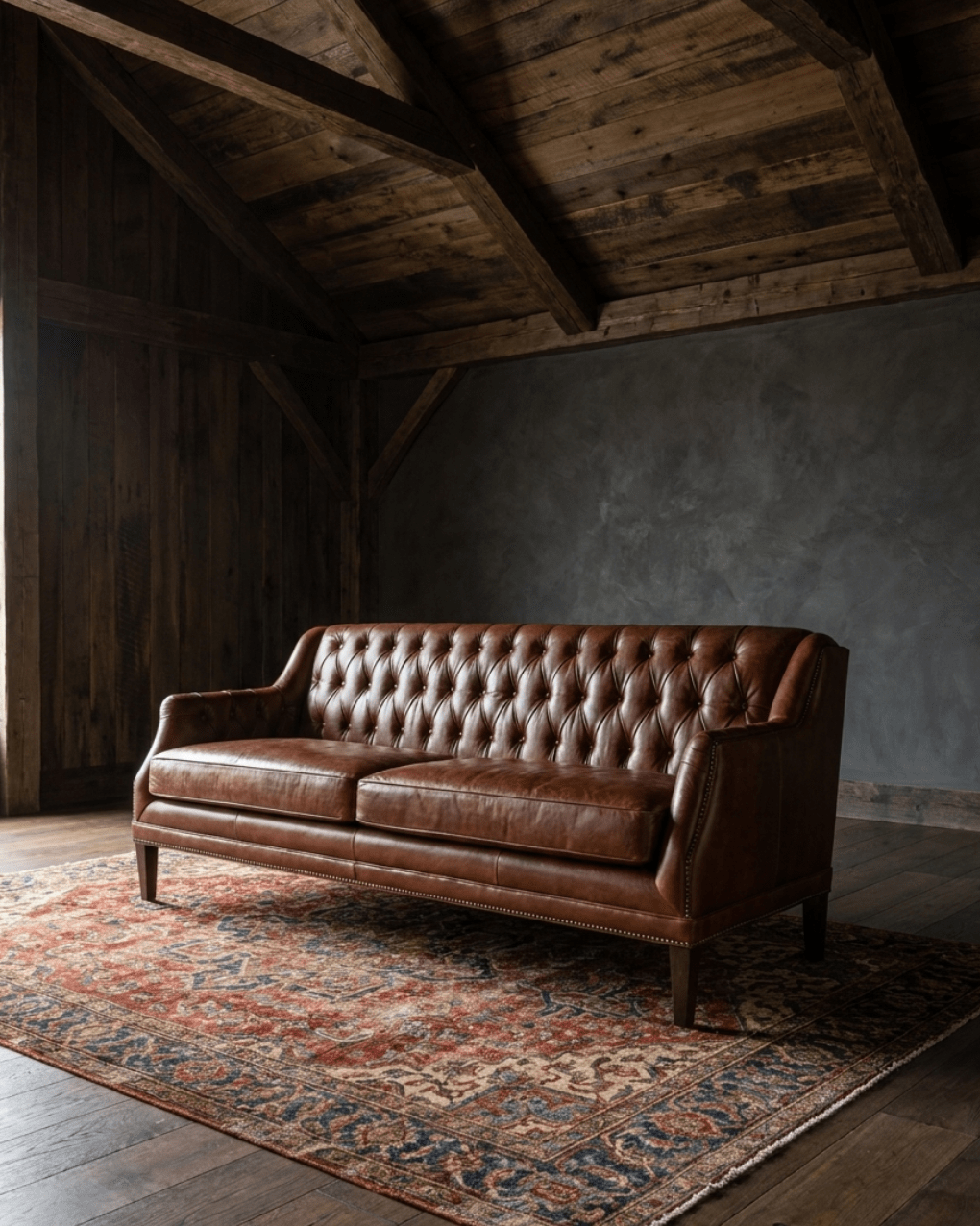
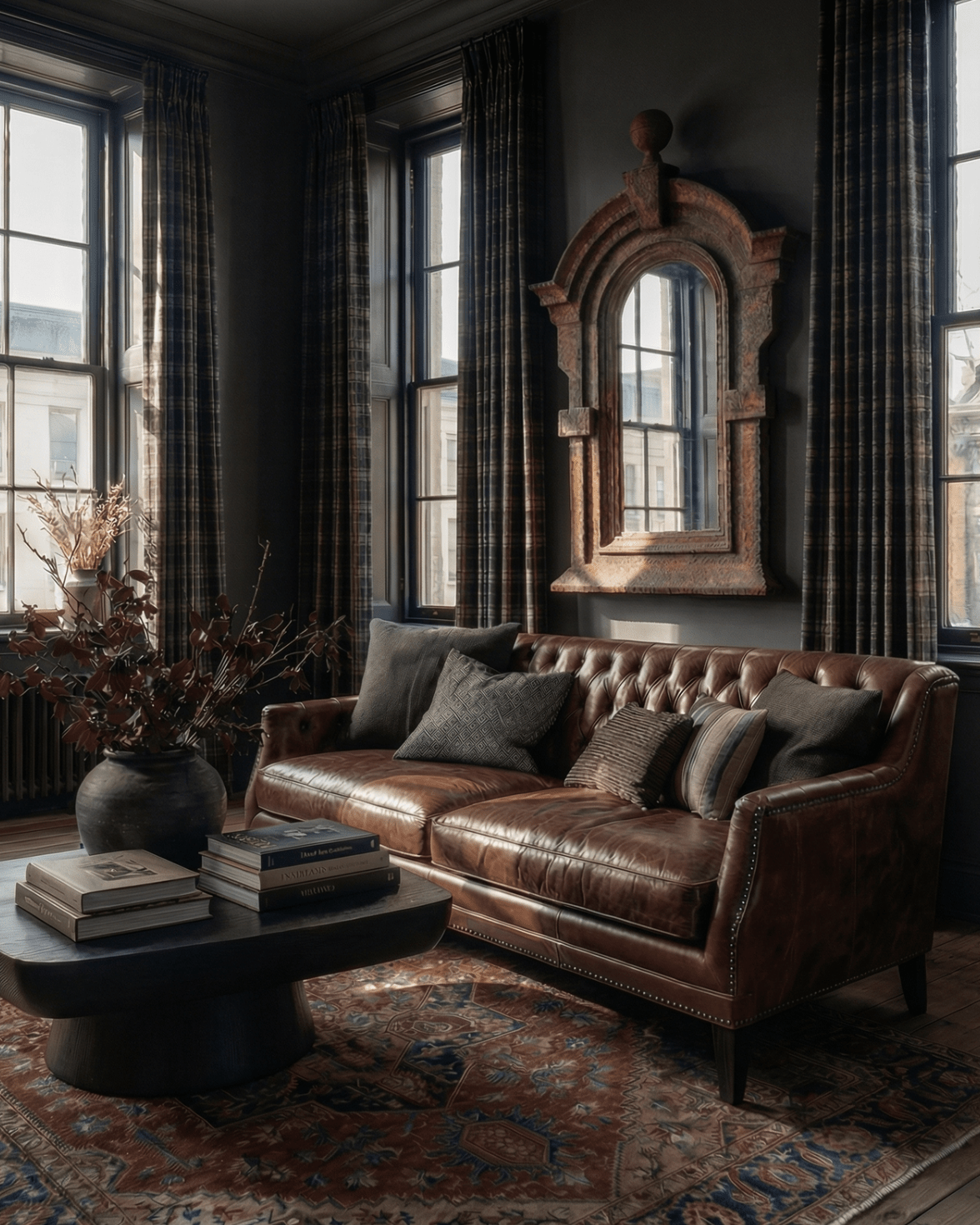
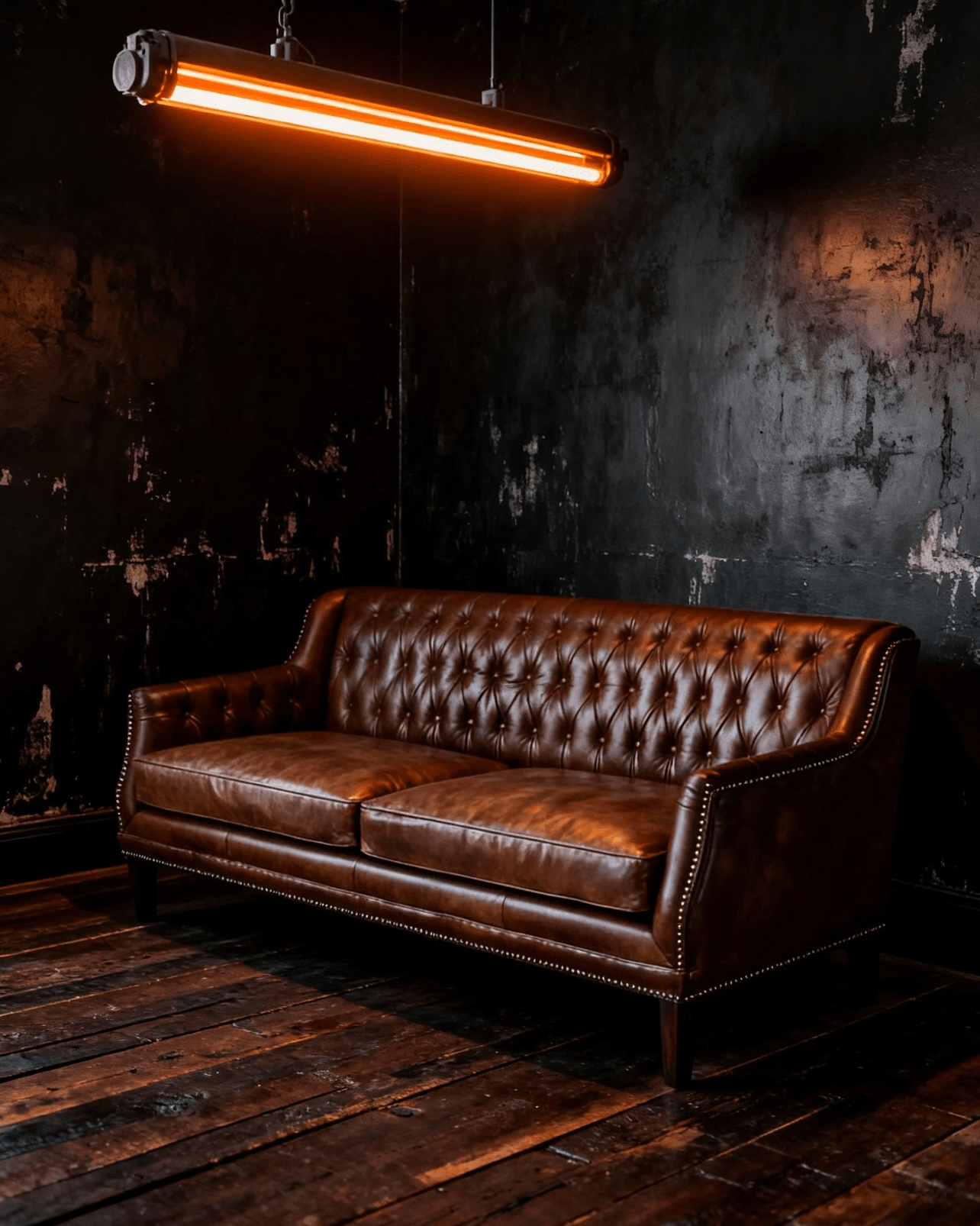
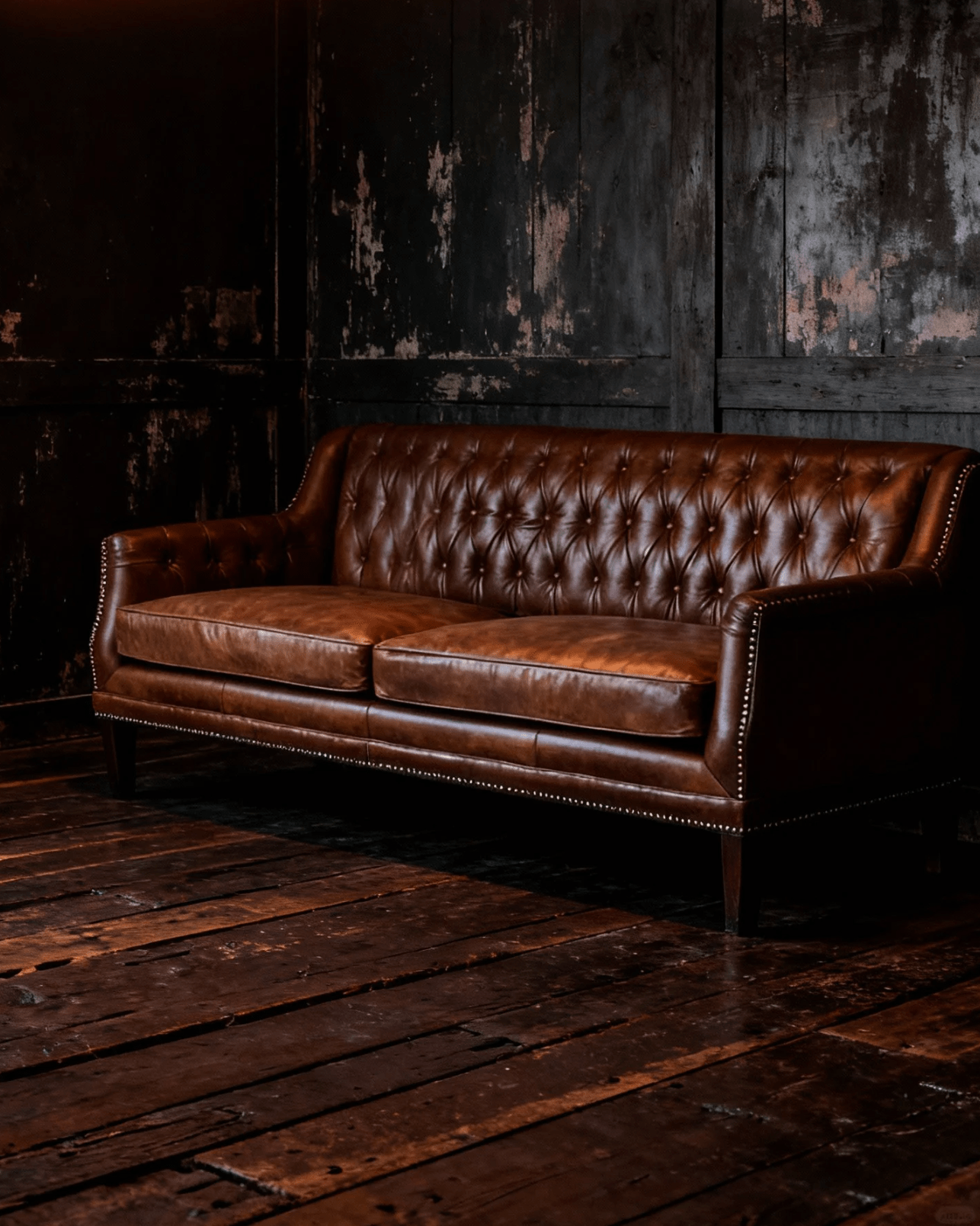
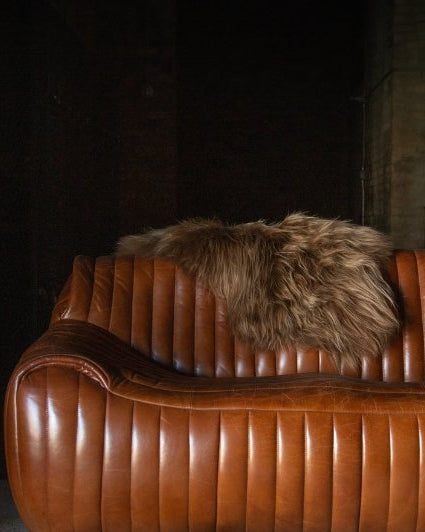
The Norden chesterfield sofa works particularly well in these spaces because its lower, more substantial silhouette naturally slows the room down.
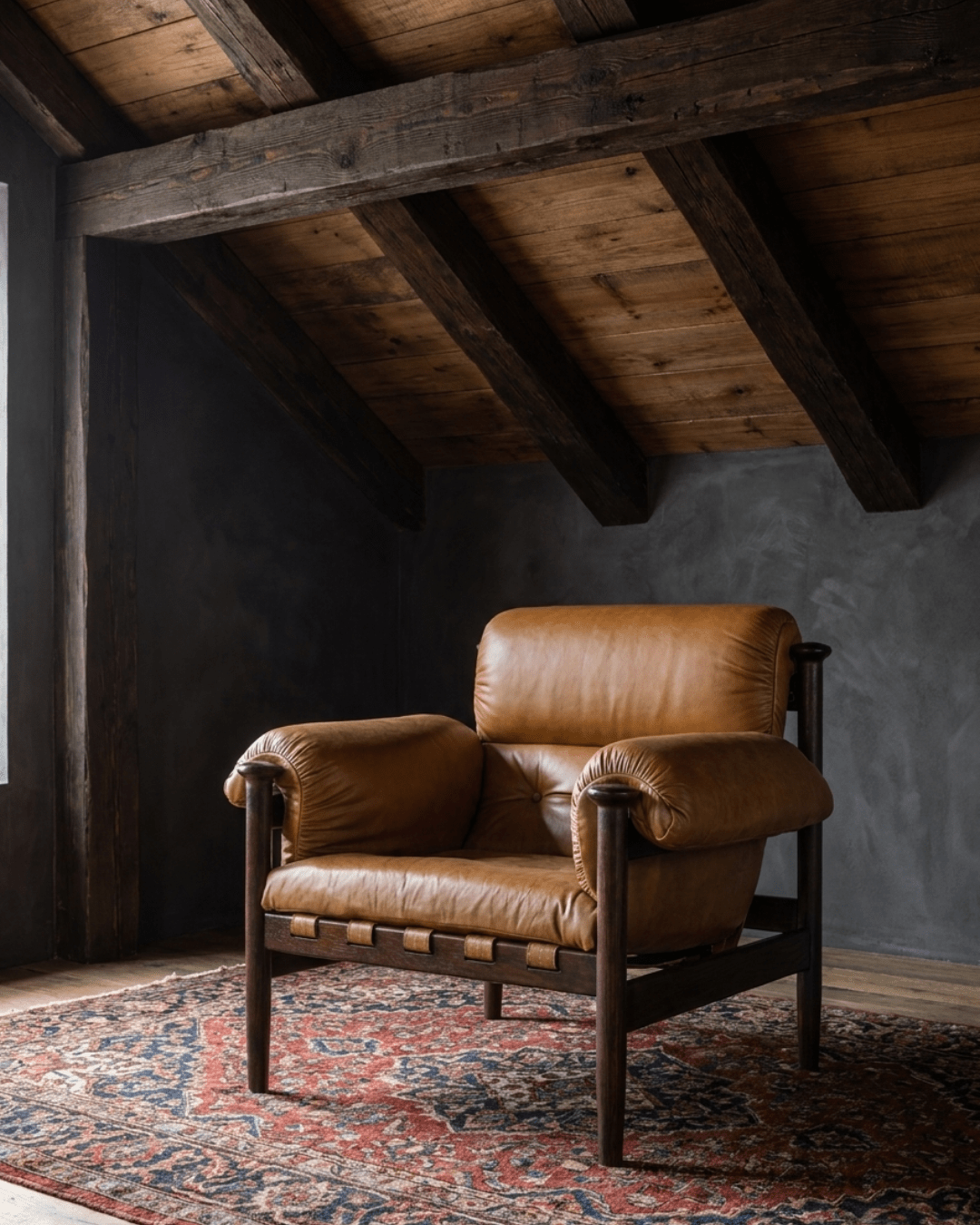
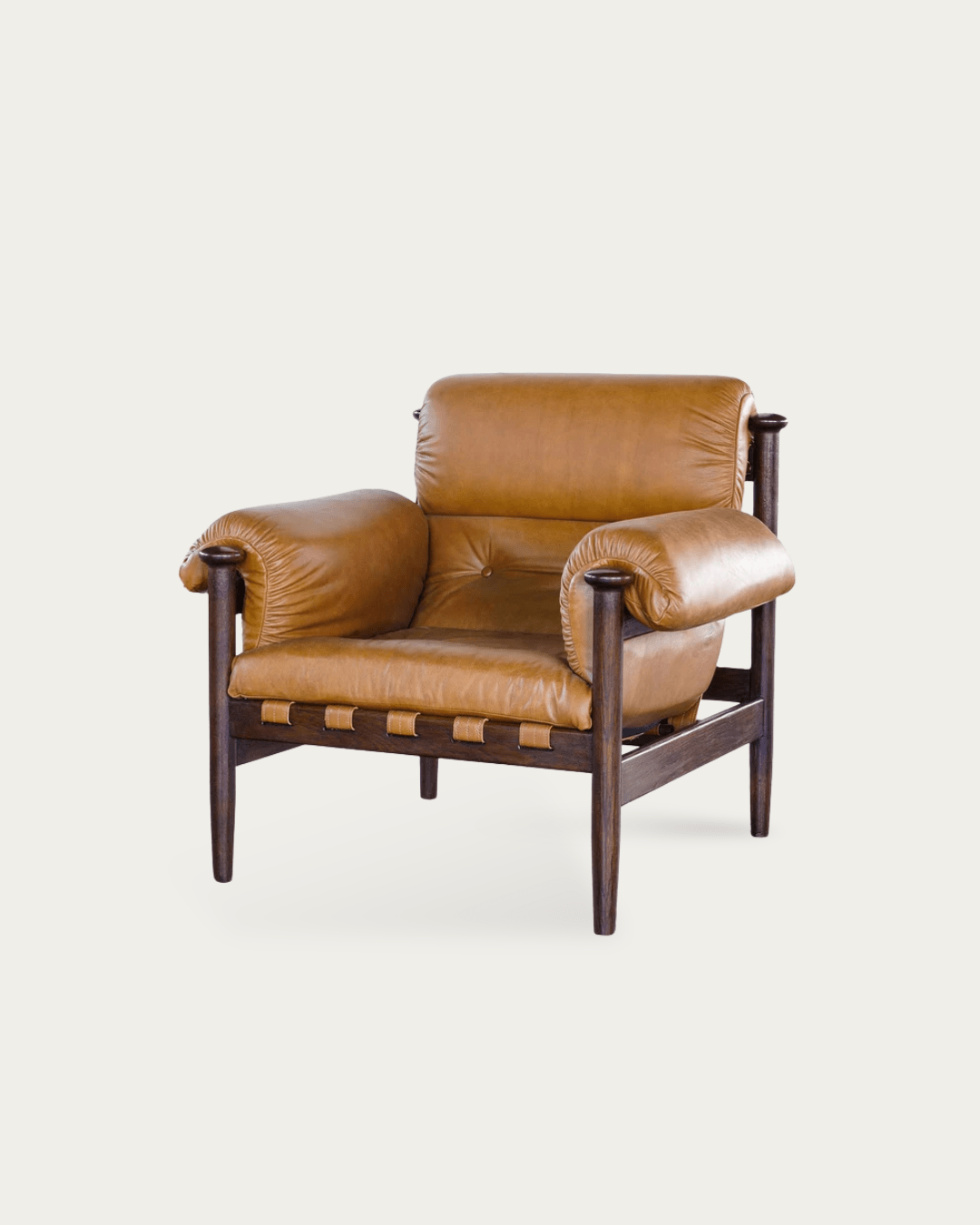
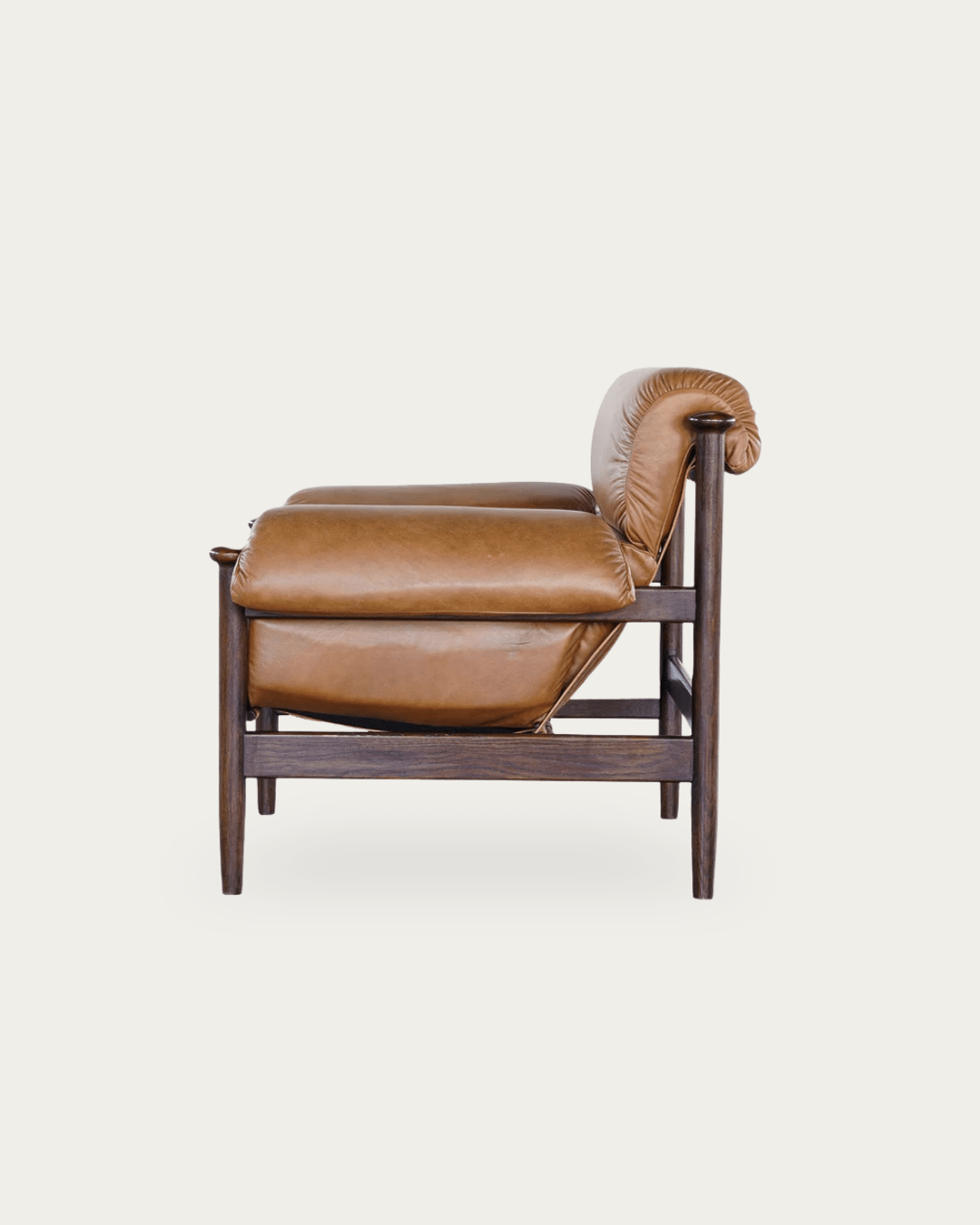
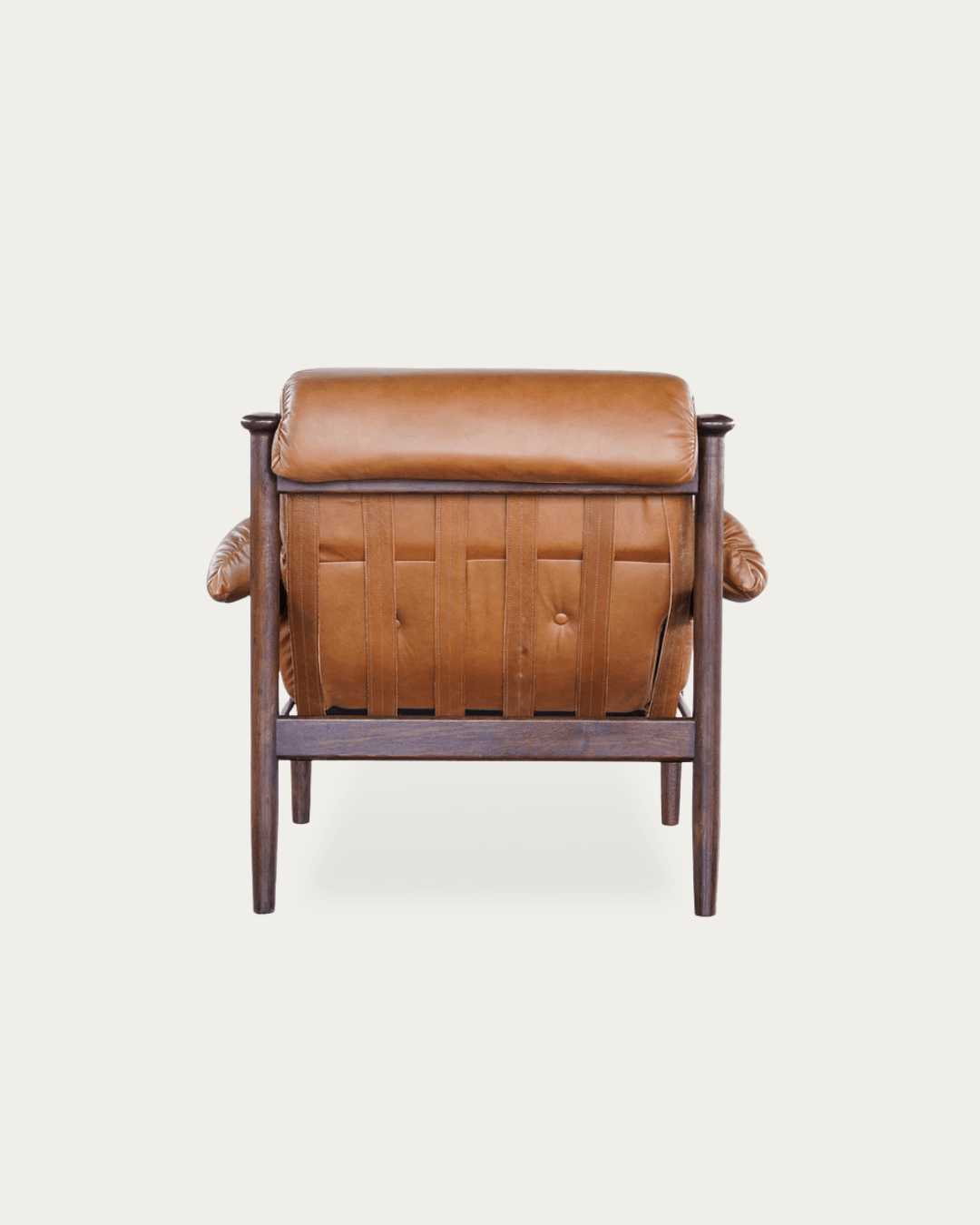
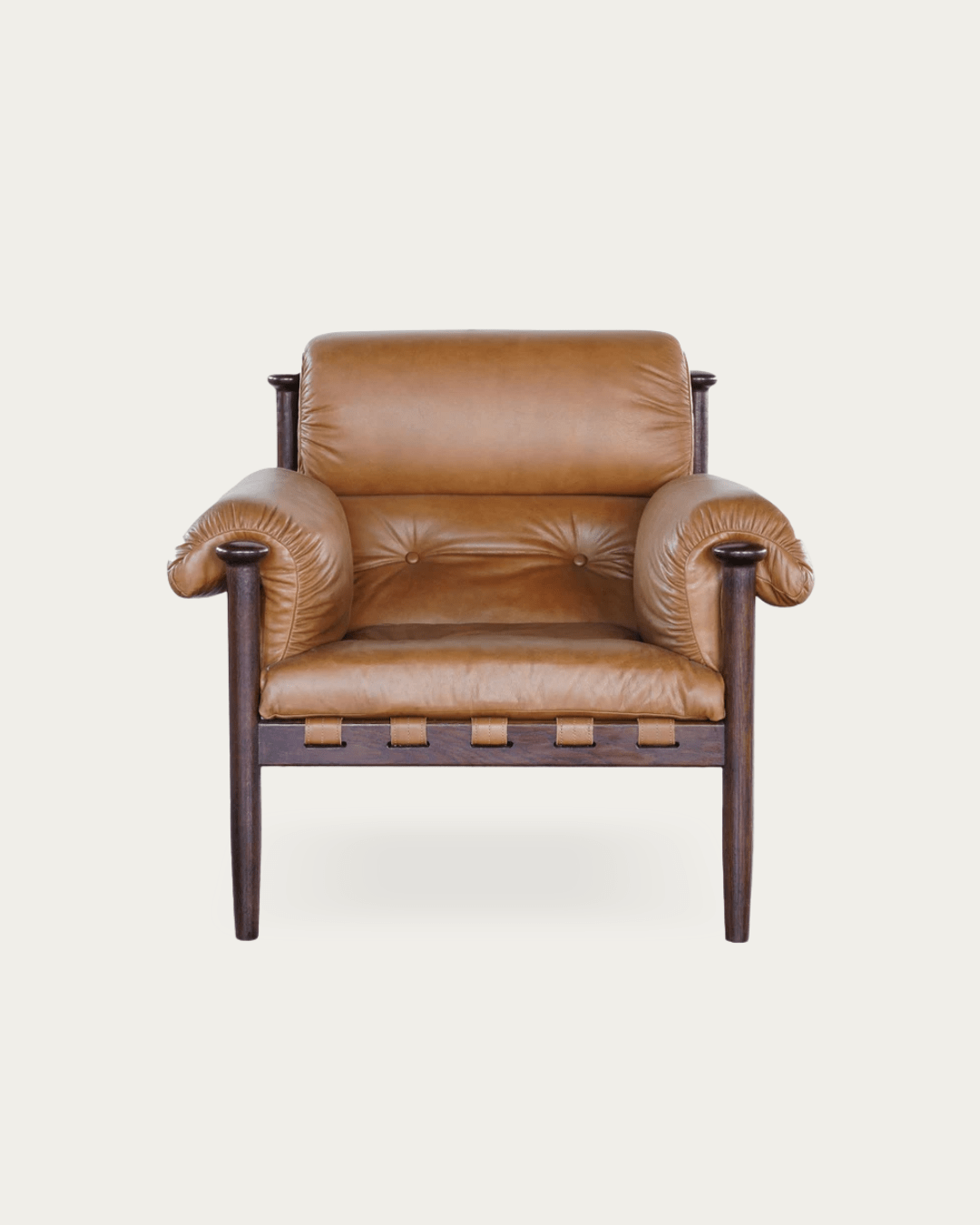
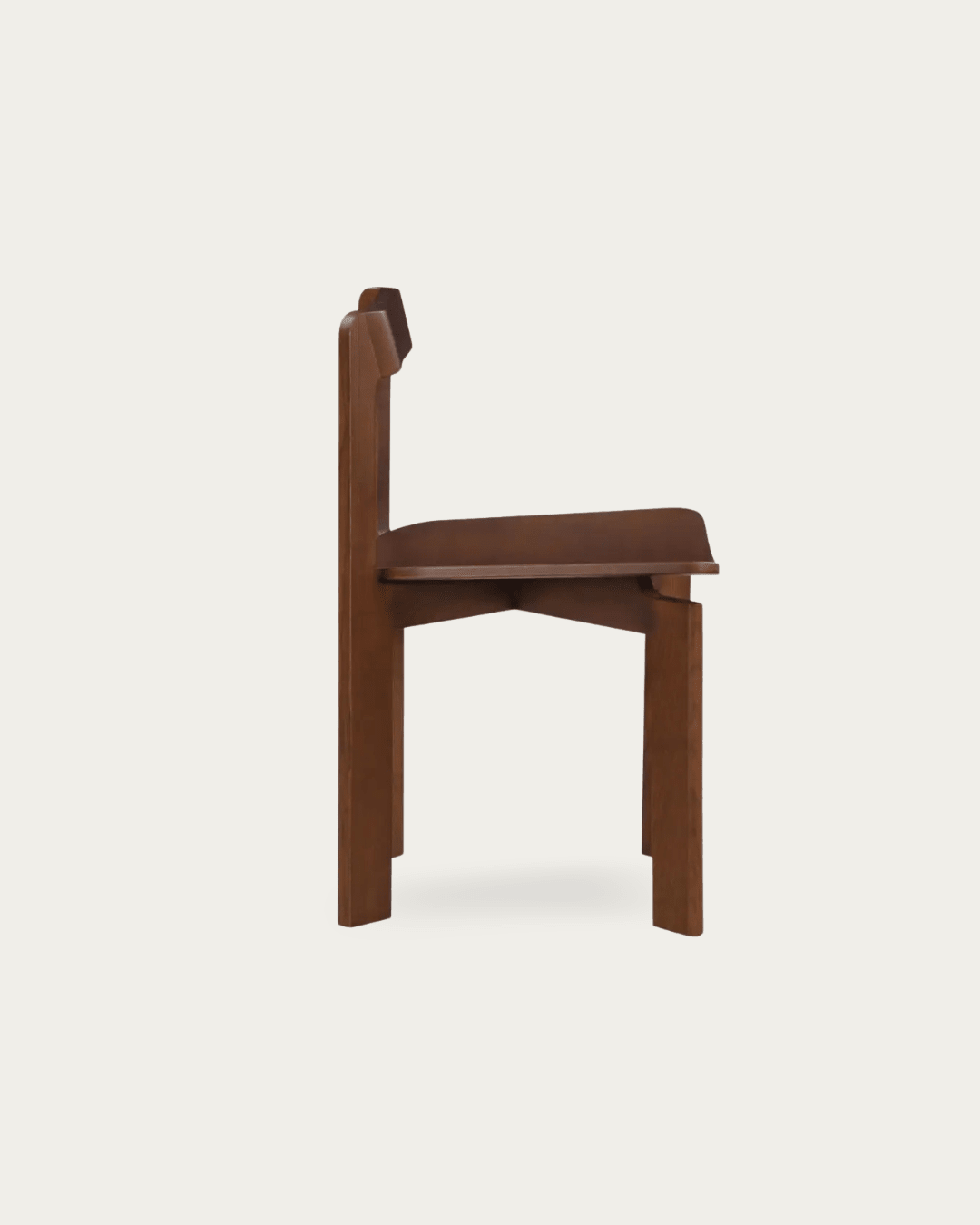
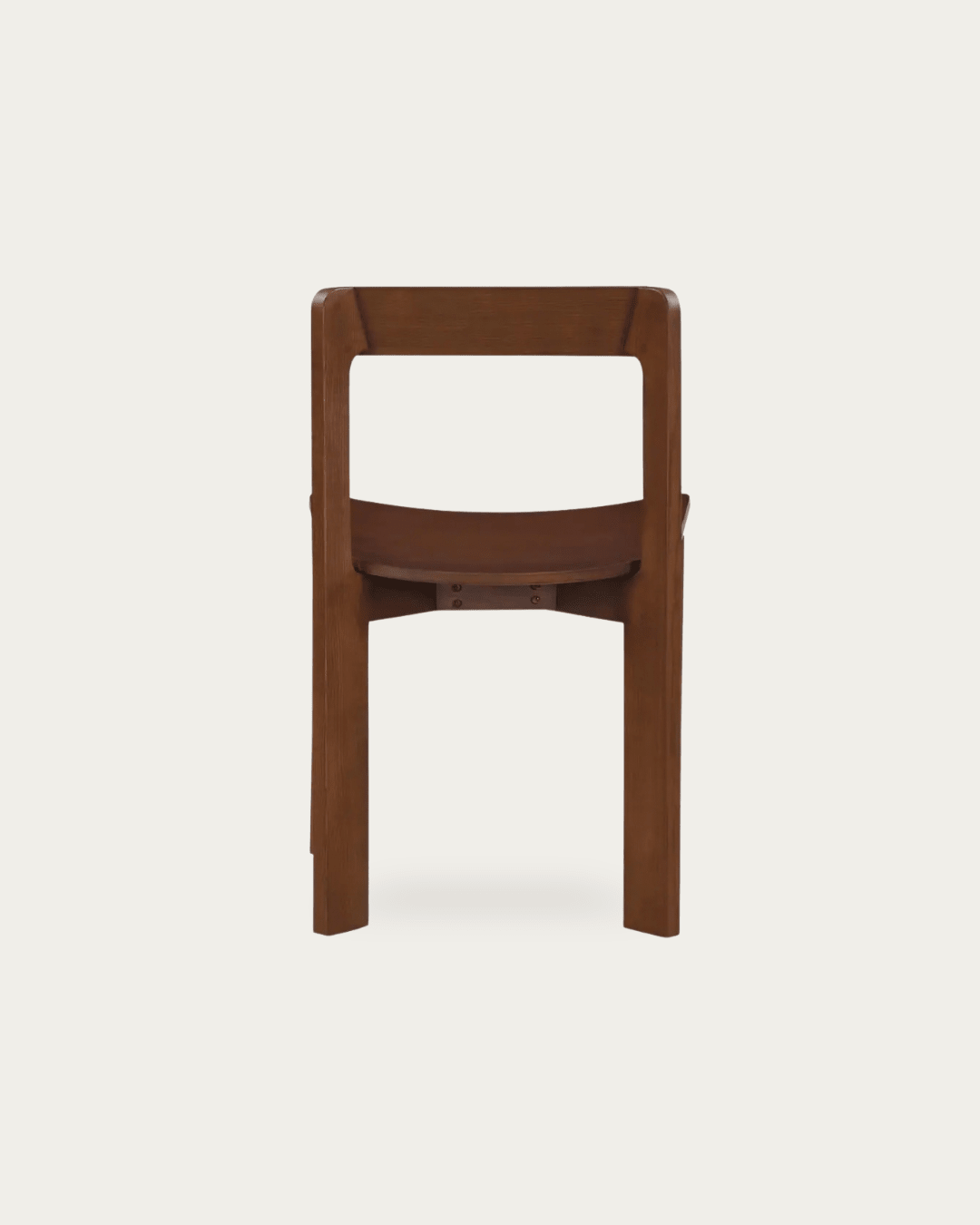
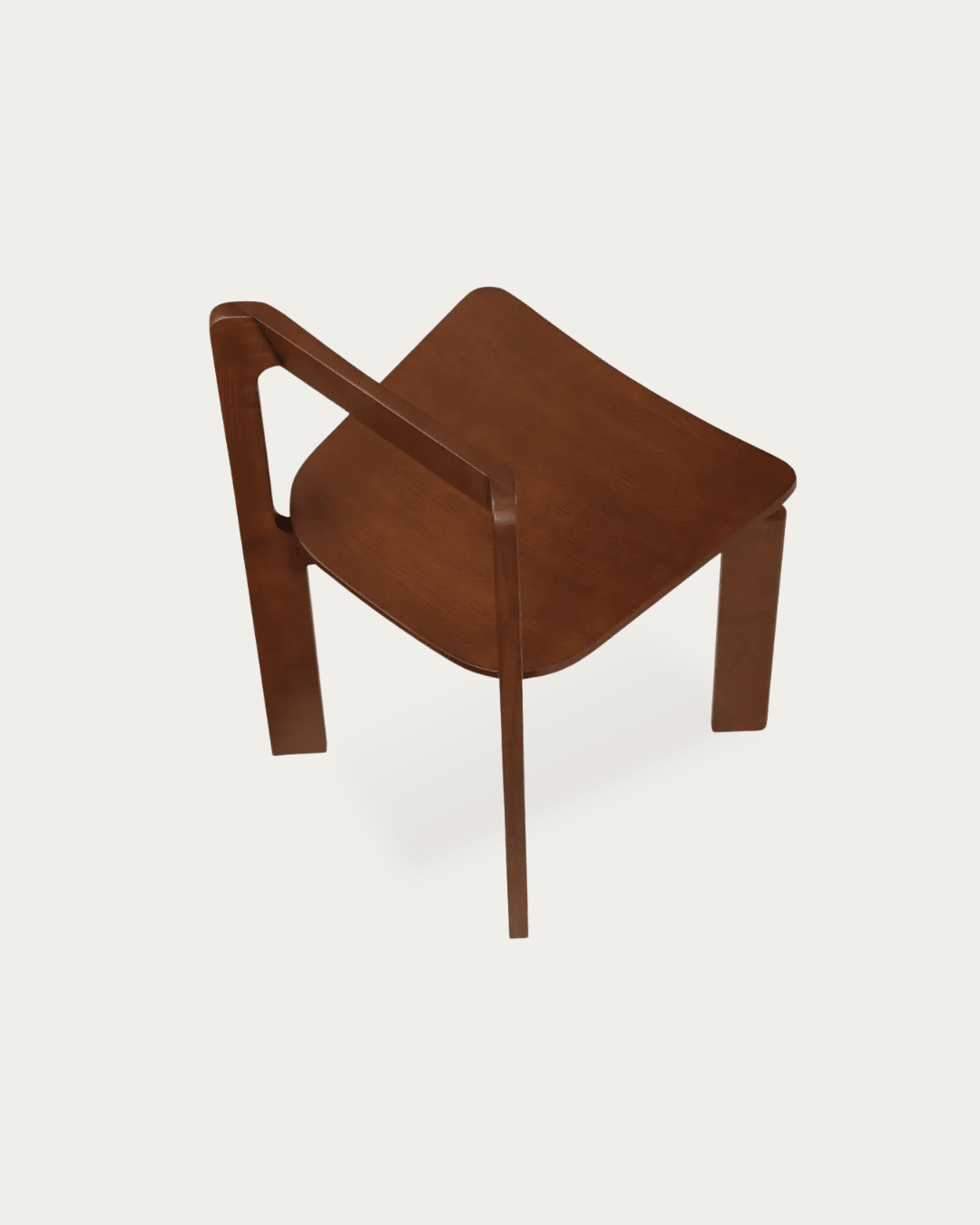
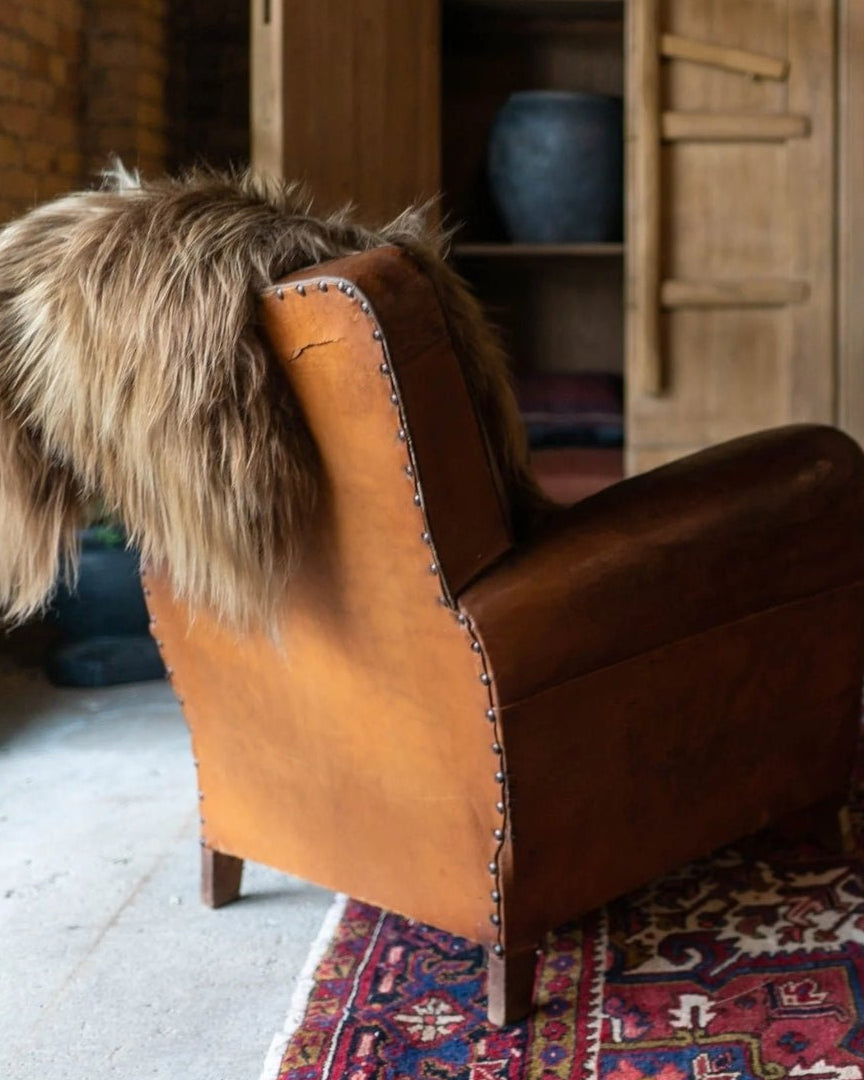
Pairing it with the Parkway chair creates layered seating without introducing unnecessary visual noise.
The room starts feeling settled before styling even begins.
2. Use Texture Instead of Contrast to Create Depth
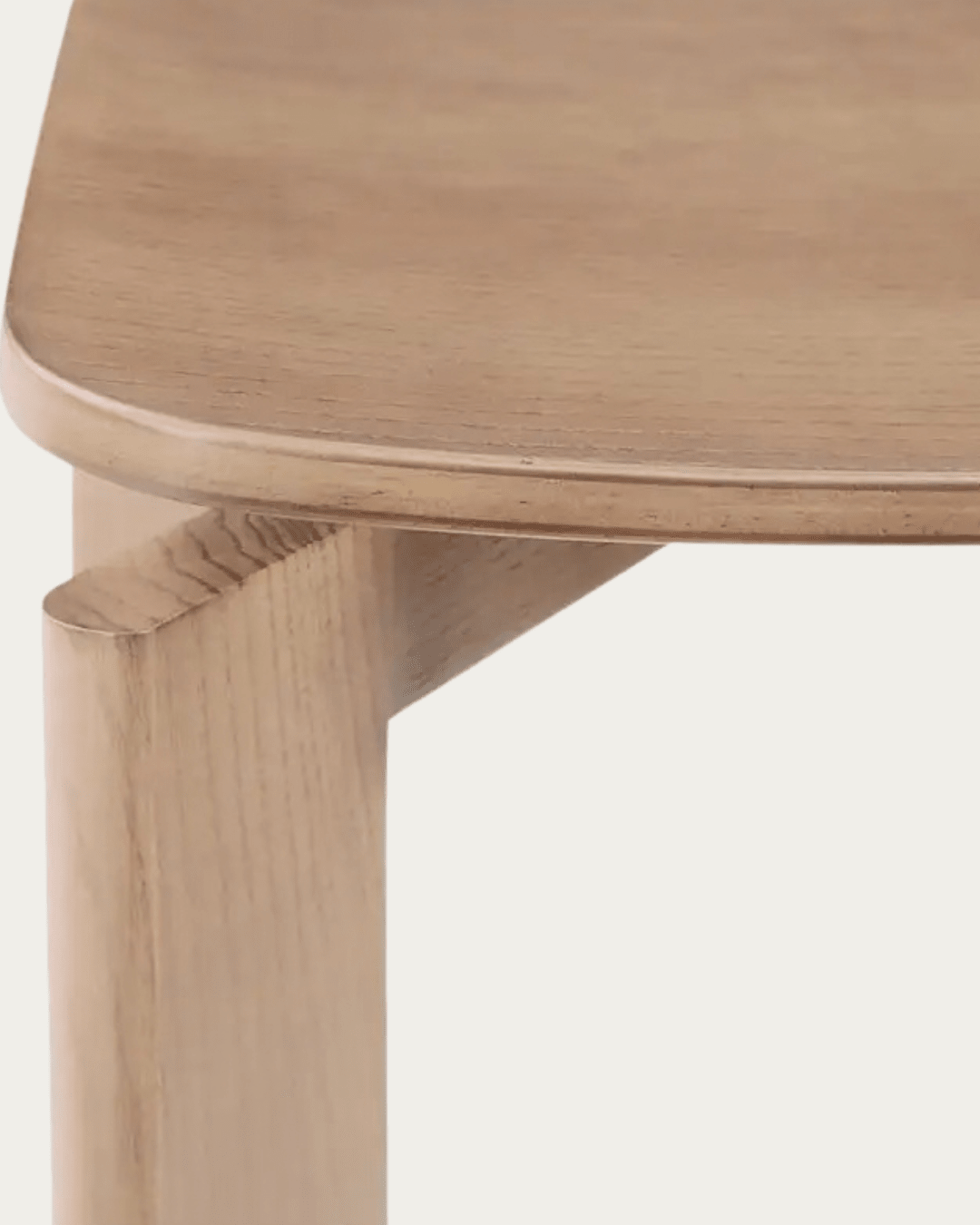
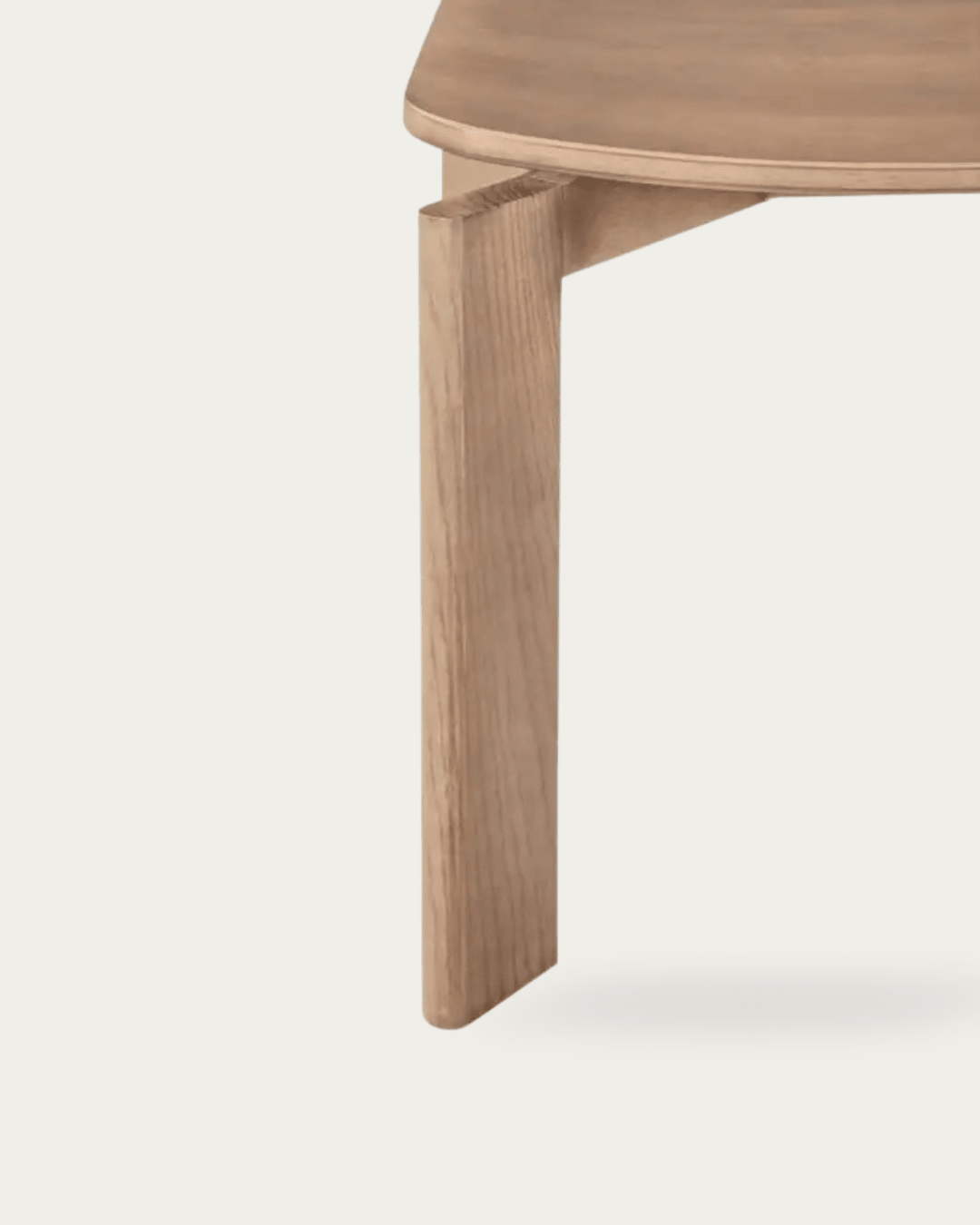
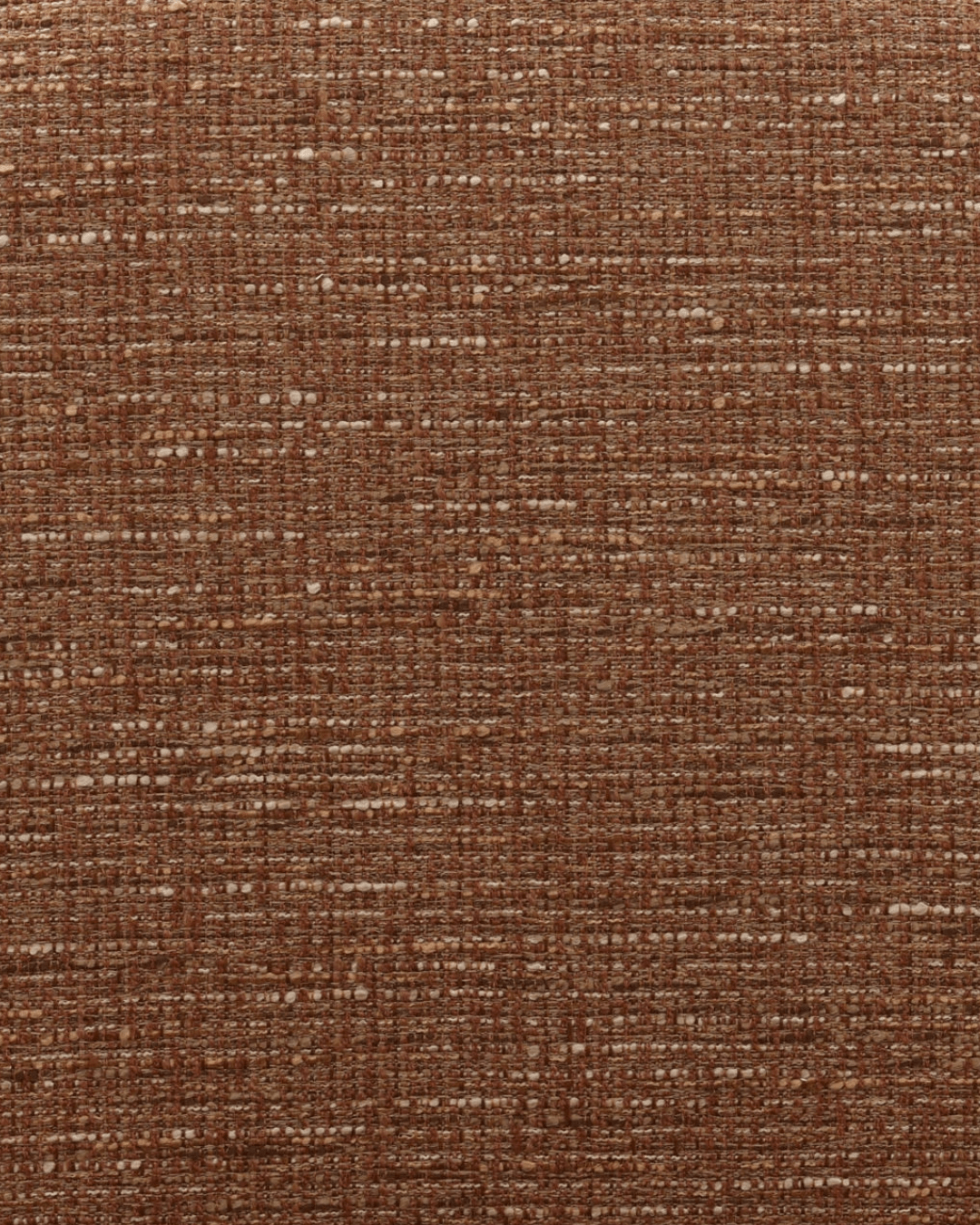
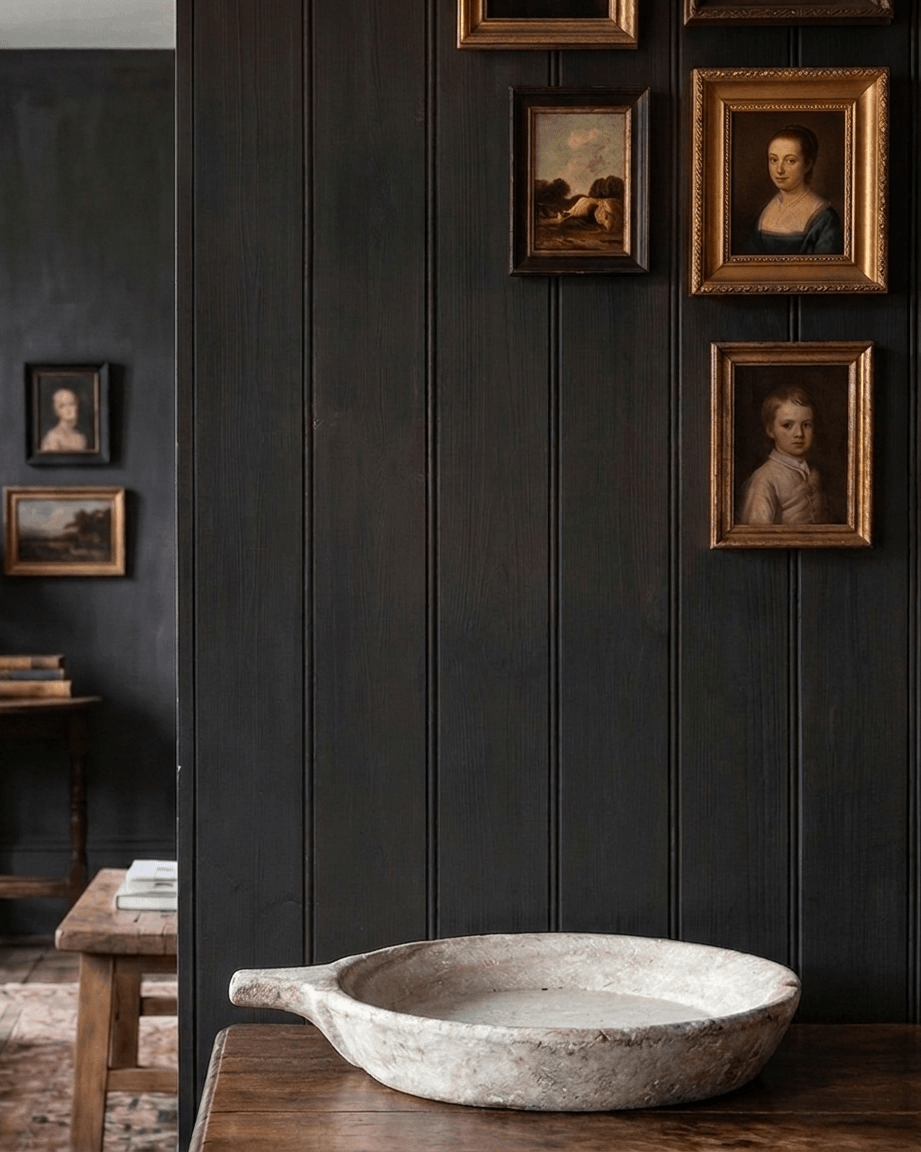
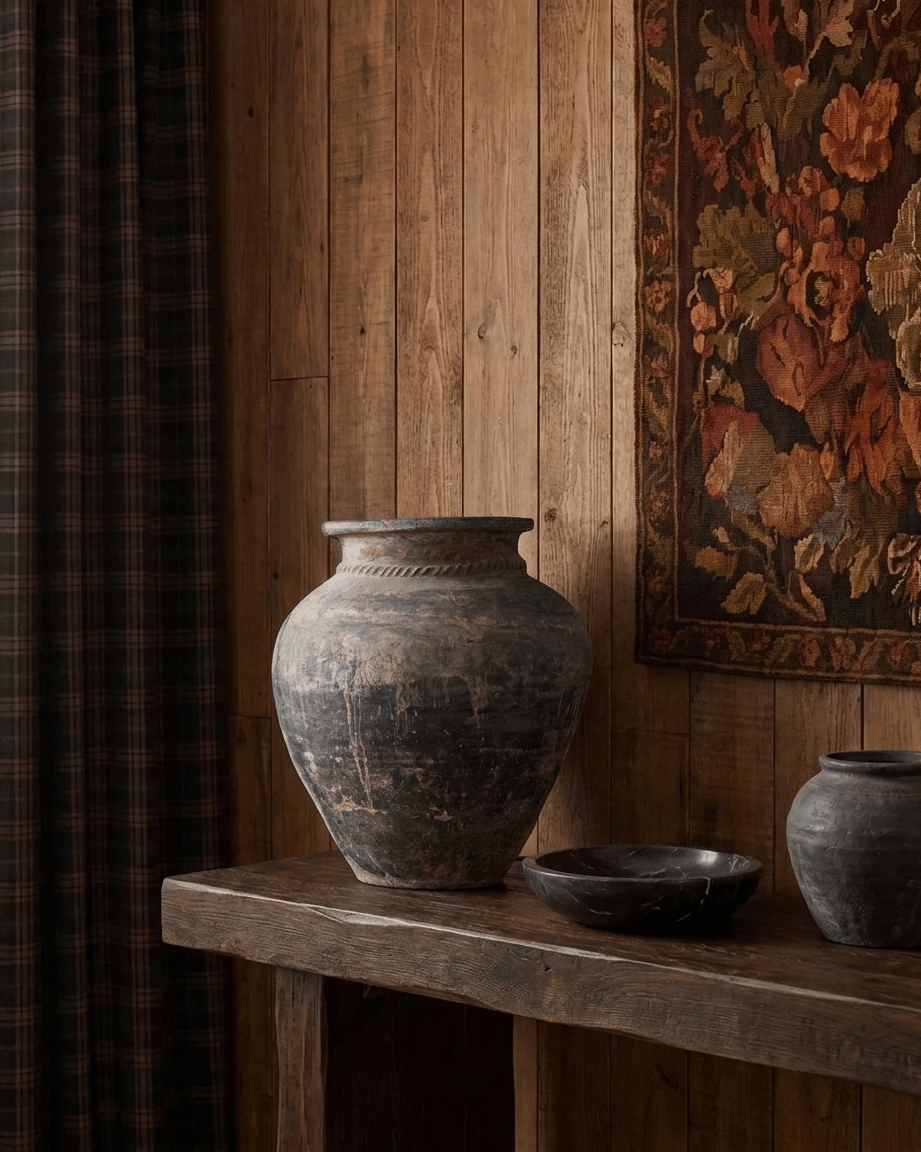
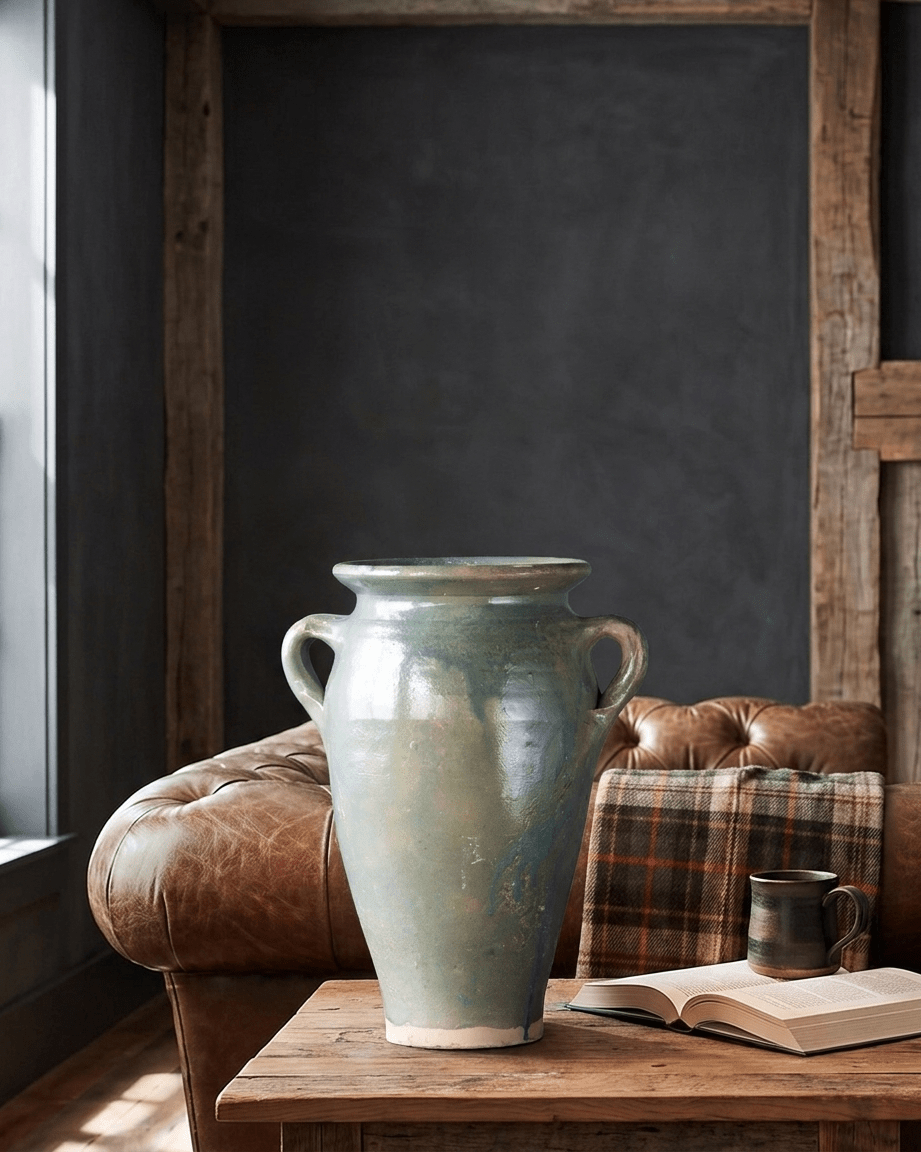
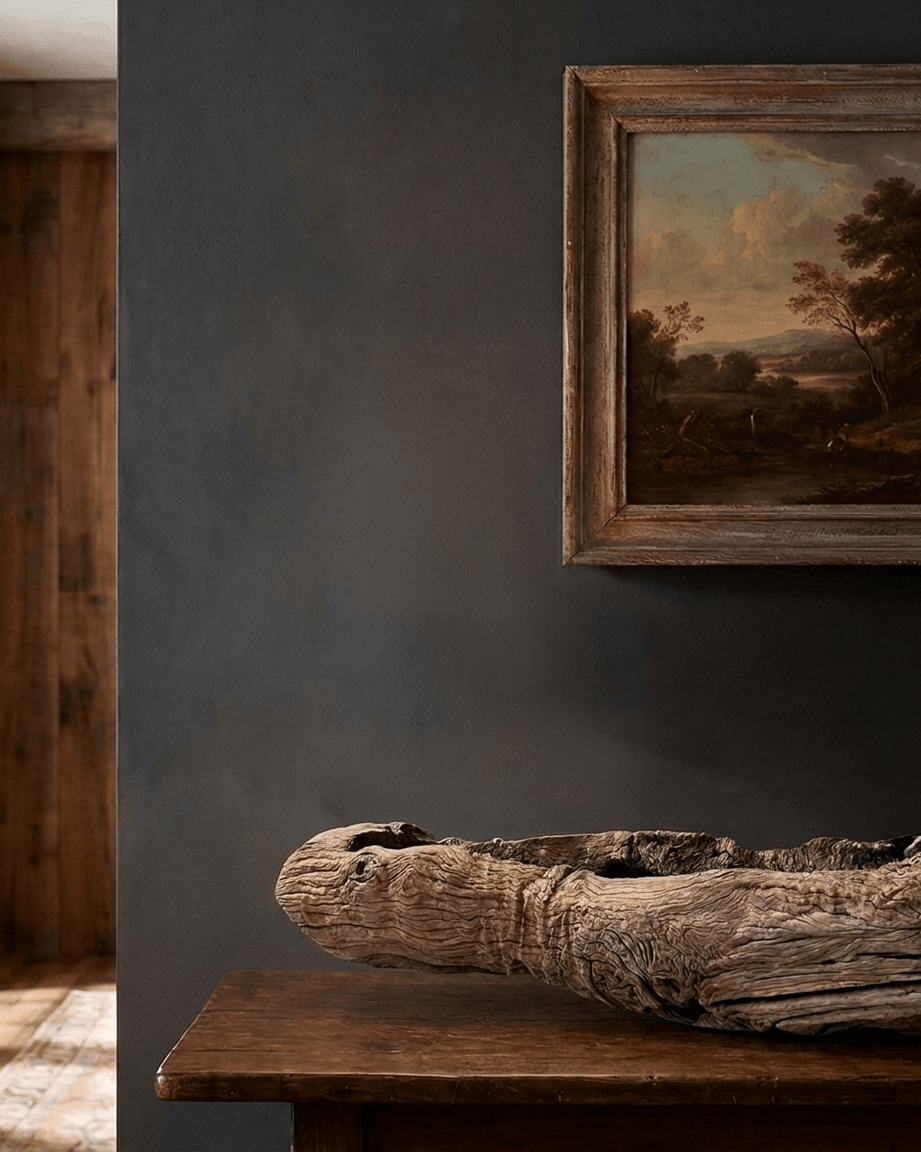
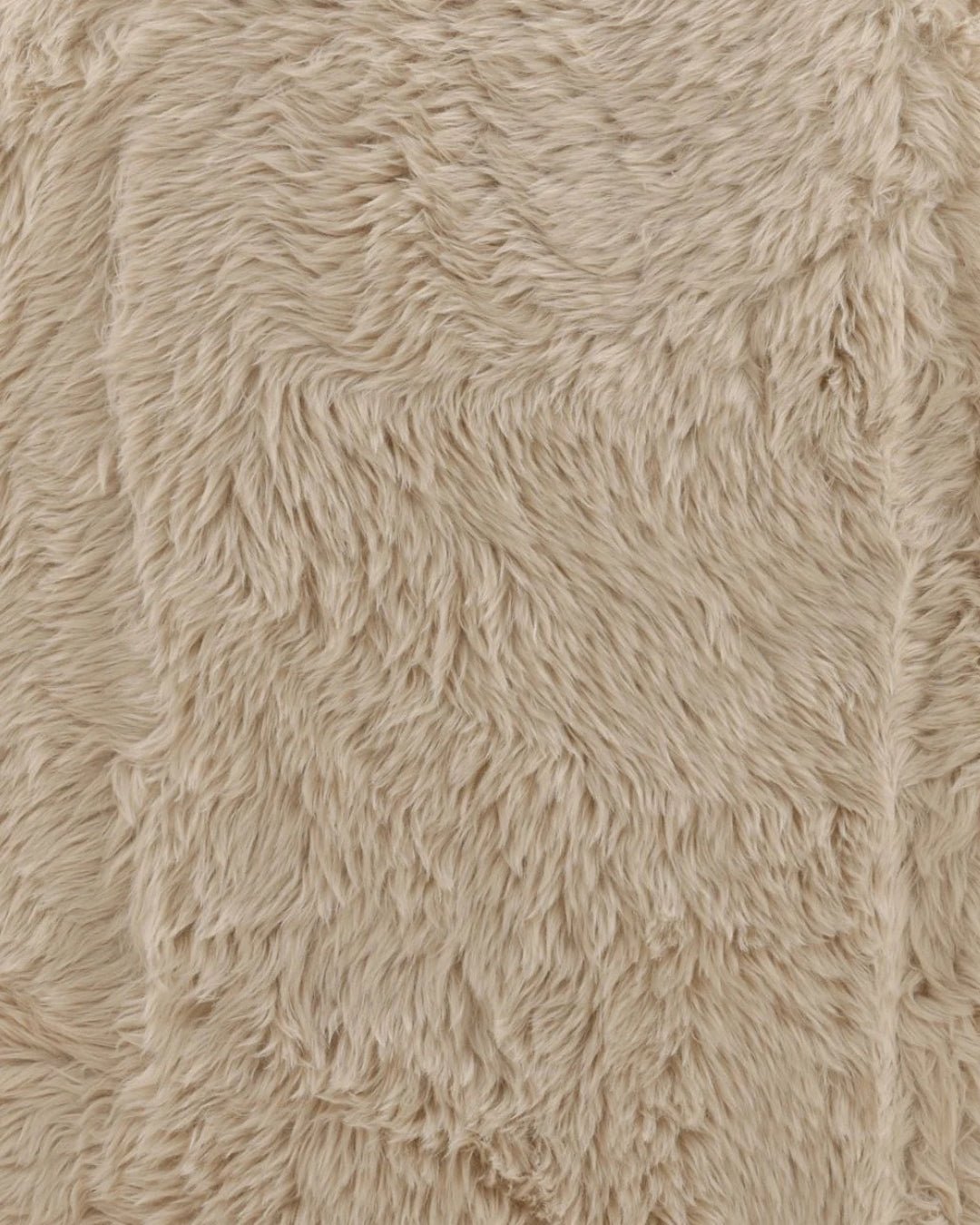
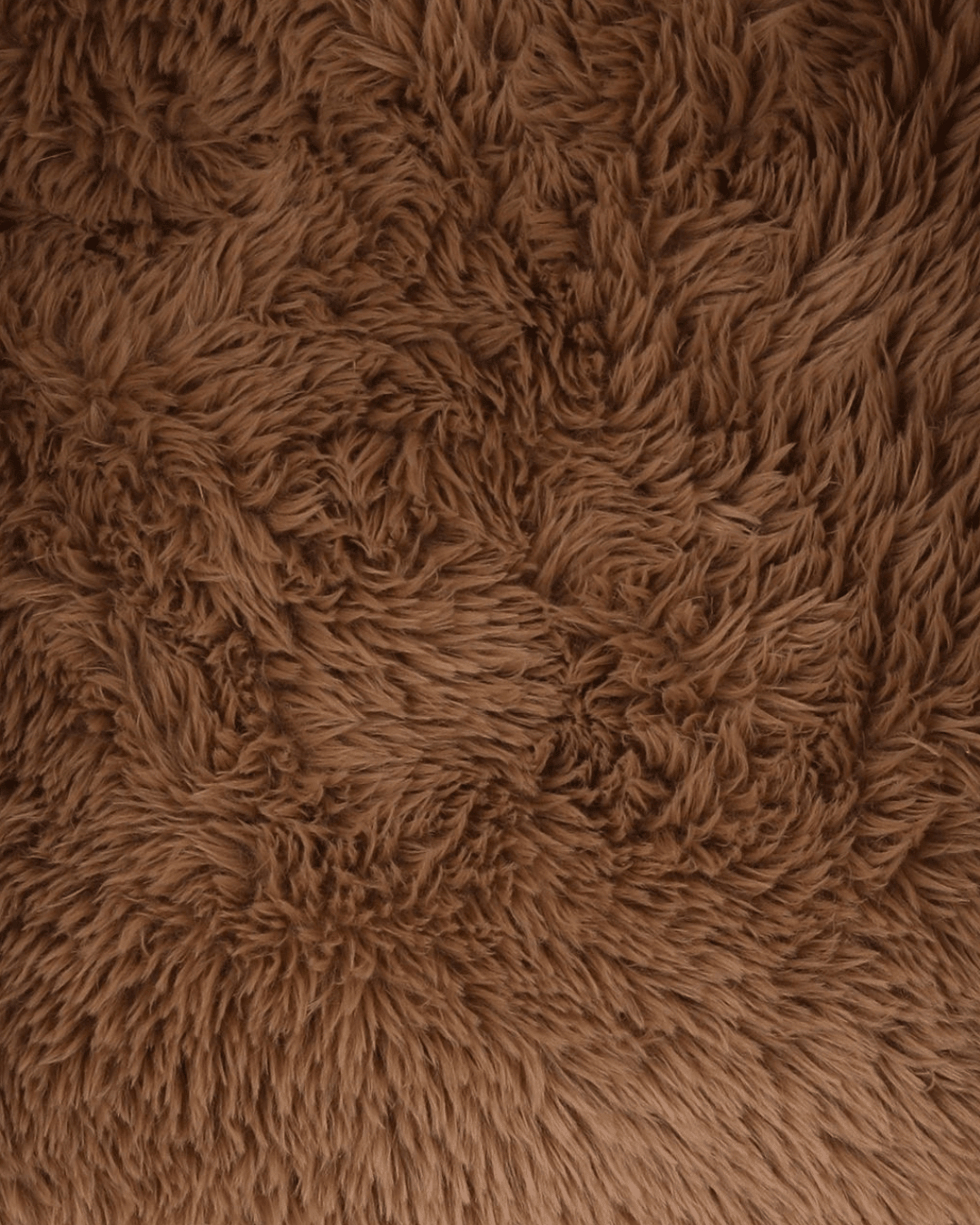
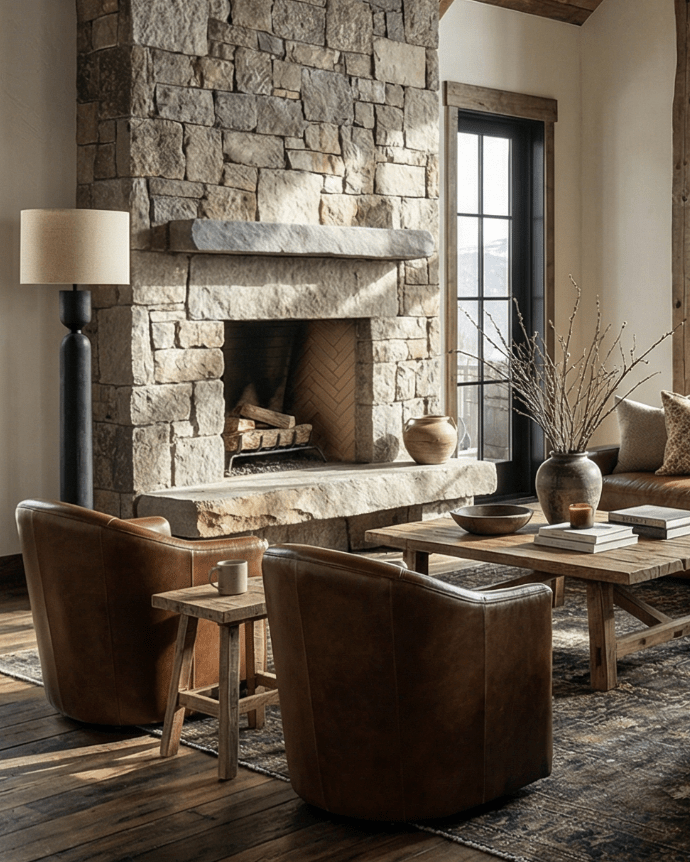
A lot of interiors rely on high contrast to create interest. Modern mountain homes usually rely on texture instead.
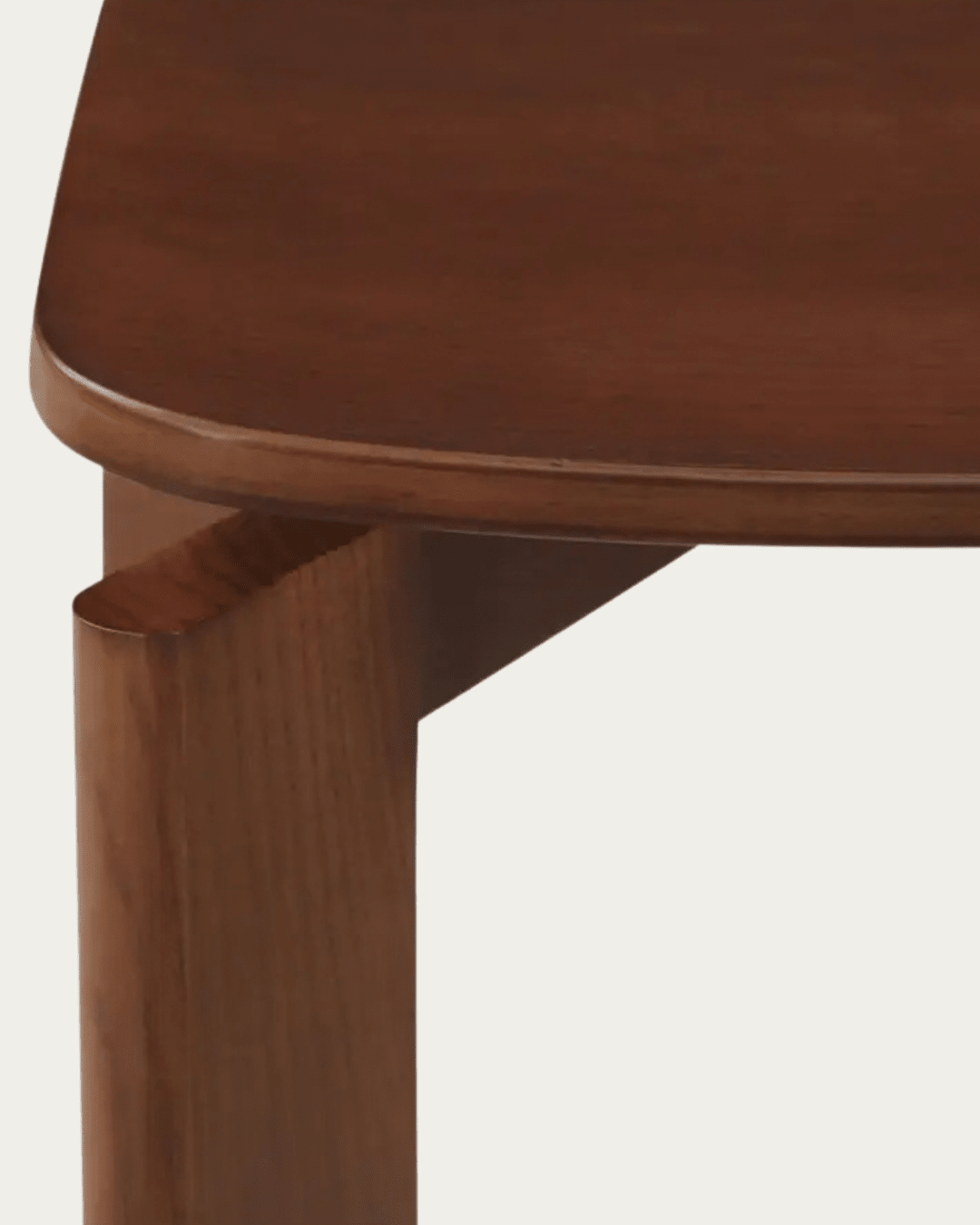
Wood grain.
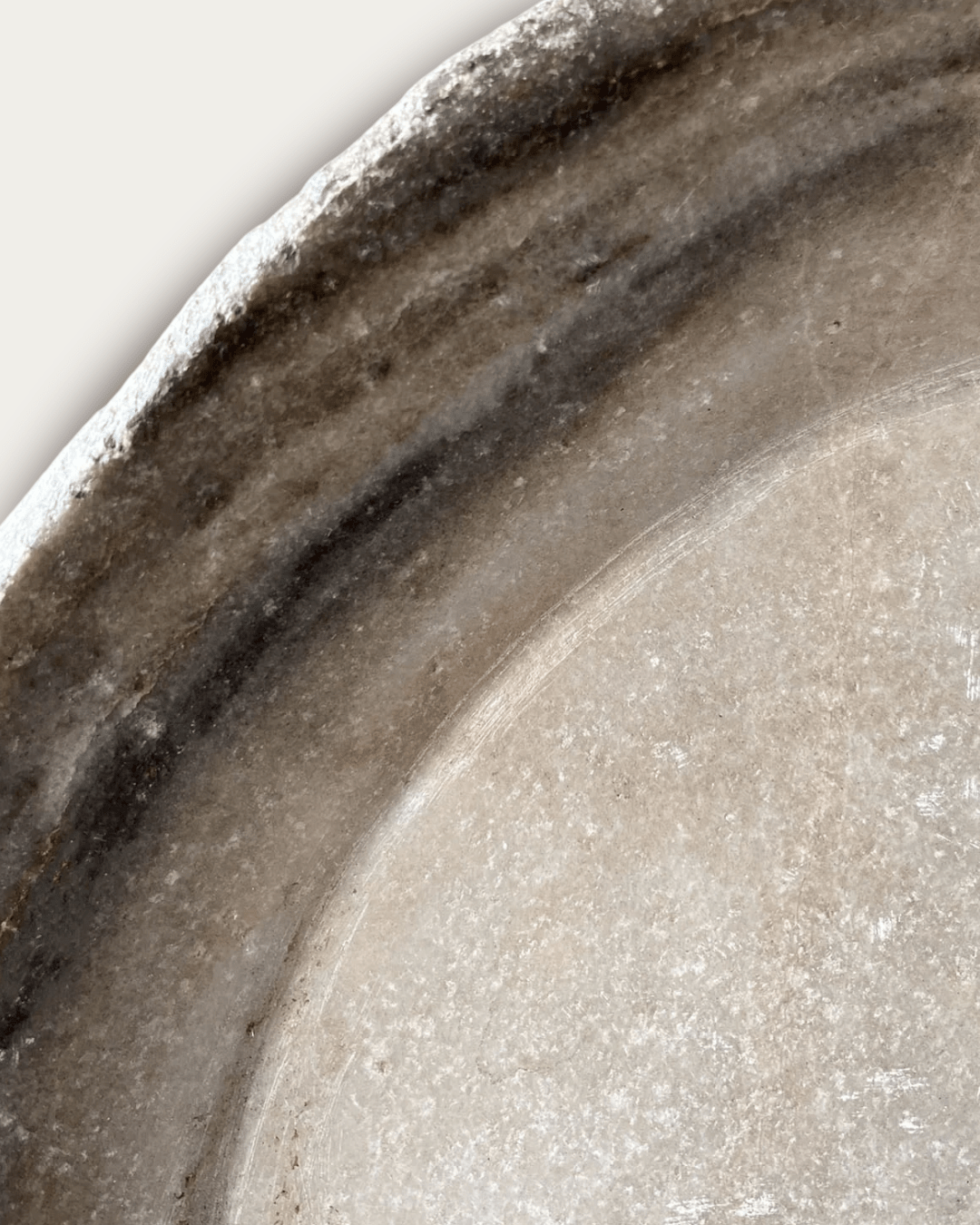
Stone.
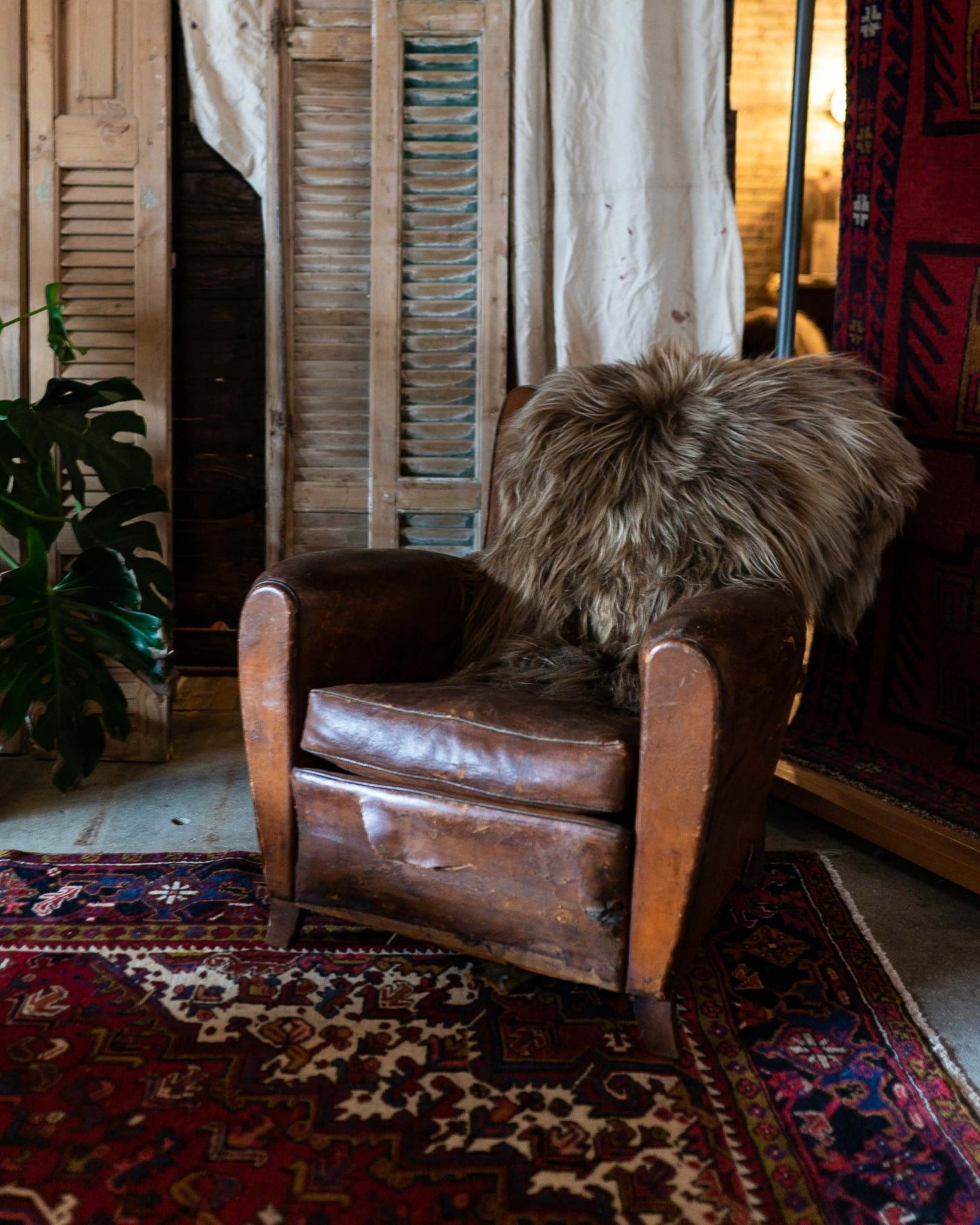
Leather.
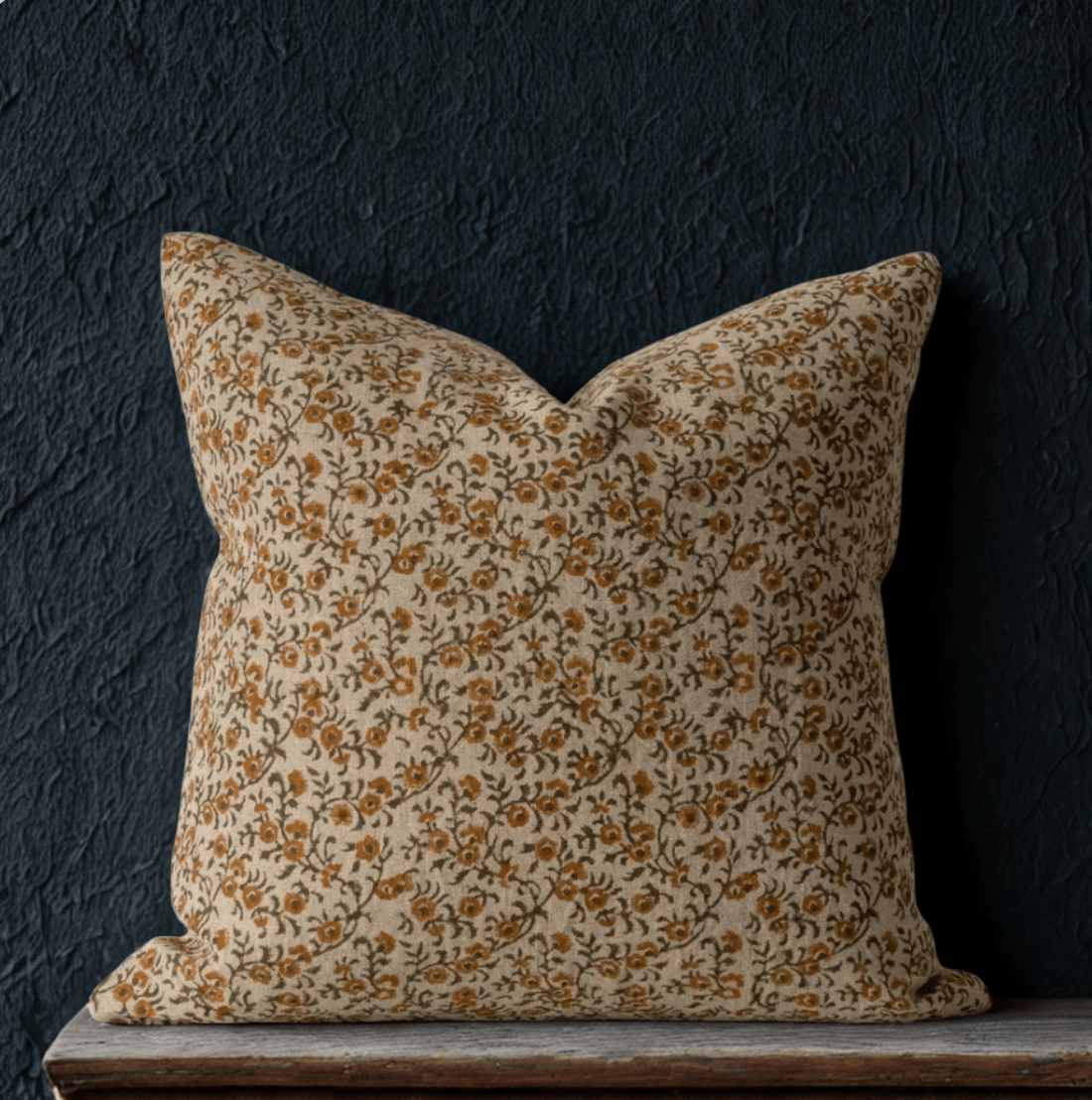
Heavy linen.
Matte surfaces.
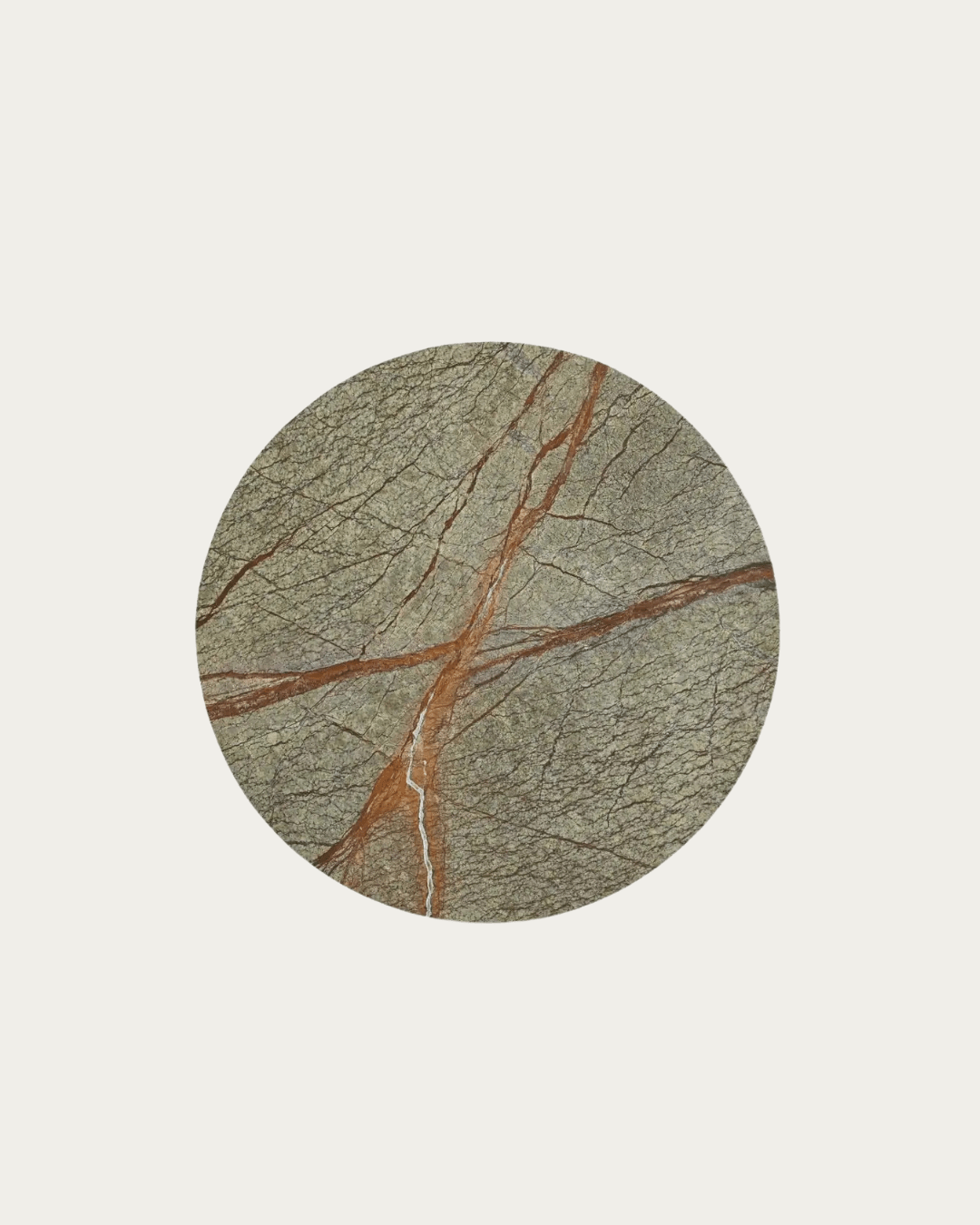
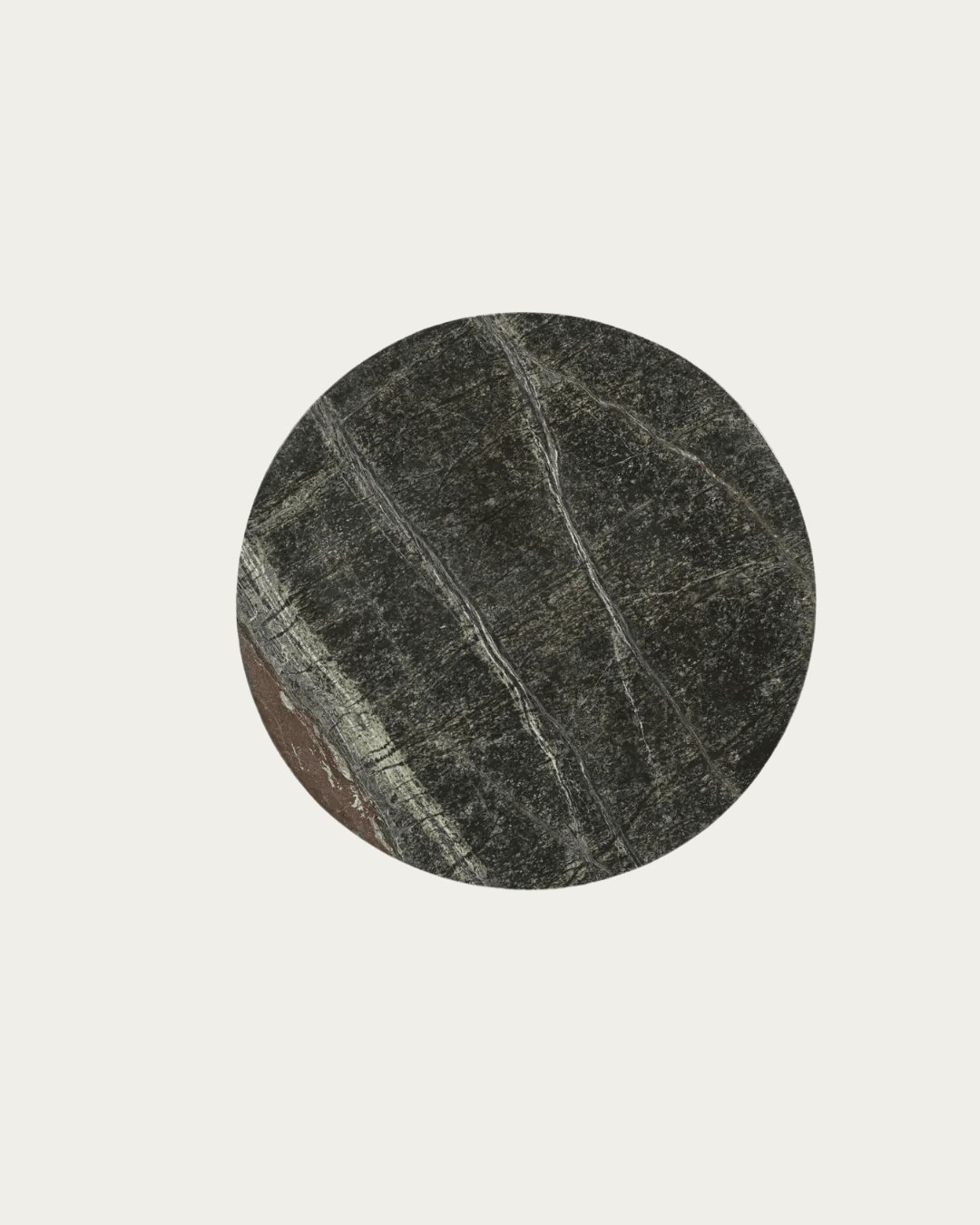
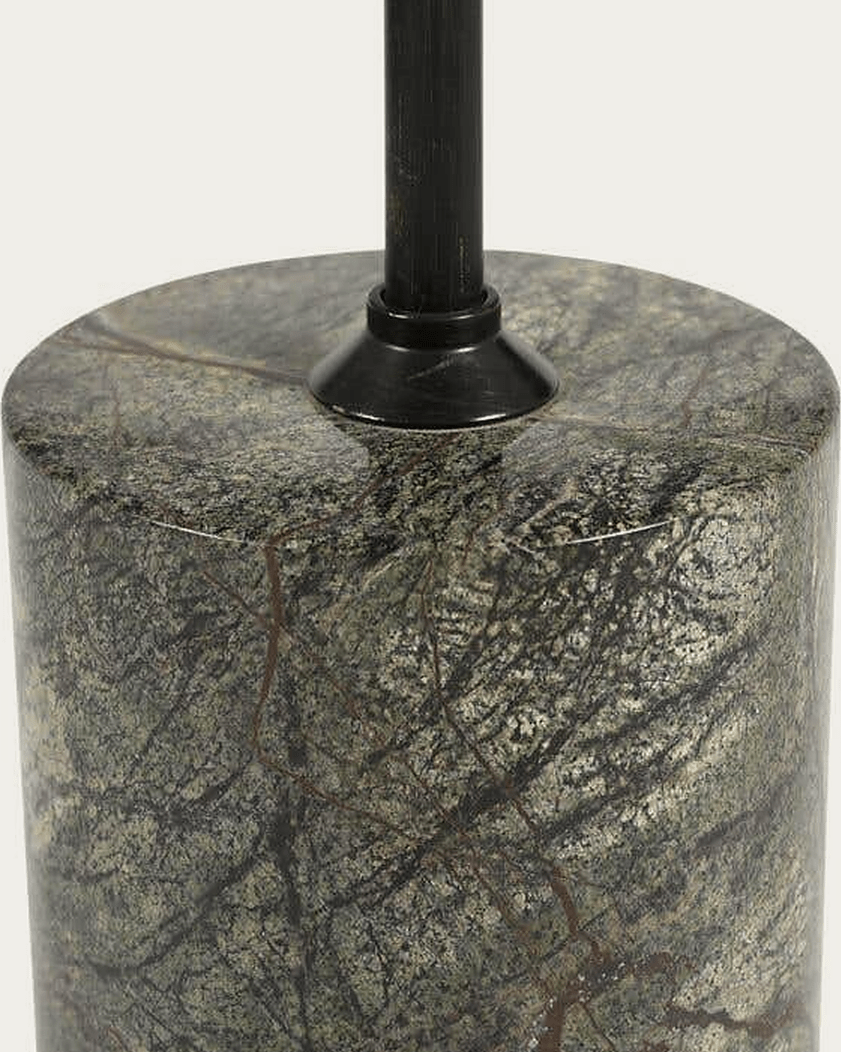
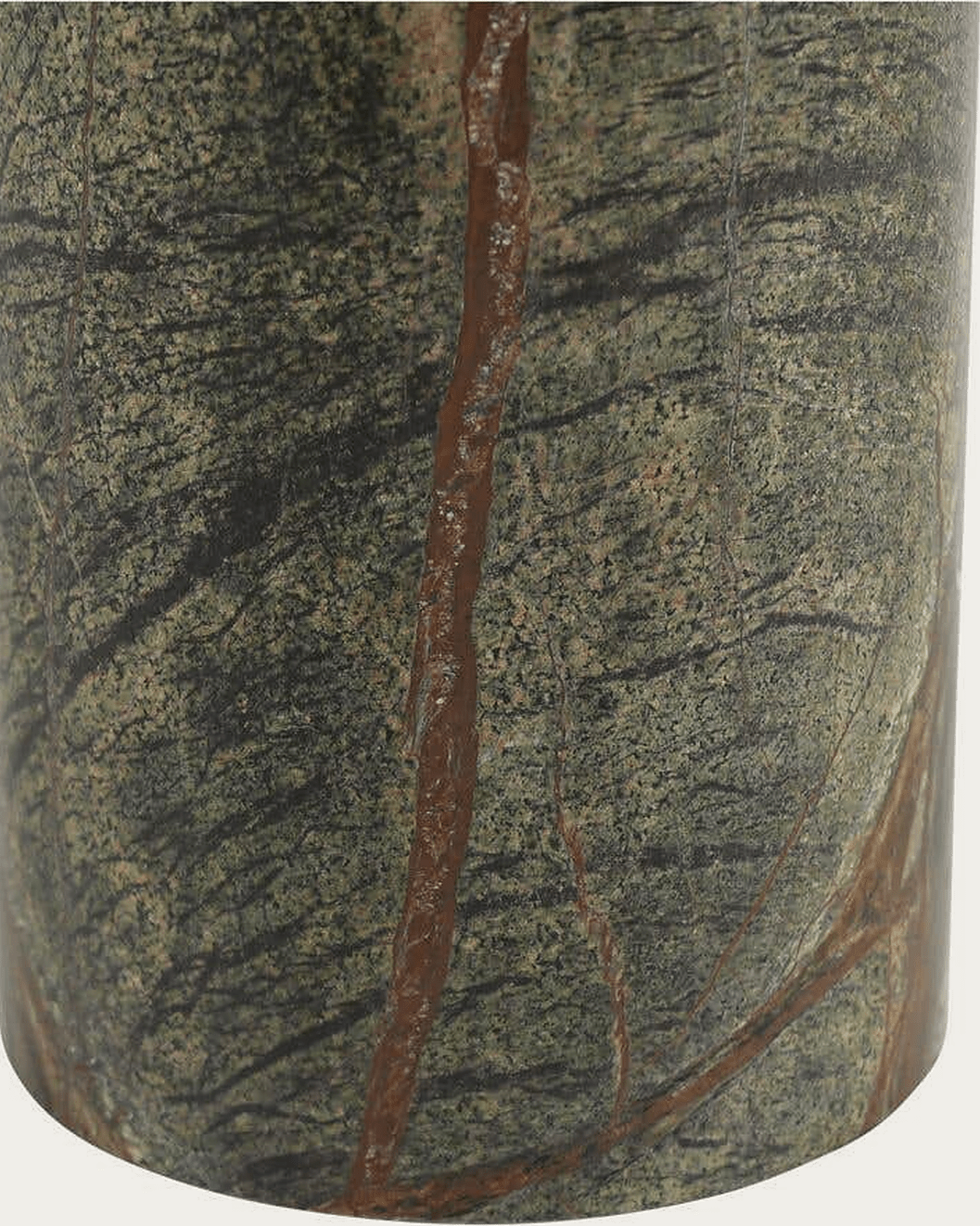
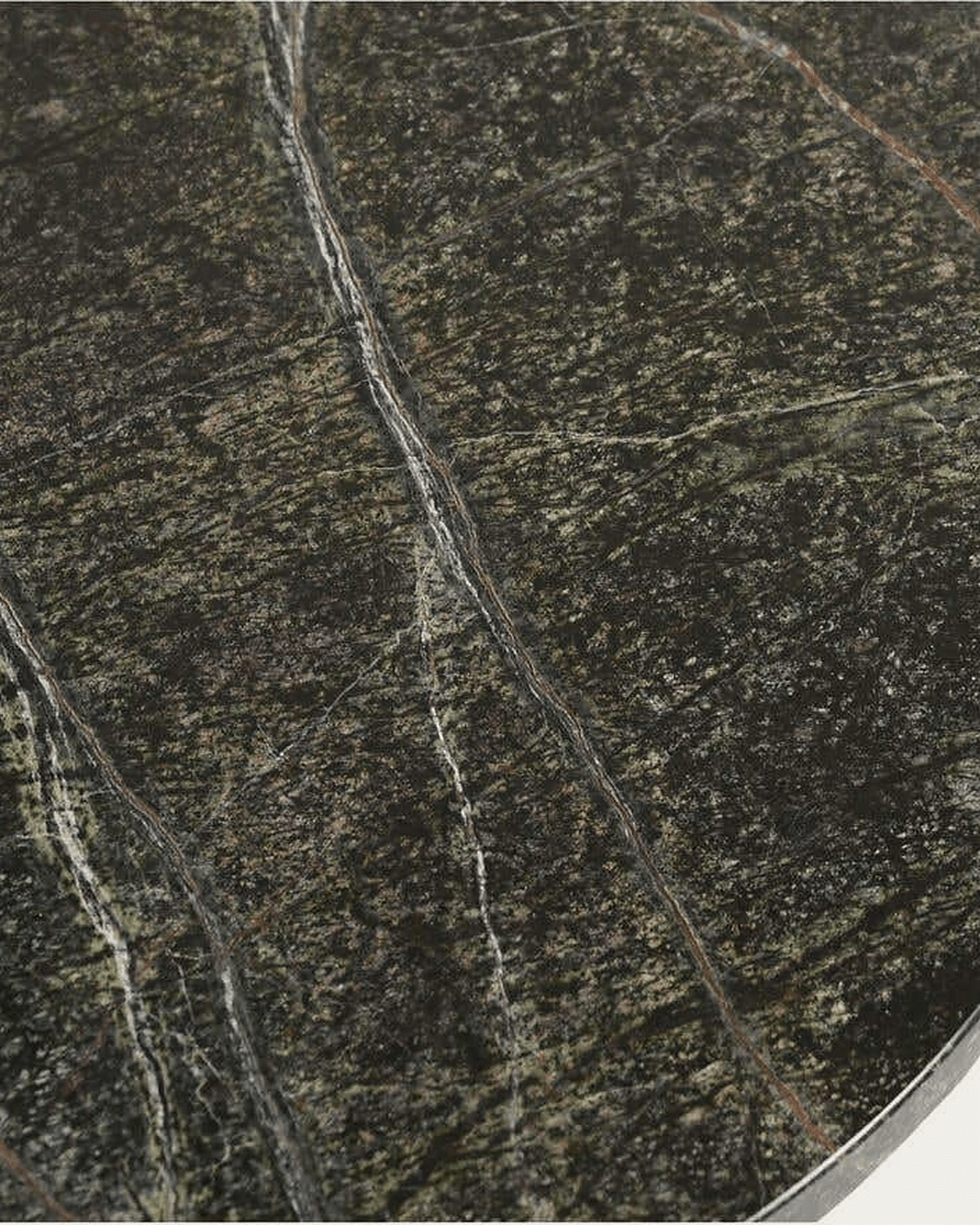
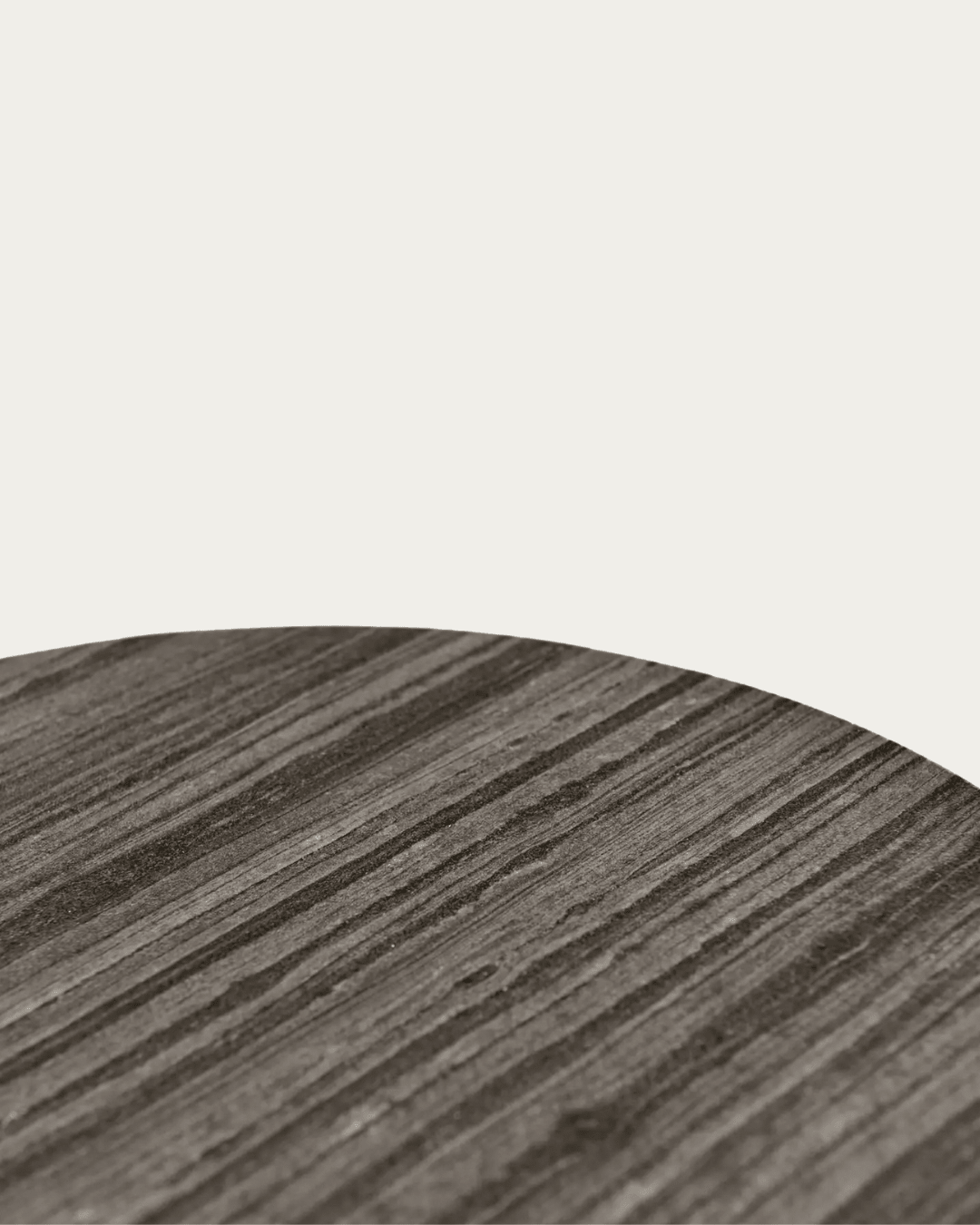
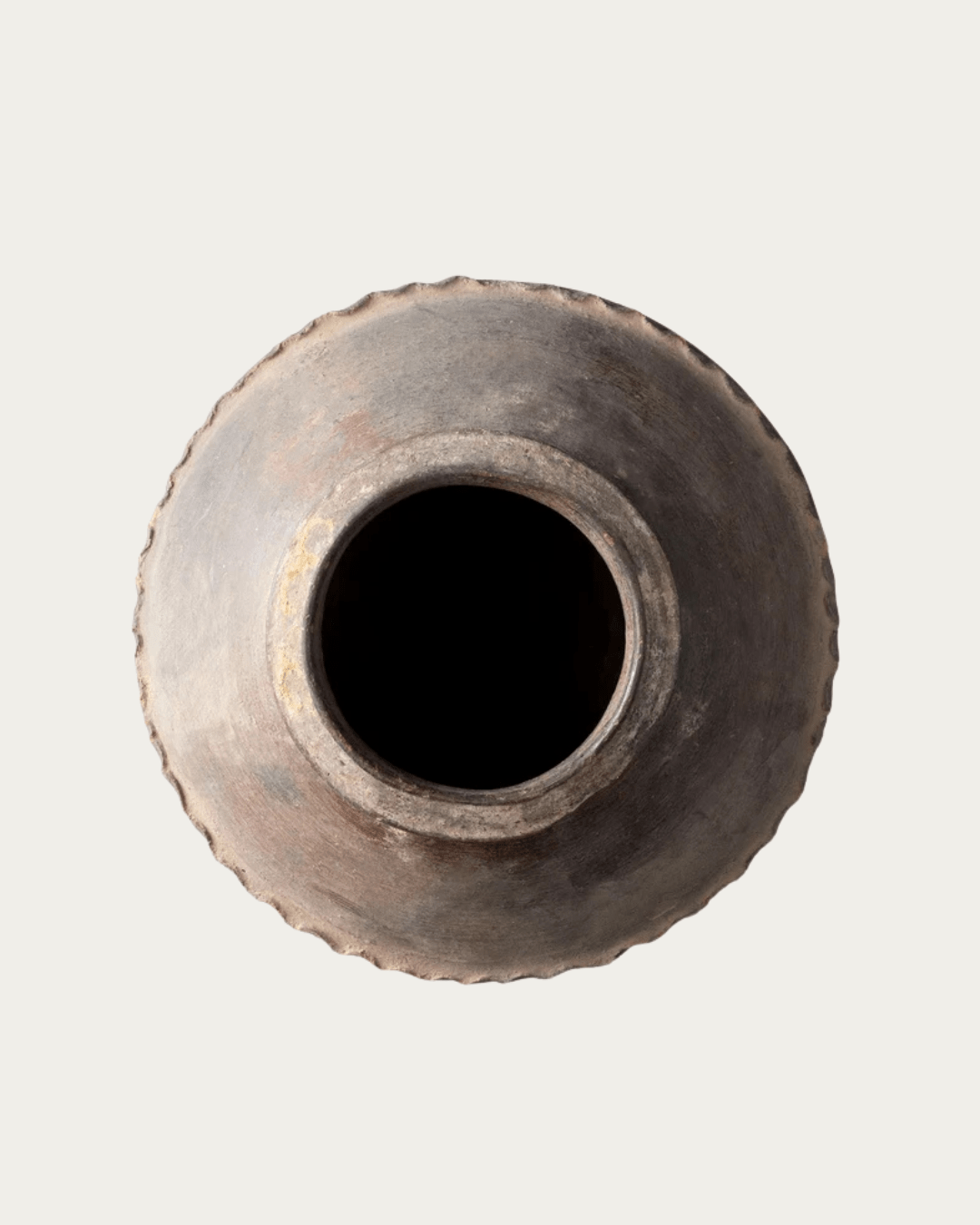
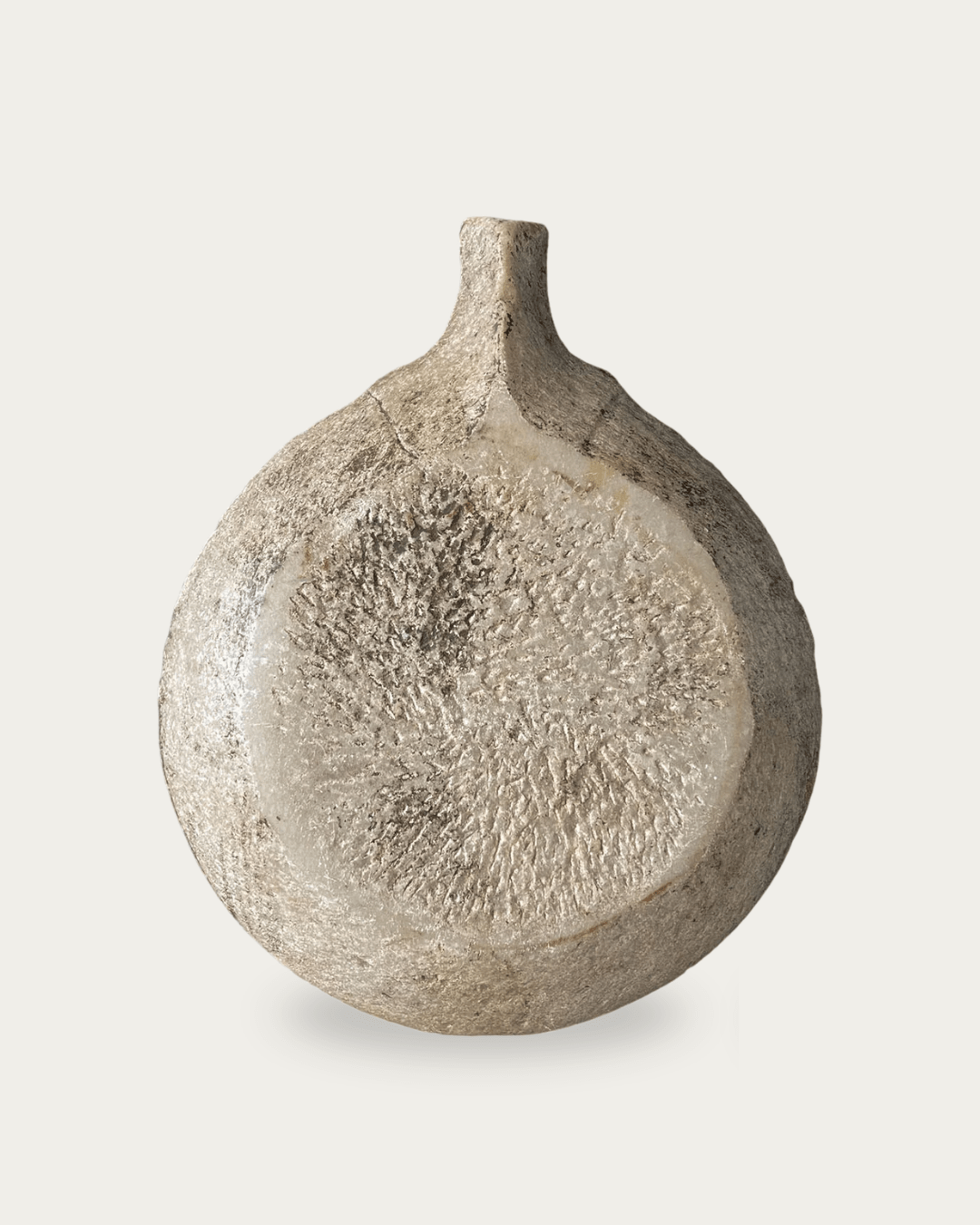
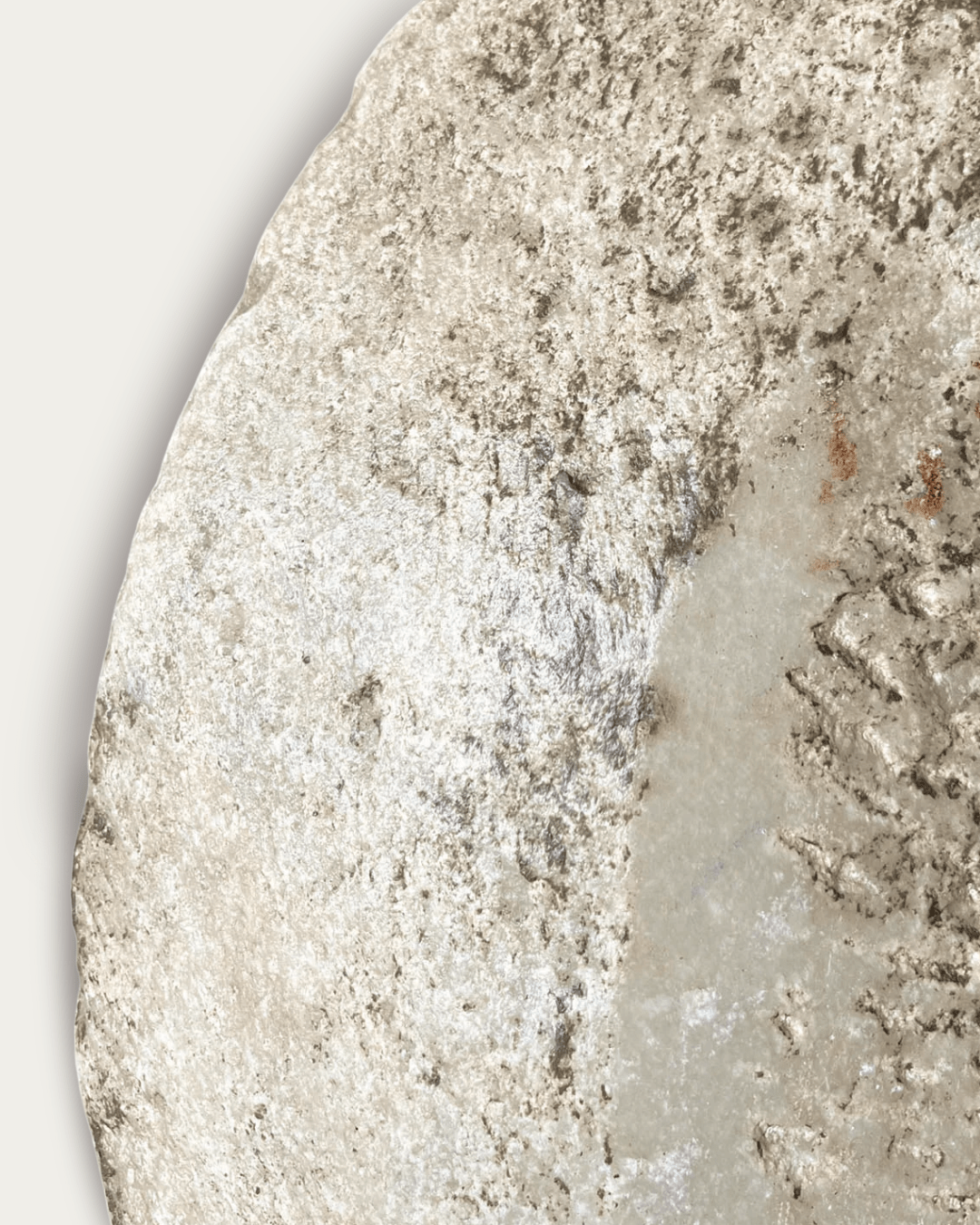
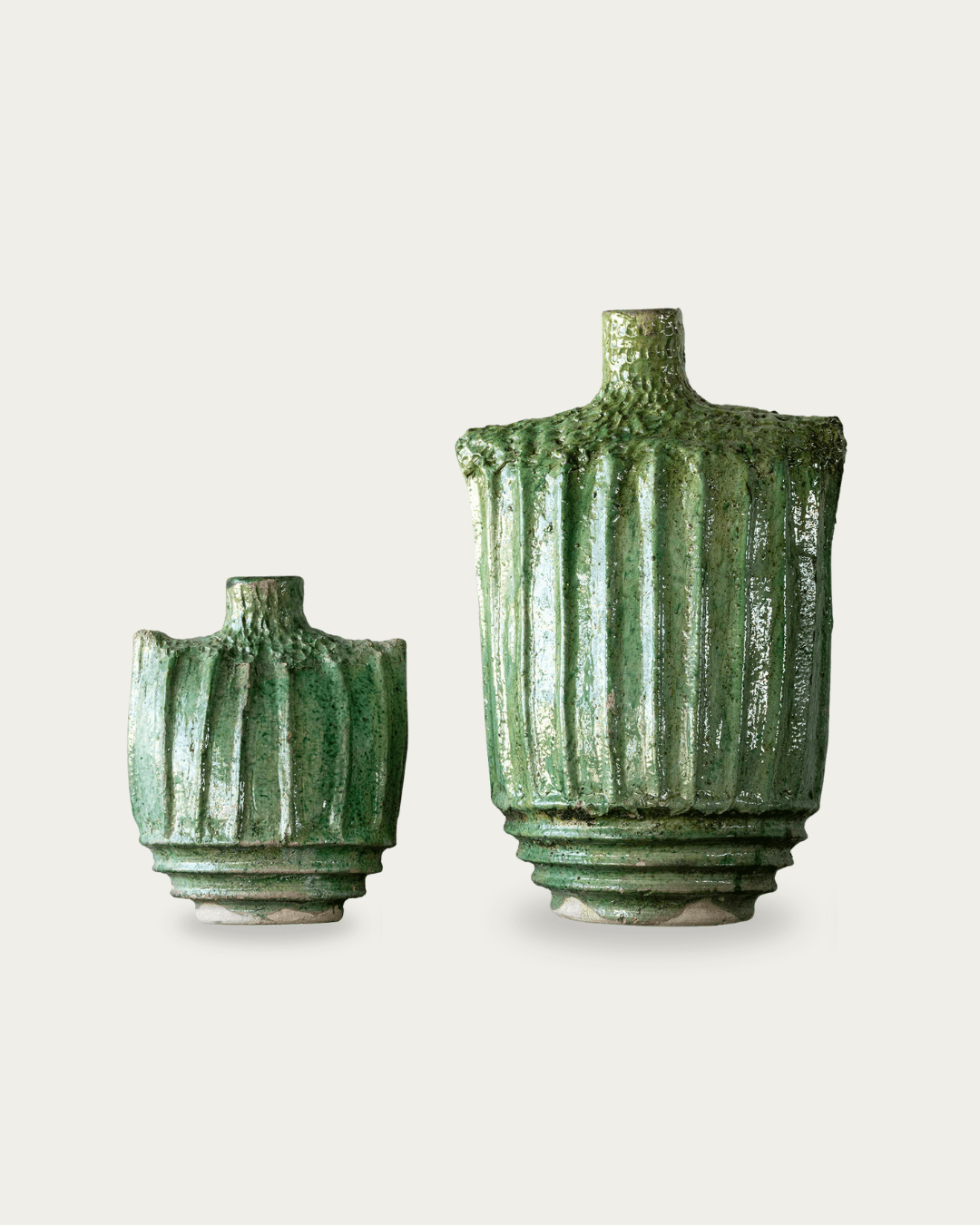
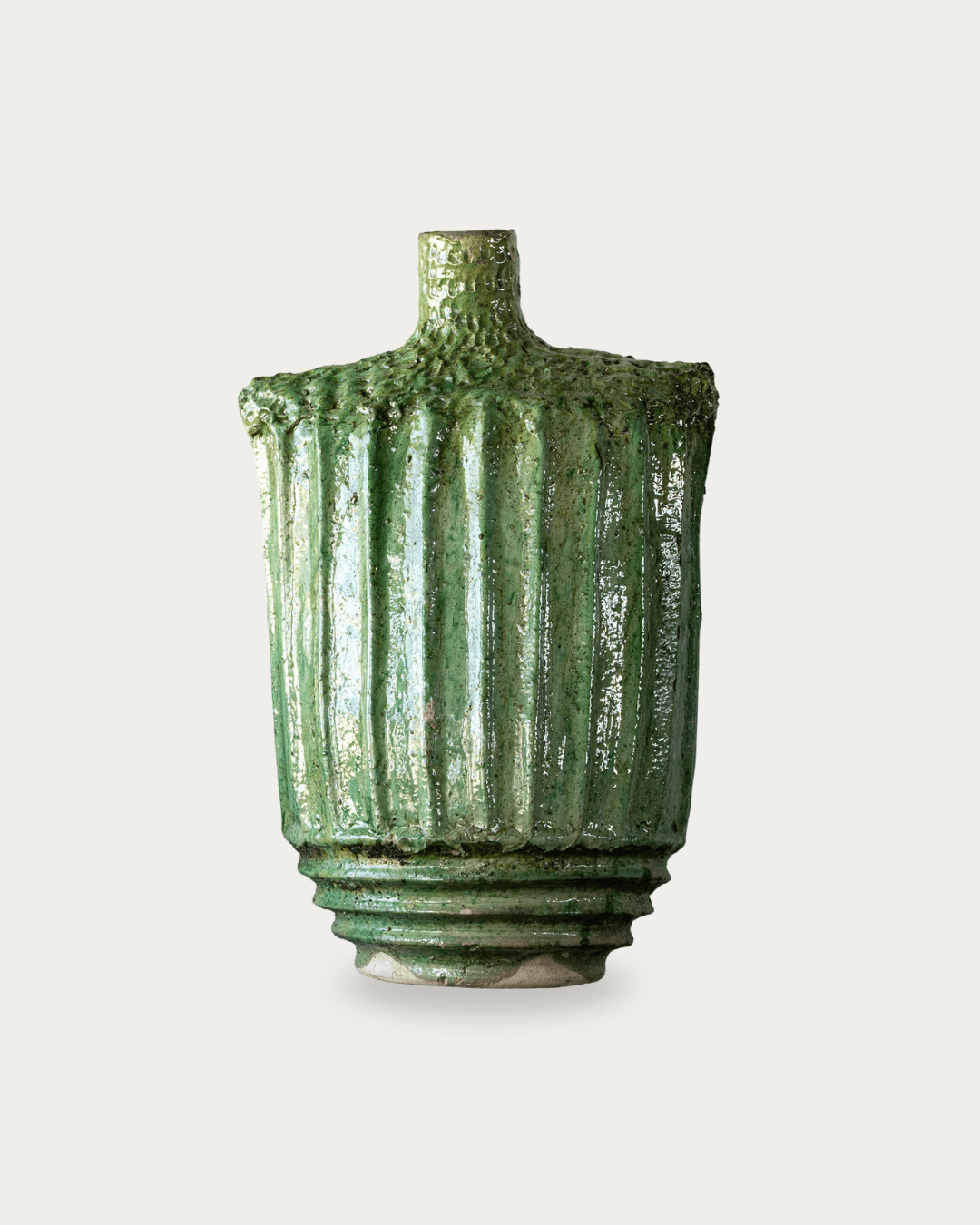
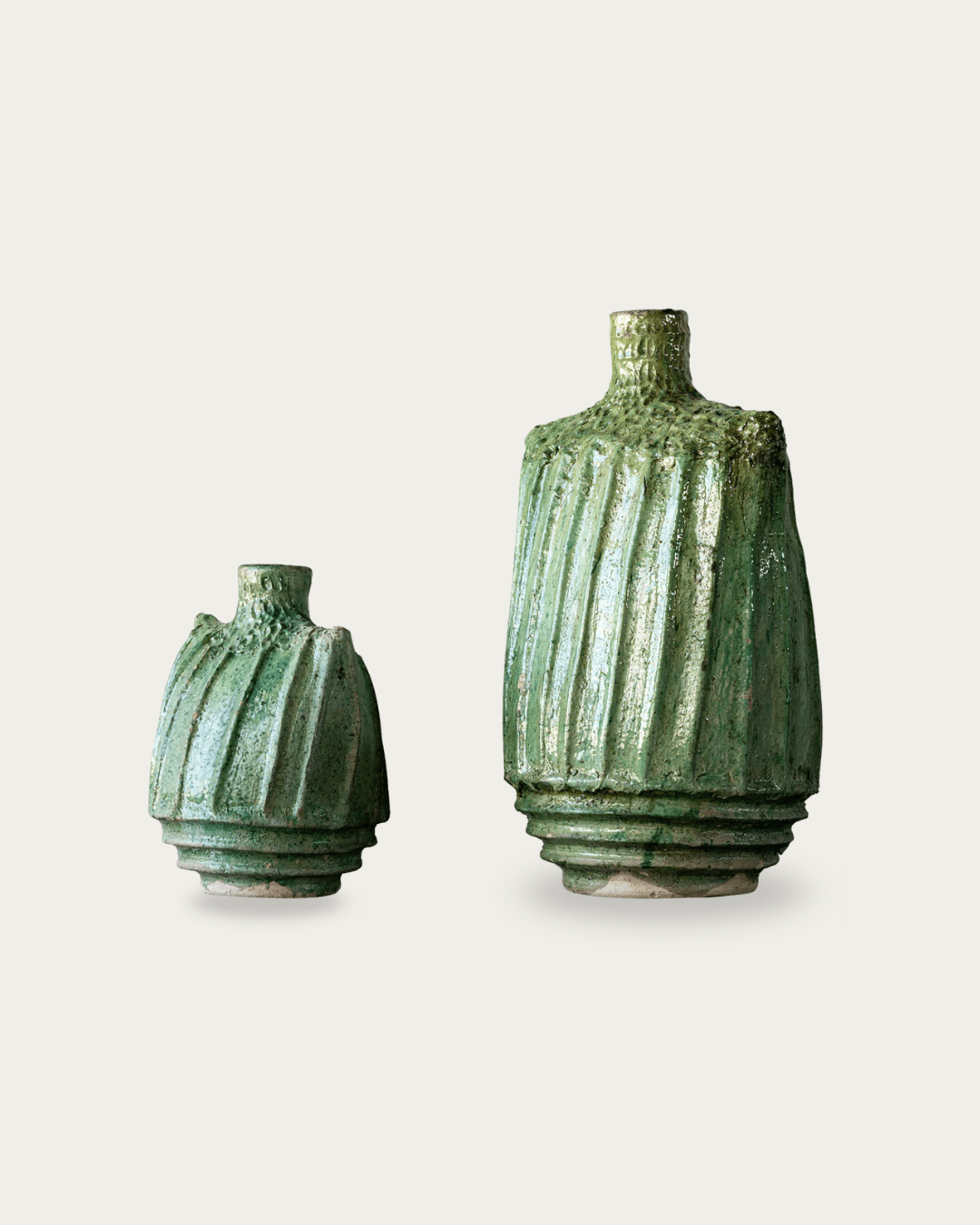
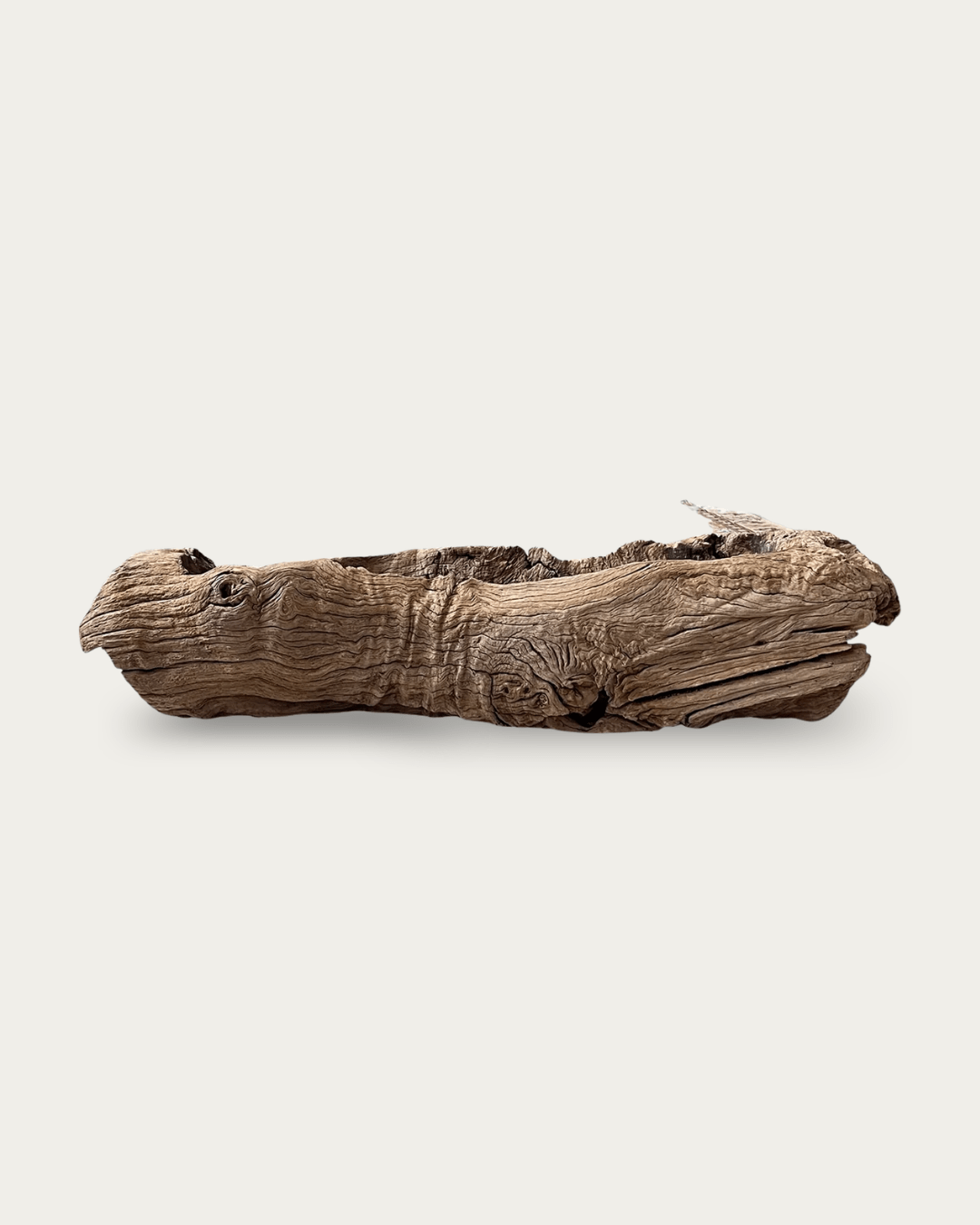
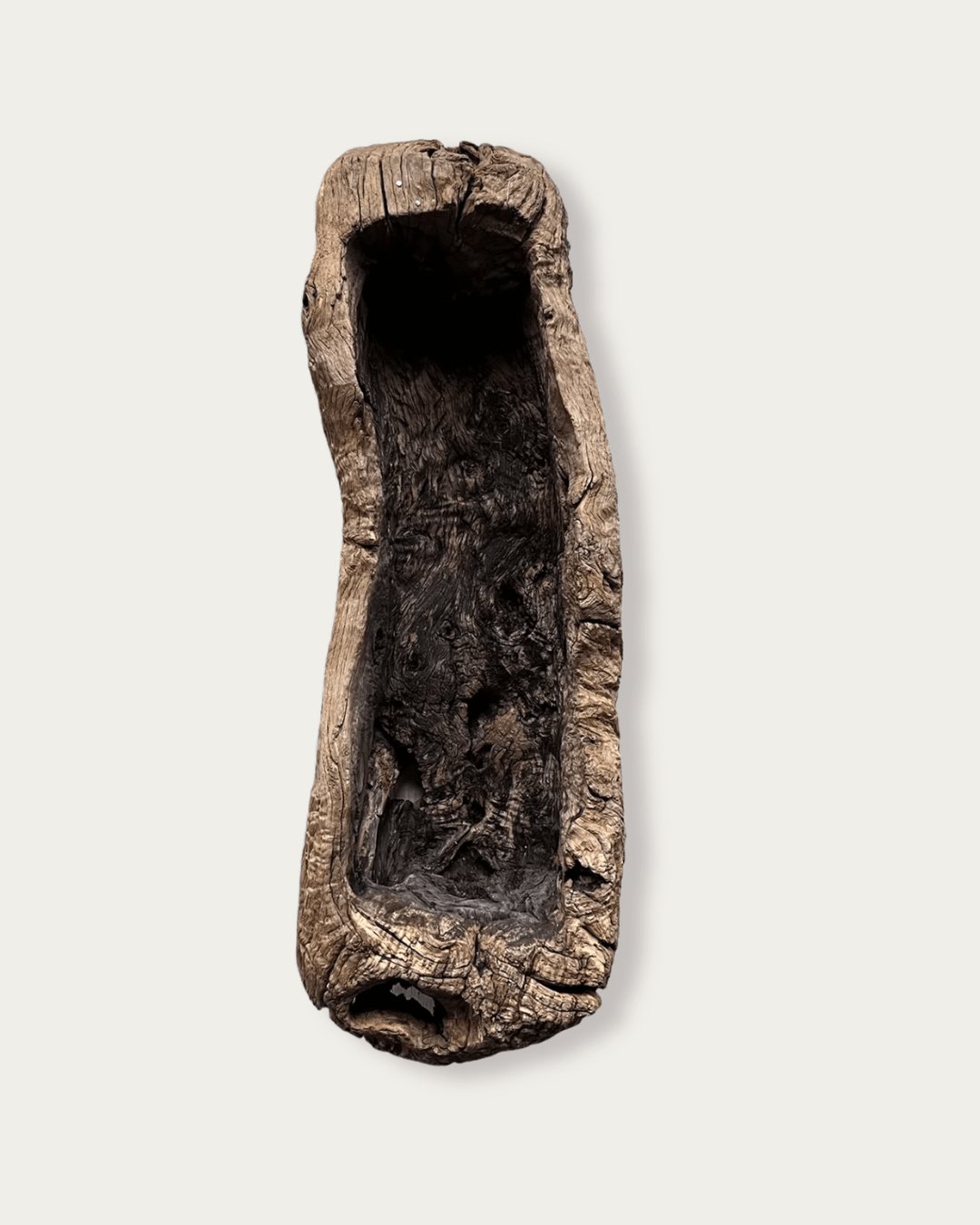
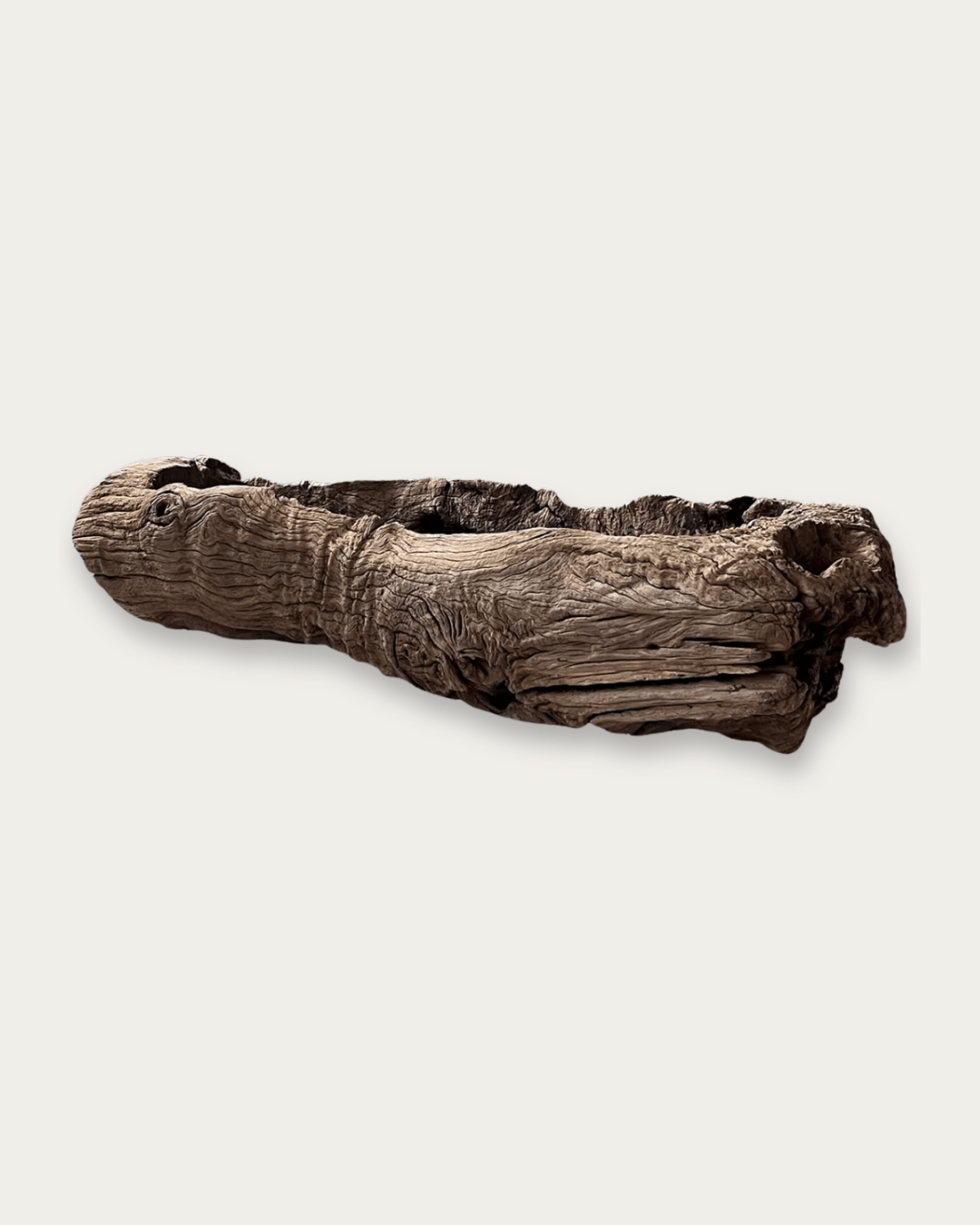
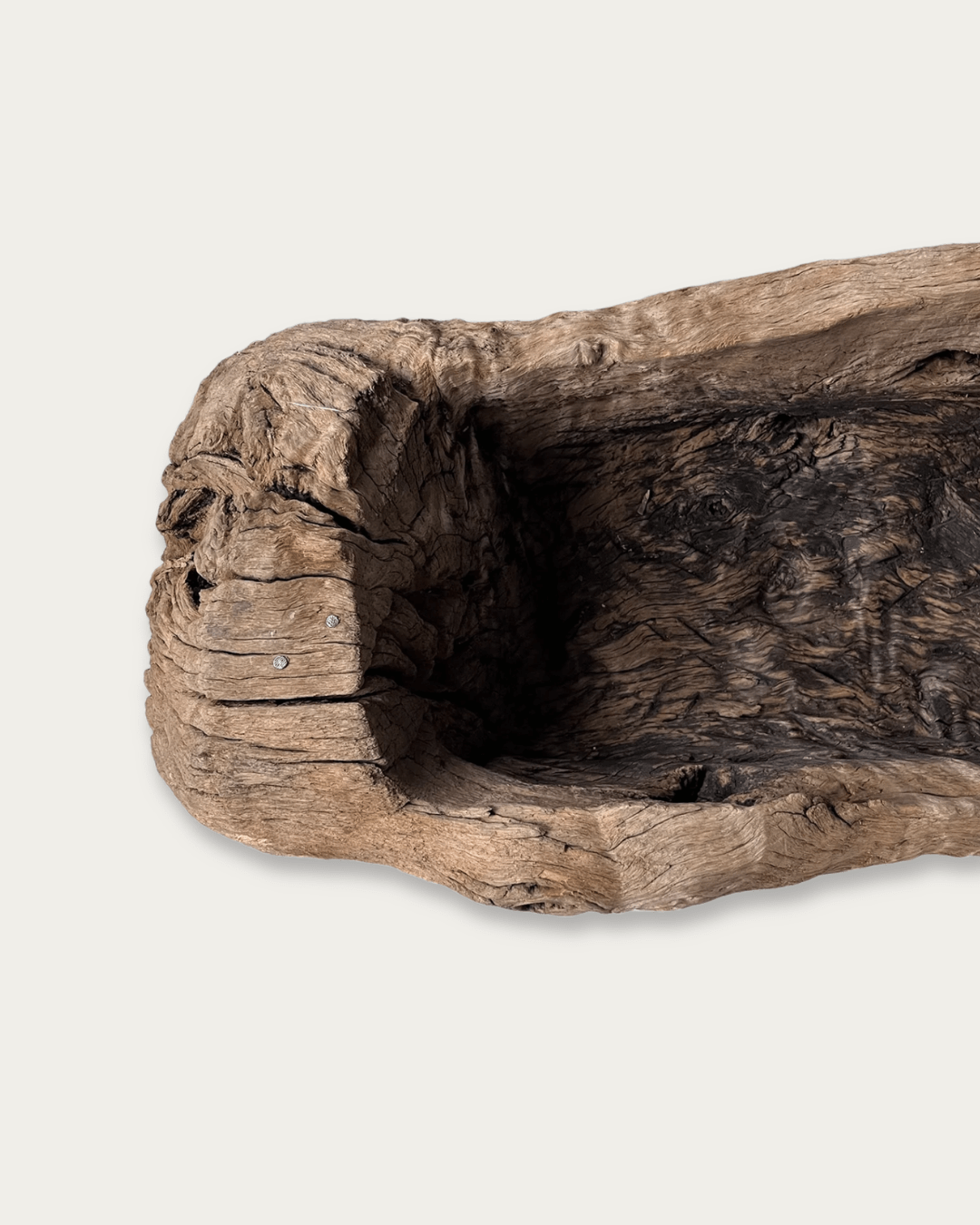
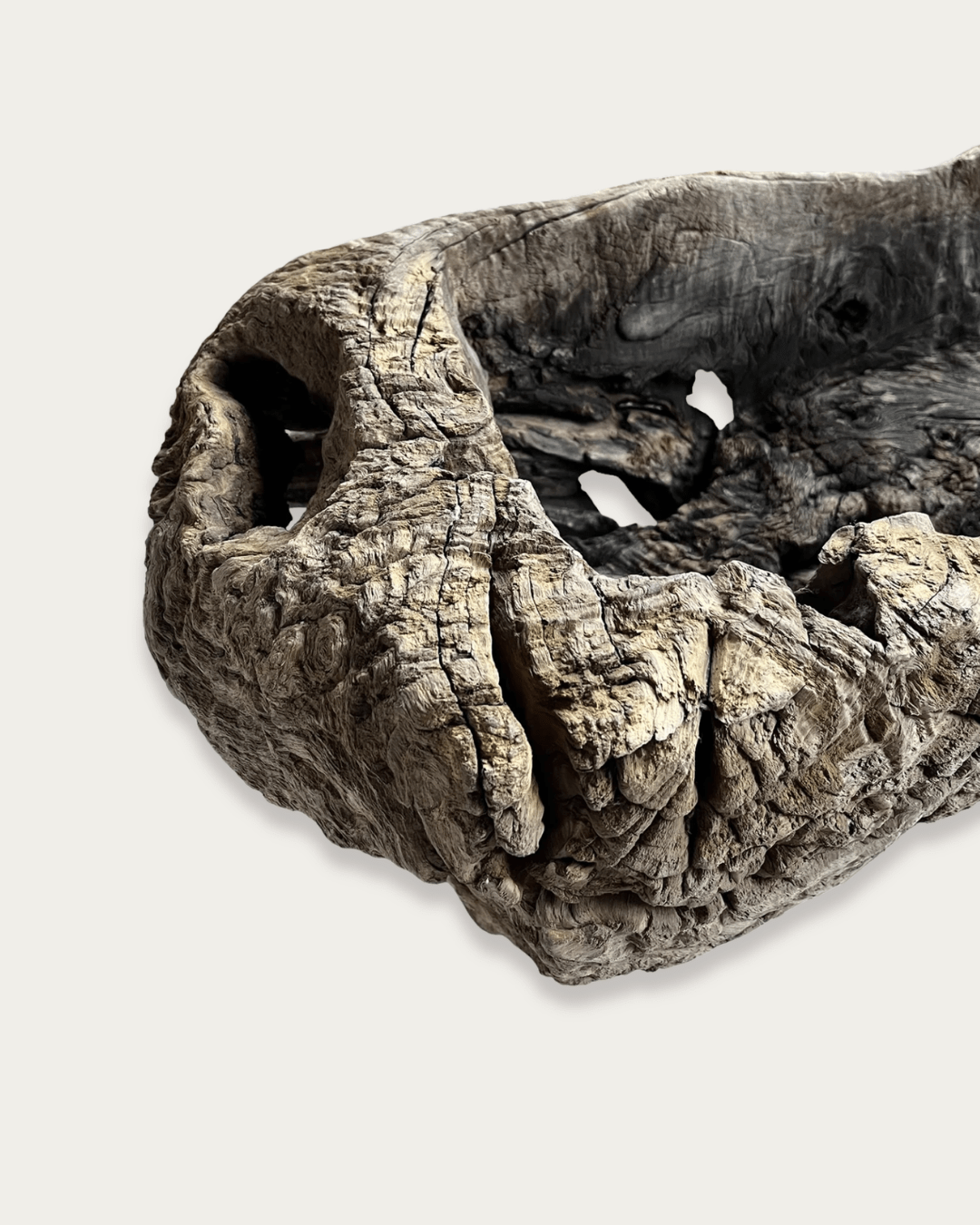
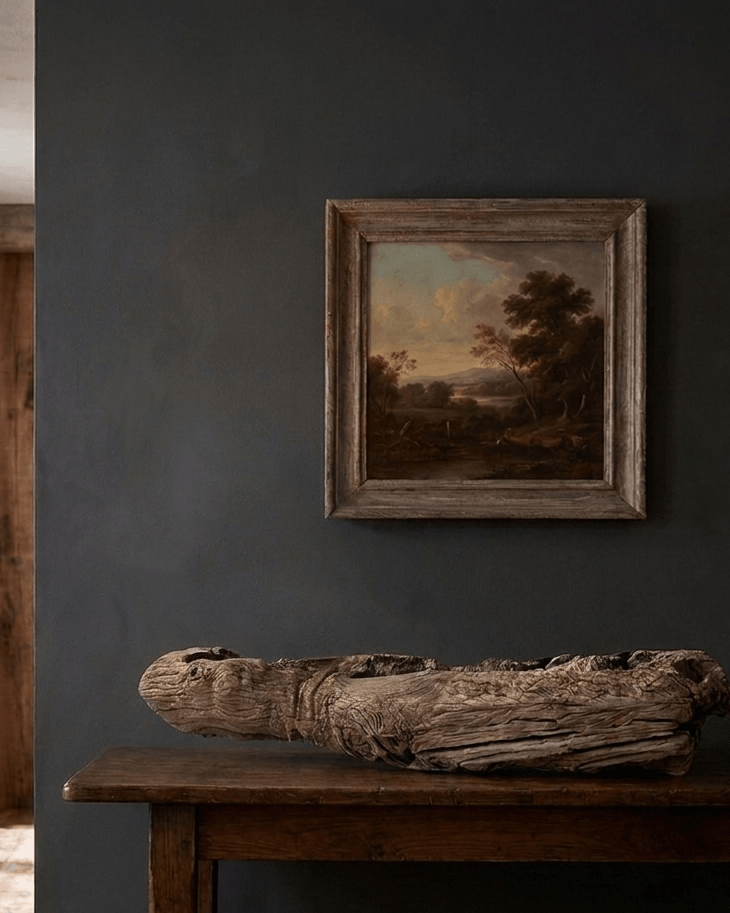
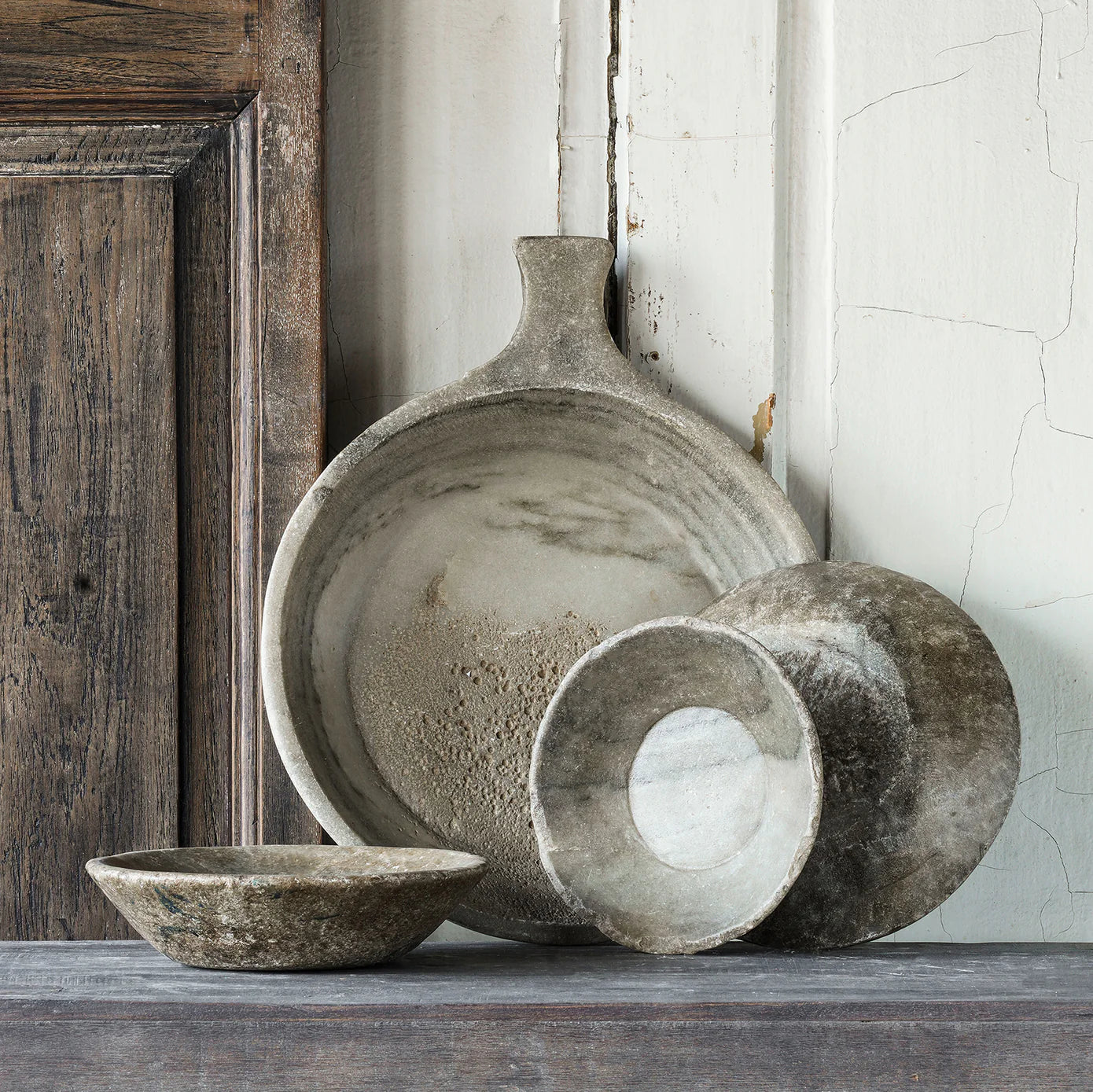
Petrified materials.
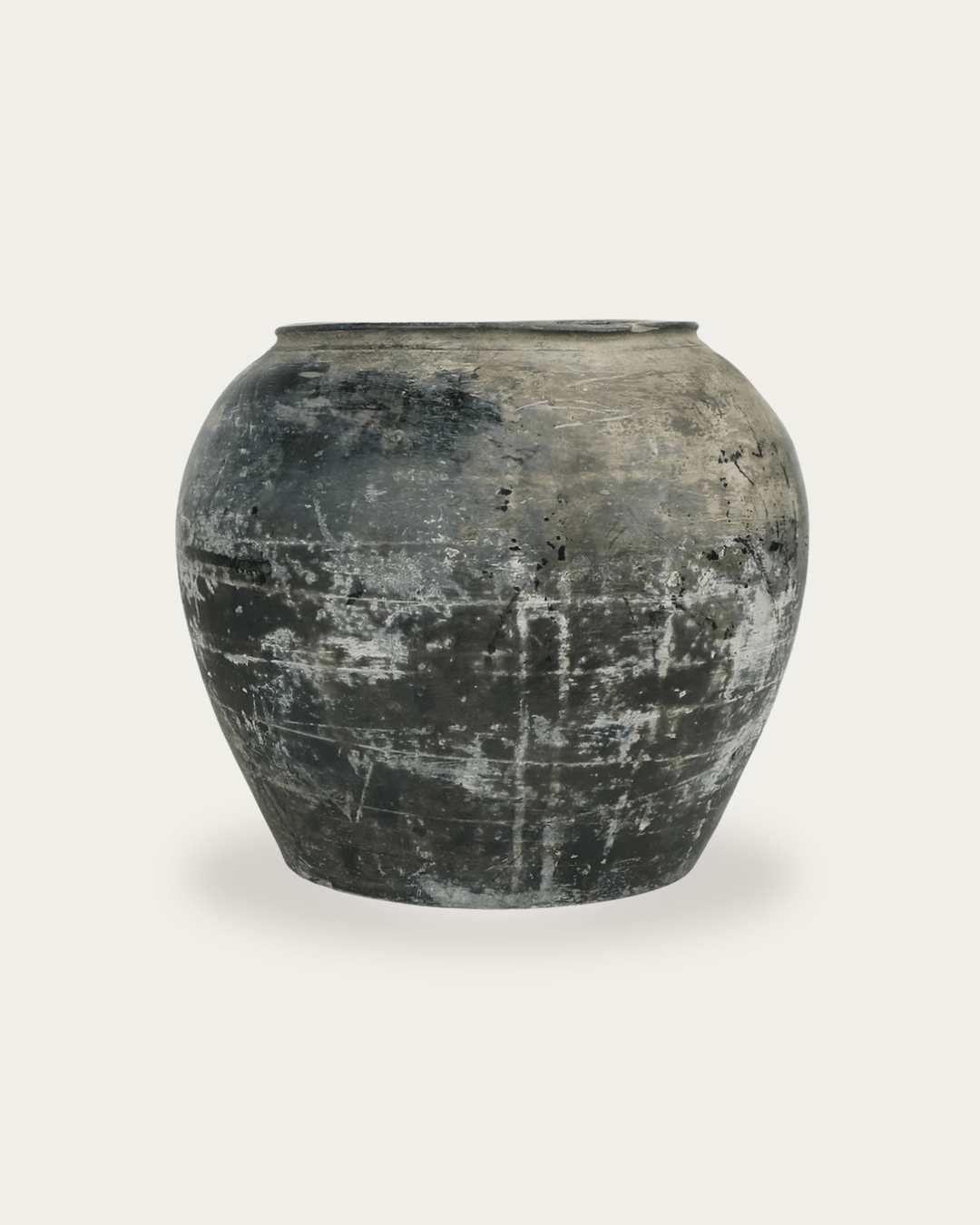
Worn finishes.
These elements create variation naturally without forcing the room into sensory overload.
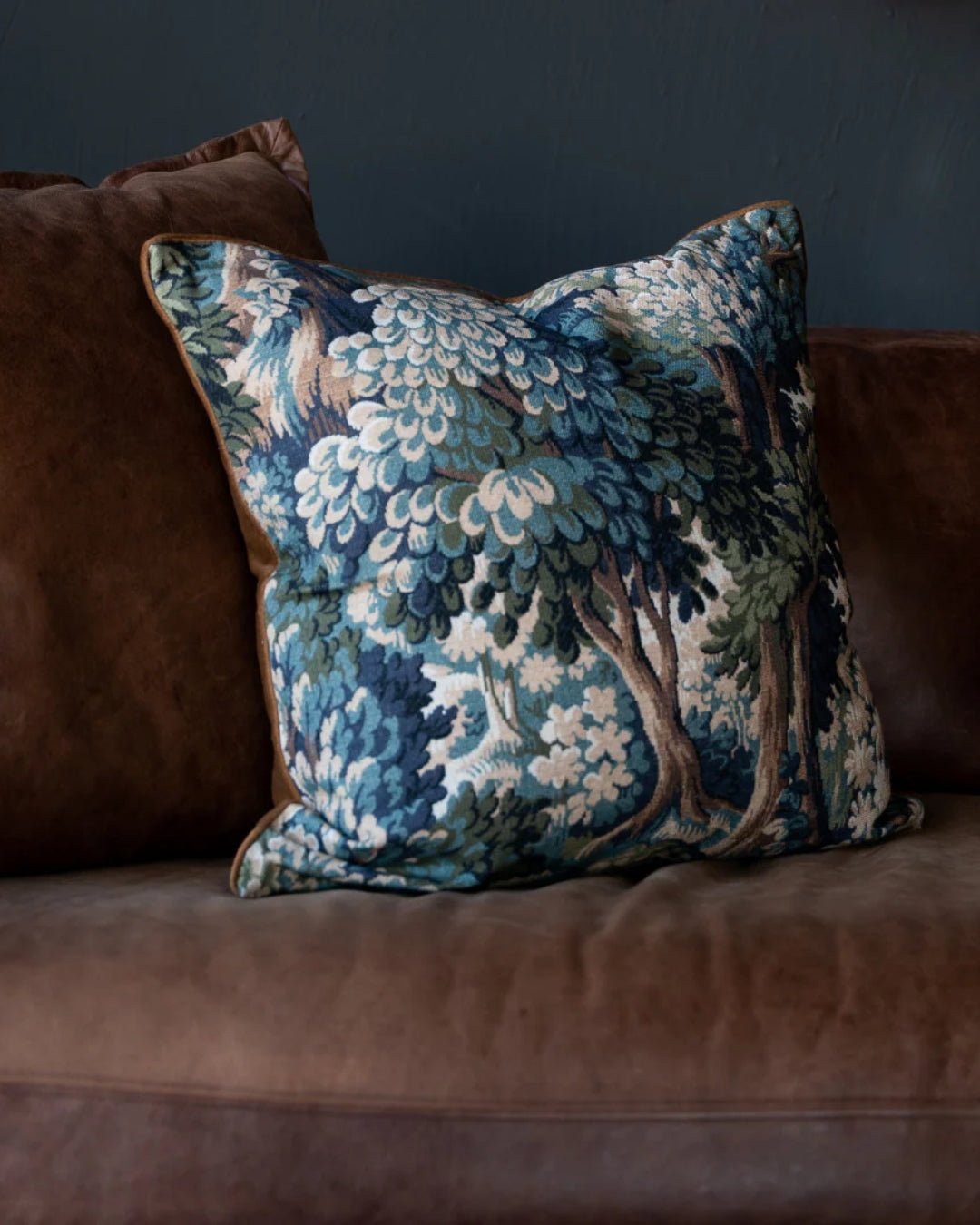
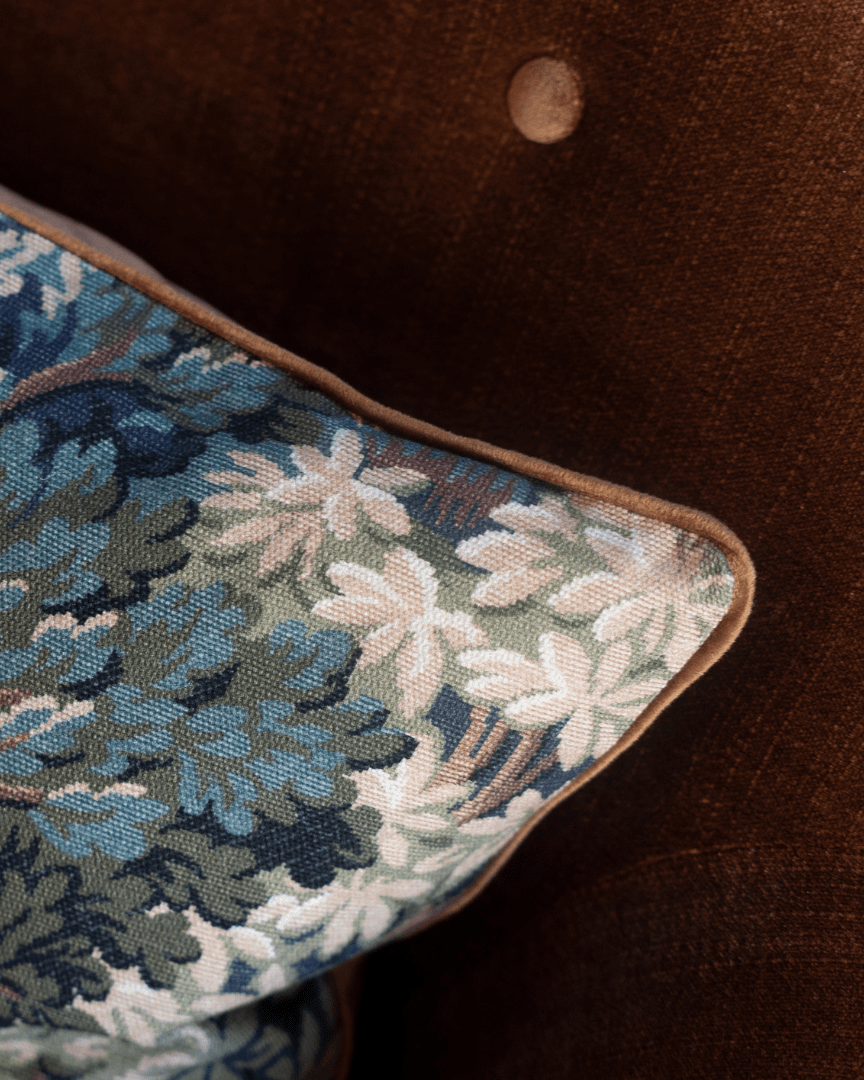
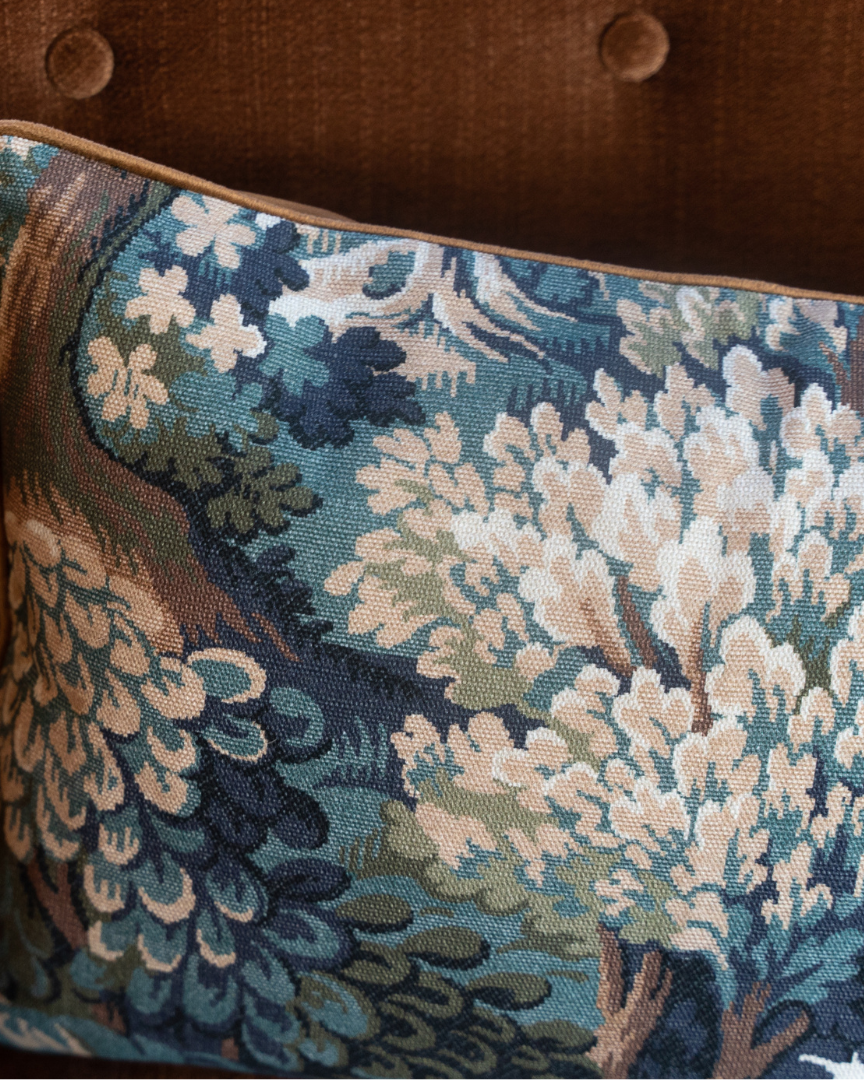
That’s why spaces layered with tactile materials often feel calmer than rooms packed with bright color changes or trend-driven statement pieces.
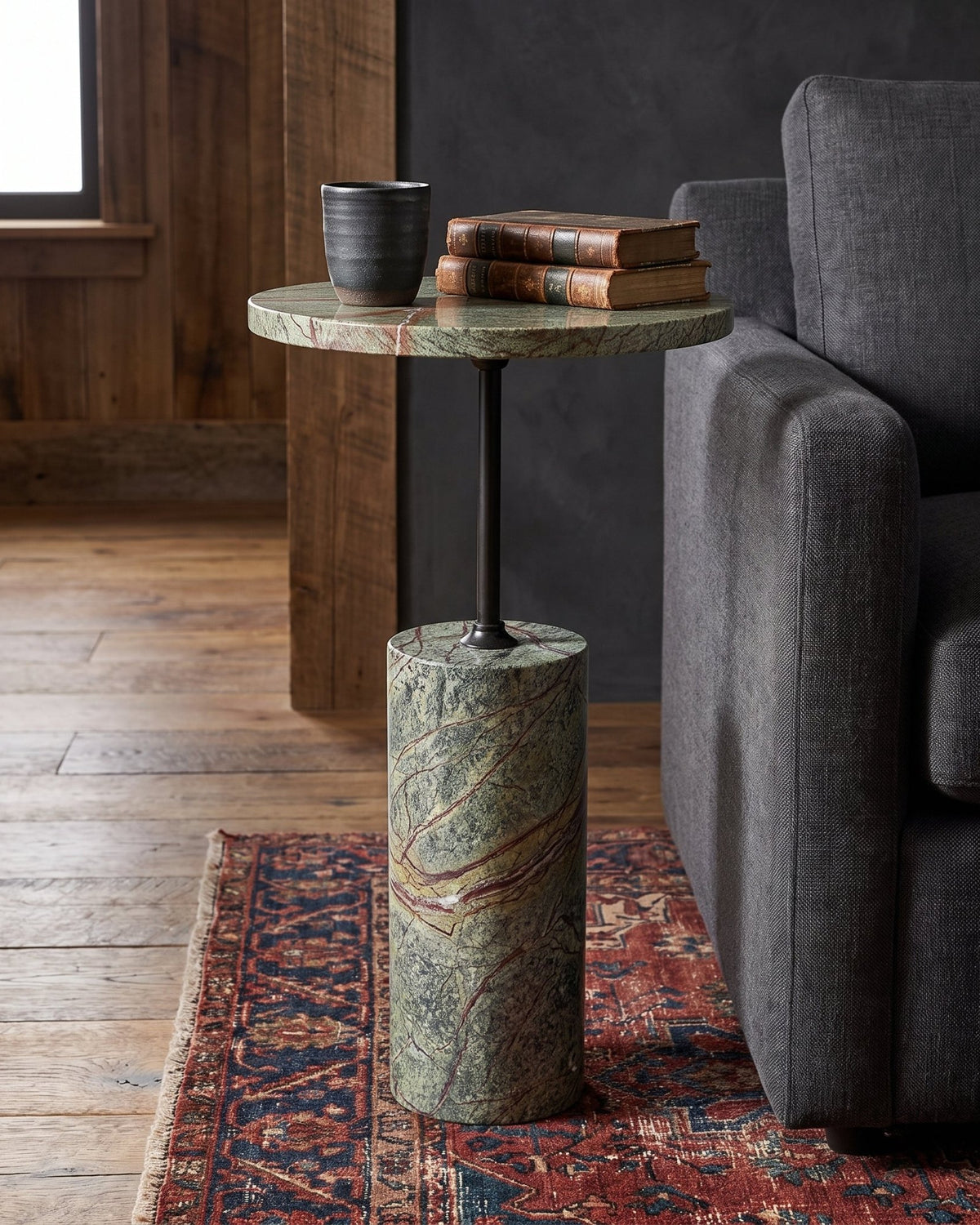
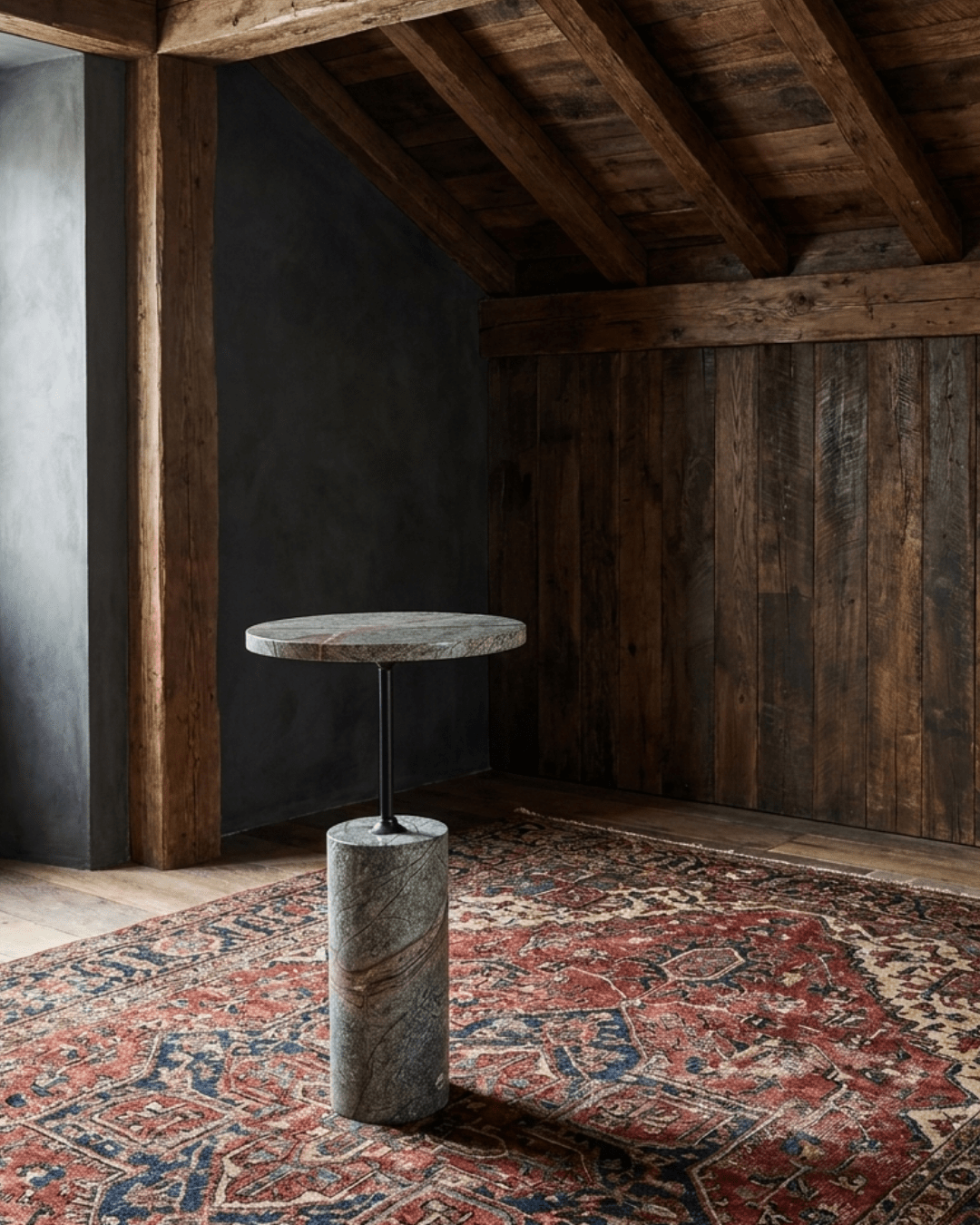
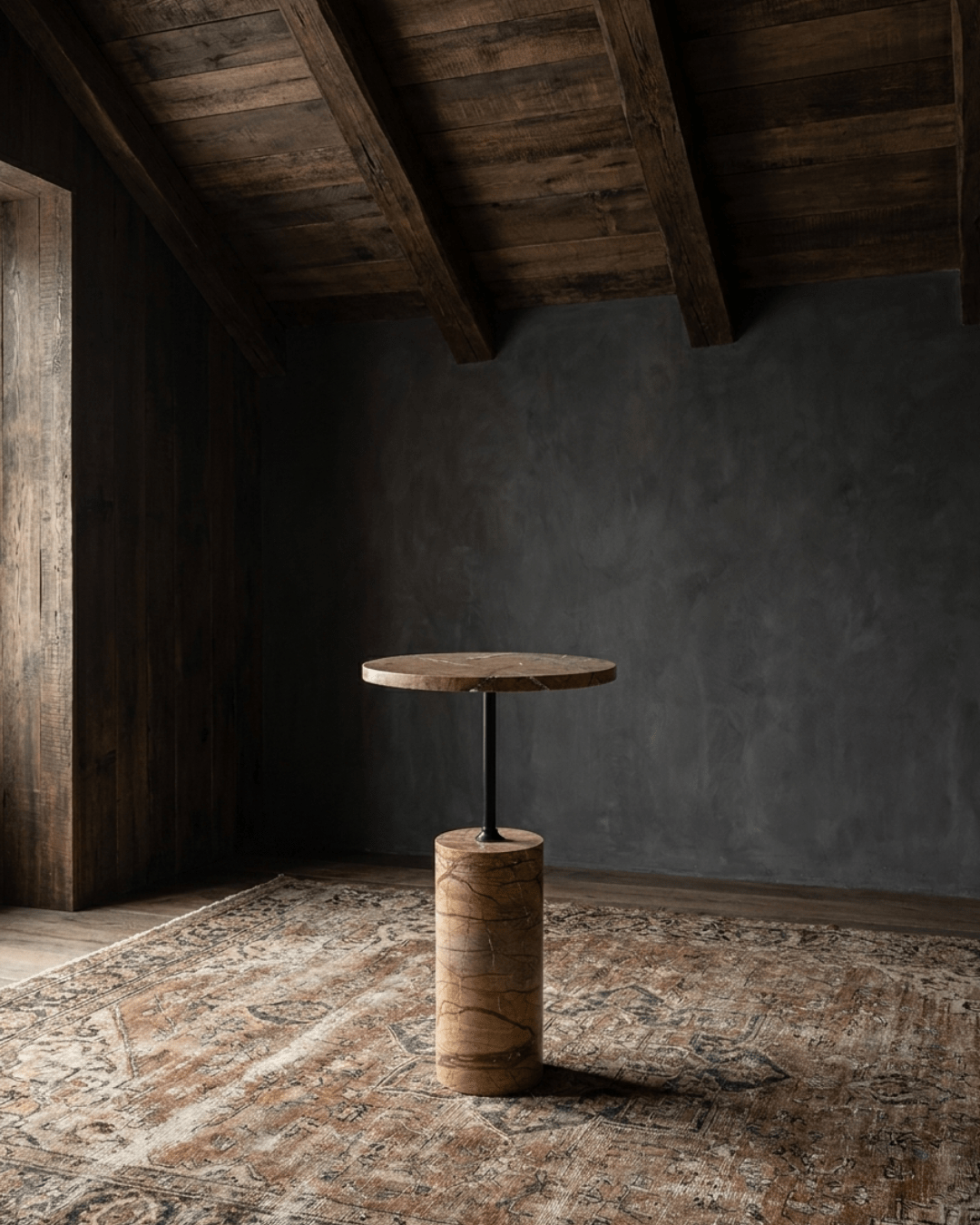
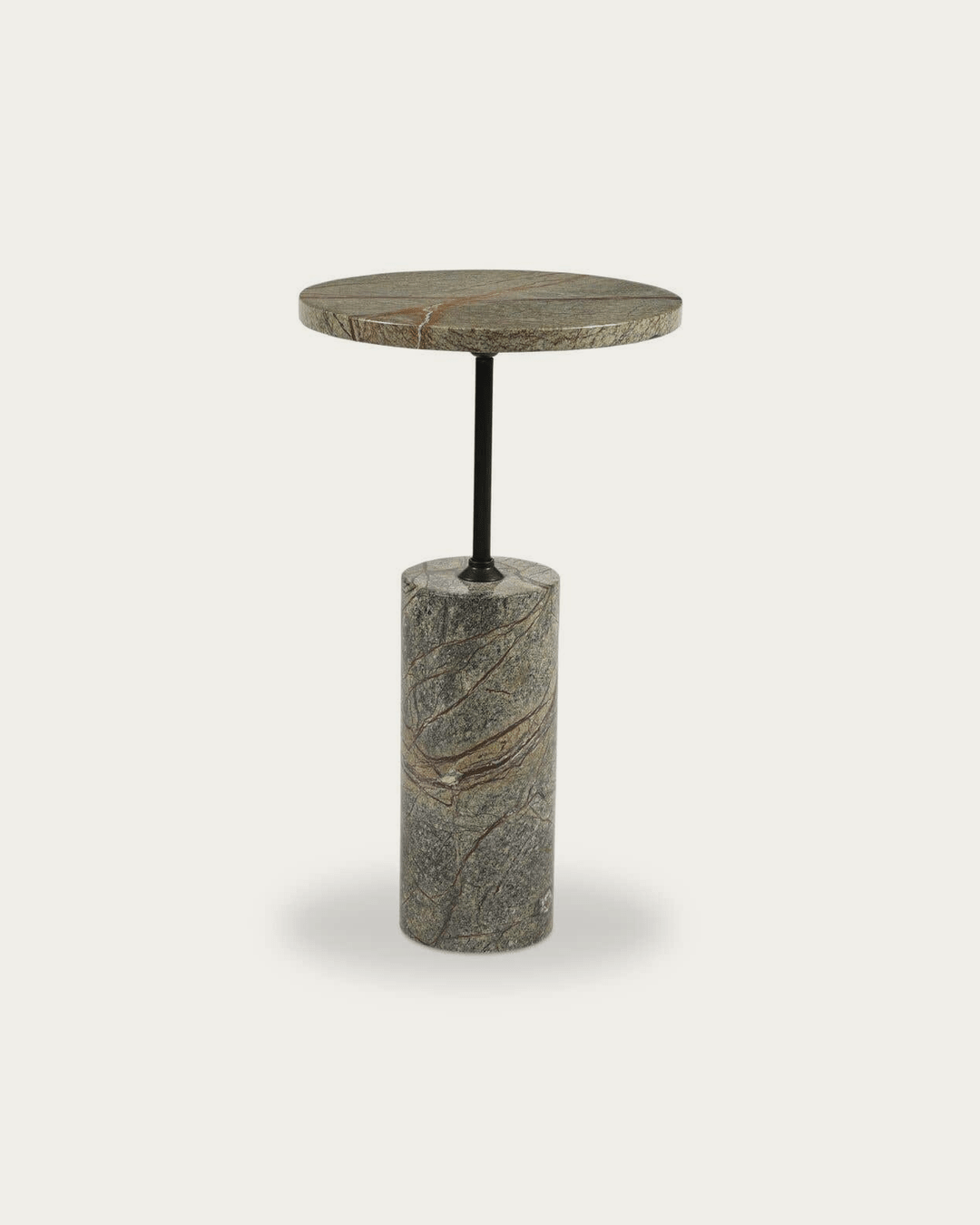
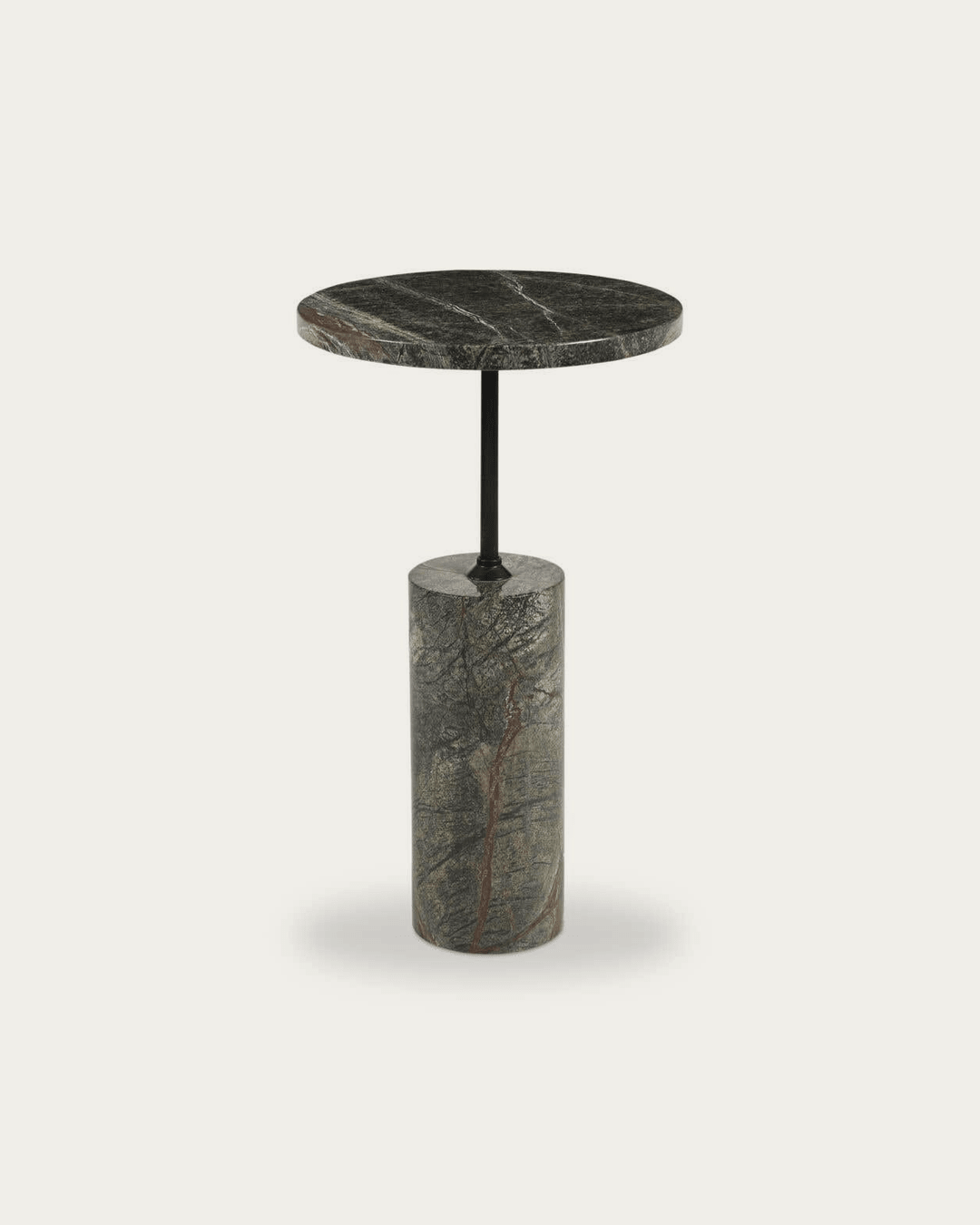
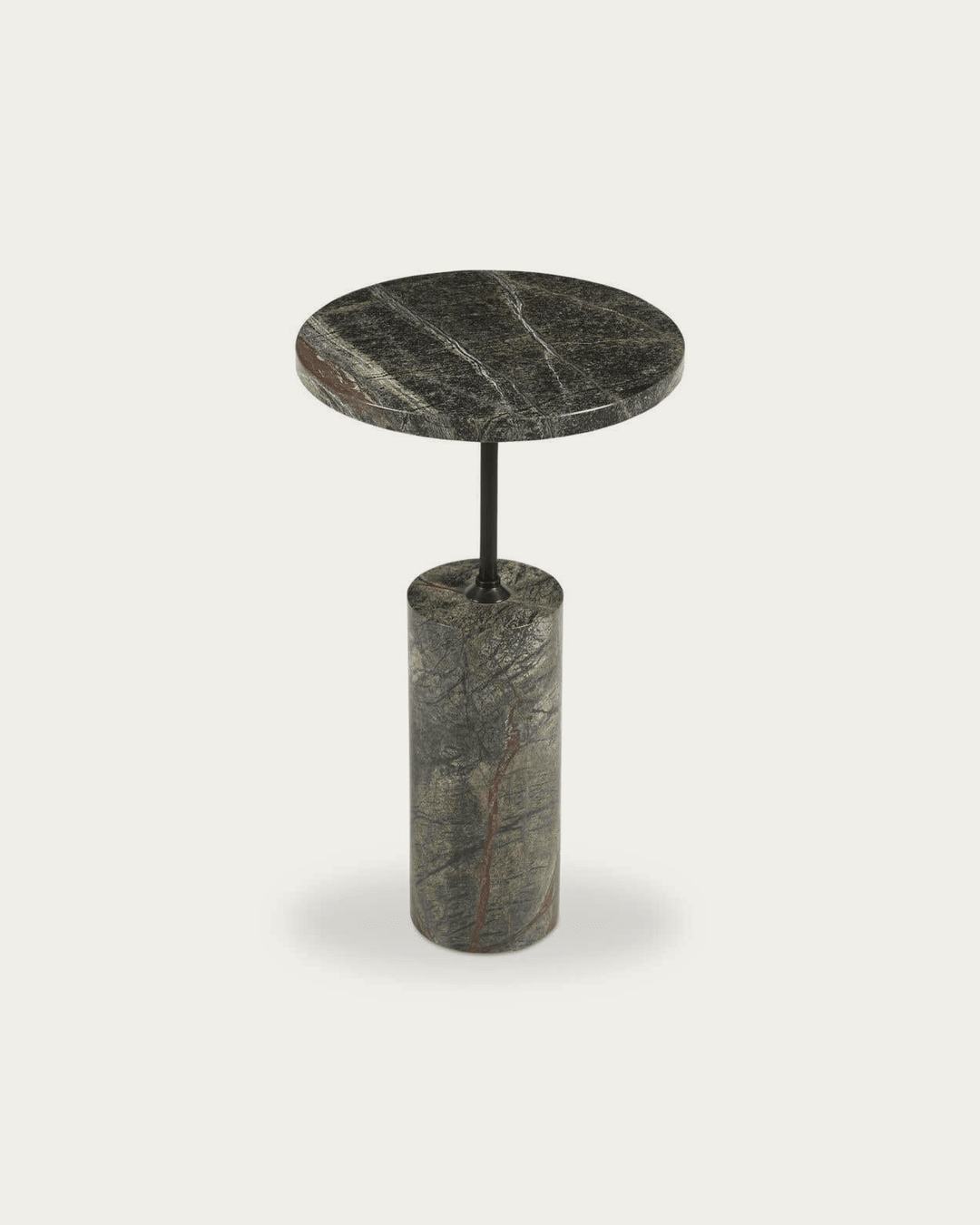
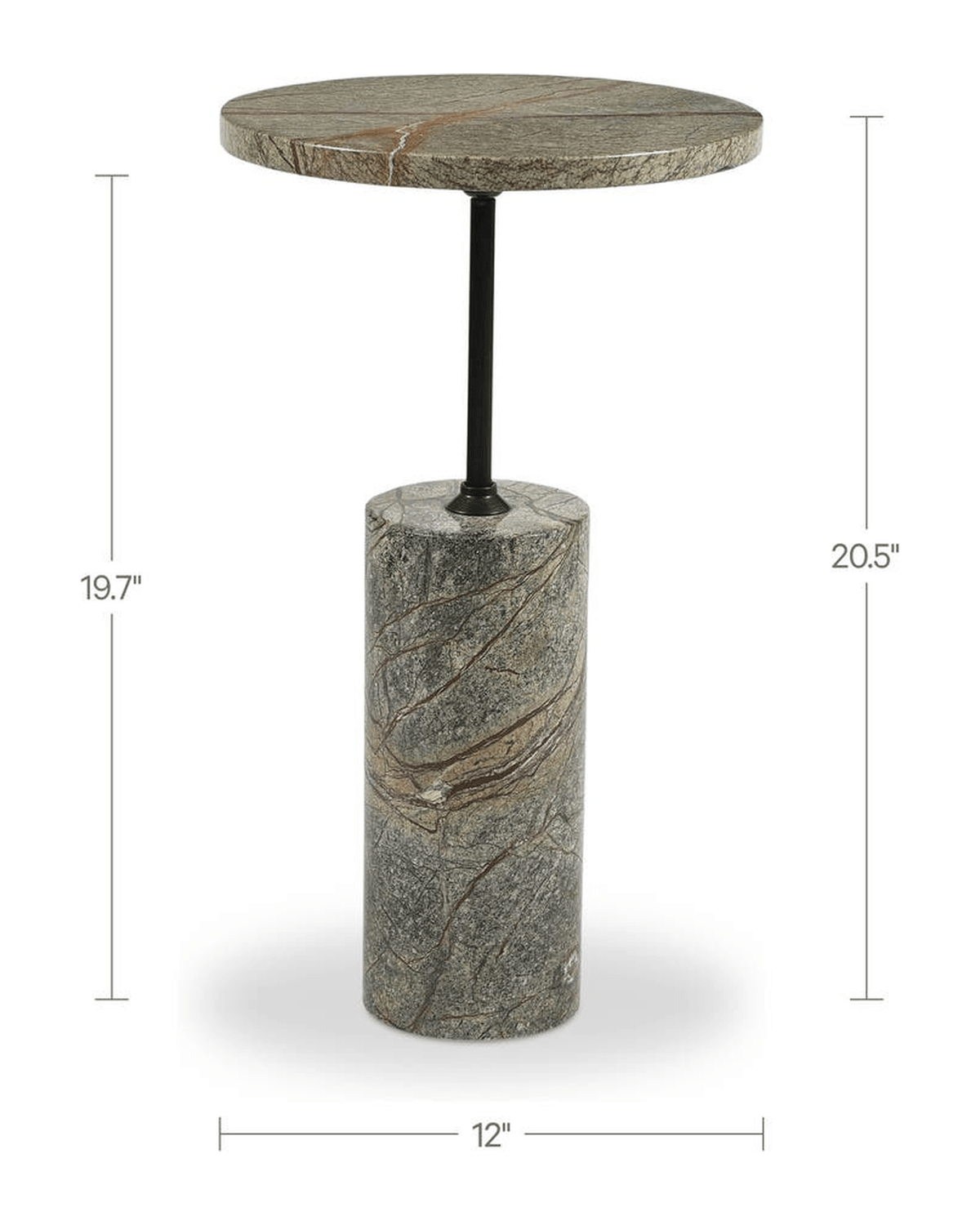
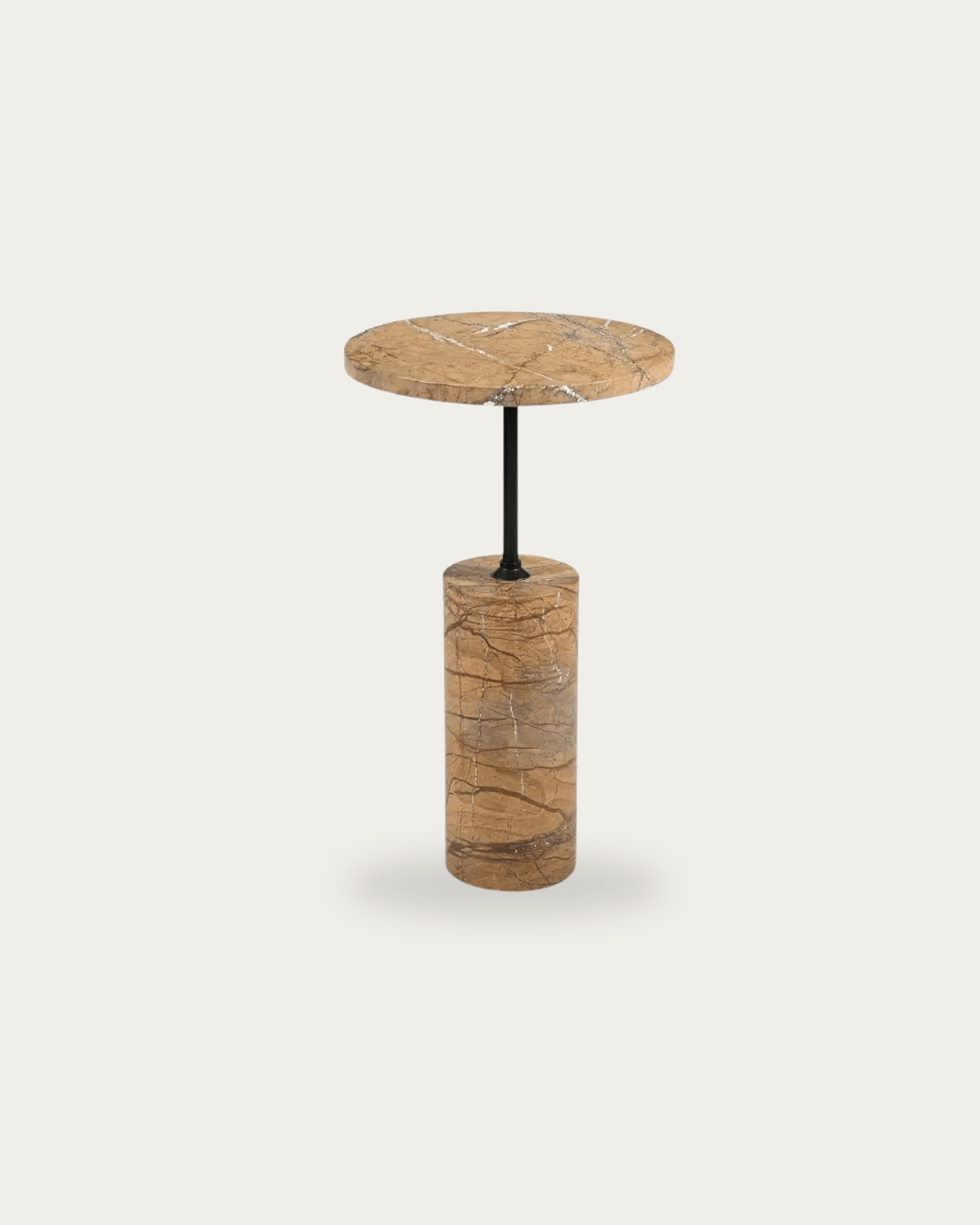
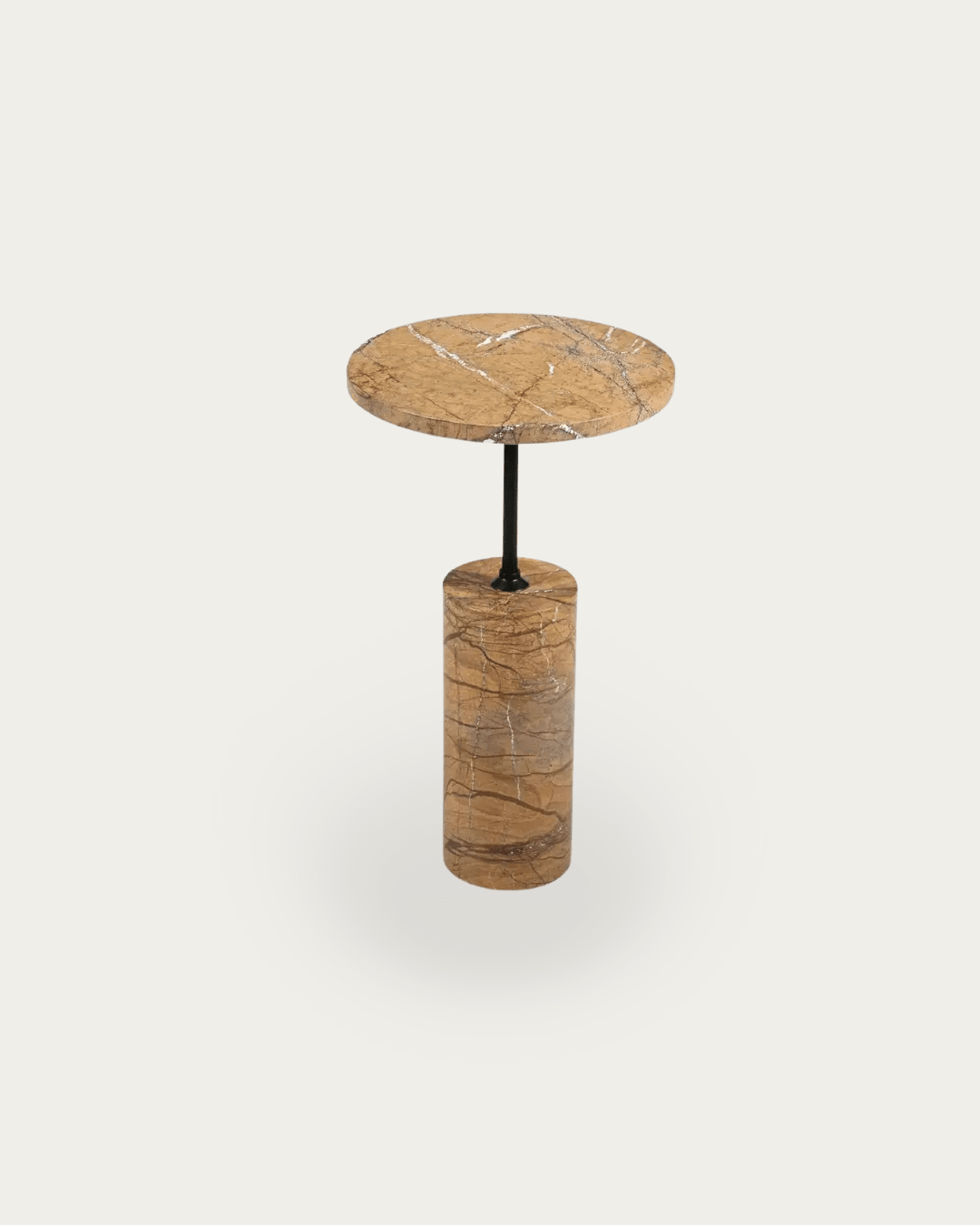
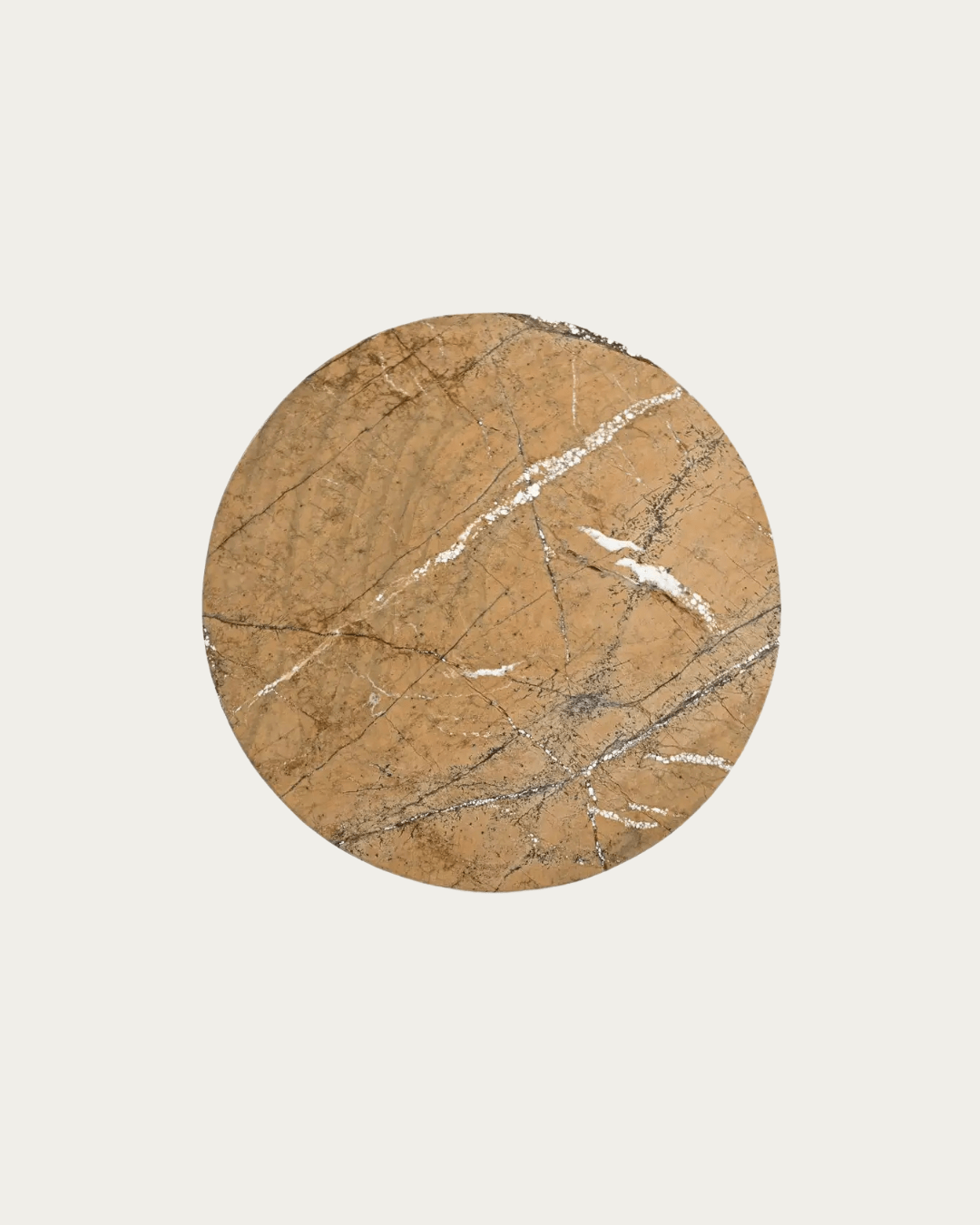
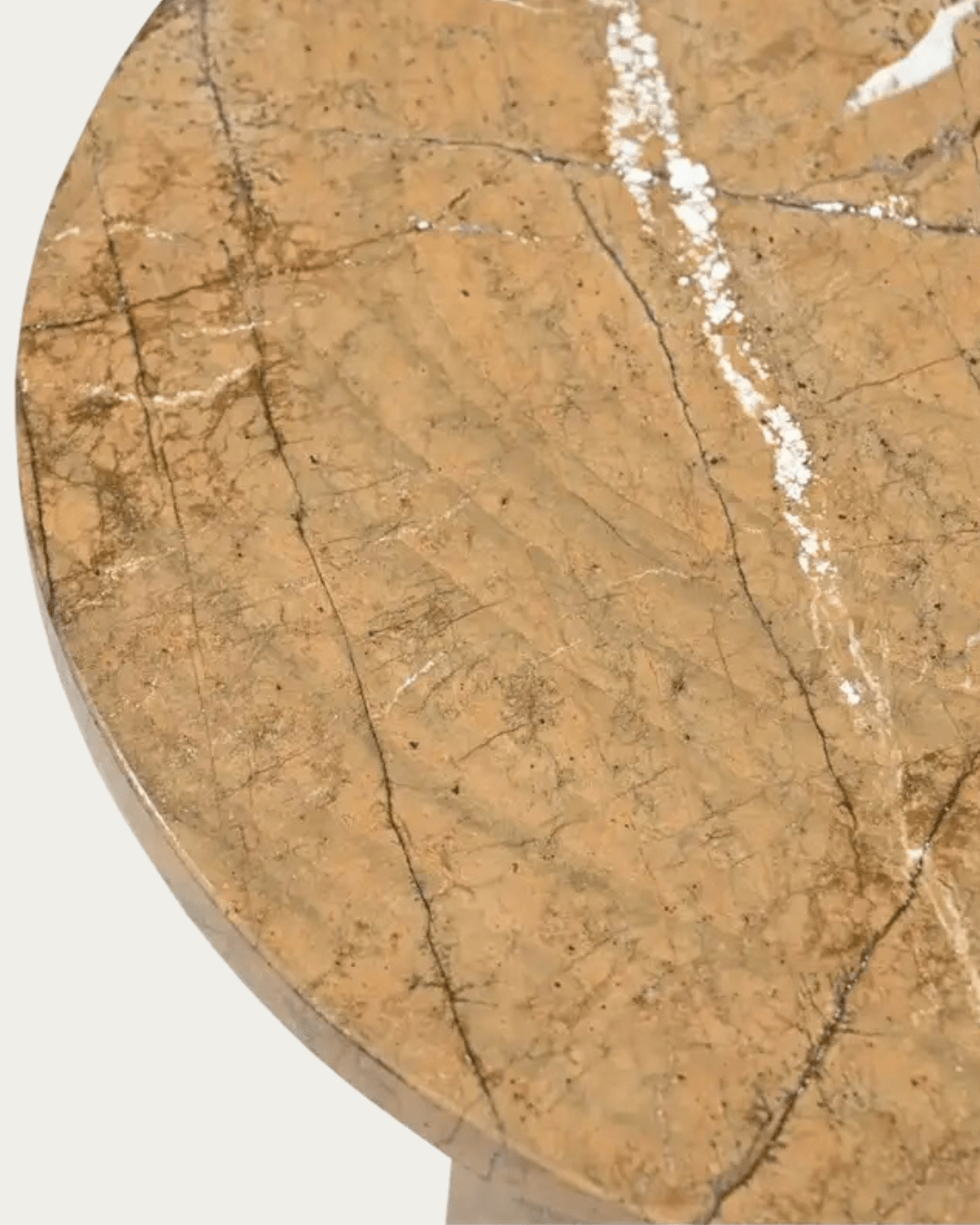
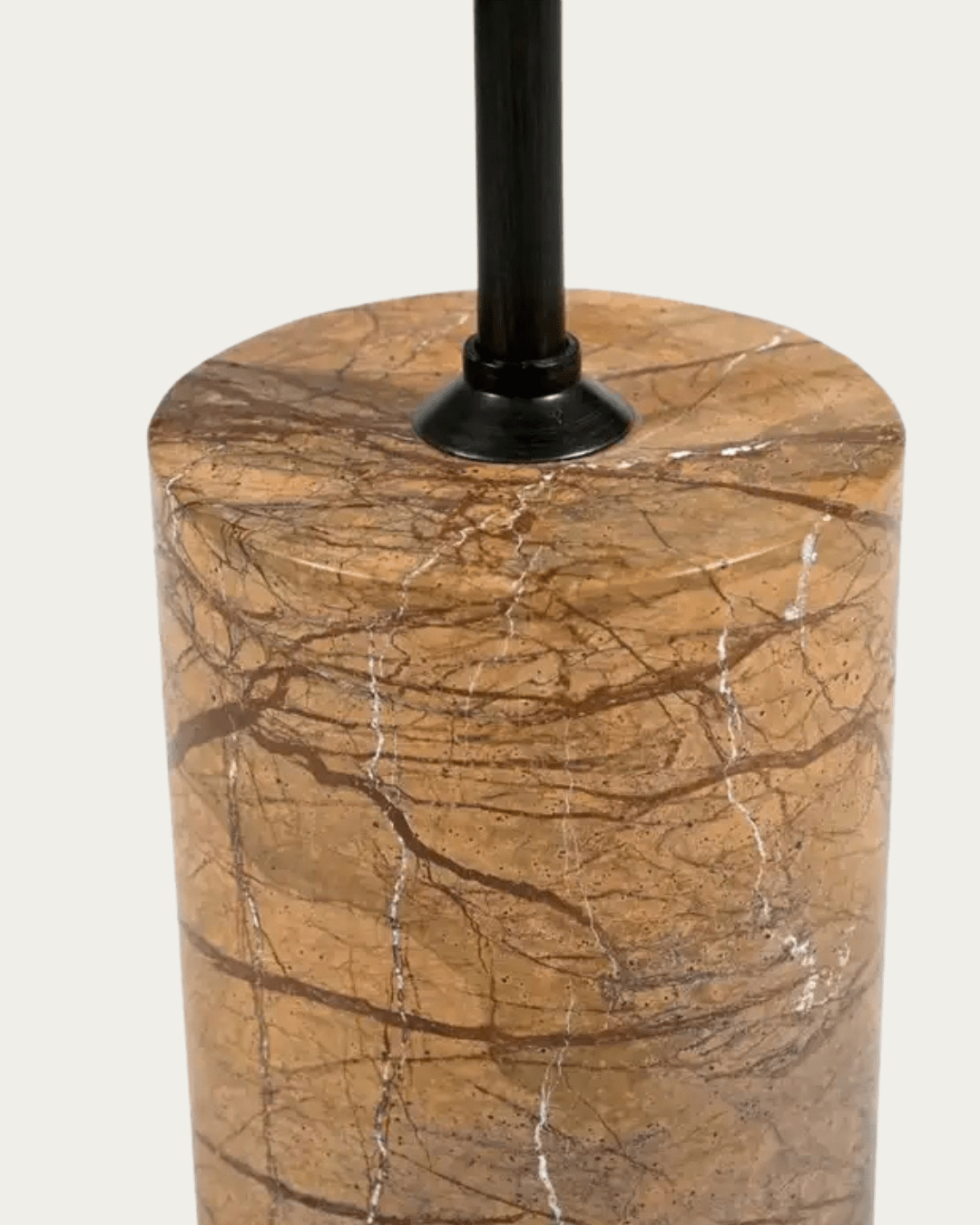
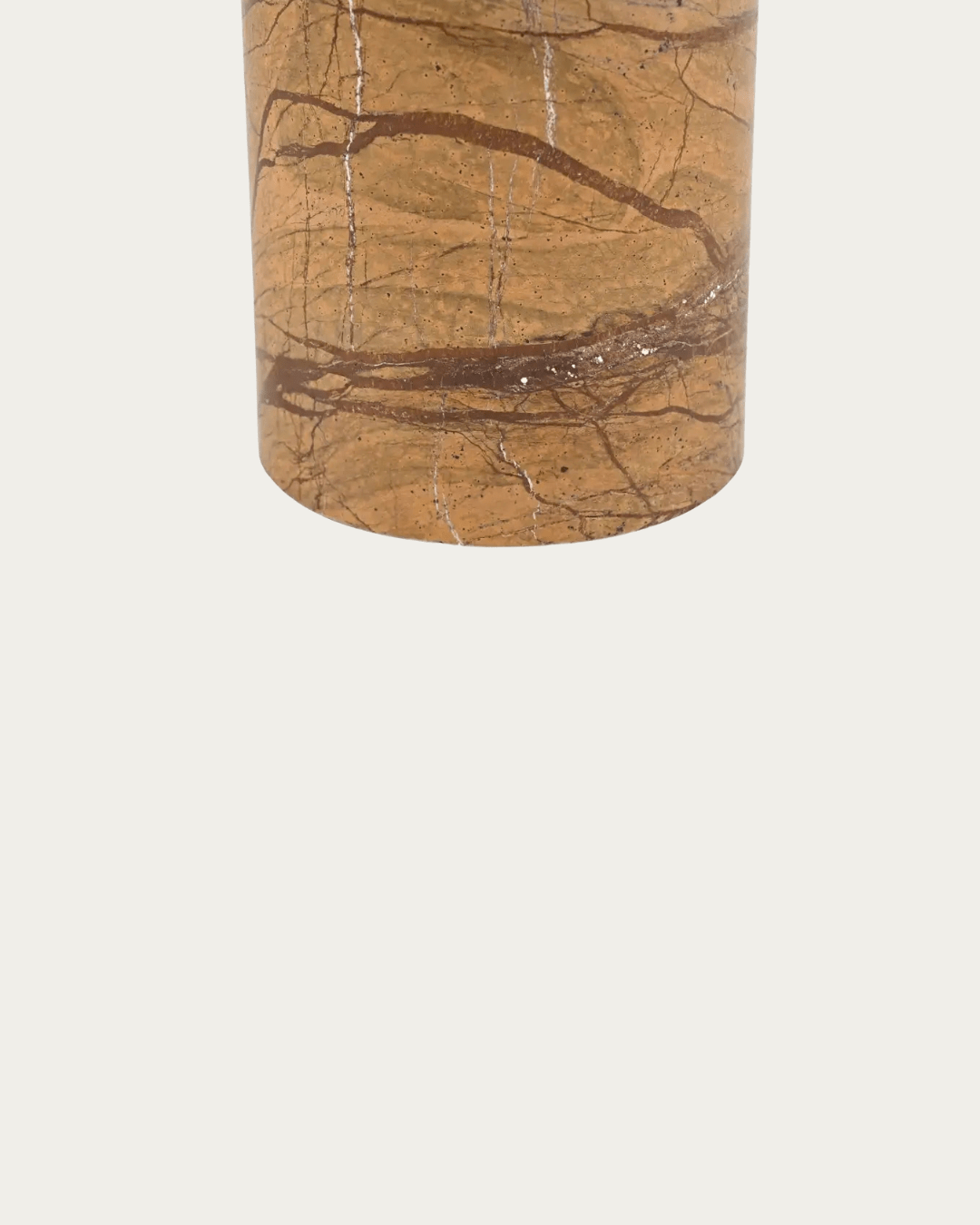
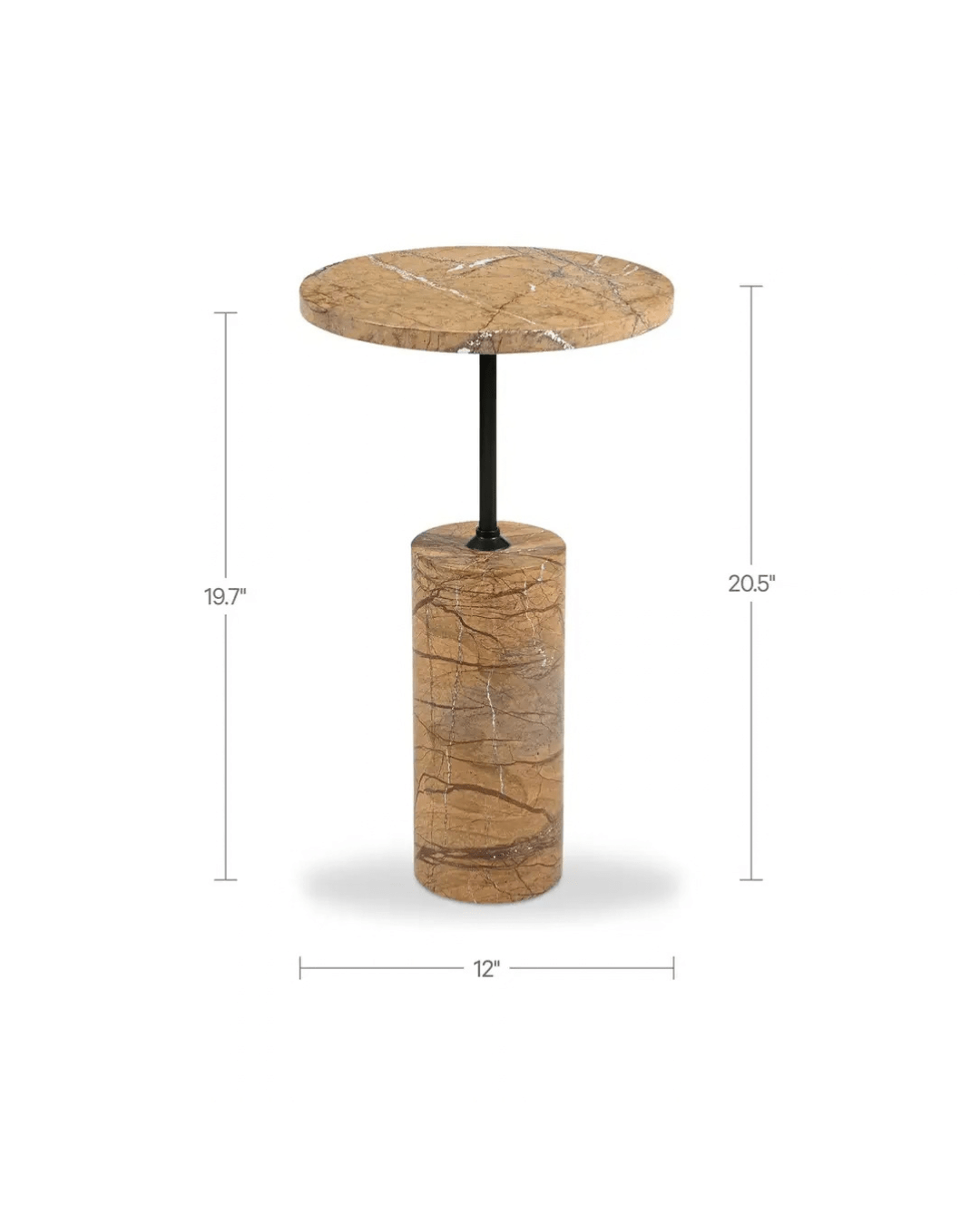
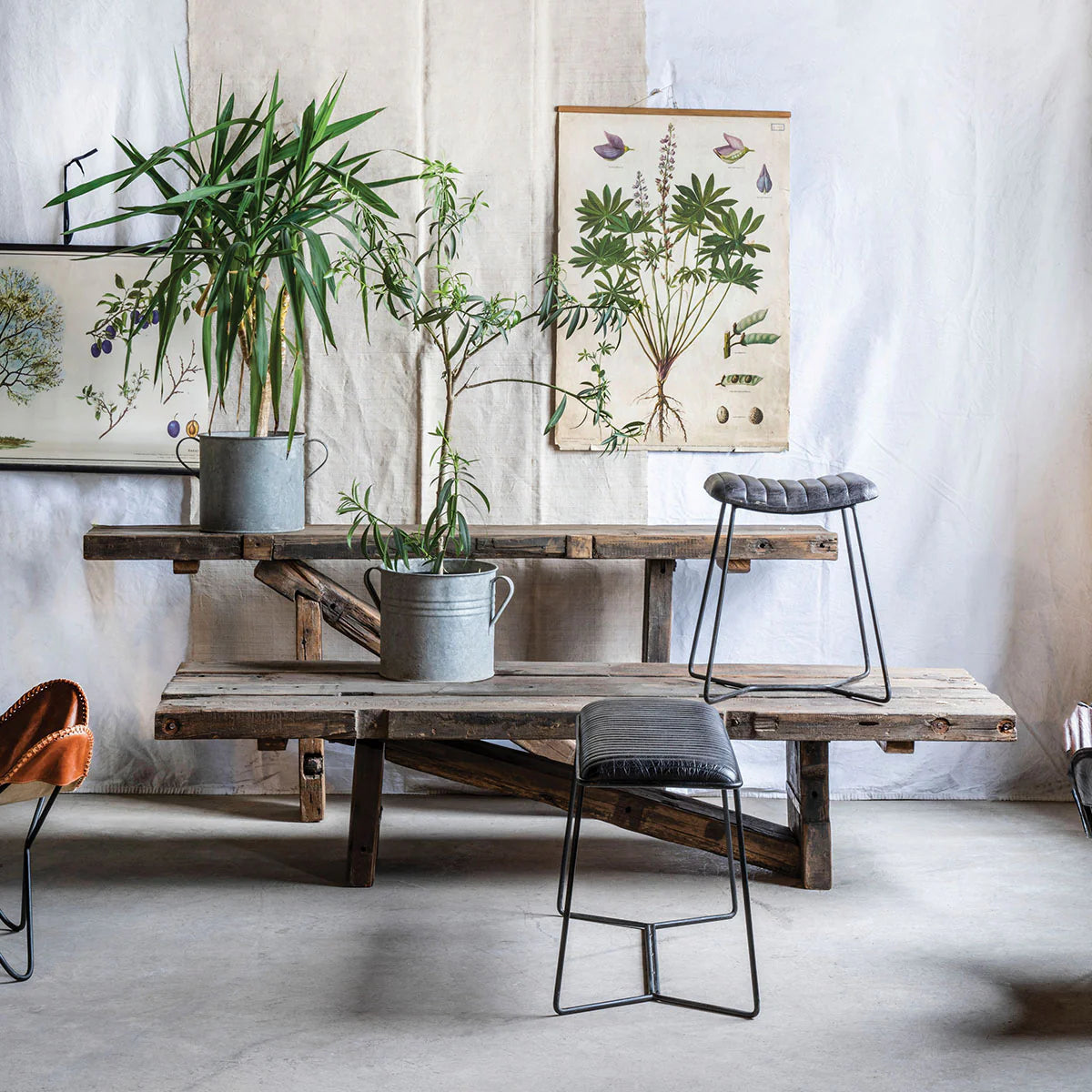
The Solva coffee table introduces heavier wood texture that grounds the center of the room visually, while the Morten side table adds petrified wood variation without disrupting the overall material rhythm.
Texture keeps the room interesting.
Contrast often keeps it alert.
3. Lower Lighting Immediately Changes the Mood of a Space
Most modern homes are dramatically overlit.
Not intentionally. Just habitually.
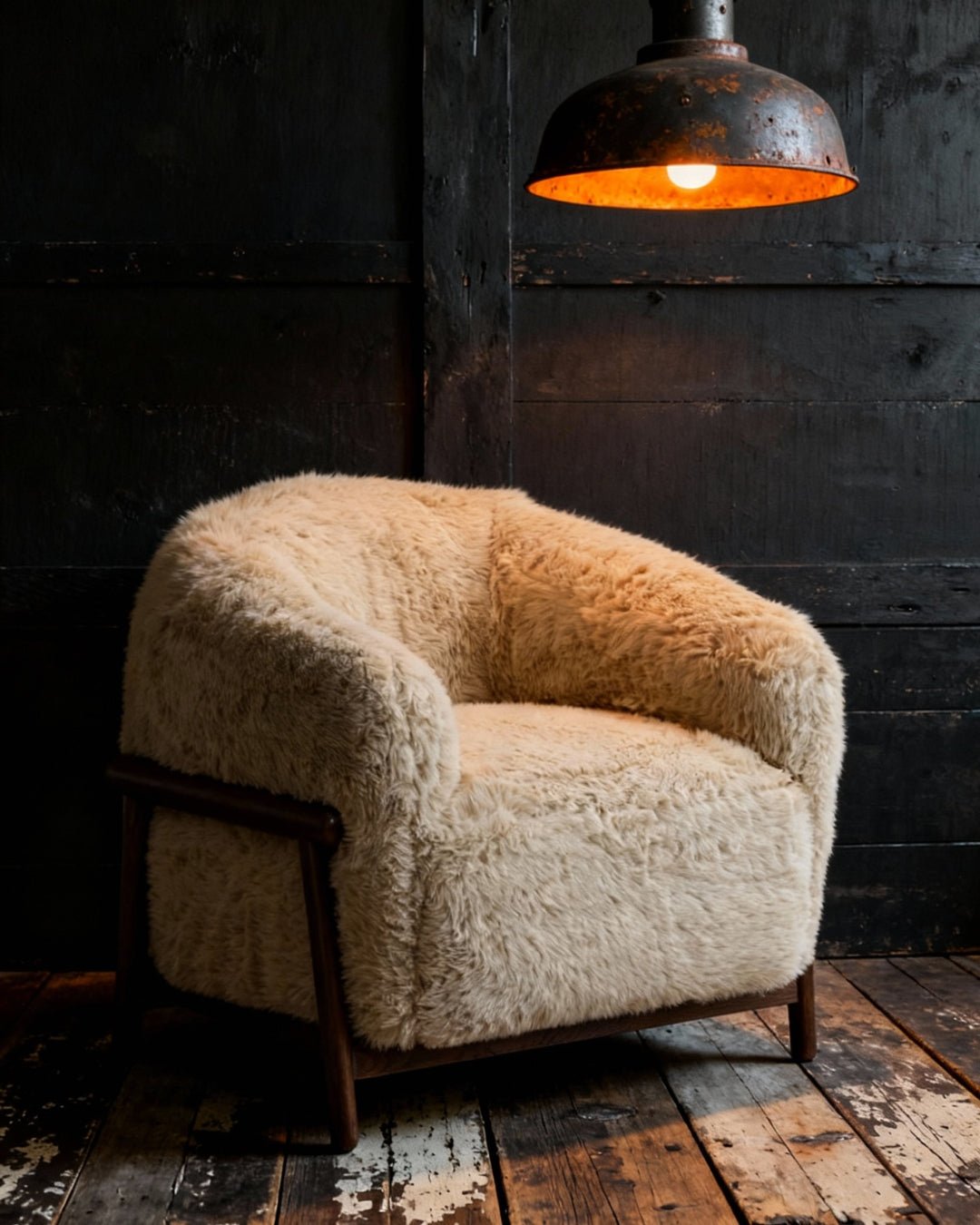
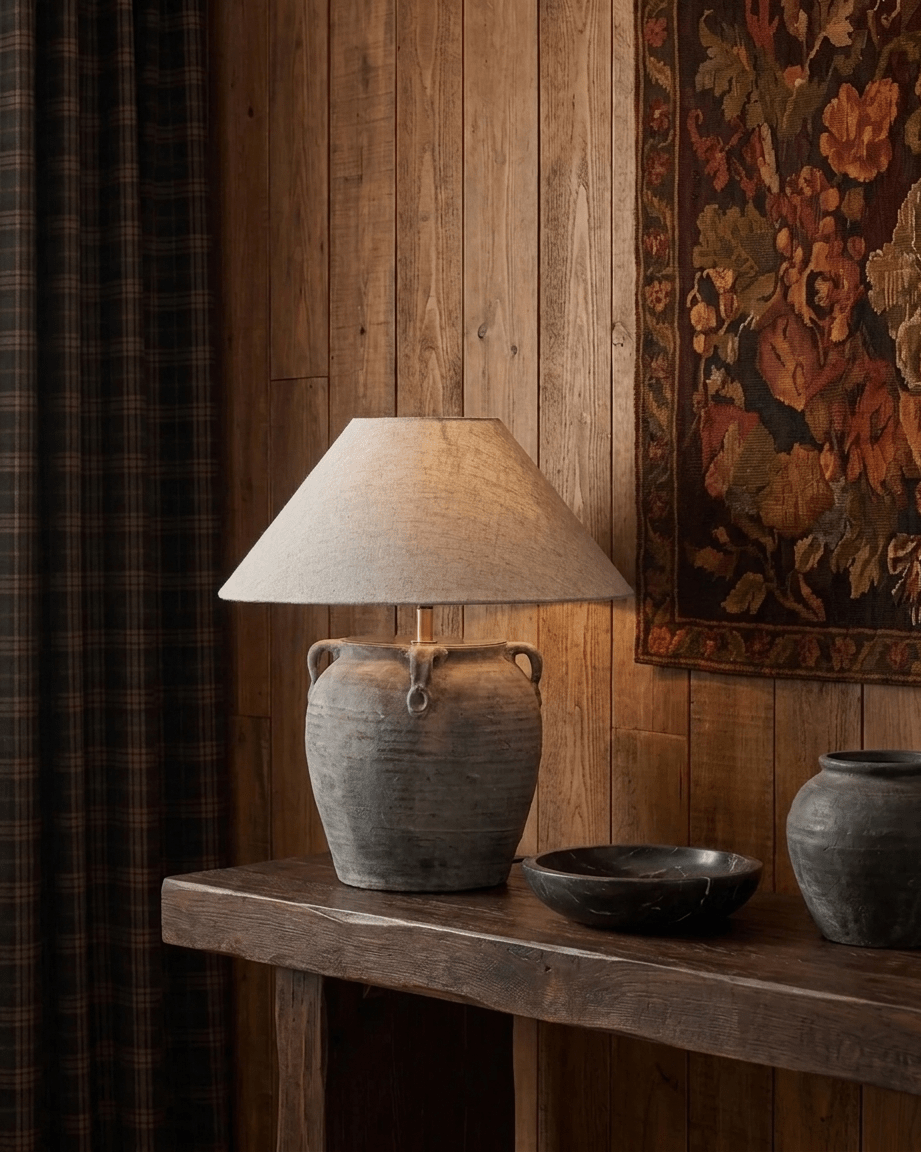
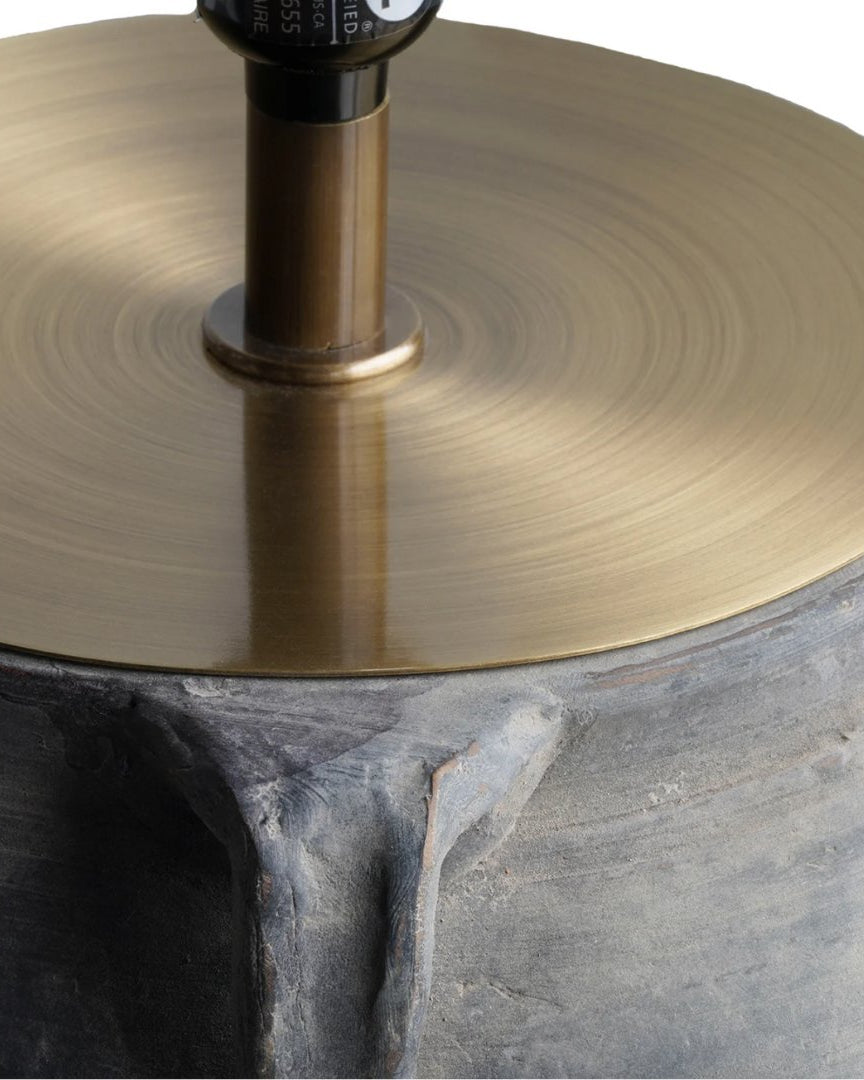
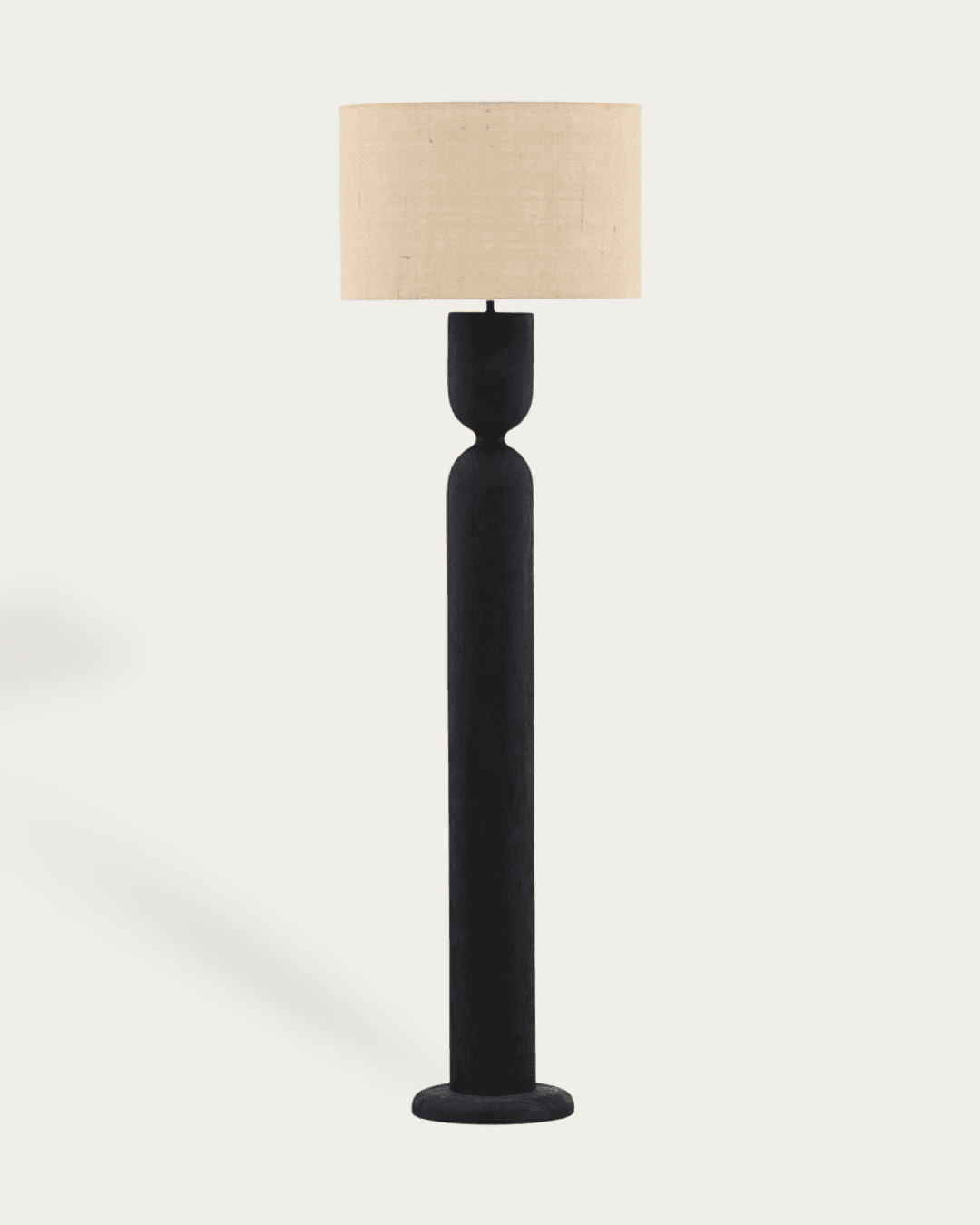
The nervous system responds differently to layered, indirect lighting than it does to harsh overhead exposure. Softer lighting creates visual transitions instead of flattening every surface equally.
Modern mountain interiors usually feel calmer because they lean into:
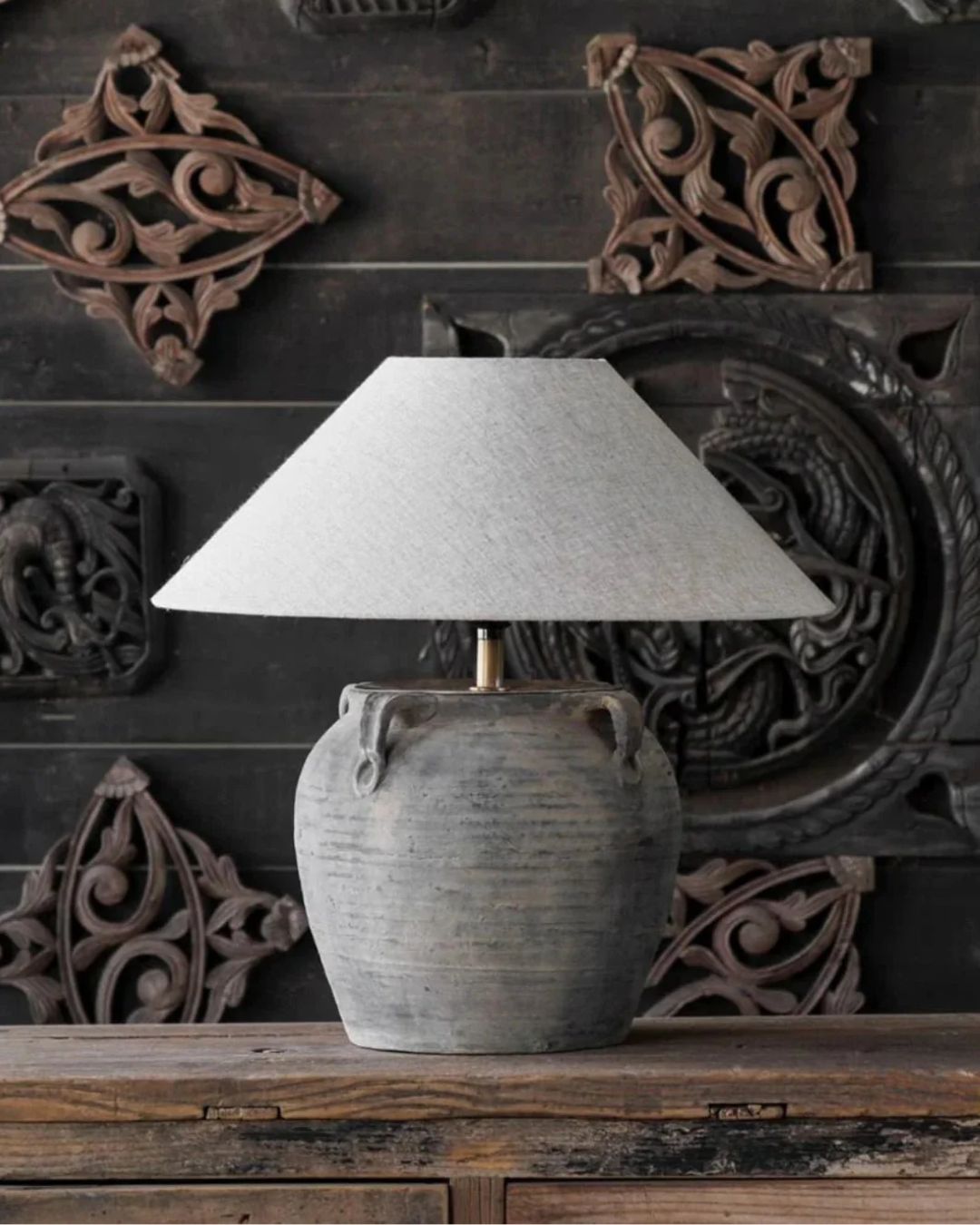
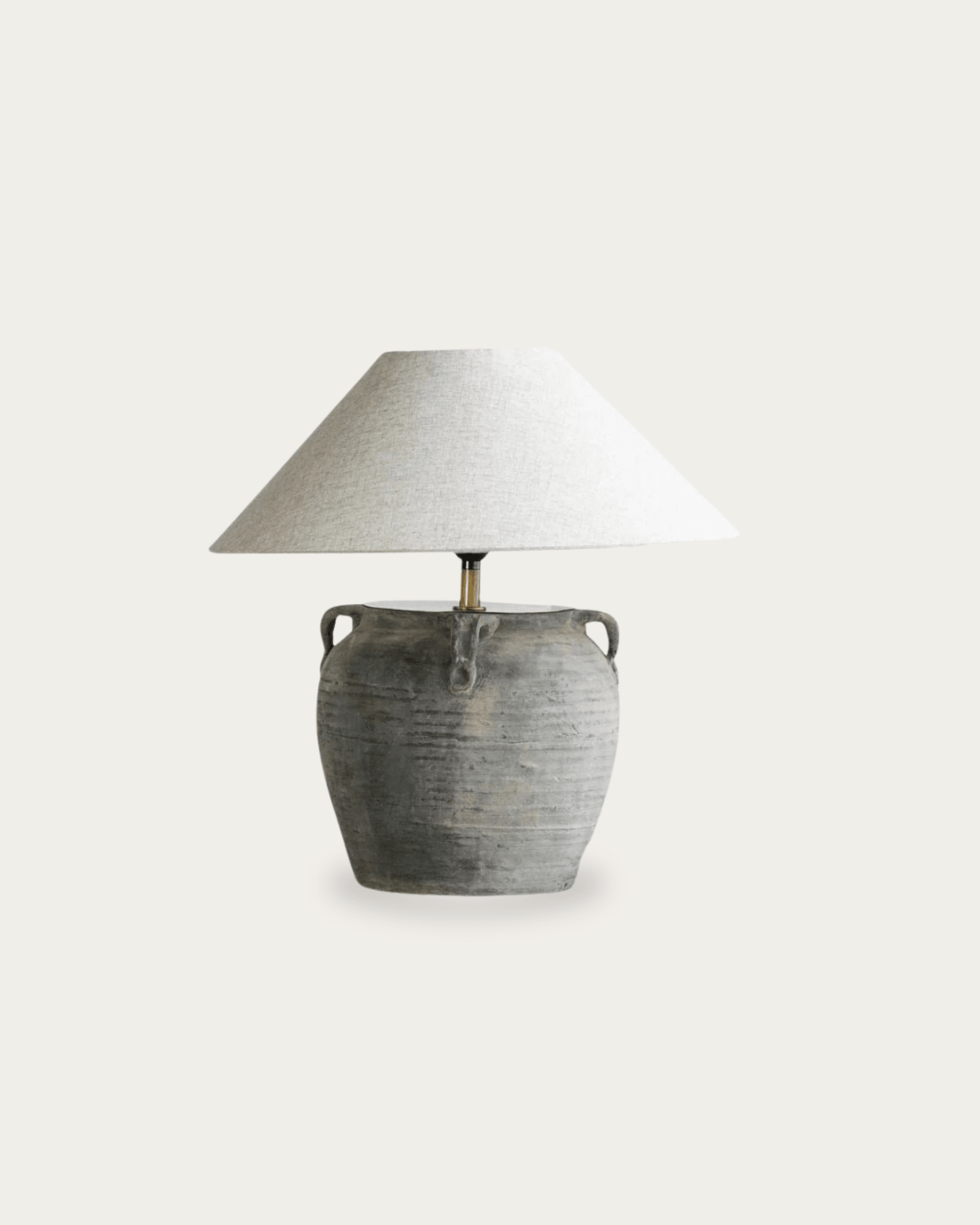
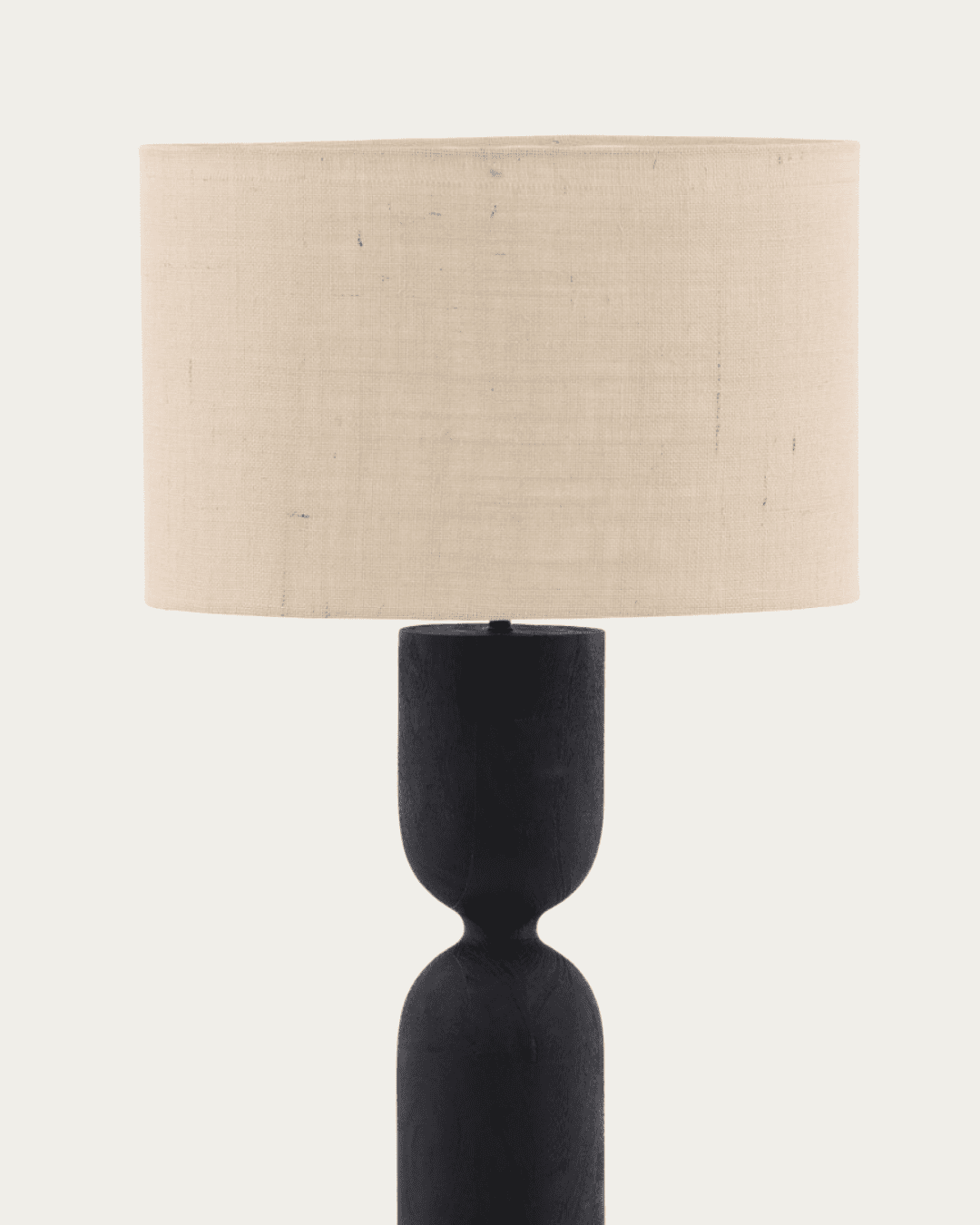
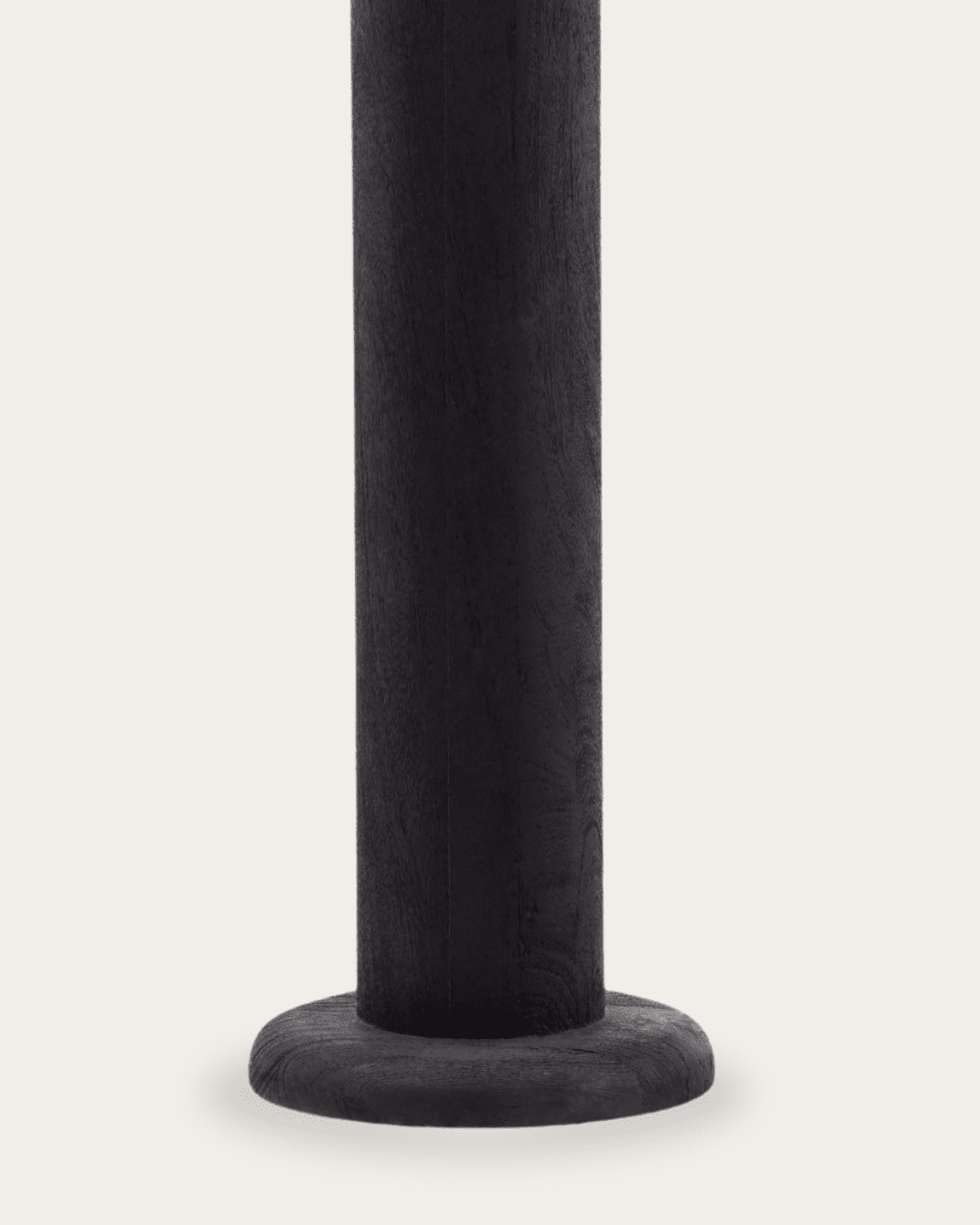
table lamps
directional lighting
shadow and depth
warmer bulb temperatures
pools of light instead of total illumination
This changes how materials behave too. Wood feels richer. Upholstery absorbs light differently. Stone surfaces stop looking clinical.
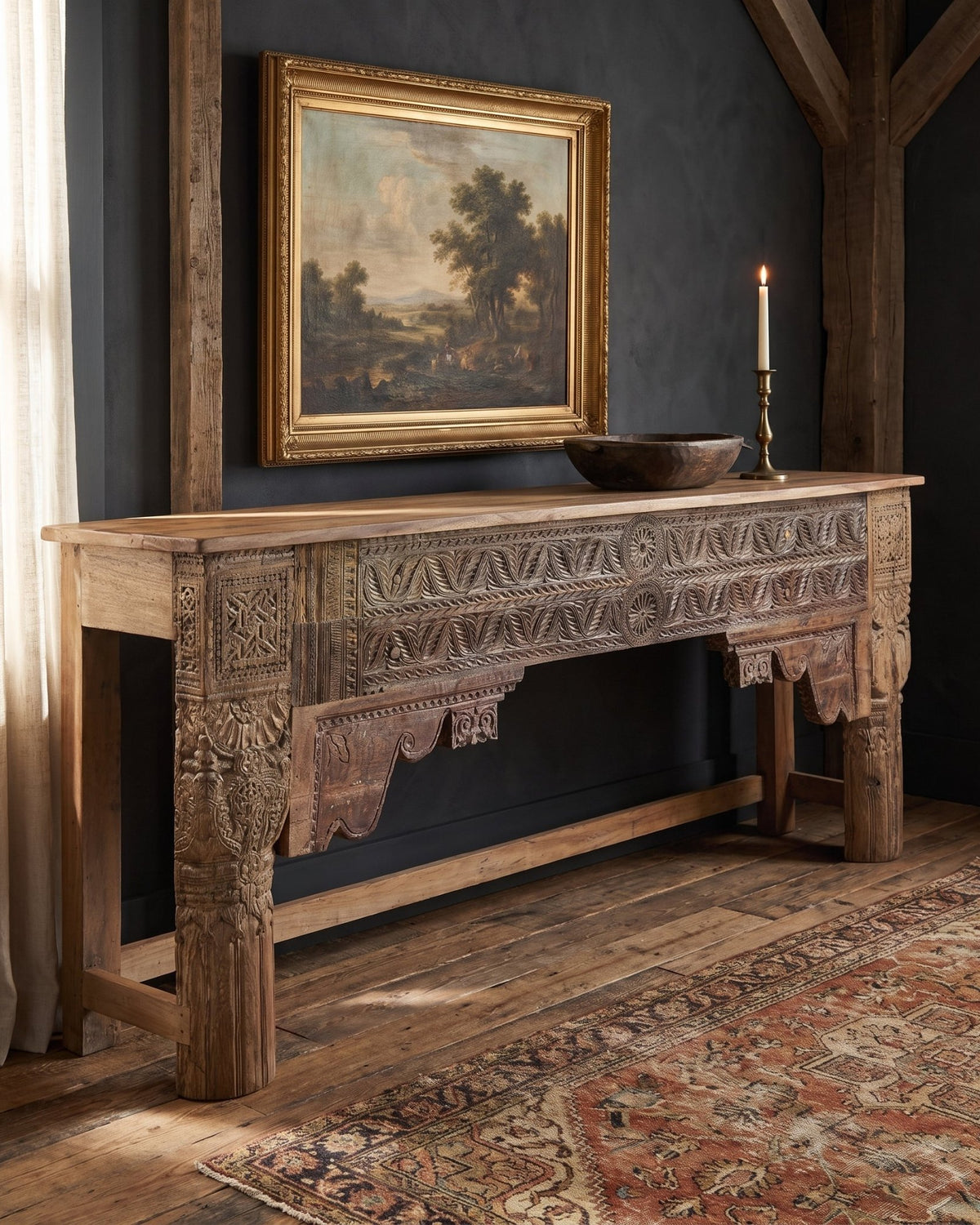
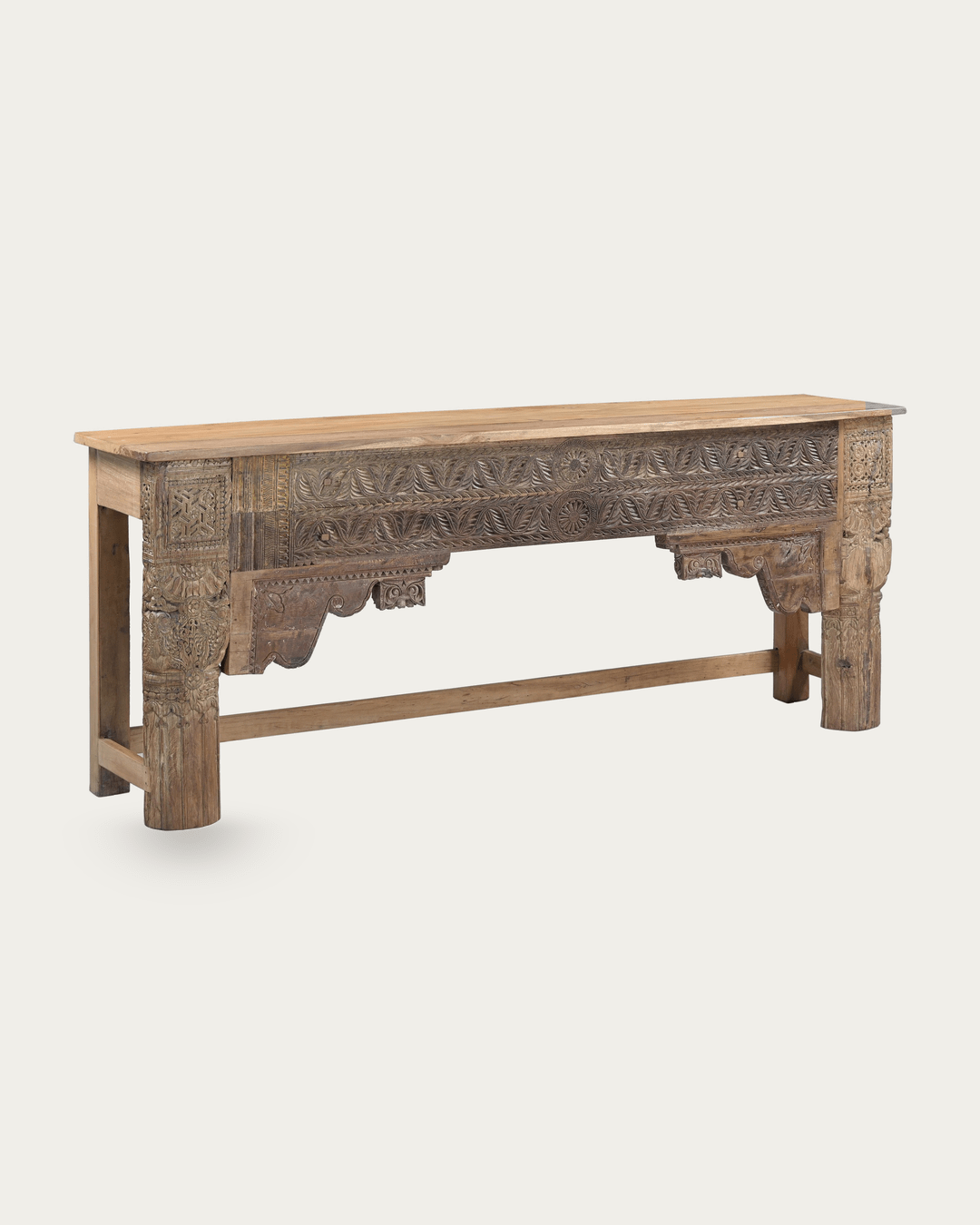
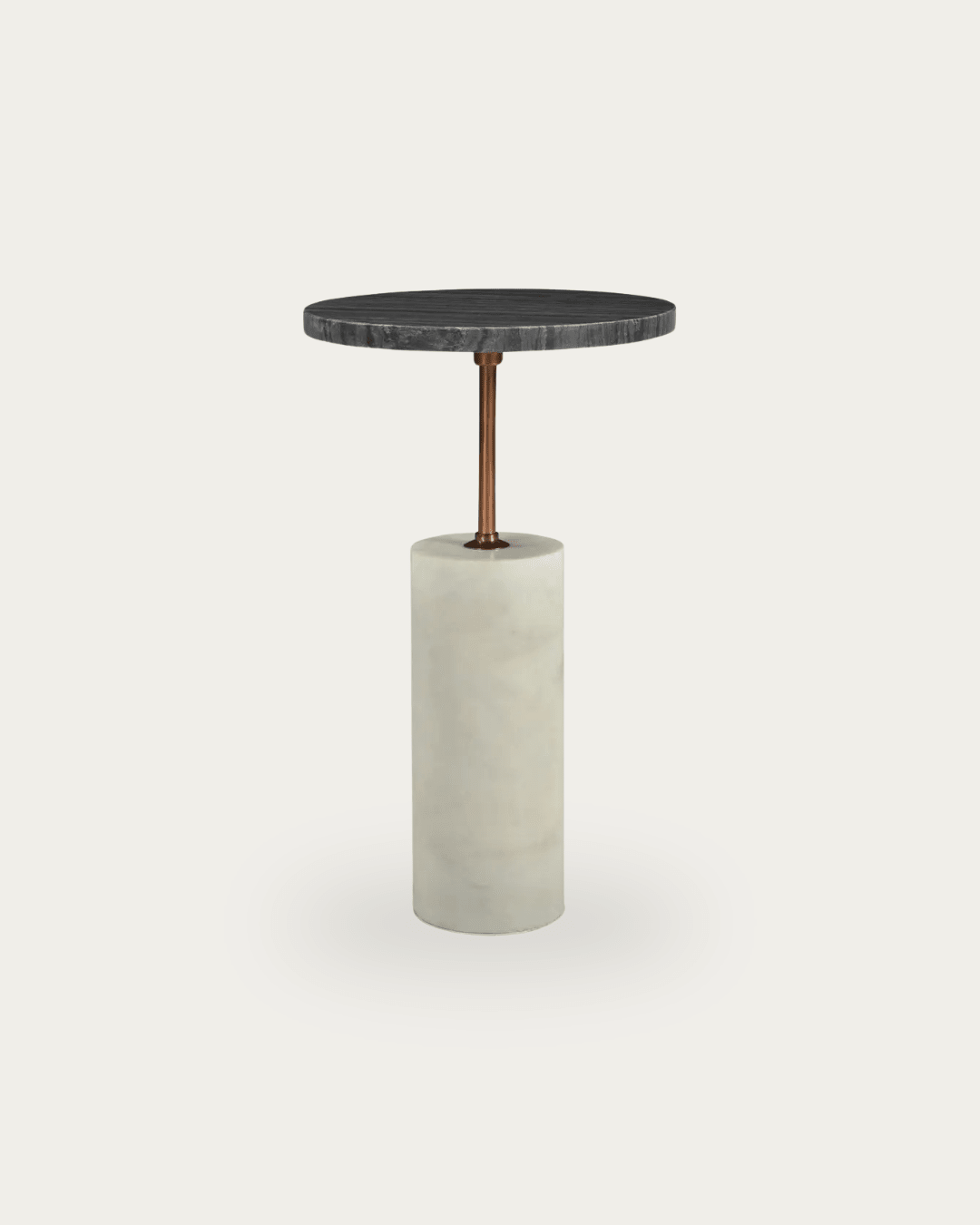
Console tables become surprisingly important here because they create opportunities for lower lighting moments throughout a room.
The Haldo console table works particularly well behind seating arrangements or near entry transitions where layered lighting can soften the architecture.
The Calle console table creates a similar effect while introducing additional material structure into the room.
Good lighting rarely announces itself loudly.
It just changes how your body feels in space.
4. Softer Shapes Reduce Visual Tension
Rooms filled entirely with sharp angles tend to feel mentally rigid.
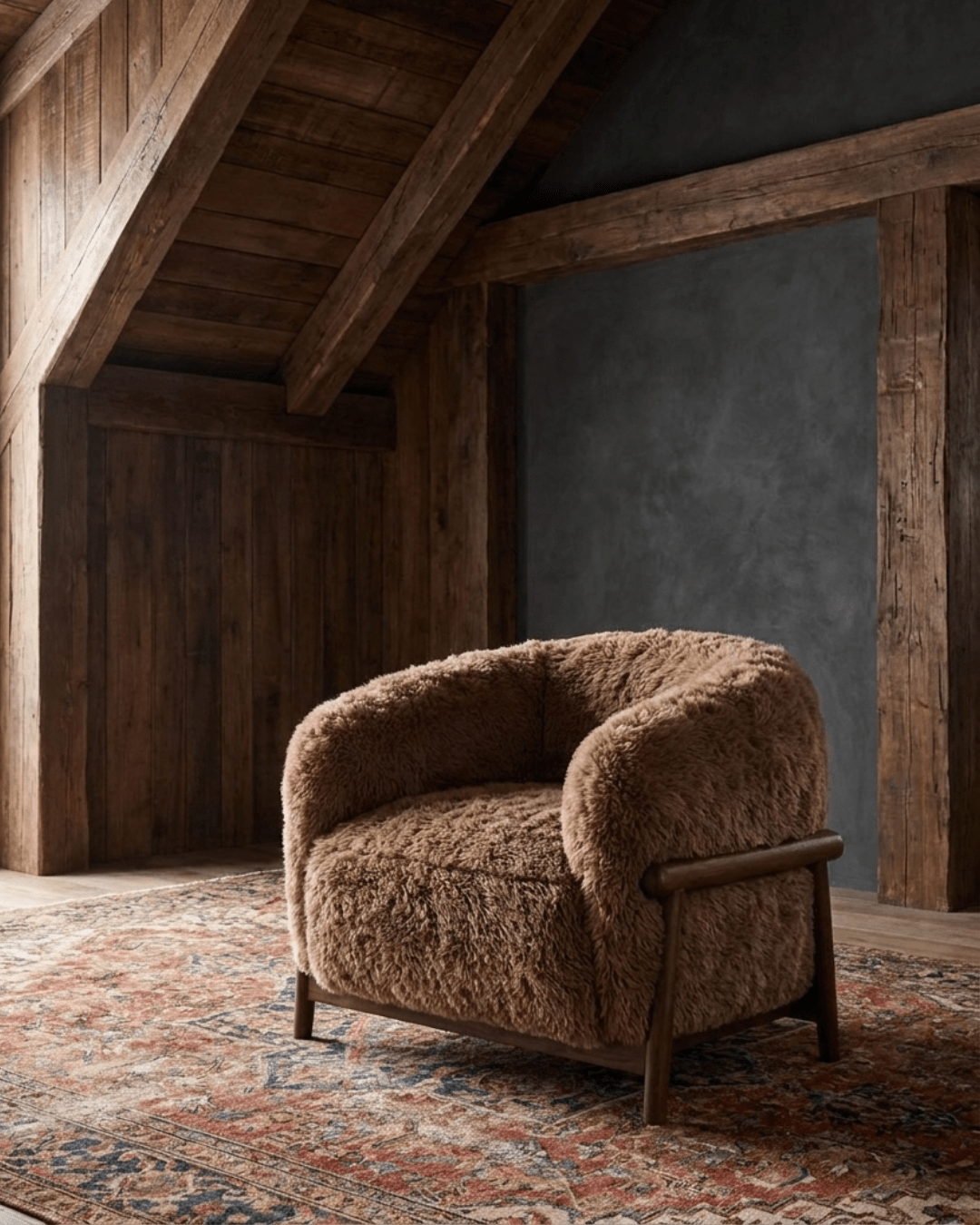
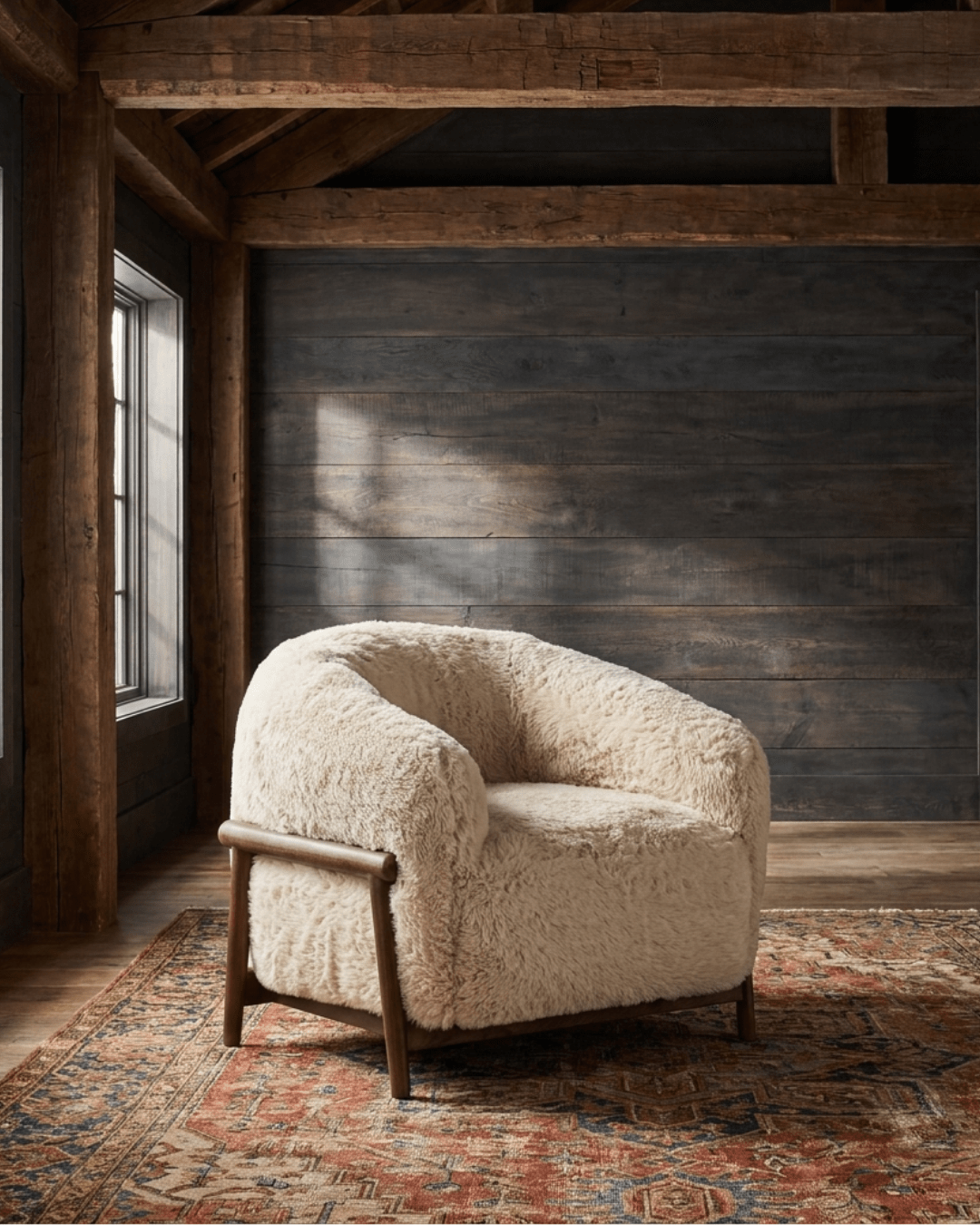
Modern mountain homes often balance harder architecture with softer furniture silhouettes so the room doesn’t feel visually aggressive.
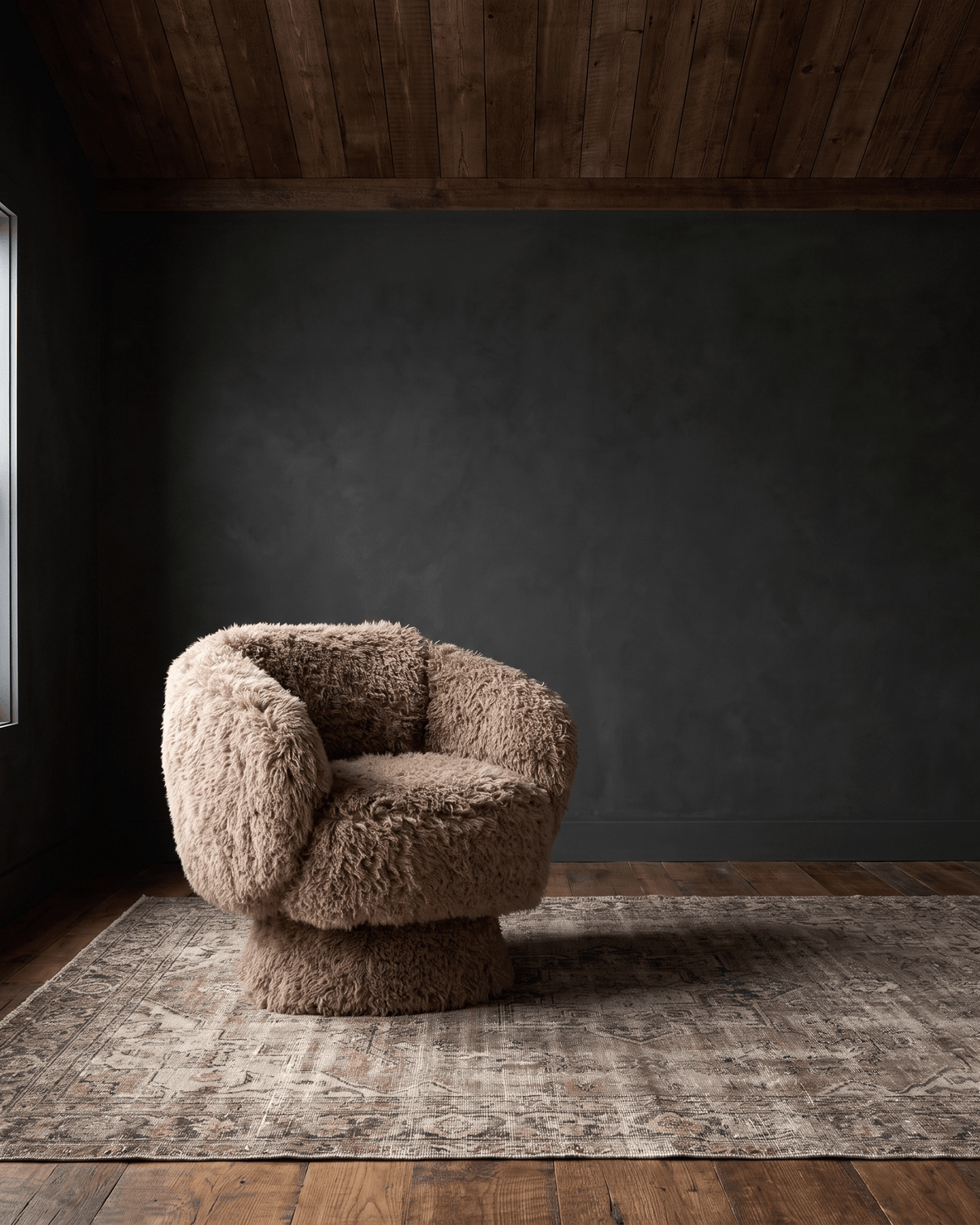
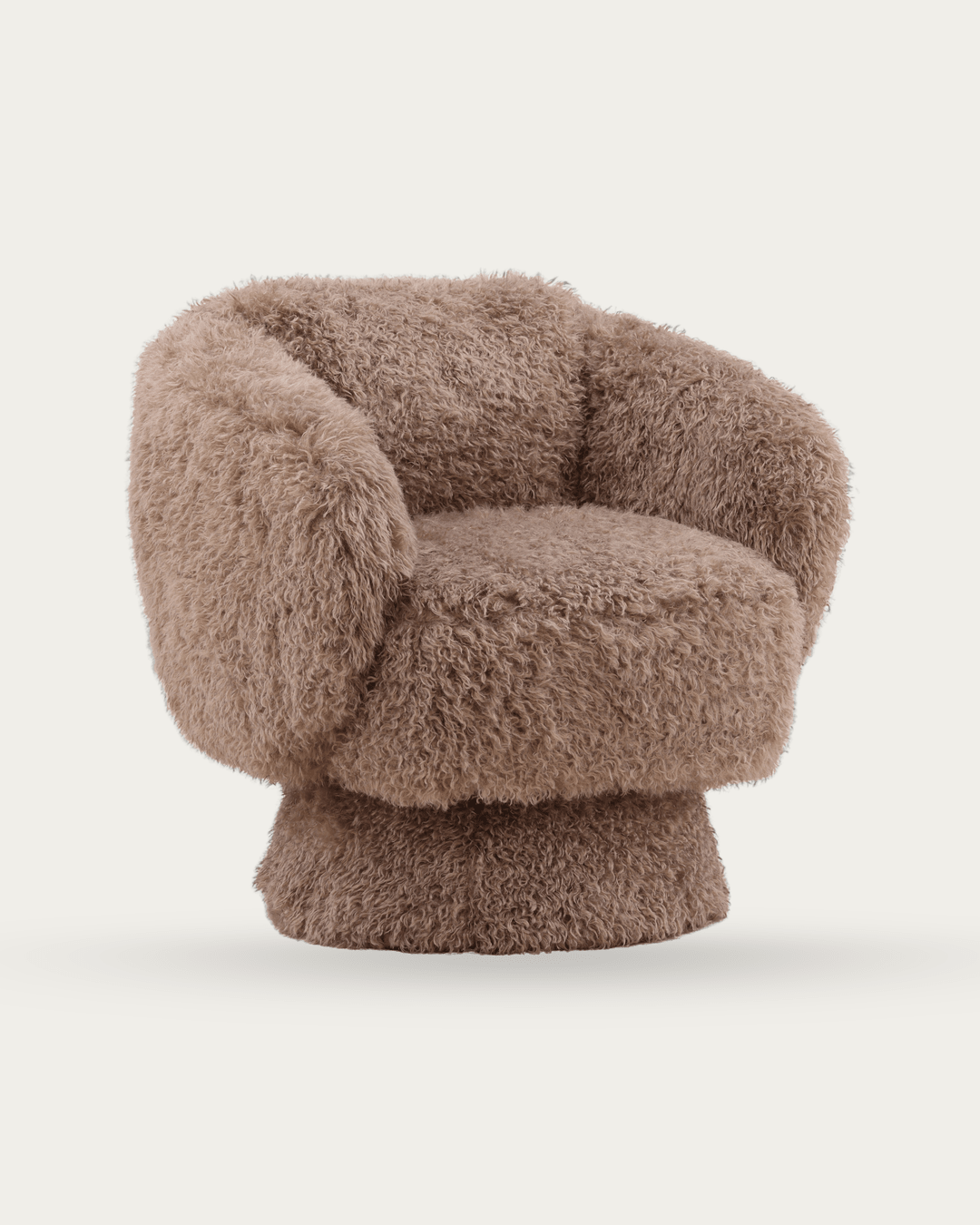
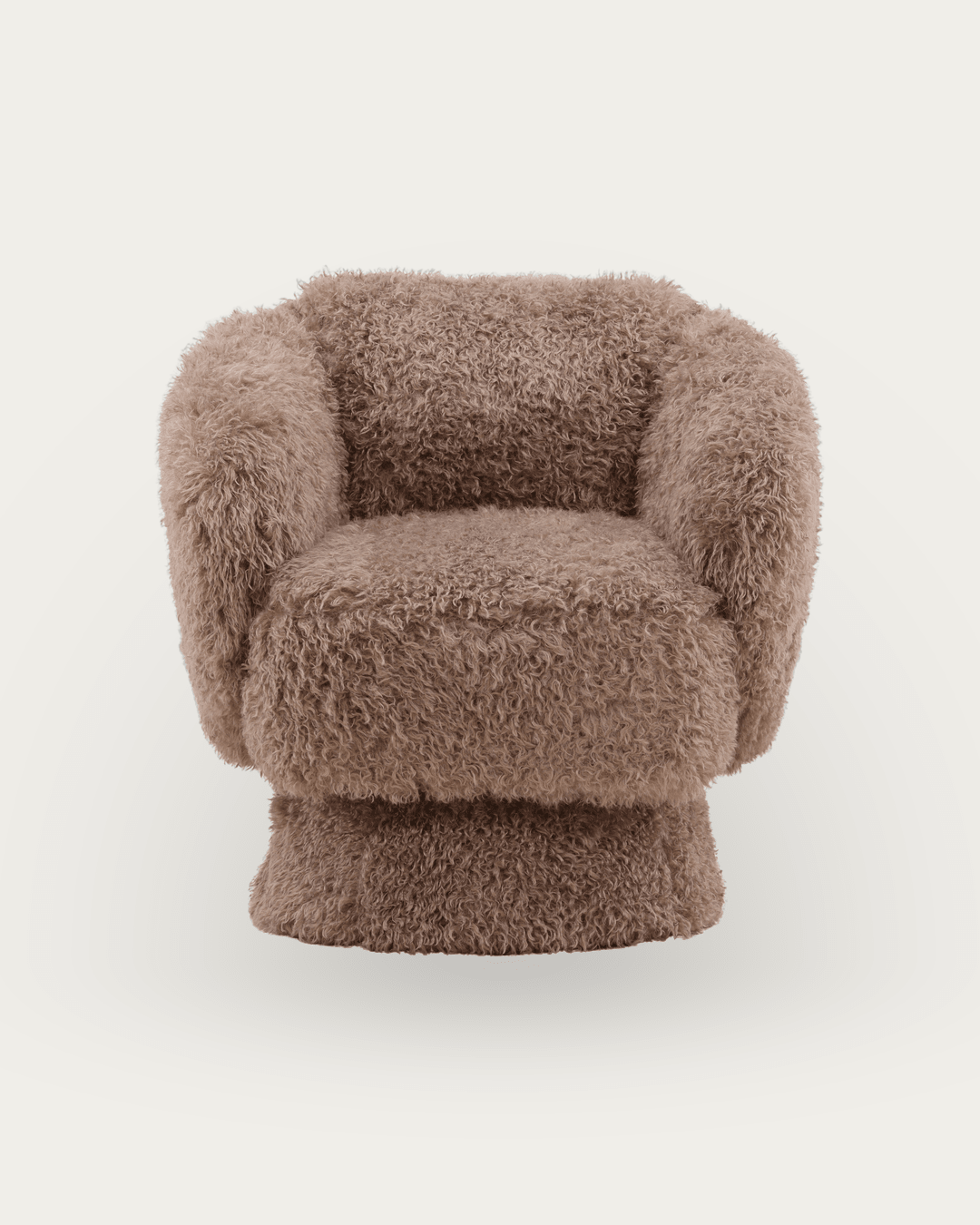
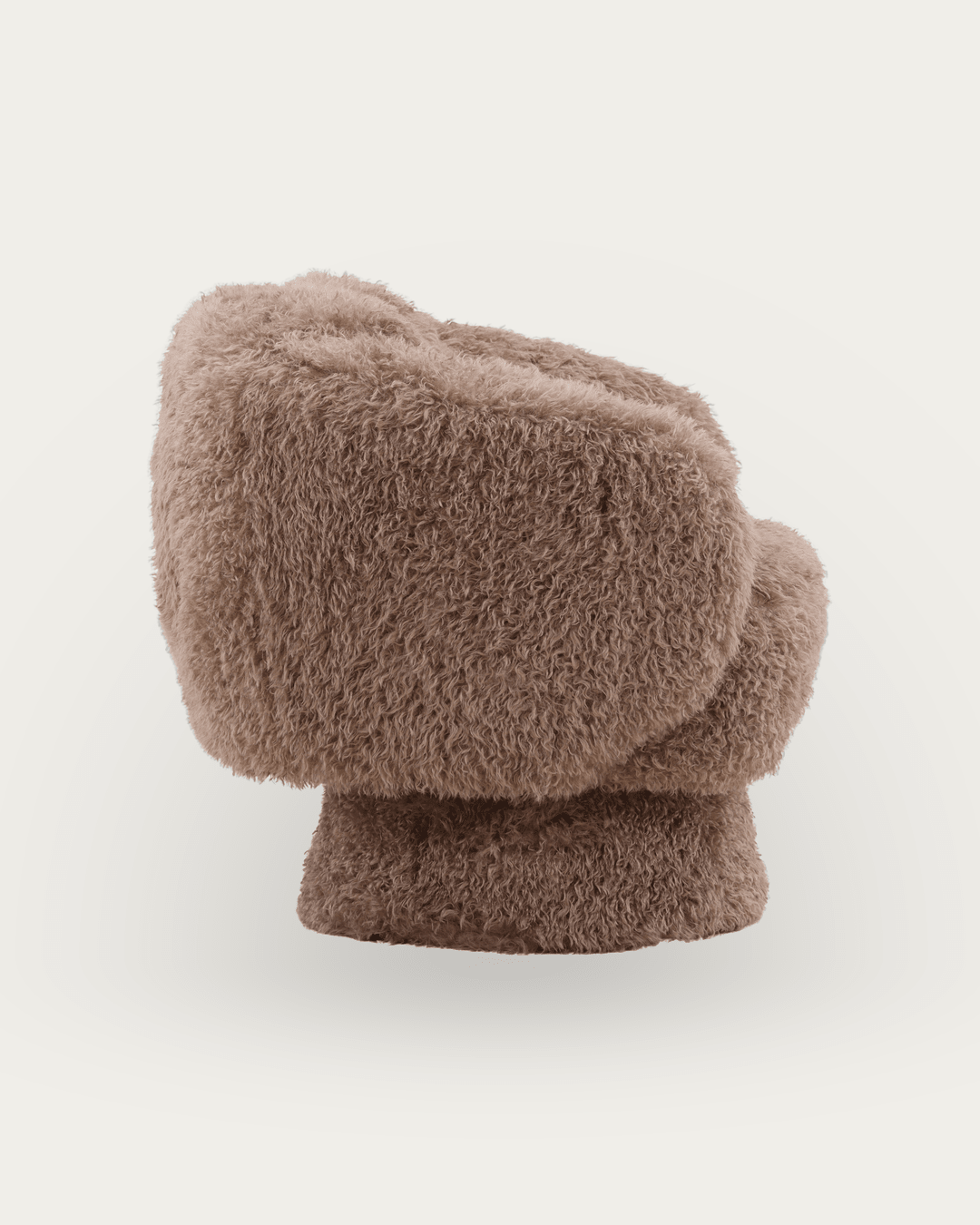
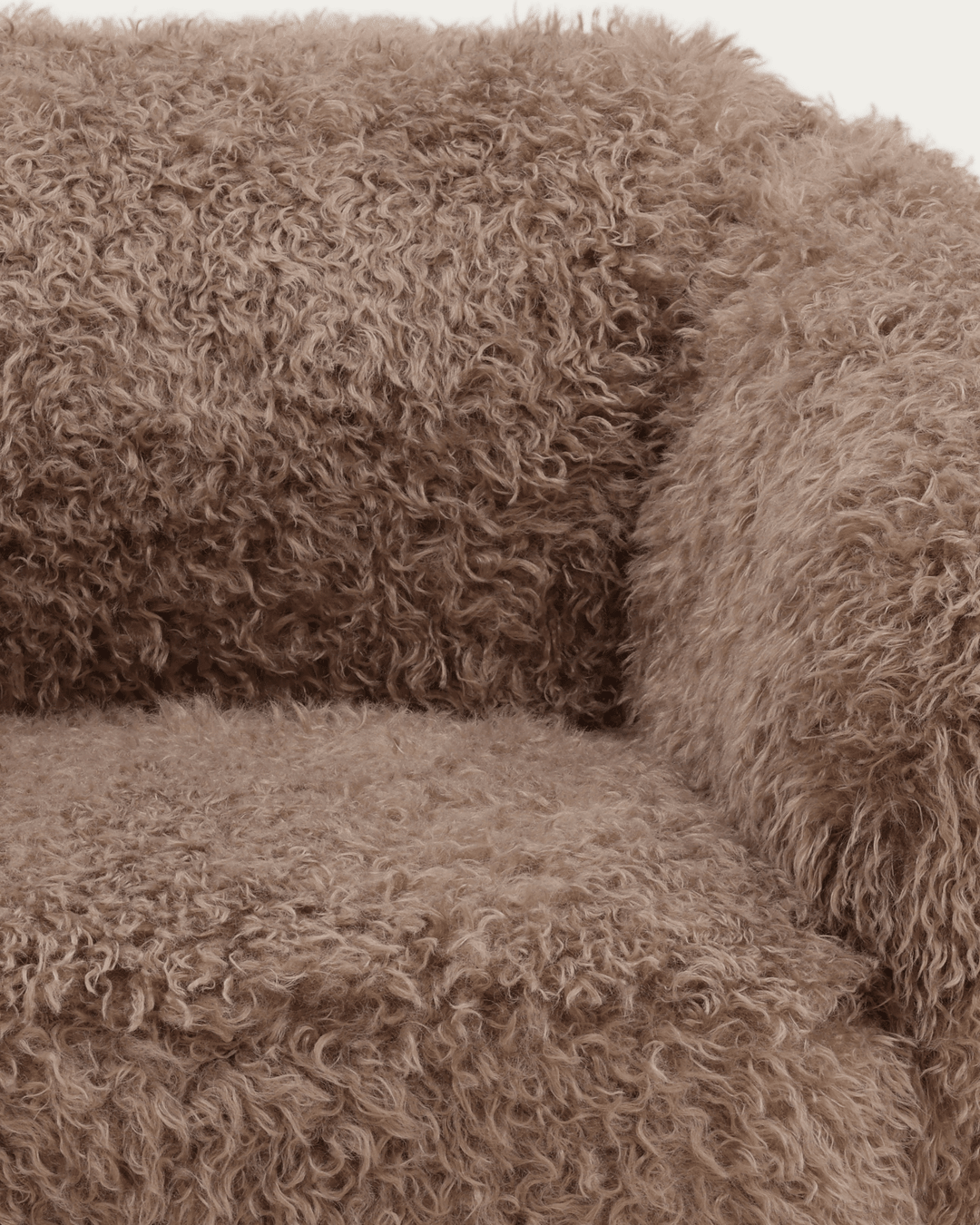
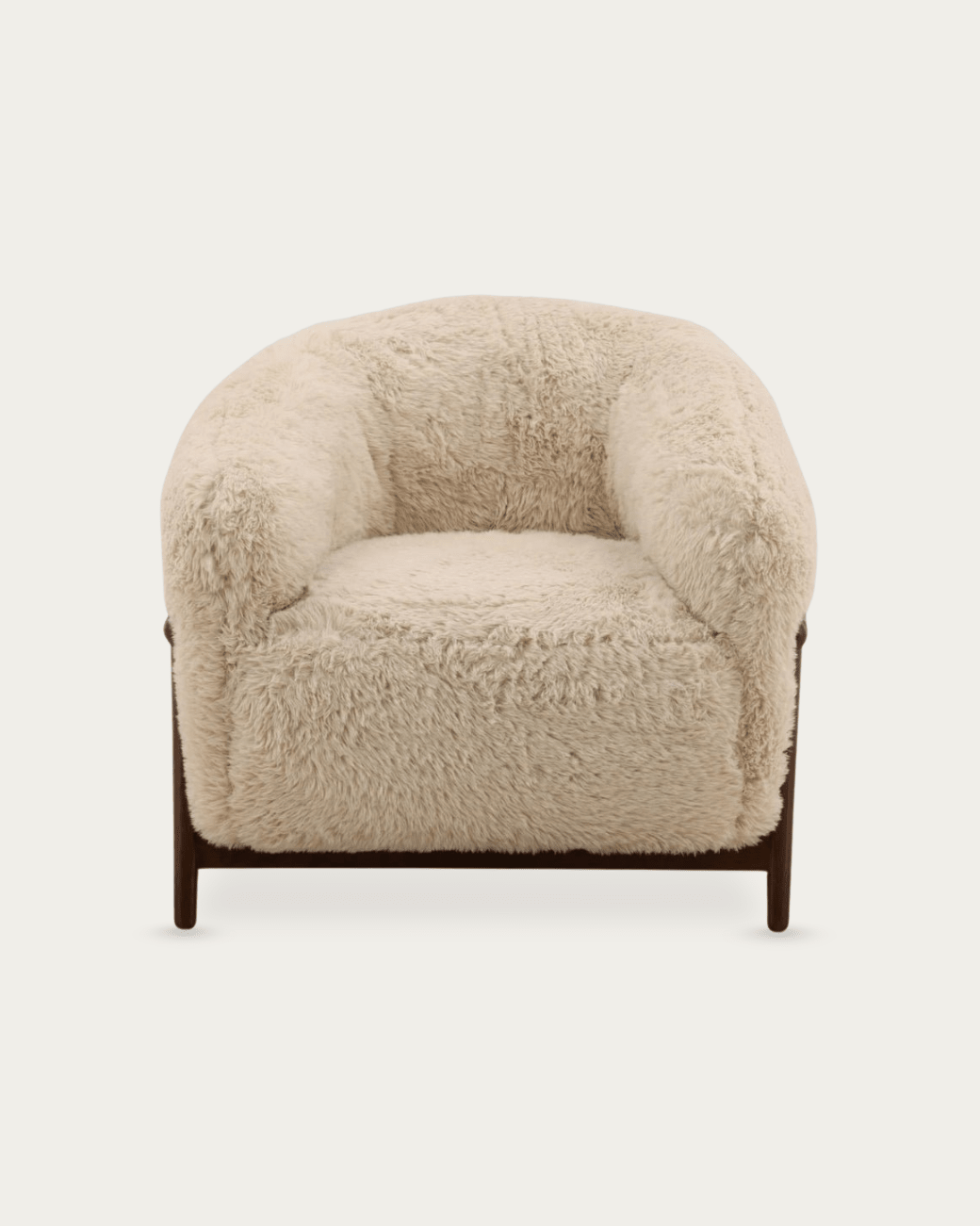
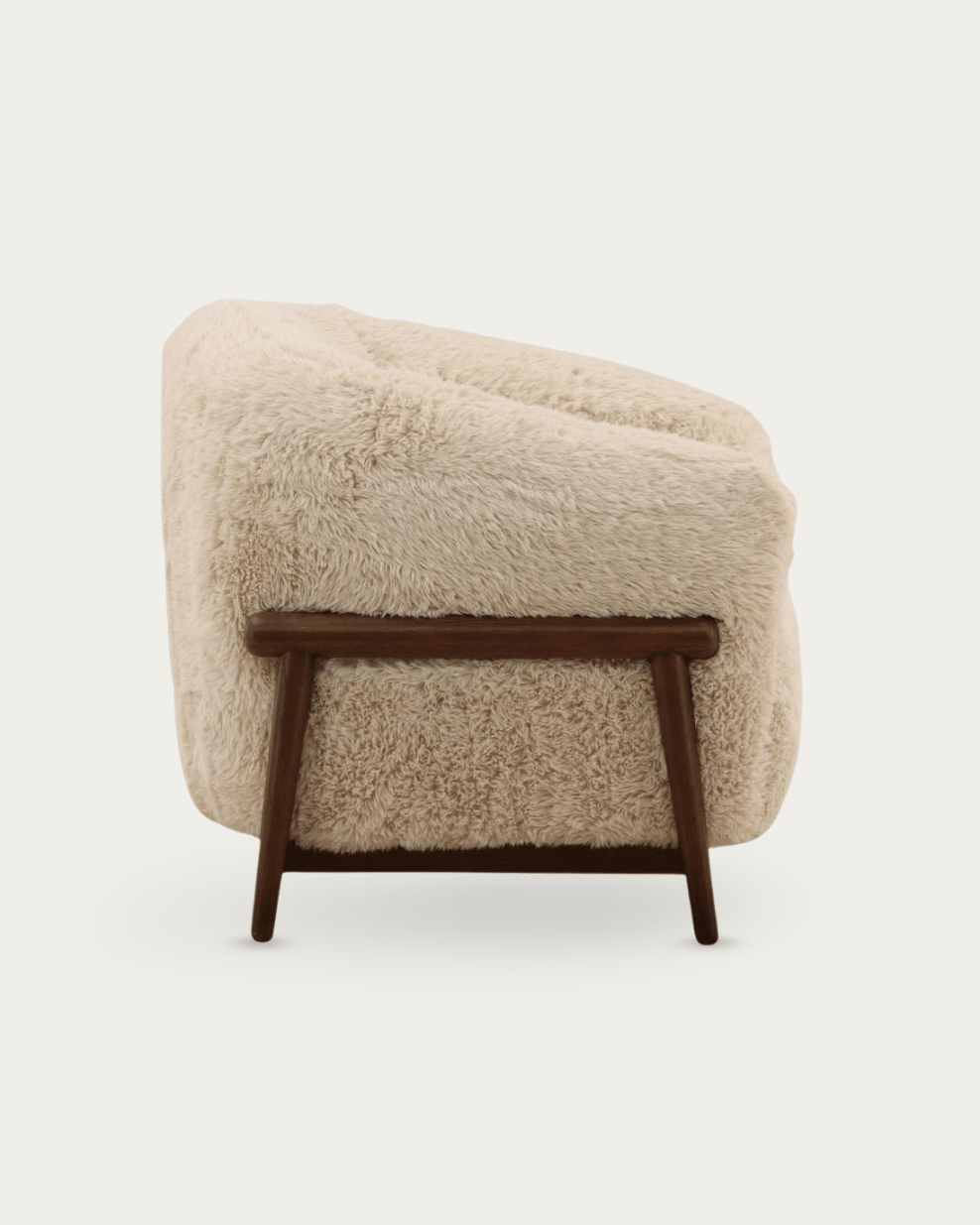
Curved lounge seating, rounded ottomans, softer upholstery lines, and lower sculptural forms help distribute tension more evenly throughout the room.
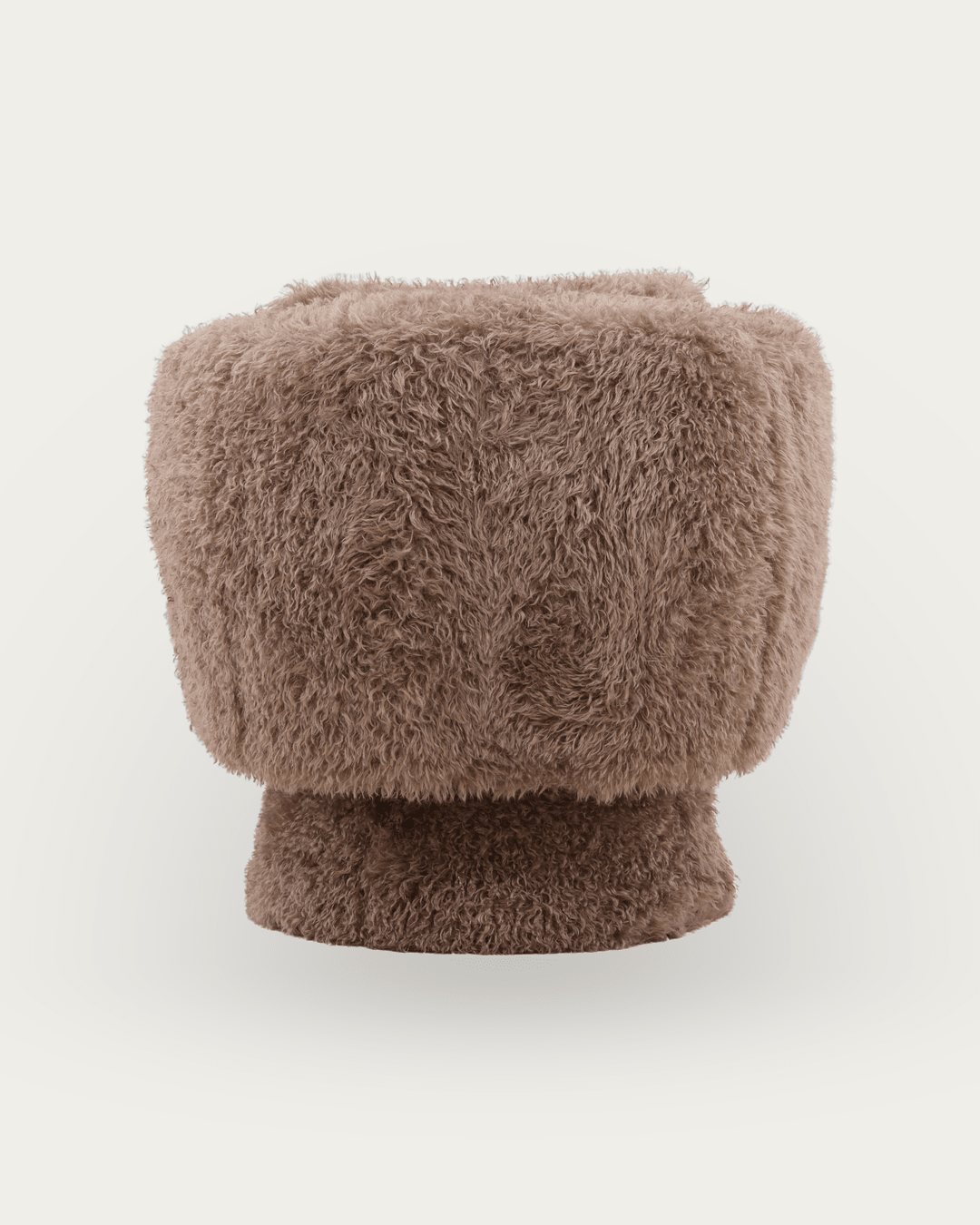
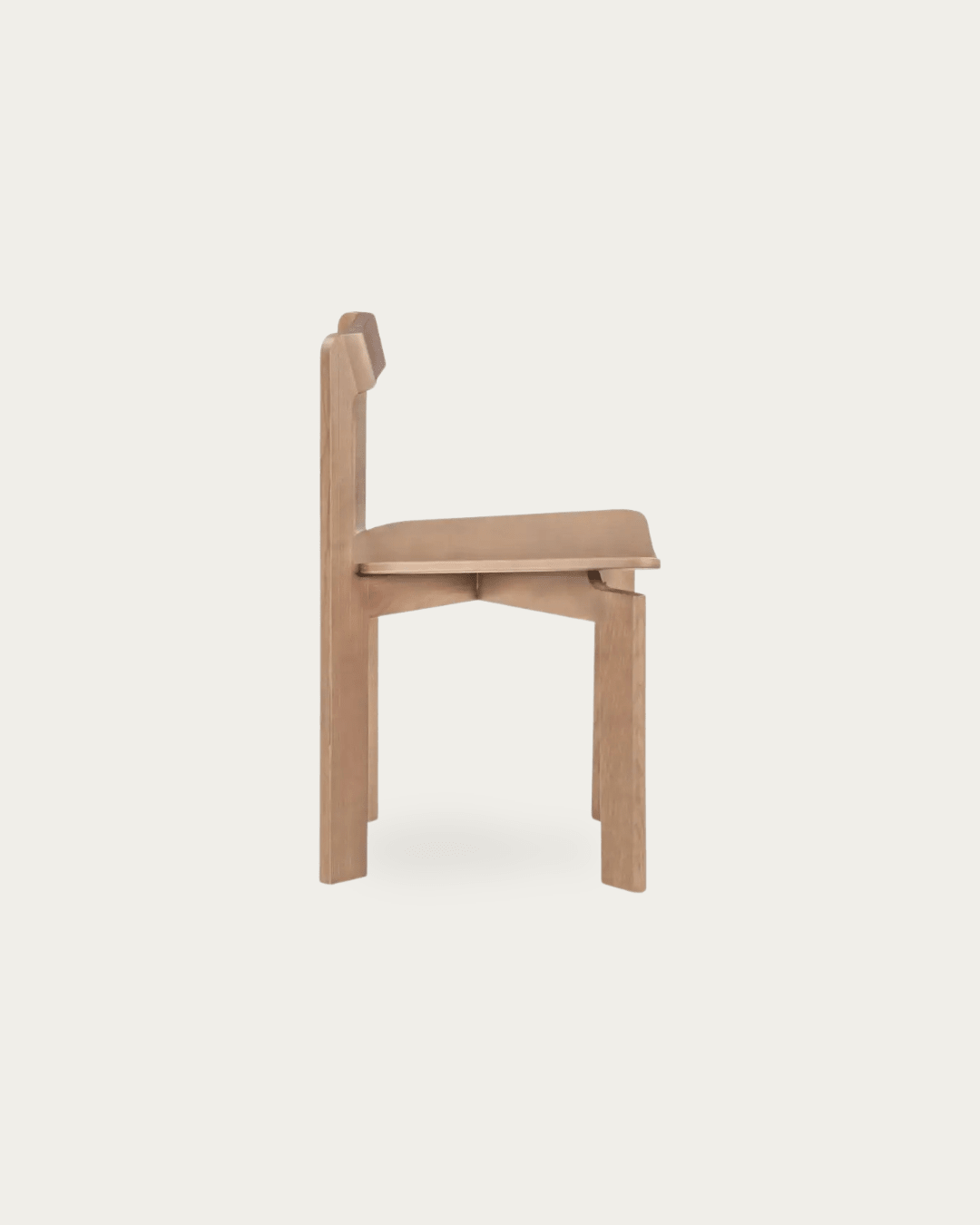
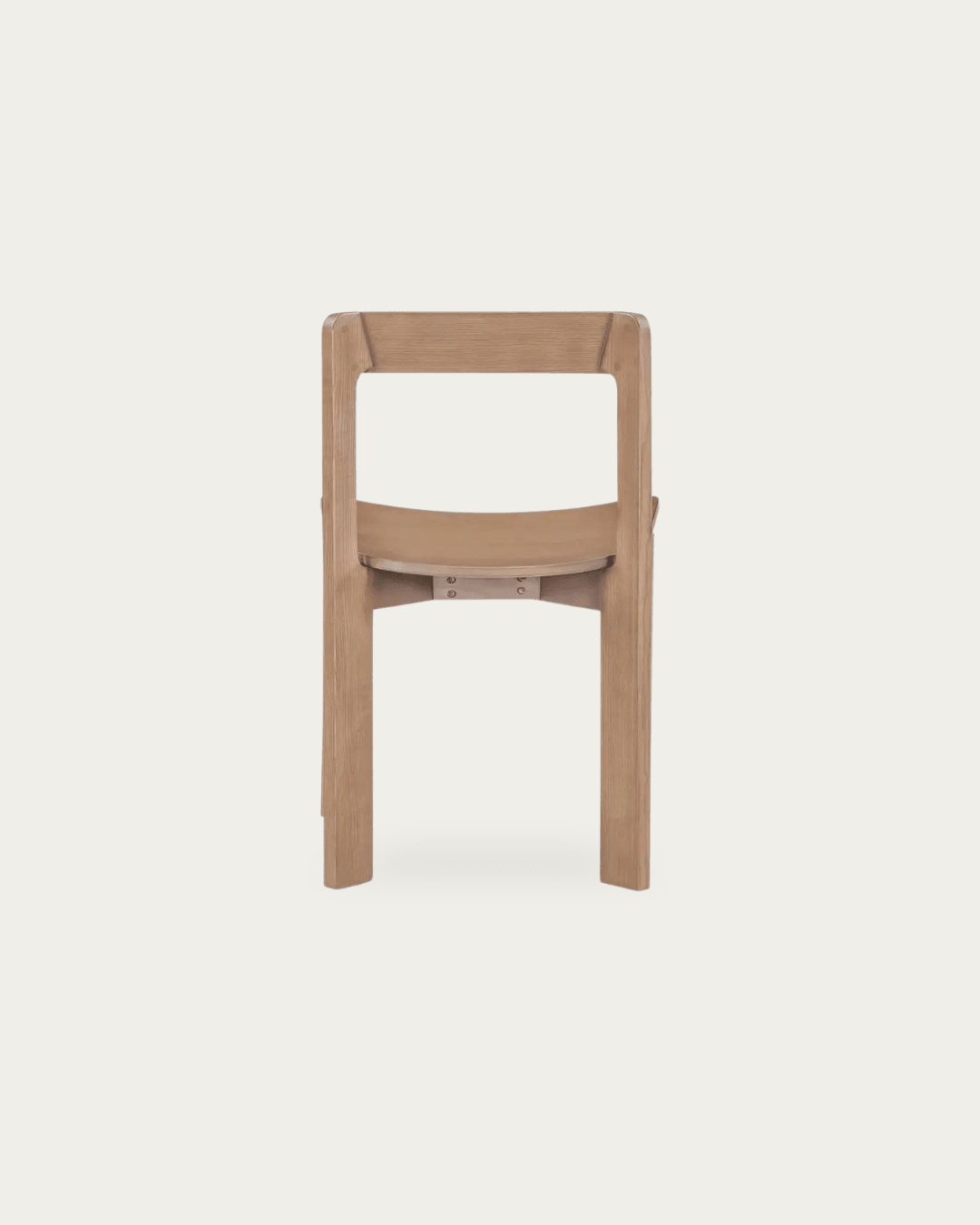
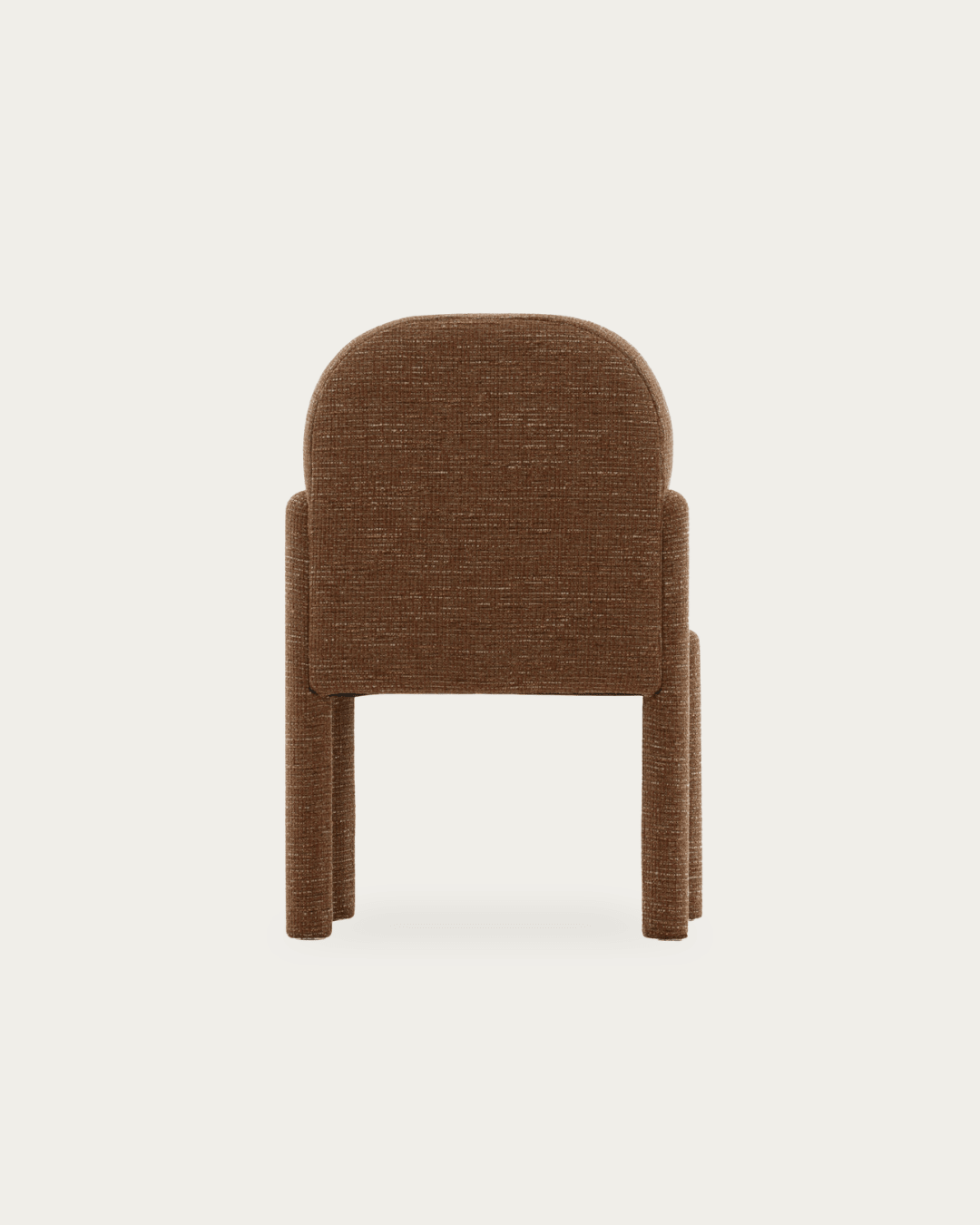
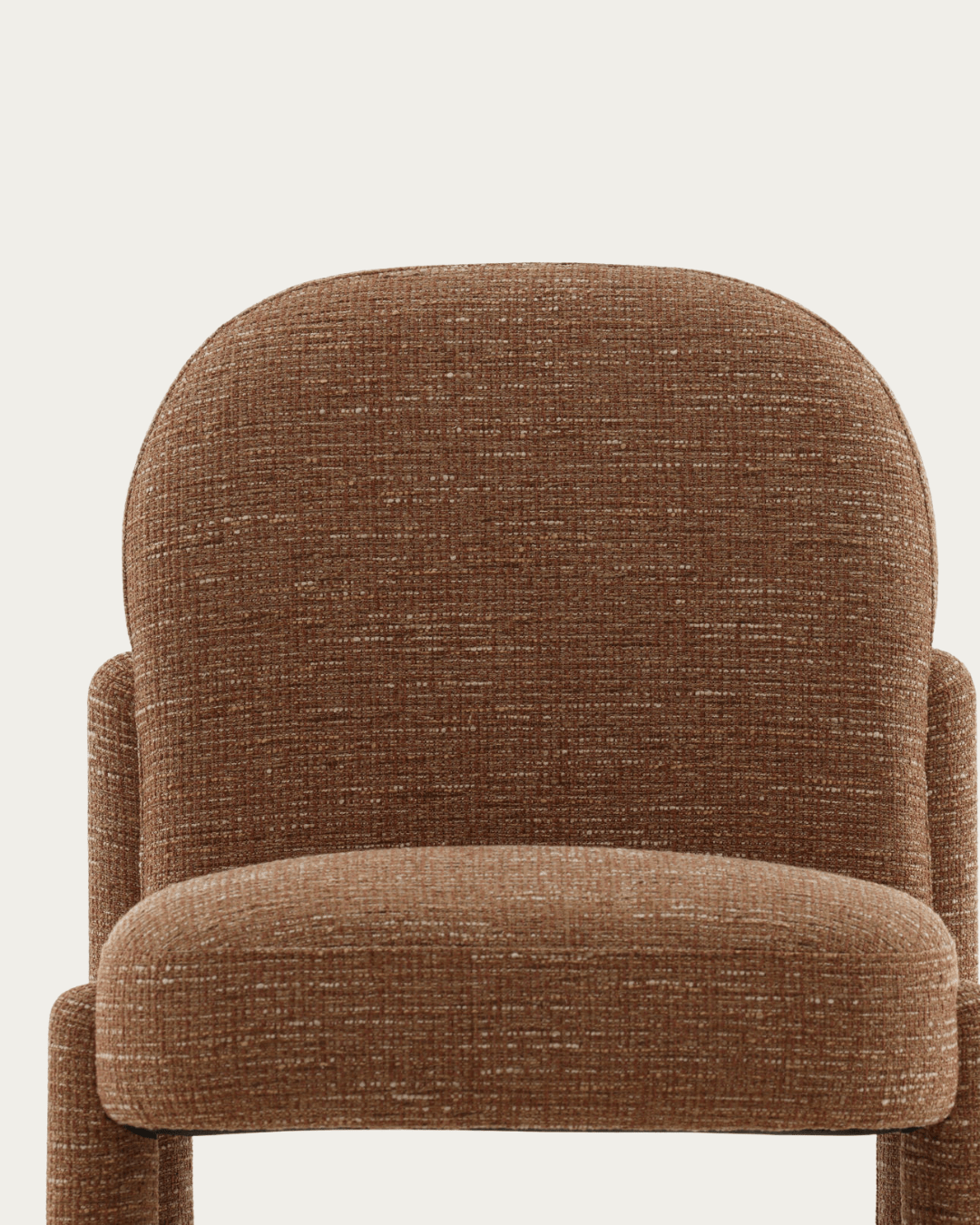
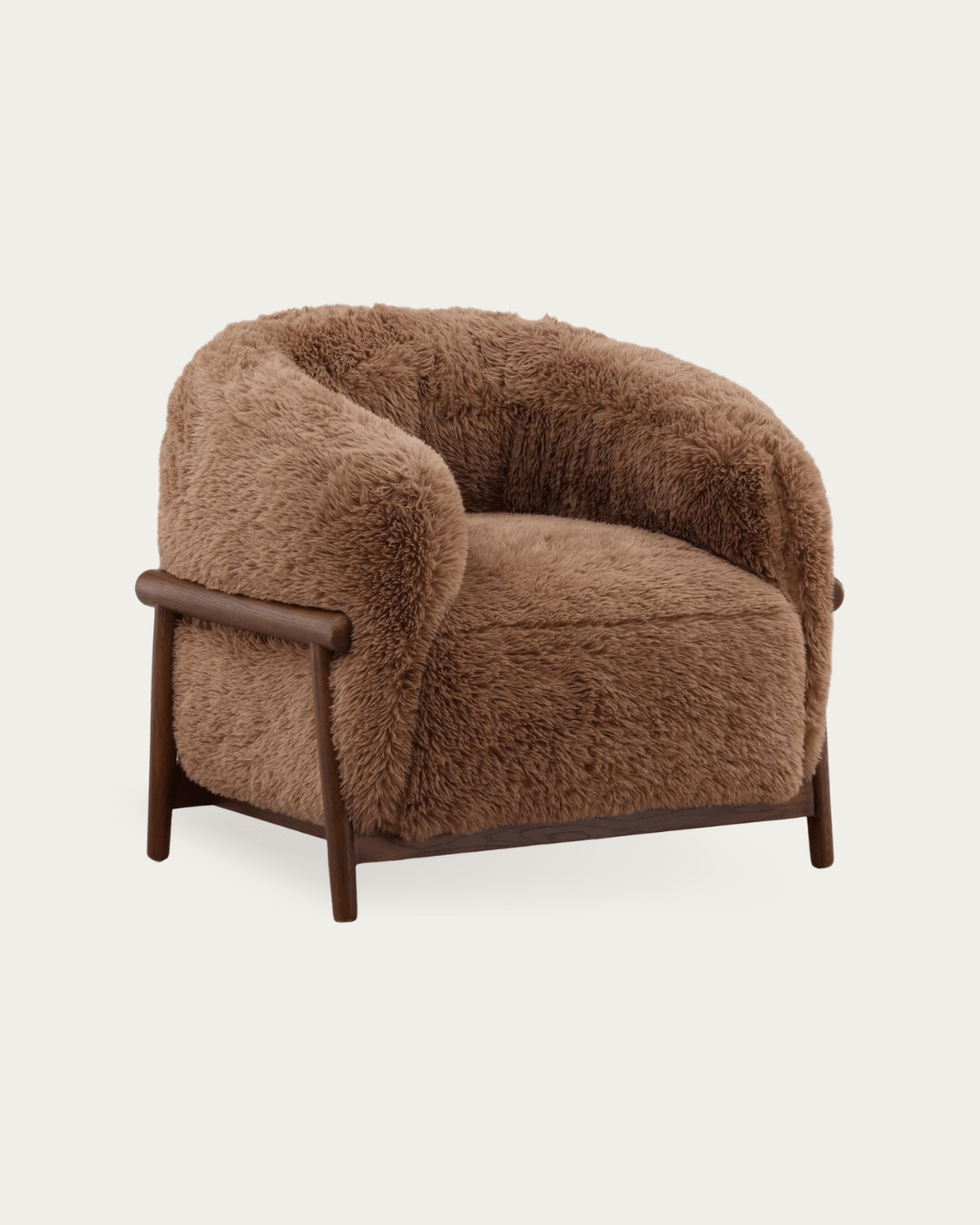
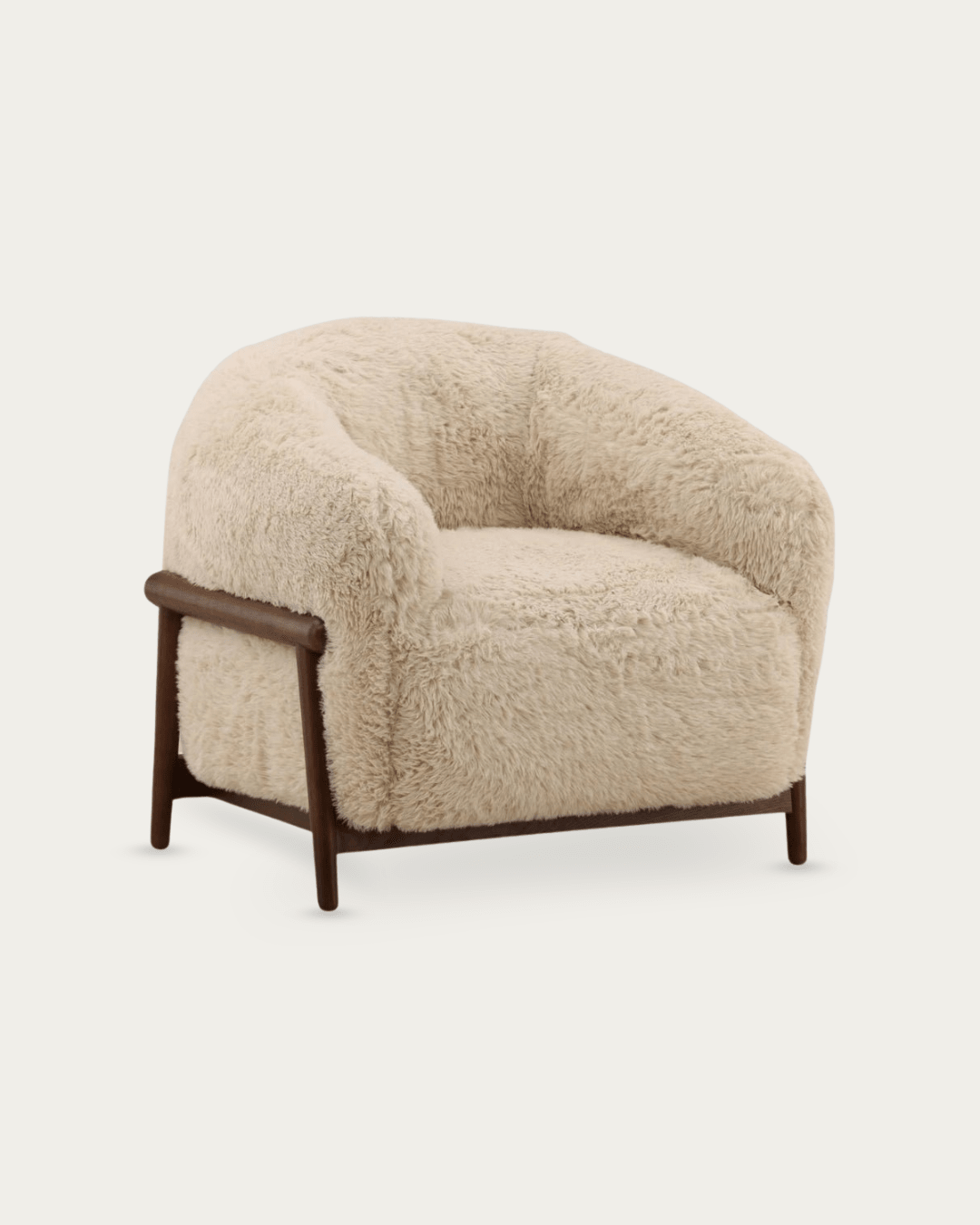
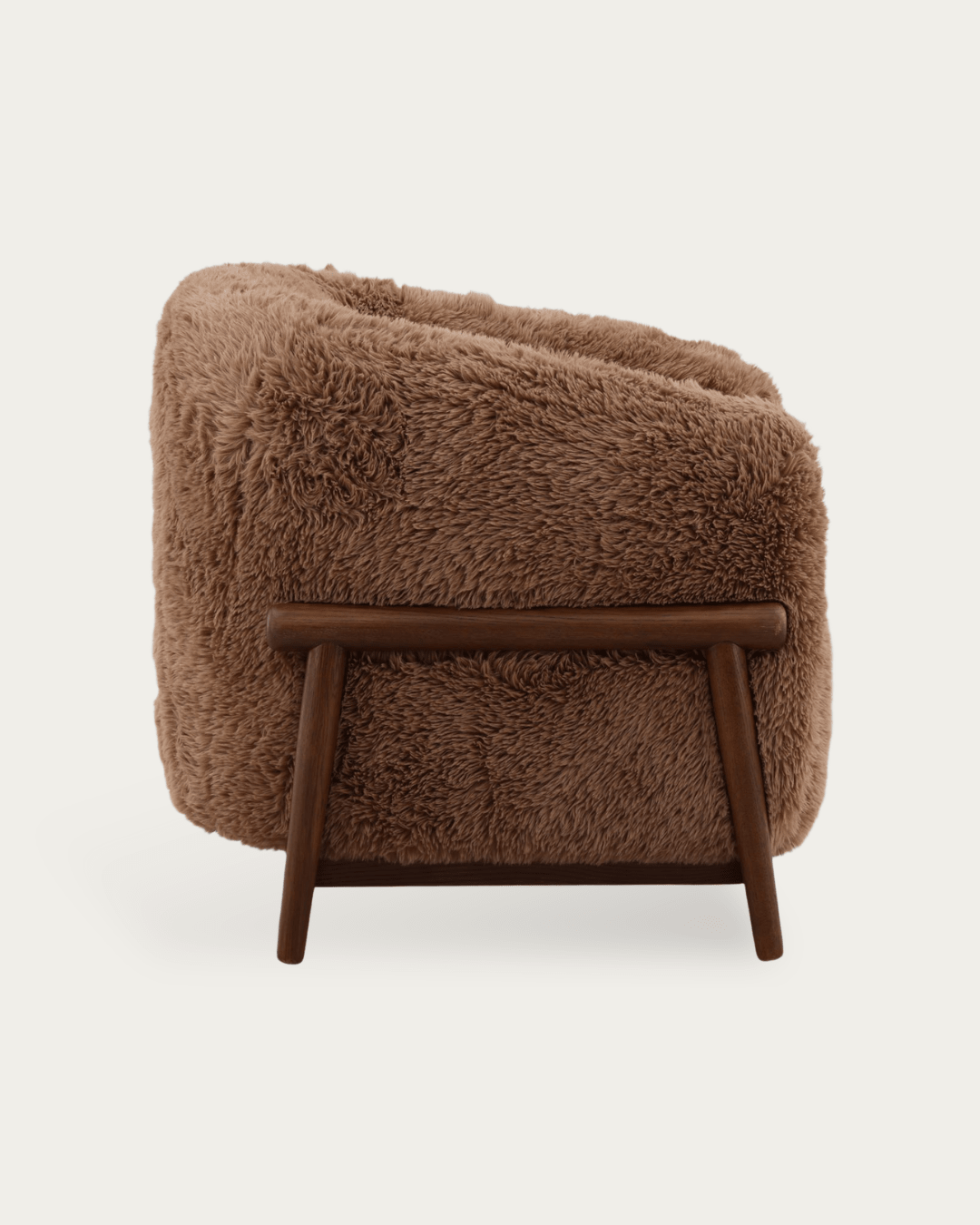
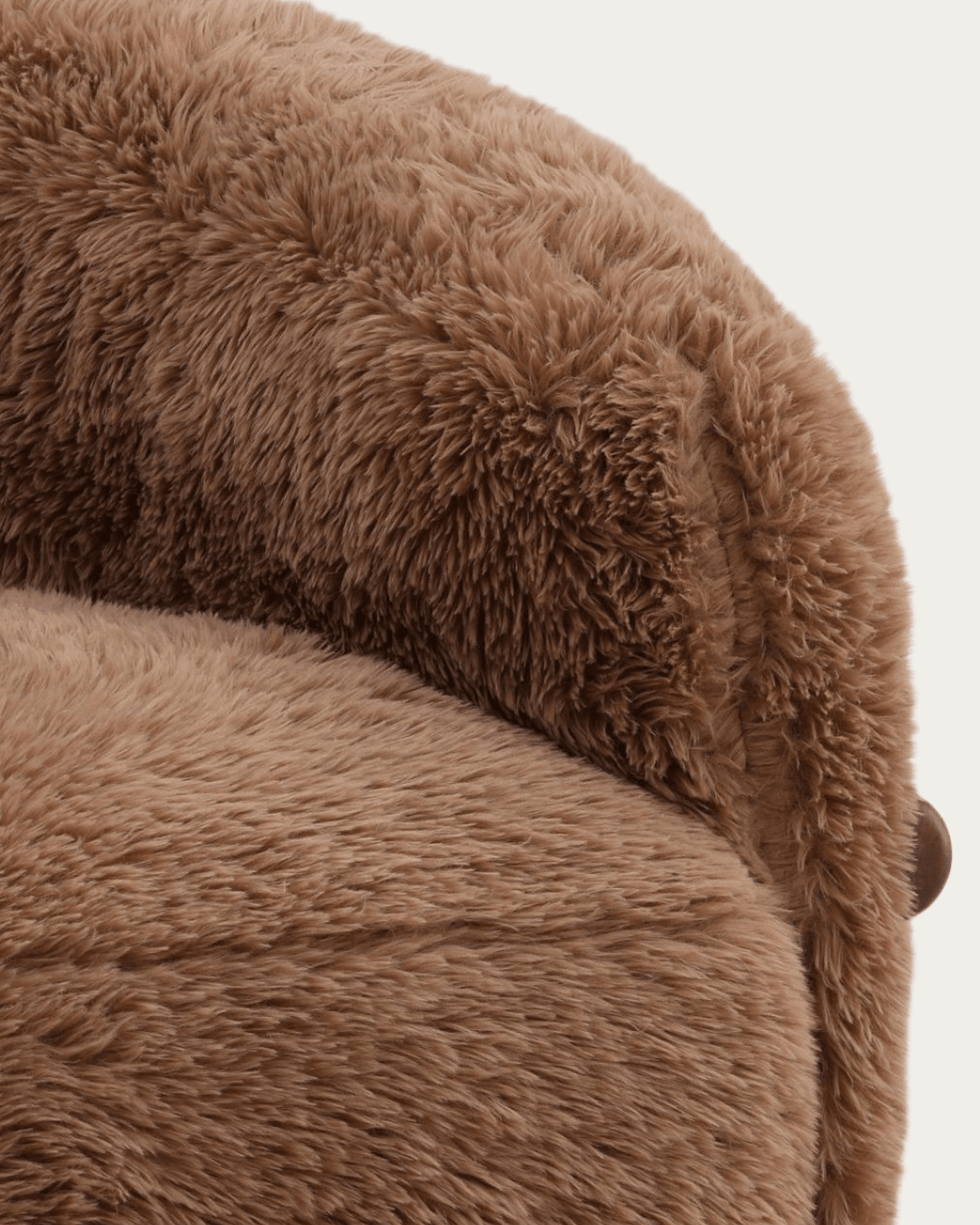
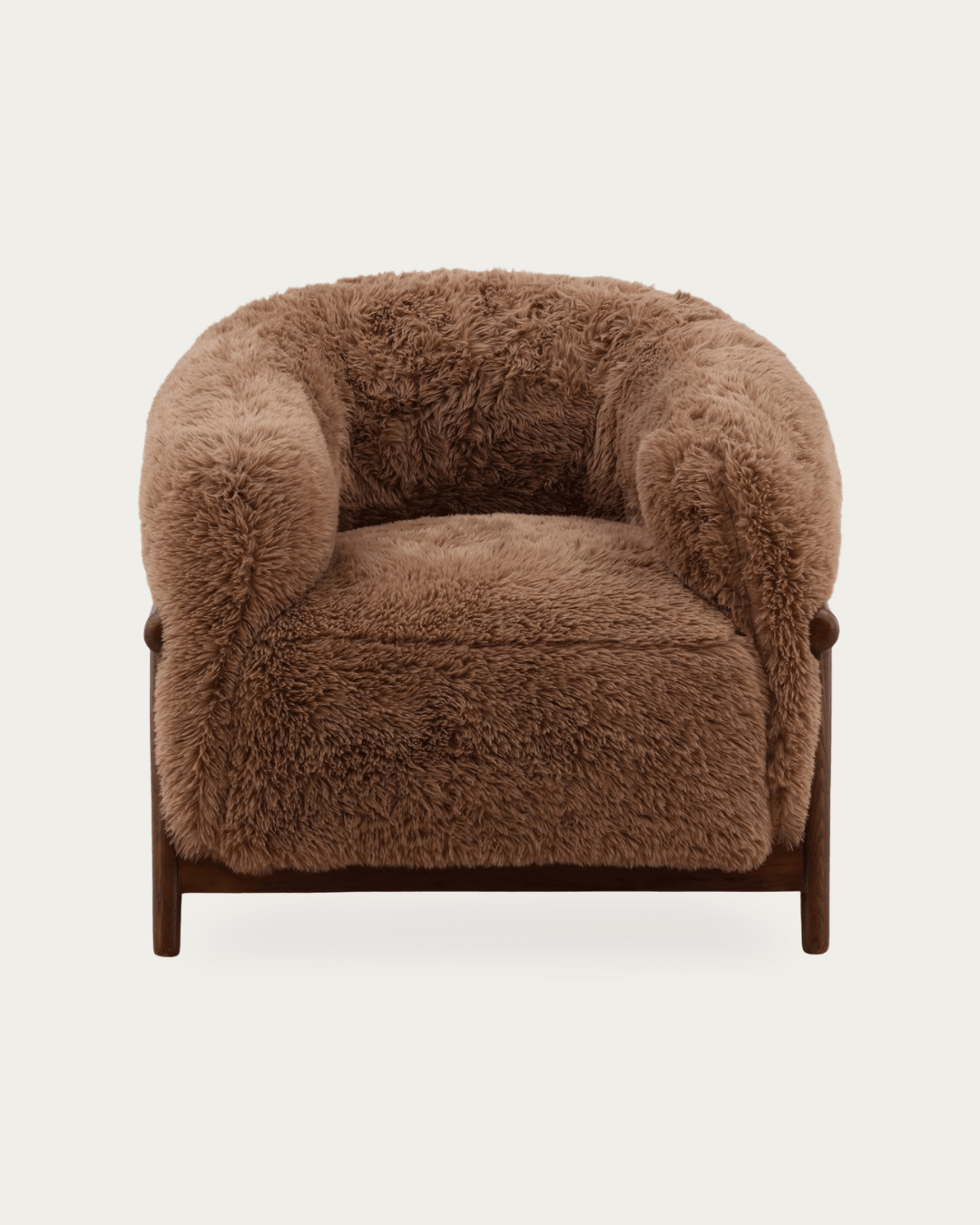
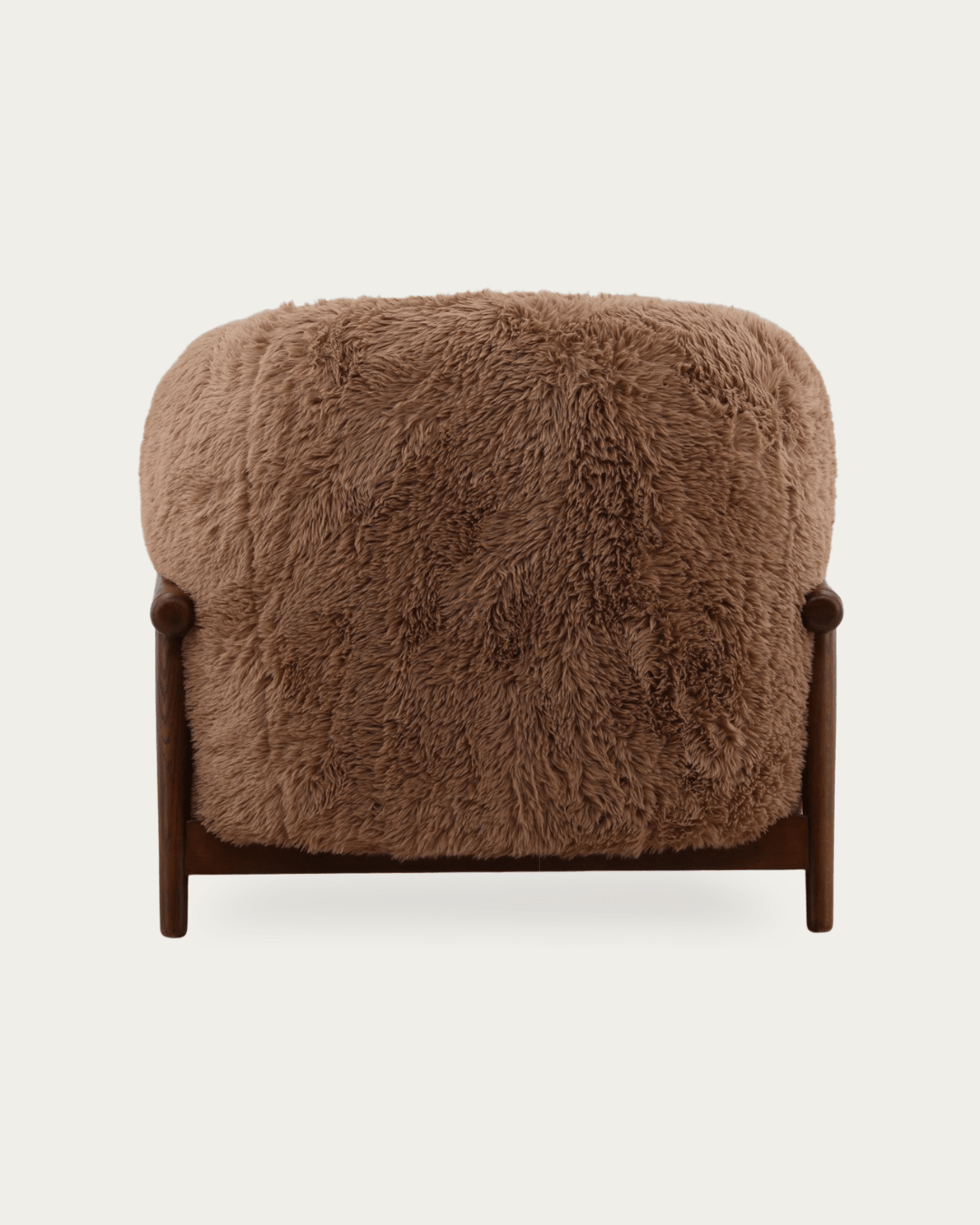
That’s one reason the Stella chair works so naturally inside mountain-inspired spaces. Its softer shaping interrupts harder visual lines without becoming overly decorative.
The Wolf ottoman introduces similar softness lower to the ground, helping seating arrangements feel more relaxed and less performative.
The room starts feeling easier to move through physically and visually.
5. Visual Noise Is Usually the Real Problem
People often think they need to redesign the room entirely when the actual issue is visual interruption.
Too many tiny objects.
Too many competing finishes.
Too many open shelves.
Too many things asking for attention simultaneously.
Modern mountain interiors tend to feel calmer because they reduce edge density. Larger objects. Fewer interruptions. More material consistency.
RUTED Tip: If your living room feels mentally loud, remove half the small decor before buying anything new. Tiny visual interruptions drain attention faster than most people realize. Your nervous system notices object clutter even when you’ve stopped consciously seeing it.
Smaller grounding pieces still matter though — they just need enough material weight to contribute rather than disappear.
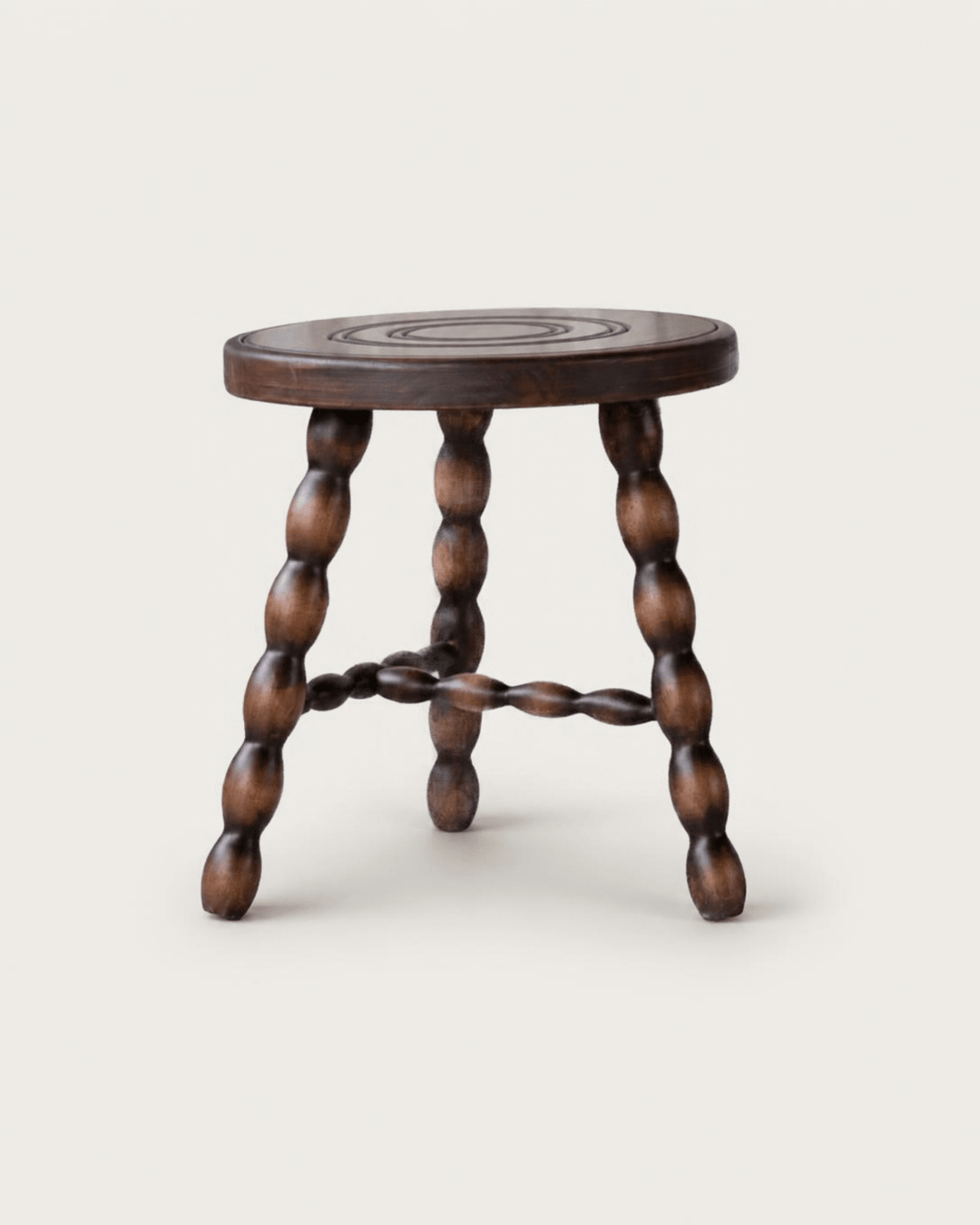
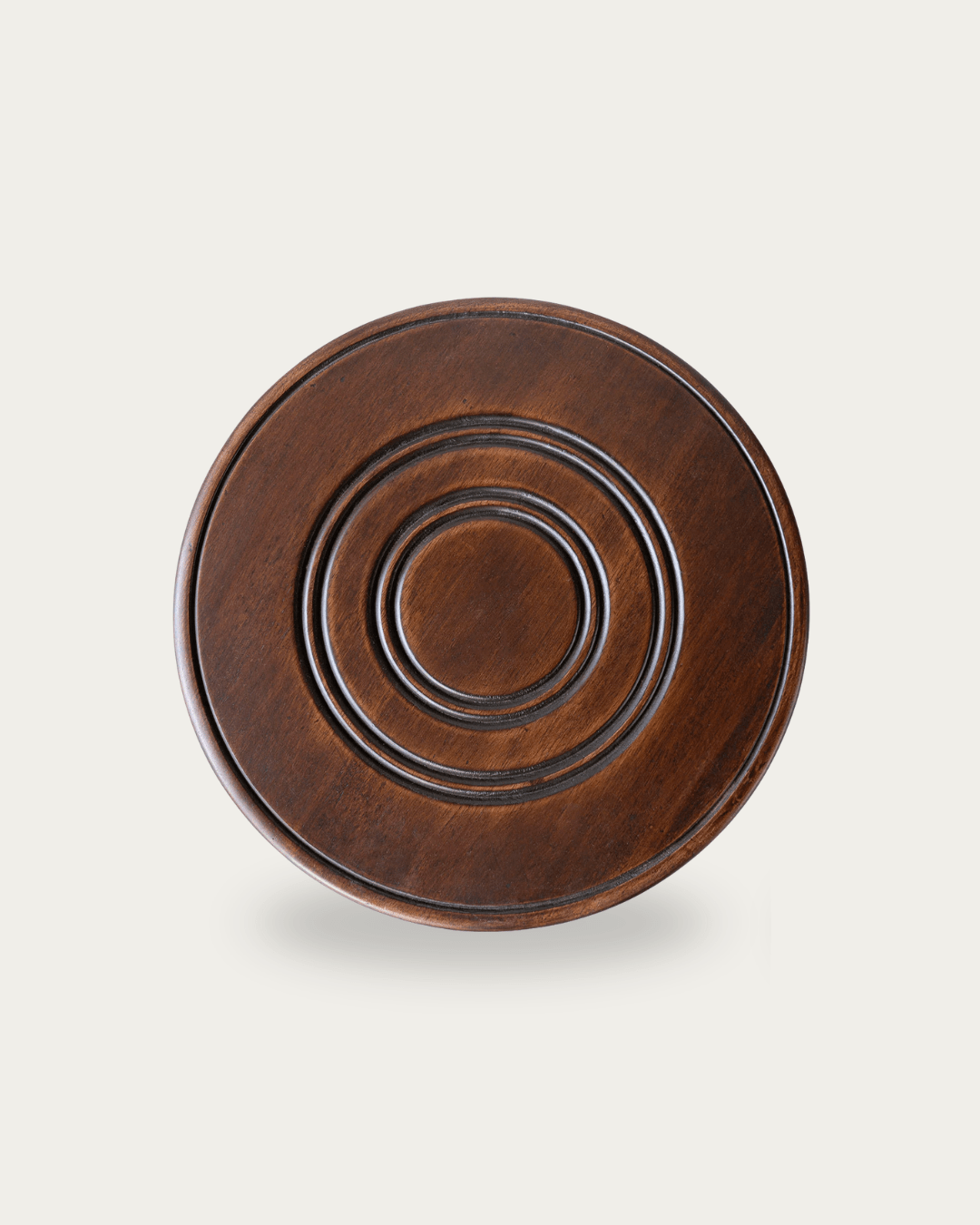
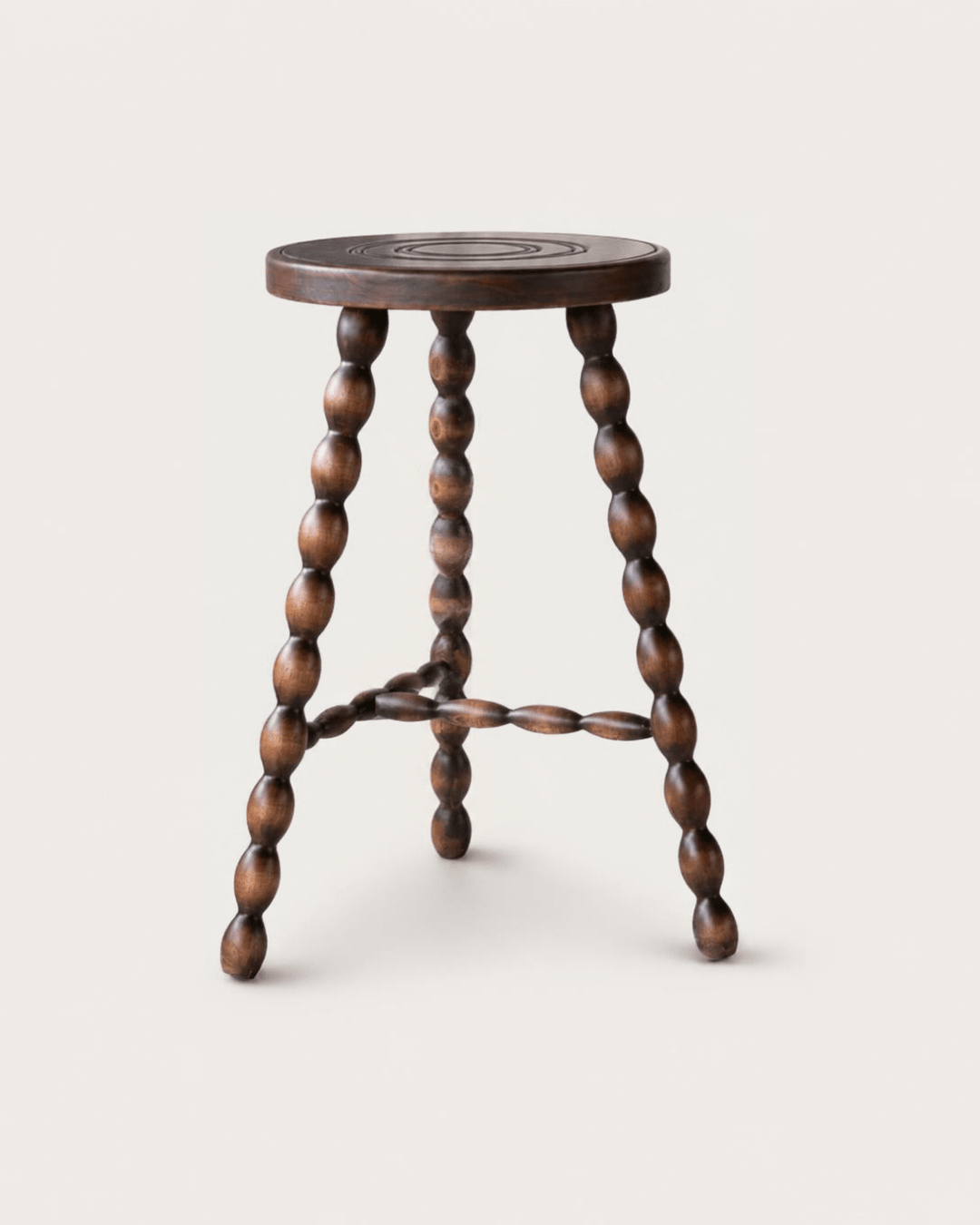
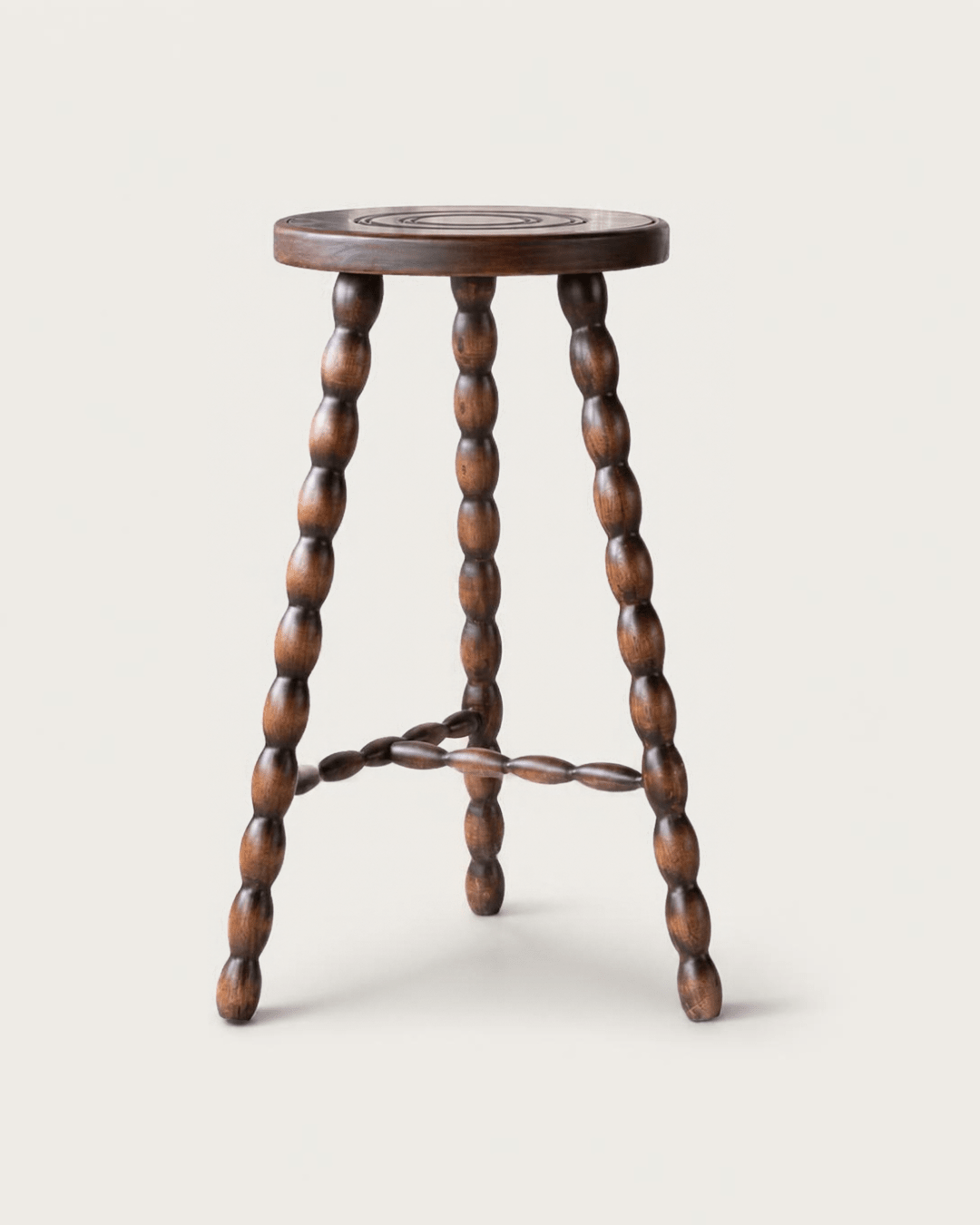
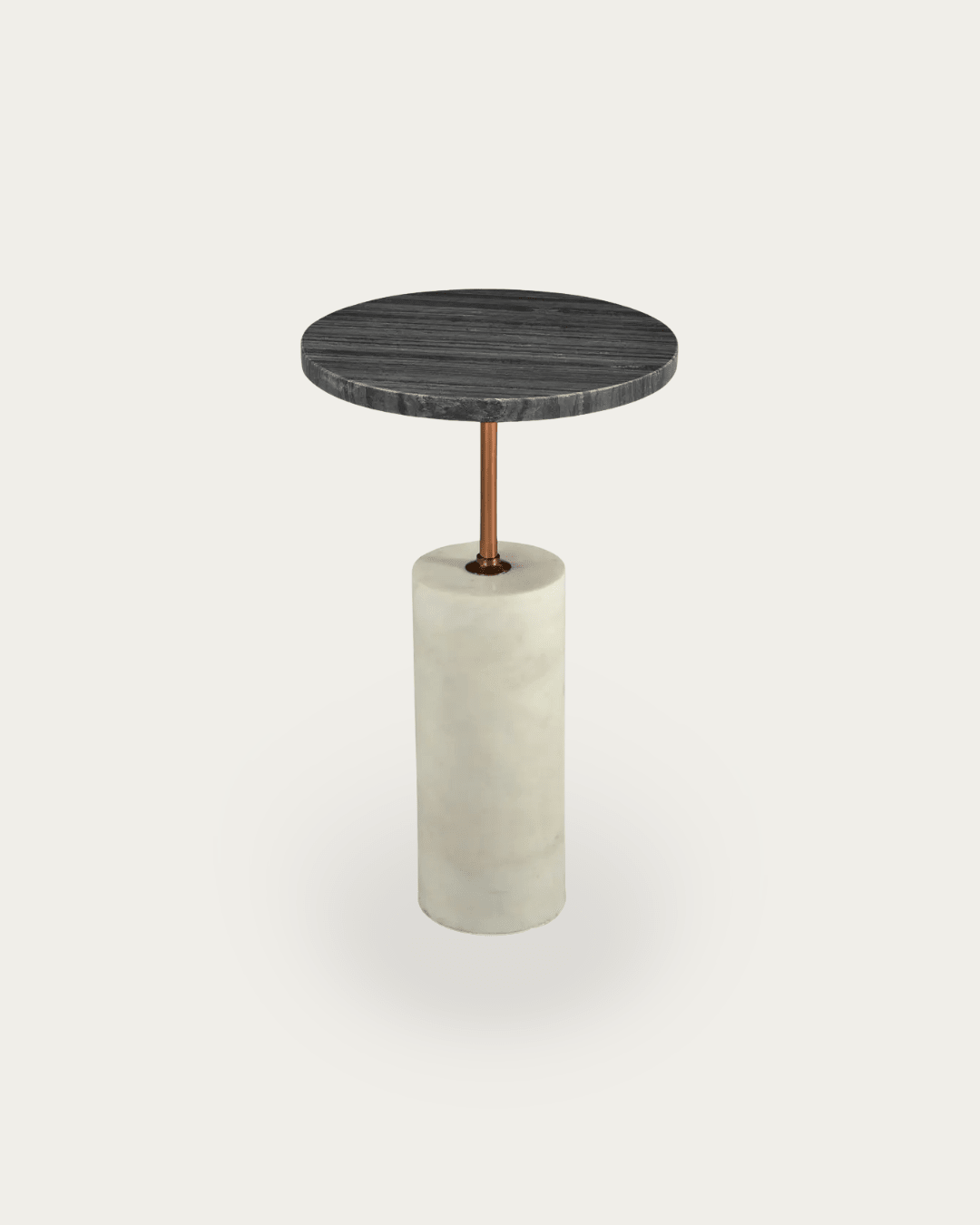
The Solve stool adds lower visual grounding while maintaining a quieter silhouette, while the Yrsa stool introduces softer layering without increasing visual chaos.
The goal isn’t emptiness.
It’s clarity.
6. Furniture Should Feel Connected to the Architecture
A room feels “off” surprisingly quickly when the furniture scale fights the architecture around it.
Small furniture in larger rooms creates visual drift. The room never fully resolves because nothing feels proportionally anchored.
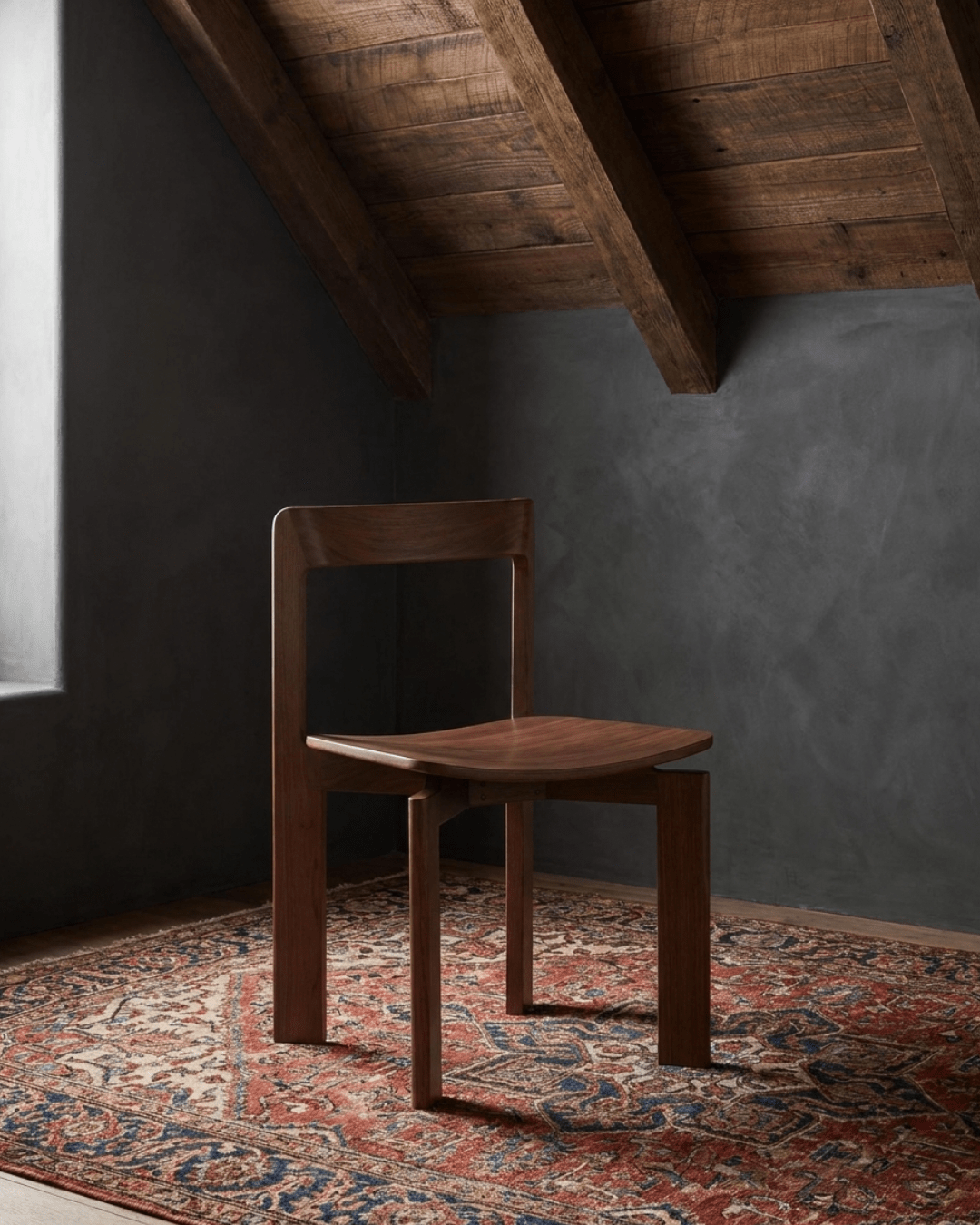
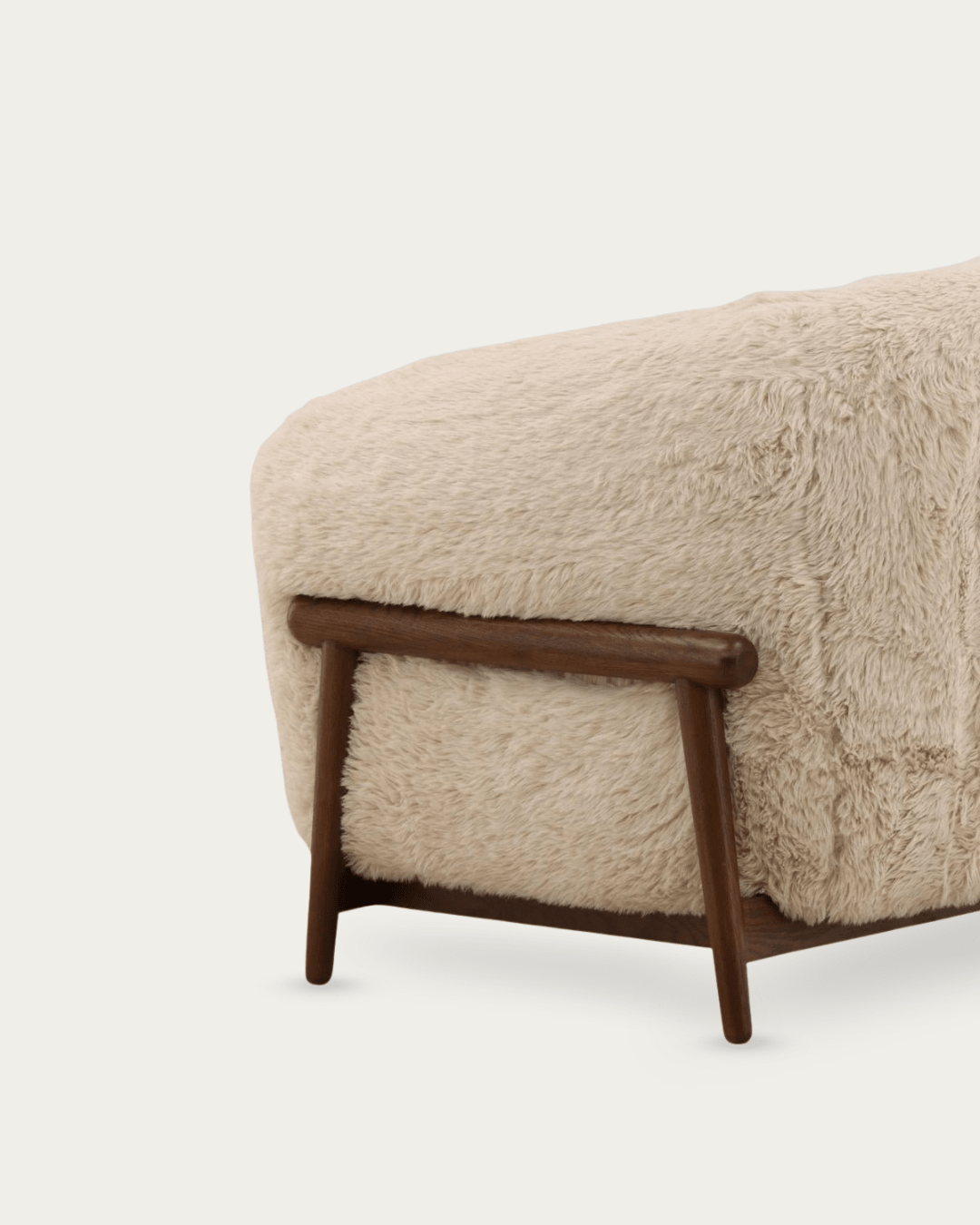
Modern mountain interiors work best when furniture mirrors the scale and materiality of the home itself. Heavier woods, larger silhouettes, and lower profiles help tie the furniture into the structure instead of making it feel temporary.
That’s where made-to-order furniture becomes especially useful.
Custom dimensions allow seating depth, upholstery, and scale to work with the room’s proportions instead of forcing generic showroom sizing into a space that needs something more grounded.
The best modern mountain homes feel cohesive because the furniture doesn’t look borrowed from another architecture style entirely.
7. Rooms Need Transitional Pieces, Not Just Statement Pieces
A lot of people focus entirely on the “hero” furniture and forget the pieces that help the room flow.
That’s where ottomans, side tables, stools, and consoles quietly become some of the most important objects in the house.
They soften transitions.
Break up visual rigidity.
Create pacing between larger furniture forms.
Support movement without cluttering the room.
The Lemi ottoman helps seating layouts feel more relaxed and adaptable instead of stiffly arranged for appearances.
Meanwhile, the Morten side table introduces natural material variation in a quieter way than adding more decorative accessories ever could.
The best rooms usually flow well because transitional pieces are doing invisible work in the background.
8. The Best Modern Mountain Homes Prioritize Regulation Over Performance
The shift happening in interiors right now is bigger than style trends.
People are becoming less interested in homes designed purely for visual performance and more interested in homes that actually support how they feel physically.
That changes everything about how rooms get designed.
The newer modern mountain home isn’t about proving how rustic, luxurious, or curated the space looks. It’s about creating environments that reduce overstimulation and encourage slower rhythms naturally.
That usually means:
lower lighting
grounded furniture
fewer visual interruptions
heavier natural materials
softer transitions
layered texture
less decorative performance
The result feels calmer because the room isn’t constantly demanding attention.

The Homes That Feel Best Usually Feel the Quietest
The strongest modern mountain homes rarely rely on dramatic styling tricks.
They feel good because the materials carry enough depth on their own. The furniture feels connected to the architecture. The lighting softens the room instead of exposing every surface equally. The textures create variation without overwhelming the eye.
That’s the real shift.
Less decorating for approval.
Less visual noise.
Less pressure to impress.
More regulation.
More grounding.
More homes designed around how people actually want to feel inside them.
Explore more grounded furniture, layered textures, and modern mountain-inspired pieces throughout the Living room collection and create a home that feels slower, steadier, and easier to exist inside every day.