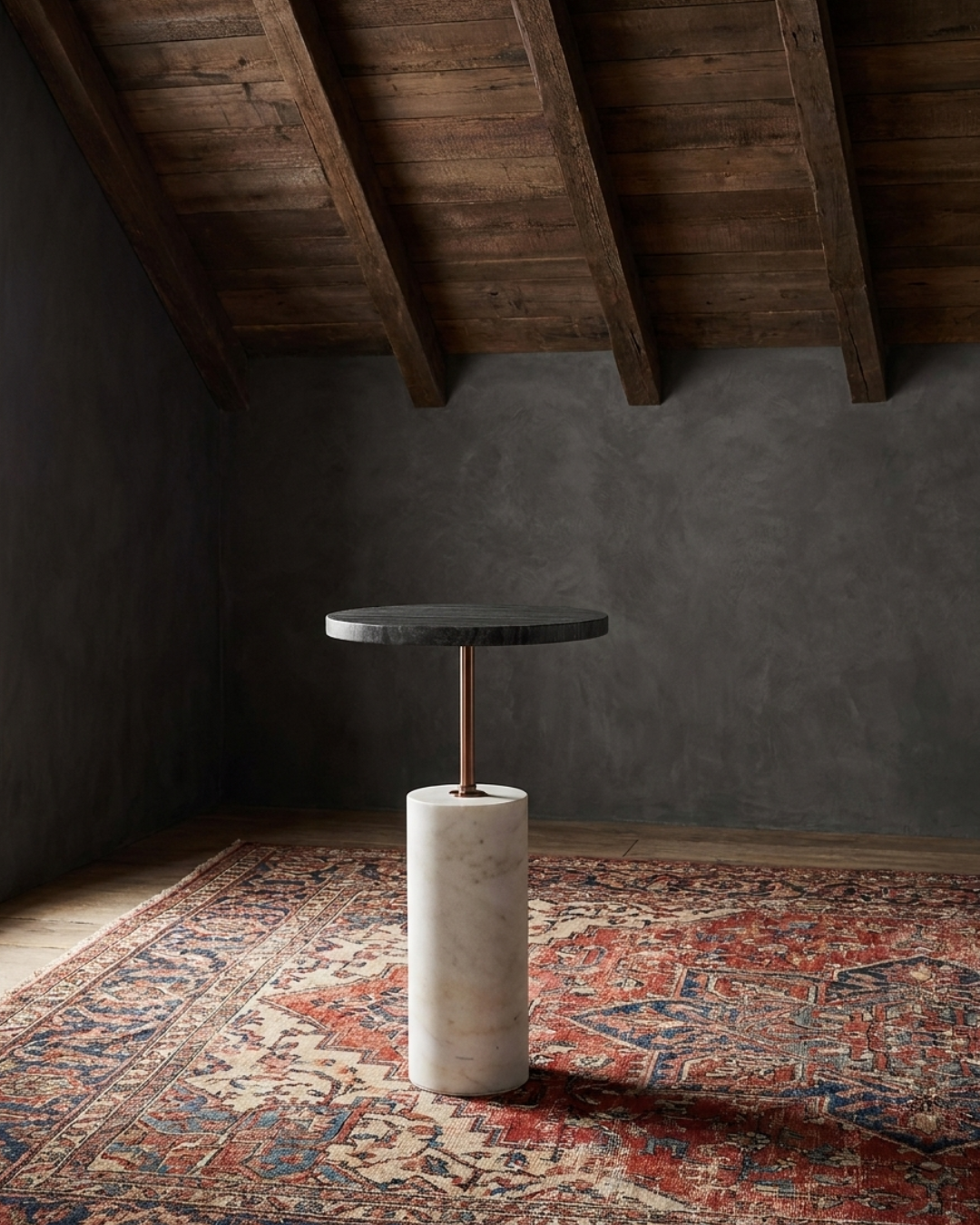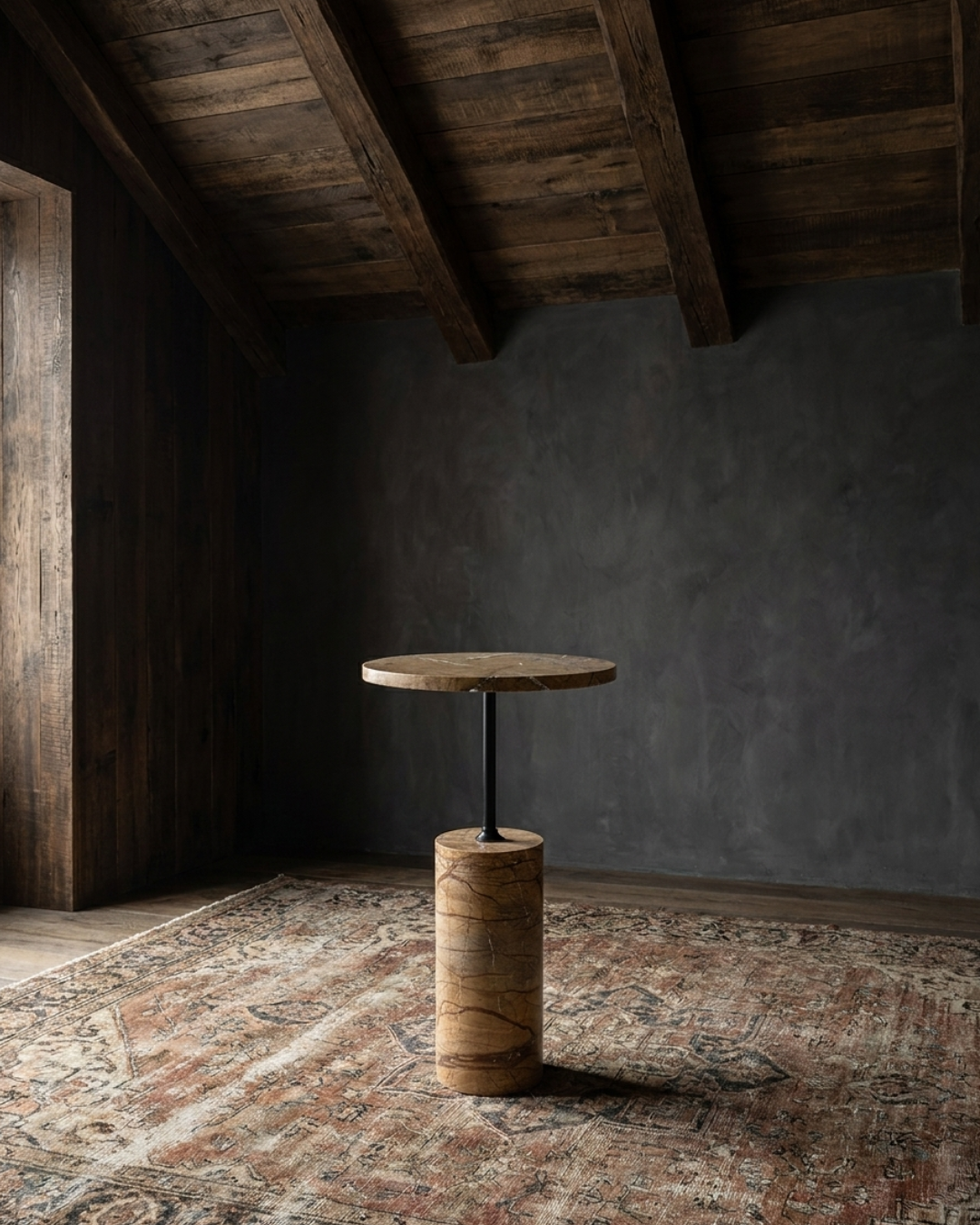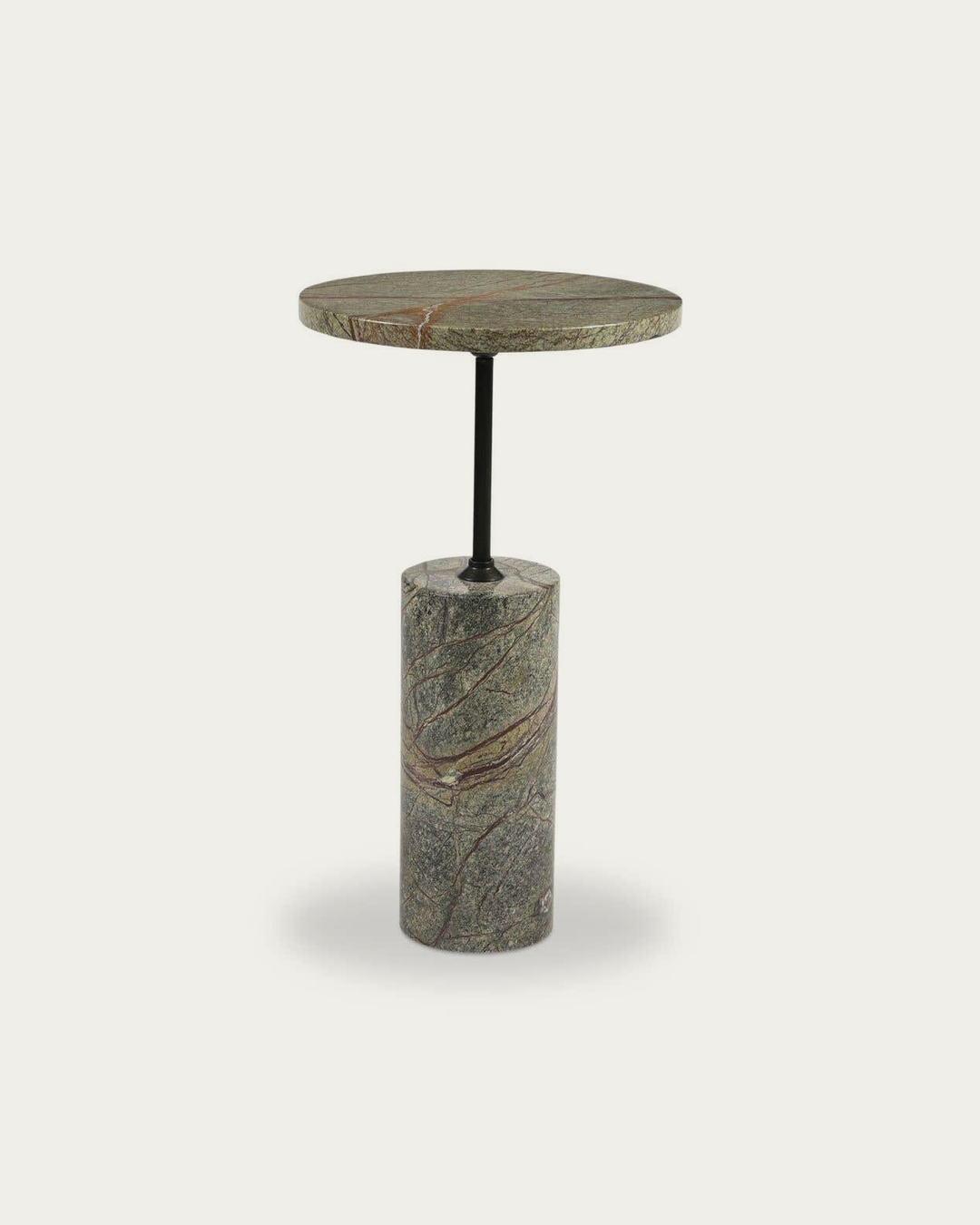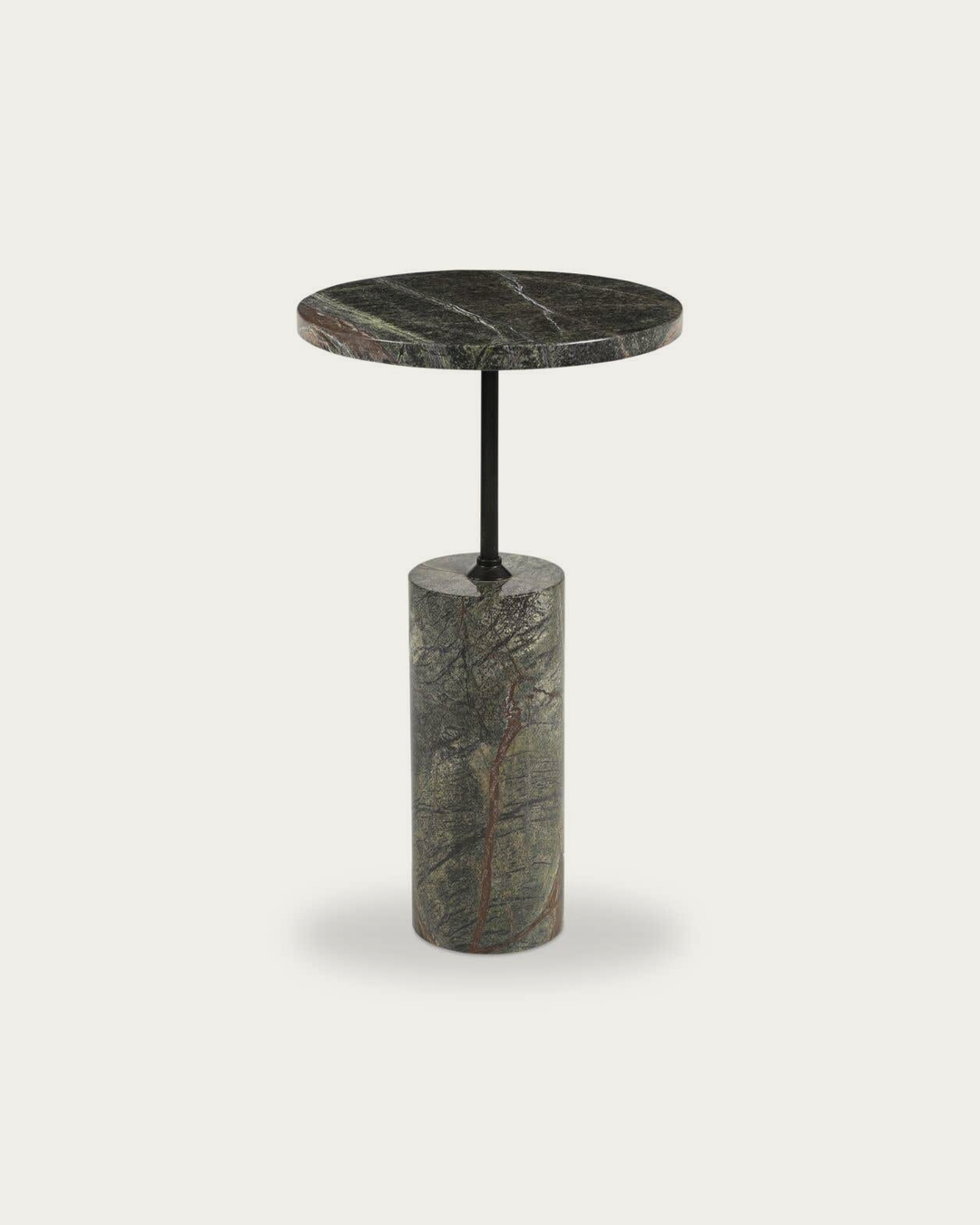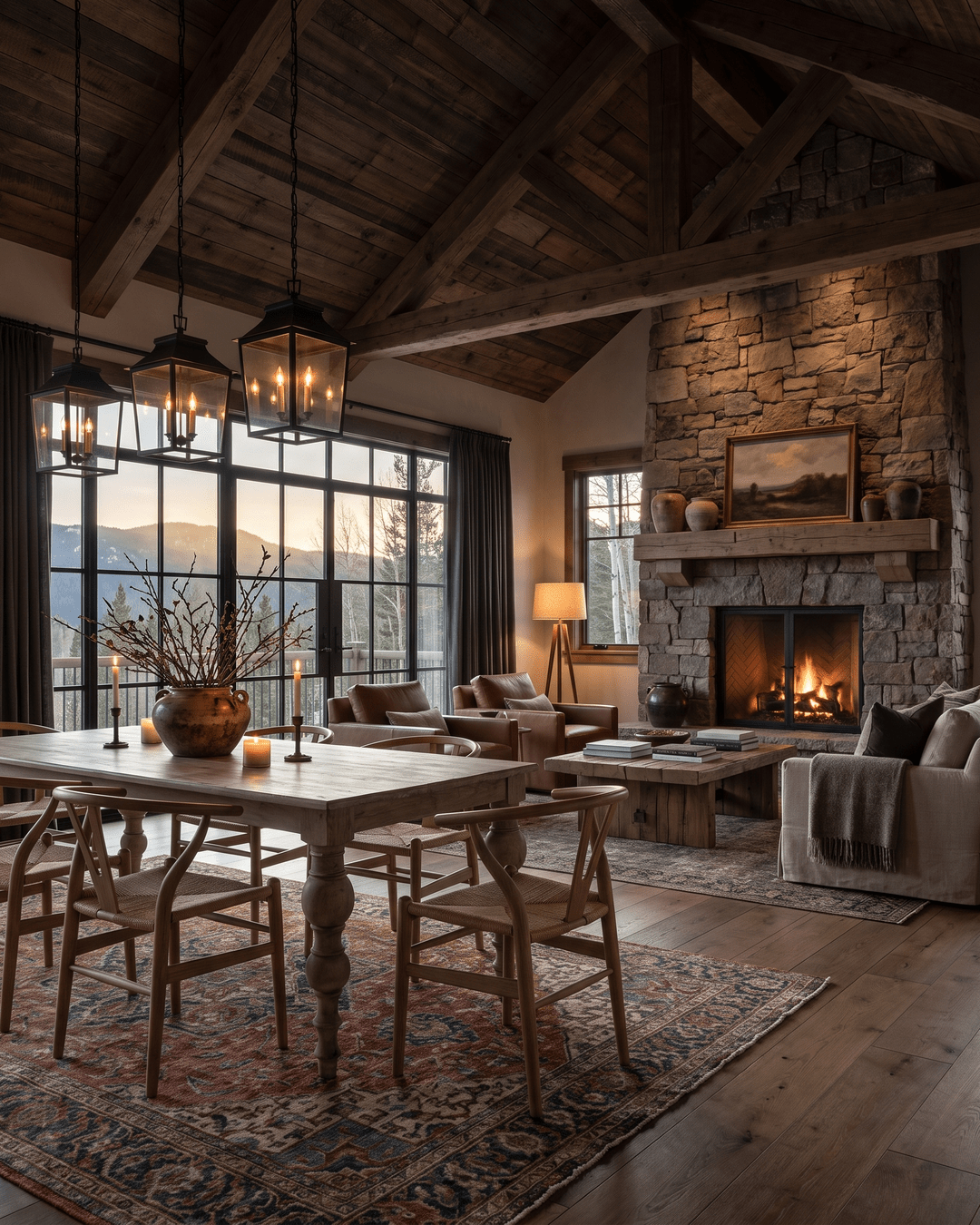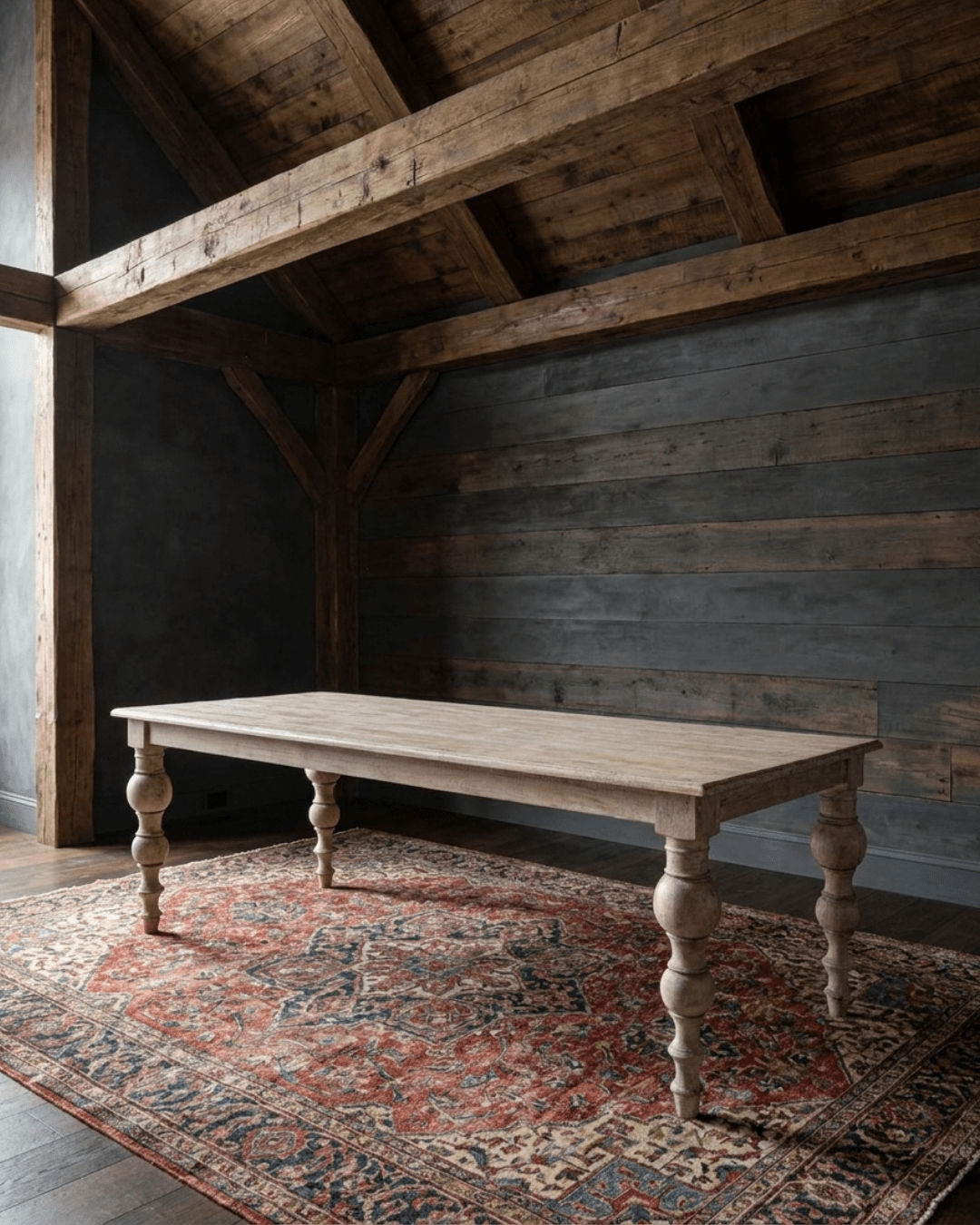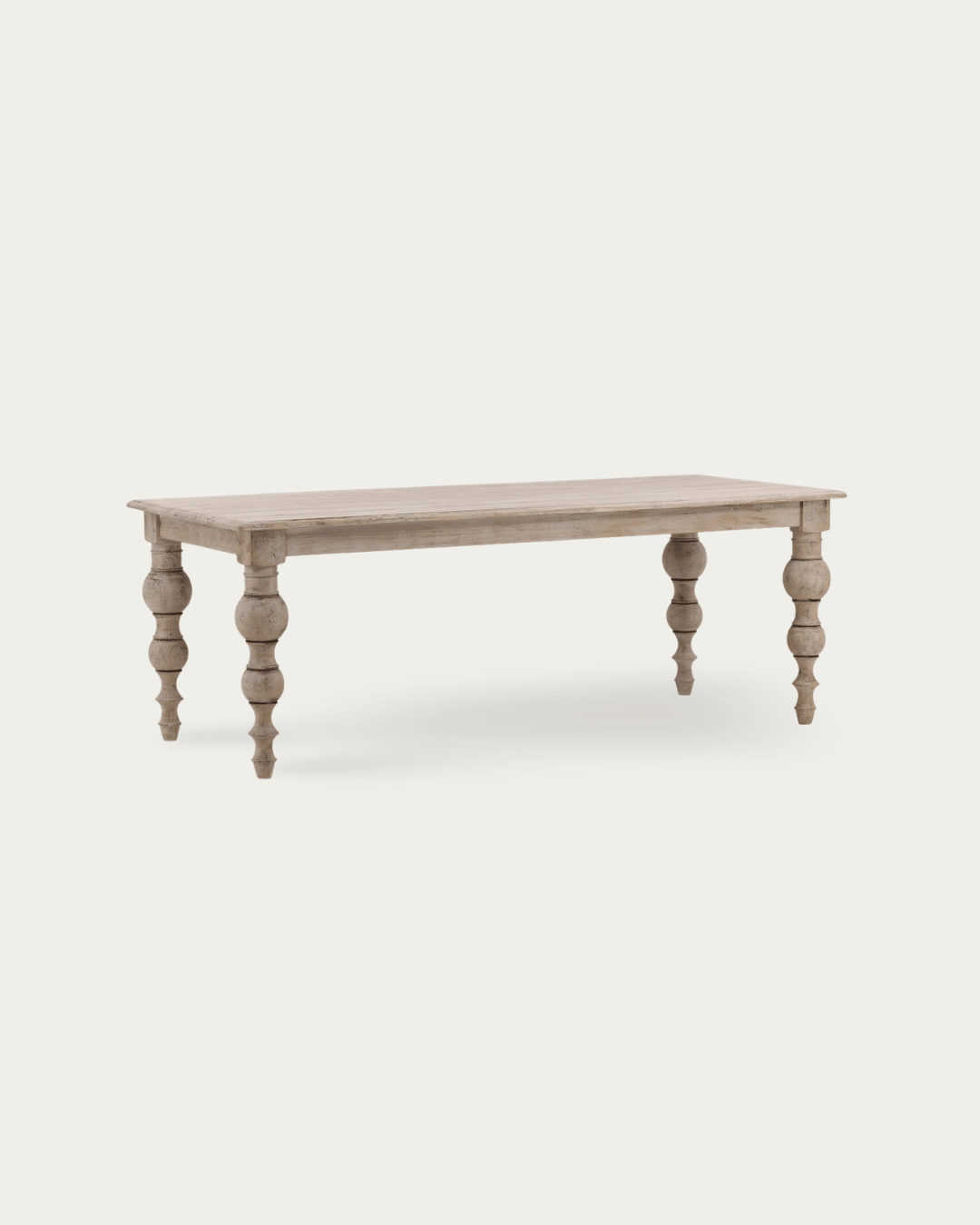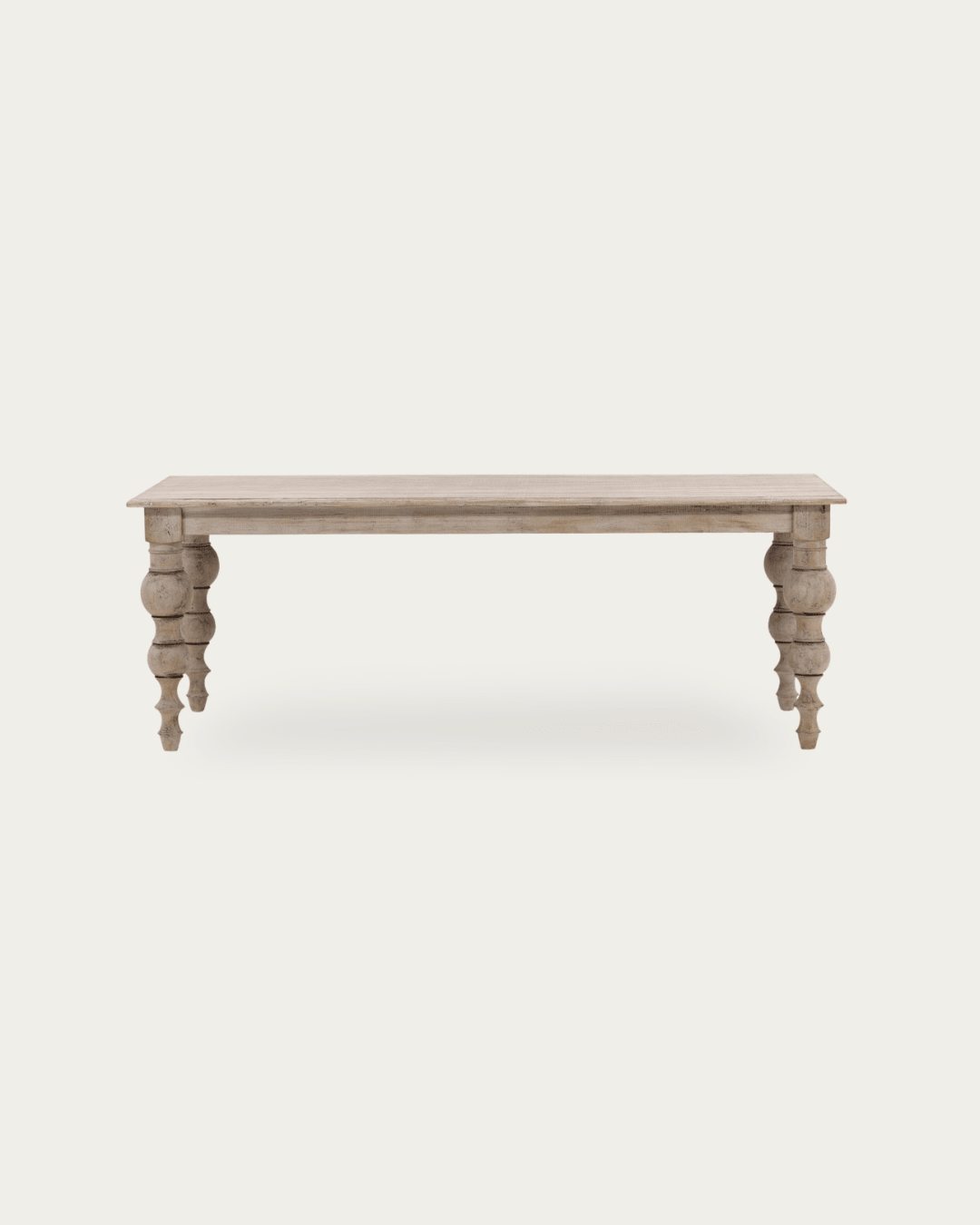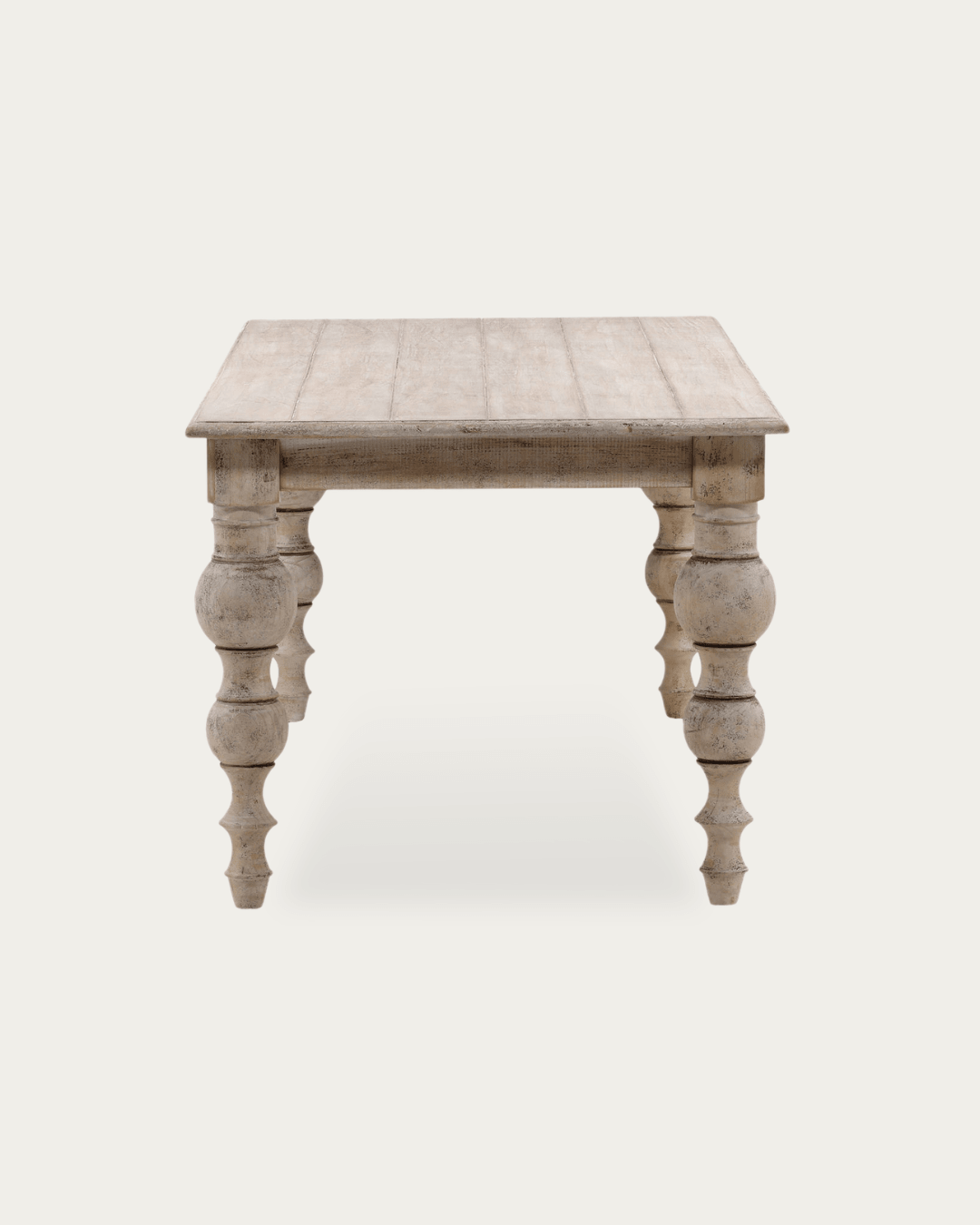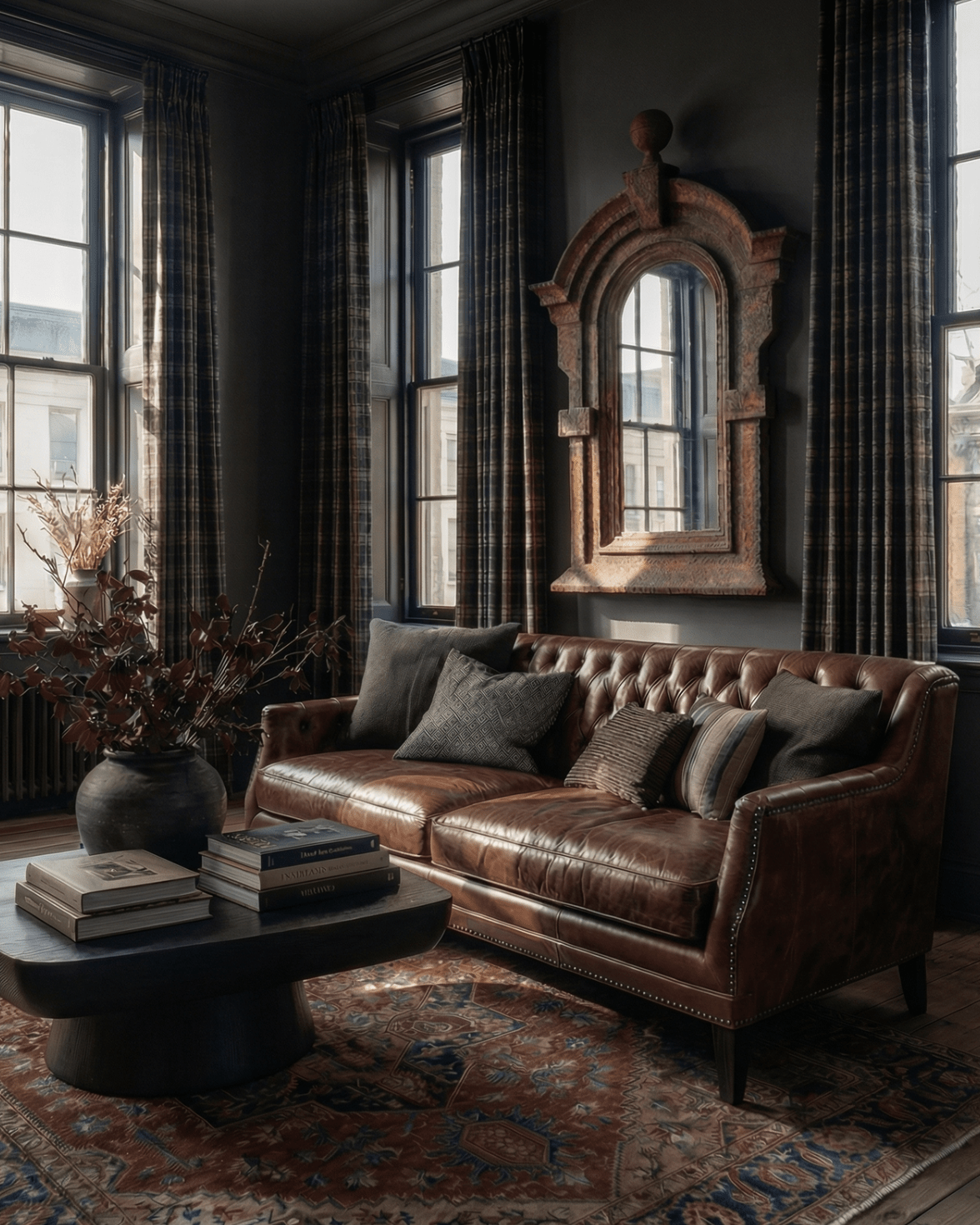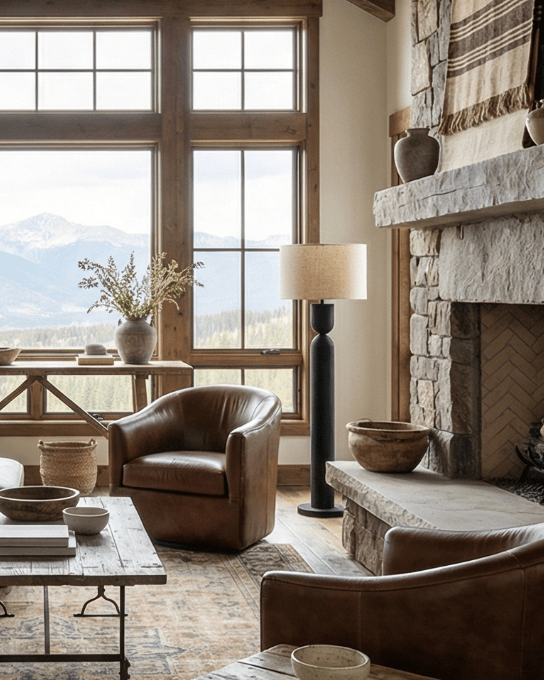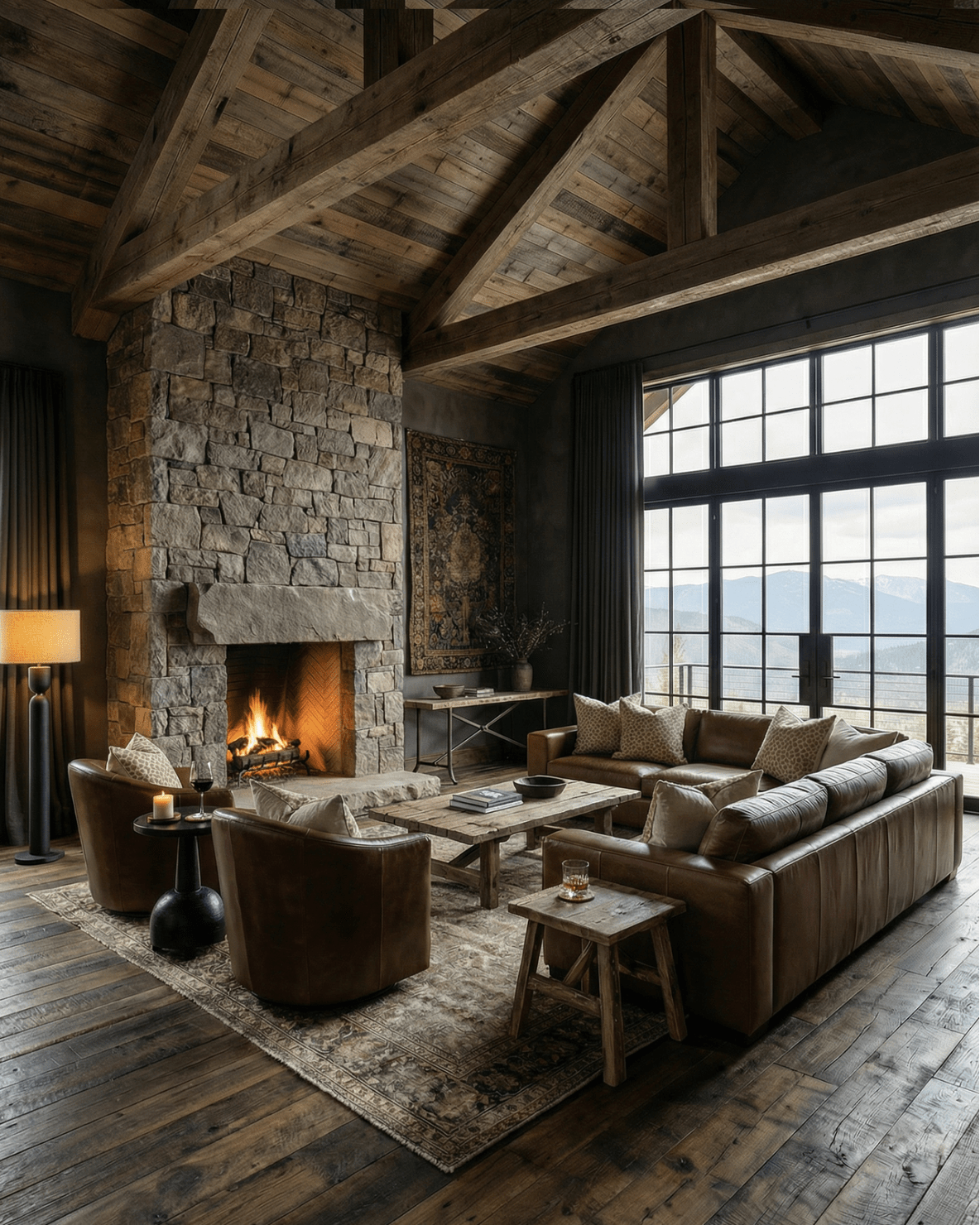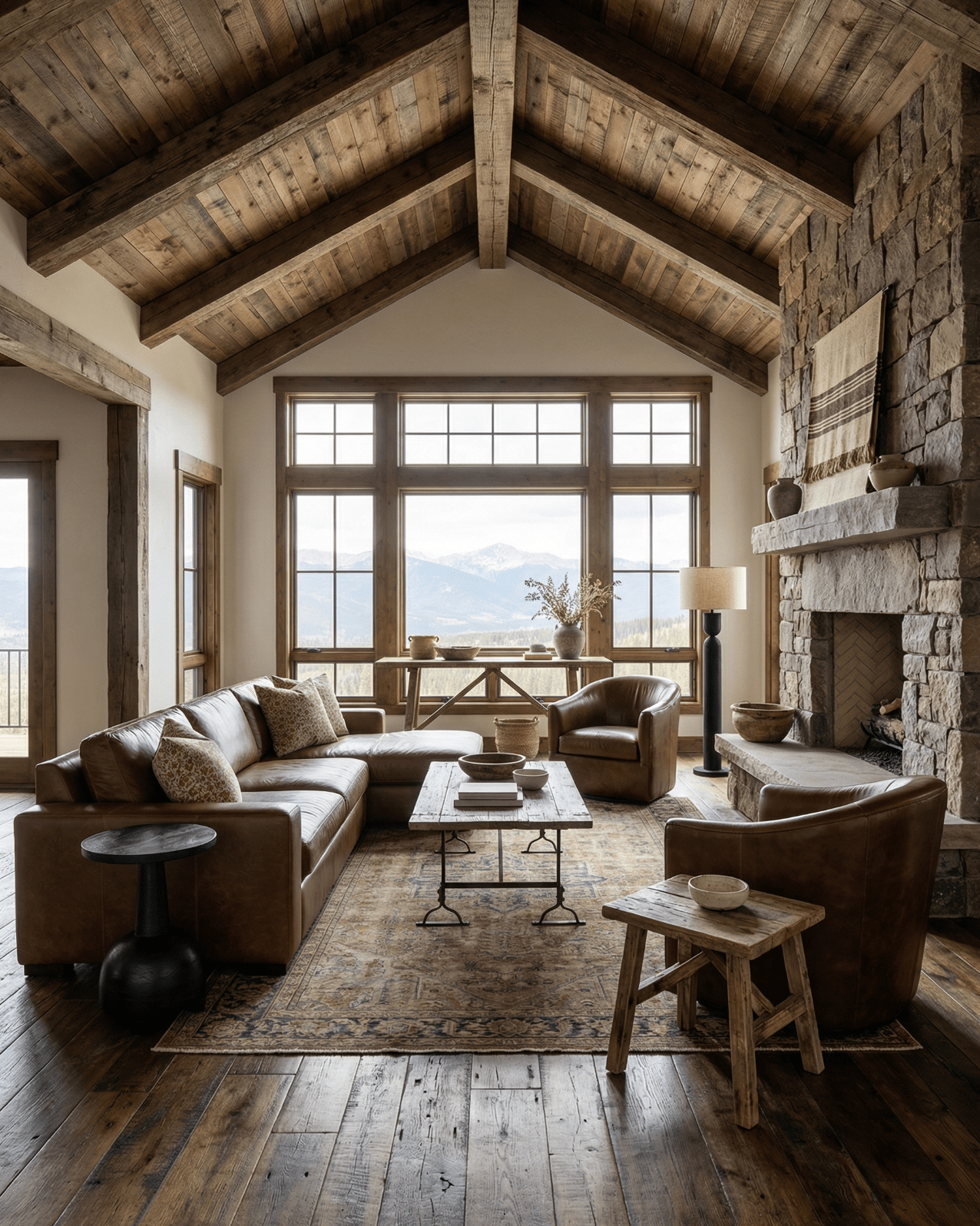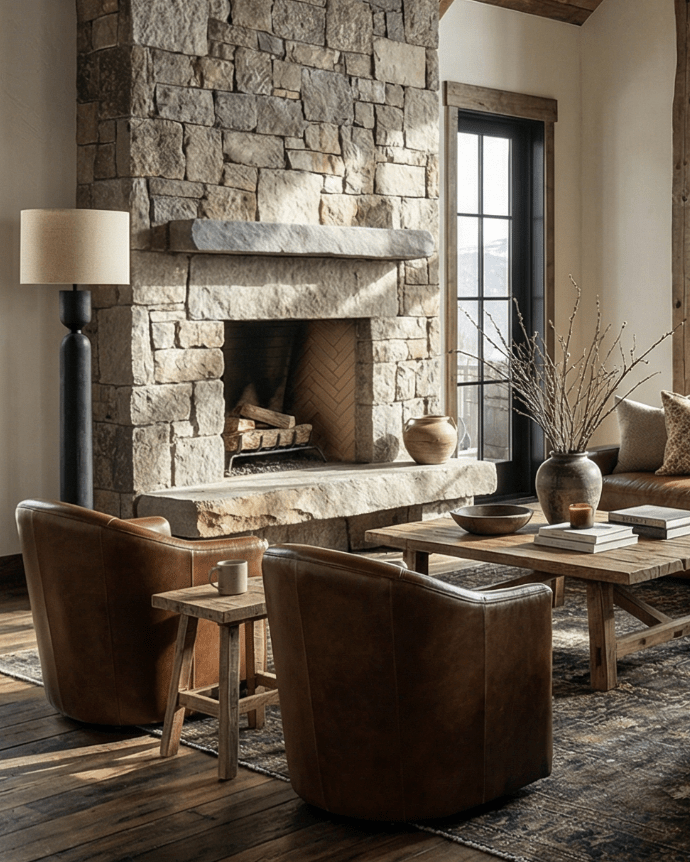








Have you ever walked into a living room that looked perfectly fine on paper but somehow felt uncomfortable to sit in?
The sofa fit the room. The rug was the right size. The lighting worked. Yet something felt slightly off.
Most people blame the layout. Some blame the colour palette. Others start shopping for more decor.
Often, the real problem is the coffee table.
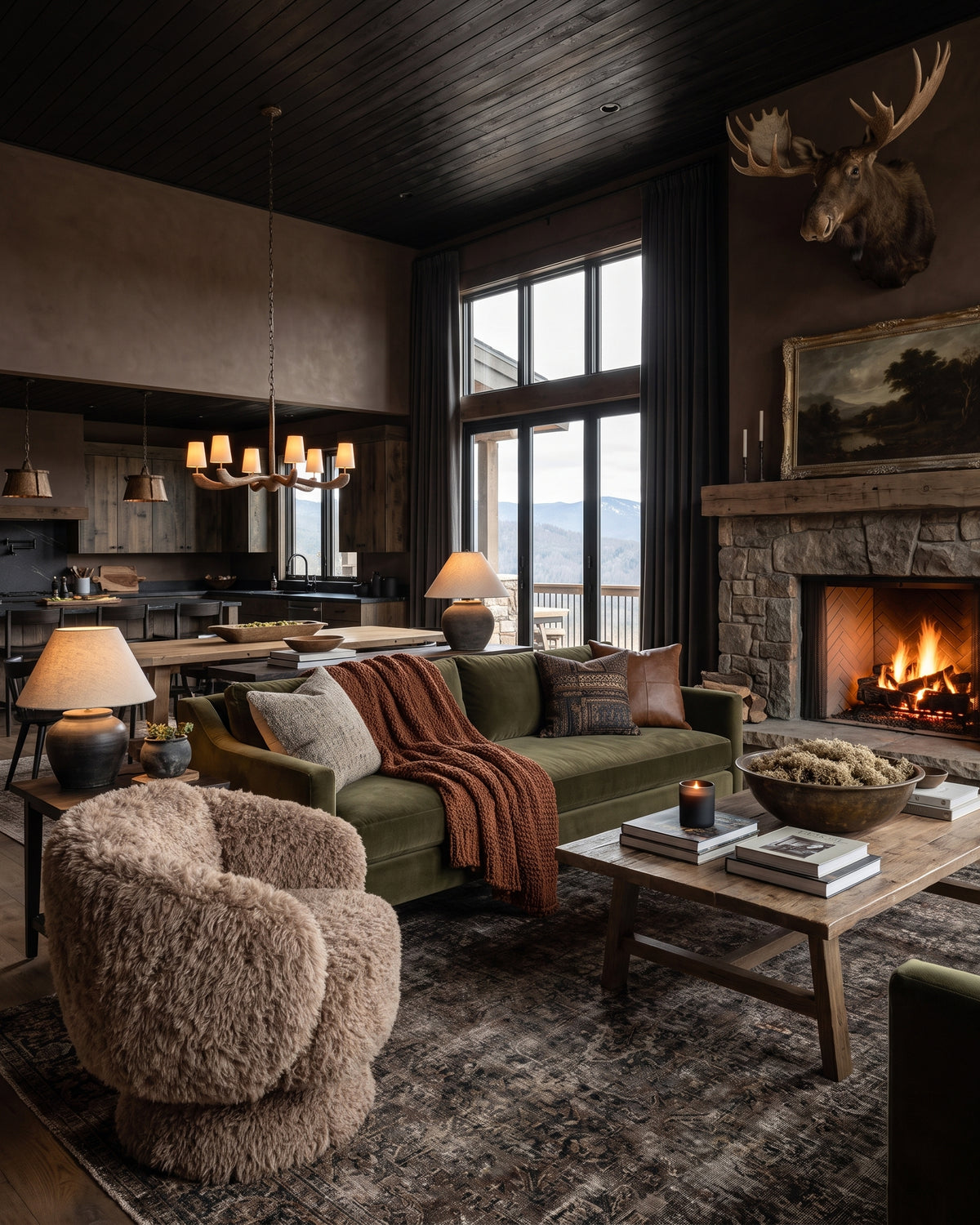
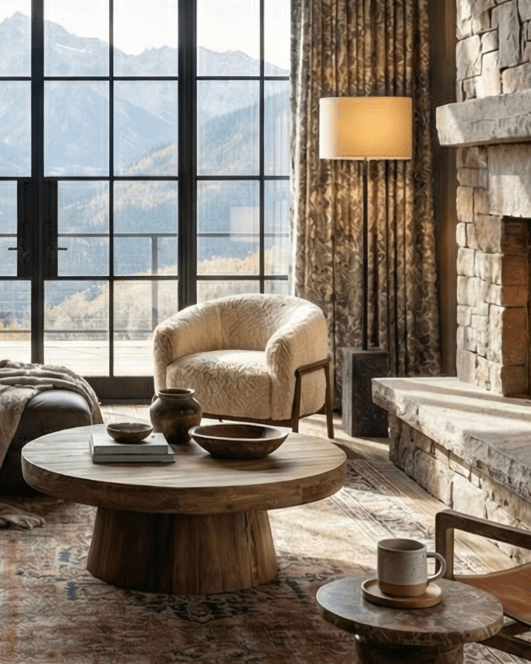
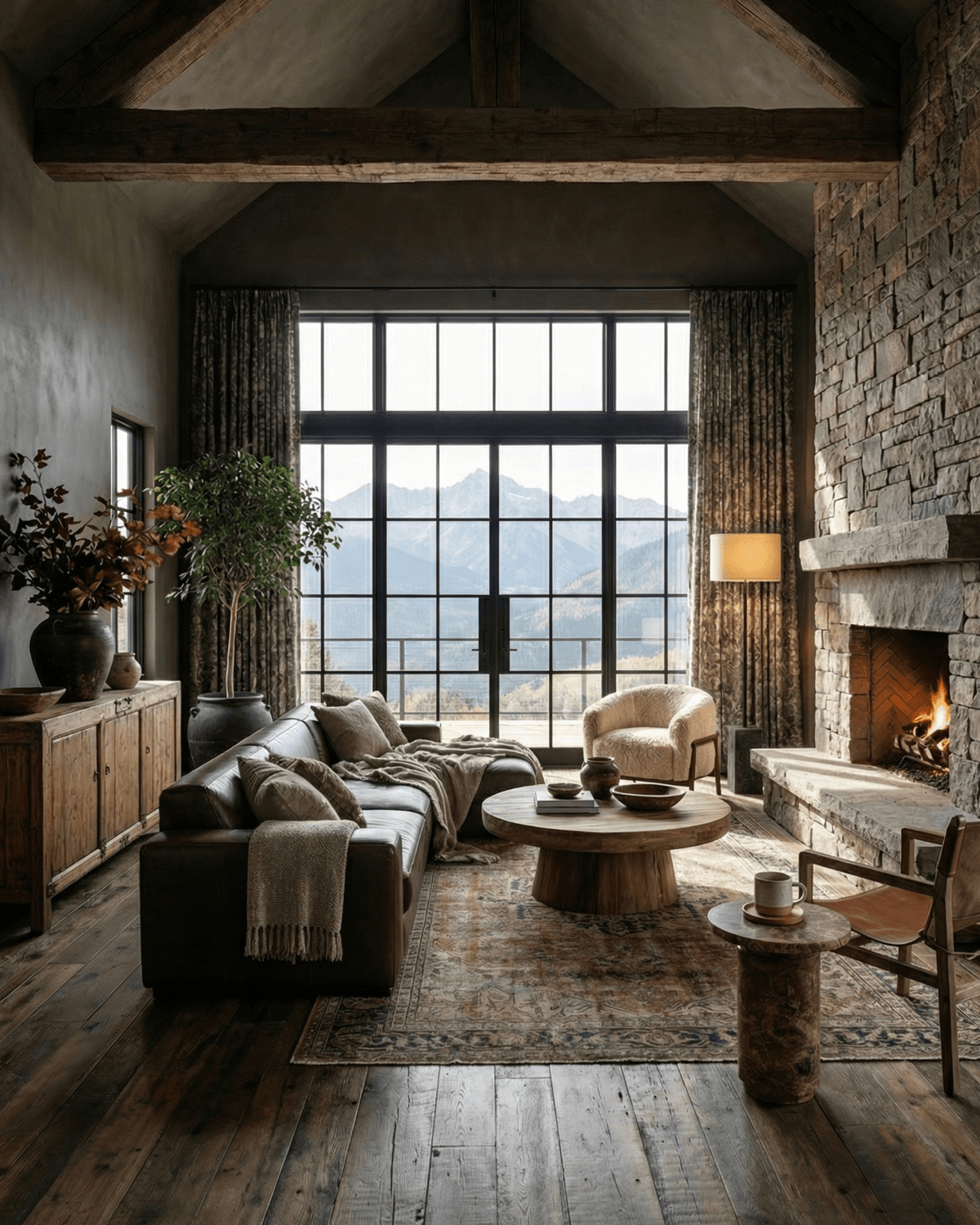
A coffee table sits at the center of almost every living room. It influences how people move through the space, how furniture relates to one another, and how the nervous system experiences the room. When it's the wrong shape, wrong size, or wrong visual weight, the entire room can feel unsettled—even if everything else is technically correct.
If you're rethinking your layout, exploring Hello Norden's coffee table collection is a useful starting point. Sometimes improving a living room has less to do with adding more furniture and more to do with choosing the right piece in the middle.
The Coffee Table Is Often the Room's Hidden Anchor
Most living rooms have a visual center whether people realize it or not.
The coffee table typically occupies that position.
Because it sits between sofas, chairs, and pathways, it becomes the piece that quietly organizes everything around it. When the coffee table feels disconnected from the rest of the furniture, the room often feels disconnected too.
This is why living rooms with undersized coffee tables frequently feel awkward. The furniture looks like it's floating rather than working together as a complete arrangement.
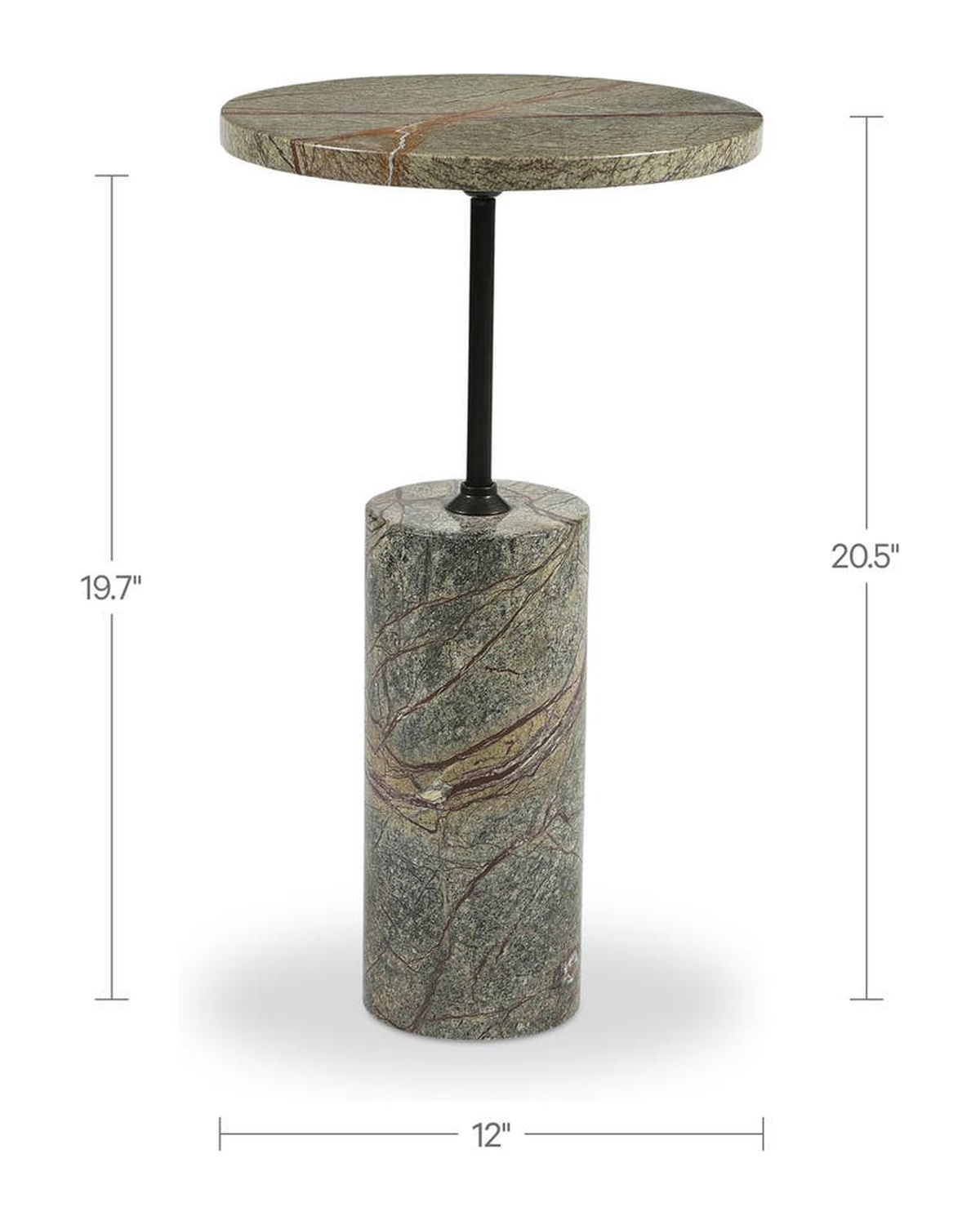
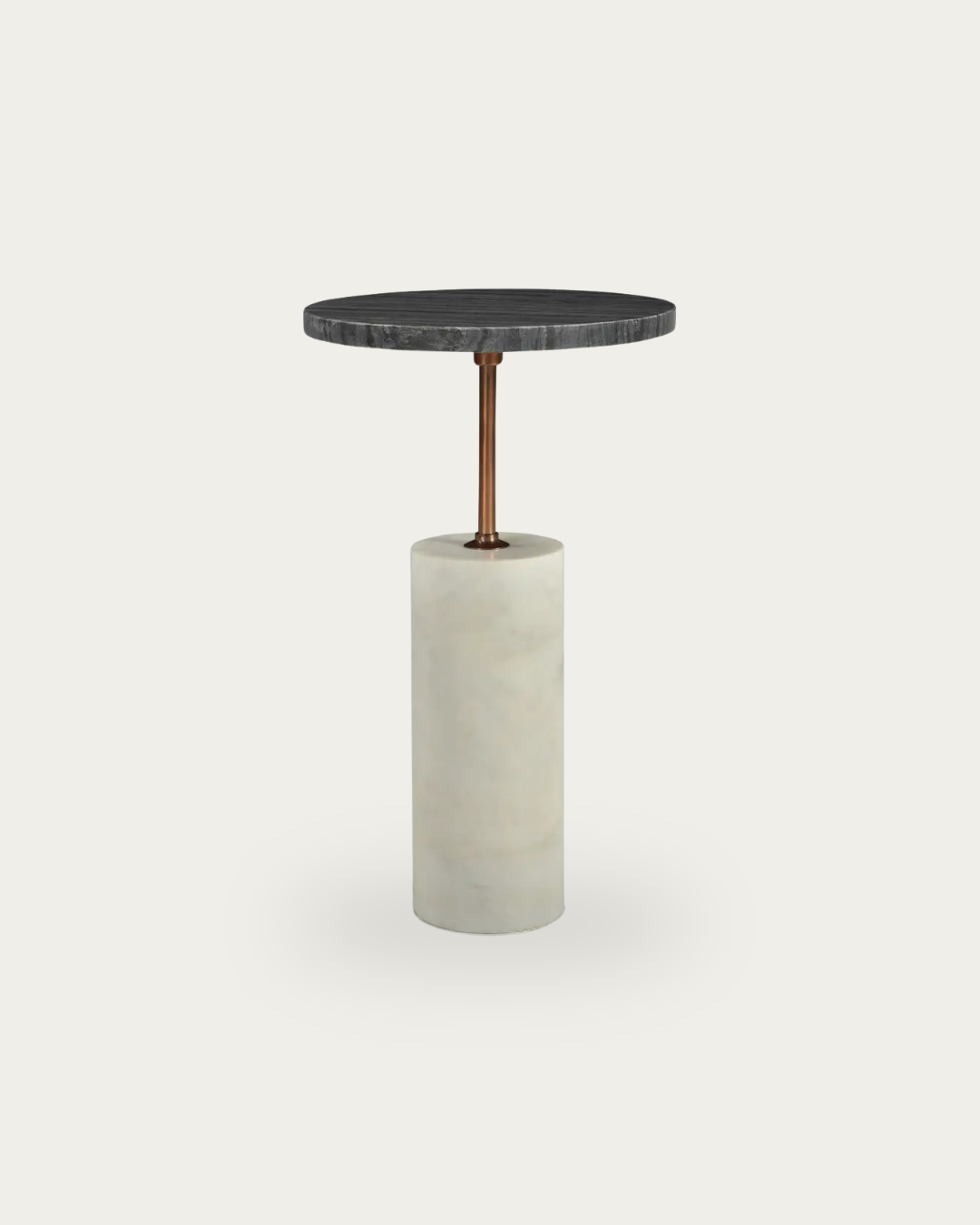
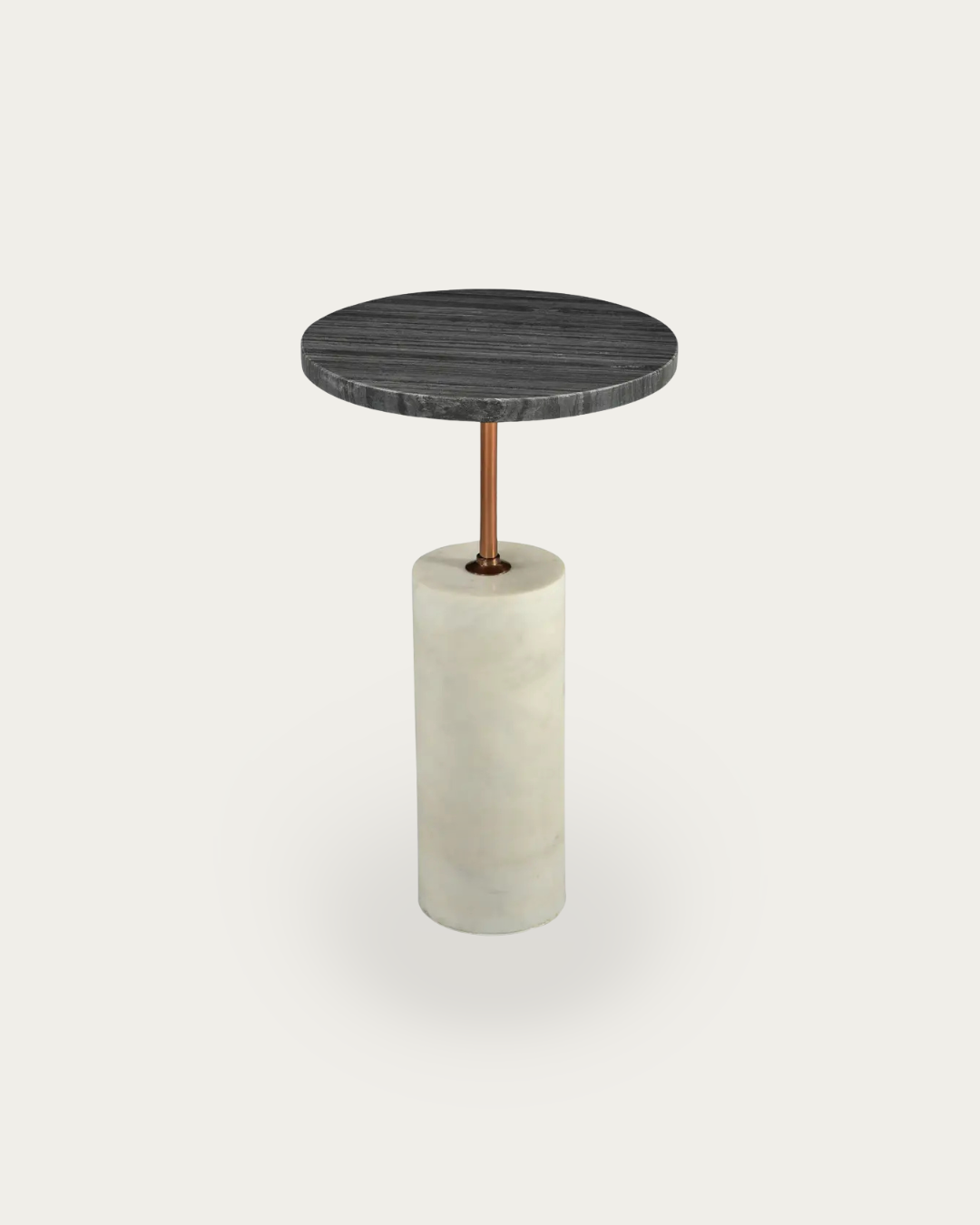
The Ronette Coffee Table creates a strong central anchor through its rounded silhouette and substantial presence, while the Villum Coffee Table helps create a softer focal point that naturally draws furniture into conversation with one another.
The room feels more resolved because the center of the room is doing its job.
Why the Brain Notices Missing Anchors
The nervous system constantly looks for structure.
When a room lacks a clear focal point, the eye keeps scanning for orientation. That subtle visual searching creates low-level tension, even if people can't explain exactly what's wrong.
A strong coffee table often solves that instantly.
The Wrong Shape Can Disrupt How People Move
One of the biggest reasons a room feels unsettled is poor circulation.
People bump corners.
Walk awkwardly around furniture.
Constantly adjust their path through the room.
The coffee table often plays a larger role in this than the sofa.
Shape matters because it influences movement.
Round coffee tables encourage smoother circulation. Square coffee tables establish stronger symmetry. Rectangle coffee tables help reinforce longer furniture arrangements.
The Solva Coffee Table works particularly well in rooms where softer movement patterns improve flow, while the Torjus Coffee Table helps reduce visual interruption through its rounded profile.
Good Rooms Support Natural Movement
People don't experience living rooms from a photograph.
They experience them while moving.
A coffee table should make movement easier rather than creating obstacles the body constantly has to negotiate.
Visual Weight Can Make or Break a Living Room
Many people assume visual weight comes from large sofas.
Coffee tables contribute just as much.
Visual weight refers to how substantial an object feels within a room. Because the coffee table occupies the center of the furniture arrangement, it carries a surprising amount of responsibility for helping the room feel grounded.
When a coffee table is too small, too delicate, or visually disconnected from surrounding furniture, the room can feel unstable.
The Rakel Coffee Table helps establish stronger visual grounding in larger seating arrangements, while the Synnova Coffee Table creates a balanced center point that prevents furniture from feeling scattered.
The room becomes easier to understand because the furniture feels proportionate.
Why Weight Feels Calming
Humans tend to respond positively to environments that feel stable.
Large, grounded objects reduce visual fragmentation and give the eye somewhere reliable to settle.
That feeling often translates directly into comfort.
Material Influences More Than Appearance
Coffee tables aren't just shapes.
They're materials.
And materials affect how a room feels.
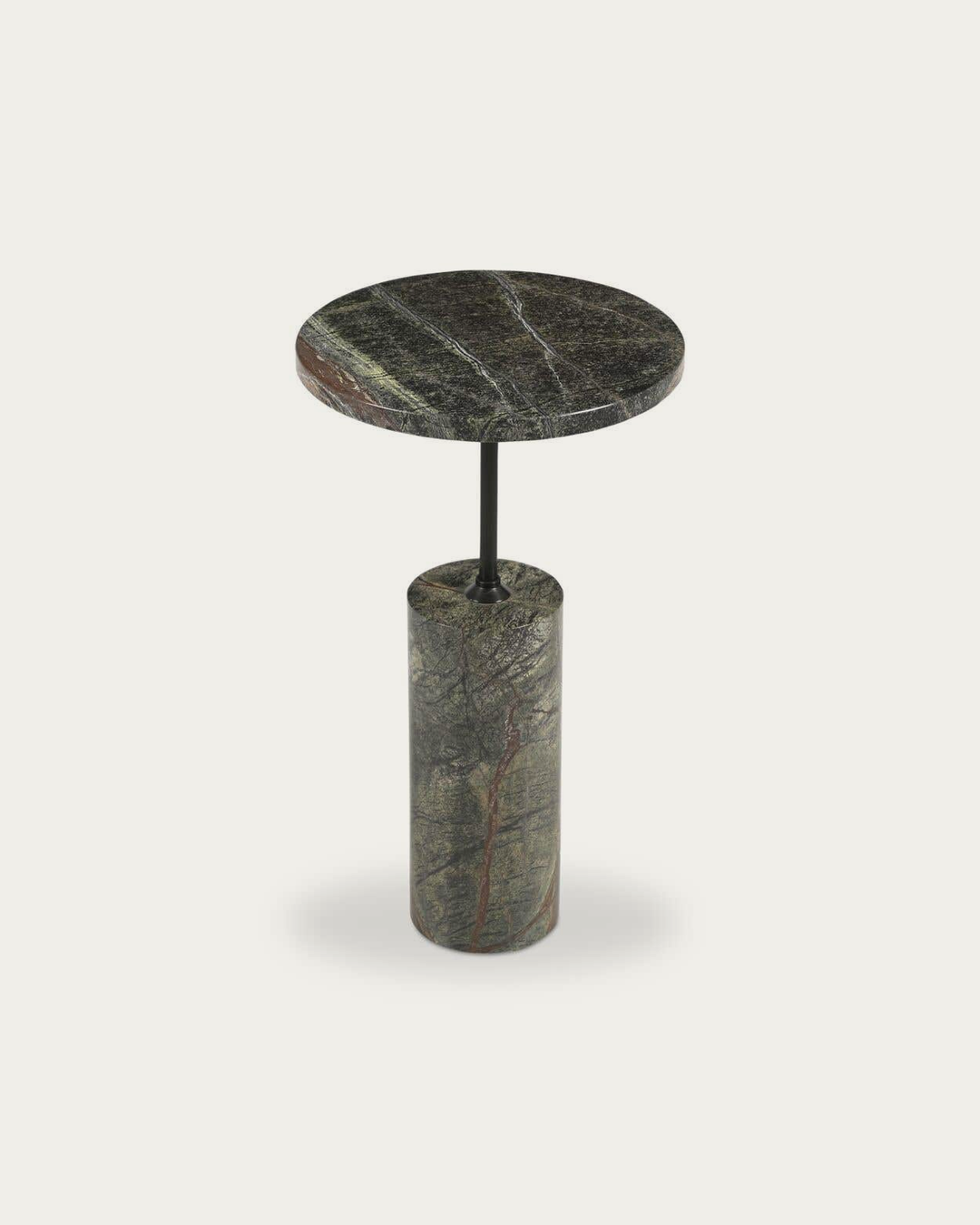
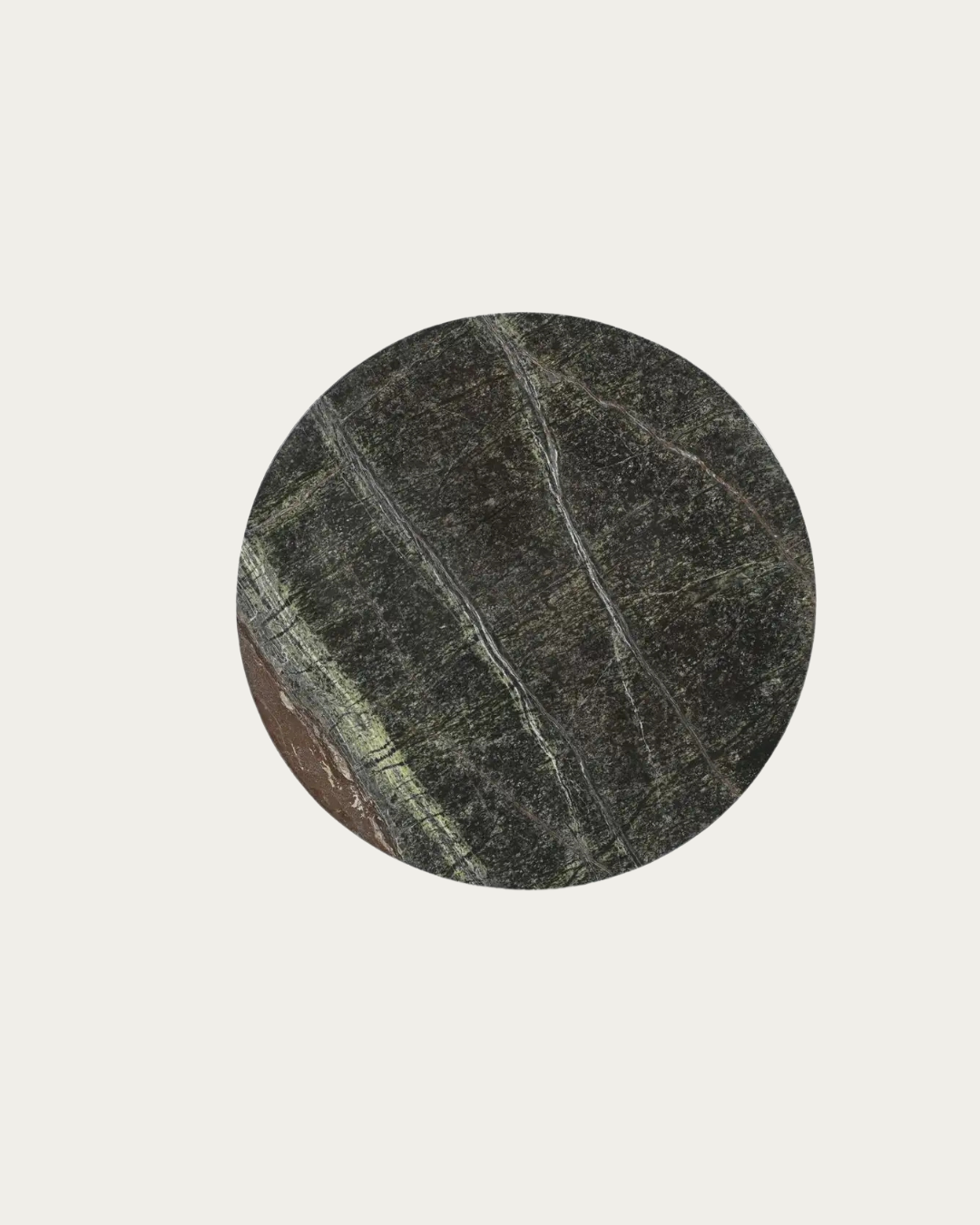
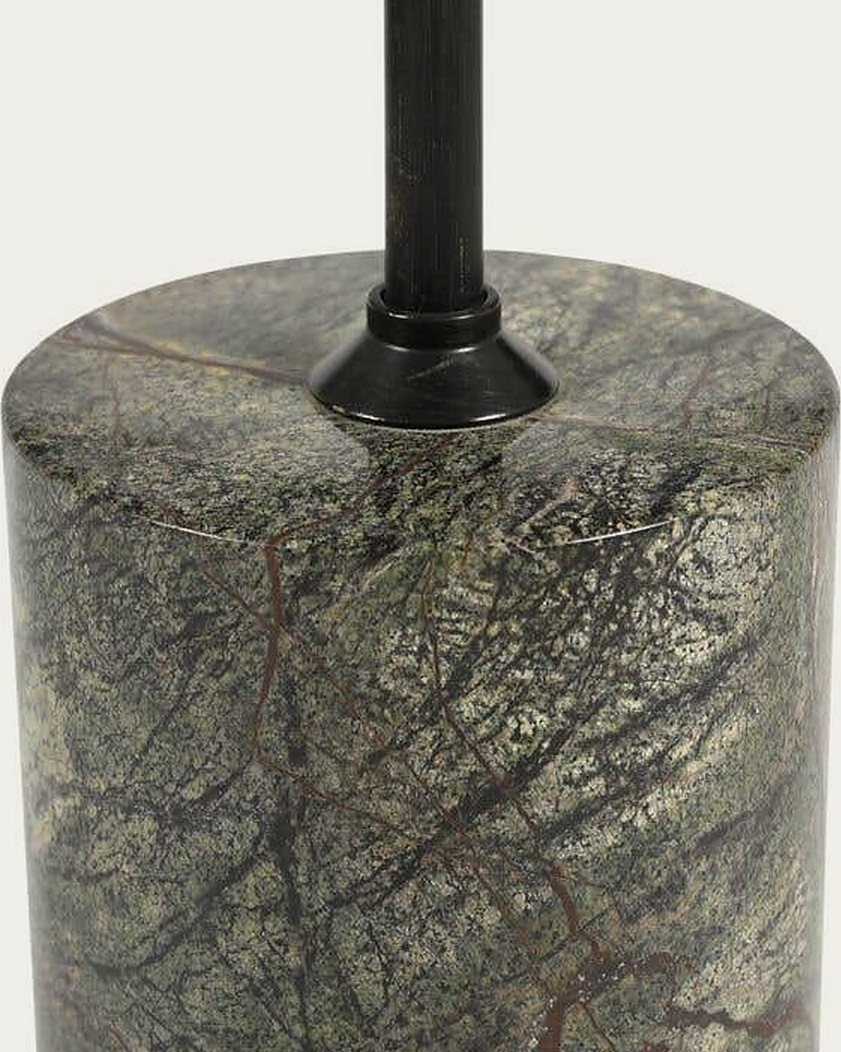
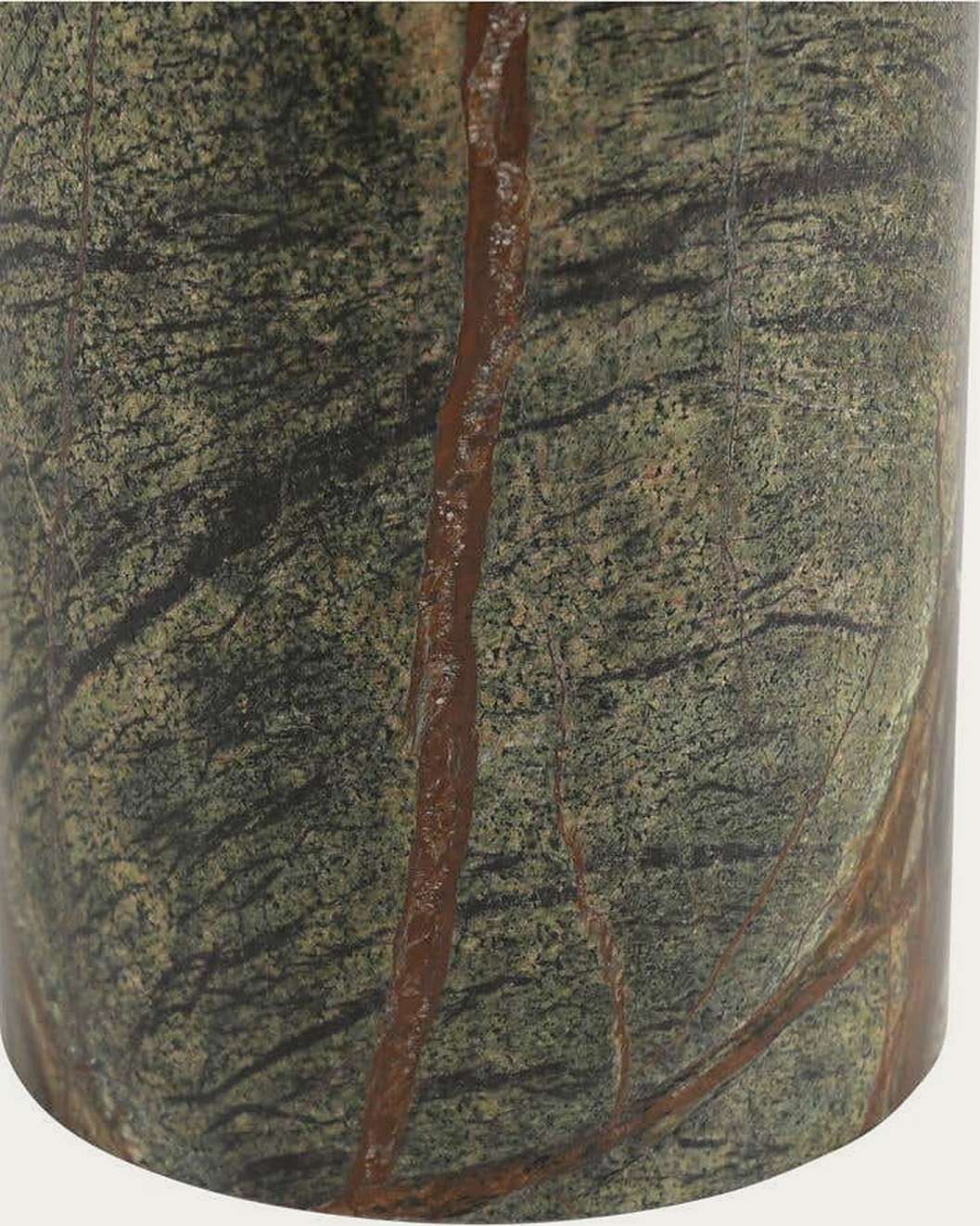
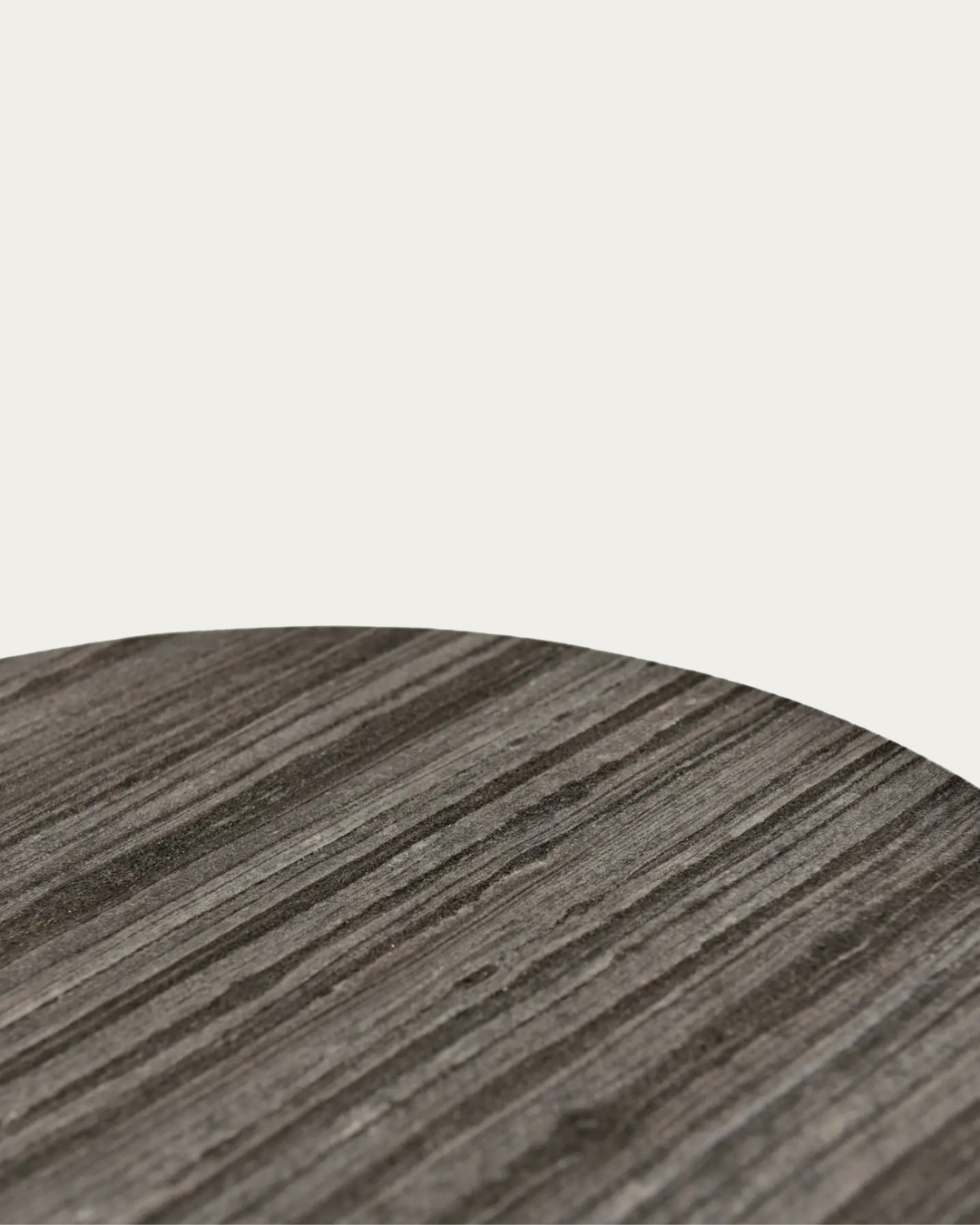
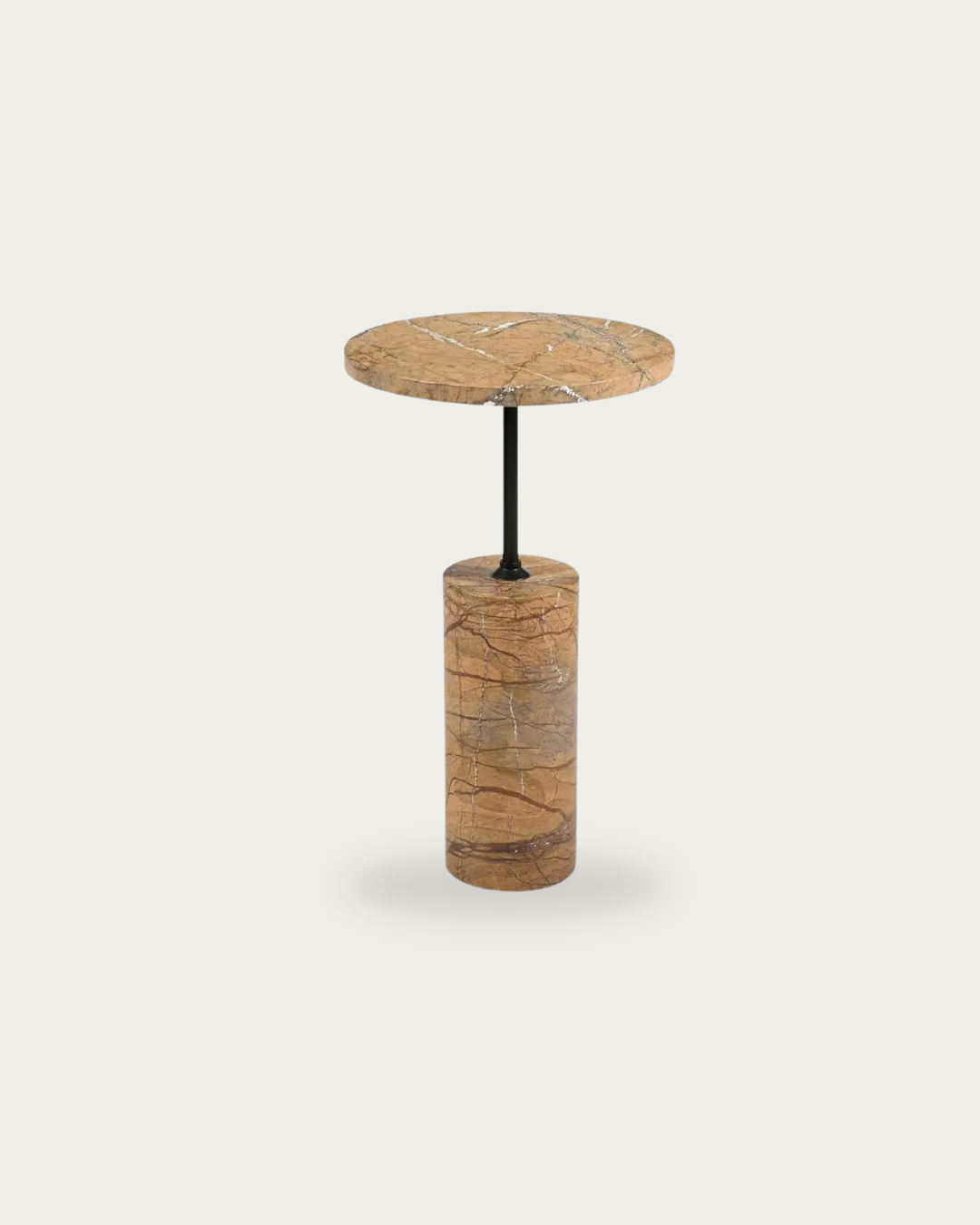
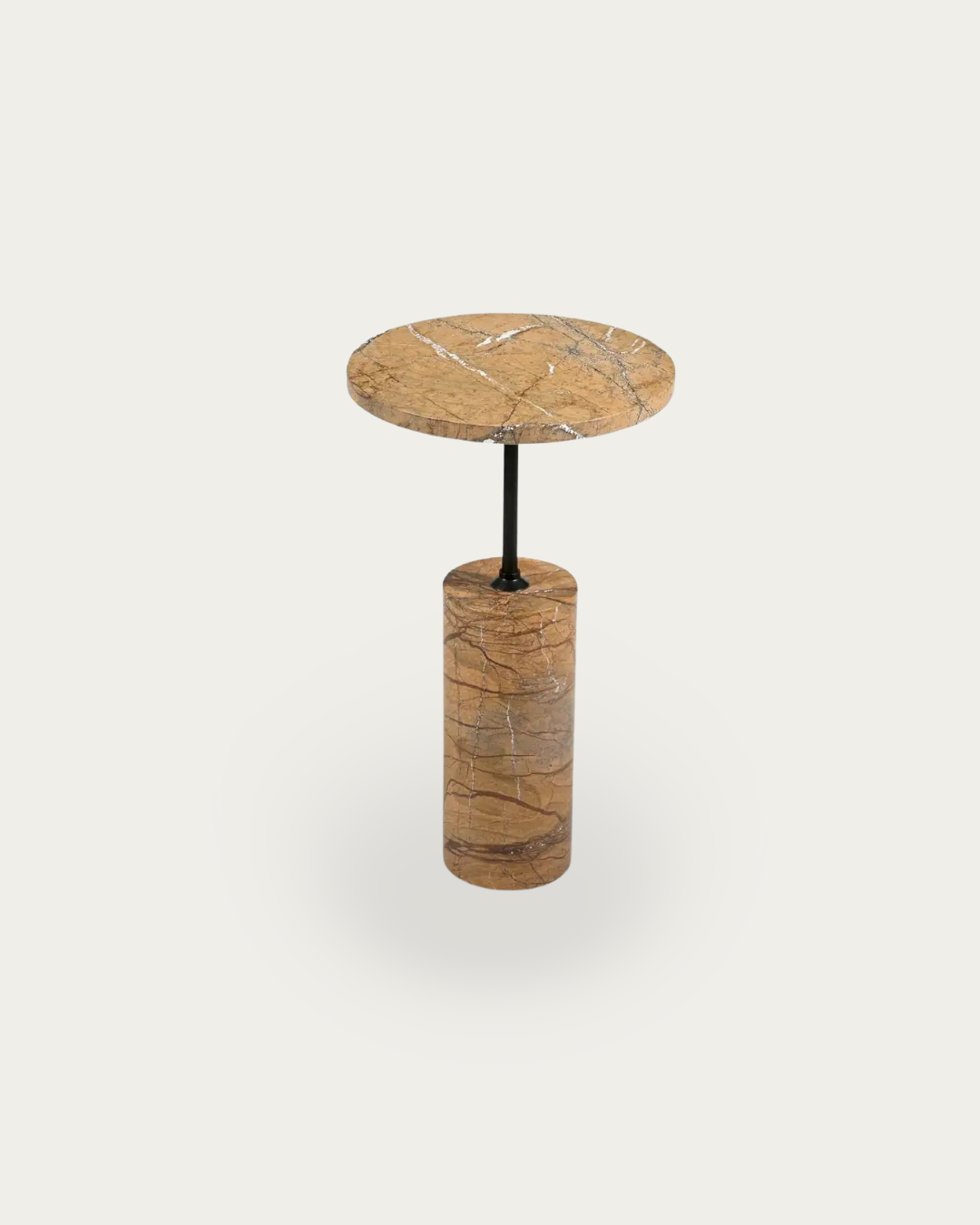
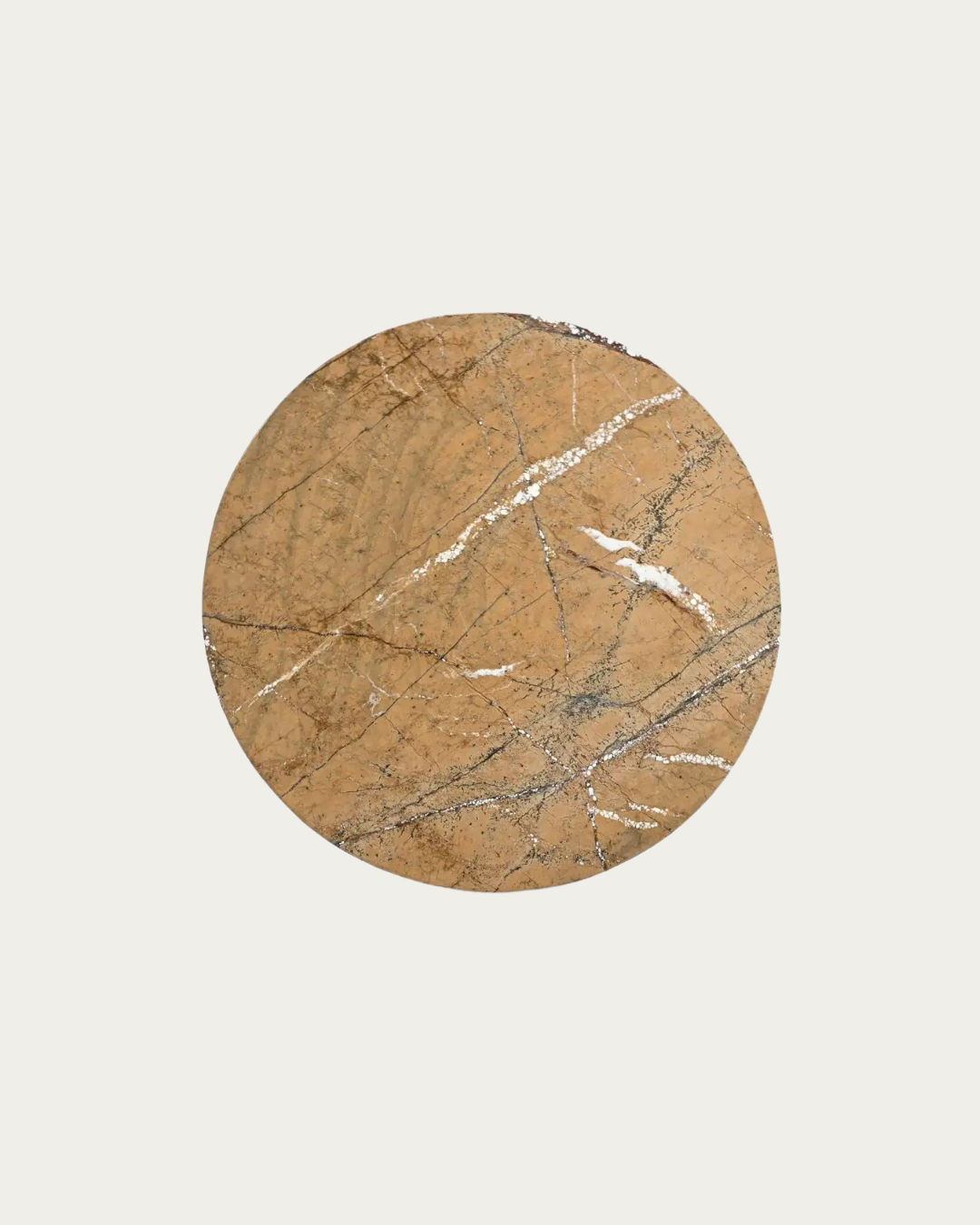
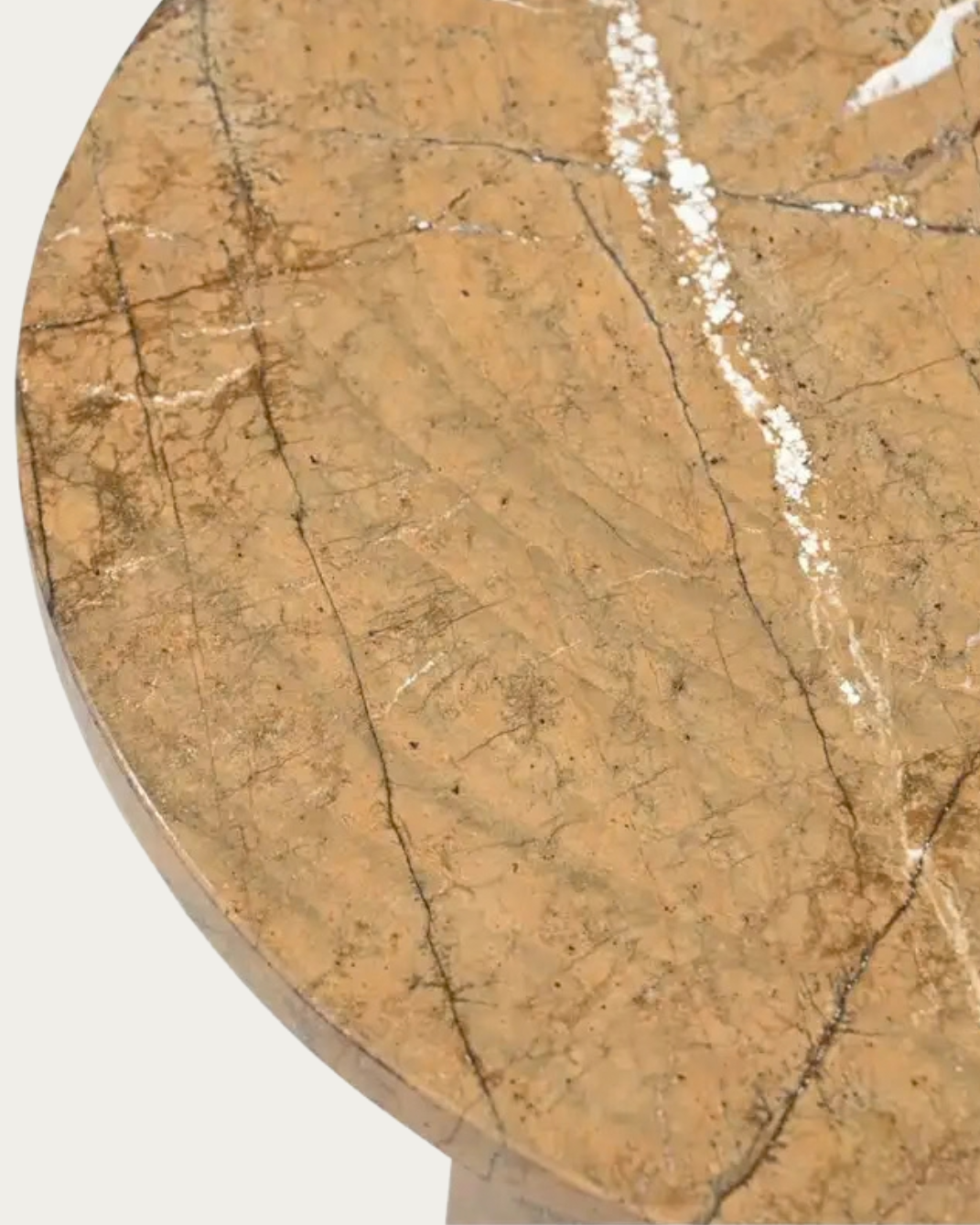
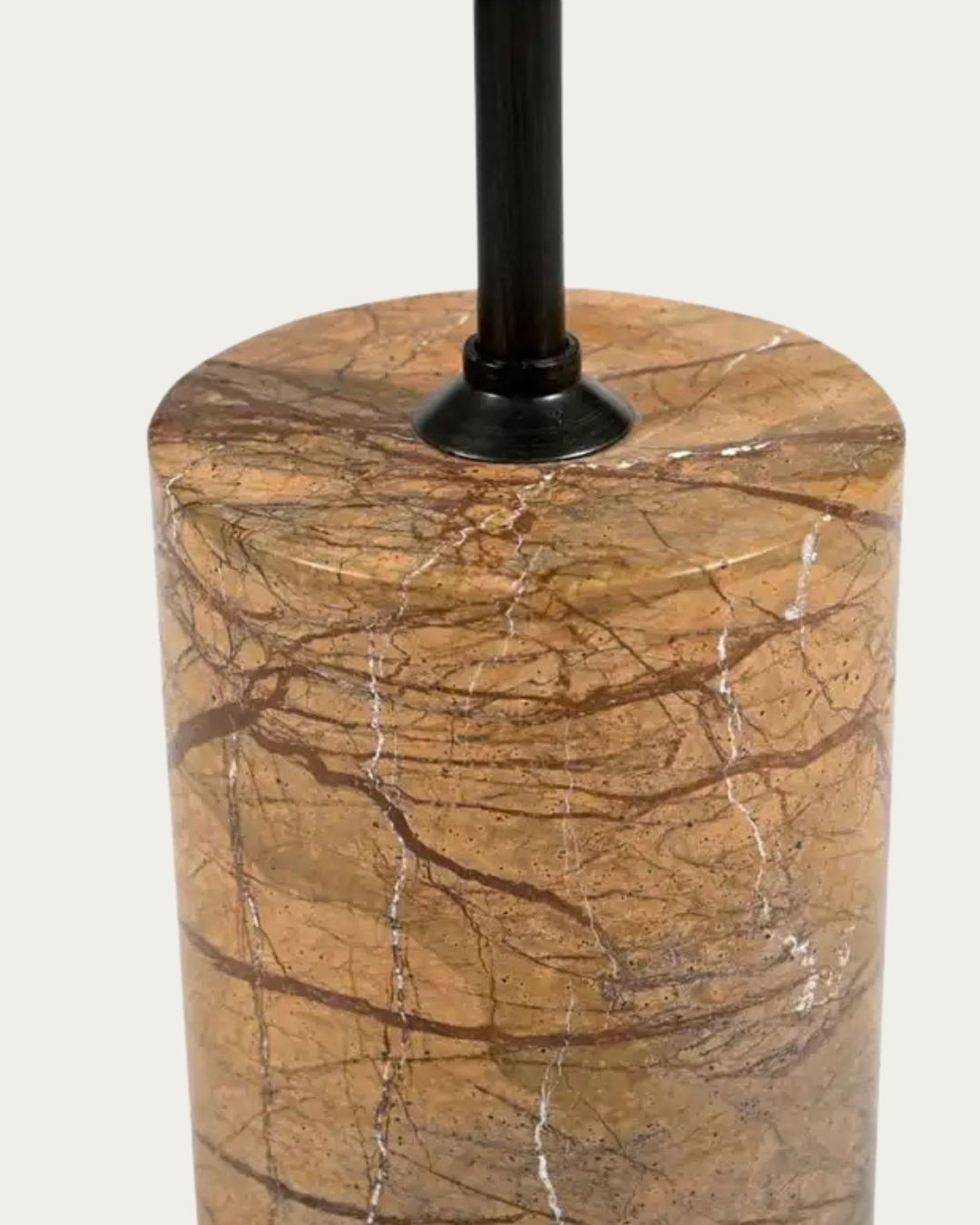
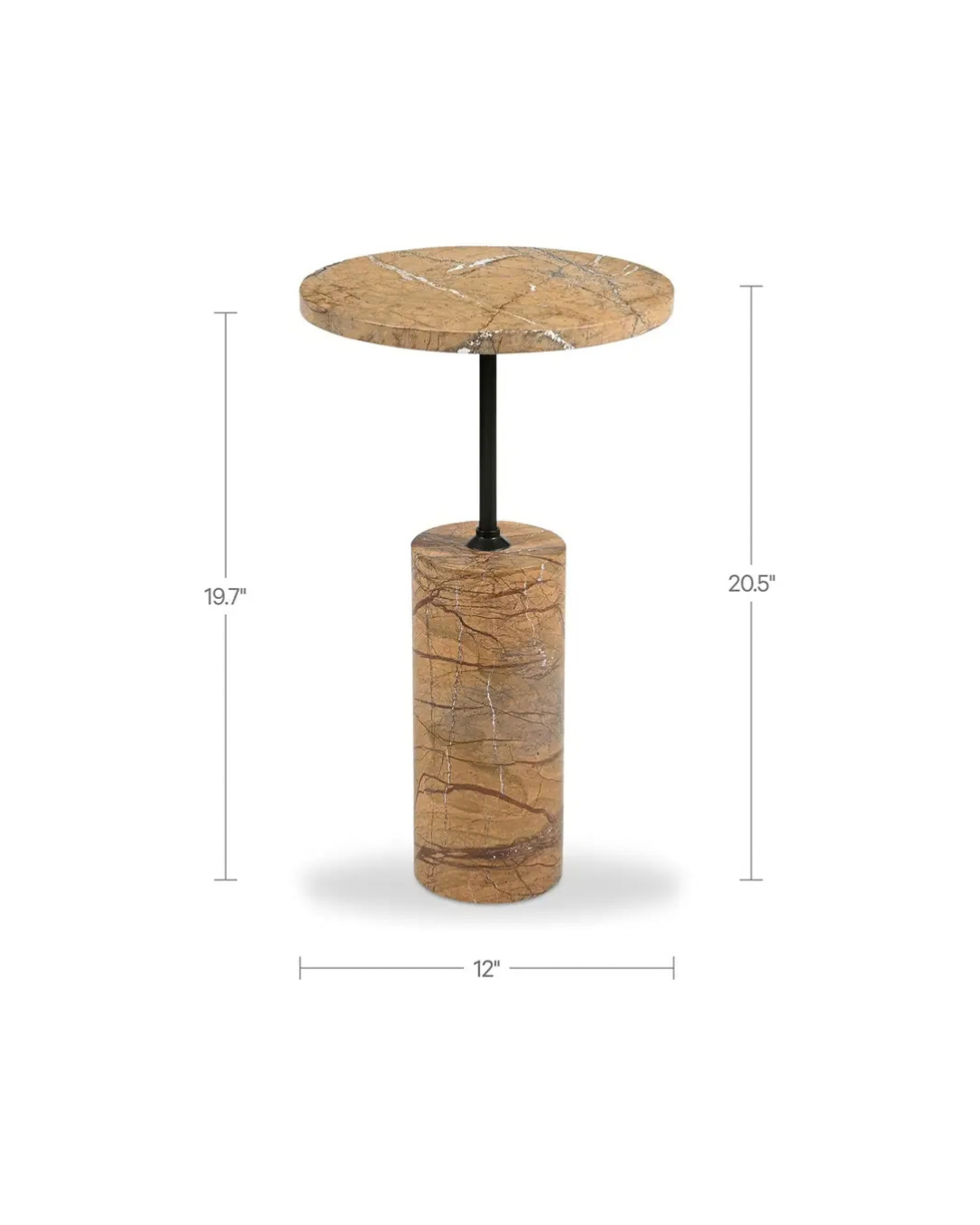
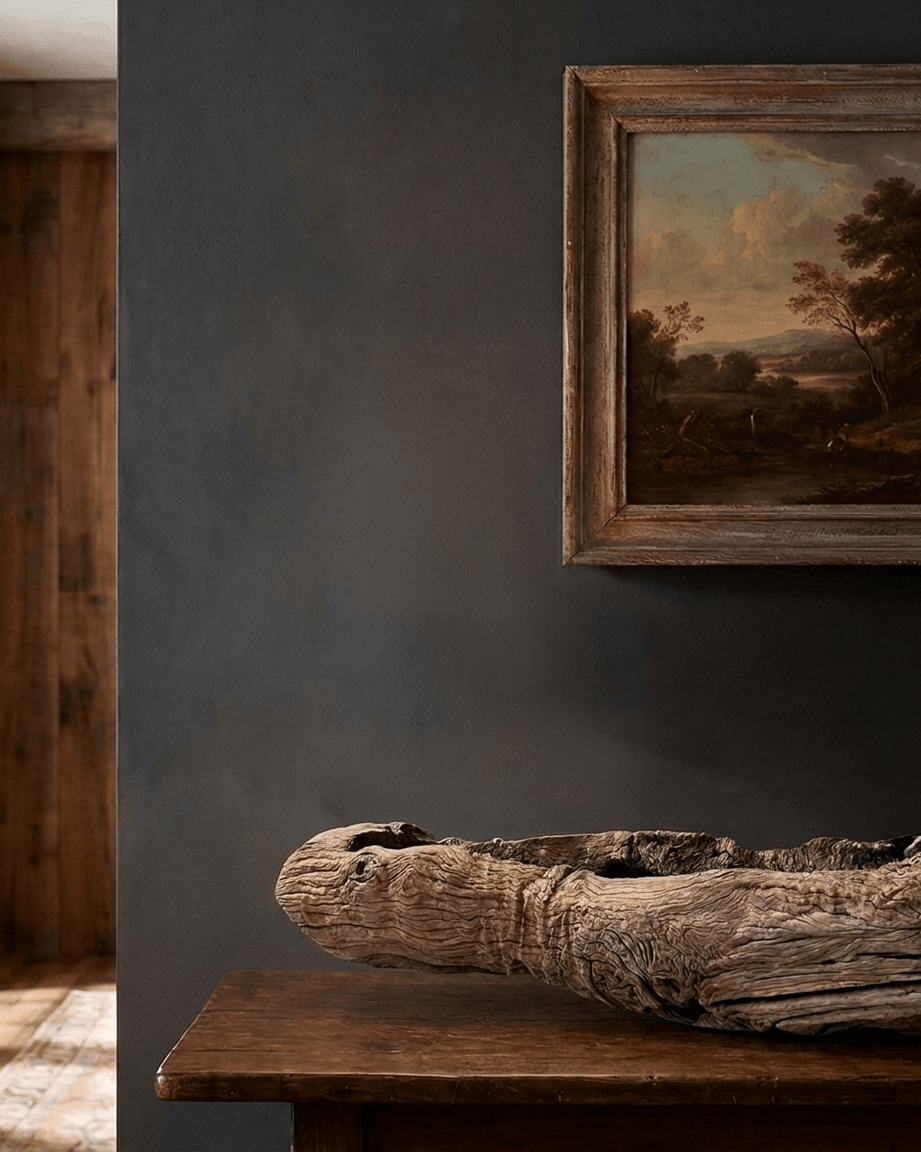
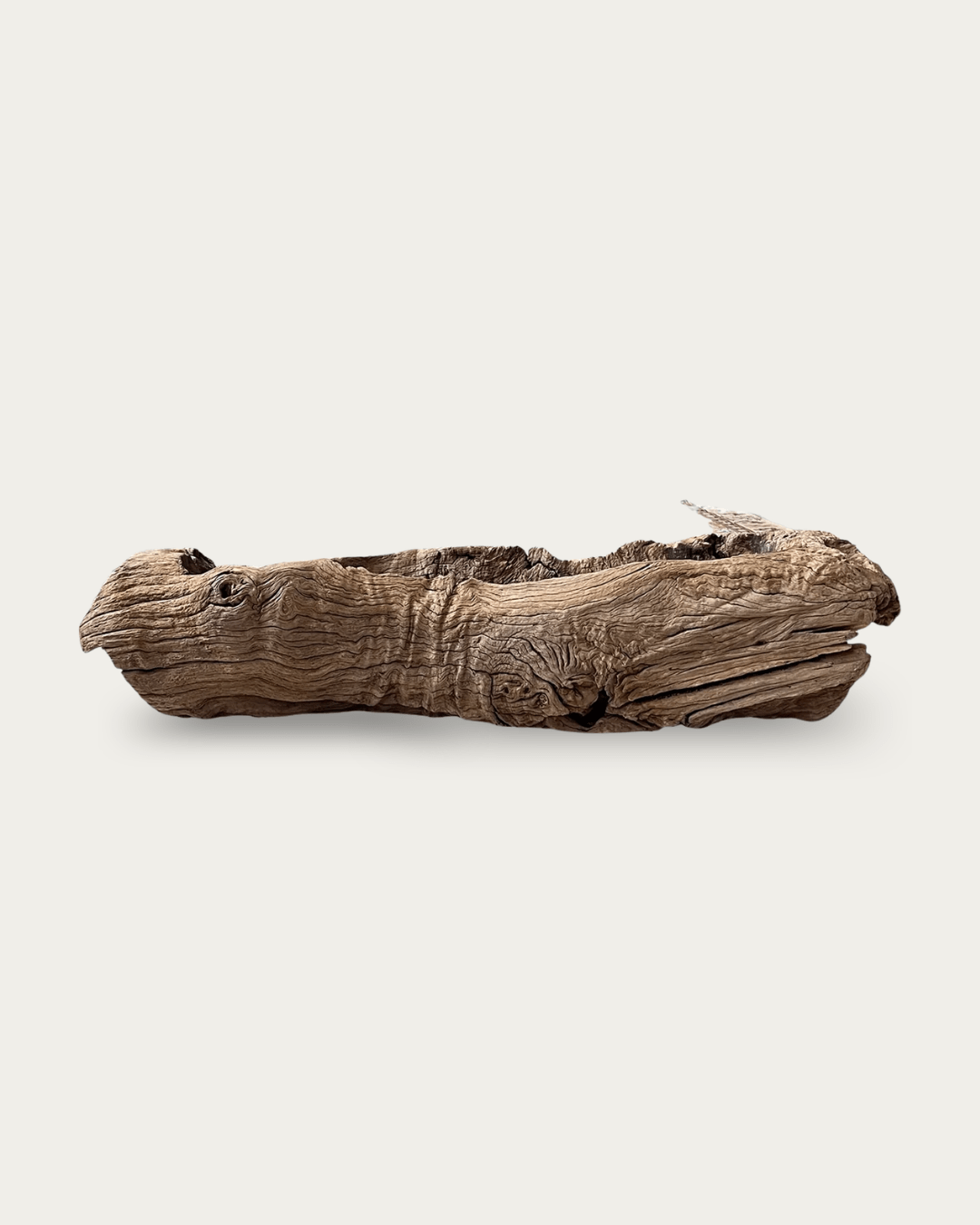
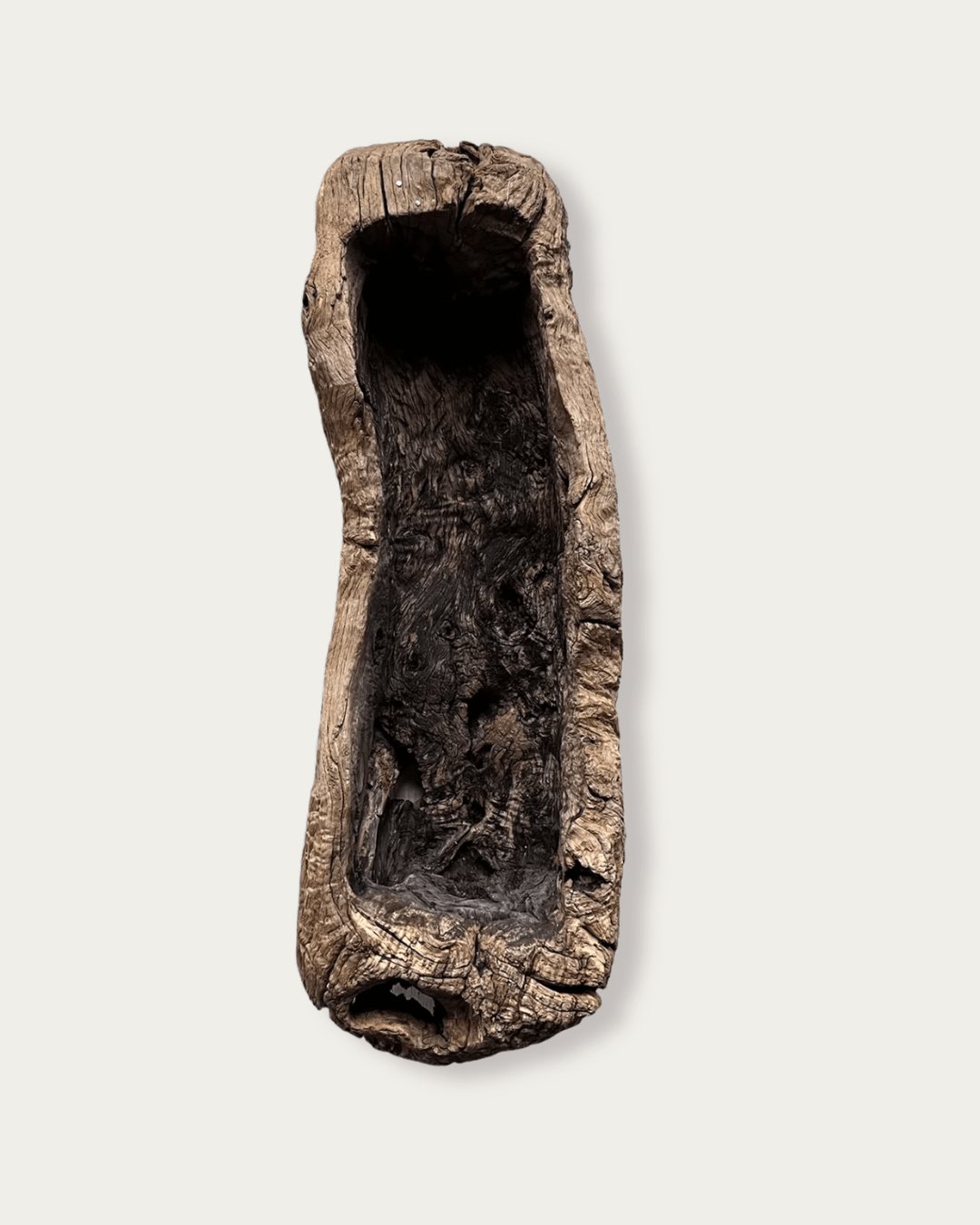
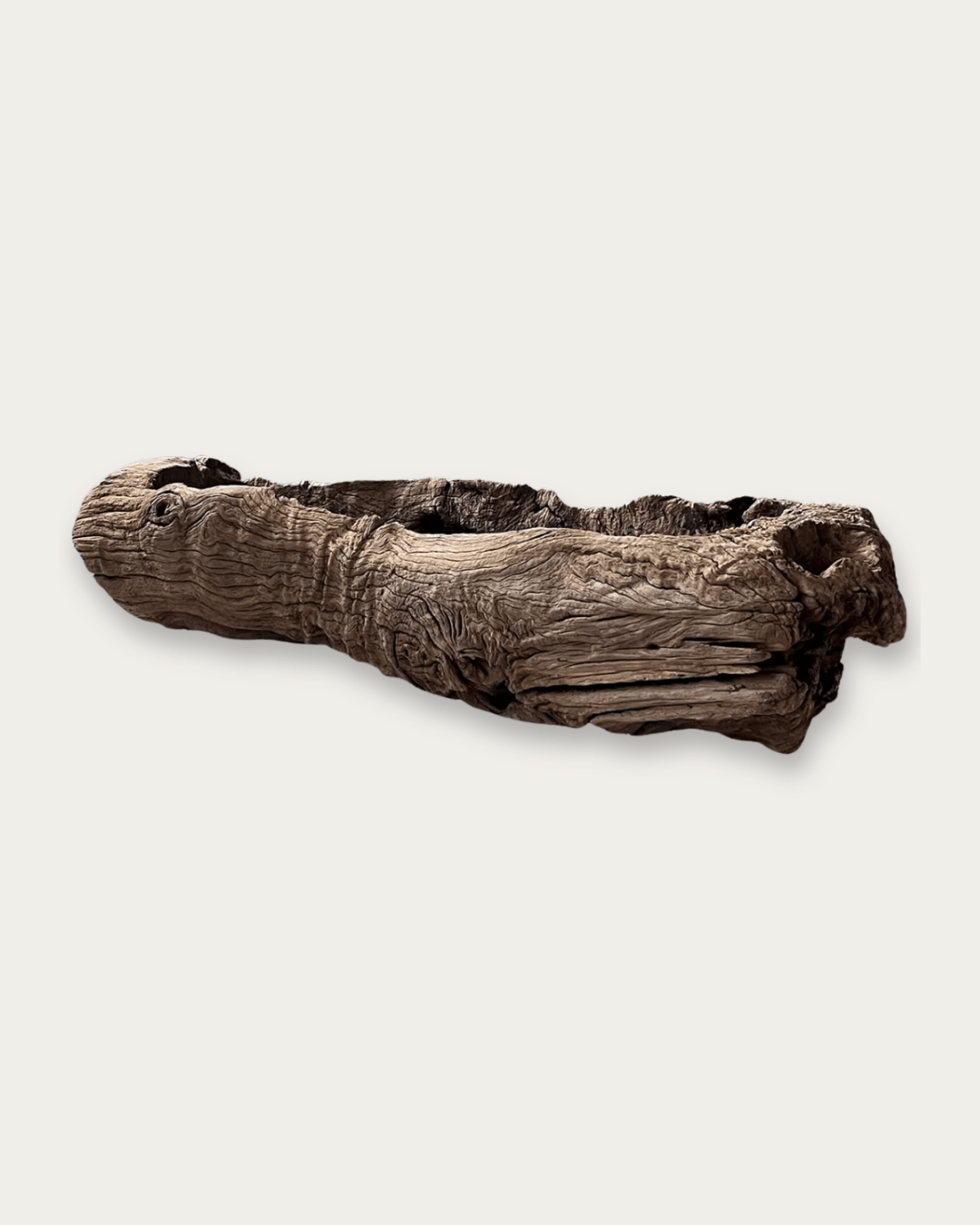
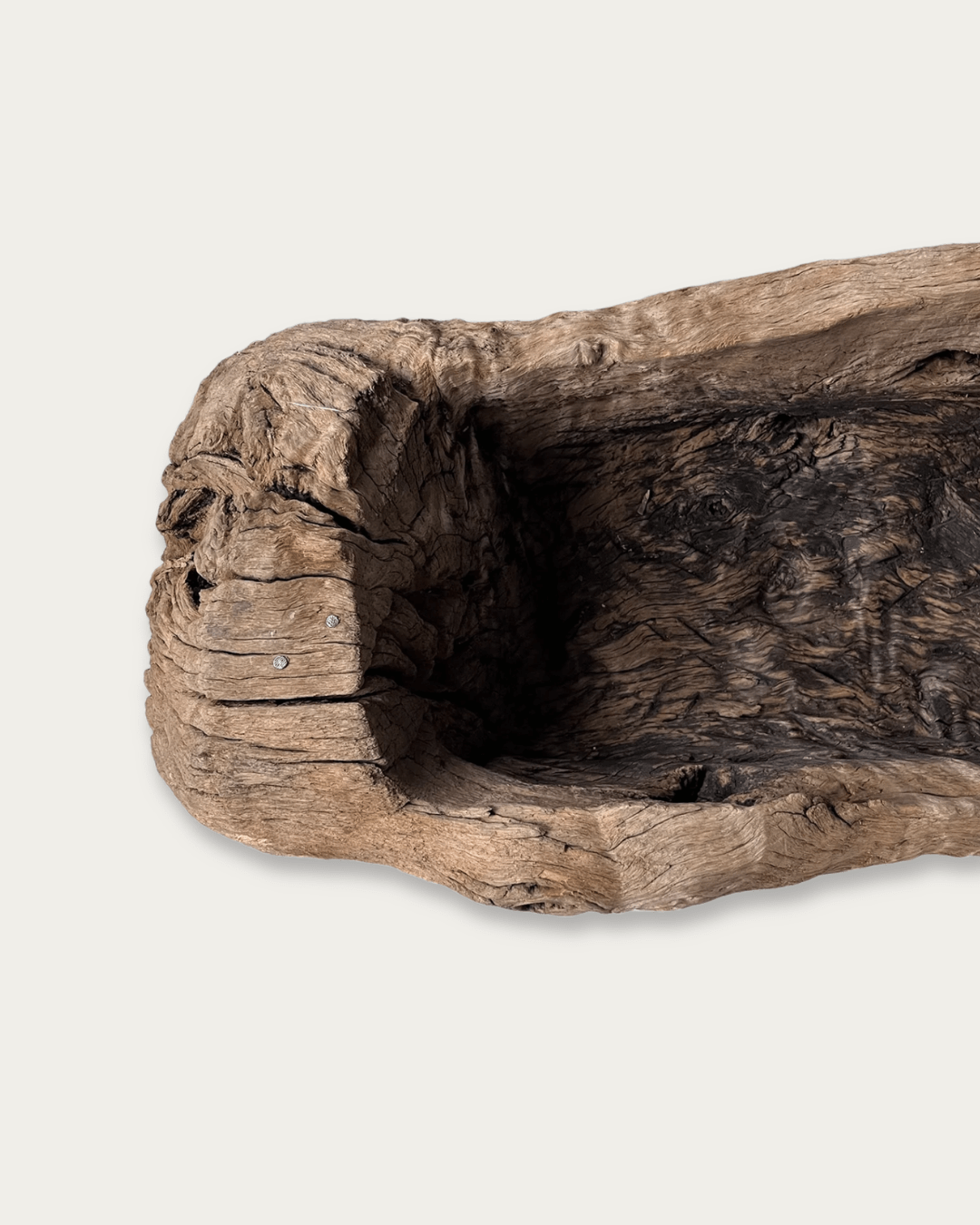
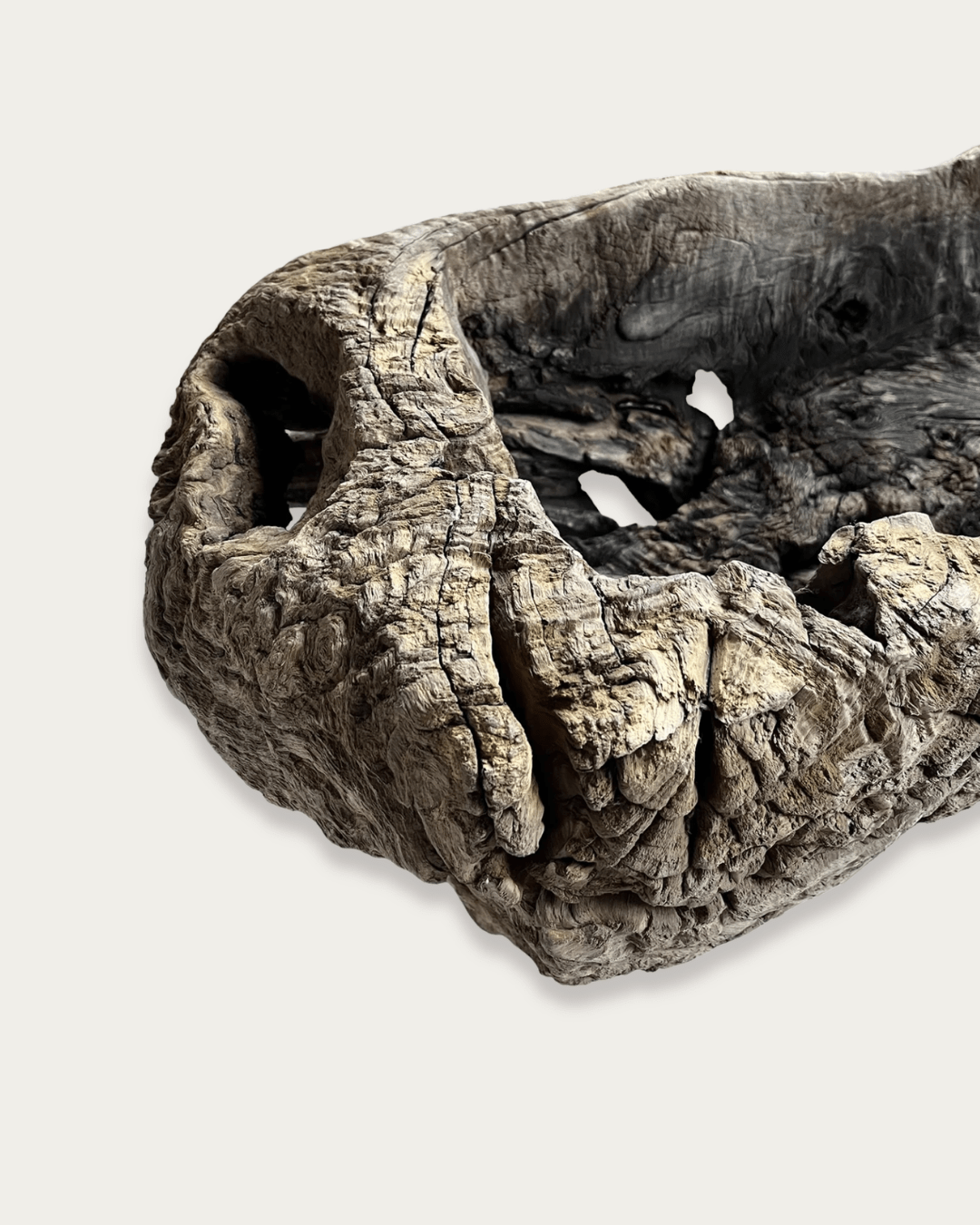
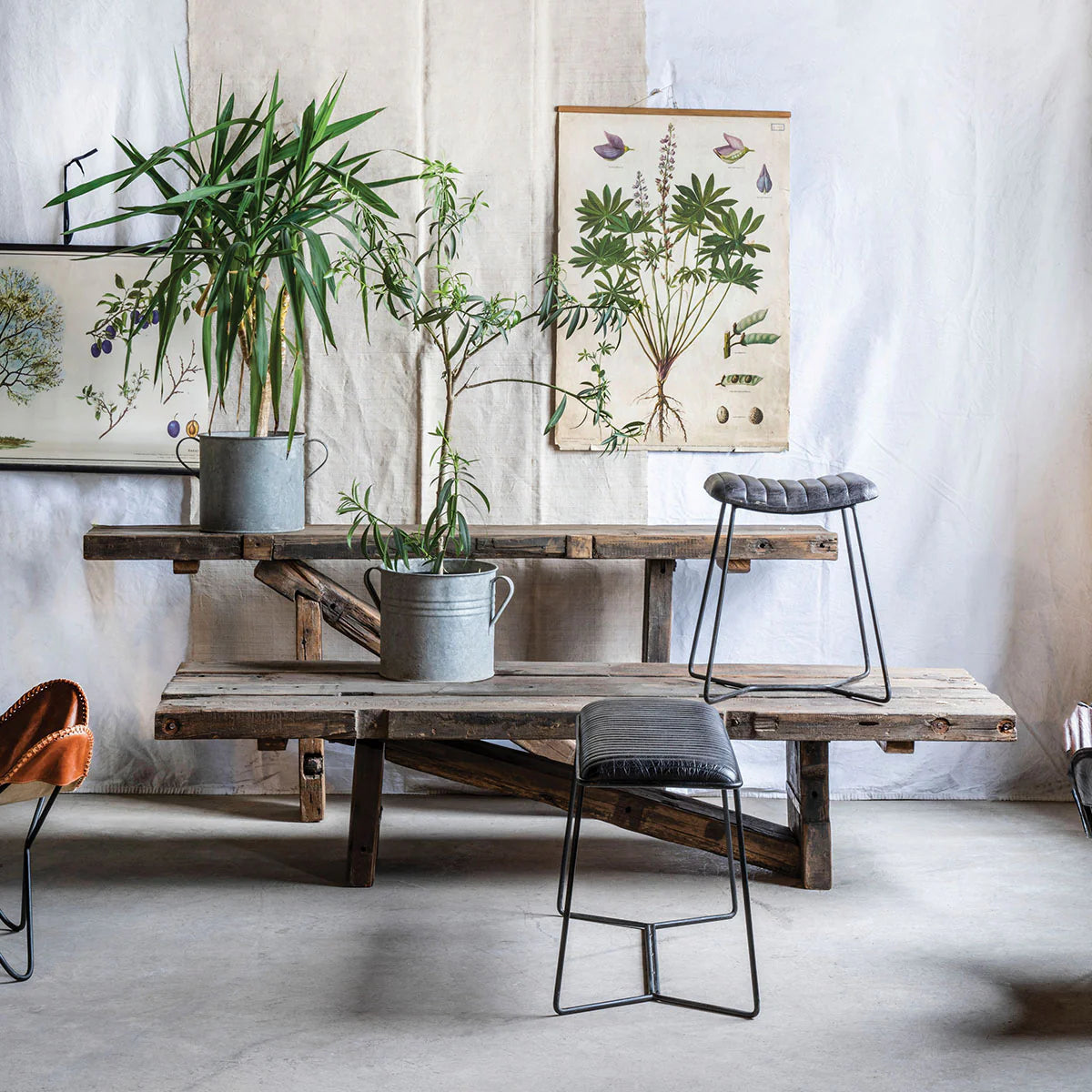
A reclaimed wood coffee table introduces texture and visual depth. Stone creates density and permanence. Highly reflective surfaces behave differently than matte finishes.
The Roi Coffee Table introduces strong architectural presence through its materiality and form, while the Alvhild Coffee Table balances visual weight with a more structured silhouette.
The material often determines whether the coffee table feels connected to the rest of the room.
Texture Helps Reduce Visual Flatness
Rooms filled entirely with smooth, polished surfaces can feel strangely sterile.
Natural materials create variation.
Grain movement.
Surface depth.
Subtle imperfections.
These details help the eye stay engaged without creating visual chaos.
Coffee Tables Influence Furniture Relationships
One of the most overlooked roles of a coffee table is helping furniture relate to itself.
Without a properly sized coffee table, sofas and chairs can feel isolated from one another.
The room becomes a collection of separate objects rather than a unified environment.
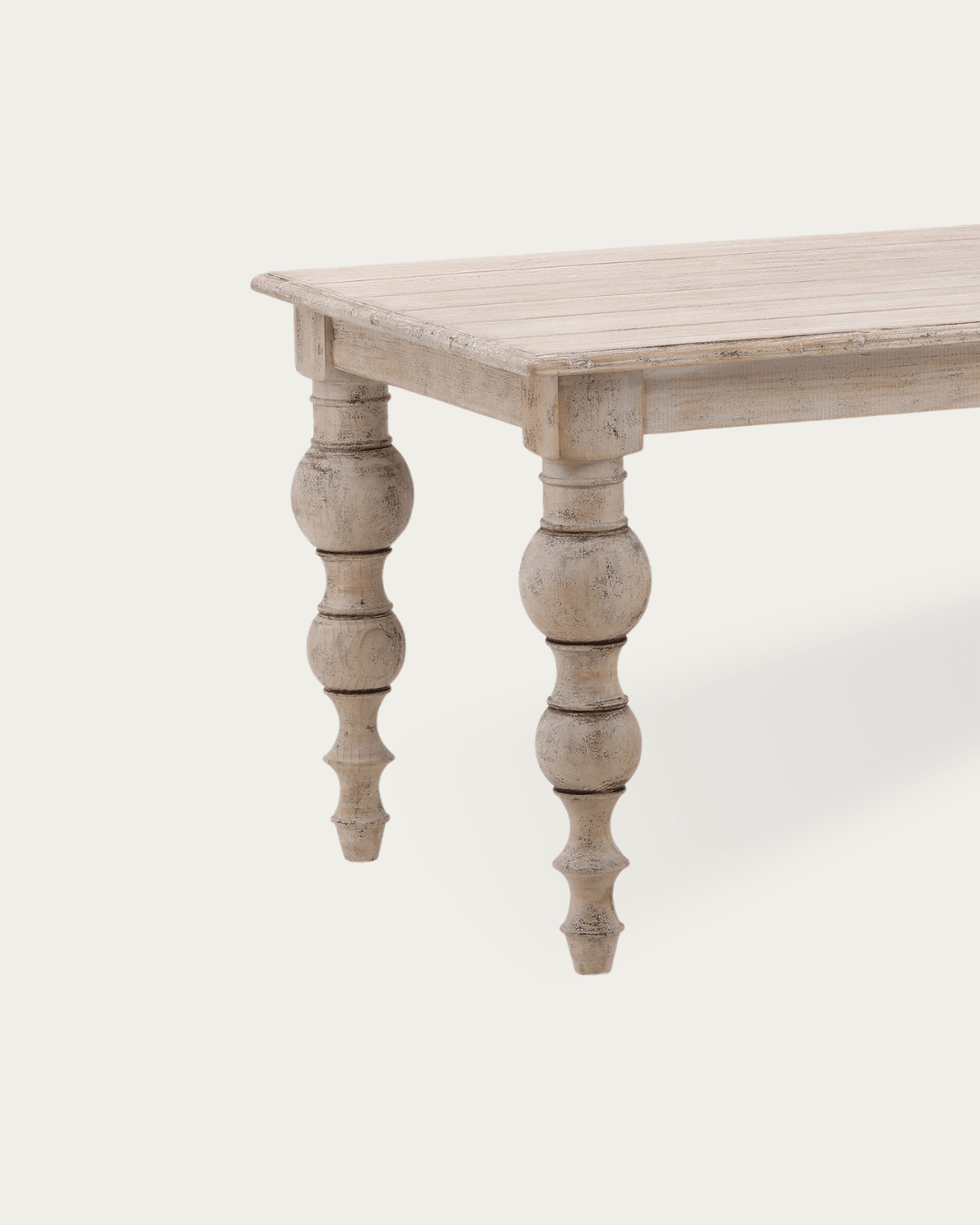
The Elin Coffee Table helps connect seating arrangements through reclaimed wood texture and proportion, while the Finn Rustic Wood Coffee Table creates stronger visual continuity within larger living spaces.
The furniture feels like it belongs together.
Cohesion Creates Comfort
The nervous system tends to relax more easily in spaces that feel coherent.
Furniture doesn't need to match.
It simply needs to feel related.
RUTED Tip: If your living room feels strangely uncomfortable, don't start by buying more decor. Measure the distance between your sofa and your coffee table. Too far apart and the room feels disconnected. Too close and circulation becomes frustrating. Sometimes a room isn't unsettled because of style—it's unsettled because the furniture relationships aren't working.
Scale Problems Create Hidden Tension
Many coffee table mistakes come down to scale.
The table is too short.
Too narrow.
Too bulky.
Too delicate.
The proportions feel wrong compared to the furniture surrounding it.
Scale influences how the room functions visually and physically.
The Vidar Salvaged Wood Coffee Table works particularly well in larger living rooms where additional visual grounding is needed, while the Fjola Marble Coffee Table creates presence through material weight and proportion.
The right scale makes a room feel intentional.
The wrong scale creates constant visual friction.
Bigger Isn't Always Better
Many homeowners try solving undersized furniture problems by buying the largest option available.
Balance matters more than size.
The best coffee table feels connected to the furniture around it rather than competing with it.
The Coffee Table Shapes How People Gather
Living rooms are social environments.
The coffee table often becomes the center of those interactions.
People place drinks on it.
Gather around it.
Rest books on it.
Use it as an extension of the seating arrangement.
When a coffee table is poorly sized or poorly positioned, those interactions become less natural.
The Tait Coffee Table demonstrates how proportion can support both visual balance and everyday function, helping create a stronger relationship between furniture and the people using it.
Furniture Influences Behaviour
Good living room design isn't just visual.
It's behavioural.
Furniture subtly influences how people move, gather, and interact inside a space.
The Best Living Rooms Feel Settled for a Reason
People often assume a well-designed living room is about styling.
In reality, it's usually about foundations.
The coffee table is one of those foundations.
It influences:
circulation
visual weight
furniture relationships
social interaction
spatial balance
nervous system regulation
When it's right, the room feels effortless.
When it's wrong, the room can feel unsettled no matter how many decorative objects are added afterward.
That's why the coffee table deserves far more attention than it usually gets.
The strongest living rooms aren't necessarily the most decorated.
They're the ones where every piece—including the coffee table—helps the room function as a complete environment.
Explore more shapes, materials, and grounding living room pieces through Hello Norden's coffee table collection and discover how one thoughtful decision can completely change how a room feels.