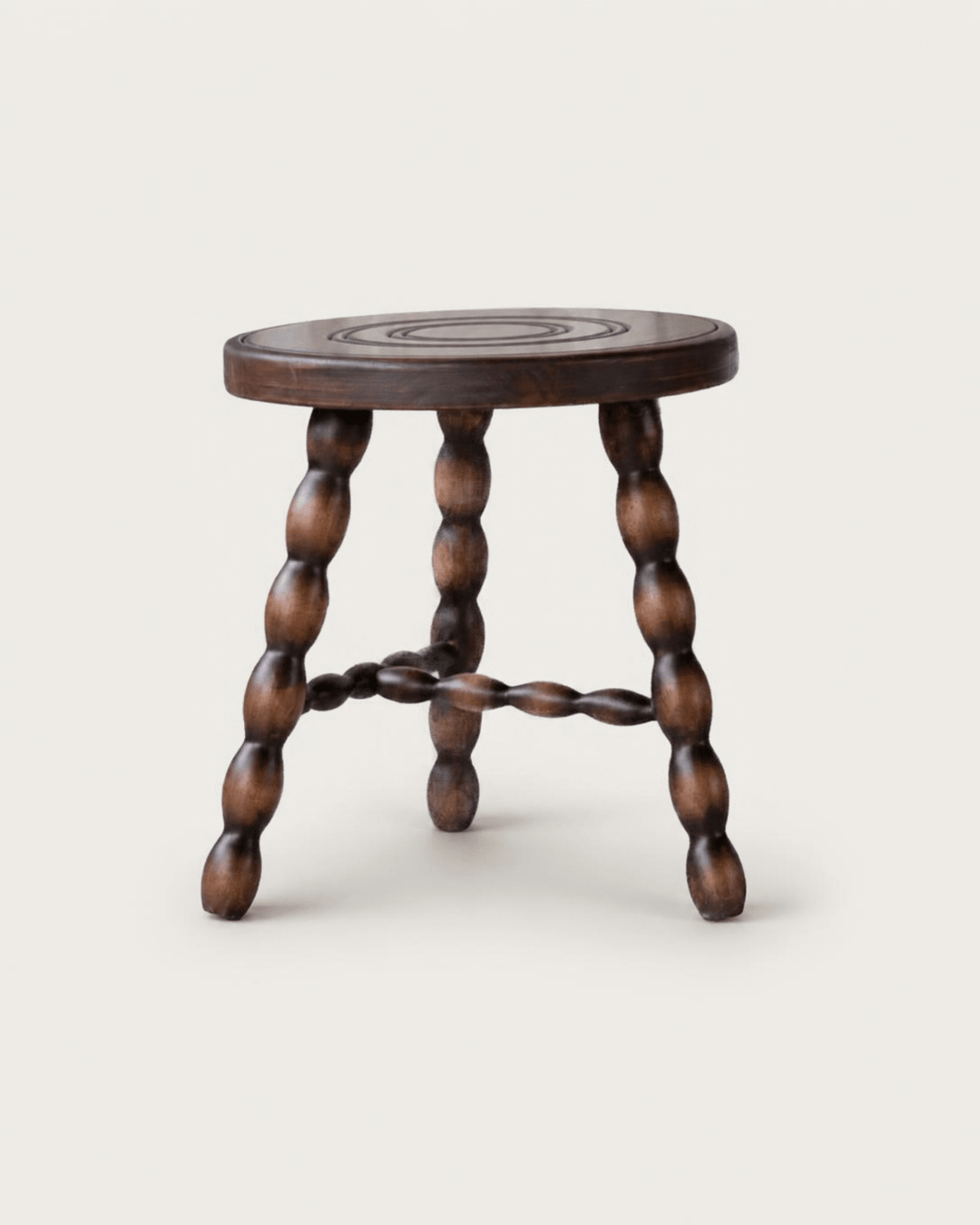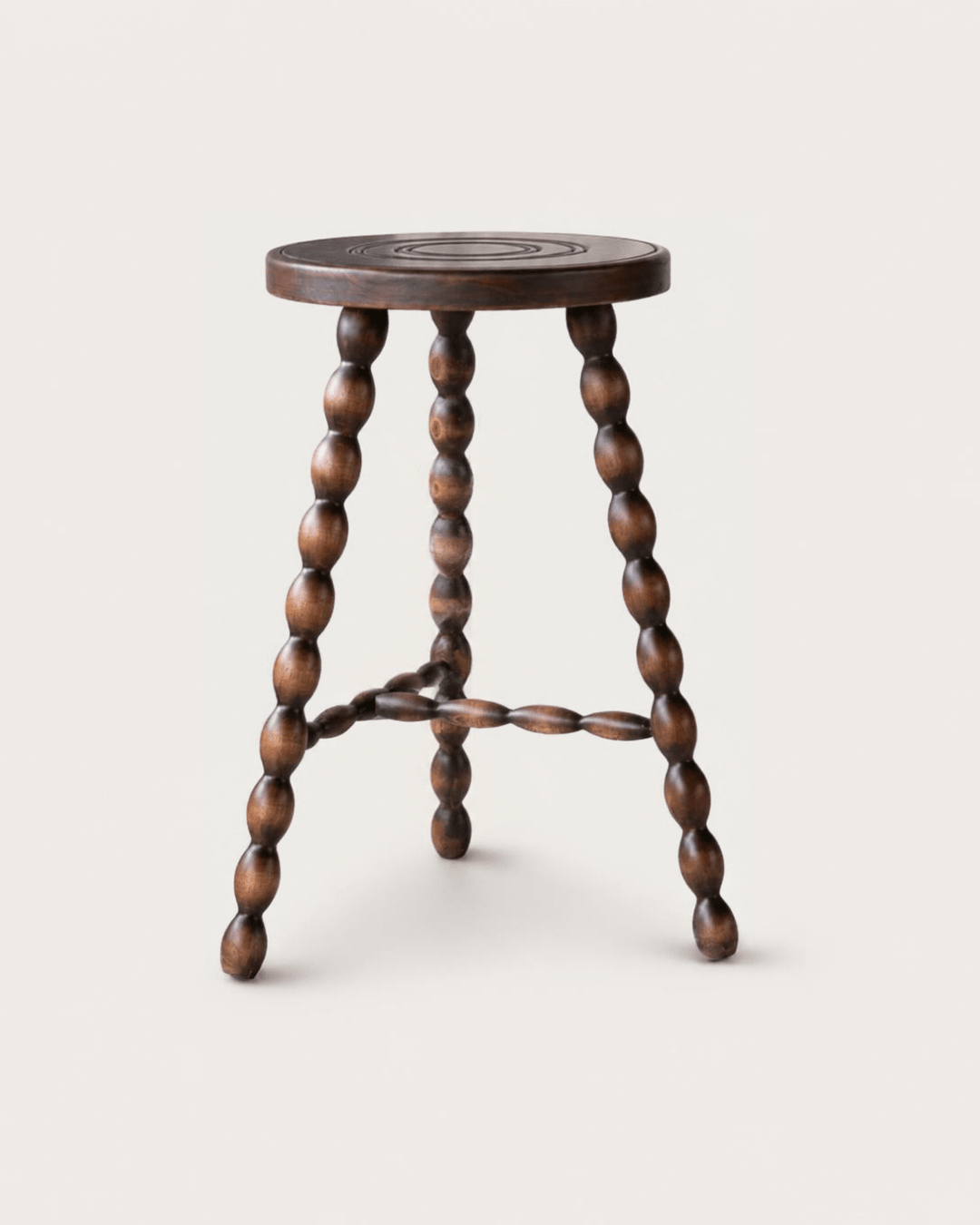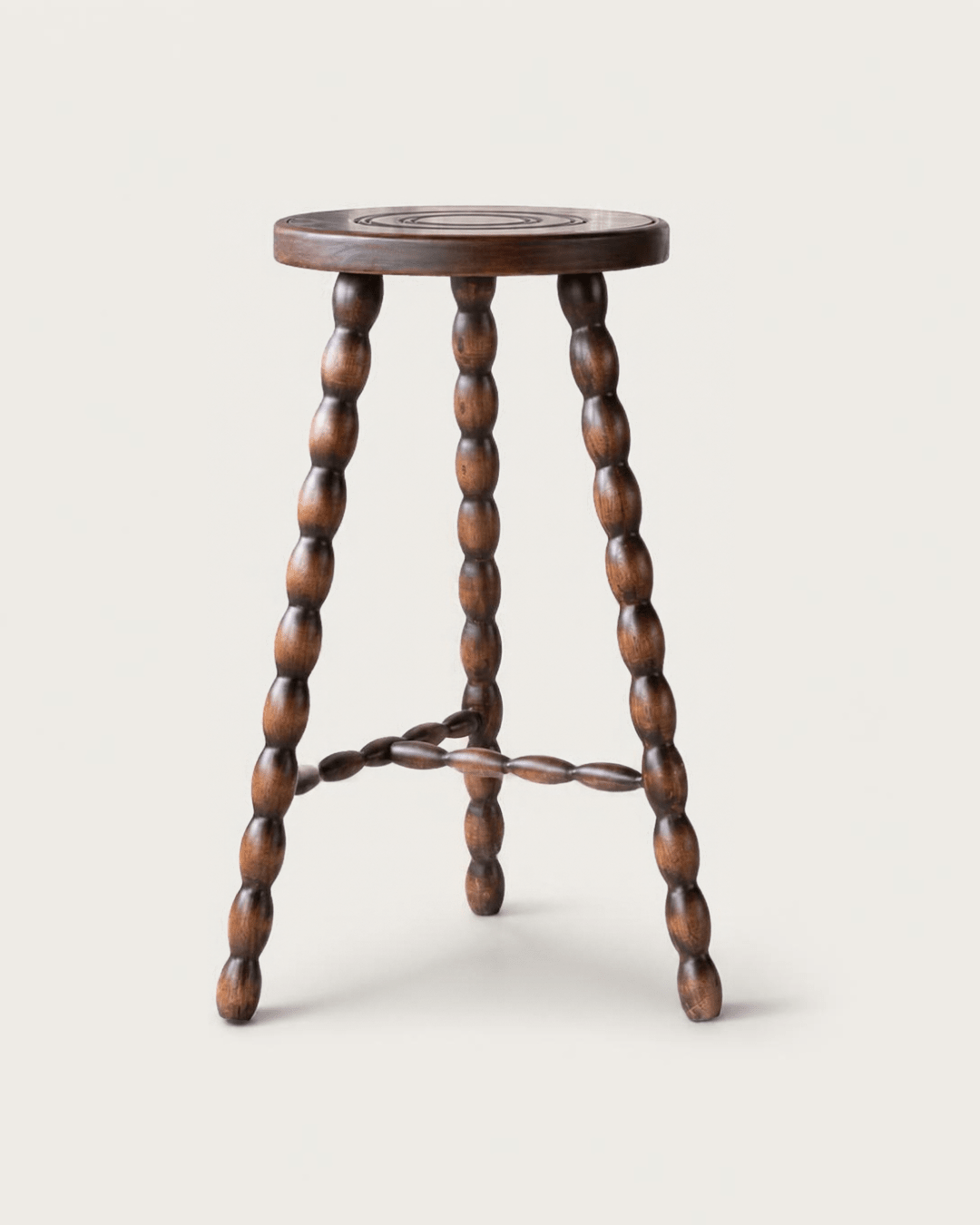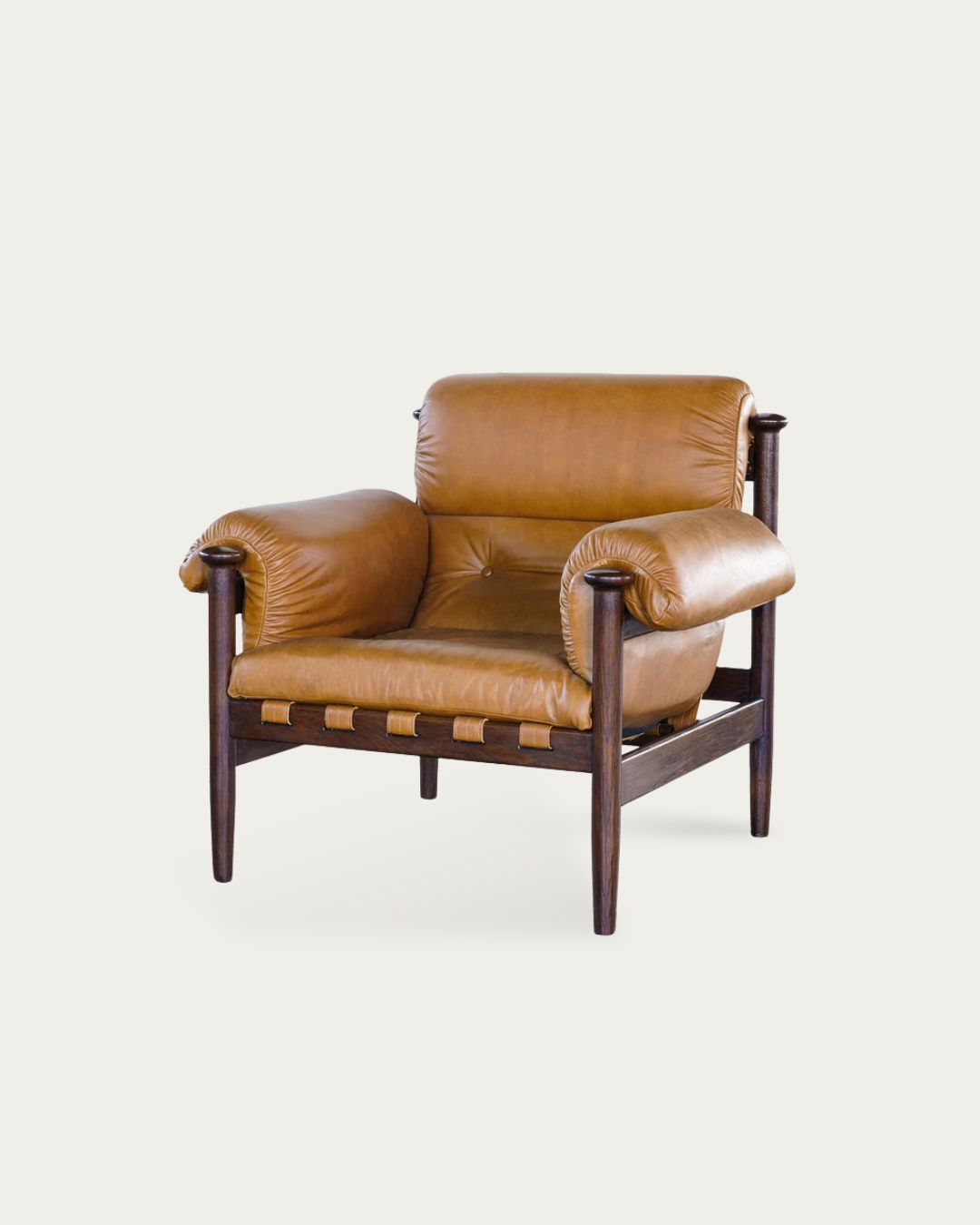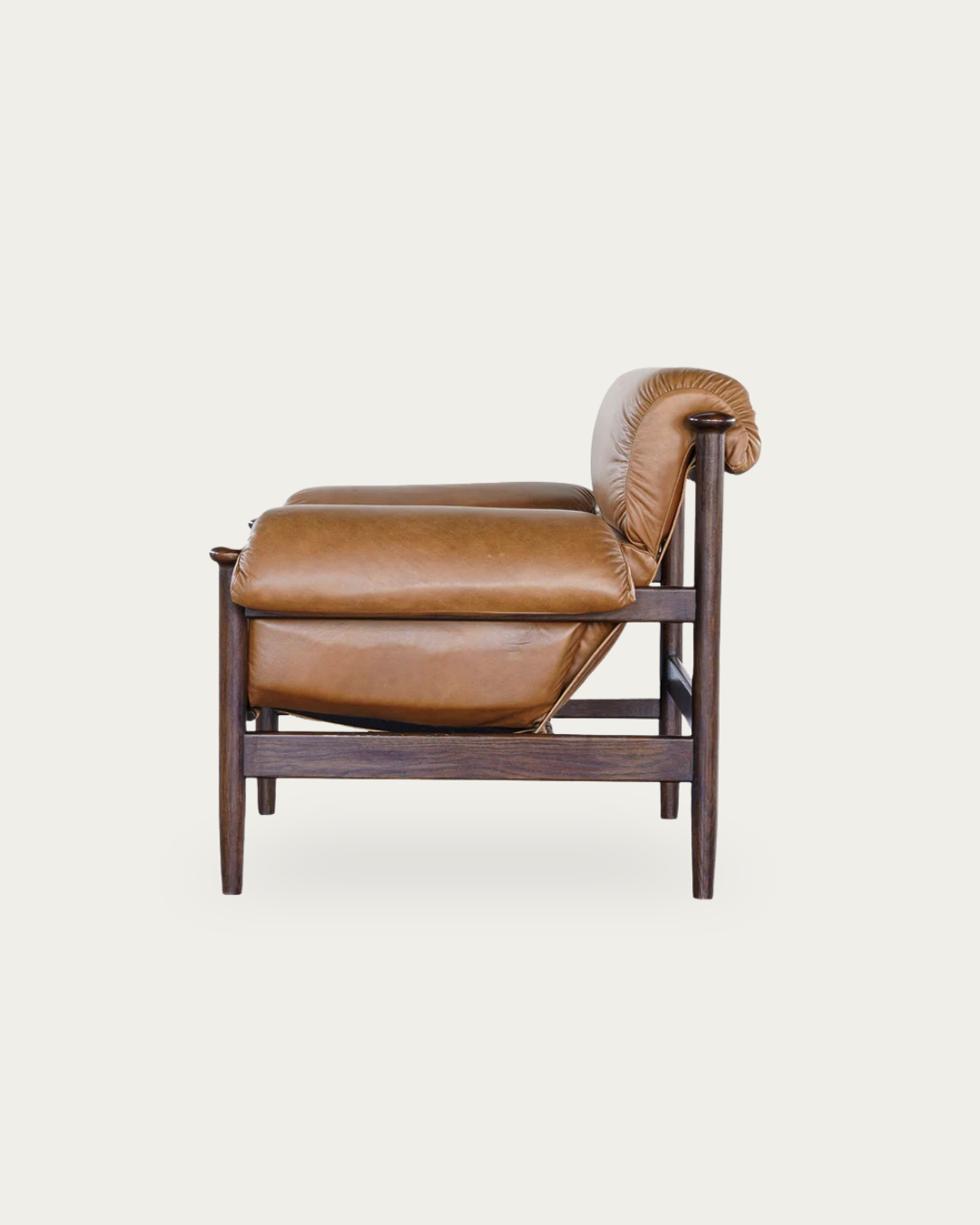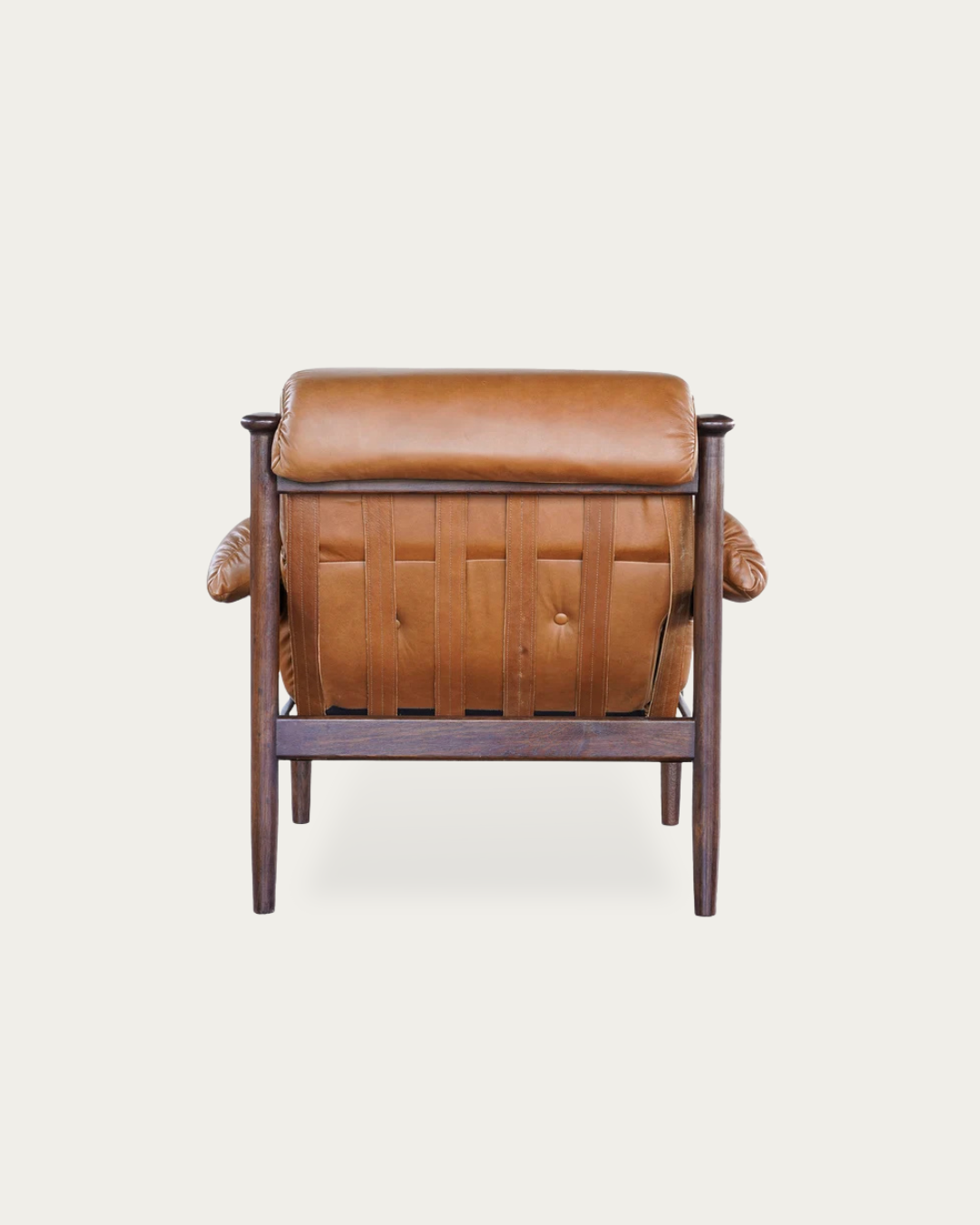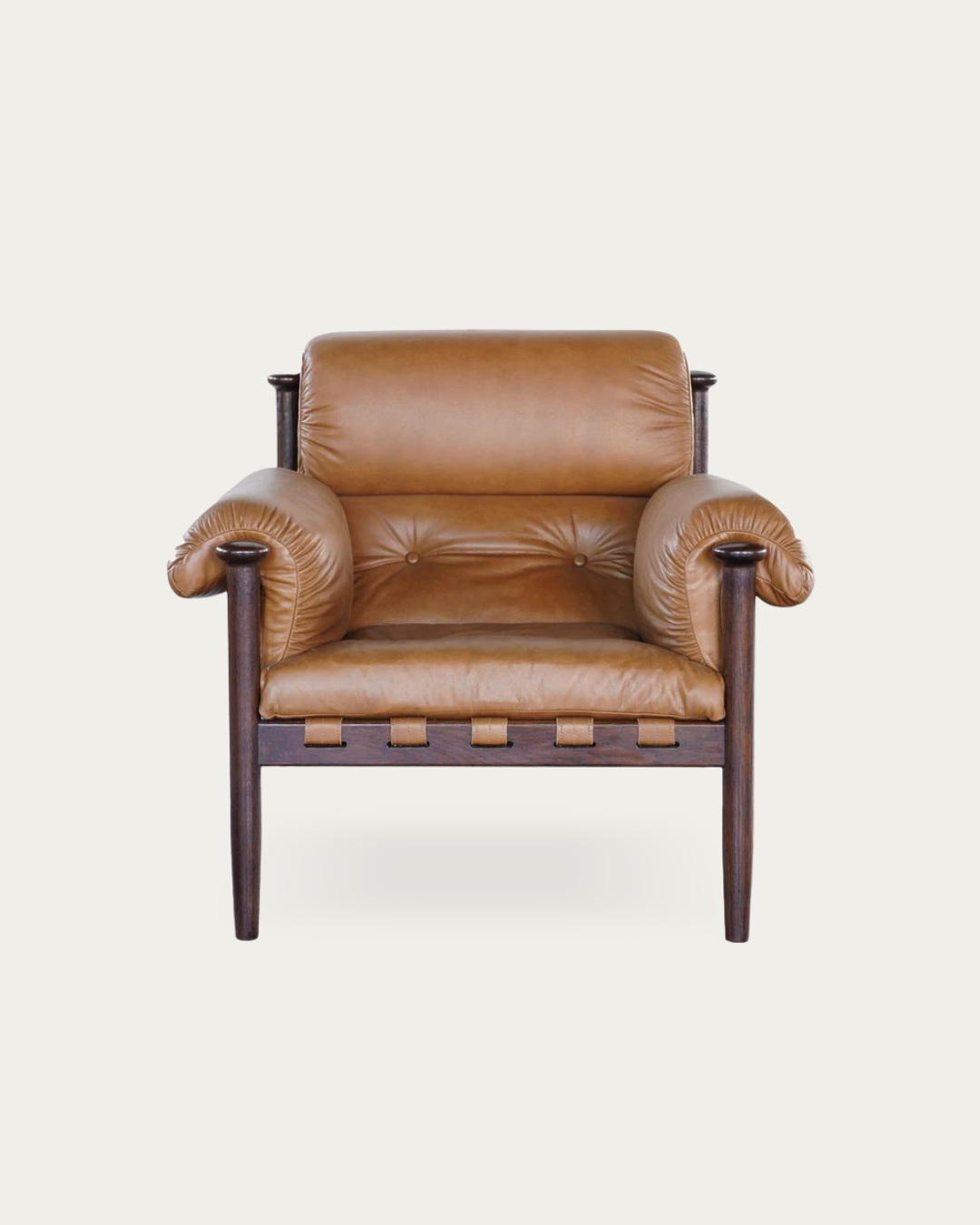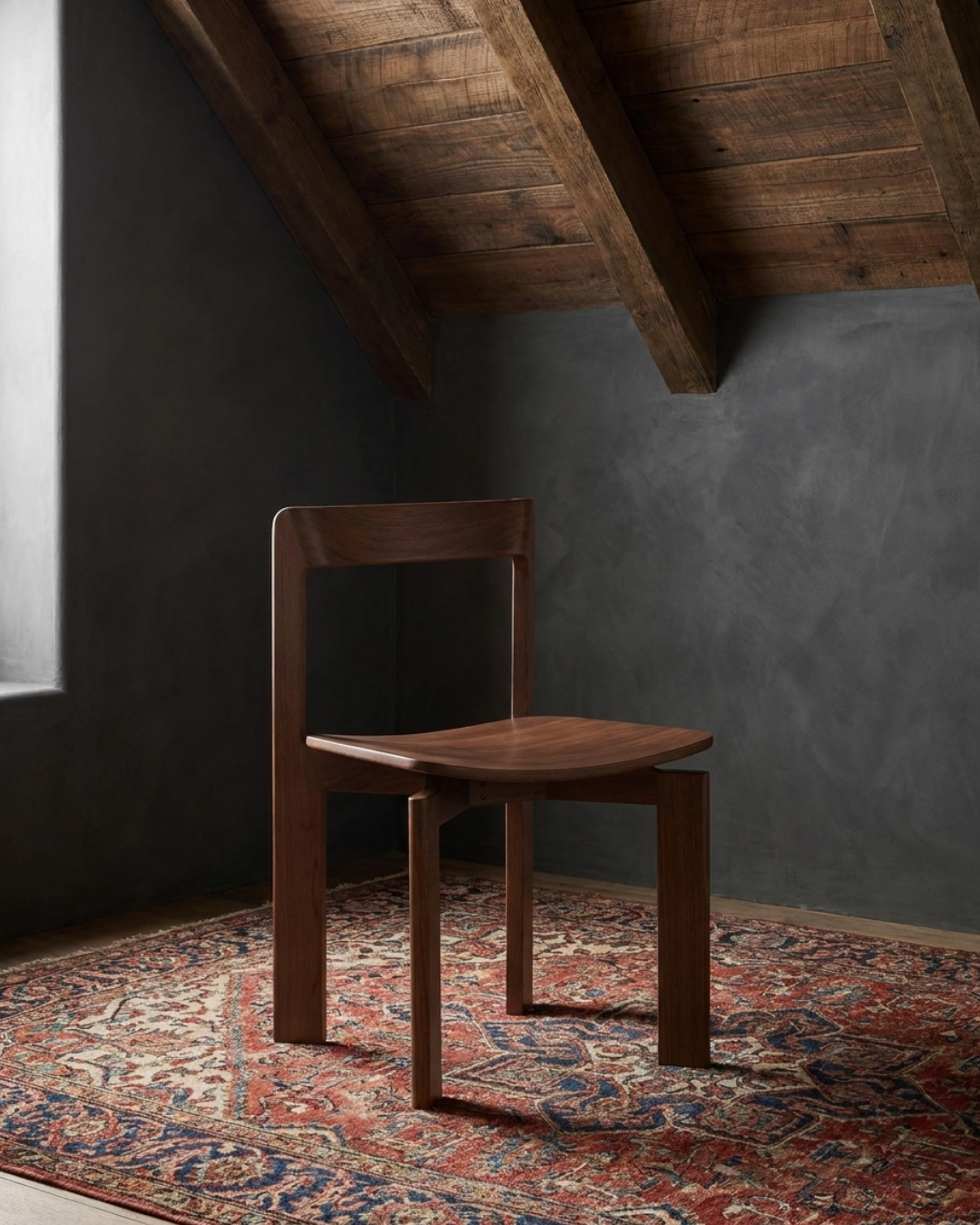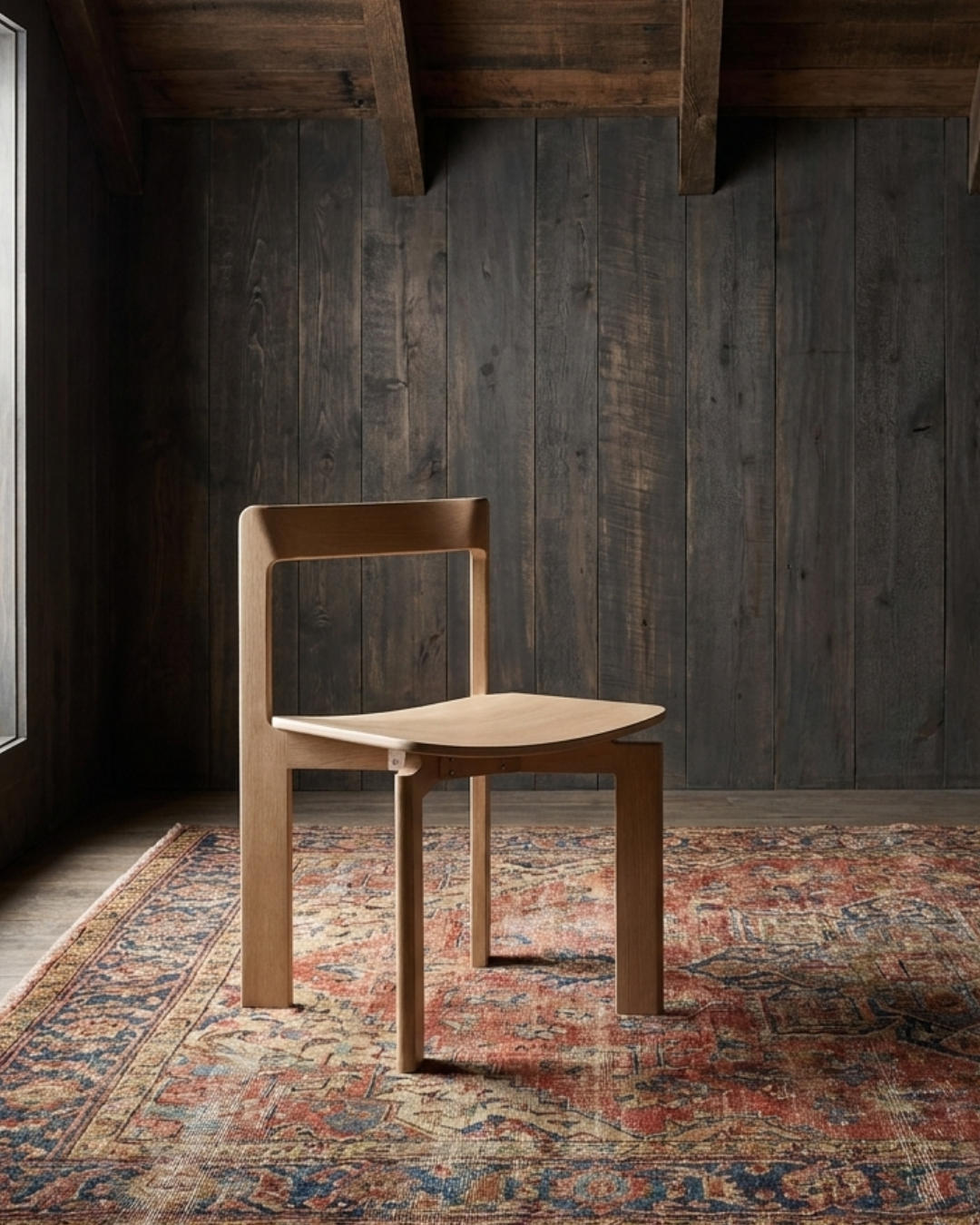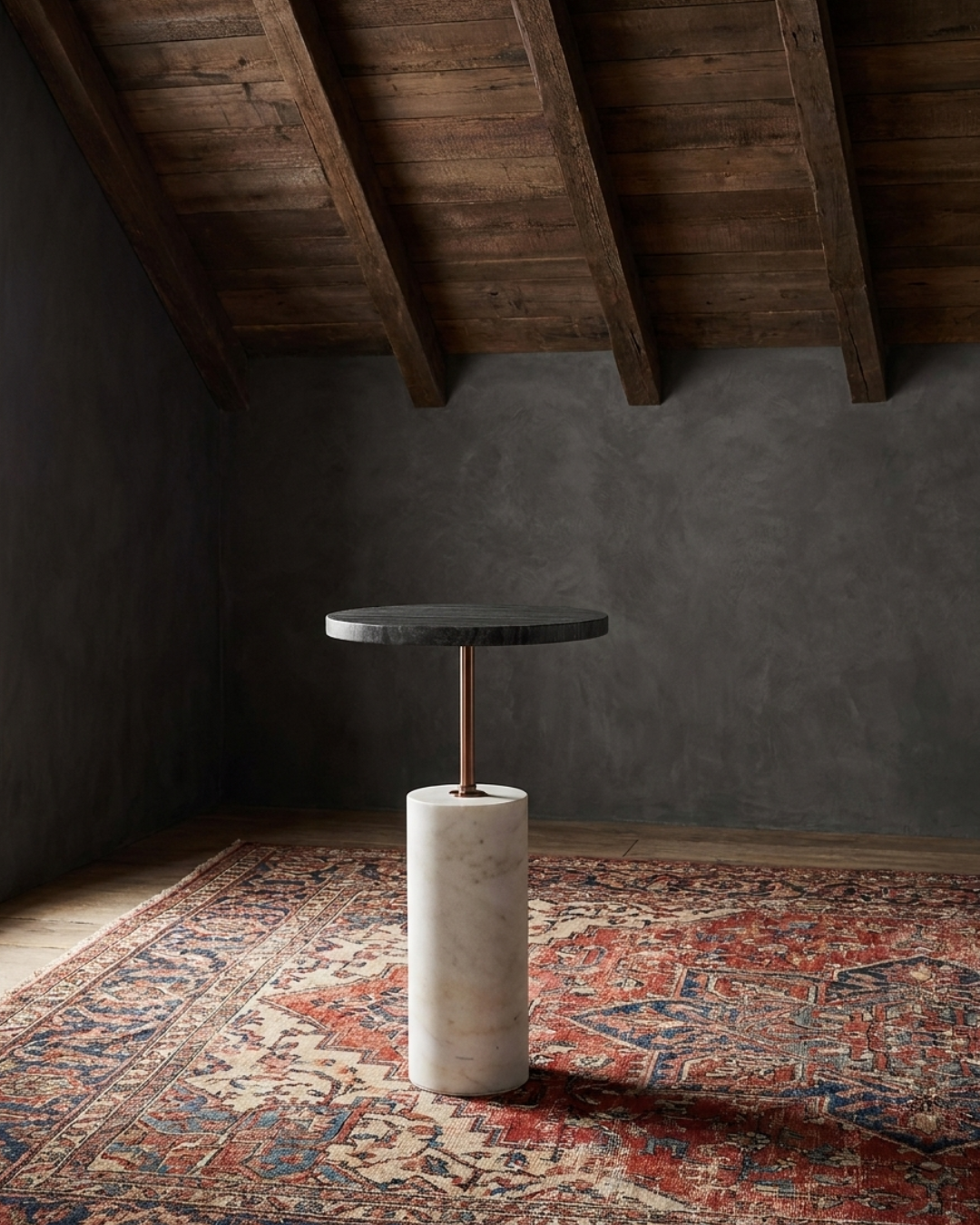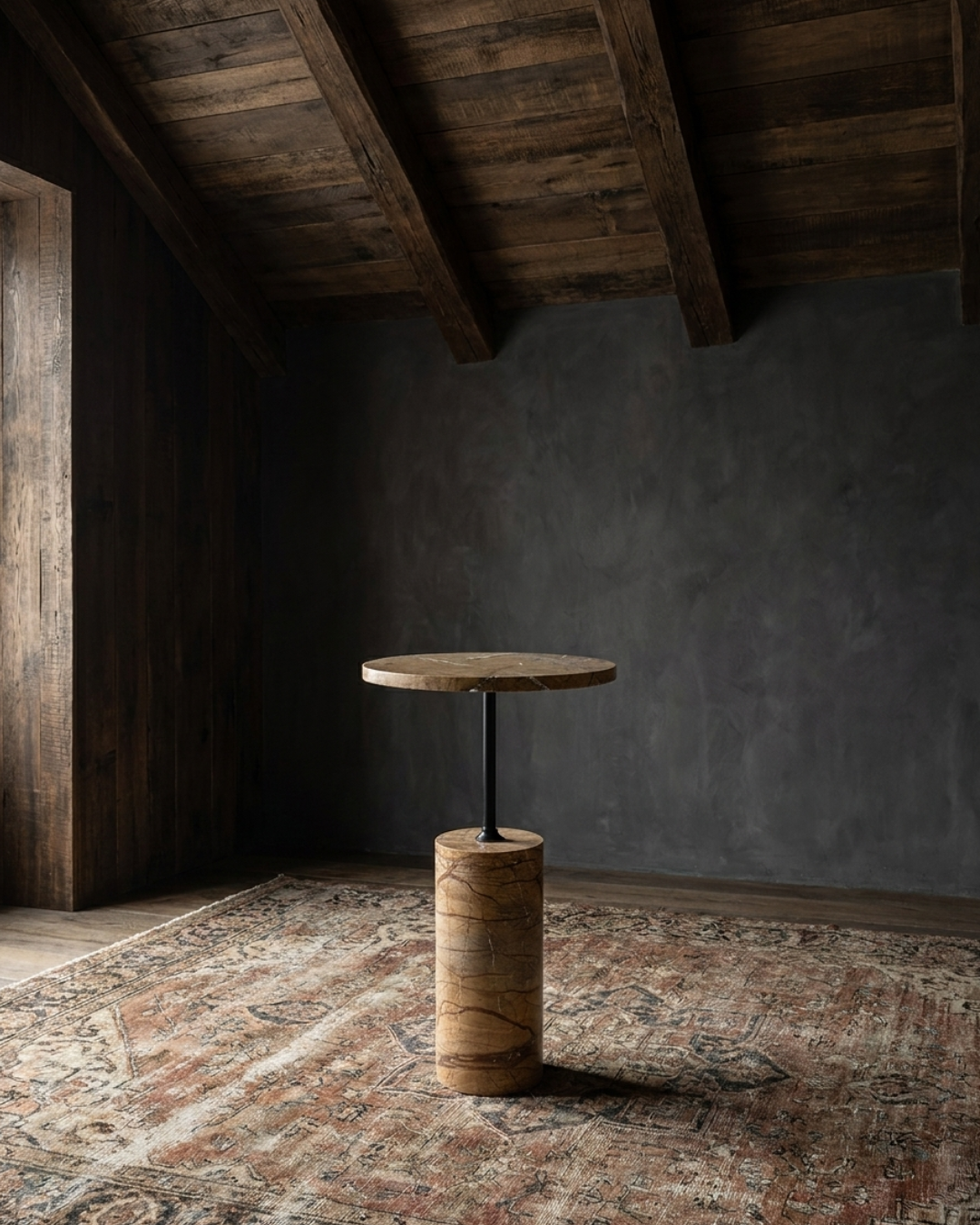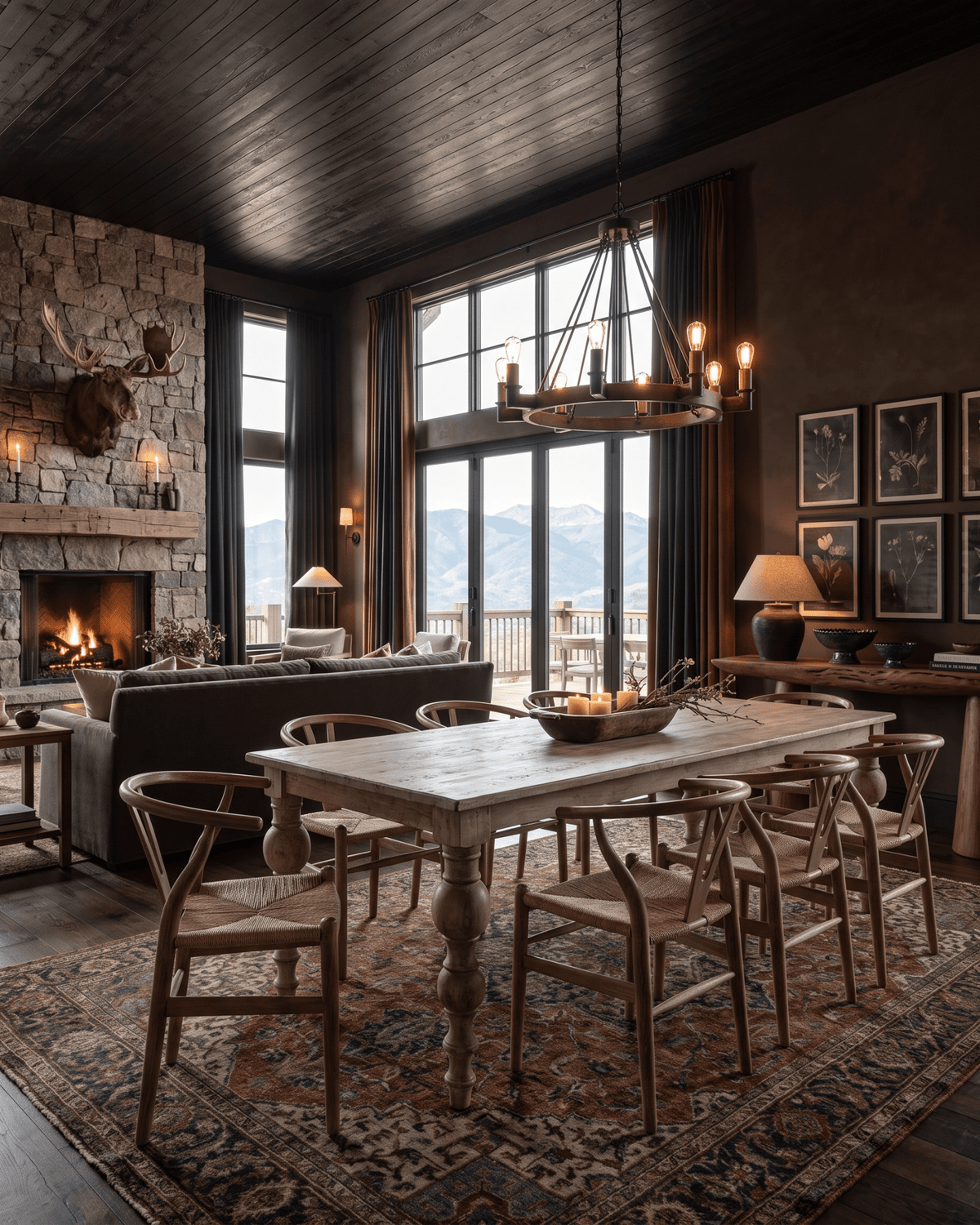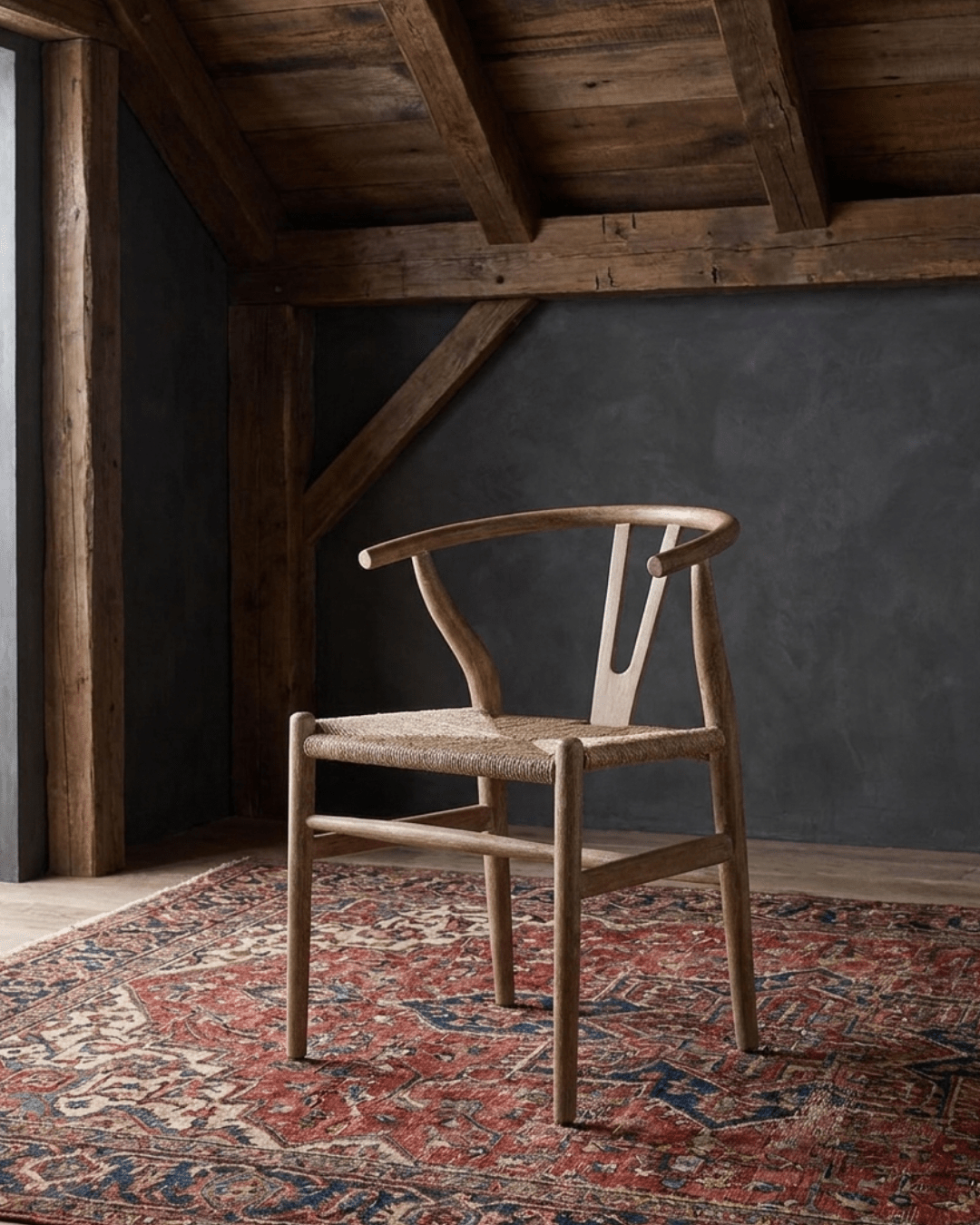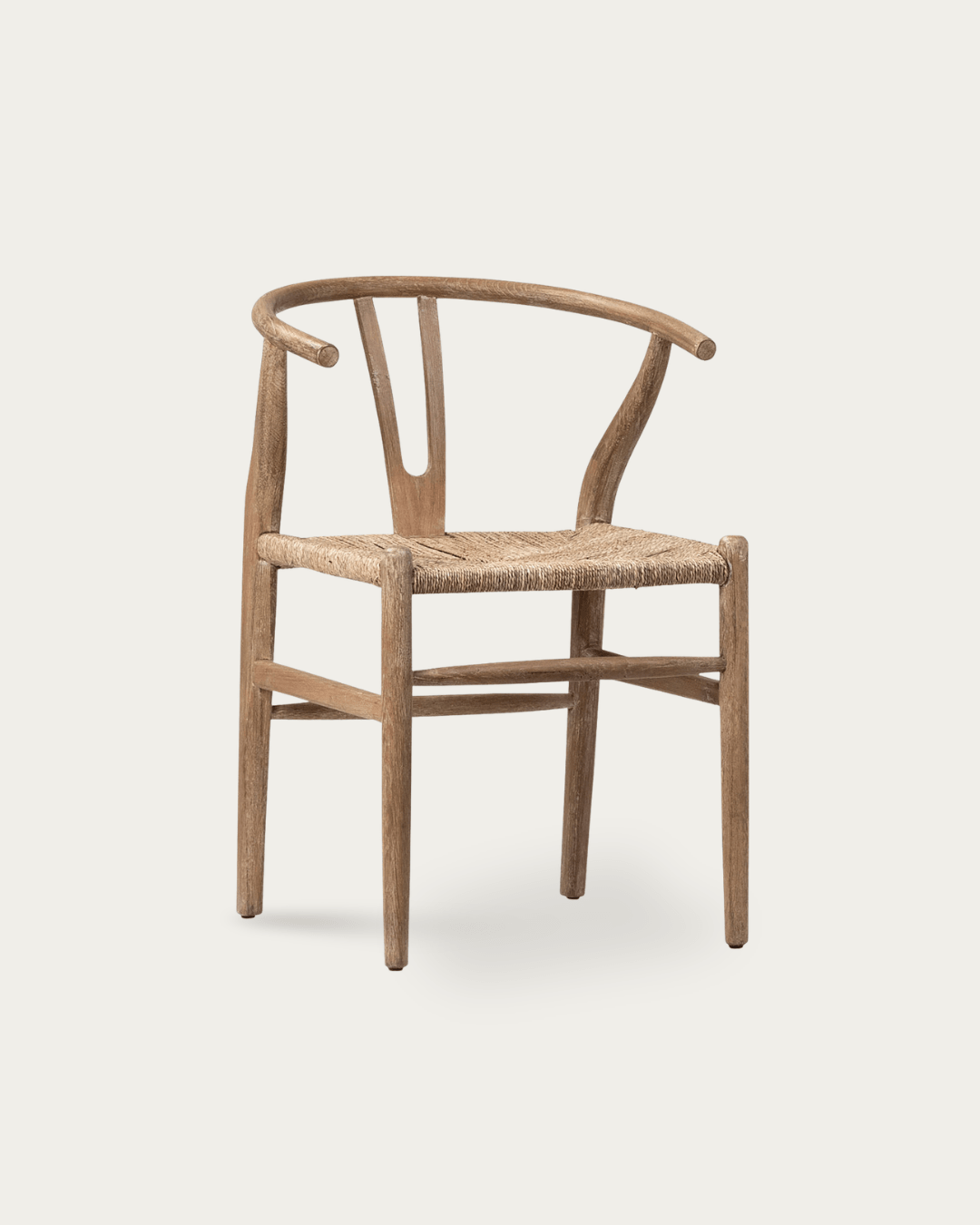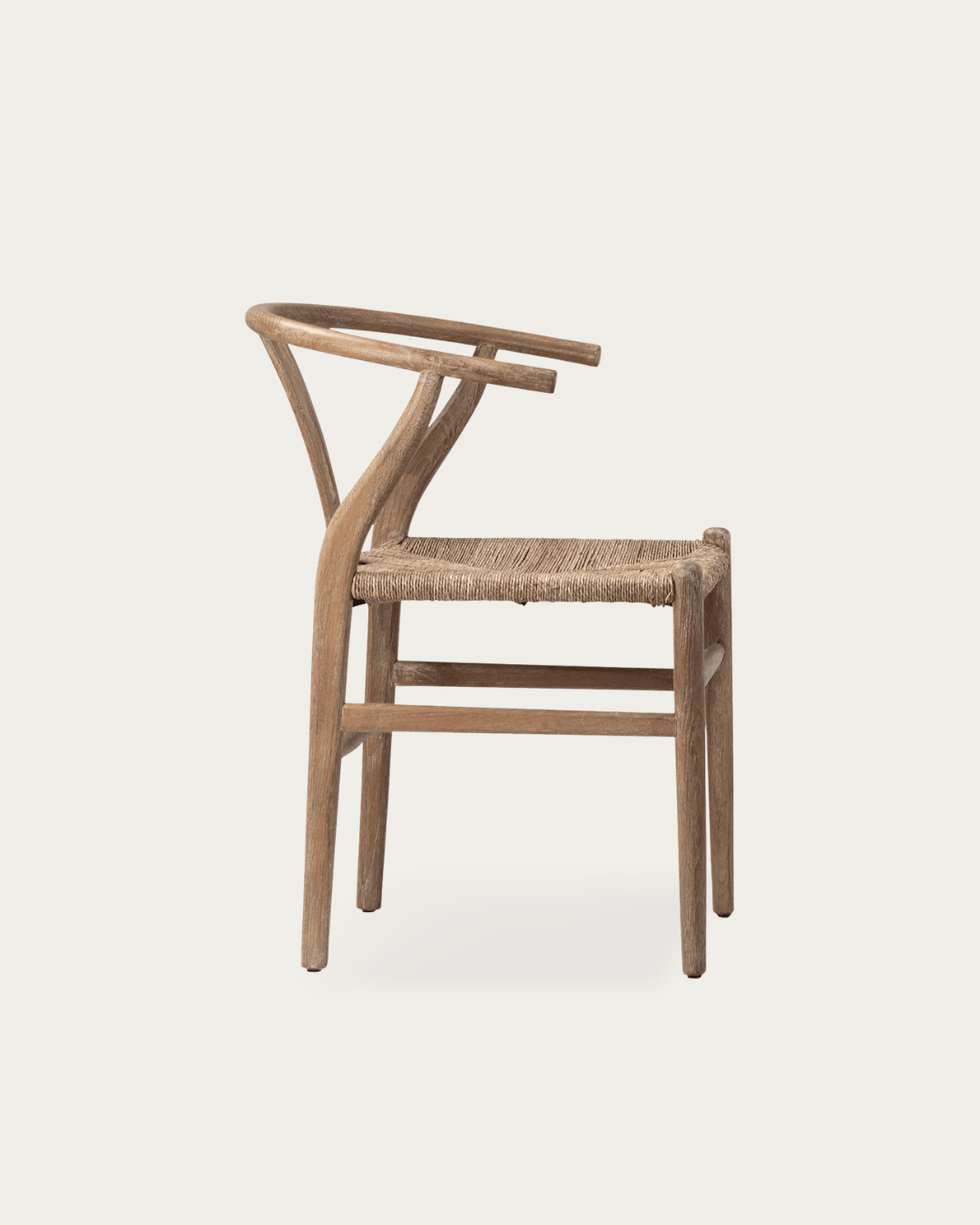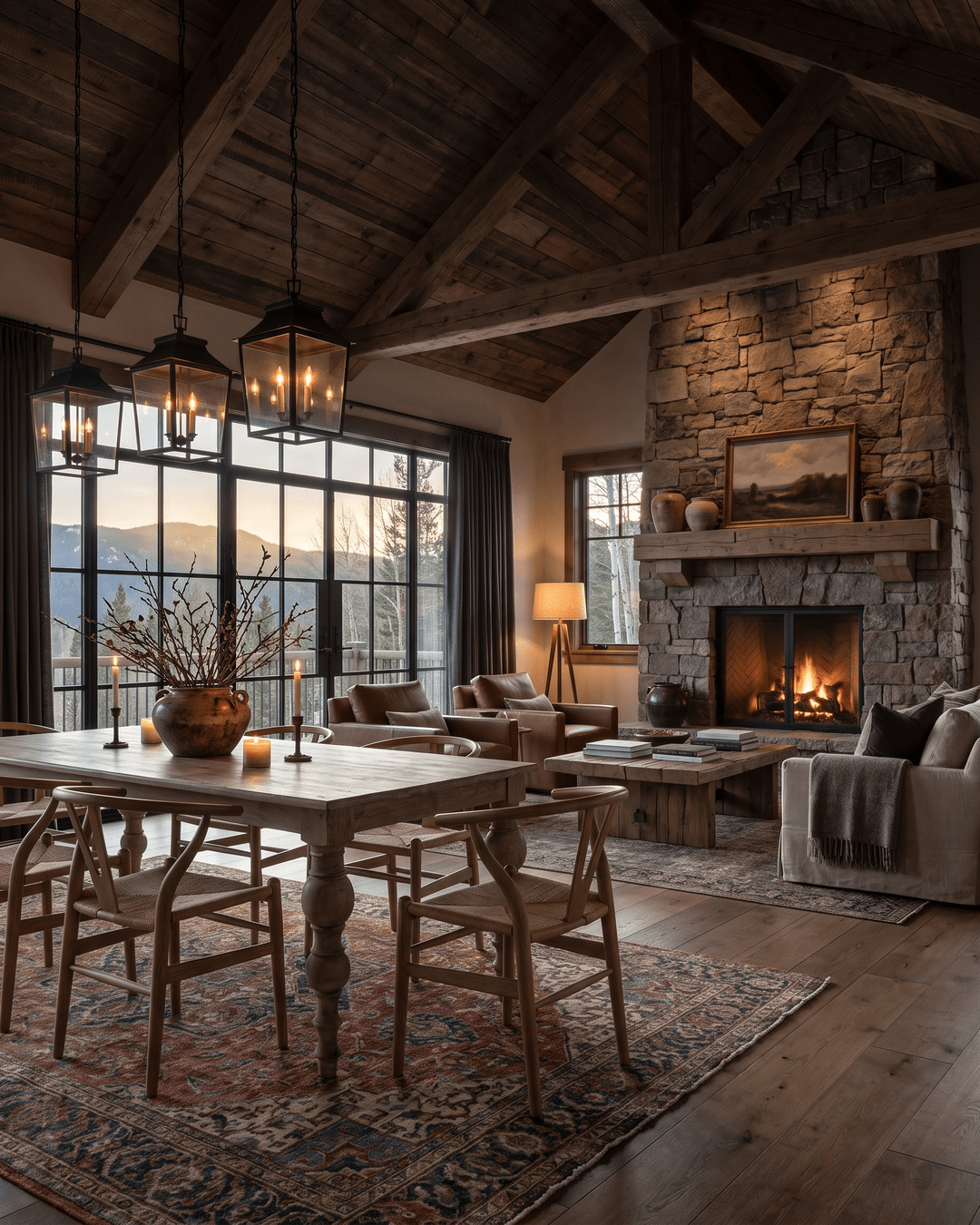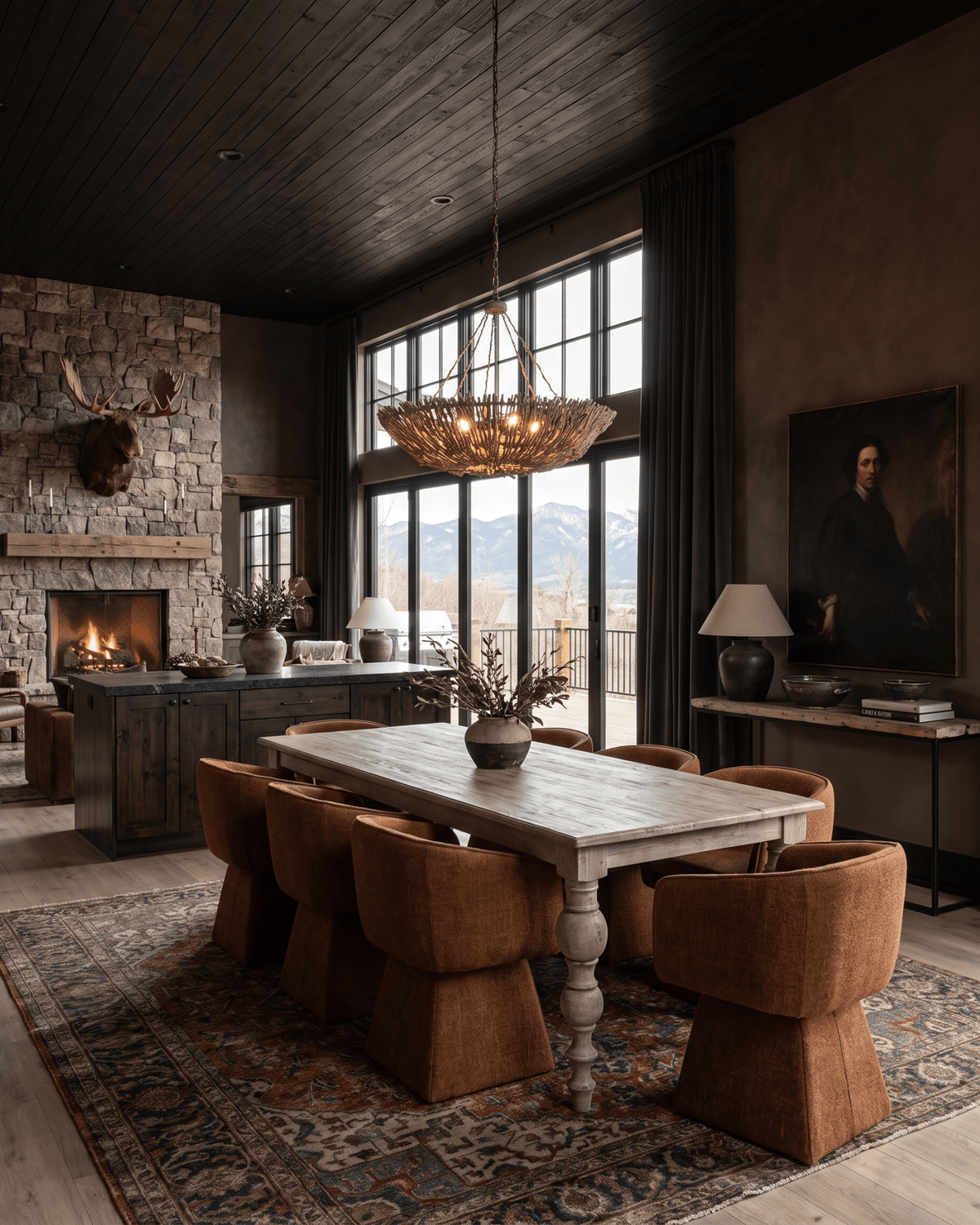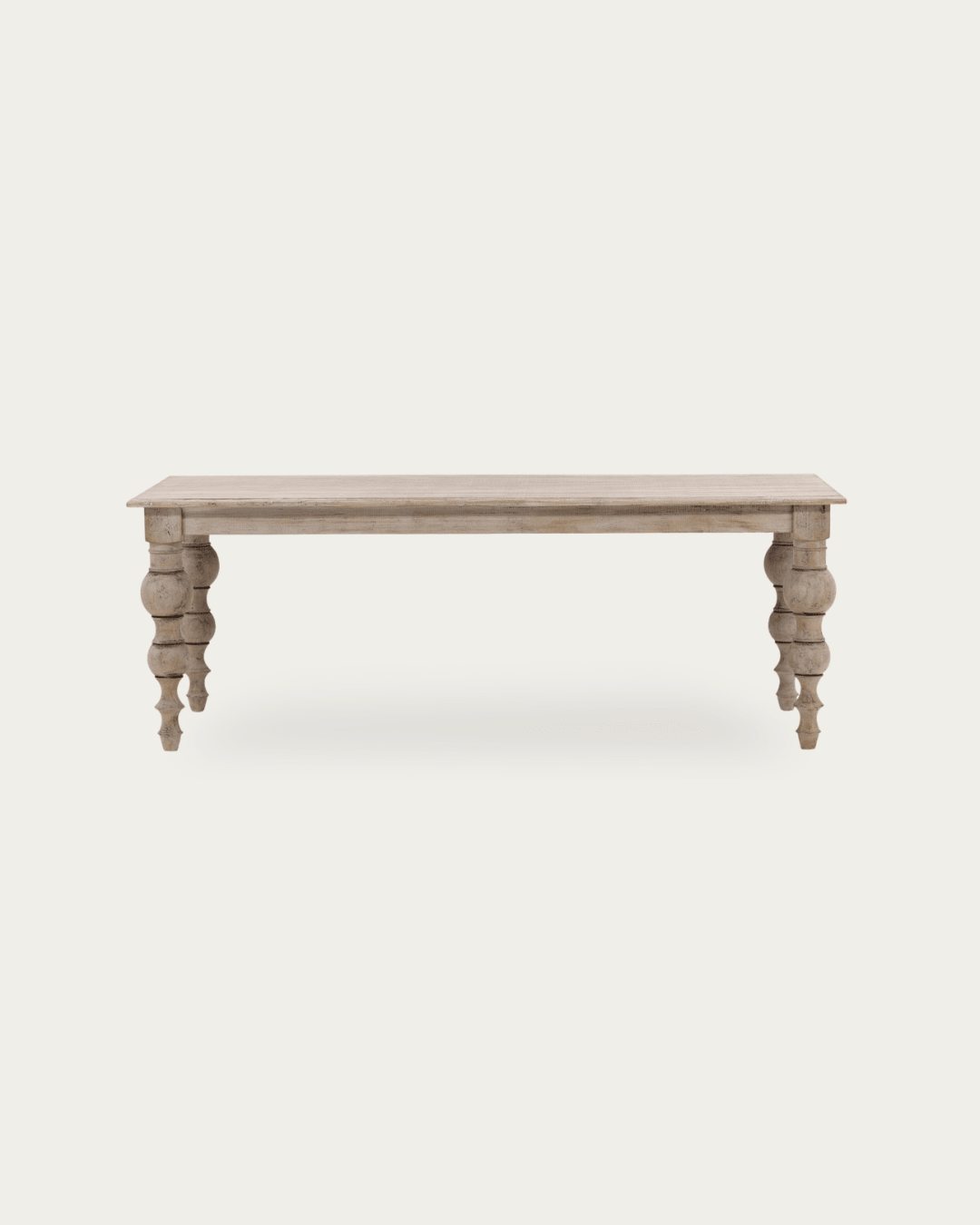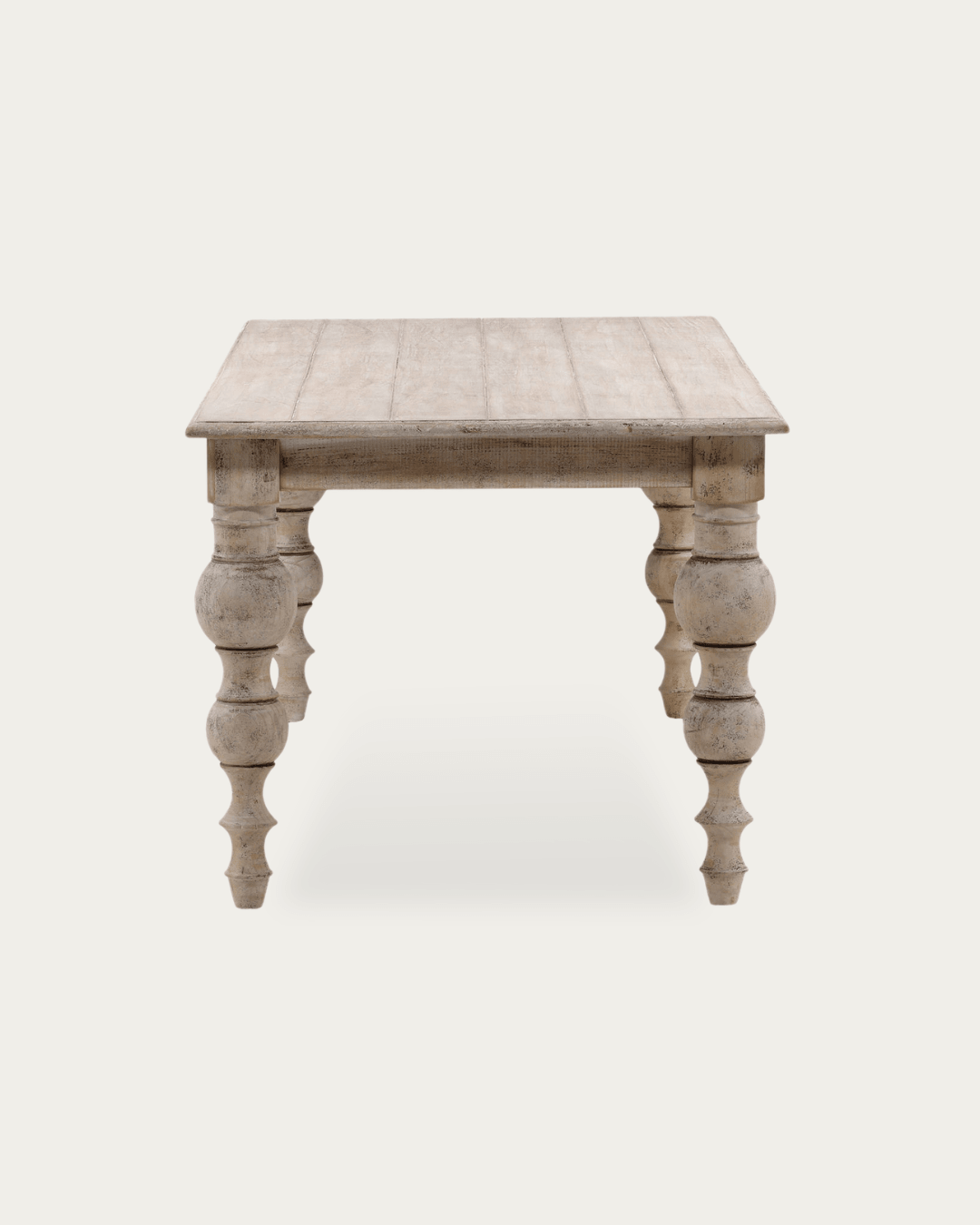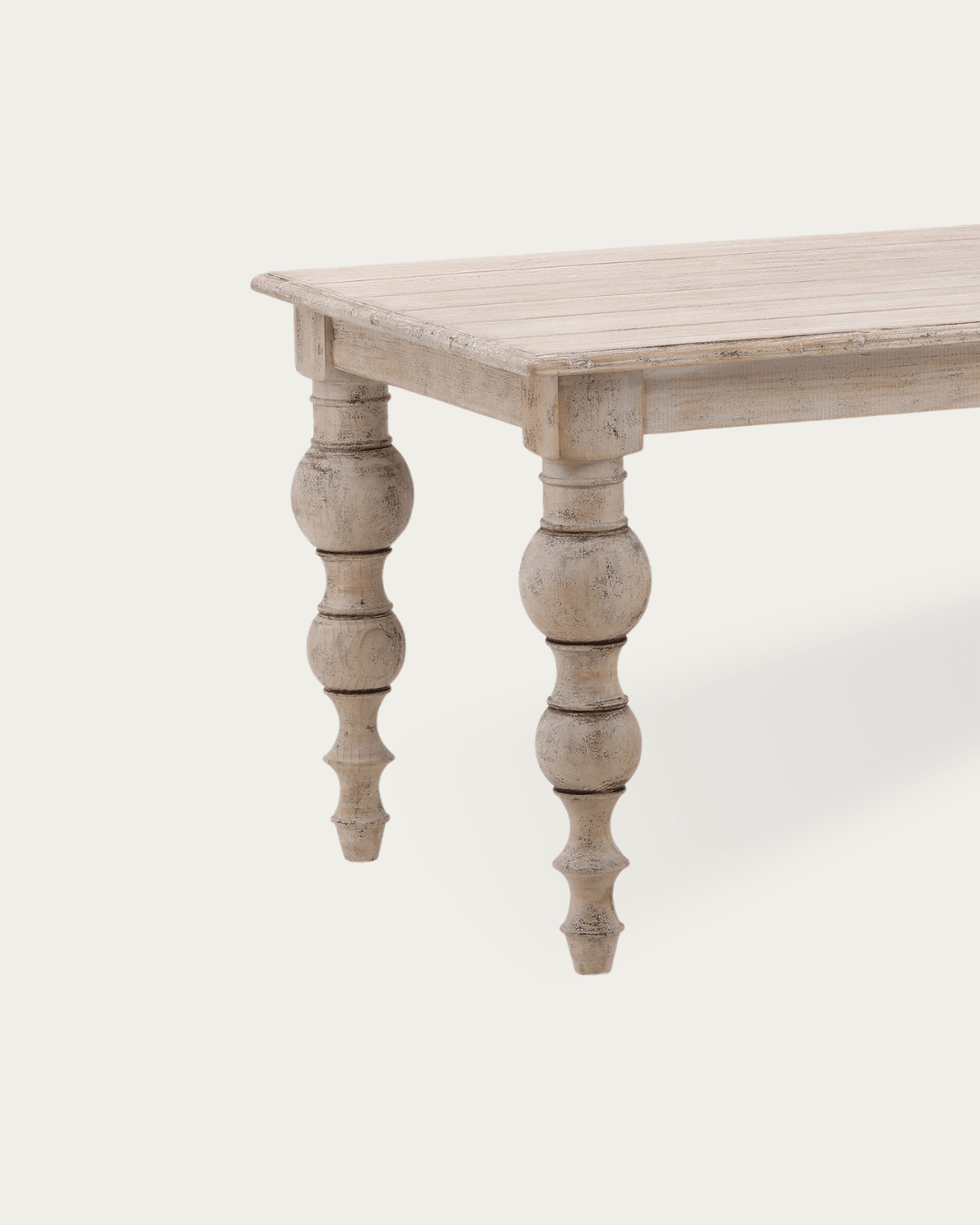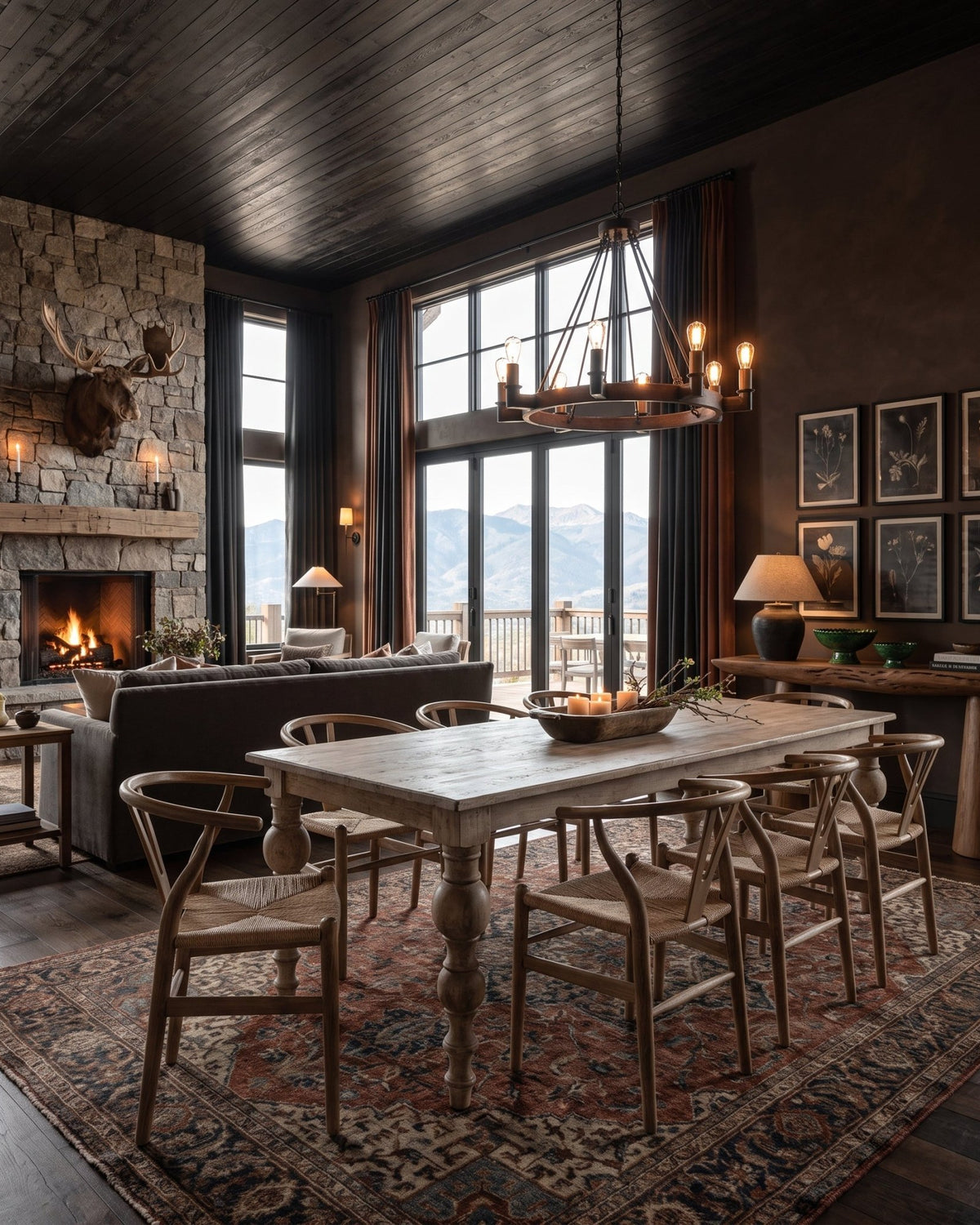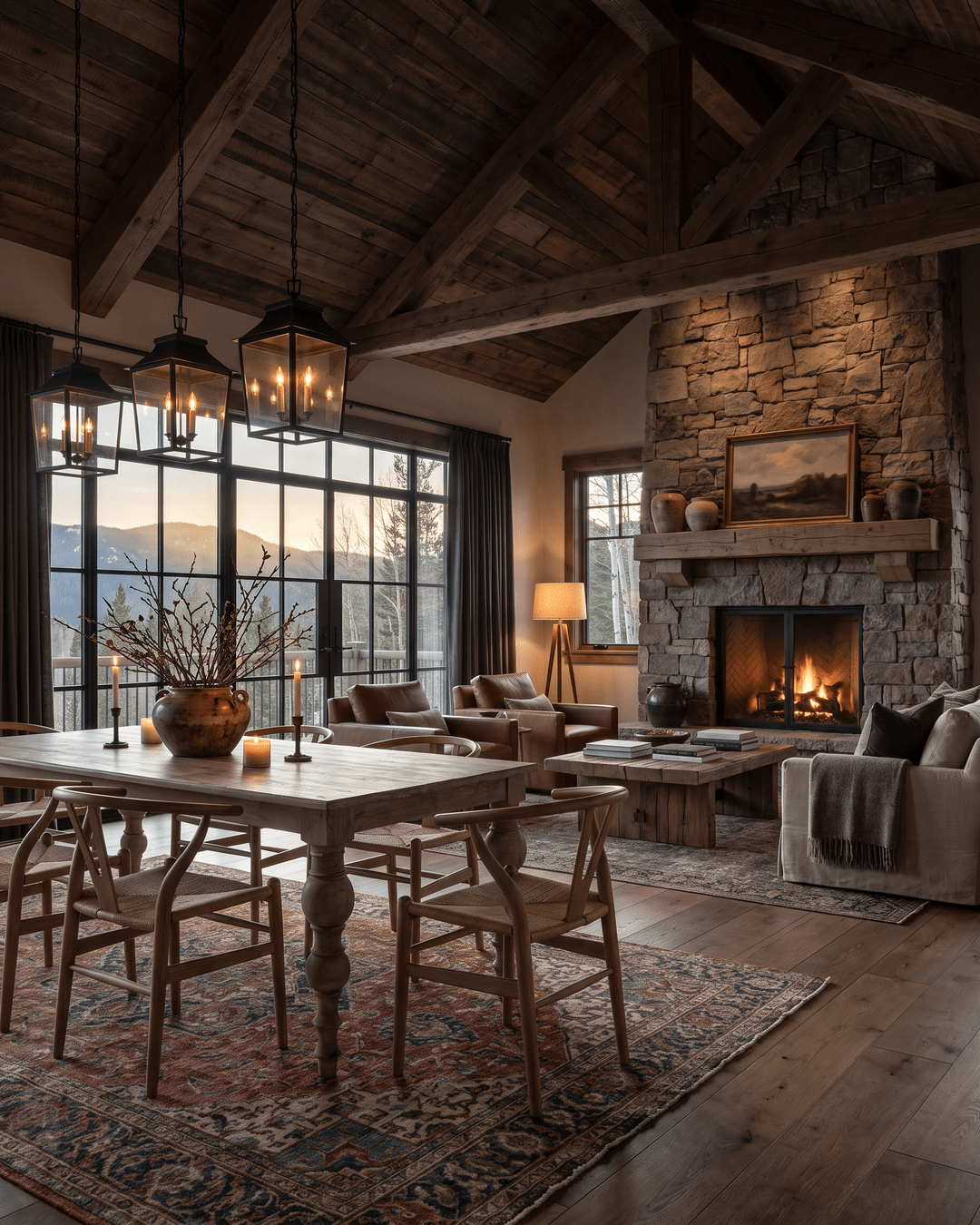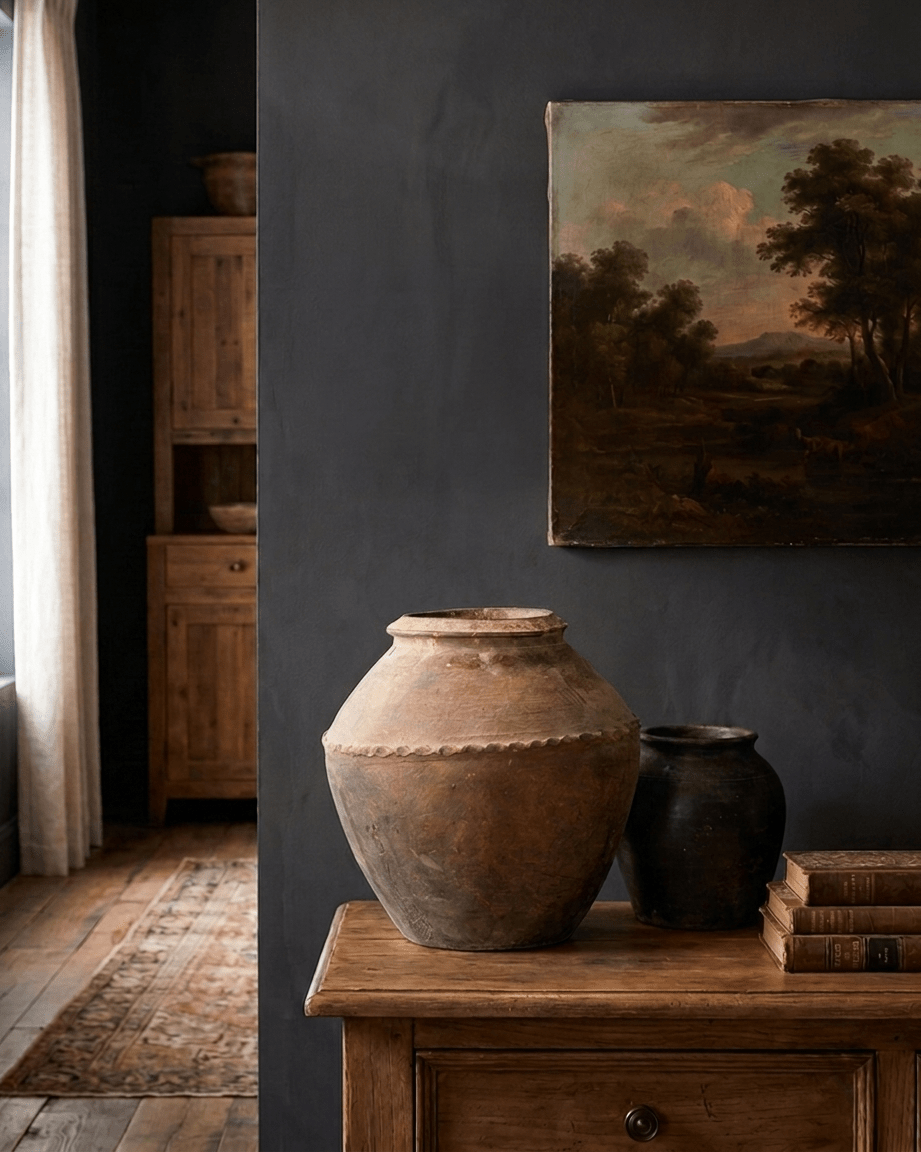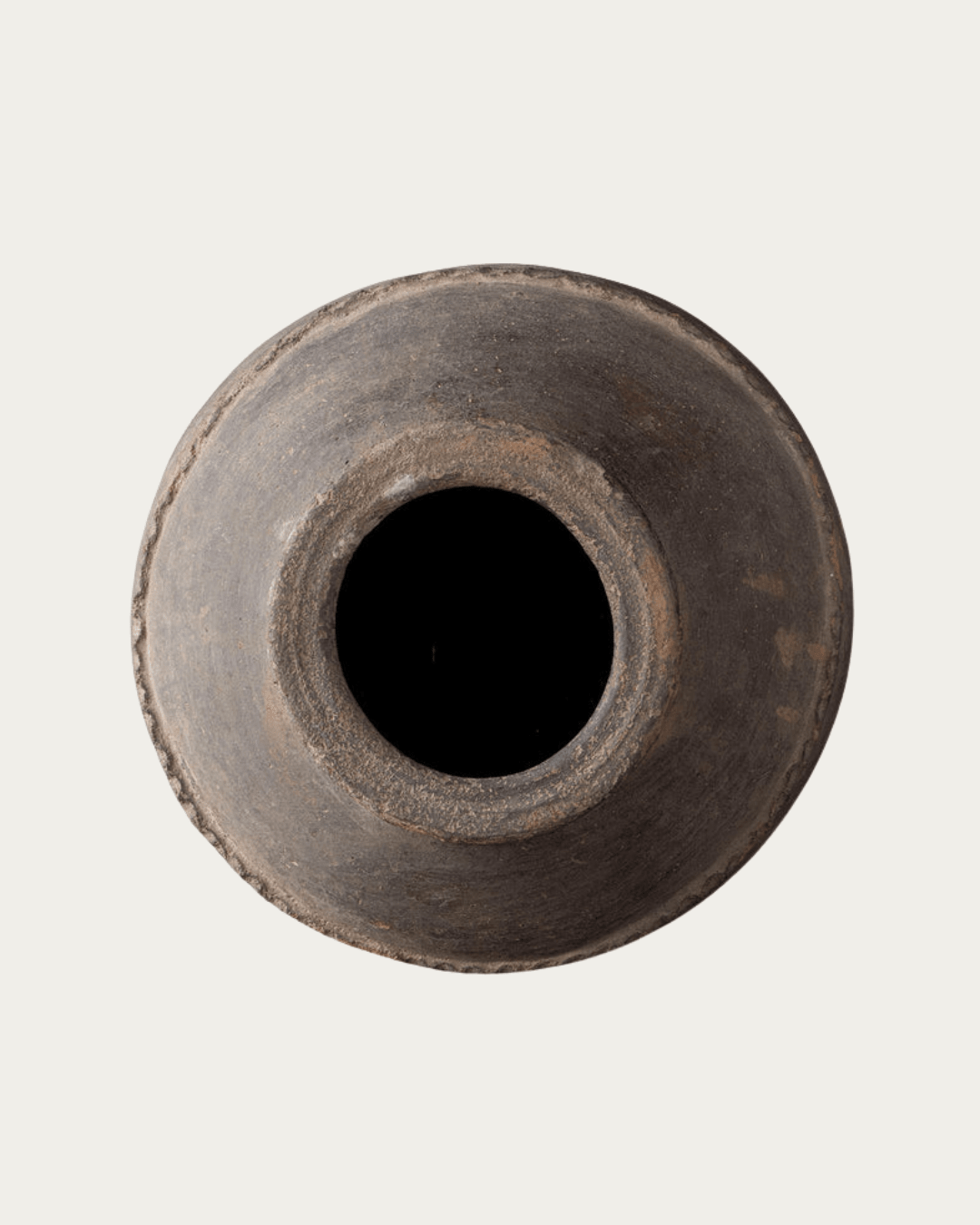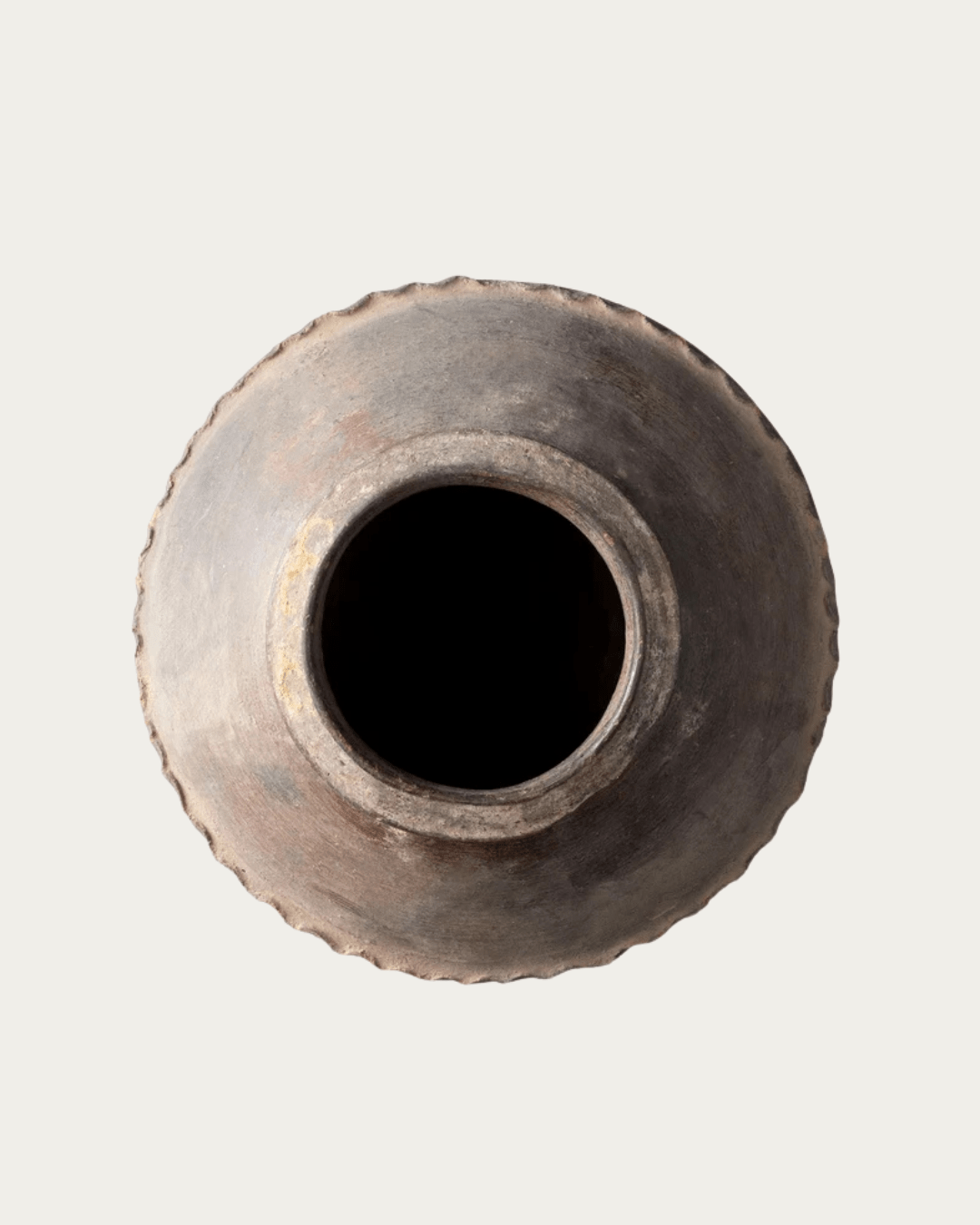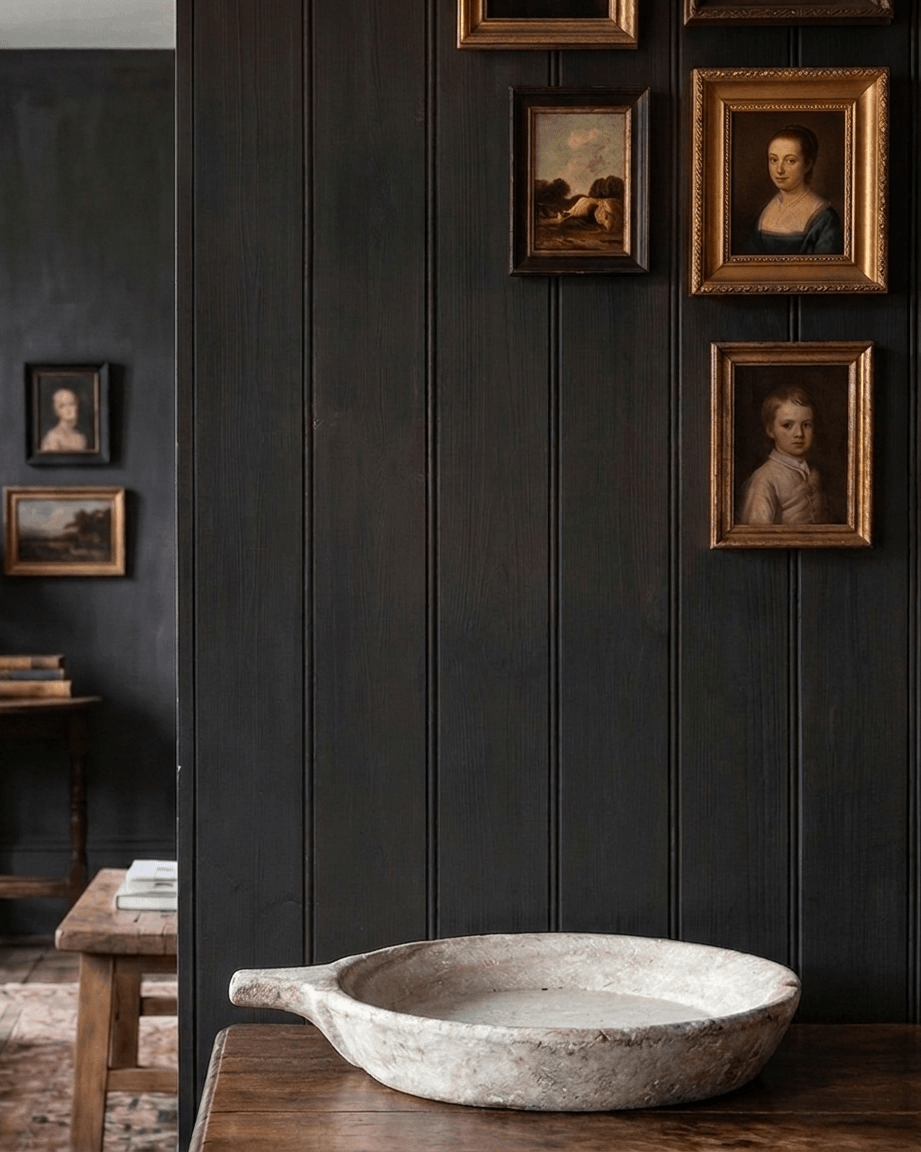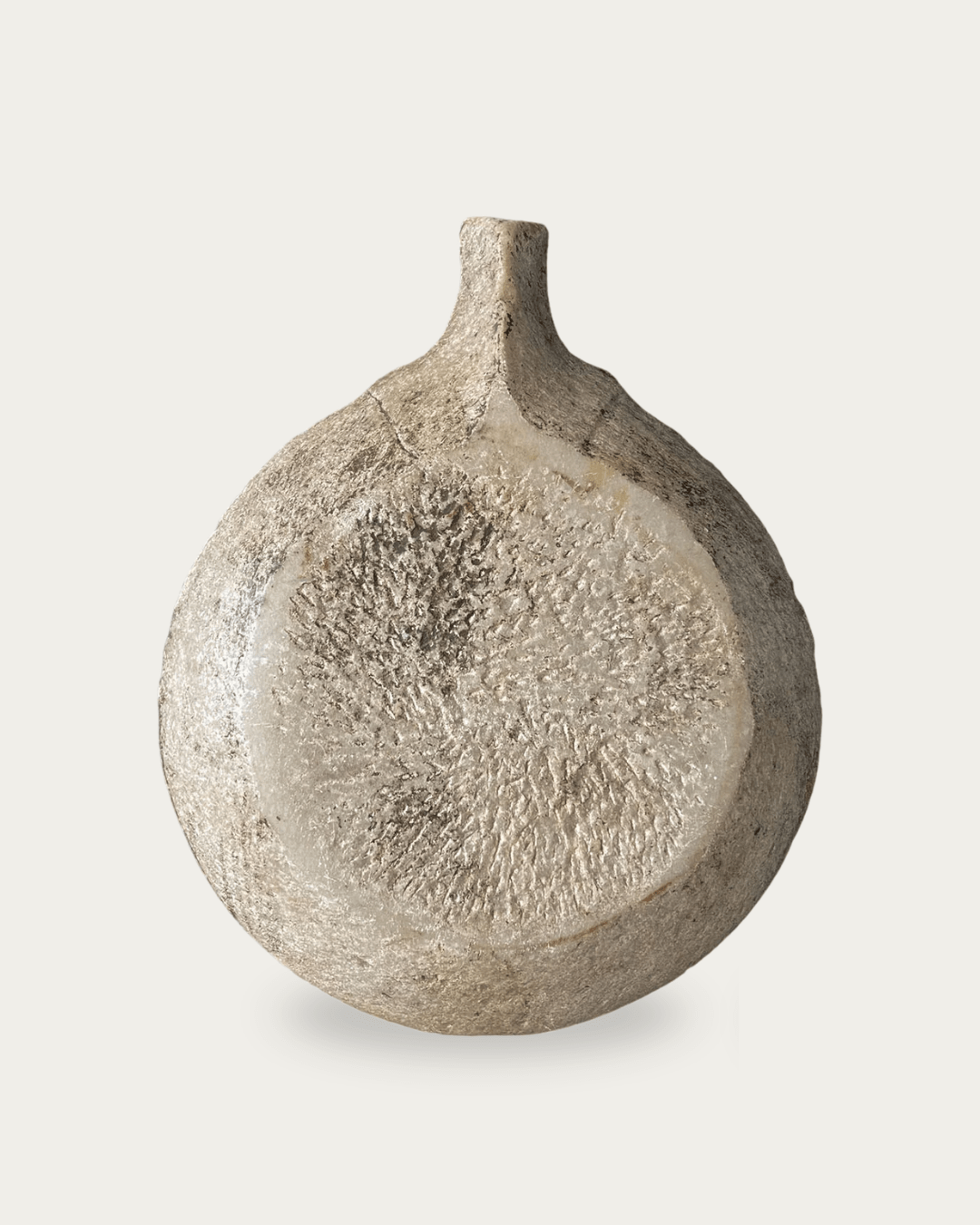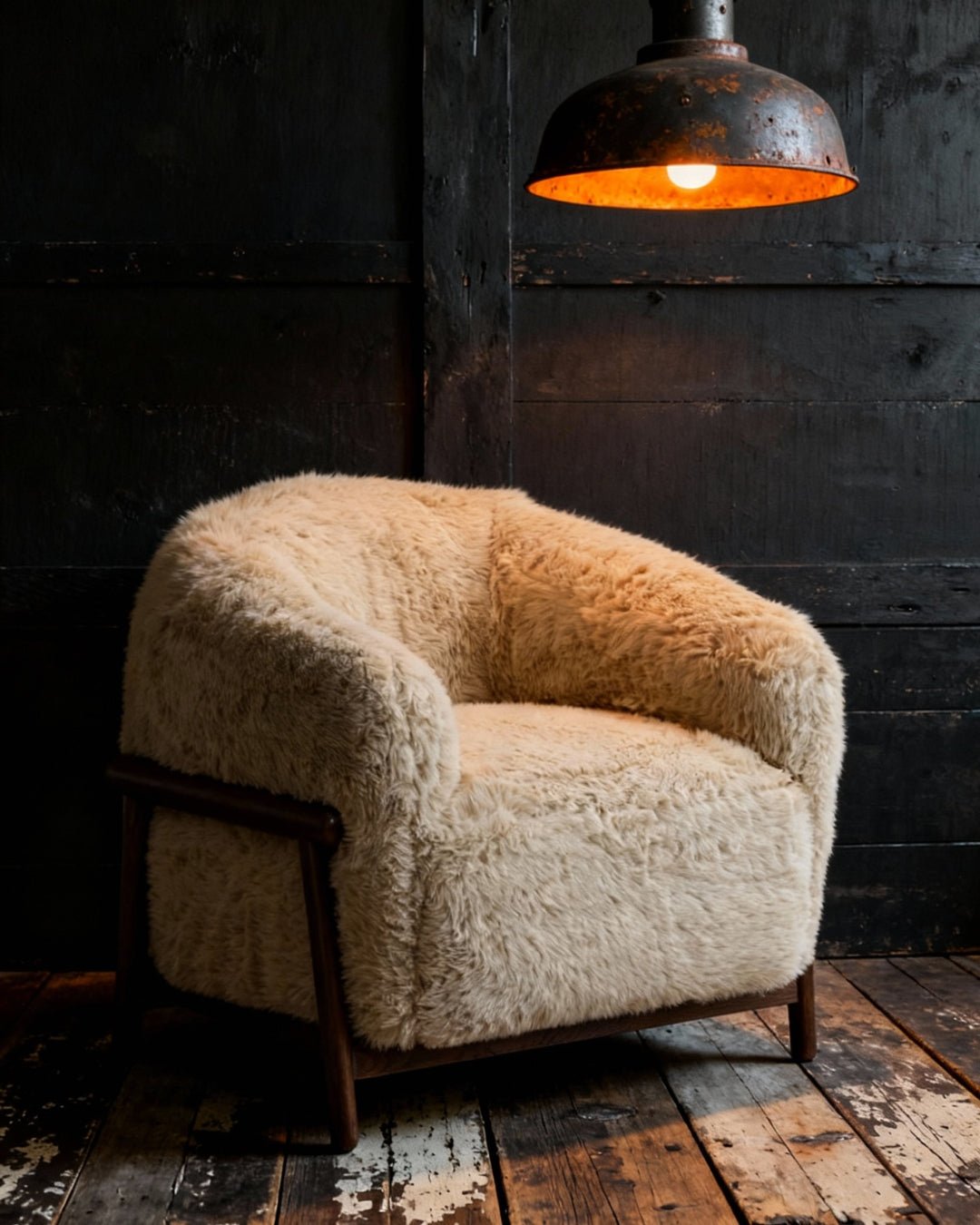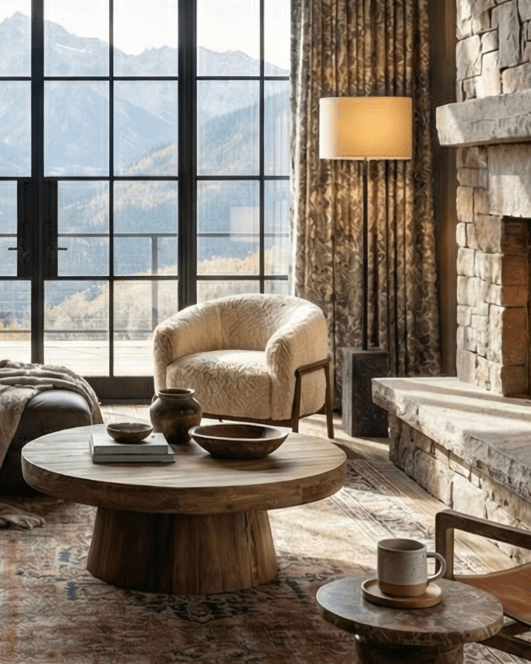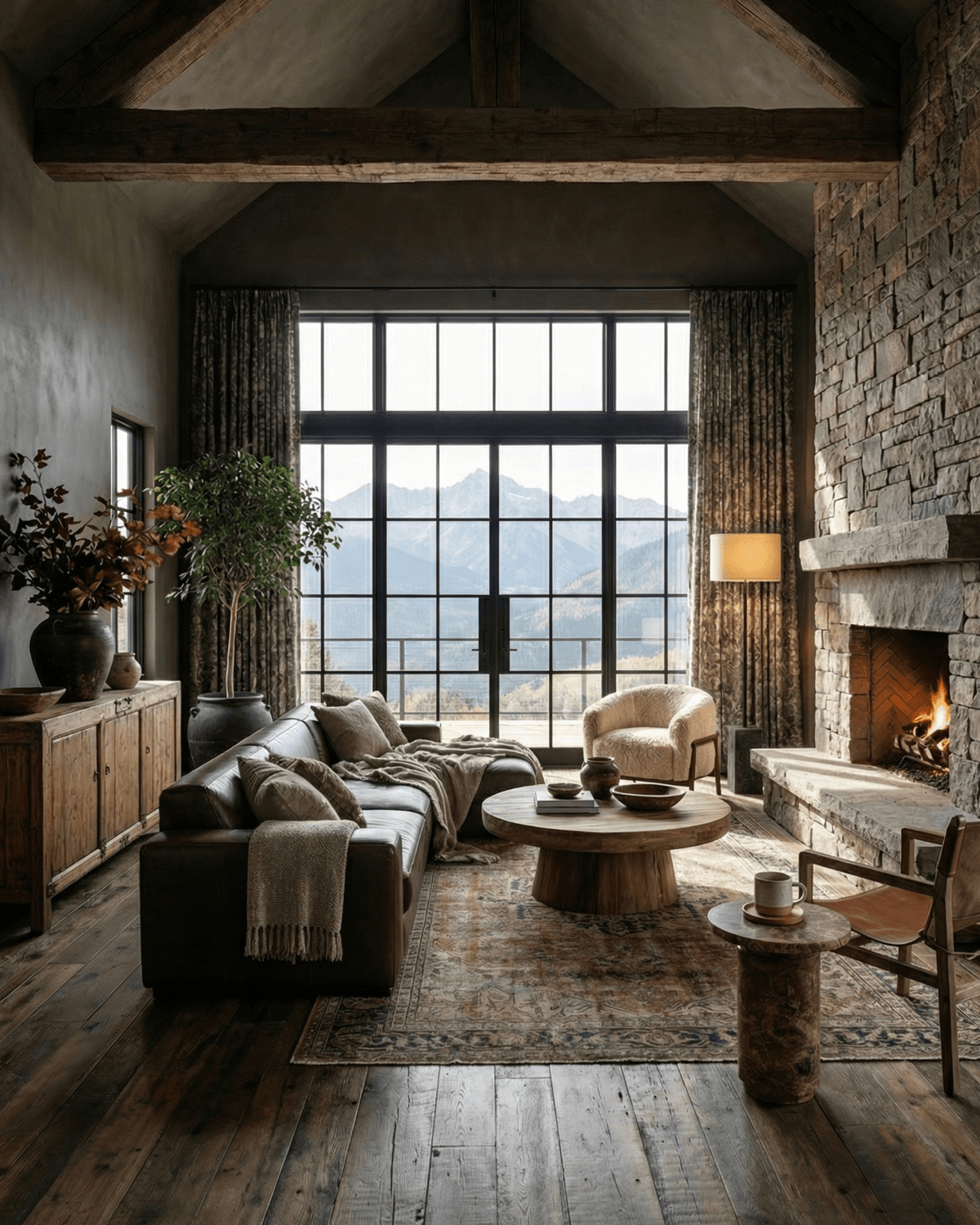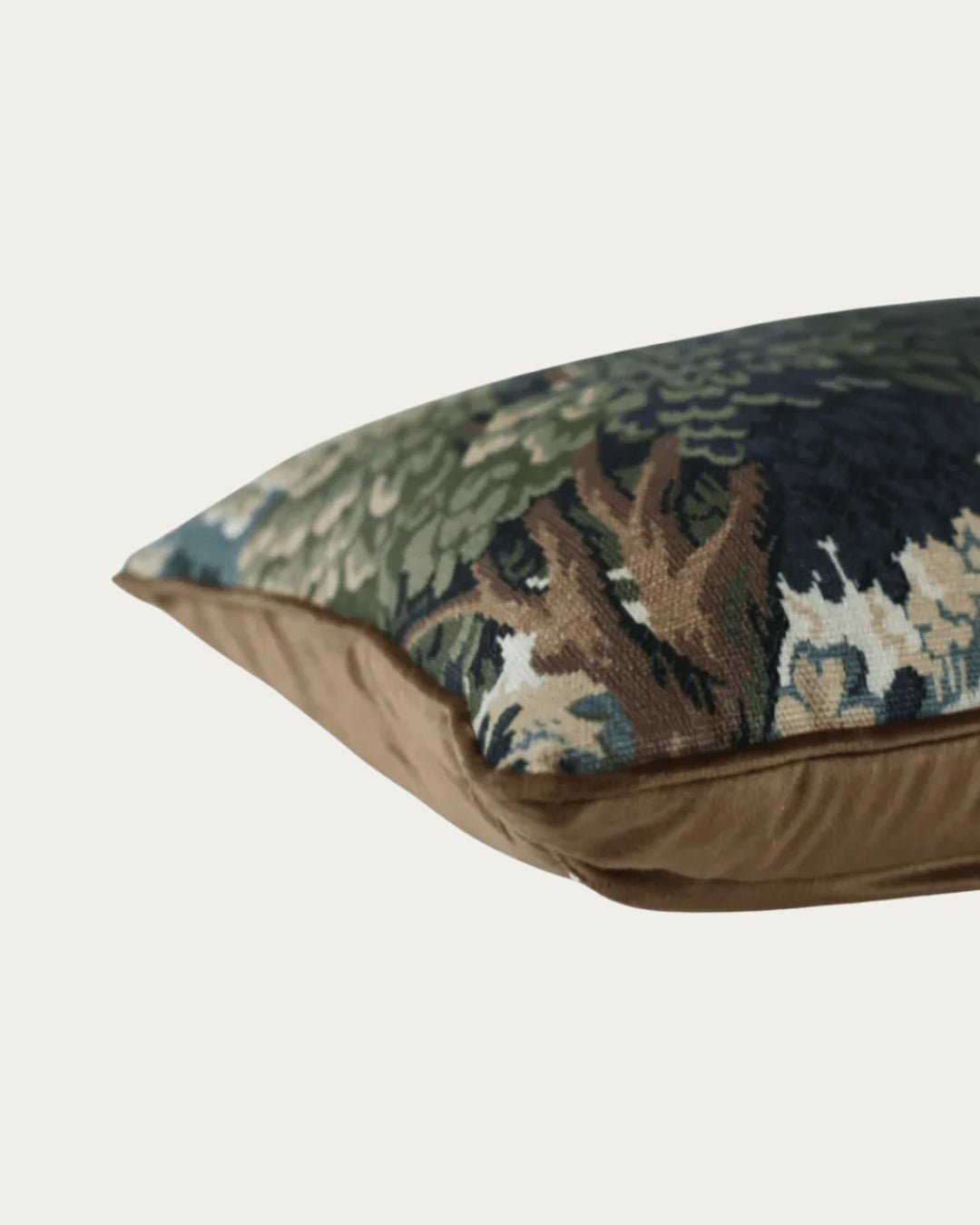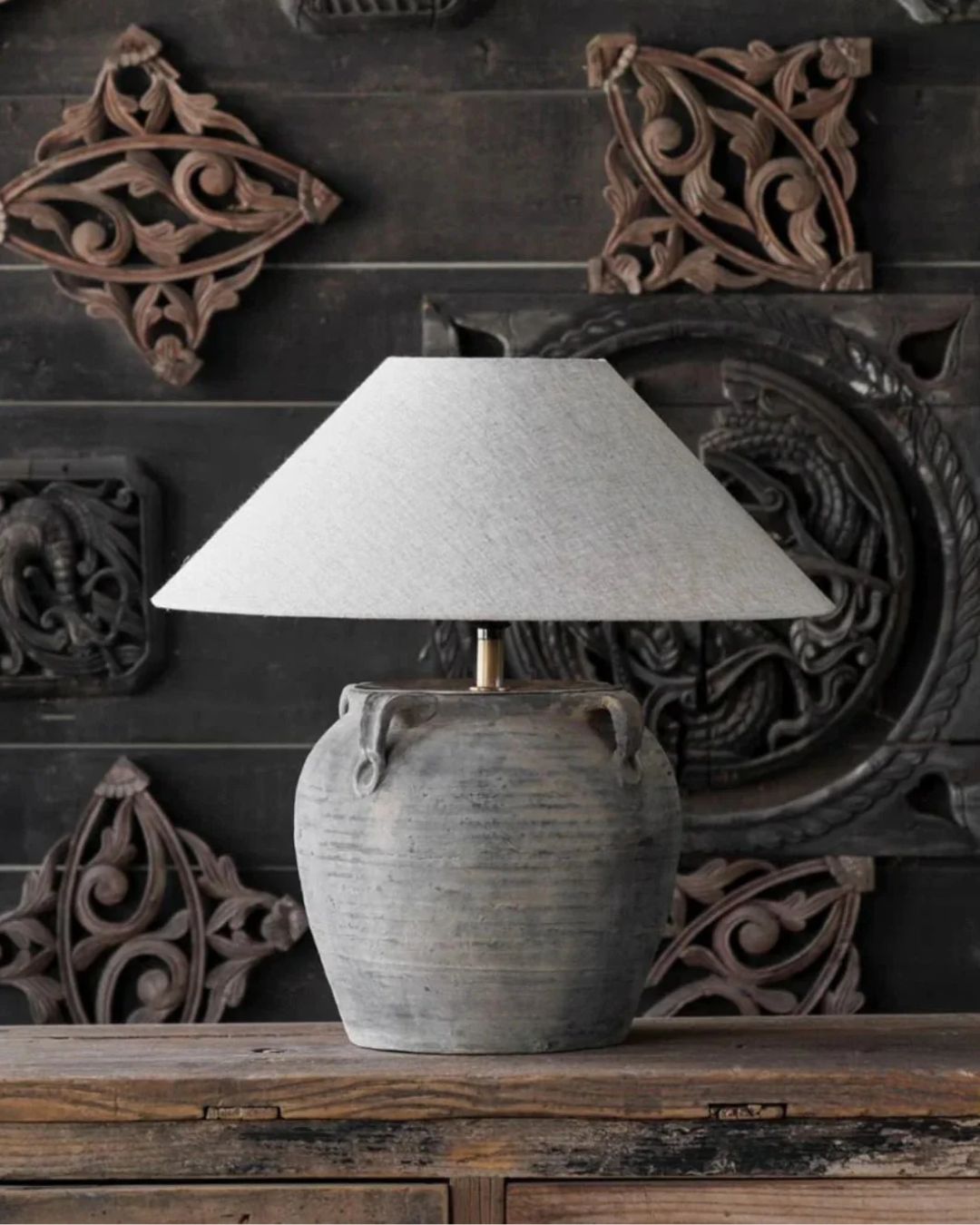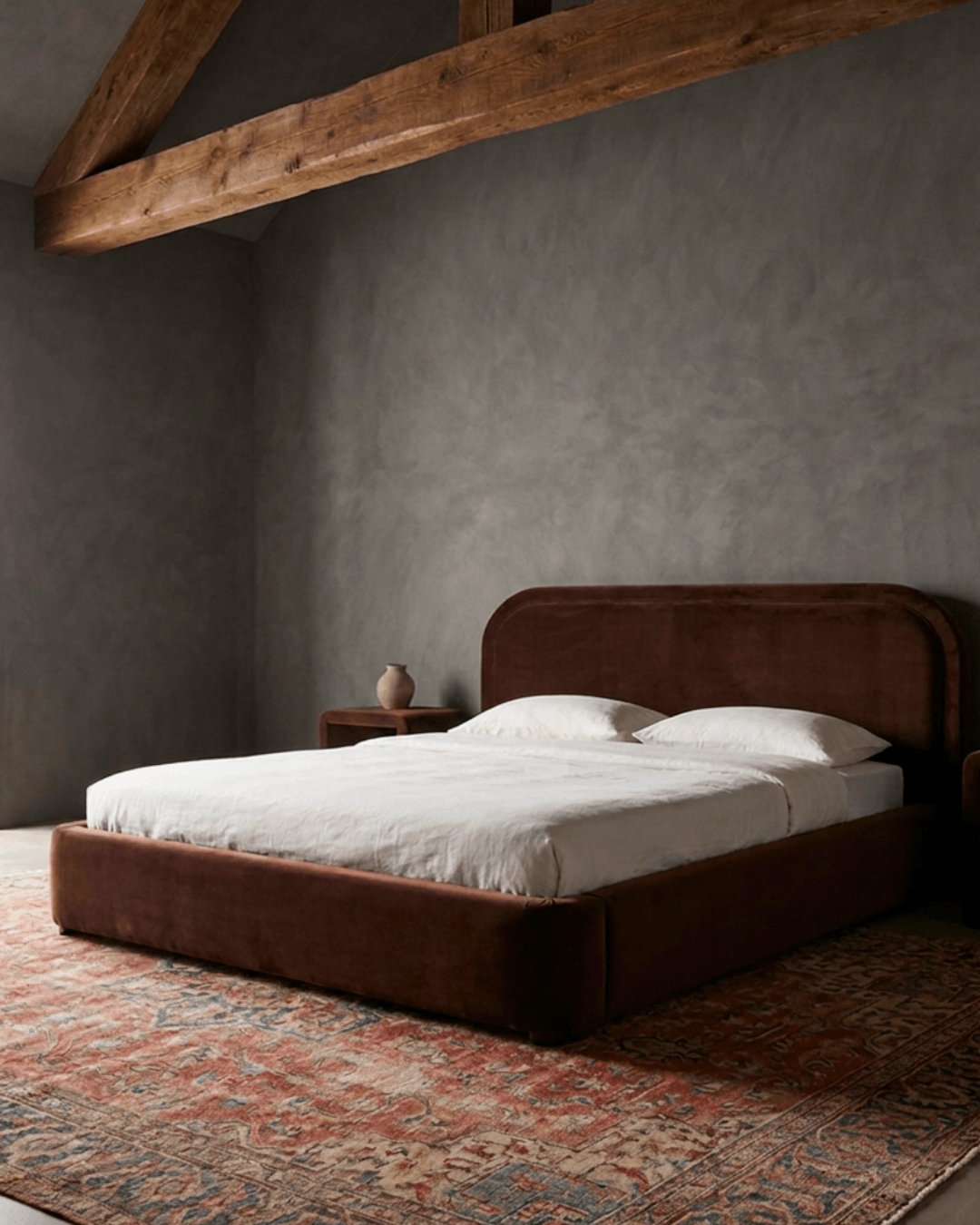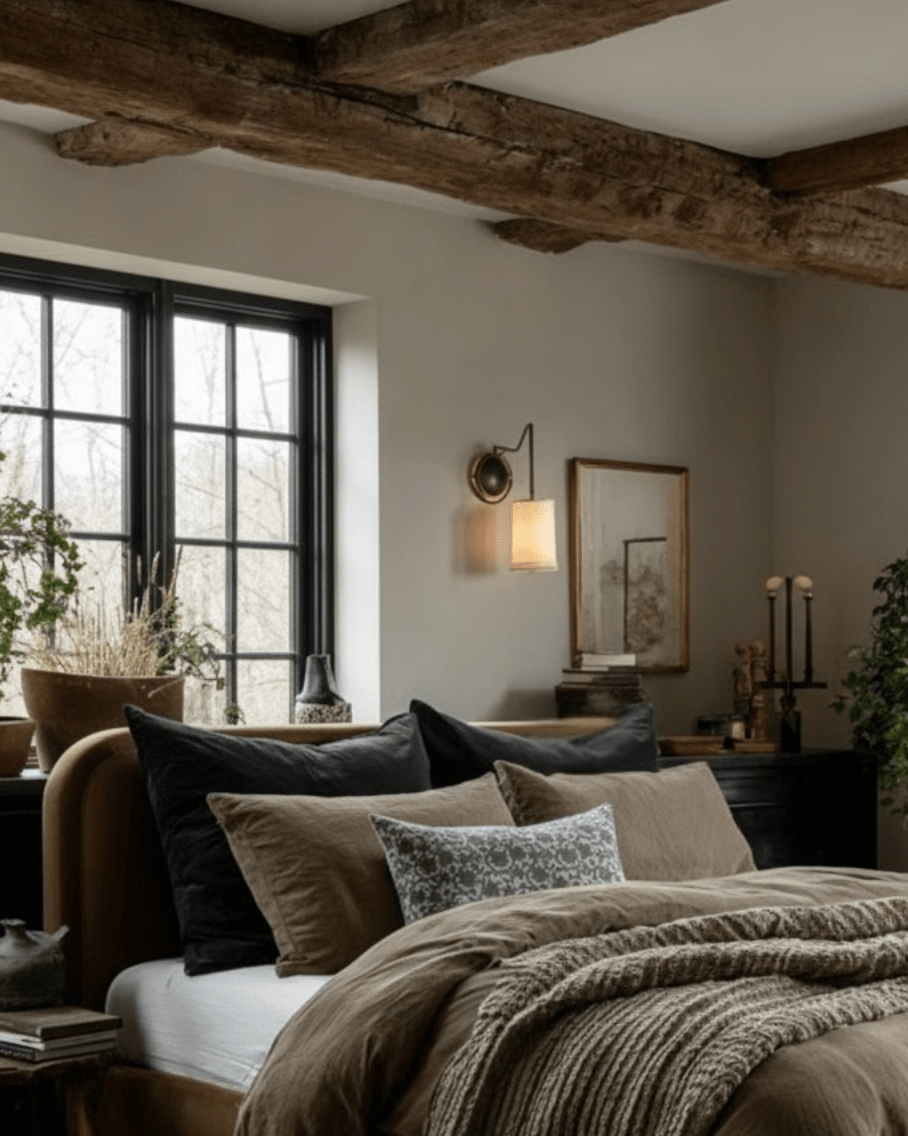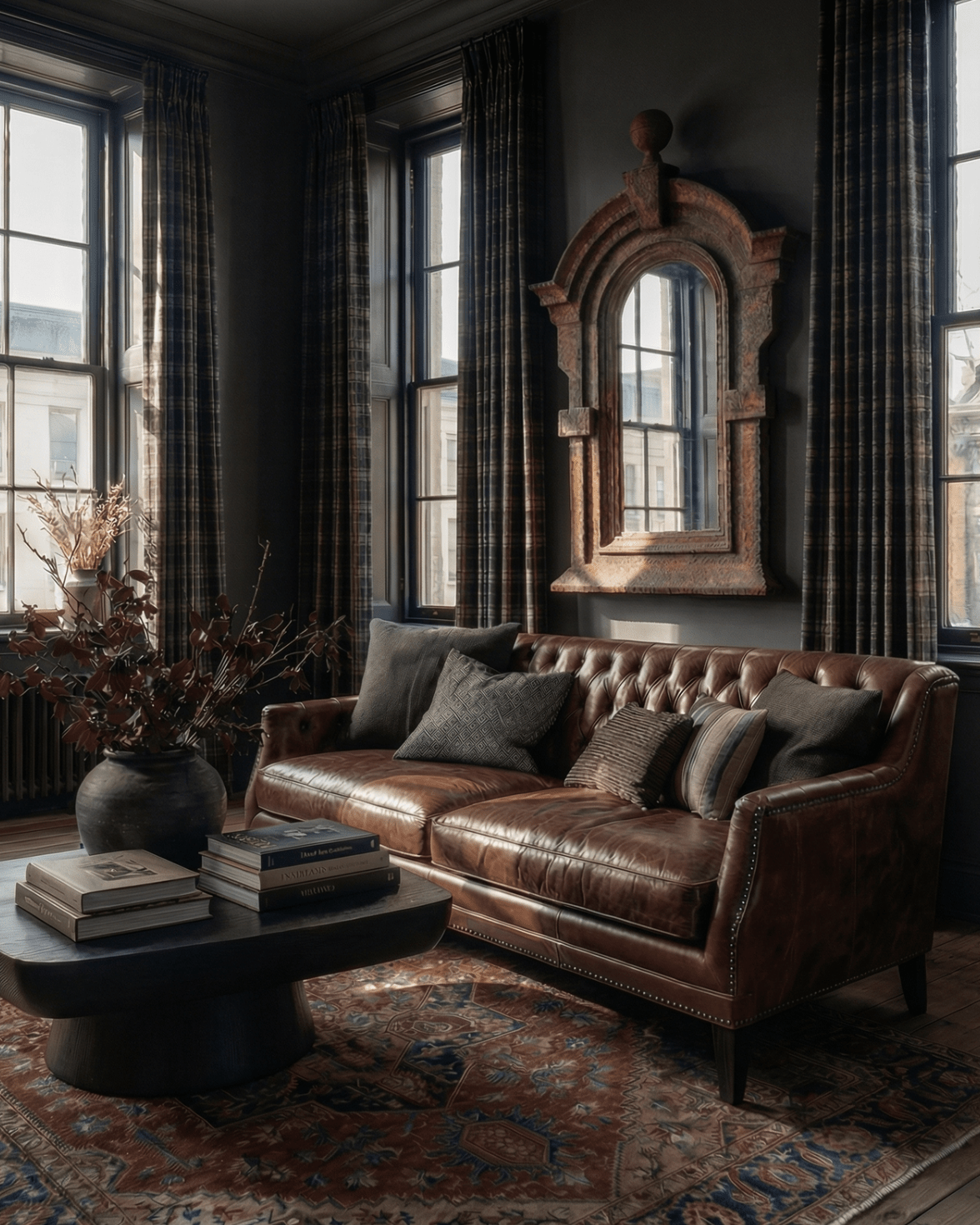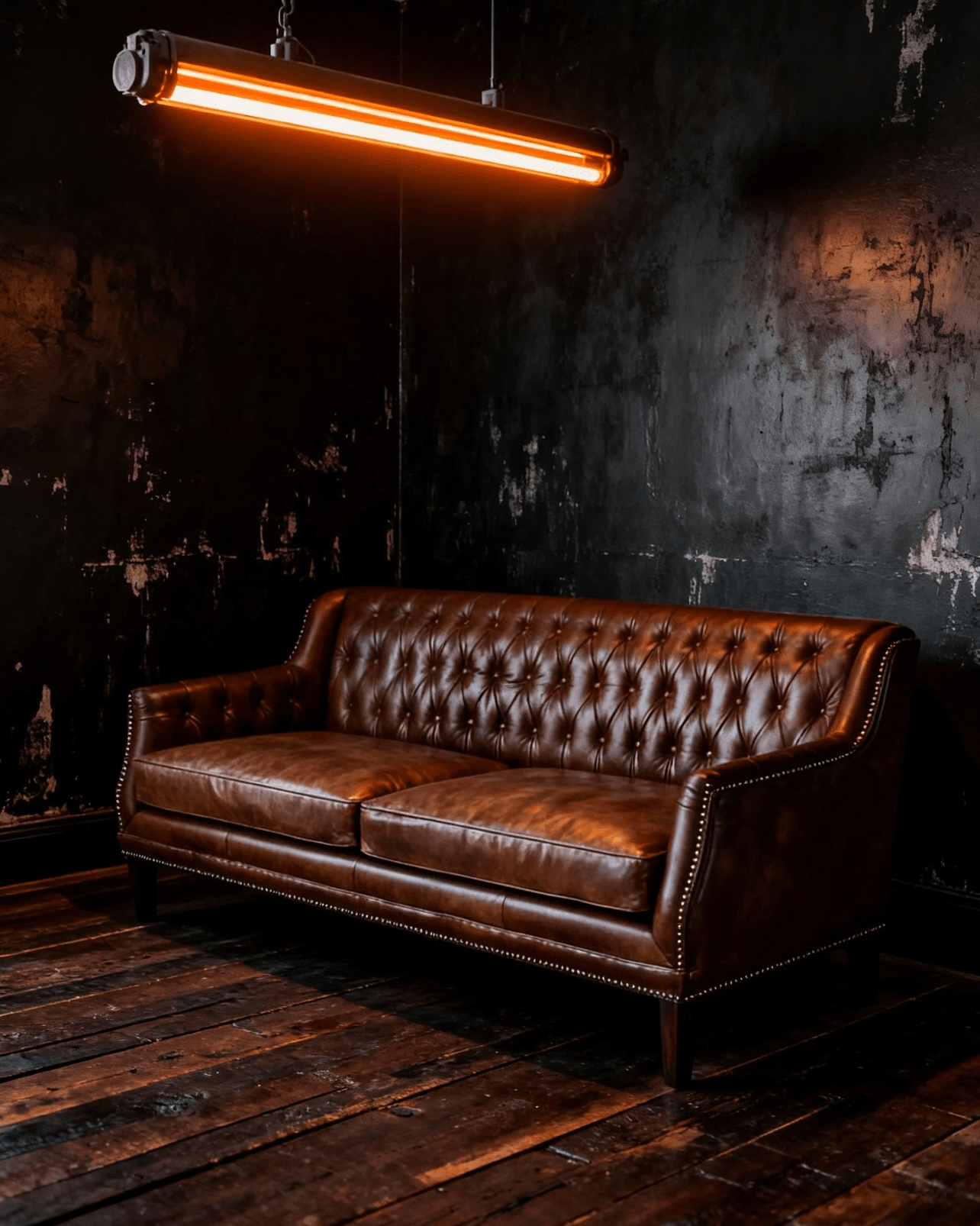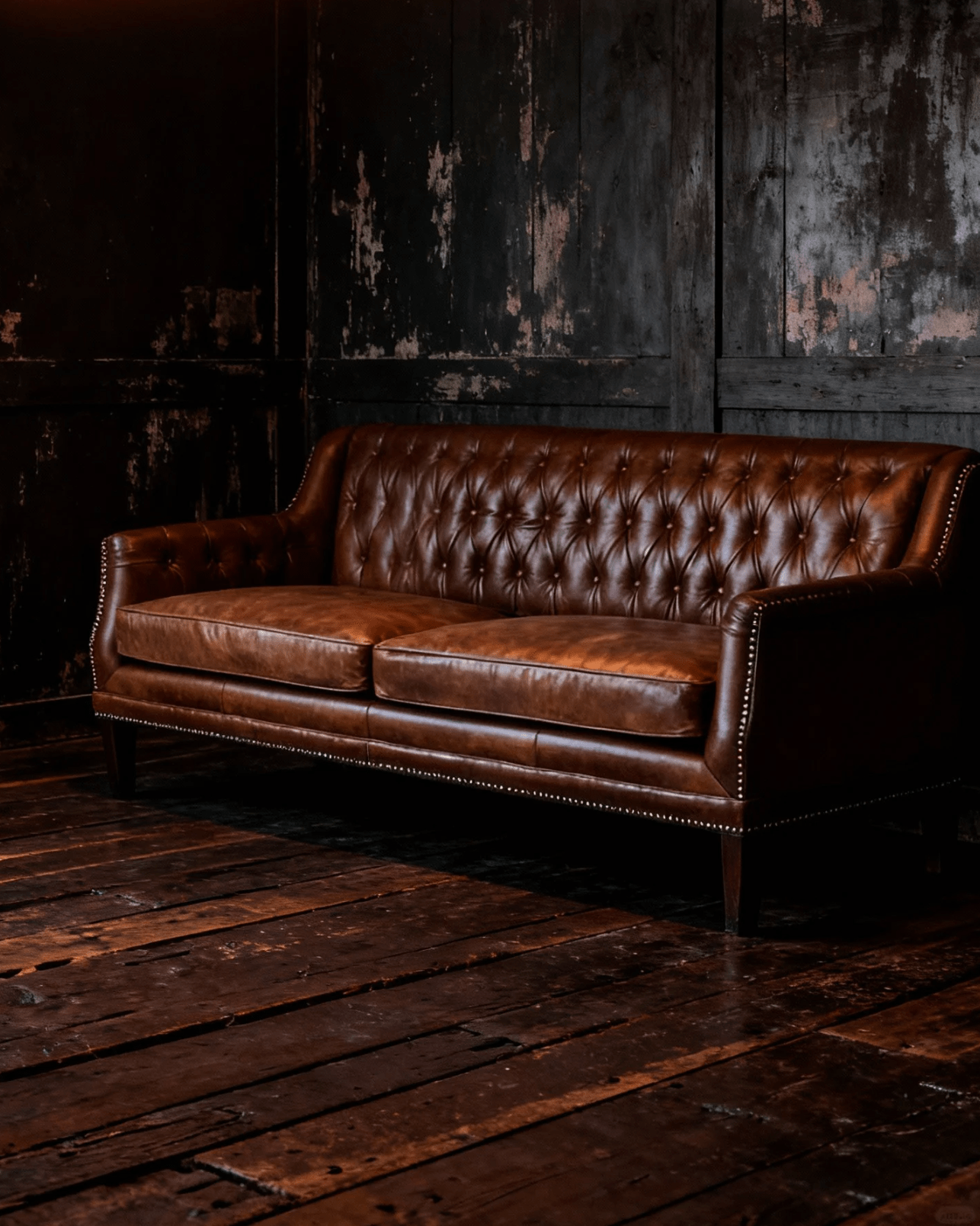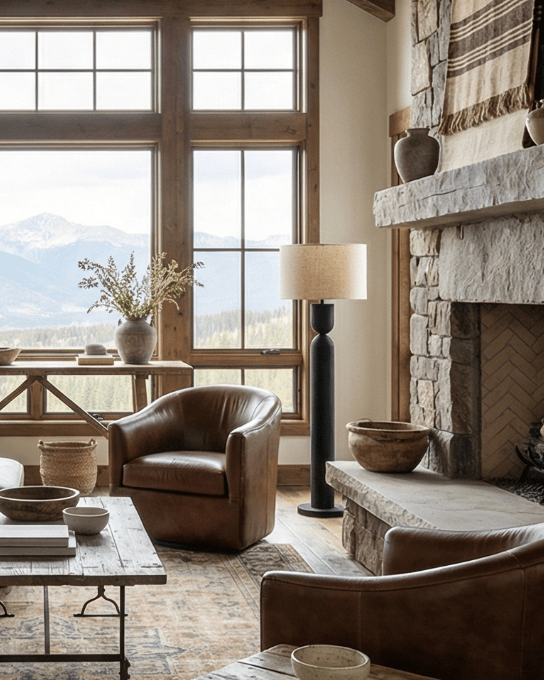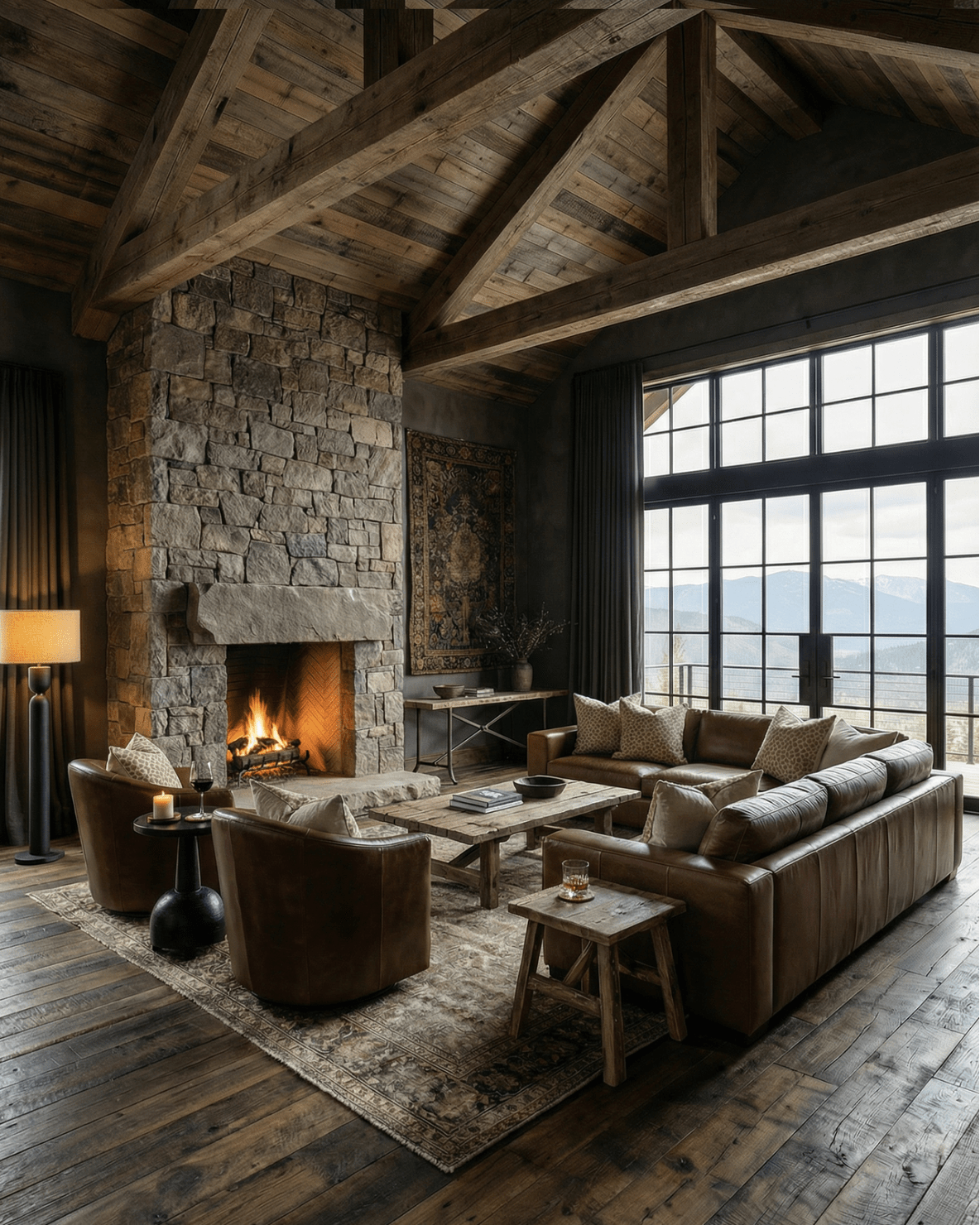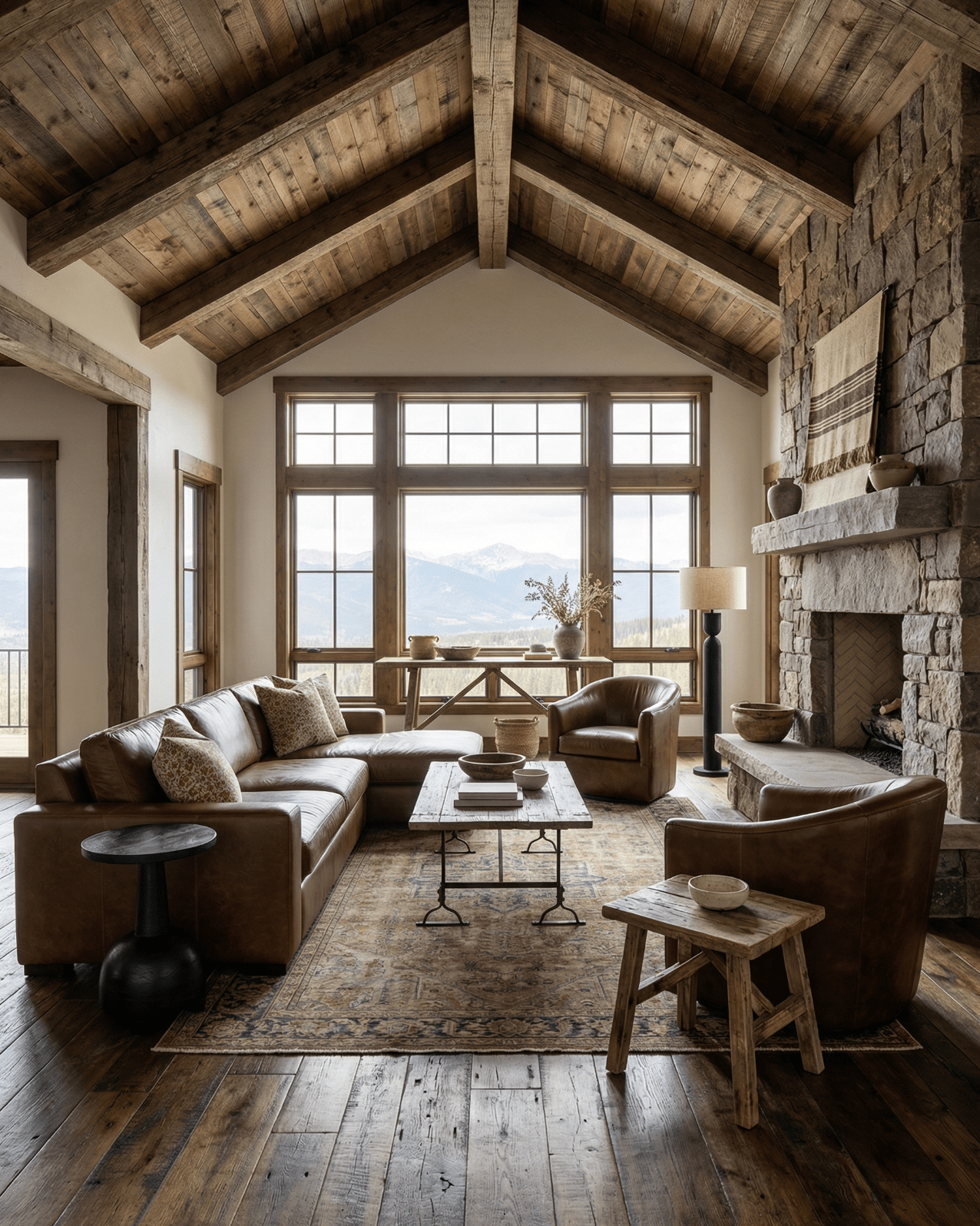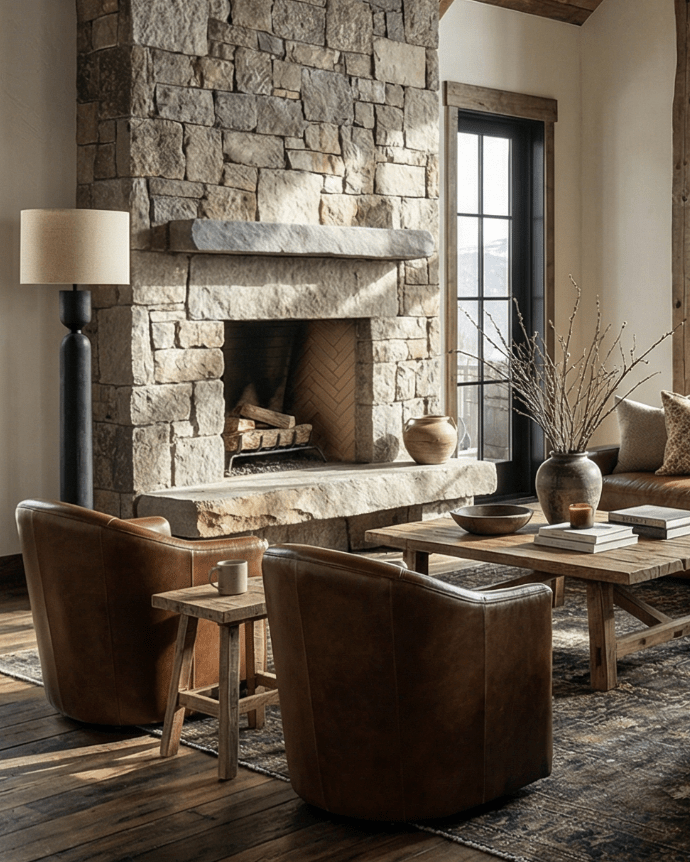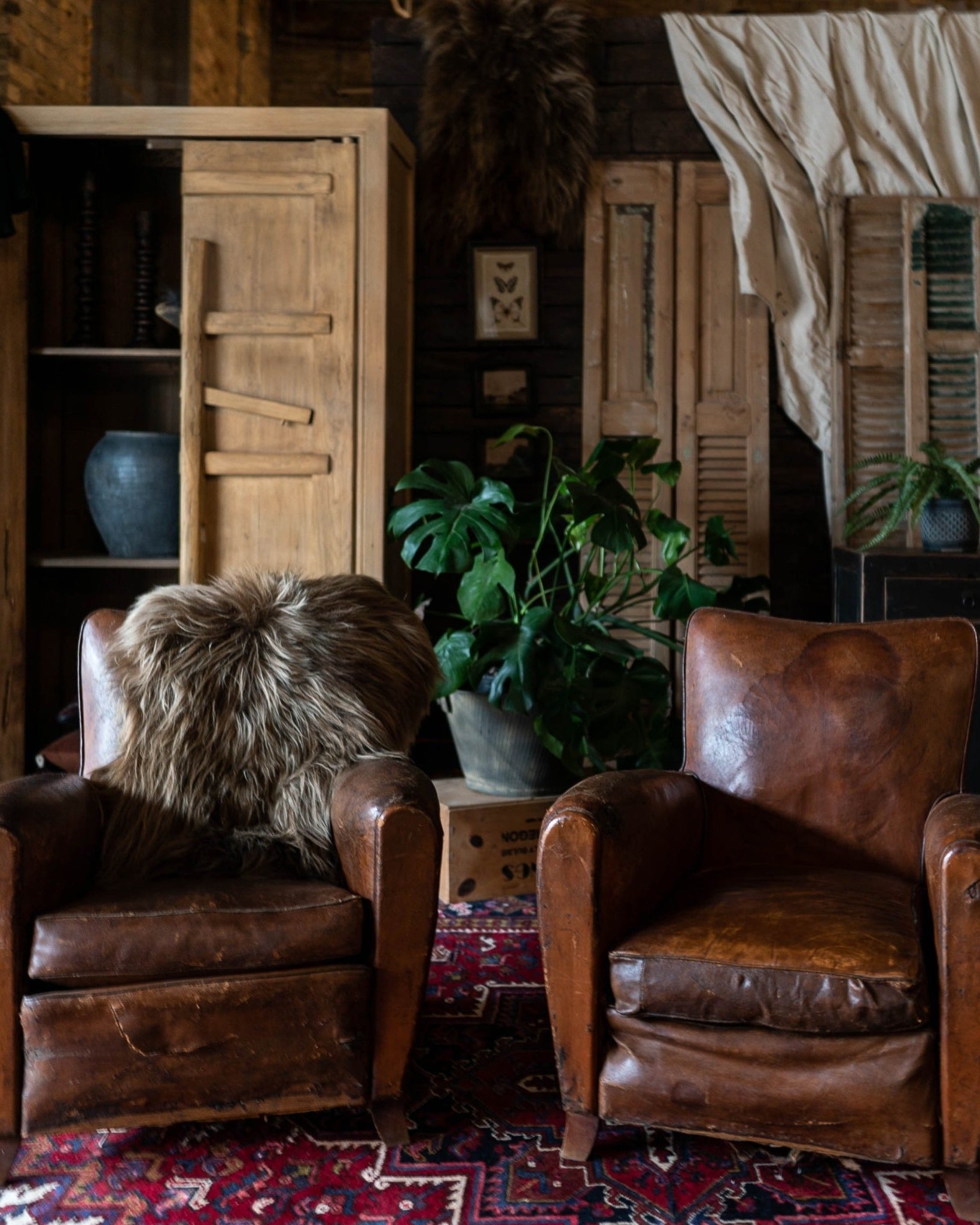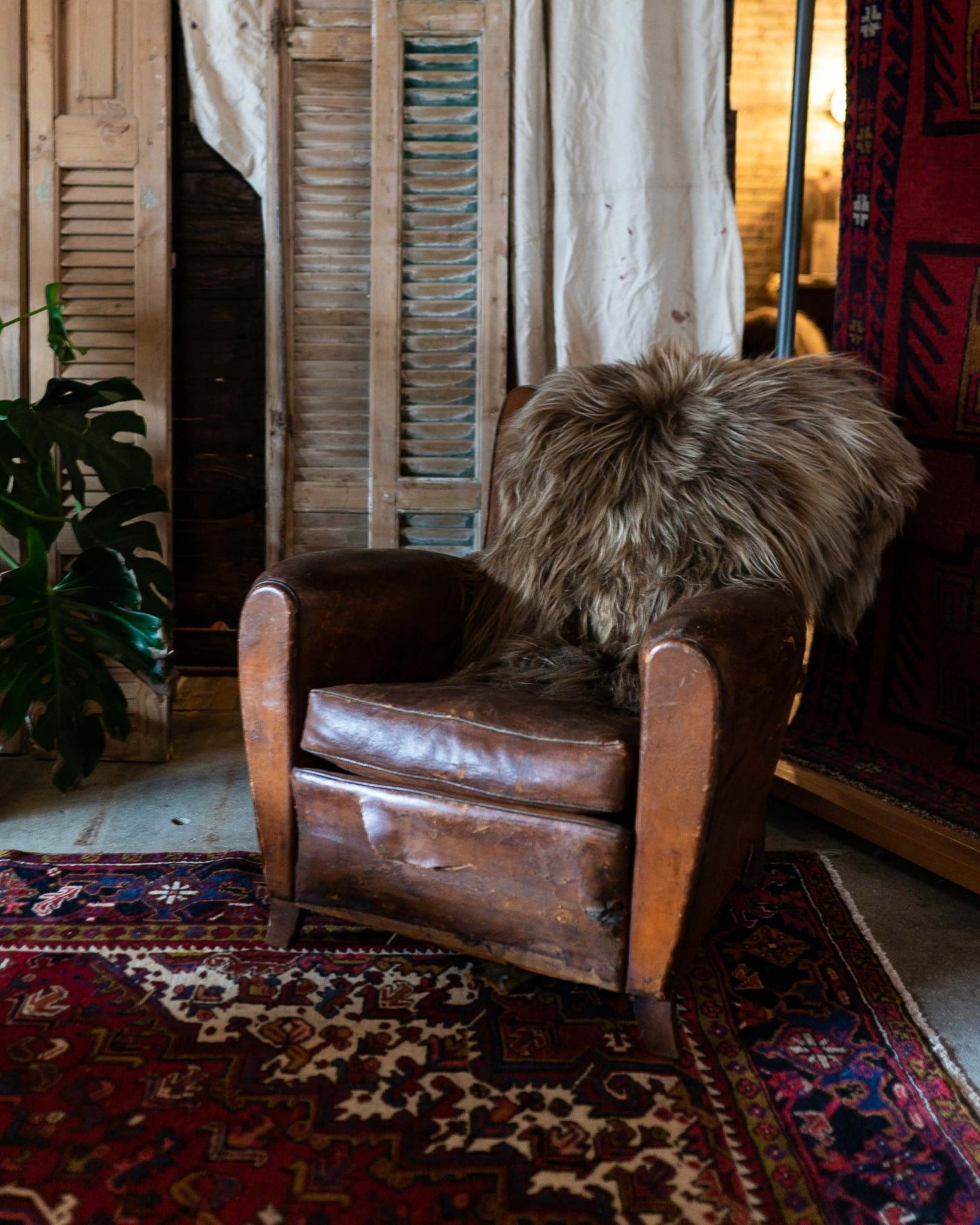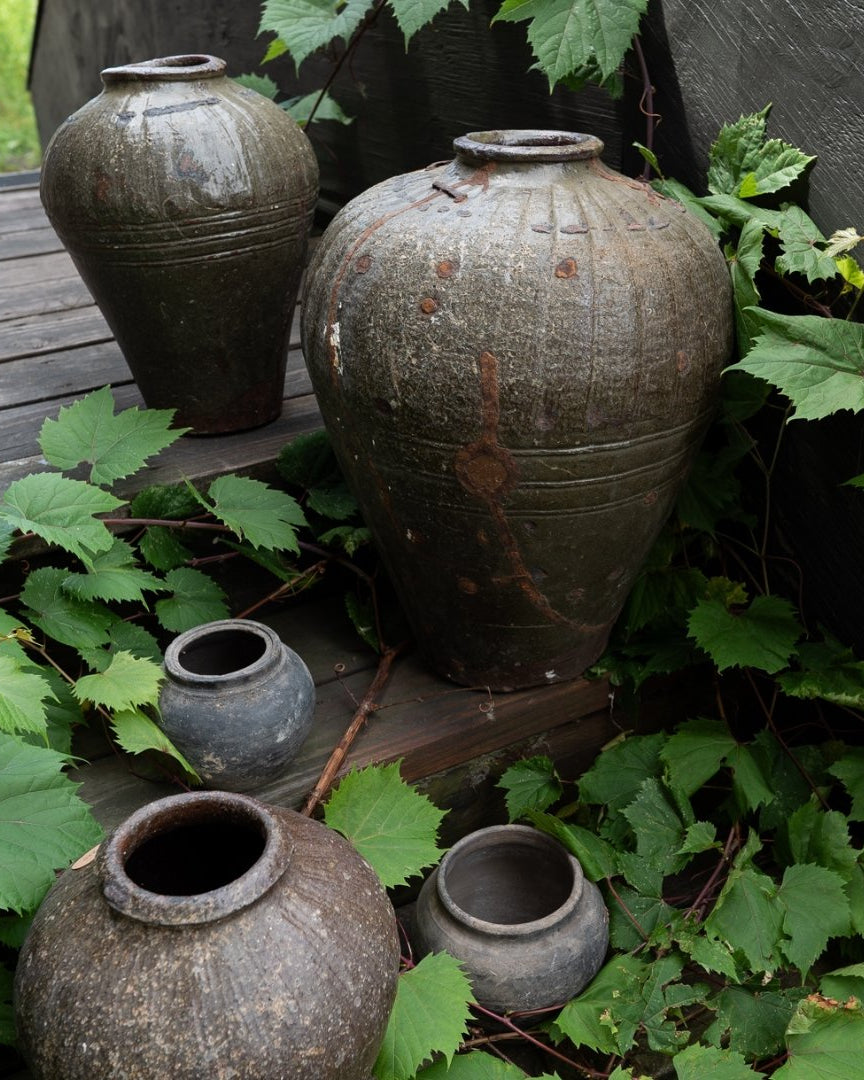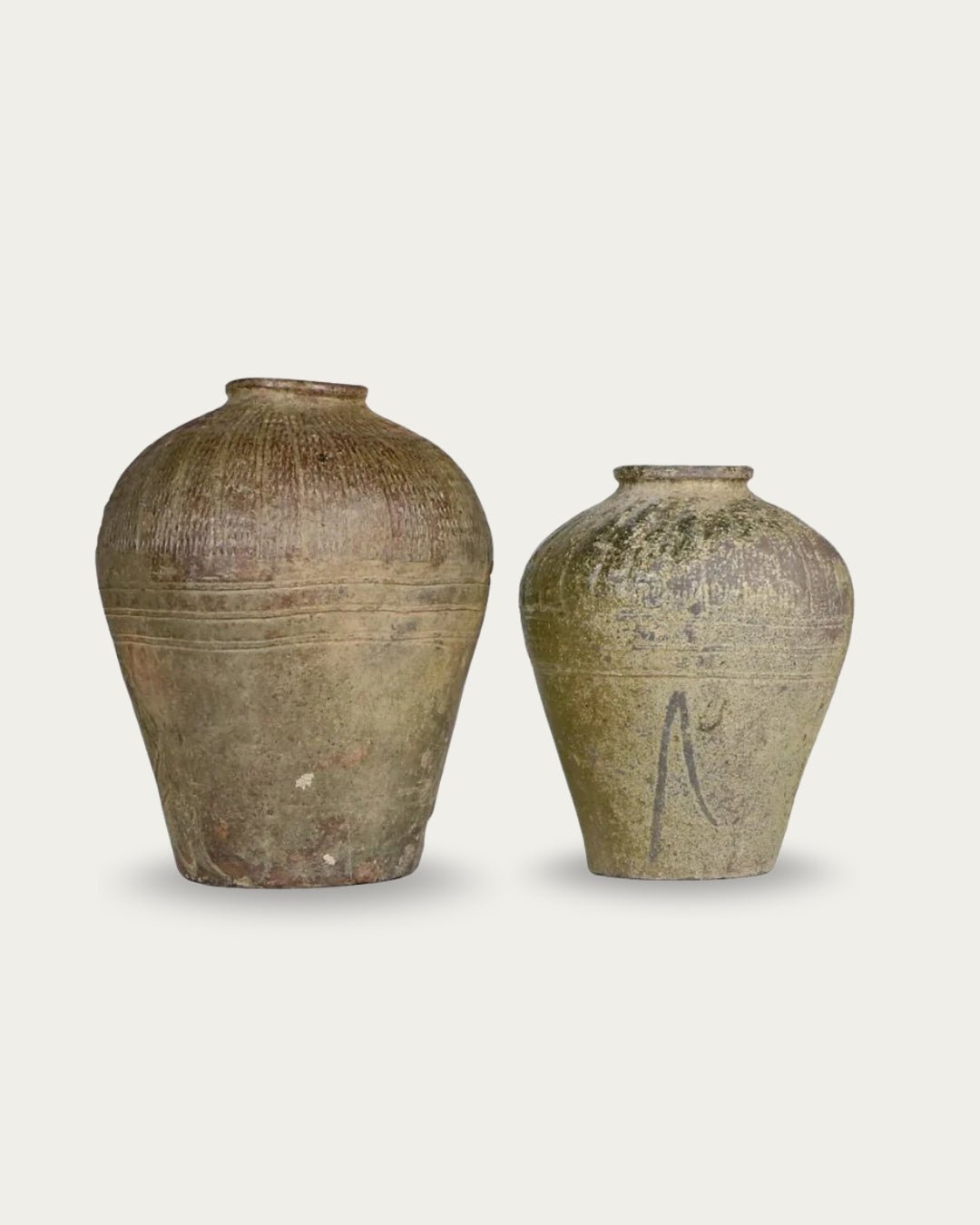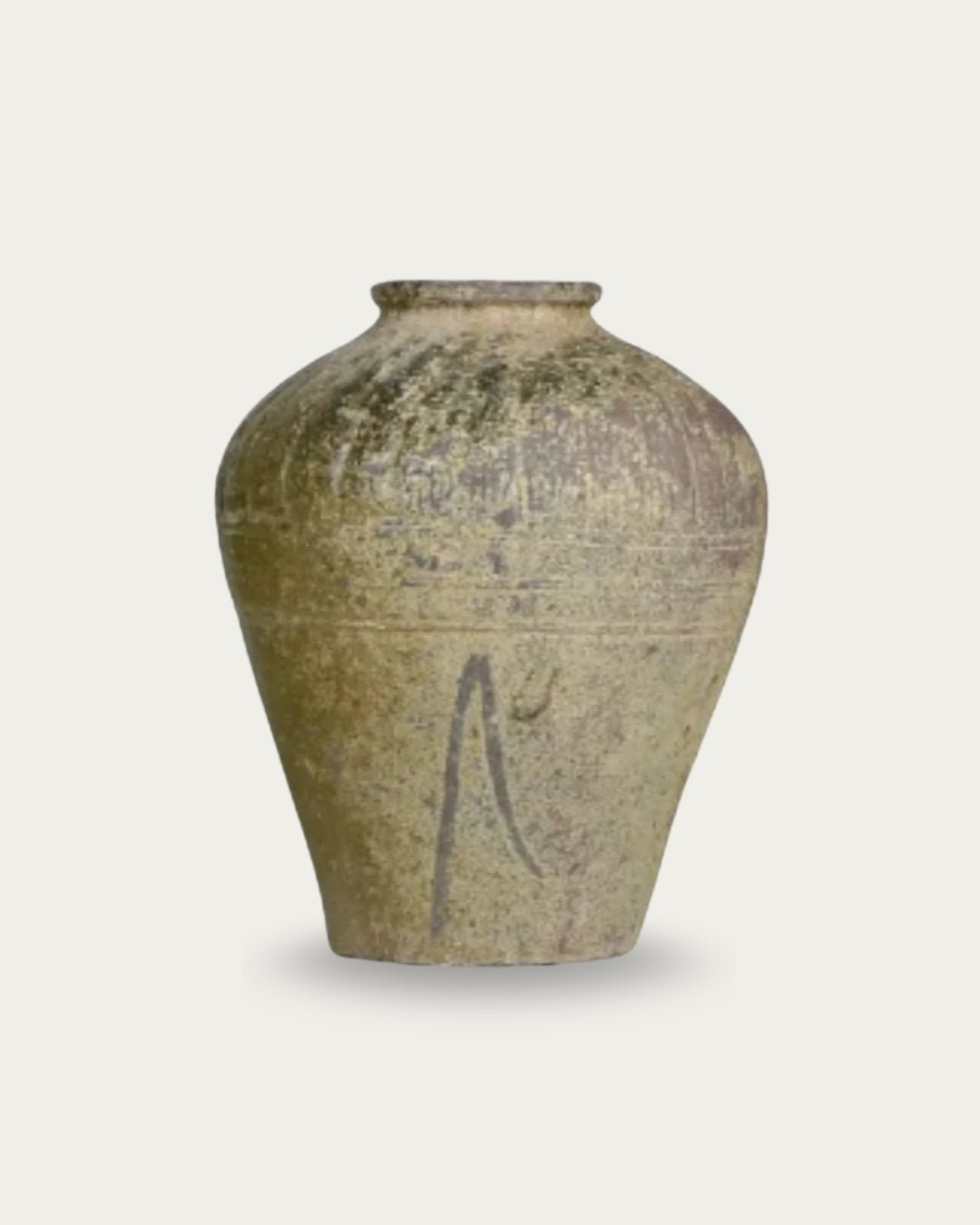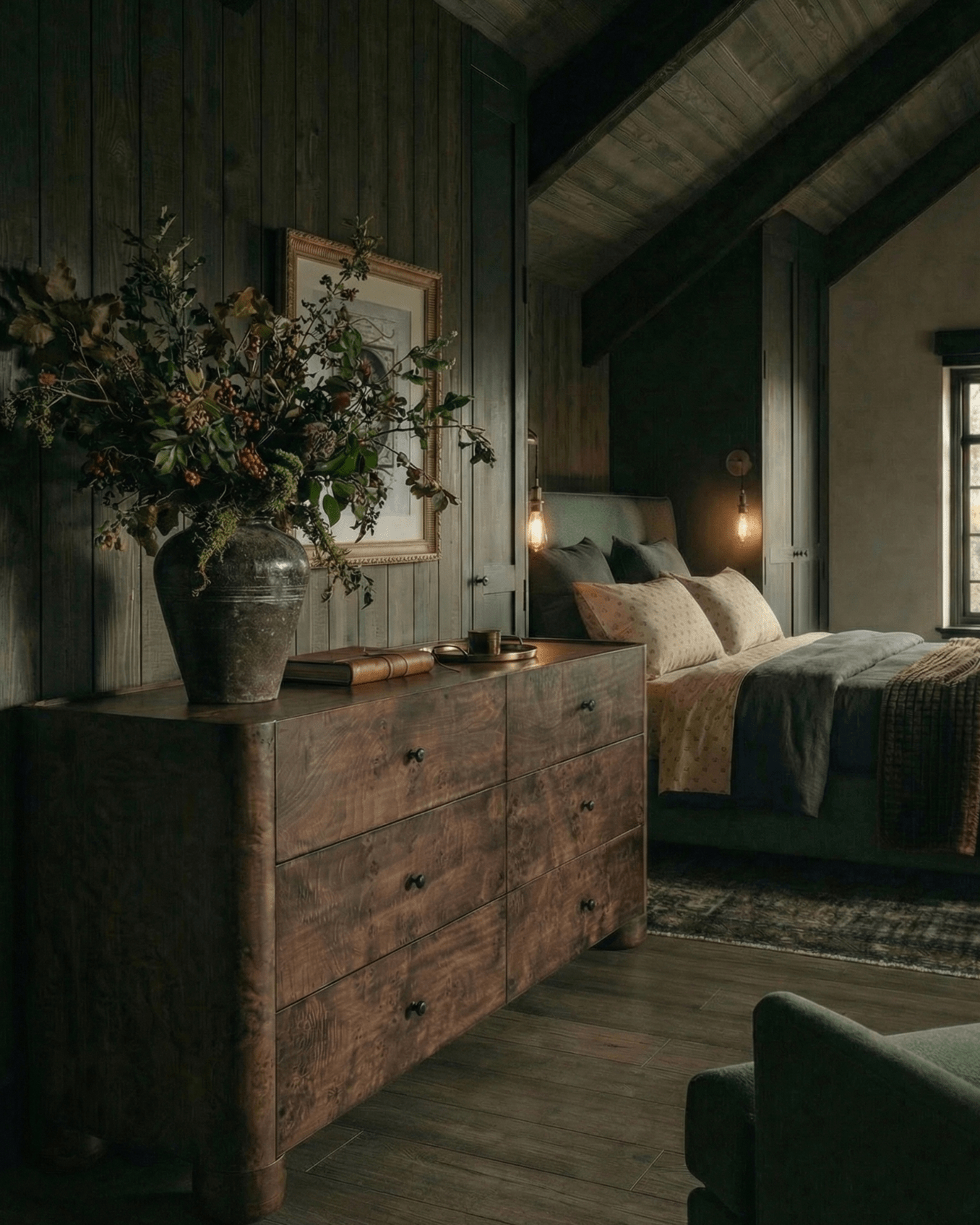






Have you ever walked into a room that felt calm, grounded, and complete, yet you couldn't immediately explain why?
It usually isn't because the room has more decor.
It's because the room has the right visual weight.
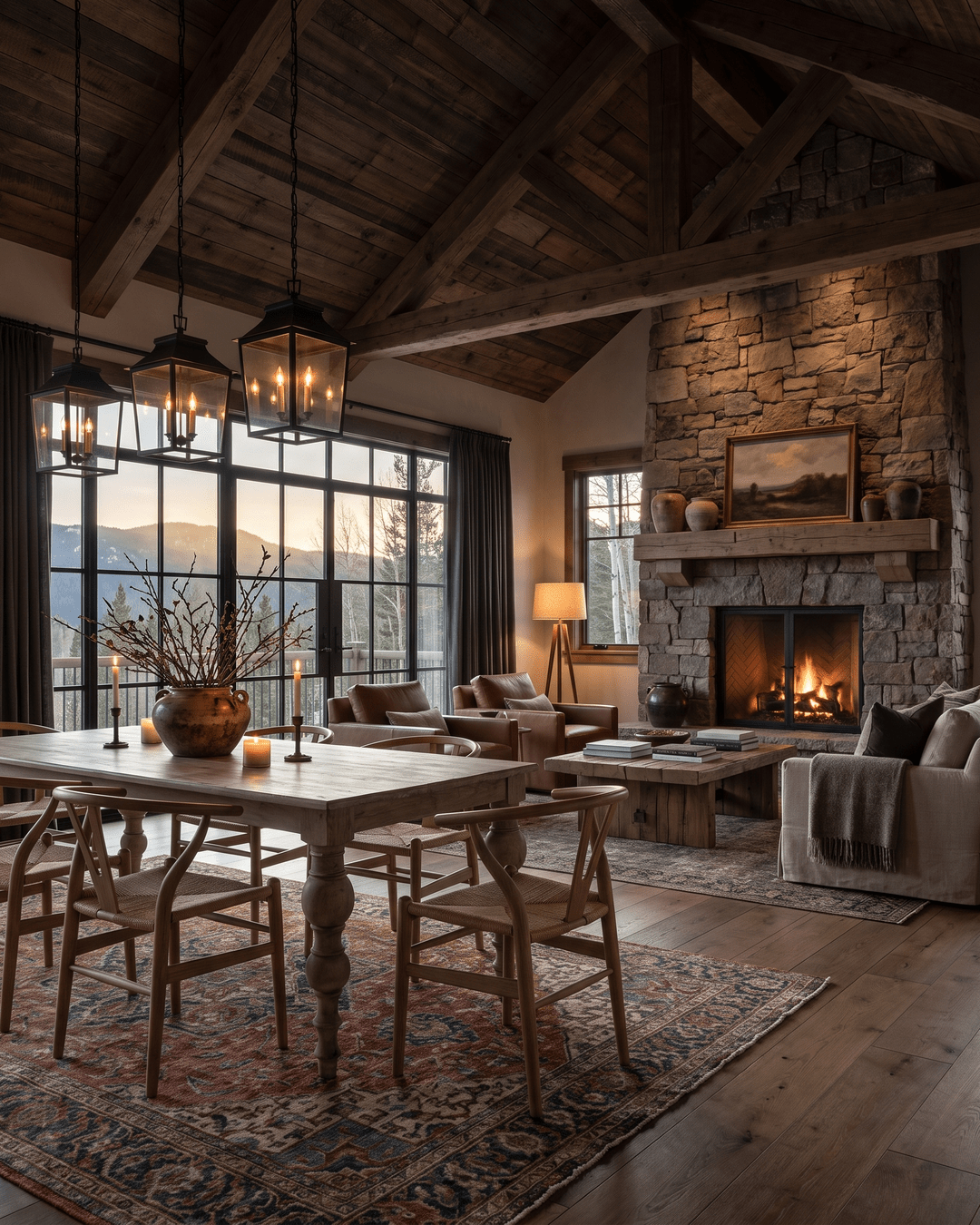
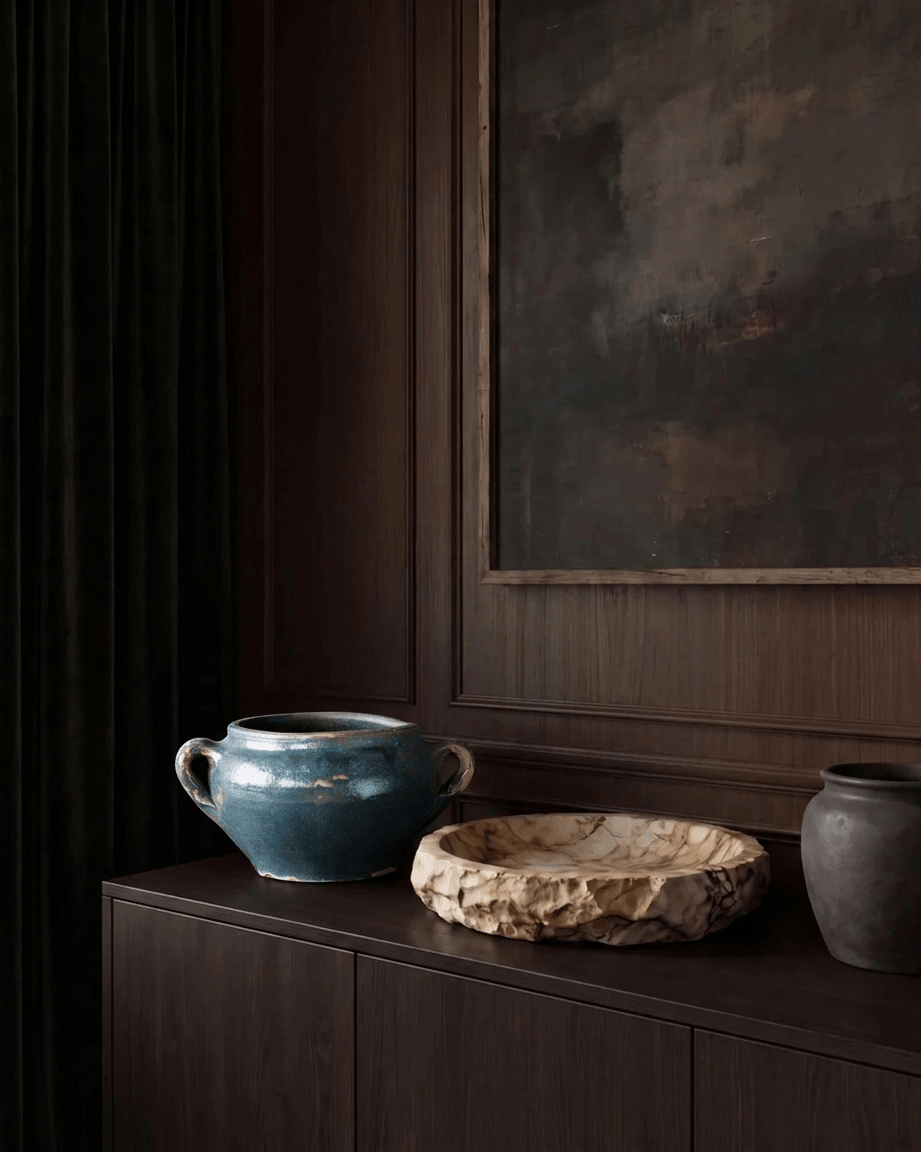
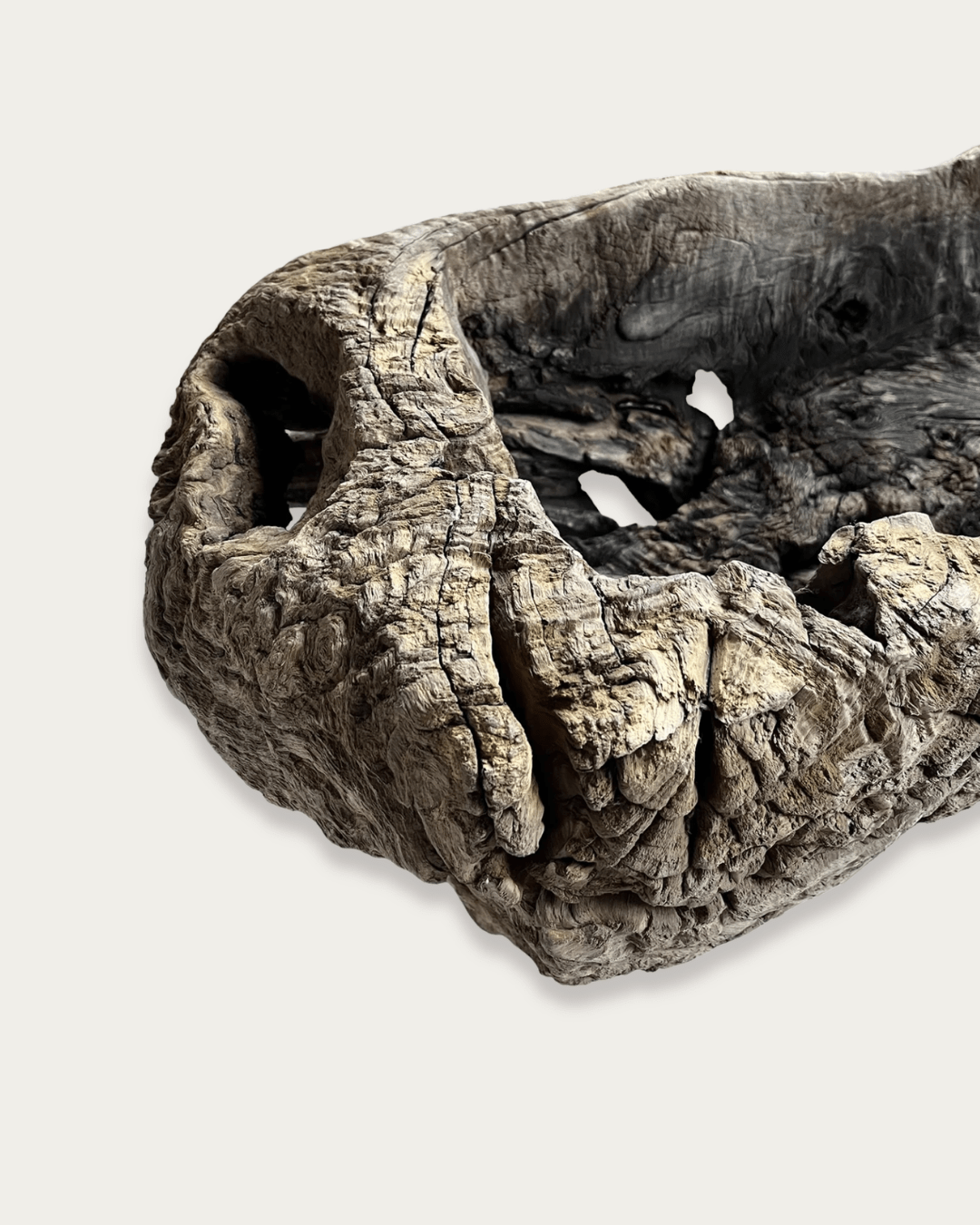
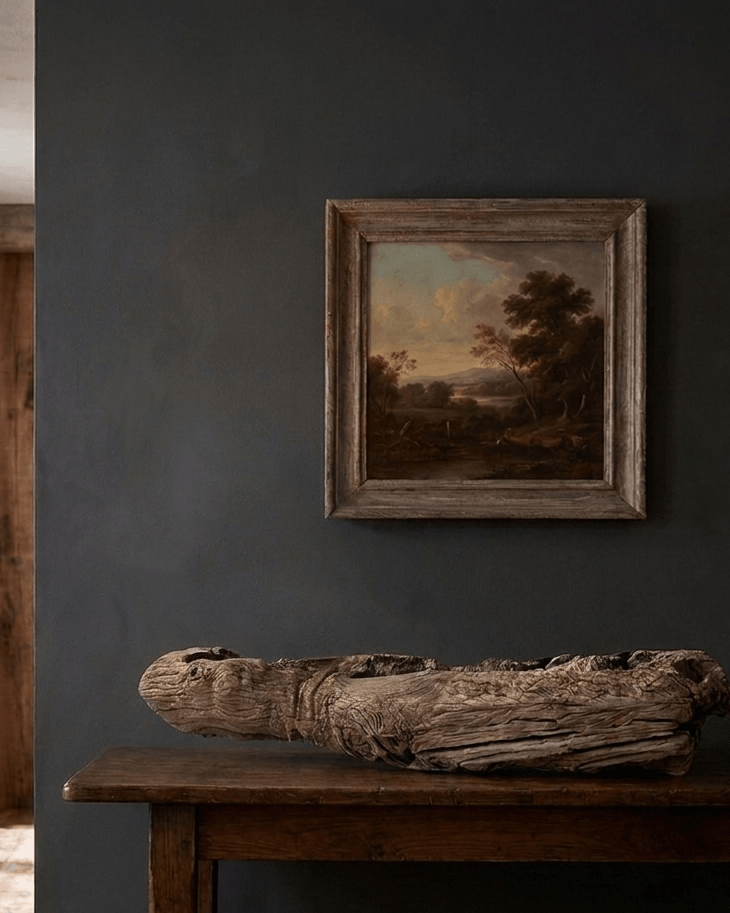
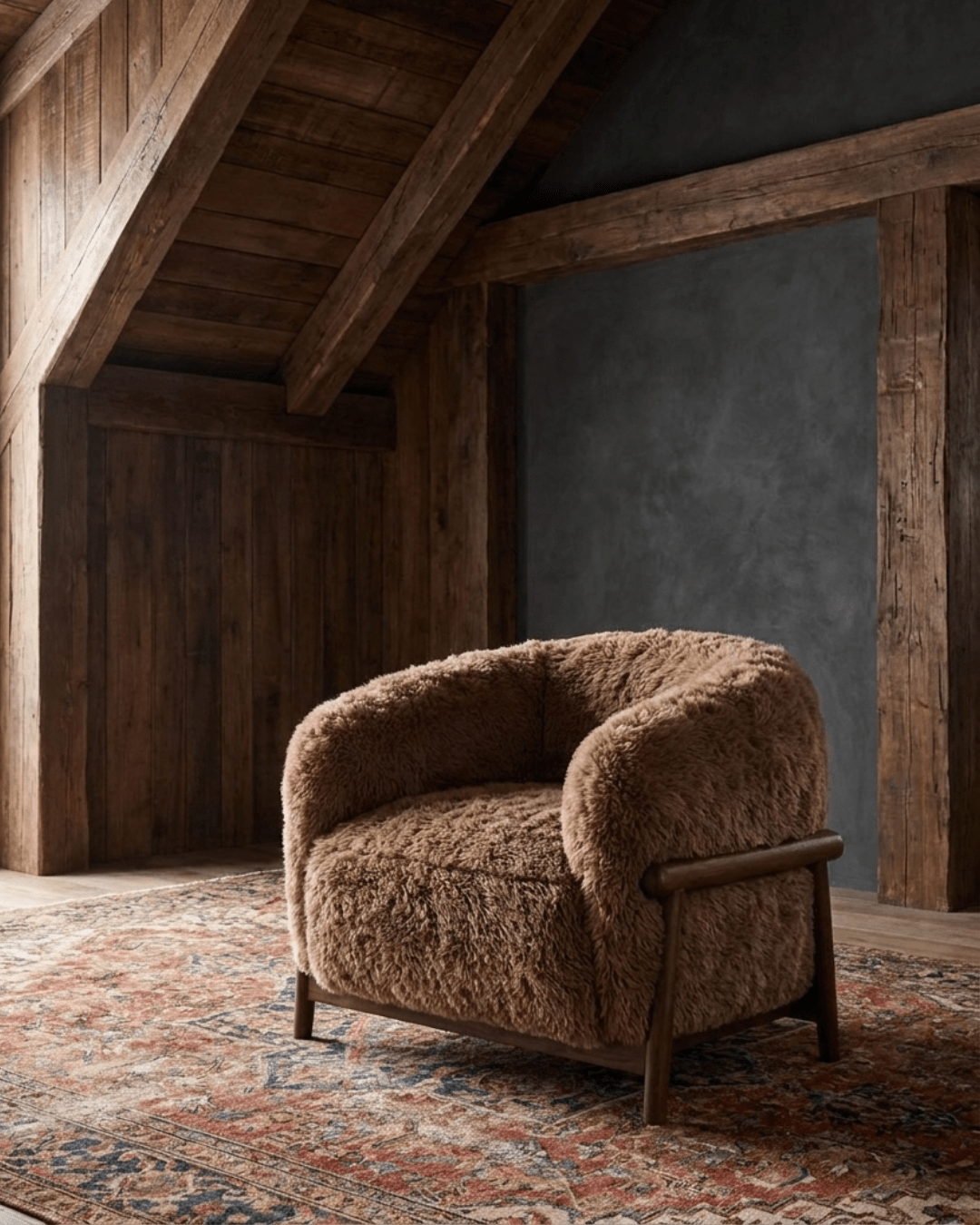
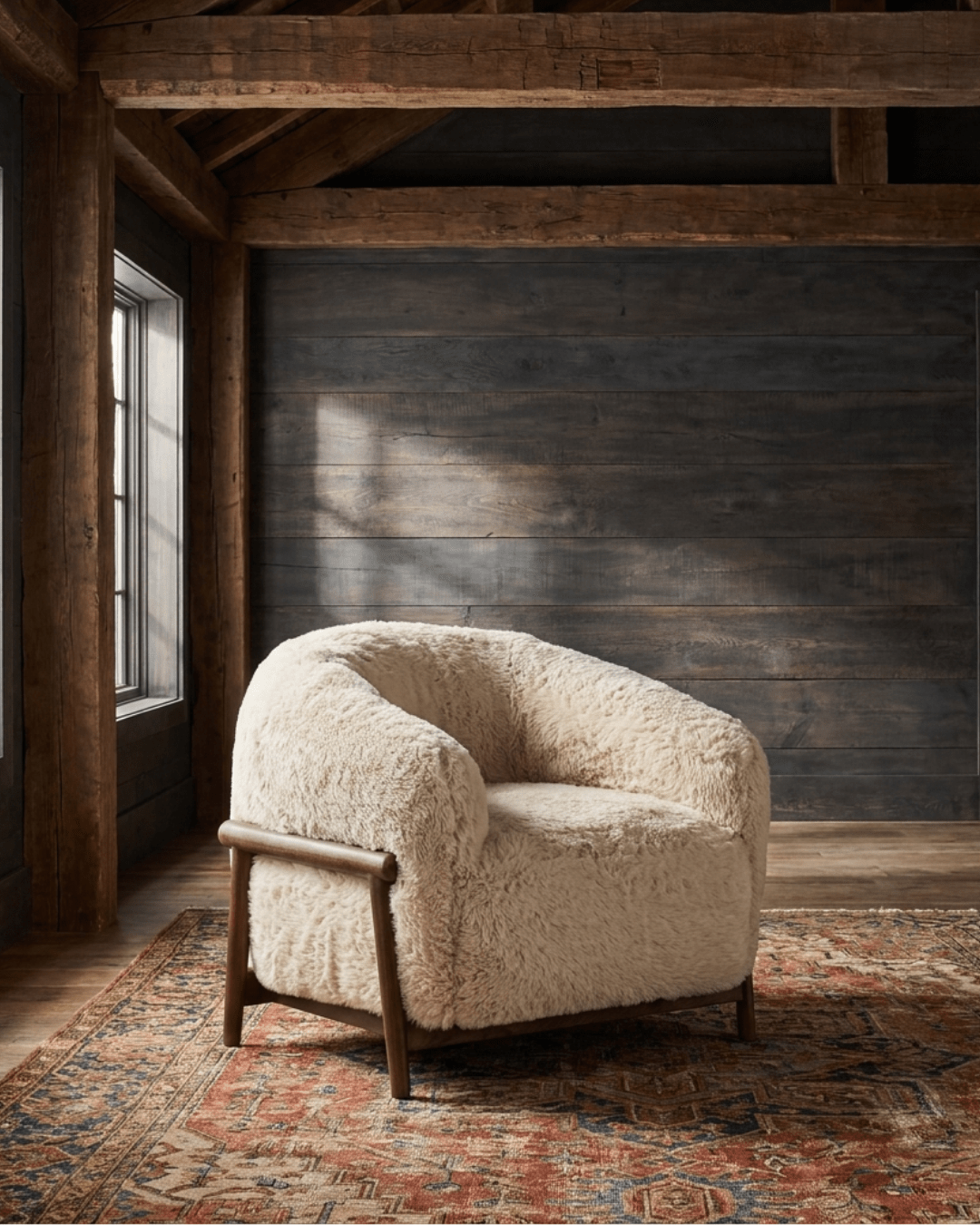
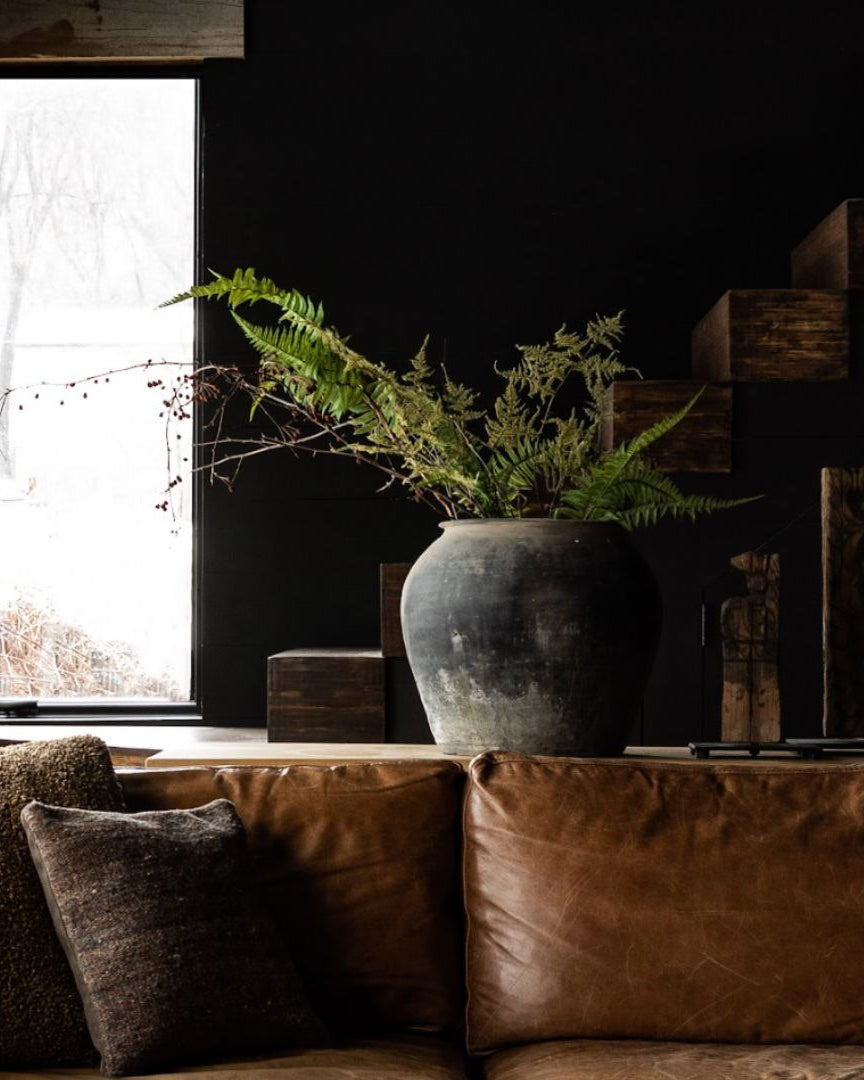
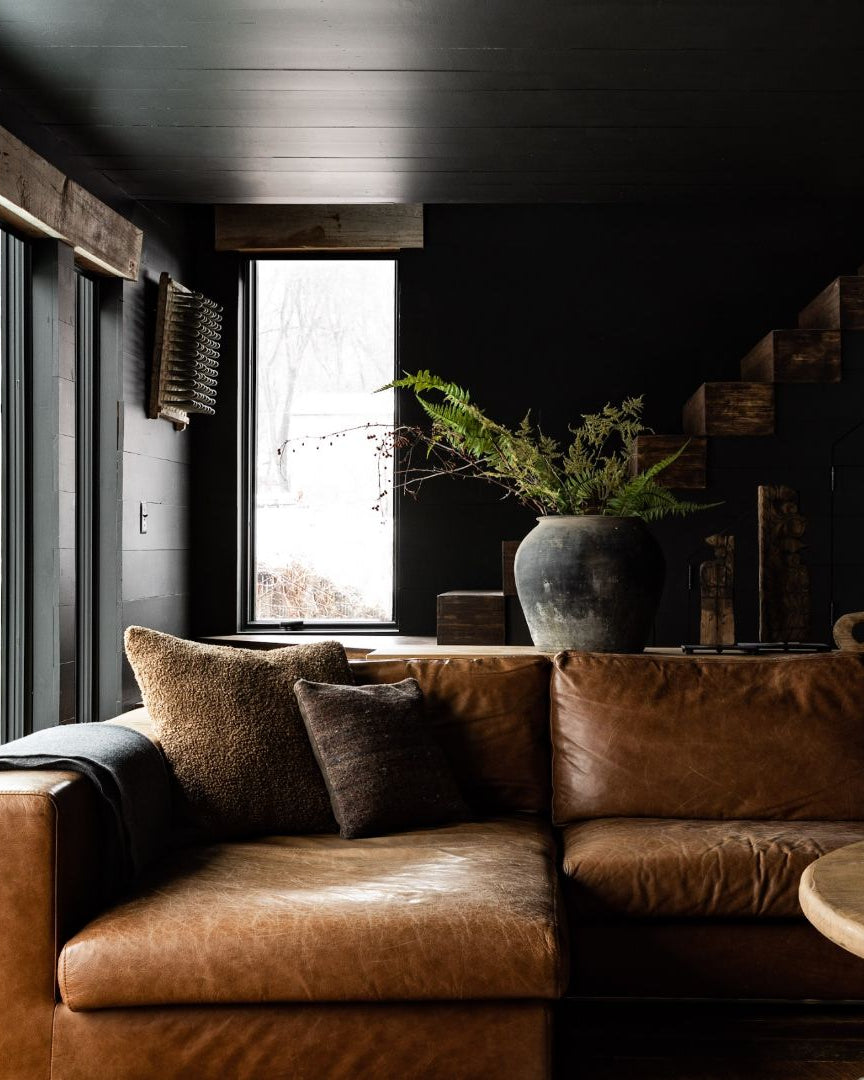
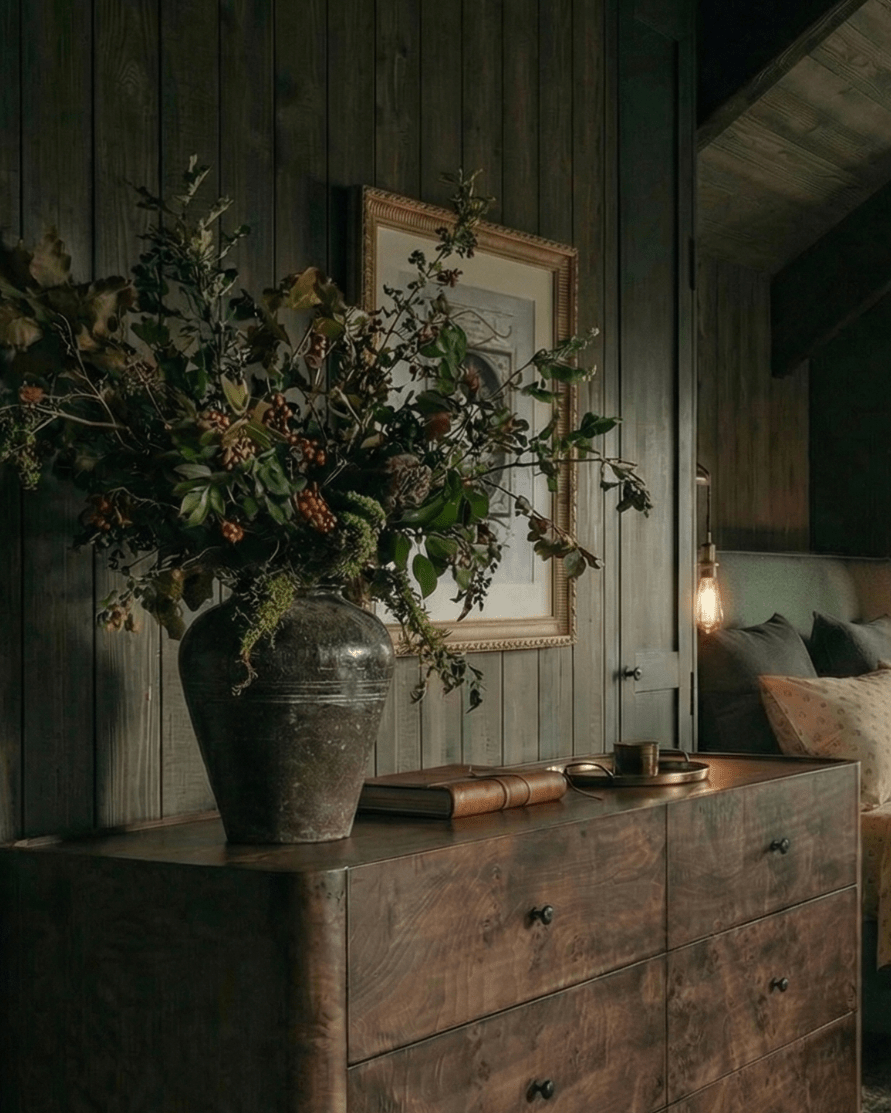
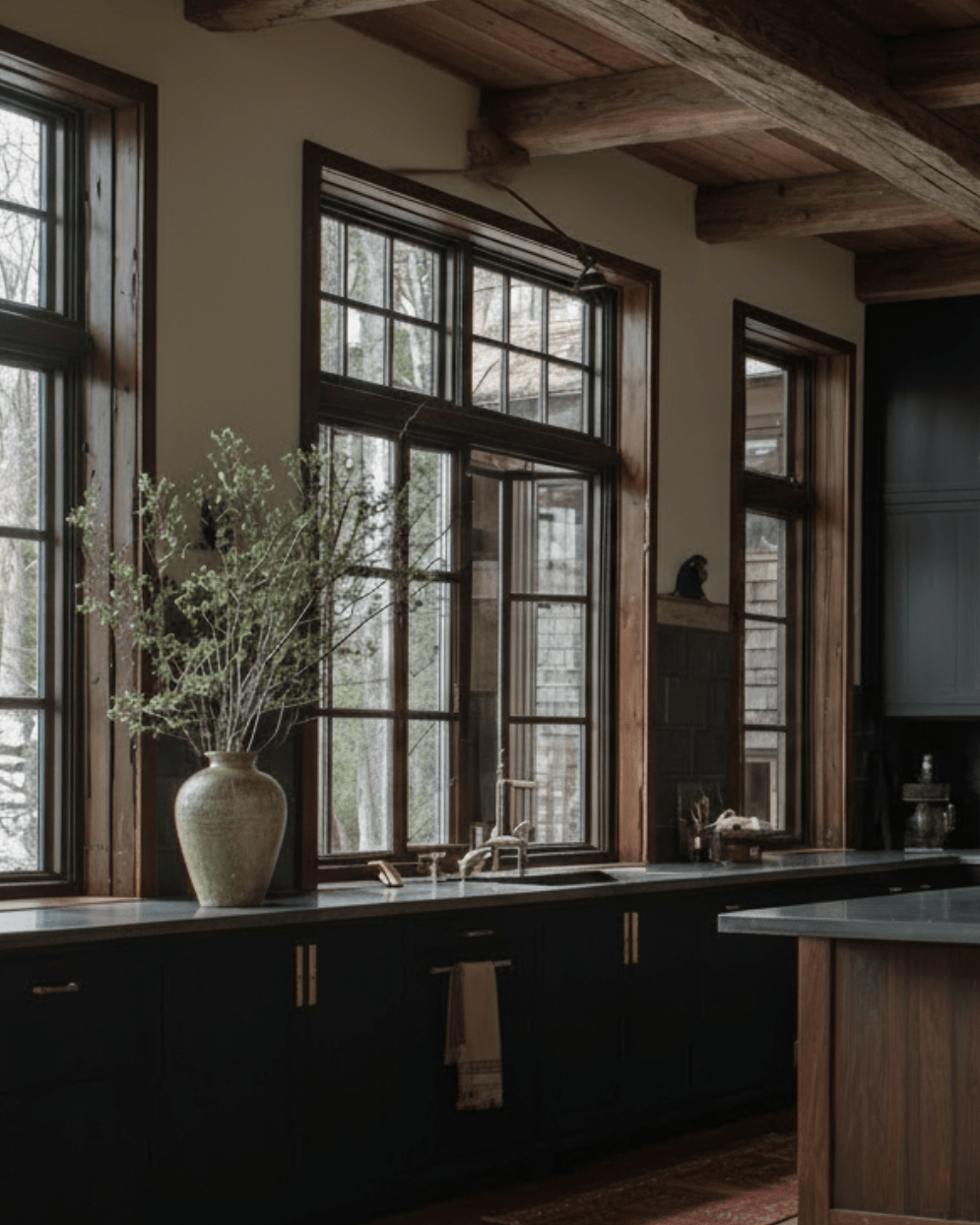
One of the biggest misconceptions in interior design is that decorating is about filling empty space. In reality, the most successful rooms balance visual weight carefully. Some spaces need a substantial vintage object to anchor the eye. Others need smaller pieces that add texture without creating noise. Understanding when to use large vintage decor and when to use smaller objects is often the difference between a room that feels collected and one that feels cluttered.
If you're looking to build a home with more depth, texture, and balance, explore Hello Norden's vintage decor collection. Sometimes the right object isn't the biggest one in the room. It's simply the one that creates the right amount of visual gravity.
What Is Visual Weight and Why Does It Matter?
Visual weight is how much presence an object carries within a space.
Interestingly, size is only one part of the equation.
Material.
Texture.
Color.
Shape.
Patina.
Placement.
All of these influence how "heavy" an object feels visually.
The nervous system is constantly evaluating these cues. Rooms with balanced visual weight feel easier to process because the eye understands where to settle. Rooms without enough visual weight often feel unfinished, while rooms with too much can feel overwhelming.
This is why decorating isn't really about quantity.
It's about distribution.

The Eye Is Always Looking for an Anchor
Before we notice decorative details, the brain searches for structure.
It wants to know:
Where should I look first?
What is organizing this room?
What is carrying the visual load?
Large and small vintage pieces each play a different role in answering those questions.
Use Large Vintage Pieces When a Room Lacks Structure
Sometimes a room doesn't need more accessories.
It needs an anchor.
Larger vintage objects help establish visual gravity. They create a focal point that organizes everything around them.
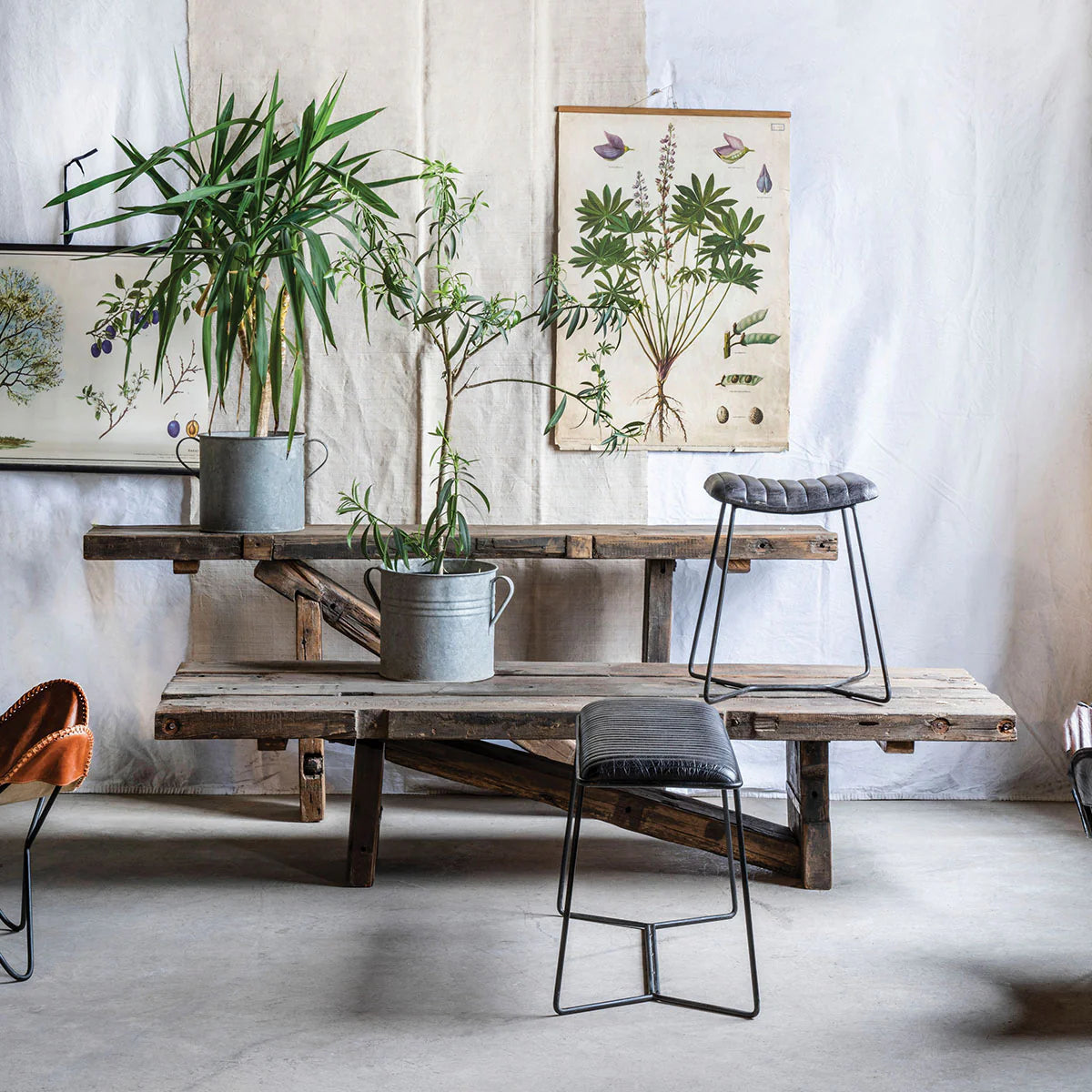
The Vintage moorish door on stand is a perfect example. Its scale, craftsmanship, and weathered surface immediately establish presence without requiring additional styling. Similarly, the Mathias doors function almost like architectural elements, creating depth and structure within a room.
These larger pieces work especially well in:
entryways
oversized living rooms
rooms with tall ceilings
large blank walls
open-concept spaces
Bigger Pieces Reduce Visual Fragmentation
Many rooms feel busy because the eye is bouncing between dozens of small objects.
One substantial piece often creates more calm than ten smaller accessories competing for attention.
Use Small Vintage Pieces When a Room Needs Texture
Once a room has structure, smaller vintage pieces become incredibly valuable.
Their job isn't to anchor.
Their job is to enrich.
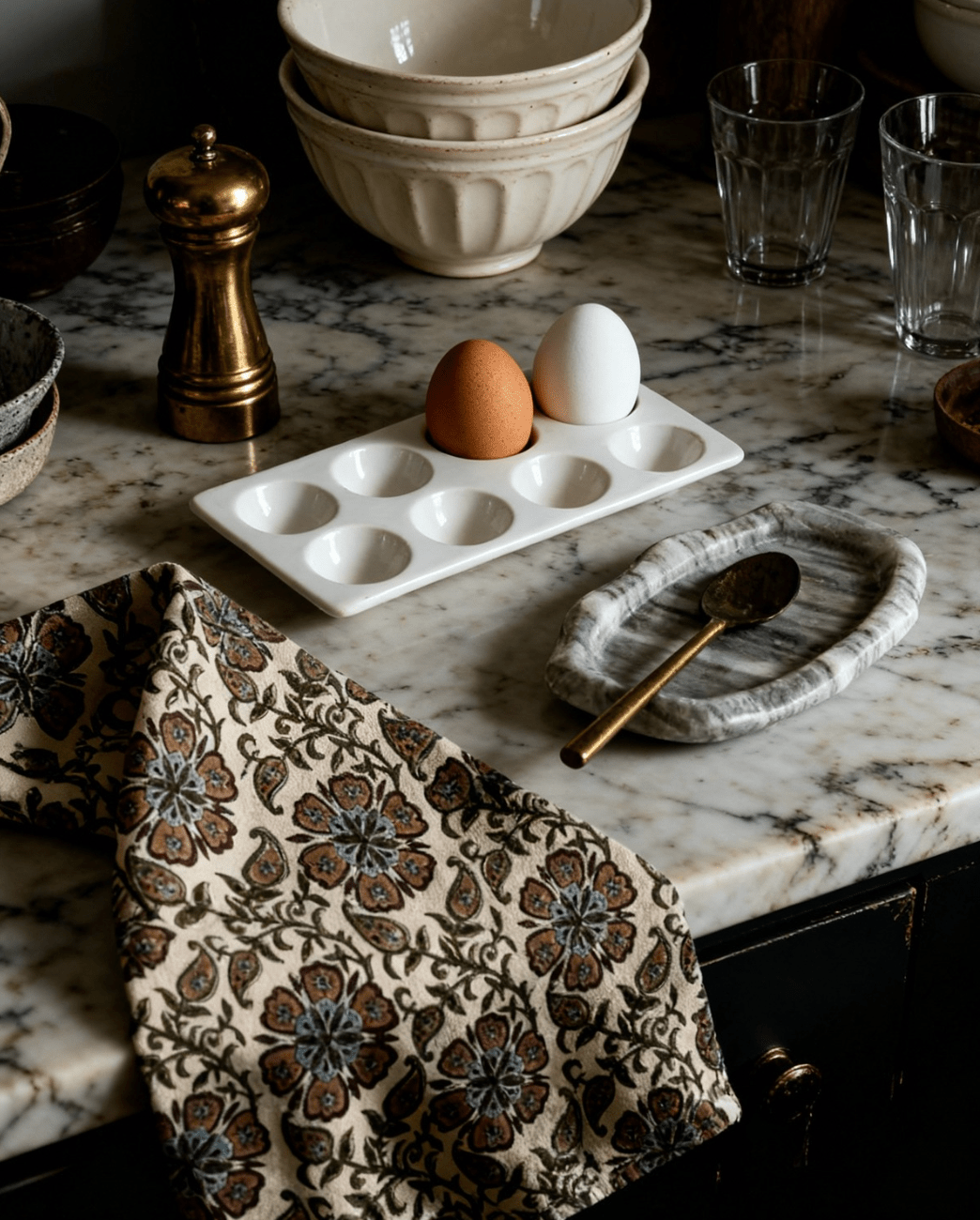
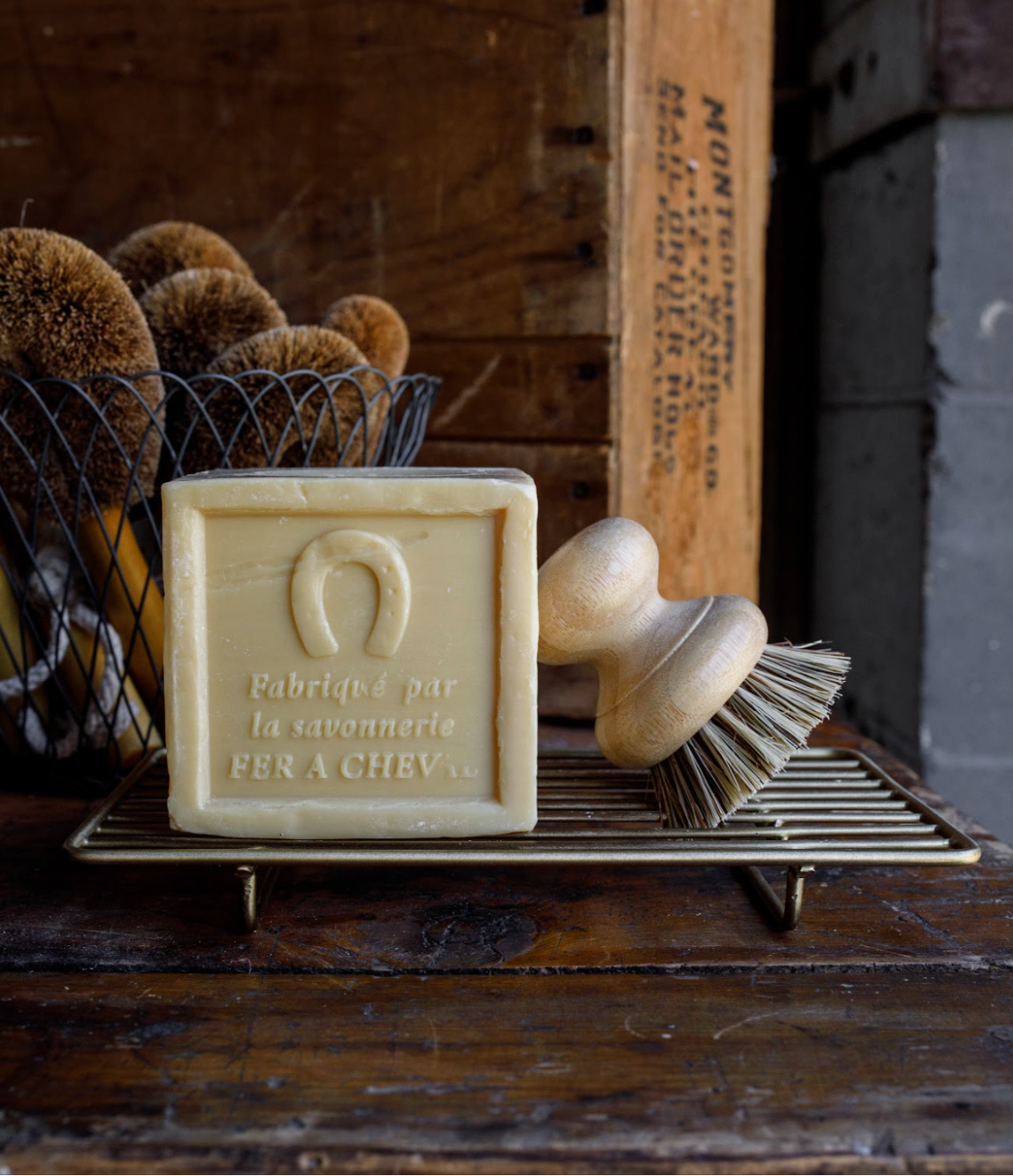
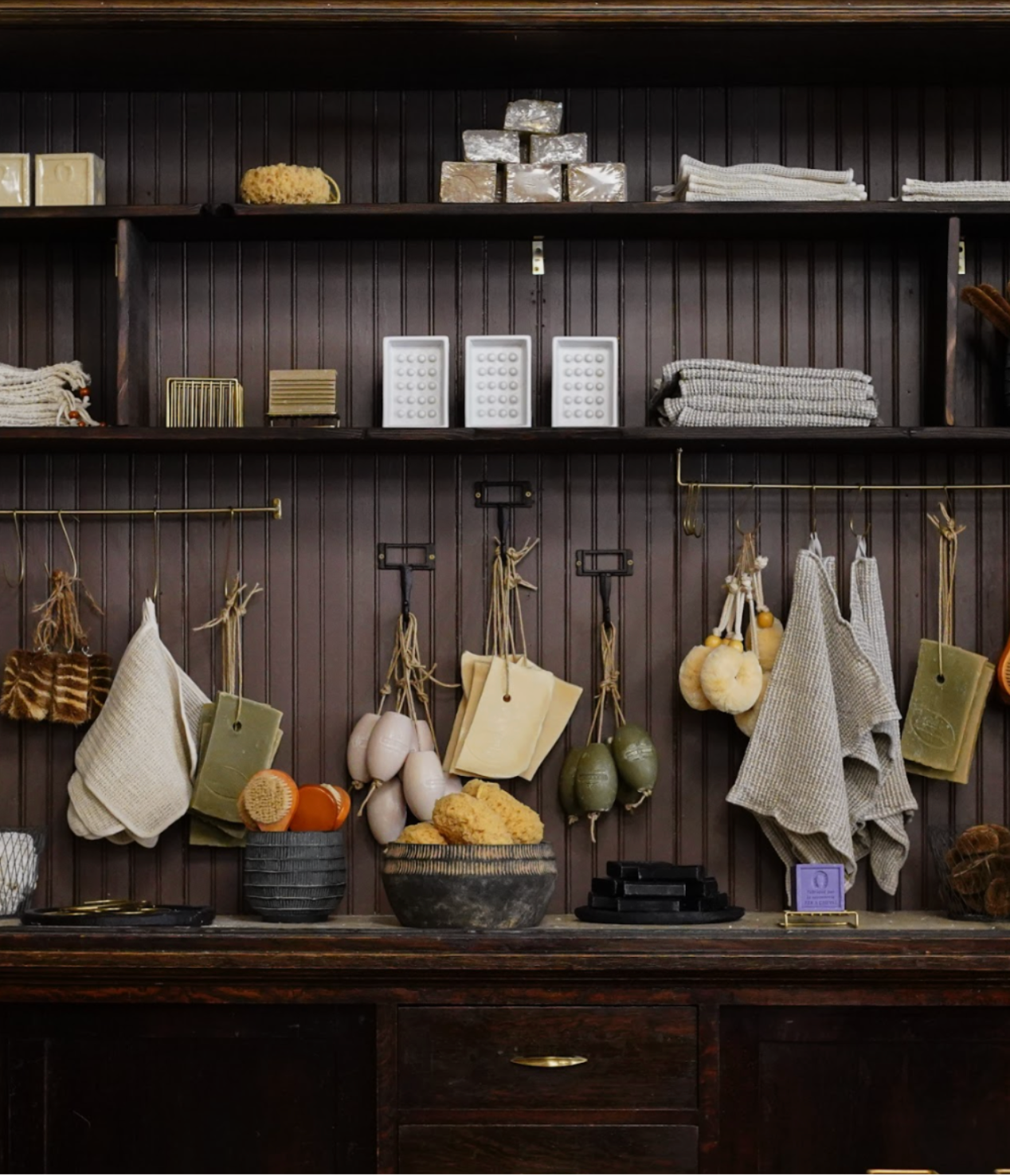
Small vintage decor introduces texture, material variation, and subtle visual interest without overwhelming the space.
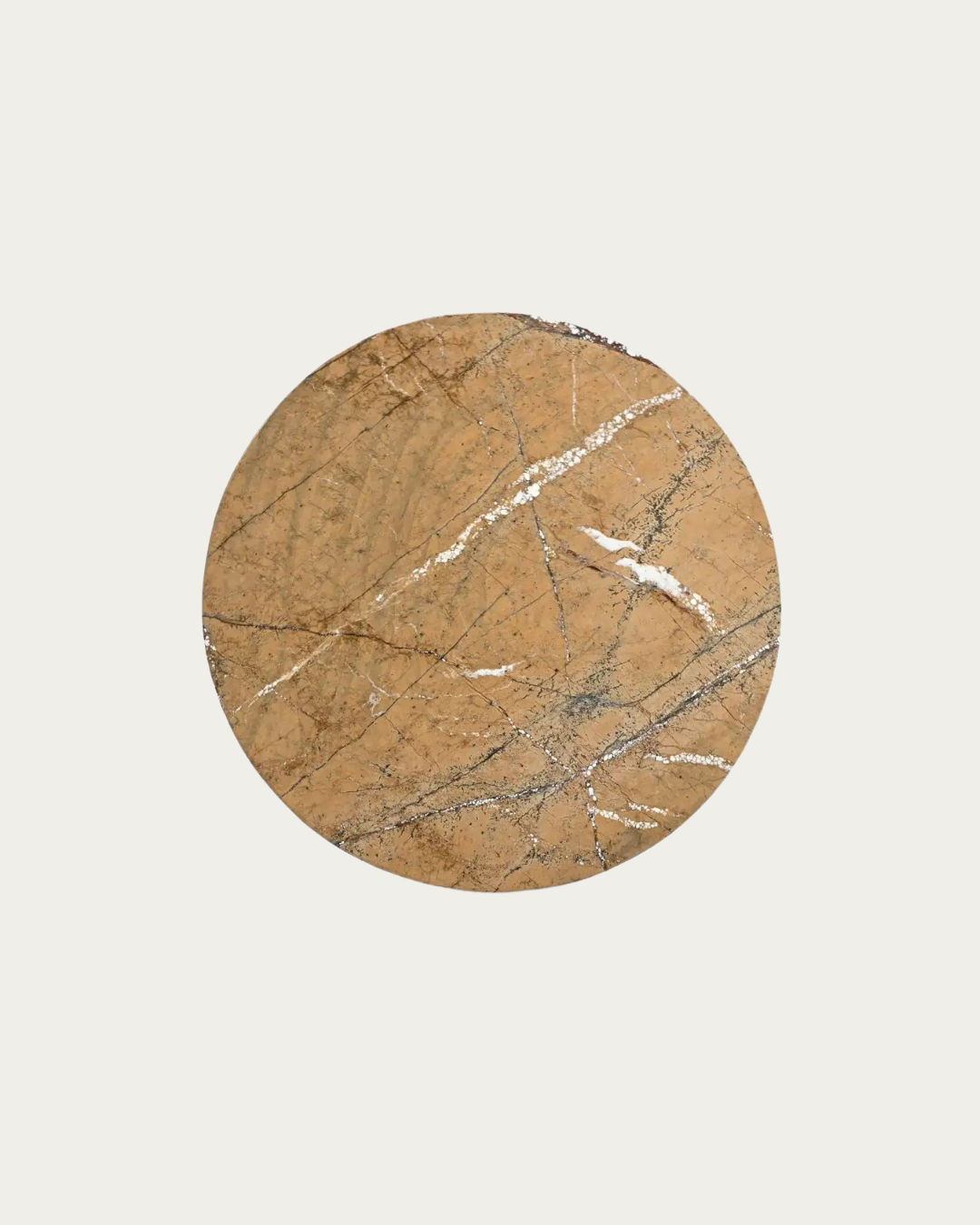
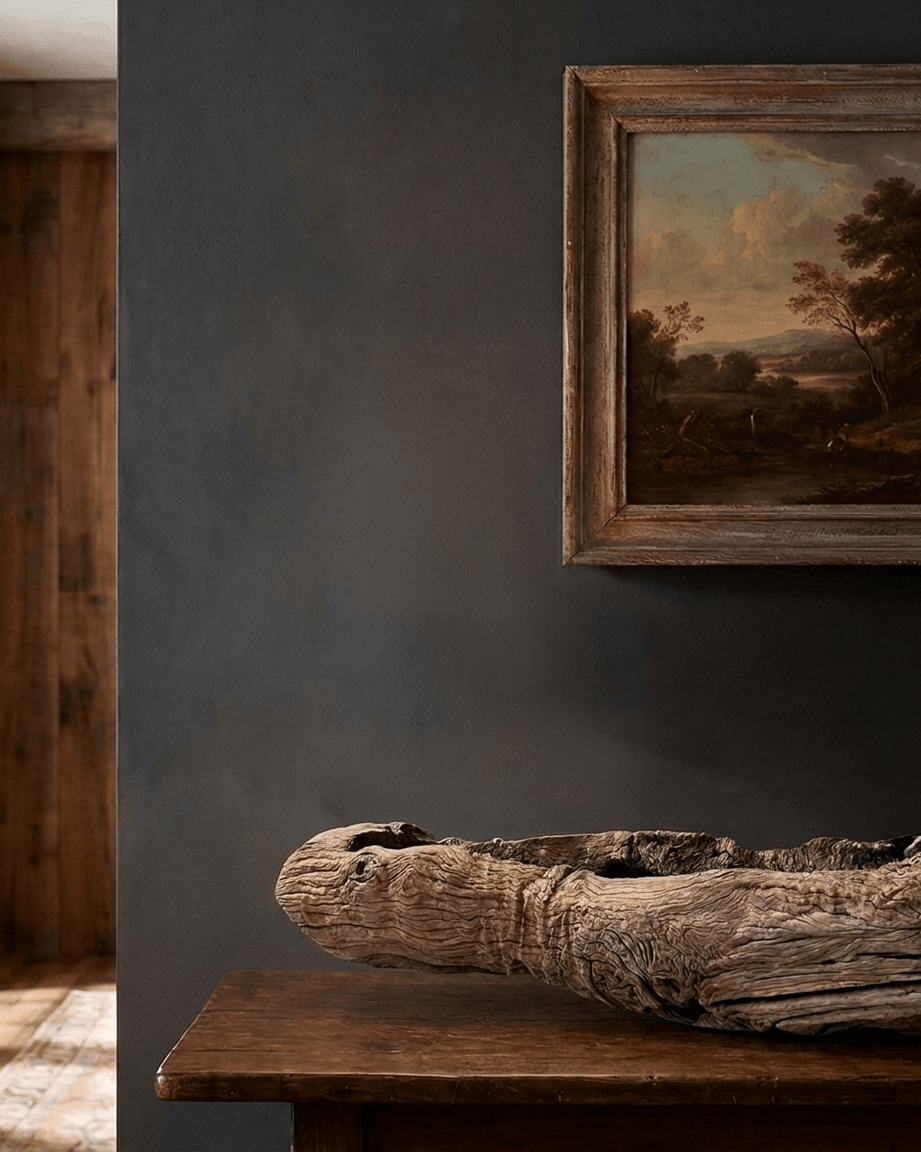
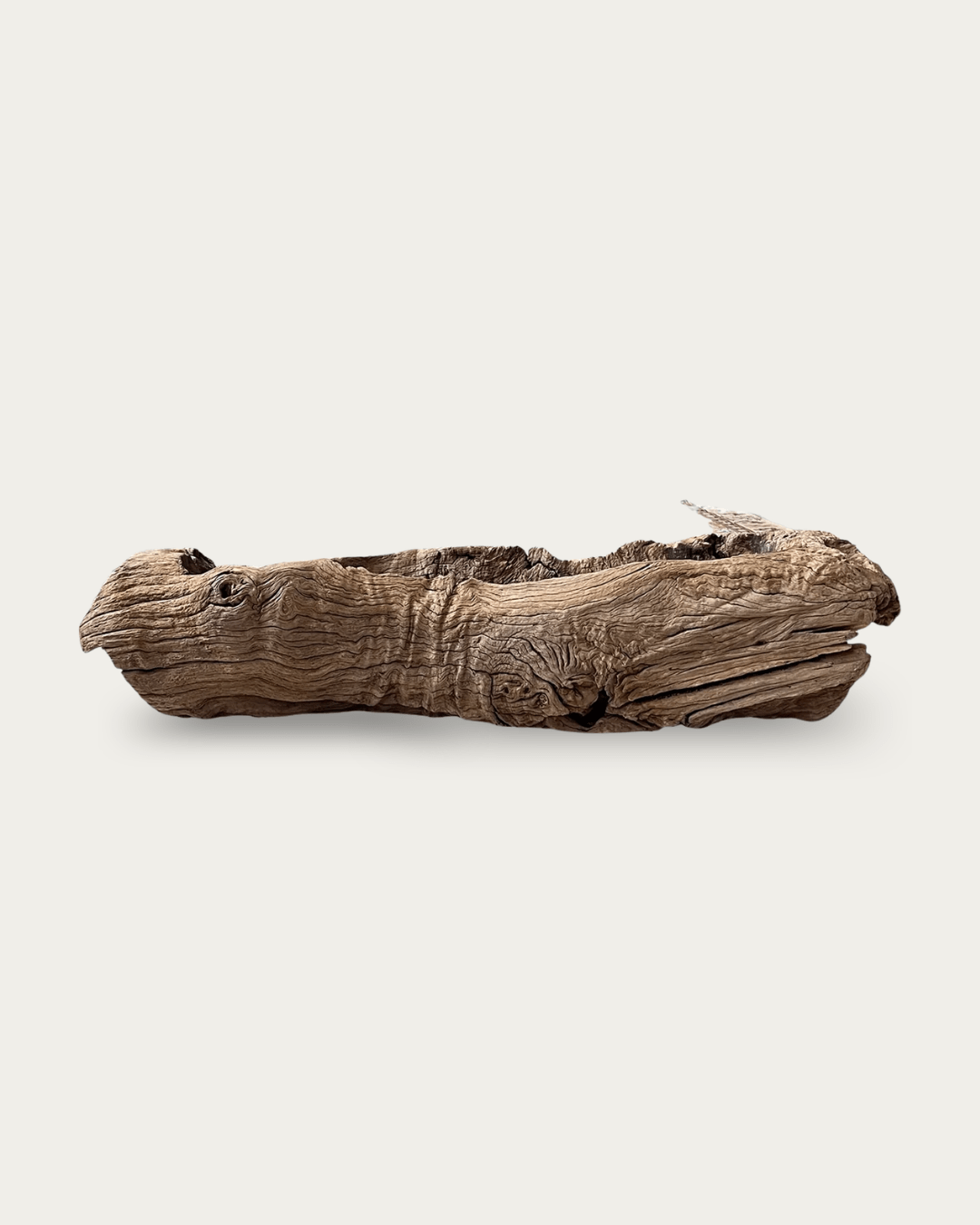
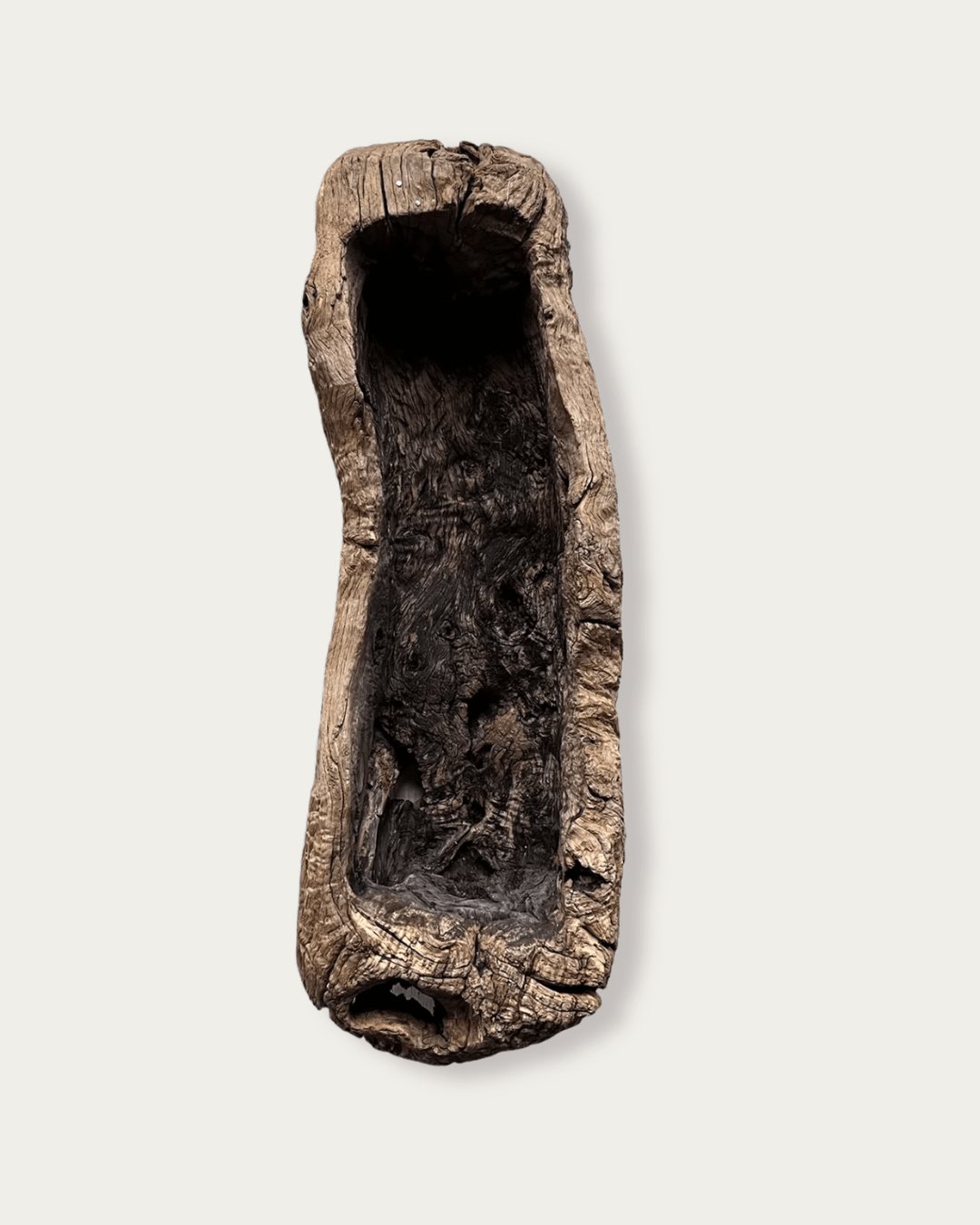
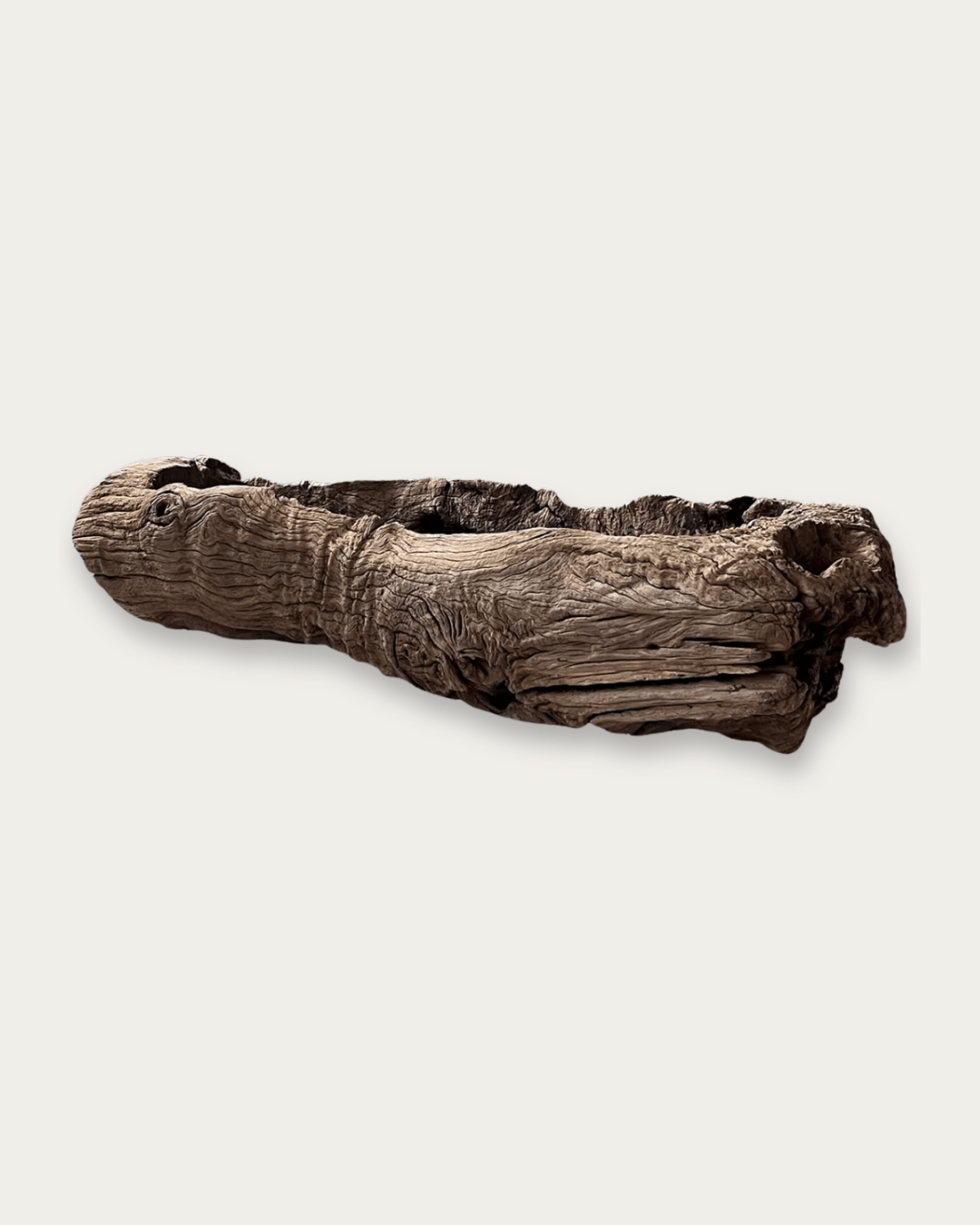
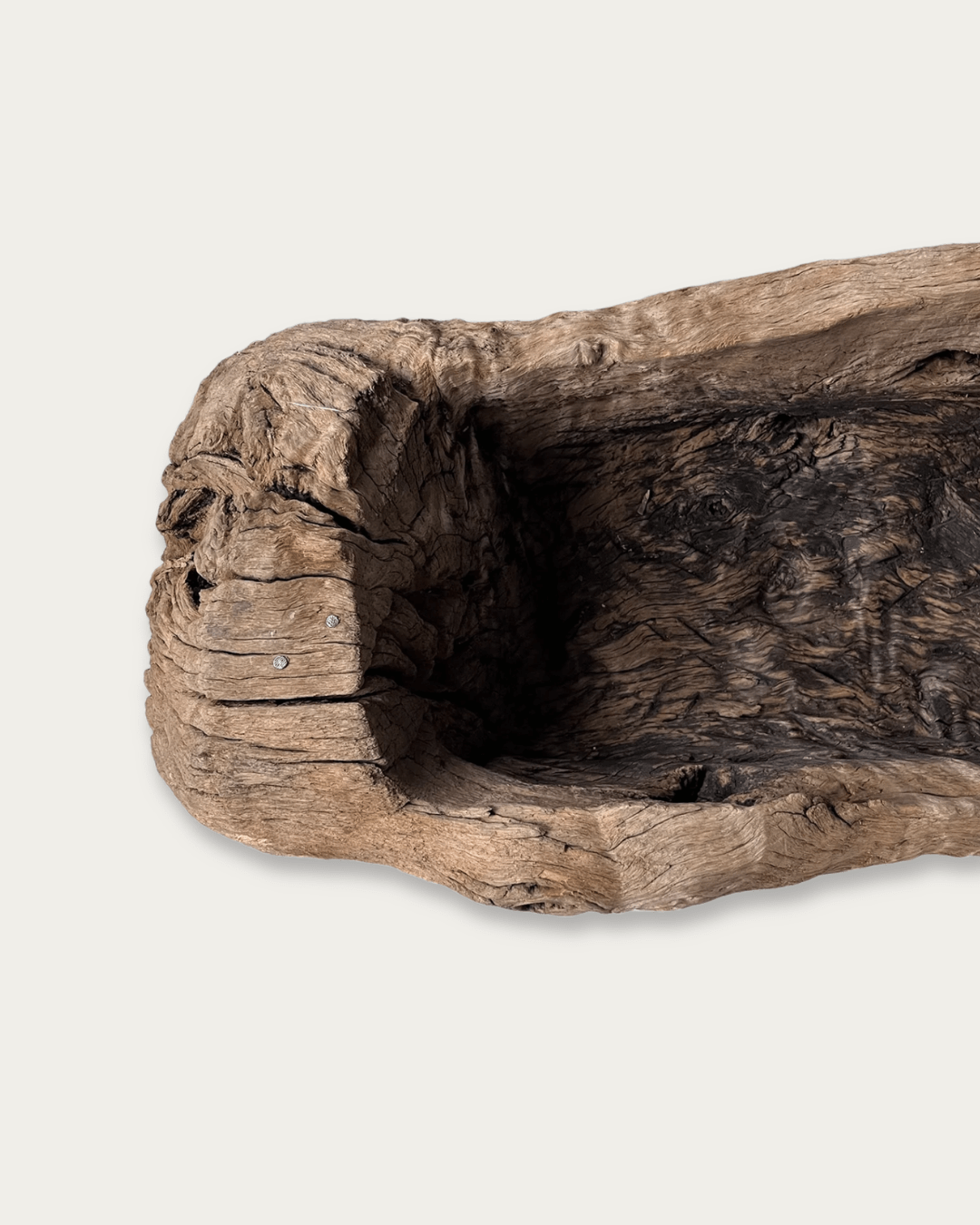
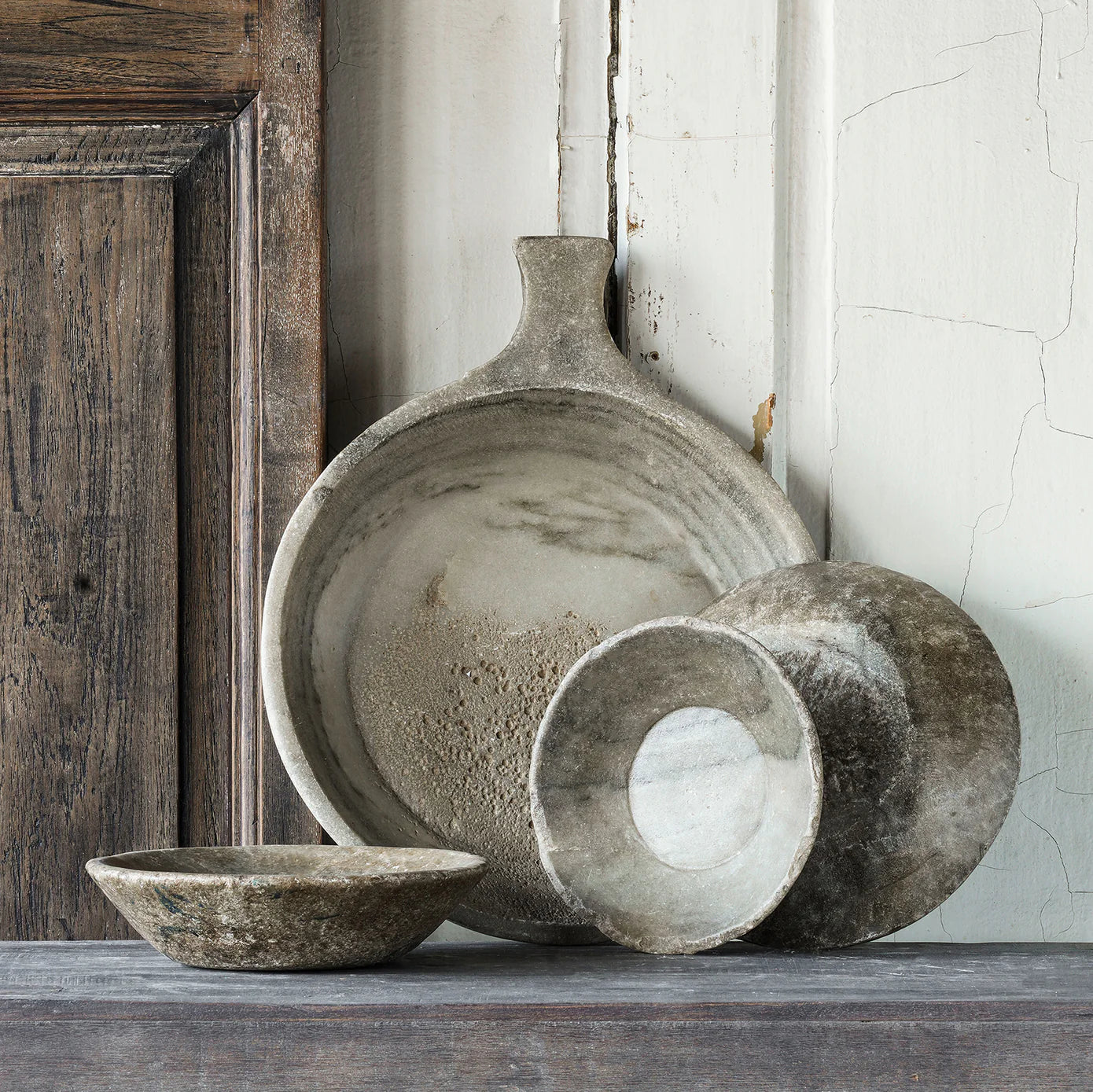
The Vintage shallow wood bowls create natural texture through grain variation and wear patterns, while the Primitive rice measurer small adds character through its aged surface and handcrafted form.
These pieces work beautifully on:
coffee tables
consoles
shelving
kitchen counters
bedside tables
Texture Creates Depth
Depth doesn't come from more objects.
It comes from more information within the objects you already have.
Vintage pieces naturally provide this through age, patina, and material honesty.
Large Pieces Create Calm. Small Pieces Create Interest.
A useful way to think about visual weight is this:
Large pieces create stability.
Small pieces create personality.
You need both.
A room filled only with large objects can feel heavy and static. A room filled only with small accessories often feels restless and fragmented.
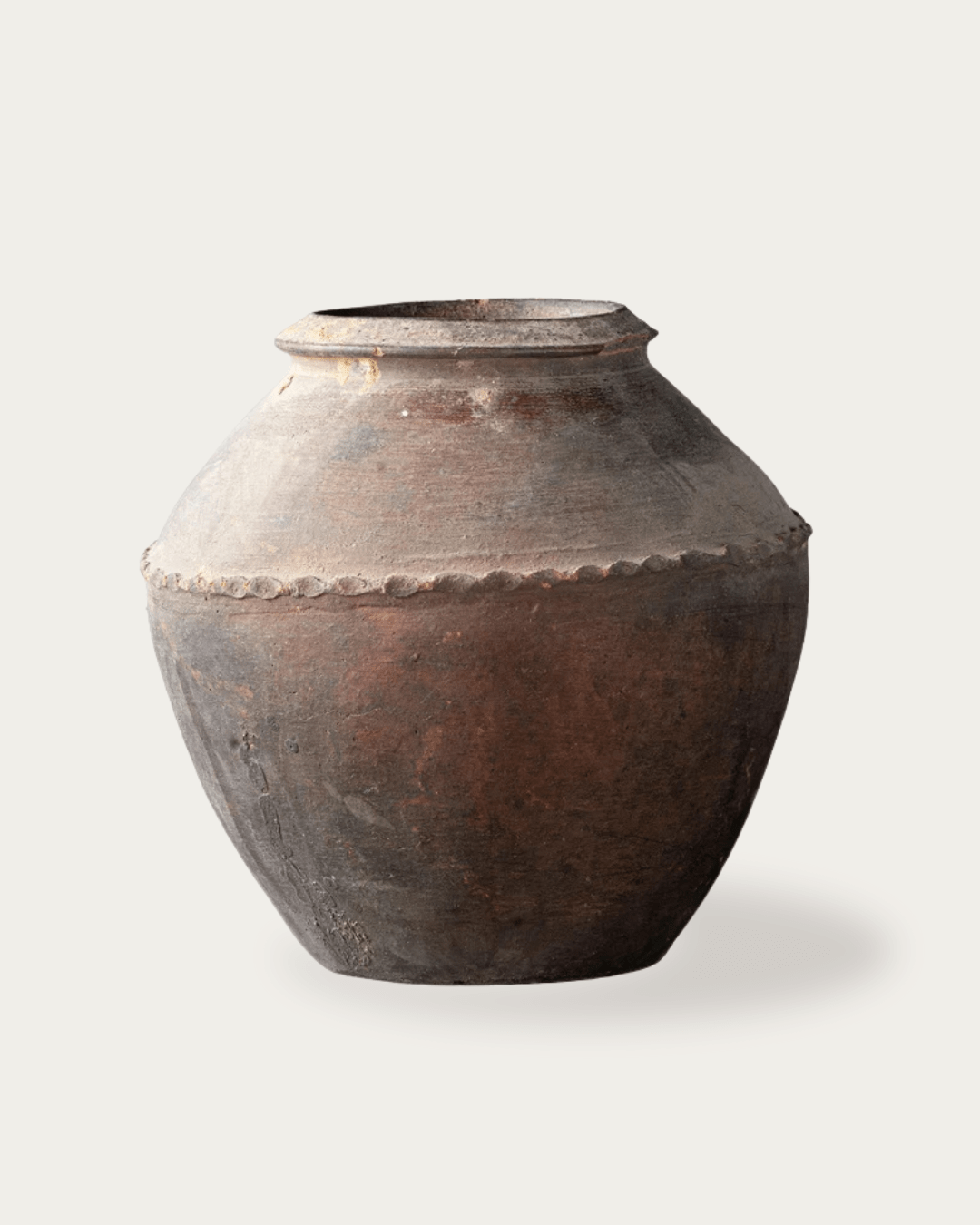
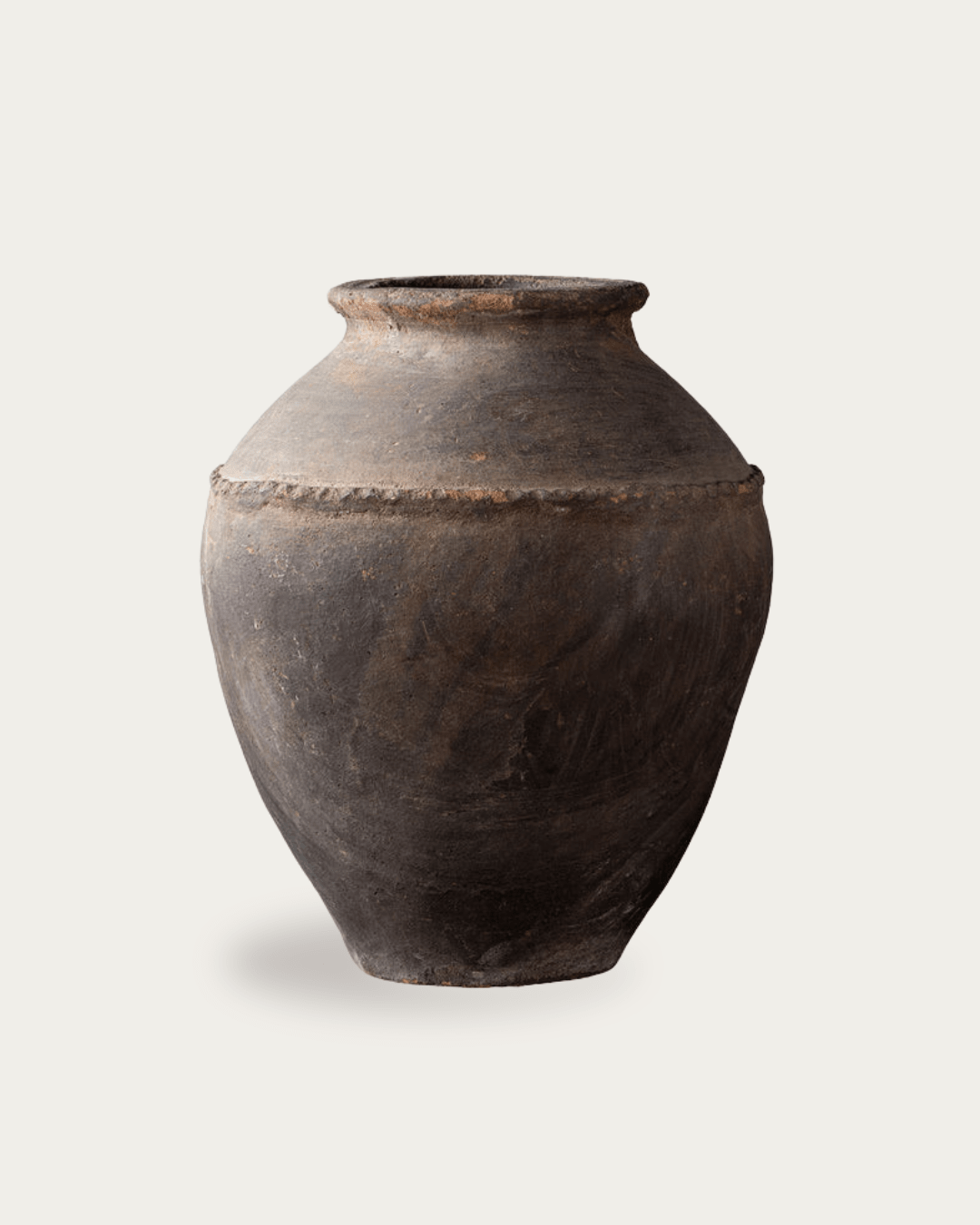
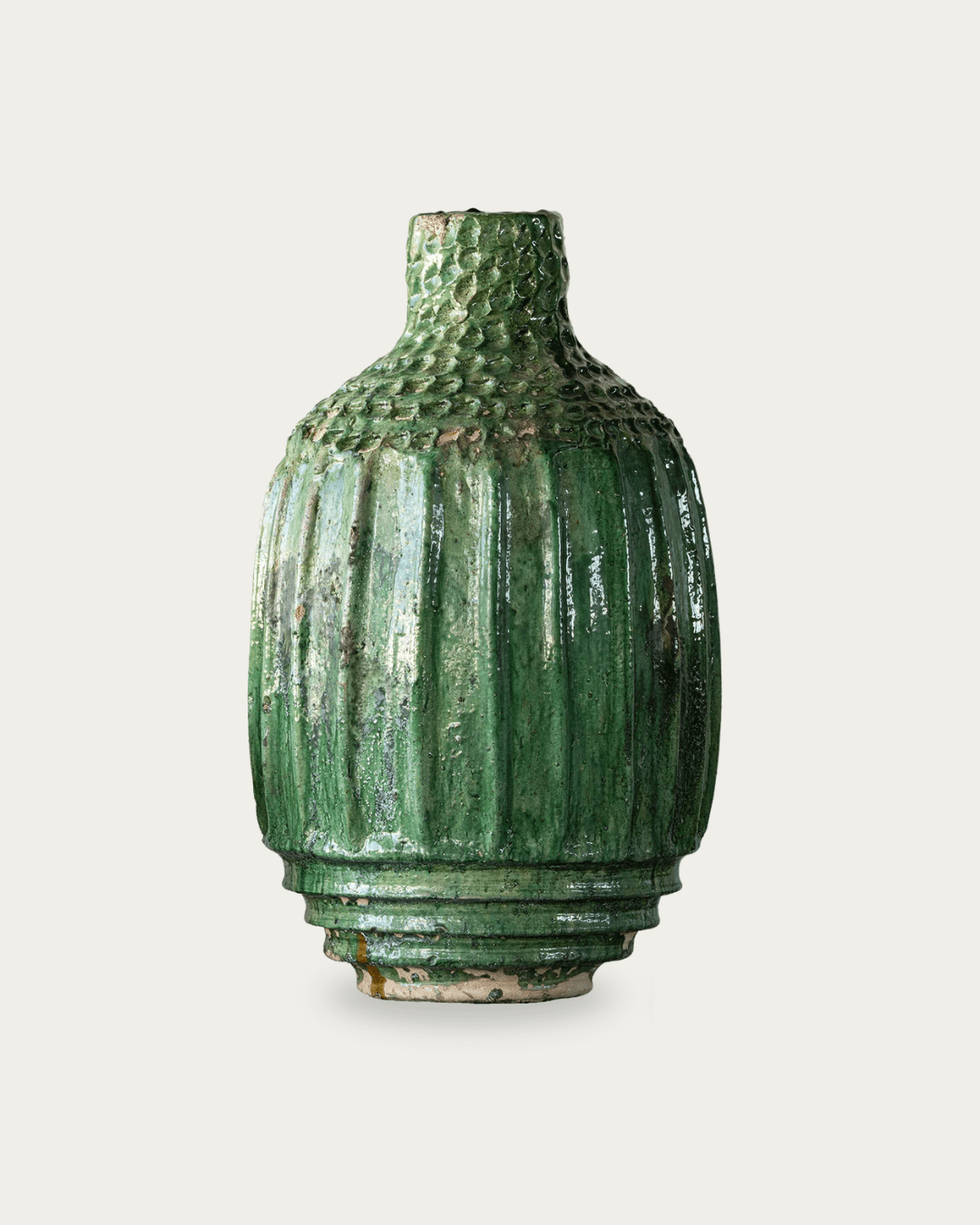
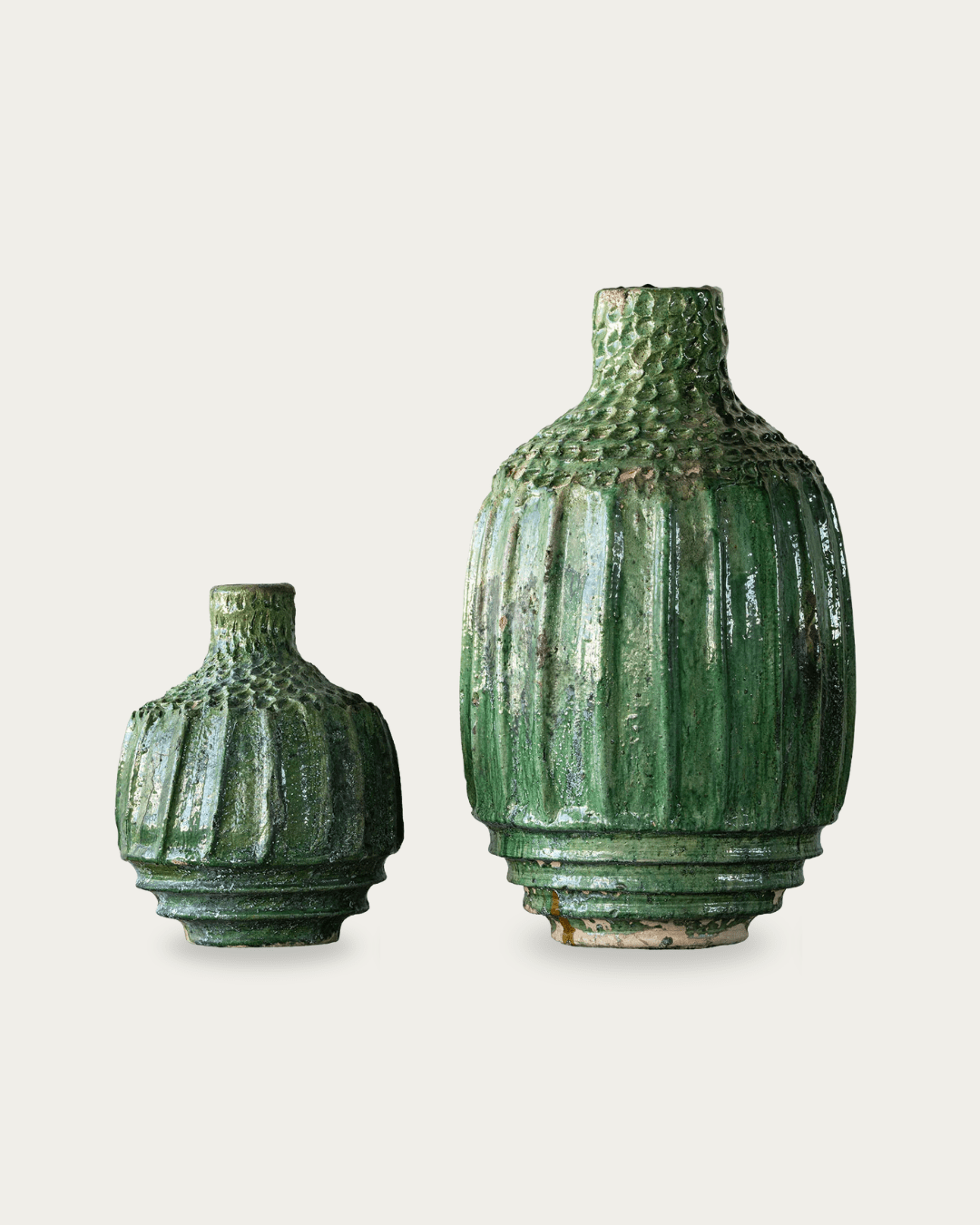
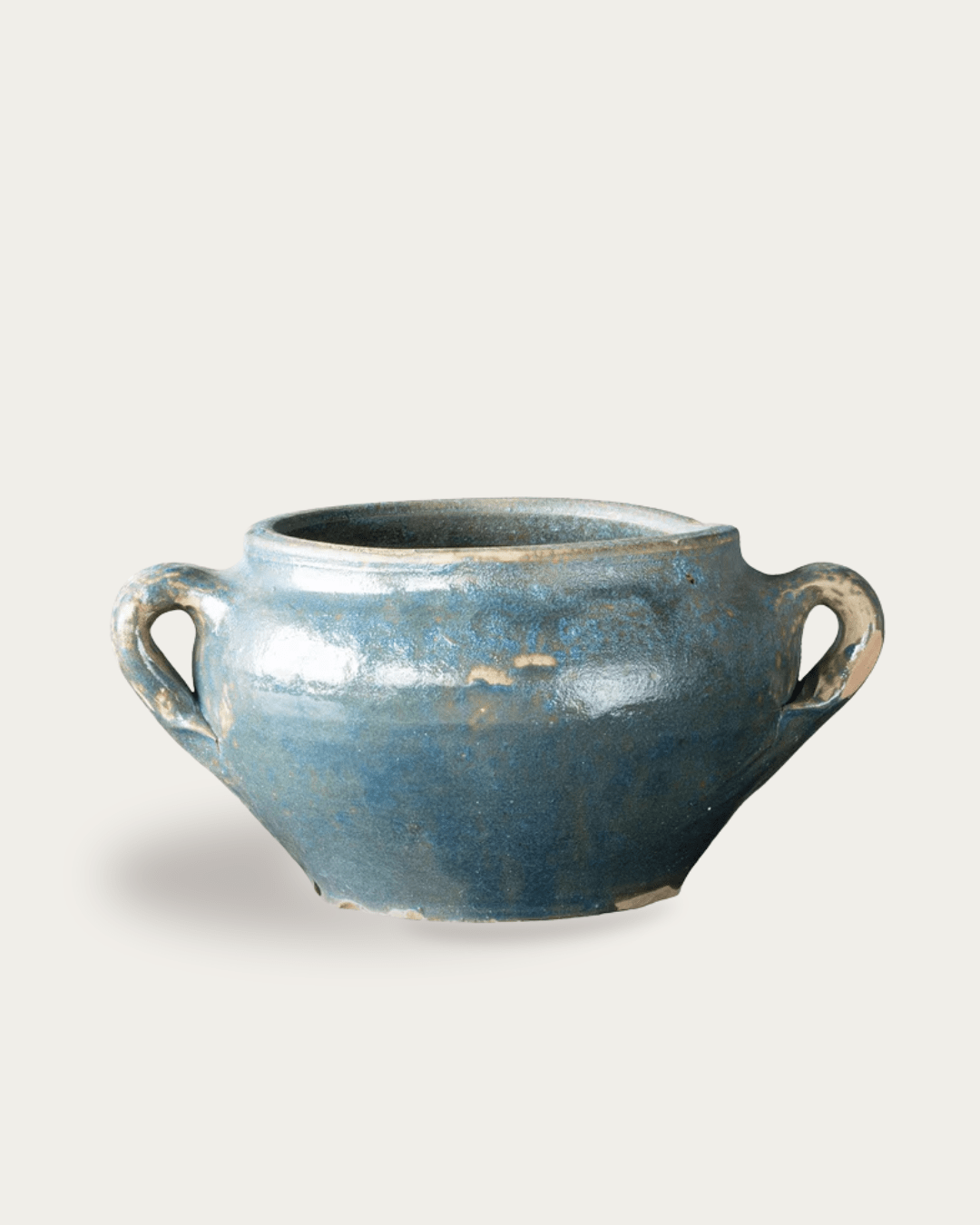
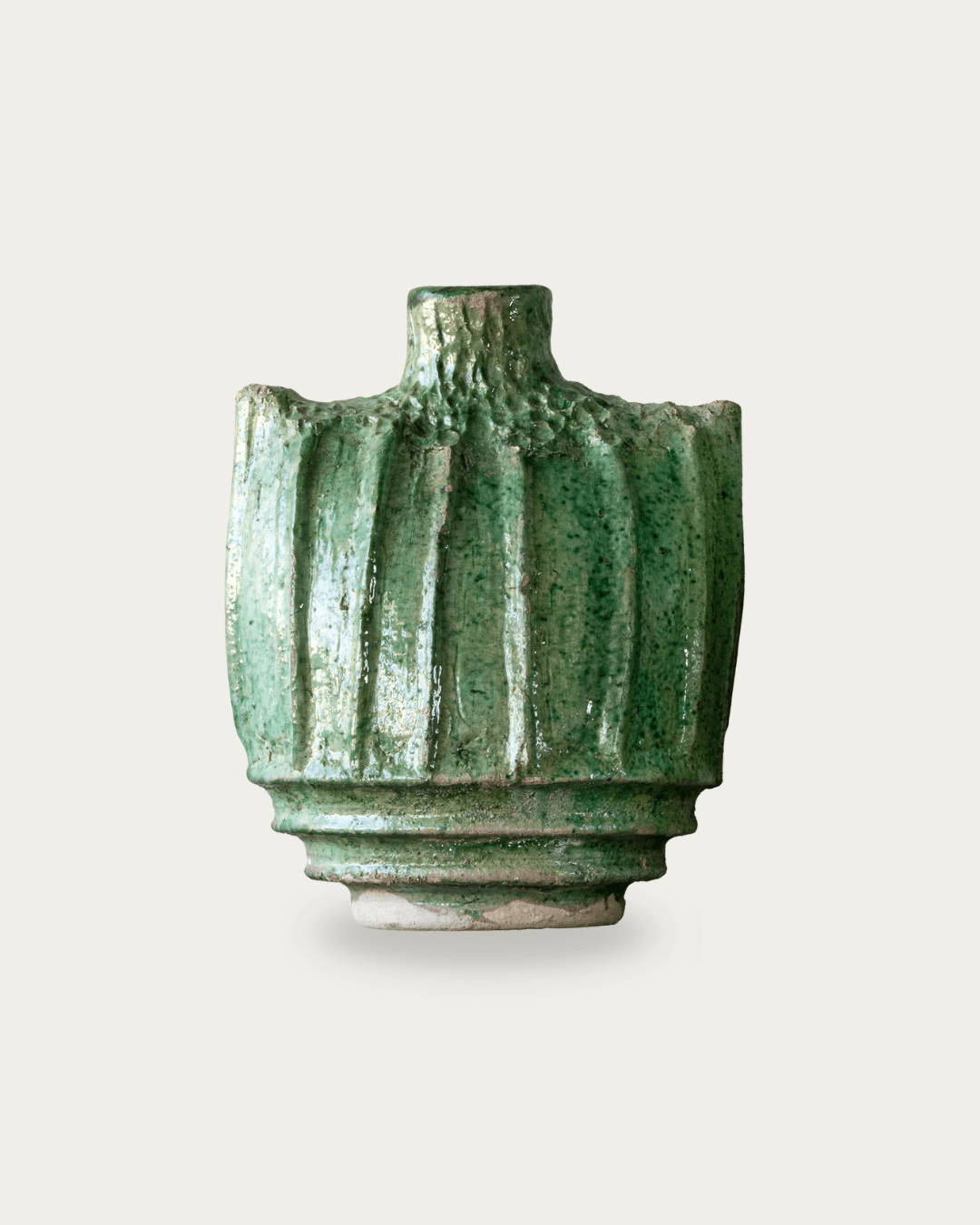
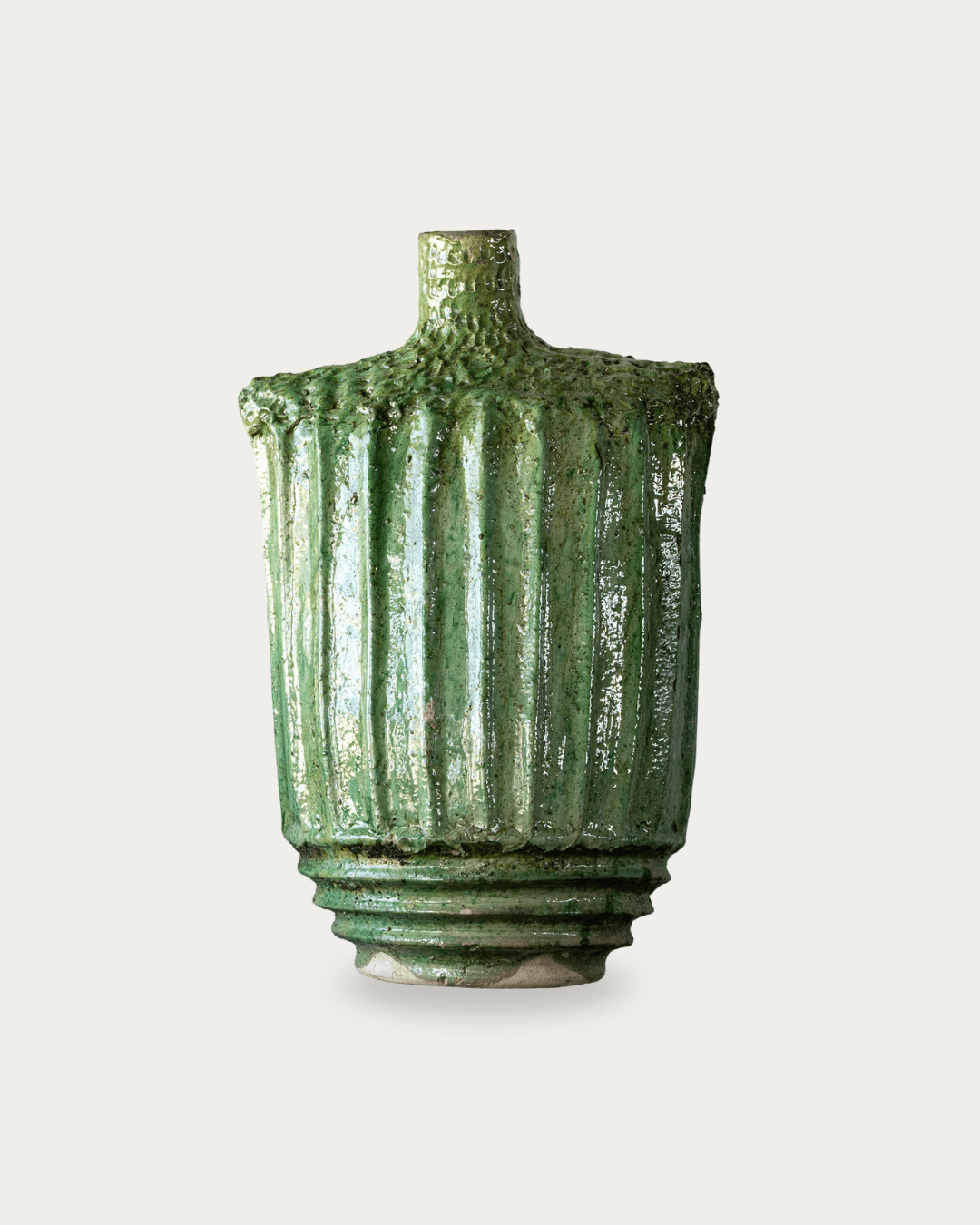
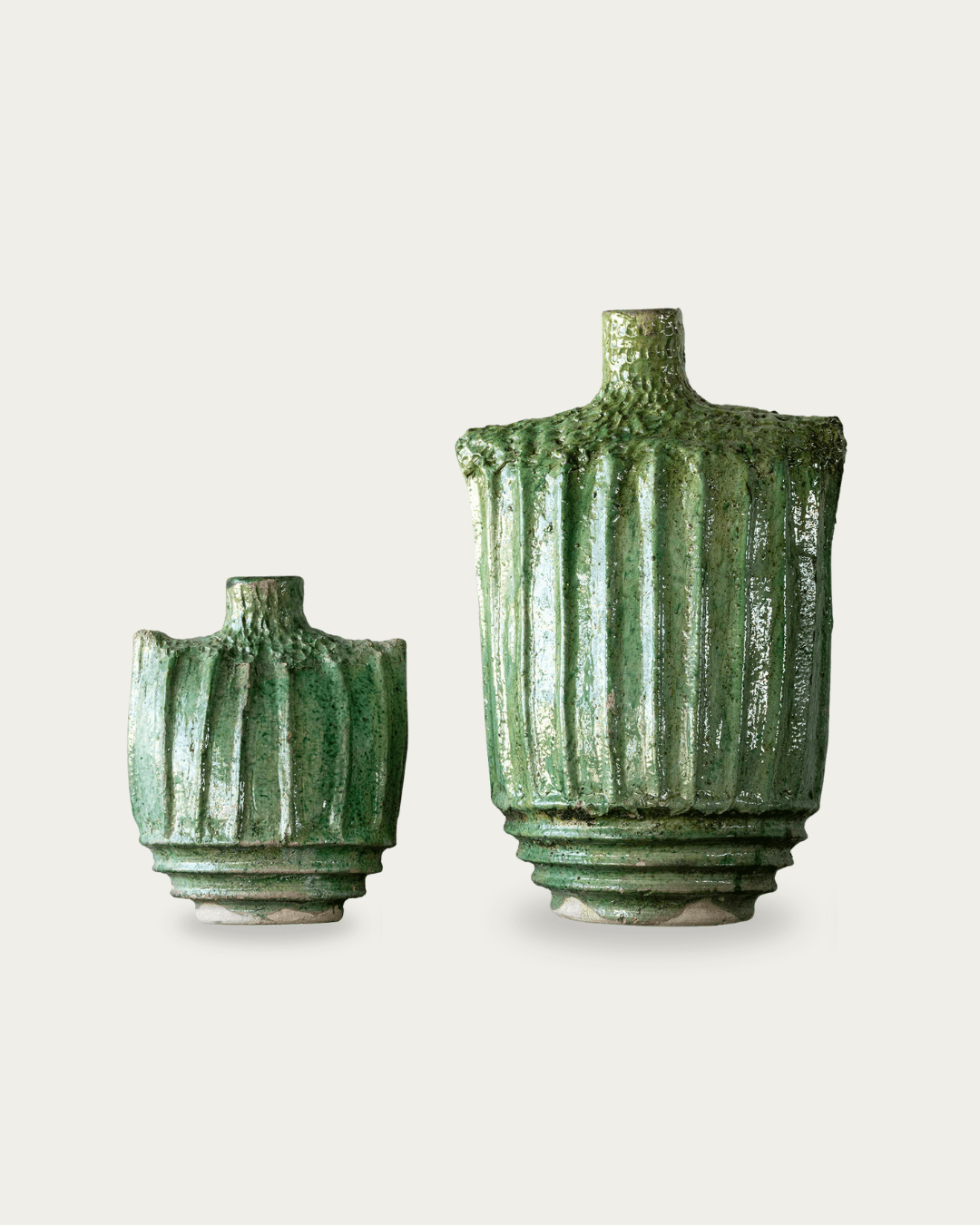
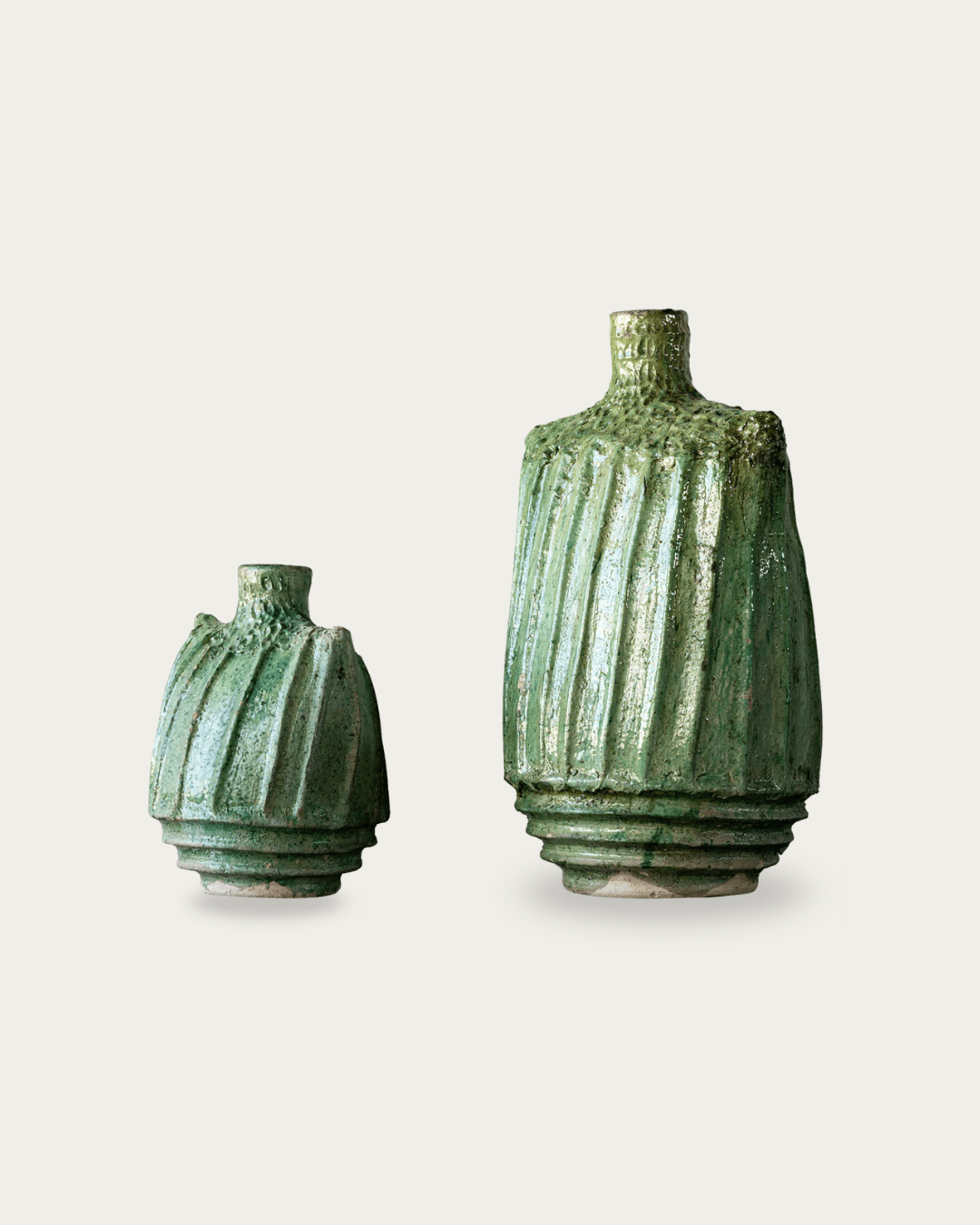
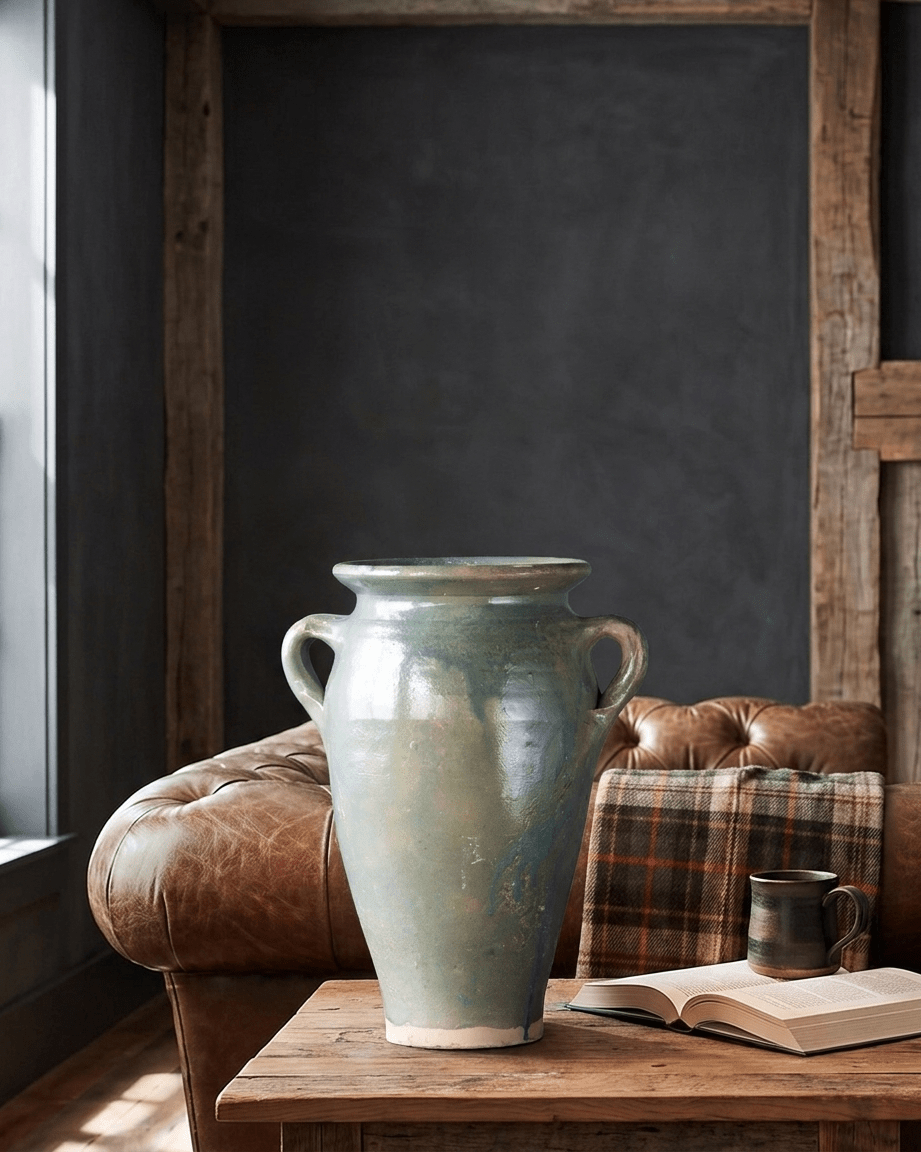
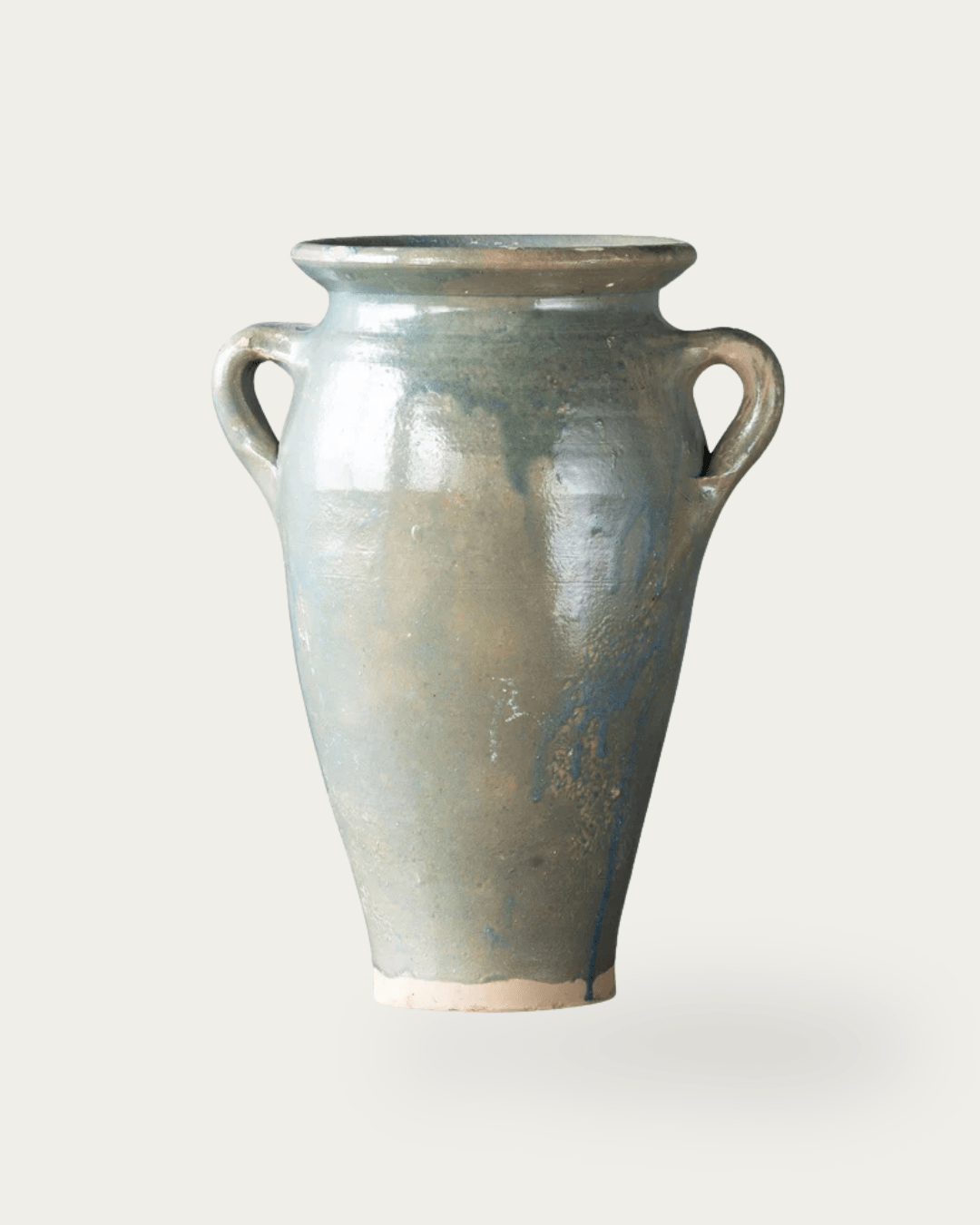
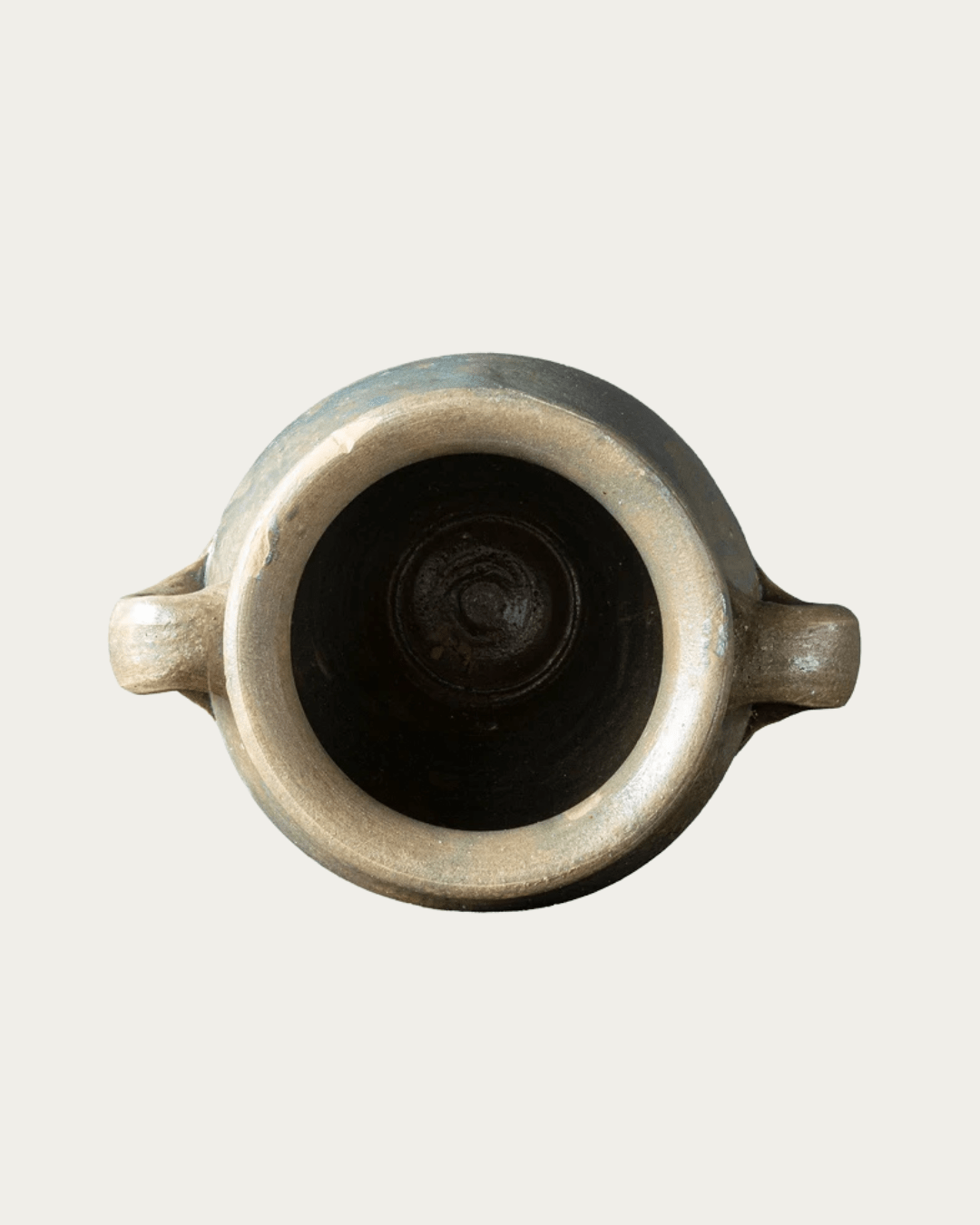
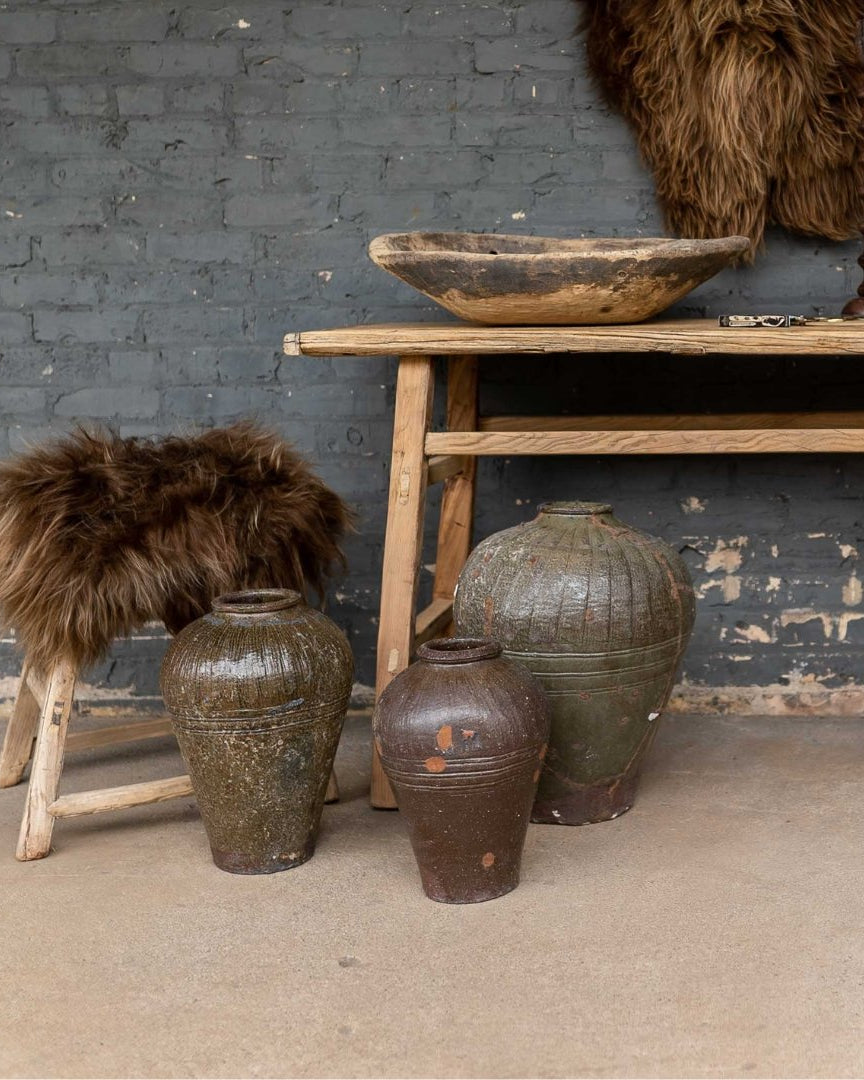
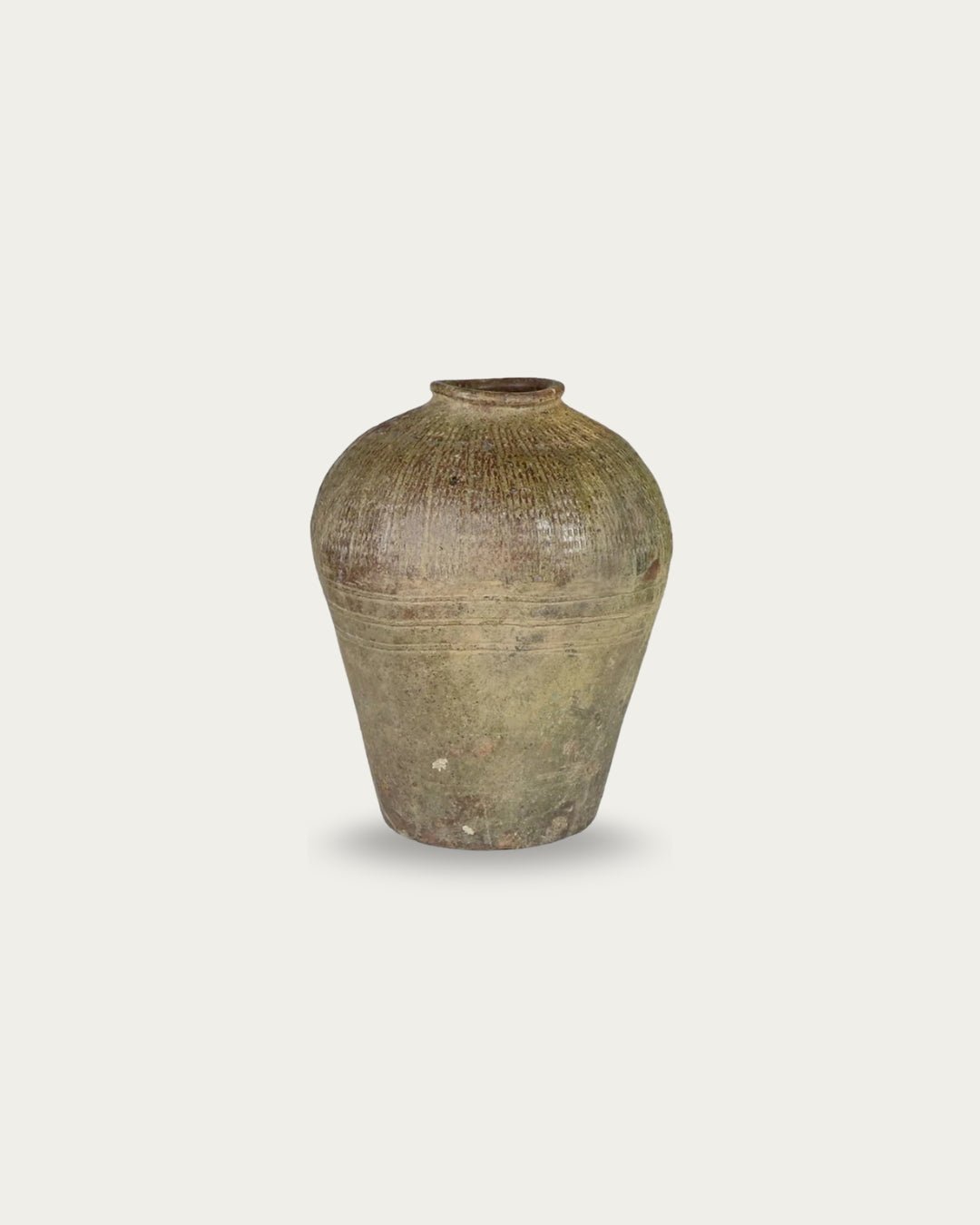
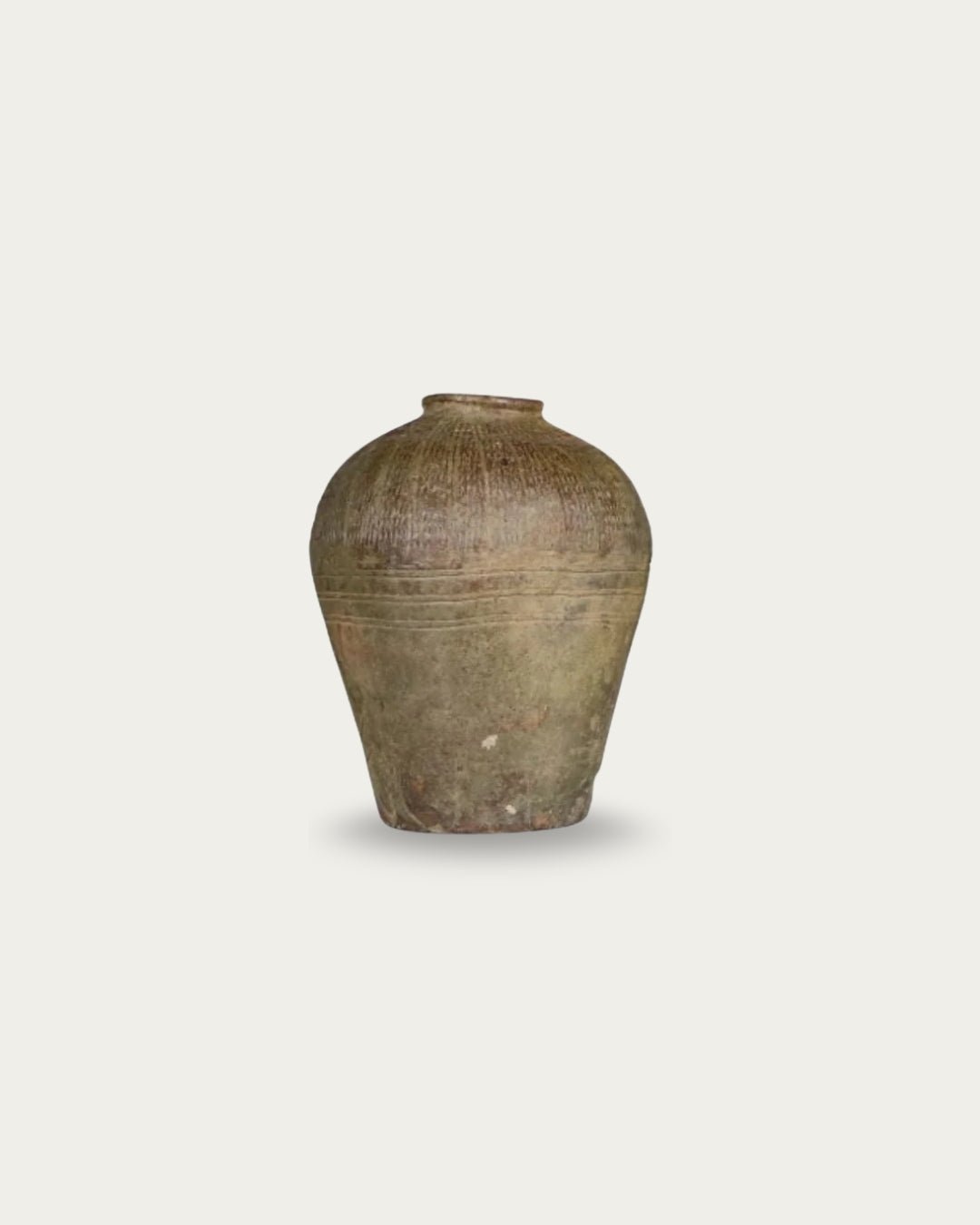
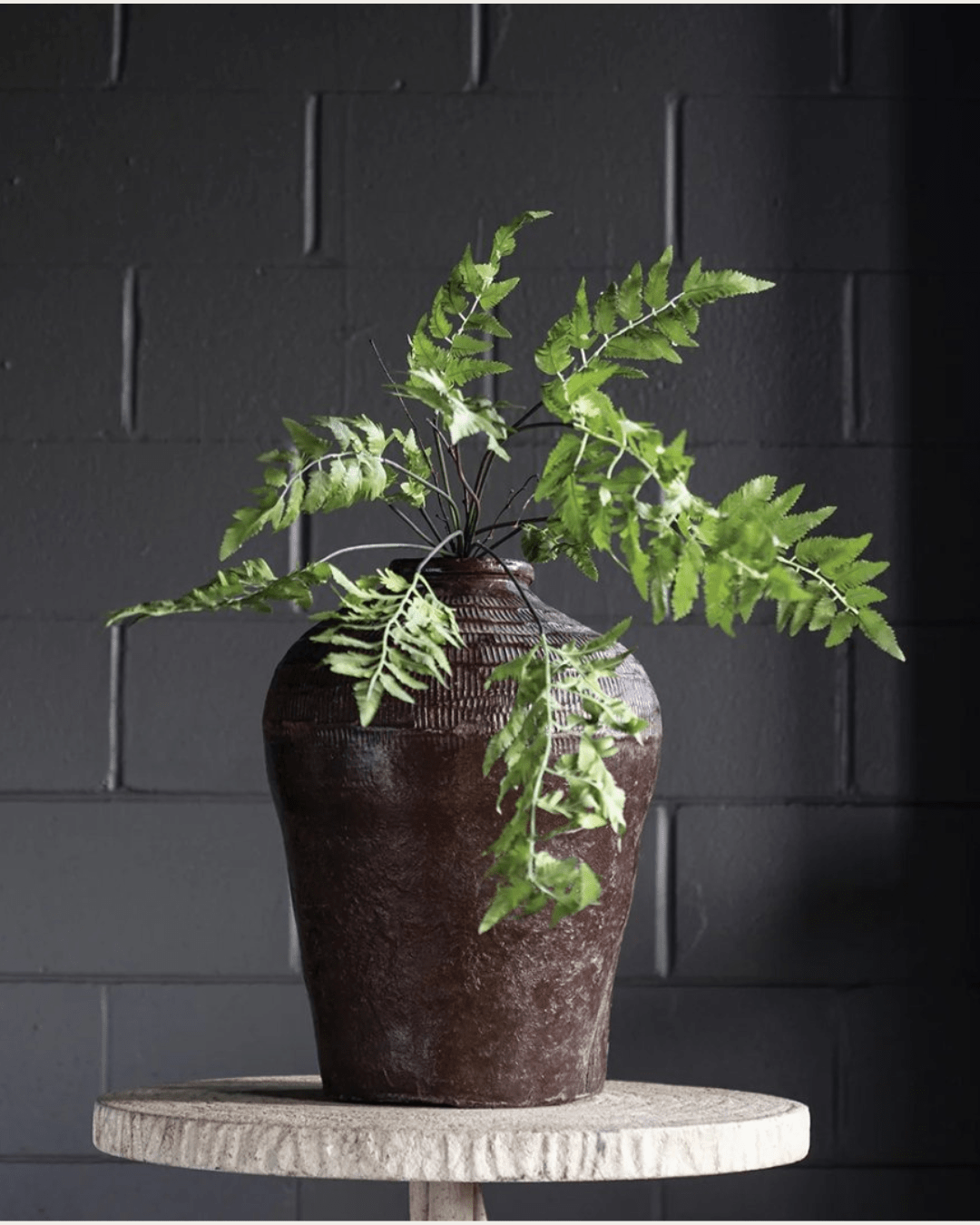
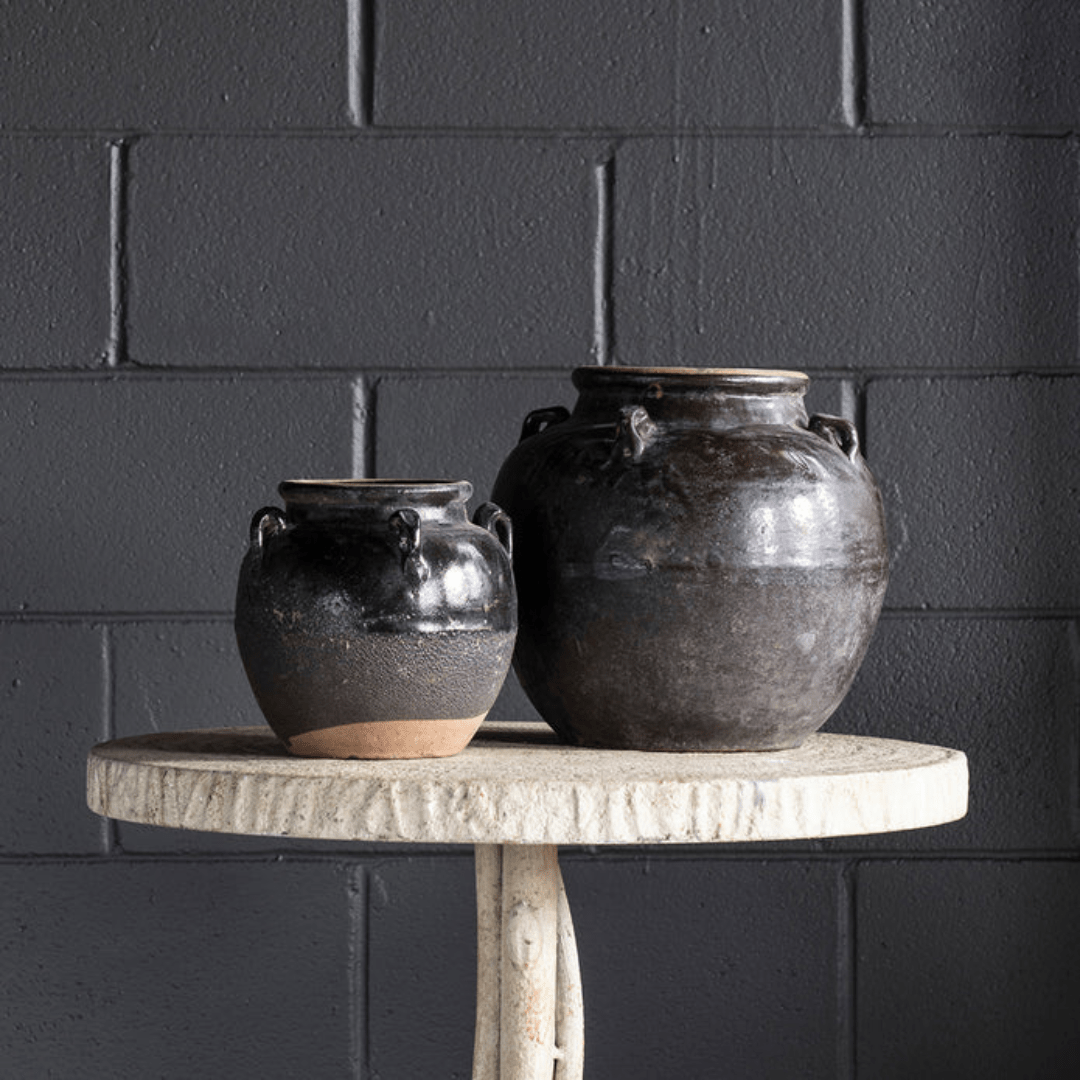
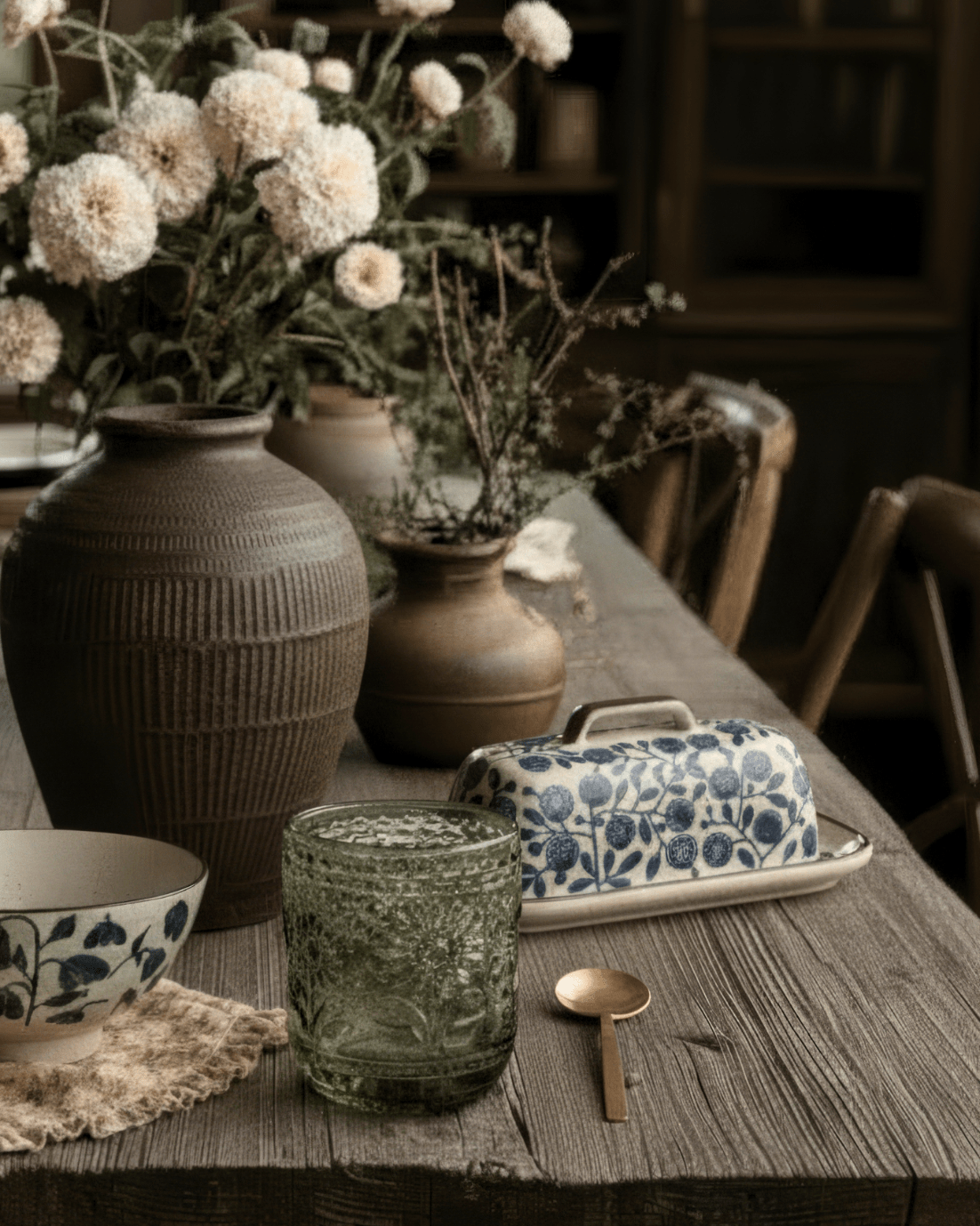
The Chinese harvest basket introduces substantial visual presence and natural texture, while the Maria glazed pot adds sculptural weight at a slightly smaller scale.
Together, they create balance.
Why Balance Feels Good
The nervous system prefers environments that are predictable but not boring.
Visual weight helps achieve that balance.
The room feels organized enough to feel calming and layered enough to remain interesting.
RUTED Tip: If a room feels visually noisy, don't buy more small decor. Ask yourself whether the room is missing an anchor. Many decorating problems are actually visual-weight problems. One larger vintage piece often does more for a room than an entire shopping cart of smaller accessories.
The Best Rooms Use Multiple Layers of Scale
One reason professionally styled rooms feel more complete is because they contain different layers of visual weight.
Think of it like a conversation.
You need a main voice.
You need supporting voices.
And you need moments of pause.
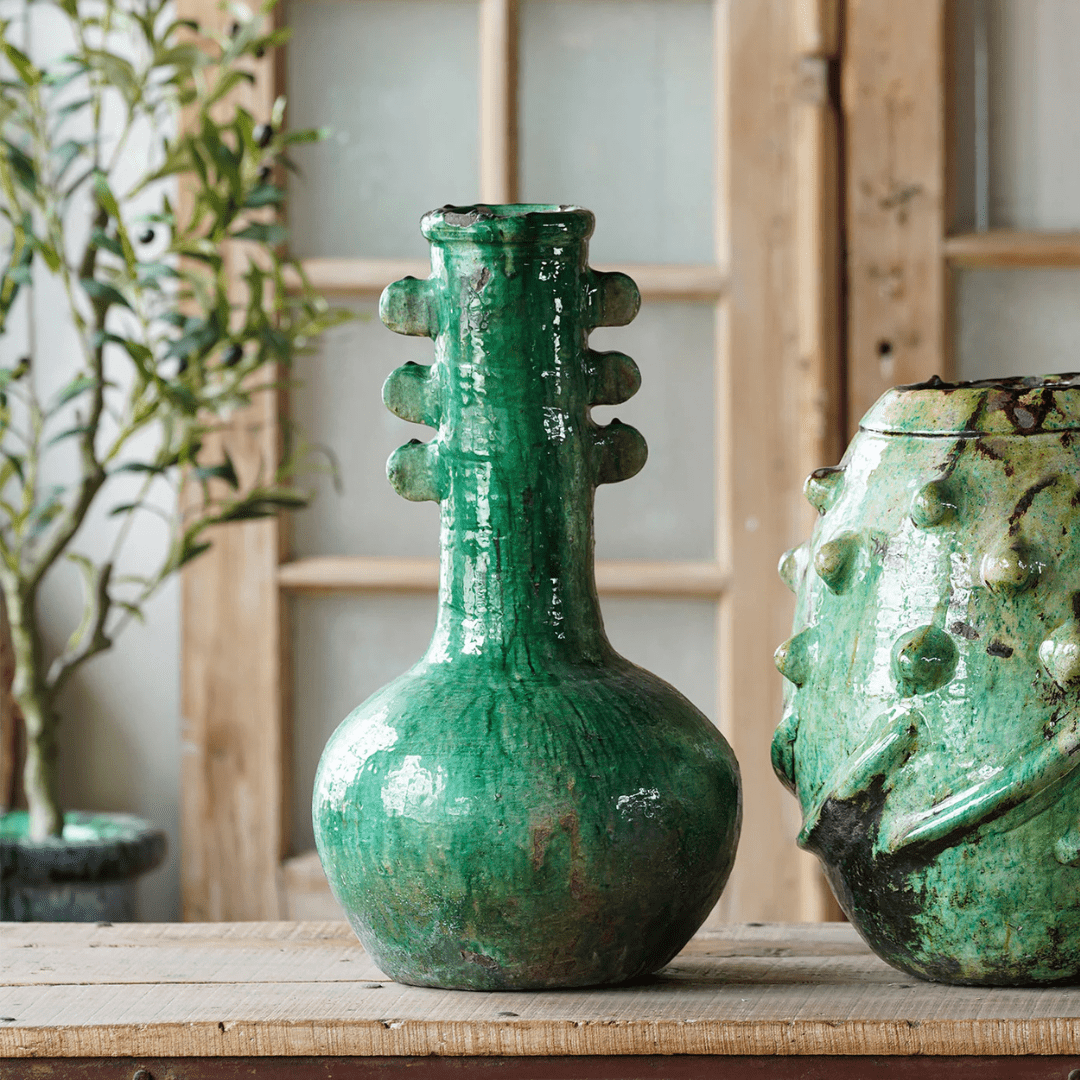
The Edna chapati mirror can serve as a larger focal element that establishes visual structure. Meanwhile, the Tamegroute green bowl introduces smaller moments of texture and color that enrich the room without distracting from the overall composition.
Layering Scale Creates Natural Rhythm
Rooms become more comfortable when objects vary in size.
Large pieces anchor.
Medium pieces connect.
Small pieces add detail.
The eye moves naturally through the space instead of feeling stuck or overwhelmed.
Patina Changes Visual Weight Too
An interesting aspect of vintage decor is that age itself contributes to visual weight.
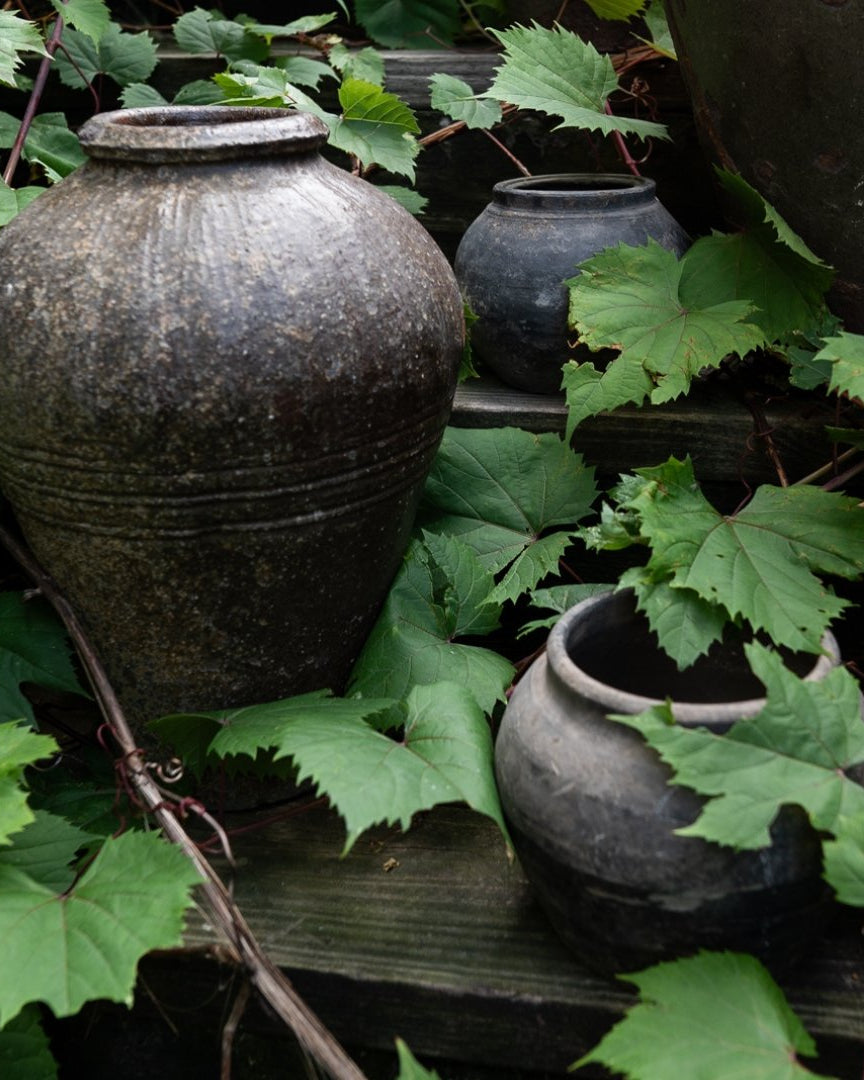
A heavily patinated object often feels more substantial than a brand-new object of the same size.
Why?
Because the eye perceives texture, wear, and variation as additional information.
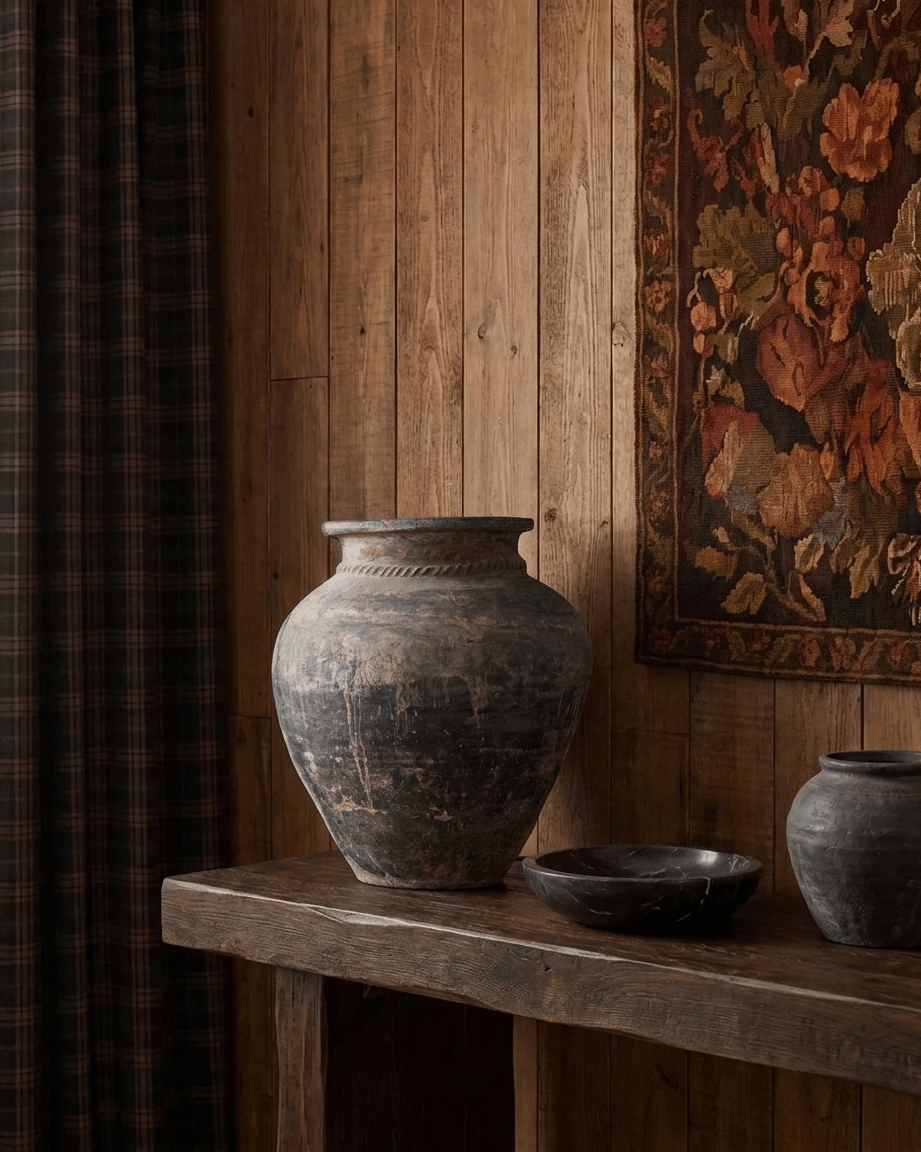
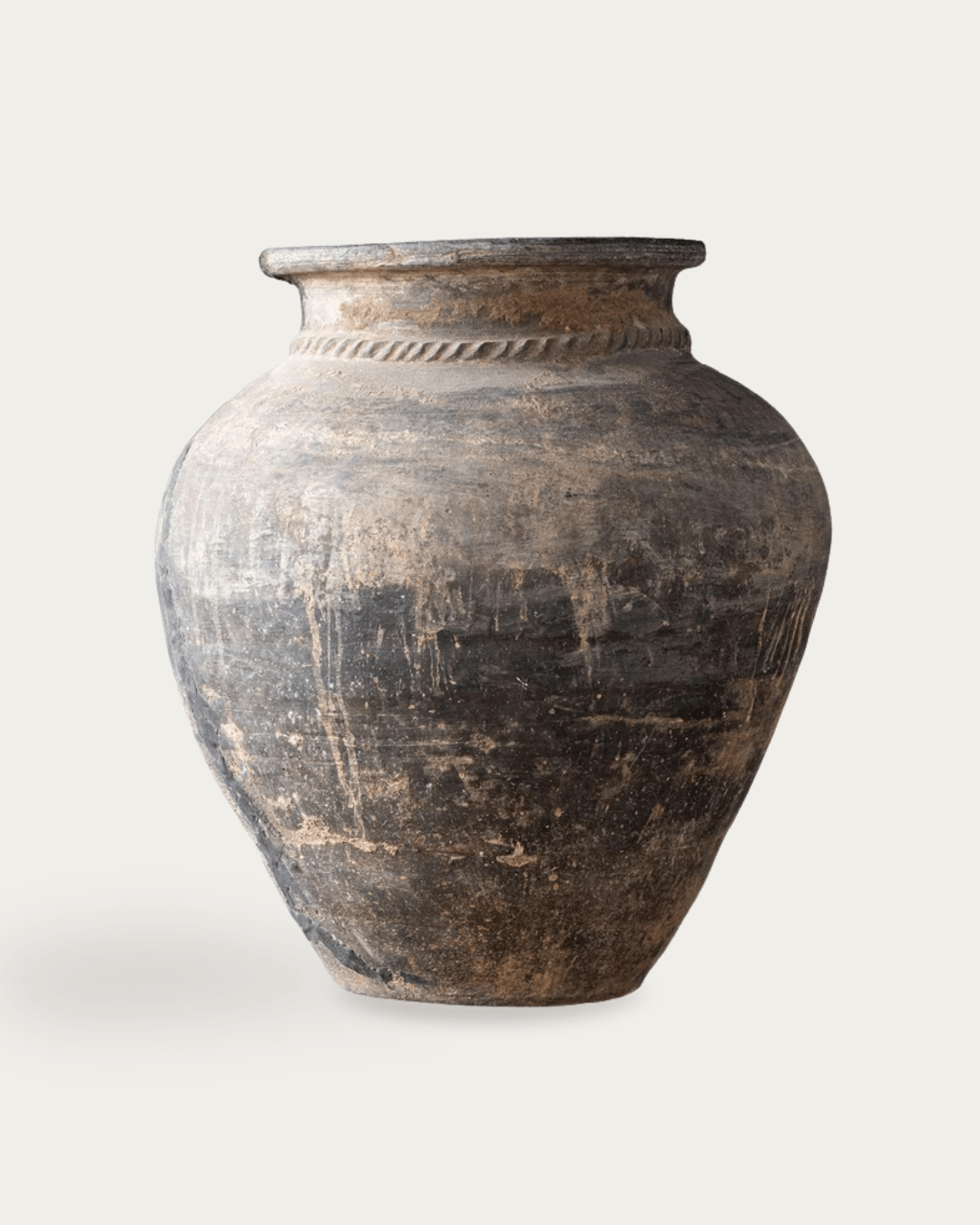
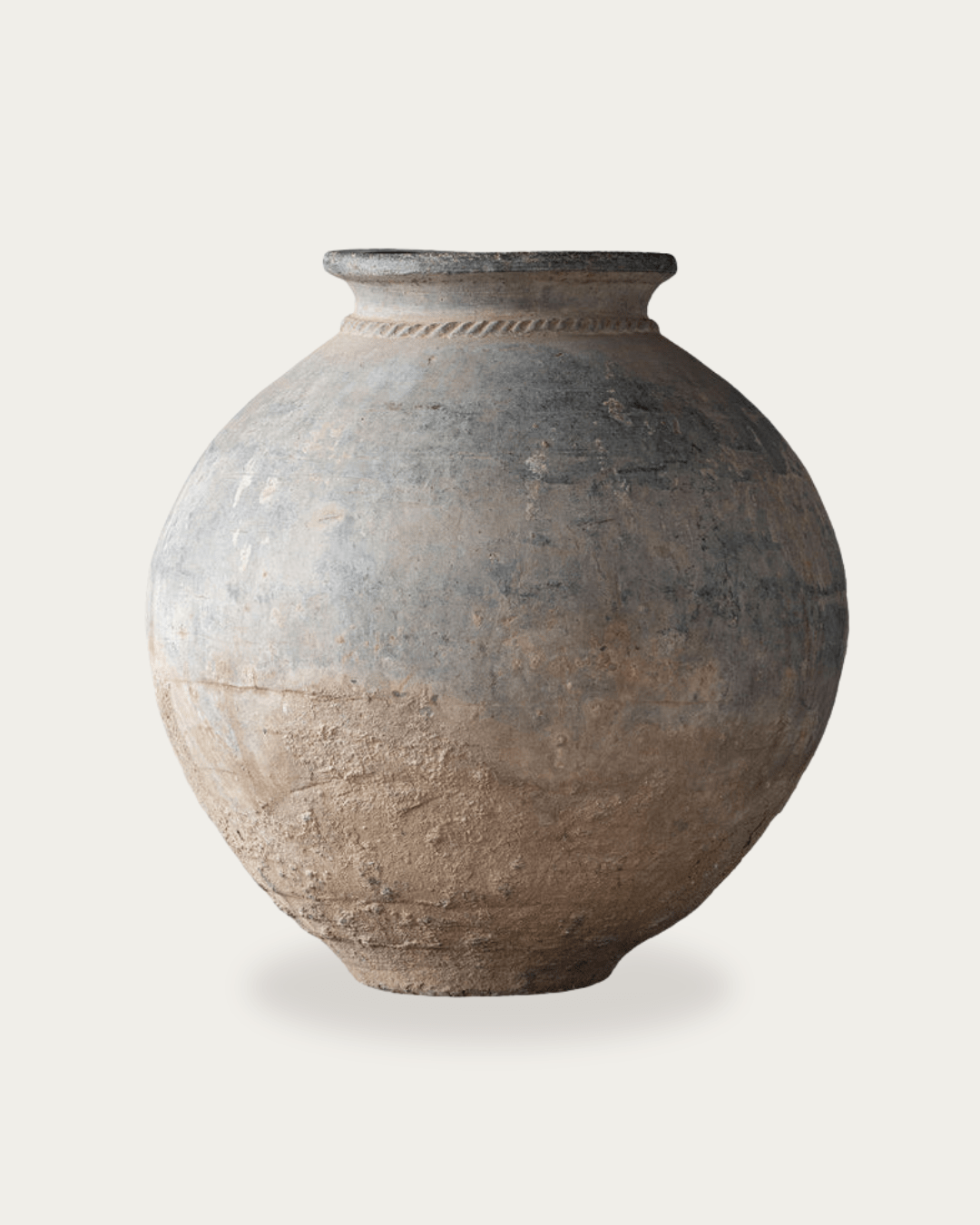
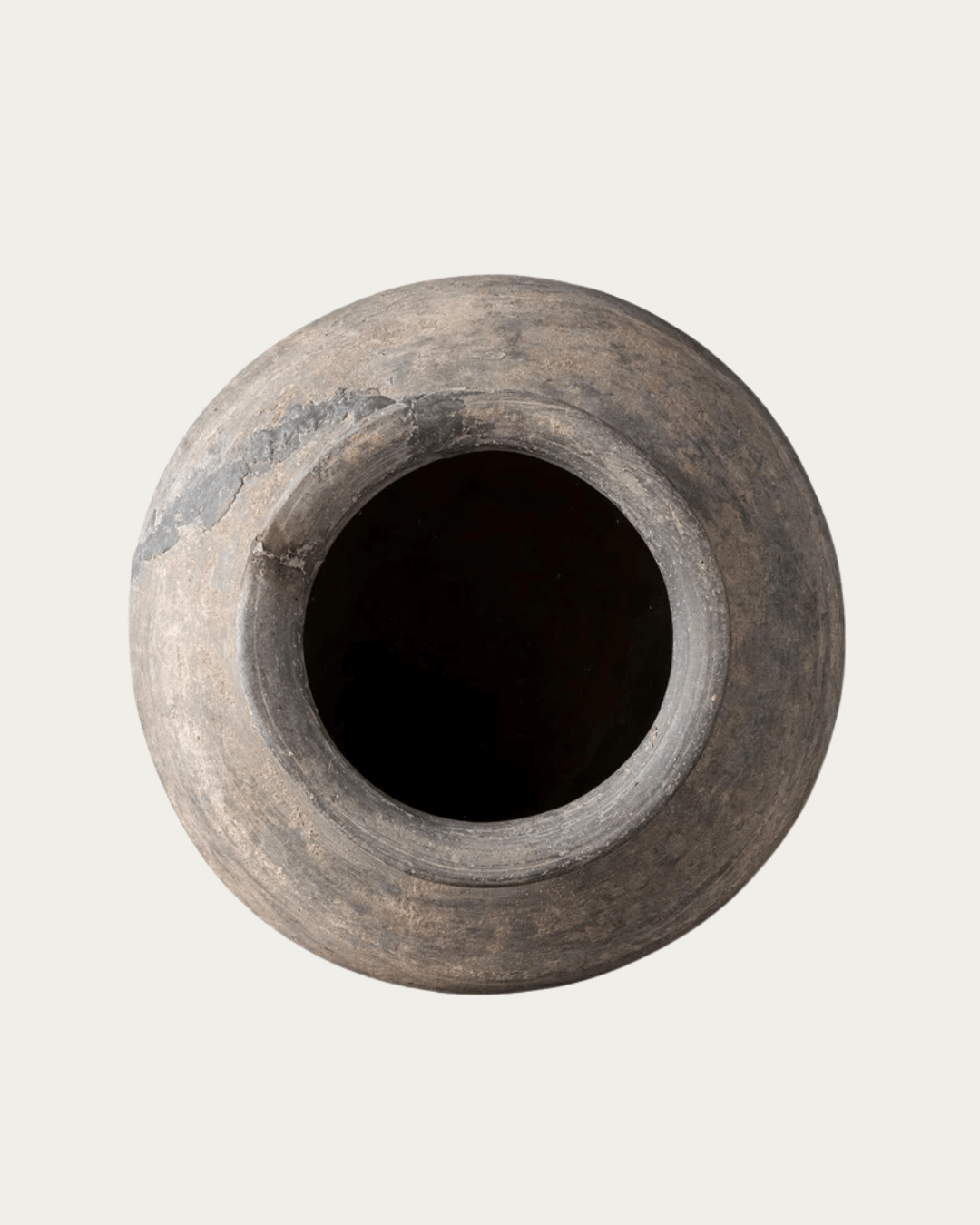
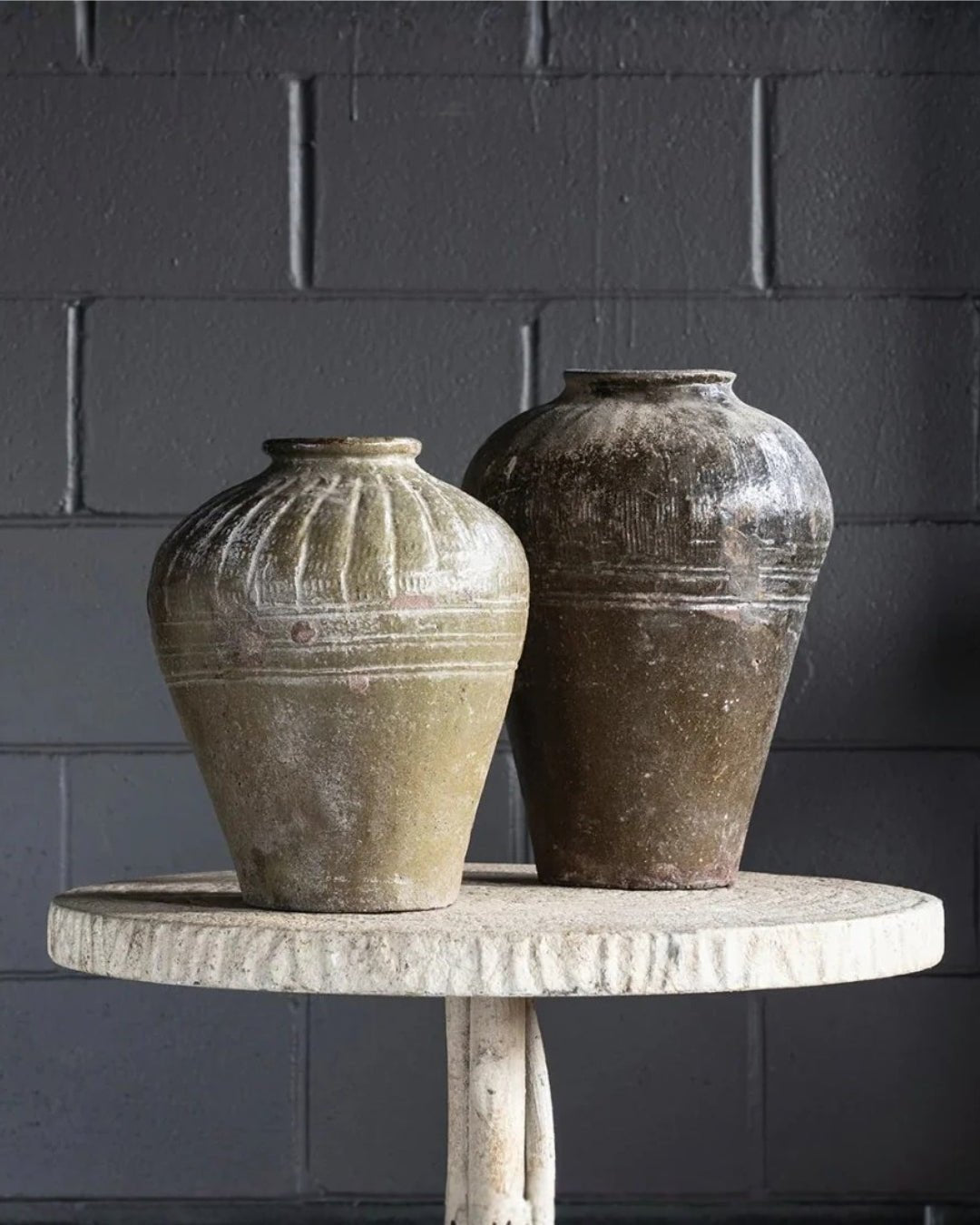
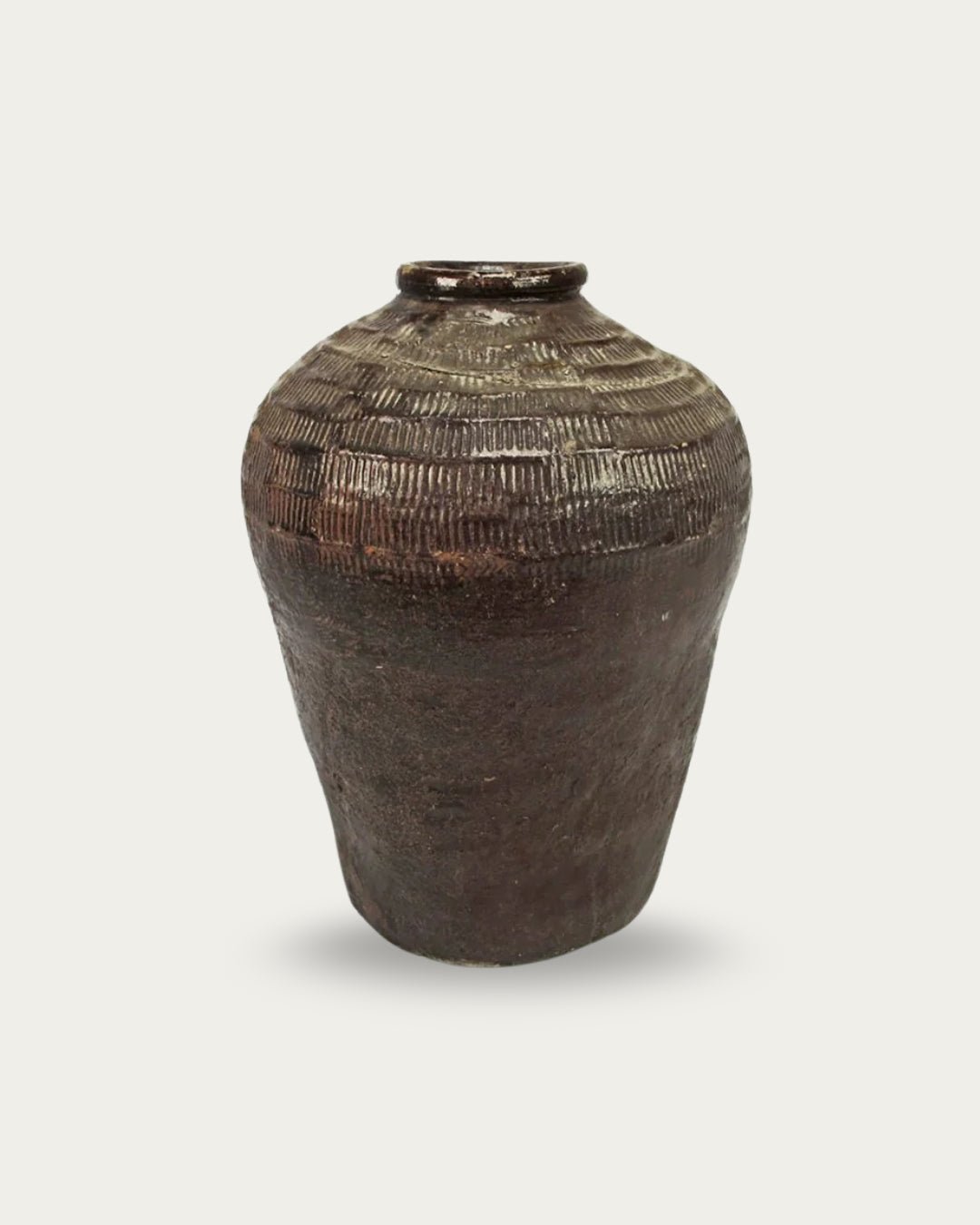
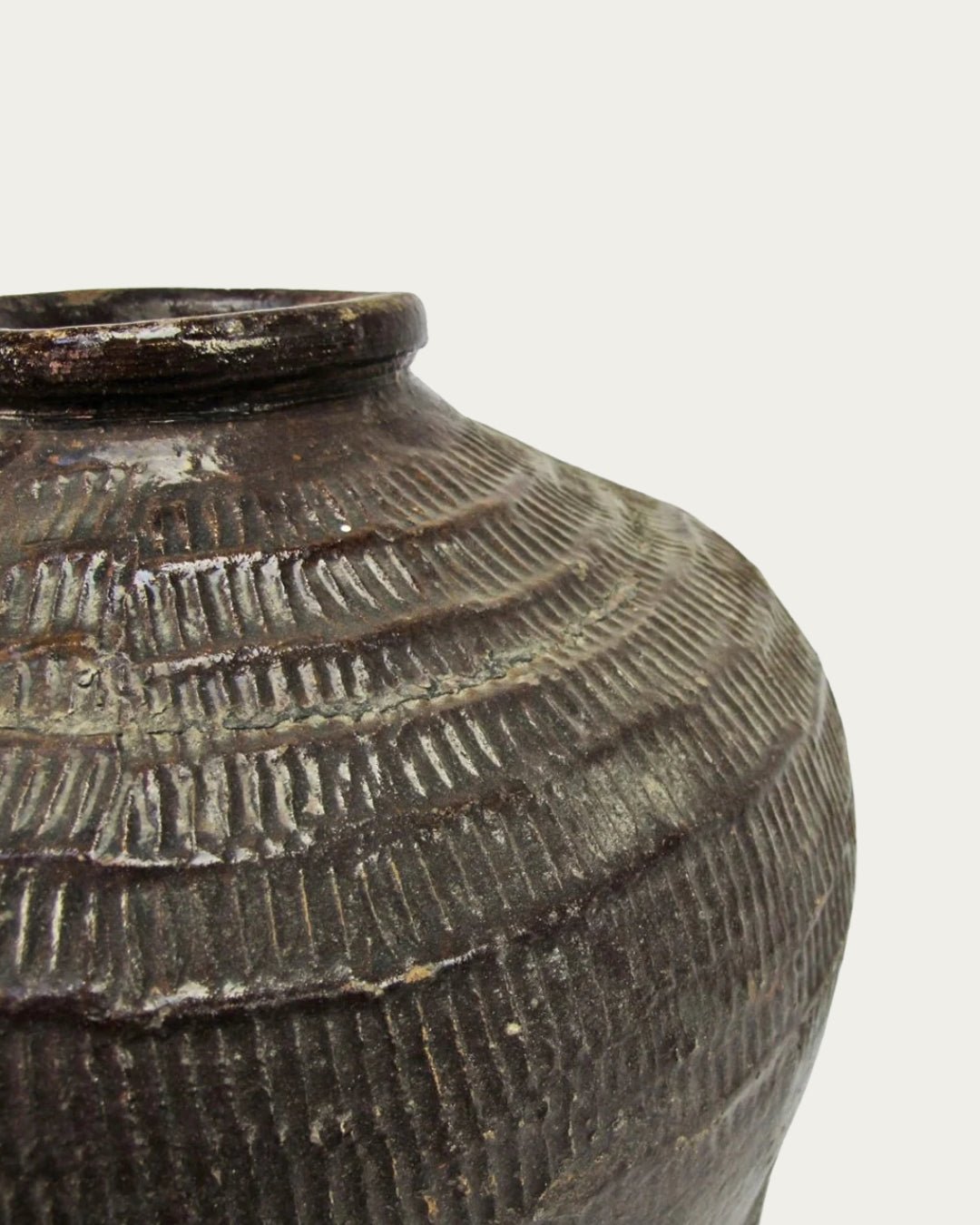
The Leeben vintage round zinc tray carries visual weight through its aged surface, while the Guorun pot creates presence through both scale and material depth.
Neither object relies on bright colors or elaborate ornamentation.
Their surfaces do the work.
The Brain Responds to Material Honesty
Humans evolved around natural materials.
Patina feels familiar because it reflects real-world aging rather than manufactured perfection.
The nervous system often finds this easier to process.
Small Vintage Decor Is Often More Effective Than Expected
Many people underestimate the power of smaller objects.
A carefully chosen vintage piece can quietly transform an entire room.
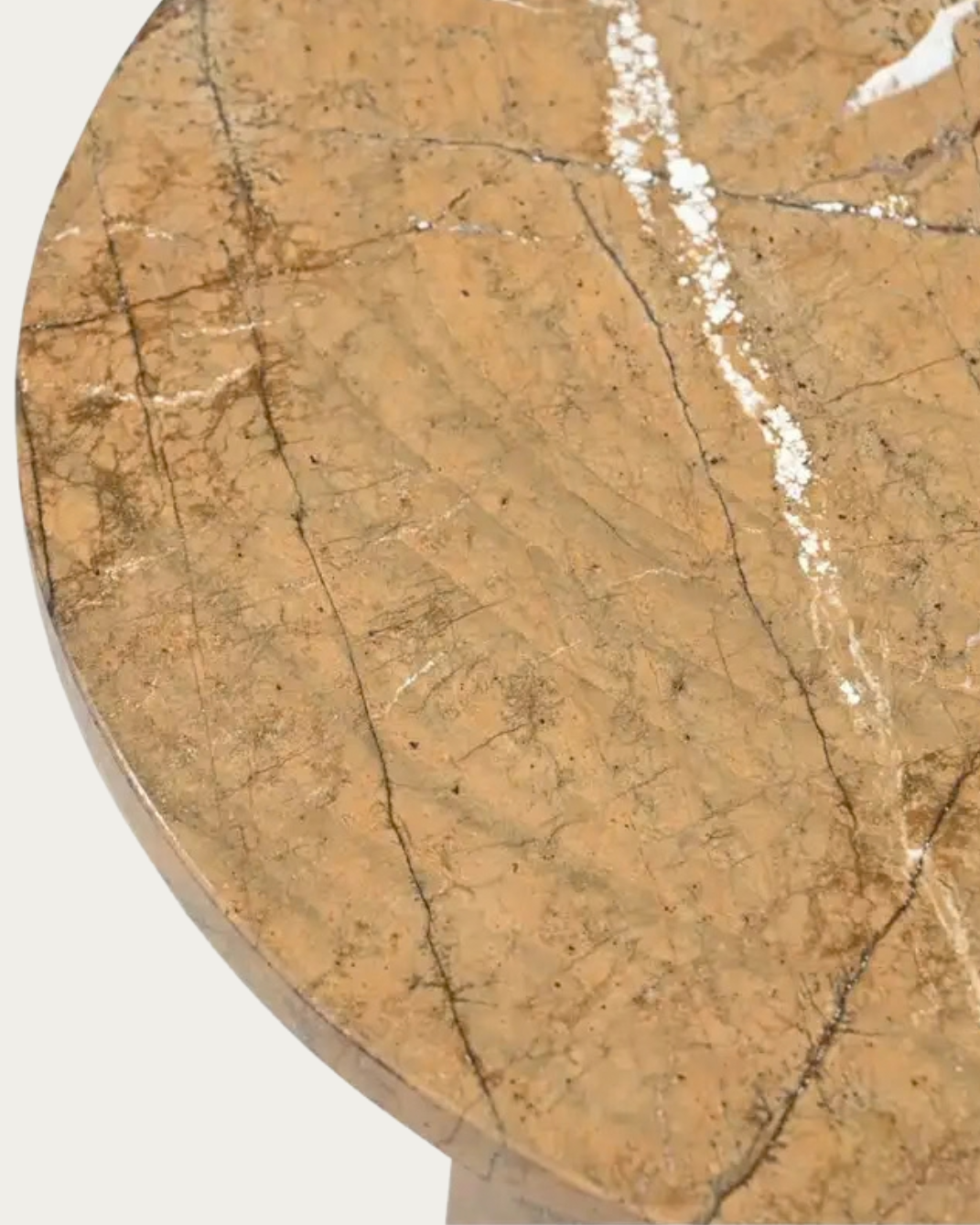
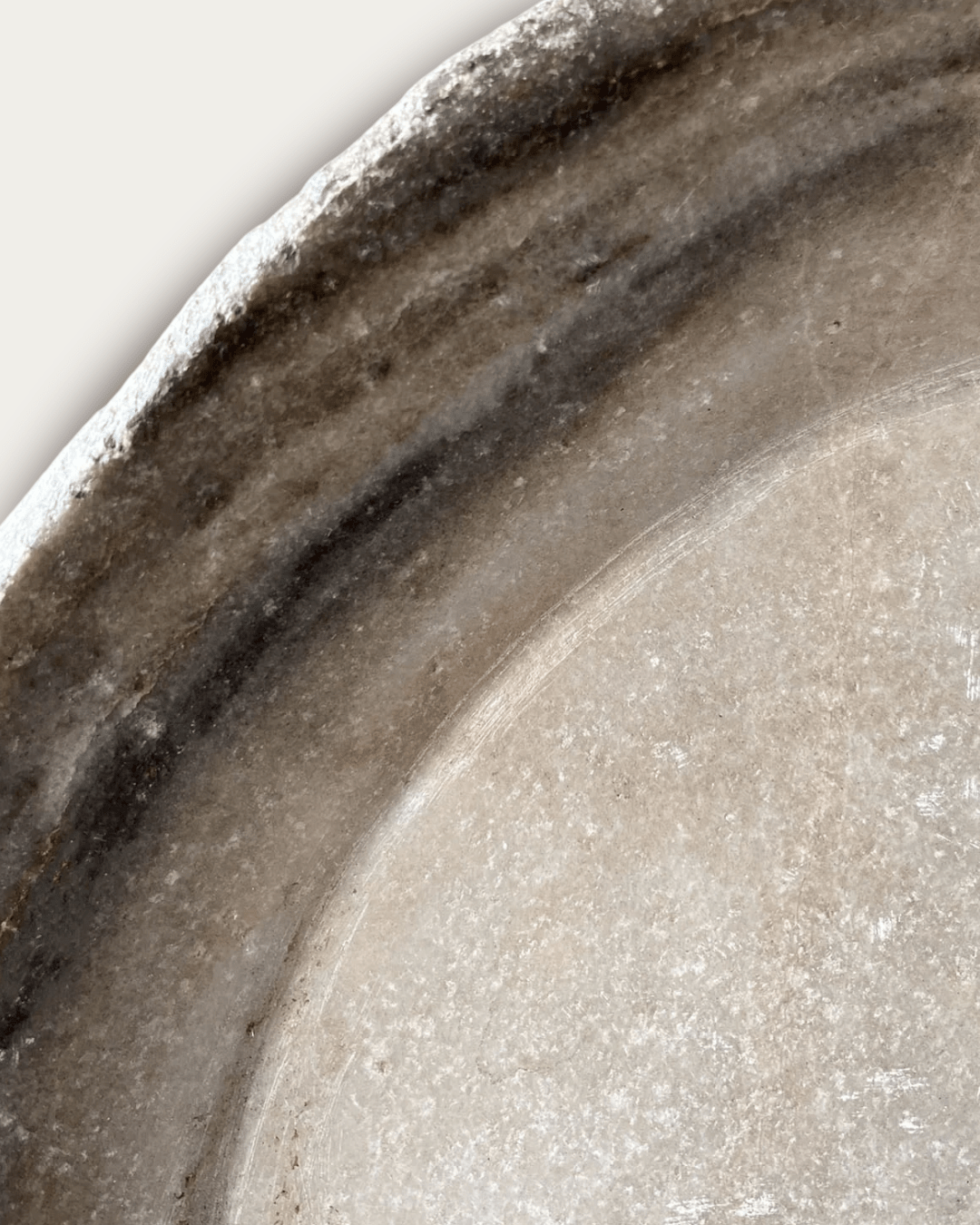
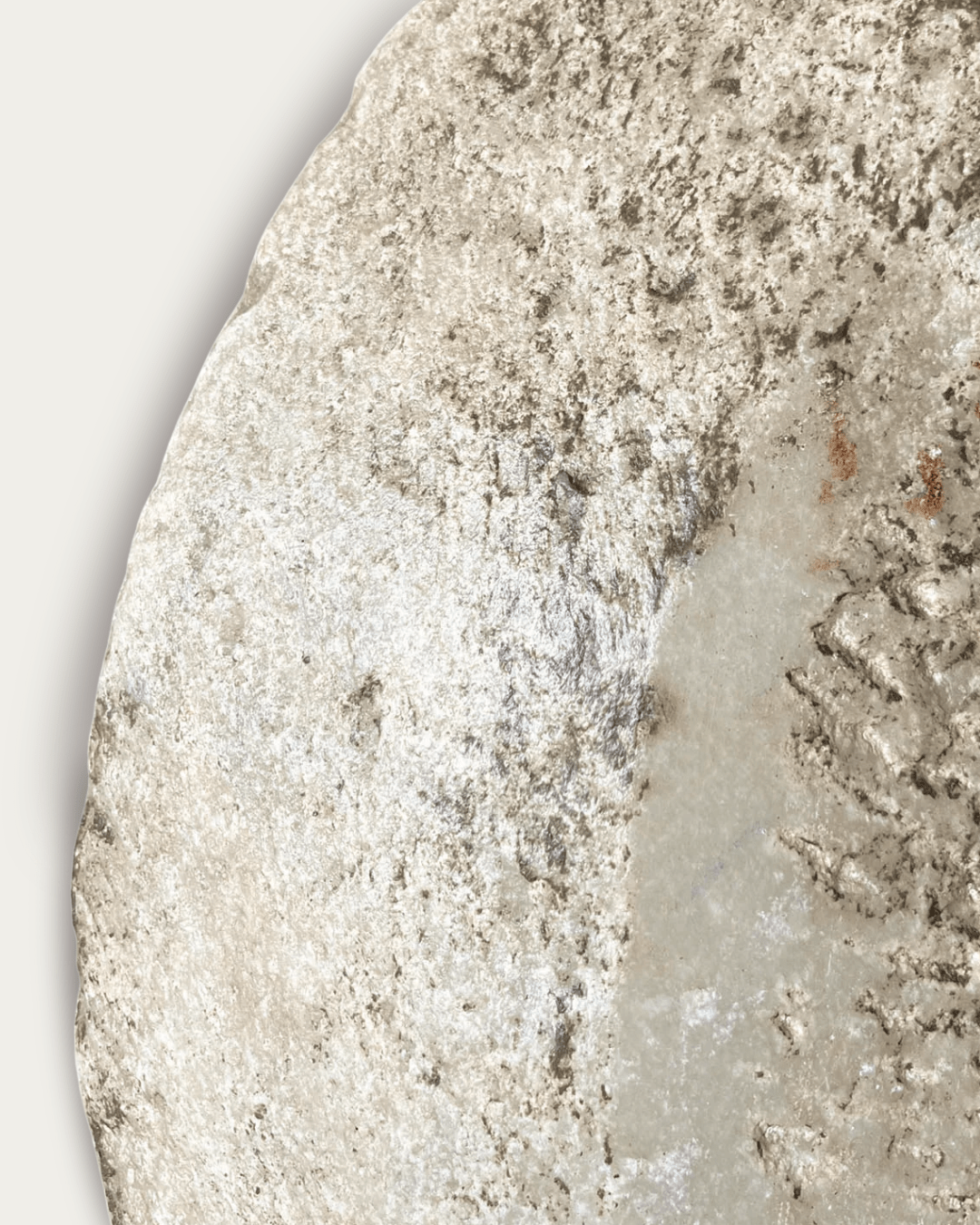
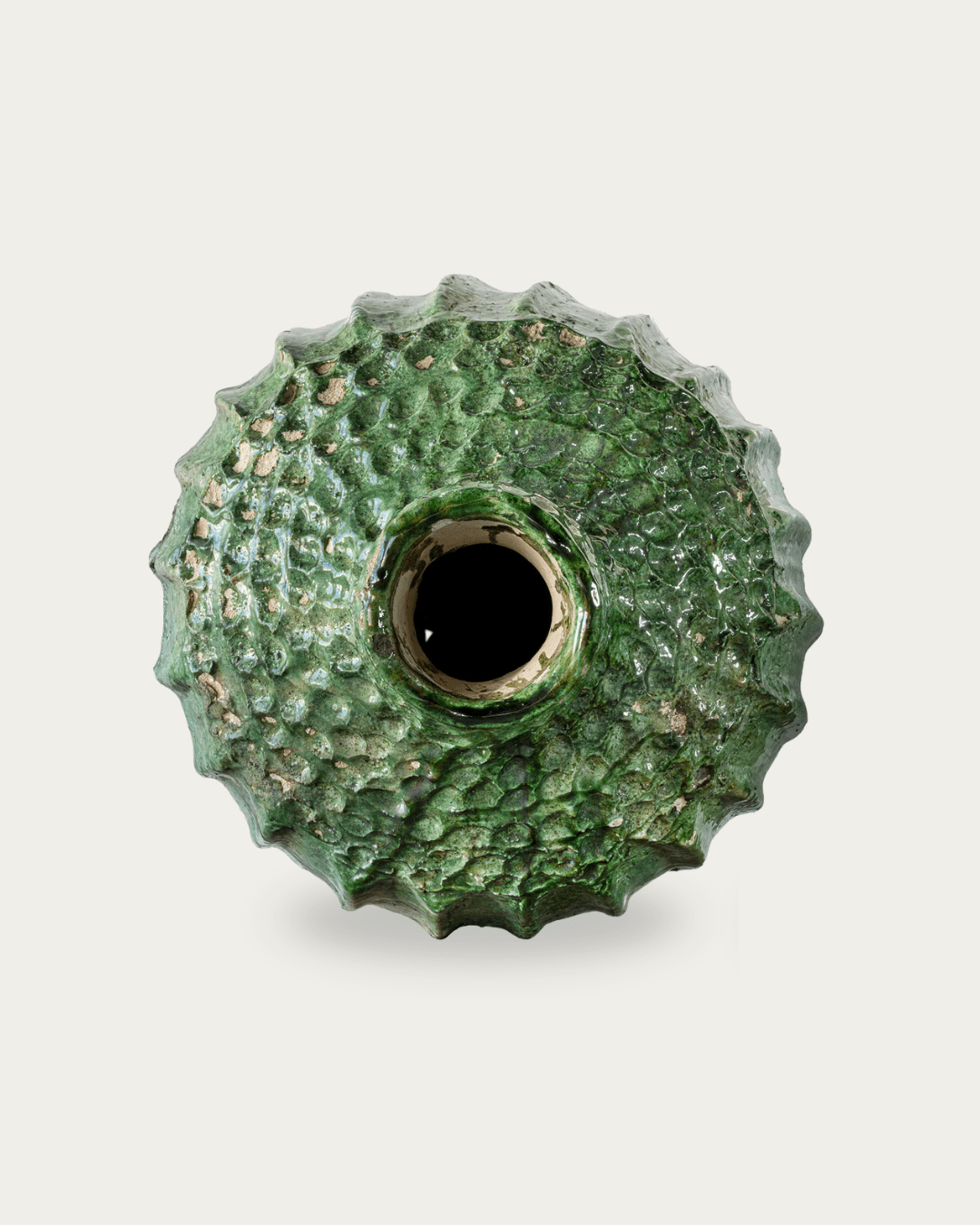
The Fern stone biscuit mold plate adds carved texture and material depth, while the Tamegroute green candle holder introduces sculptural interest without occupying much space at all.
These pieces don't dominate the room.
They support it.
Small Doesn't Mean Insignificant
The strongest decorative objects aren't always the largest.
They're often the ones that create meaningful contrast, texture, or rhythm within the room.
The Goal Is Not More Decor—It's Better Distribution
The biggest decorating mistake people make isn't owning too much decor.
It's distributing visual weight poorly.
Too many small objects.
Not enough anchors.
Too much detail.
Not enough structure.
Vintage decor helps solve this because it naturally carries more visual information than mass-produced accessories. Whether you're using a substantial architectural piece or a small weathered bowl, the goal remains the same:
Create balance.
Create depth.
Create places for the eye to rest.
The Most Grounded Rooms Use Both Large and Small Vintage Pieces
The strongest interiors rarely choose between large vintage decor and small vintage decor.
They use both strategically.
Large pieces provide structure.
Small pieces provide texture.
Large pieces create calm.
Small pieces create curiosity.
Together, they build rooms that feel layered without feeling cluttered.
That's the real visual weight formula.
Not filling every empty space.
Not buying more accessories.
Simply understanding what role each object should play.
Explore Hello Norden's vintage decor collection to discover vintage bowls, vessels, mirrors, doors, baskets, and collected pieces that help create more balanced, grounded, and visually interesting interiors.