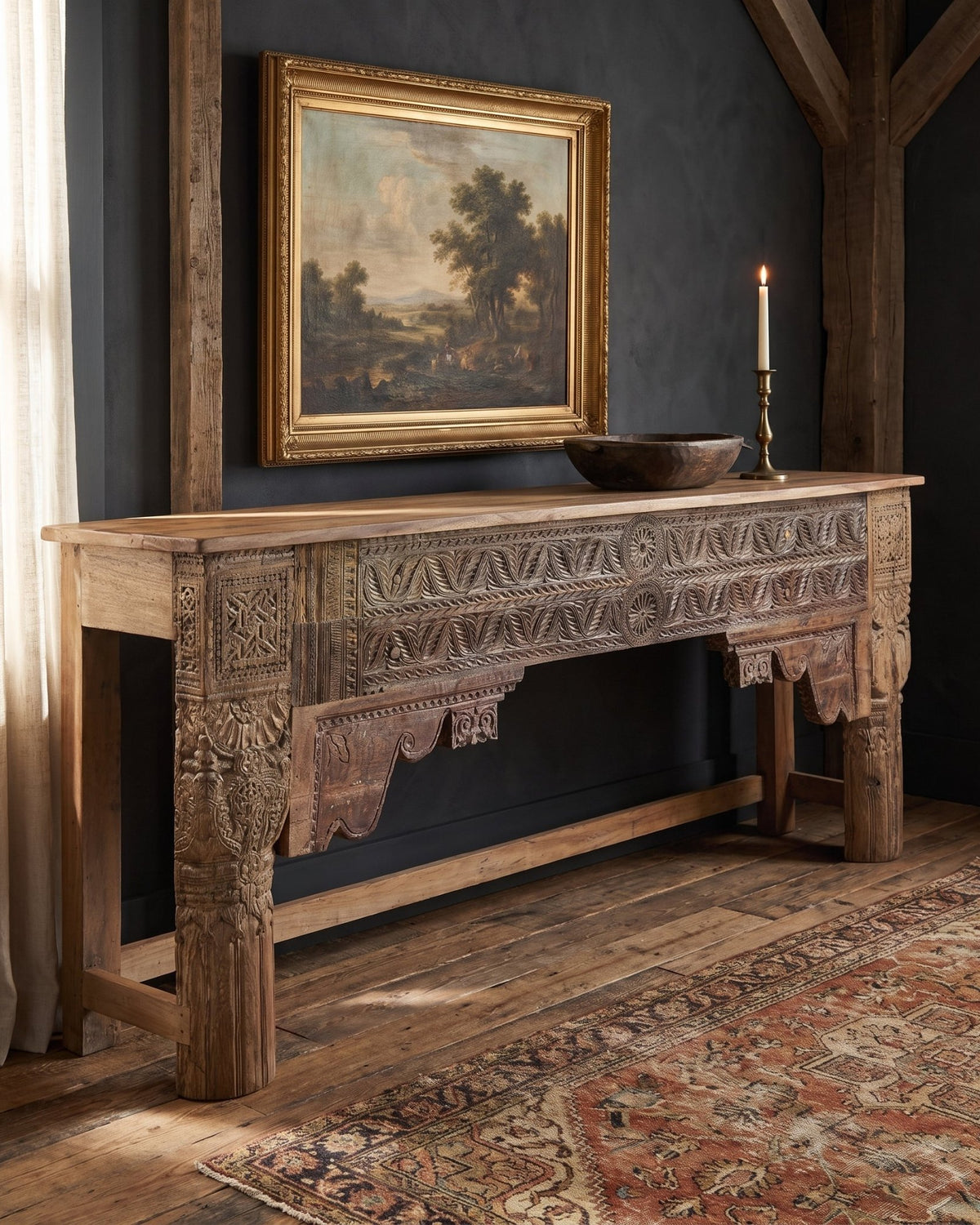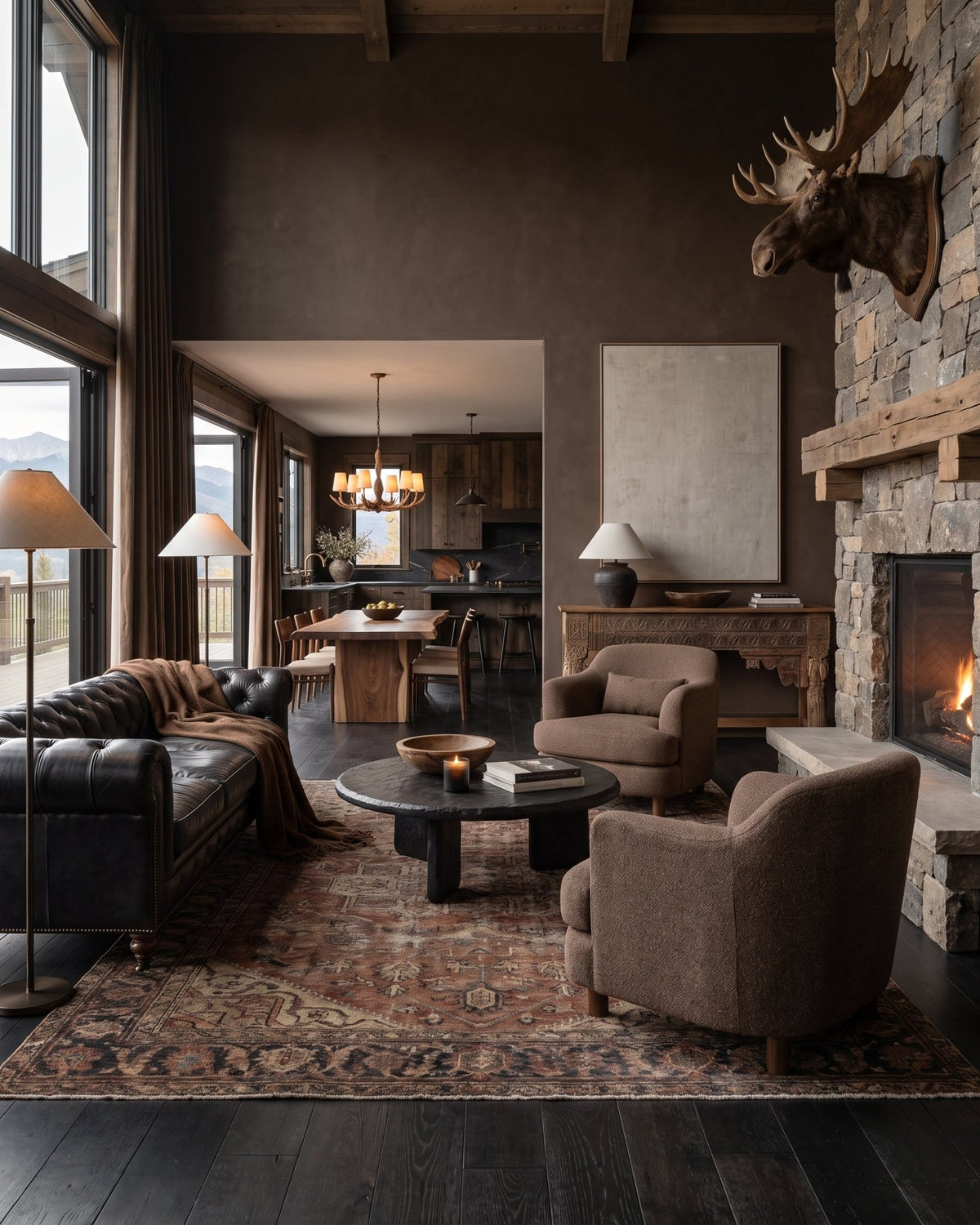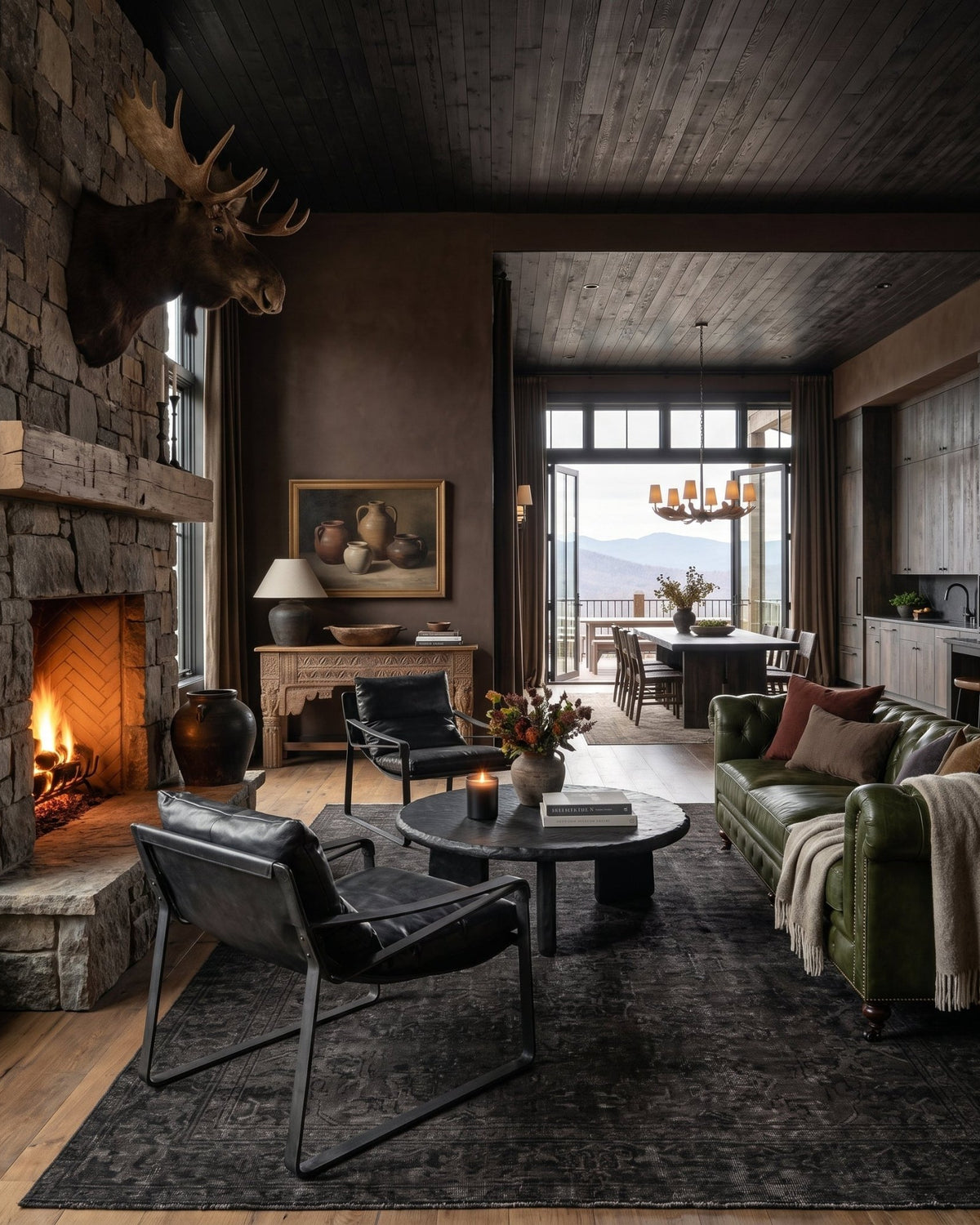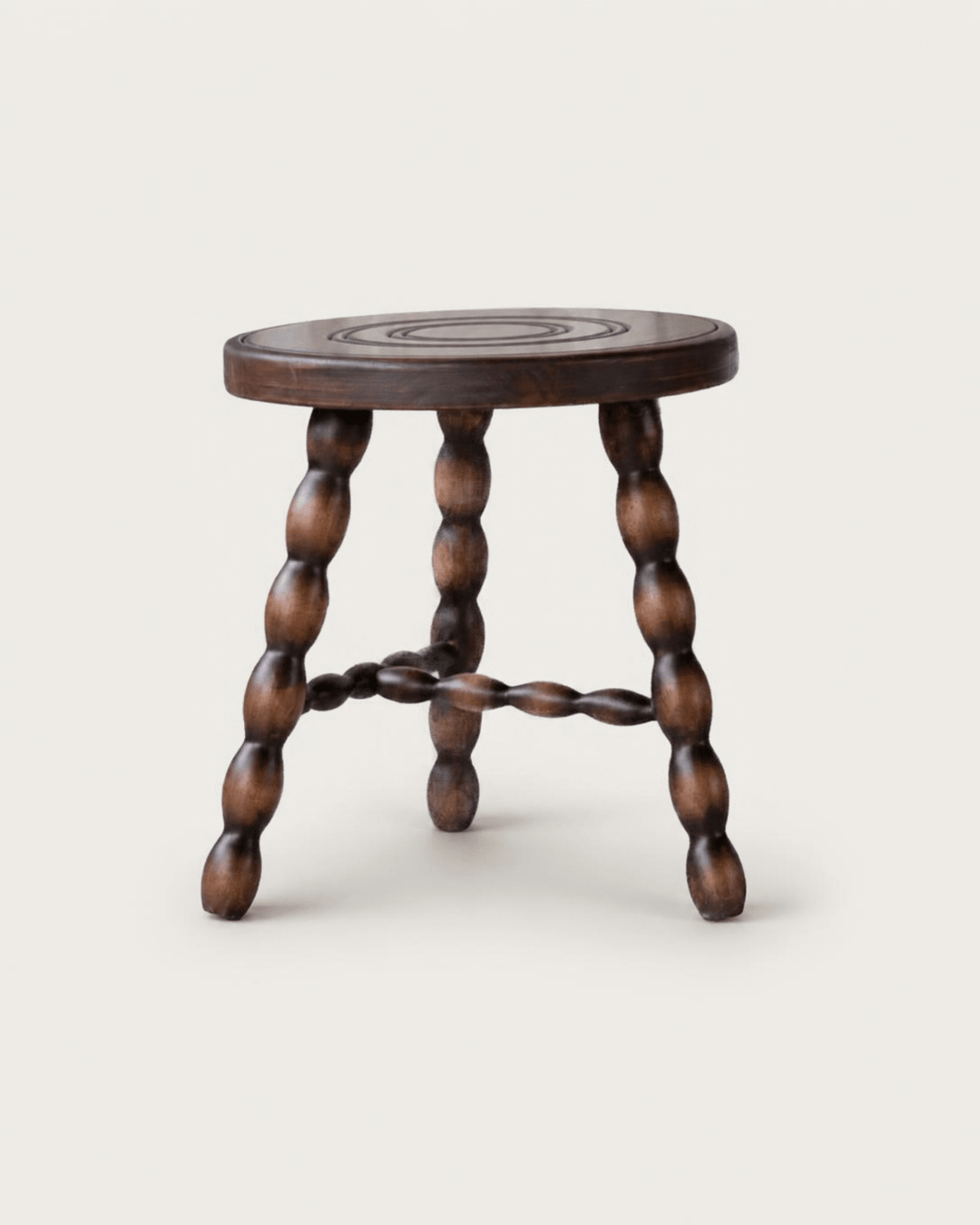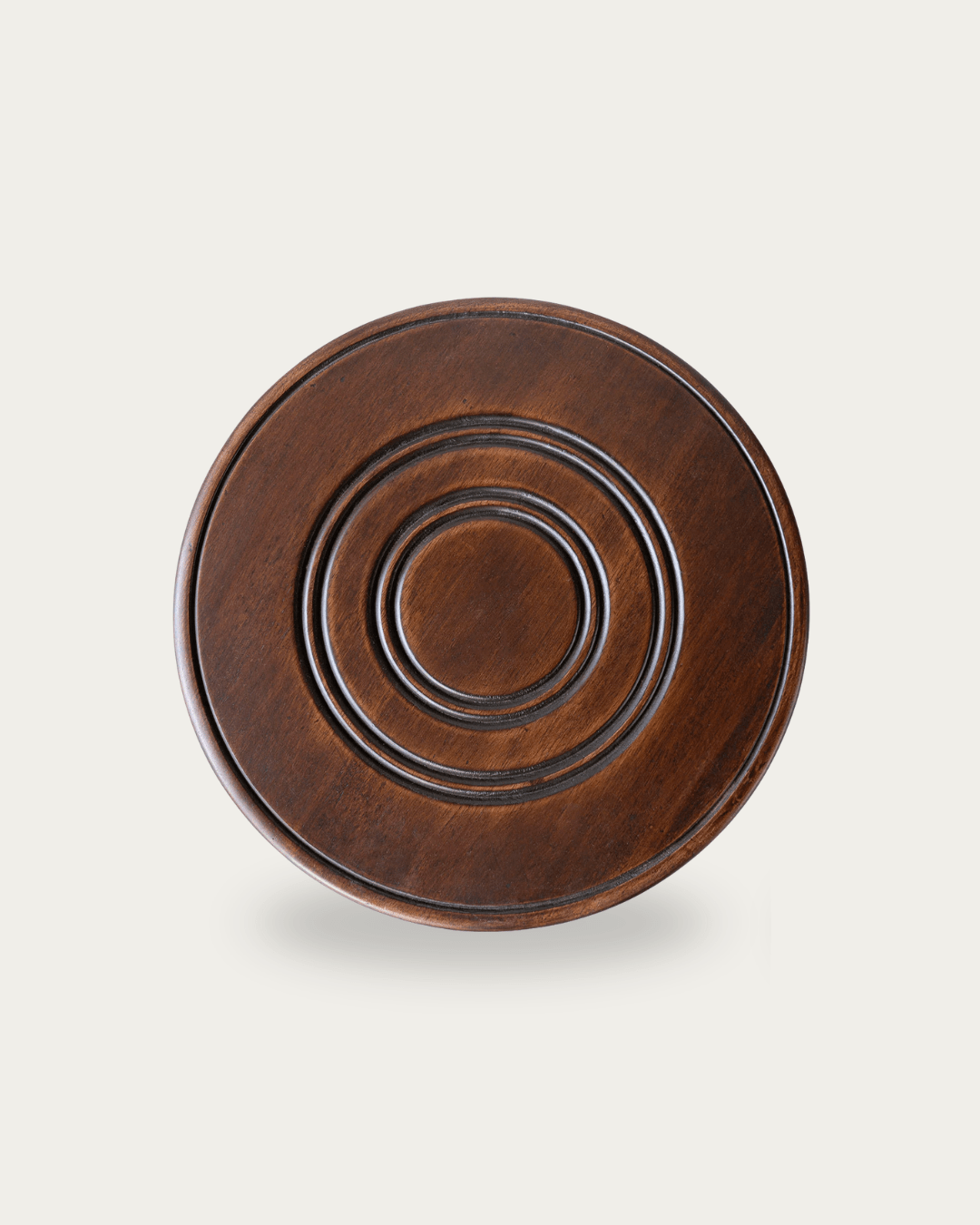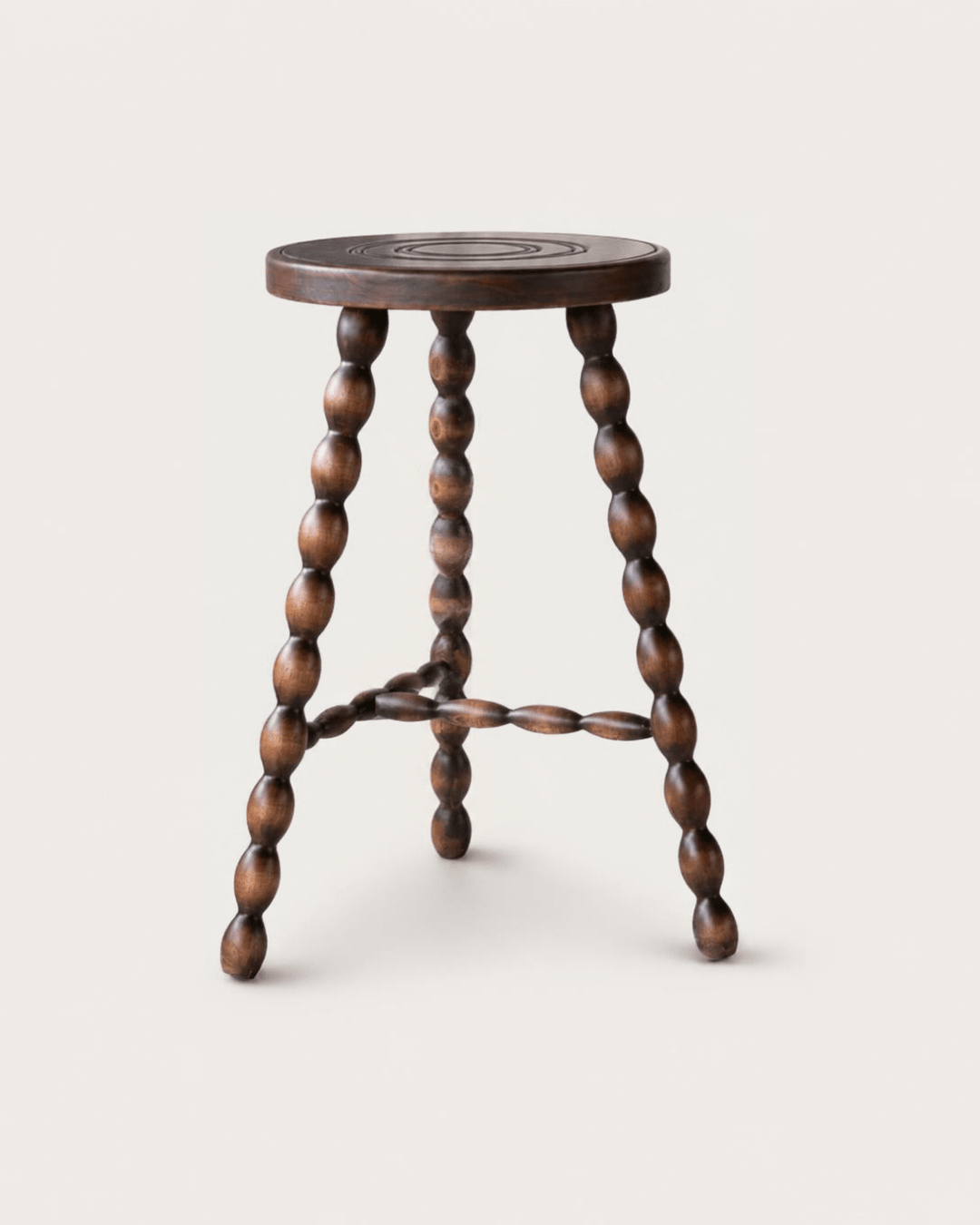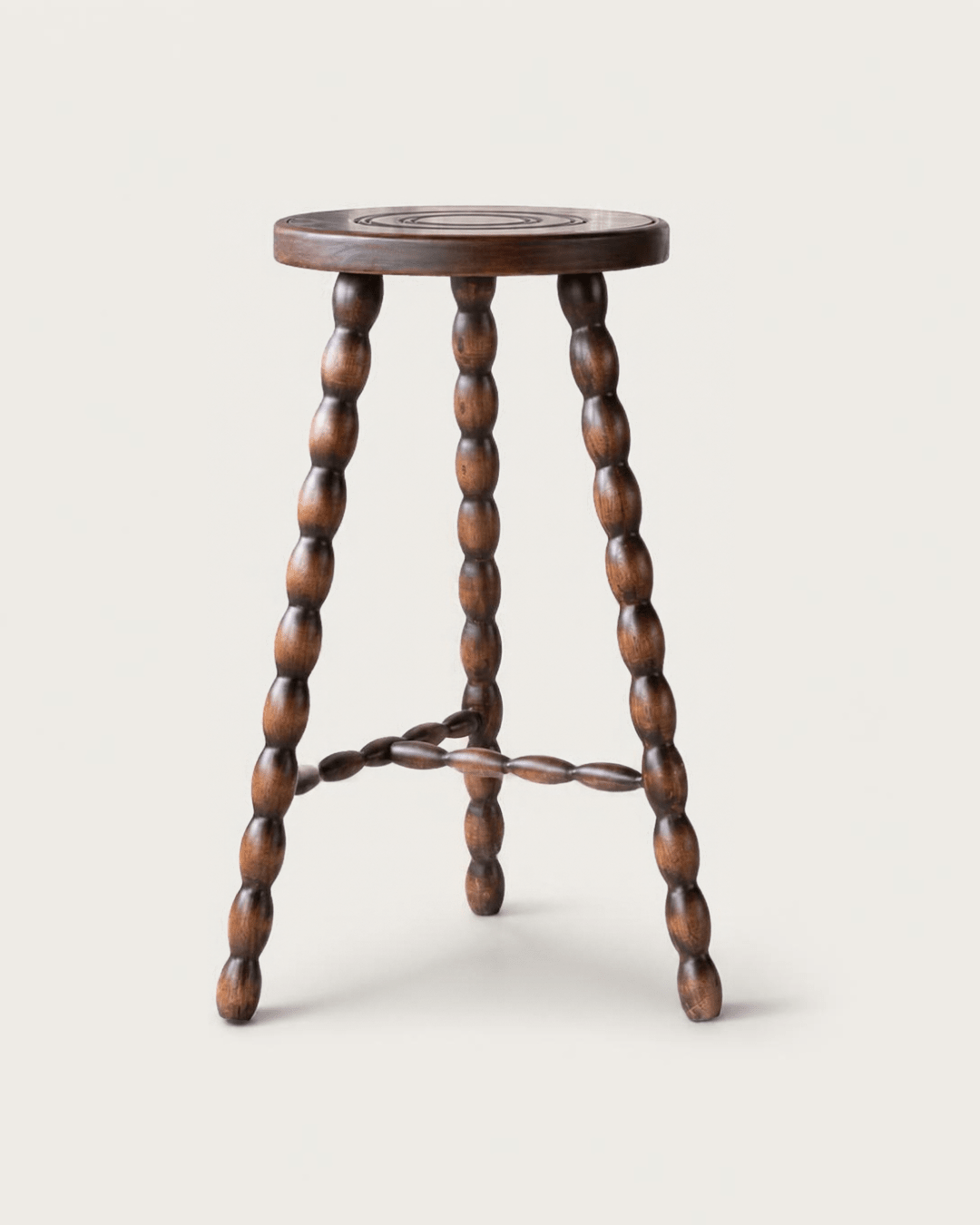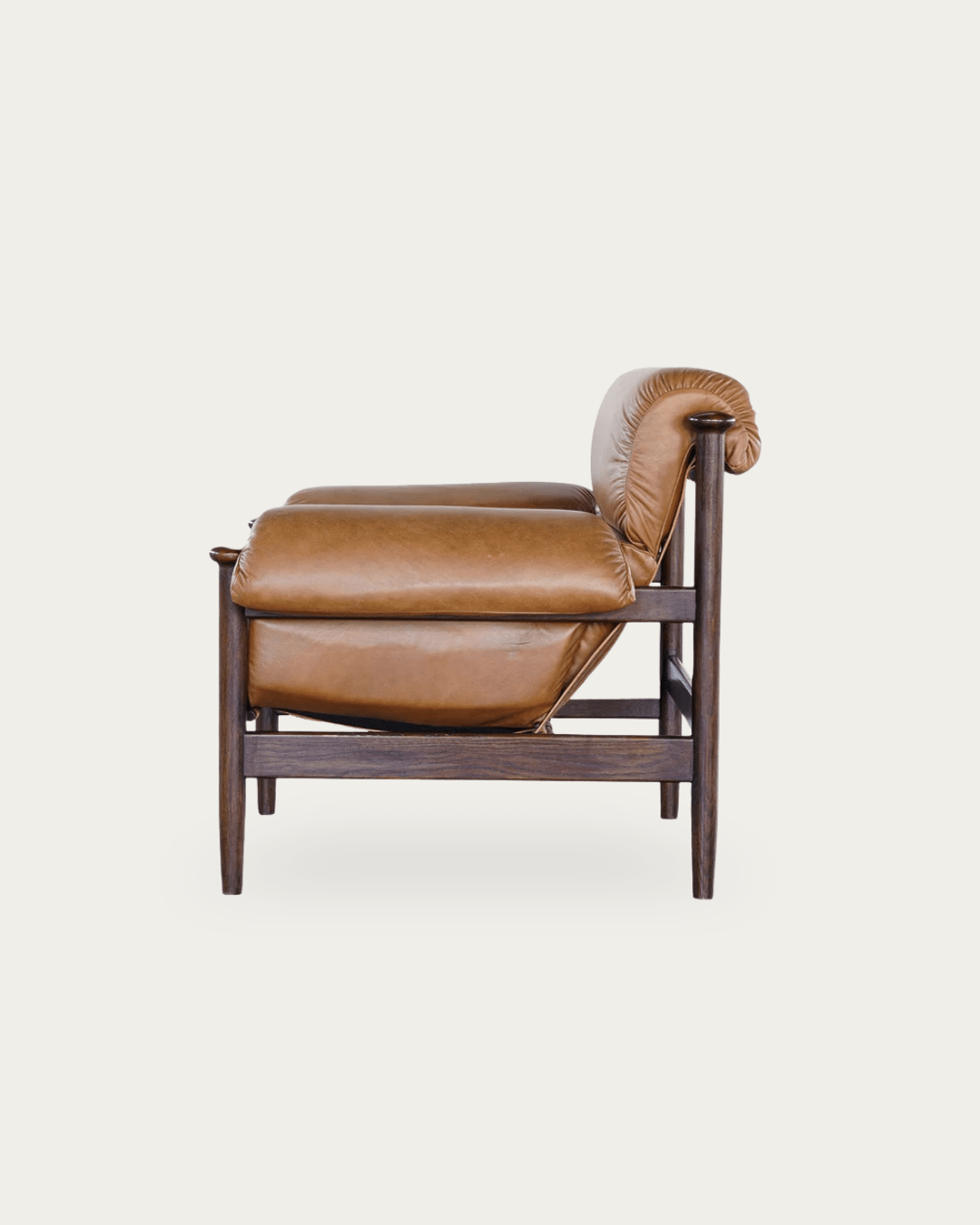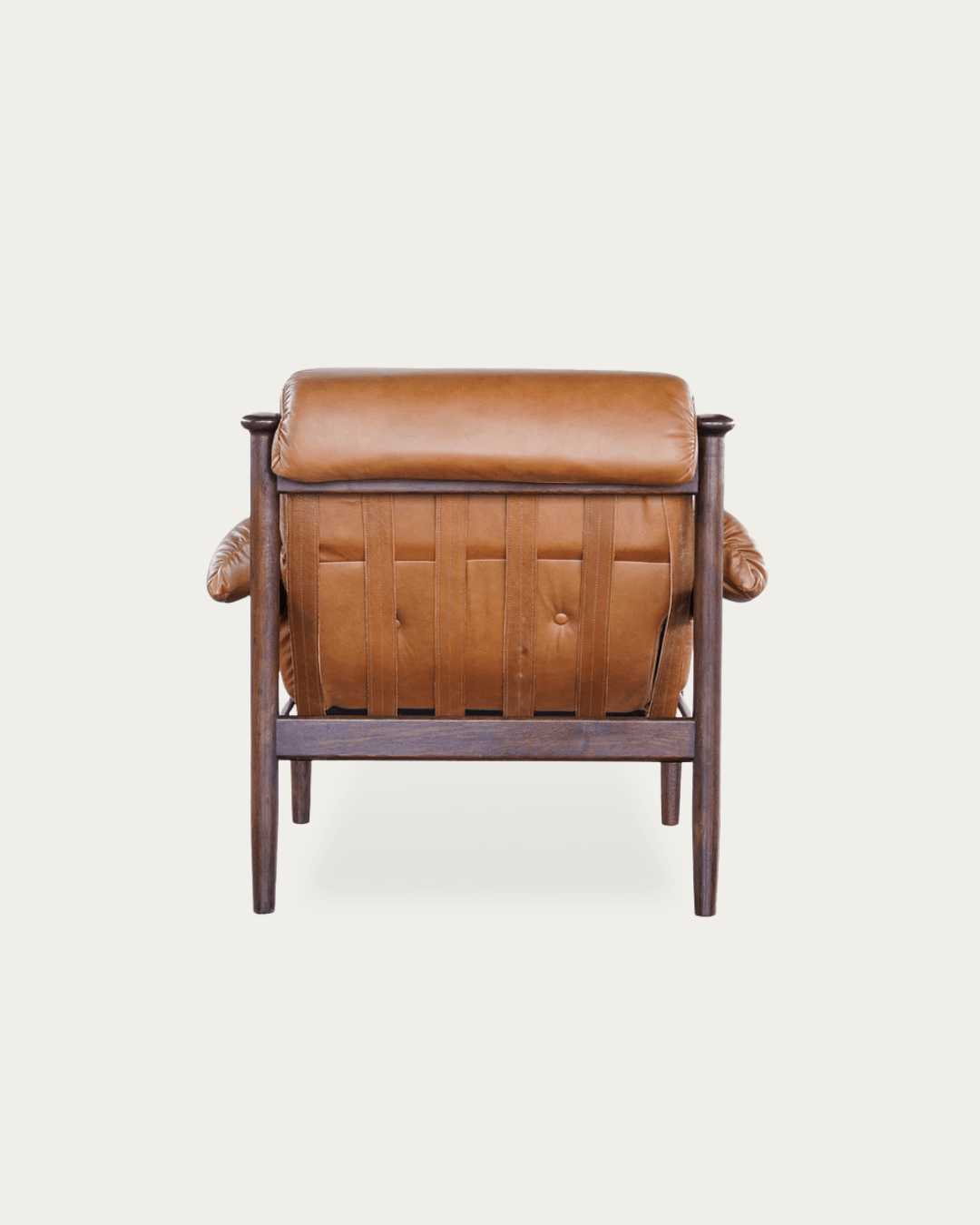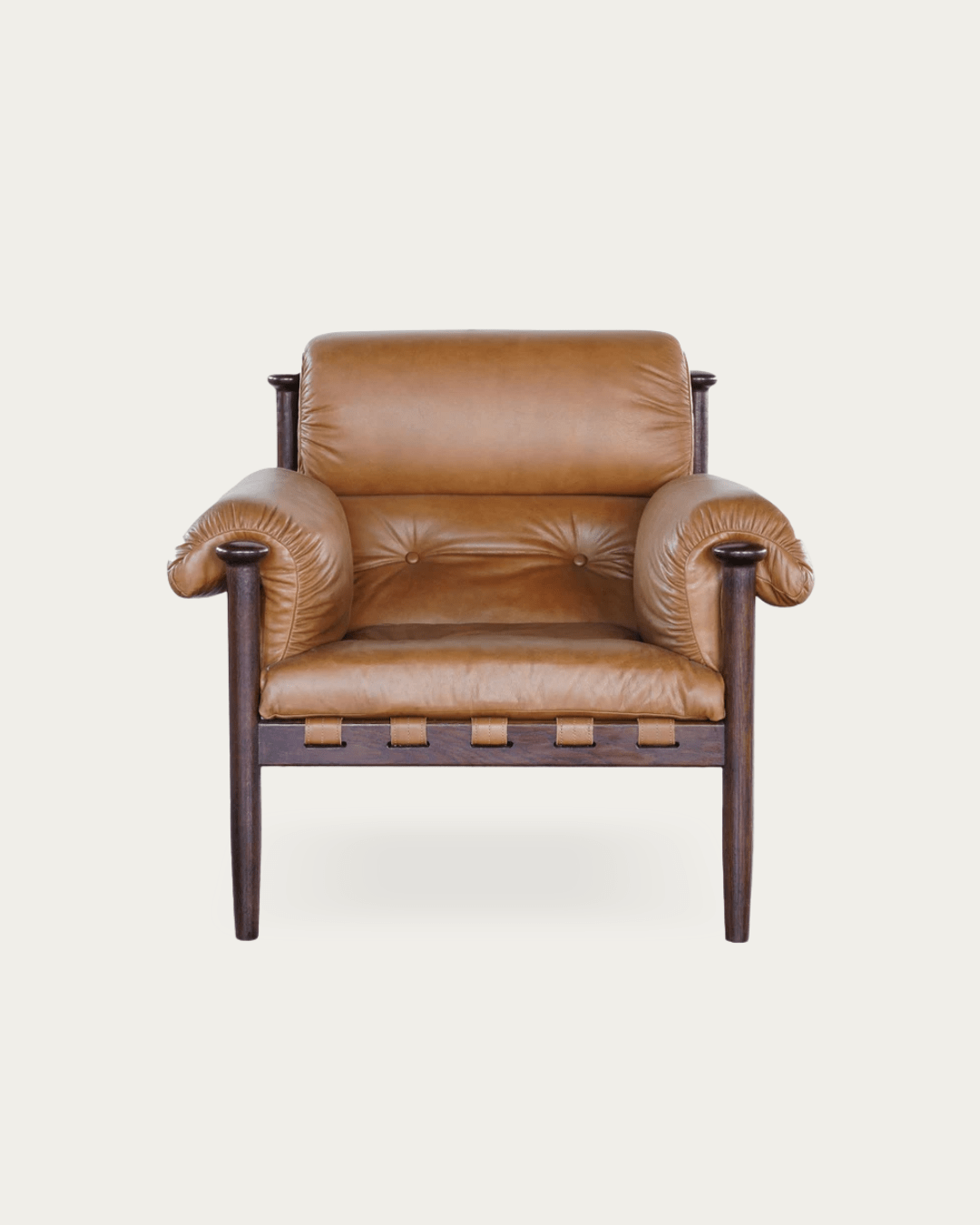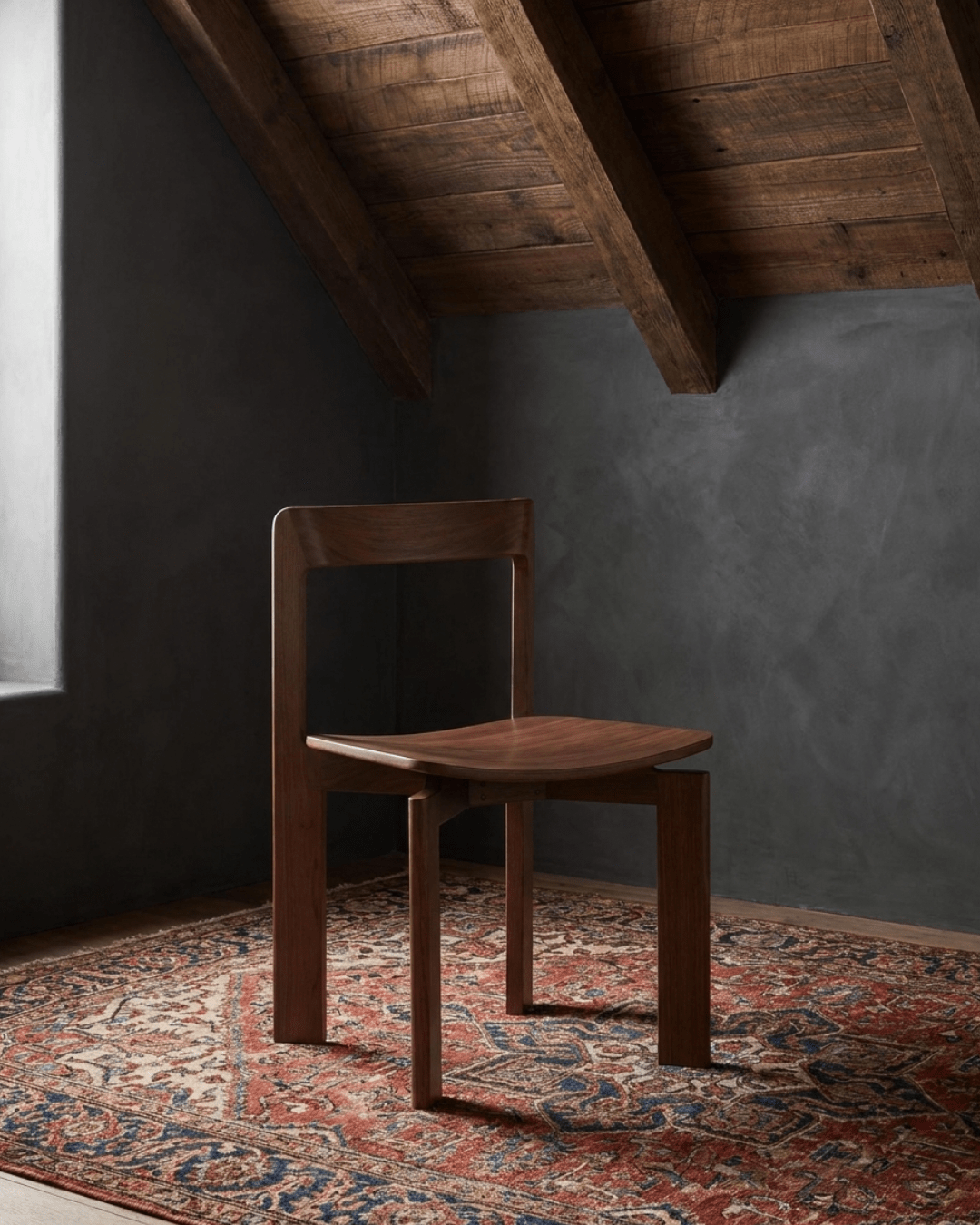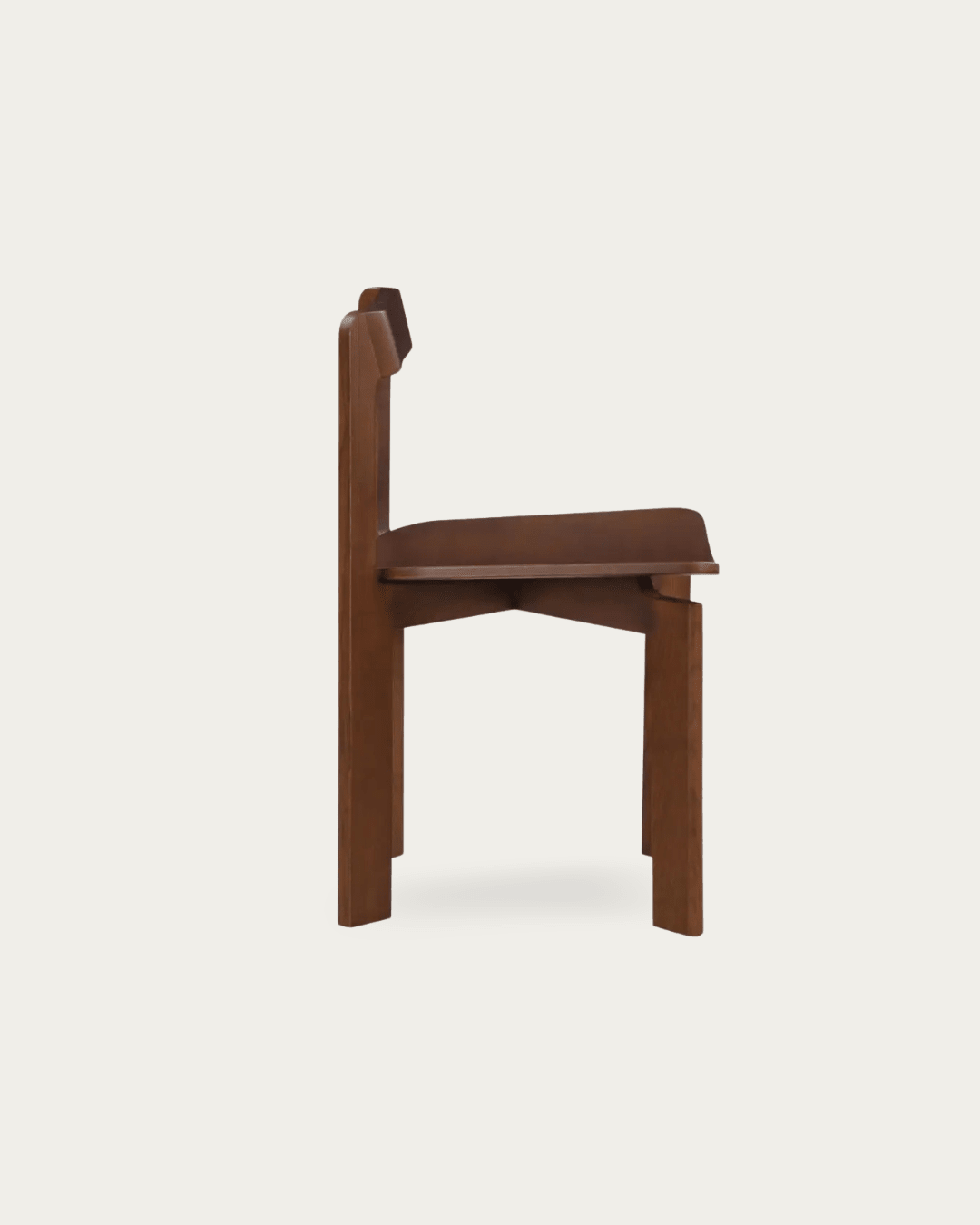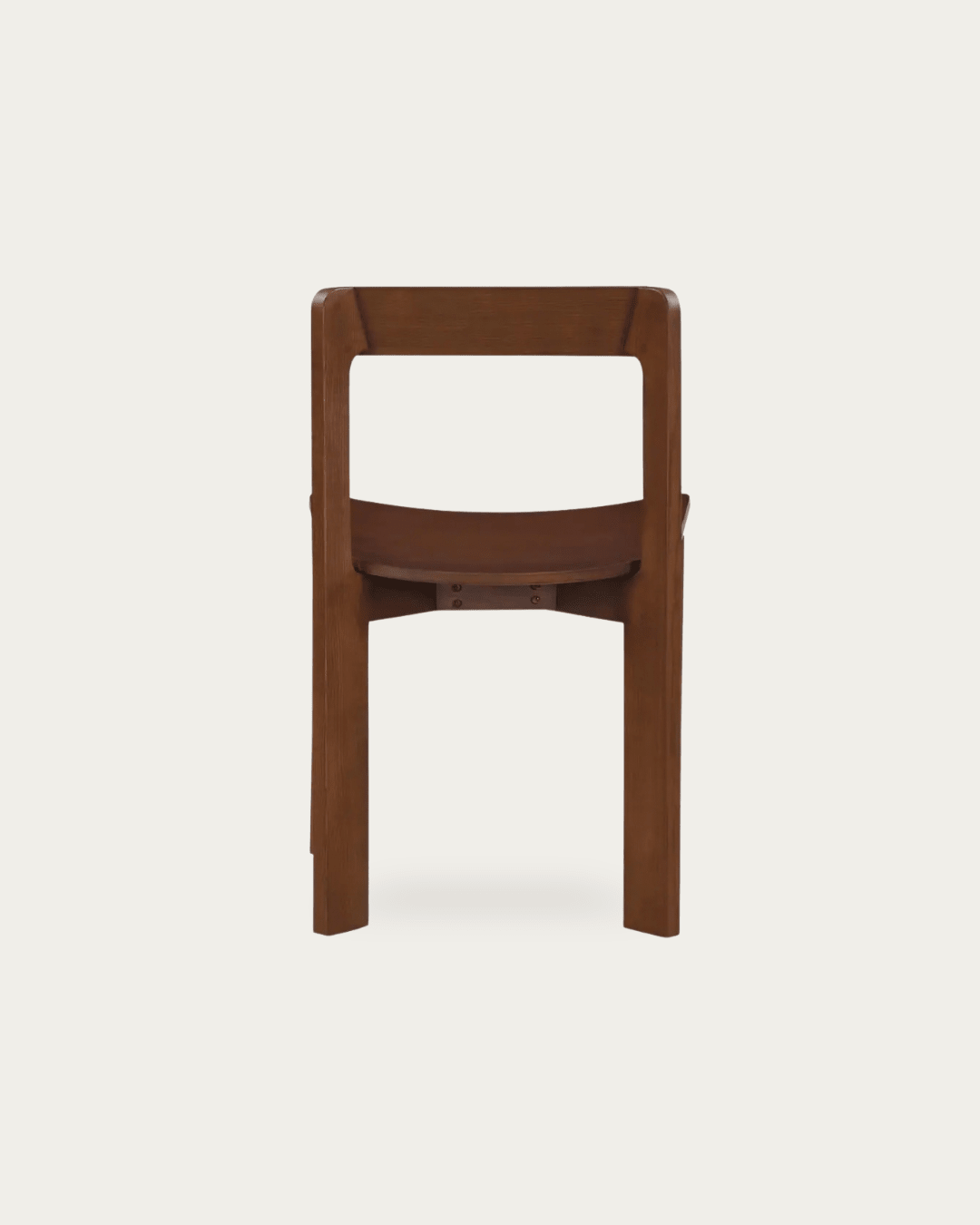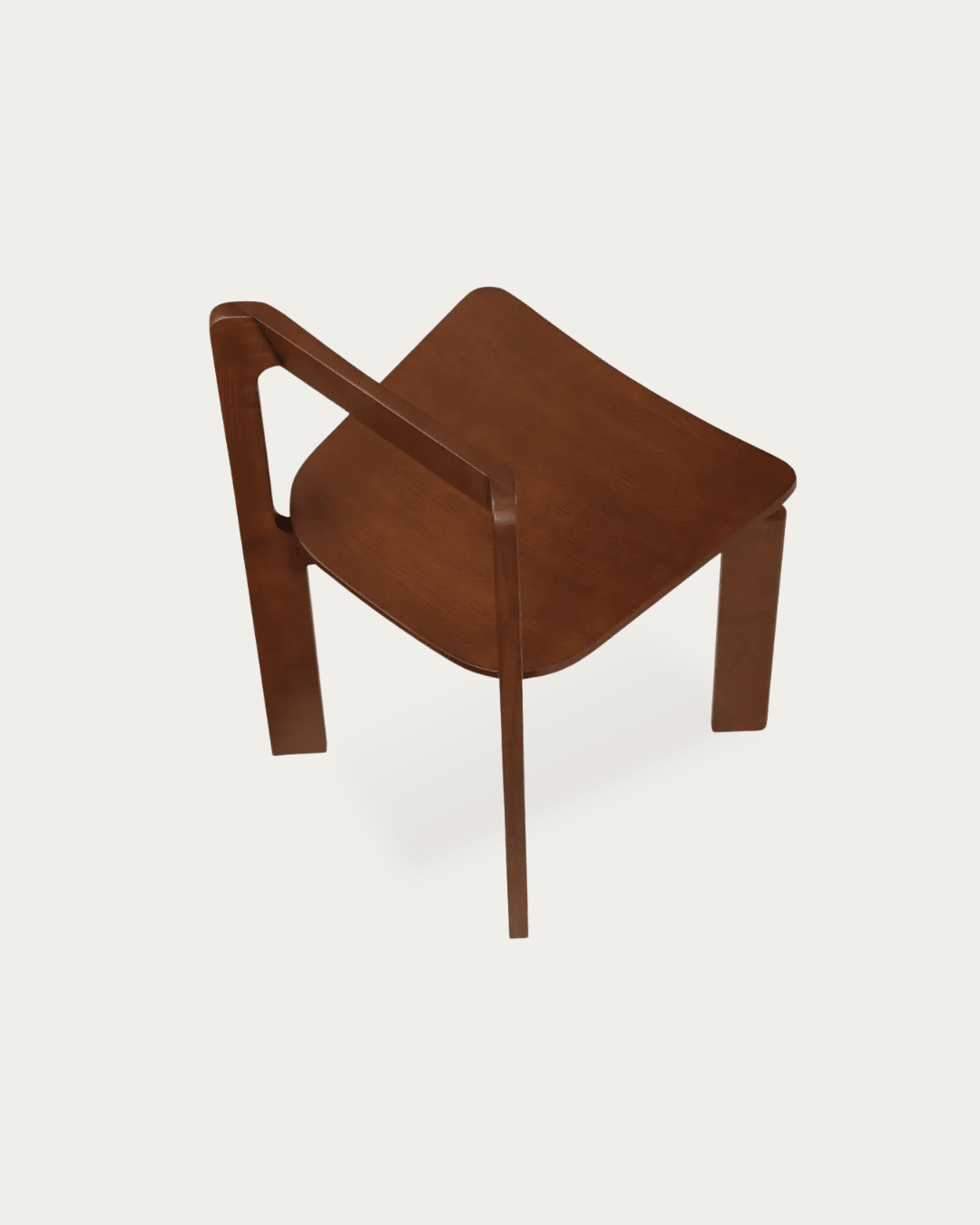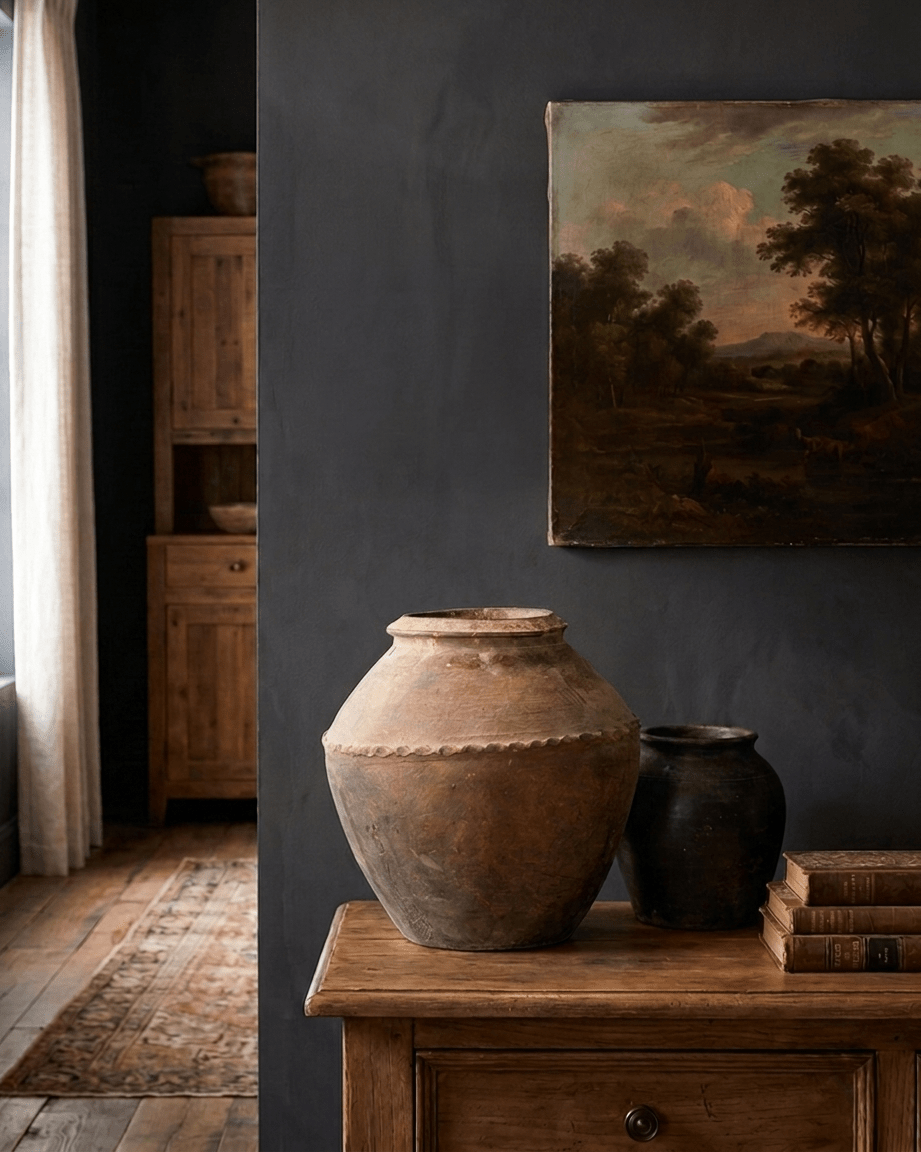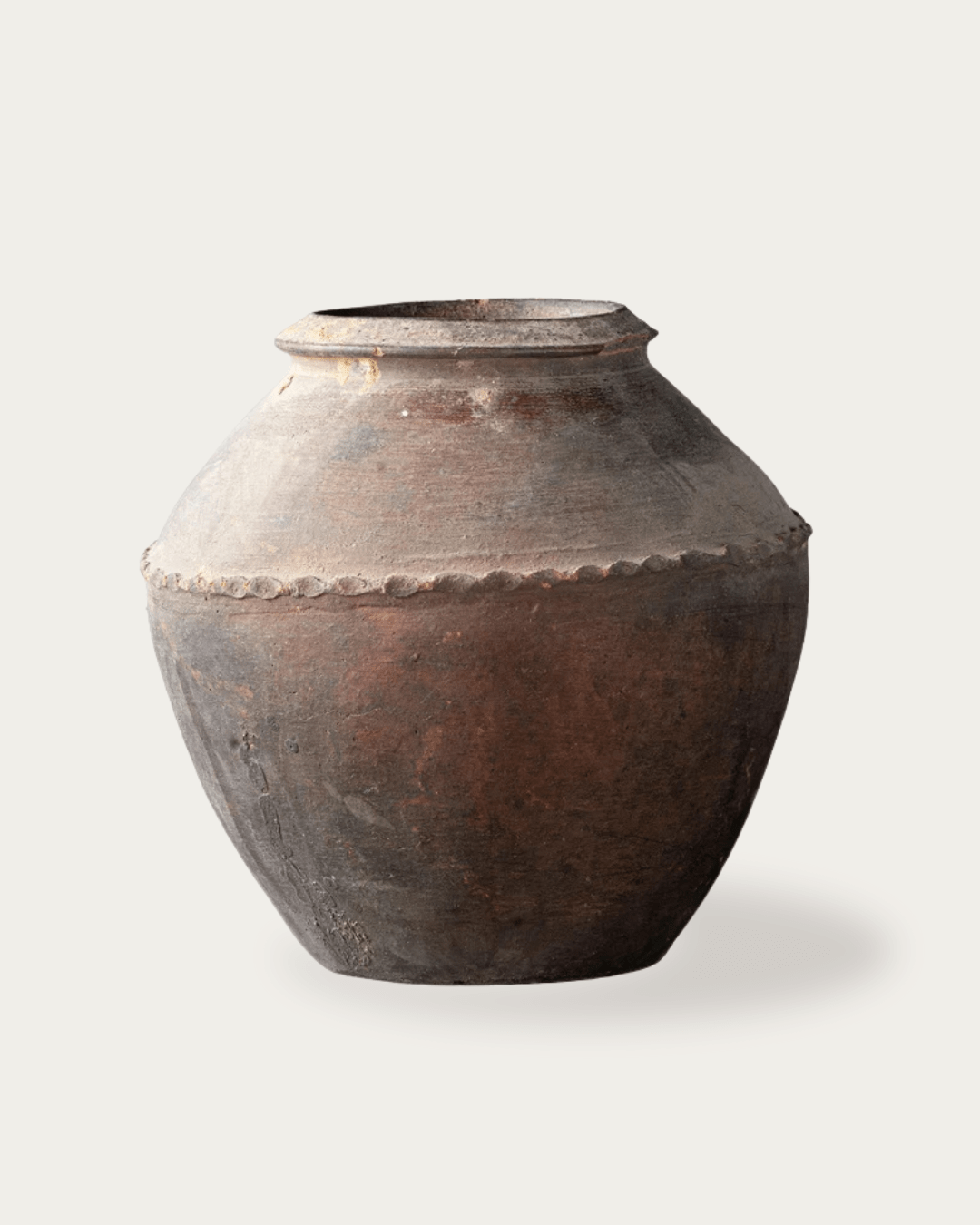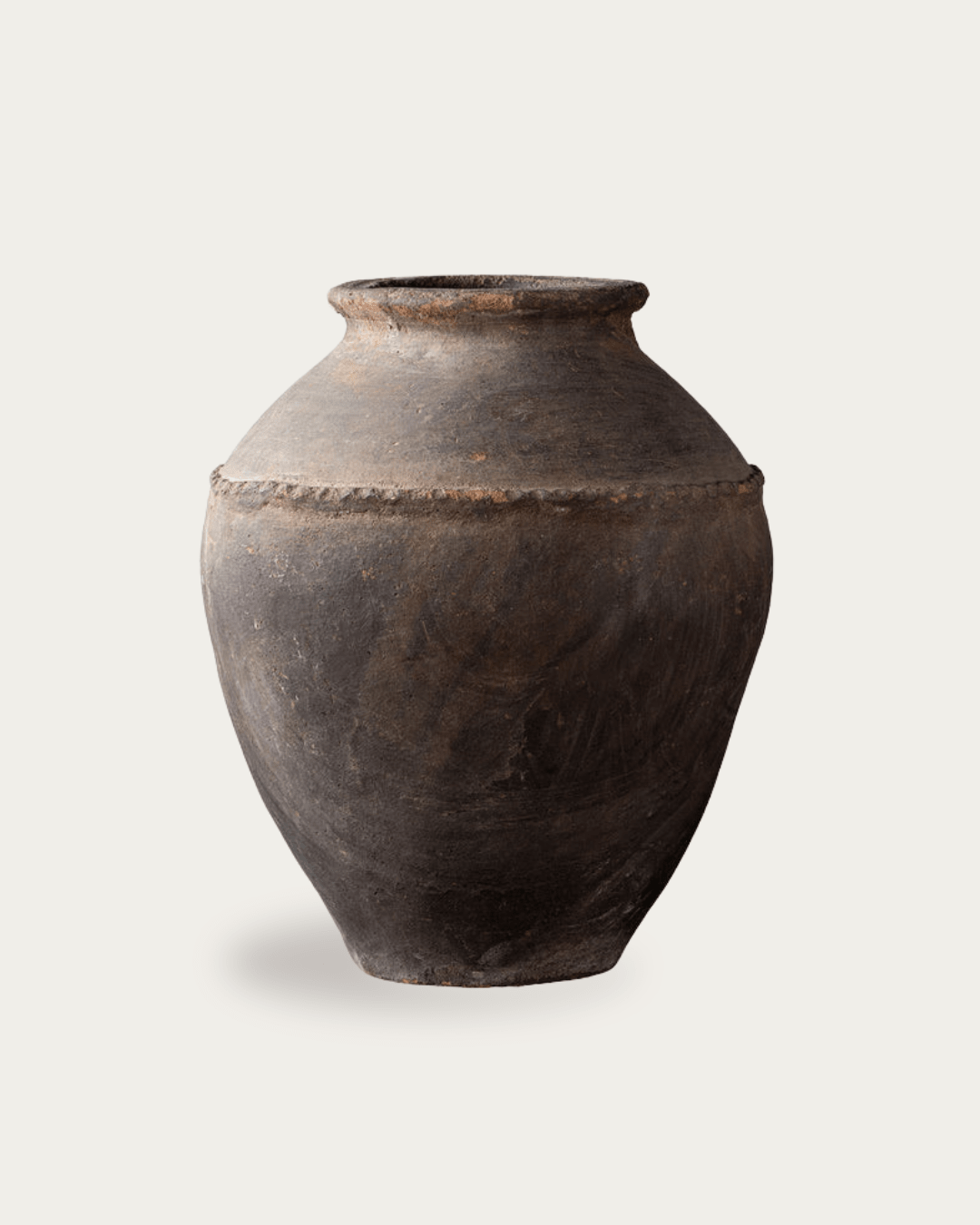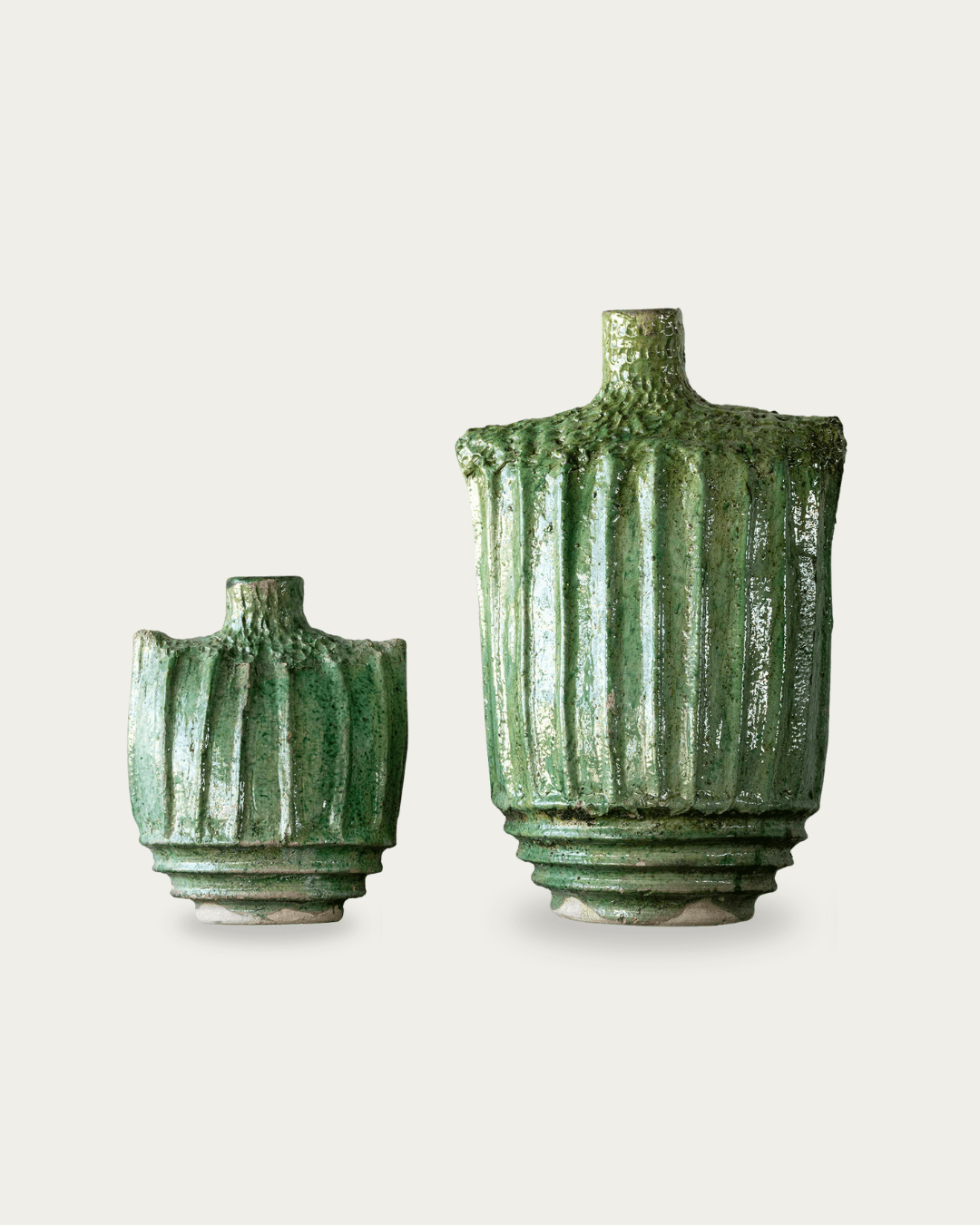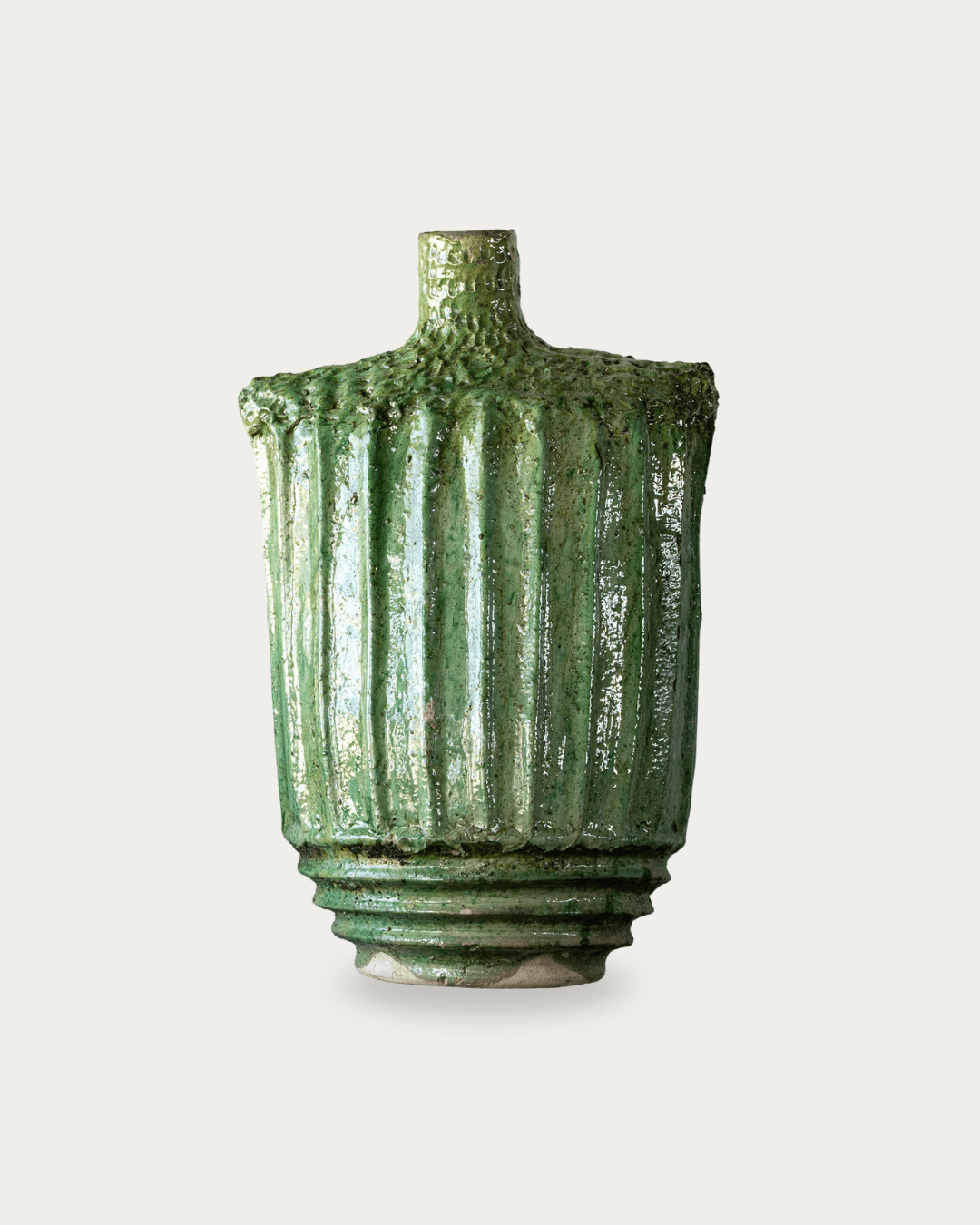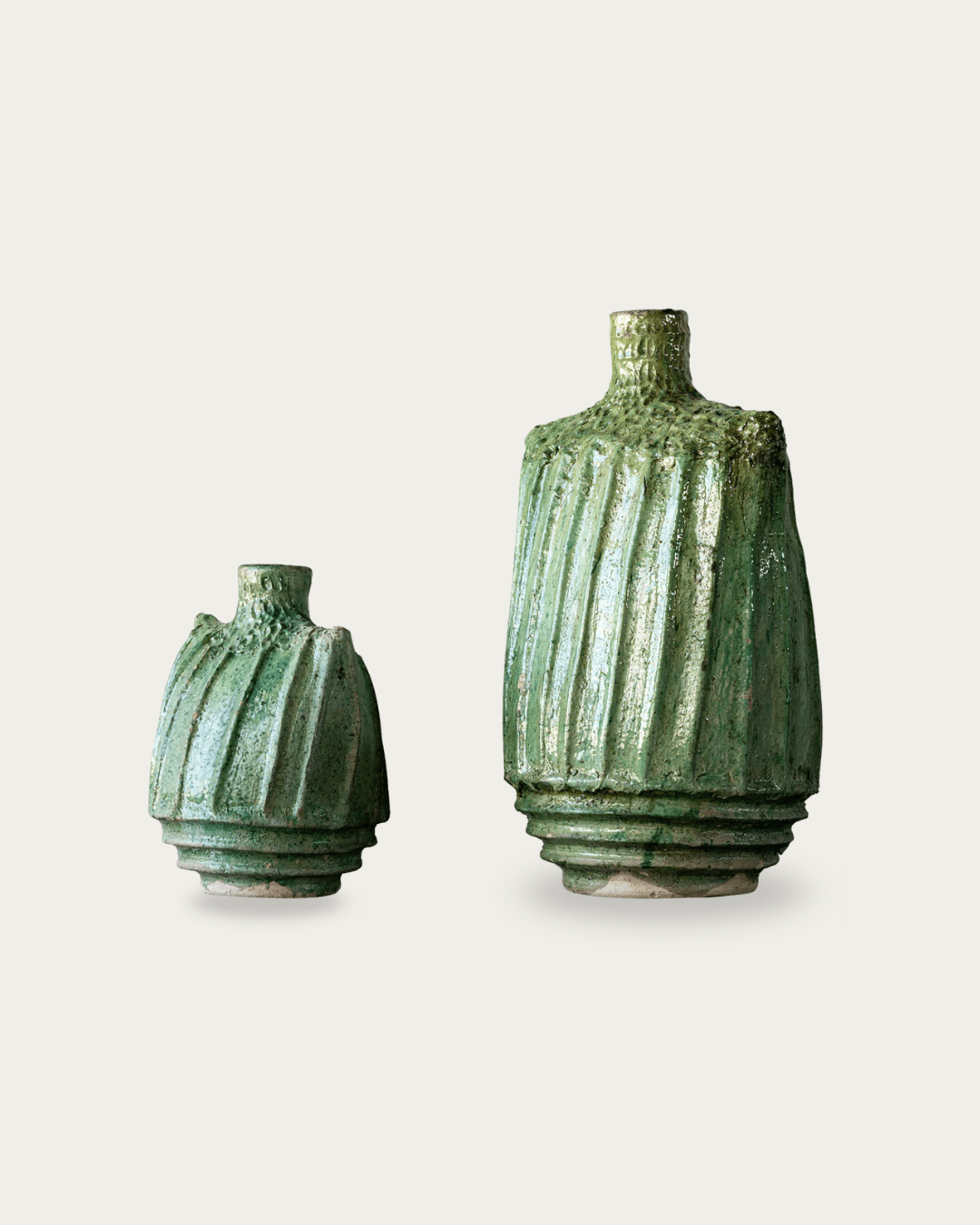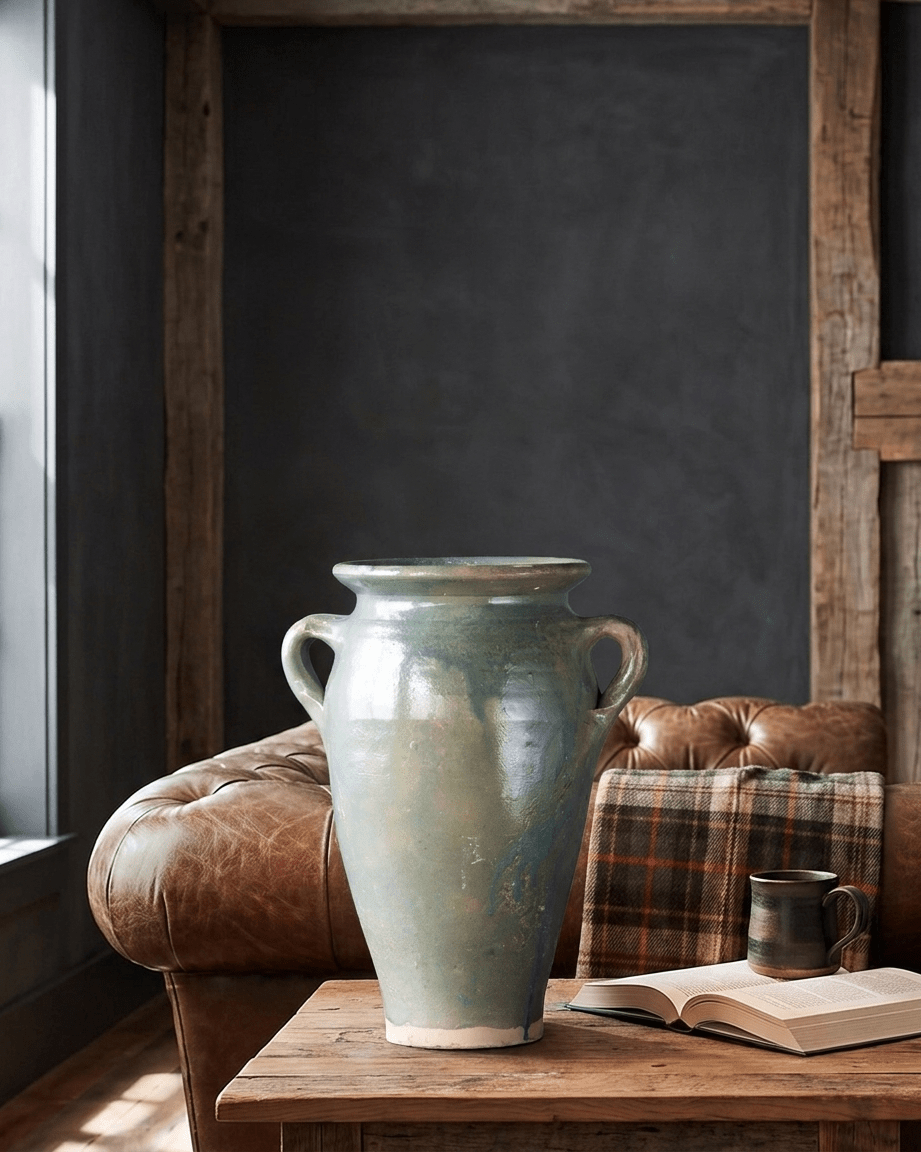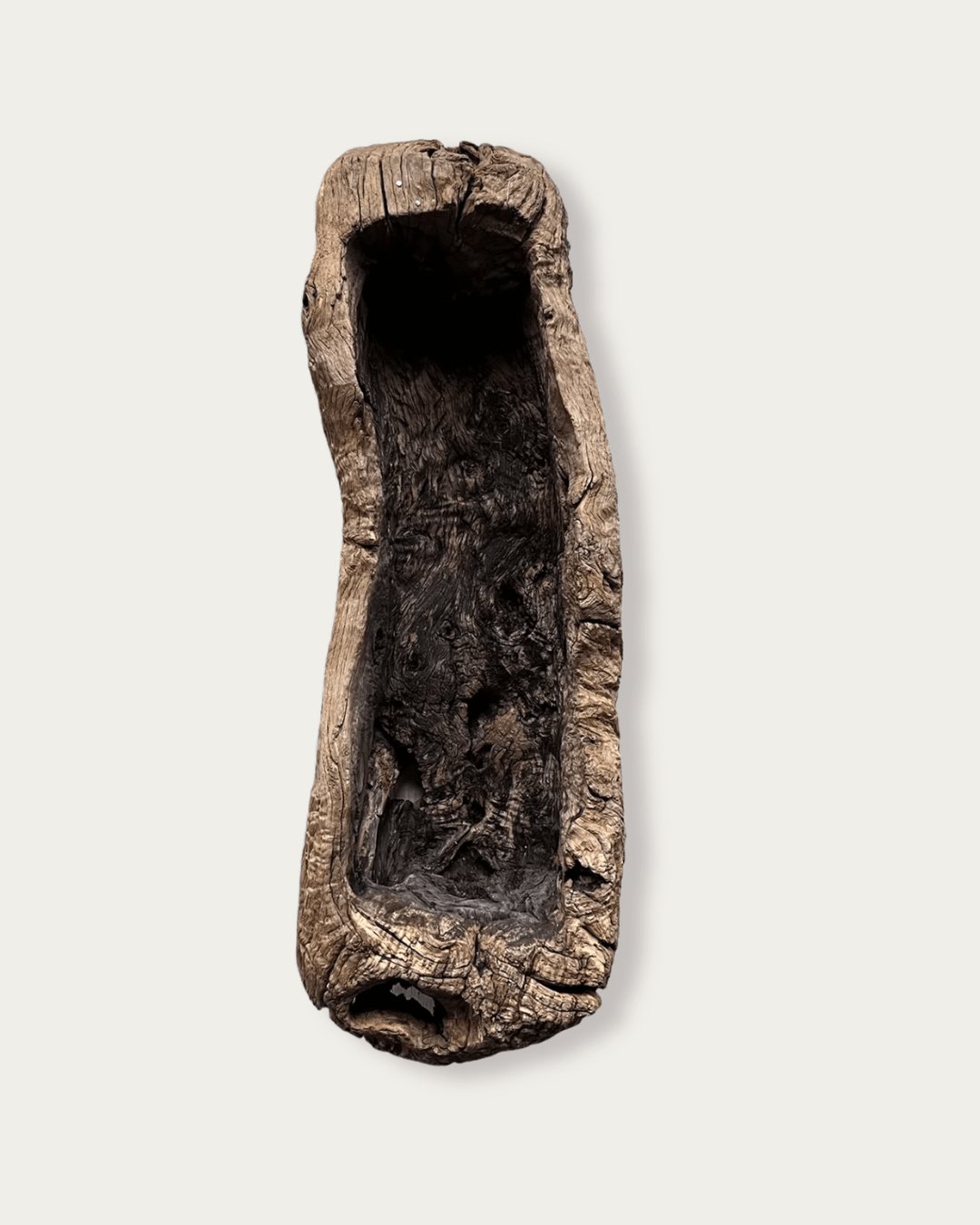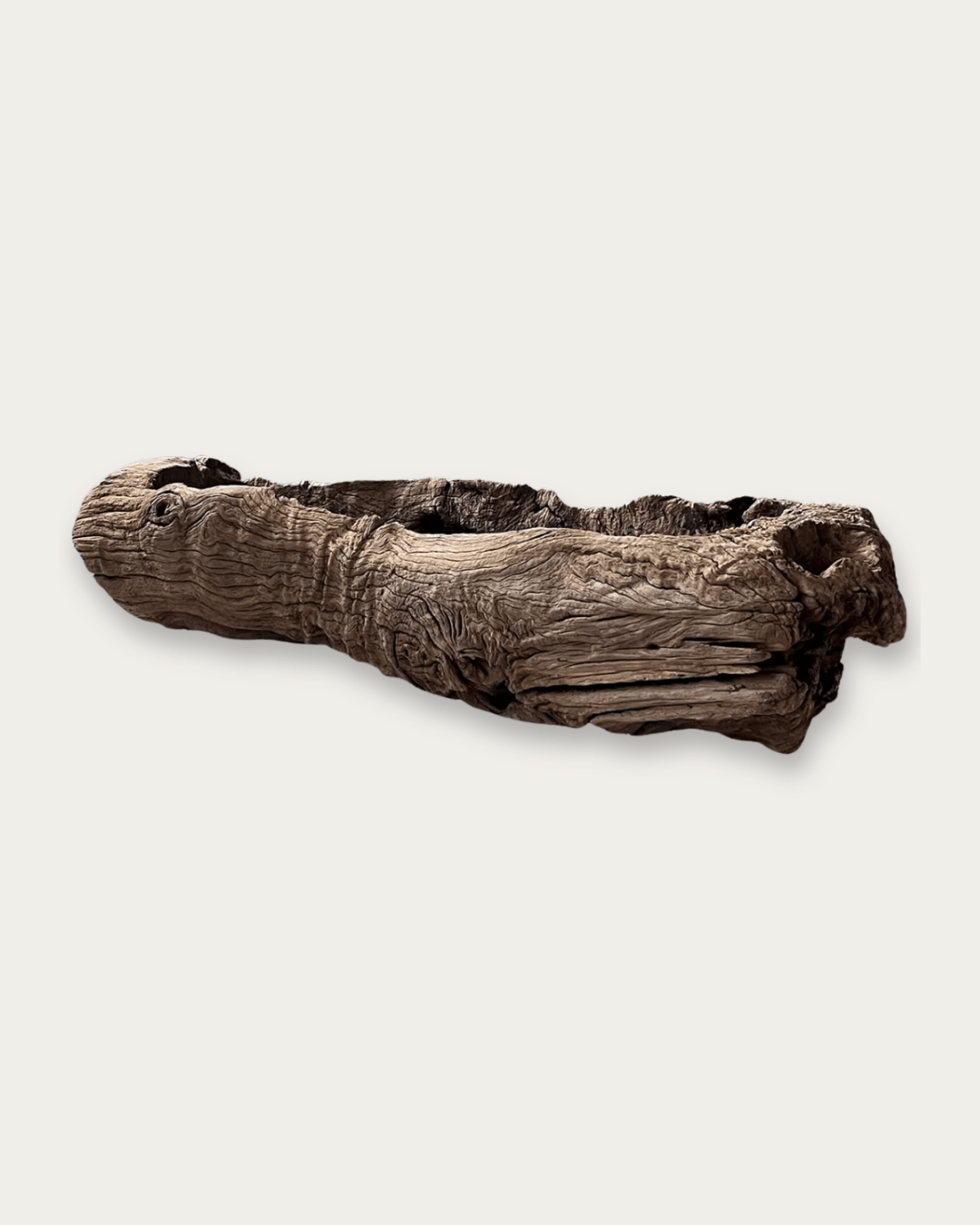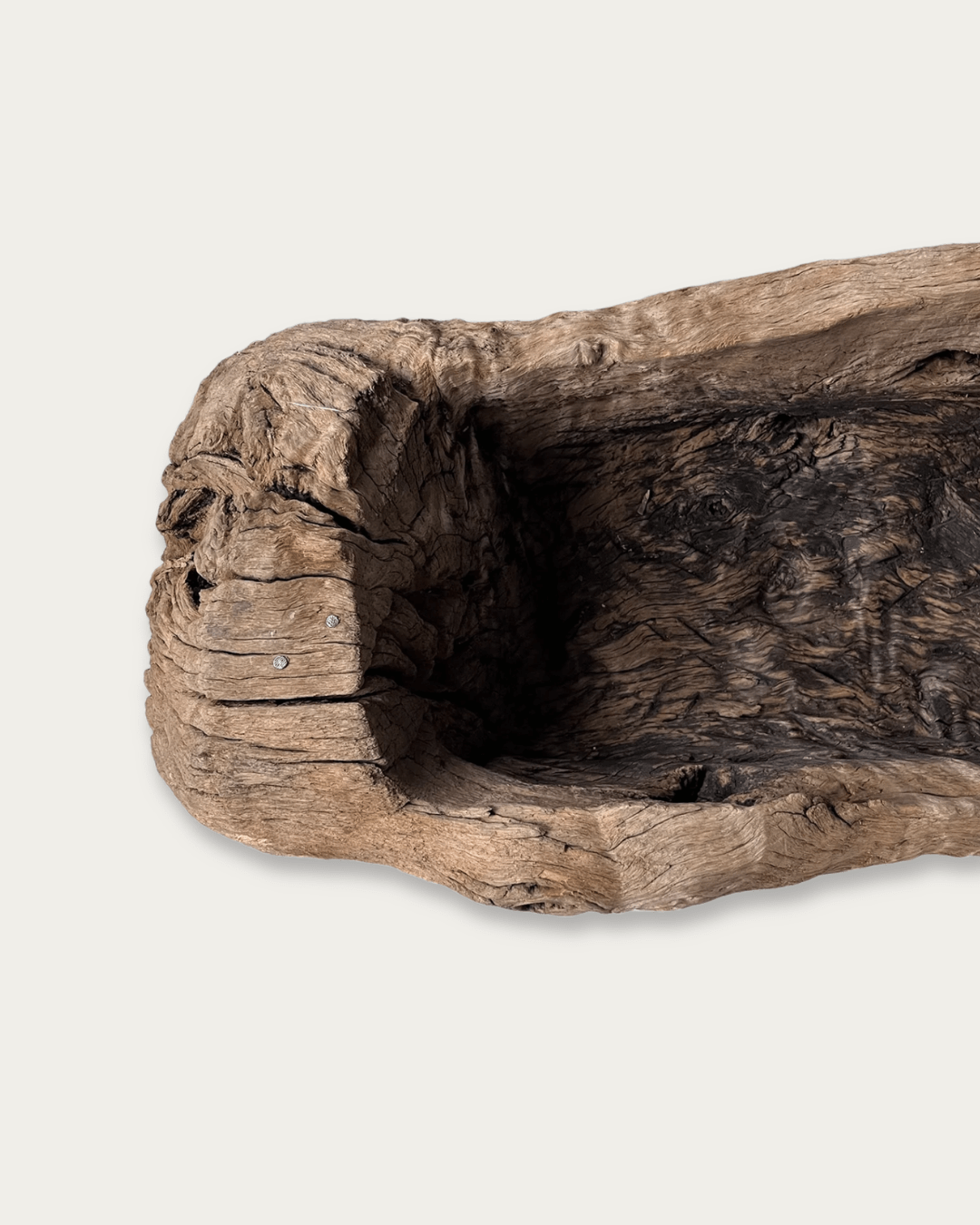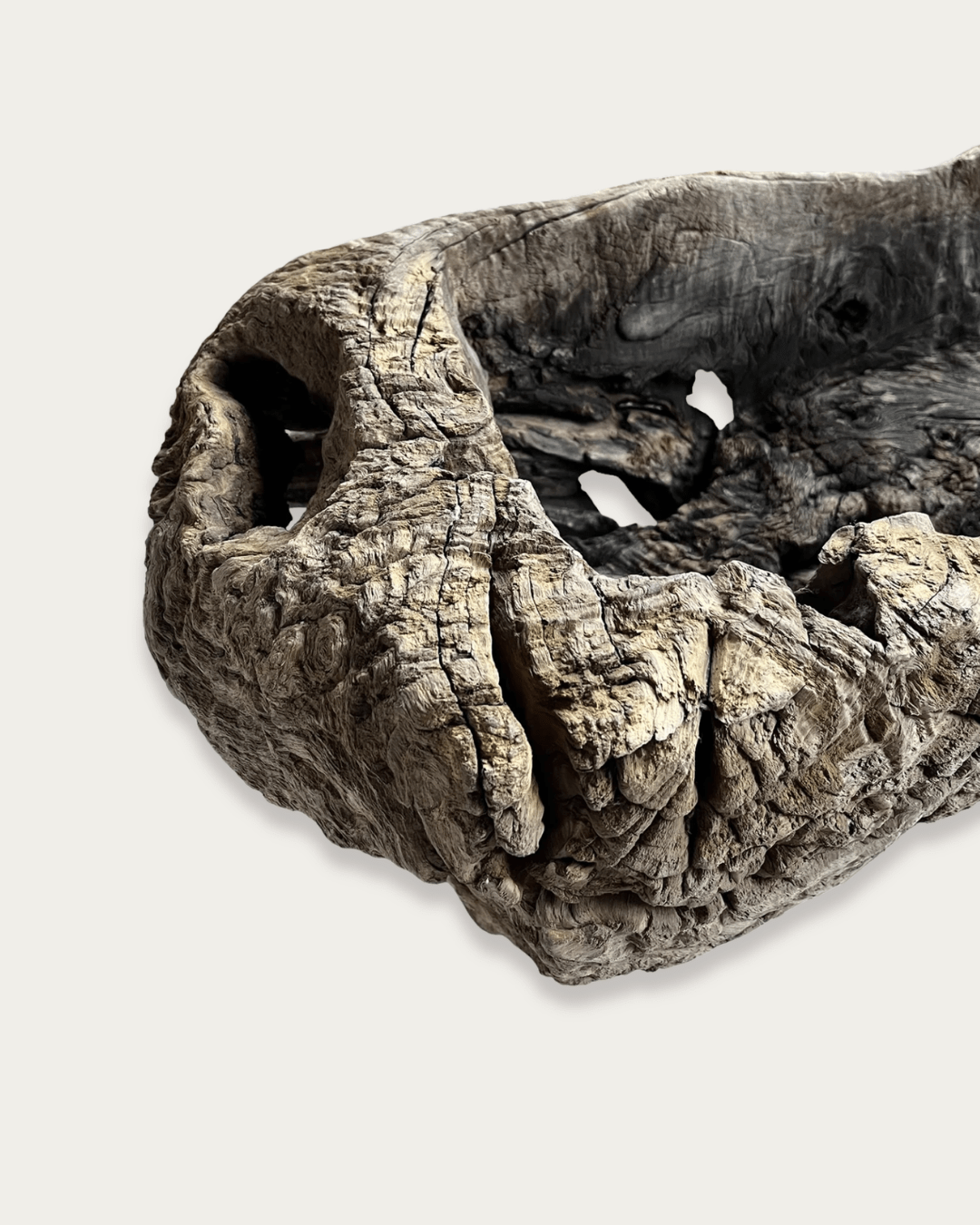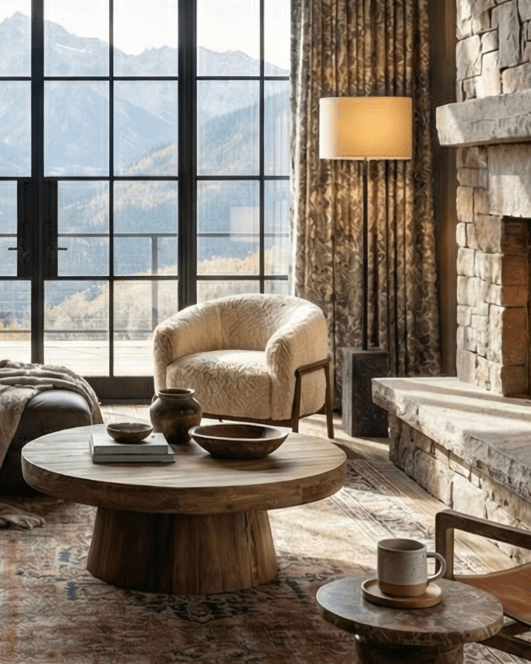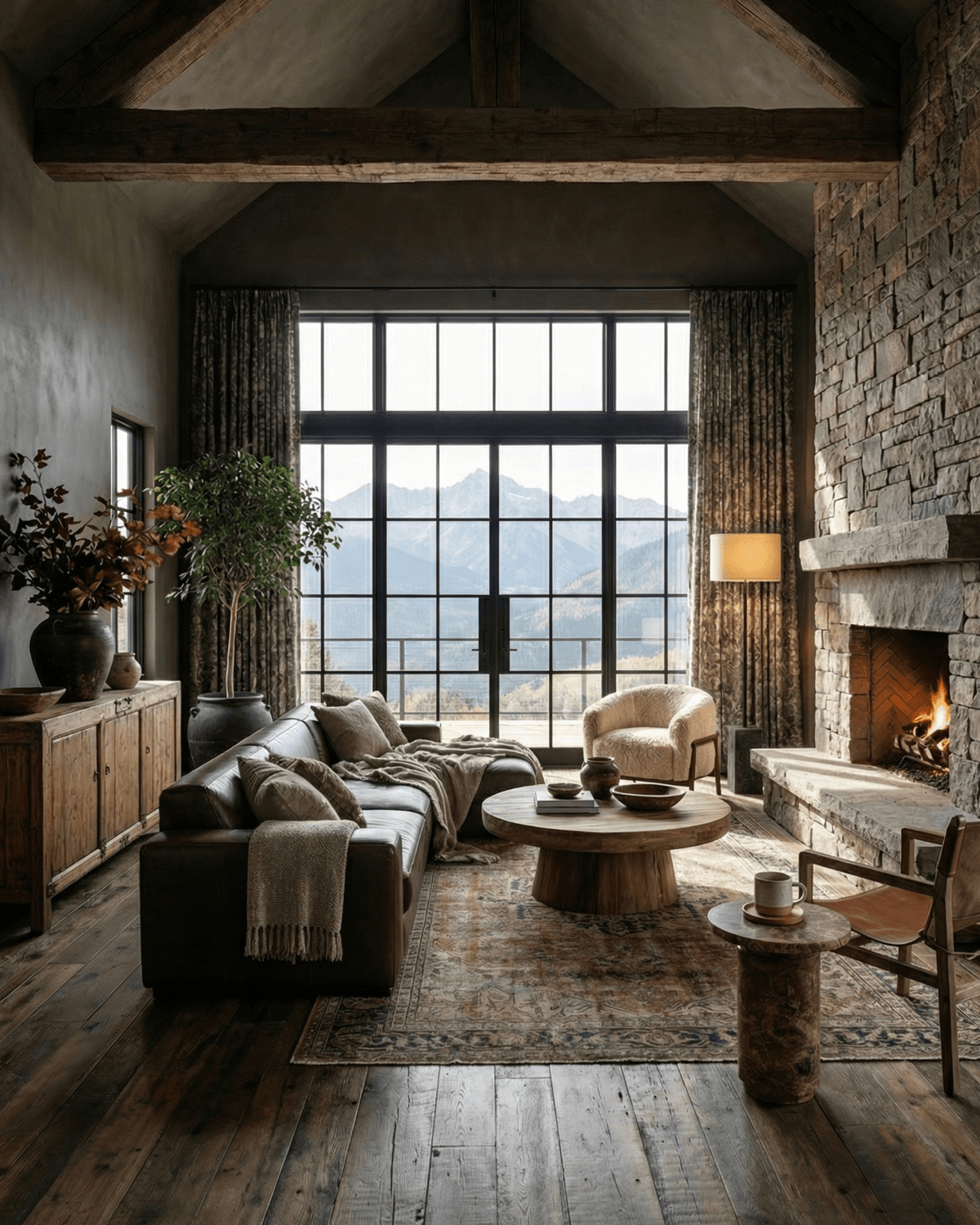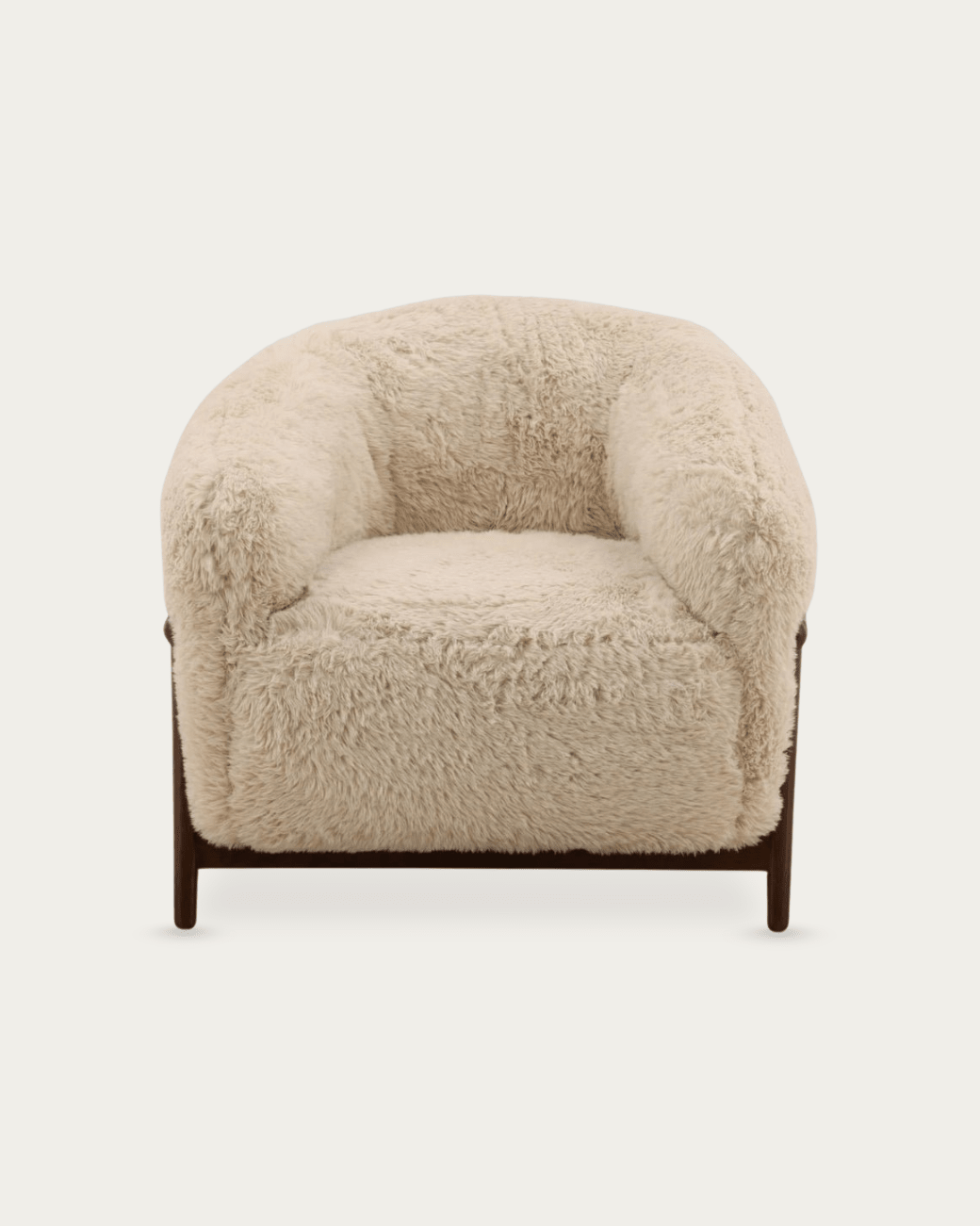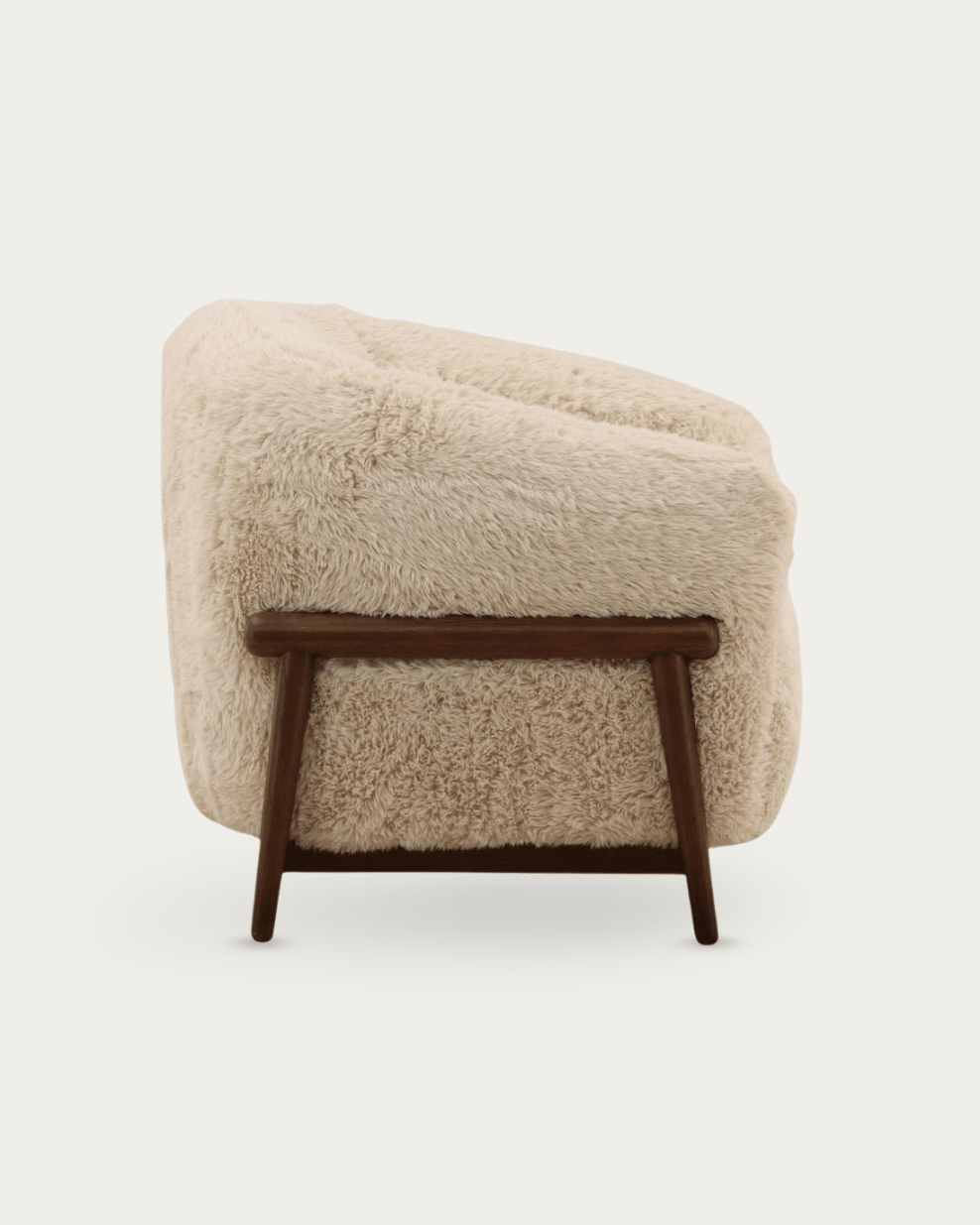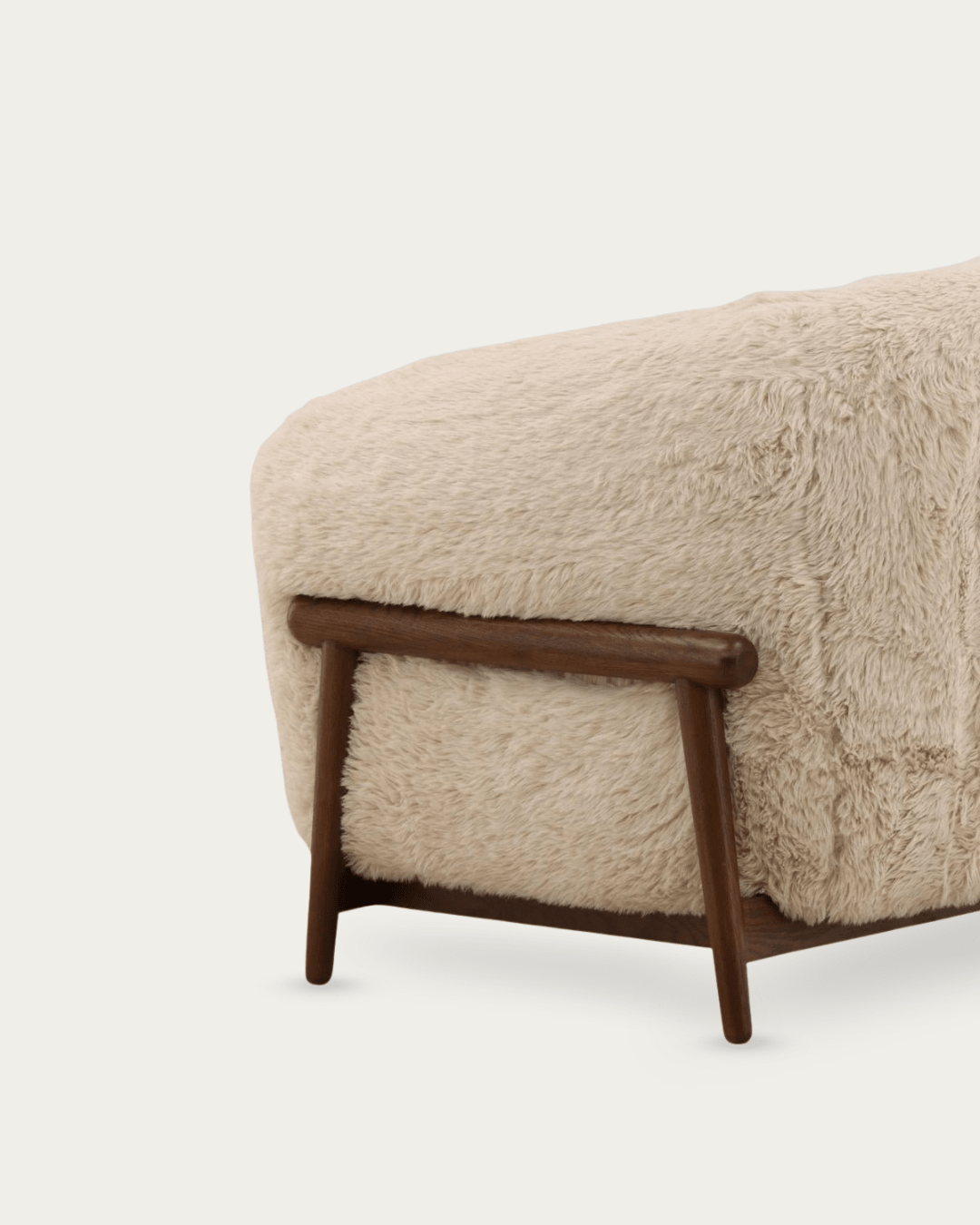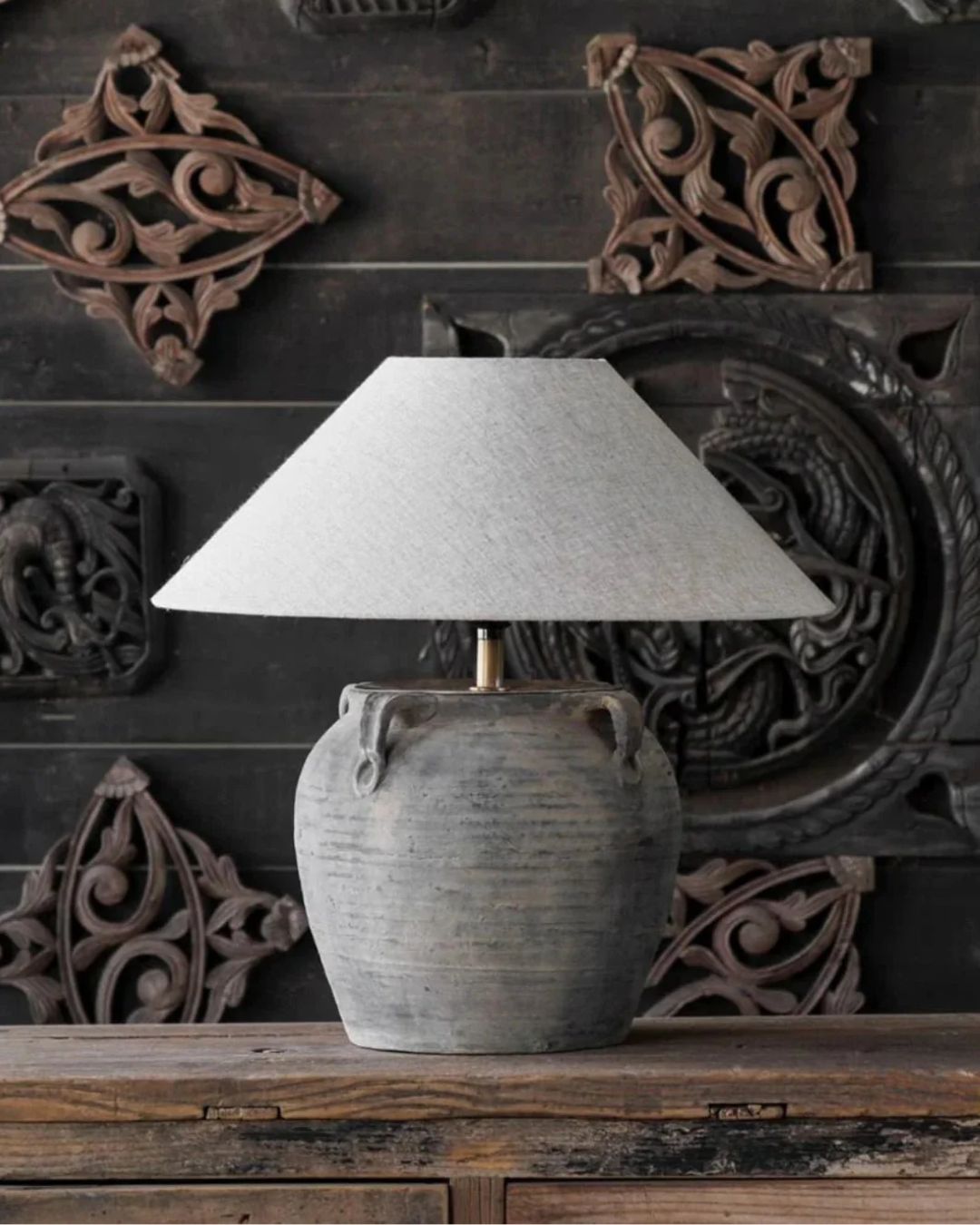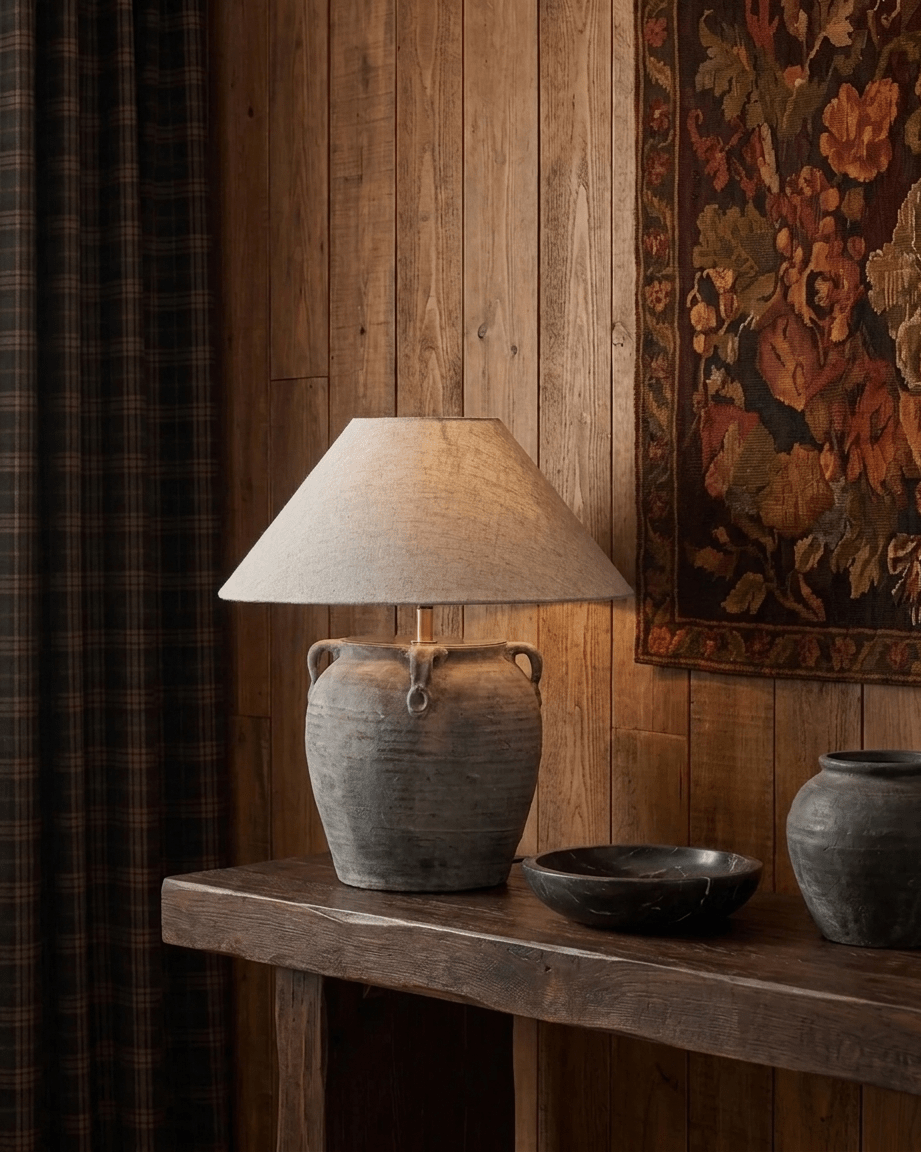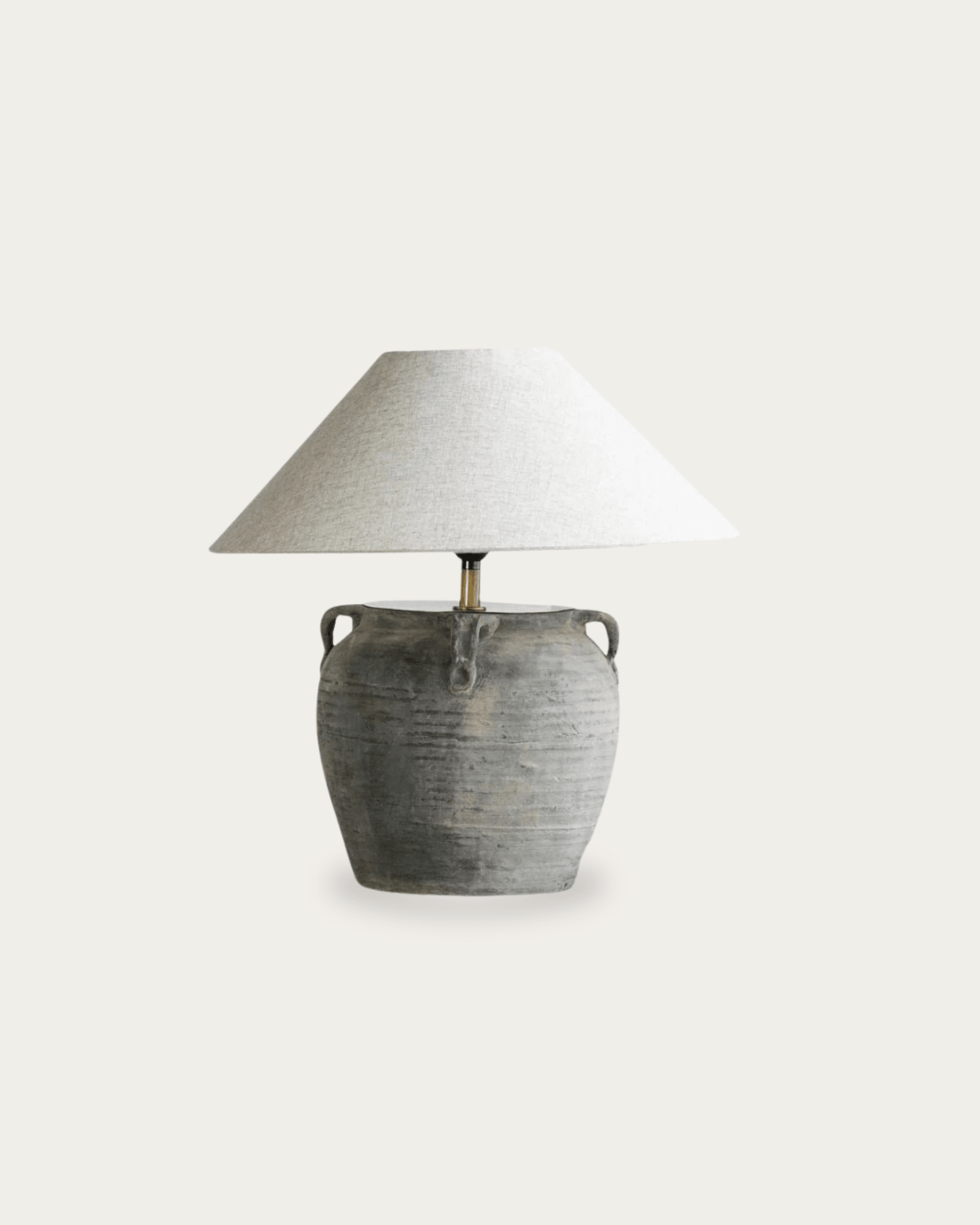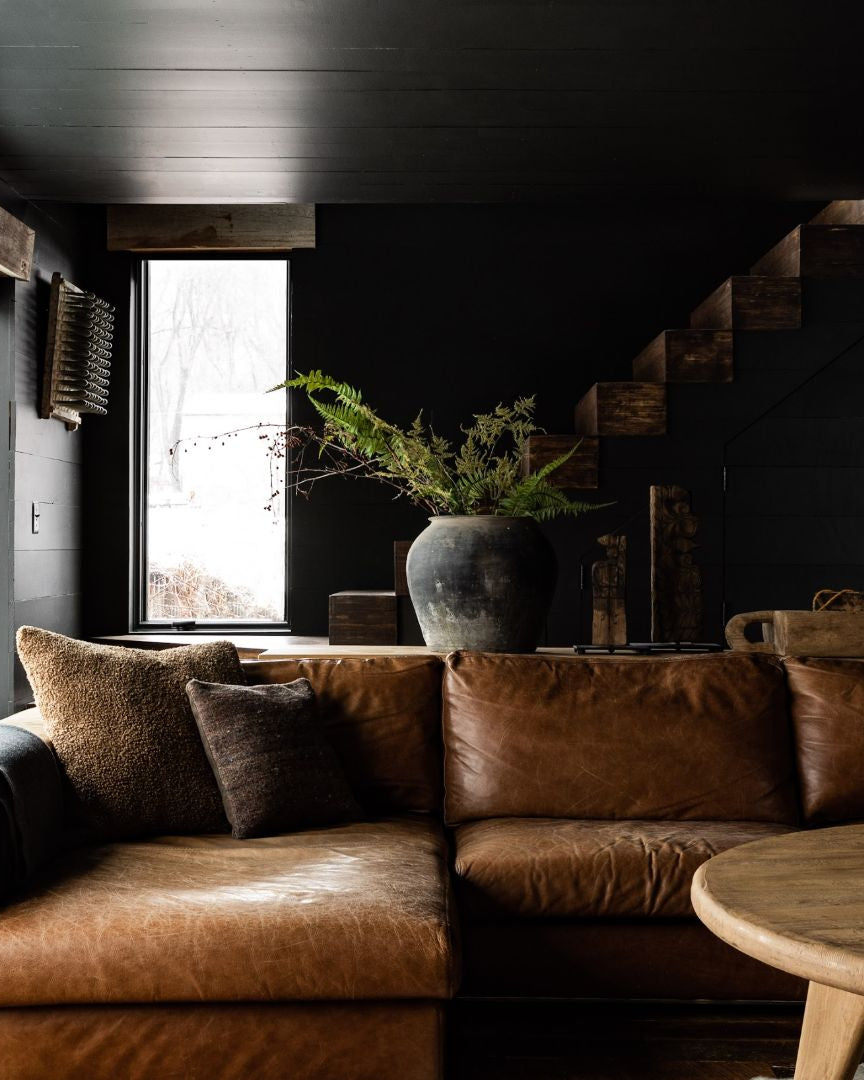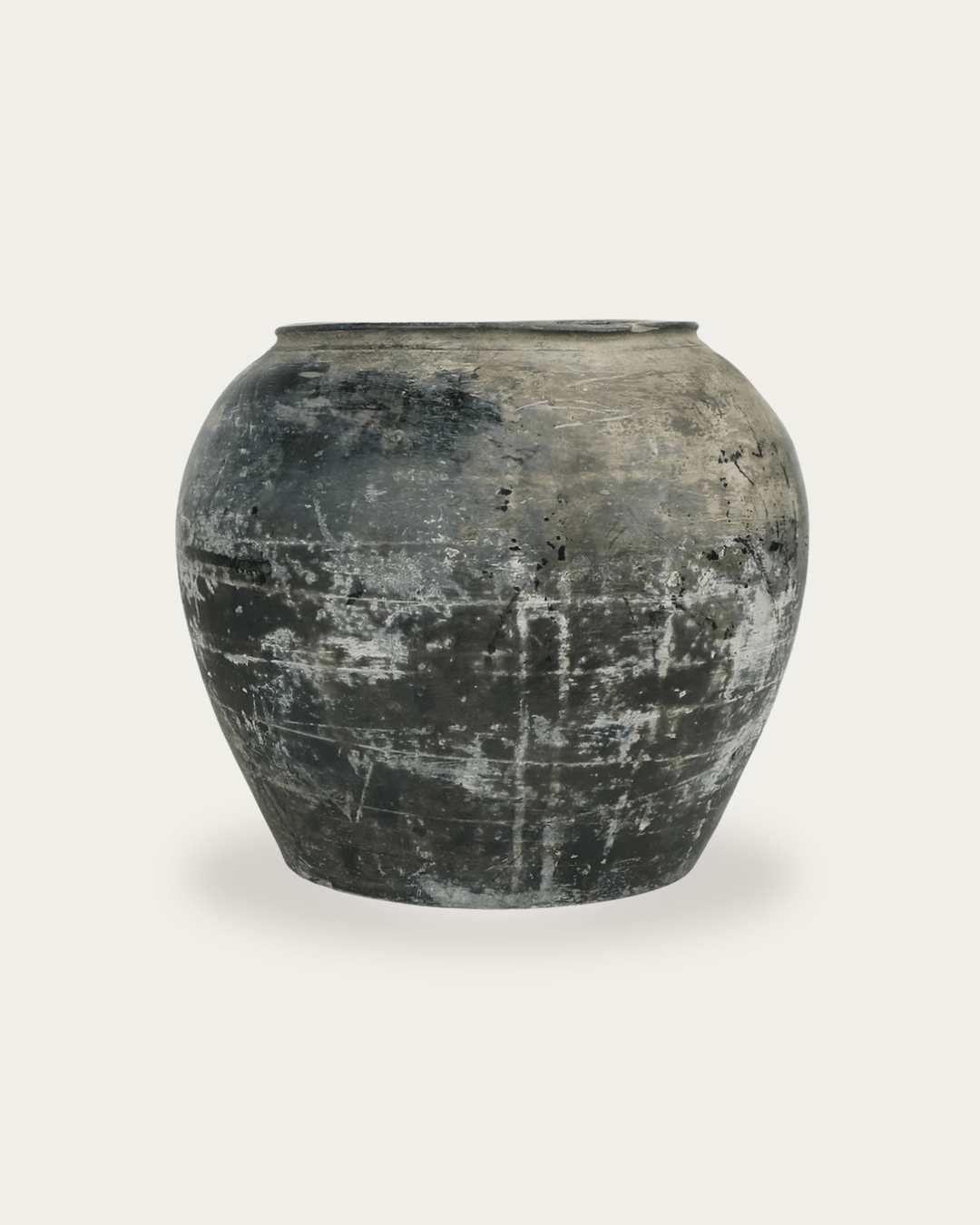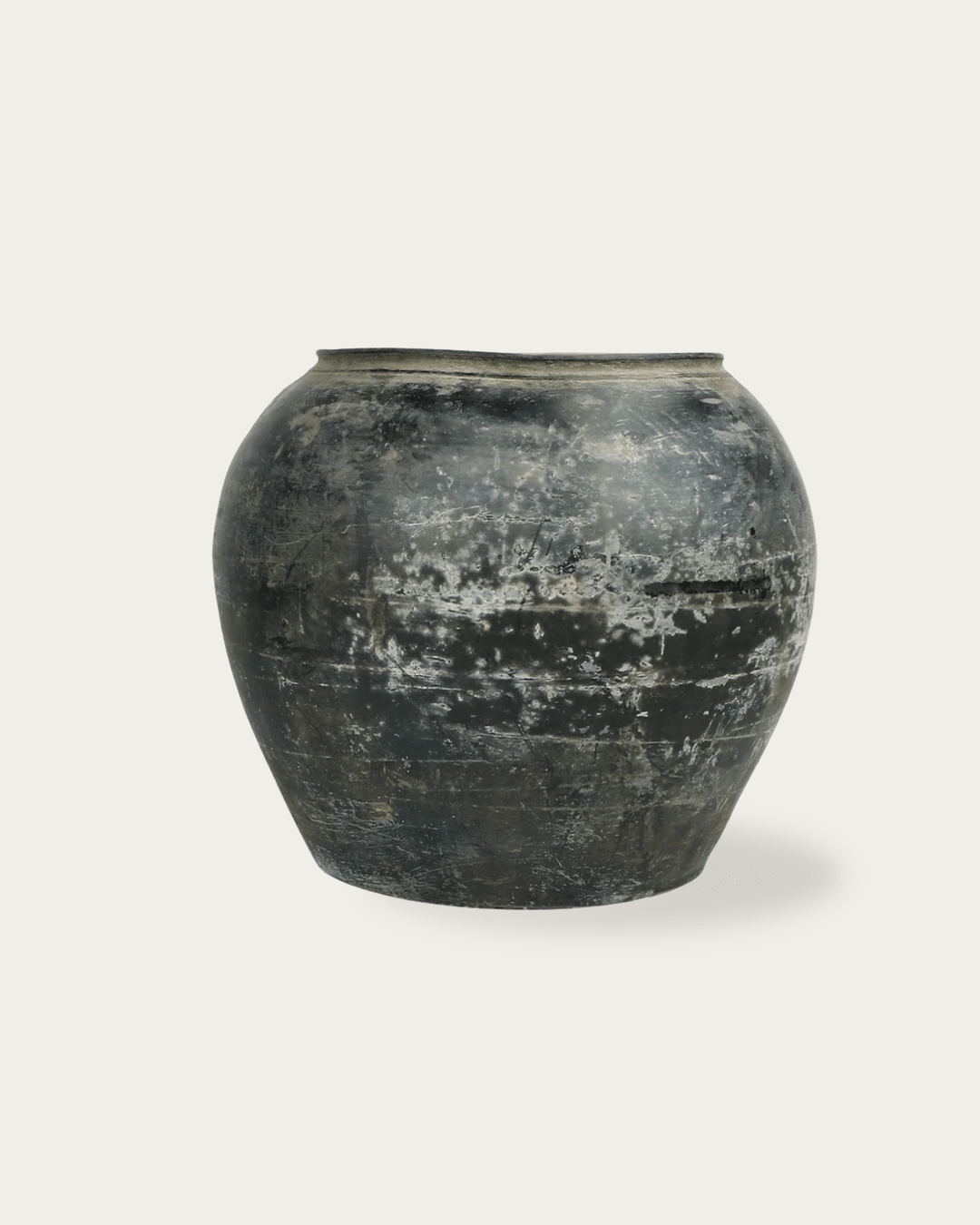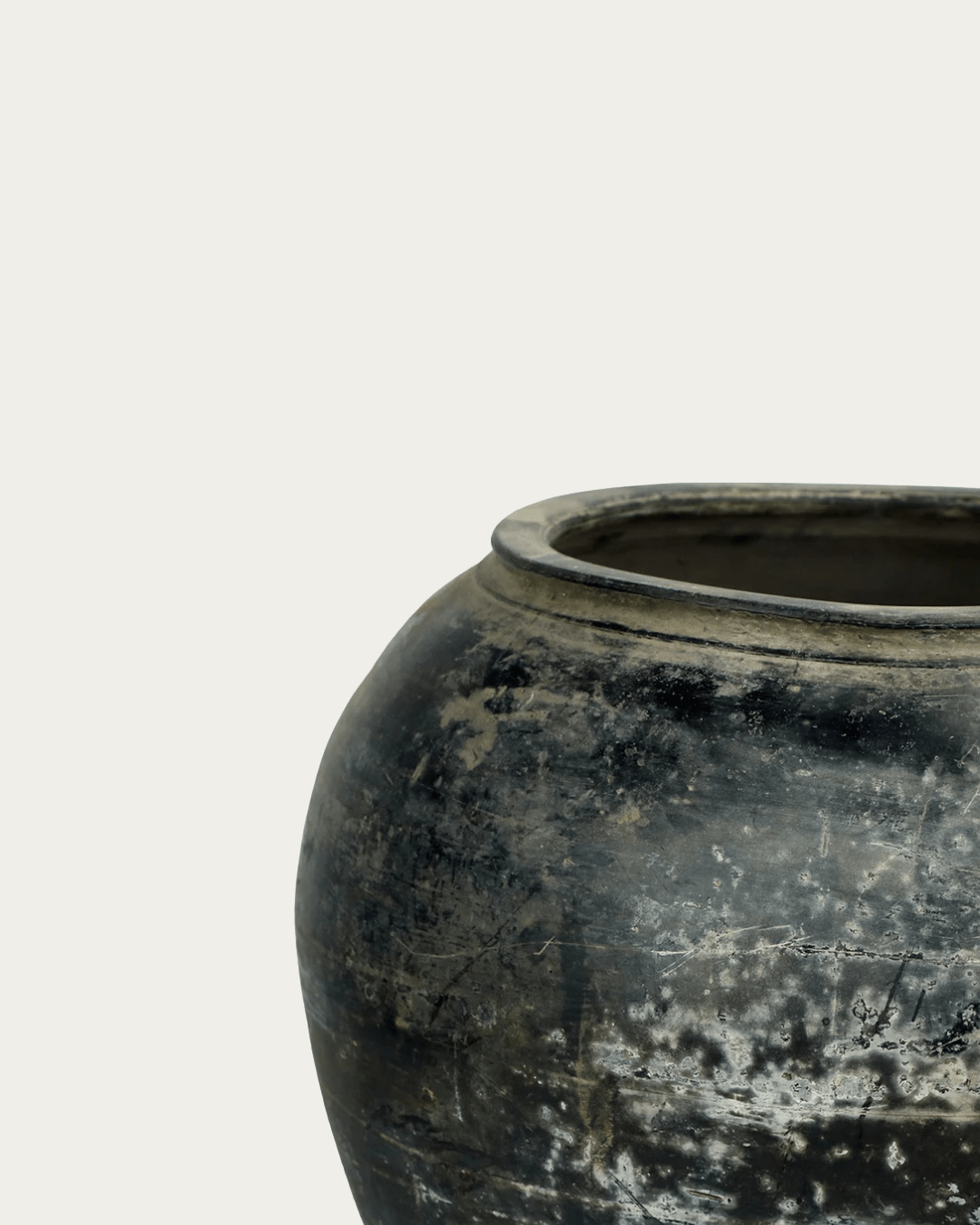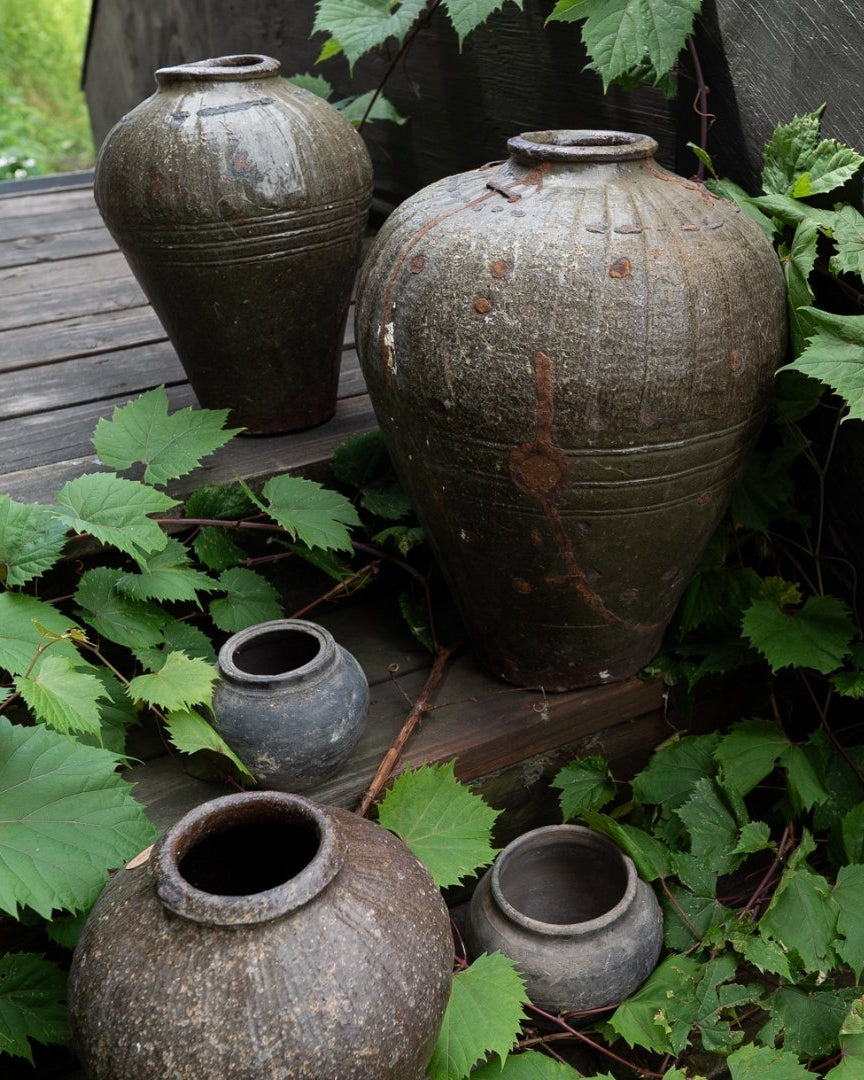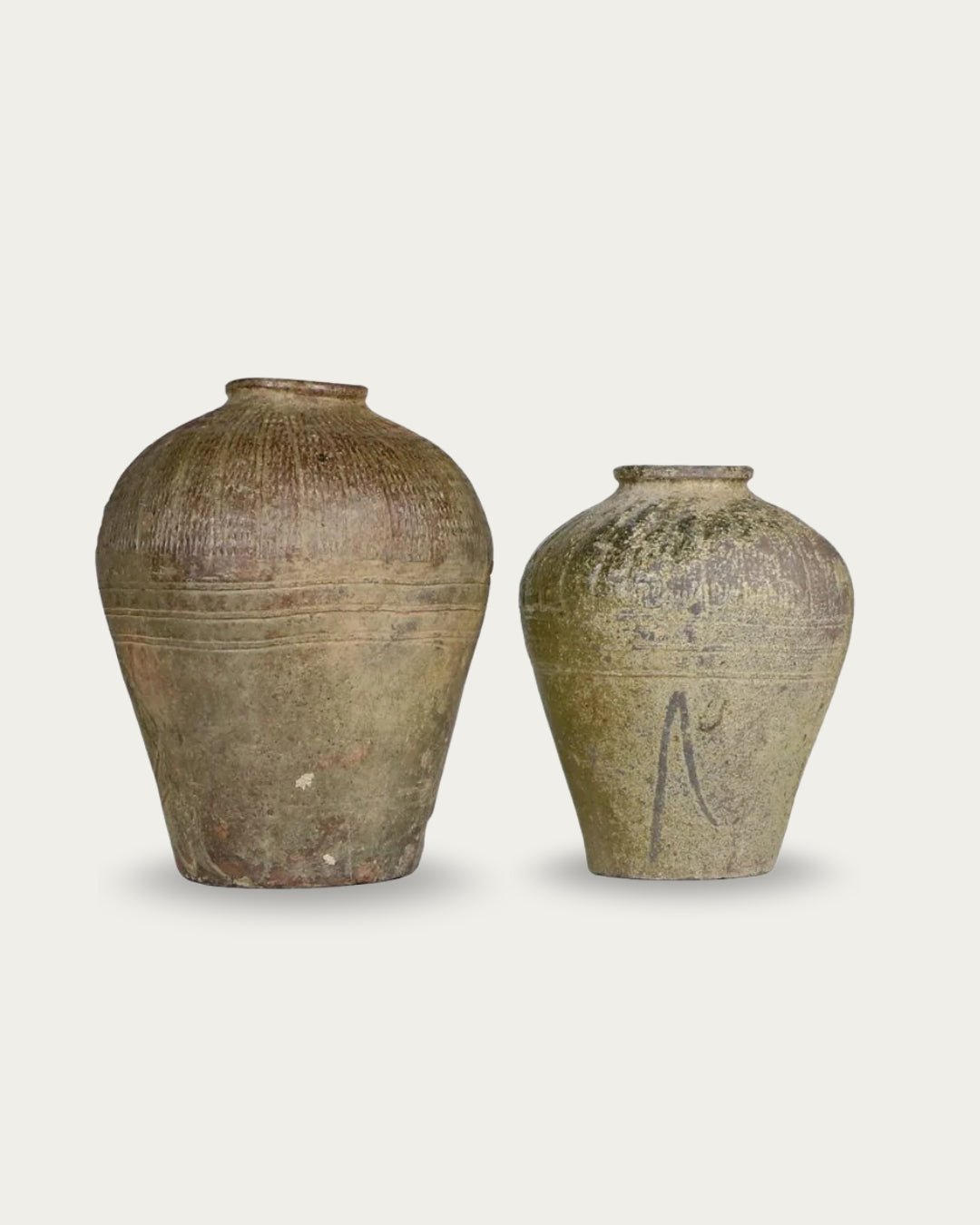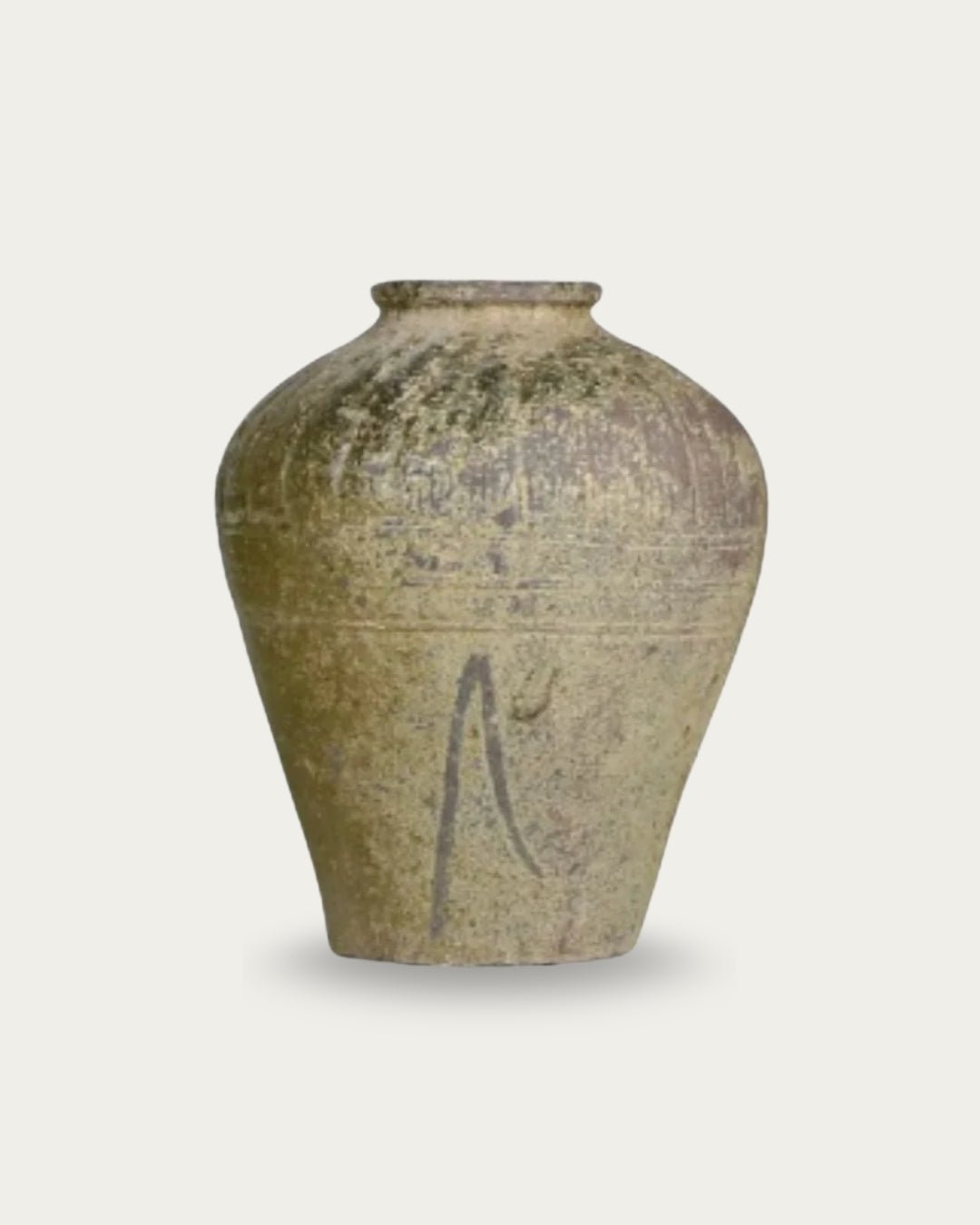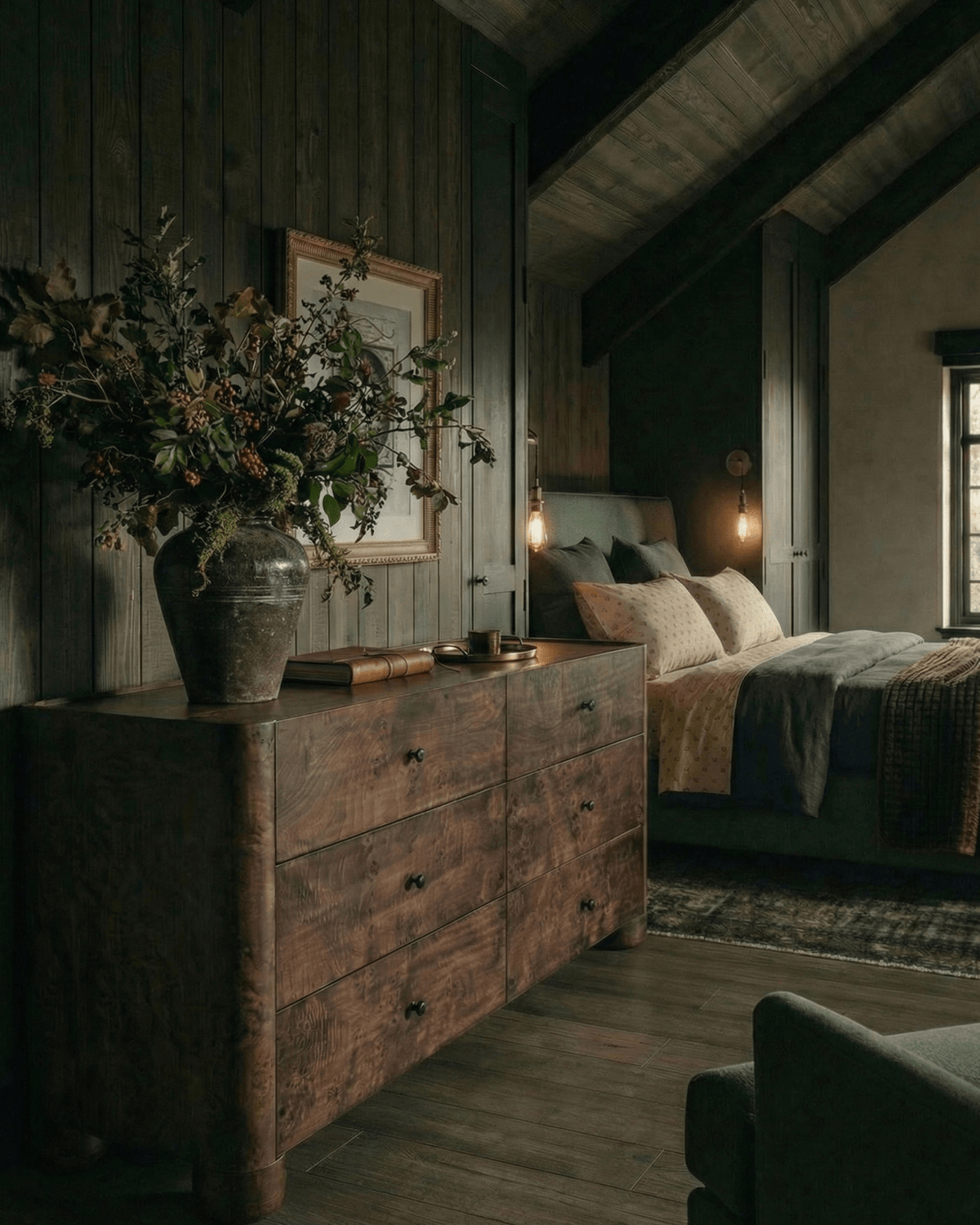




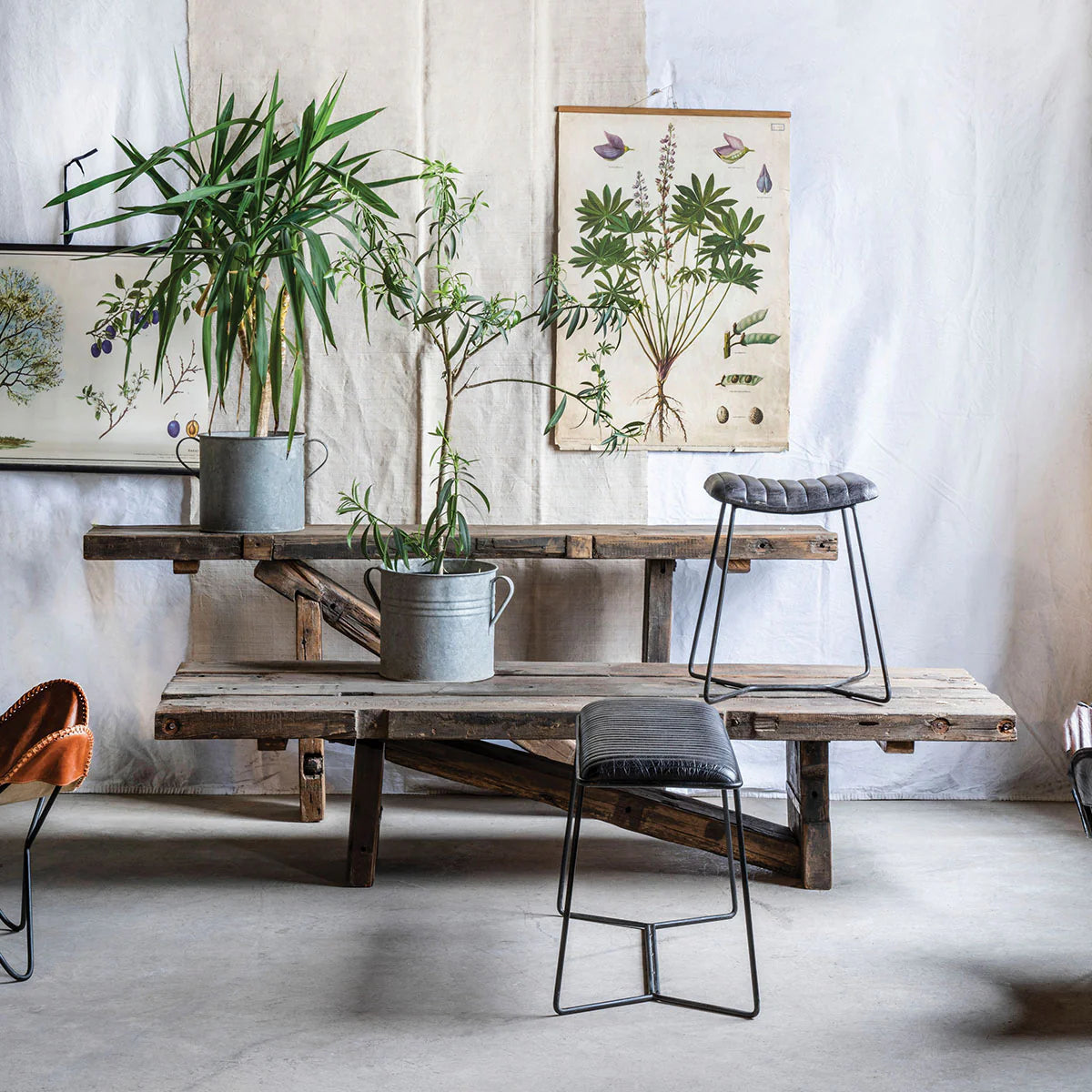
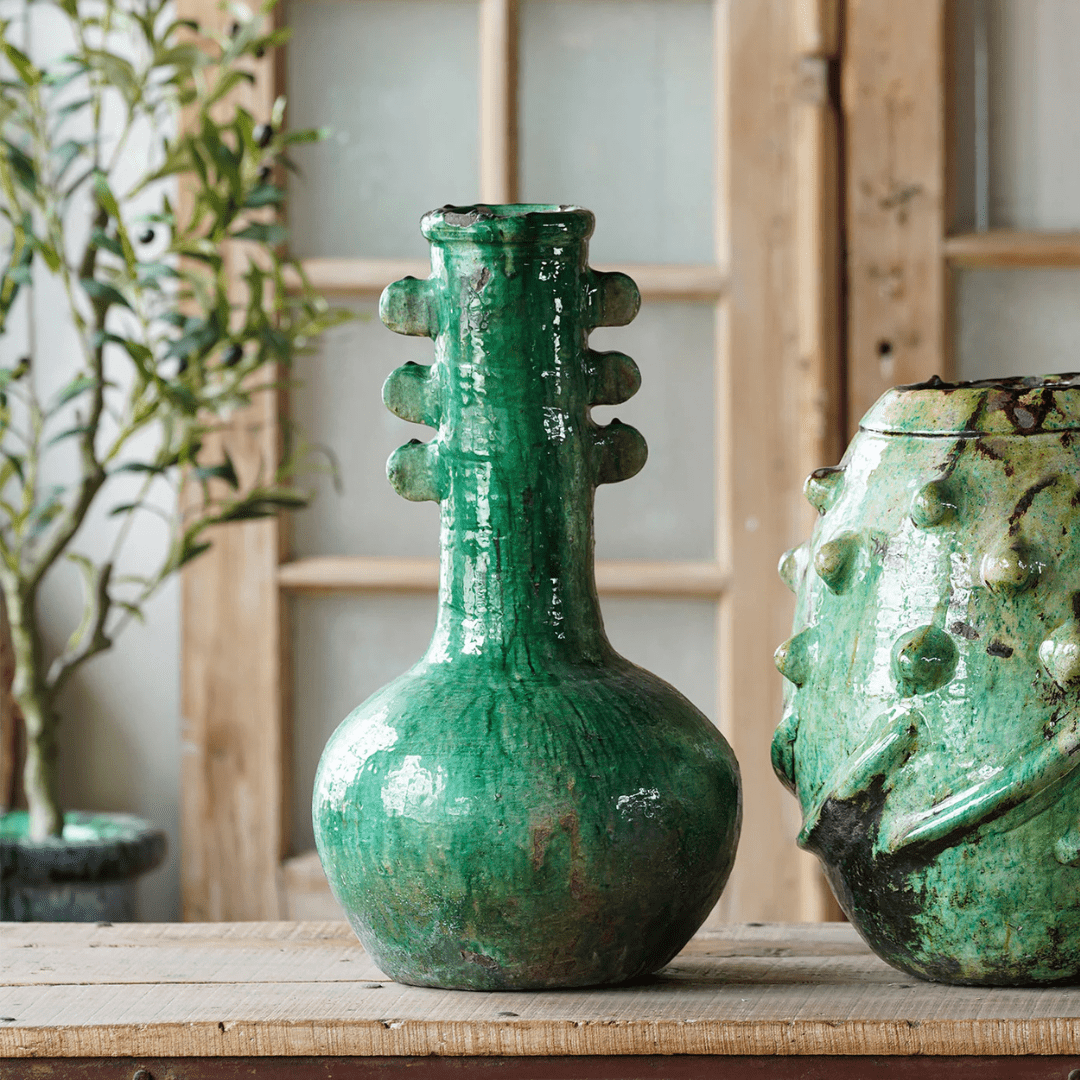


Not every space needs a statement piece.
Sometimes, the shift happens through smaller details—the ones you almost overlook at first, but end up noticing the most.
That’s where small vintage decor works differently.
It doesn’t define the room the way larger pieces do. It refines it. It softens edges, adds variation, and fills the gaps that make a space feel incomplete.
If you’re building a home that feels layered without feeling cluttered, start here:
Explore the vintage collection
Small Pieces Don’t Fill Space—They Finish It
A common mistake is using small decor to “fill” empty areas.
That’s not their role.
Small vintage pieces work best when the structure is already in place. They don’t anchor a room—they complete it.
Think of them as the final layer.
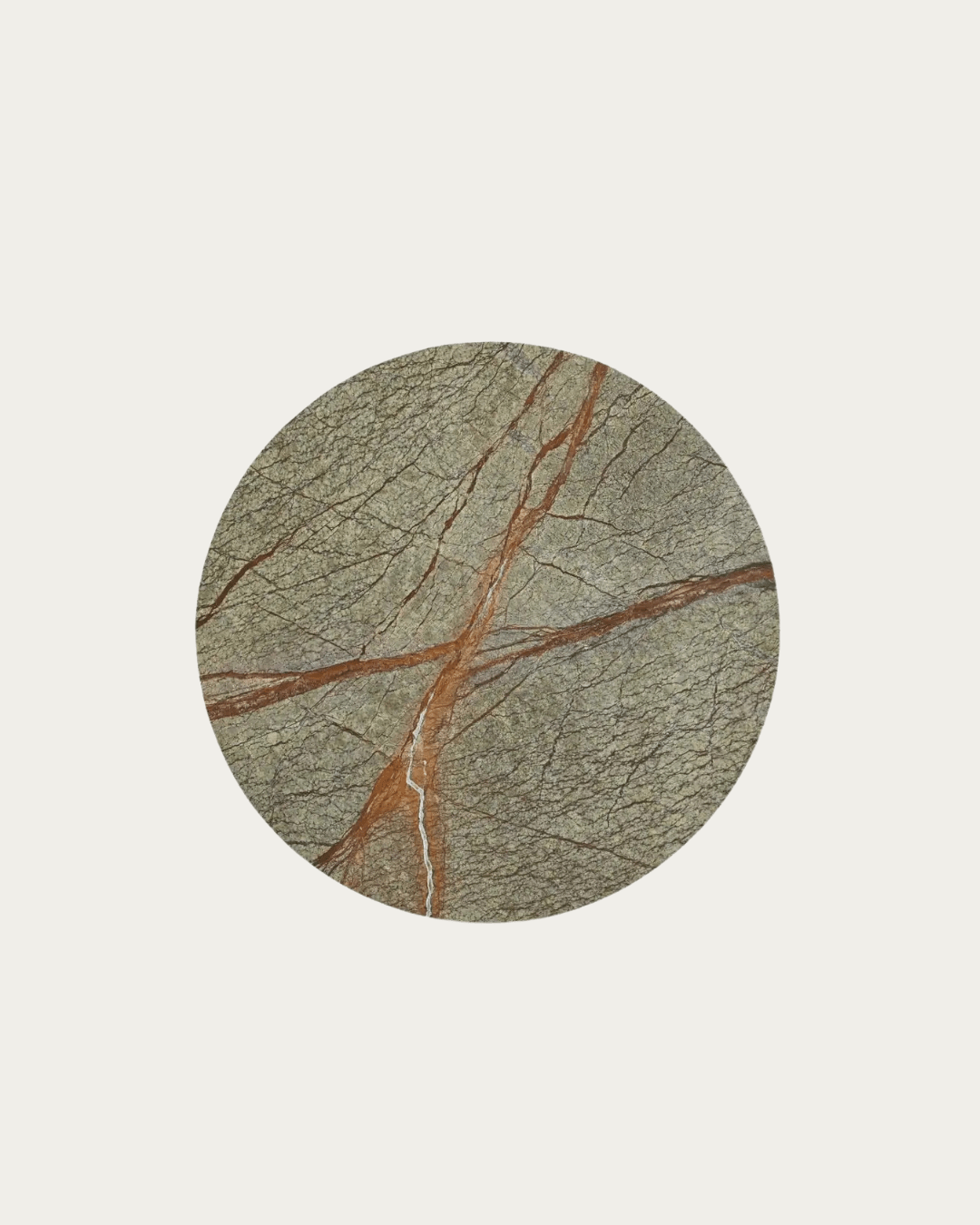
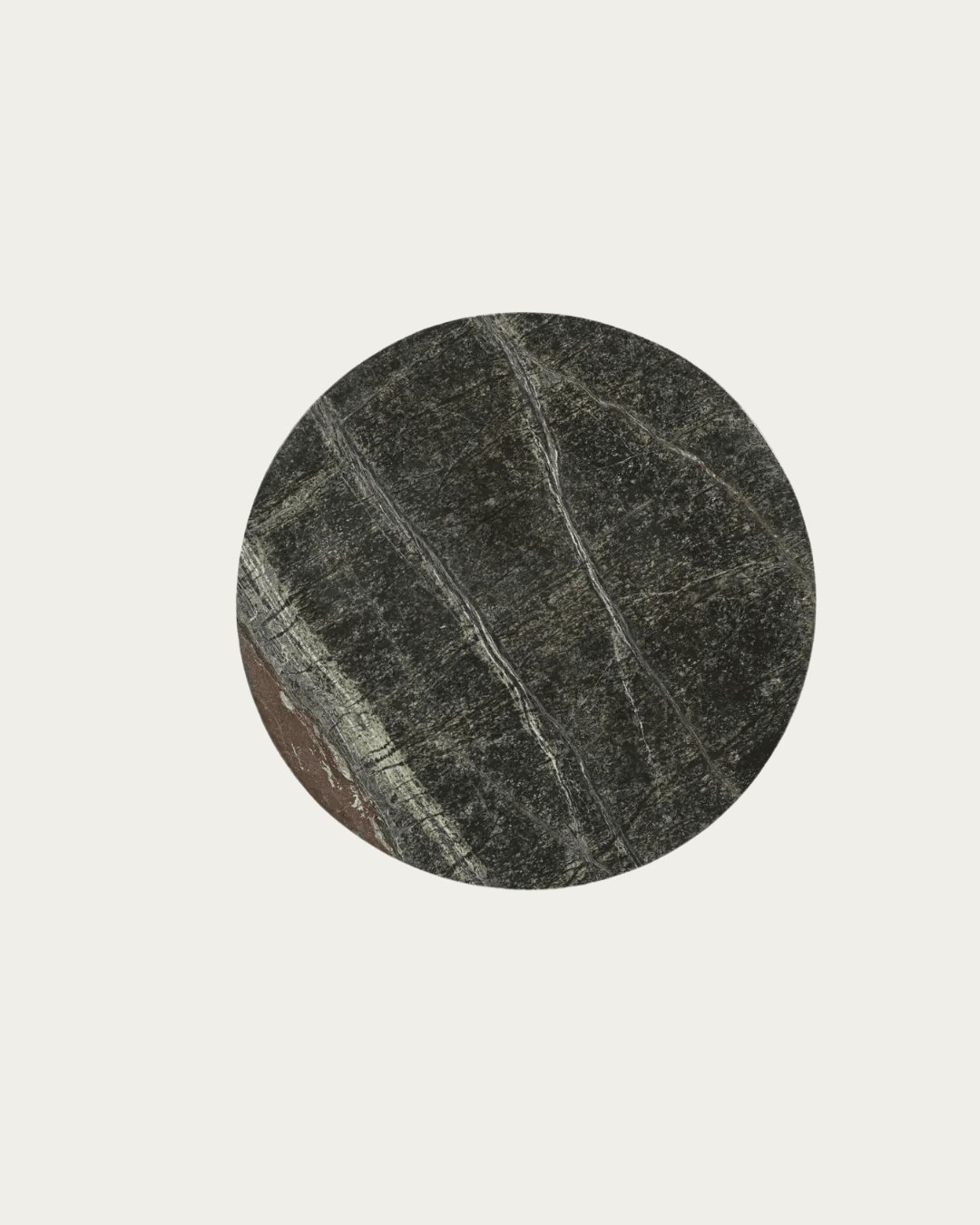
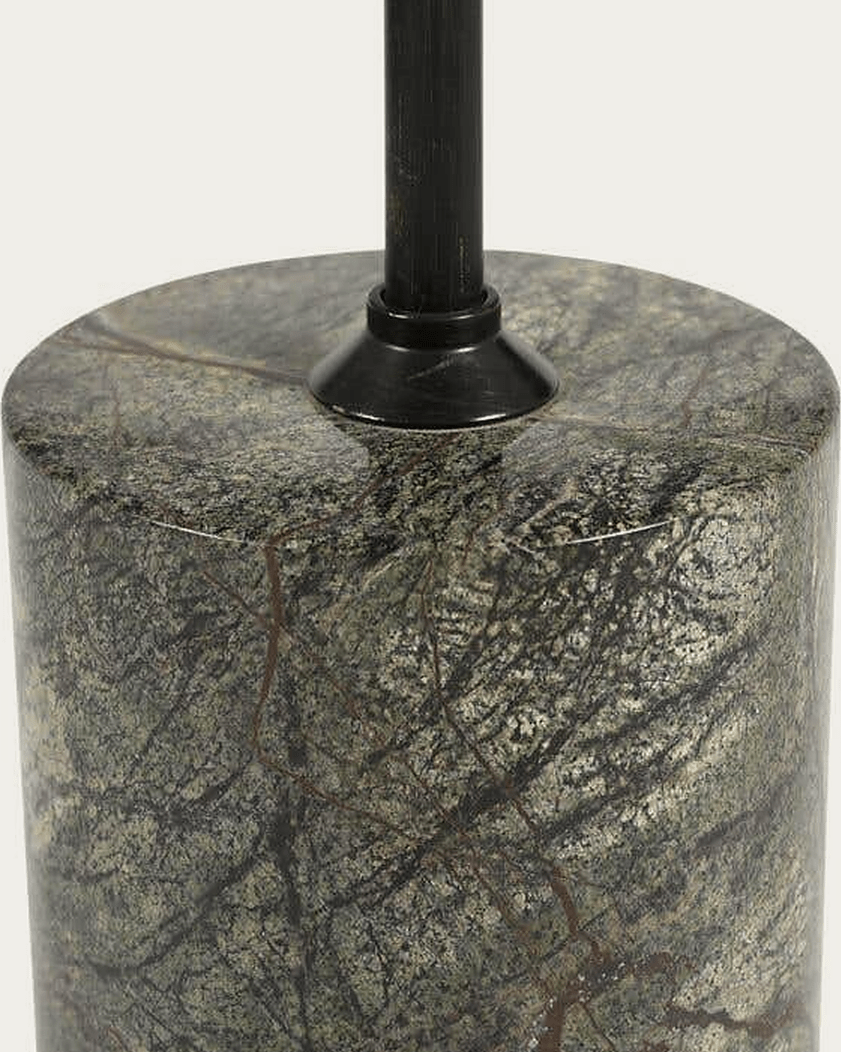
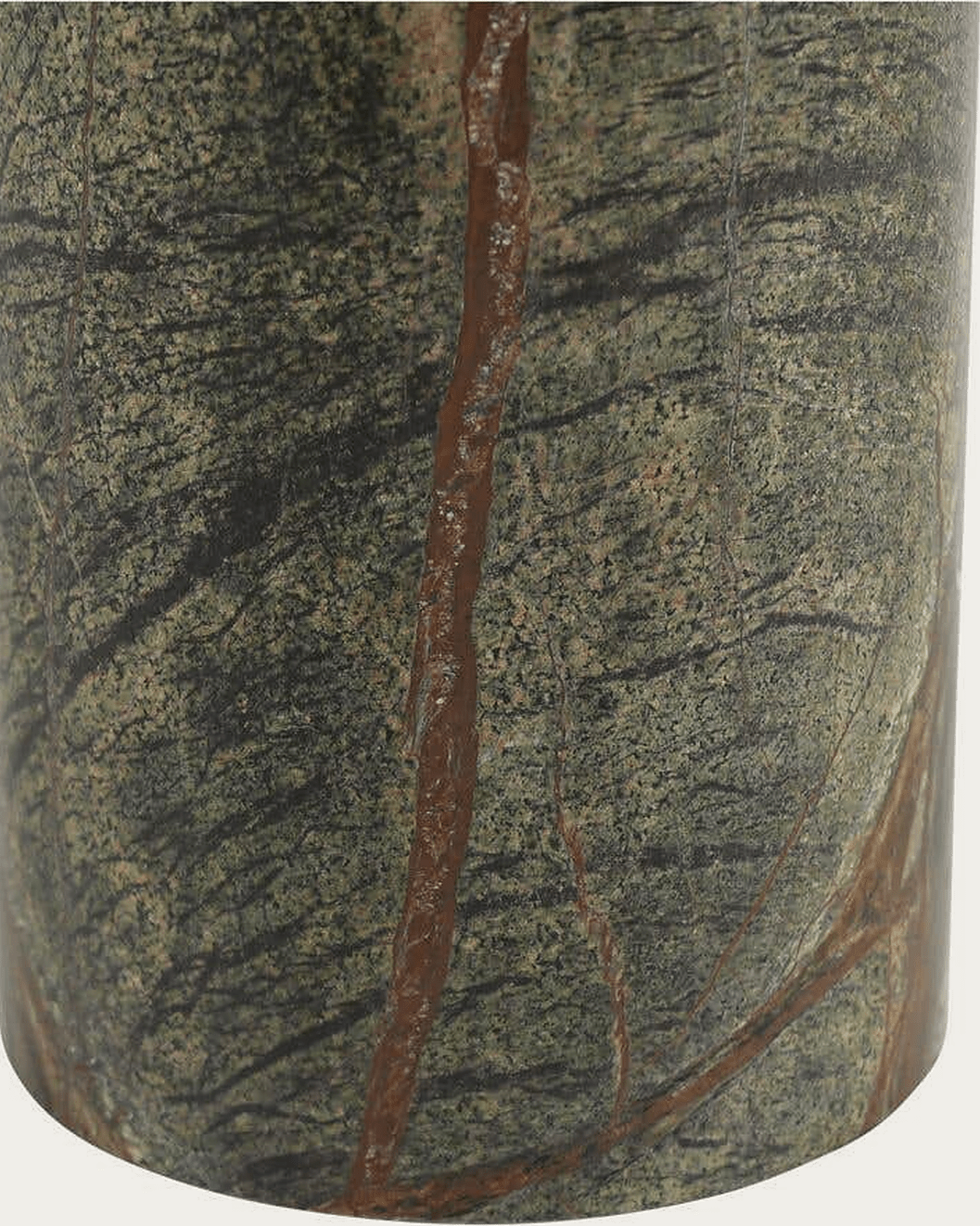
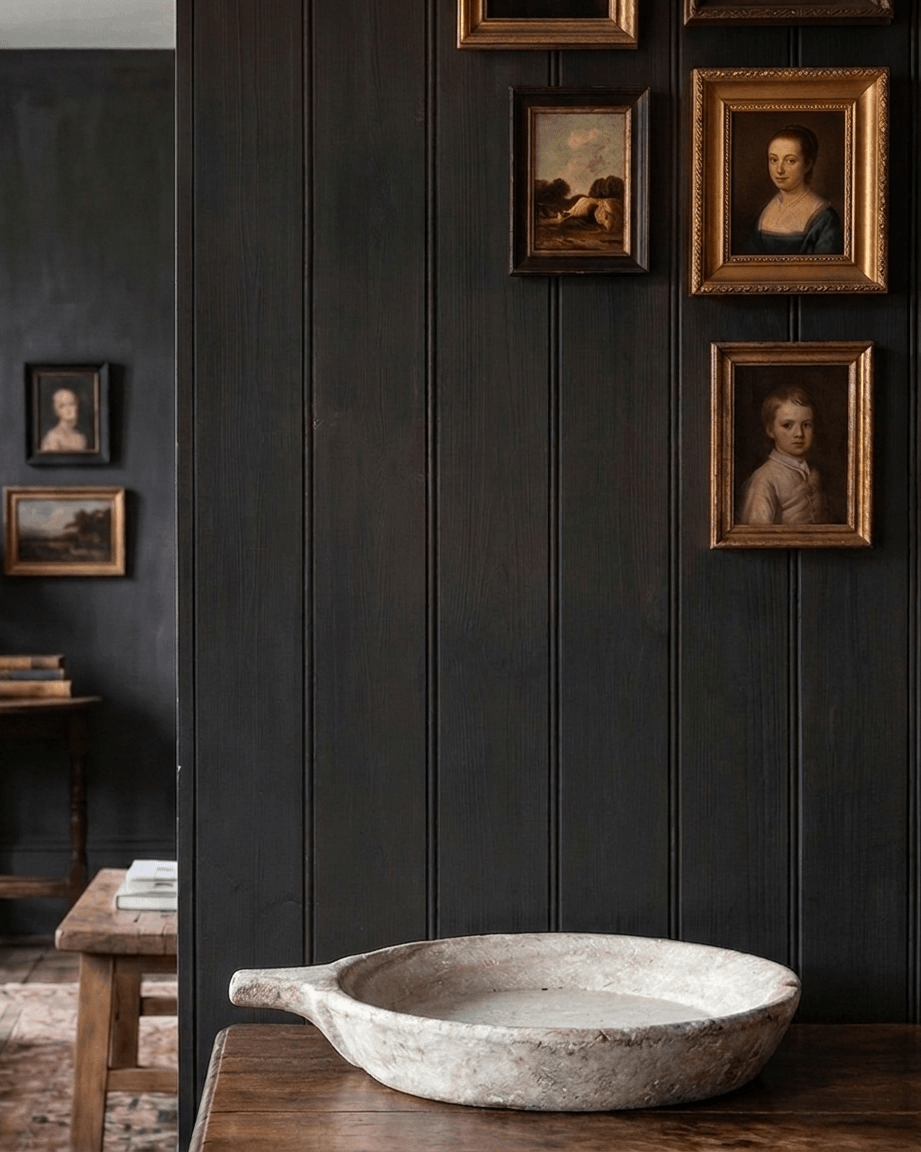
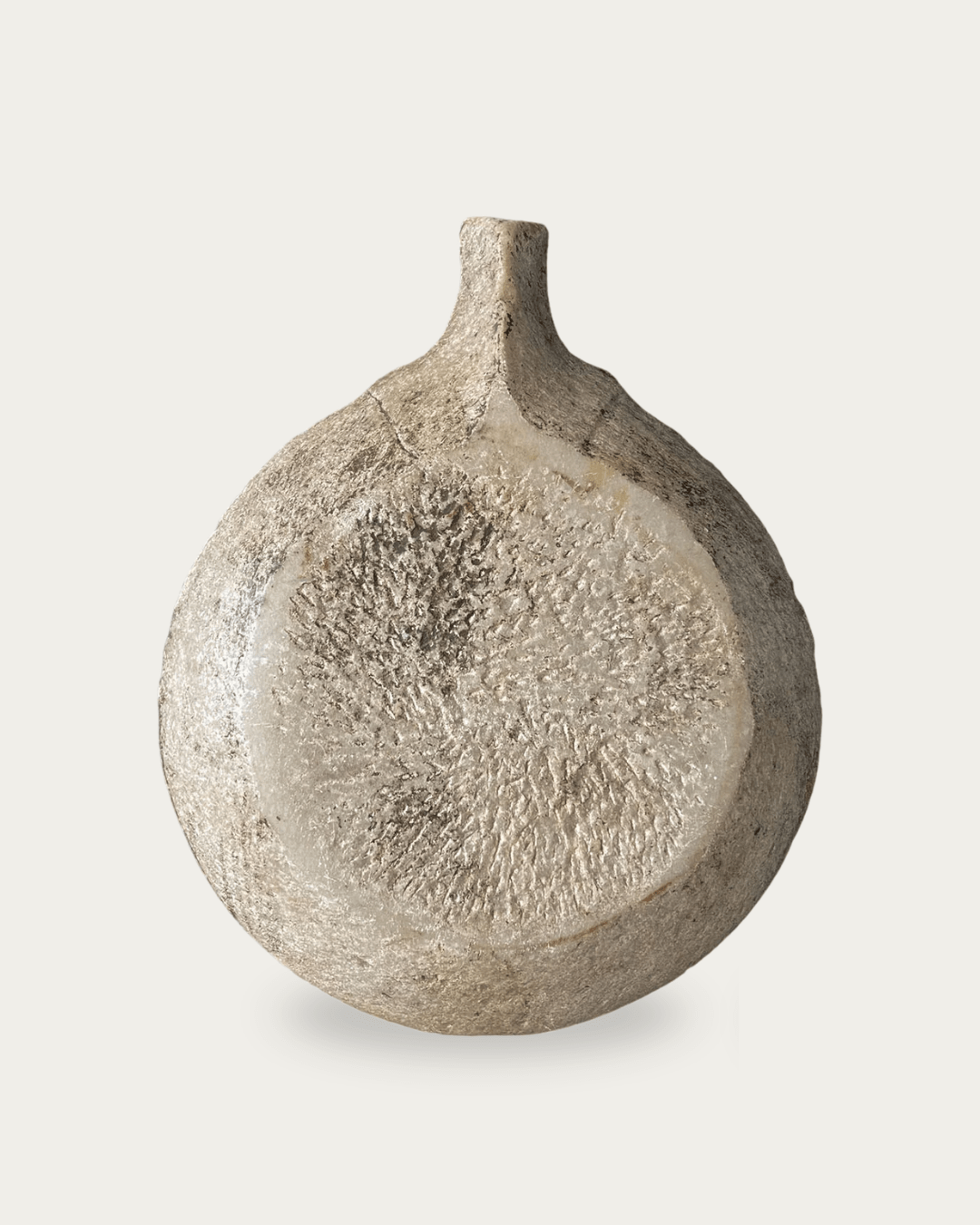
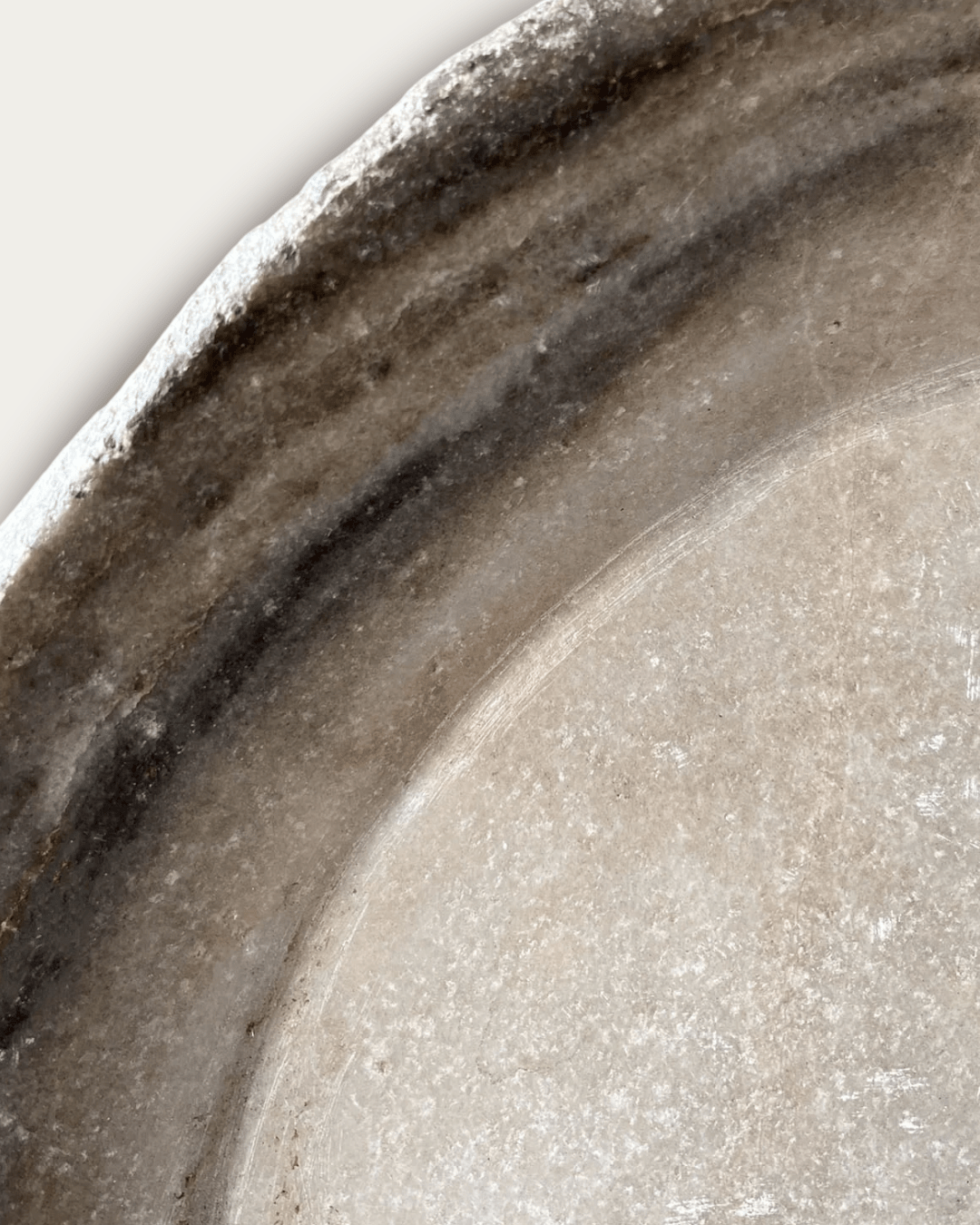
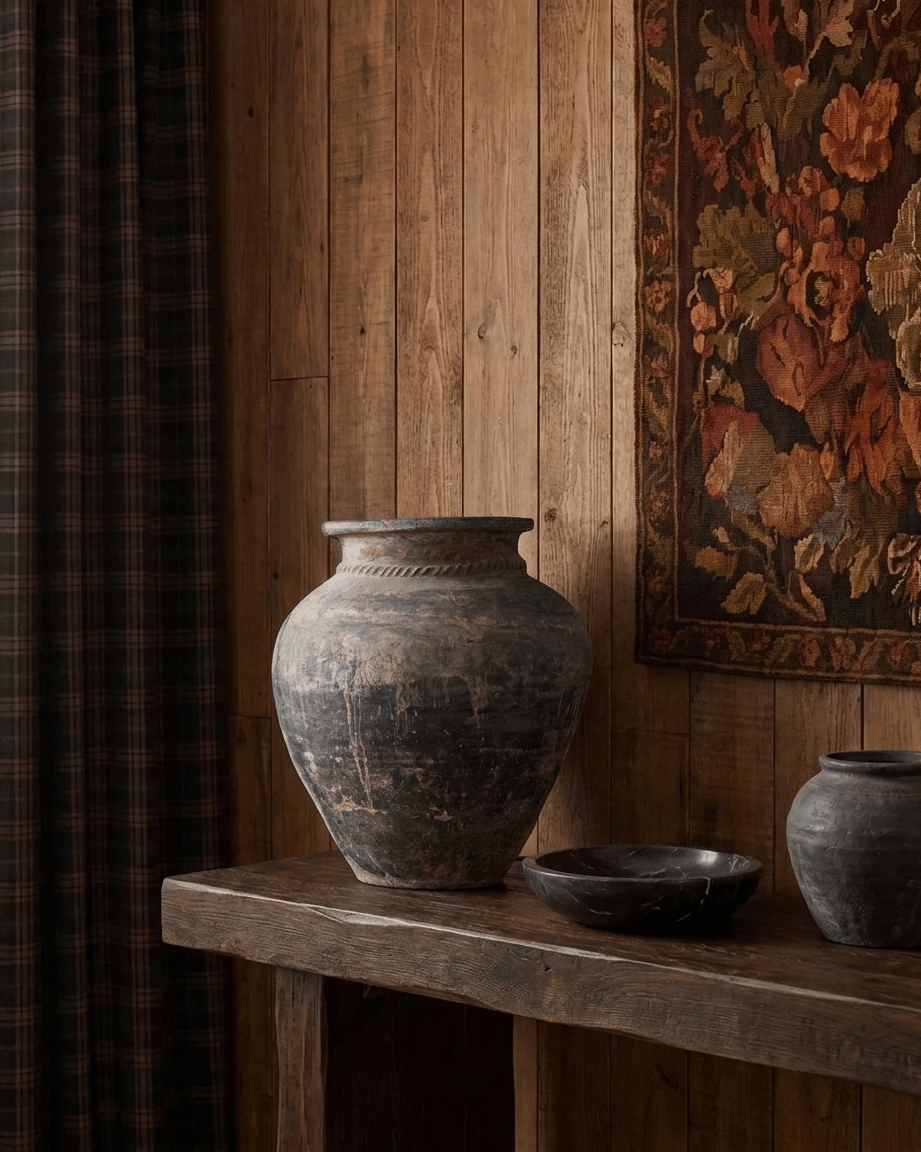
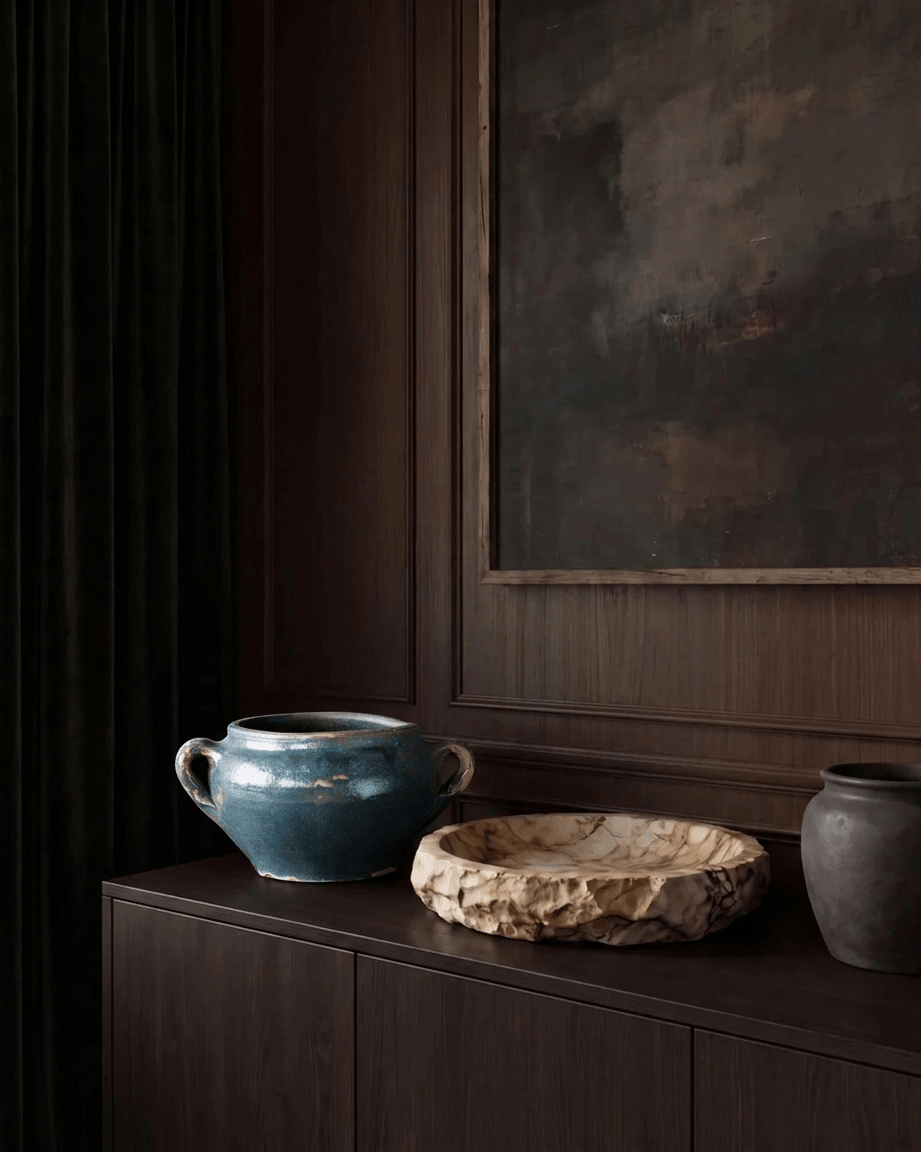
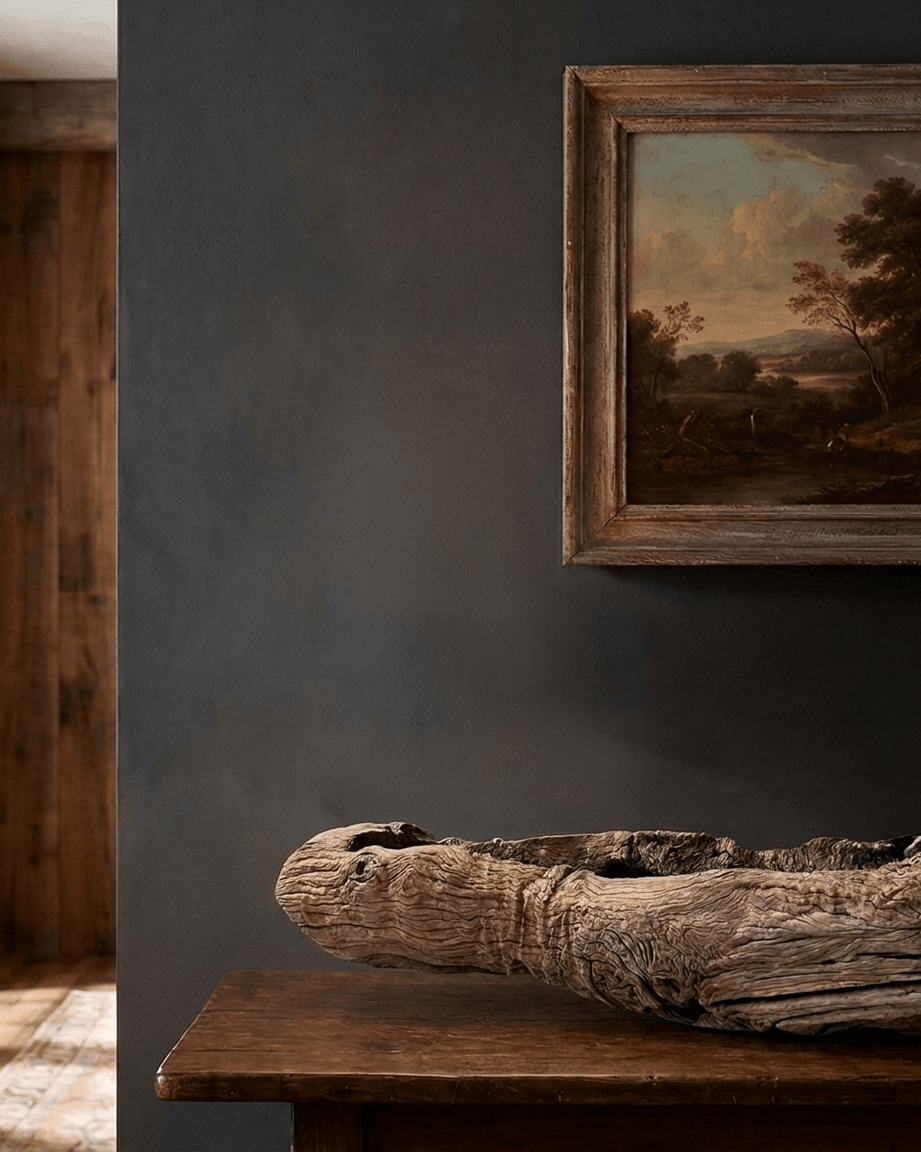
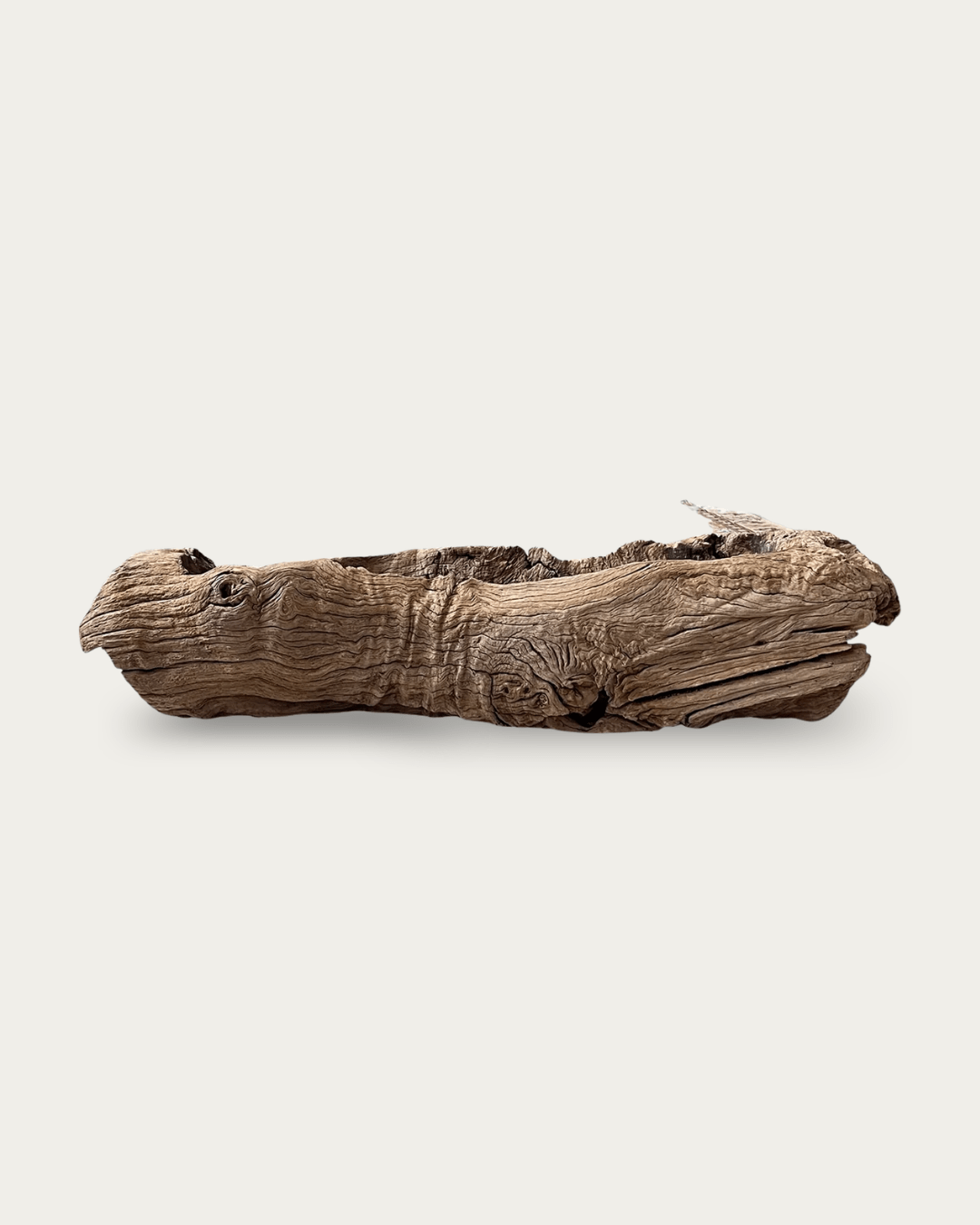
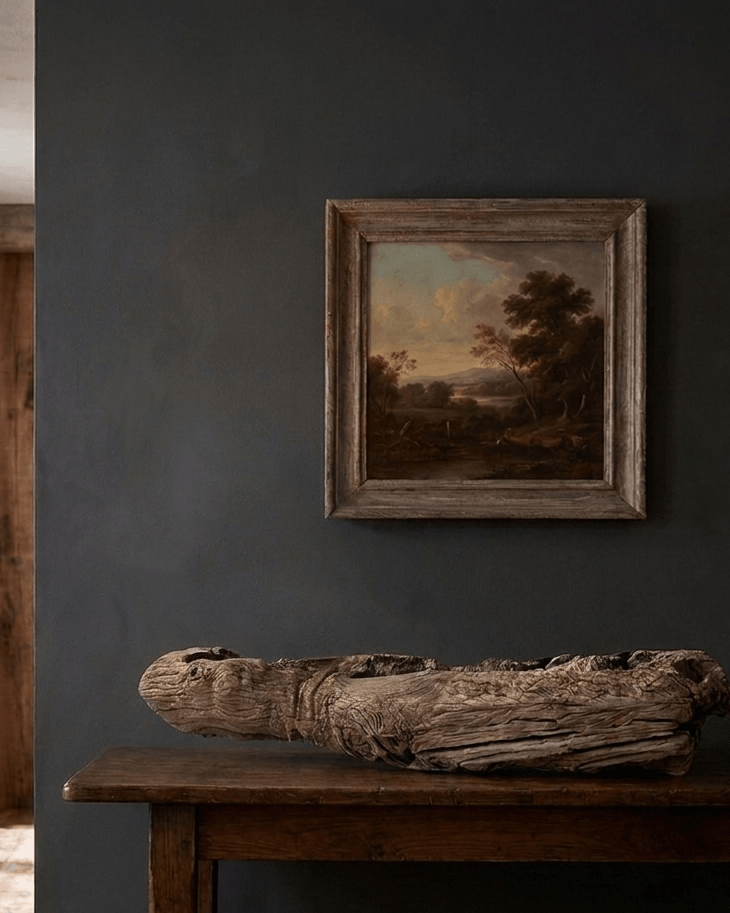
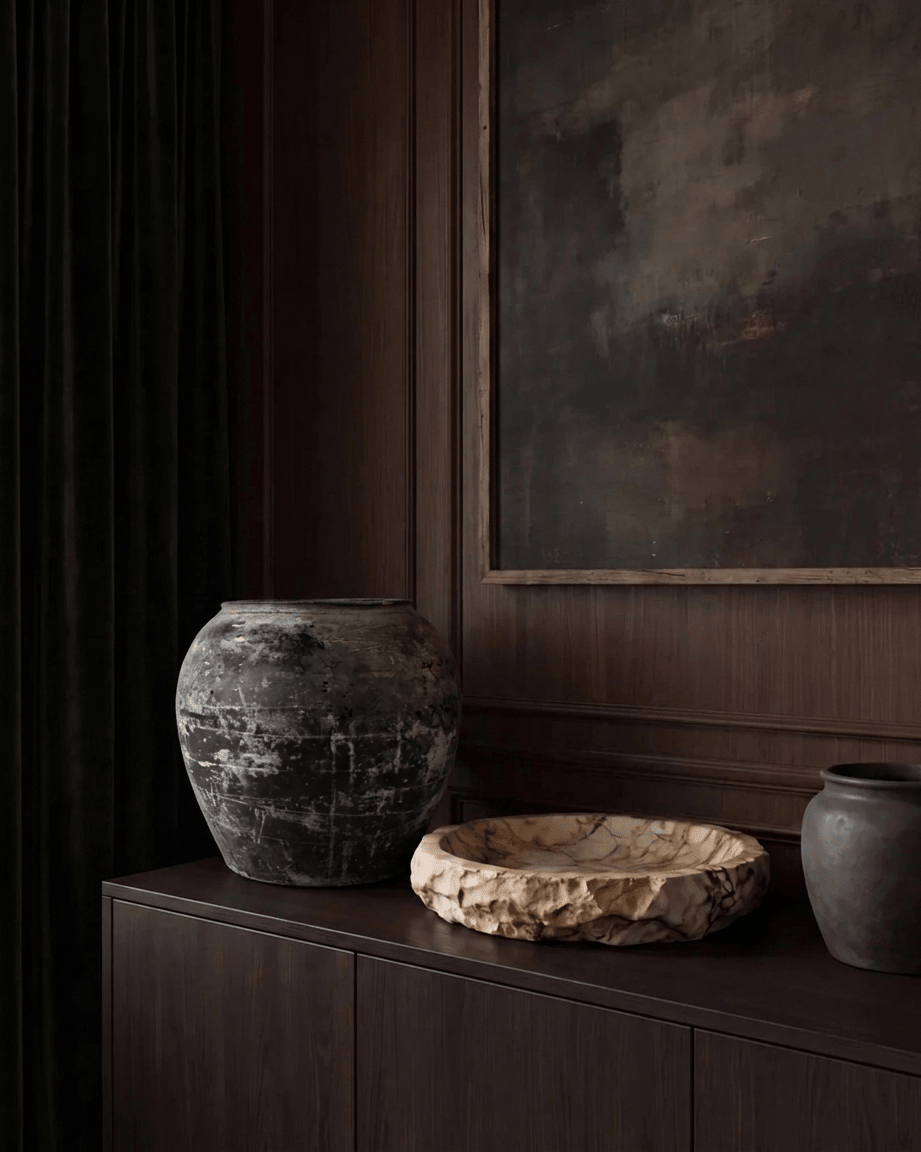
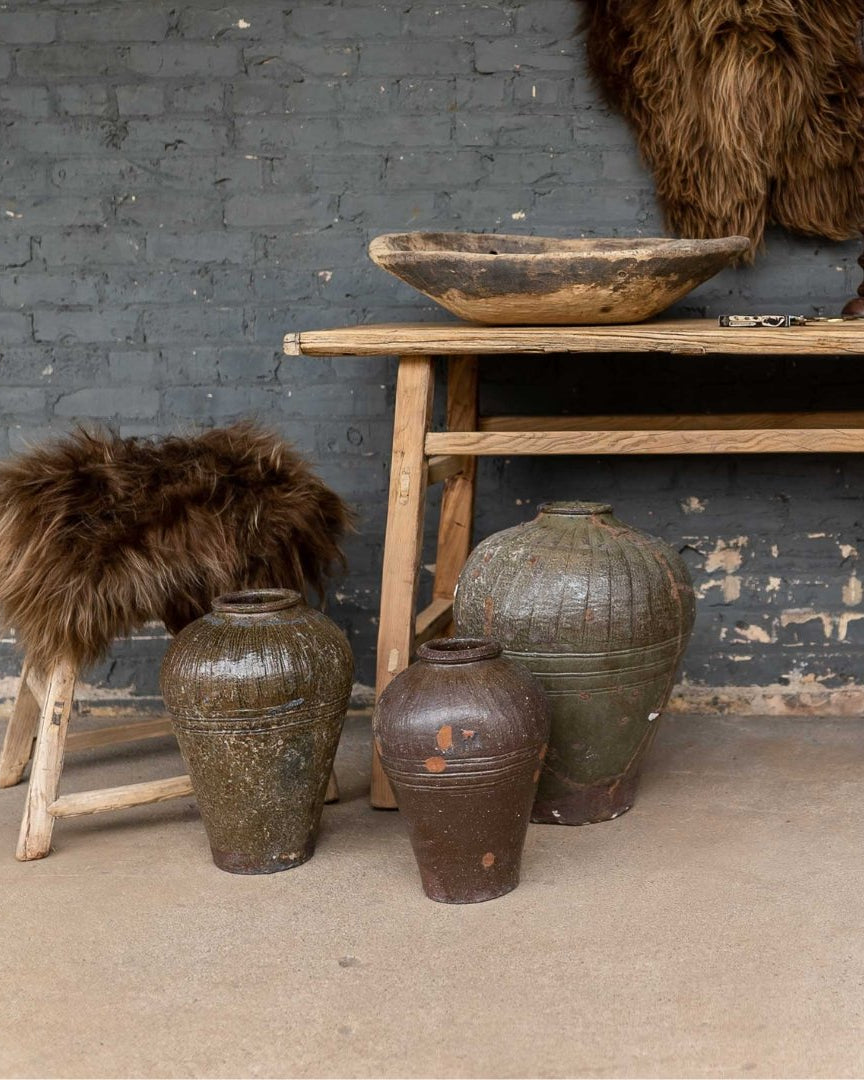
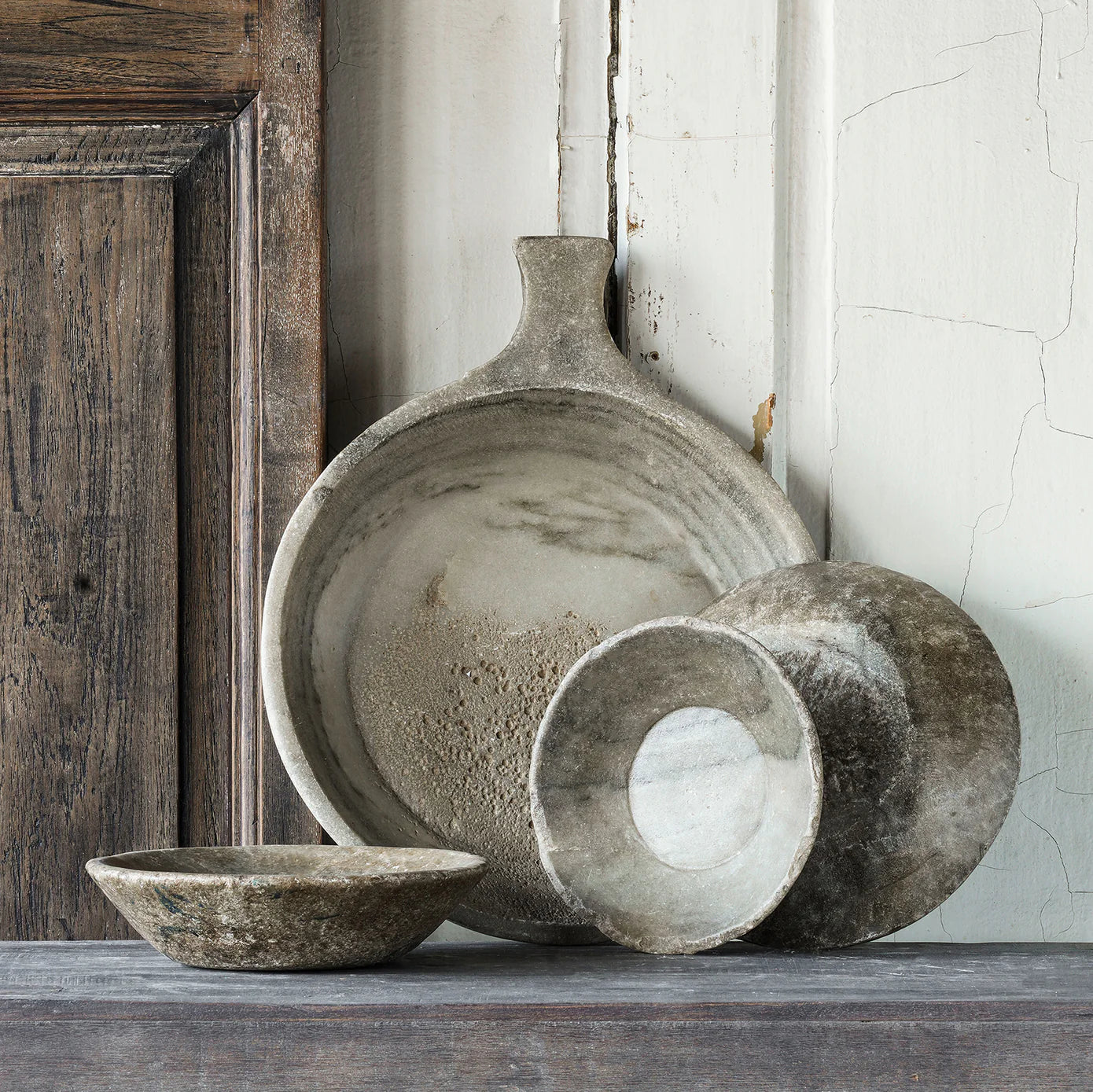
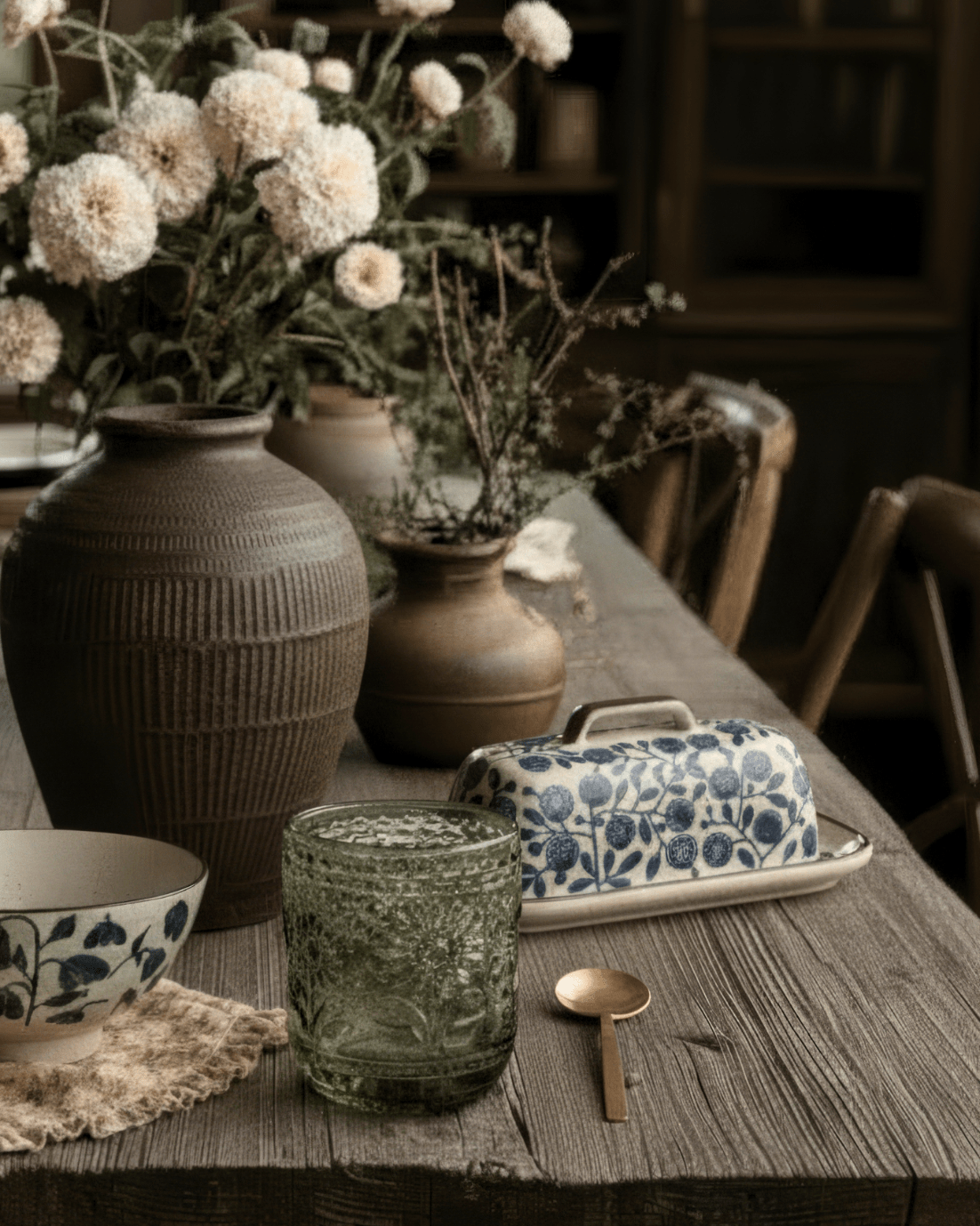
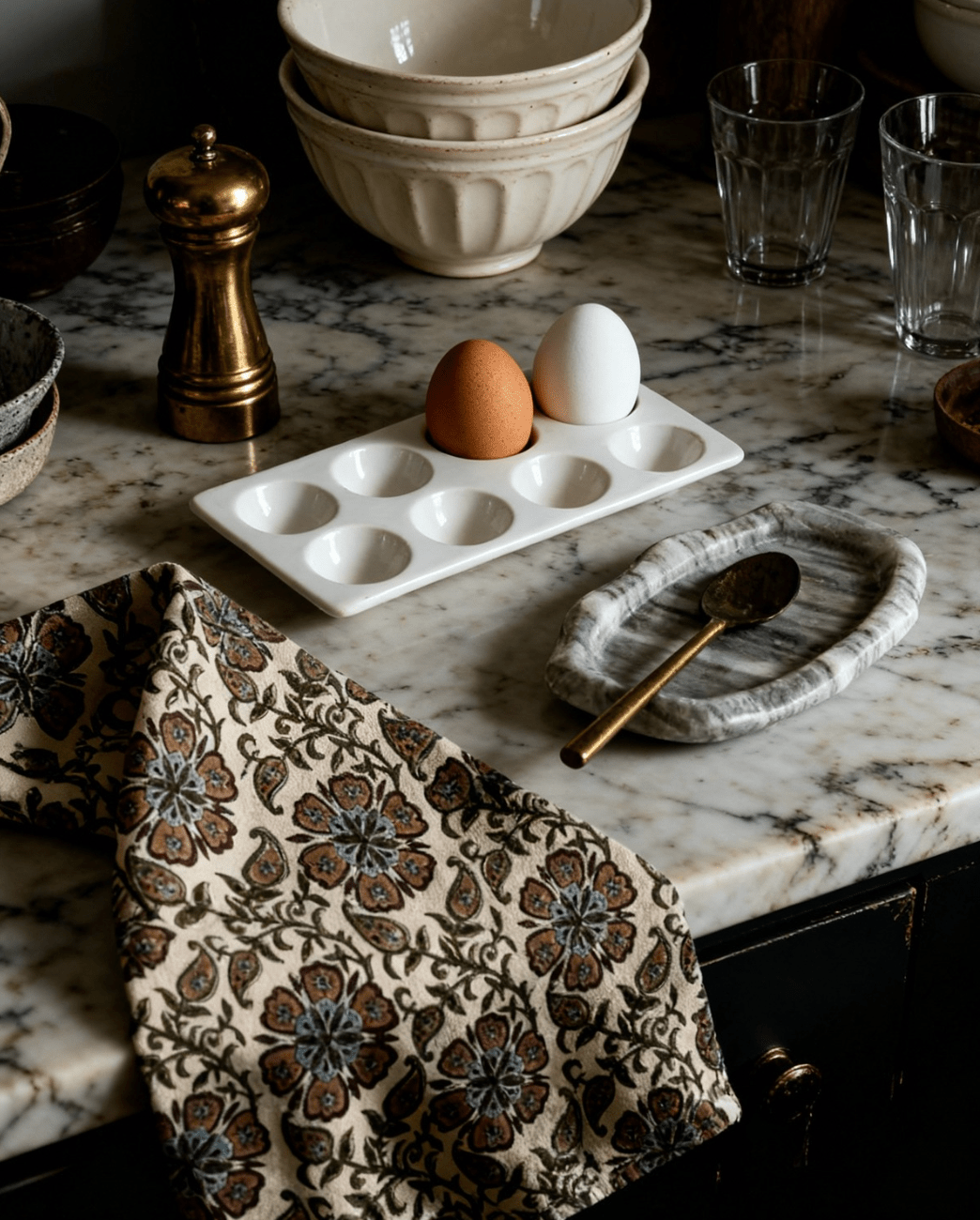
A piece like the Vintage shallow wood bowls doesn’t define a table, but it makes the surface feel resolved. The Vintage marble shallow bowl adds material contrast without pulling attention away from the overall layout.
They don’t compete.
They support.
Detail Is What Makes a Room Feel Considered
Two rooms can have the same layout and furniture.
One feels finished.
The other doesn’t.
The difference usually comes down to detail.
Small vintage decor introduces variation at a closer level—the level you interact with daily.
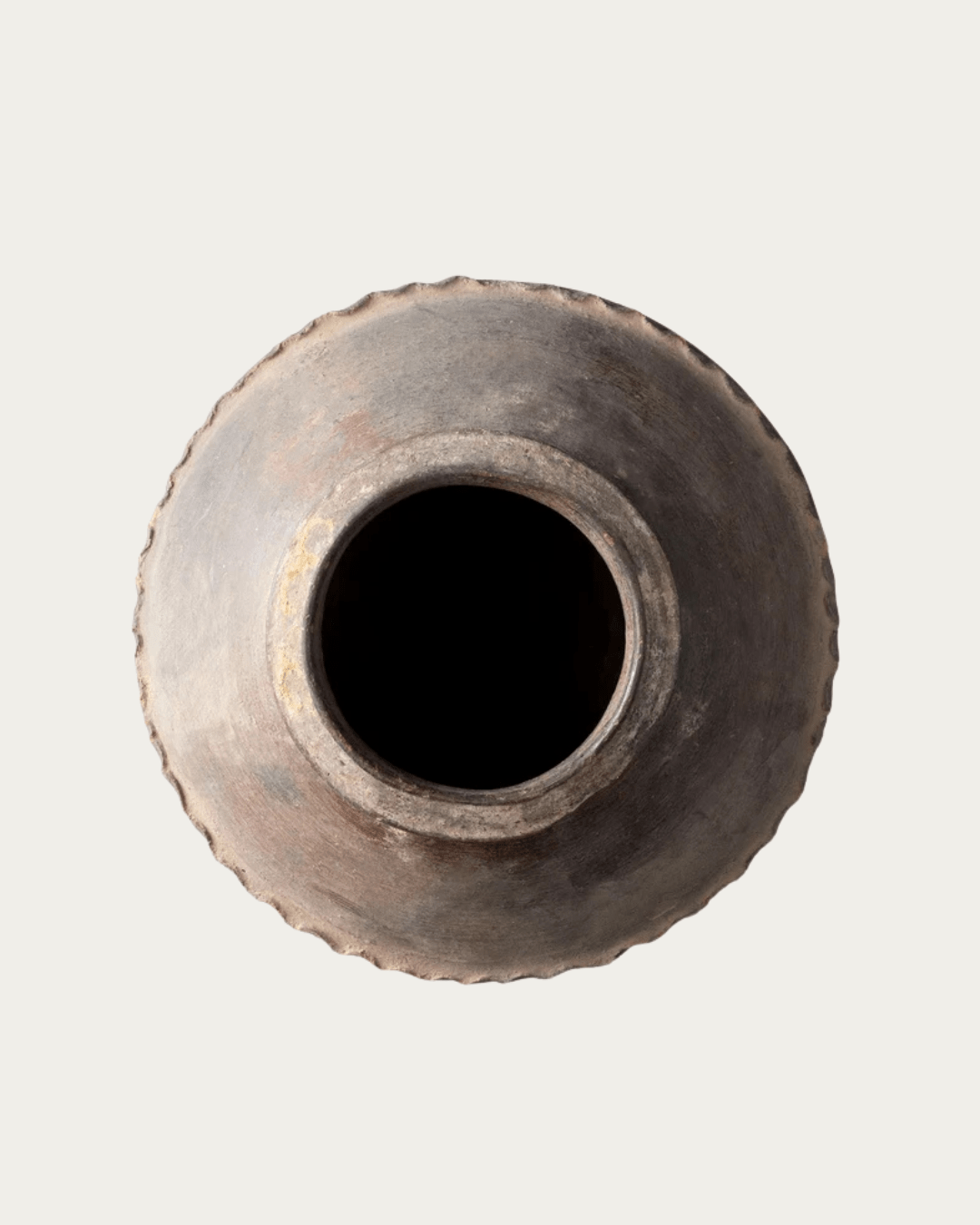
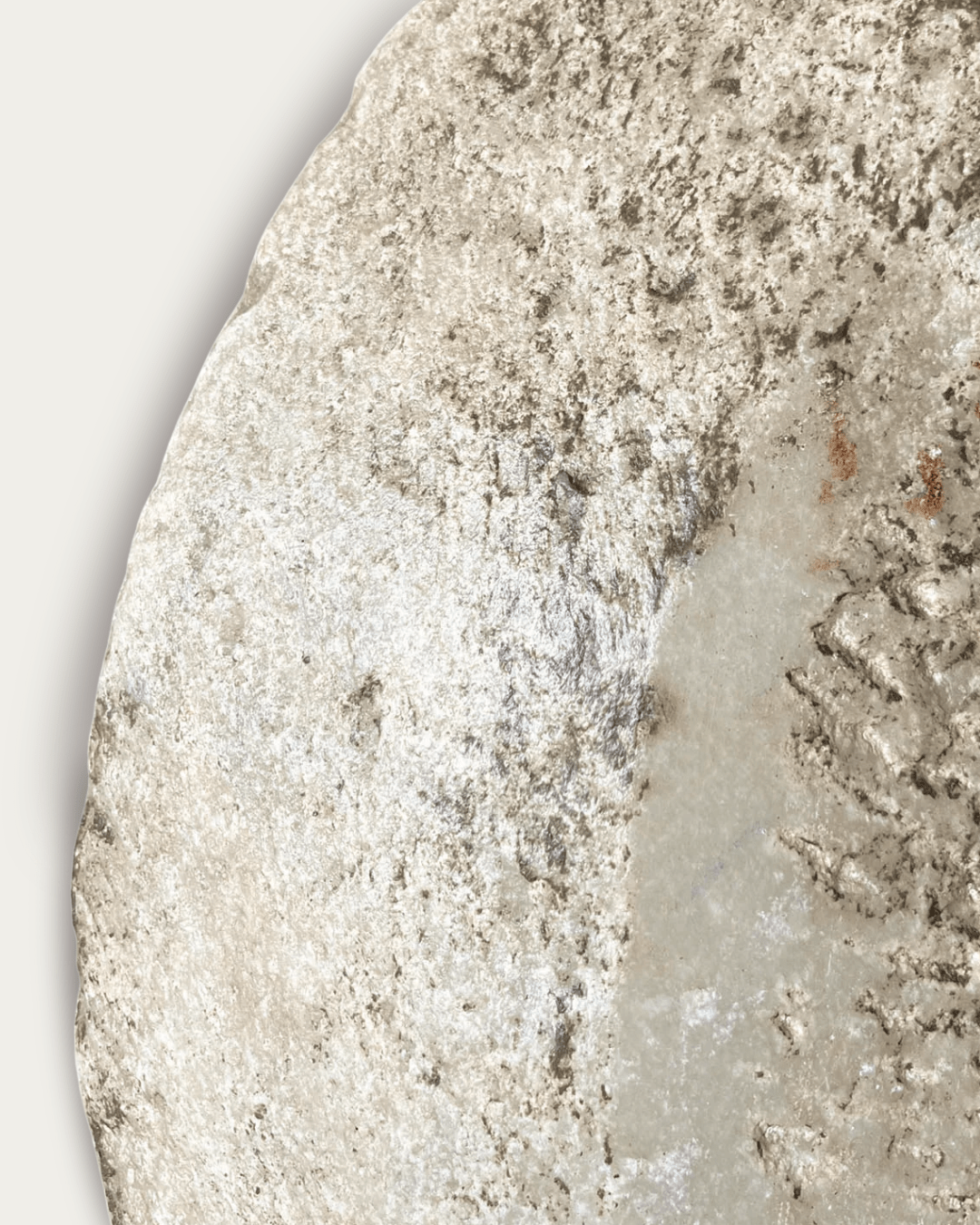
A piece like the Fern stone biscuit mold plate adds subtle texture to a surface, while the Vintage glove mold introduces a form that breaks repetition without overwhelming the space.
These details don’t dominate.
But they’re what make the room feel complete.
Small Vintage Decor Softens Hard Edges
Modern spaces often lean toward clean lines and defined shapes.
That structure works—but it can feel sharp over time.
Small vintage pieces soften that.
They introduce:
Rounded forms
Uneven surfaces
Natural variation
A piece like the Vintage shallow Wood bowls breaks up flat surfaces, while the Vintage marble shallow bowl adds weight without harshness.
This softening effect is subtle.
But it changes how the room feels.
A RUTED Tip: Micro-Variation Reduces Visual Tension. Your brain processes surfaces at both a large and small scale, and when everything at the micro level is too uniform, it increases visual tension; small vintage decor introduces irregularity in these close-up interactions, allowing your environment to feel more natural and easier to engage with over time.
Grouping Creates Impact—Not Quantity
One small piece on its own can feel isolated.
But grouping changes that.
When you place two or three small vintage objects together, they start to read as one composition instead of separate items.
A piece like the Fern stone biscuit mold plate works better when paired with complementary objects, while the Vintage glove mold can anchor a small grouping without needing additional layers.
The goal isn’t more pieces.
It’s better relationships between them.
Small Pieces Guide the Eye
Large decor anchors the eye.
Small decor directs it.
They create movement across a space—subtle transitions that guide how you experience the room.
Without them, the eye jumps from one major element to another without flow.
A well-placed small object creates a pause.
Then a transition.
Then another focal point.
That’s how a room starts to feel cohesive instead of segmented.
They Work Best on Functional Surfaces
Small vintage decor performs best where interaction happens.
Not just shelves—but:
Coffee tables
Consoles
Nightstands
Dining surfaces
These are the areas where detail matters most.
A piece like the Vintage shallow wood bowls feels natural on a table surface, while the Vintage marble shallow bowl integrates easily into layered arrangements.
These pieces become part of daily use—not just visual additions.
Small Vintage Decor Adds Depth Without Clutter
One of the biggest concerns with decor is clutter.
Small vintage pieces solve that—when used correctly.
Instead of filling every surface, they:
Add variation
Create contrast
Introduce texture
A single piece can be enough.
The key is placement.
When every object has a role, the space feels intentional—not crowded.
Contrast Is Where They Work Best
Small vintage decor stands out most when placed against cleaner, simpler elements.
That contrast is what makes them effective.
Against a minimal surface, a textured piece becomes more noticeable.
Against uniform materials, variation becomes more impactful.
A piece like the Fern stone biscuit mold plate feels stronger when surrounded by restraint, while the Vintage shallow wood bowls stand out more when not competing with too many other objects.
Contrast creates clarity.
When Small Vintage Decor Doesn’t Work
Small pieces fail when they’re used incorrectly.
Common mistakes include:
Scattering them randomly
Overfilling surfaces
Using too many without structure
This creates noise instead of detail.
The fix isn’t removing them entirely.
It’s reducing and repositioning.
Often, fewer pieces placed better create a stronger result.
Balancing Small and Large Pieces
Small vintage decor works best when paired with larger elements.
Without that balance, the room lacks structure.
Large pieces create anchors.
Small pieces refine the space around them.
If you only use small decor, the room can feel scattered.
If you only use large decor, it can feel incomplete.
The balance between the two is what creates depth.
Why This Matters in Everyday Living
A room isn’t experienced all at once.
It’s experienced in layers.
Large elements shape the space from a distance.
Small elements shape it up close.
This is what makes a room feel more natural to live in.
Instead of being something you look at, it becomes something you interact with.
And that’s what makes it feel finished.
Where to Start
If your space feels flat or incomplete, don’t add more immediately.
Start small.
Add one or two vintage pieces
Place them intentionally
Group where needed
Remove anything unnecessary
Then observe how the room changes.
Small shifts often create the biggest difference.
Final Thought
Small vintage decor doesn’t transform a room on its own.
It refines it.
It softens edges, introduces variation, and fills the gaps that make a space feel incomplete.
When used well, it doesn’t stand out.
It makes everything else work better.
And that’s what creates a space that feels layered instead of styled.
If you’re ready to add that level of detail to your home, start here:
Browse the vintage collection