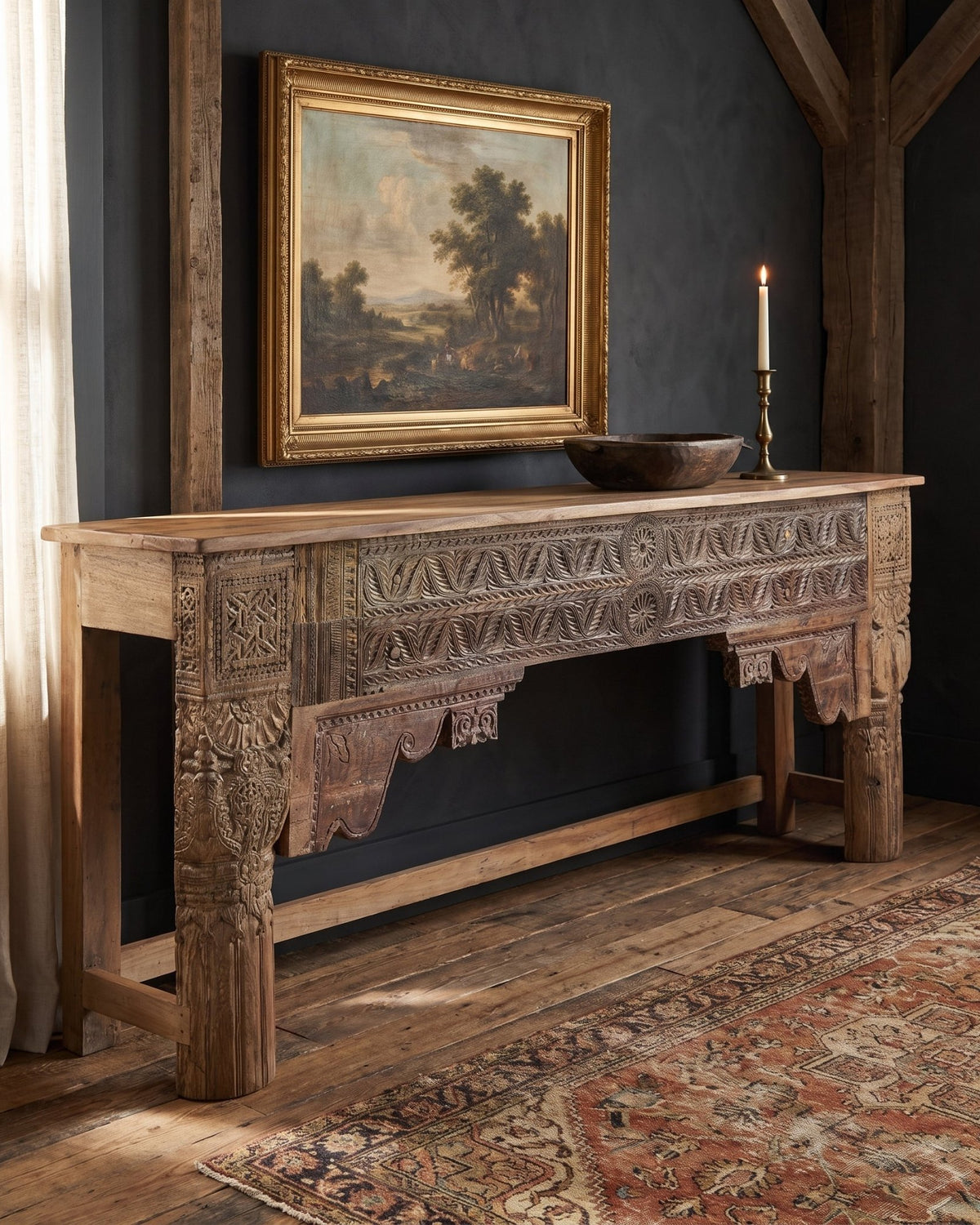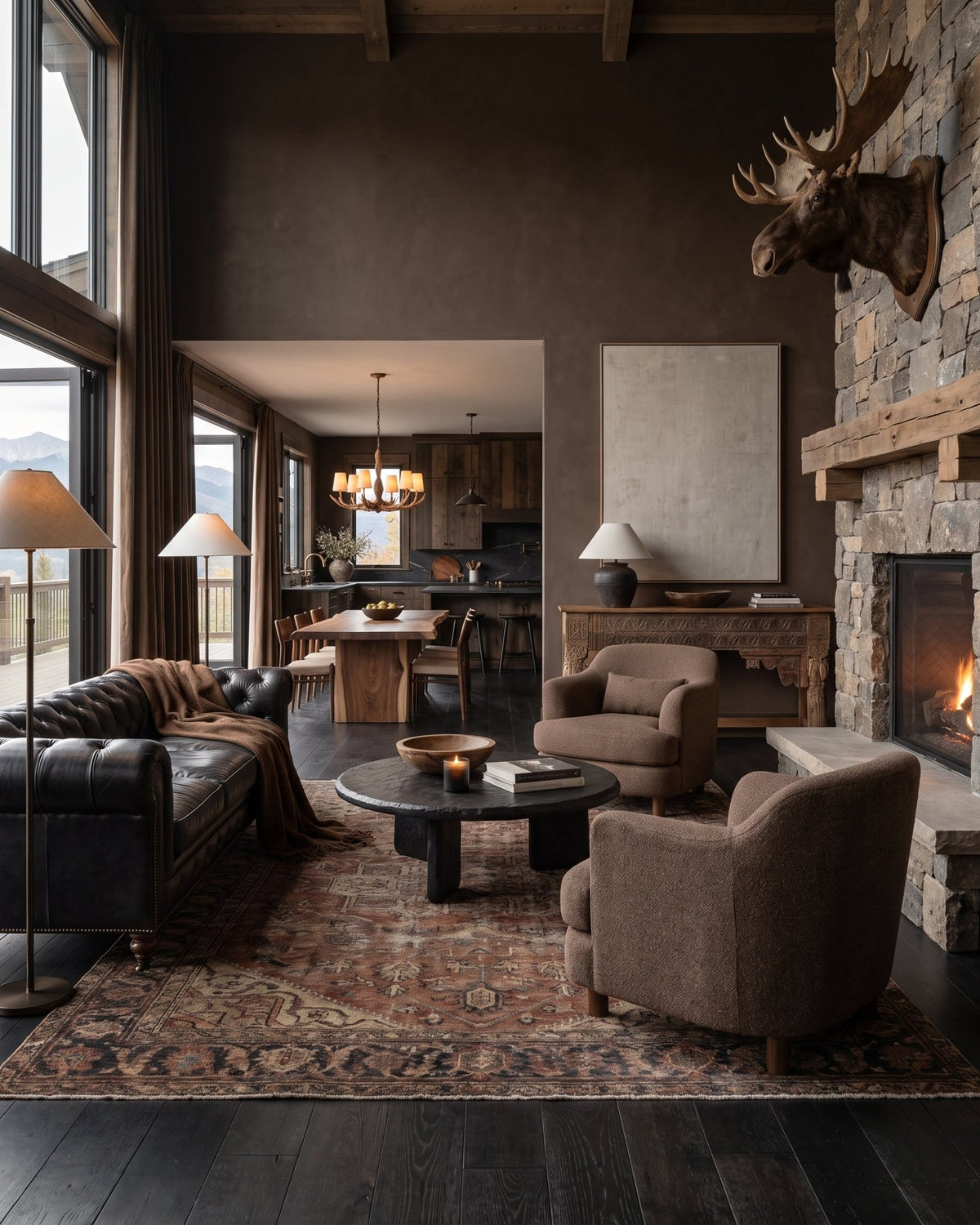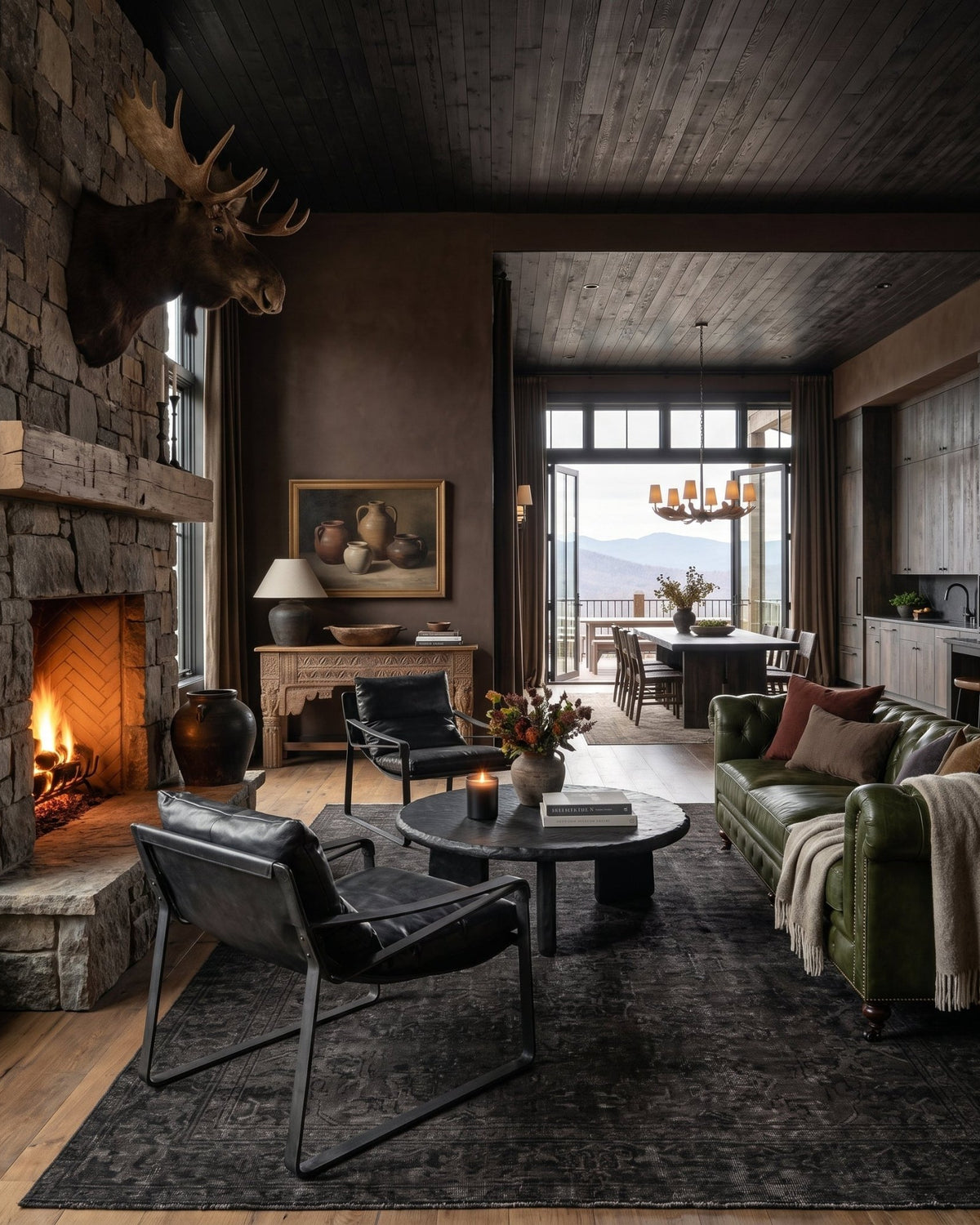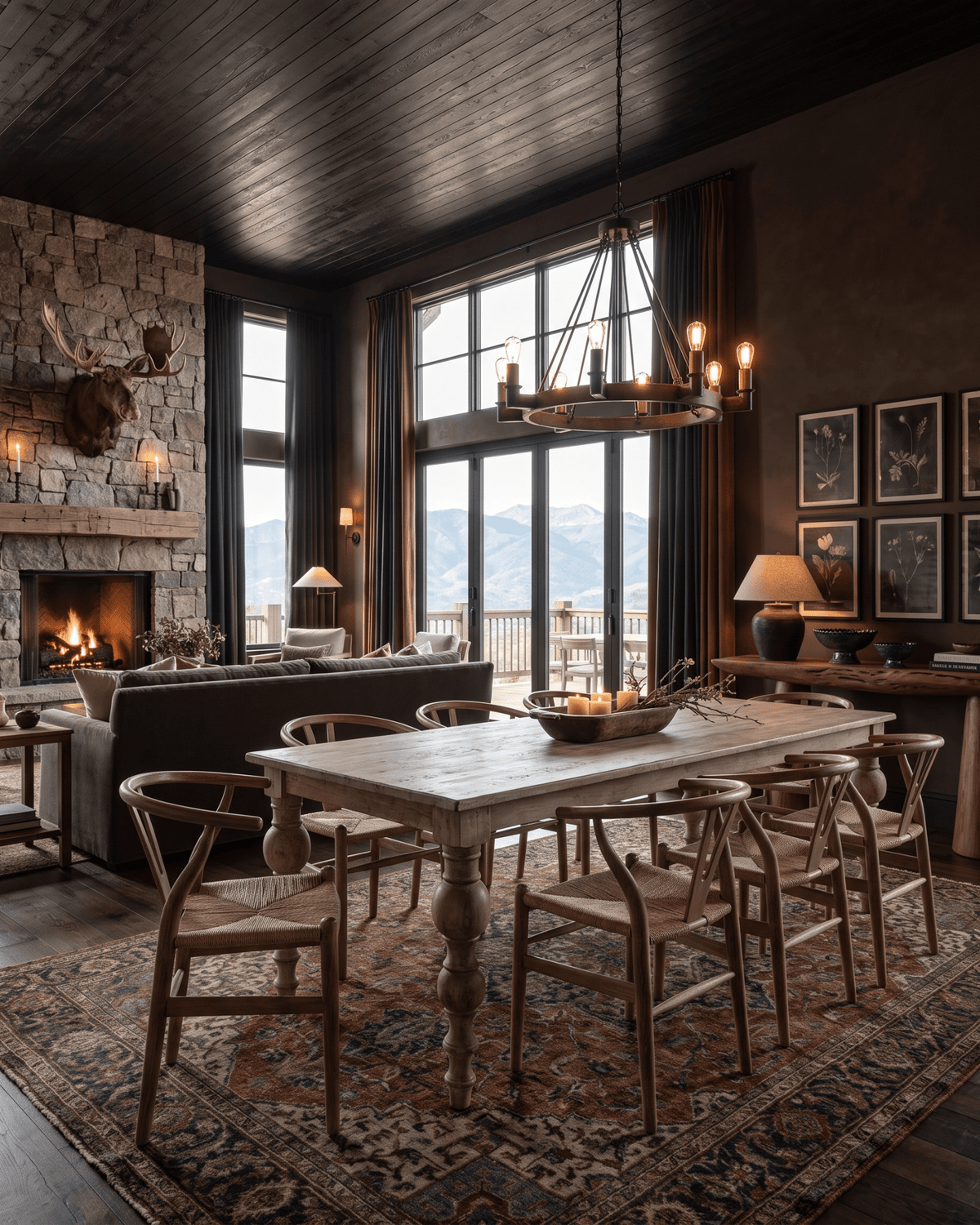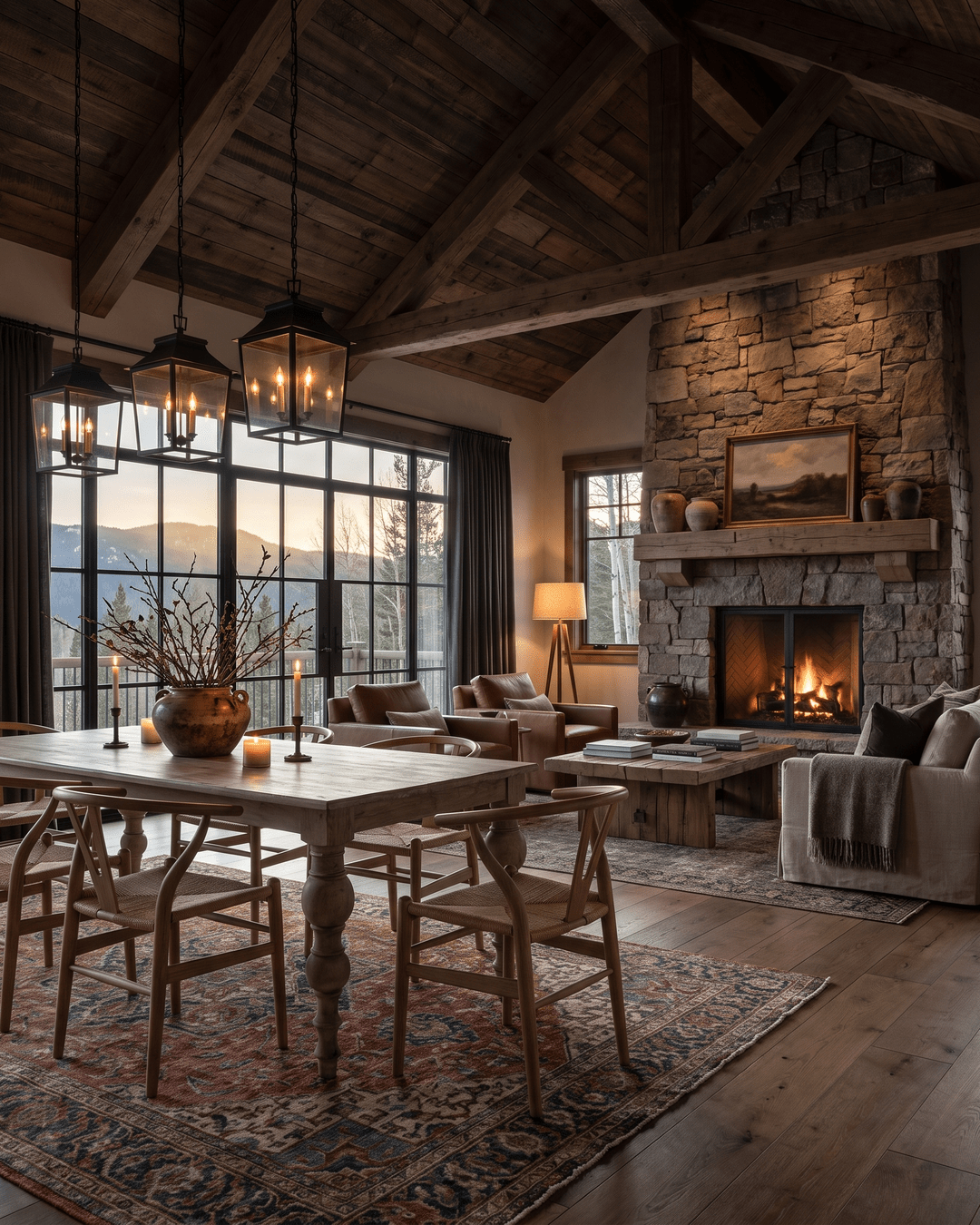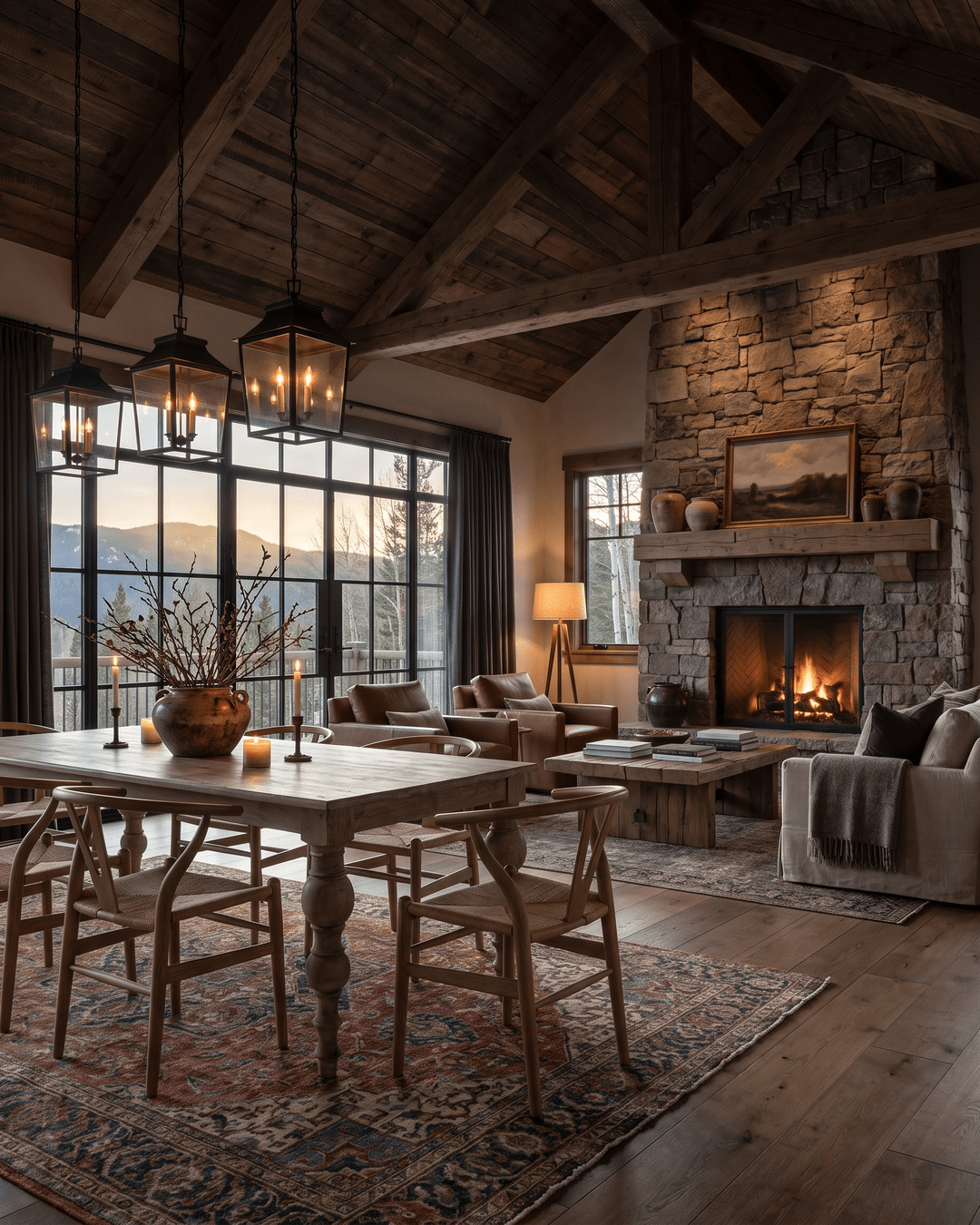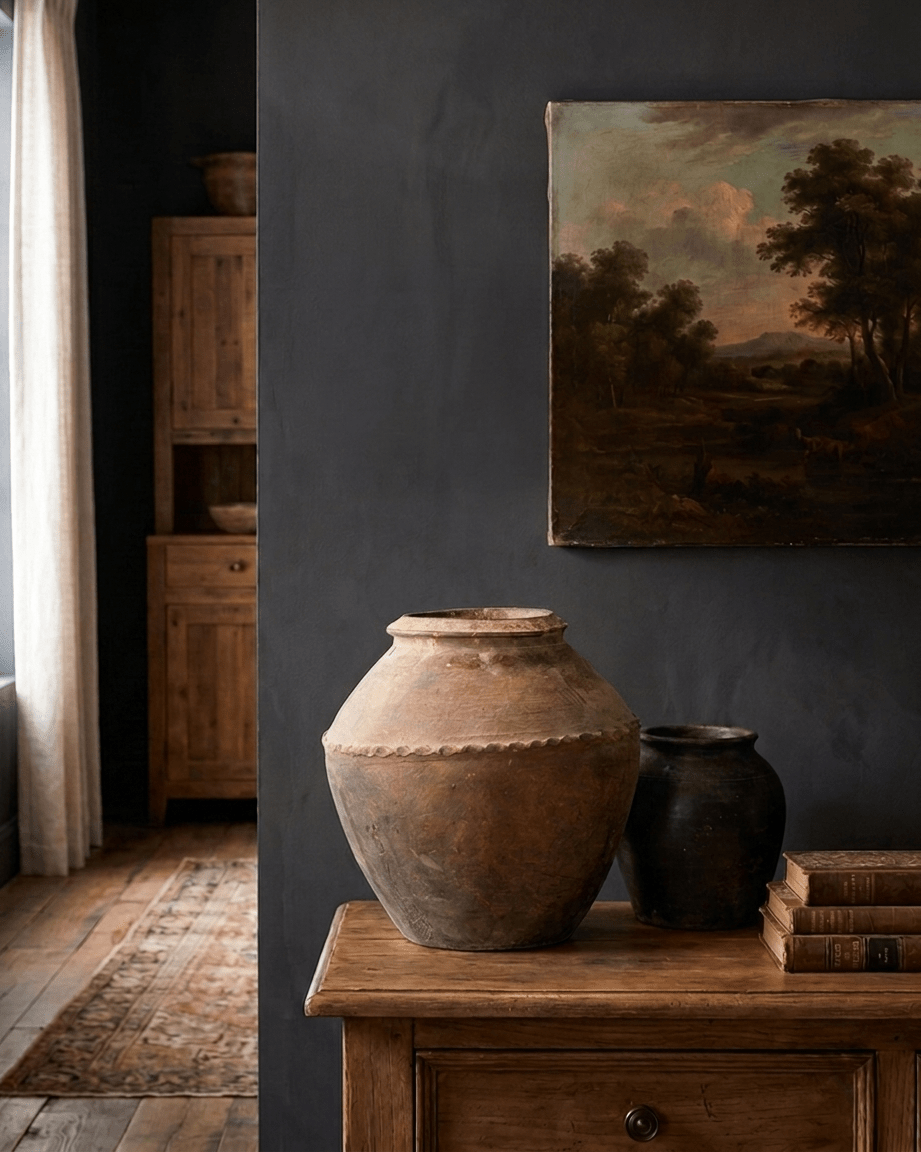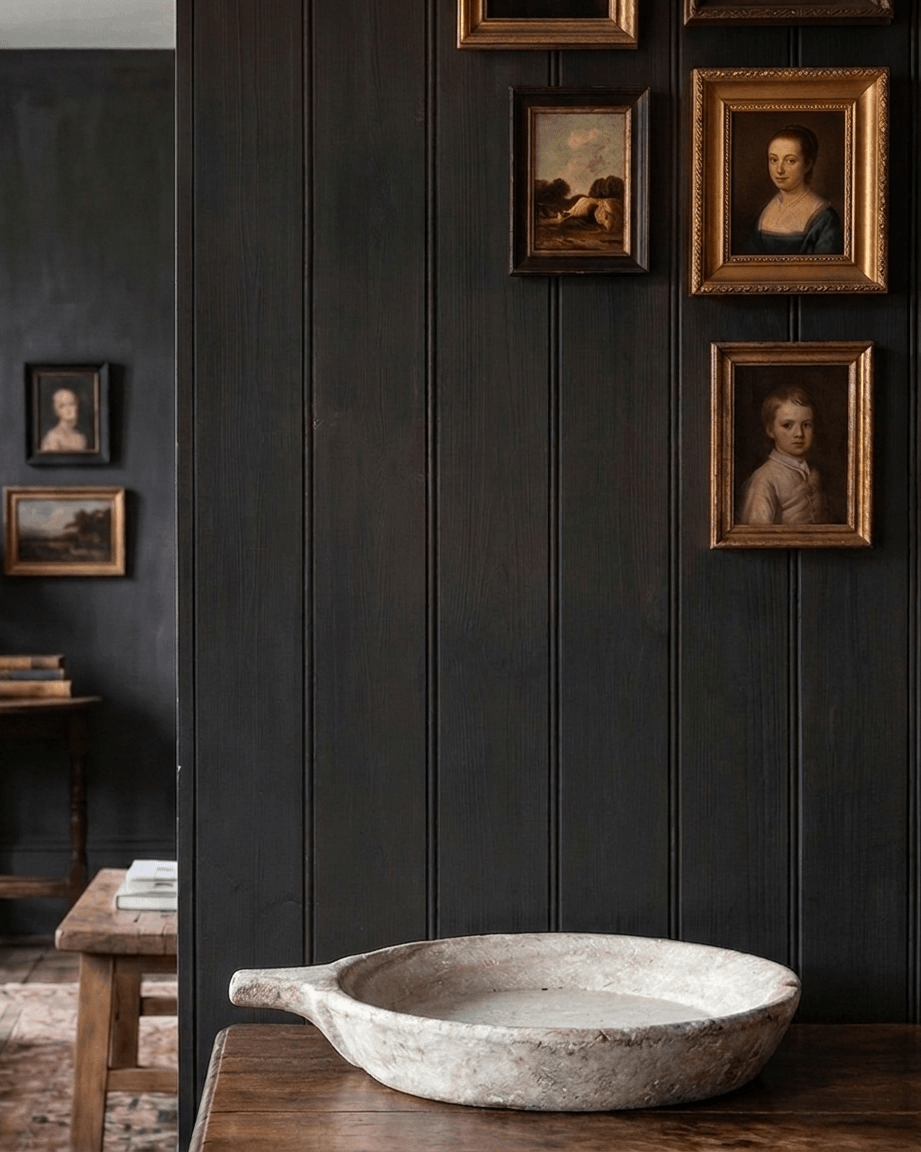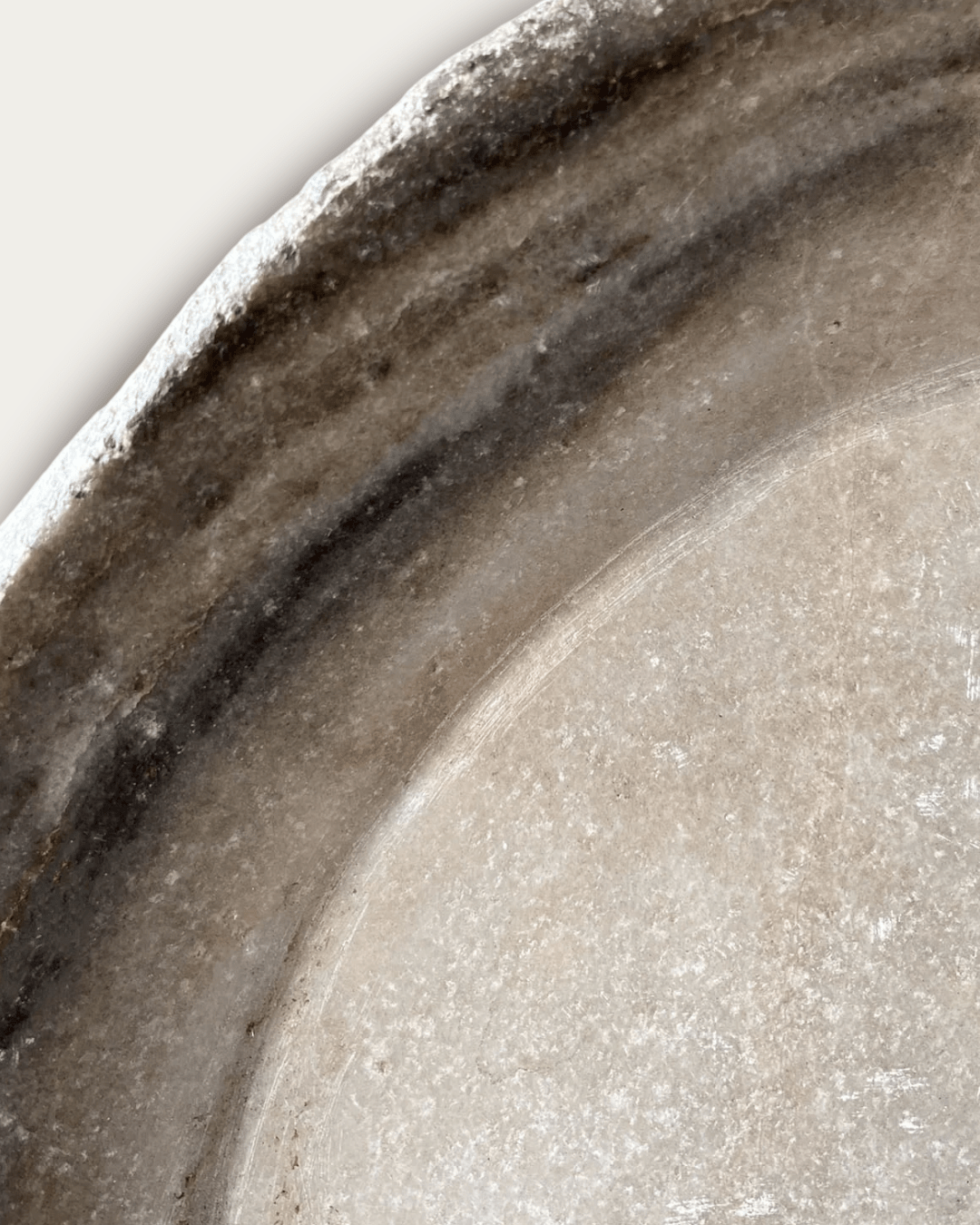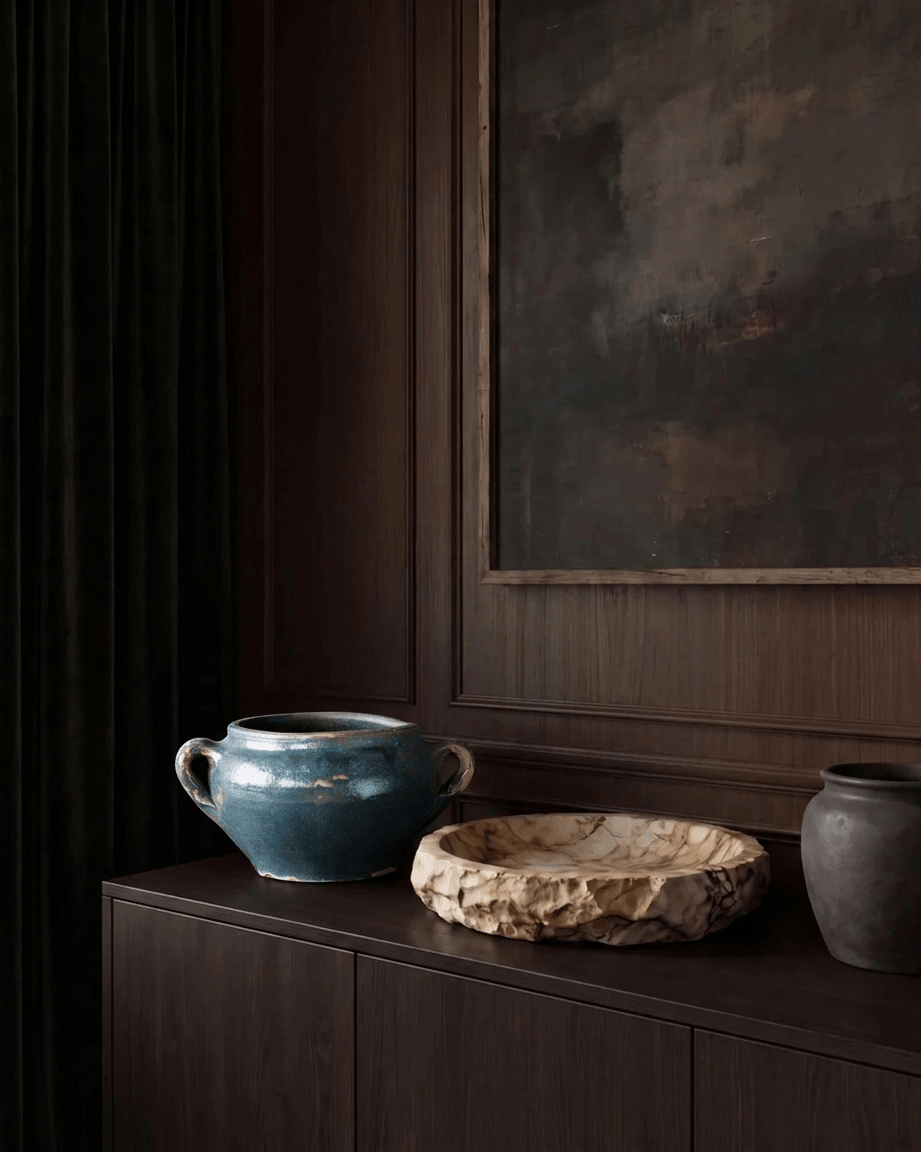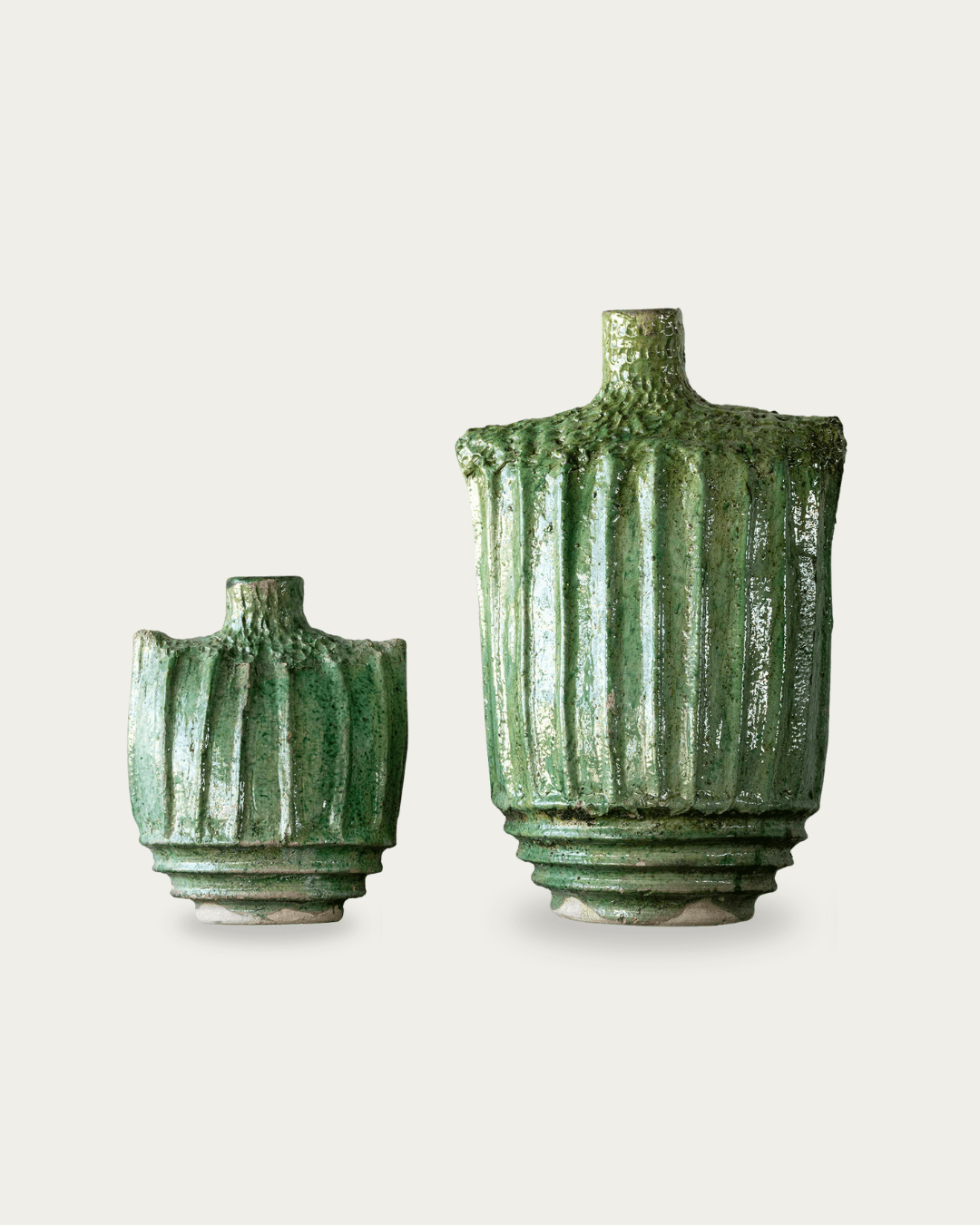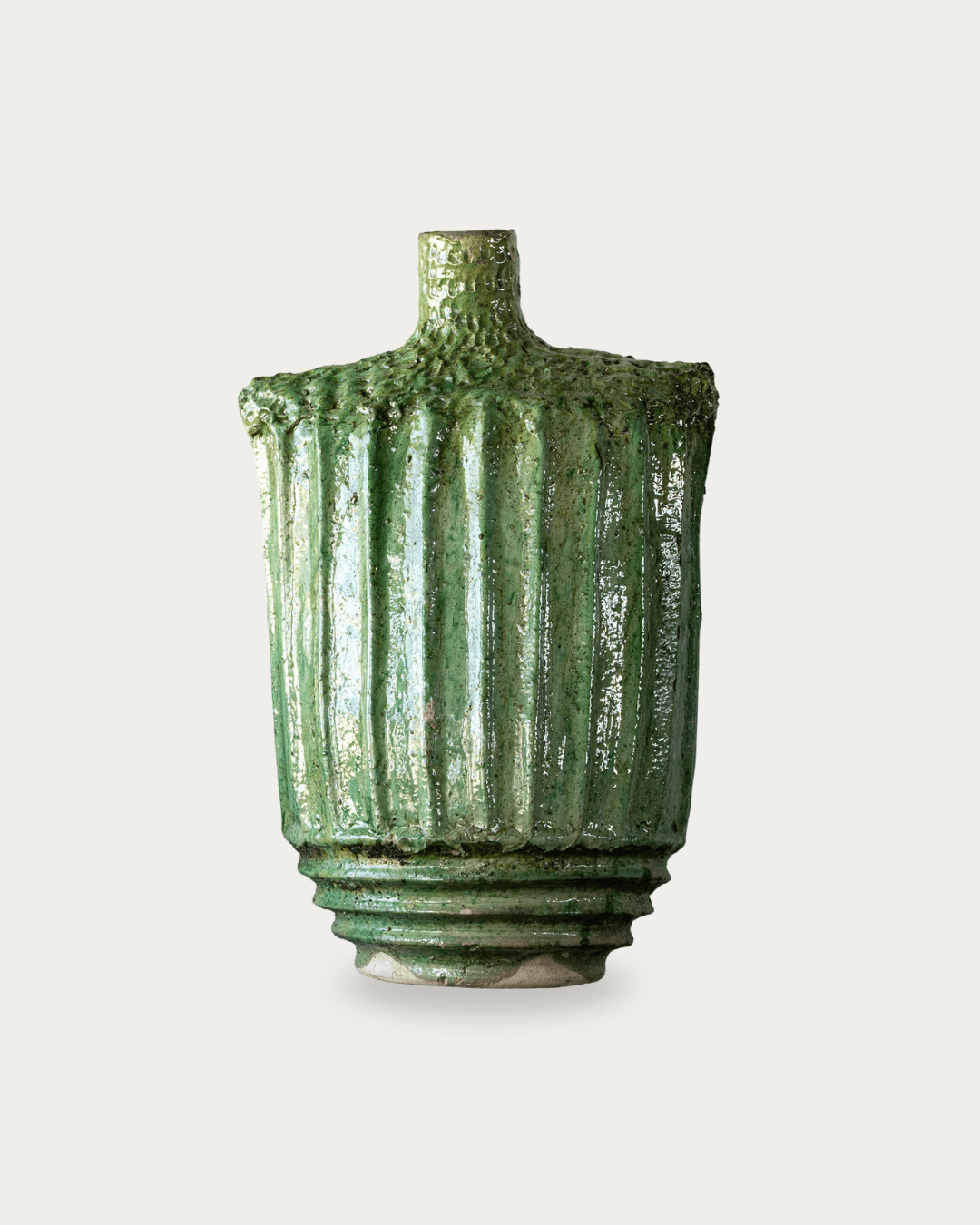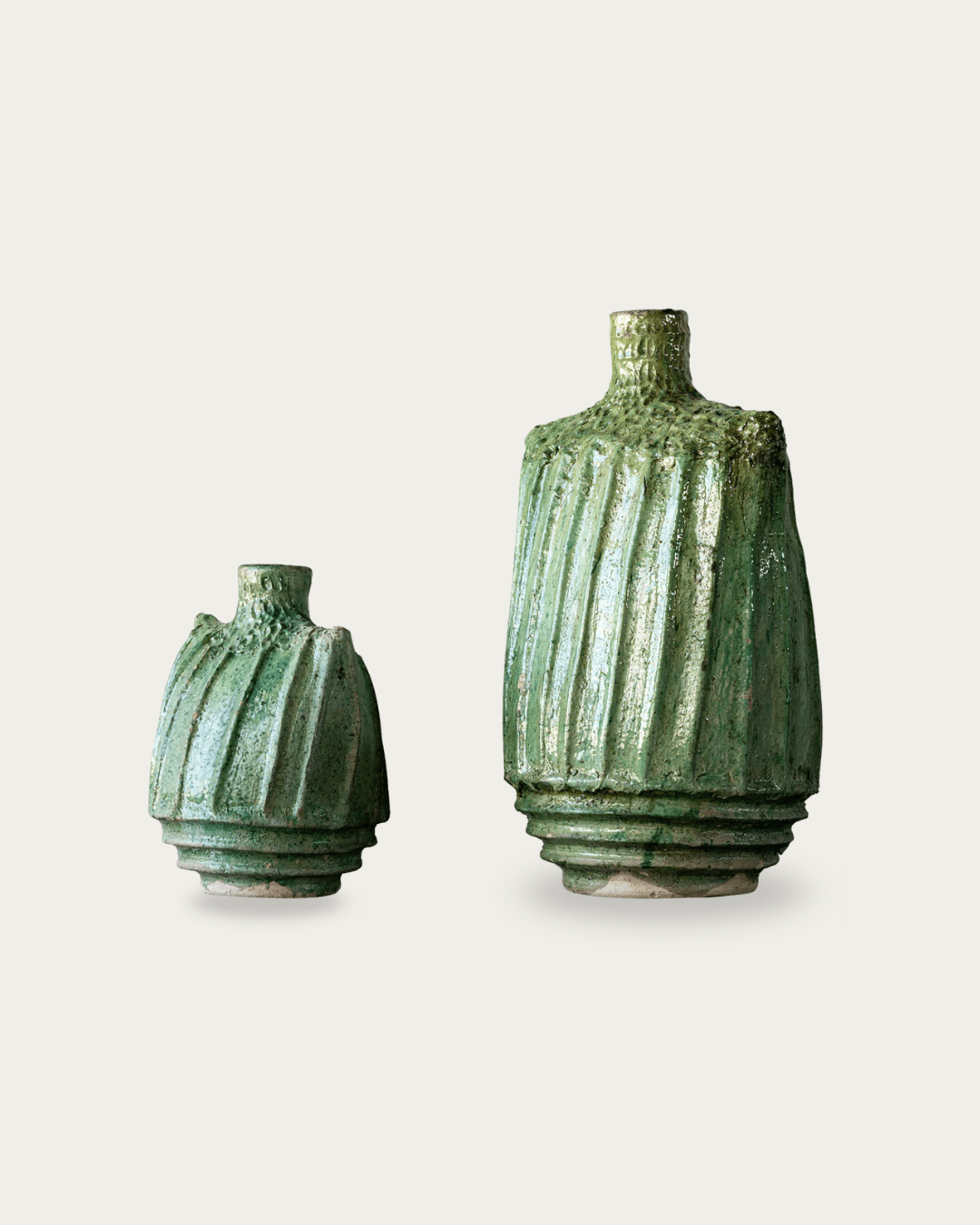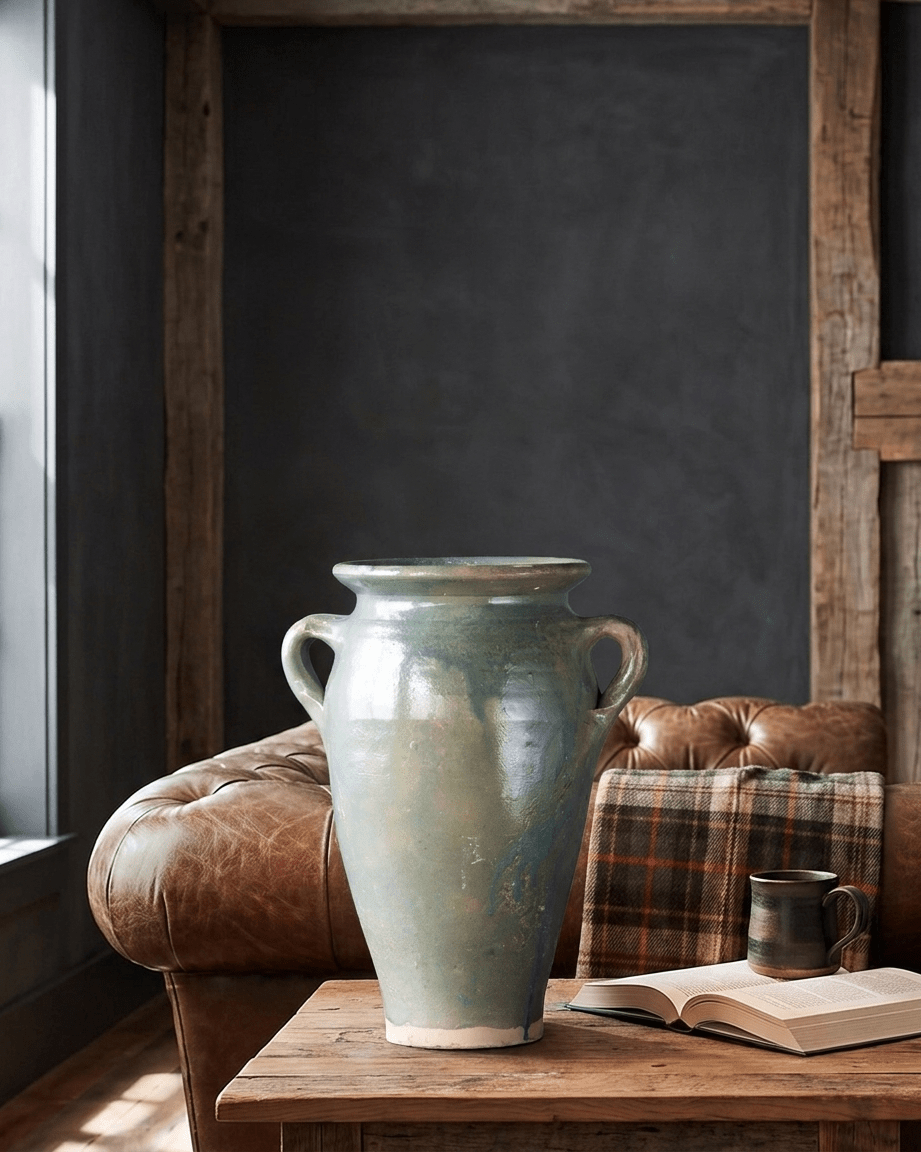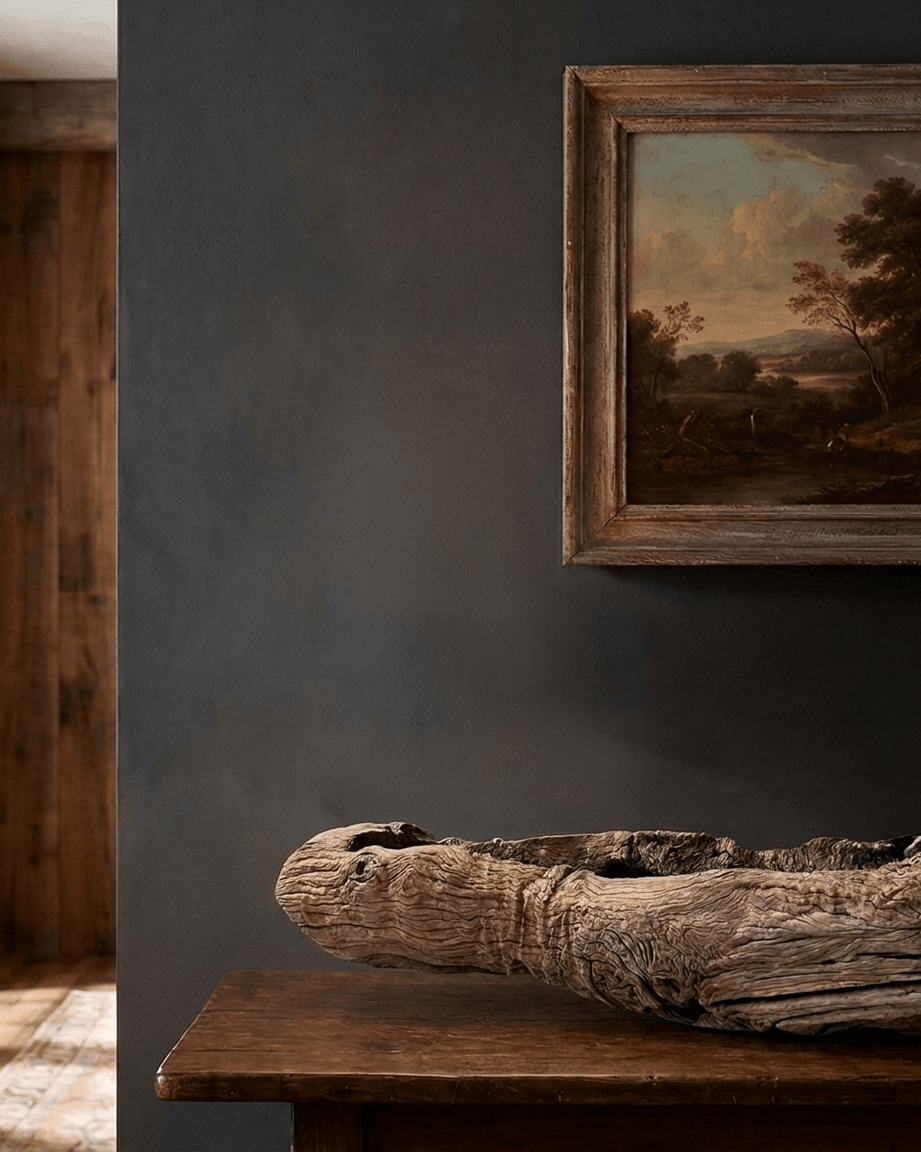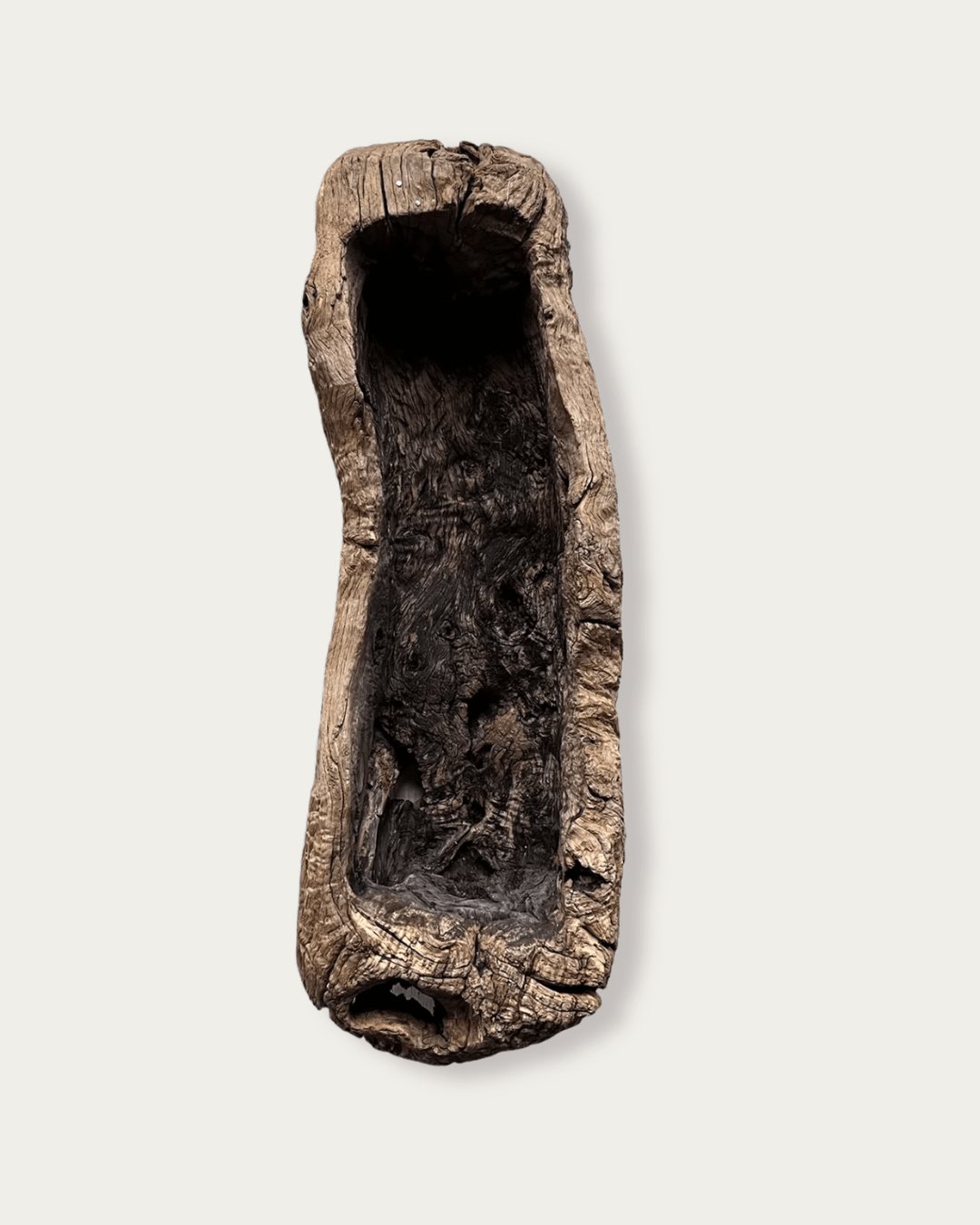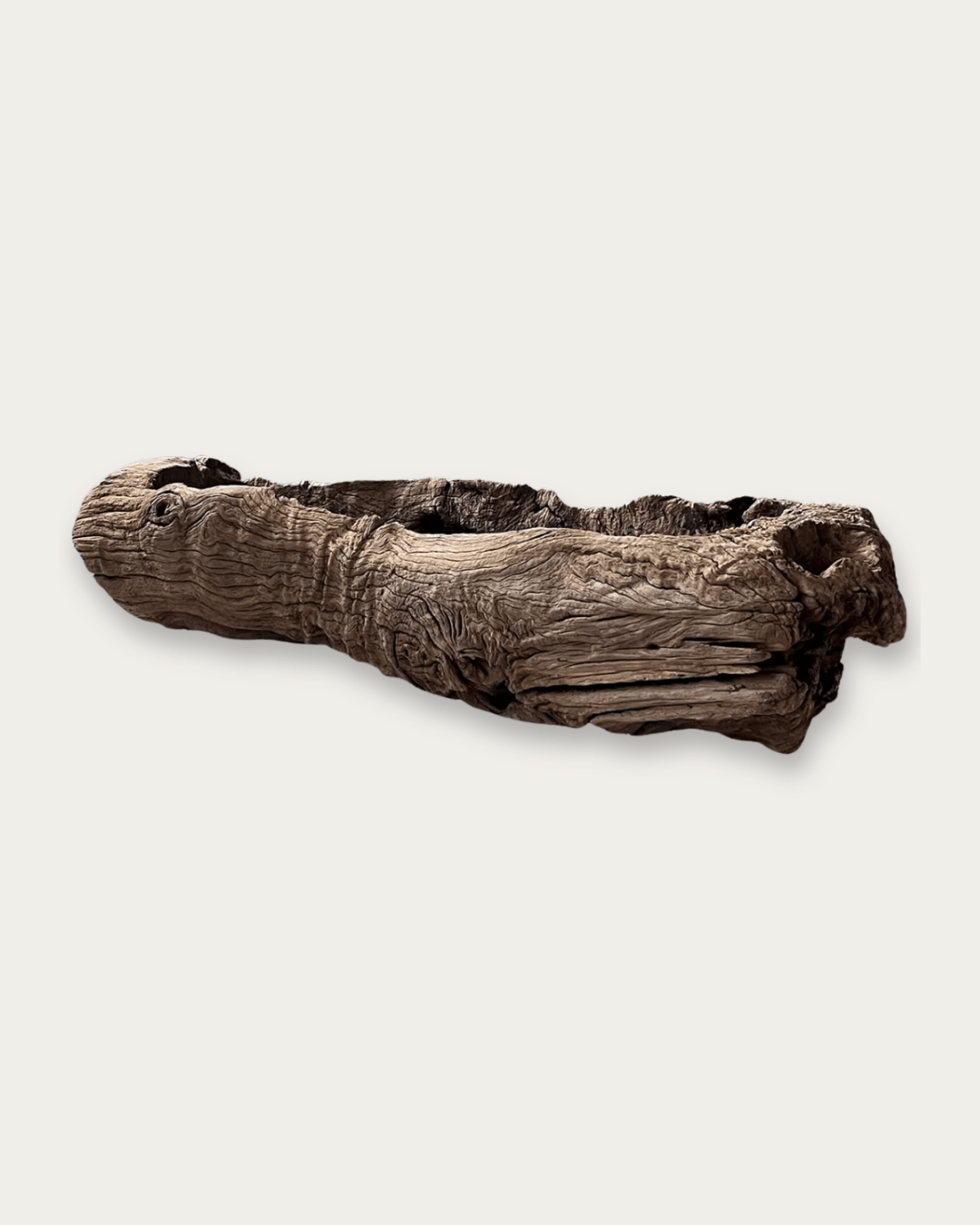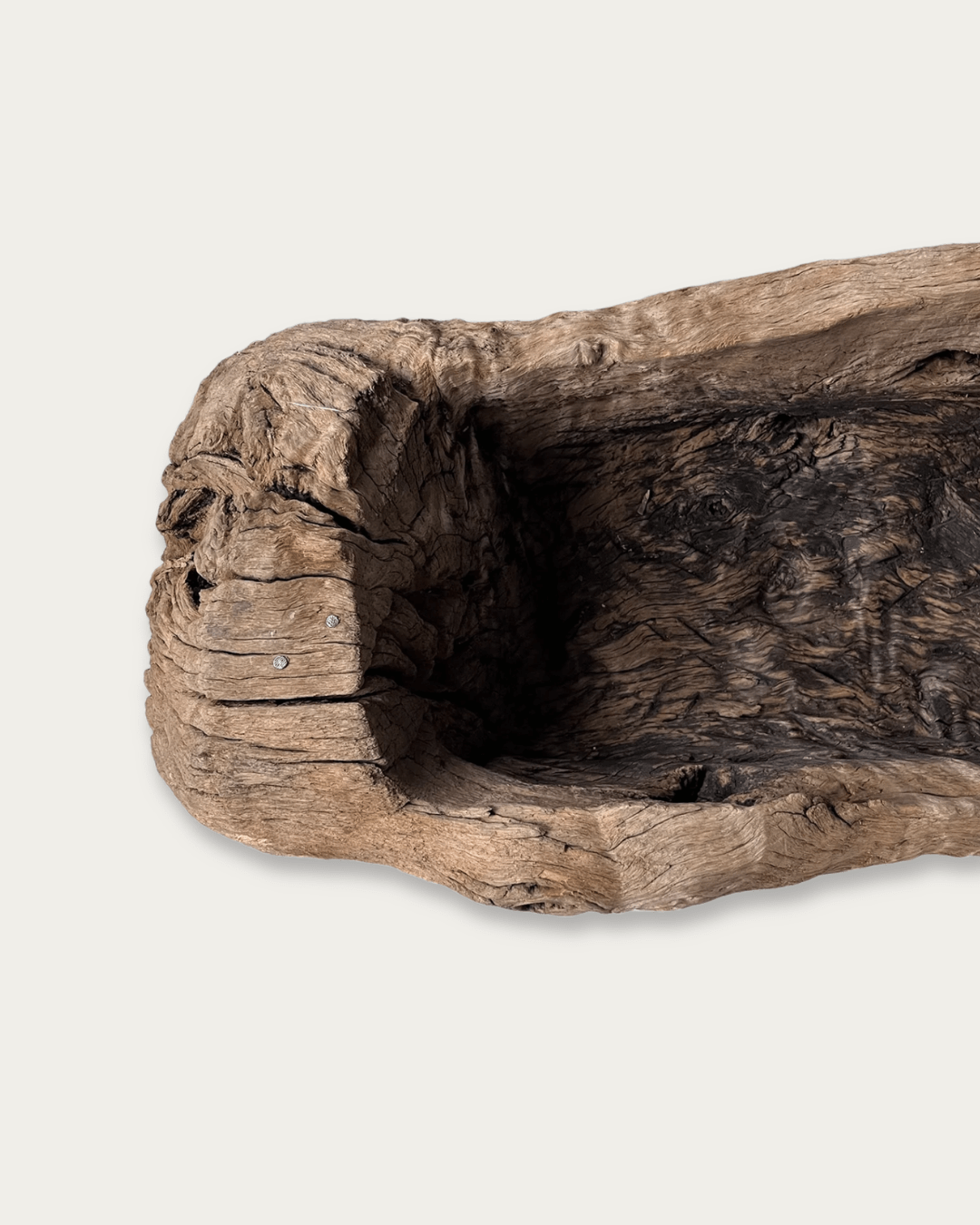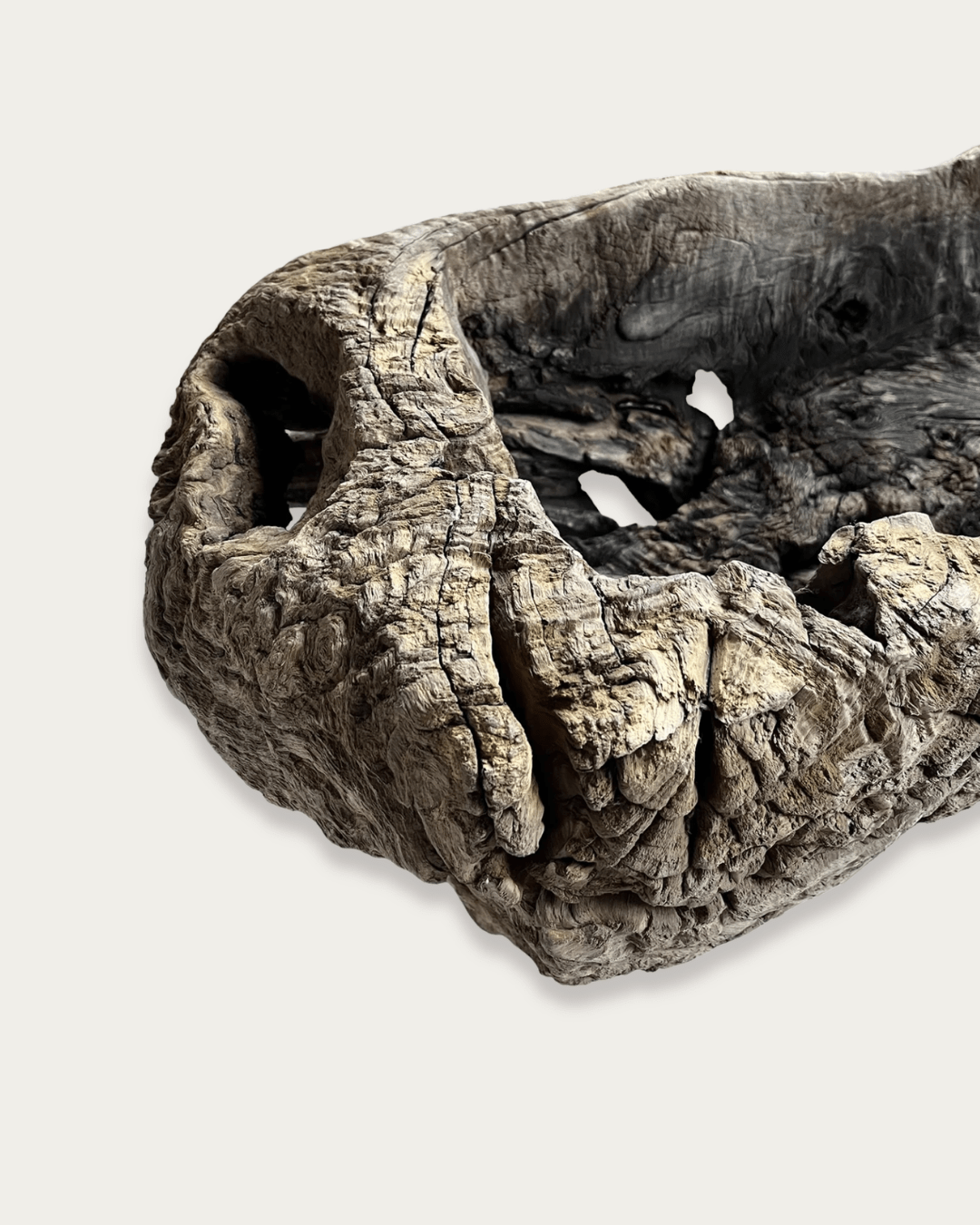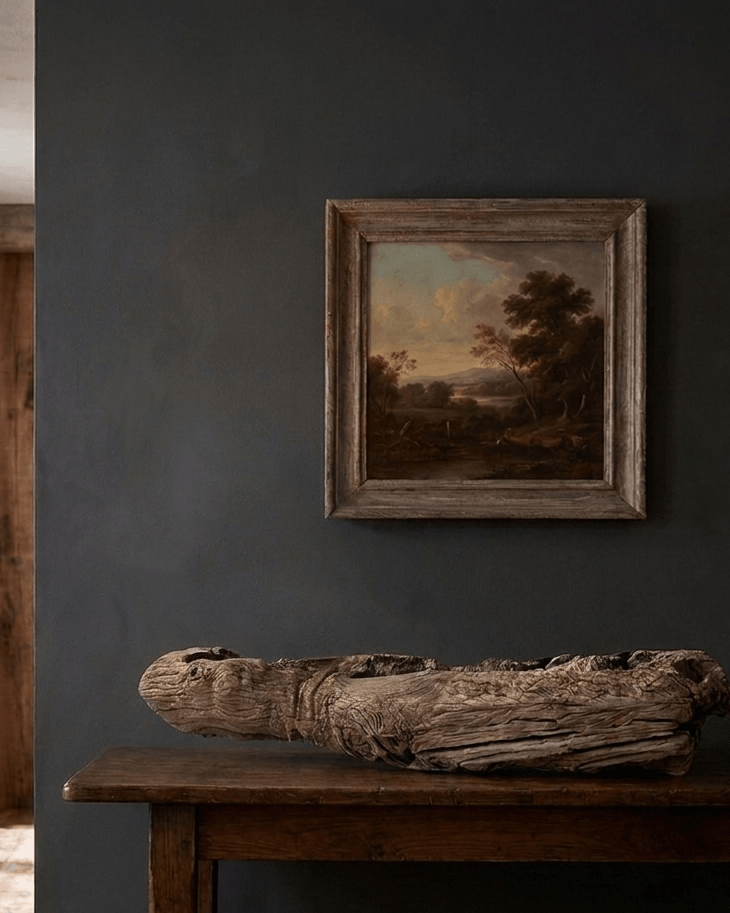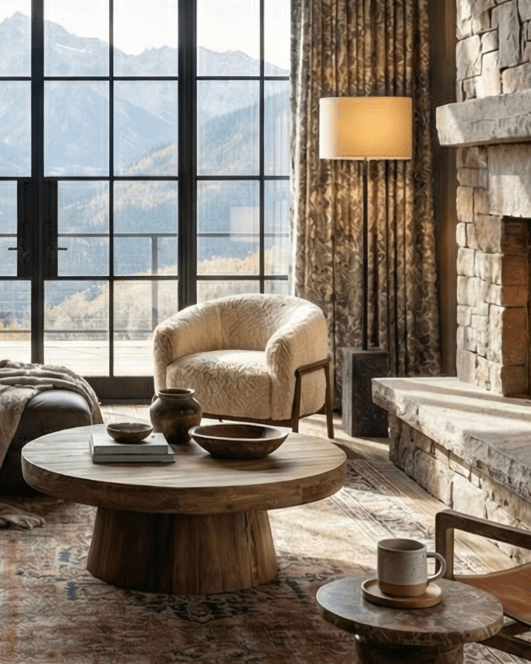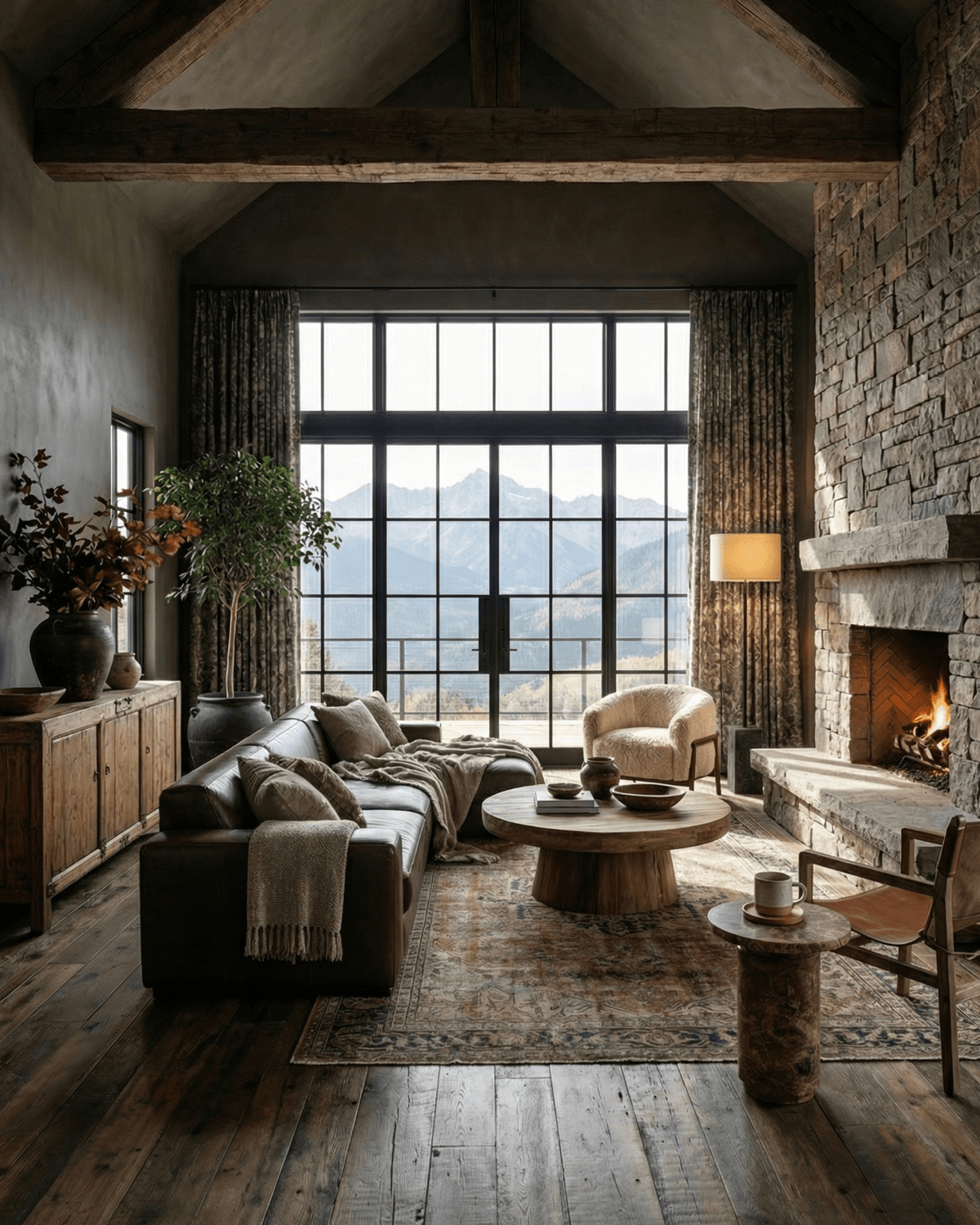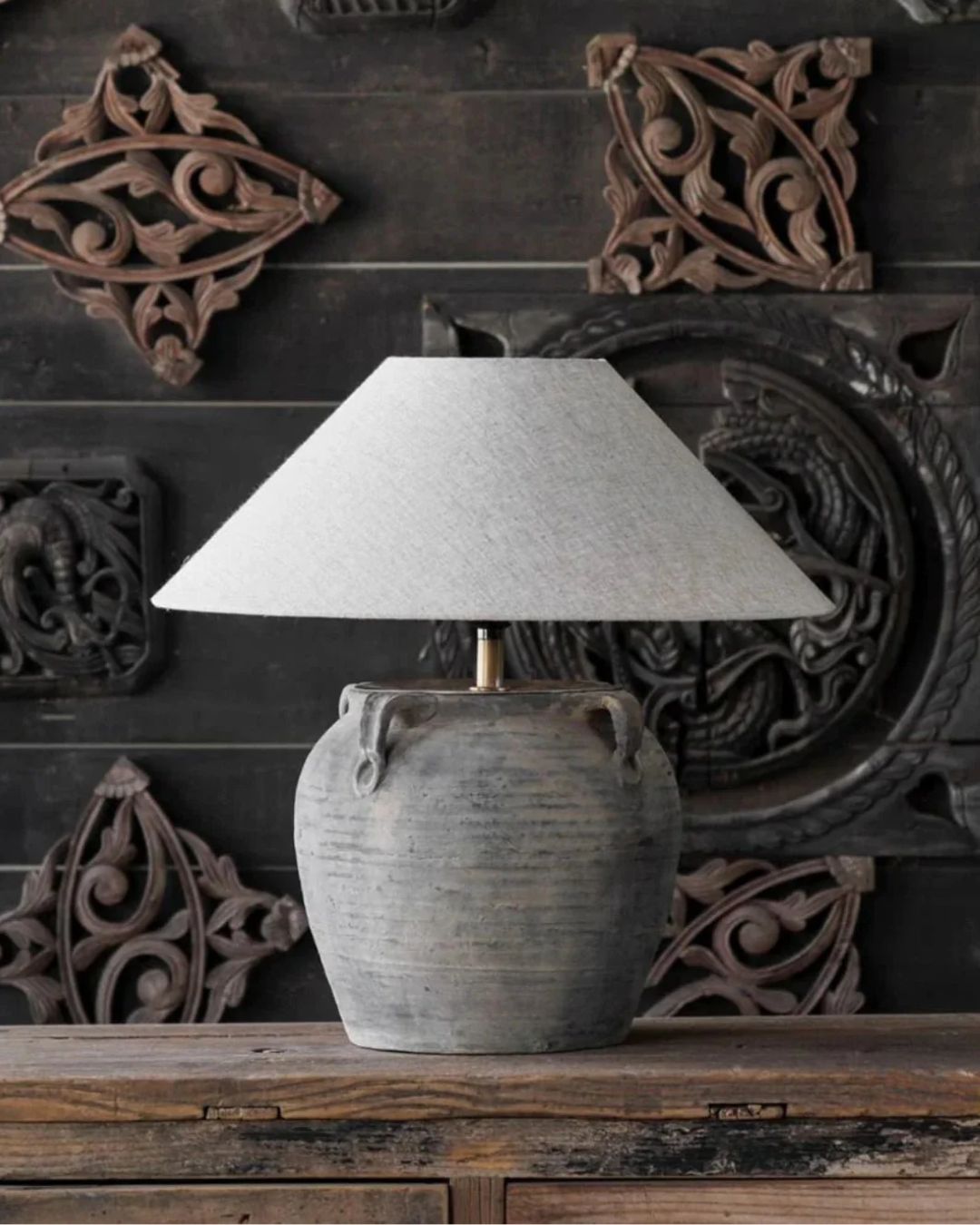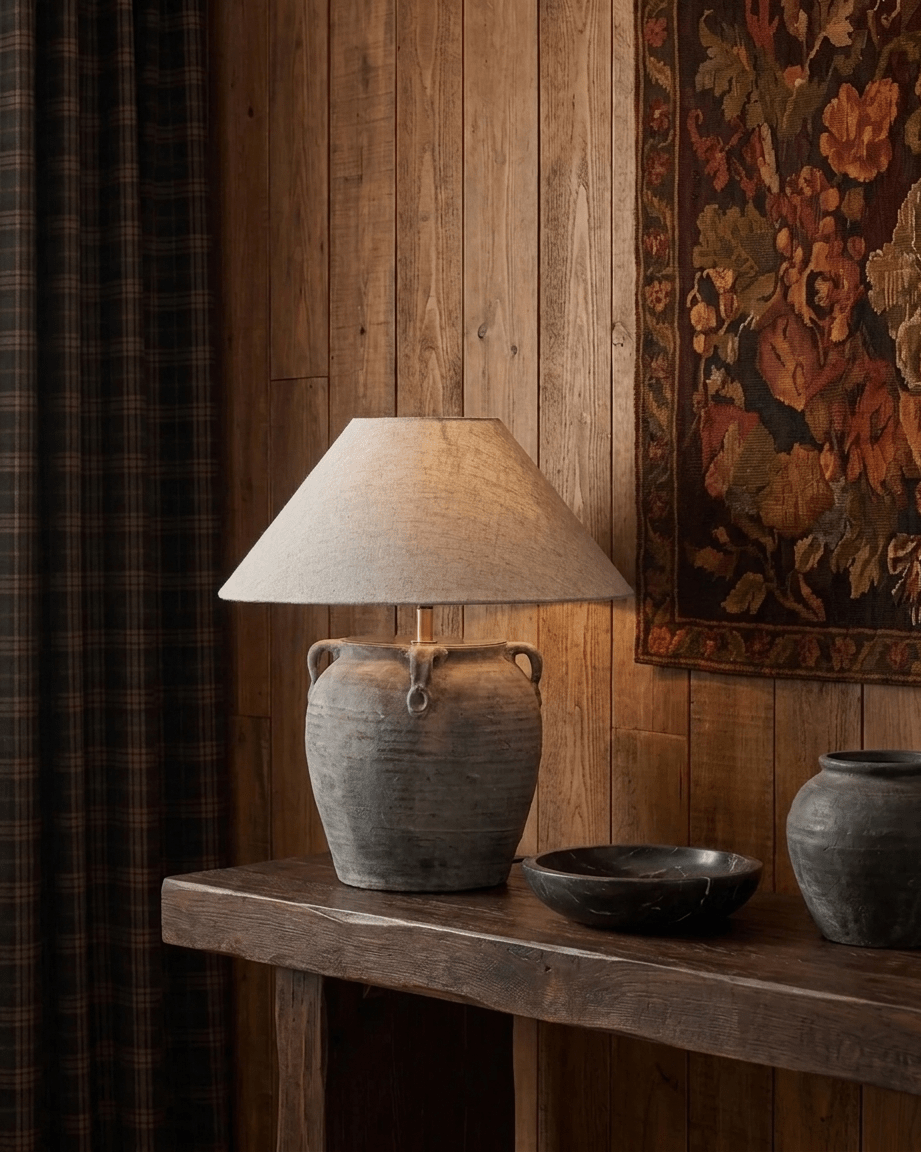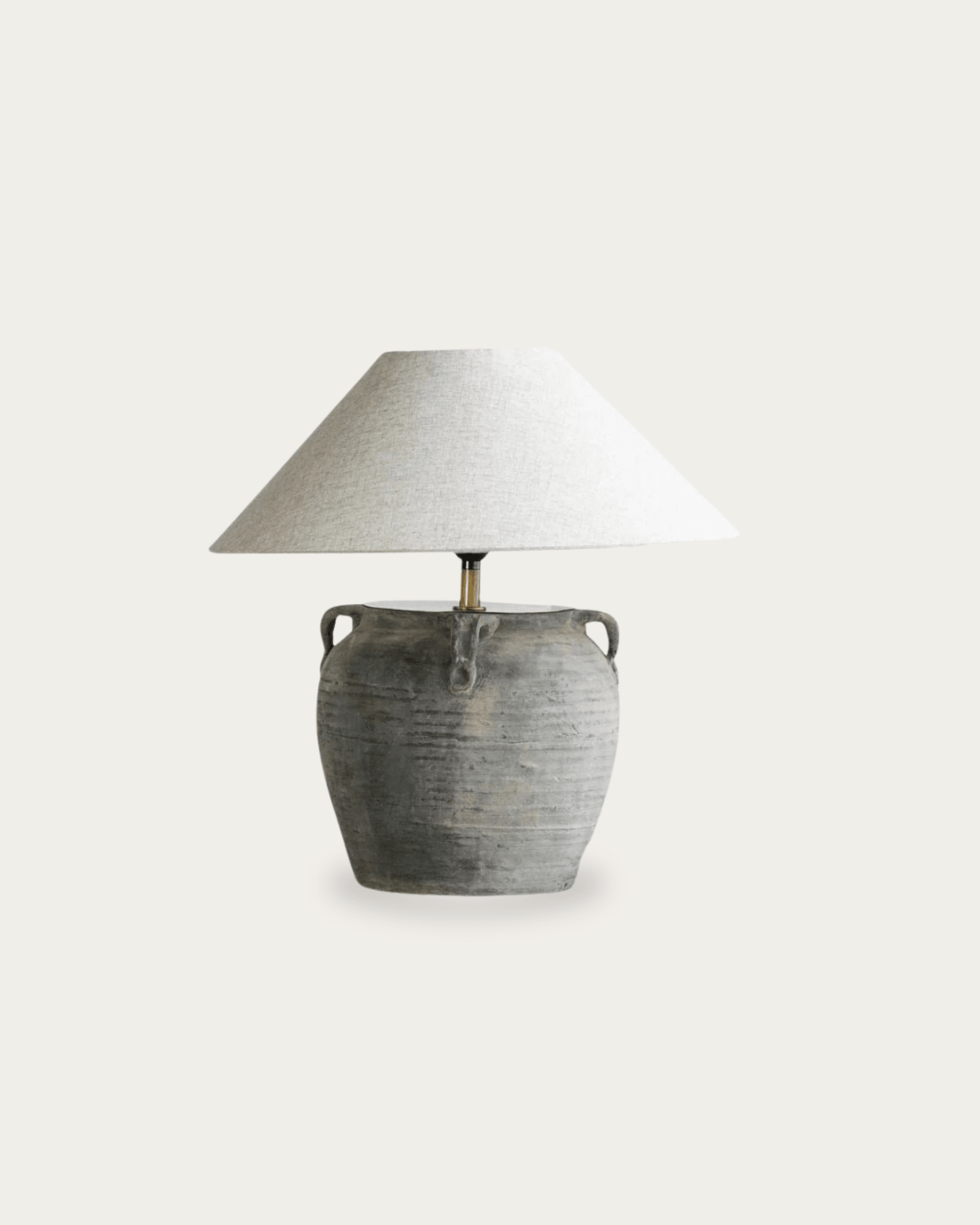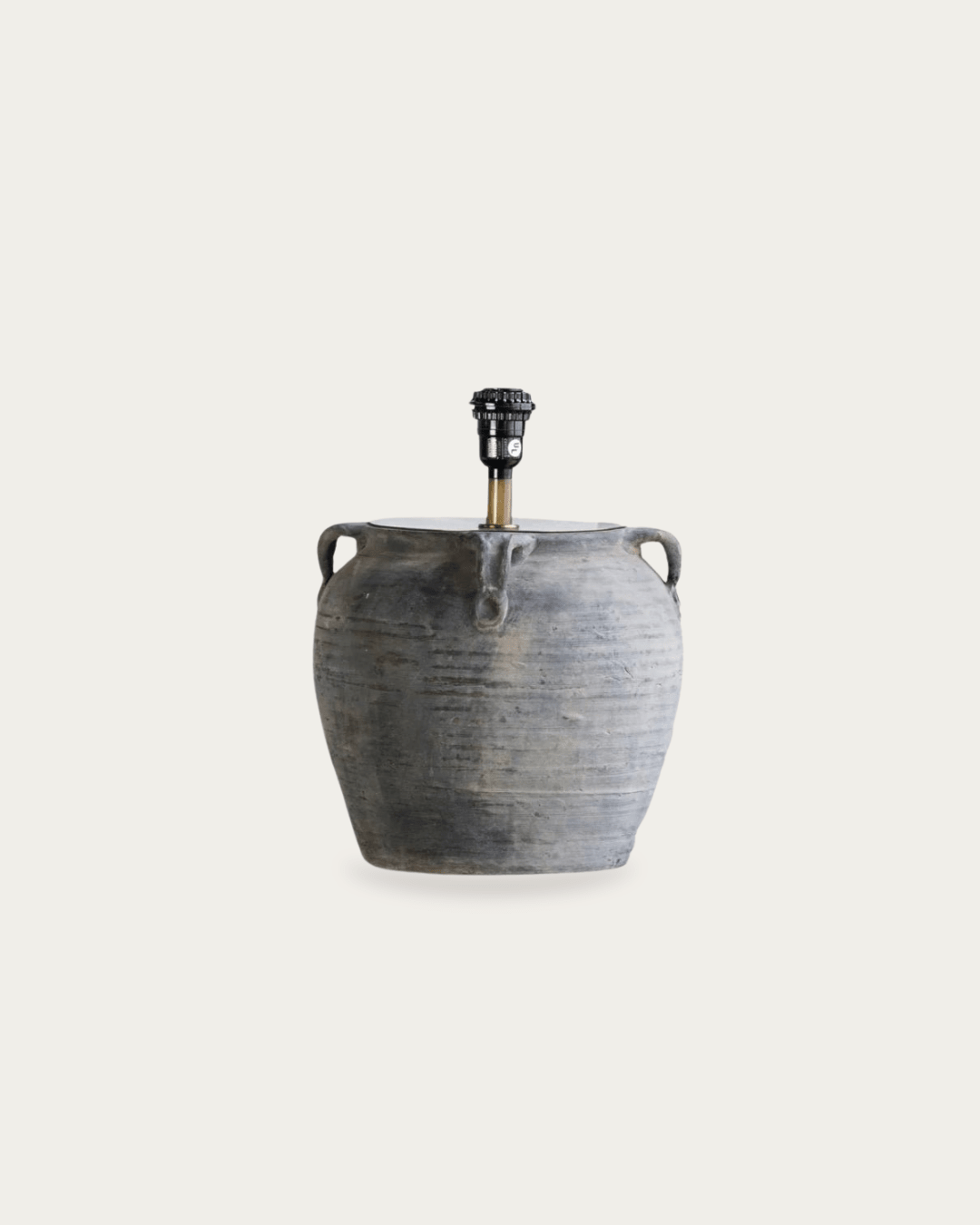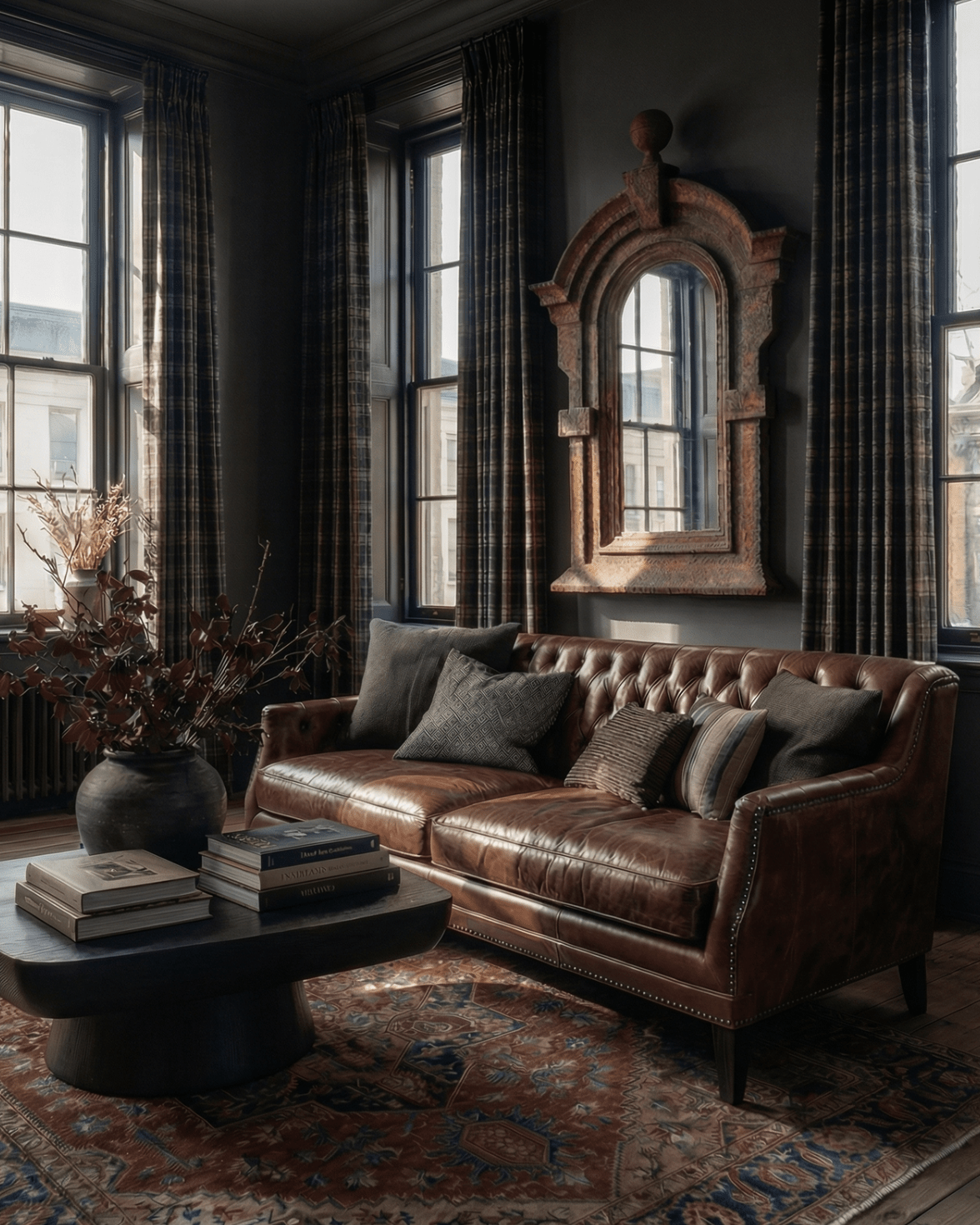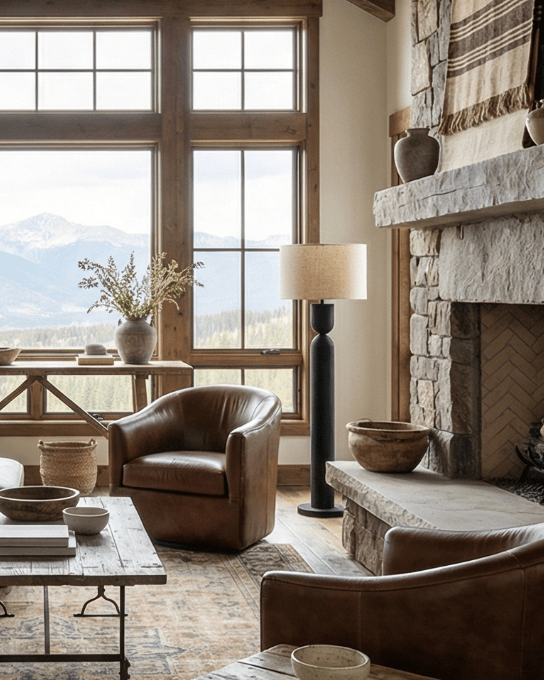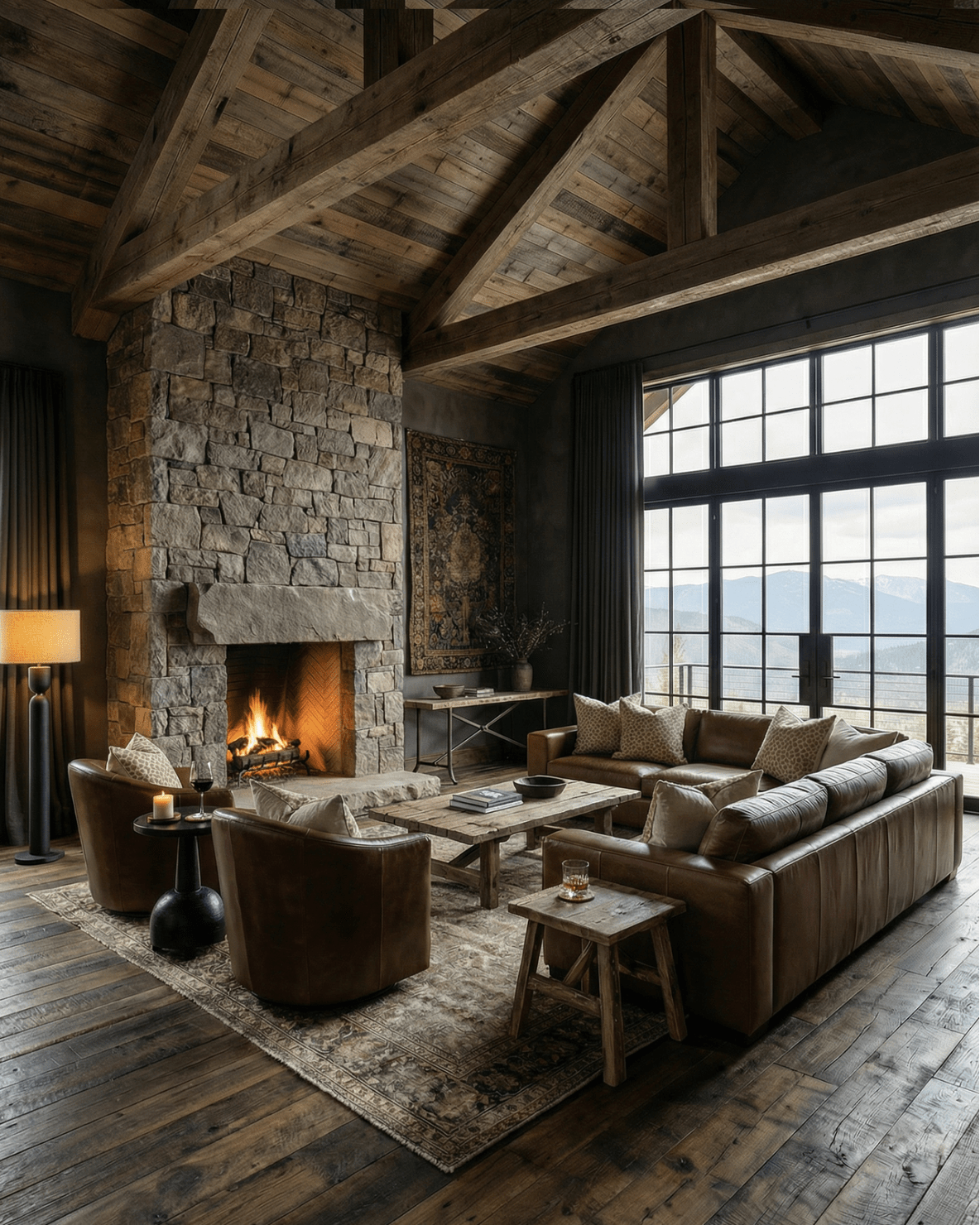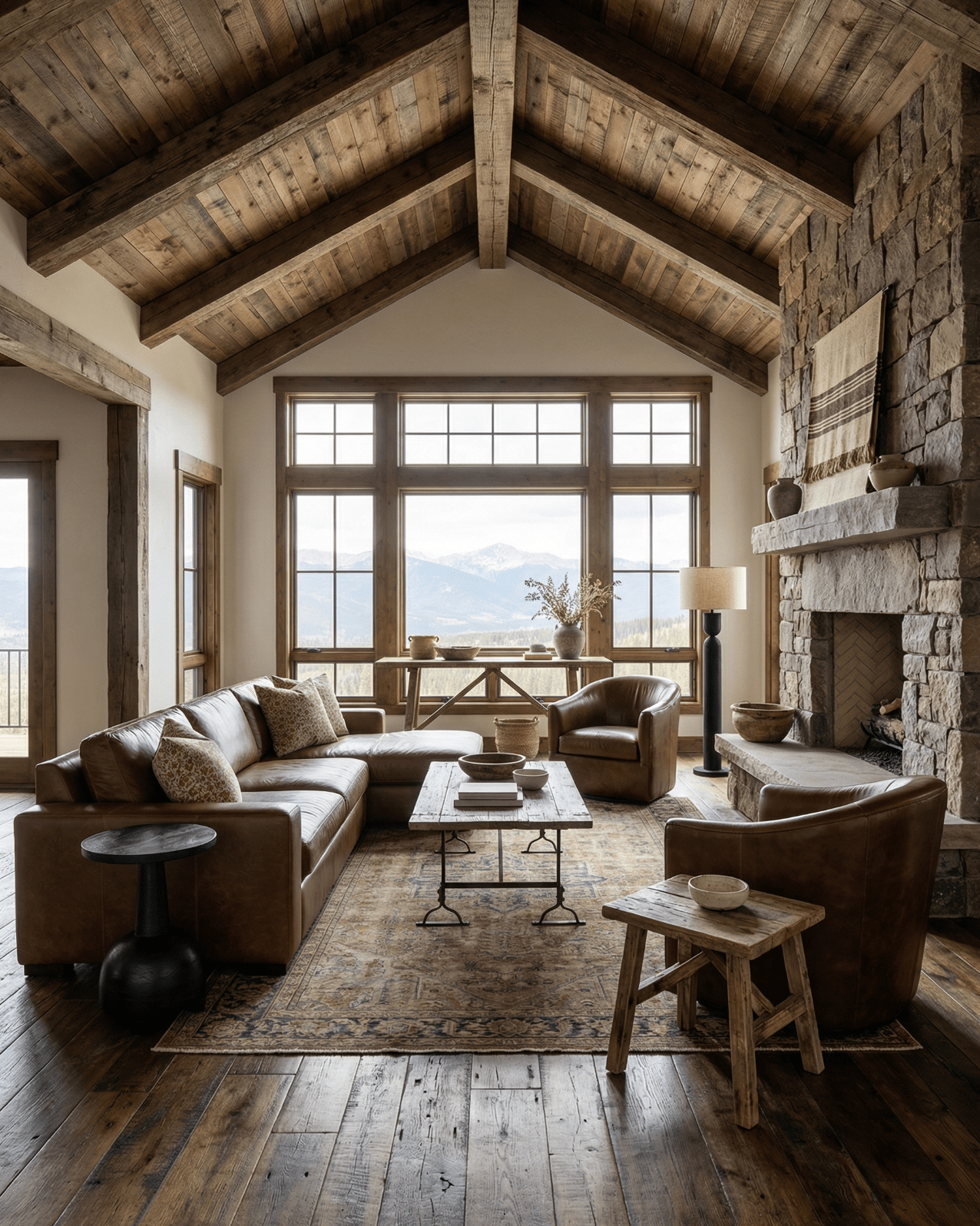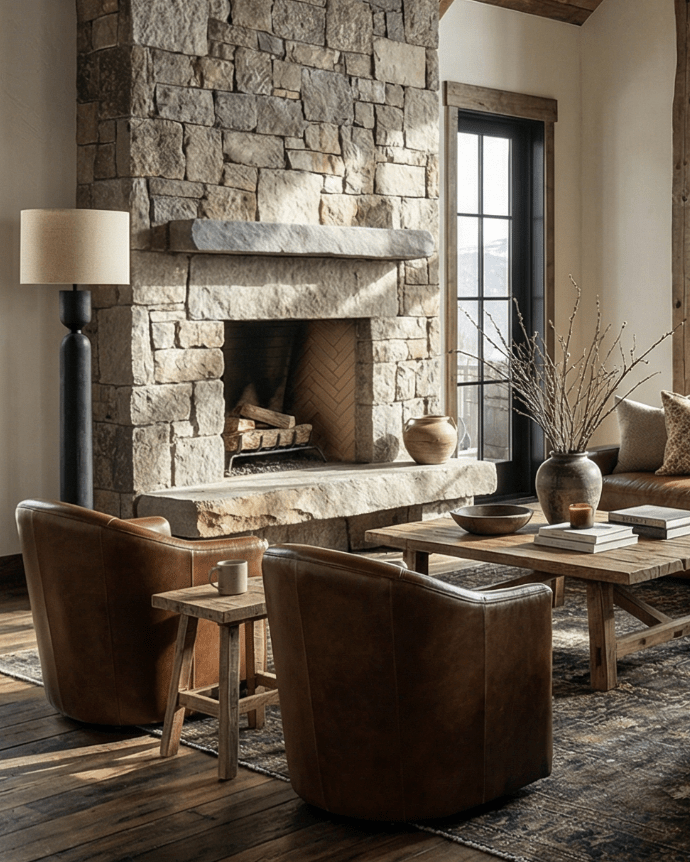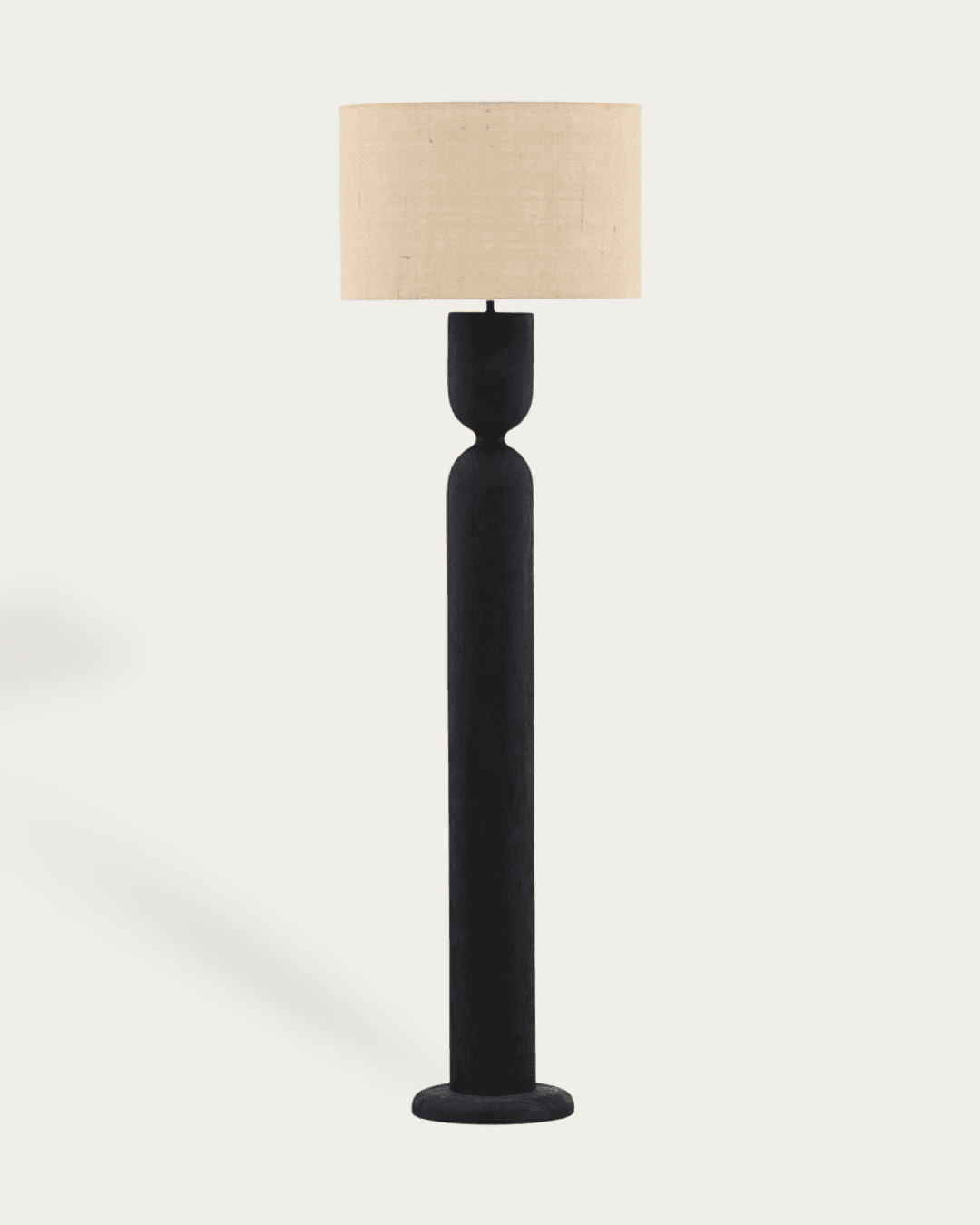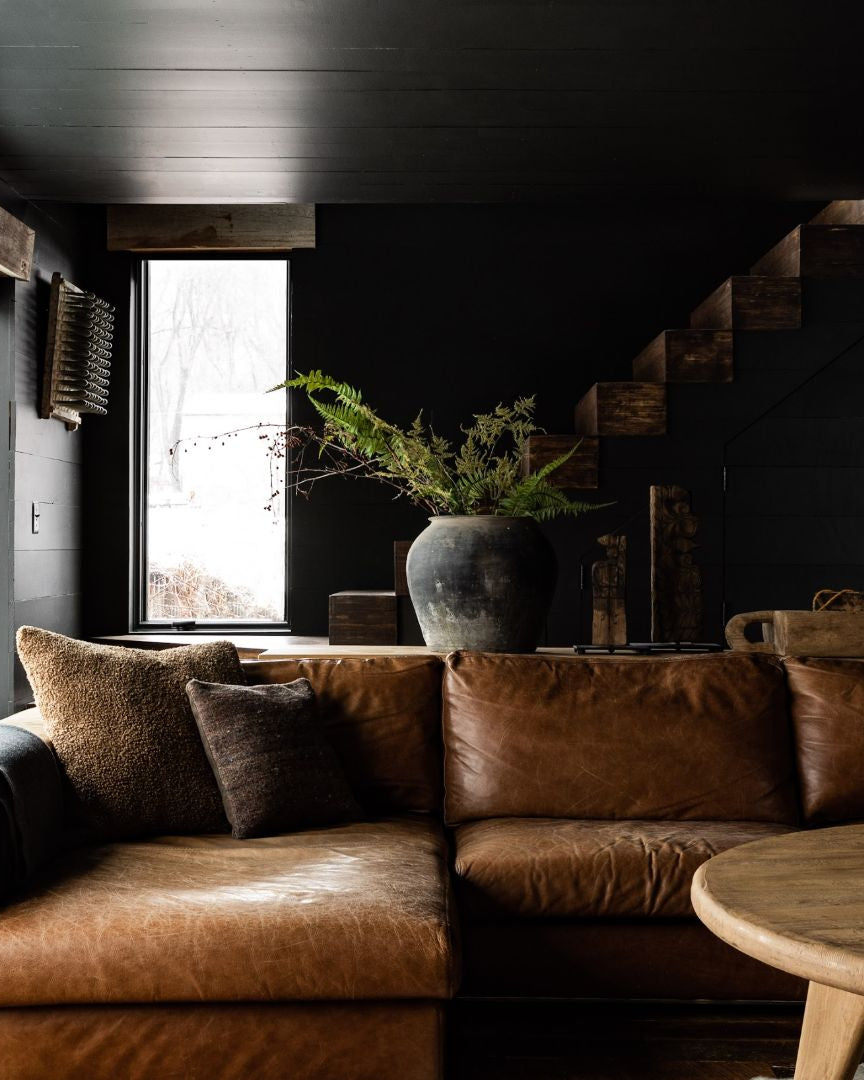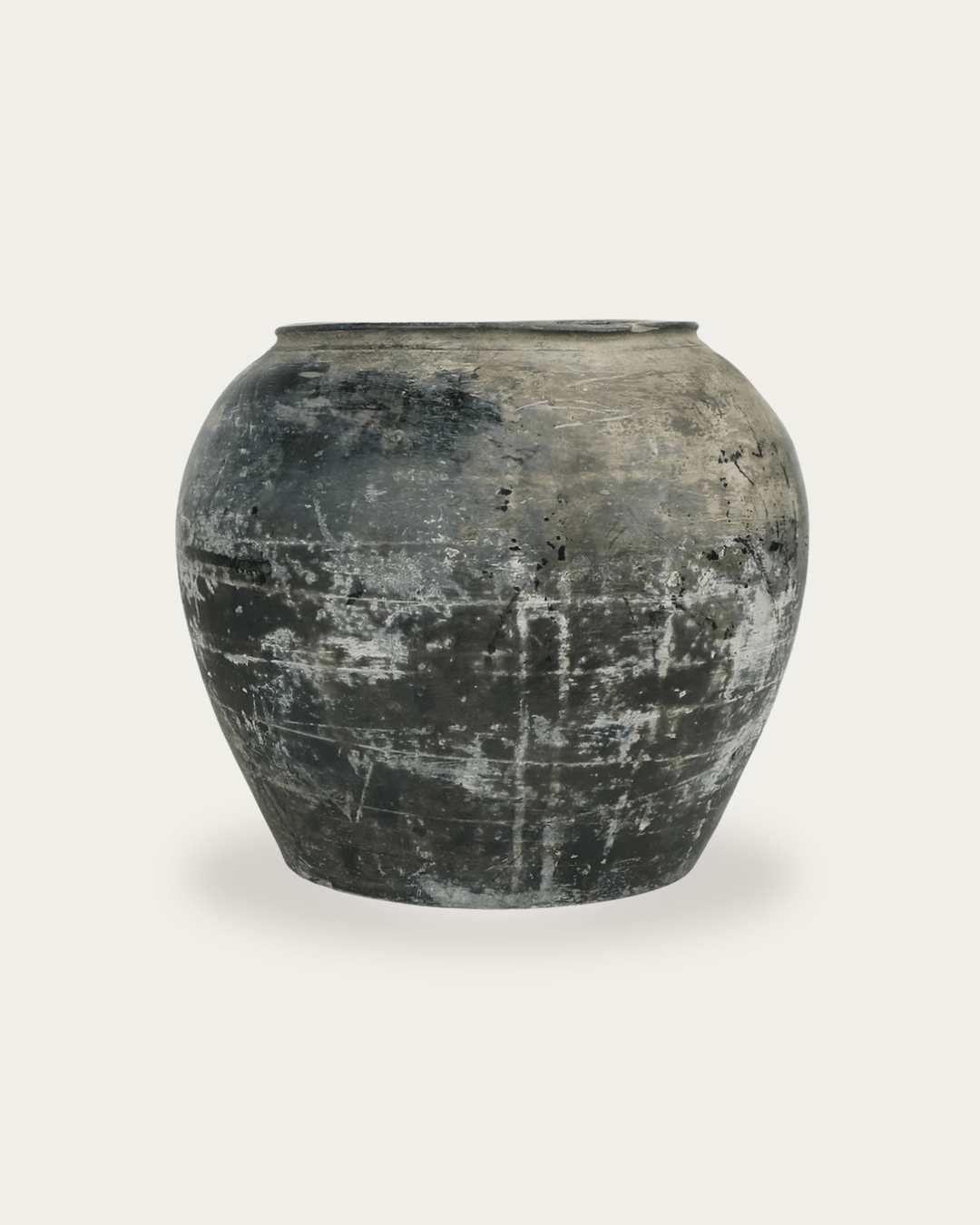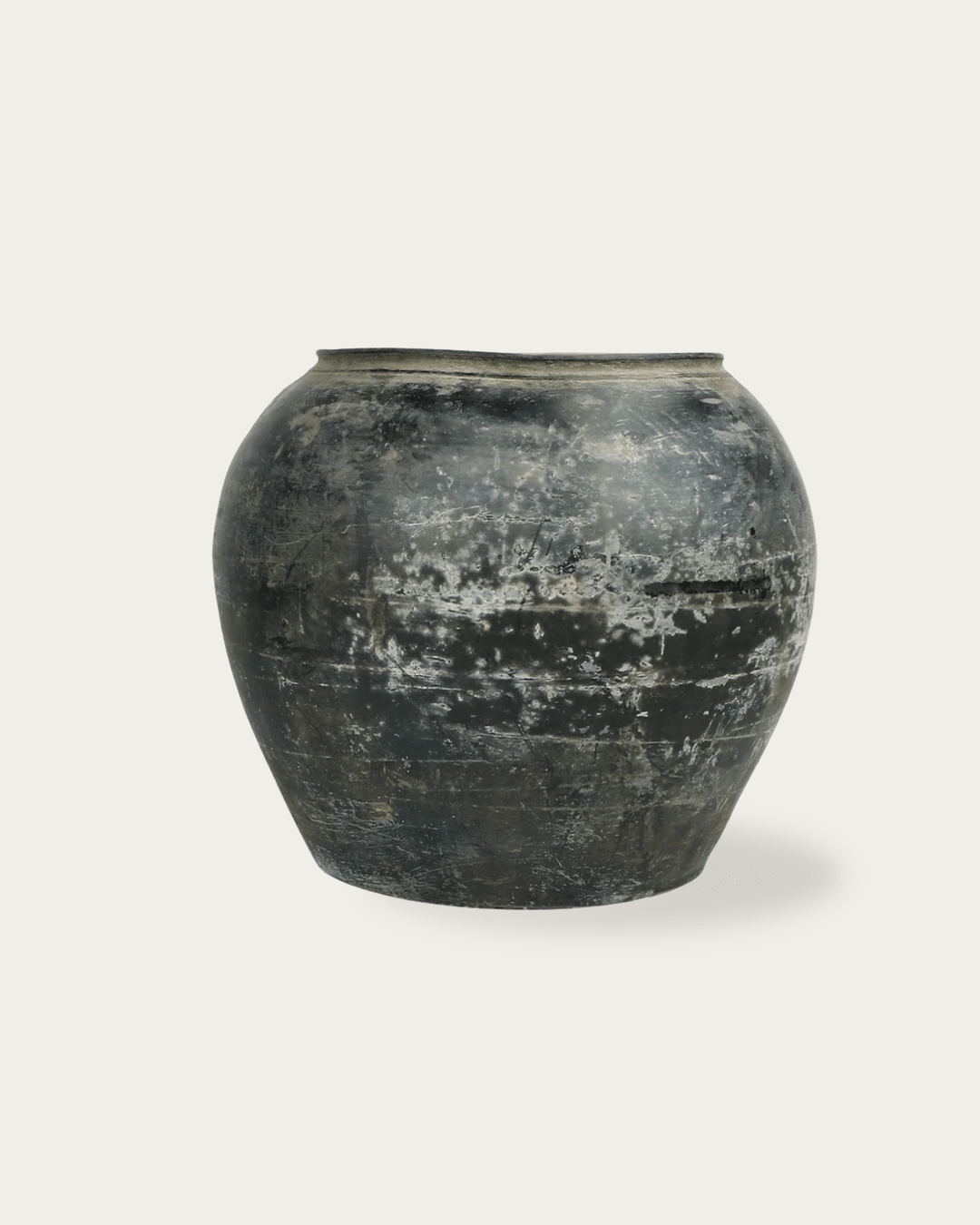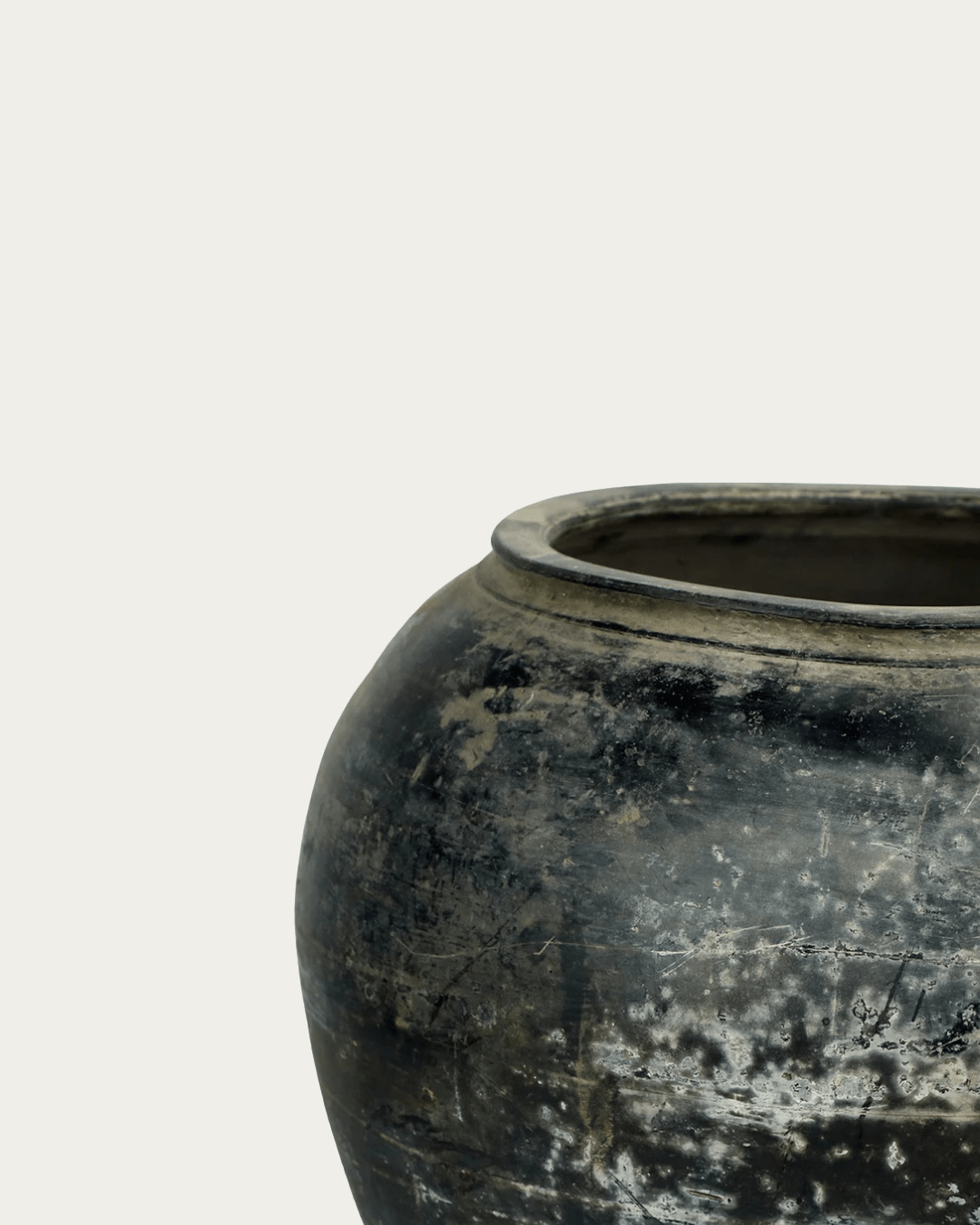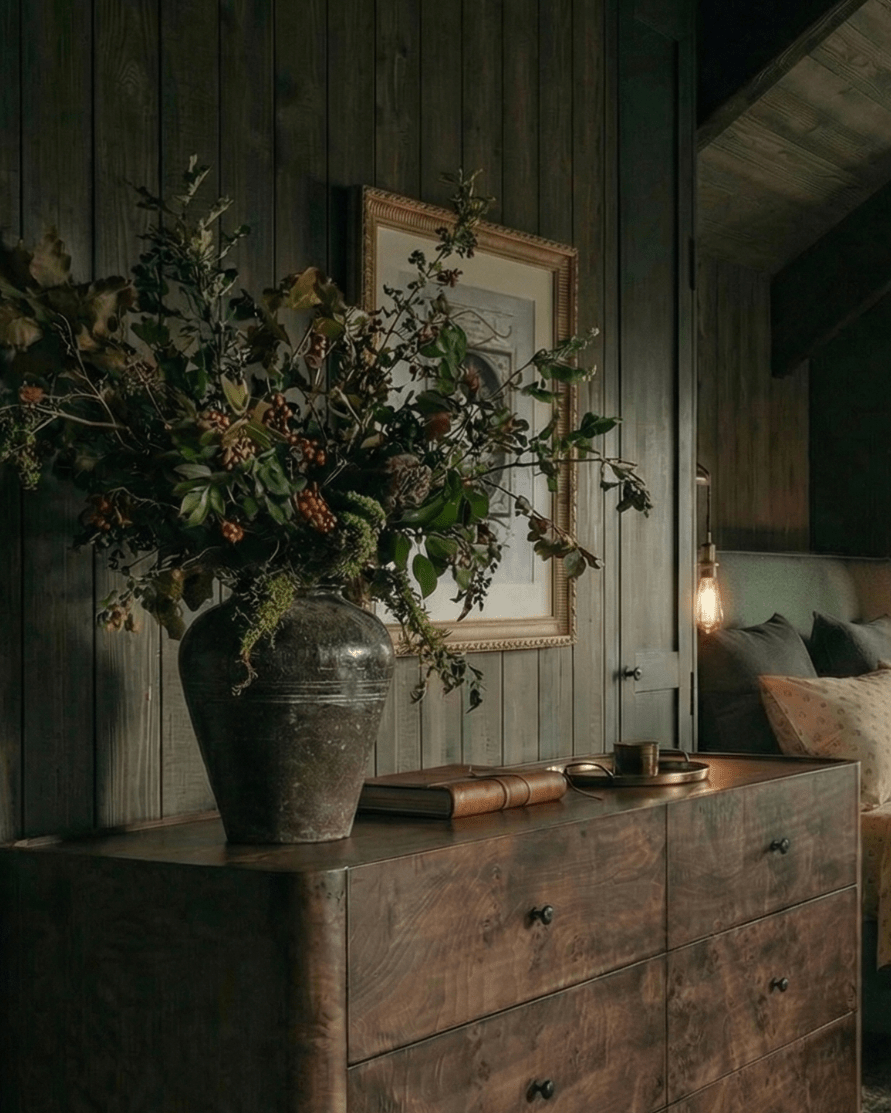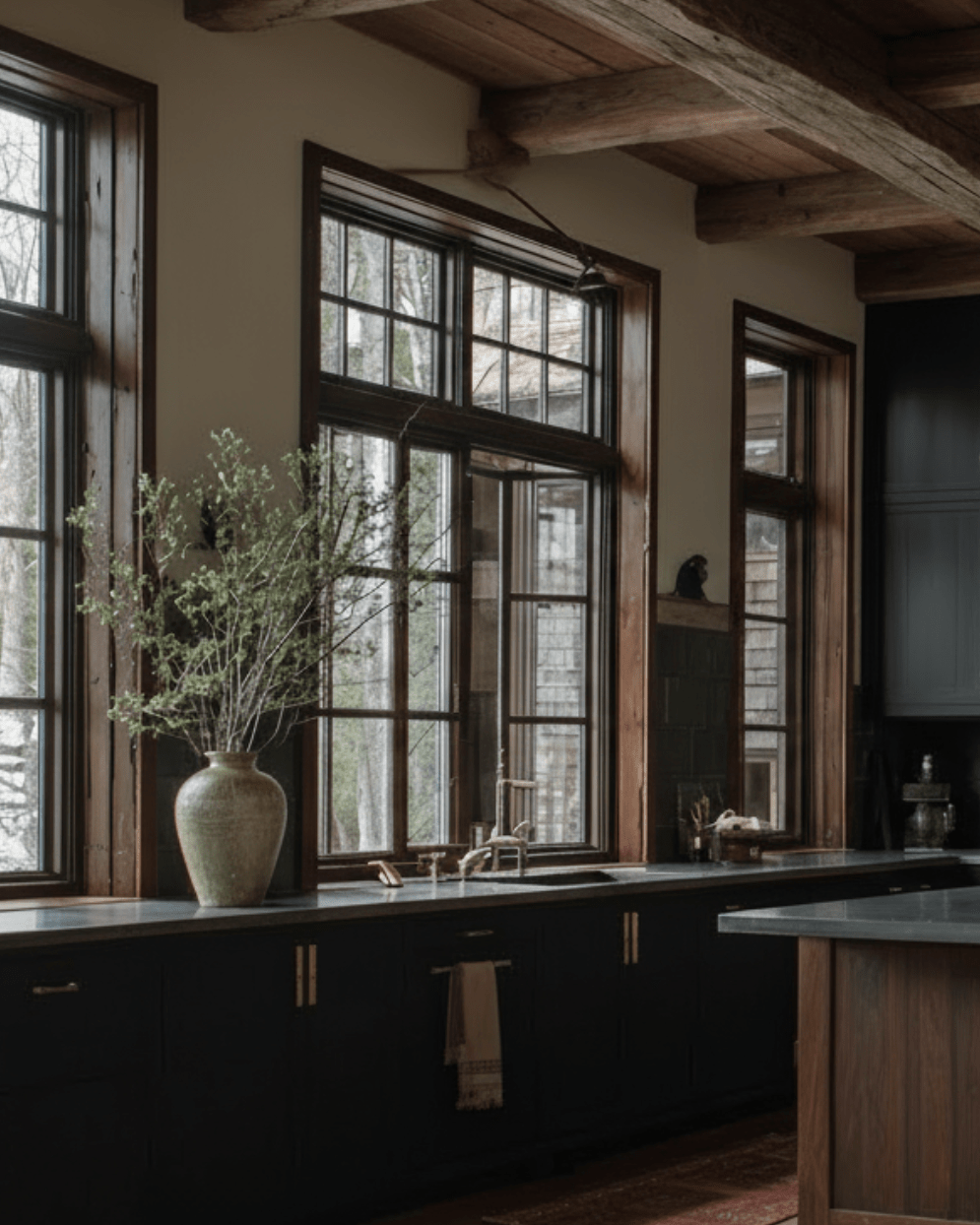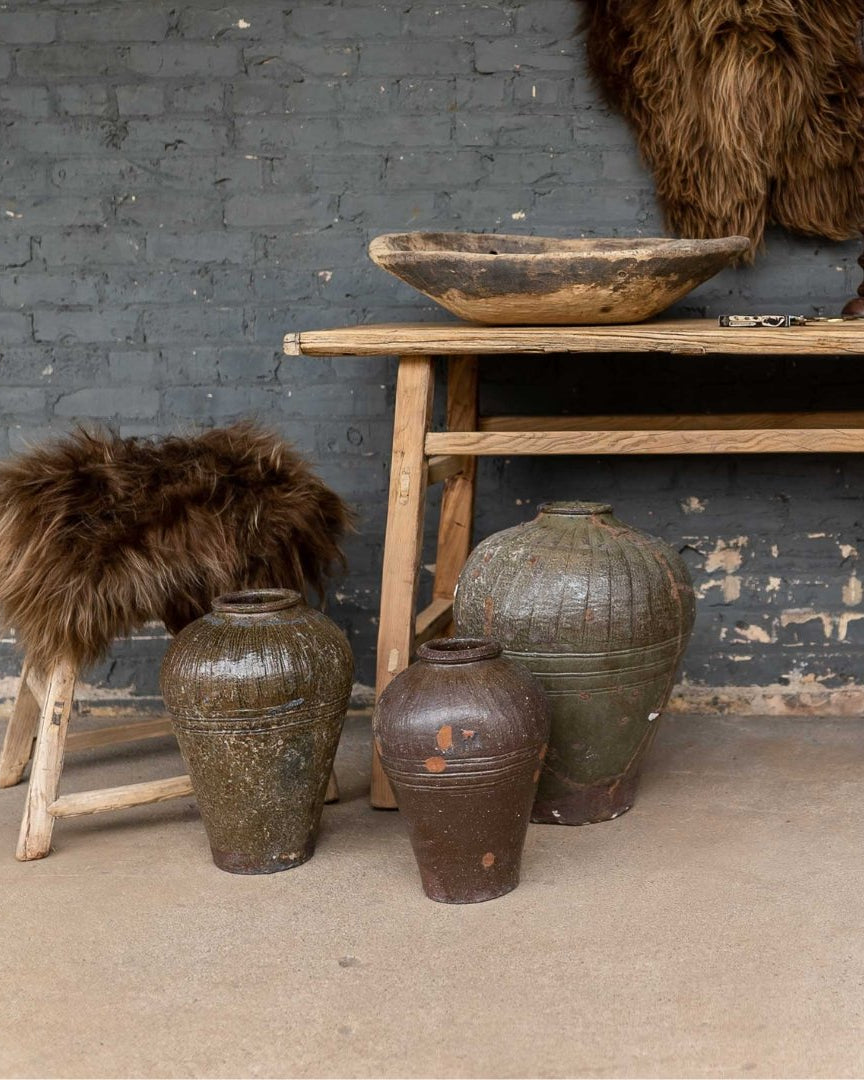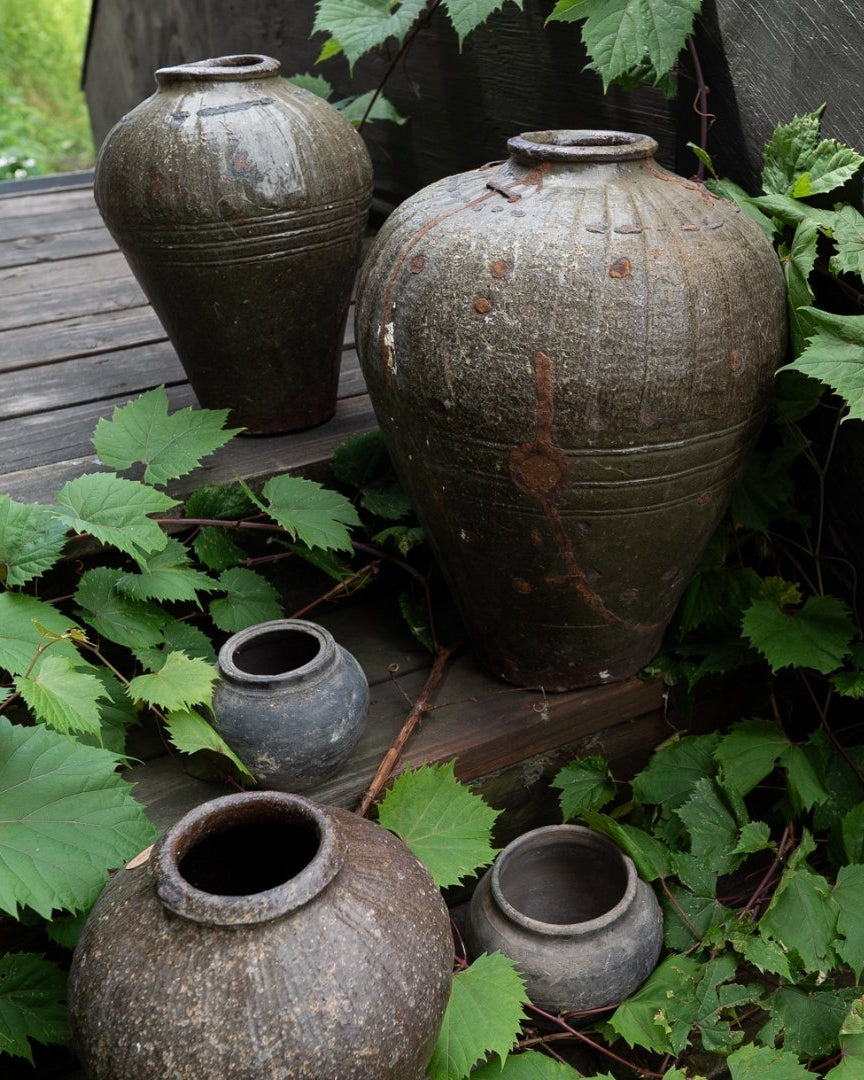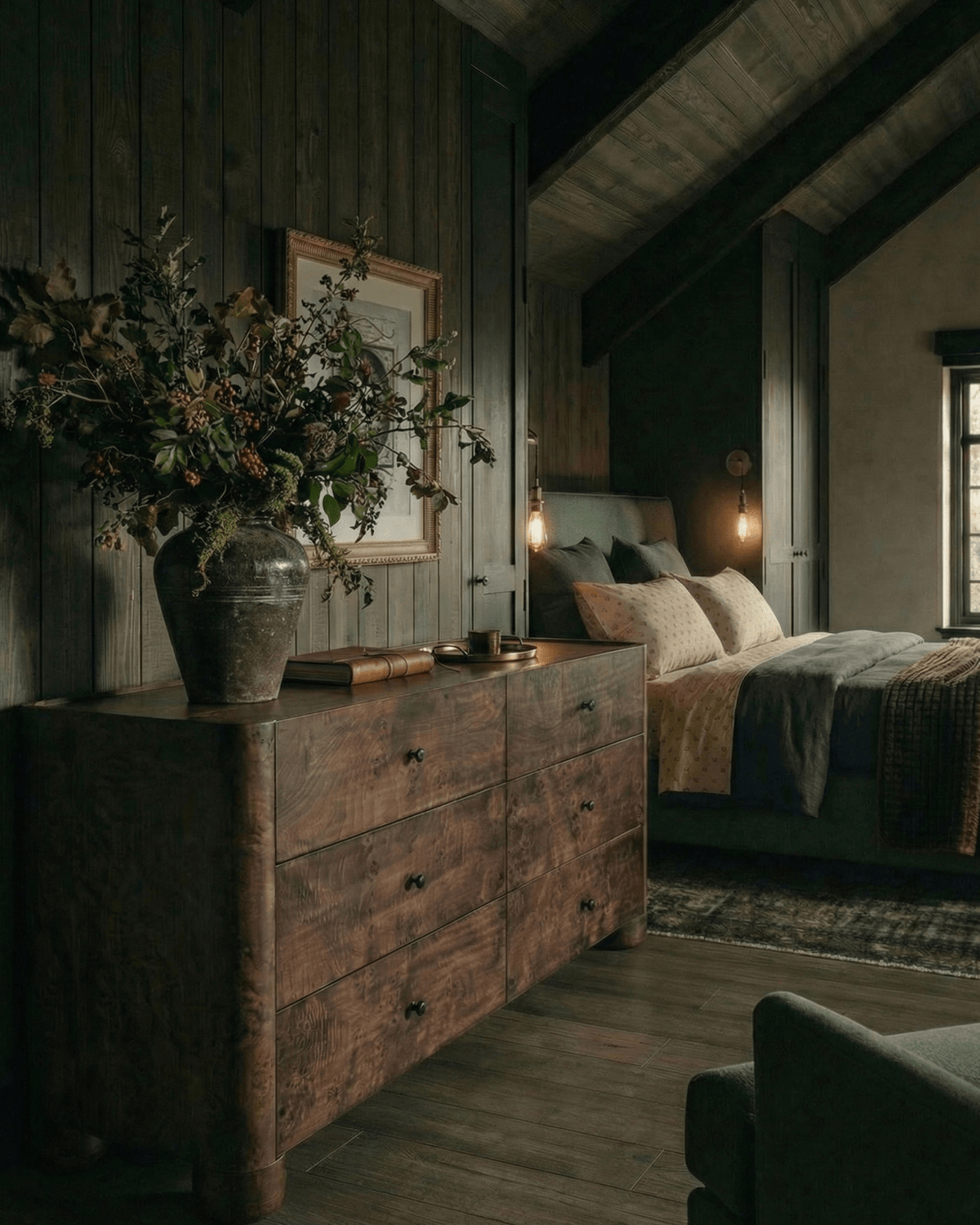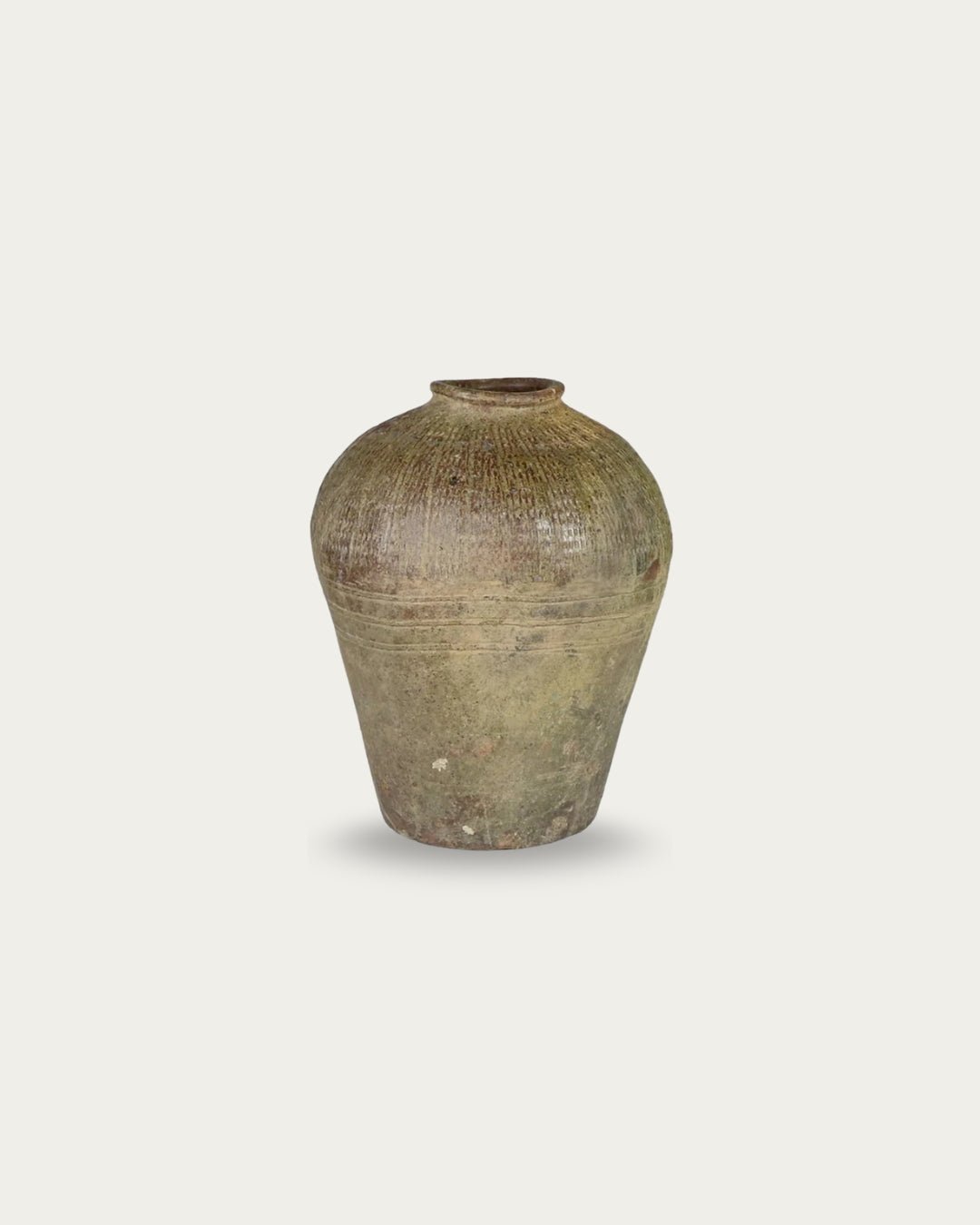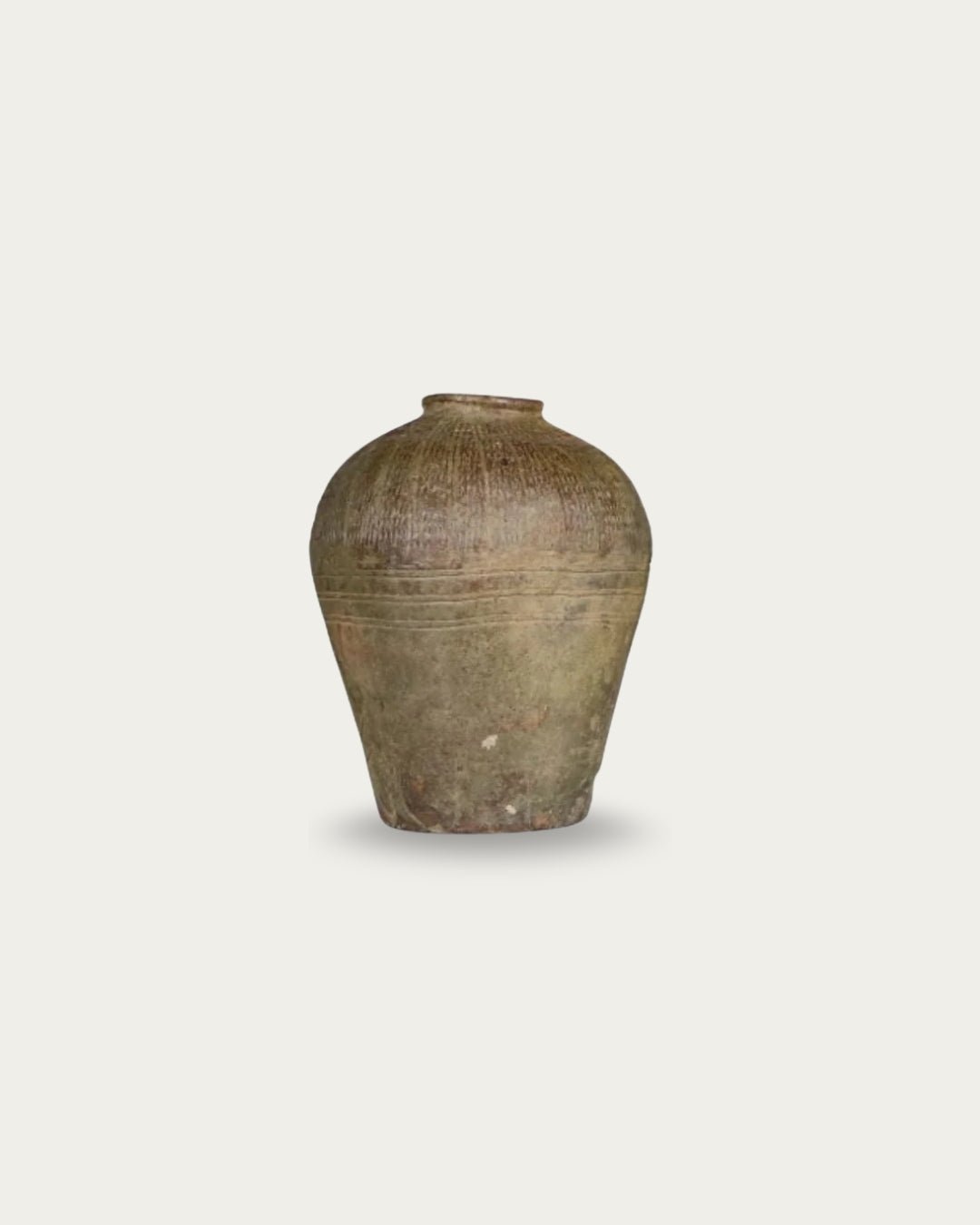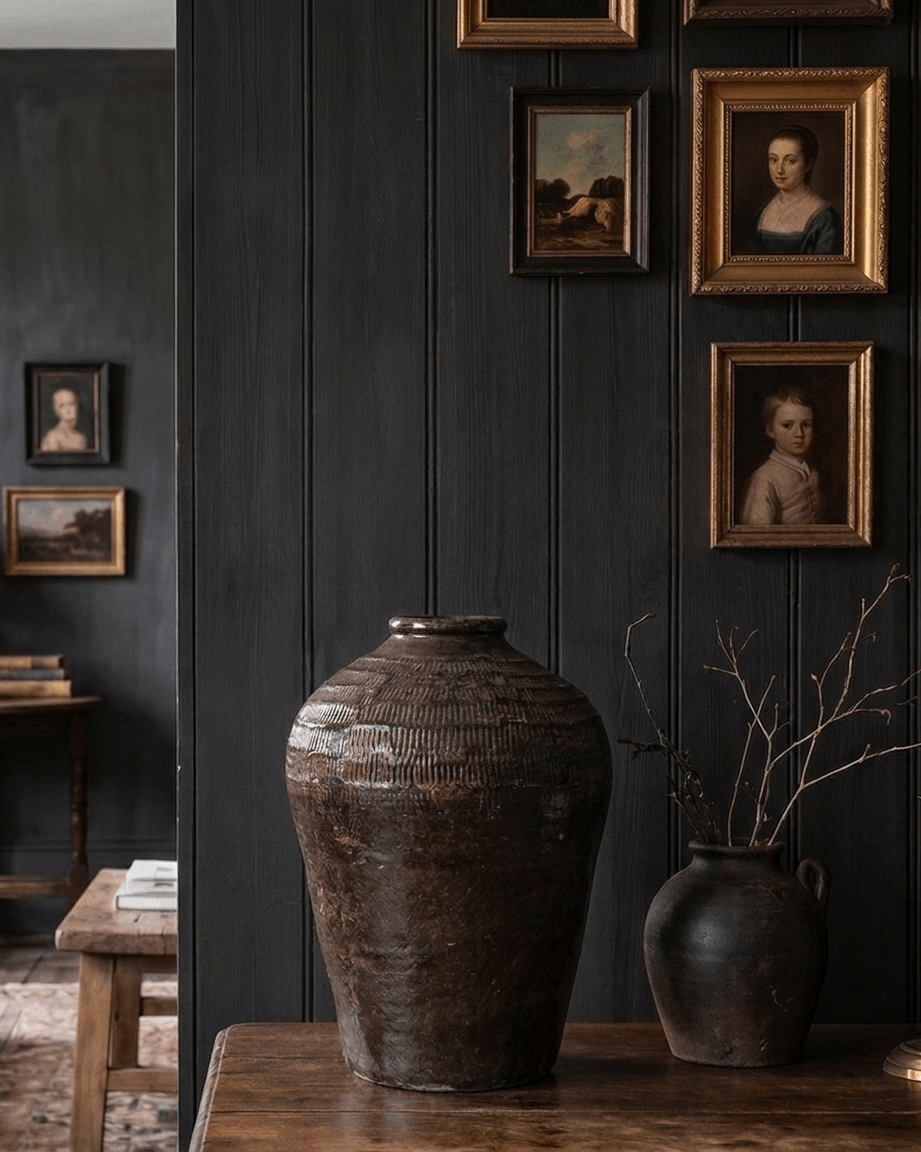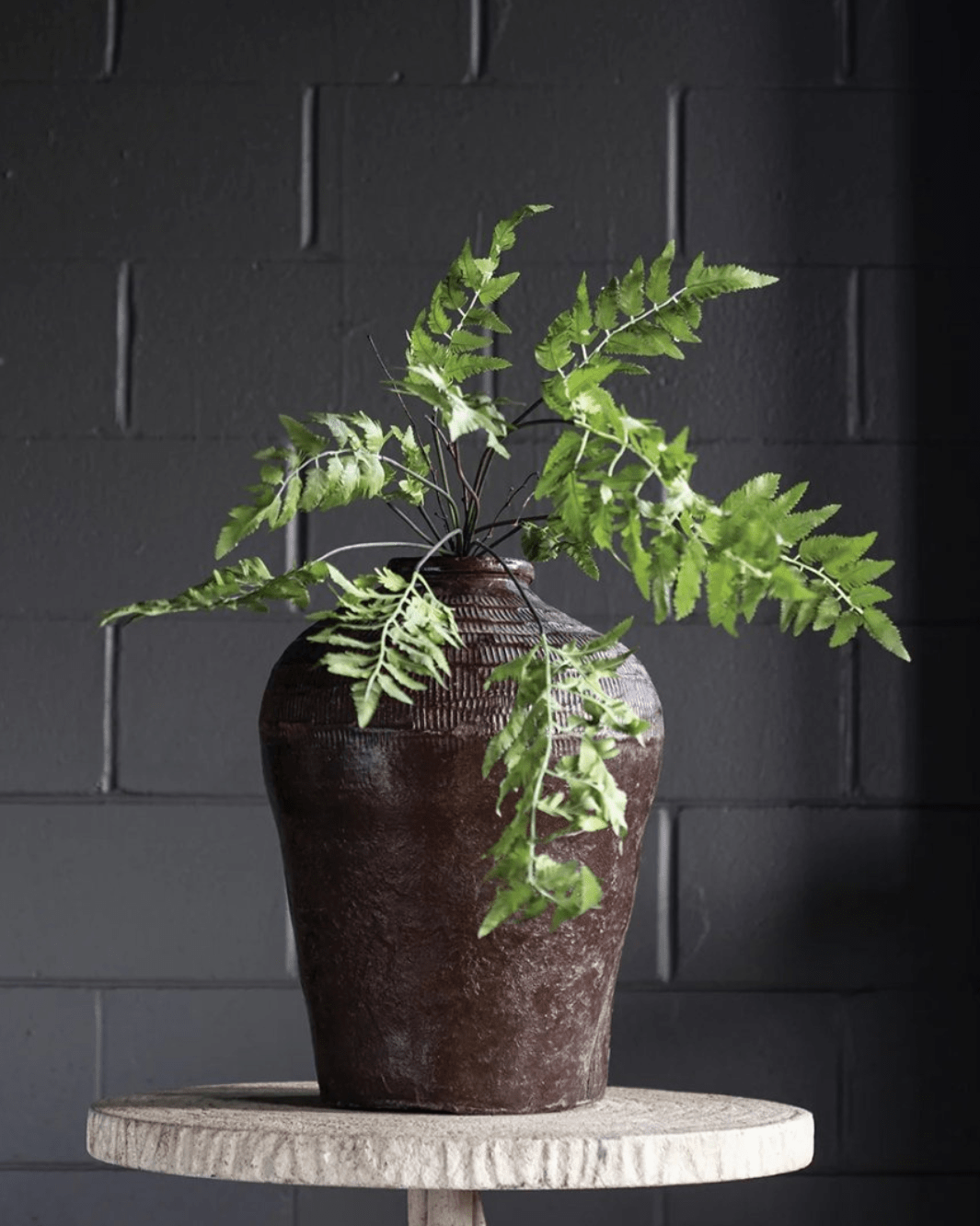




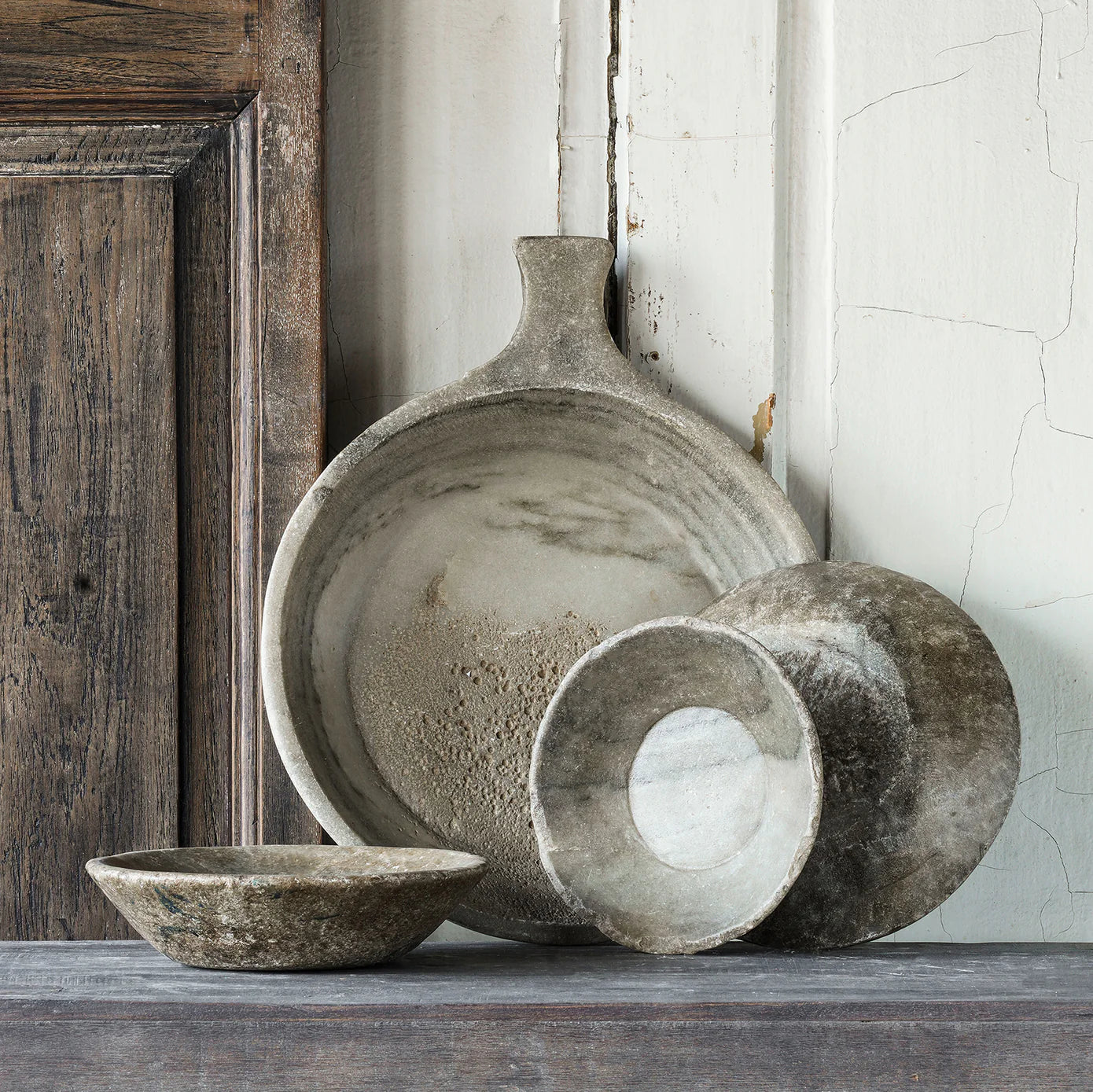
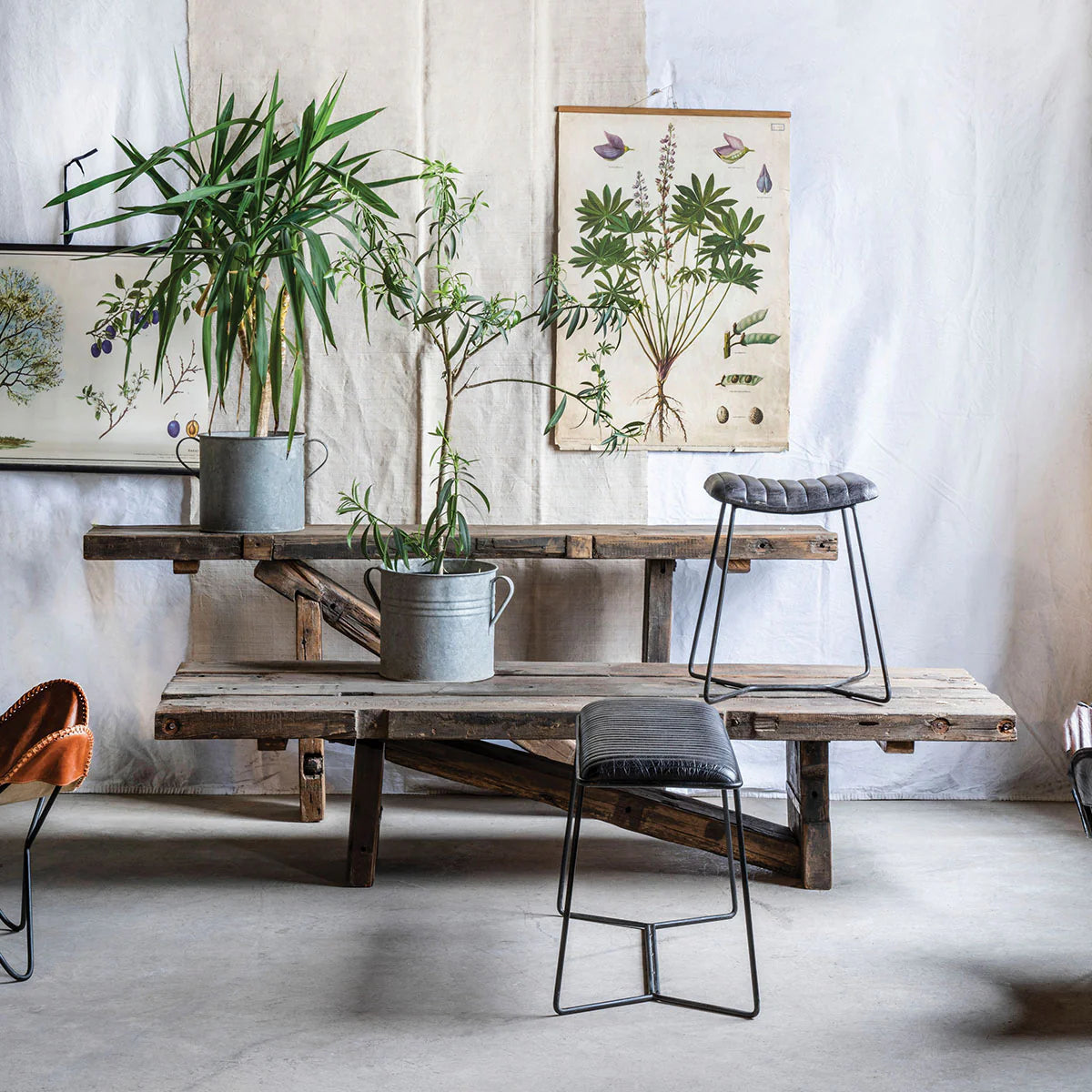
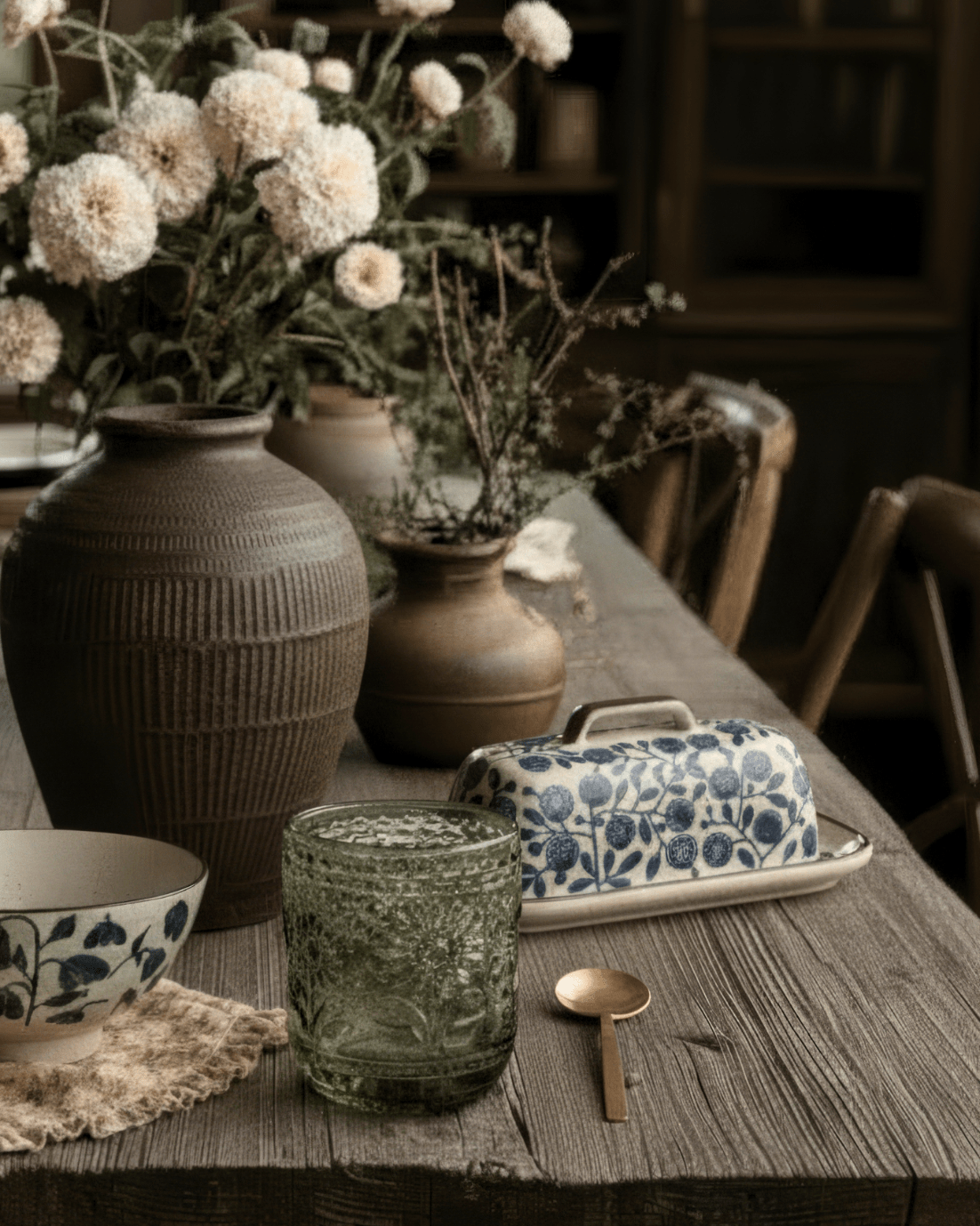
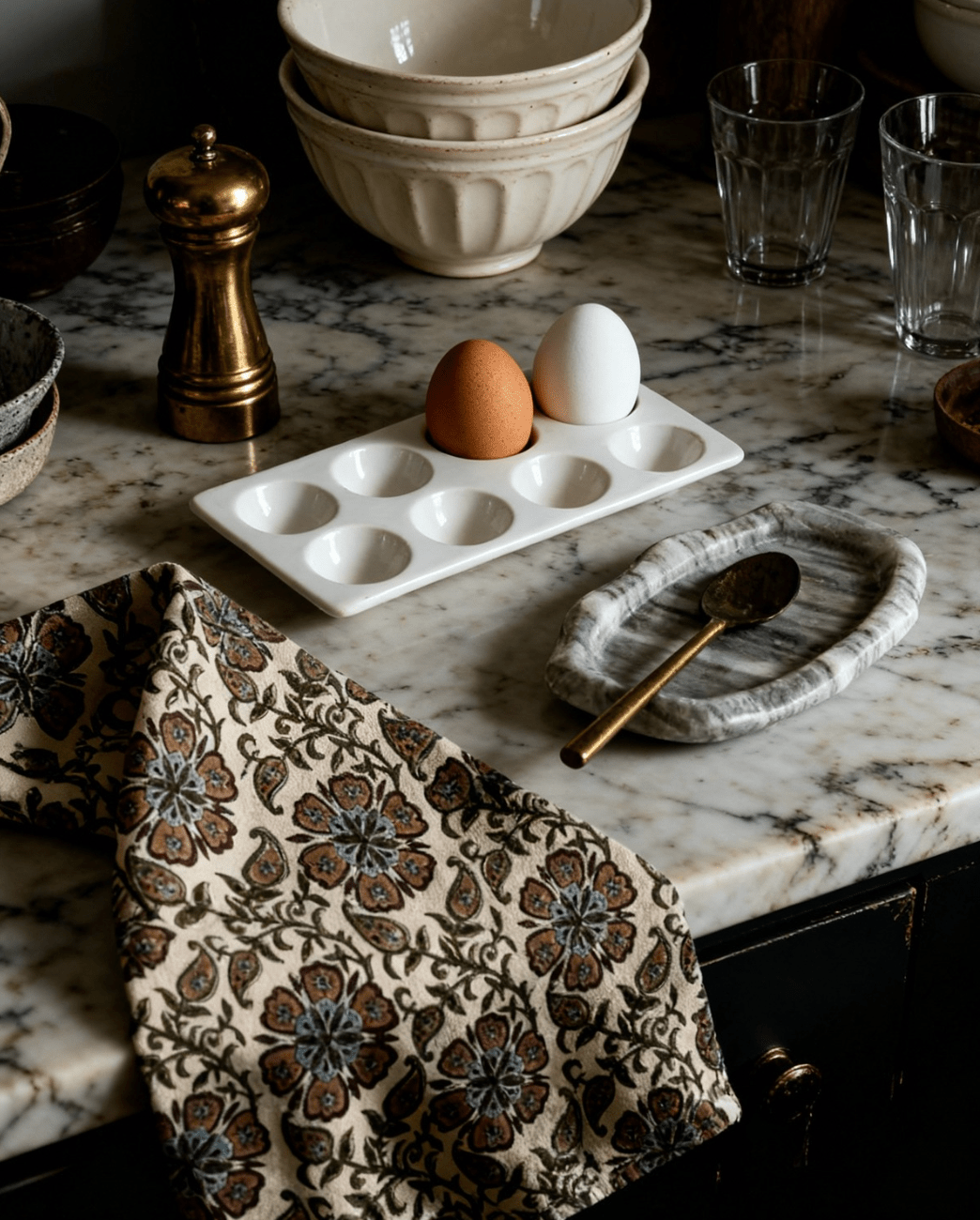


Some rooms feel settled before everything is finished. There’s a place to put your drink, the furniture makes sense together, and a few objects look as though someone actually chose them. Vintage decor can help create that feeling. The useful part is how you place it: a jar that anchors a shelf, a pot that connects two materials, or a basket that gives everyday belongings somewhere to go.
Explore Hello Norden’s vintage decor for pieces you can work into the home you already have.
A settled room has enough consistency to feel connected and enough variation to feel personal. You can get there with contemporary furniture, inherited pieces, and a handful of older objects.
There’s a useful neuroscience touch here. Research shows that objects visible at the same time compete for representation in the visual cortex, while attention and perceptual grouping influence that competition. The styling application is an interpretation: clear focal points and recognizable relationships between objects can make an arrangement easier to take in.
That gives us a practical starting point. Think about what catches your attention, what connects the room, and what supports daily life. These seven moves bring those considerations together.
1. Give One Vintage Piece a Clear Job
Before choosing a spot for a vintage jar or pot, decide what the room needs from it.
Perhaps a long sideboard needs a substantial shape at one end. A shelf might need something rounded beside rectangular books. An entryway may need a focal point that leaves the rest of the console available for everyday use.
A clear job makes placement easier.
Start with the furniture beneath it
Measure the surface and compare it with the vessel’s dimensions. Check depth as well as height: a pot needs a secure base and enough clearance around its widest point.
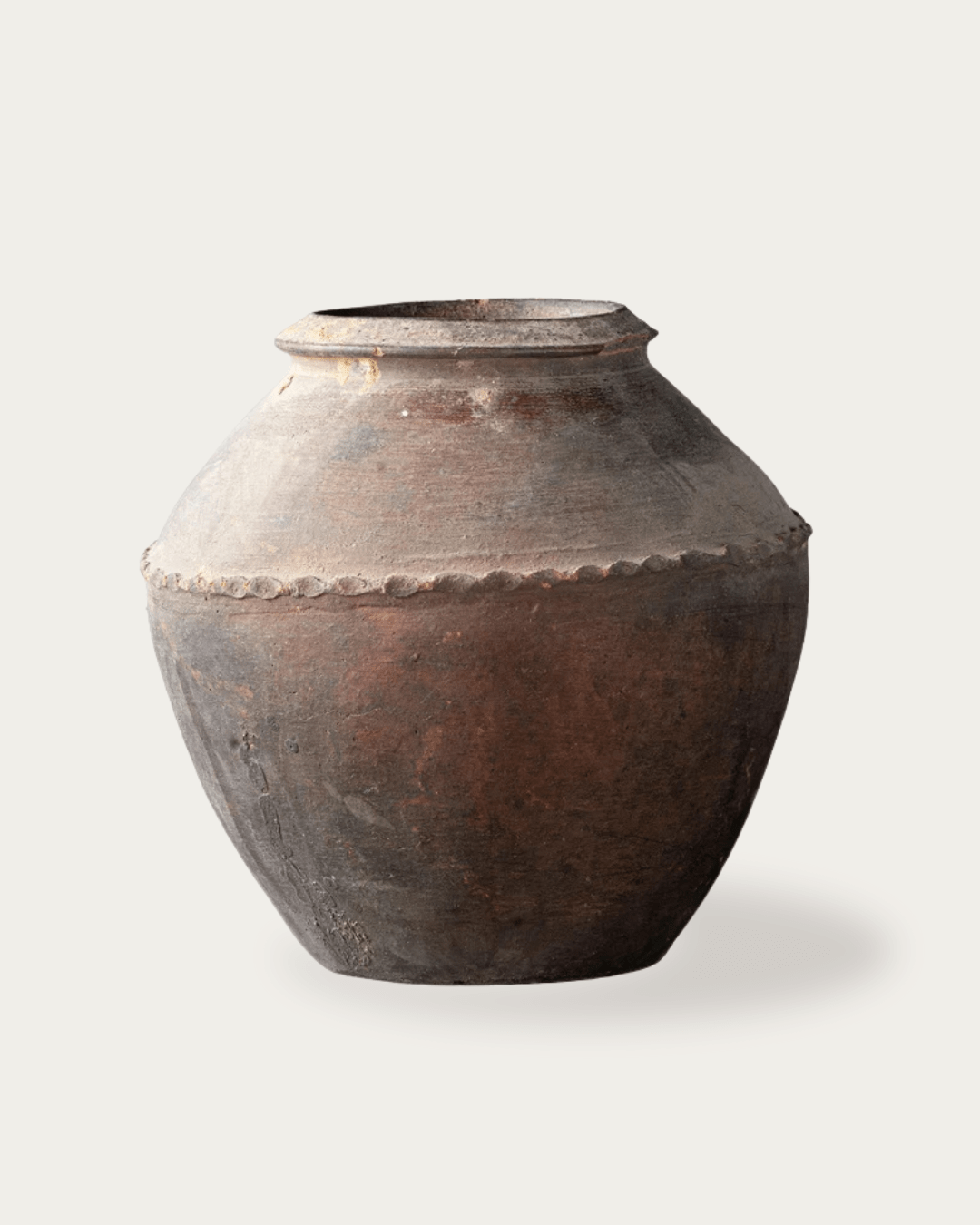
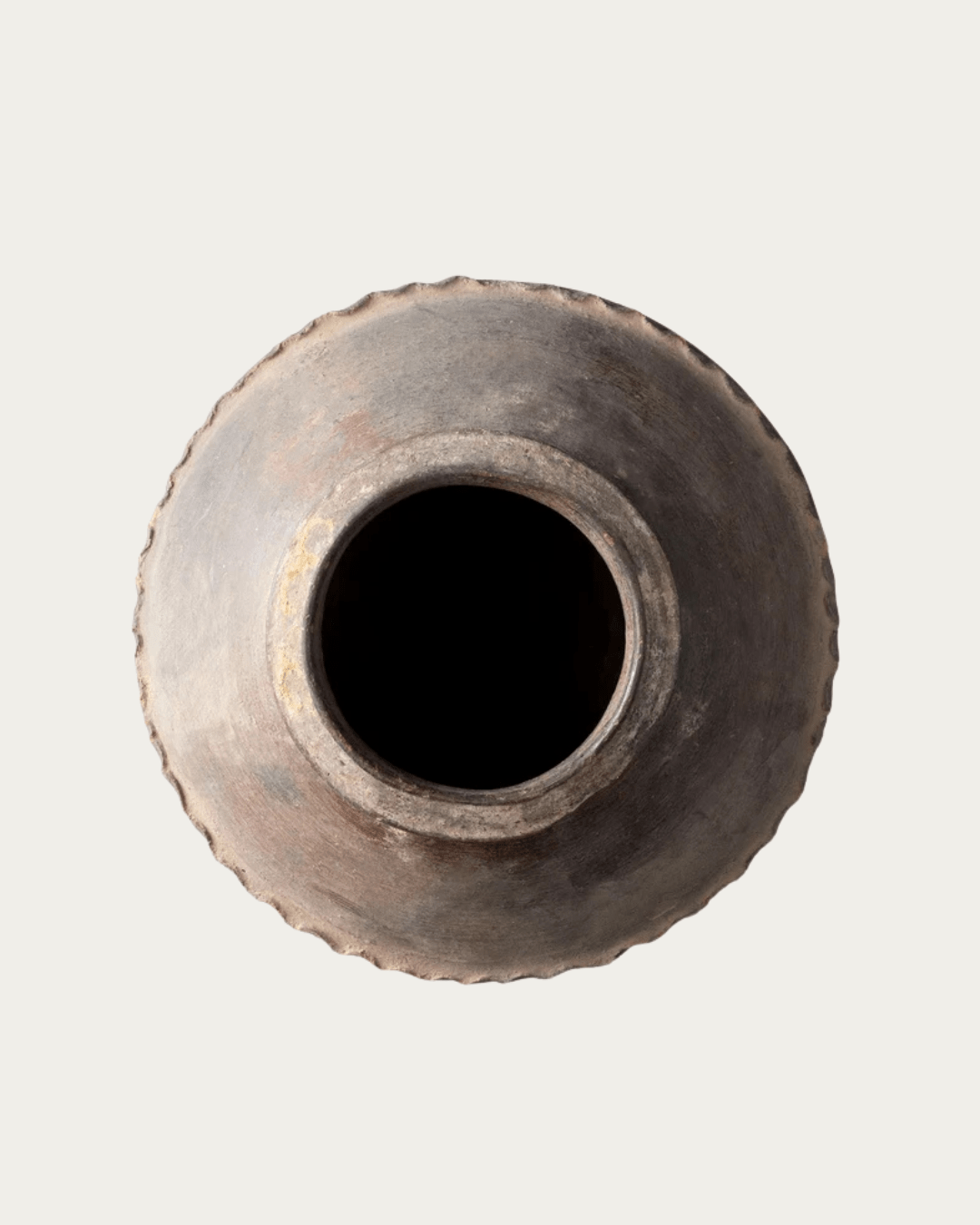
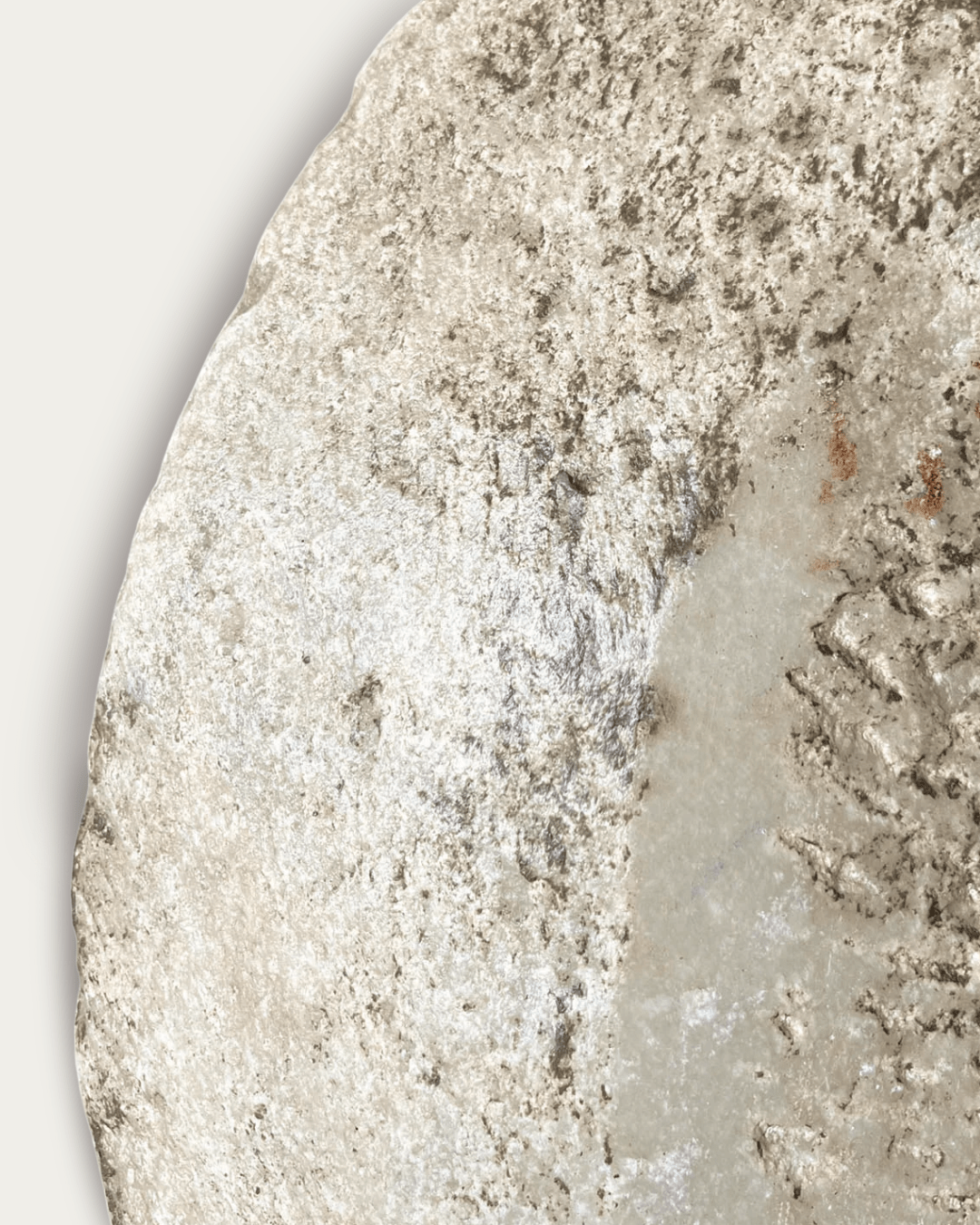
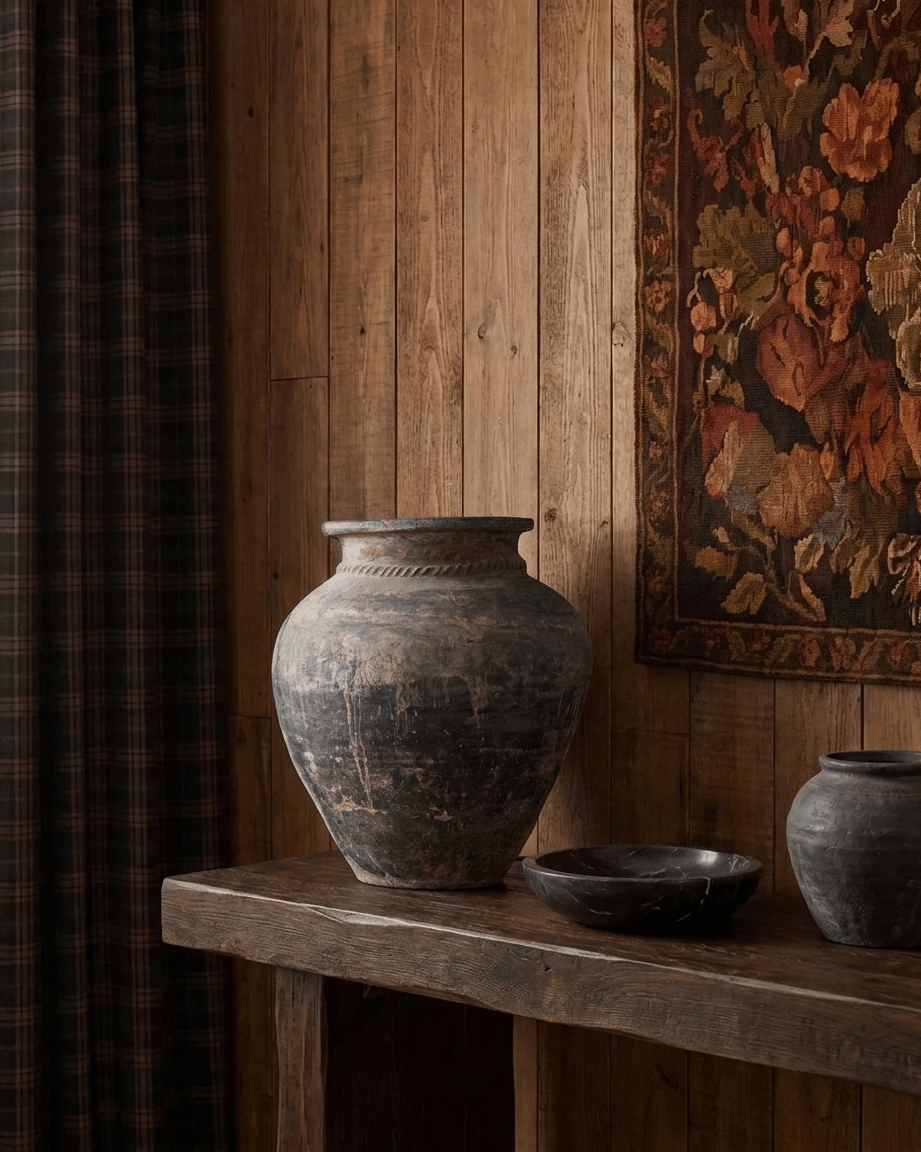
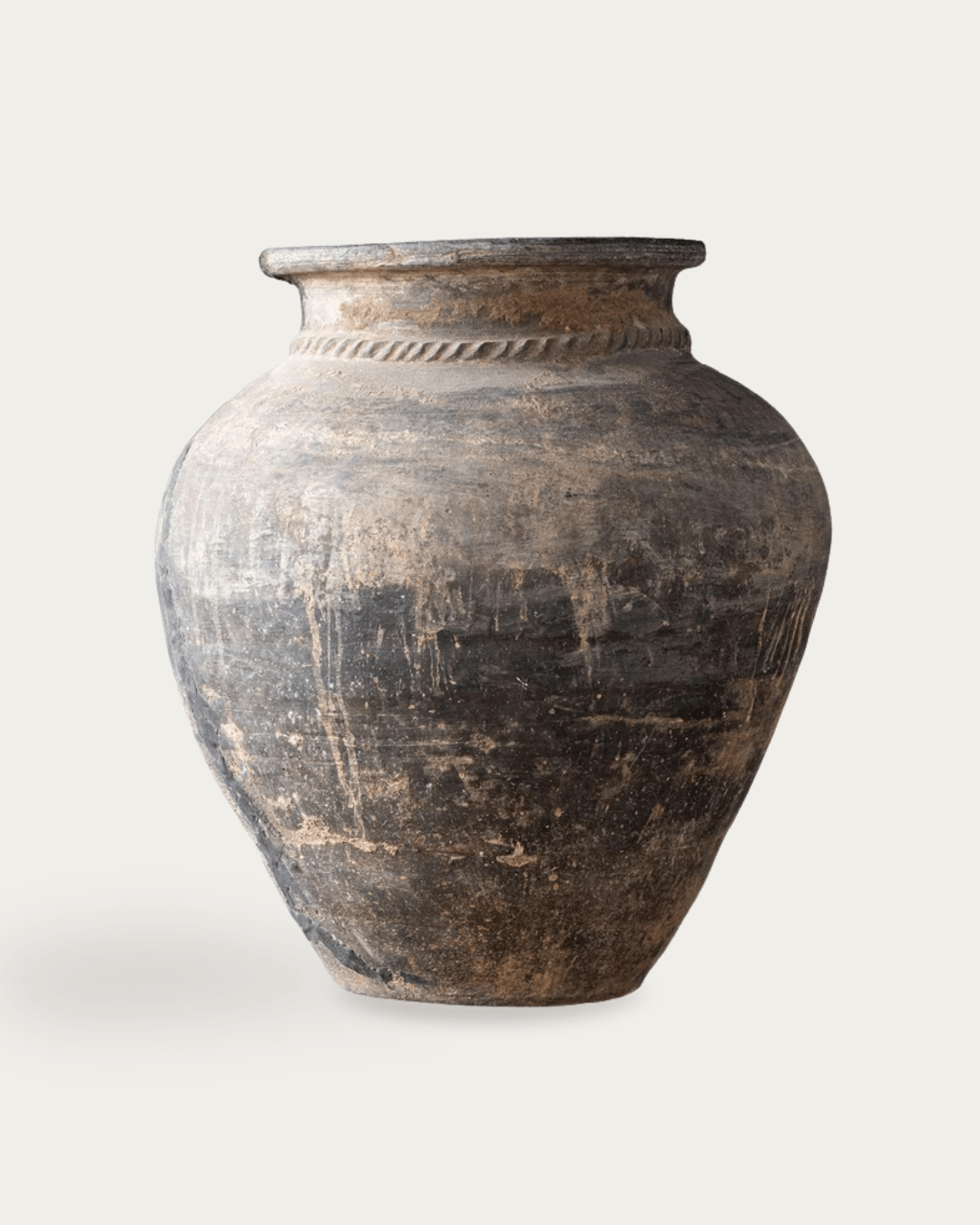
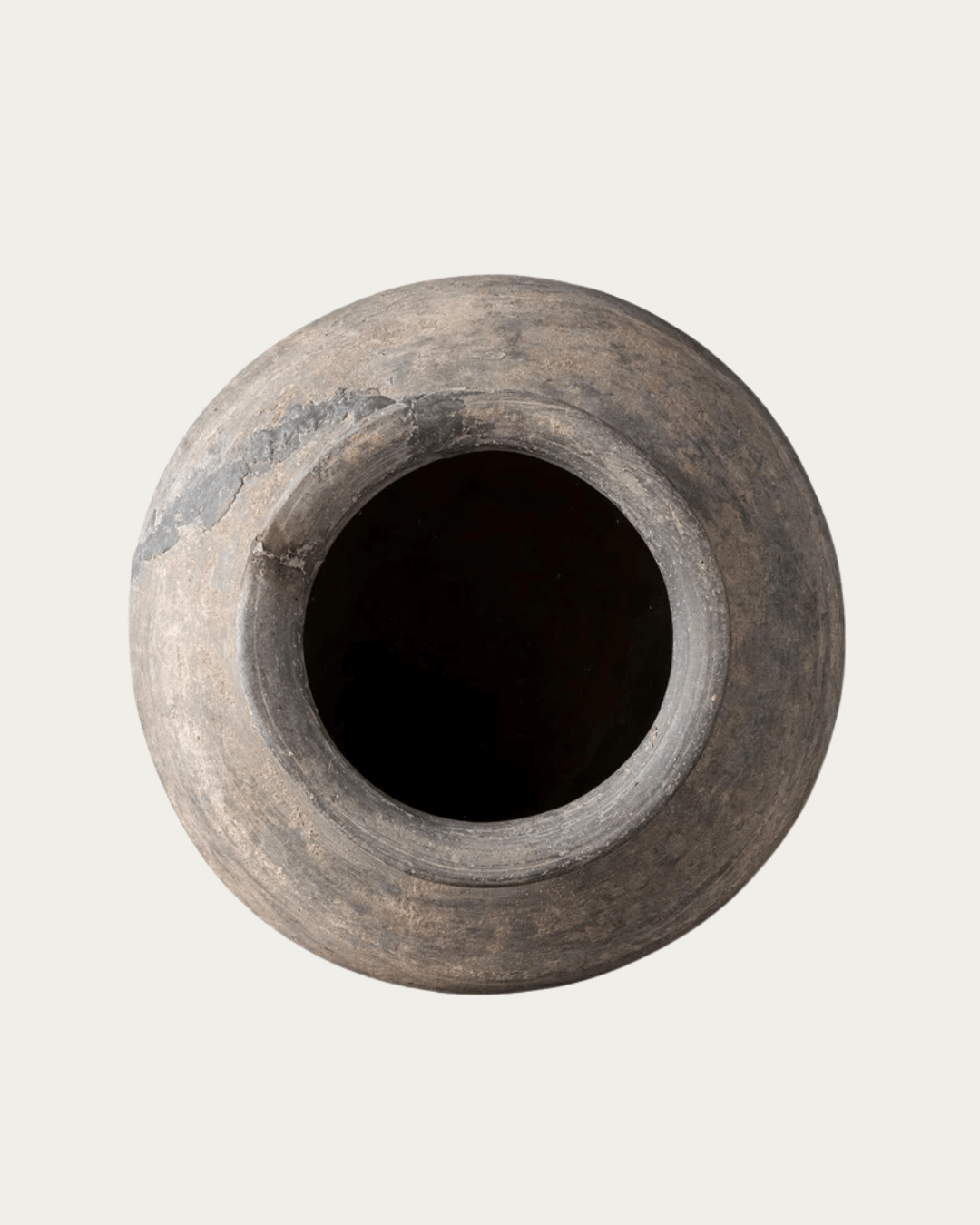
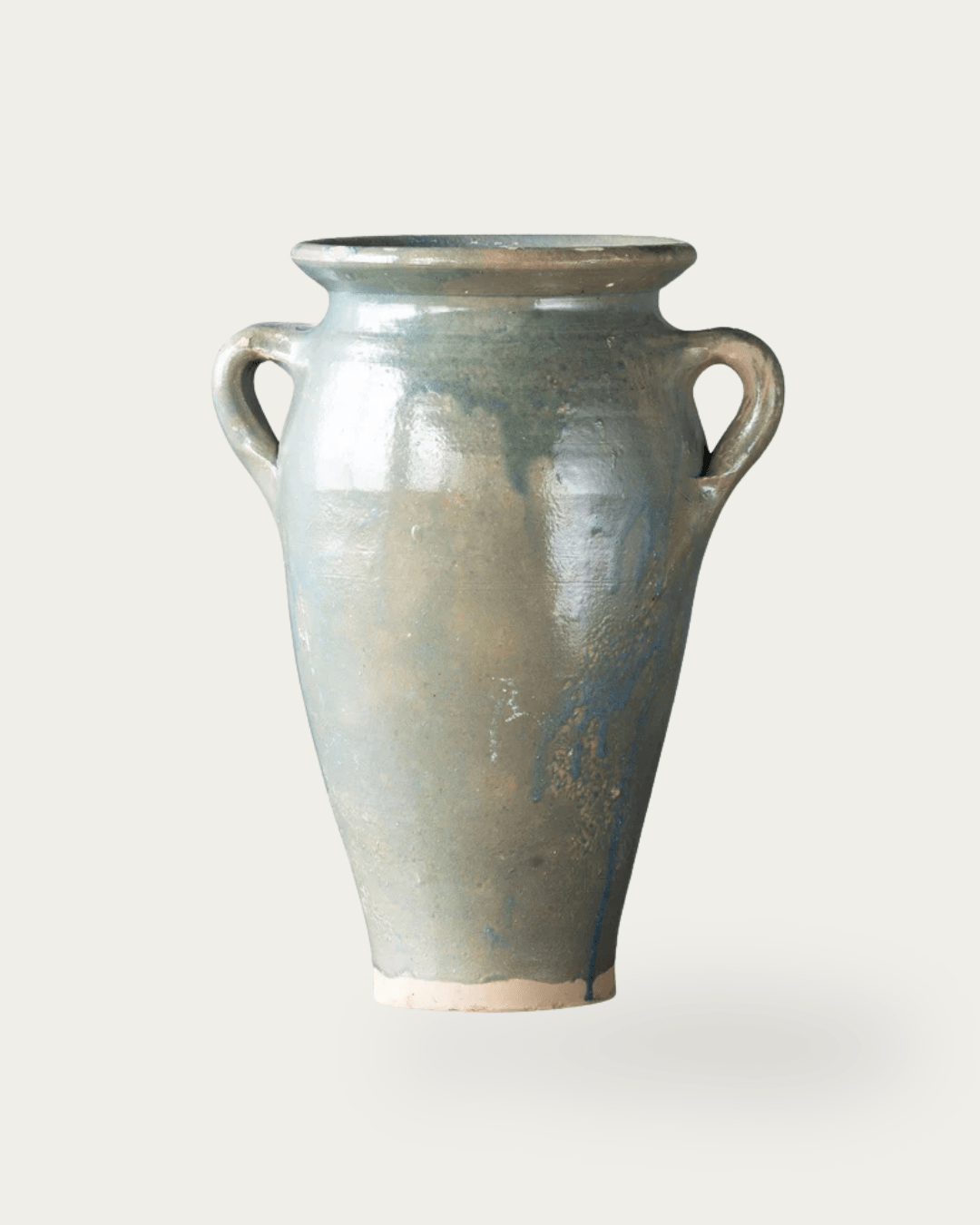
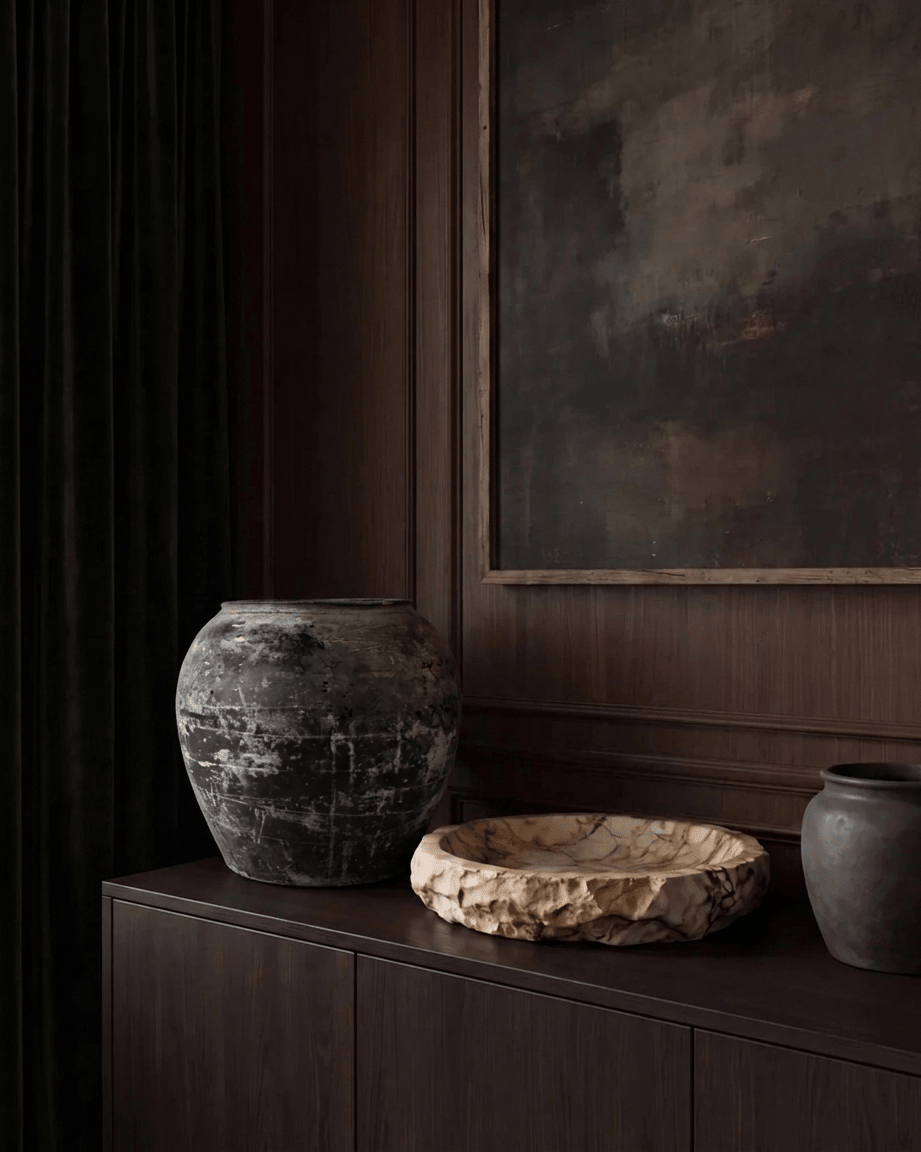
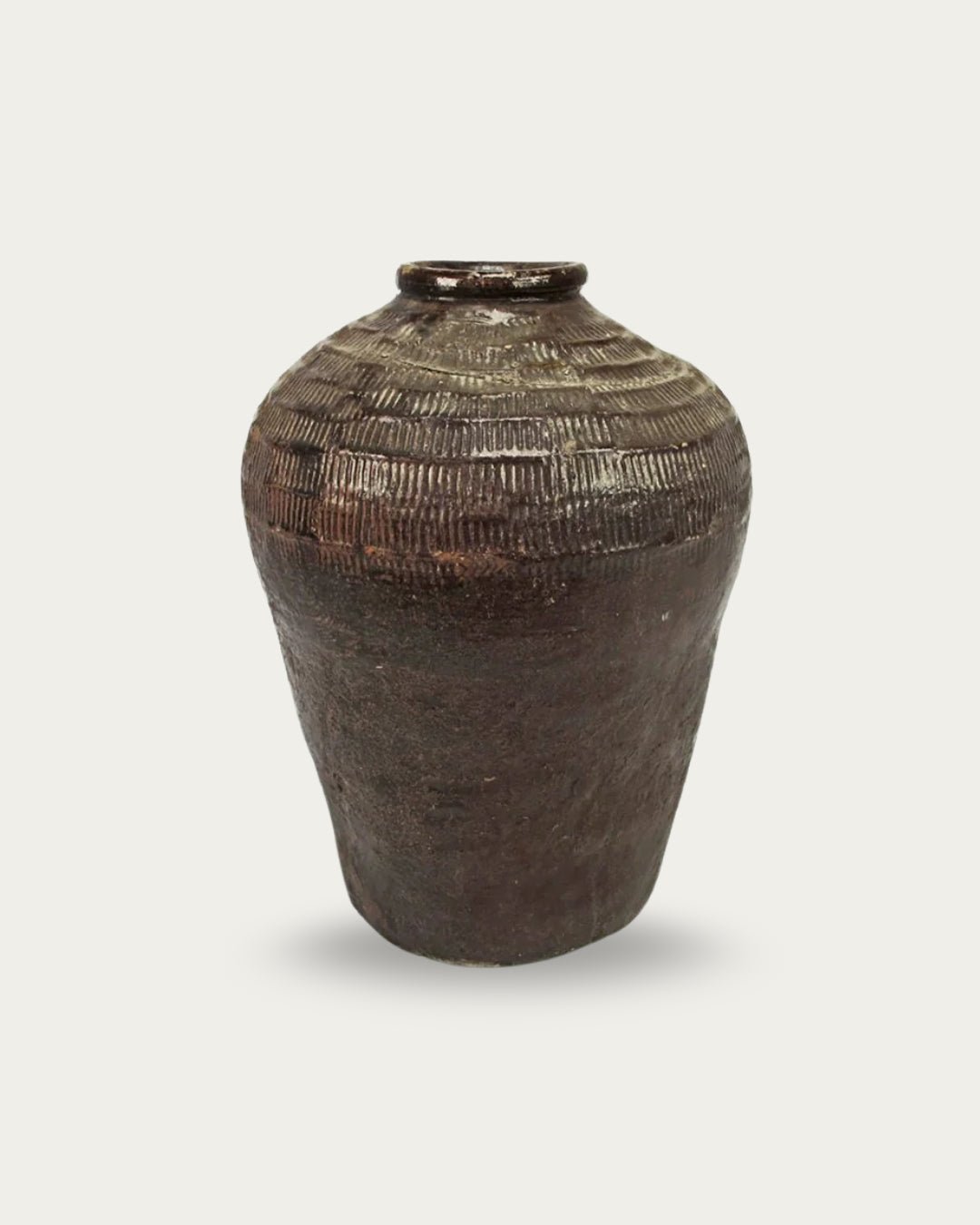
The Raynor vintage clay water pot is an option when you want a clay vessel to establish that focal point. Consider its scale against the furniture, then position nearby accessories around it.
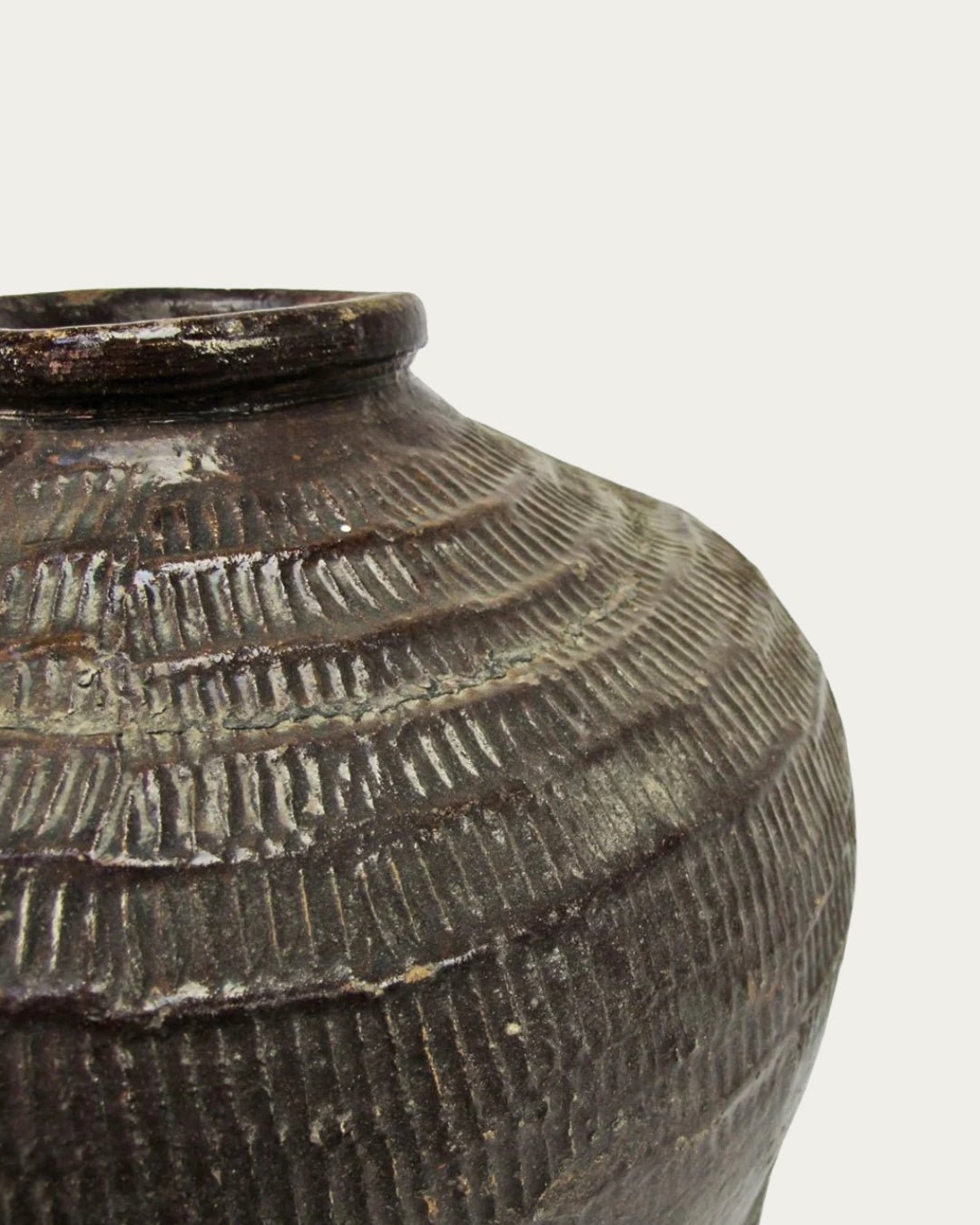
Clay also introduces a material contrast beside glass, metal, or finished wood. That relationship may provide enough interest with very little added.
Keep useful space available. On a console, leave somewhere to set things down. On a sideboard, preserve a serving area. The arrangement should earn its place in your routine.
2. Connect Vintage Decor to Materials You Already Own
A vintage piece feels integrated when it has something in common with its surroundings.
Look around before adding anything. Your room already has a material palette: perhaps oak furniture, a woven rug, painted cabinetry, or metal hardware. Use one of those elements as a starting point.
You’re looking for a connection that lets the new addition belong.
Repeat a tone or surface quality
A clay vessel can relate to earthy colors in a rug or artwork. A glazed finish can introduce a small reflective accent near otherwise matte surfaces.
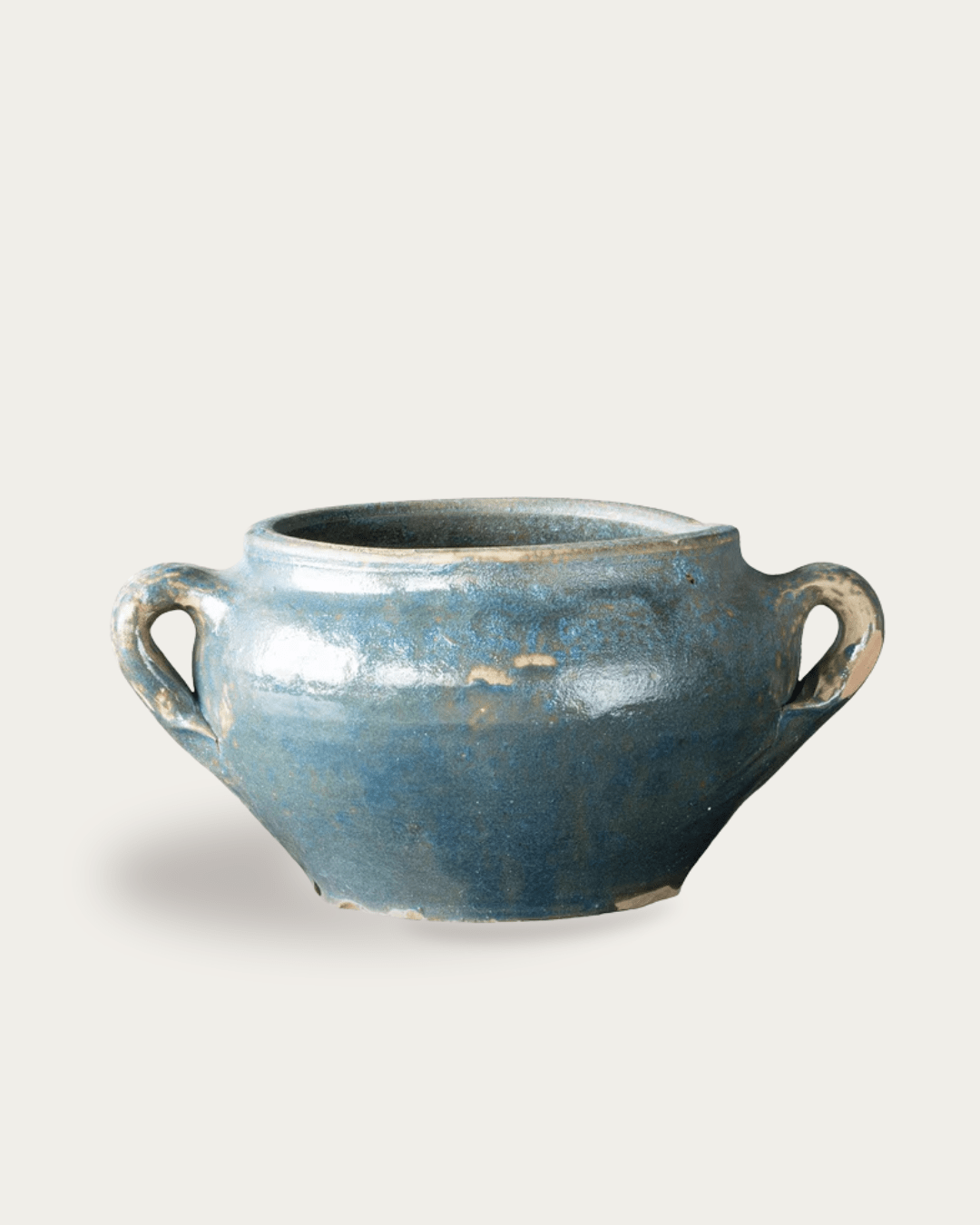
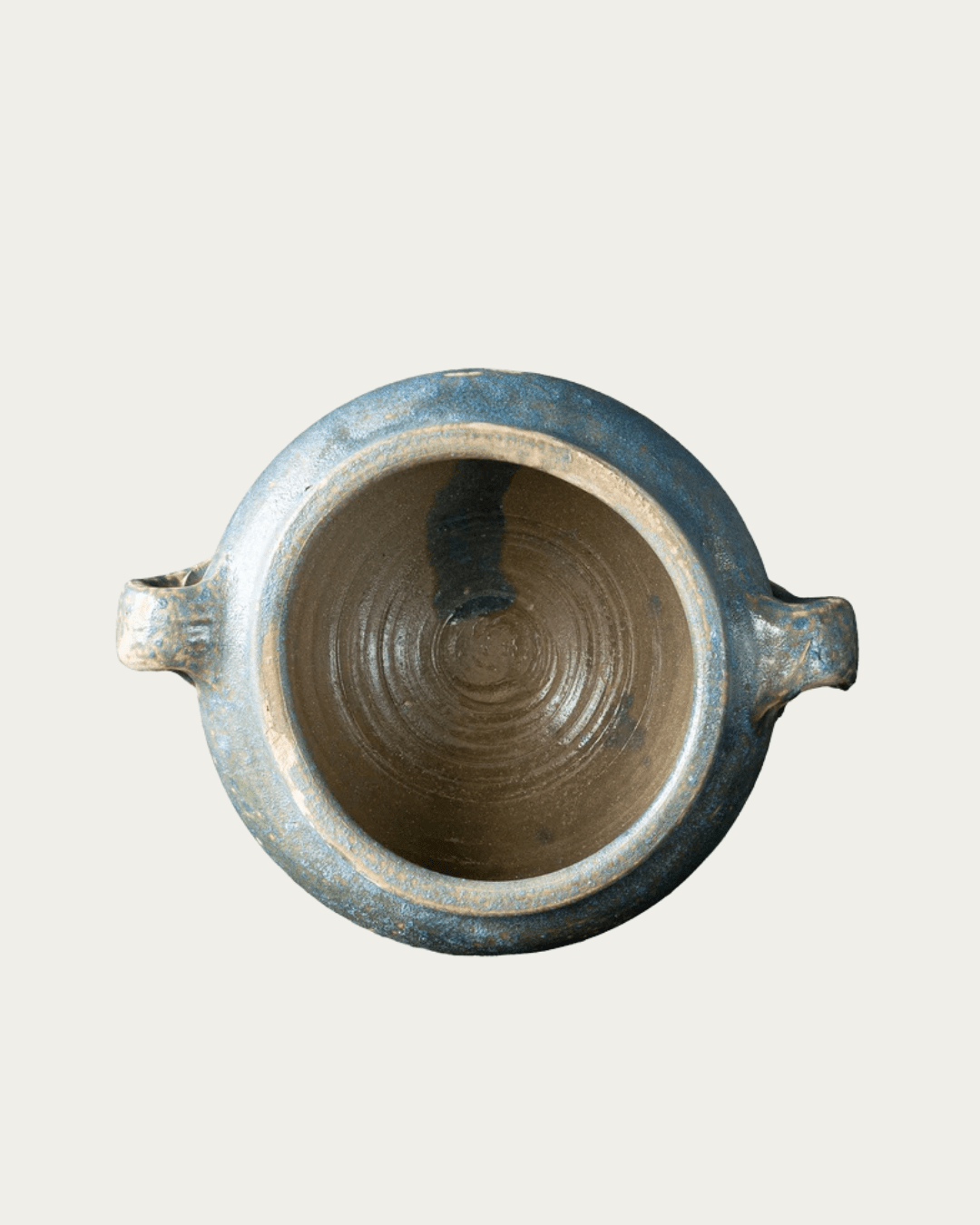
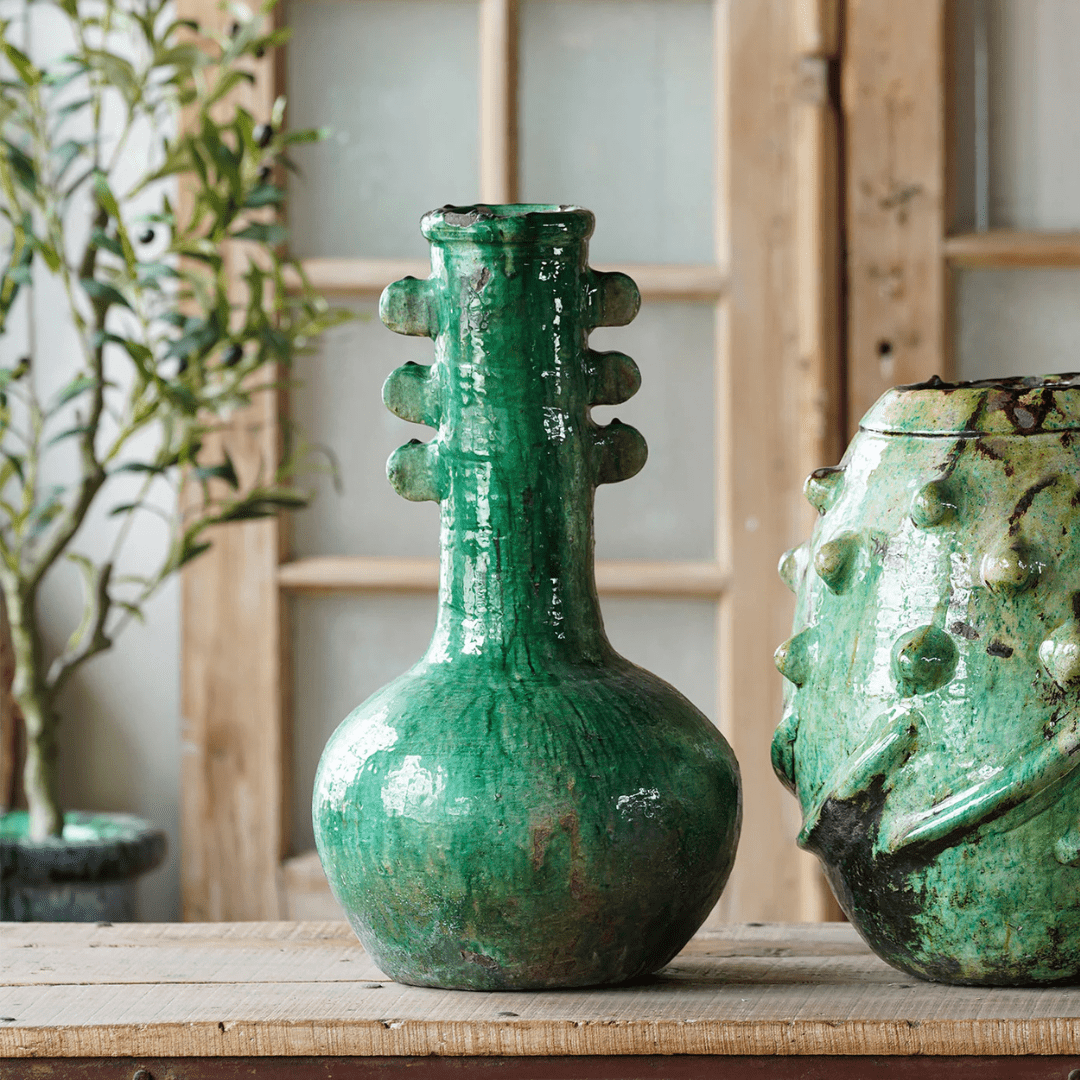
Consider the Skadi vintage glazed handle pot where its finish and handled form can sit alongside a simpler neighboring shape. Compare the individual piece’s appearance with the room’s existing colors before choosing its location.
Keep the surrounding arrangement straightforward. A pot beside a wood frame or folded textile gives you distinct materials without requiring a whole collection.
Check how the finishes behave under your actual lighting, too. A reflection that looks subtle in daylight may become more noticeable beside an evening lamp. A small change in angle can make the pairing work better.
3. Give Shelves a Rhythm of Objects and Open Space
A shelf can hold a lot and still feel considered. The key is varying how that space is used.
Try a row of books on one level, a single vessel on another, and a small grouping elsewhere. Open areas between them help each arrangement remain visible.
That rhythm gives you places to pause as you look across the shelving.
Let the outline stay readable
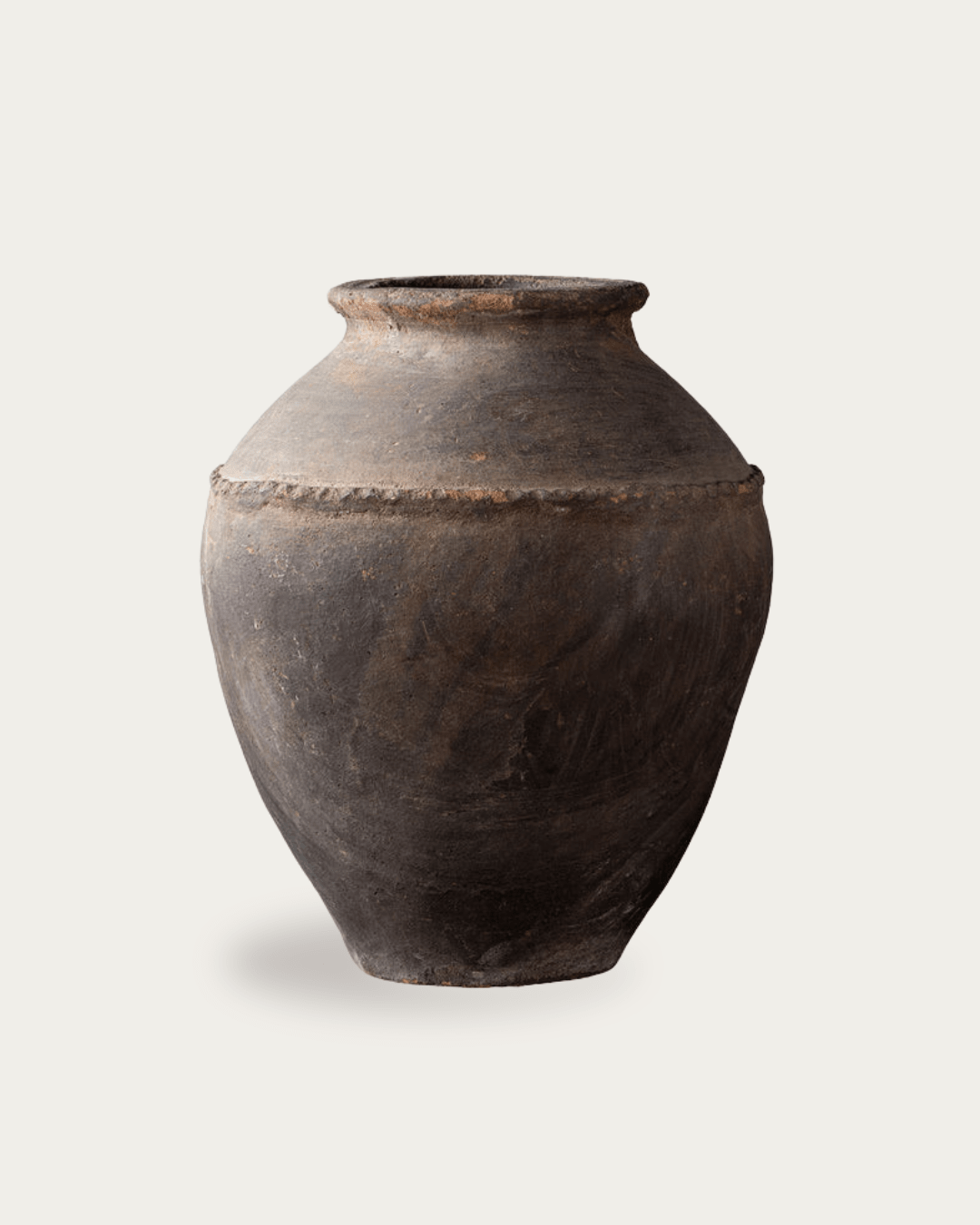
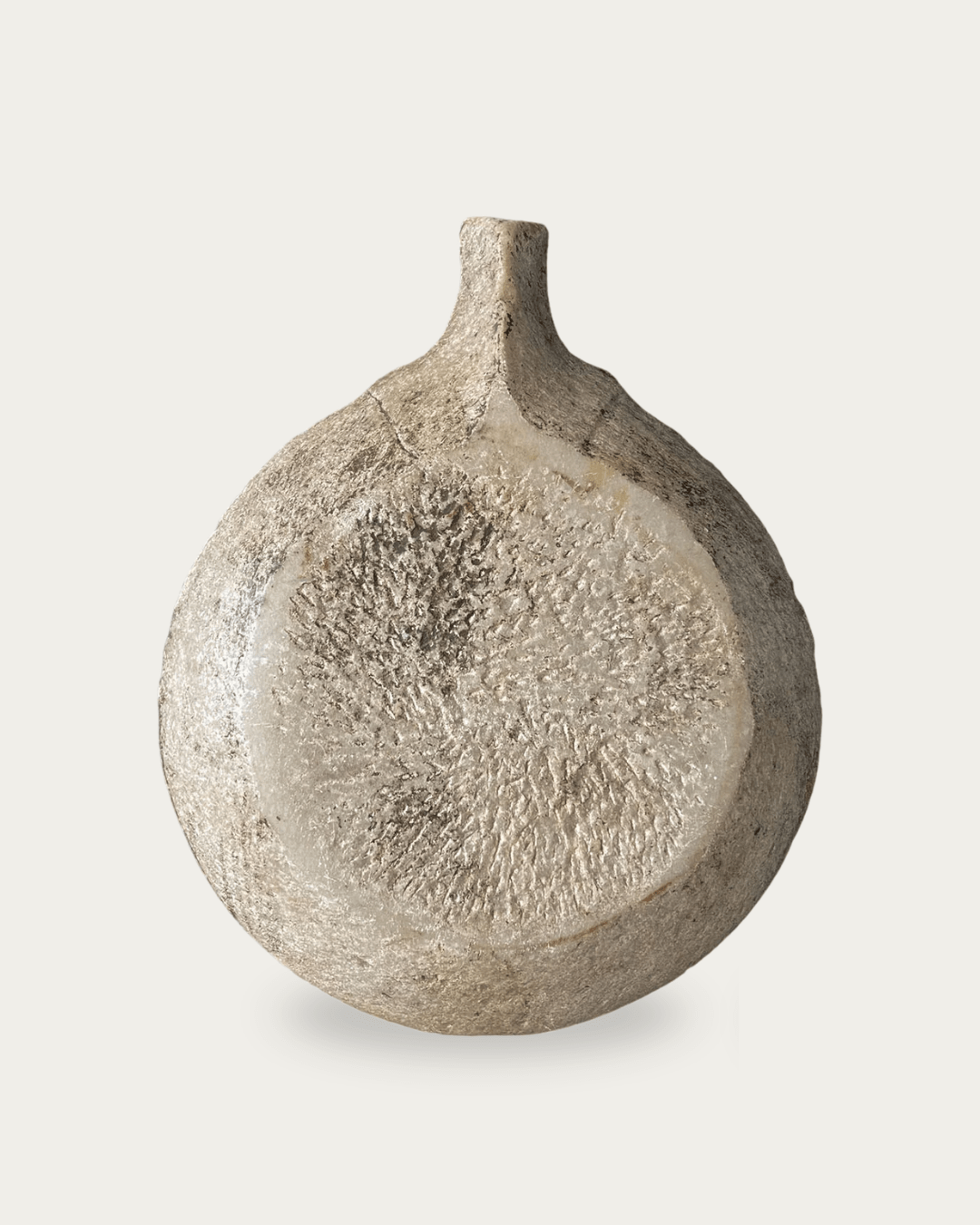
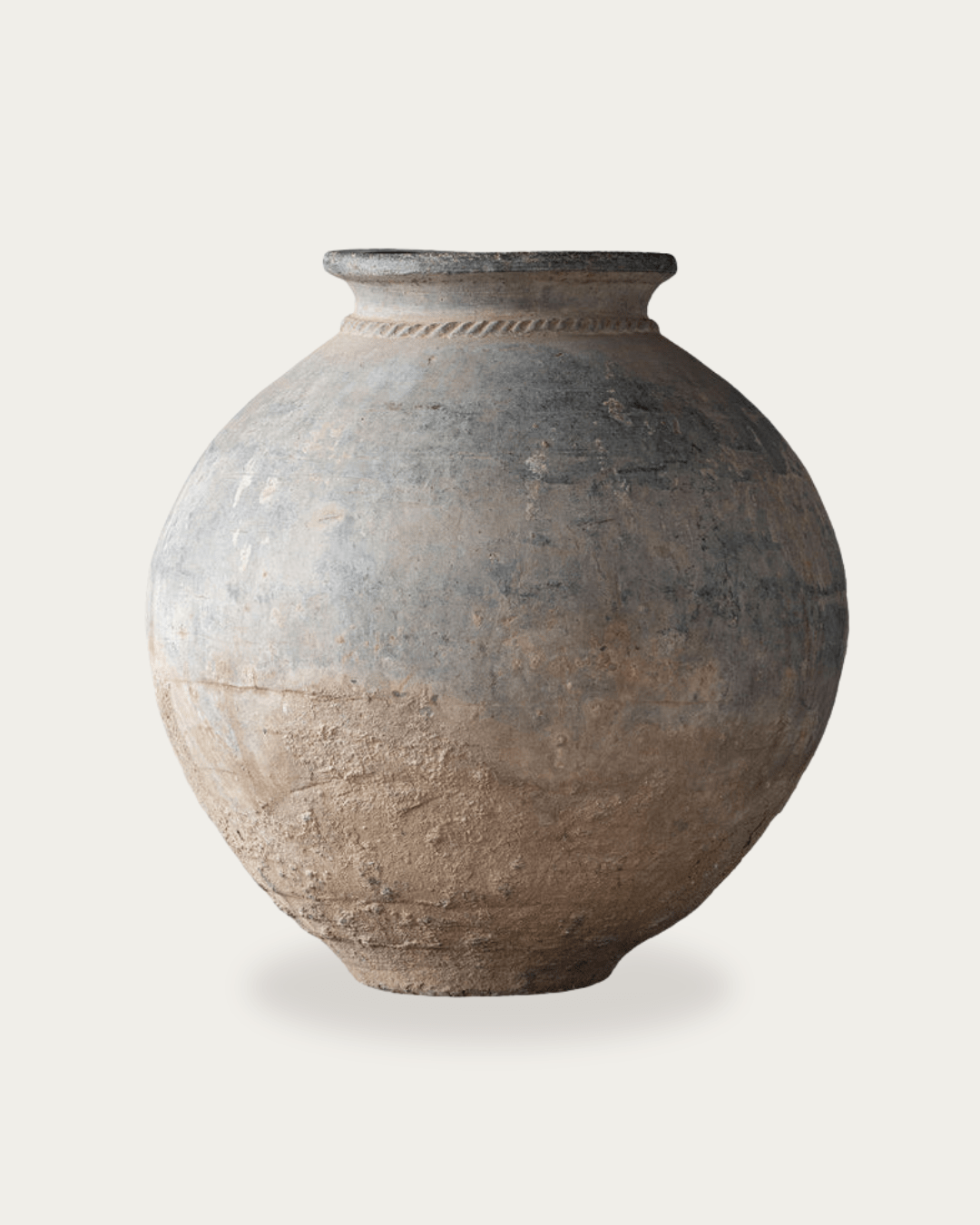
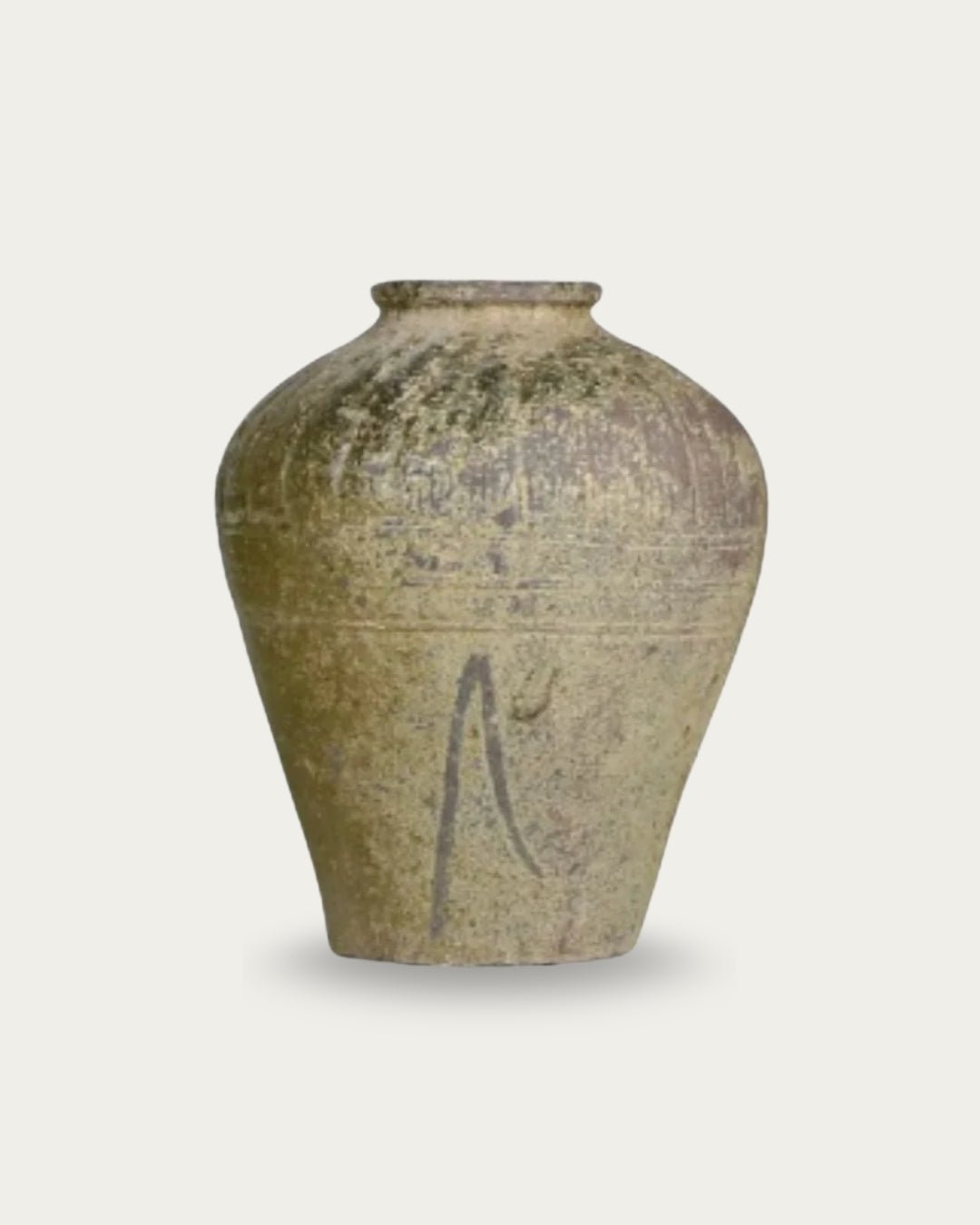
An Eskil vintage jar could occupy its own section of a shelf, with enough space above and beside it to show its form.
Choose companions based on the jar’s proportions. A lower book stack may provide a useful change in height, provided the shelf and arrangement remain stable. Avoid placing a frame directly behind it if their outlines become difficult to distinguish.
The functional benefit is straightforward: you can reach your books, lift the vessel, and dust the shelf without dismantling everything.
RUTED Tip: An empty patch of shelf is allowed to stay empty. Give your favorite object a little elbow room before recruiting another accessory.
For pieces to work into those open areas, explore Hello Norden’s vintage collection.
Find something you want to make room for.
4. Build Small Groups With One Shared Feature
Several vintage jars can work together when their relationship is easy to see.
Start with one shared feature, such as a related color, material, or curve. Then vary another feature so the pieces have distinct roles.
Two vessels may be enough. Three can work when the surface has room for their outlines and some space beyond them.
Vary height while keeping a connection
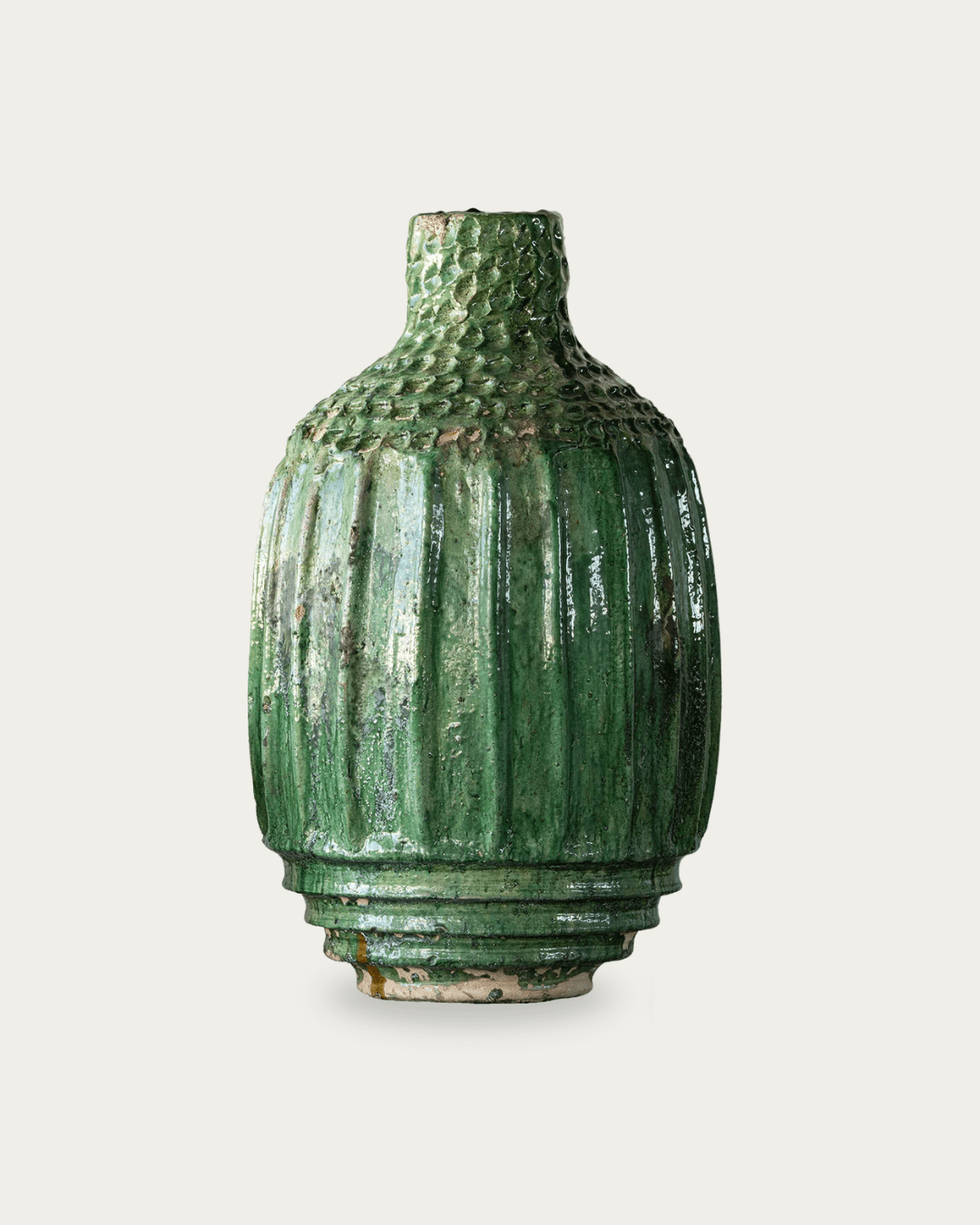
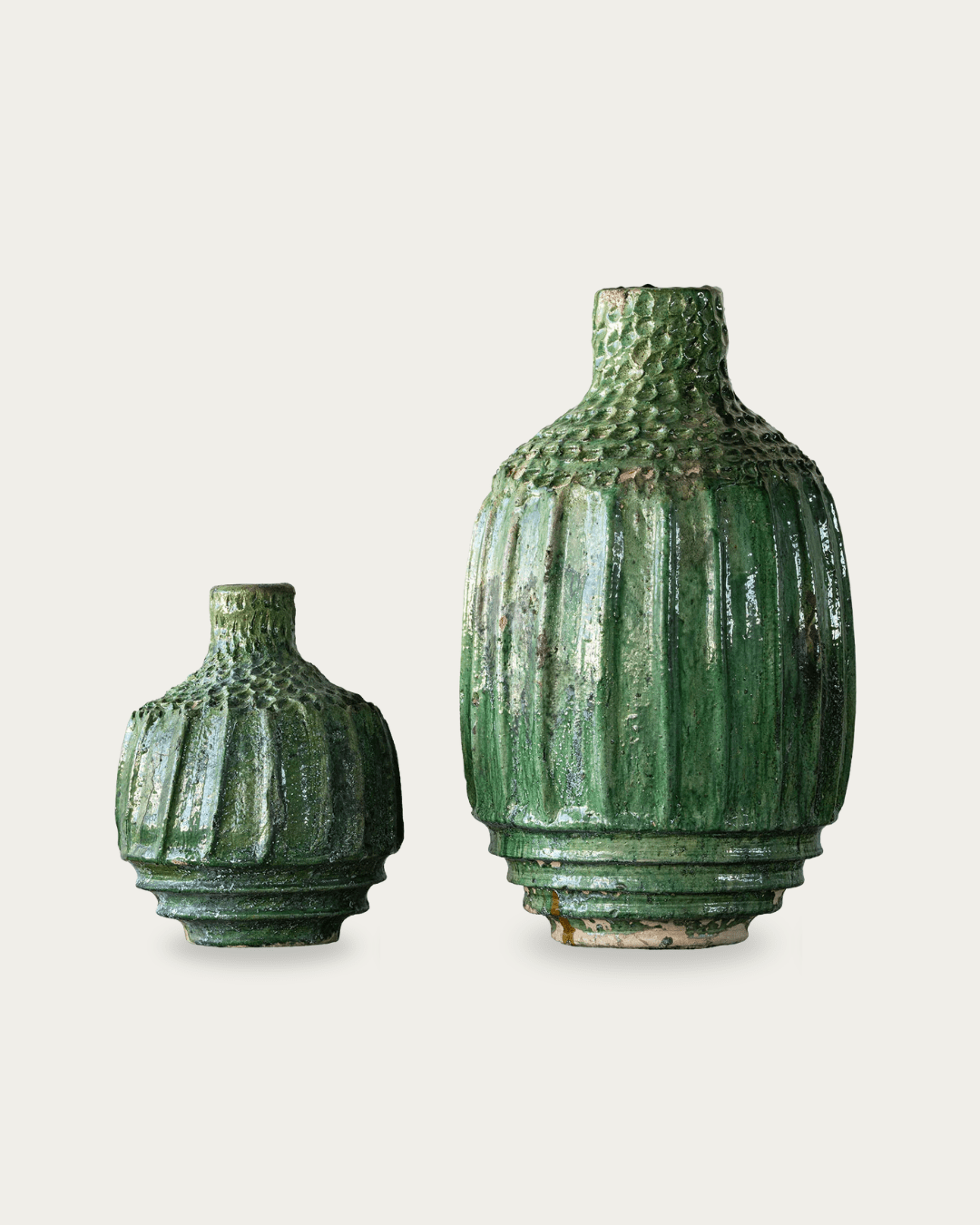
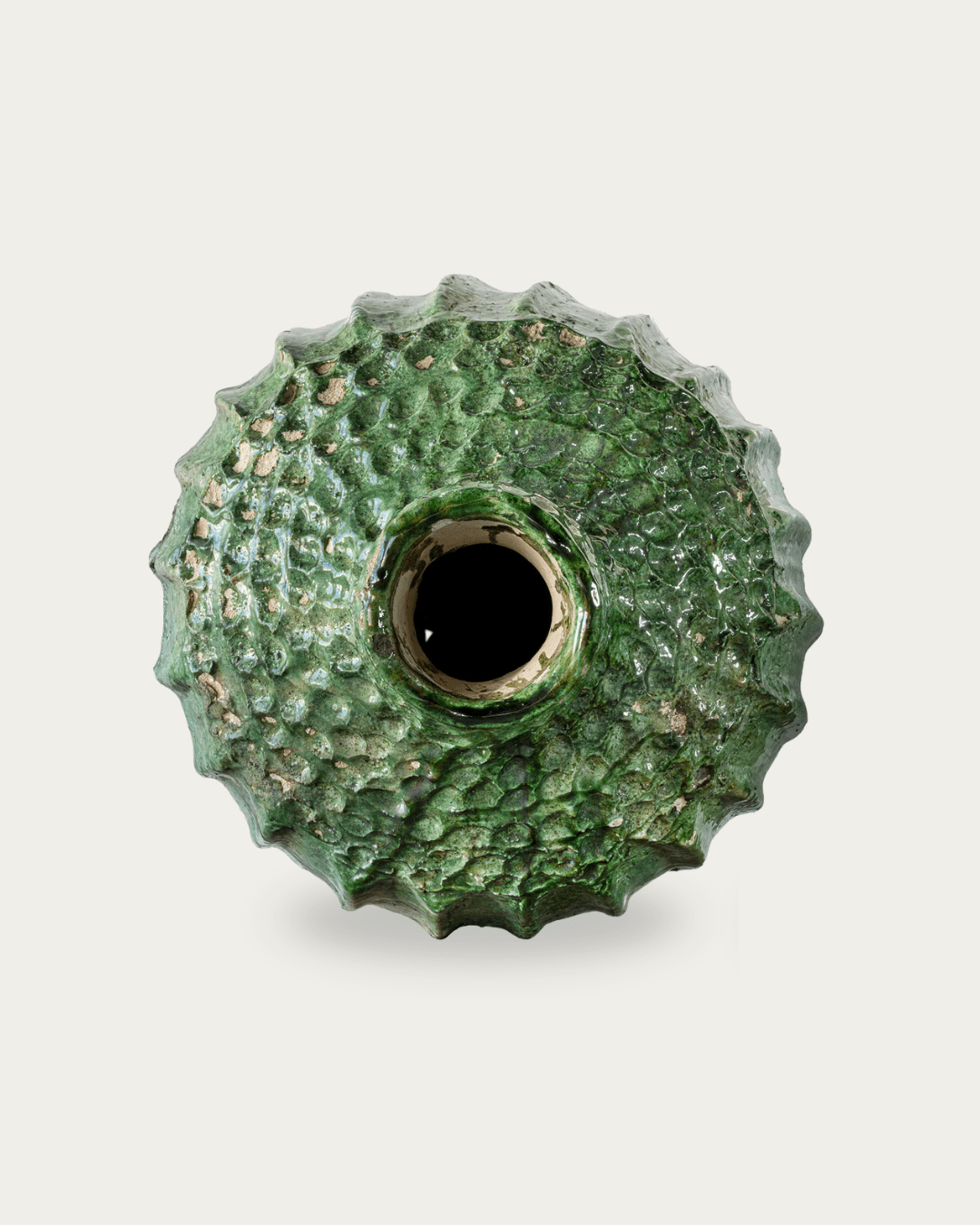
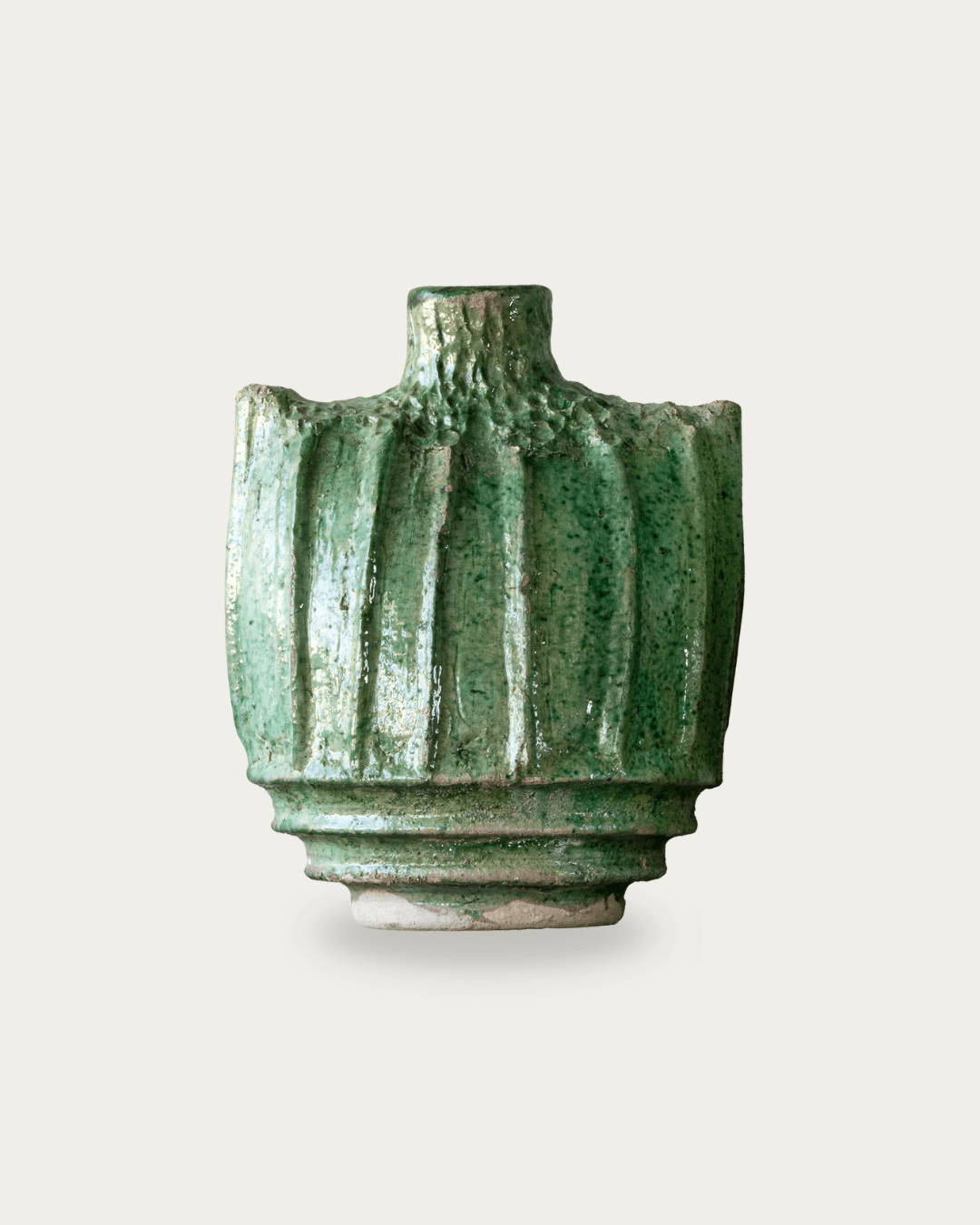
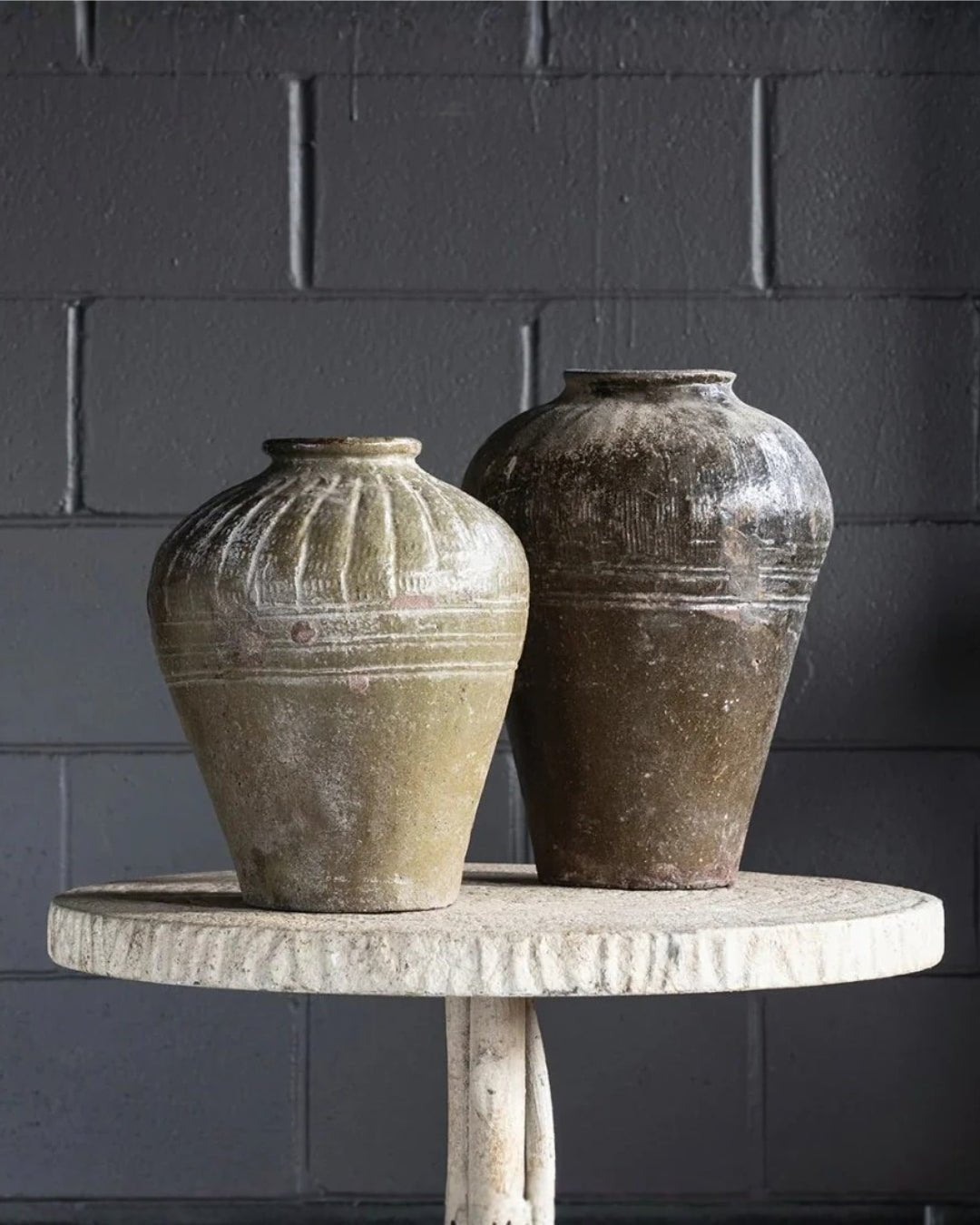
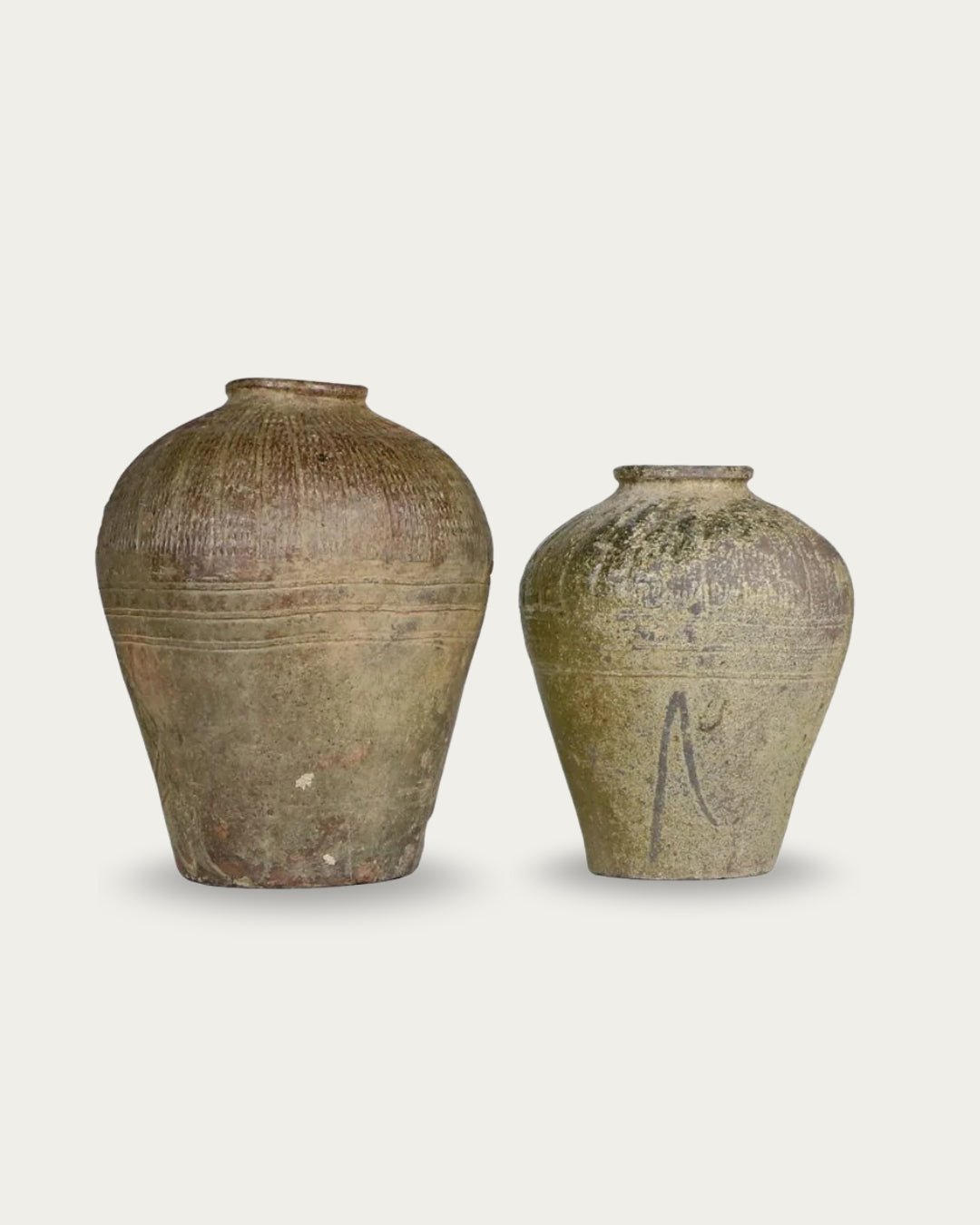
When considering the Idunn vintage jar alongside the Jesper vintage jar, compare their dimensions, finishes, and individual forms.
If the pairing has a clear connection, position the larger piece first. Place the smaller one slightly forward or to the side, keeping both shapes readable.
Grouping has a relevant perceptual basis: research has found that the organization of visual elements affects competitive interactions in the visual cortex. Using an obvious shared feature is a practical styling interpretation of that principle.
On a coffee table, keep the group compact enough to leave room for drinks. On a sideboard, give it one defined area. Let the arrangement have boundaries so the rest of the furniture can do its job.
5. Use Vintage Baskets to Support Everyday Life
A room often feels more settled when frequently used belongings have somewhere convenient to go.
Think about what collects near the sofa, beside the bed, or around the entryway. Then choose storage suited to those belongings and the space available.
A basket can bring texture into that solution while keeping the arrangement practical.
Match the contents to the piece
The Hjalte vintage basket is worth considering as a basket that could support your routine. Check its dimensions, material, condition, and recommended use before deciding what it will hold.
If suitable, lightweight textiles might make sense near seating. Other content may work better elsewhere. Vintage construction varies, so let the actual piece guide the job.
Position it close to where the contents are used. A basket that requires crossing the room every time tends to become background scenery.
Its texture can also connect with a rug, upholstery, or another woven element. Keep the area around it clear enough for comfortable access, and make sure the basket stays out of walking routes.
Useful storage becomes part of the room’s design because you interact with it every day.
6. Let a Vintage Pot Be a Complete Object
A pot doesn’t always need flowers, branches, or a plant.
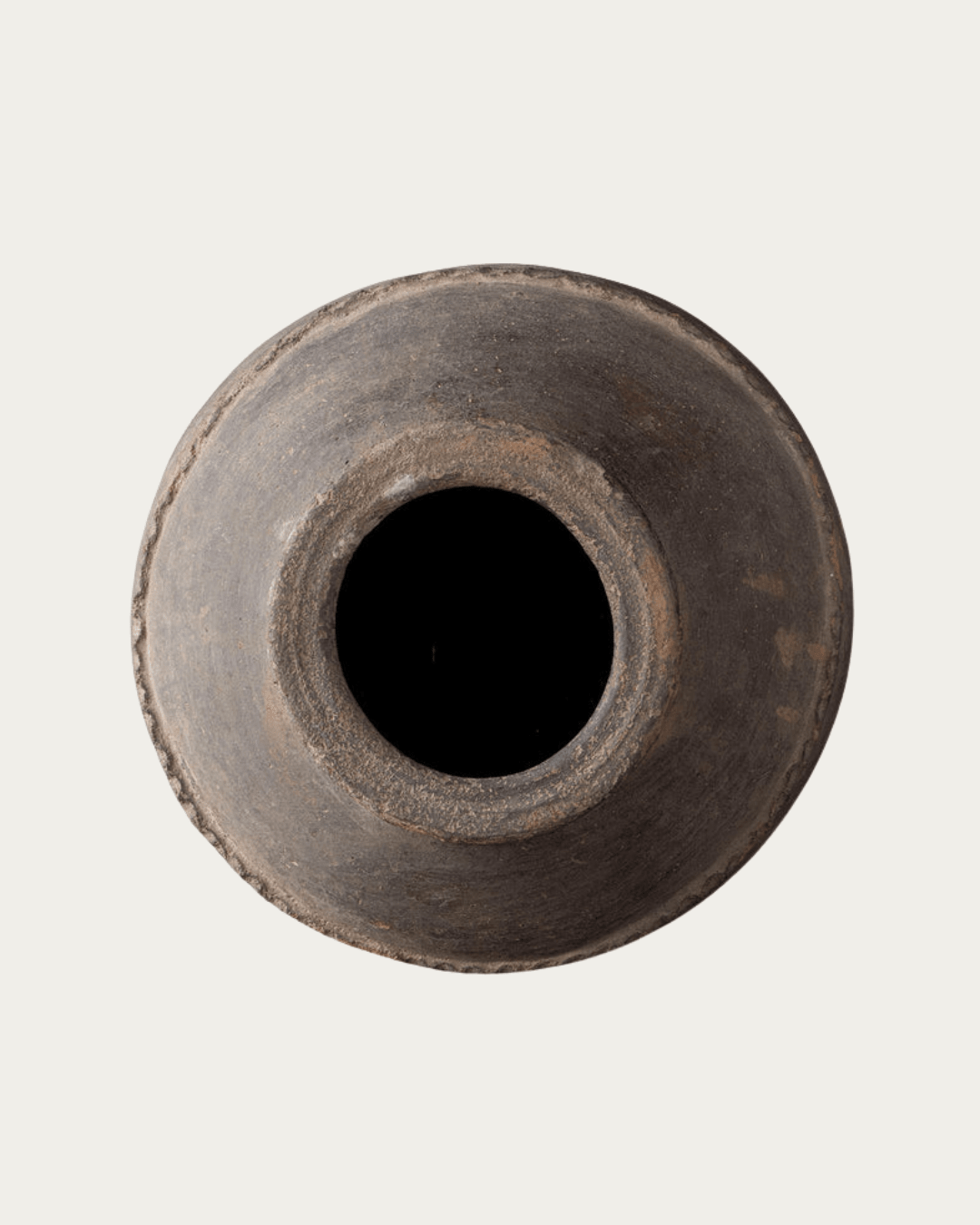
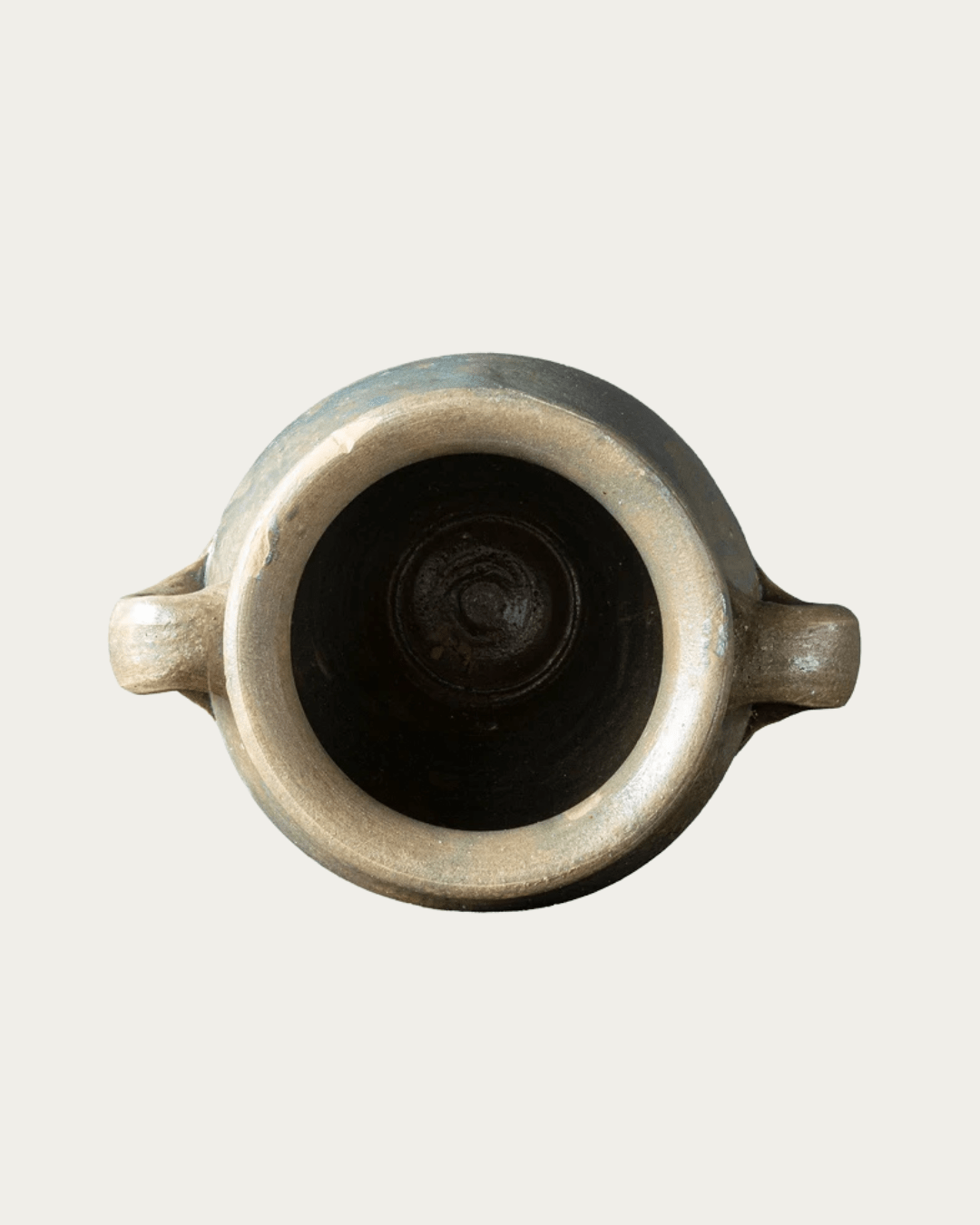
Before filling it, look at what its form already contributes. The opening, shoulder, handles, and surface may provide all the detail the arrangement needs.
Leaving a vessel empty can make those features easier to appreciate.
Add content with a specific purpose
Consider an Ellisiv vintage pot as a standalone object first. Check its proportions against the surrounding furniture and assess it from across the room.
If you add dried stems, choose an arrangement that leaves some of the rim visible. Keep the overall height in proportion to the vessel and the space above it.
For fresh flowers or plants, confirm the piece’s suitability. Use an appropriate watertight insert or inner planter where needed, and protect the furniture beneath it.
Material and function should inform each other. A vessel’s previous use doesn’t automatically establish what it can safely hold today.
For more shapes to consider, explore Hello Norden’s vintage planters and pots.
Choose the pot. Give it a spot. See what it needs.
7. Style From the Places Where You Spend Time
The view from your sofa matters as much as the view directly in front of your console.
Sit where you usually read, eat, or relax, and look around. Check whether your vintage pieces remain visible and whether their placement makes sense from that angle.
You may find that one small move improves the whole arrangement.
Check sightlines and daily access
When placing a Ylfa clay pot, compare its dimensions with the available space and check the view from both the doorway and your usual seat.
Make sure neighboring furniture doesn’t obscure the form. Leave room to walk comfortably, open drawers, and reach nearby items.
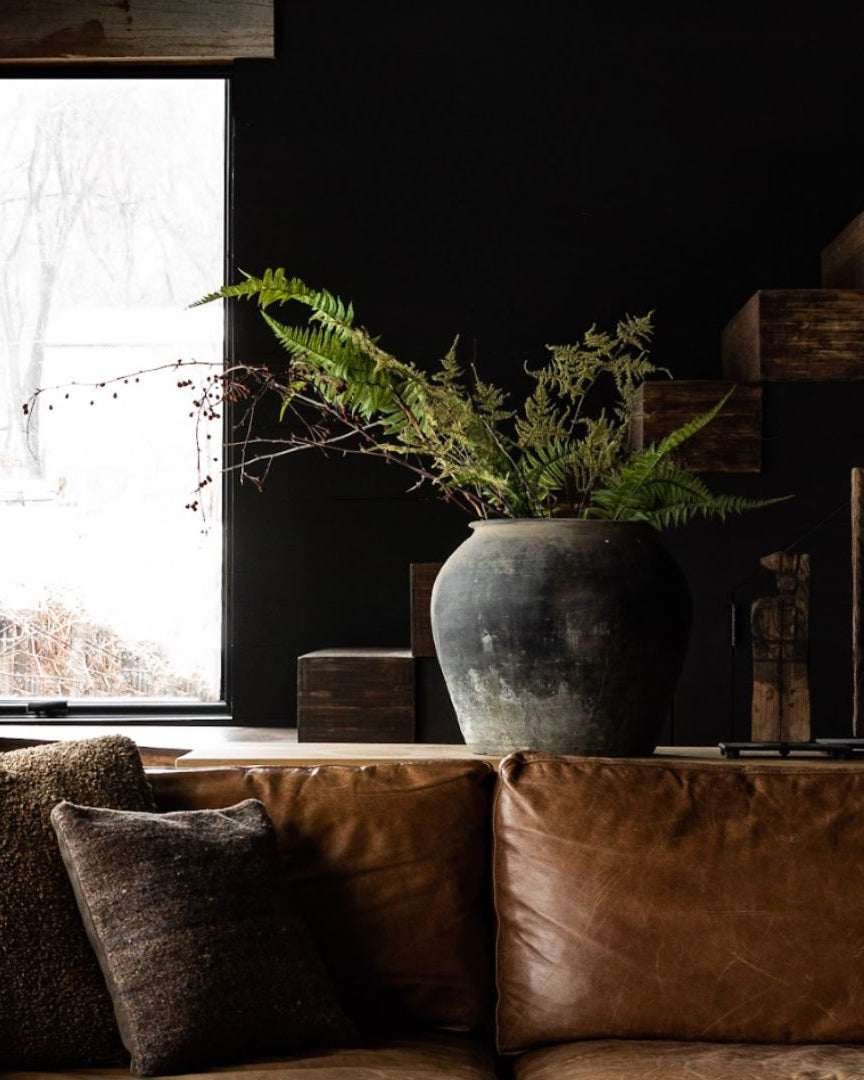
Then look at the material relationships from a distance. Does the clay connect with another tone in the room? Does the vessel provide a clear shape against its background?
This is where comfort becomes personal. A room’s sensory environment is one part of how it feels to inhabit, and individual preferences matter. Styling can support that comfort without promising a particular nervous-system response.
Live with the placement for a few days. Keep what feels useful and satisfying to see. Adjust what gets in the way.
Let the Room Settle Around Real Life
A settled home develops through choices you can live with: objects placed where you enjoy seeing them, materials that connect, and surfaces that remain useful.
Vintage decor can contribute shape, texture, and personal interest. Its place in the room matters more than the number of pieces you have.
Start with one surface and one clear purpose. Give a jar some space, bring a basket closer to where it’s needed, or let an empty pot stand on its own.
When you explore Hello Norden’s vintage decor, look for pieces that fit both your room and the way you use it.