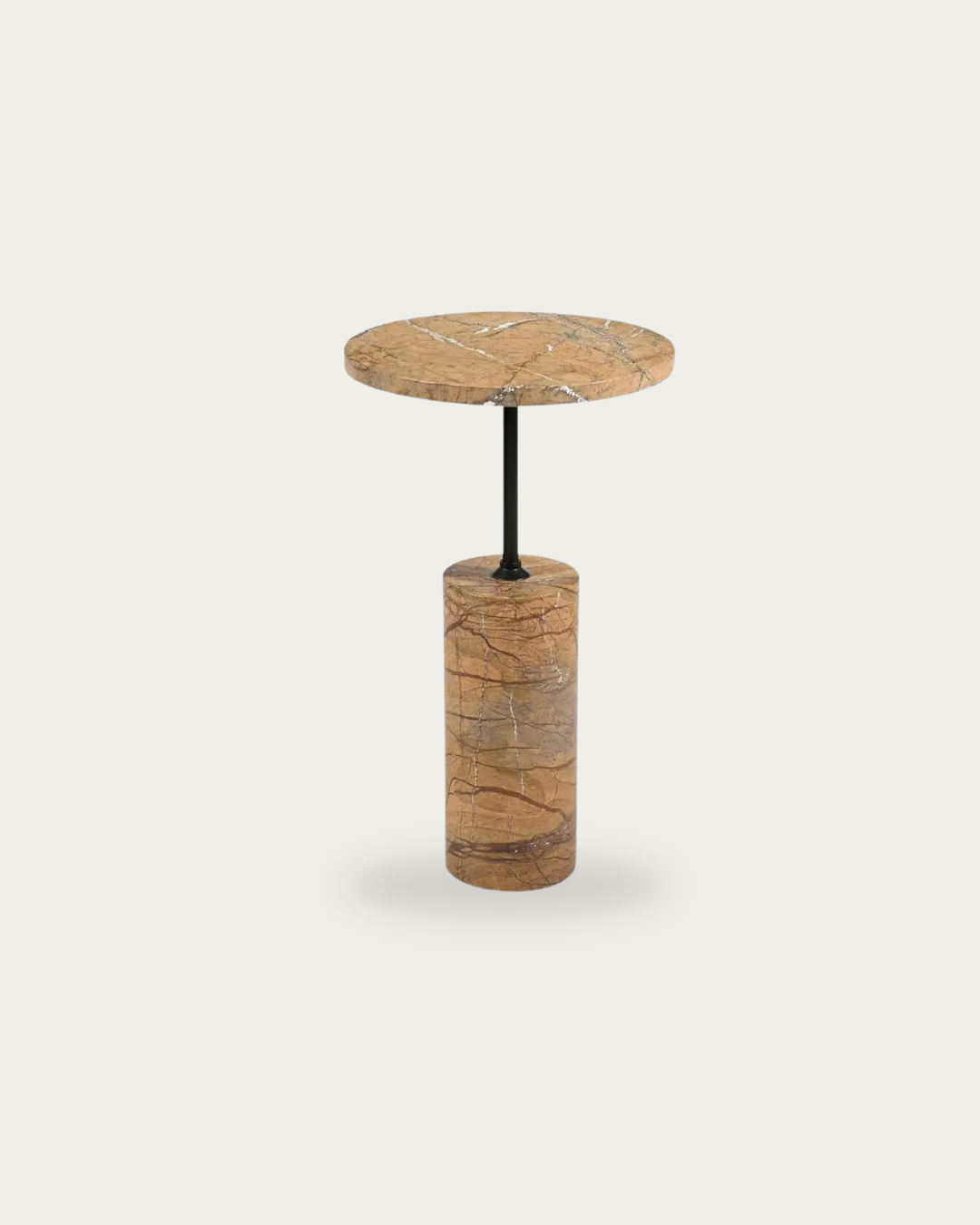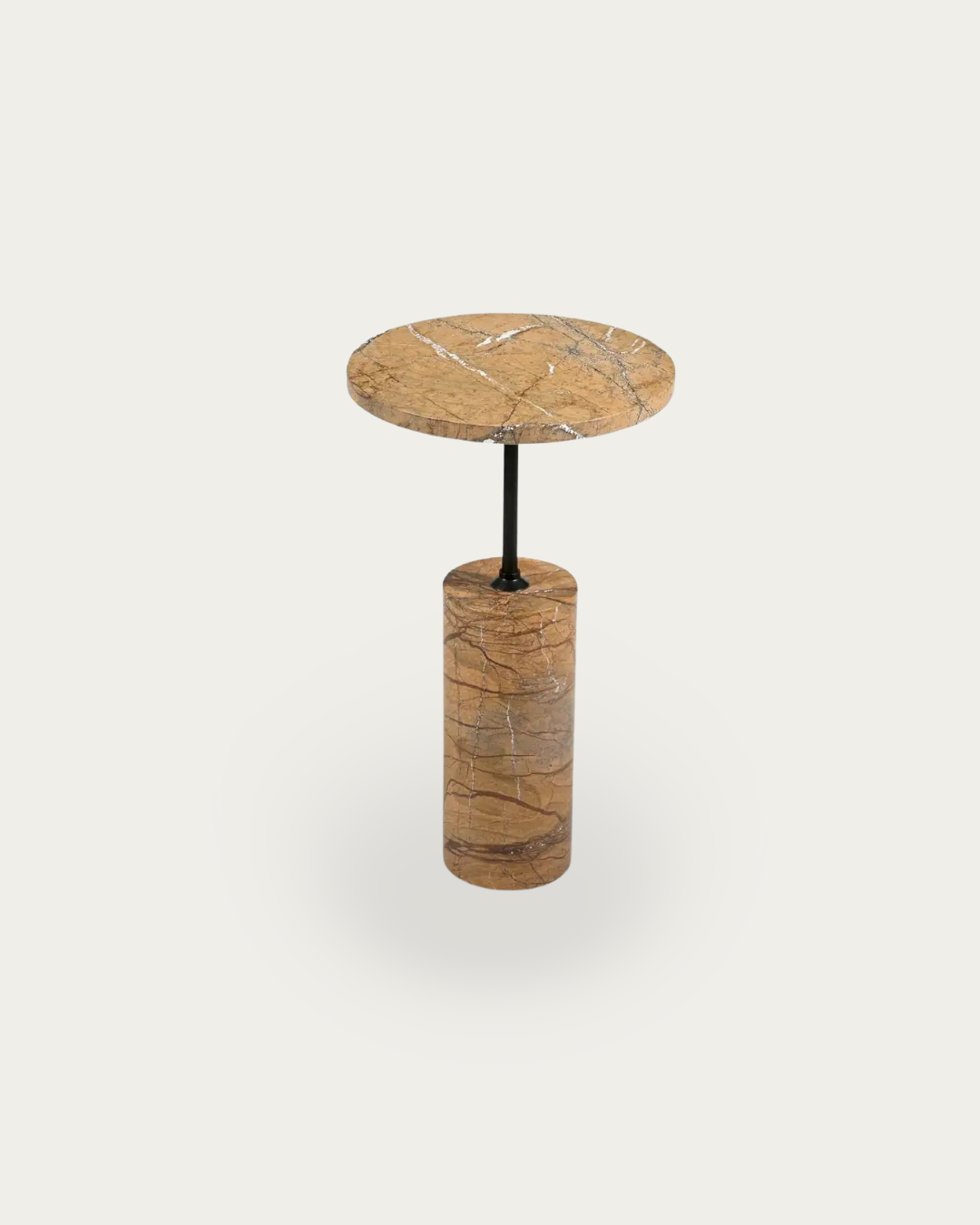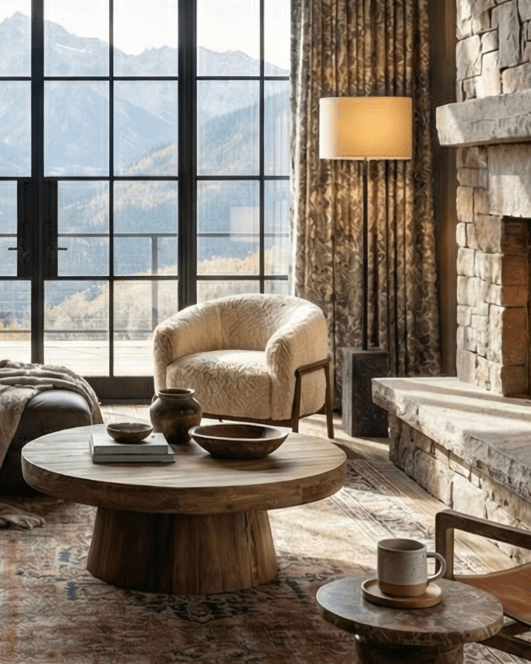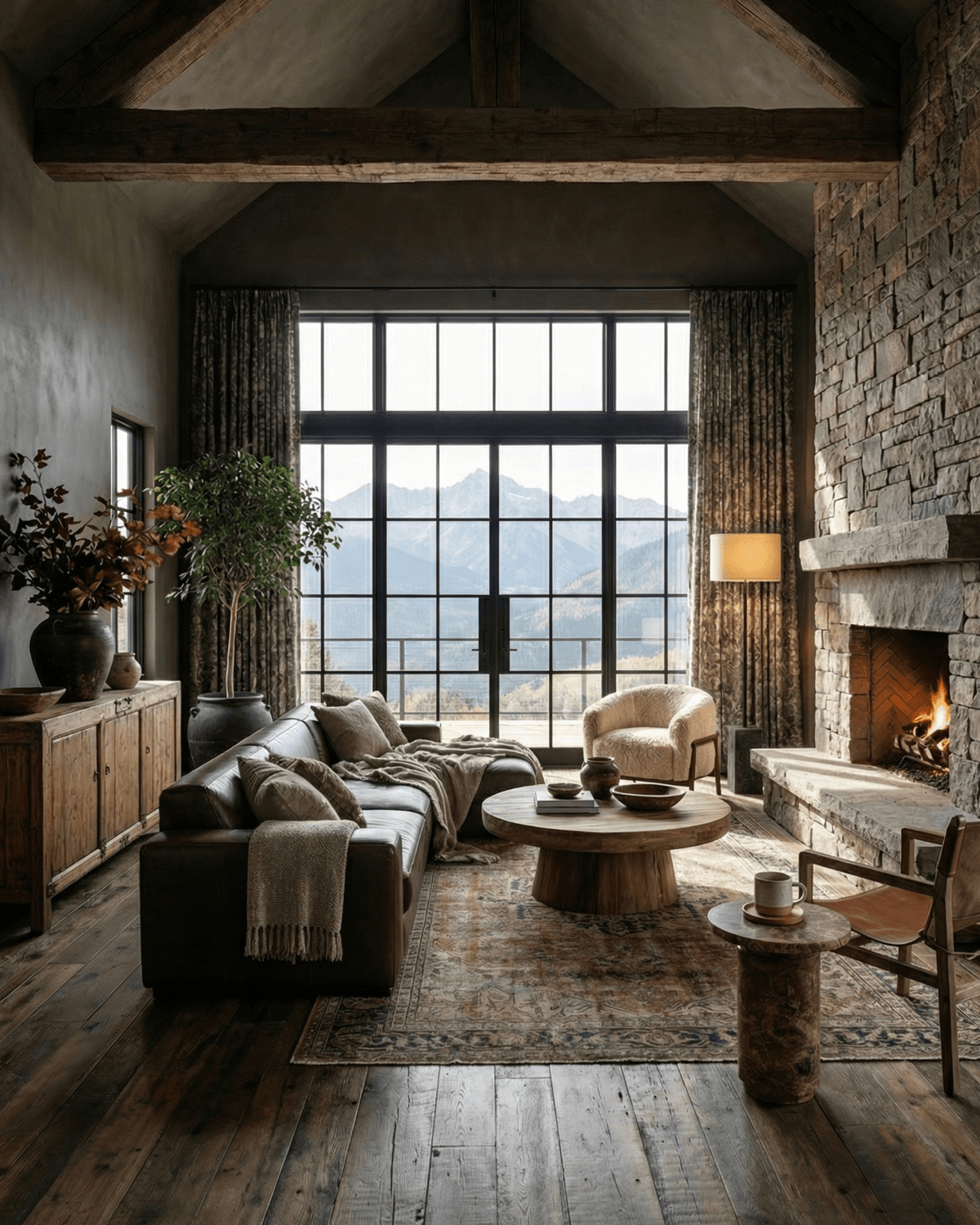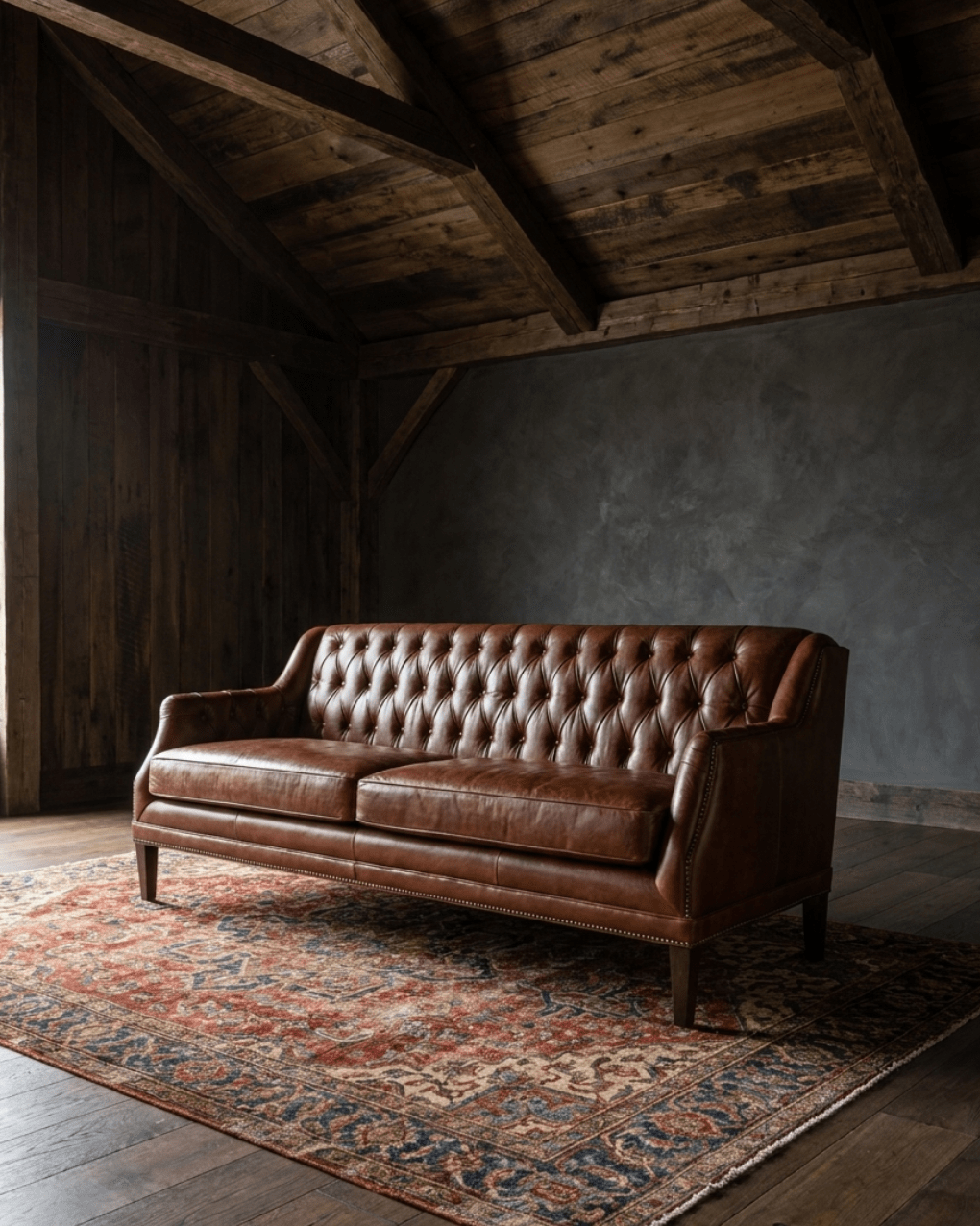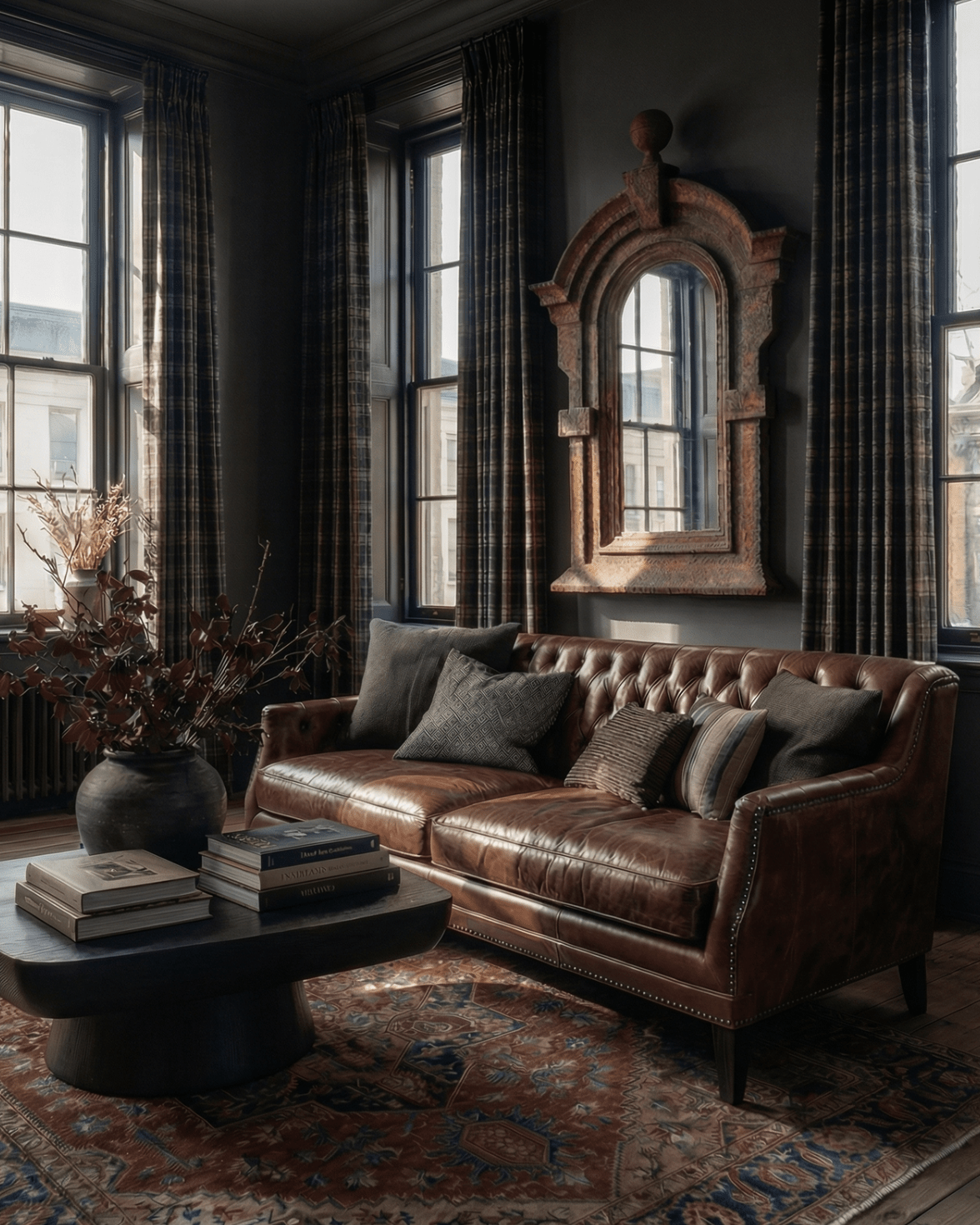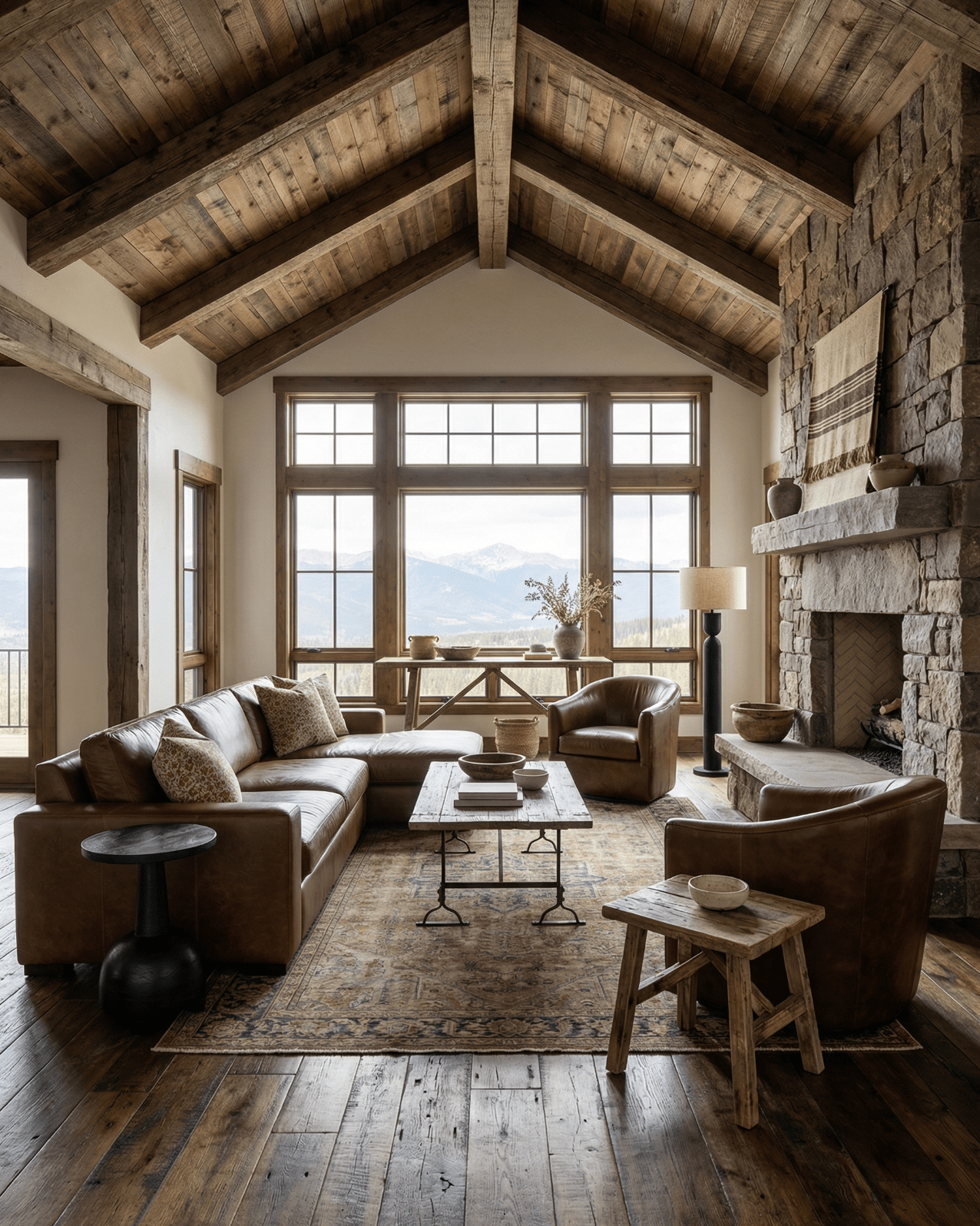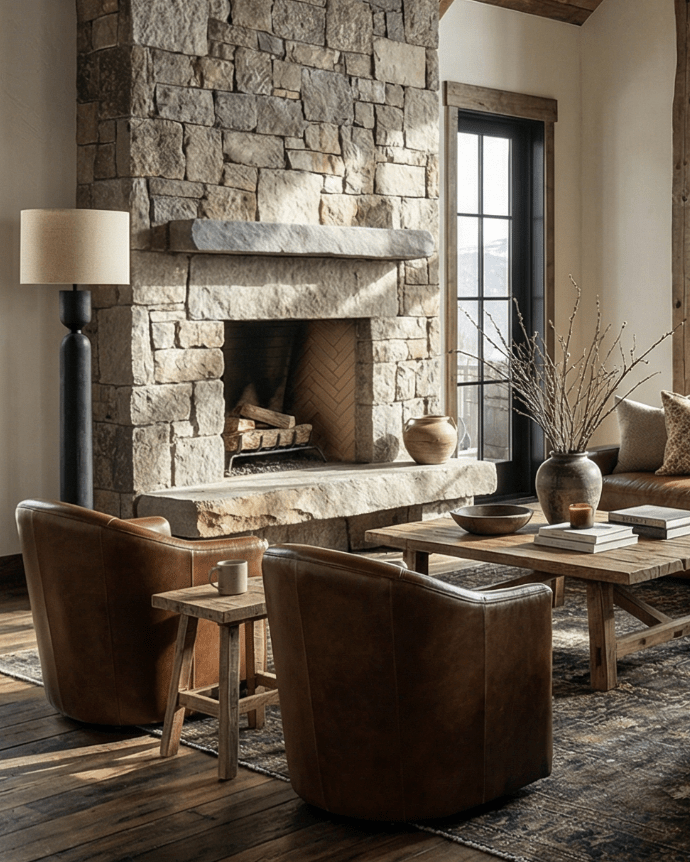








Most people assume a living room feels good because of the sofa.
The sofa gets all the attention, all the testing, all the debates. Yet it's often the coffee table quietly sitting in the middle of the room that determines whether the space feels connected or strangely awkward.
A coffee table isn't just a place to set down a drink. It influences circulation, visual weight, furniture relationships, and how the room functions day to day. It can make a living room feel grounded, balanced, and easy to move through—or leave it feeling fragmented no matter how good everything else looks.
That's why the secret to a better living room might actually be your coffee table.
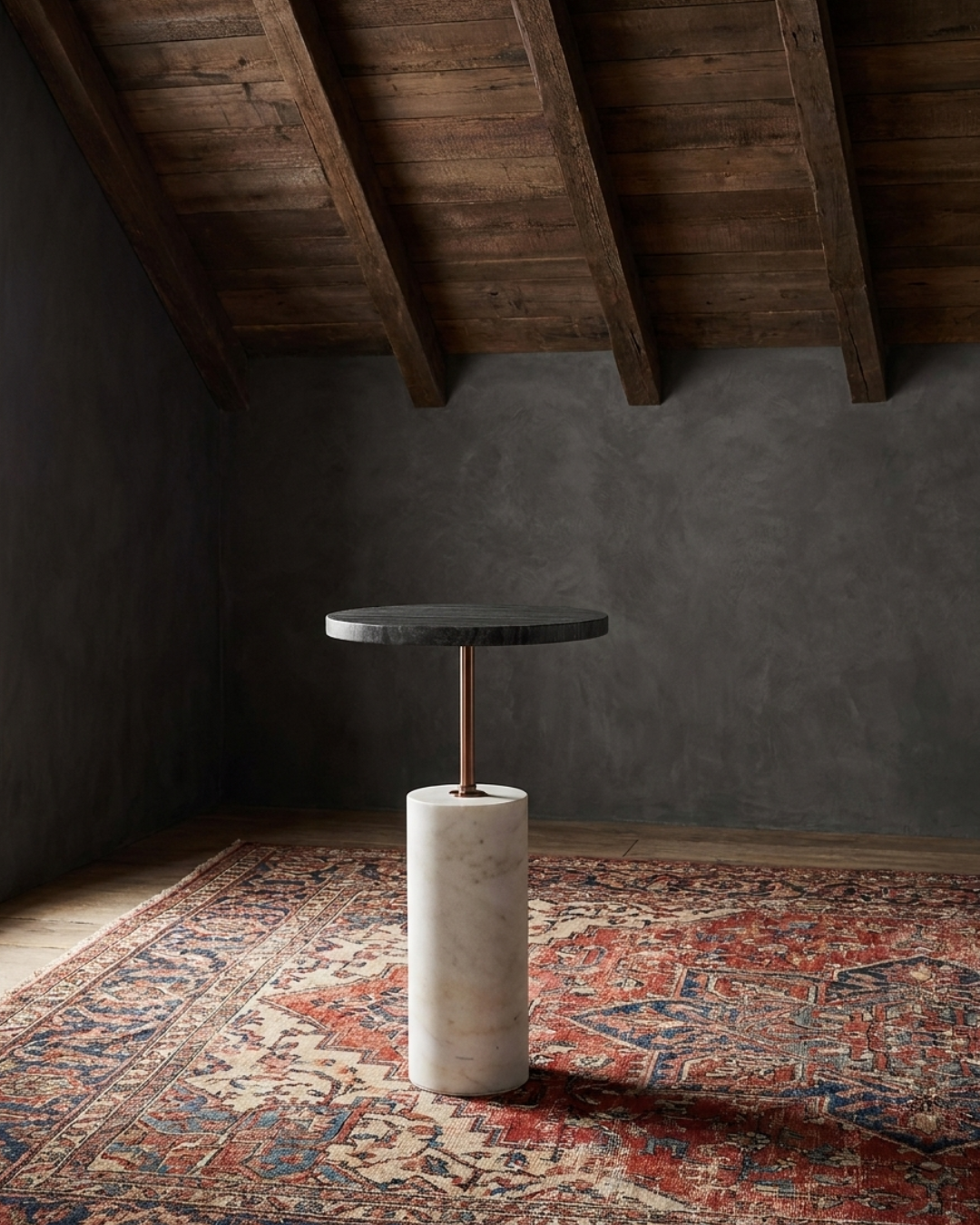
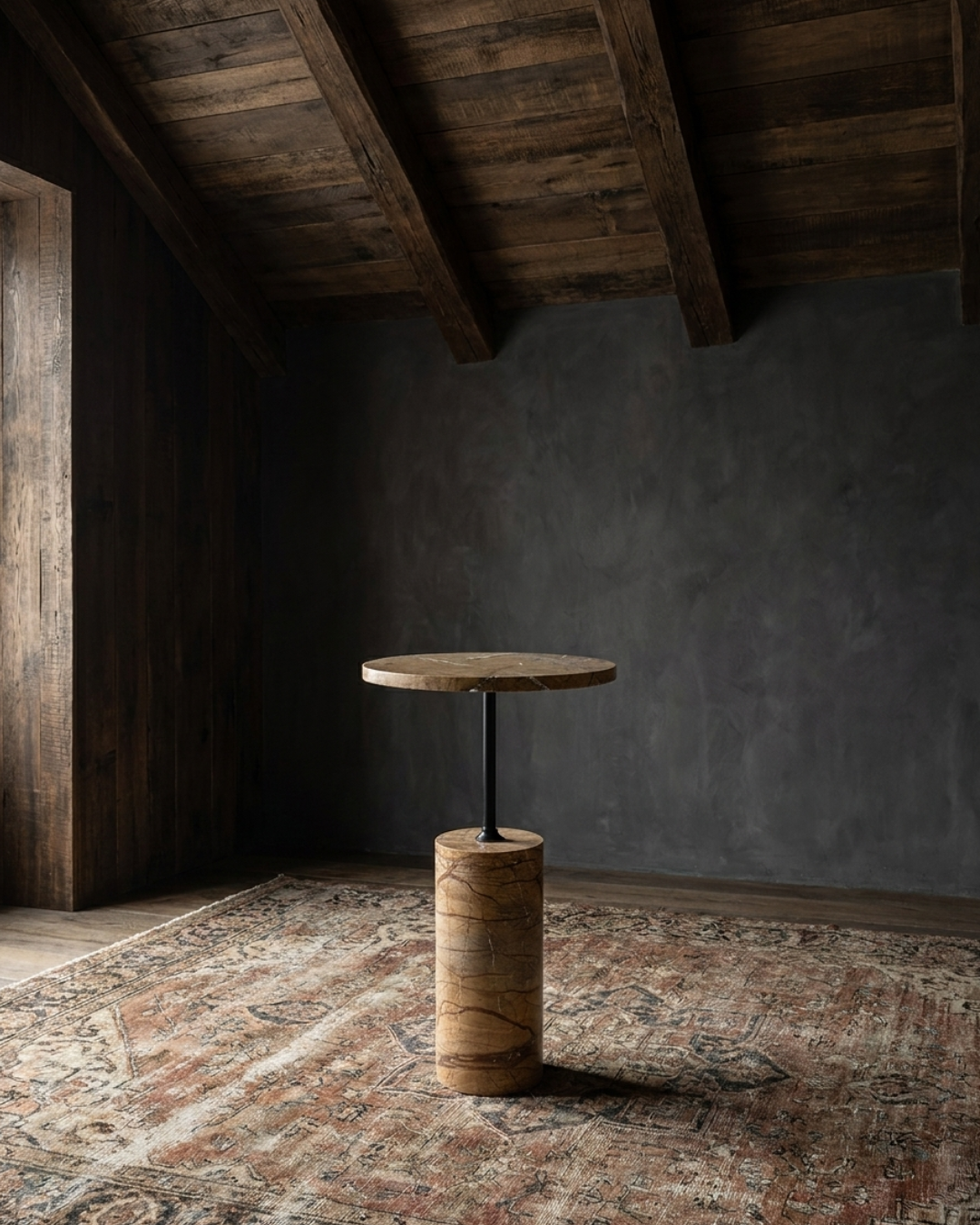
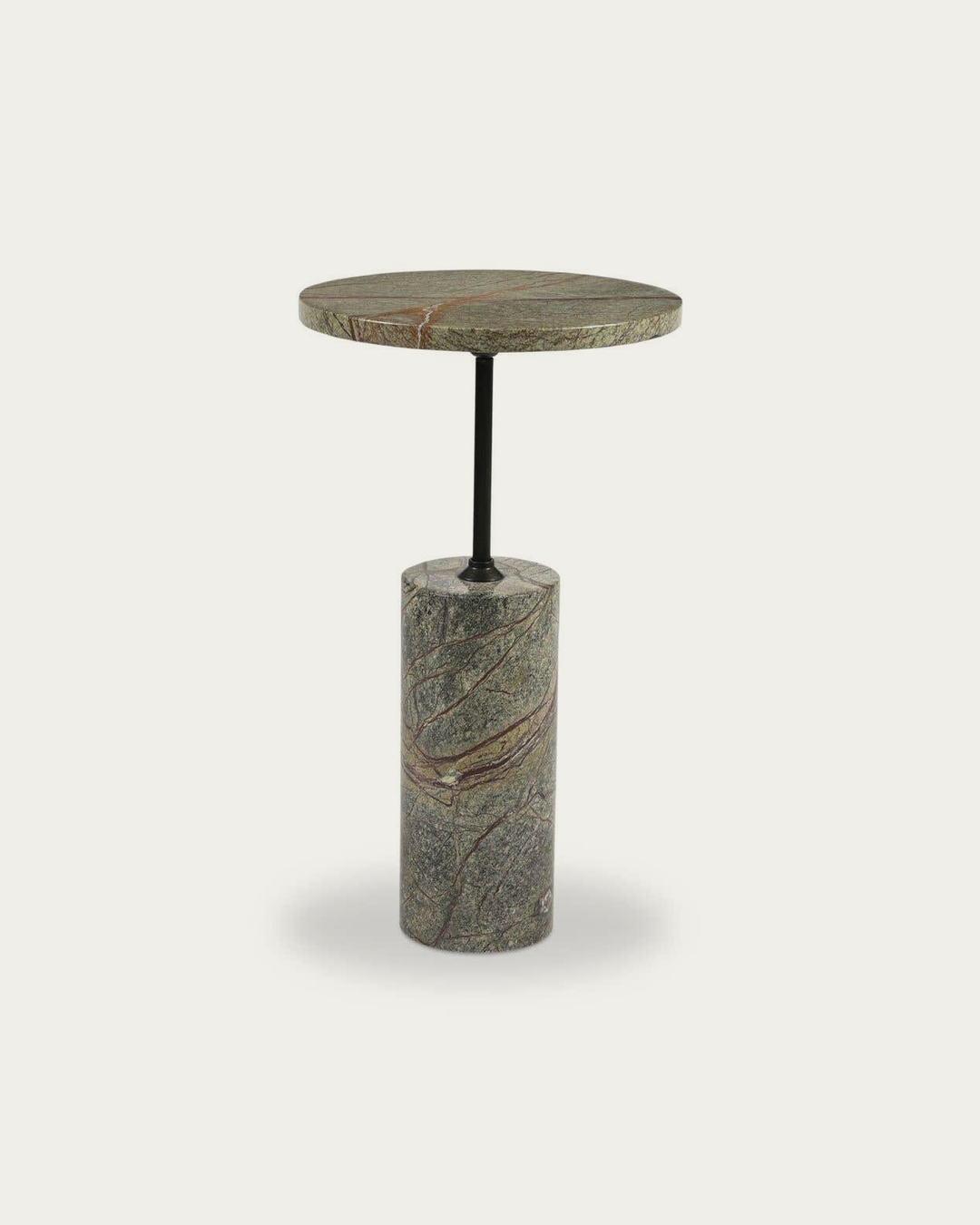
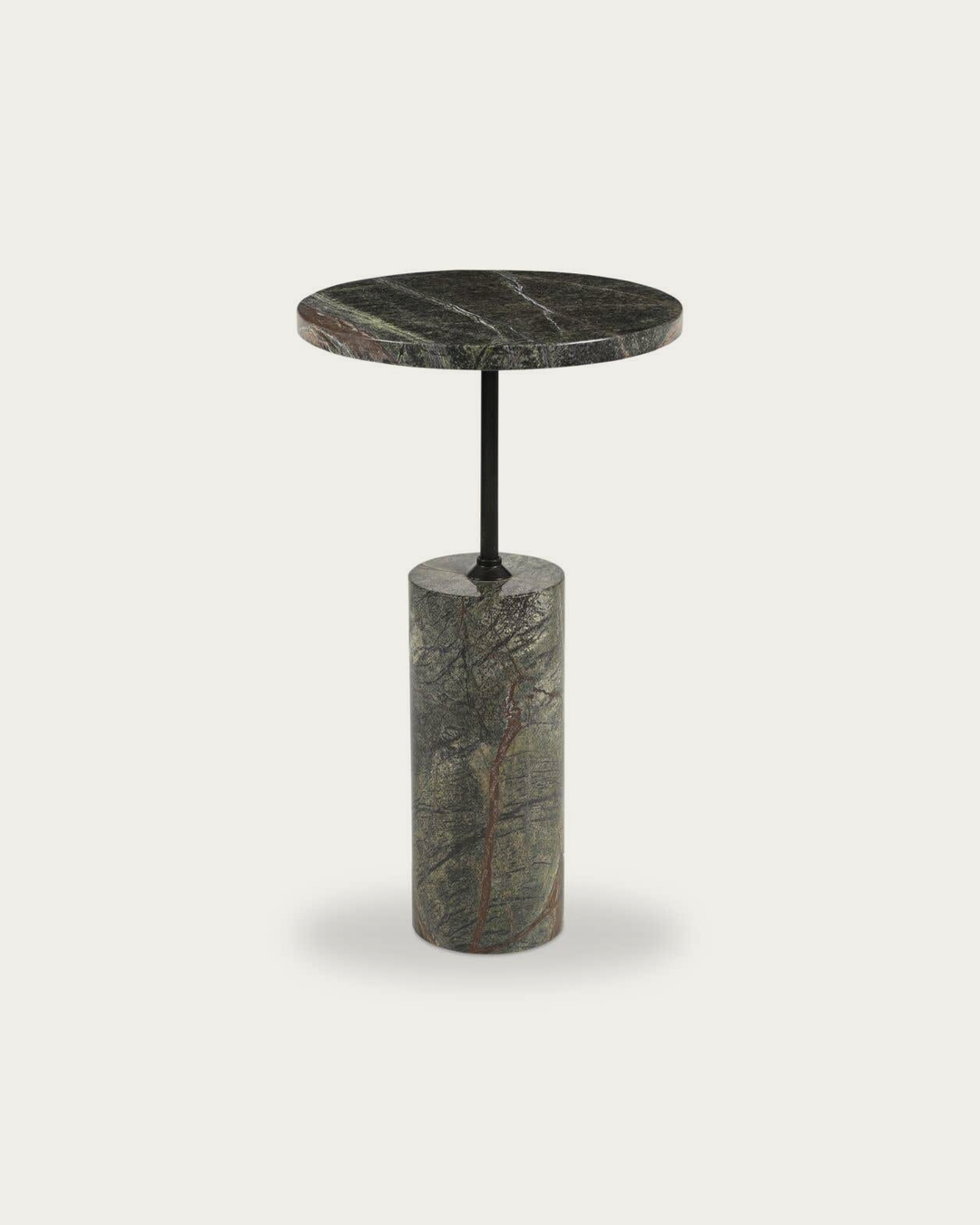
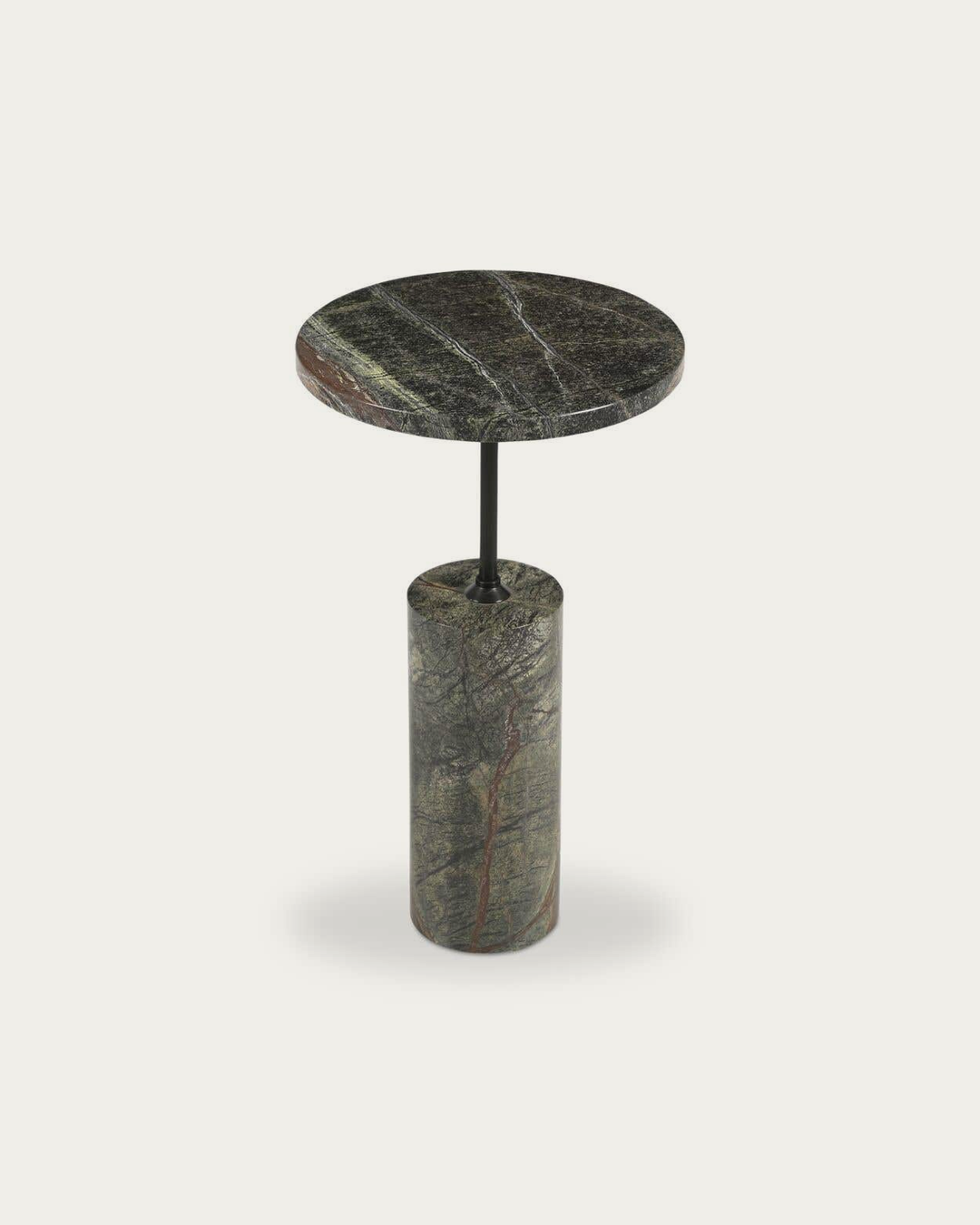
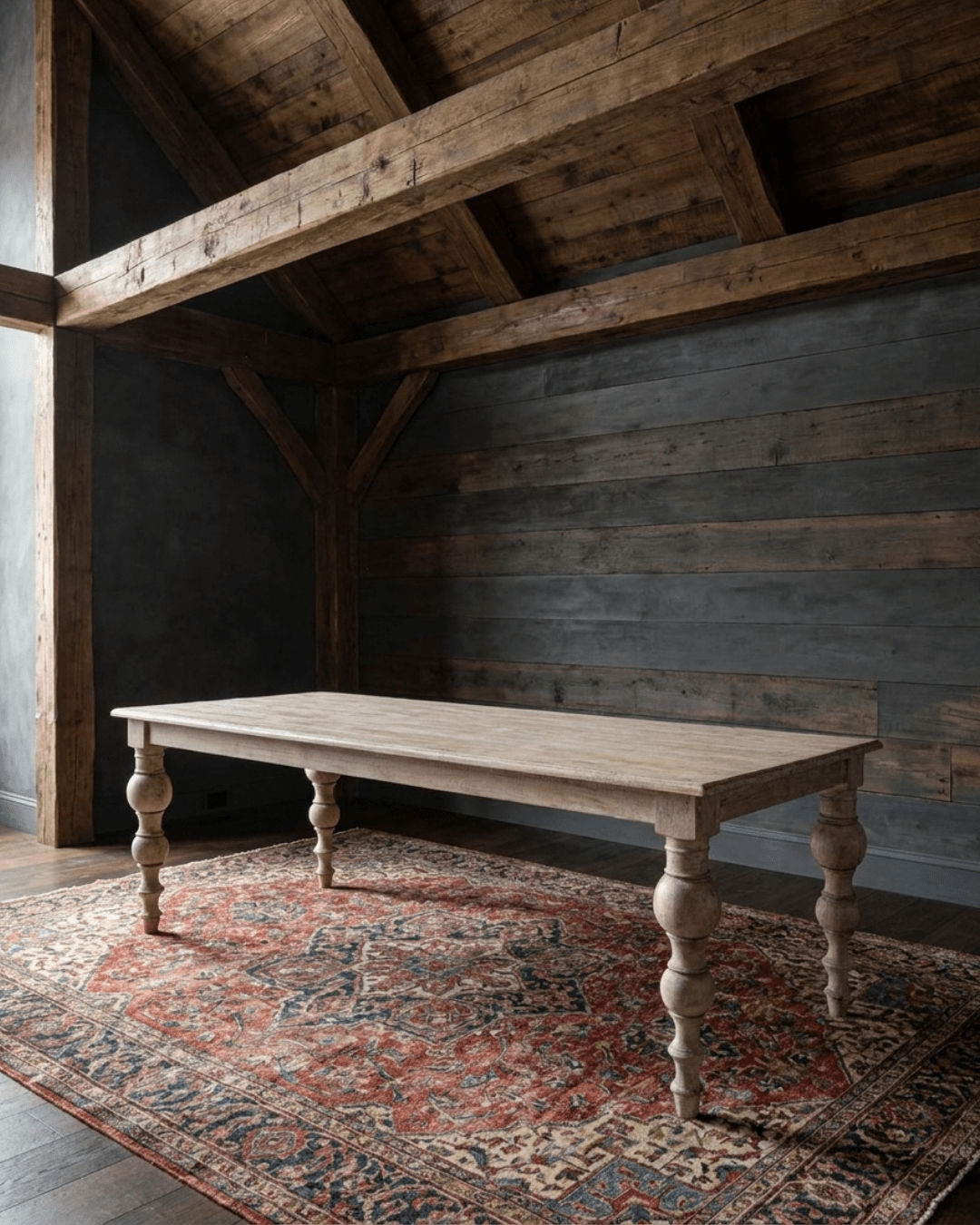
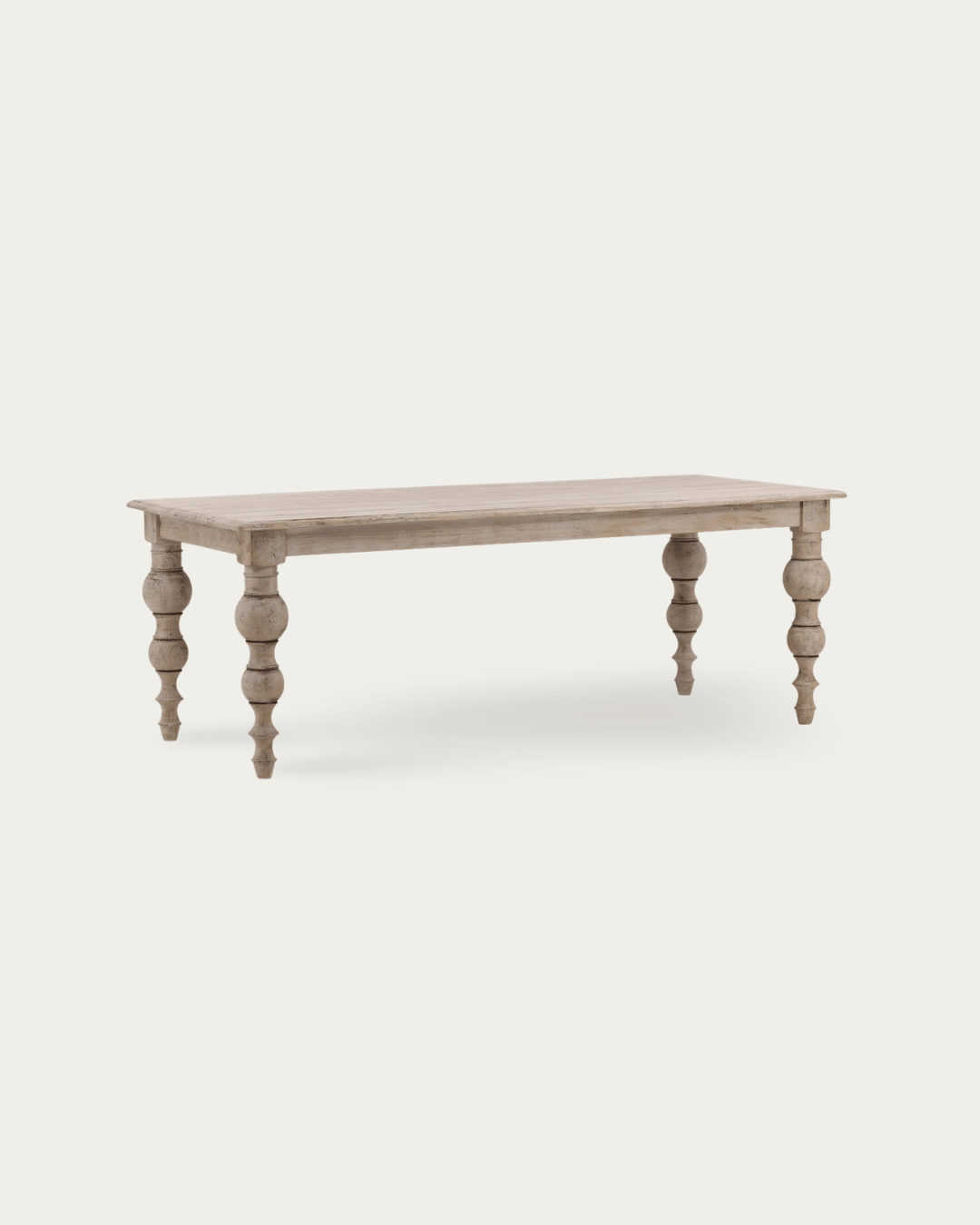
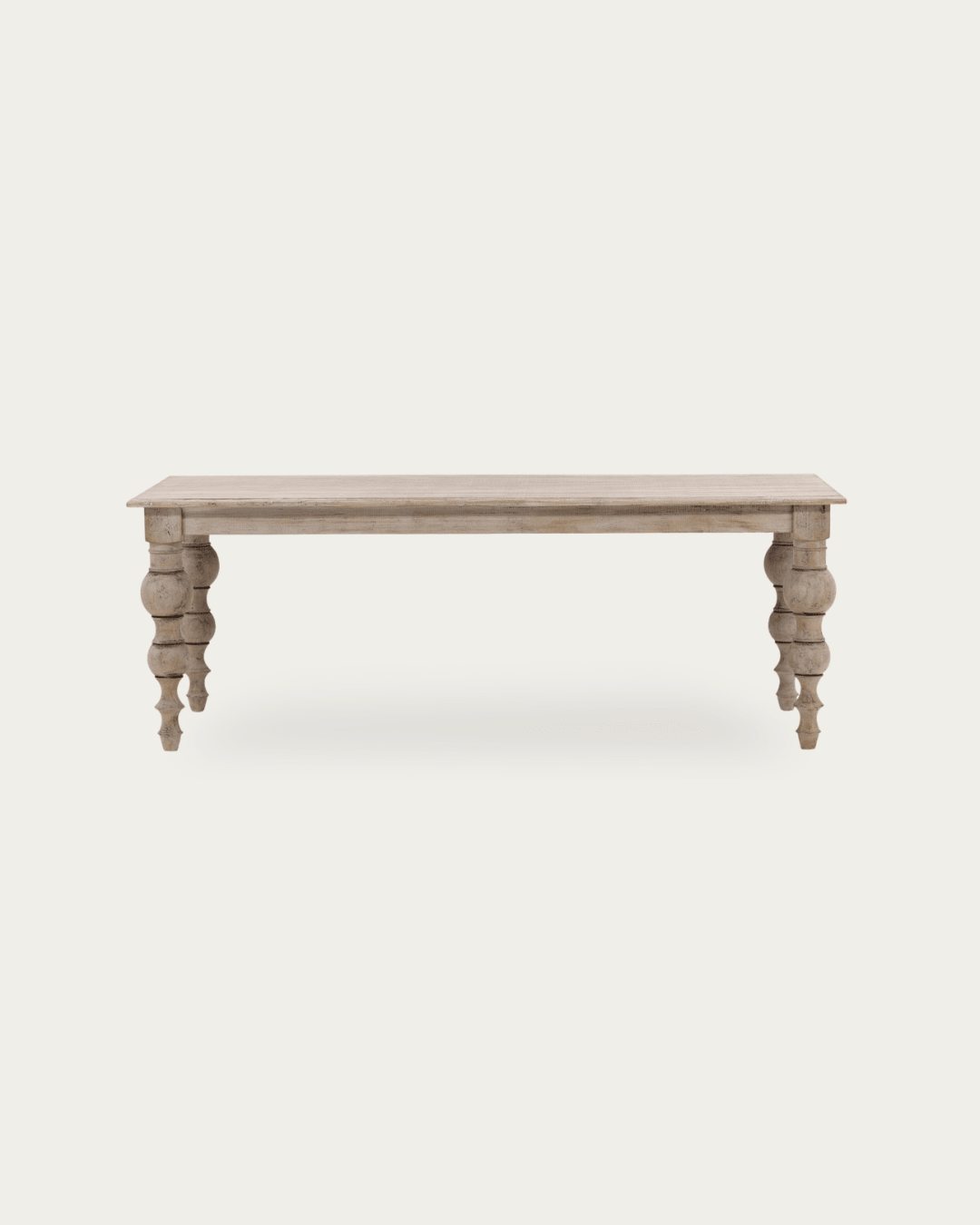
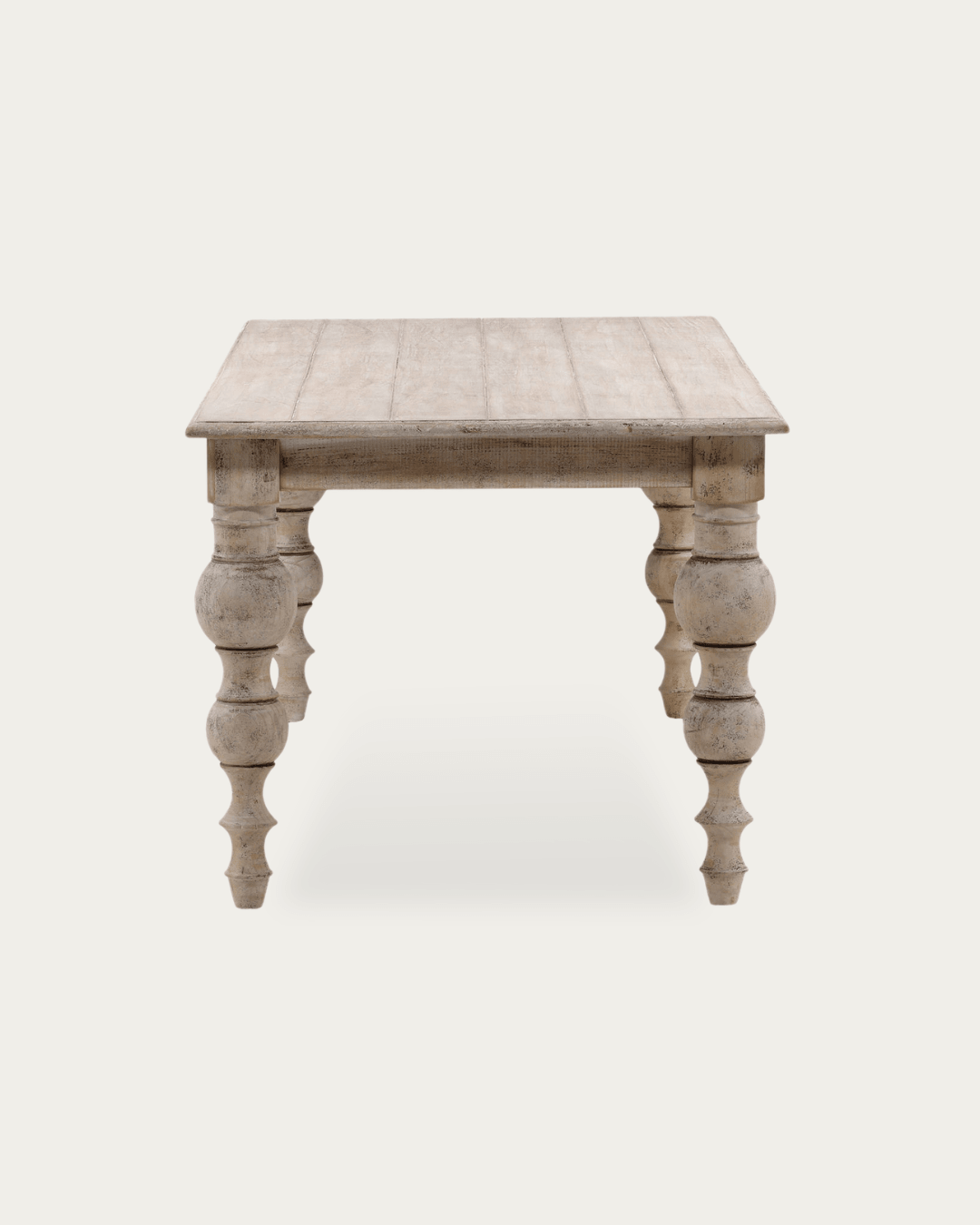
If you're rethinking your space, the pieces in Hello Norden's coffee table collection offer a useful place to start. The right coffee table often changes the entire feeling of a room faster than adding more decor ever will.
A Coffee Table Creates the Room's Center of Gravity
Every living room needs an anchor.
Without one, furniture can feel disconnected from itself. Sofas float. Chairs feel isolated. The eye keeps moving without finding a place to settle.
A coffee table solves that problem by becoming the visual center of the room.
This is particularly true when the coffee table has enough presence to hold the surrounding furniture together. The Ronette Coffee Table naturally creates that sense of grounding through its rounded form and substantial profile, while the Villum Coffee Table helps establish a softer visual center that encourages movement around the room rather than interrupting it.
The best coffee tables don't demand attention.
They quietly organize the room around them.
Why the Nervous System Likes Anchors
The brain is constantly scanning for orientation.
When a room has a clear center point, visual processing becomes easier. The eye understands where to land and how the furniture relates to one another.
That's one reason anchored living rooms often feel calmer than rooms filled with scattered furniture pieces.
Shape Can Completely Change How a Room Functions
One of the biggest mistakes homeowners make is choosing a coffee table based purely on appearance.
Shape affects function.
More importantly, shape affects movement.
Round coffee tables often improve circulation because they remove sharp corners from common pathways. Square coffee tables create stronger symmetry. Rectangle coffee tables help reinforce longer layouts and define seating arrangements more clearly.
The Solva Coffee Table demonstrates how softer curves can improve flow within busy family rooms, while the Torjus Coffee Table helps create similar movement benefits while maintaining stronger visual presence.
Good Design Starts With Movement
Living rooms aren't experienced standing still.
People walk through them.
Gather in them.
Carry things through them.
A coffee table should support those movements rather than forcing people to constantly navigate around it.
Visual Weight Matters More Than Most Styling Tricks
When a room feels unfinished, many people instinctively add accessories.
More books.
More candles.
More decorative objects.
The issue is often visual weight instead.
Visual weight refers to how substantial an object feels within a room. Because a coffee table sits at the center of the furniture arrangement, it carries enormous responsibility for making the room feel stable.
The Rakel Coffee Table works particularly well in larger seating arrangements where stronger visual grounding is needed, while the Synnova Coffee Table helps create balance through its square proportions and architectural presence.
A room usually feels more complete when the furniture itself carries enough weight.
Decor should support the room.
Not rescue it.
Why Visual Weight Feels Regulating
The nervous system prefers environments that feel predictable.
Large grounded objects reduce visual fragmentation because they give the eye somewhere to settle.
That's regulation through furniture rather than decoration.
Material Changes the Entire Emotional Experience
Two coffee tables can have the exact same shape and create completely different feelings.
Material is often the reason.
Wood behaves differently than stone.
Stone behaves differently than metal.
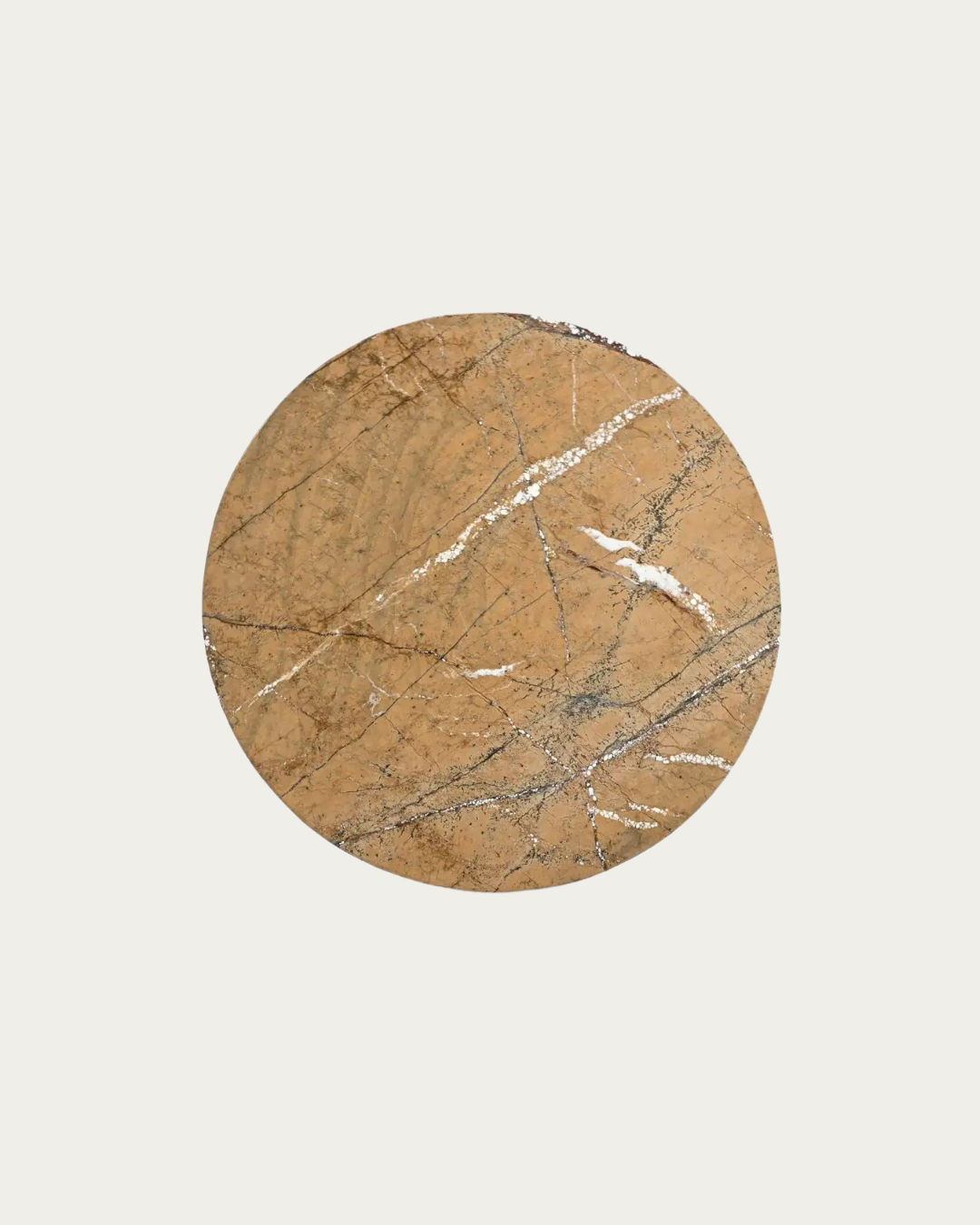
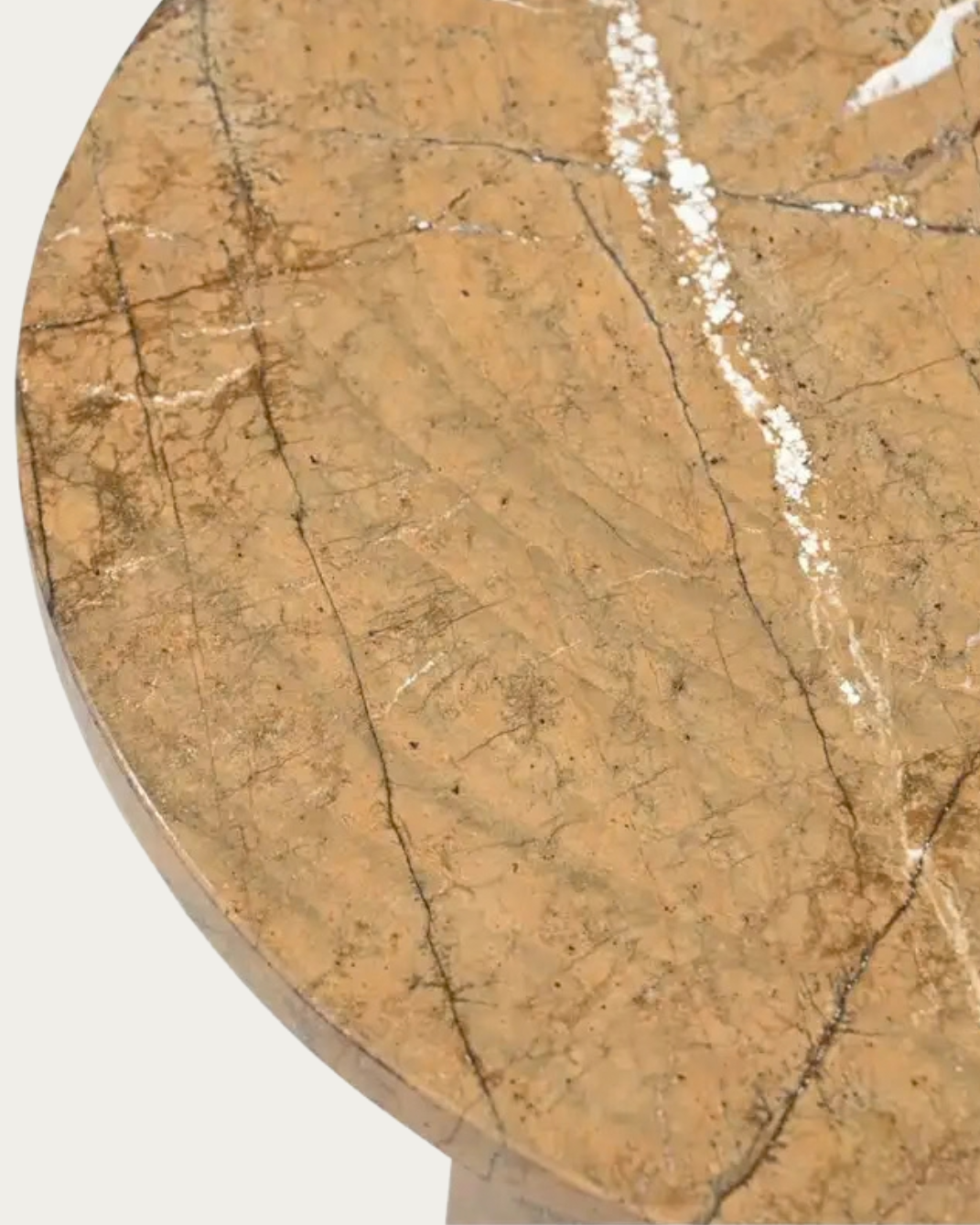
Texture changes how light moves across a surface and how the room feels throughout the day.
The Roi Coffee Table creates strong architectural structure through its form and materiality, while the Alvhild Coffee Table introduces visual depth that helps balance larger living spaces.
Material influences the atmosphere more than people often realize.
Texture Helps Reduce Visual Fatigue
Natural materials create variation.
Grain shifts.
Subtle imperfections.
Surface movement.
These details keep the eye engaged without overwhelming it.
The result is a room that feels layered rather than visually loud.
The Best Coffee Tables Connect Furniture Together
Coffee tables aren't isolated pieces.
They're connectors.
They create relationships between sofas, chairs, rugs, and surrounding architecture.
Without that connection, furniture can feel like separate islands occupying the same room.
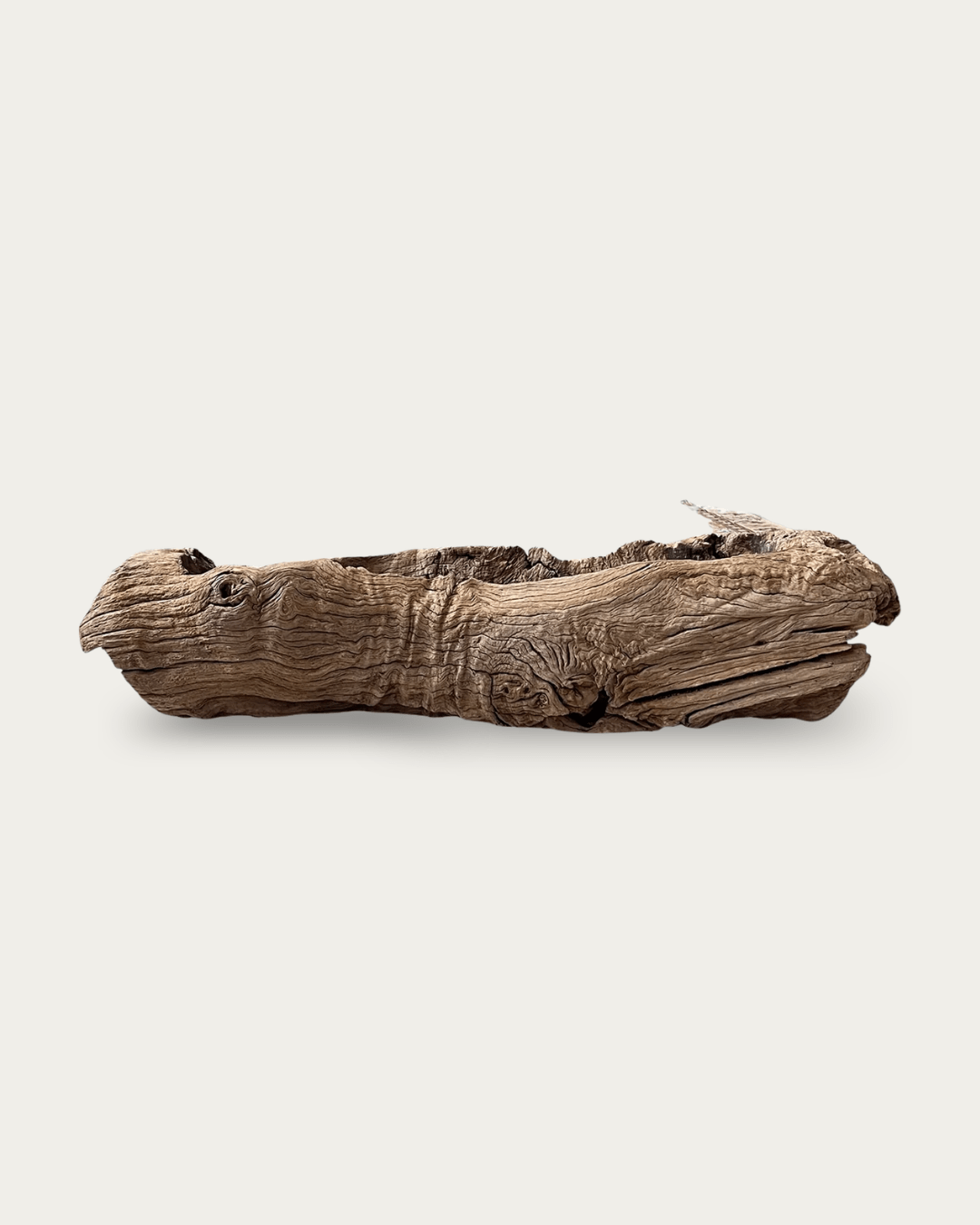
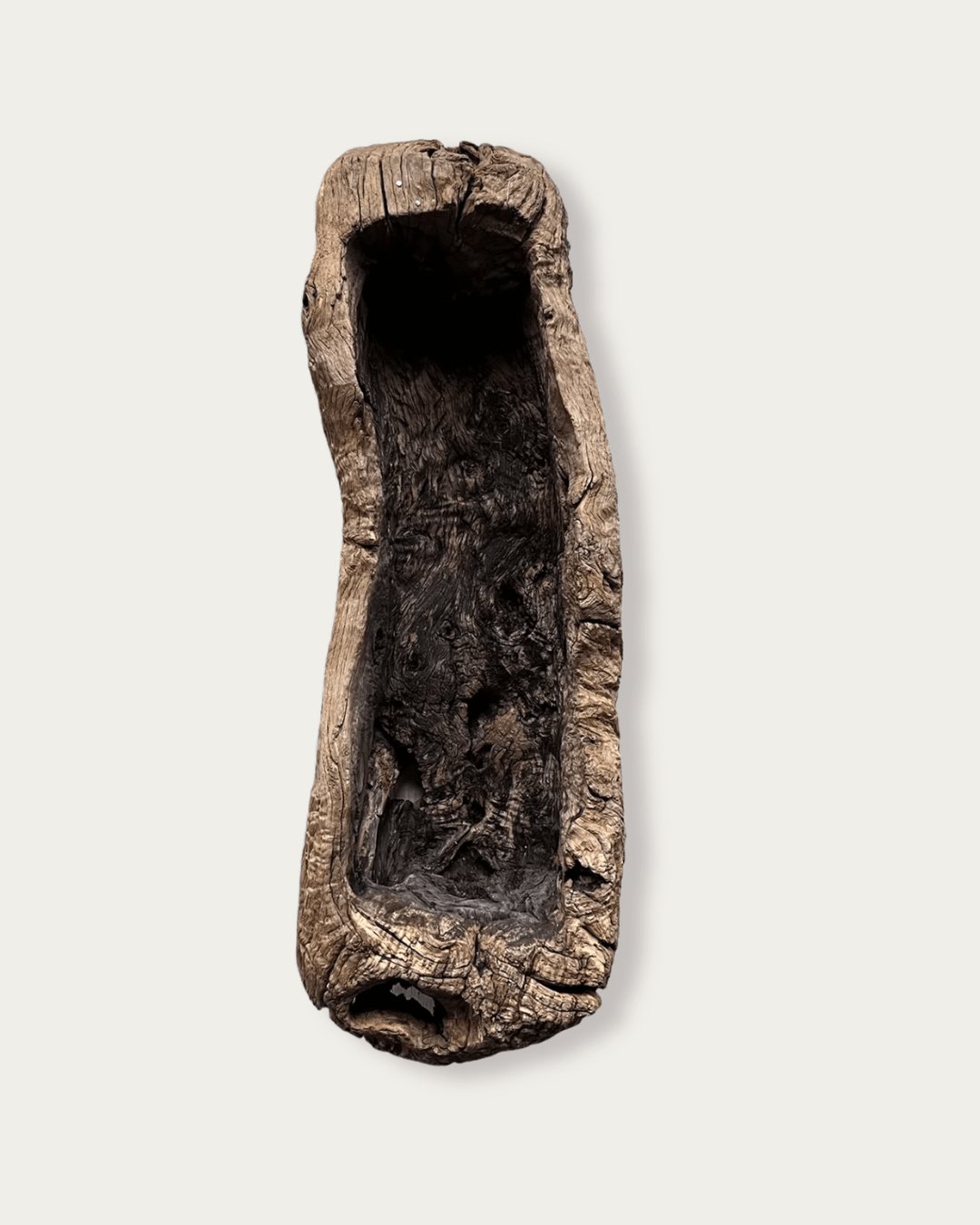
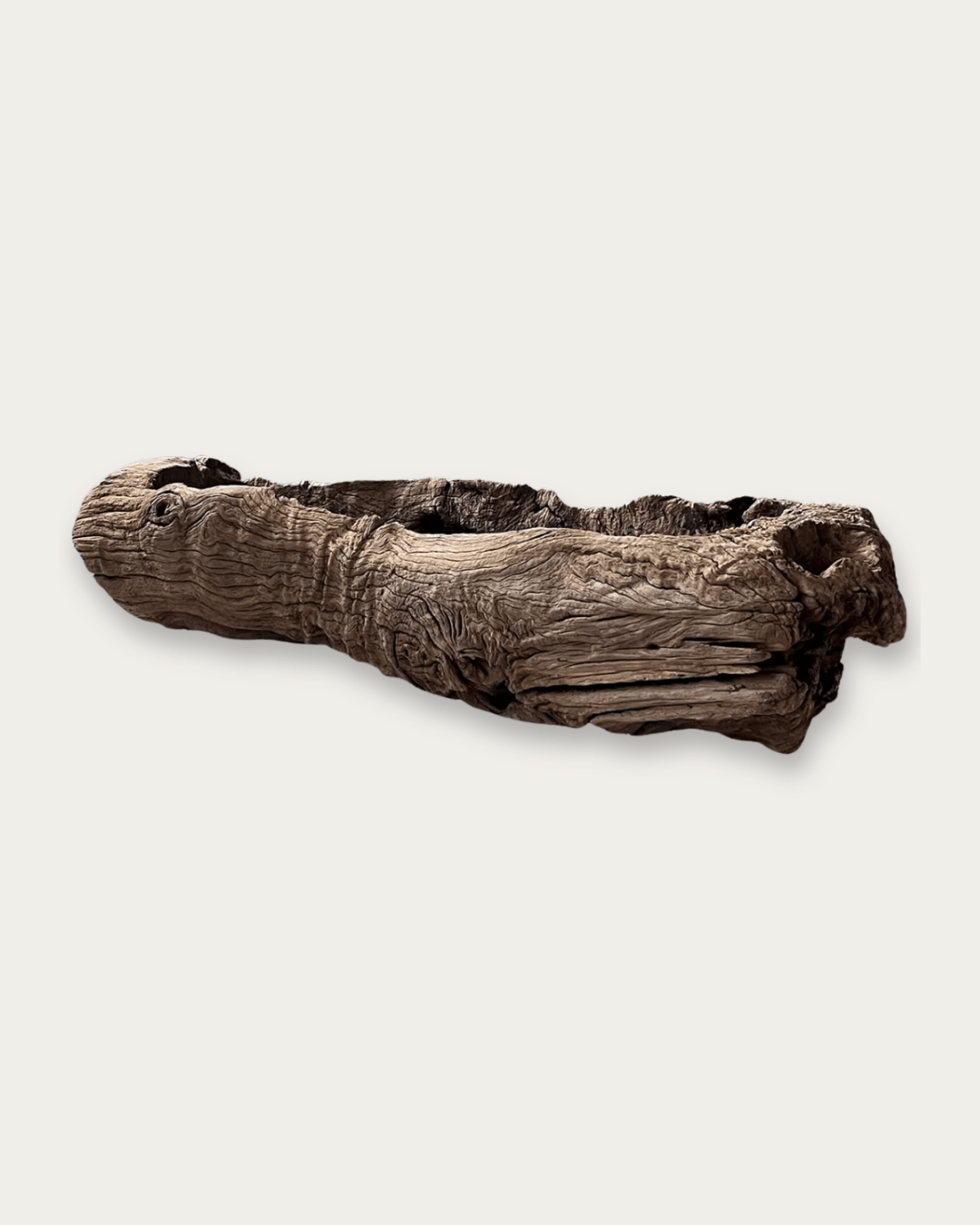
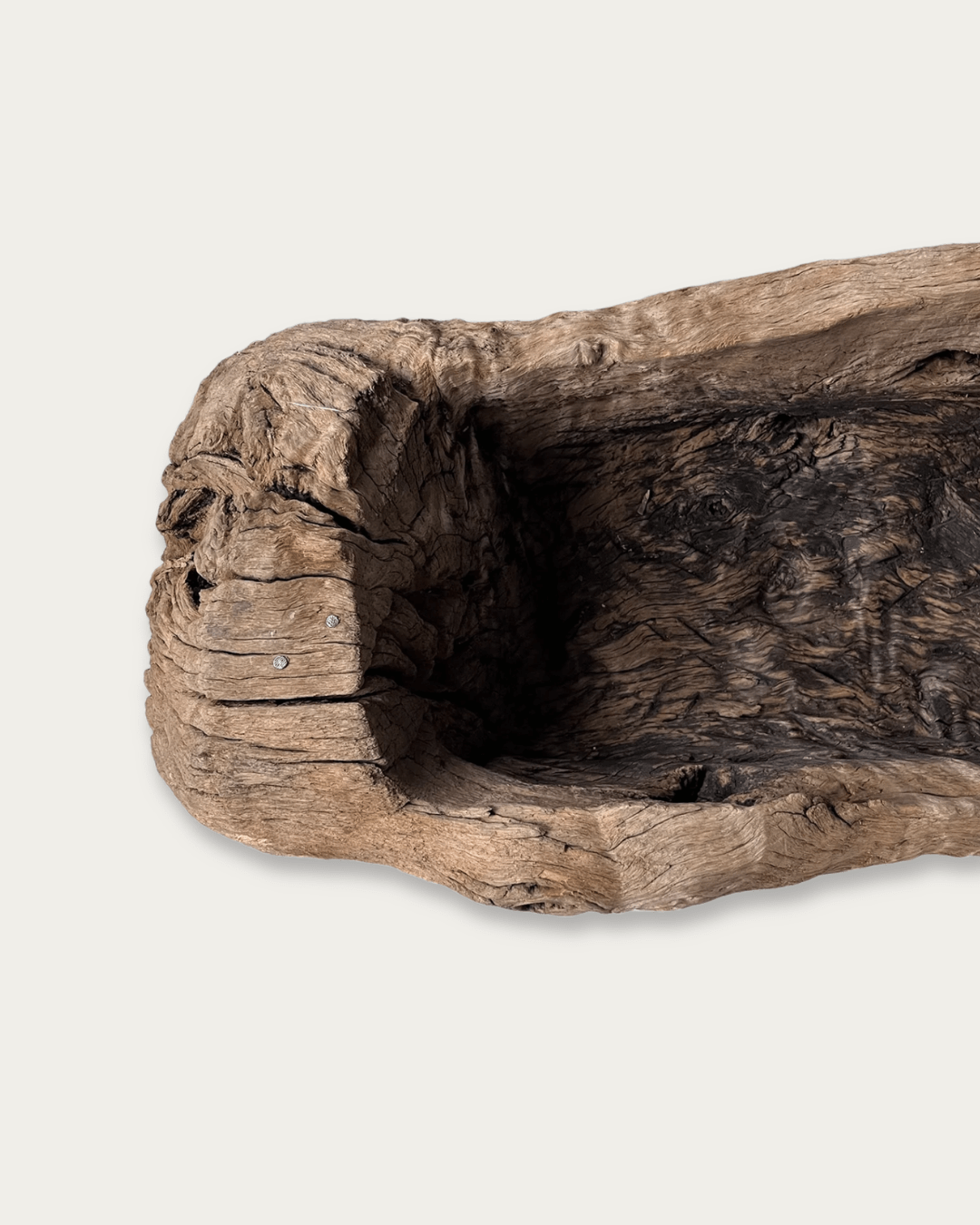
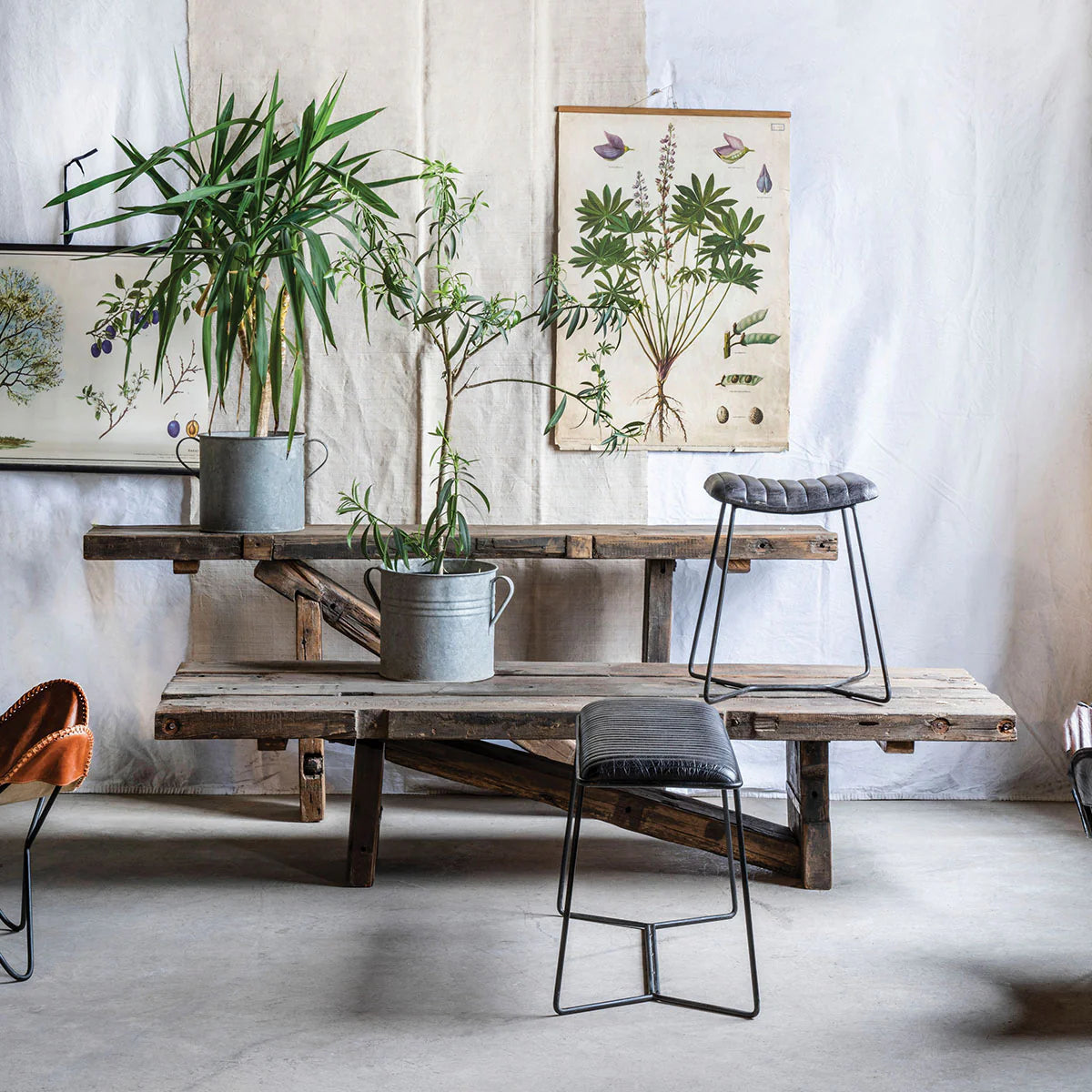
The Elin Coffee Table helps establish those relationships through reclaimed wood texture and proportion, while the Finn Rustic Wood Coffee Table reinforces visual continuity through stronger material presence.
The room feels more intentional because the pieces are working together.
Cohesion Is More Comfortable Than Perfection
Perfectly matched furniture isn't necessarily the goal.
Cohesion is.
When furniture feels related, the room becomes easier for the brain to process.
That often translates directly into comfort.
RUTED Tip: If your living room feels "off," stop shopping for accessories for a moment. Measure your coffee table. A surprising number of living room problems come down to coffee tables that are too small, too large, or simply the wrong shape for the layout. The nervous system notices circulation problems long before it notices missing decor.
Coffee Tables Influence How People Gather
Living rooms are social spaces.
People gather around the coffee table more than almost any other piece of furniture.
It becomes:
the place where drinks land
the place where books accumulate
the place where conversations naturally center
the place where families gather
Its size and proportion directly influence those interactions.
The Vidar Salvaged Wood Coffee Table creates strong visual presence in larger rooms where gathering spaces need more definition, while the Fjola Marble Coffee Table offers a different kind of grounding through stone and proportion.
Both help create a stronger social center.
Furniture Shapes Behaviour
People don't just use furniture.
Furniture influences how people use a room.
That's why seemingly small decisions often have surprisingly large effects.
Scale Is Often More Important Than Style
Many homeowners spend hours debating finishes and colors.
The bigger issue is usually scale.
A beautiful coffee table that is too small will still feel wrong.
A trendy coffee table that overwhelms the room will still create tension.
The Tait Coffee Table demonstrates how proportion can quietly improve the entire living room experience by creating better relationships between seating, circulation, and visual weight.
Scale tends to determine success long before style enters the conversation.
Bigger Isn't Always Better
The goal isn't maximum size.
The goal is balance.
A coffee table should feel connected to the surrounding furniture without dominating it.
The Best Living Rooms Usually Have Better Foundations
When people admire a living room, they often focus on the obvious things.
The sofa.
The lighting.
The artwork.
But strong rooms are usually built on less glamorous decisions.
The coffee table shape.
The proportions.
The circulation paths.
The visual weight.
The furniture relationships.
These foundations influence how a room feels every single day.
That's why a coffee table often has more impact than homeowners expect.
A Better Living Room Starts in the Middle
The strongest living rooms rarely rely on endless styling.
They rely on furniture that already supports the room naturally.
A good coffee table:
anchors the layout
improves circulation
creates visual weight
connects furniture
encourages gathering
supports regulation
Not bad for a piece of furniture that most people treat as an afterthought.
If your living room feels like it's missing something, the answer might not be another decorative object.
It might simply be a better coffee table.
Explore more shapes, materials, and grounding furniture pieces through Hello Norden’s coffee table collection and discover how one thoughtful decision can change the entire feeling of a room.