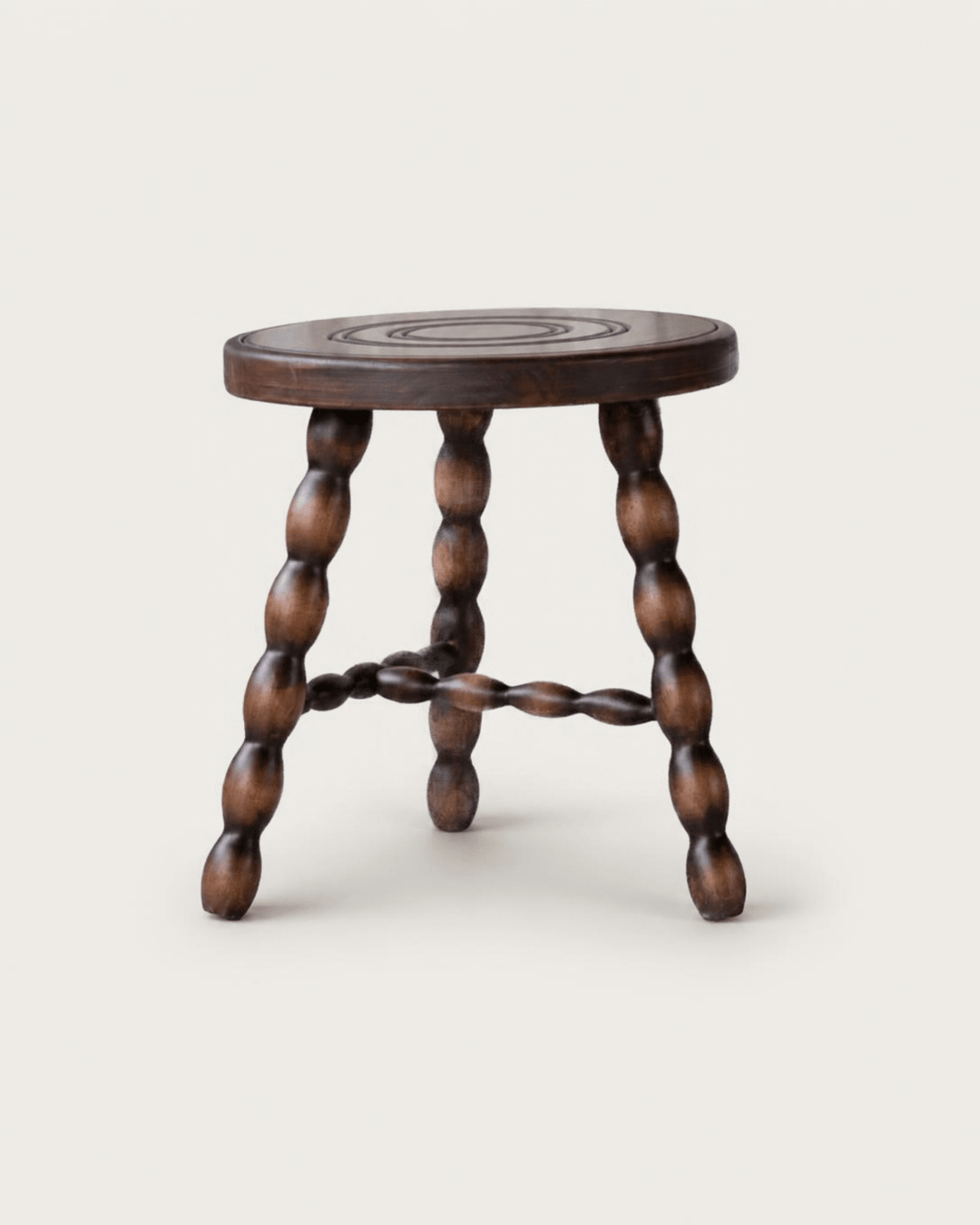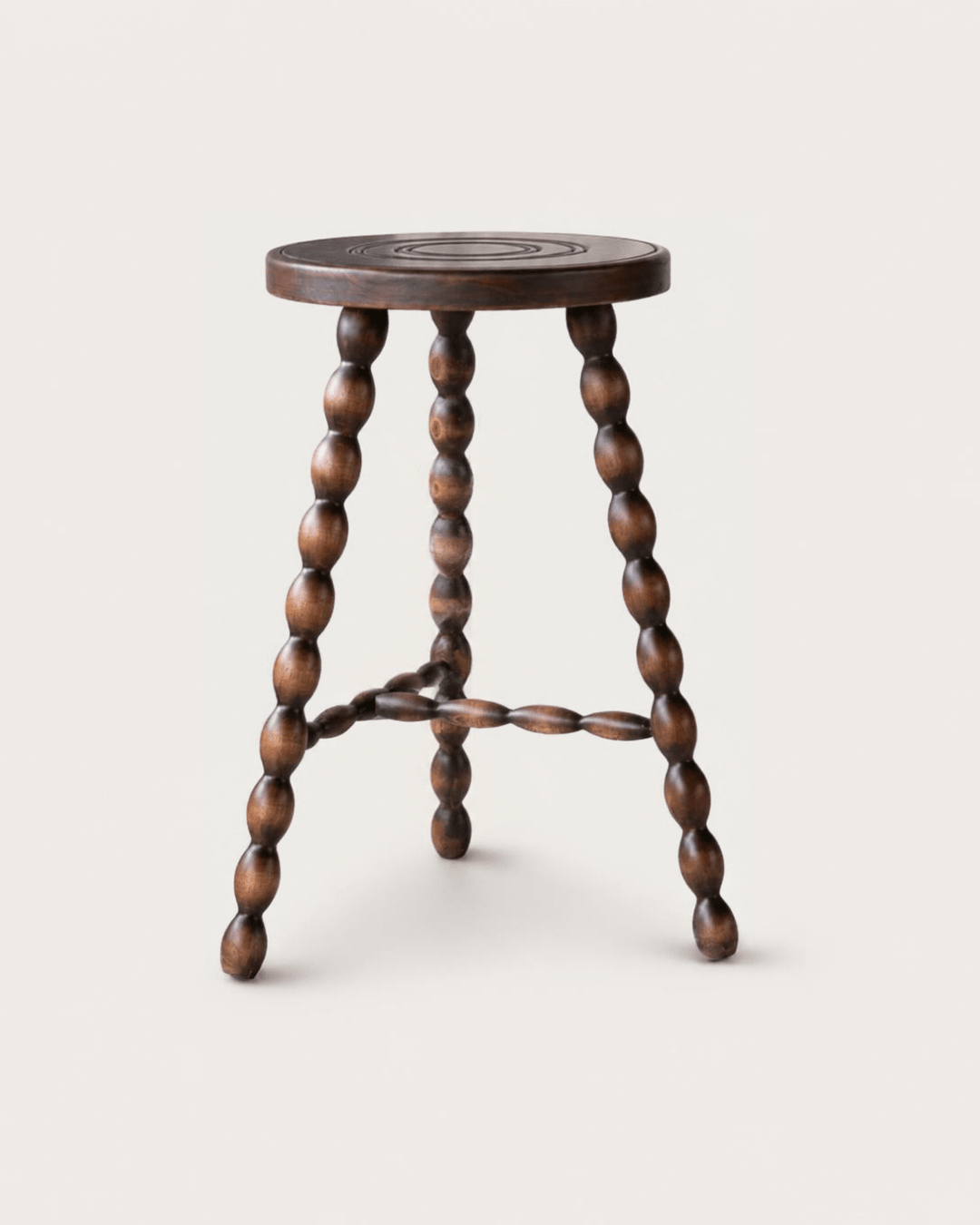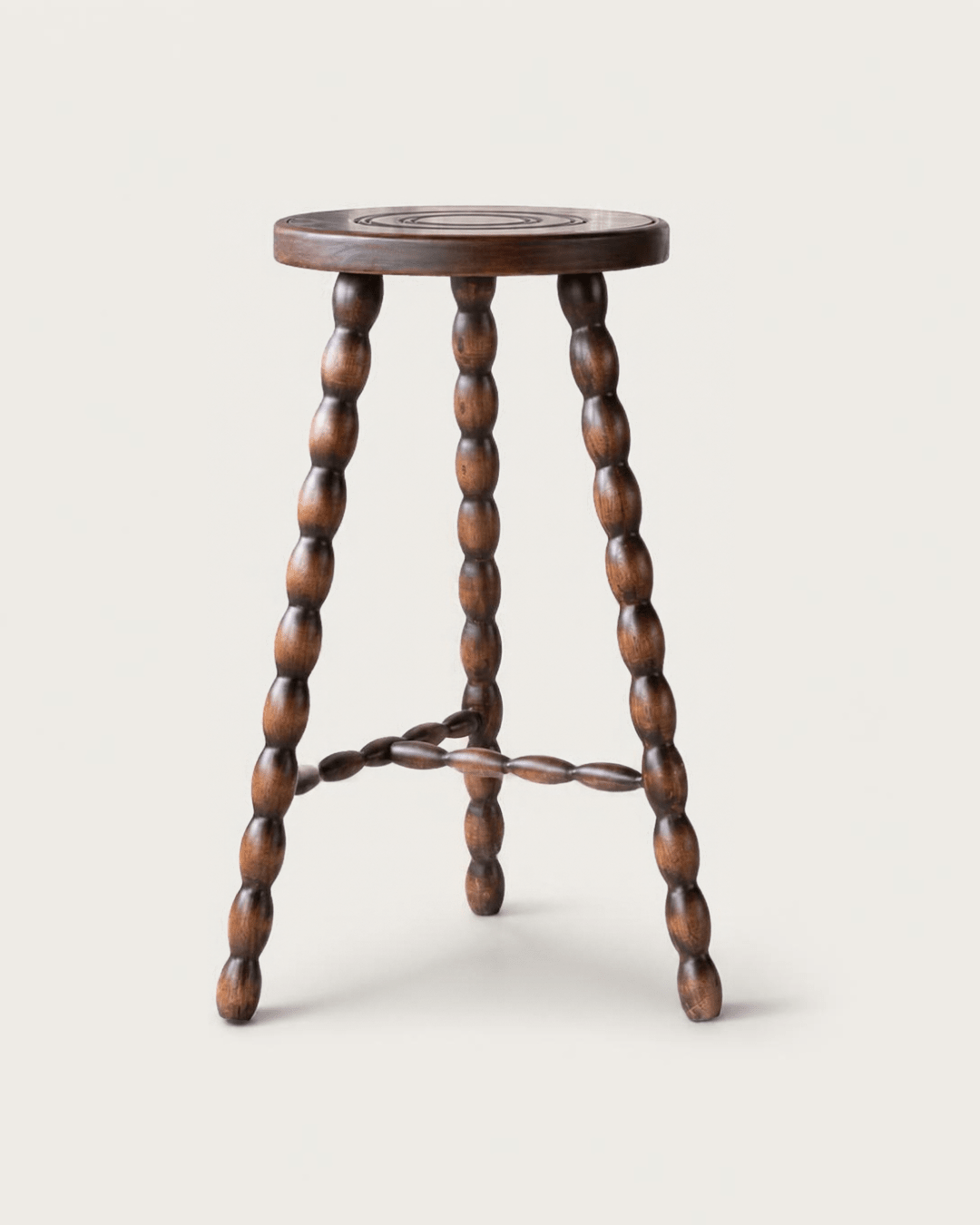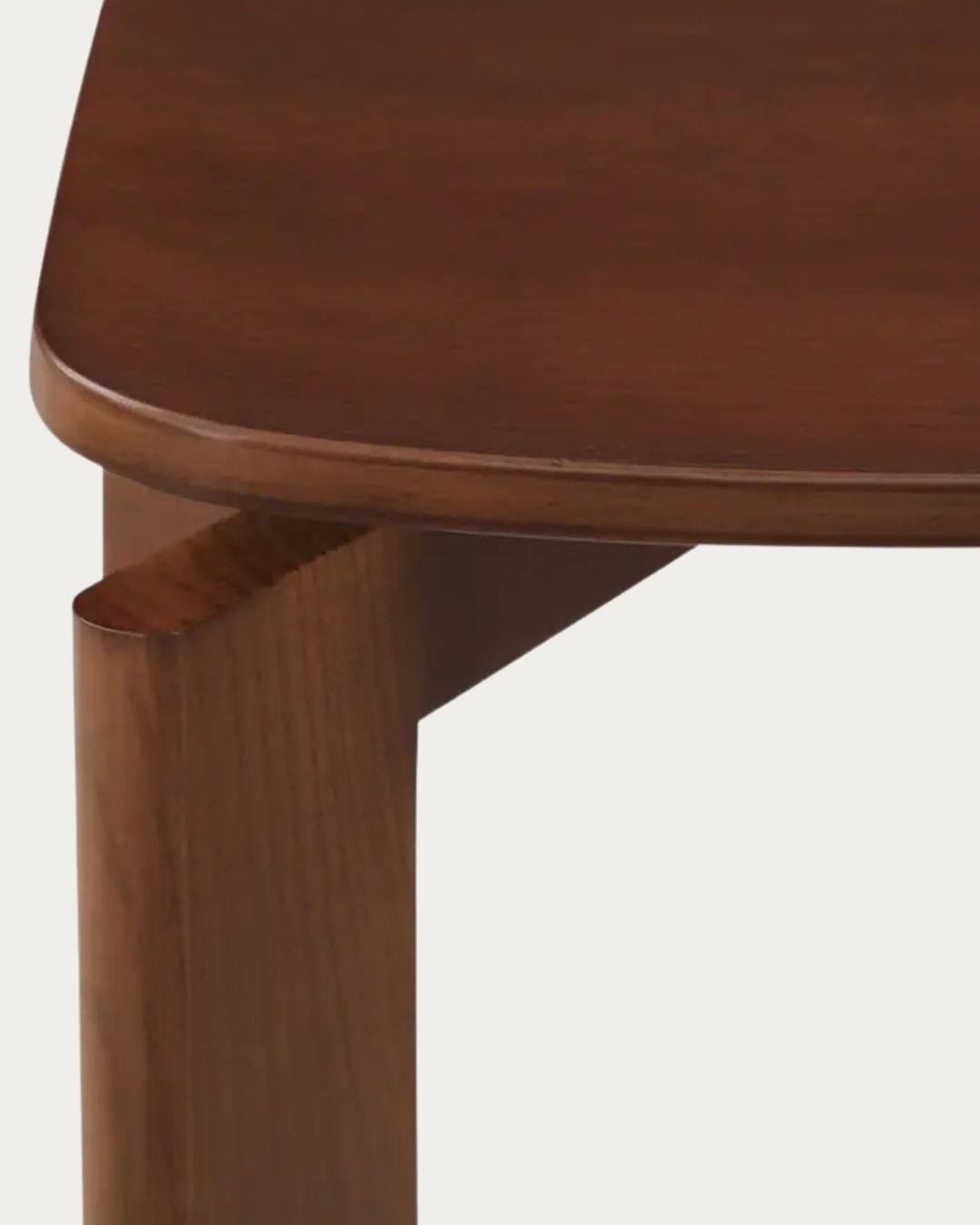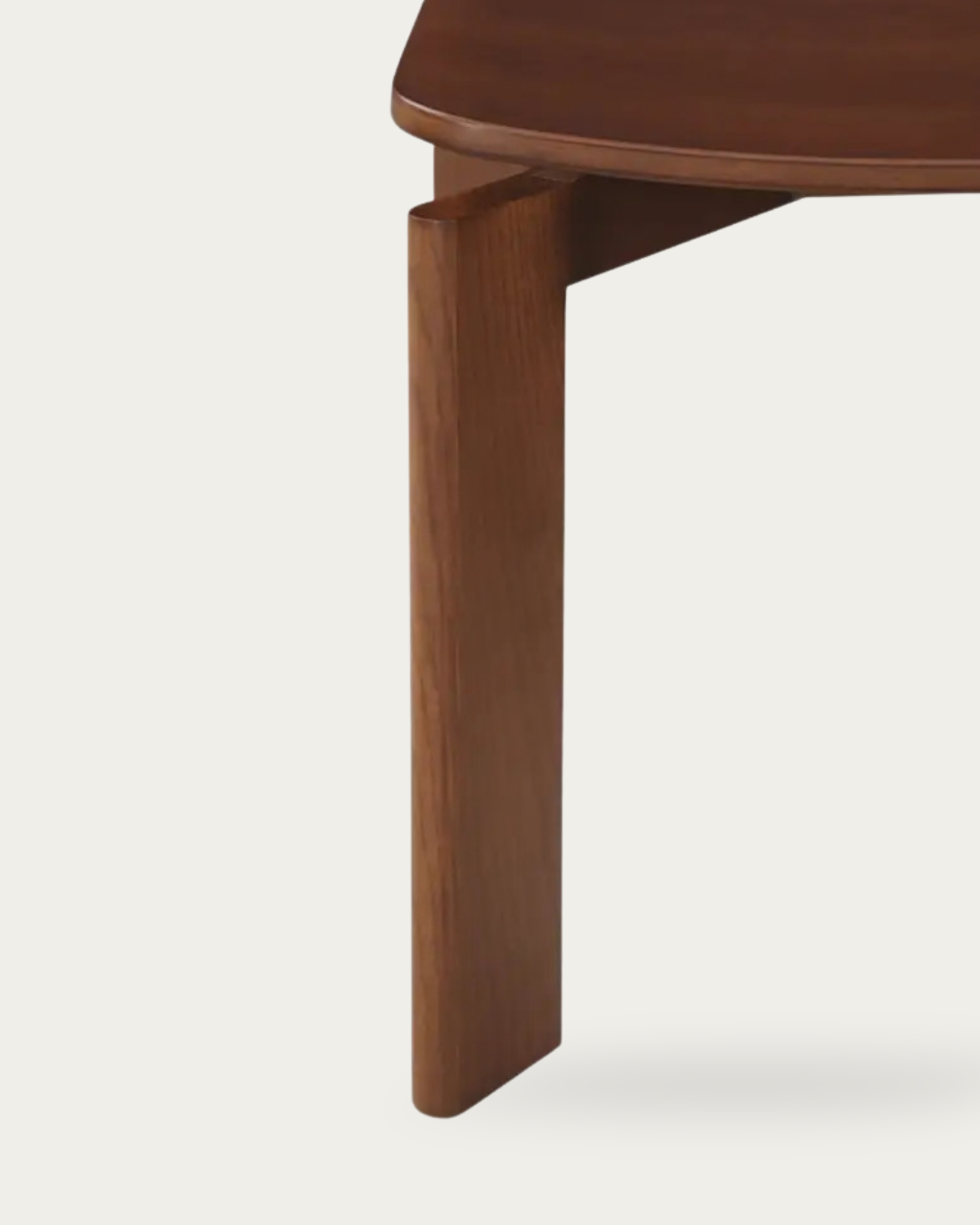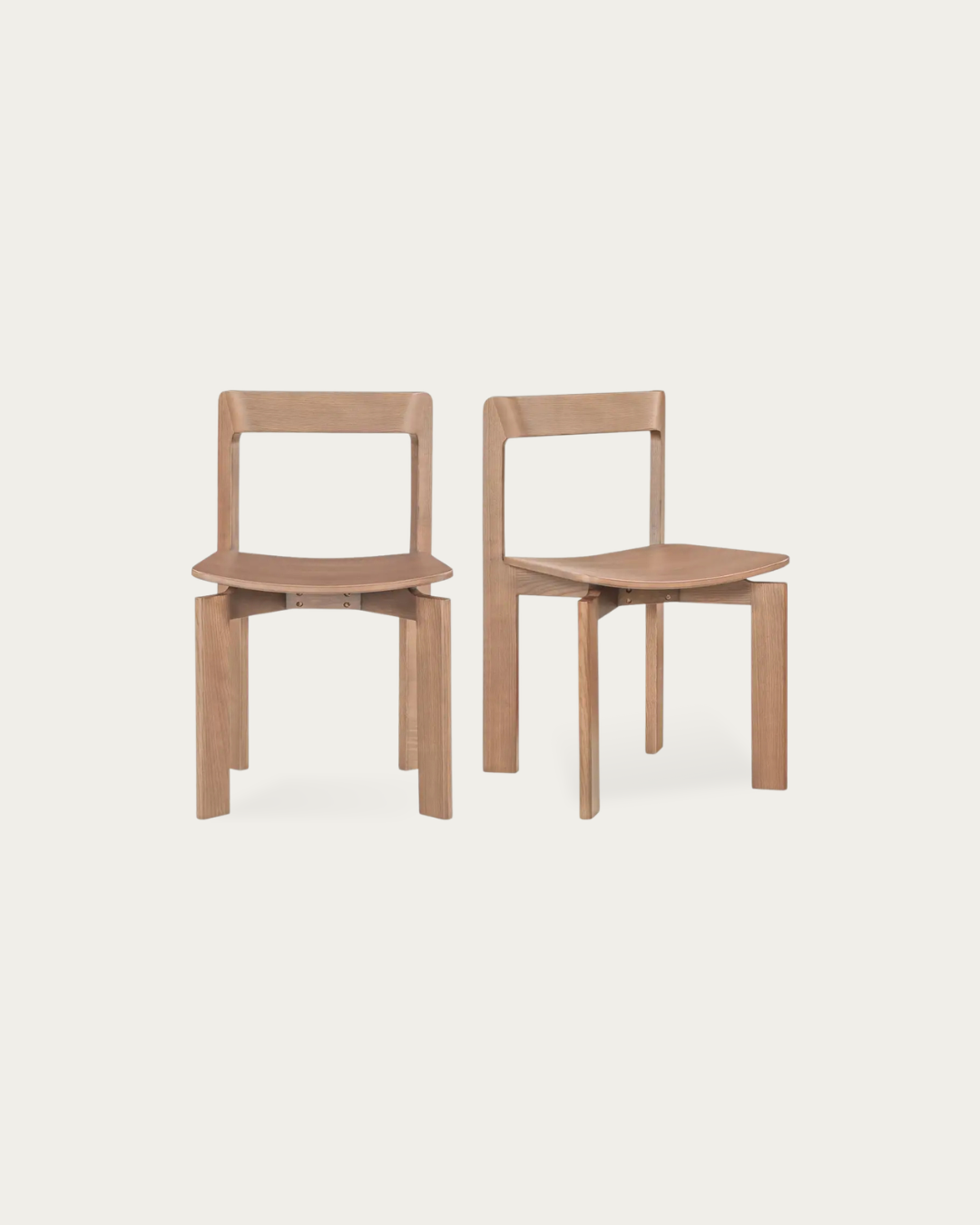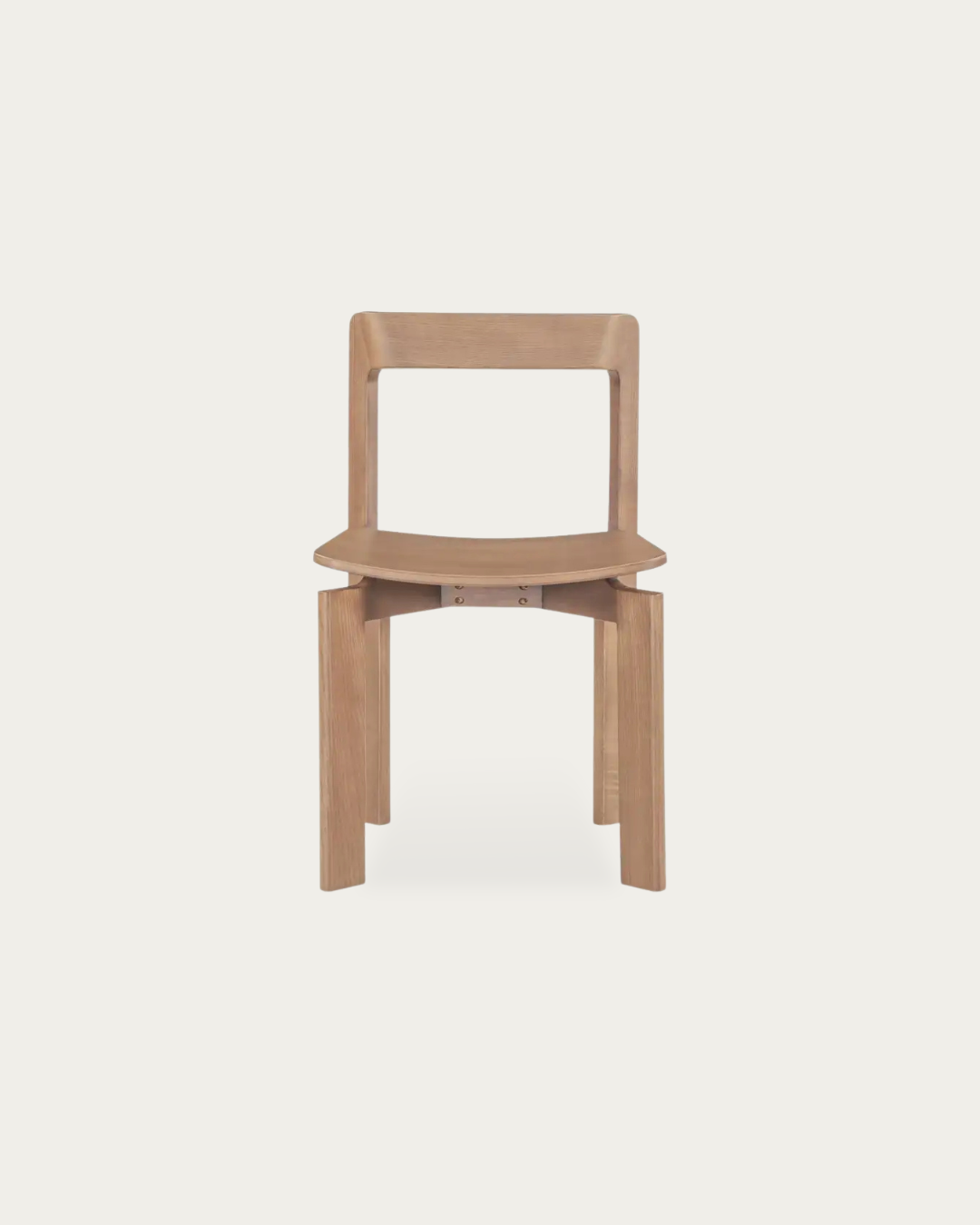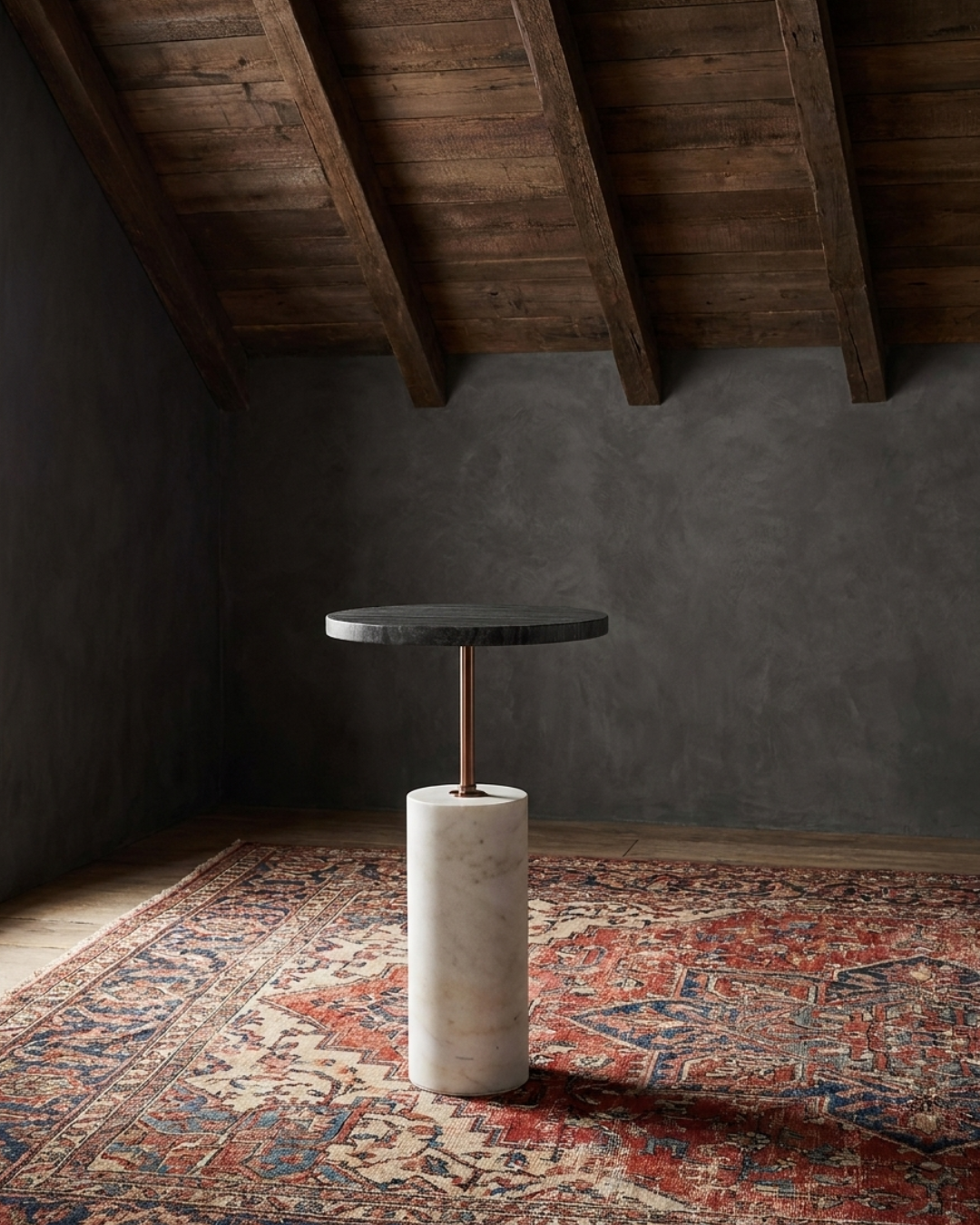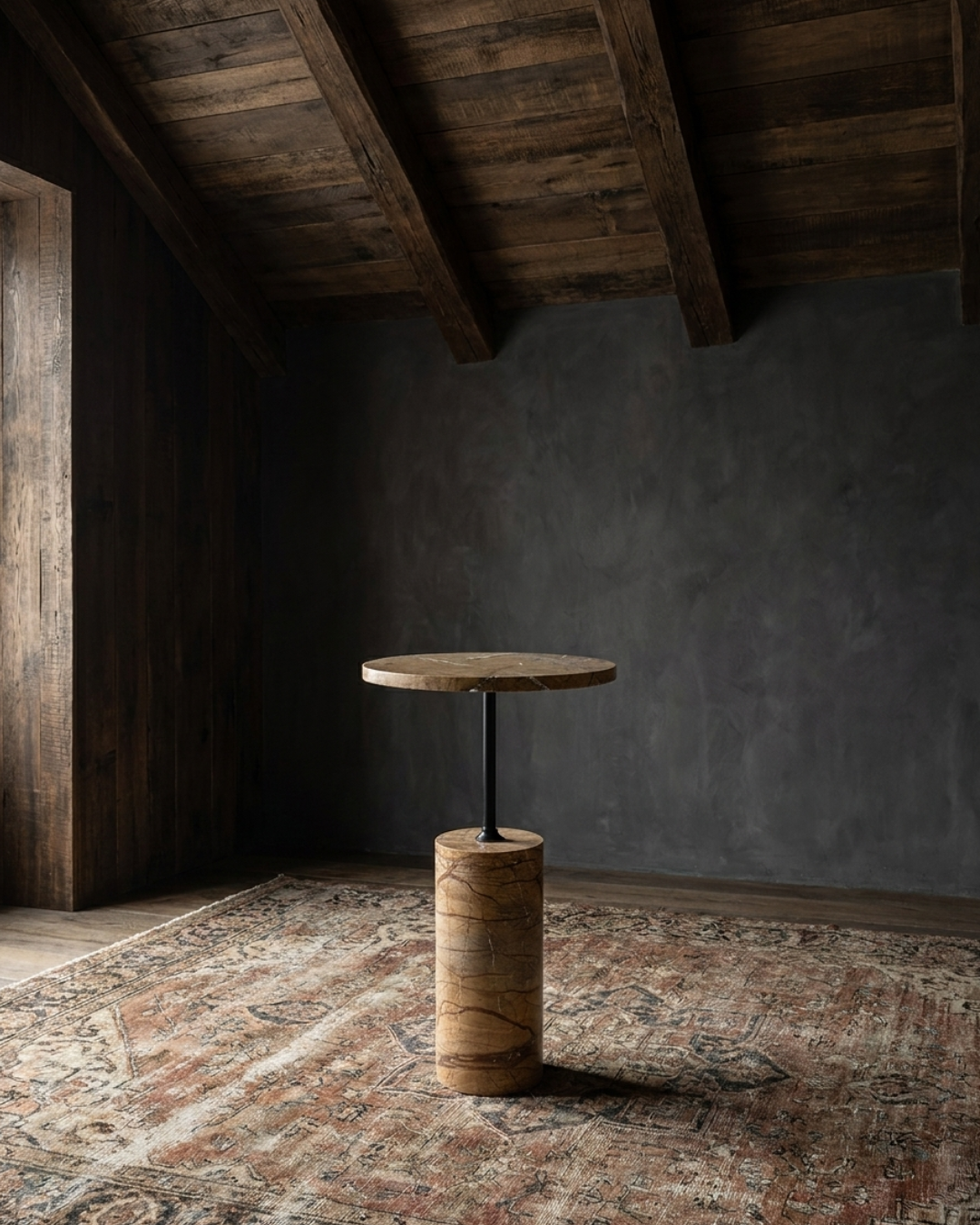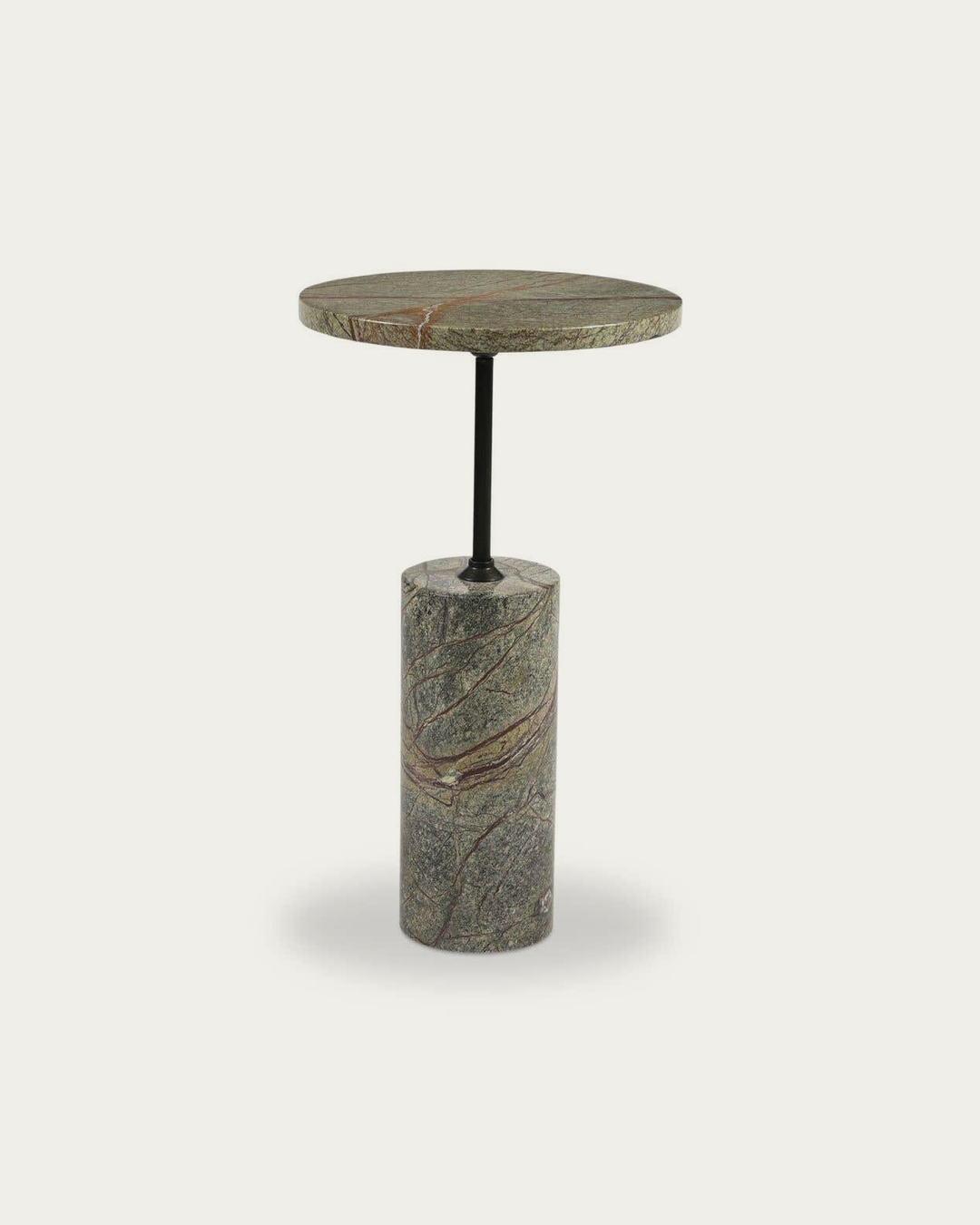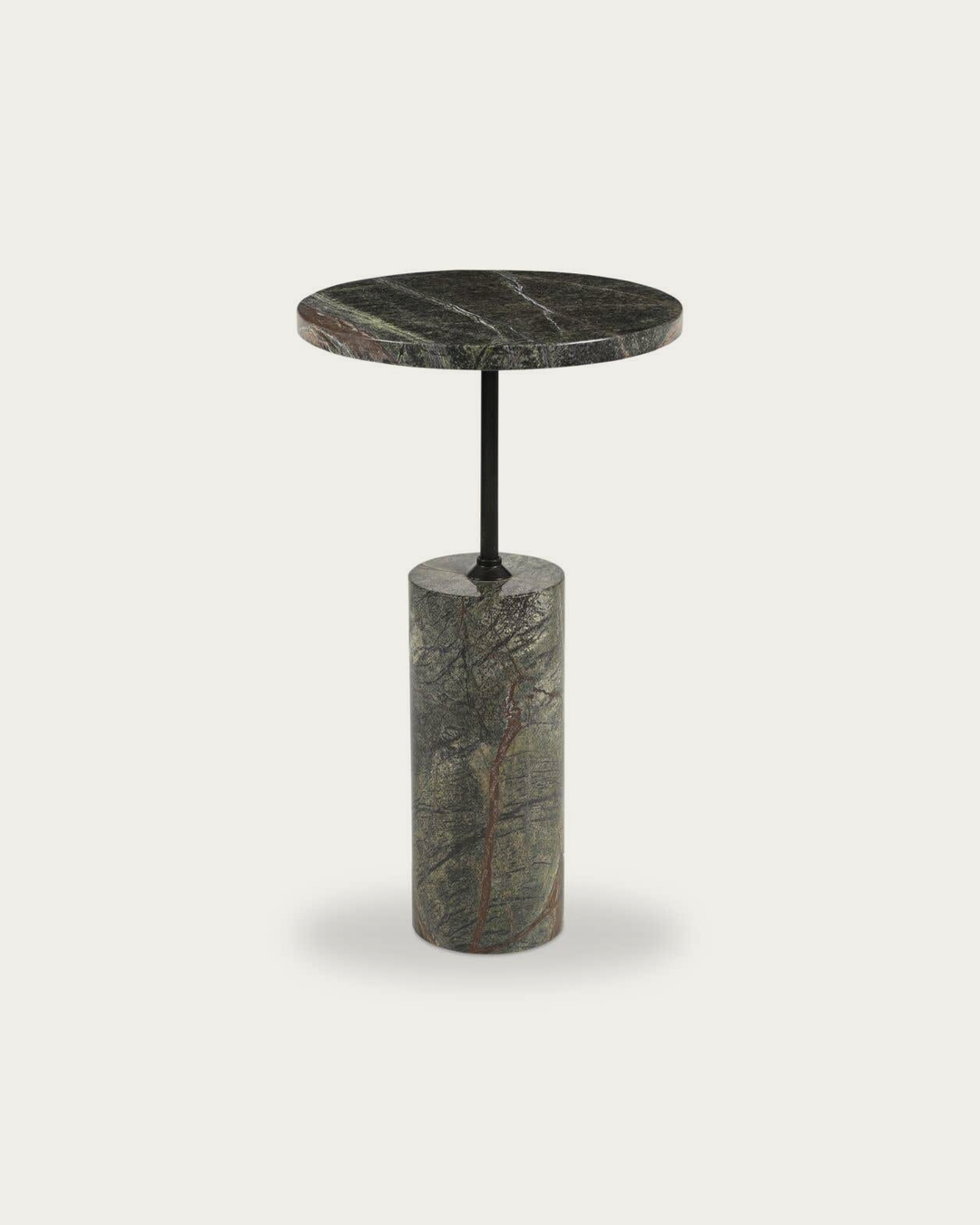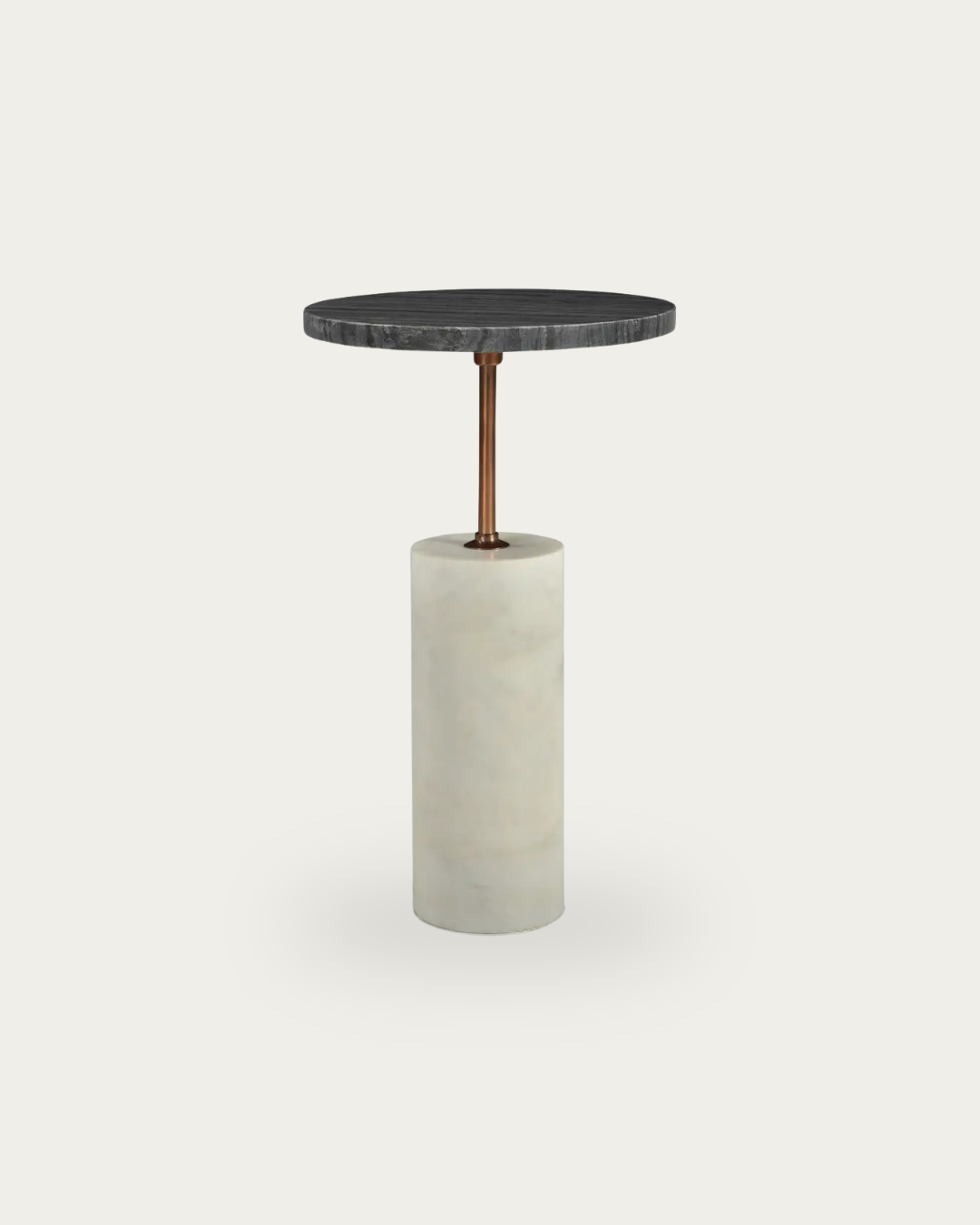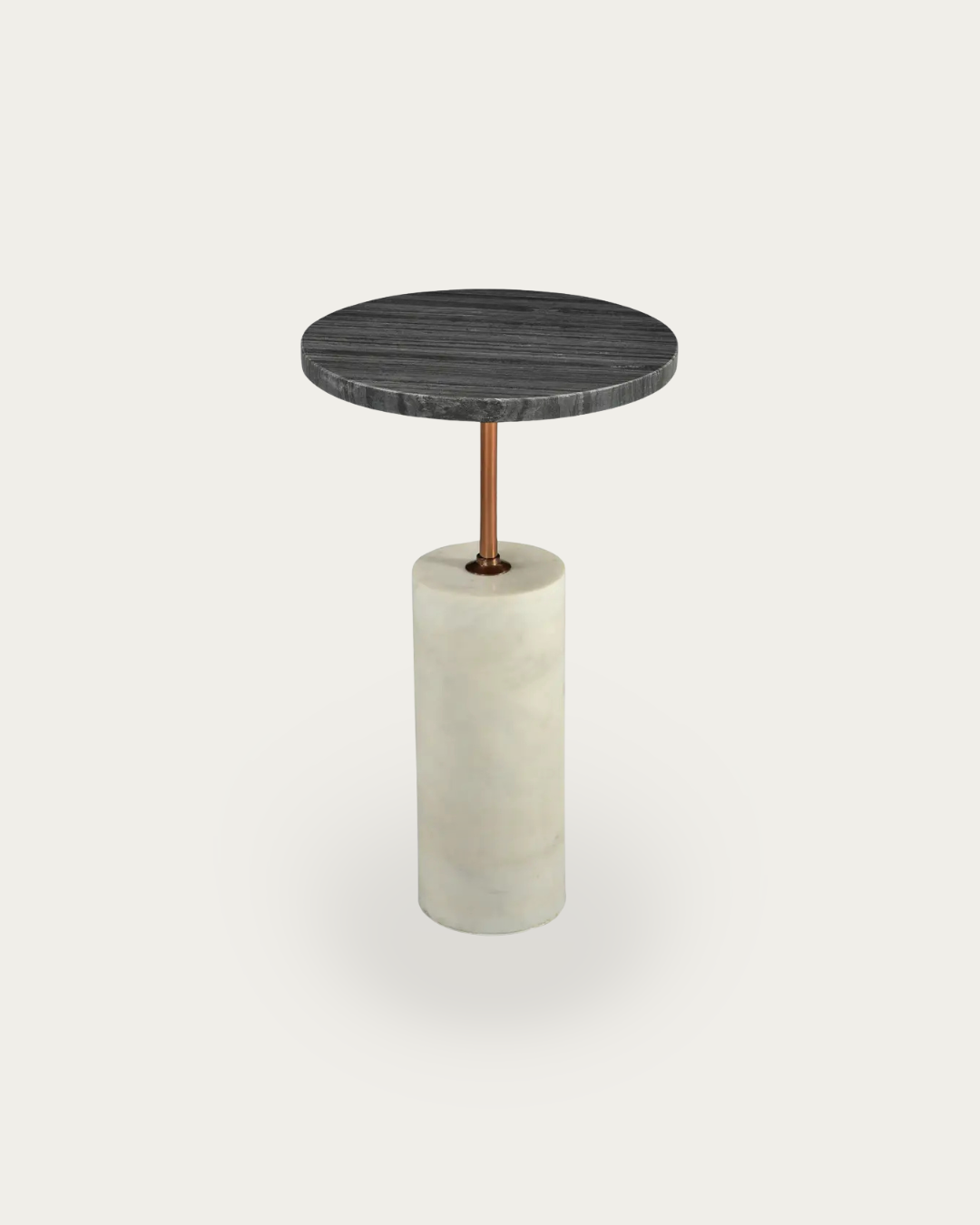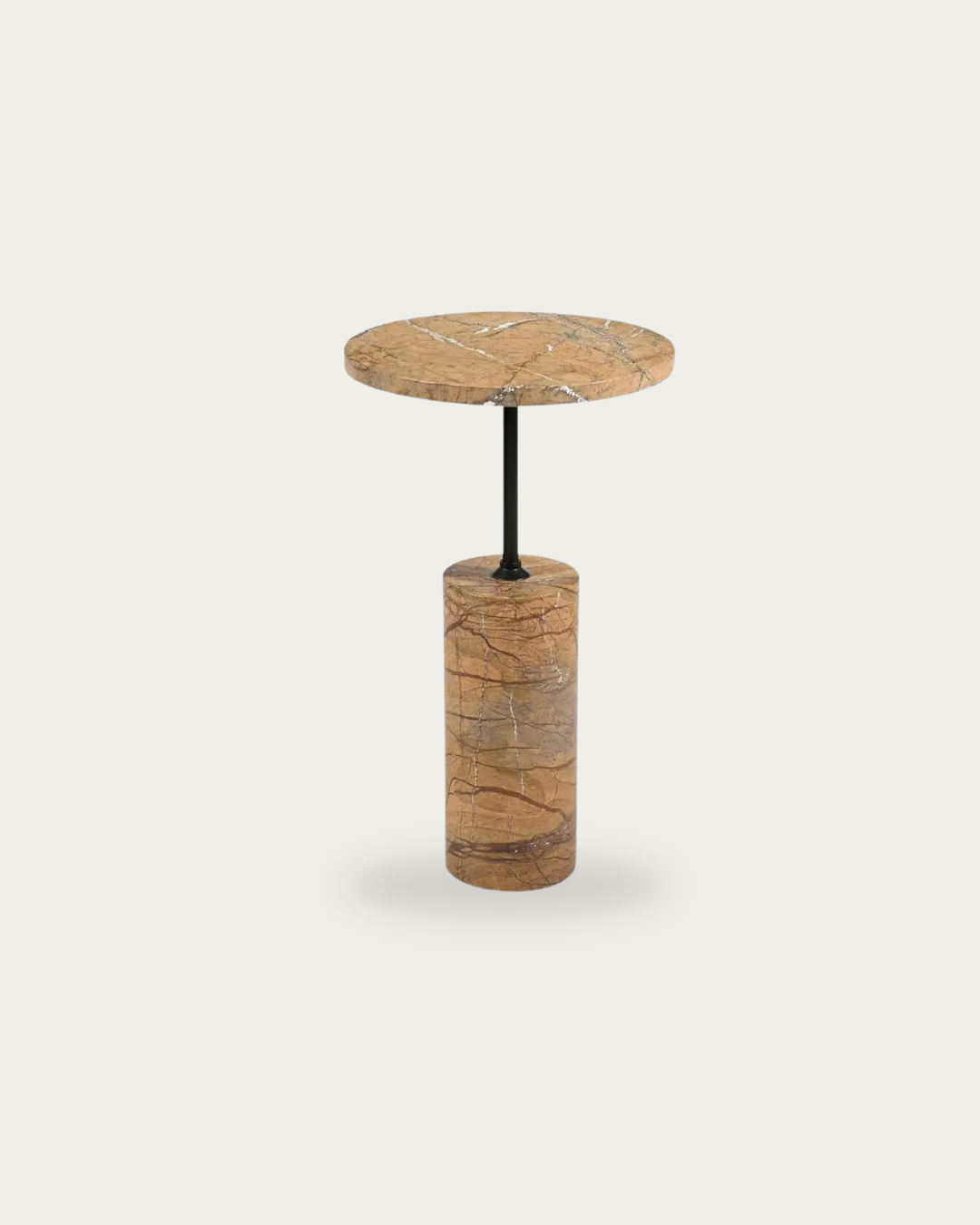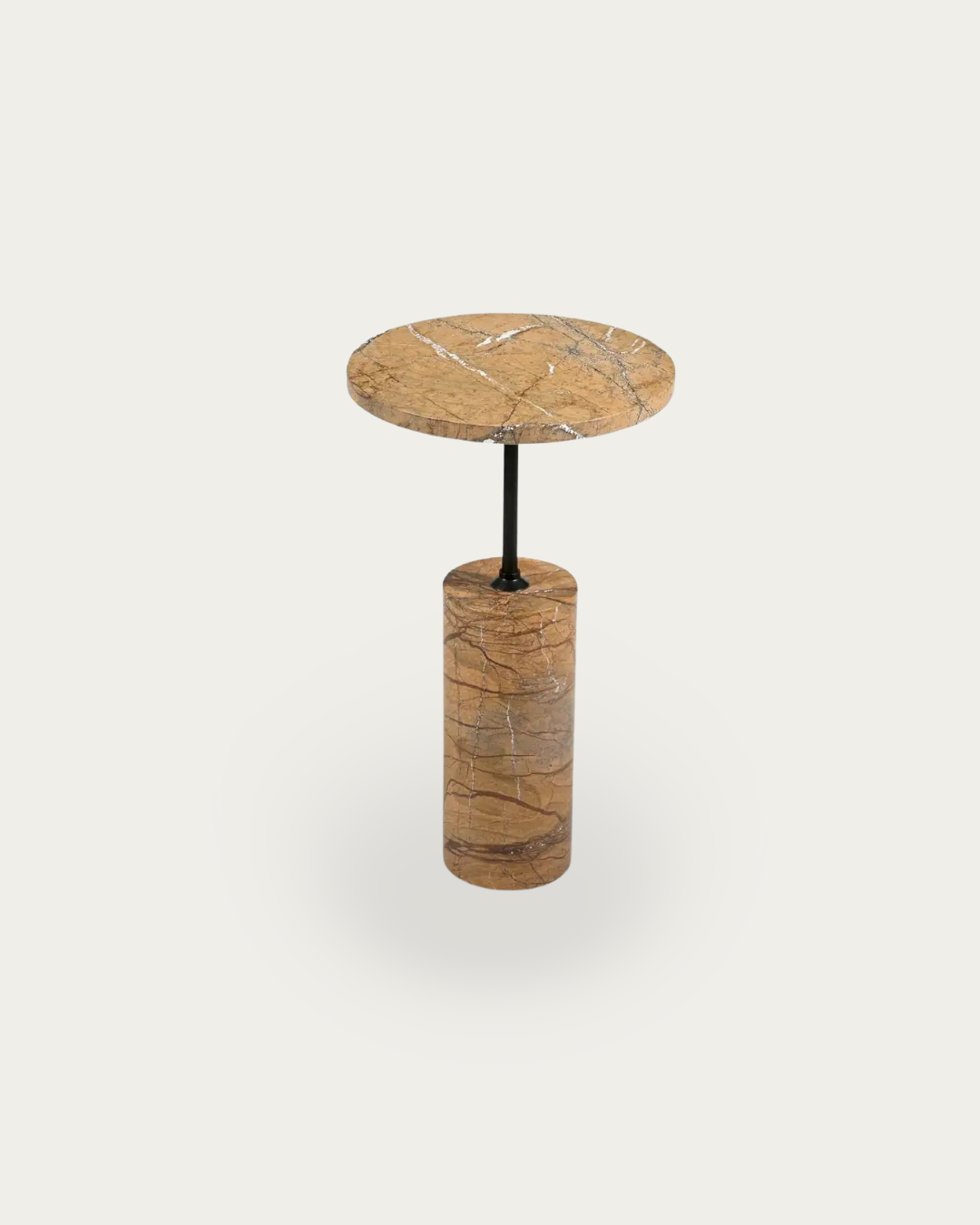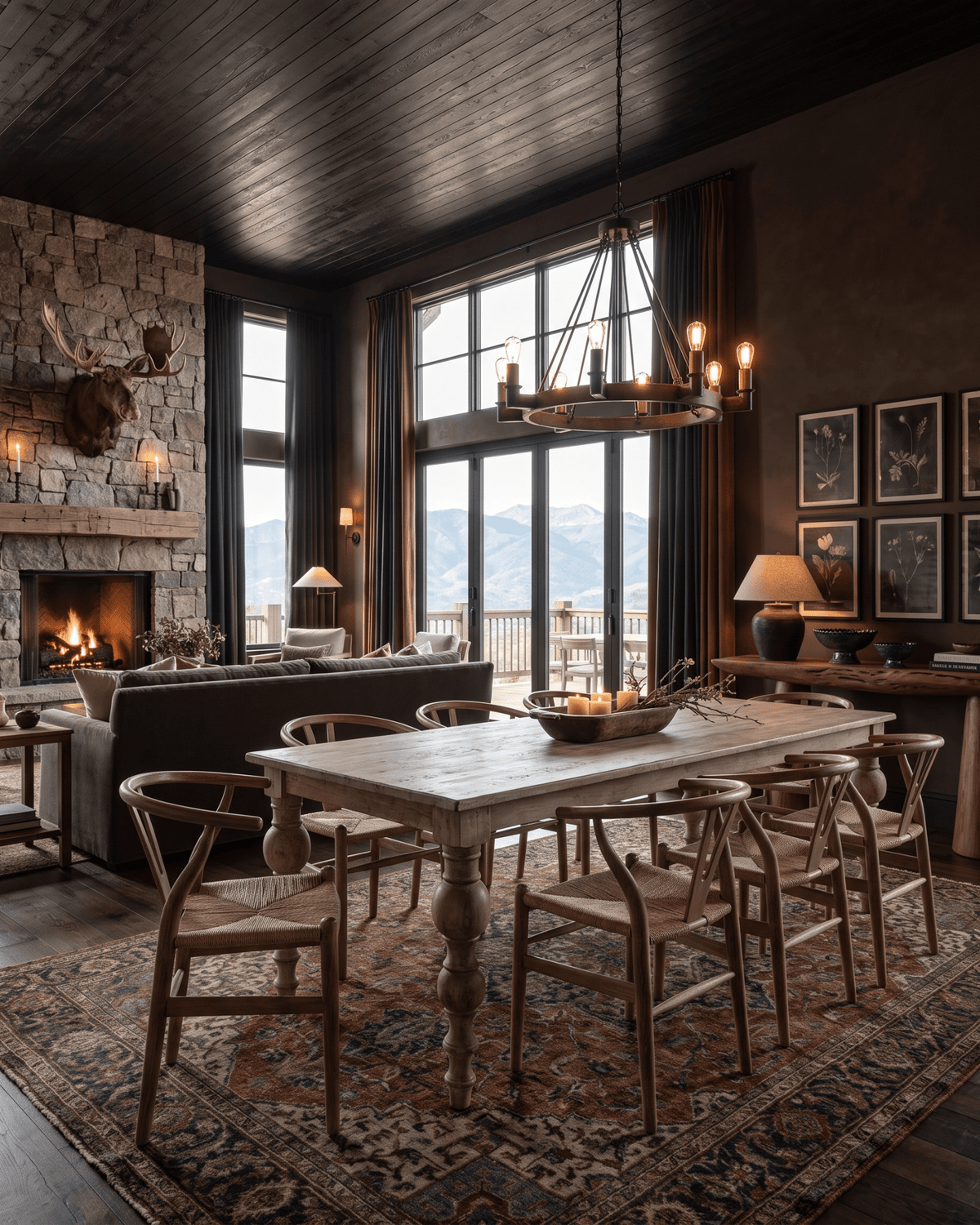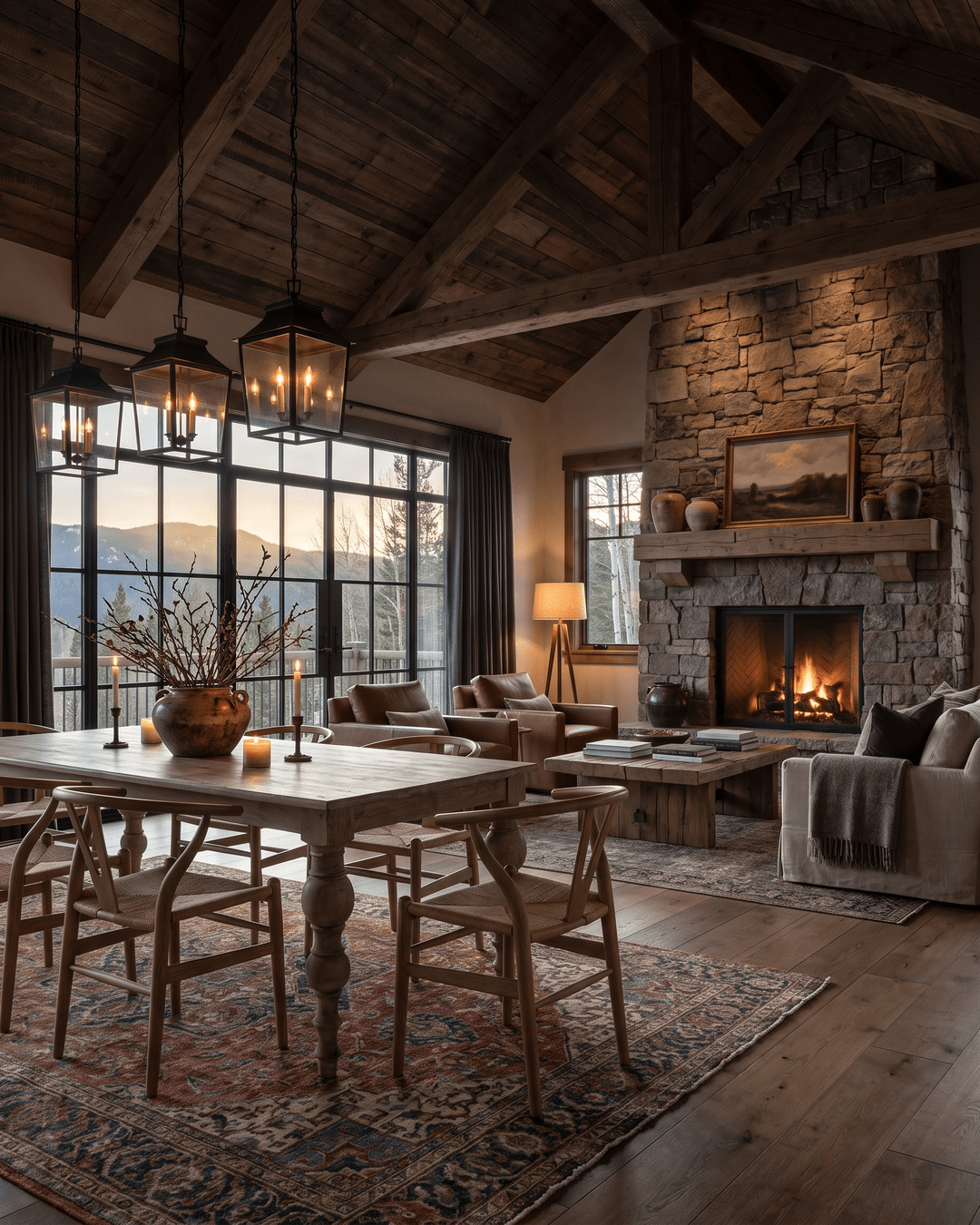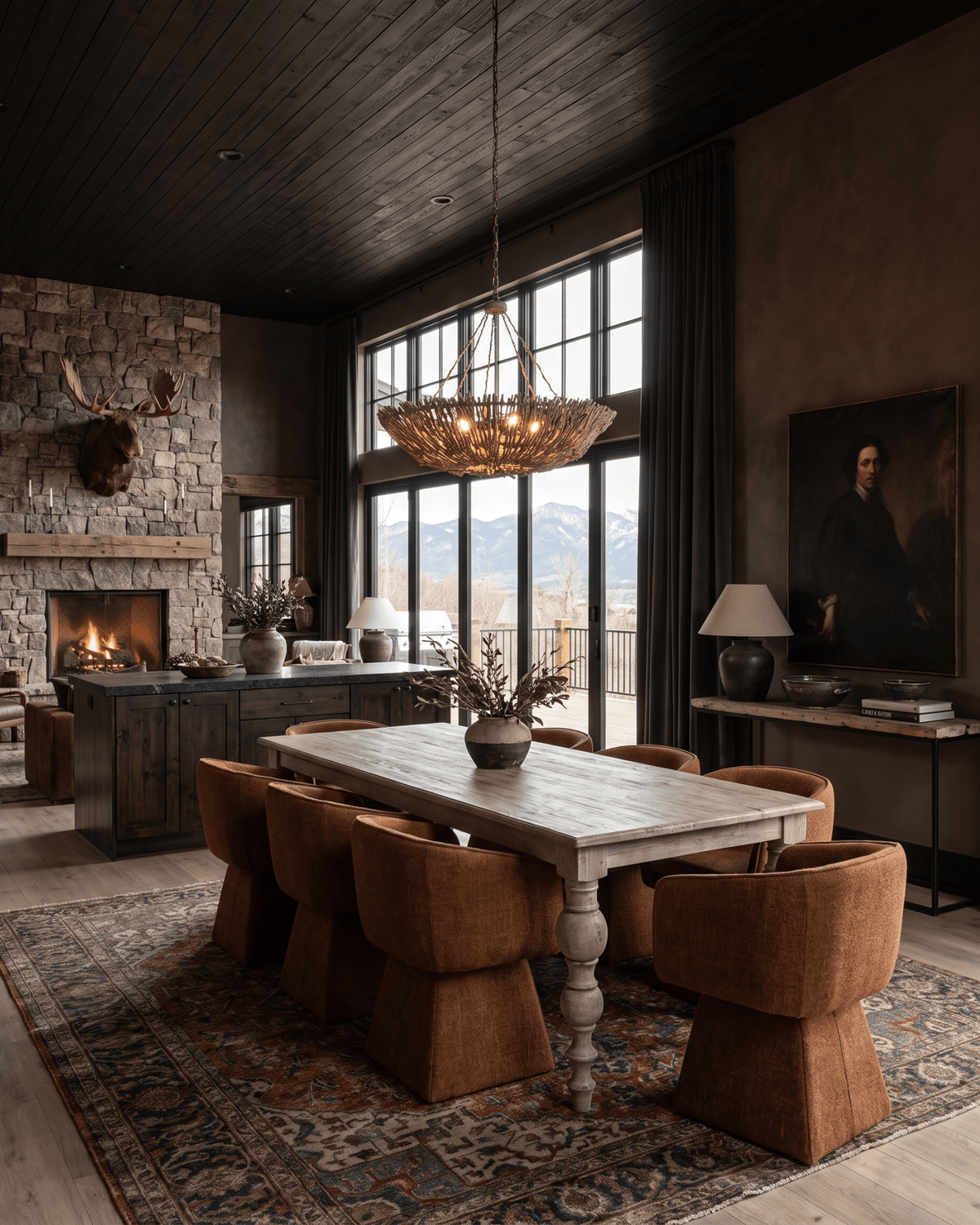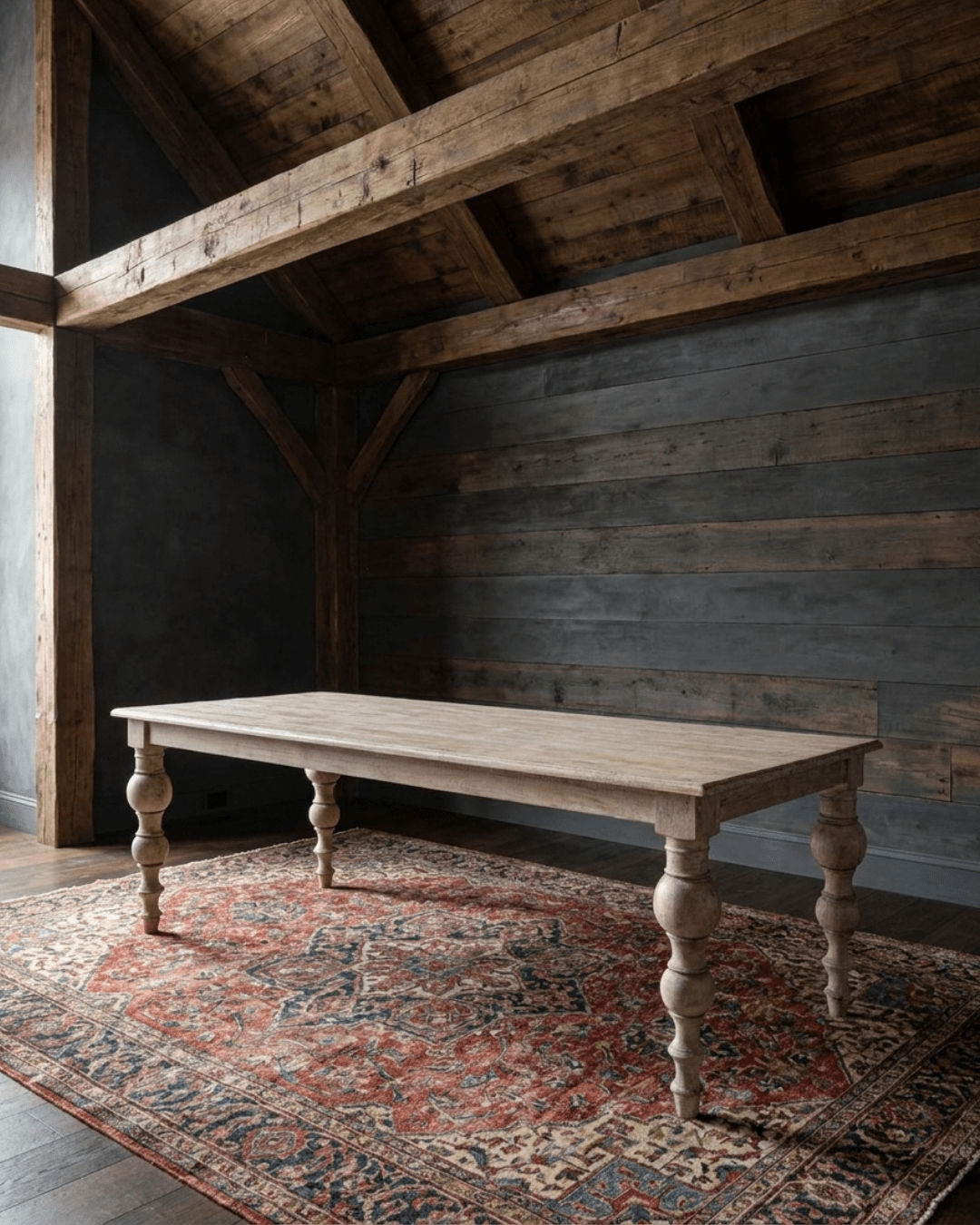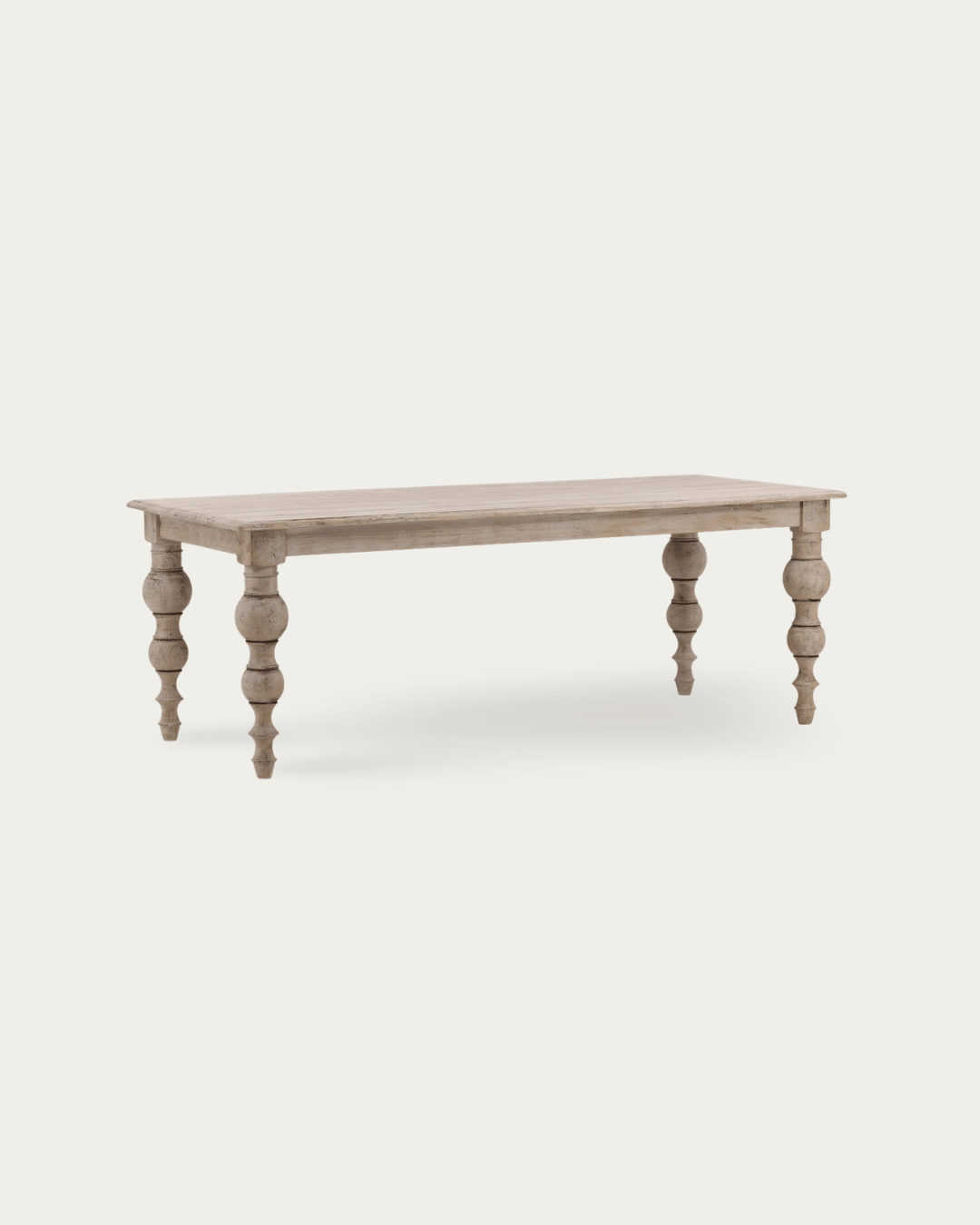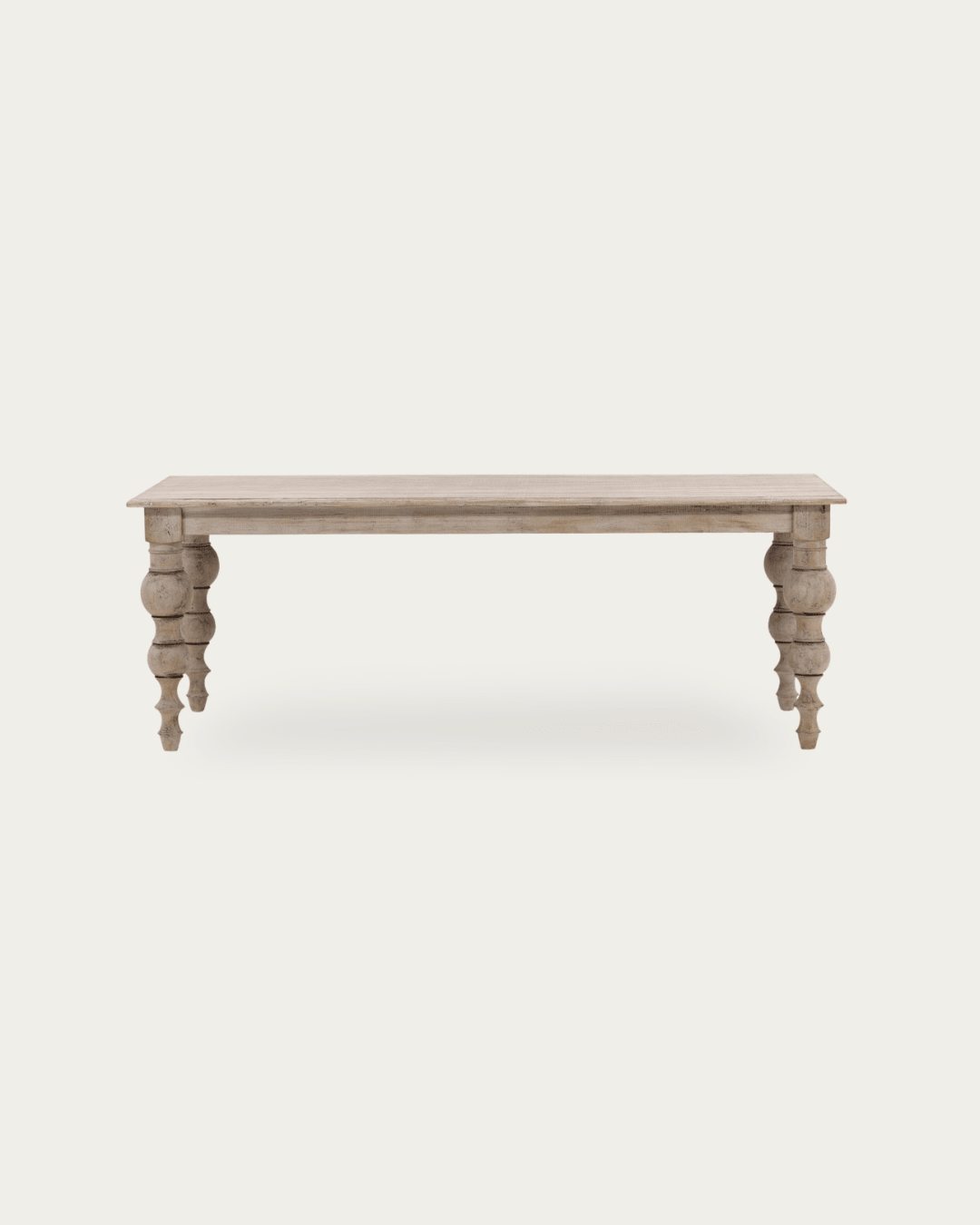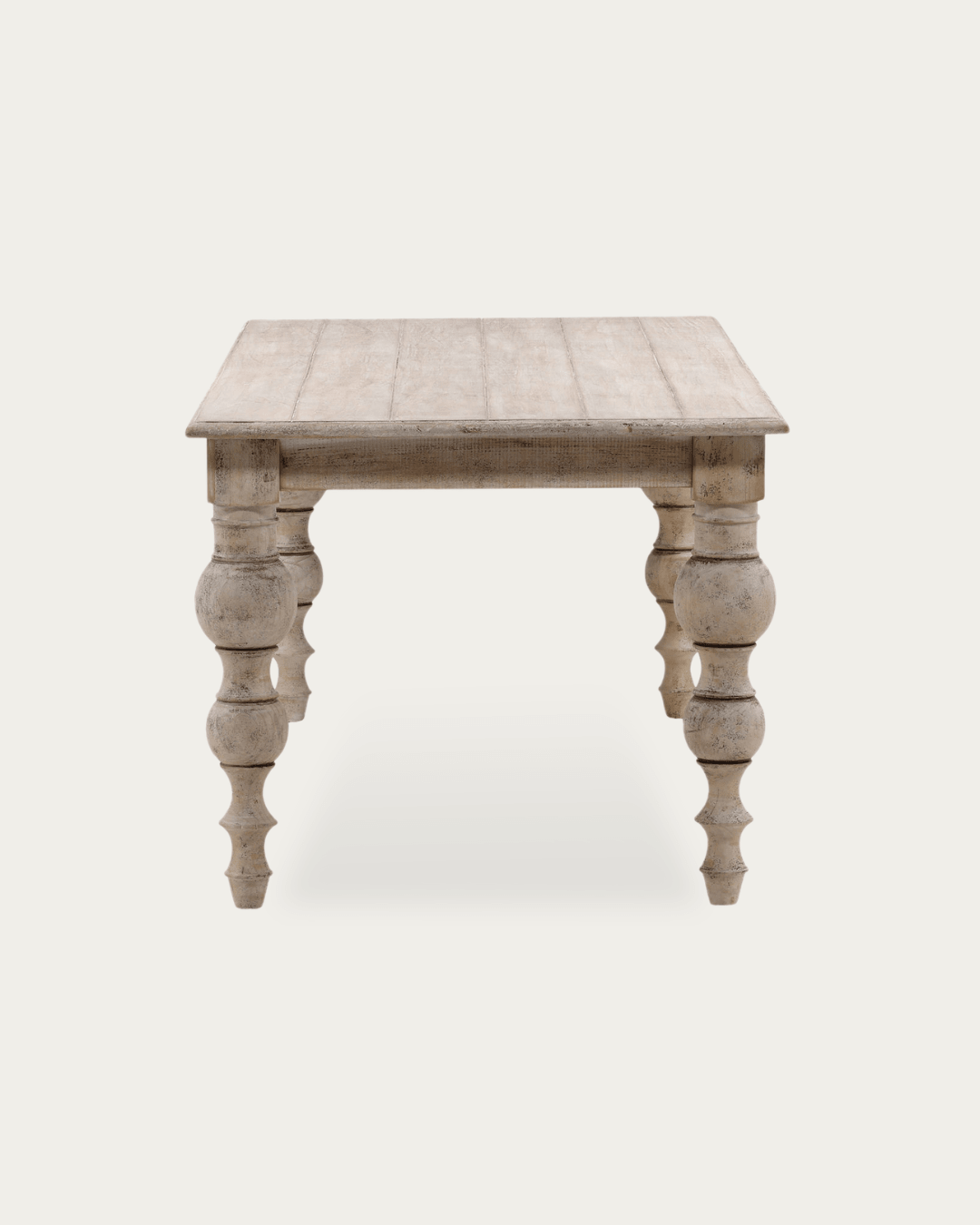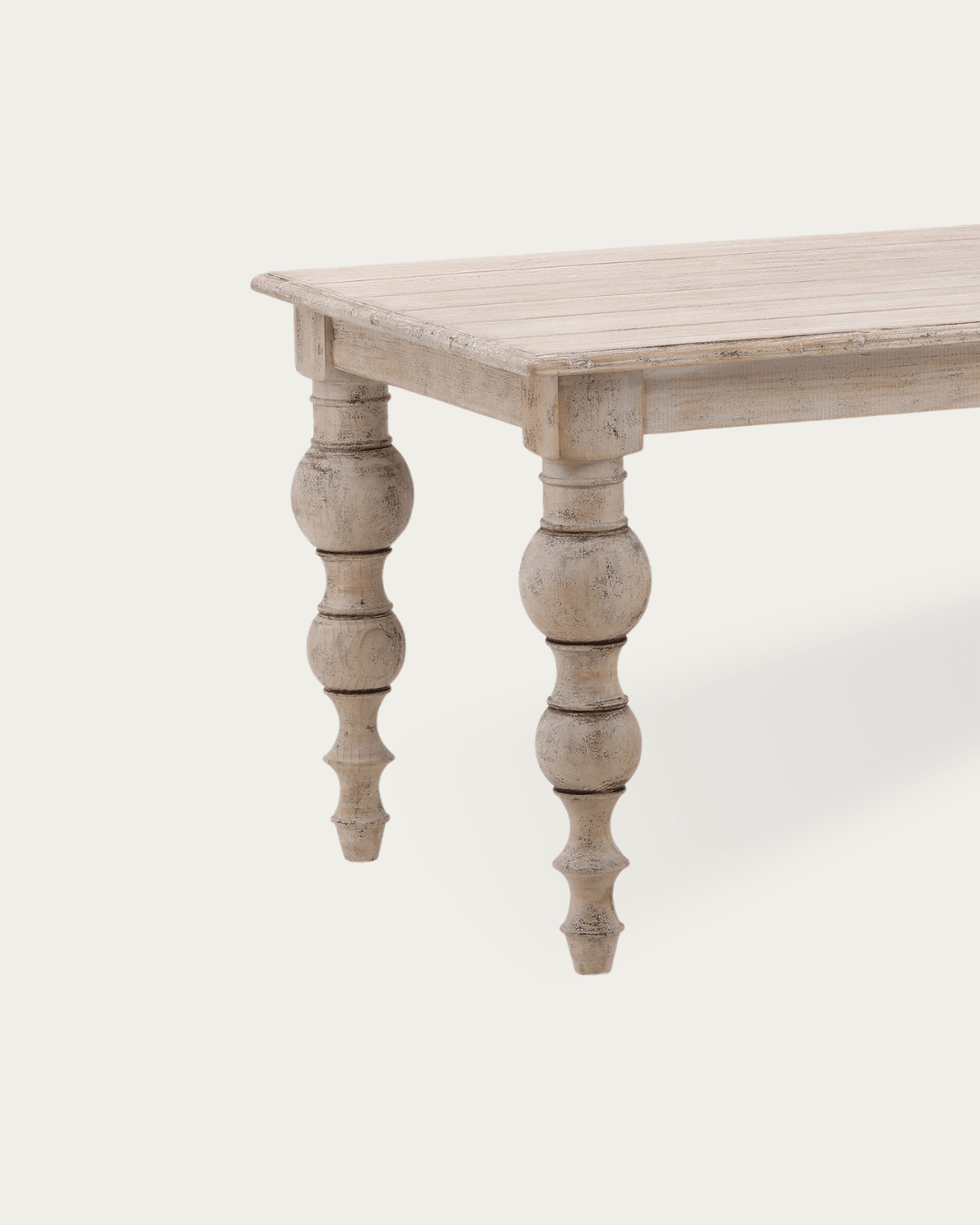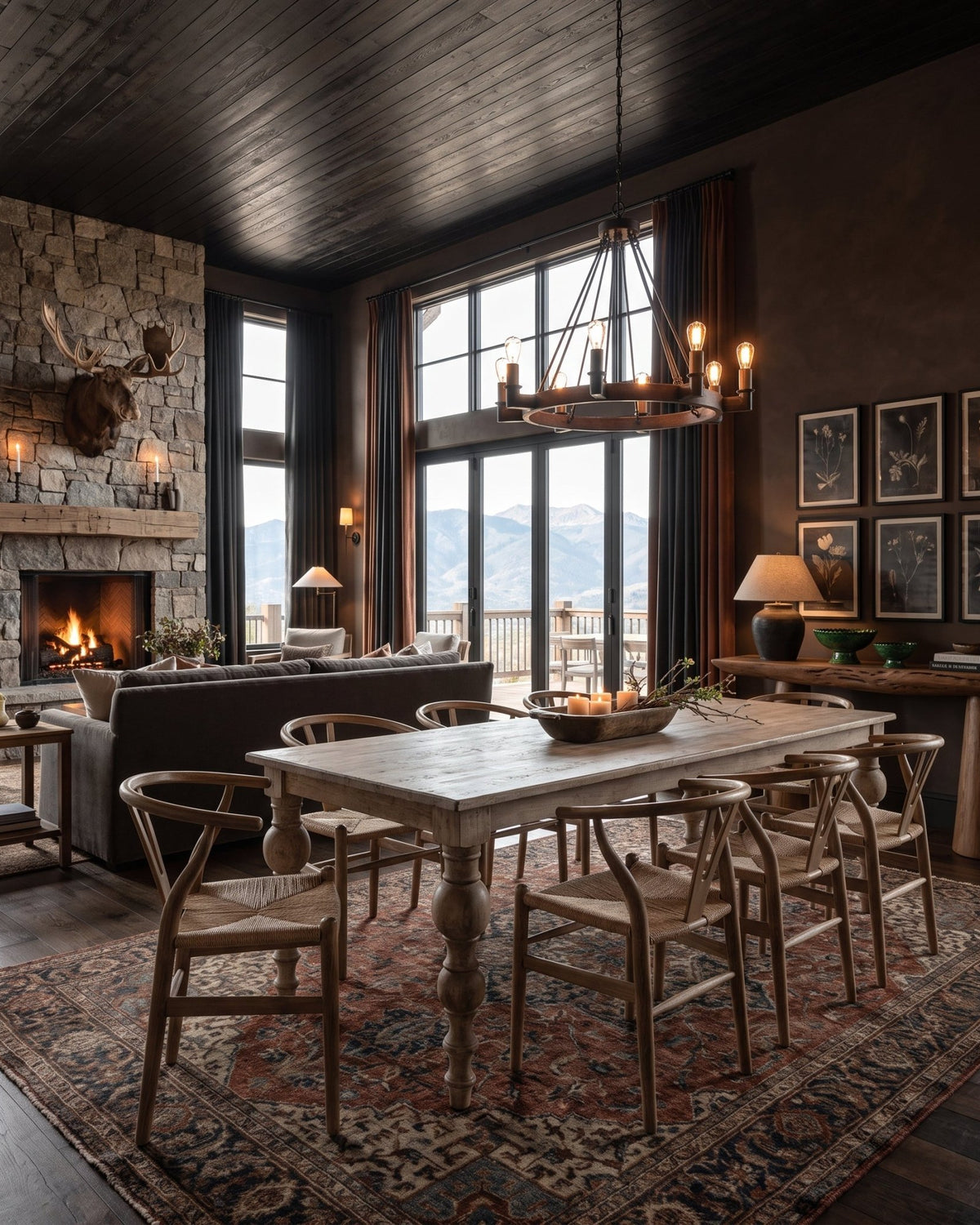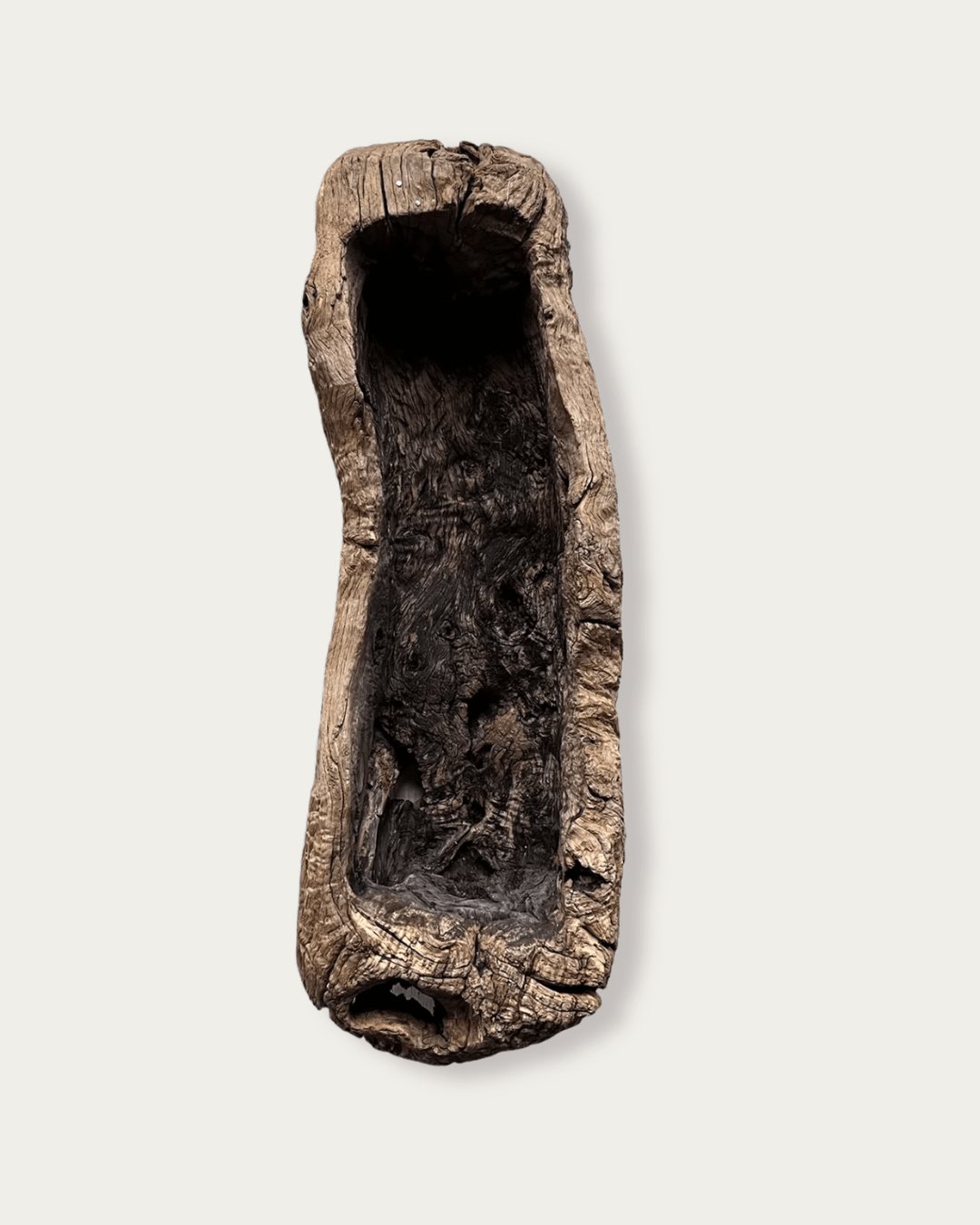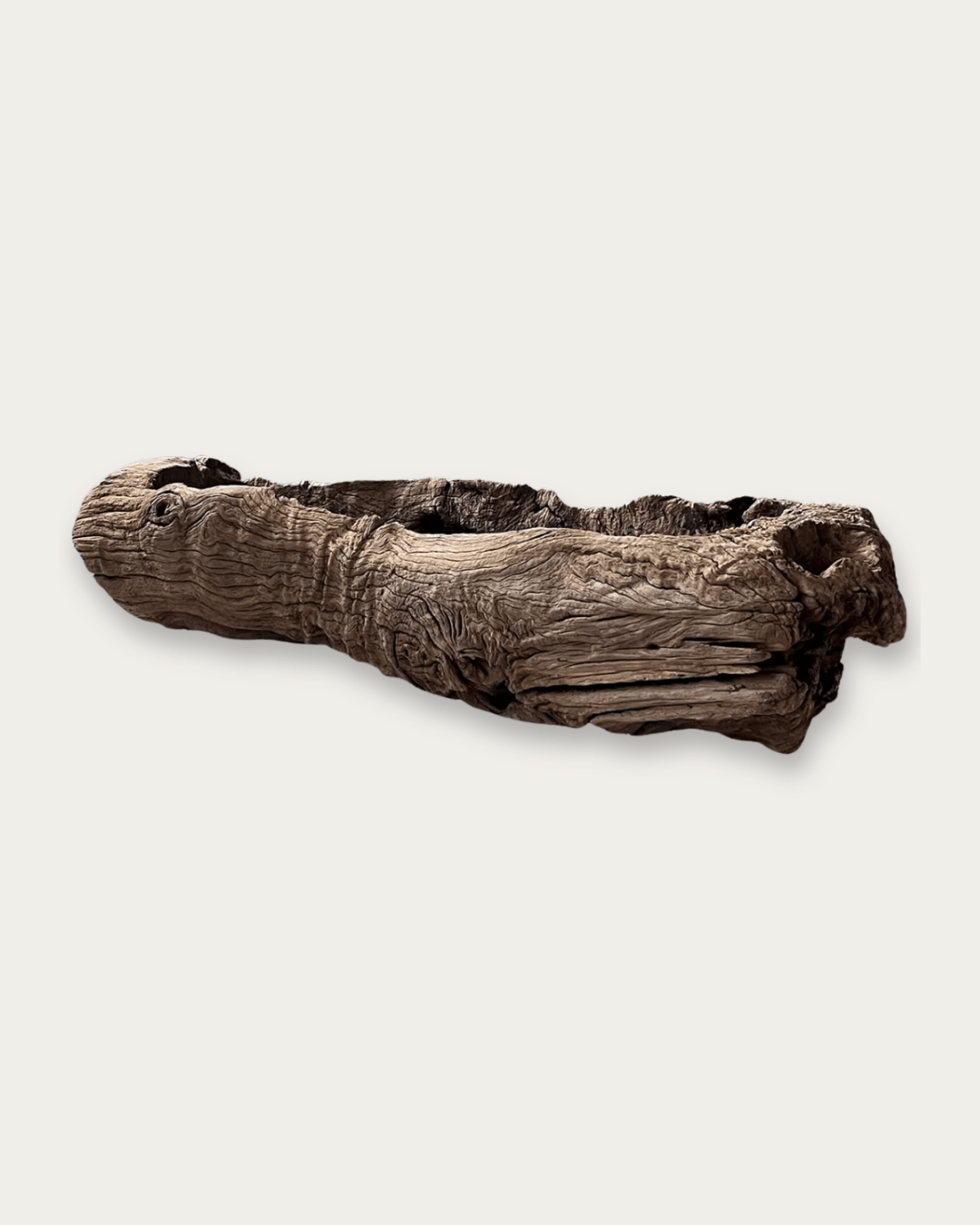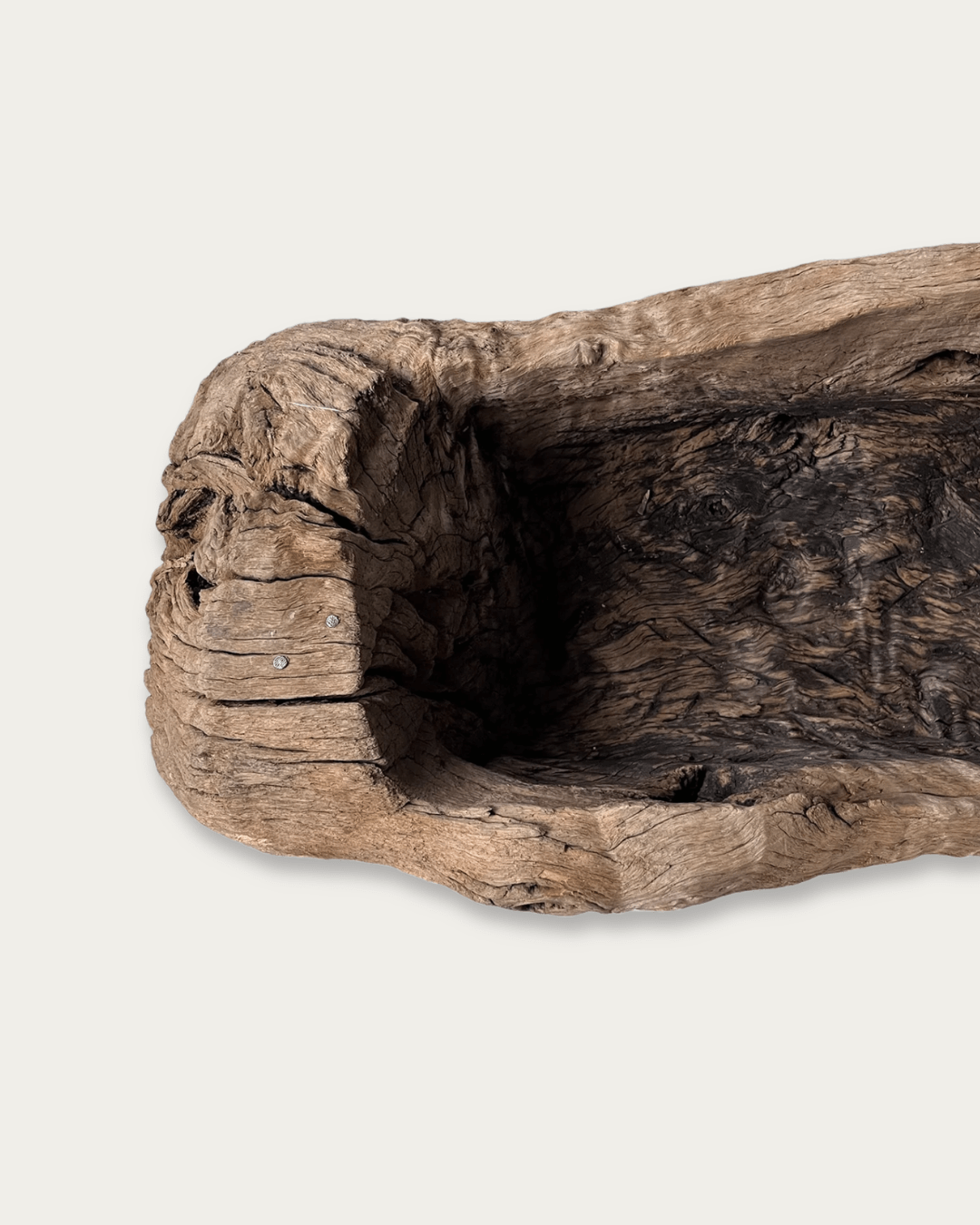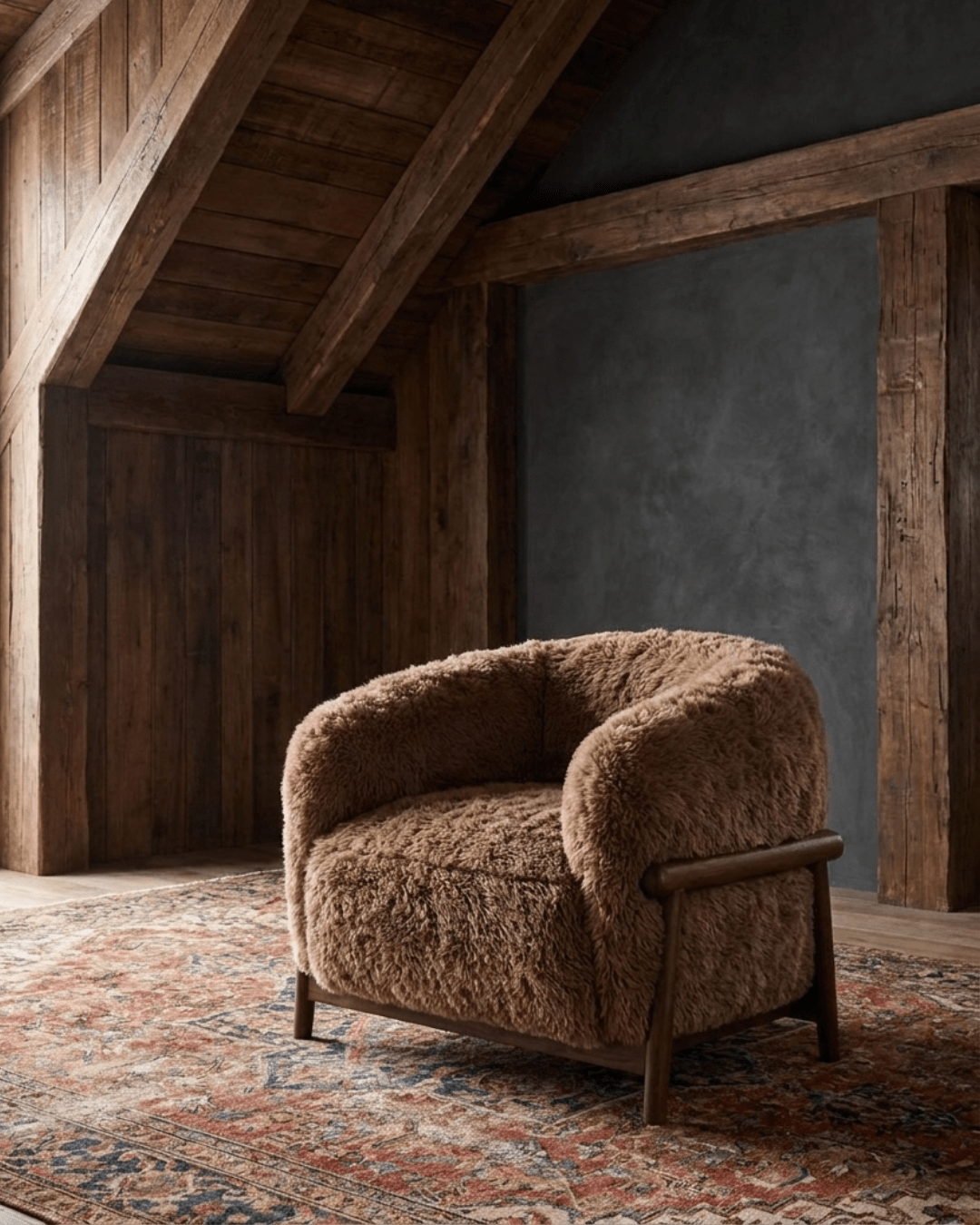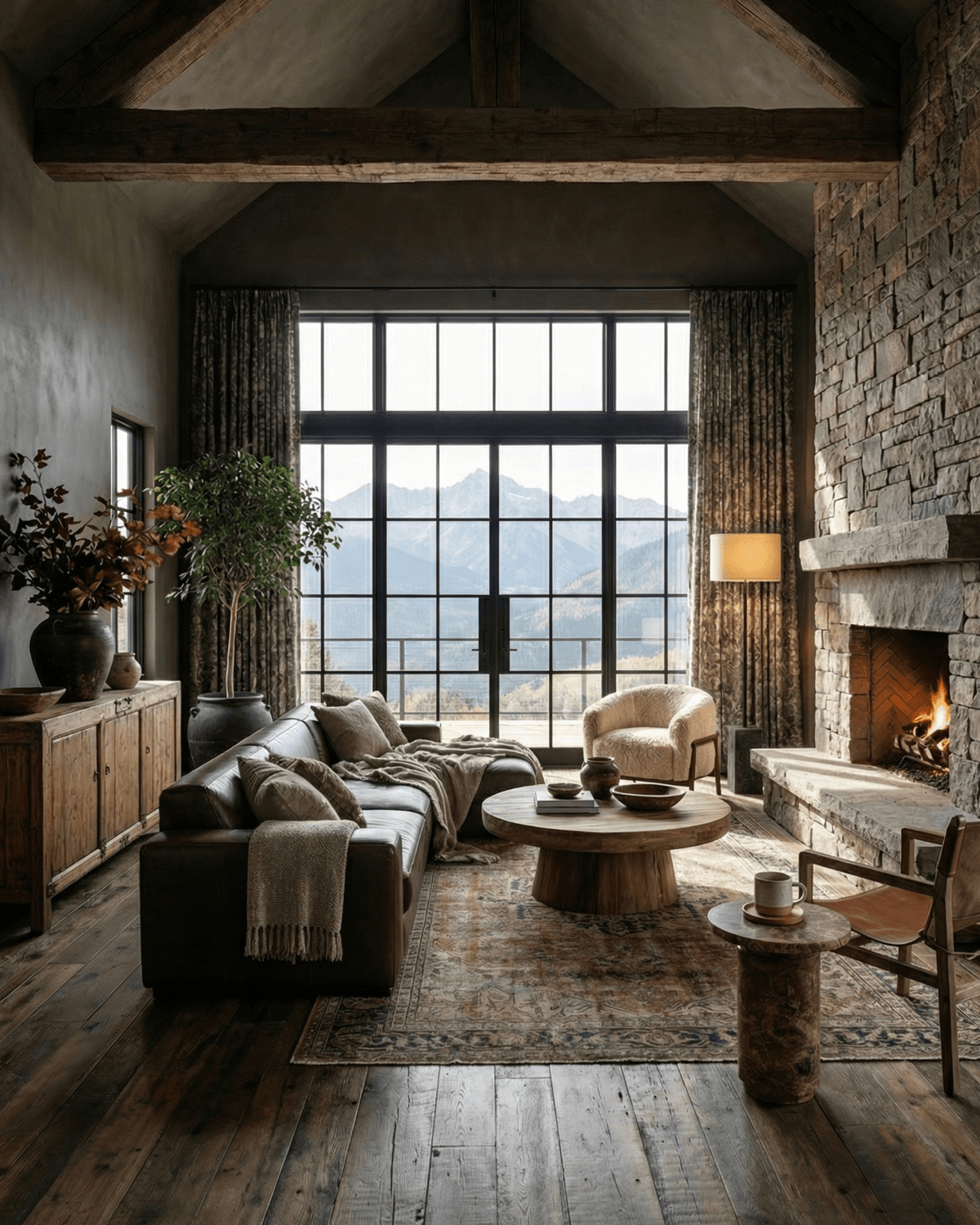









Most people assume the biggest coffee table mistake is choosing the wrong style.
Too rustic.
Too modern.
Too dark.
Too light.
In reality, the mistake that makes the biggest difference is usually size.
A coffee table can be beautiful on its own and still make an entire living room feel awkward. The room feels slightly off. People walk around it strangely. The seating arrangement never quite settles. Something feels wrong, even though nothing looks obviously wrong.
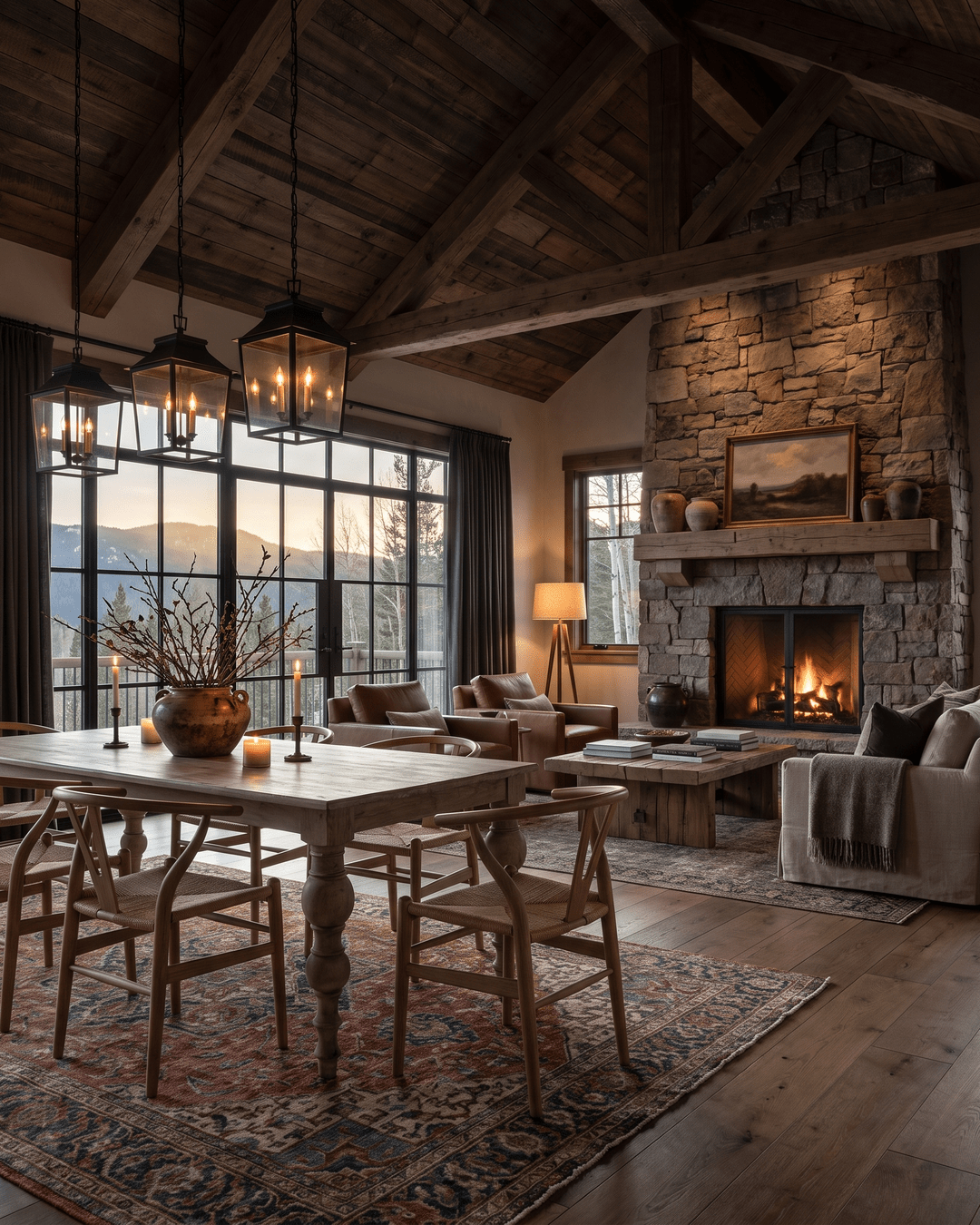
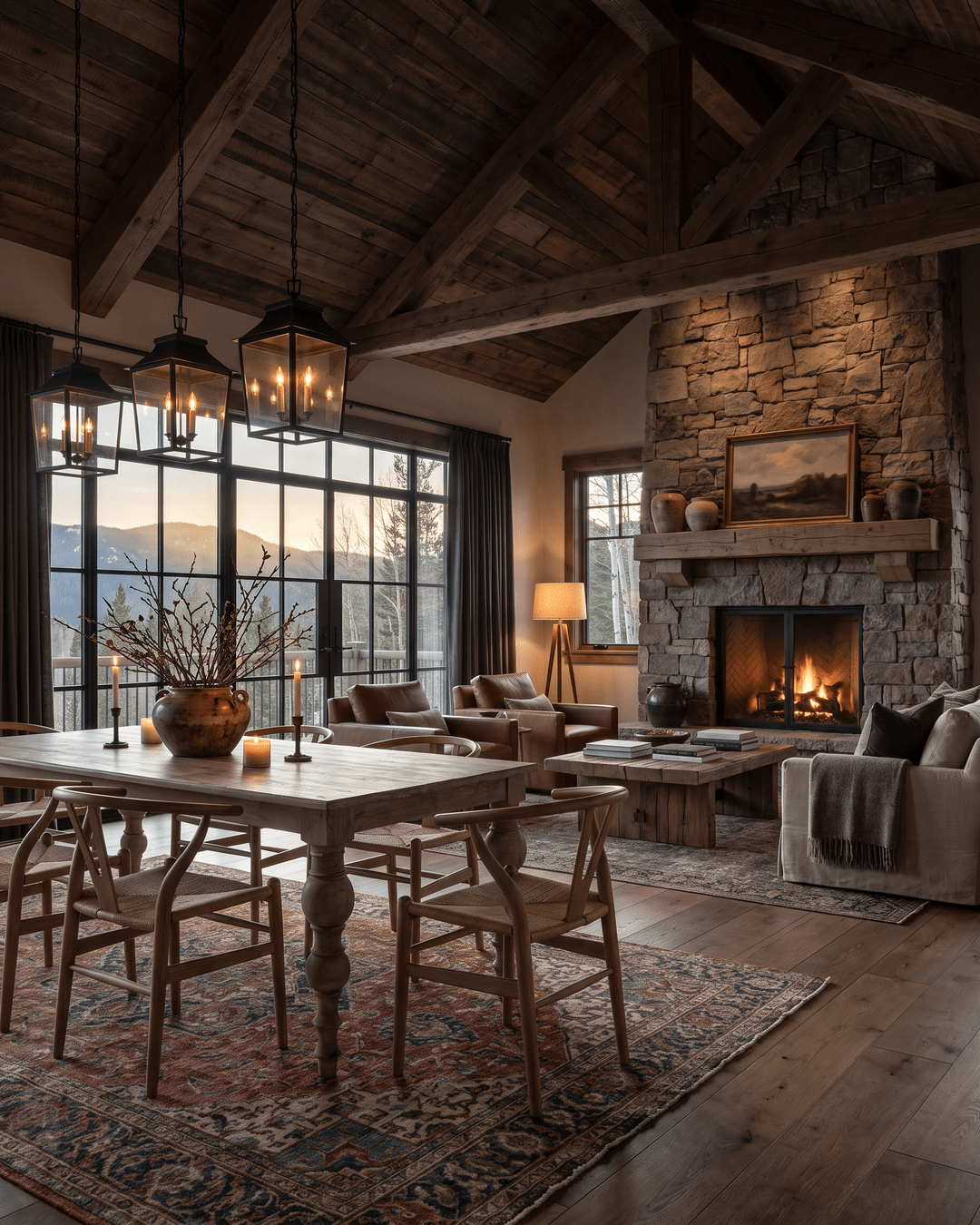
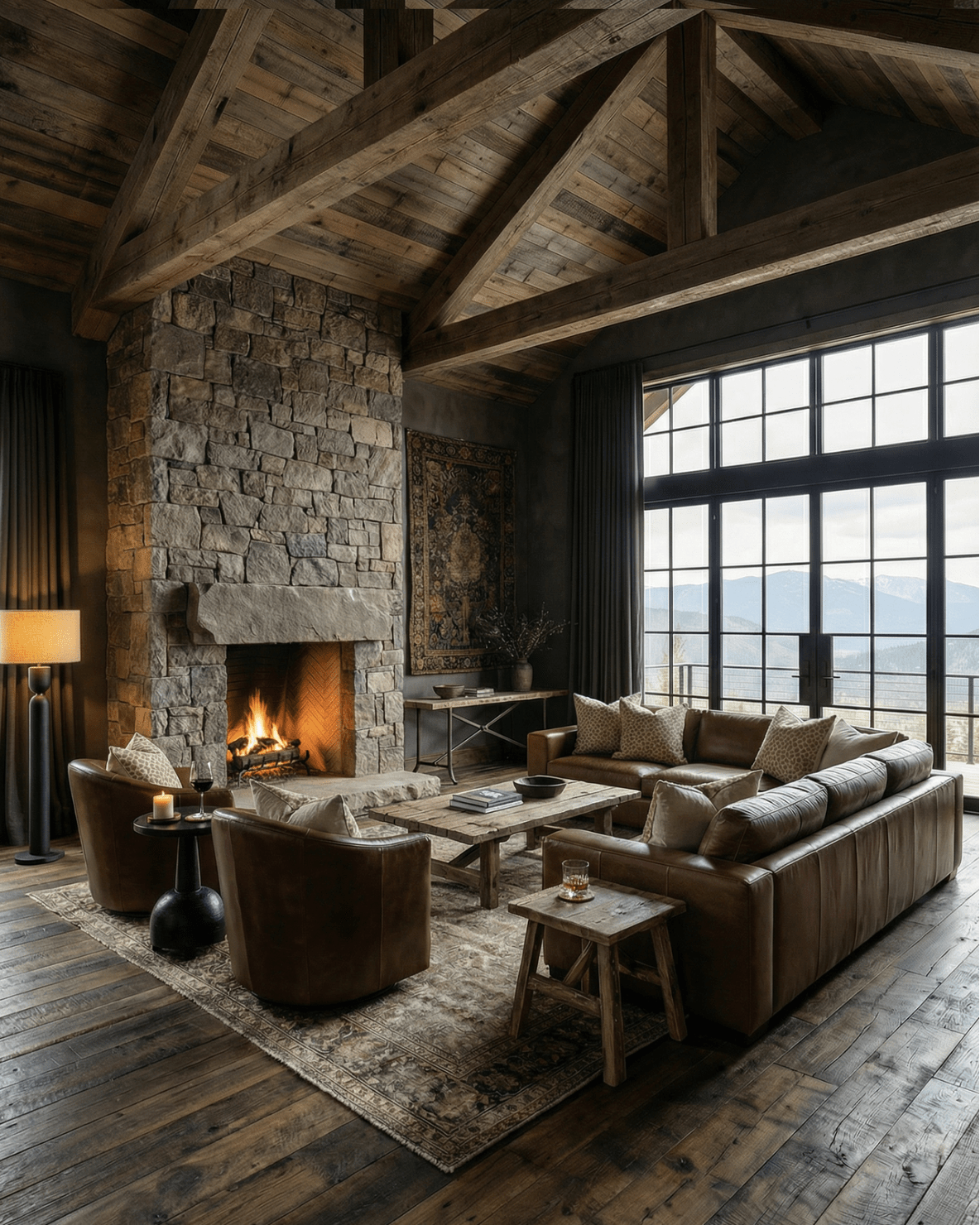
That's because a coffee table isn't just a piece of furniture. It's the visual and functional center of a living room. When the proportions are off, the nervous system notices long before you do.
The good news is that most coffee table problems come back to one simple sizing rule—and once you understand it, choosing between a round coffee table, square coffee table, or rectangle coffee table becomes much easier.
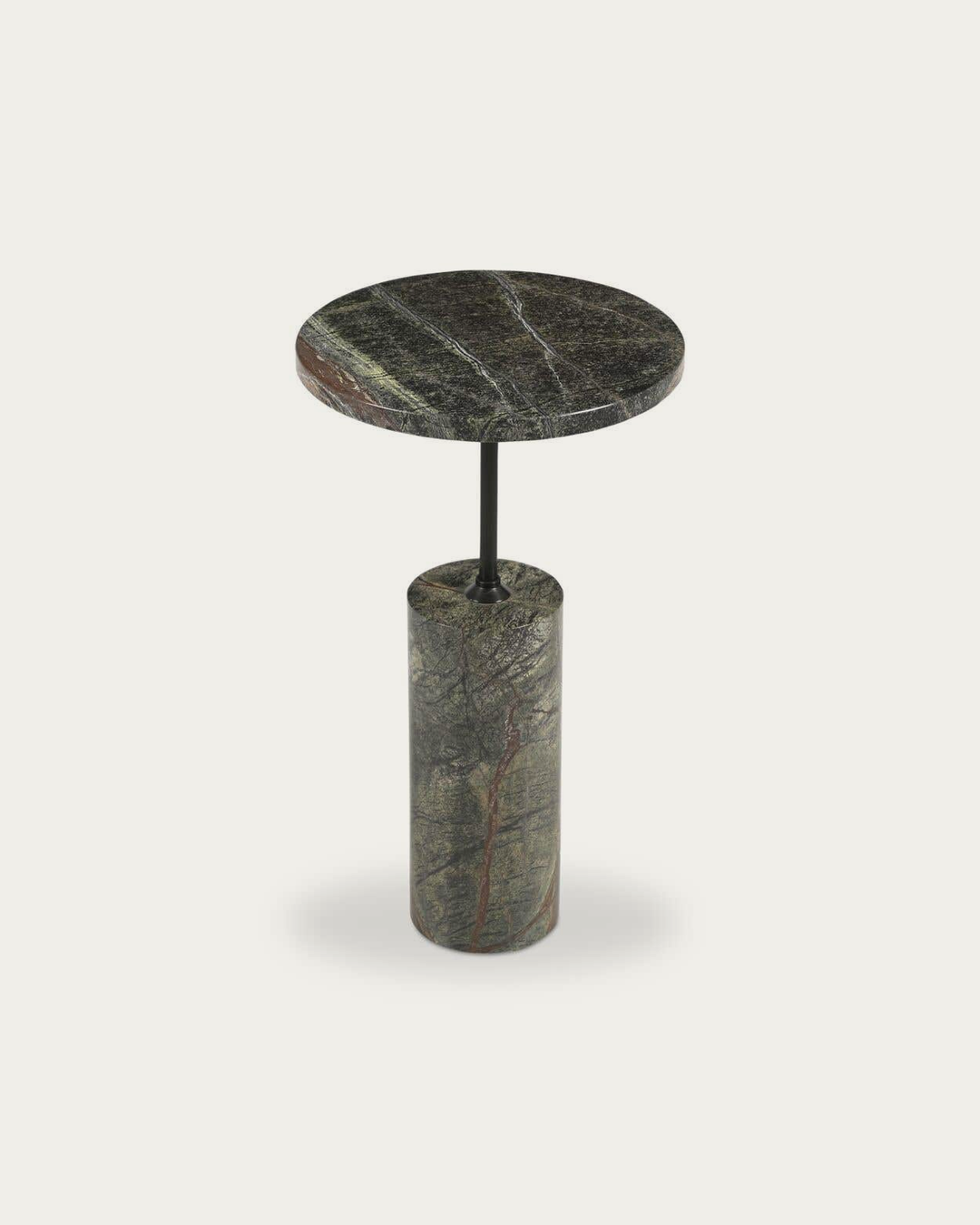
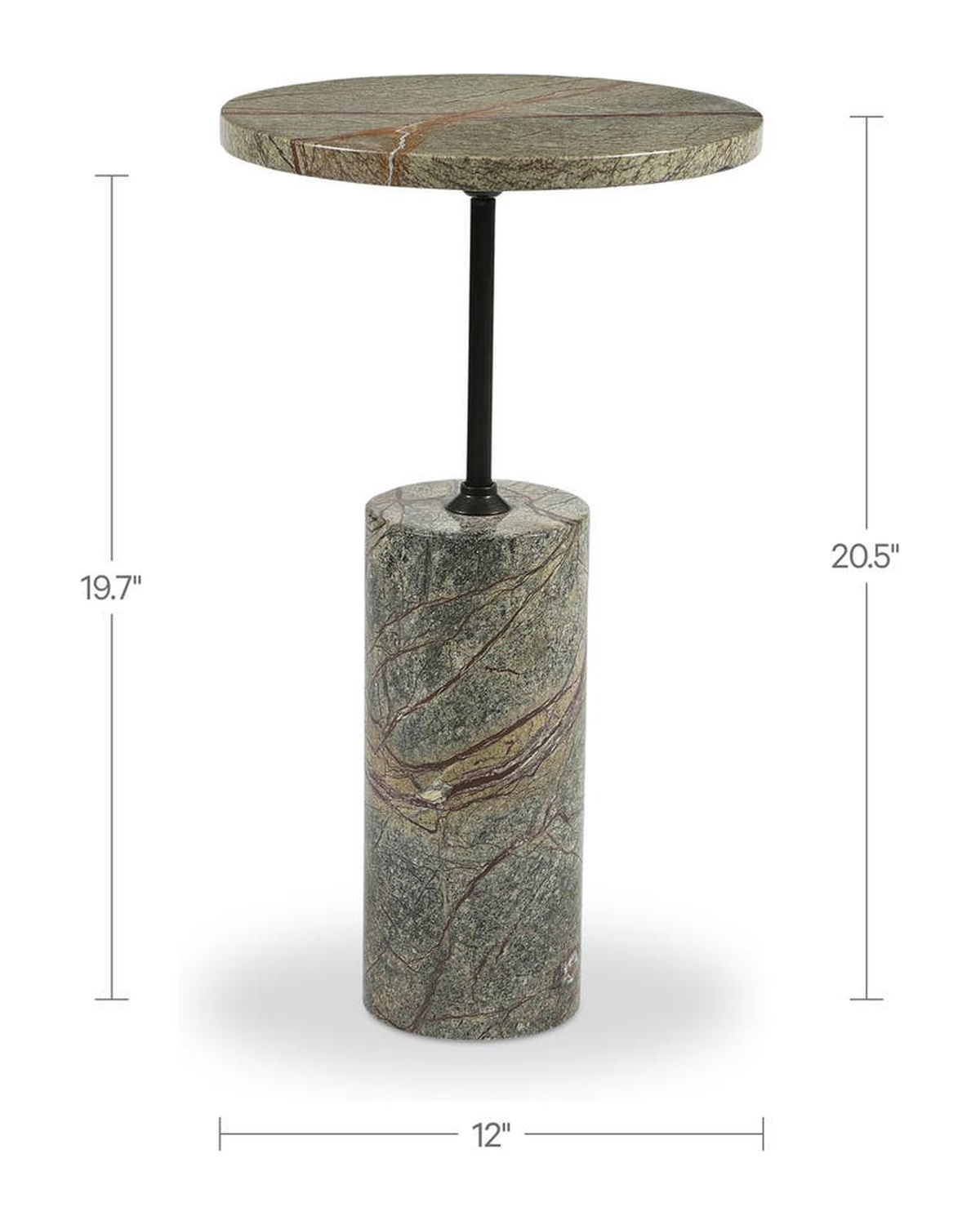
If you're exploring options for your living room, Hello Norden's coffee table collection offers a range of shapes and materials that help create more balanced, grounded spaces.
The Most Common Coffee Table Mistake
The biggest mistake isn't choosing a coffee table that's too large.
It's choosing one that's too small.
For years, many homeowners treated coffee tables like accessories. They selected a small table because it felt safe. It wouldn't overwhelm the room. It wouldn't block circulation.
The result?
The coffee table visually disappears.
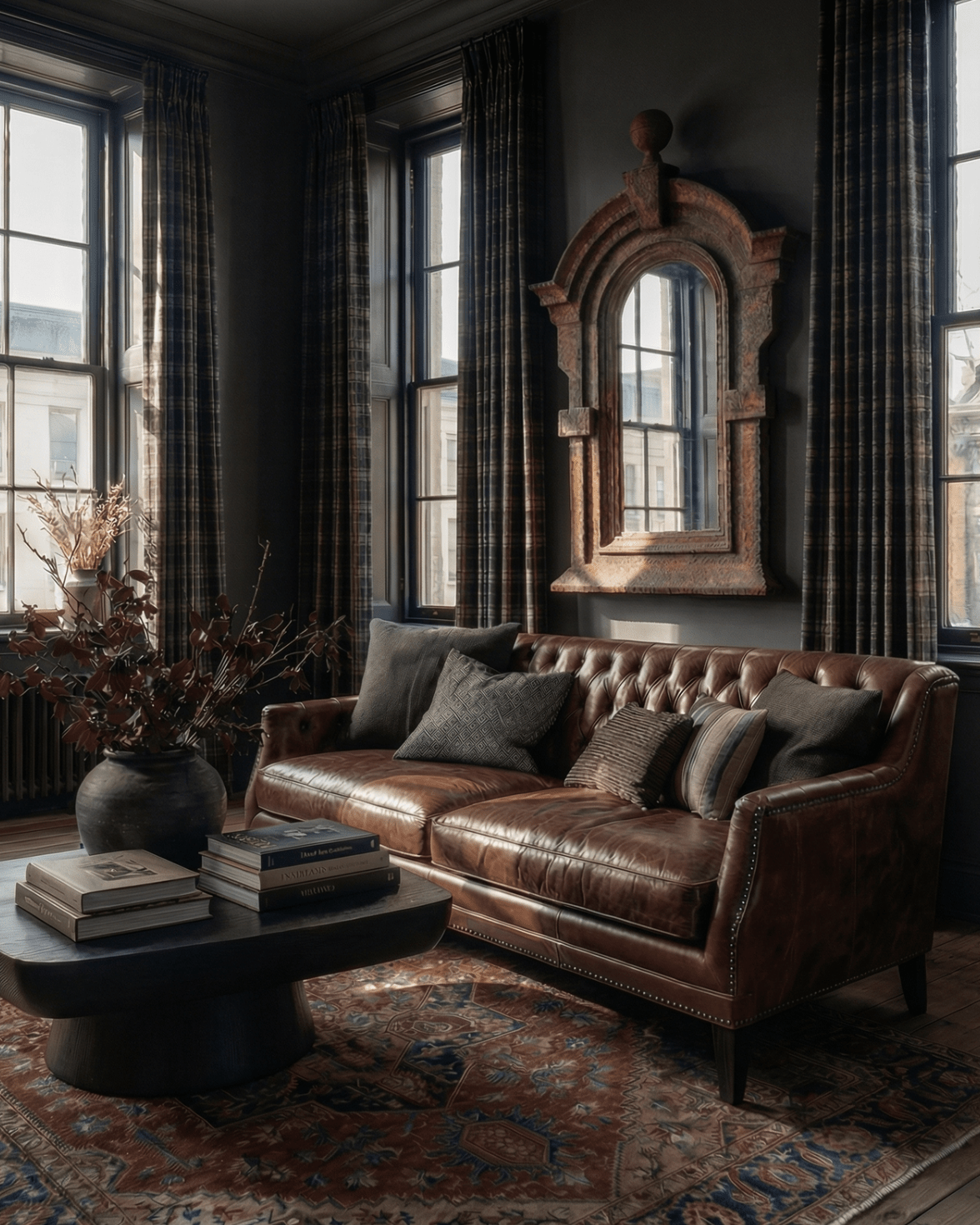
The sofa dominates the space while the table floats awkwardly in the middle like it forgot to finish growing.
This creates visual imbalance because the room lacks a proper anchor.
Why Small Coffee Tables Create Big Problems
The nervous system constantly scans environments for structure and predictability.
When the coffee table feels disconnected from the seating arrangement, the room becomes visually fragmented. The eye keeps searching for relationships between objects that never fully resolve.
That's why undersized coffee tables often make living rooms feel unfinished.
The Rule Most Living Rooms Need
A simple guideline solves most sizing issues:
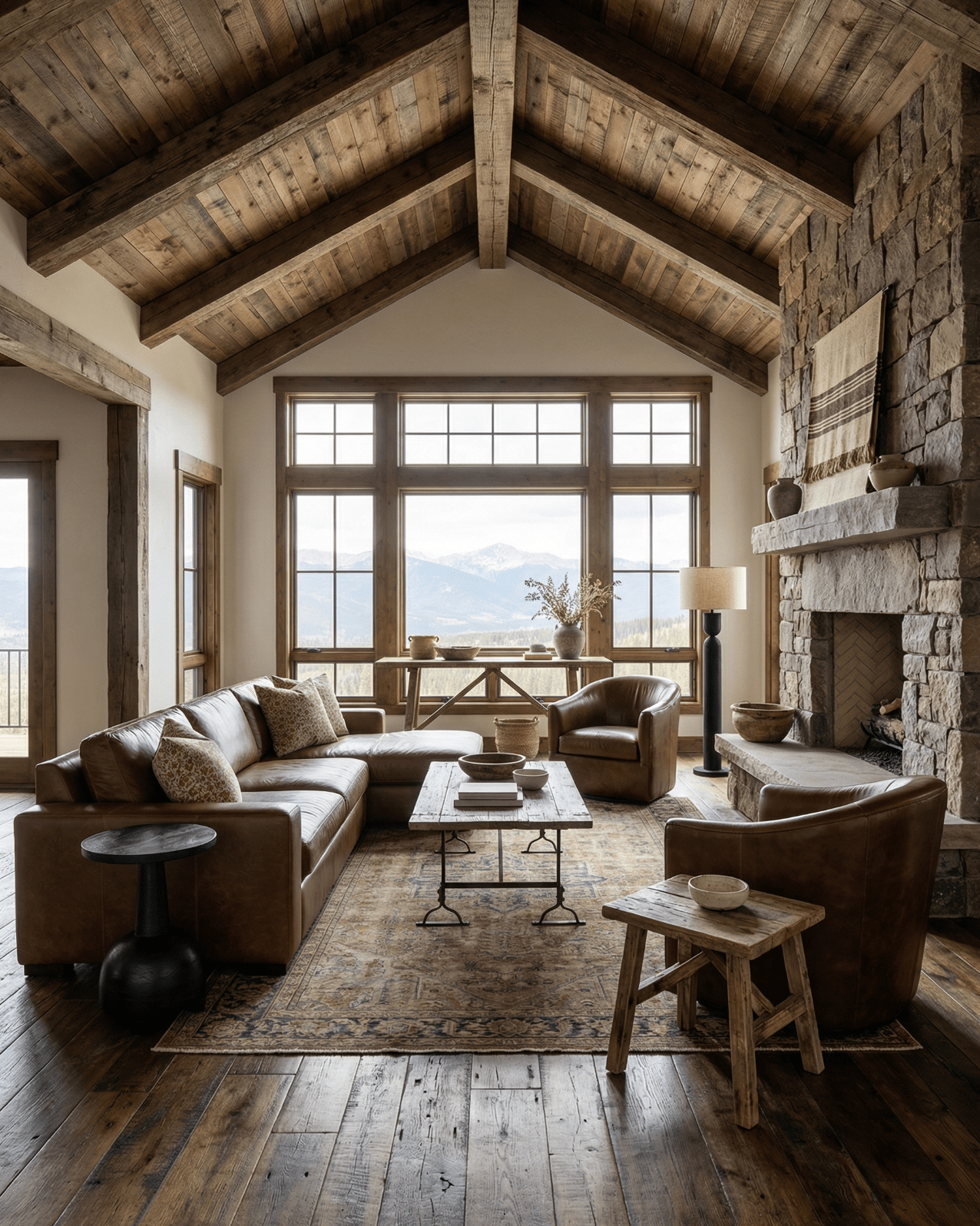
Your coffee table should generally be about two-thirds the length of your sofa.
Not half.
Not one-third.
Not "whatever fits."
Approximately two-thirds.
This creates visual harmony because the furniture pieces feel related without competing.
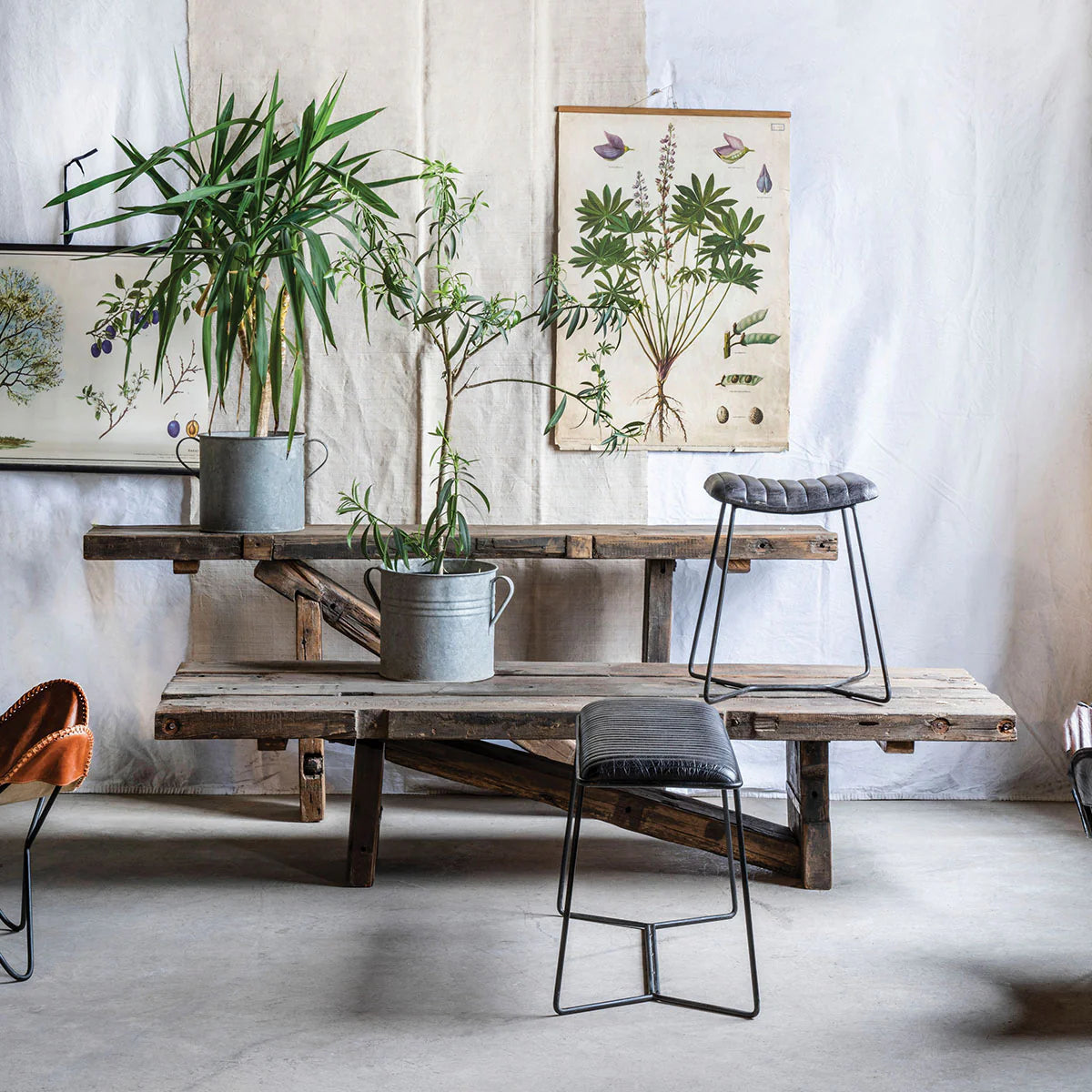
A substantial rectangle coffee table such as the Finn Rustic Wood Coffee Table naturally works well with larger sofas because its length helps maintain proportion. Similarly, the Elin Coffee Table creates visual balance while maintaining a lighter overall presence.
The goal isn't exact math.
The goal is visual relationship.
Proportion Creates Comfort
When furniture pieces feel proportionally connected, the room becomes easier to process.
The eye moves naturally.
Nothing feels disconnected.
The space settles.
Round Coffee Tables Work Best When Movement Matters
One reason round coffee tables have become increasingly popular is because they soften a room.
They reduce visual edges.
They improve circulation.
They also work particularly well in smaller living rooms where pathways are tighter.
A round coffee table allows people to move through a space more easily because there are no corners interrupting traffic flow.
The Ronette Coffee Table creates a strong focal point while keeping movement fluid, while the Villum Coffee Table introduces softer geometry that naturally encourages conversation.
Why Curves Feel Different
The brain processes curved forms differently than sharp edges.
Curves often feel more approachable because they create fewer abrupt visual stops. That's one reason round coffee tables can help a living room feel more relaxed without changing anything else.
Square Coffee Tables Shine in Larger Seating Arrangements
Square coffee tables often get overlooked, but they're one of the most effective options for larger layouts.
Especially:
Sectionals
U-shaped seating
Four-chair arrangements
Larger conversation zones
A square coffee table distributes visual weight evenly, helping large furniture groupings feel connected.
The Rakel Coffee Table works beautifully in larger spaces because its proportions support broader seating layouts, while the Synnova Coffee Table provides a similarly grounded presence with a slightly different material expression.
Why Larger Rooms Need More Visual Weight
One mistake homeowners often make is using small furniture in large rooms.
The room starts feeling disconnected because the furniture lacks enough visual mass to support the architecture.
Square coffee tables often solve this problem naturally.
Rectangle Coffee Tables Remain the Most Versatile
There's a reason rectangle coffee tables remain the default choice in so many living rooms.
They work.
Most sofas are rectangular.
Most living room layouts are rectangular.
Most circulation patterns are rectangular.
Rectangle coffee tables naturally align with those proportions.
The Vidar Salvaged Wood Coffee Table creates strong visual grounding through reclaimed wood texture, while the Fjola Marble Coffee Table introduces a different material experience while maintaining the same practical footprint.
Shape Should Follow Function
Coffee table selection isn't only about aesthetics.
It's about how people actually use the room.
The best shape supports movement, conversation, and daily life rather than simply filling empty space.
Height Matters More Than Most People Think
Length and shape get most of the attention.
Height deserves just as much consideration.
A coffee table that's too tall feels intrusive.
A coffee table that's too low can feel disconnected.
A useful guideline is keeping the table height within a few inches of your sofa seat height.
This creates comfortable reach and visual continuity.
The furniture feels like it belongs together.
Why Consistency Feels Better
The nervous system likes predictability.
When furniture heights relate naturally to one another, the room feels more coherent.
That coherence often translates into comfort.
RUTED Tip: If your living room feels slightly awkward and you can't figure out why, measure your coffee table before buying anything new. People often blame the sofa, rug, lighting, or decor when the real problem is a table that's too small for the room. One correctly sized coffee table can regulate a space faster than a dozen styling accessories ever will.
Material Influences Visual Weight
Size isn't the only factor affecting how large a coffee table feels.
Material matters too.
A heavy reclaimed wood coffee table carries more visual weight than a glass table of the same dimensions.
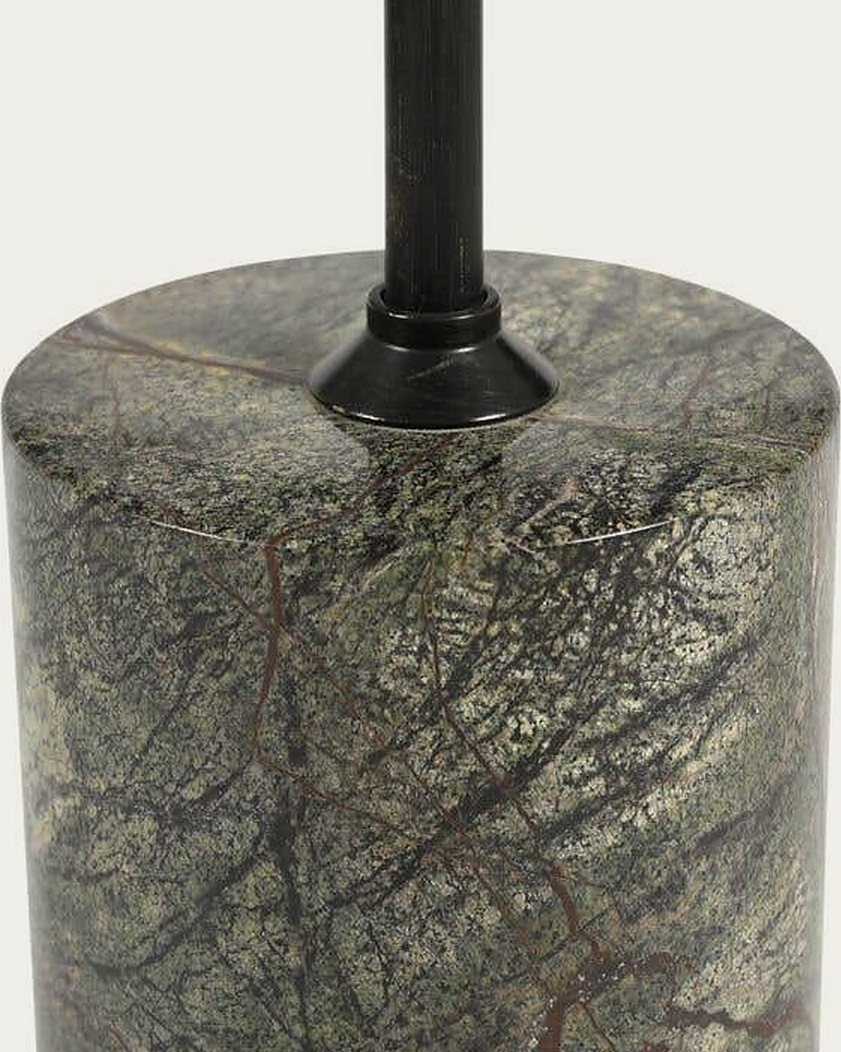
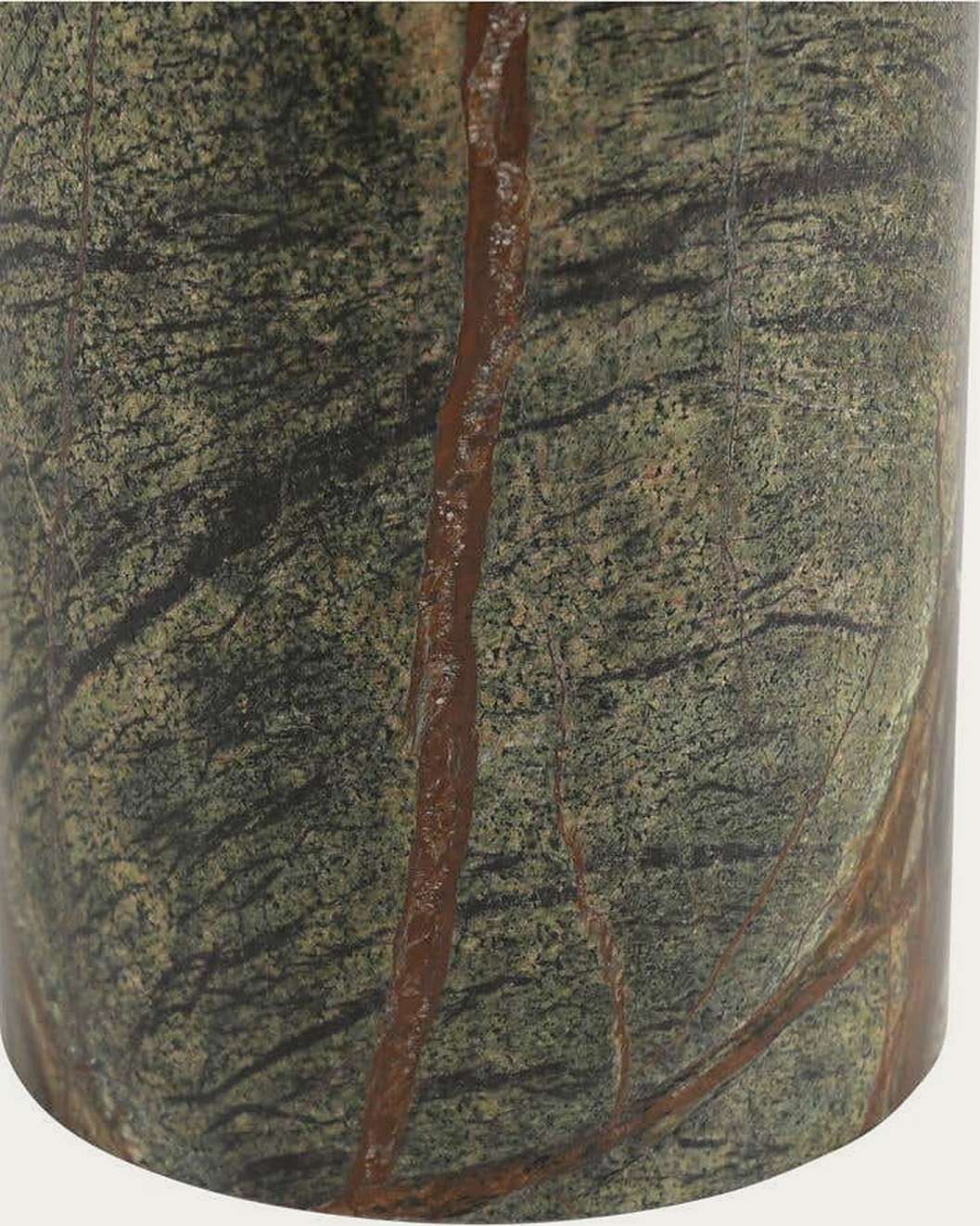
A marble table often feels denser than a lighter timber piece.
This is important because visual weight influences how grounded a room feels.
The Solva Coffee Table creates presence through its substantial form and natural wood character, while the Torjus Coffee Table demonstrates how a round profile can still carry significant visual weight.
The Brain Notices Density
People rarely think about visual density consciously.
The brain does.
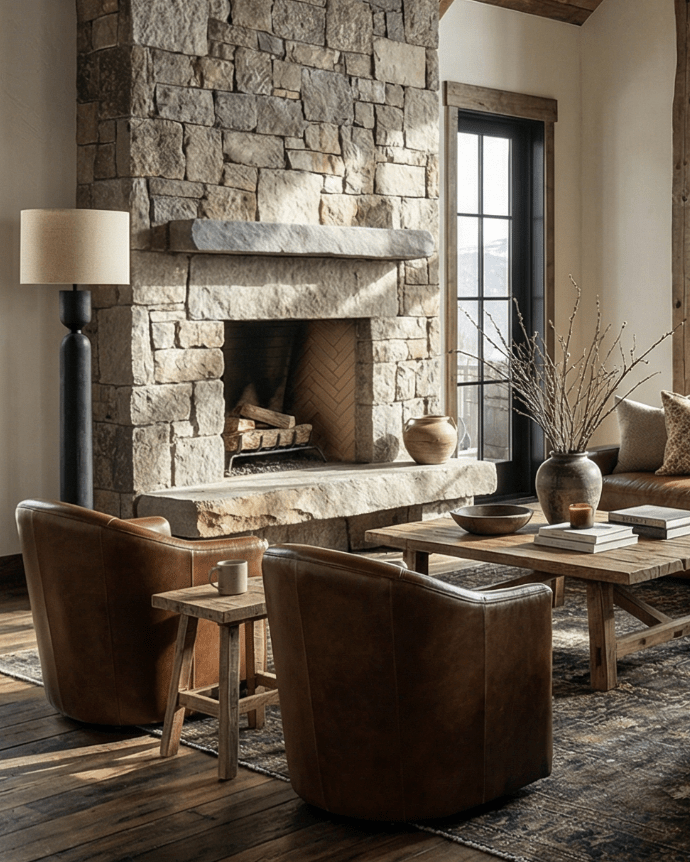
Heavier-looking materials often create stronger anchors within a room, helping larger spaces feel more settled and less fragmented.
The Best Coffee Tables Connect the Entire Room
The strongest living rooms don't rely on a coffee table as a standalone object.
The coffee table acts as a bridge.
It connects:
Sofa to chairs
Furniture to rug
Materials to architecture
Function to aesthetics
When the sizing is correct, the room feels effortless.
When it's wrong, the room keeps fighting itself.
That's why coffee table selection deserves more attention than it often receives.
It's not just a surface for books and drinks.
It's one of the primary pieces responsible for how a living room feels.
The Right Coffee Table Makes the Whole Room Make Sense
The most successful living rooms aren't necessarily the largest or the most expensive.
They're the ones where the furniture feels connected.
A coffee table that's proportionate to the seating.
A shape that supports movement.
A material that adds visual weight.
A scale that helps anchor the room.
Those decisions create spaces that feel calmer, more functional, and easier to live in.
Before choosing between a round coffee table, square coffee table, or rectangle coffee table, start with the sizing rule most living rooms get wrong.
Get the proportions right first.
Everything else becomes much easier afterward.
Explore Hello Norden's coffee table collection to discover coffee tables designed to bring balance, texture, and visual grounding into the living room.