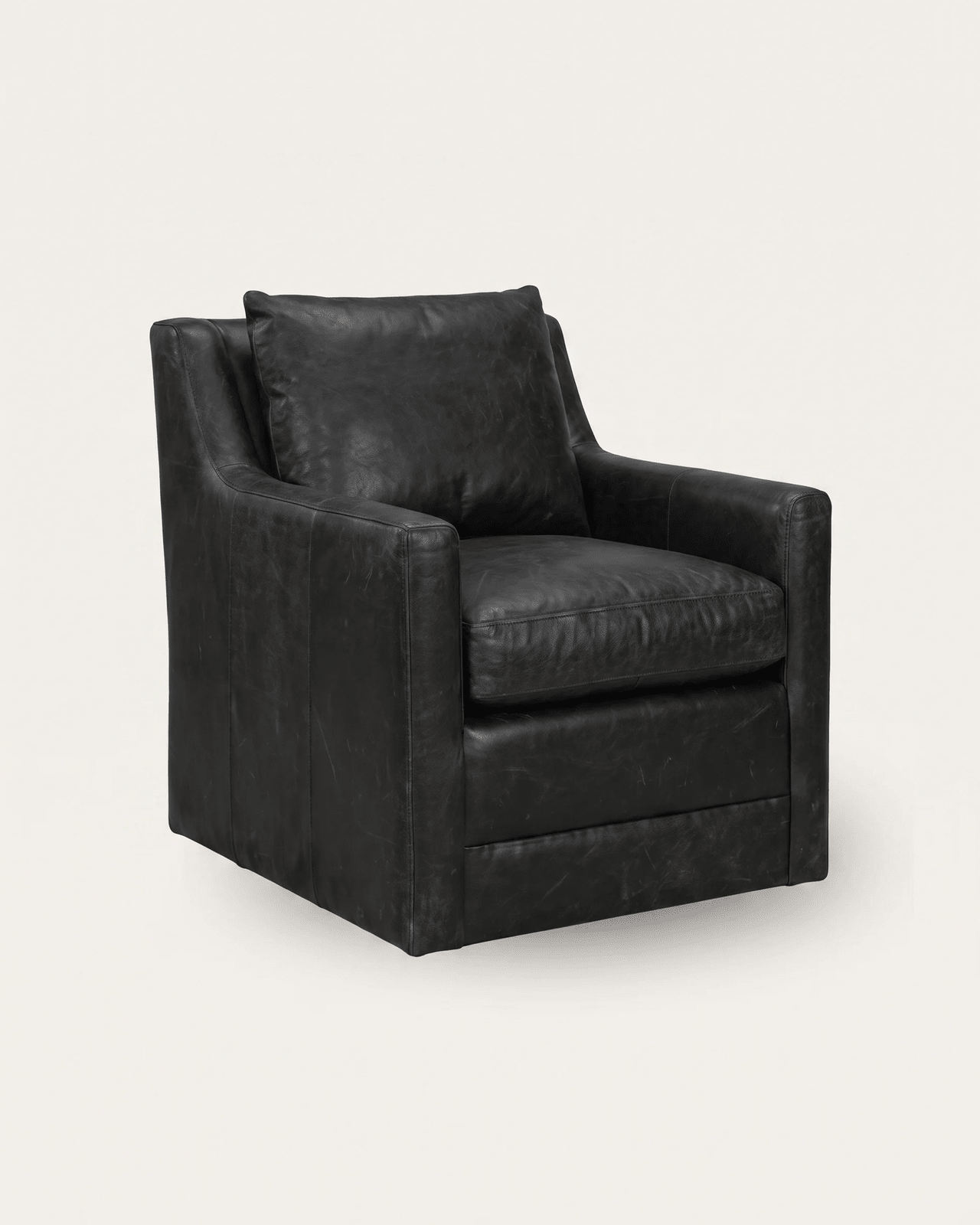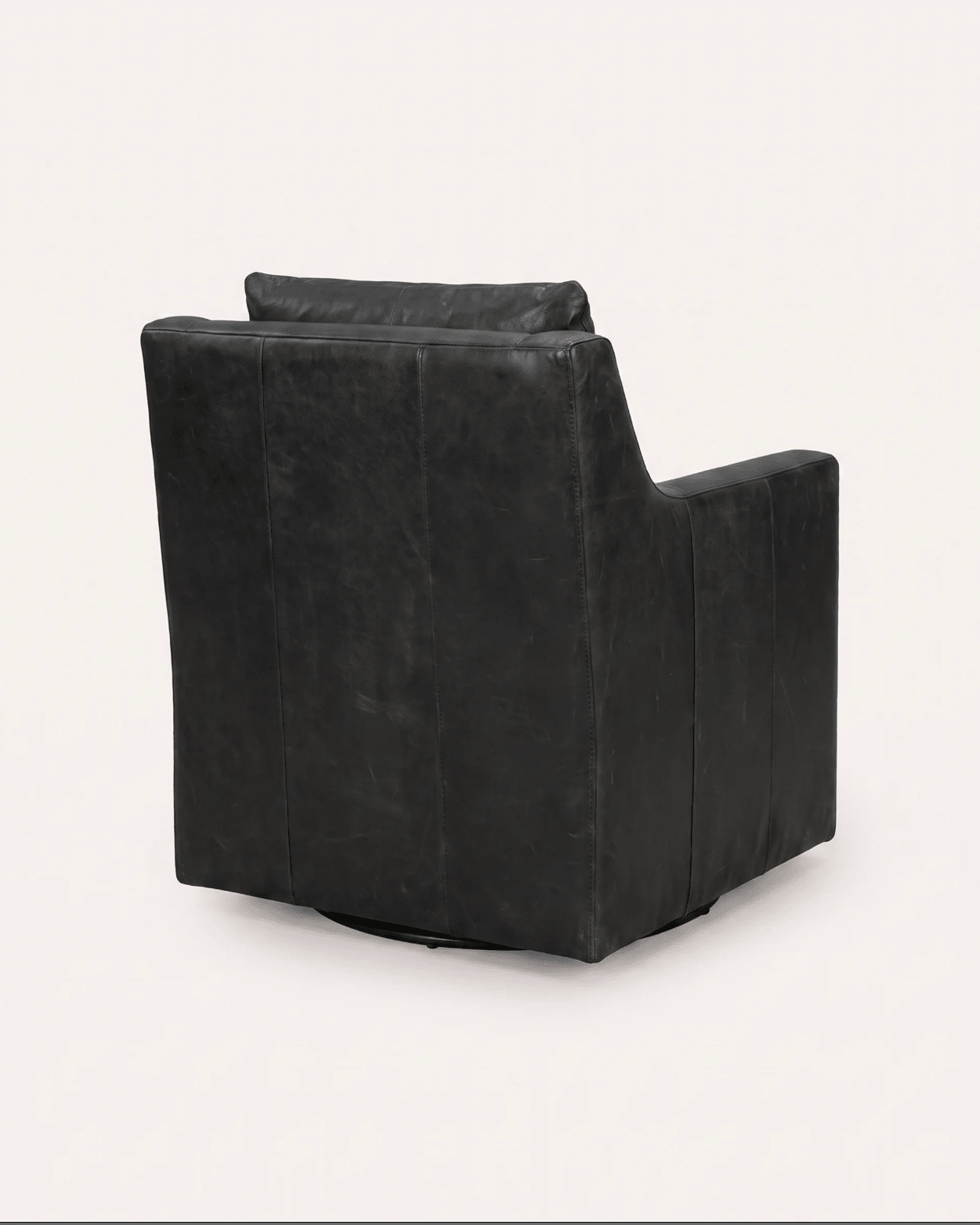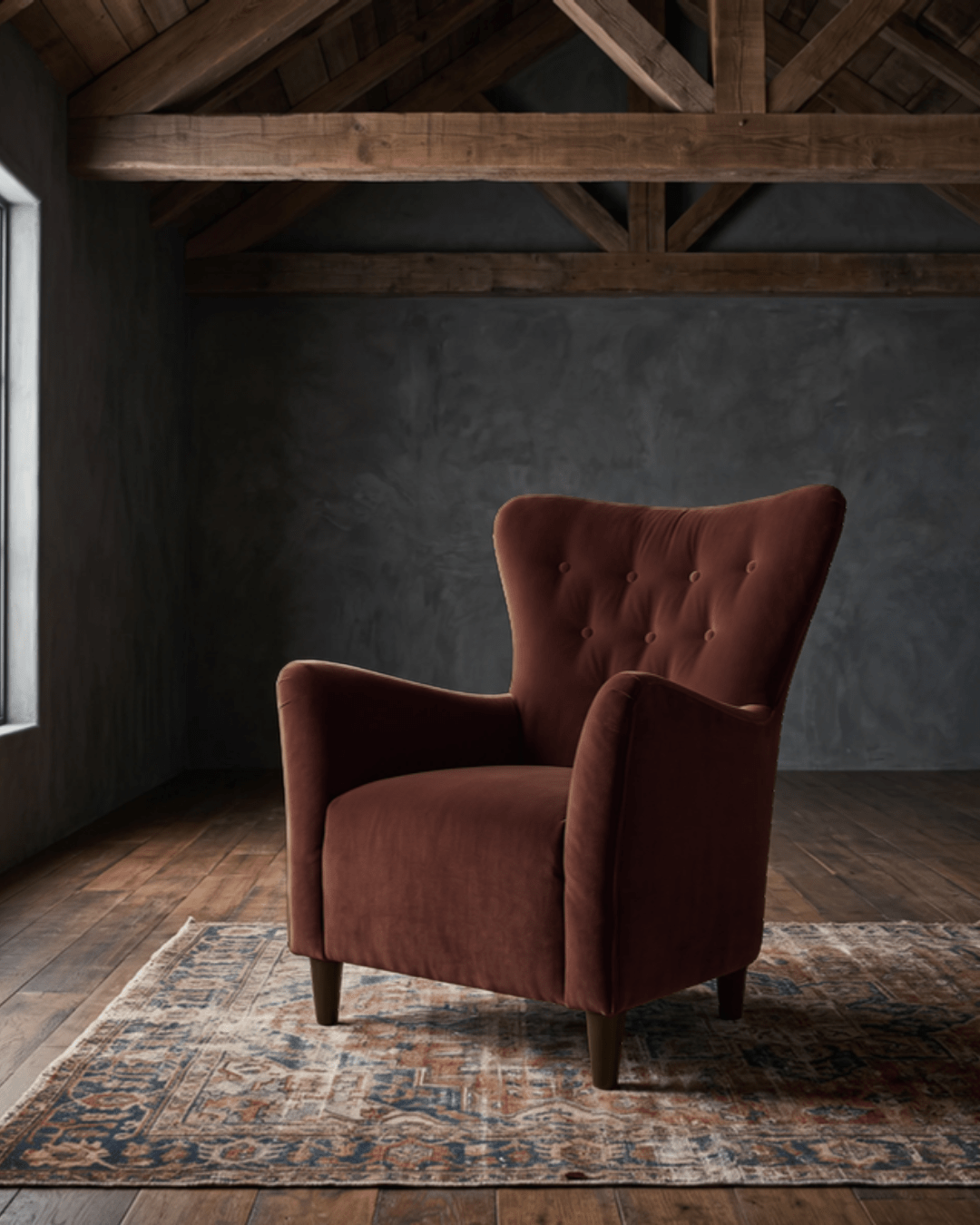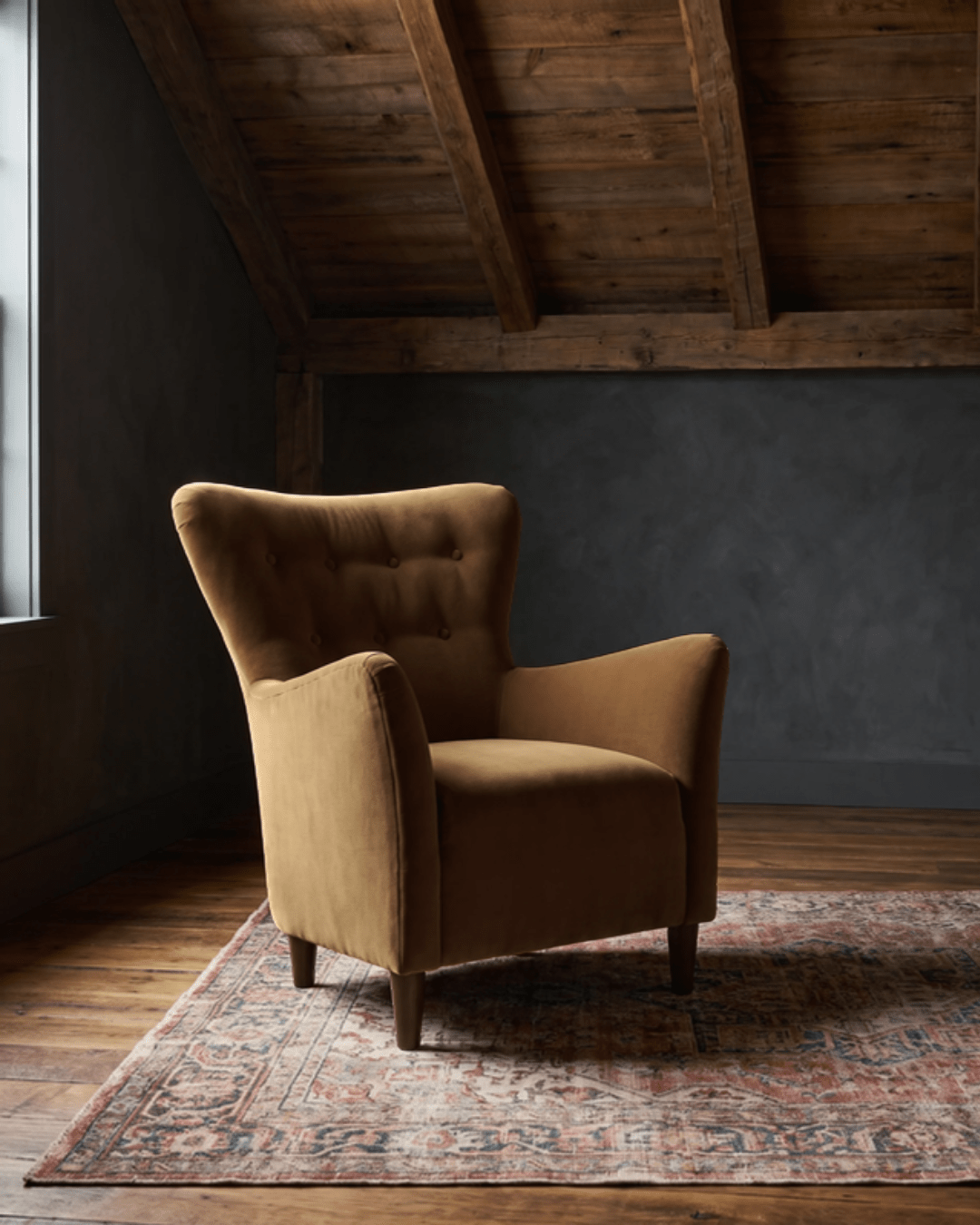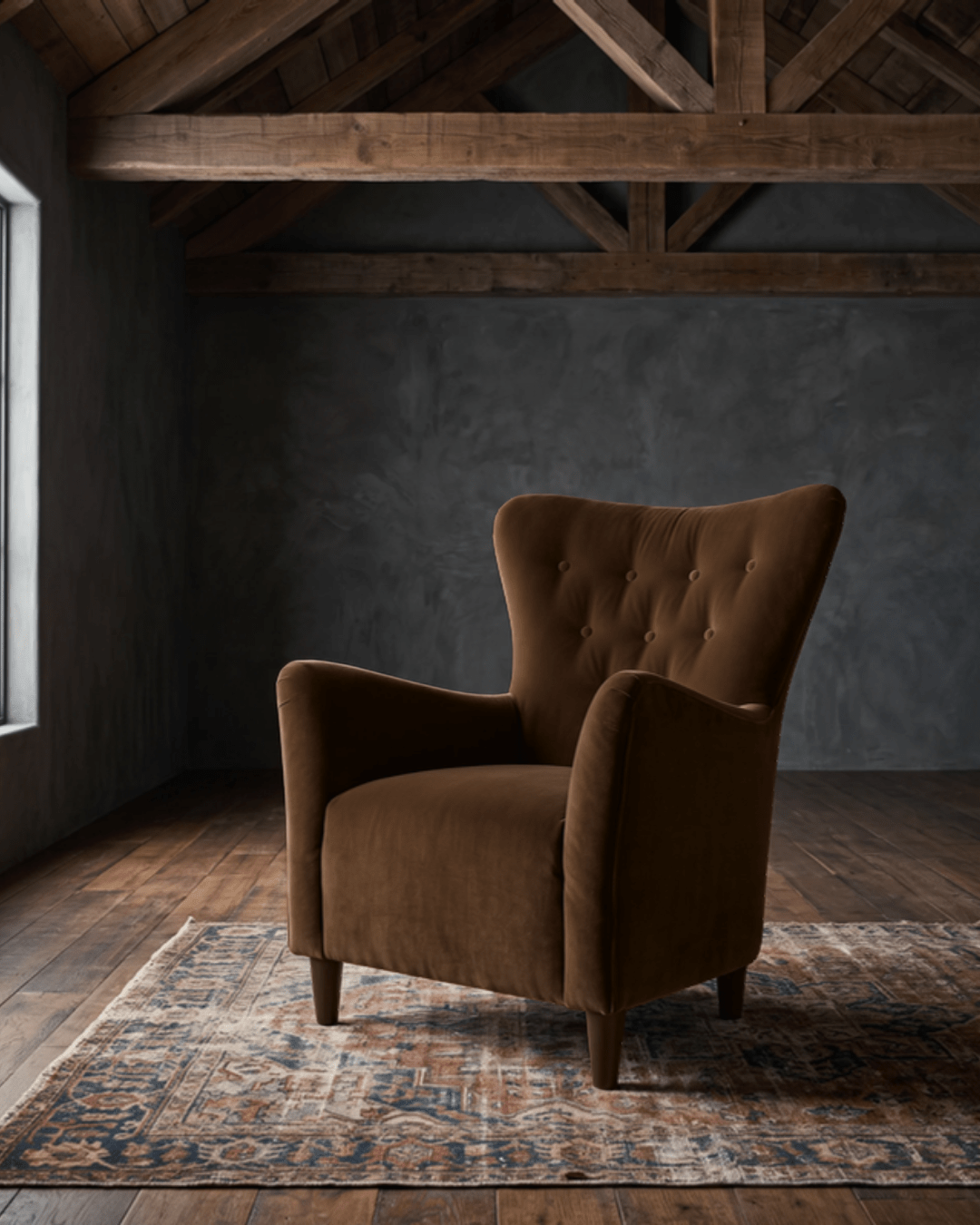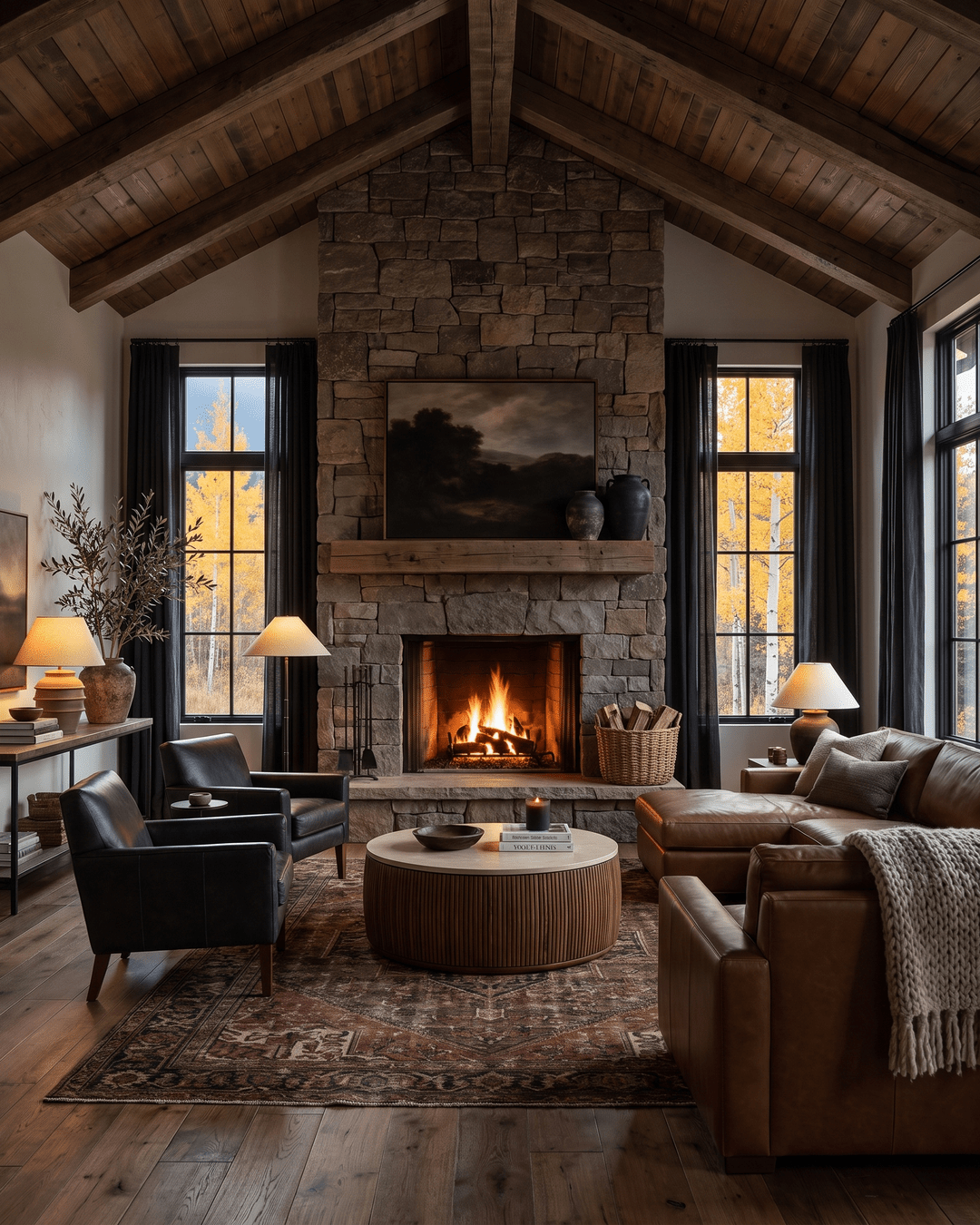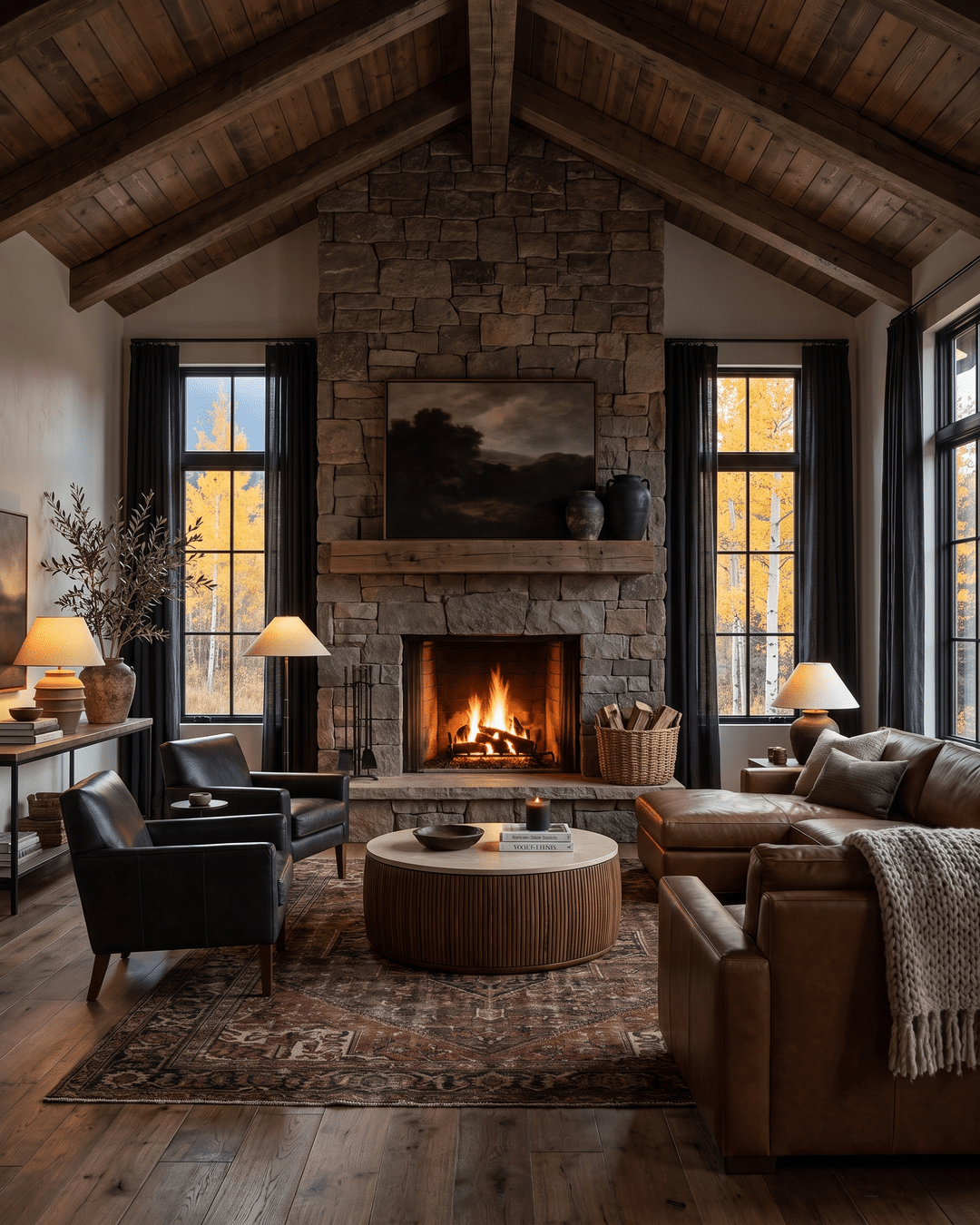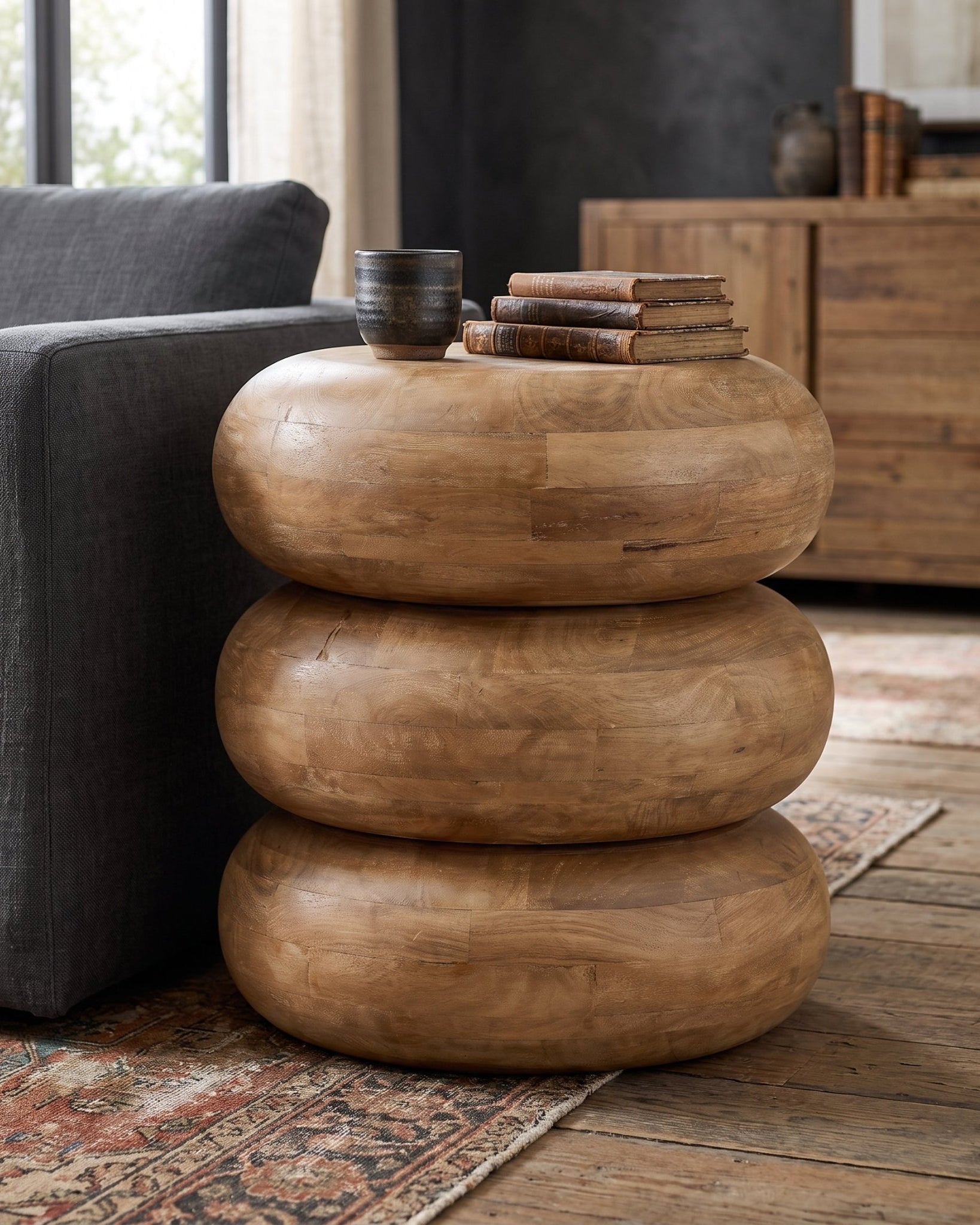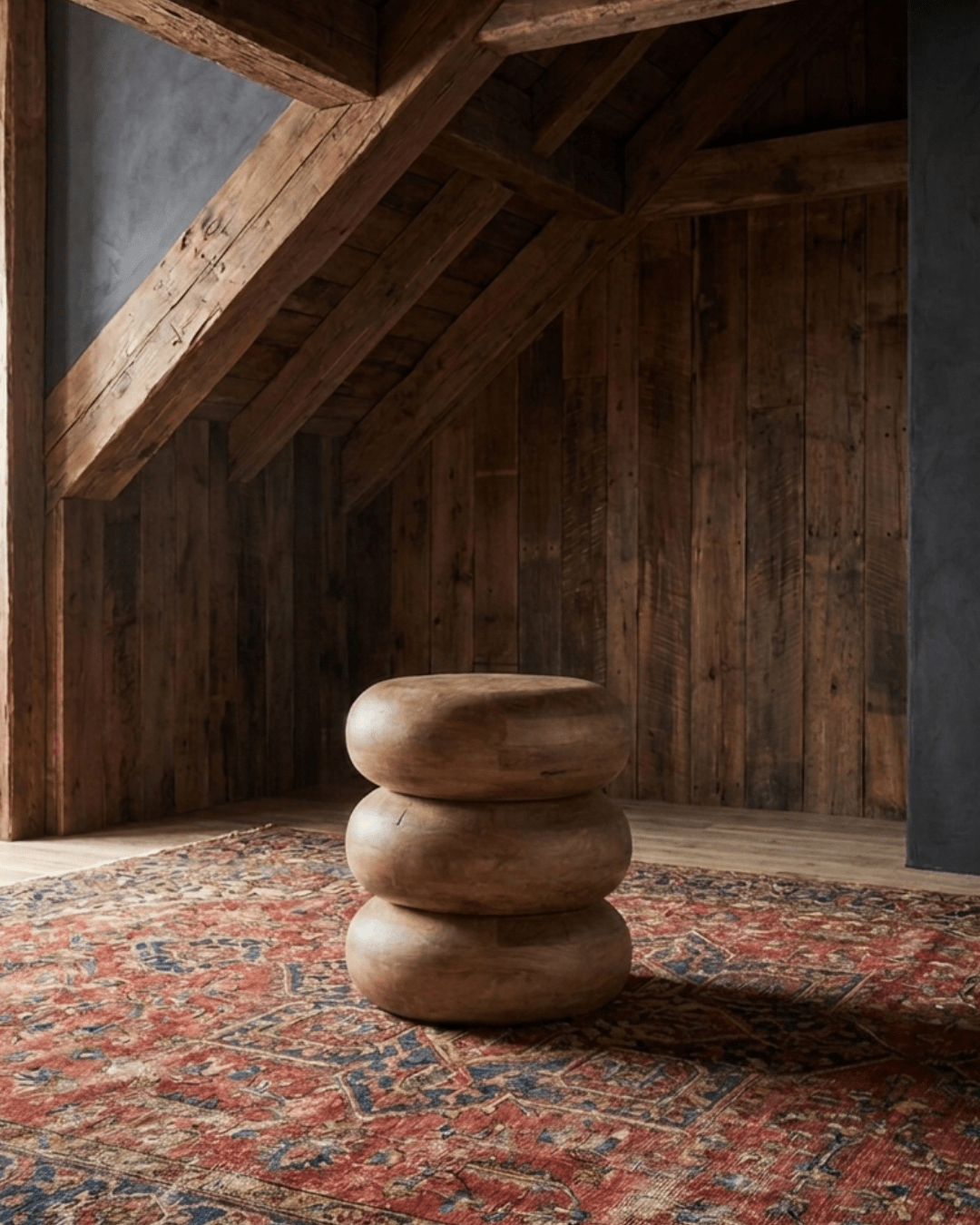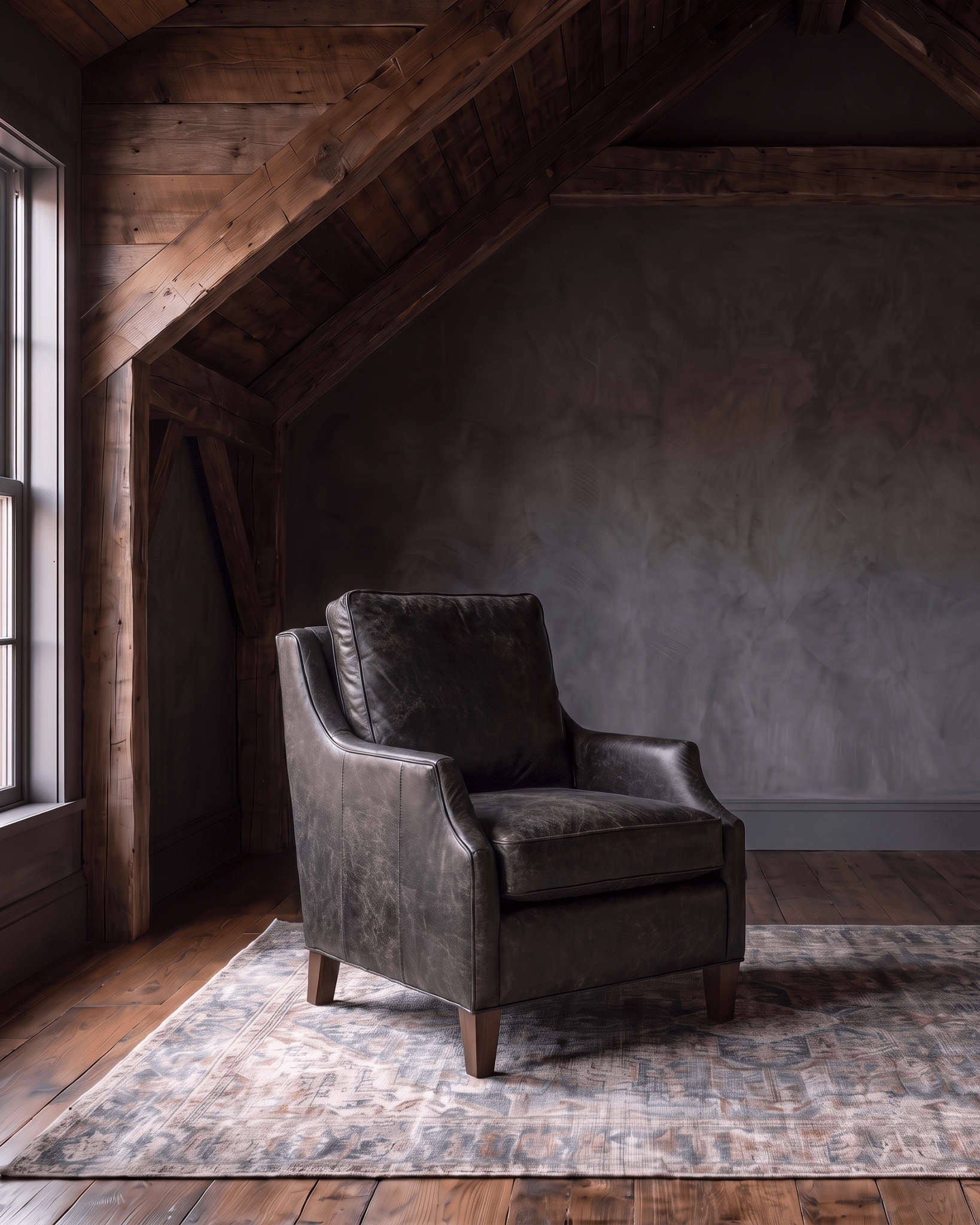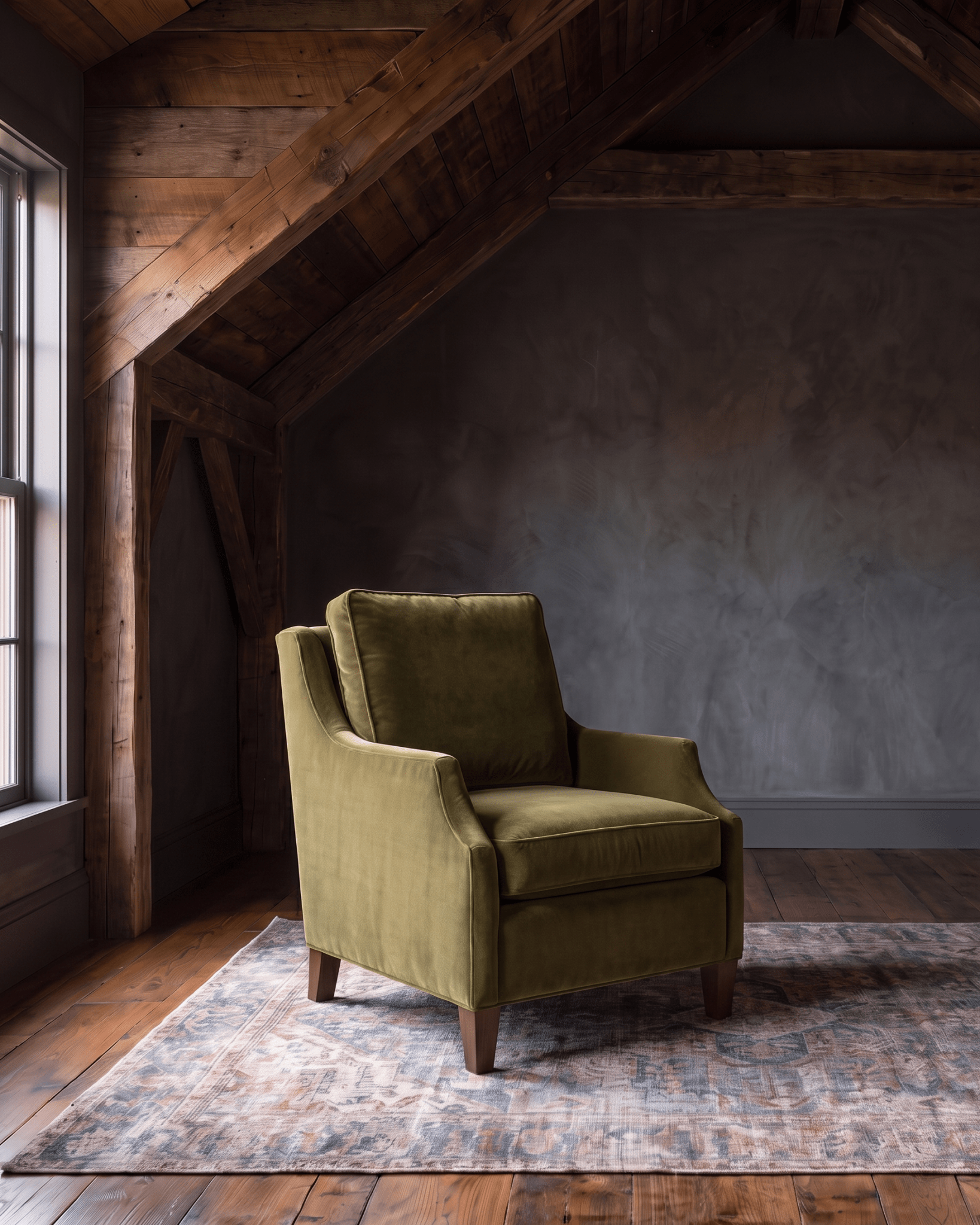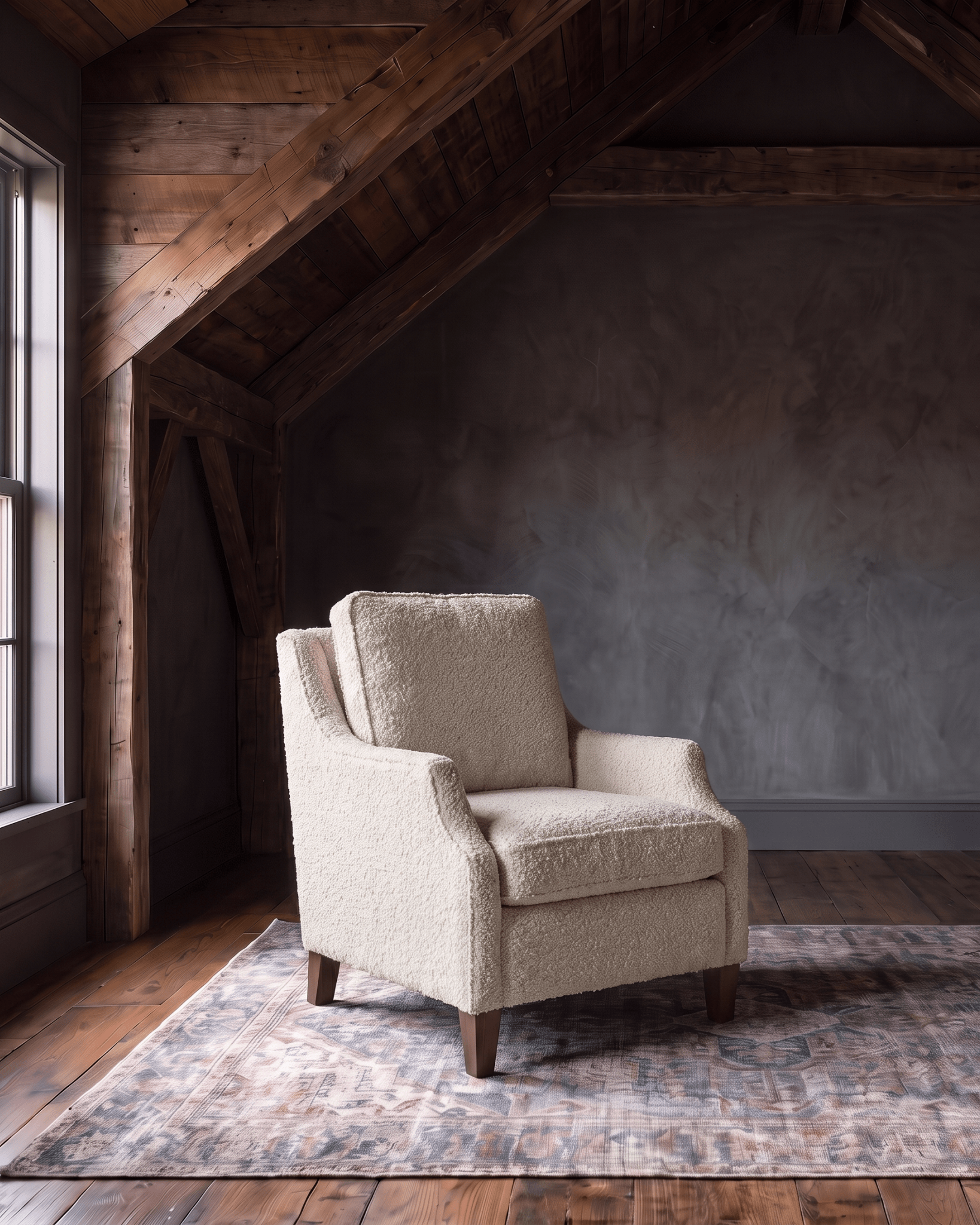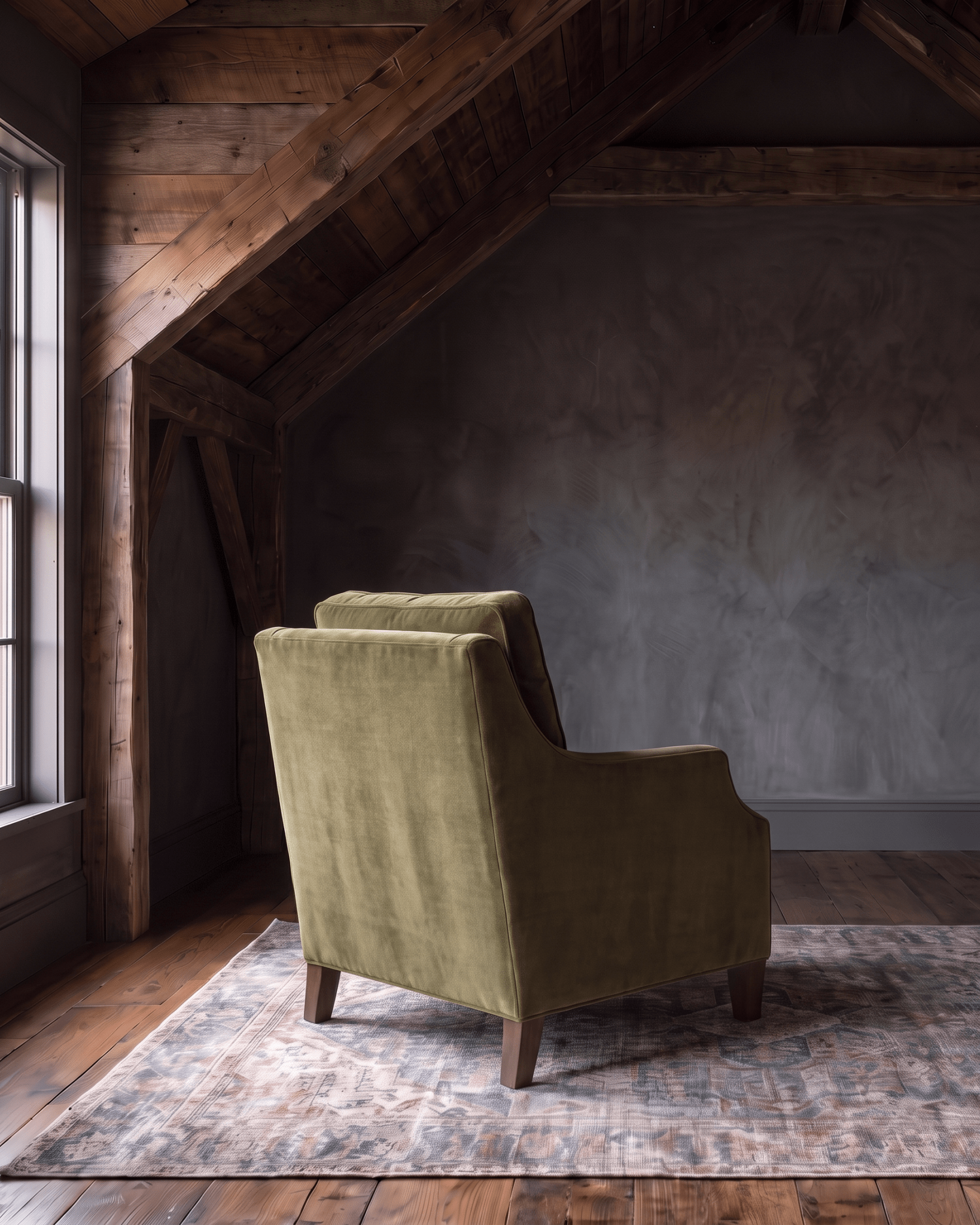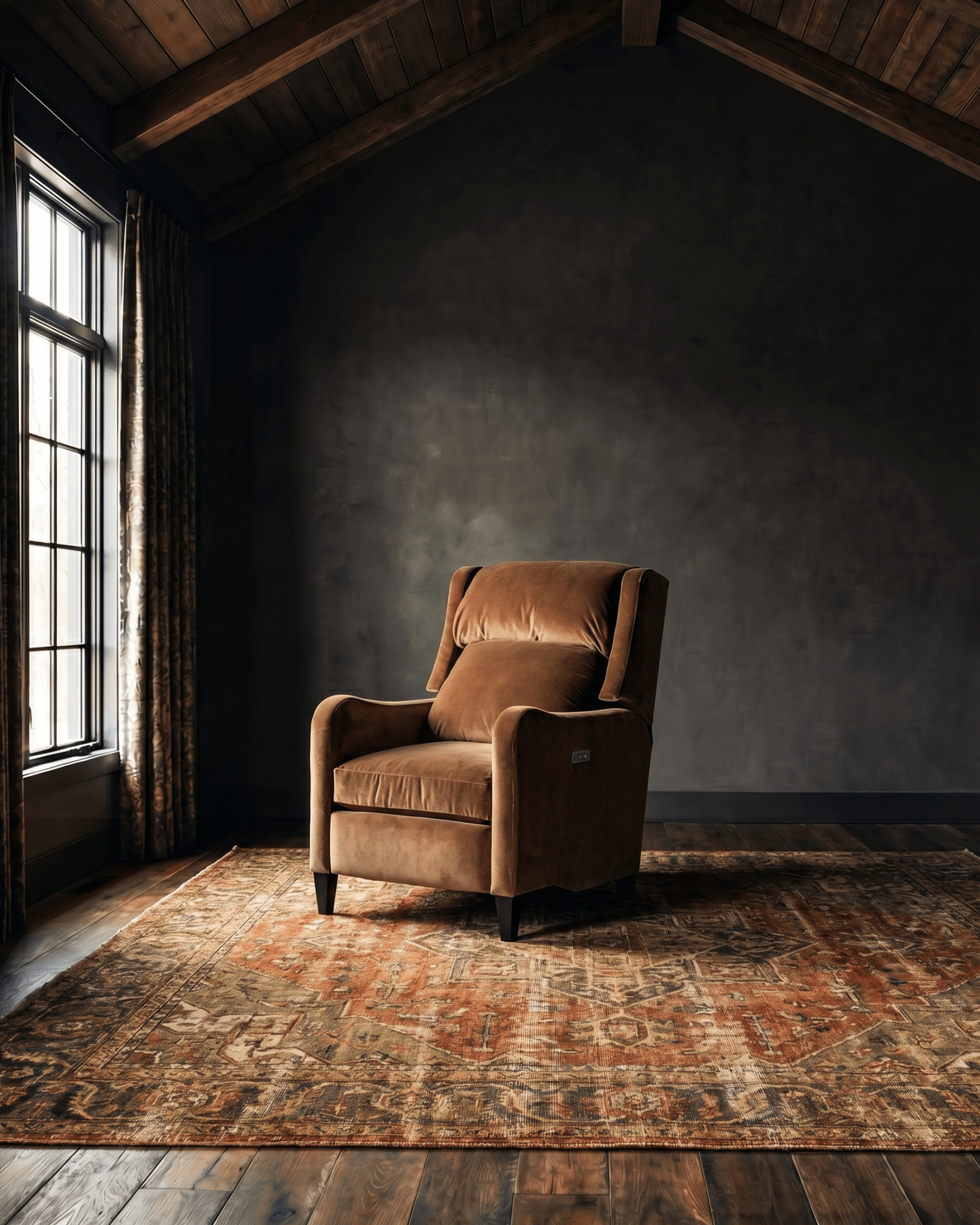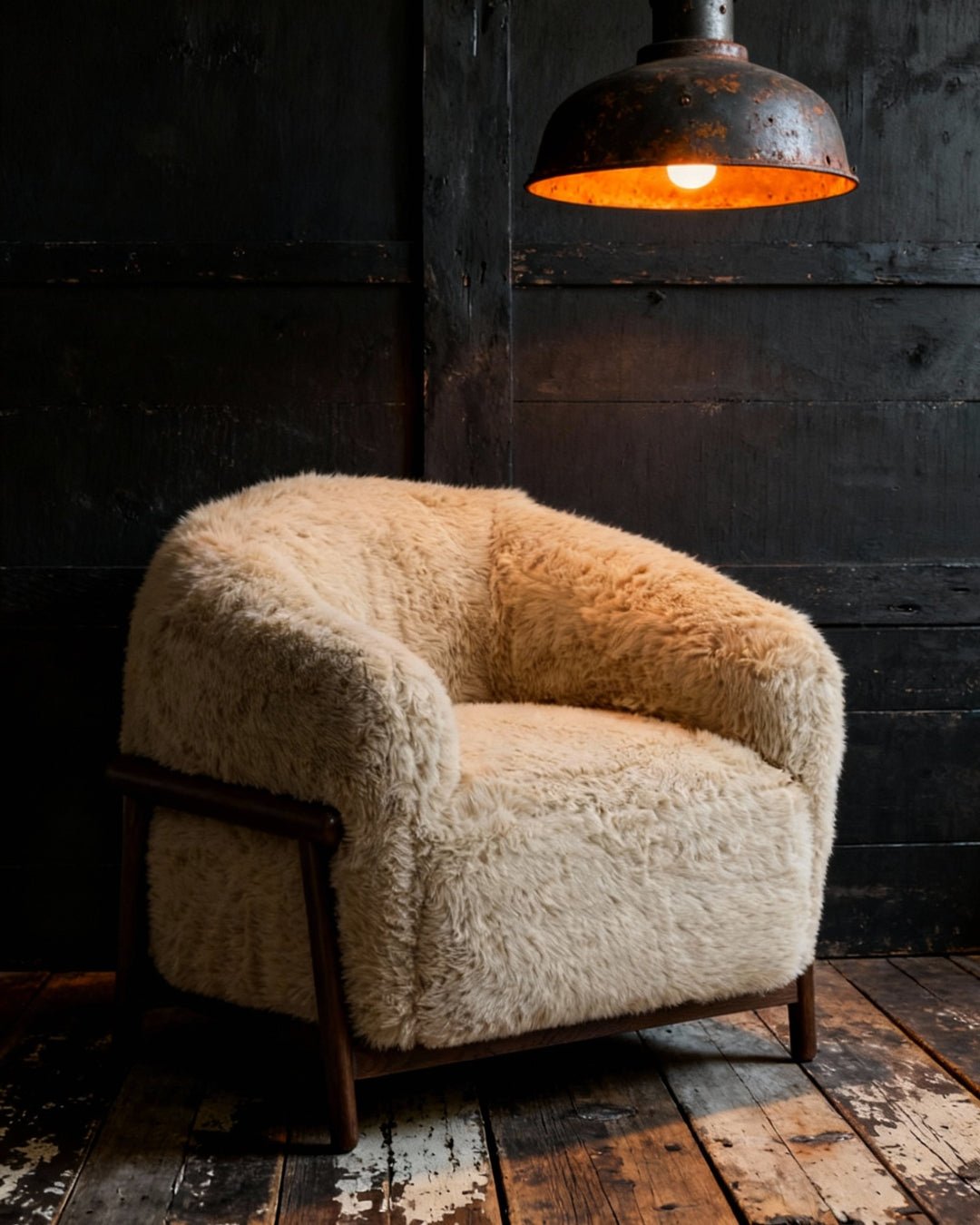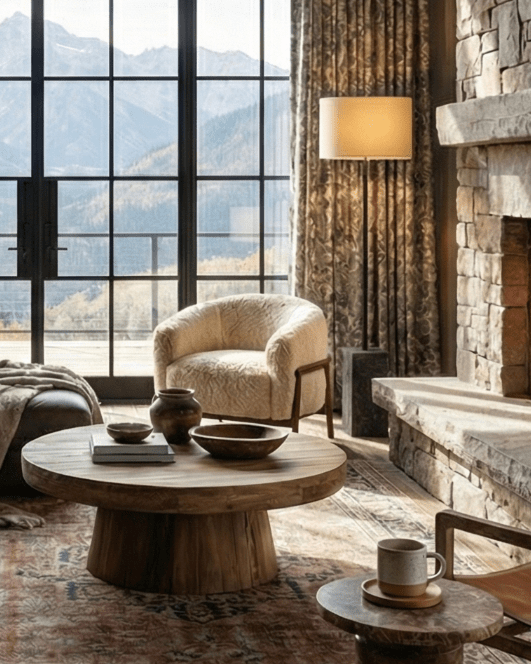









For decades, the dining room followed one simple rule: buy six matching chairs, push them around a table, and never question it.
Then something shifted.
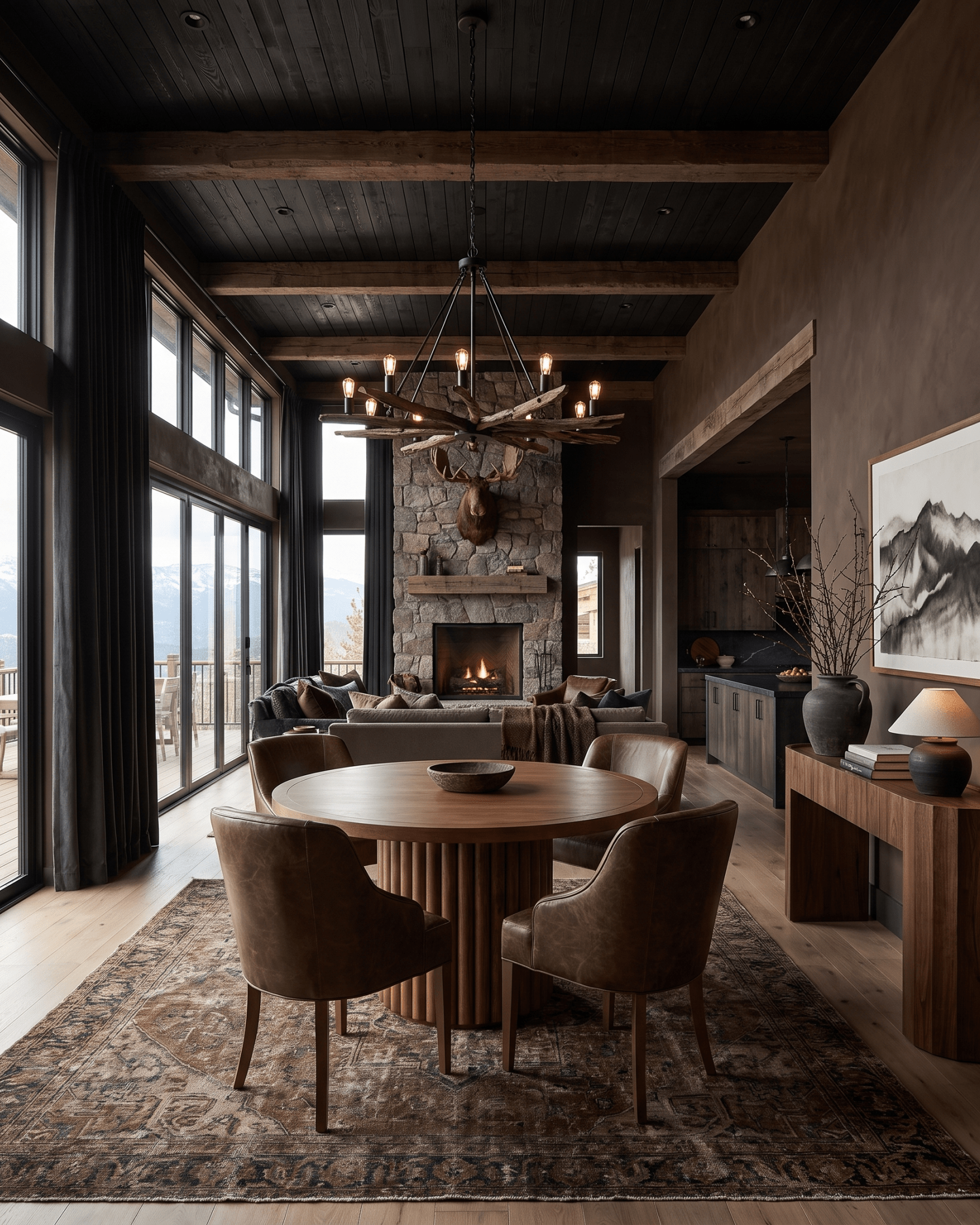
Some of the most interesting dining rooms today are doing the exact opposite. Upholstered dining chairs sit beside wood dining chairs. Head chairs differ from side chairs. Materials mix. Textures overlap. The room feels collected rather than purchased all at once.
The result isn't just more visually interesting. It's often more comfortable for the nervous system too.
A layered dining room gives the eye places to move and rest naturally. It creates rhythm instead of repetition. The trick is understanding how to mix dining chairs without creating visual chaos.
Many designers begin by pulling from a curated mix of styles within Hello Norden's dining chair collection where upholstered and wood dining chairs can be combined in ways that feel intentional rather than random.
Why Mixed Dining Chairs Feel More Interesting to the Brain
The human brain loves patterns.
What it doesn't love is monotony.
When every chair is identical, the room can feel predictable to the point of becoming visually flat. When every chair is completely different, the brain works harder trying to find order.
The sweet spot sits somewhere in the middle.
Neuroscience shows that humans tend to feel most comfortable in environments that balance novelty with familiarity. A layered dining room creates exactly that balance. There is enough variation to keep the eye engaged, but enough consistency to keep the room feeling coherent.
That's why mixed dining chairs often feel more natural than perfectly matched sets.
The goal isn't to create contrast for the sake of contrast.
The goal is to create visual rhythm.
Start With a Common Thread
The easiest way to mix dining chairs successfully is to choose one element that repeats throughout the arrangement.
It might be:
Similar seat heights
Consistent wood tones
Matching upholstery colors
Shared silhouettes
Repeated materials
Think of it as giving the brain a roadmap.
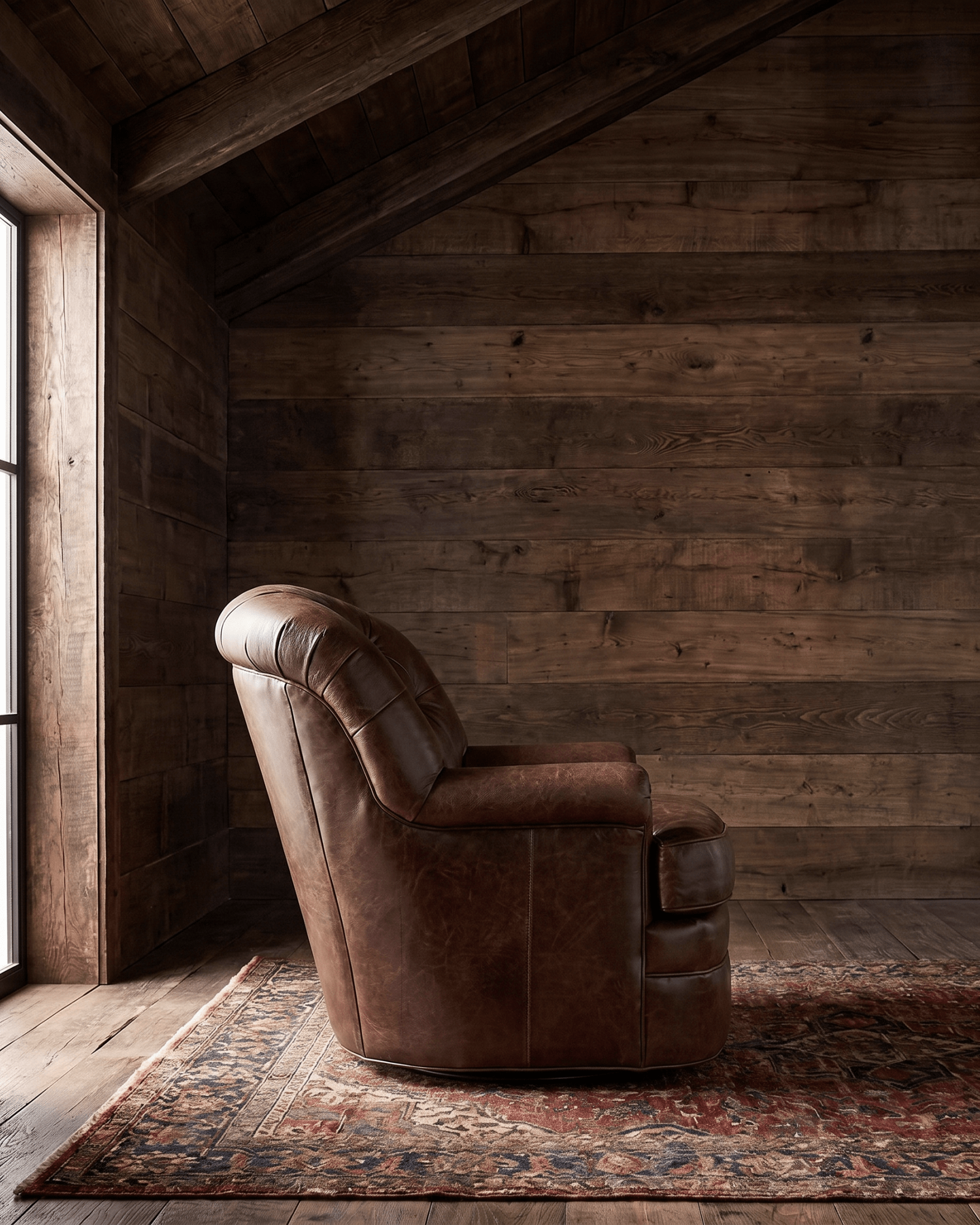
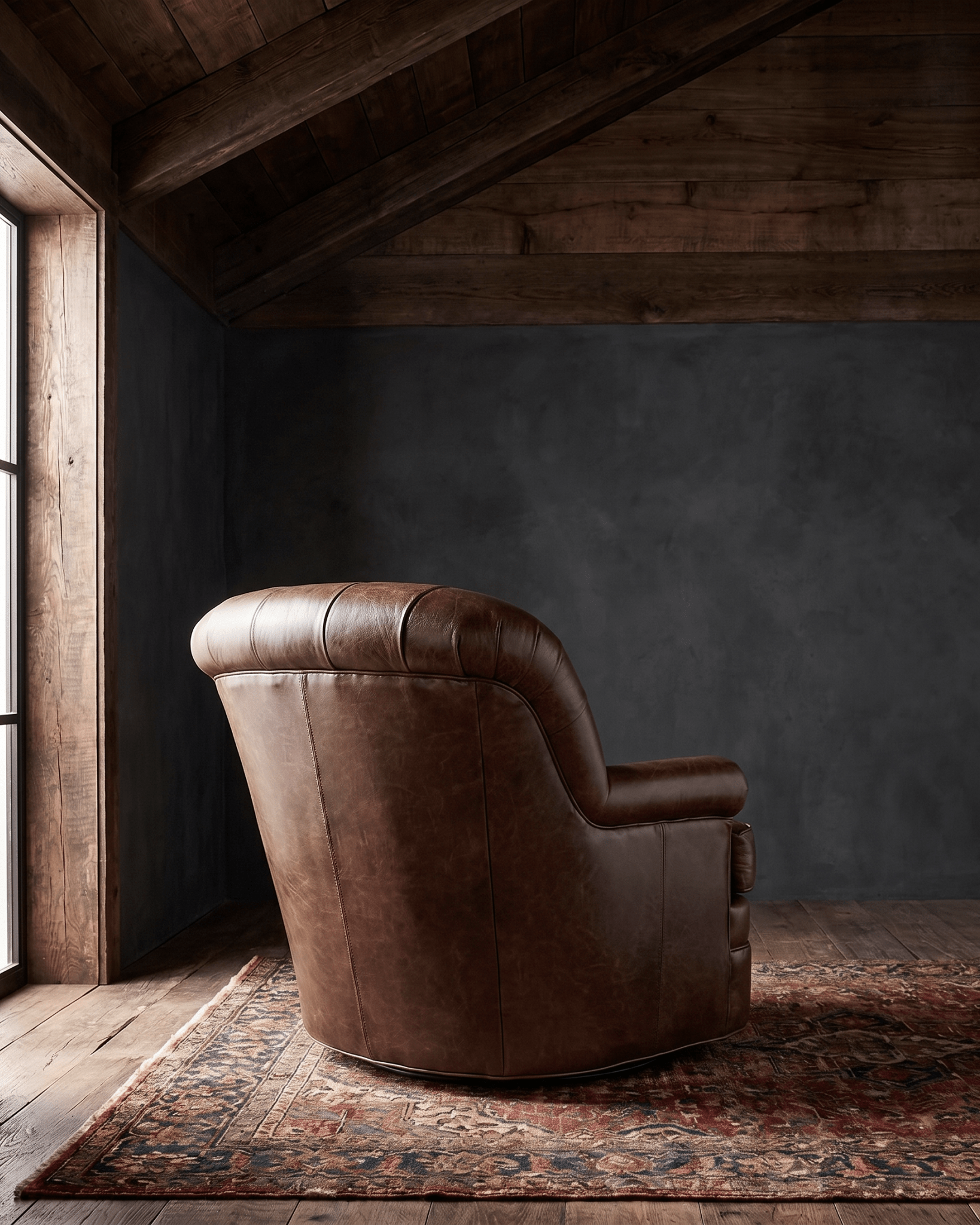
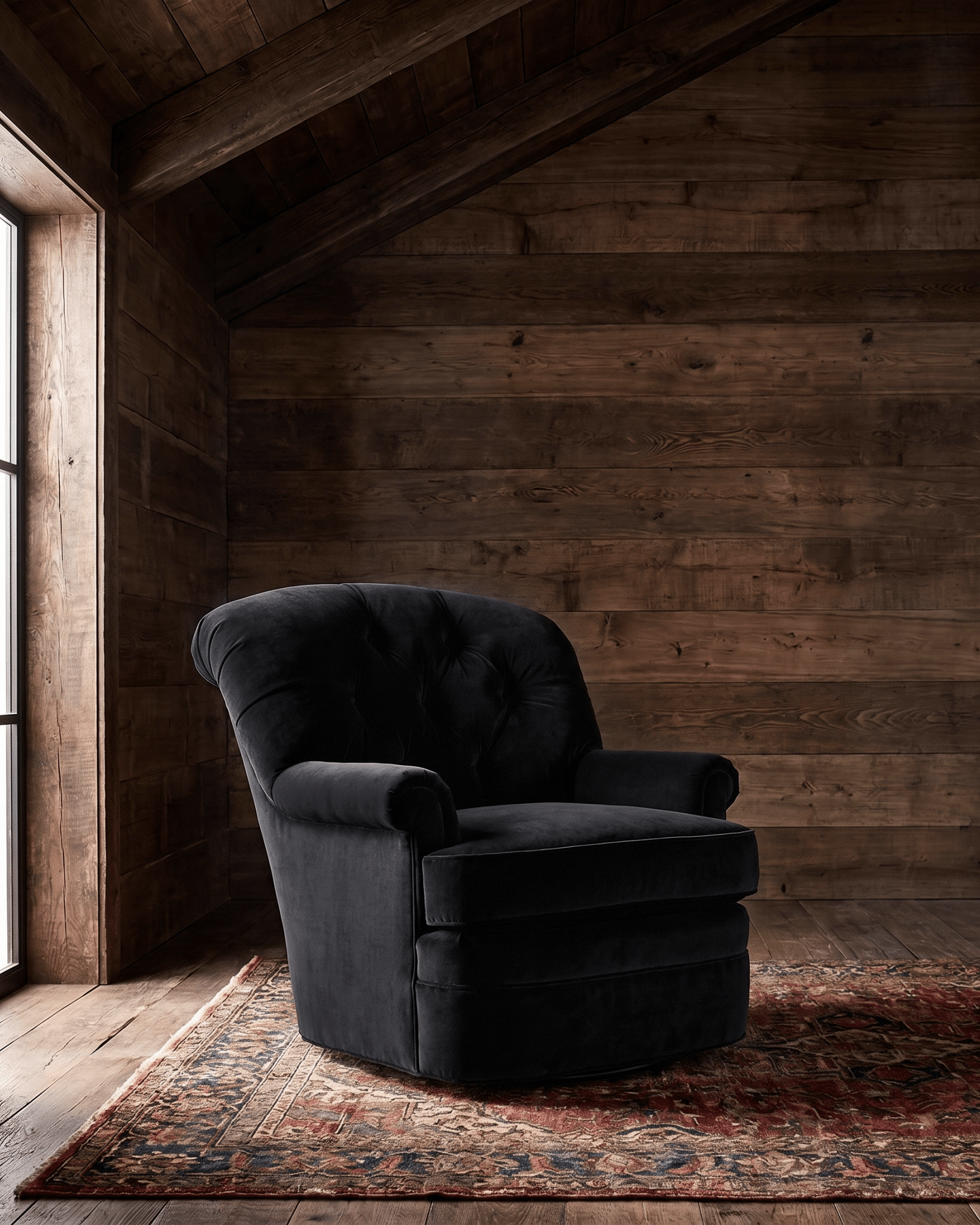
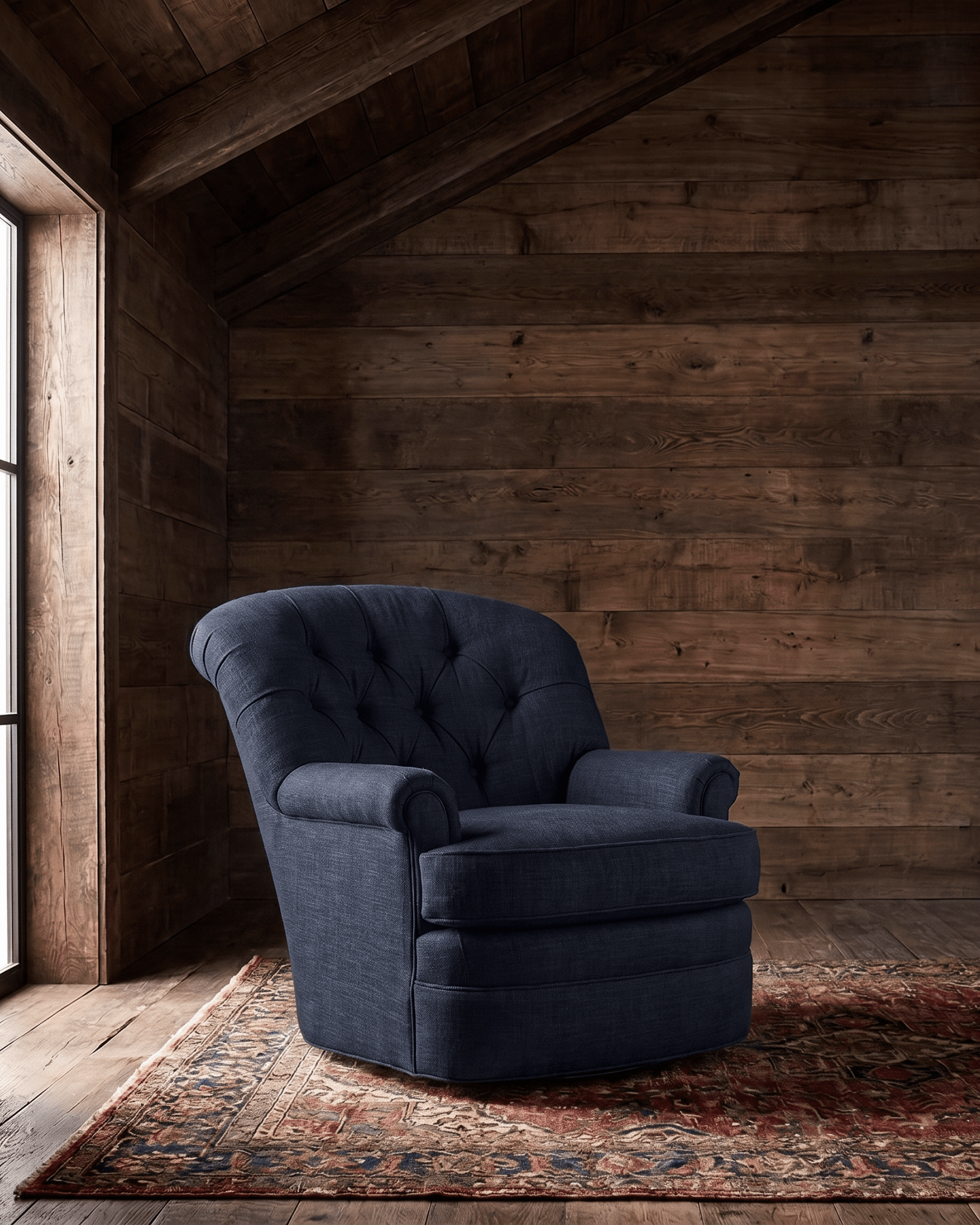
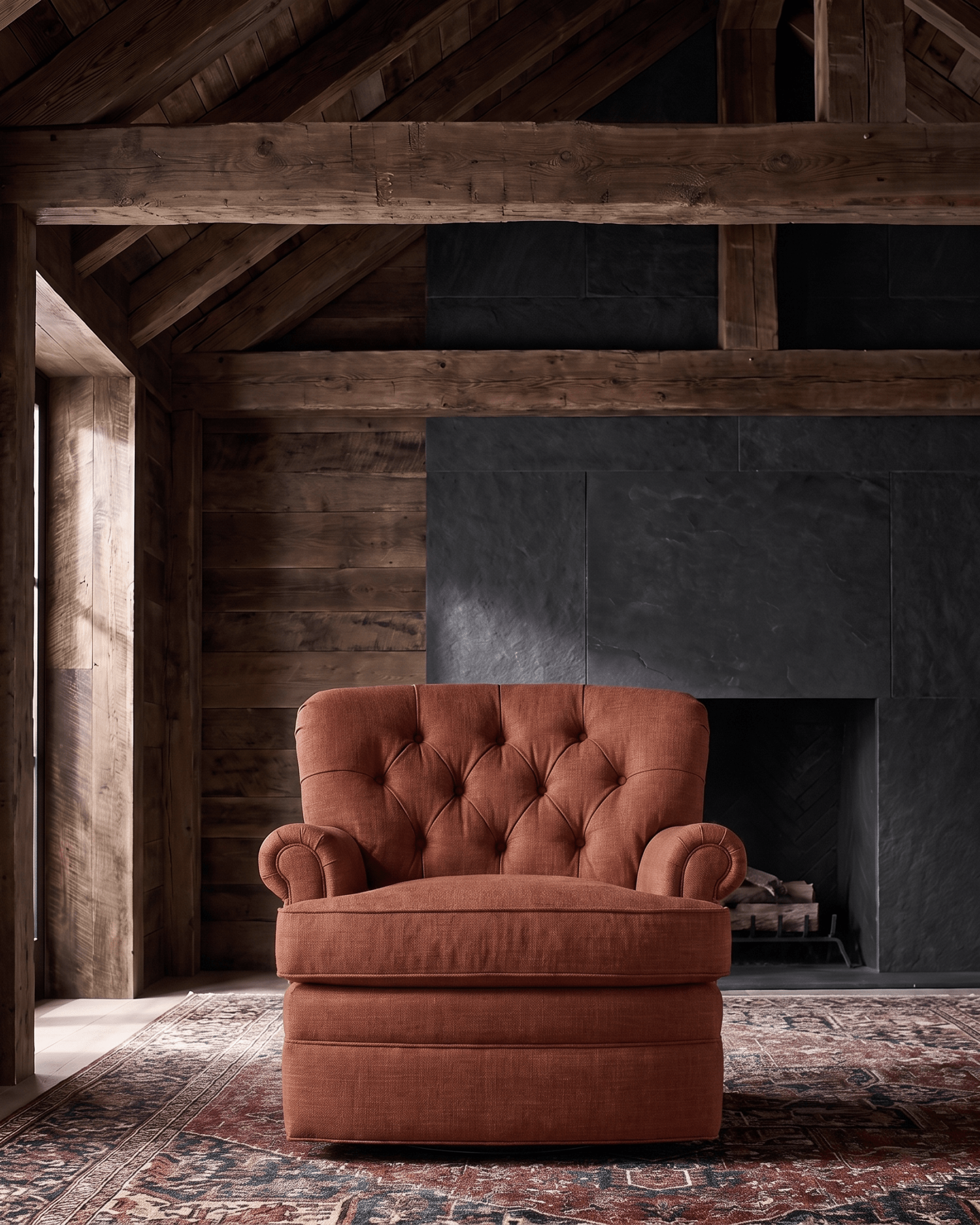
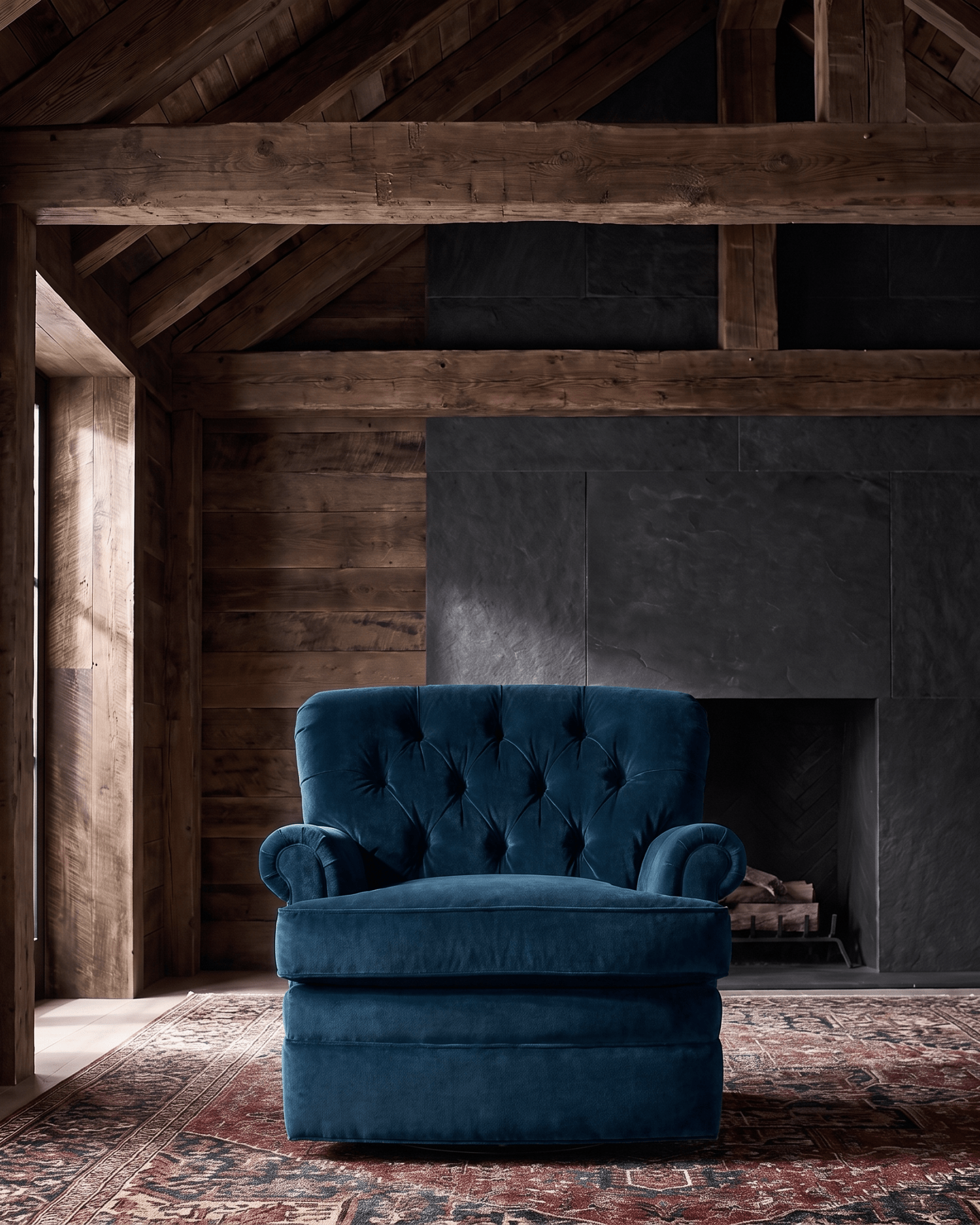
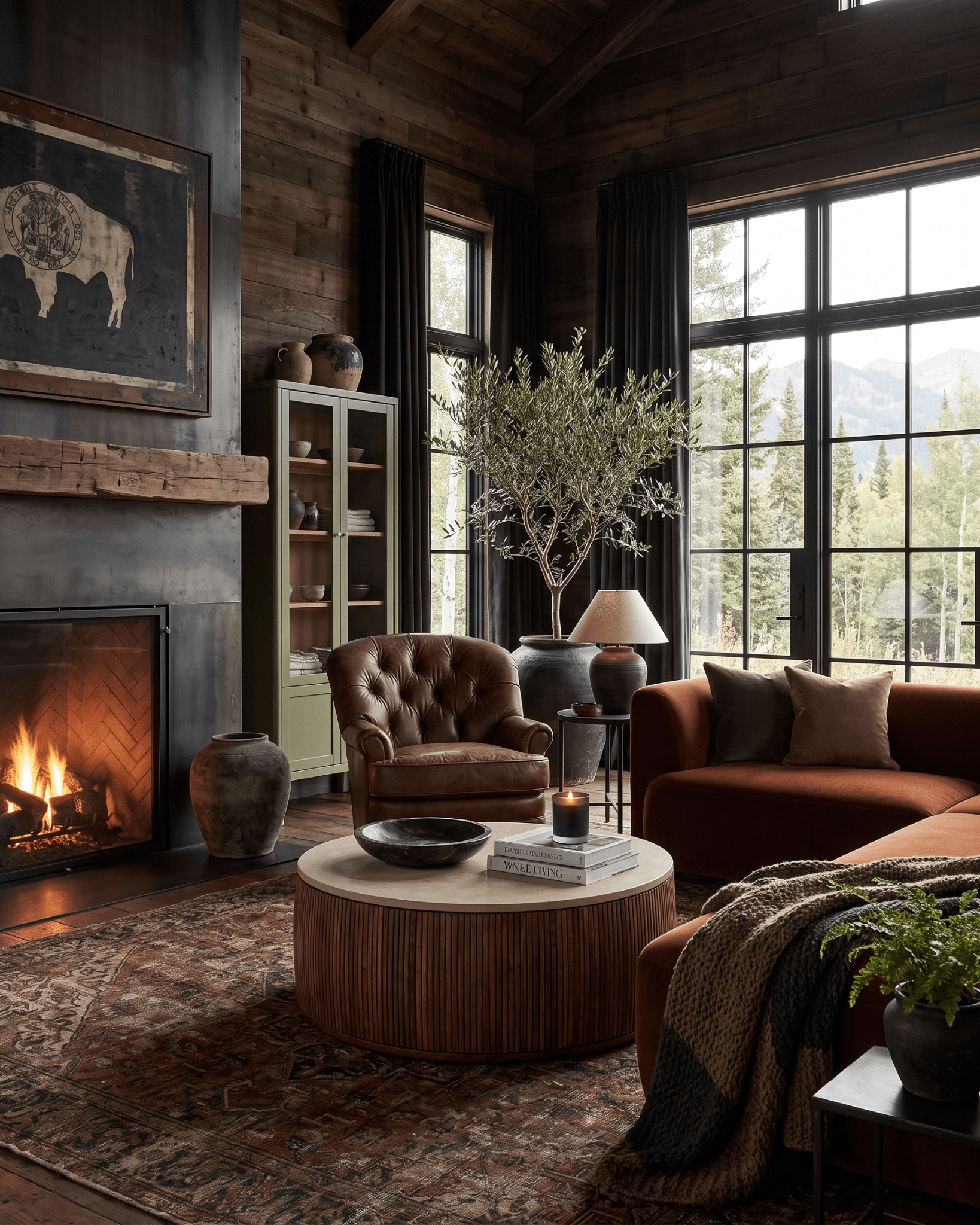
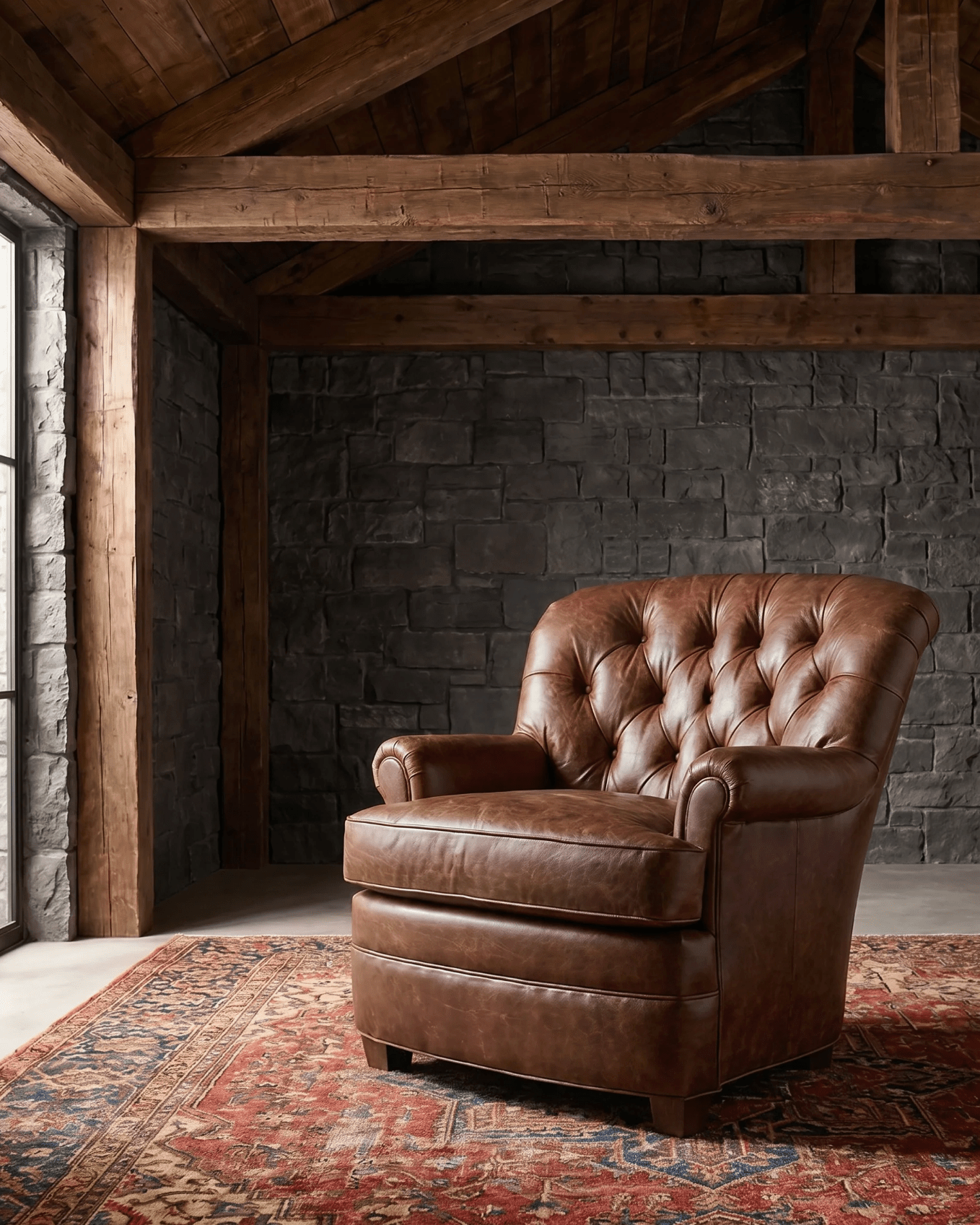
For example, the upholstered curves of the Beret Chair pair surprisingly well with the cleaner wood structure of the Trym Dining Chair because both carry a similar visual weight despite being very different materials.
The eye sees connection before it notices a difference.
That's what makes the combination work.
Similar Scale Matters More Than Matching Styles
Many people focus too heavily on matching aesthetics.
Scale matters more.
A substantial upholstered chair beside a delicate wood chair can feel awkward if the proportions are dramatically different. The brain immediately notices imbalance.
Keep the visual mass relatively consistent and the room will feel much more grounded.
Mix Materials, Not Personalities
One of the easiest ways to create a layered dining room is through material variation.
Wood.
Fabric.
Leather.
Woven fibers.
Different materials naturally create depth because they absorb light differently and offer varying tactile experiences.
The woven texture of the Joia Woven Bistro Dining Chair introduces visual texture, while the upholstered softness of the Sabine Dining Chair helps balance harder surfaces elsewhere in the room.
Together they create contrast without conflict.
Texture Creates Layering Faster Than Color
People often think layering comes from adding more colors.
Usually it comes from adding more texture.
Natural wood grain.
Woven detailing.
Fabric upholstery.
These elements give the eye more information to explore without overwhelming the room.
Use Head Chairs Strategically
One of the oldest designer tricks still works beautifully.
Change the chairs at the ends of the table.
This creates hierarchy naturally while keeping the overall arrangement cohesive.
The end chairs become focal points while the side chairs establish rhythm.
The Peder Dining Chair works particularly well as a head chair because its upholstery and scale give it more presence. Pairing it with simpler side seating such as the Shelby Dining Chair creates balance without feeling forced.
The room immediately feels more considered.
Not because anything matches perfectly.
Because there is a clear visual hierarchy.
Pay Attention to Visual Weight
Visual weight is one of the most overlooked concepts in furniture selection.
It refers to how heavy an object feels visually, regardless of its actual weight.
A bulky upholstered chair often carries more visual weight than a slimmer wood chair.
A darker finish usually feels heavier than a lighter finish.
When mixing dining chairs, visual weight should feel balanced across the table.
The Heidi Dining Chair naturally carries more visual presence than the lighter-profile Saga Scandinavian Dining Chair. Using them intentionally creates contrast while still allowing the room to feel stable.
The brain responds positively to balanced environments because they require less unconscious processing.
The room simply feels easier to sit in.
Don't Make Every Chair Different
This is where many layered dining rooms go wrong.
People hear "mixed chairs" and assume every seat should be unique.
That's usually too much.
The strongest dining rooms often rely on only two chair styles.
Sometimes three.
Rarely more.
A pairing like the Elvy Dining Chair and the Sigrid Scandinavian Dining Chair introduces enough variation to feel collected while maintaining enough repetition to feel calm.
The room stays layered without becoming visually noisy.
RUTED Tip: If you find yourself wanting to add a fourth or fifth chair style, stop and ask whether you're solving a design problem or simply adding more visual information. The nervous system generally prefers thoughtful variation over unlimited options.
Comfort Should Always Be Part of the Design Conversation
A dining room isn't just something you look at.
It's something you use.
People gather here for hours. They celebrate. Work remotely. Share meals. Linger over coffee.
Comfort matters.
The Yrja Dining Chair demonstrates why upholstery continues to play such an important role in dining spaces. Combining a comfortable upholstered chair with a wood chair such as the Nikolaj Dining Chair allows a room to balance tactile comfort with visual structure.
The best dining rooms support both the body and the eye.
Think About the Entire Room, Not Just the Chairs
Dining chairs never exist in isolation.
They interact with:
The dining table
Flooring
Lighting
Wall color
Cabinetry
Architectural details
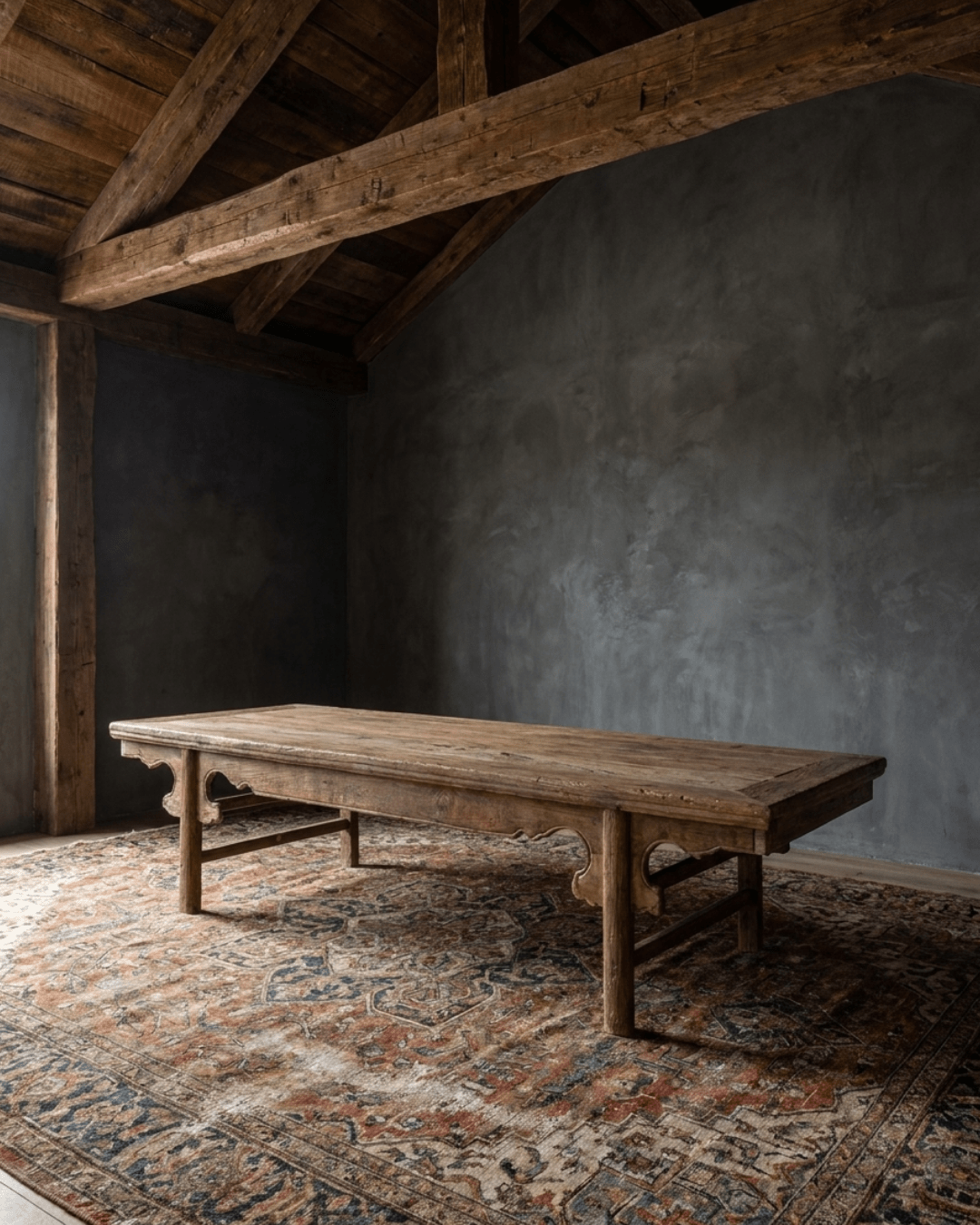
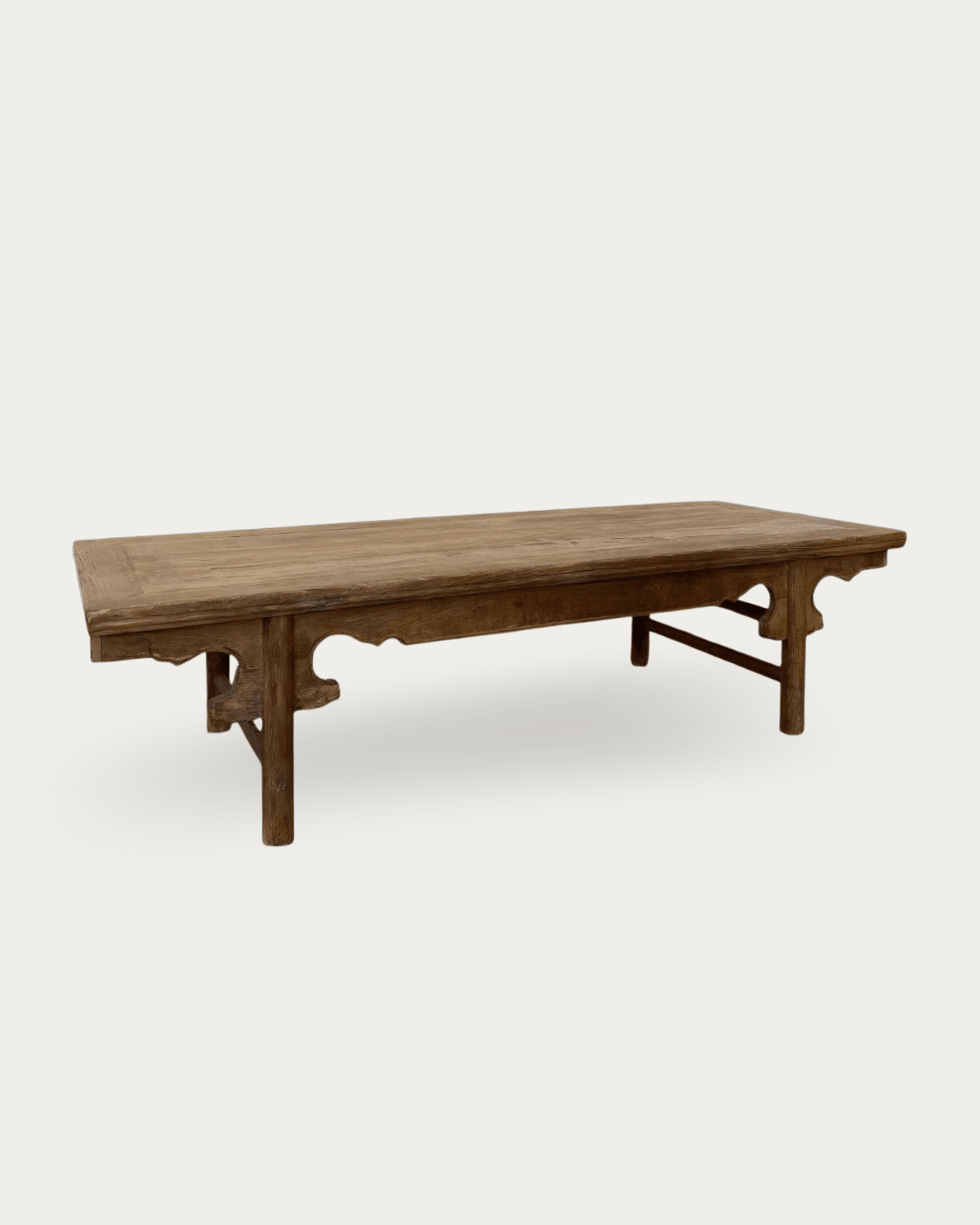
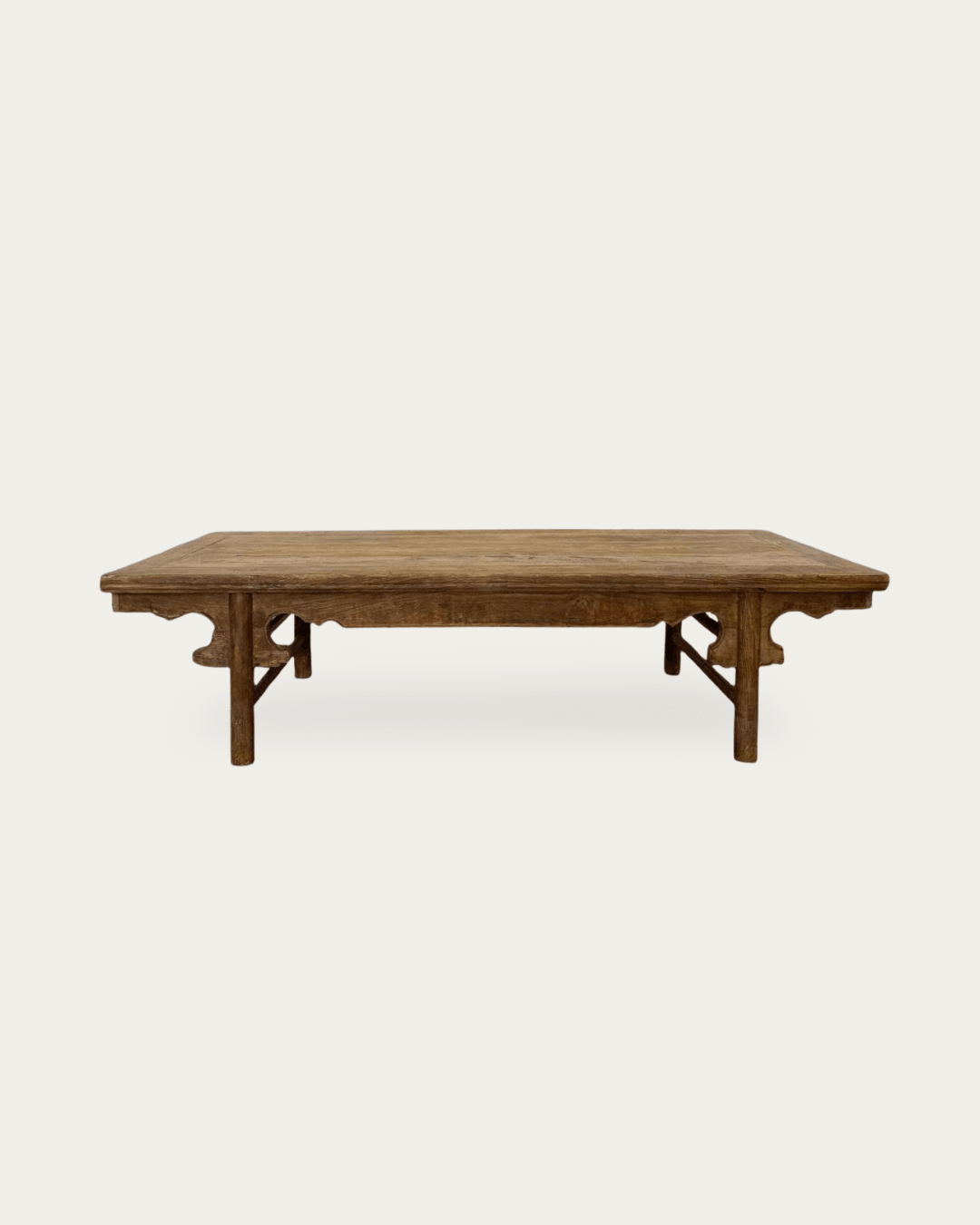
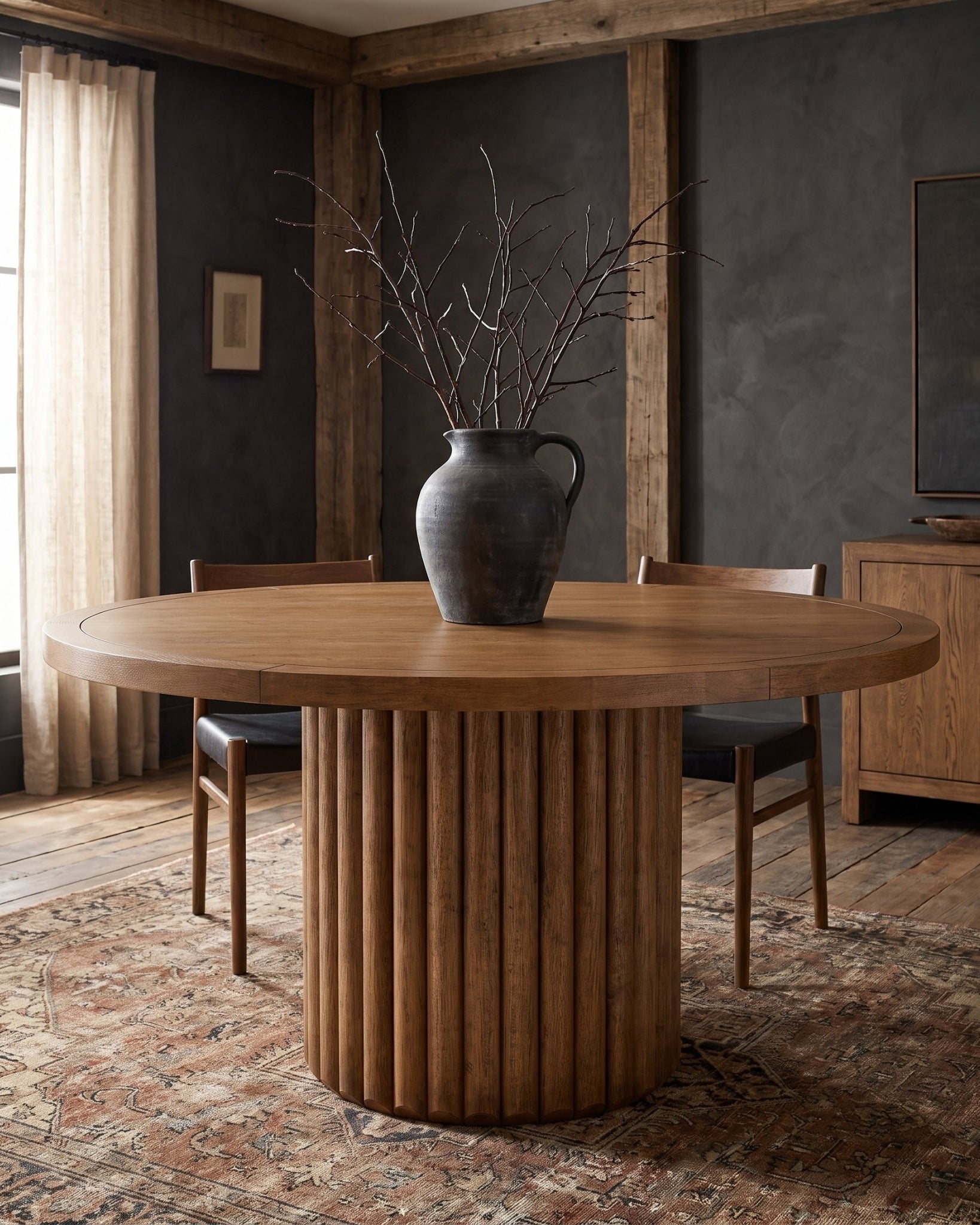
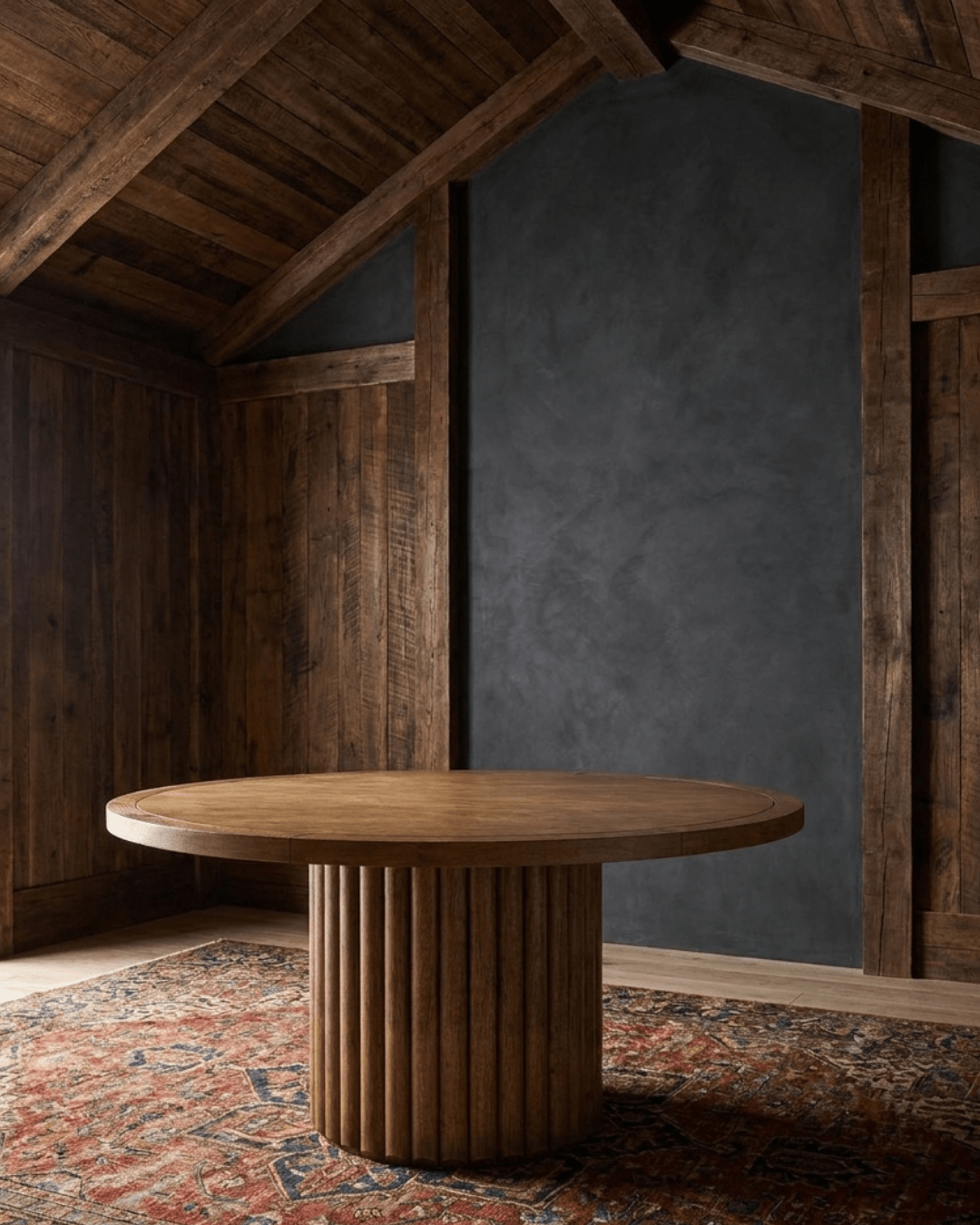
A heavily textured reclaimed wood table may benefit from simpler chair silhouettes.
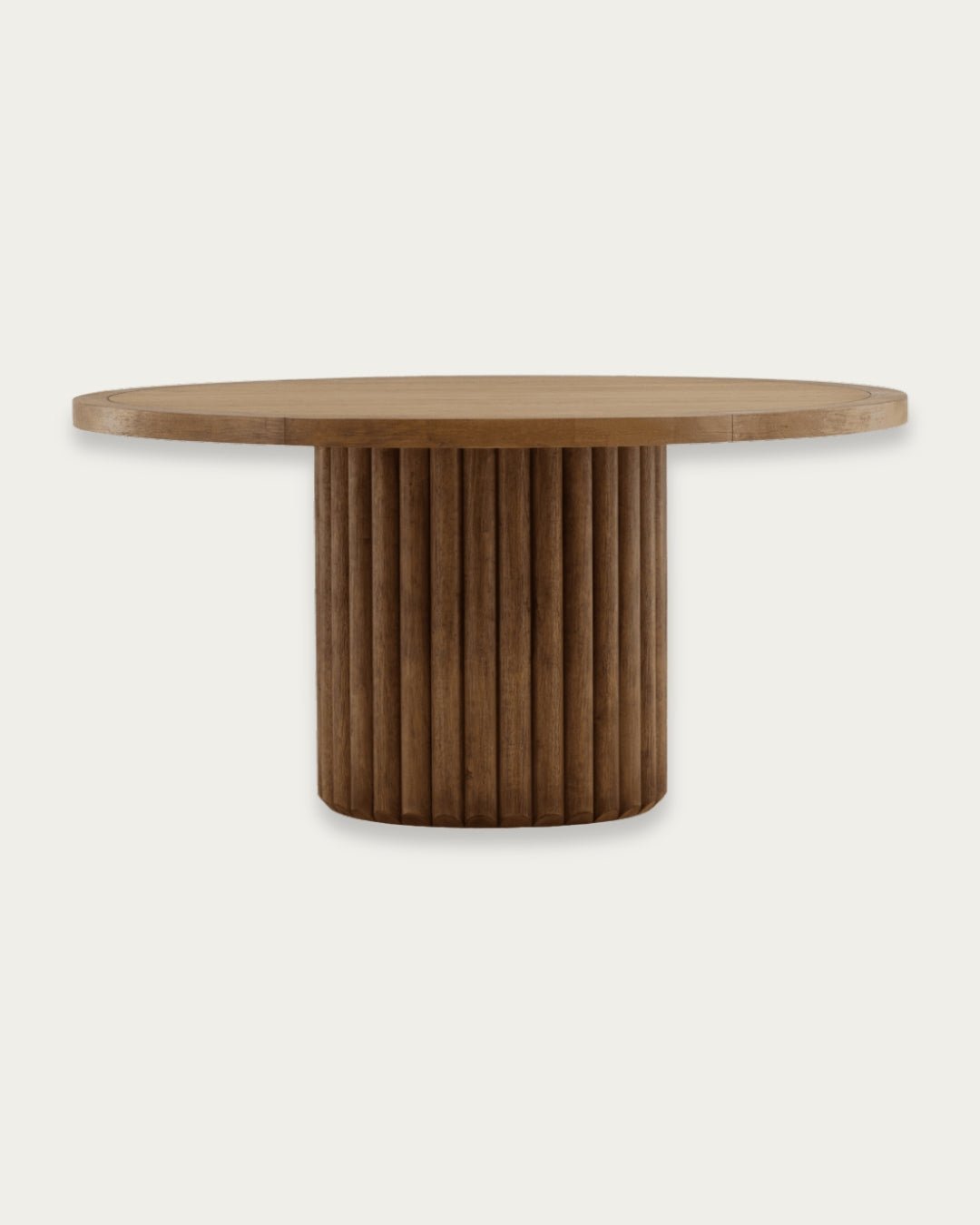
A minimal table can support more expressive seating.
The goal is always balanced.
The dining room should feel like one conversation, not multiple people talking over each other.
This is why material repetition becomes so important. Wood tones appearing in the chairs, table, shelving, or flooring create subtle visual connections that help the room feel cohesive.
The brain loves these connection points because they reduce sensory friction.
Why Layered Dining Rooms Feel More Human
Perfect matching often feels manufactured.
Layering feels lived in.
The best mixed-chair dining rooms create enough variation to feel personal without sacrificing order. They introduce texture without clutter. Contrast without tension. Interest without overstimulation.
That's partly why they resonate so strongly today.
People are increasingly looking for homes that feel more human and less like catalog pages.
Layering helps create that feeling because it mirrors how people naturally collect objects over time rather than purchasing everything at once.
The result is a dining room that feels grounded, comfortable, and easier for the nervous system to settle into.
The Best Dining Rooms Balance Rhythm and Variety
A layered dining room isn't about breaking rules.
It's about understanding which rules actually matter.
Keep proportions consistent.
Balance visual weight.
Layer texture thoughtfully.
Repeat at least one element.
Prioritize comfort.
Do those things well, and mixing dining chairs becomes surprisingly easy.
The strongest dining rooms rarely rely on perfect matching. They rely on rhythm, texture, and thoughtful variation that allows the room to feel collected rather than constructed.
Explore more upholstered and wood dining chair combinations throughout Hello Norden's dining chair collection and create a dining room that feels layered, grounded, and genuinely enjoyable to spend time in.