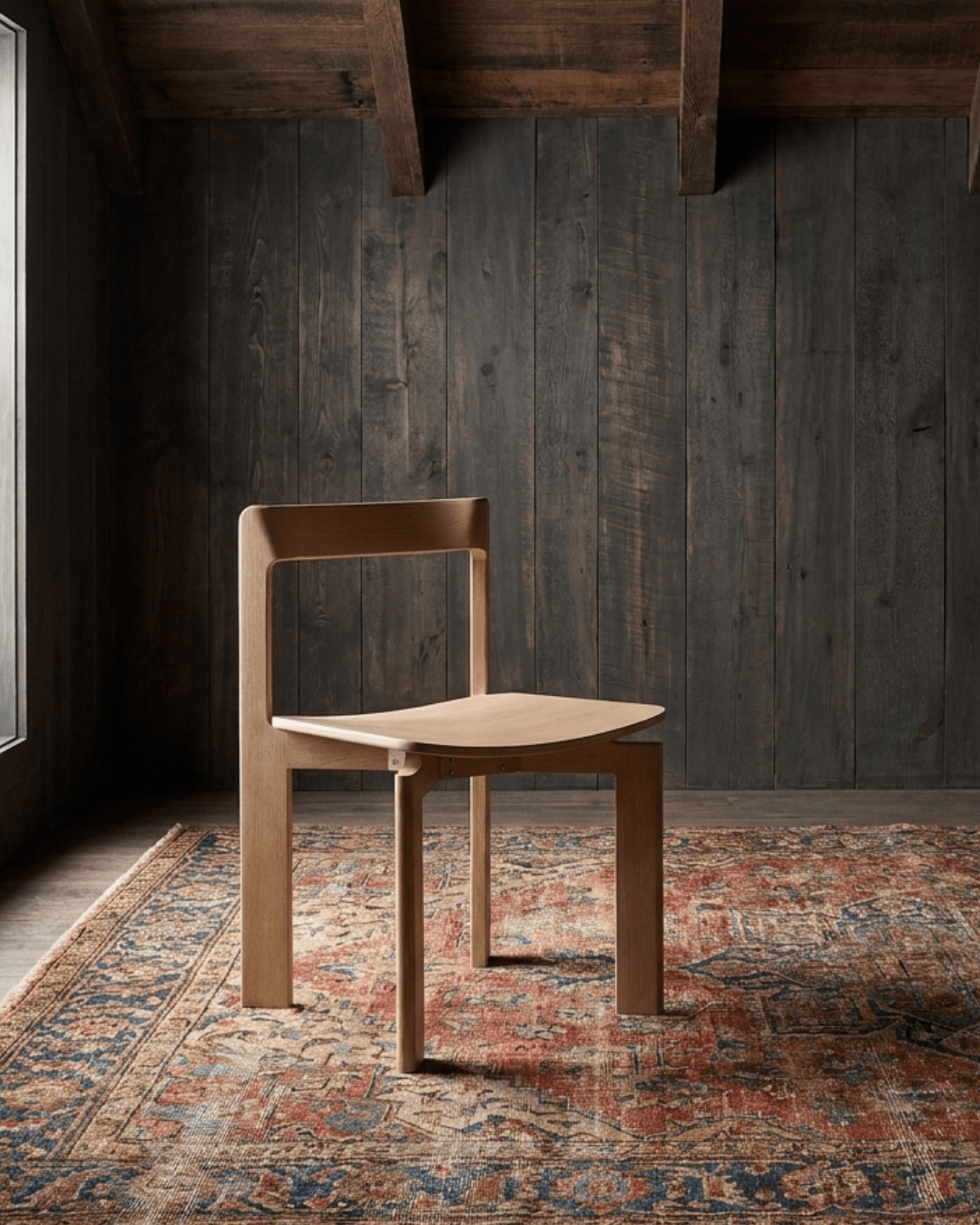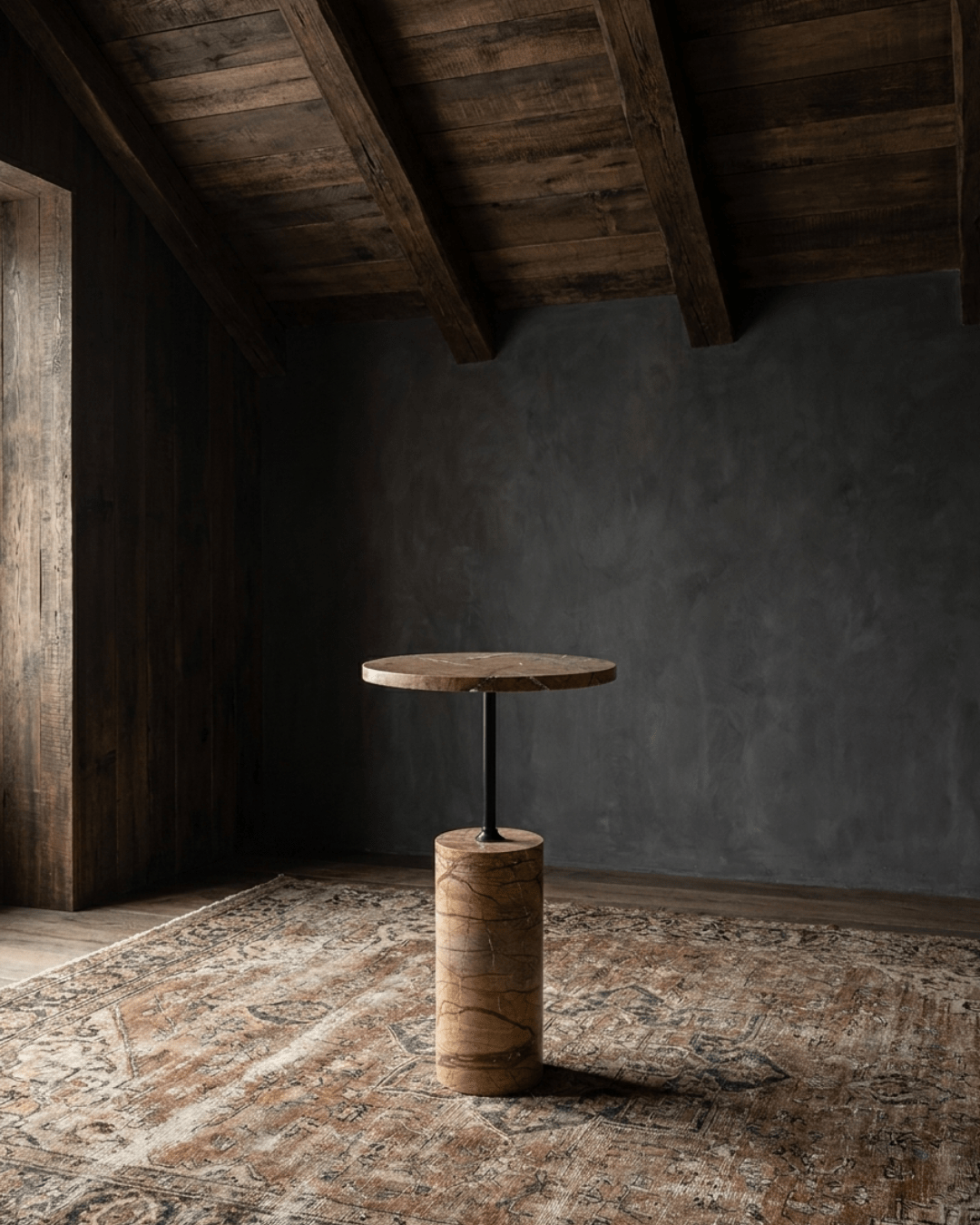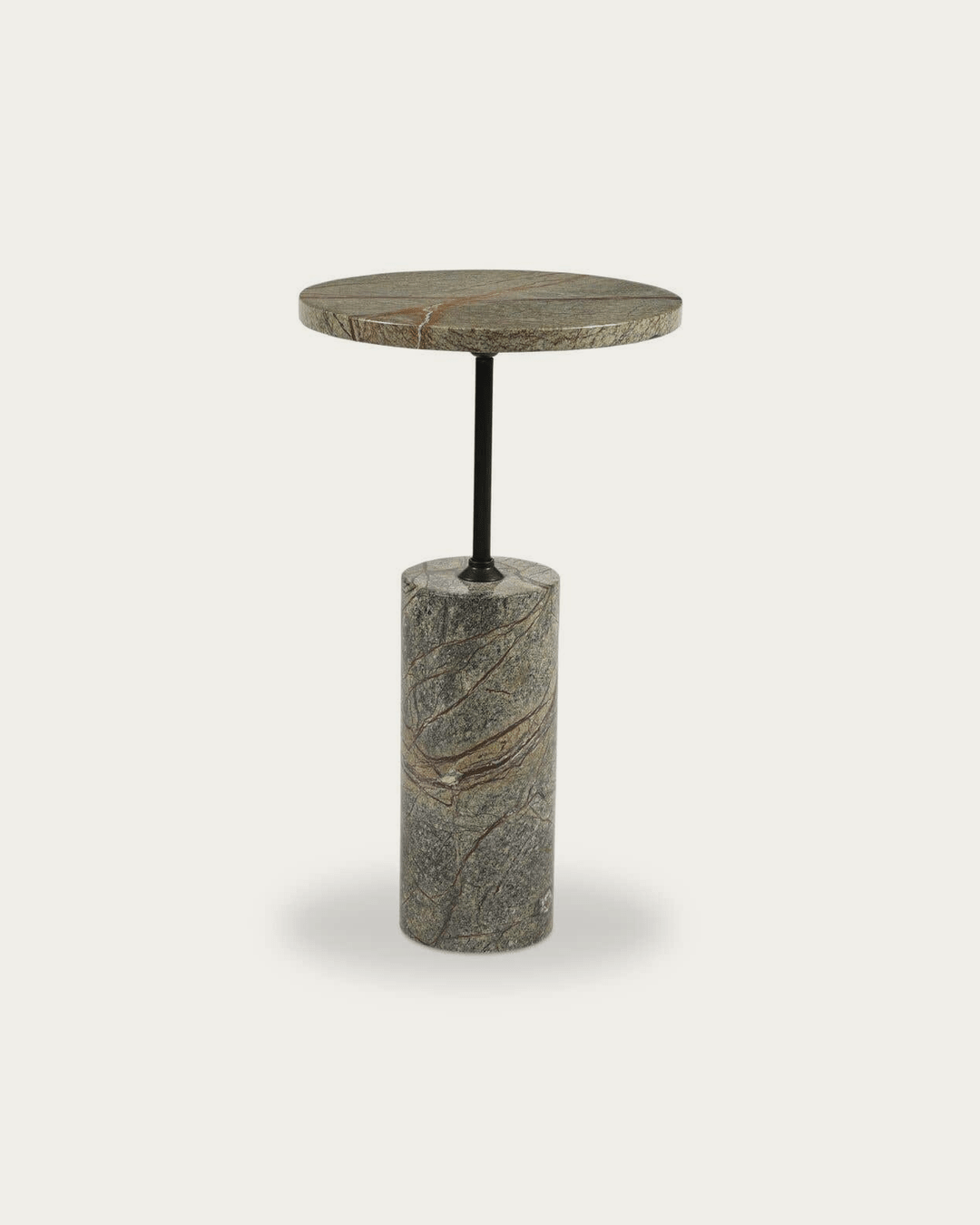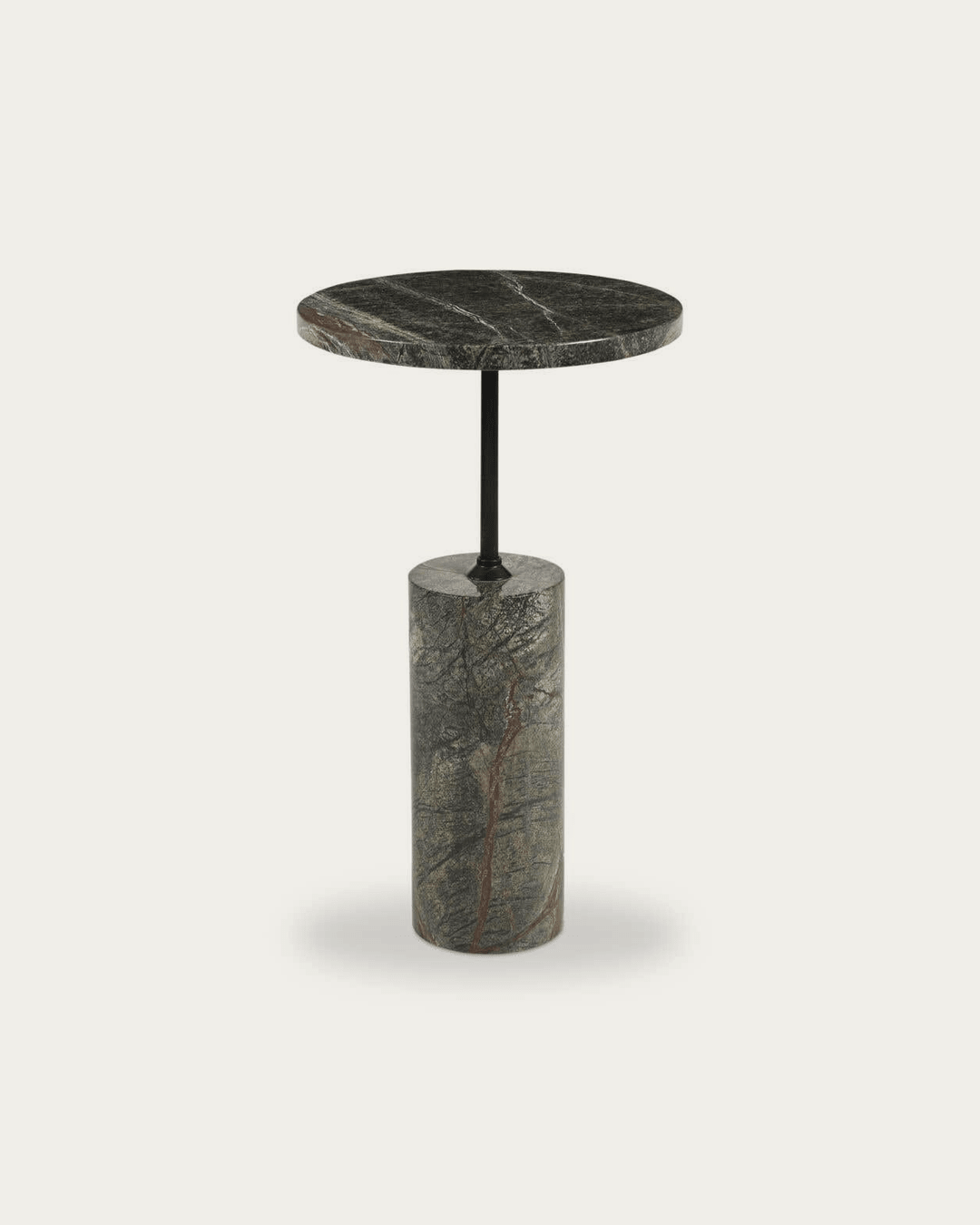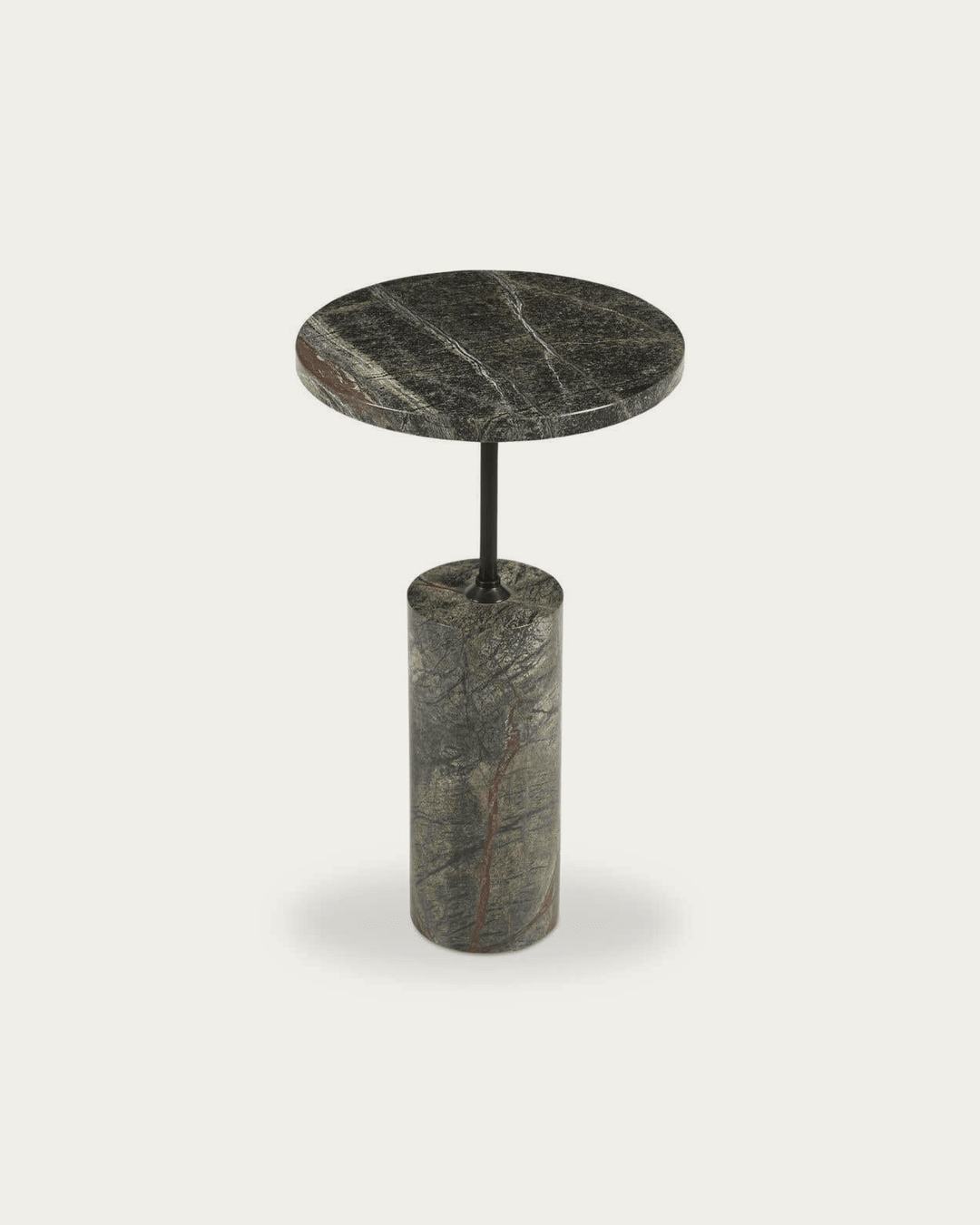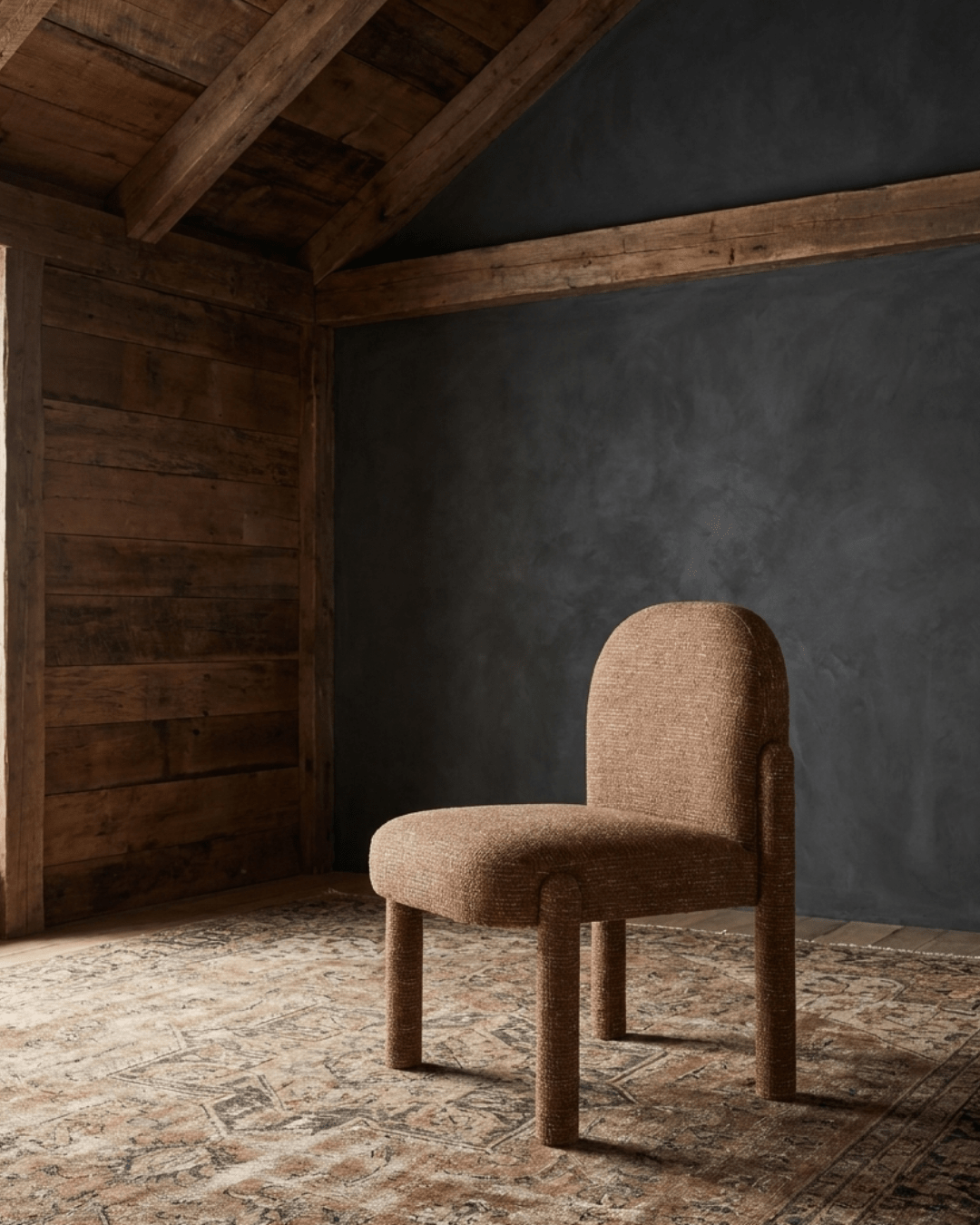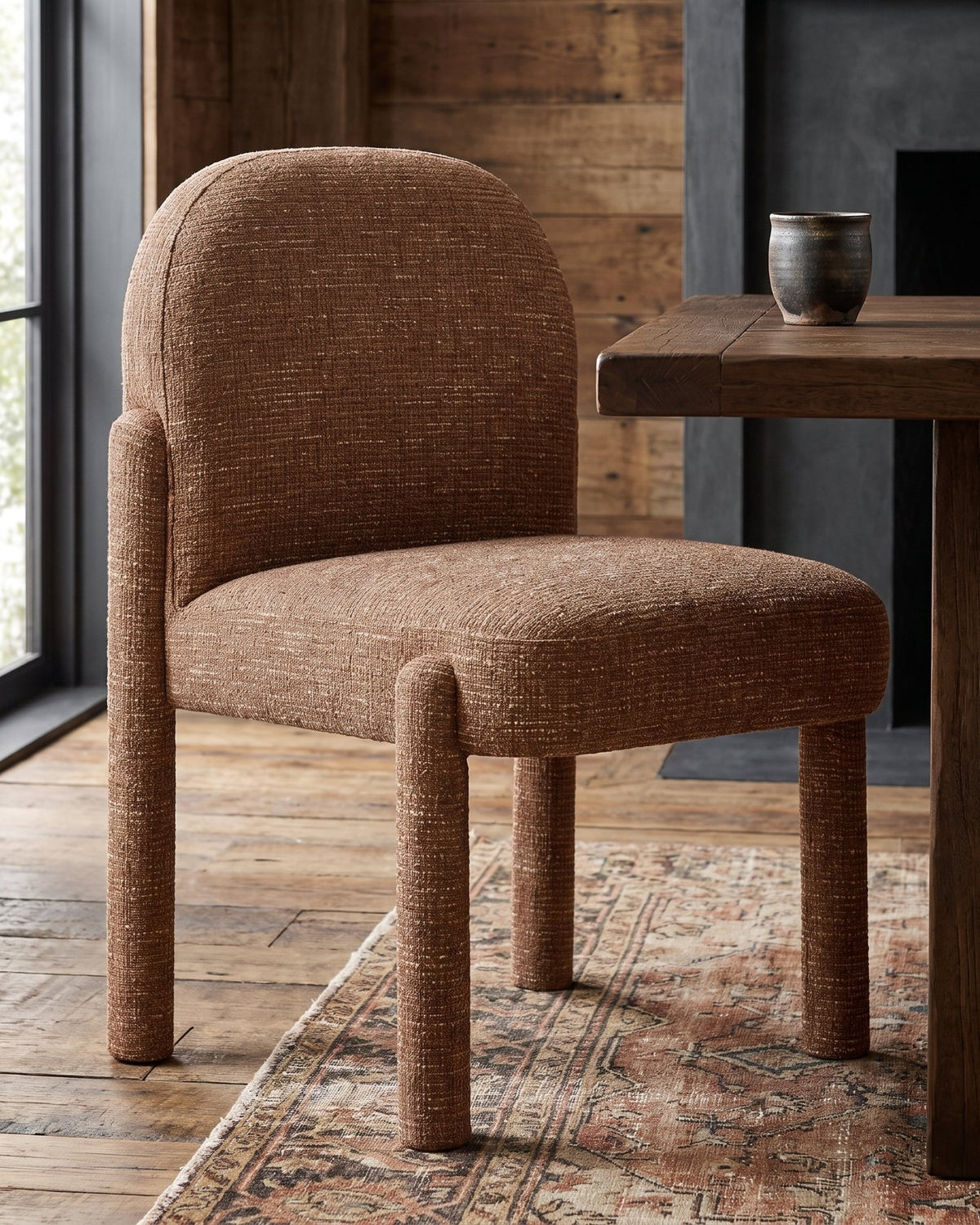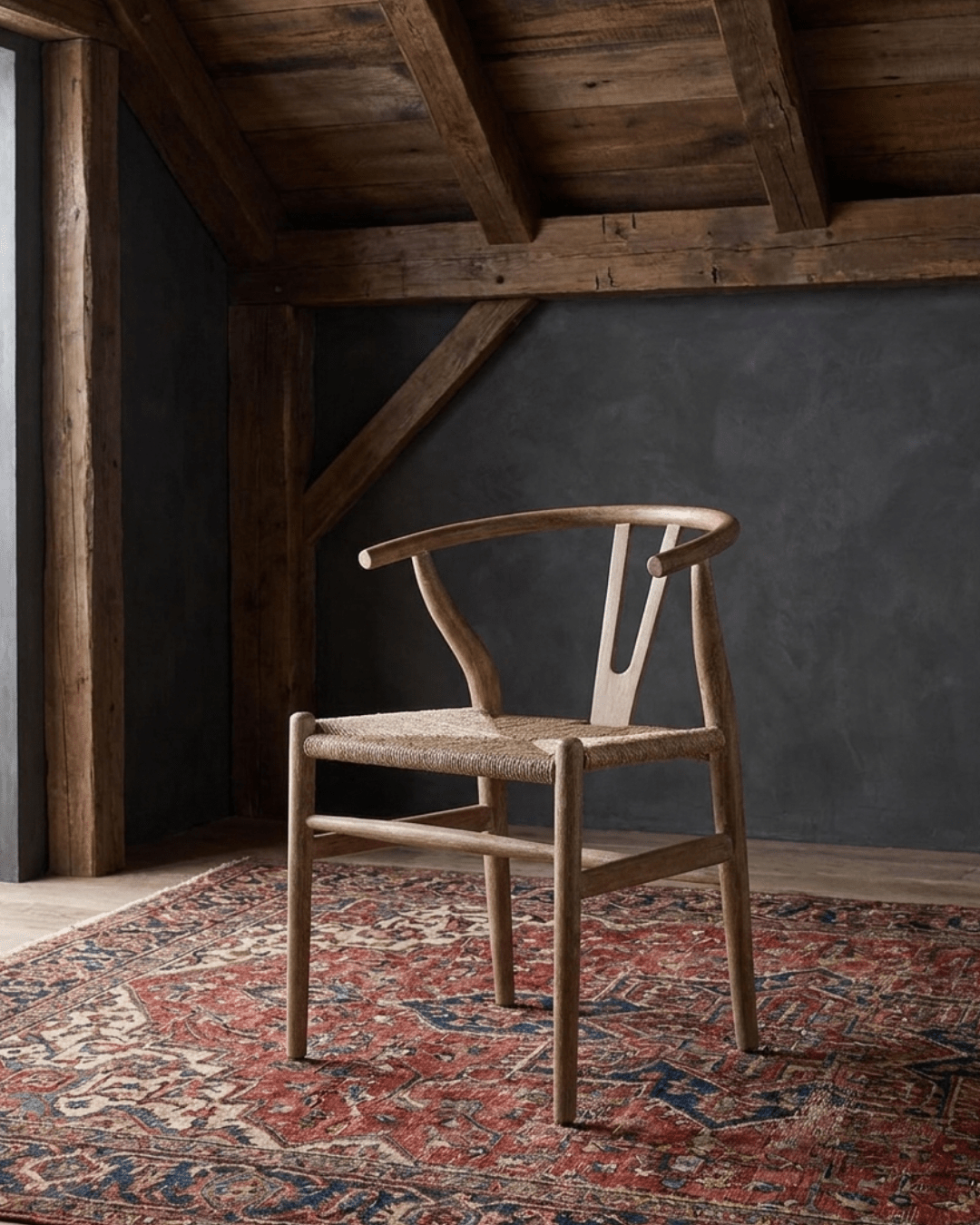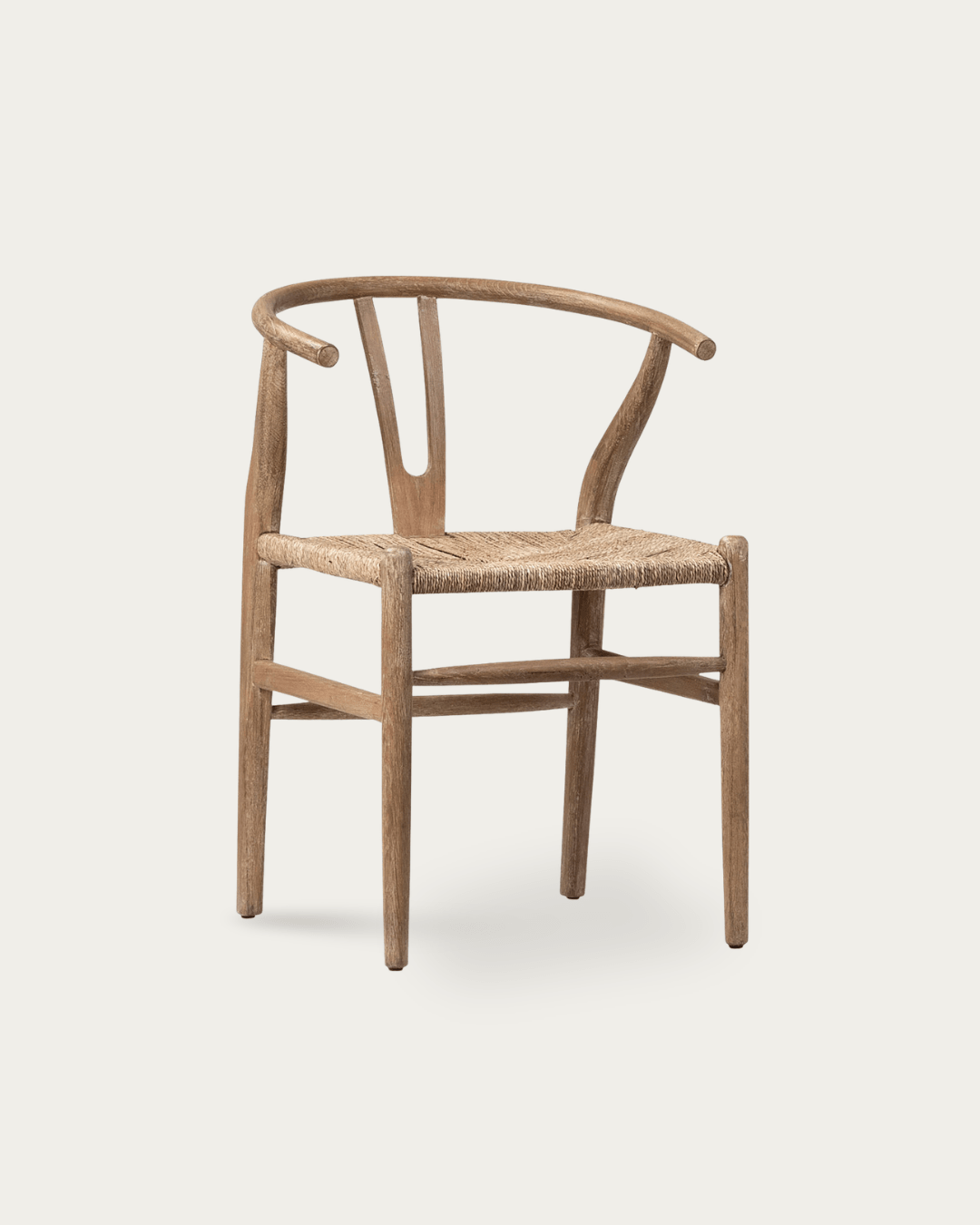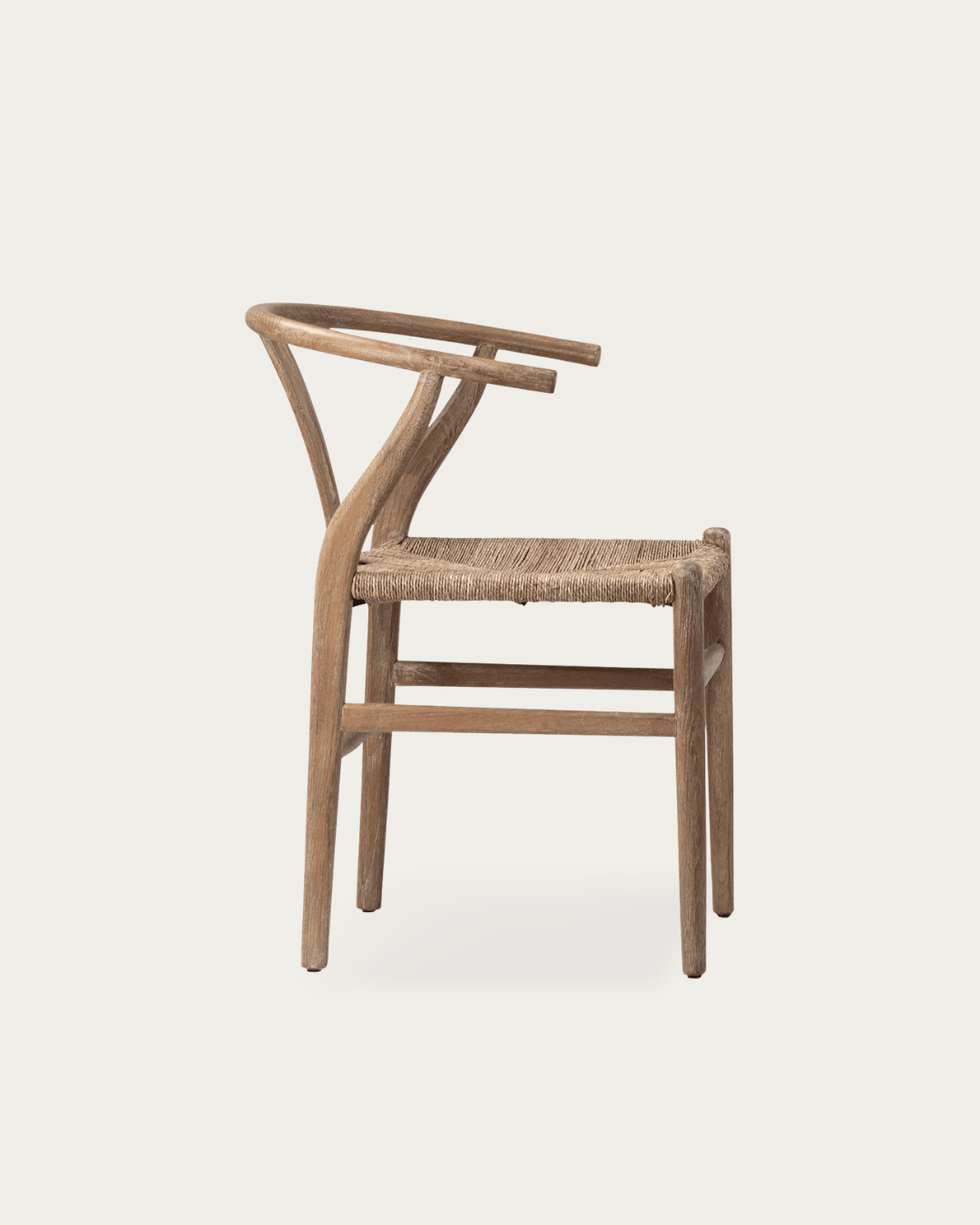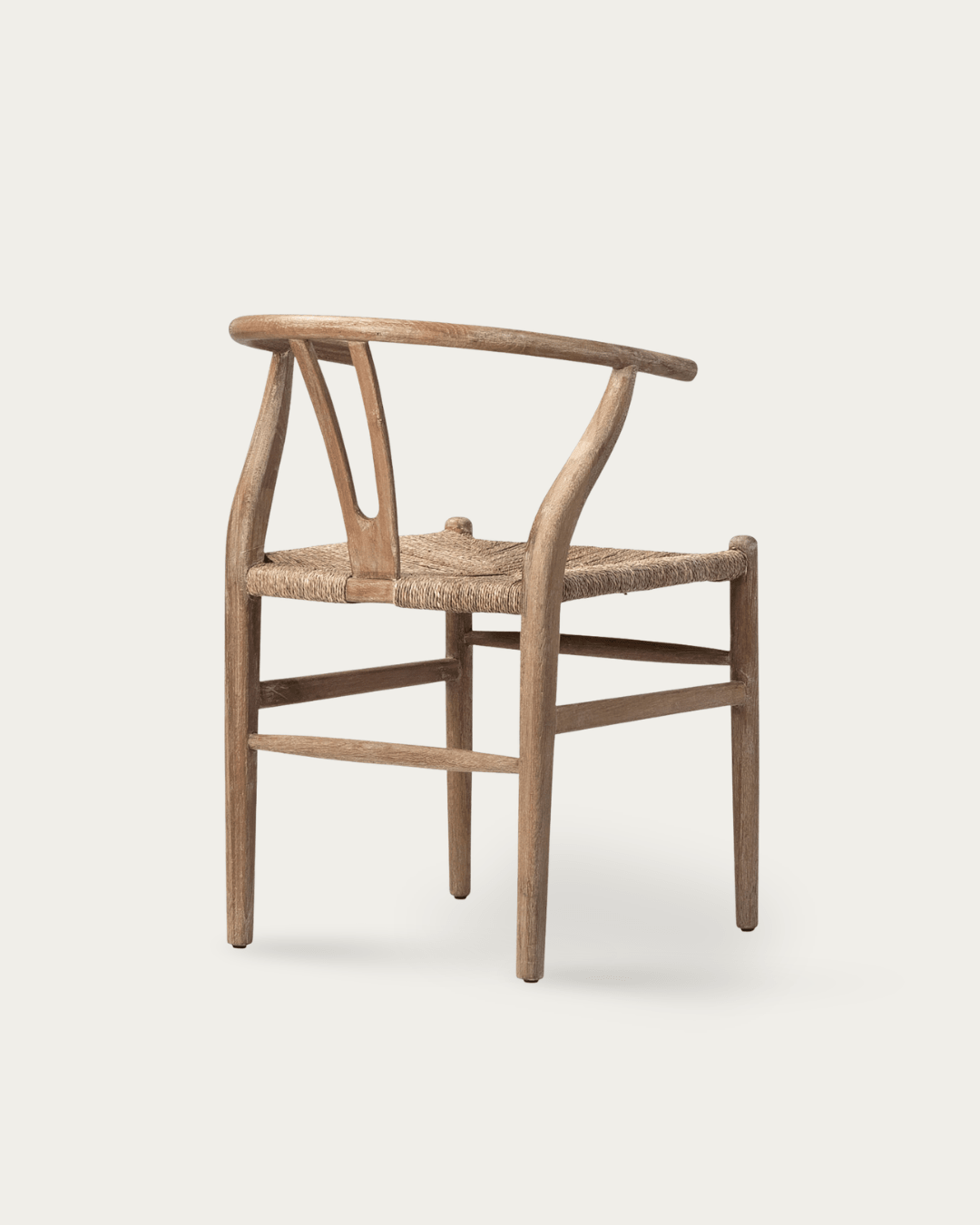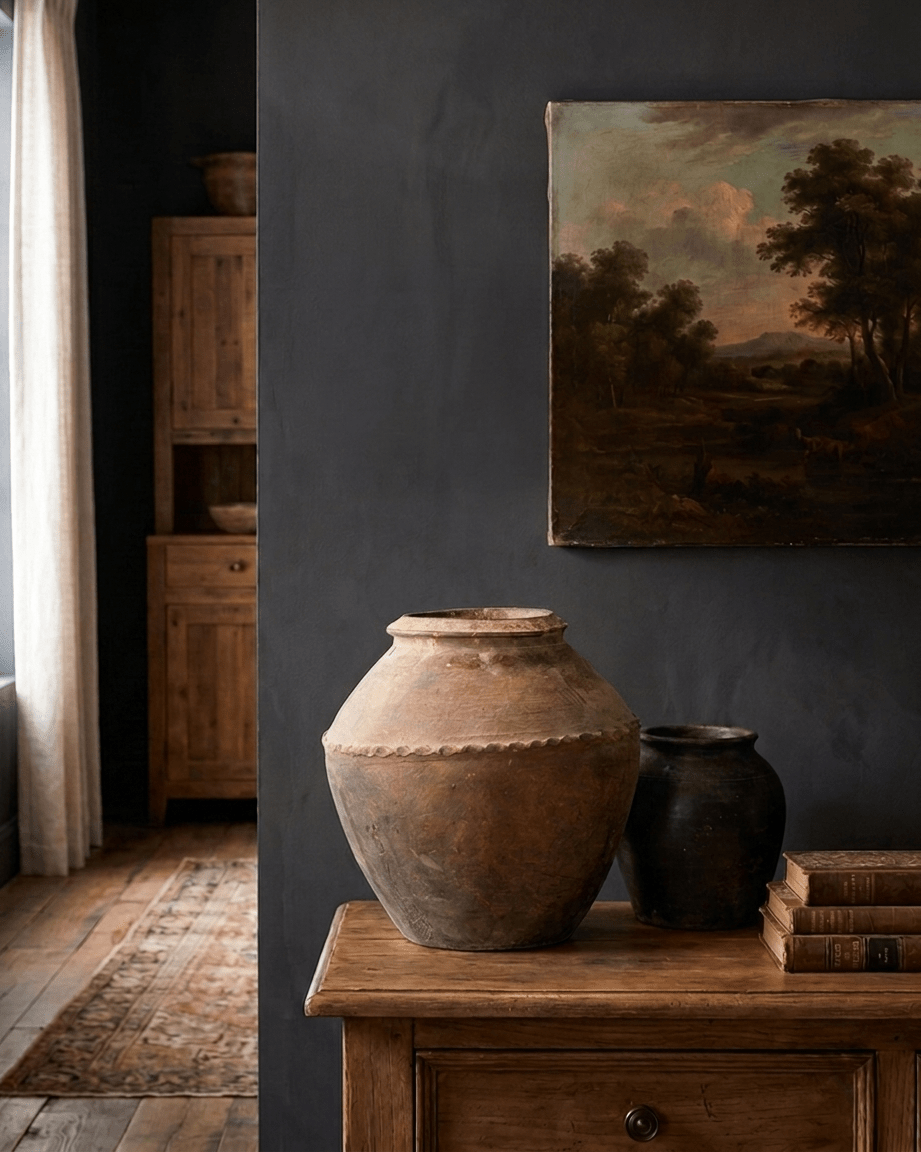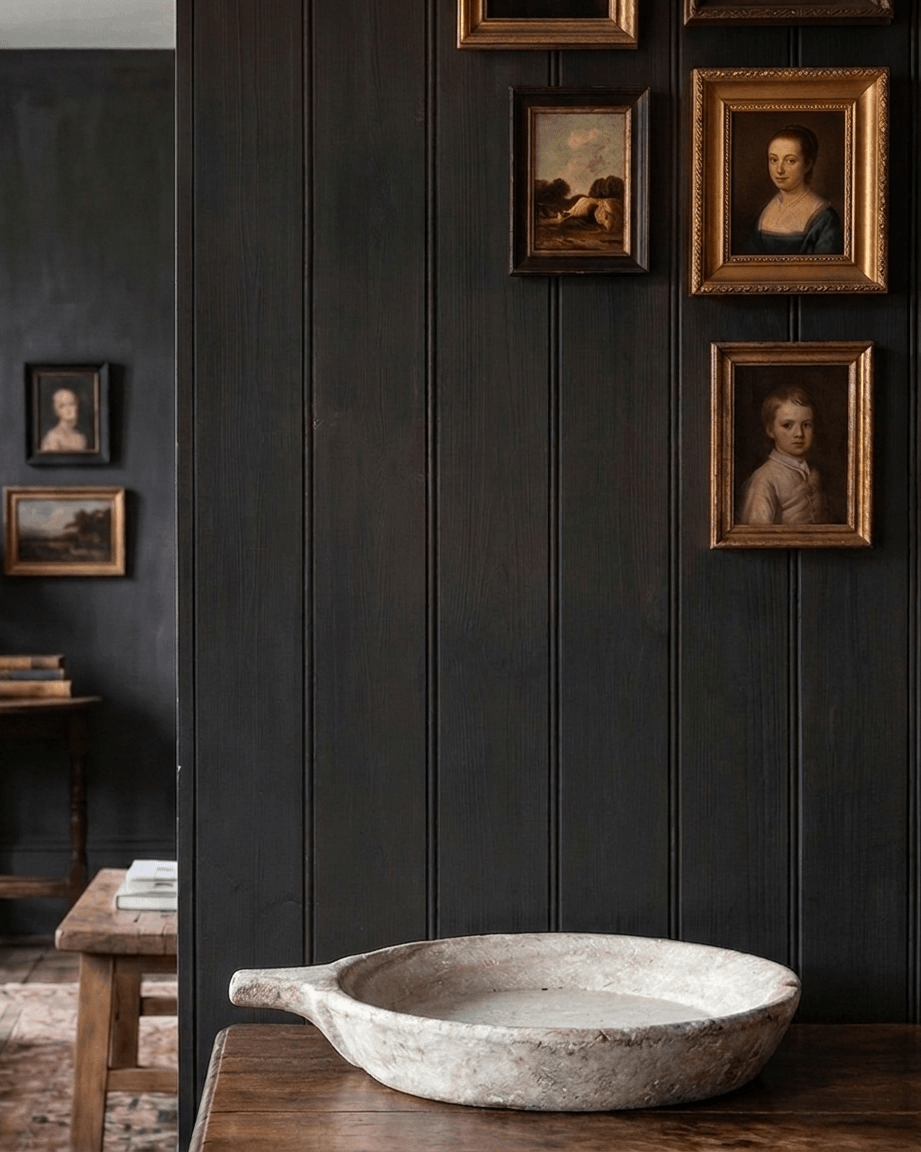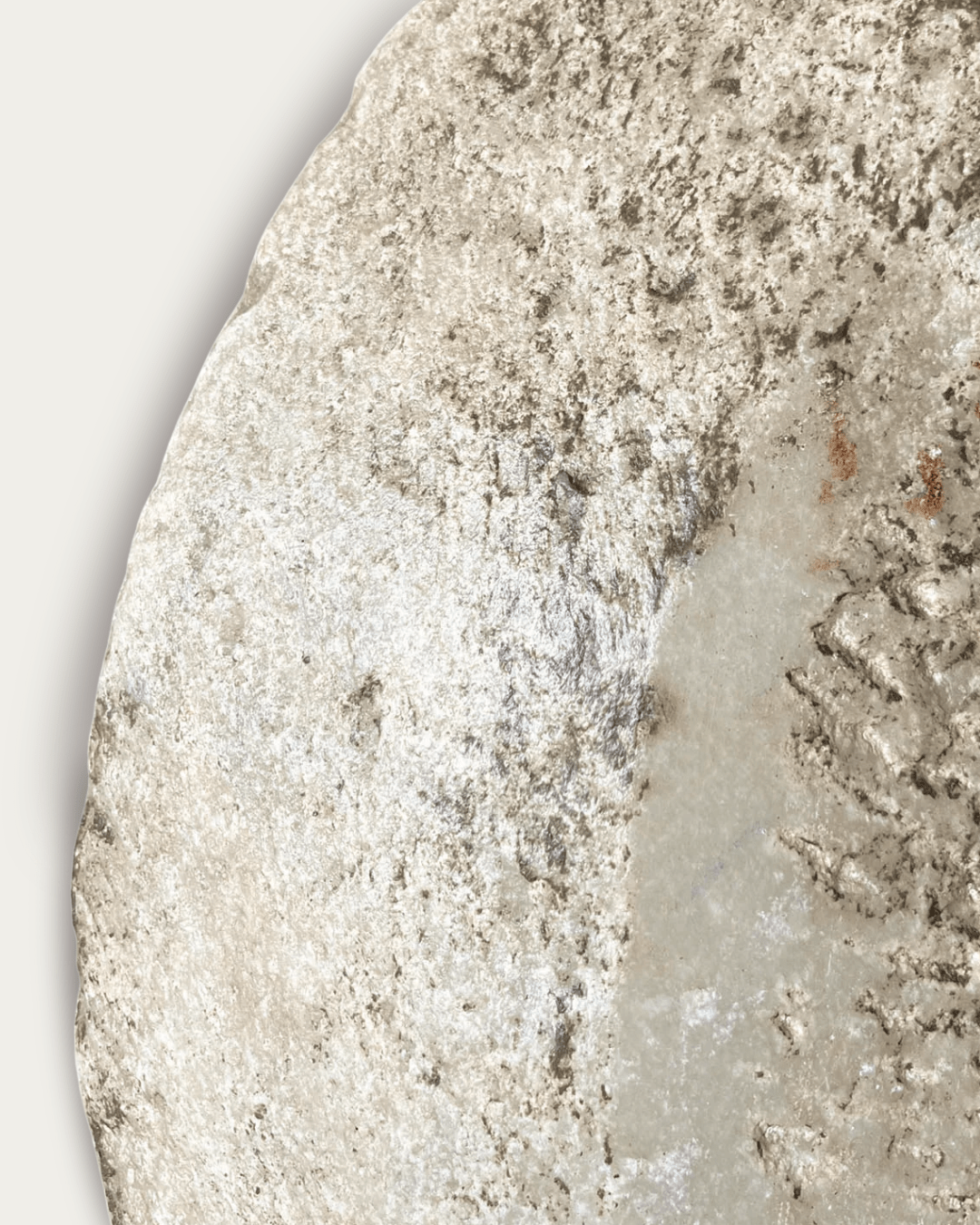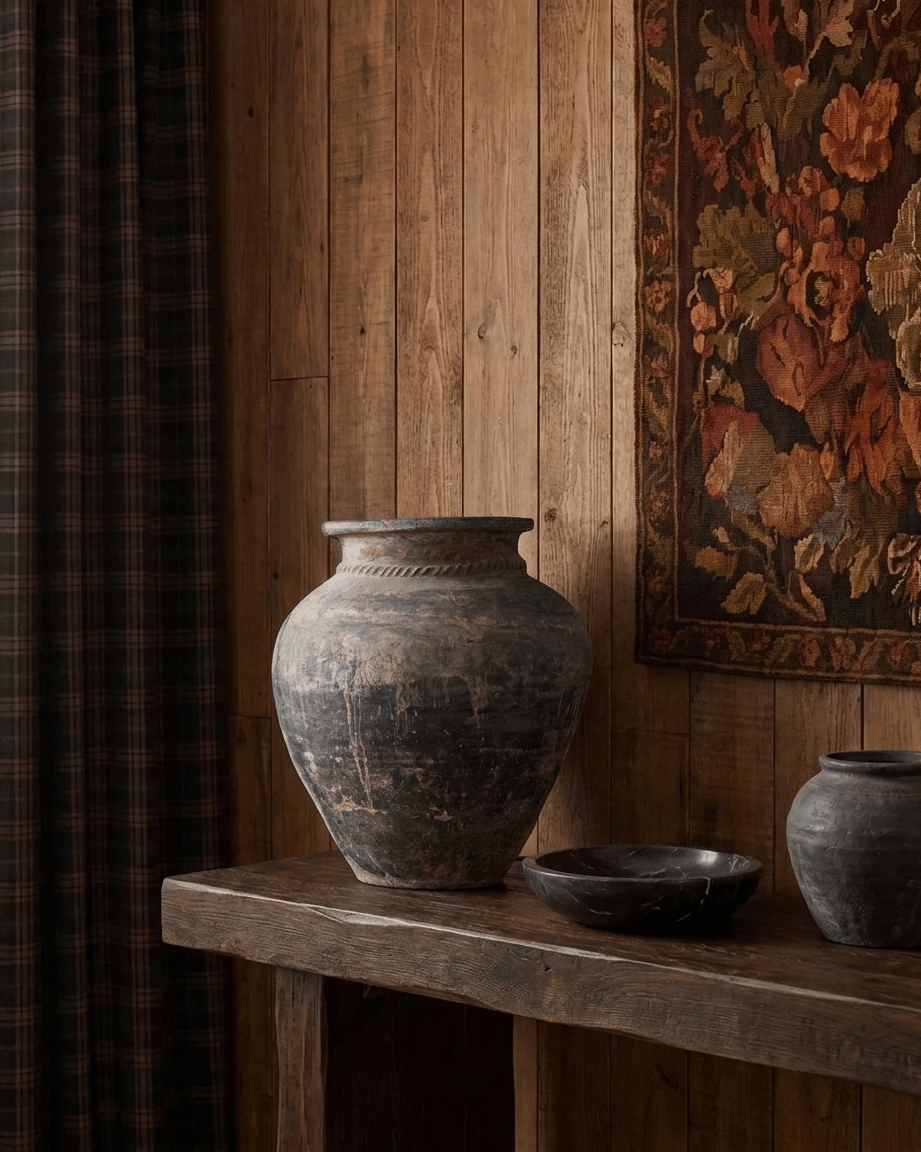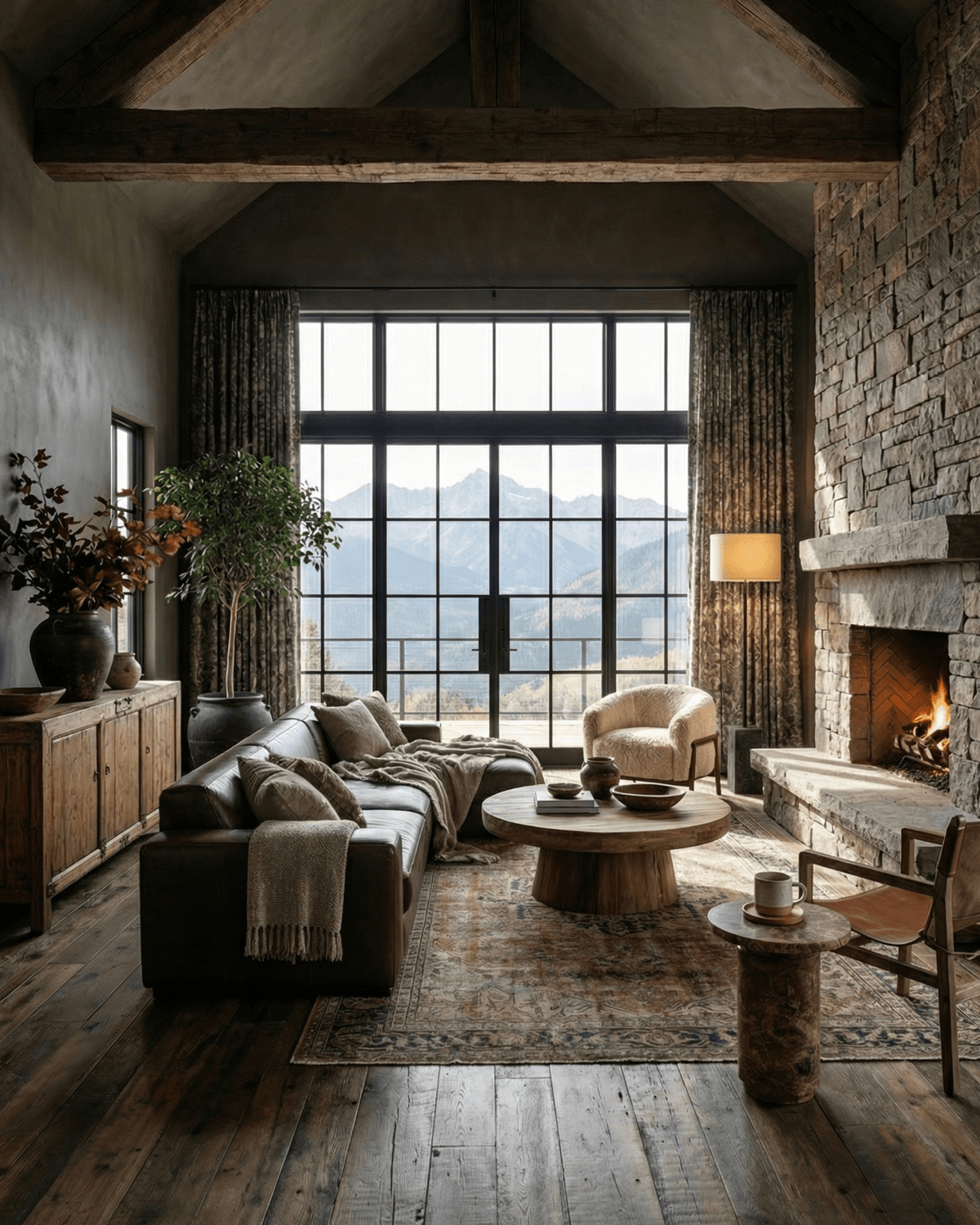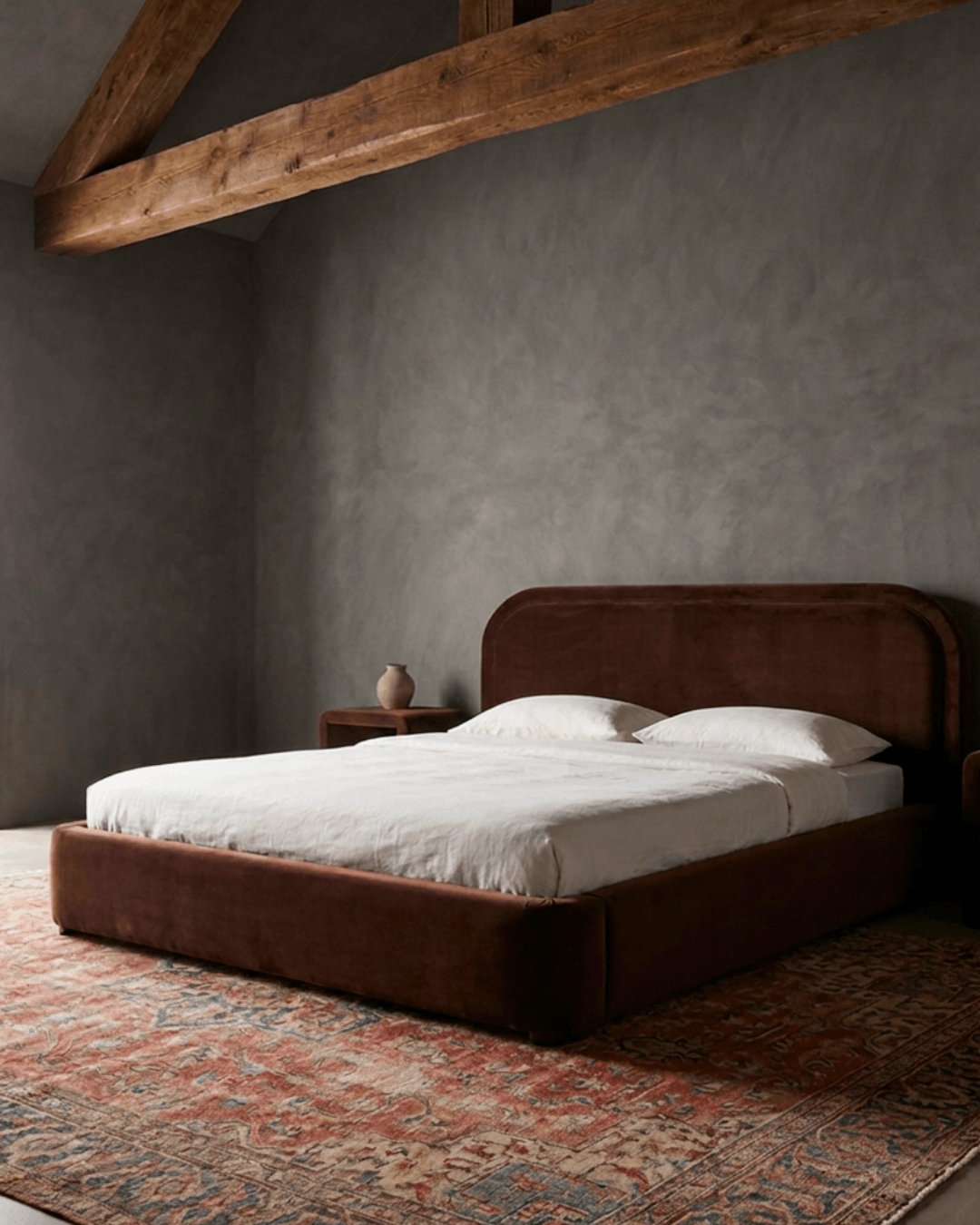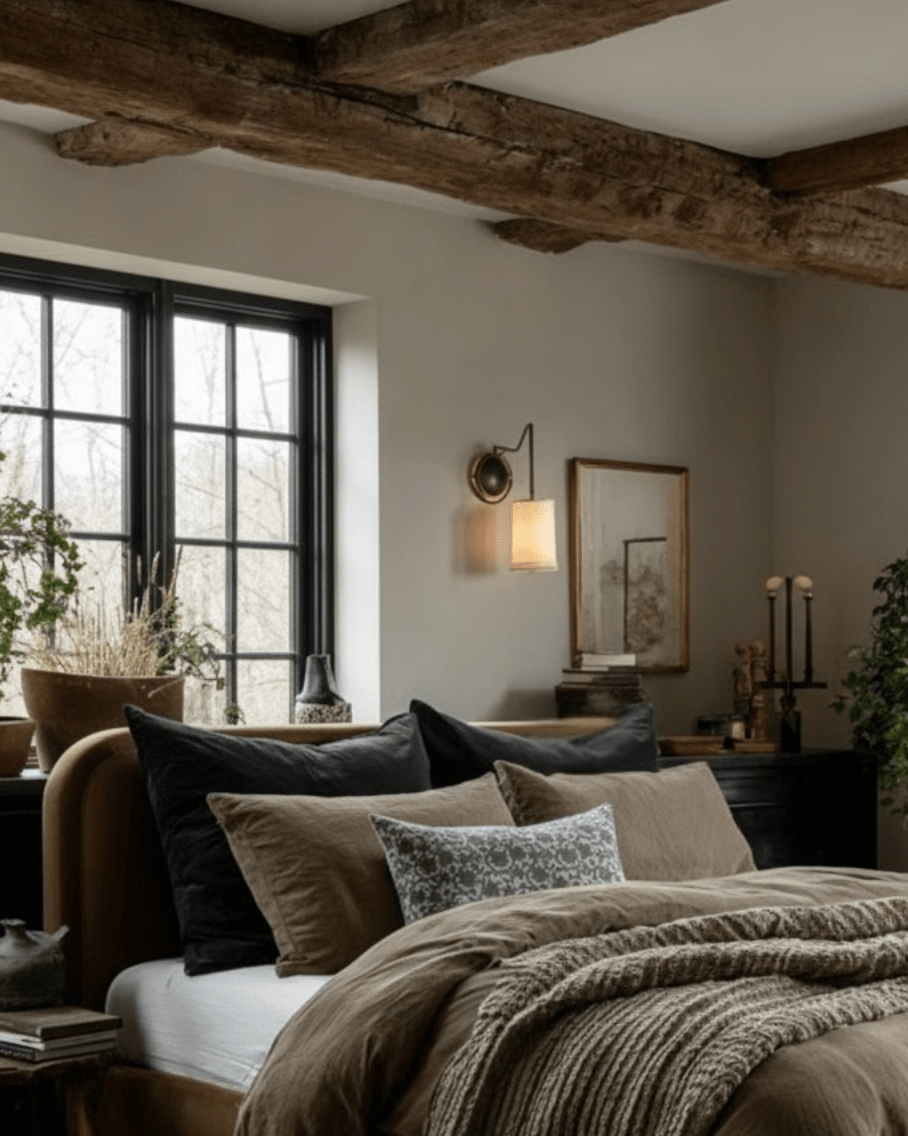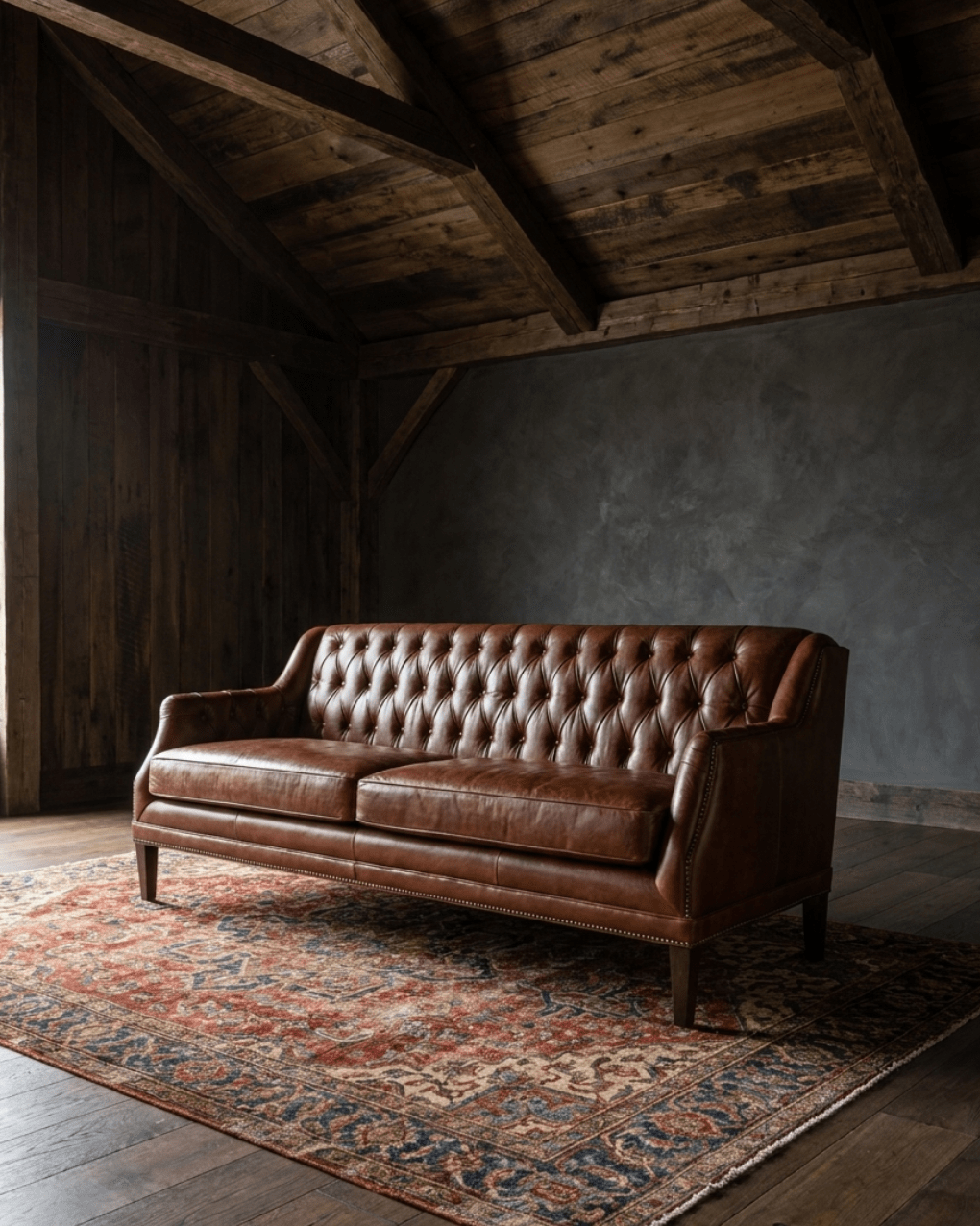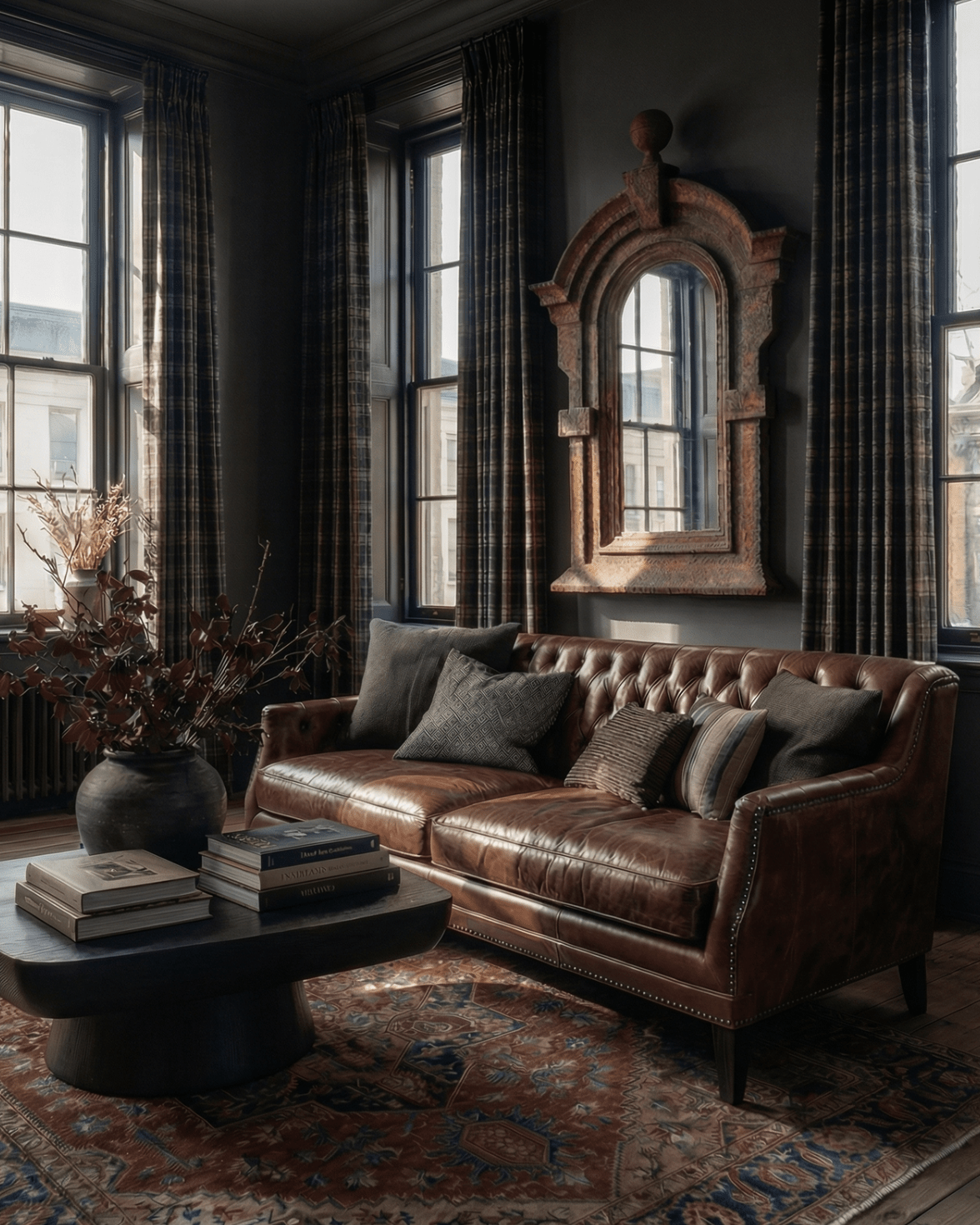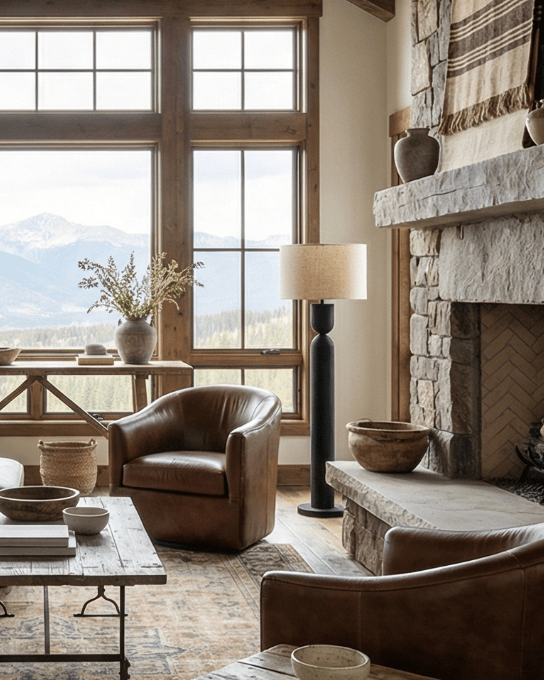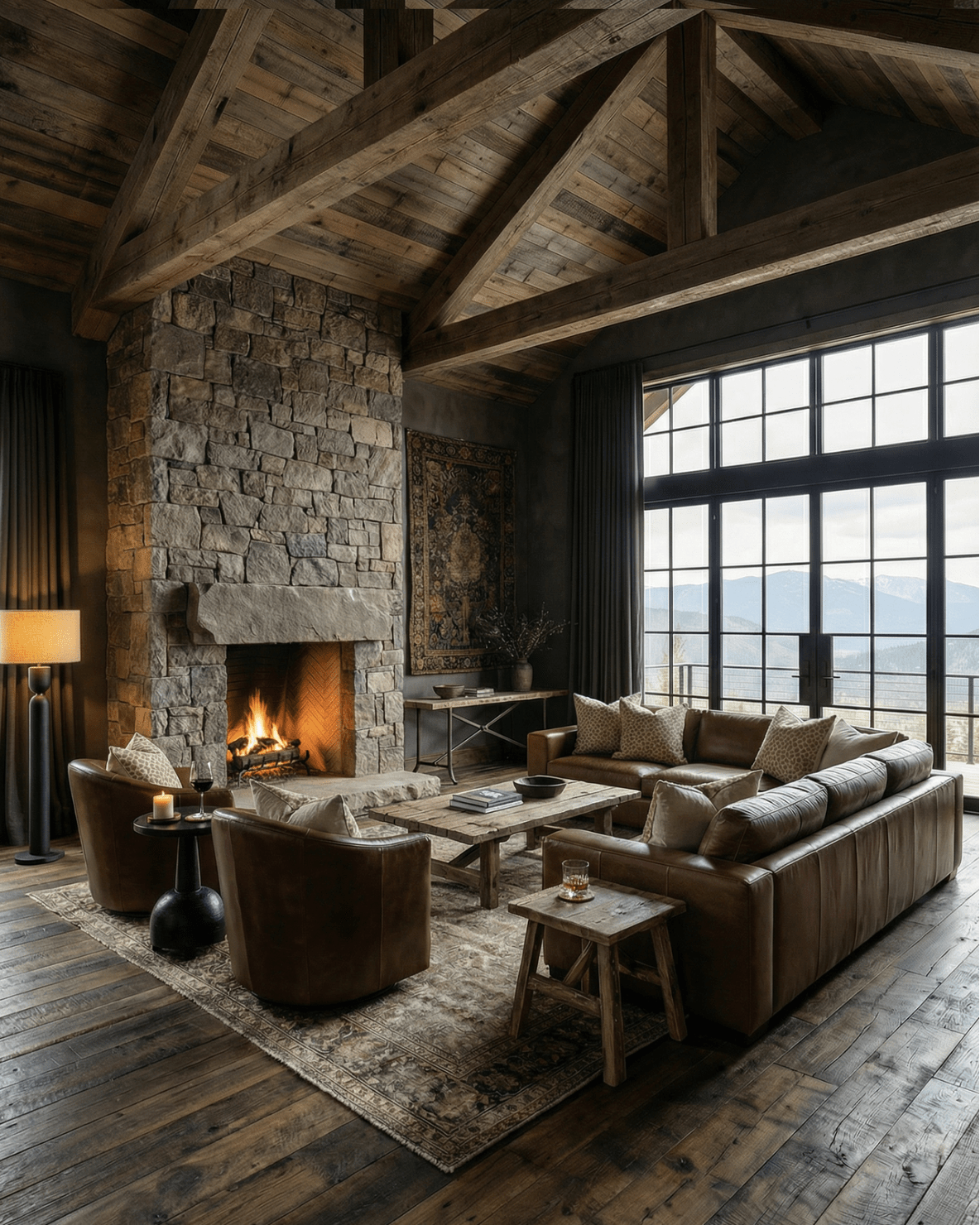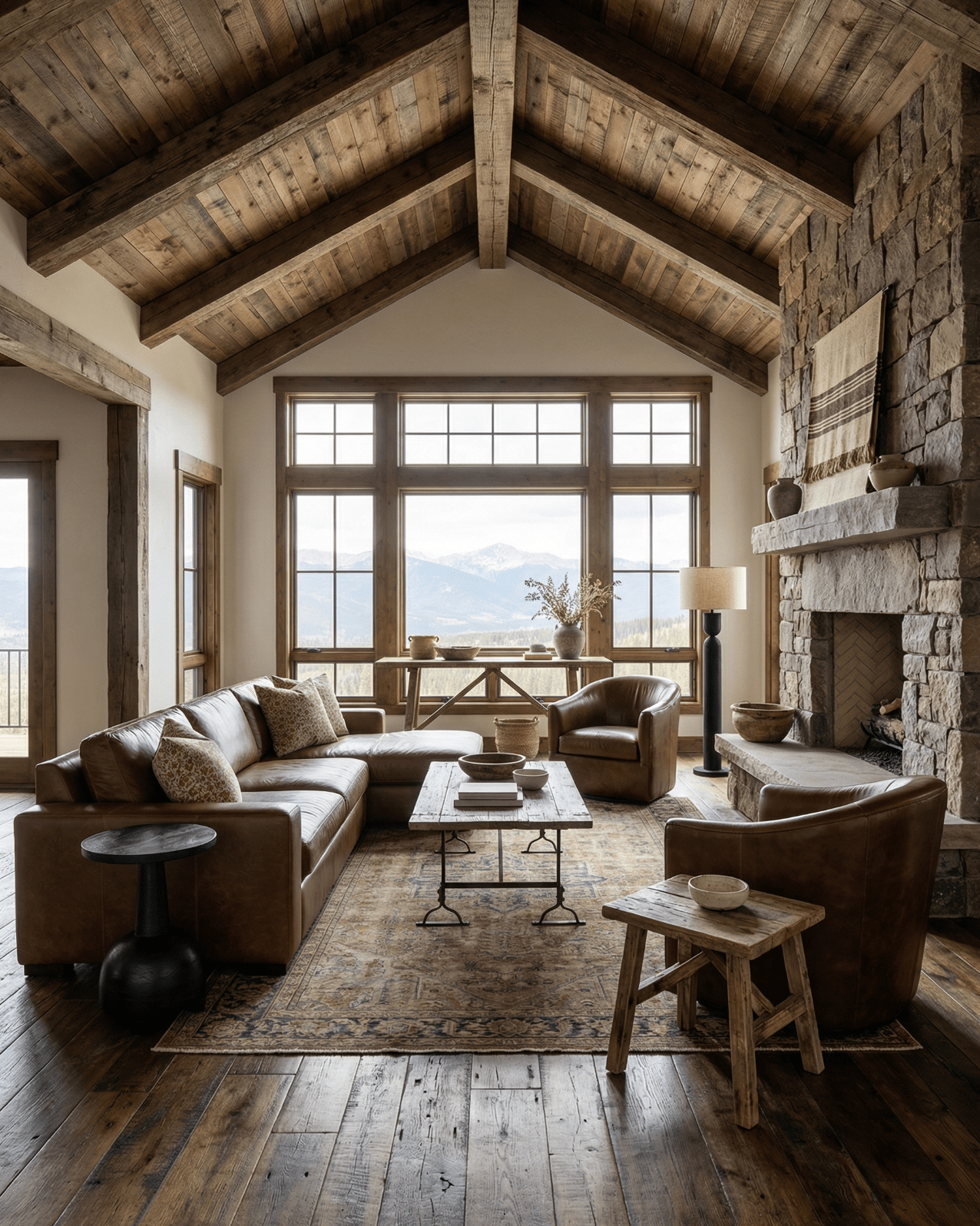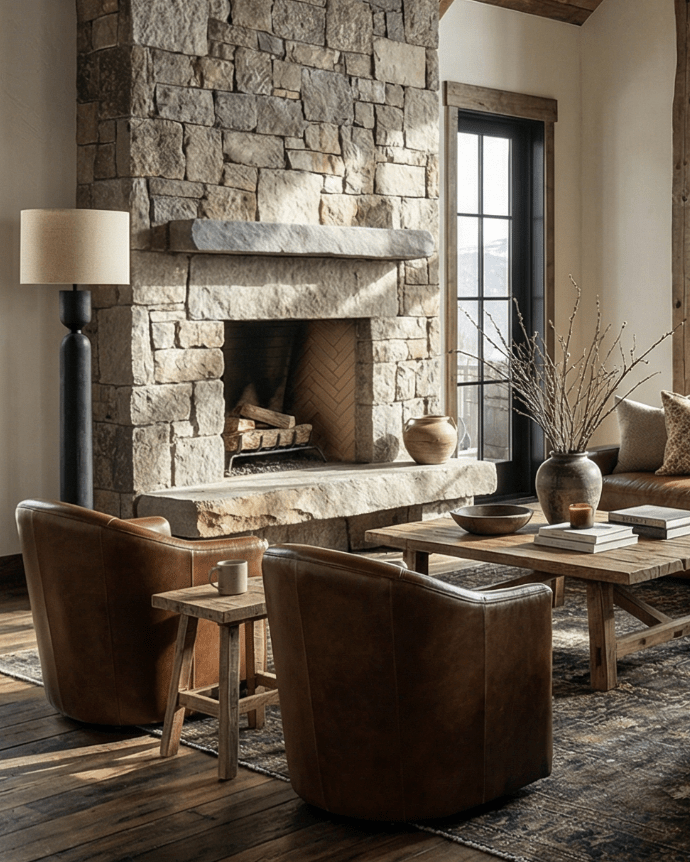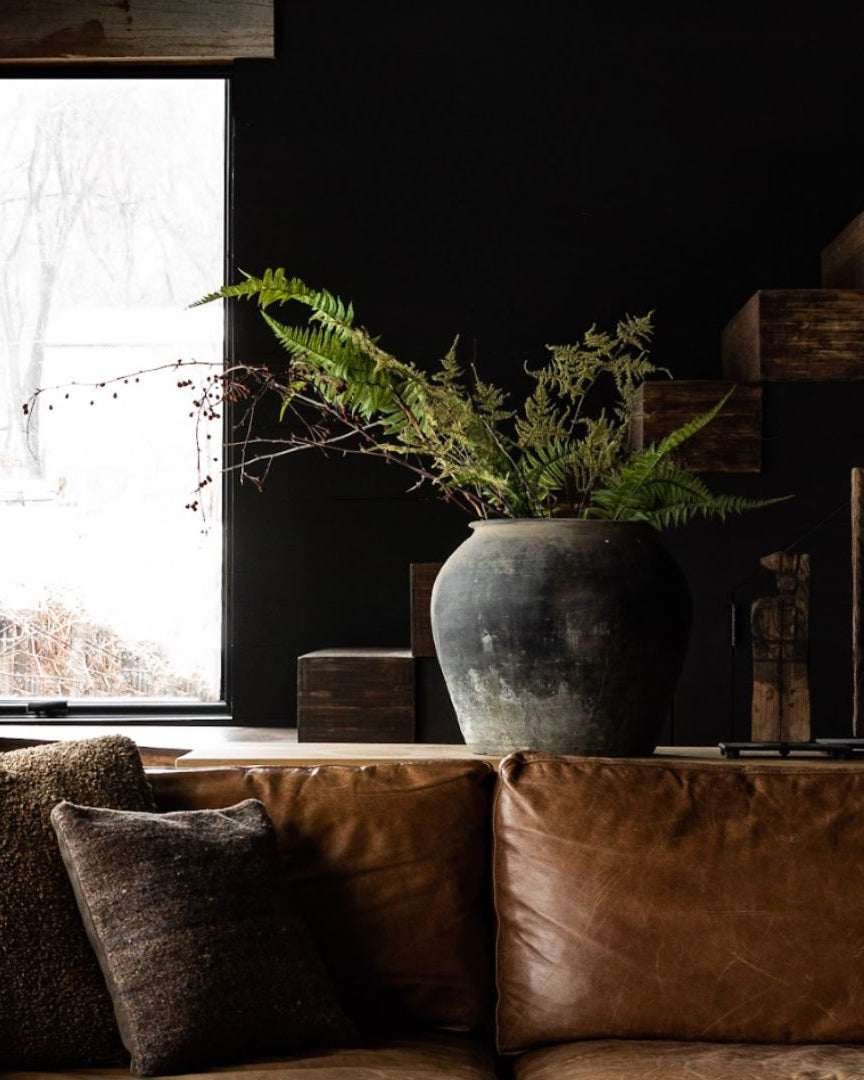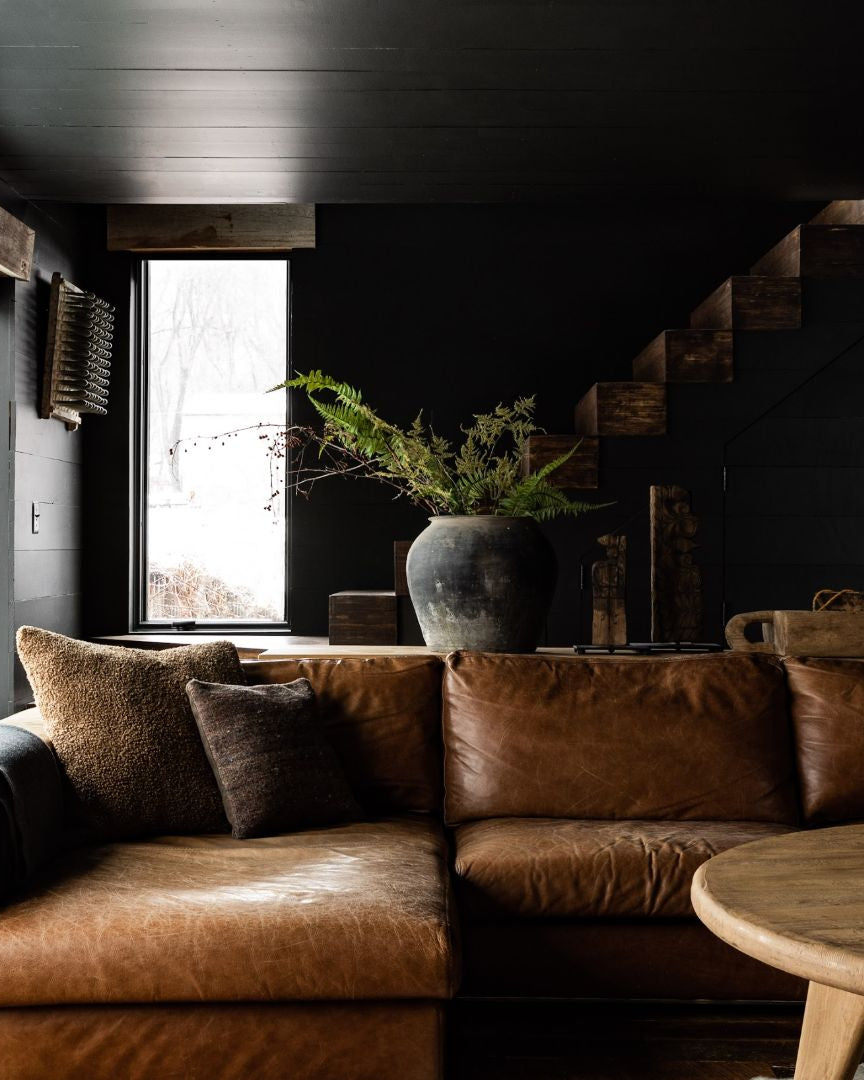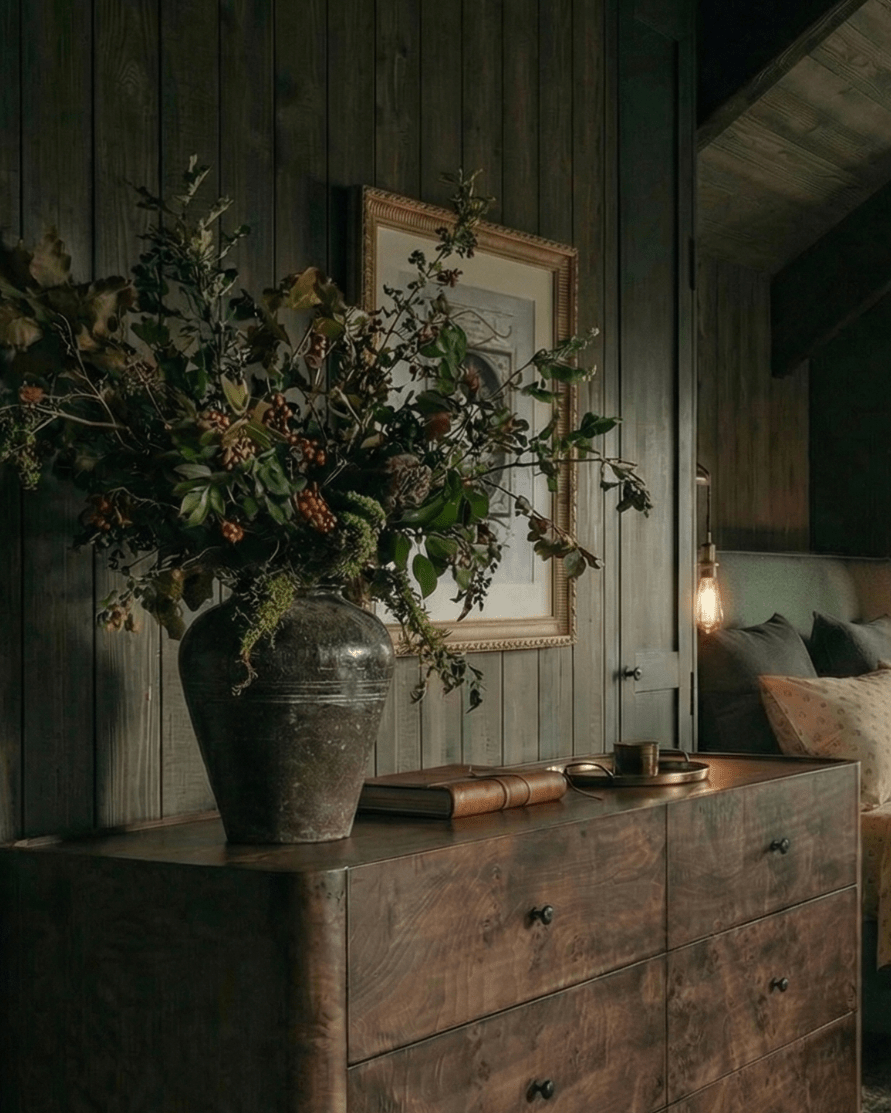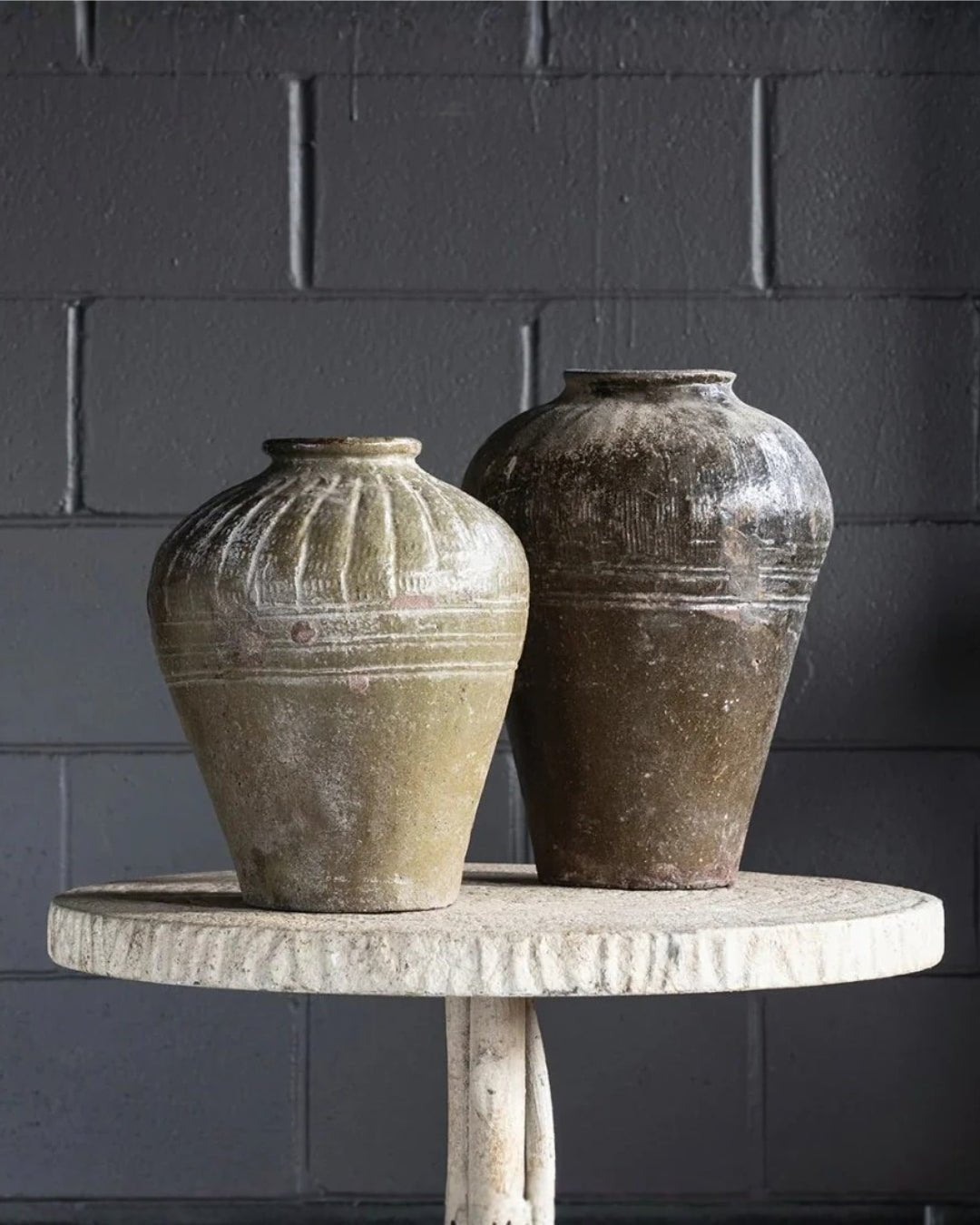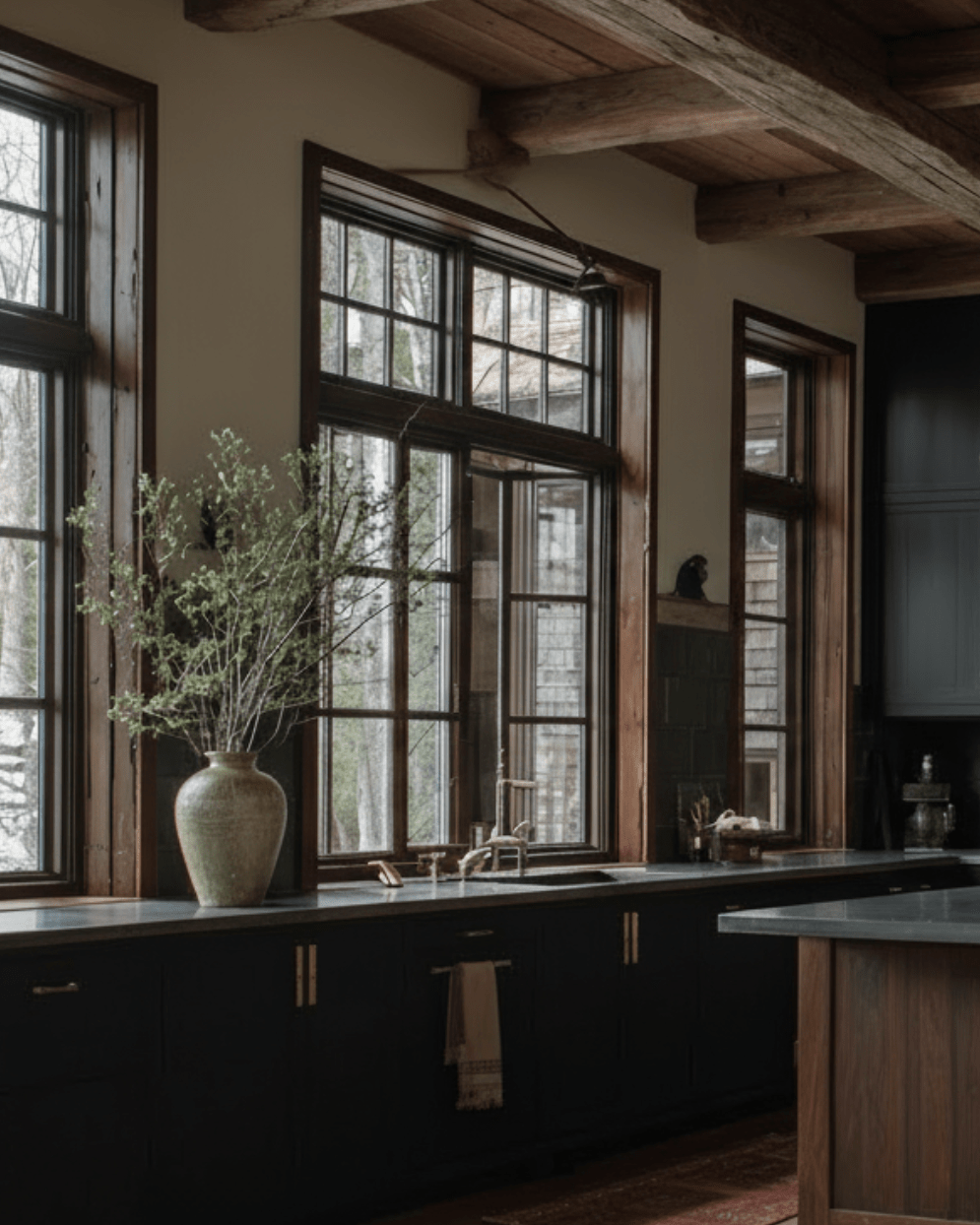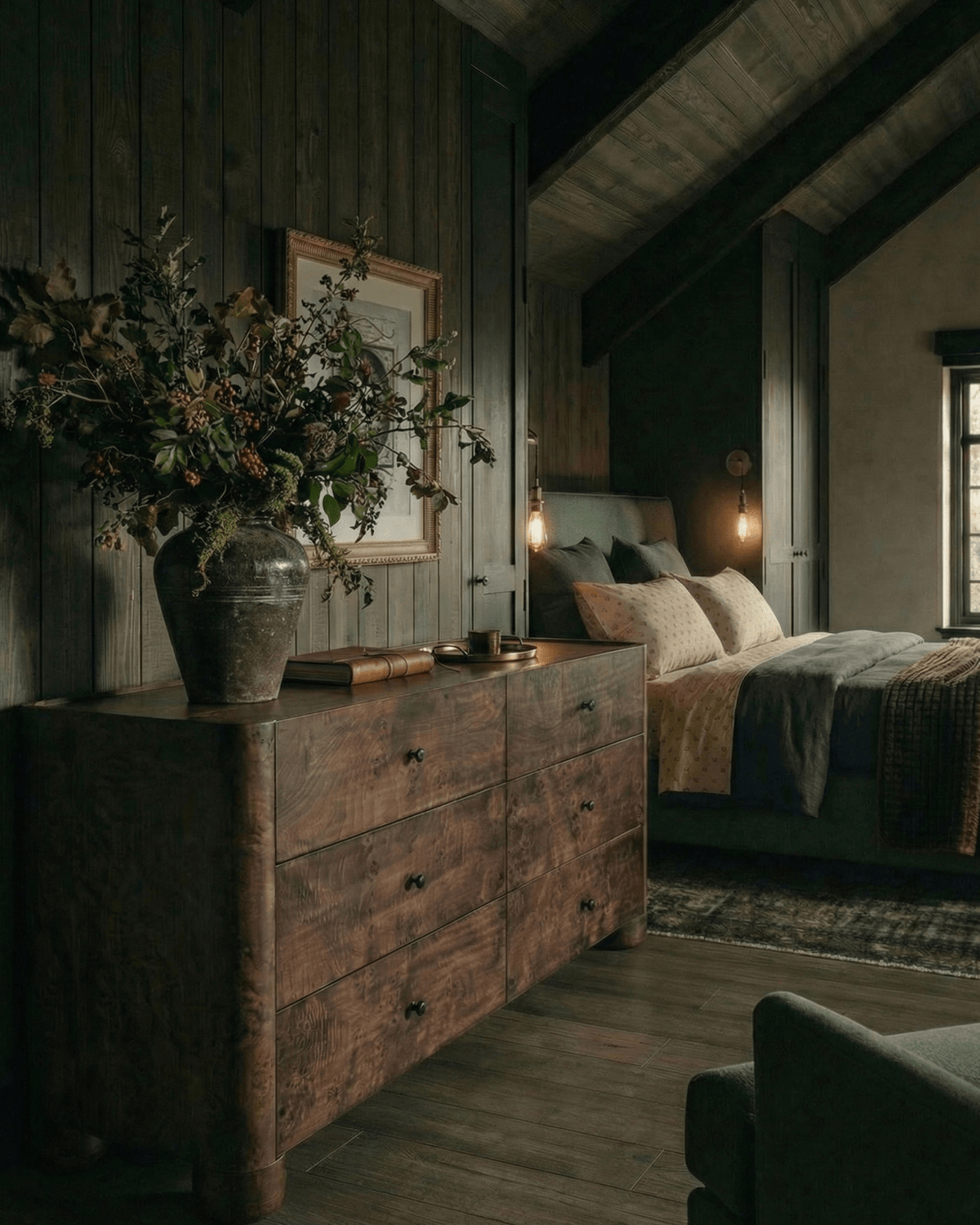











Most people can tell when a room feels good before they can explain why.
You walk in and your shoulders drop slightly. The lighting feels softer somehow. The furniture looks grounded instead of temporary. Nothing is screaming for attention, yet the room still feels layered and alive.
Then there are the opposite spaces. Perfectly polished. Completely new. Visually loud in a strangely sterile way. Everything technically matches, but the room still feels emotionally flat.
That difference is partly why reclaimed wood furniture keeps resonating so strongly right now.
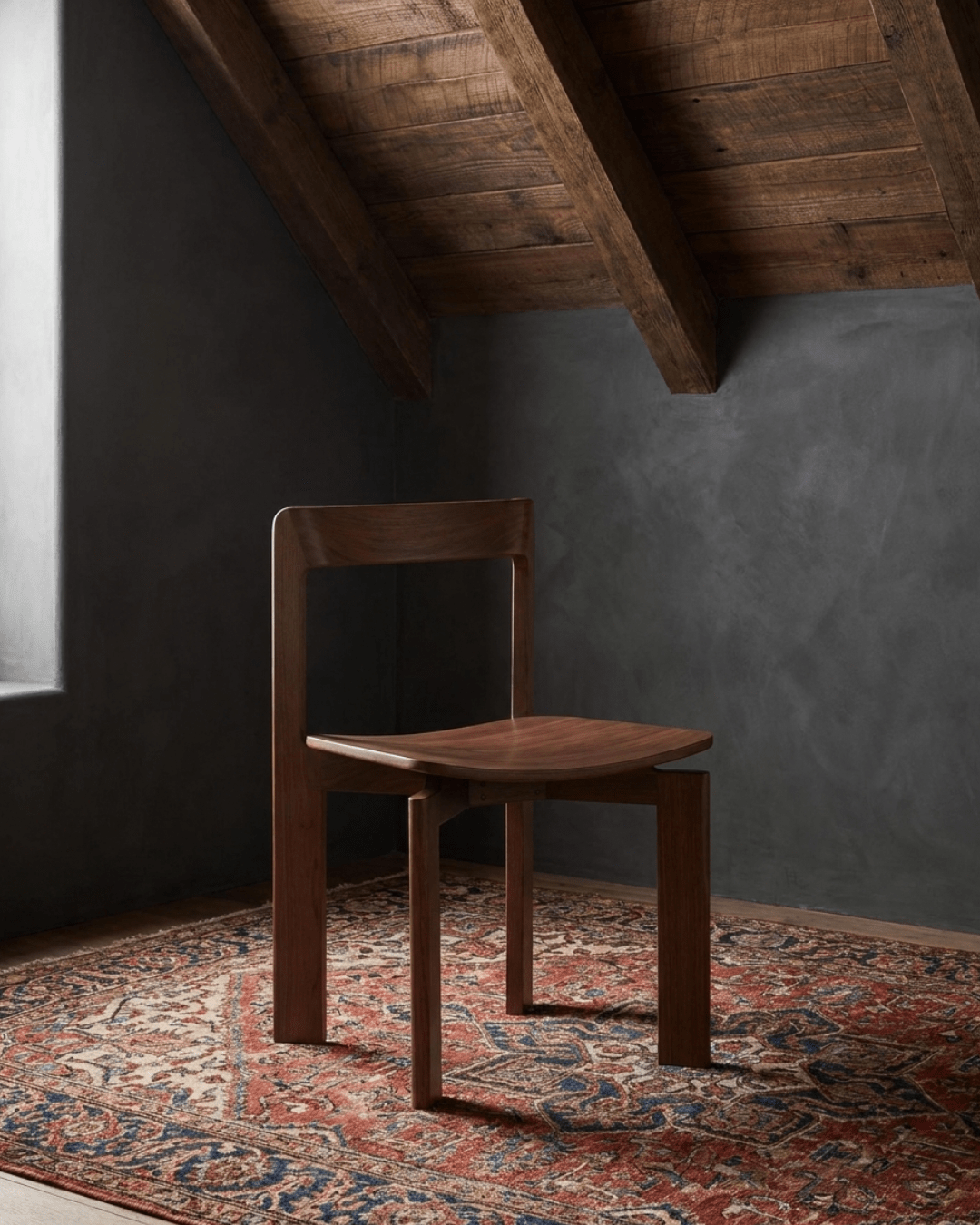
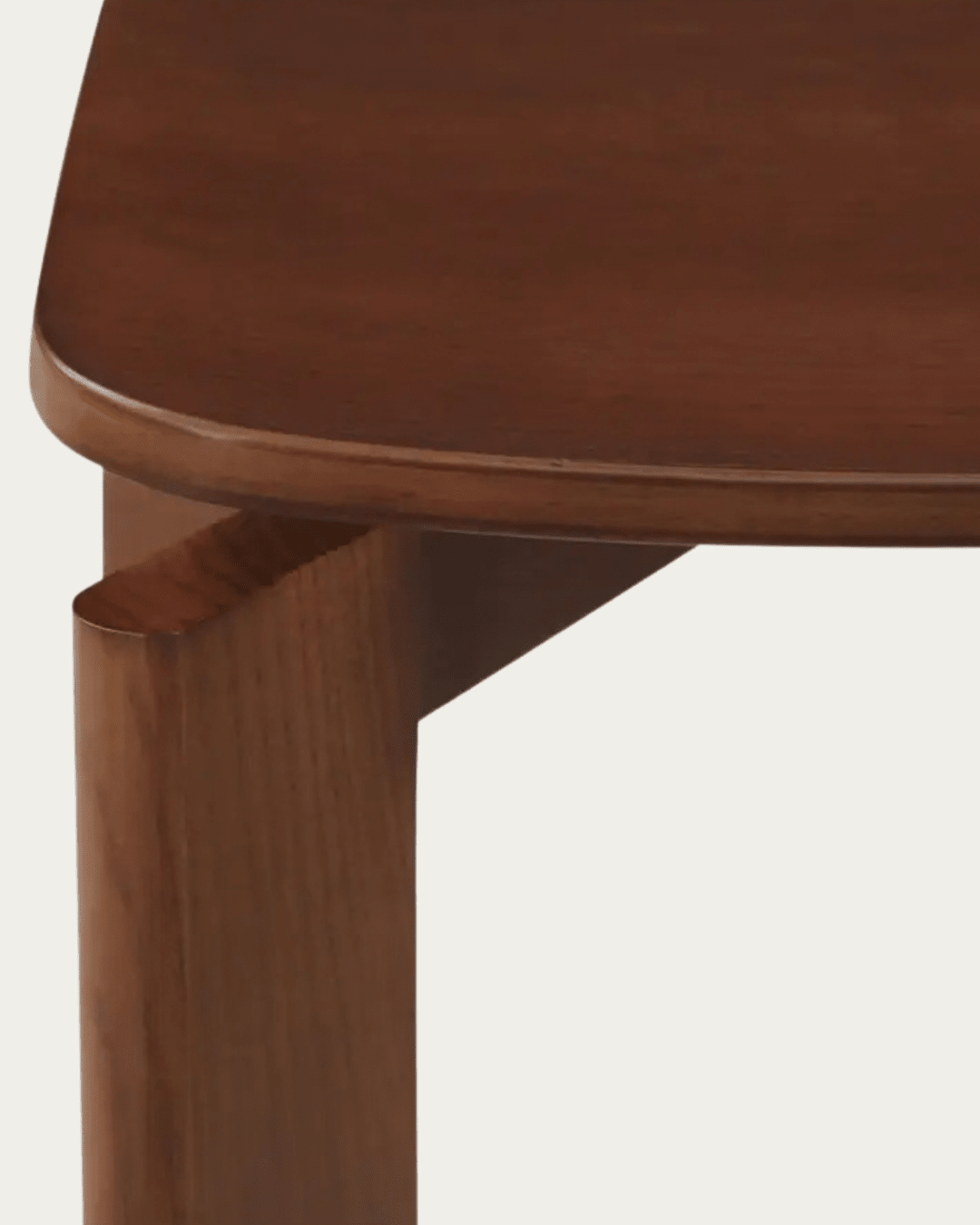
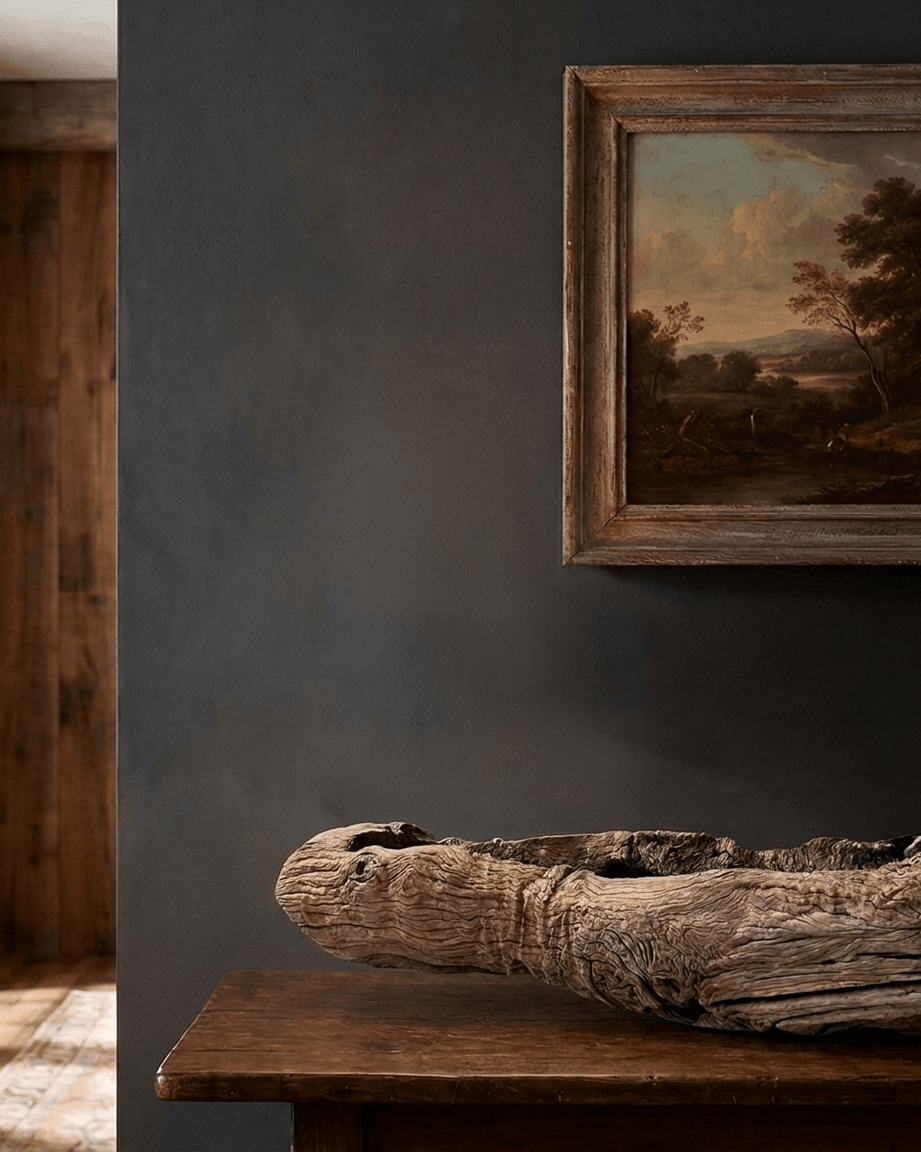
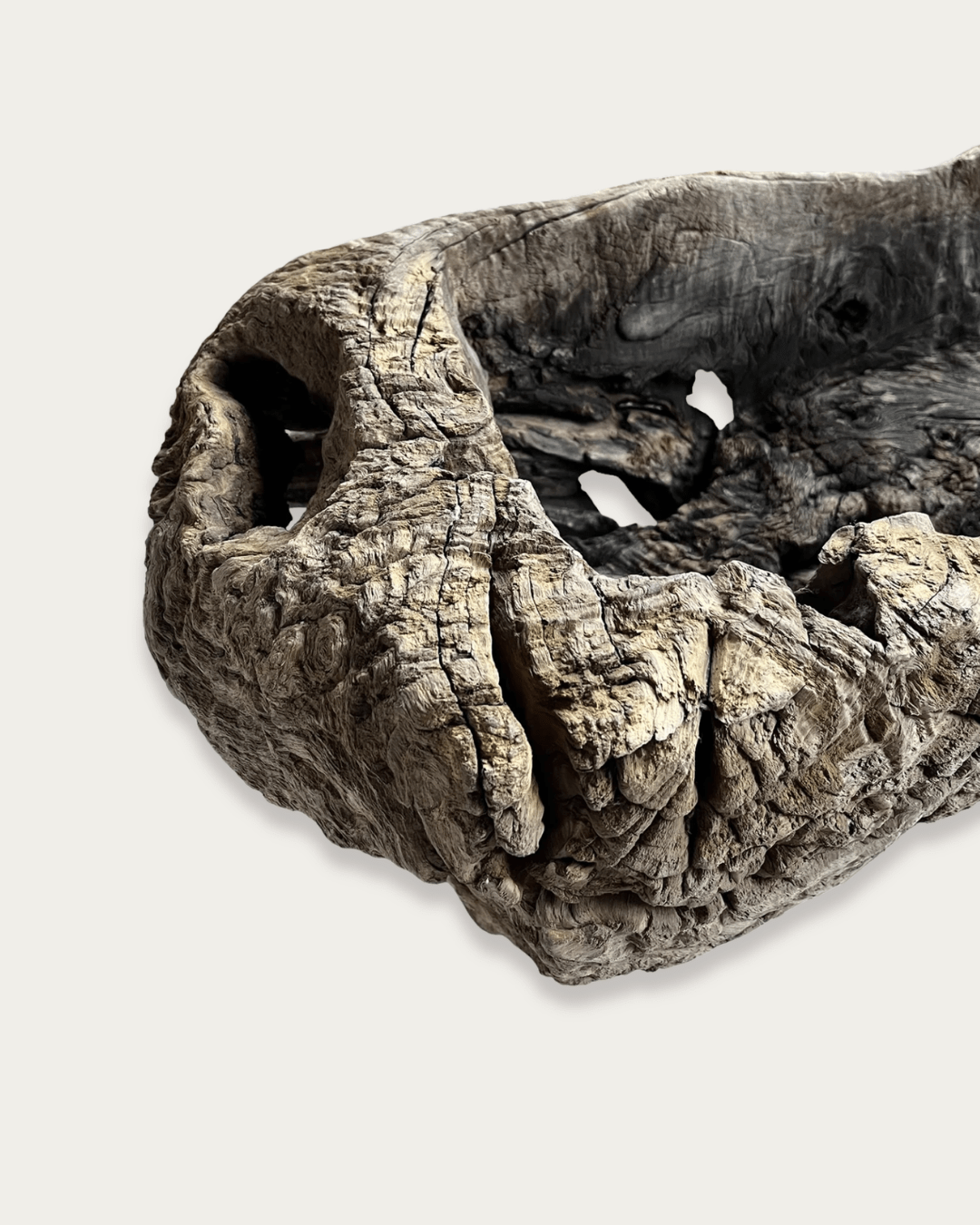
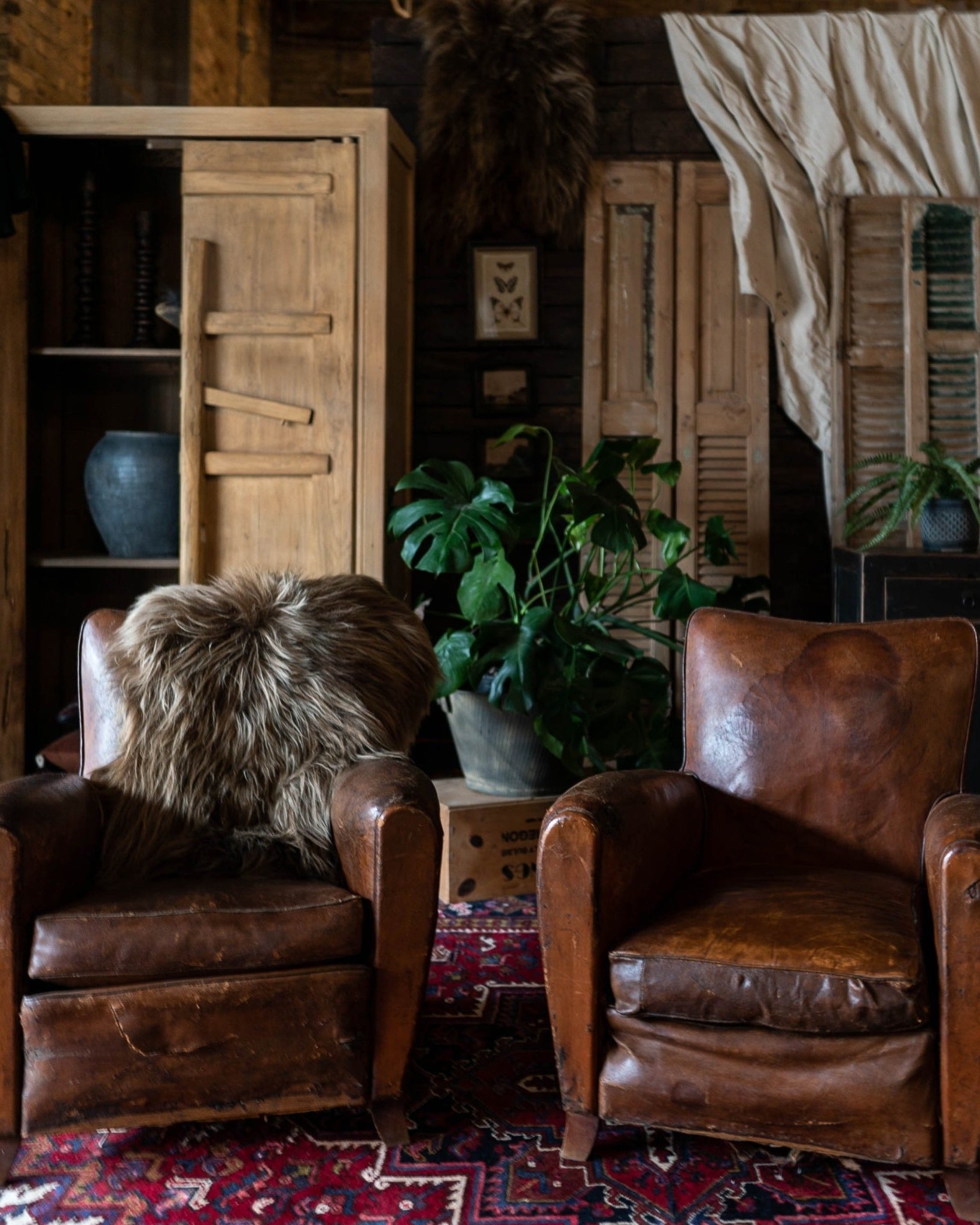
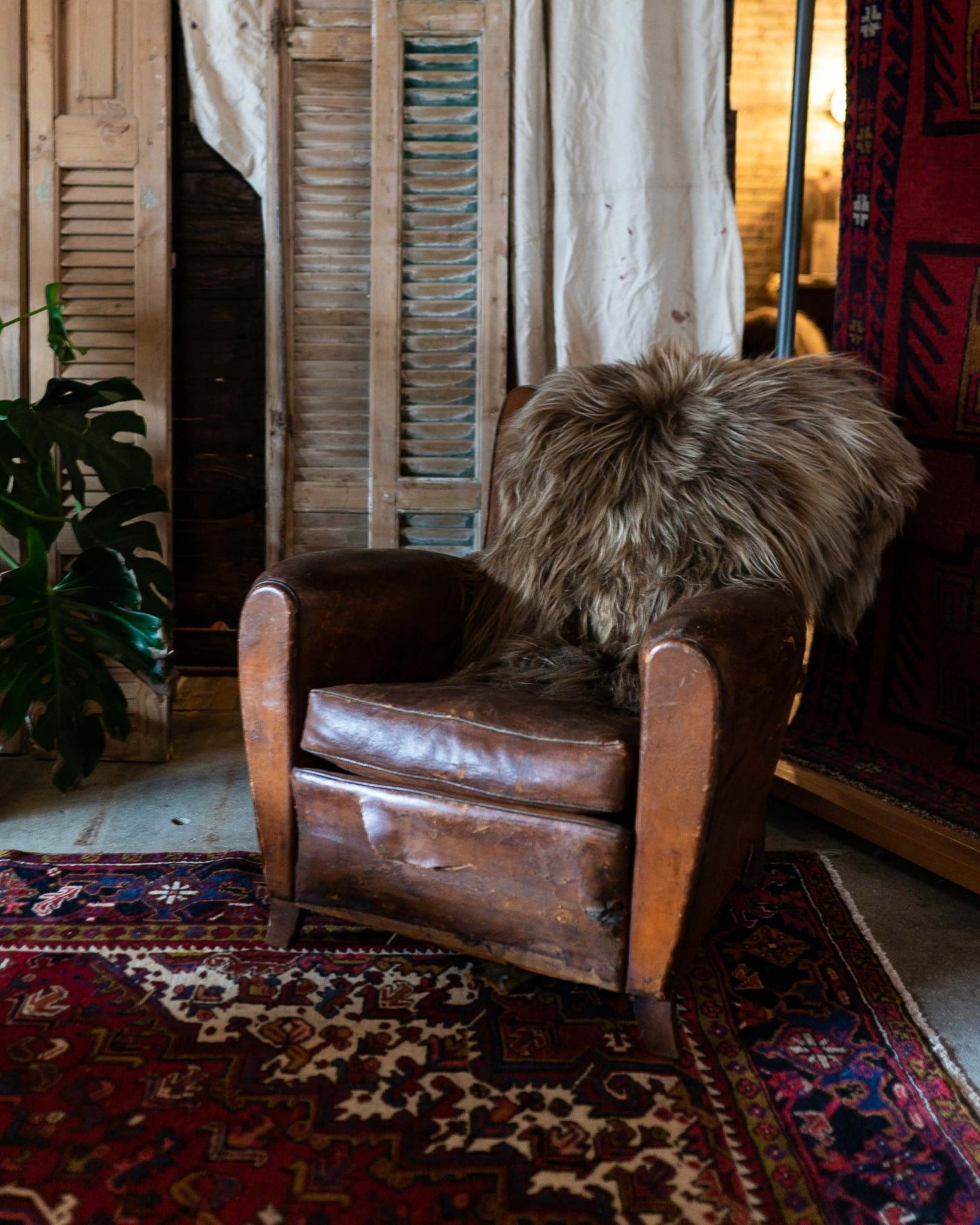
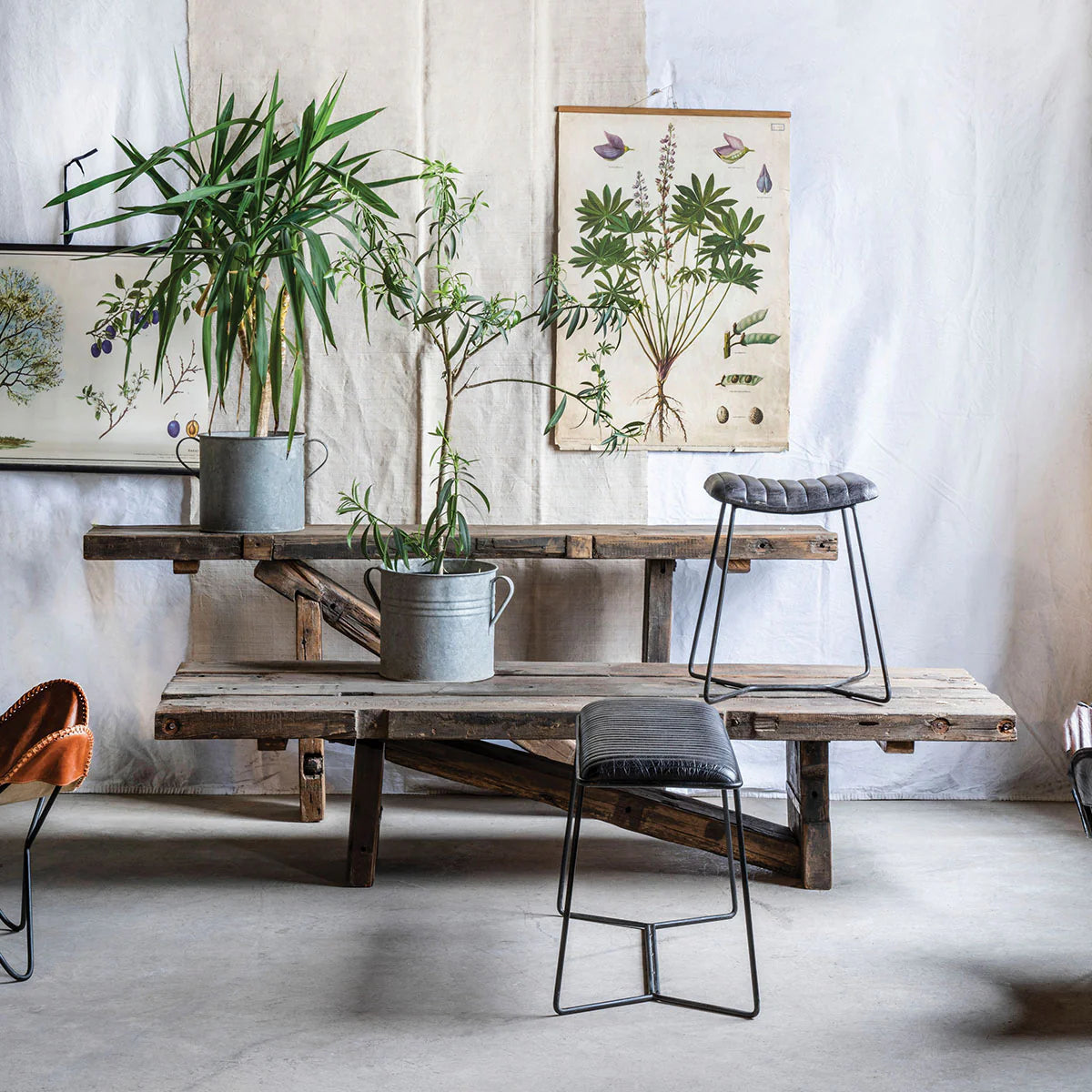
People are becoming less interested in furniture that simply fills a room and more interested in materials that actually change how the room feels to live inside. Reclaimed wood does that unusually well because it introduces texture, irregularity, visual depth, and sensory grounding in ways fast furniture rarely can.
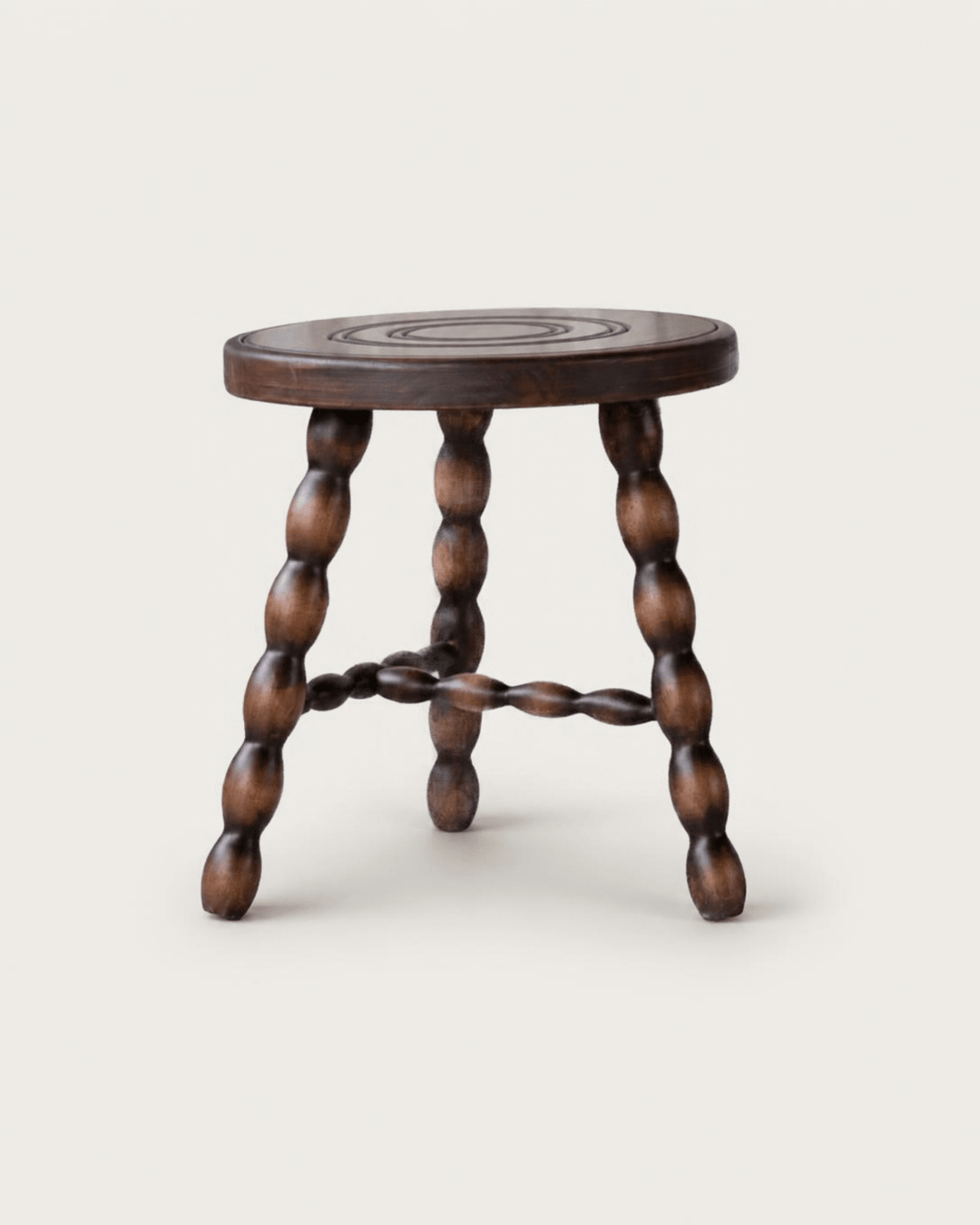
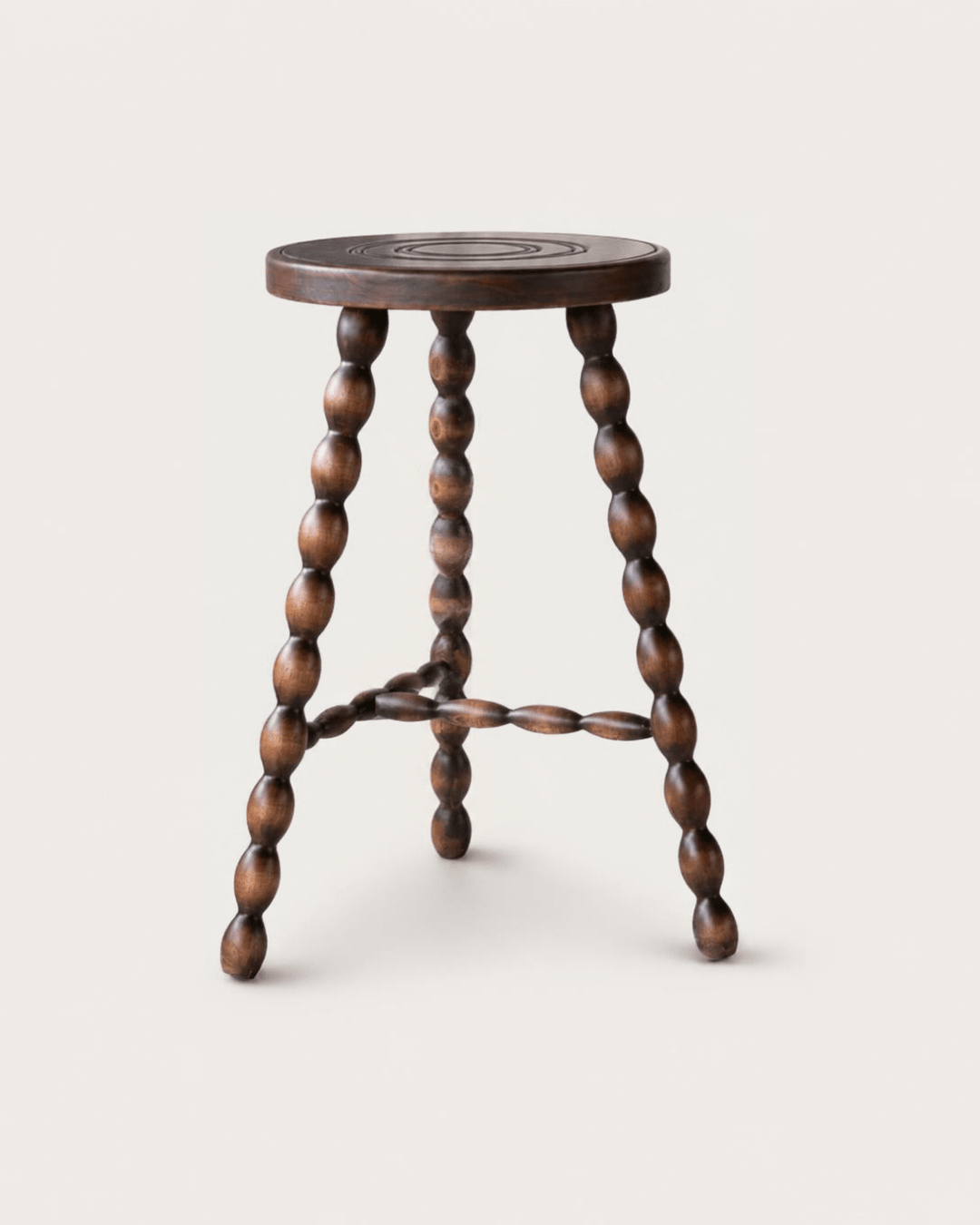
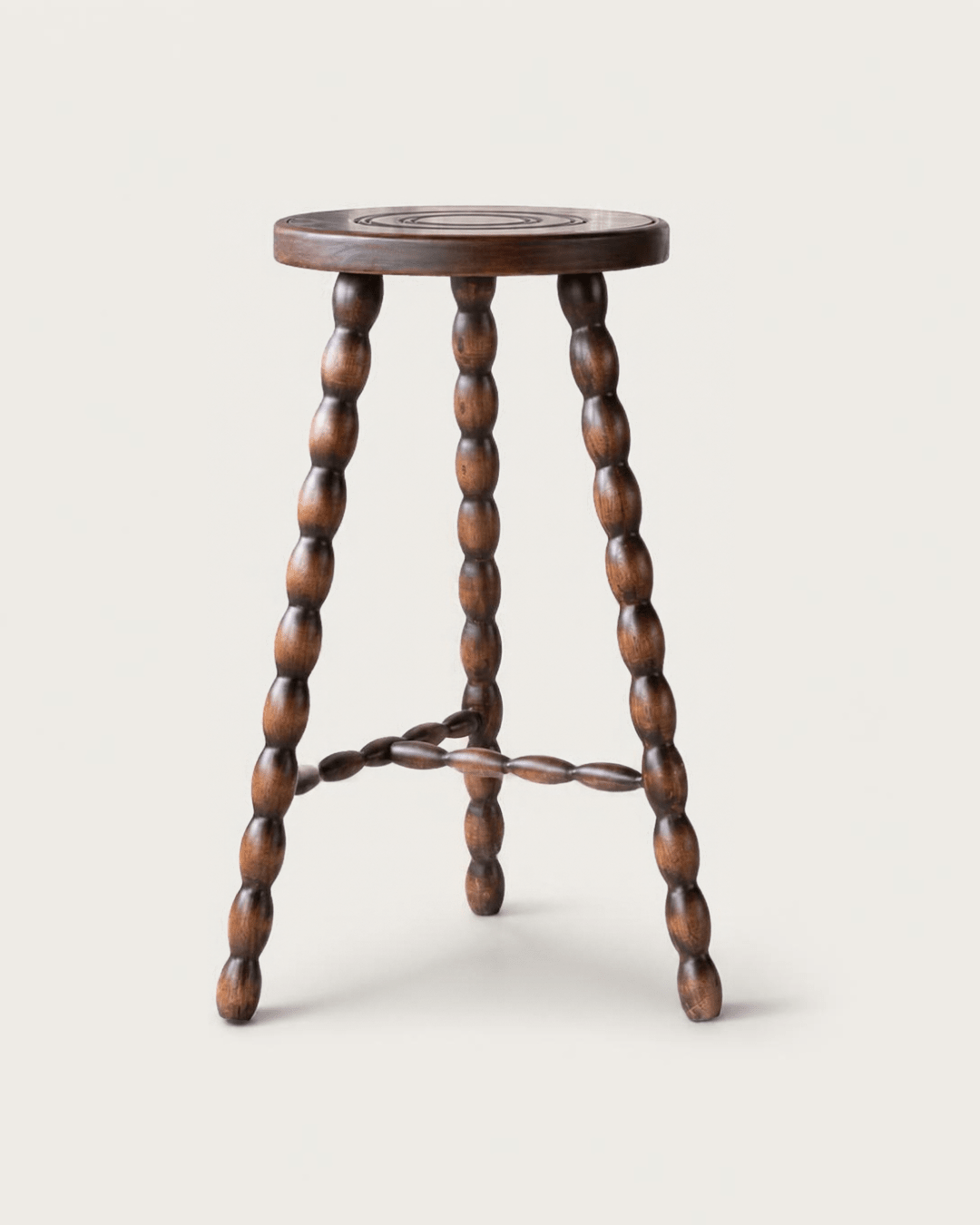
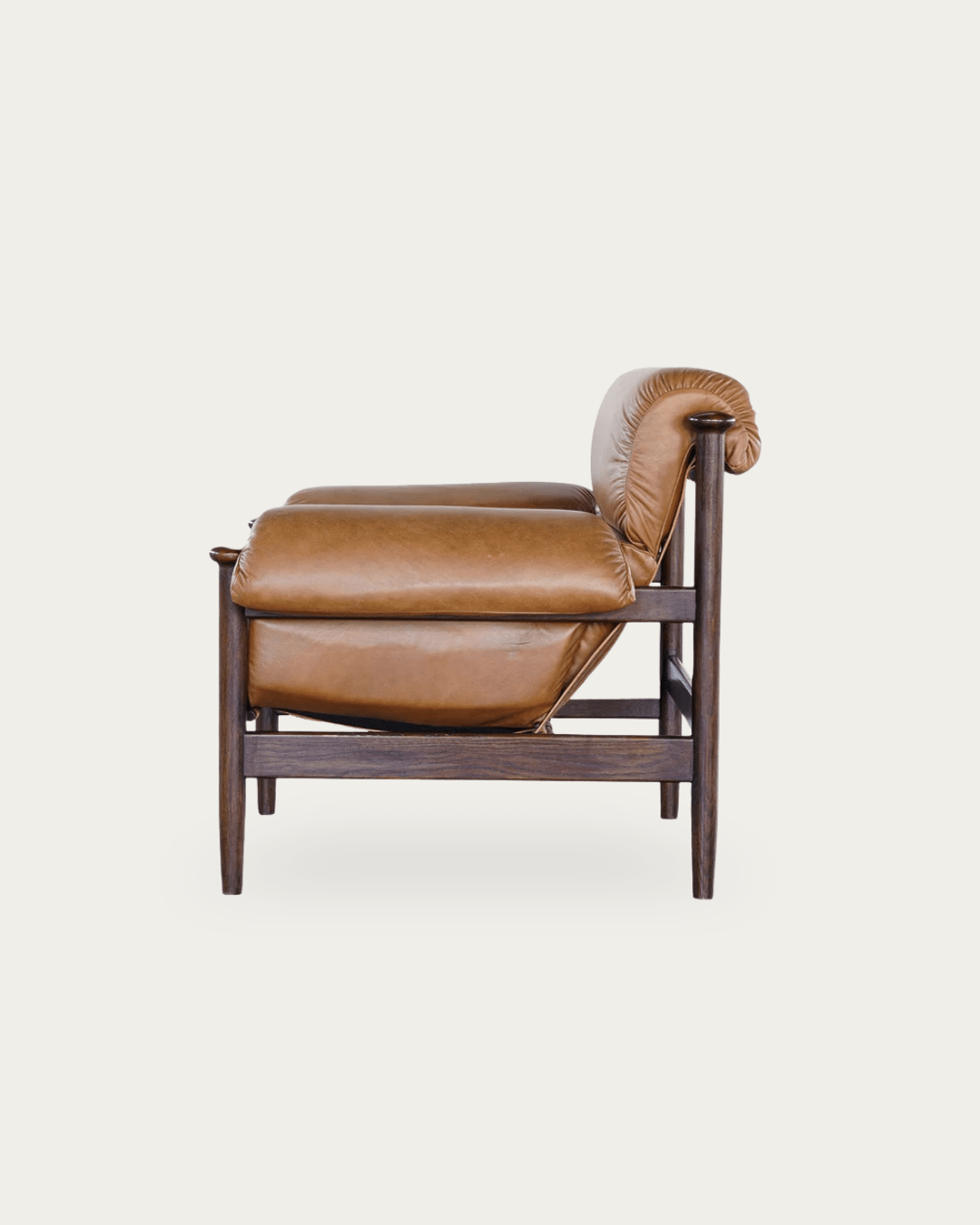
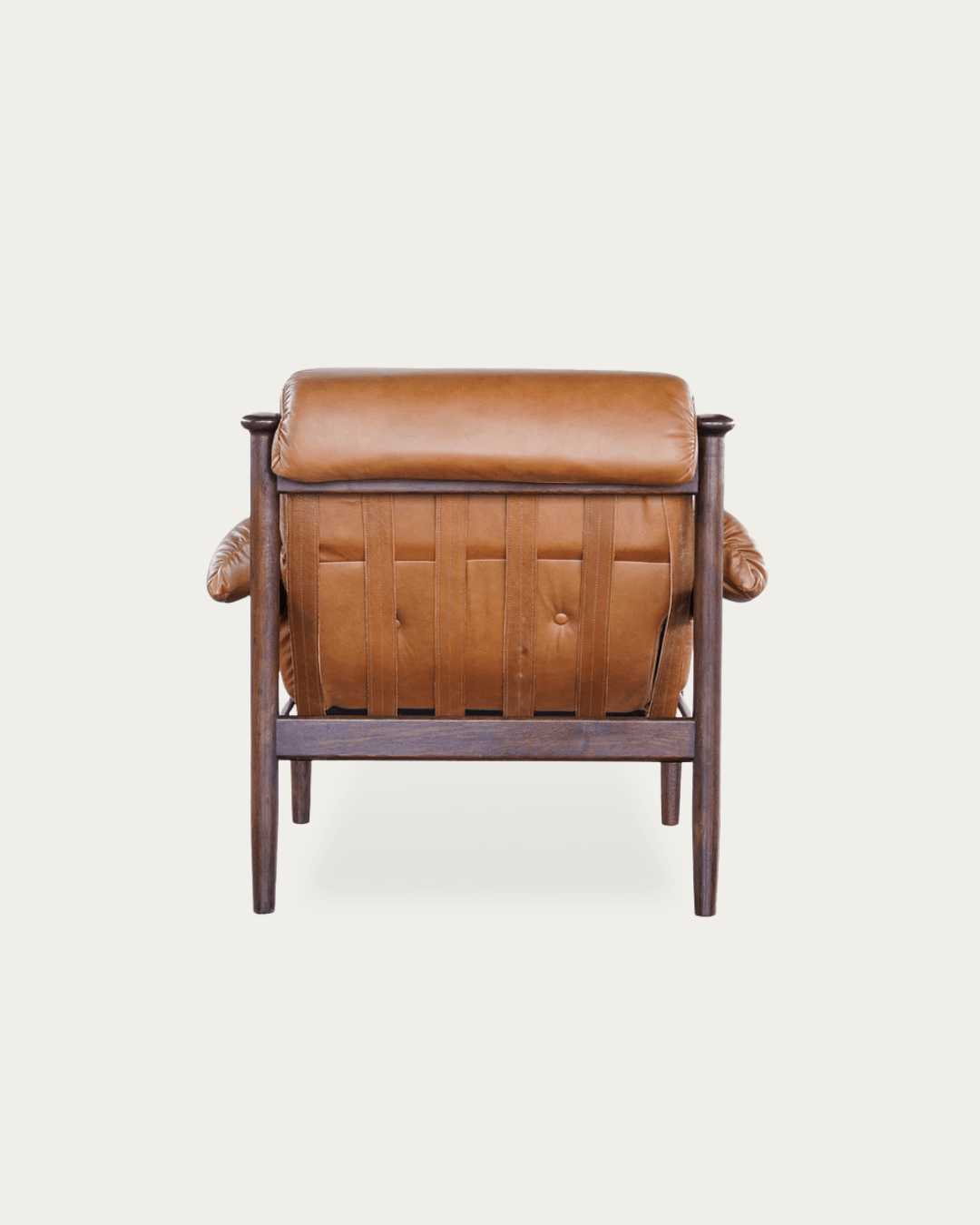
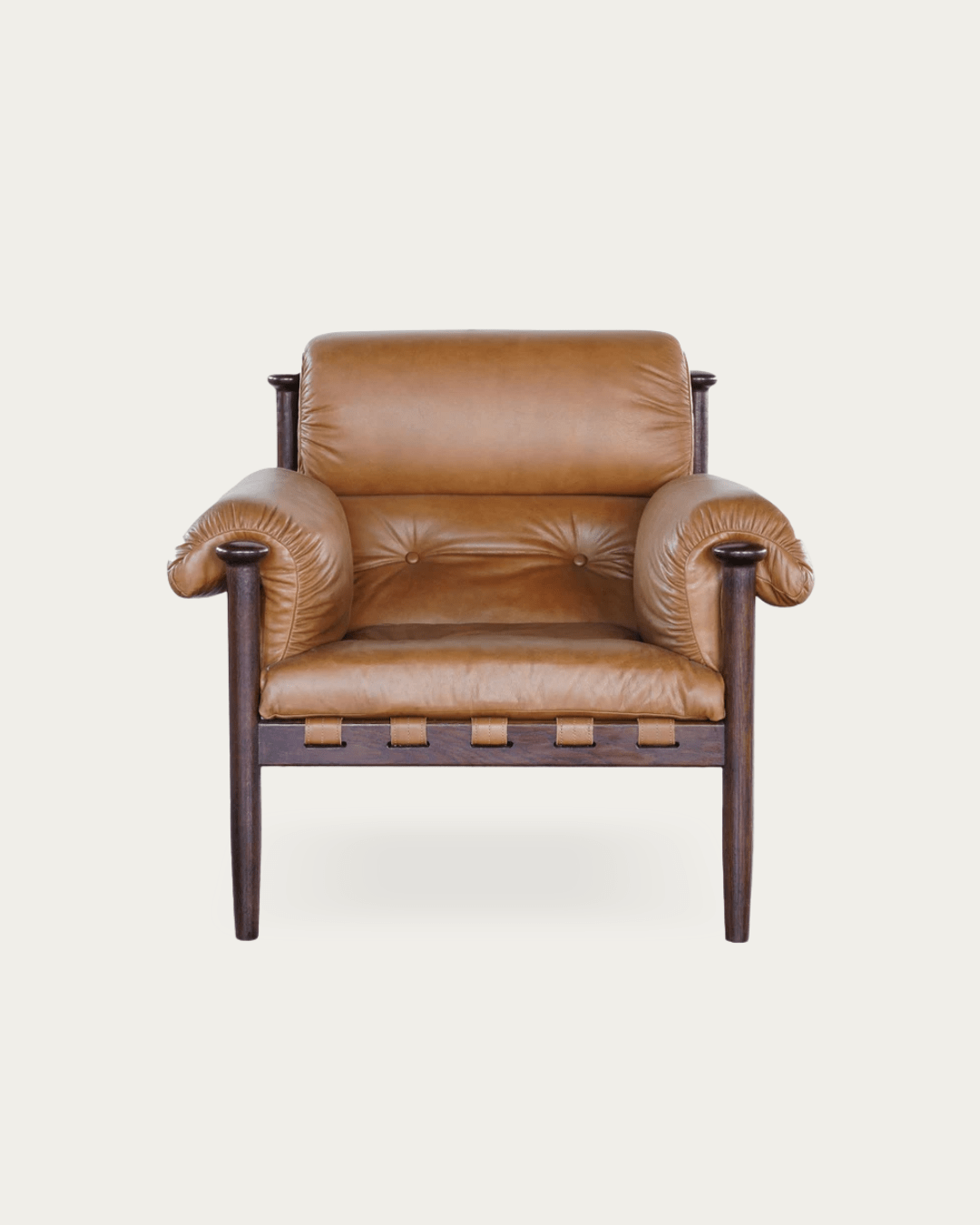
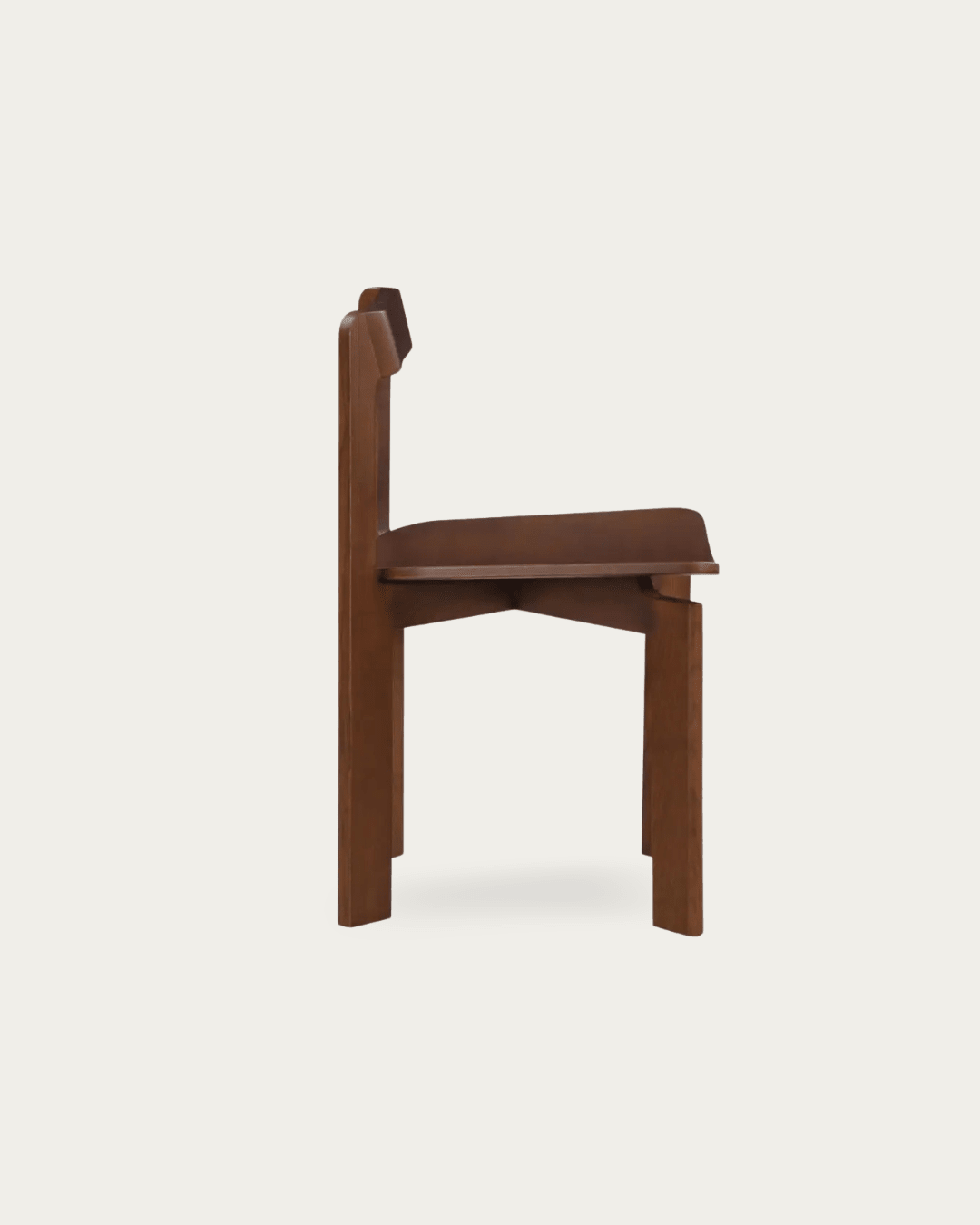
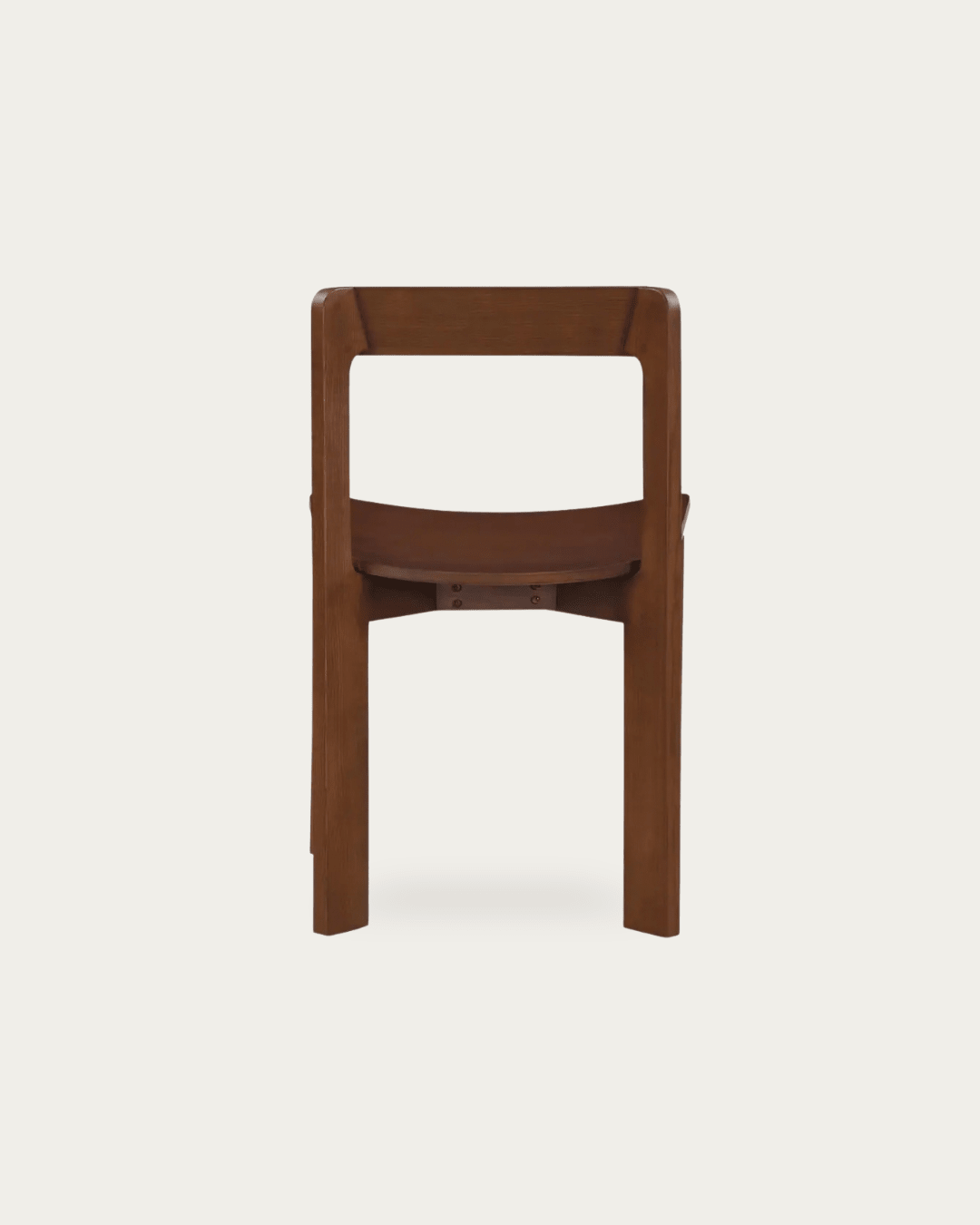
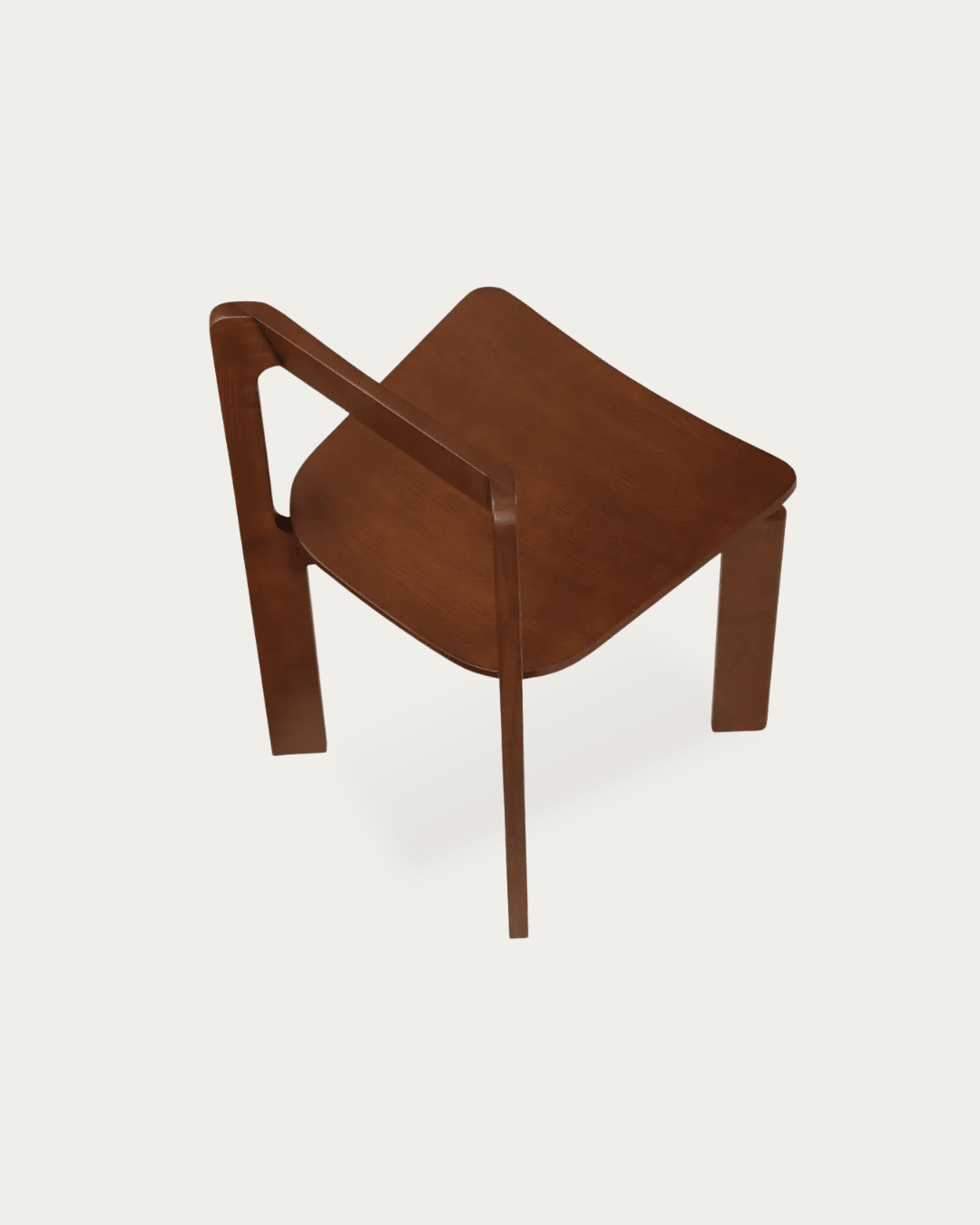
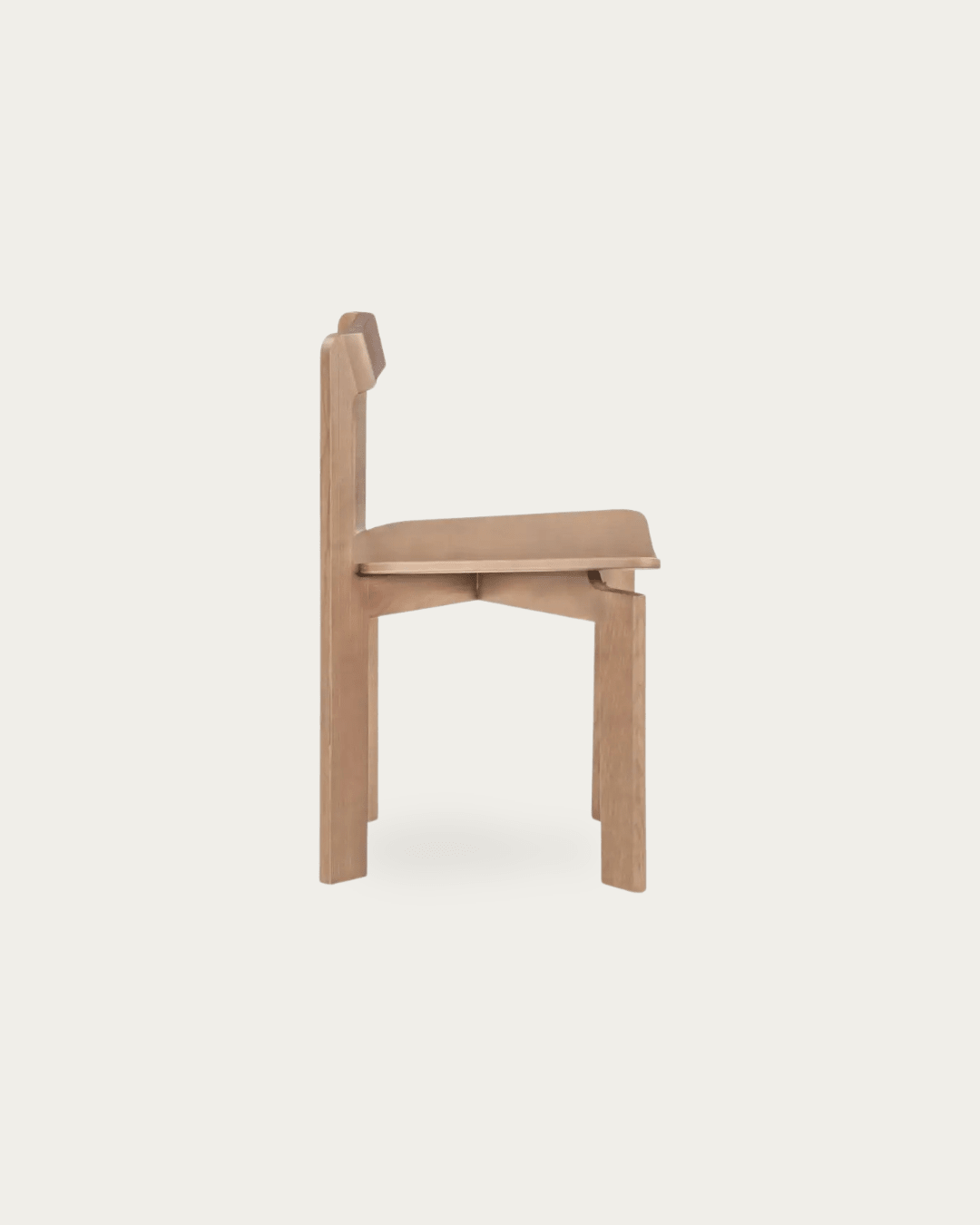
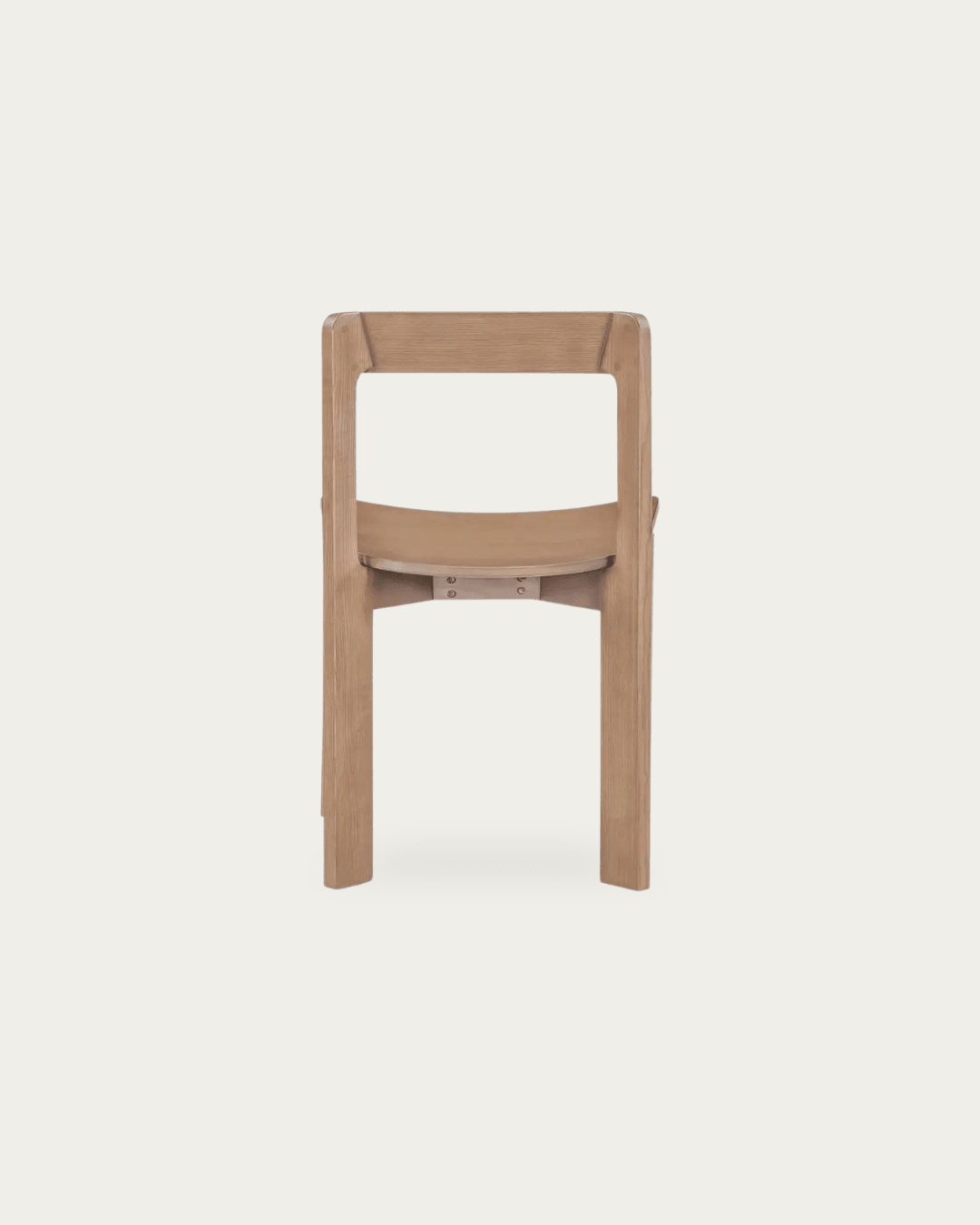
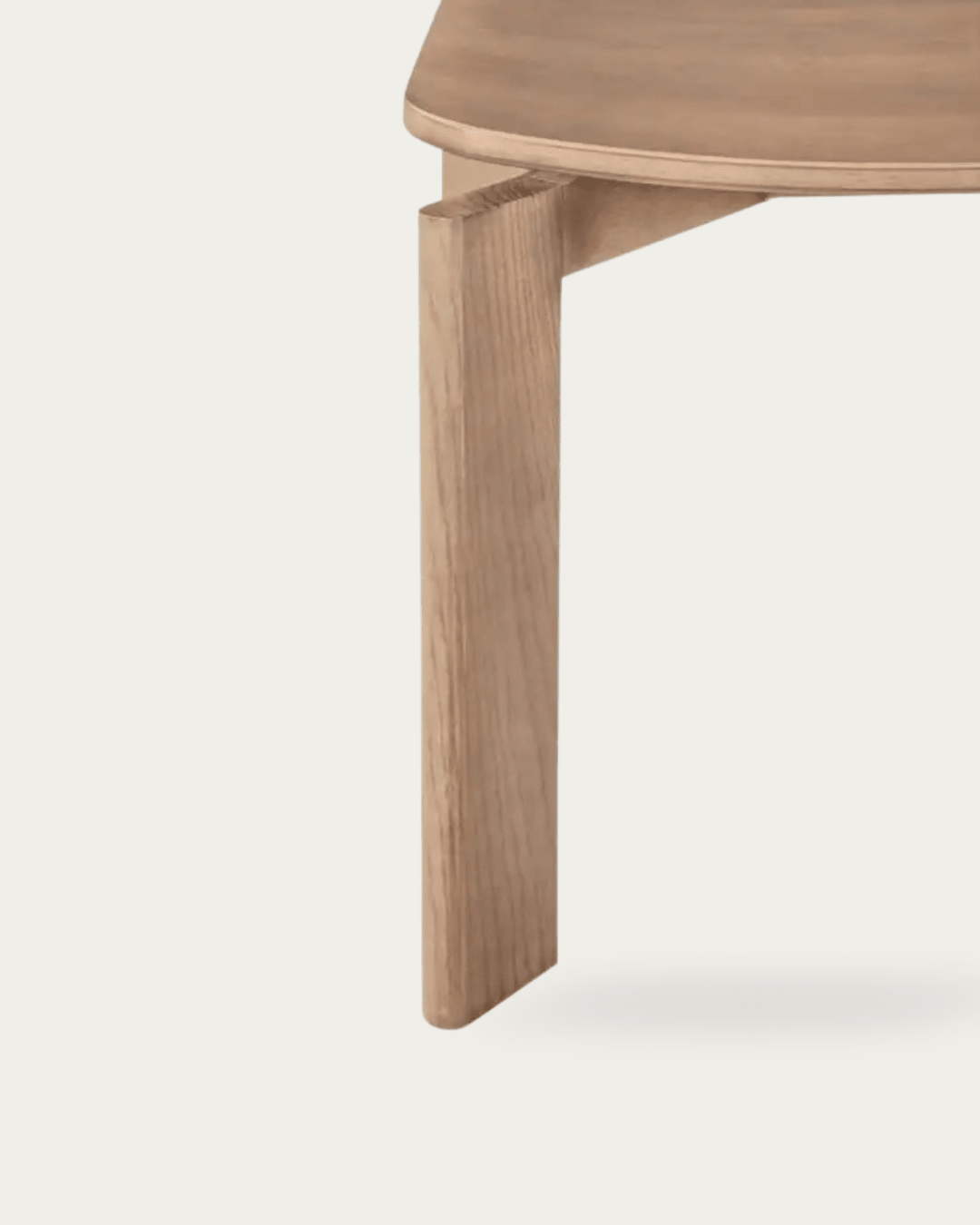
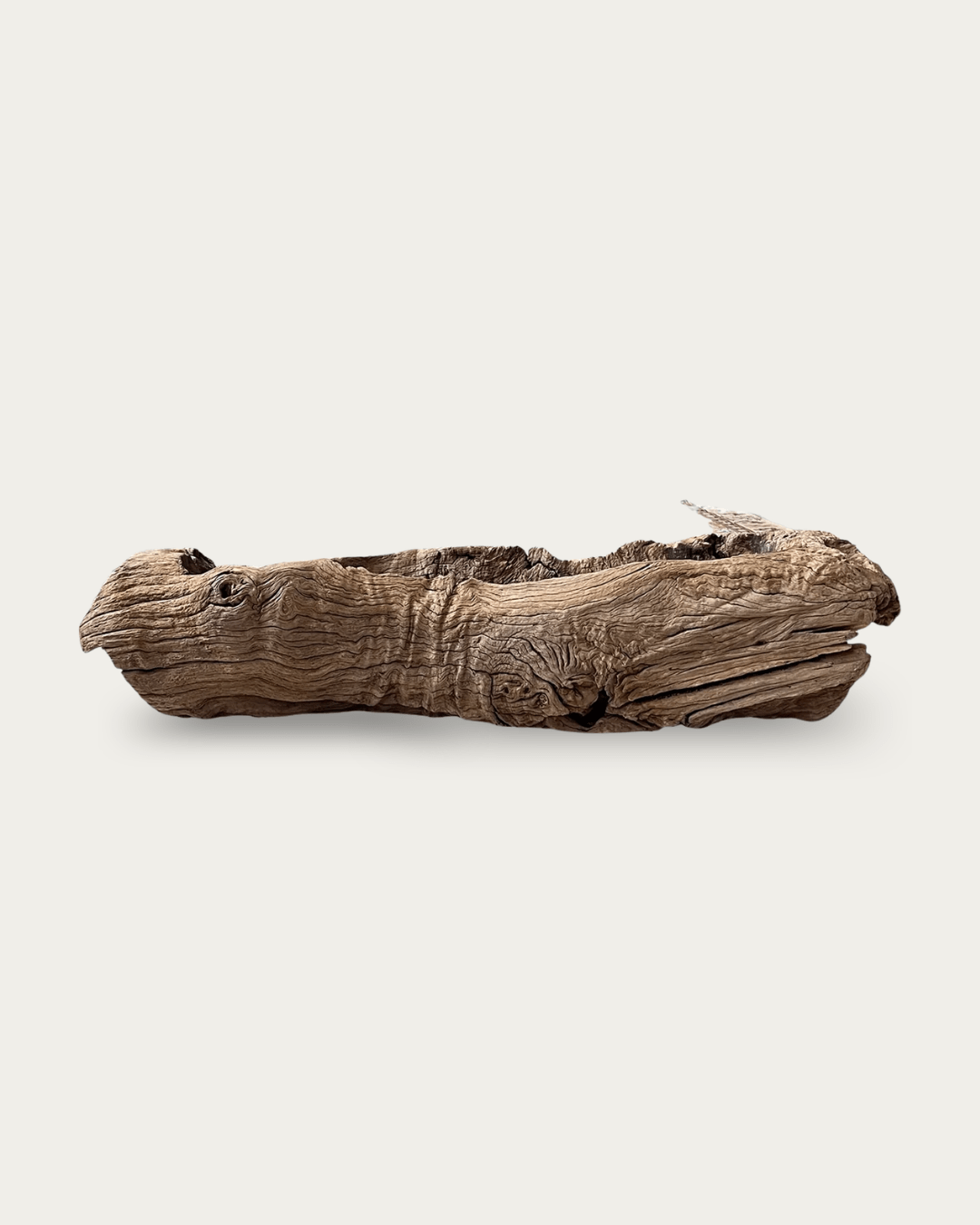
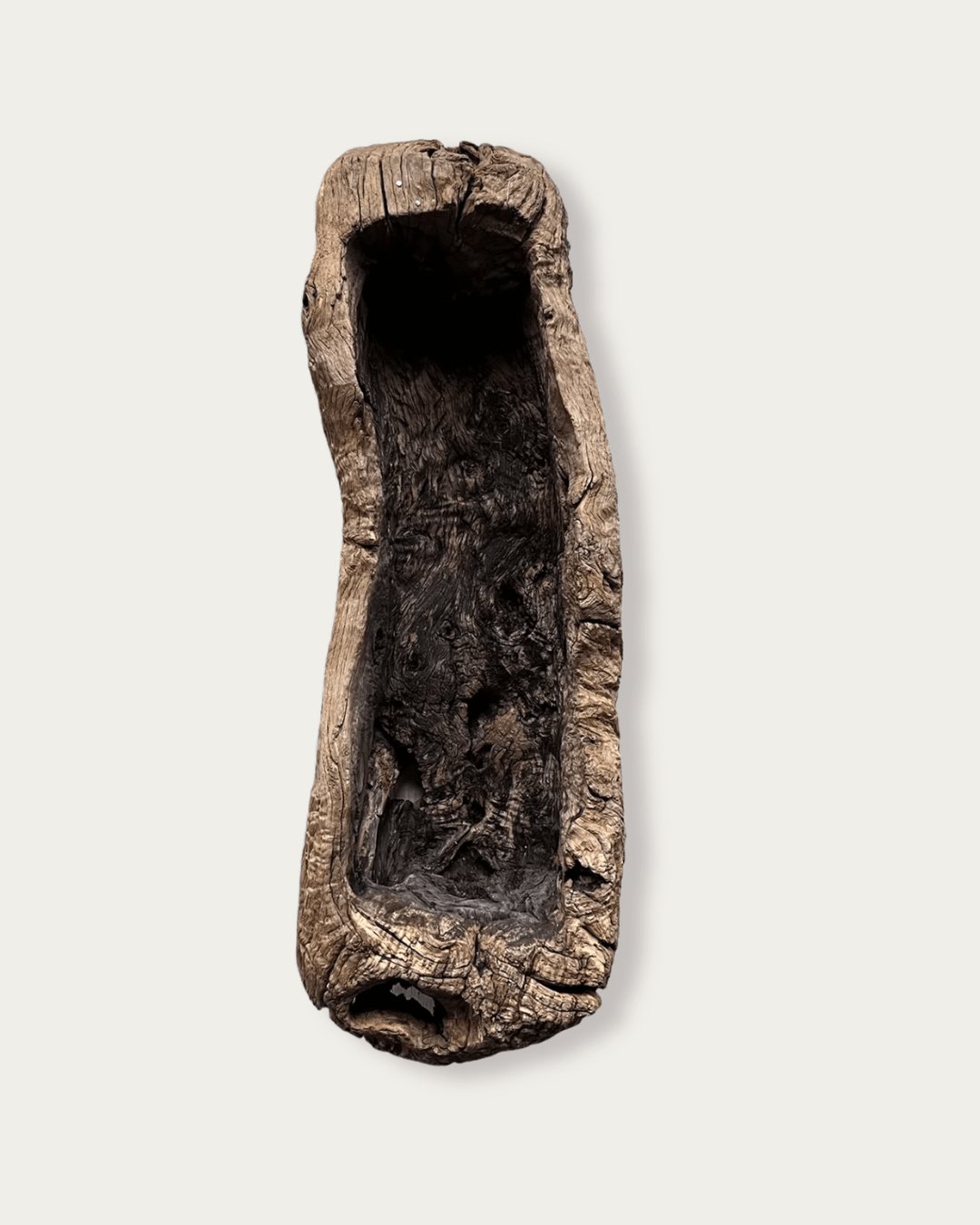
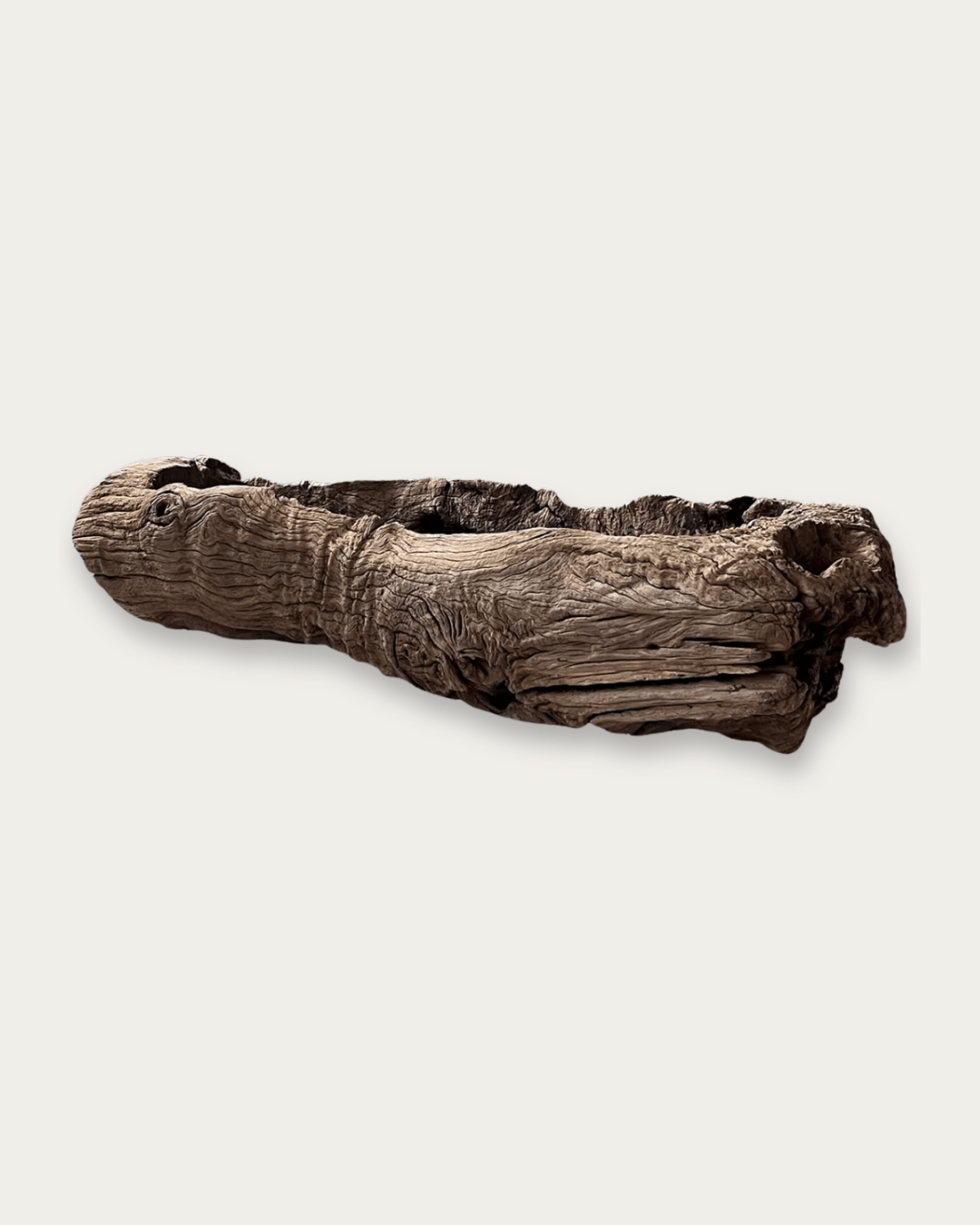
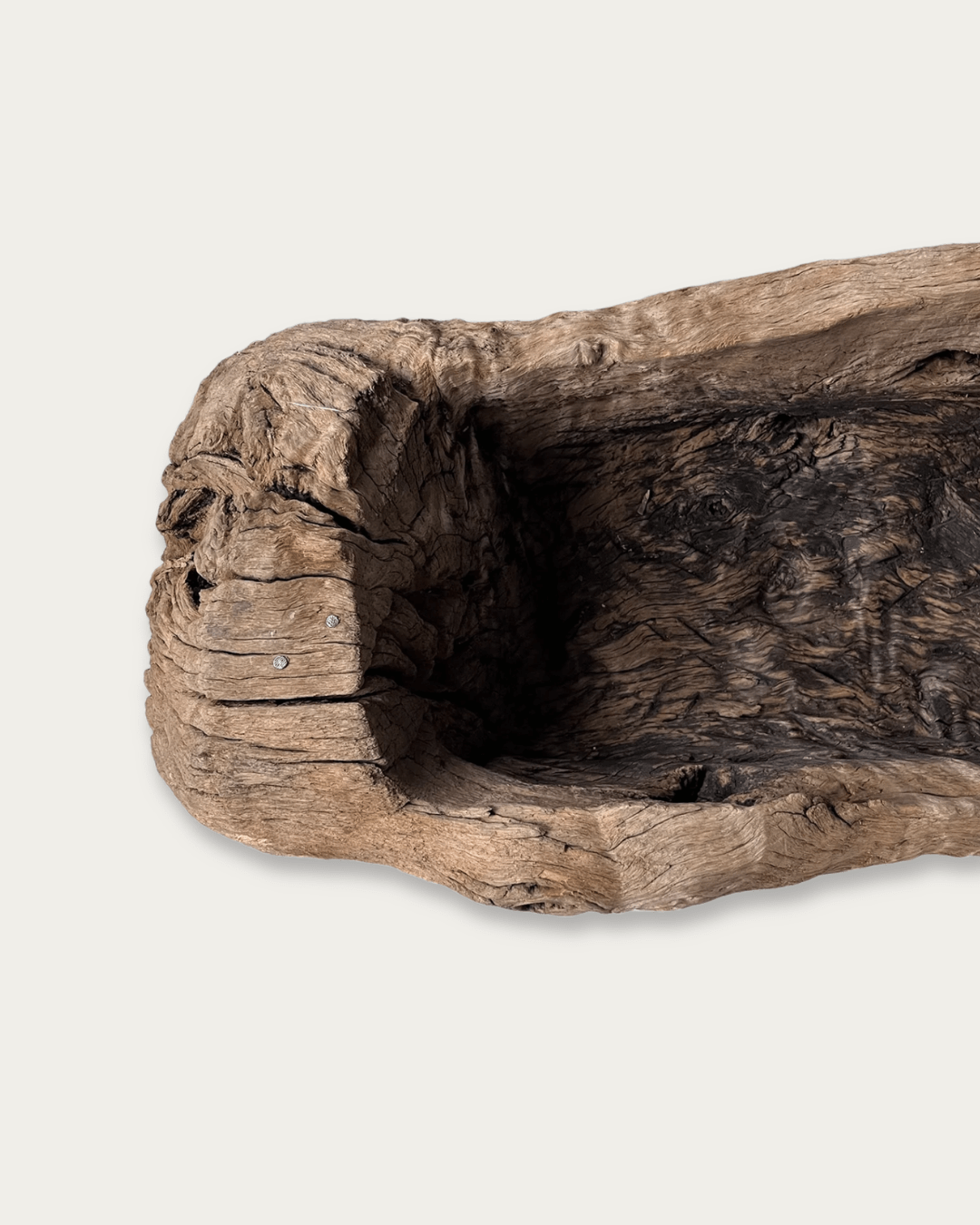
Many of those slower, more grounded spaces begin with substantial pieces from the Reclaimed furniture collection where heavier wood textures and architectural forms naturally soften visual overstimulation inside the home.
Fast Furniture Often Feels Visually Disposable
Fast furniture usually prioritizes speed, trend turnover, and surface-level aesthetics.
That changes how it behaves emotionally inside a room.
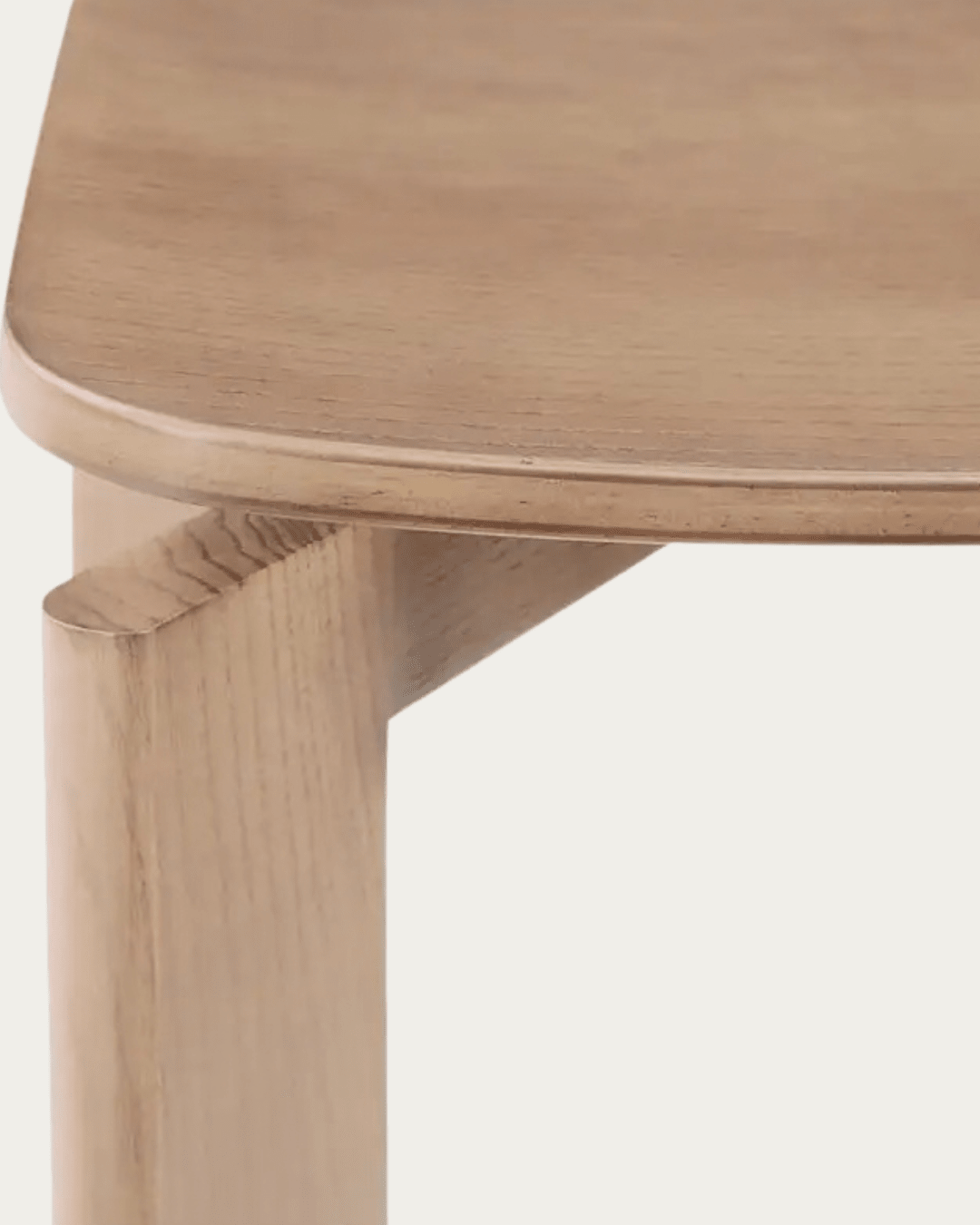
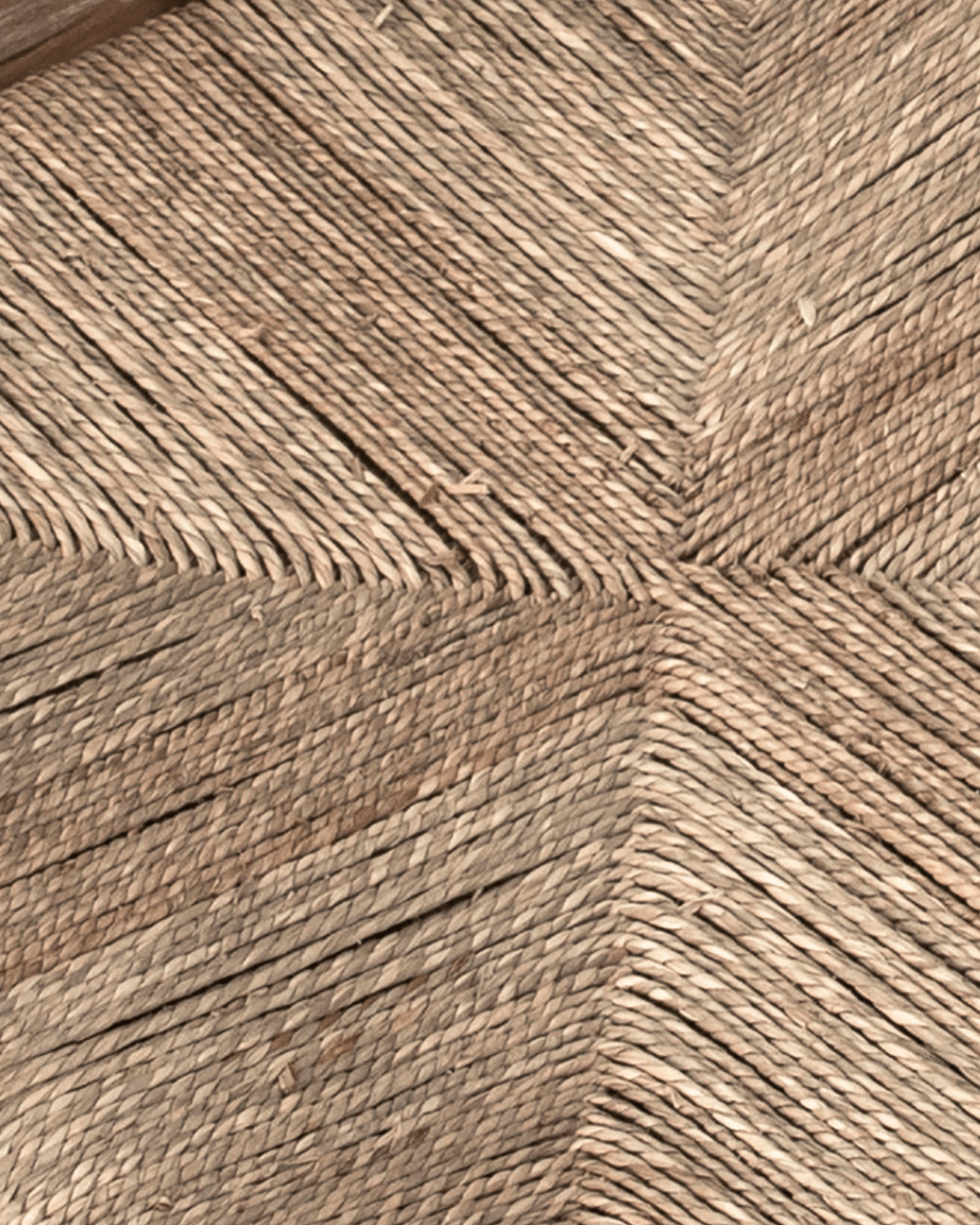
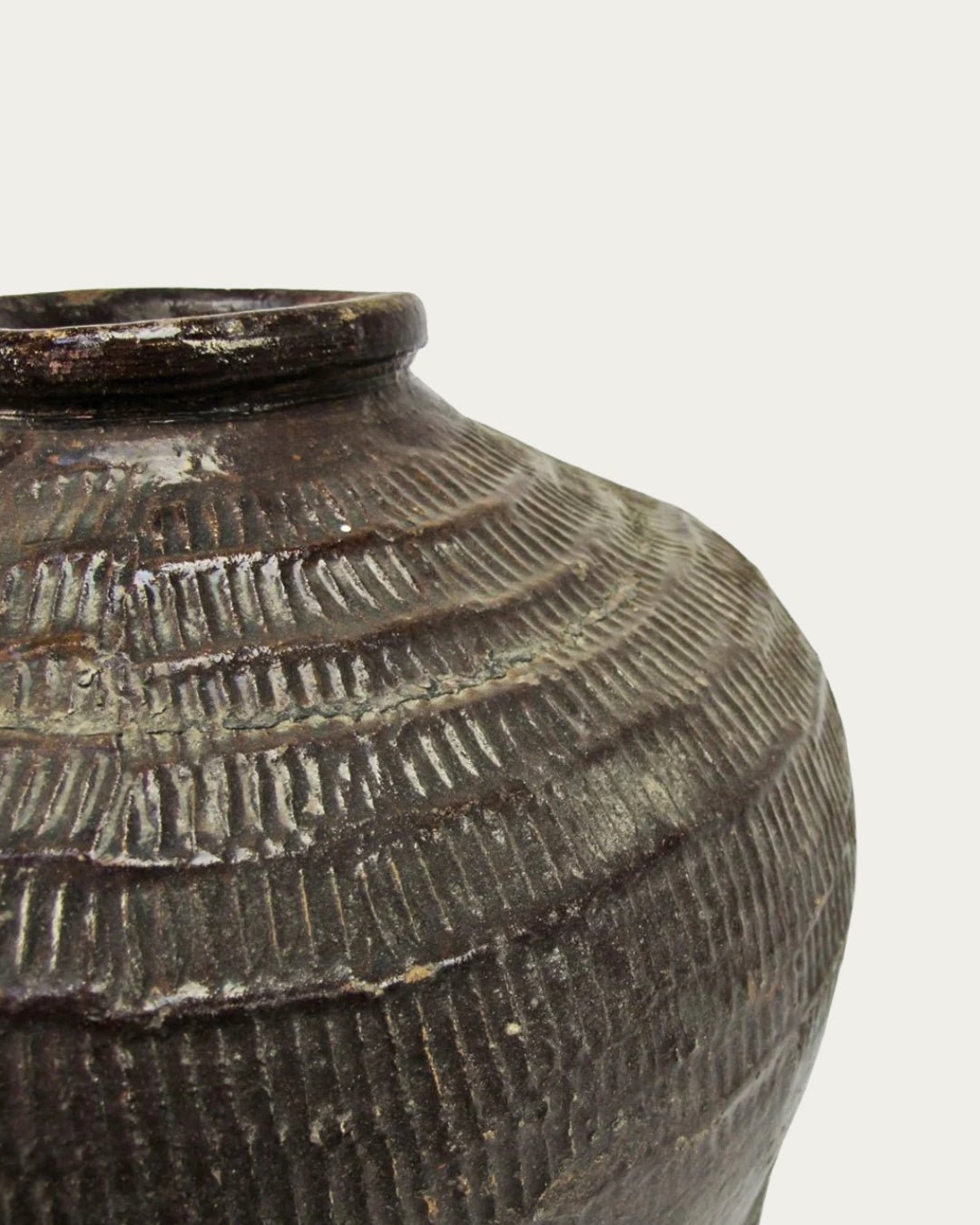
Highly processed materials often appear overly uniform. The finishes are flatter. The textures repeat mechanically. Surfaces reflect light evenly instead of absorbing it naturally. The result can feel strangely synthetic even when the furniture itself looks visually “clean.”
The nervous system notices that.
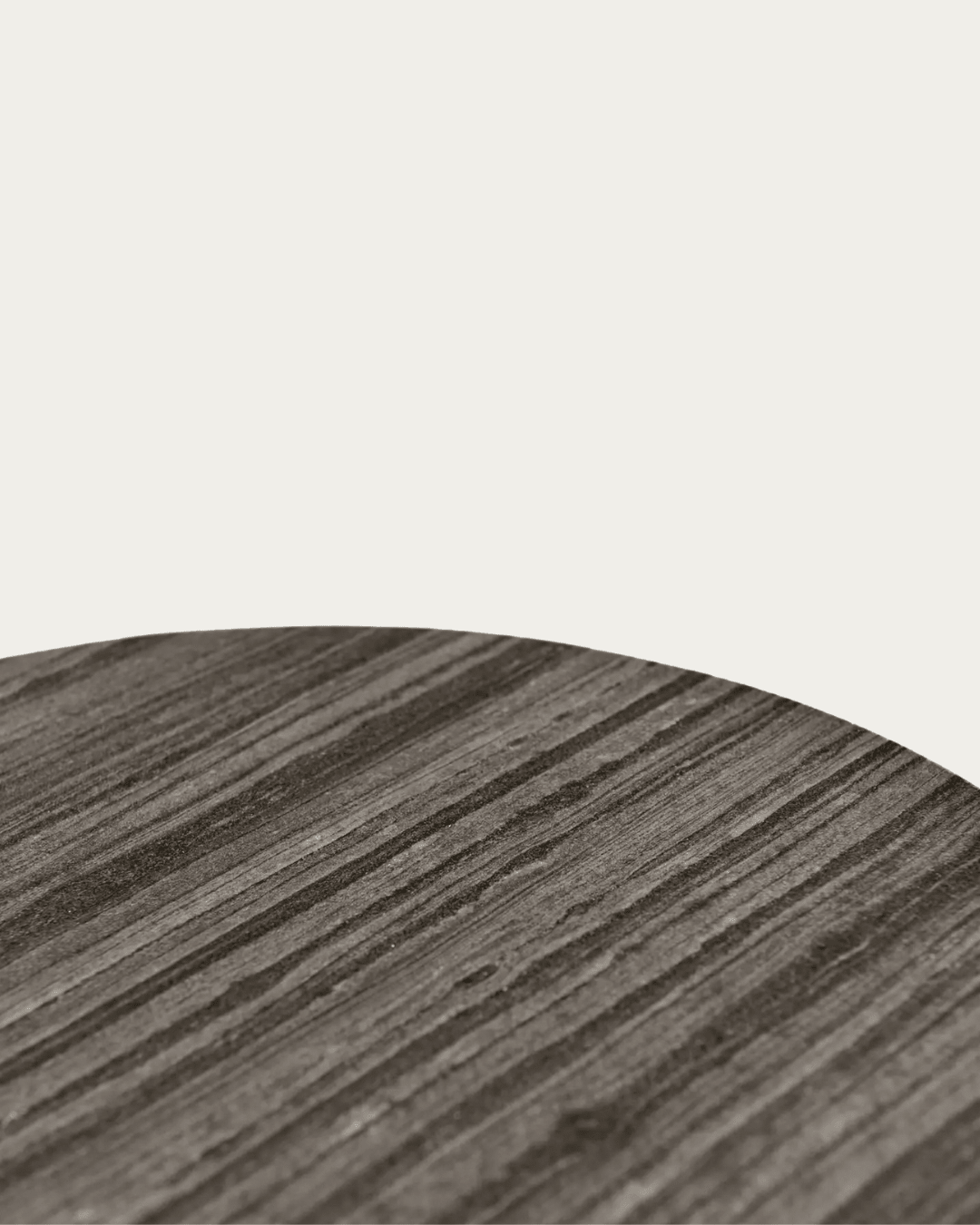
Human brains tend to respond positively to natural variation because organic materials contain subtle irregularities the eye can process more comfortably. Reclaimed wood introduces movement without chaos:
grain shifts
softened imperfections
tonal variation
edge wear
natural density changes
These things create visual complexity without overstimulation.
That’s why reclaimed wood furniture tends to feel more grounding psychologically than mass-produced pieces built primarily around efficiency.
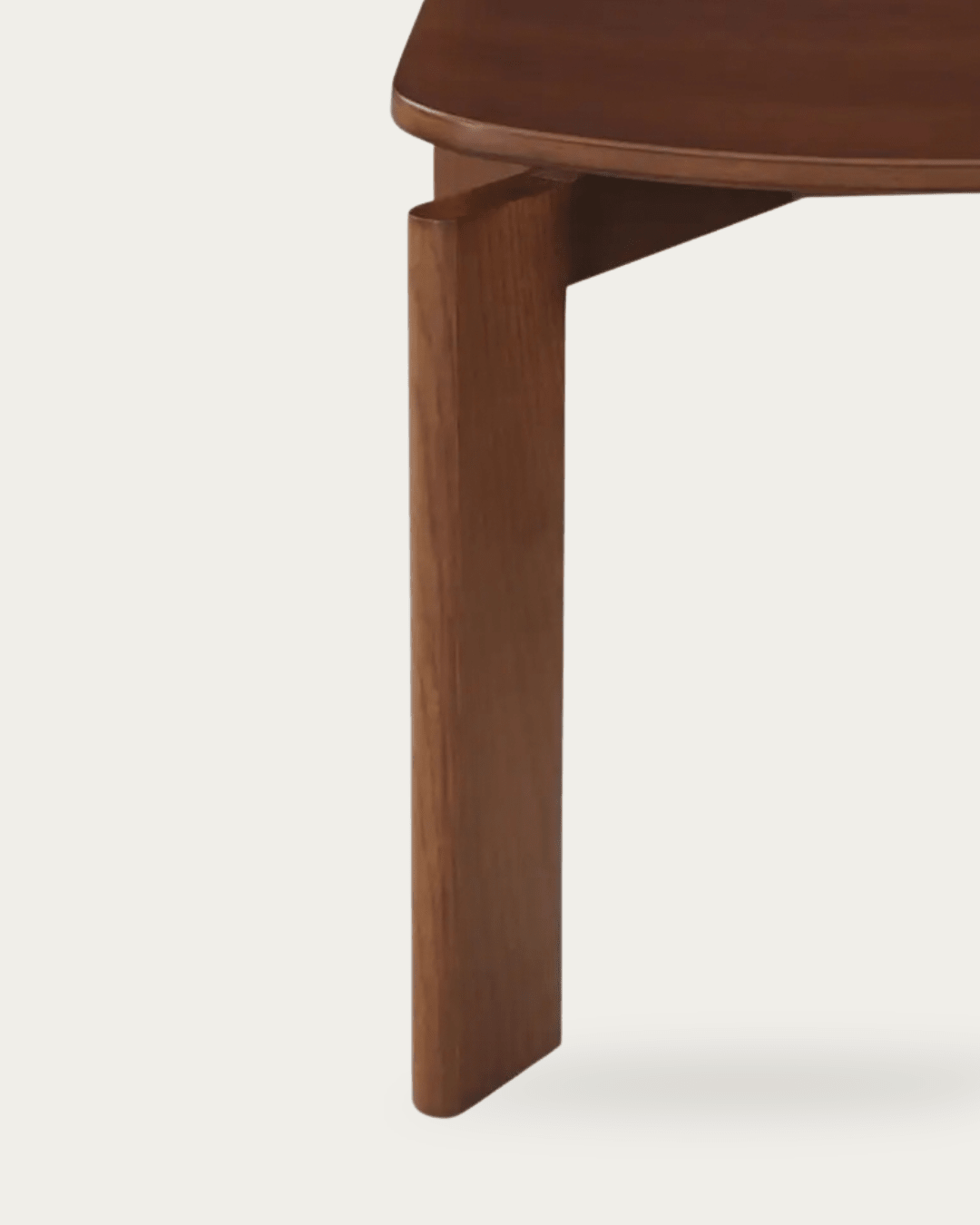
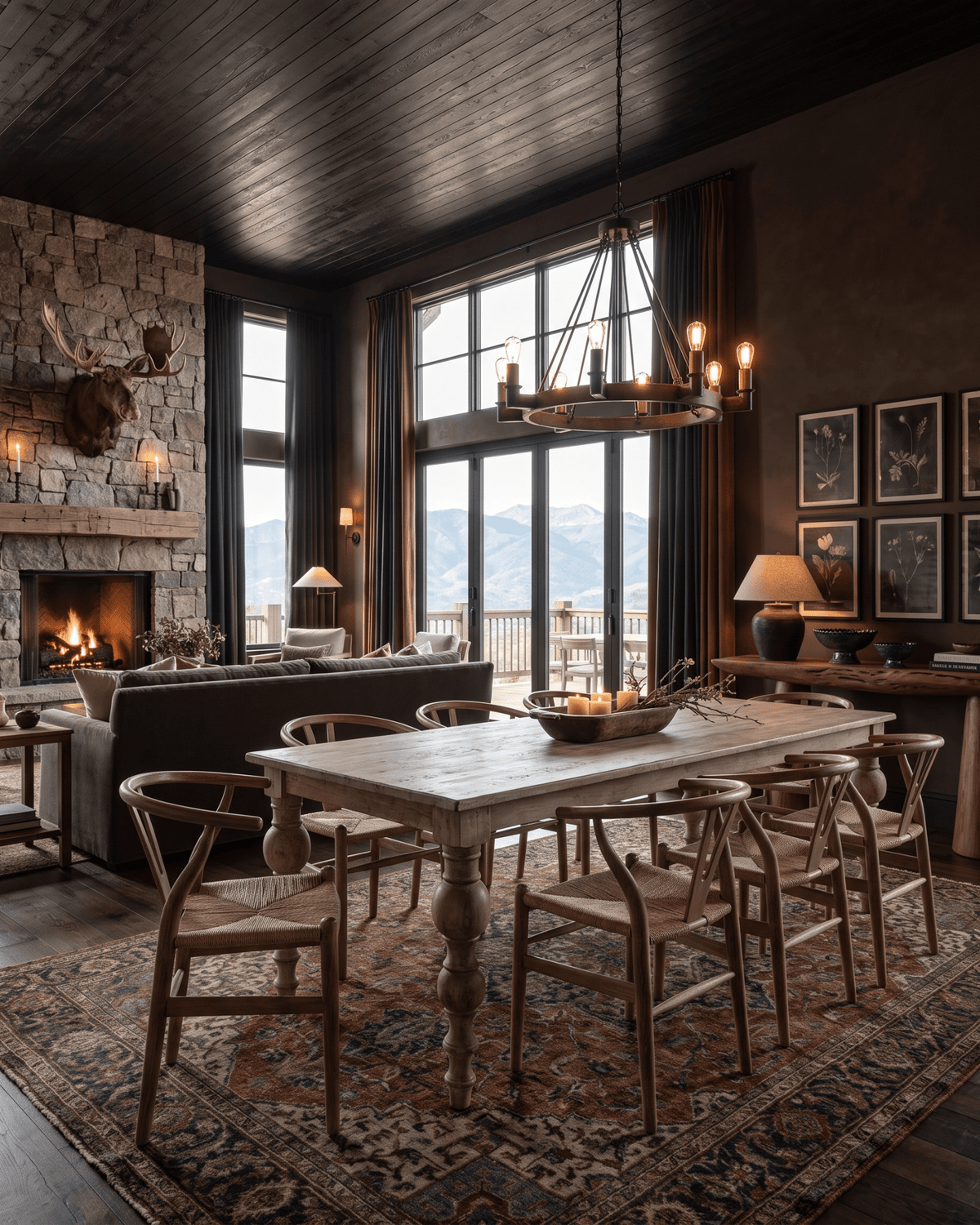
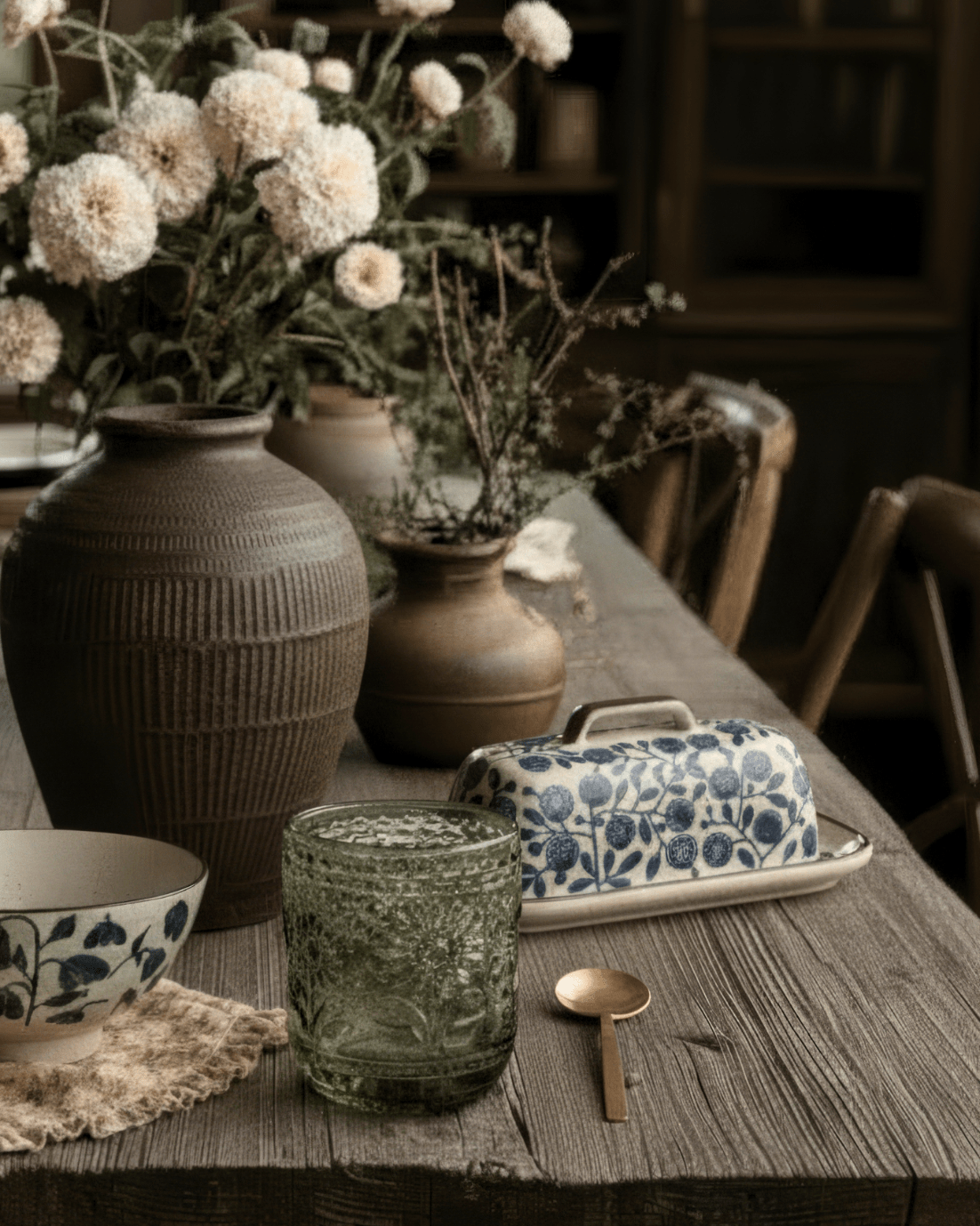
The Trym dining table demonstrates this particularly well because its reclaimed surface already carries enough texture and variation to anchor a dining room naturally.
The Igne dining table creates a similar effect while introducing a slightly cleaner silhouette that works especially well in modern mountain homes balancing rustic materiality with quieter architecture.
The room starts feeling more resolved because the furniture itself already carries emotional depth.
Reclaimed Wood Furniture Absorbs Visual Noise Instead of Adding to It
A lot of fast furniture unintentionally amplifies visual tension.
Highly reflective surfaces, overly sharp lines, synthetic veneers, and repeated factory-perfect textures can create low-level sensory fatigue over time. The eye keeps searching for variation and softness that never fully arrives.
Reclaimed wood behaves differently.
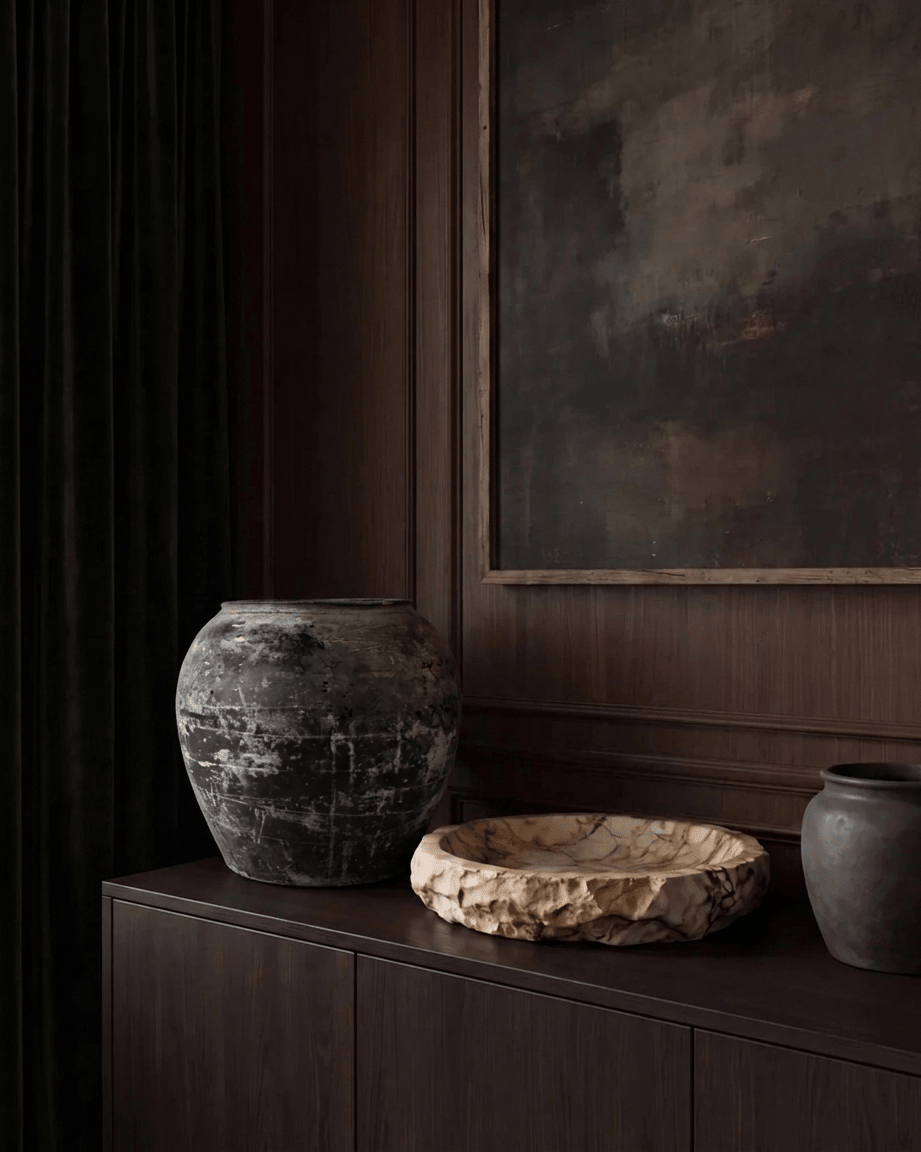
The surface absorbs light unevenly.
The texture changes throughout the day.
The imperfections interrupt visual repetition naturally.
That sensory unpredictability actually helps calm the nervous system because the room feels less mechanically rigid.
Coffee tables especially influence this more than people realize because they visually anchor the center of a room. If the central object feels cold, glossy, or disconnected from the rest of the materials, the entire room can subtly feel unsettled.
That’s why the Vidar salvaged wood coffee table works so effectively in slower interiors. The salvaged wood introduces heavier texture and visual grounding without relying on decorative excess.
The Elin coffee table creates a softer, quieter material transition that helps modern mountain spaces feel layered without becoming visually crowded.
Texture regulates a room faster than styling objects ever will.
The Brain Responds Better to Material Honesty
One reason reclaimed wood furniture feels emotionally different is because the material doesn’t try to hide what it is.
Fast furniture often attempts to imitate heavier materials while remaining lightweight, temporary, or overly processed underneath. The disconnect can feel subtle, but people register it instinctively.
Reclaimed wood doesn’t pretend.
The grain stays visible.
The wear remains part of the surface.
The density feels substantial.
The imperfections stay honest.
That authenticity matters psychologically because the nervous system tends to relax more easily in environments where materials feel coherent and predictable.
This is also why reclaimed furniture often ages more naturally over time. Additional wear integrates into the existing surface instead of making the furniture feel immediately damaged or disposable.
The room evolves instead of deteriorating.
Reclaimed Wood Creates Grounding Through Weight
A surprising amount of emotional regulation inside a home comes from visual weight.
Rooms feel calmer when larger objects anchor the eye consistently instead of fragmenting attention into dozens of smaller competing details.
Reclaimed wood naturally creates that grounding because the material carries physical and visual density at the same time.
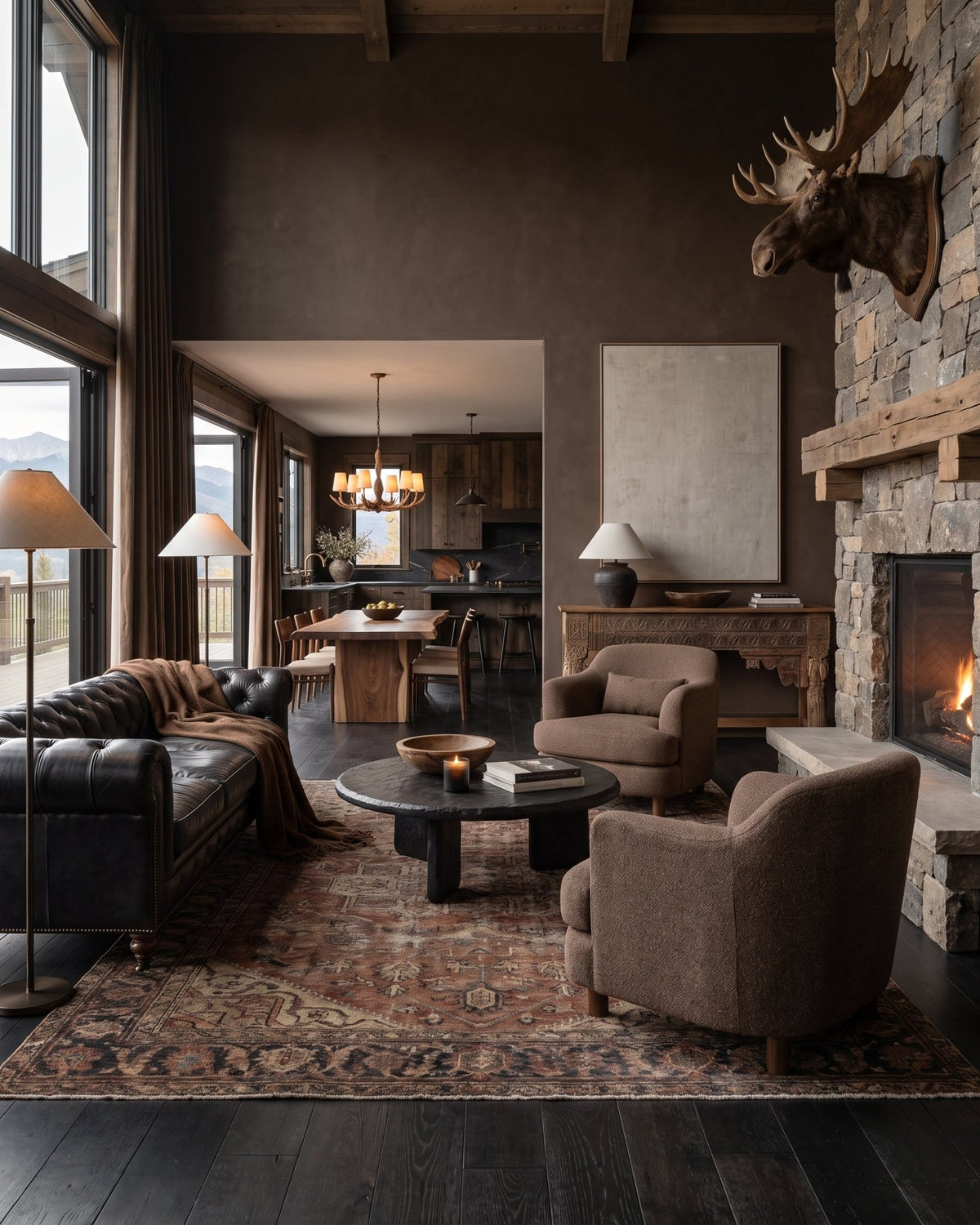
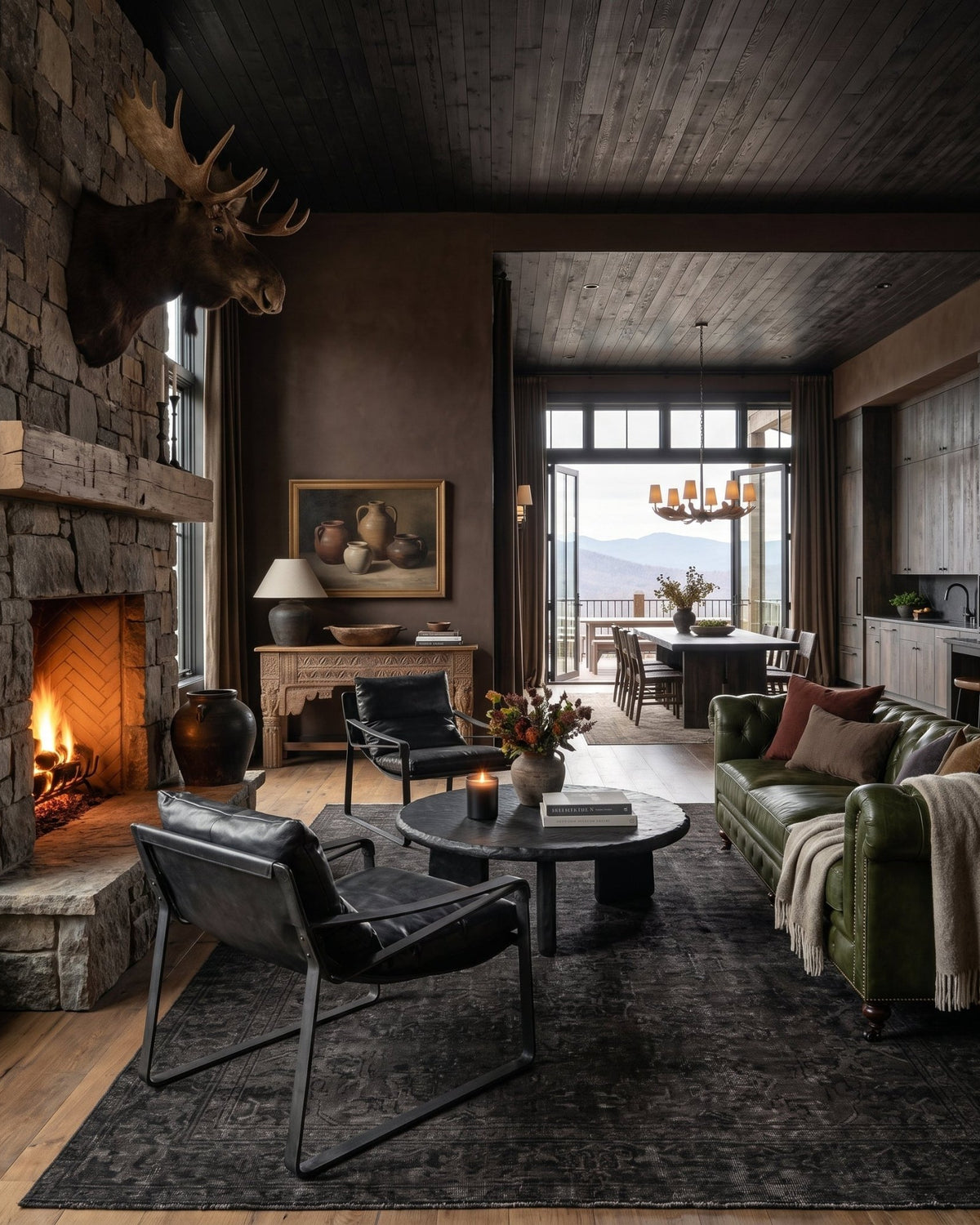
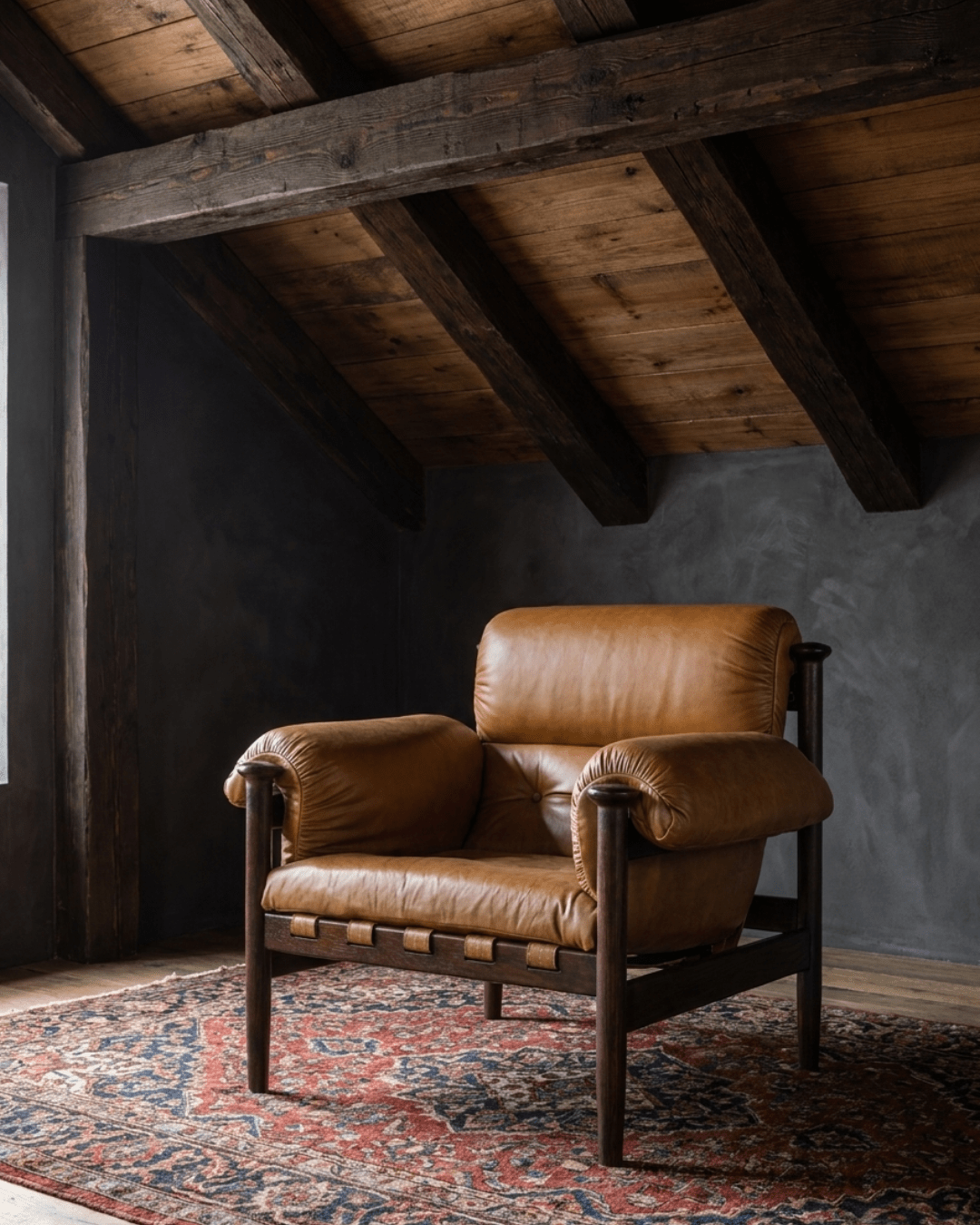
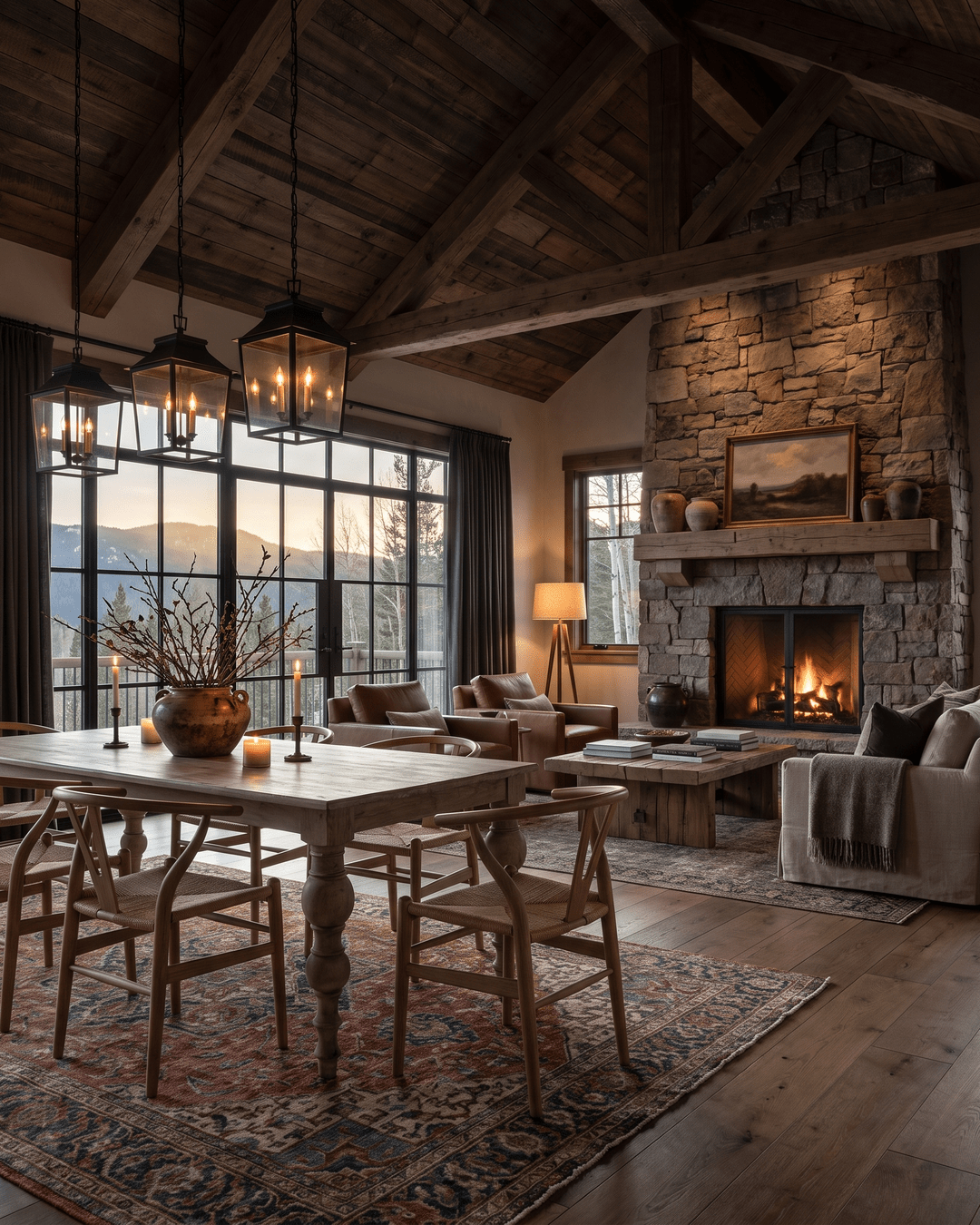
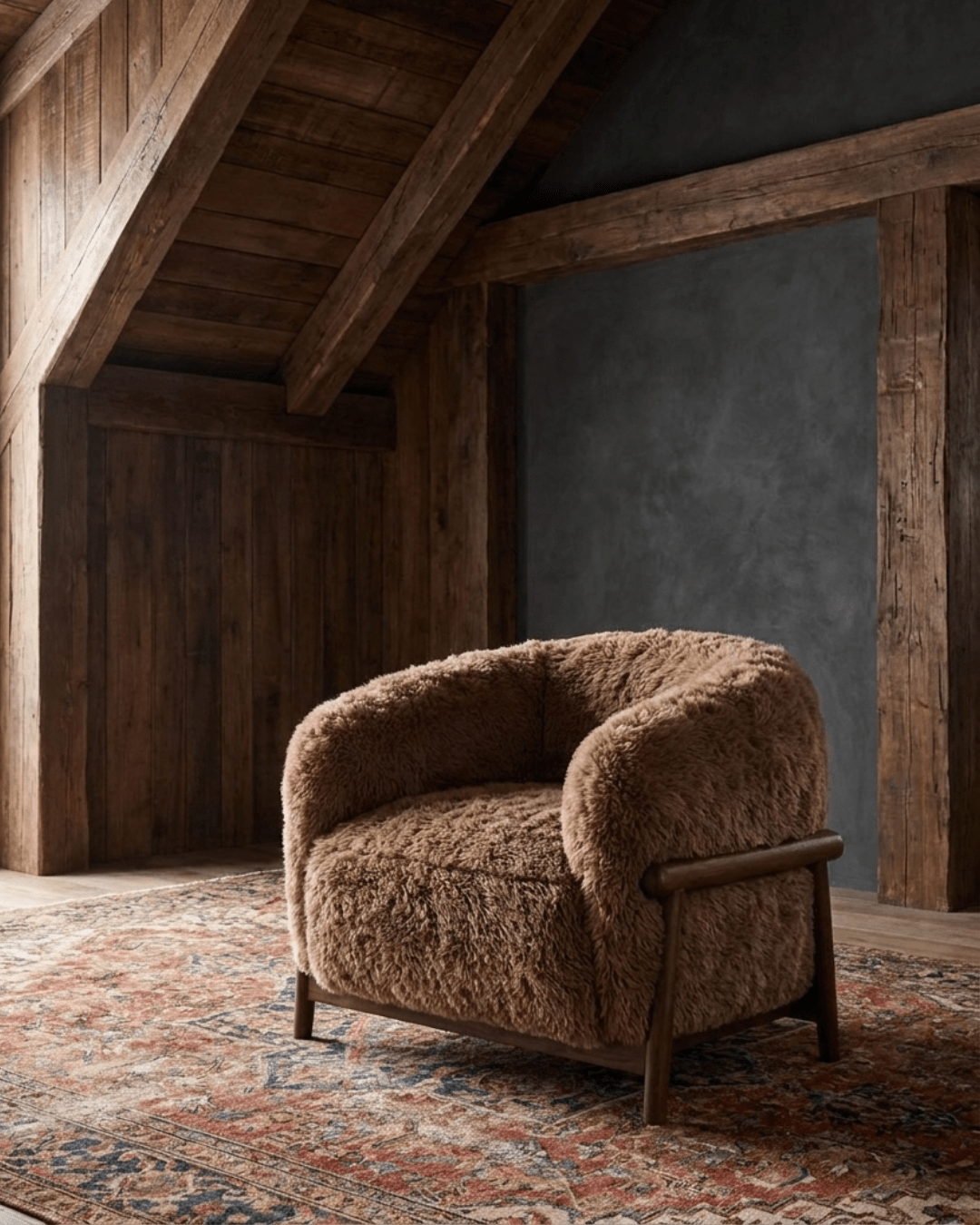
This becomes especially important in modern mountain homes where larger architecture, exposed beams, stonework, and oversized windows already create stronger structural presence. Lightweight furniture can feel disconnected quickly in those environments.
The Lovisa dining table works particularly well here because its heavier reclaimed surface visually stabilizes larger dining areas without overwhelming them.
Meanwhile, the Hallfrid outdoor dining table extends that same grounded materiality outdoors where texture and weathering become even more important to the overall sensory experience of the home.
The best modern mountain interiors usually feel cohesive because the materials maintain continuity between indoor and outdoor spaces naturally.
Fast Furniture Often Creates More Cognitive Clutter
Clutter isn’t always physical.
Sometimes it’s visual.
Overly polished materials, highly repetitive textures, lightweight construction, and trend-driven styling can create environments that constantly demand attention even when the room itself appears technically “clean.”
The nervous system works harder in those spaces.
RUTED Tip: If a room feels mentally exhausting, stop asking whether it needs more decor and start asking whether the materials themselves feel grounding enough. Texture can regulate a space more effectively than almost any accessory.
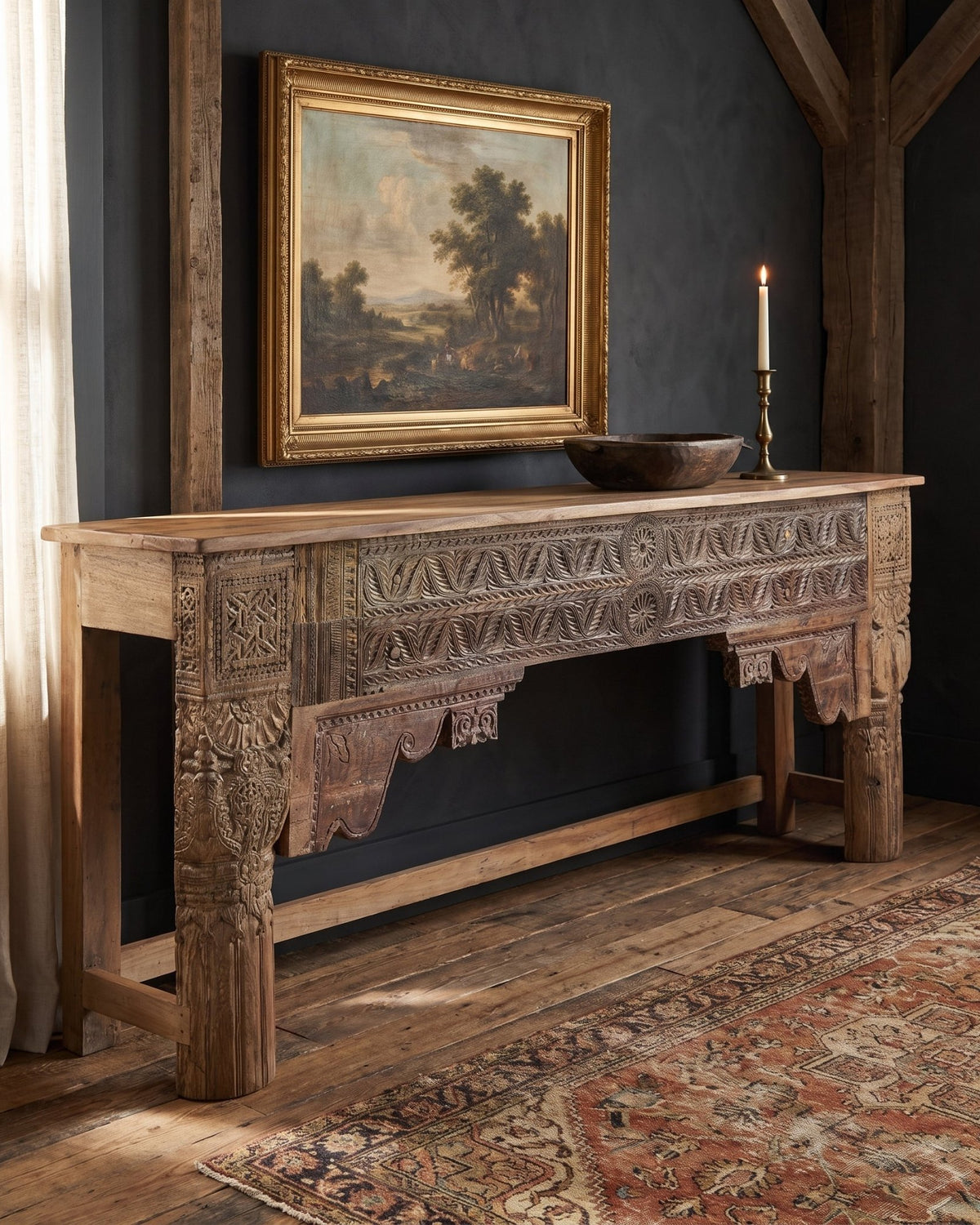
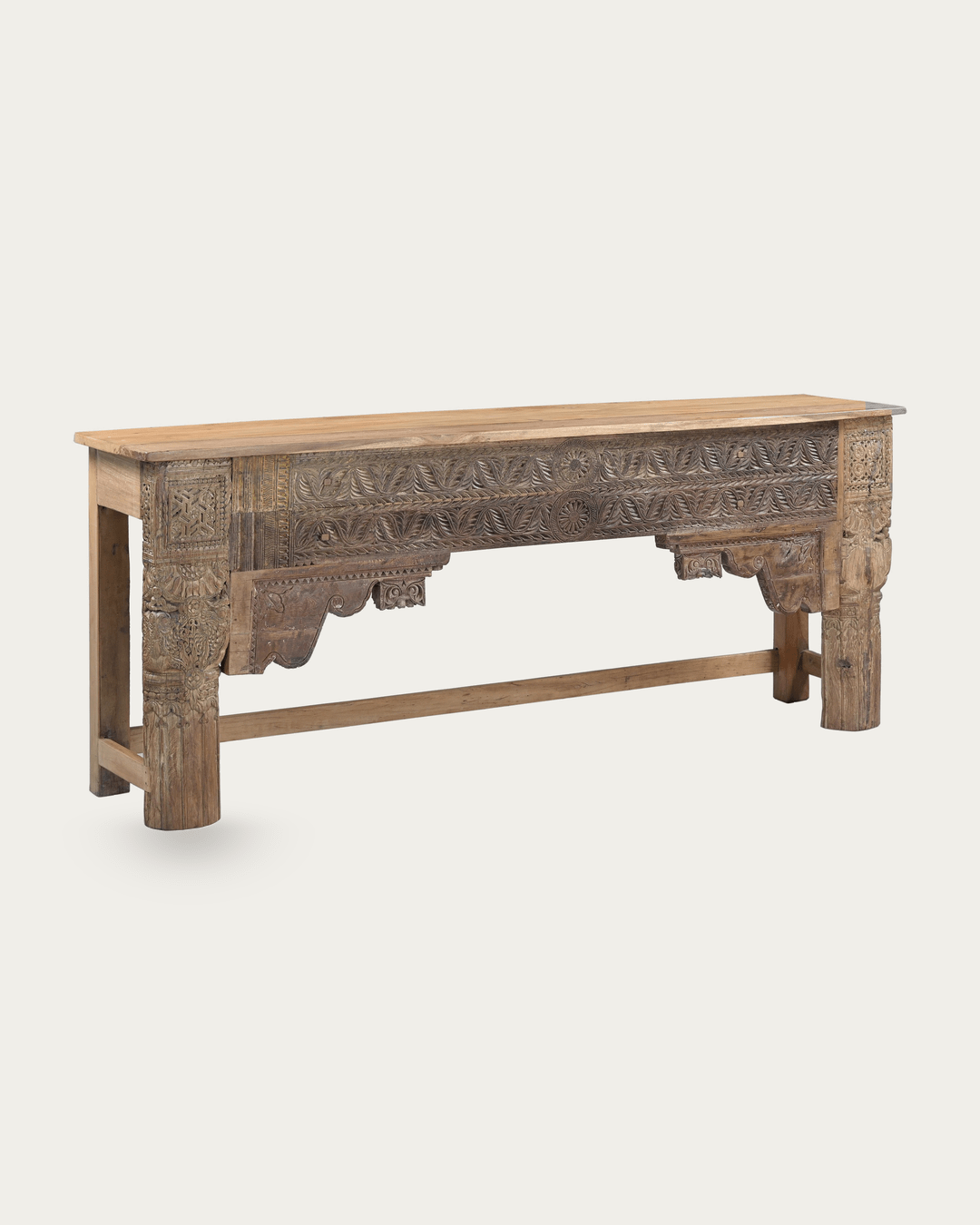
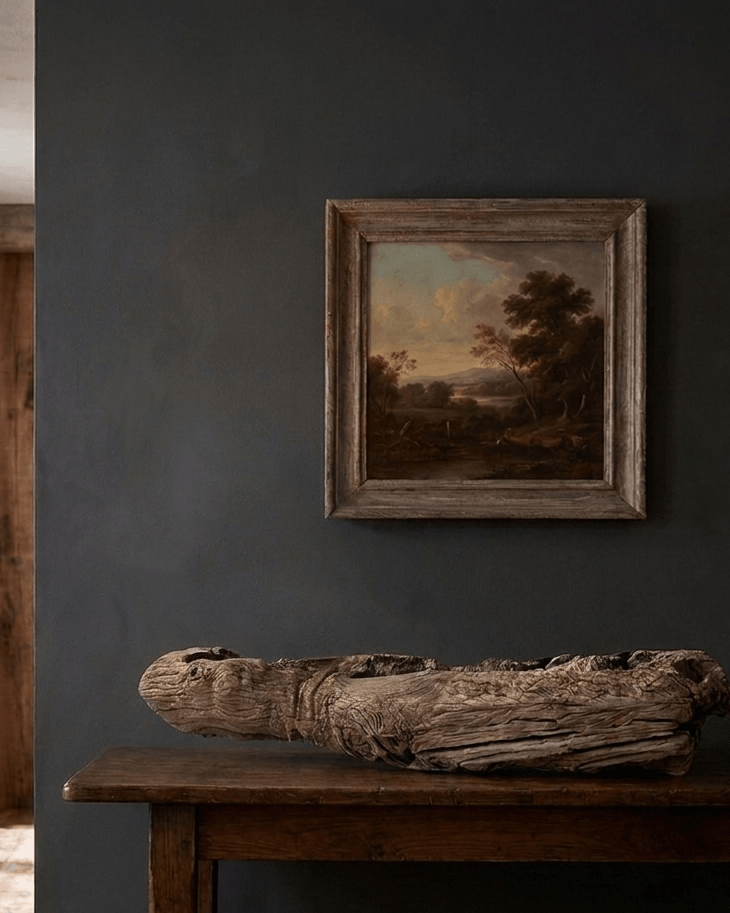
This is where reclaimed wood consoles quietly become some of the most regulating objects in a home.
Consoles help slow transitions between rooms while introducing texture into spaces that often feel visually abrupt or disconnected.
The Jona reclaimed console table creates stronger architectural grounding in entryways, behind sofas, or along larger walls where visual pacing matters.
The Bryndis console softens transitional spaces while still maintaining enough material weight to visually anchor the room.
The room feels calmer because fewer things are fighting for attention simultaneously.
Reclaimed Furniture Encourages Slower Interiors
Fast furniture often encourages constant replacement.
New trend.
New finish.
New color.
New shape.
New “must-have” style cycle.
Reclaimed wood tends to create the opposite effect.
Because the material already carries variation and depth naturally, the room doesn’t need constant refreshing to feel layered or interesting. The furniture settles into the architecture instead of competing against it.
That shift changes how people interact with their homes emotionally.
Rooms become less performative.
Less trend-dependent.
Less visually frantic.
More grounded.
More tactile.
More connected to daily life instead of social media rotation cycles.
That’s a large part of why reclaimed wood furniture keeps resonating so strongly inside modern mountain homes specifically. The architecture already leans toward slower sensory experiences, and reclaimed materials reinforce that naturally.

The Rooms That Feel Best Usually Feel the Most Human
The strongest interiors rarely feel perfect.
They feel coherent.
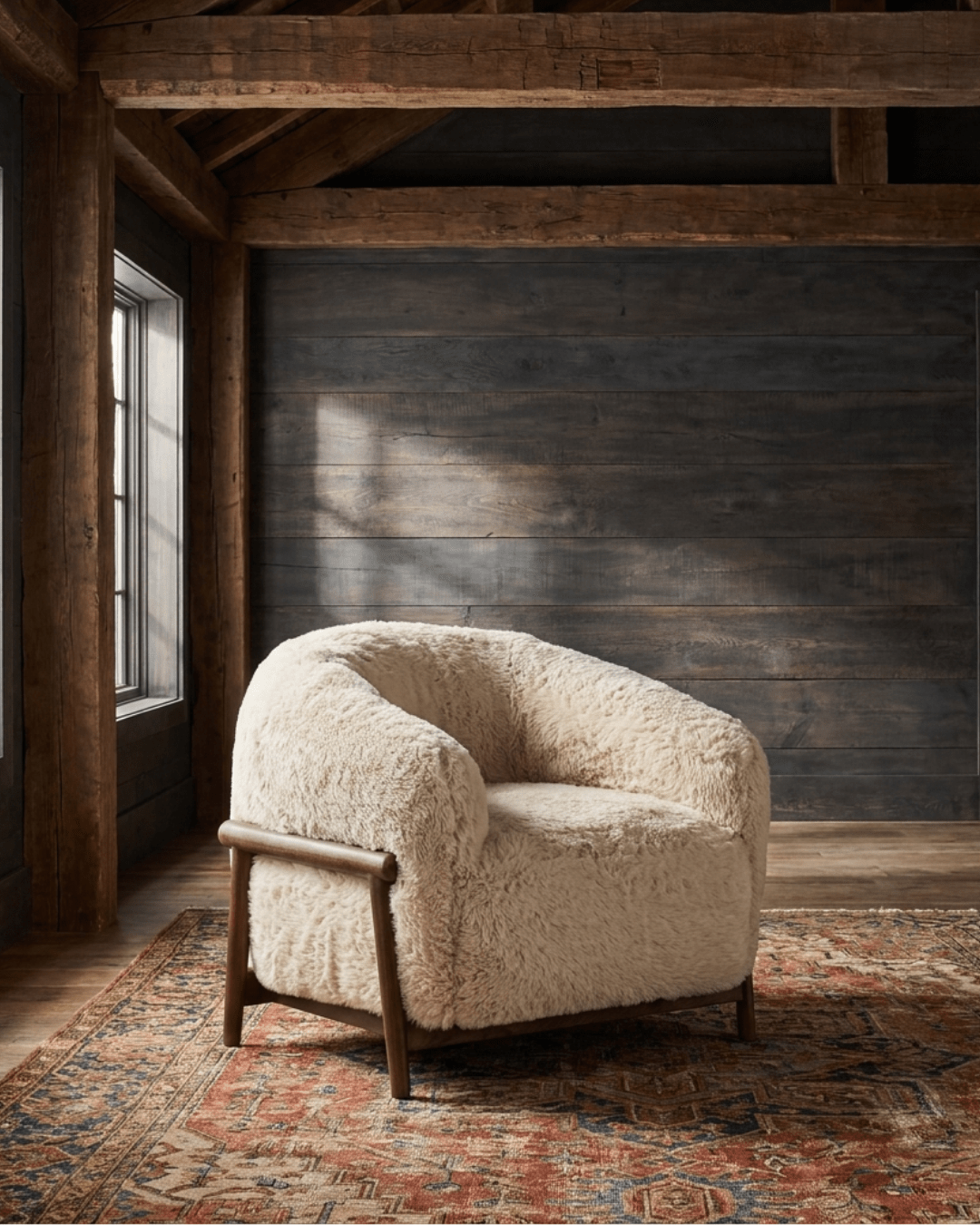
The textures absorb light naturally. The materials carry enough variation to keep the eye engaged without overstimulation. The furniture feels connected to the architecture instead of floating awkwardly inside it. The room leaves enough visual breathing room for the nervous system to stop scanning constantly.
That’s why reclaimed wood furniture feels different from fast furniture.
Not because it’s trendy.
Not because it’s trying to look rustic.
Not because imperfections suddenly became fashionable.
Because natural materials simply tend to support human nervous systems more effectively than highly processed visual environments do.
Explore more reclaimed wood dining tables, coffee tables, consoles, and grounding furniture pieces throughout the Reclaimed furniture collection and build a home that feels slower, steadier, and more connected to actual living.