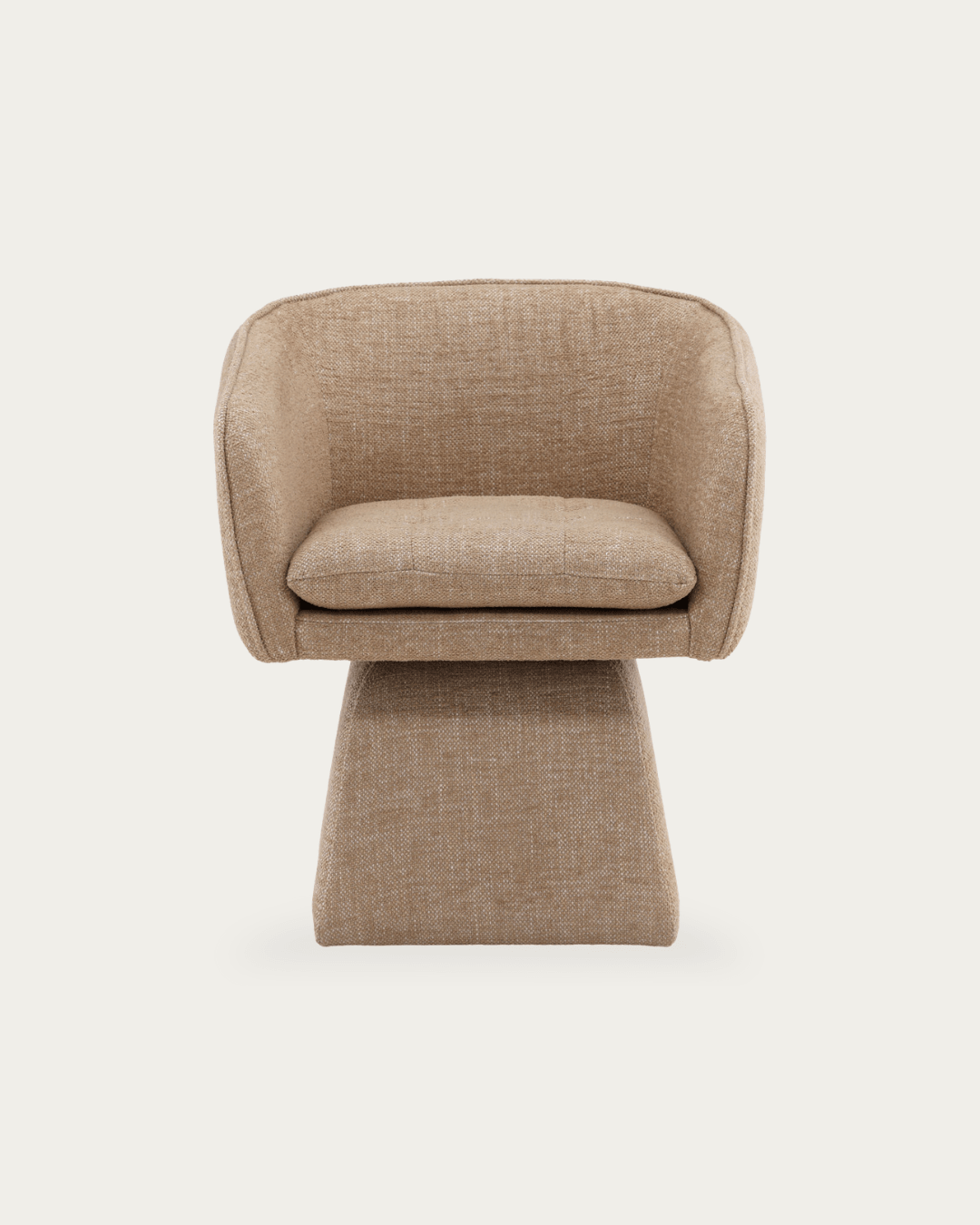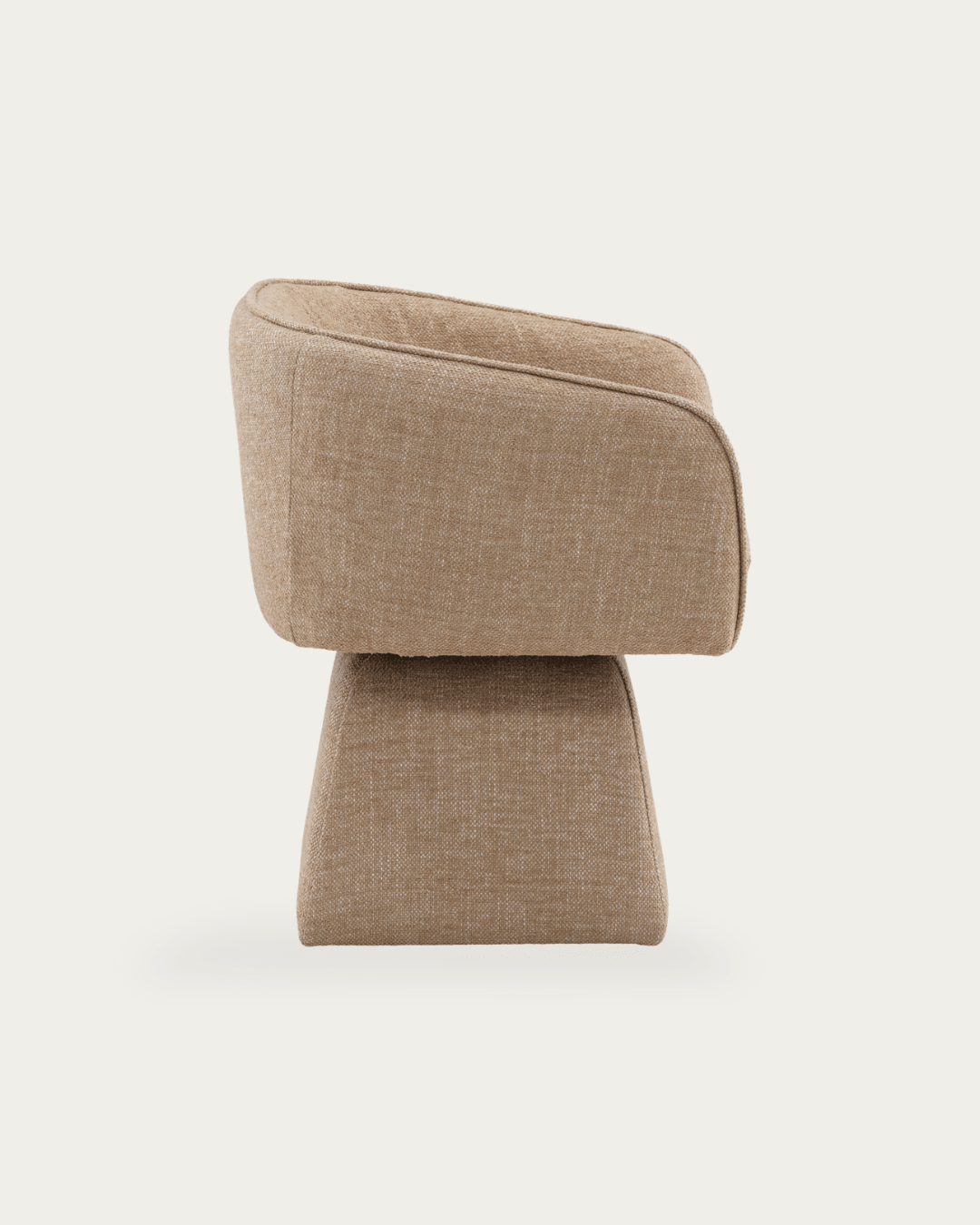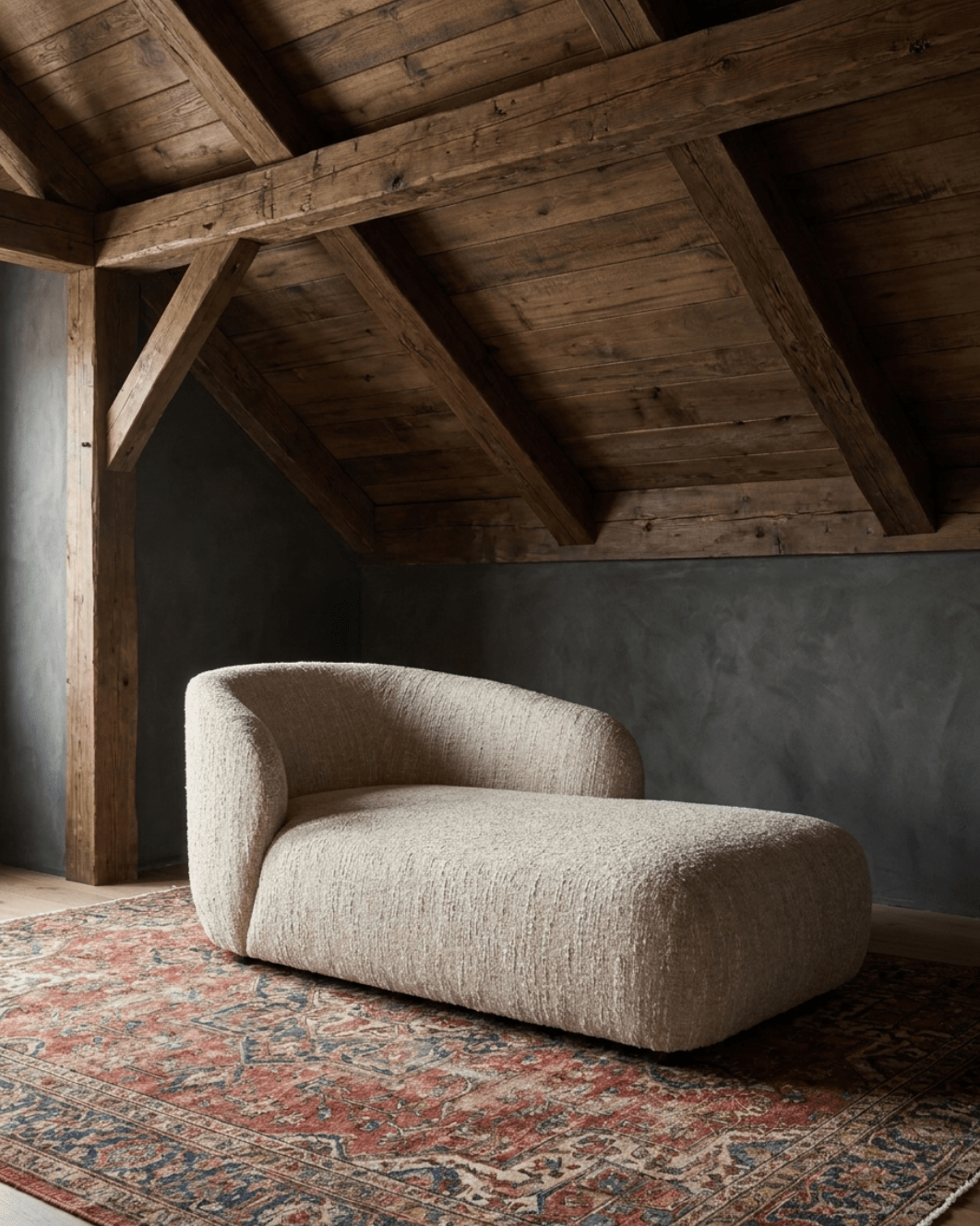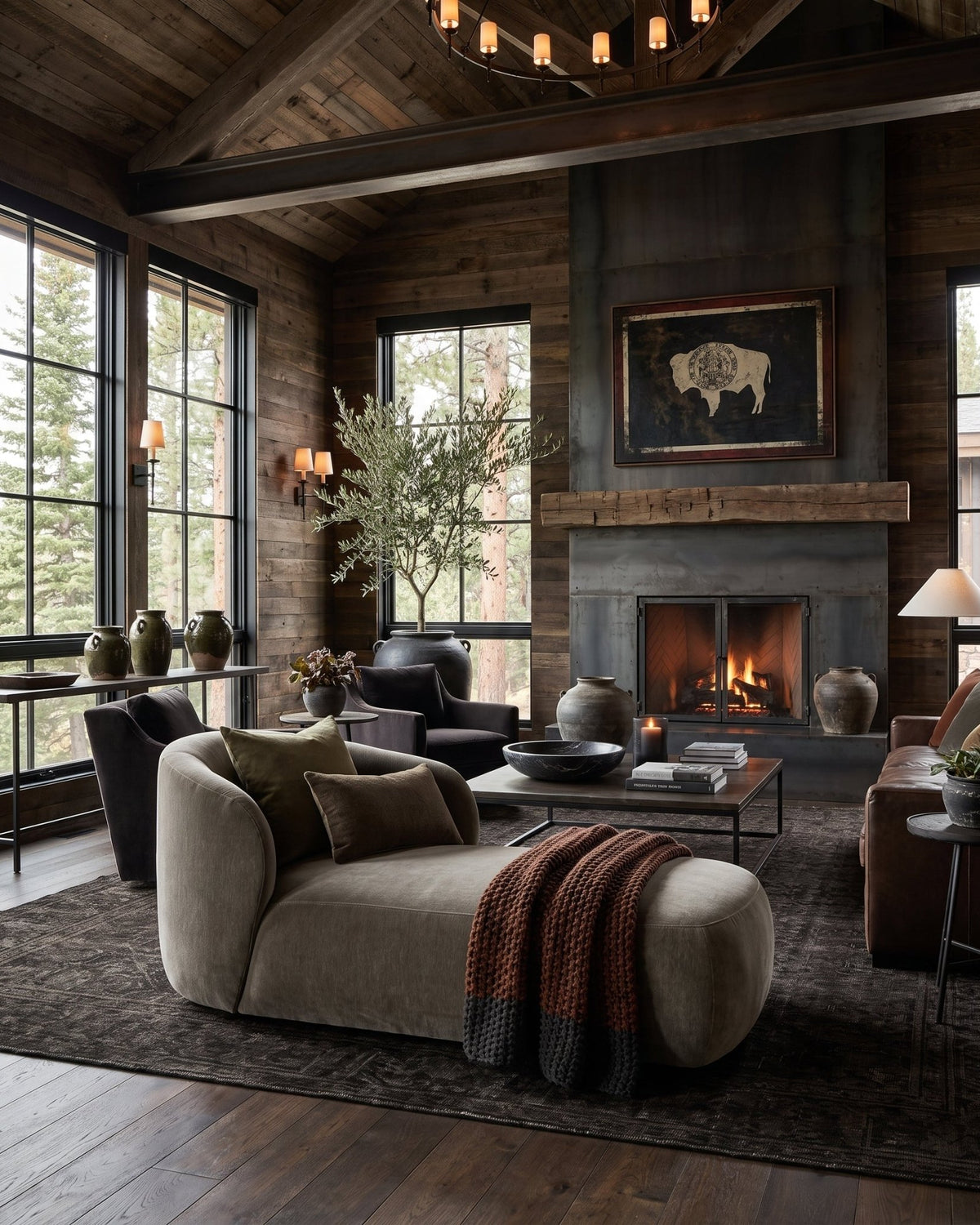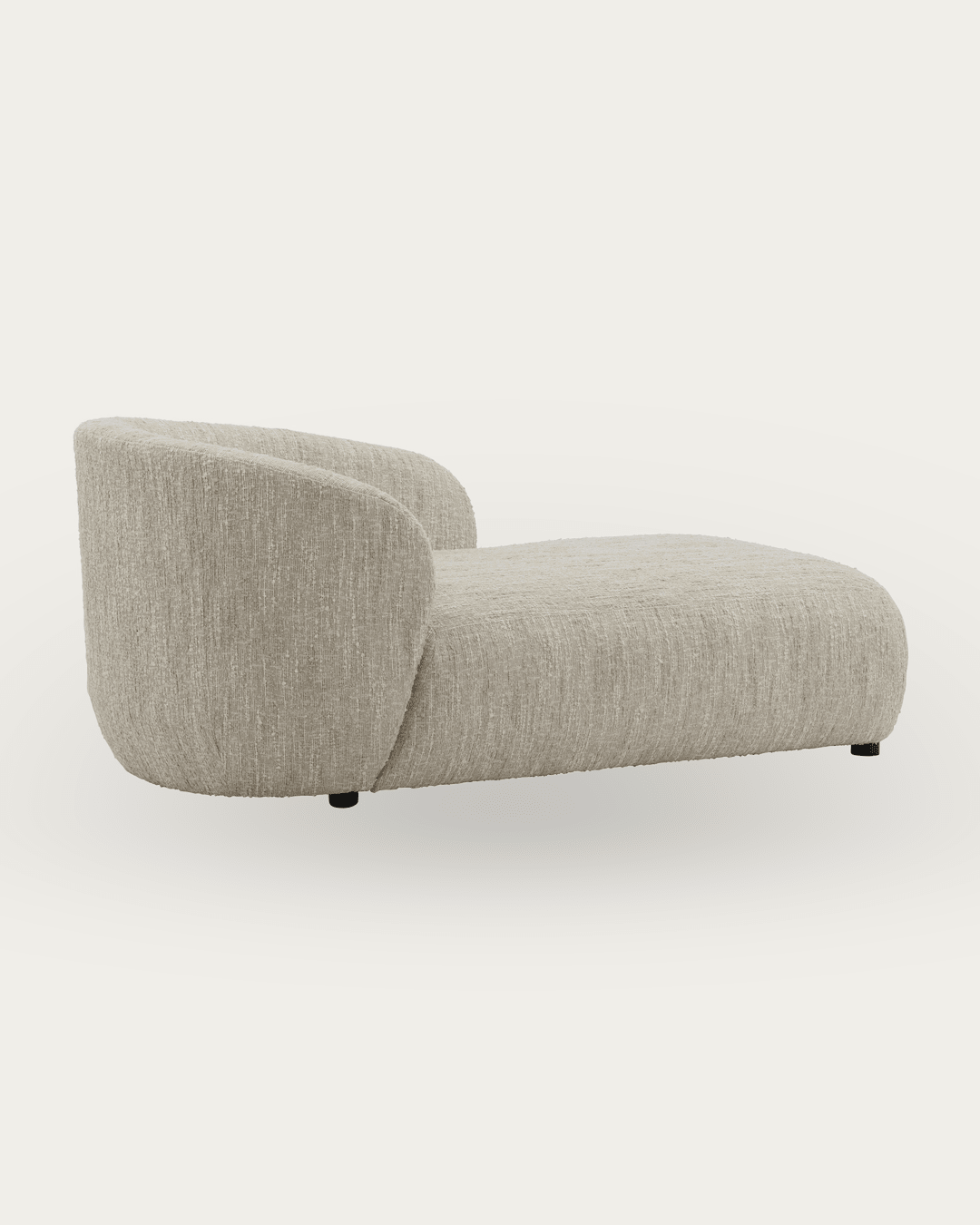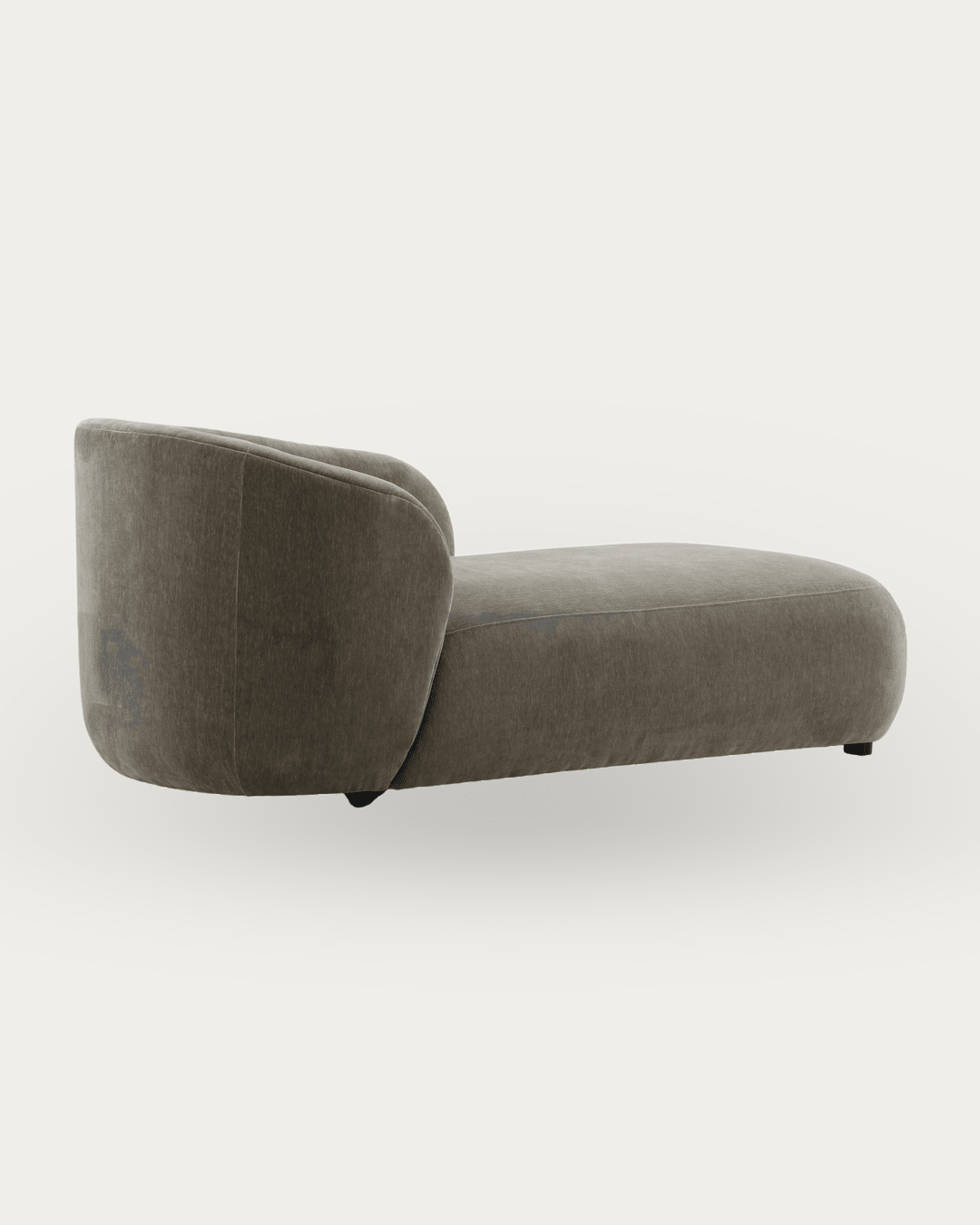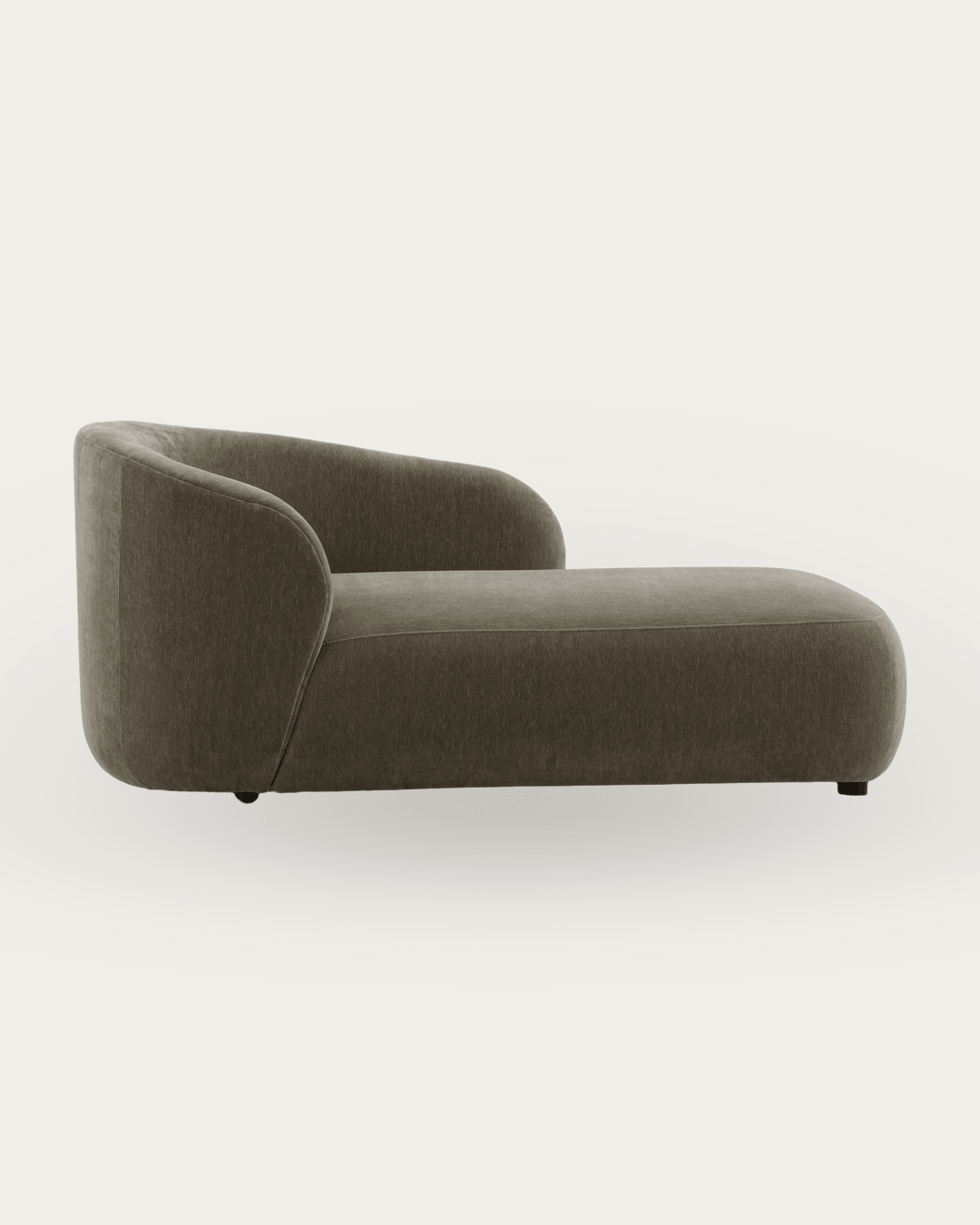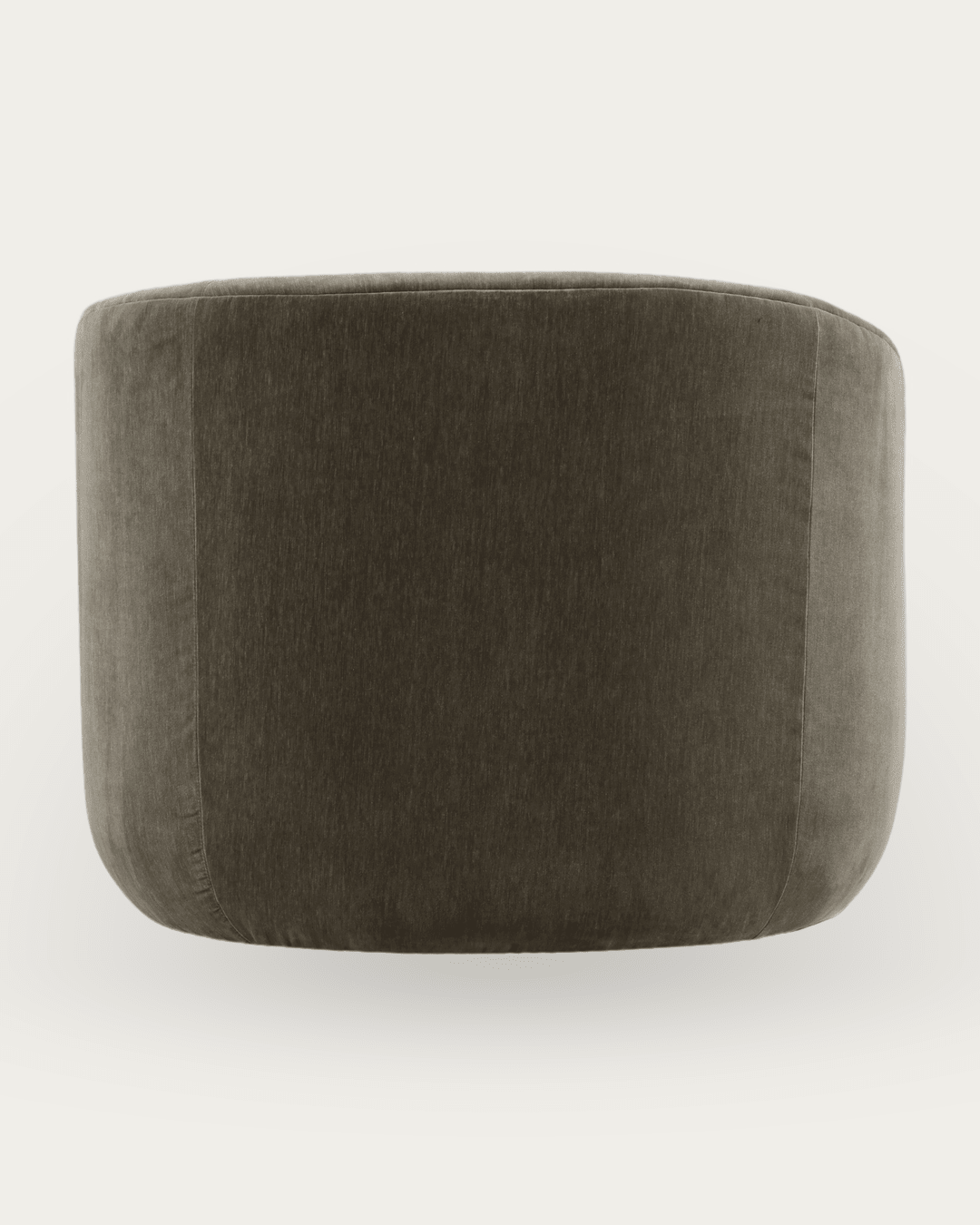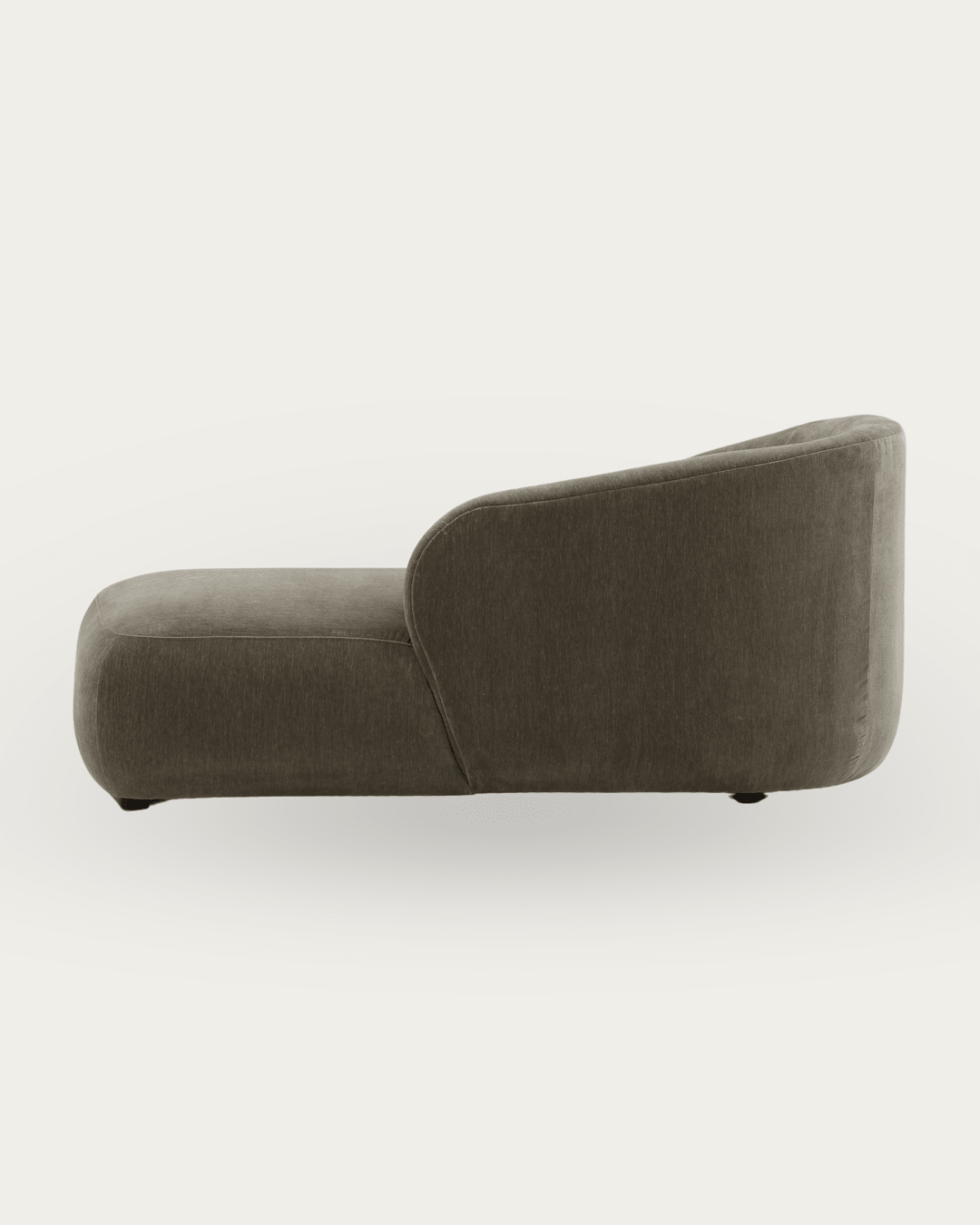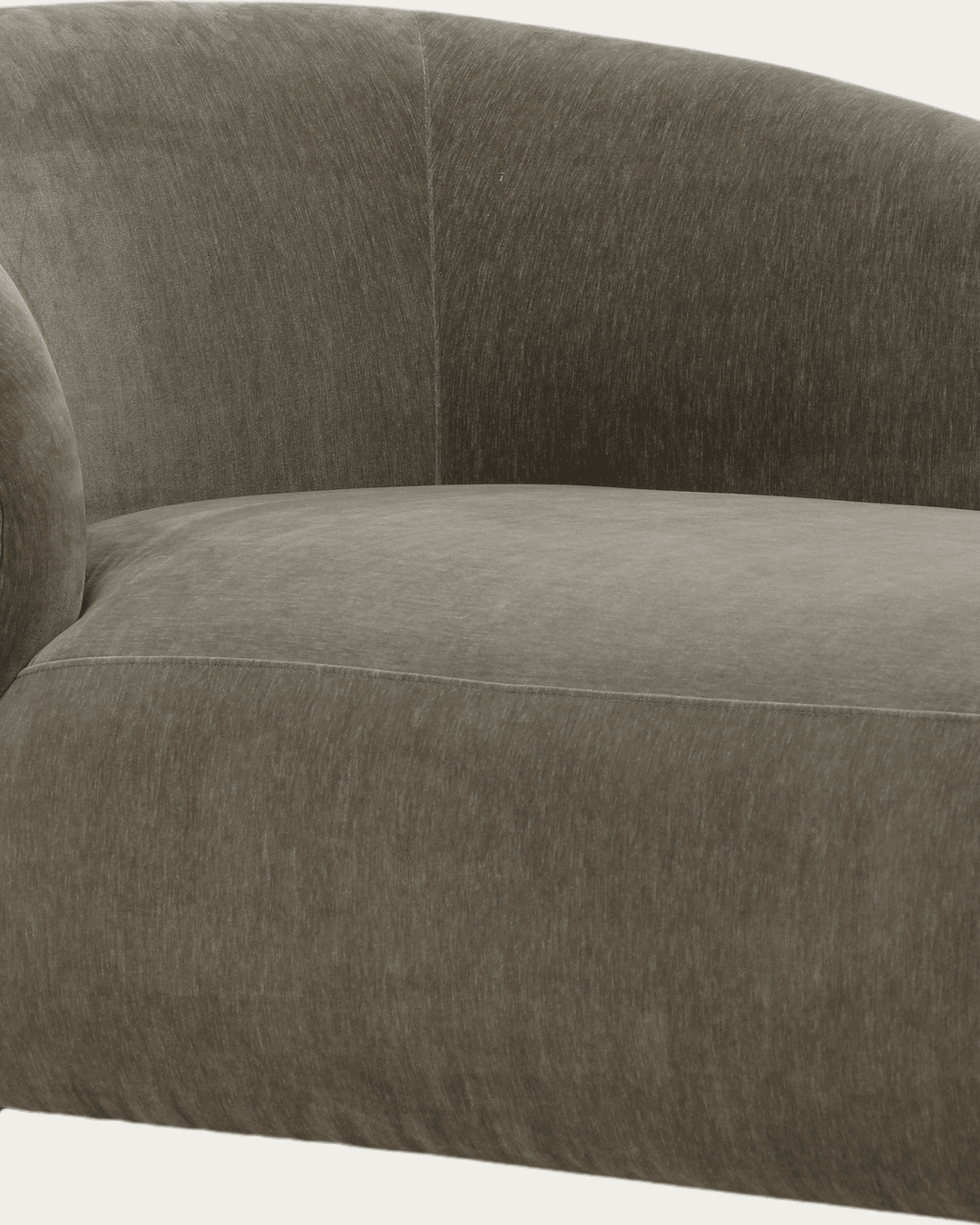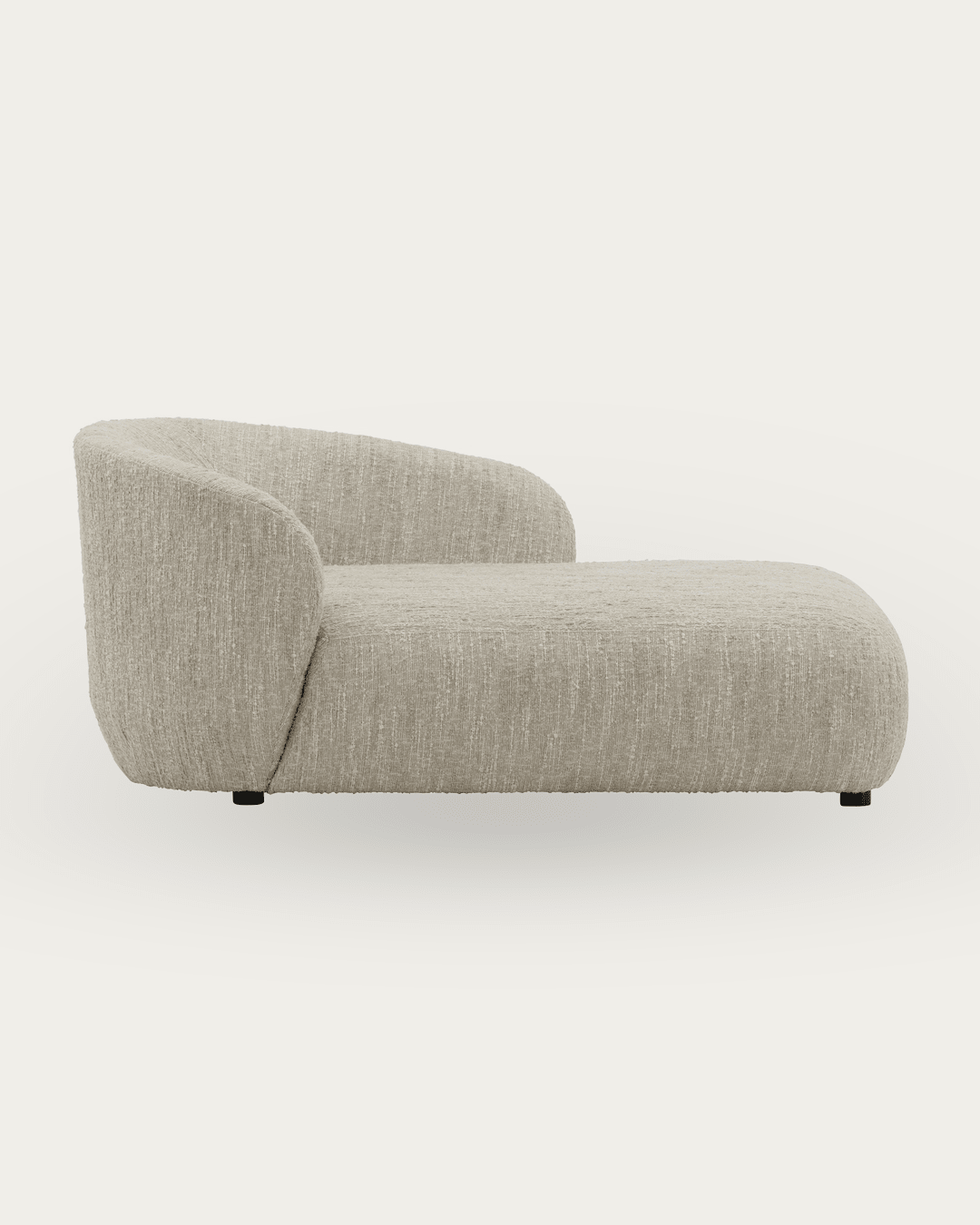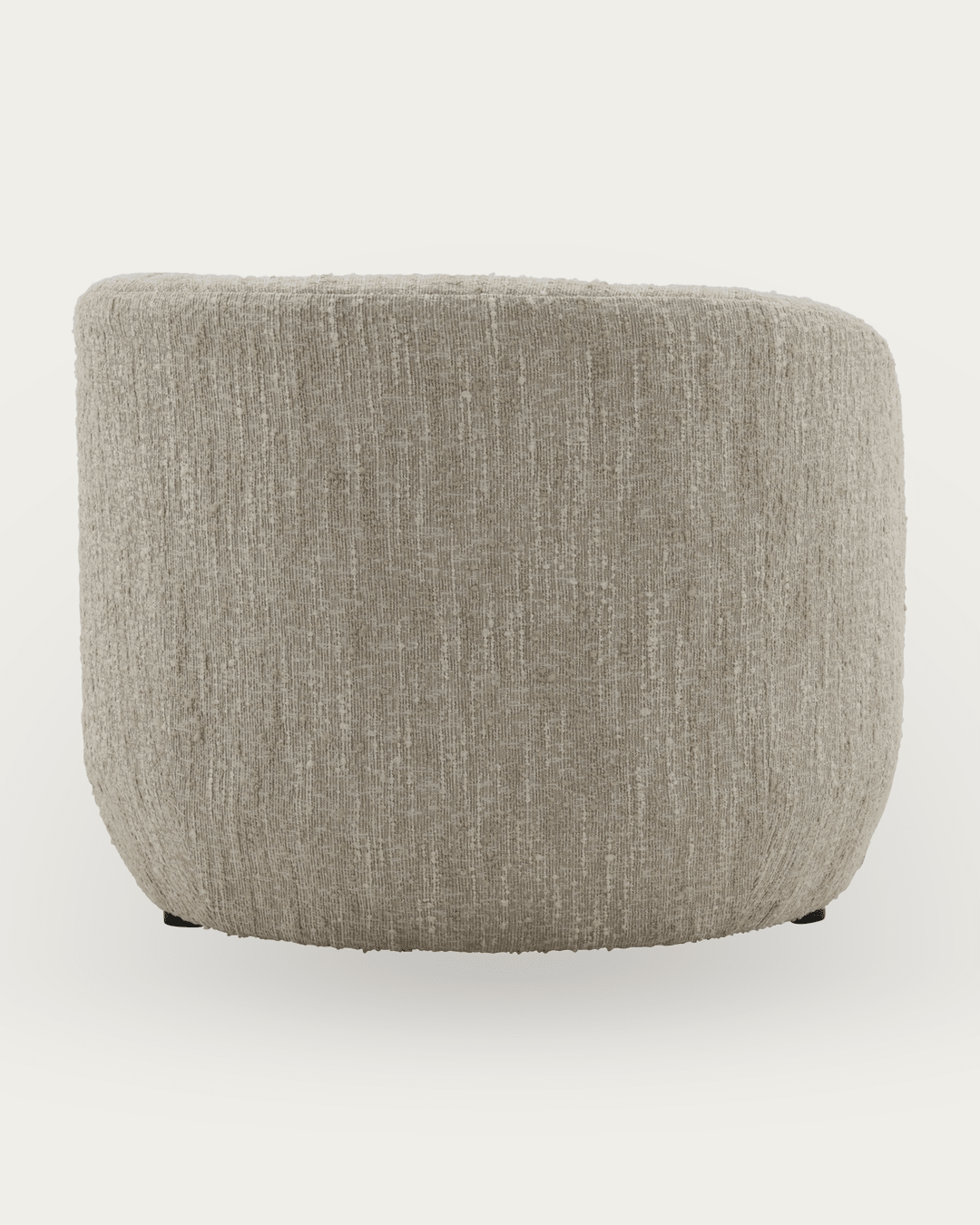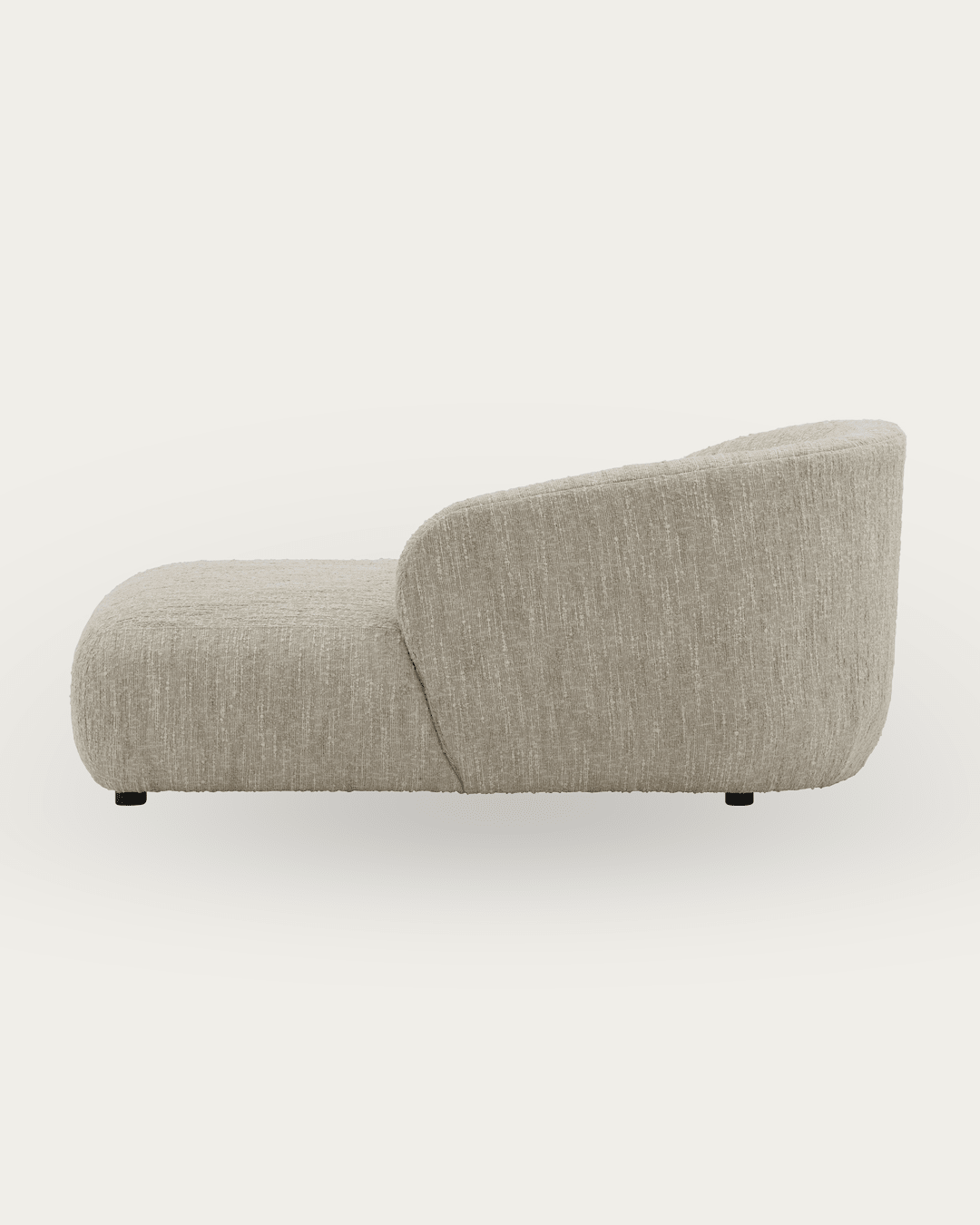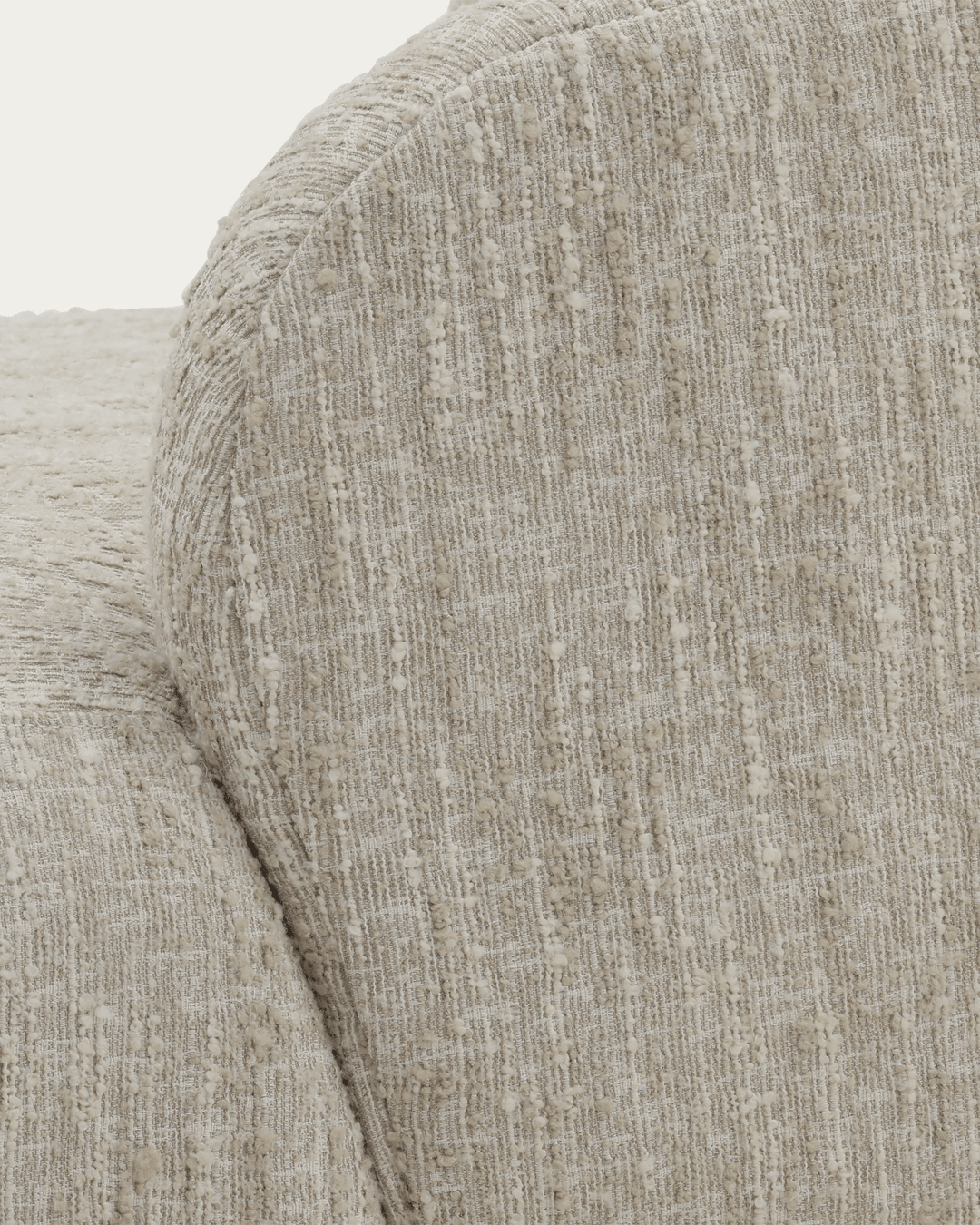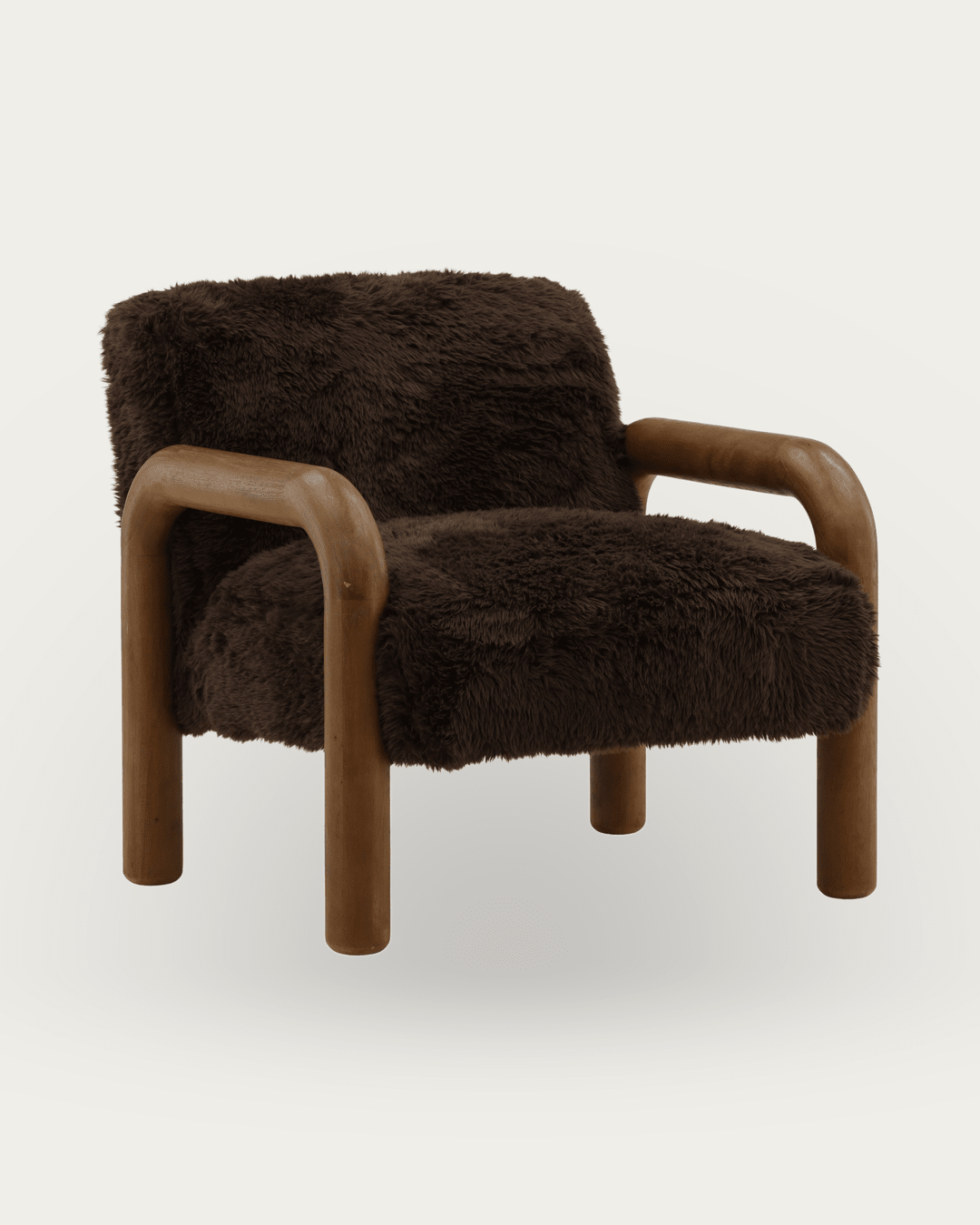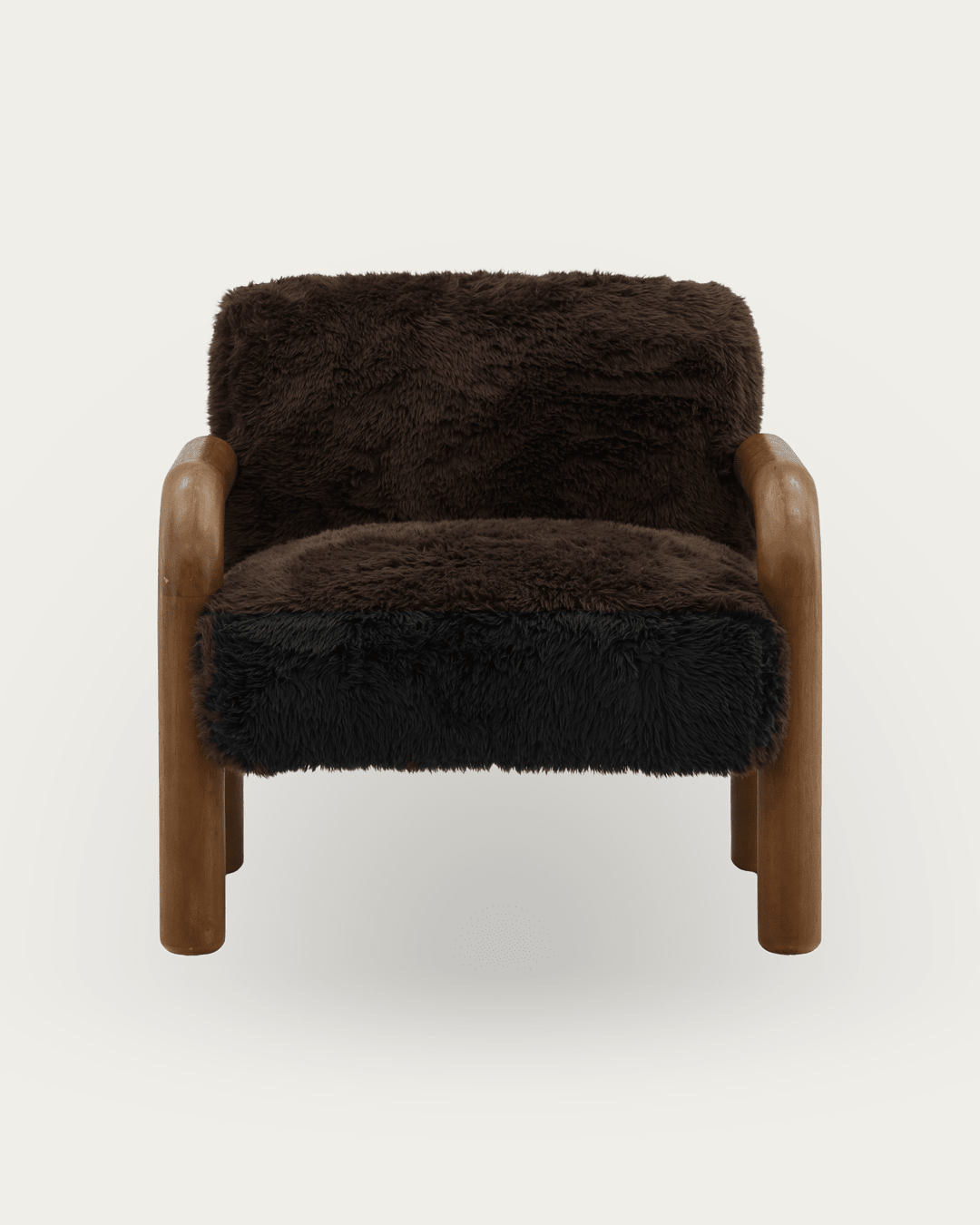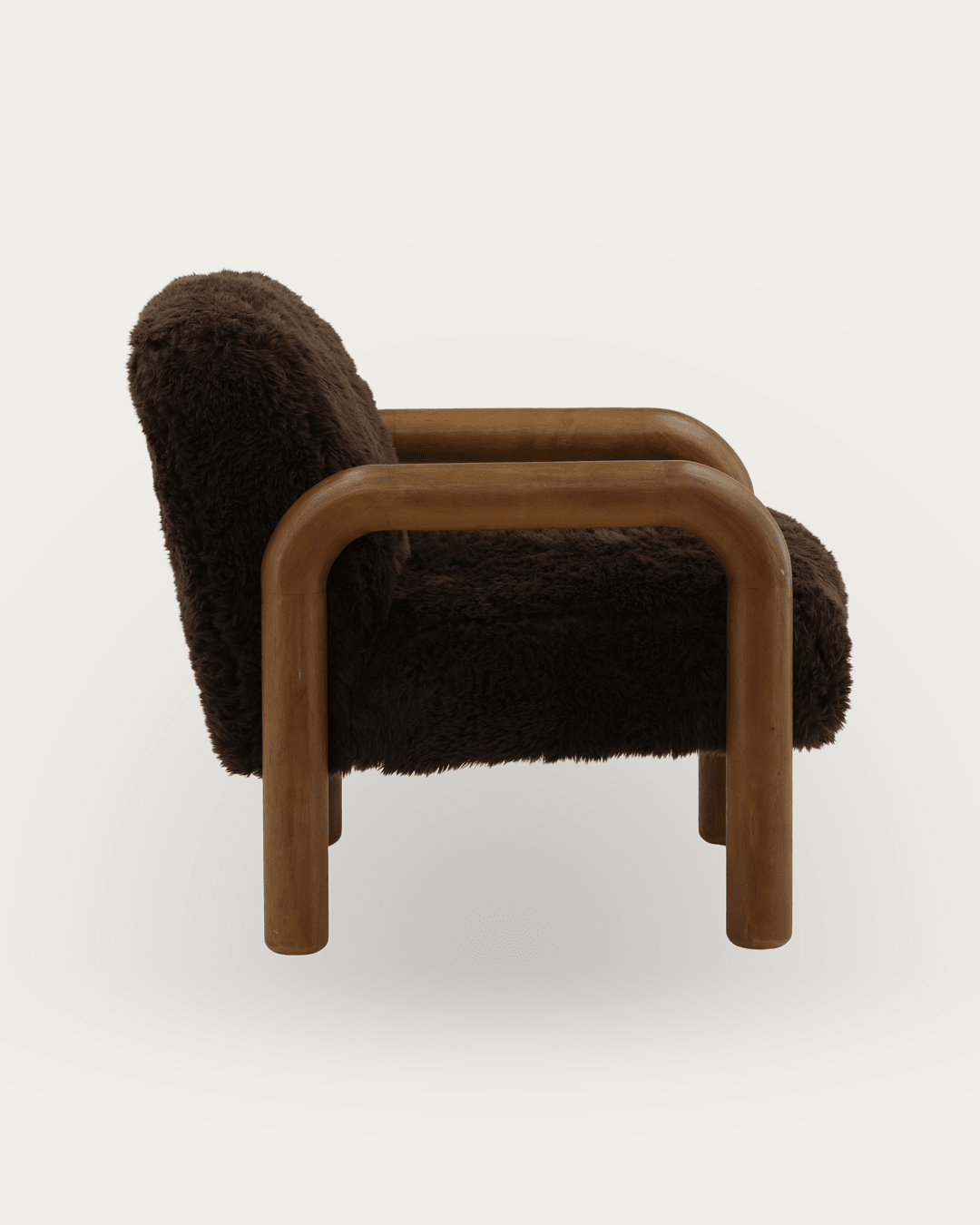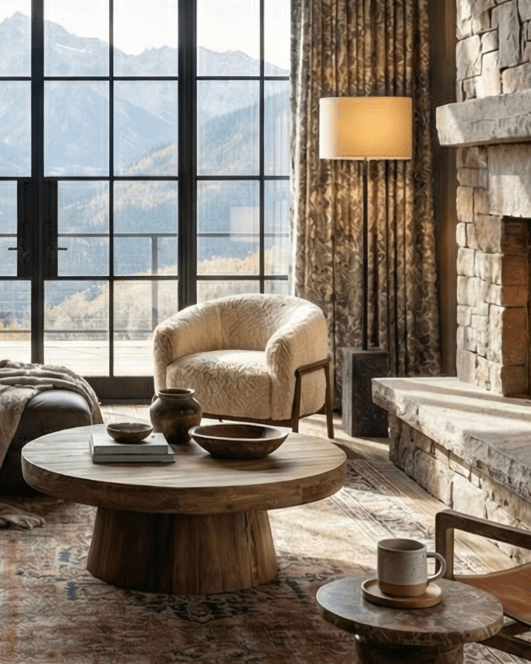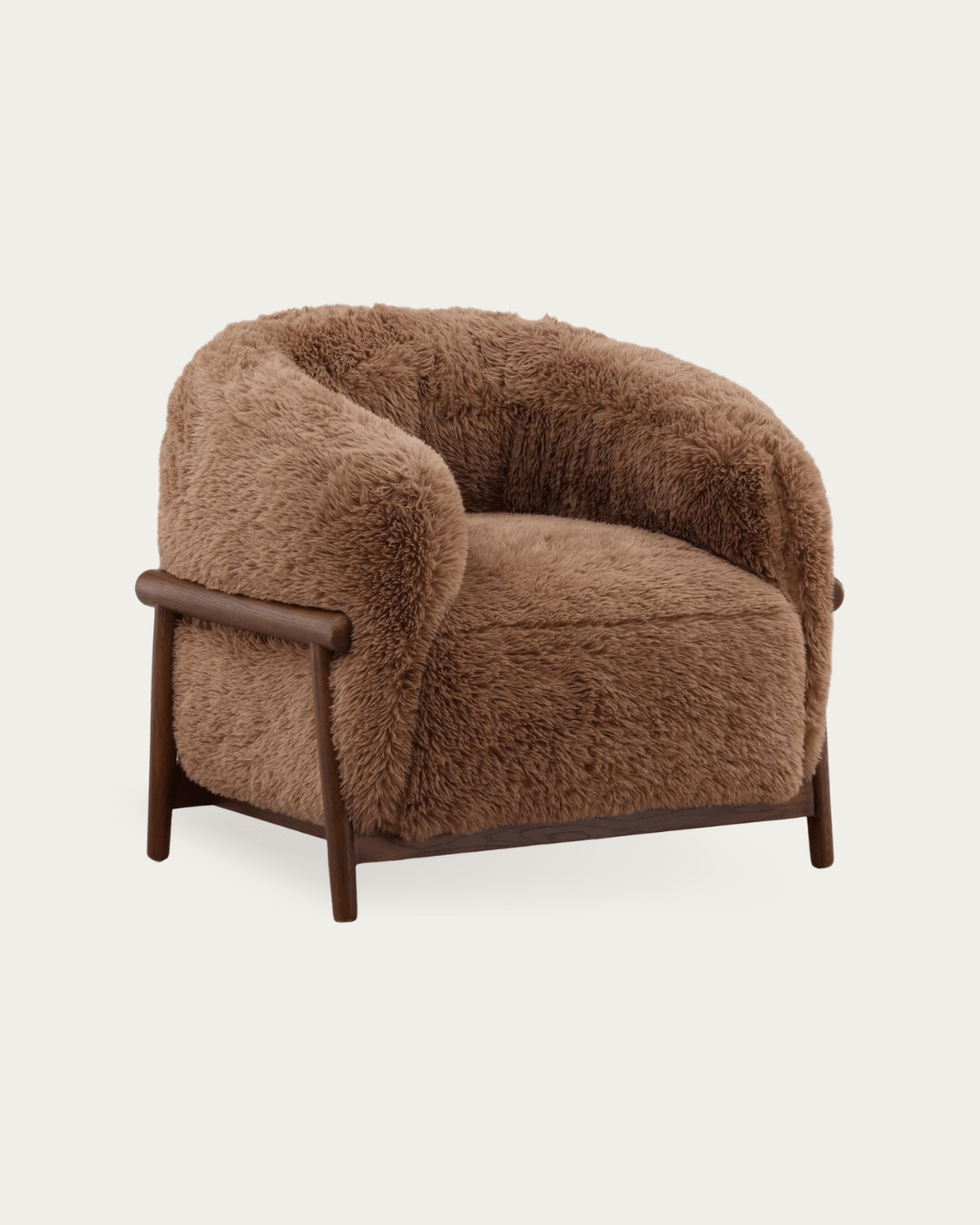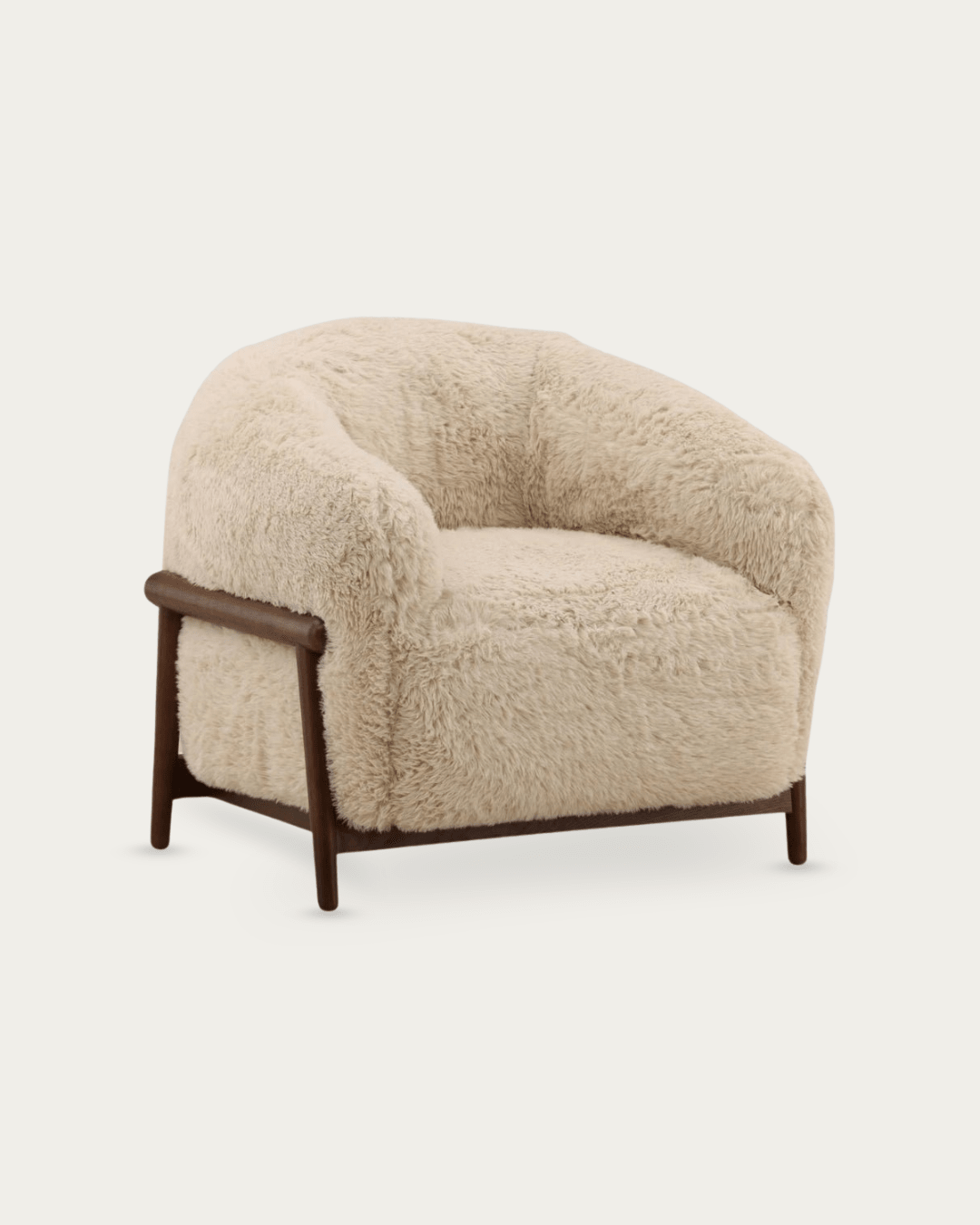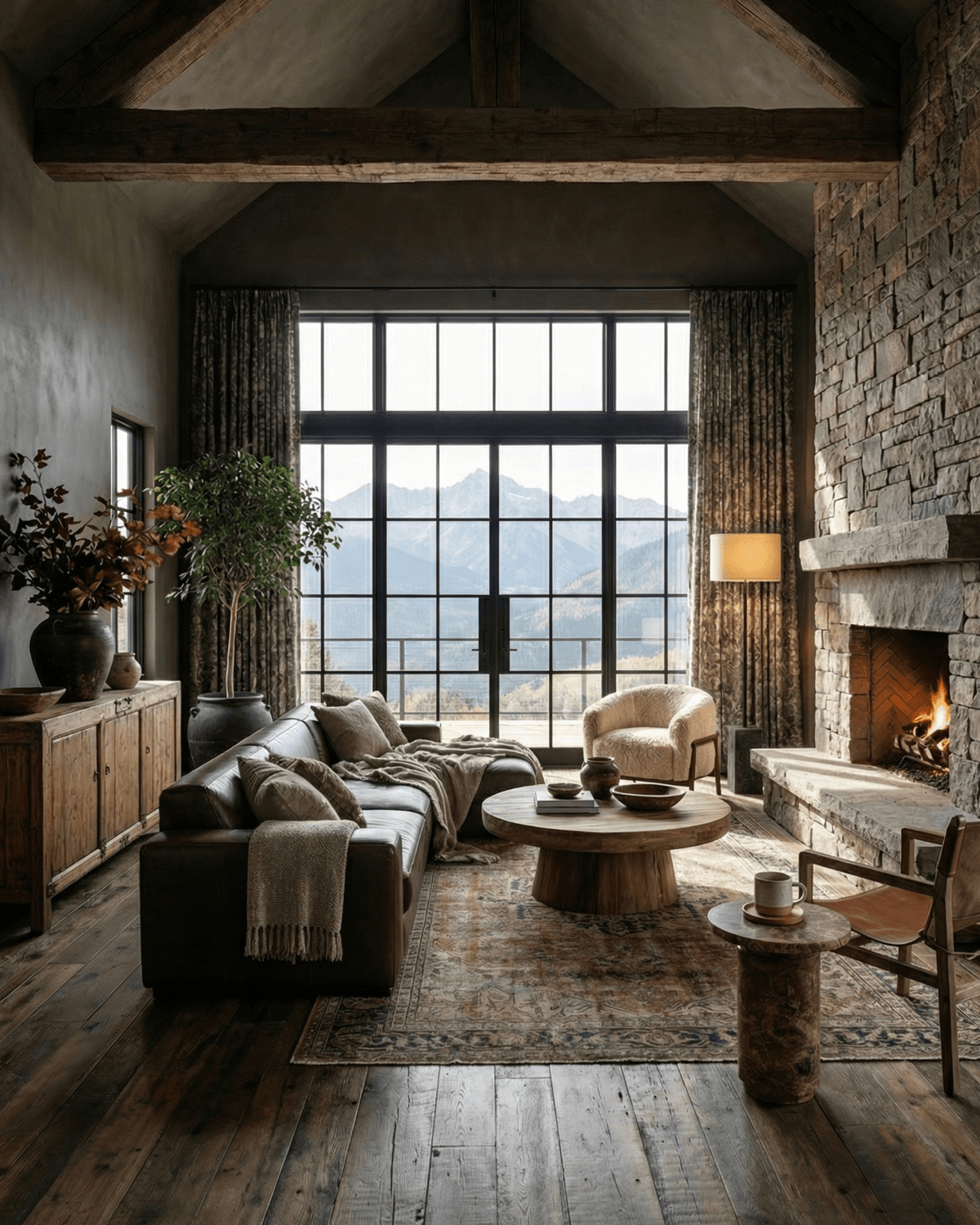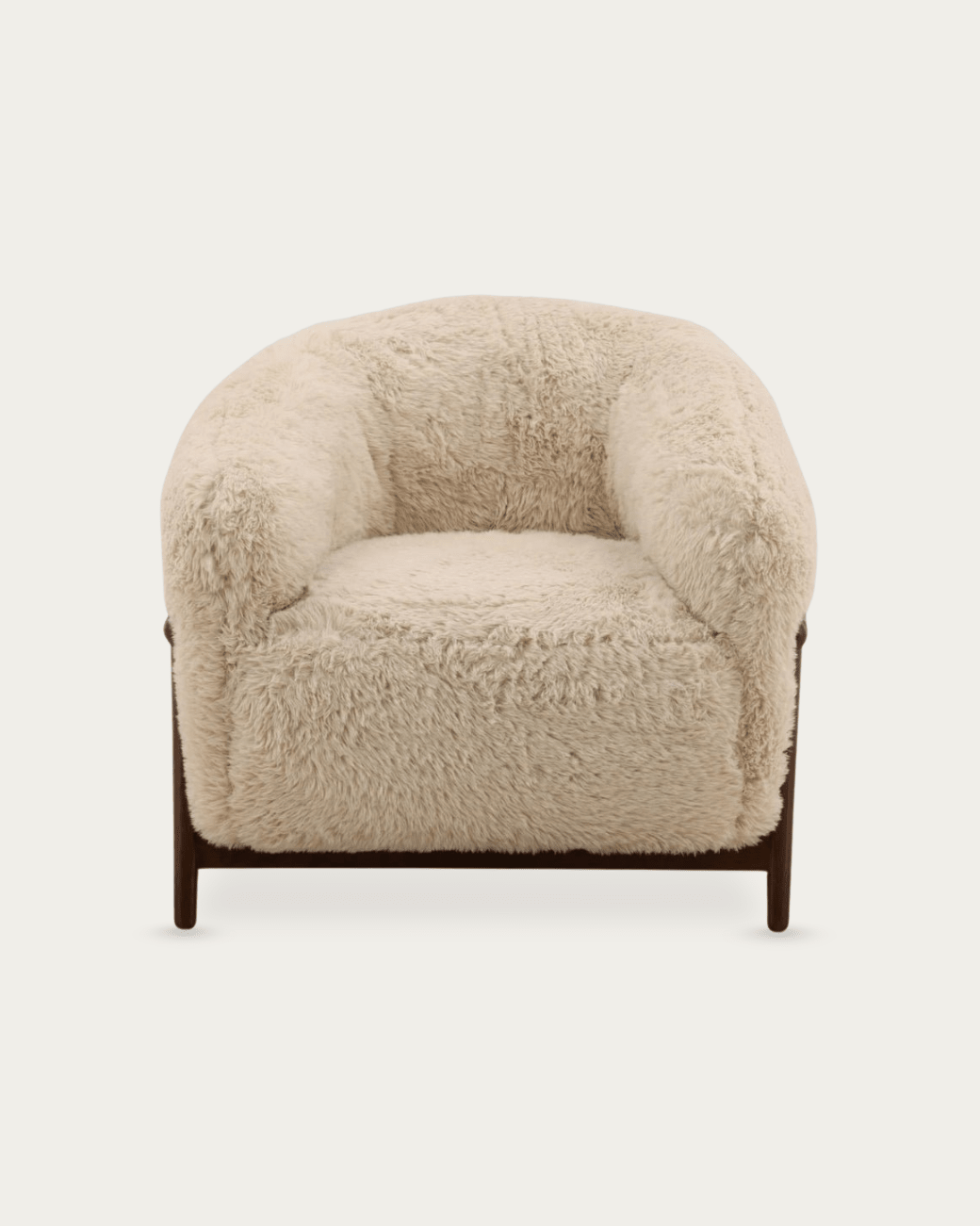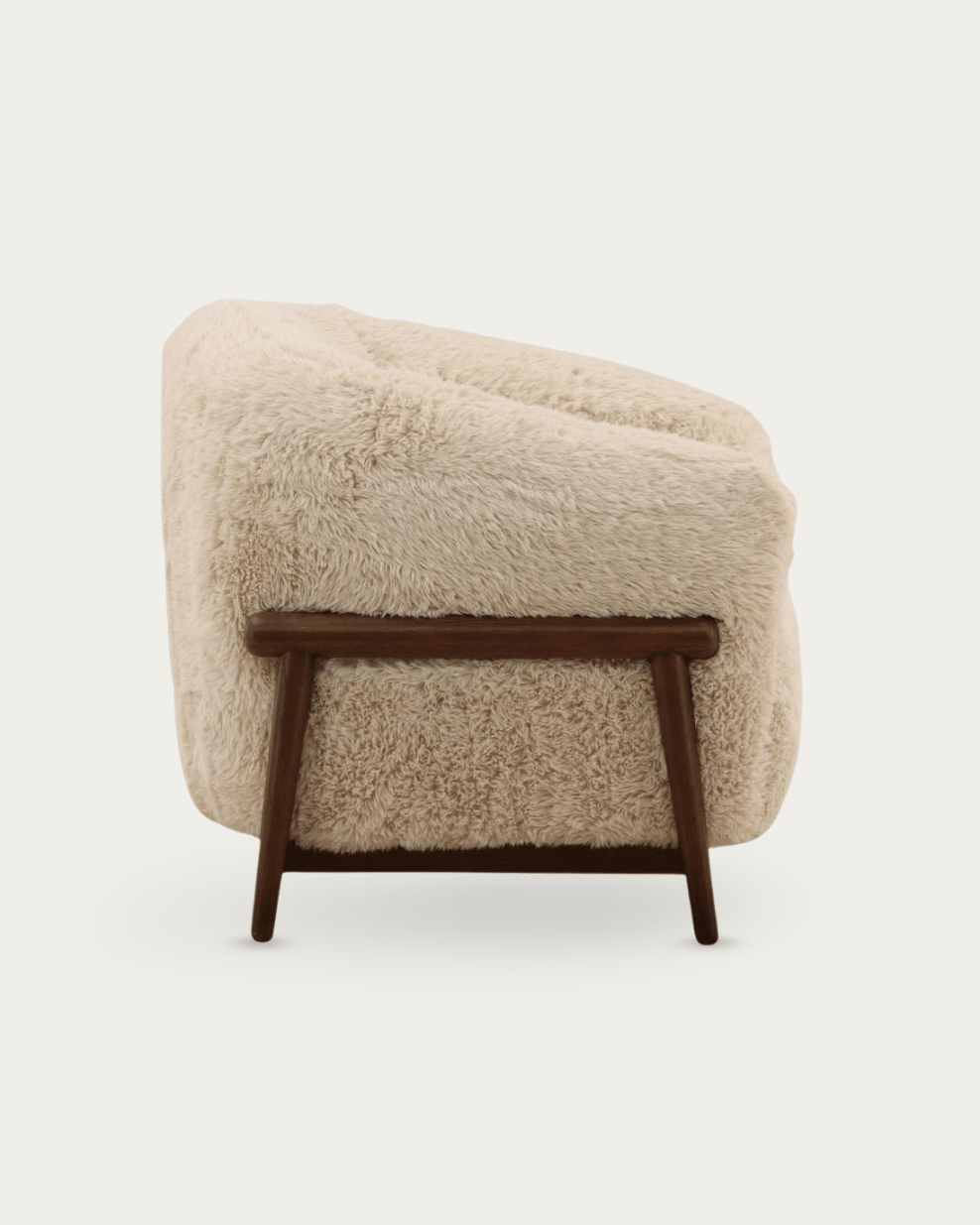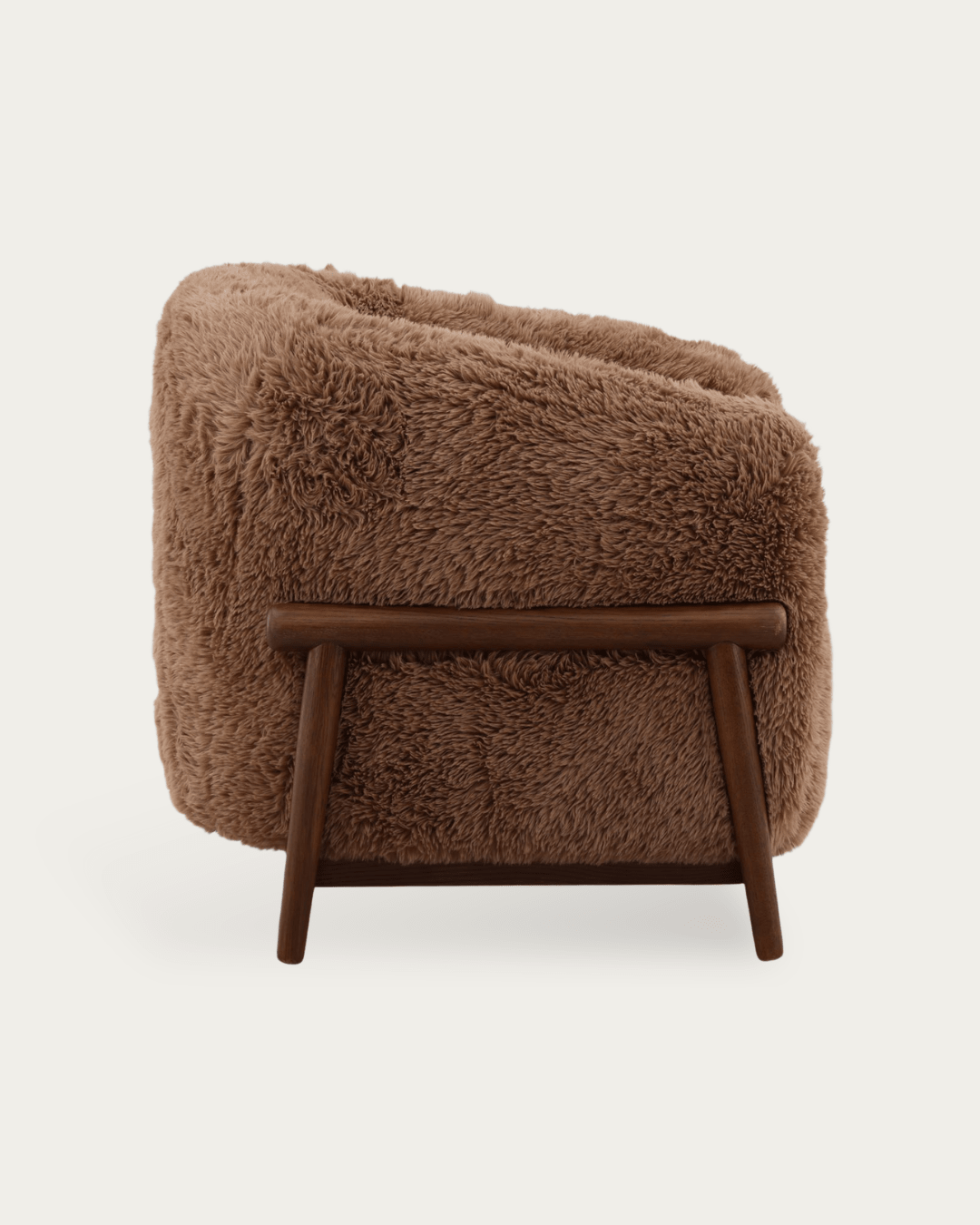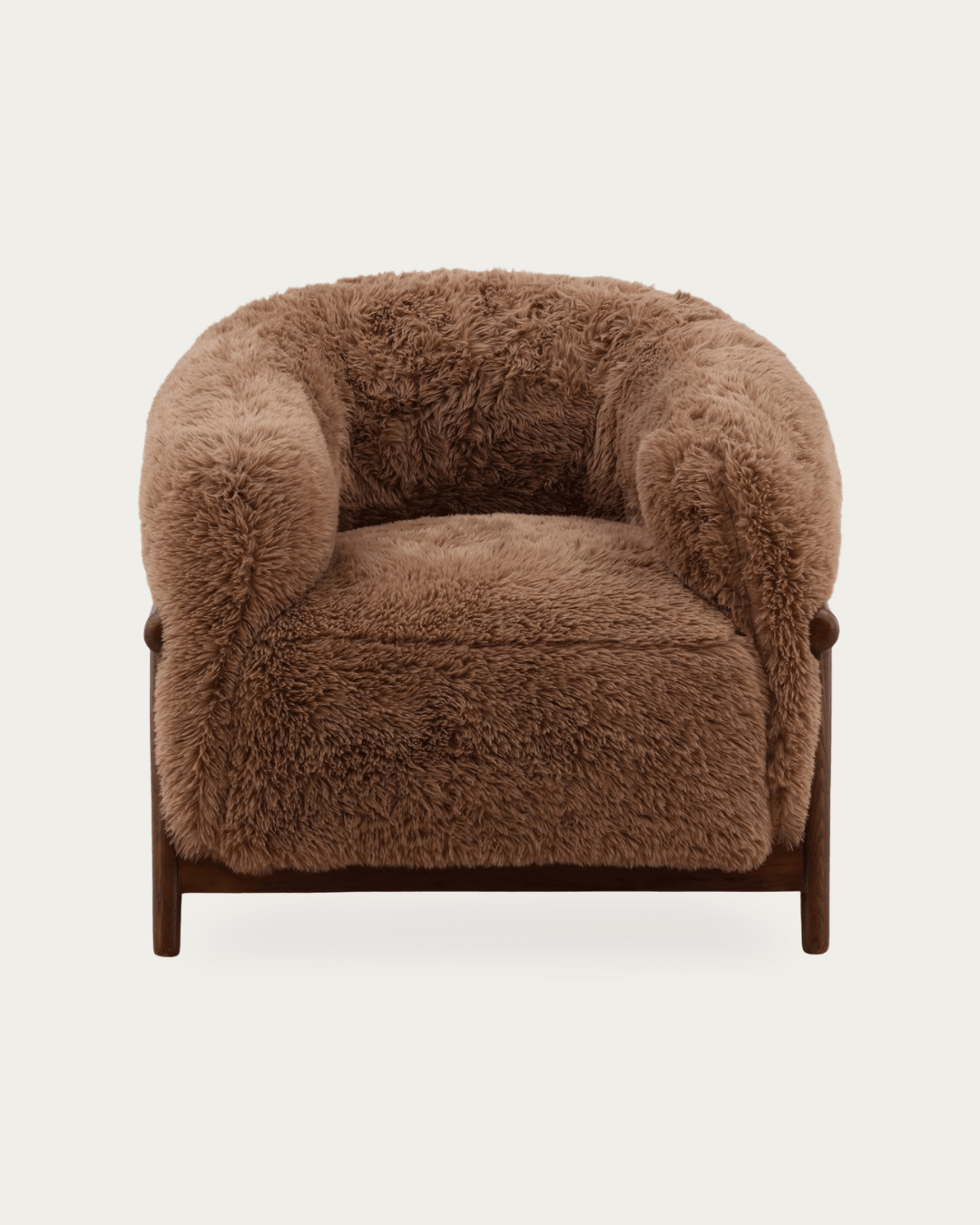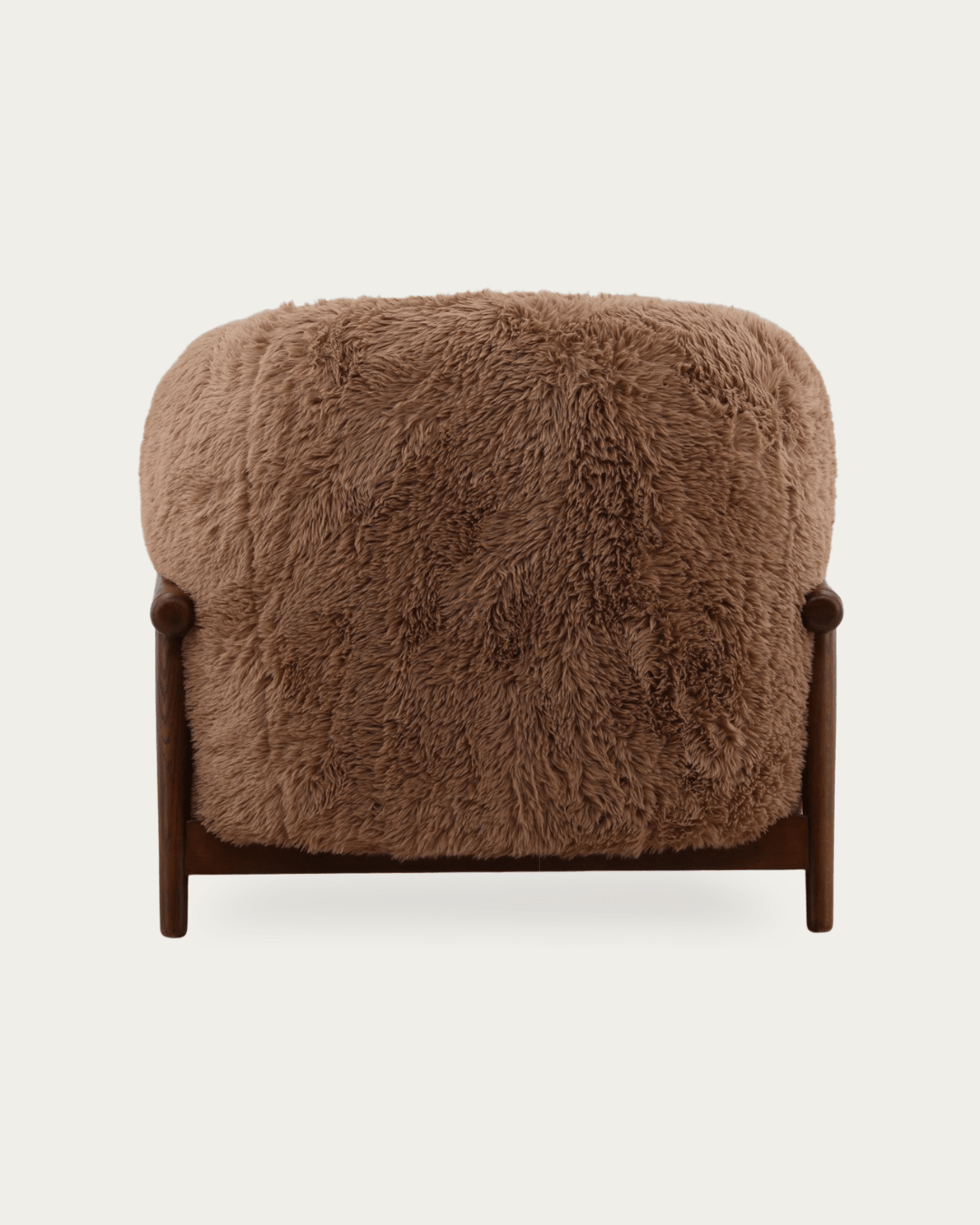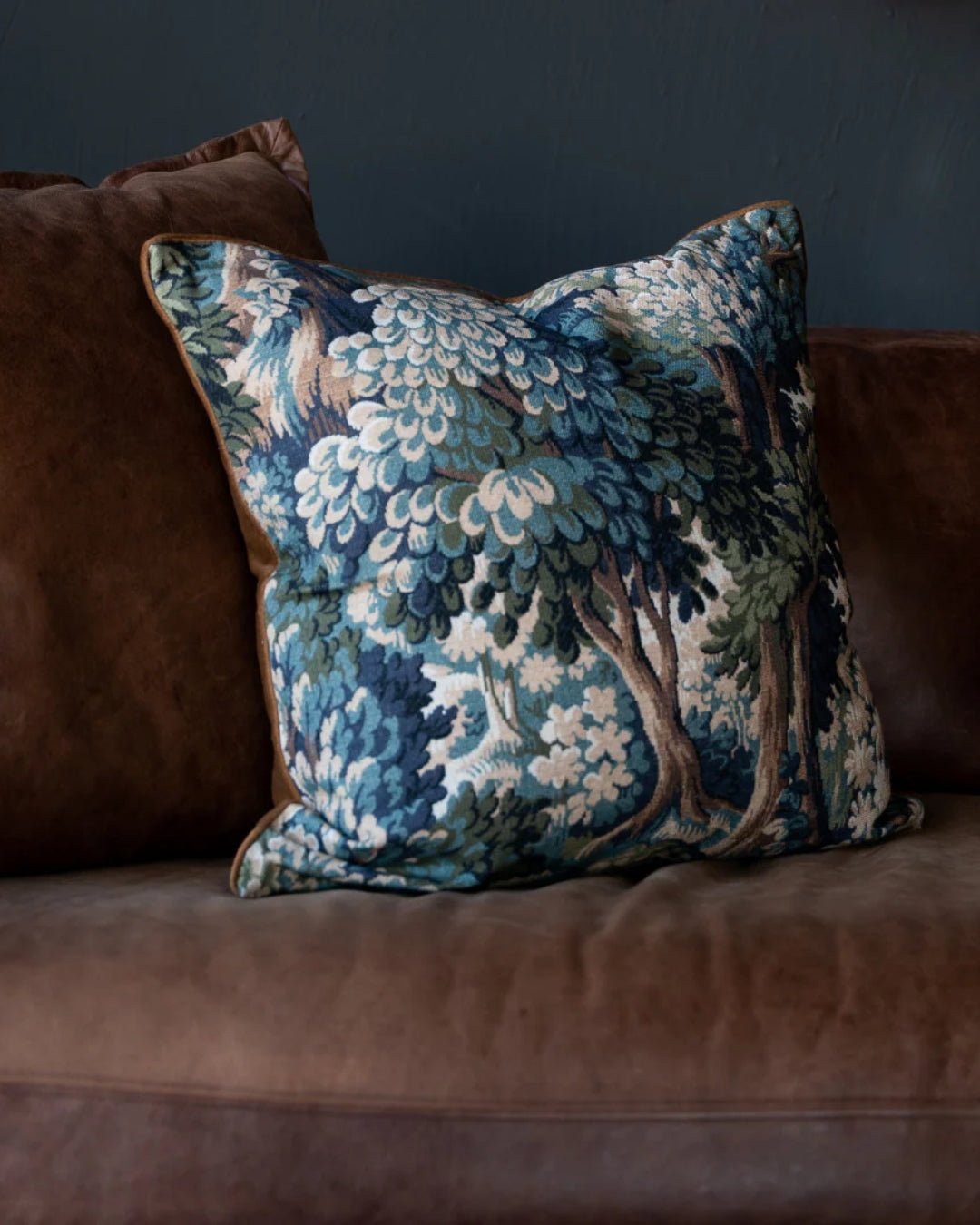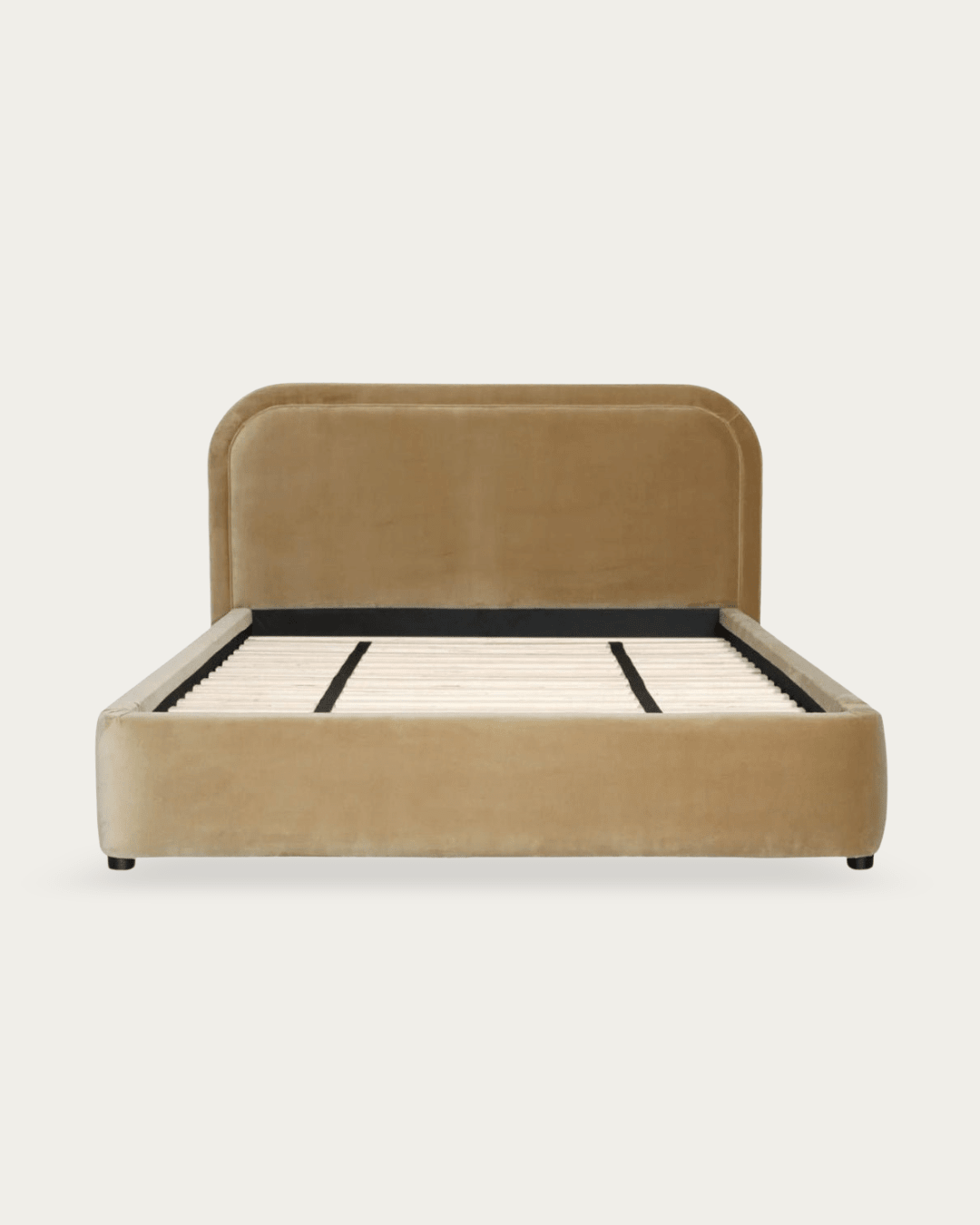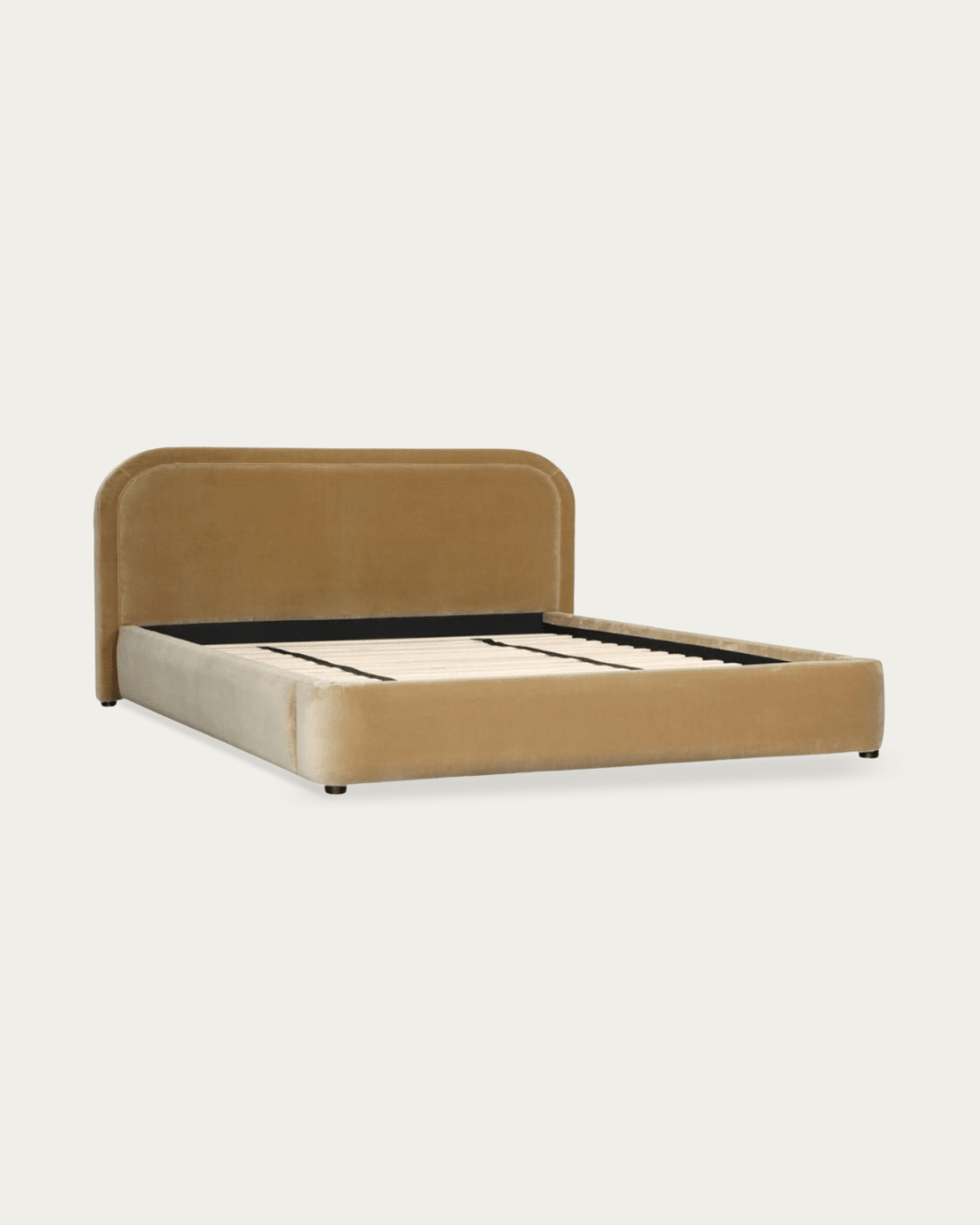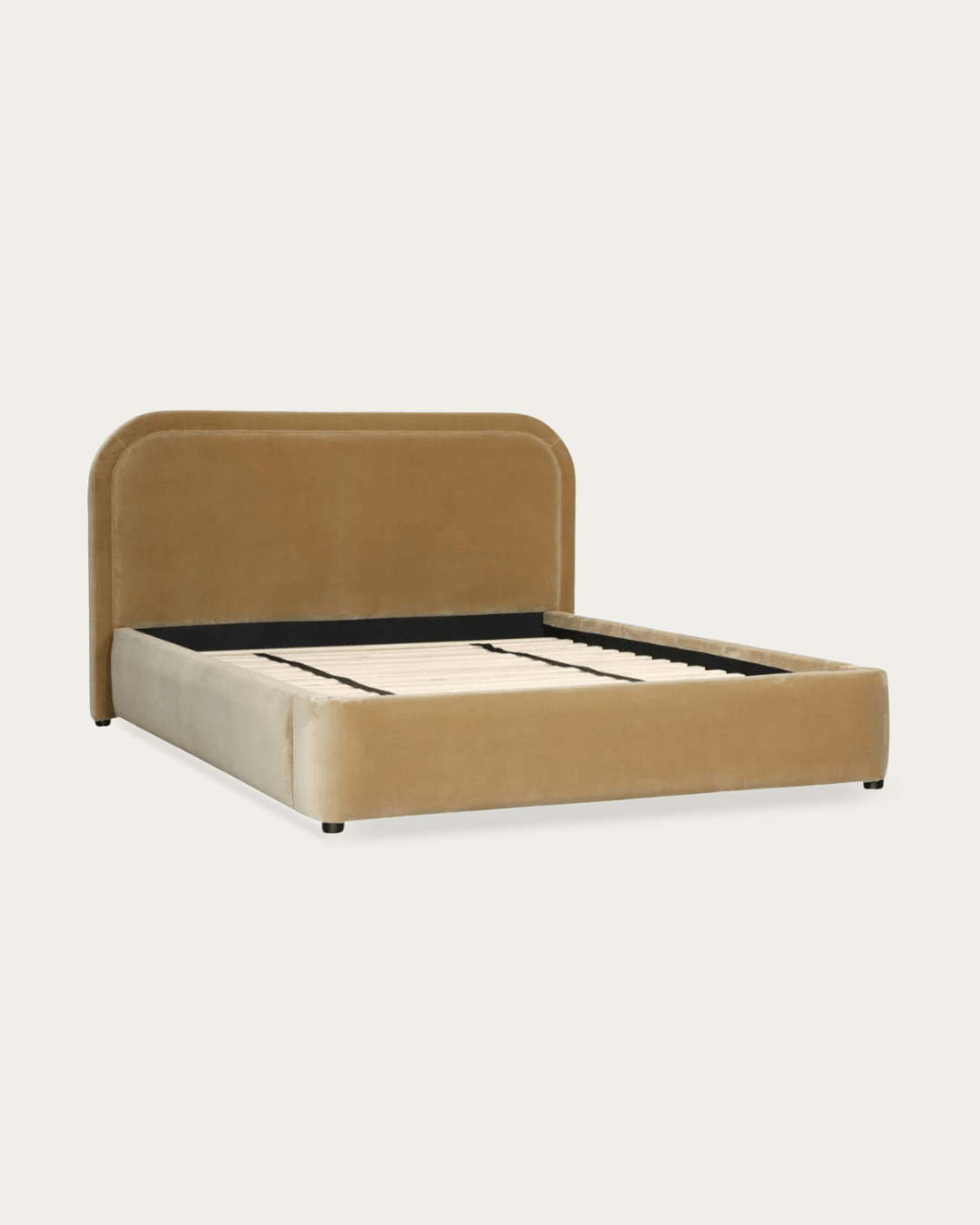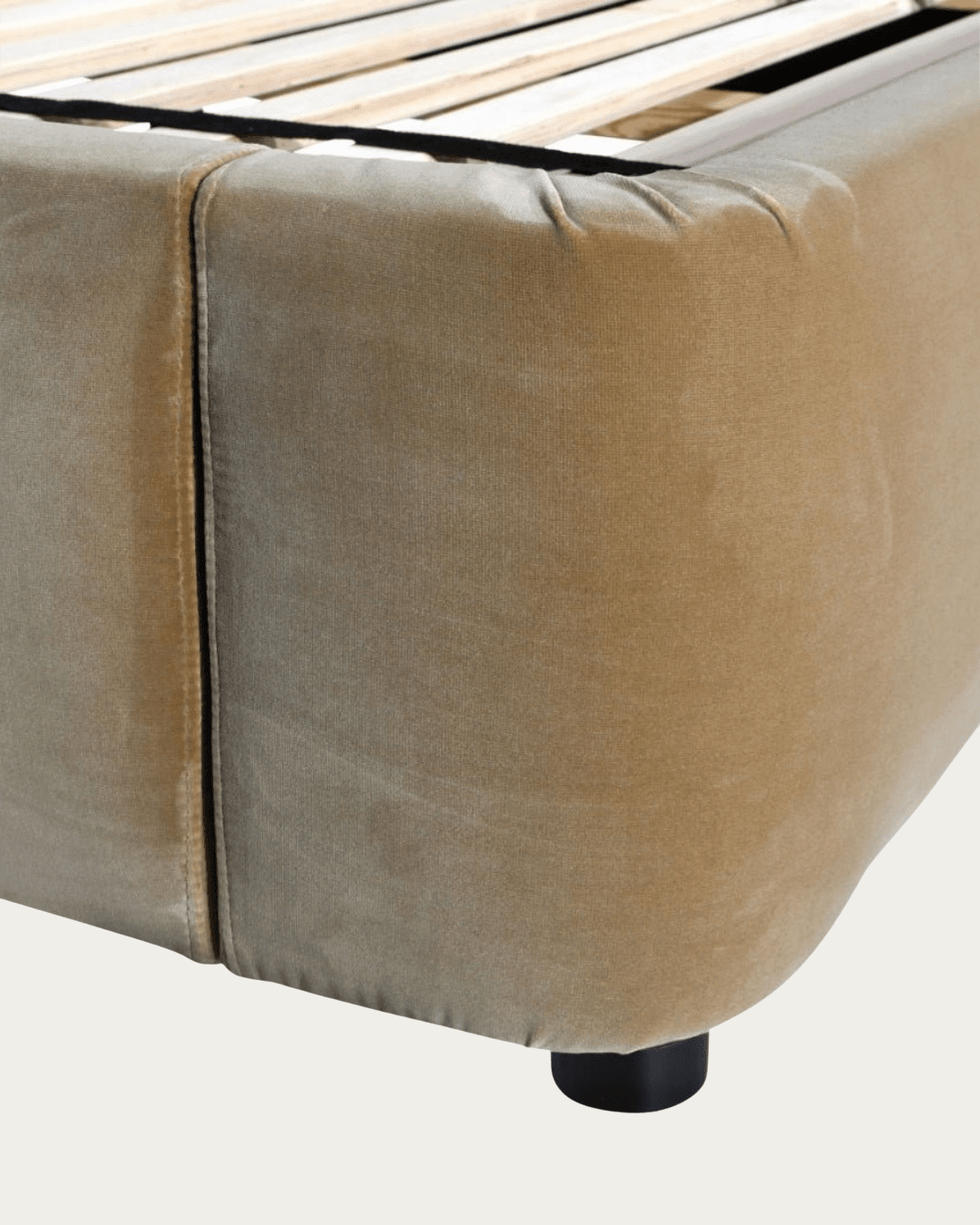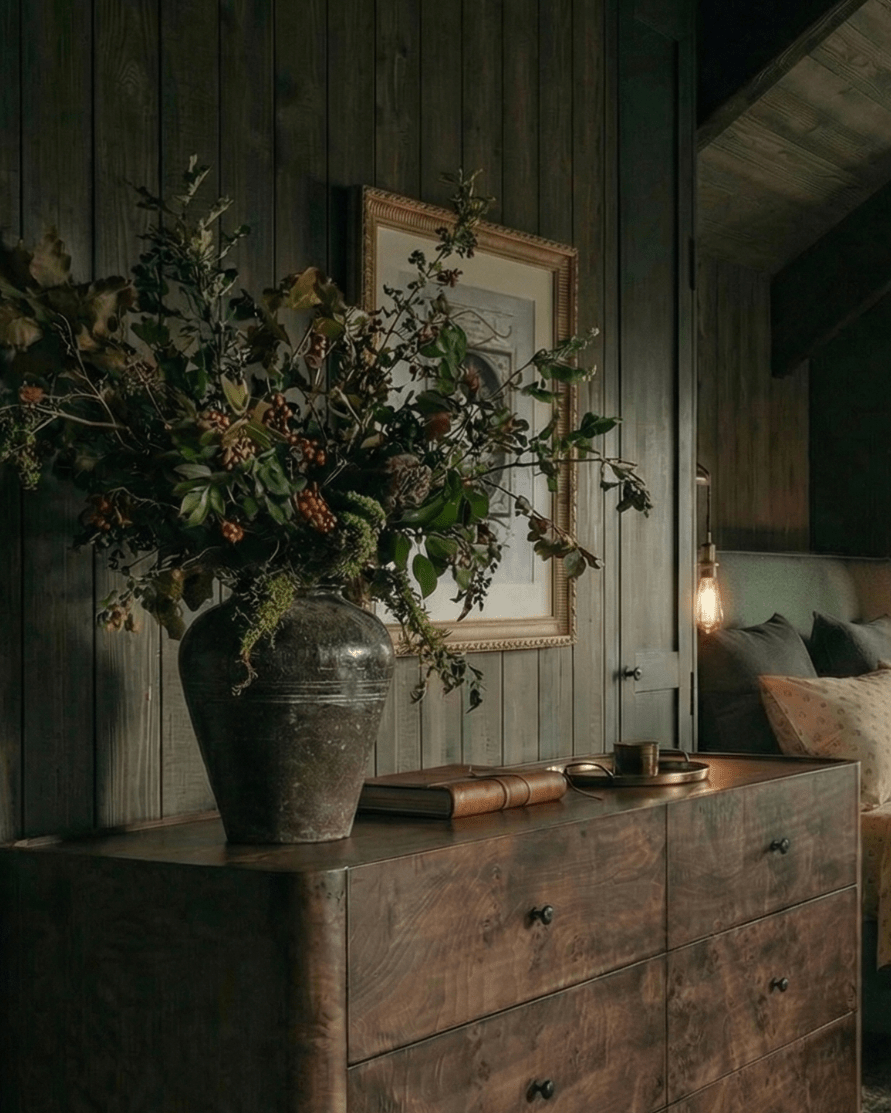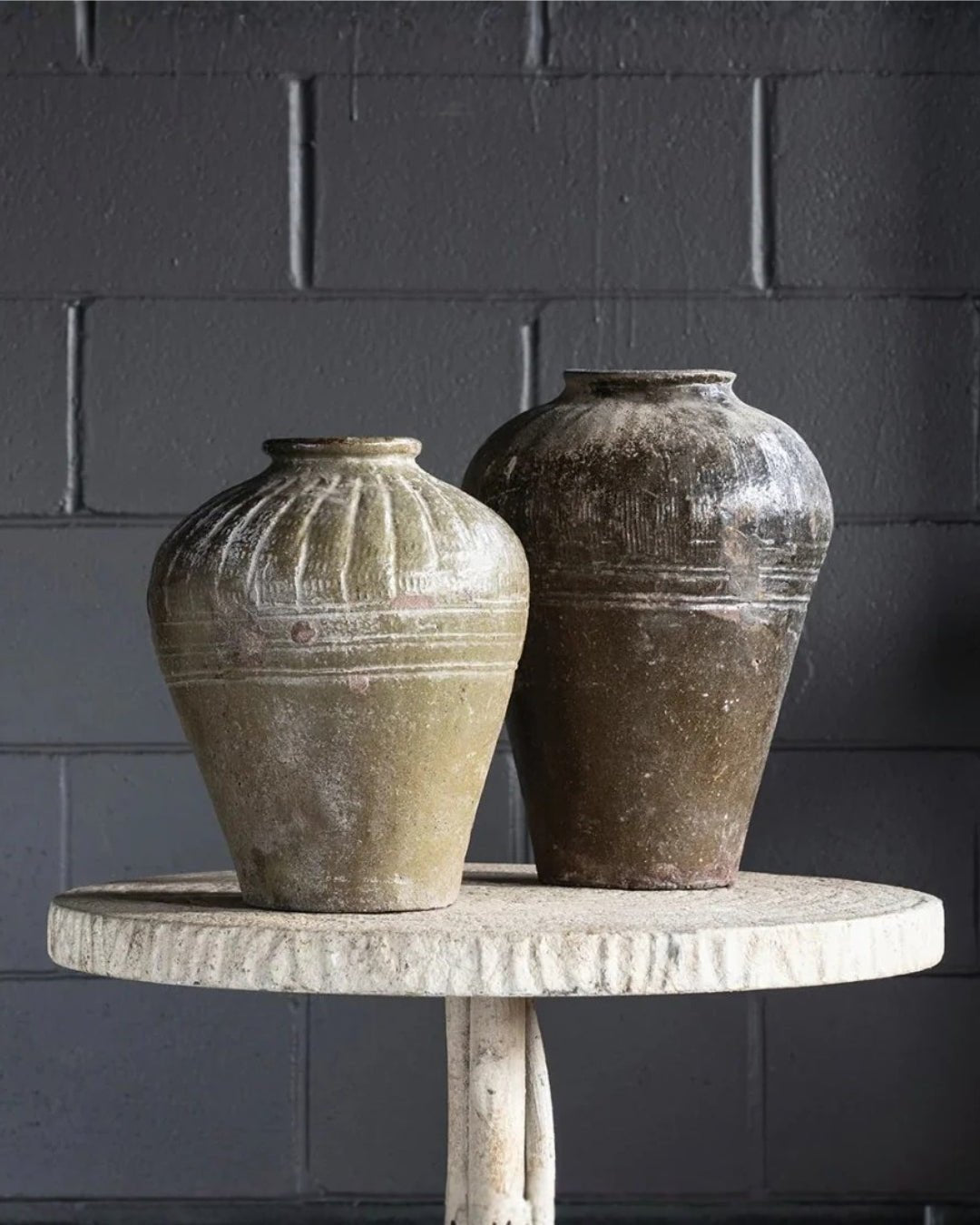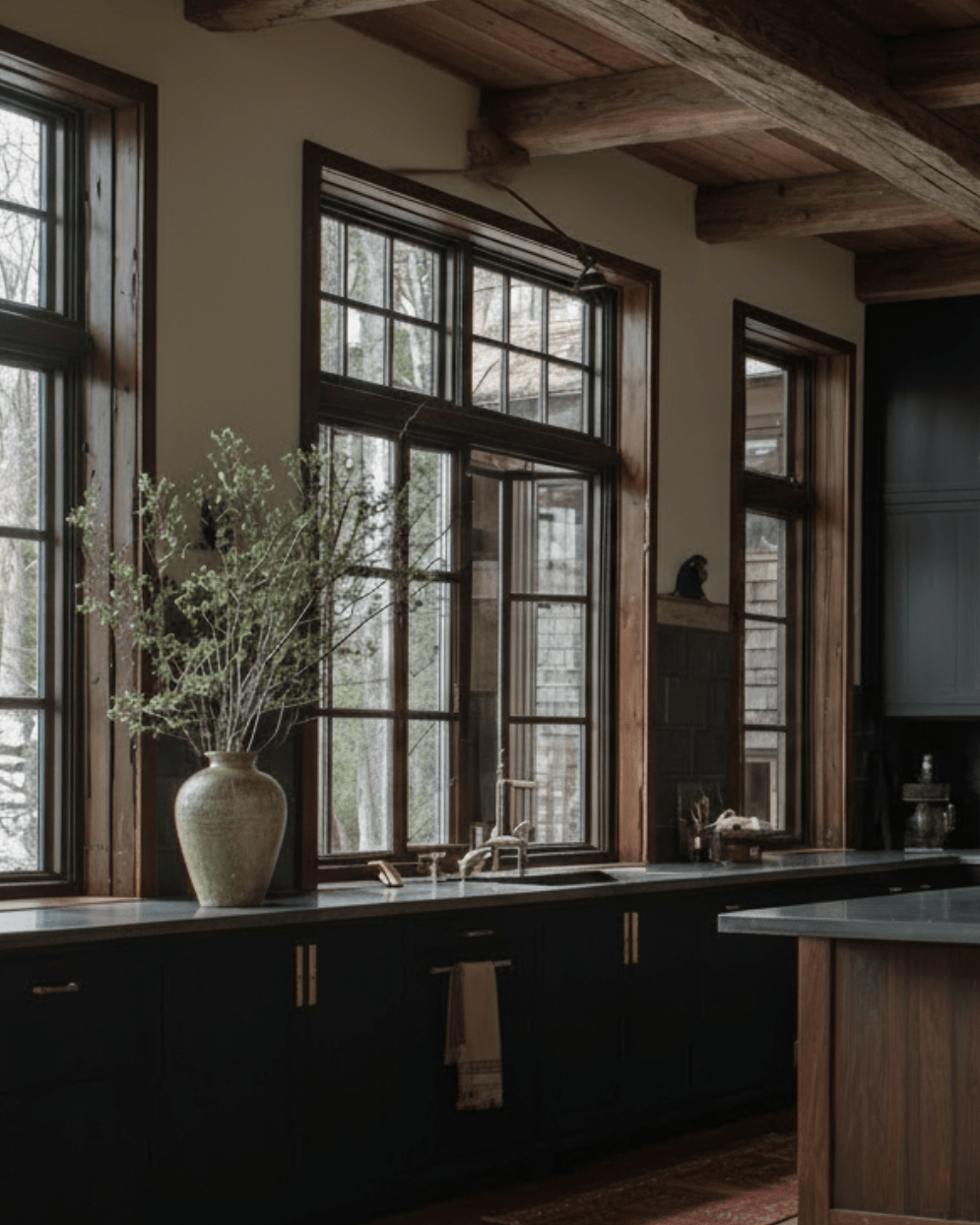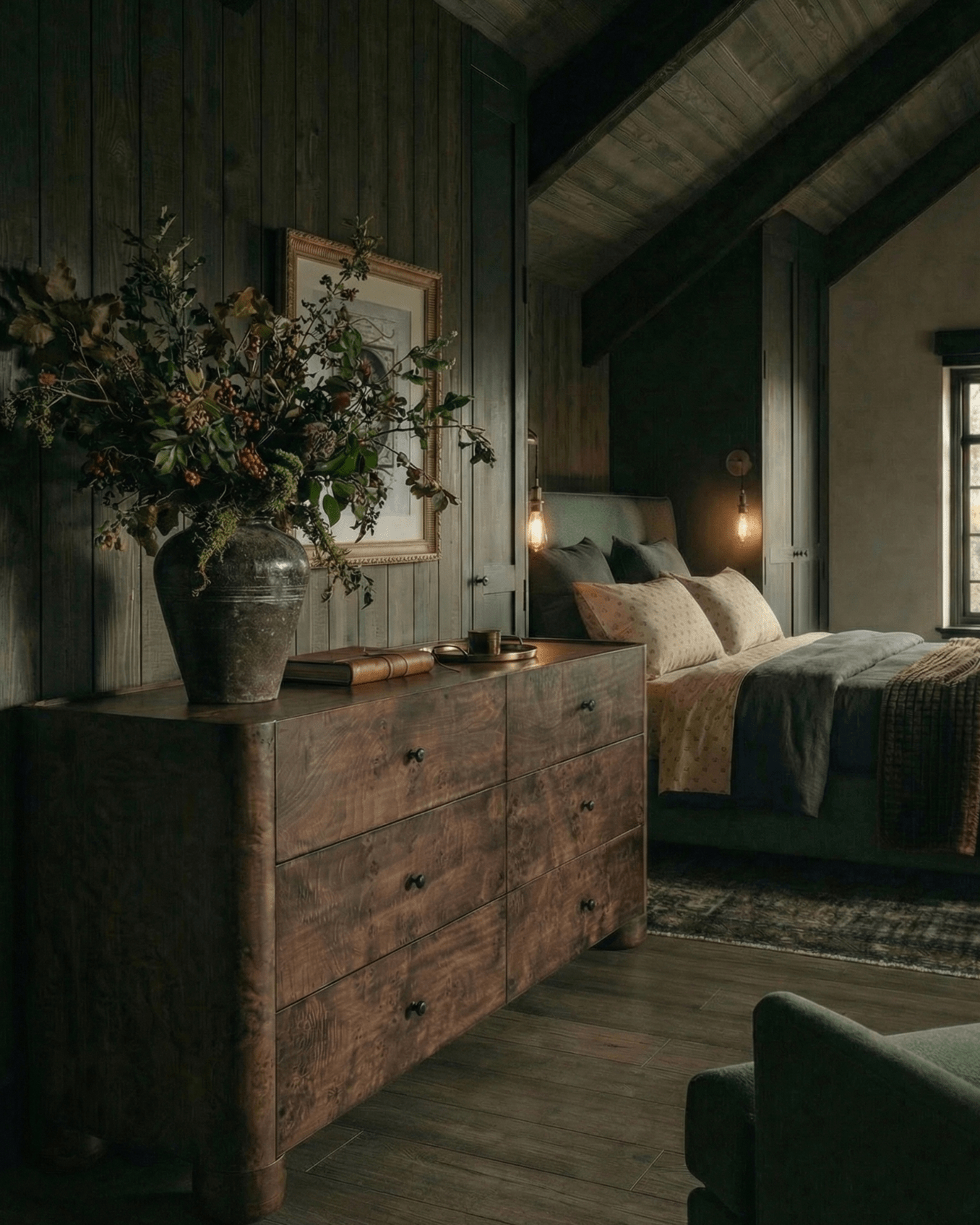







Have you ever walked into a room and immediately felt like something was off, even though you couldn't identify a single piece of furniture that was technically wrong?
The sofa looked nice. The coffee table fit. The walls were painted. Everything matched.
Yet the room still felt disconnected.
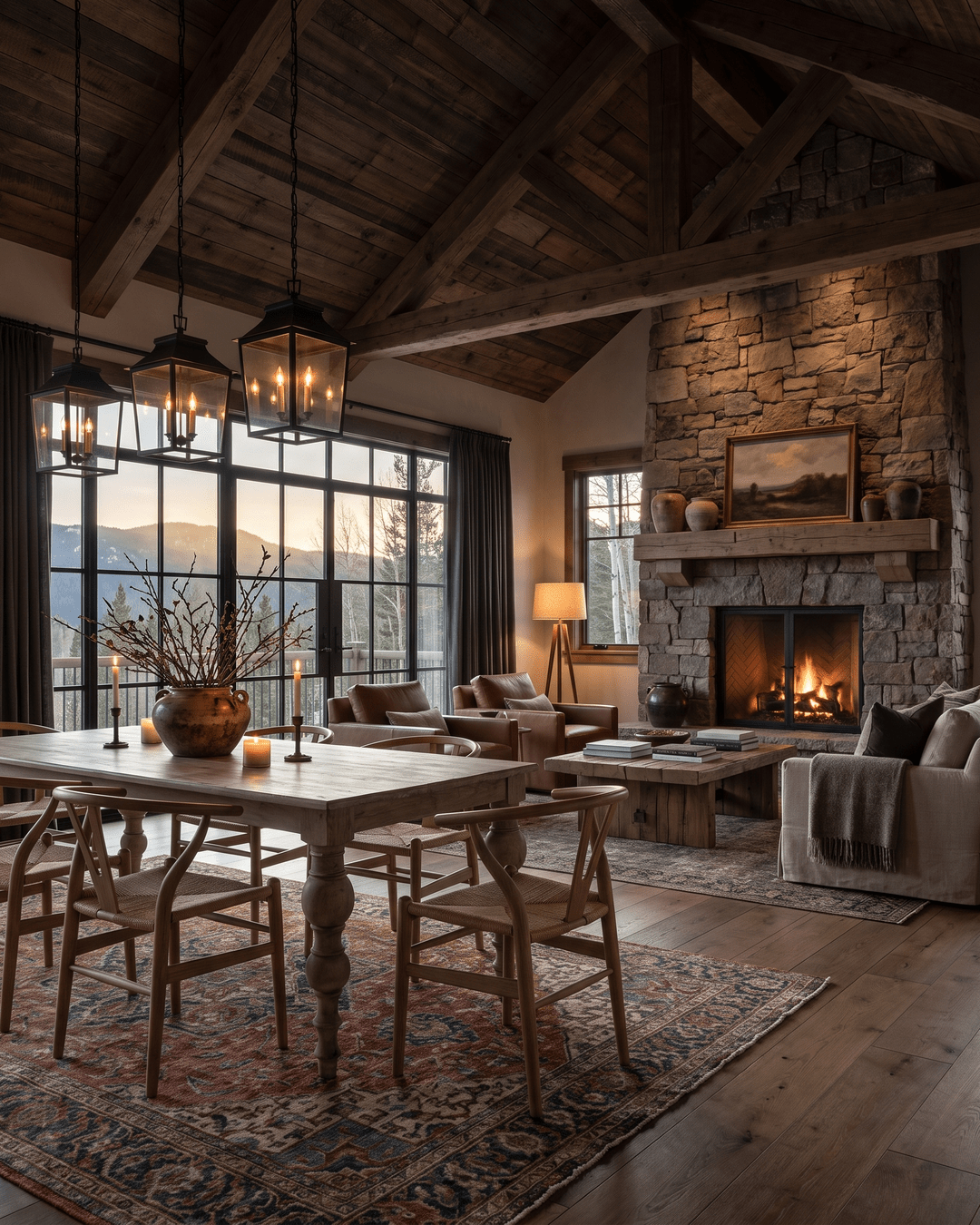
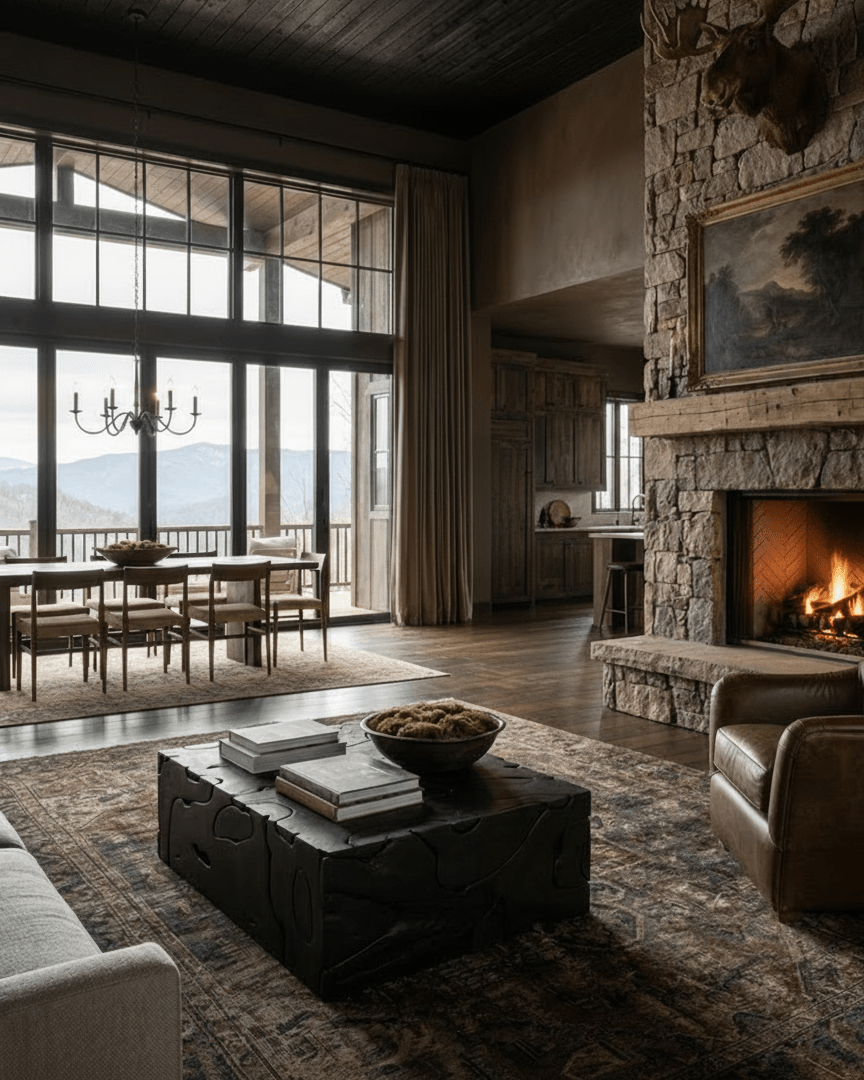
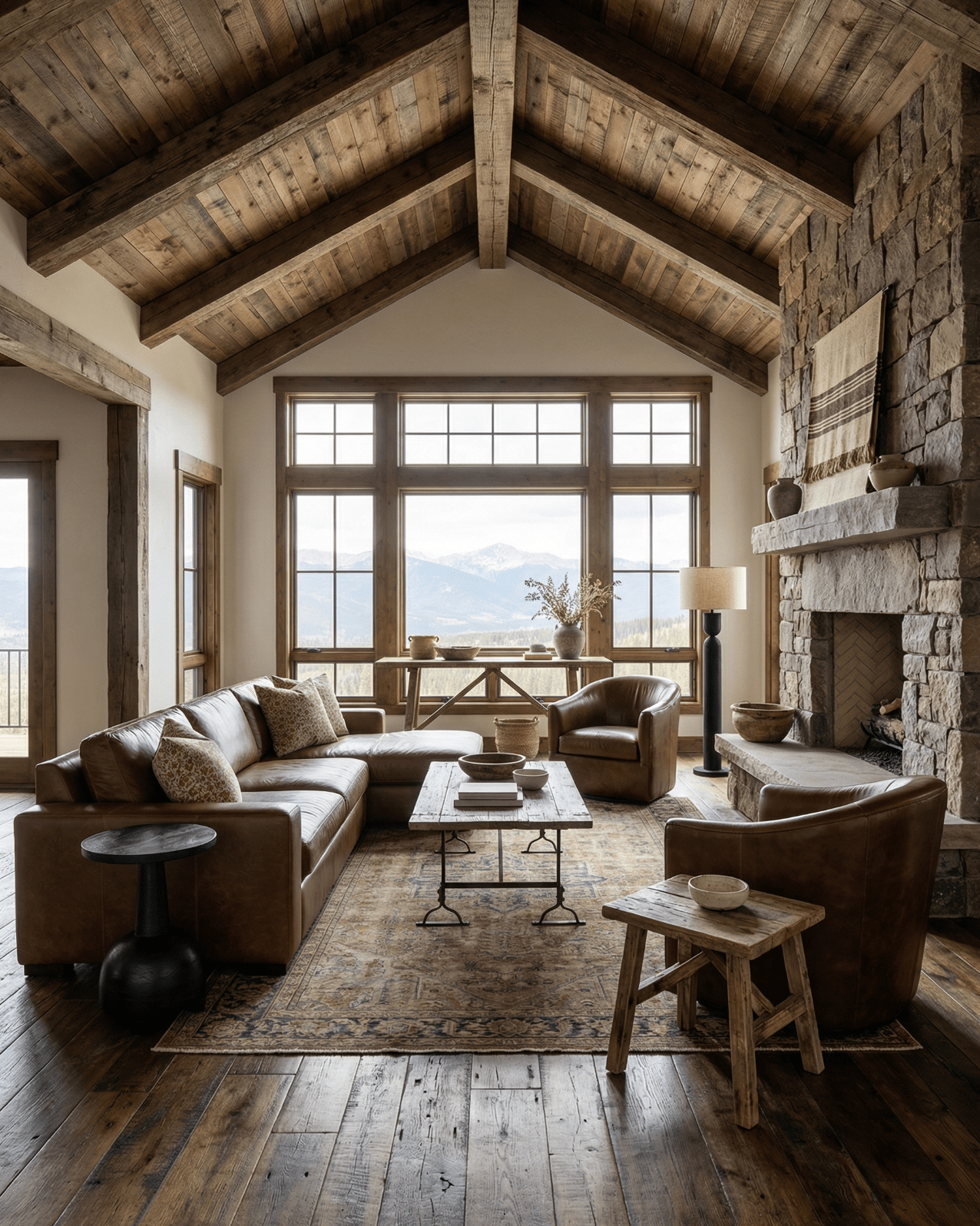
That's because the human brain doesn't experience rooms one piece at a time. It experiences proportion, relationships, and scale first. Long before we notice upholstery color or decorative accessories, we process whether the furniture feels appropriately sized for the space around it.
This is where custom furniture changes everything.
Custom furniture isn't simply about choosing a fabric or selecting a leather. It's about creating furniture that responds to the architecture, proportions, and function of a room instead of forcing the room to adapt to standard dimensions.
For homeowners seeking a more grounded and intentional space, exploring Hello Norden's made-to-order furniture collection is often where better proportion begins.
Your Brain Processes Scale Before Style
Most furniture decisions are made visually.
Most room experiences are psychological.
The nervous system is constantly gathering information about the environment and asking simple questions:
Does this space feel balanced?
Does anything feel out of proportion?
Is there visual stability?
Can my attention settle?
Scale plays a major role in those answers.
When furniture is too small for a room, the eye keeps searching for an anchor. When furniture is oversized for the space, movement feels restricted. Both situations create low-level tension that people often describe as the room feeling "off."
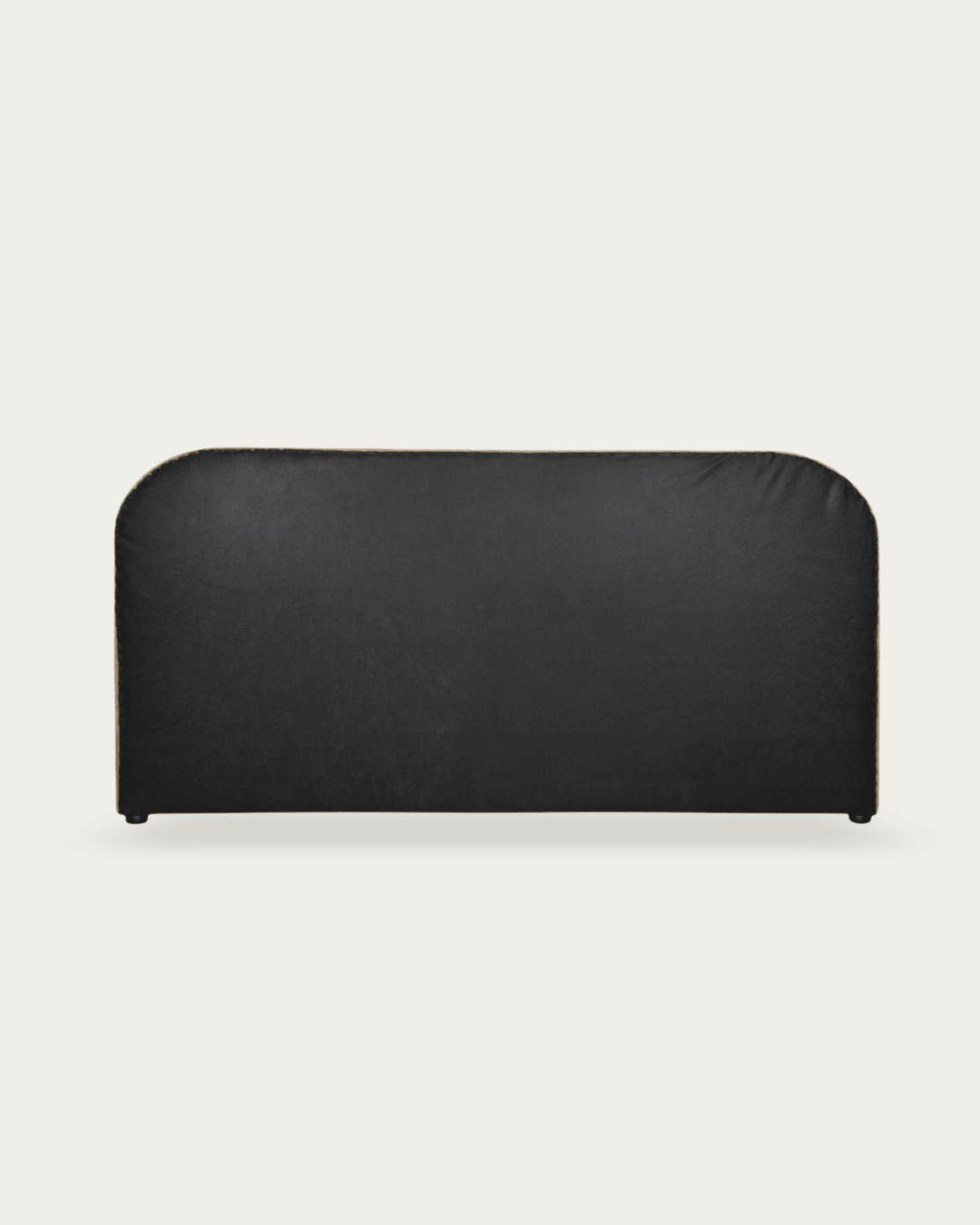
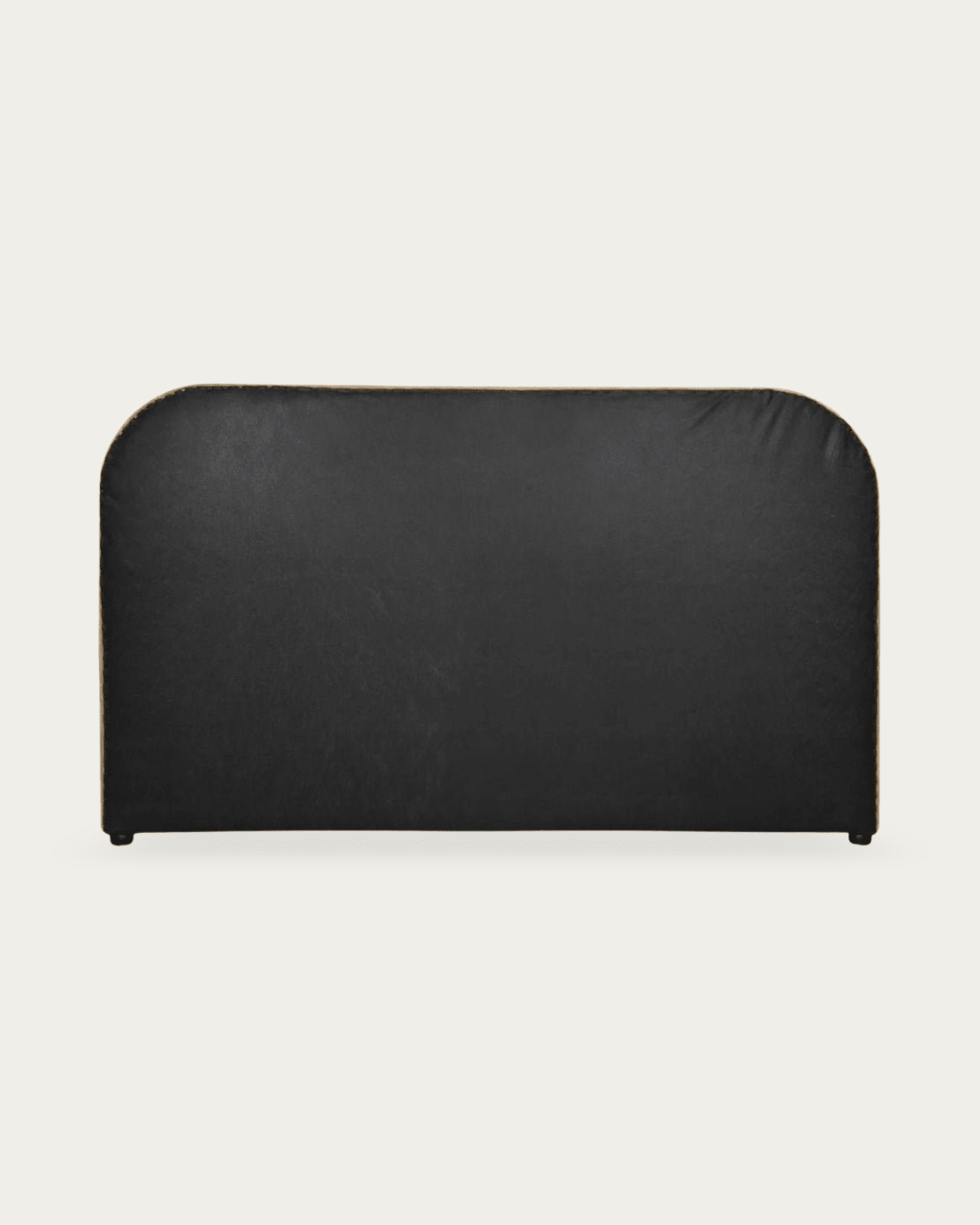
The Wilhelm sofa demonstrates why multiple sizing options matter. A sofa that works beautifully in one room may feel completely disconnected in another simply because the proportions change.
Likewise, the Wilhelm sectional allows homeowners to respond to the room itself rather than forcing a fixed size into a layout that wasn't designed for it.
Why Scale Feels Emotional
People often think comfort comes from cushions.
In reality, comfort often begins with proportion.
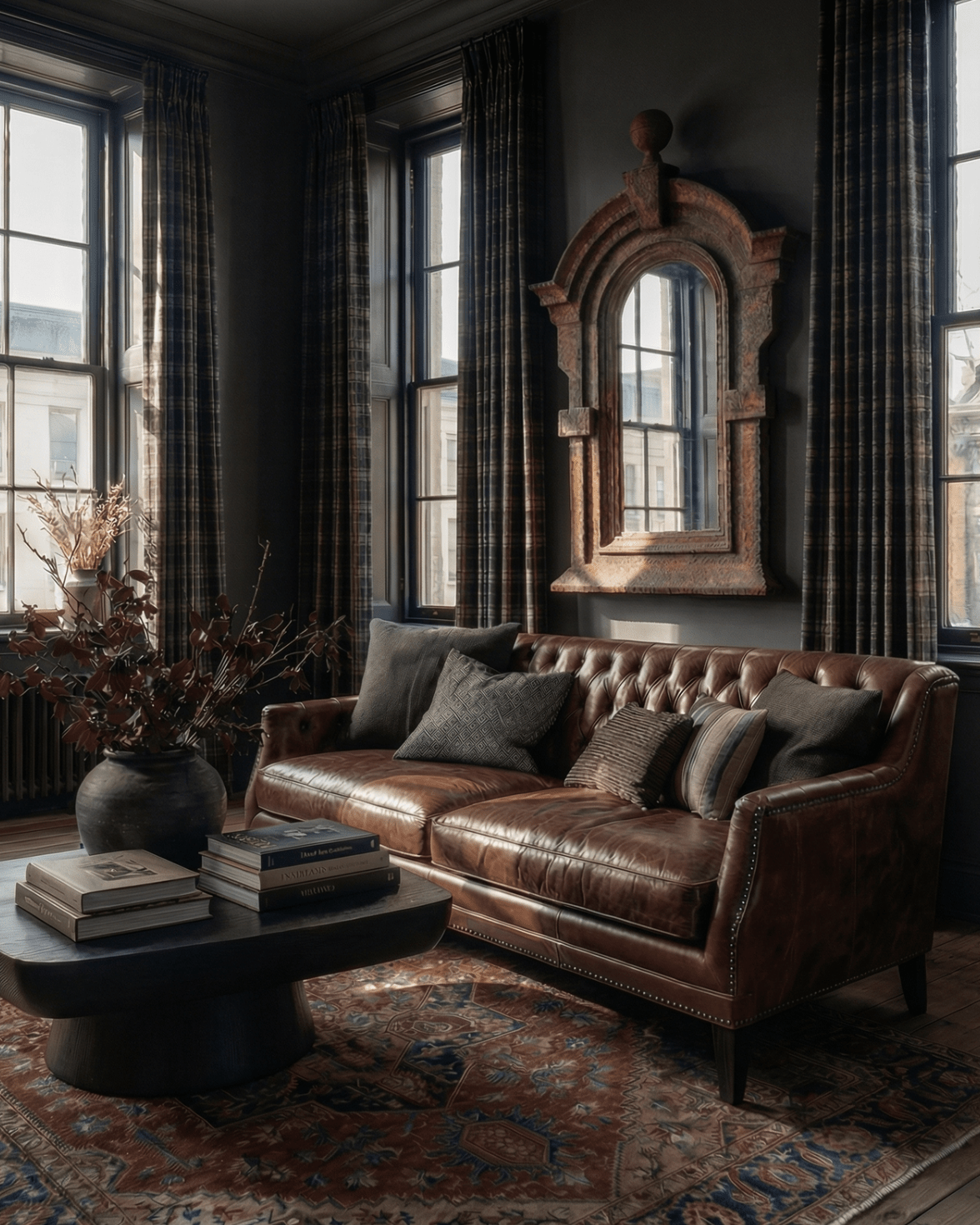
Rooms feel calming when the furniture feels like it belongs there.
That feeling is psychological before it's physical.
The Problem With One-Size-Fits-All Furniture
Most furniture is manufactured around averages.
Average room sizes.
Average floorplans.
Average furniture arrangements.
The problem is that very few homes are average.
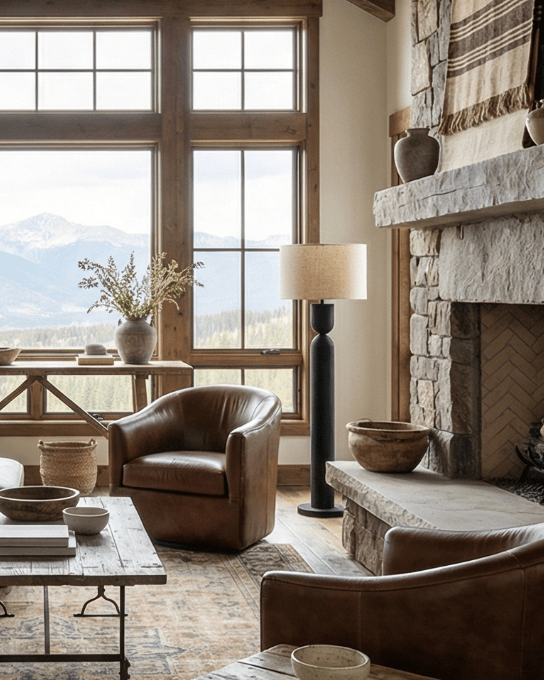
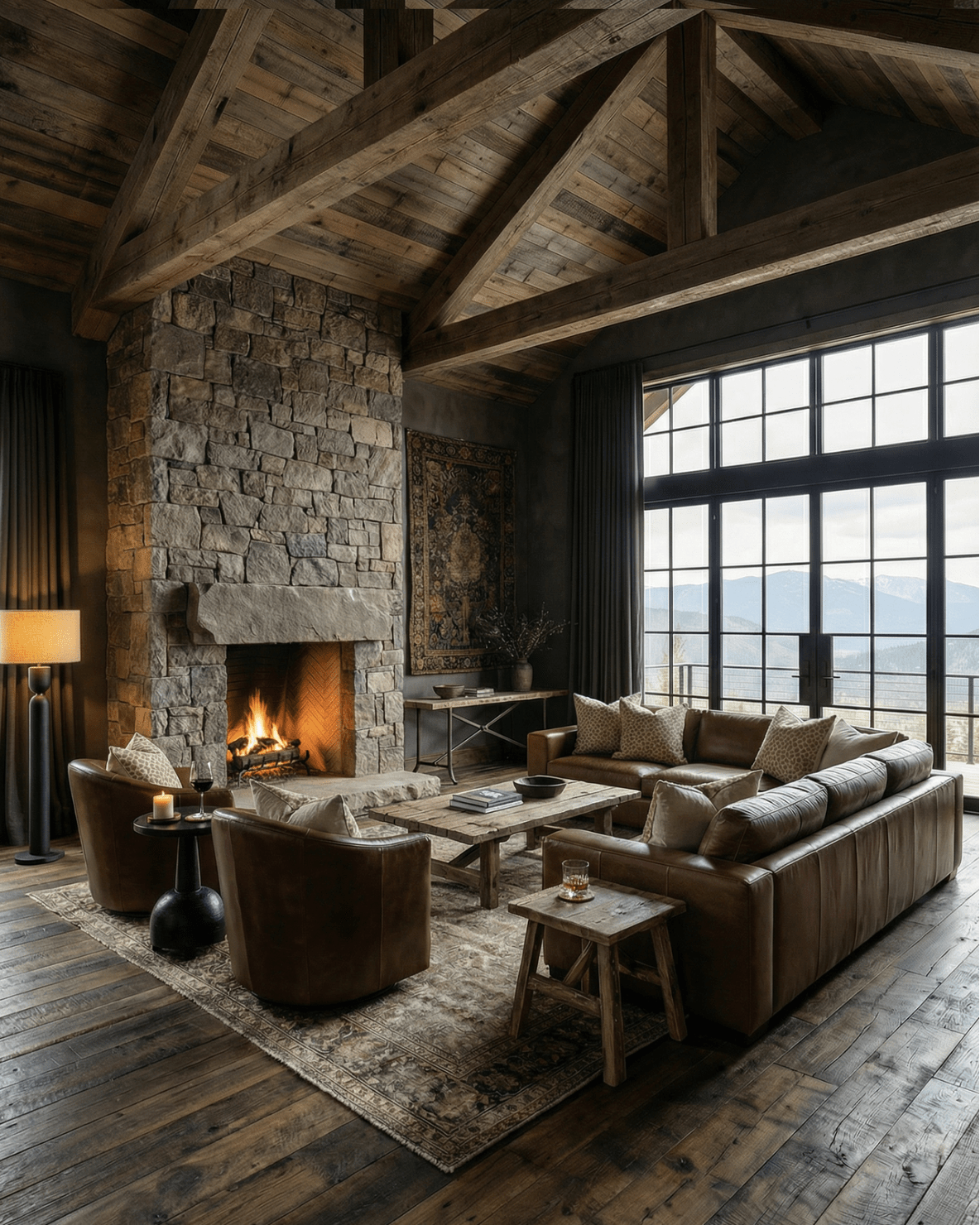
Some living rooms have soaring ceilings. Others have awkward corners. Some need deeper seating while others need a more compact footprint.
When furniture doesn't respond to those realities, the room can feel disconnected from itself.
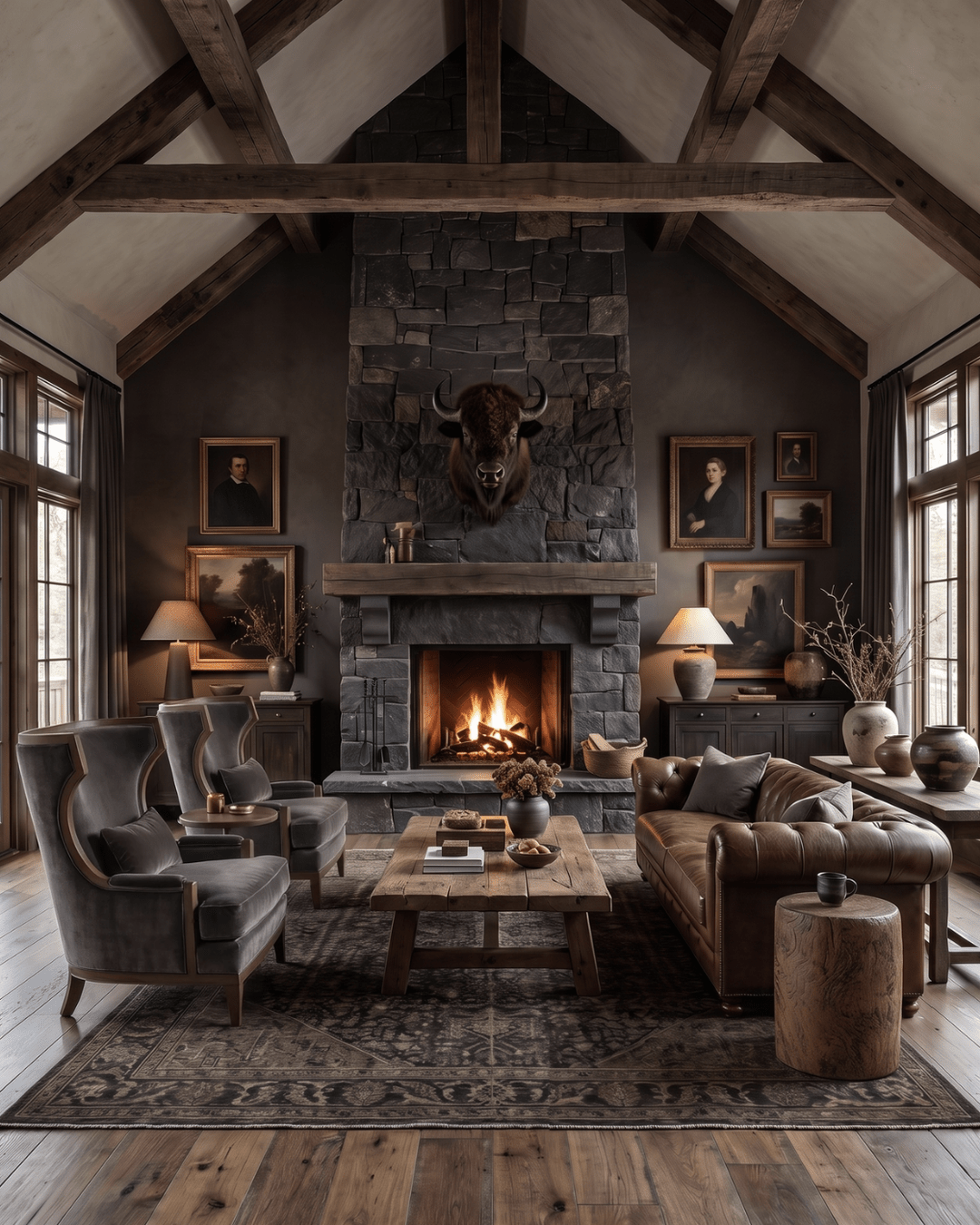
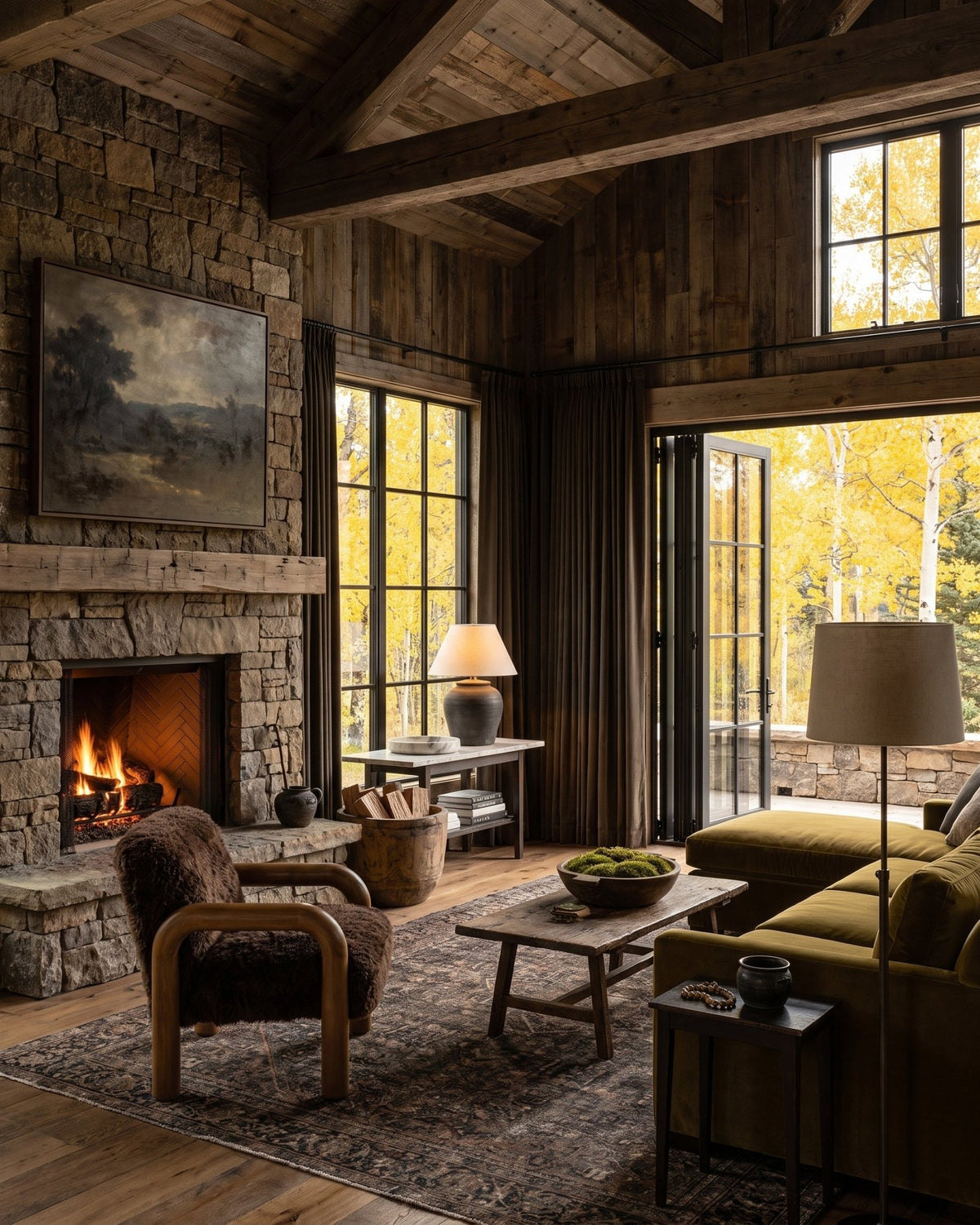
This is particularly noticeable in larger living rooms where standard-sized sofas often appear visually lost.
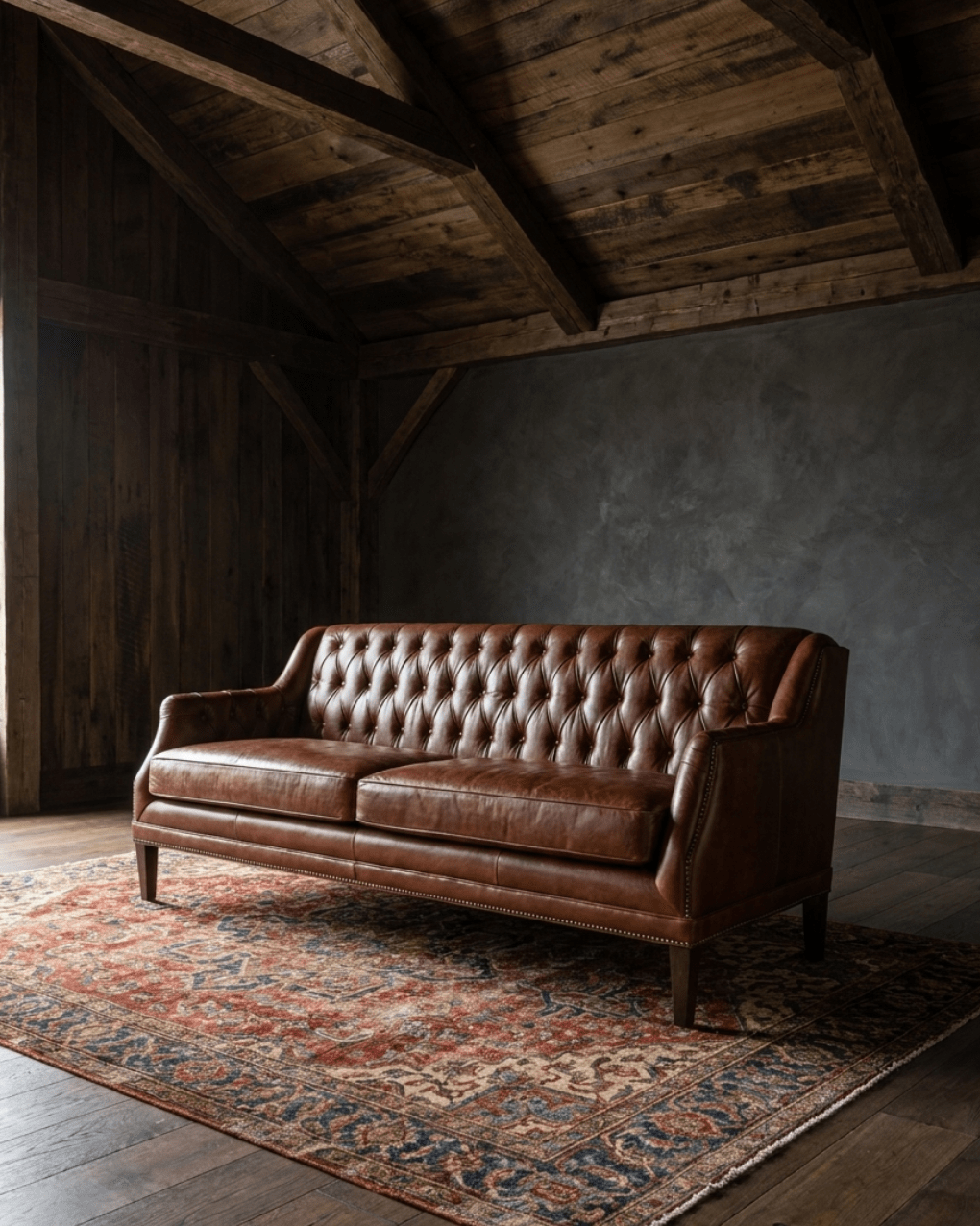
The Franz chesterfield sofa helps address this issue by allowing proportion to become part of the design process rather than an afterthought. Similarly, the Mali sofa creates opportunities to tailor scale to the way people actually live rather than how manufacturers assume they live.
Architecture and Furniture Should Work Together
A room shouldn't feel like furniture was dropped into it.
The furniture should feel connected to the architecture itself.
When scale aligns with the room, everything begins to feel more intentional.
Visual Weight Is What Makes a Room Feel Grounded
One reason custom furniture feels different is because it allows visual weight to be distributed properly.
Visual weight isn't about actual pounds.
It's about presence.
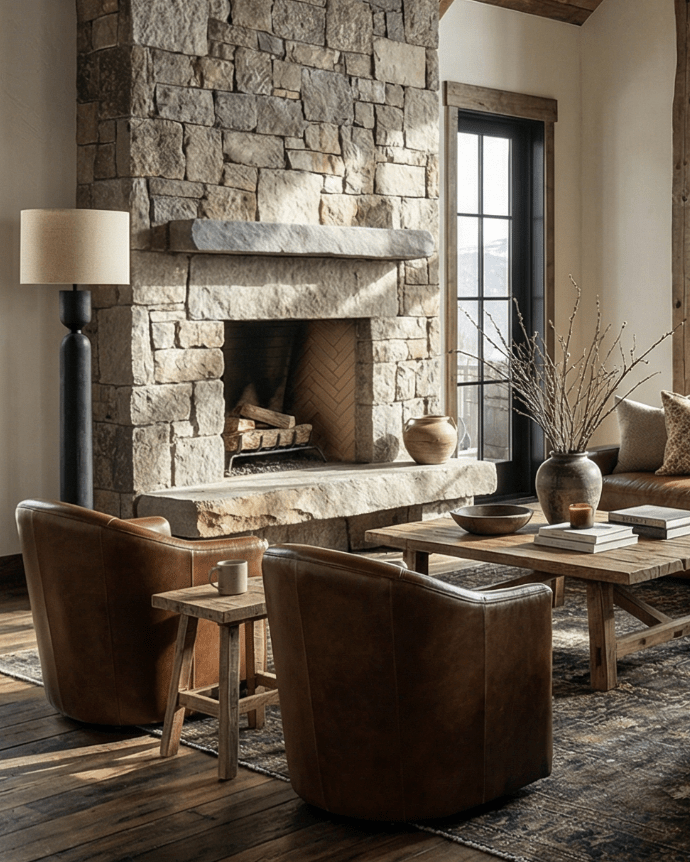
The eye naturally seeks larger, more substantial objects to establish orientation. When those objects are appropriately sized, the room feels grounded. When they're too small, the eye keeps searching for balance.
This becomes especially important in open-concept homes where larger volumes of space require stronger anchors.
The Norden chesterfield sectional with chaise creates that kind of visual grounding in larger rooms, while the Olin chesterfield sofa provides a similar sense of stability through proportion and material presence.
Bigger Isn't Always Better
A common misconception is that visual weight simply means buying larger furniture.
It doesn't.
Visual weight comes from proportion, scale, materiality, and how furniture relates to everything around it.
The goal isn't dominance.
The goal is balance.
Custom Furniture Reduces Visual Noise
People often assume clutter comes from having too much stuff.
Sometimes clutter comes from poor proportions.
Furniture that feels undersized often encourages homeowners to compensate with more accessories, more styling, and more decorative layers because the room never feels complete.
When furniture carries enough presence on its own, less decoration is needed.
The Maxim sectional creates a strong architectural presence through its larger footprint, while the Maxim sofa helps establish visual order through proportion rather than decoration.
Why the Nervous System Prefers Clarity
The brain isn't looking for simplicity.
It's looking for clarity.
When the furniture establishes a clear visual hierarchy, the room becomes easier to process.
That often feels like calm.
RUTED Tip: If a room feels unfinished, stop asking what decorative object is missing. Instead, ask: "Does the furniture feel appropriately sized for the room?" A room with the right proportions usually needs less styling because the furniture already provides enough visual structure.

Scale Influences How People Use a Room
Custom furniture doesn't only affect how a room looks.
It affects how people behave inside it.
A sectional that's too small may discourage gathering. A sofa that's too shallow may discourage lounging. Furniture that doesn't fit the room properly can subtly change how people interact with the space every day.
This is where custom sizing becomes functional rather than purely aesthetic.
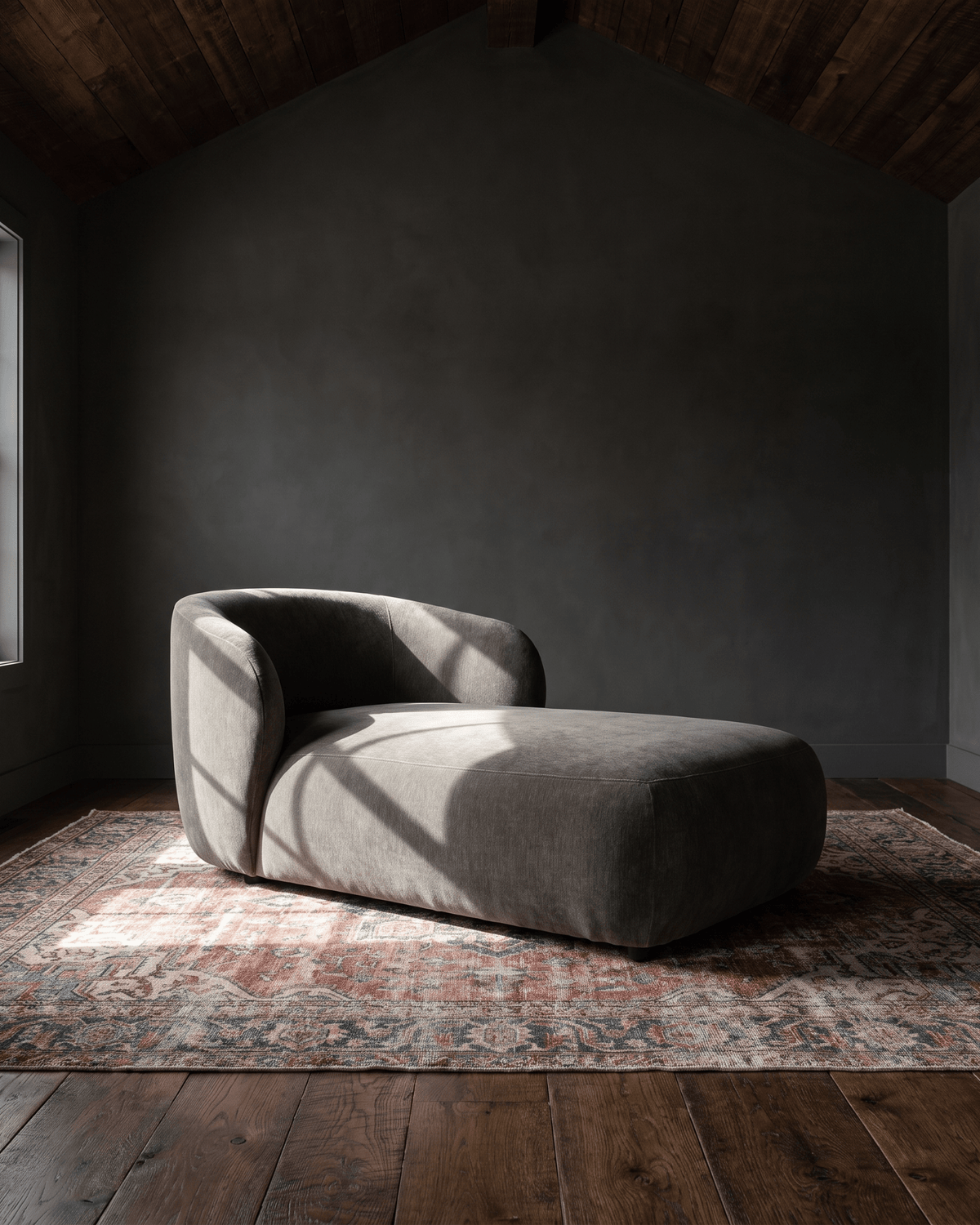
The Maxim sofa with chaise allows homeowners to respond directly to how they use their living room, while the Edda sofa provides flexibility for rooms that need different seating dynamics.
Furniture Shapes Behaviour
People don't simply sit on furniture.
They gather around it.
Move around it.
Relax into it.
Scale influences all of those interactions.
Custom Furniture Creates Better Room Proportions
The strongest interiors often share one common characteristic:
The furniture feels connected to the architecture.
Nothing feels too small.
Nothing feels oversized.
Nothing feels accidental.
Custom furniture helps achieve this because it allows proportion to become part of the design process from the beginning.
The Edda sectional helps larger rooms maintain visual balance, while the Norden chesterfield sofa creates a stronger relationship between furniture and architecture through scale and structure.
Rooms Feel Better When Proportions Make Sense
Many people struggle to explain why they love certain interiors.
Often, they're responding to proportion.
The room simply feels right.
Why Custom Leather Sofas Feel Different
Material plays a role too.
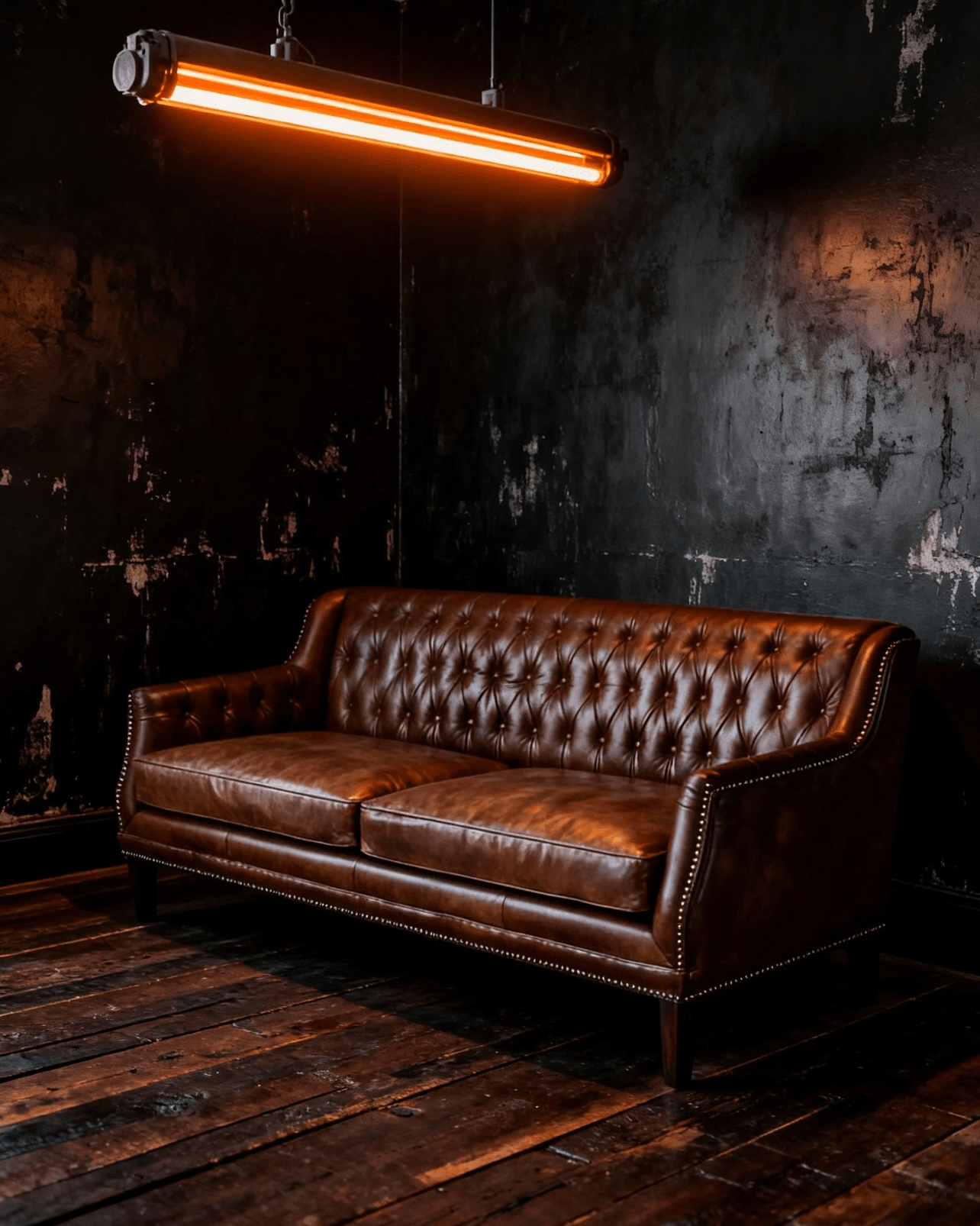
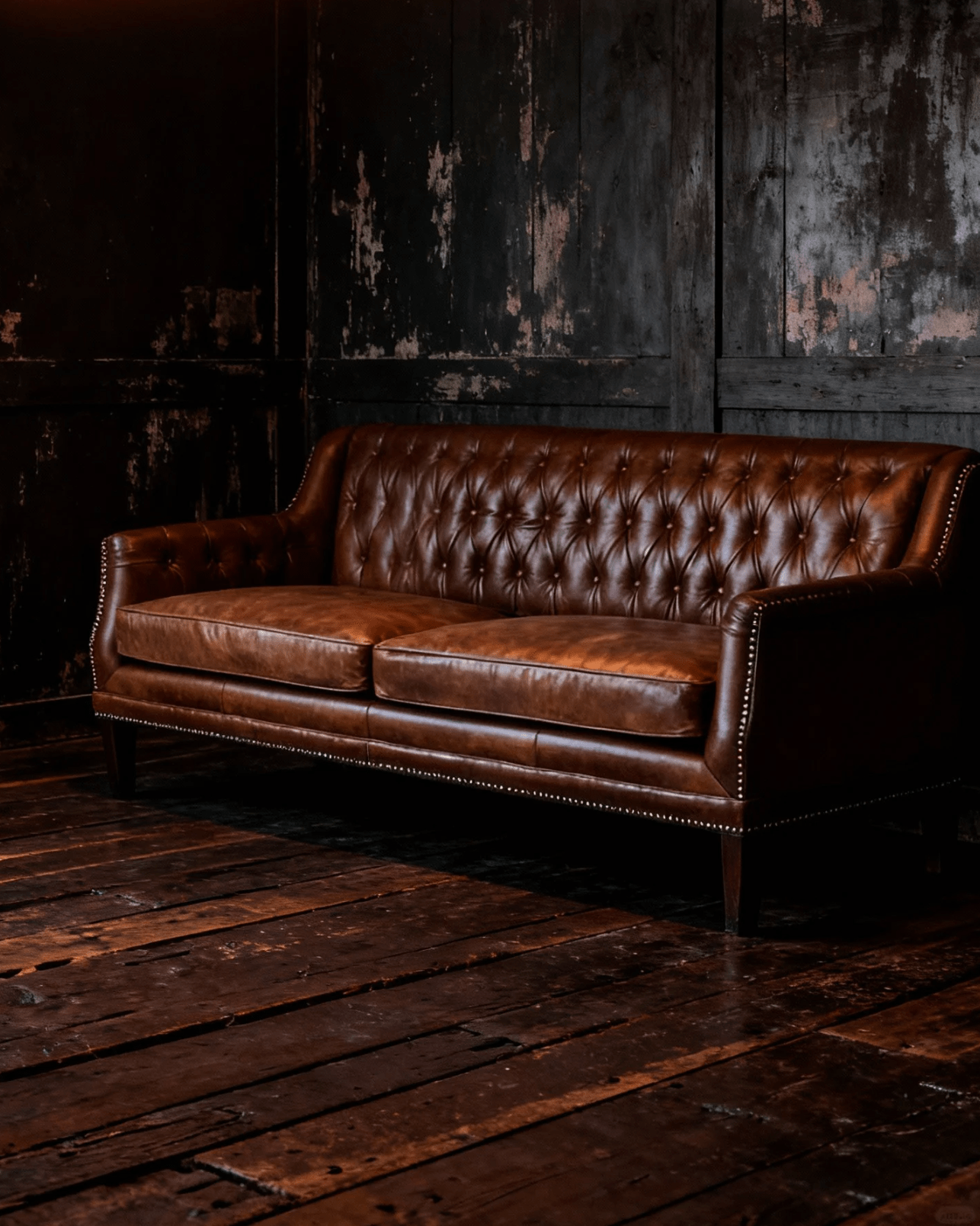
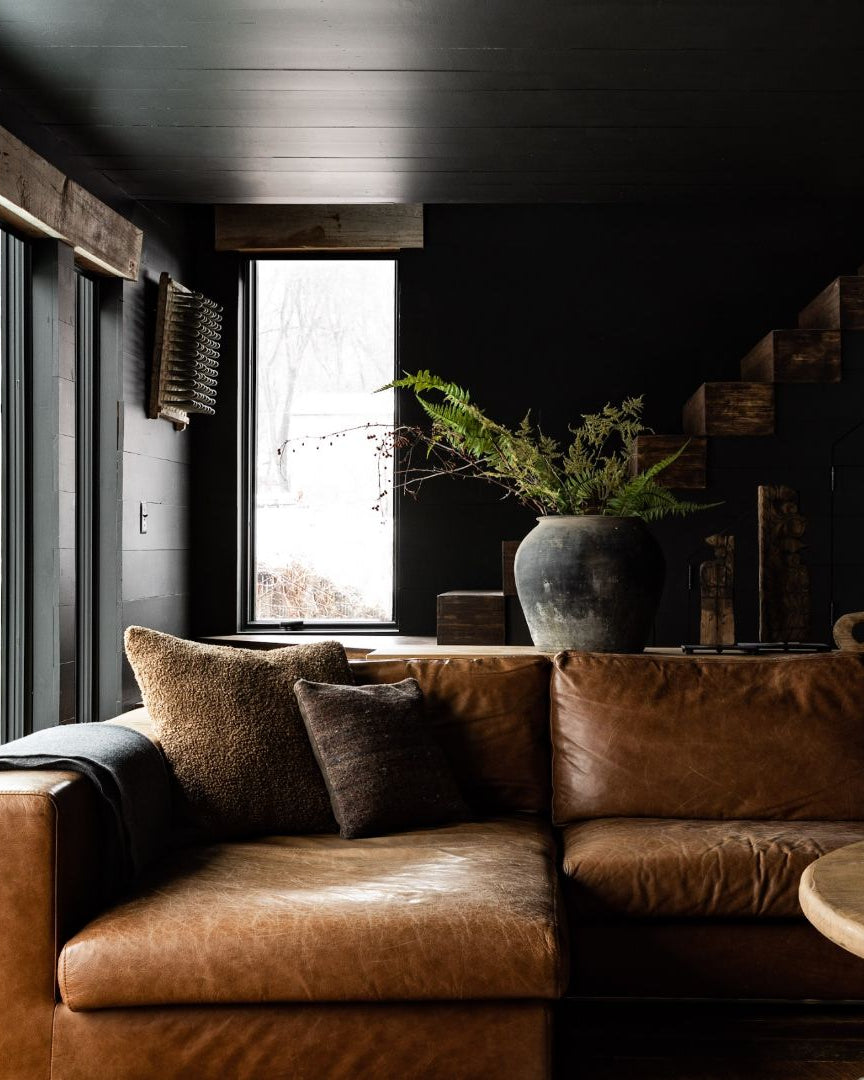
When discussing custom leather sofas, most people focus on durability or appearance. What often gets overlooked is how material contributes to visual weight.
Leather naturally carries presence.
It reflects light differently. It develops character over time. It helps larger furniture pieces feel substantial without requiring excessive decoration.
The Halden sofa demonstrates how material and proportion can work together to create stronger visual grounding, while the Edda sleeper sofa bed shows how function and scale can coexist without sacrificing comfort.
Material Supports Proportion
The best custom furniture solutions aren't only about dimensions.
They're about dimensions, material, and function working together.
The Best Rooms Feel Like They Were Designed for the People Living in Them
The strongest interiors rarely feel generic.
They feel personal.
Not because they're filled with more objects.
Because the foundational furniture responds directly to the room and the people using it.
That's the real advantage of custom furniture.
It's not about luxury.
It's about fit.
The psychology of scale teaches us that our brains respond to proportion long before we notice styling details. When furniture feels appropriately sized, visual weight feels balanced, and the room supports the way people actually live, everything becomes easier.
The room feels calmer.
More connected.
More resolved.
Explore Hello Norden's made-to-order furniture collection and discover how custom sofas, custom sectionals, and thoughtfully scaled furniture can help create a home that feels designed around real life rather than standard dimensions.