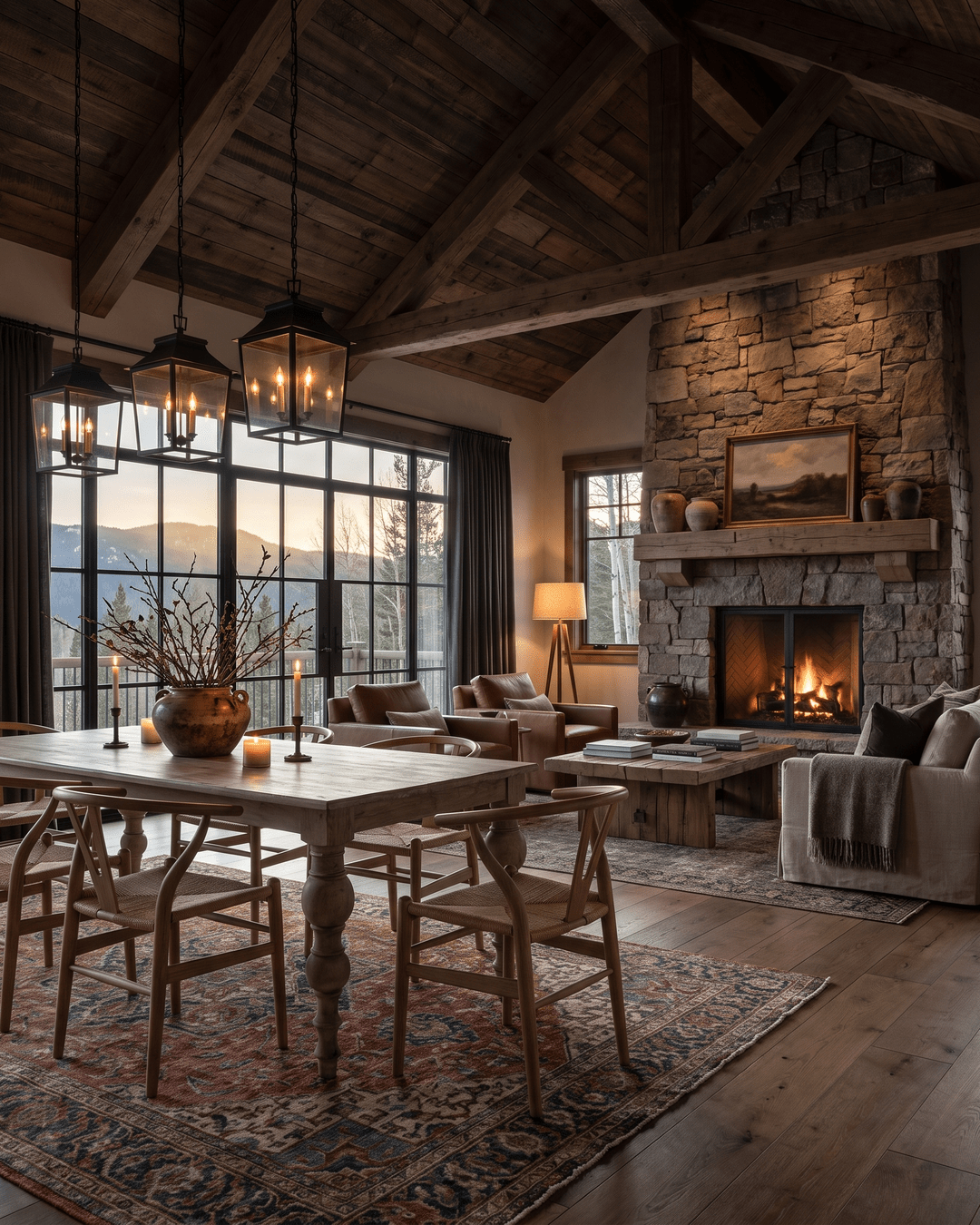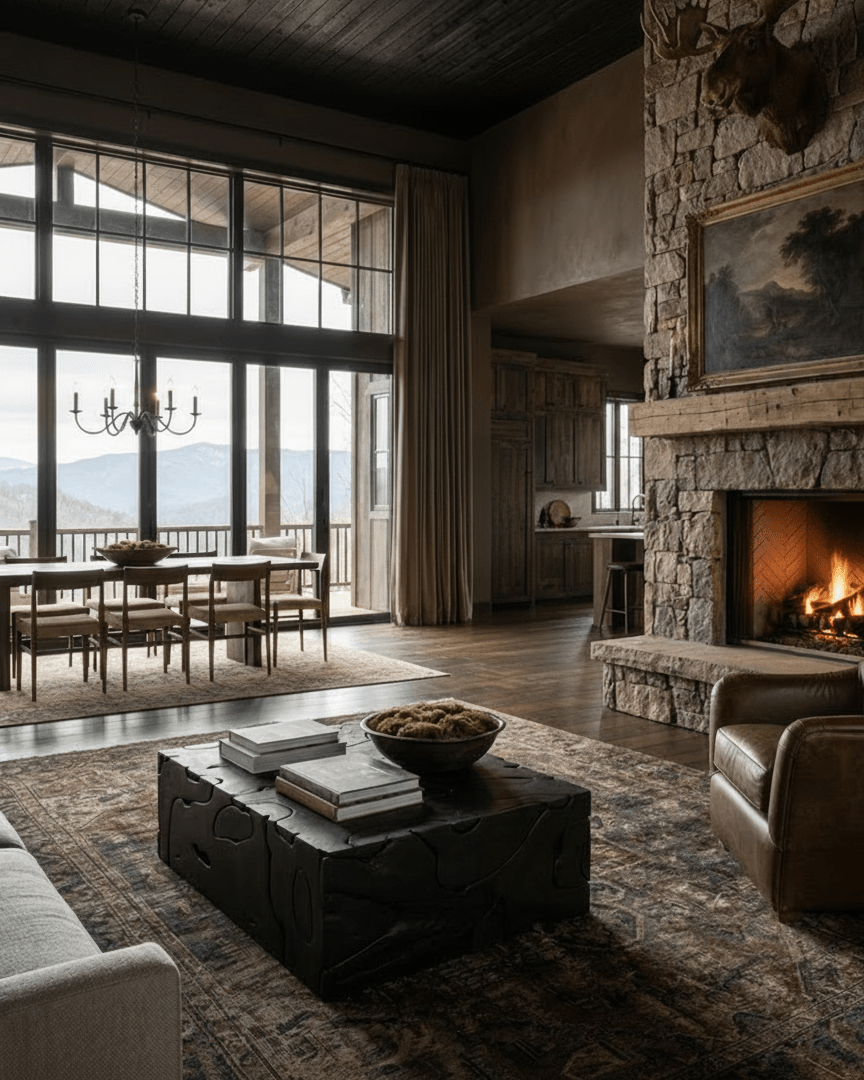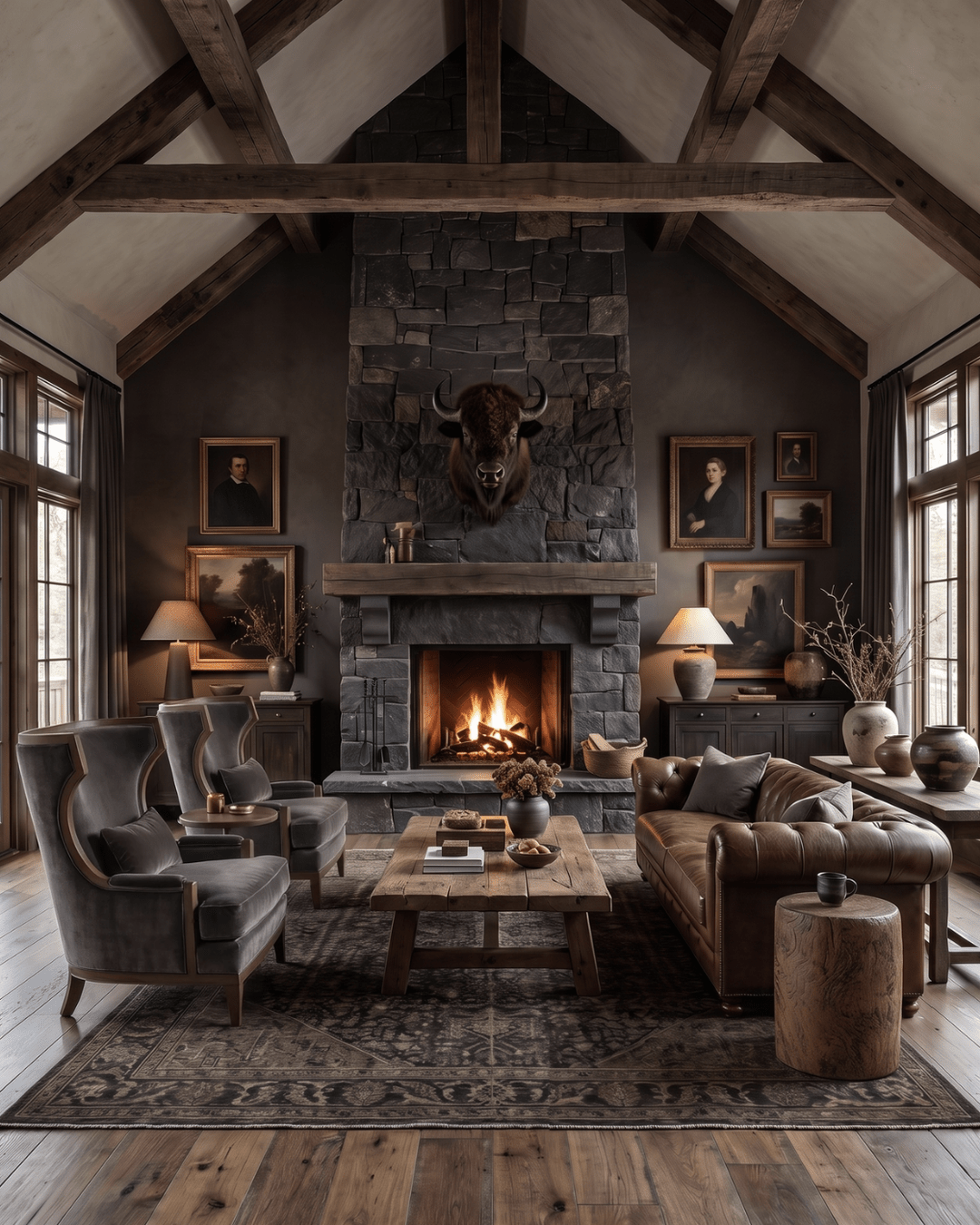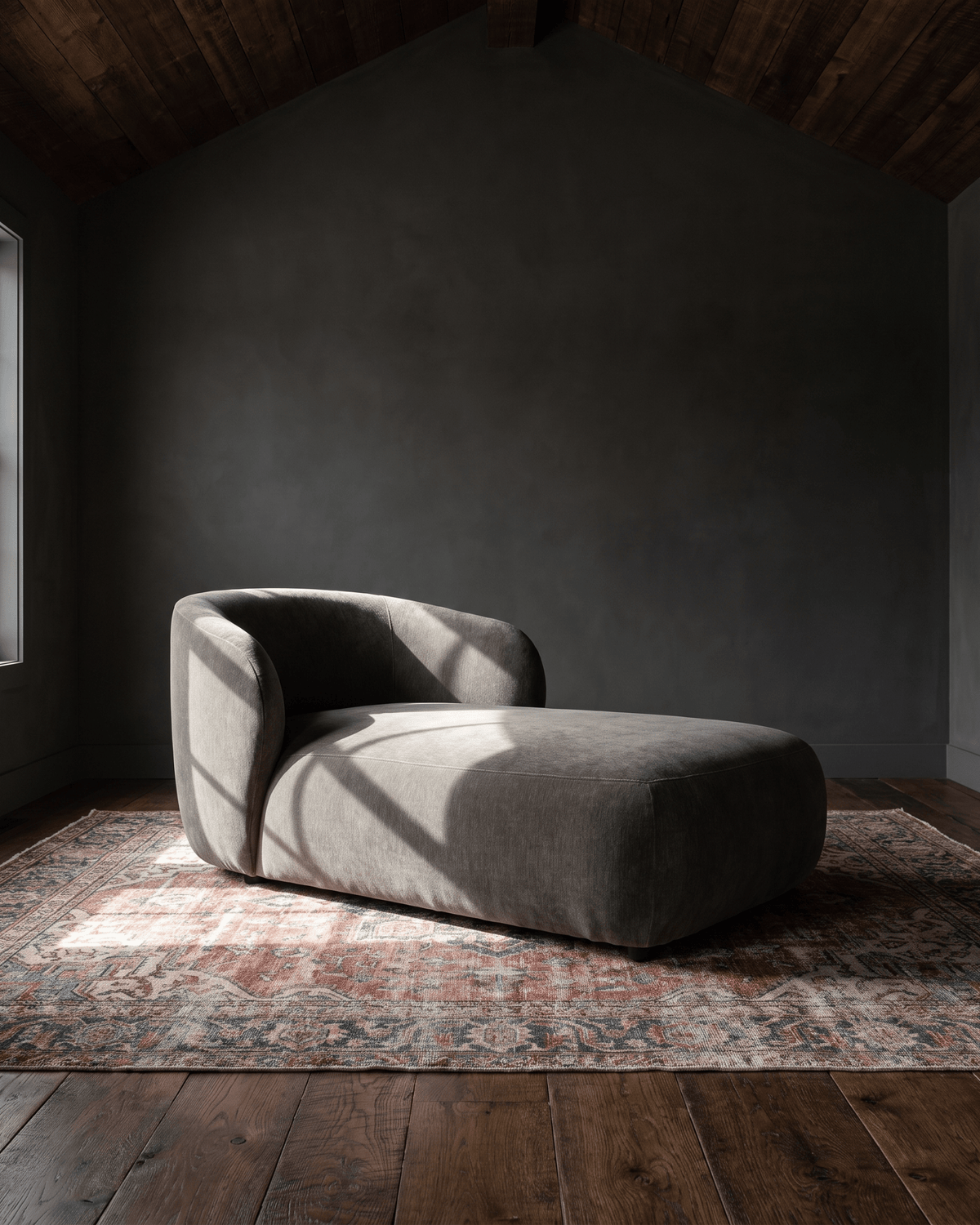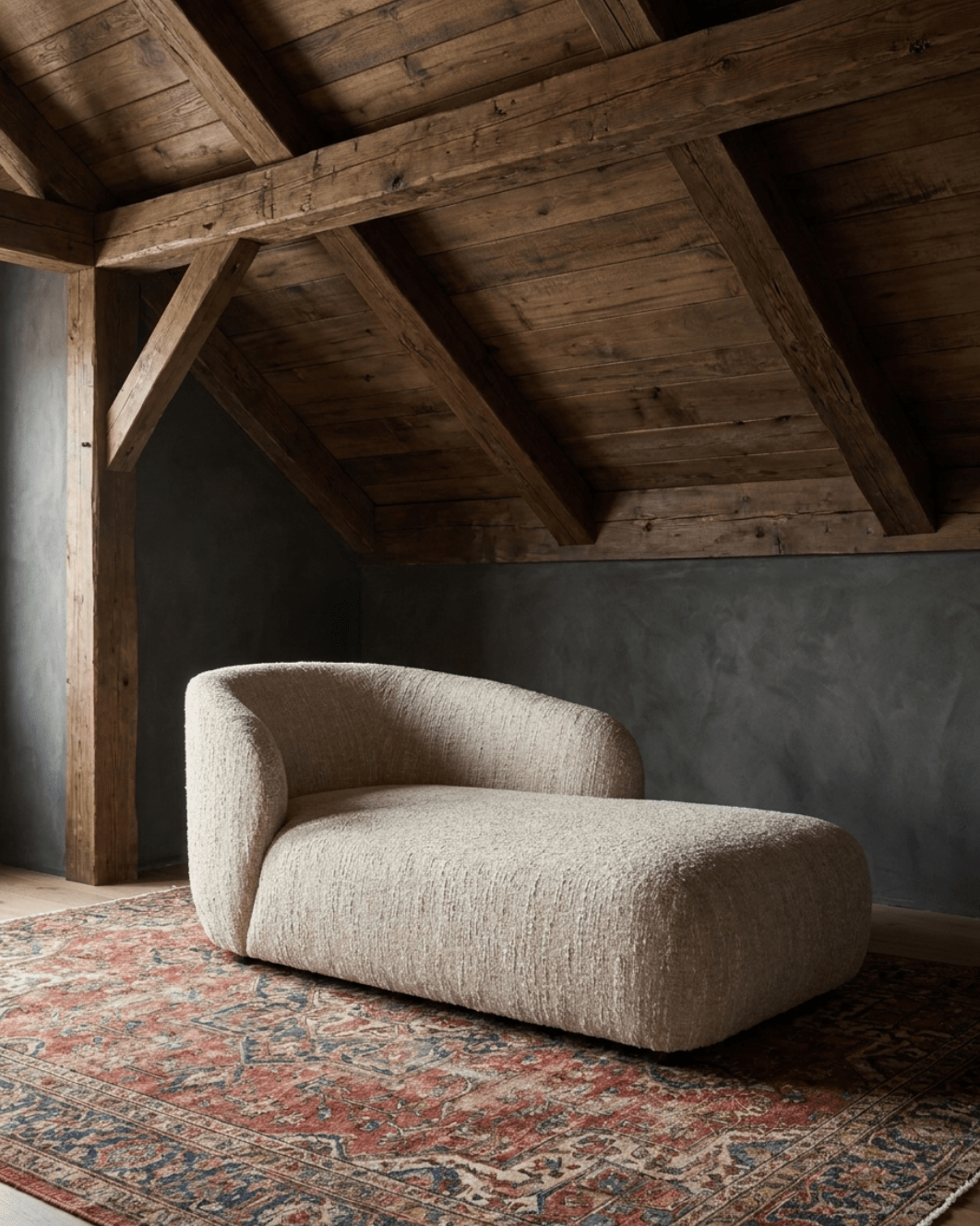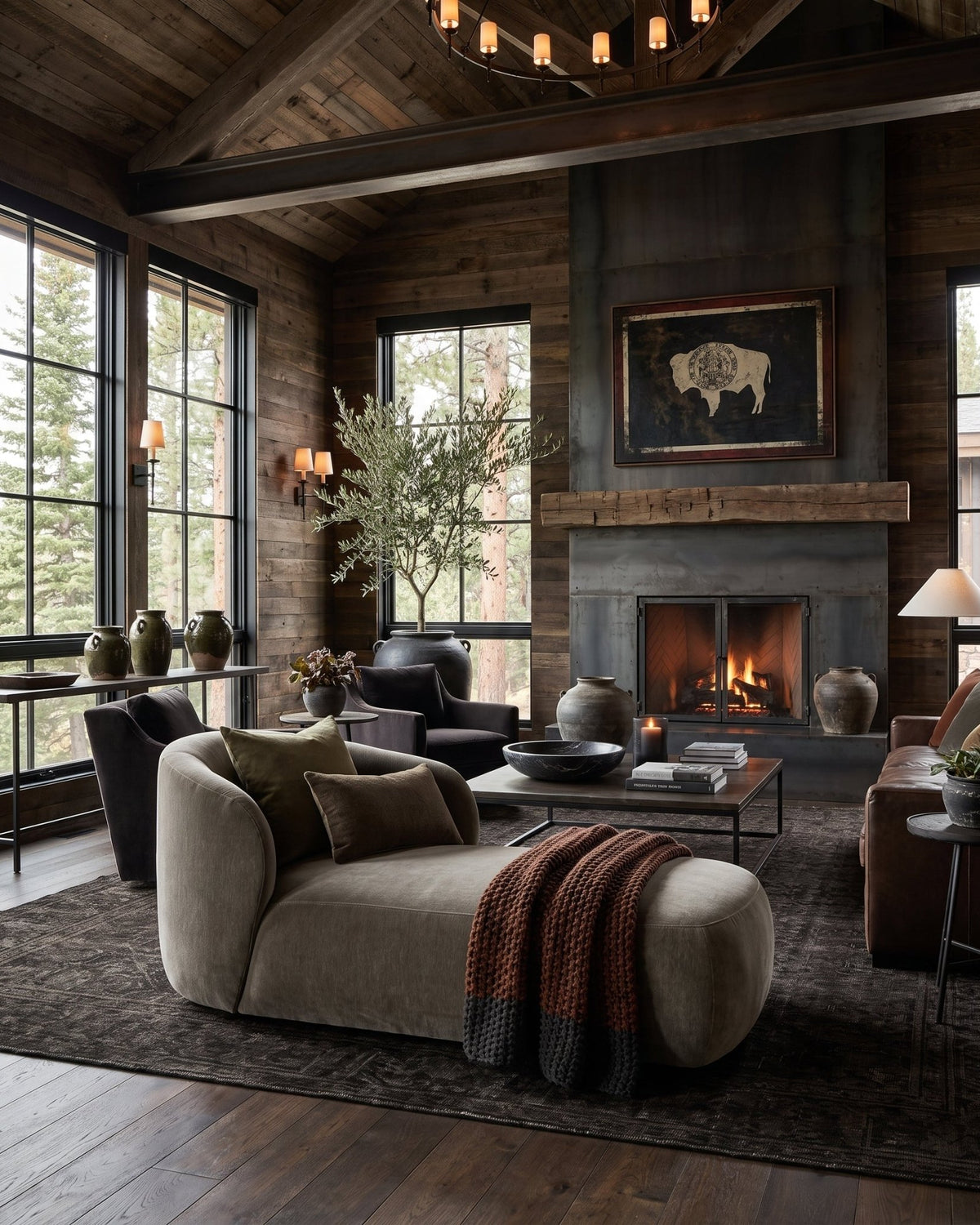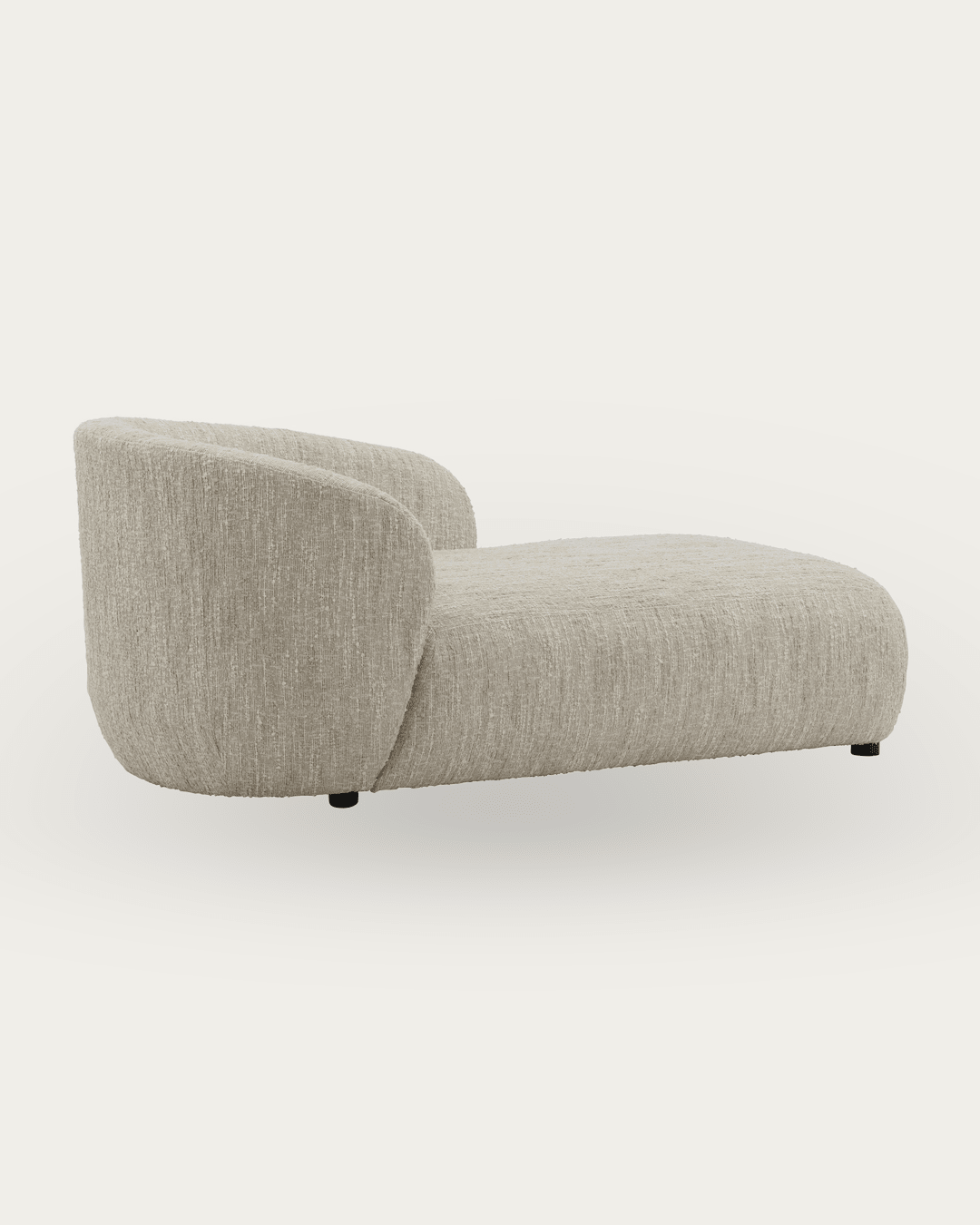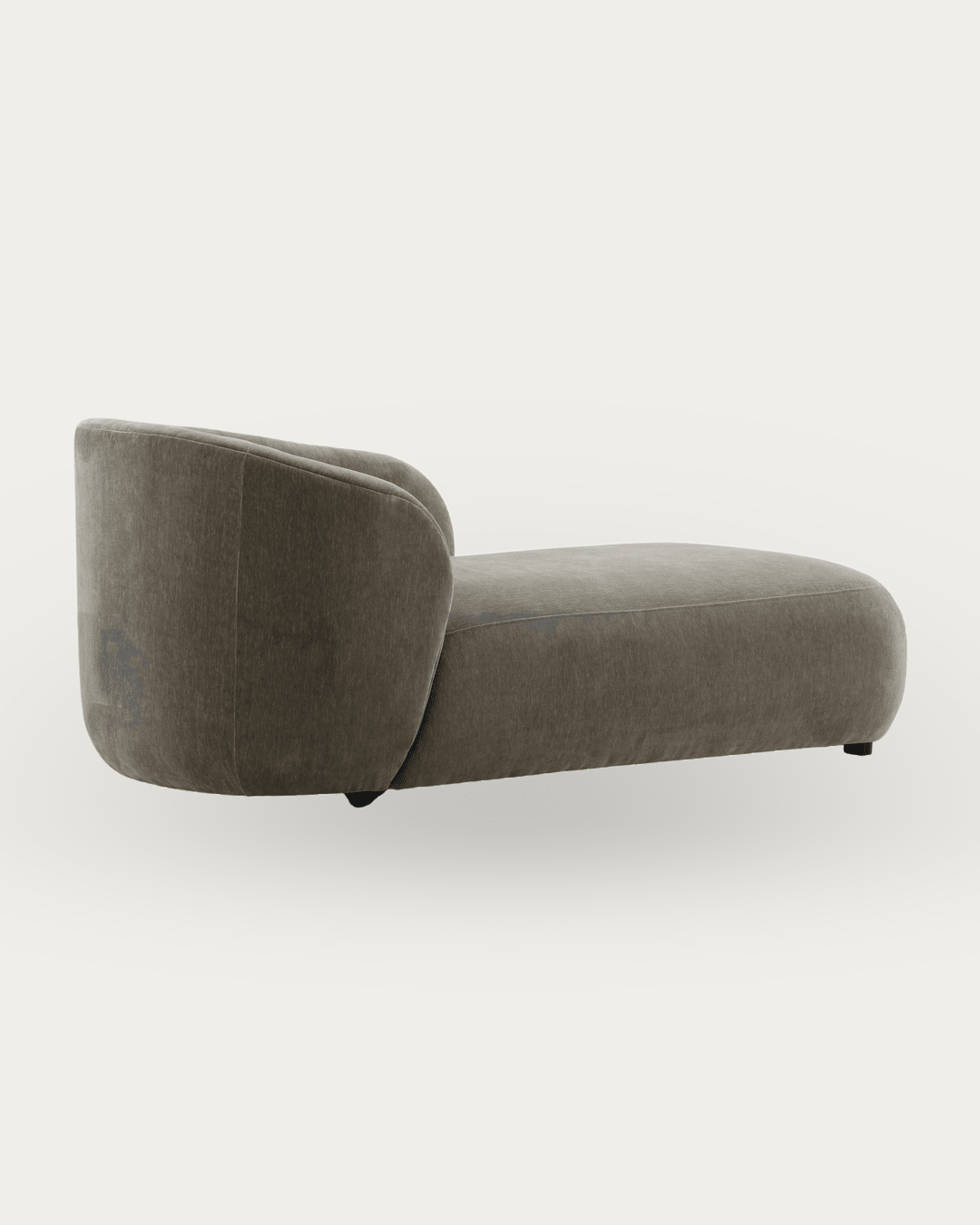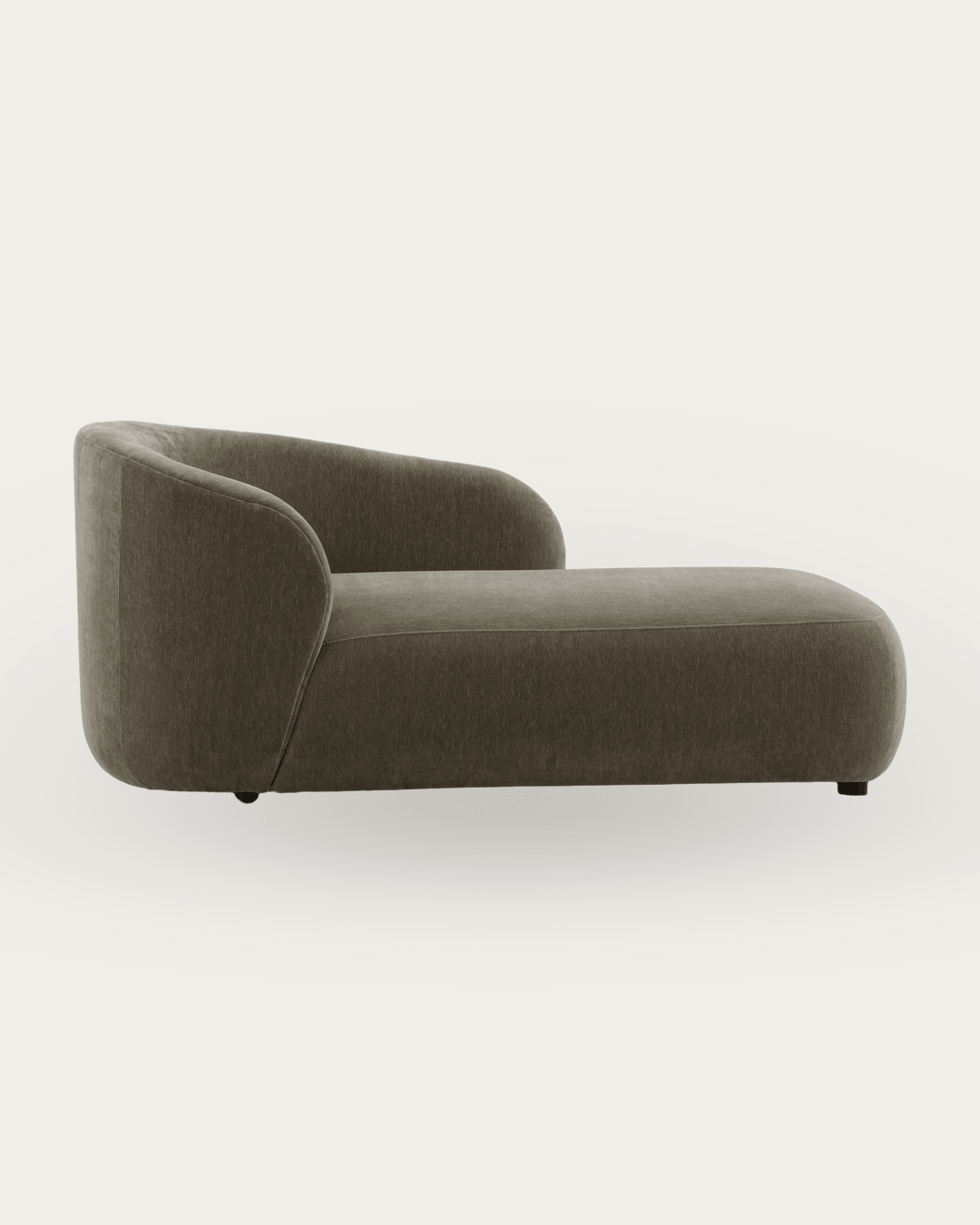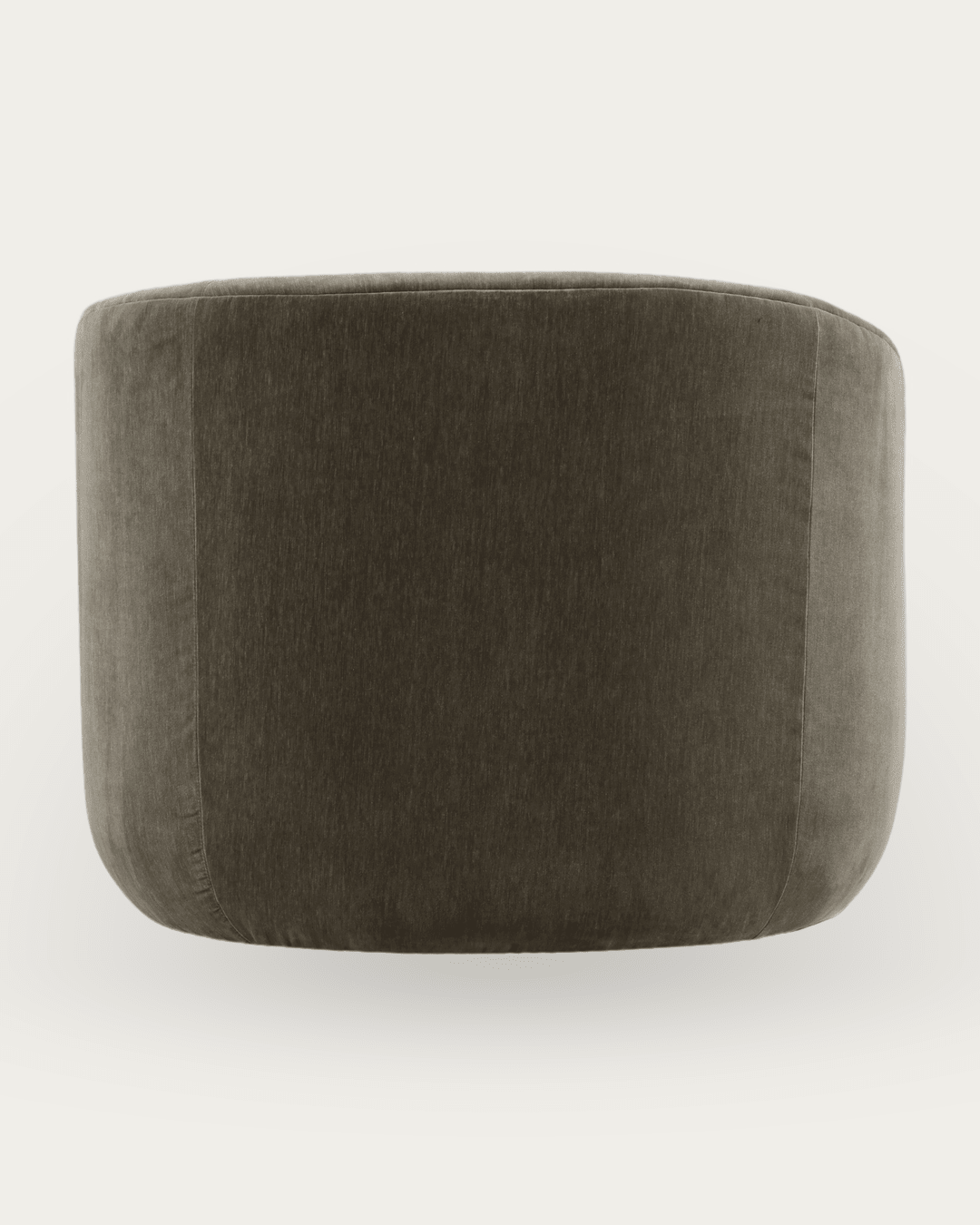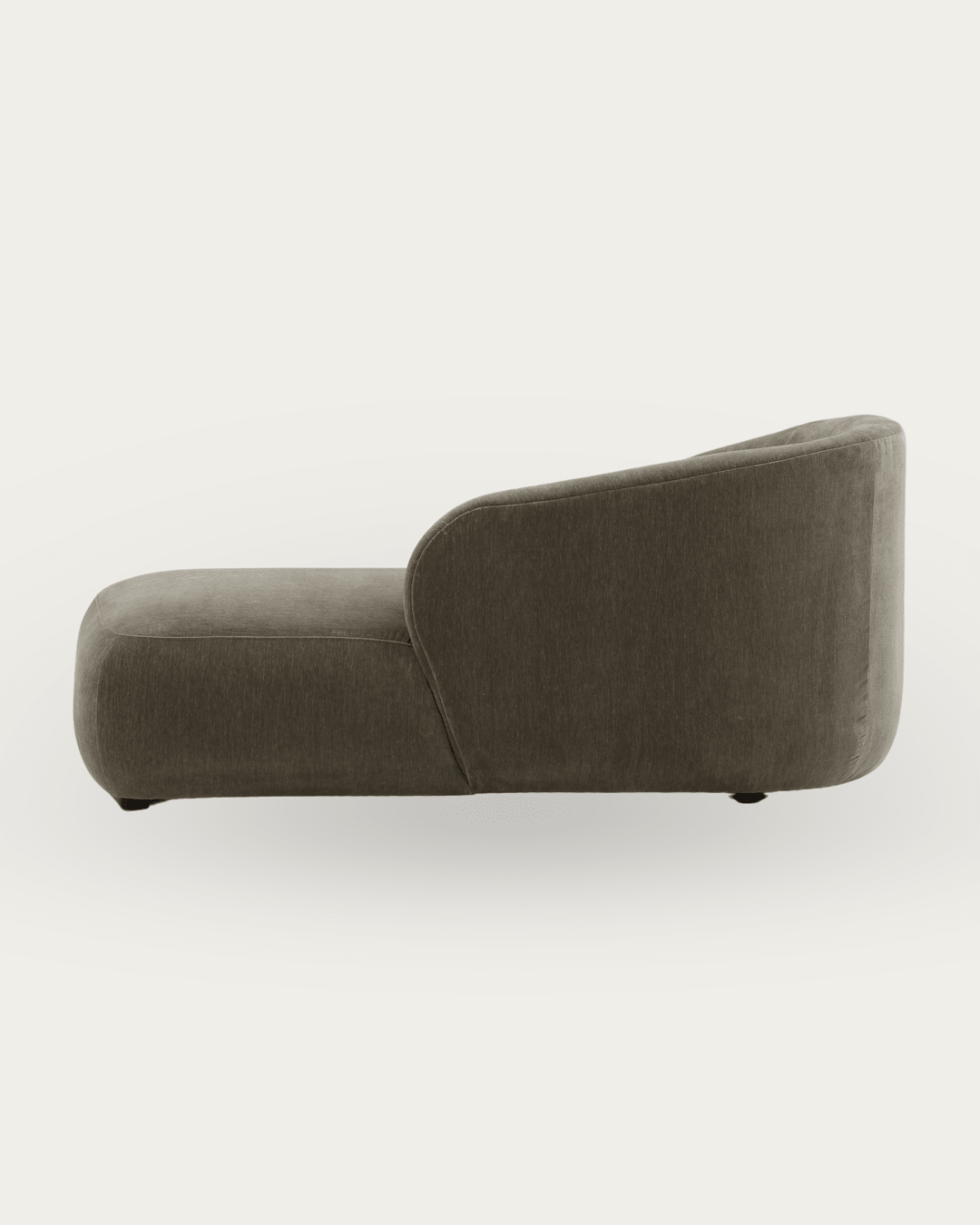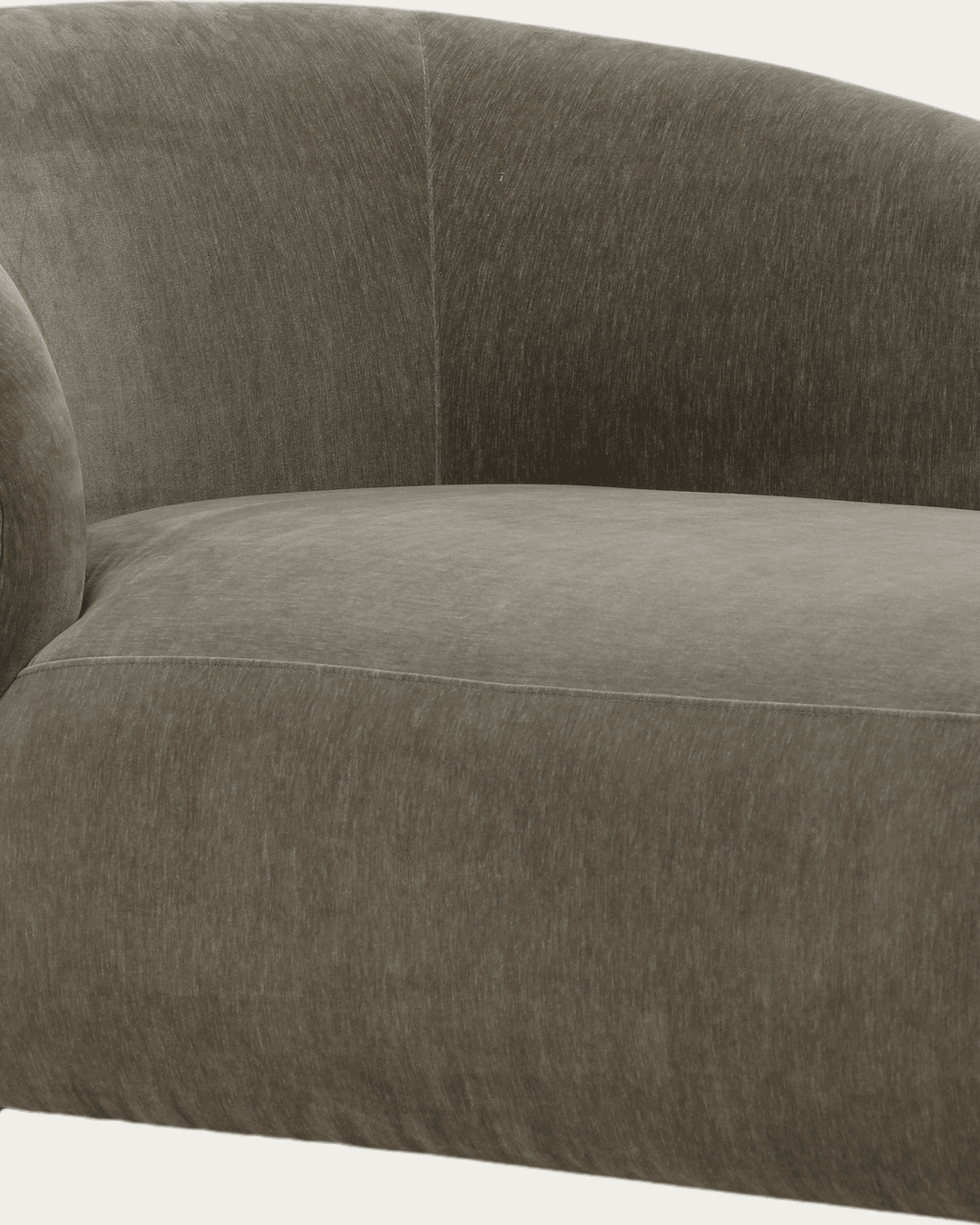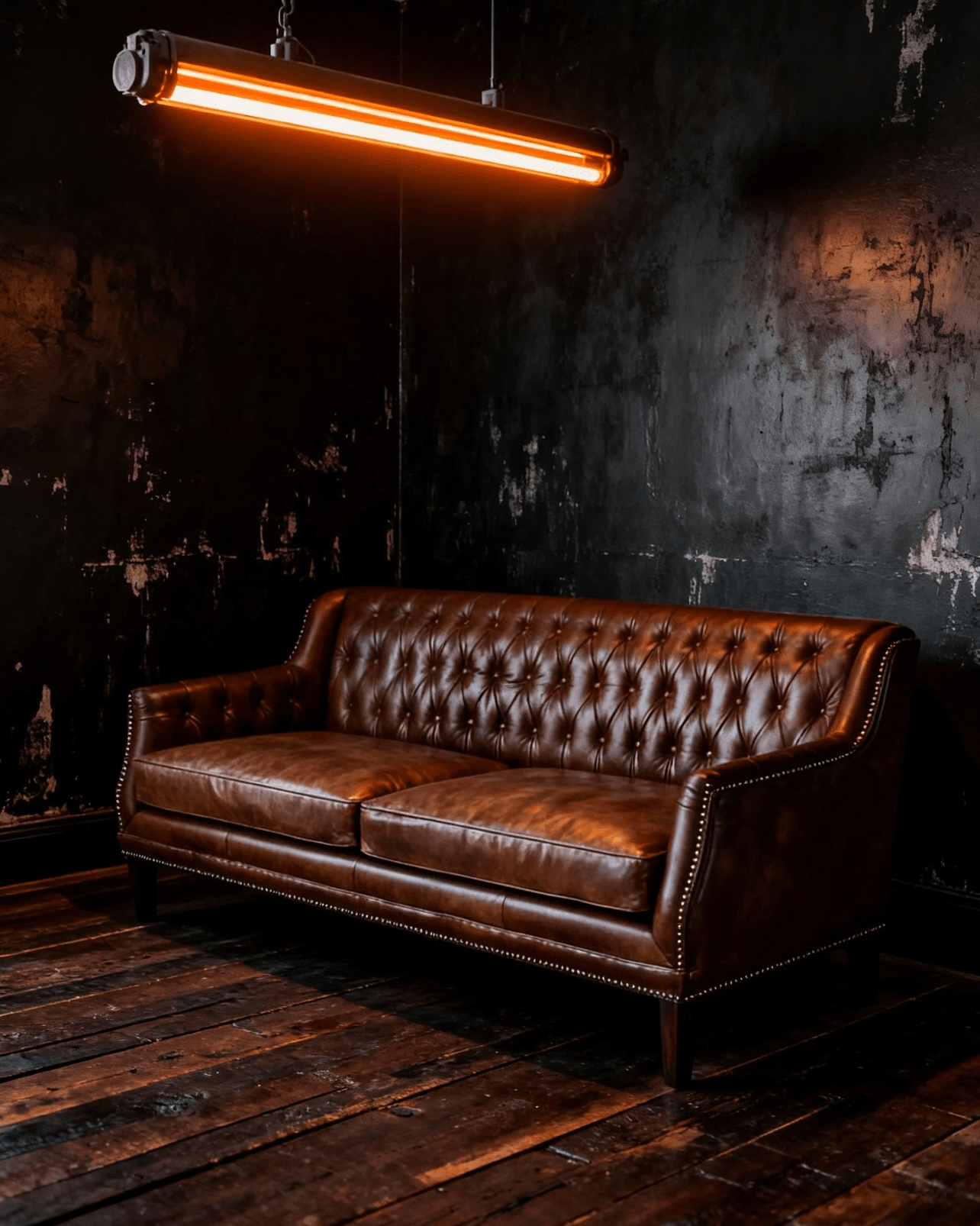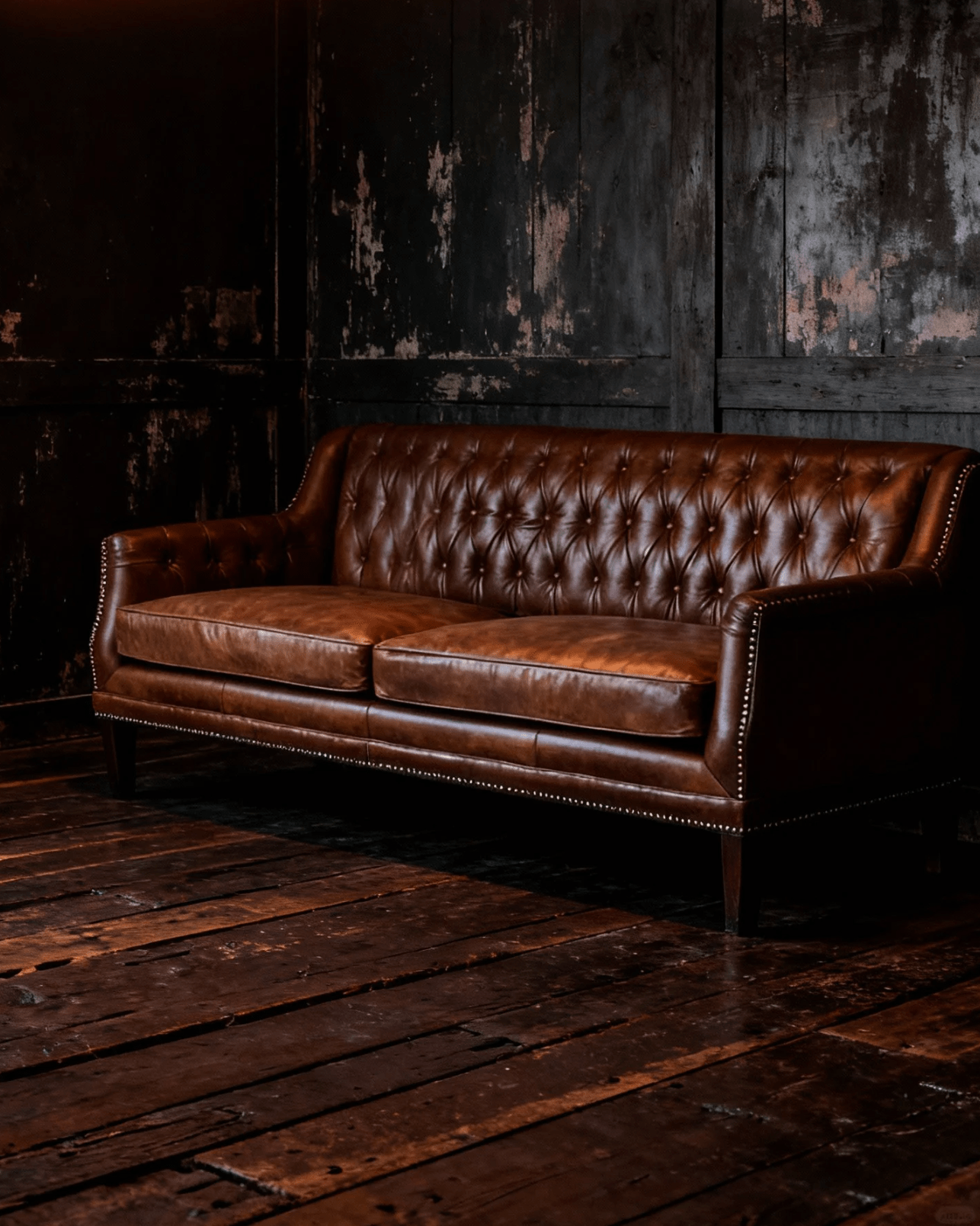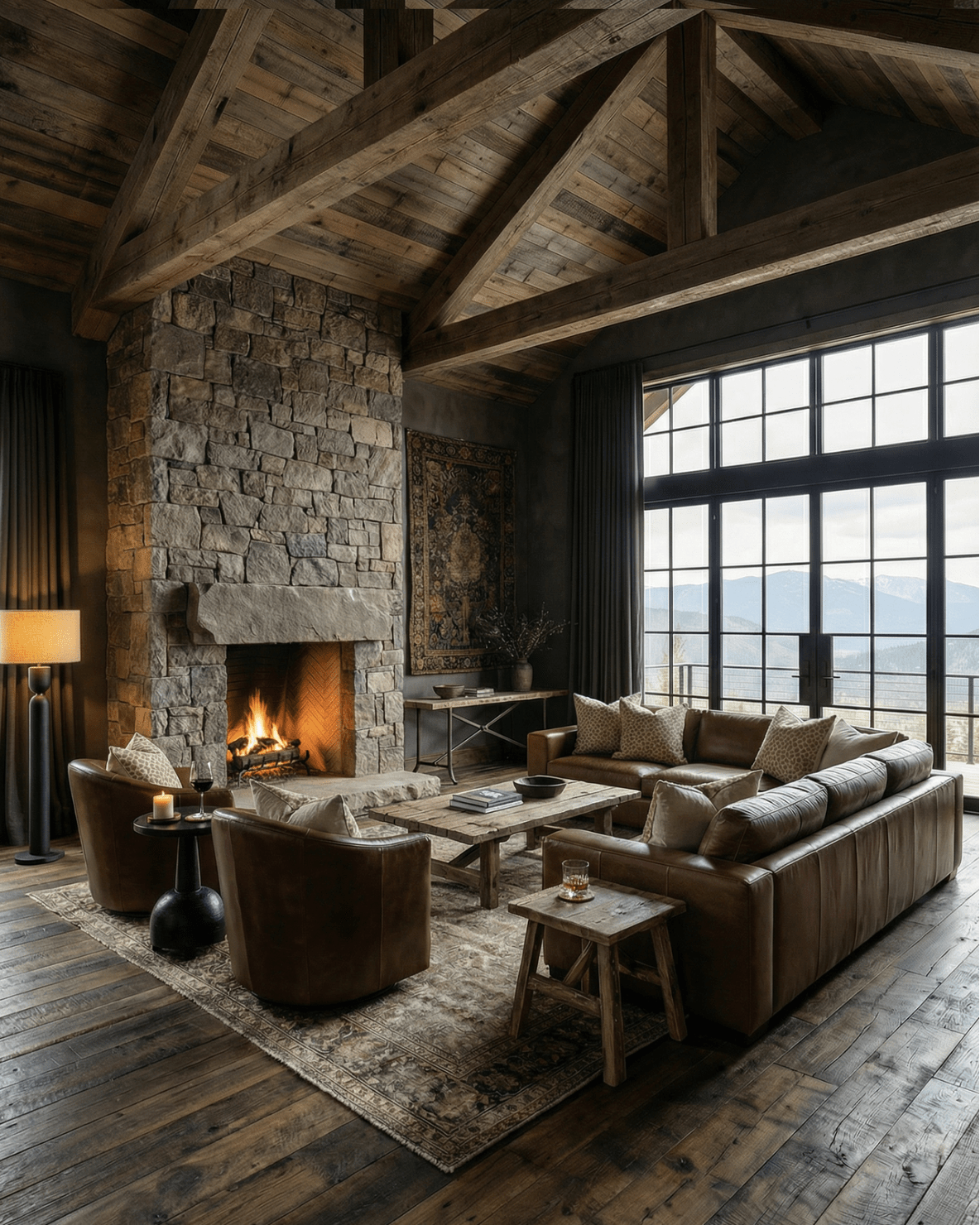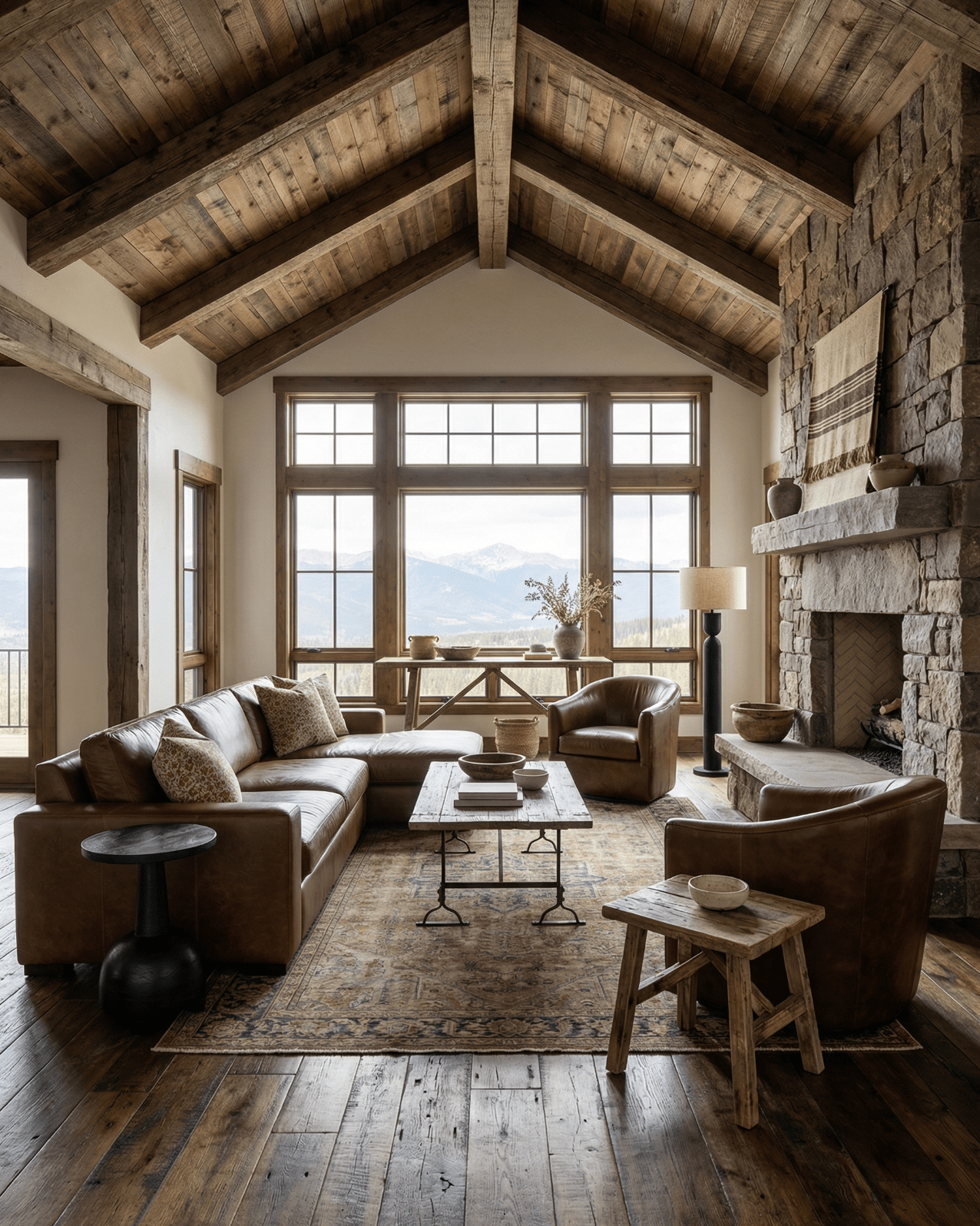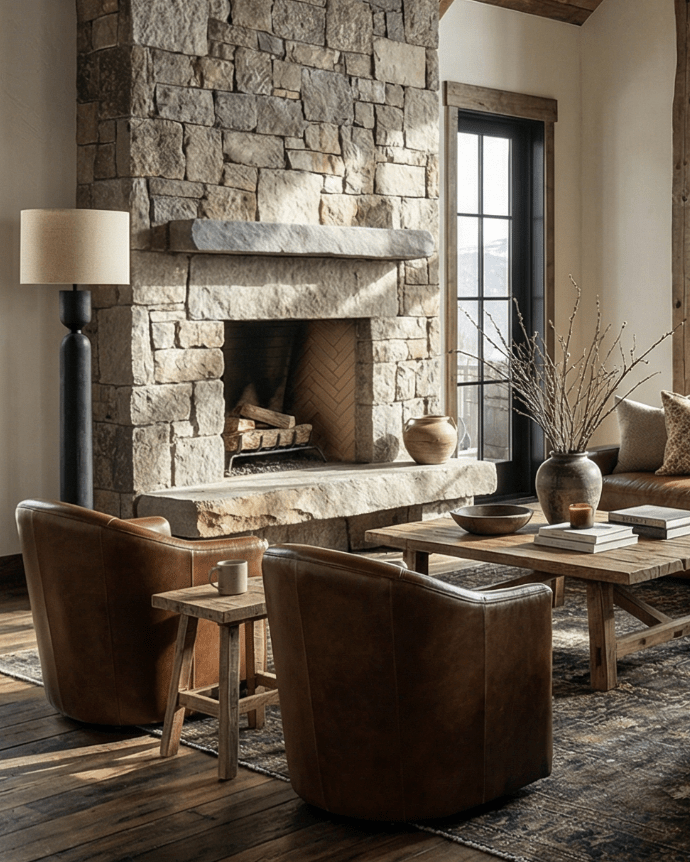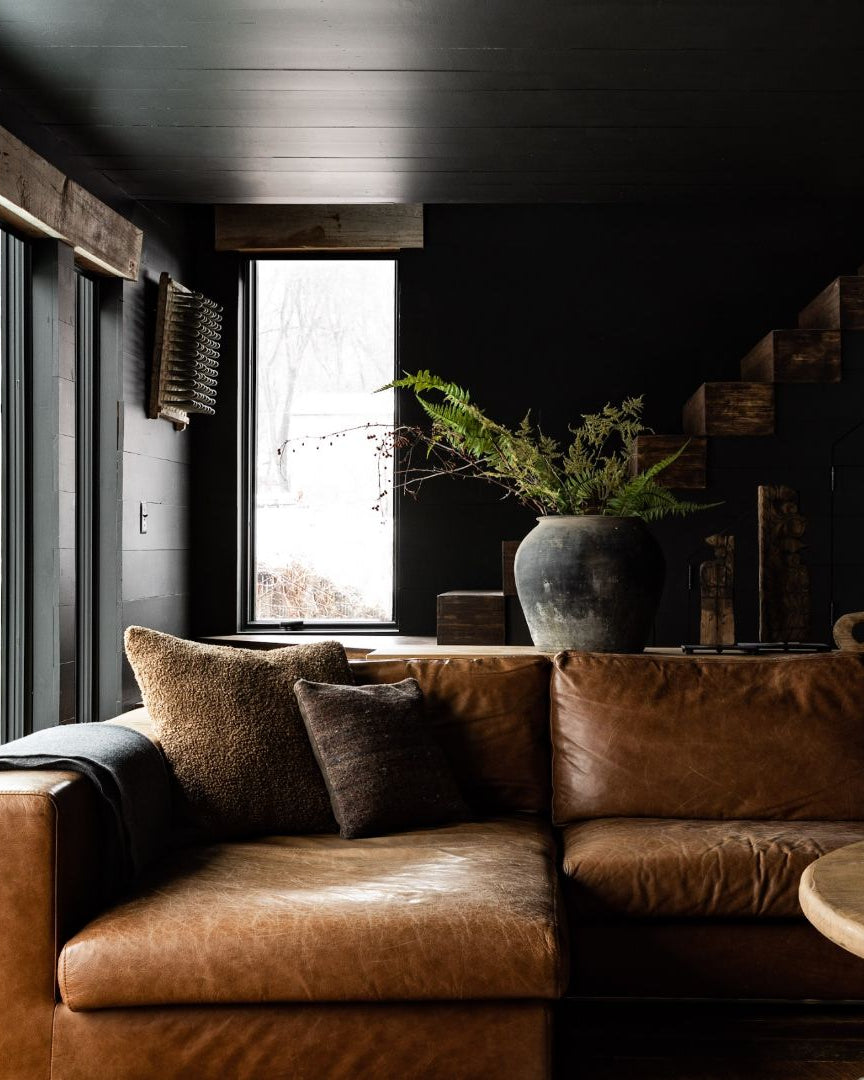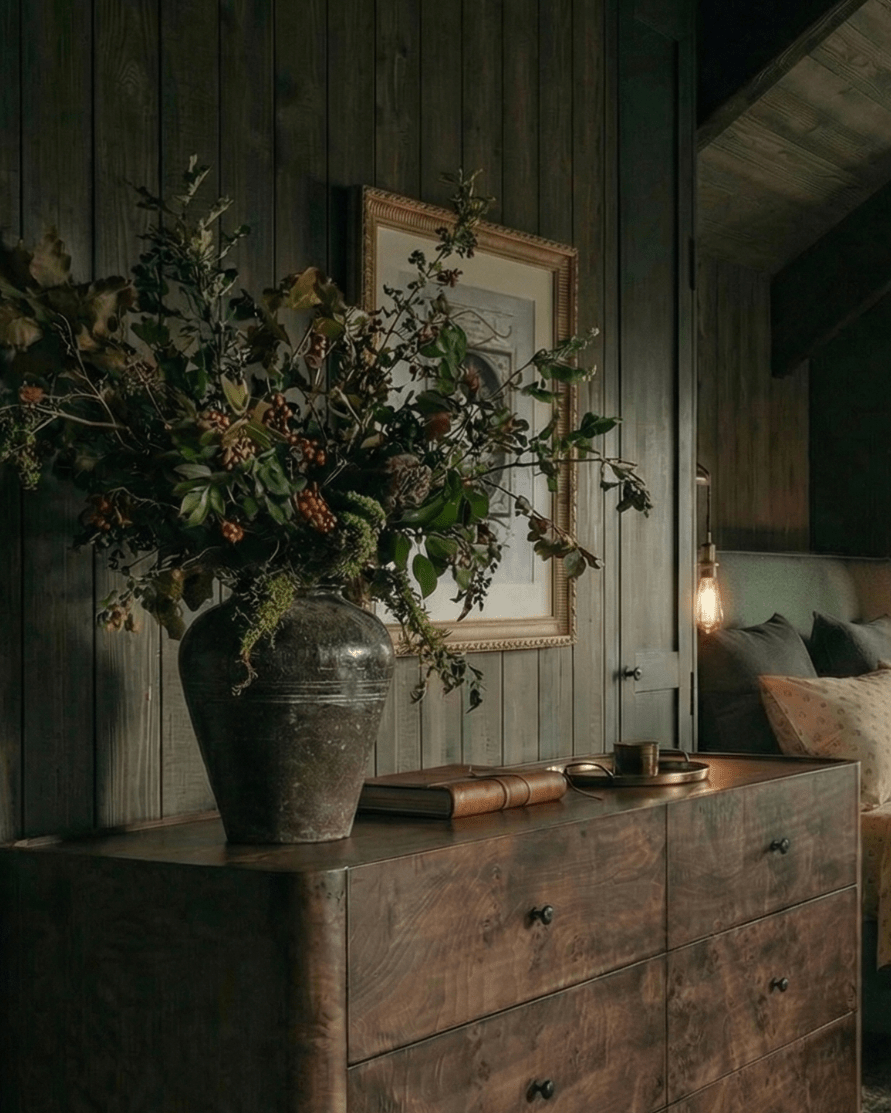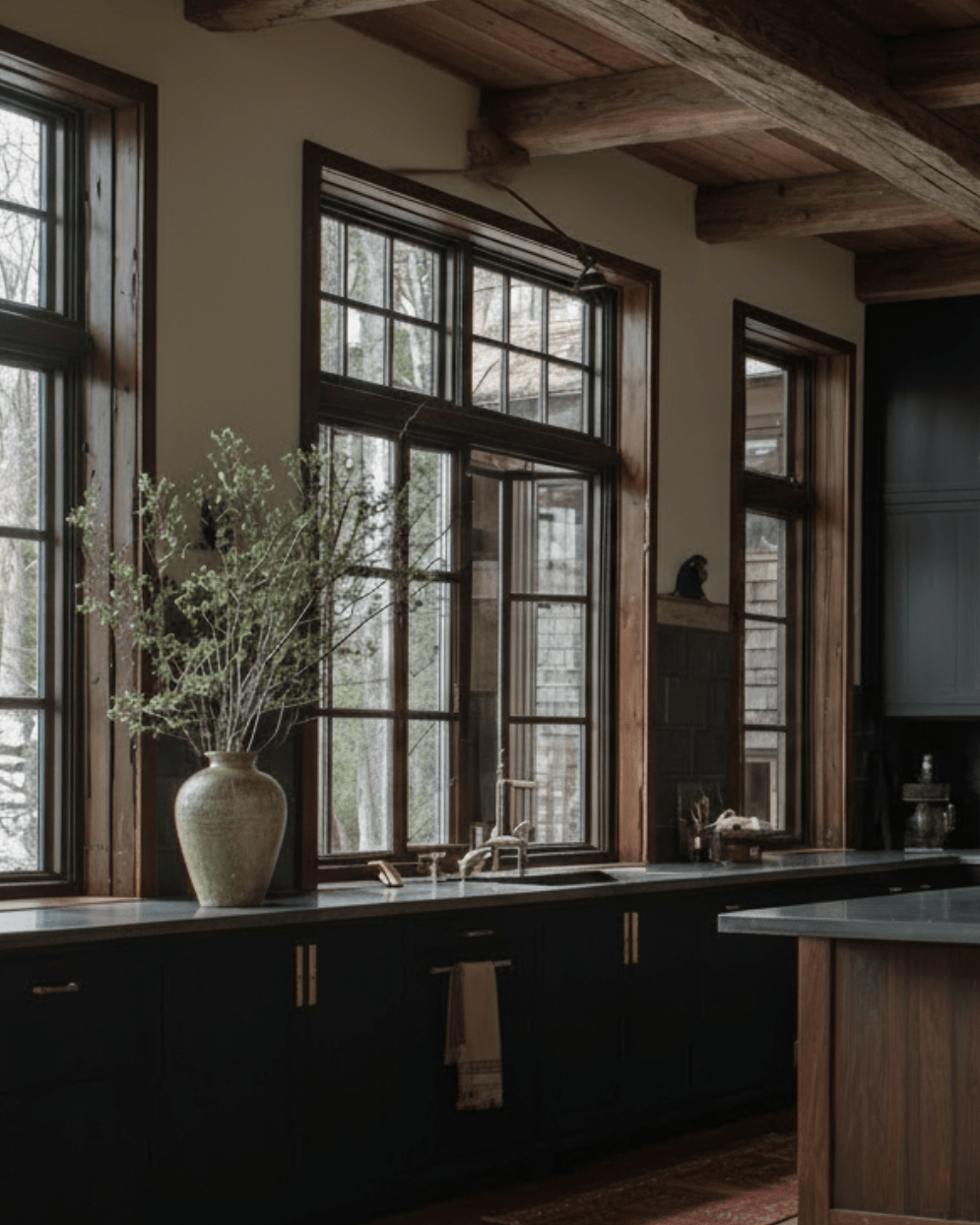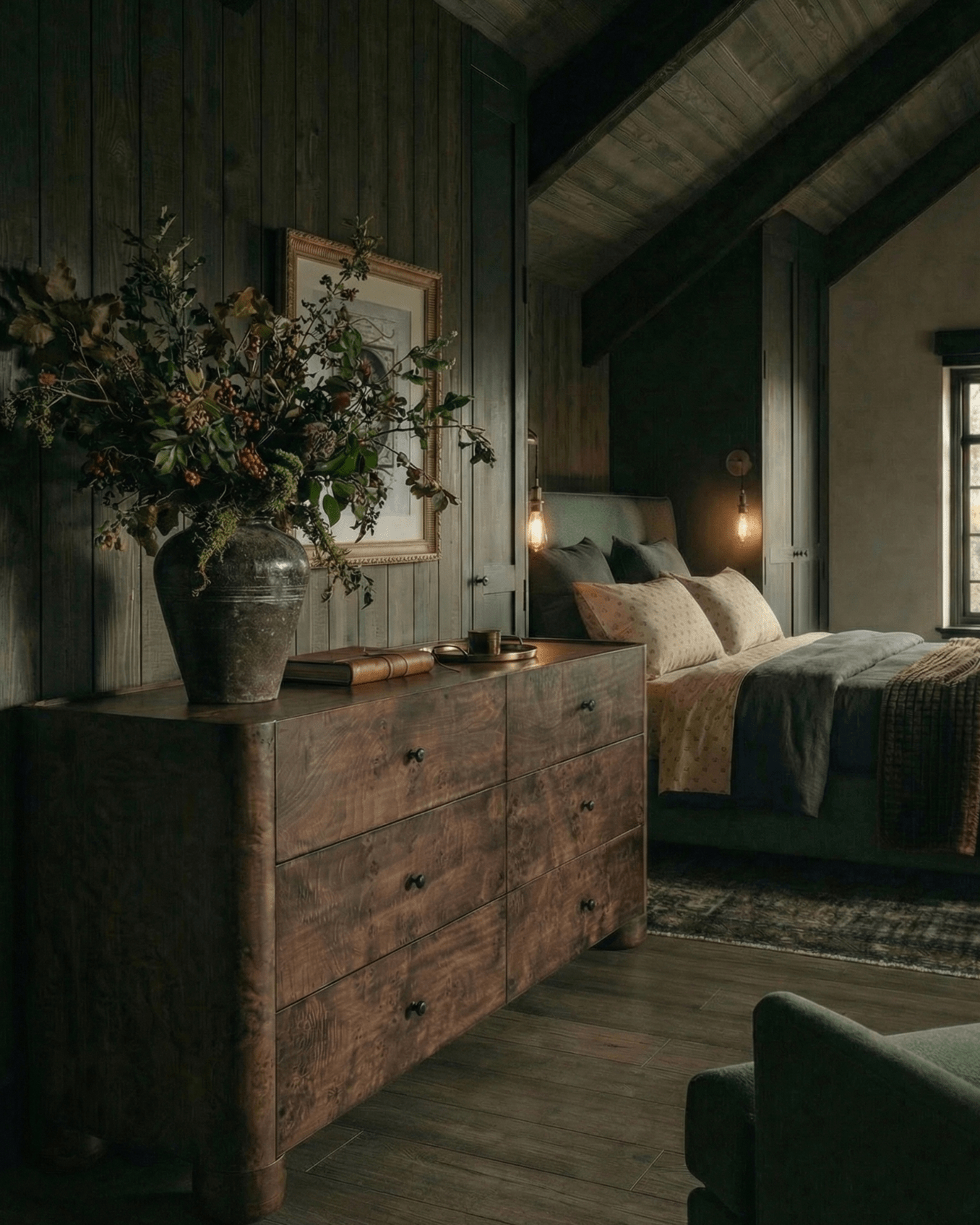









Have you ever walked into a room and felt uncomfortable without knowing why?
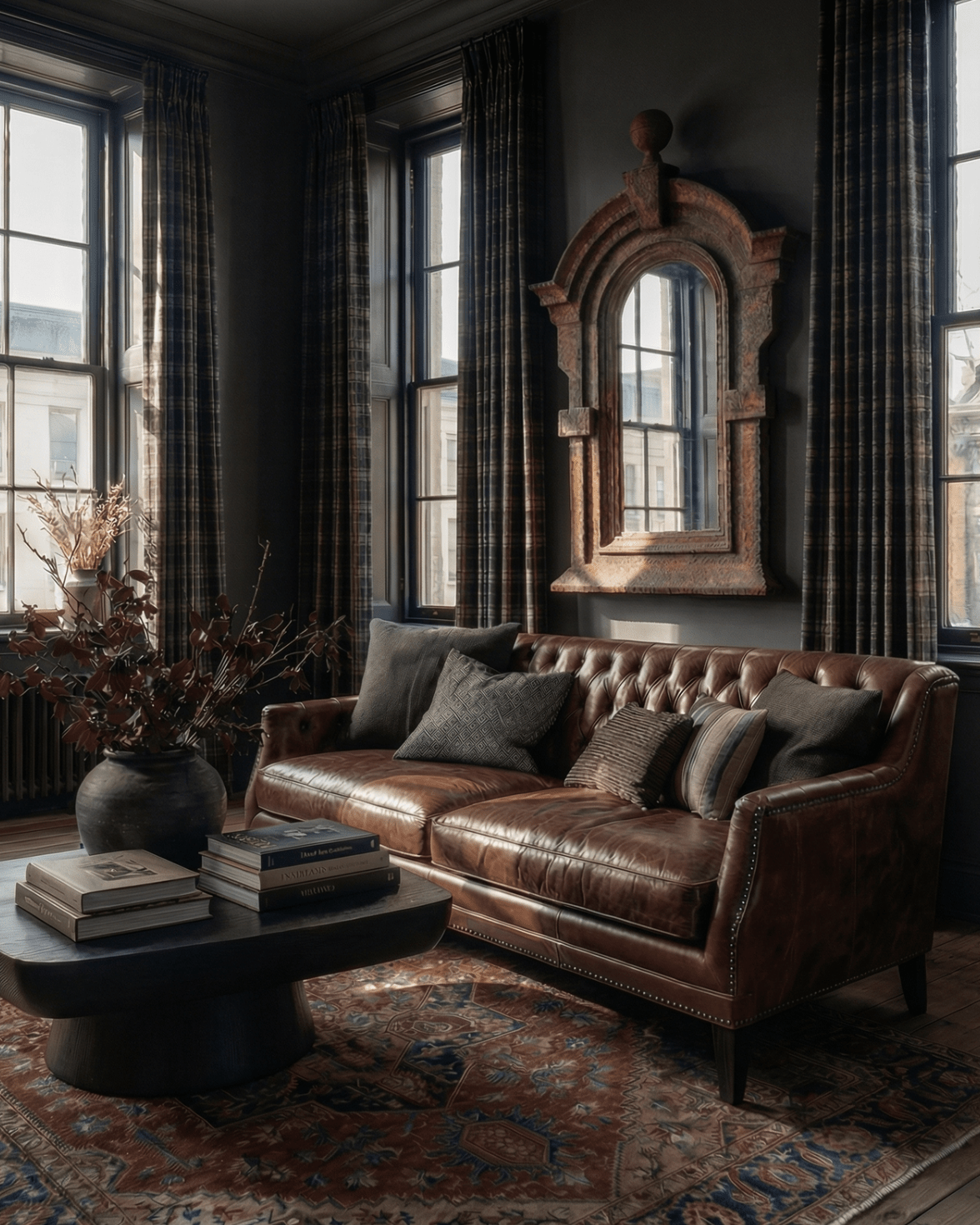
Nothing was obviously wrong. The sofa looked nice. The walls were painted. The furniture matched. Yet the room felt strangely disconnected, almost as if the space and the furniture were having two completely different conversations.
Most people assume this feeling comes from style.
It usually doesn't.
More often, it comes from proportion.
The nervous system is constantly scanning environments for balance, predictability, and visual coherence. Long before we consciously notice upholstery, color palettes, or decorative accessories, our brains are processing whether the furniture feels like it belongs in the room. When it doesn't, the room creates subtle tension. When it does, the room feels calmer, easier to navigate, and more supportive of everyday life.
This is one reason custom furniture continues to resonate with homeowners looking for more than just aesthetics. Furniture that responds to the room itself tends to create spaces that feel better to live in.
For those seeking furniture that can be tailored to the architecture rather than forced into it, Hello Norden's made-to-order furniture collection offers a more intentional approach to proportion, scale, and function.
Your Brain Notices Proportion Before You Do
Most people believe they evaluate a room consciously.
In reality, much of the evaluation happens automatically.
The nervous system is continuously processing visual information, looking for clues about structure and stability. This process happens so quickly that we often experience the result as a feeling rather than a thought.
A room with appropriately scaled furniture tends to feel settled.
A room with undersized or oversized furniture often feels unresolved.
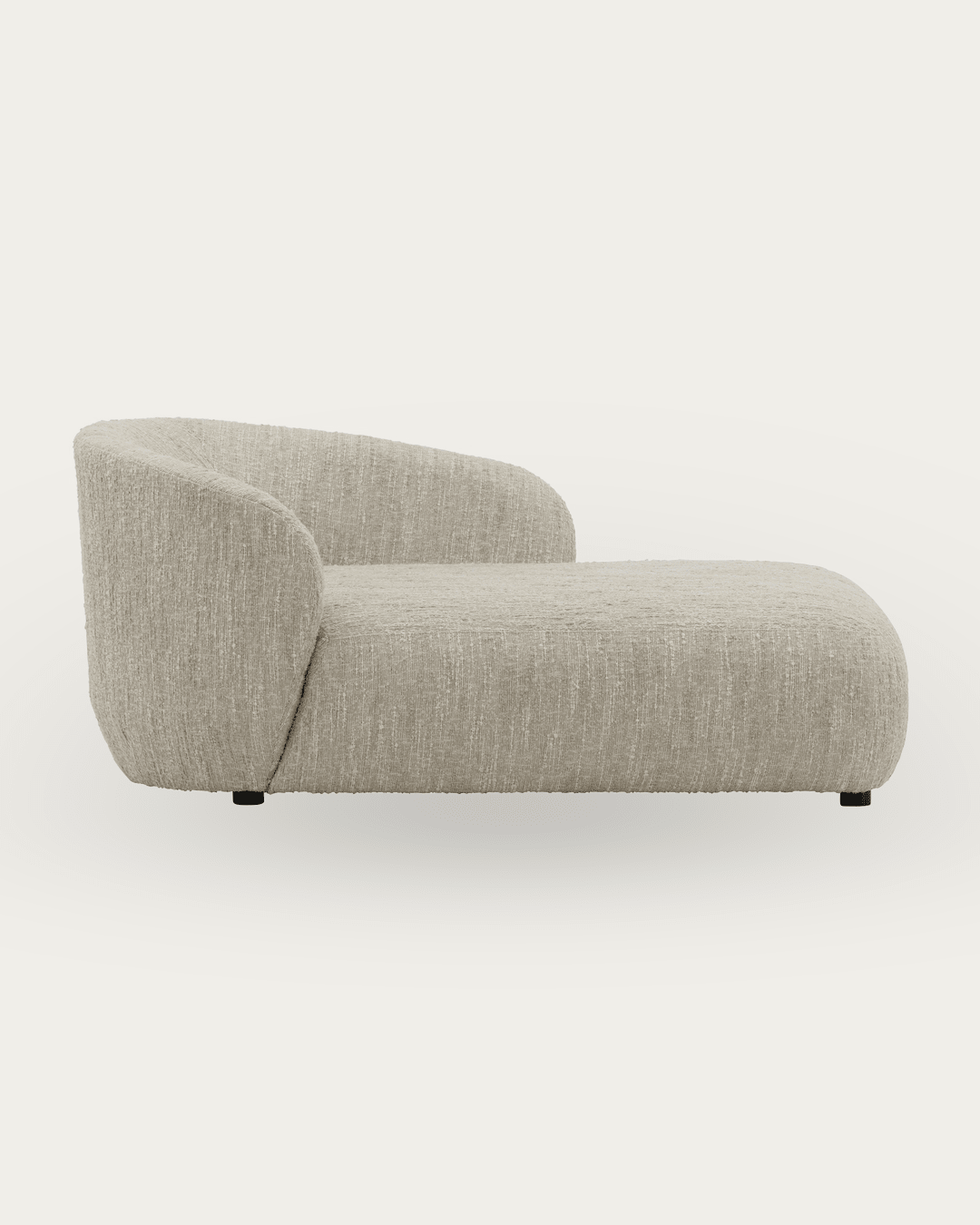
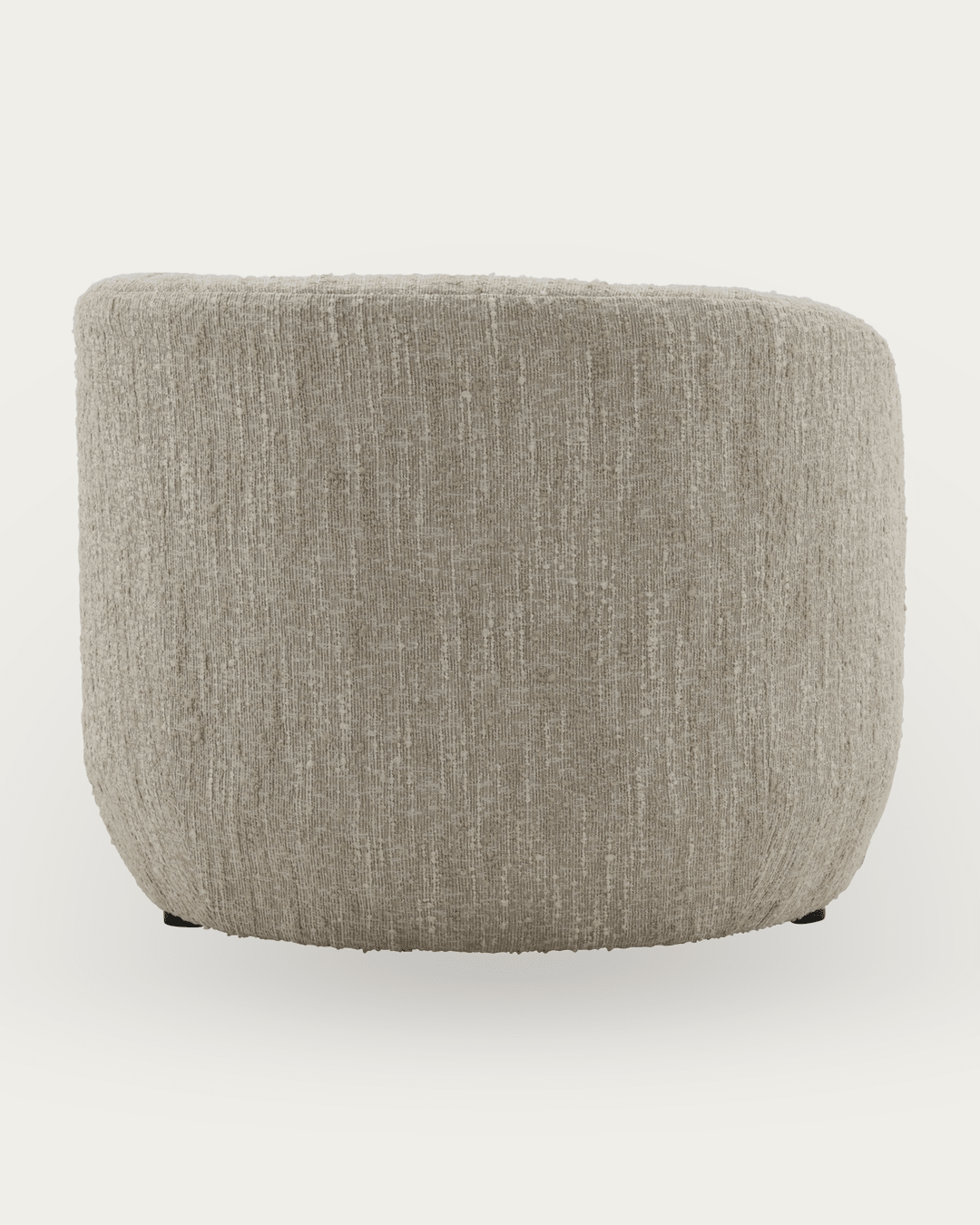
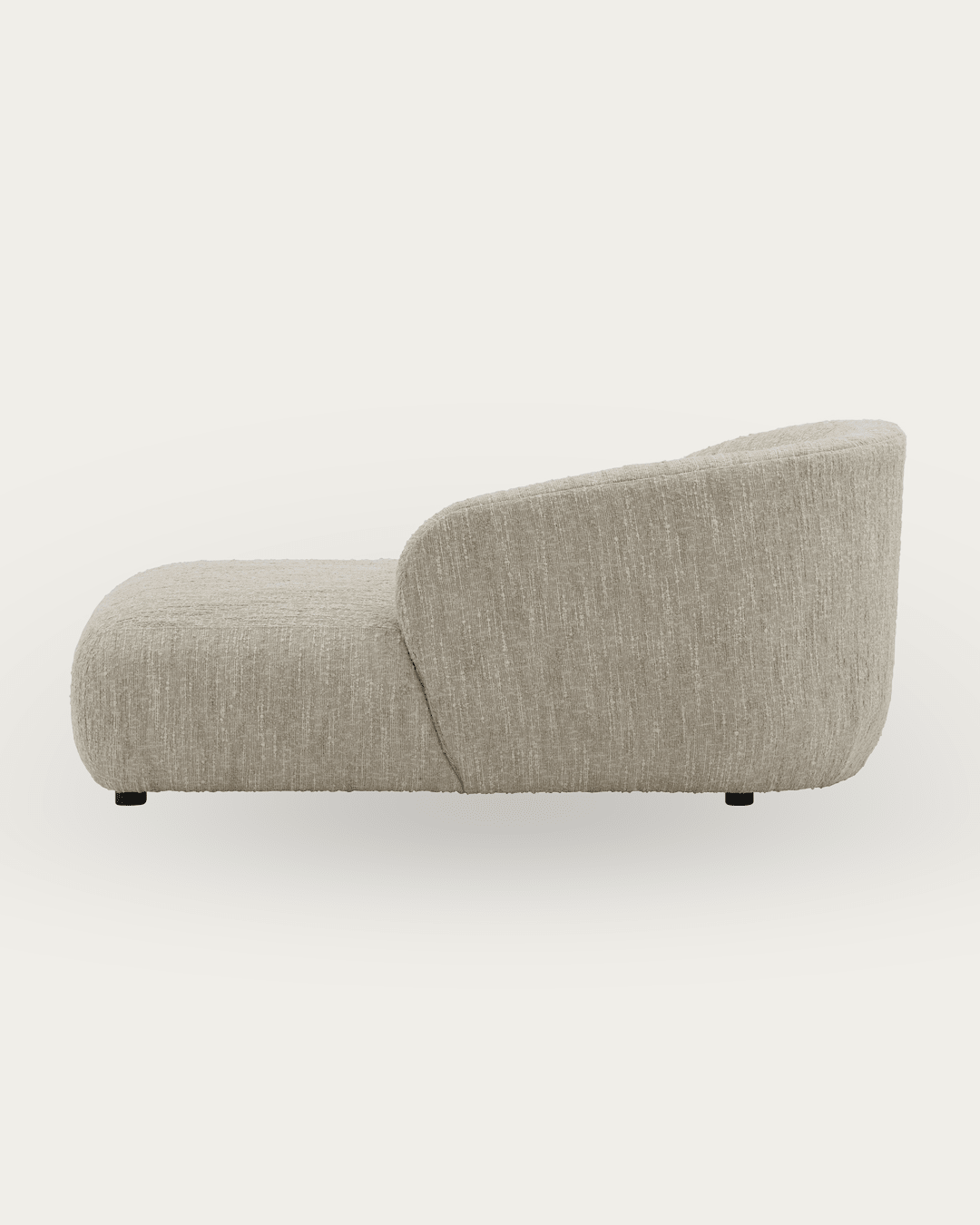
The Wilhelm sofa demonstrates why proportion matters. A sofa that feels perfectly balanced in one room may appear visually lost in another. Likewise, the Wilhelm sectional allows homeowners to adapt the scale of the furniture to the architecture instead of settling for a fixed dimension that may not fit the space.
Rooms Are Relationships, Not Individual Objects
The brain doesn't judge a sofa by itself.
It judges the sofa relative to:
the walls
the ceiling height
nearby furniture
circulation paths
the size of the room
Furniture that ignores those relationships often creates visual tension without people realizing why.
Why Standard Furniture Doesn't Work in Every Home
Most furniture is designed around averages.
Average room sizes.
Average layouts.
Average lifestyles.
But homes aren't average.
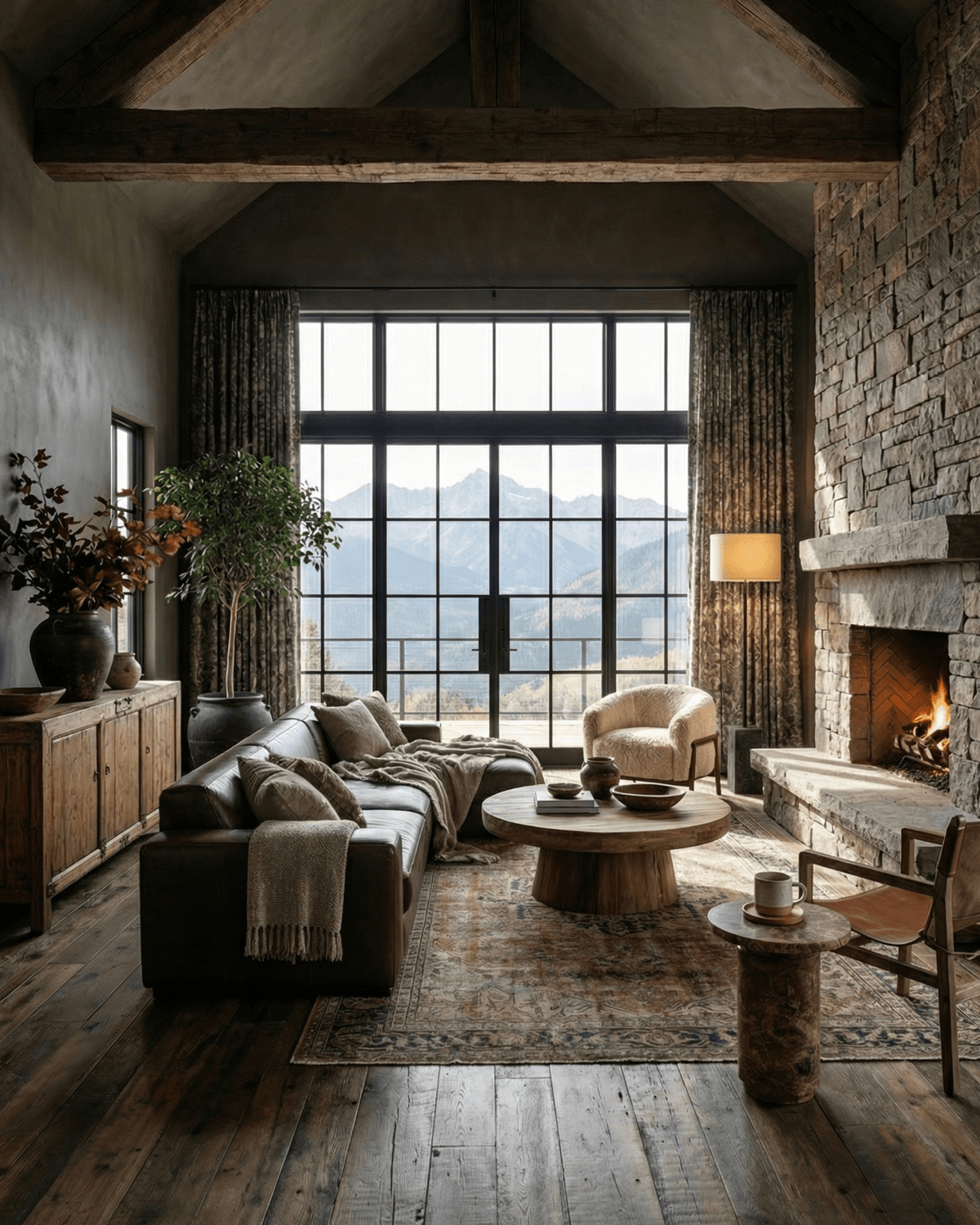
Some rooms have dramatic ceiling heights. Some are unusually wide. Some combine living, dining, and entertaining spaces into one large area. Others have architectural features that change how furniture needs to function.
This is where standard dimensions often fall short.
The Franz chesterfield sofa helps address this challenge because scale becomes part of the design decision rather than an afterthought. Similarly, the Mali sofa allows the room's architecture to guide furniture choices instead of the other way around.
The Room Shouldn't Adapt to the Furniture
Many homeowners spend years trying to make furniture work.
Moving it.
Restyling it.
Adding accessories around it.
Often the real issue is that the furniture was never the right scale for the room in the first place.
The Nervous System Likes Visual Anchors
Human beings naturally seek orientation.
We want to know where to look.
Where to move.
Where to settle.
Furniture provides many of those cues.
When larger spaces lack appropriately scaled furniture, the eye keeps searching for a place to land. This constant visual scanning can create a subtle feeling of restlessness.
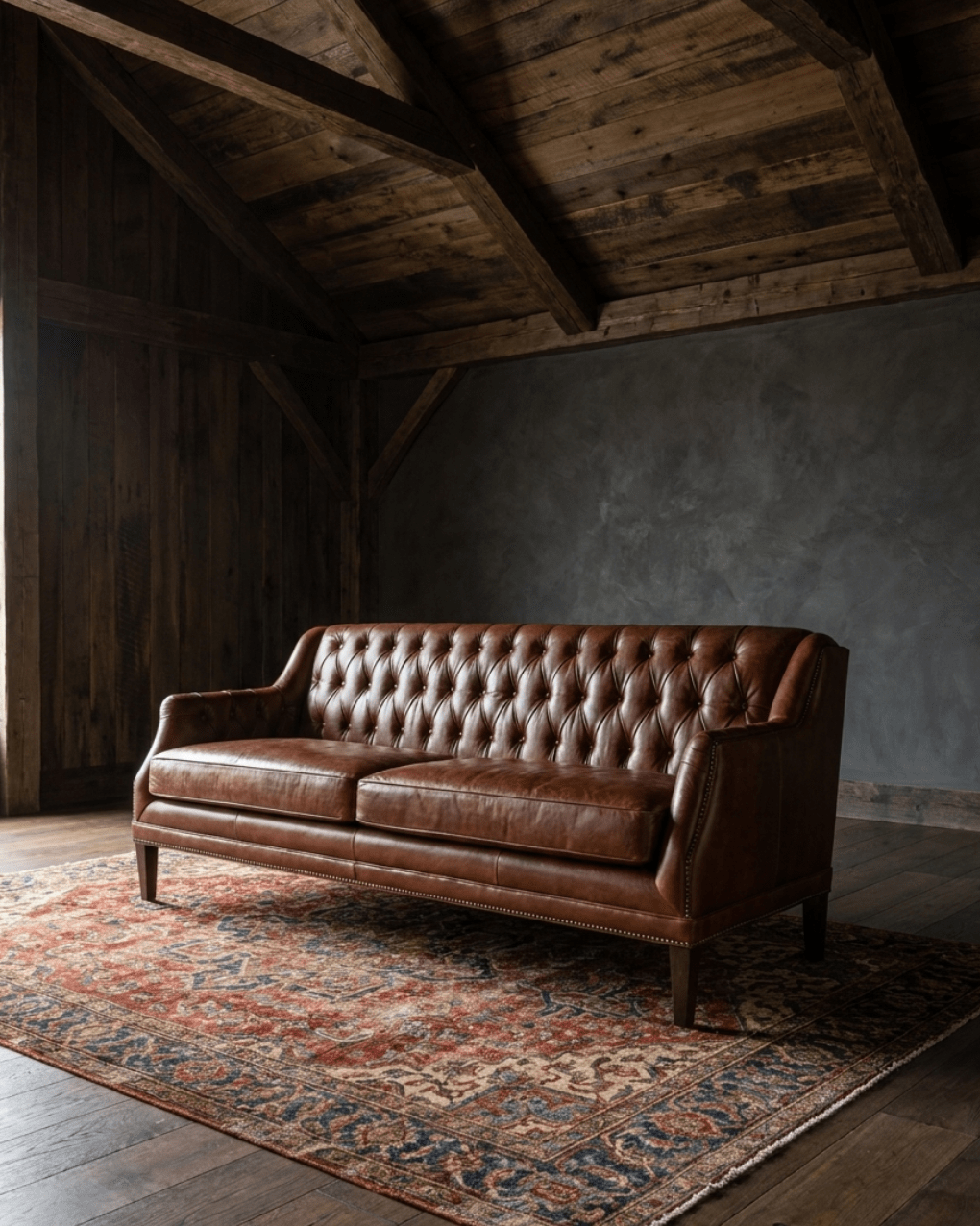
The Norden chesterfield sectional with chaise creates stronger visual anchoring in larger rooms by establishing a clear center of gravity. The Olin chesterfield sofa offers a similar effect through proportion and architectural presence.
Why Visual Weight Matters
Visual weight is not about how heavy furniture actually is.
It's about how substantial it feels within the room.
Appropriate visual weight helps the nervous system understand the space more quickly and comfortably.
Bigger Rooms Magnify Furniture Mistakes
One reason proportion becomes so important is that larger rooms amplify scale issues.
A sofa that's slightly too small in a modest room may feel dramatically undersized in a larger one.
The same principle applies to sectionals, chairs, and seating arrangements.
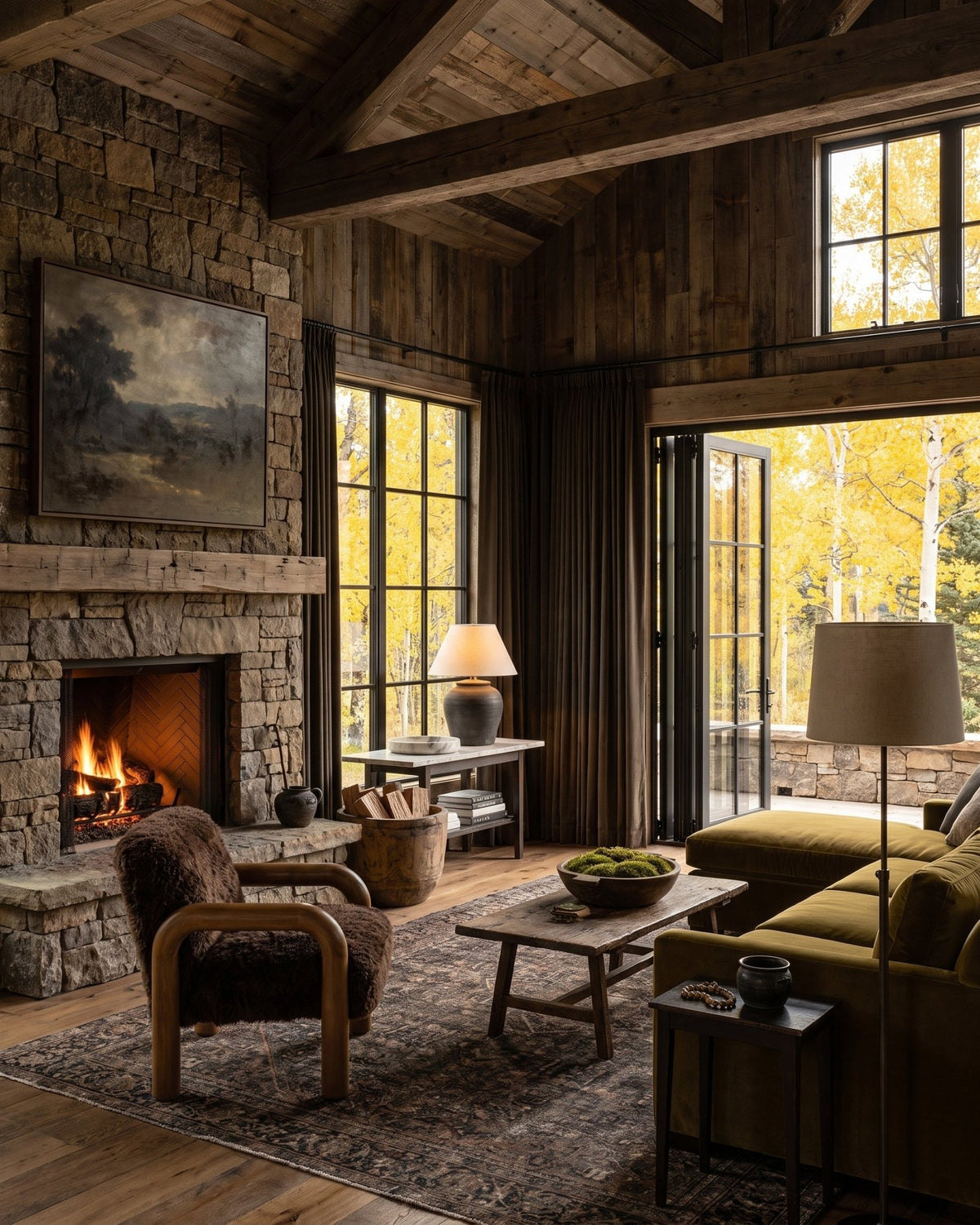
Large rooms require stronger anchors because the architecture itself carries more visual information.
The Maxim sectional helps create structure within expansive floor plans, while the Maxim sofa provides the flexibility needed to maintain balance across different room sizes.
Large Spaces Need Stronger Furniture Relationships
In oversized rooms, furniture isn't simply furnishing the space.
It's organizing it.
It defines zones, supports circulation, and creates the visual framework that helps the room make sense.
RUTED Tip: If a room feels oddly uncomfortable, stop looking at the decor for a moment. Take a photo of the room and shrink it down on your phone. If the furniture suddenly looks tiny compared to the architecture, your nervous system has probably been noticing the scale problem all along.

Scale Changes How People Behave
Furniture doesn't only affect how a room looks.
It influences how people use the space.
A sectional that's too small may discourage gathering.
A sofa that's too shallow may discourage lounging.
Furniture that feels disconnected from the room can subtly affect how comfortable people feel spending time there.
The Maxim sofa with chaise allows homeowners to adapt seating to the way they actually live, while the Edda sofa helps create more supportive everyday environments through thoughtful proportion.
Function Is Part of Scale
The best furniture isn't simply sized correctly.
It's sized correctly for how the room is used.
Those are not always the same thing.
Why Custom Furniture Reduces Visual Noise
People often associate visual noise with clutter.
Sometimes visual noise comes from poor proportion.
Furniture that feels too small can encourage homeowners to compensate with more accessories, more styling, and more decorative objects because the room never feels complete.
Custom furniture often reduces this problem by solving the foundational issue first.
The Edda sectional establishes stronger visual structure throughout larger living spaces, while the Norden chesterfield sofa creates a balanced relationship between furniture and architecture that requires less visual compensation afterward.
Clarity Feels Like Calm
The nervous system doesn't necessarily want simplicity.
It wants clarity.
Rooms feel calmer when the visual hierarchy is easy to understand.
Material and Scale Work Together
Scale alone isn't enough.
Material contributes to how furniture is perceived.
Leather.
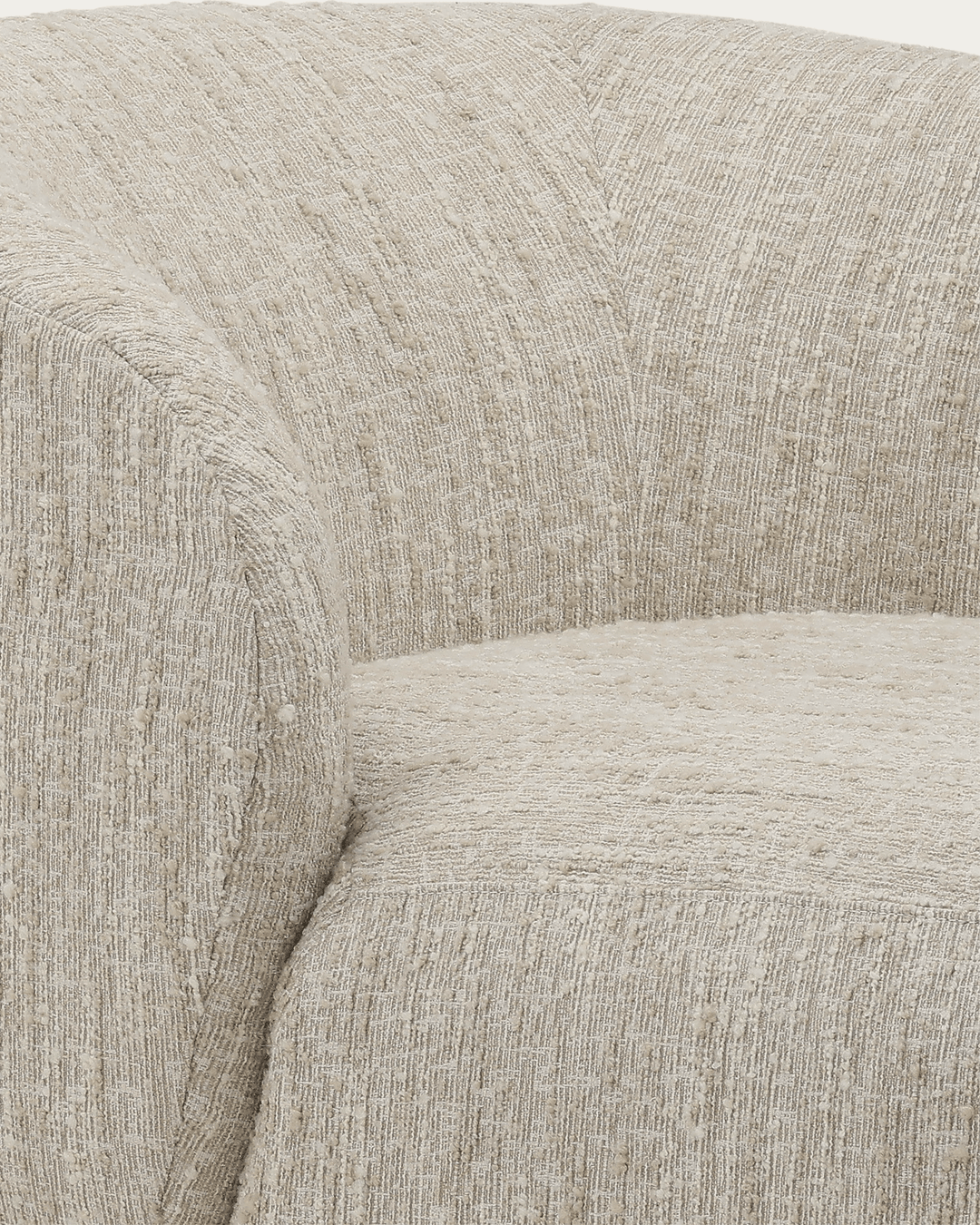
Textured upholstery.
Natural fabrics.
Wood tones.
All of these influence visual presence.
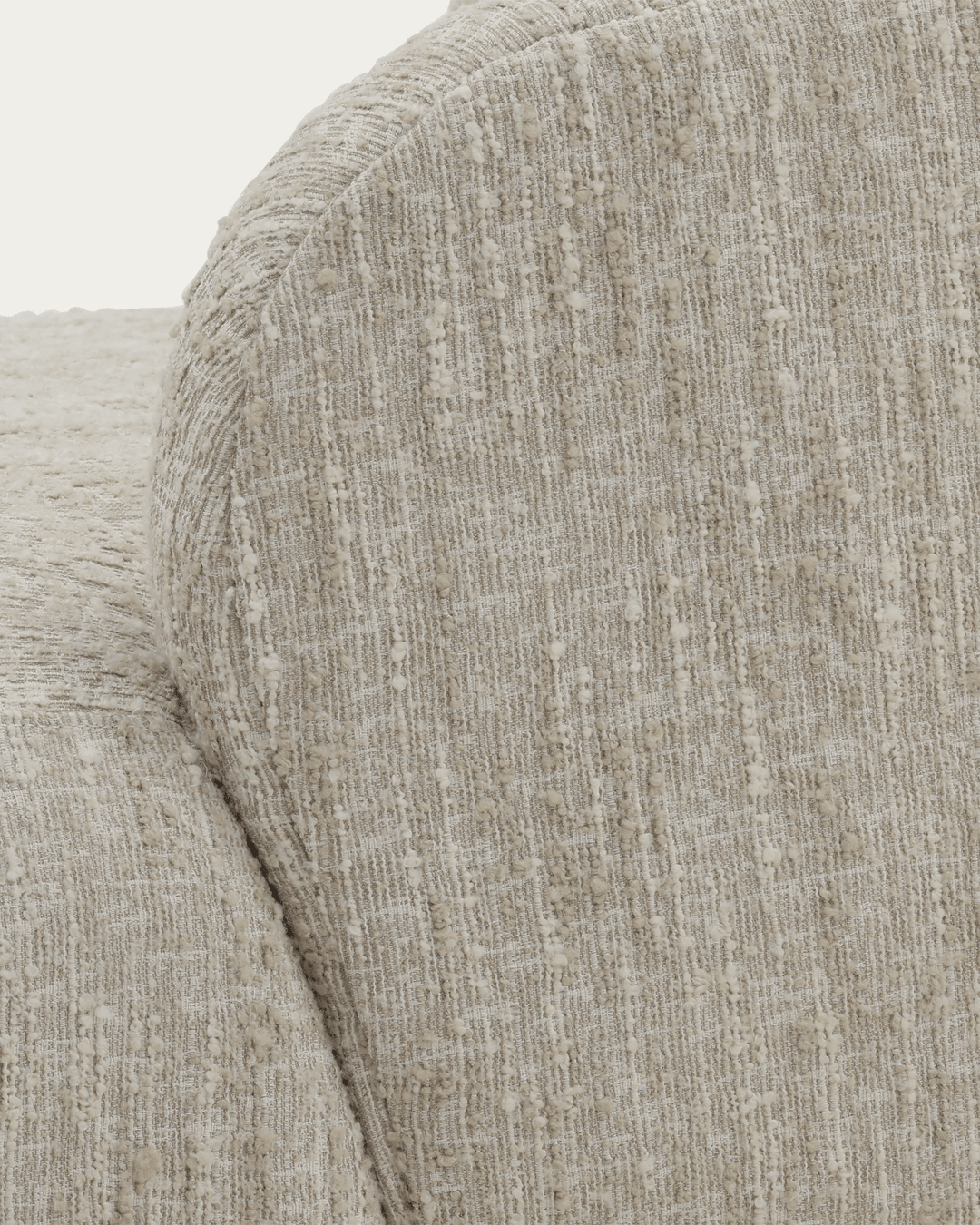
A well-scaled piece becomes even more effective when the material reinforces its role within the room.
The Halden sofa combines materiality and proportion to create stronger visual grounding, while the Edda sleeper sofa bed demonstrates how function, scale, and material can work together without compromise.
The Best Rooms Feel Cohesive
Strong interiors rarely rely on dramatic styling tricks.
They feel cohesive because the furniture, materials, and architecture support one another naturally.
The Room Is Telling You Something
When a room feels off, most people start shopping for accessories.
More pillows.
More art.
More decorative objects.
Sometimes the room is asking for something much simpler.
Better proportion.
The nervous system knows when furniture doesn't fit the room because it experiences the relationships between objects long before we consciously analyze them. When furniture aligns with the architecture, visual weight feels balanced, circulation improves, and the room becomes easier to understand.
That's the true value of custom furniture.
Not customization for its own sake.
But furniture that finally feels like it belongs.
Explore Hello Norden's made-to-order furniture collection and discover how custom sofas, sectionals, and thoughtfully scaled pieces can help create rooms that feel more balanced, grounded, and supportive of everyday life.