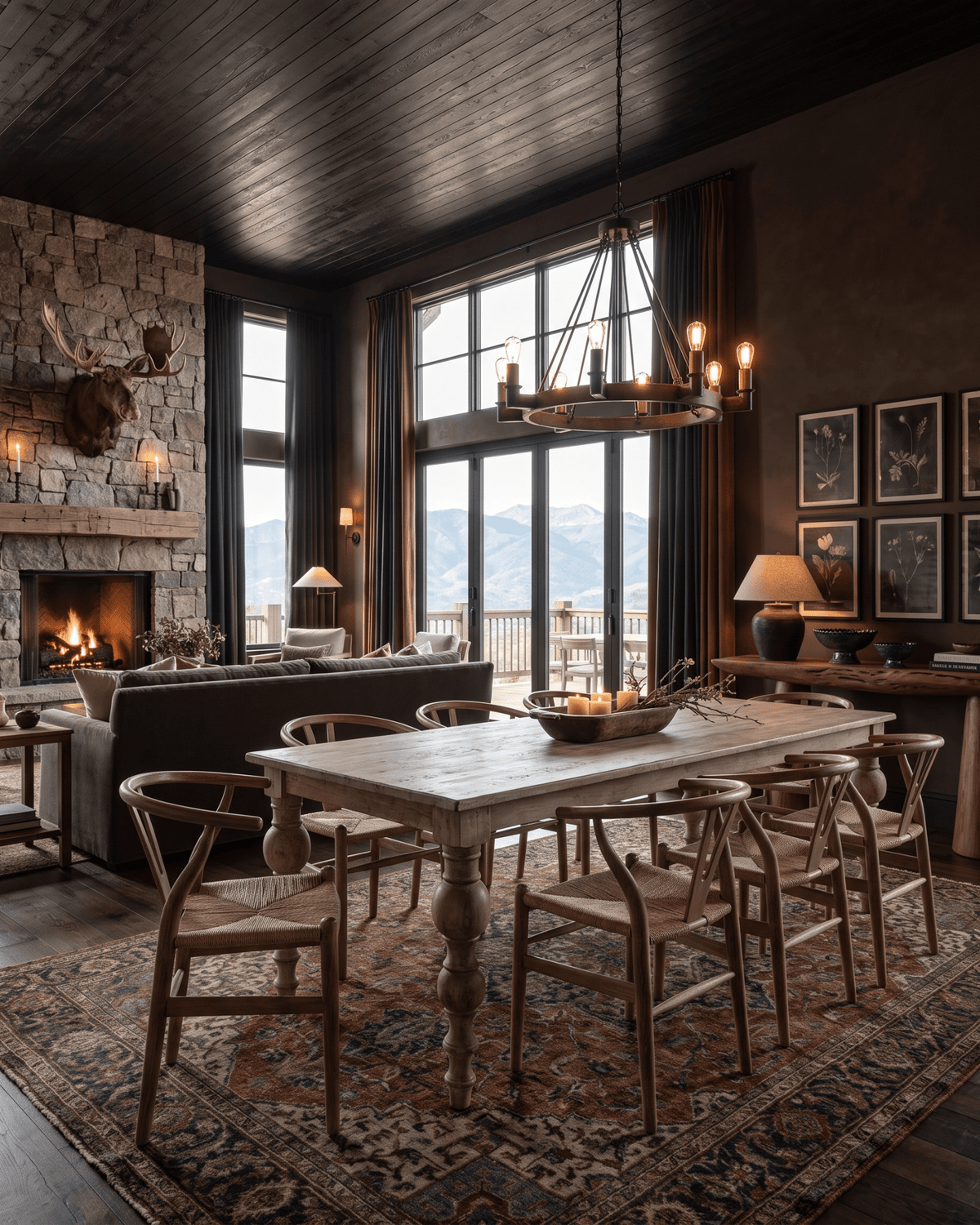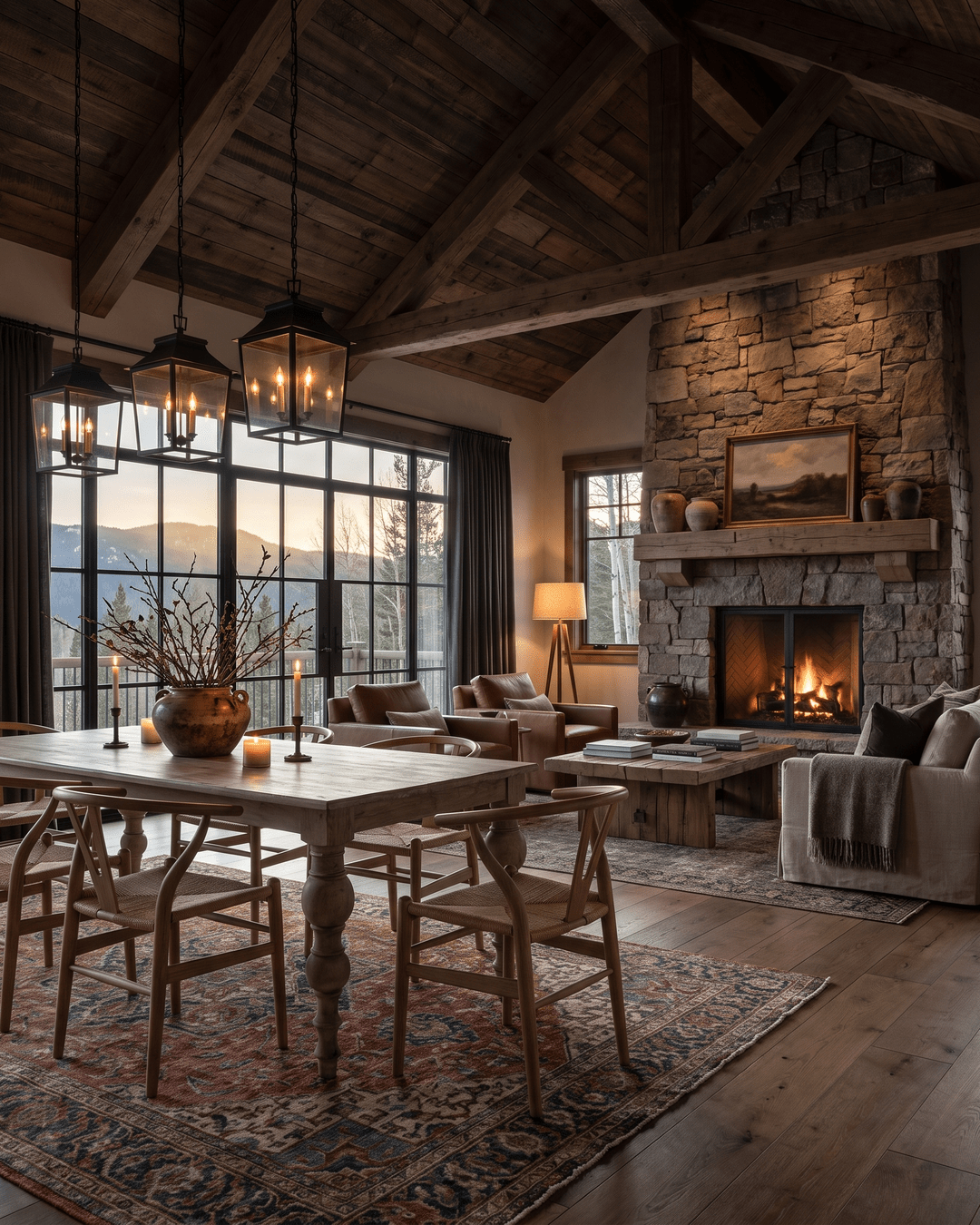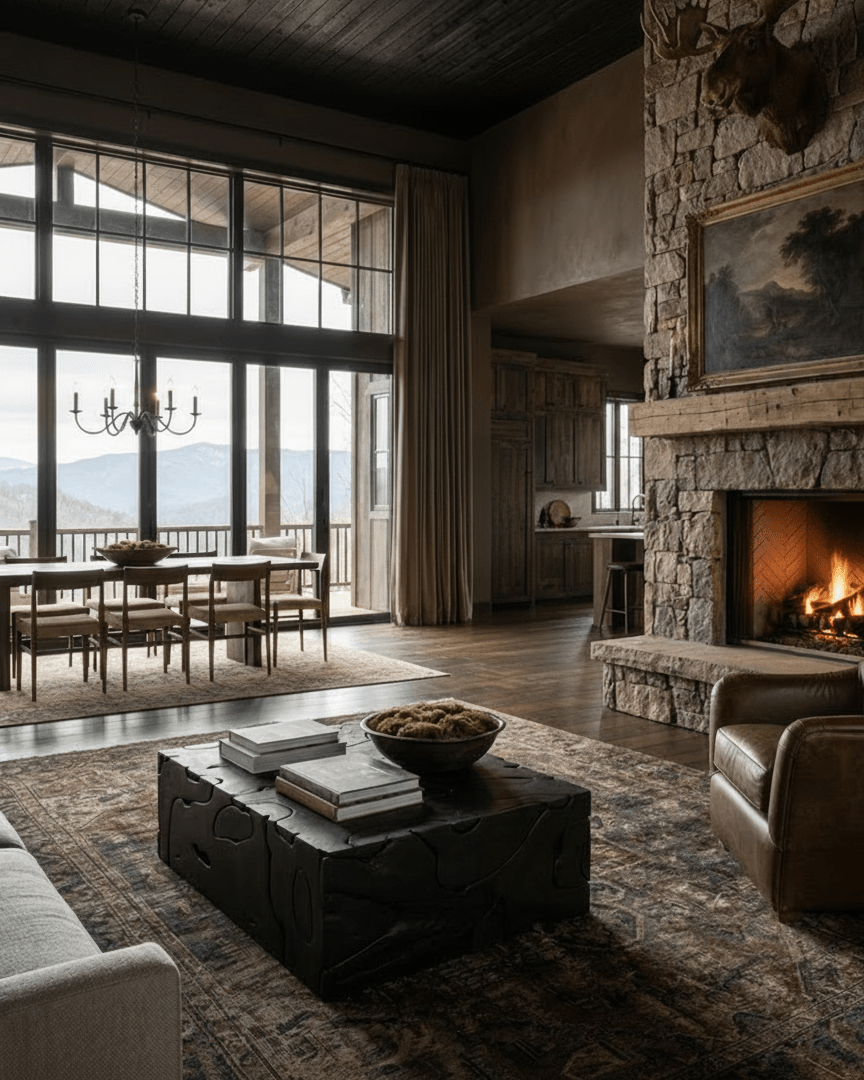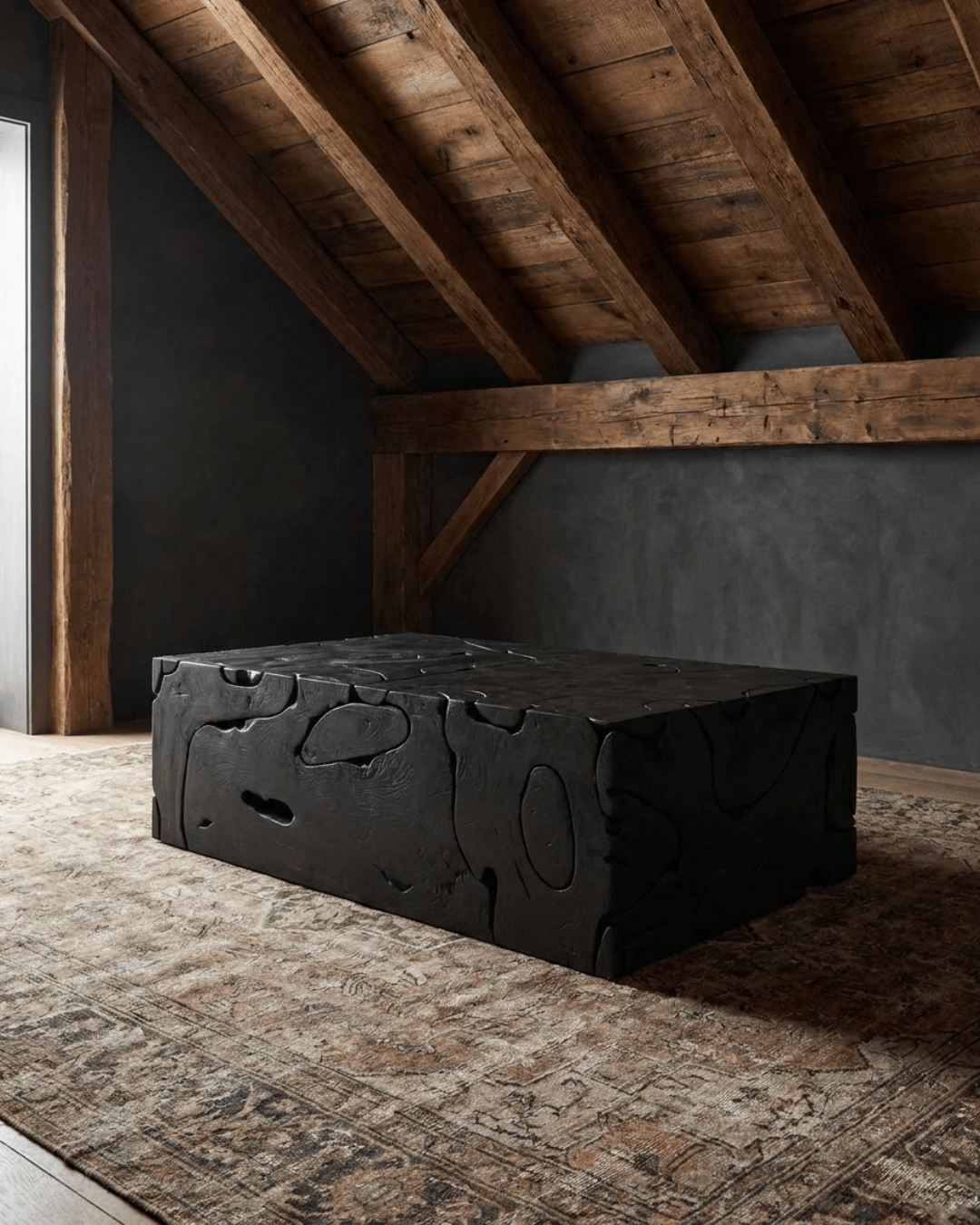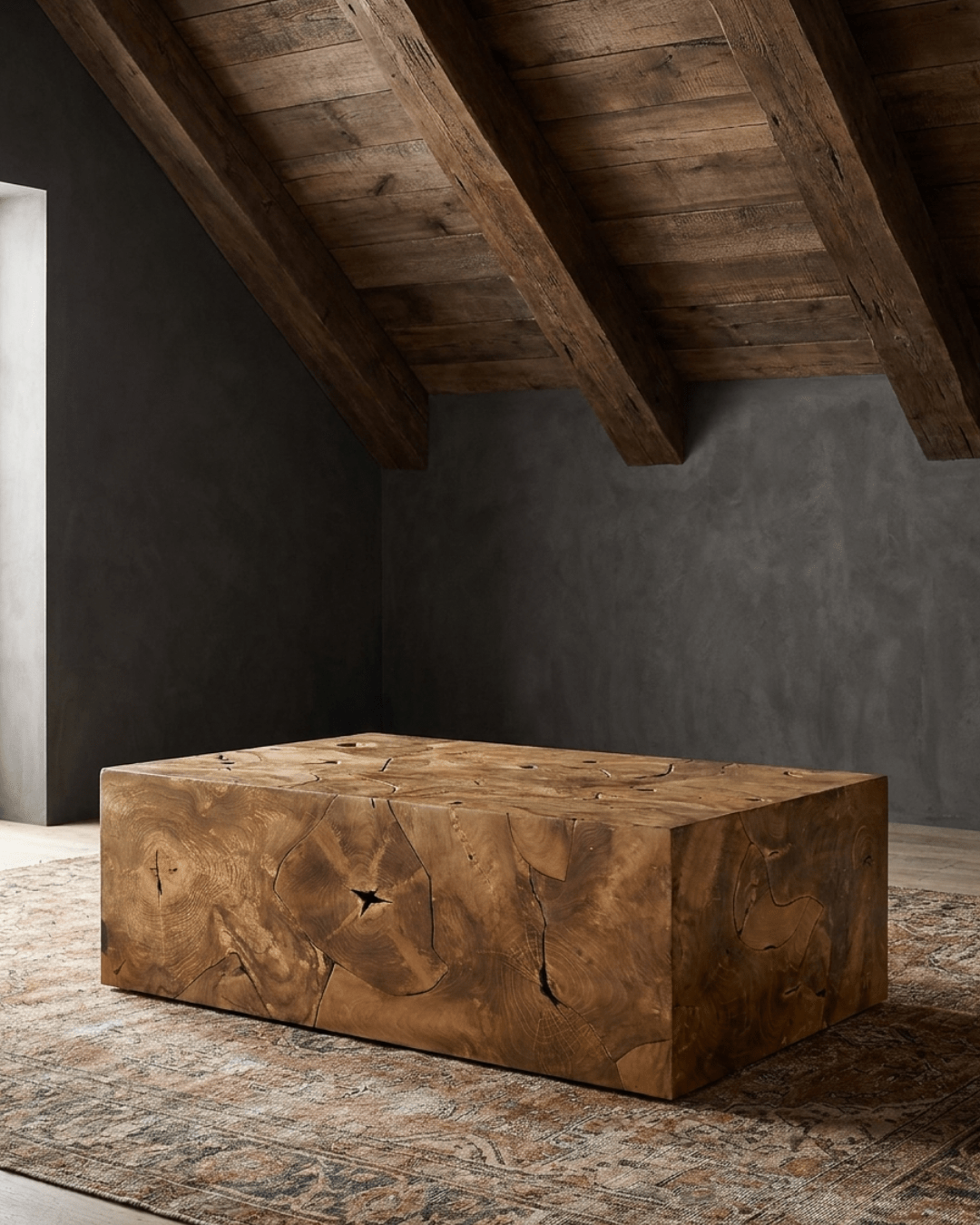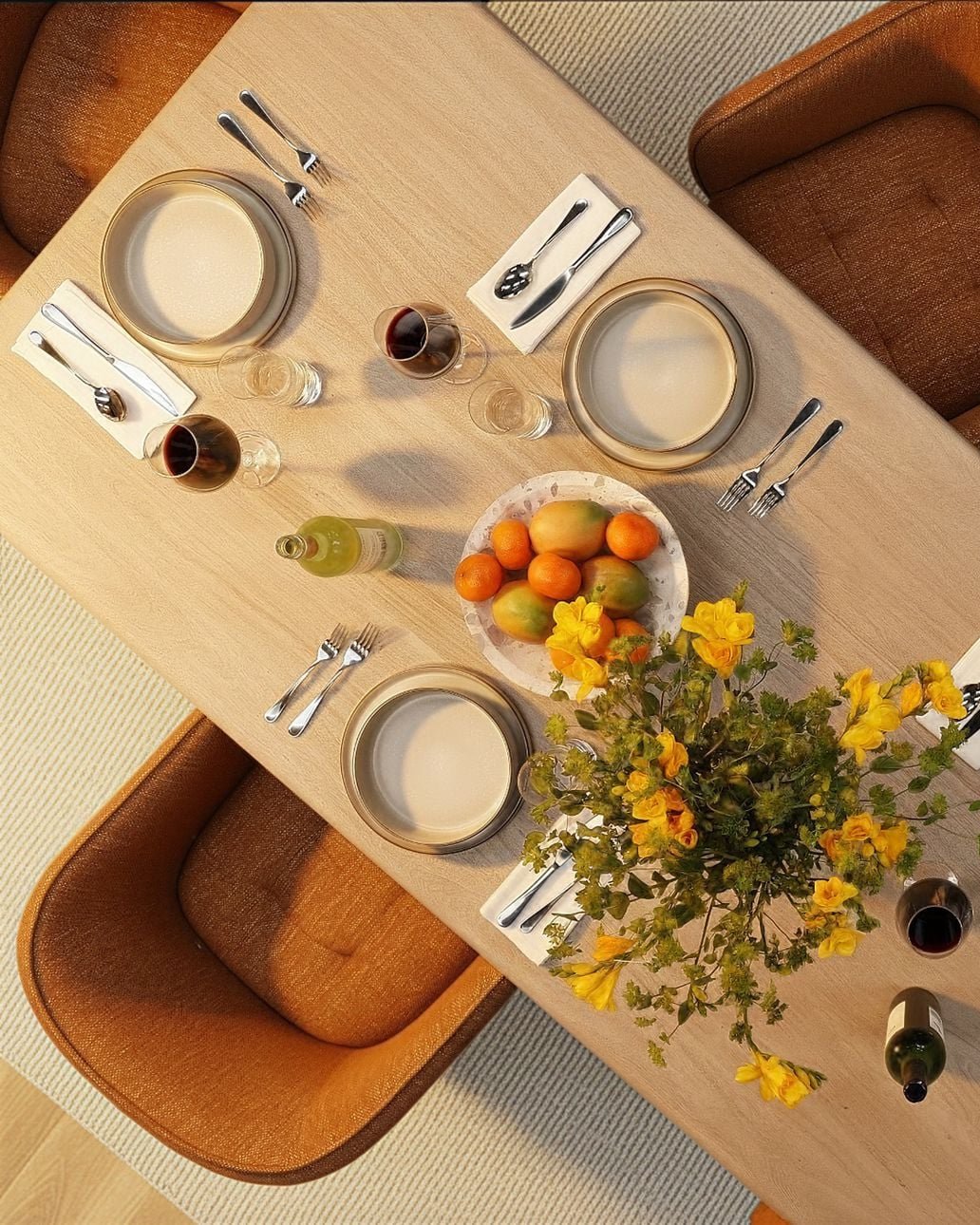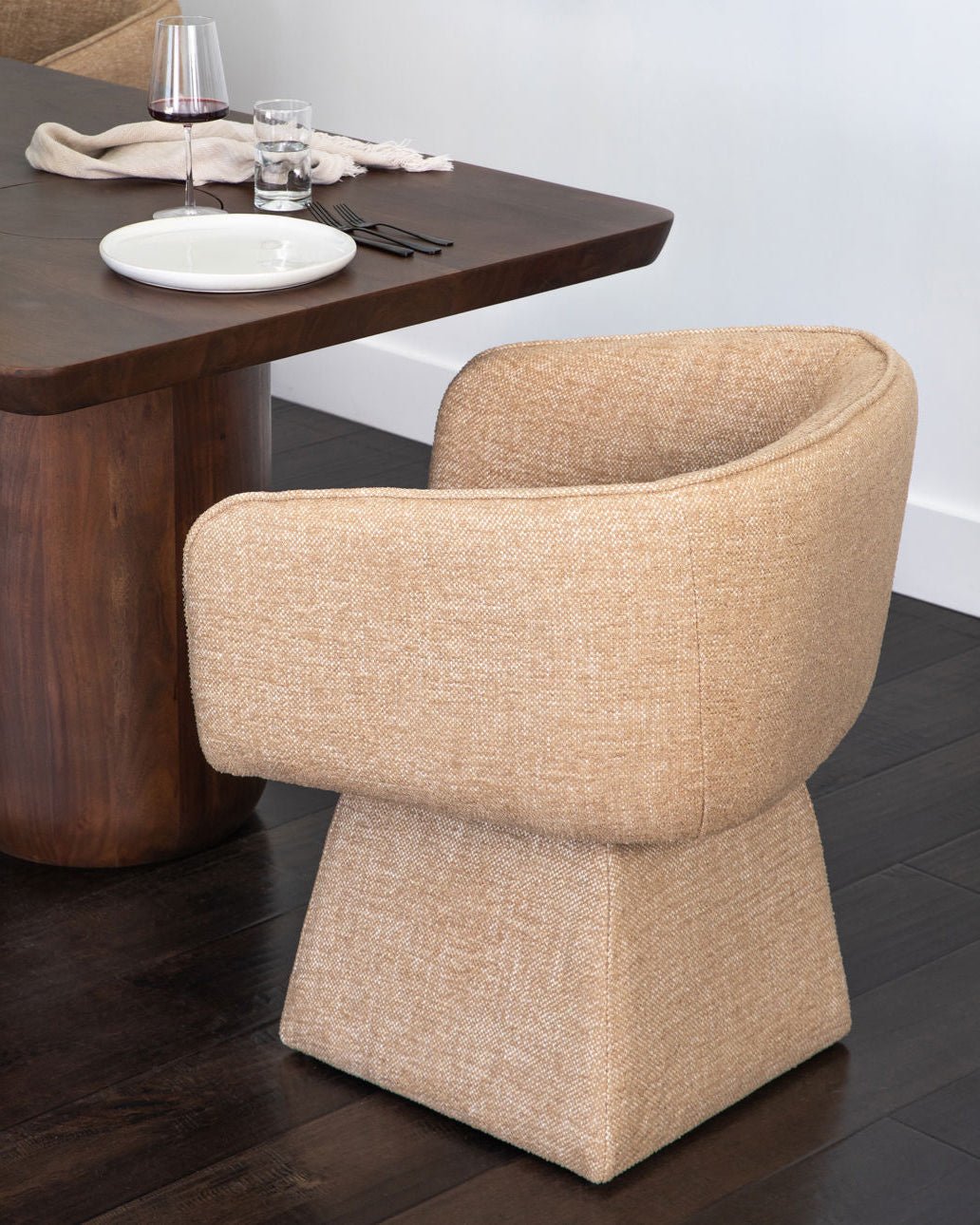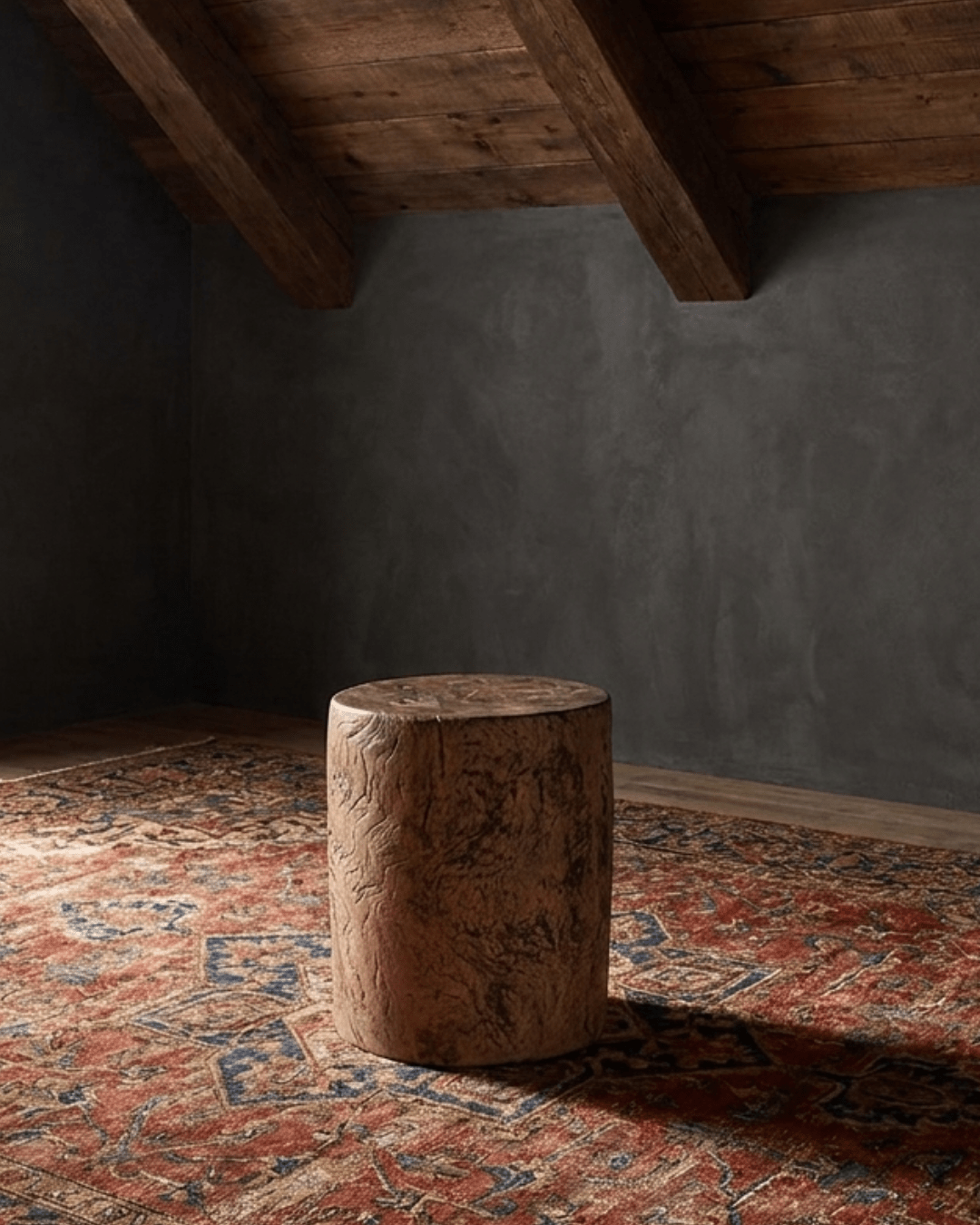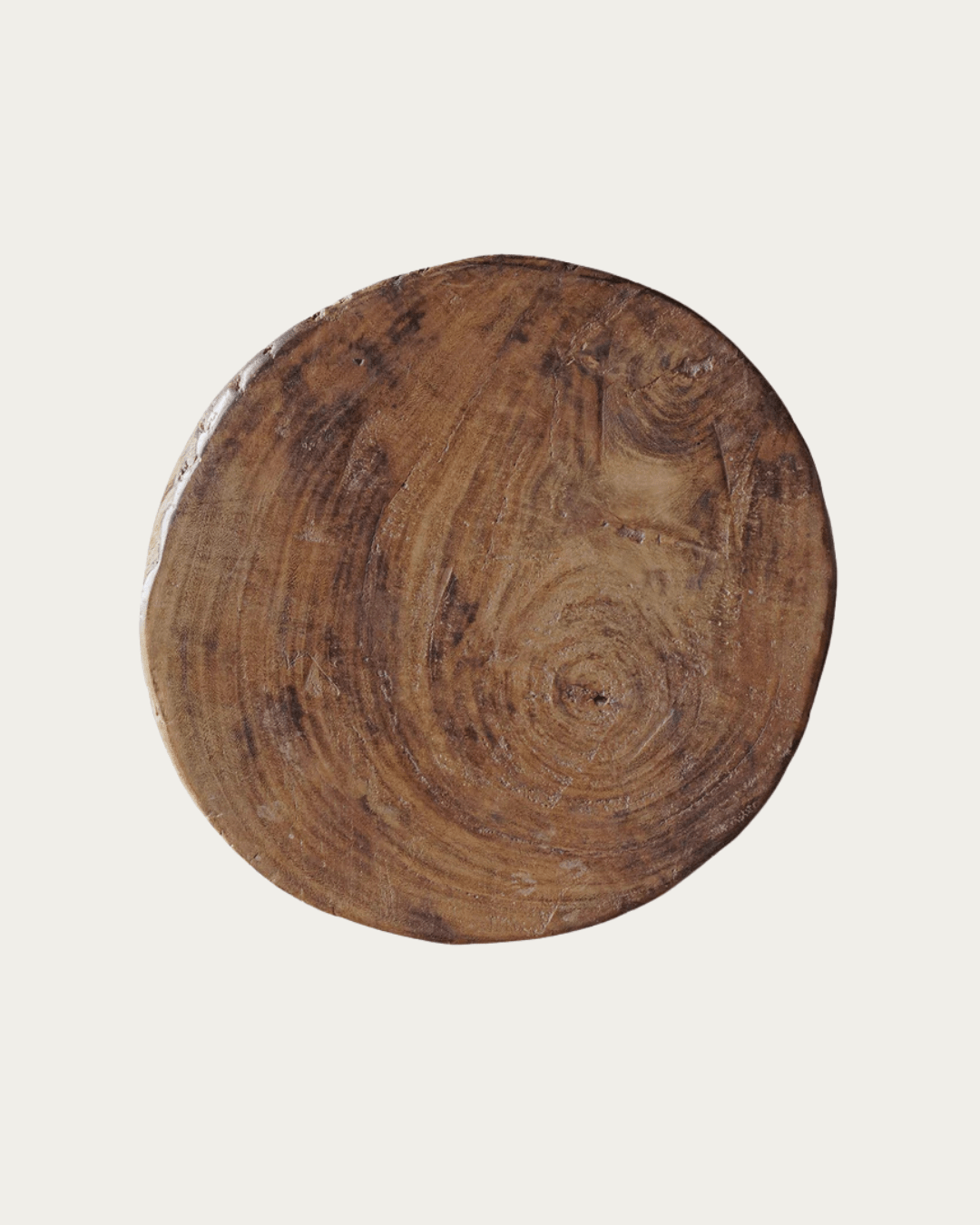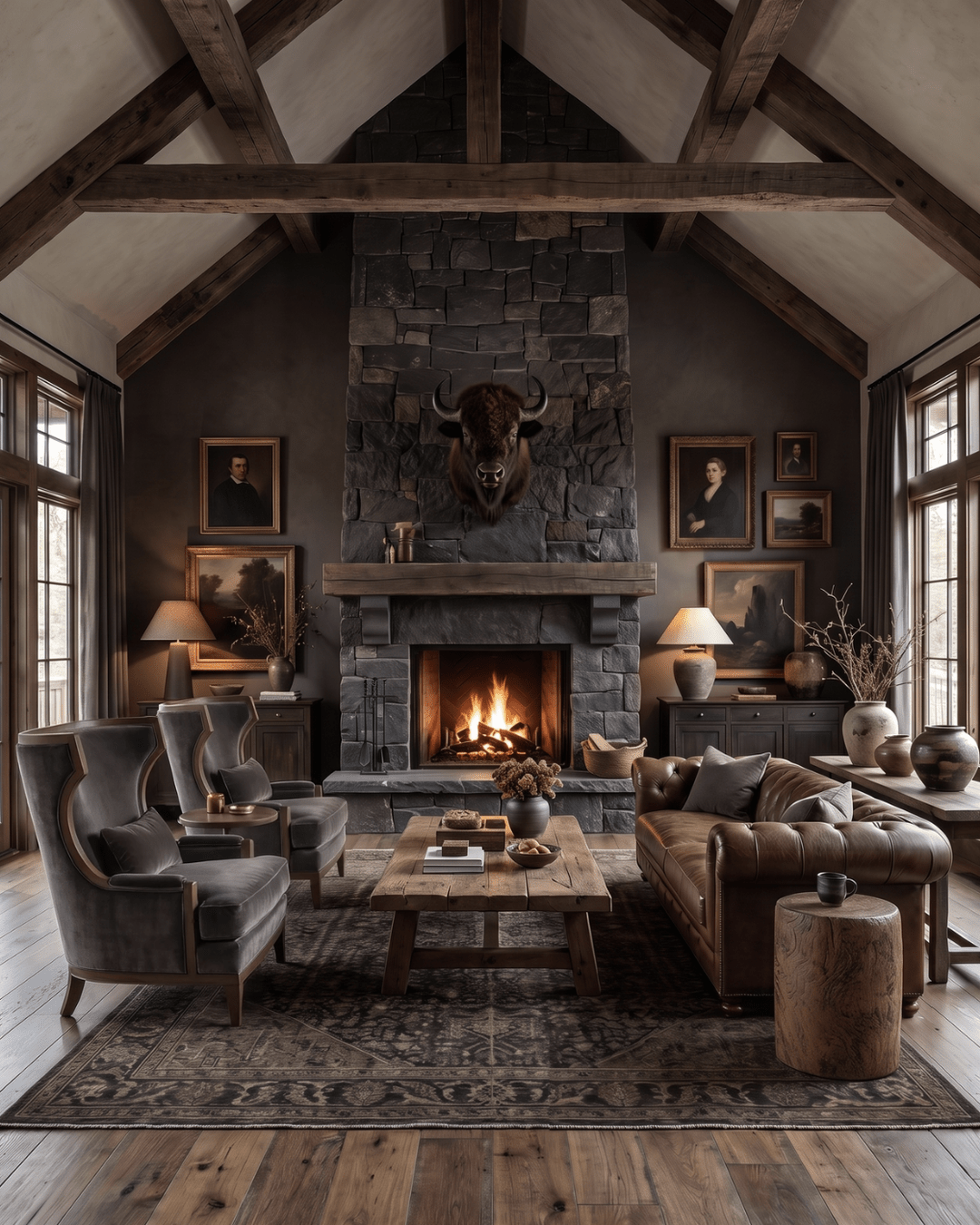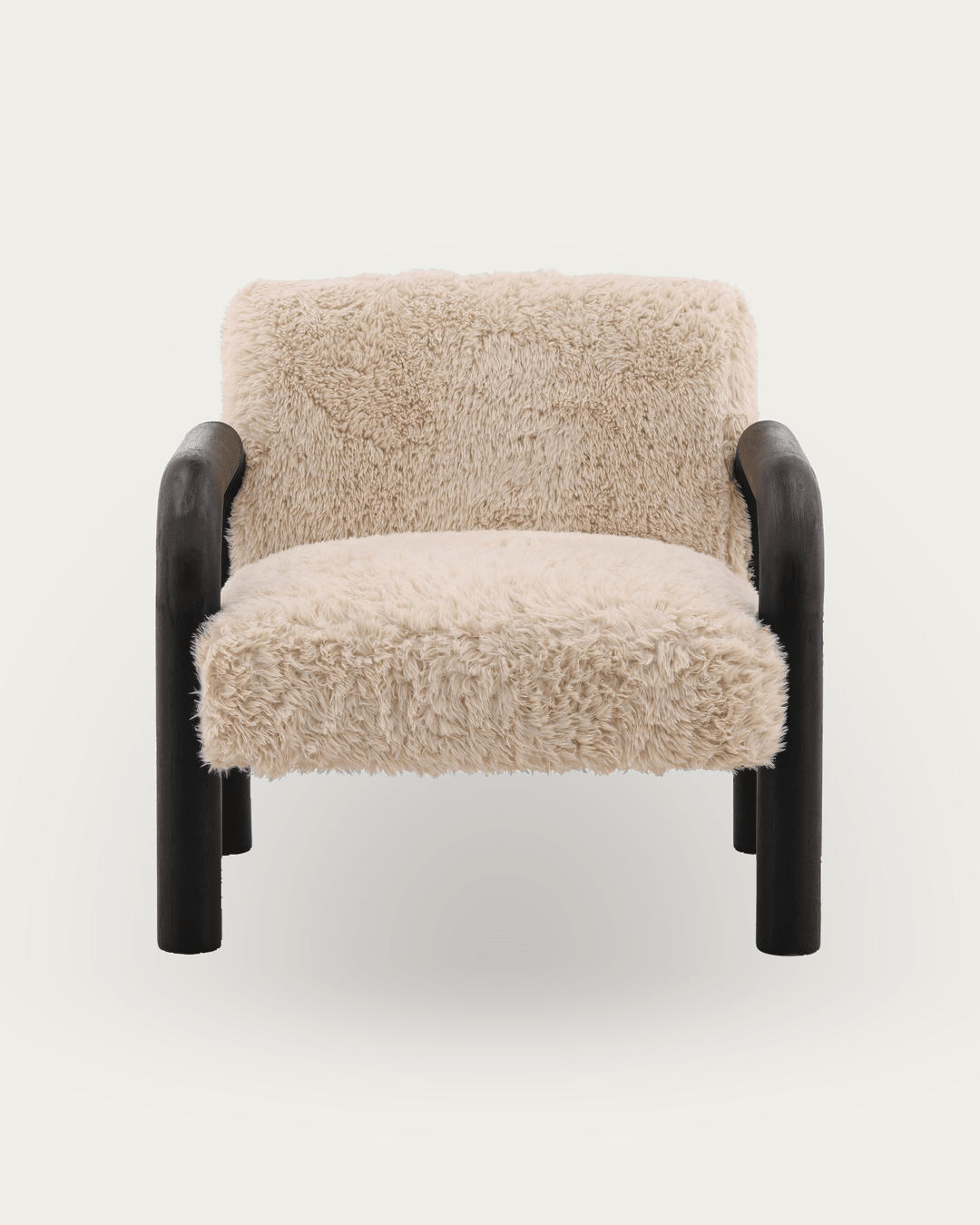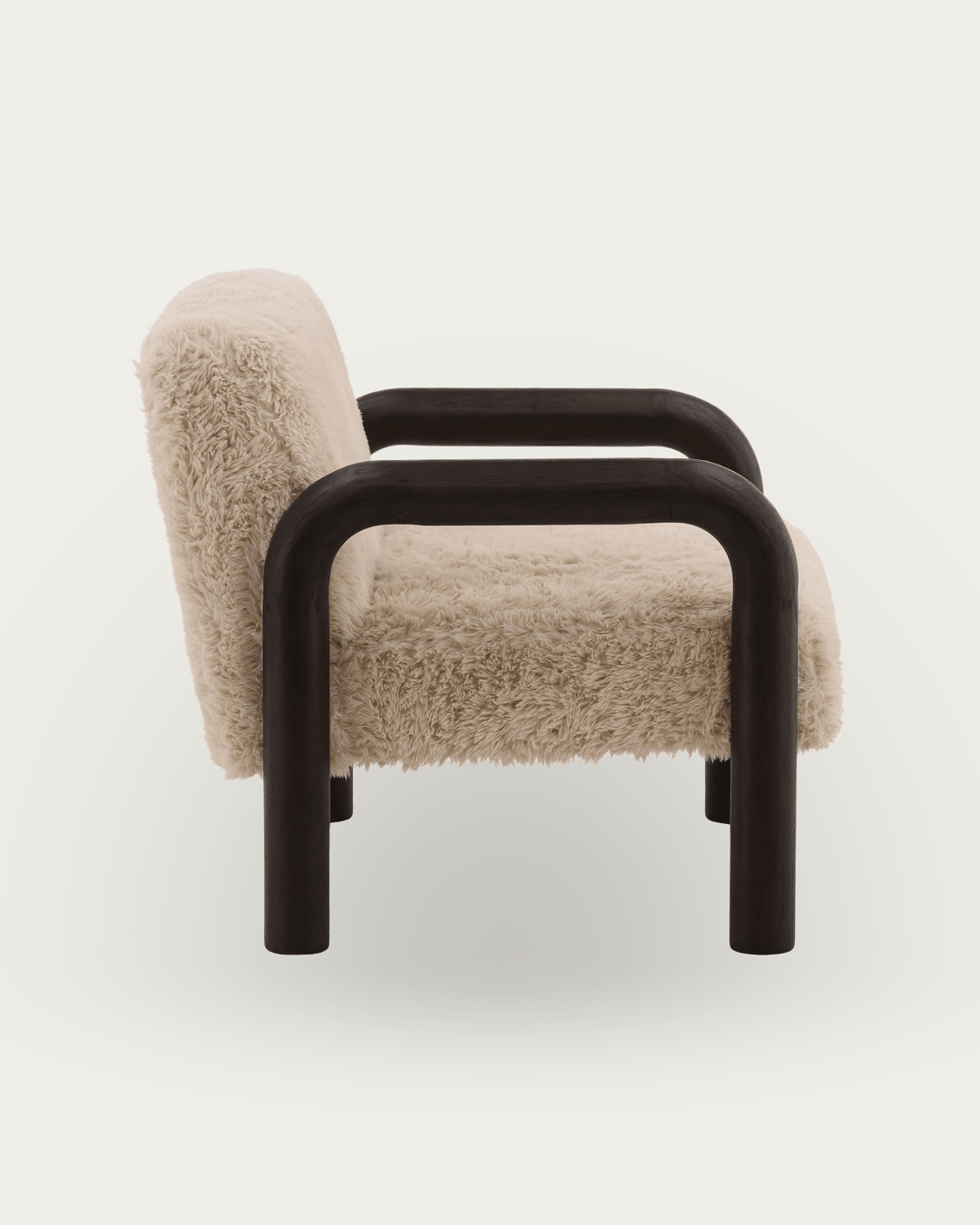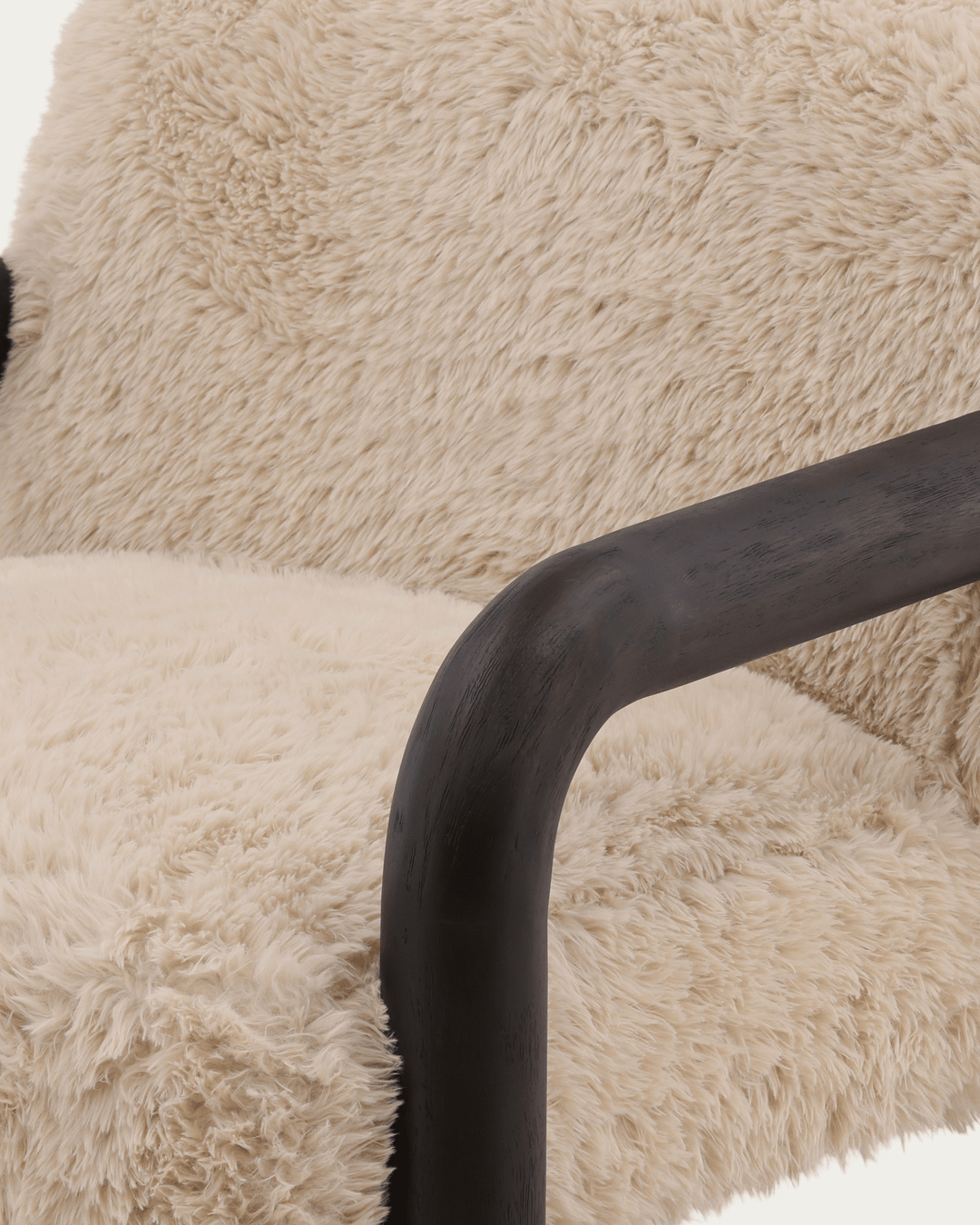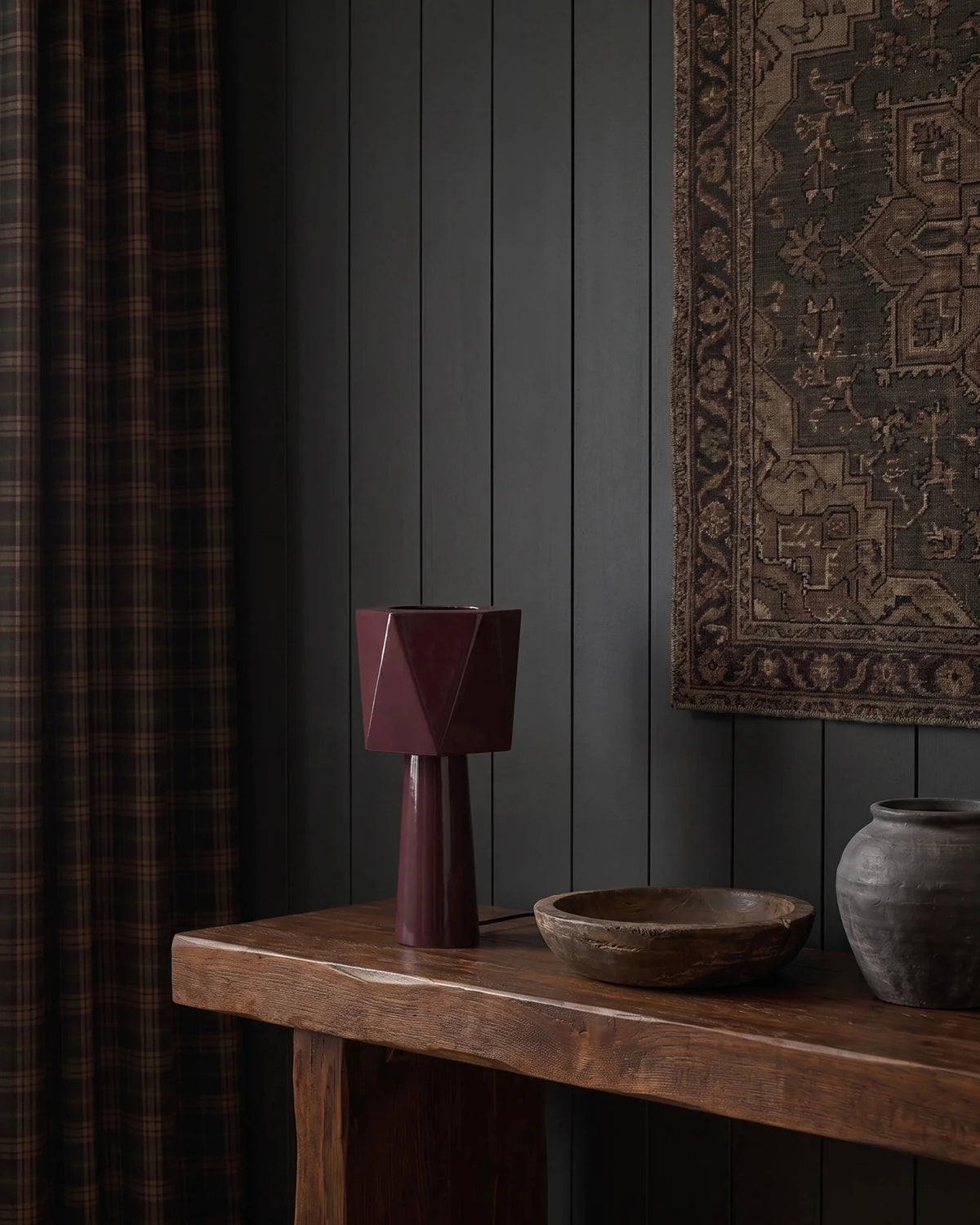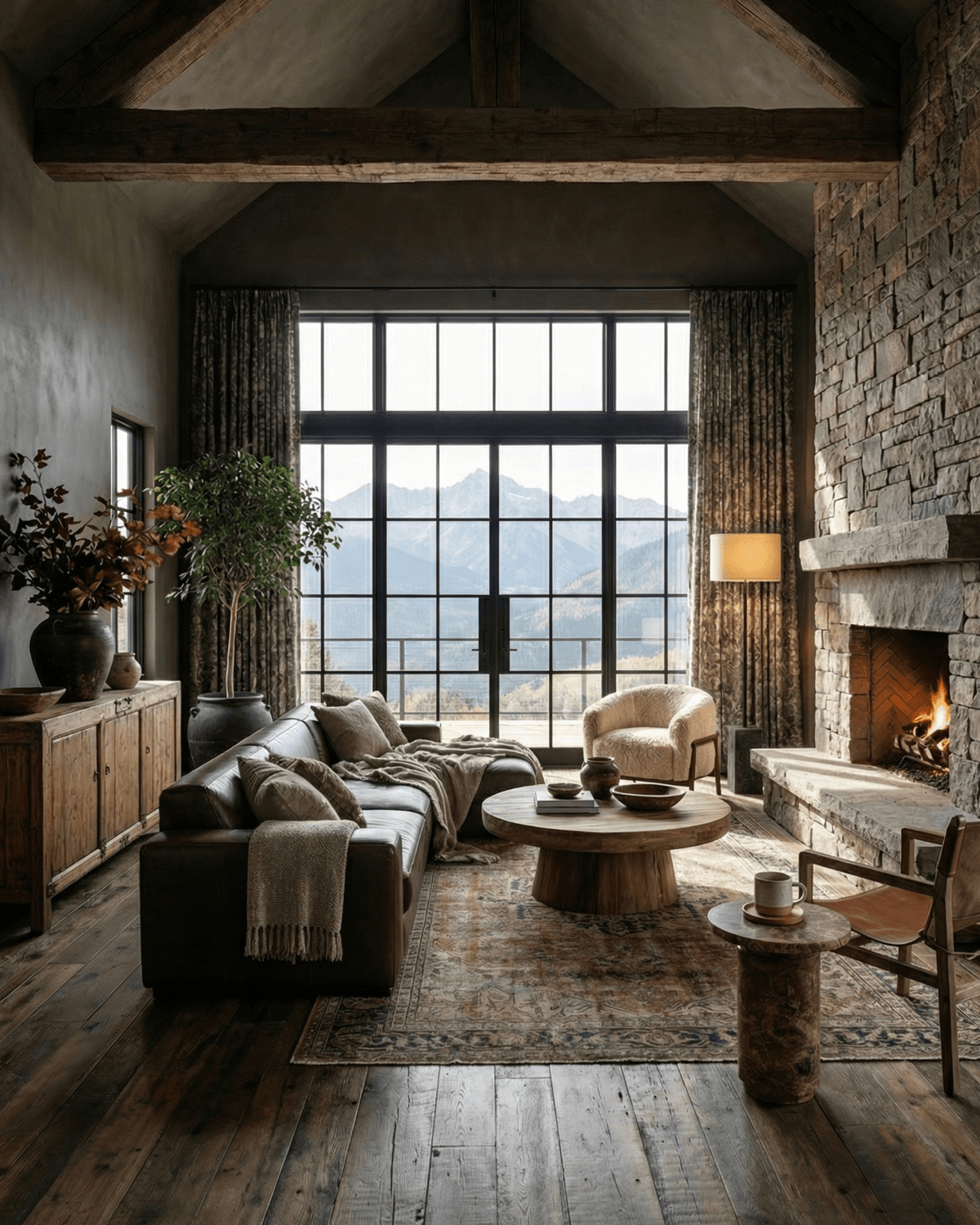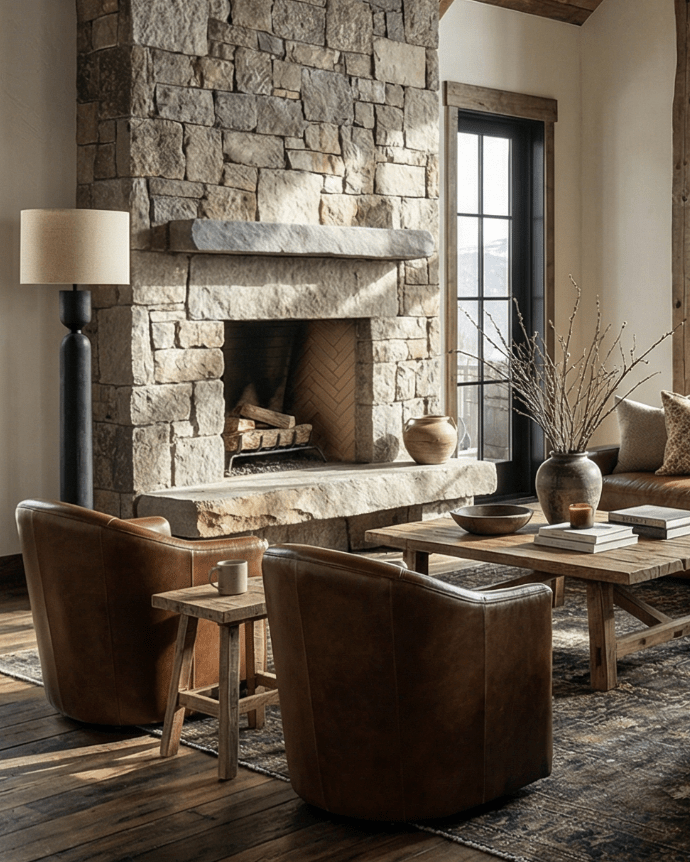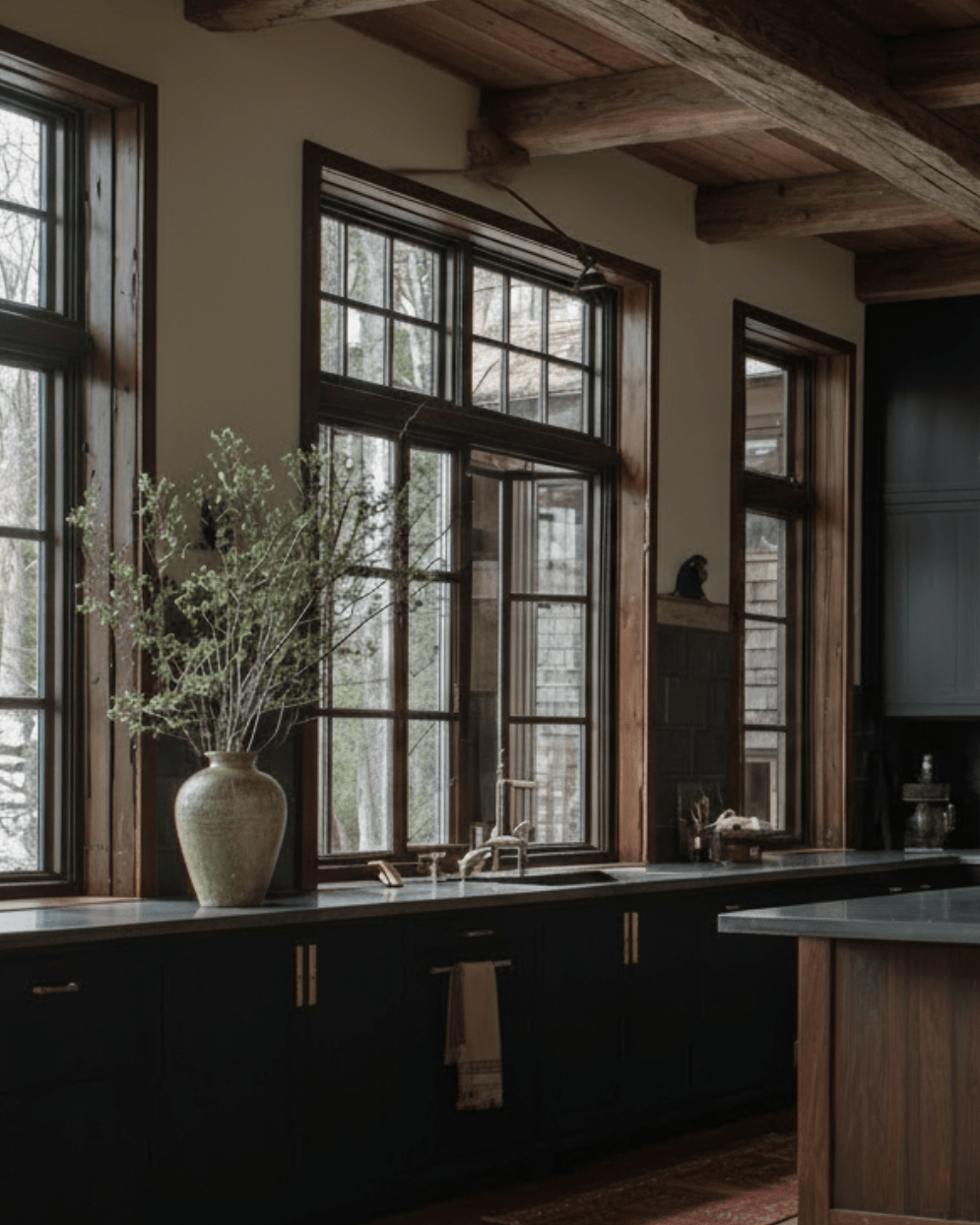







There’s a strange point in decorating where adding more decor somehow makes a room feel worse.
The shelves are full. The surfaces are styled. Every corner has something carefully placed inside it. Yet the room feels flatter, busier, and less interesting than before.
The problem usually isn't a lack of decor.
It's a lack of depth.
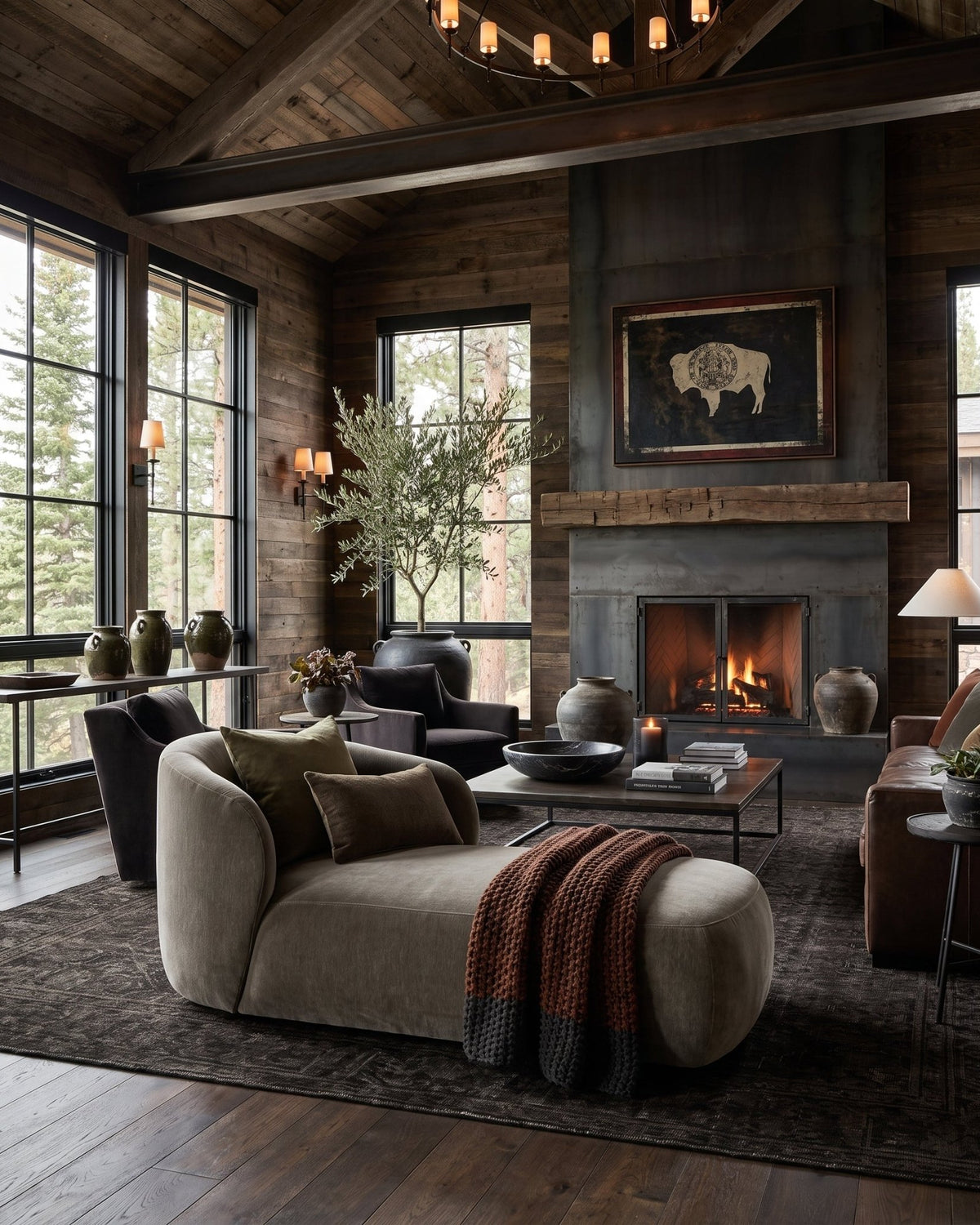
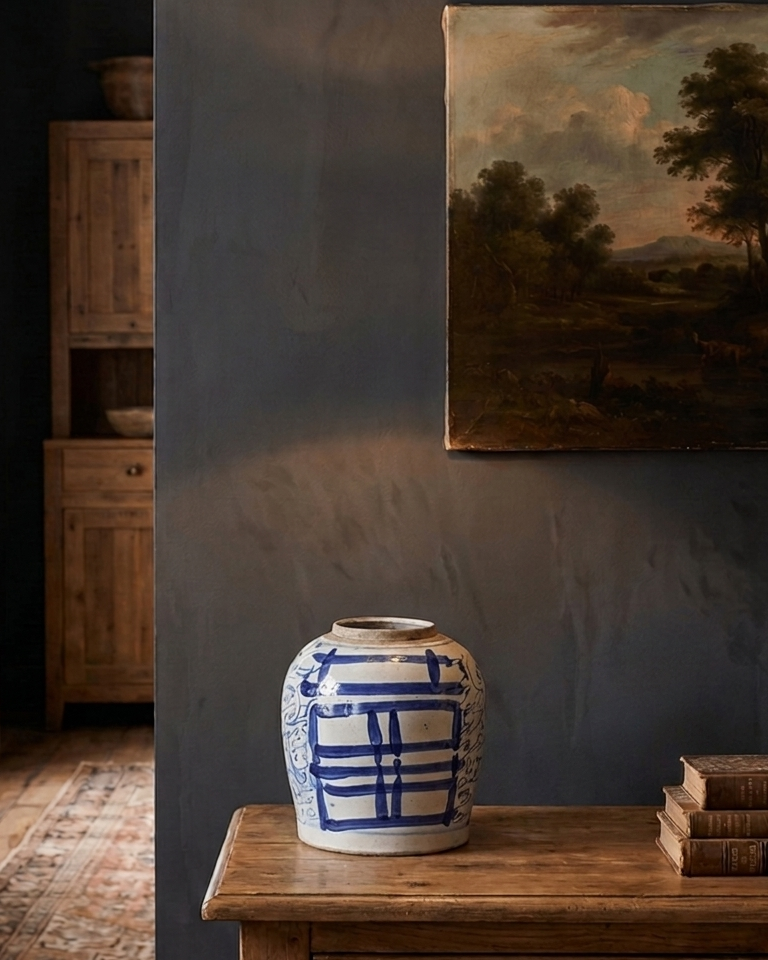
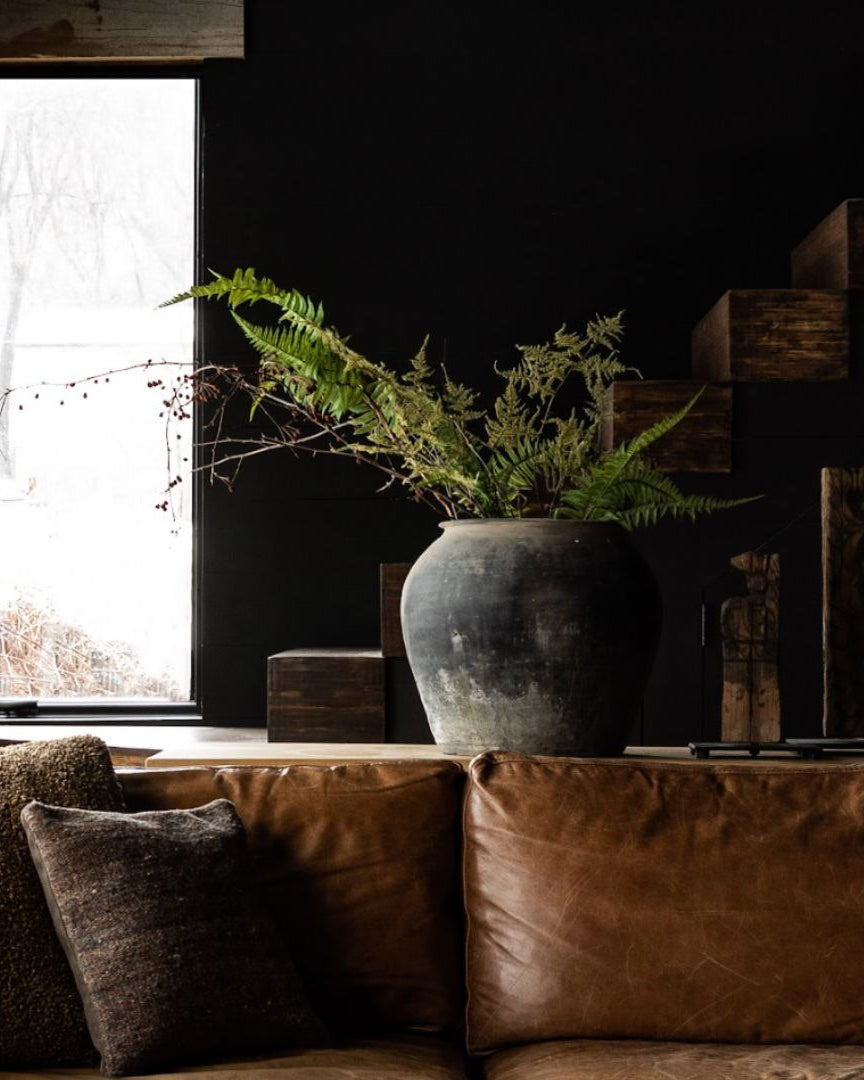
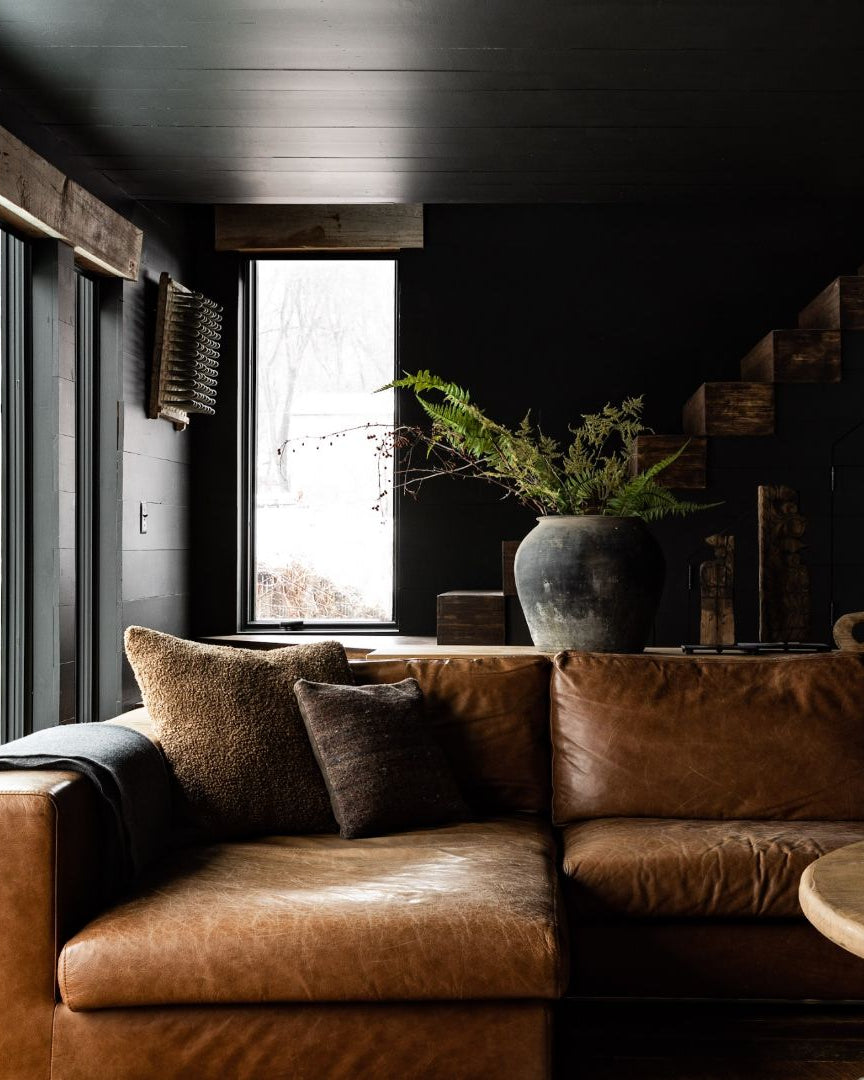
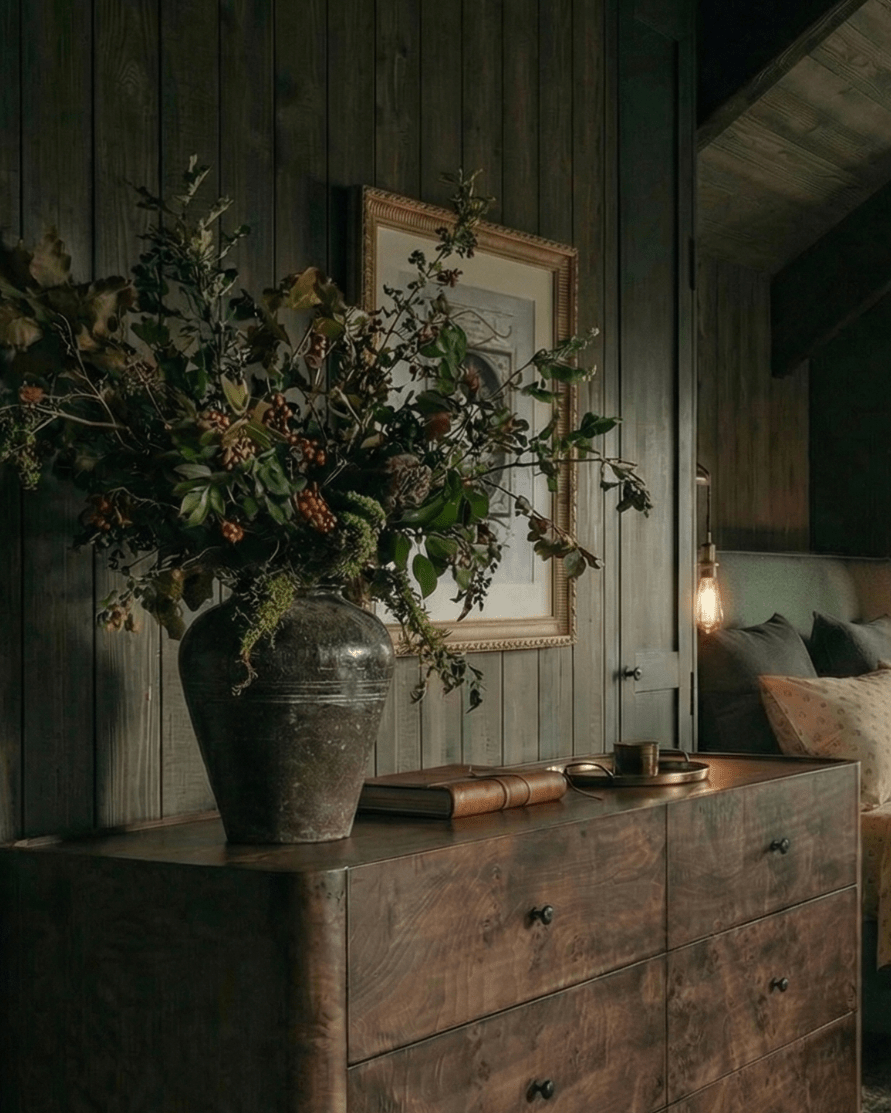
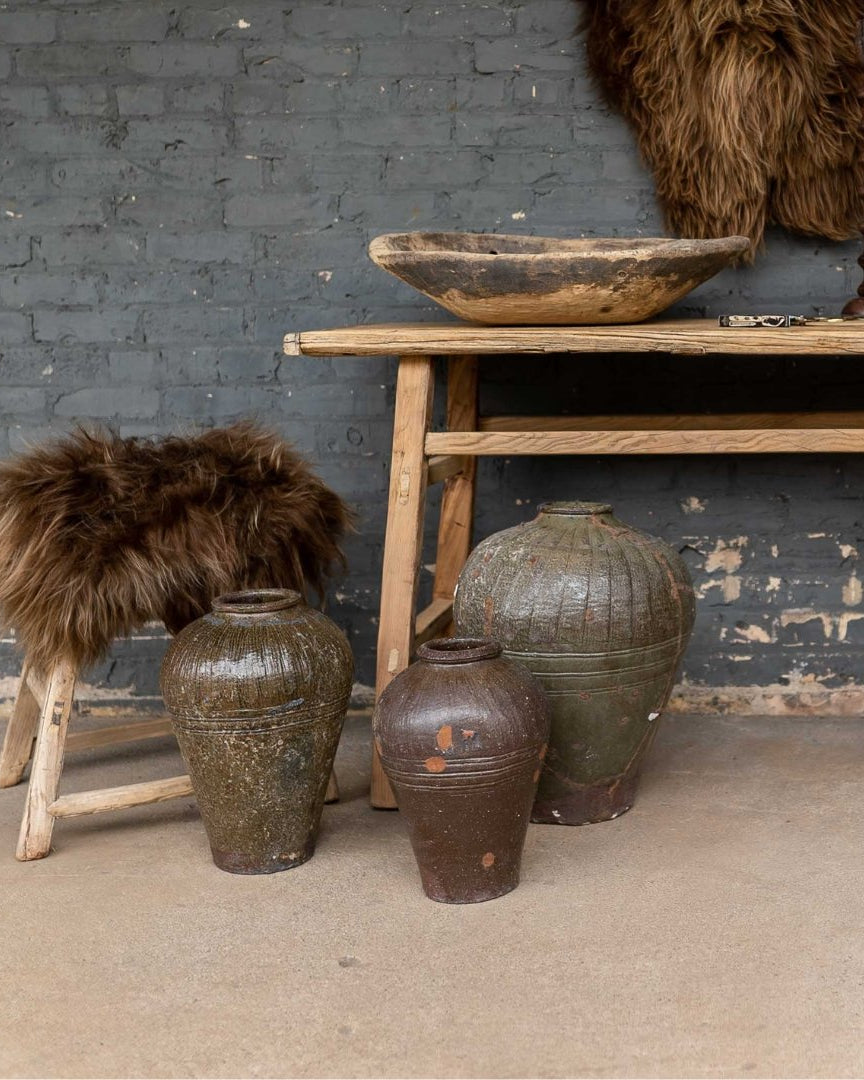
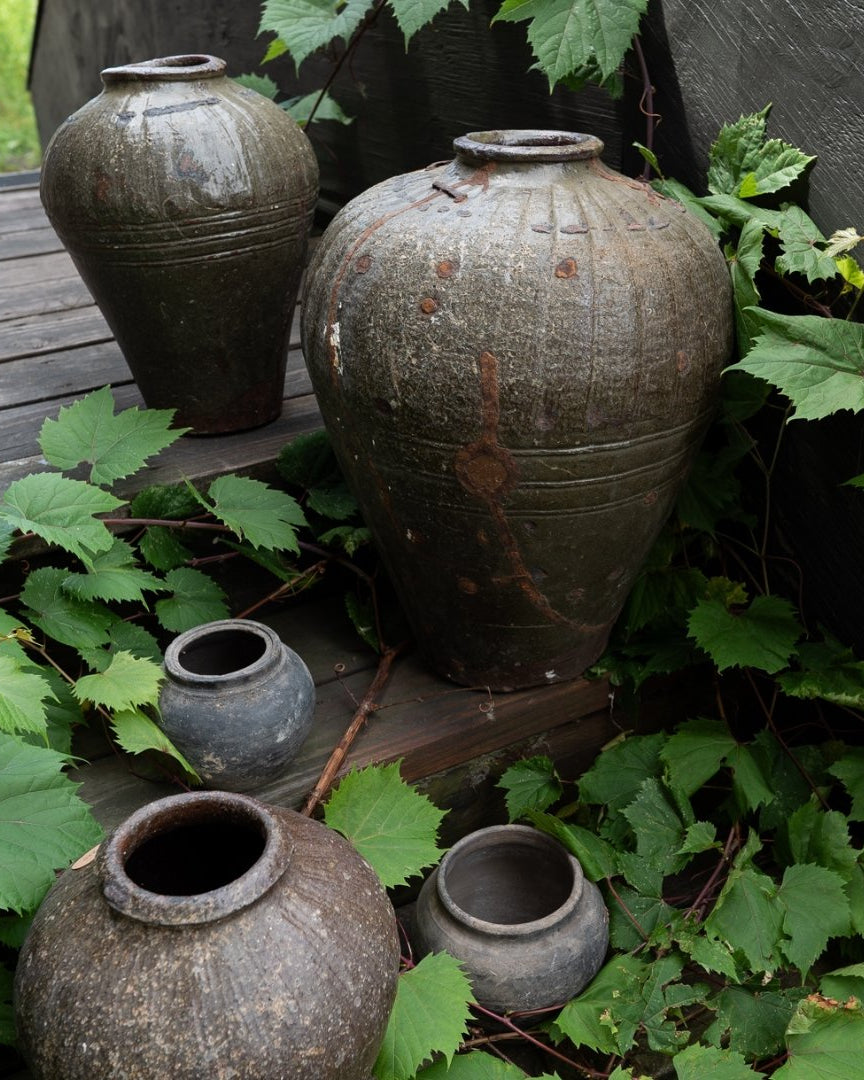
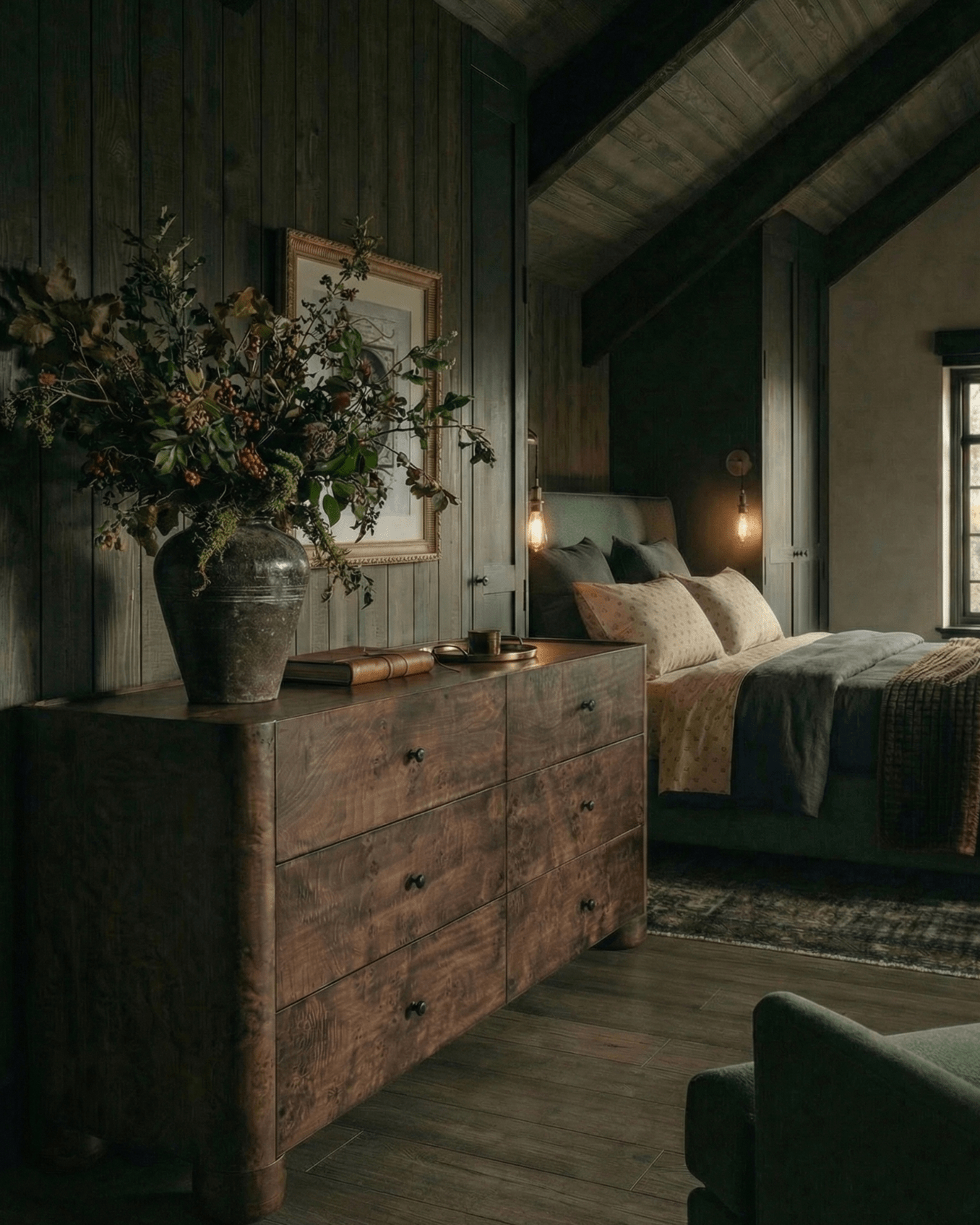
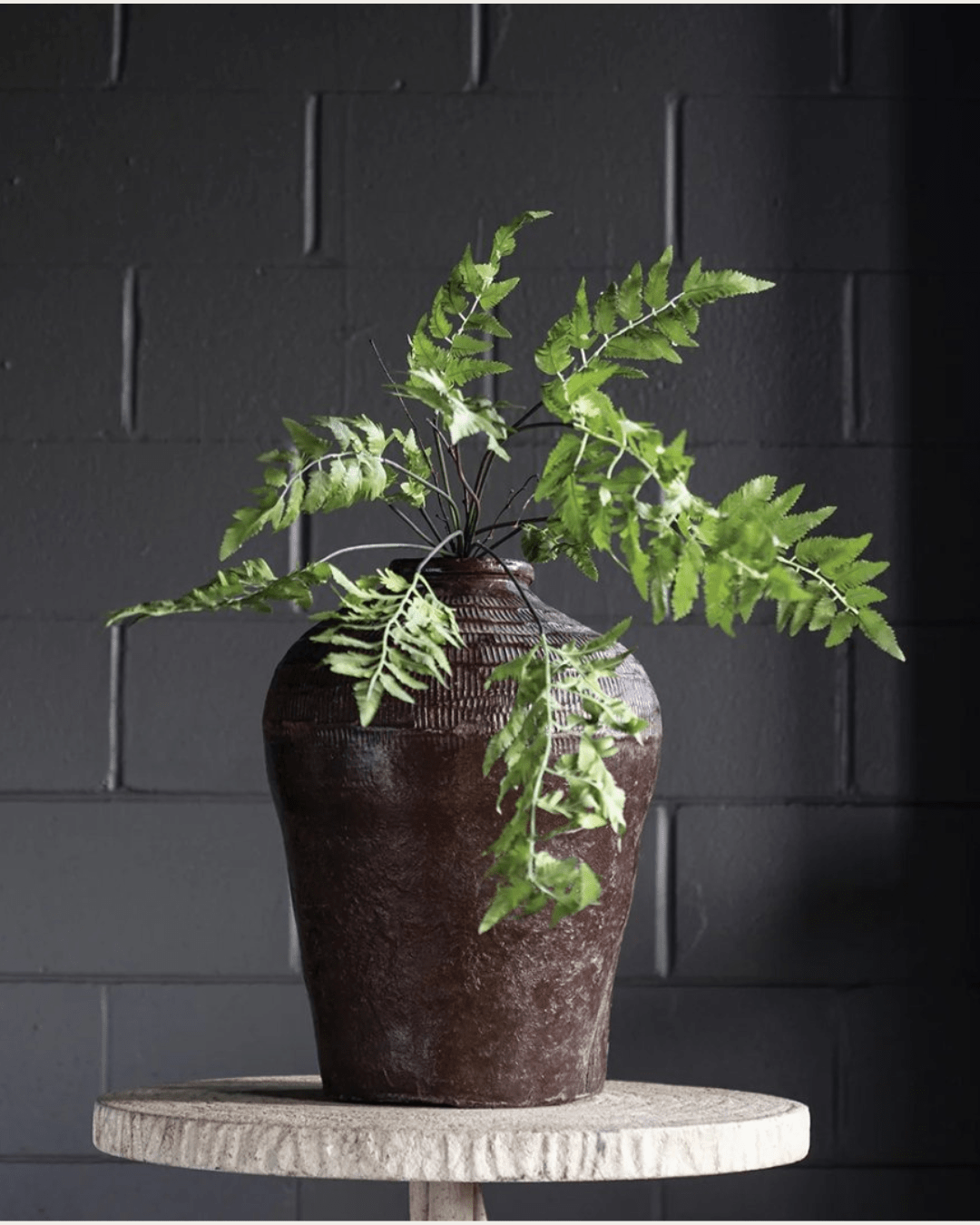
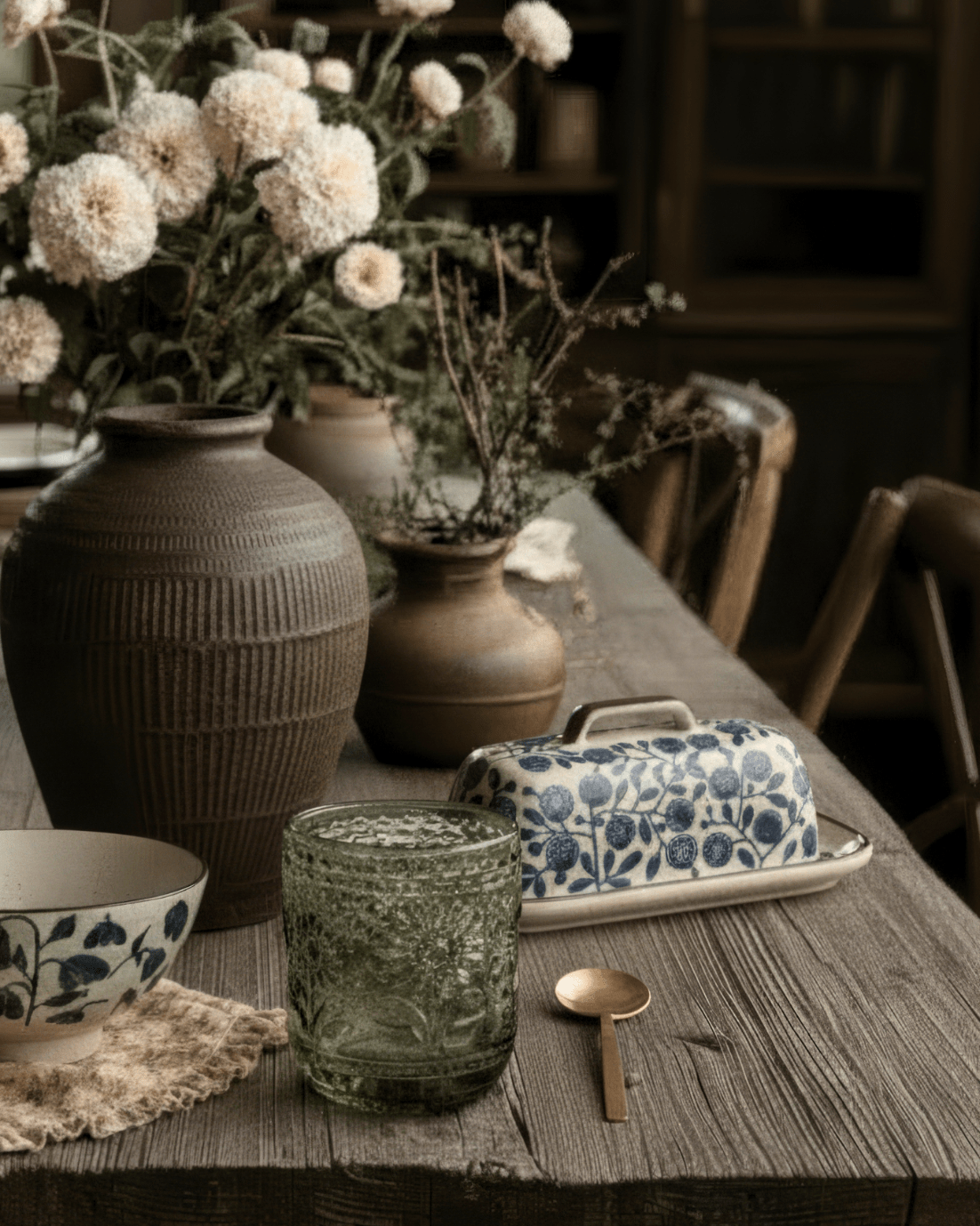
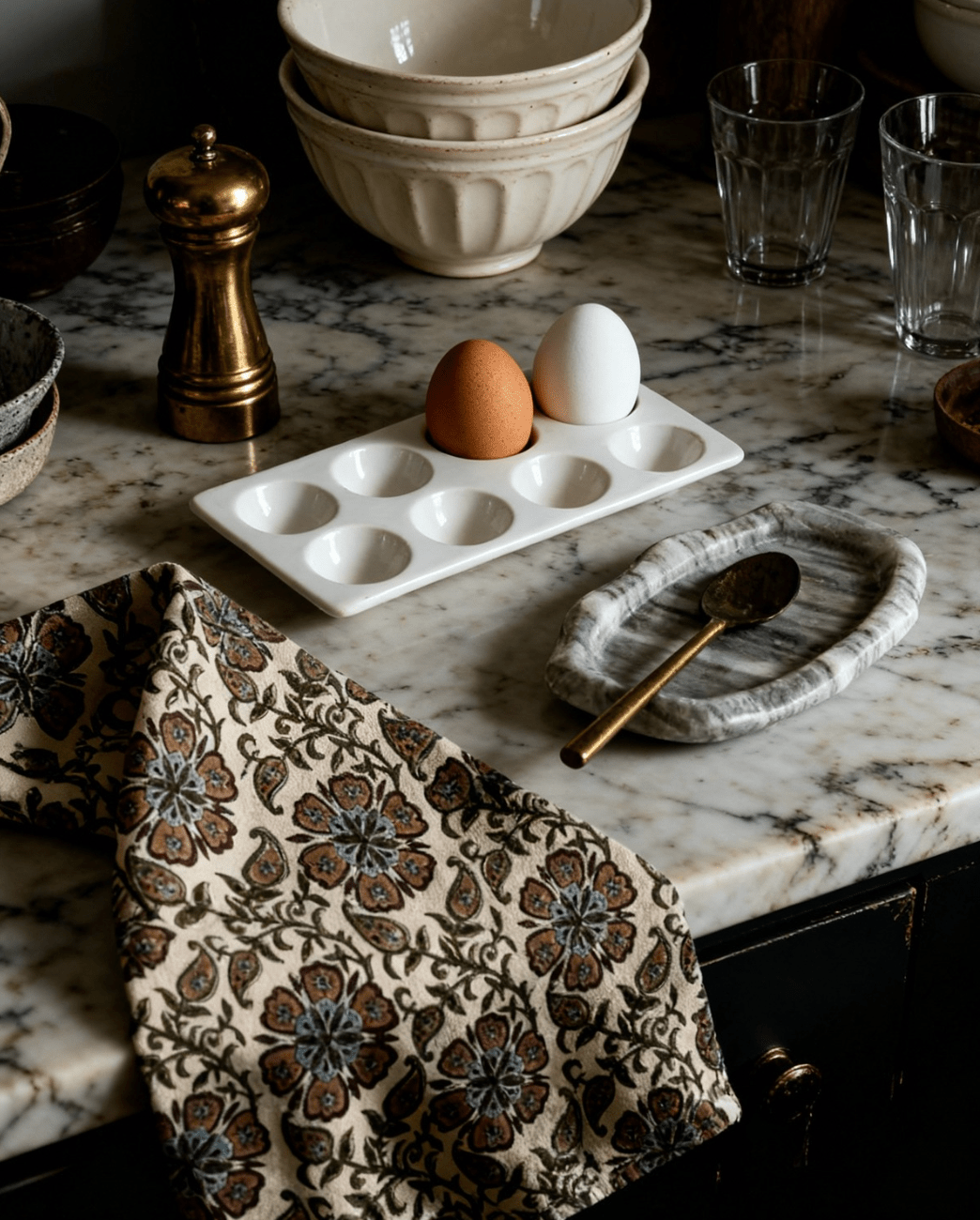
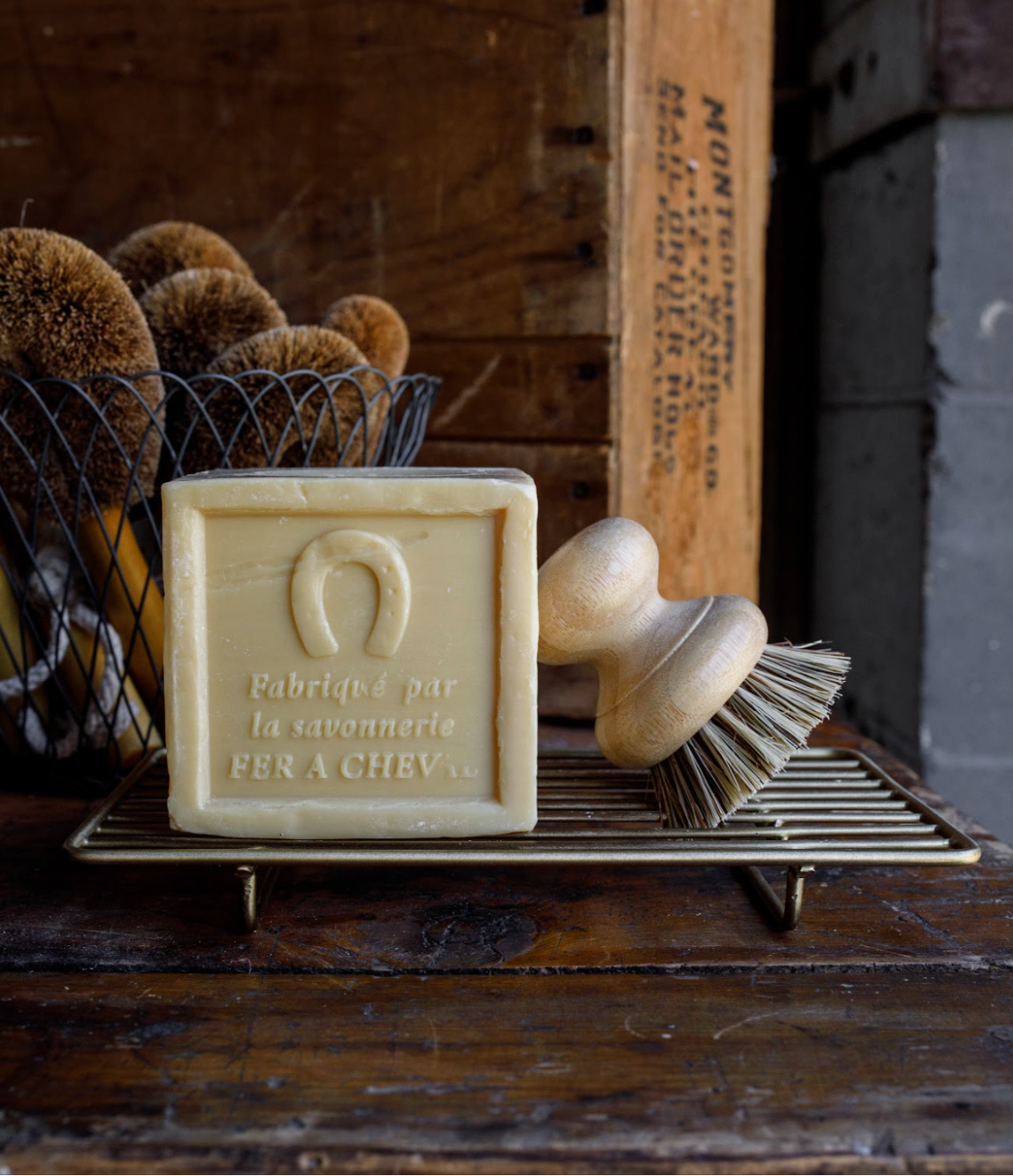
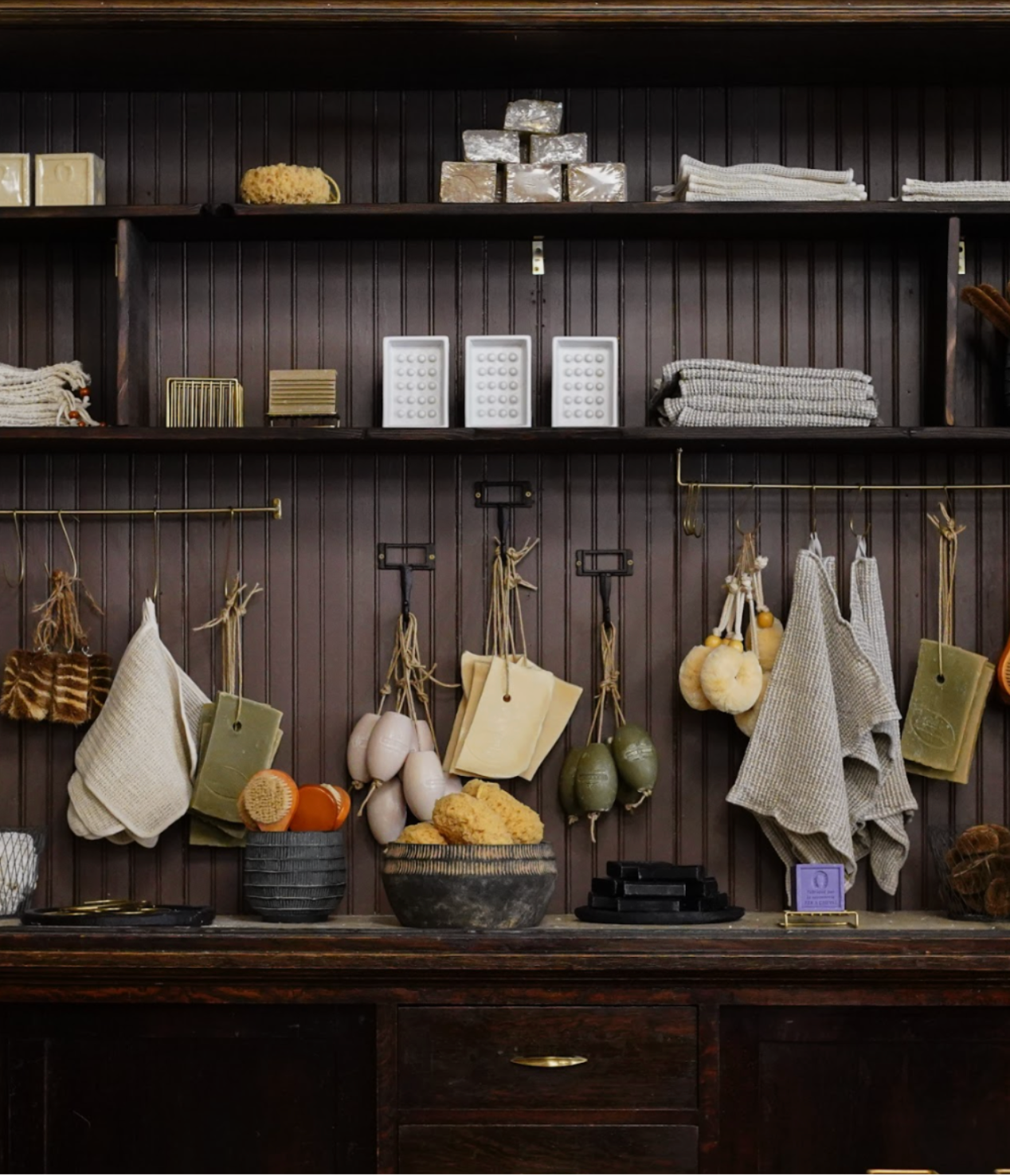
One of the reasons vintage home decor has become so appealing in modern interiors is because it creates visual richness without requiring more objects. A single weathered bowl, worn wooden board, or aged vessel often contributes more character than an entire collection of new accessories. Vintage pieces bring texture, variation, and material history into a room, allowing spaces to feel layered without becoming cluttered.
If you're looking to create a home that feels collected rather than crowded, exploring Hello Norden's vintage decor collection is a useful place to start. Sometimes the secret to a more interesting room is actually owning fewer things with more substance.
Why Modern Rooms Often Feel Flat
Many contemporary interiors are built around clean lines and simplified palettes.
That's not necessarily a bad thing.
The challenge appears when every object inside the room shares the same visual language.
Smooth surfaces.
Perfect finishes.
Identical textures.
Uniform materials.
The nervous system enjoys order, but it also craves variation. When everything feels too consistent, rooms can become visually predictable. The eye stops engaging because there's very little texture or material complexity to explore.
Vintage decor solves this naturally.
Instead of adding more objects, it introduces more information into the objects already present.
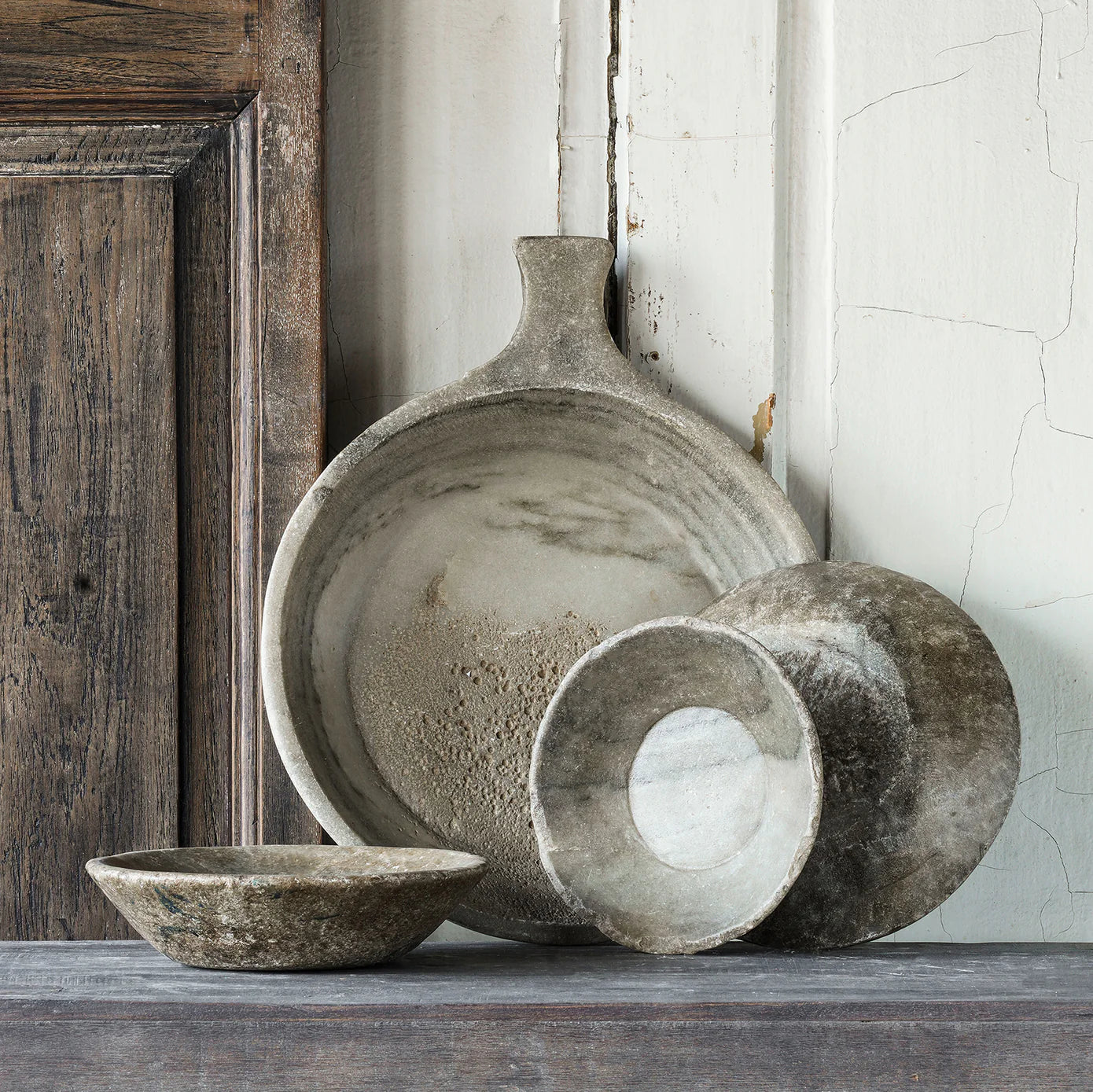
The Vintage shallow wood bowls create depth through grain variation and wear patterns, while the Vintage marble shallow bowl adds movement through natural stone veining.
Neither piece feels visually loud.
Yet both contribute significantly to the atmosphere of a room.
The Difference Between Detail and Clutter
Depth comes from variation.
Clutter comes from quantity.
The two are often confused.
Vintage pieces create the first without requiring the second.
Patina Does the Heavy Lifting
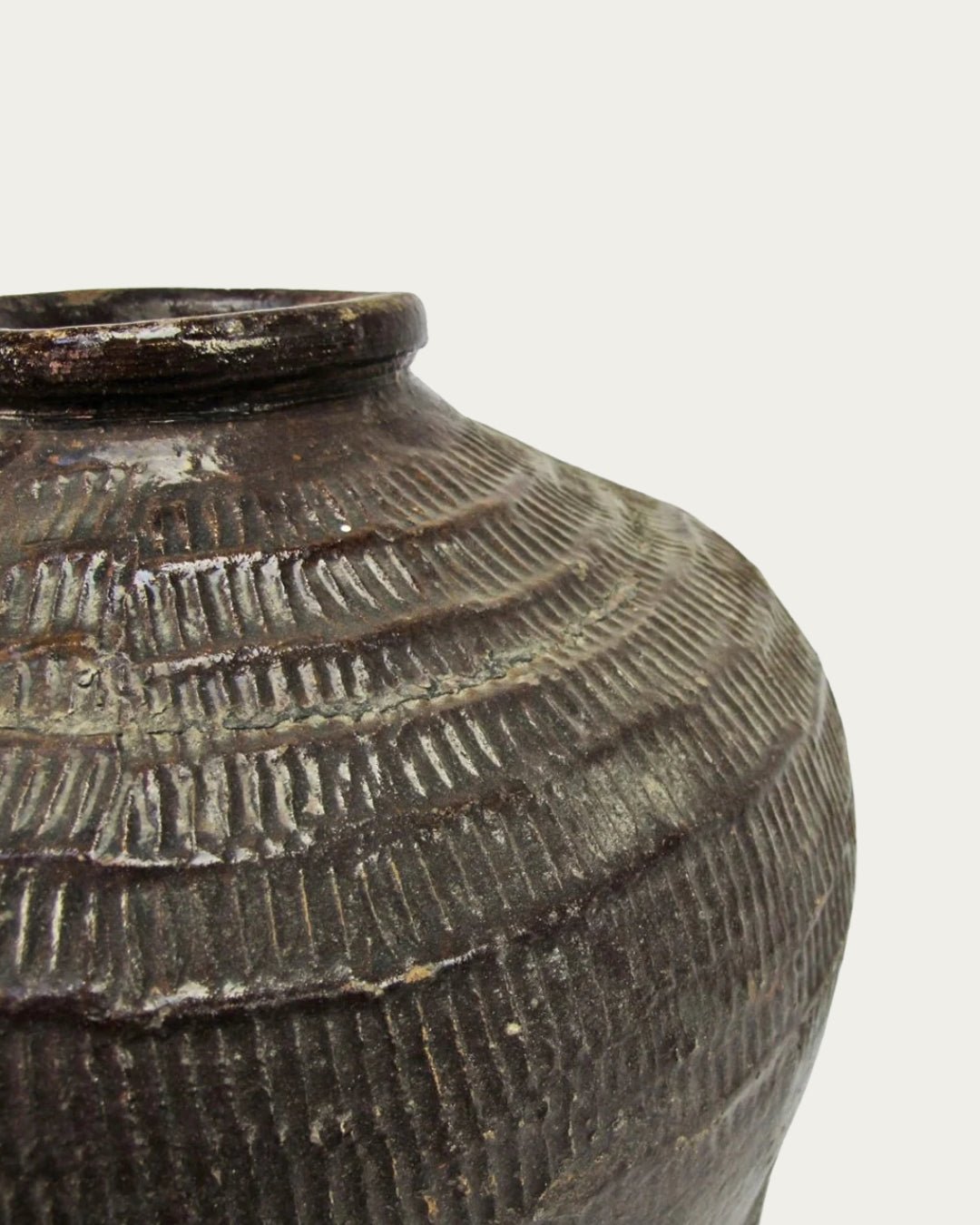
One reason vintage home decor feels more layered than newer accessories is because time has already done much of the design work.
Patina creates visual complexity naturally.
A worn edge.
A faded surface.
A slightly irregular shape.
These details create interest without demanding attention.
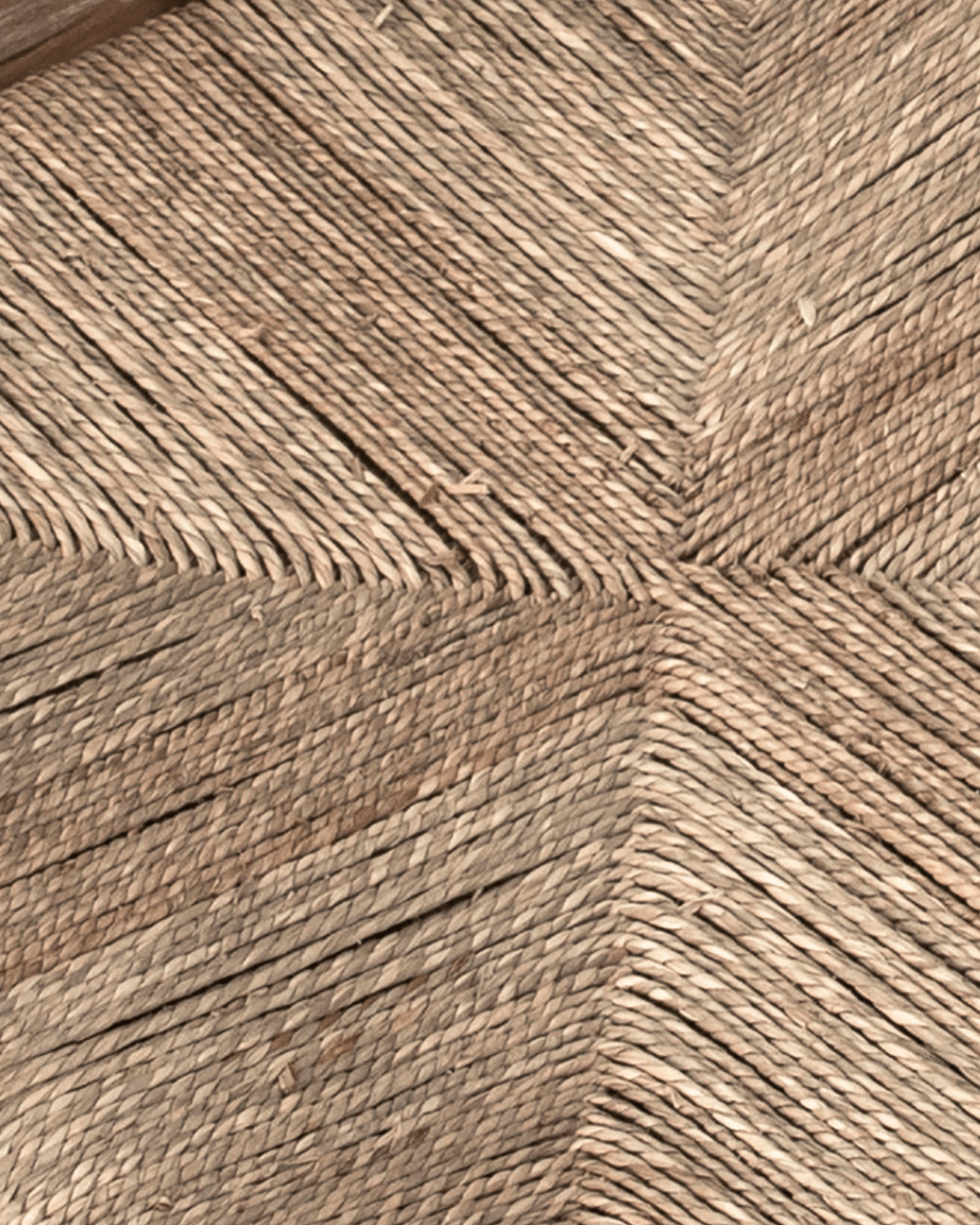
The brain responds positively to these imperfections because they mimic the irregularity found throughout nature. Unlike manufactured perfection, patina feels authentic and easy to process.
The Primitive rice measurer small carries subtle signs of use that make it visually engaging from every angle. Similarly, the Katia vintage chapati board introduces texture and age that immediately create a sense of depth on shelves, consoles, or coffee tables.
Why Perfect Objects Can Feel Boring
Perfection leaves little for the eye to discover.
Patina invites curiosity.
That's often why older objects continue revealing new details over time.
Vintage Decor Creates Layers Through Material
Most people try to layer a room by adding more accessories.
A more effective approach is layering materials.
Stone.
Wood.
Clay.
Metal.
These materials naturally introduce visual depth because each reacts differently to light, shadow, and use.
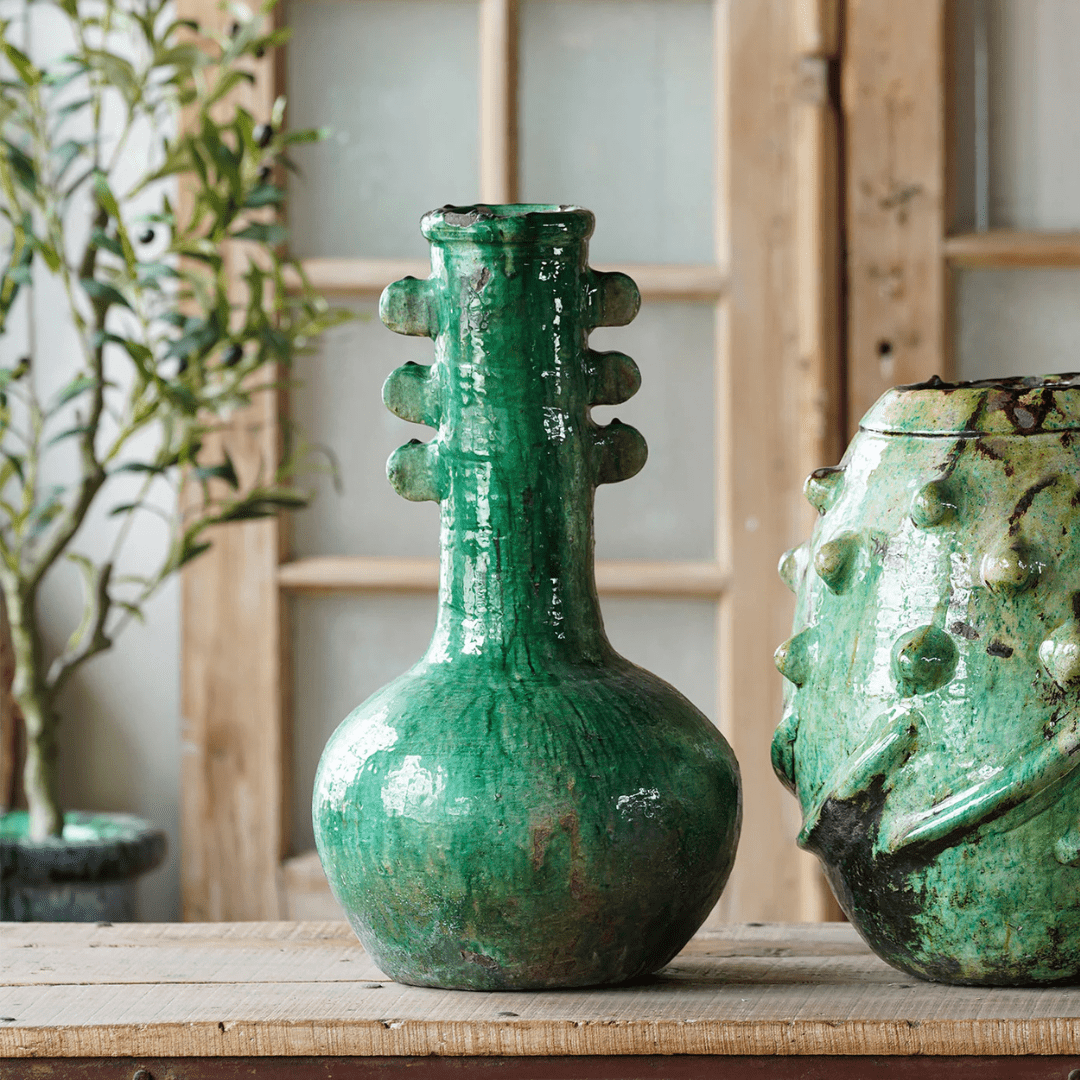
The Tamegroute green bowl brings variation through its handmade glazing, while the Tamegroute compote green bowl creates additional dimensionality through shape and texture.
The result isn't more clutter.
It's more rich.
The Eye Enjoys Material Contrast
When different materials coexist within a room, the eye naturally moves between them.
This creates visual rhythm without requiring additional decorative objects.
The room feels layered because the materials are doing the work.
Larger Vintage Pieces Create Depth Across an Entire Room
Small objects create detail.
Larger pieces create structure.
One of the most effective ways to add depth without adding clutter is introducing a vintage piece that carries visual weight on its own.
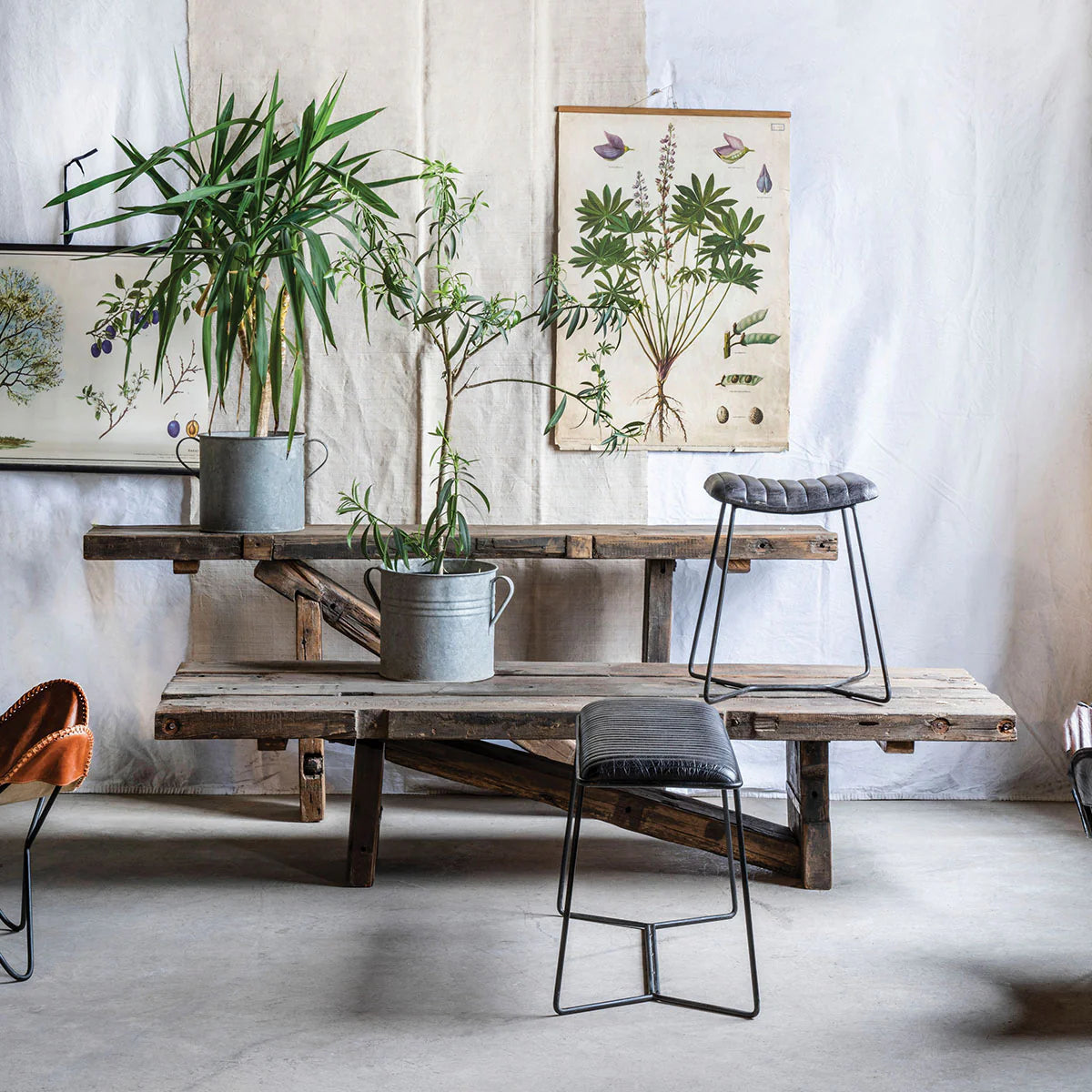
The Edna chapati mirror adds texture, reflection, and material variation simultaneously. Likewise, the Leeben vintage round zinc tray creates visual interest through scale and patina rather than decorative complexity.
These objects influence the entire room rather than occupying a small decorative moment.
Depth Happens at Multiple Scales
A well-layered room contains both close-up detail and larger visual anchors.
Vintage pieces often excel at providing both.
RUTED Tip: If a shelf feels boring, don't automatically add another object. Try replacing one newer accessory with something older. One vintage piece with texture and history usually contributes more depth than three perfectly coordinated decorations sitting beside each other.

The Nervous System Likes Objects That Feel Real
There's an interesting reason vintage decor resonates so strongly today.
Modern life contains a lot of digital perfection.
Screens.
Filters.
Algorithms.
Highly curated images.
Vintage objects feel refreshingly human by comparison.
The Fern stone biscuit mold plate carries subtle irregularities that make it feel approachable rather than manufactured. The Gretel stone village plate does something similar through natural texture and material variation.
These pieces remind us that not everything needs to be flawless to feel beautiful.
Authenticity Reduces Visual Fatigue
The brain works harder when environments feel artificial.
Natural materials and visible imperfections often feel easier to process because they align more closely with the environments humans evolved within.
Architectural Vintage Pieces Create Instant Character
Some vintage objects function almost like architecture.
They shape the room rather than simply decorate it.
The Vintage moorish door on stand creates a focal point through craftsmanship and scale, while the Mathias doors introduce visual depth that immediately changes how a room feels.
These pieces don't need companions.
They already carry enough presence on their own.
Less Can Actually Feel Richer
One substantial vintage piece often creates more impact than multiple smaller accessories competing for attention.
This is why depth and clutter rarely come from the same place.
Why Vintage Decor Feels Collected Instead of Styled
Rooms that feel memorable usually share one thing in common.
They don't feel assembled all at once.
They feel collected.
Vintage pieces naturally support this feeling because they introduce variation, history, and material honesty. They don't look like they arrived from the same shipment on the same day.
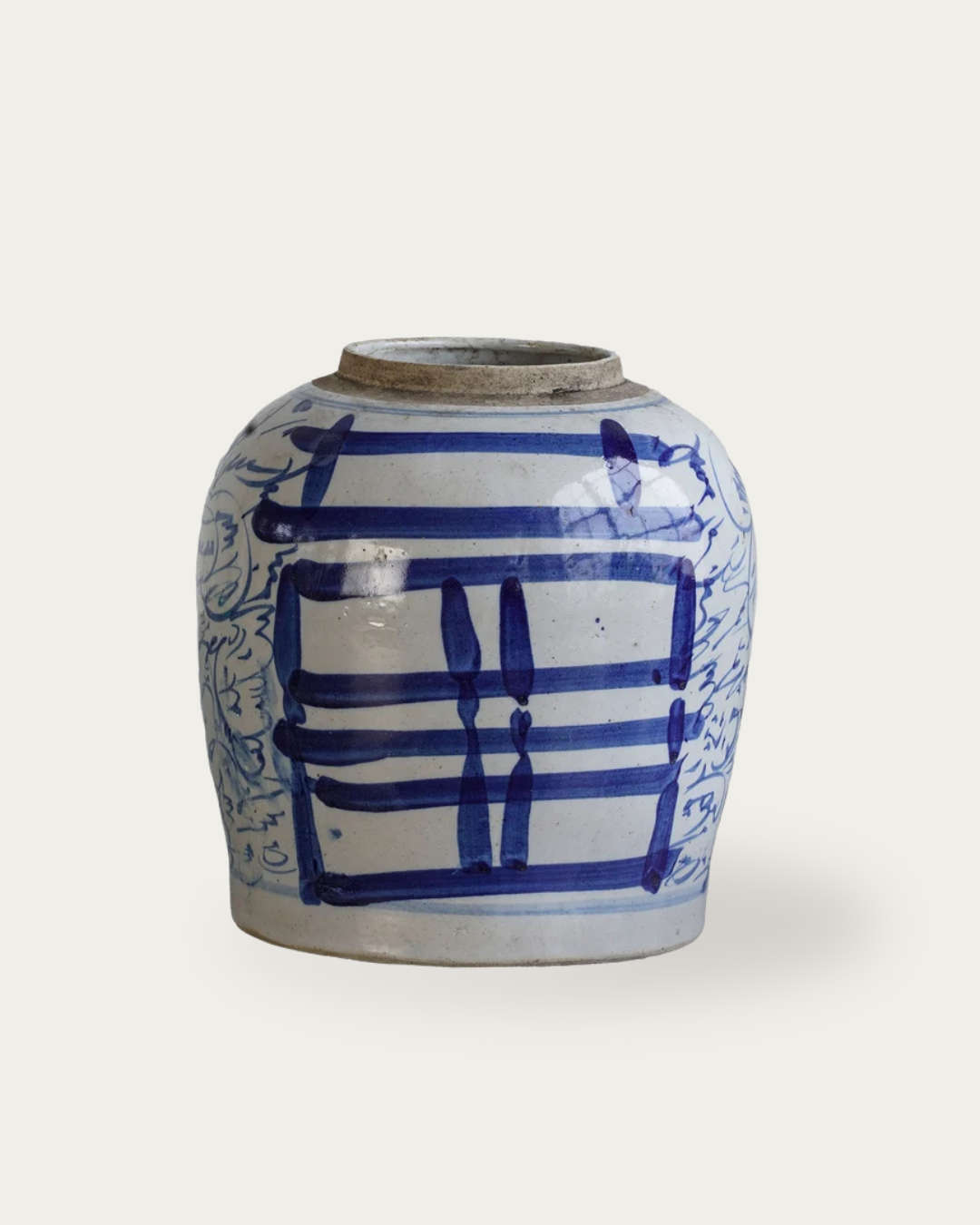
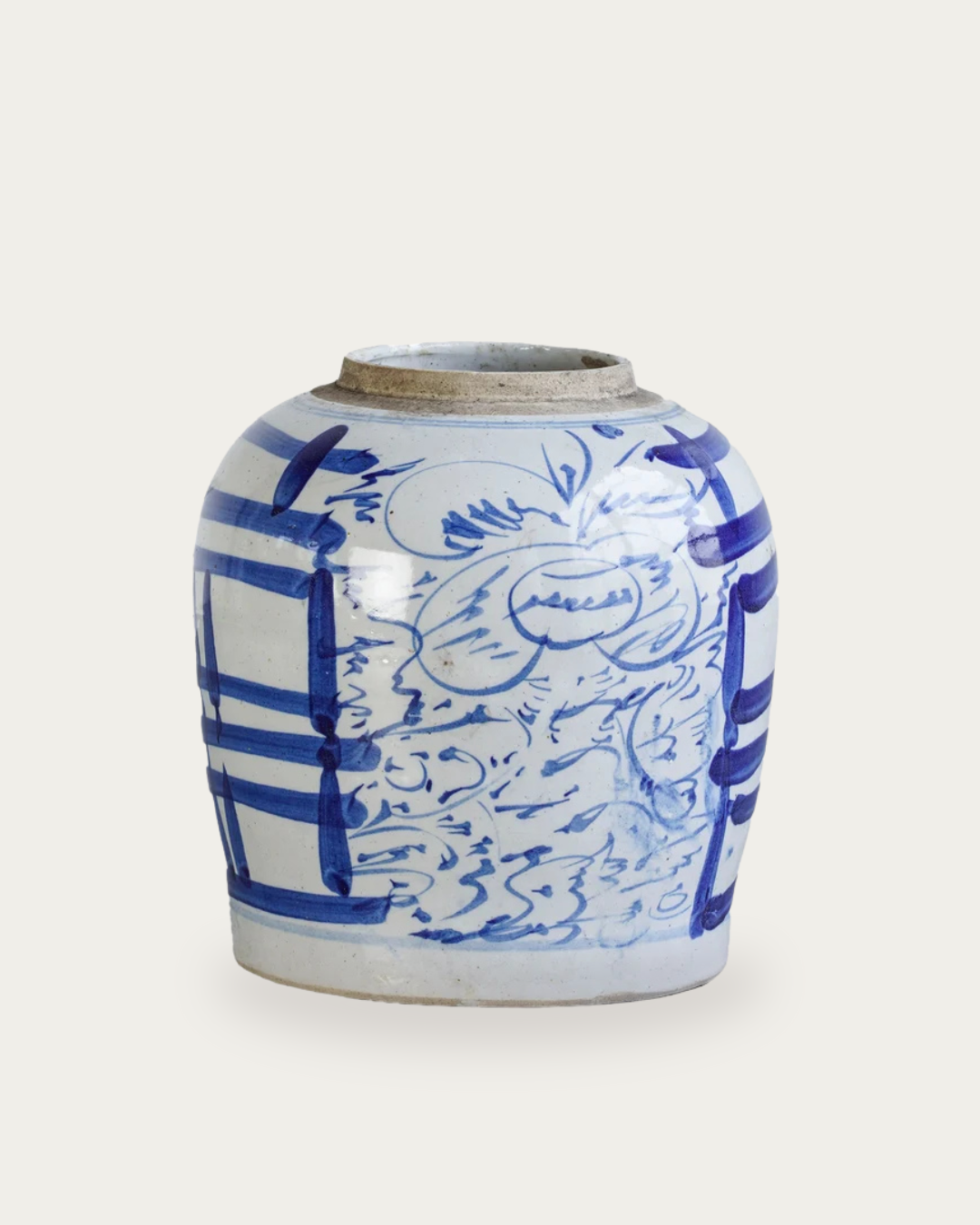
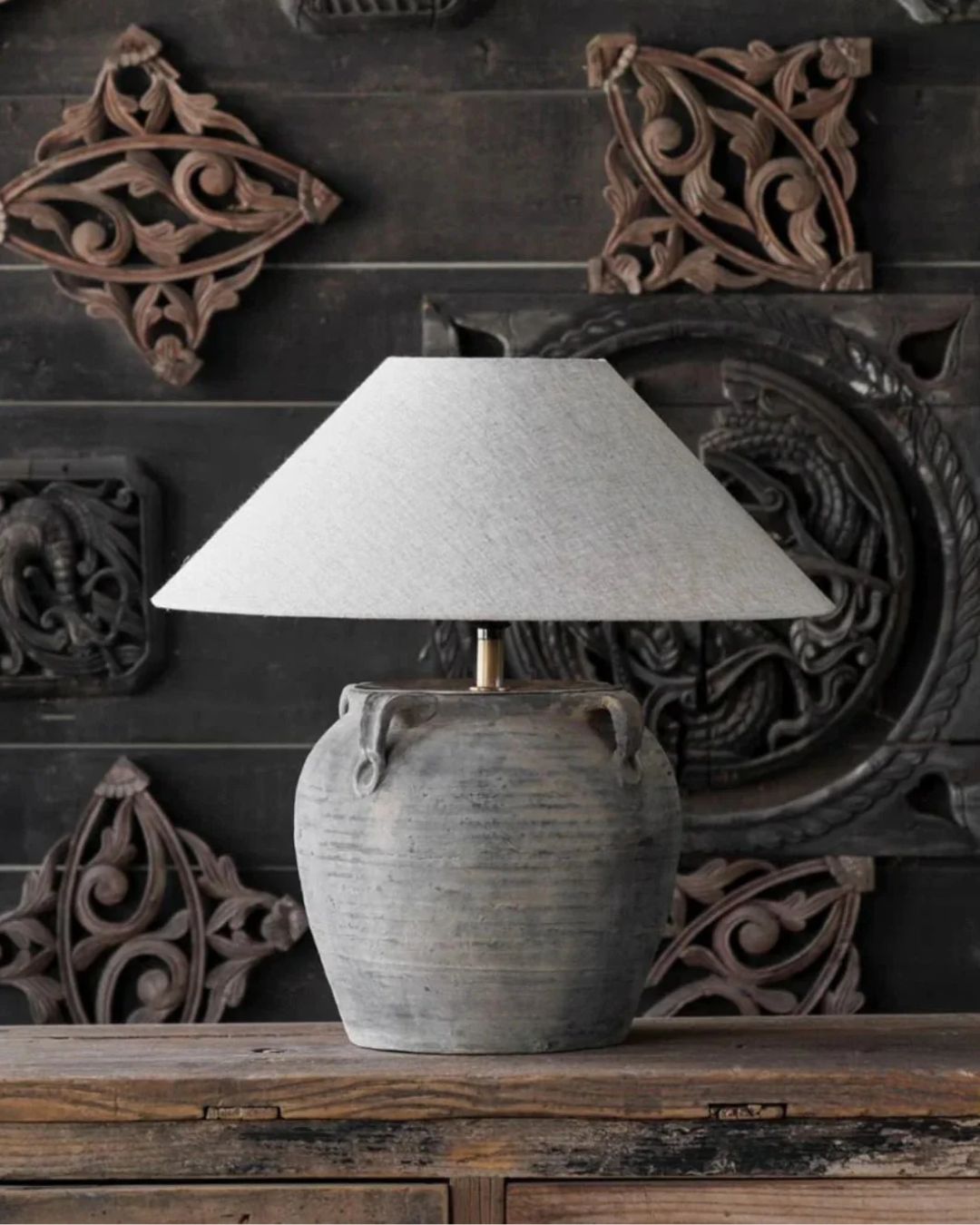
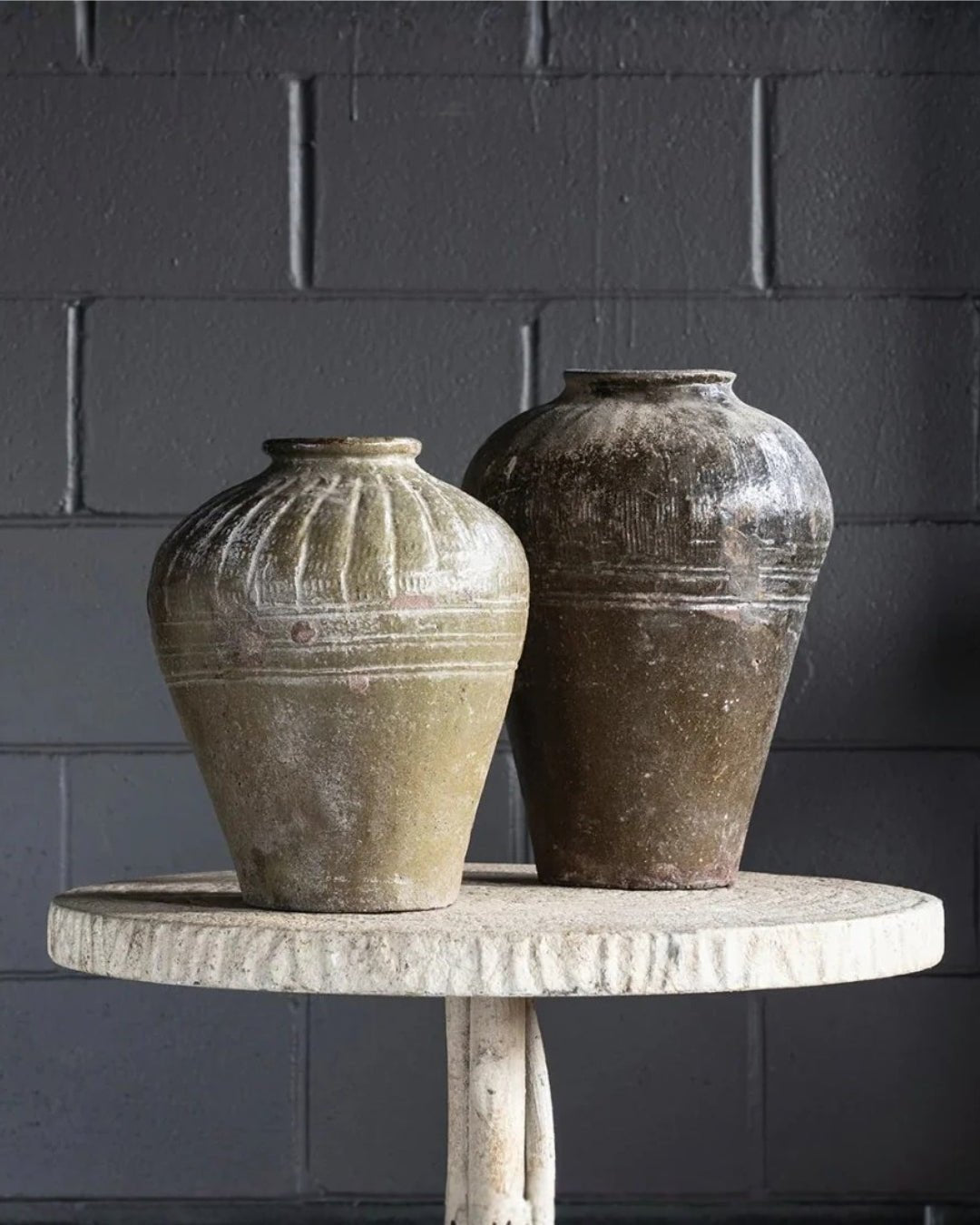
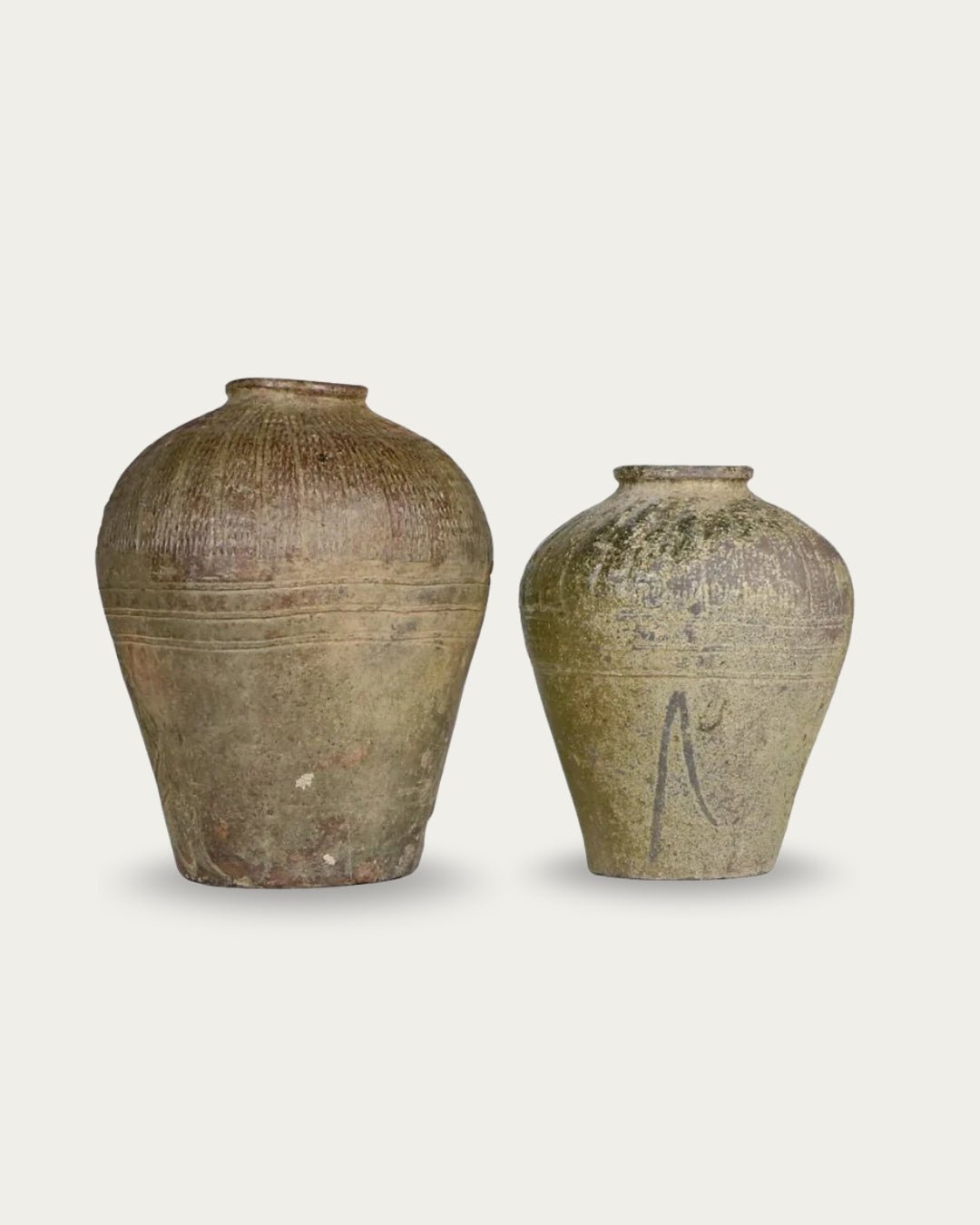
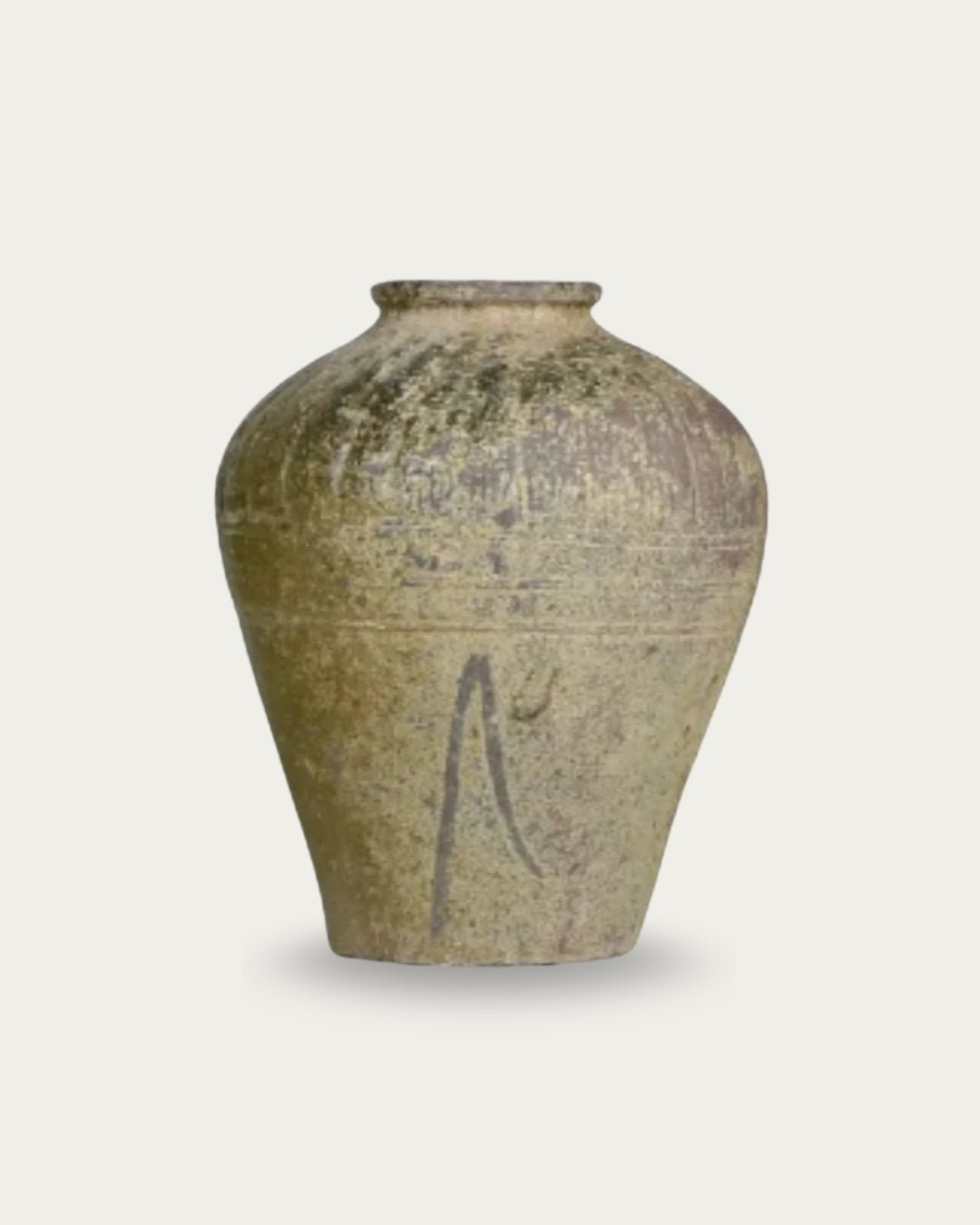
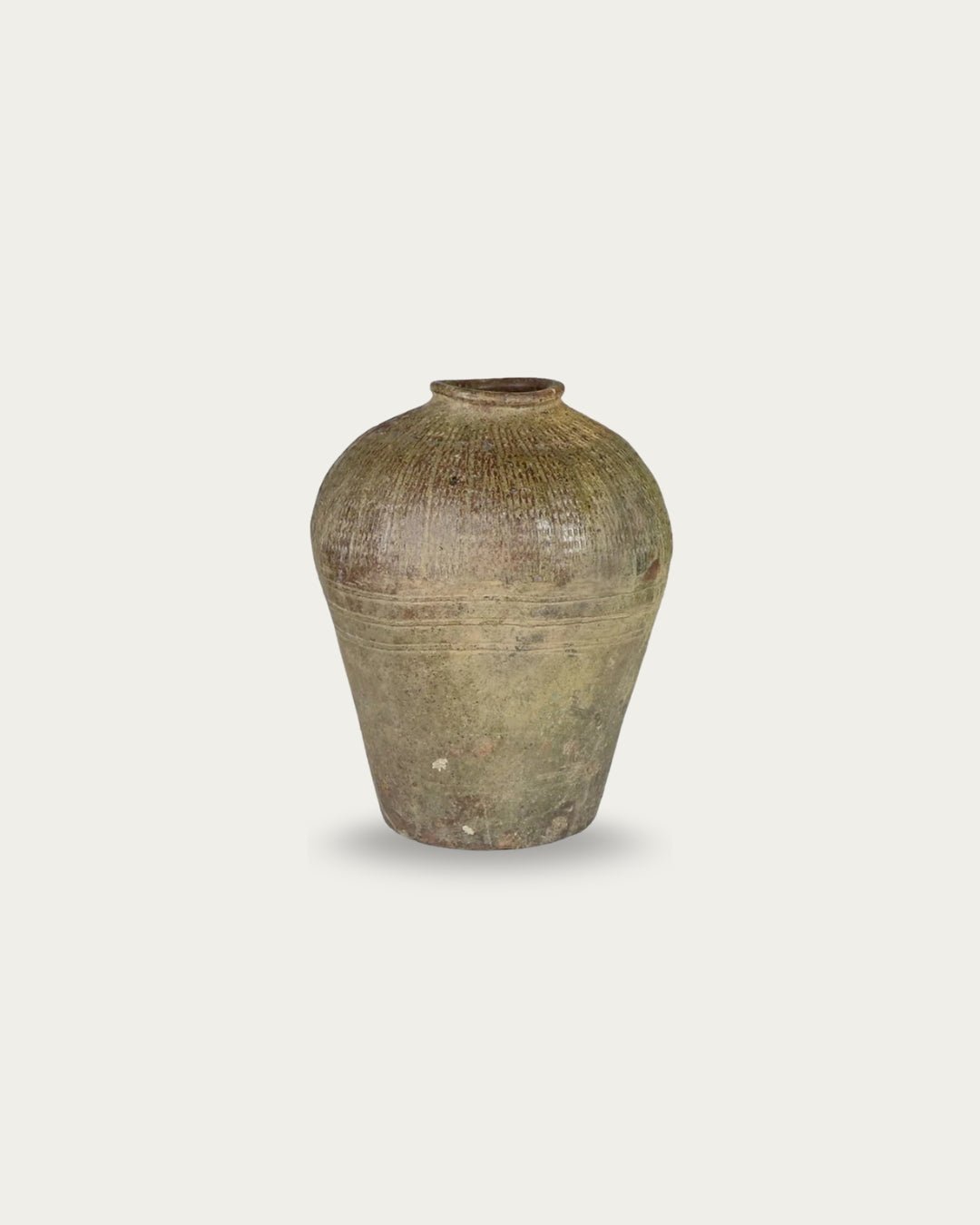
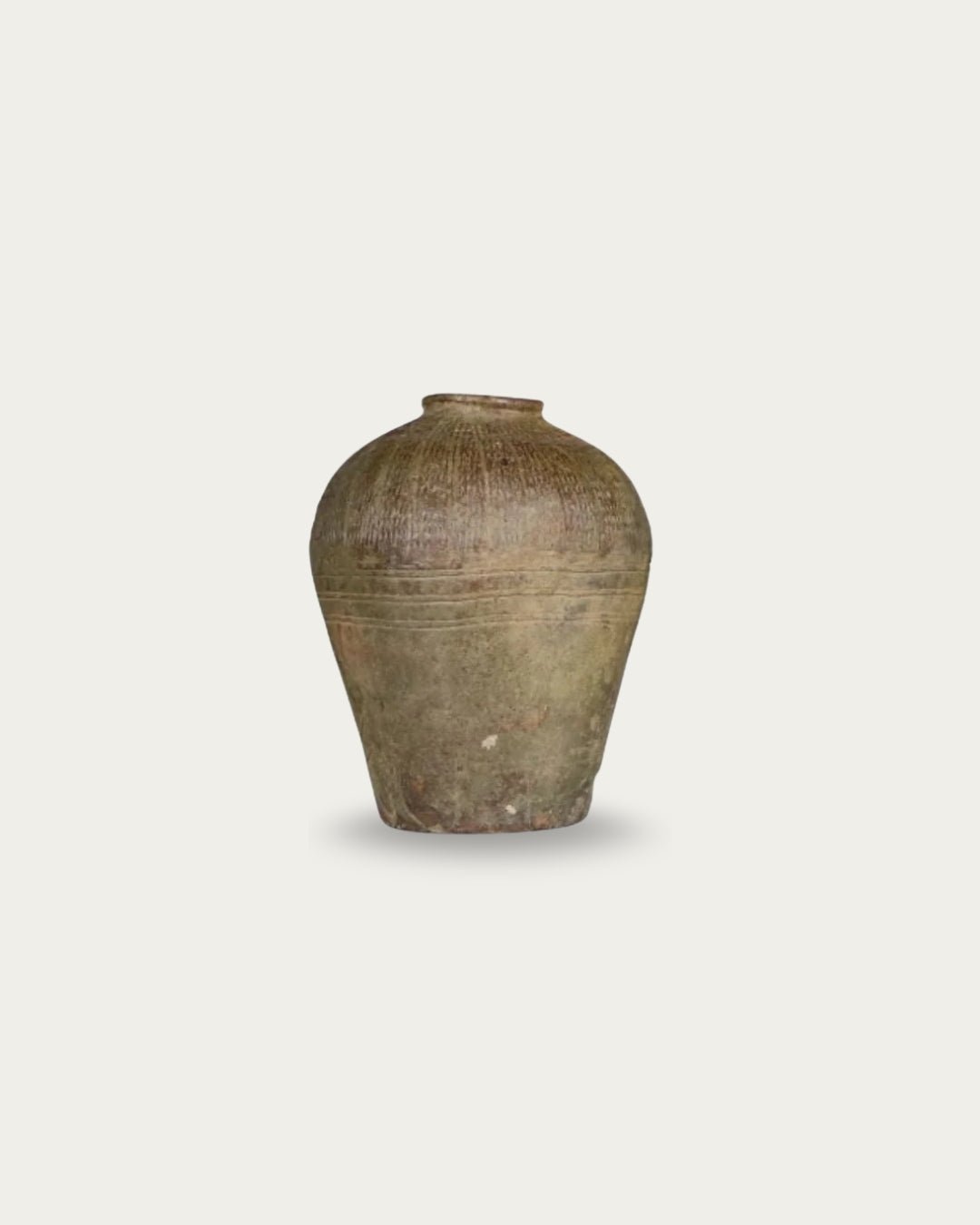
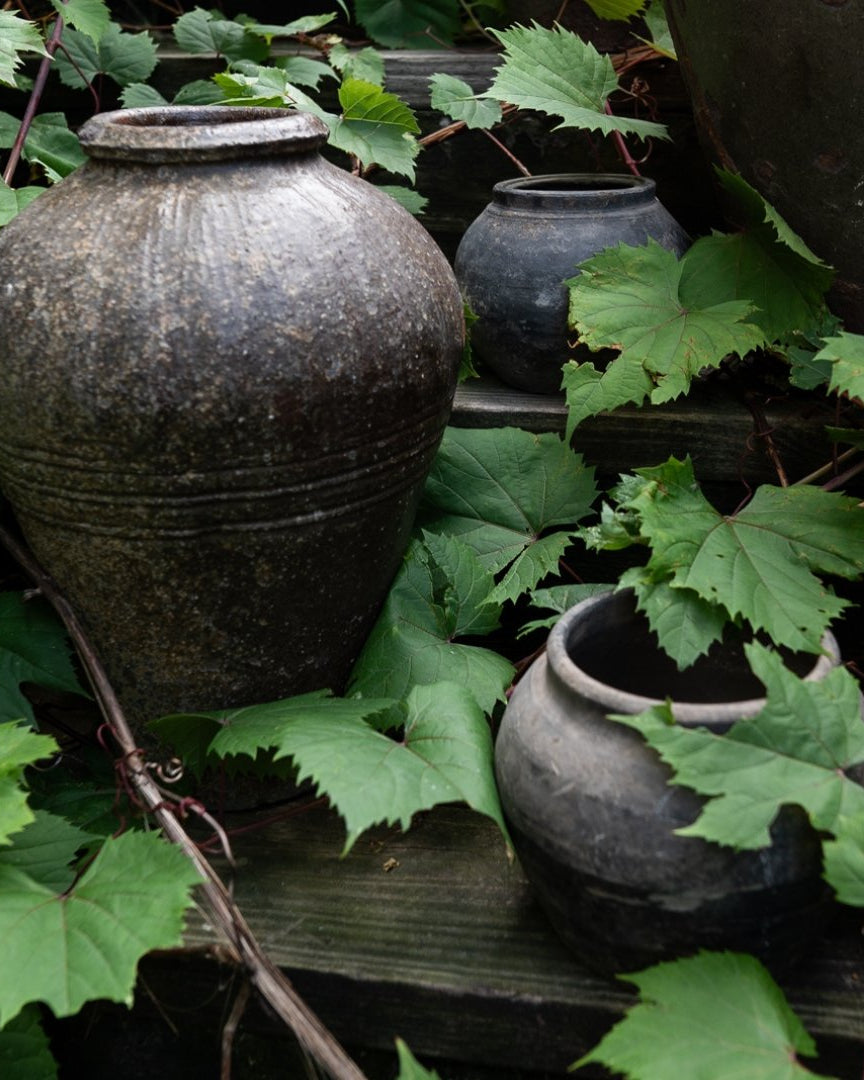
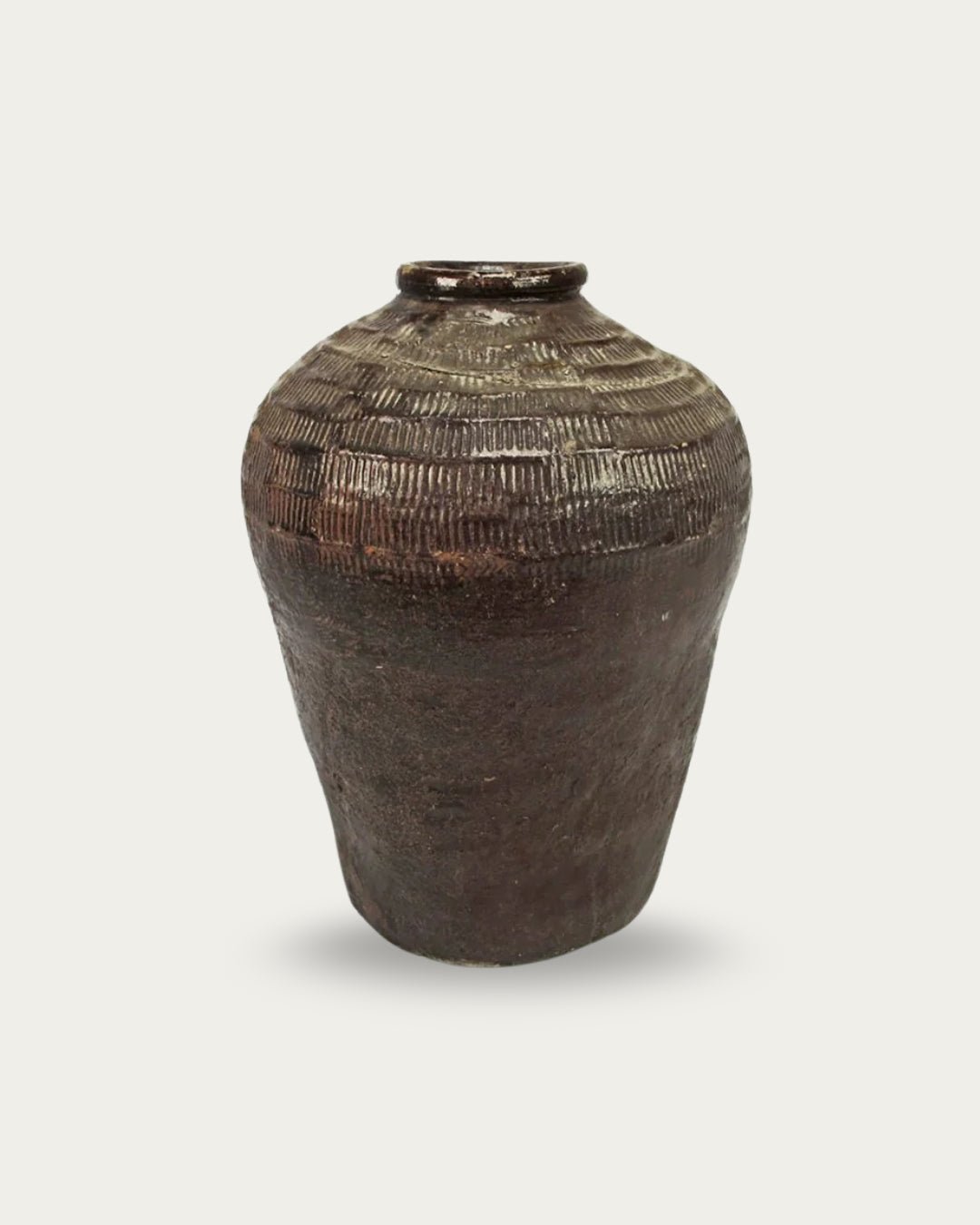
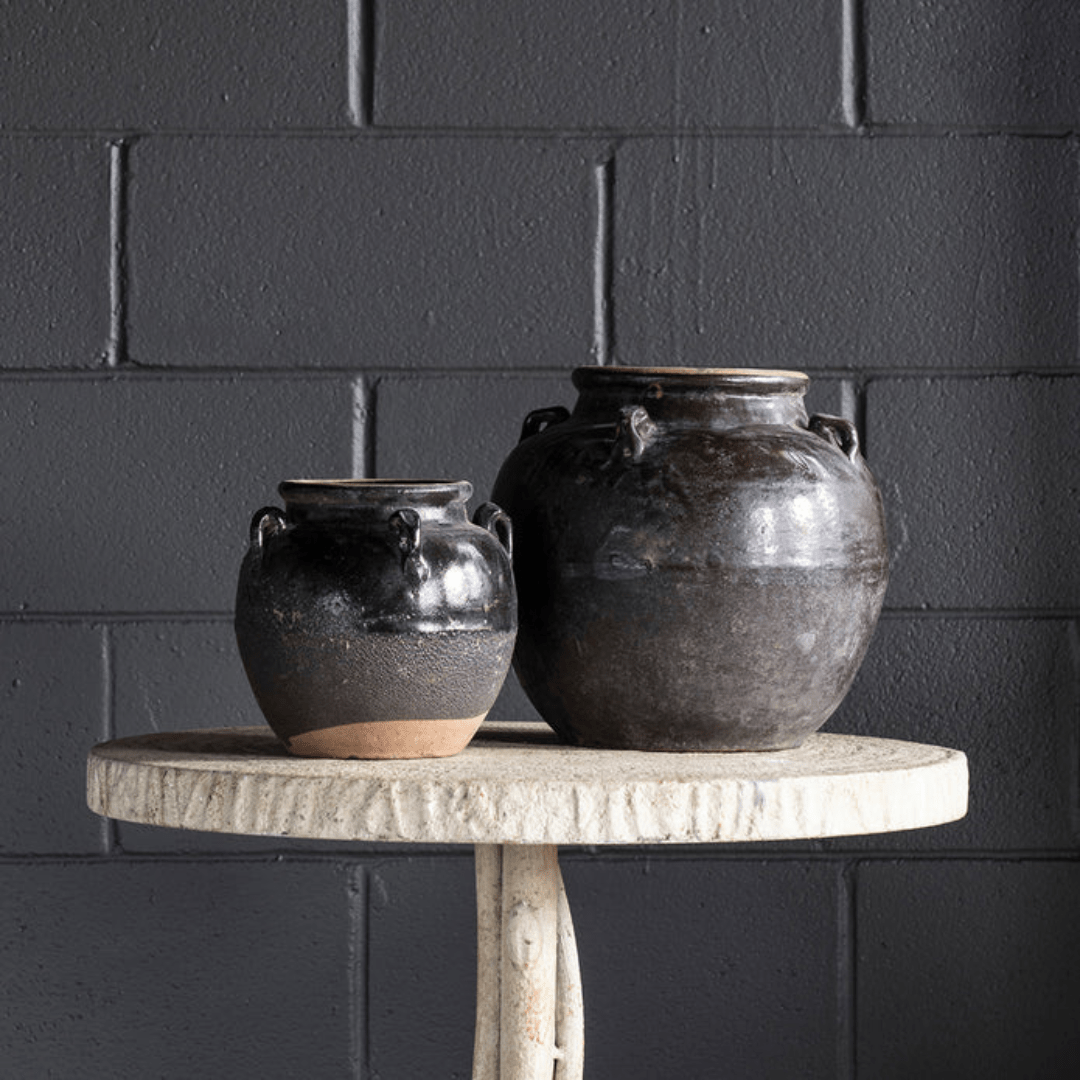
The Maria glazed pot creates depth through surface variation, while the Guorun pot adds visual grounding through its organic shape and aged finish.
Together, they contribute character without creating visual noise.
Collected Homes Feel Easier to Live In
The goal isn't perfection.
It's personality.
And personality often emerges through contrast, variation, and the passage of time.
The Best Rooms Have Depth, Not More Stuff
When a room feels flat, the solution isn't always another decorative object.
Sometimes it's a better one.
Vintage home decor creates visual depth because the materials already contain texture, history, and variation. The pieces feel layered before they're ever styled. The patina adds interest without requiring excess. The room gains complexity without becoming crowded.
That's why vintage decor works so well in modern homes.
It brings texture without clutter.
Character without chaos.
Depth without excess.
Explore Hello Norden's vintage decor collection to discover bowls, vessels, boards, mirrors, and architectural pieces that help create richer interiors without adding more visual noise.