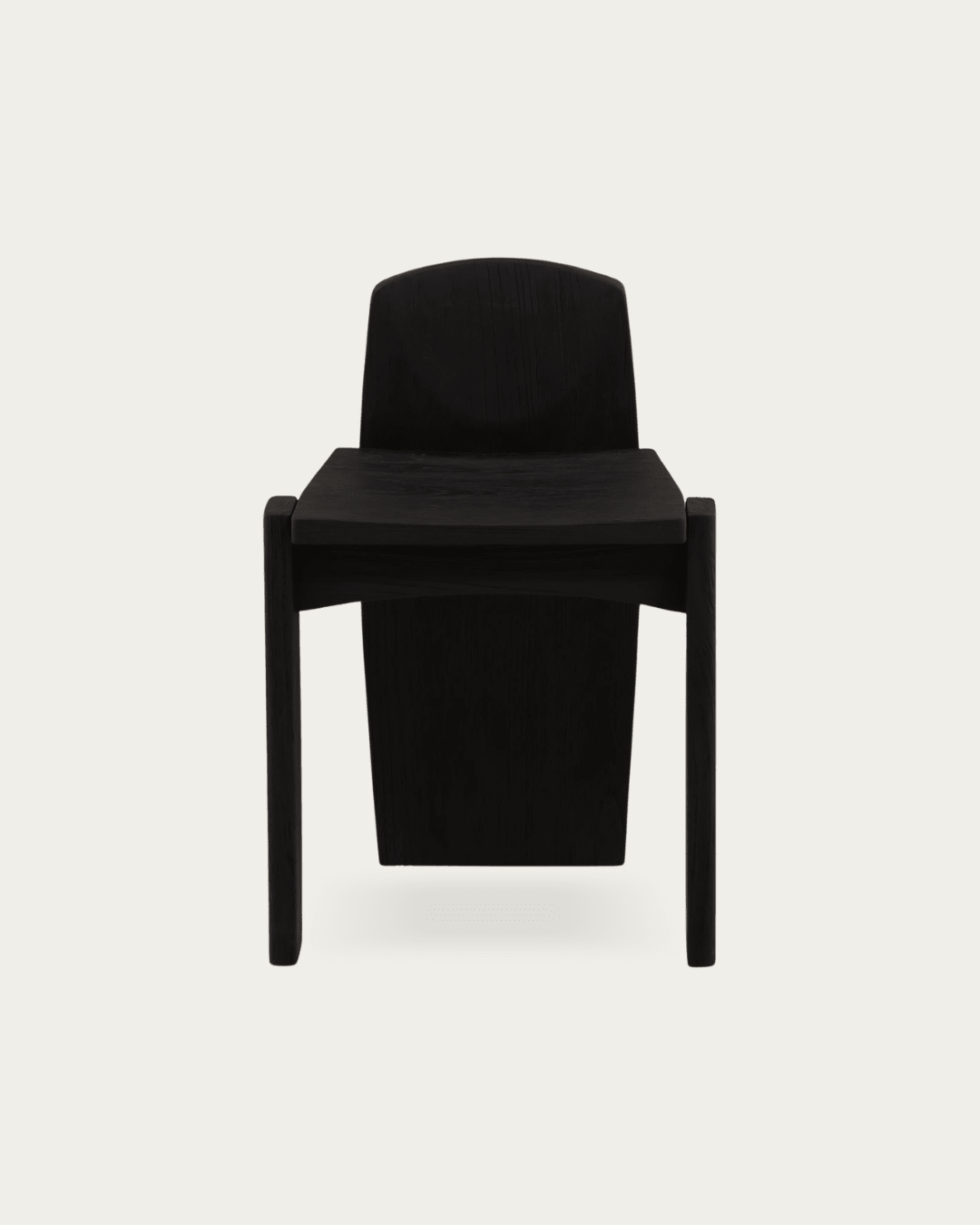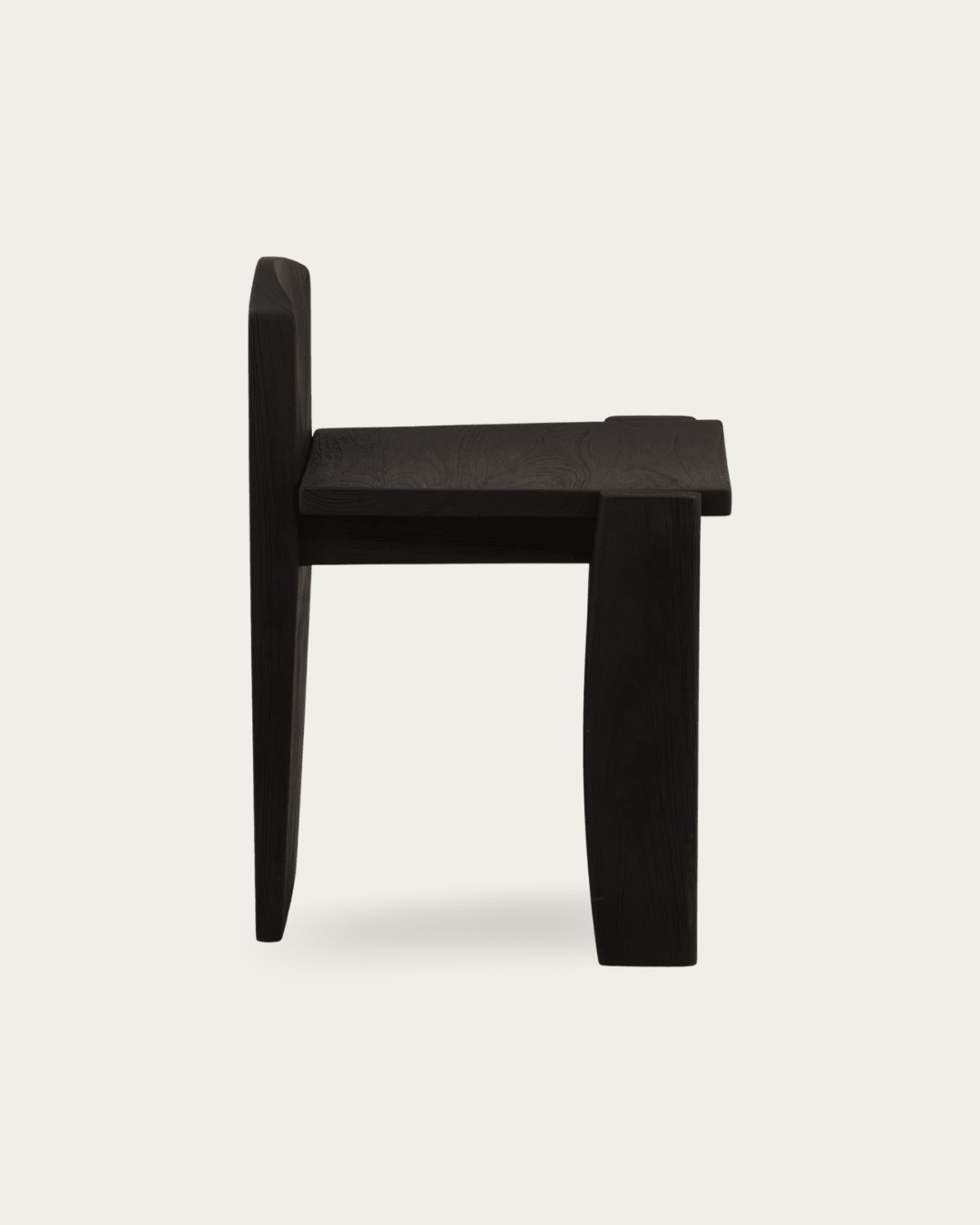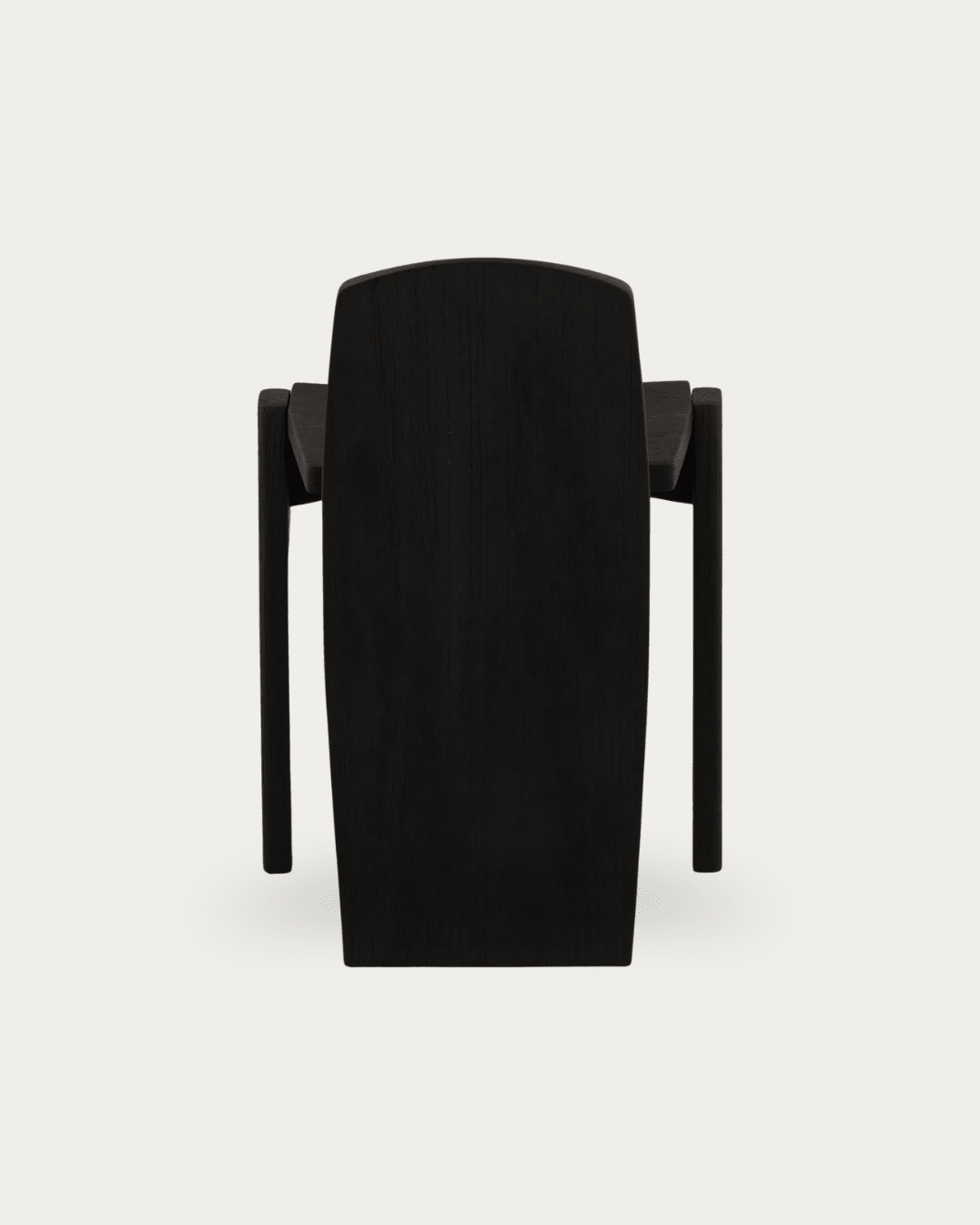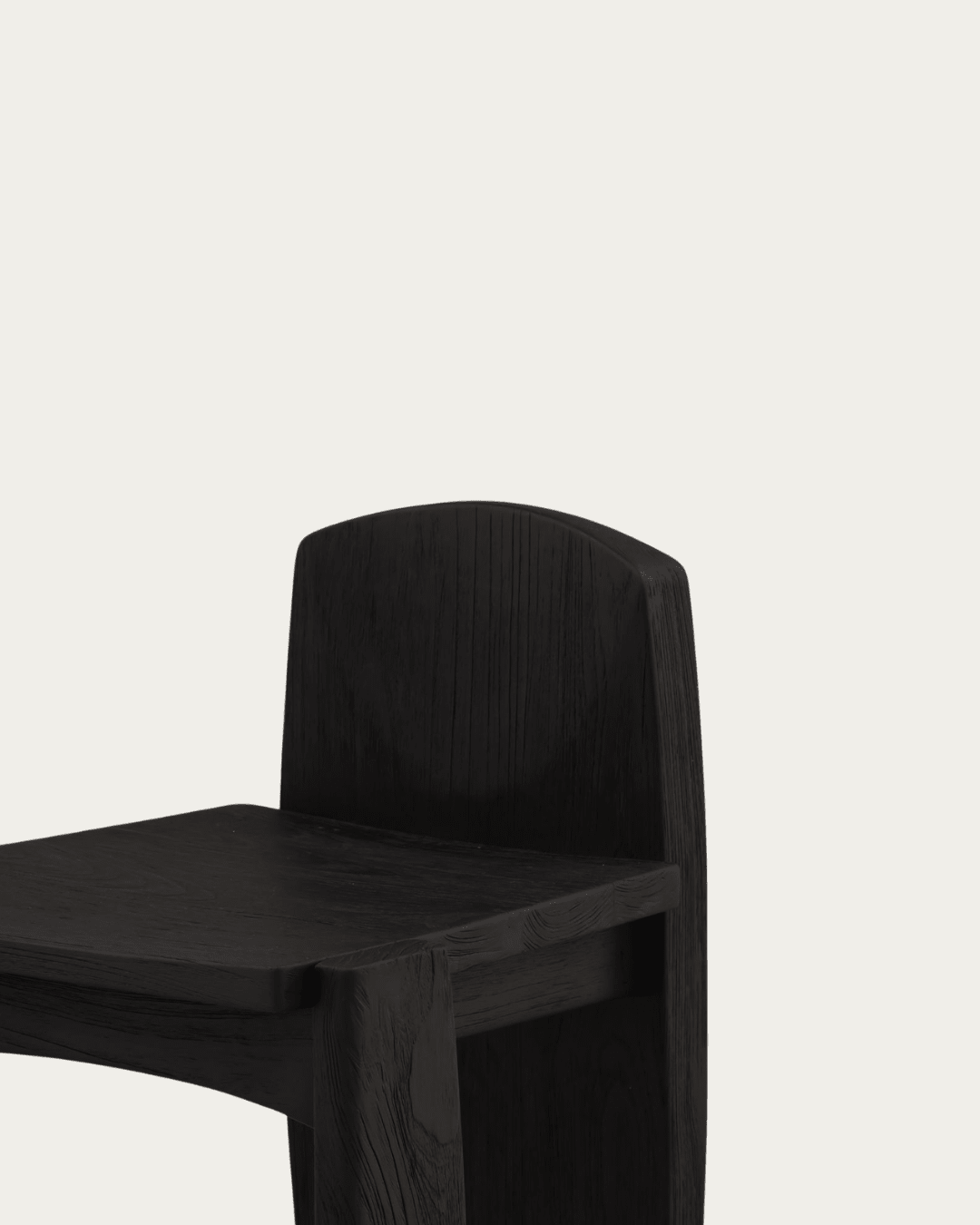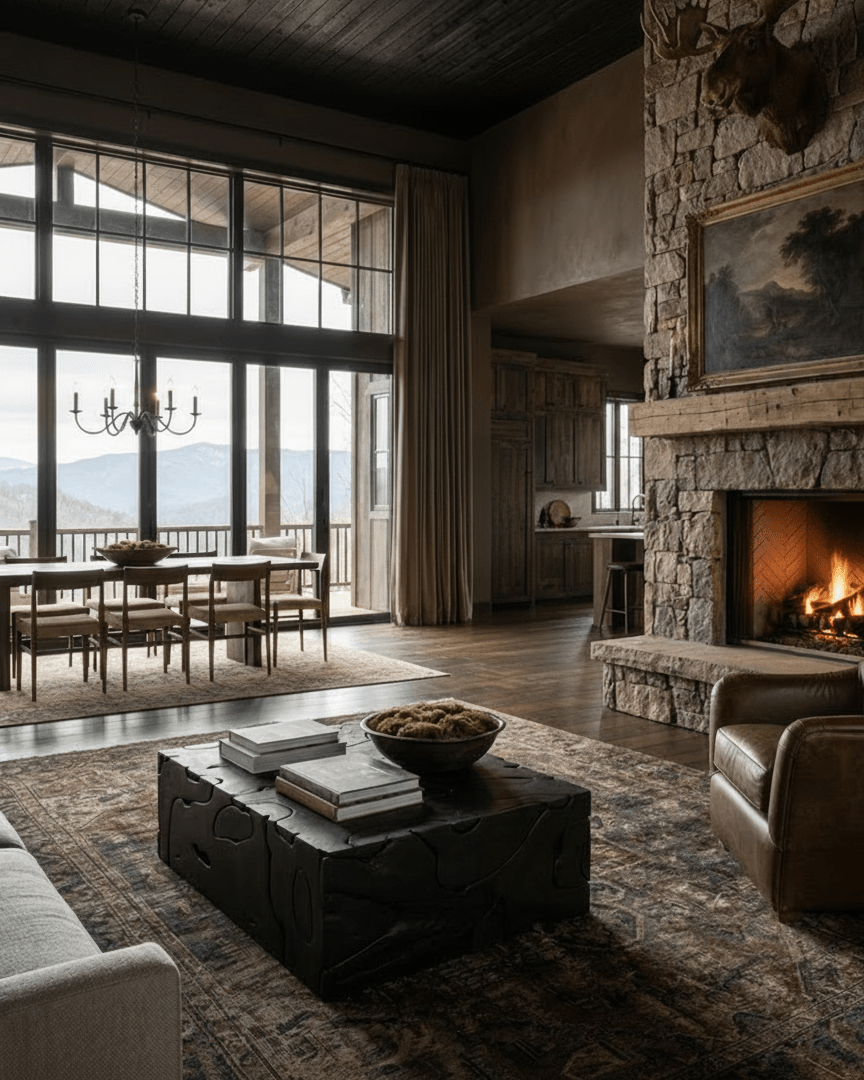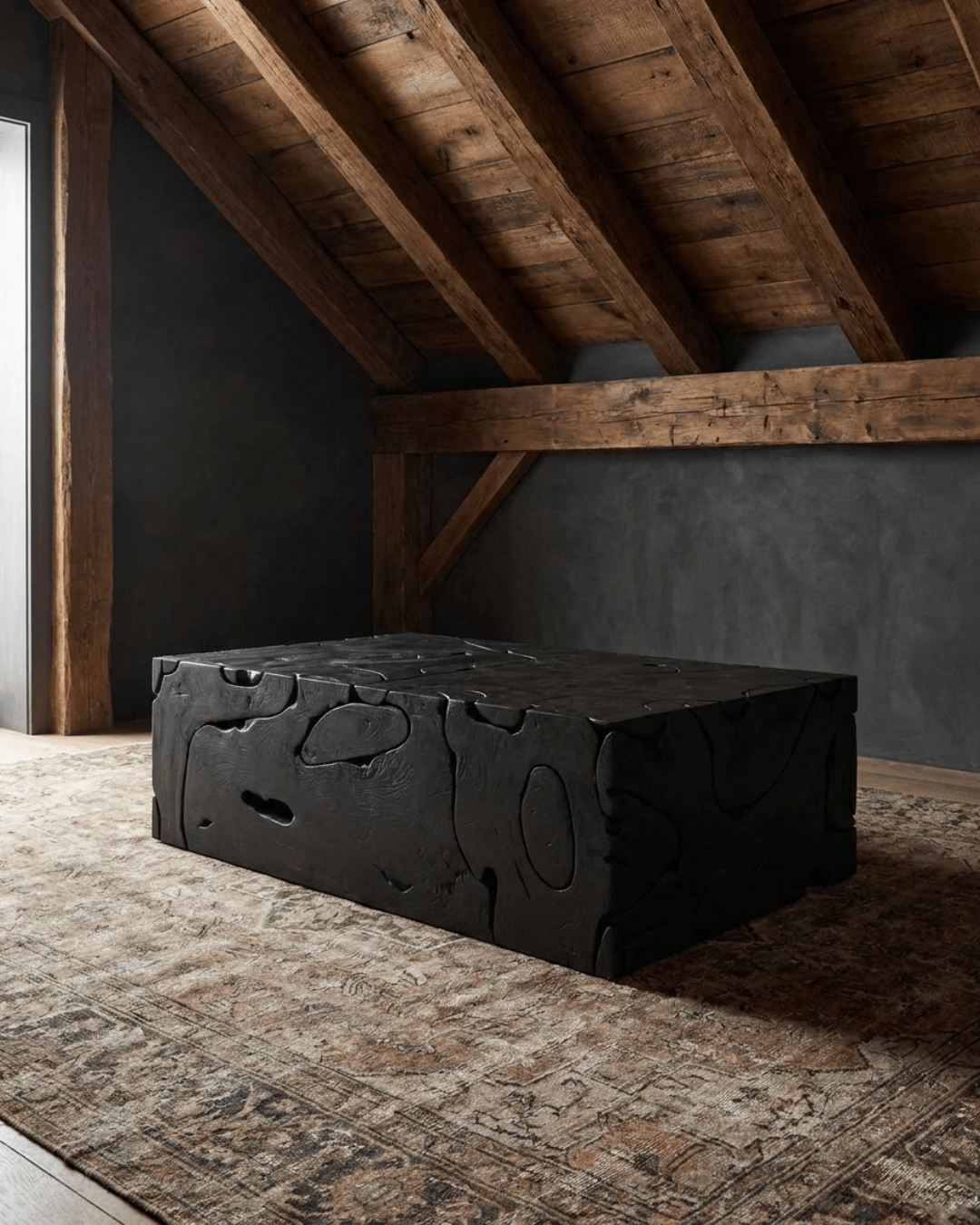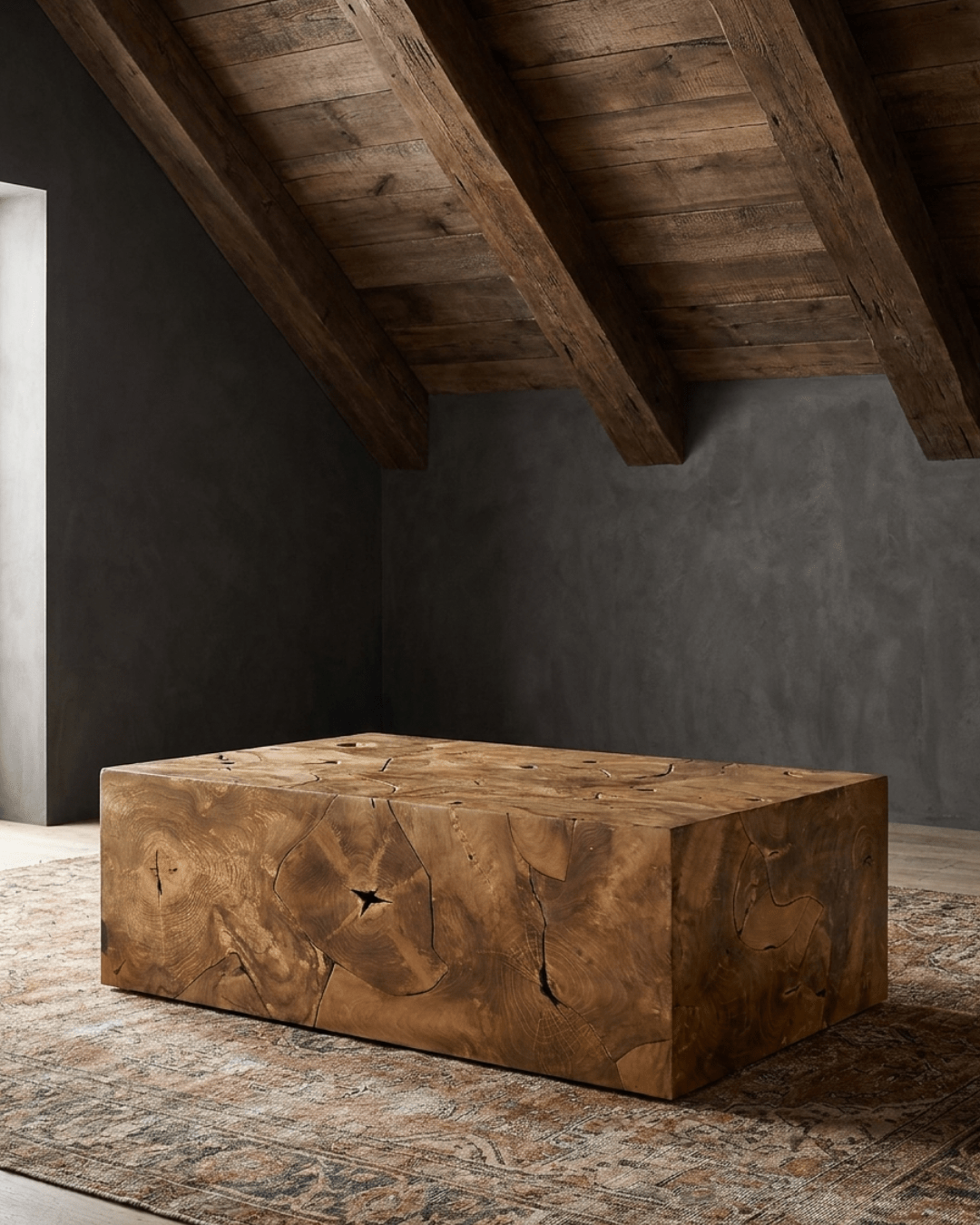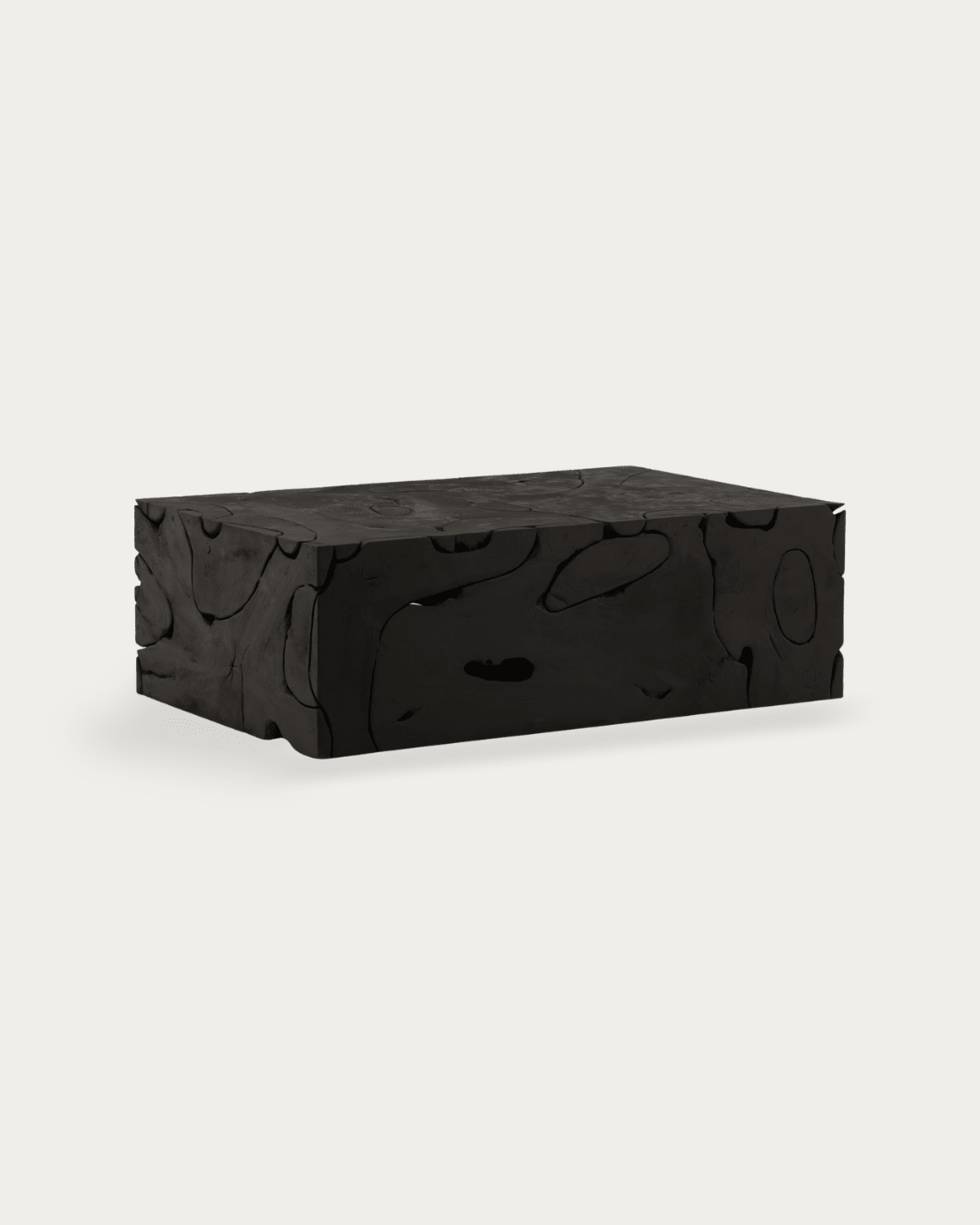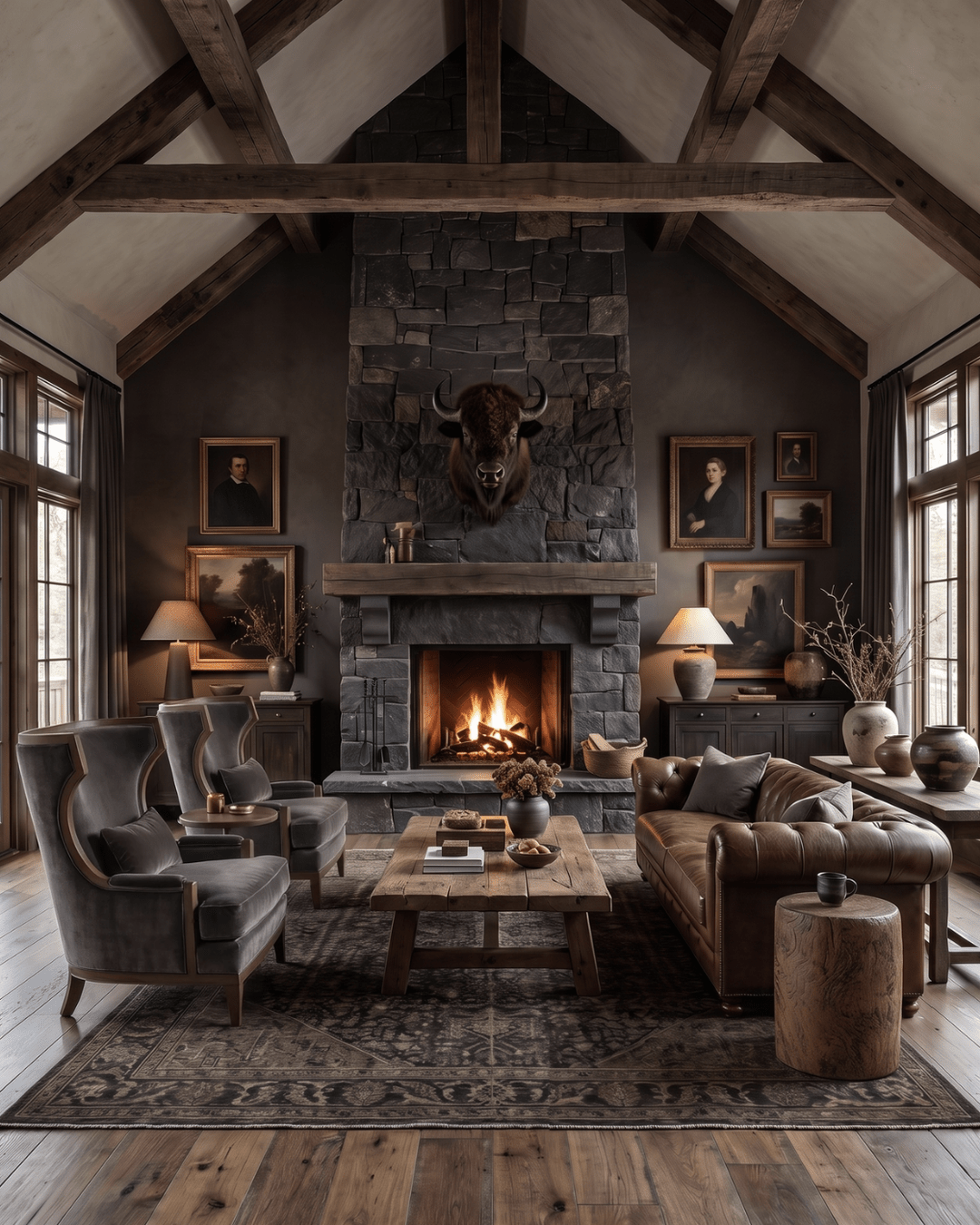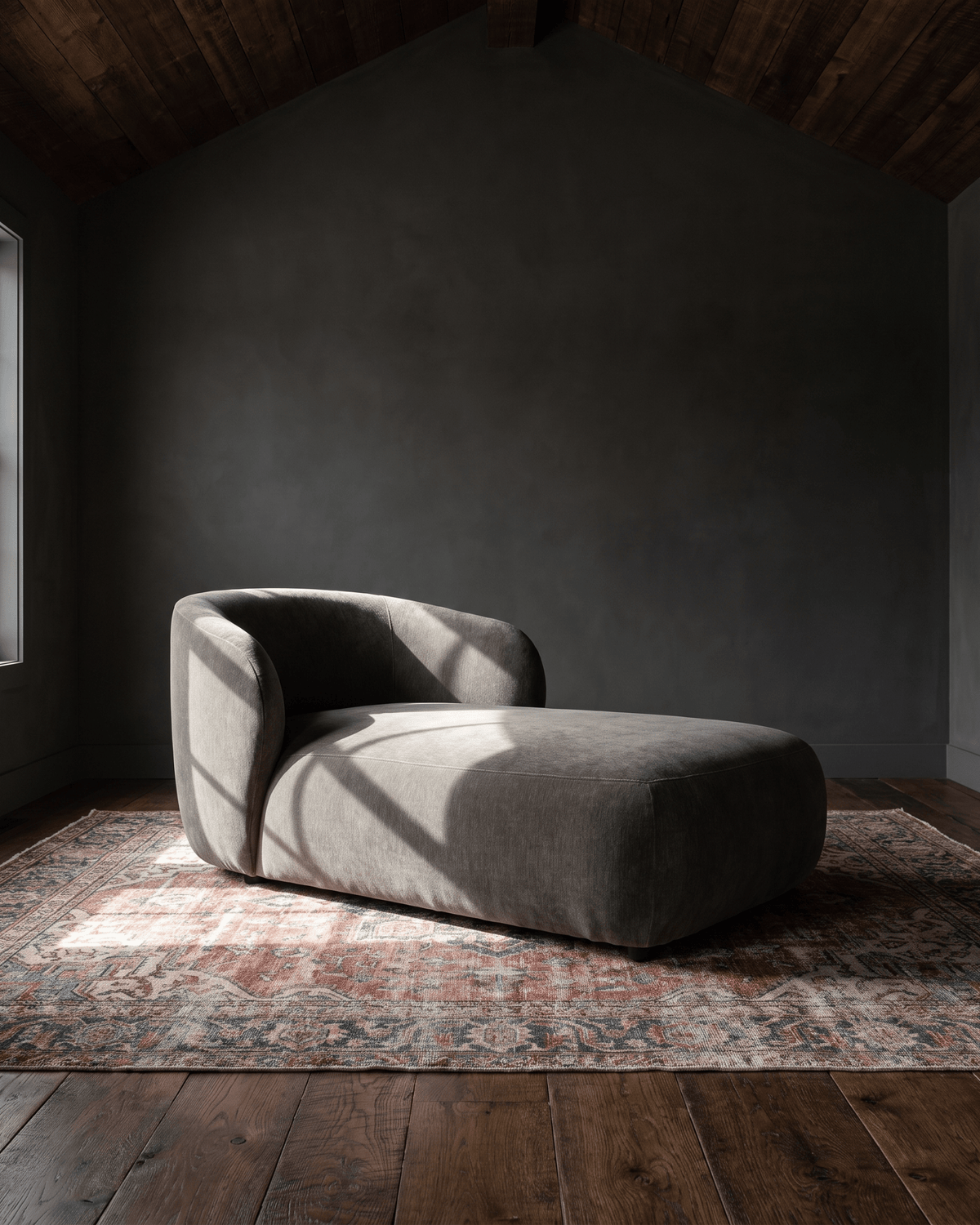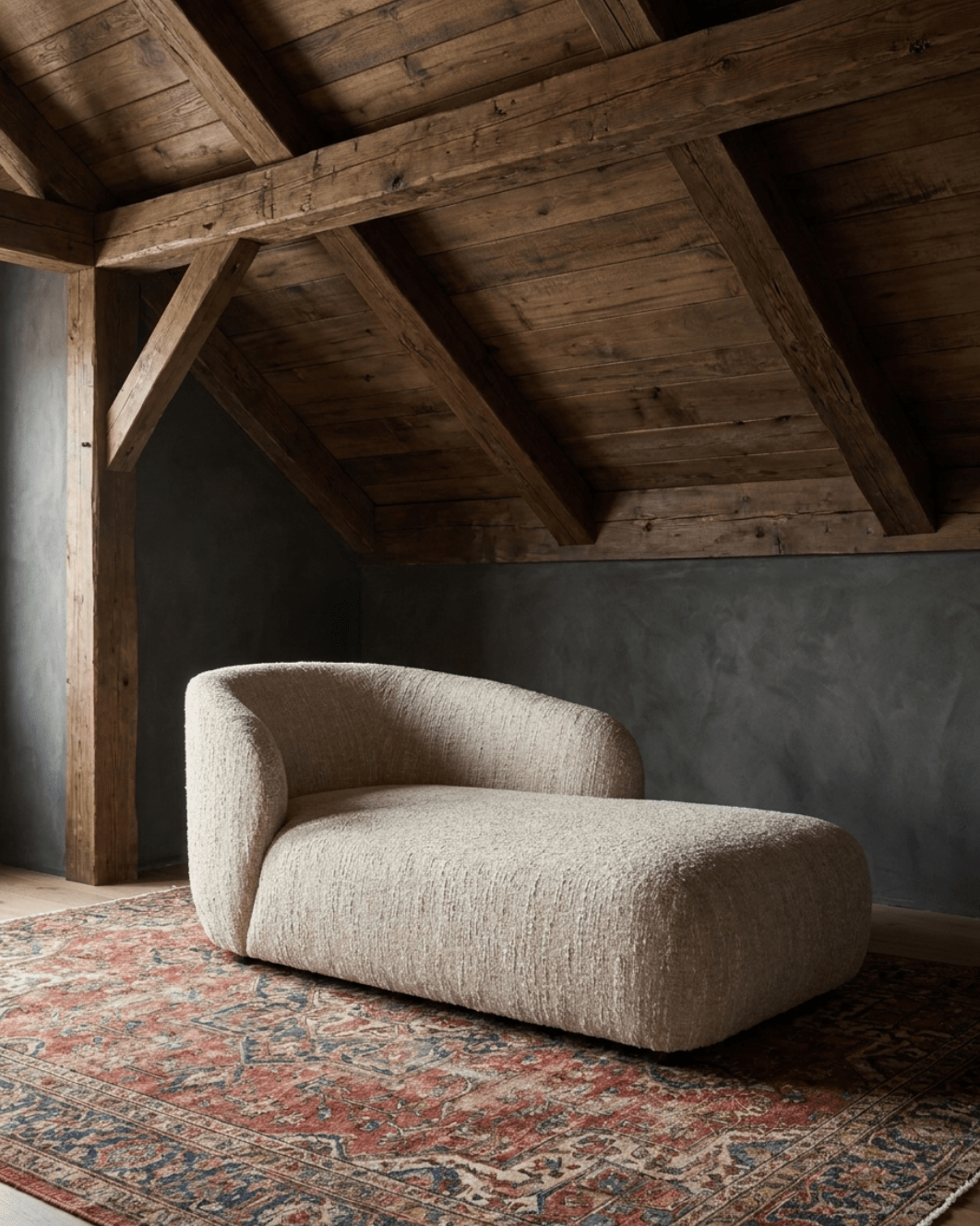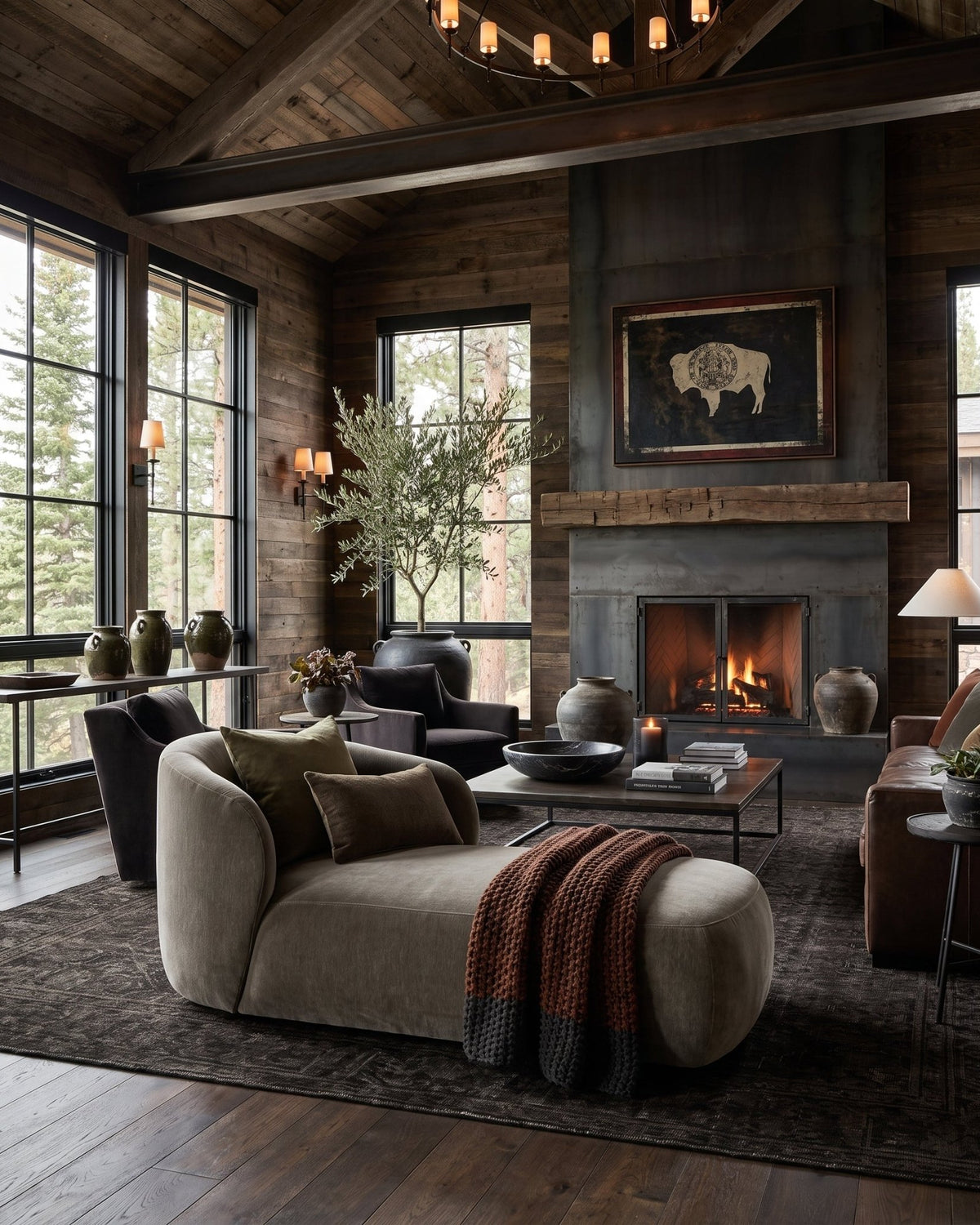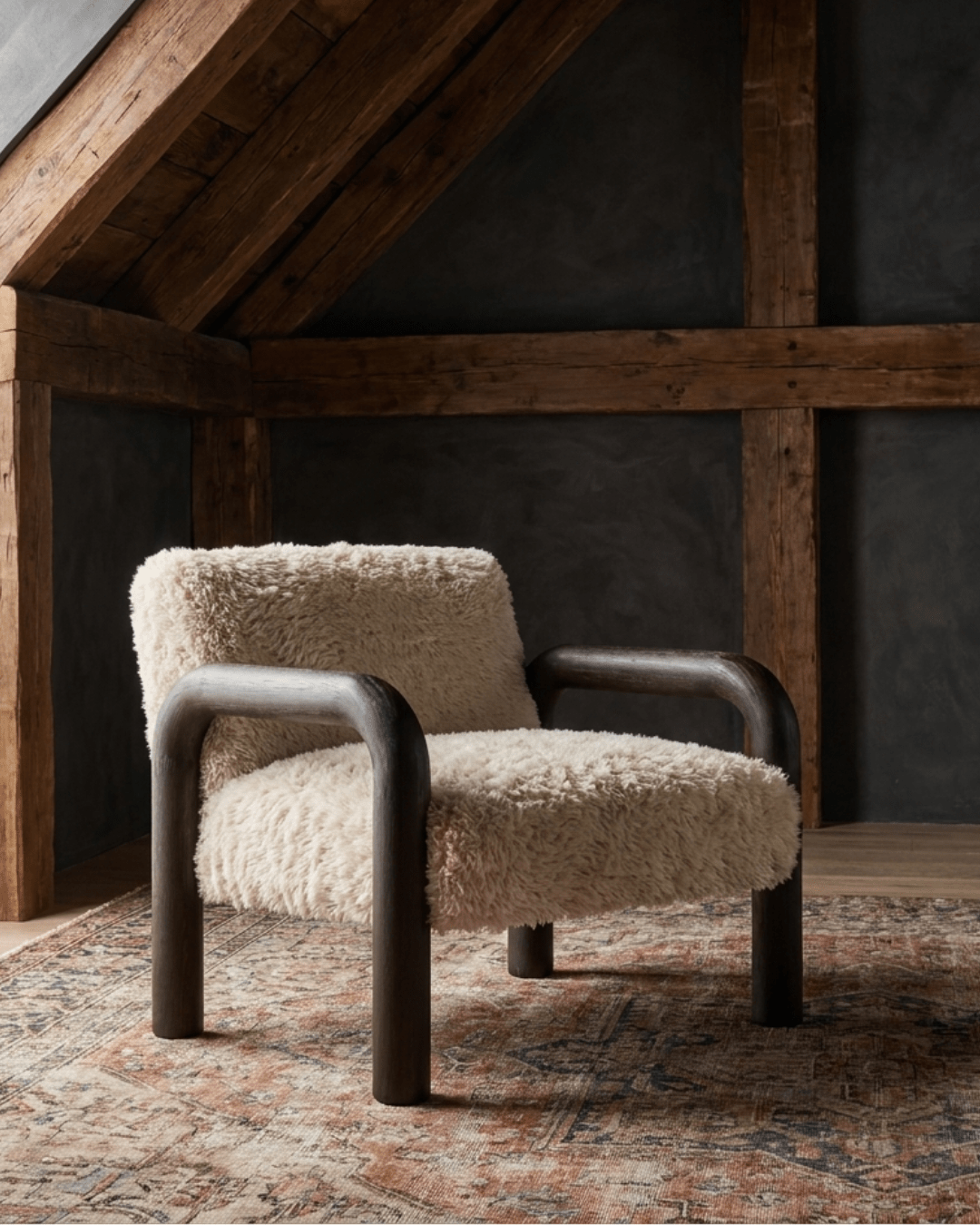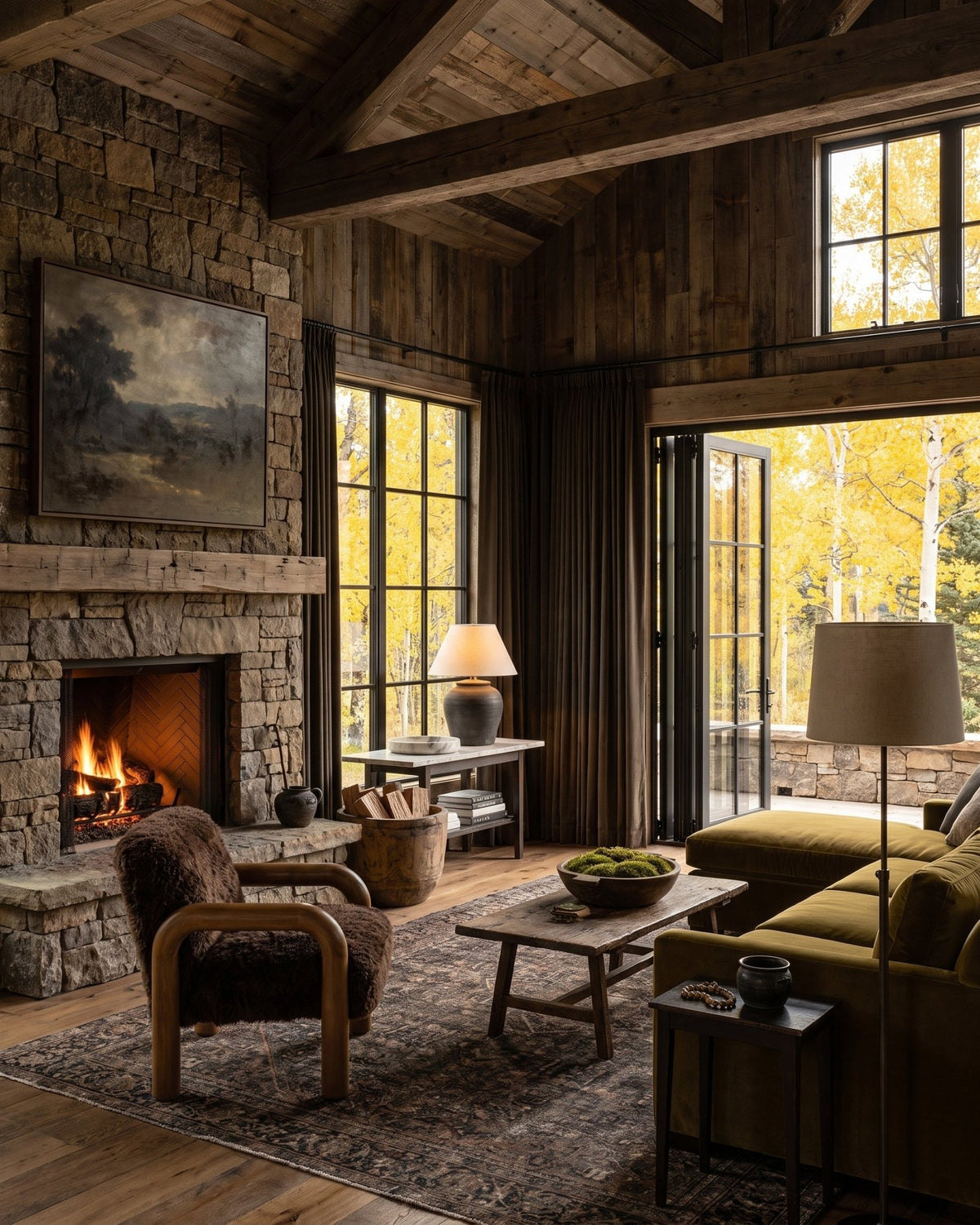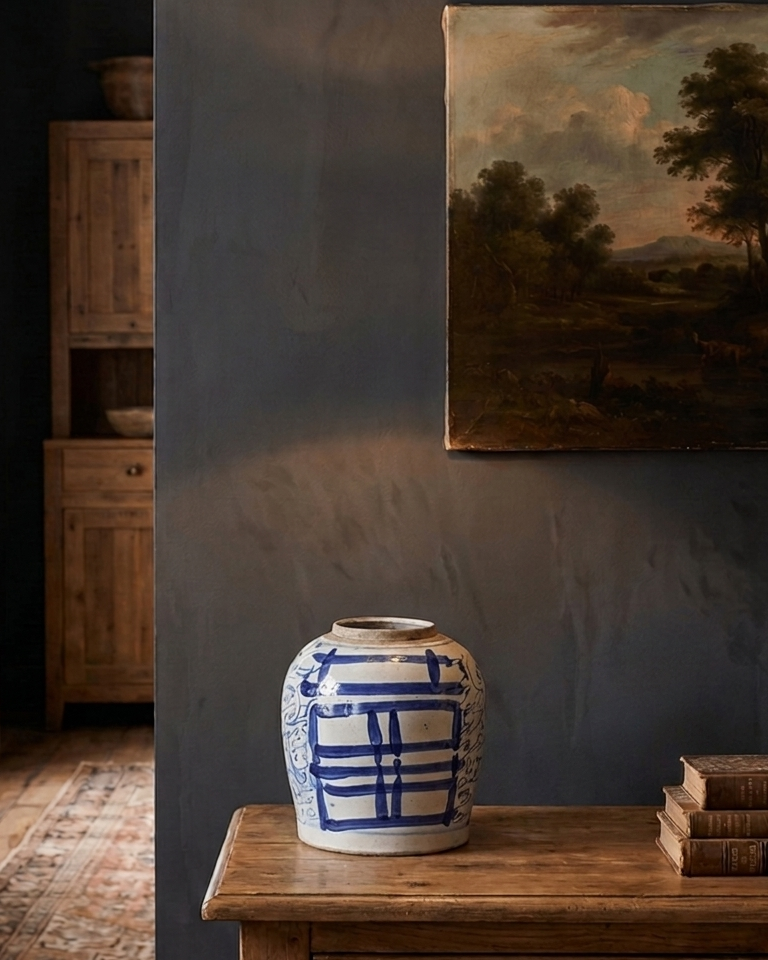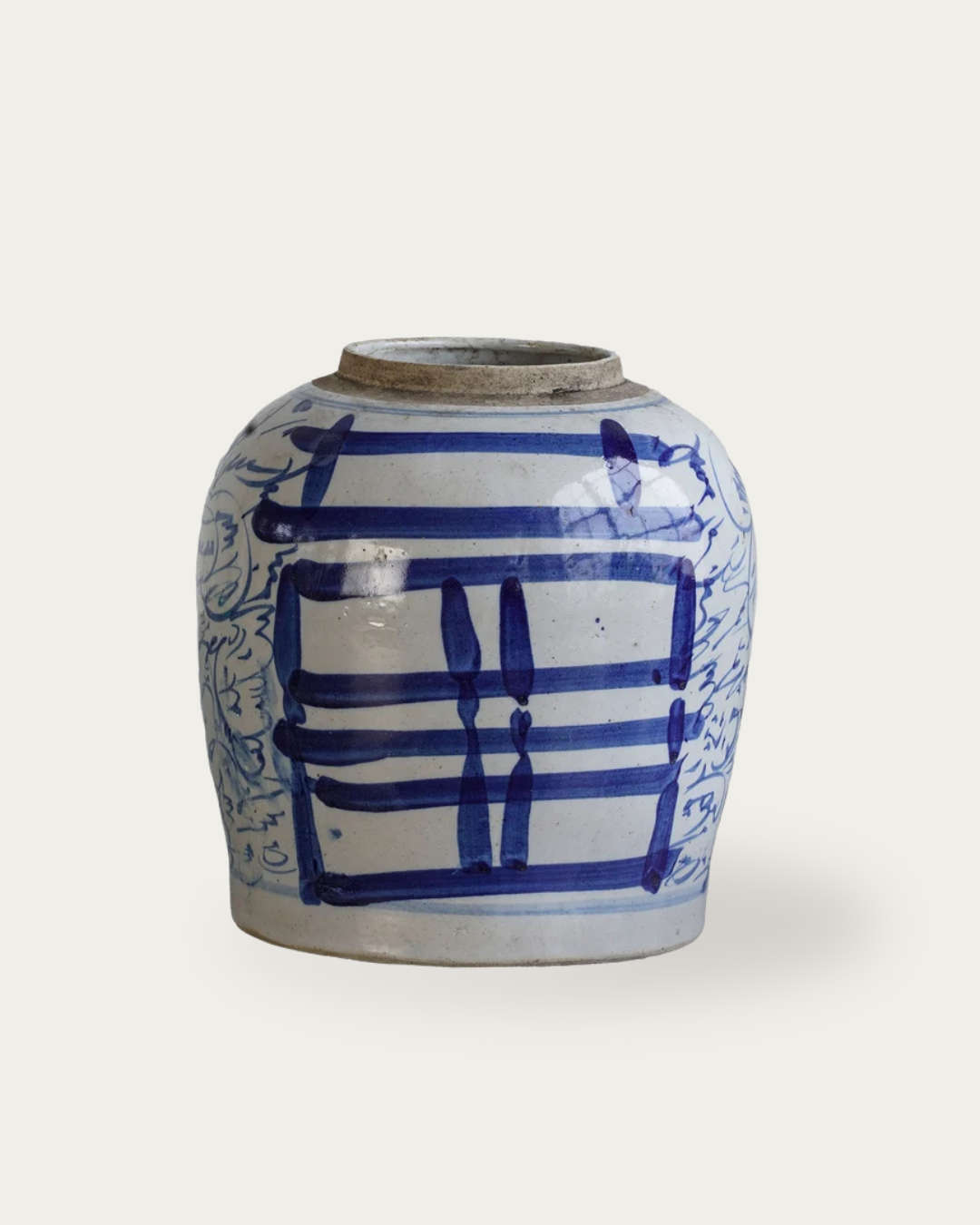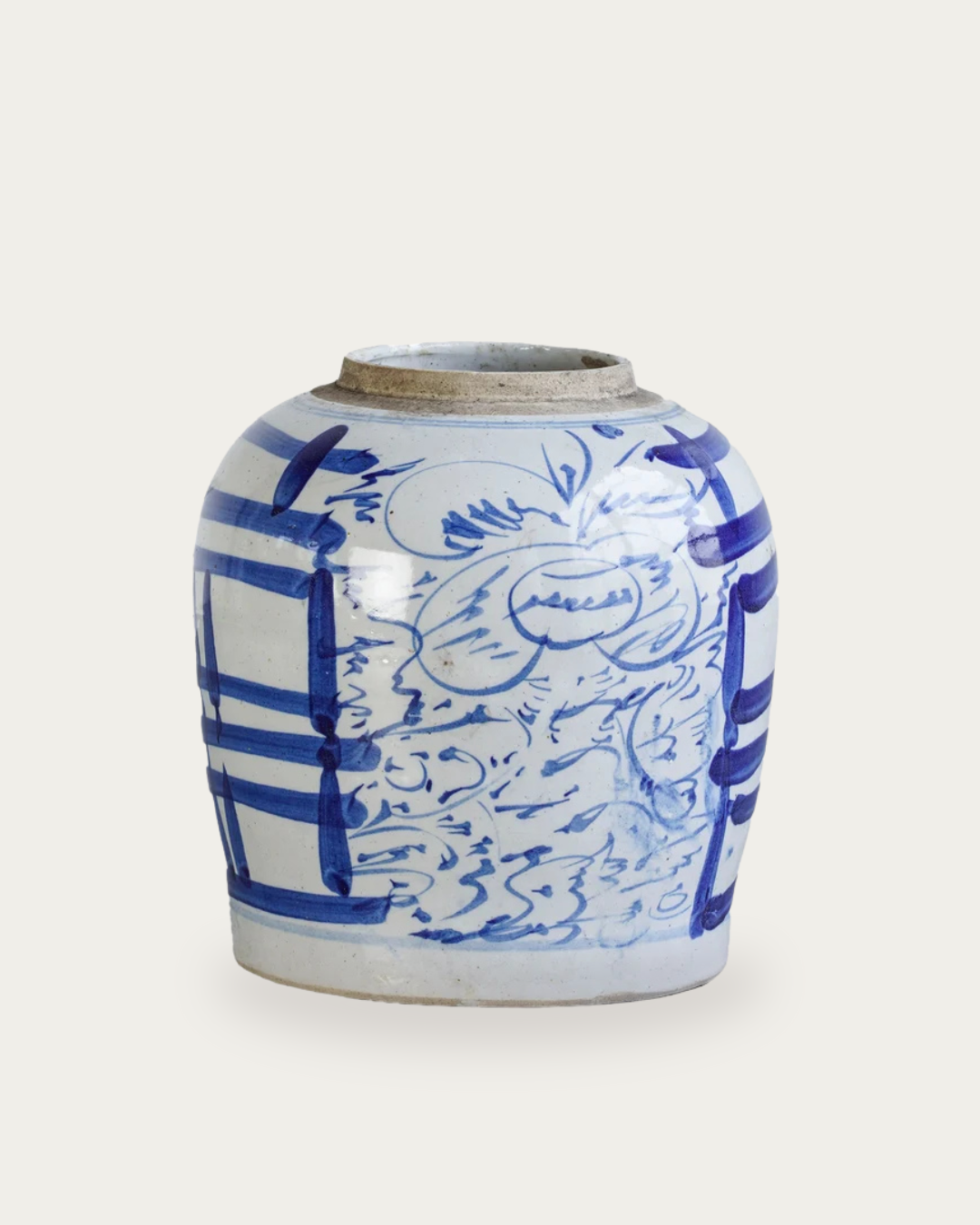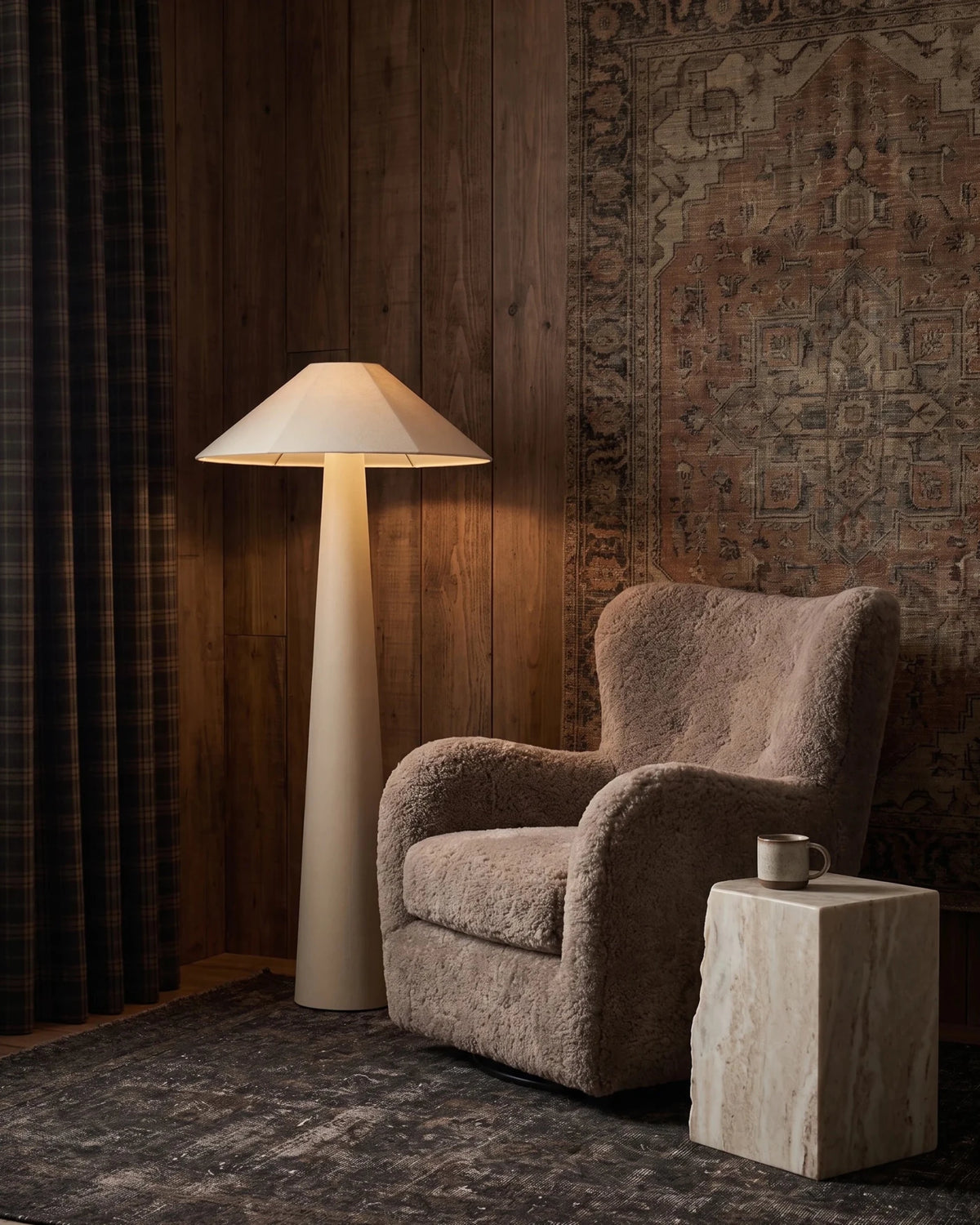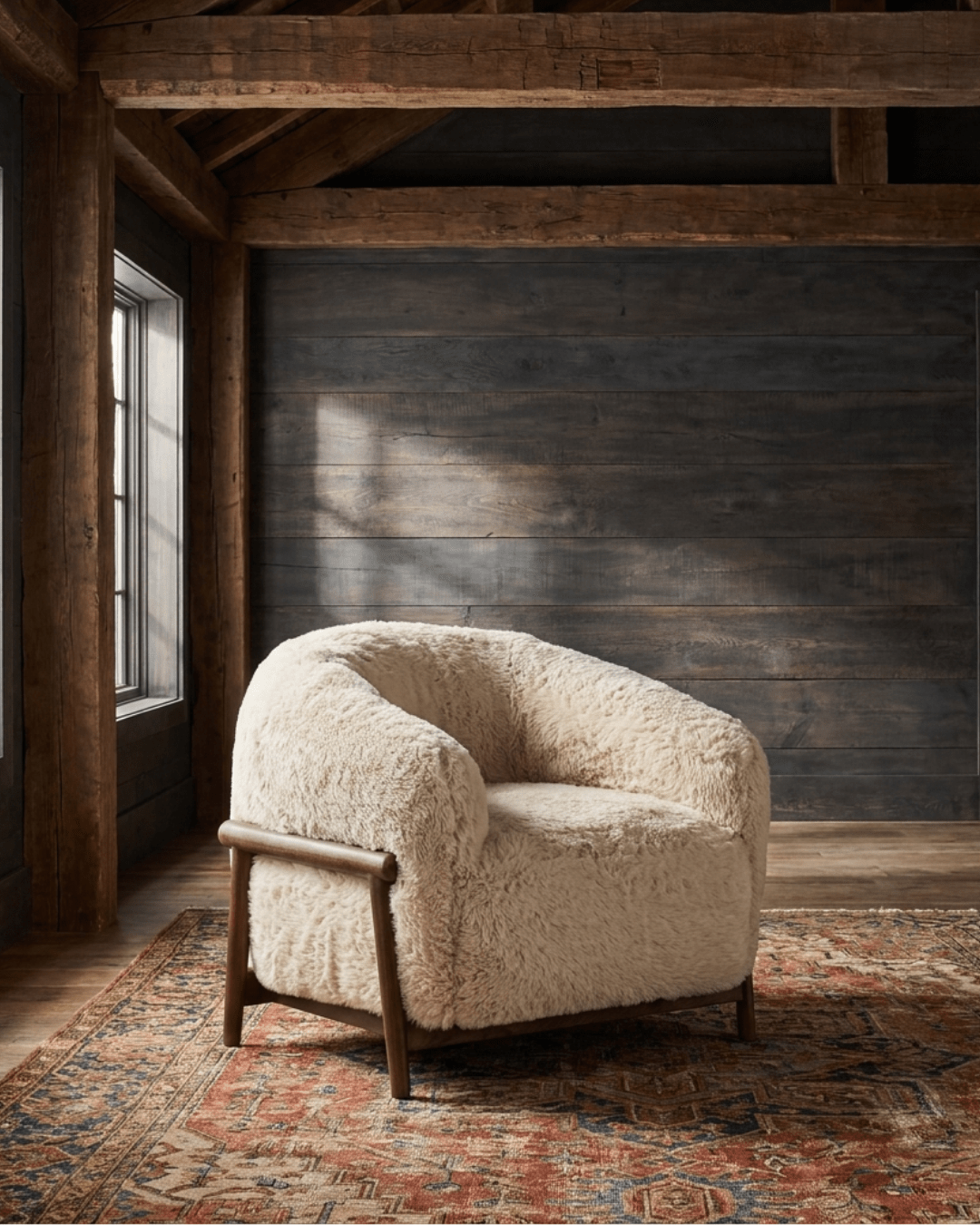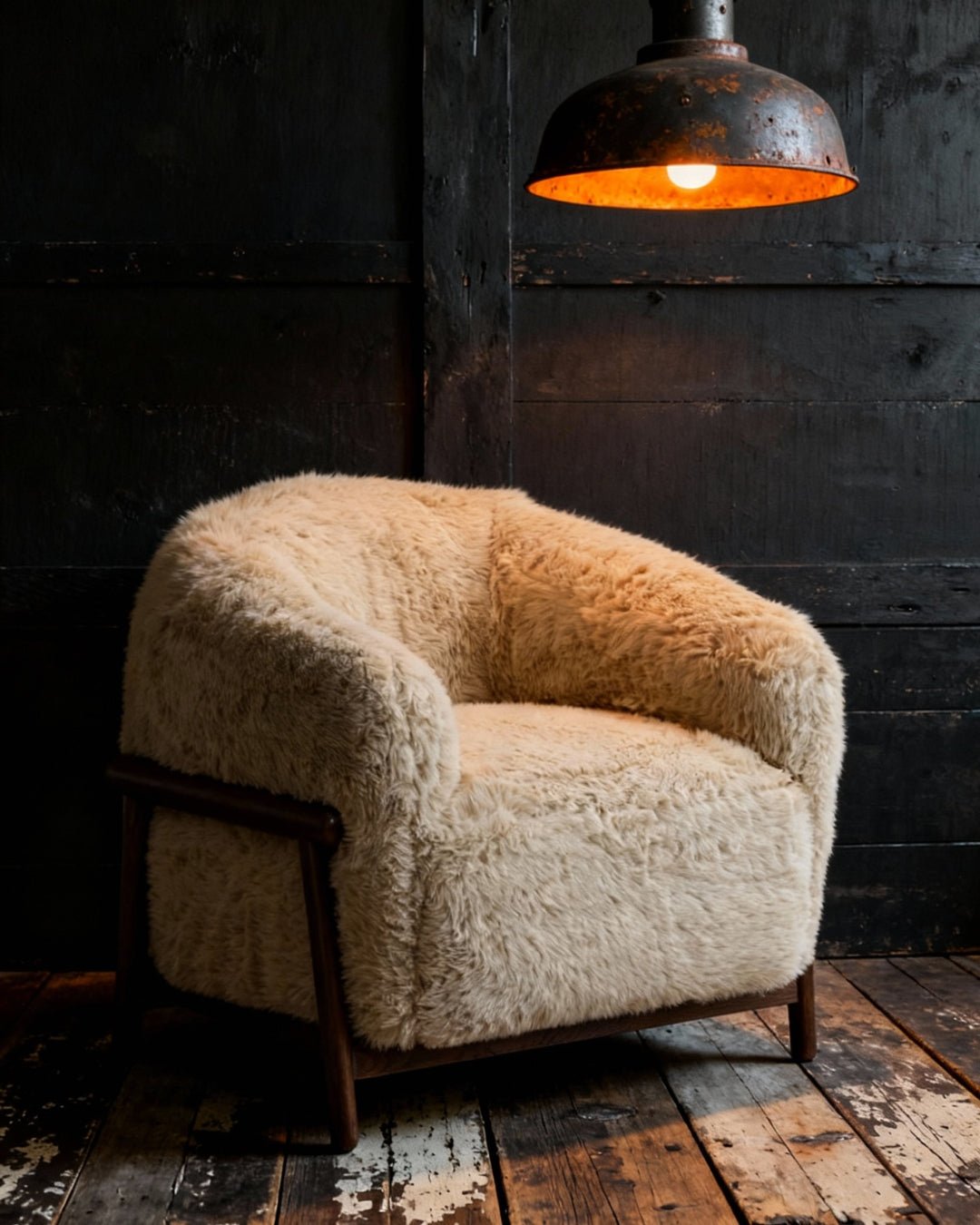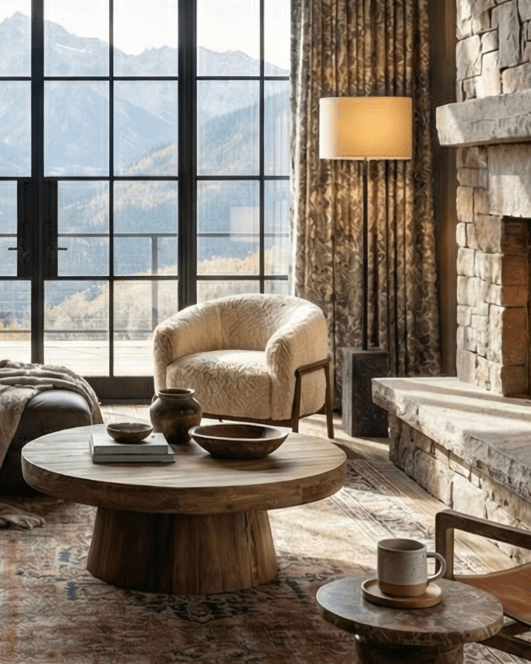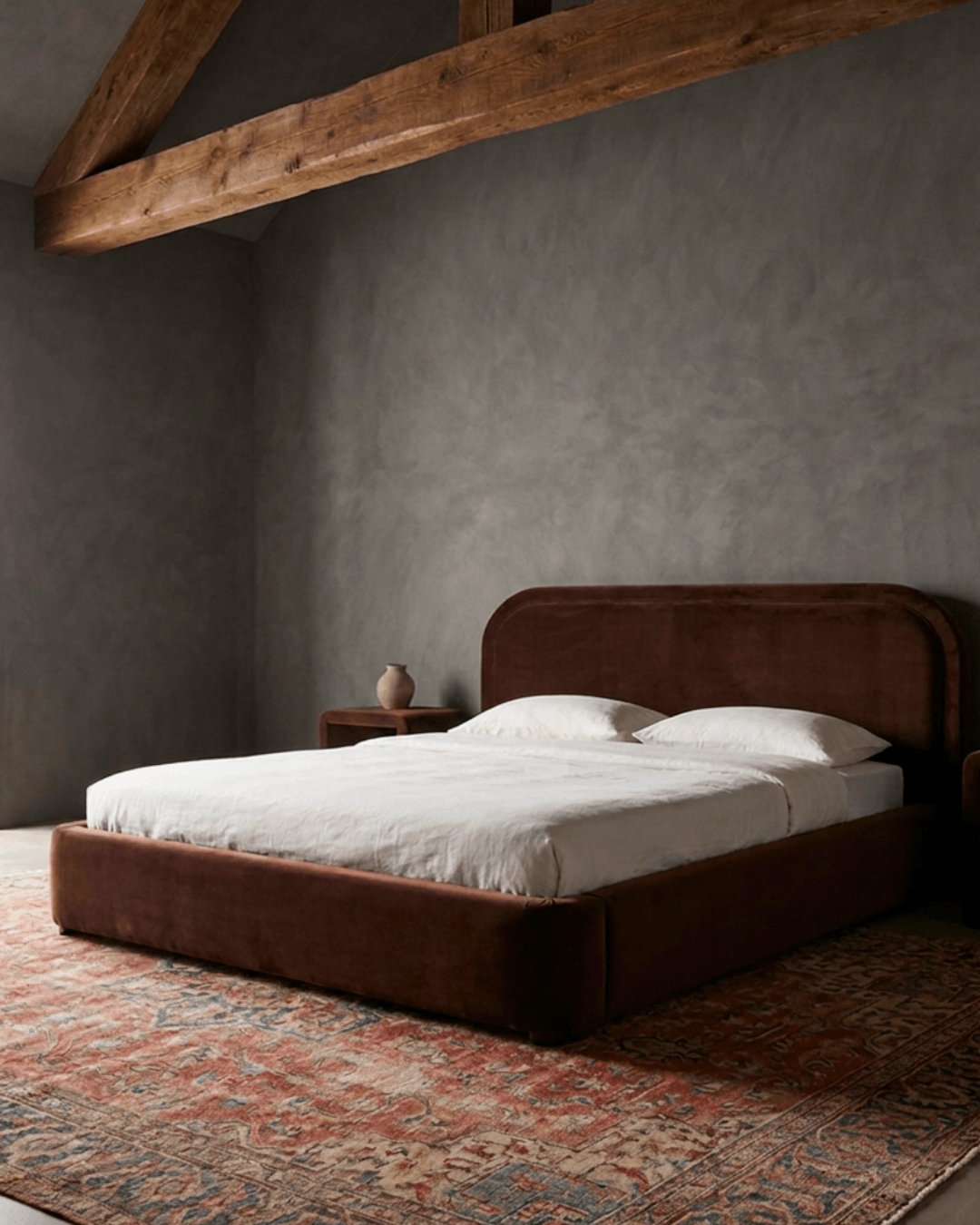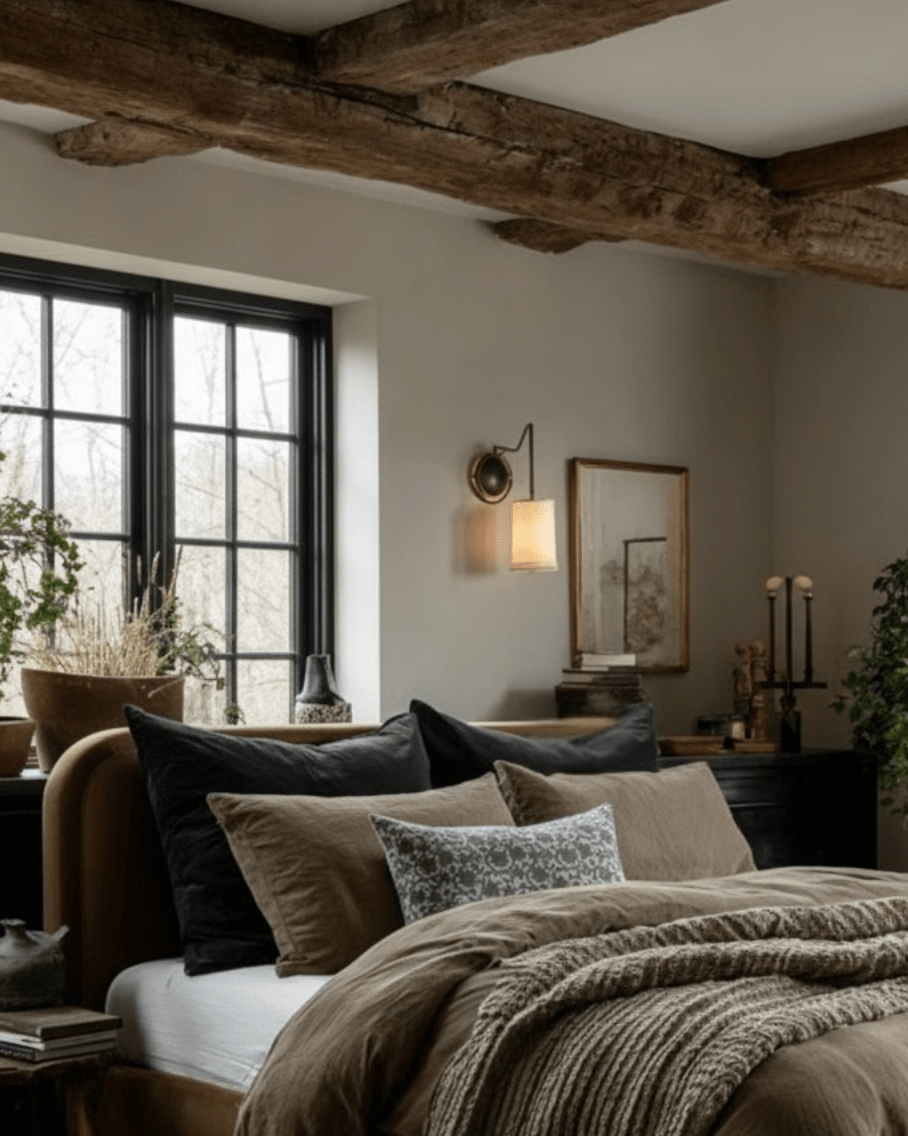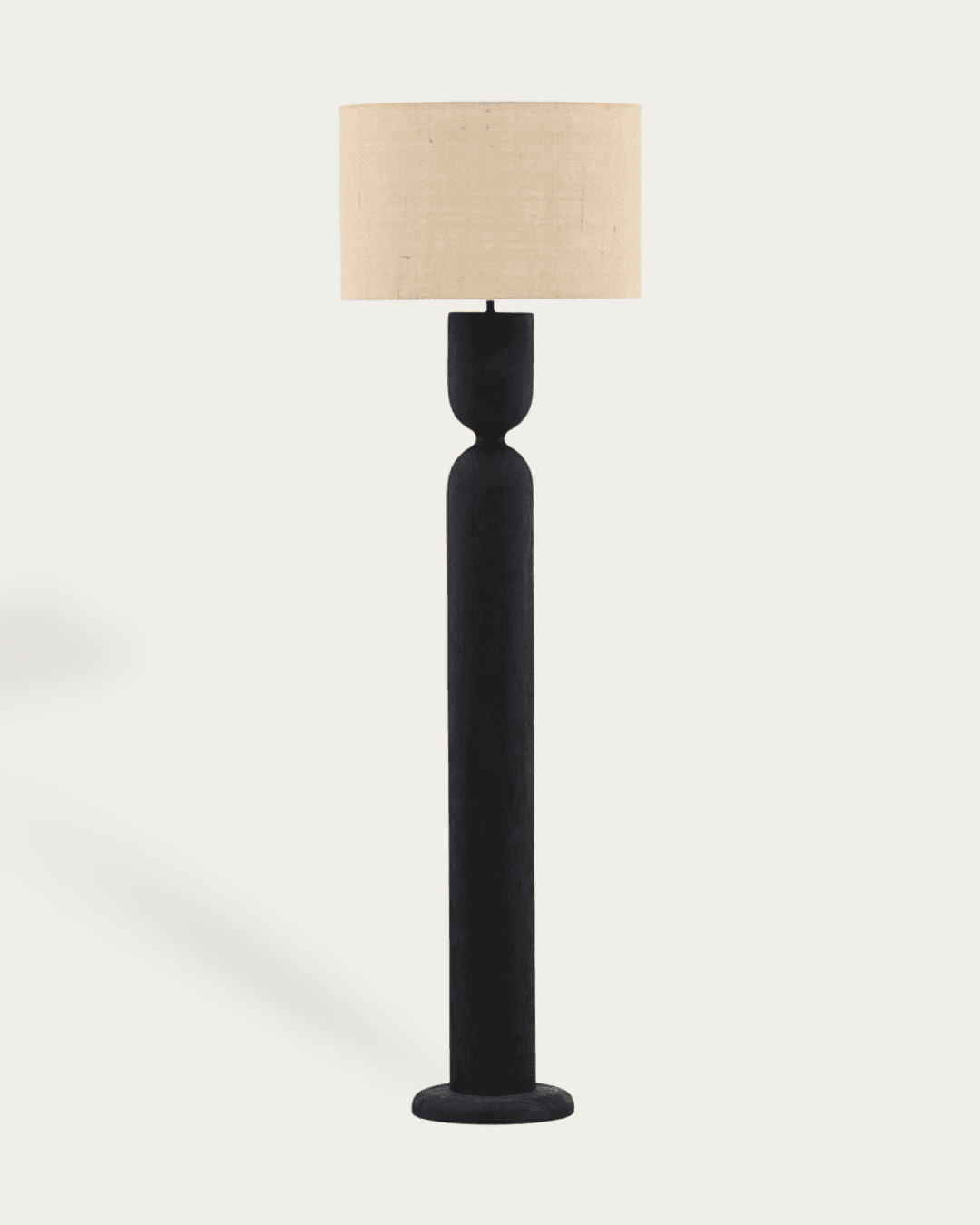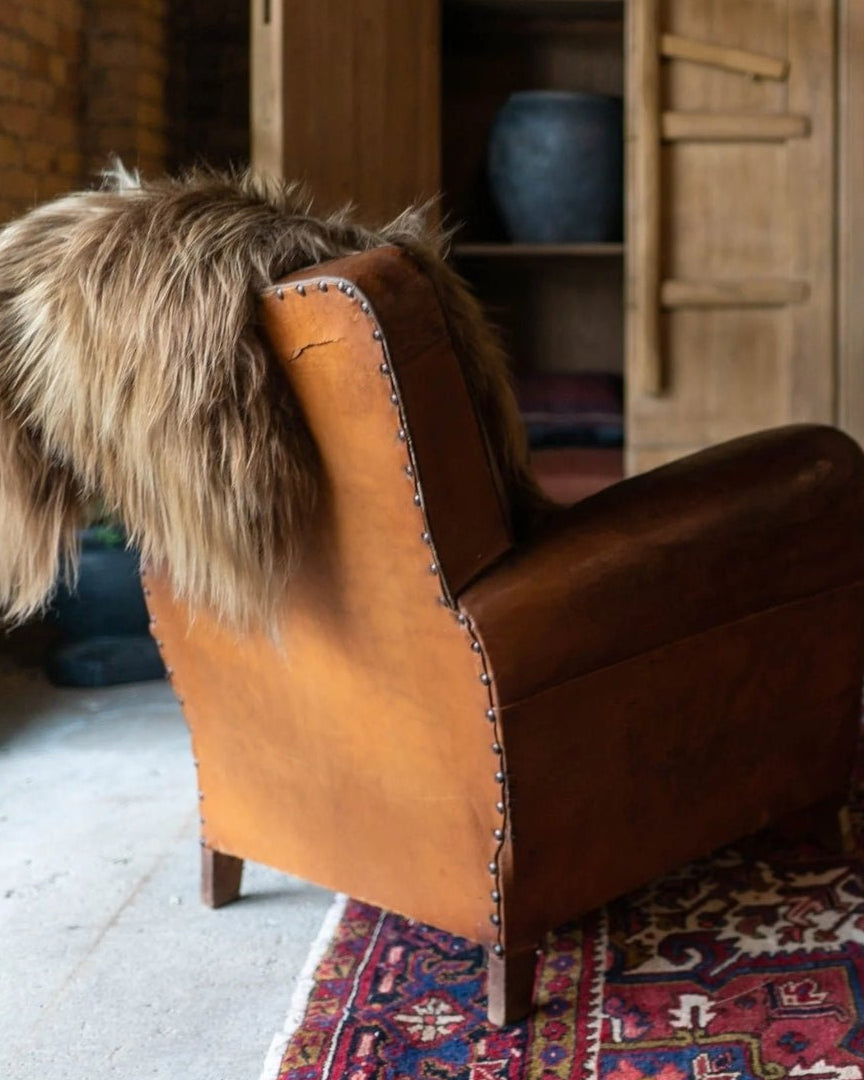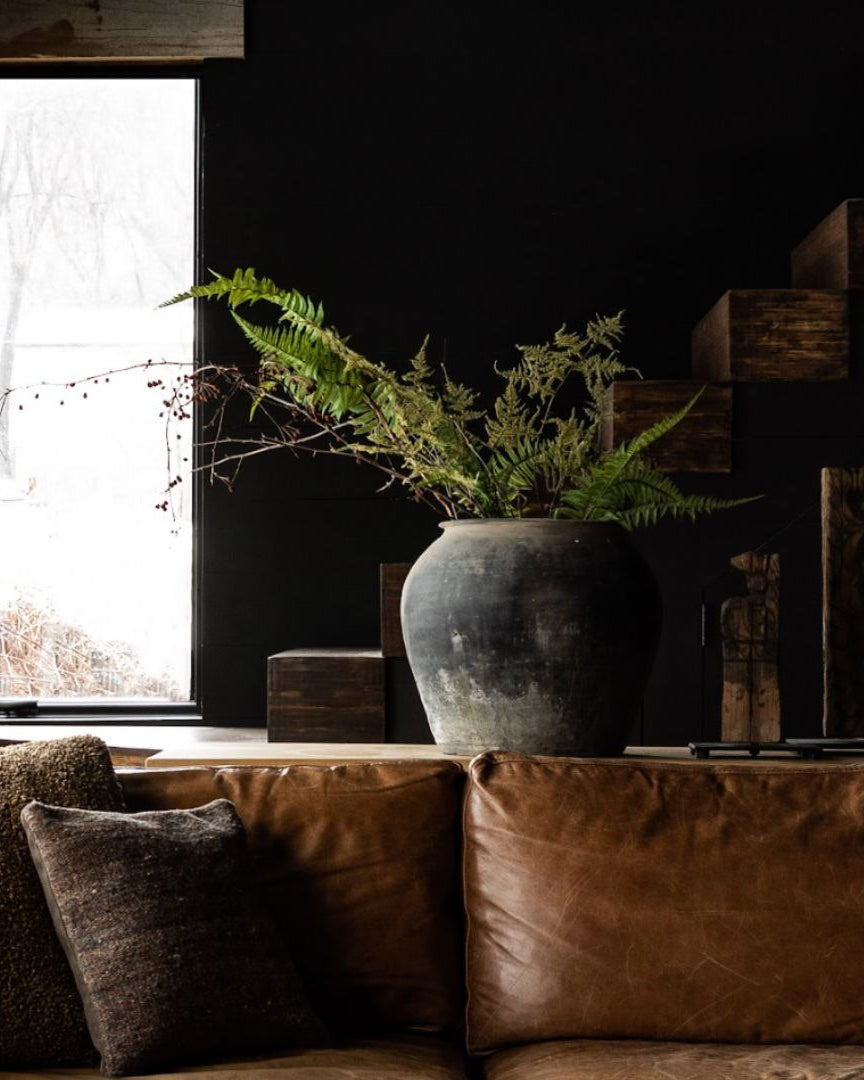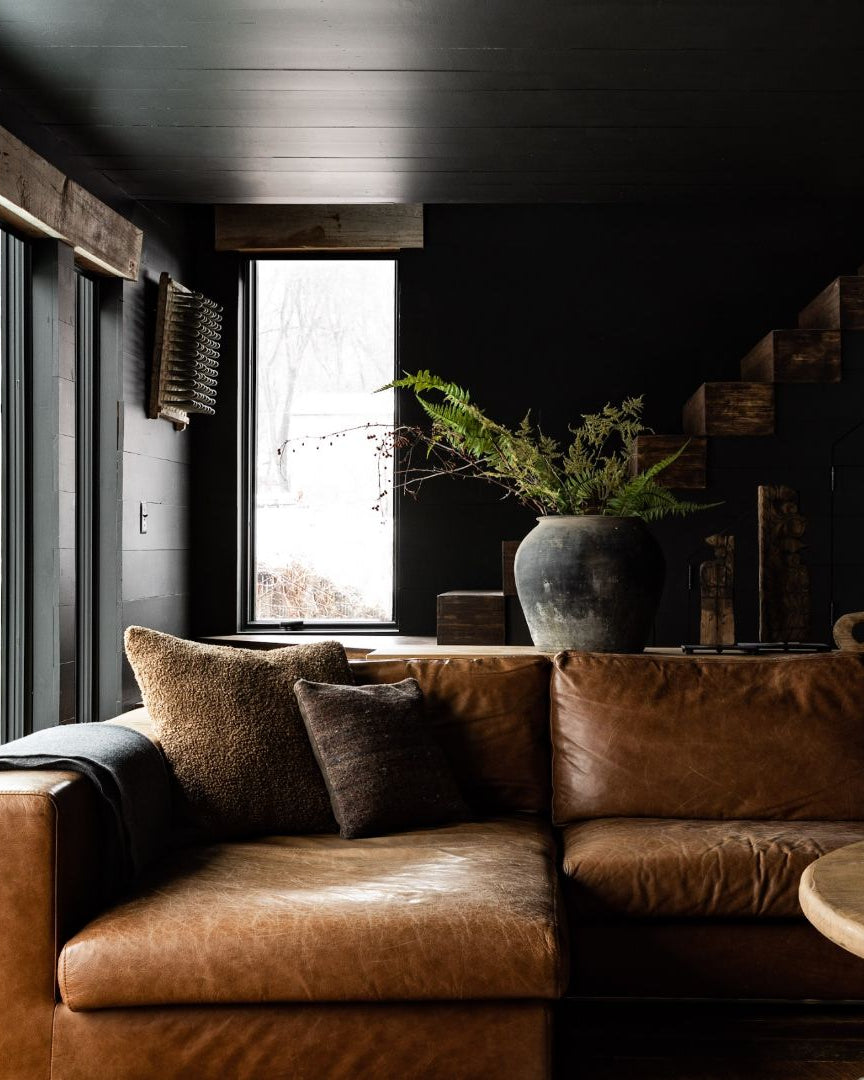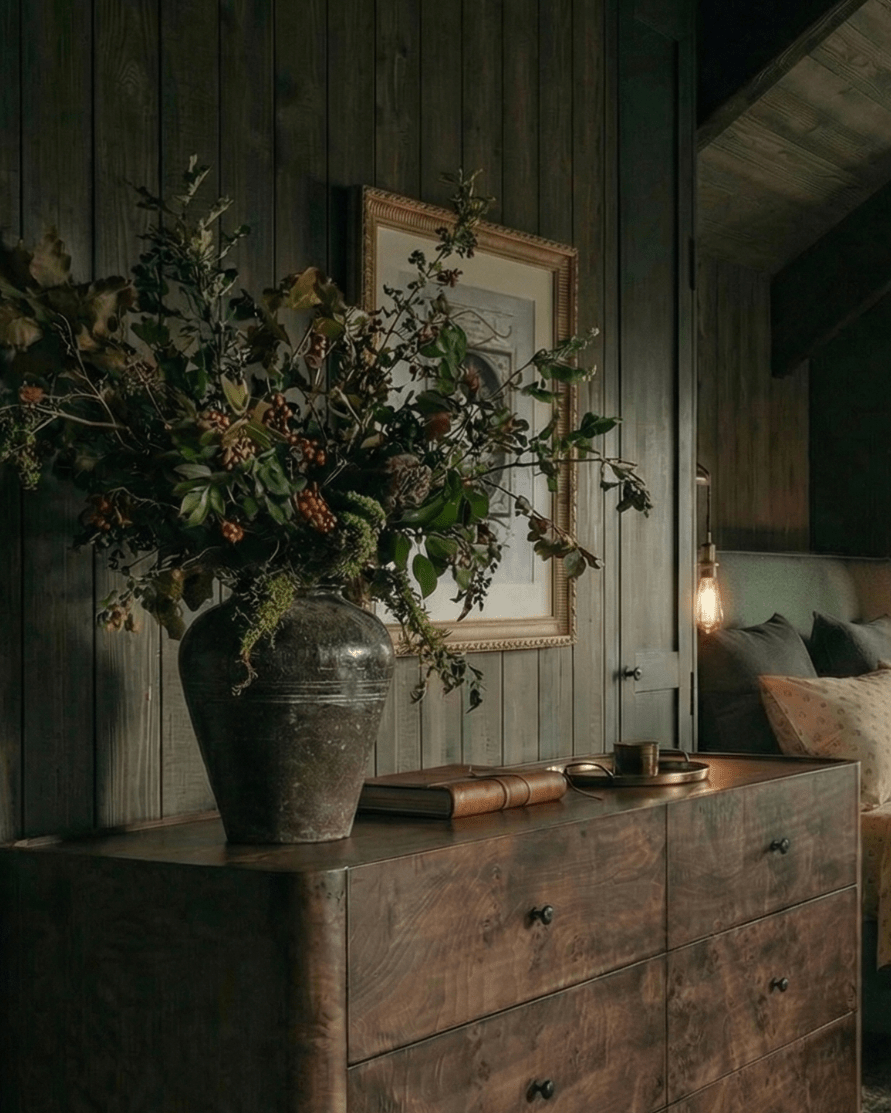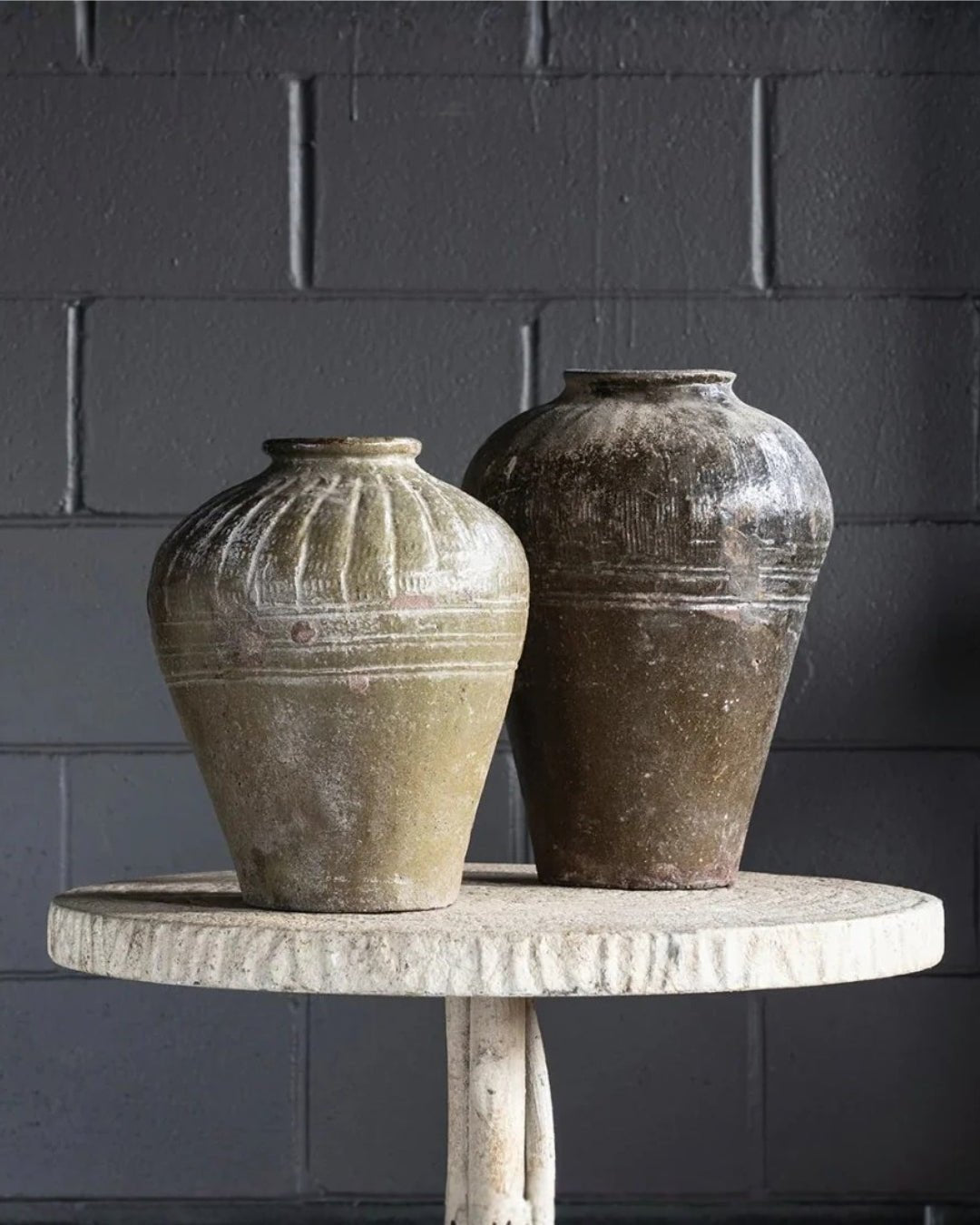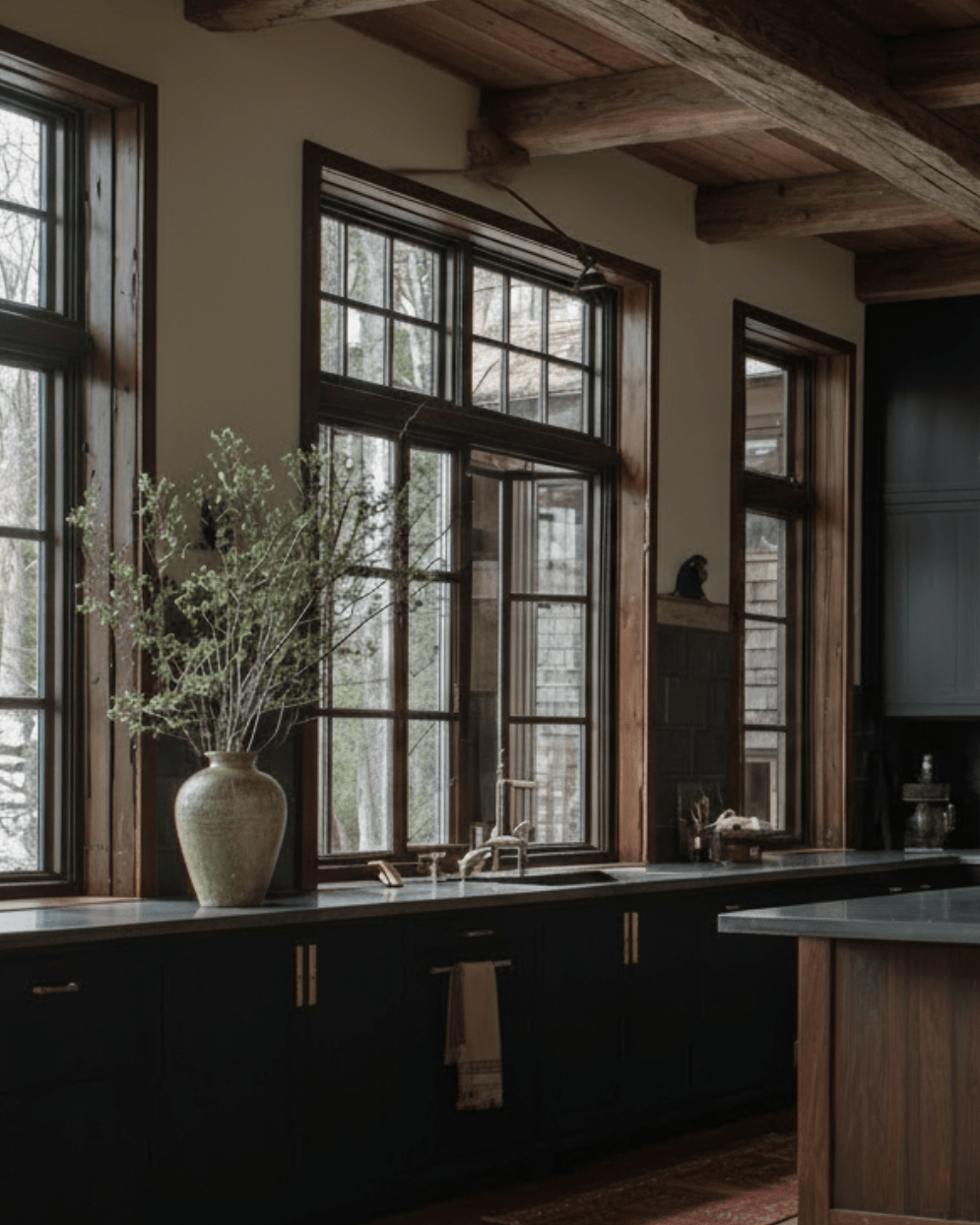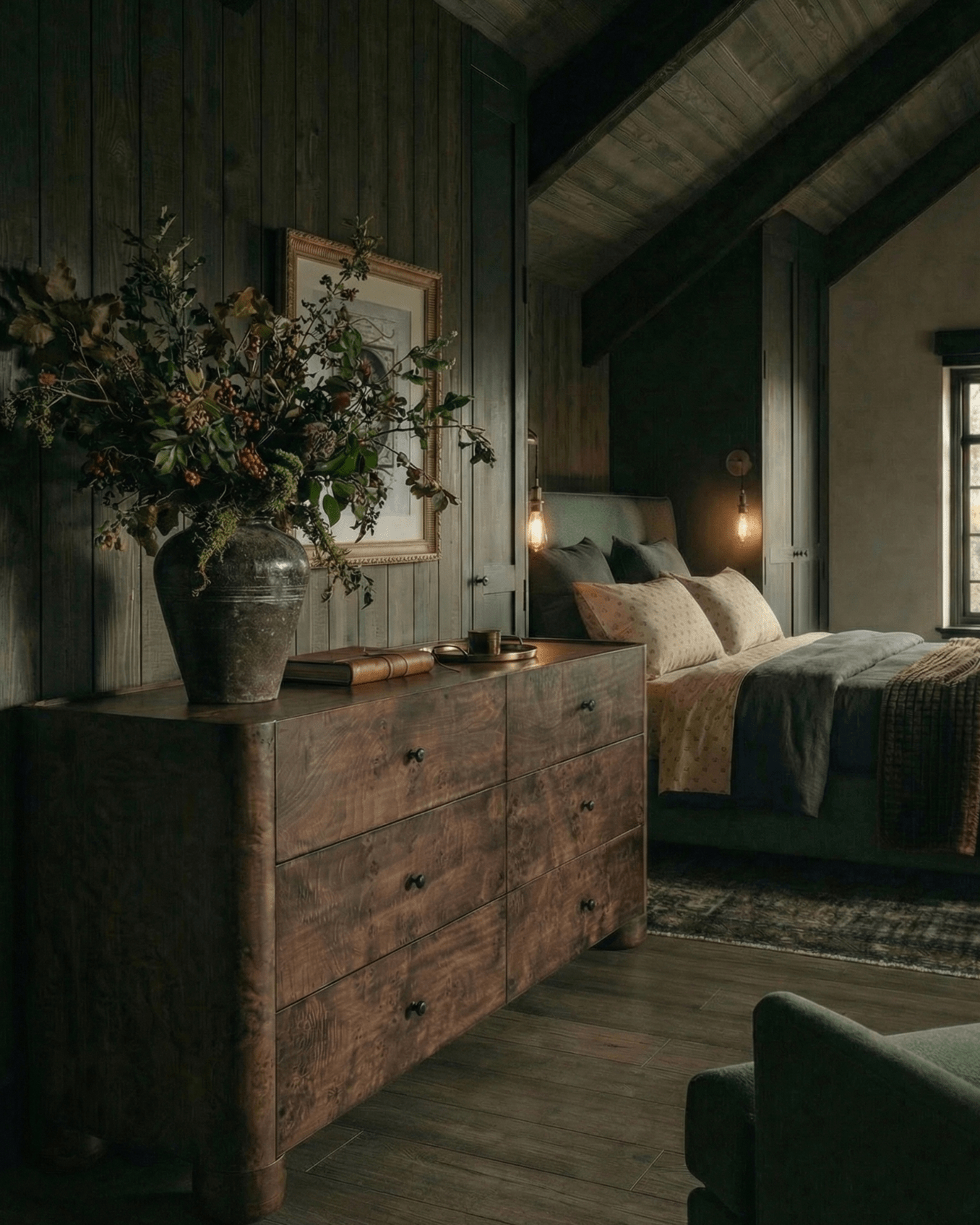












Some rooms don’t actually need more furniture.
They need more grounding.
A space can have the right layout, a decent color palette, and enough seating, yet still feel strangely unfinished. Usually that’s because nothing in the room is carrying enough visual weight to anchor the nervous system. The eye keeps scanning, searching for somewhere to settle, but everything feels too light, too polished, or too temporary.
That’s where reclaimed wood dining tables and consoles change everything.
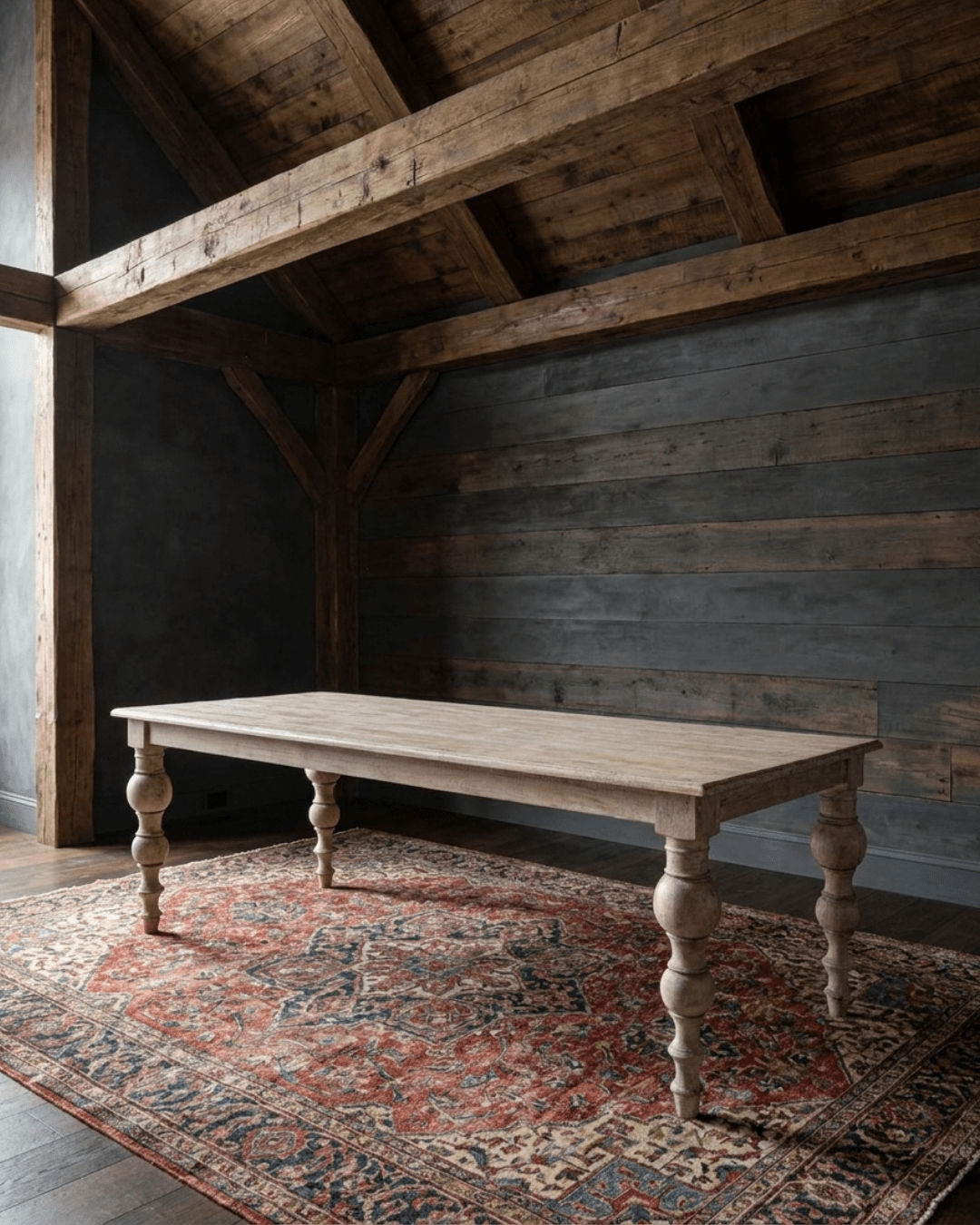
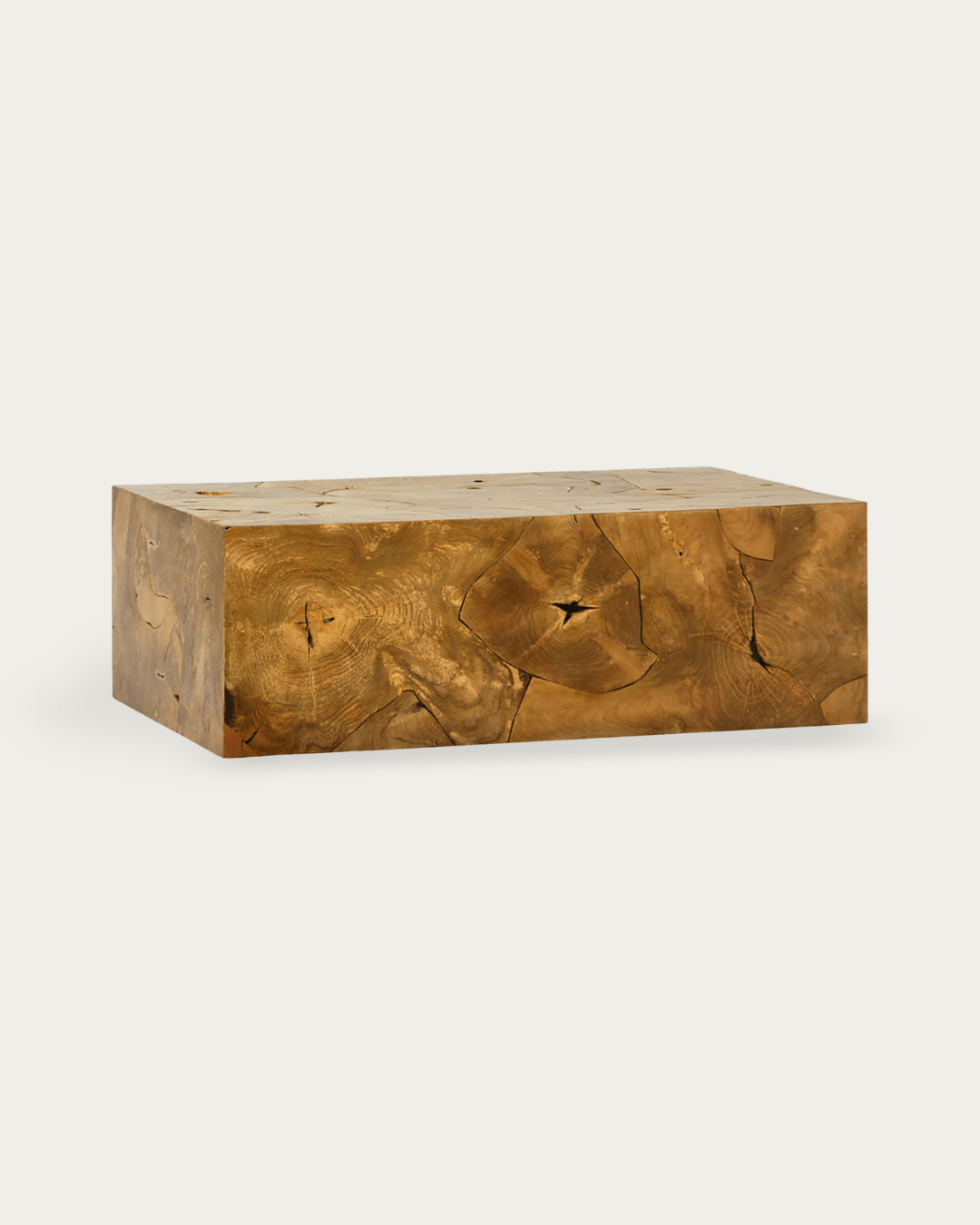
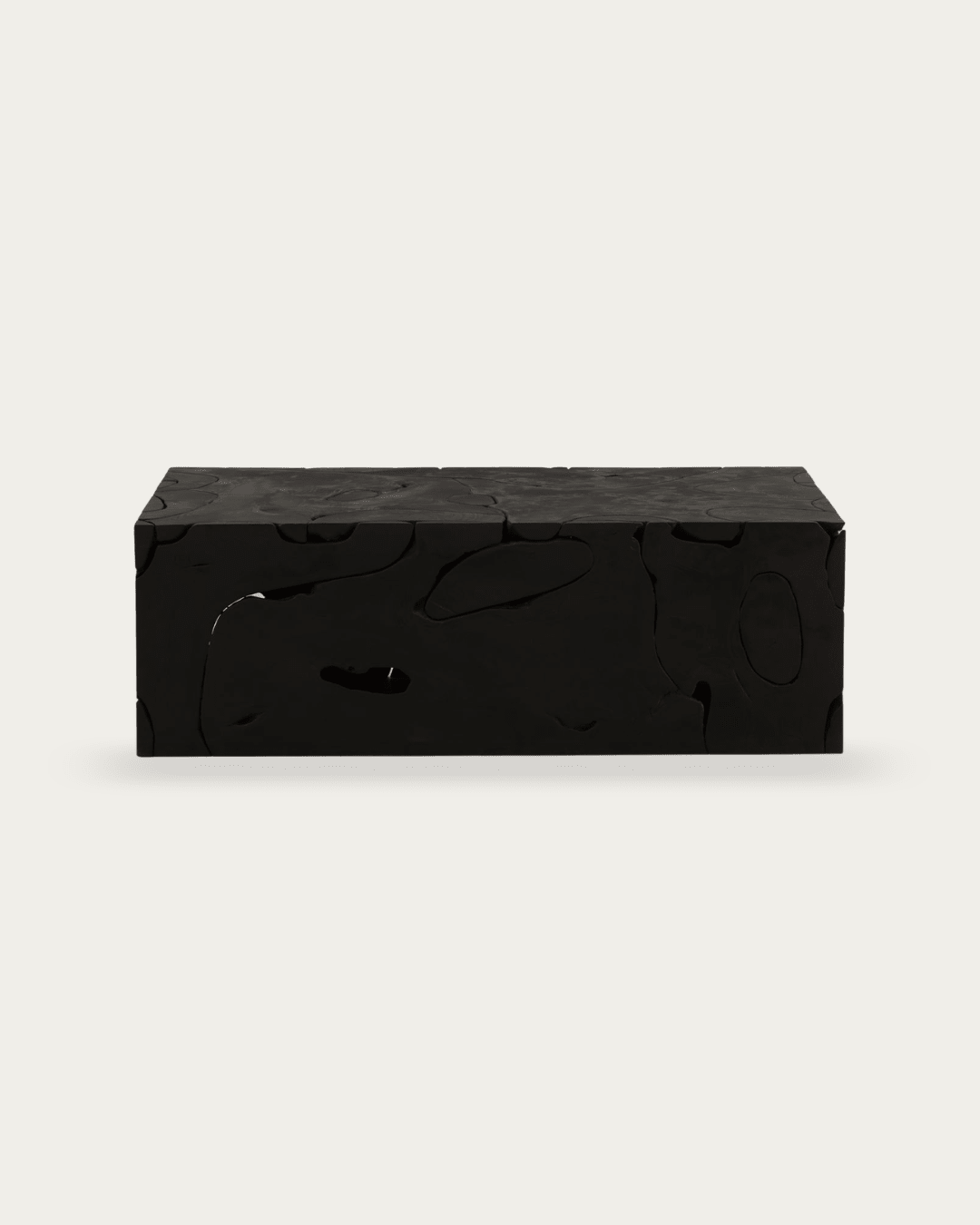
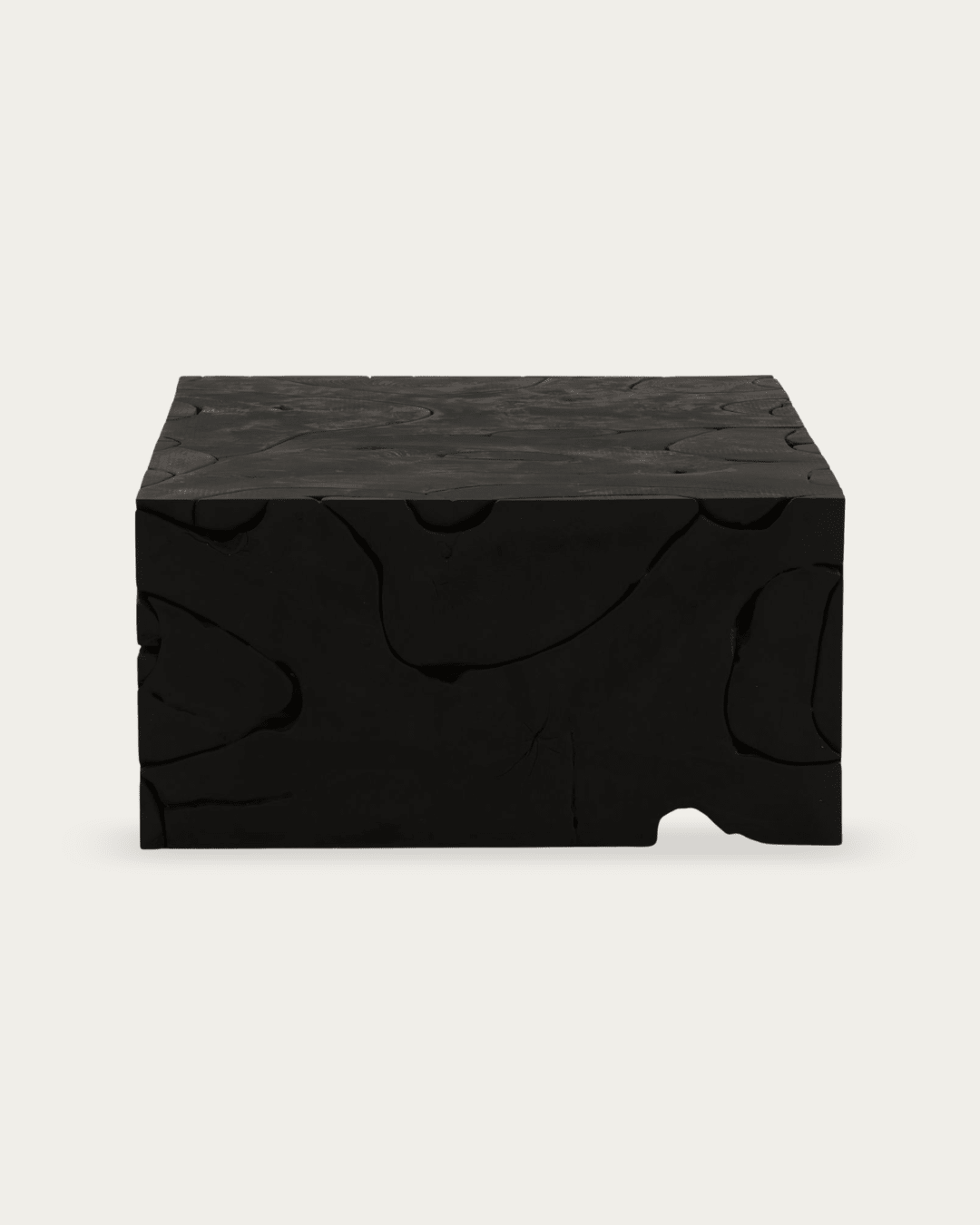
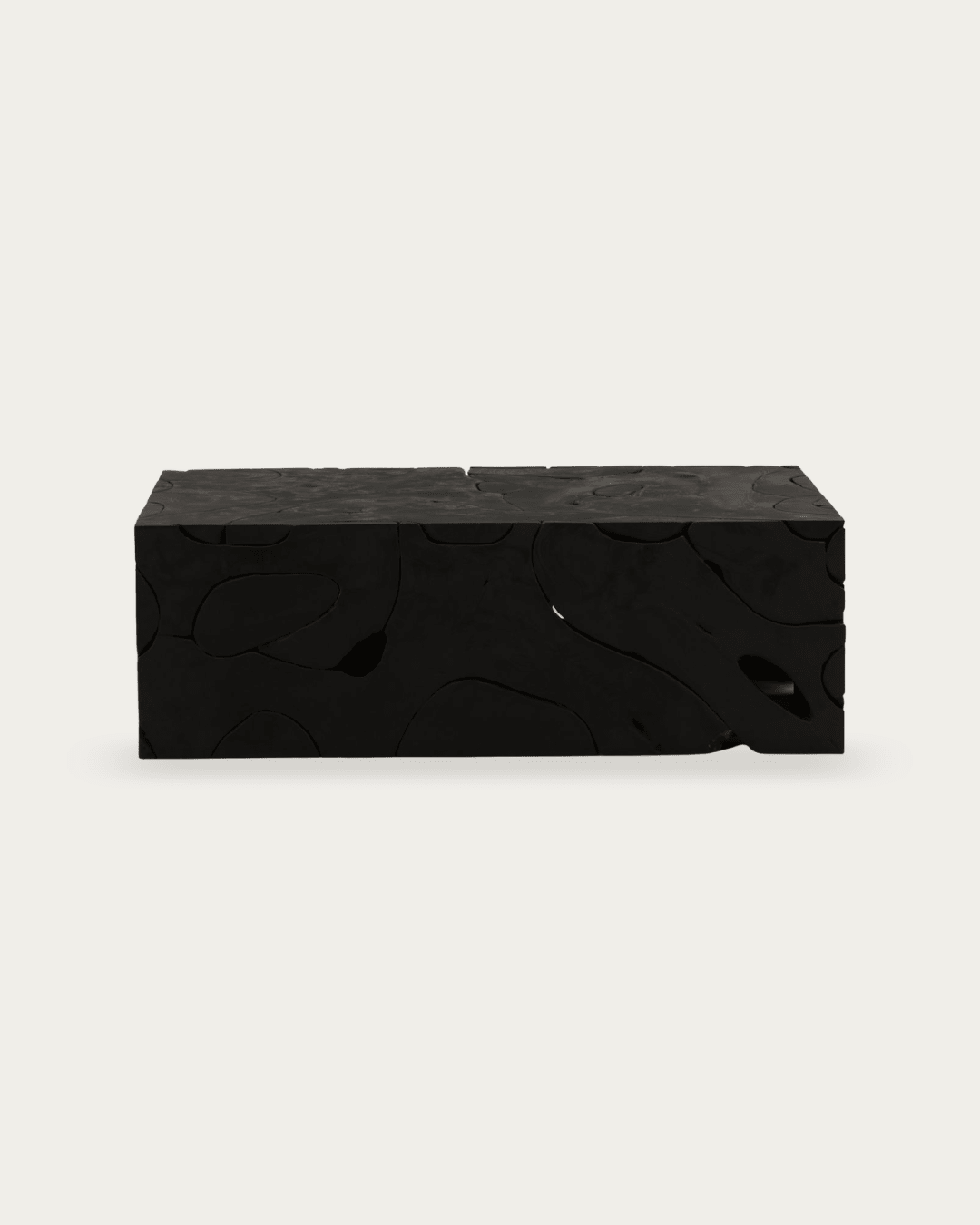
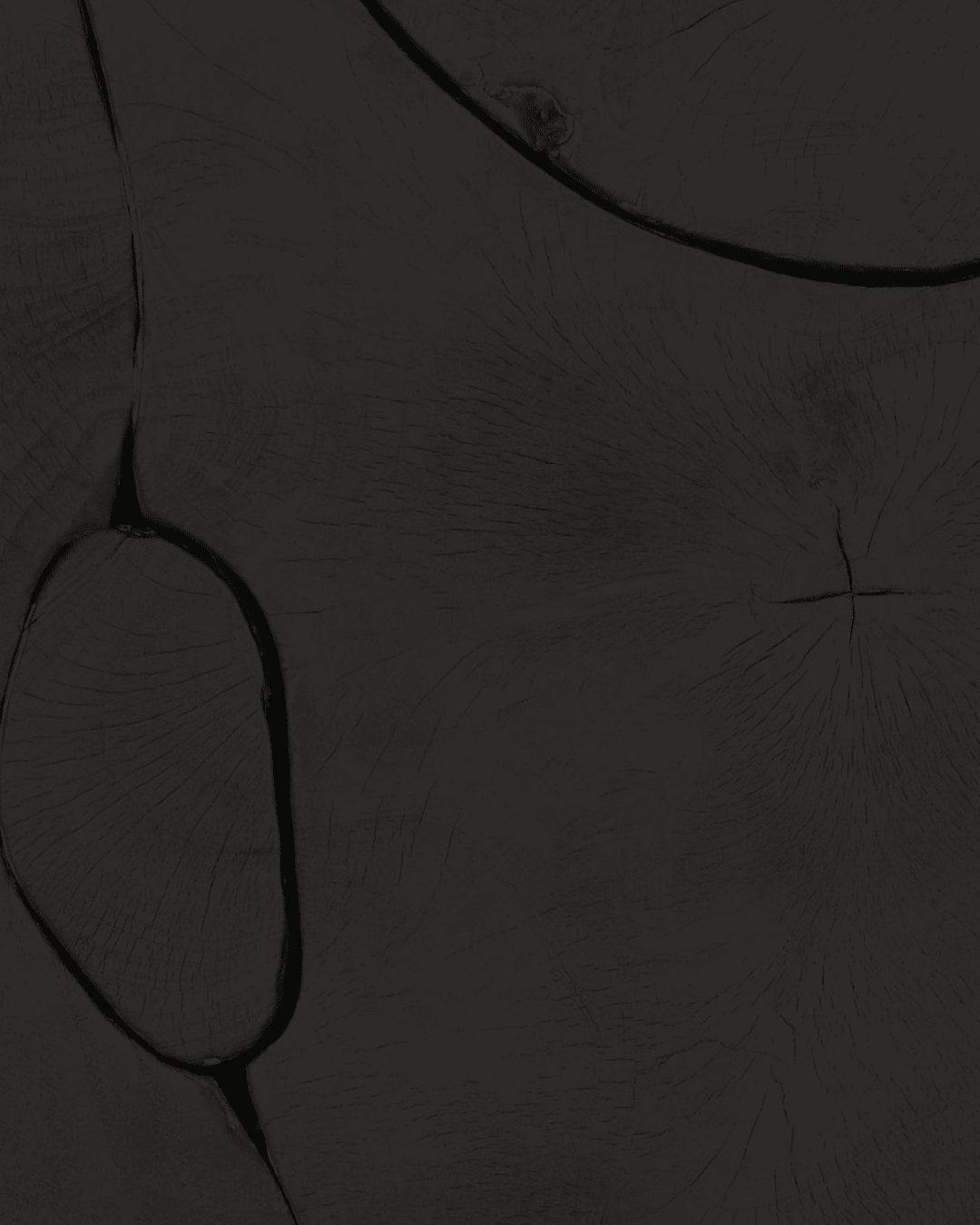
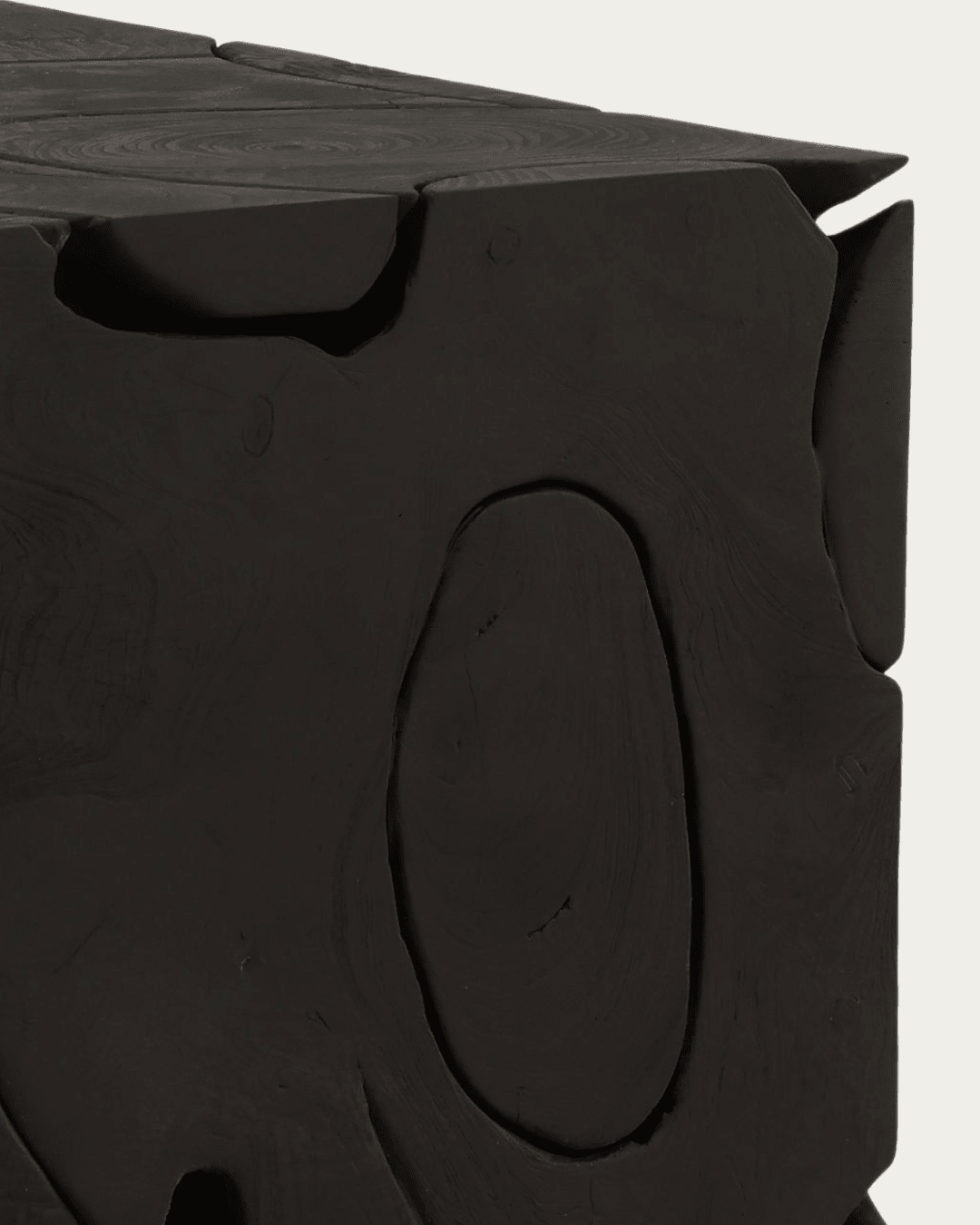
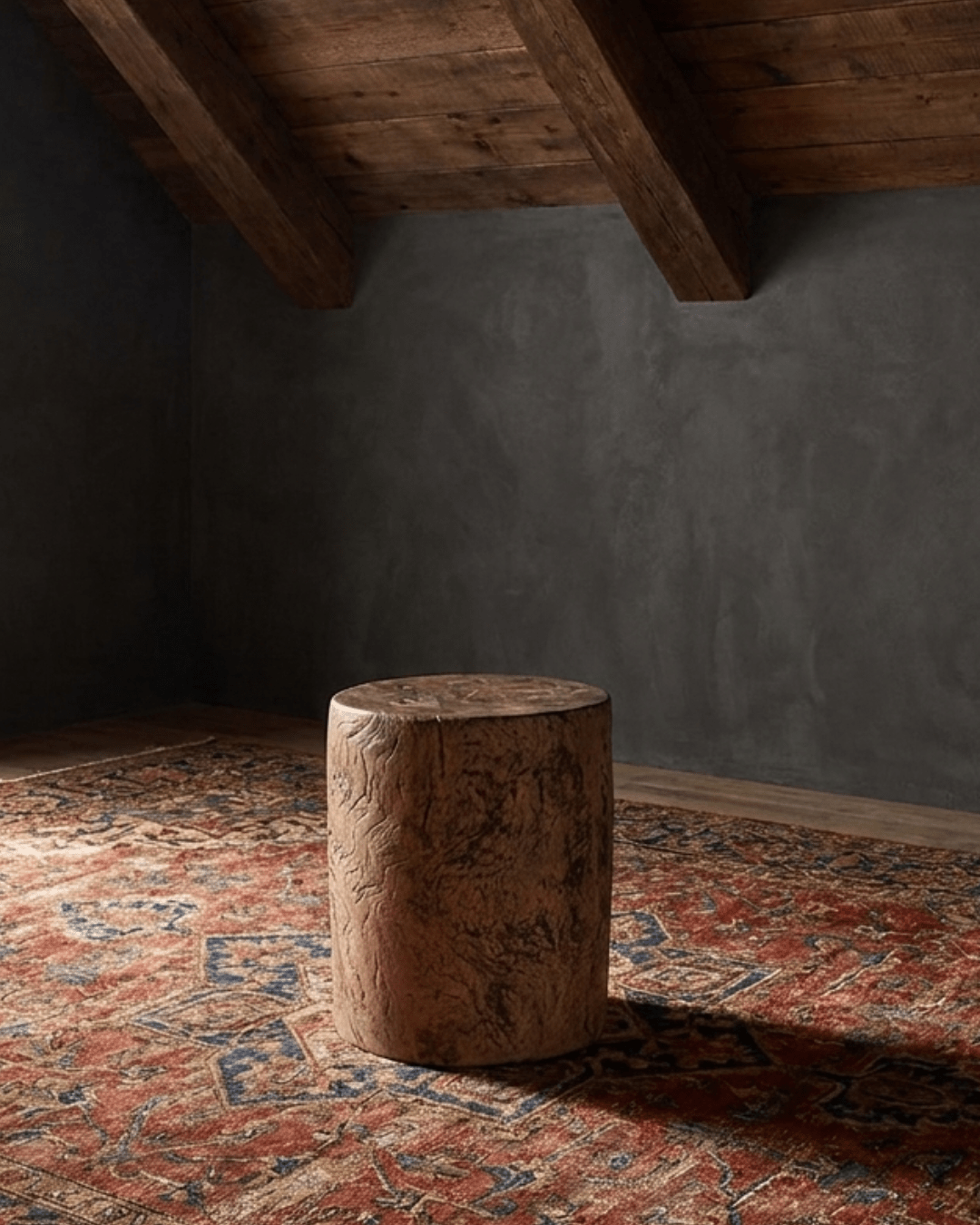
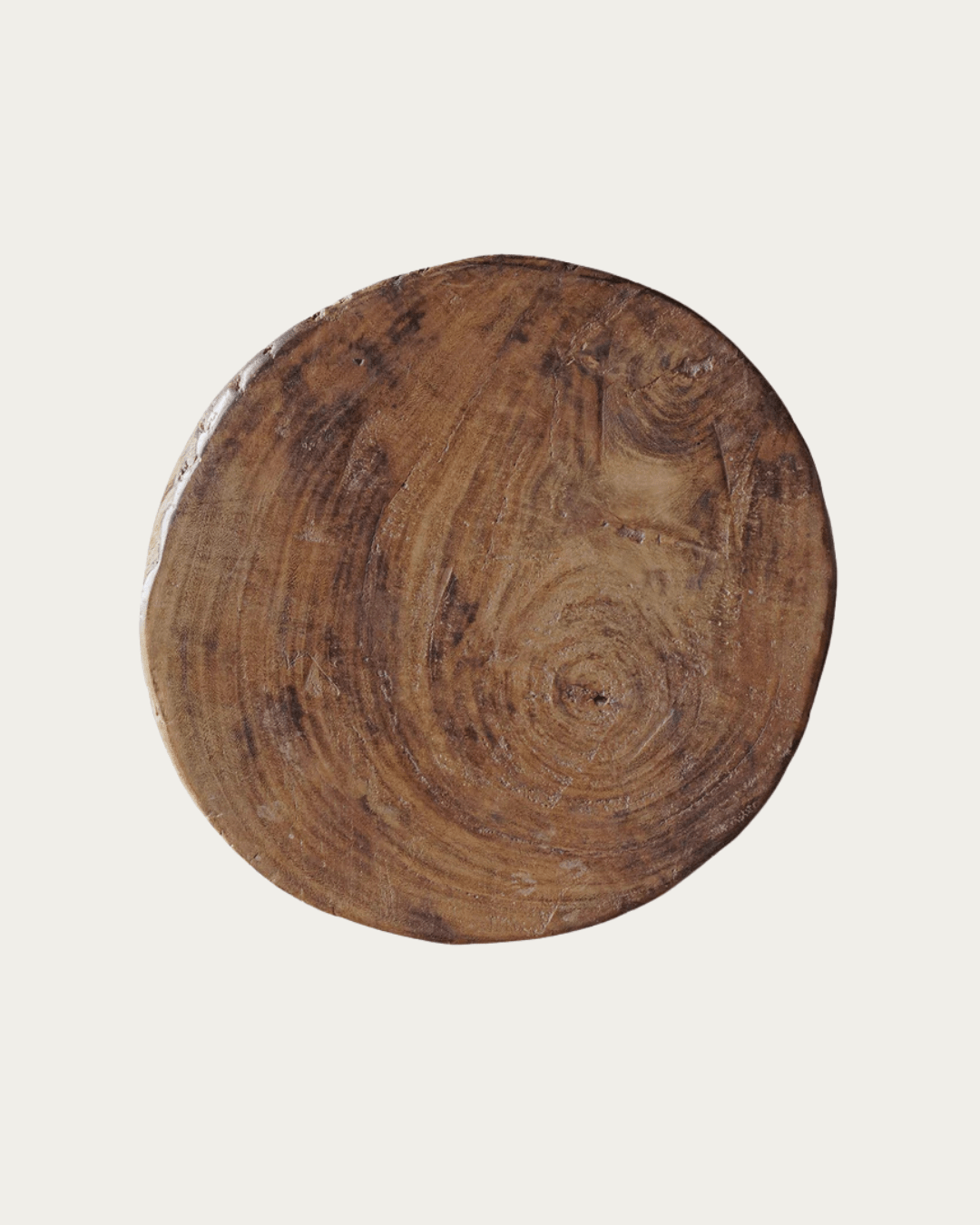
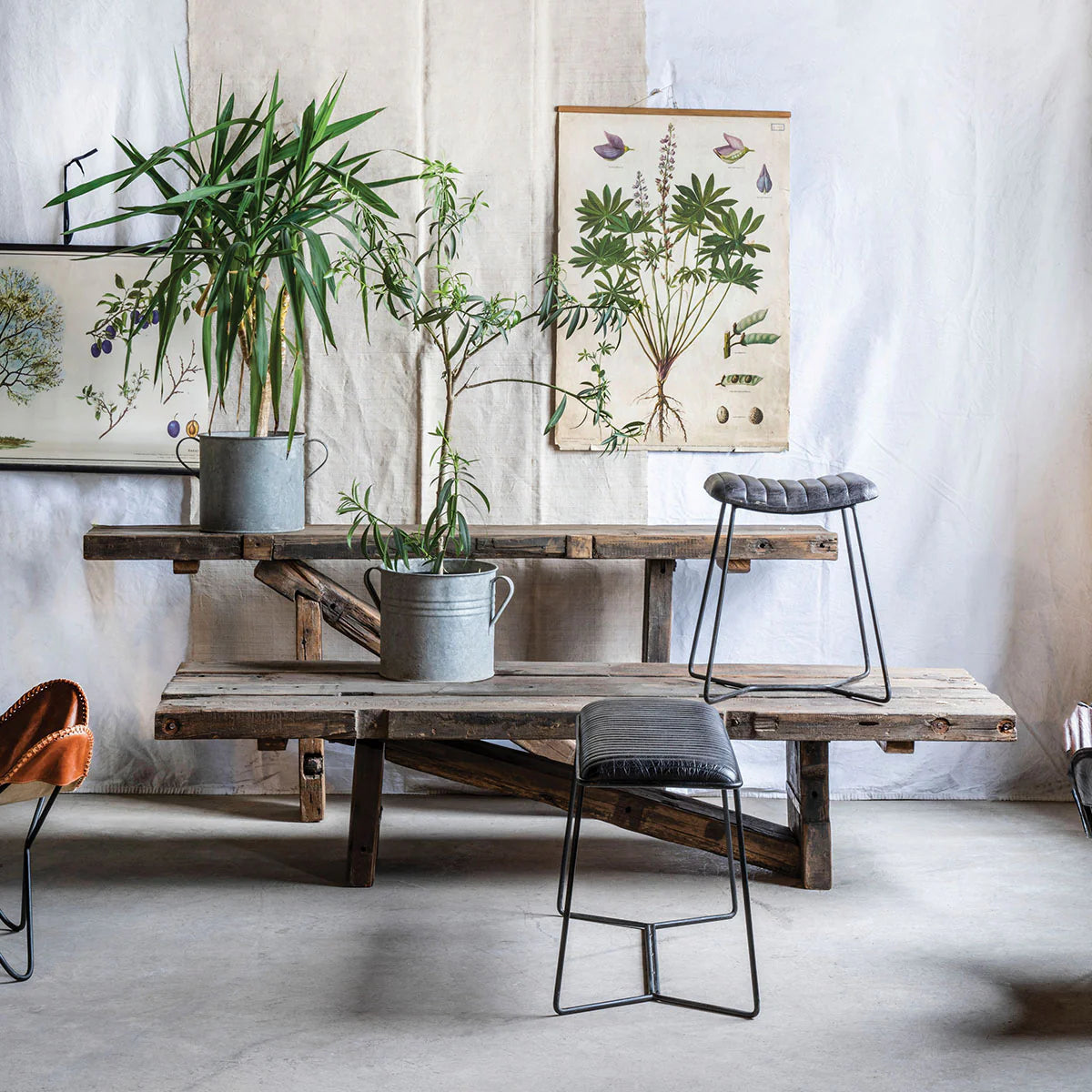
Reclaimed wood furniture naturally introduces density, texture, and material depth in a way faster furniture rarely can. The grain variation, softened imperfections, and heavier surfaces create visual stability without making a room feel cluttered or overworked. It’s one reason modern mountain homes keep returning to reclaimed materials as the emotional center of the space.
Many of those grounding pieces can be found throughout the Reclaimed furniture collection where dining tables and consoles help create interiors that feel slower, steadier, and easier for the nervous system to process.
Visual Weight Is What Makes a Room Feel Settled
People often think a room feels calm because it’s minimal.
Usually it feels calm because it’s anchored.
The nervous system responds strongly to visual stability. Larger grounded furniture pieces help create predictability for the eye, which lowers the amount of unconscious scanning happening in the room. Smaller fragmented objects tend to do the opposite. They create visual interruptions that keep attention moving constantly.
Reclaimed wood dining tables naturally solve this because the material itself already carries enough texture and density to stabilize a room emotionally.
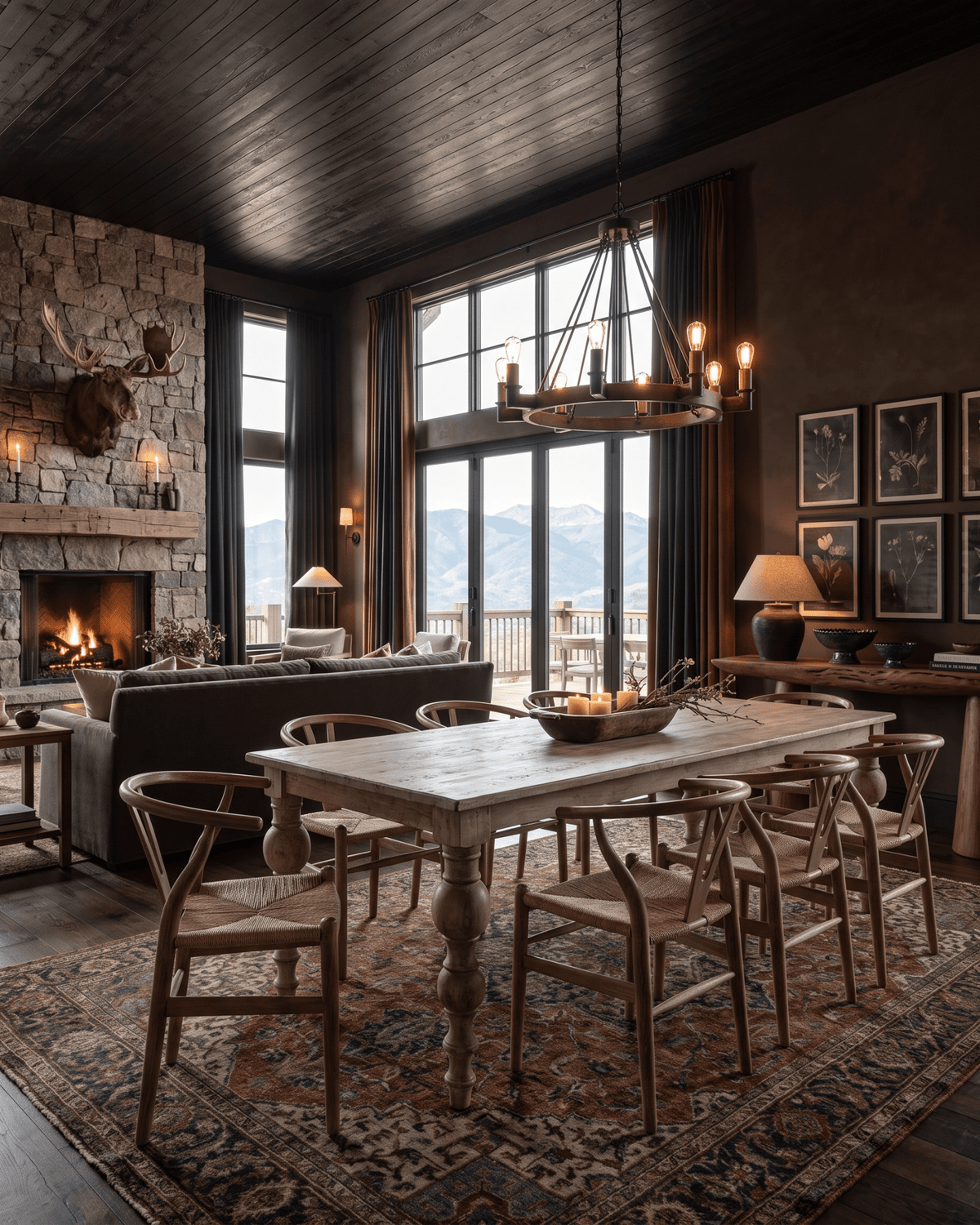
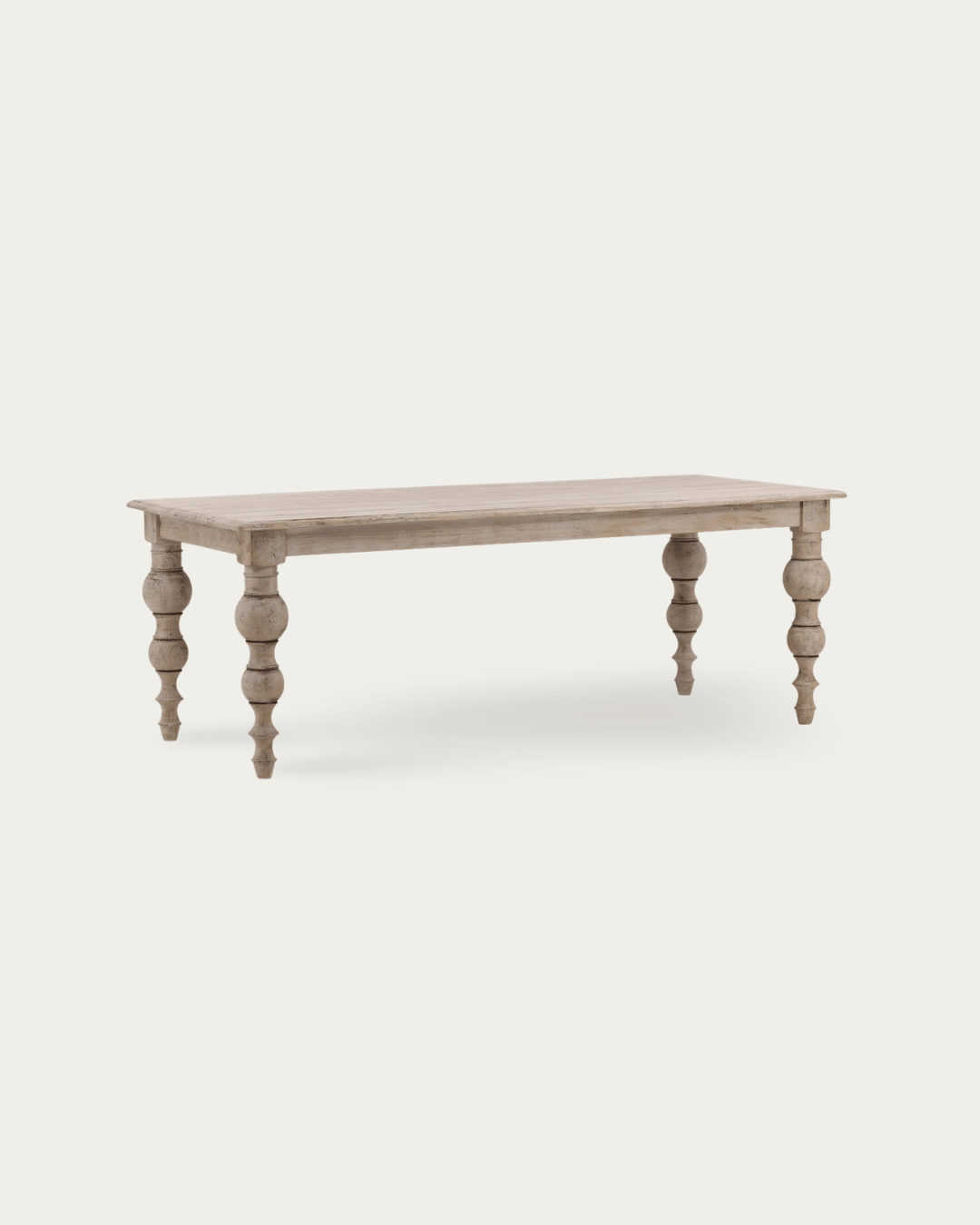
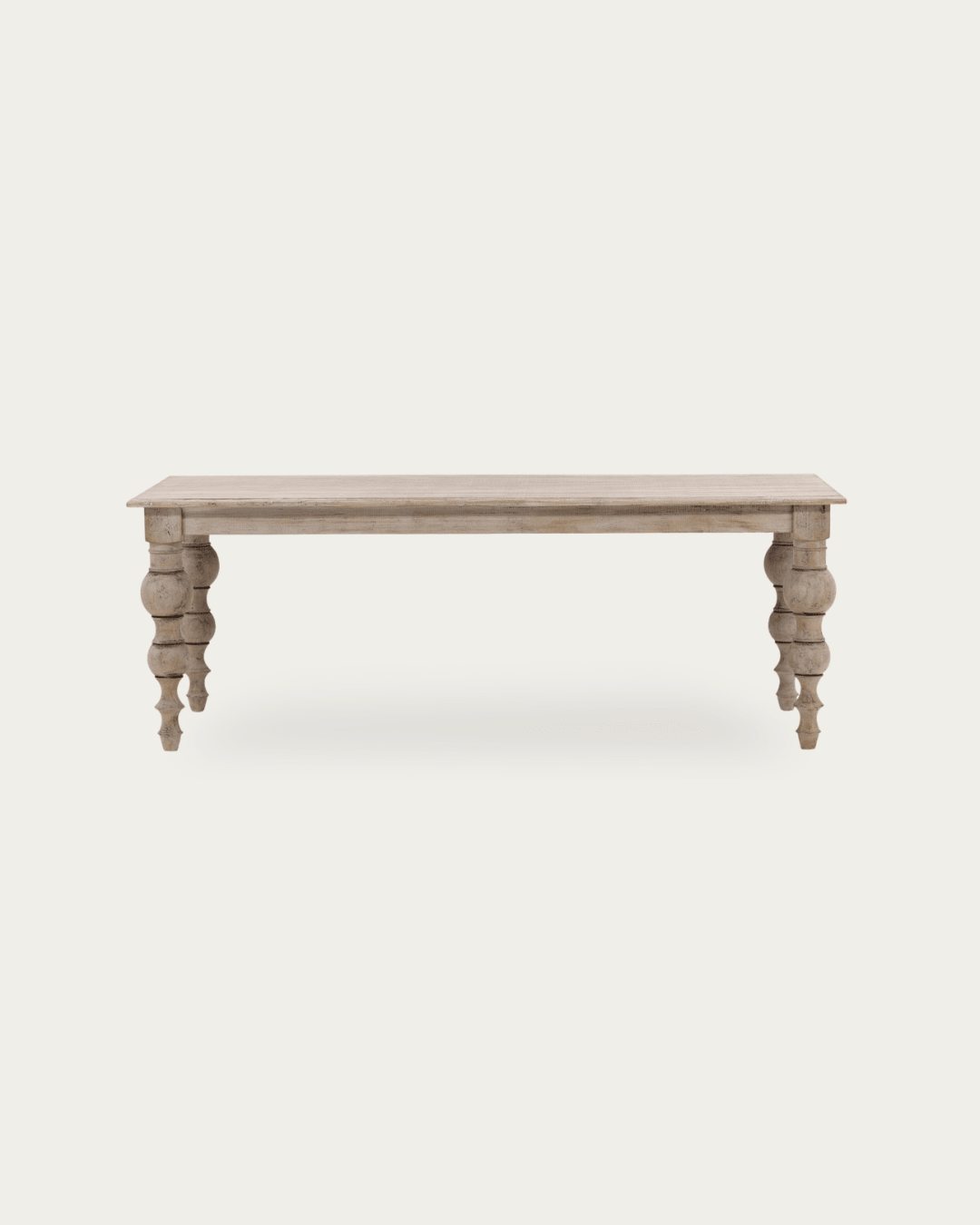
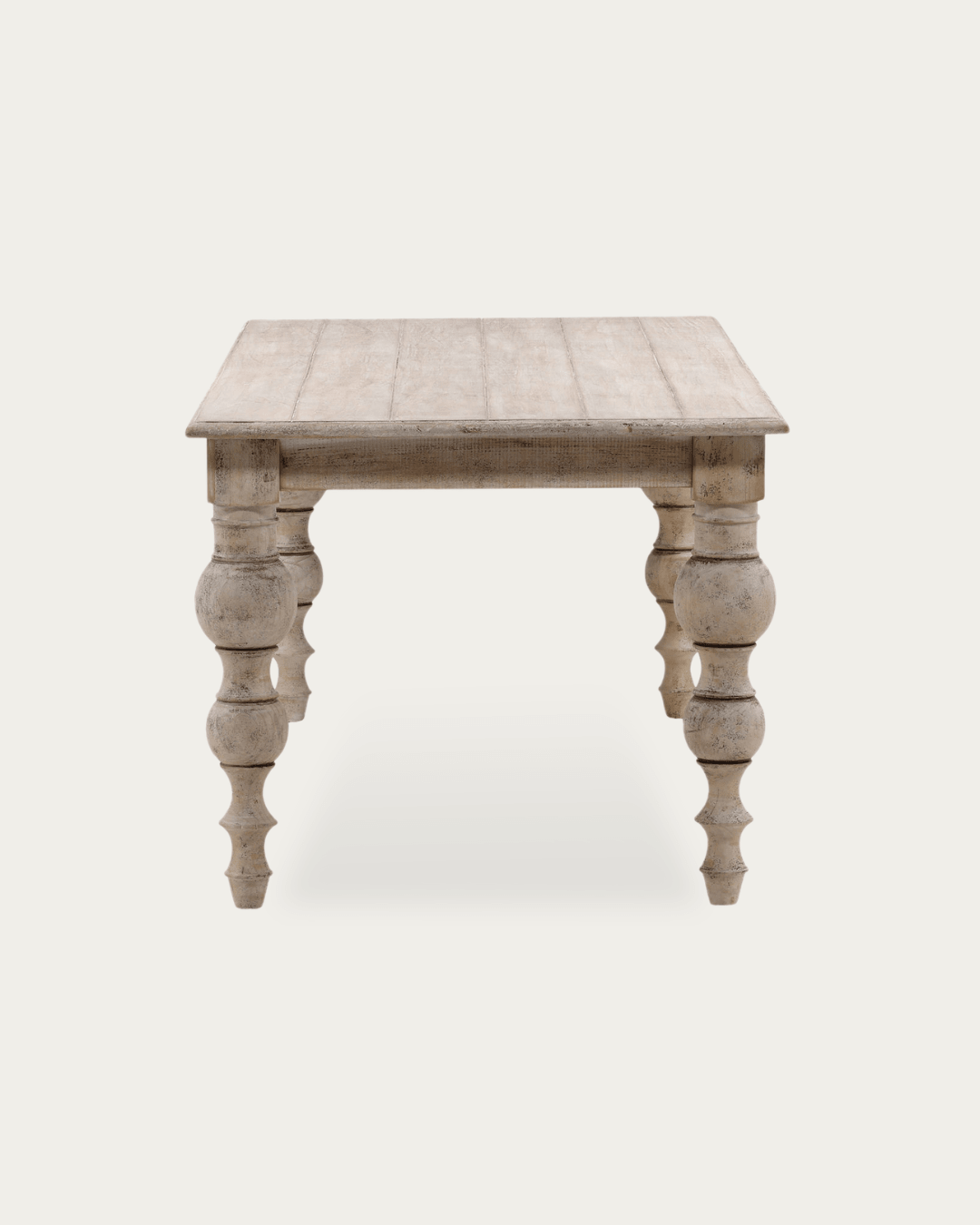
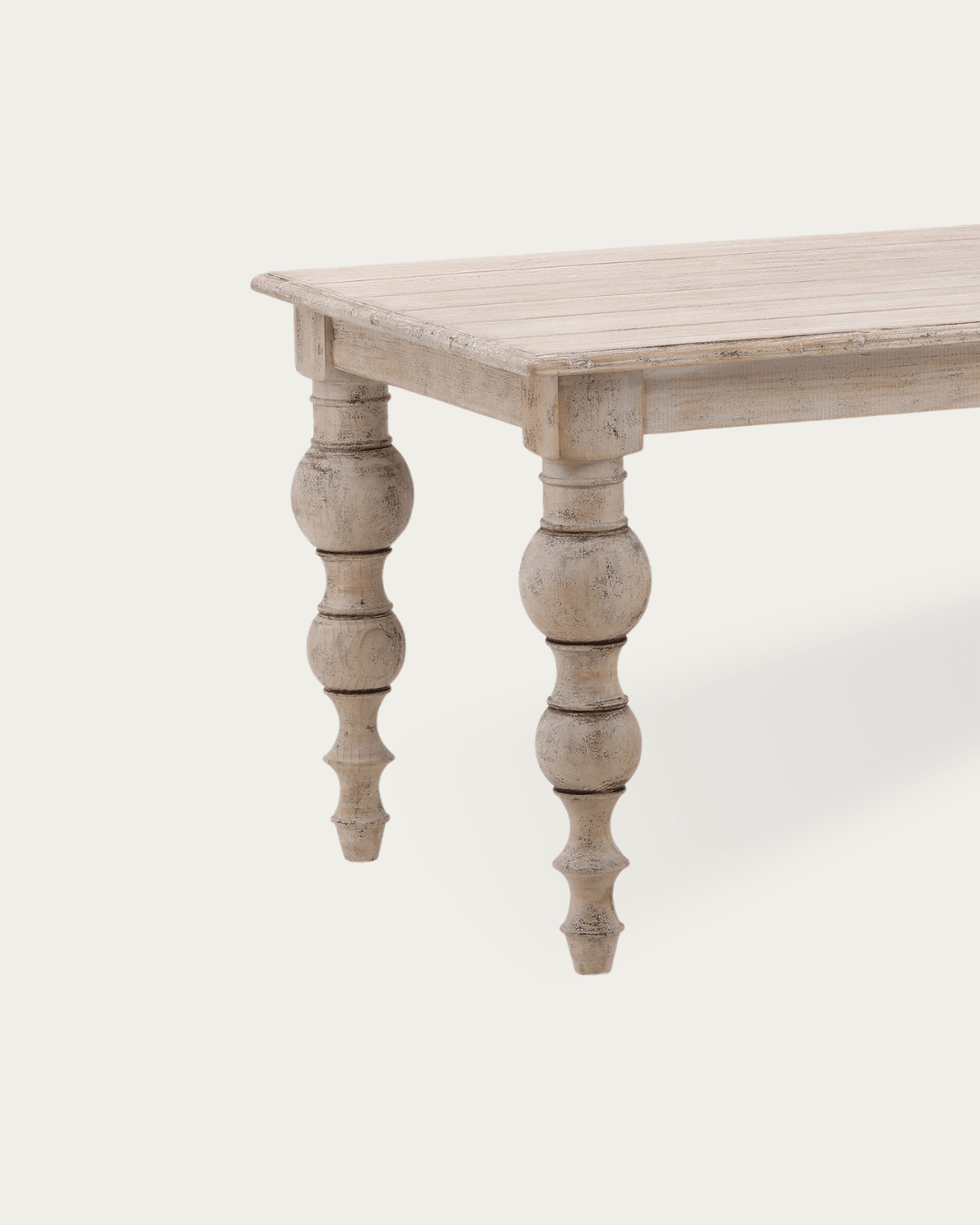
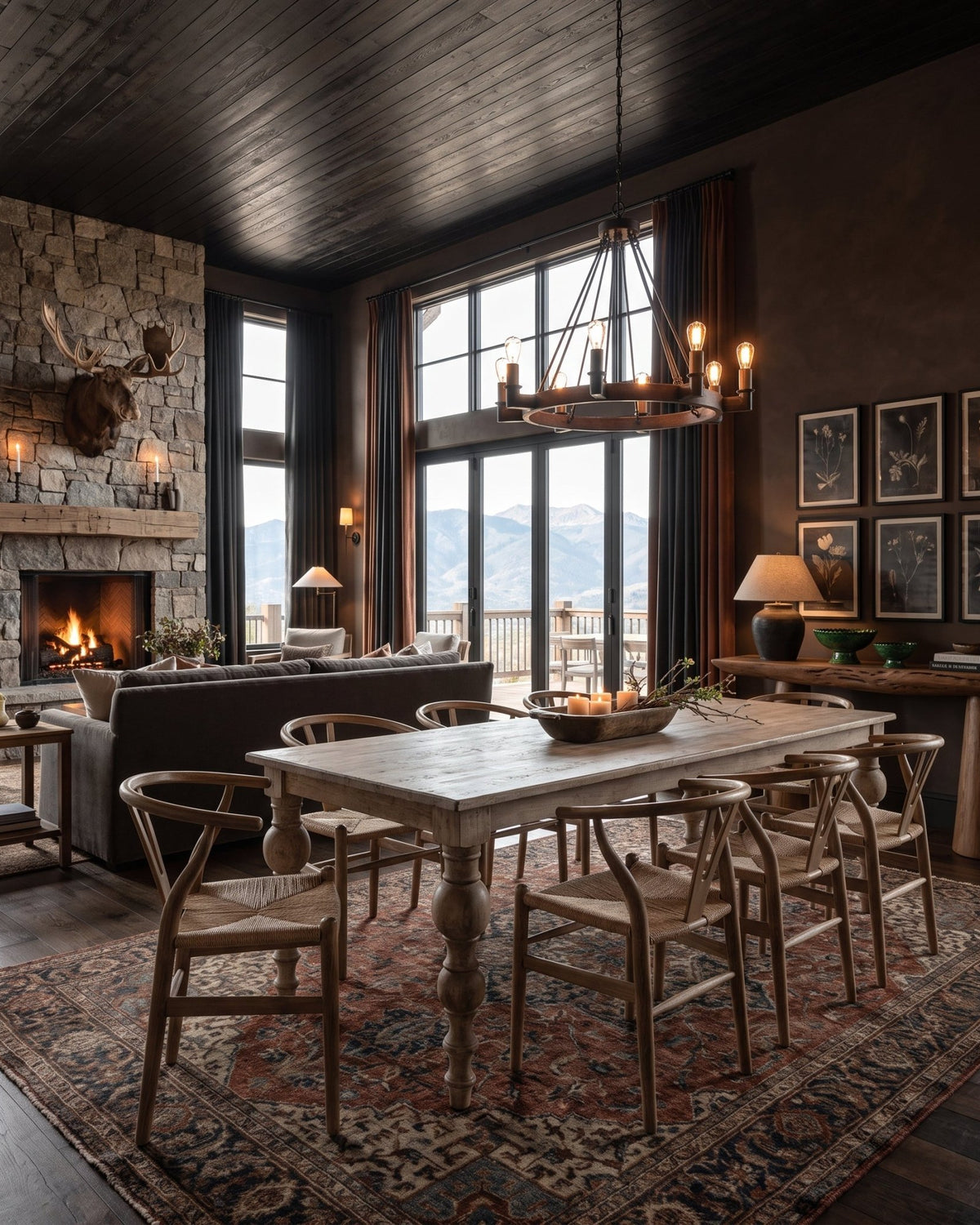
The Trym dining table works especially well in modern mountain interiors because its substantial reclaimed wood surface immediately creates a visual center of gravity inside the dining space.
The Lovisa dining table creates a slightly softer interpretation of that same grounding effect through its quieter silhouette and more relaxed material transitions.
The room starts feeling complete because the furniture itself already carries enough presence.
Reclaimed Wood Adds Texture Without Adding Chaos
One reason reclaimed wood furniture feels regulating is because it introduces sensory variation without overstimulating the space.
The grain changes direction naturally.
The surface absorbs light unevenly.
Small imperfections interrupt visual repetition.
The texture evolves throughout the day depending on the lighting.
The brain responds positively to this kind of natural complexity because it creates engagement without overload.
Highly processed materials often do the opposite. Flat veneers, overly polished finishes, and synthetic textures can feel emotionally cold because the surfaces lack enough organic variation for the nervous system to relax comfortably.
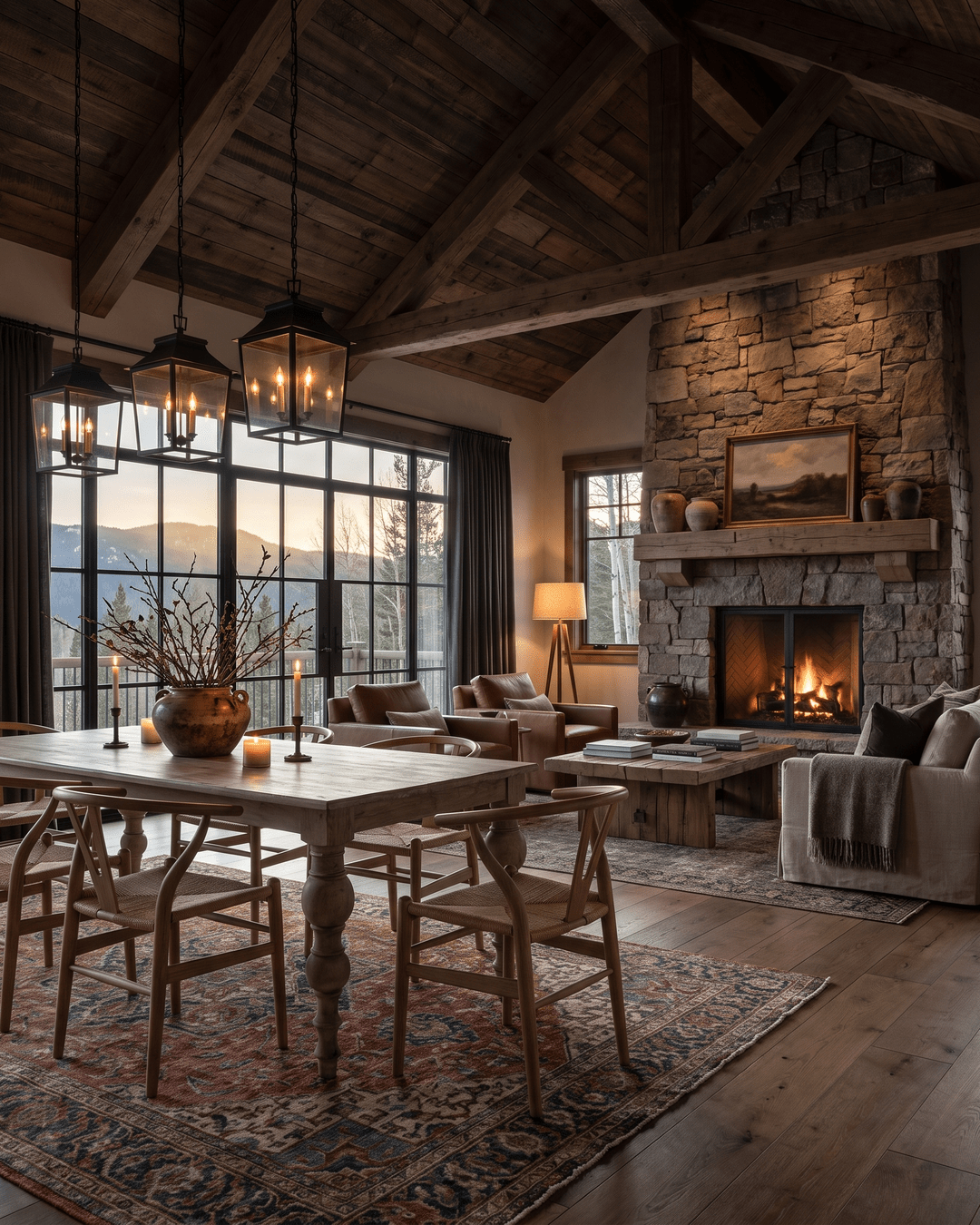
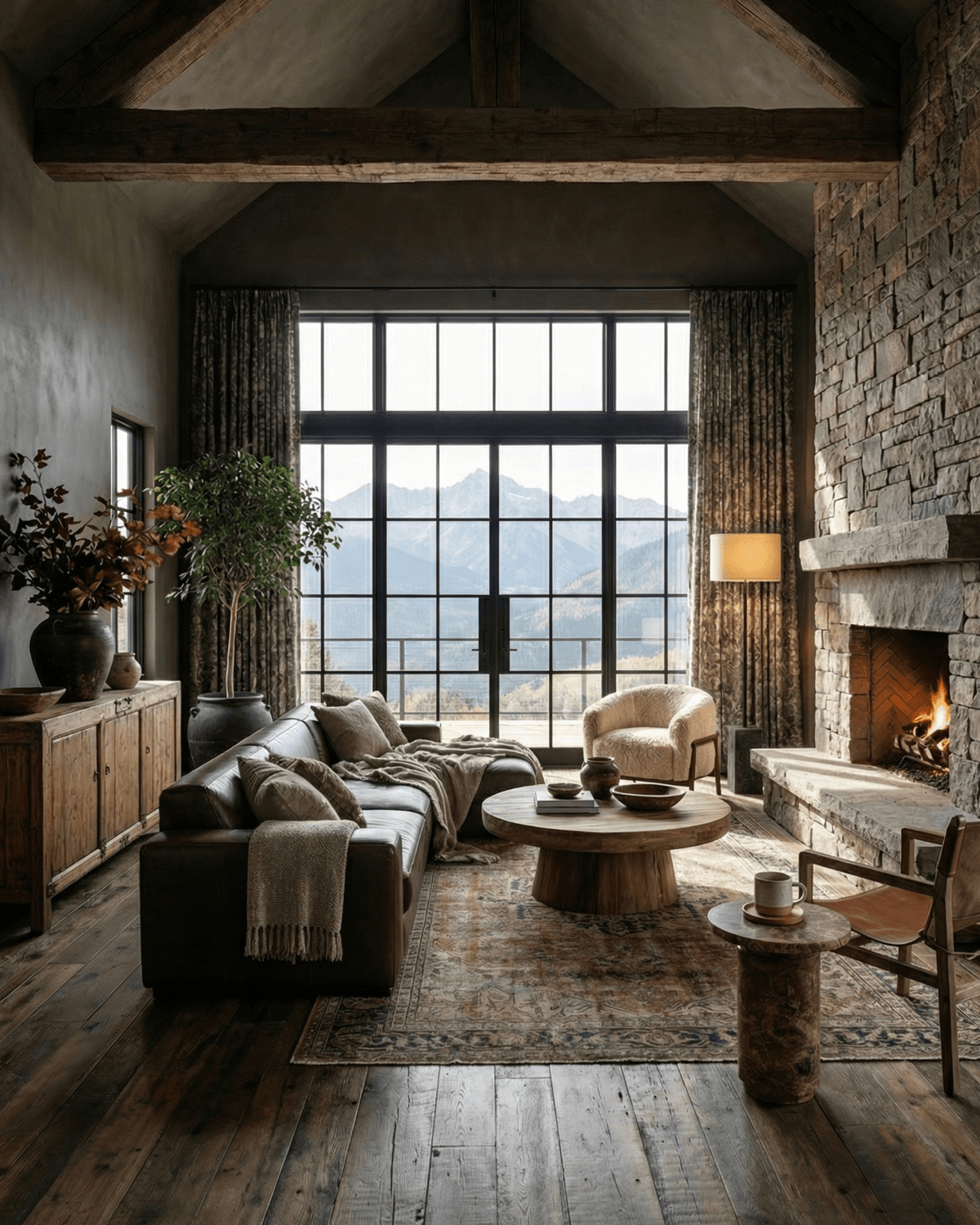
That’s why reclaimed wood works particularly well in modern mountain homes. The architecture already leans toward slower sensory experiences, and reclaimed surfaces reinforce that instead of competing against it.
The room feels layered through material honesty rather than decorative excess.
Consoles Quiet Transitional Spaces Better Than Decor Ever Will
A lot of people underestimate how emotionally important transitional spaces are.
Hallways.
Entryways.
Long walls.
The area behind a sofa.
The space connecting one room to another.
When those areas feel visually empty or disconnected, the entire home can subtly feel fragmented even if the main rooms themselves are beautifully designed.
Consoles help regulate those transitions.
A reclaimed wood console introduces grounding exactly where the nervous system is moving from one spatial experience into another. It slows the eye down and distributes texture more evenly throughout the home.
The Jona reclaimed console table works especially well in these transition zones because its heavier reclaimed texture visually anchors longer walls or open circulation areas without requiring additional clutter around it.
The Bryndis console table creates a similar effect while softening sharper architectural transitions through more relaxed material movement and proportion.
The best modern mountain homes rarely feel disjointed because these quieter transition spaces are handled intentionally too.
The Nervous System Prefers Material Honesty
There’s a reason reclaimed wood furniture often feels emotionally different from mass-produced furniture even when people can’t fully articulate why.
The material feels honest.
Reclaimed wood doesn’t try to imitate depth through artificial distressing or printed textures. The variation is real. The wear patterns developed naturally. The grain movement exists because the material itself evolved over time instead of being manufactured to appear that way.
The nervous system notices that coherence.
Human brains tend to relax more easily in environments where materials feel authentic and predictable. When a surface looks like wood but behaves visually like plastic, the disconnect subtly creates tension.
Reclaimed wood avoids that entirely.
This is also why reclaimed furniture tends to age more naturally over time. Additional wear integrates into the material instead of immediately making the piece feel damaged or disposable.
The room evolves instead of constantly needing replacement cycles.
Dining Tables Regulate More Than Conversation
Dining tables are emotional objects.
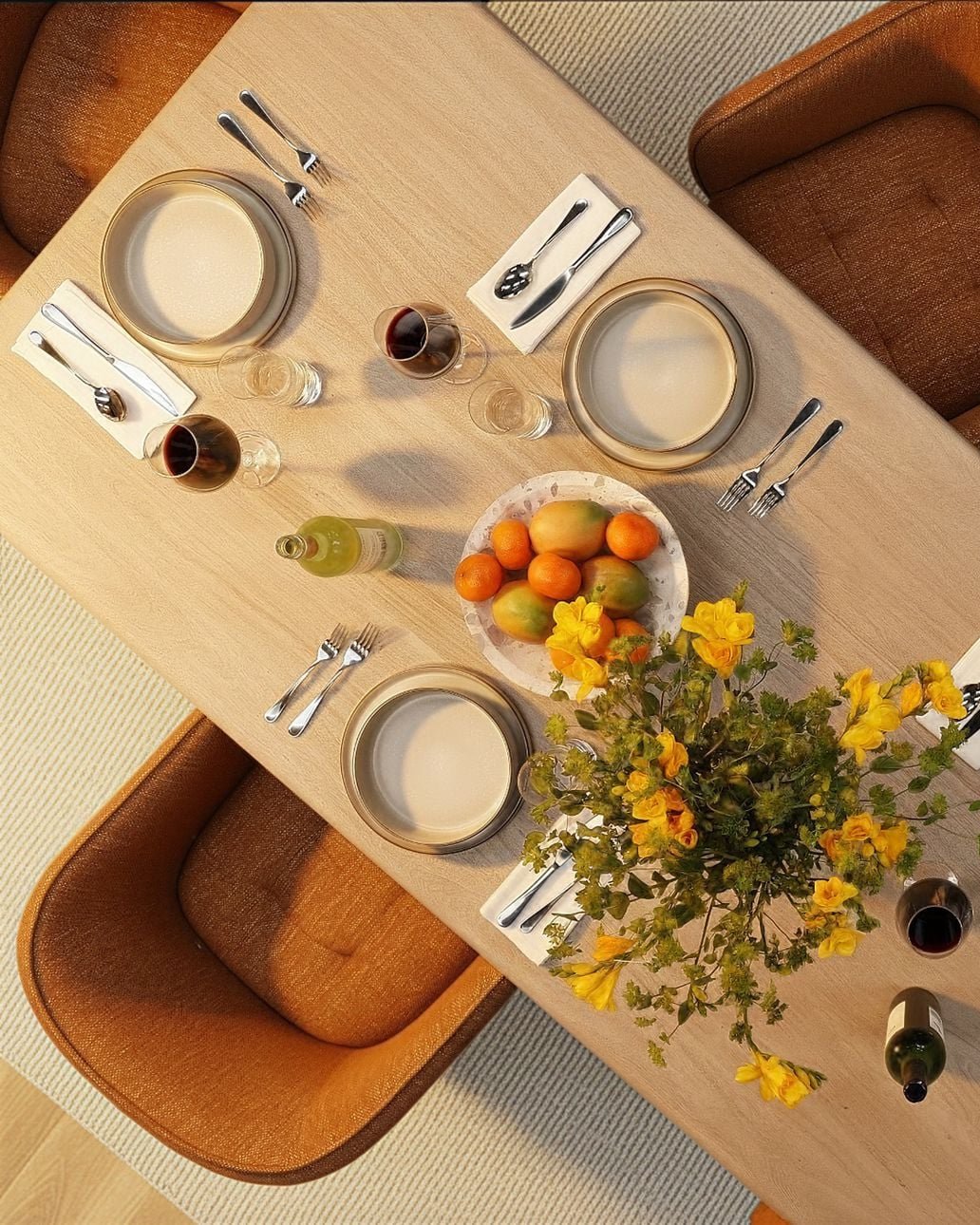
They shape how people gather, pause, eat, work, and move through the house daily. A dining table with enough material weight naturally slows the room down because it creates a stable visual focal point.
This becomes even more important in open-concept modern mountain homes where living, dining, and kitchen spaces often flow together visually.
Without enough grounding, the entire floorplan can start feeling overly exposed or fragmented.
The Igne dining table helps stabilize larger open spaces through its reclaimed texture and stronger visual density while still maintaining a cleaner modern silhouette.
Meanwhile, the Hallfrid outdoor dining table extends that same grounding effect outdoors, helping exterior dining spaces feel emotionally connected to the interior rather than visually separate from it.
That continuity matters more than people realize.
The nervous system responds positively when indoor and outdoor spaces feel materially cohesive instead of disconnected worlds entirely.
Reclaimed Furniture Helps Reduce Visual Noise
A room can technically be clean and still feel mentally exhausting.
Usually the issue is visual fragmentation.
Too many shiny surfaces.
Too many abrupt material changes.
Too many tiny decorative objects competing simultaneously.
Too many disconnected textures layered without rhythm.
Reclaimed wood naturally reduces that problem because the material already contains enough depth to carry the room visually on its own.
RUTED Tip: If a space feels mentally loud, stop trying to “finish” it with smaller decor. One substantial reclaimed wood piece usually regulates a room faster than ten accessories attempting to create personality. This is one reason heavier reclaimed furniture often photographs beautifully without requiring aggressive styling. The texture itself already creates enough movement and atmosphere. The room doesn’t need to perform as hard.

The New Modern Mountain Home Prioritizes Grounding Over Perfection
The strongest modern mountain homes today aren’t trying to look rustic for the sake of aesthetics.
They’re trying to feel regulated.
That shift changes how furniture gets selected.
Rooms become less focused on trend cycles and more focused on:
tactile depth
visual stability
slower sensory experiences
natural materials
architectural grounding
softer transitions
Reclaimed wood dining tables and consoles support all of those things naturally because the material itself already behaves differently from faster, flatter, highly processed furniture.
The room feels calmer because the furniture isn’t constantly demanding attention.
The Rooms That Feel Best Usually Feel the Most Grounded
The spaces people remember most rarely rely on dramatic styling tricks.
They feel good because the materials already carry enough emotional atmosphere on their own. The reclaimed wood absorbs light naturally. The textures create movement without chaos. The furniture anchors the architecture instead of floating against it.
That’s the real power of reclaimed wood dining tables and consoles.
Not perfection.
Not decorative performance.
Not forcing a room to look “finished.”
Just visual weight.
Better texture.
More material honesty.
And spaces that allow the nervous system to settle naturally.
Explore more reclaimed wood dining tables, consoles, and grounding furniture pieces throughout the Reclaimed furniture collection and create a home that feels slower, steadier, and easier to exist inside every day.