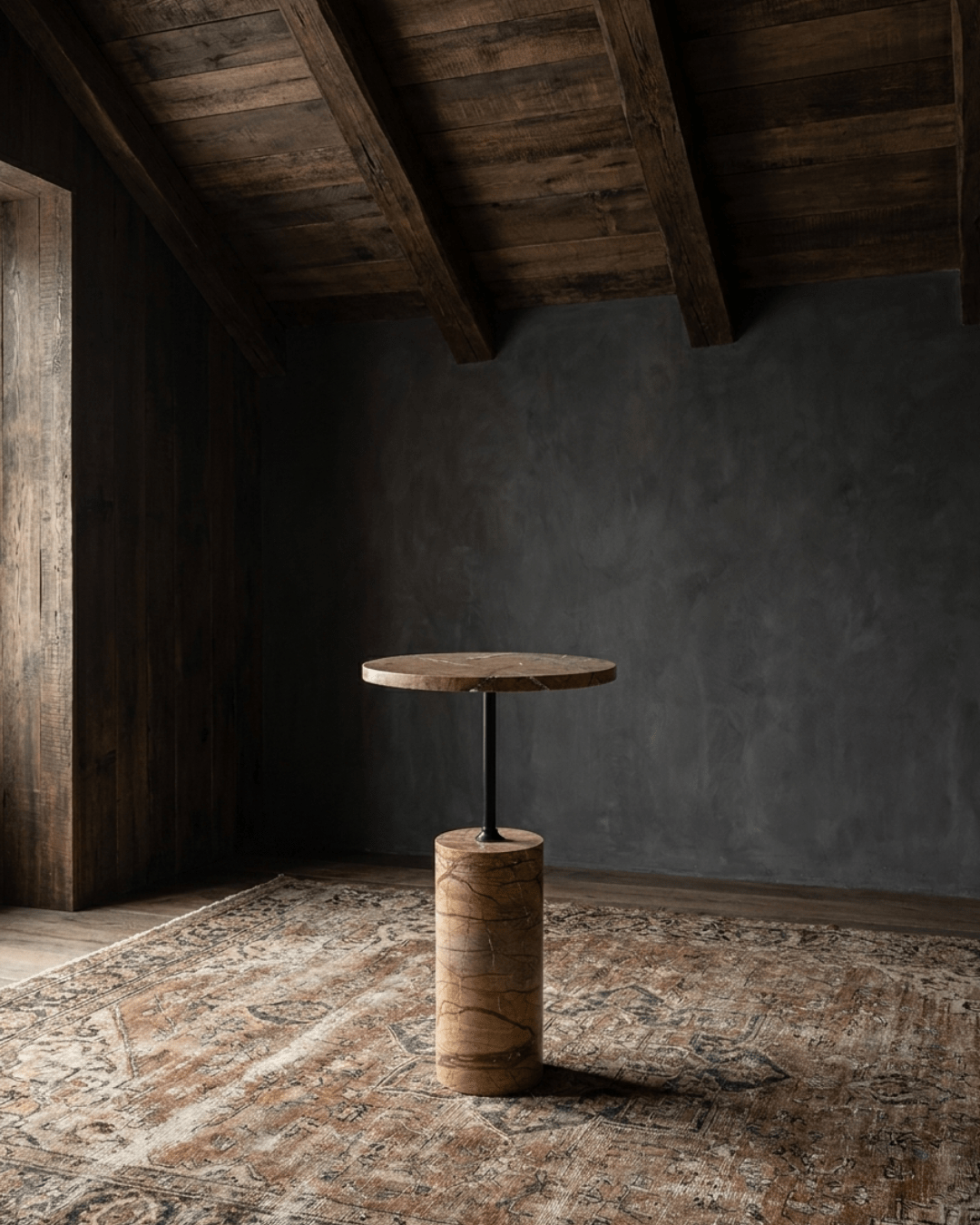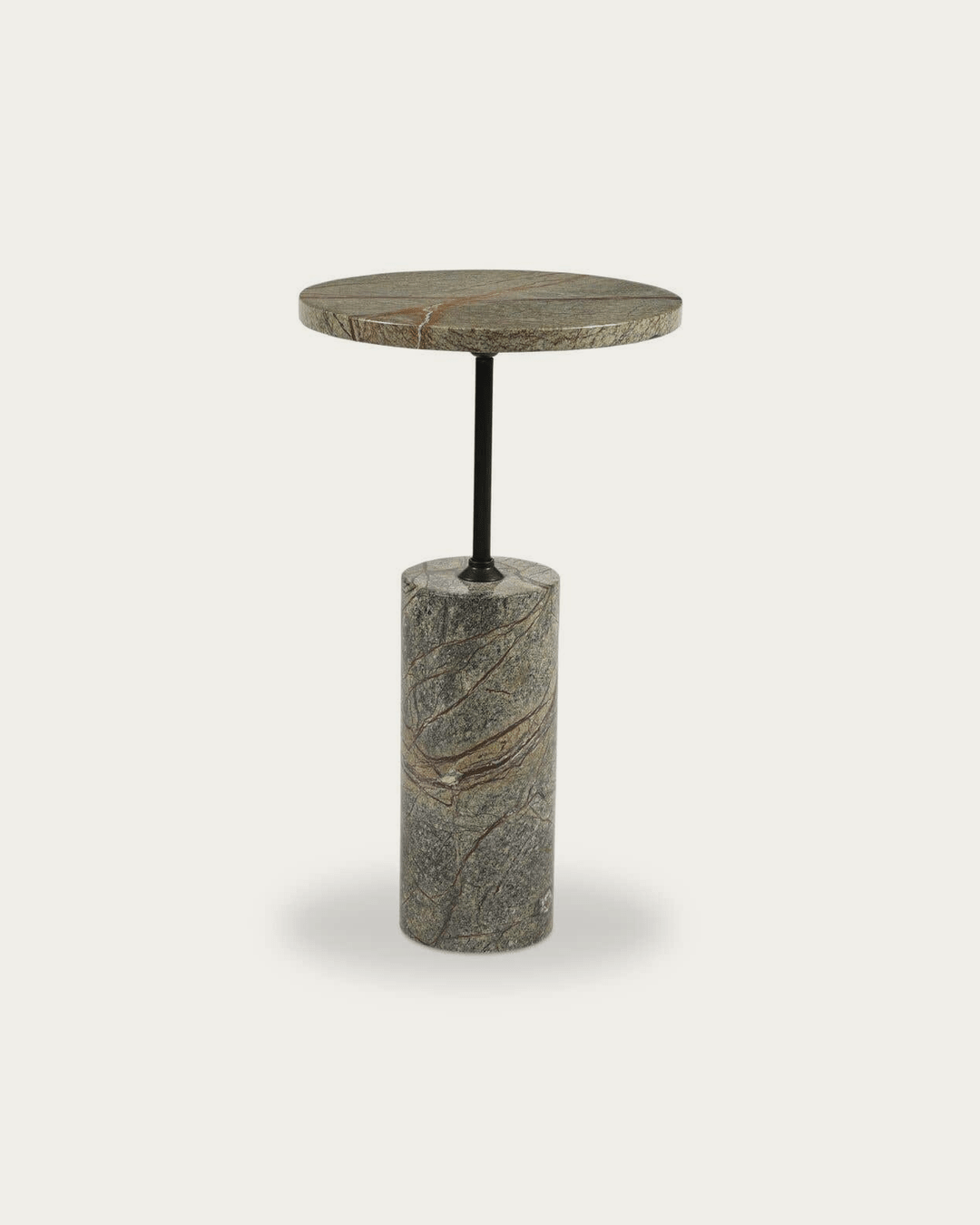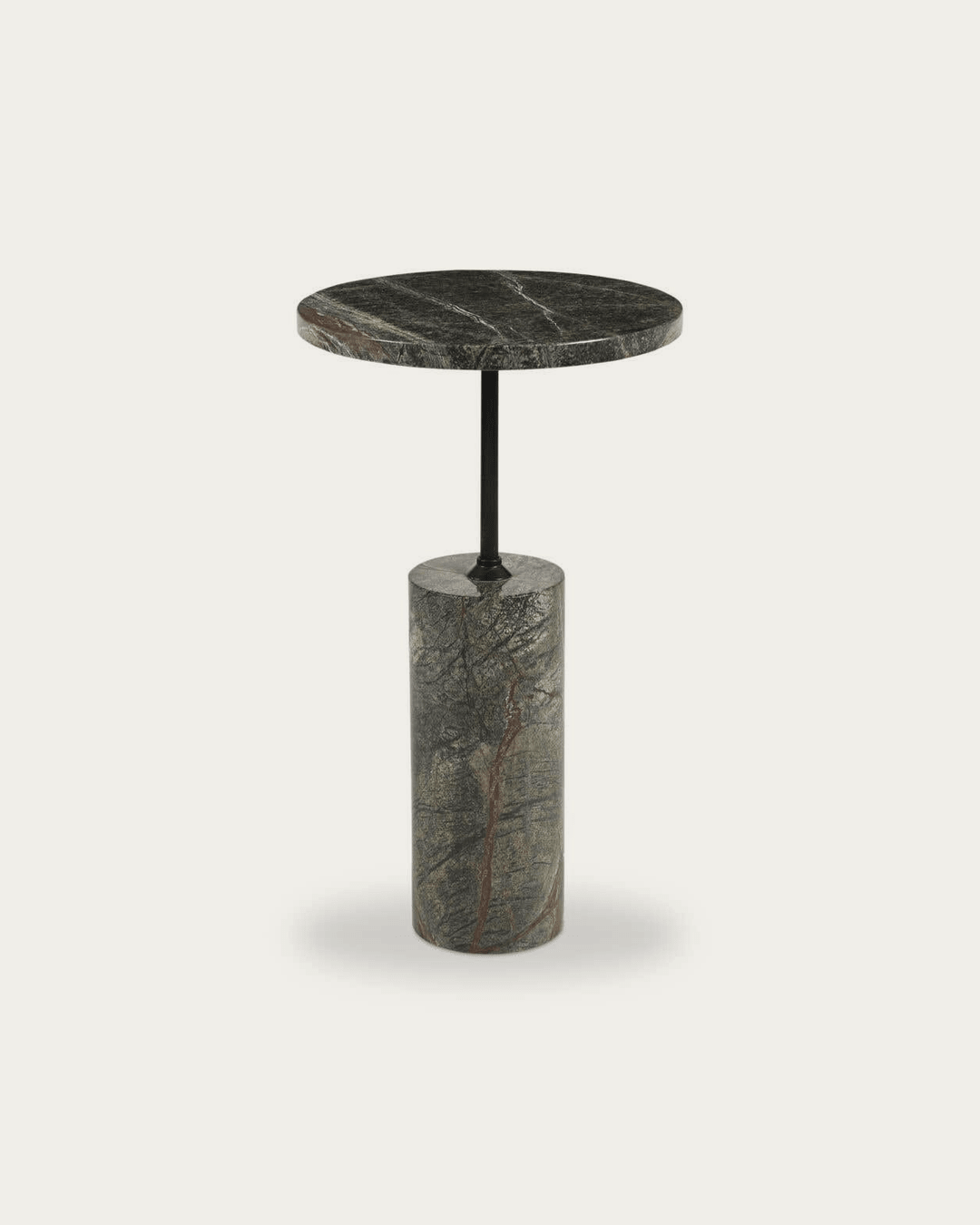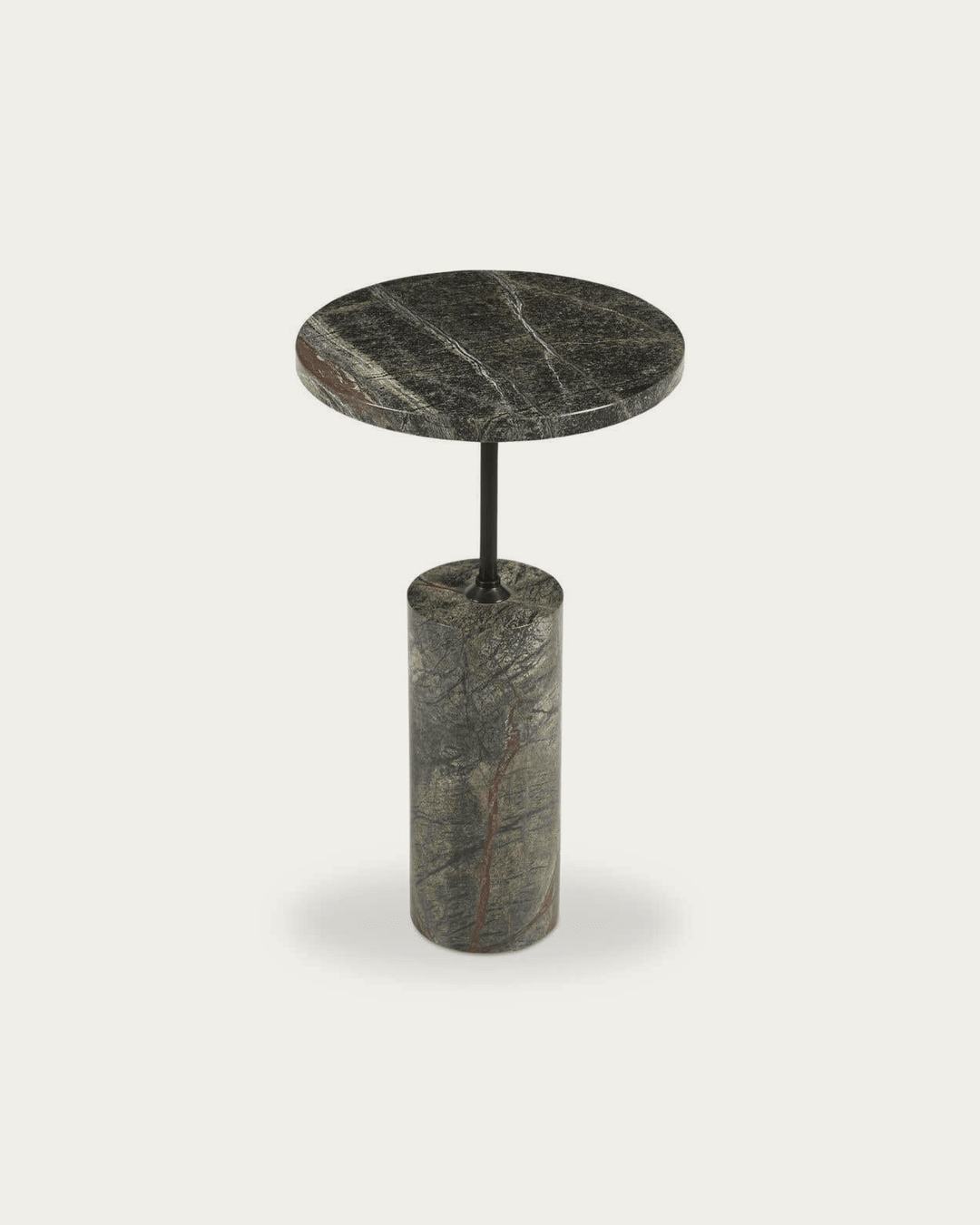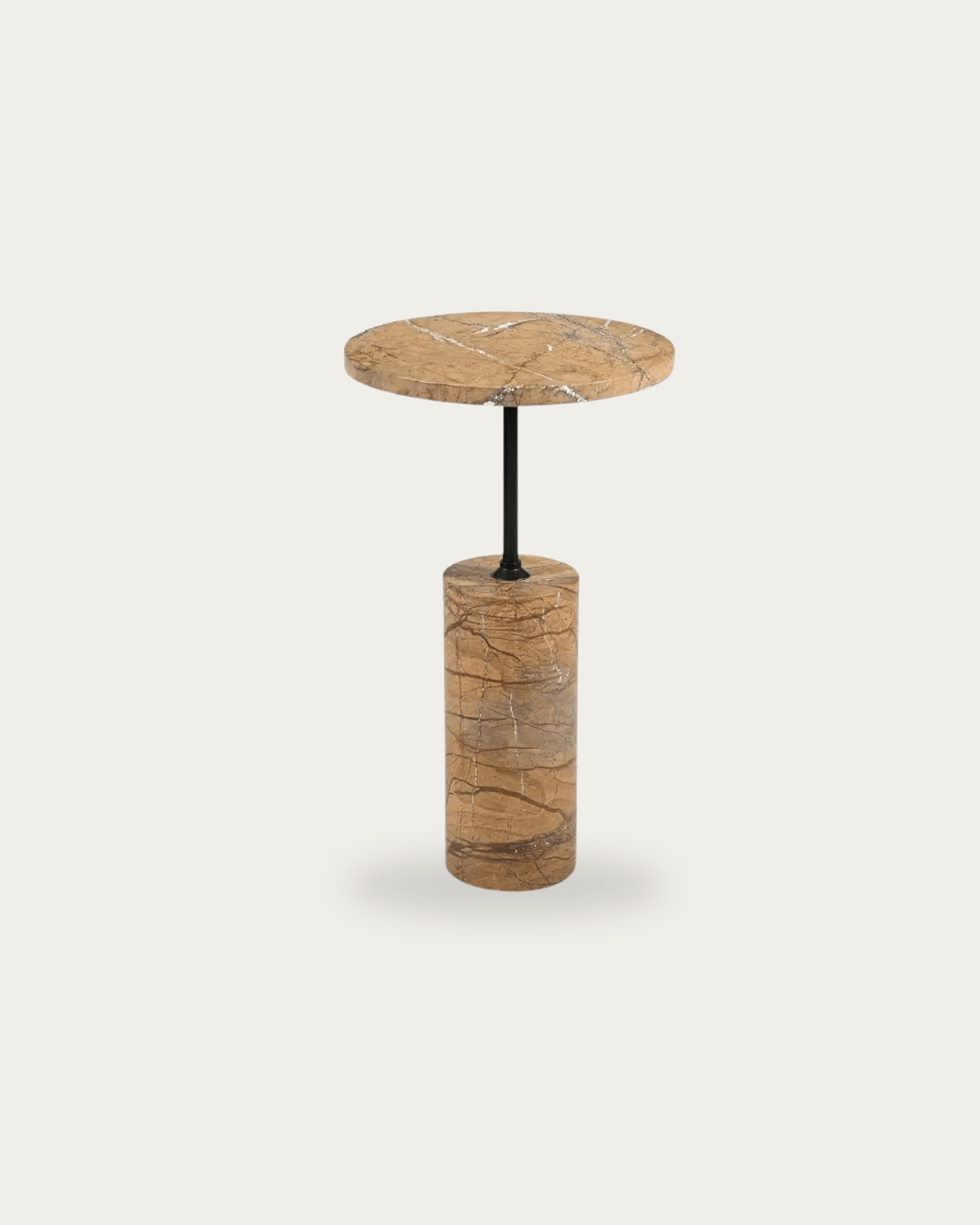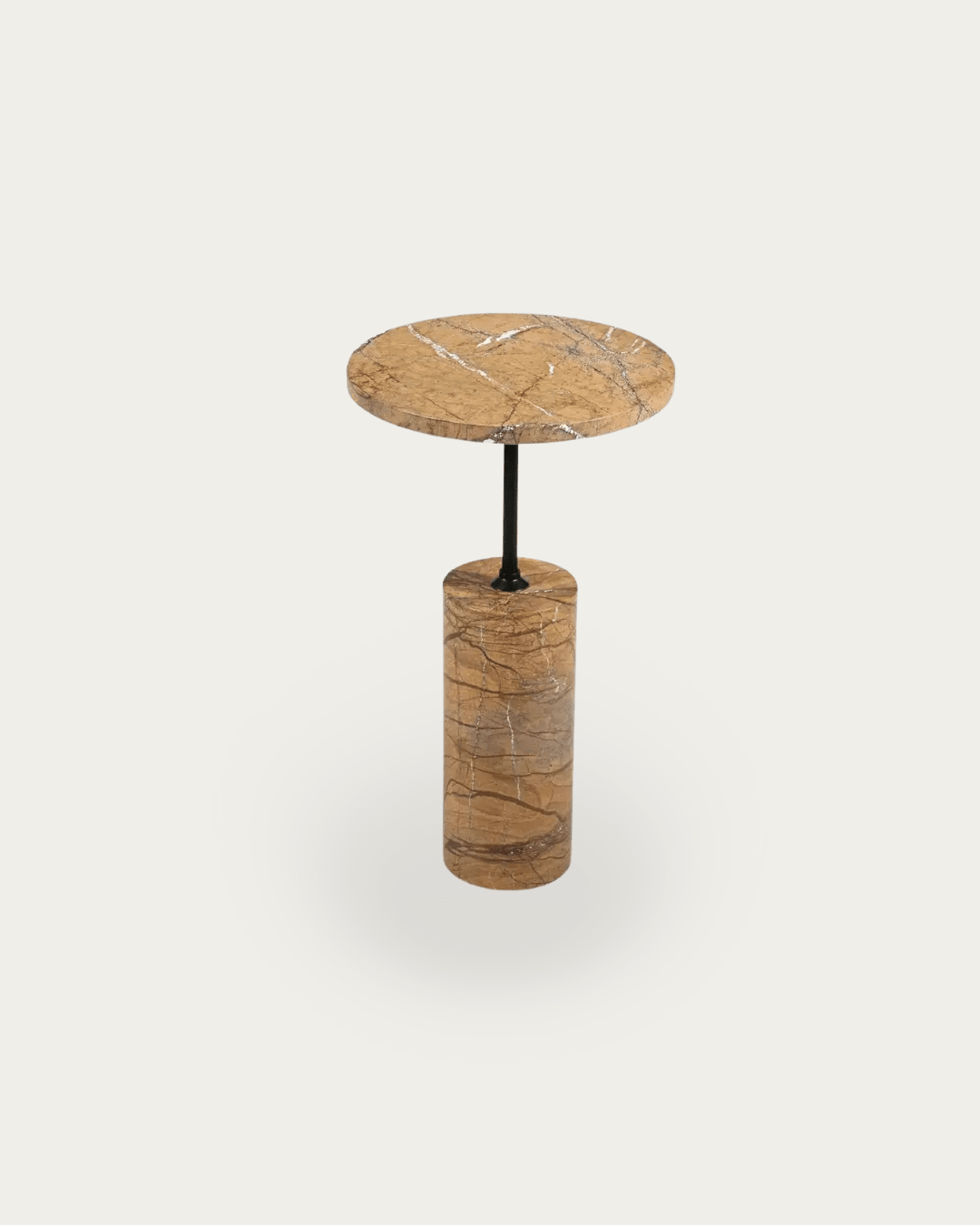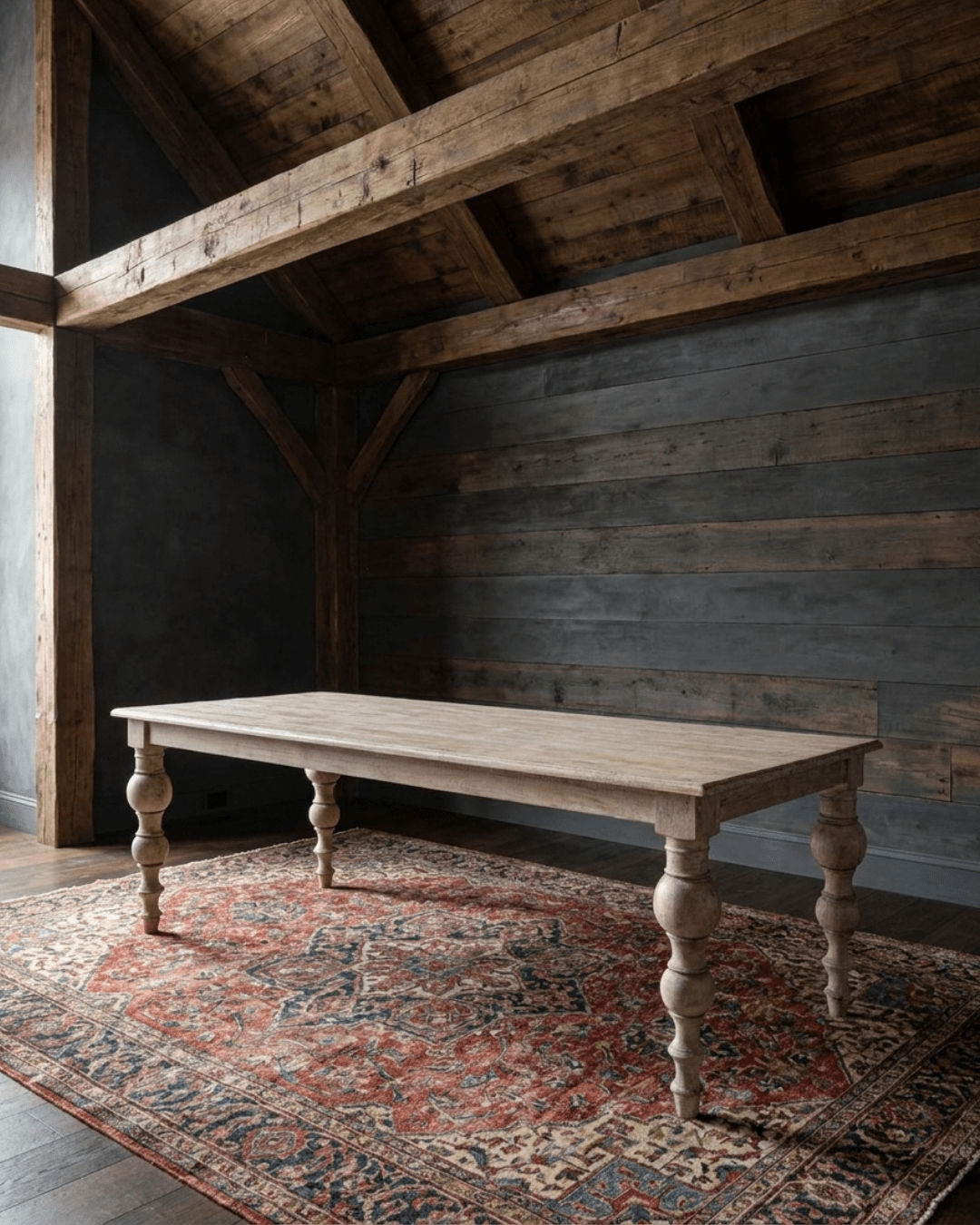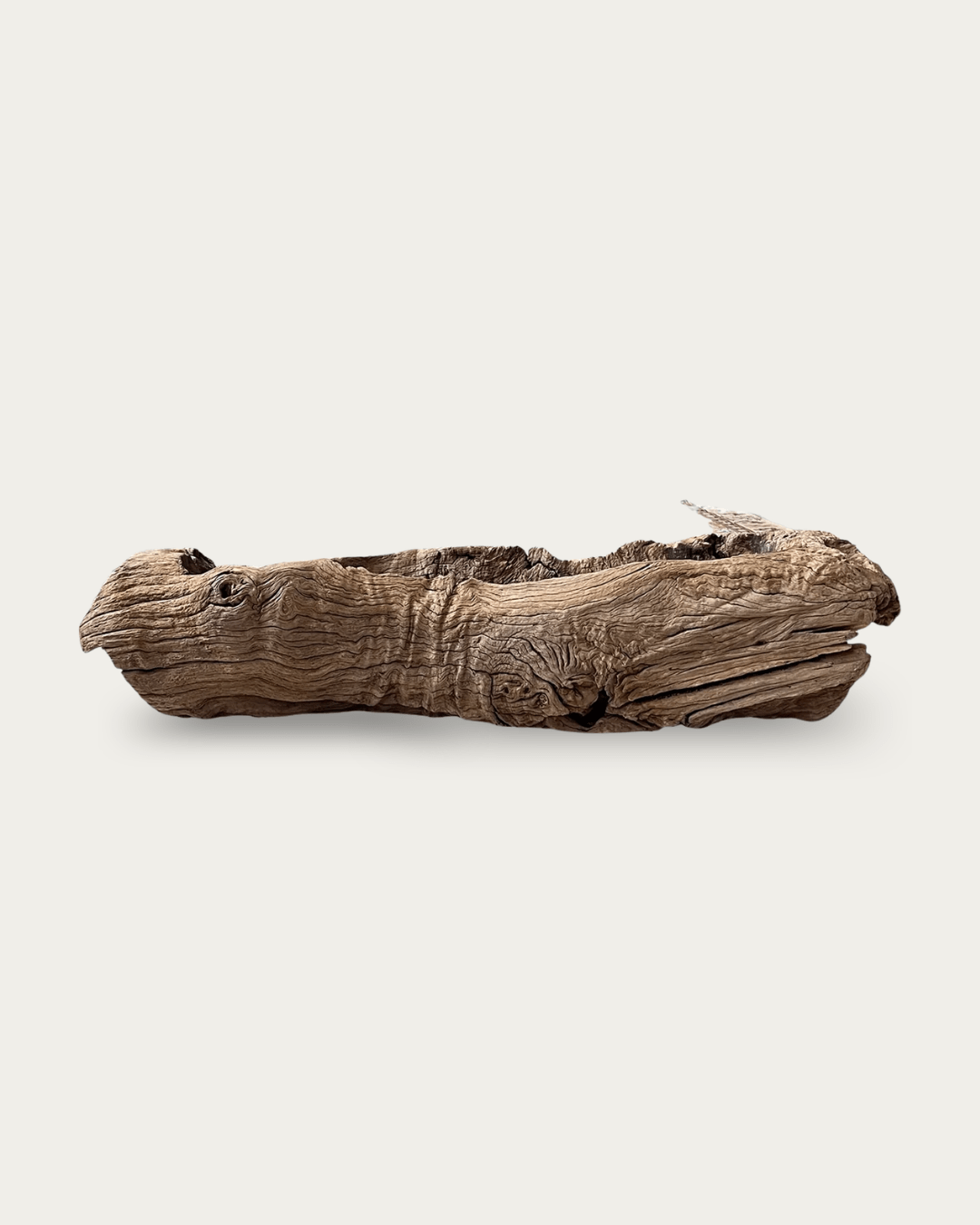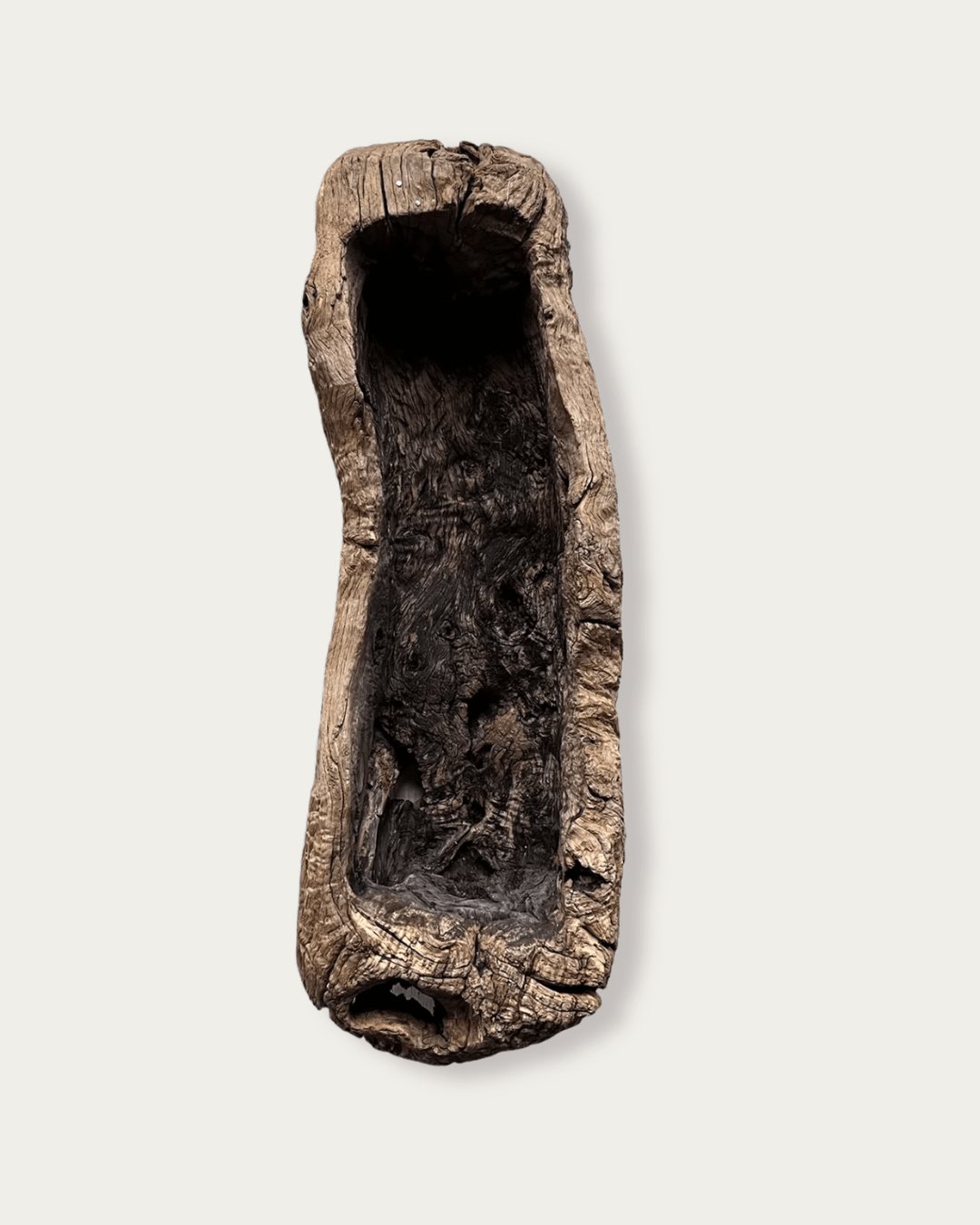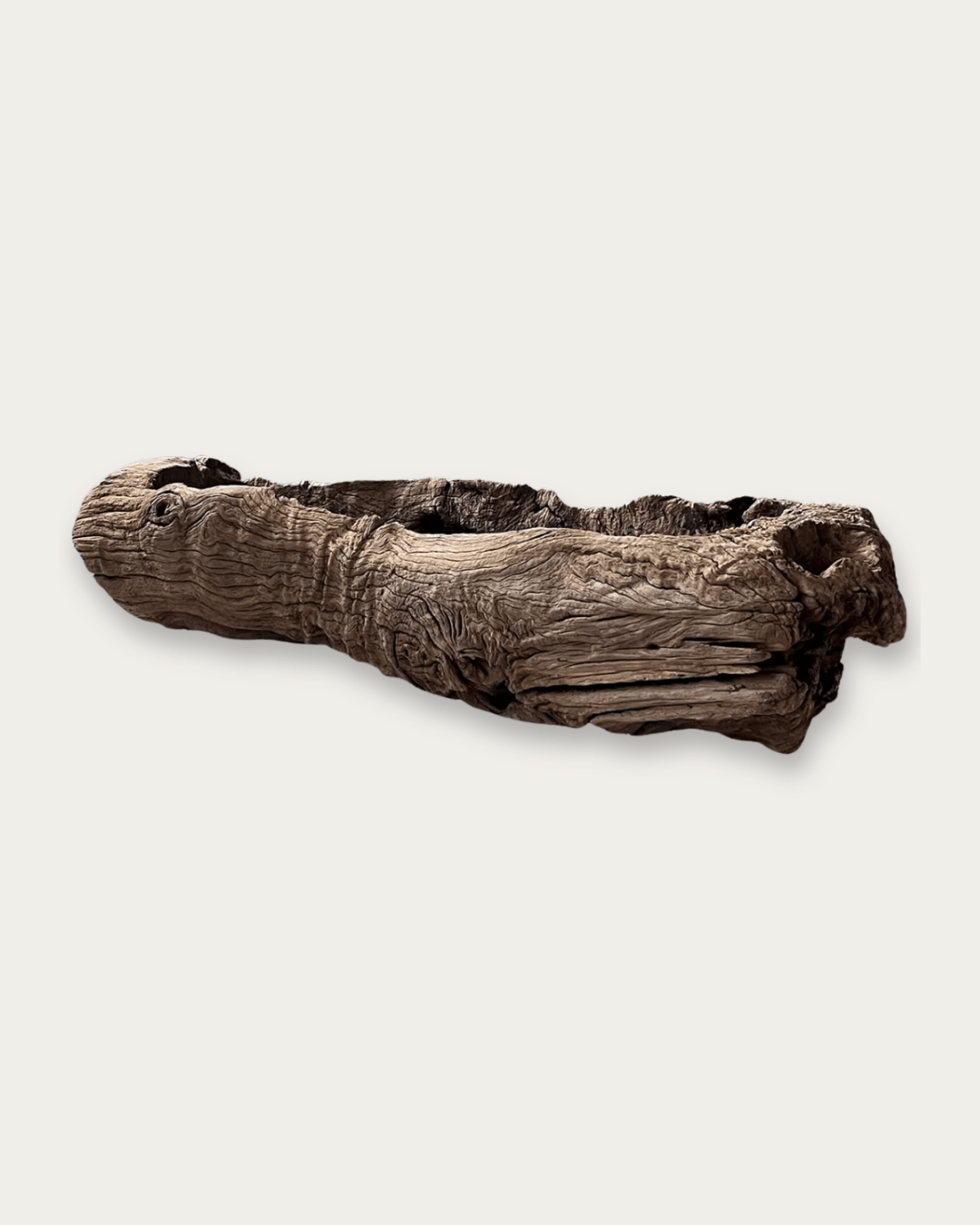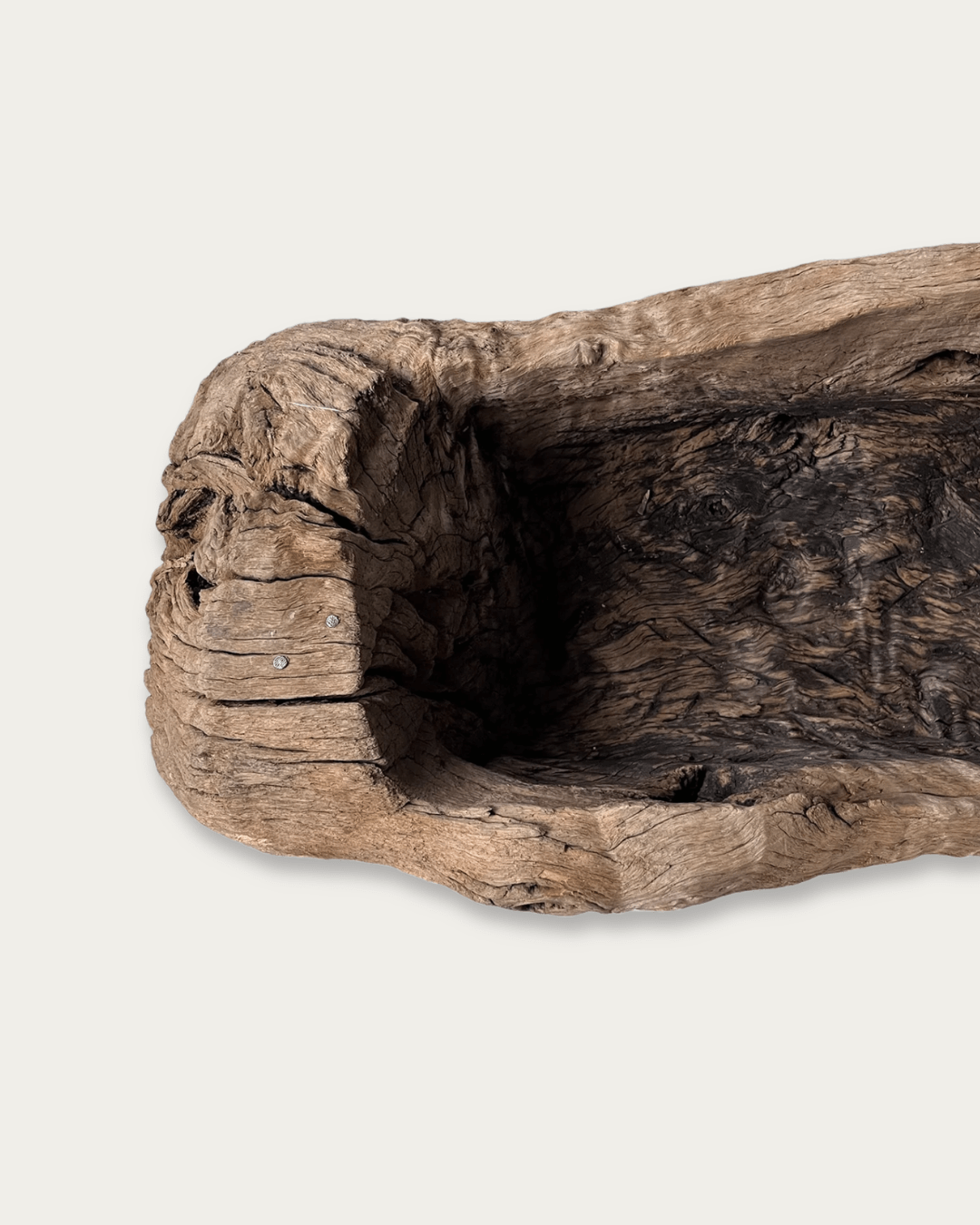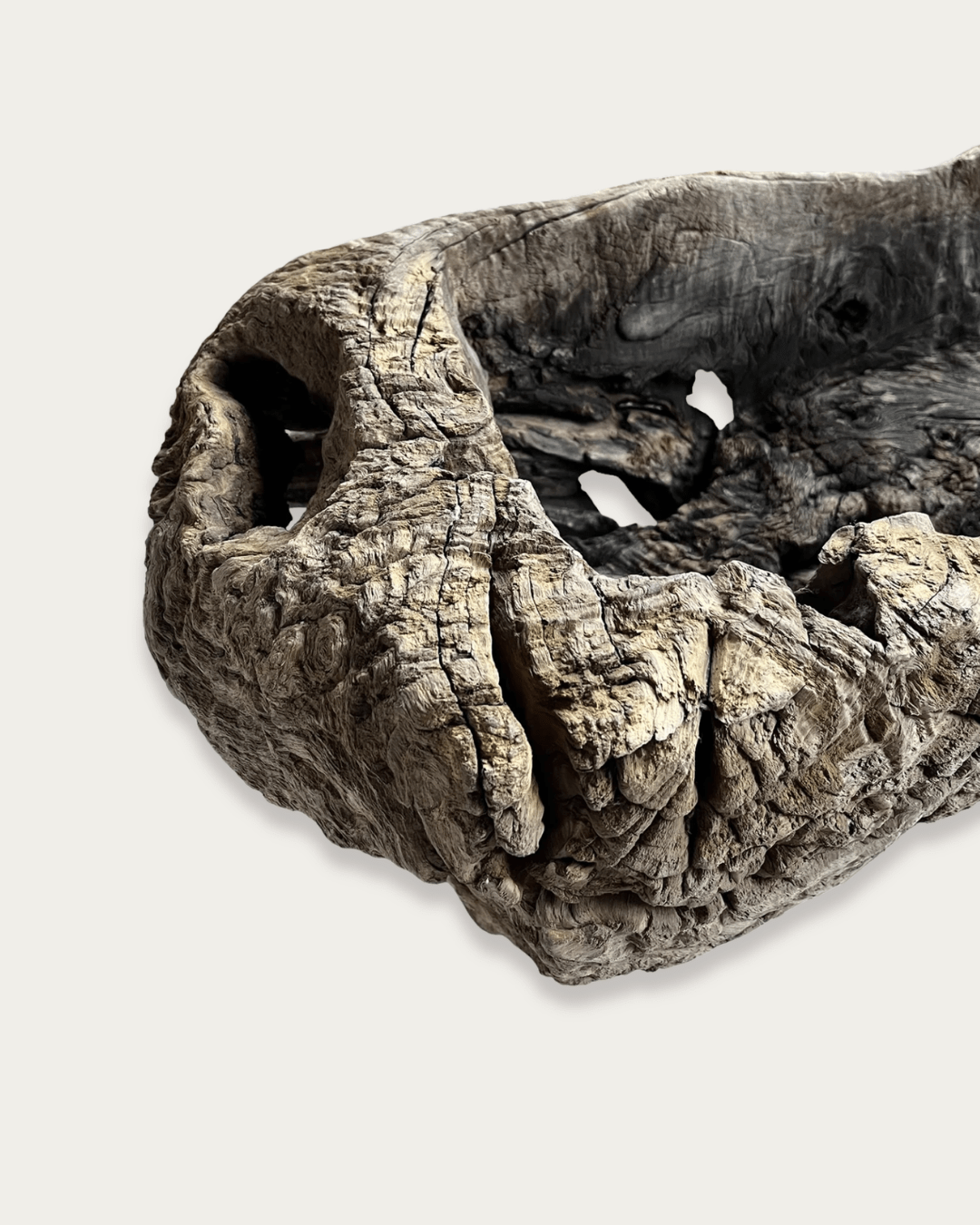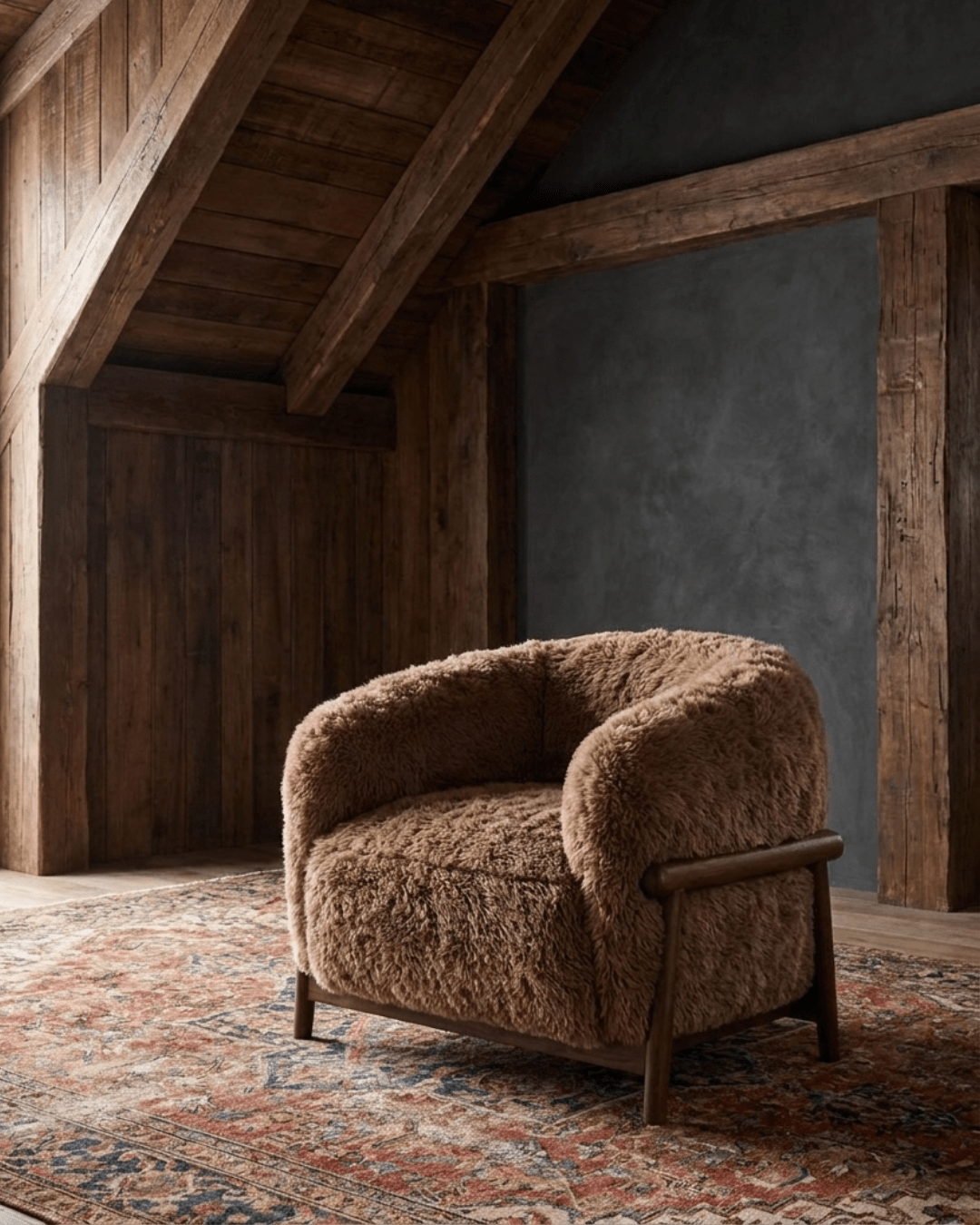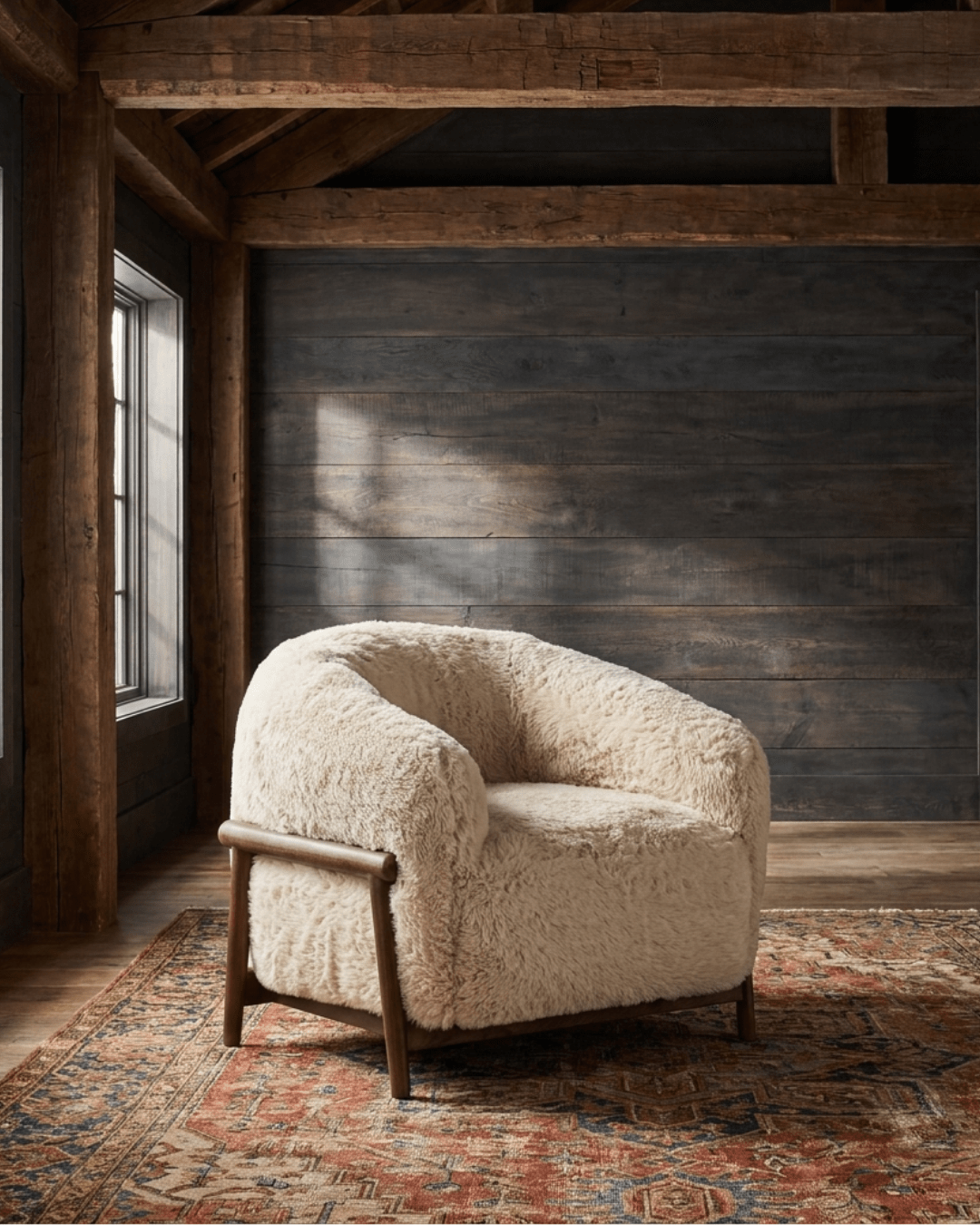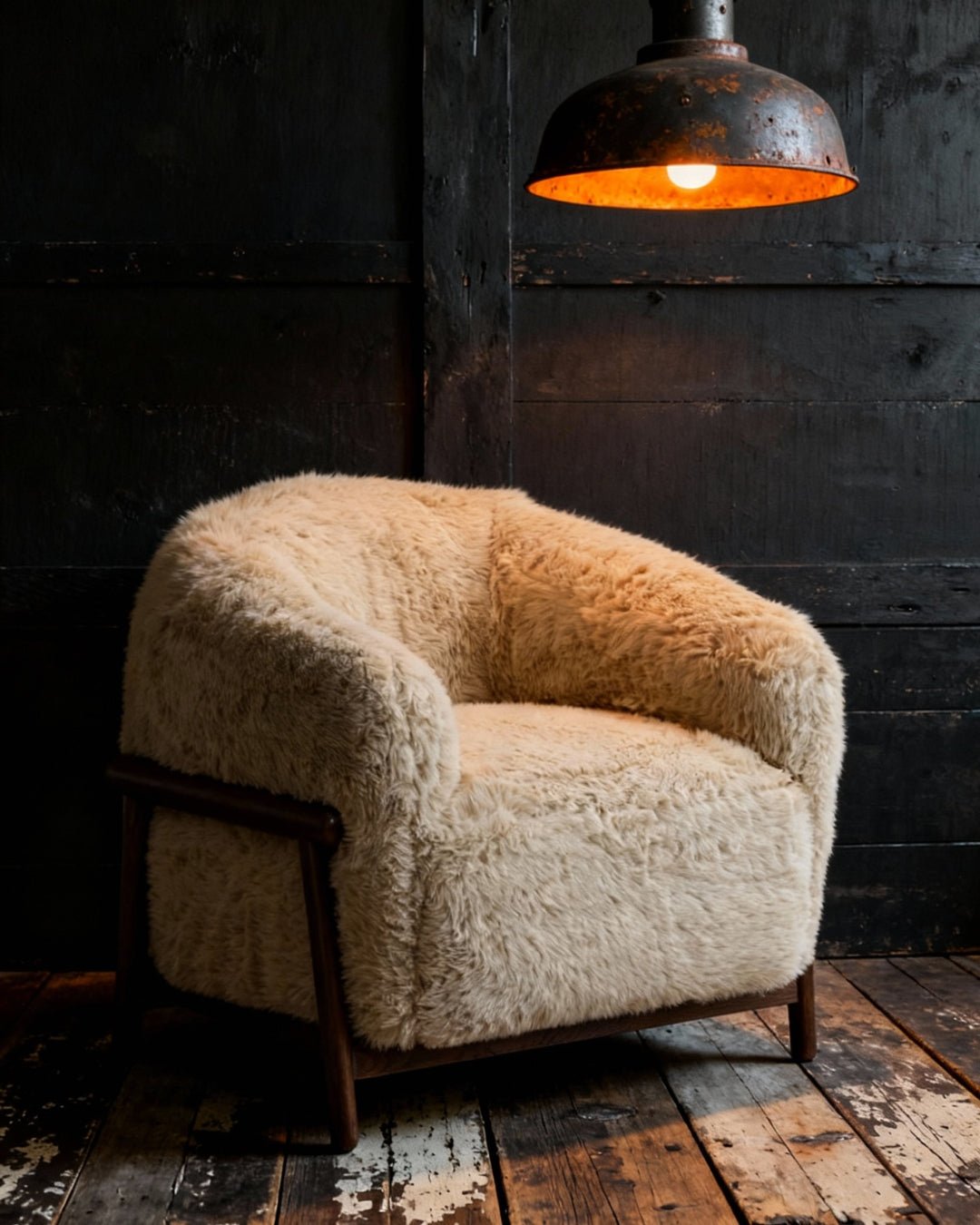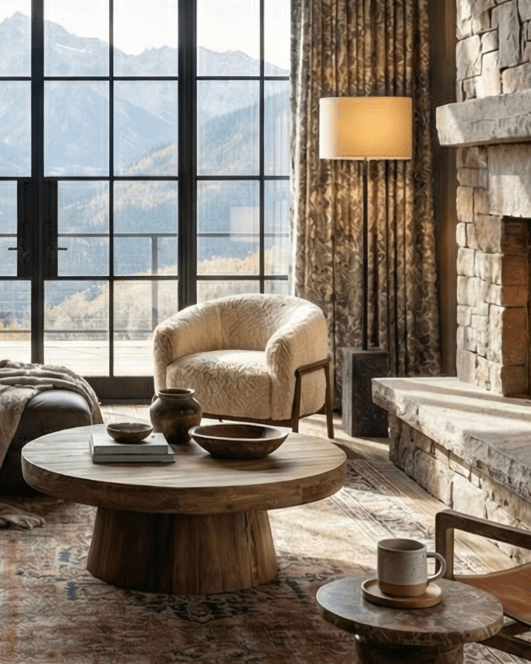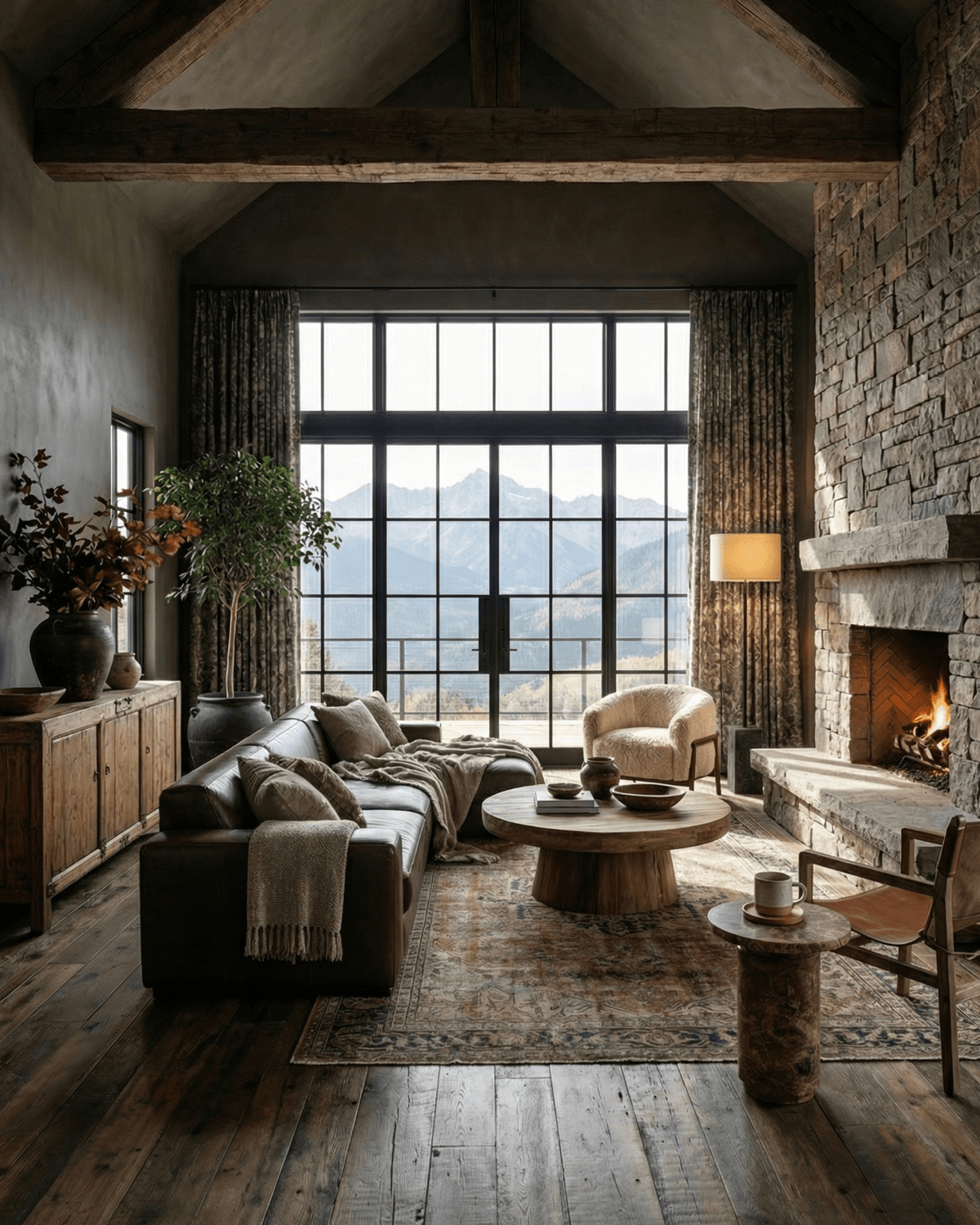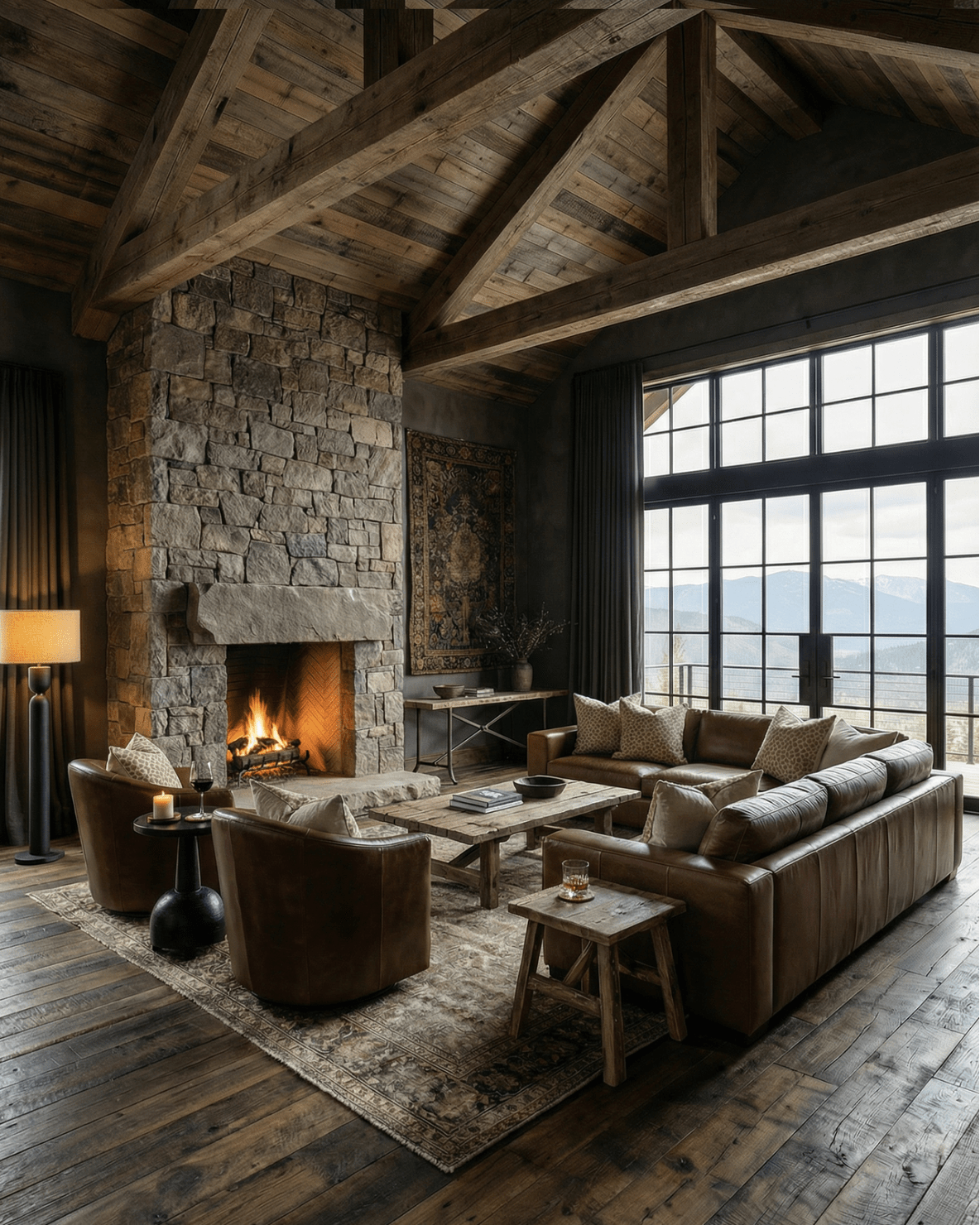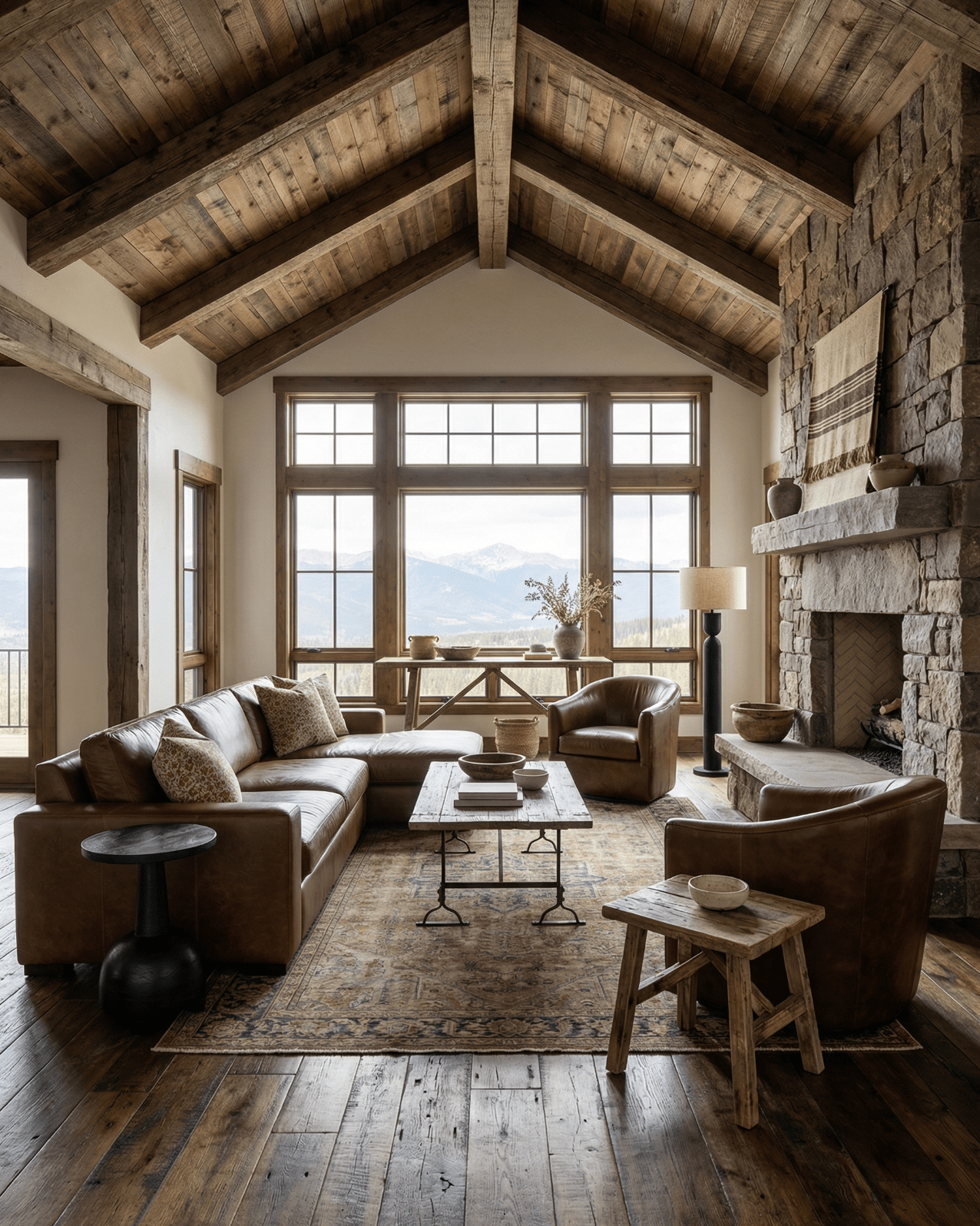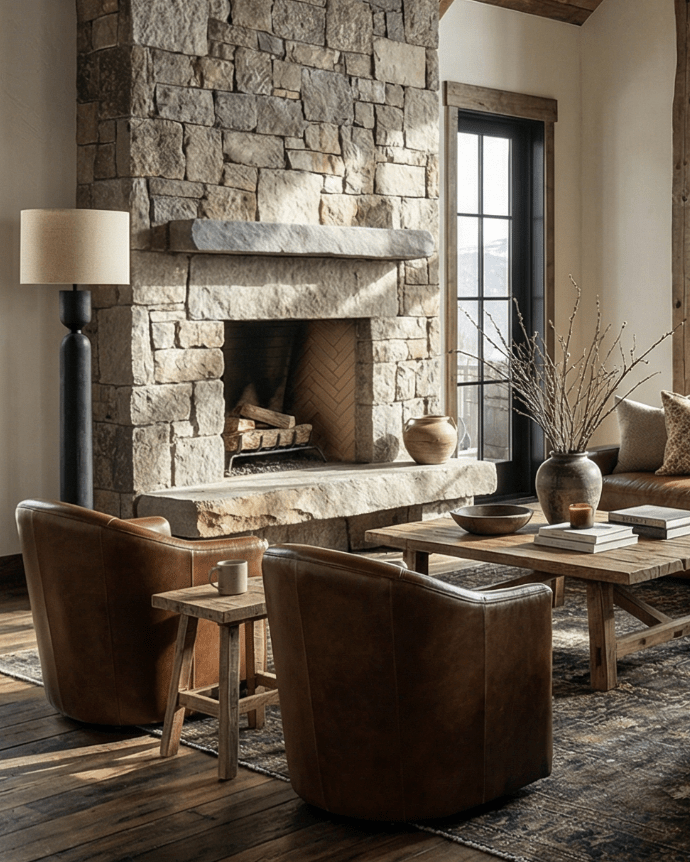








A coffee table is rarely the largest piece in a living room.
Yet it has an impressive ability to make the entire room feel either balanced or strangely awkward.
Too small, and the room feels disconnected. Too large, and circulation becomes frustrating. The wrong shape can make a perfectly good furniture layout feel crowded, while the right one can make the room feel calmer without changing anything else.
That's because a coffee table isn't simply a surface for books and mugs. It helps define movement, visual weight, conversation zones, and how comfortably people interact with the room.
Choosing between a round coffee table, square coffee table, or rectangle coffee table is less about trends and more about understanding how a space functions.
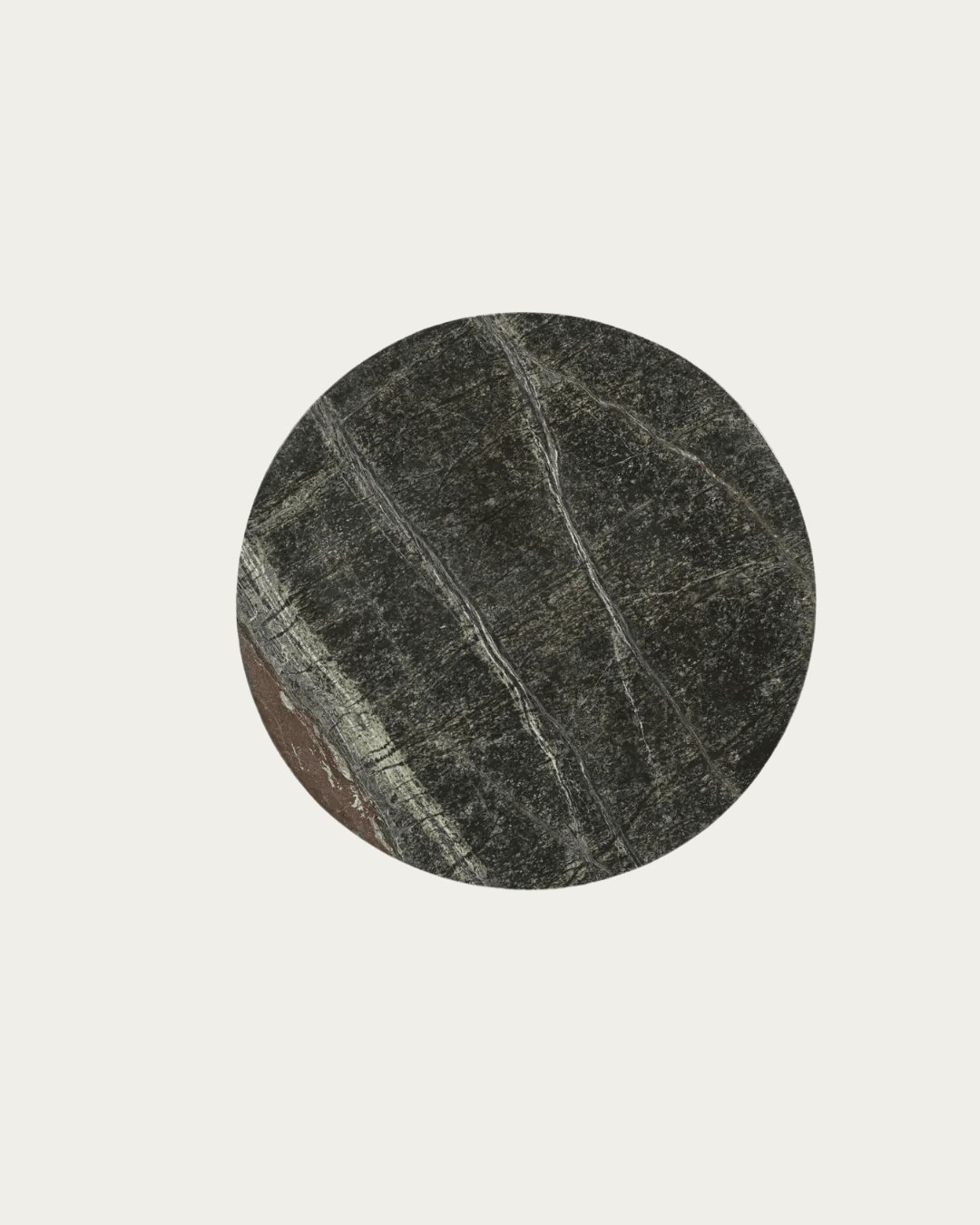
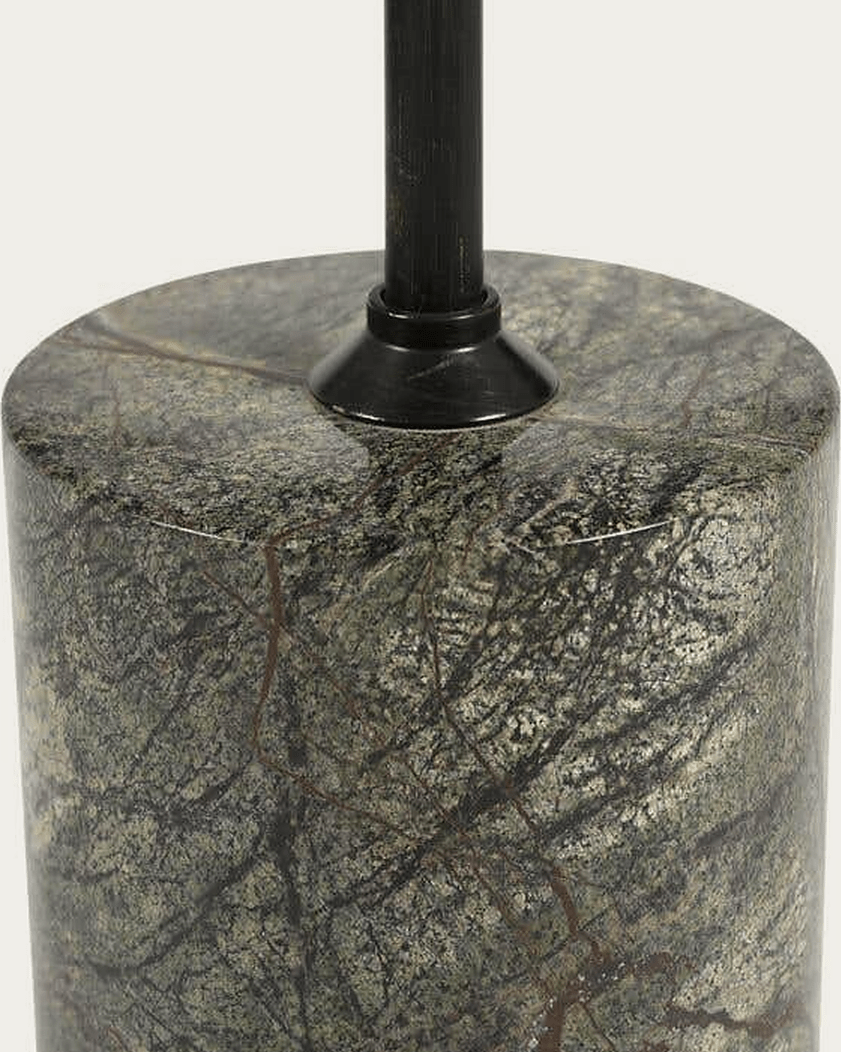
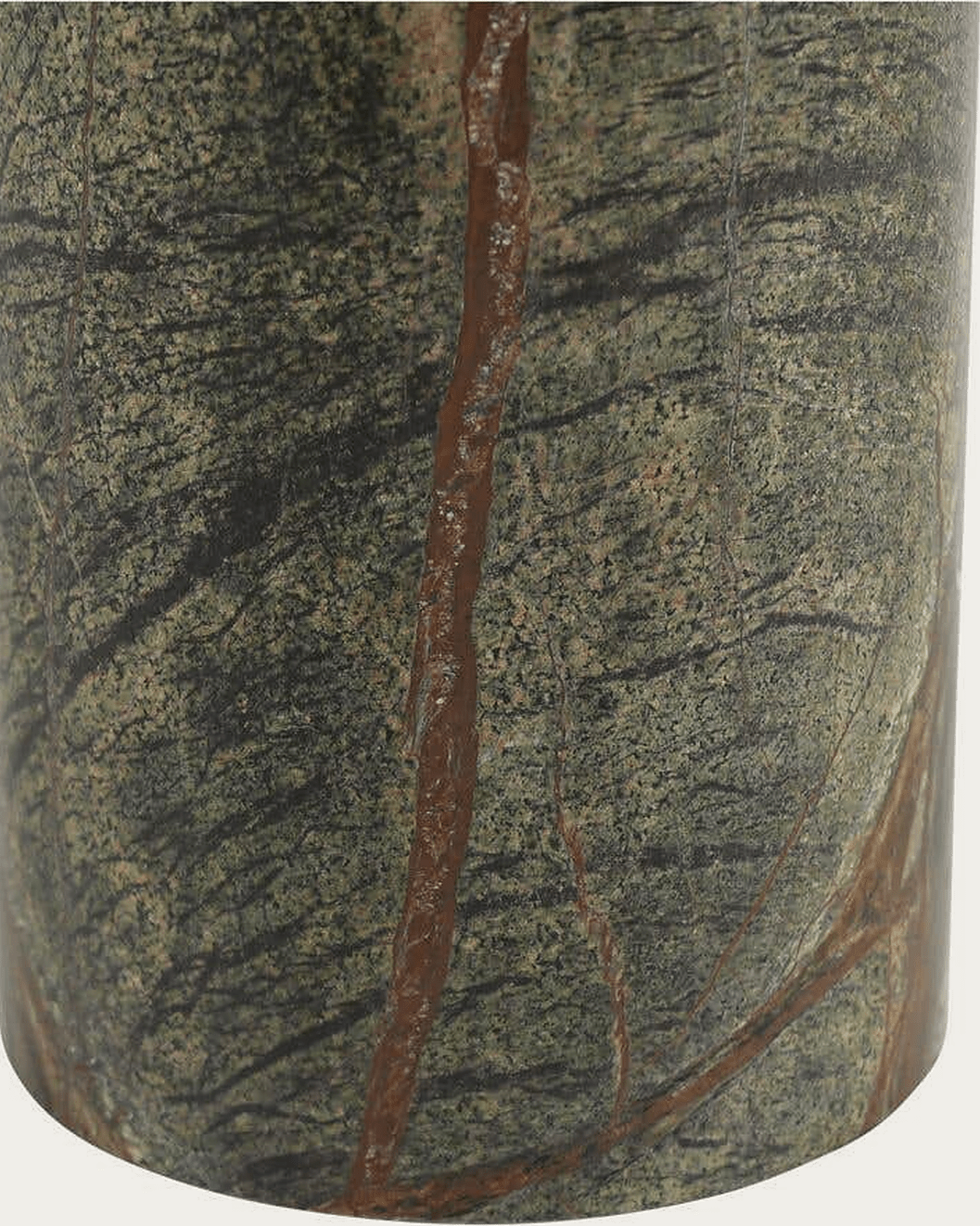
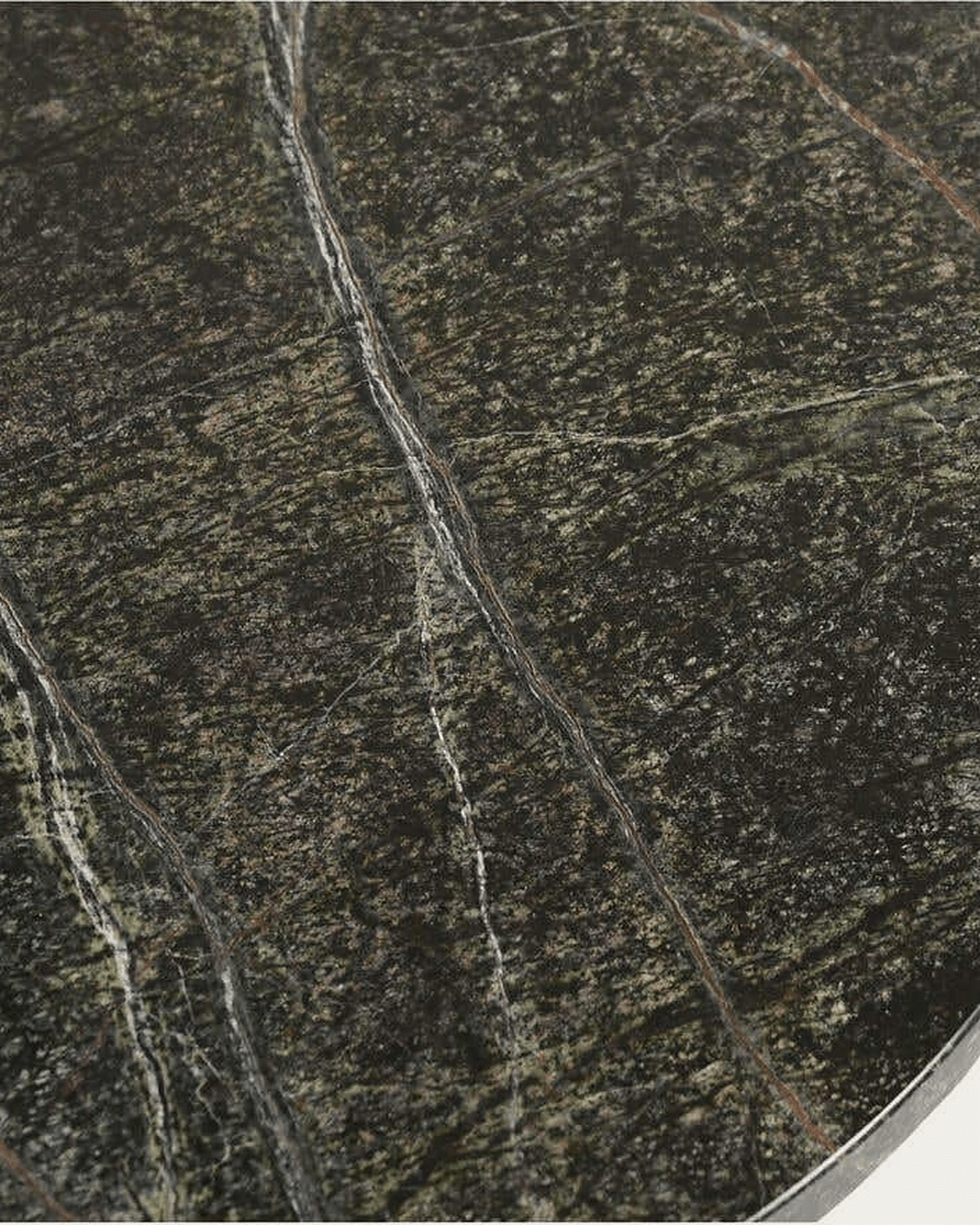
If you're exploring different shapes, materials, and proportions, Hello Norden's coffee table collection offers a range of options designed to support different room layouts, furniture arrangements, and ways of living.
Why Coffee Table Shape Matters More Than Most People Realize
Most people begin by choosing a material.
Wood.
Stone.
Marble.
Metal.
But shape often has a bigger impact on how the room actually feels.
The brain constantly scans environments for pathways, obstacles, and places to settle. Furniture shape influences how easily the eye moves through a room and how comfortably people move through it physically.
A coffee table sits at the center of this experience.
It affects:
circulation
visual balance
seating relationships
accessibility
perceived spaciousness
The right shape helps the room feel intuitive. The wrong one creates subtle friction that people often notice without knowing exactly why.
Round Coffee Tables Create Better Flow
Round coffee tables have become increasingly popular because they solve several common layout problems.
Without corners, they naturally improve circulation and create softer transitions between furniture pieces.
This makes them particularly effective in:
smaller living rooms
family spaces
sectional layouts
high-traffic areas
rooms with multiple walkways
Why Curves Feel Easier to Live With
The nervous system tends to process curved forms differently than sharp angles.
Curves reduce visual interruption and create softer movement throughout the room. They encourage the eye to travel naturally rather than stopping abruptly at corners.
The Ronette Coffee Table works especially well in seating arrangements where movement is important, while the Villum Coffee Table helps soften living rooms filled with more angular furniture pieces.
The result is often a room that feels easier to move through and easier to relax in.
When Round Coffee Tables Work Best
Round coffee tables typically shine when paired with:
Sectionals
Curved sofas
Compact living rooms
Multiple seating positions
Because everyone sits at a similar distance from the center, conversation often feels more natural too.
Square Coffee Tables Create Structure and Balance
If round tables are about flow, square tables are about stability.
Square coffee tables naturally establish a central point within the room. They create visual symmetry and help larger seating arrangements feel connected.
They're especially effective in:
U-shaped layouts
Large sectionals
Open-concept living rooms
Symmetrical furniture arrangements
Why Symmetry Feels Grounding
Humans are naturally drawn to balance.
The brain processes symmetrical layouts more efficiently because they require less effort to understand.
A square coffee table often becomes the visual anchor that keeps a larger seating arrangement from feeling scattered.
The Rakel Coffee Table helps establish a strong center point in larger living rooms, while the Synnova Coffee Table creates structure without overwhelming surrounding furniture.
The Advantage of Equal Access
One overlooked benefit of square coffee tables is accessibility.
Because all sides are similar in length, everyone seated around the table can interact with it comfortably.
That matters more than most people realize.
Rectangle Coffee Tables Remain the Most Versatile
There is a reason rectangle coffee tables remain the most common choice.
Most living rooms are rectangular.
Most sofas are rectangular.
Most rugs are rectangular.
Rectangle coffee tables naturally reinforce those proportions.
This makes them particularly effective in:
Traditional sofa layouts
Long living rooms
Narrow spaces
Larger seating arrangements
Why Rectangles Feel Familiar
The brain tends to appreciate consistency between architecture and furniture.
Rectangle coffee tables often feel intuitive because they mirror the geometry already present in the room.
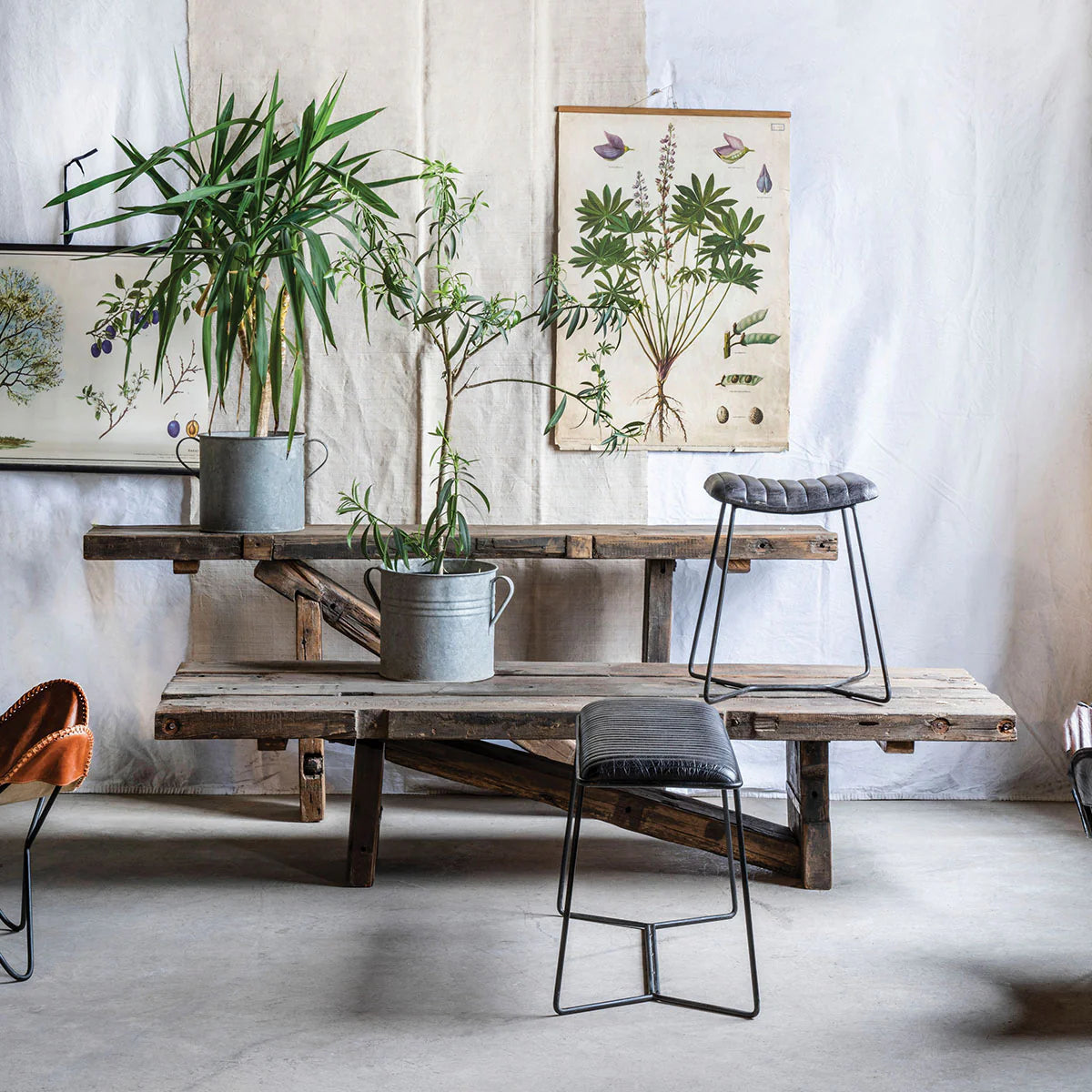
The Elin Coffee Table creates a grounded focal point through reclaimed wood and substantial proportions, while the Finn Rustic Wood Coffee Table reinforces visual weight in living rooms that need stronger anchoring.
Rectangle Tables Work Harder in Larger Rooms
As rooms grow larger, furniture needs more visual presence to maintain balance.
Rectangle coffee tables often provide that presence naturally because of their length and scale.
Shape and Material Should Work Together
Choosing a shape without considering material is only solving half the problem.
Shape determines function.
Material influences feeling.
A round marble table creates a different atmosphere than a round reclaimed wood table.
A square wood table feels different from a square stone table.
Shape Creates Structure. Material Creates Depth.
The most successful living rooms balance both.
The Solva Coffee Table combines organic form with natural wood texture, while the Torjus Coffee Table uses similar curved geometry to create a softer visual experience.
Both demonstrate how shape and material influence one another.
A room rarely responds to one without the other.
RUTED Tip: If your living room feels crowded, don't automatically assume you need a smaller coffee table. Sometimes the issue is shape, not size. A round coffee table can dramatically improve circulation simply by removing corners from high-traffic pathways. The nervous system notices movement patterns long before it notices dimensions.
Match the Coffee Table to the Seating Arrangement
One of the biggest mistakes people make is choosing a coffee table in isolation.
Coffee tables don't live alone.
They exist in relationship to:
sofas
chairs
rugs
pathways
architectural features
The goal is creating conversation between furniture pieces rather than competition.
Scale Matters More Than Style
A beautiful coffee table that is too small will still feel wrong.
A trendy shape that fights the furniture layout will still create friction.
The Roi Coffee Table works particularly well when stronger visual structure is needed, while the Alvhild Coffee Table helps organize larger seating arrangements through proportion and symmetry.
The relationship between pieces matters more than any individual piece.
Visual Weight Changes Everything
One reason coffee tables influence a room so dramatically is because they sit at the center.
They're often the visual midpoint between all surrounding furniture.
That means they play a major role in determining whether the room feels grounded or disconnected.
Some Rooms Need More Weight
Larger living rooms often benefit from coffee tables that carry stronger material presence.
This isn't about making a room feel heavier.
It's about helping the furniture feel connected to the scale of the architecture.
The Vidar Salvaged Wood Coffee Table introduces grounding through reclaimed wood and texture, while the Fjola Marble Coffee Table creates similar visual stability through stone and proportion.
Both help anchor a living room without overwhelming it.
There Is No Universal Best Shape
People often ask whether round, square, or rectangle coffee tables are best.
The answer is always the same.
It depends.
The right choice depends on:
Room size
Furniture layout
Traffic flow
Material palette
Visual weight
Daily habits
A round coffee table can transform one room and feel completely wrong in another.
A rectangle coffee table can create perfect balance in one space and feel too rigid in the next.
The goal isn't finding the best shape.
The goal is finding the shape that supports the way your room actually works.
The Best Coffee Tables Feel Like They Belong
When a coffee table is right, people rarely notice it.
Not because it's boring.
Because it fits.
The proportions make sense.
The movement feels natural.
The visual weight feels balanced.
The room functions smoothly.
That's what good coffee table selection really comes down to.
Not trends.
Not rules.
Not copying someone else's living room.
Just understanding how shape influences the way a room feels to move through, gather in, and live inside every day.
Explore Hello Norden's coffee table collection to discover round coffee tables, square coffee tables, and rectangle coffee tables designed to support a more balanced, grounded living room.