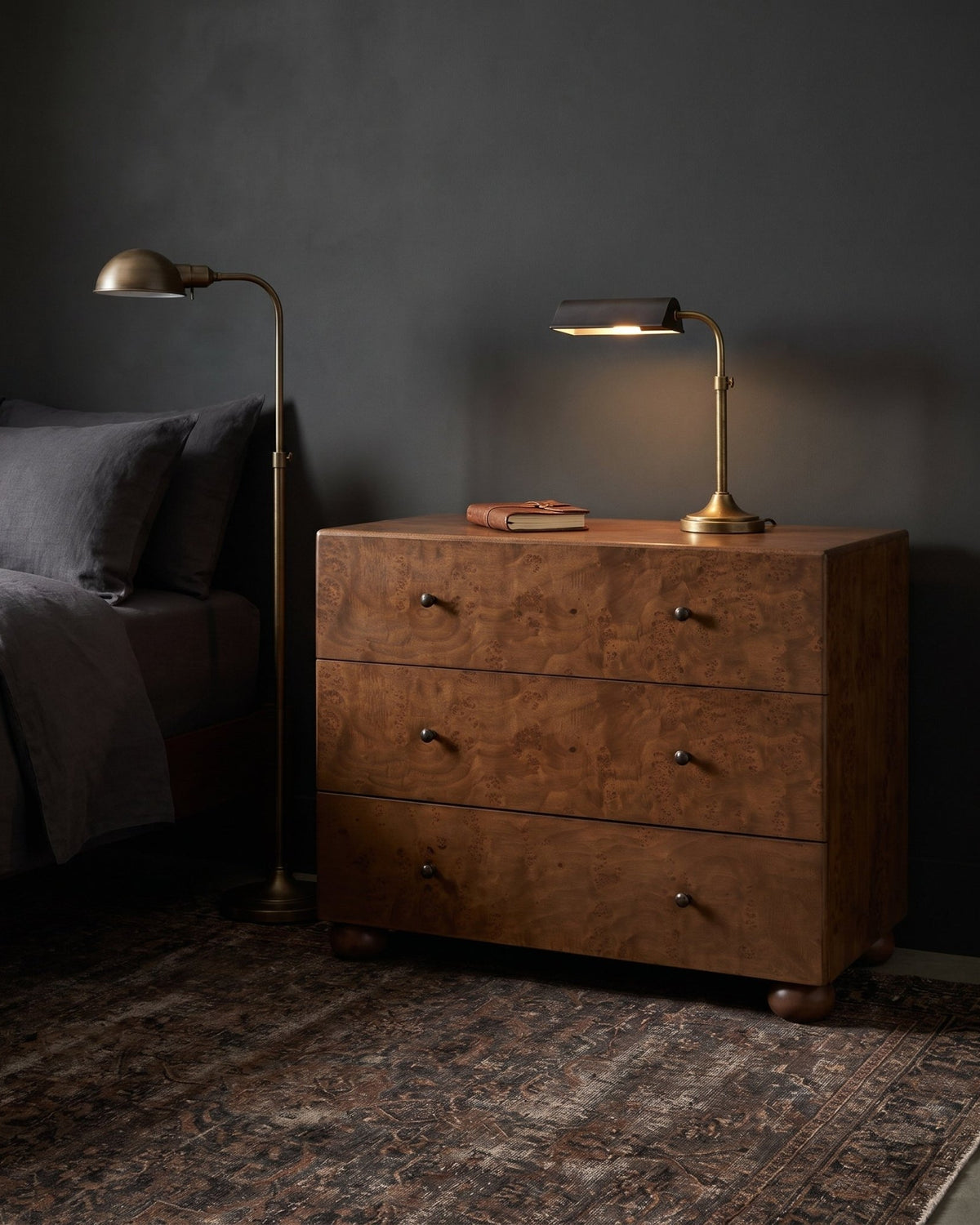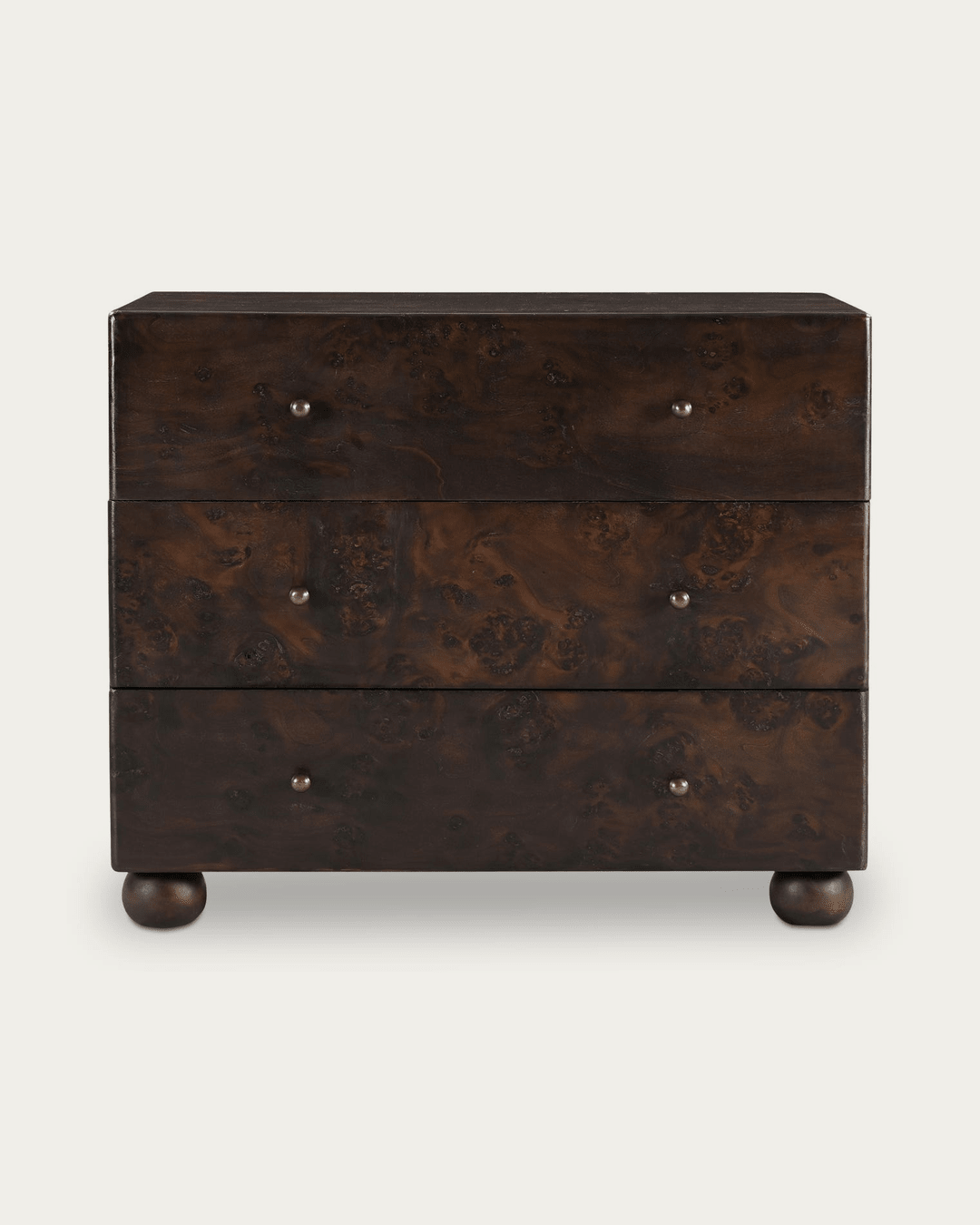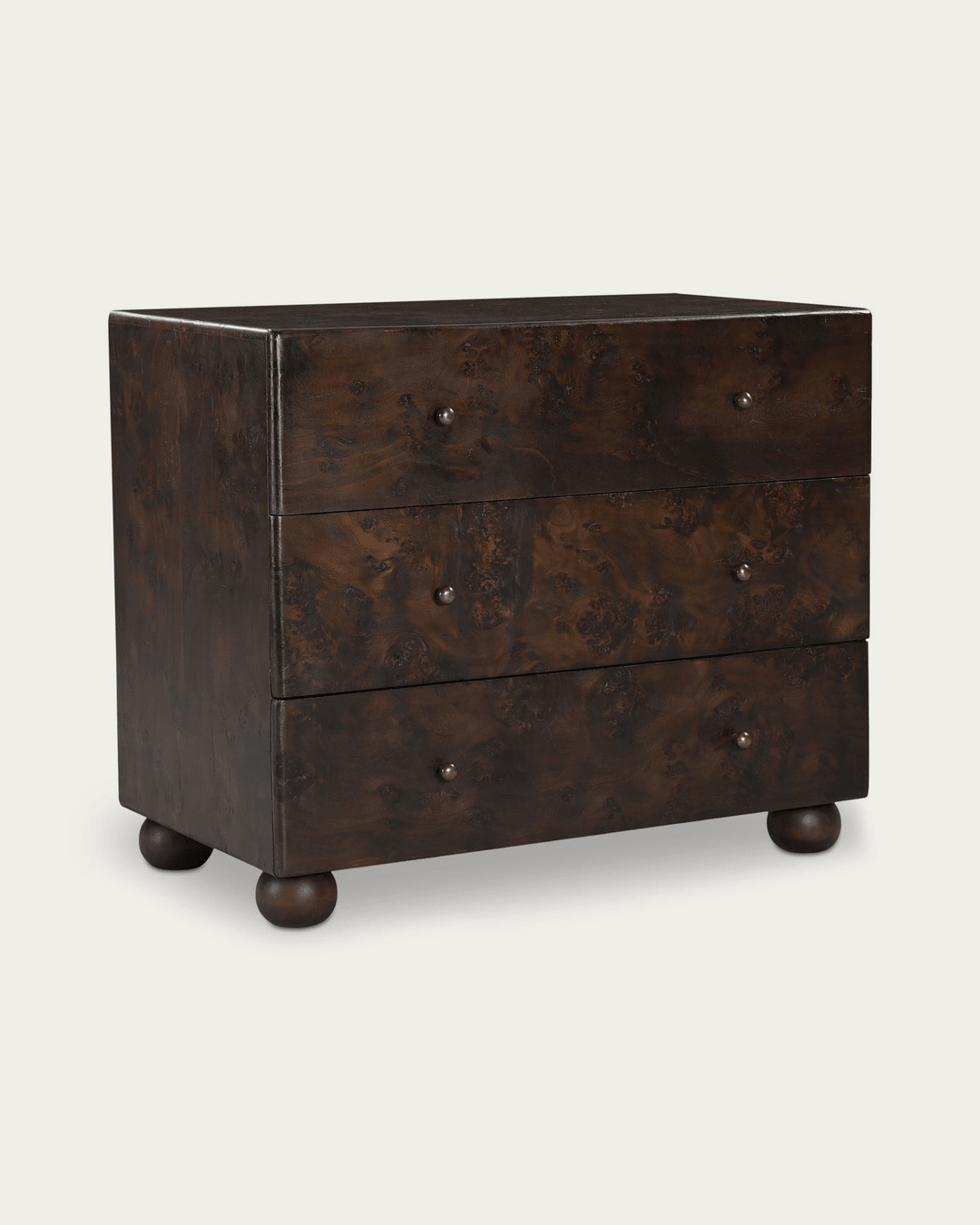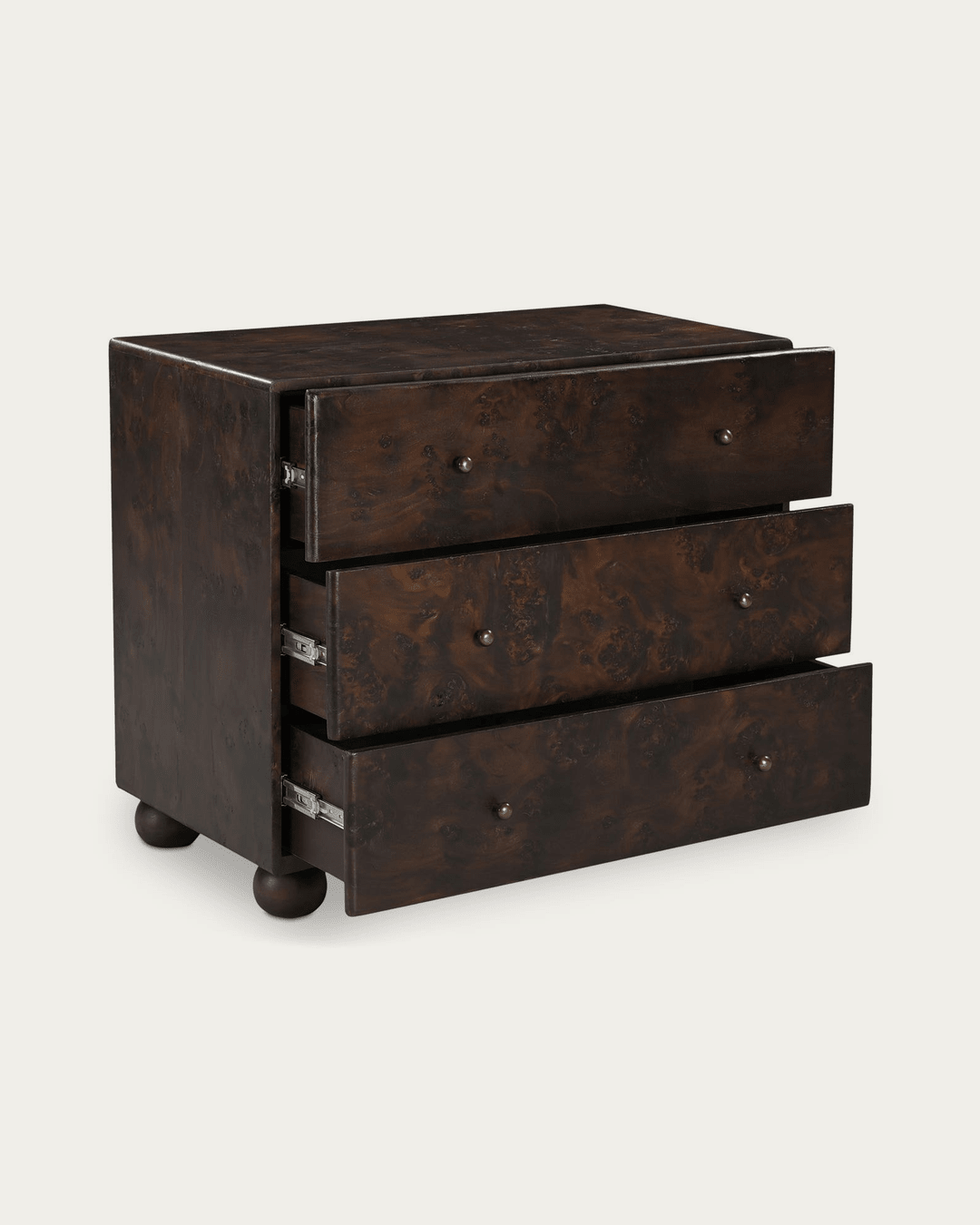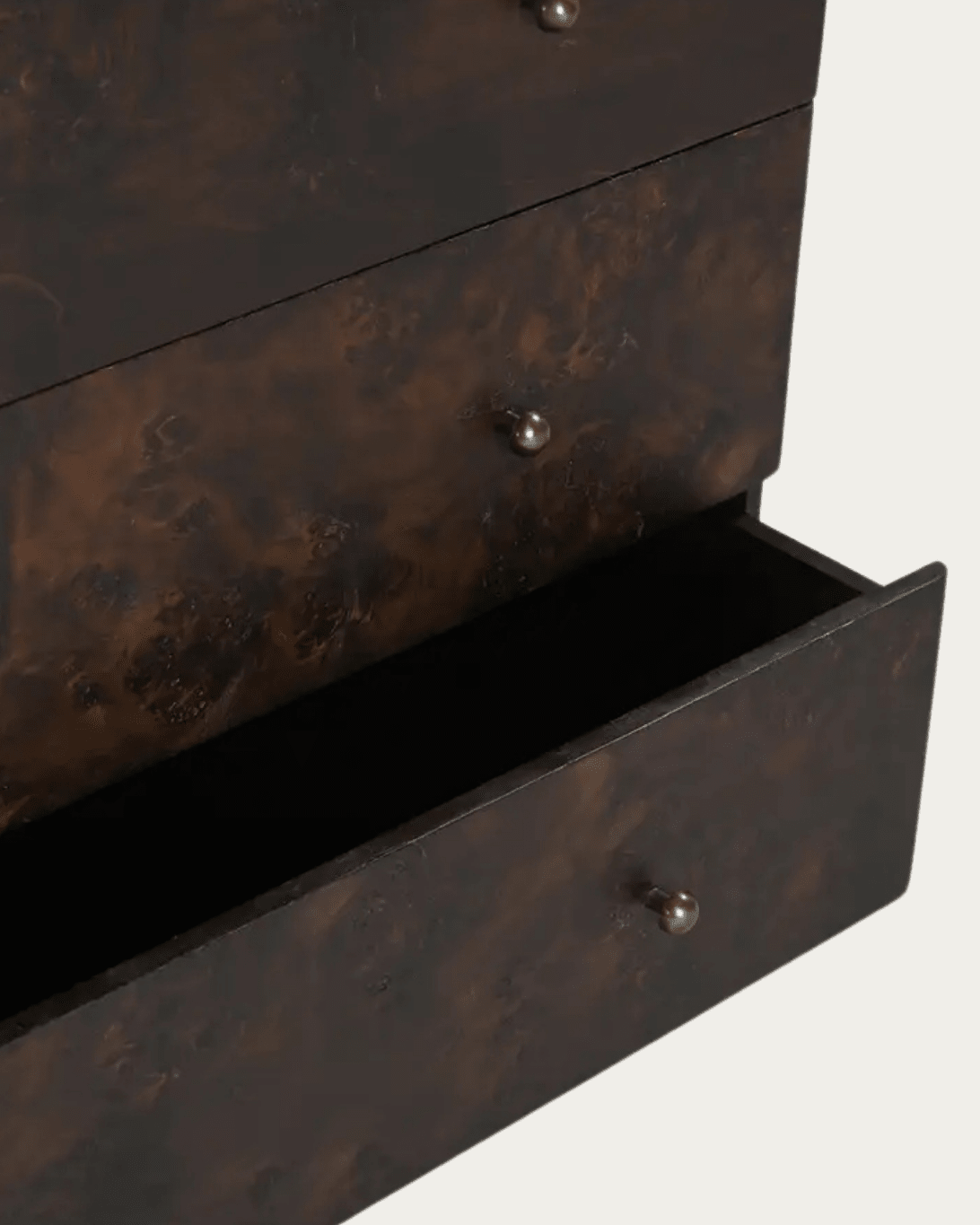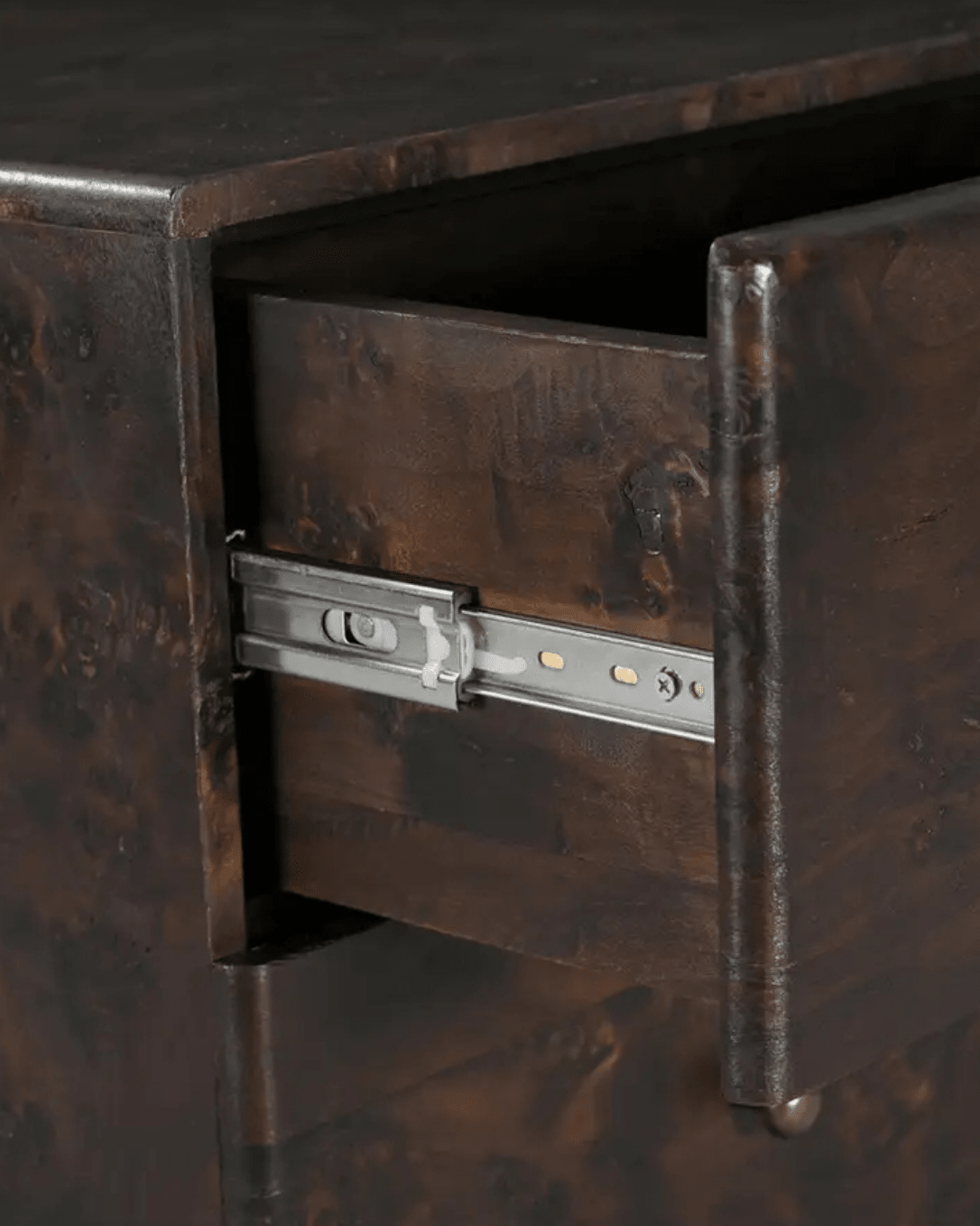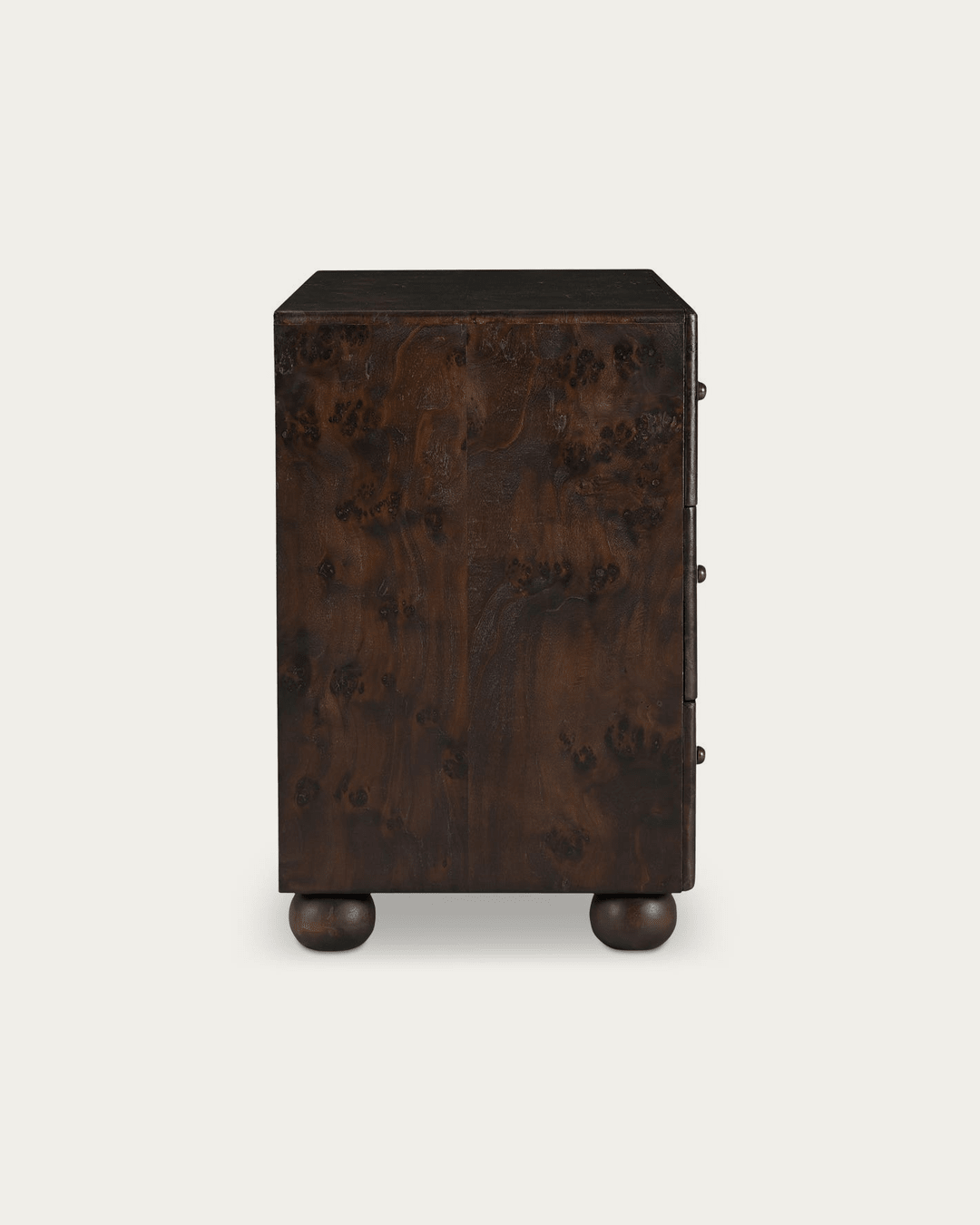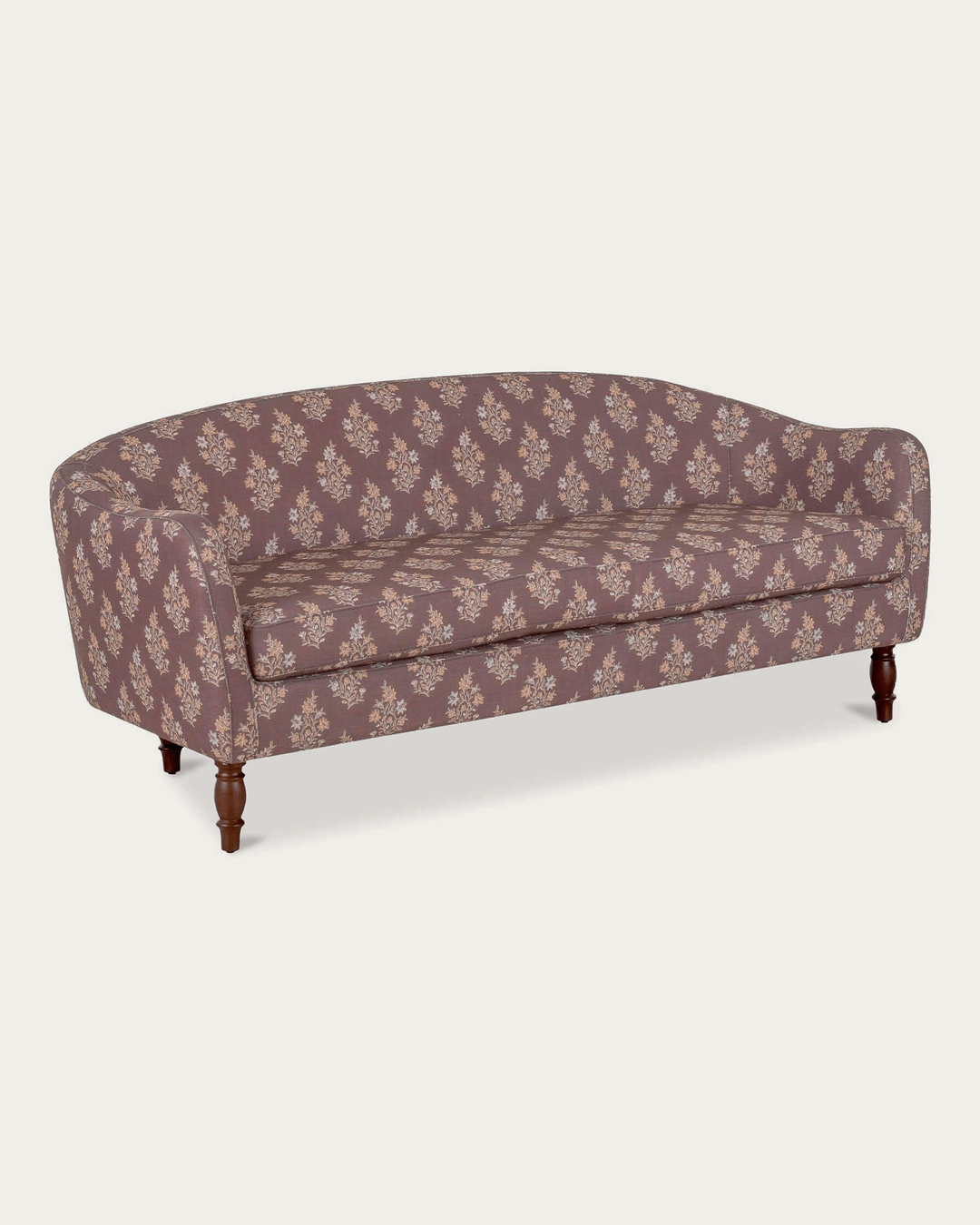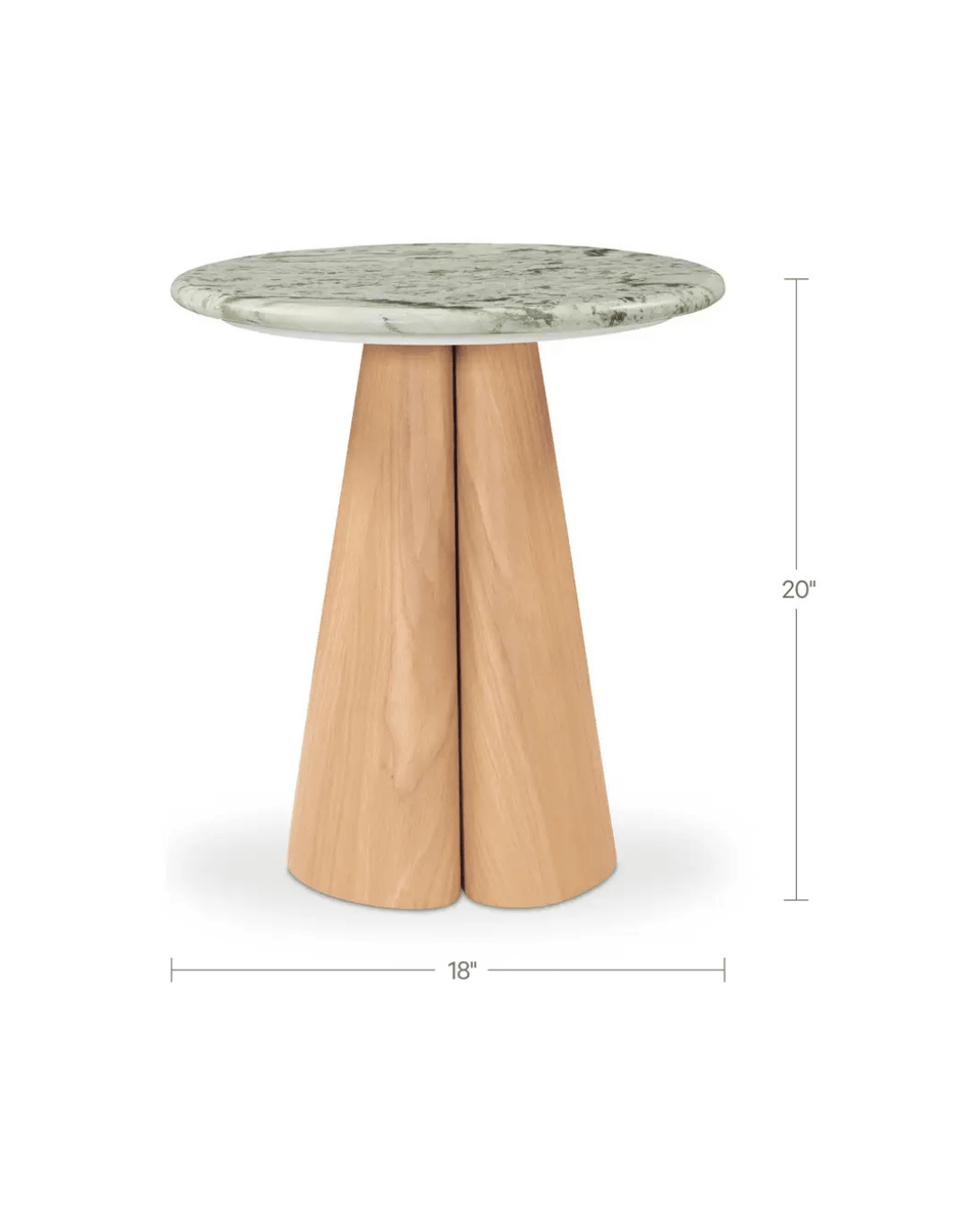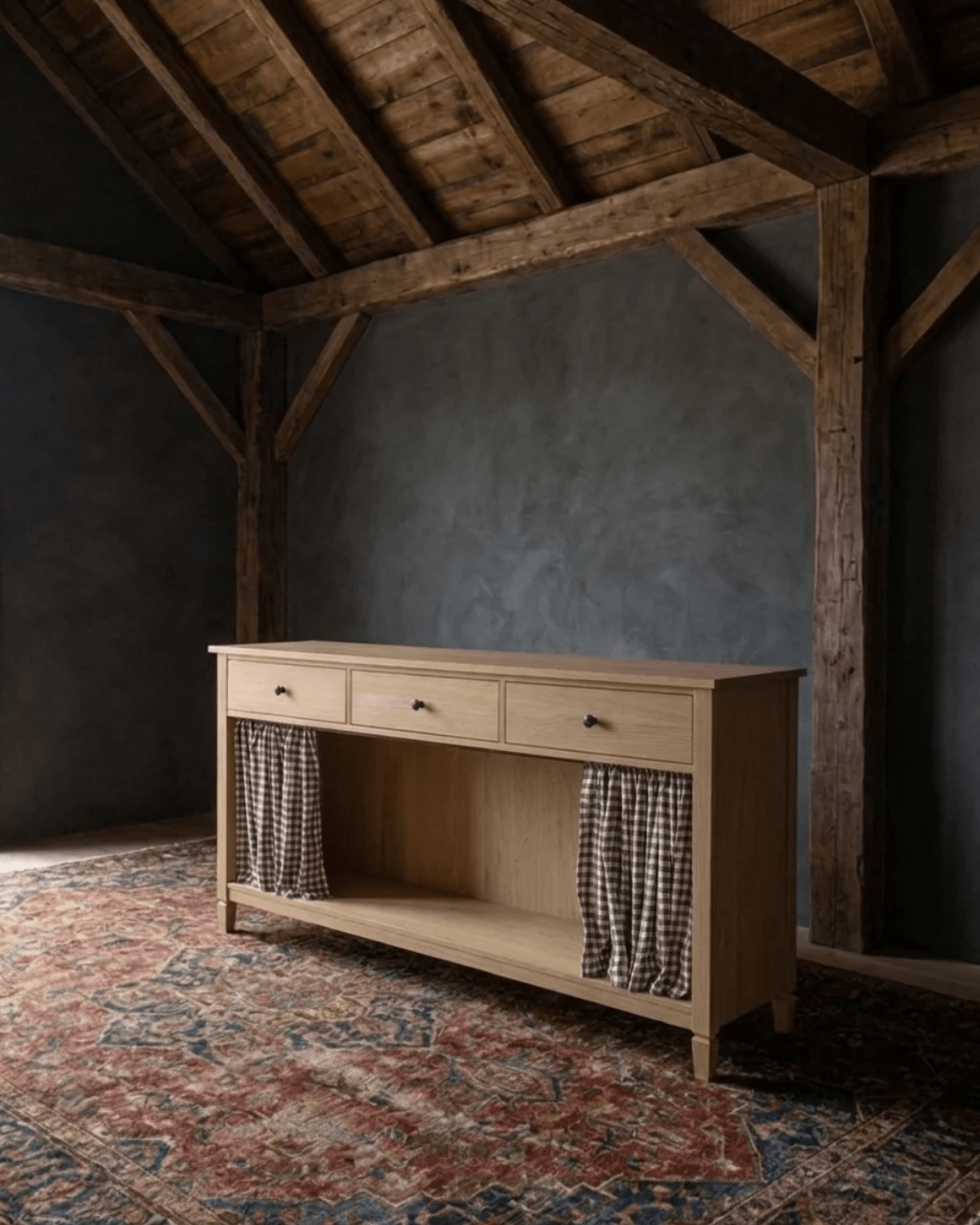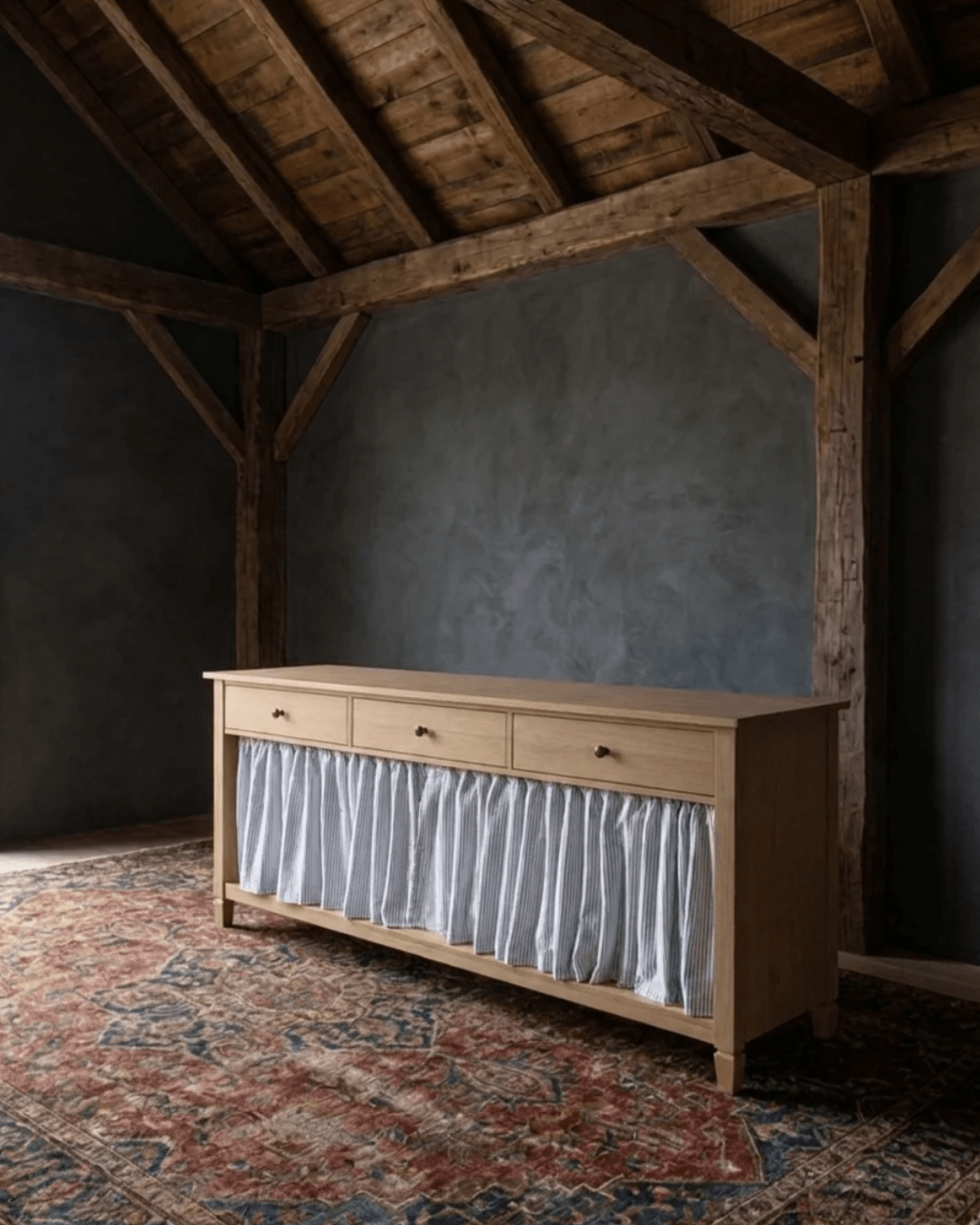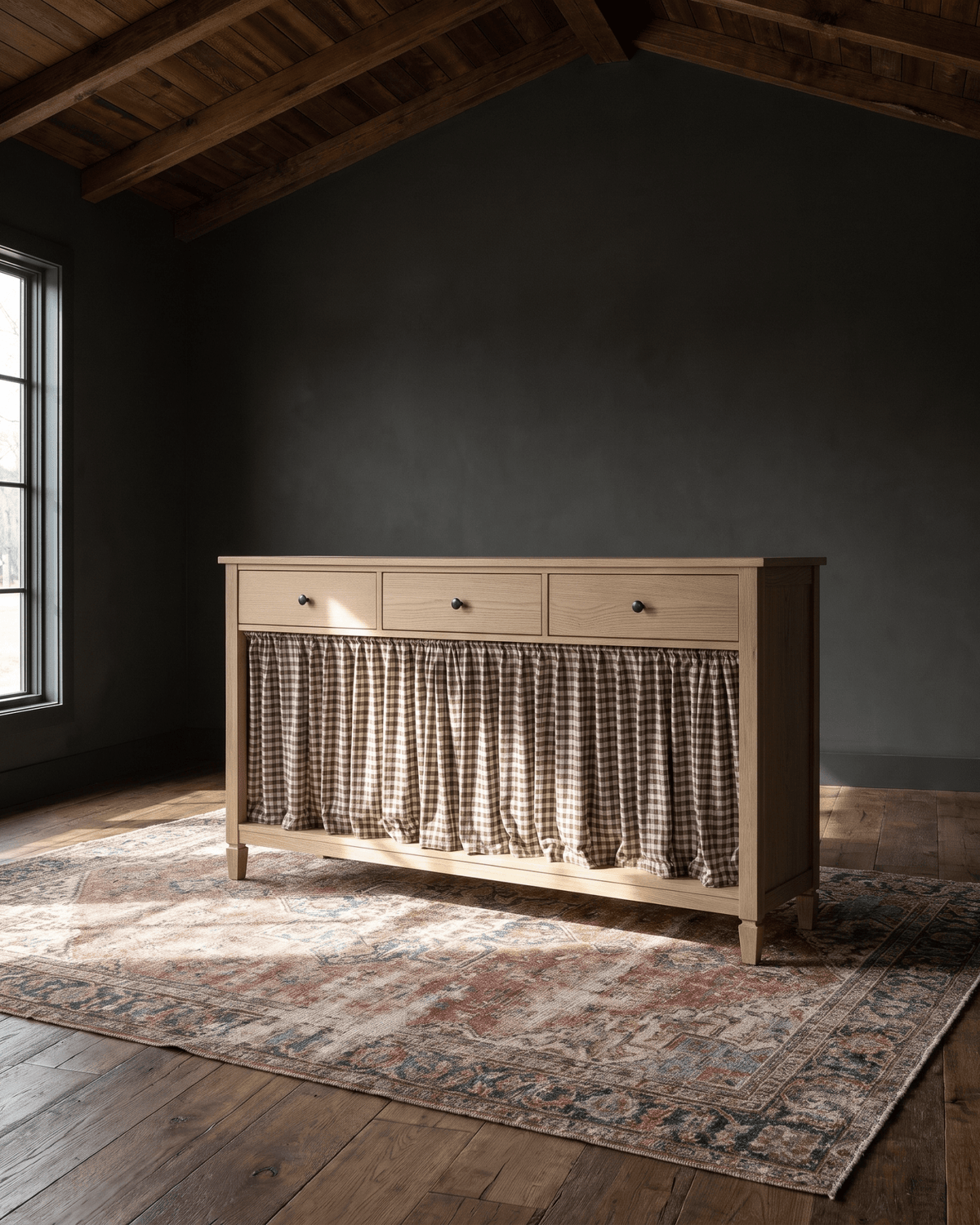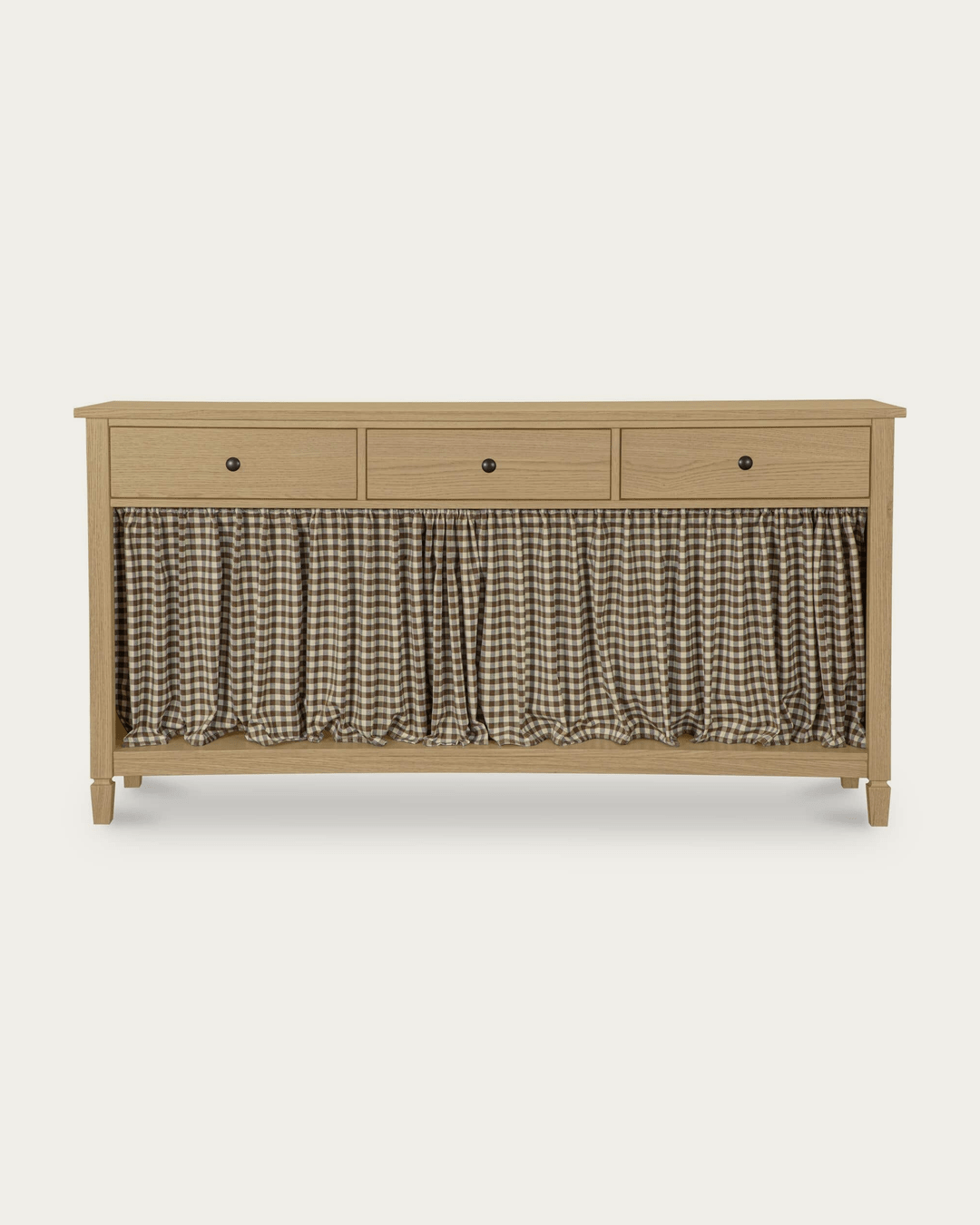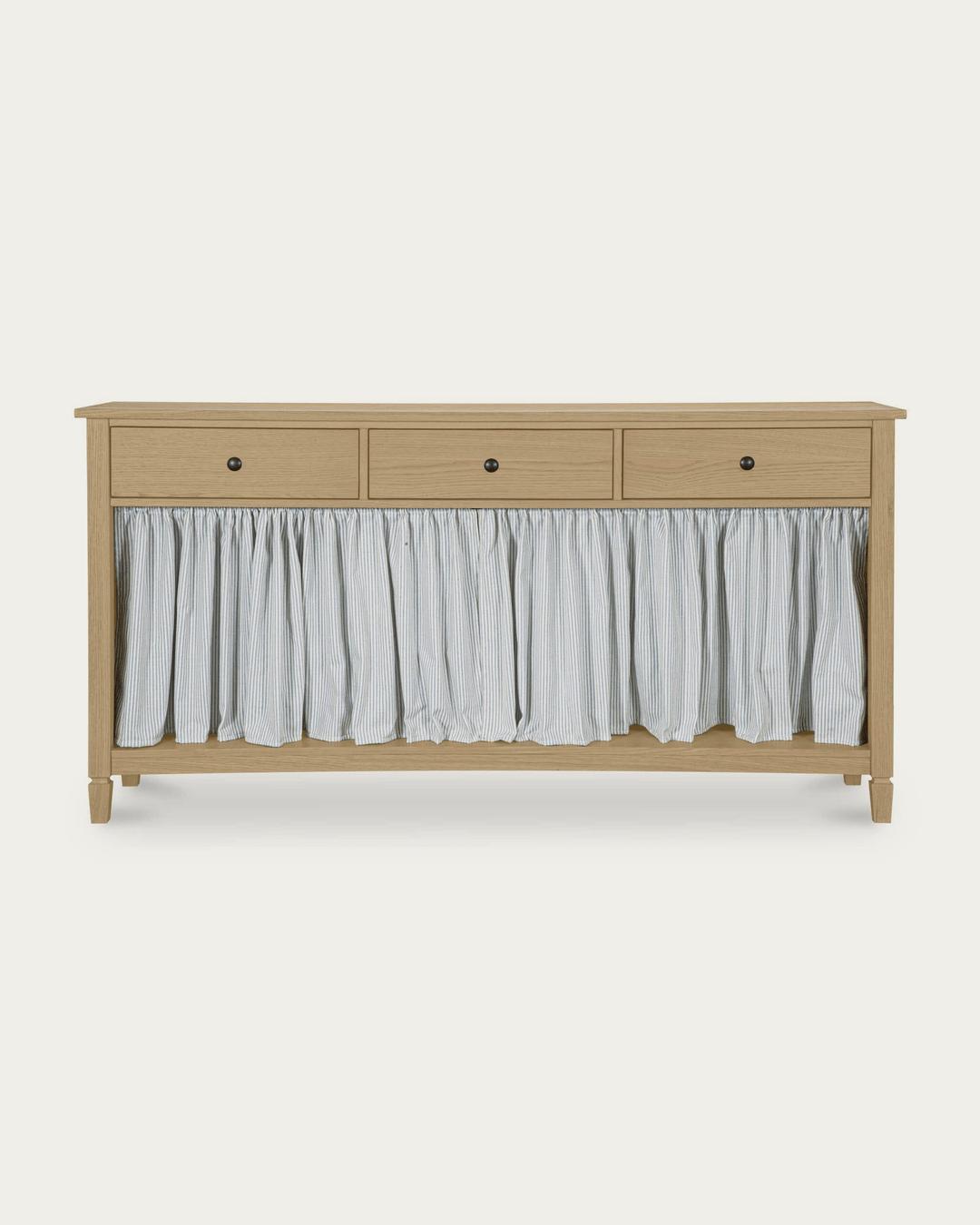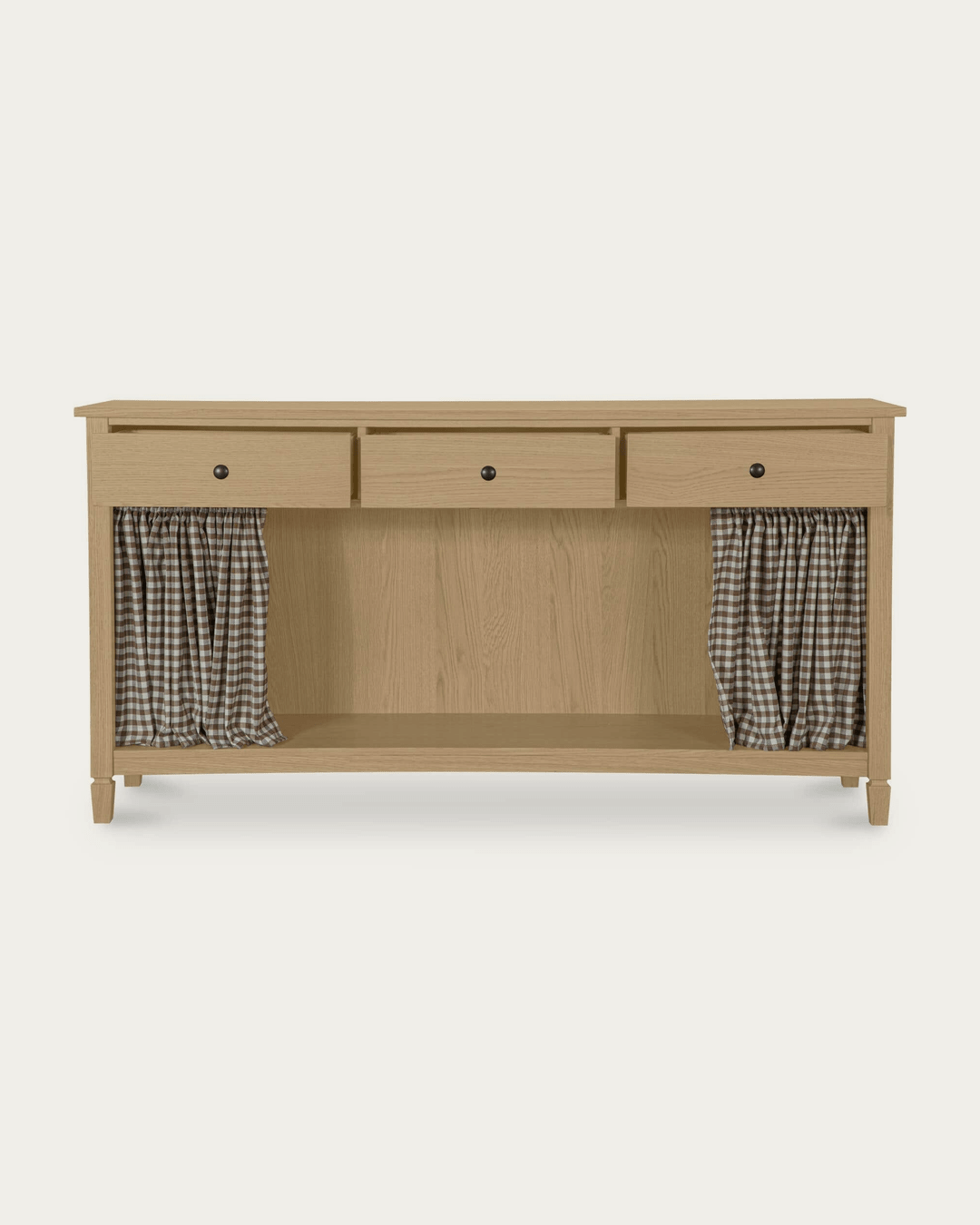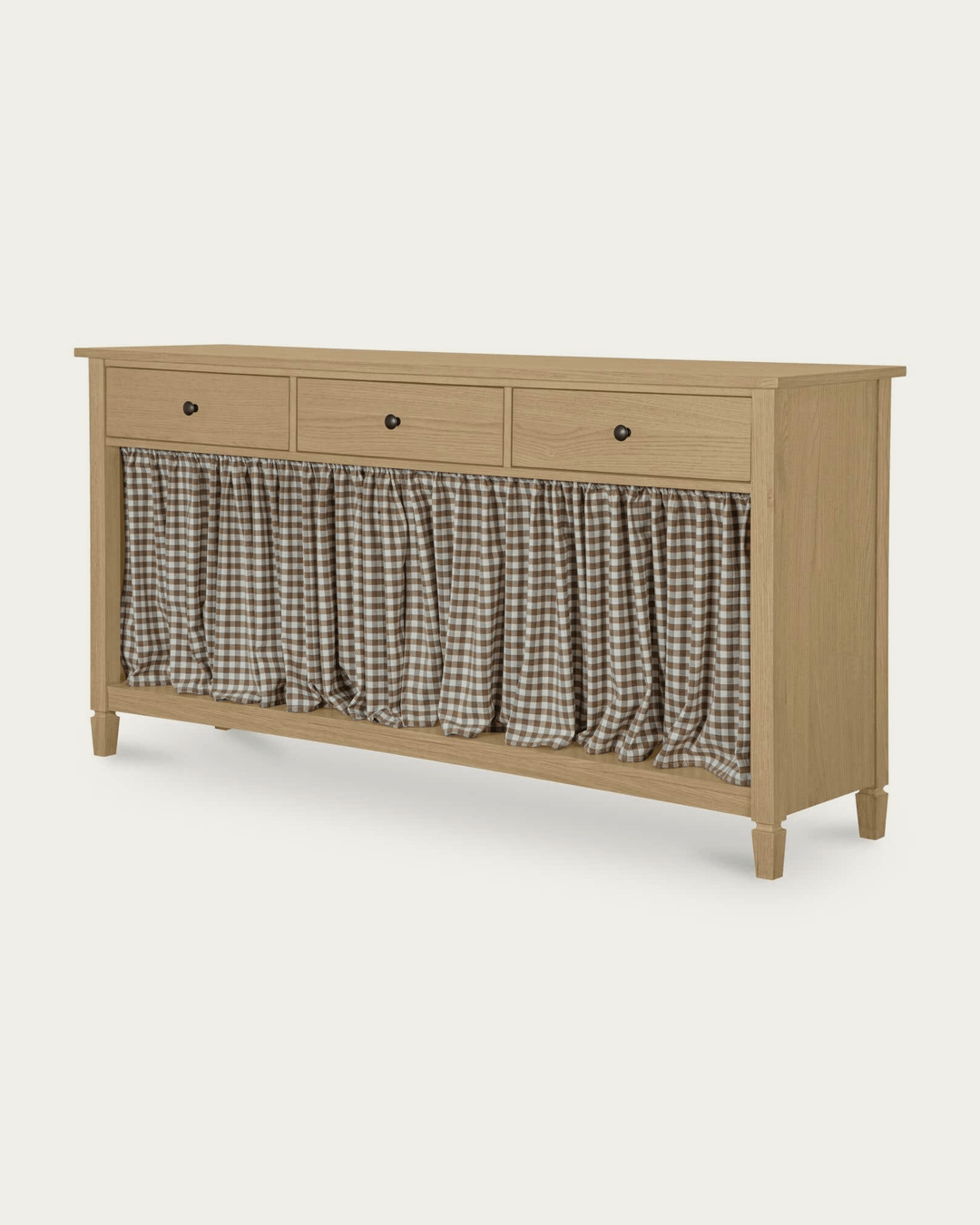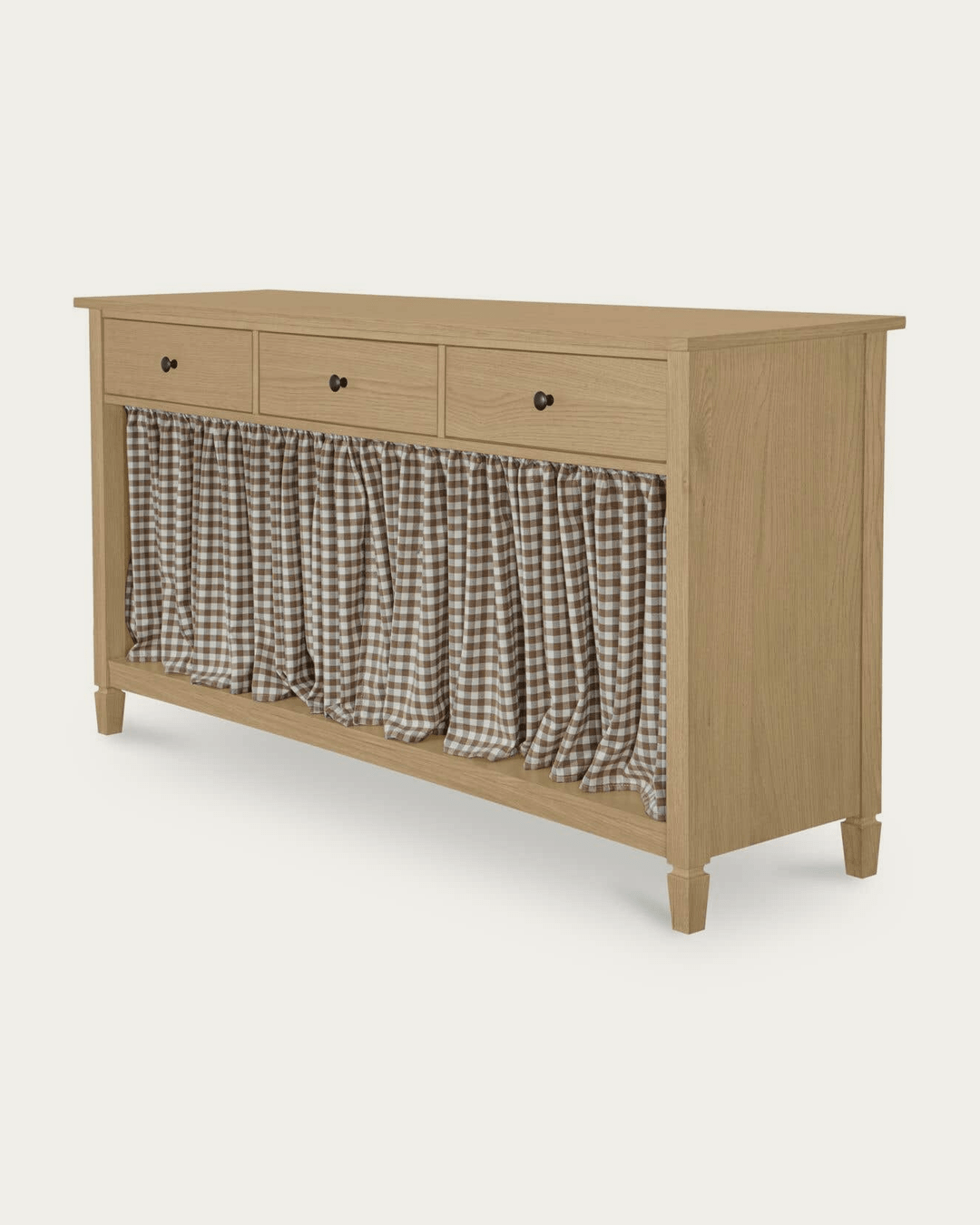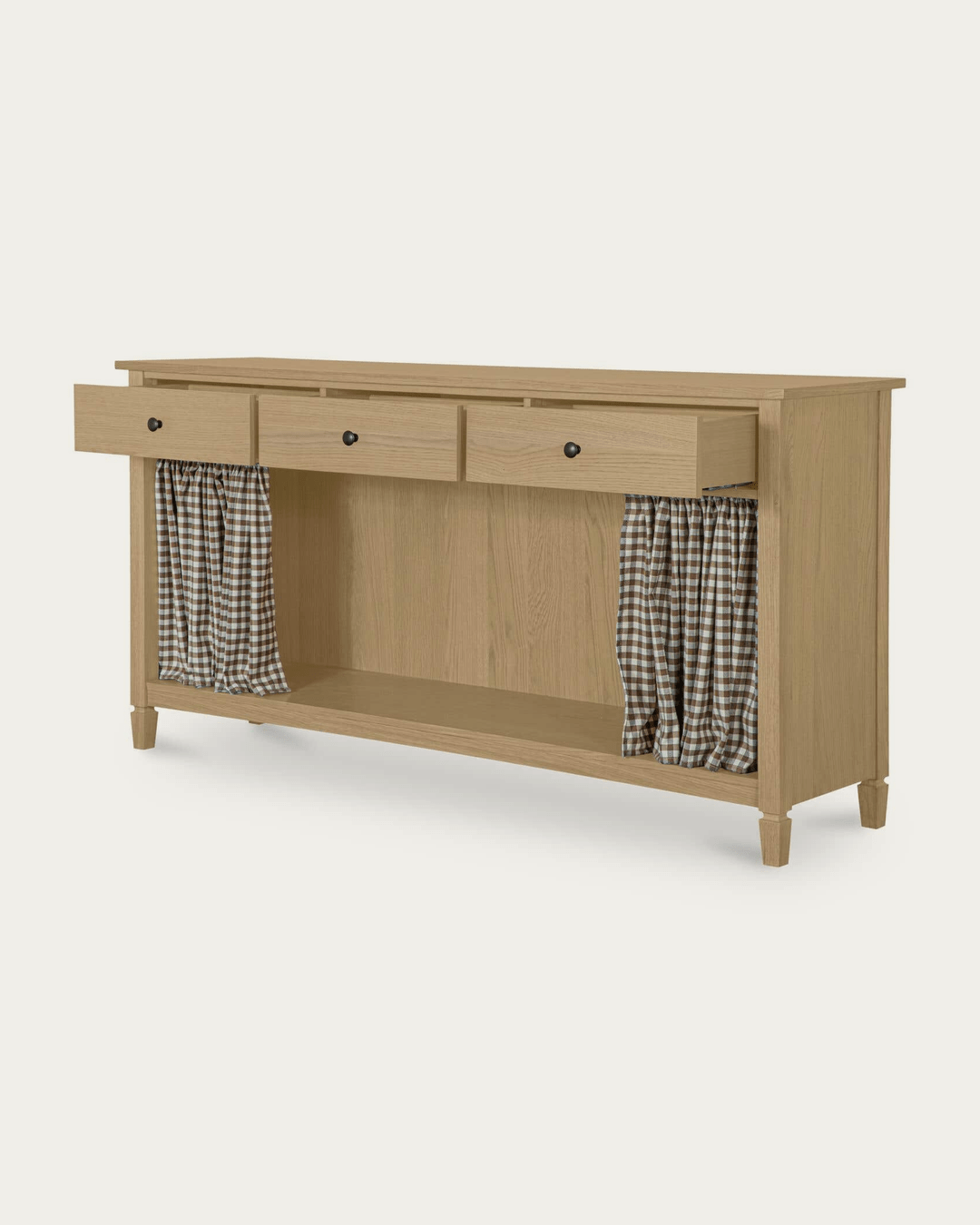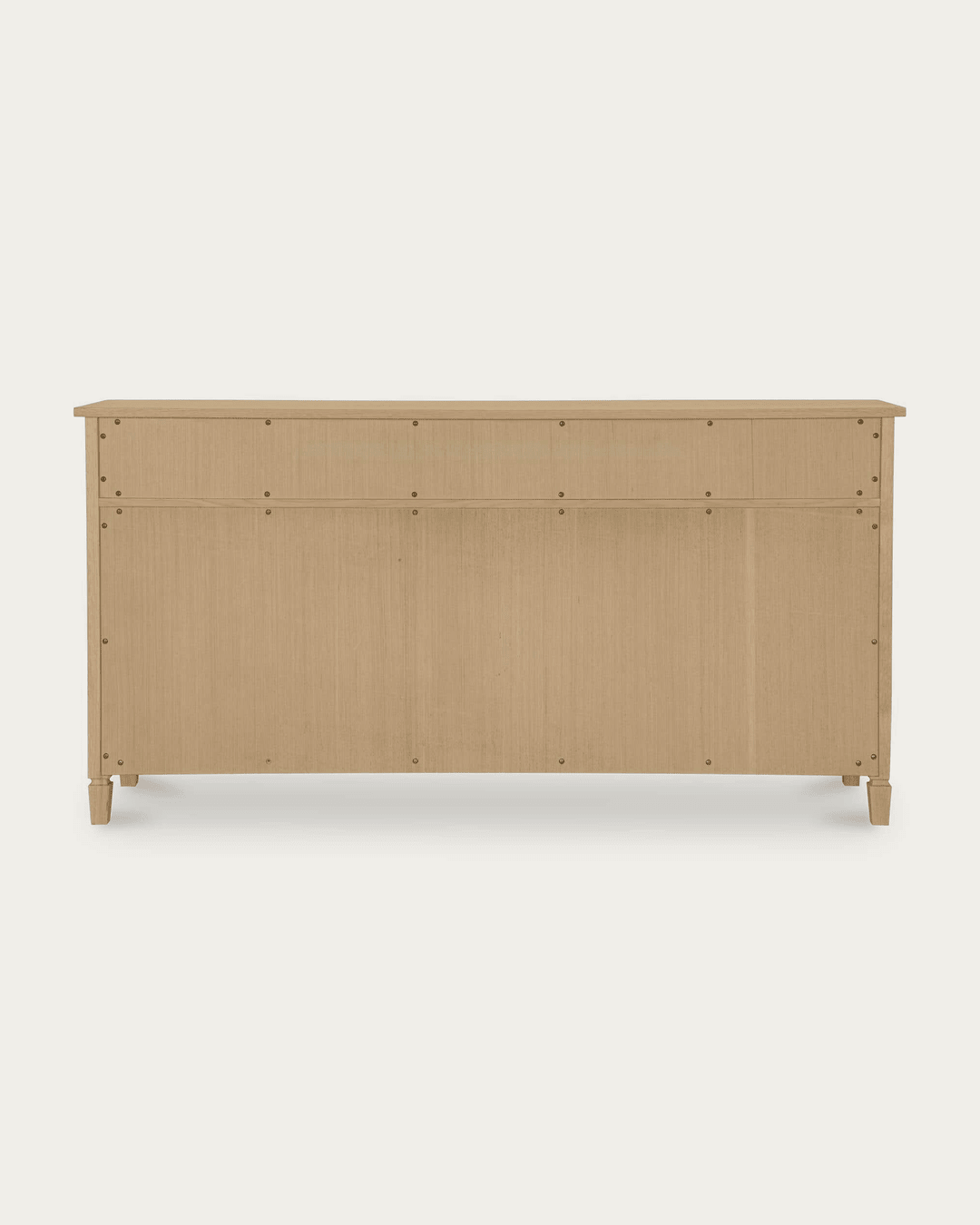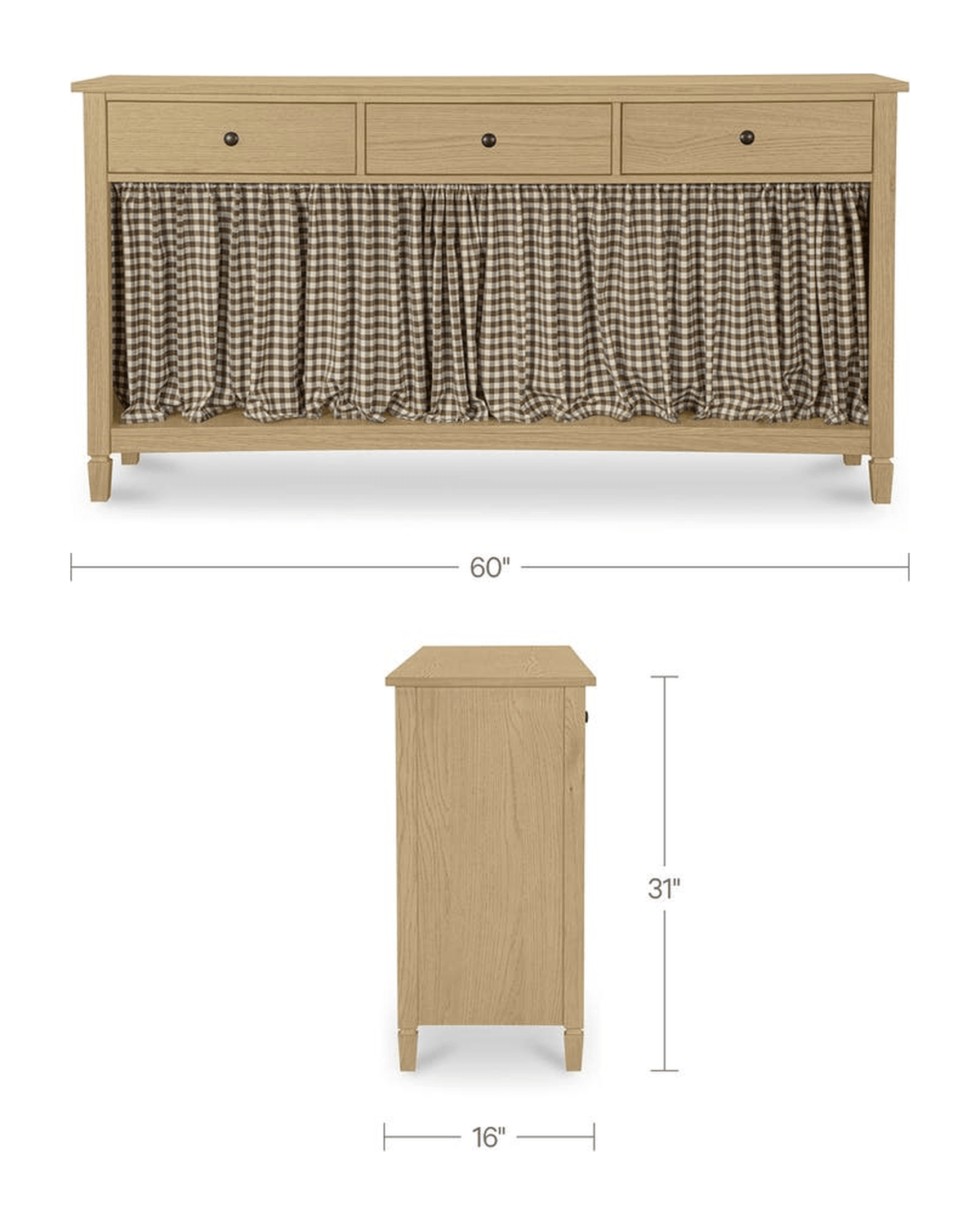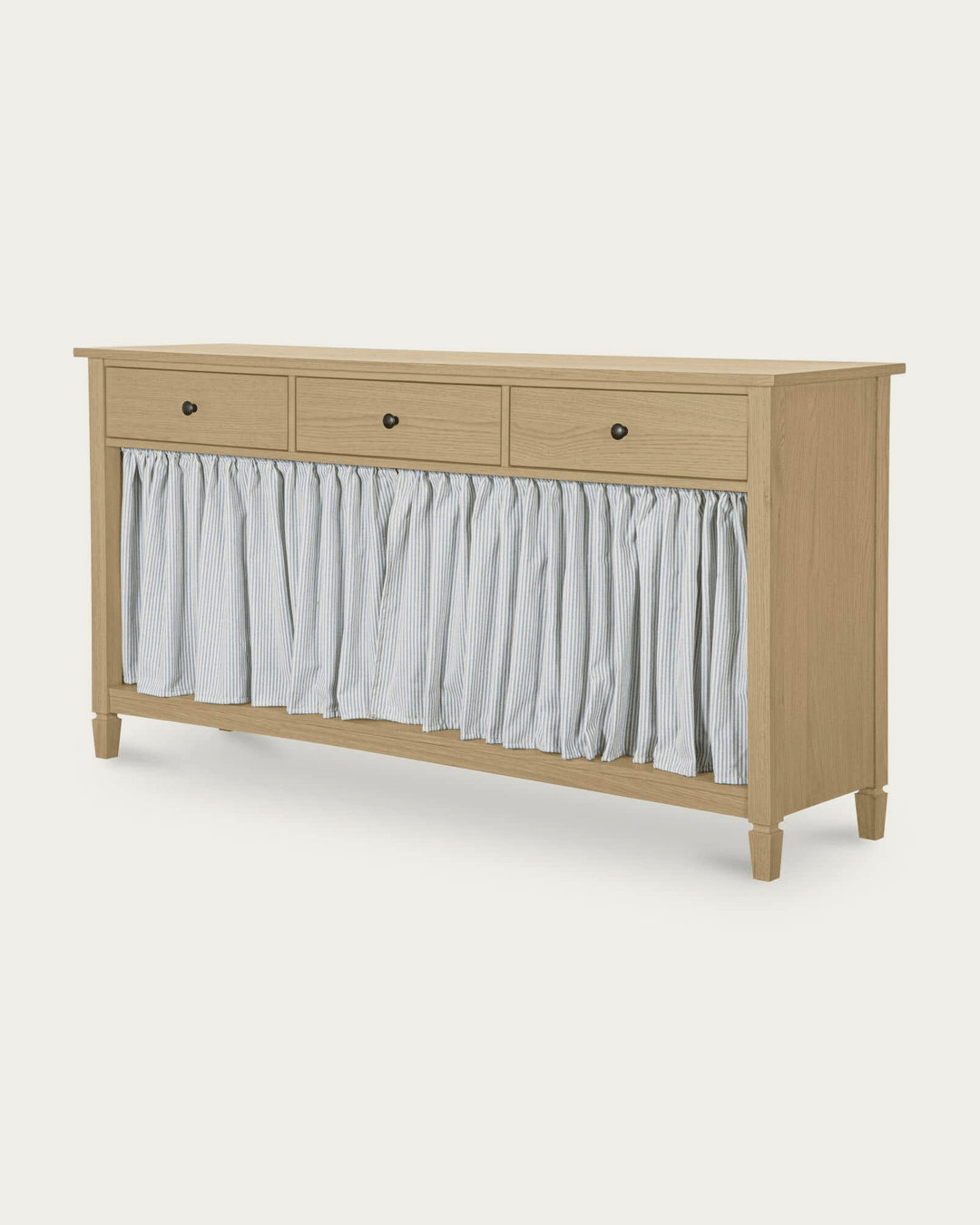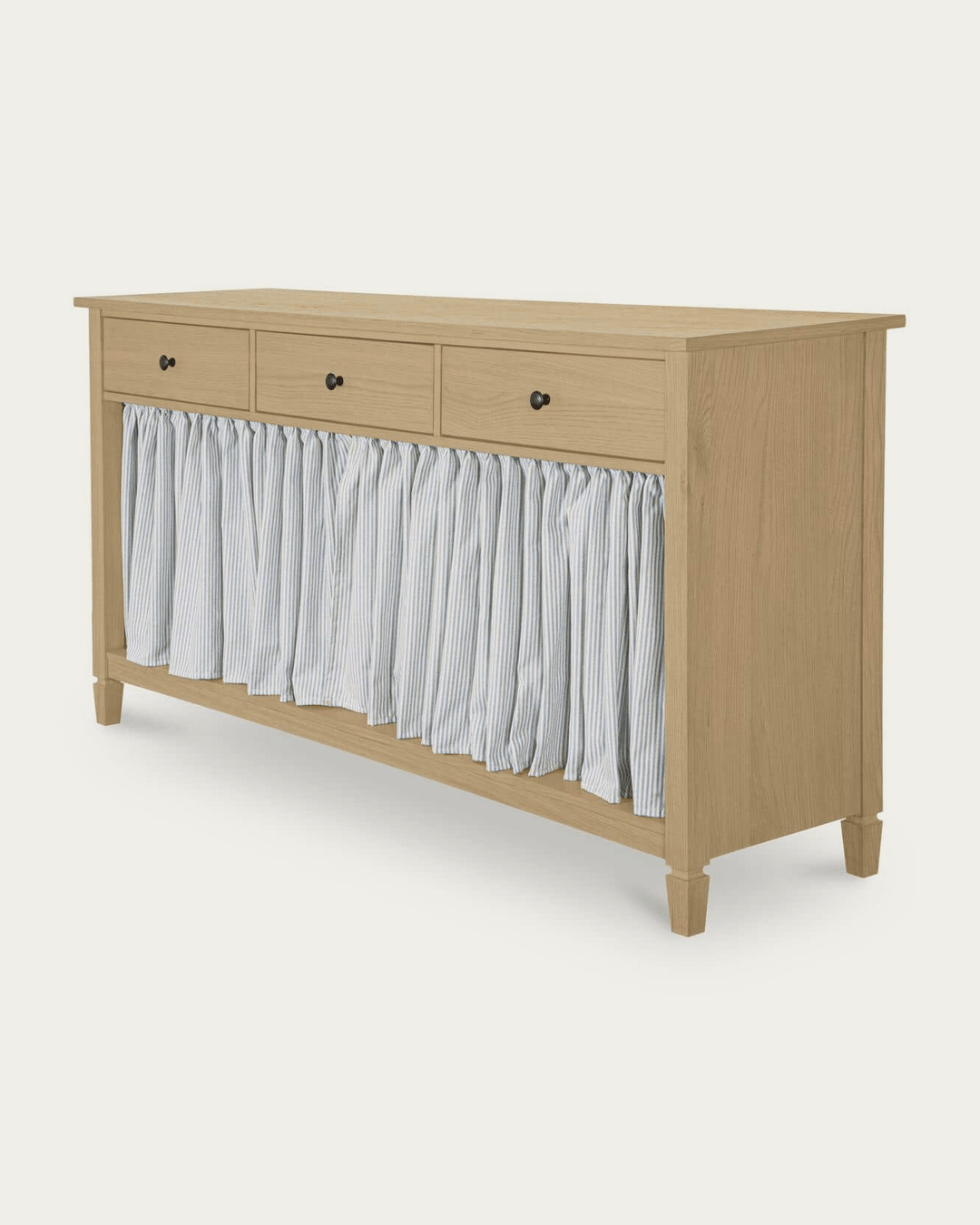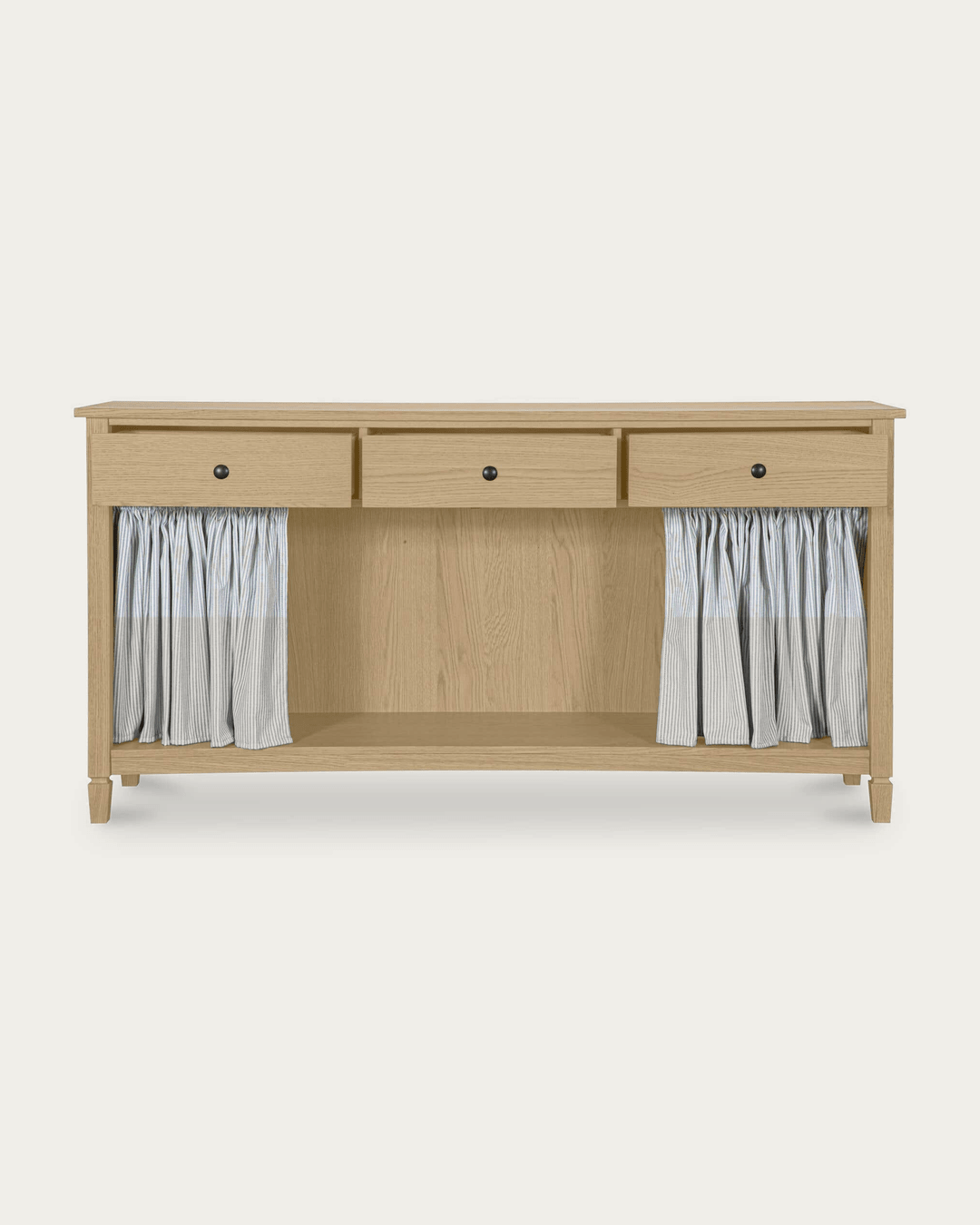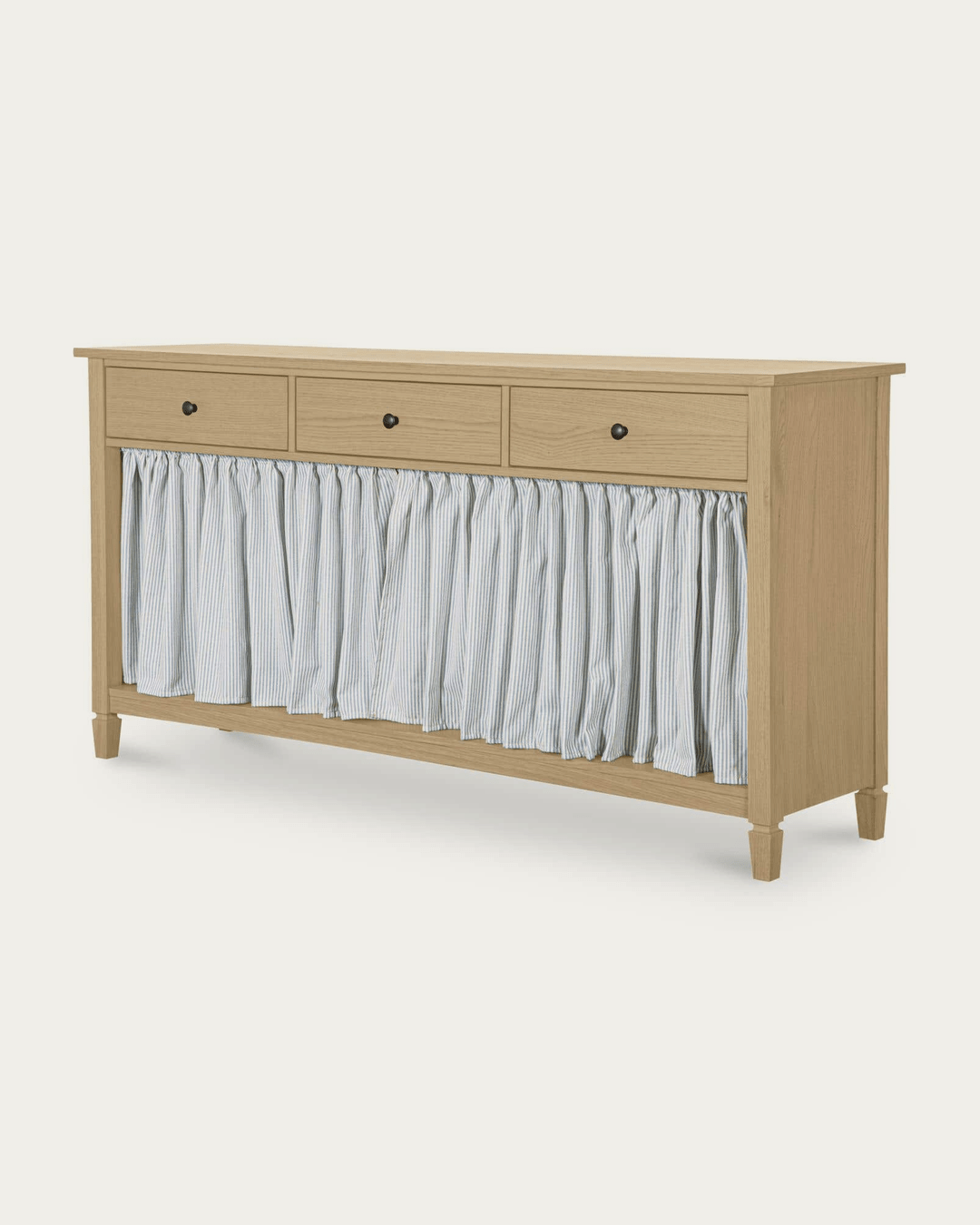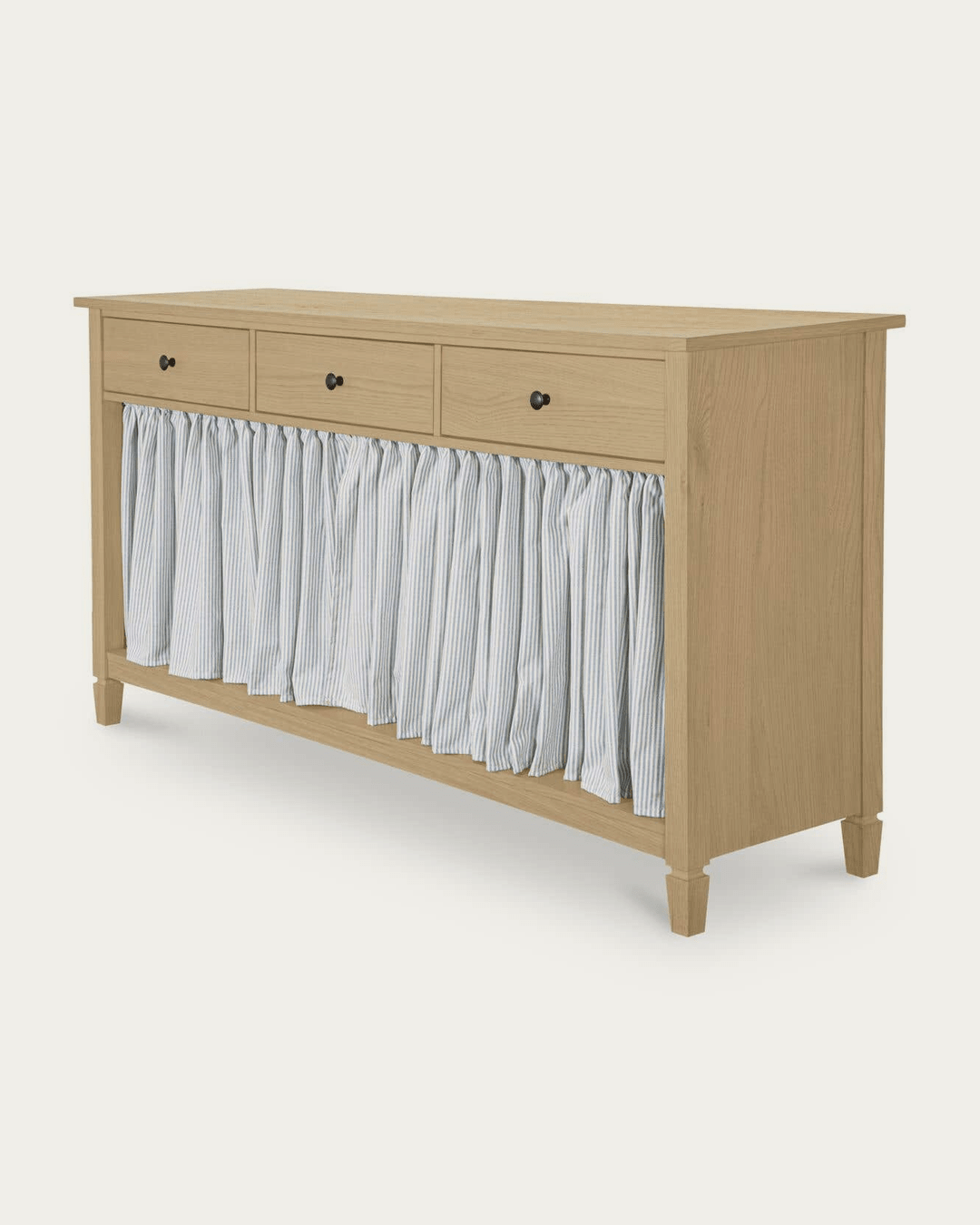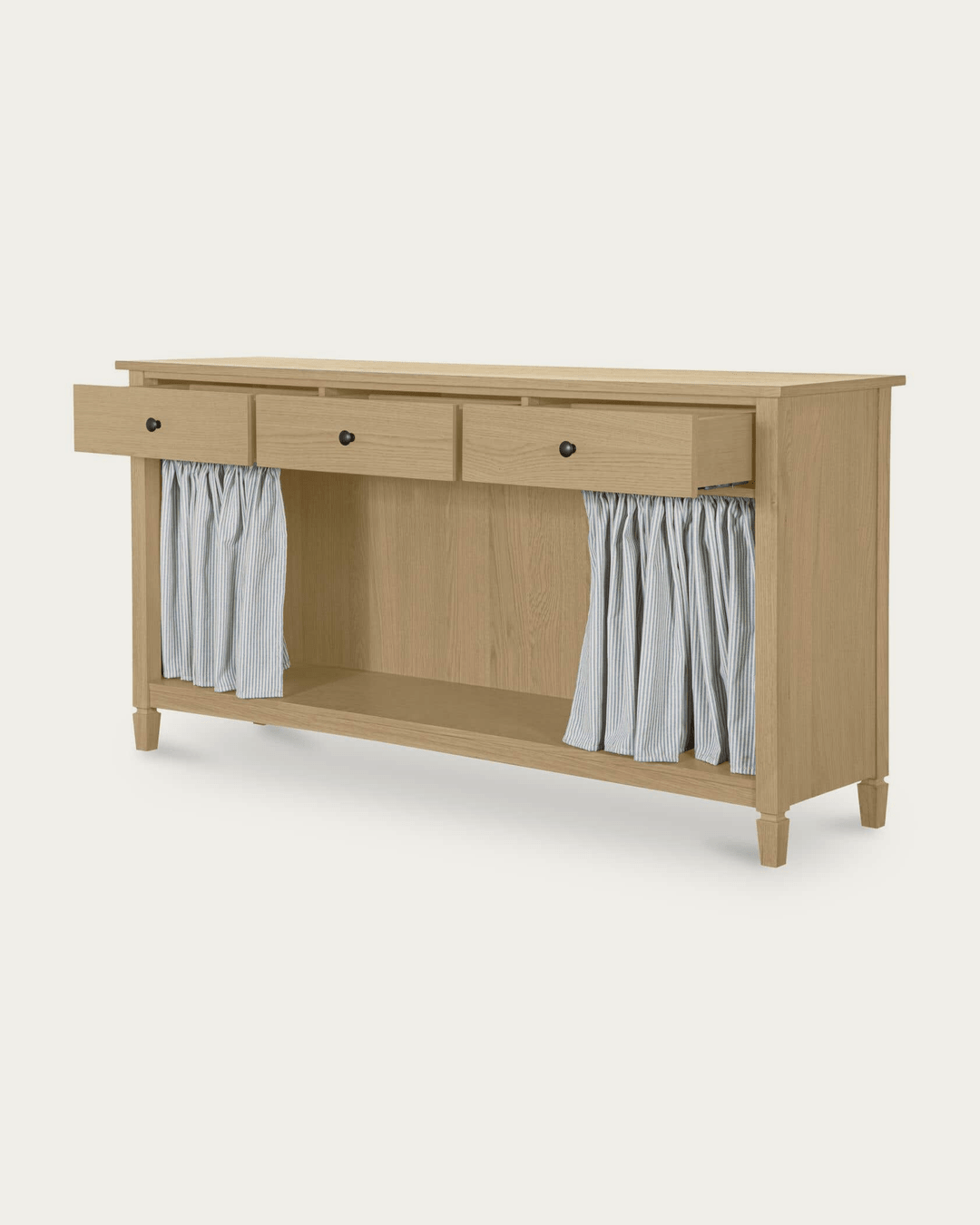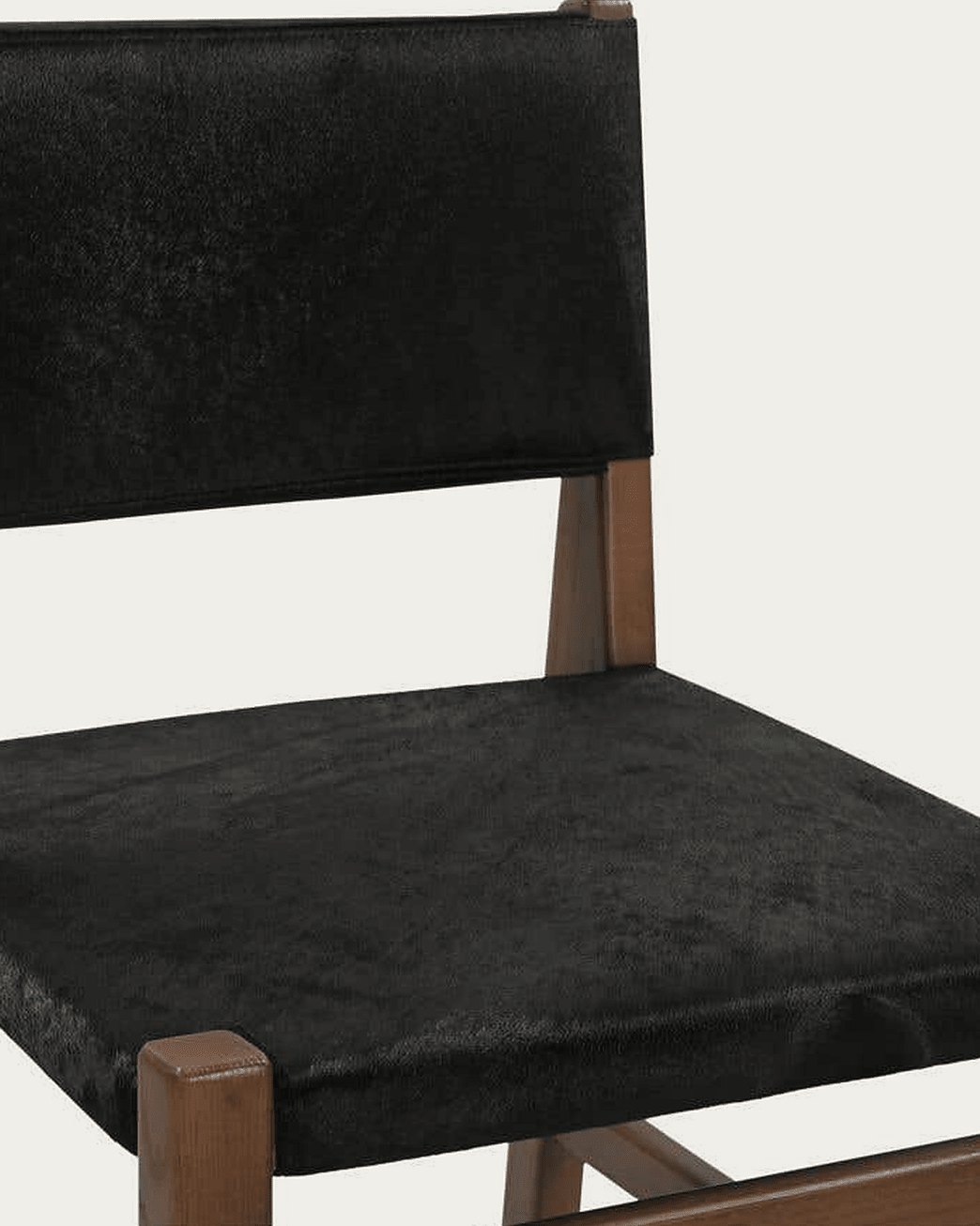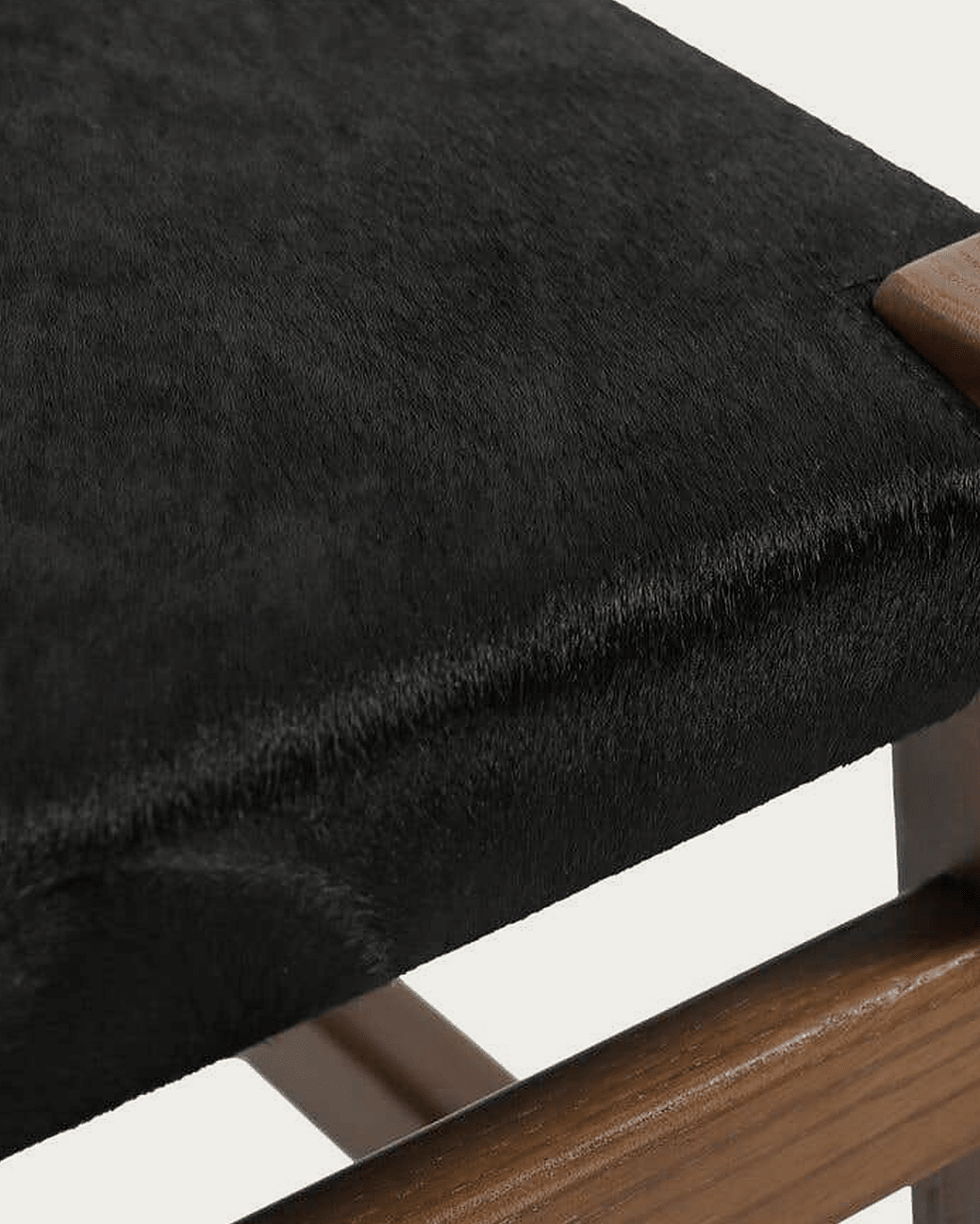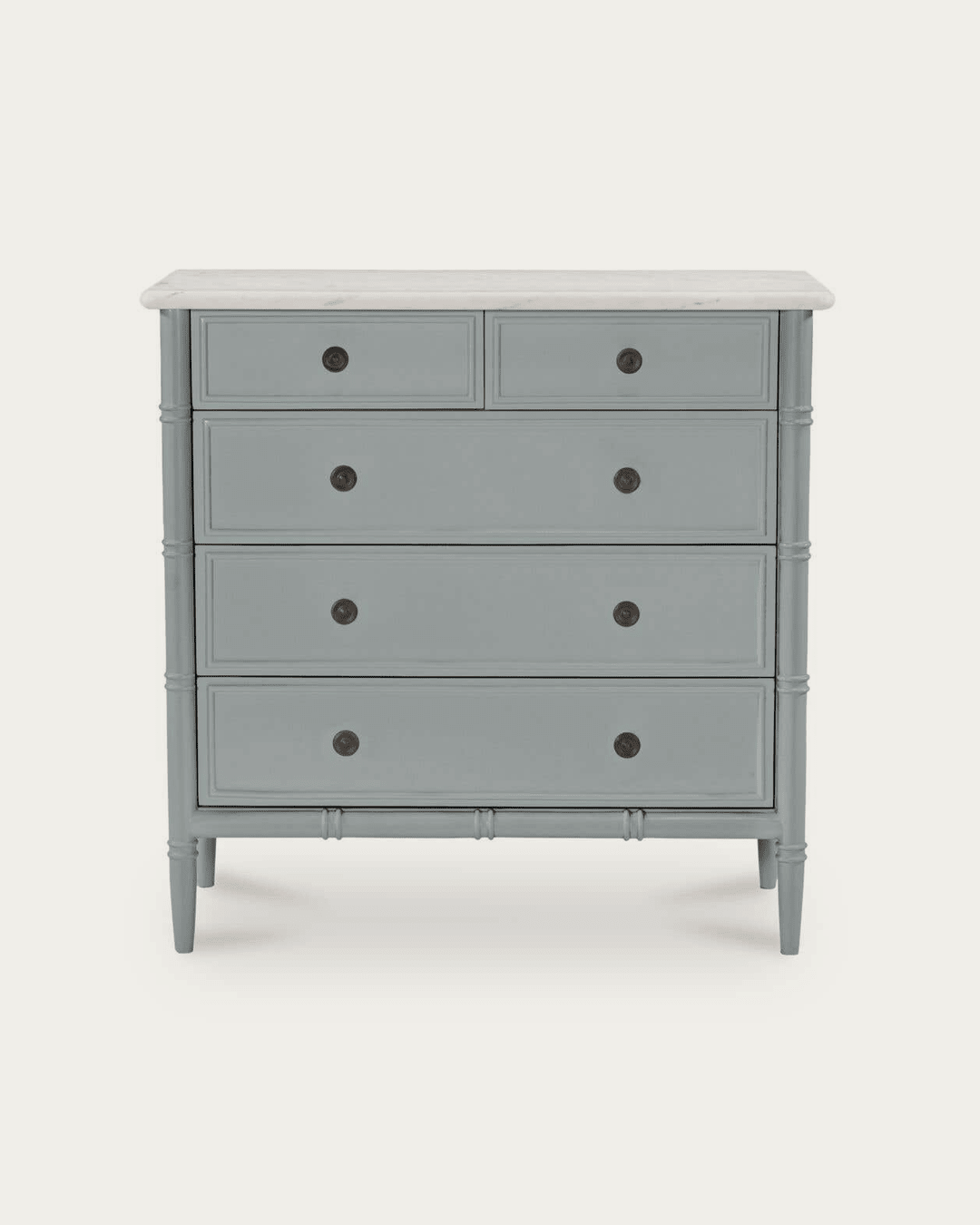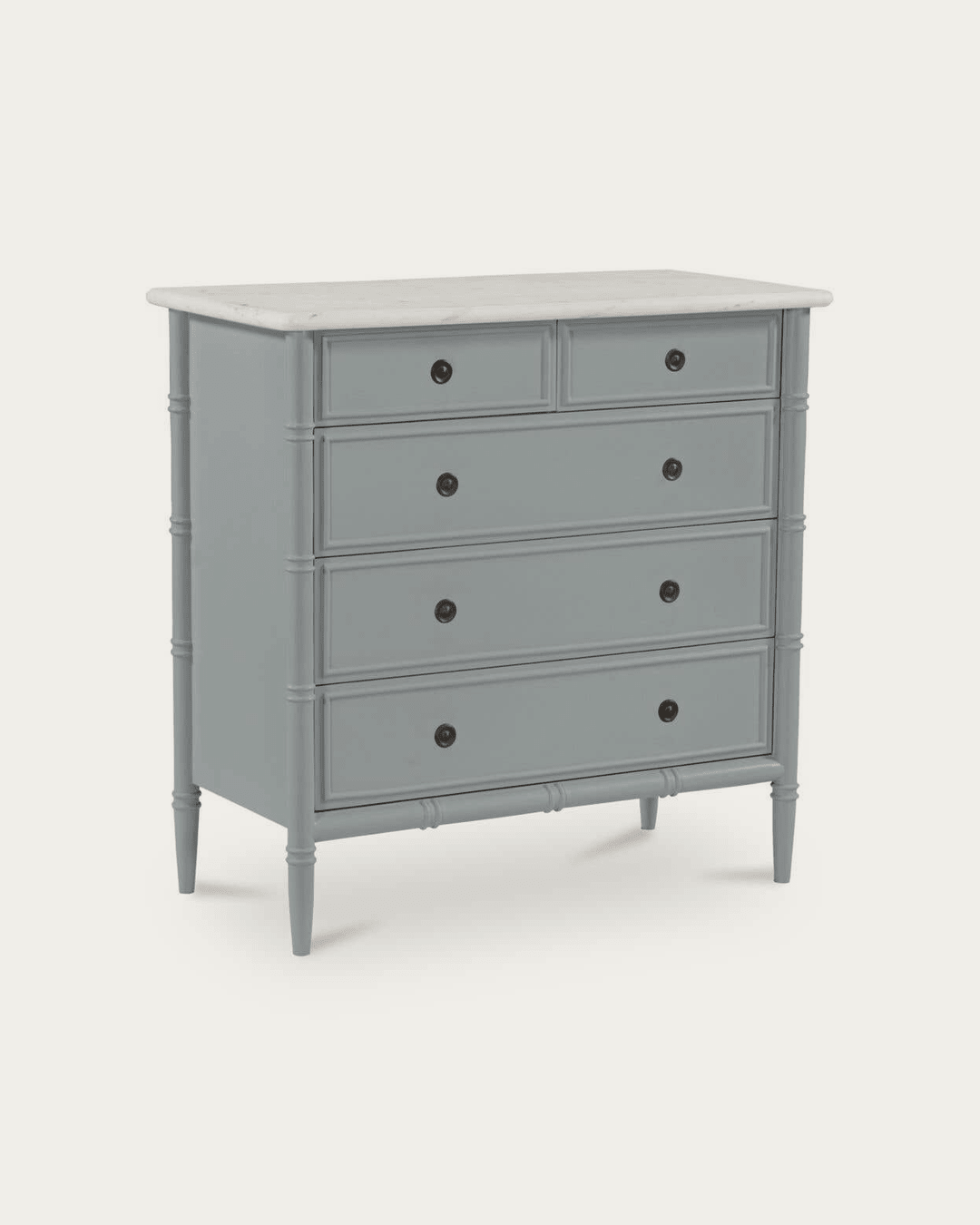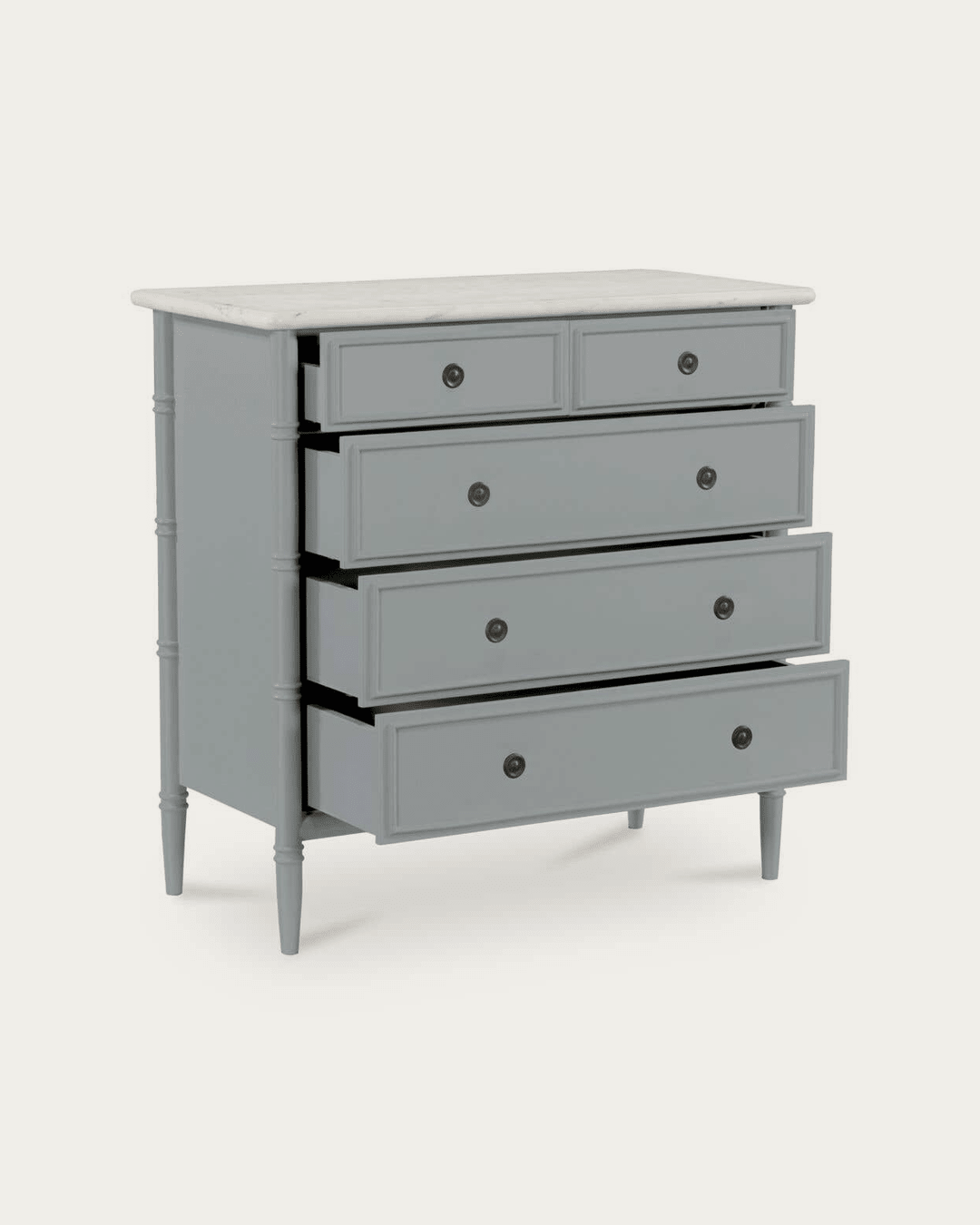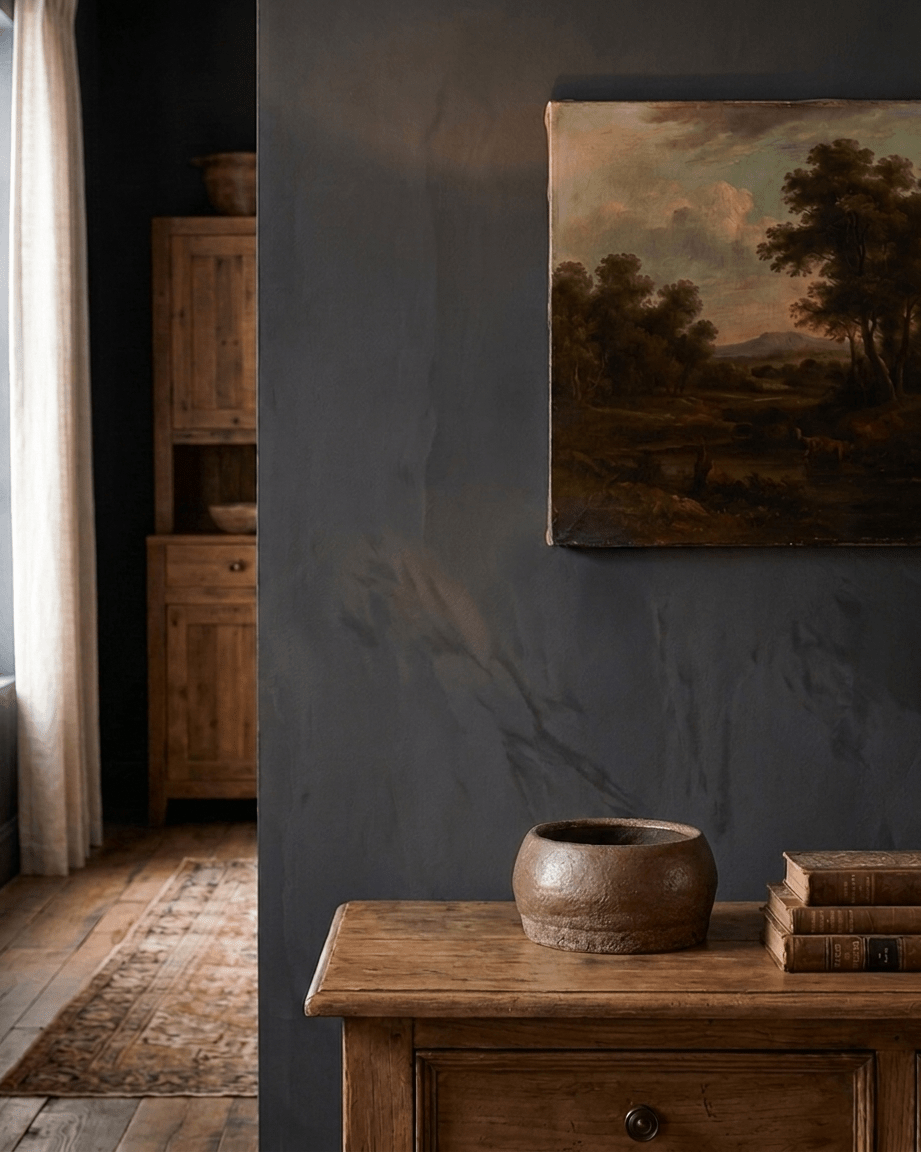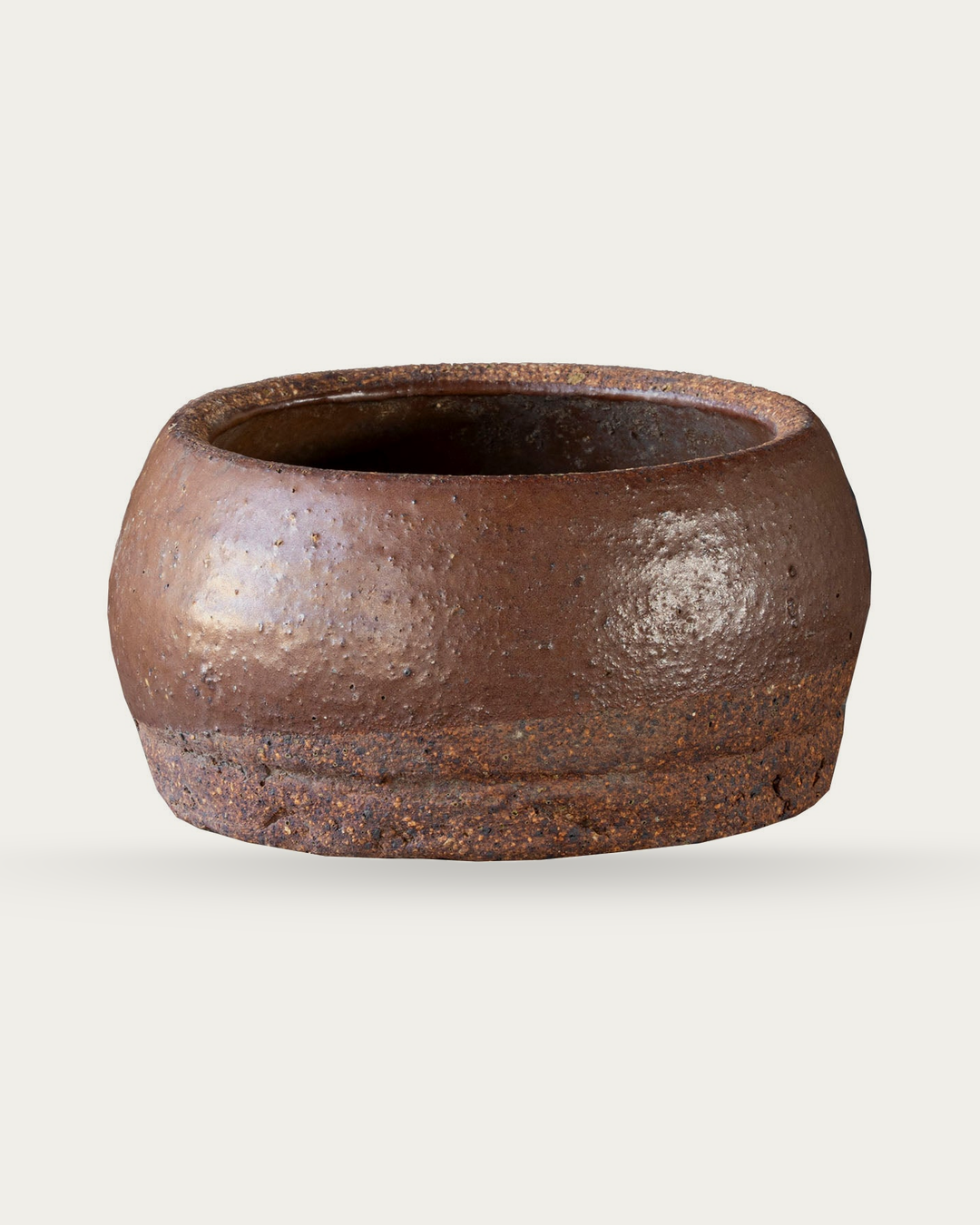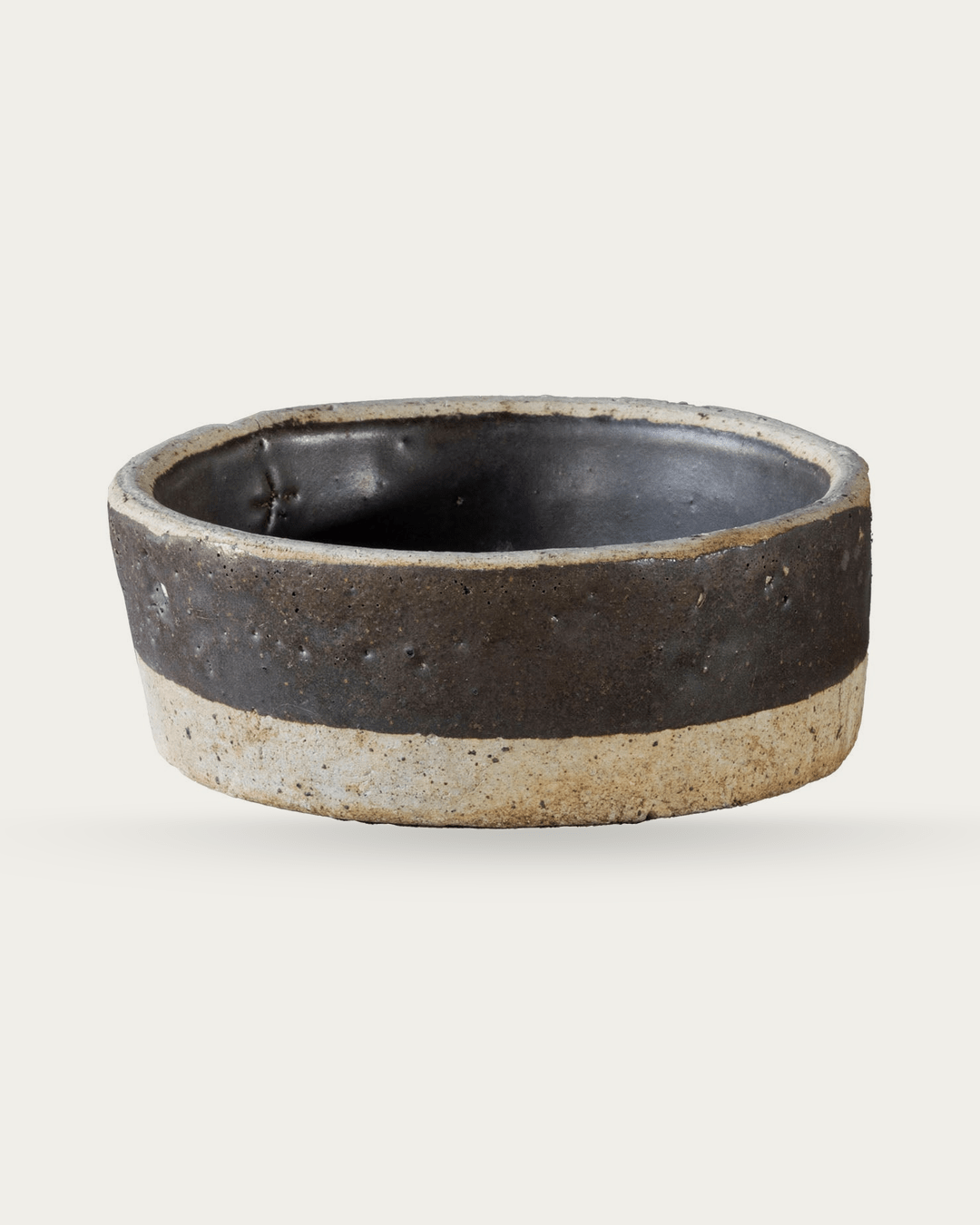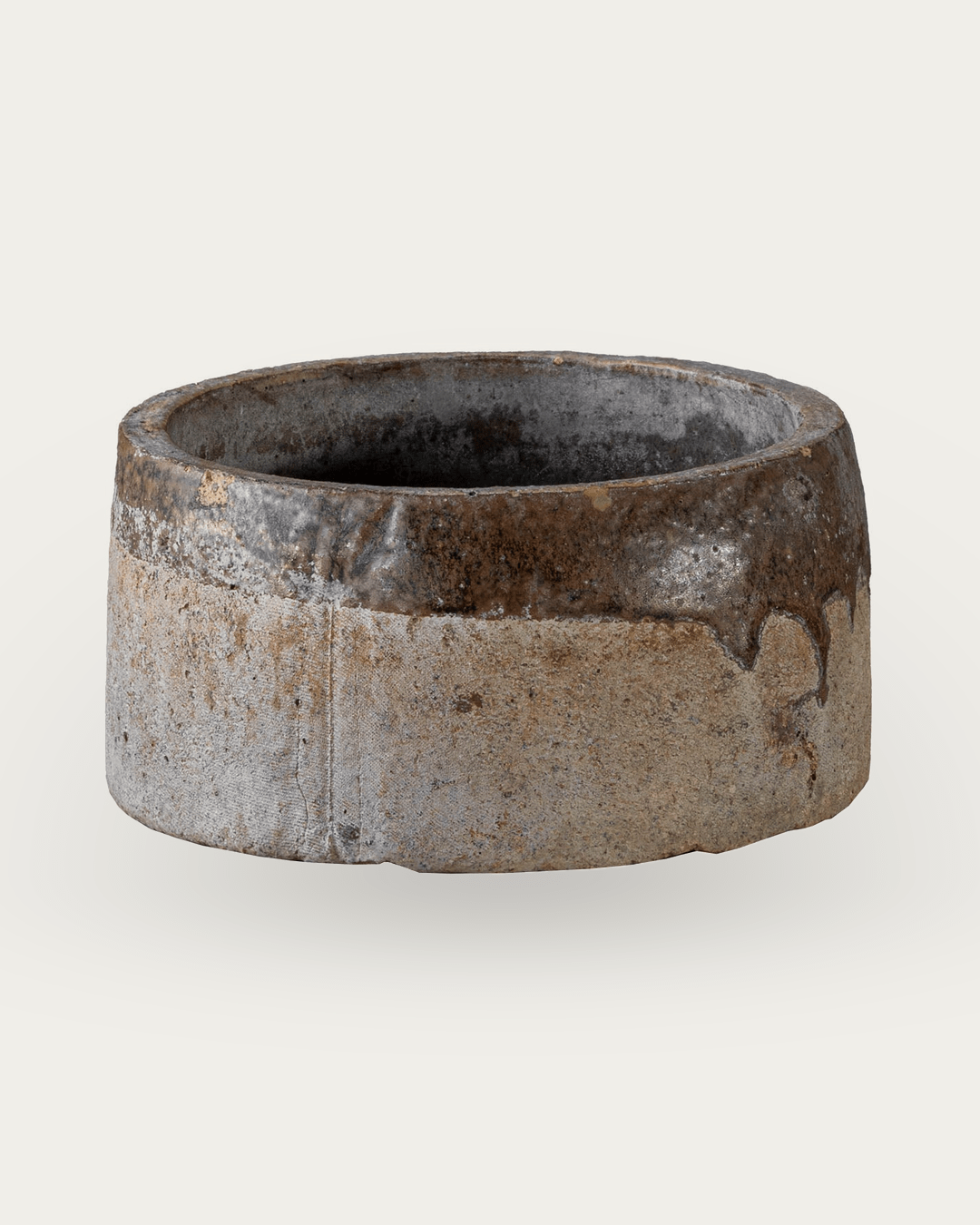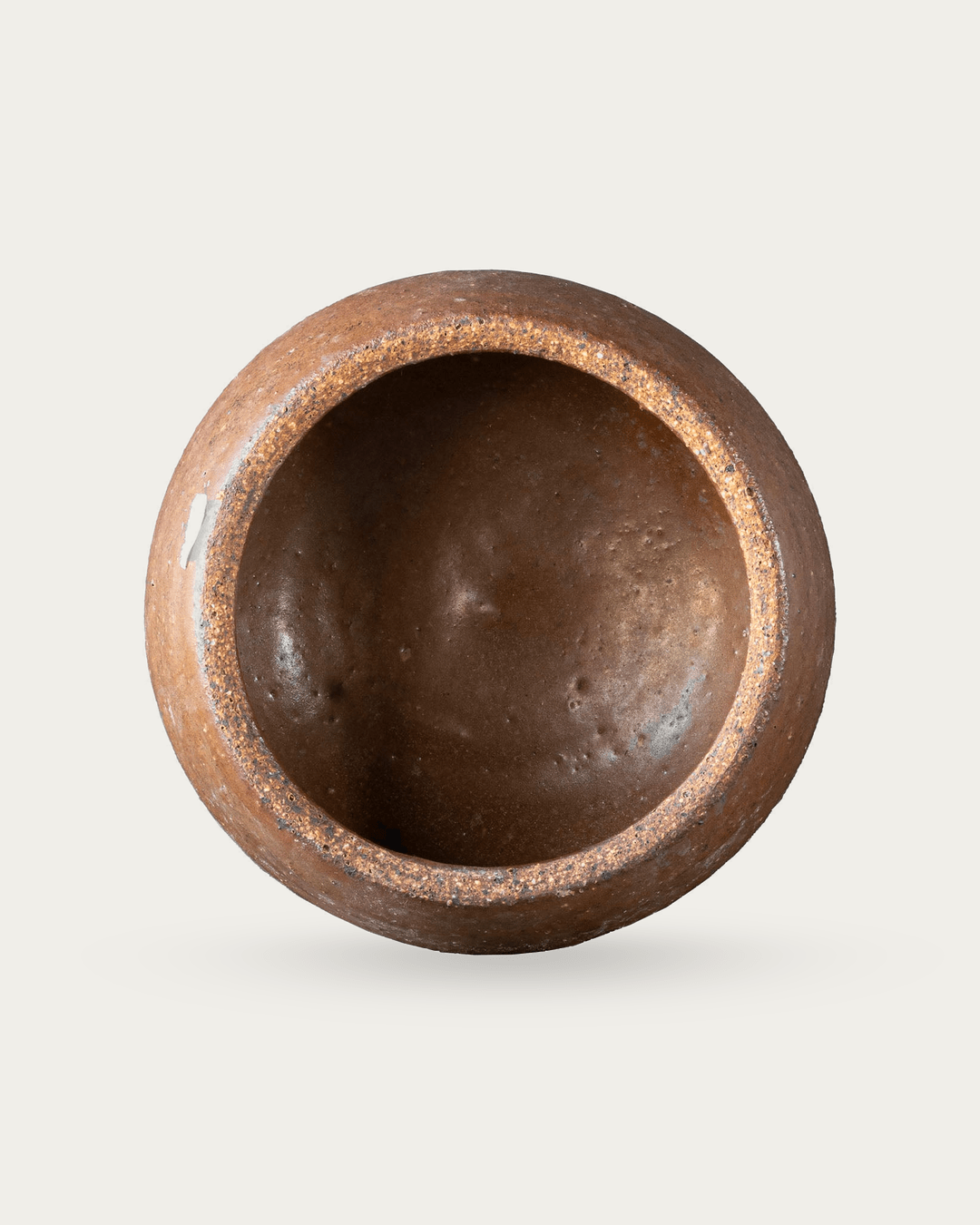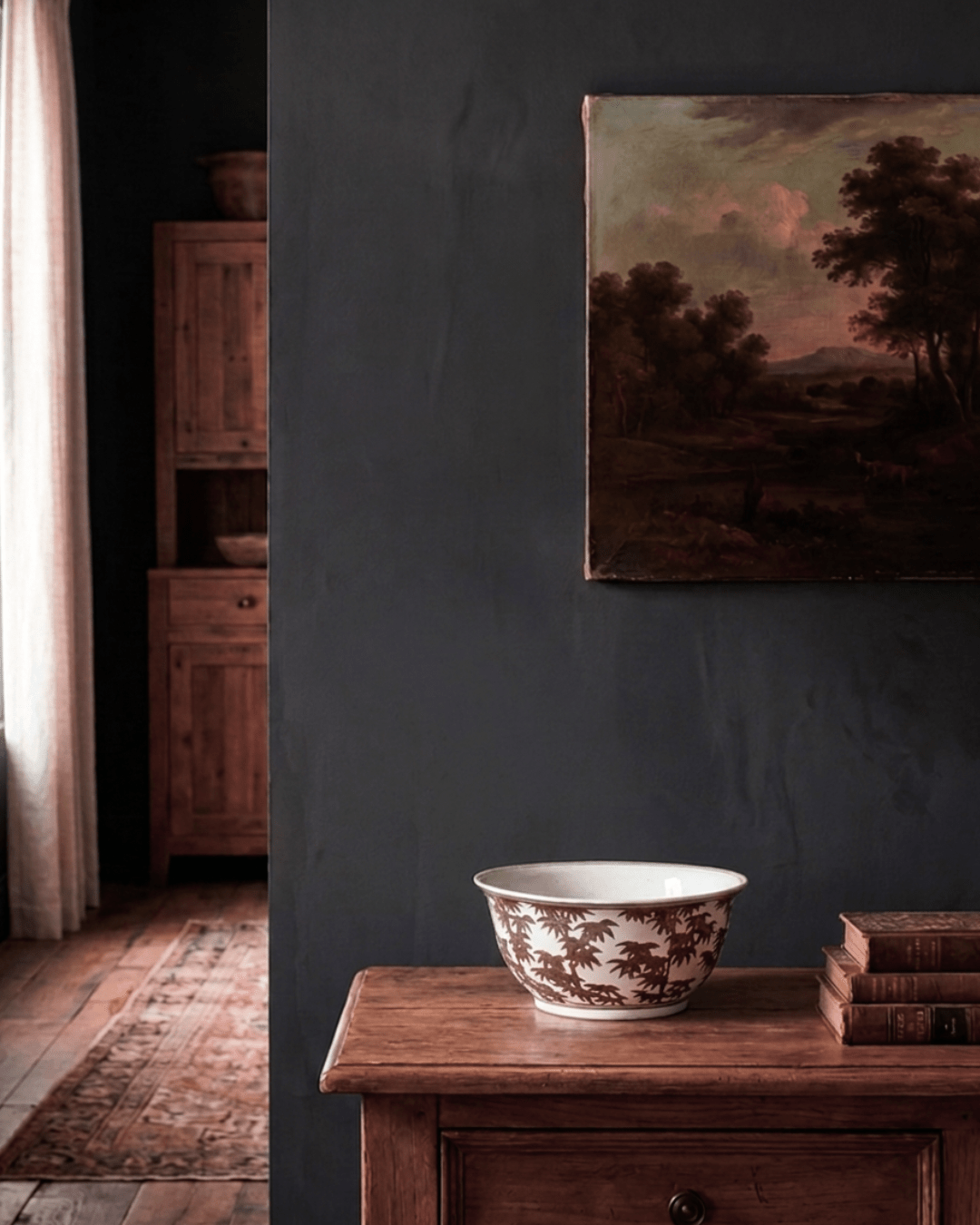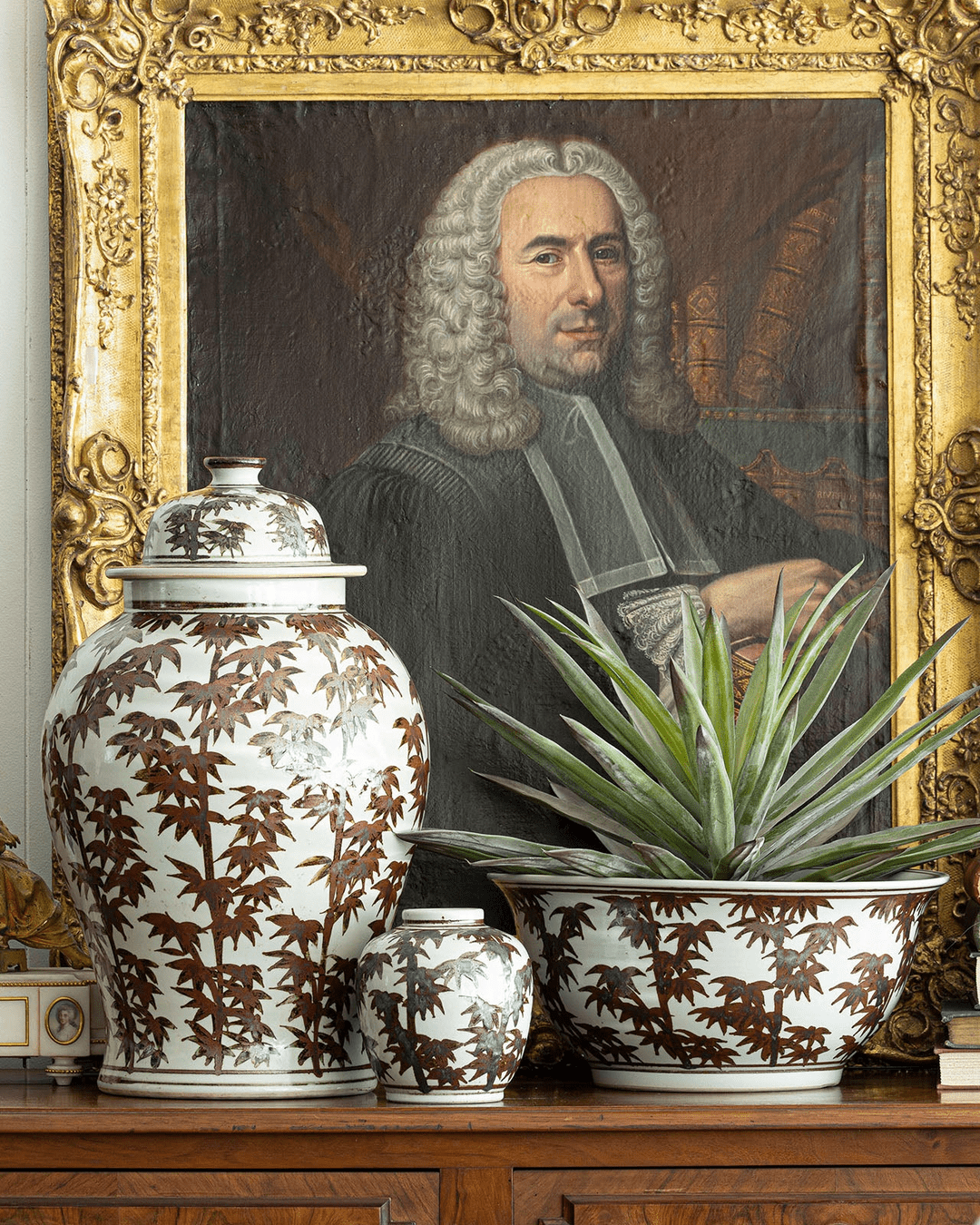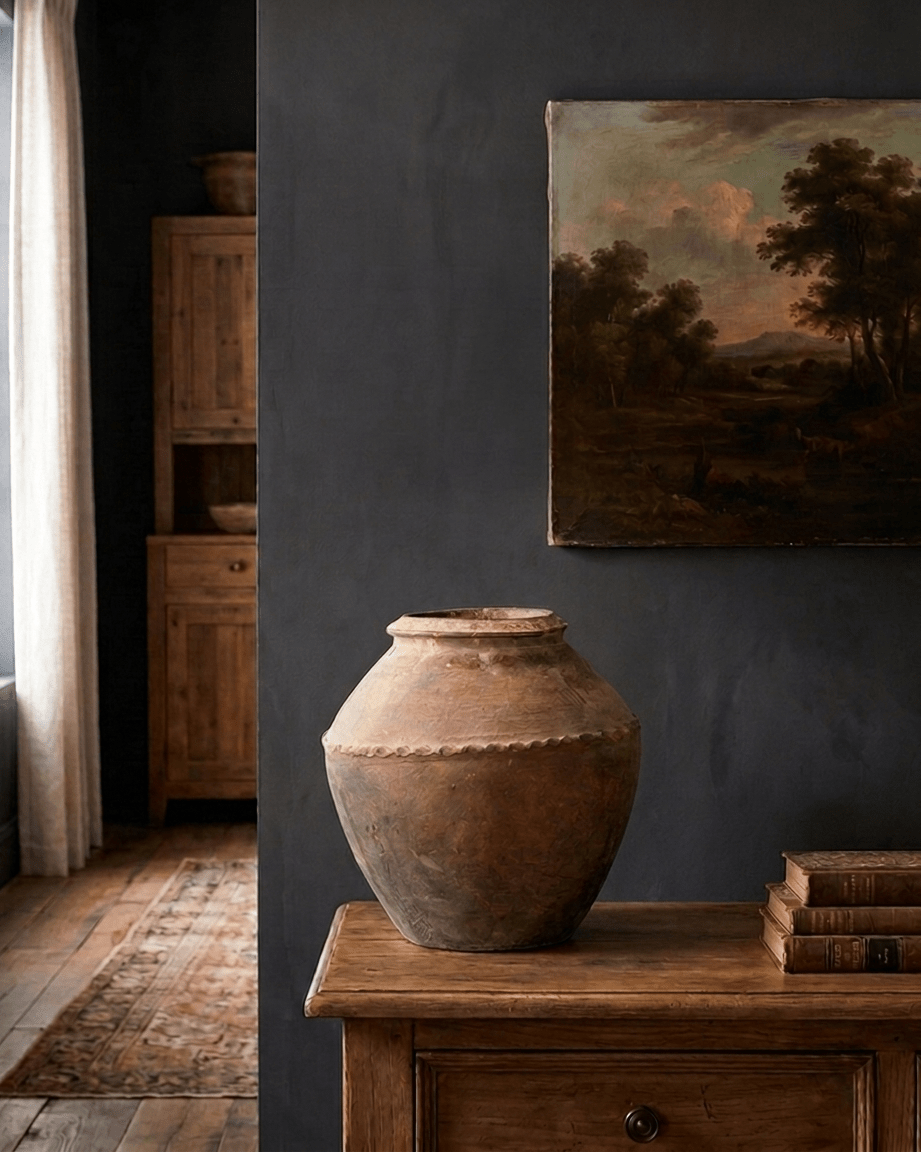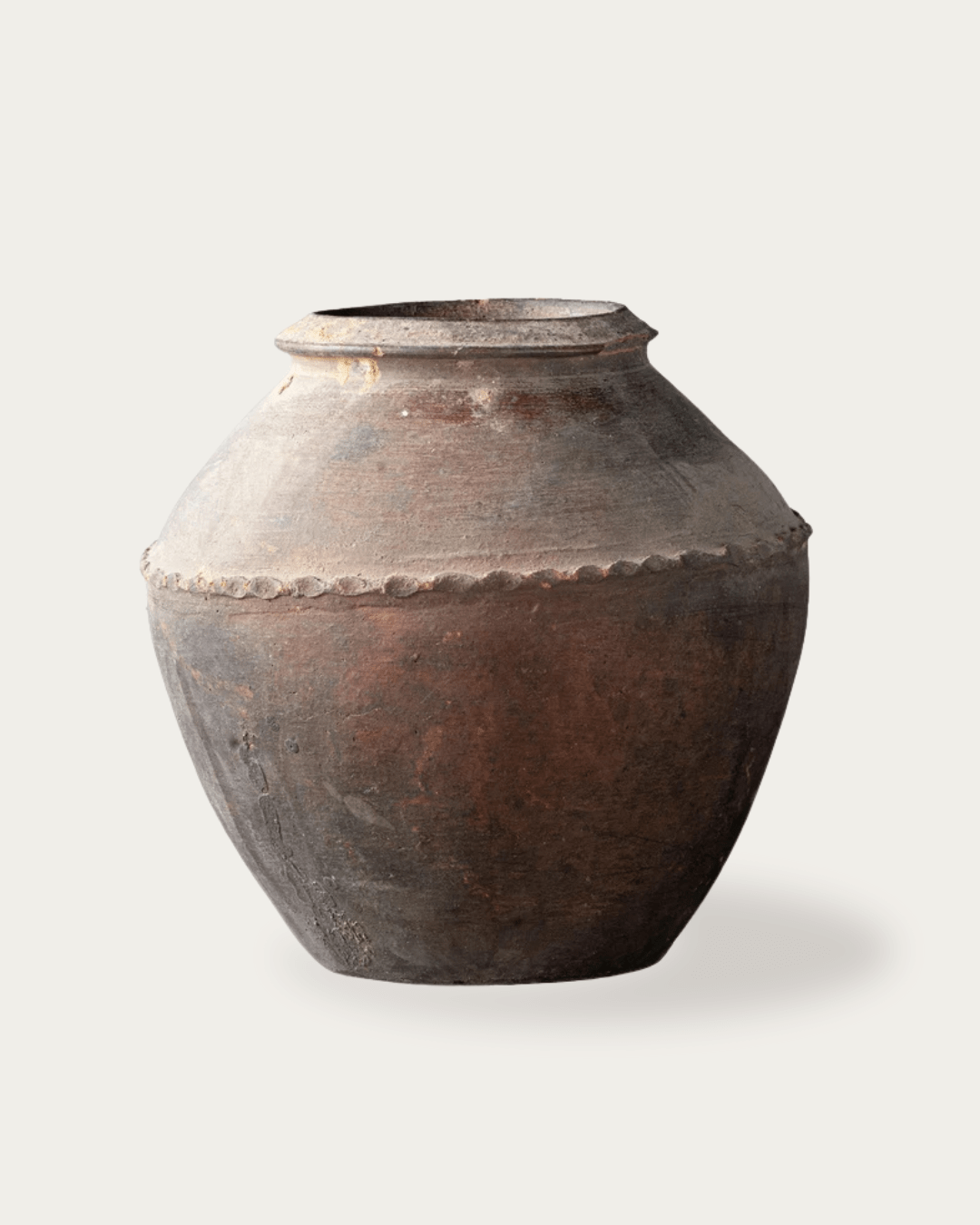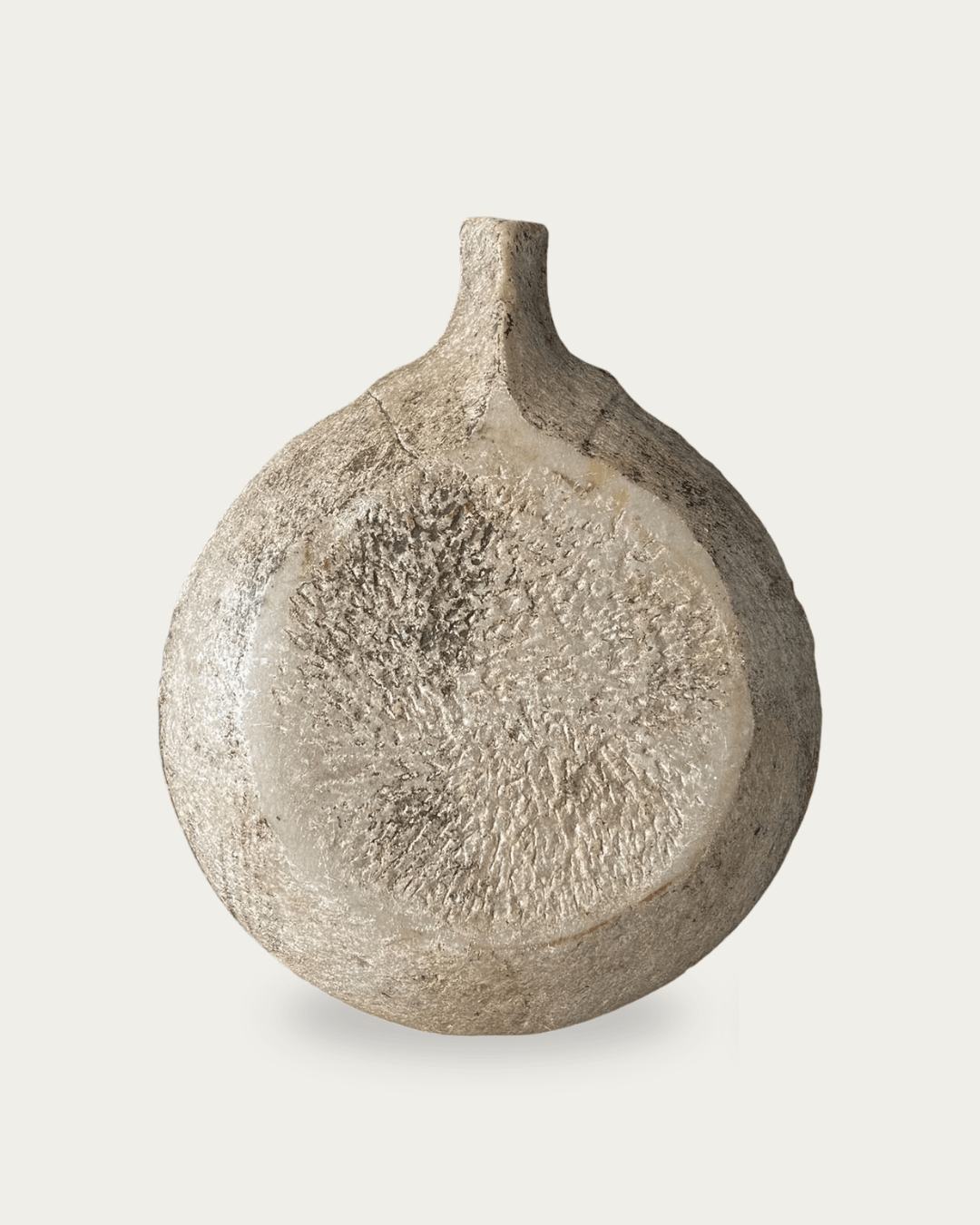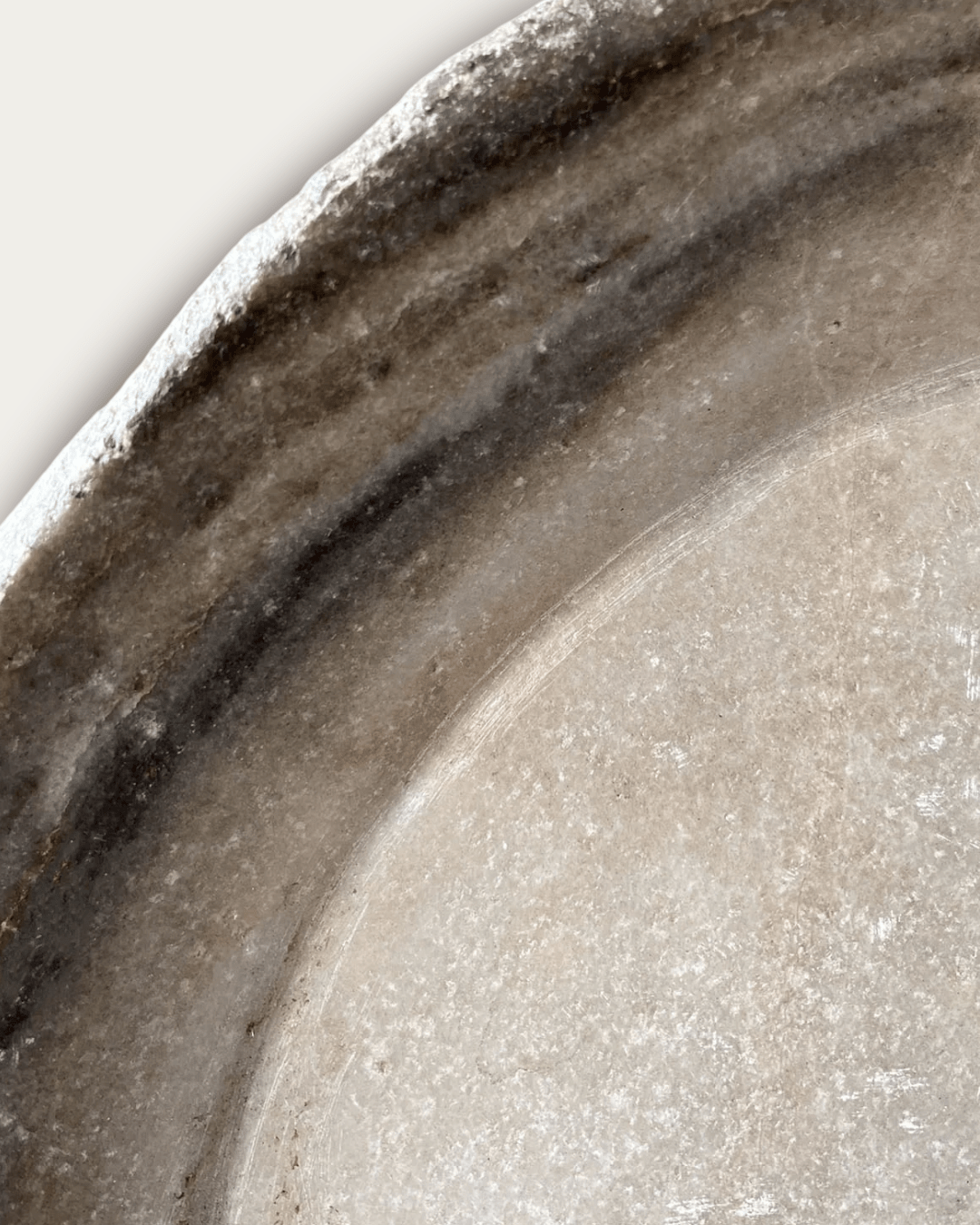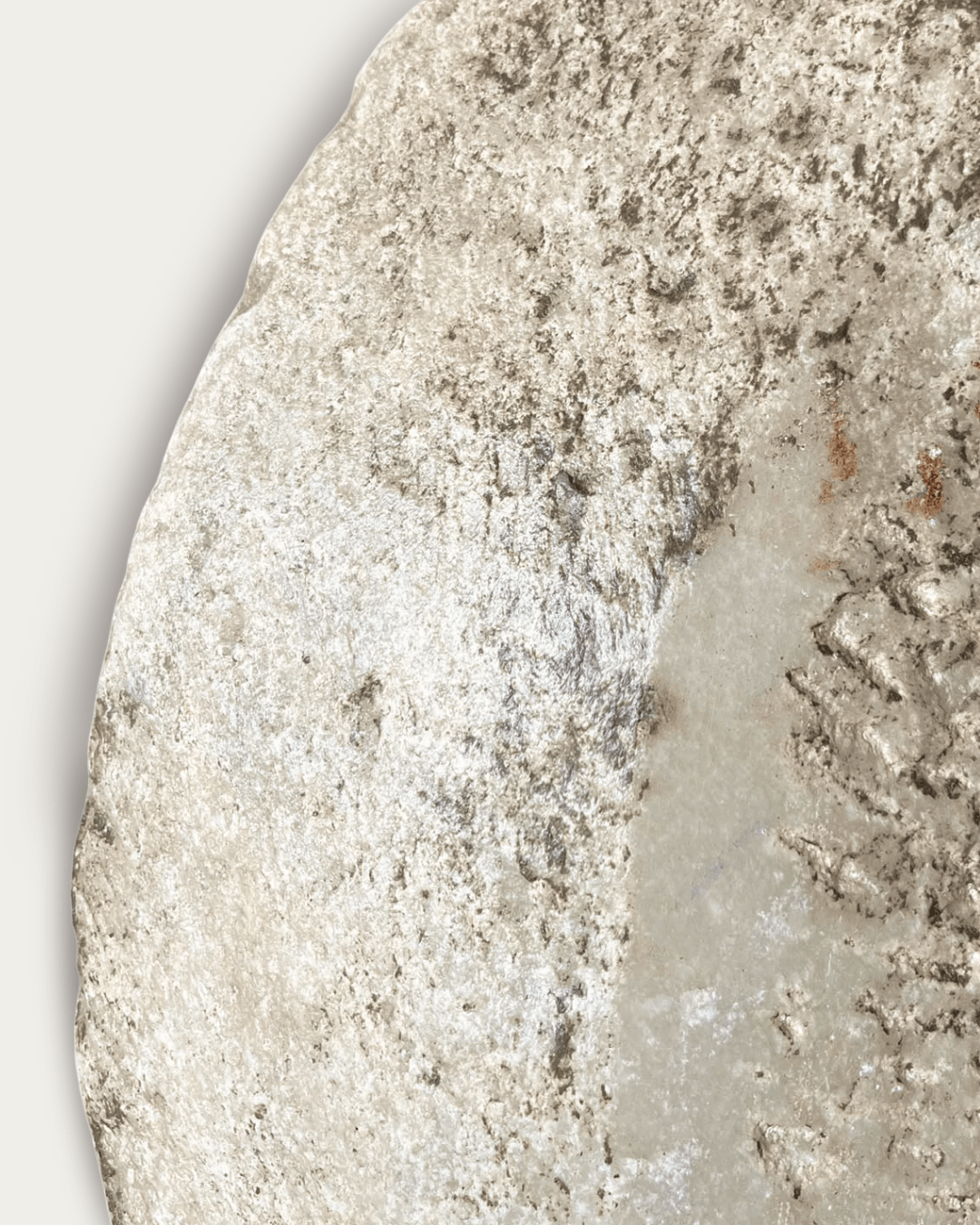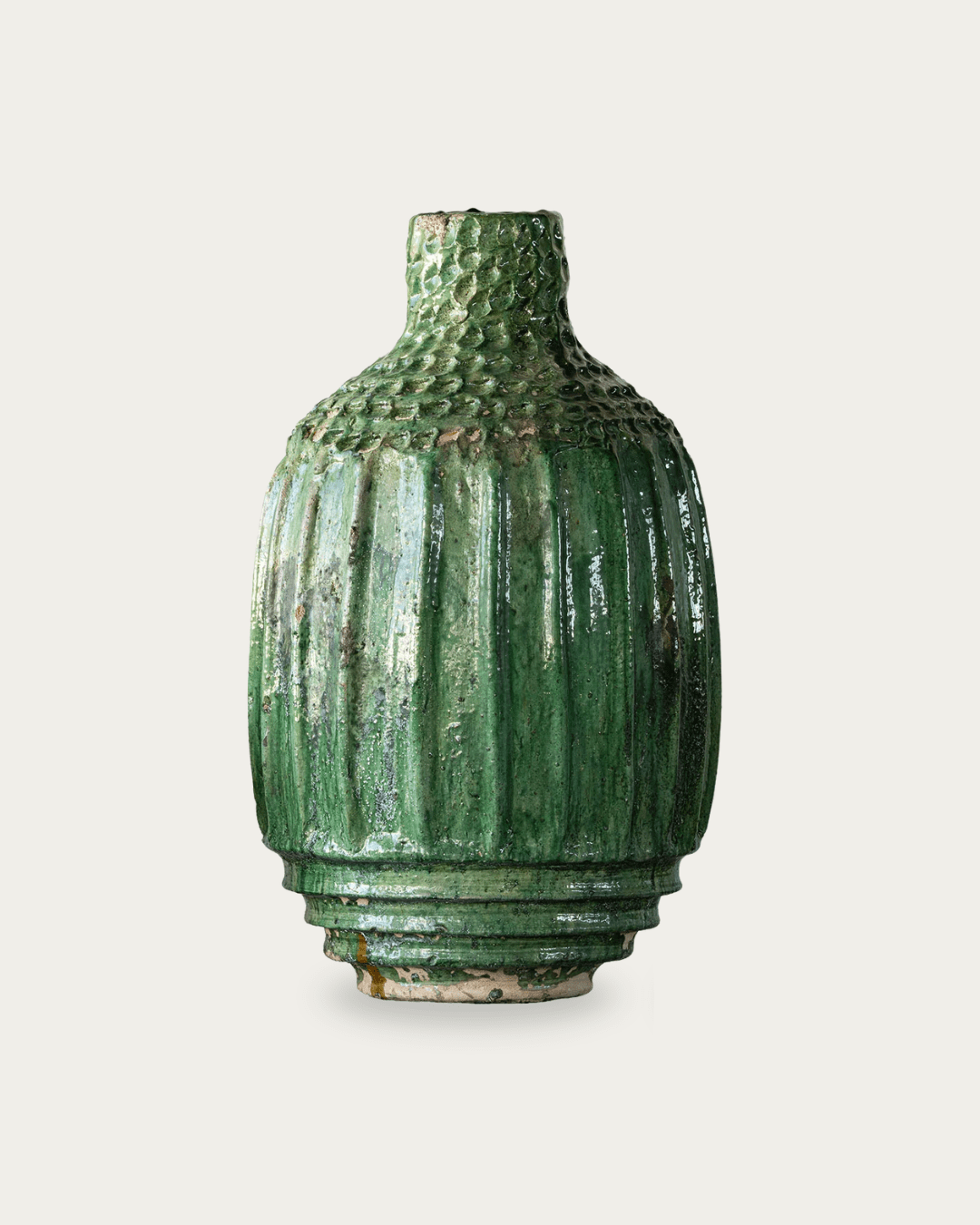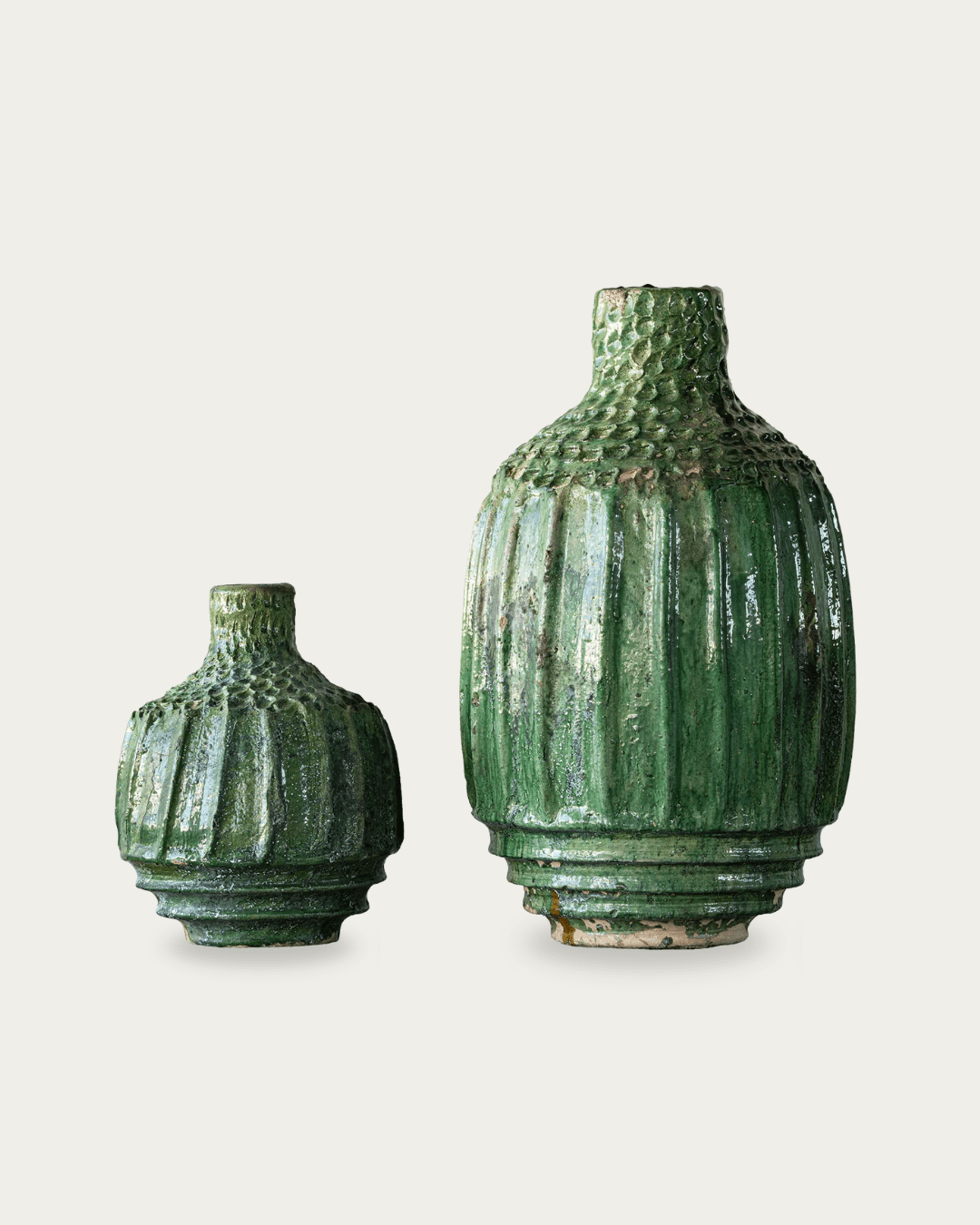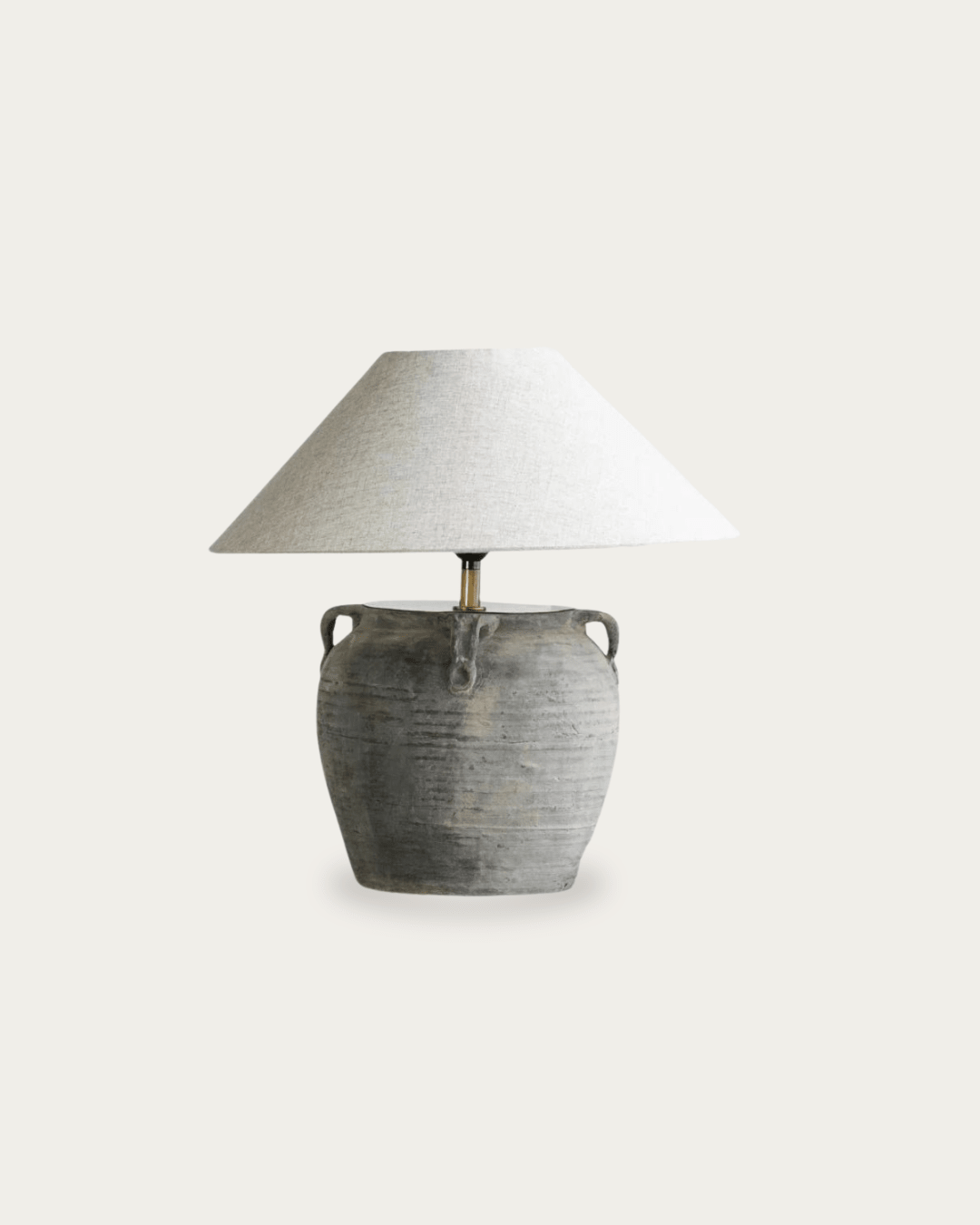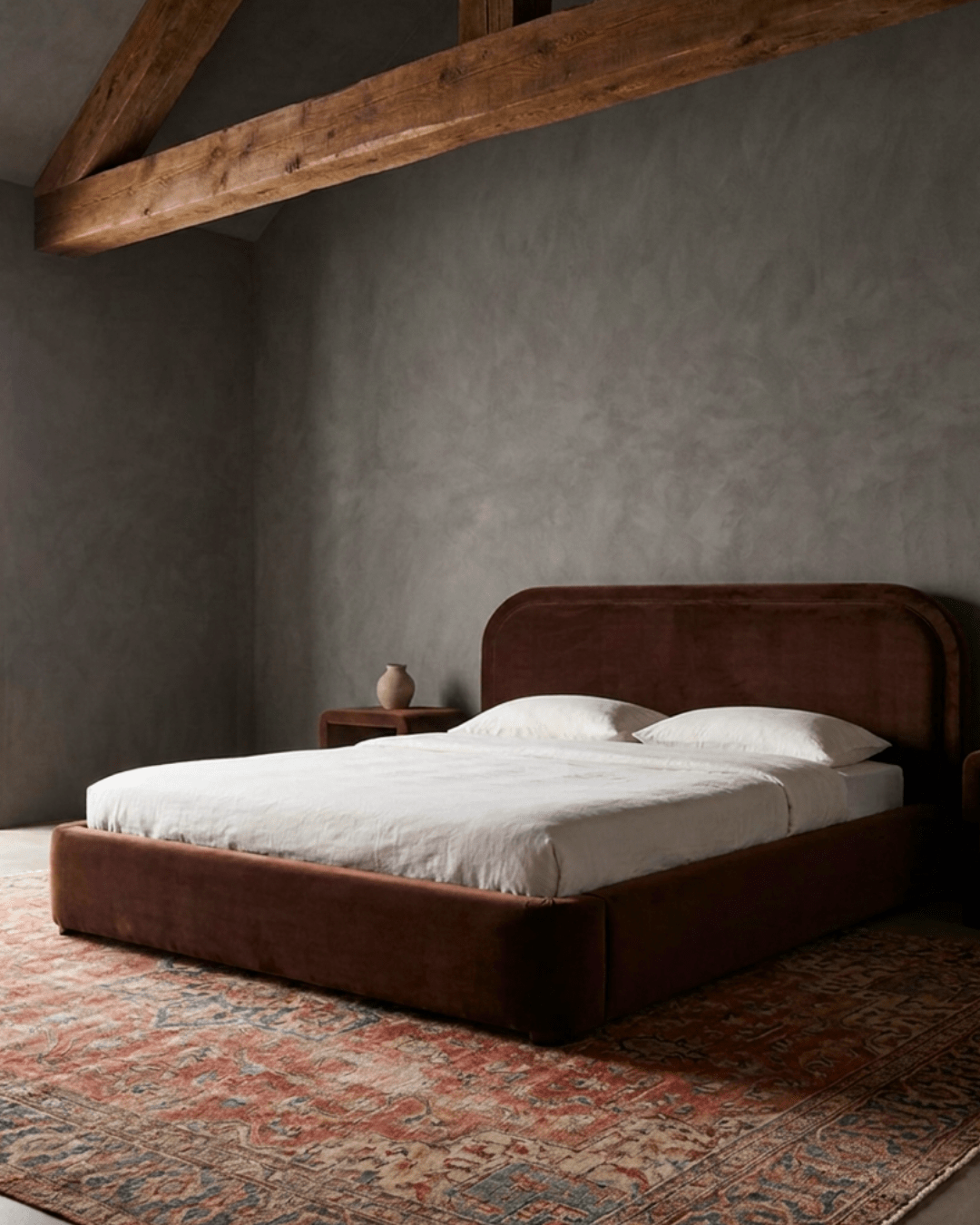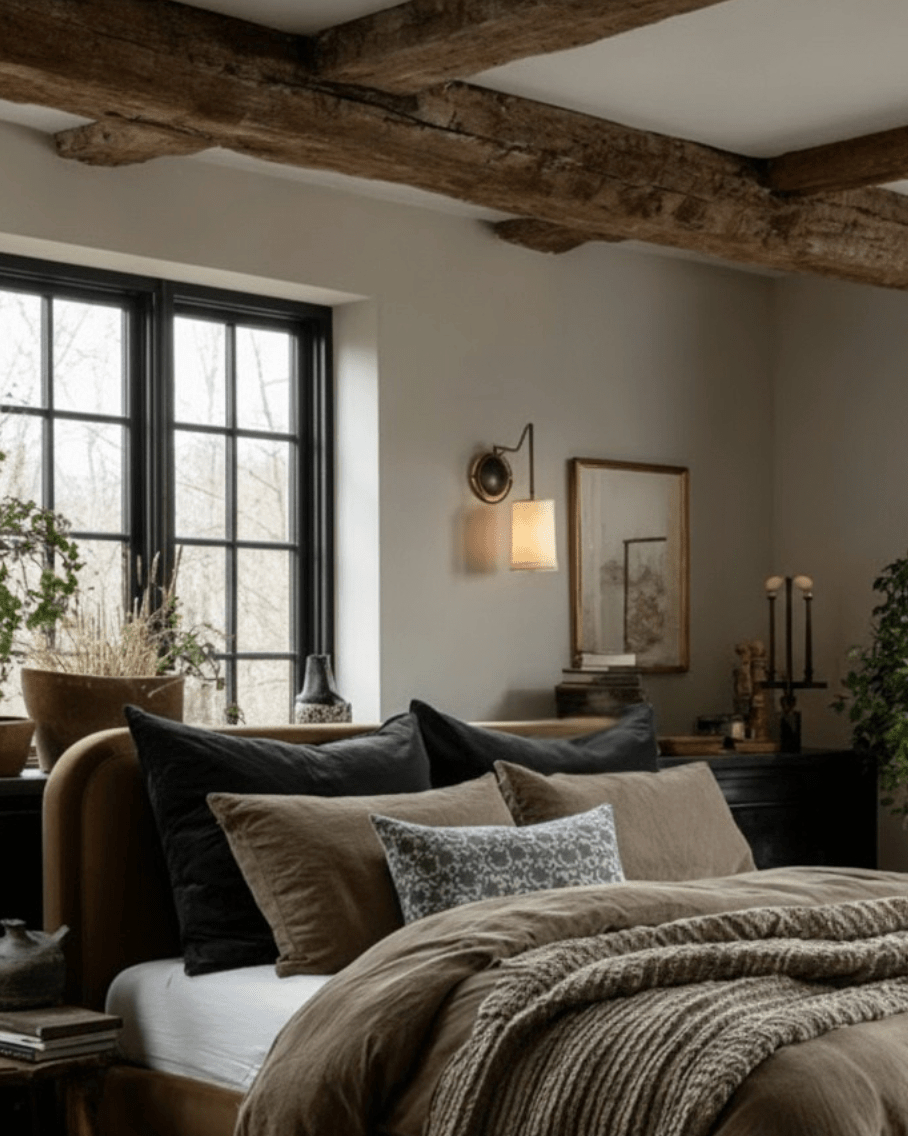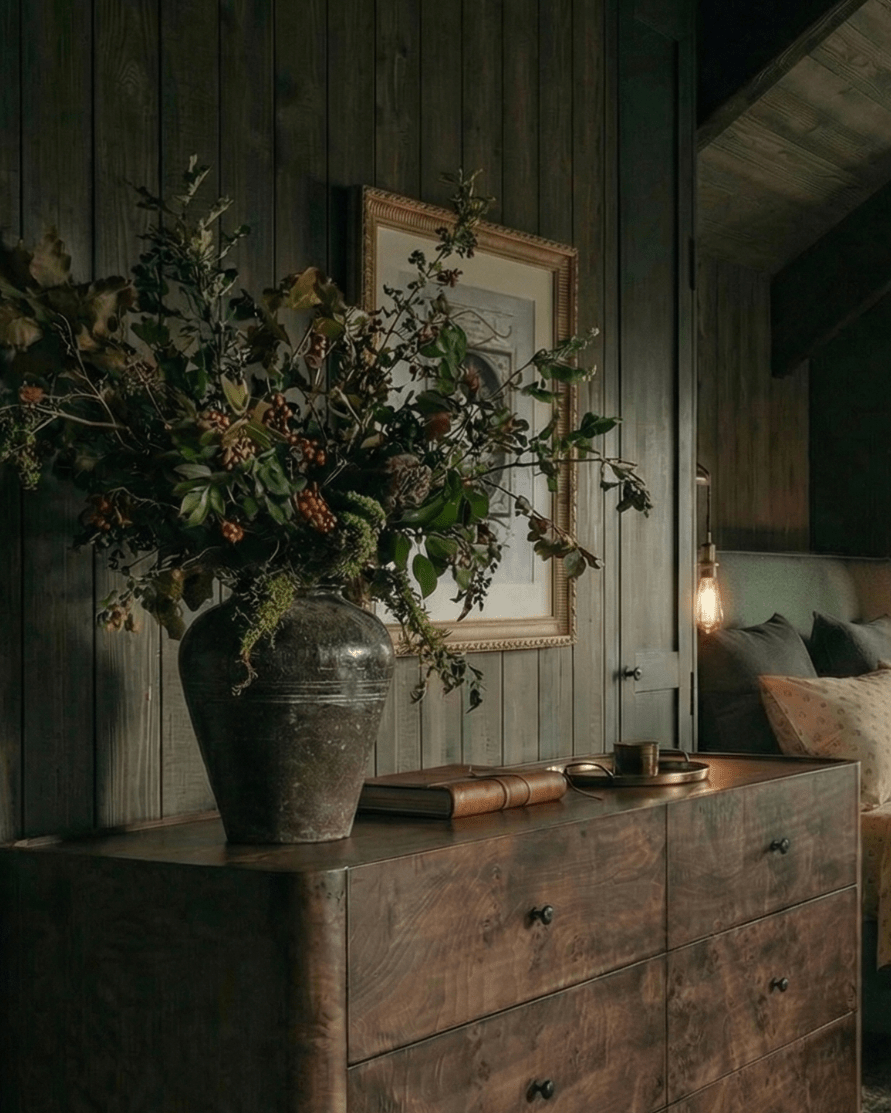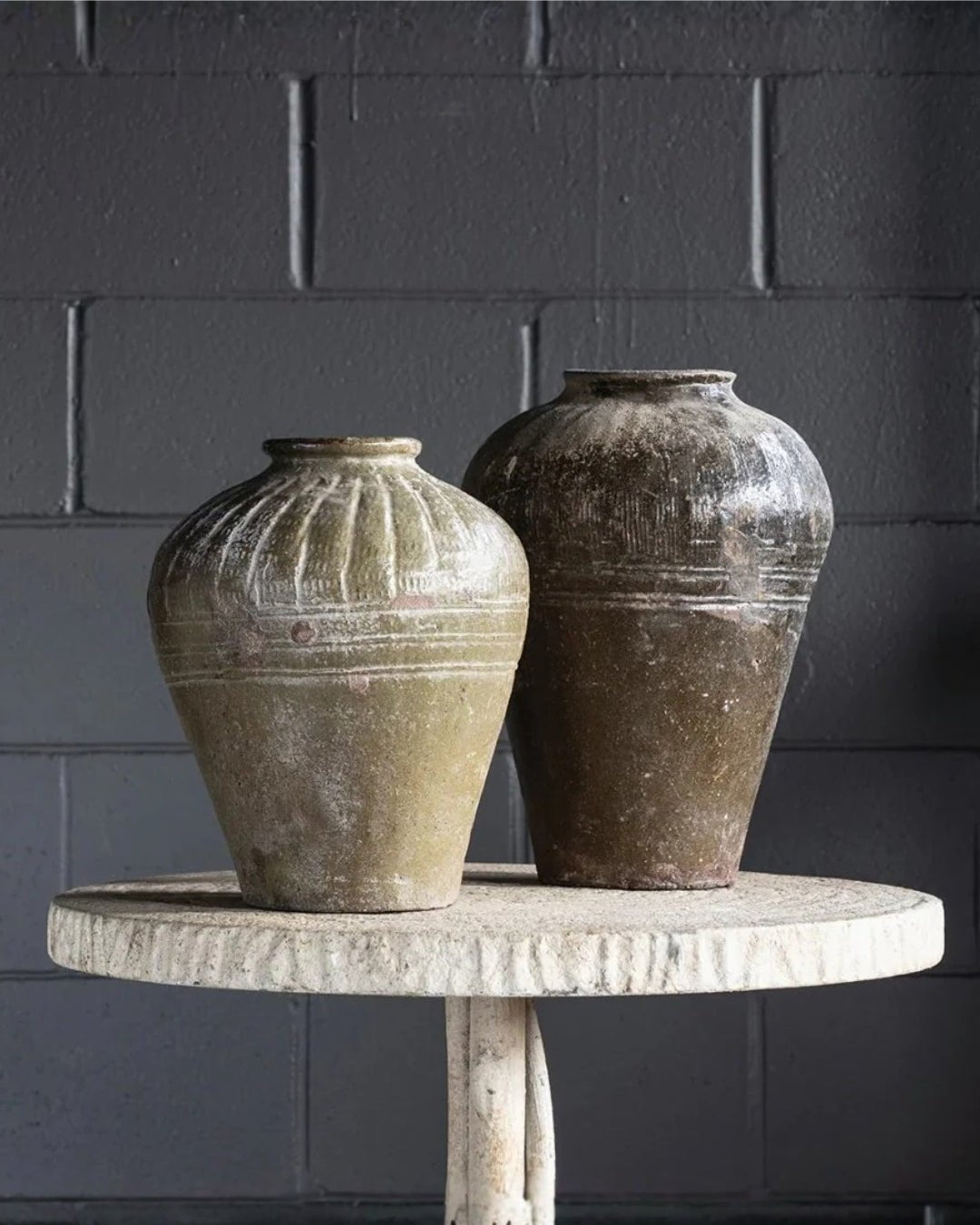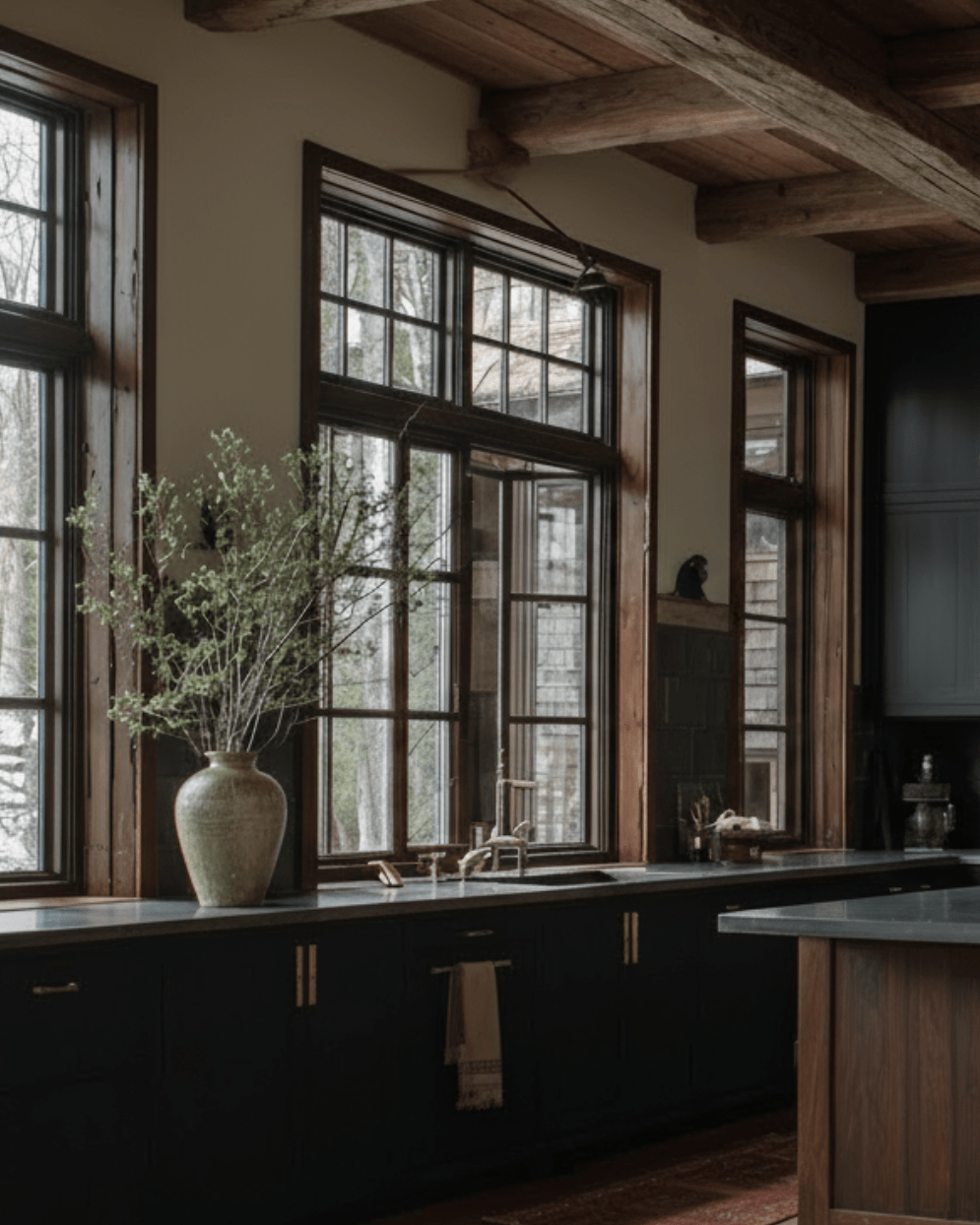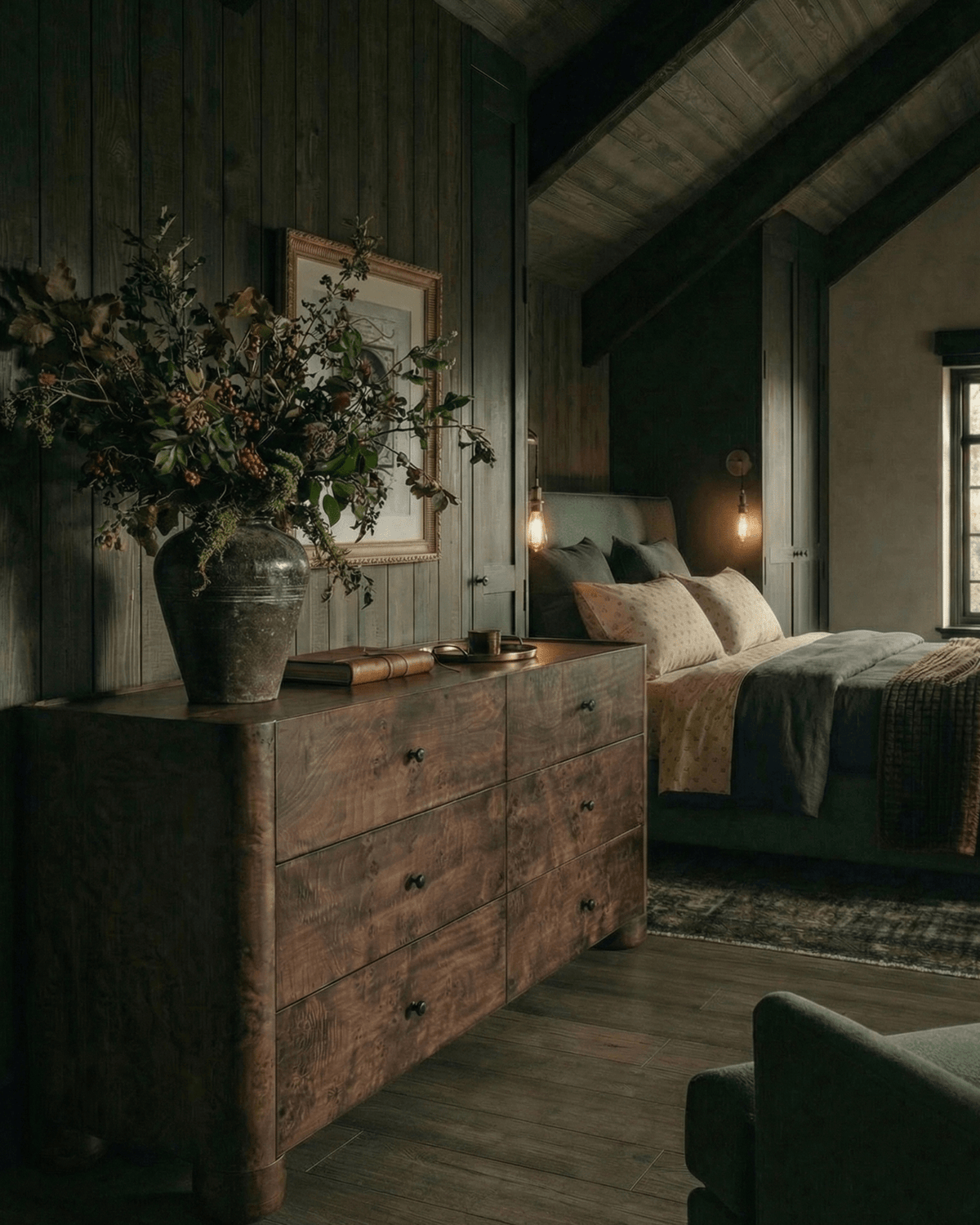







The keys land on the sideboard. The mail joins them. A charging cable appears, followed by something nobody remembers putting there. Vintage storage works best when you plan for these ordinary moments alongside the furniture’s appearance. Give belongings convenient homes, make the visible arrangement easy to understand, and you have a system that stands a better chance of surviving the week.
Explore Hello Norden’s vintage furniture for shelves, cabinets, and sideboards you can organize around your everyday life.
The “brain” part starts with visual attention. Research shows that objects visible at the same time compete for representation in the visual cortex, while attention and perceptual grouping influence that competition. Applying this to interiors is a design interpretation: recognizable groups and clear focal points can help organize what you see. It doesn’t establish that vintage furniture itself improves brain function.
The routine part is more direct. Storage needs to fit the objects you own and sit where you can use it easily. These seven choices bring the view and the practical details together.


1. Start Where Your Belongings Already Land
Before choosing a storage location, observe what happens in the room.
Where do you put your bag? Which chair collects reading material? Where do table linens end up after dinner? These patterns show you where storage could be useful.
Work with the activity already happening rather than expecting a furniture arrangement to change every habit.
Give each piece a specific role
A sideboard near the dining table could hold serving pieces and linens. A cabinet beside your reading area might contain books and supplies. An entryway storage piece could provide a defined place for everyday essentials.
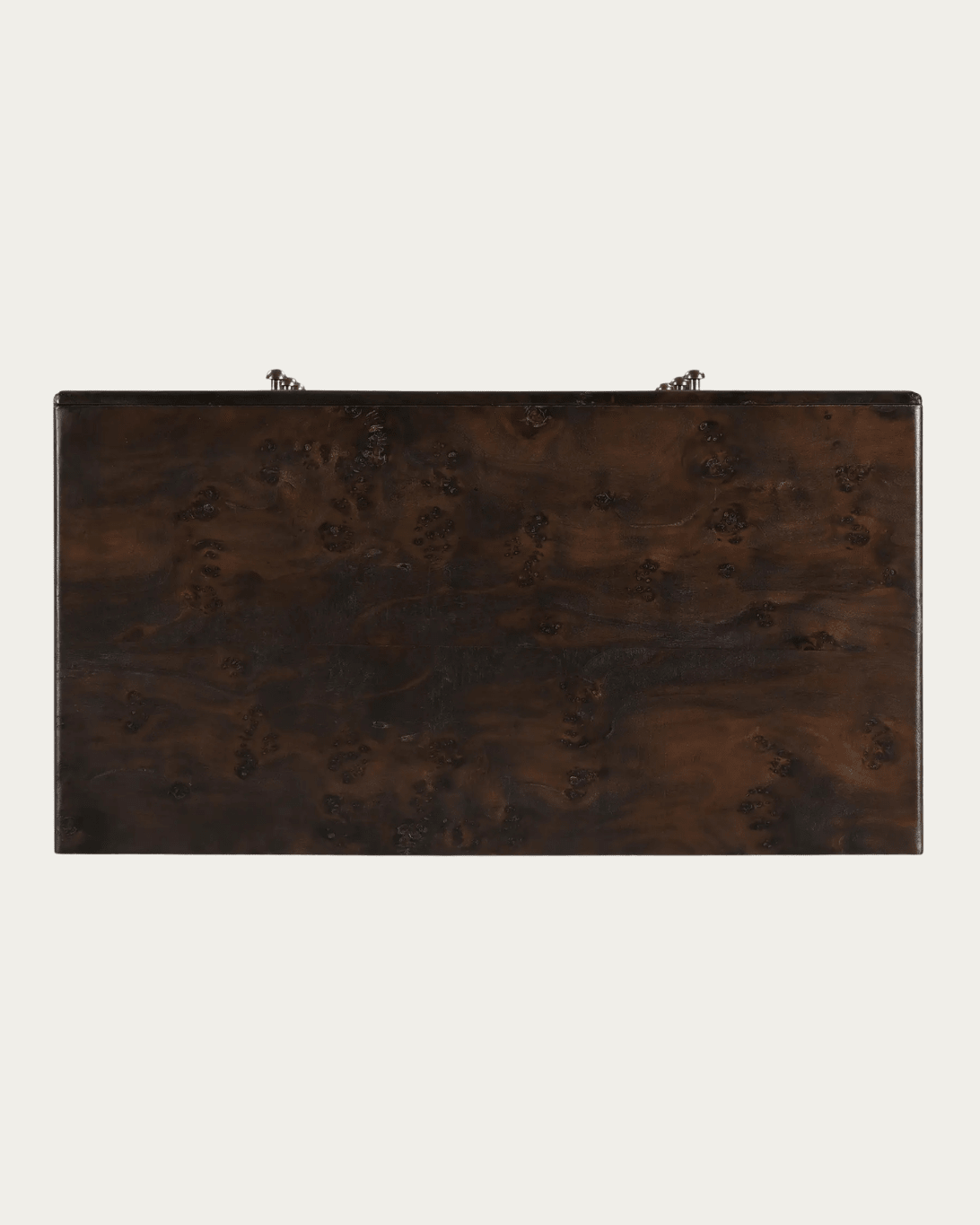
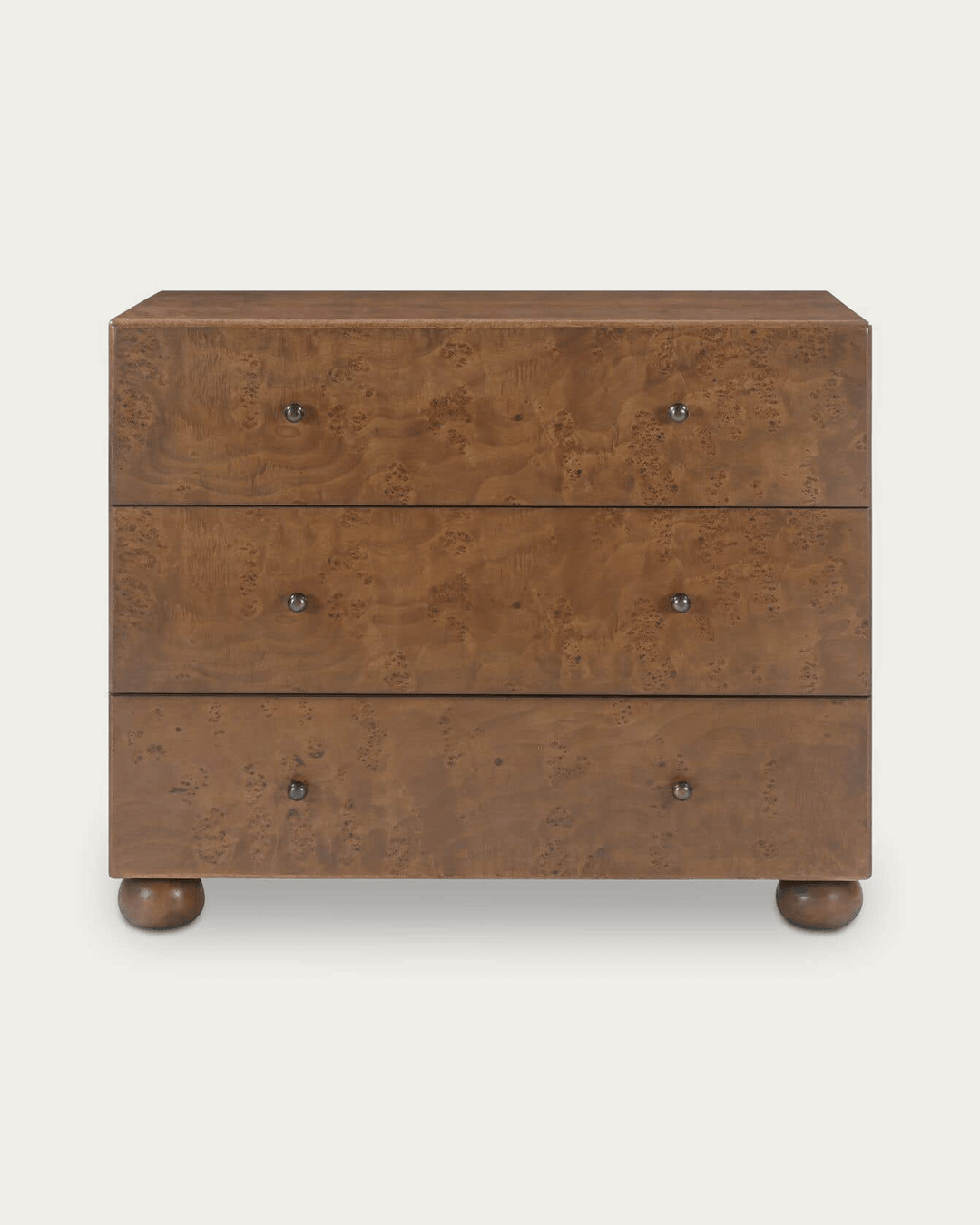
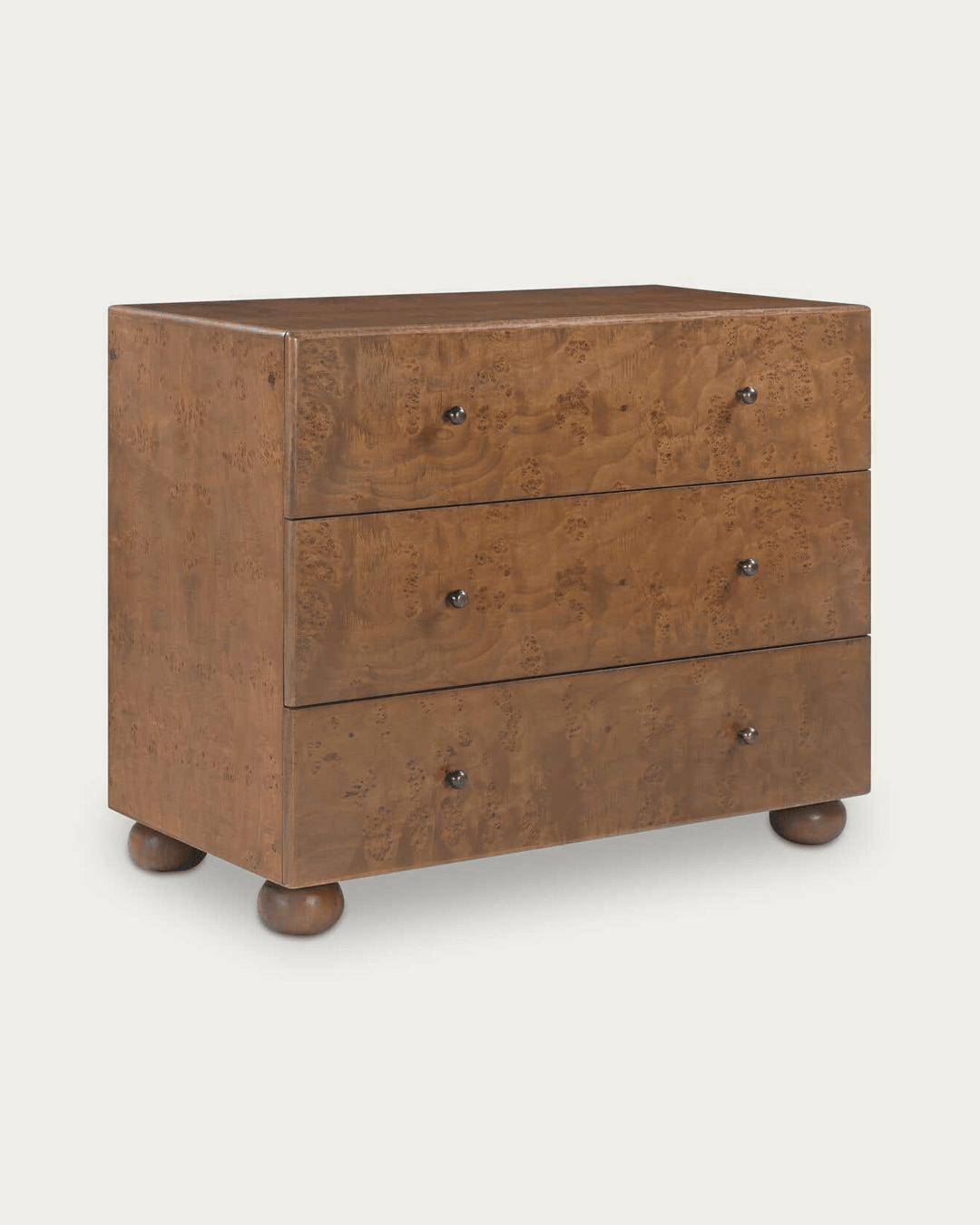
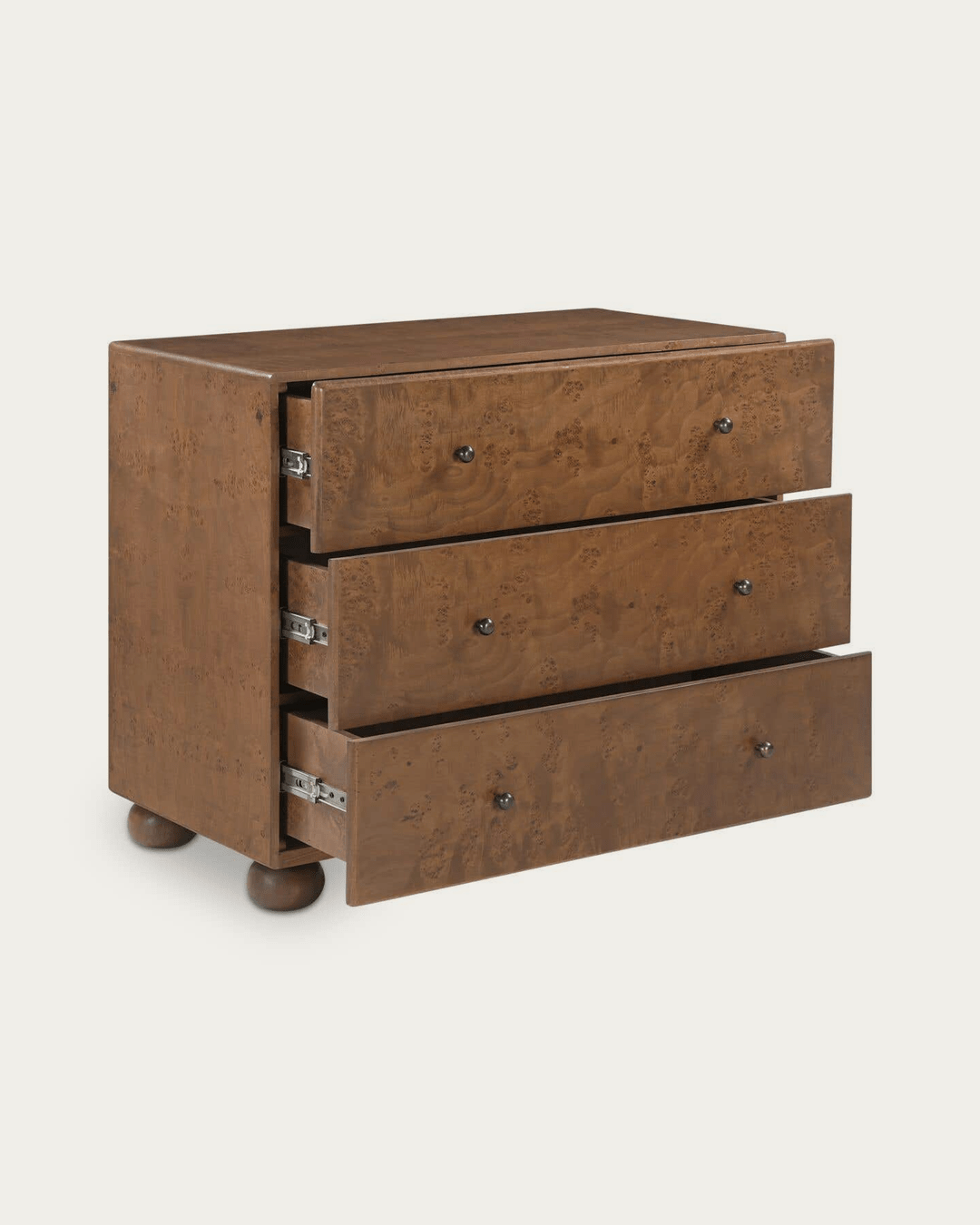
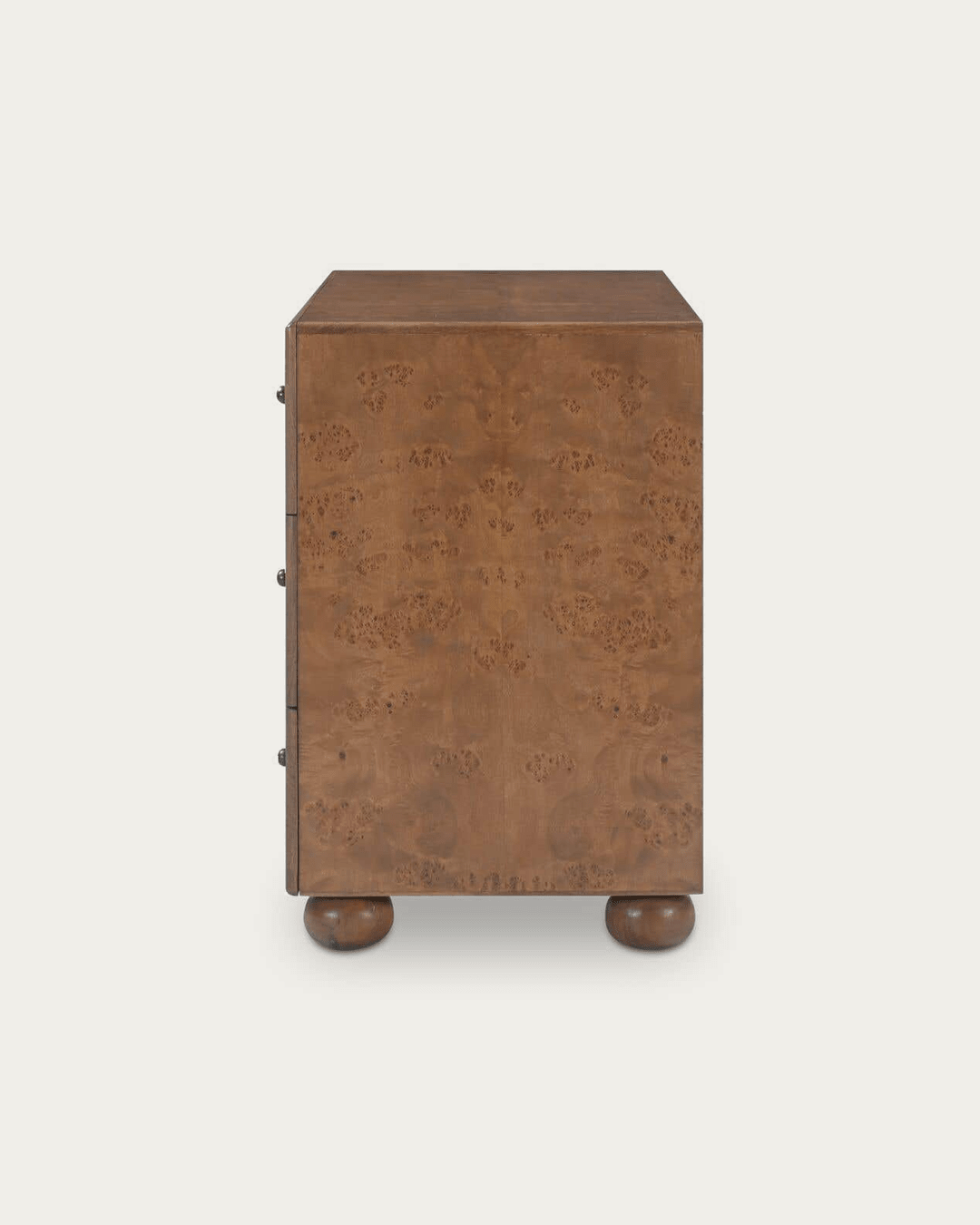
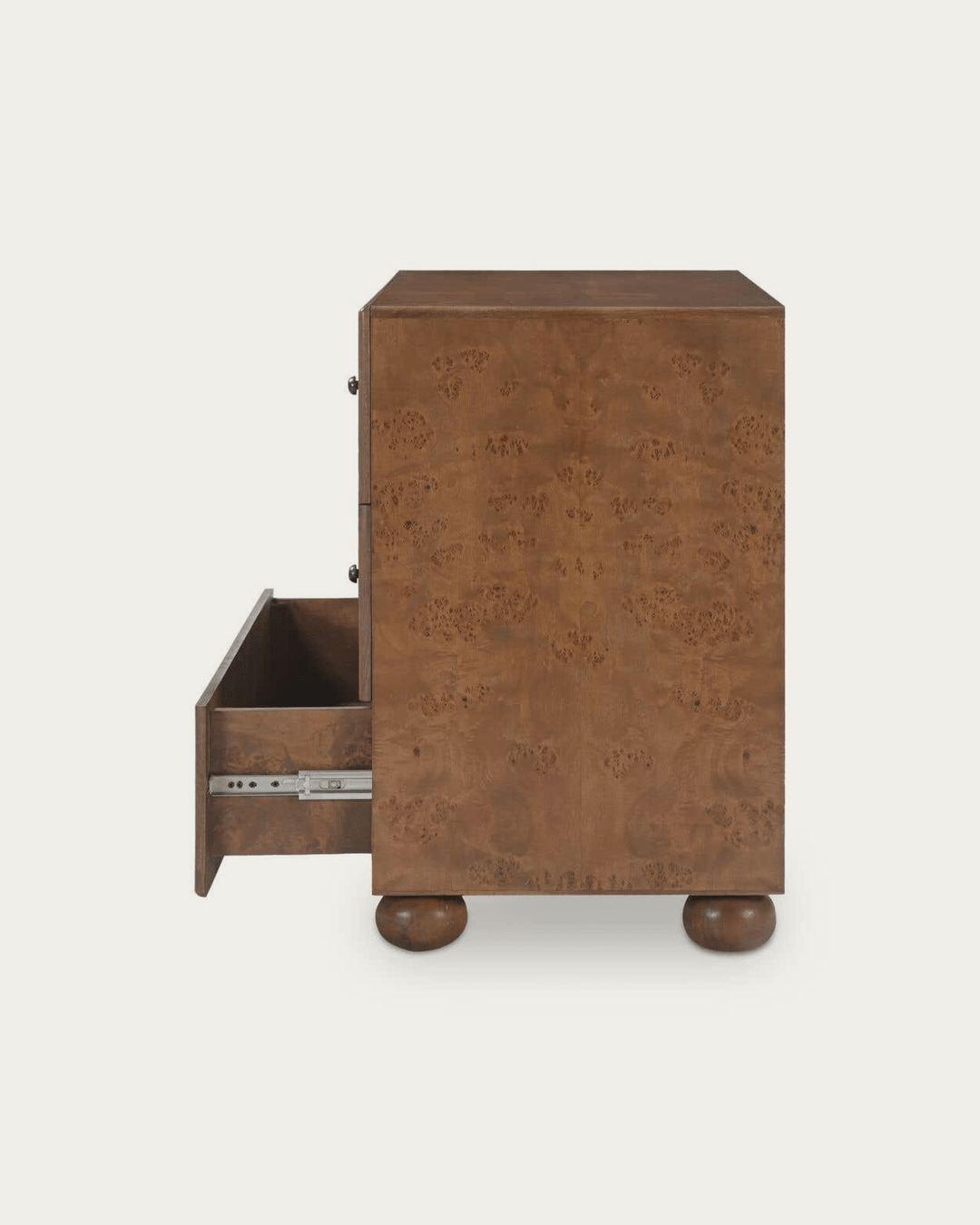
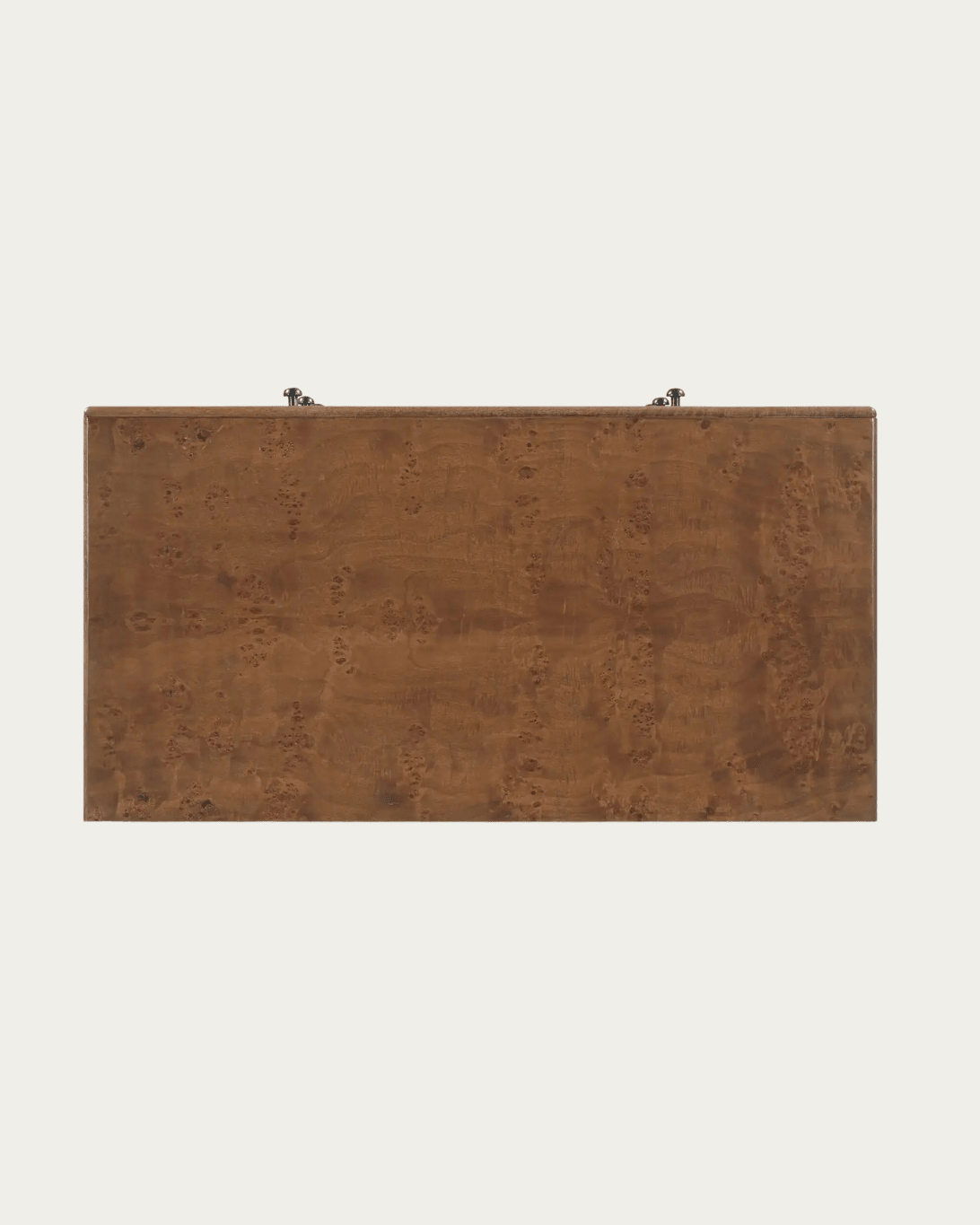
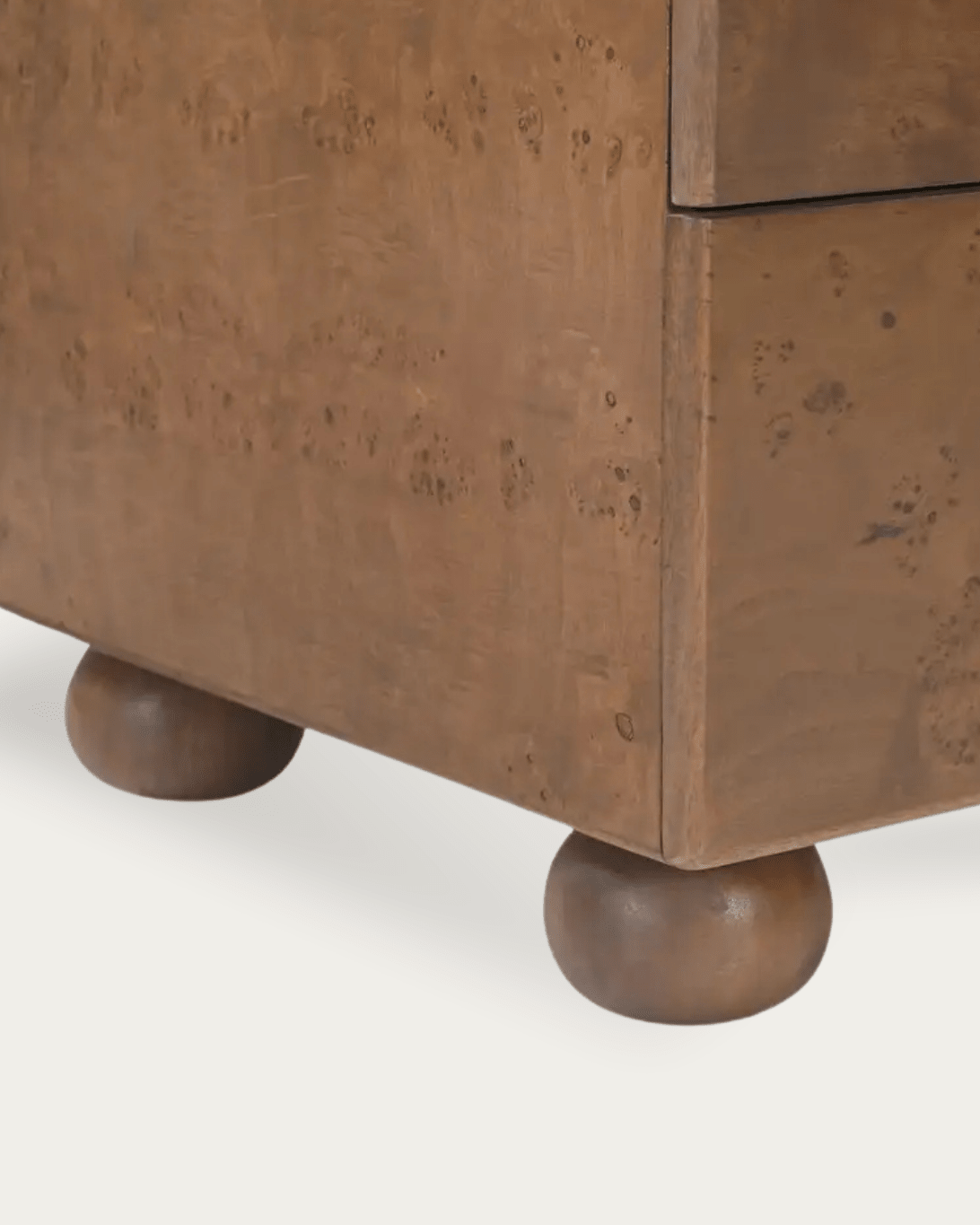
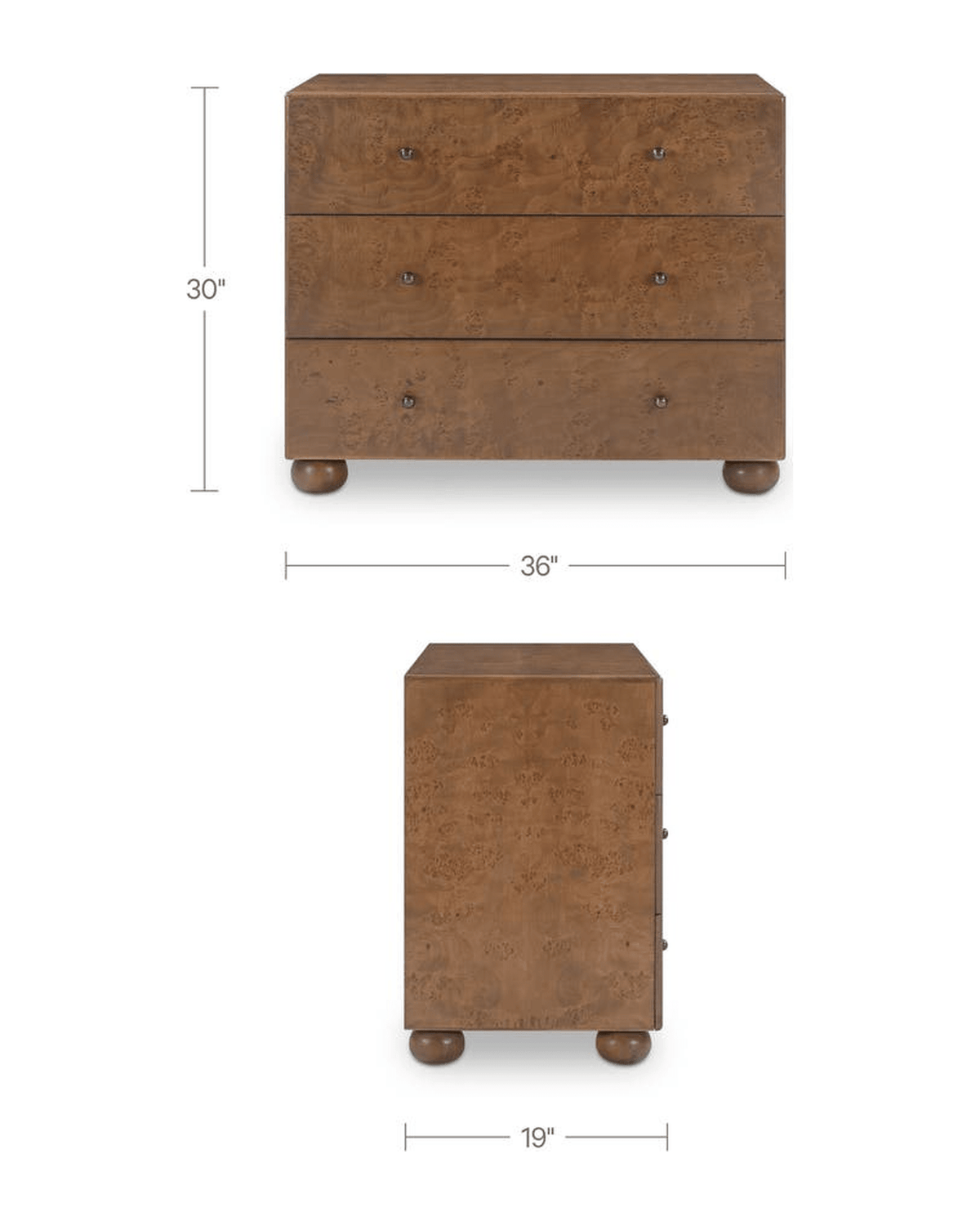
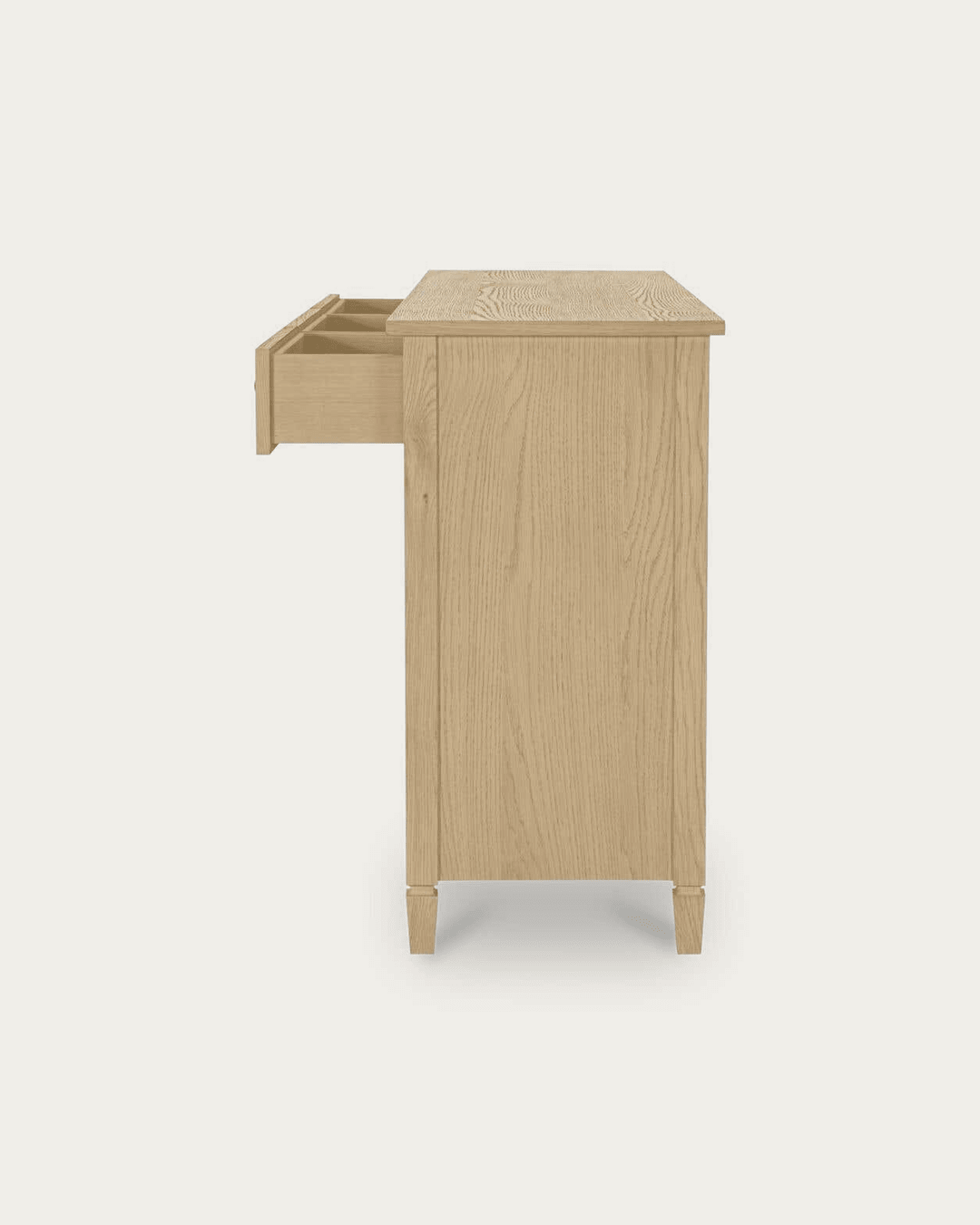
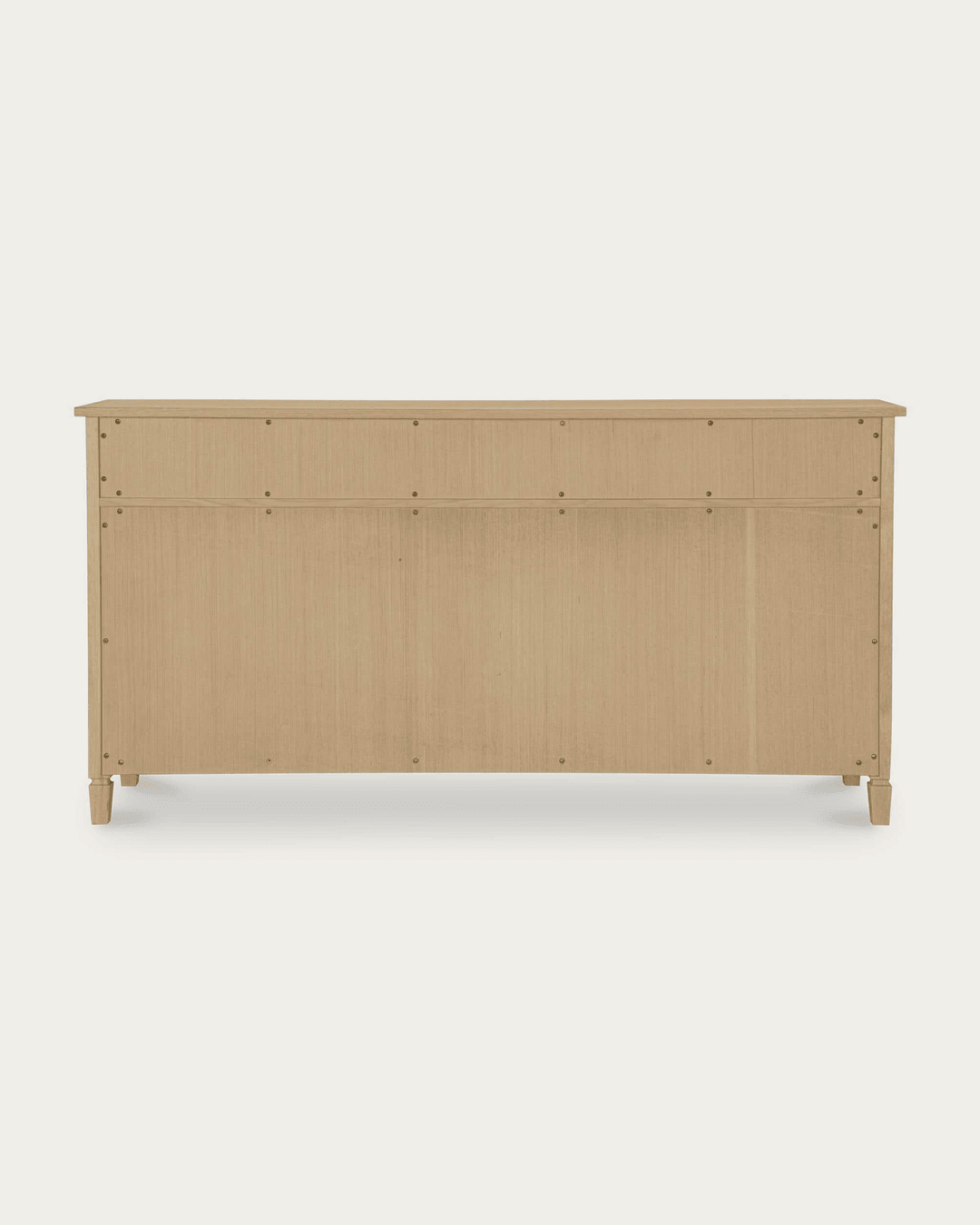
When considering the Agnes wood cabinet, compare its dimensions and interior arrangement with the belongings you want it to hold.
Check the largest items first, then assess access and door clearance. Look at how the wood finish relates to the floor and surrounding furniture, too.
A useful location and a considered material relationship let the cabinet become part of the room naturally. Keep enough clear space nearby to put things away without shifting a chair or moving the display.

2. Separate What You Want to See From What You Need to Store
Open shelving makes its contents part of the room’s composition. Closed storage lets the furniture’s exterior provide the visible structure.
Both are useful, but different belongings benefit from different treatment.
Books you read regularly, ceramics you enjoy, and photographs may suit open shelves. Paperwork, spare cables, and household supplies often work better inside a cabinet.
Choose the balance around your contents
The Brynjar shelf has four wide shelf nooks in solid reclaimed elm with a natural finish. Its openings give you defined areas for books, baskets, and selected objects.
The Berglind sideboard combines reclaimed pine, hand-carved detail, and a whitewashed finish with storage behind two front doors. That gives everyday essentials a home while the wood contributes surface interest.
Keep frequently used belongings accessible in either arrangement. Open storage should make retrieval straightforward; closed storage should remain organized enough that you know what is inside.
For furniture that supports both display and practical organization, explore Hello Norden’s cabinets and storage.
Give the everyday stuff a place worth keeping.


3. Group Contents So You Can Understand the Arrangement
A shelf becomes easier to navigate when its contents have recognizable relationships.
Group books you use together. Keep small household essentials in one suitable container. Arrange decorative objects around a shared material, color, or shape.
These connections provide structure without requiring everything to match.
Repeat one feature and vary another
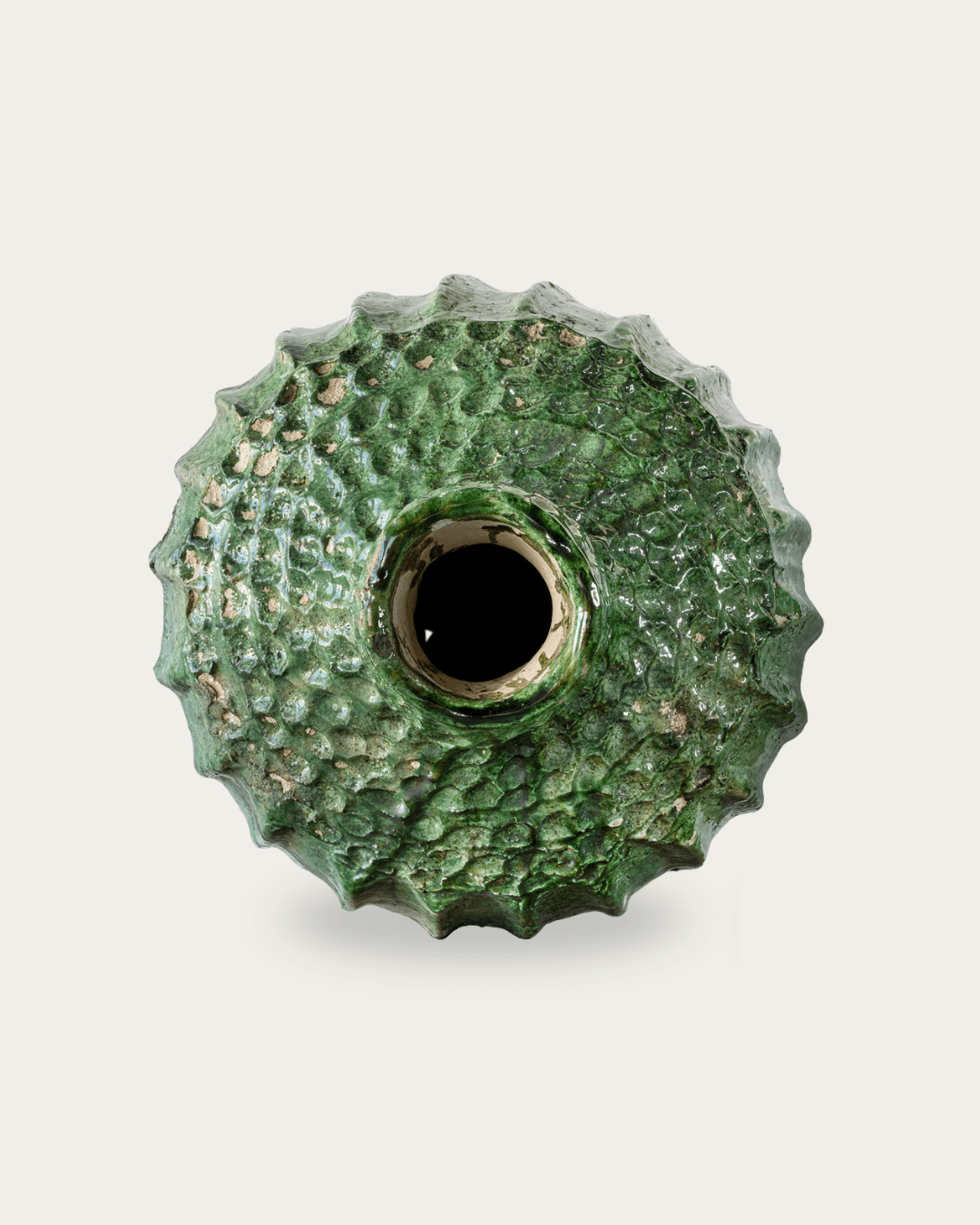
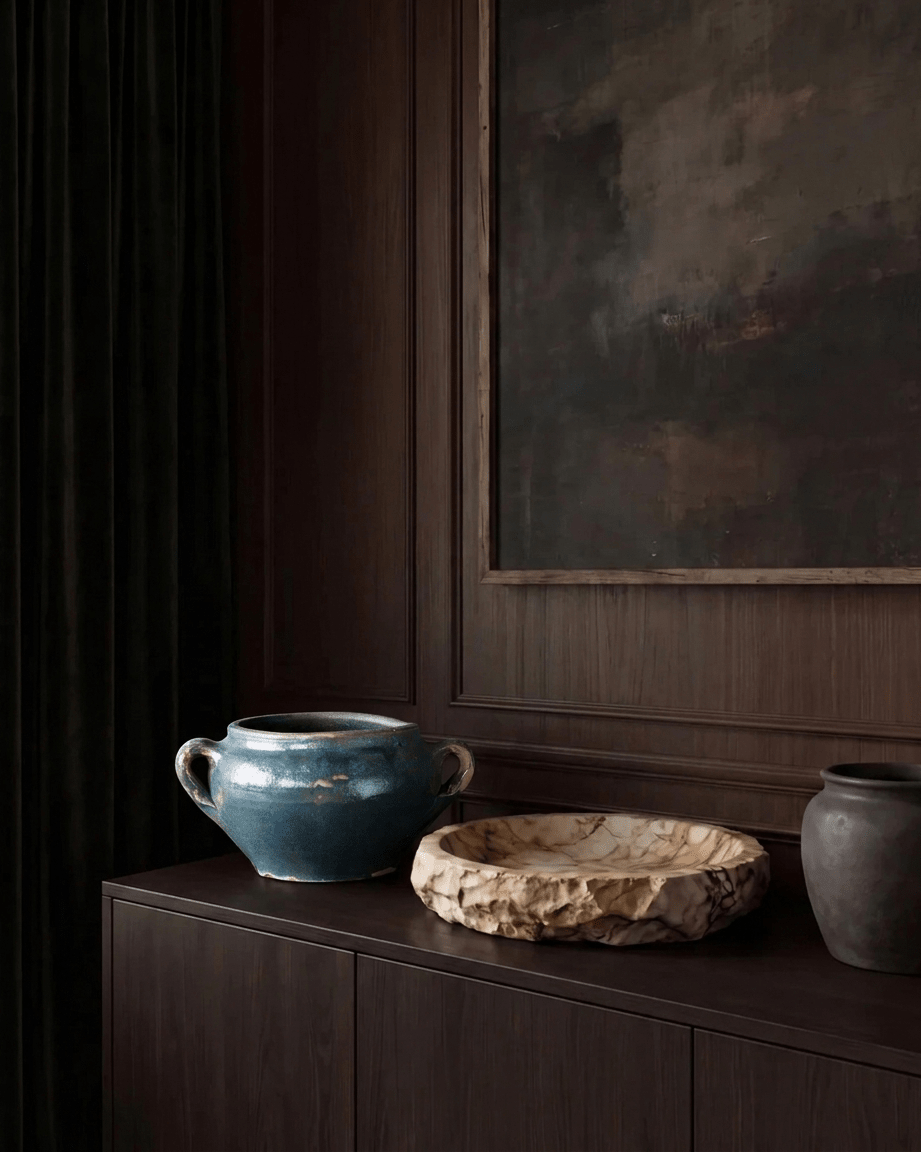
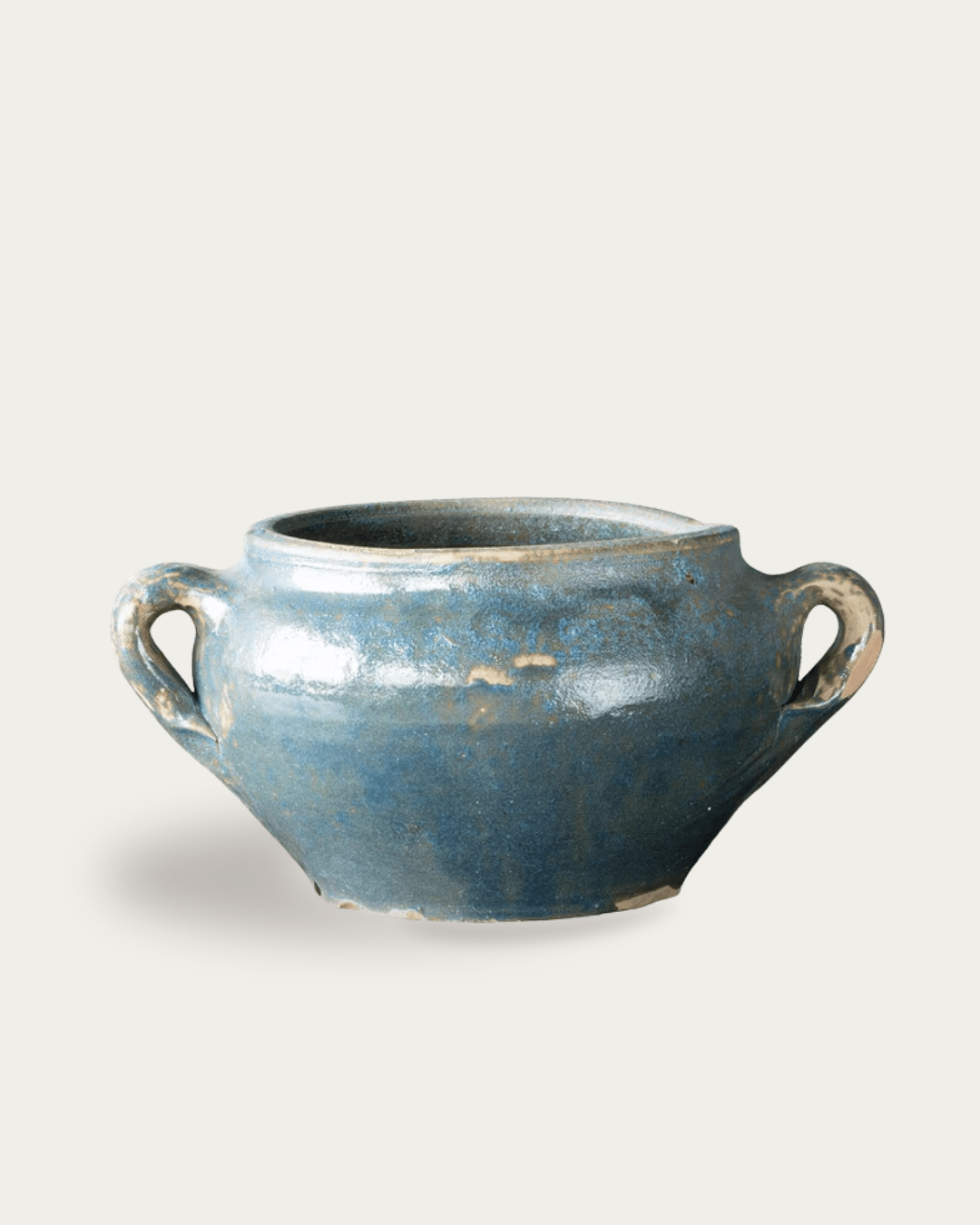
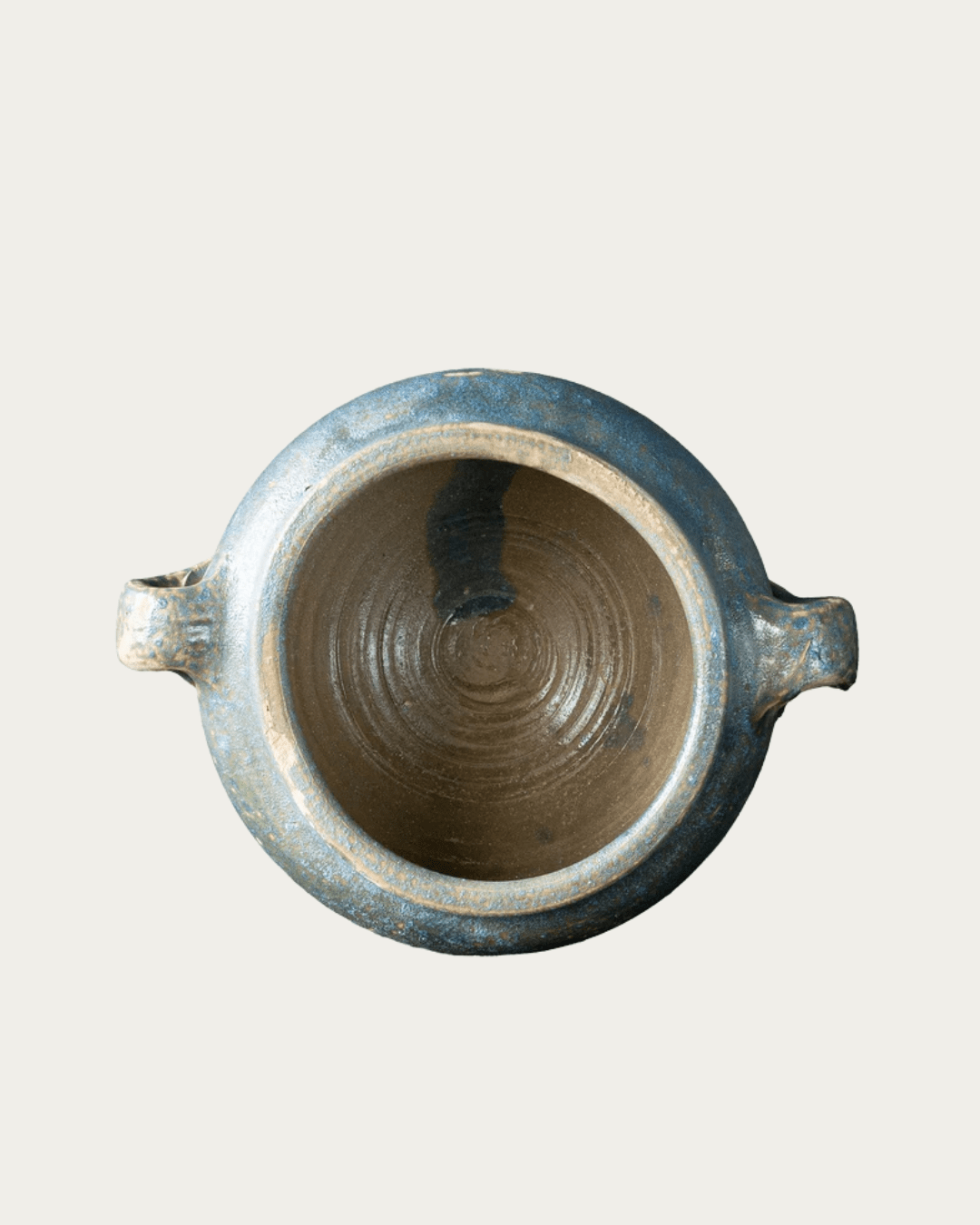
Try ceramics in related colors with different heights. Pair a woven basket with books that repeat one of its tones. Let wood, paper, and glaze introduce distinct surfaces within the same area.
Start with the largest object, then position smaller pieces so their outlines remain visible. A low bowl might sit beside a taller book group, with a gap separating them from the next arrangement.
Perceptual grouping influences competitive interactions in visual processing. Using obvious relationships on a shelf is a practical styling application of that research, rather than a proven recipe for relaxation.
The functional payoff is easy to test: can you find what you need and return it to the same place? Keep categories specific enough to be useful and broad enough to maintain.
4. Leave Useful Space Around the Display
Storage capacity and display space serve different purposes.
A shelf may accommodate another row of objects, but leaving some of it open can help define the groups already there. On a sideboard, a clear surface also gives you somewhere to set down a serving dish or bag.
Think about both the visible gaps and the space your hands need.
Let the furniture’s material remain visible
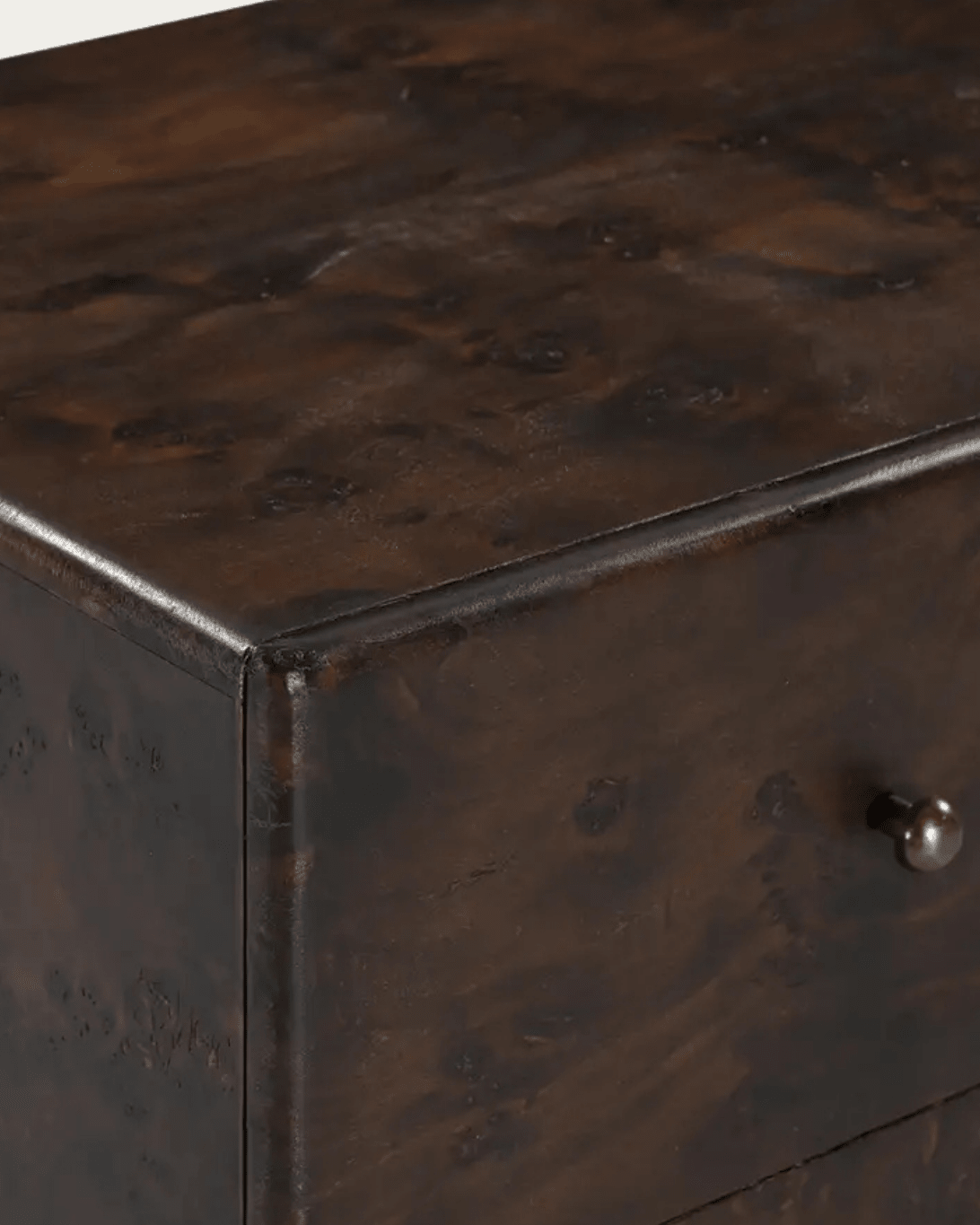
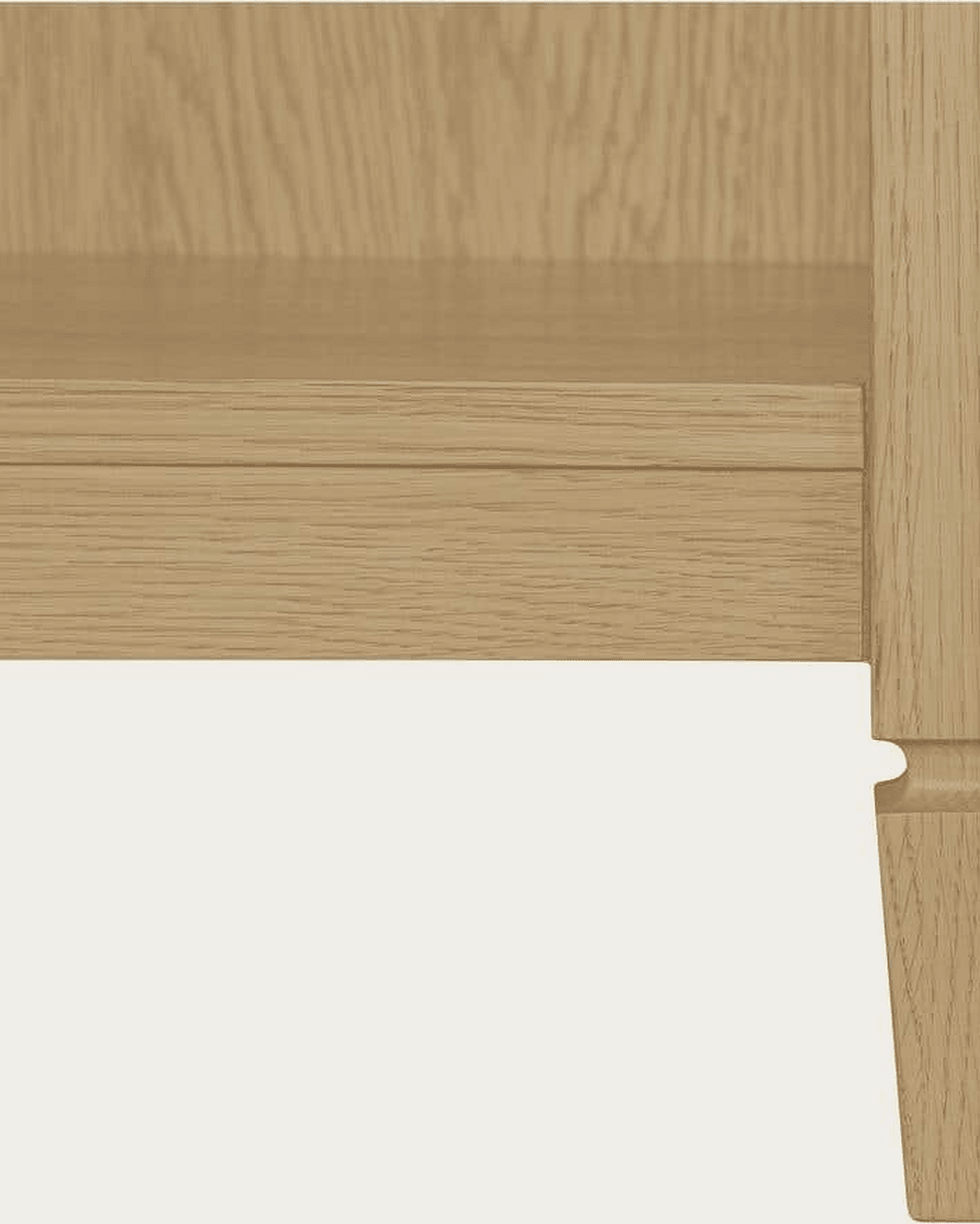
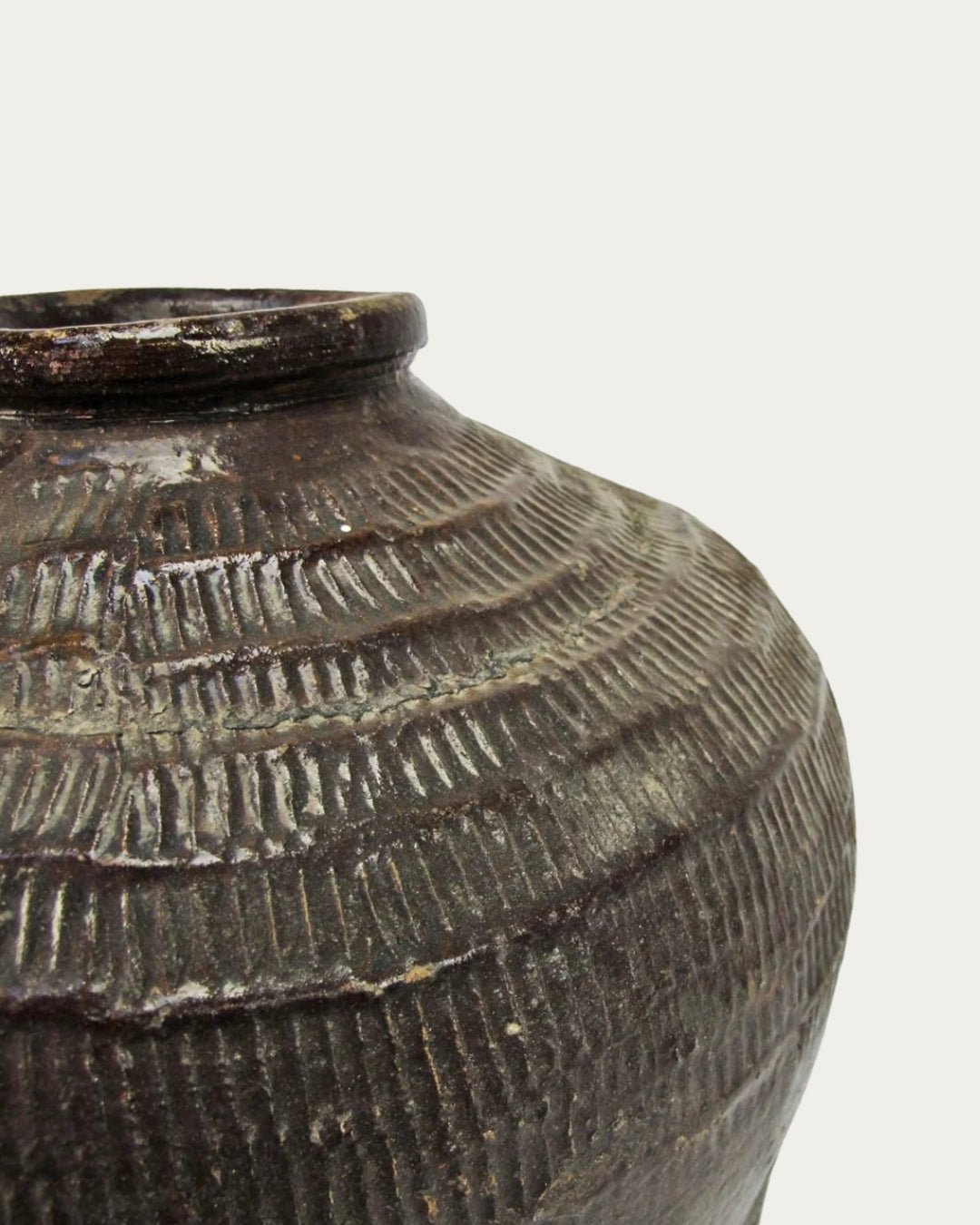
Wood grain, carved details, and variations in finish already contribute to the arrangement. Give them enough exposure to register alongside the contents.
Move objects into distinct groups, then look from across the room. Check whether you can identify the main shape and distinguish its neighbors.
RUTED Tip: Leave room for the thing you’ll put down tomorrow. A storage surface should have a little spare capacity; life rarely arrives empty-handed.
Keep clearance above baskets and around vessels so you can lift them comfortably. Make sure books slide out easily and the surface remains accessible for cleaning.
There’s no fixed percentage that must stay empty. Use the furniture’s dimensions, your contents, and your own preferences to judge the spacing.
5. Let One Substantial Piece Organize the View
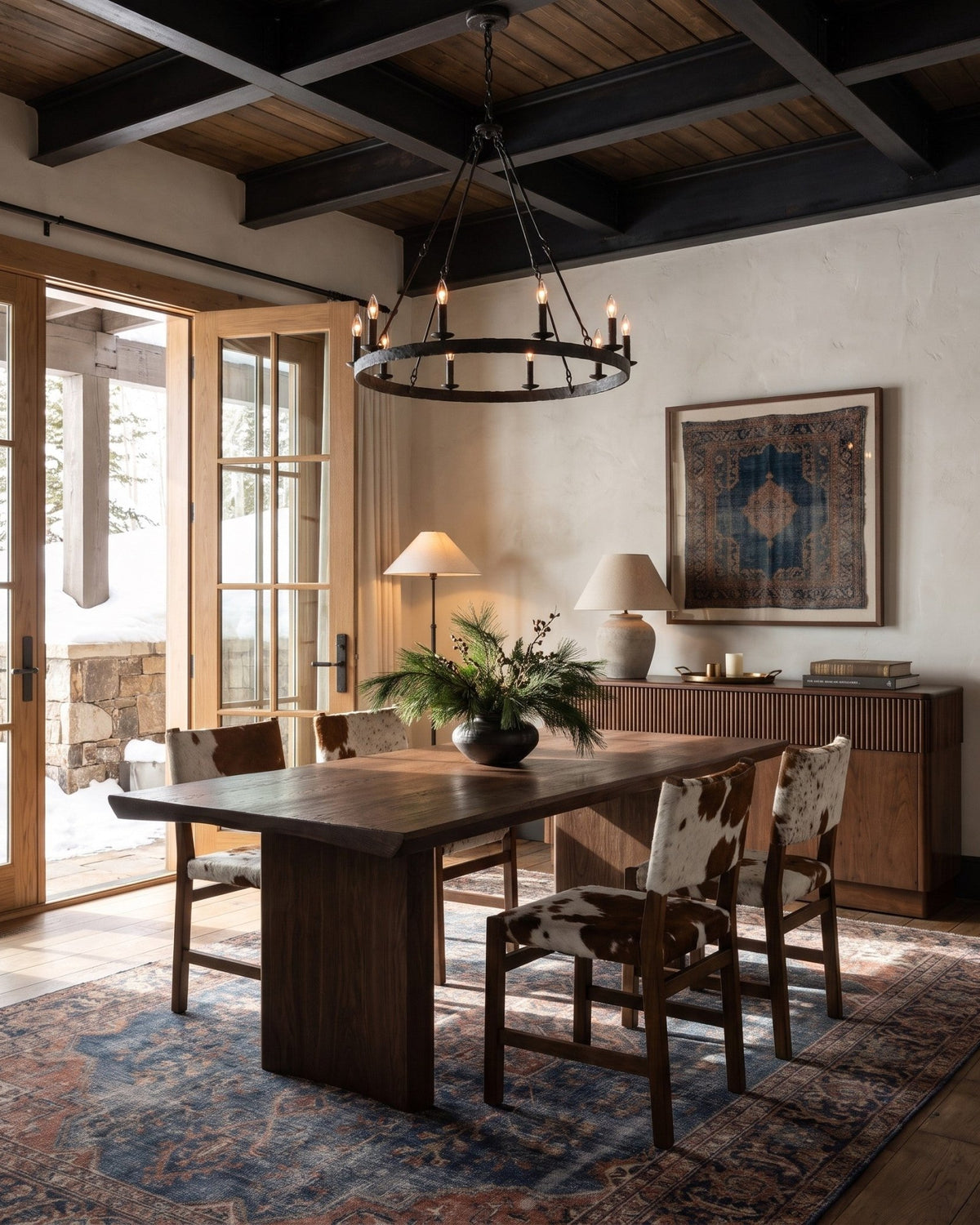
A sideboard can establish a clear horizontal shape along a wall while bringing several storage needs into one location.
Choose its position from the room’s main sightlines. Look from the doorway and your usual seat, then consider how the furniture relates to artwork, lighting, and nearby shelving.
Balance detailed wood with a simpler top
The Junia vintage wood sideboard features hand-carved wood, a worn patina, and three to four reassembled doors. Its exterior supplies visible detail before you add accessories.
Try one larger artwork above it, or a lamp with a compact group of objects on top. Assess the whole composition, including the door fronts.
If the surrounding room contains several patterns or textures, give the sideboard’s immediate area a simpler arrangement. Repeating a nearby color can connect it to the space.
Measure walking routes and door clearance before settling on placement. An effective focal point should also support comfortable movement.

6. Make Returning Things as Easy as Retrieving Them
A storage system becomes more sustainable when putting things away is straightforward.
Look inside the furniture and identify the places that require unnecessary rearranging. A basket packed tightly against another container or a frequently used item stored at the back can complicate a simple task.
Adjust the interior around the frequency of use.
Organize for access, not just appearance.
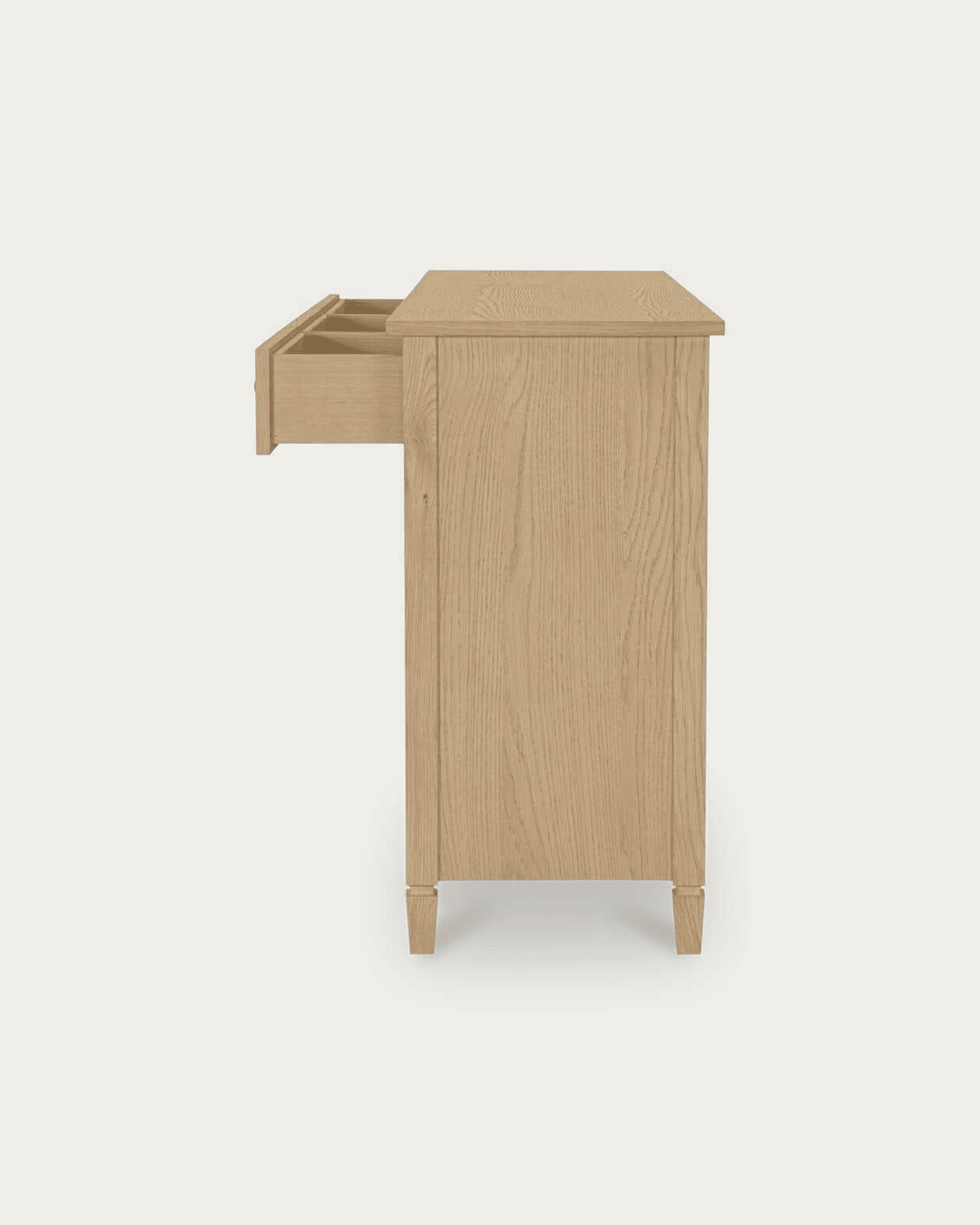
Keep everyday items near the front and occasional belongings farther back. Use appropriately sized trays, dividers, or containers when they help separate categories.
Choose their materials for the job. A wipeable container may suit supplies that need cleaning; a suitable lined basket could keep small belongings together. Measure the cabinet interior before buying organizers.
Avoid stacking frequently used items beneath things you rarely touch. Leave enough room to remove a container without pulling everything else out.
Keep the exterior arrangement manageable, too. A beautiful wood surface should still allow you to open doors and access the contents easily.
The best test is an ordinary task: put away the charger, return the book, or replace the table linen. Notice what would make that movement simpler.
7. Review the System From Your Seat and Your Routine
Once the furniture is organized, live with it for a few days.
Check the view in daylight and under evening lighting. Reflections on glass or glaze may become more noticeable, while wood and woven surfaces register differently as the light changes.
Then watch how you actually use the storage.
Make one adjustment at a time.
From your usual seat, look for a clear main shape, recognizable groups, and enough space between them. Move one object or group, then assess the difference.
For function, ask whether belongings return to their intended places. If something repeatedly lands elsewhere, consider moving its storage closer or giving it a more convenient container.
Your sensory preferences matter. Some people enjoy fuller collections; others prefer more open surfaces. Storage is one part of a comfortable environment, alongside lighting, sound, temperature, and personal associations.
For pieces you can organize around those preferences, explore Hello Norden's storage collection.
Find the piece that fits your Tuesday.


Build a System You Enjoy Living With
Vintage storage can contribute material detail, a clear place for belongings, and structure within the room.
Start with your habits. Decide what stays visible, give related objects a recognizable home, and preserve enough space to use the furniture comfortably.
When you explore Hello Norden’s vintage furniture, look for pieces that fit both your belongings and your daily movements. Let the arrangement develop around real life, one useful adjustment at a time.