












The 3-Point Black Furniture Rule for a More Balanced Living Room
|
|
One black coffee table in an otherwise light living room can look intentional—or like it wandered in from another house.
The difference is usually repetition.
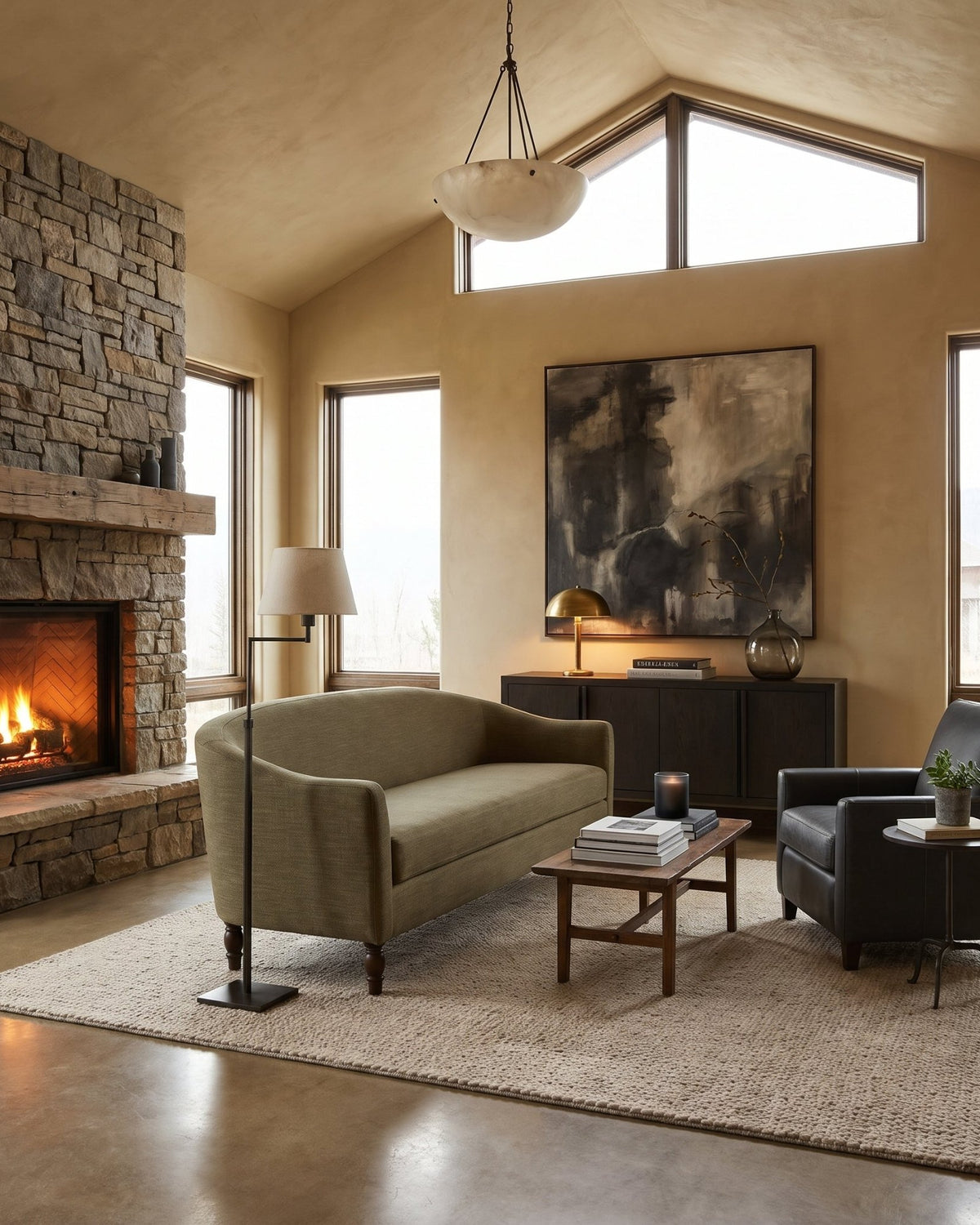
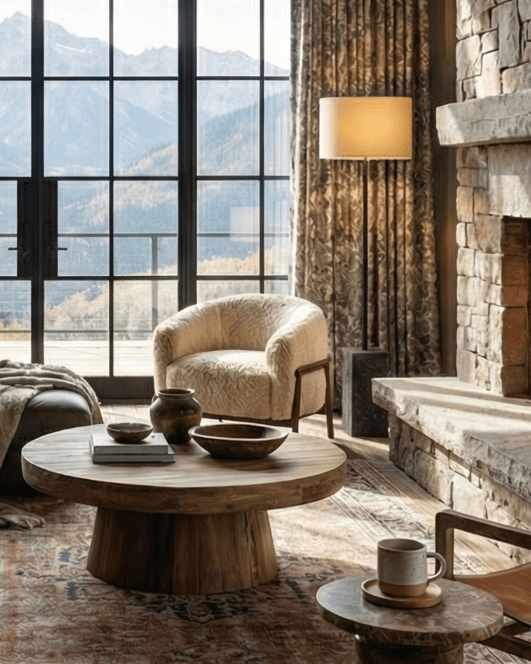
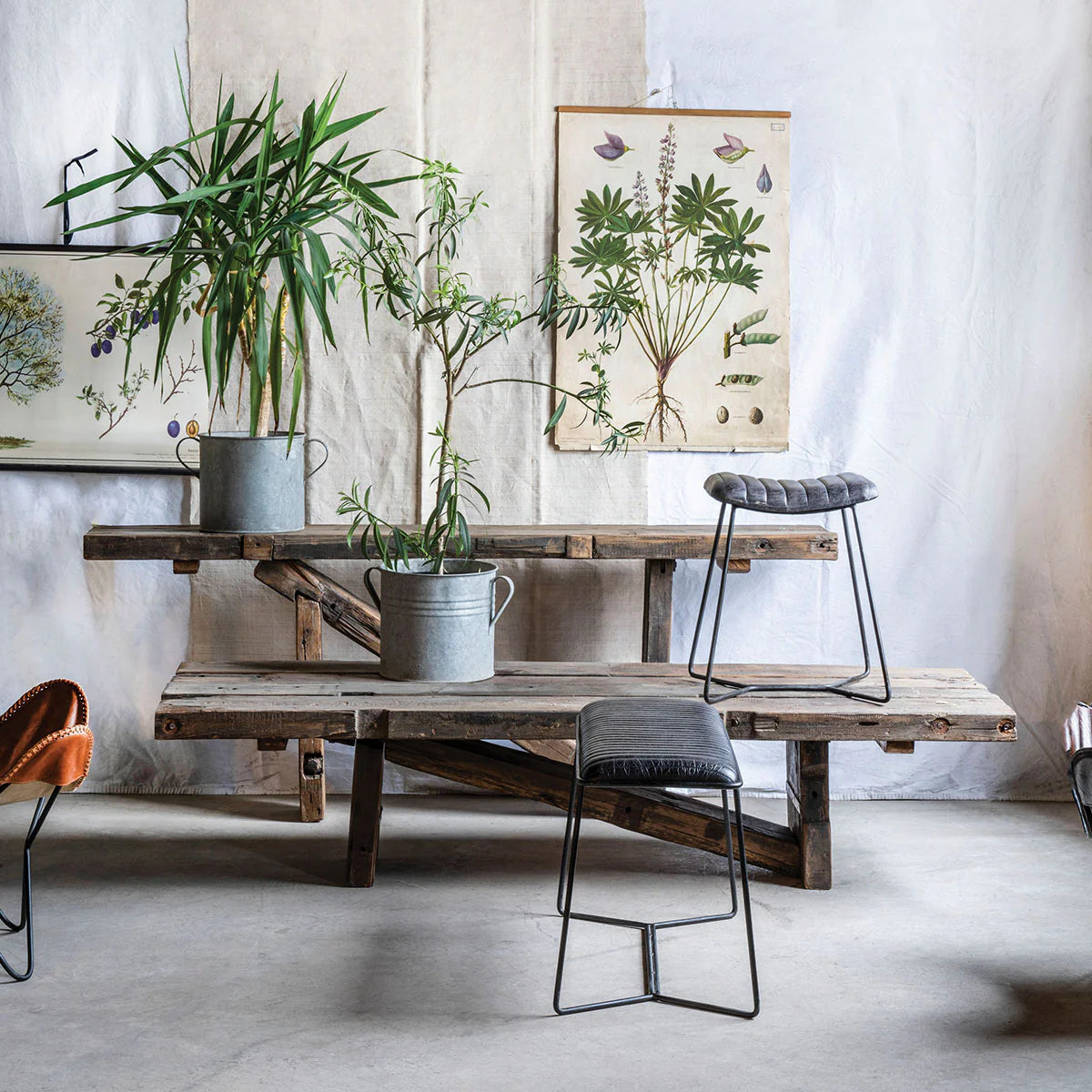
Instead of concentrating black furniture in one spot, the 3-point rule distributes darker visual weight across the room: one low anchor, one smaller supporting point, and one taller anchor. Think coffee table, side table, and lounge chair. They don't need to match, and they don't even need to be the same material. Their job is simply to give the eye three related places to land.
It's less about decorating with black and more about using contrast to organize the room.
Explore Hello Norden's black furniture collection and consider where your room could use its three visual anchors.
The idea is straightforward:
Point 1: Low anchor—black coffee table
Point 2: Supporting anchor—black side table
Point 3: Vertical anchor—black lounge chair
Why three?
Because one dark object can look isolated. Two can create a strong line between them. A third point gives the eye another direction to travel, creating a loose visual triangle across the room.
This isn't a mathematical rule, and your living room won't be audited if you use four dark elements.
It's simply a practical way to distribute contrast.
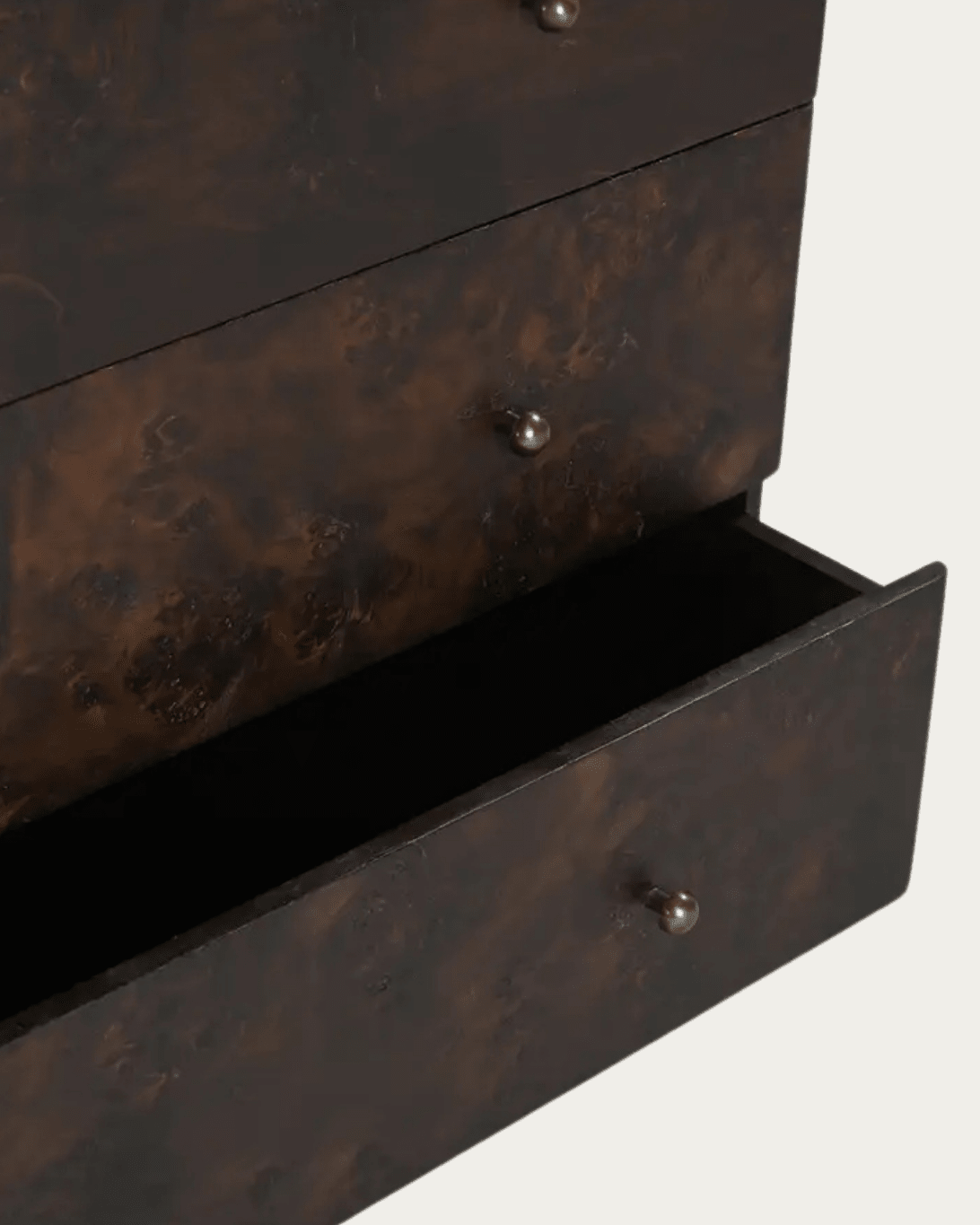
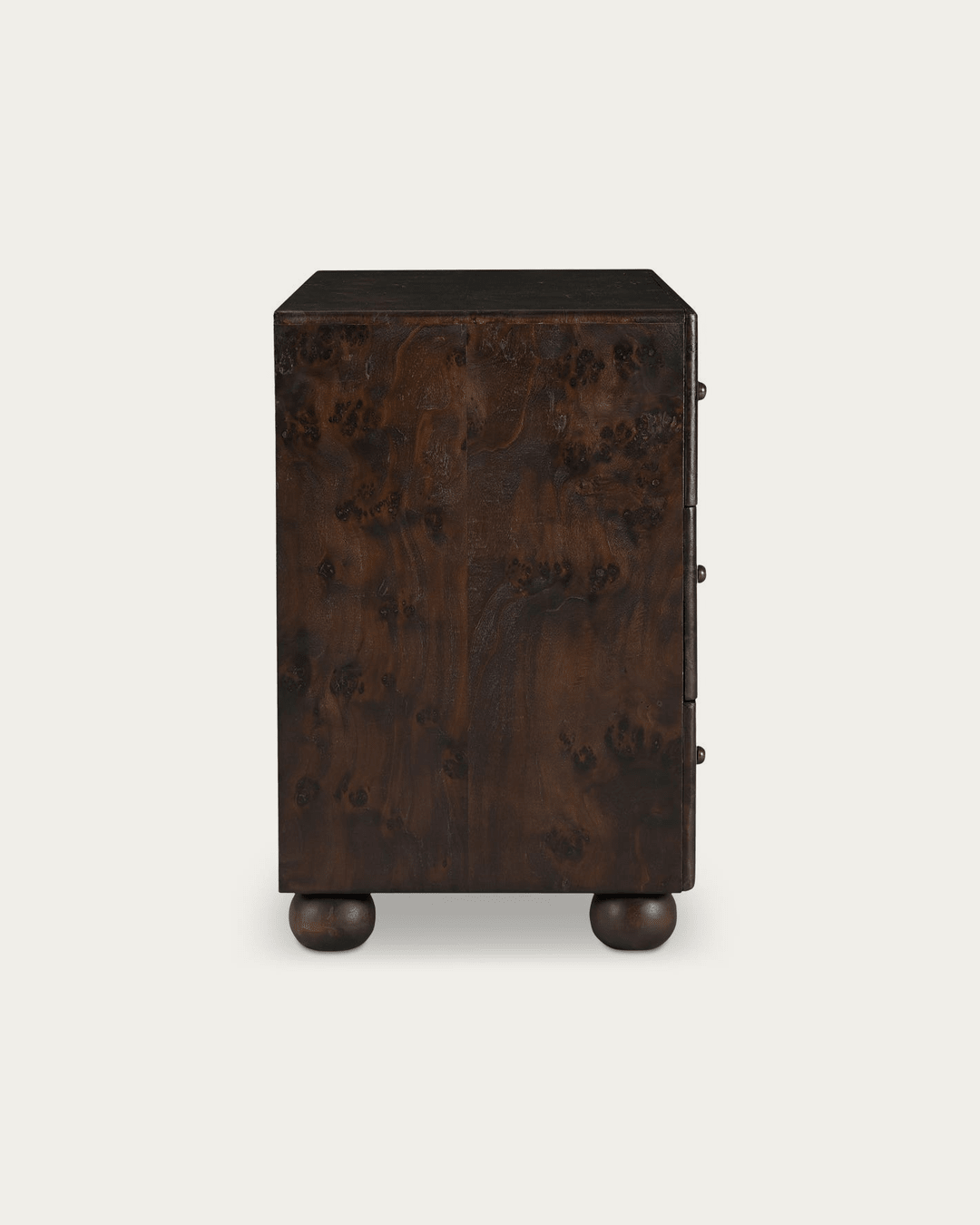
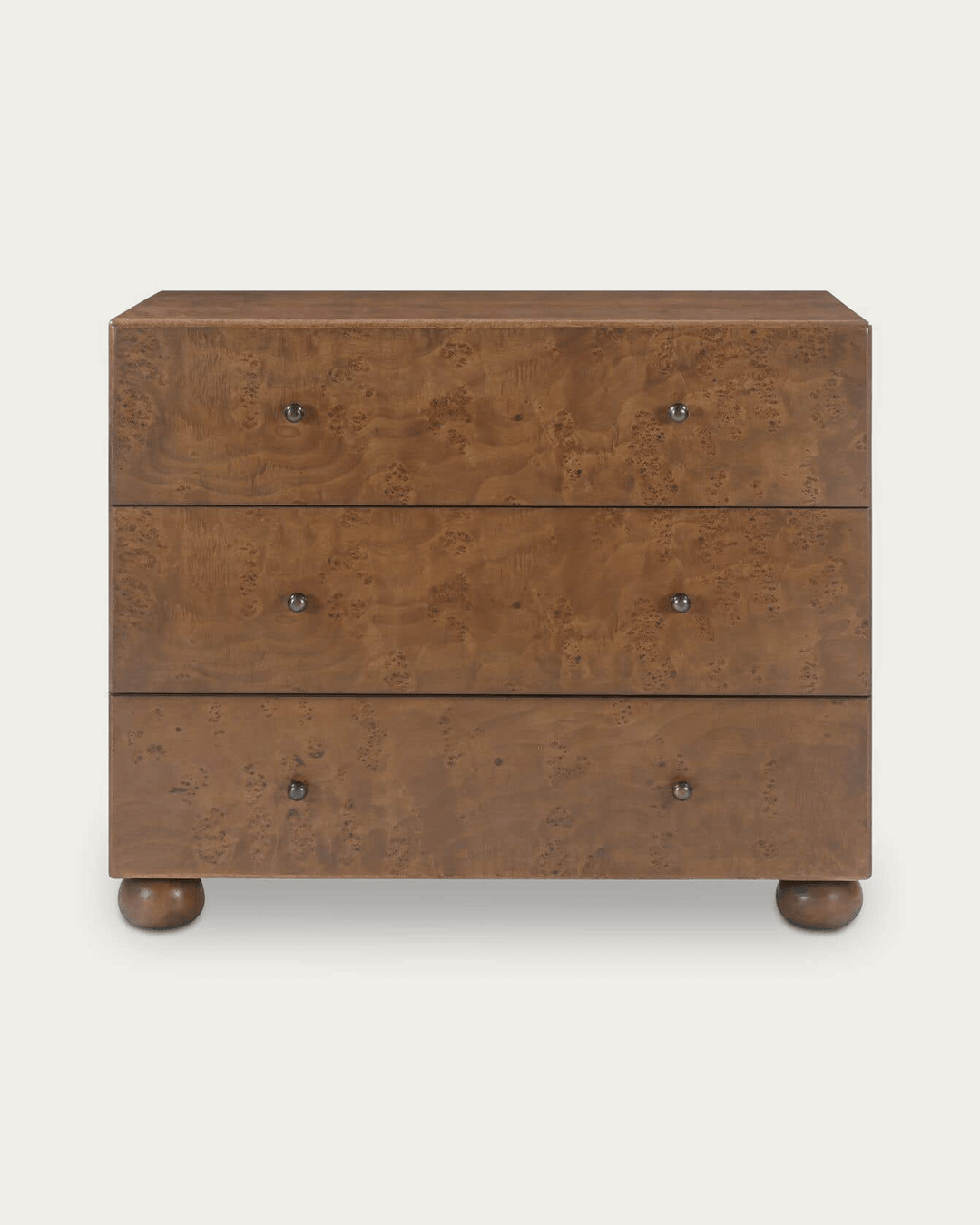
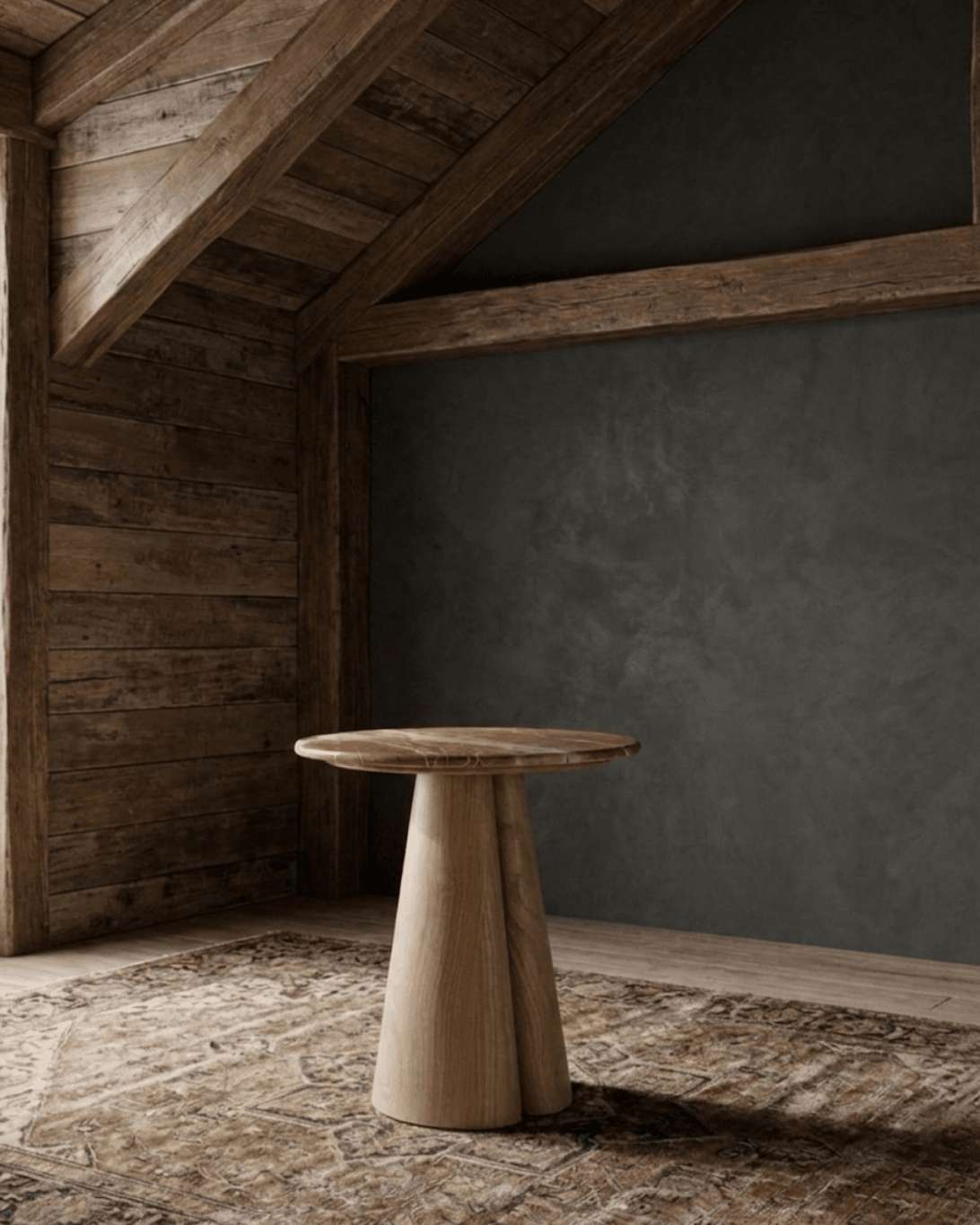
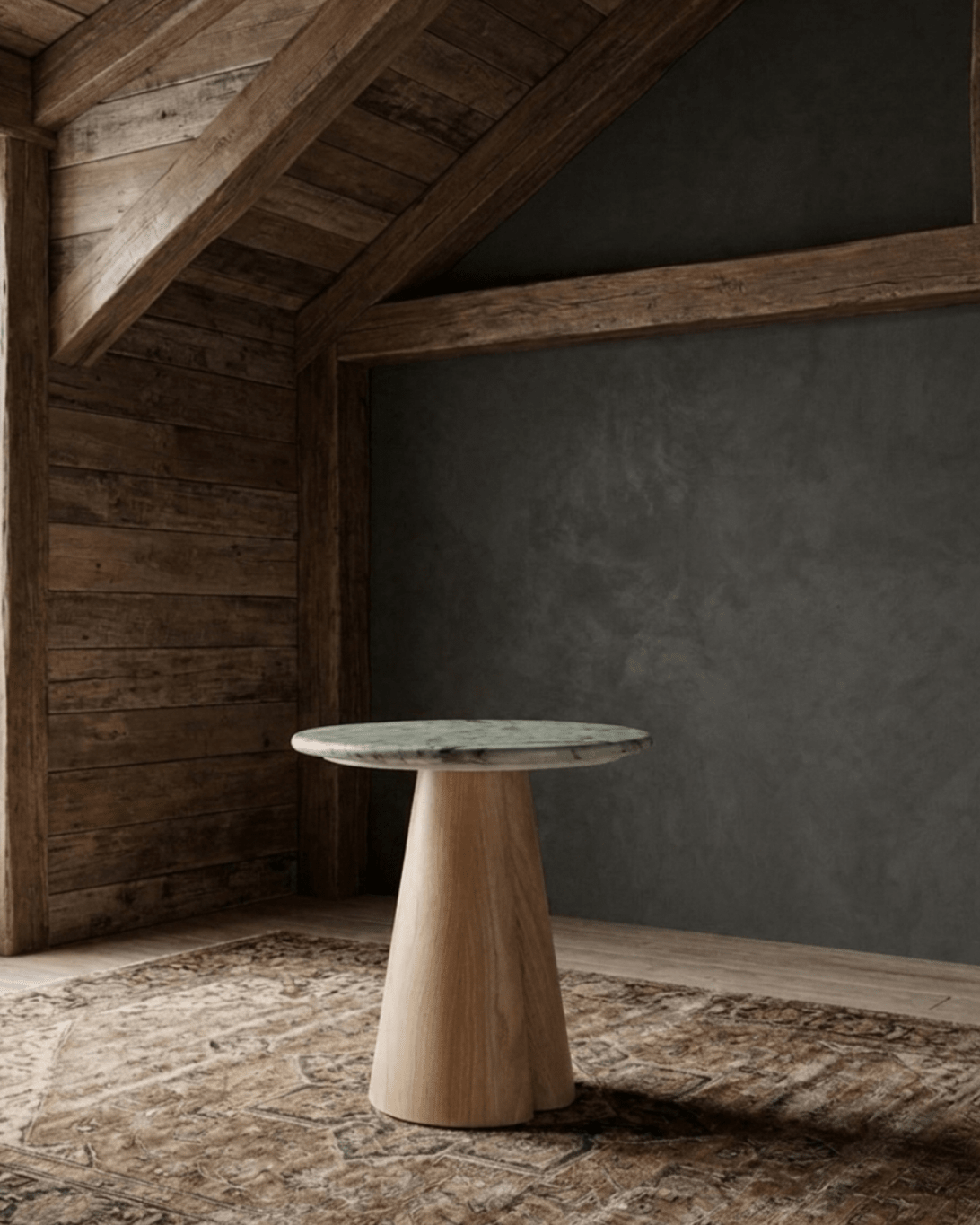
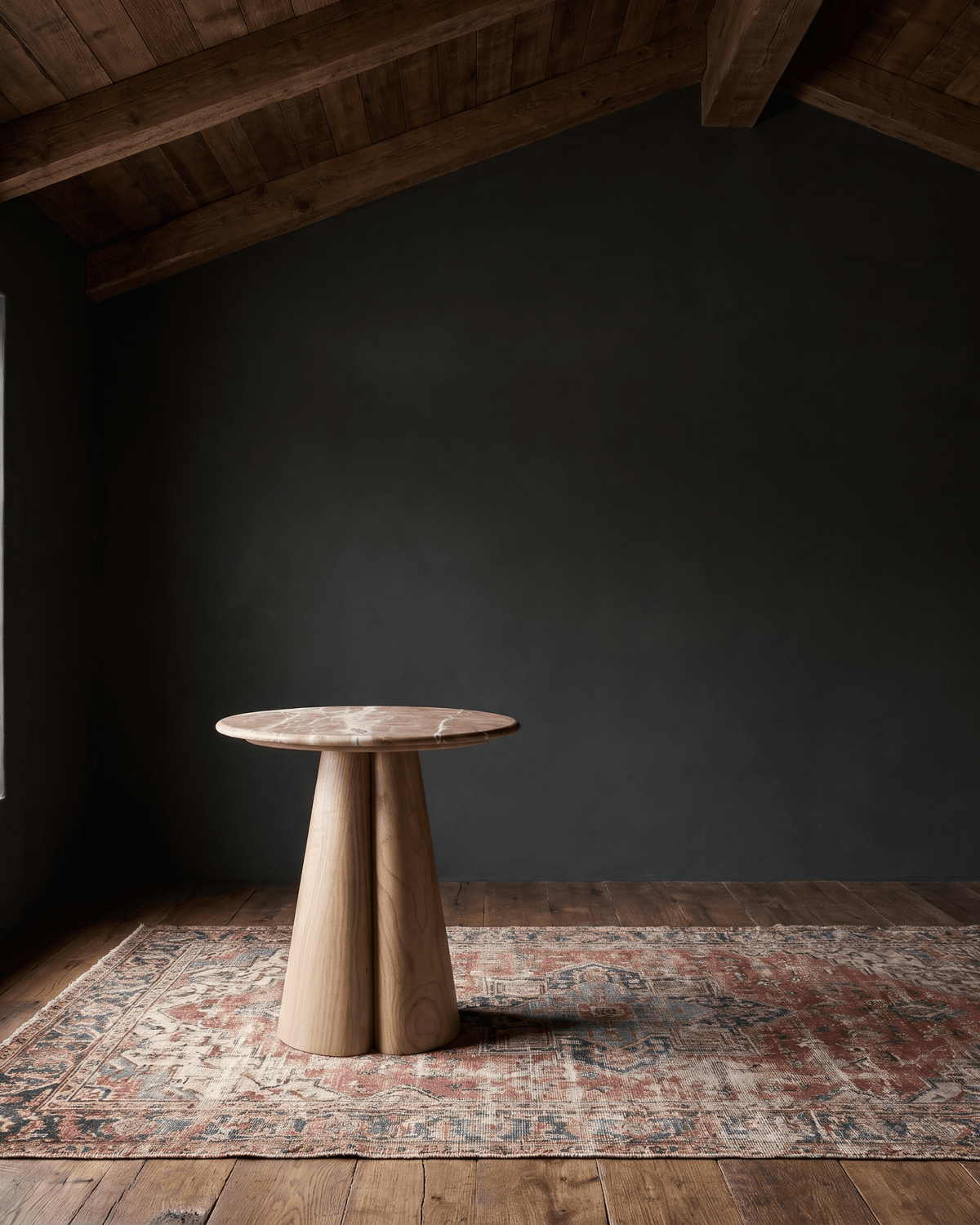
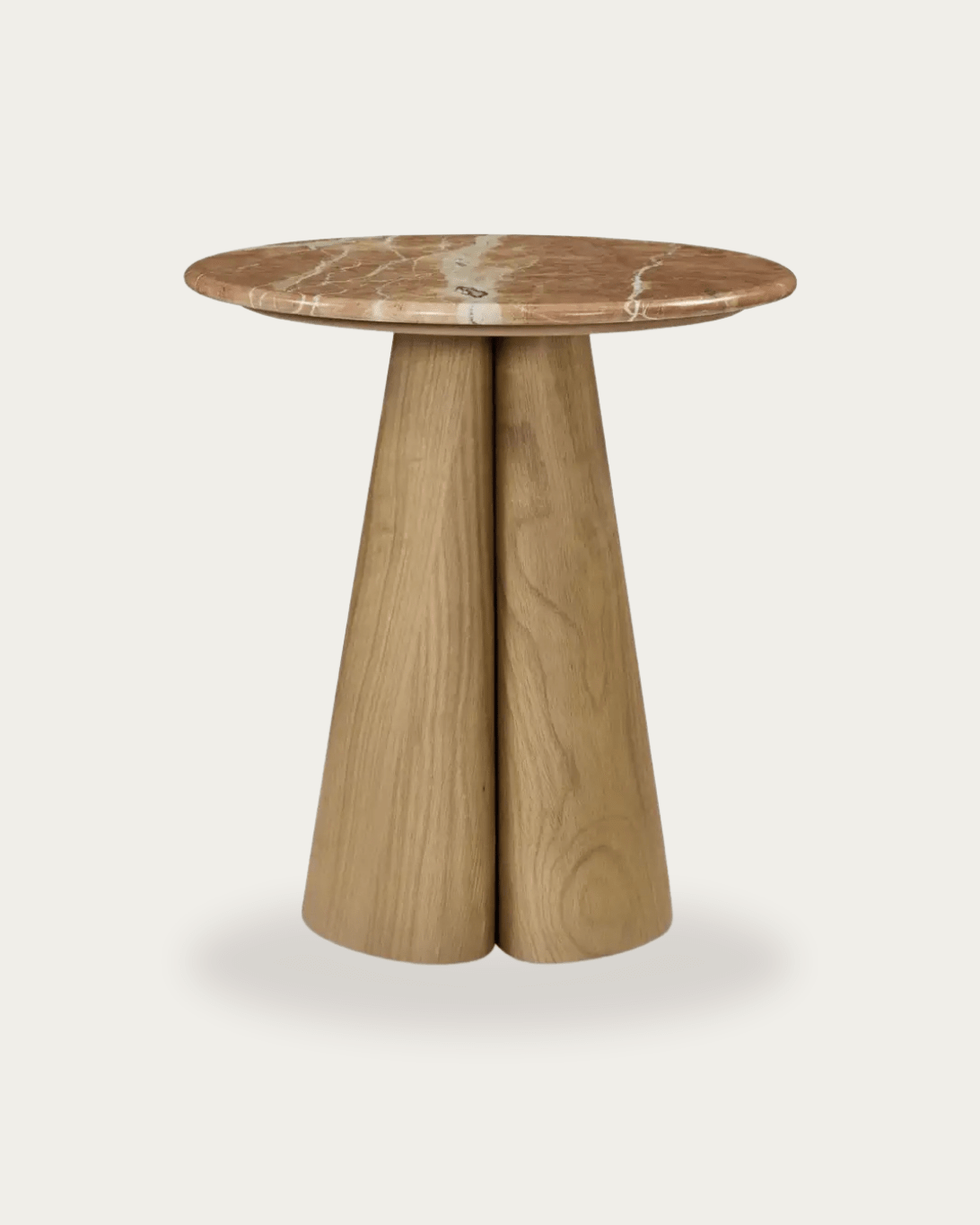
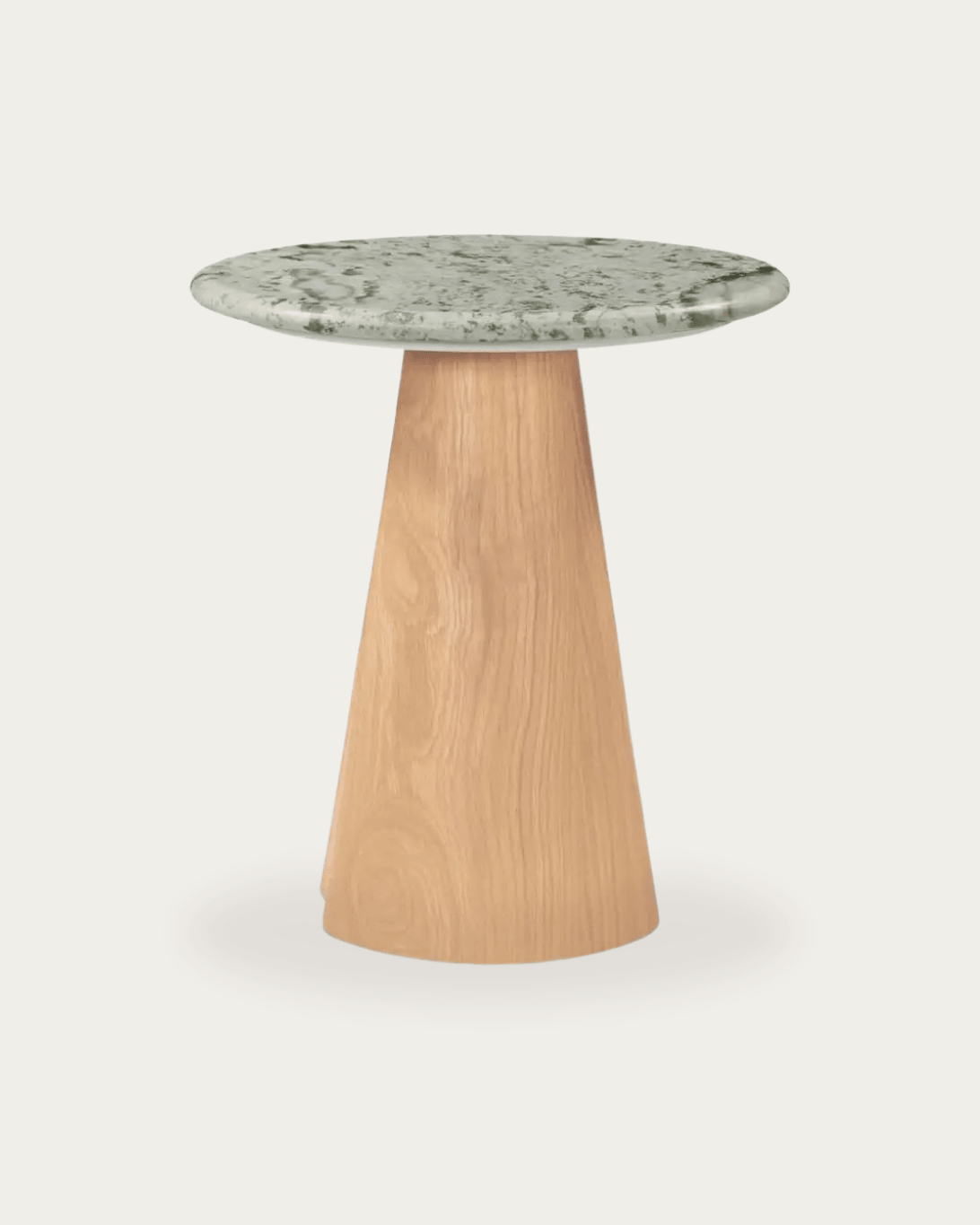
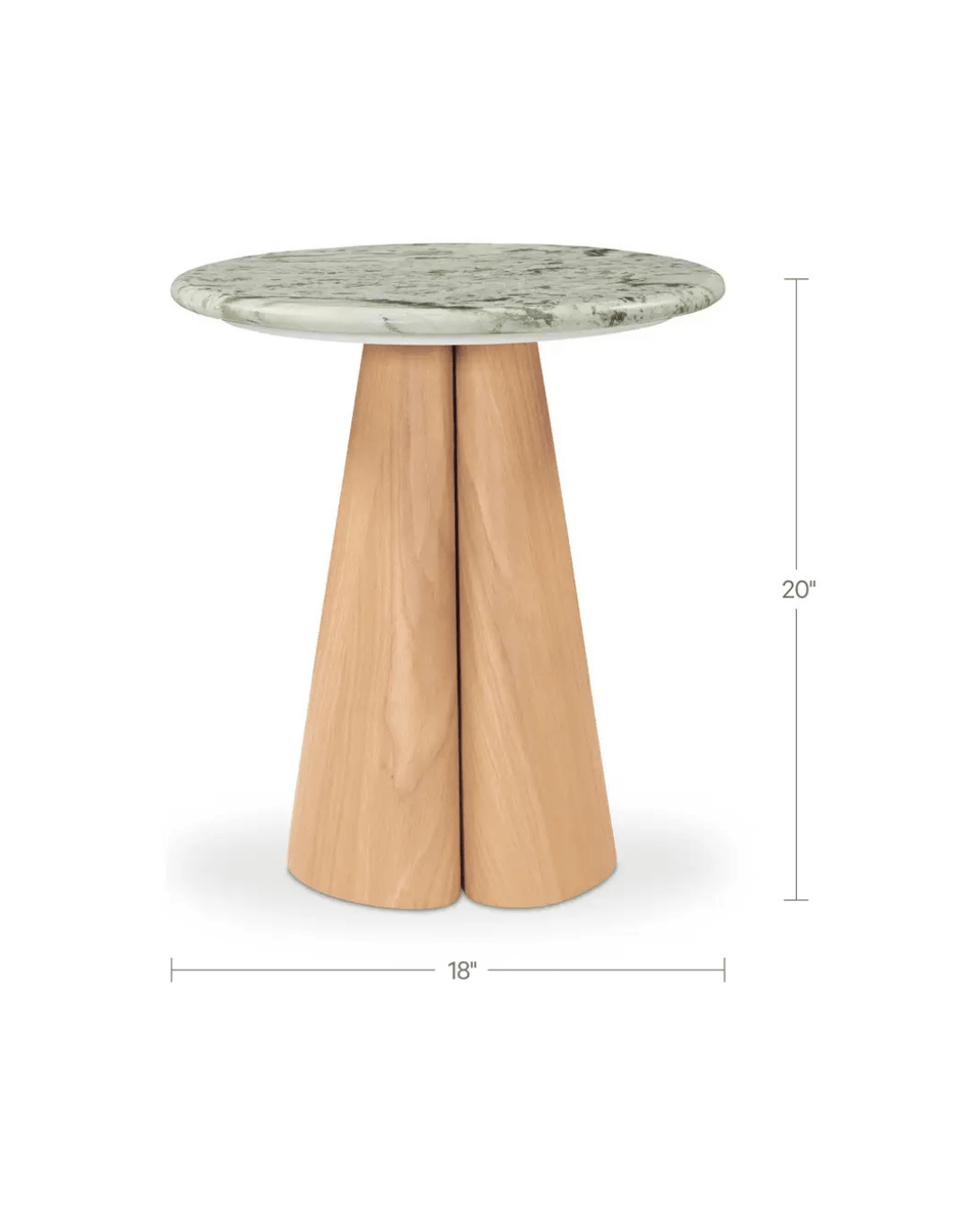
The Alvhild coffee table can establish that first low anchor, while the Yrla side table can repeat the darker tone at a smaller scale elsewhere in the seating arrangement.
This is important.
Three anchors don't mean three focal points.
One should usually carry more visual weight than the others.
A substantial coffee table might lead, while the side table and chair repeat enough black to make that choice feel connected to the rest of the room.
Think hierarchy, not equality.
The coffee table is the easiest place to establish your primary dark anchor because it already occupies important visual territory.
It's usually near the center of the seating arrangement.
The sofa sits behind it.
Chairs sit around it.
The rug frames it.
That makes a black coffee table particularly effective in rooms dominated by cream upholstery, pale woods, natural rugs, and light walls.
The Hedvig wood coffee table introduces darker contrast while retaining visible wood character. For a different material relationship, the Astri marble coffee table brings stone variation into the equation.
Because black creates a strong silhouette, the negative space around your coffee table matters.
If the table is squeezed between an oversized sectional, two chairs, and a densely patterned rug, the center can feel visually congested.
Leave enough visible flooring or rug around it for the table's shape to register independently.
That breathing room makes a darker piece feel intentional rather than heavy.
Once you've established a dark center, look across the room.
Does the black stop there?
If so, your coffee table may still feel disconnected.
This is where the second point comes in.
A smaller black element—often a side table—repeats the tone without introducing another dominant mass.
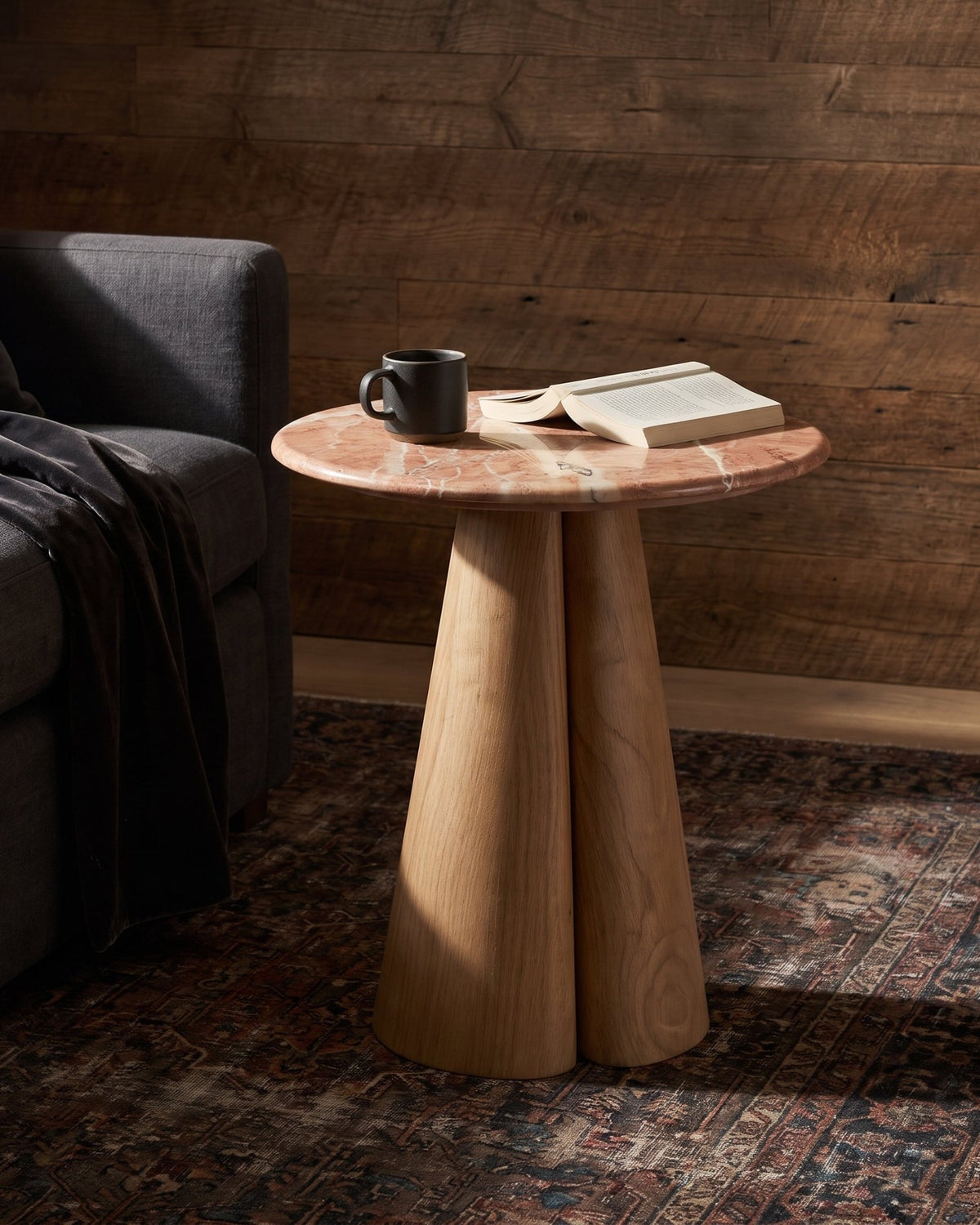
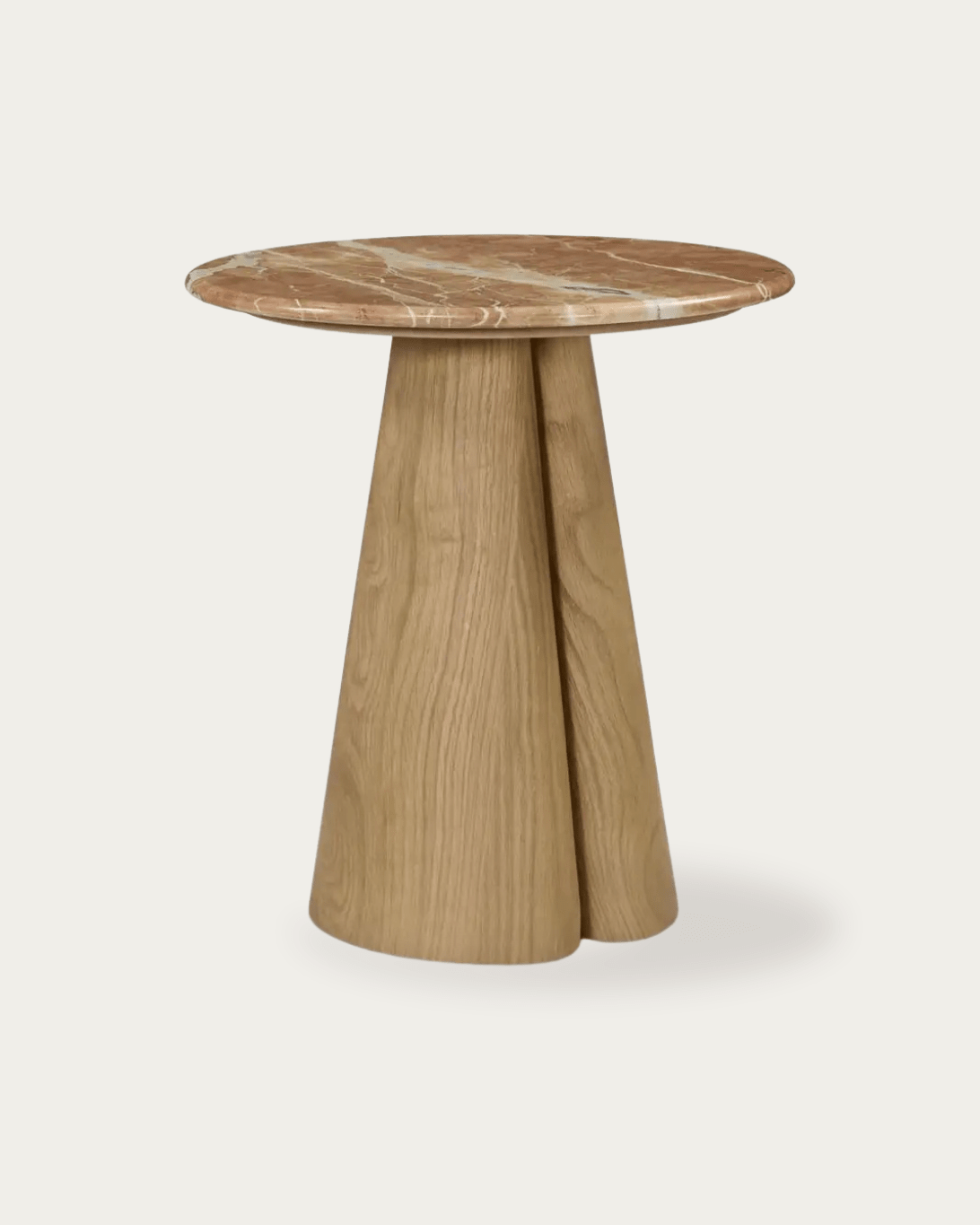
The Yrla side table can sit beside a pale sofa or lounge chair, carrying the dark tone away from the center and into another part of the seating arrangement.
If the coffee table is the main anchor, the side table shouldn't try to outdo it.
Scale naturally helps here.
A smaller footprint creates less visual weight while the shared dark tone maintains the relationship.
This gives the eye a sequence:
large dark element → smaller dark element
Now black starts looking like part of the room's visual language instead of a one-off decision.
Here's where the 3-point rule becomes more useful than simply repeating black accessories.
Your first two anchors—the coffee table and side table—are relatively low.
The third point should change height.
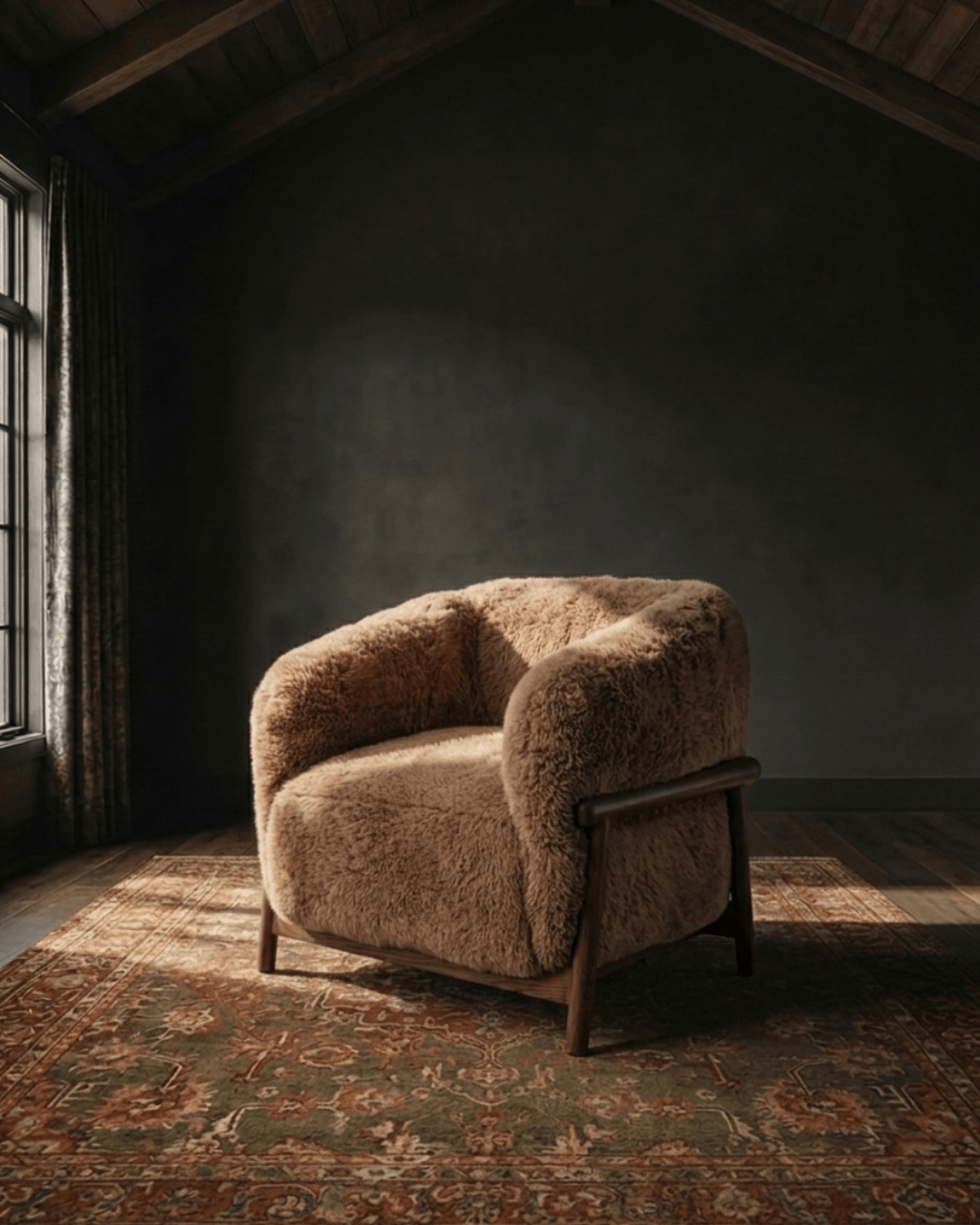
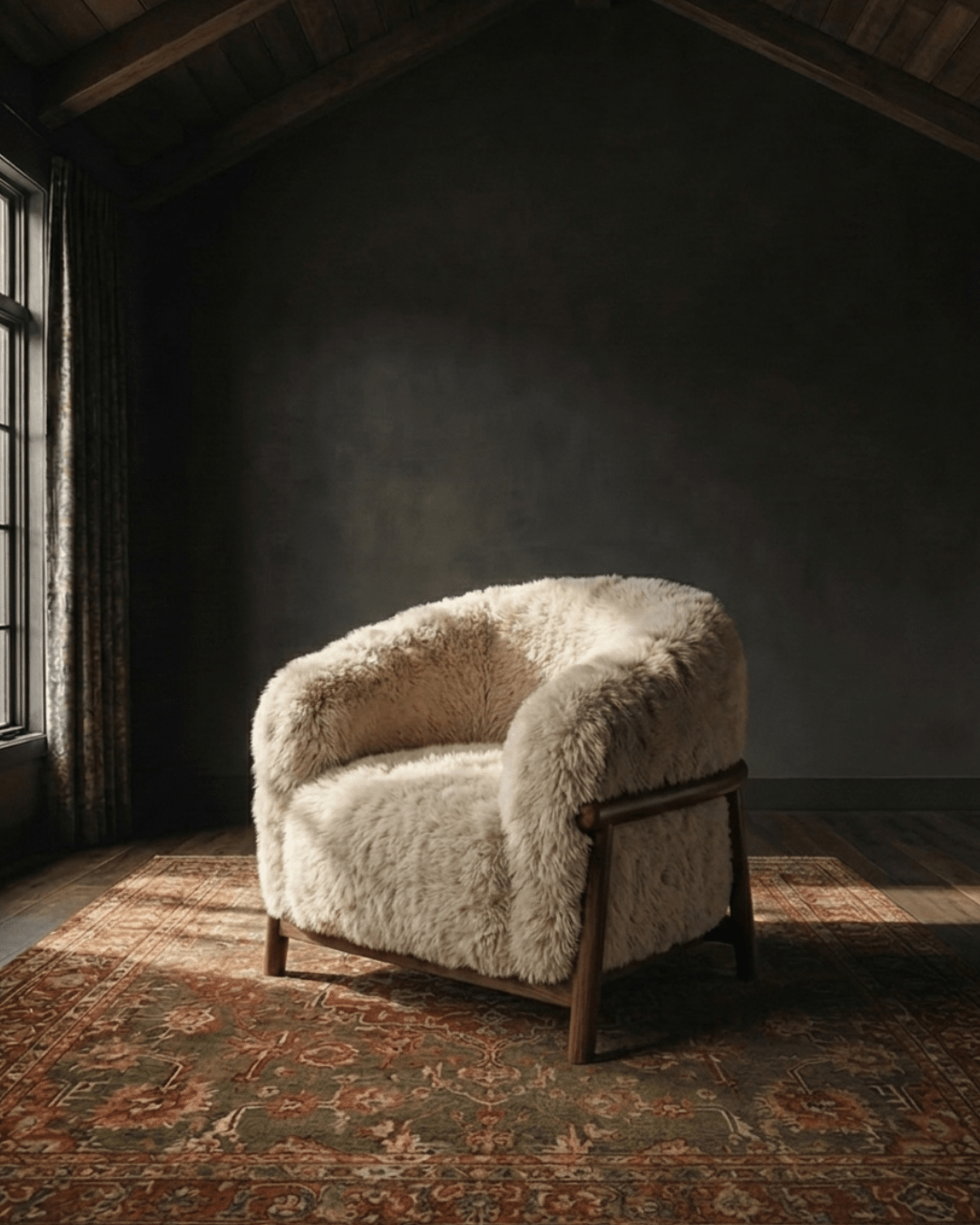
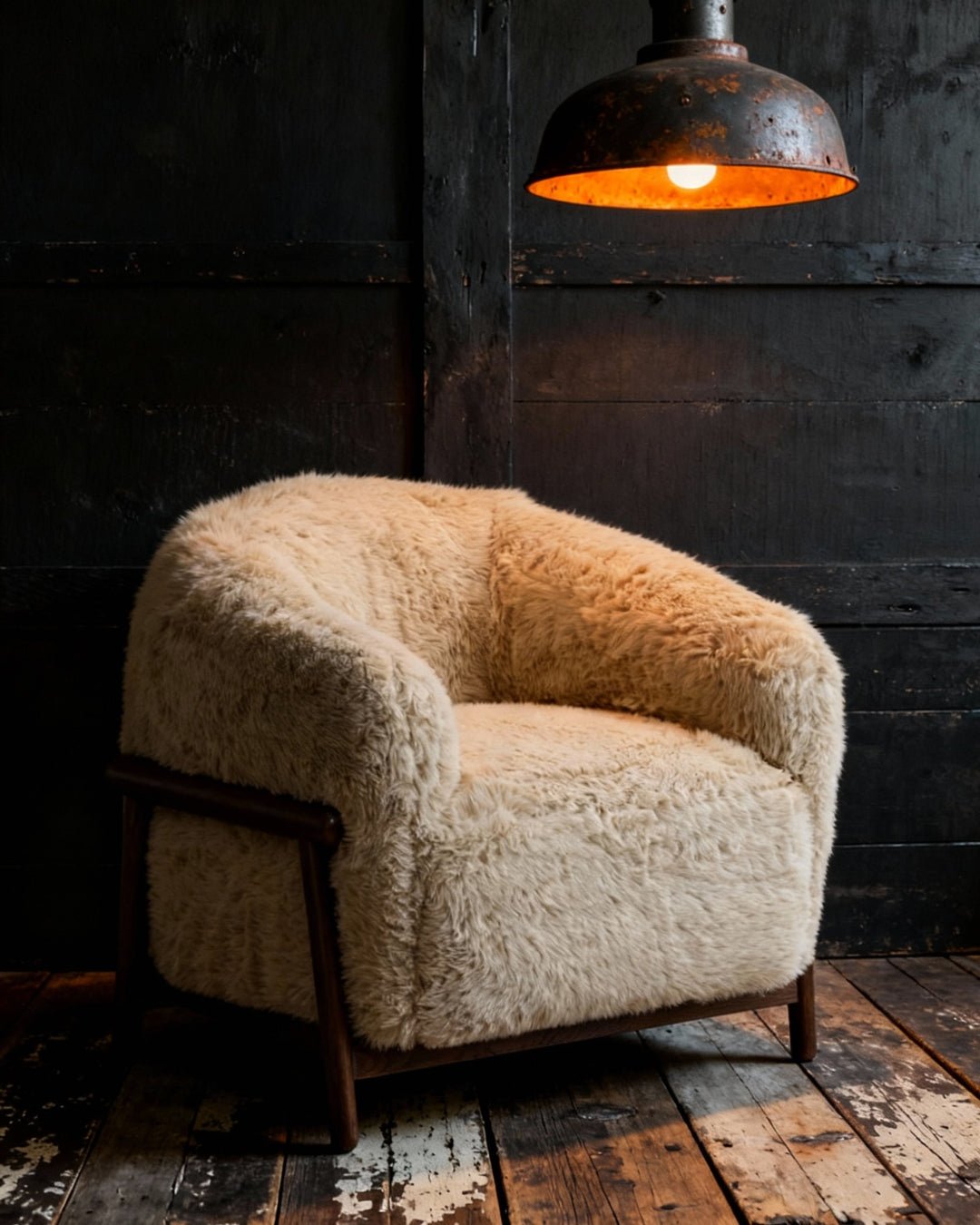
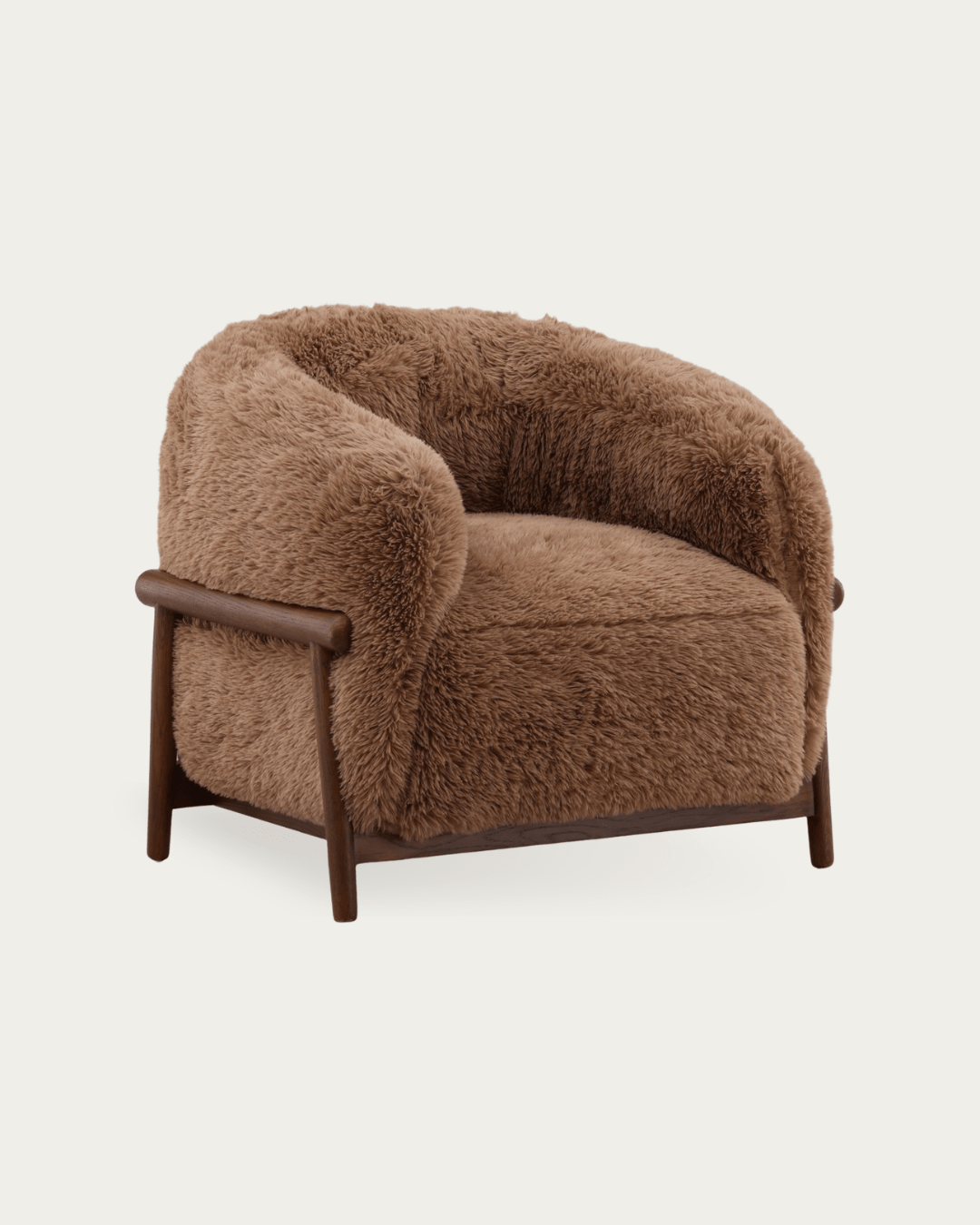
A black lounge chair does that naturally.
It brings dark contrast upward while adding a larger vertical silhouette to the composition.
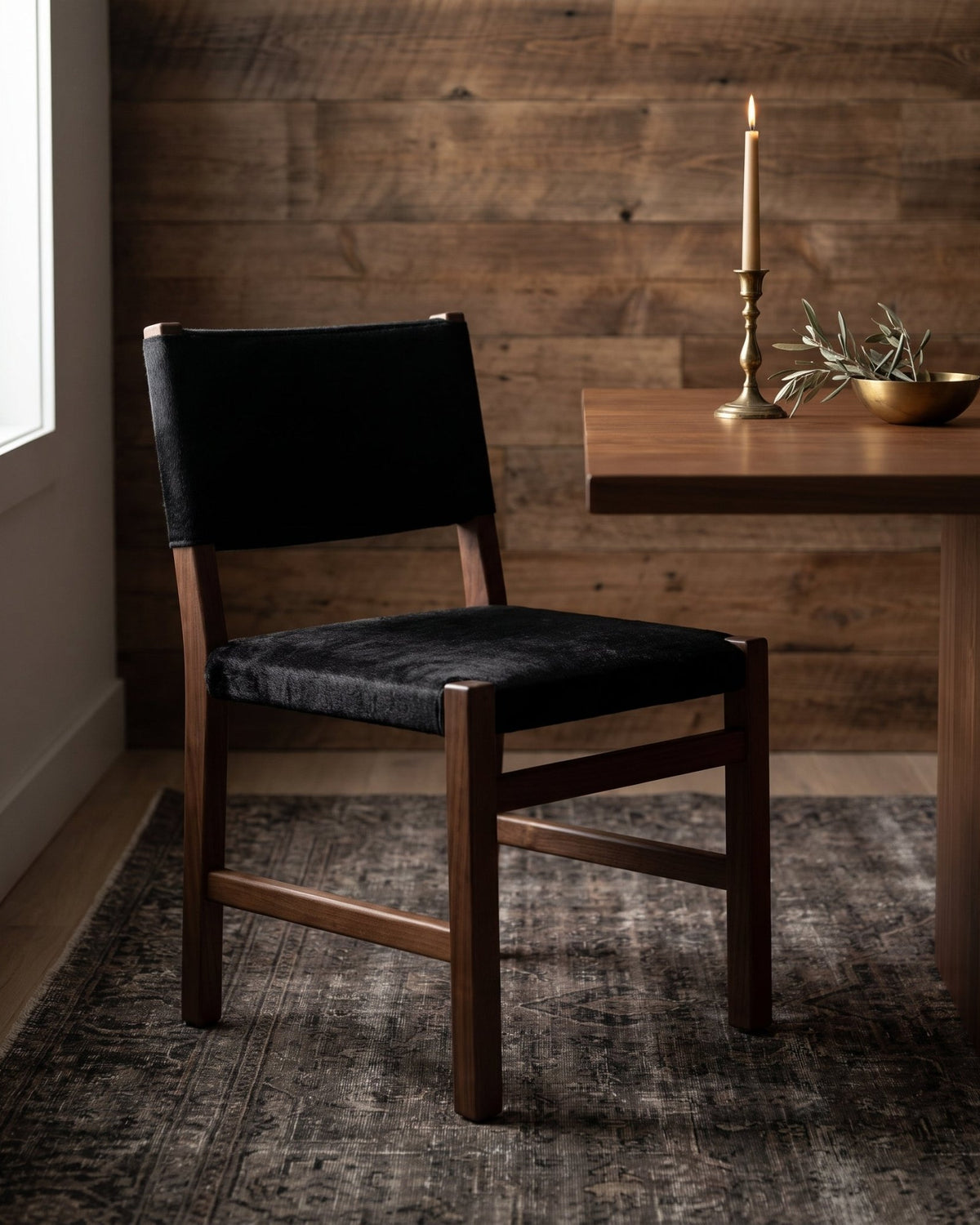
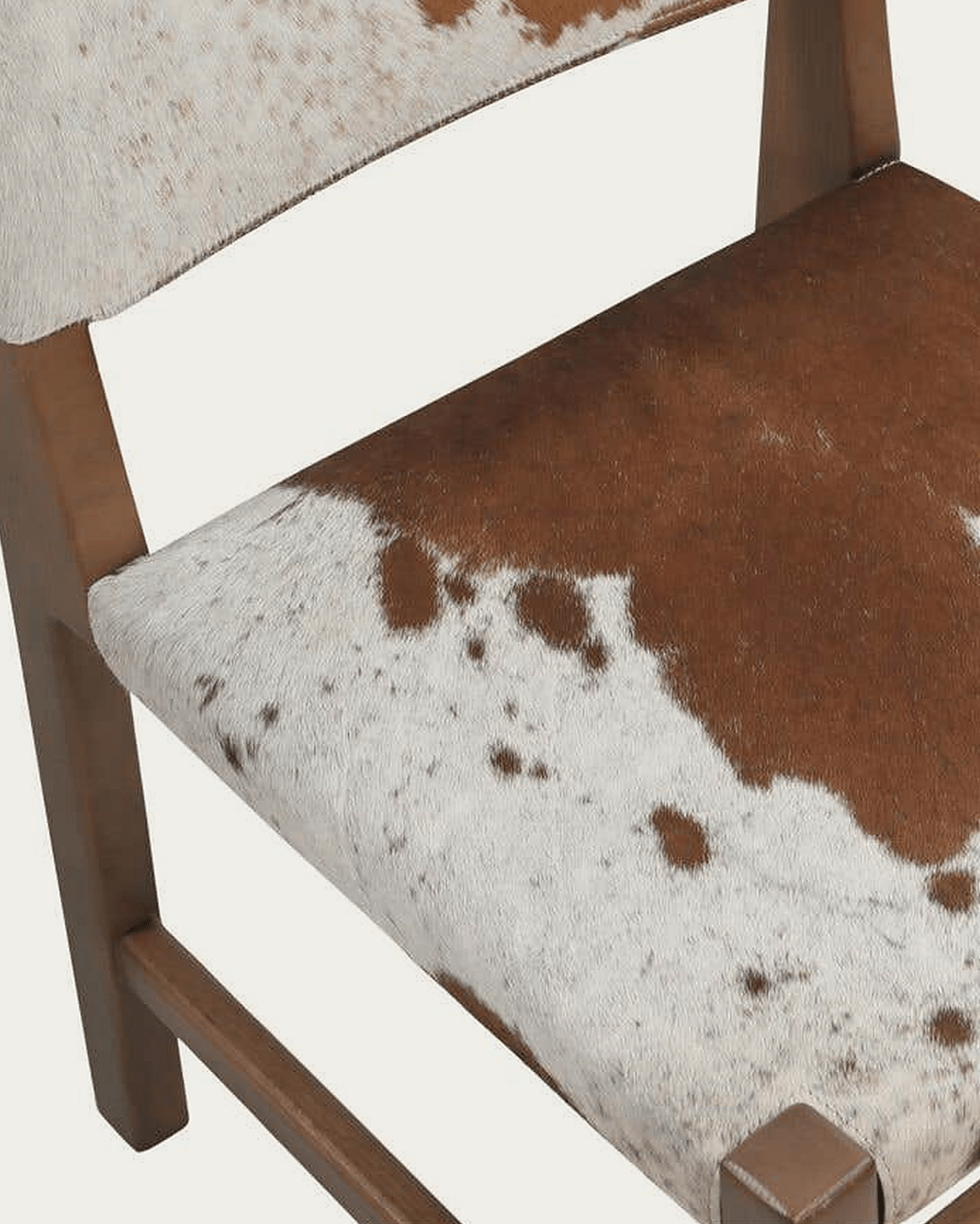
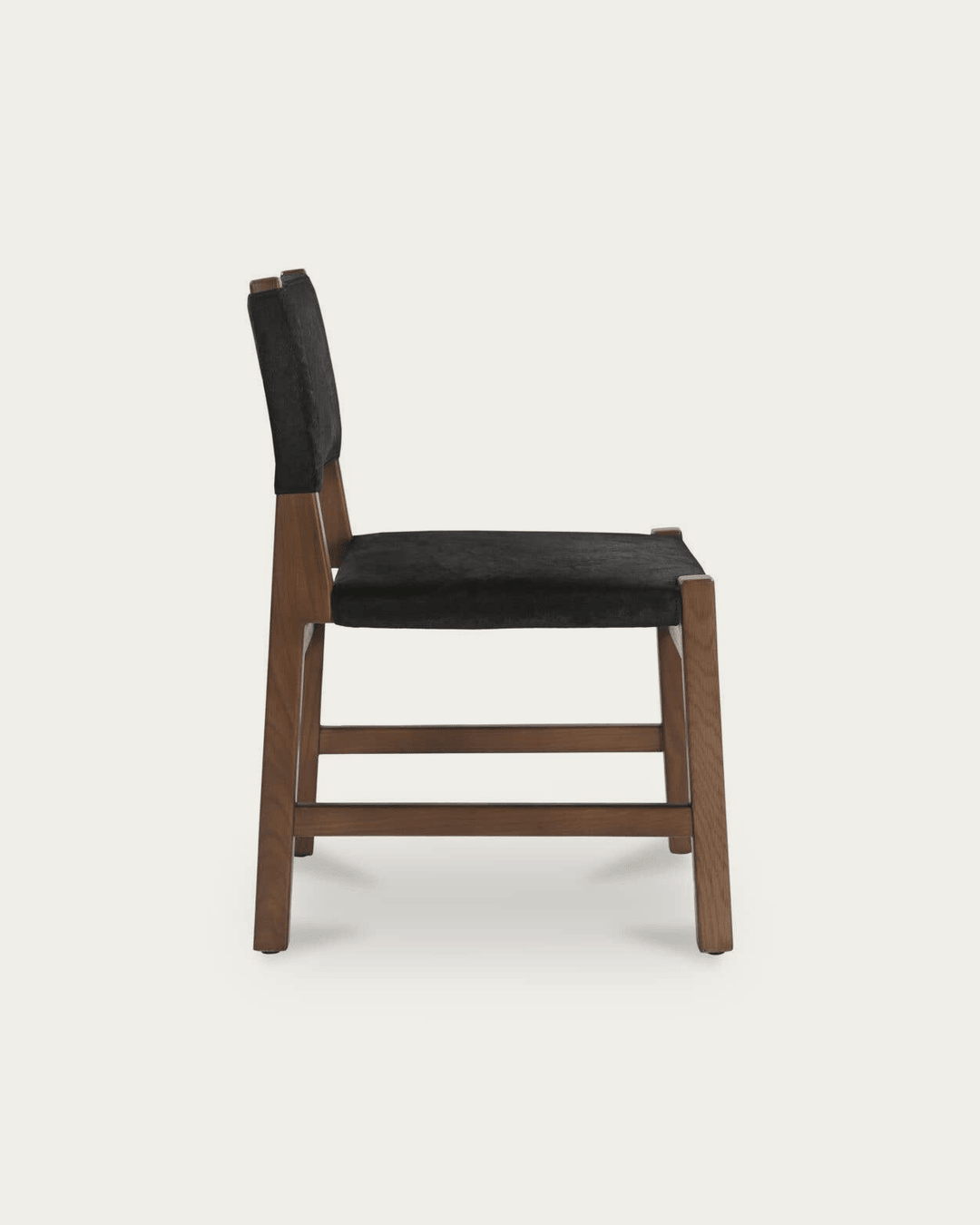
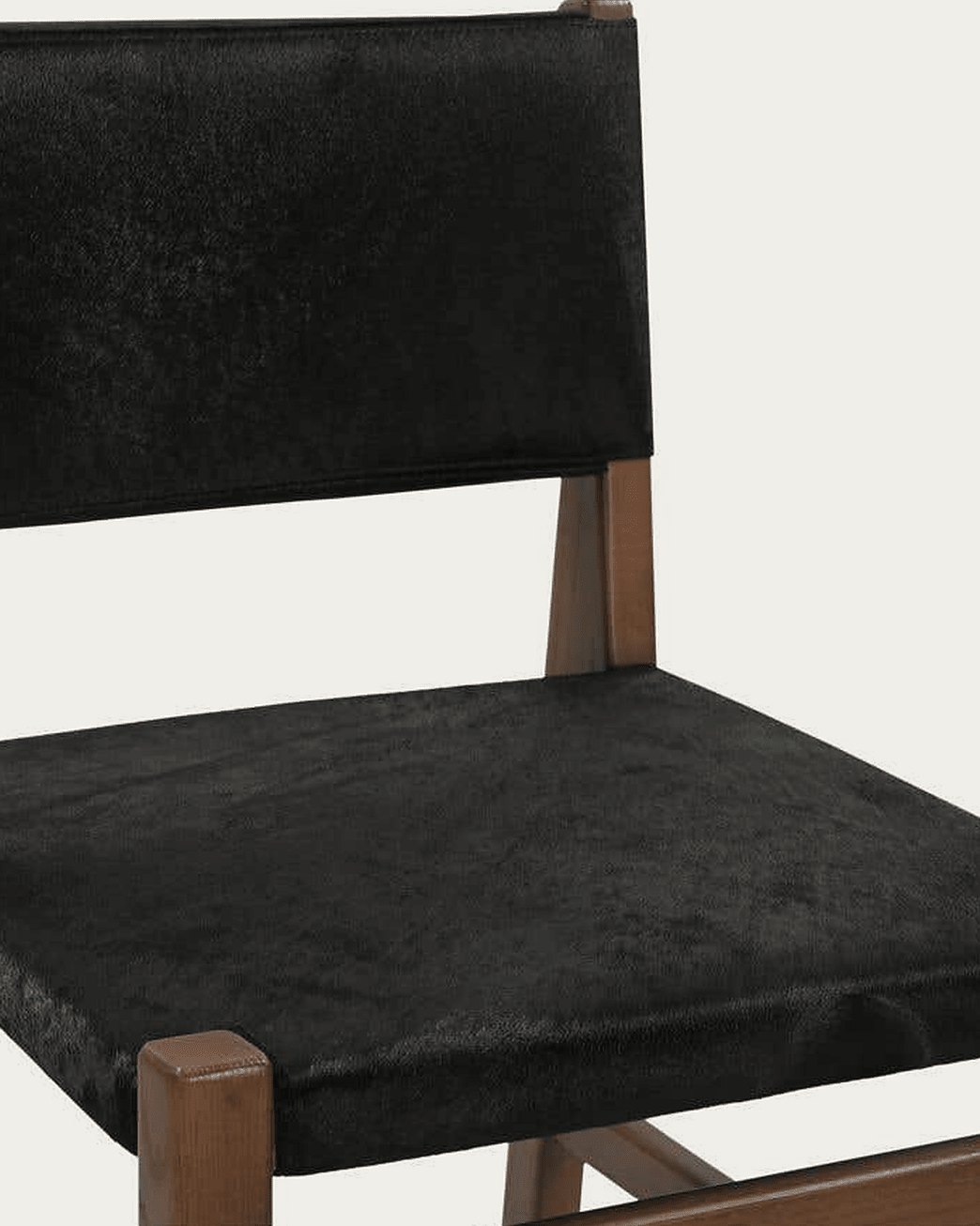
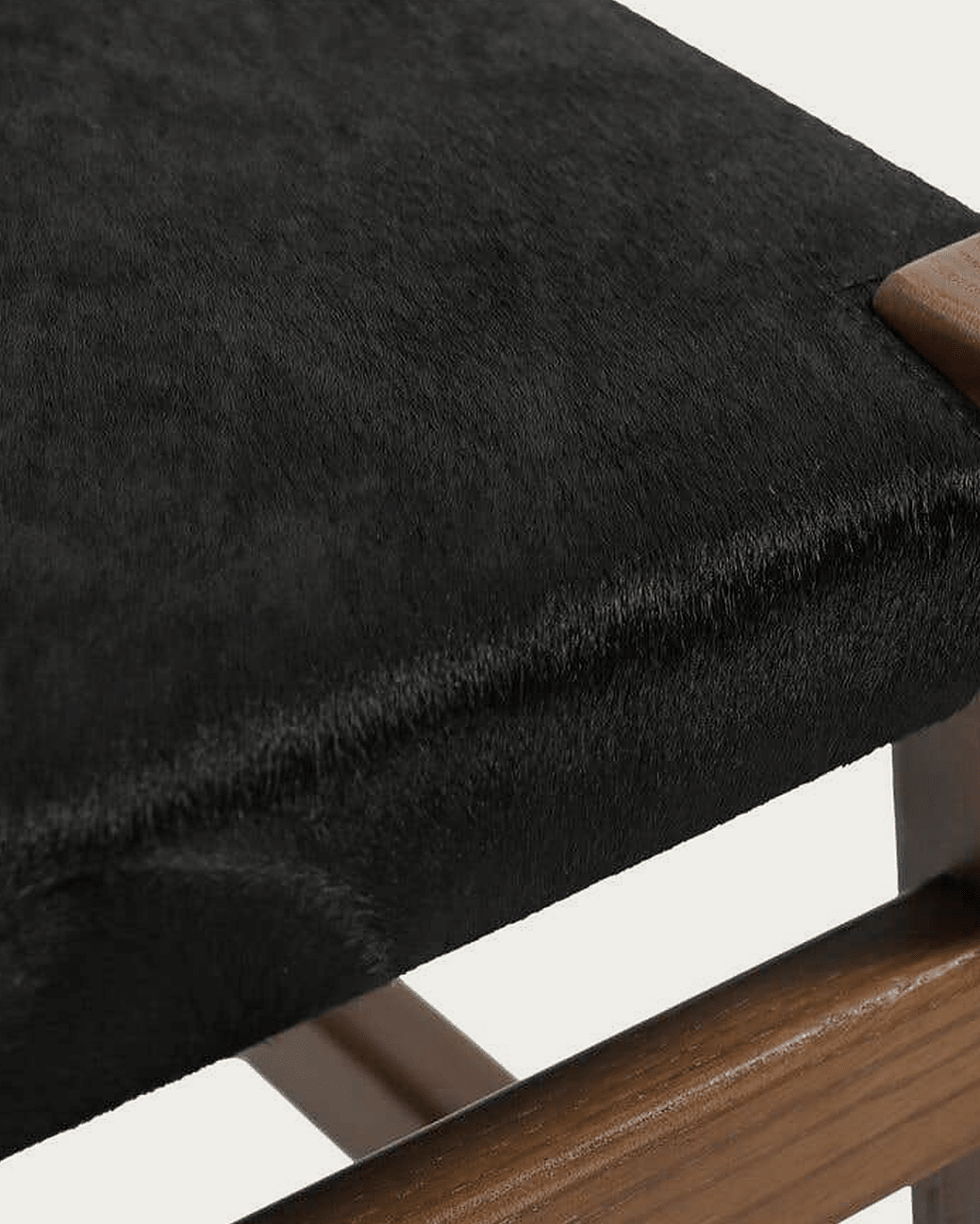
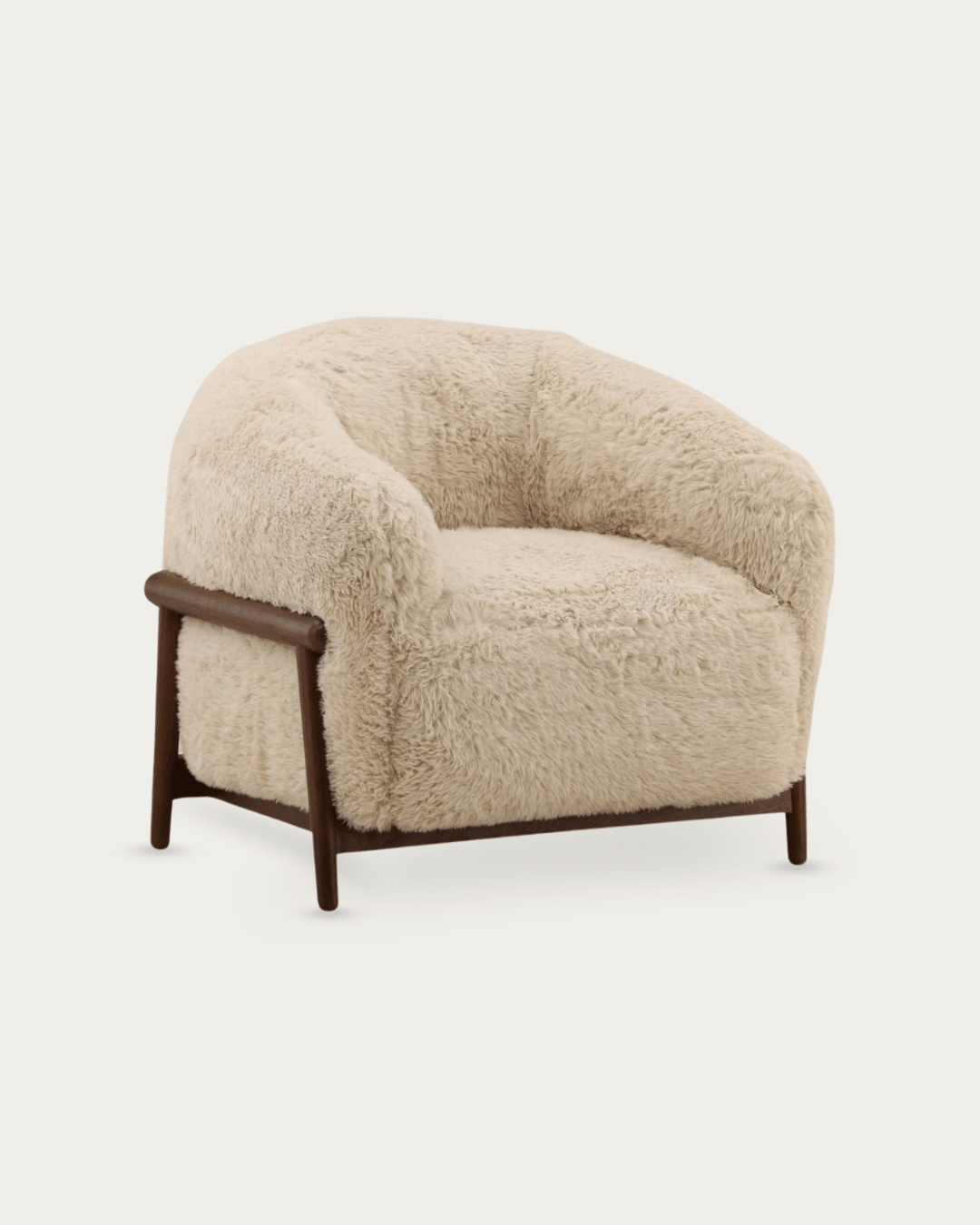
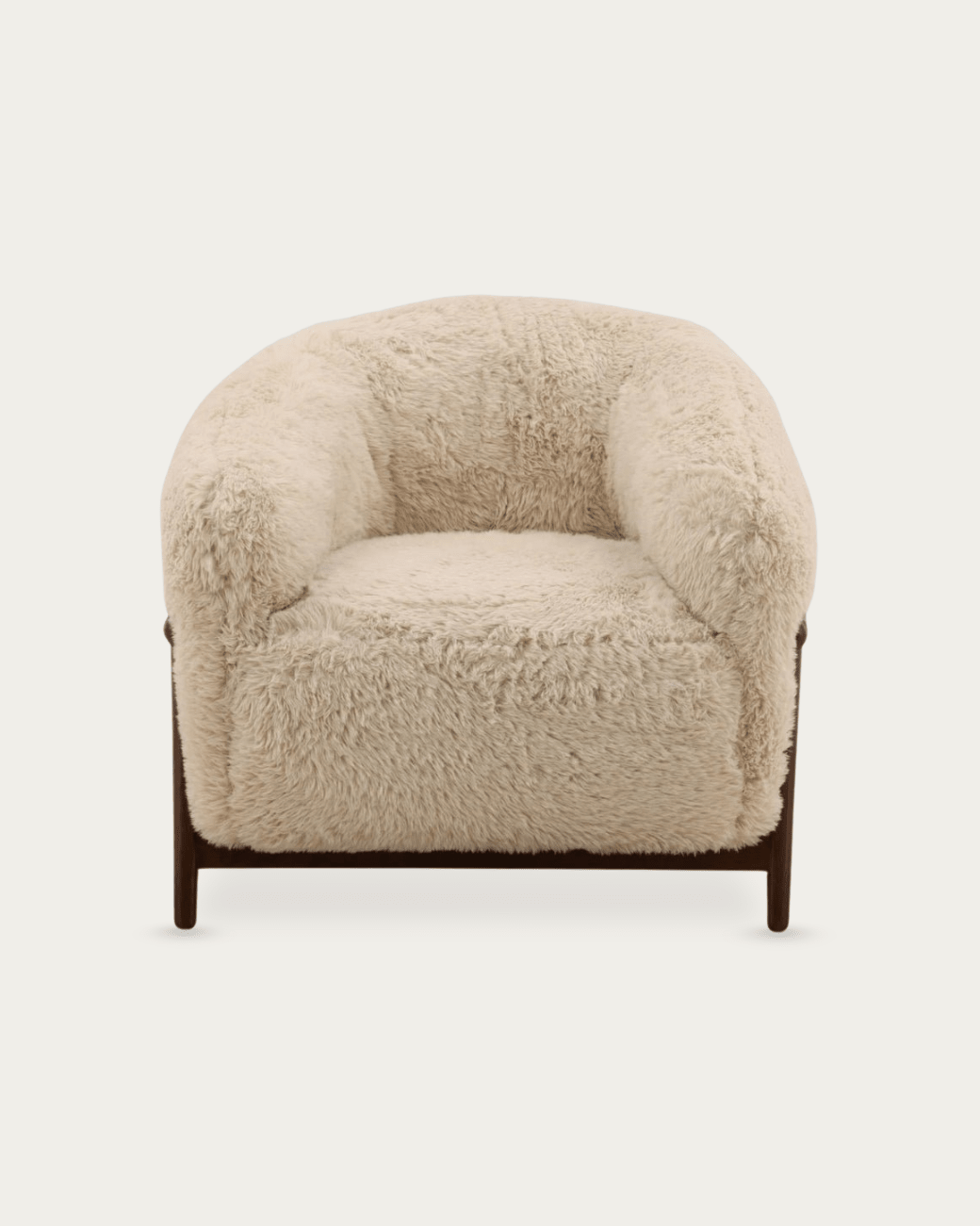
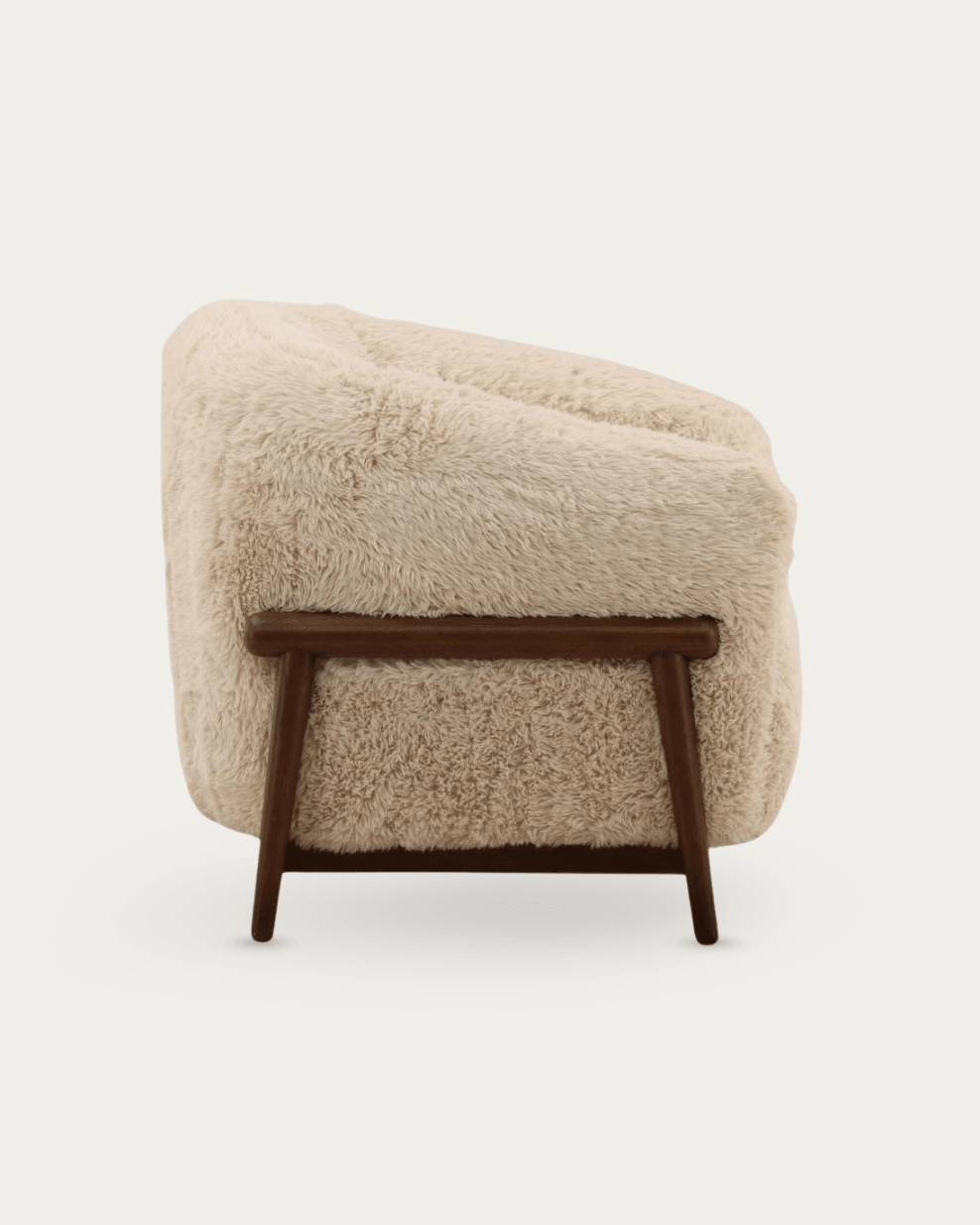
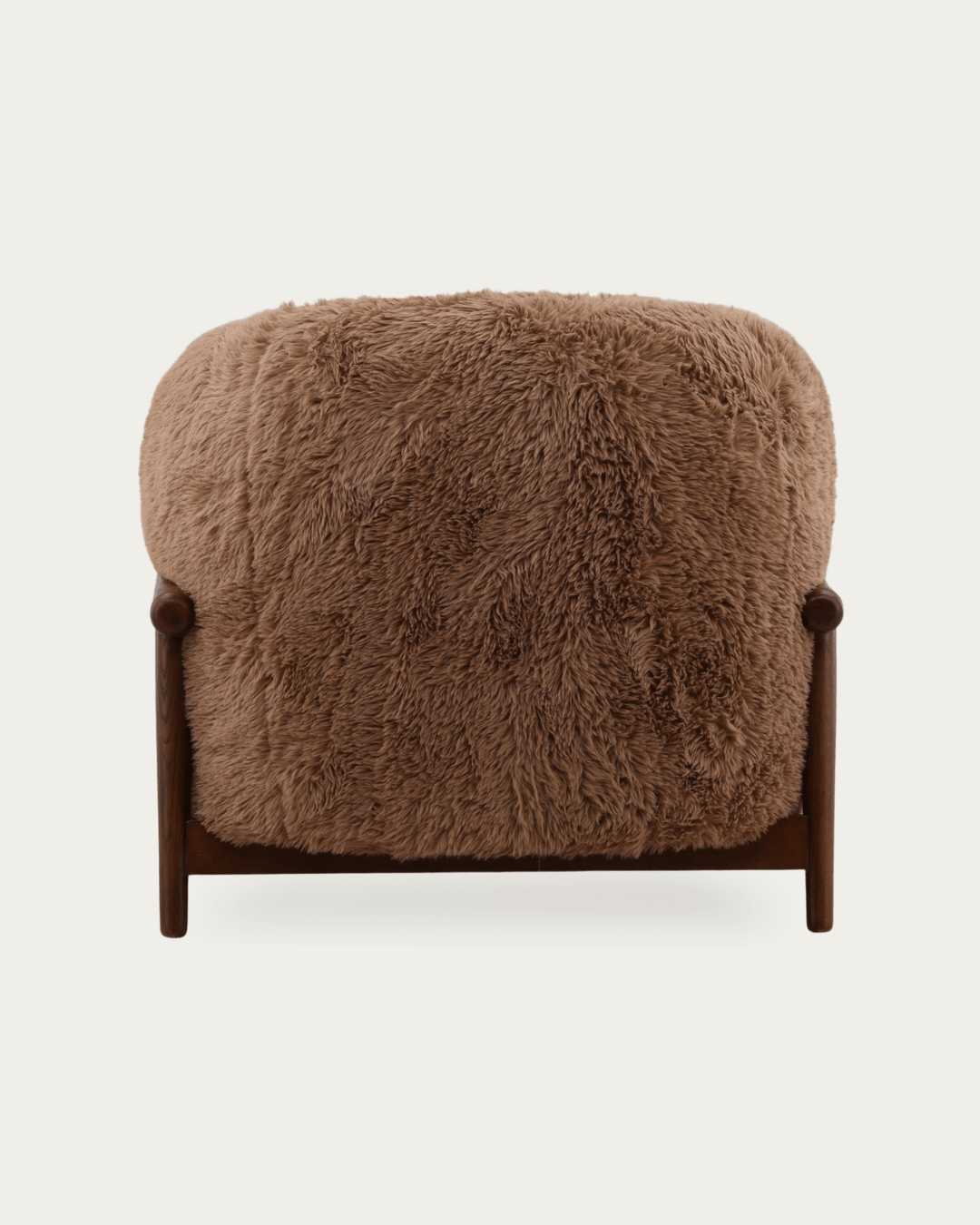
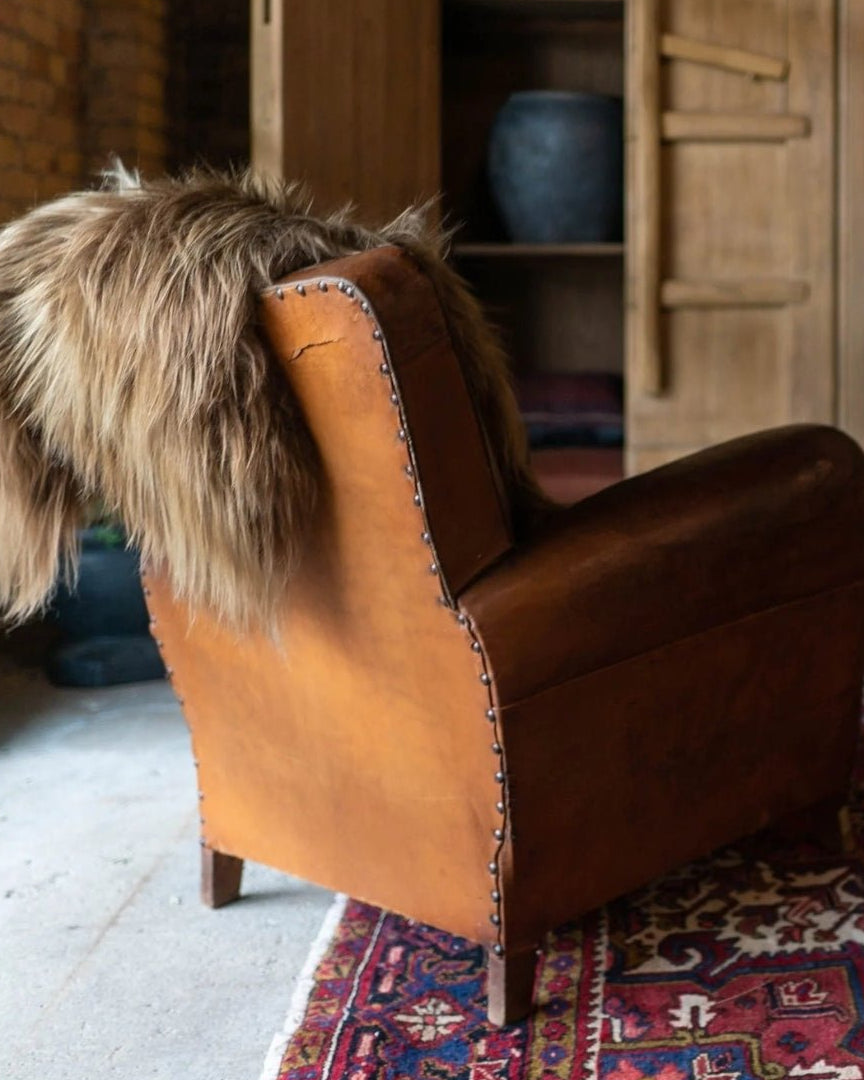
The Gustav black leather chair combines a dark profile with leather texture, while the Laneetra lounge chair can establish a distinct seating anchor within a lighter room.
Imagine every black element sitting below knee height.
Coffee table.
Side table.
Low cabinet.
Your eye encounters a dark horizontal band across the bottom of the room while everything above remains comparatively pale.
Introduce a darker chair, and that visual weight rises.
Now the eye travels both across and upward.
The room immediately has more dimensional contrast.
Please don't interpret the 3-point rule as permission to buy a matching black furniture set.
The pieces should relate.
They don't need to duplicate one another.
In fact, mixing materials usually creates a more interesting result.
A black wood coffee table can sit near a black leather chair.
A stone table might connect with a smaller painted wood piece.
A matte surface can work beside something with a subtle sheen.
Color creates the relationship.
Material creates variation.
This is an easy rule to remember.
If the color repeats, change the material.
If the material repeats, change the shape.
If the shape repeats, change the scale.
That prevents coordination from becoming repetition.
RUTED Tip: Draw an imaginary triangle between your three darkest furniture pieces.
If the triangle covers a healthy chunk of the room, you're probably distributing contrast well.
If your triangle is approximately six inches wide because everything black lives beside the fireplace, we have a meeting.
Move one piece.
Large sofas and sectionals create significant visual weight.
Put one against a pale wall and it may dominate the room simply because of scale.
The solution isn't necessarily another large piece directly opposite it.
Instead, use your three dark points to redistribute attention.
A black coffee table pulls weight toward the center.
A side table carries it toward another edge.
A lounge chair adds vertical presence across the seating arrangement.
Now the sofa isn't doing all the visual work.
The room has multiple anchors without becoming crowded.
Open-plan spaces make visual balance slightly trickier because the living room doesn't always have obvious architectural boundaries.
There may be no wall telling you where one zone ends and another begins.
Furniture has to do that job.
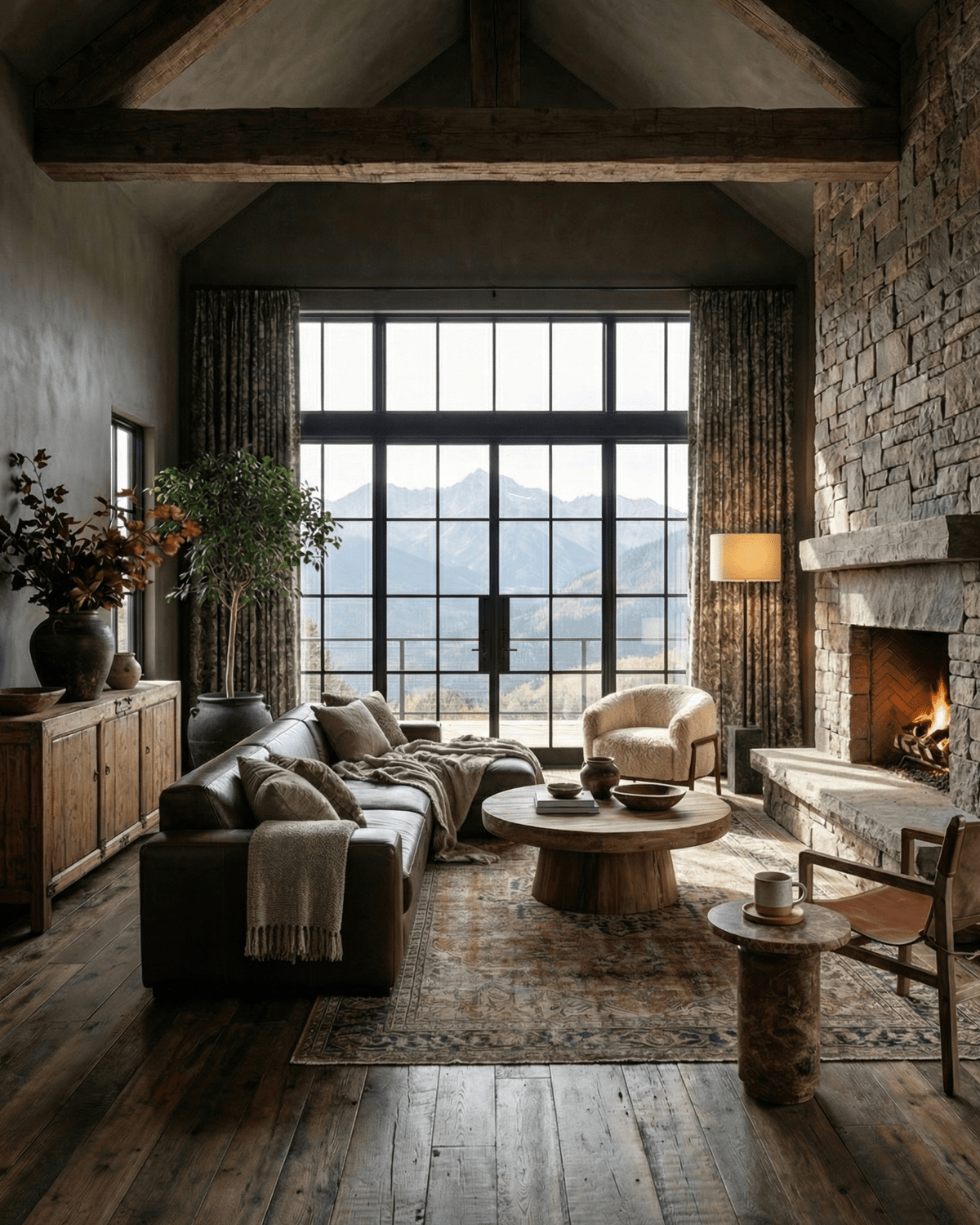
A dark coffee table can identify the center of the living zone. A lounge chair can define one outer edge. A smaller dark table can establish another.
Together, those pieces create an implied boundary without adding partitions.
The goal isn't to visually fence off the living room.
It's to give the eye enough information to understand where the seating zone exists.
That distinction matters.
Open spaces work best when individual zones feel identifiable while still belonging to the larger room.
Three black pieces won't automatically fix a room if they're the wrong size.
A tiny lounge chair can't visually balance a massive sectional simply because it's black.
An oversized coffee table can dominate the center even if you've distributed darker elements elsewhere.
Contrast makes scale more noticeable, not less.
So use the 3-point rule after you've considered the proportions of the room and surrounding furniture.
If standard dimensions or finishes aren't giving you the right relationship, Hello Norden's Made to Order line offers another way to think about scale, material, and finish around the room you're actually furnishing.
Hello Norden Take: Customization is most useful when it solves a proportion problem. Start with what the room needs, then decide what the furniture should become.
The 3-point rule isn't really about black.
It's about relationships.
What happens between those darker anchors matters just as much.
Pale upholstery creates contrast.
Natural wood introduces grain.
Linen softens the transition.
Stone brings subtle tonal variation.
A lighter rug gives a dark coffee table enough separation from the floor.
These surrounding materials stop black from becoming one continuous visual statement.
They create pauses.
A neutral room doesn't need to become graphic simply because you've introduced black.
Pair dark furniture with tactile materials that contain variation.
Wood grain.
Stone.
Leather.
Woven textiles.
Plaster.
These surfaces keep the room visually active without requiring more color.
Once you've successfully distributed black through the room, stop.
This is where a useful design idea can quickly become a theme.
You don't need black cushions because the coffee table is black.
You don't automatically need a black vase, black throw, black lamp, black frame, and black curtain rod.
Look at the room first.
If the eye already moves comfortably between your three anchors, the job is done.
Additional black should have a functional or visual reason to exist.
The 3-point black furniture rule isn't about decorating by numbers.
It's a way to understand why one isolated dark piece can feel awkward—and why distributing contrast across different positions and heights can make a room feel more resolved.
Start low with a black coffee table.
Repeat the tone more quietly with a side table.
Bring it upward with a lounge chair.
Then look at the spaces between them.
If your eye can move naturally from one anchor to another without getting stuck, you've created visual rhythm rather than simply added black furniture.
And that's the real point of the rule.
Not three black things.
Three reasons for the room to feel connected.
Explore Hello Norden's black furniture collection and consider where your living room needs its first, second, and third visual anchor.