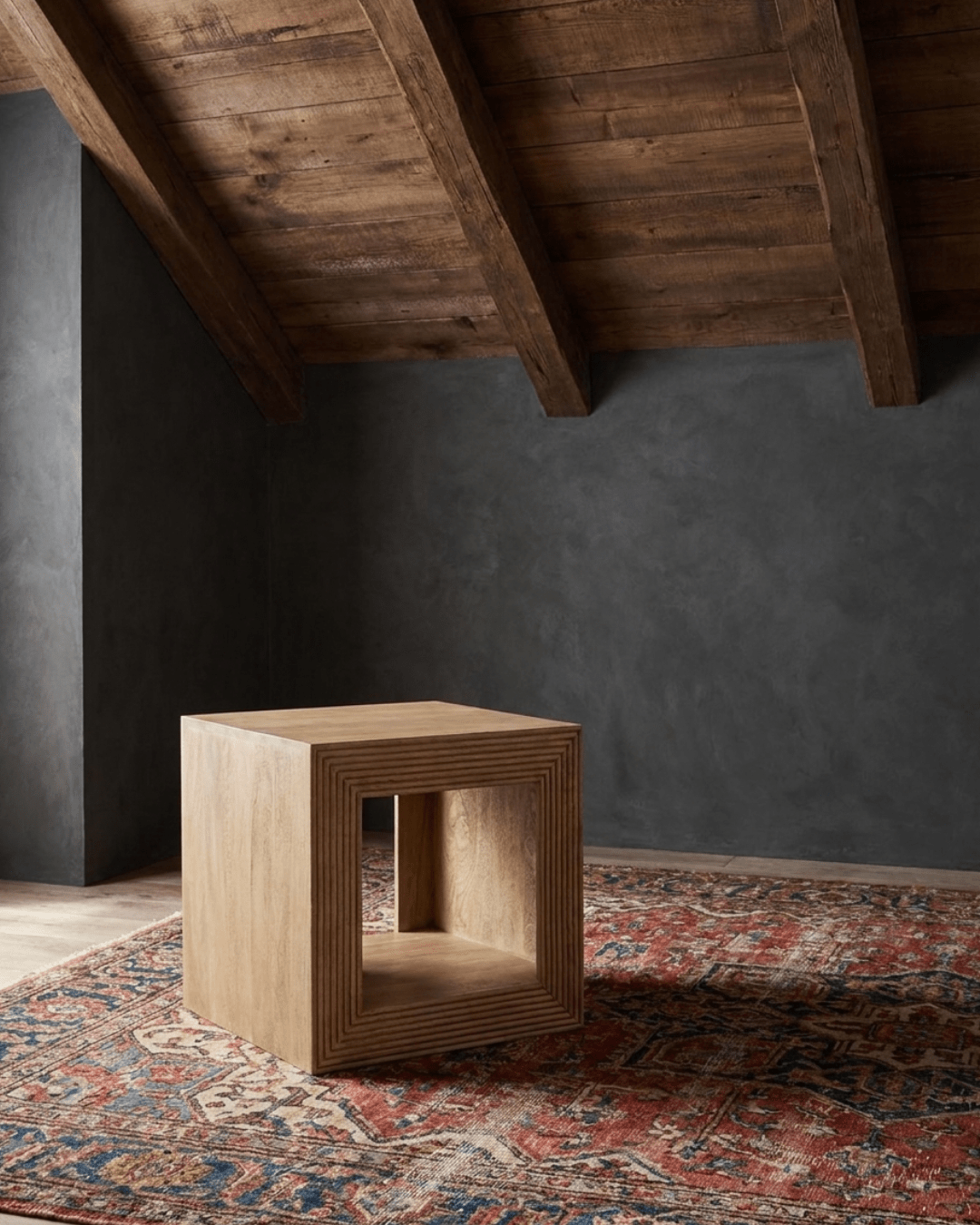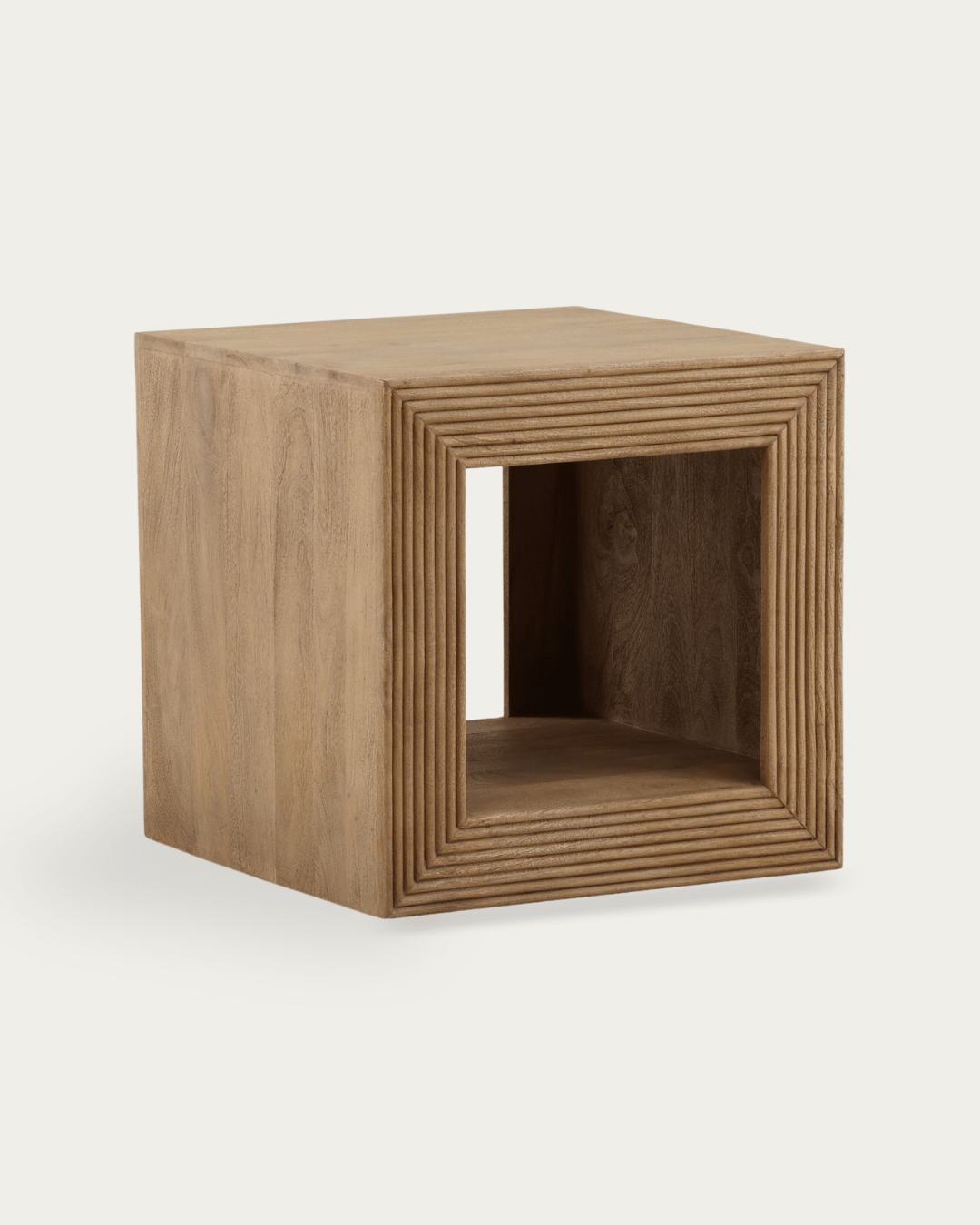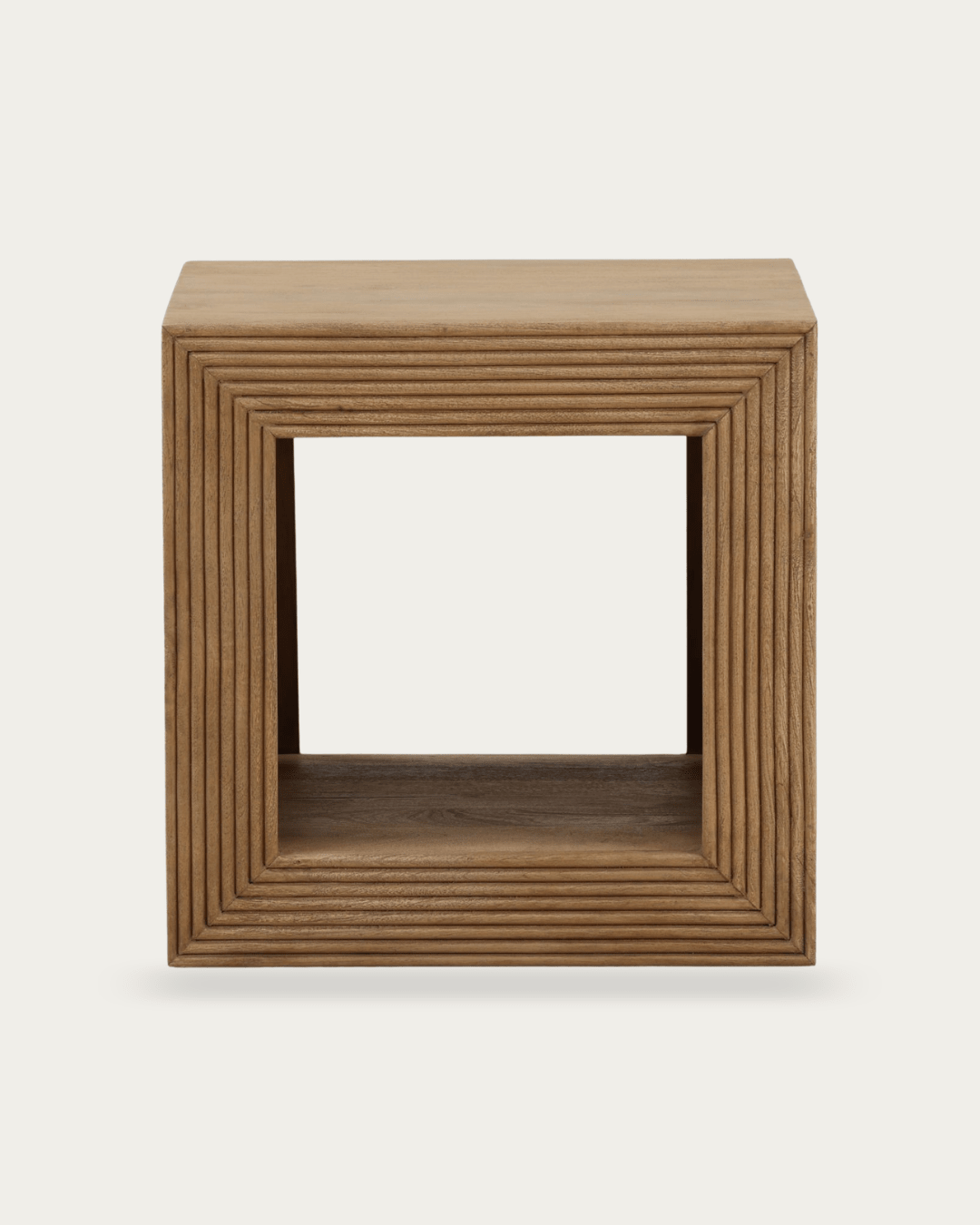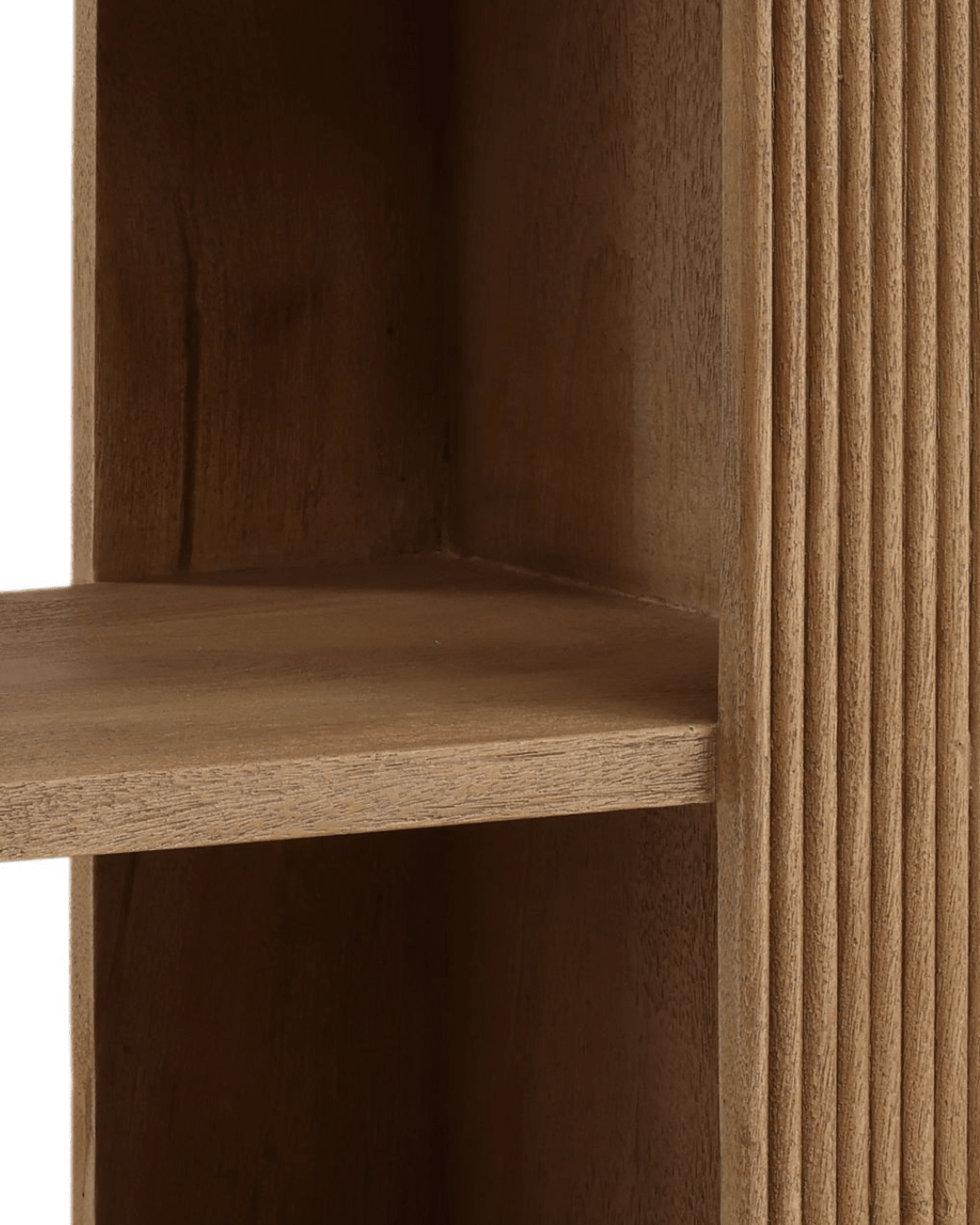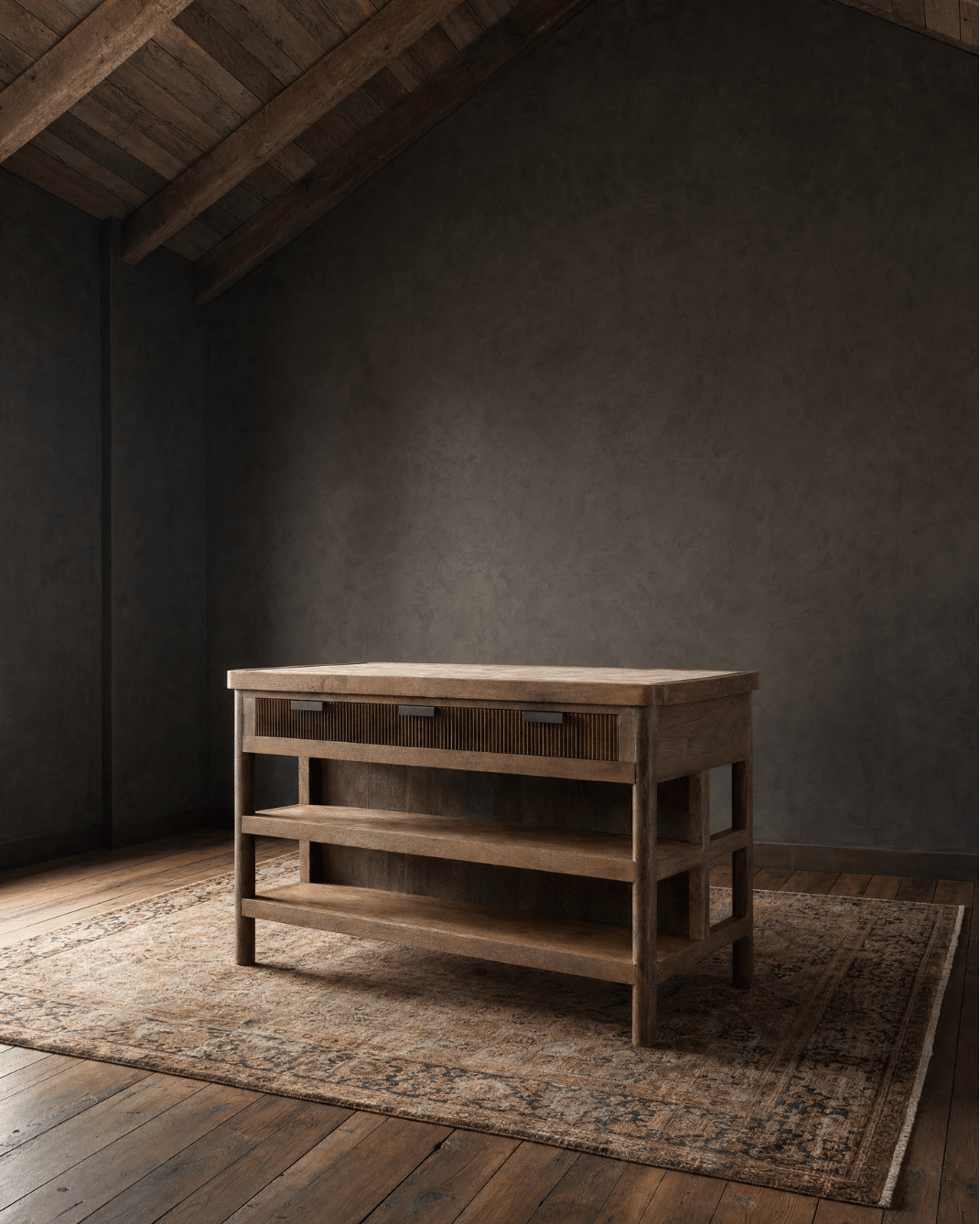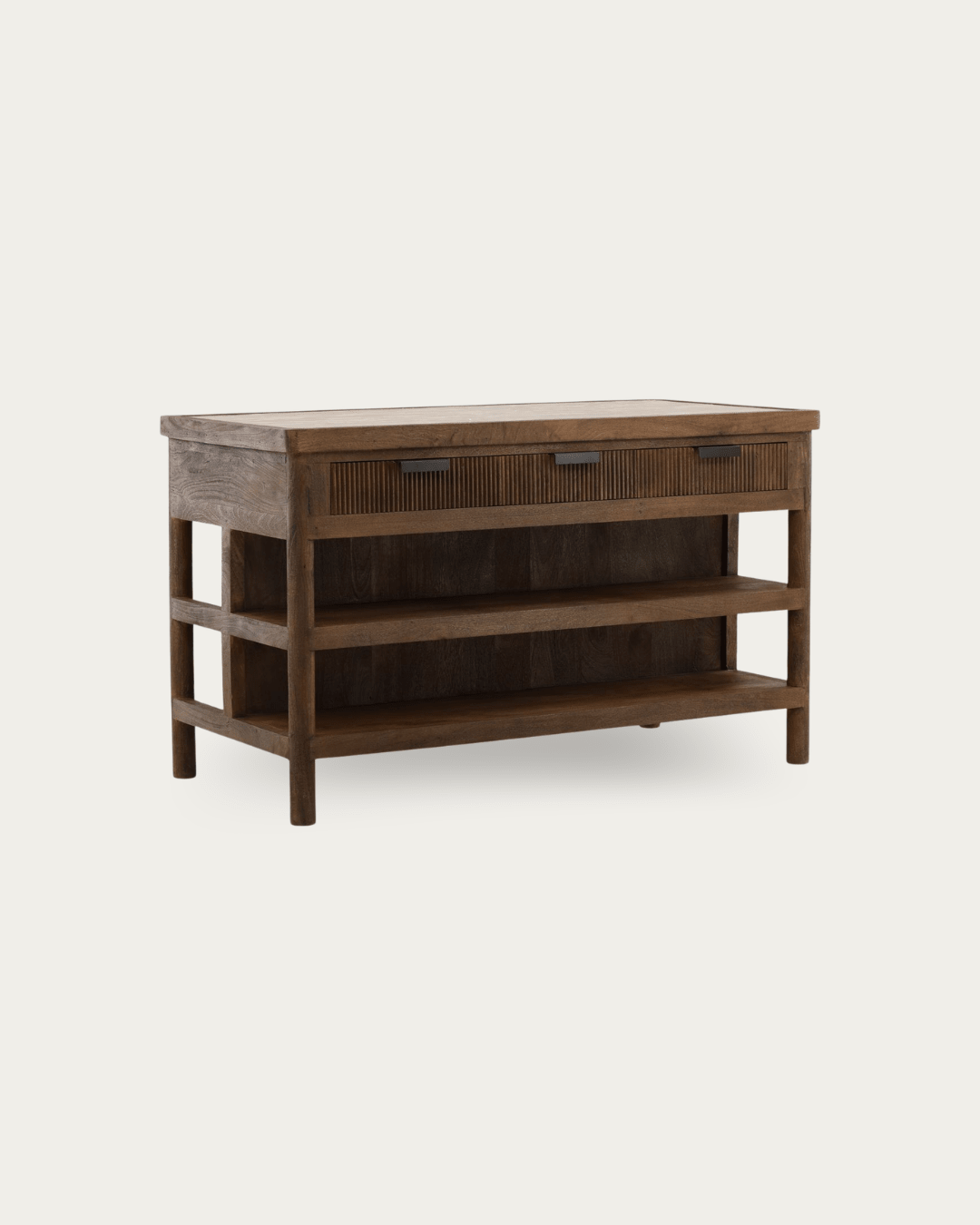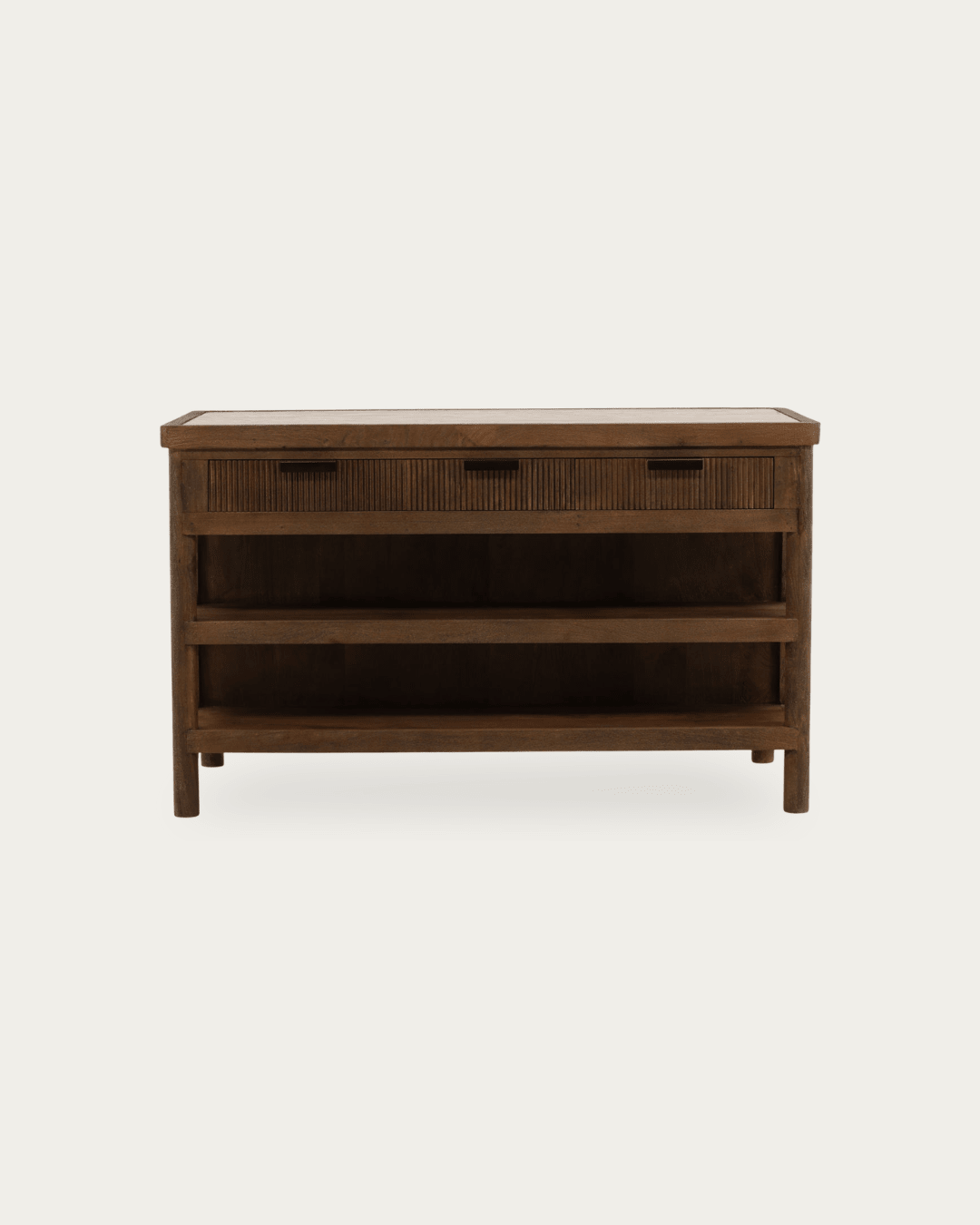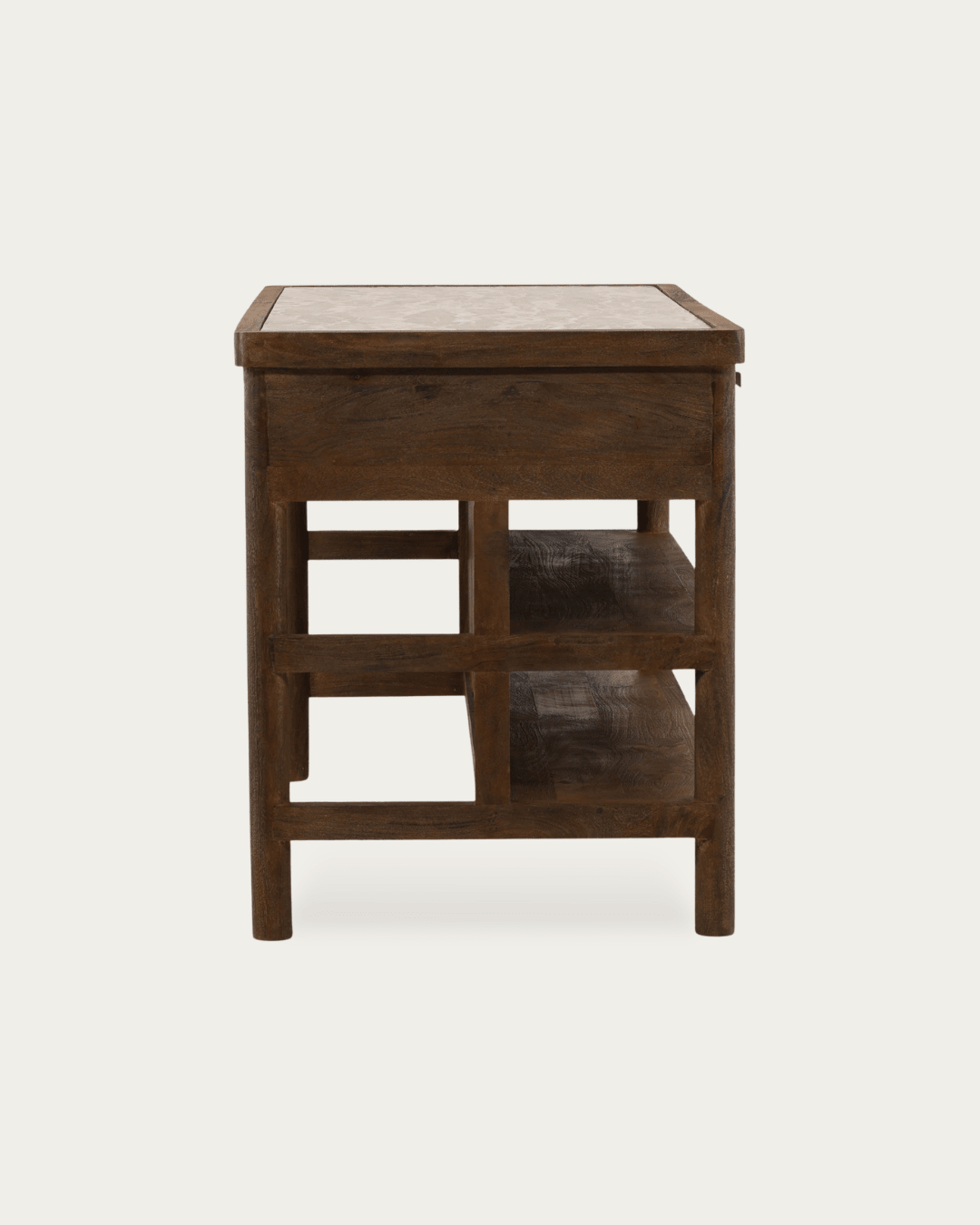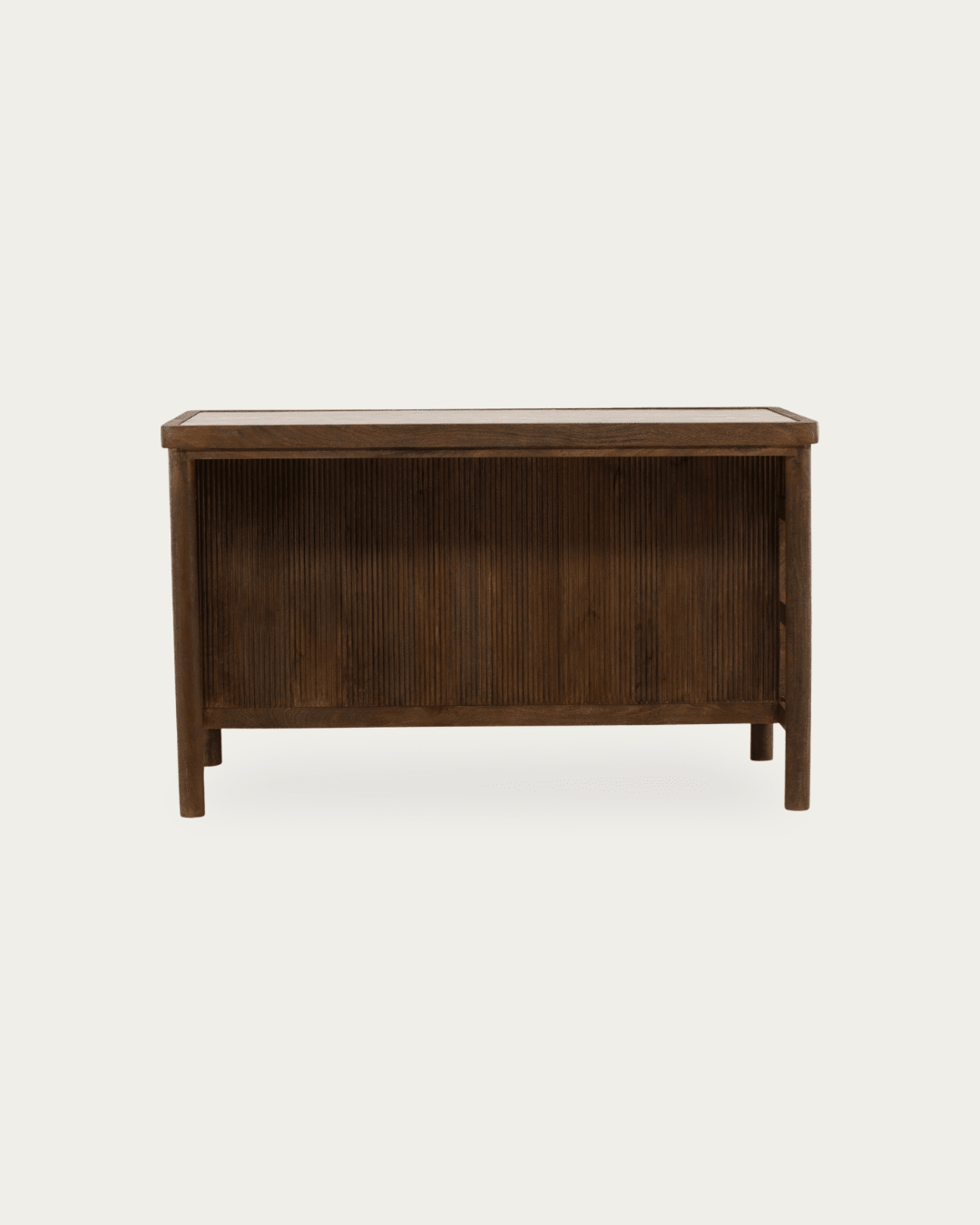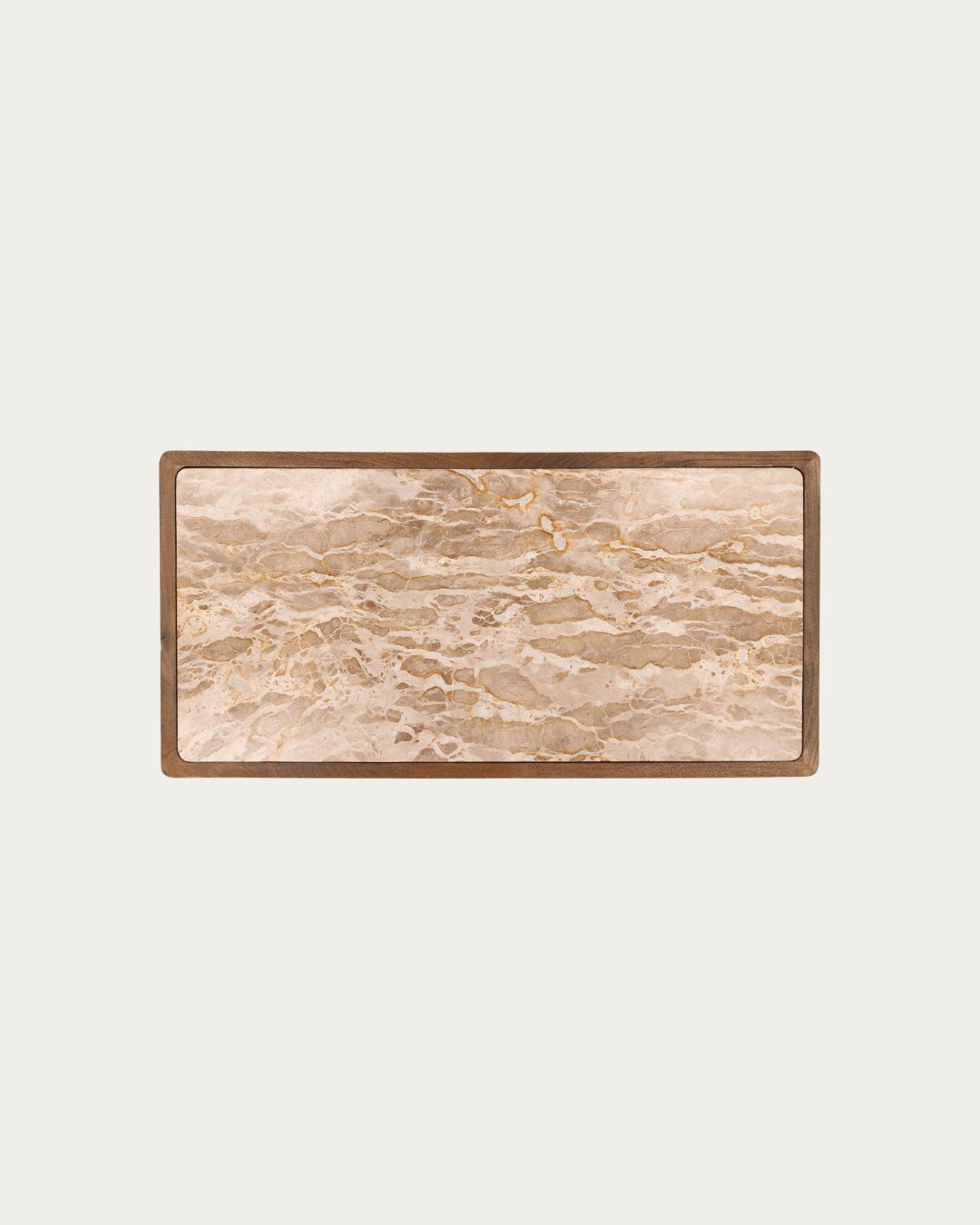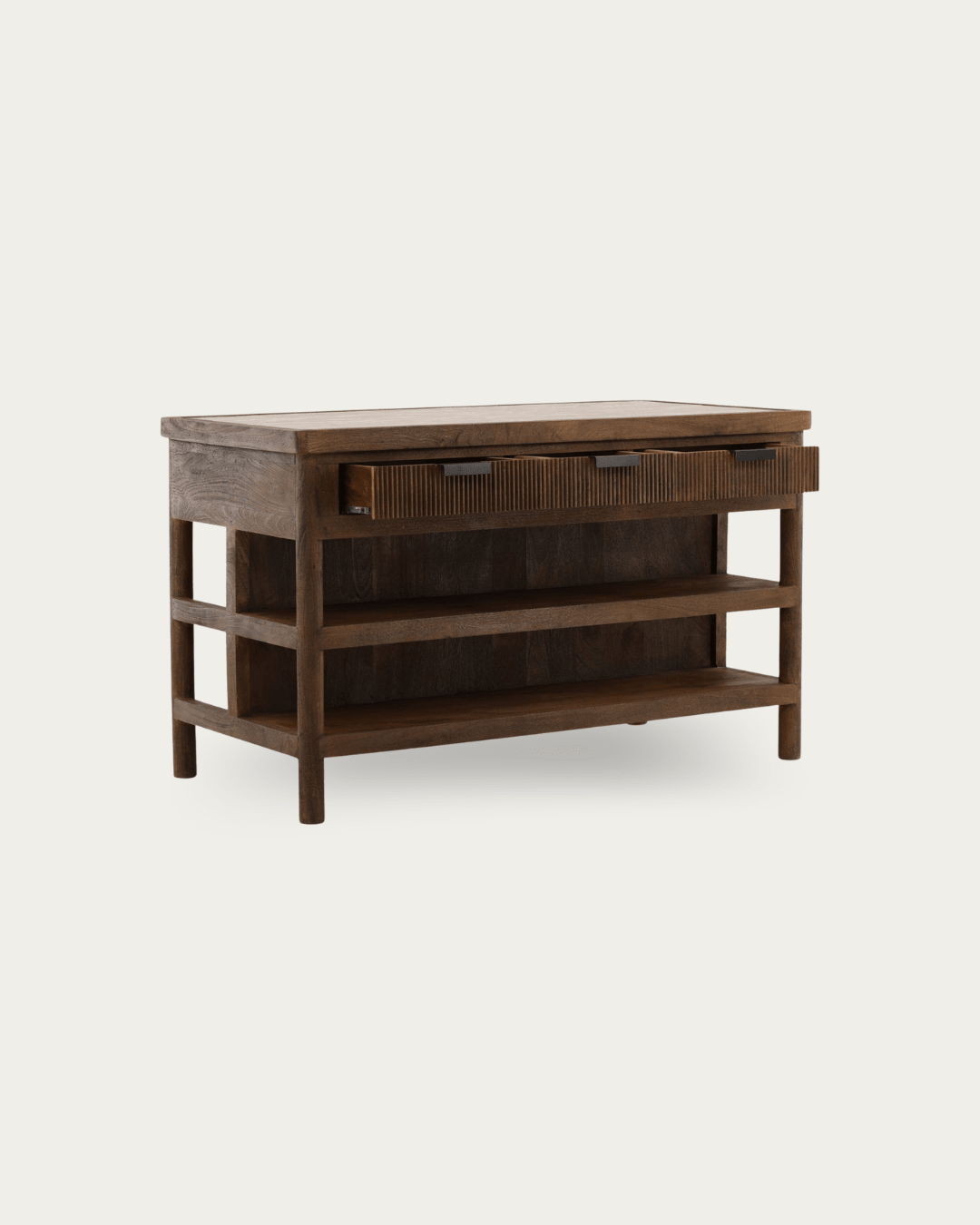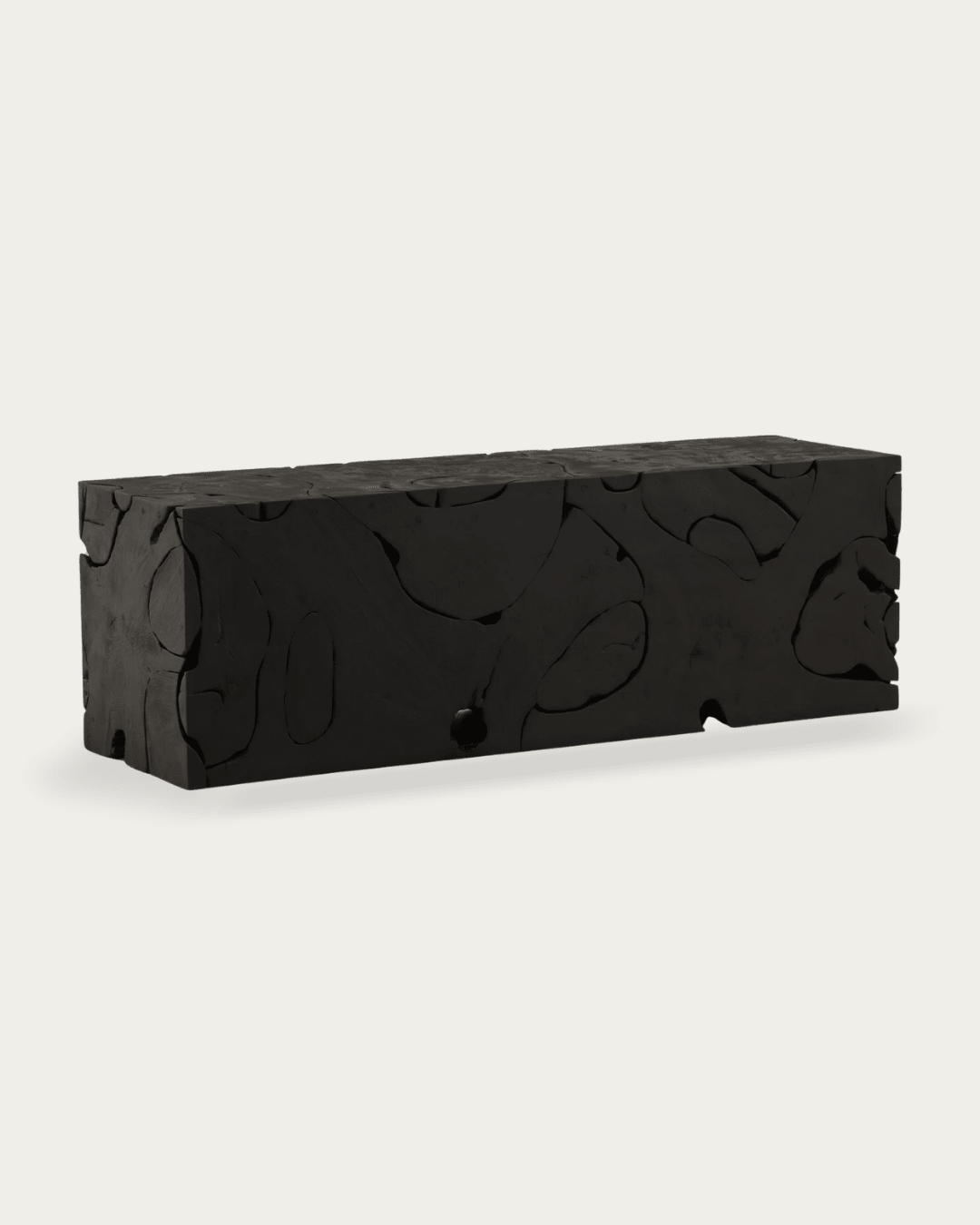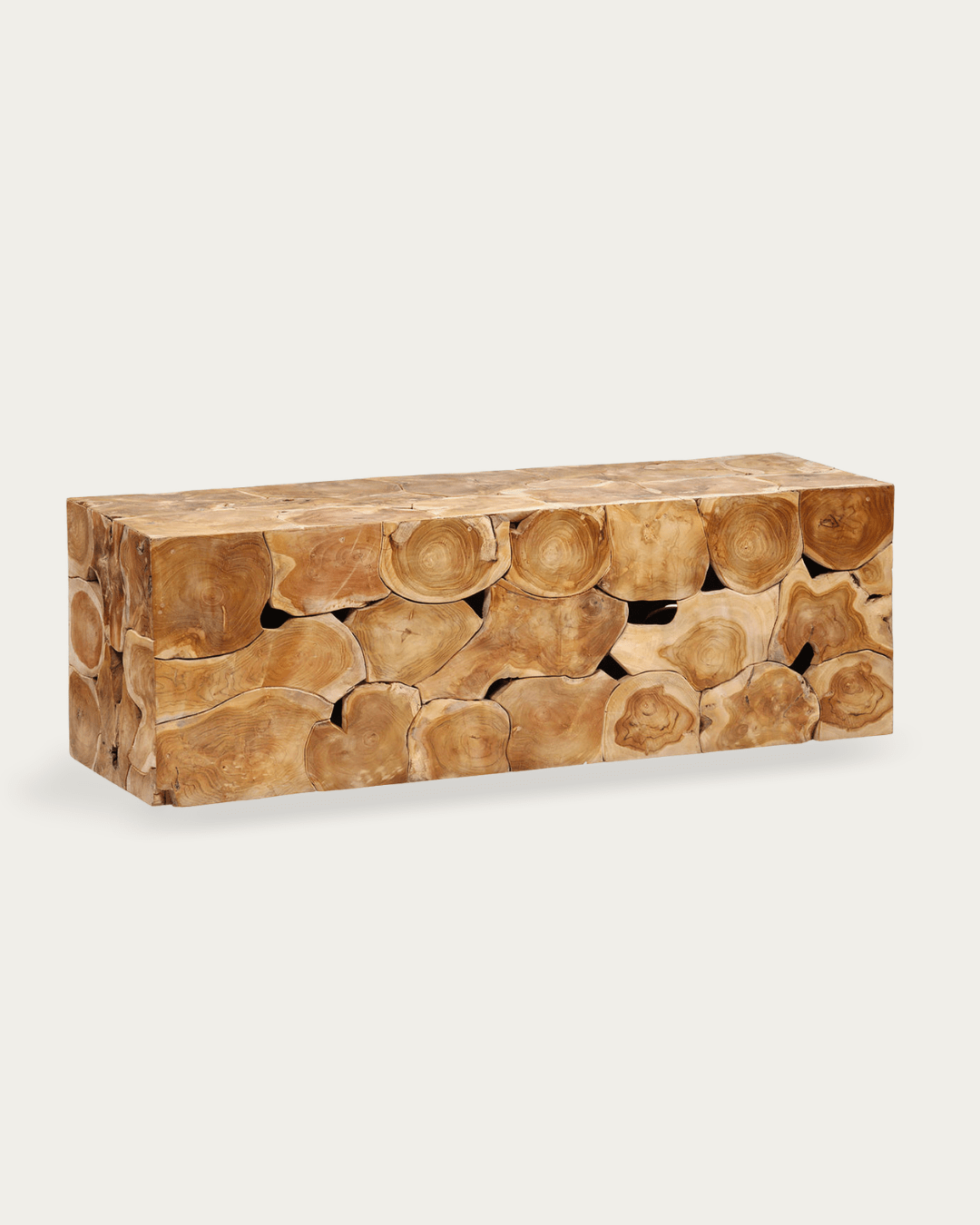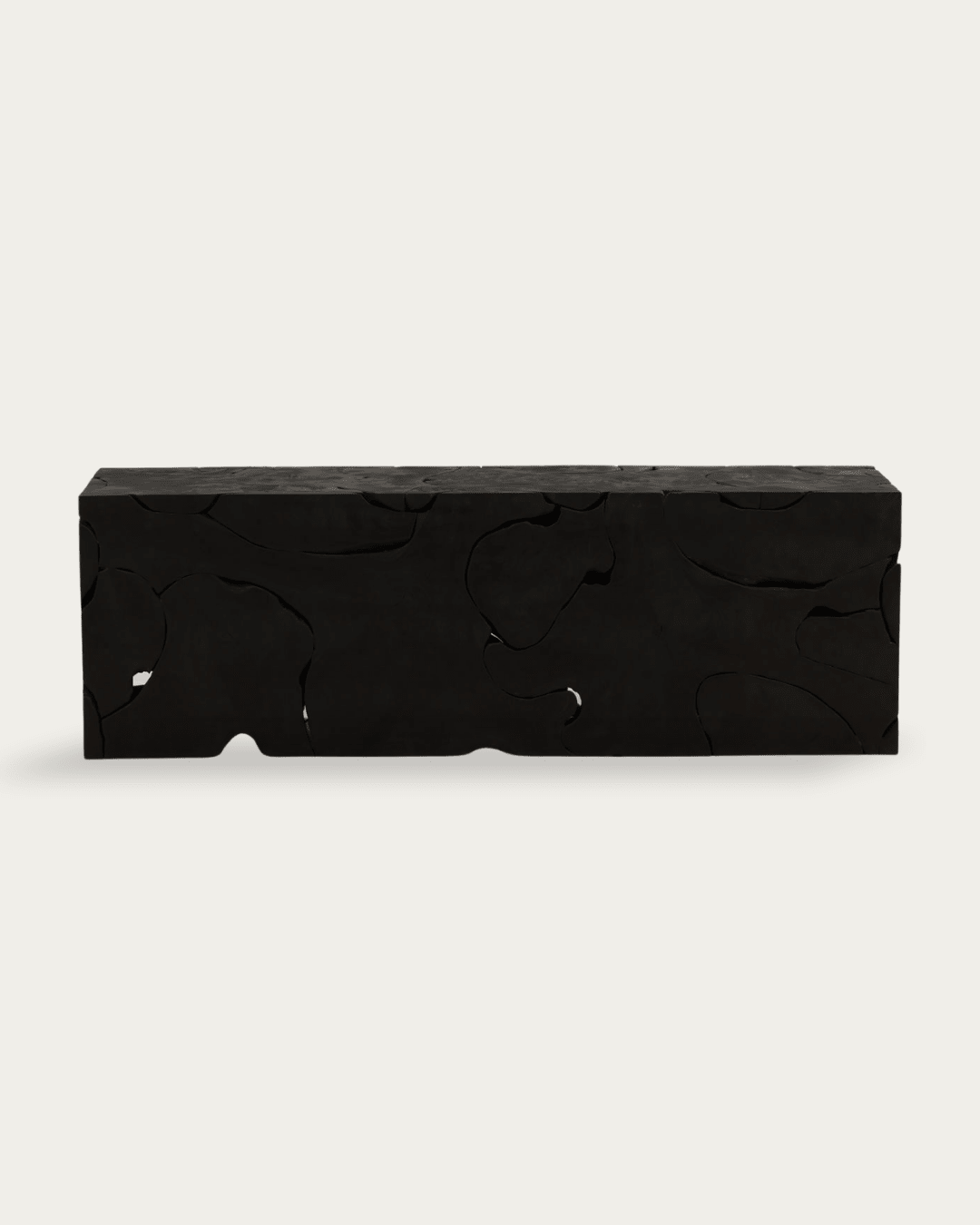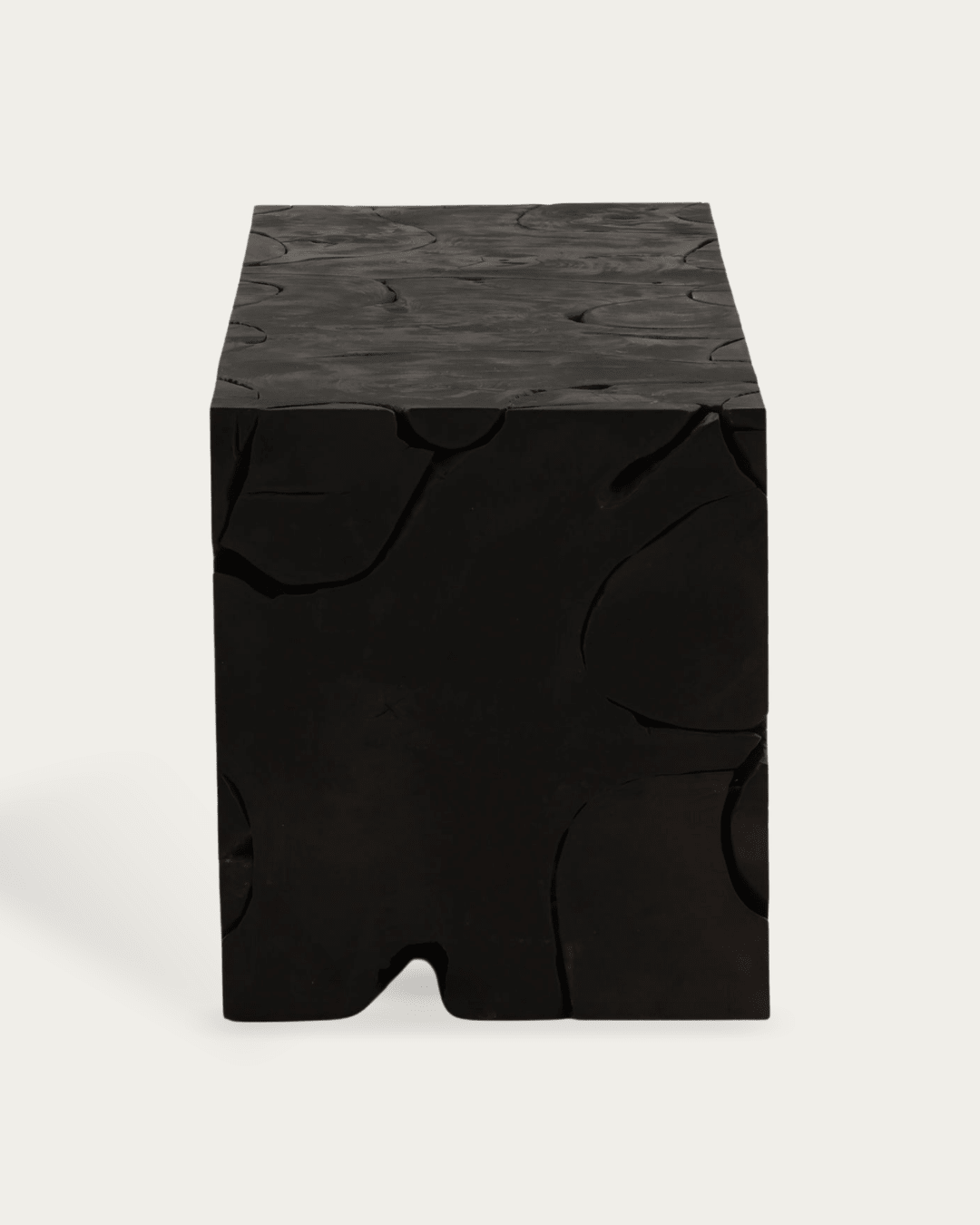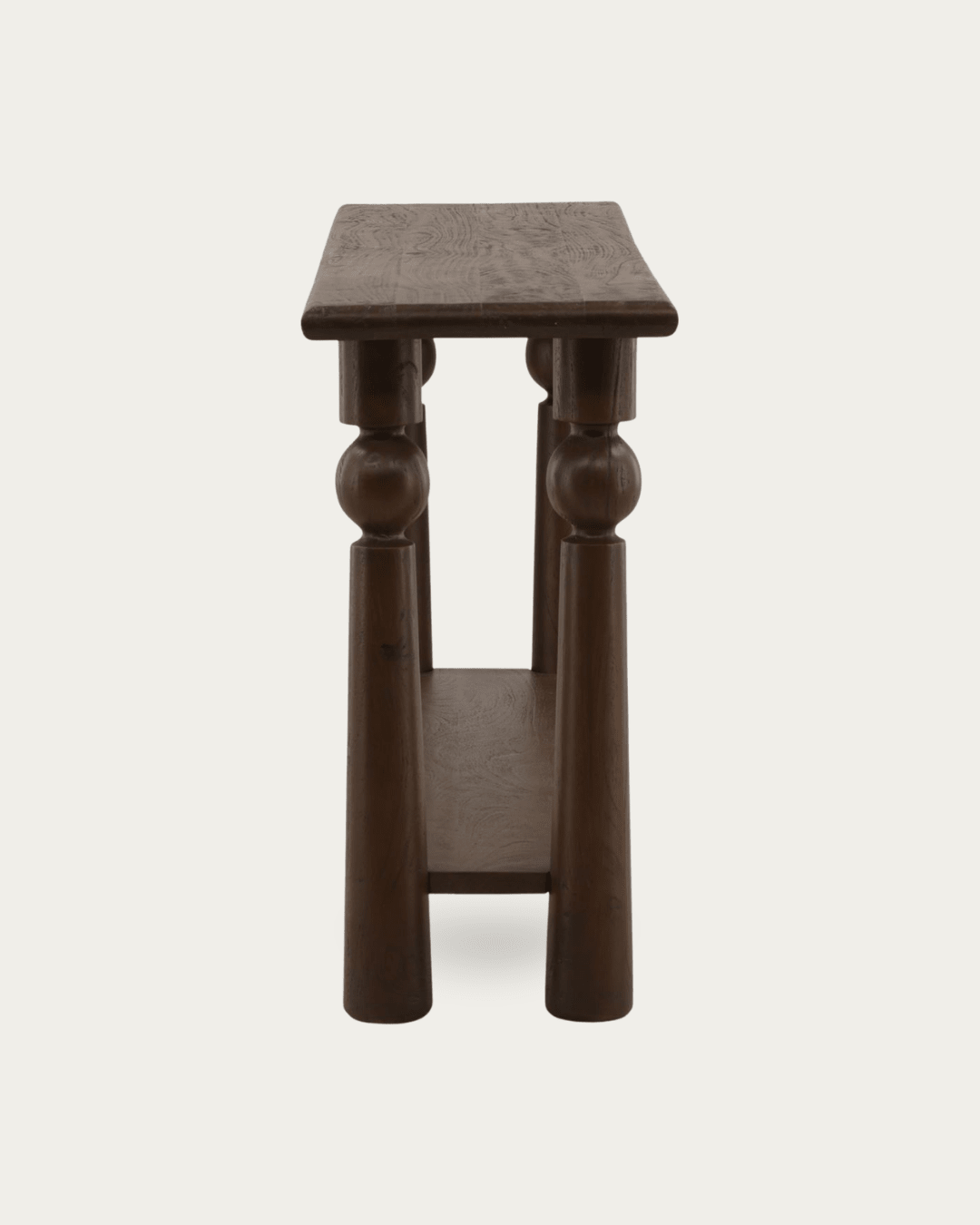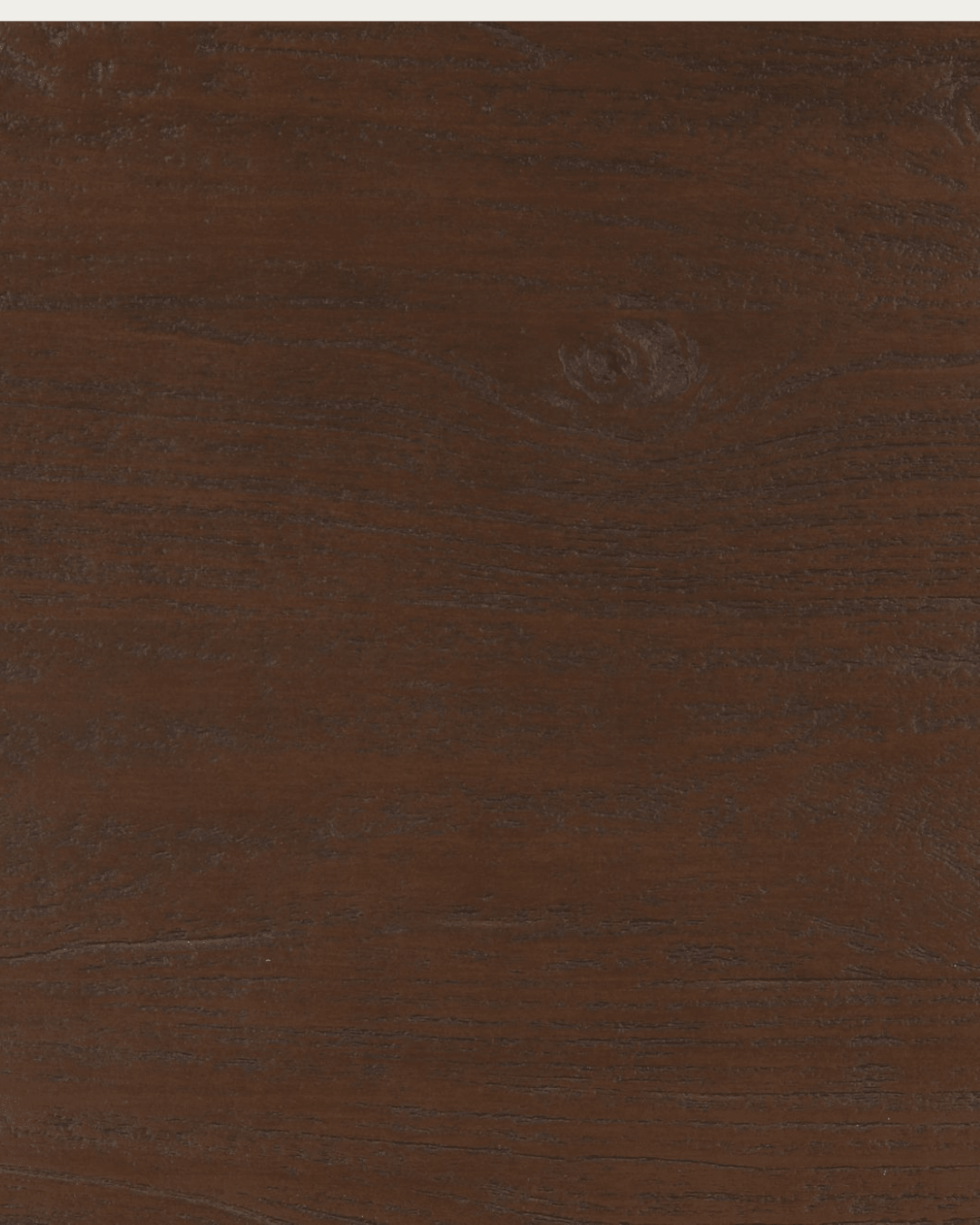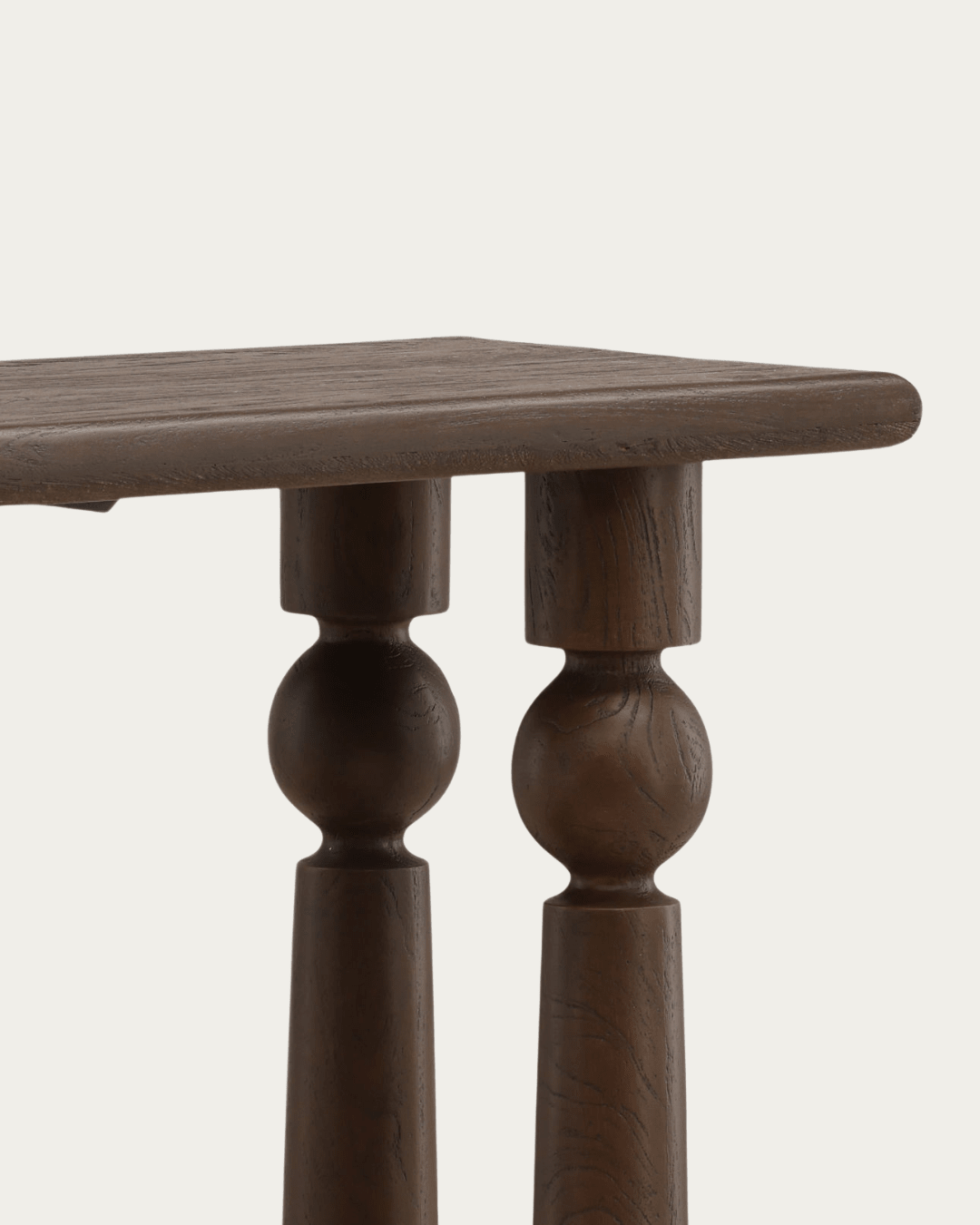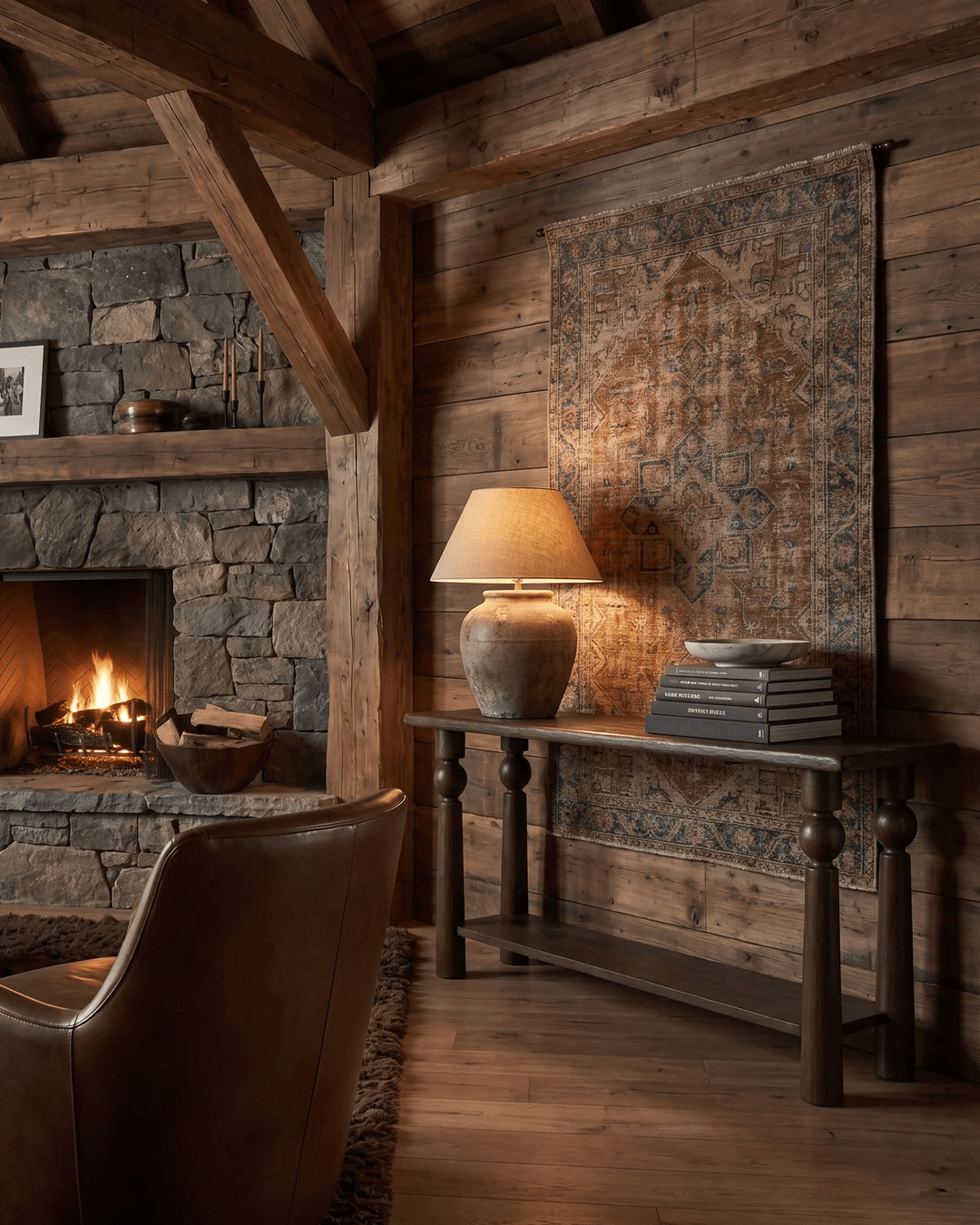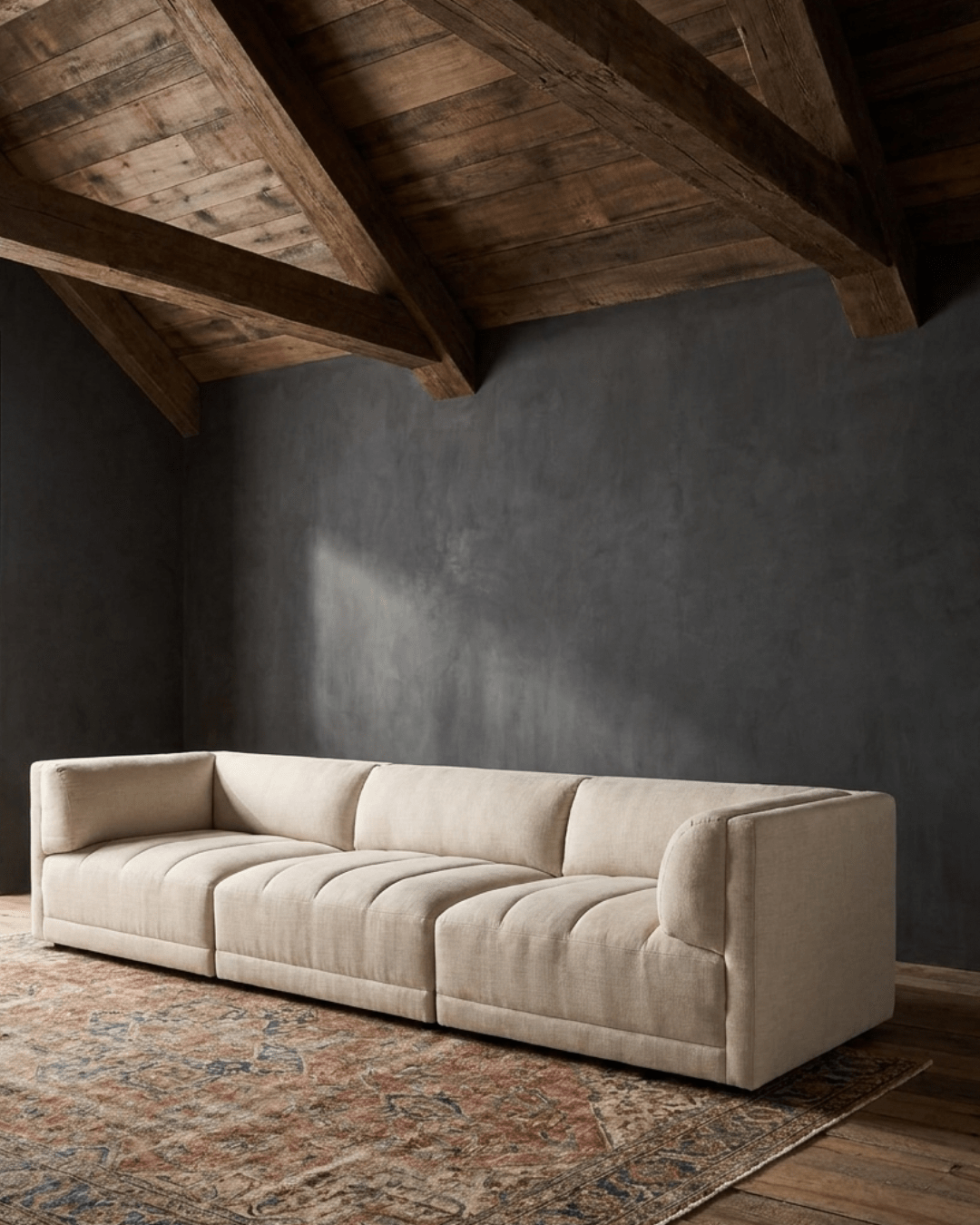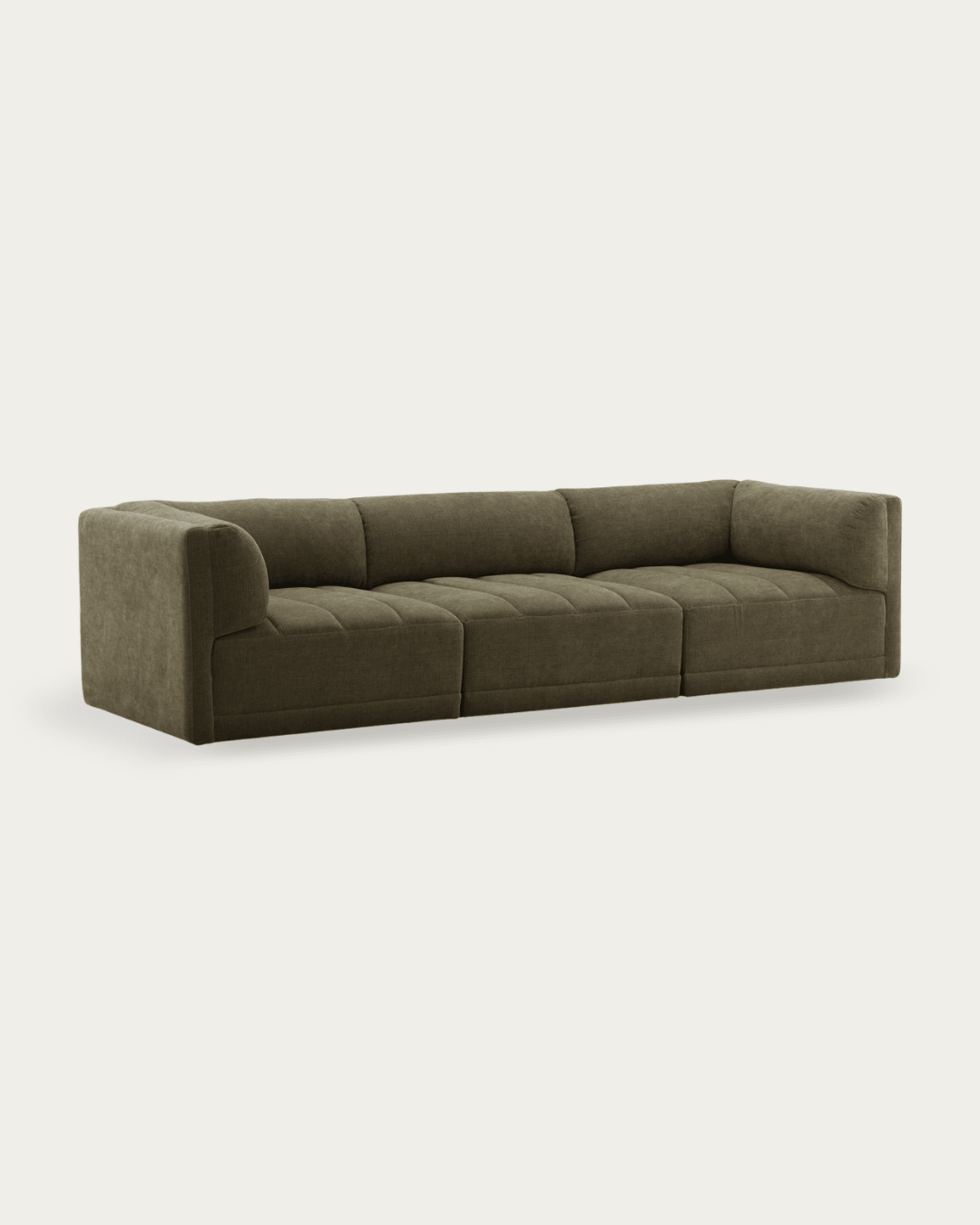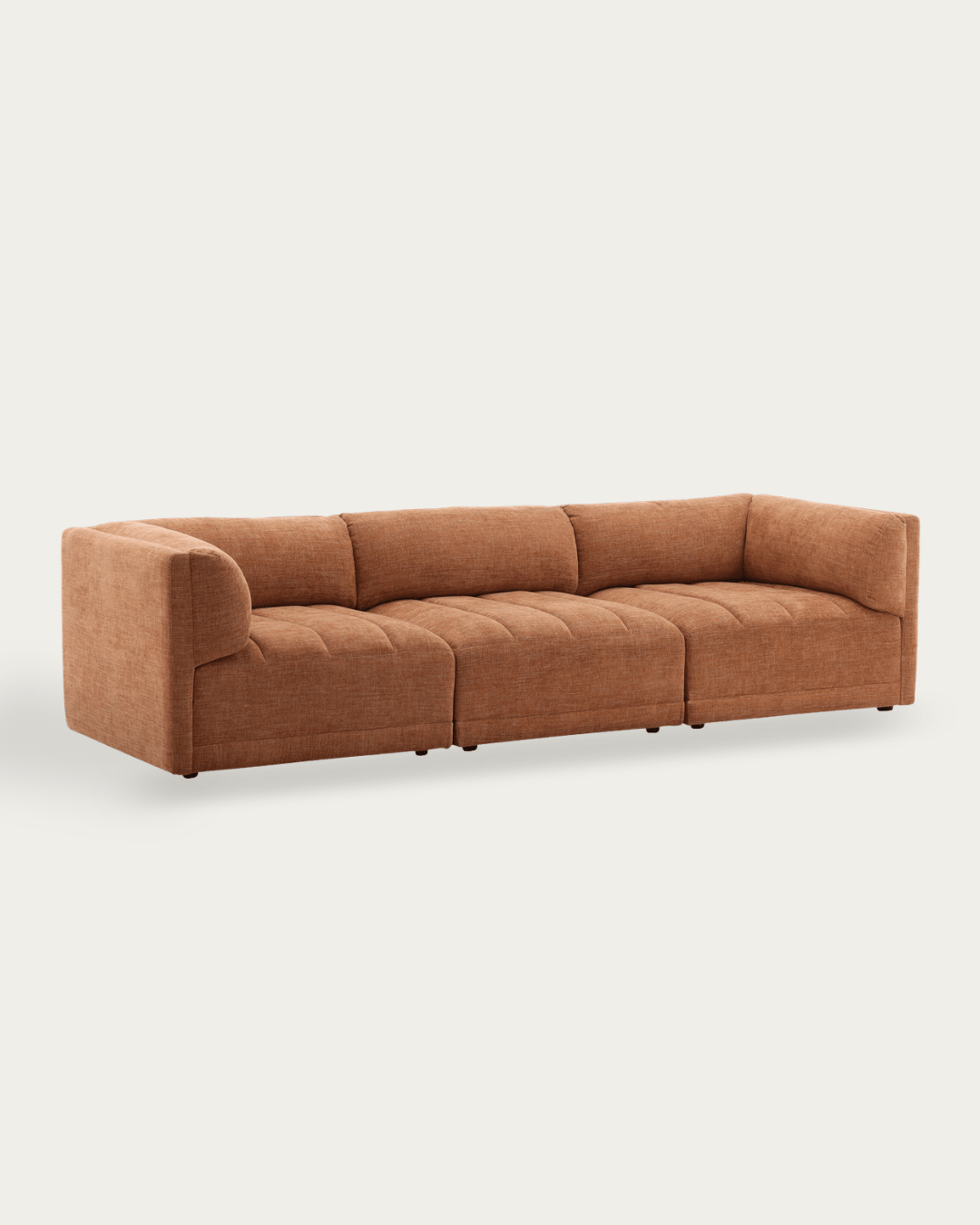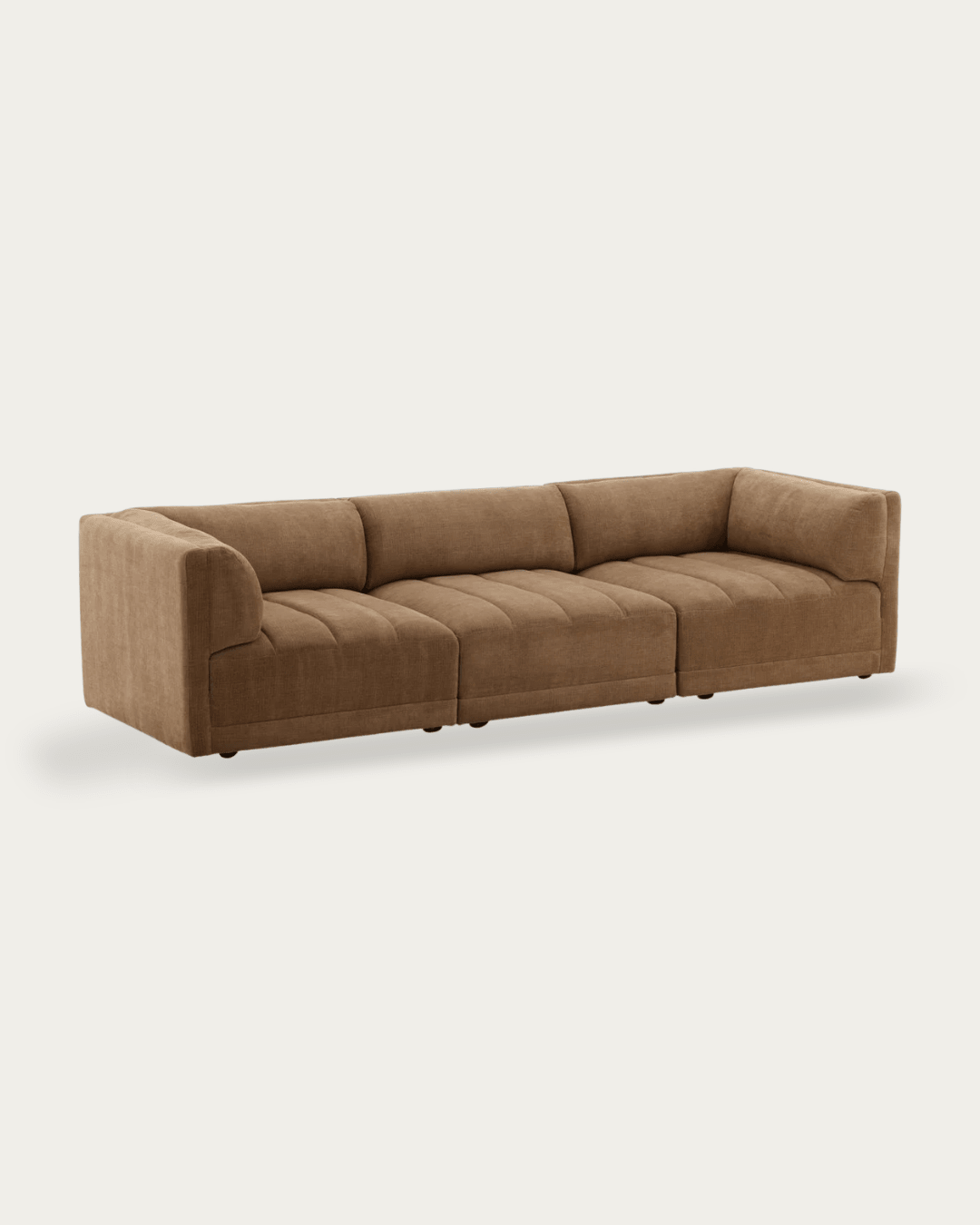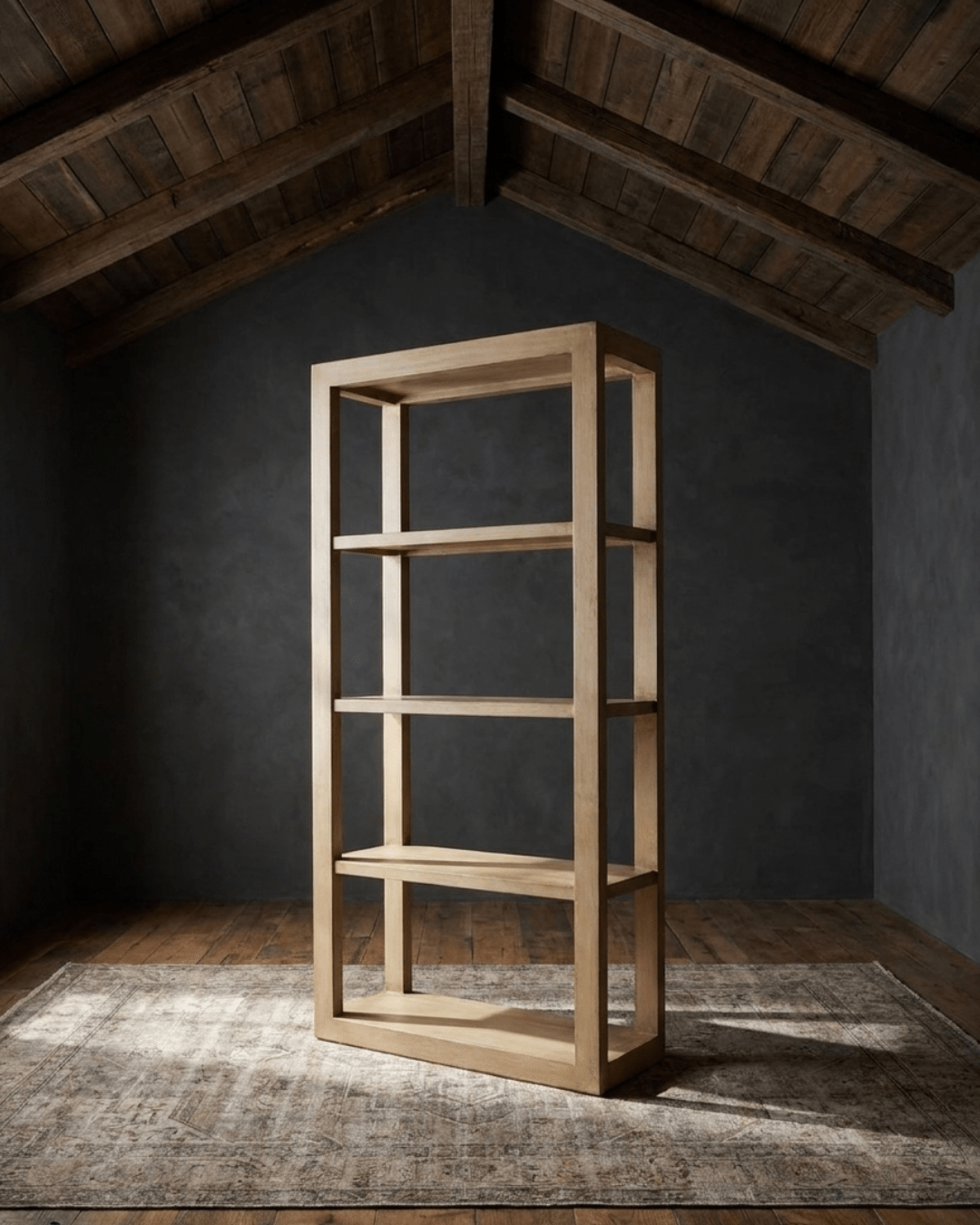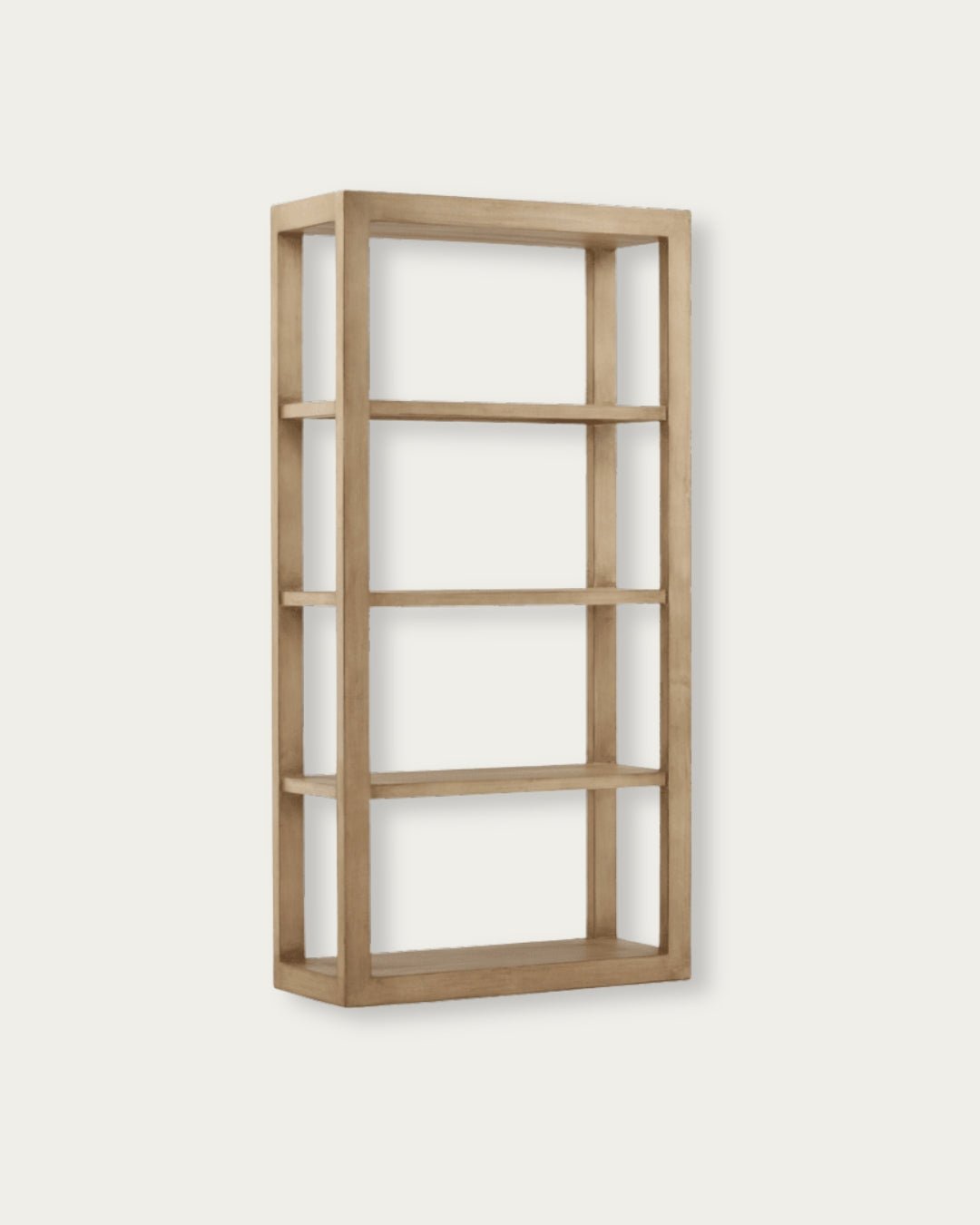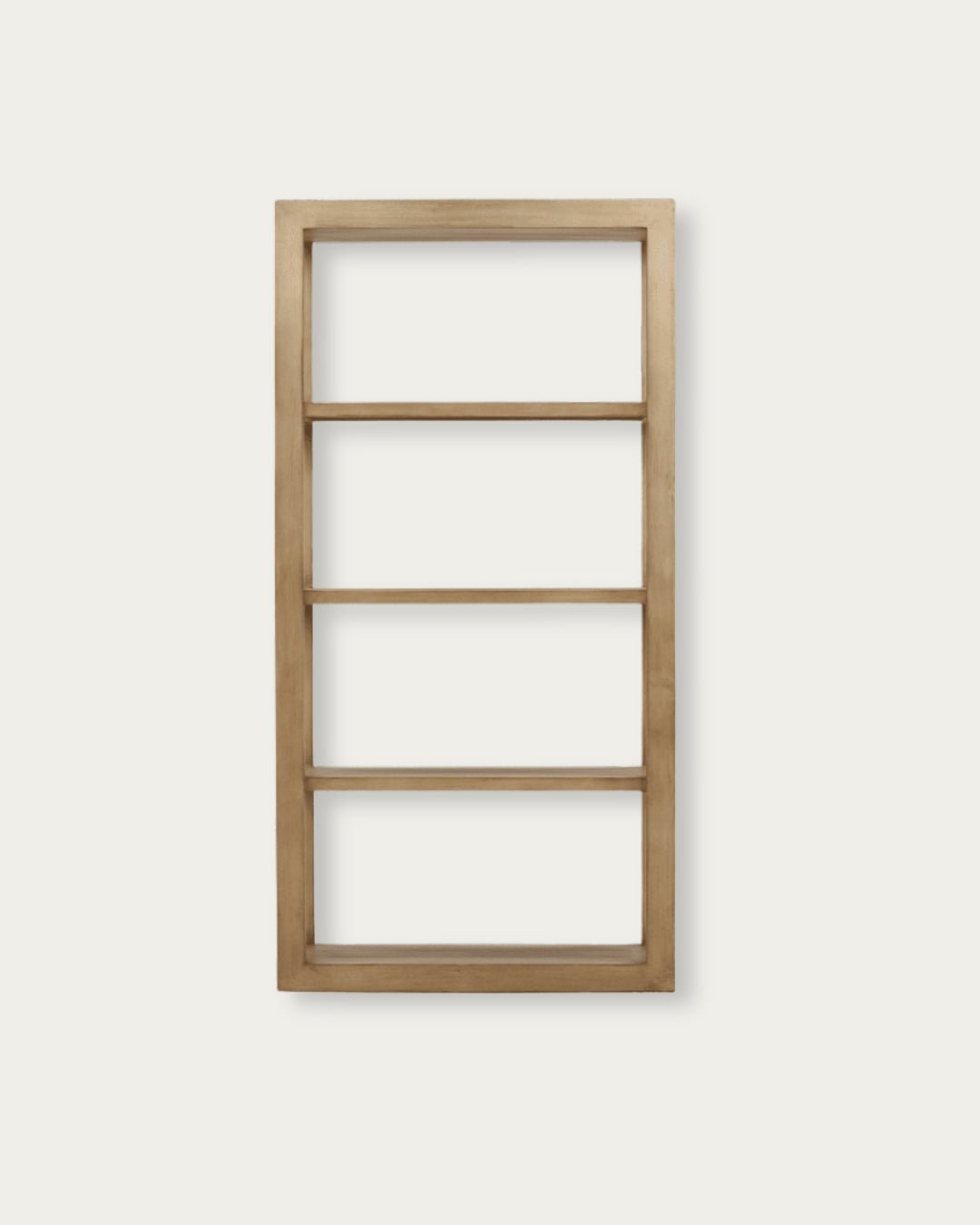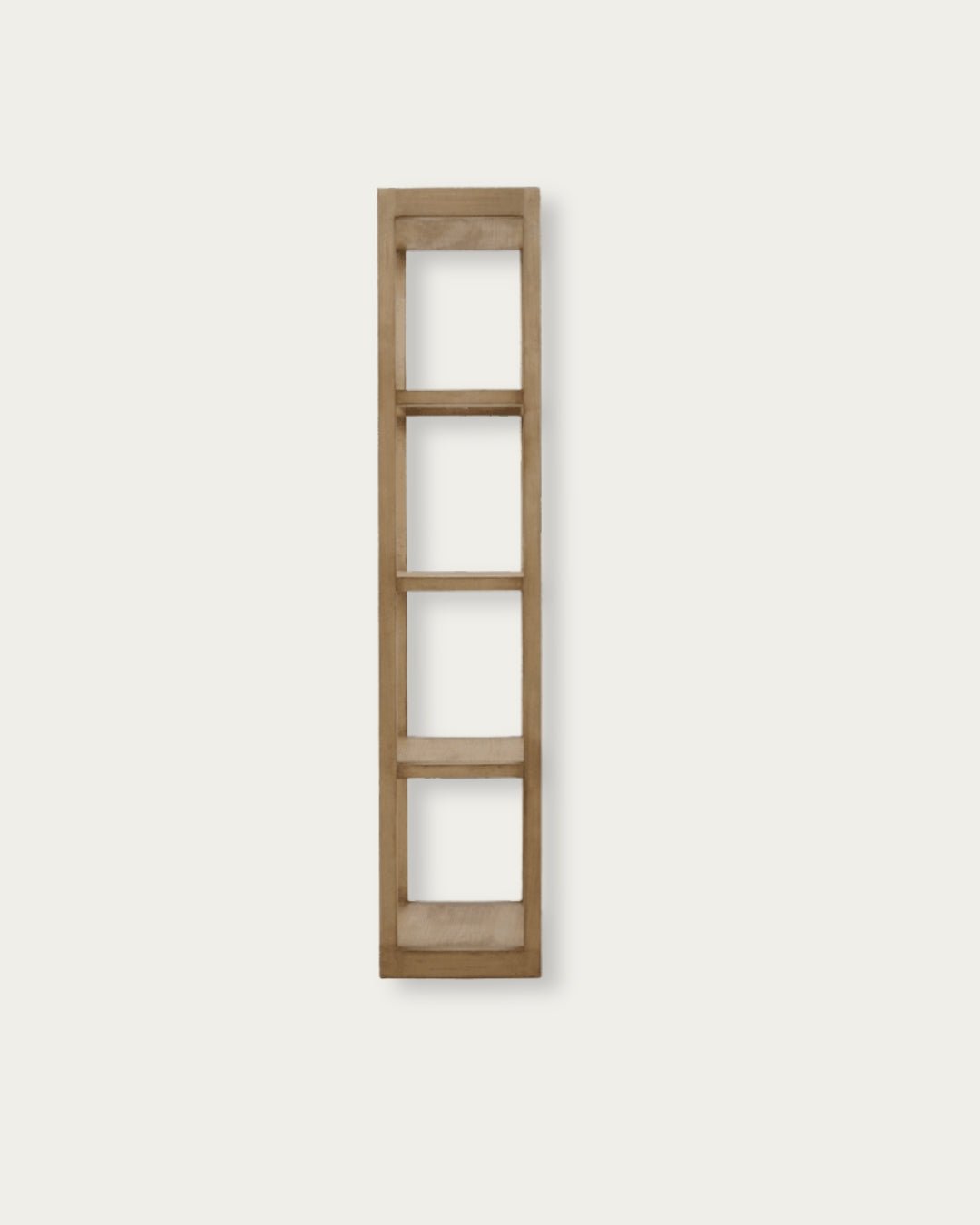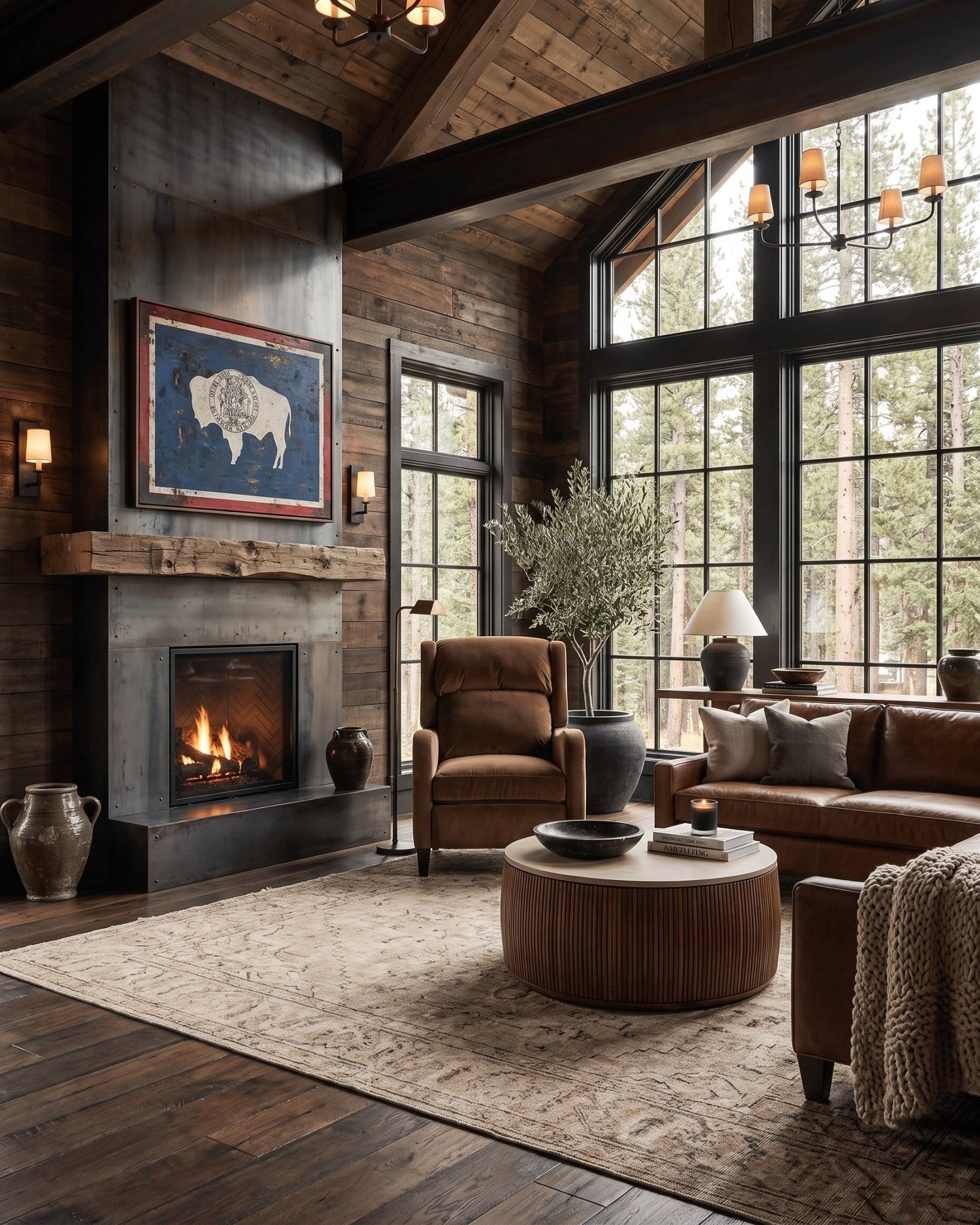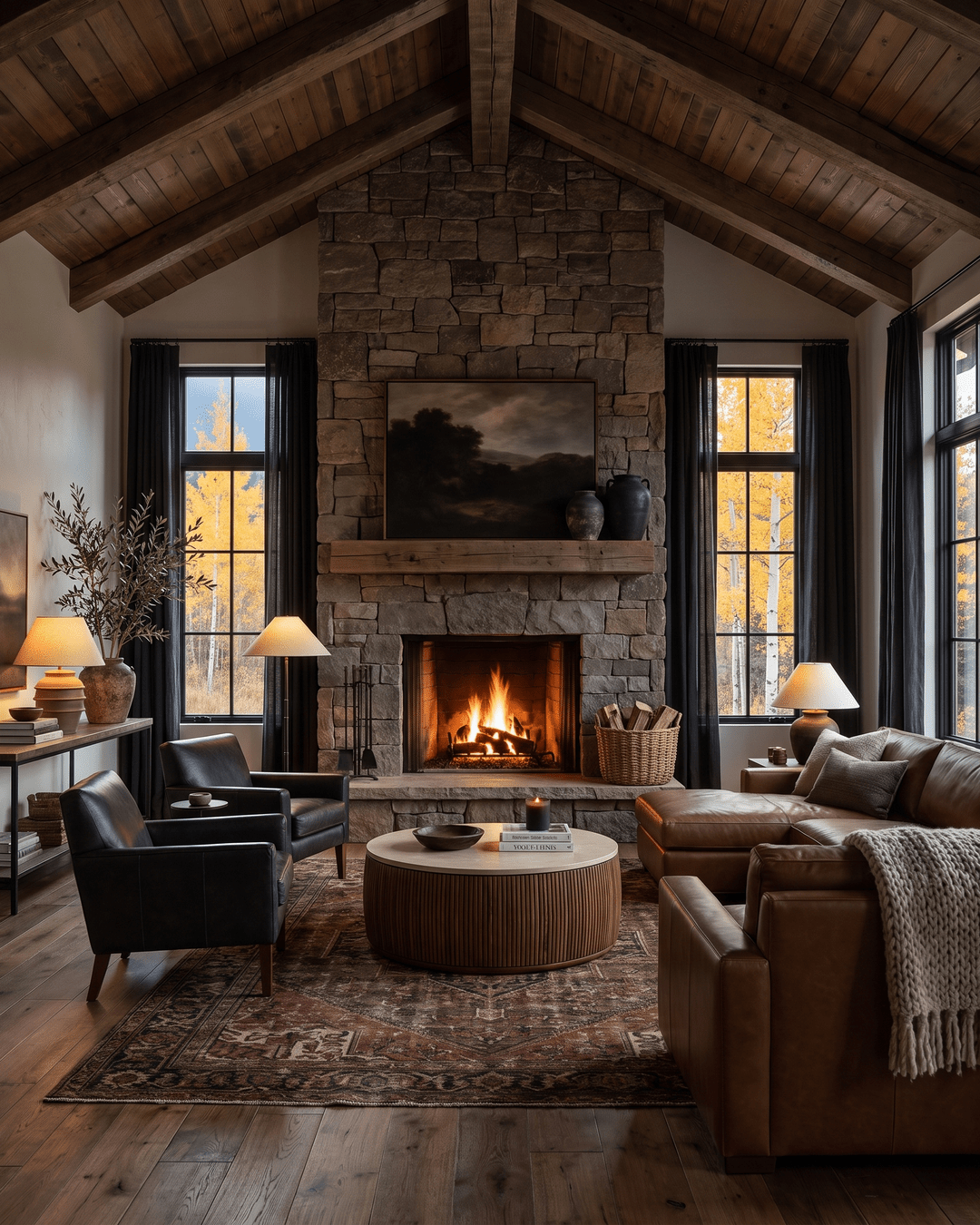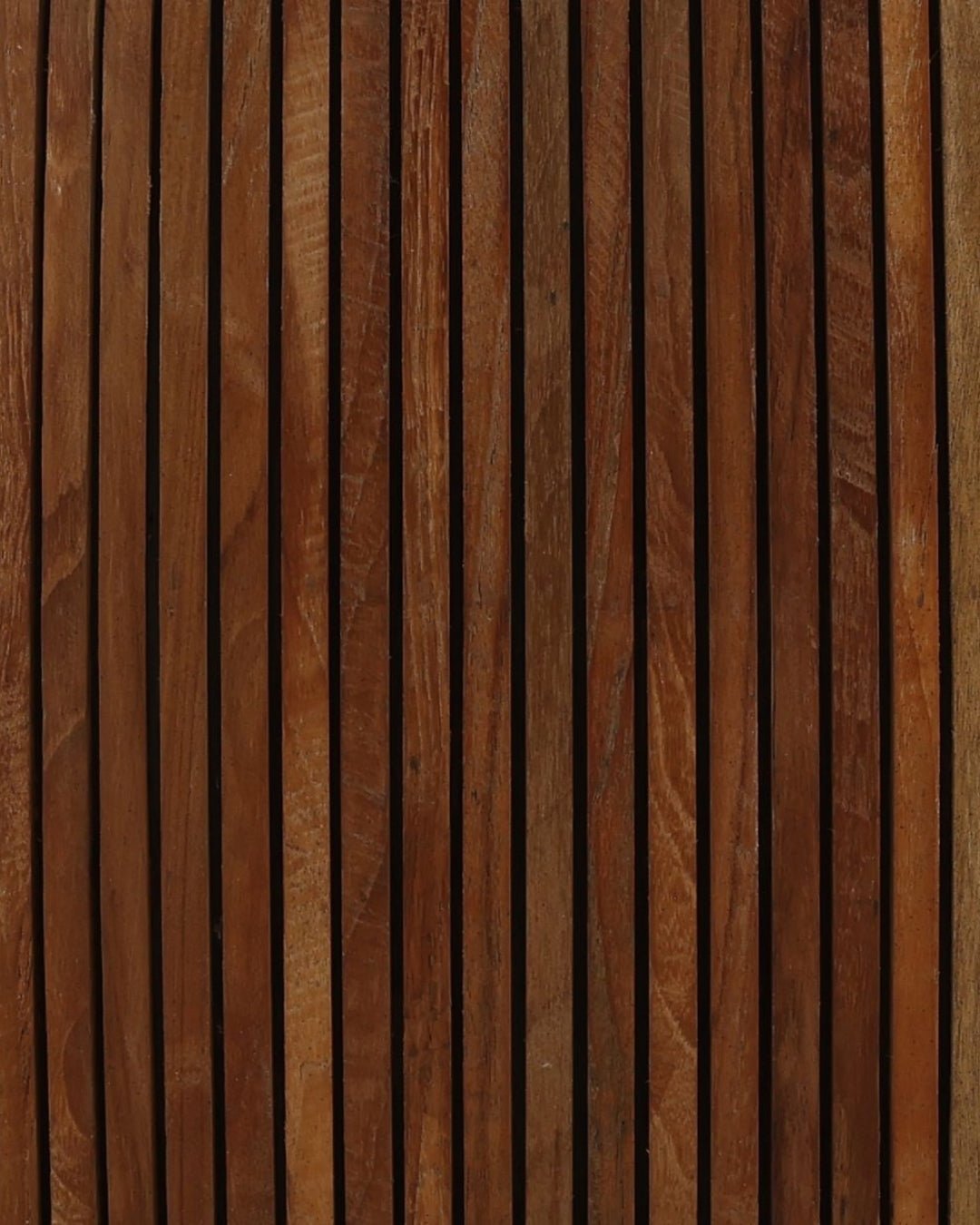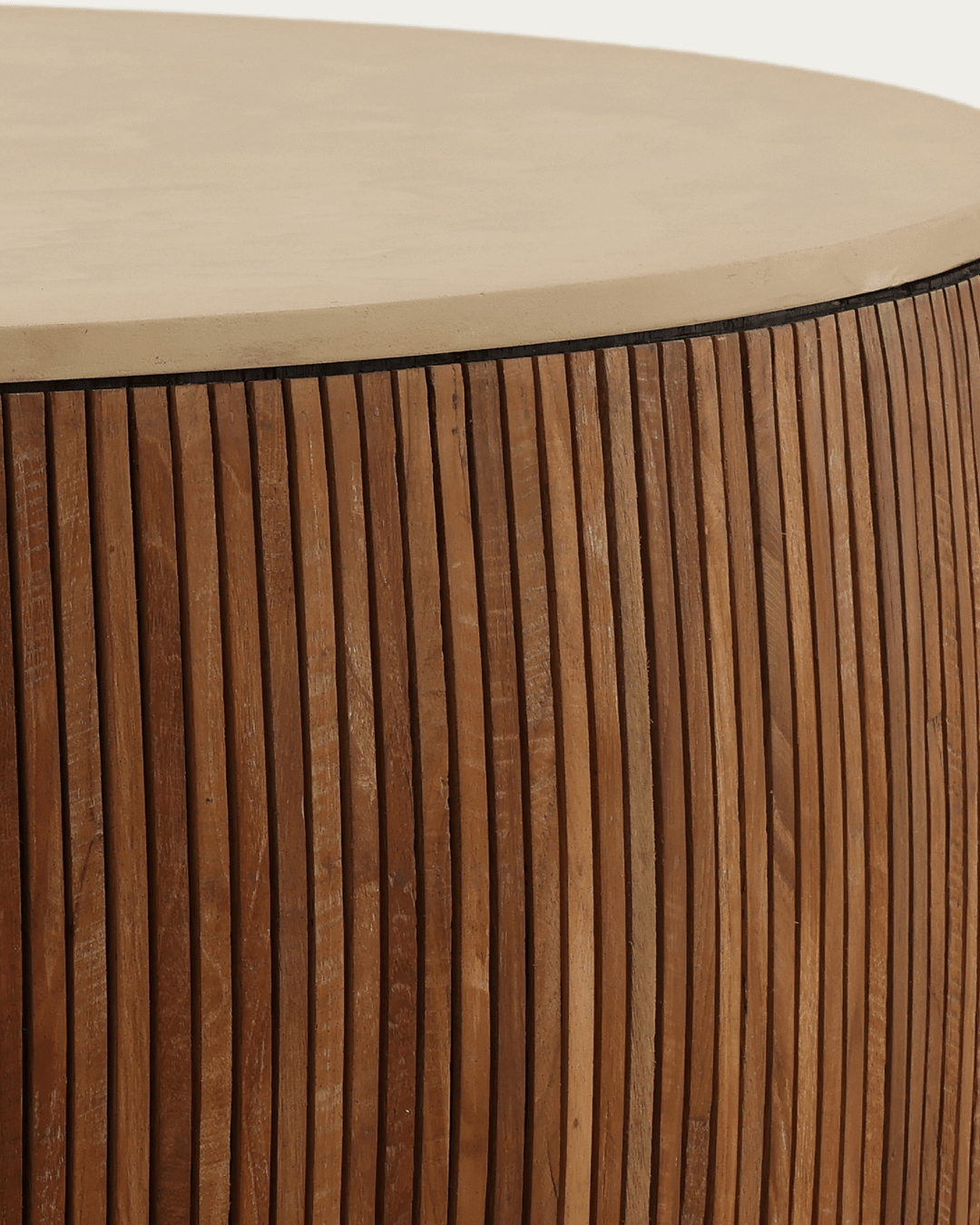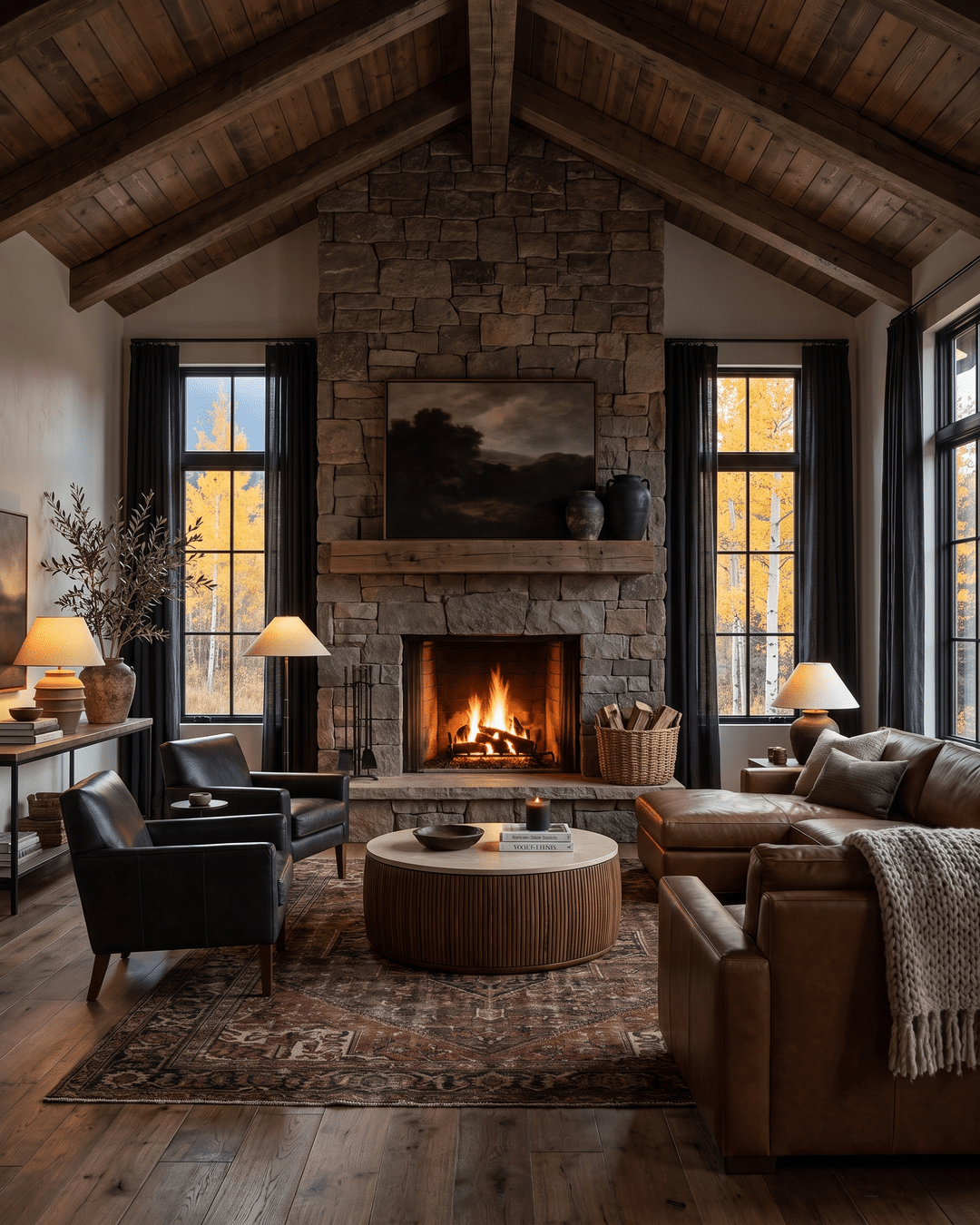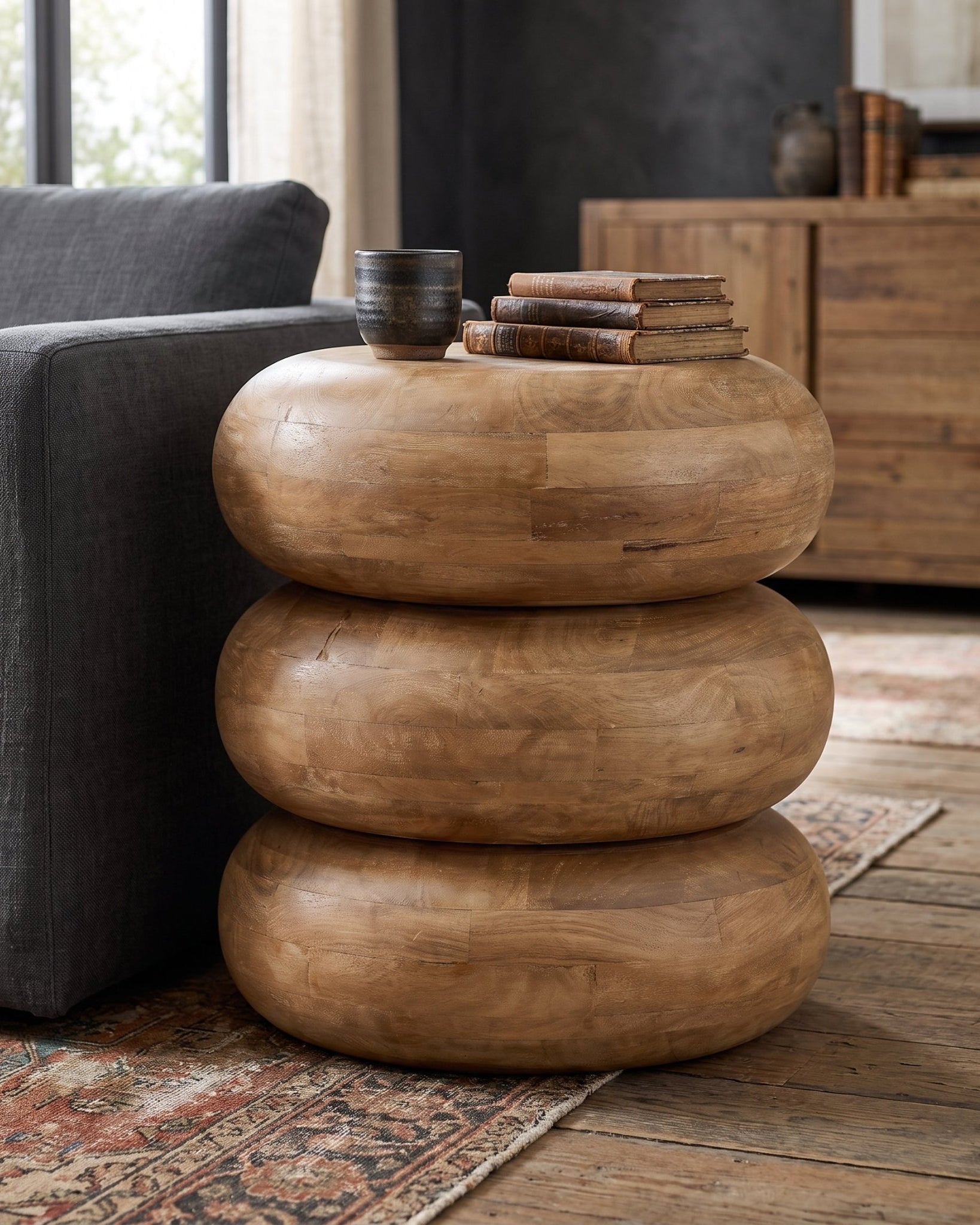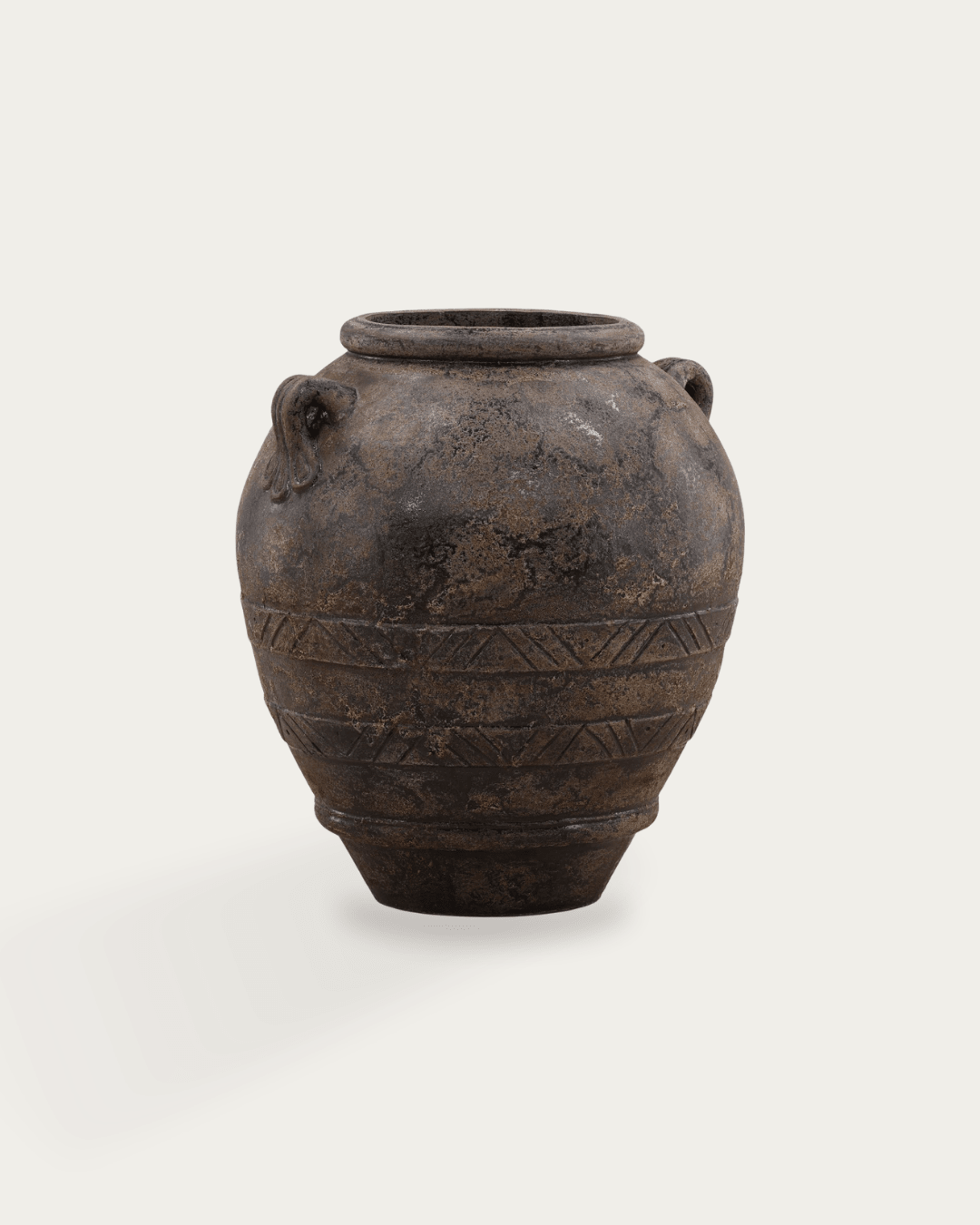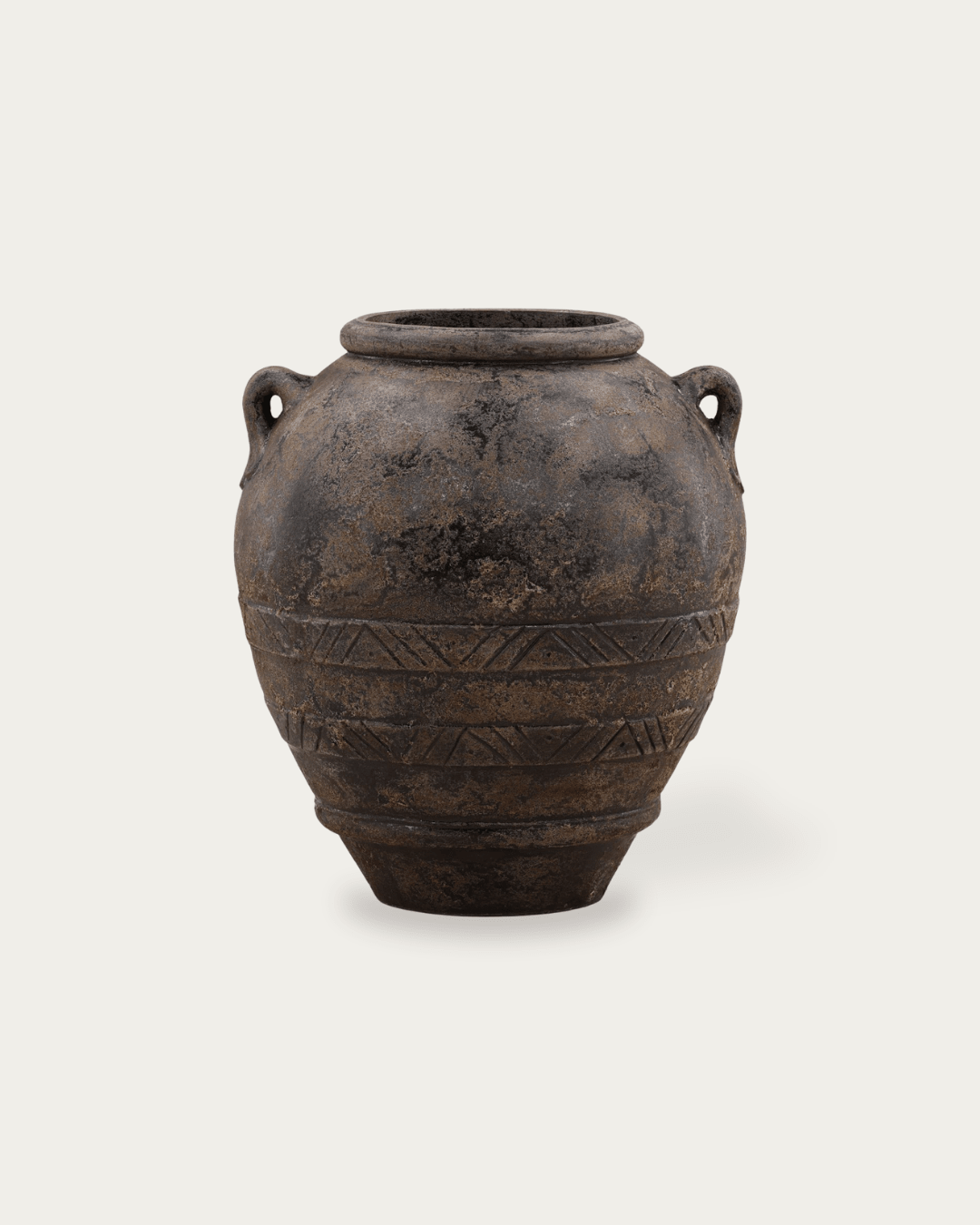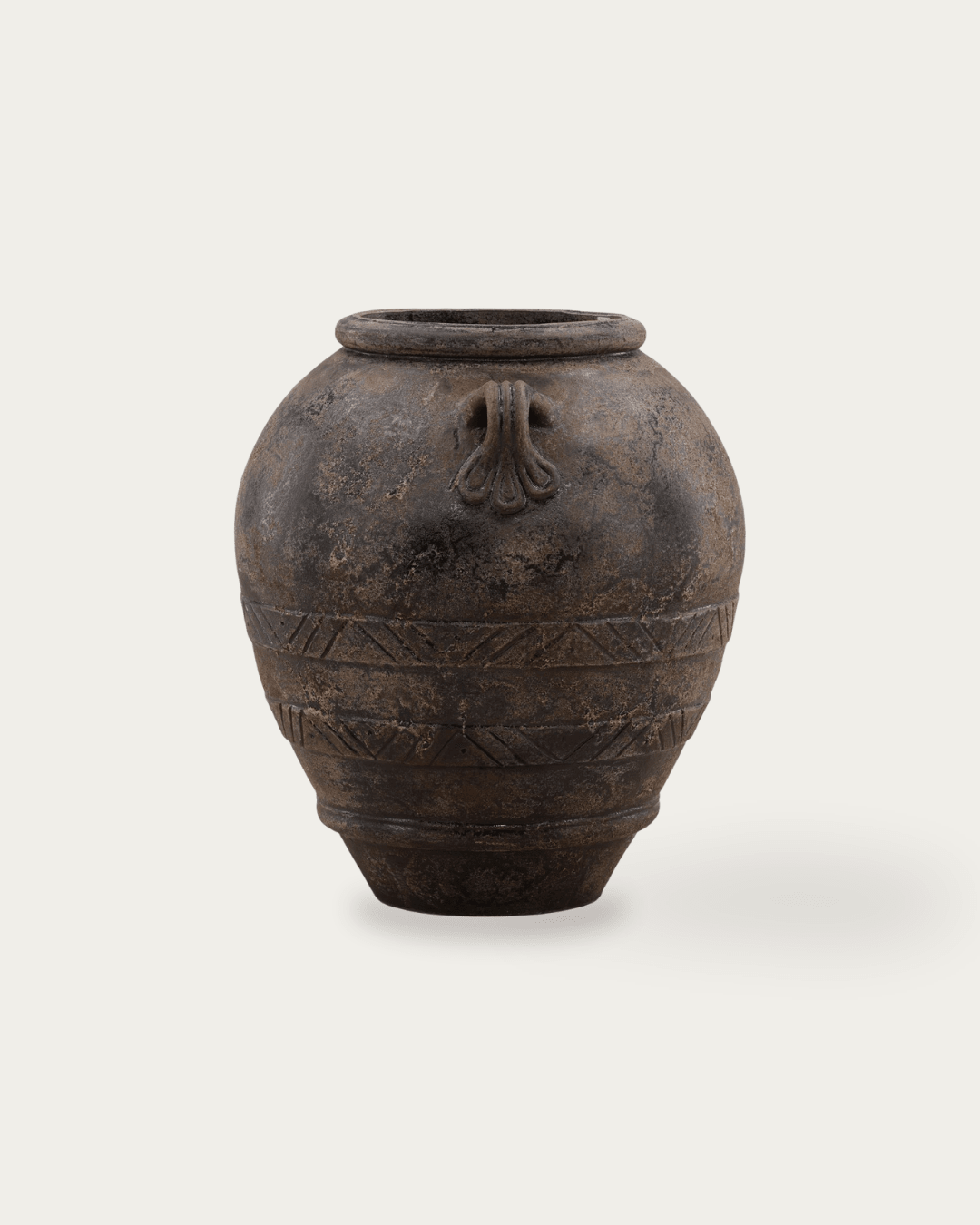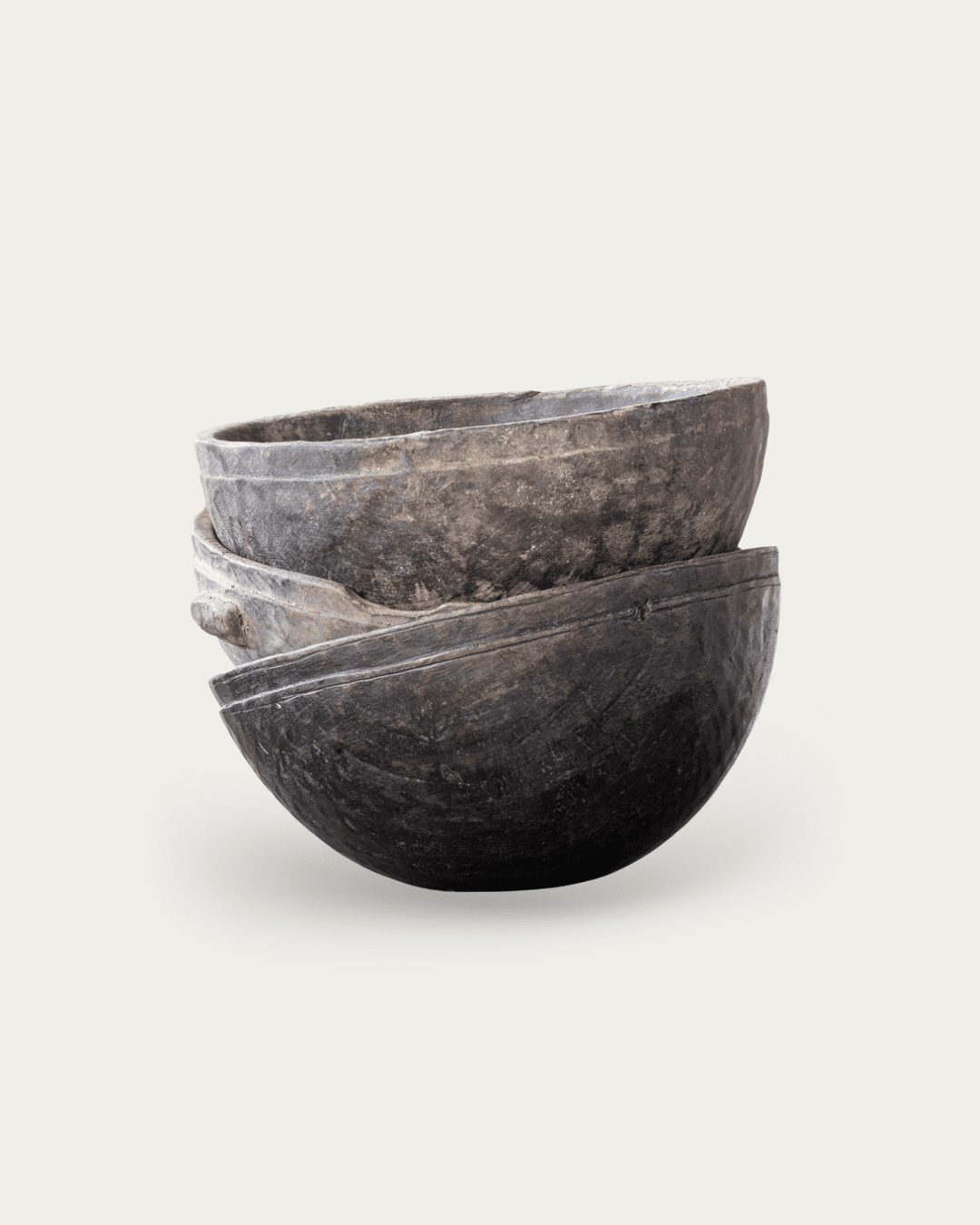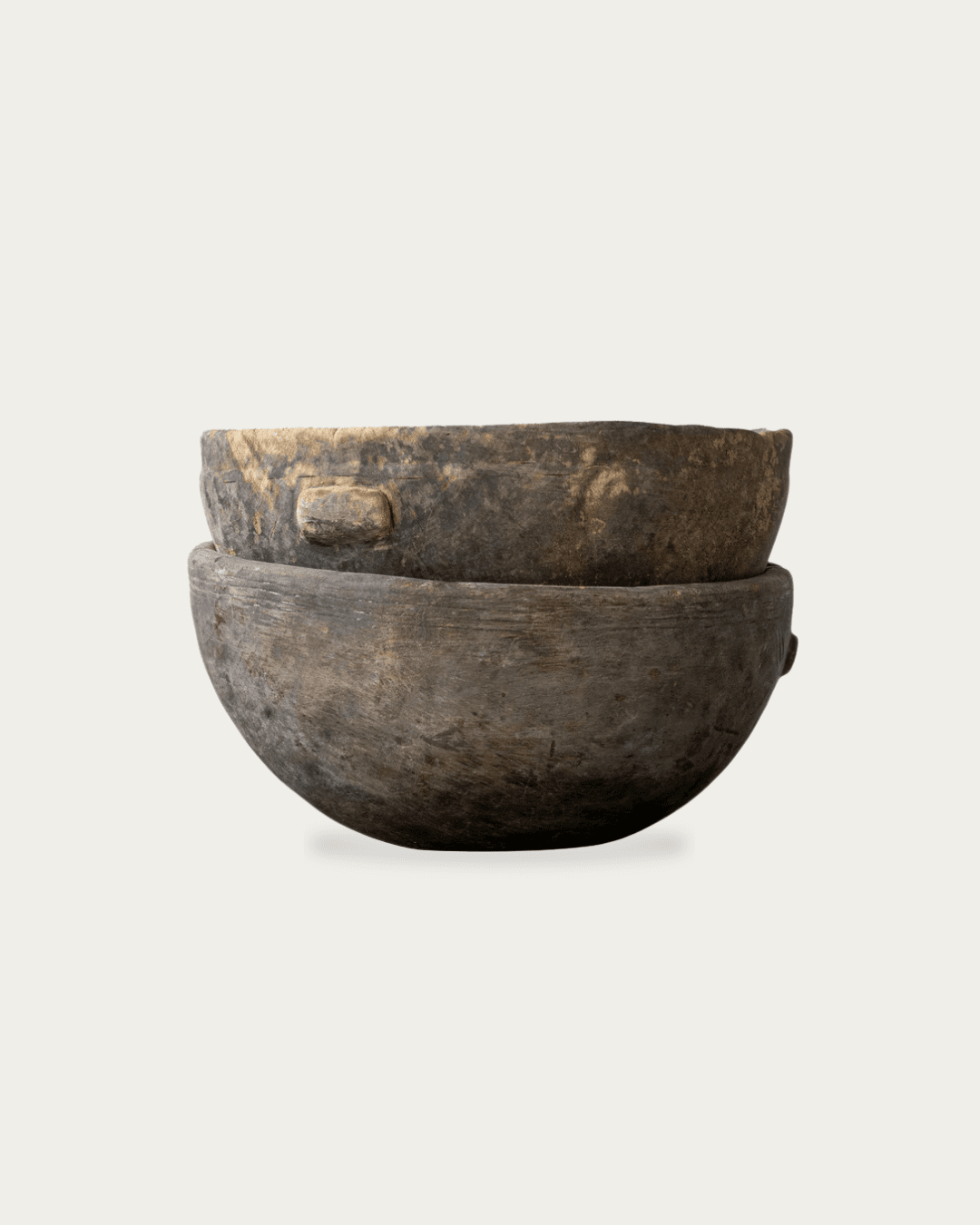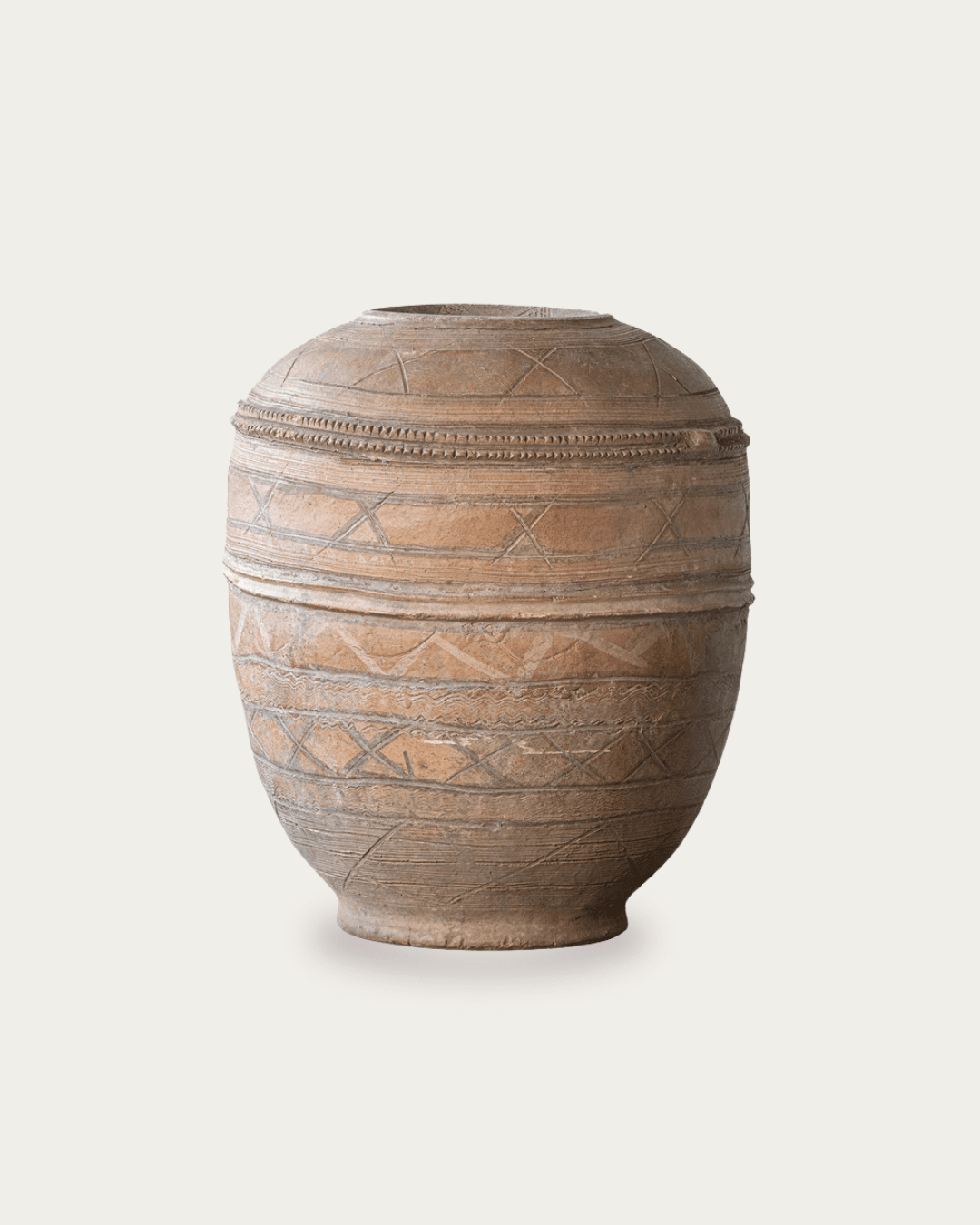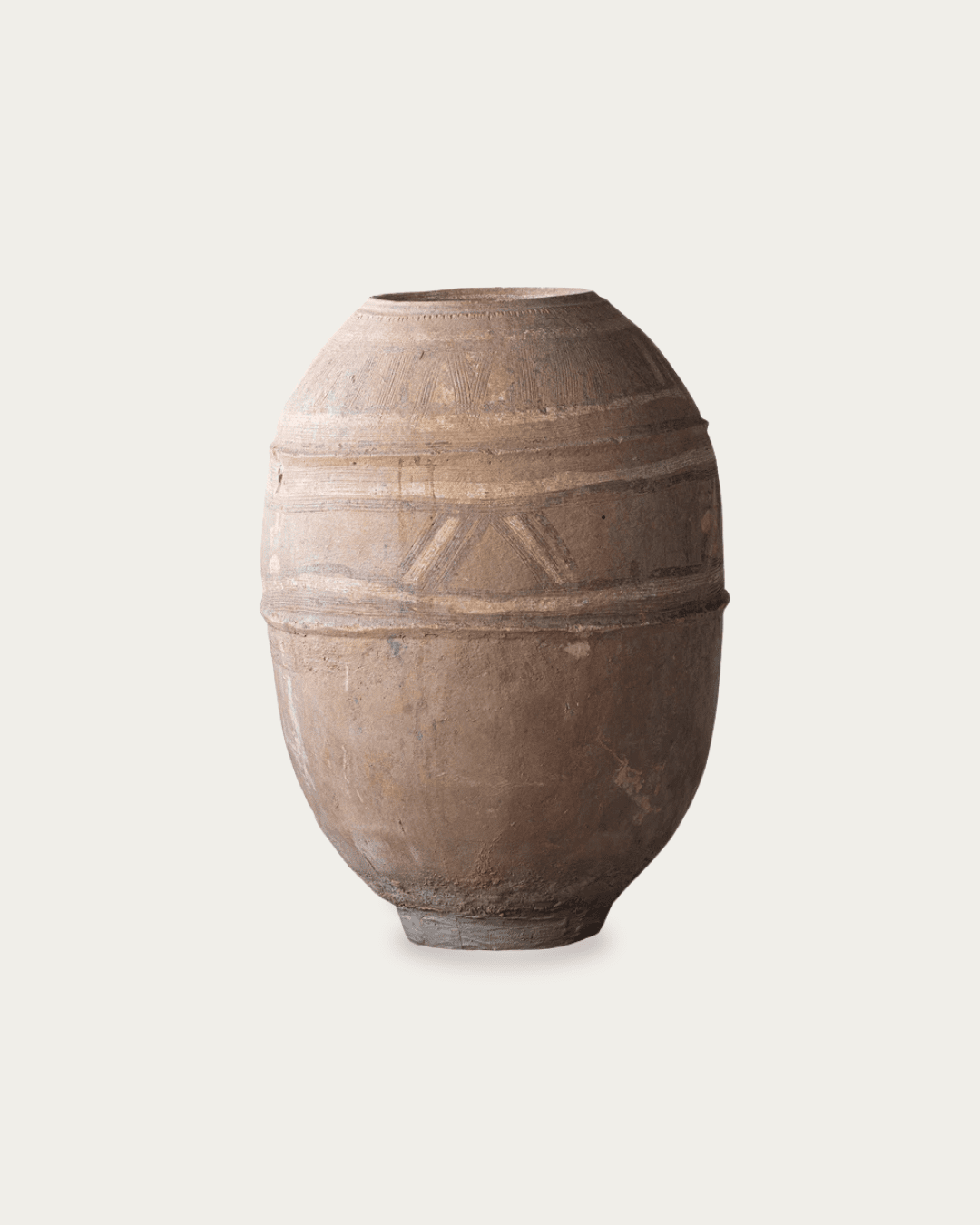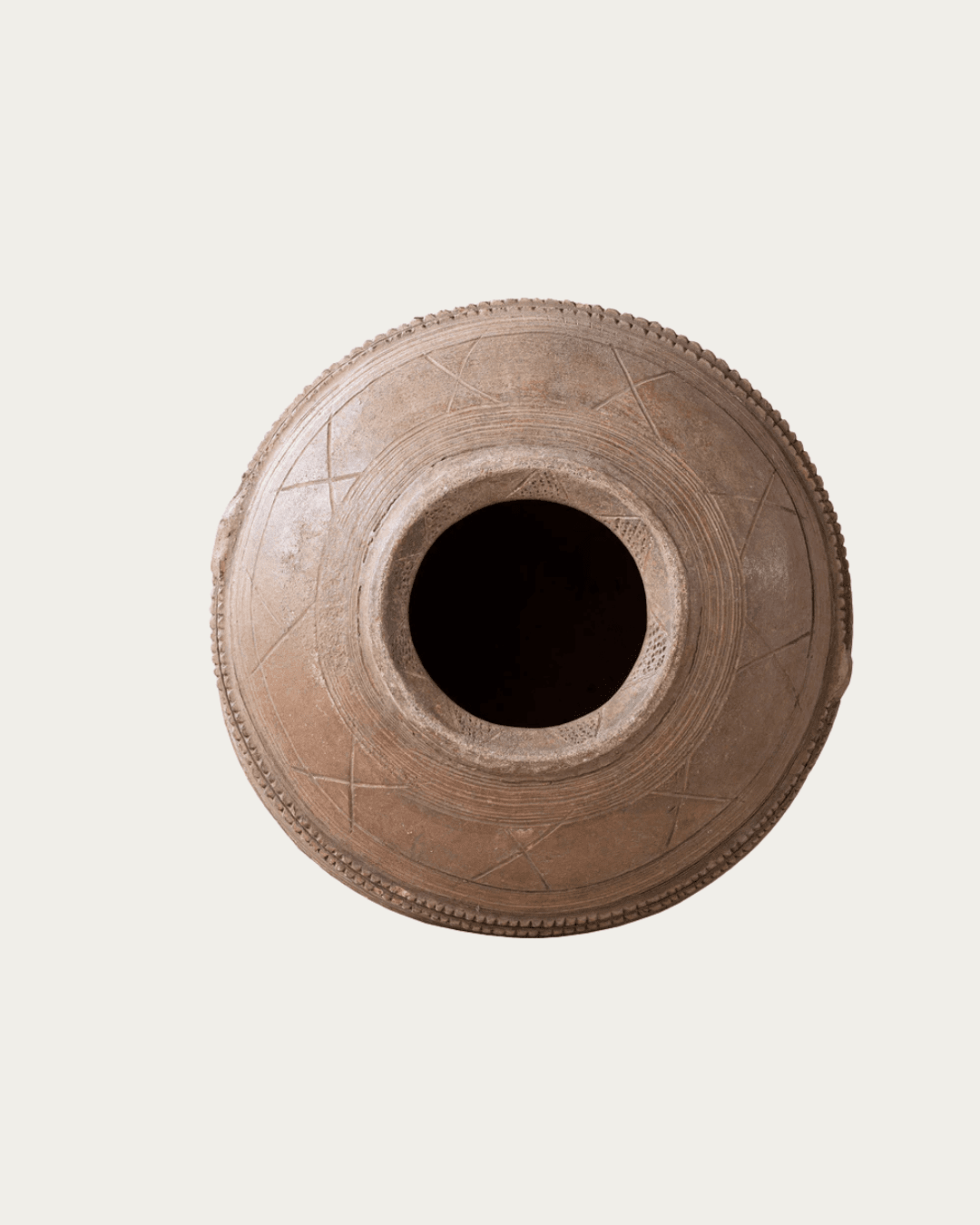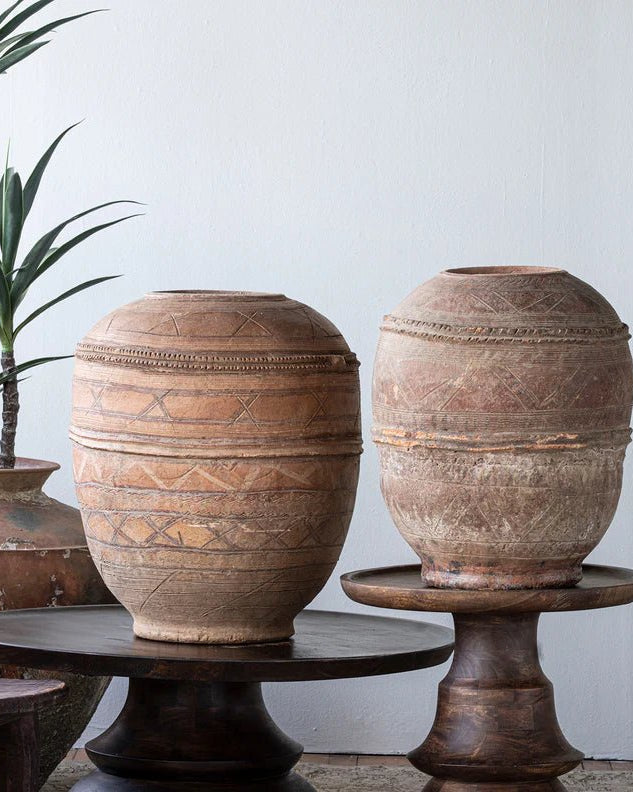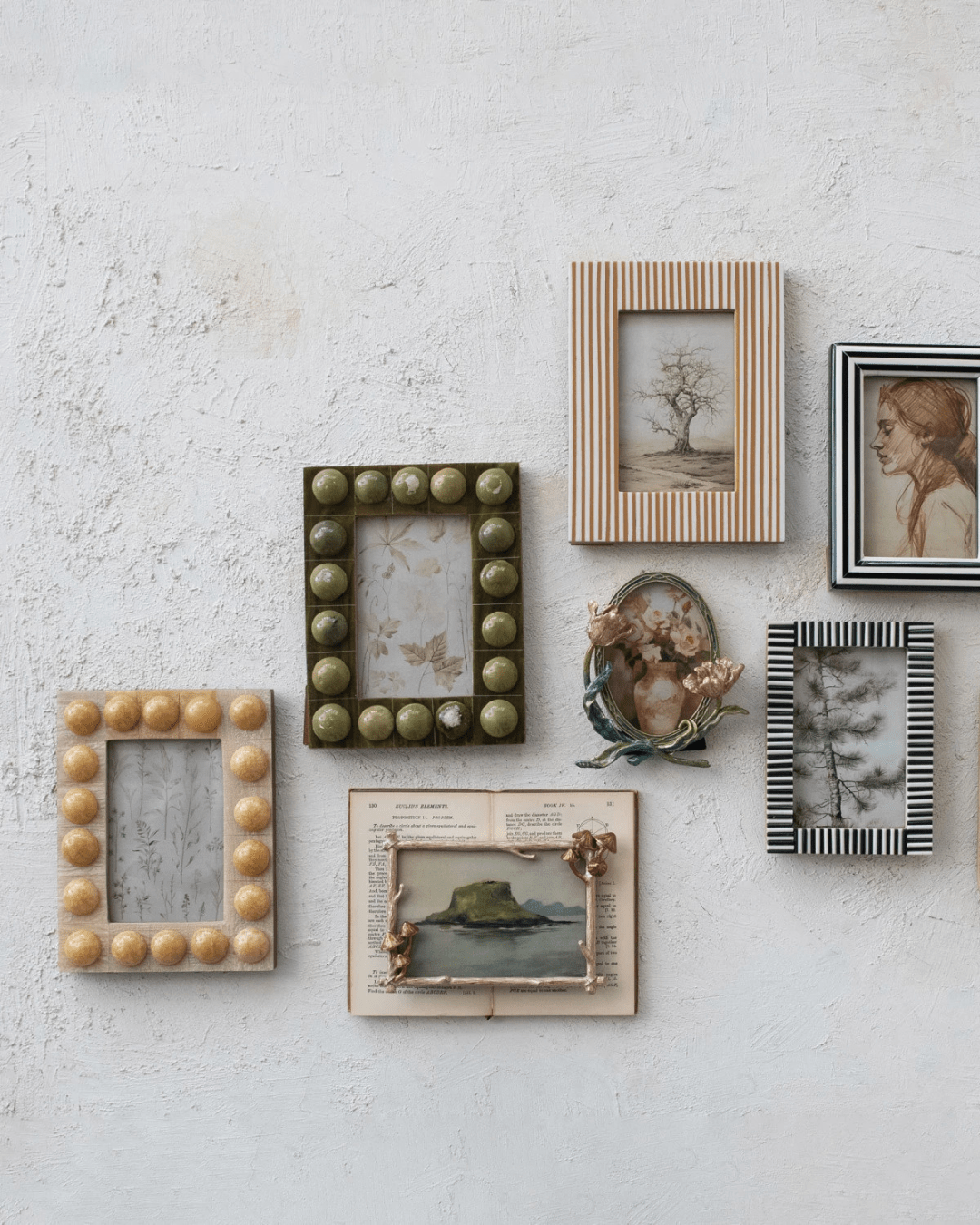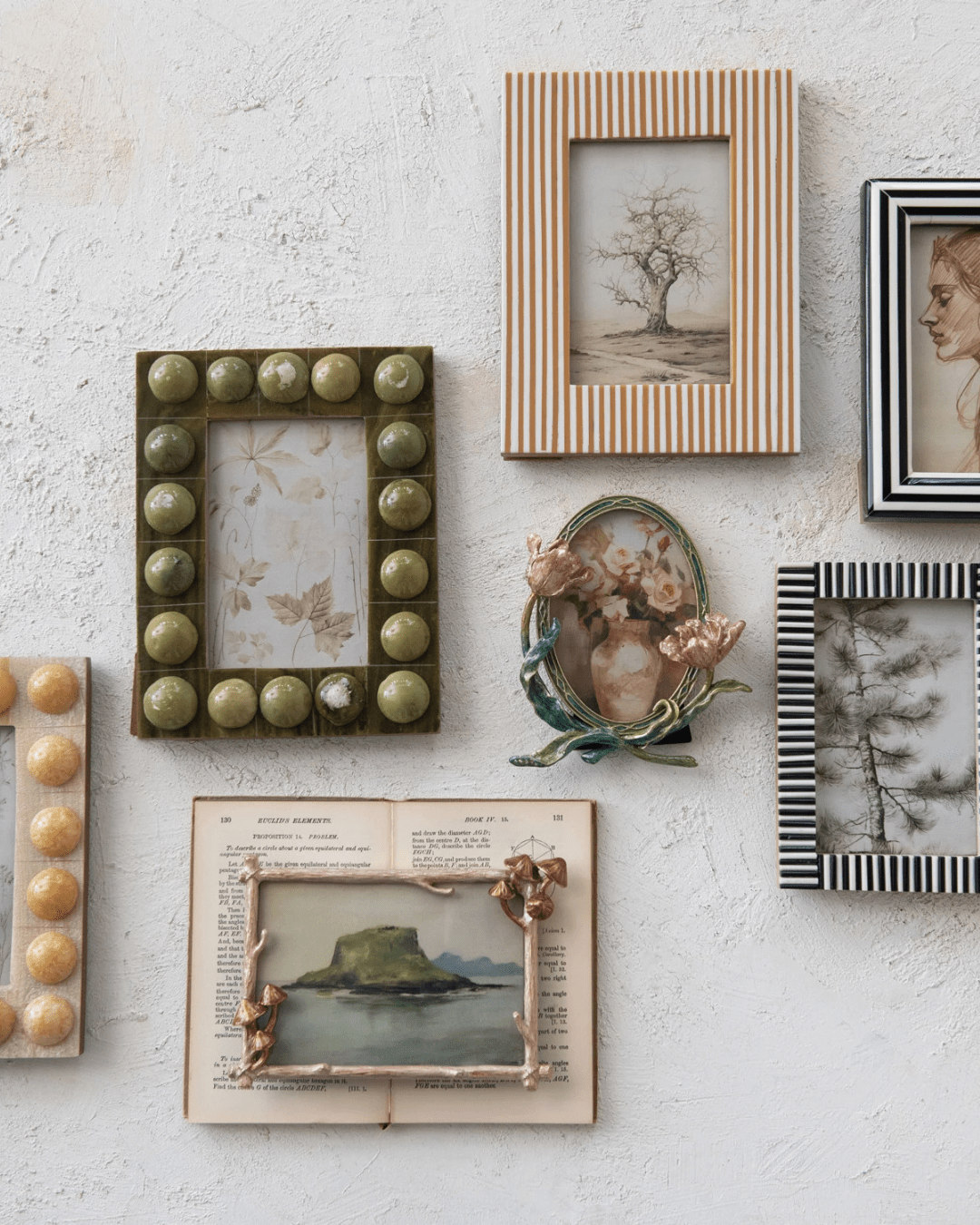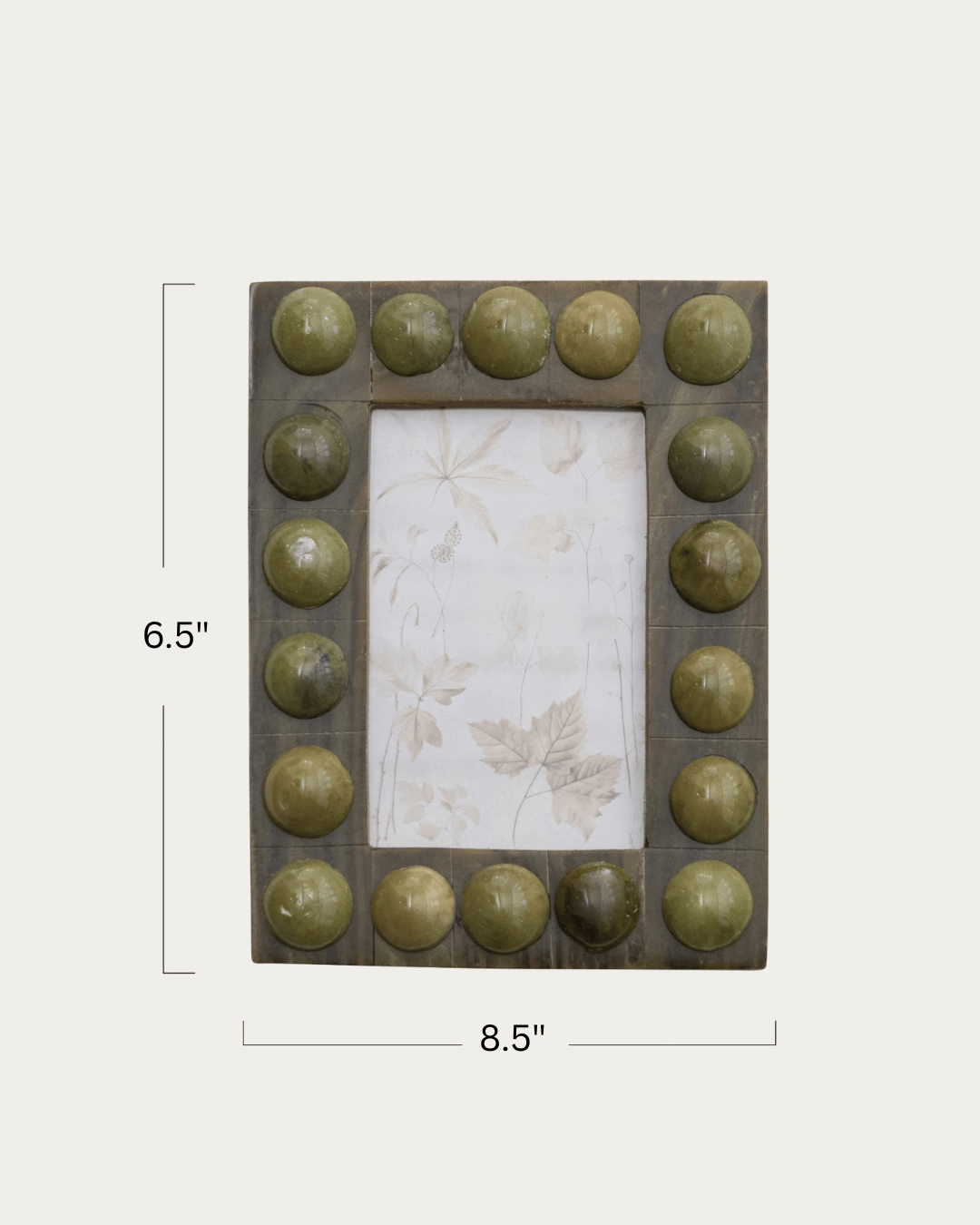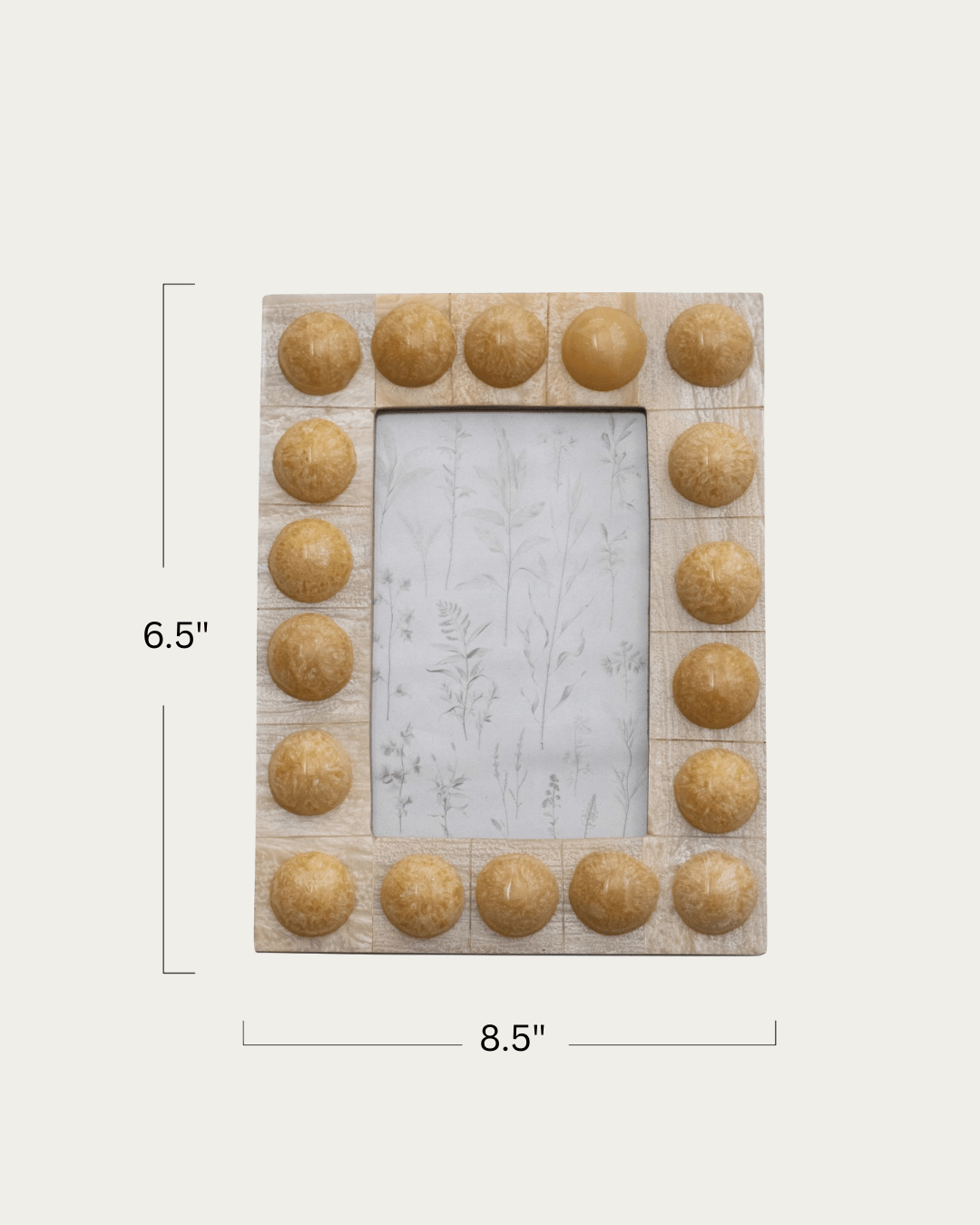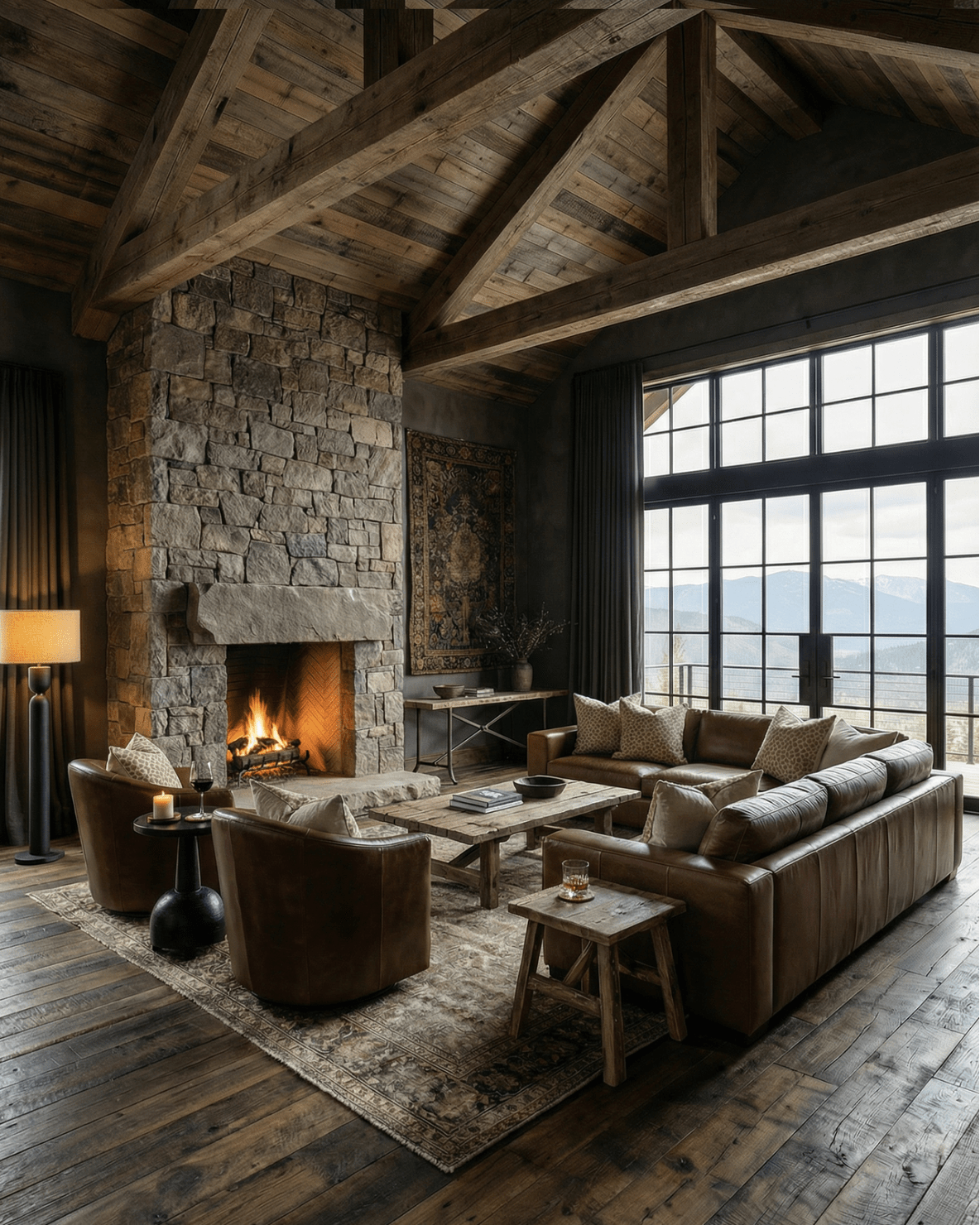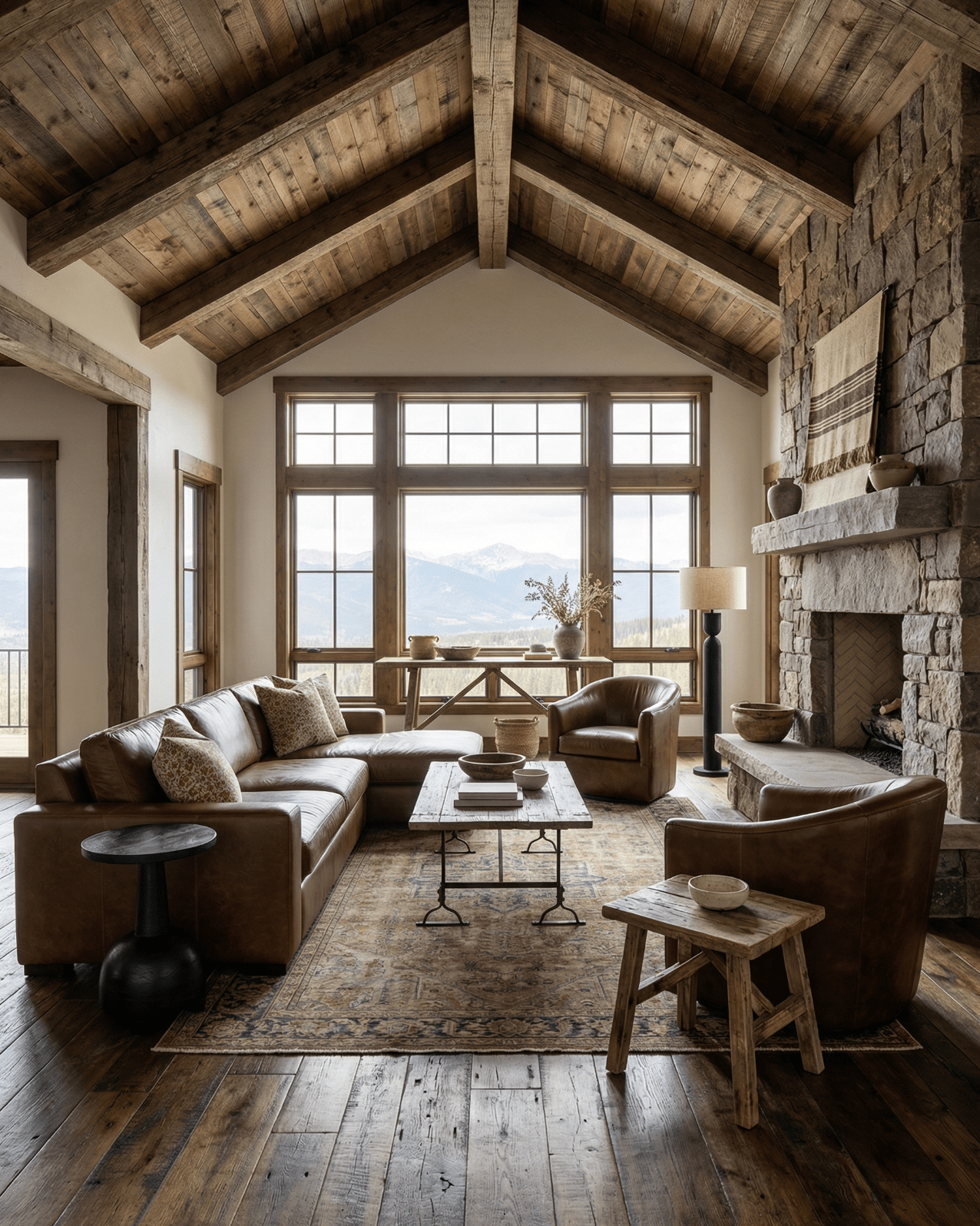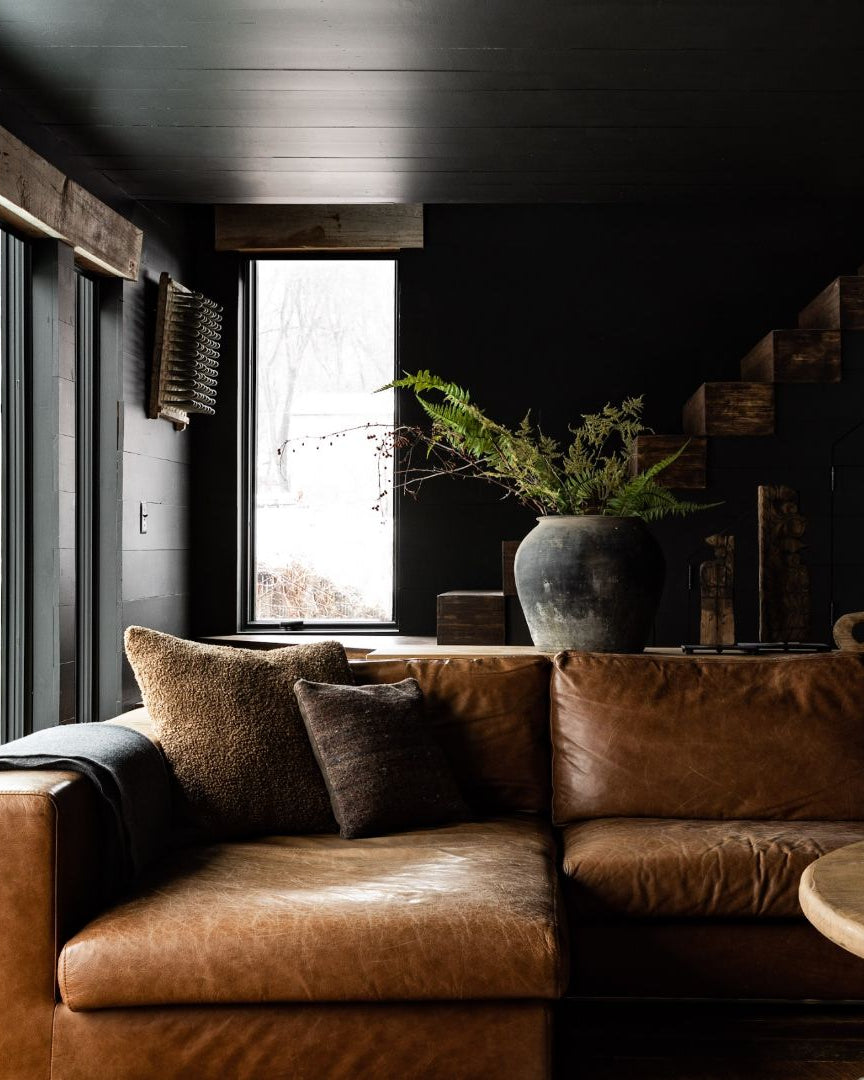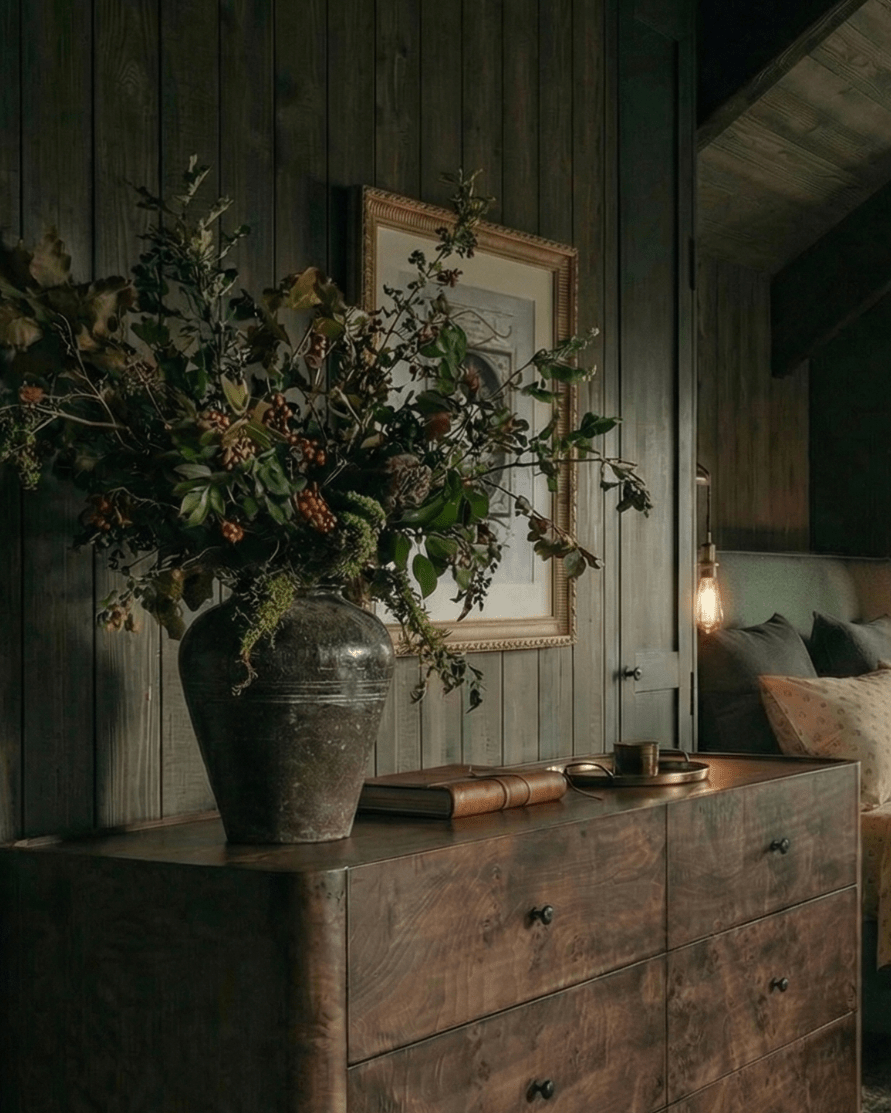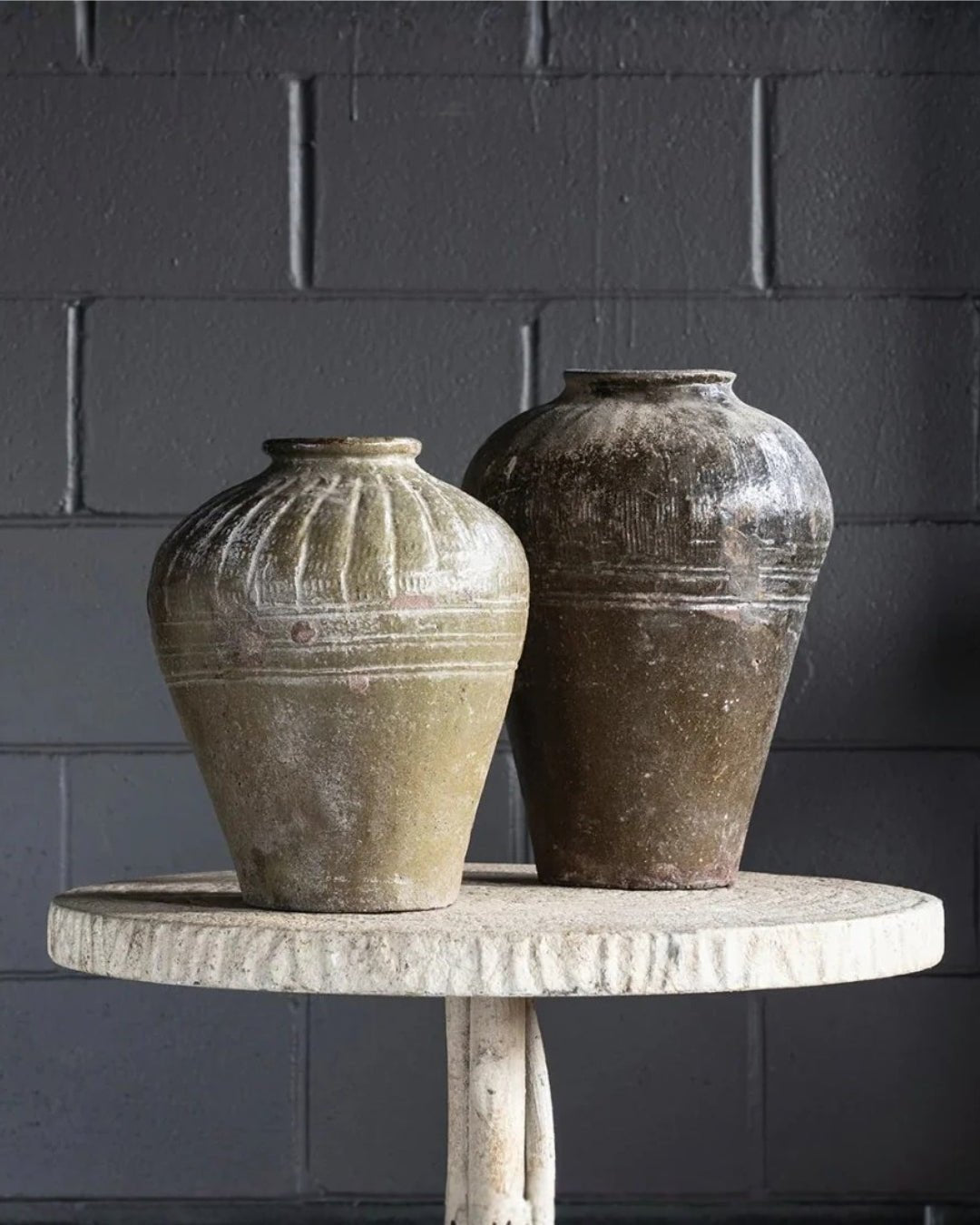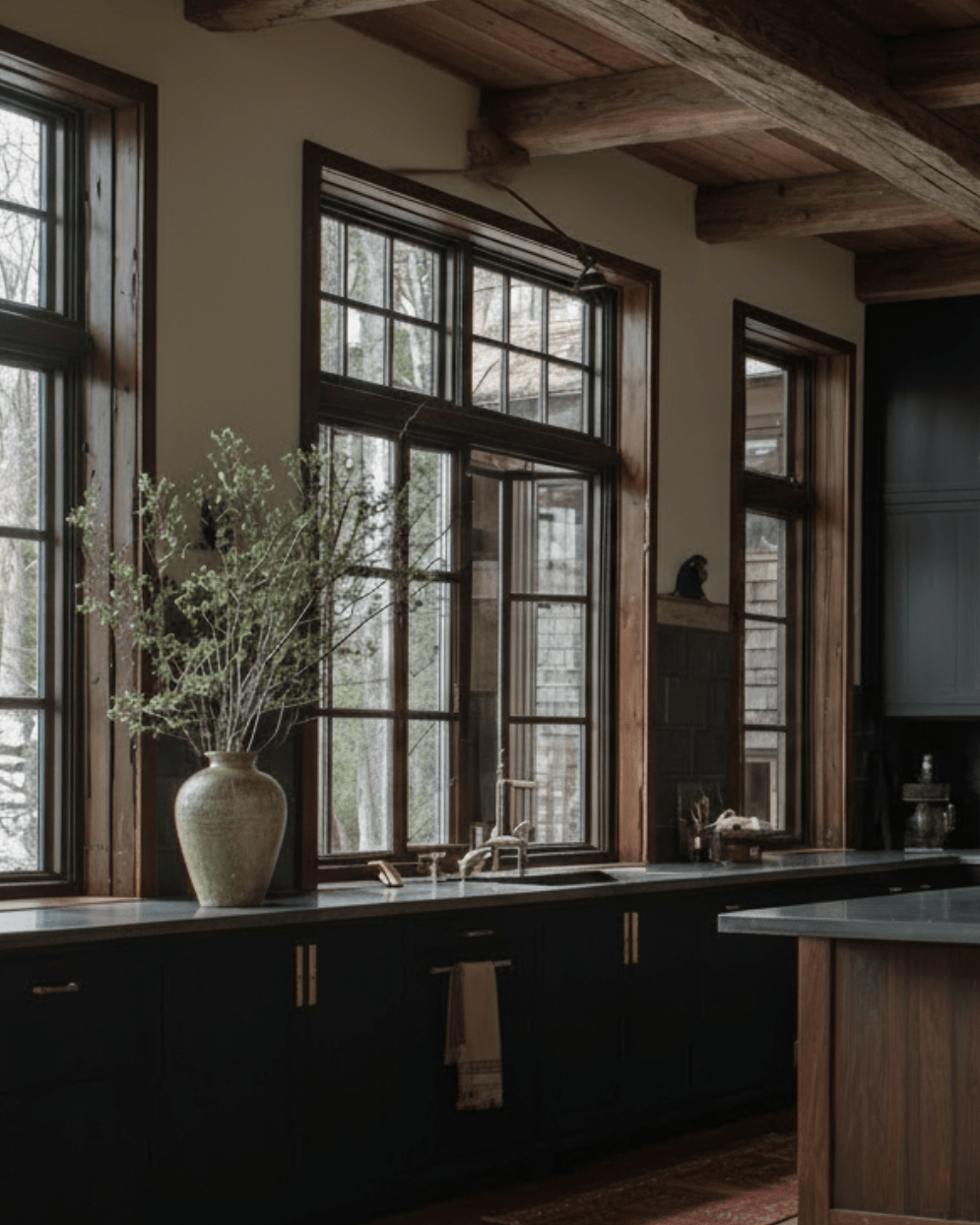








Most homes today look good on paper.
Clean lines. Neutral palettes. Matching sets.
And yet—something feels off.
Not wrong. Just… unfinished.
That’s because most spaces are built to look cohesive, not to feel resolved.
Everything matches. Everything behaves. Nothing interrupts.
And your brain notices.
If you’ve ever felt like your space is missing something you can’t explain, it usually isn’t more decor—it’s contrast.
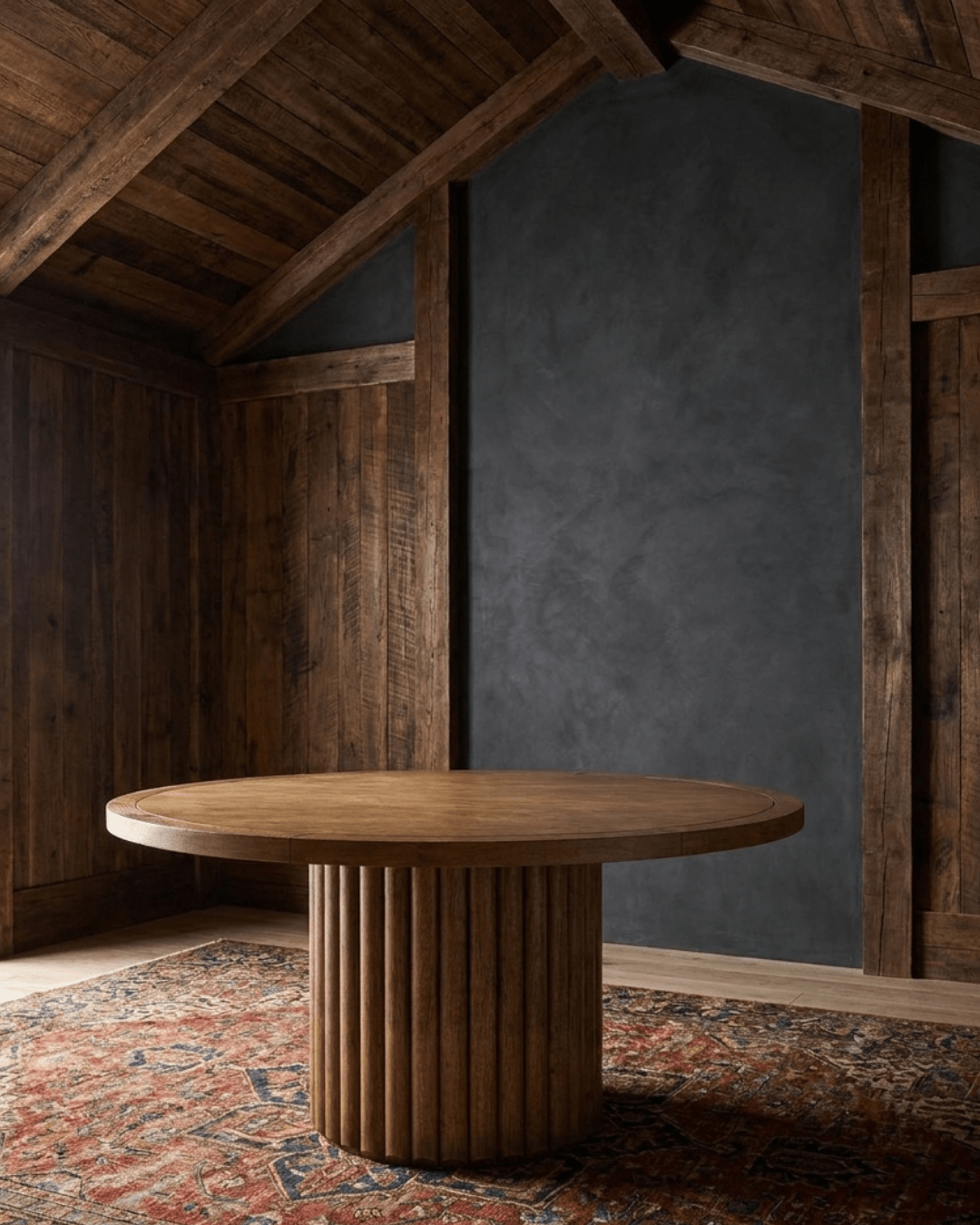
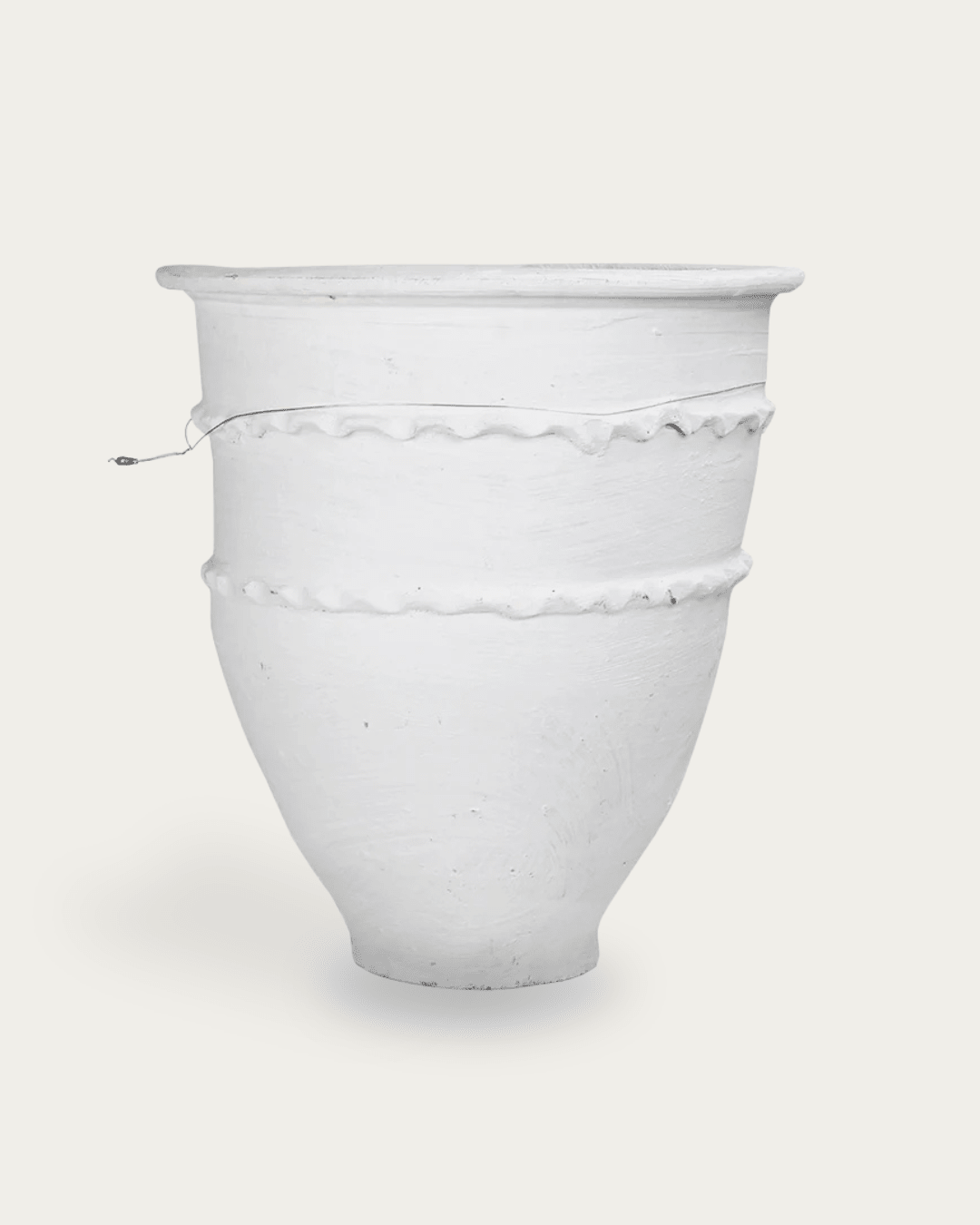
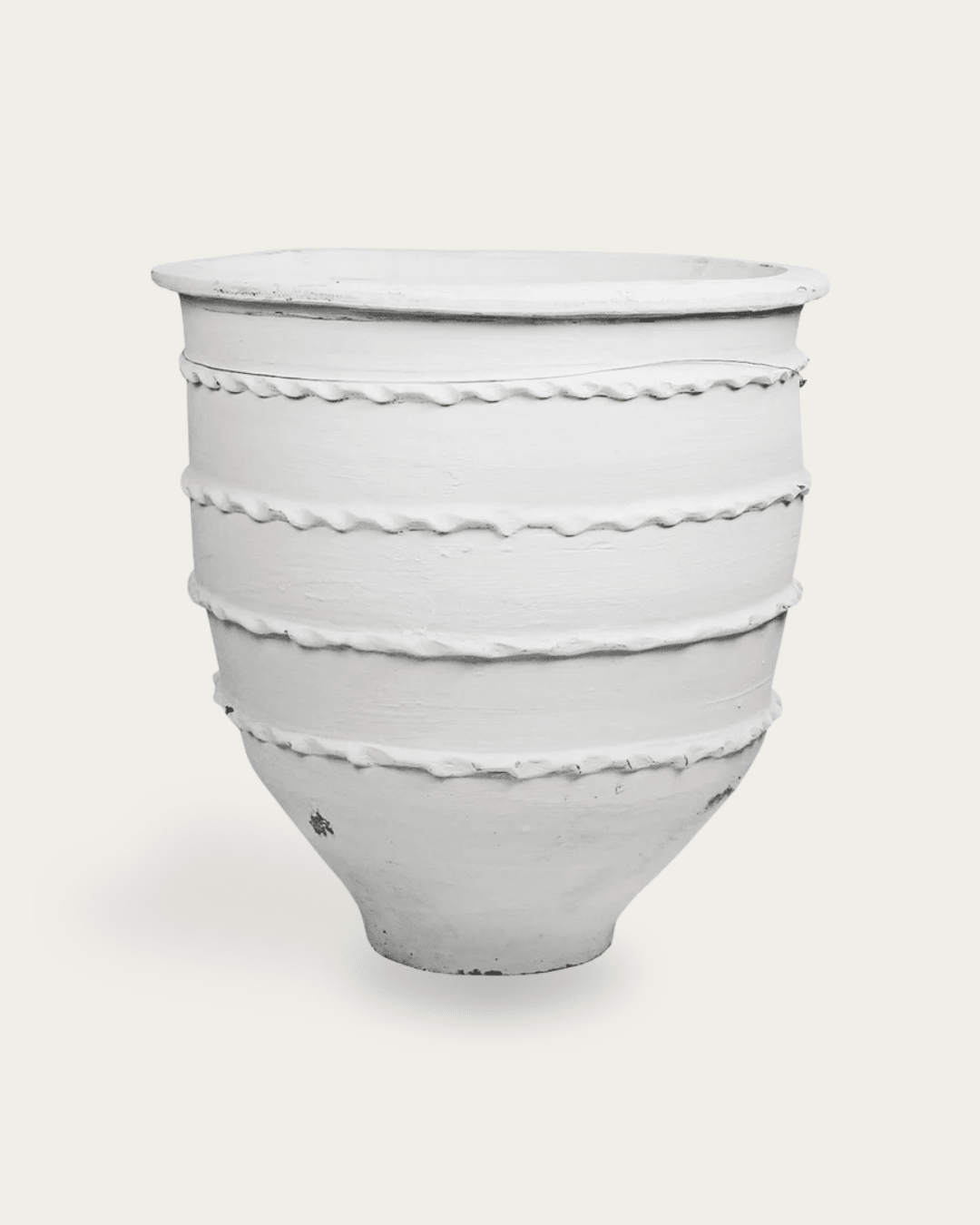
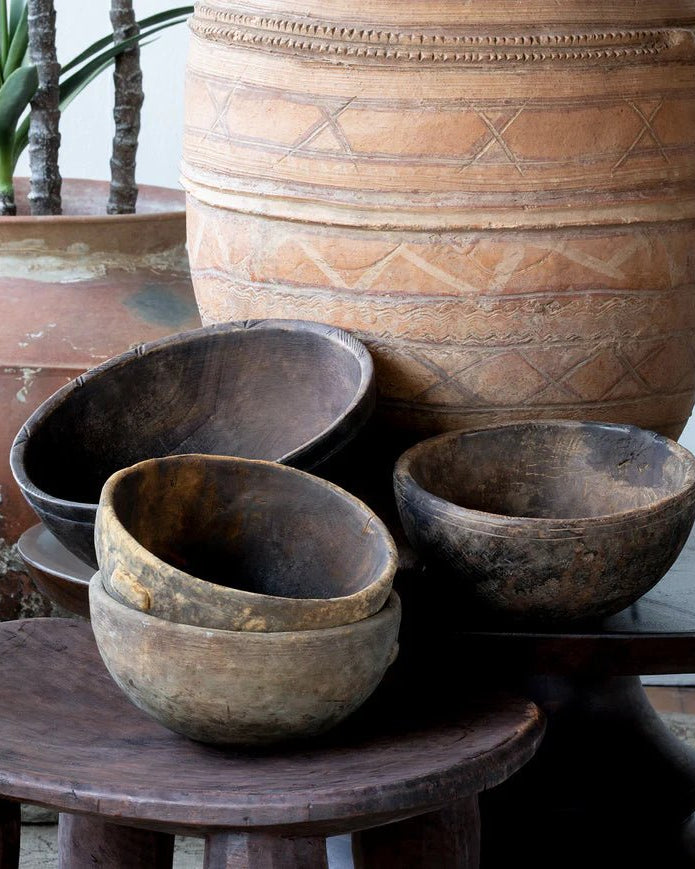
That’s where vintage furniture changes everything.
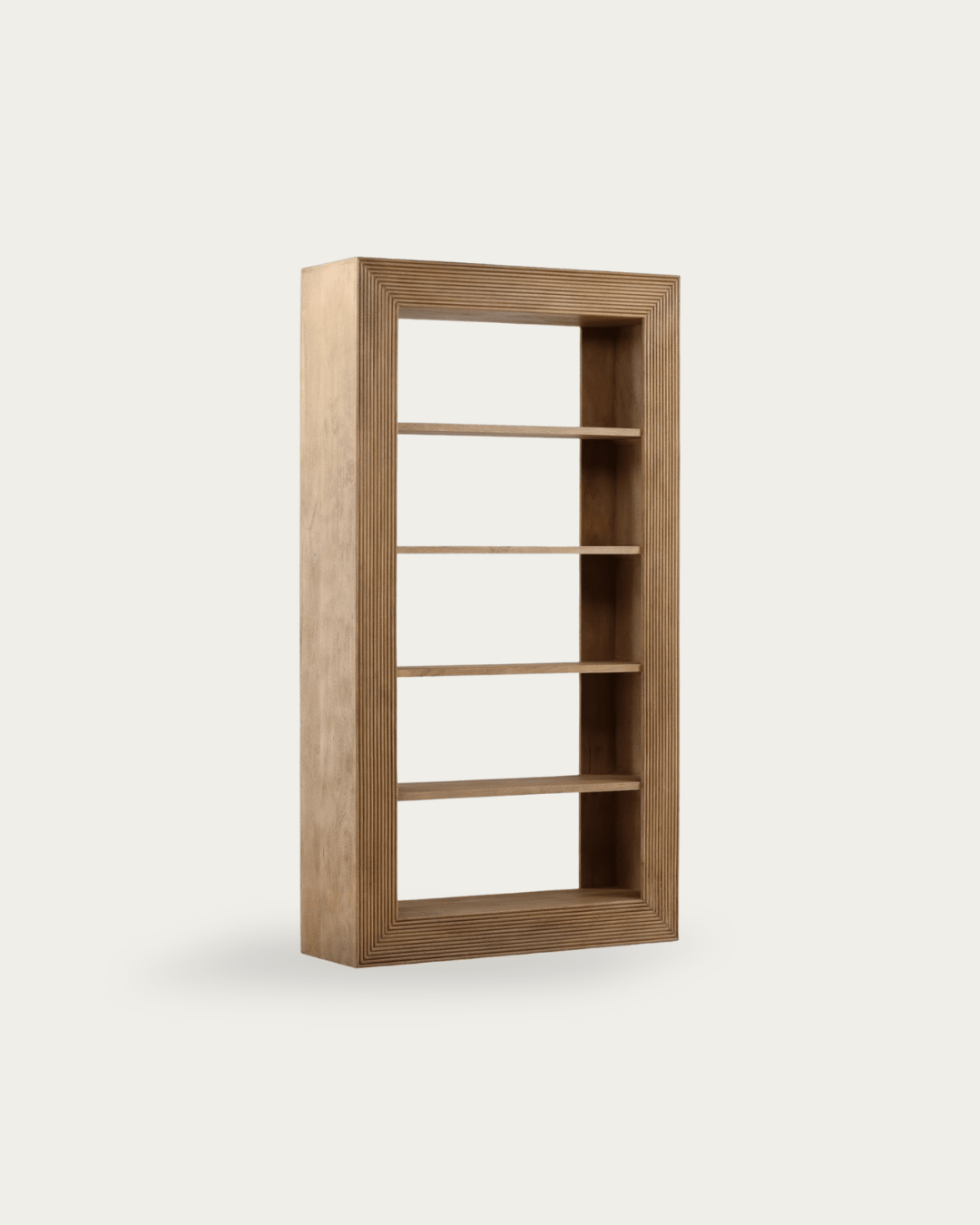
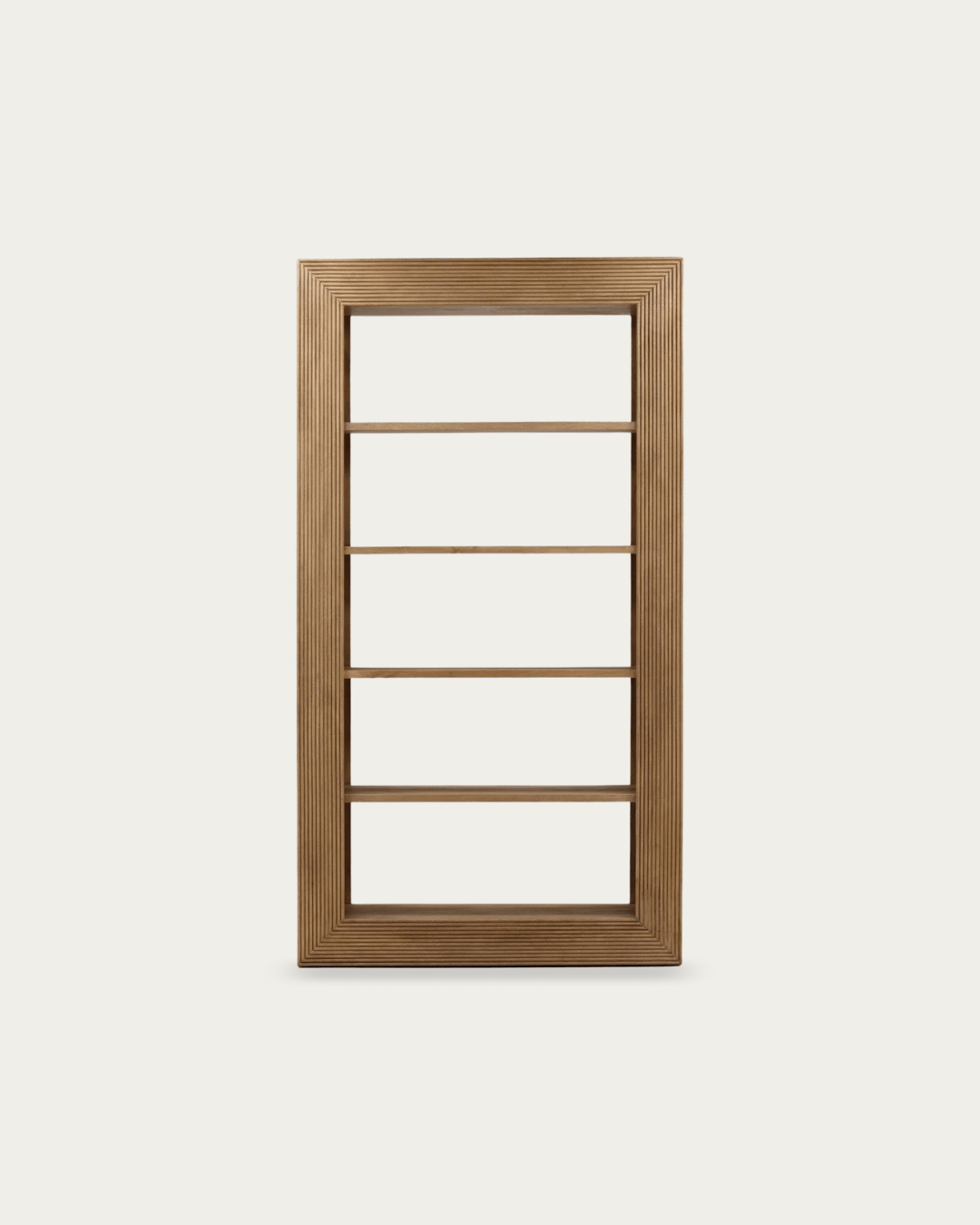
If you’re starting to explore pieces that bring more depth into your space, you can browse our curated vintage furniture collection here.
Why New Furniture Often Feels Incomplete
Most modern furniture is designed to be consistent.
Same finishes. Same tones. Same proportions.
It works visually—but it can fall flat over time.
Your brain is wired to recognize patterns quickly.
When everything in a room follows the same logic, it becomes predictable.
And predictable spaces don’t always feel calming.
They can feel under-stimulating in the wrong way—like there’s nothing for your eyes to land on.
This is why even well-designed rooms can feel like they’re missing something.
What Vintage Furniture Does to a Space
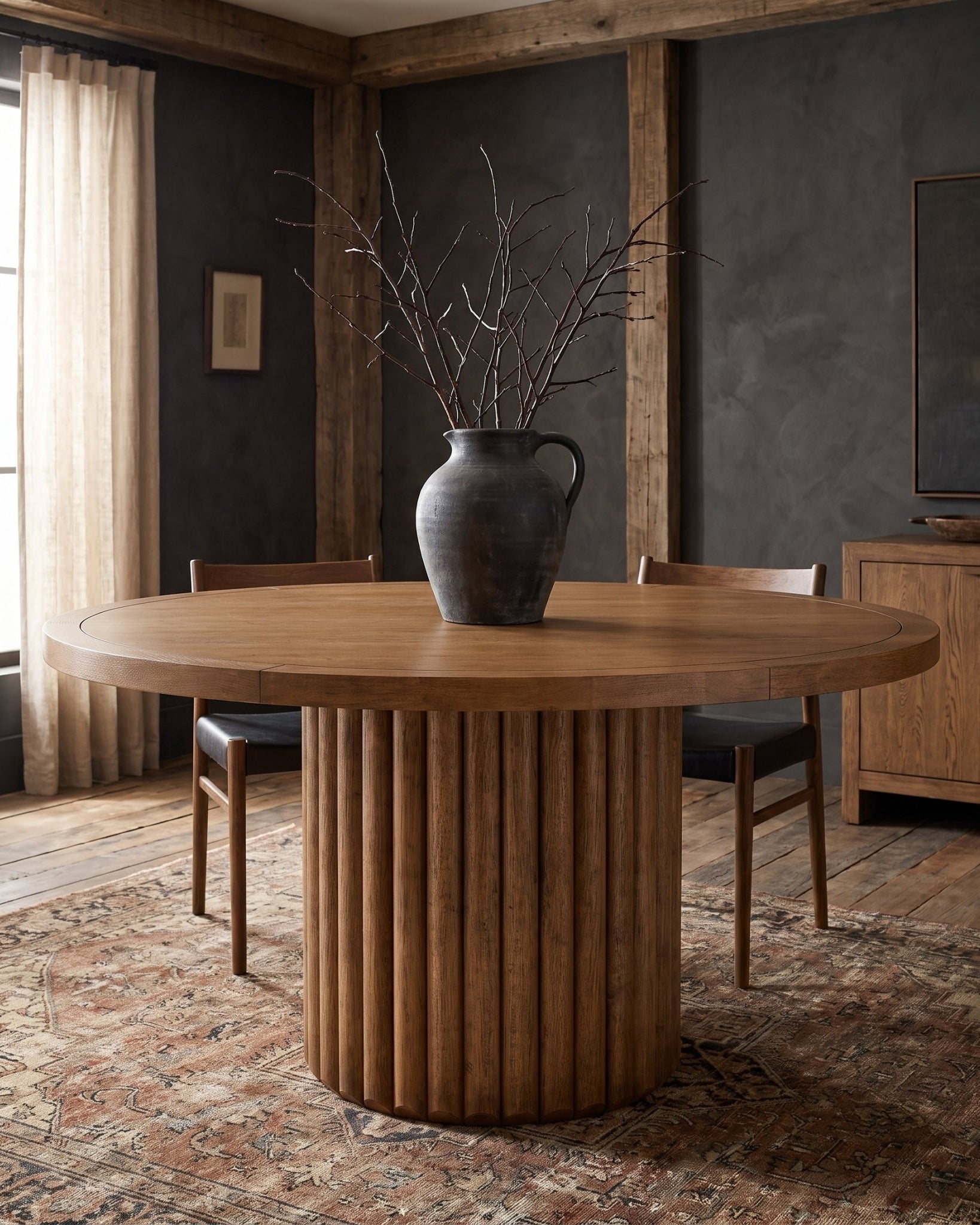
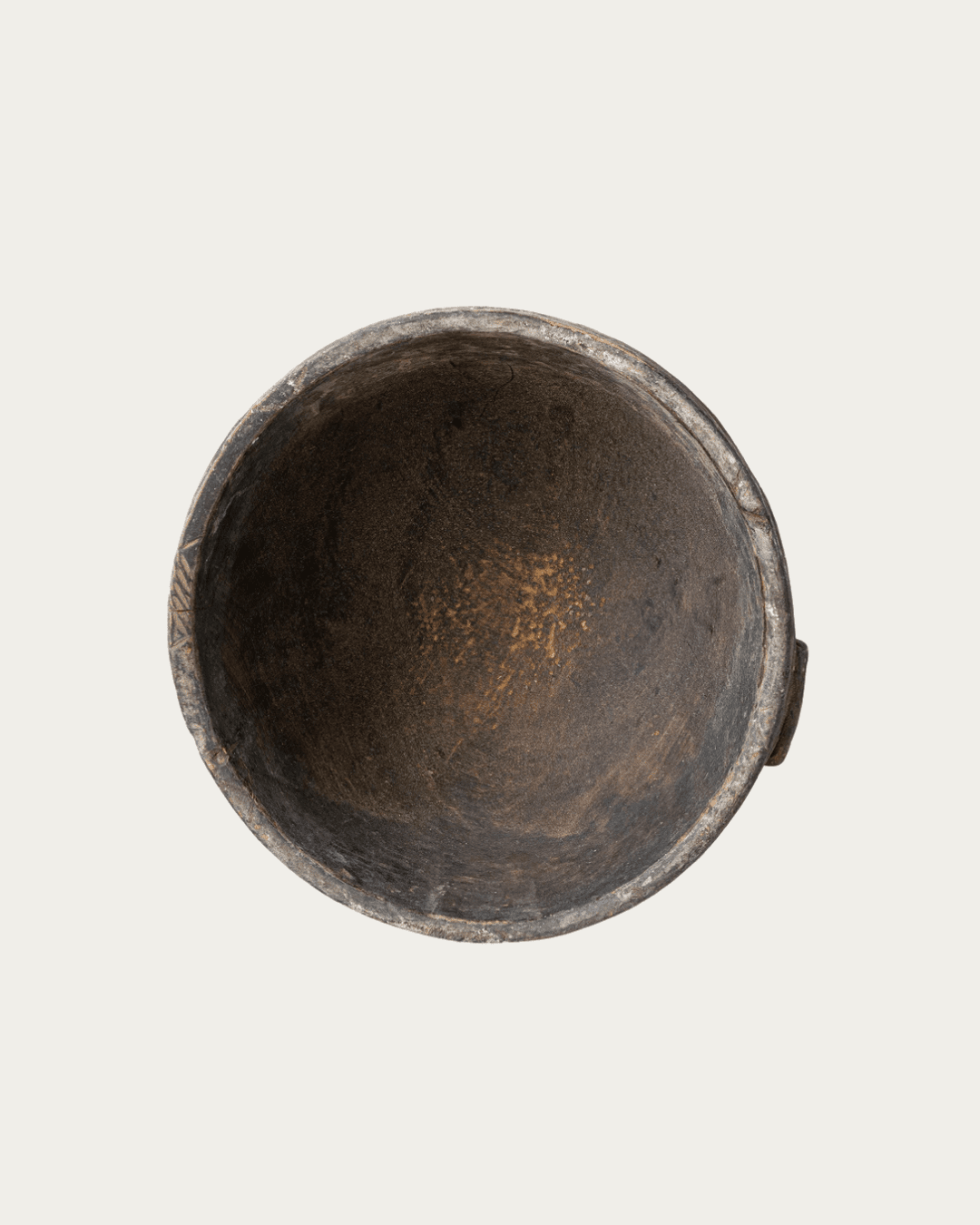
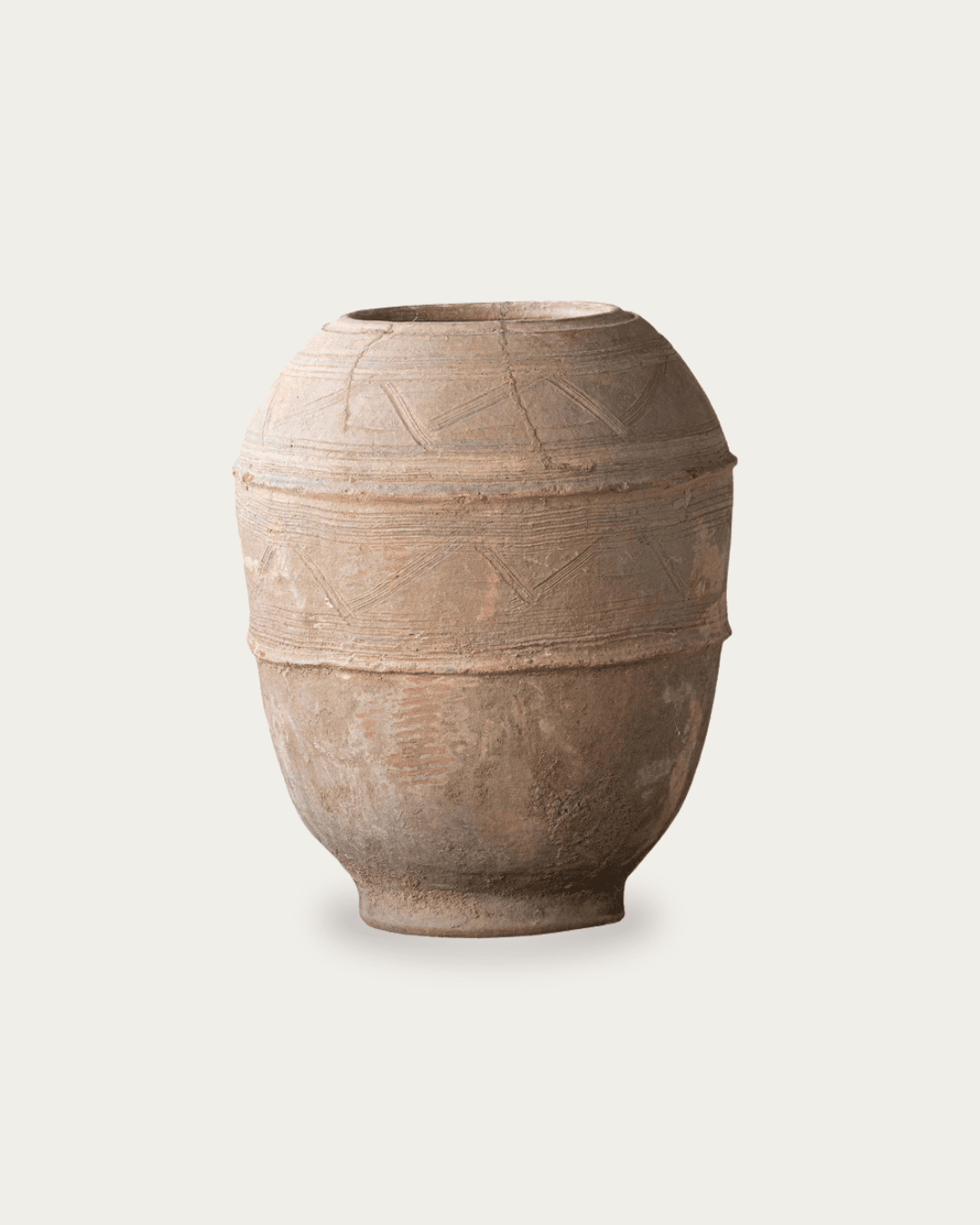
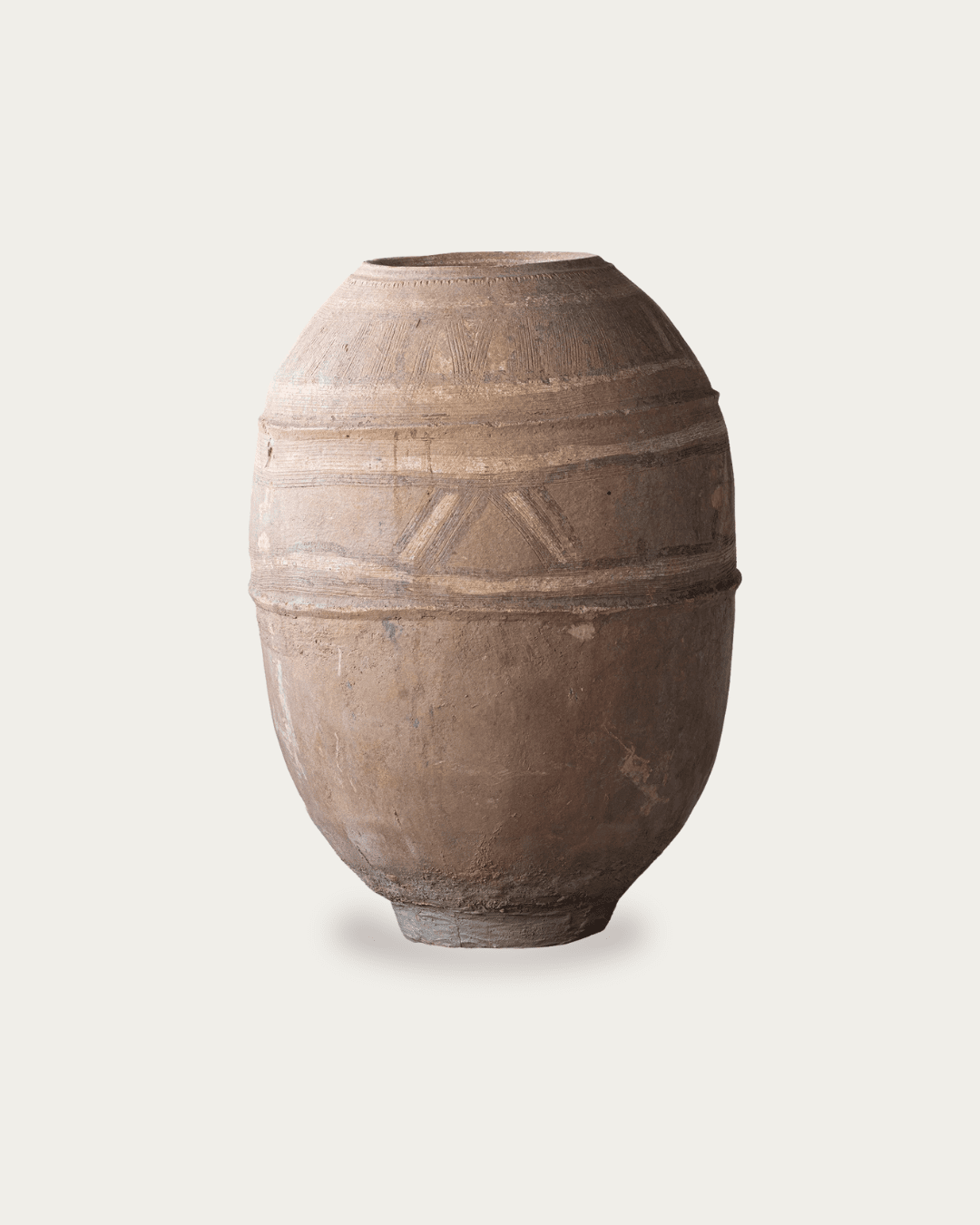
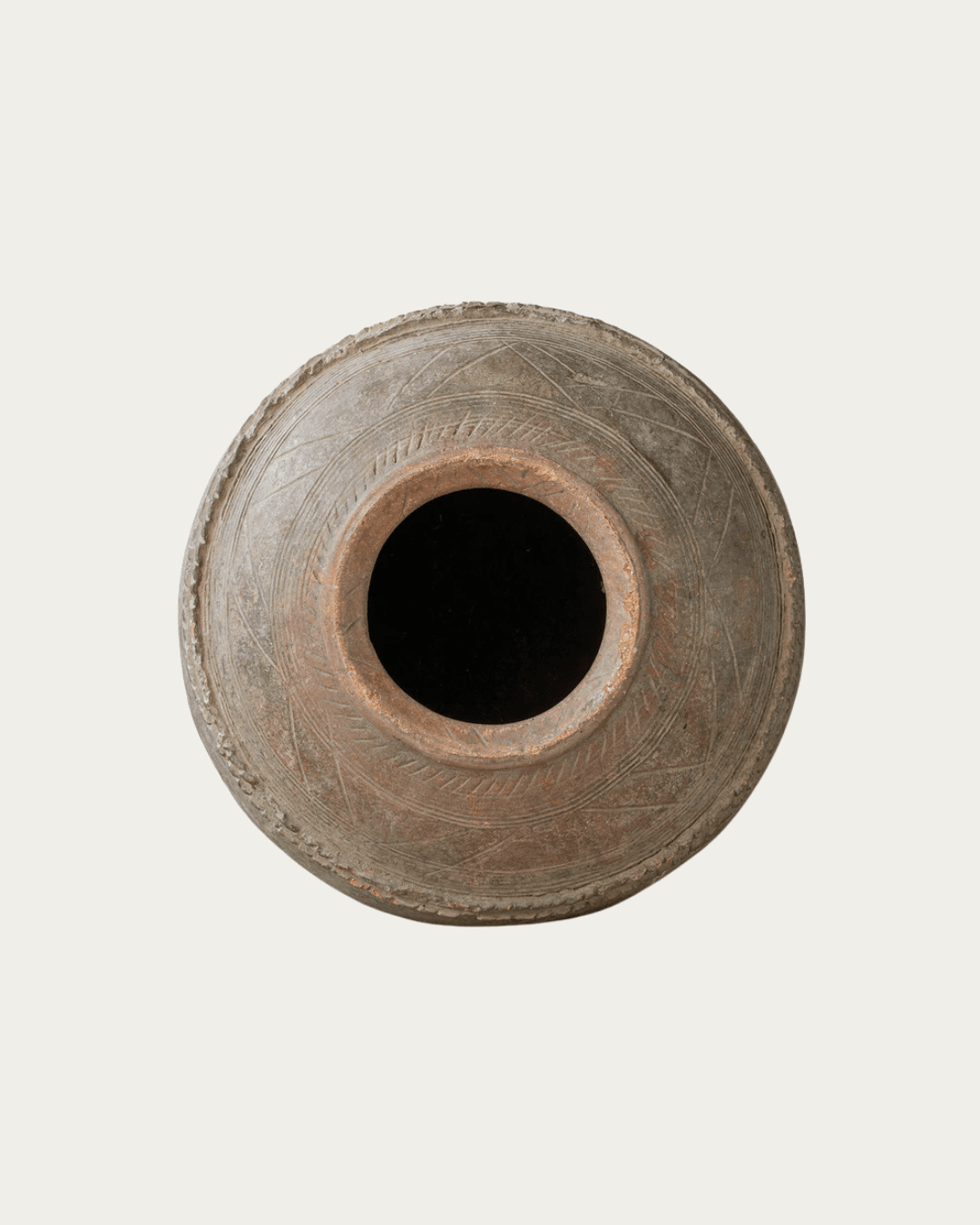
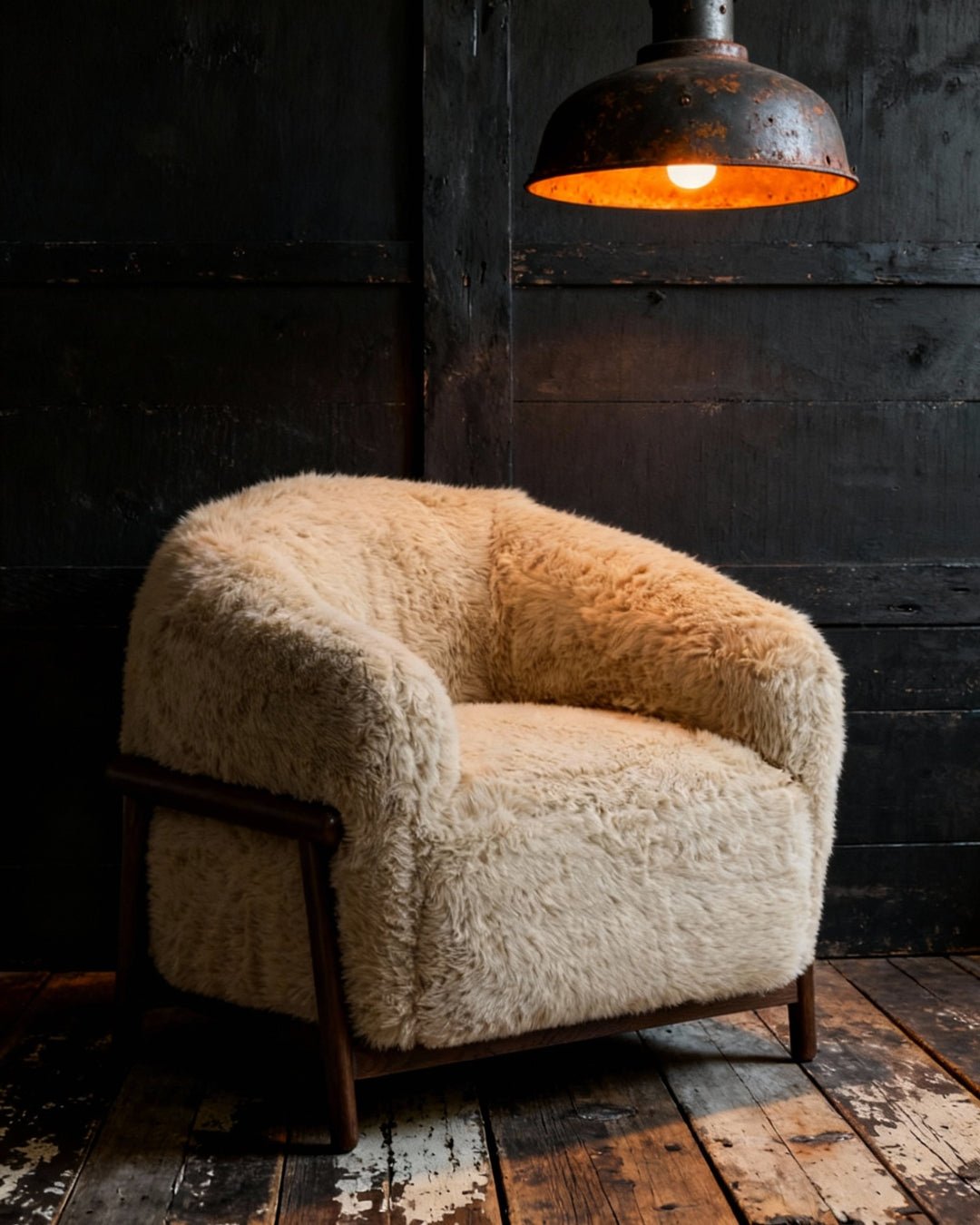
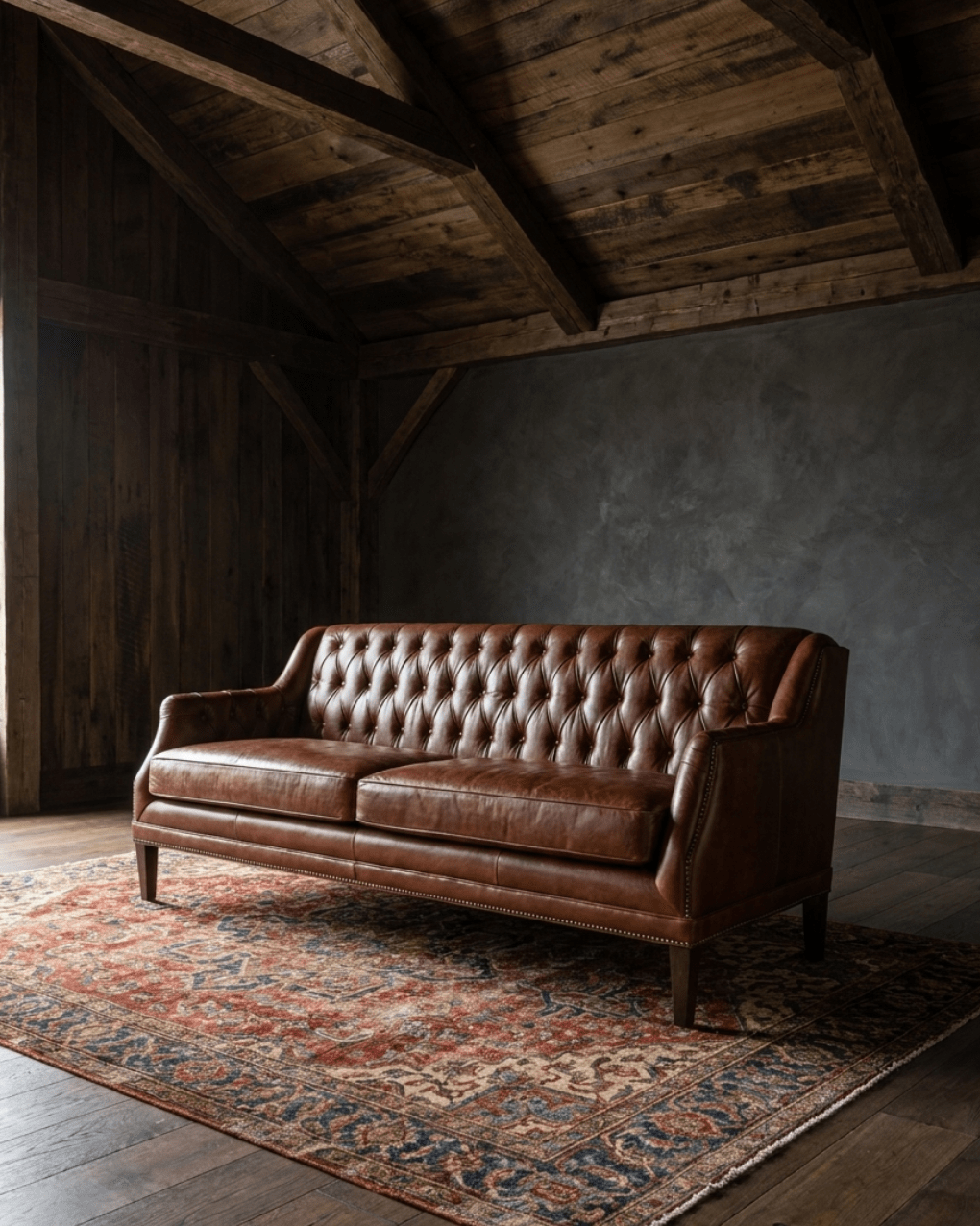
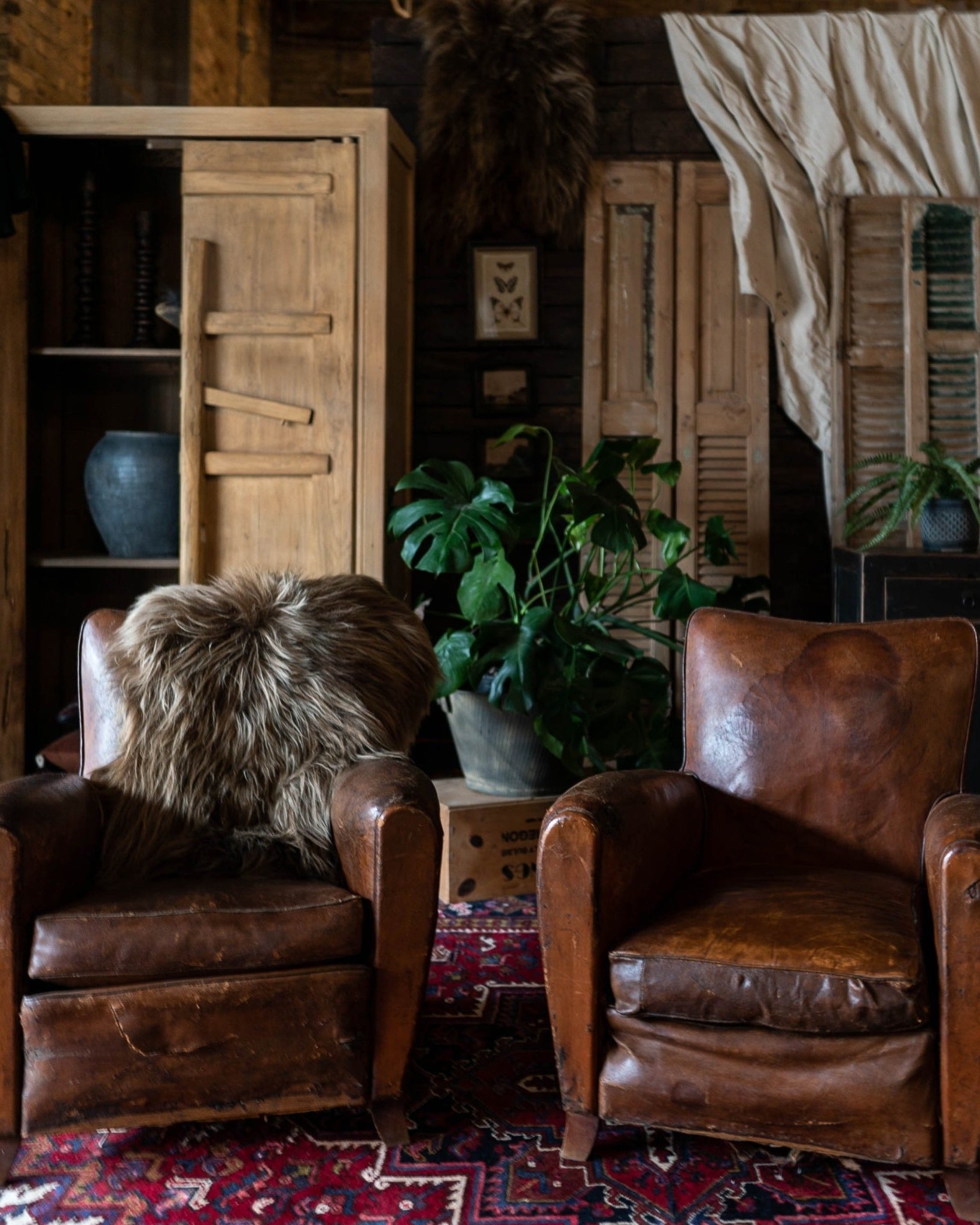
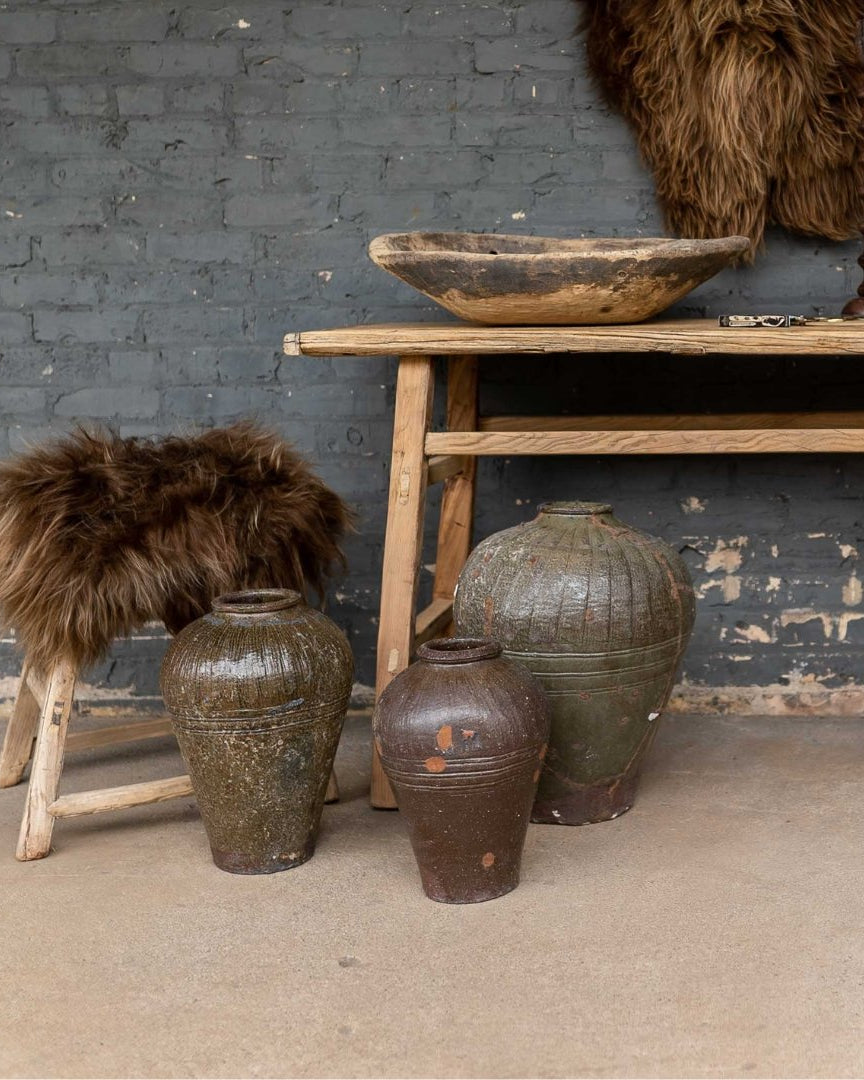
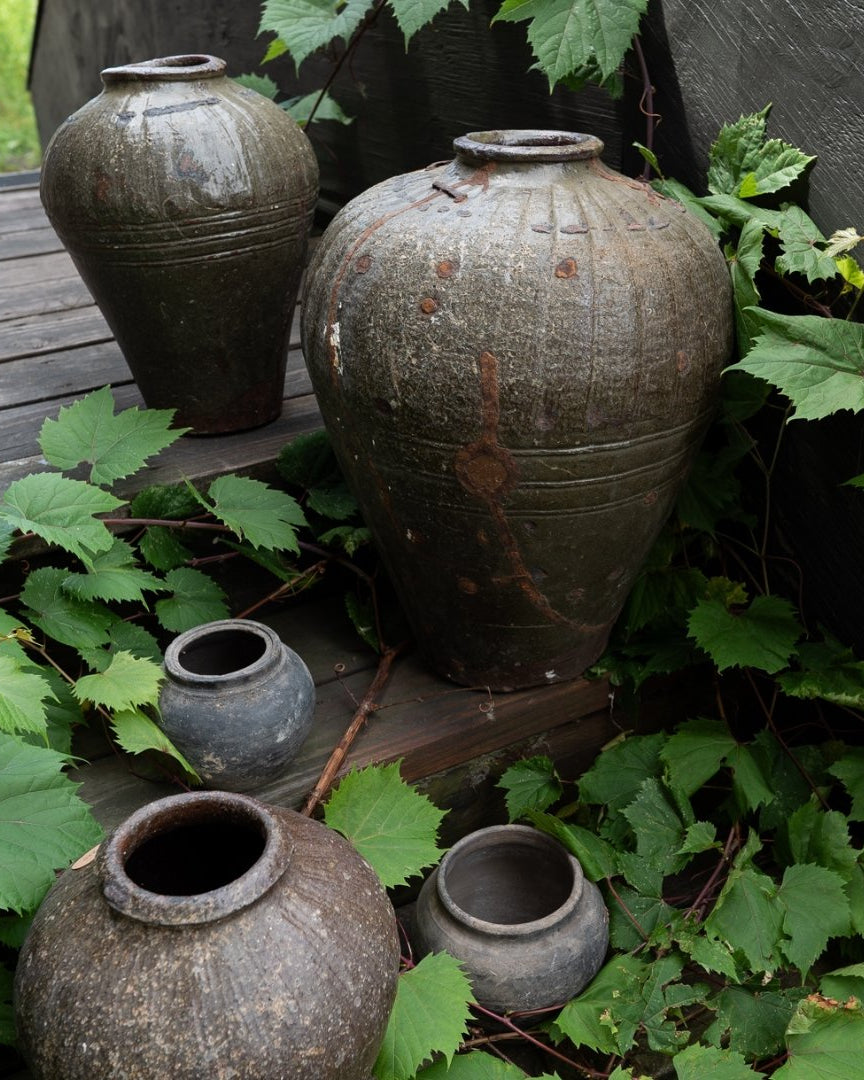
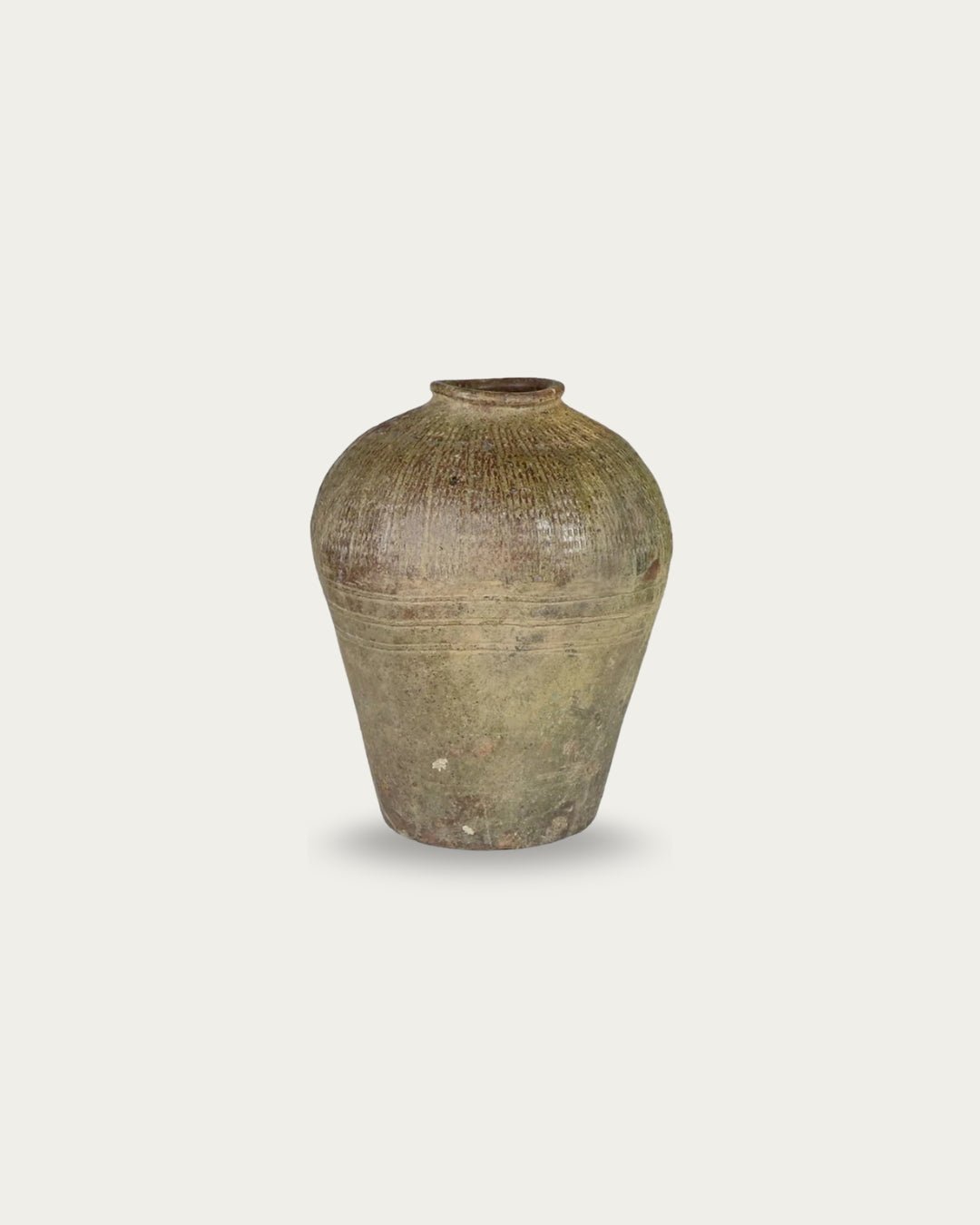
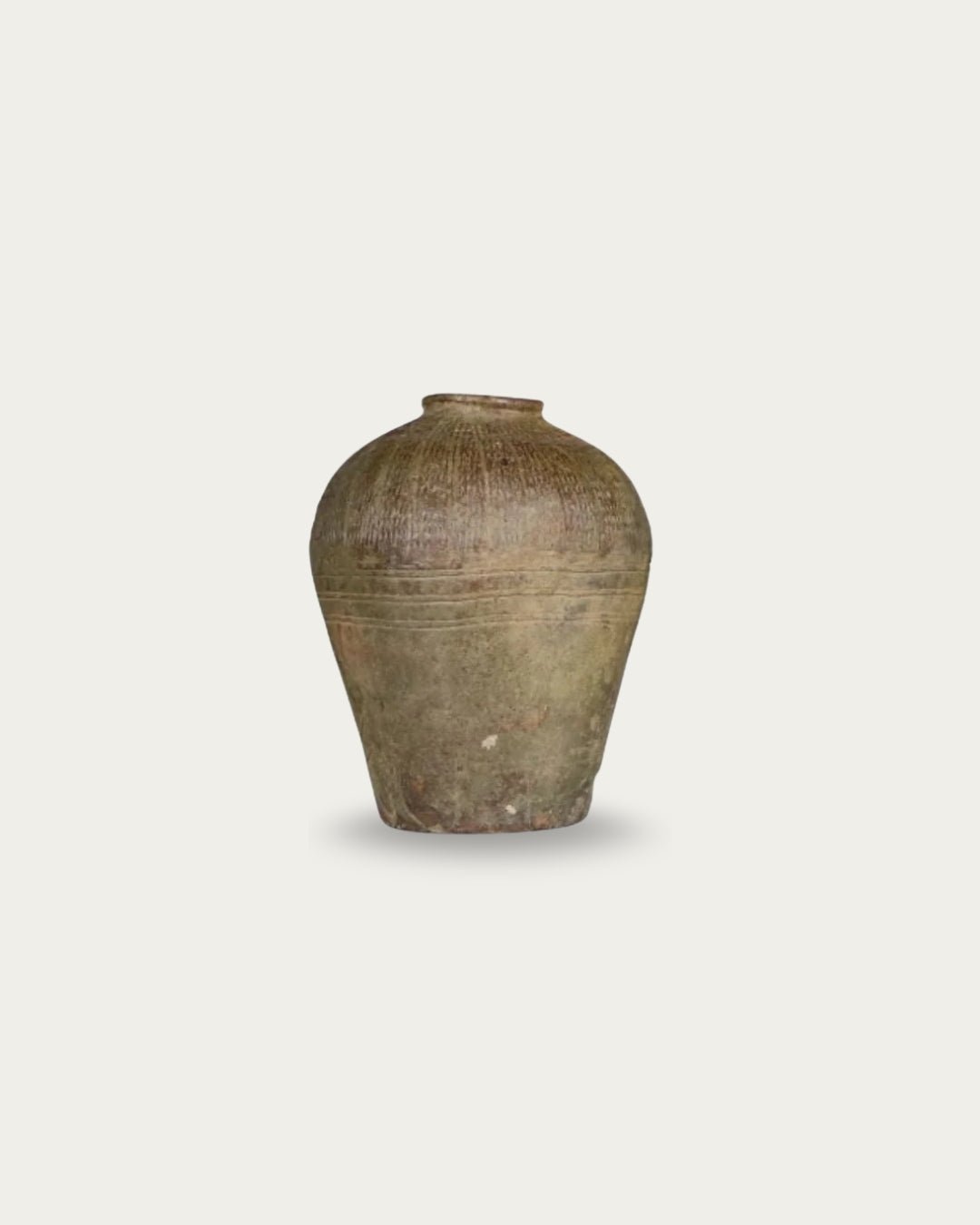
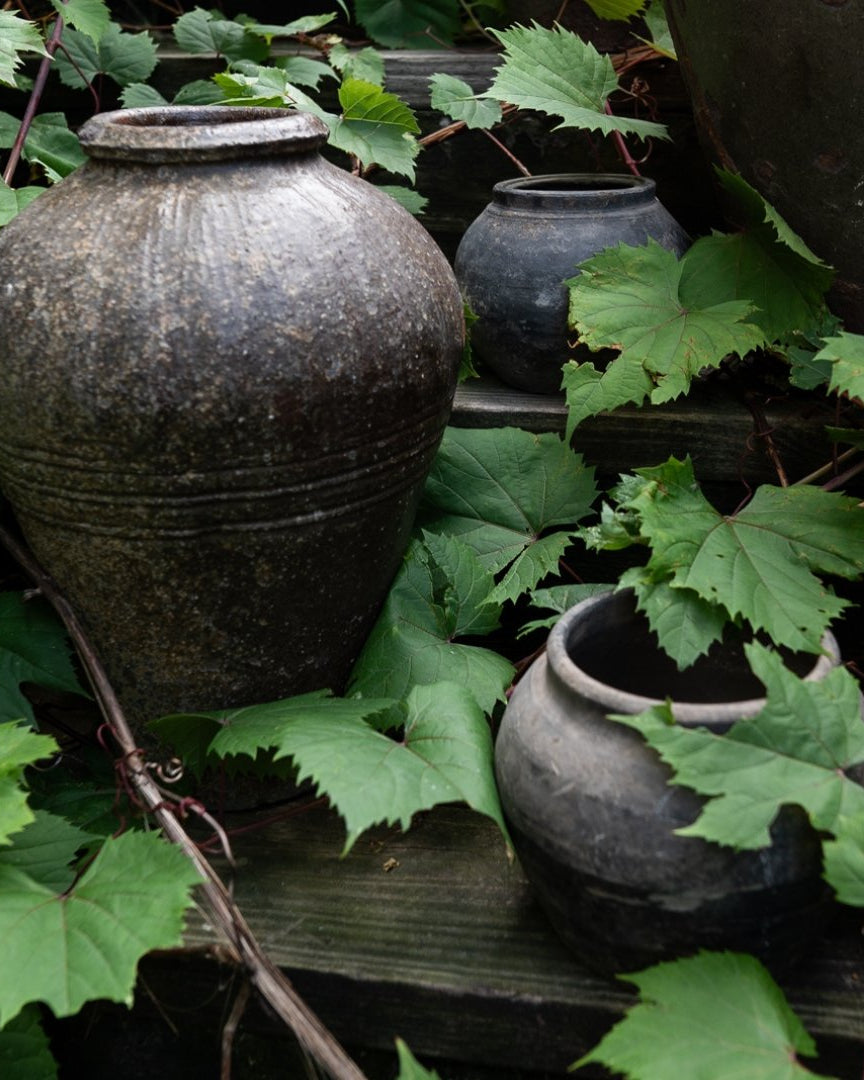
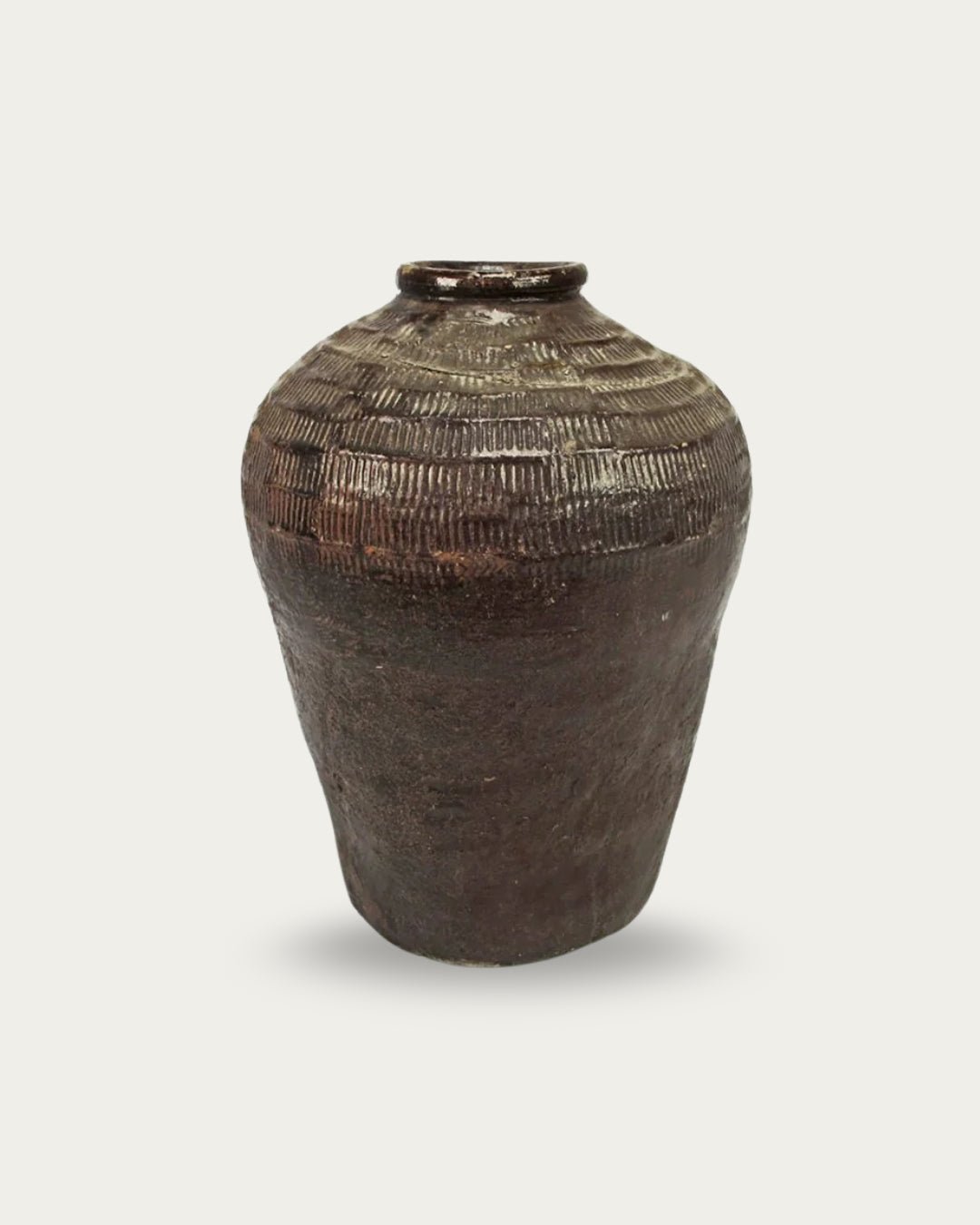
Vintage pieces don’t follow the same rules.
They introduce variation.
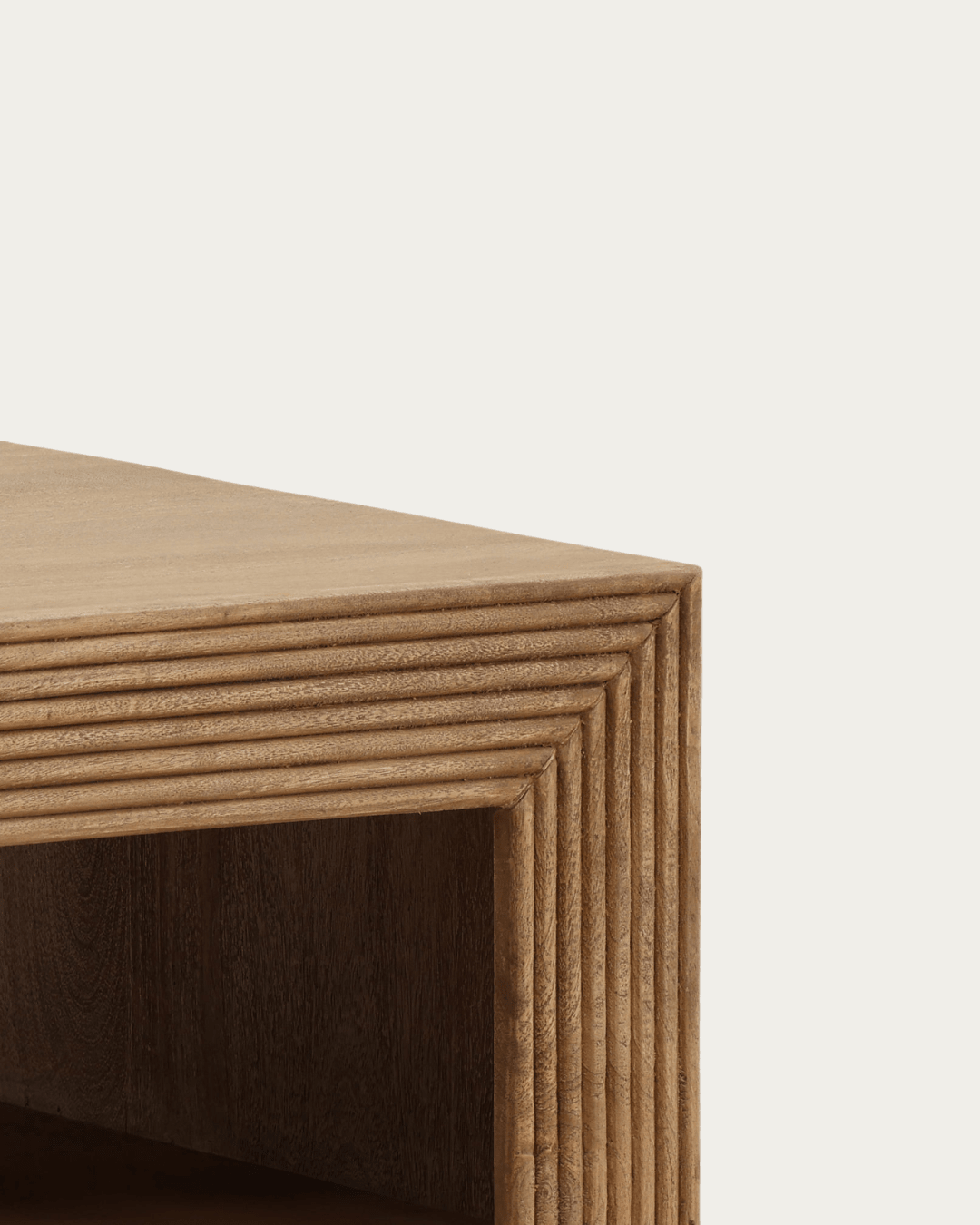
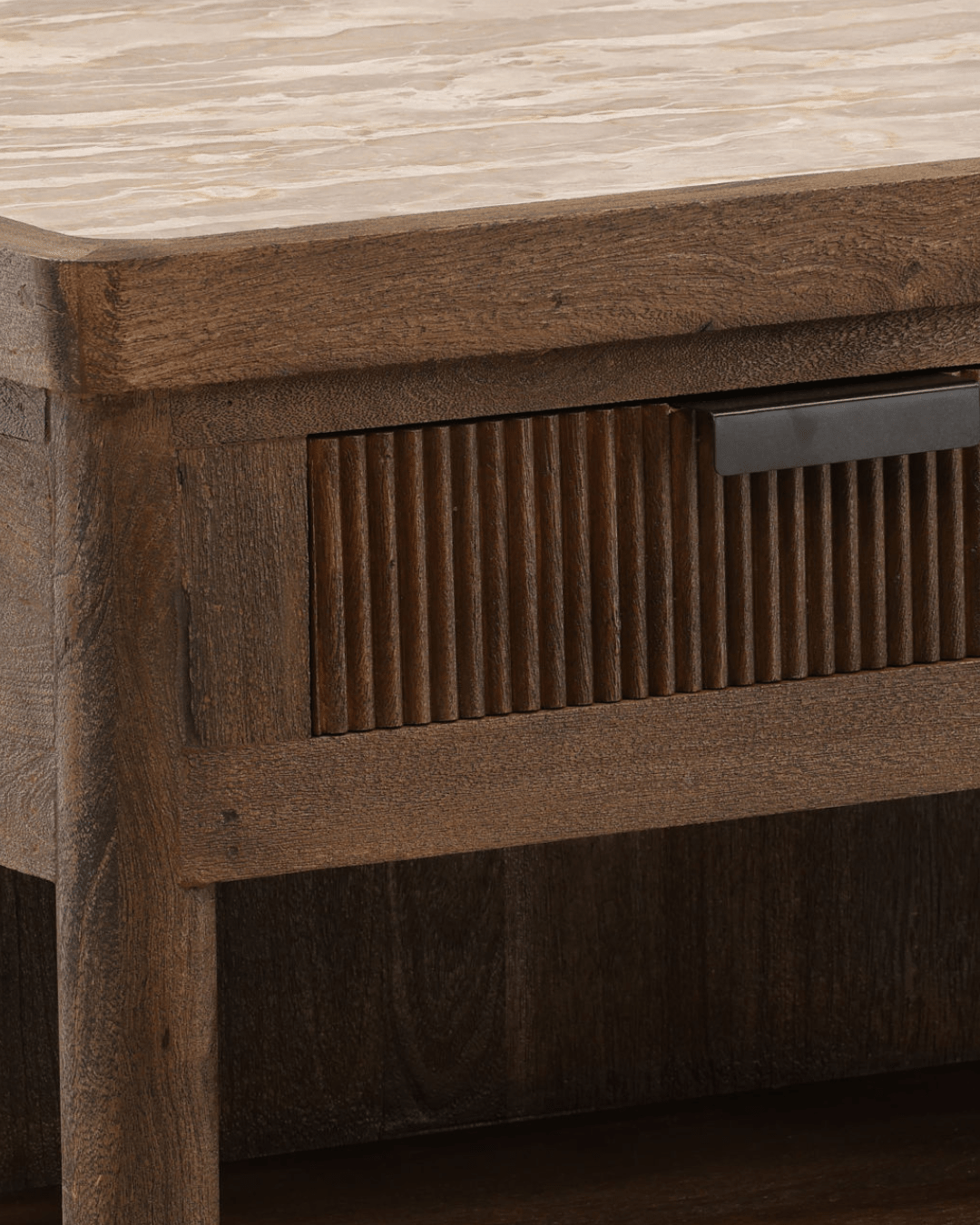
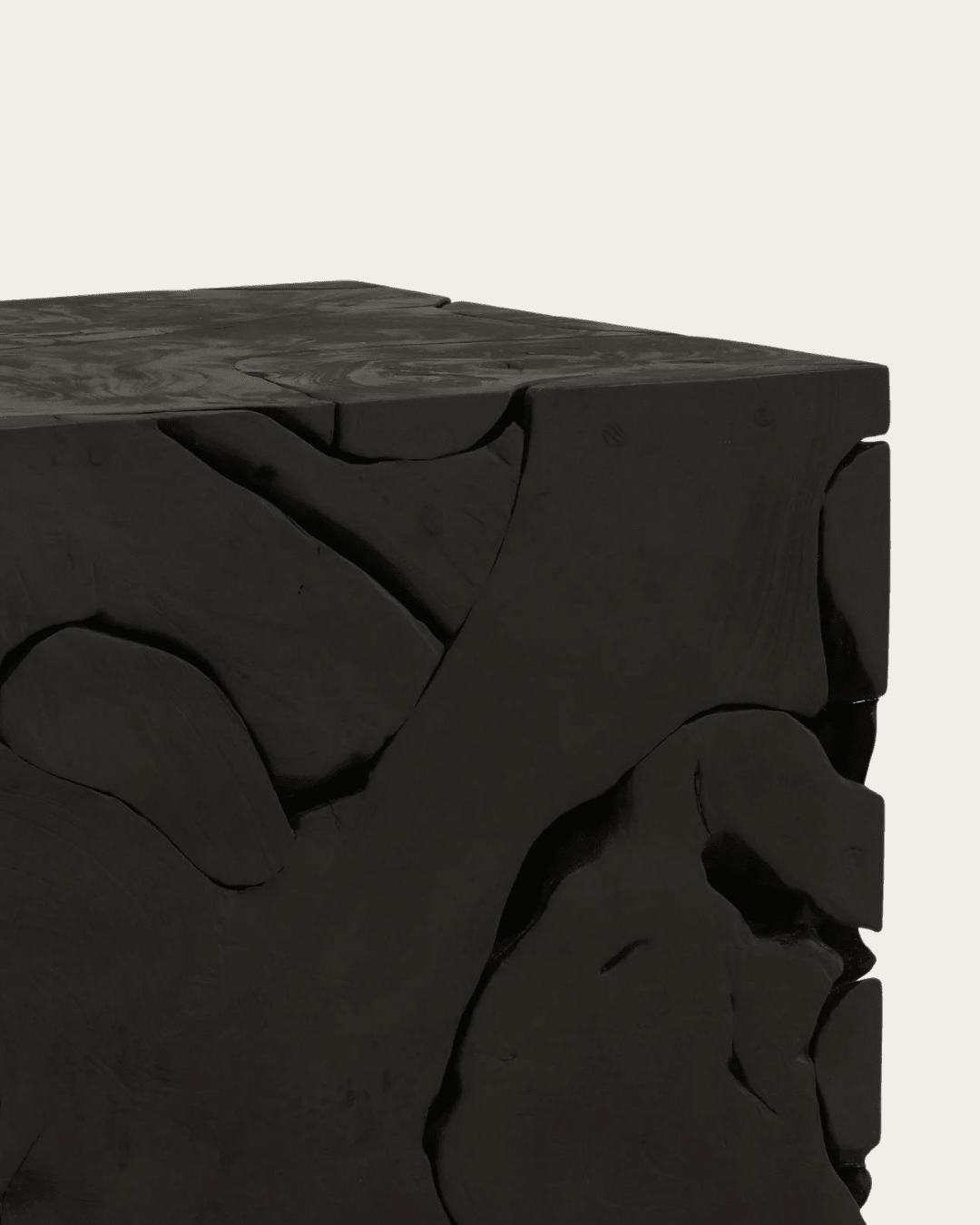
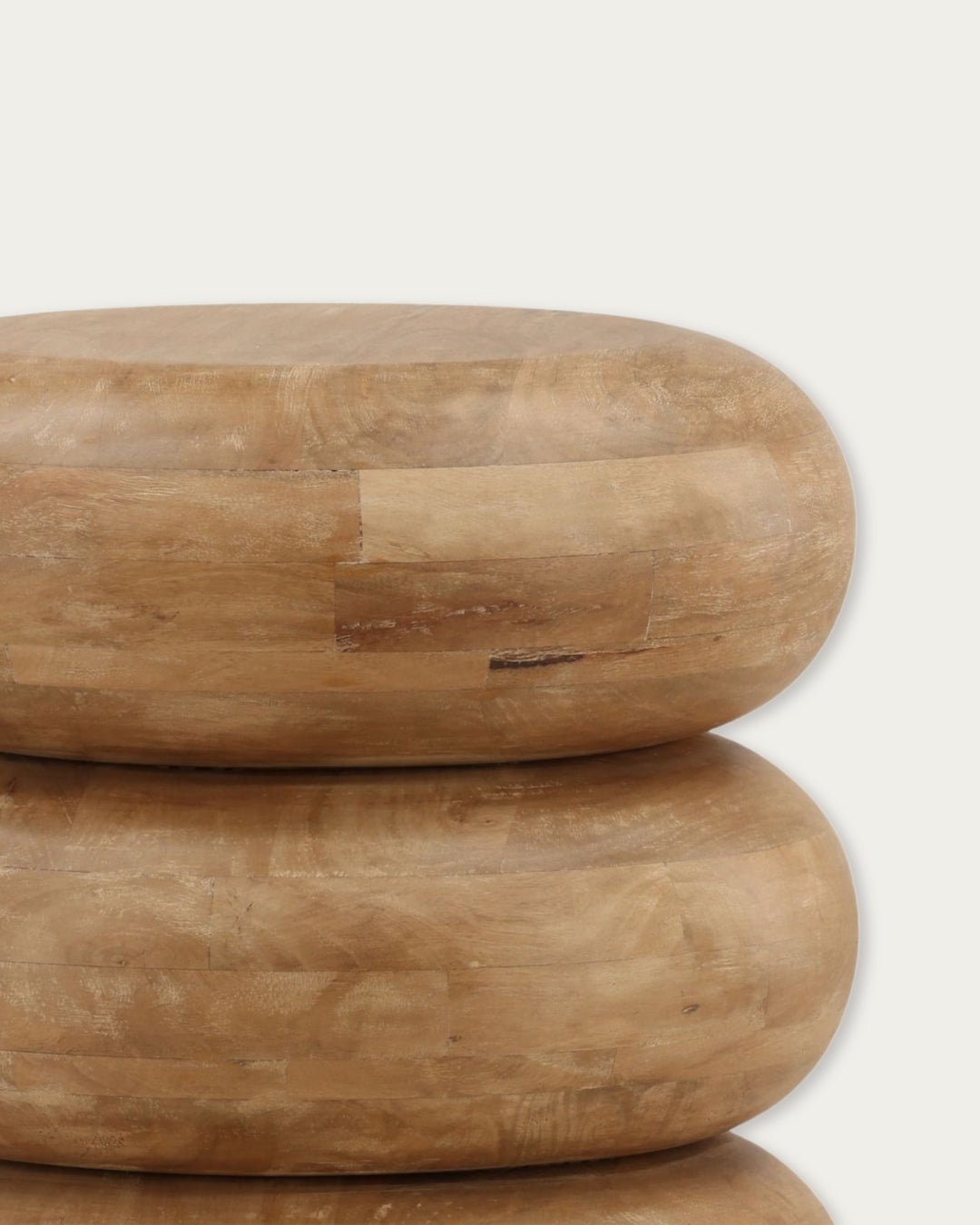
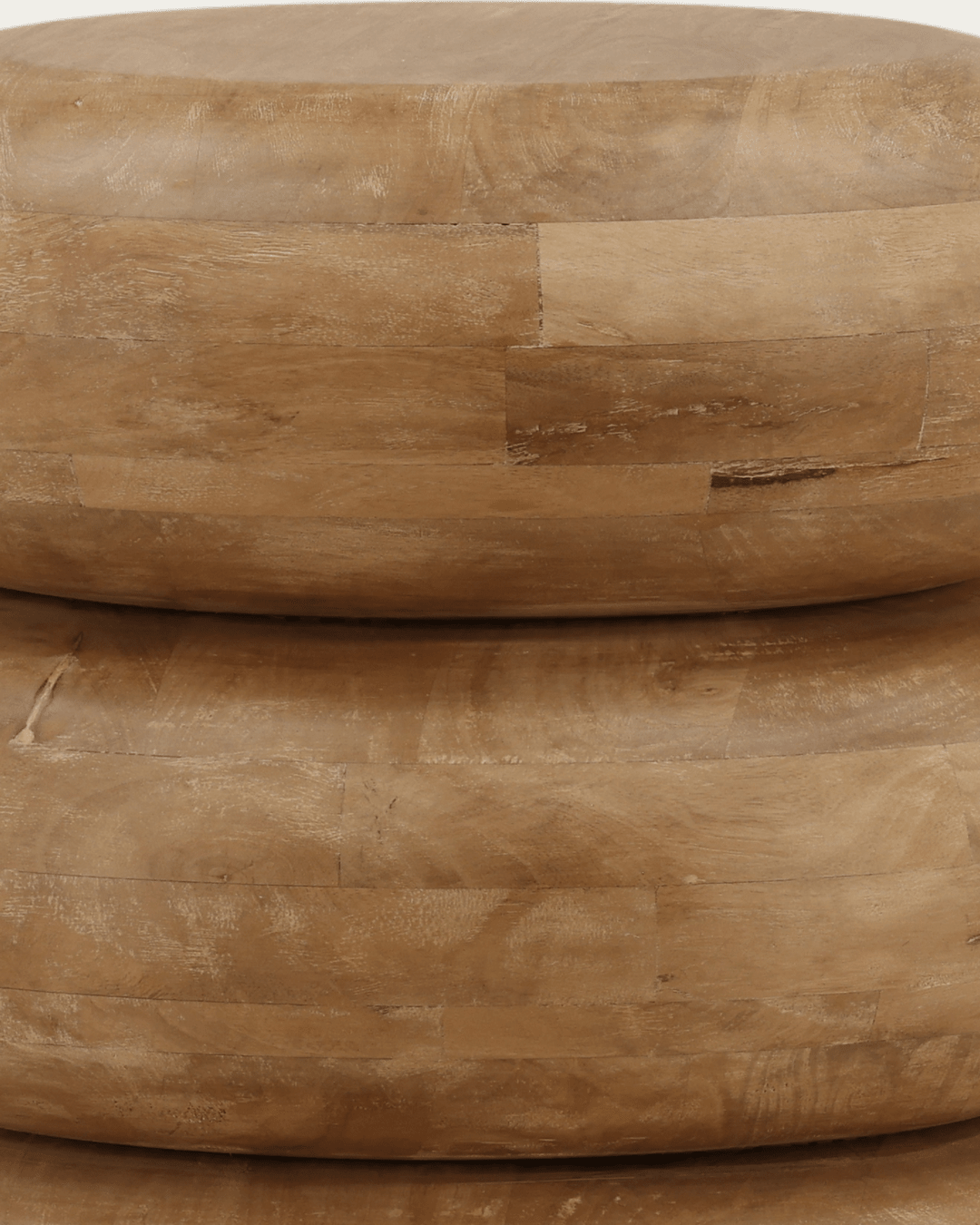
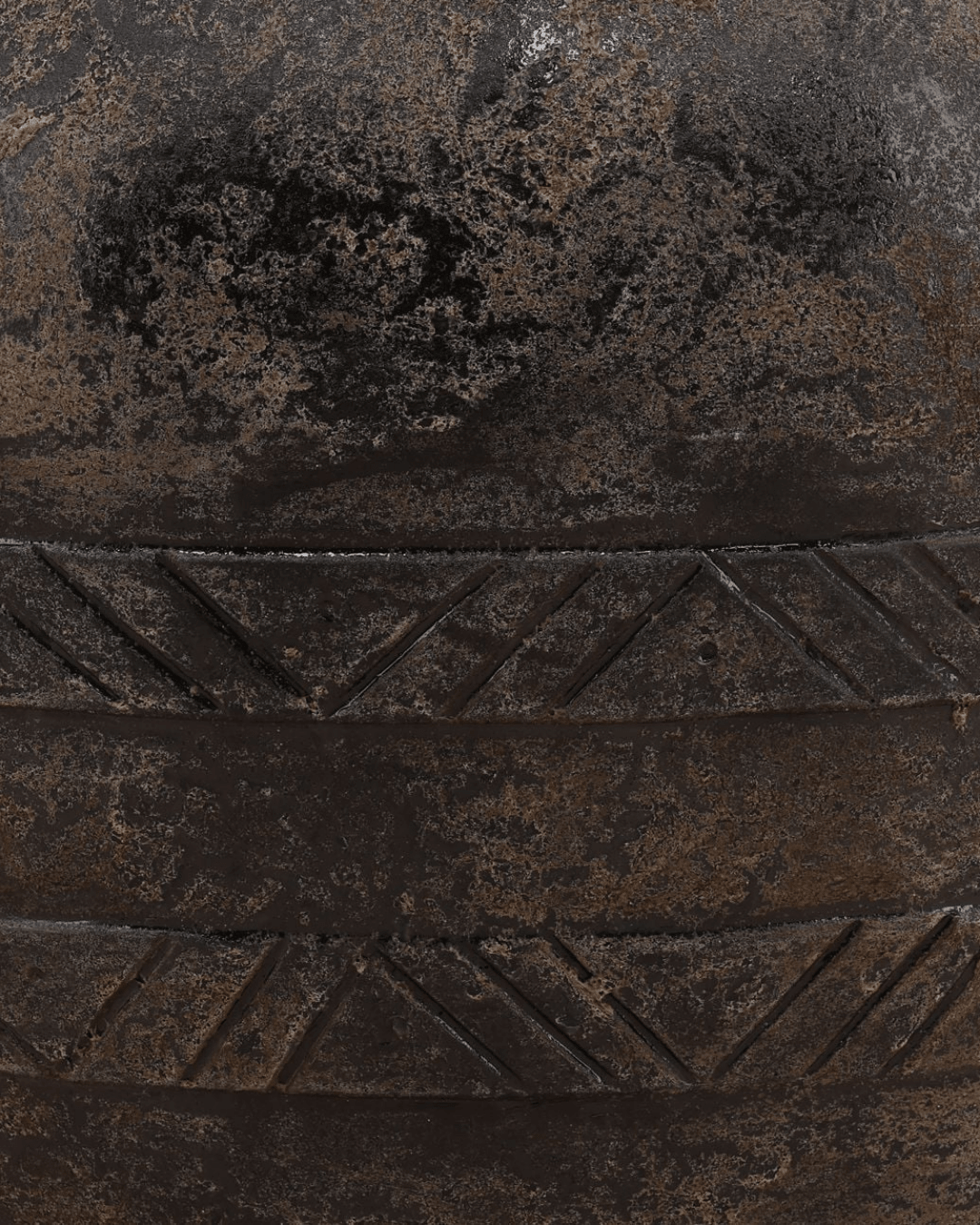
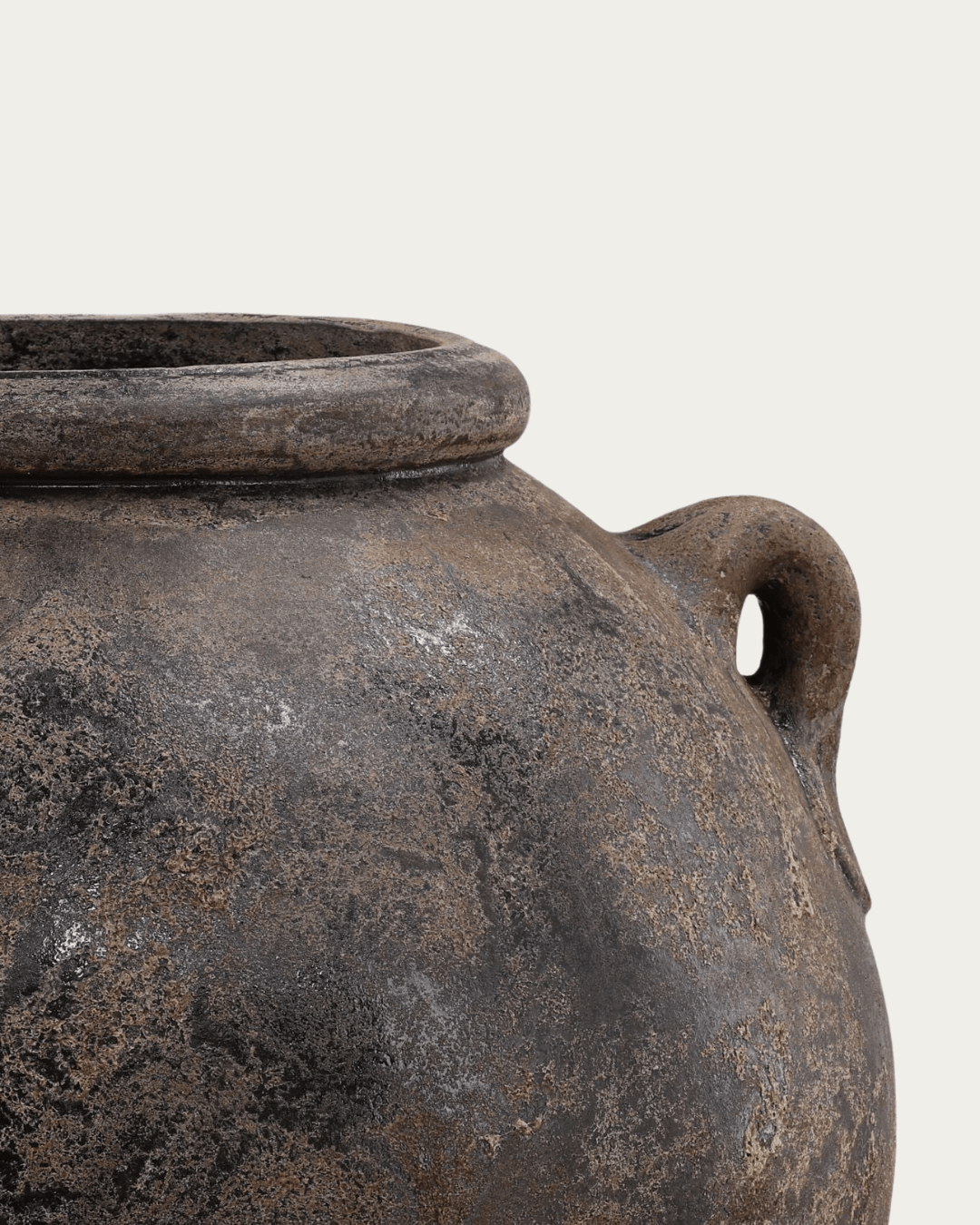
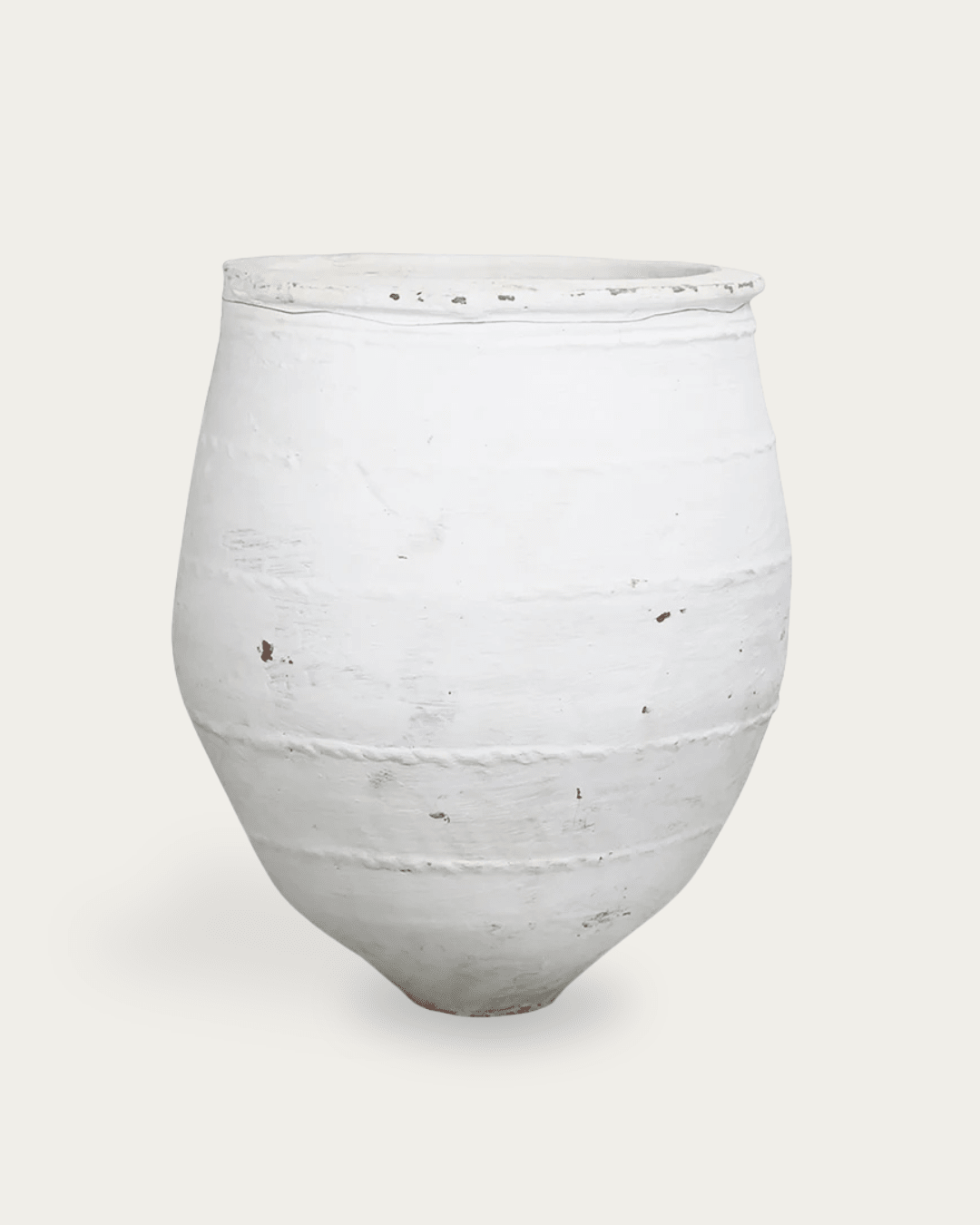
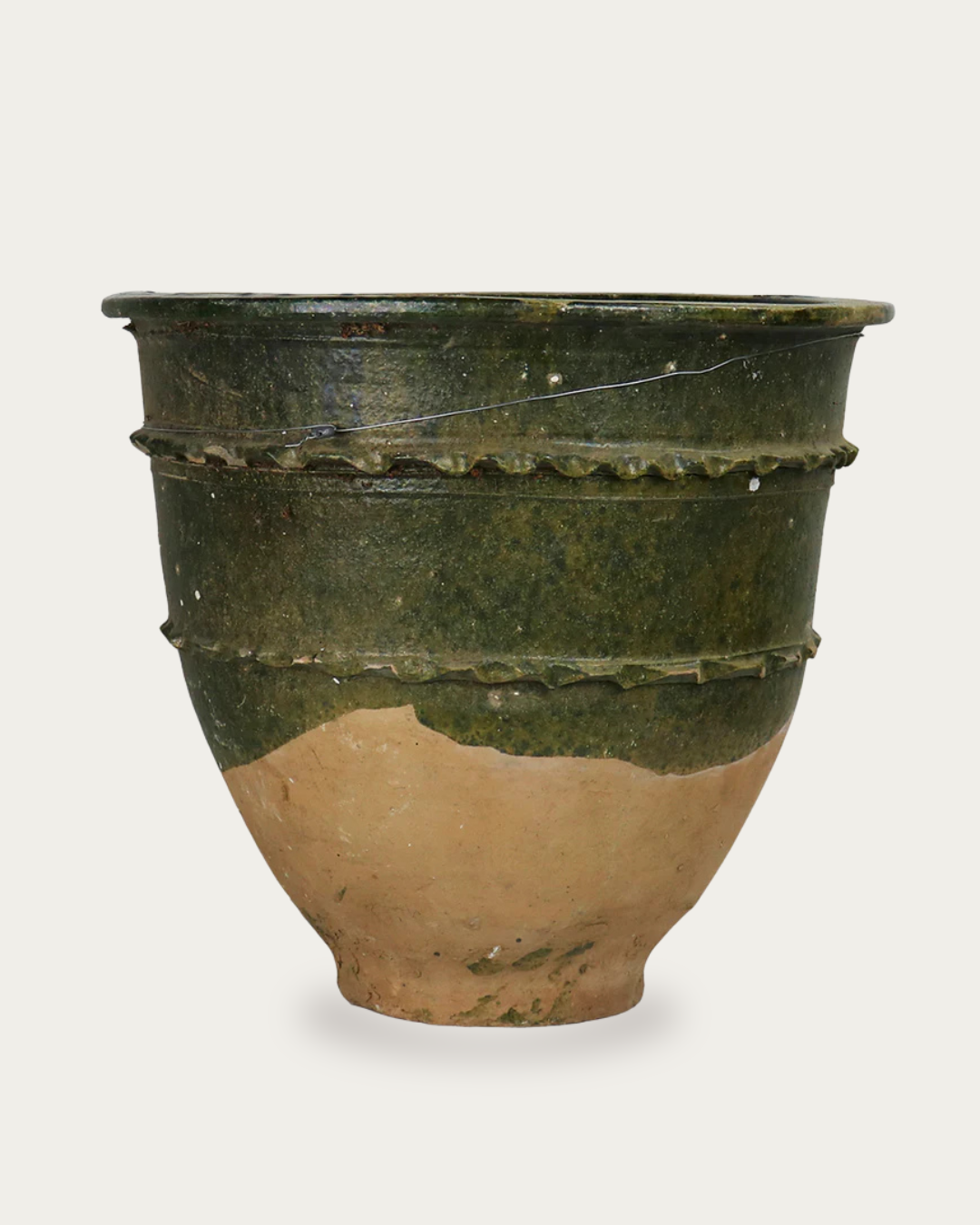
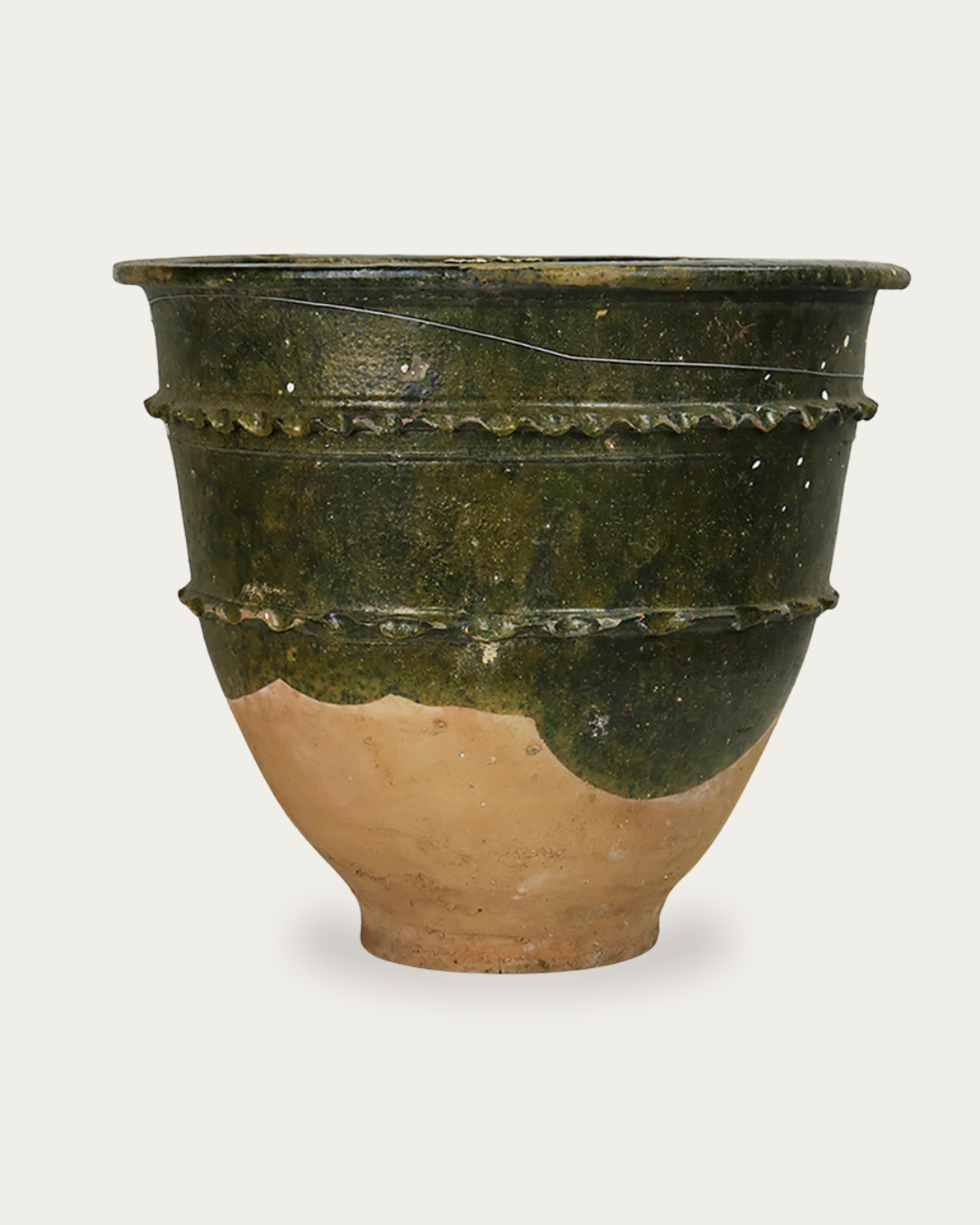
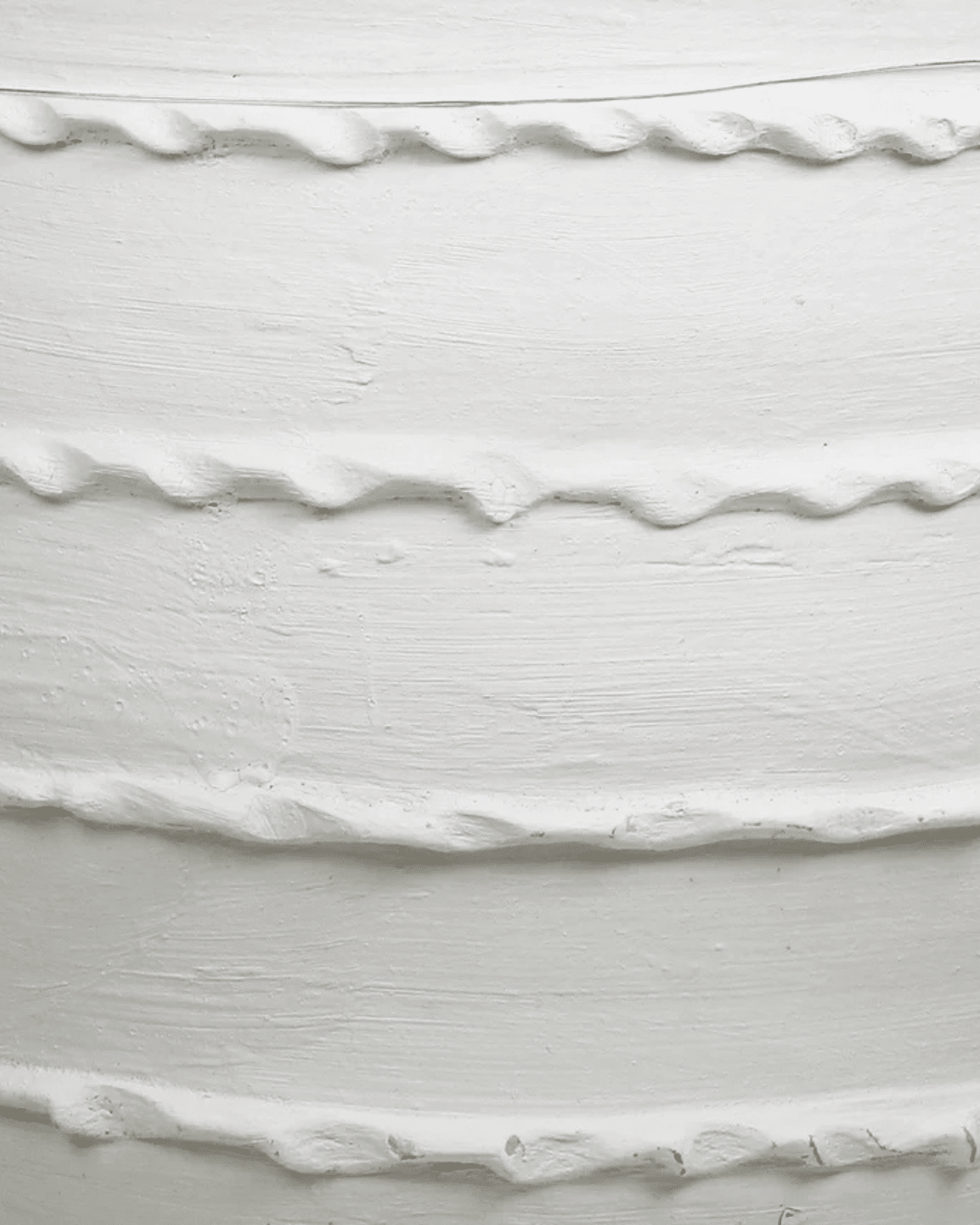
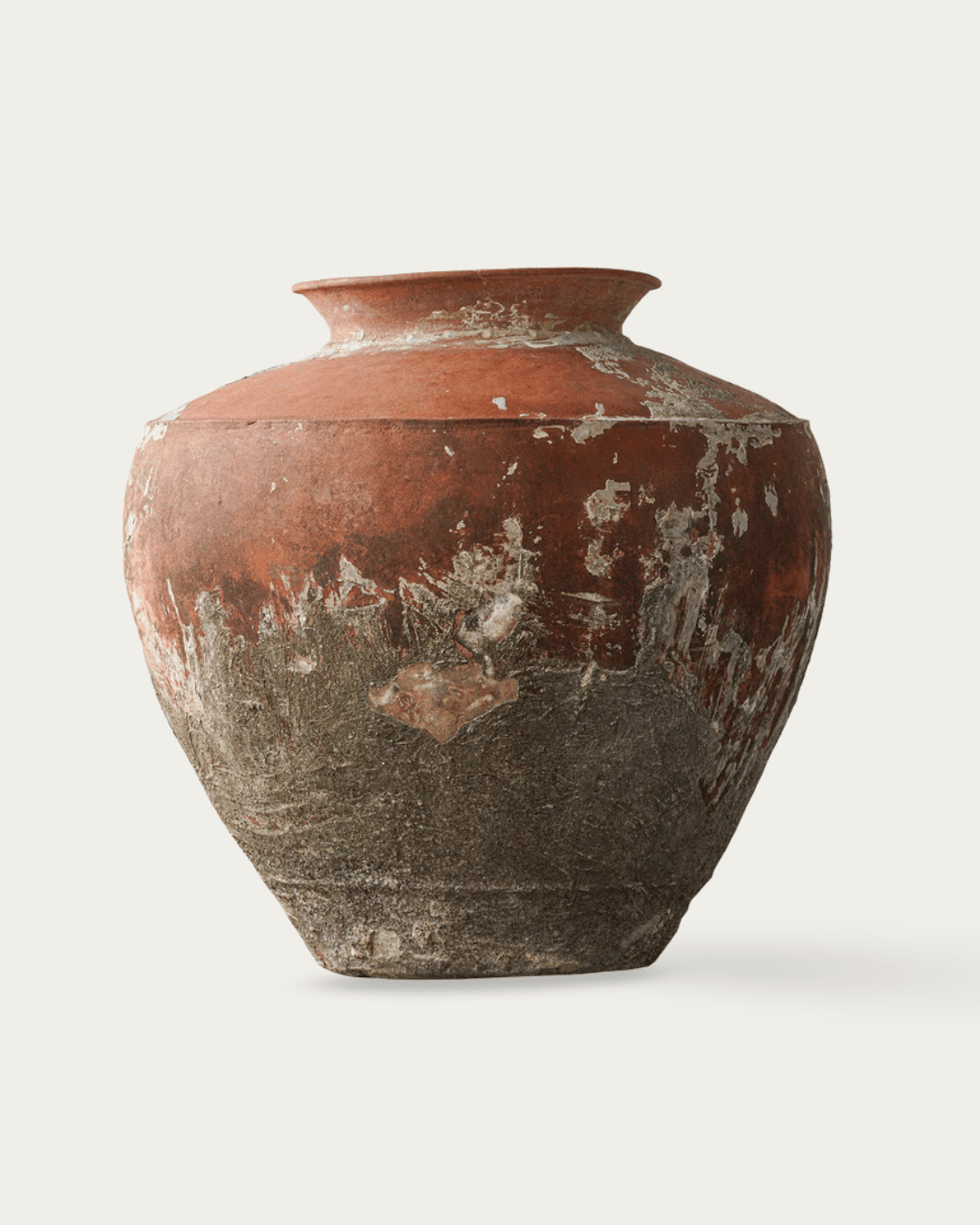
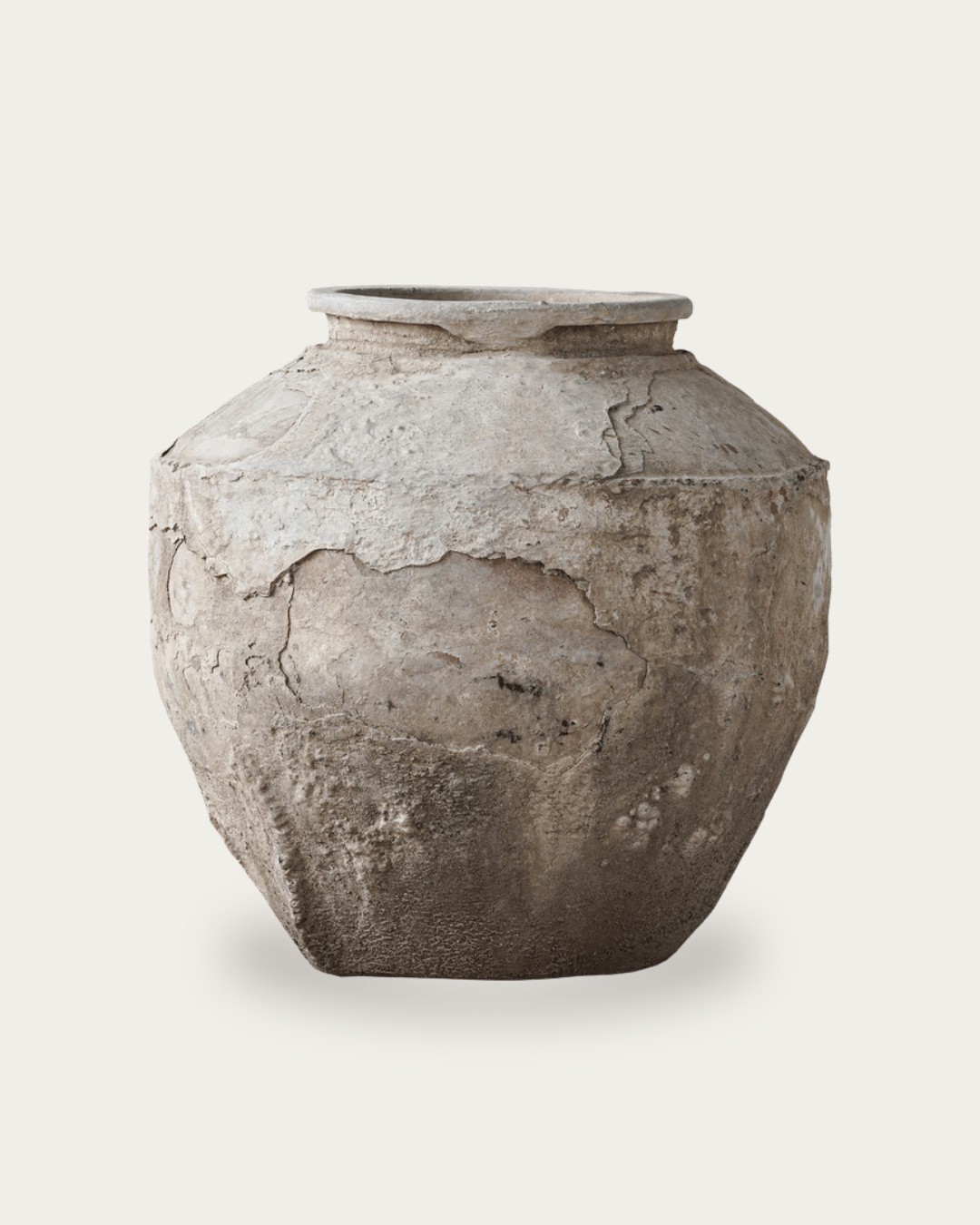
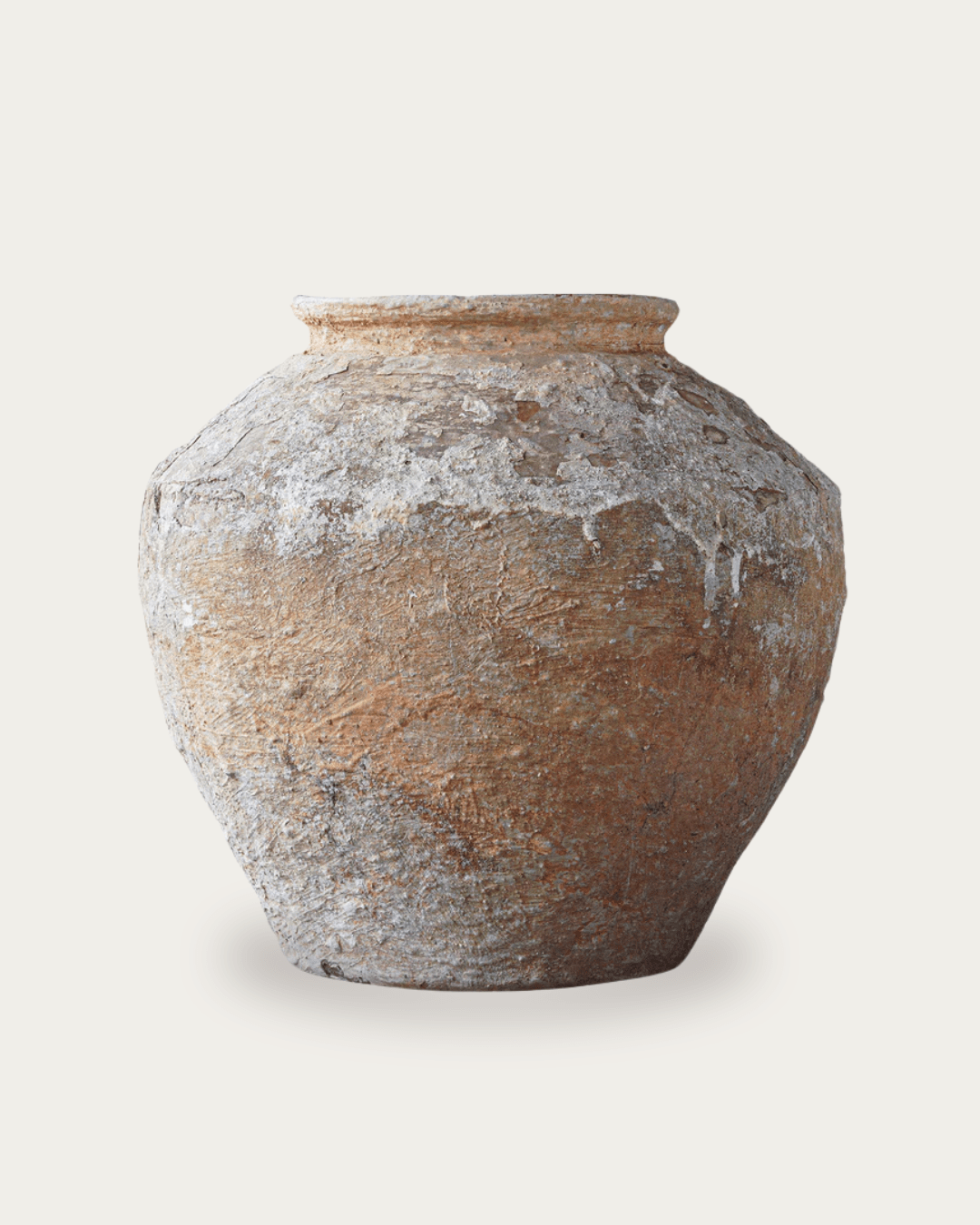
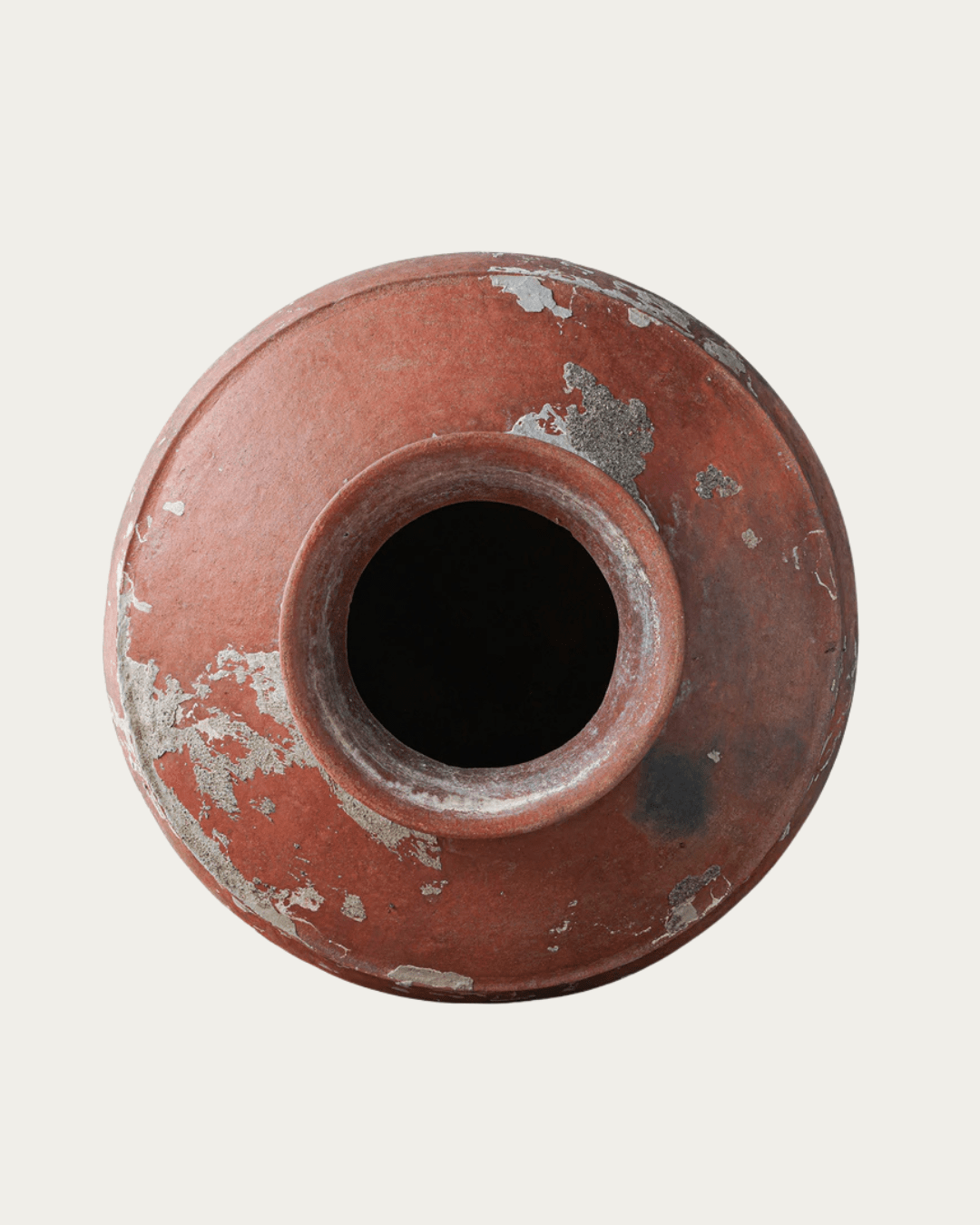
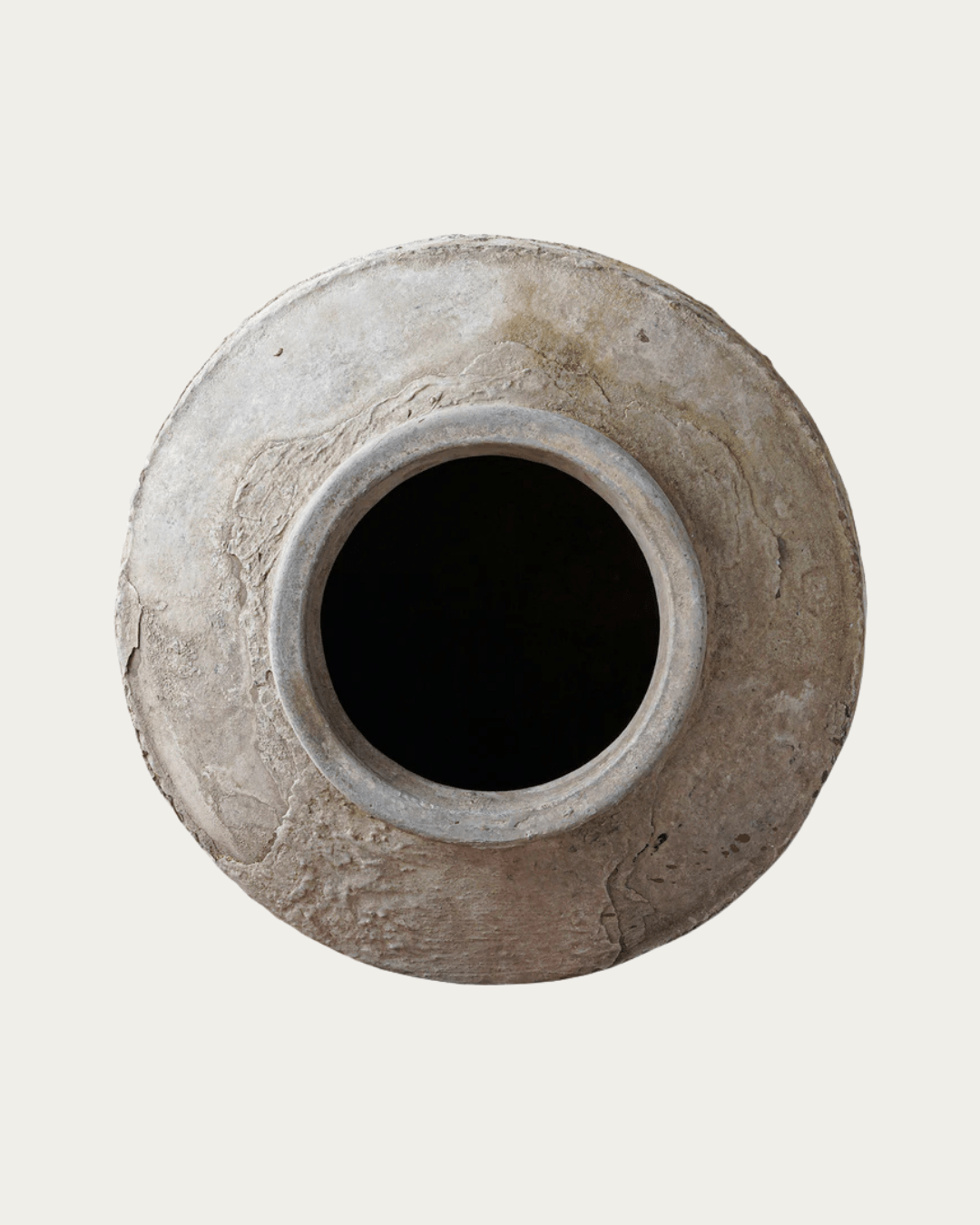
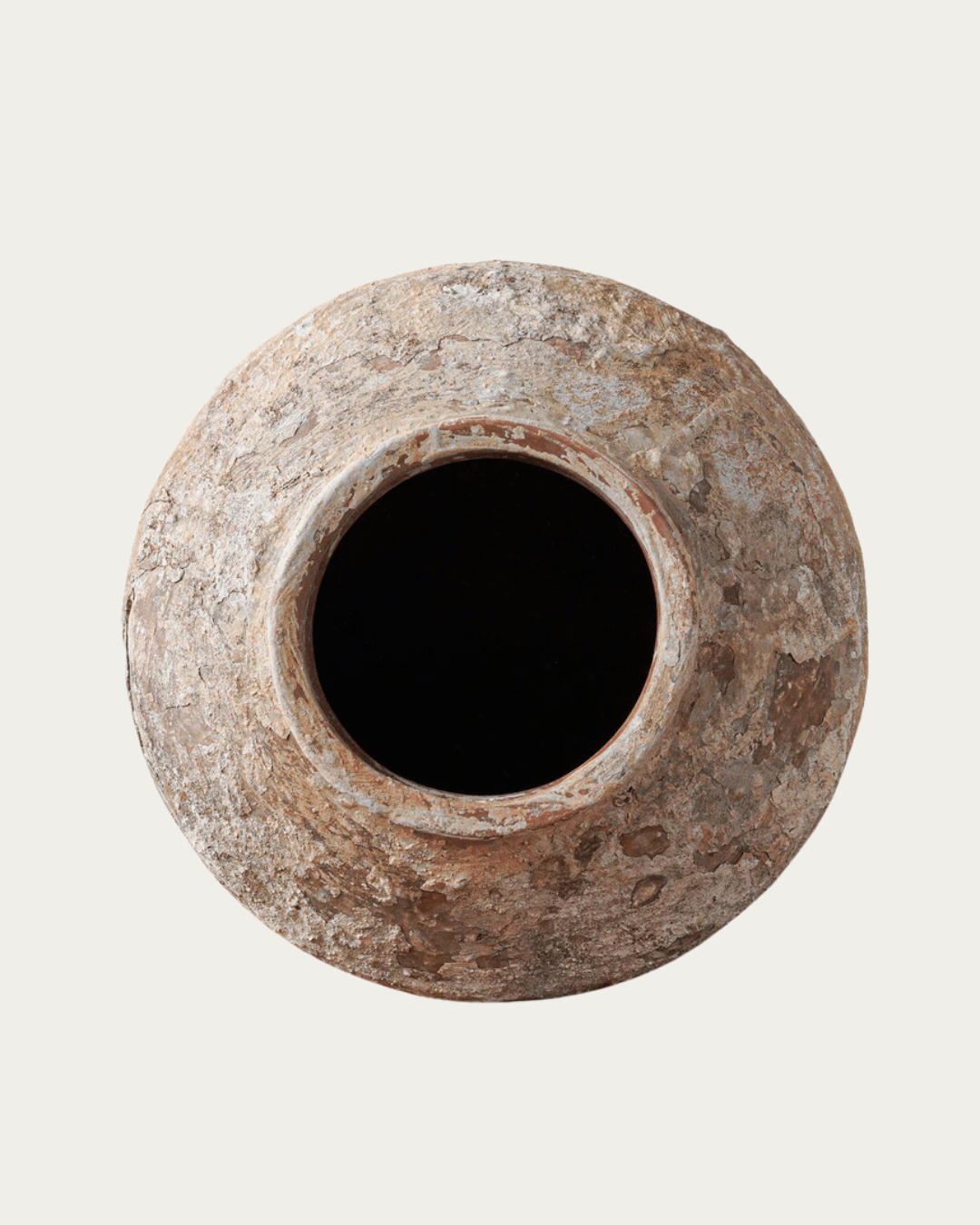
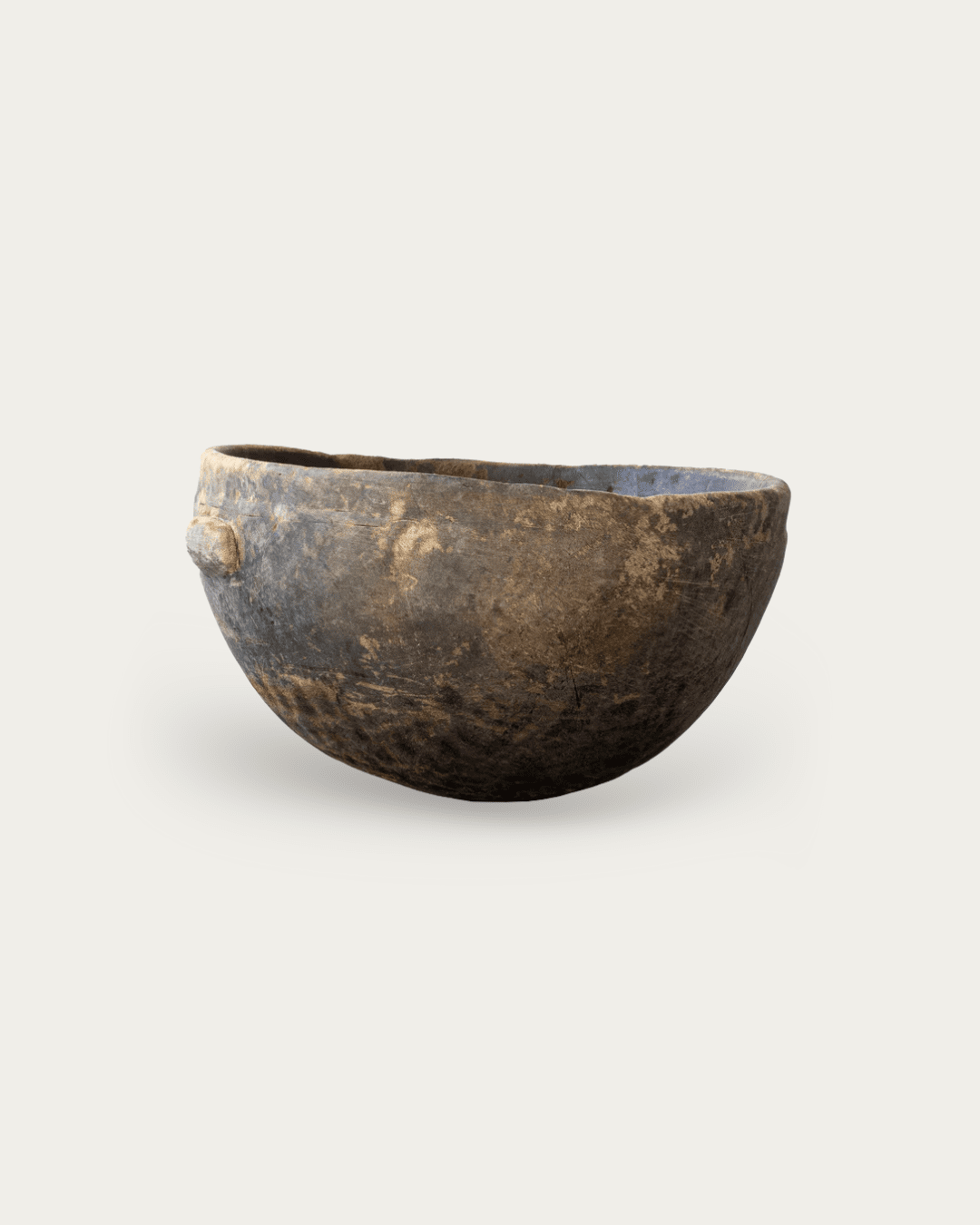
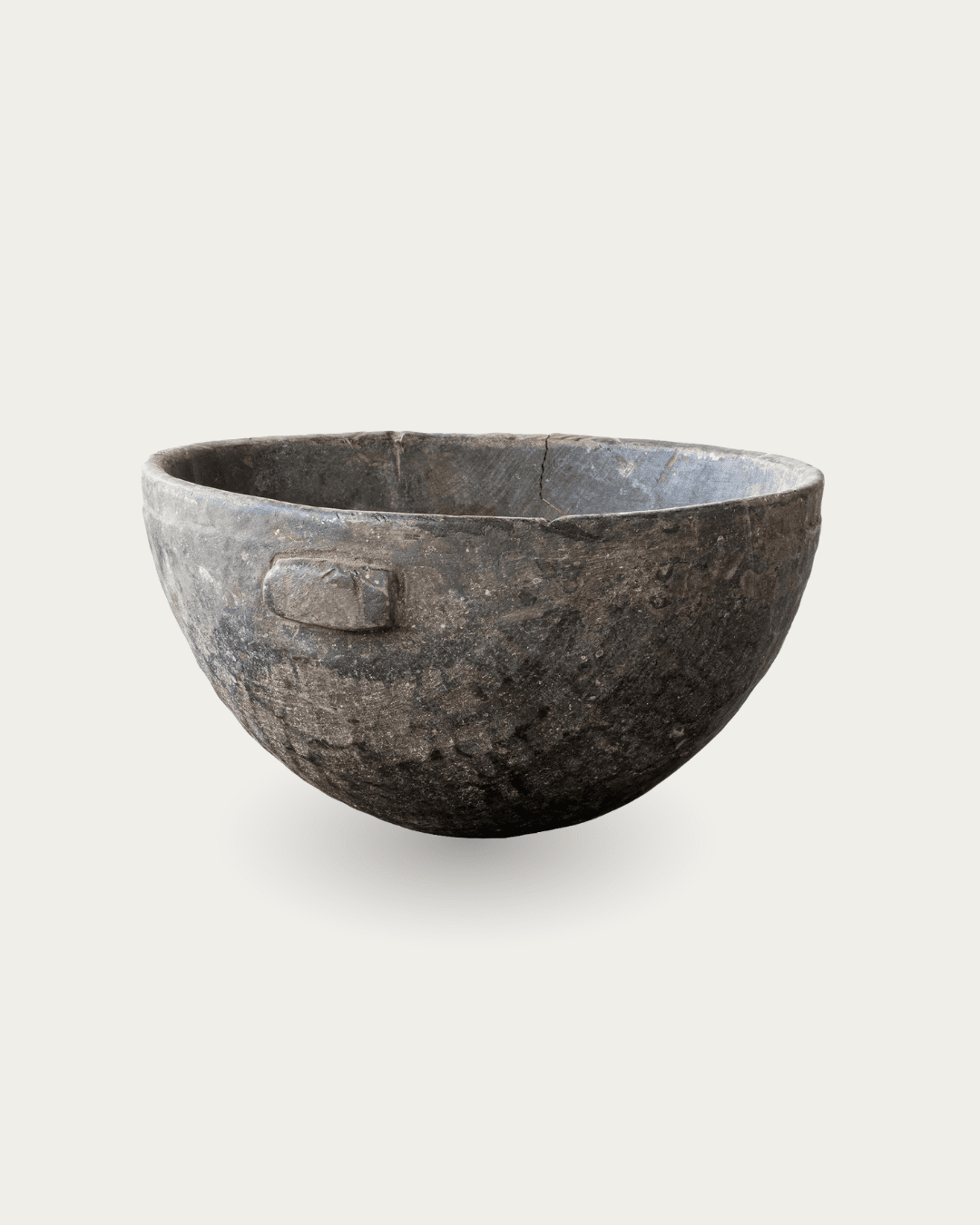
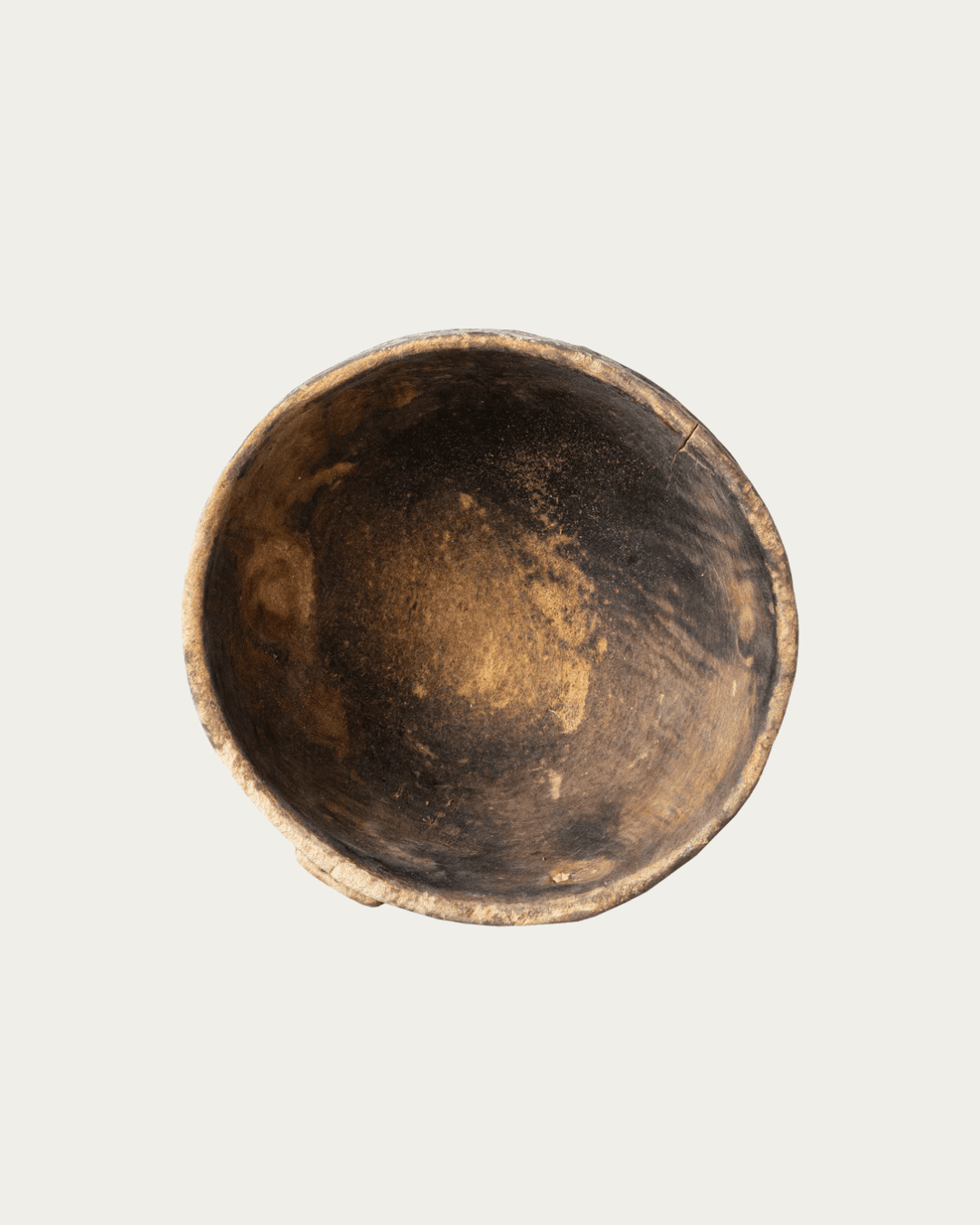
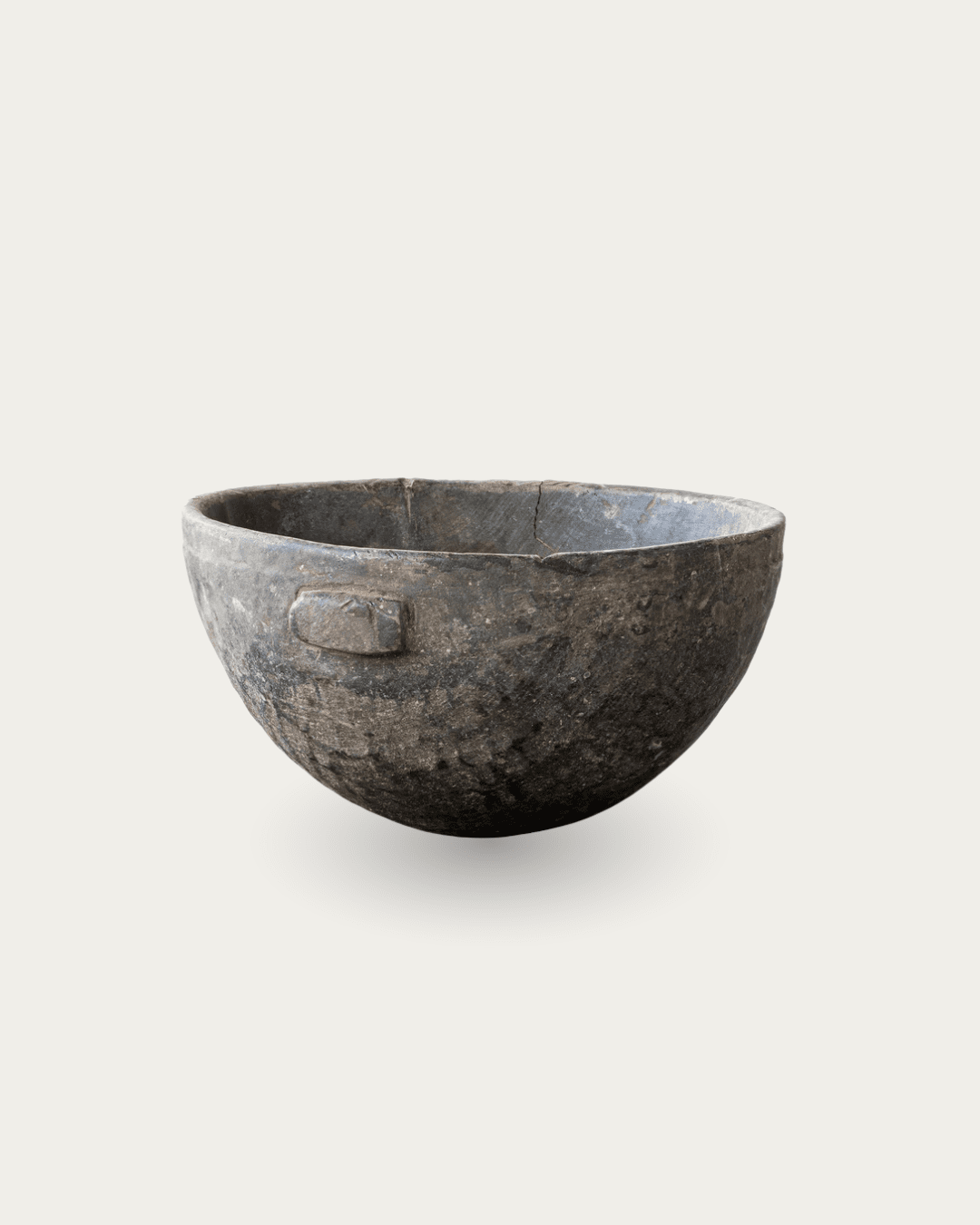
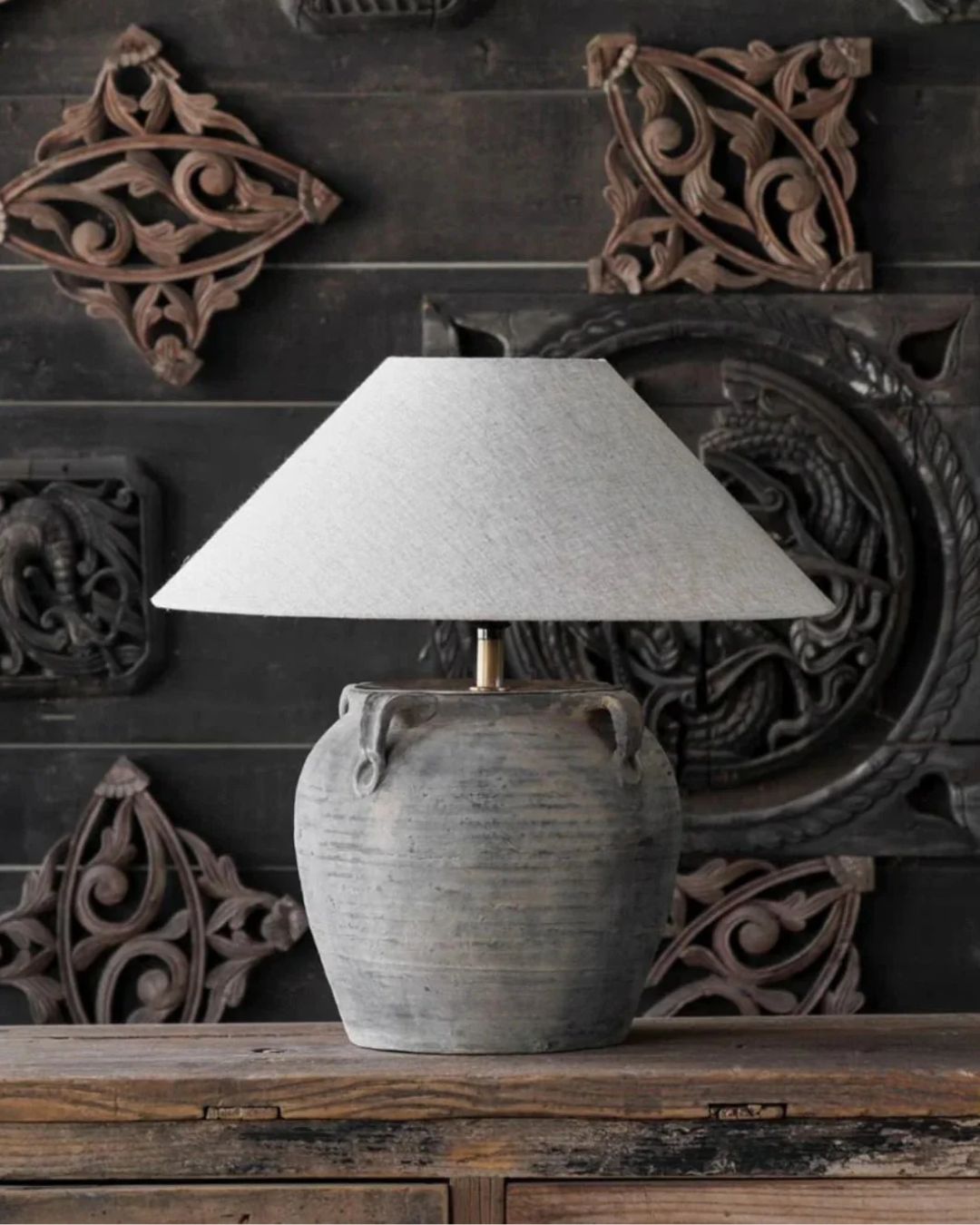
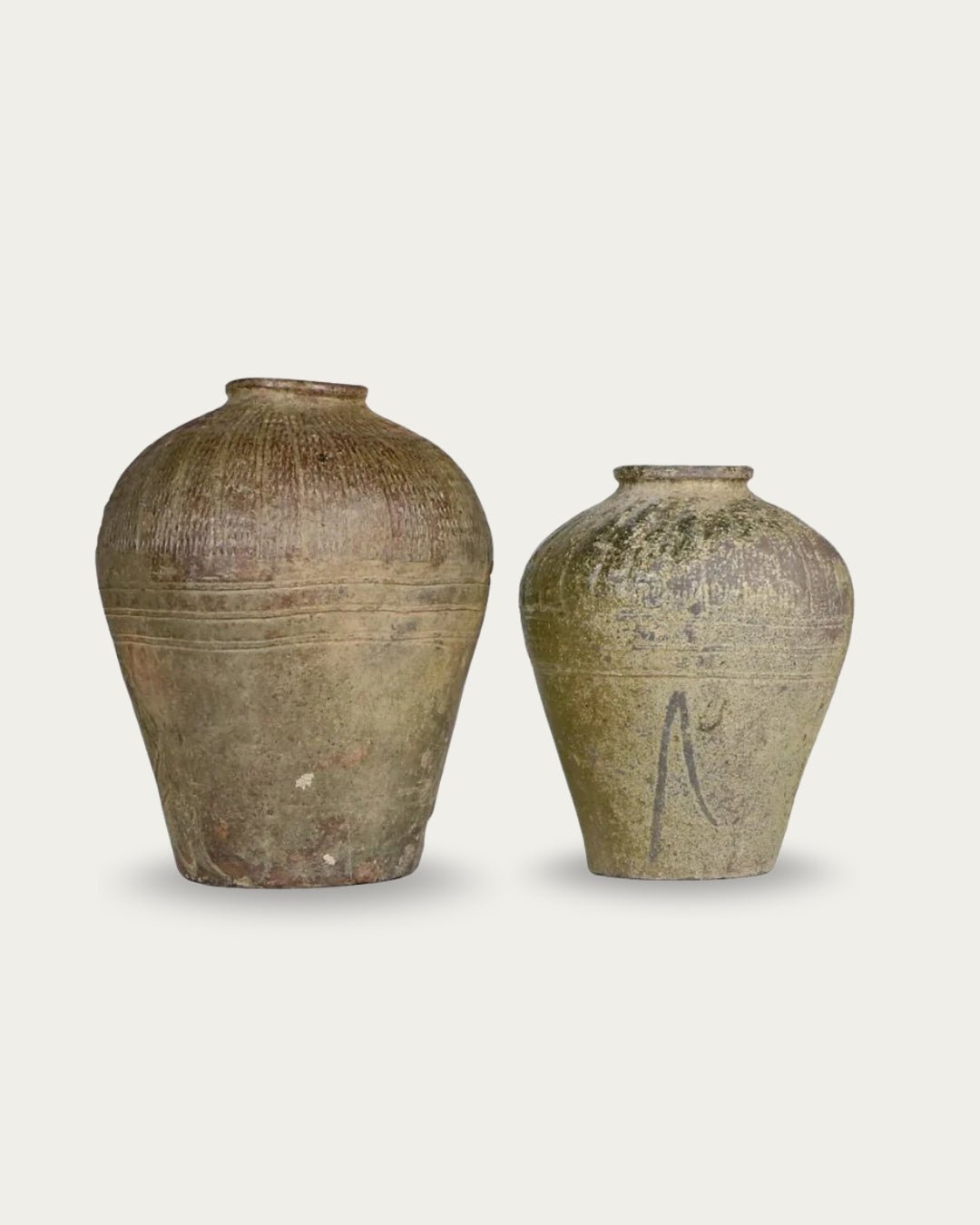
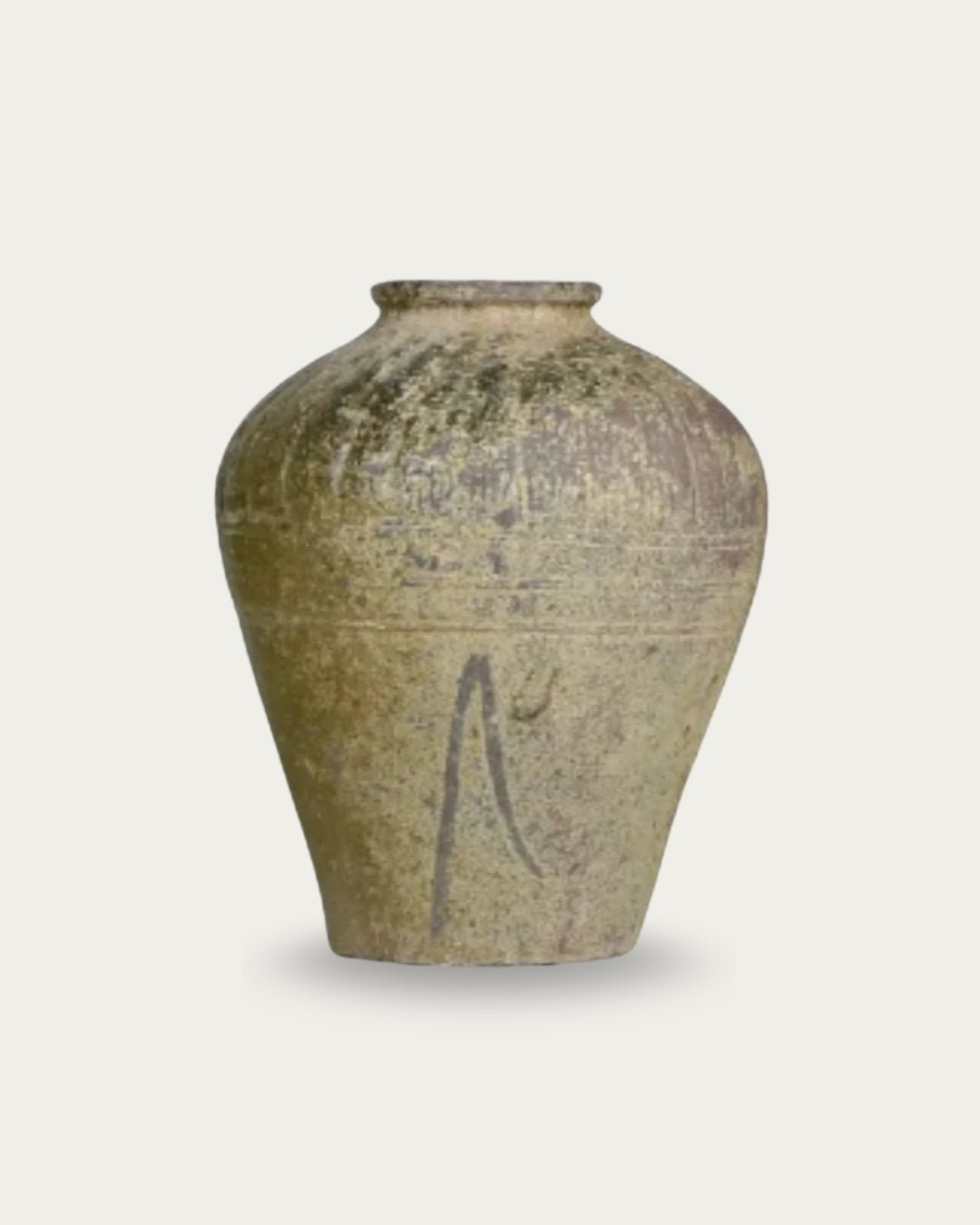
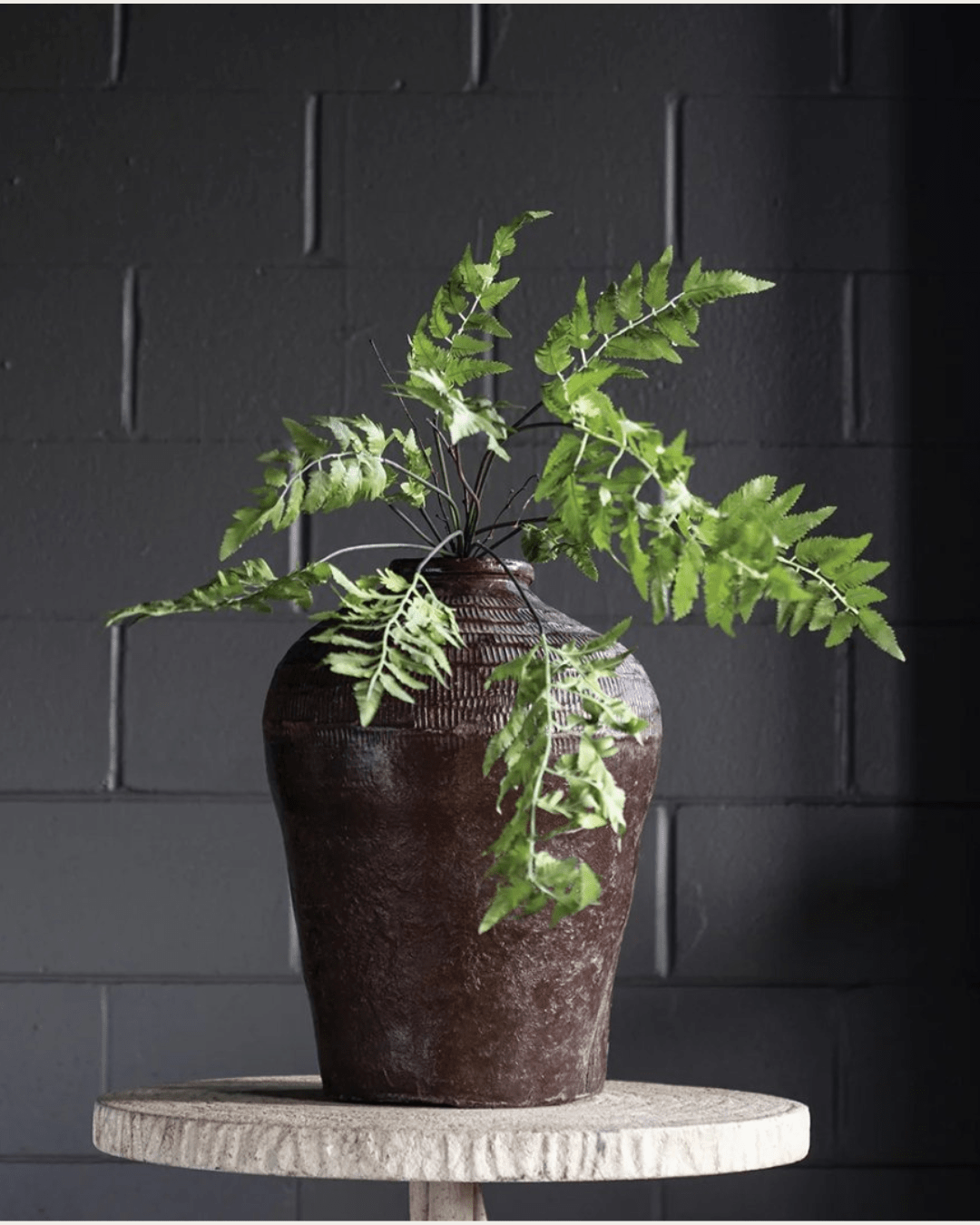
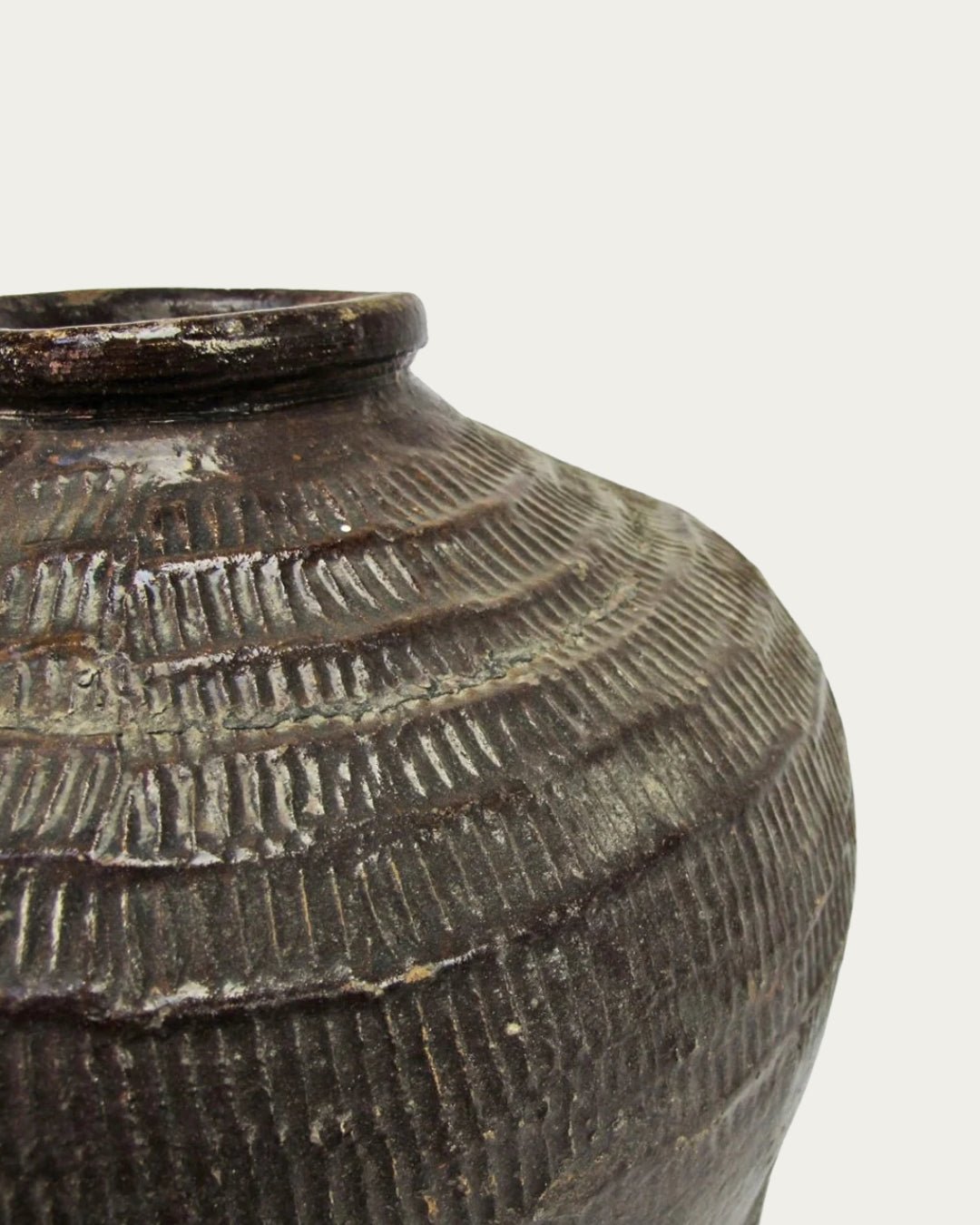
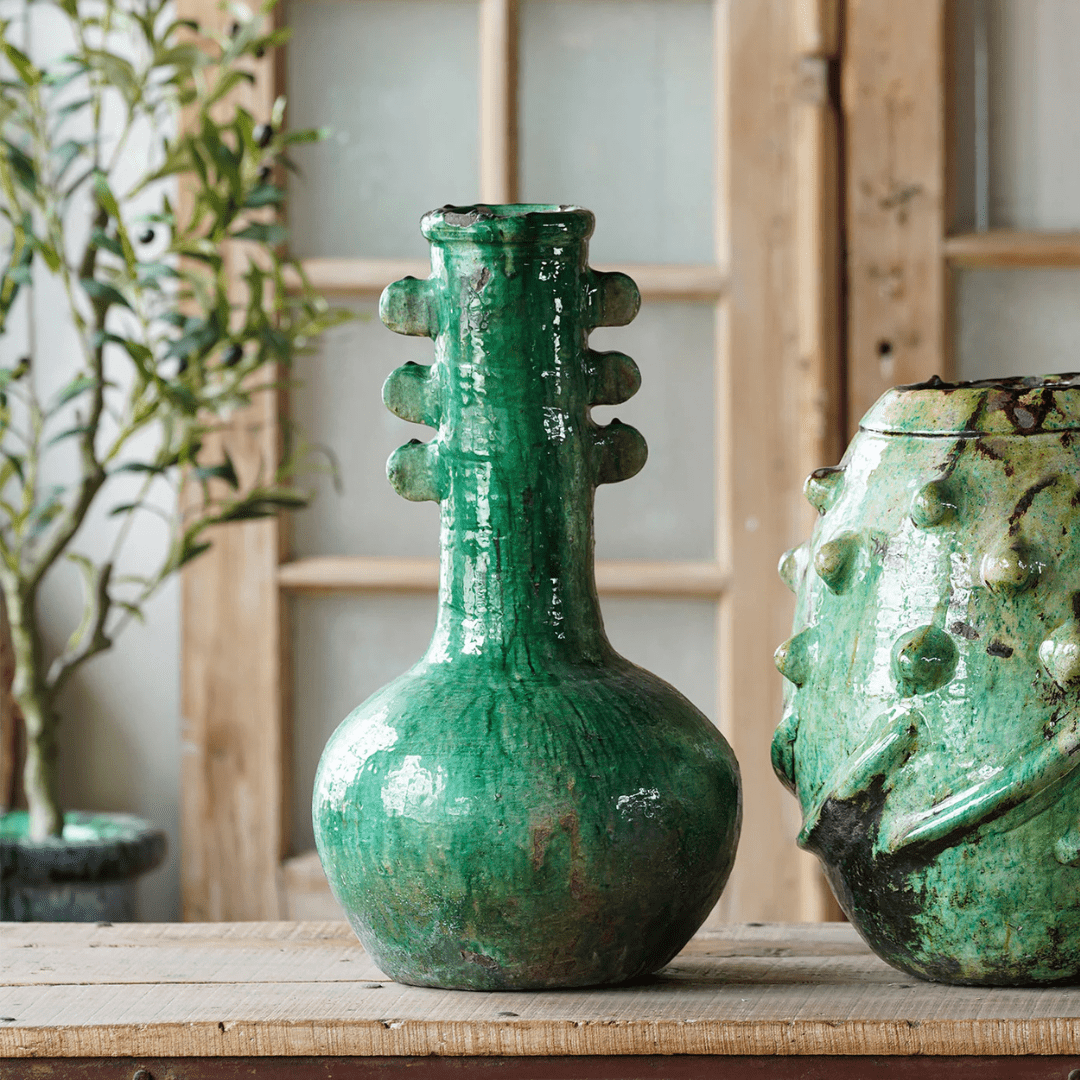
Slight irregularities. Subtle imperfections.
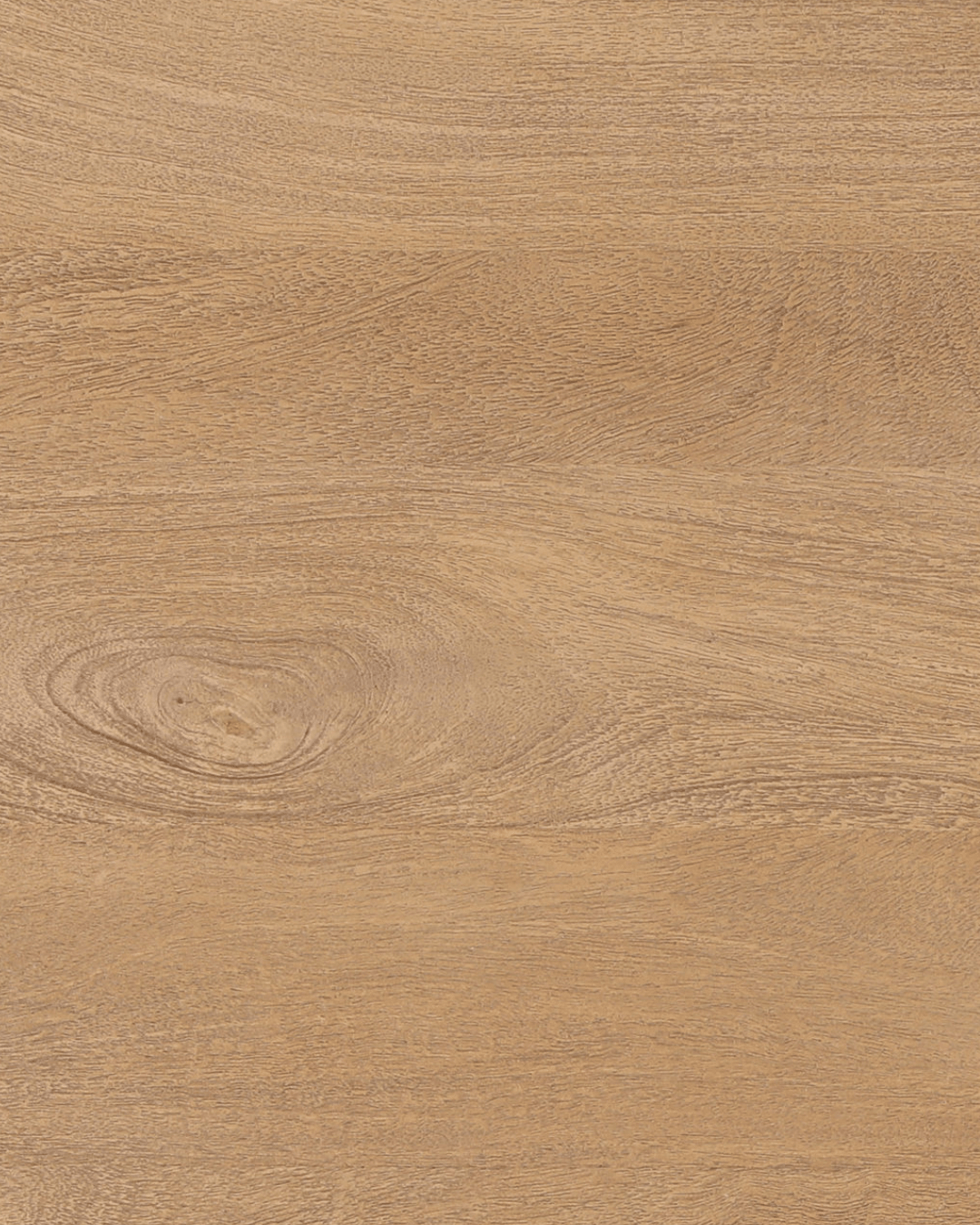
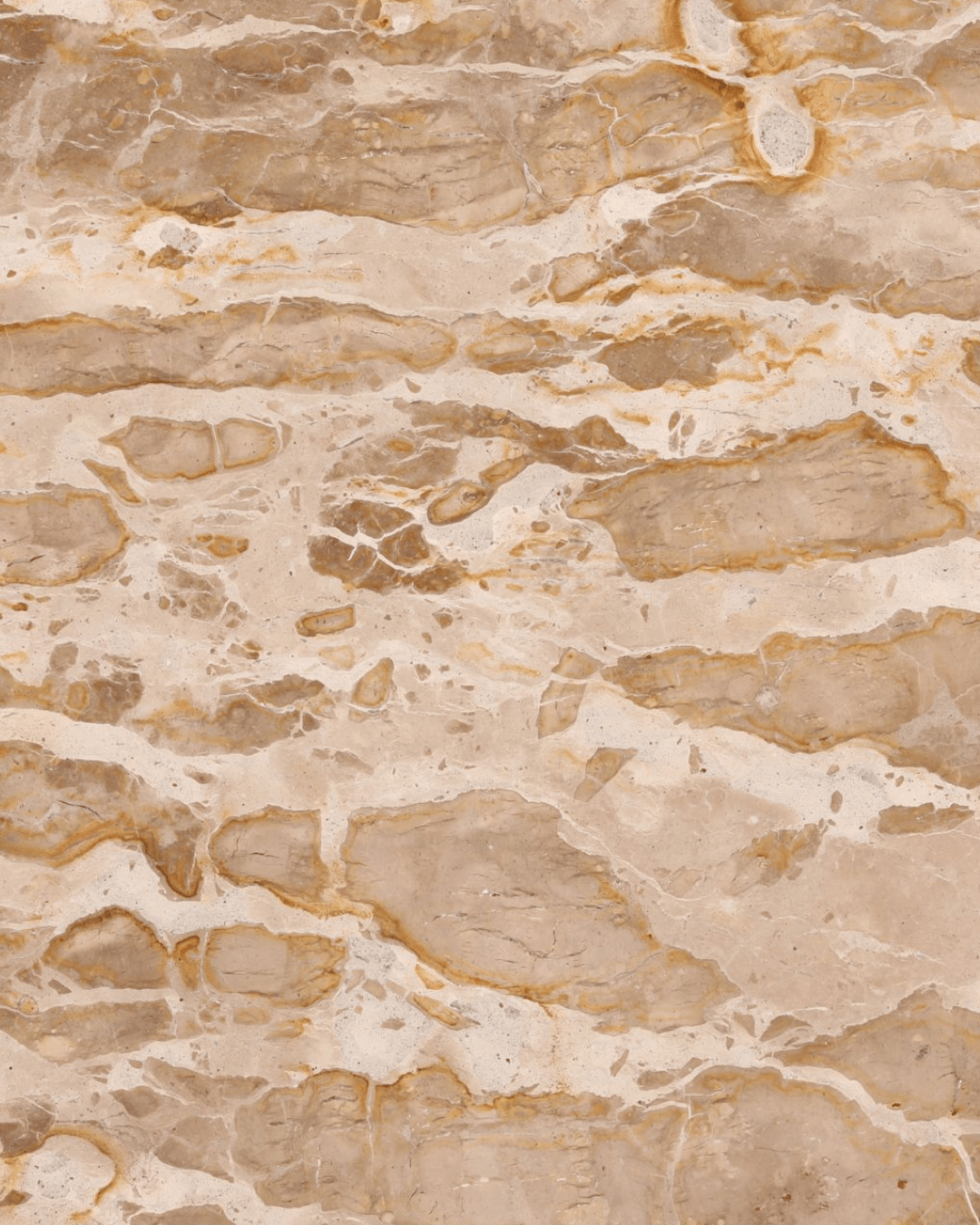
Materials that have aged differently.
And that’s exactly why they work.
Adding vintage furniture creates:
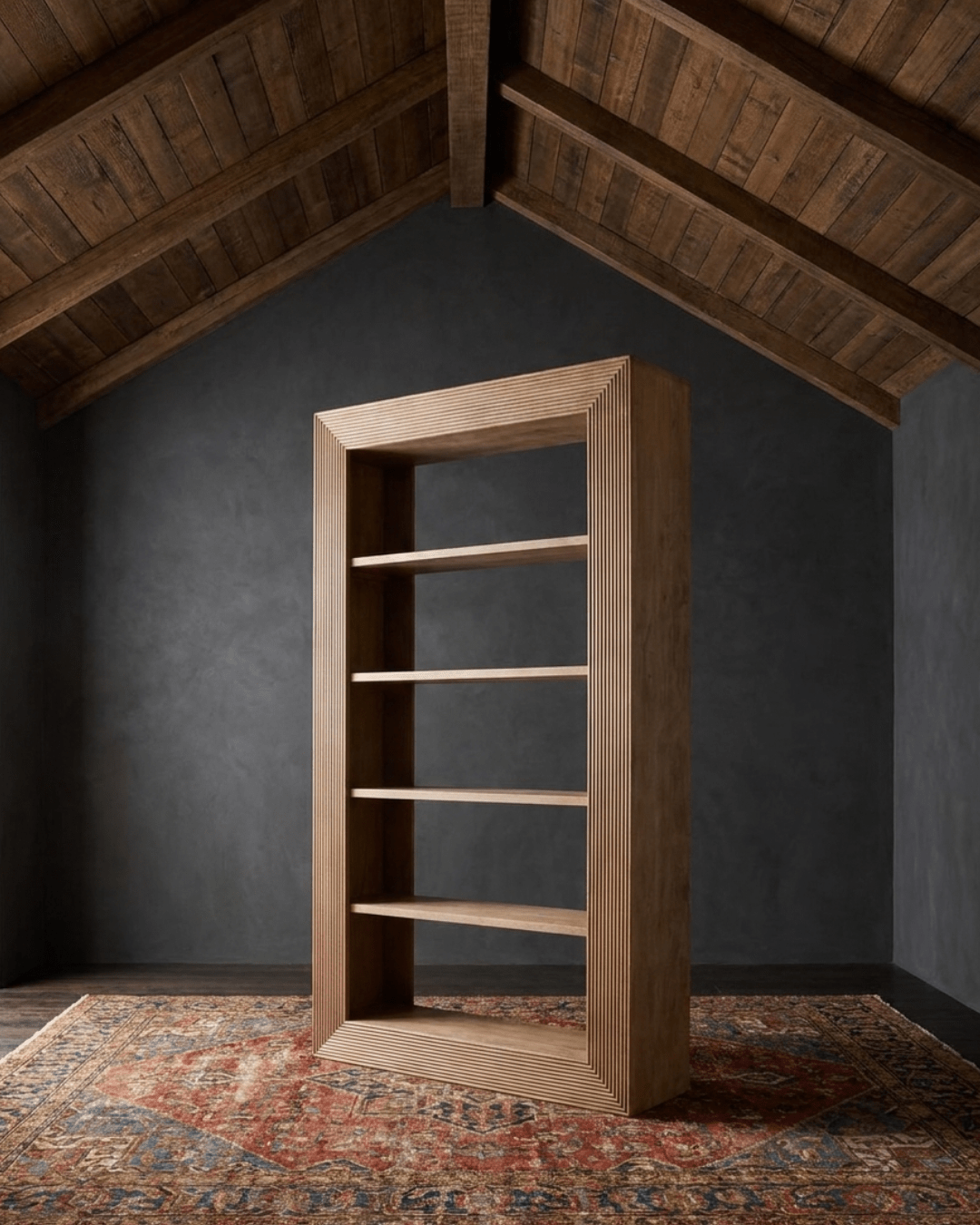
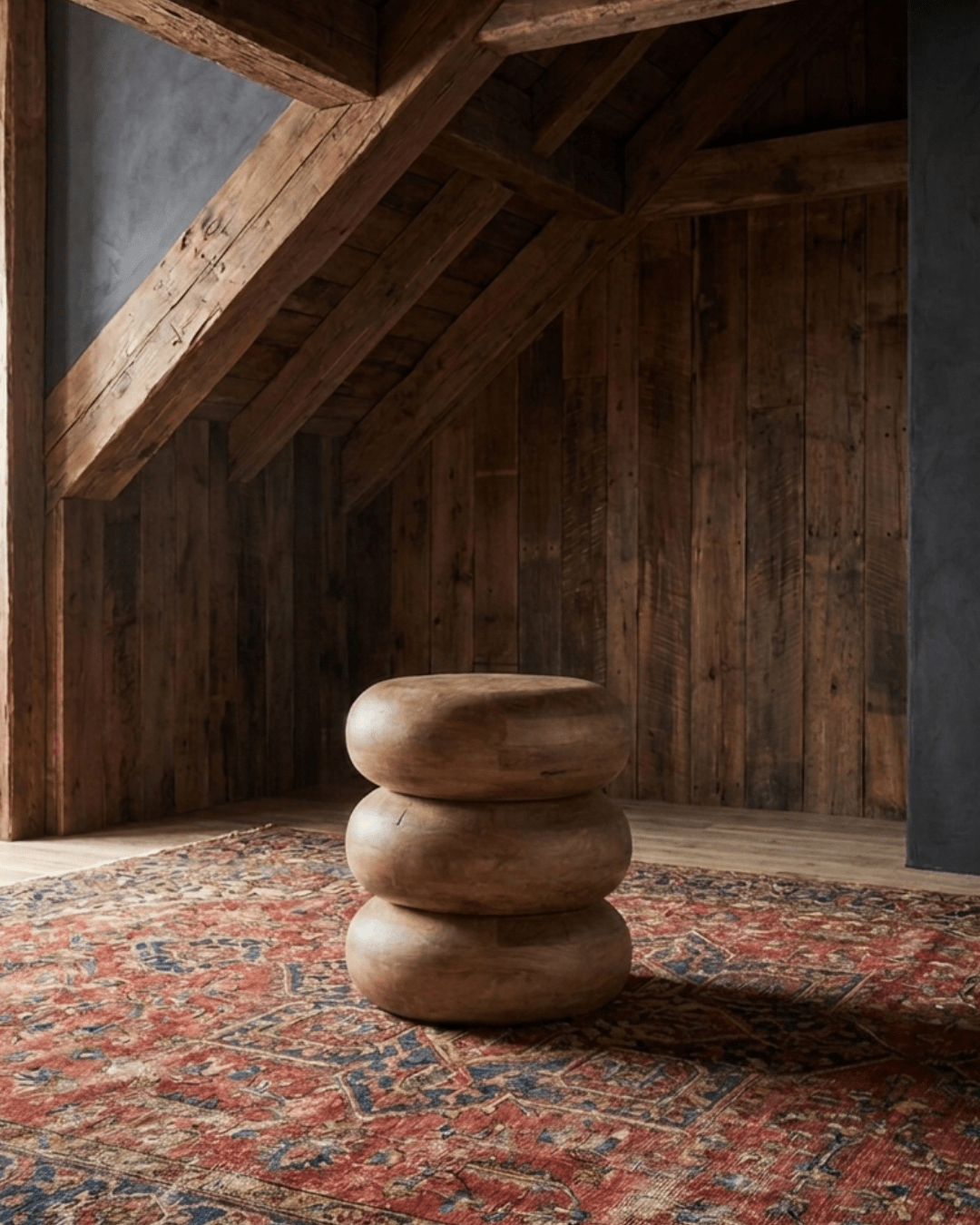
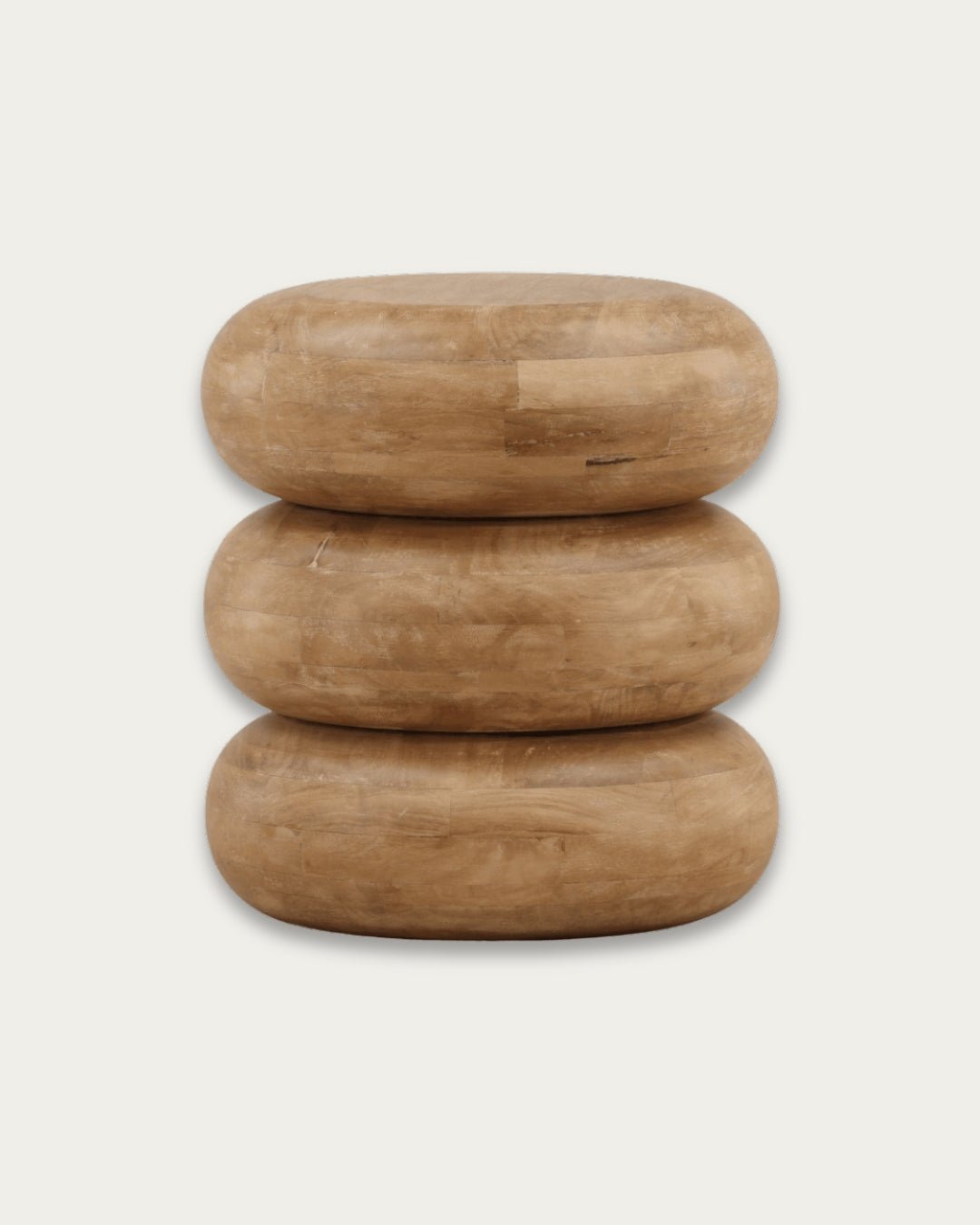
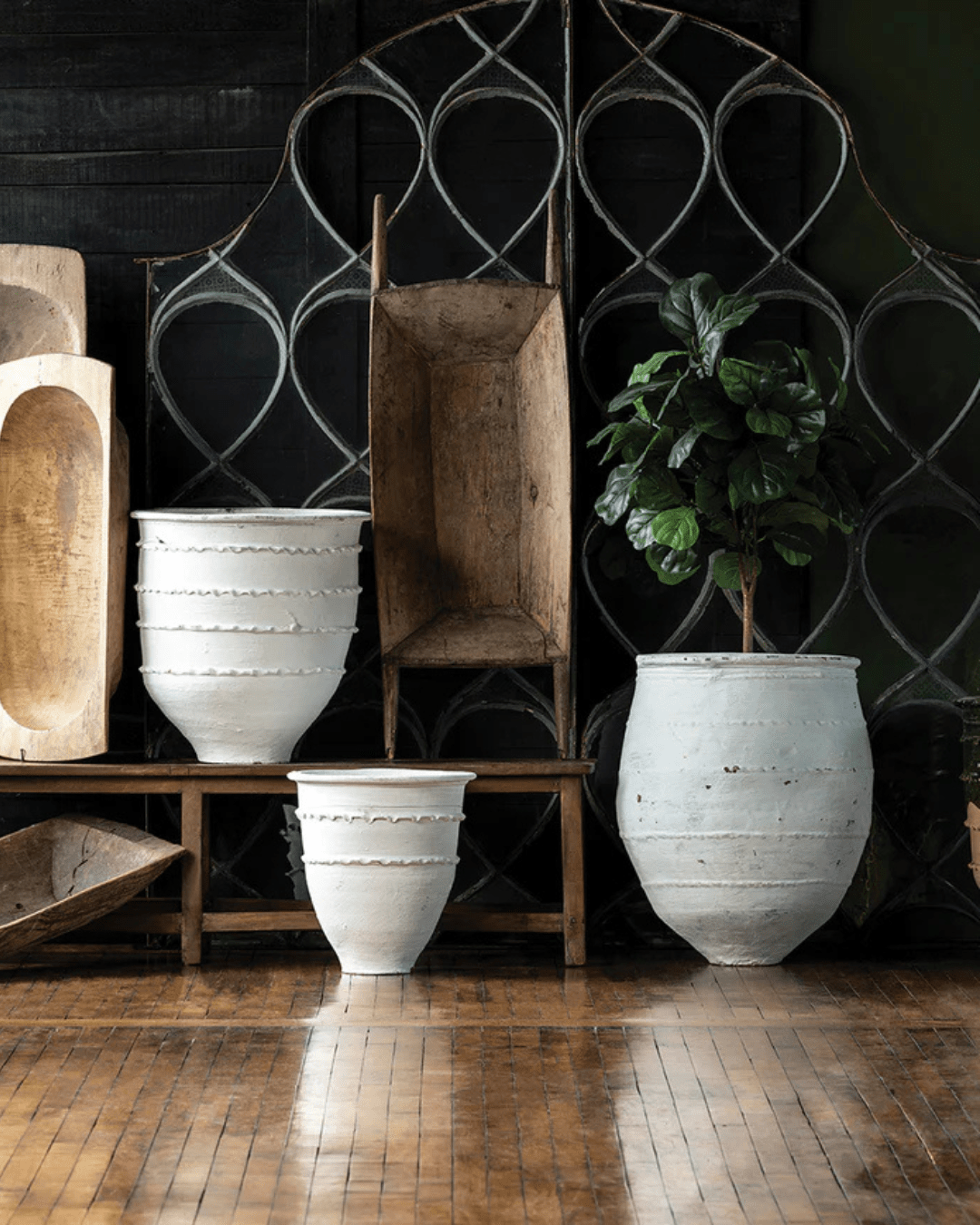
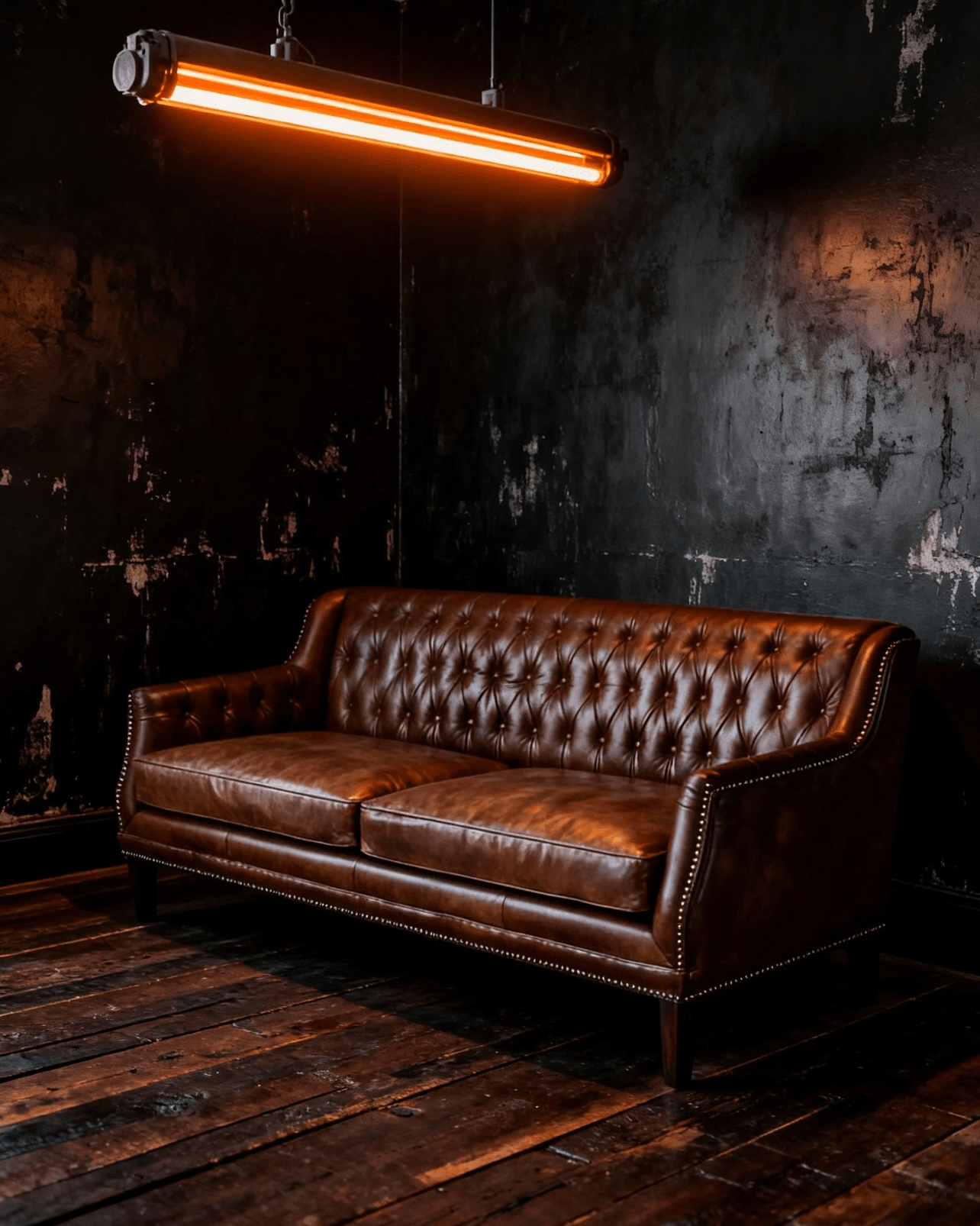
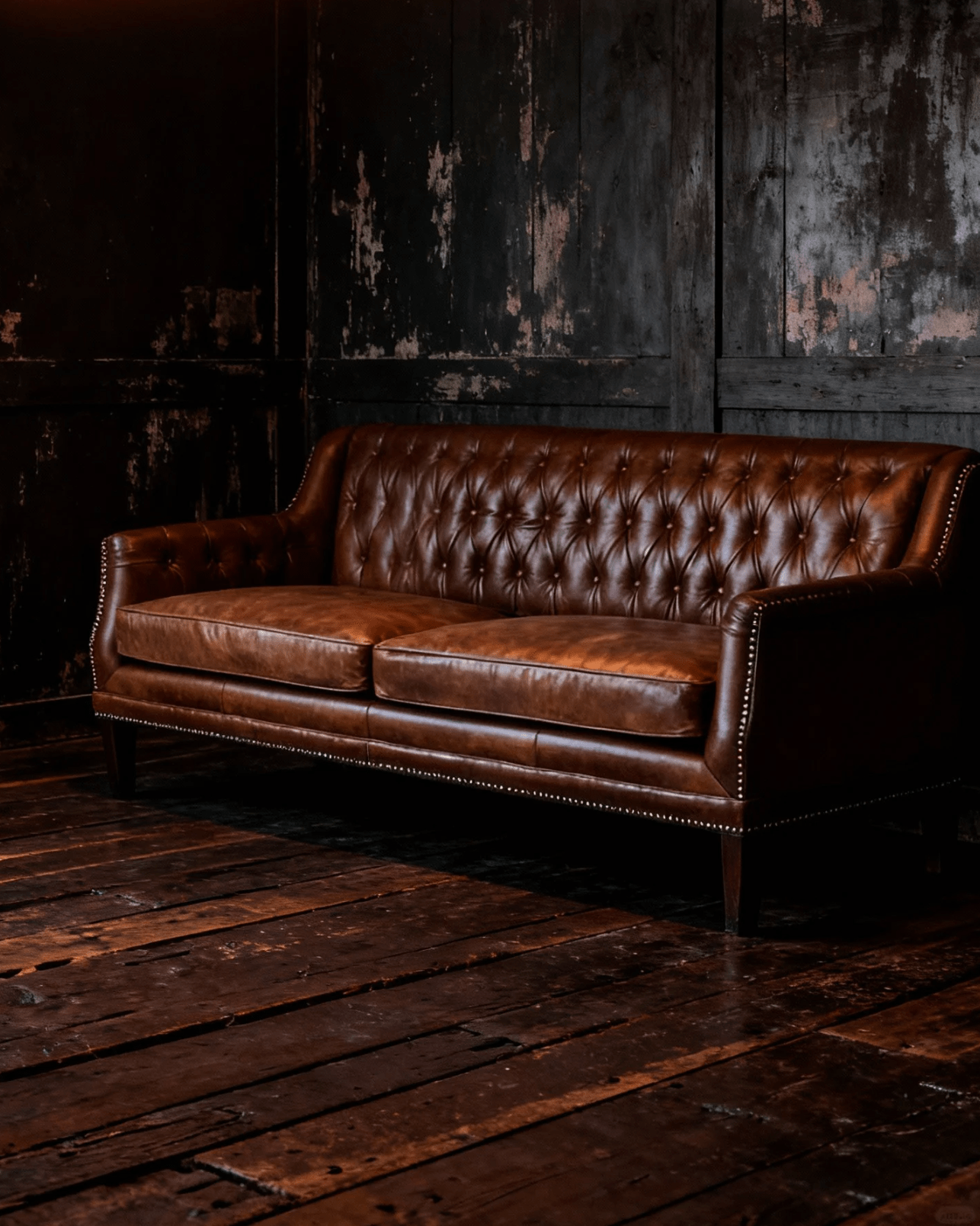
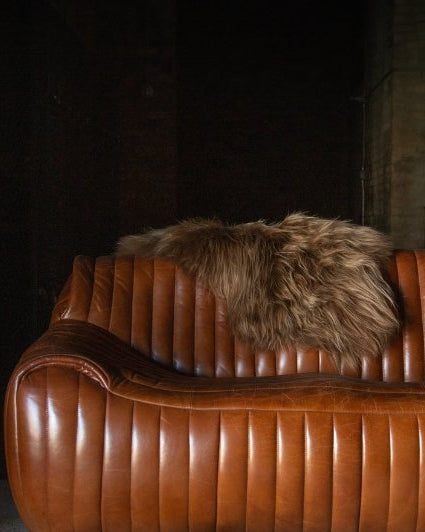
Visual anchors your eyes naturally return to
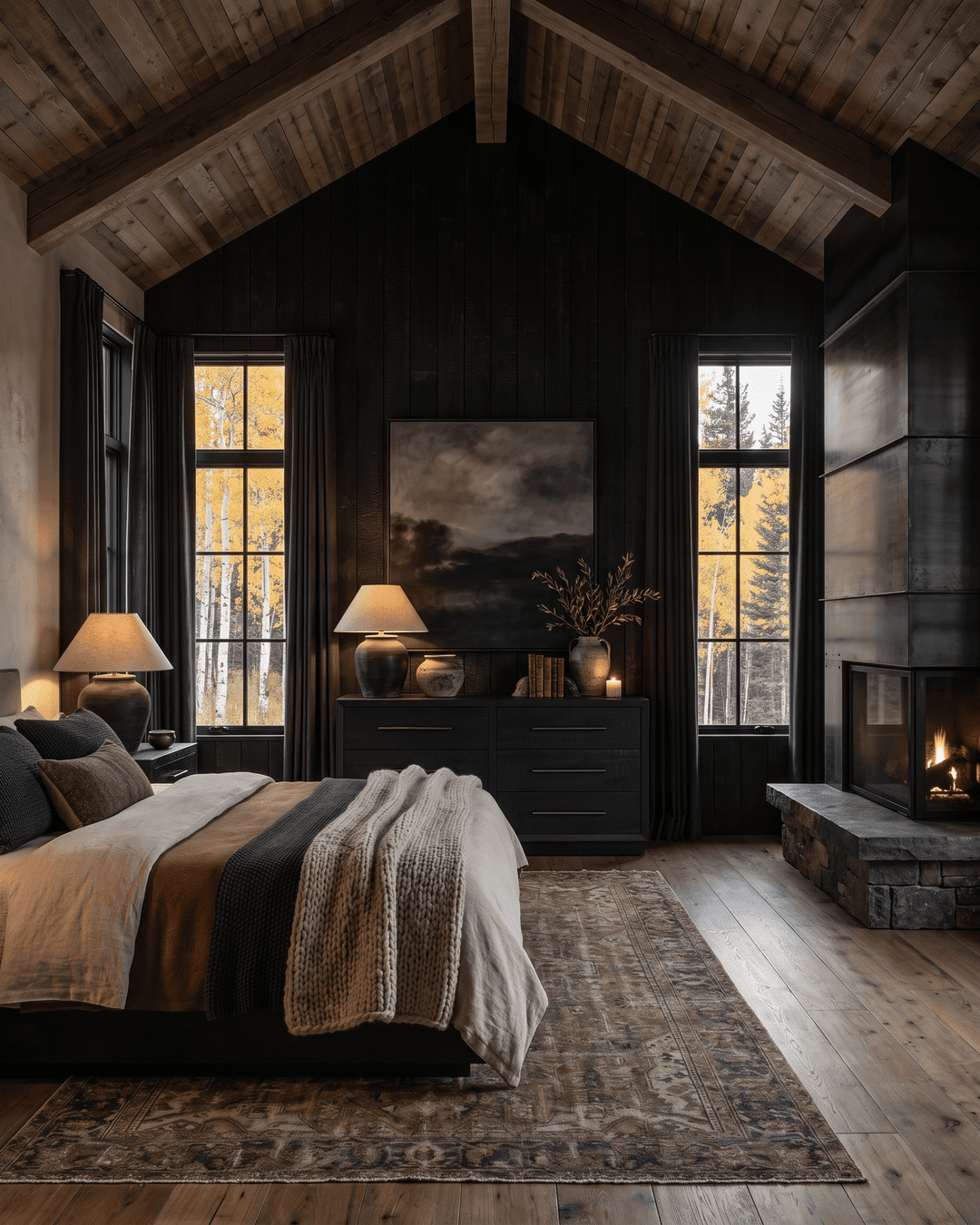
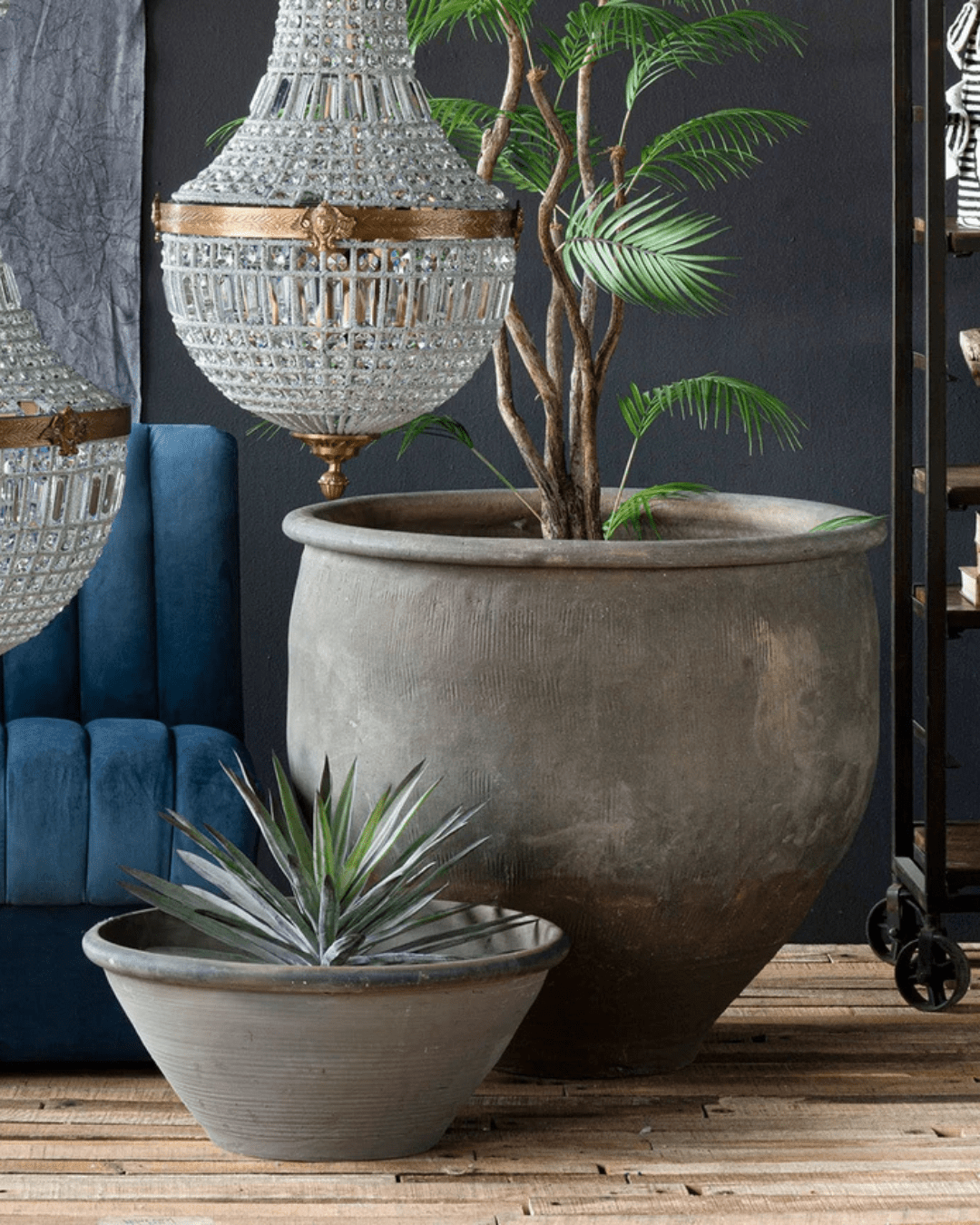
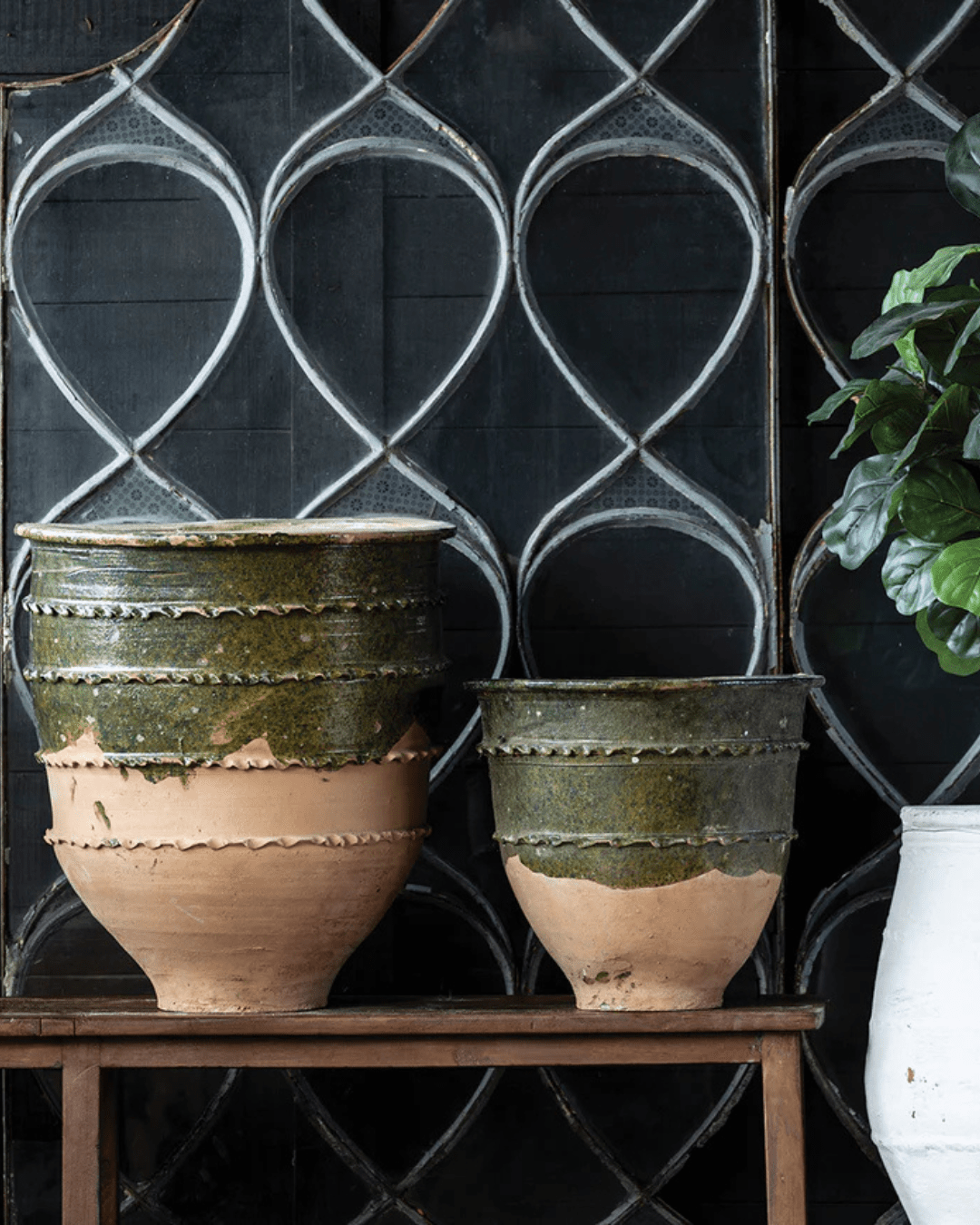
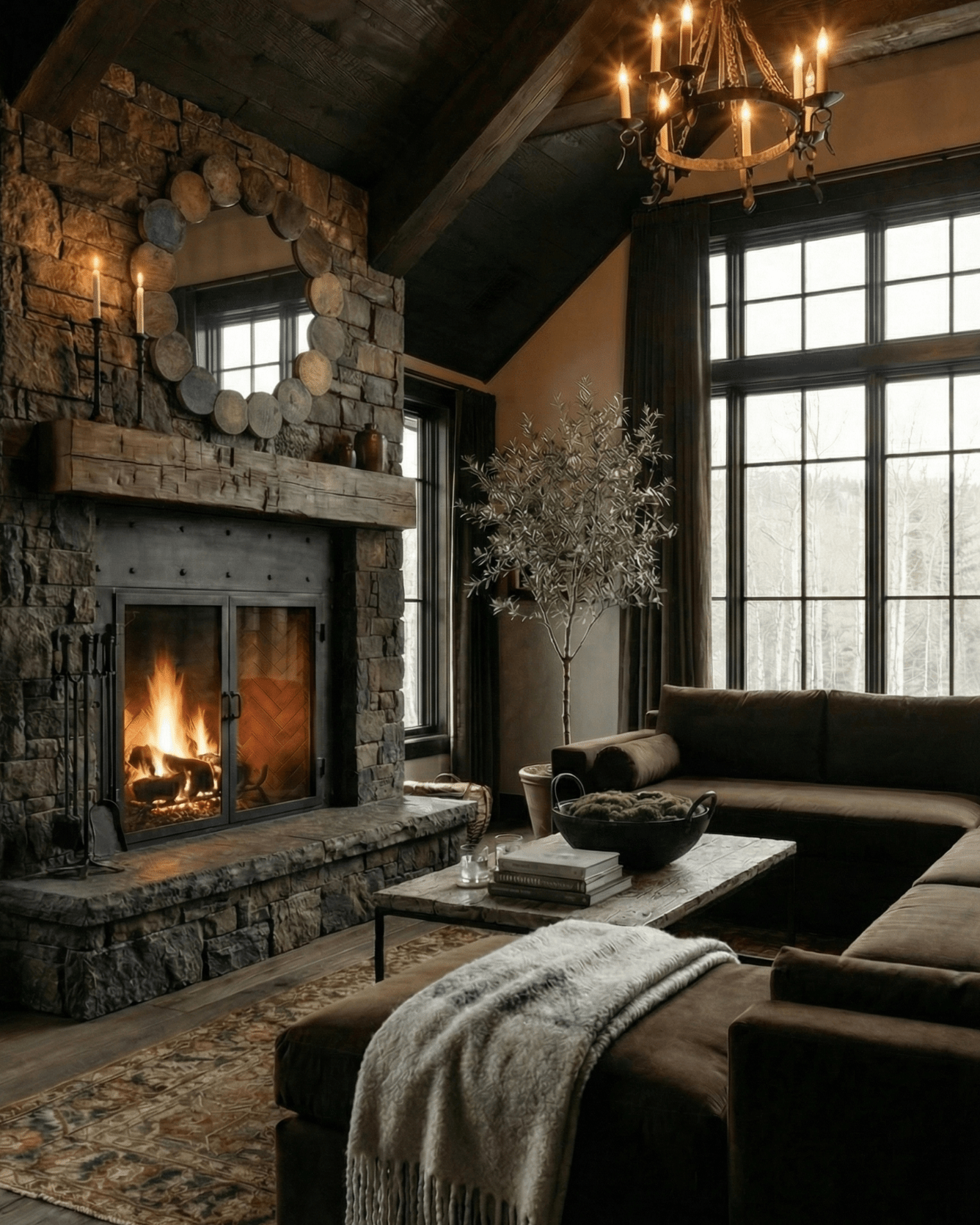
Contrast against more structured, modern pieces
A sense of depth that newer items can’t replicate
Your brain processes this as layered, not chaotic.
It gives the space something to resolve around.
That’s what makes it feel complete.
The Balance: Mixing Vintage With Living Room Furniture
The goal isn’t to fill your home with vintage.
It’s to use it strategically.
Too much, and the space can feel heavy.
Too little, and nothing shifts.
The sweet spot is contrast.
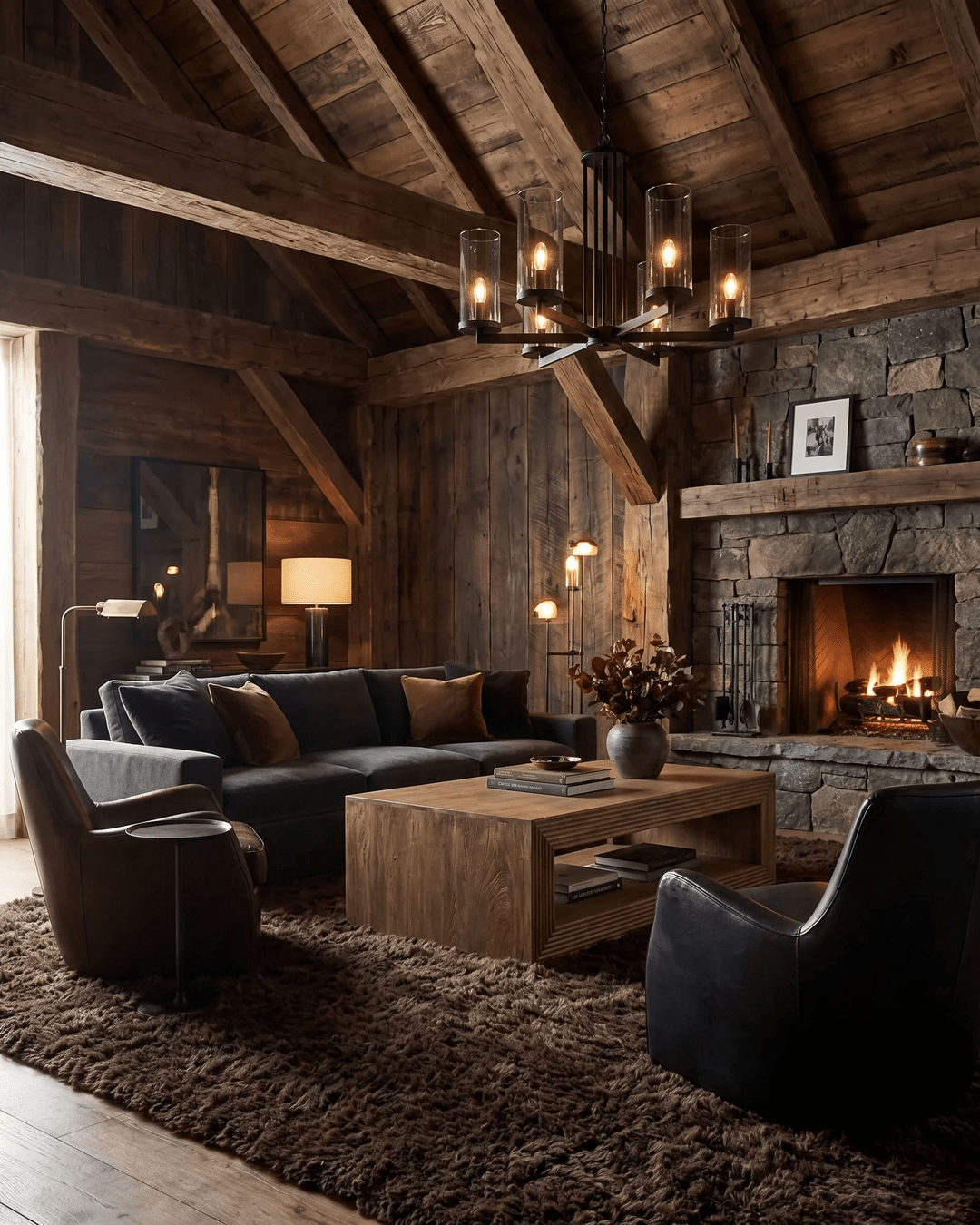
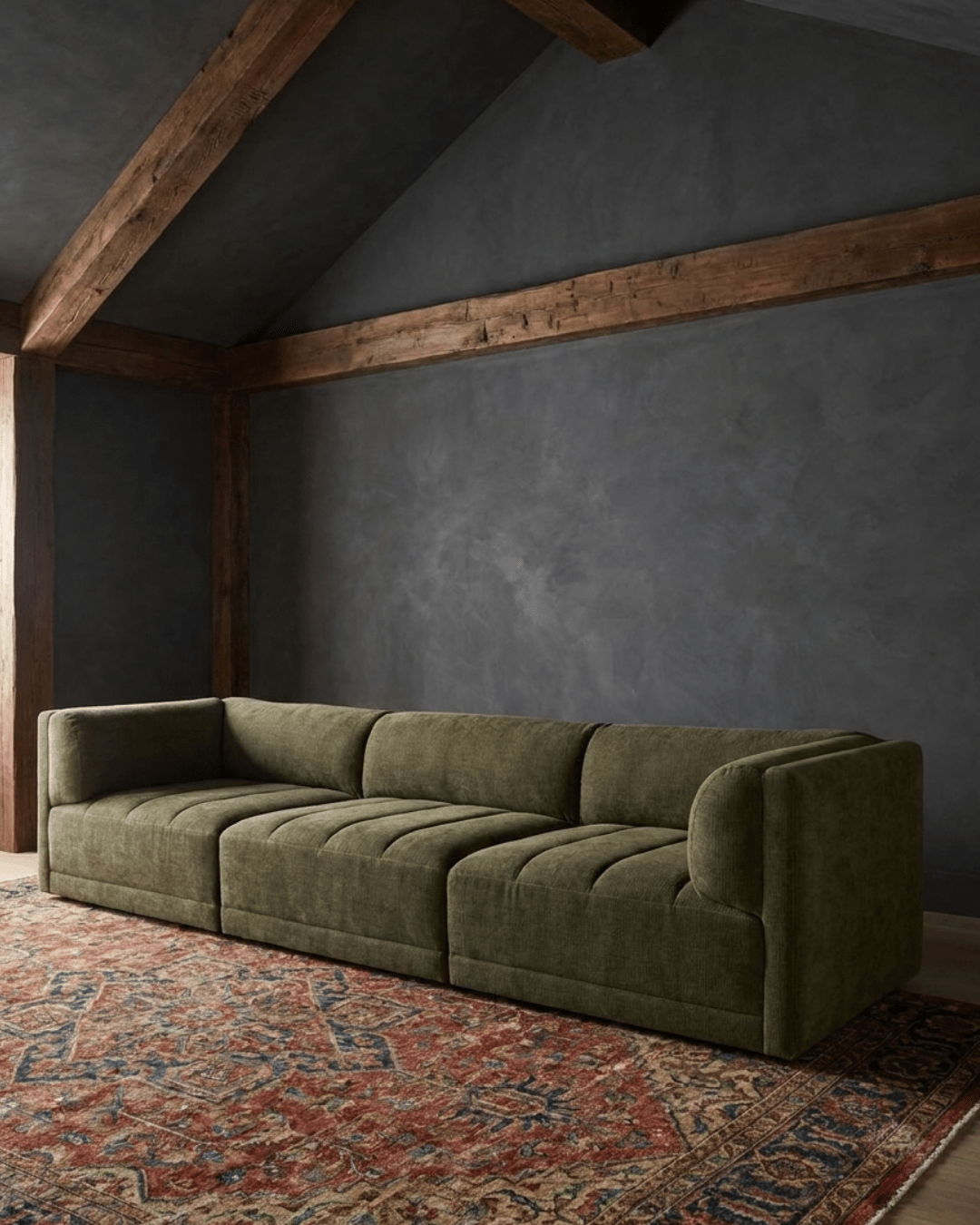
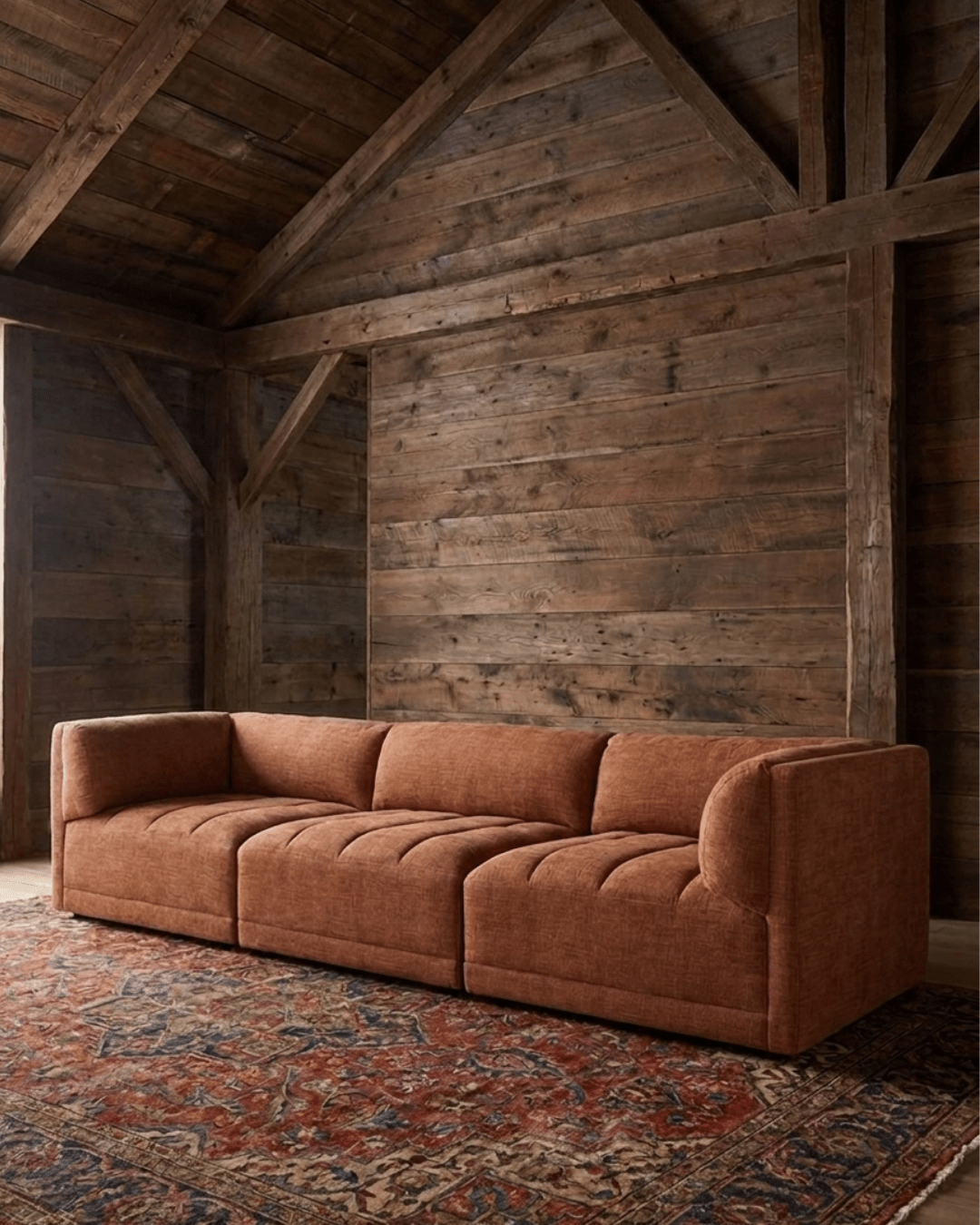
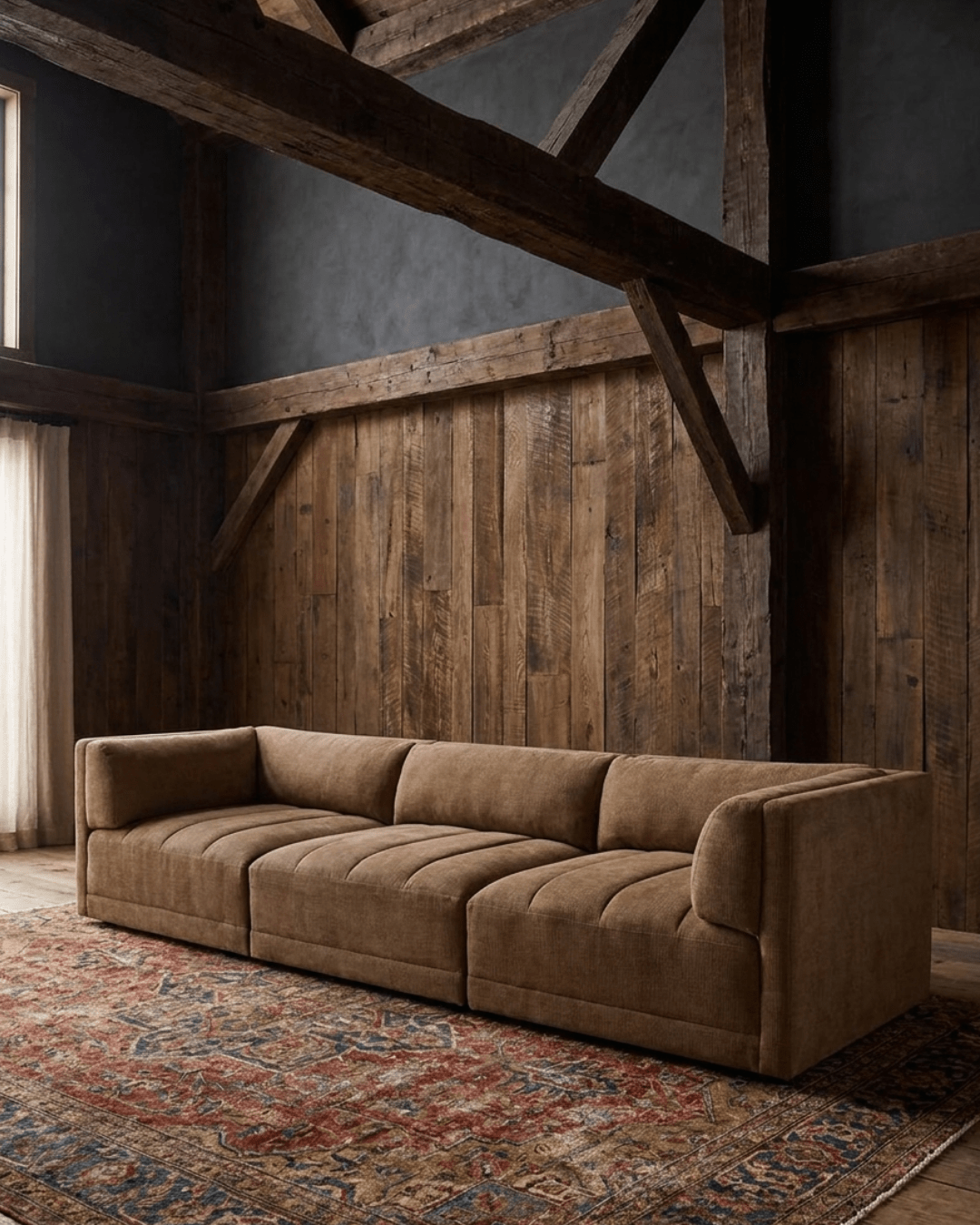
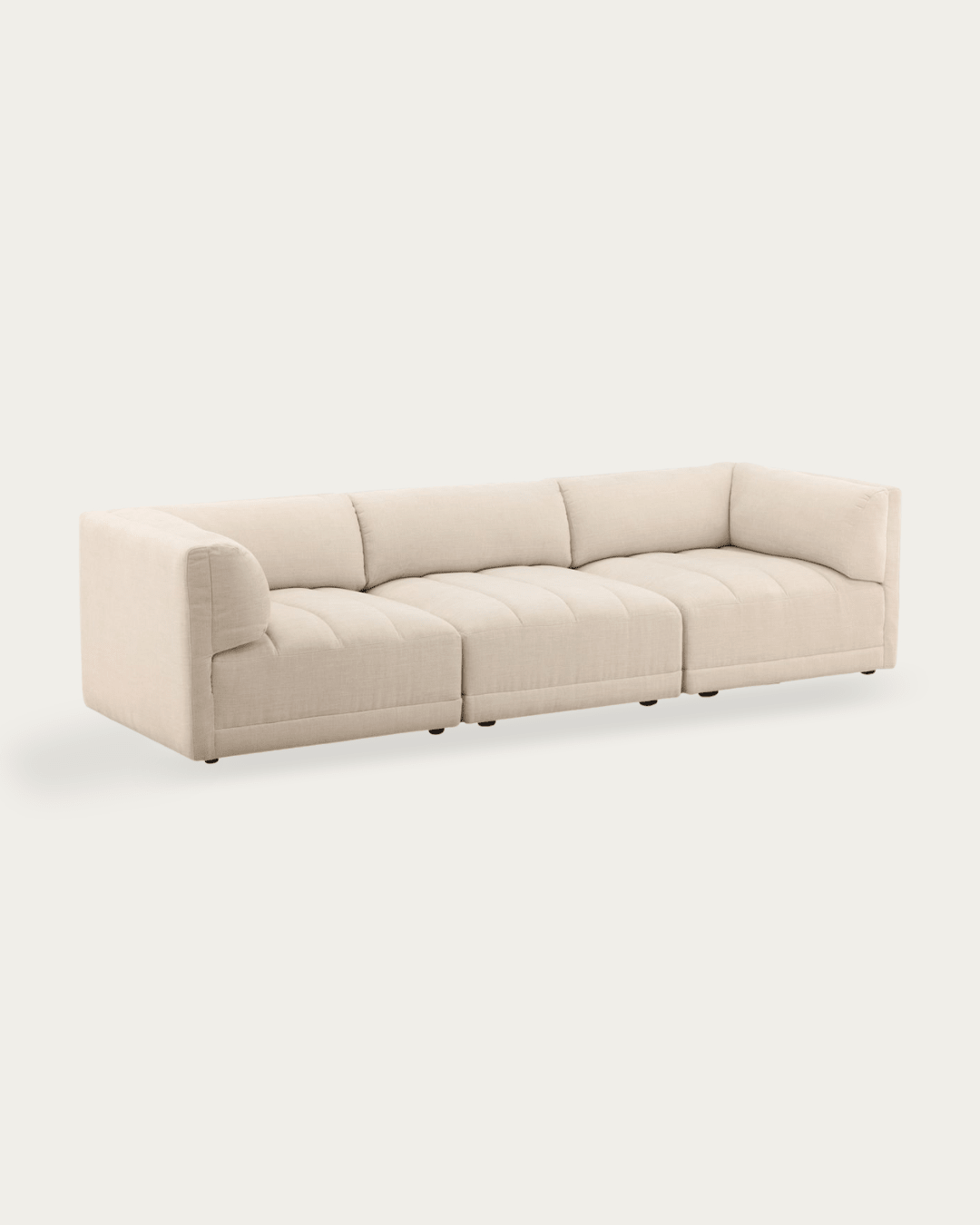
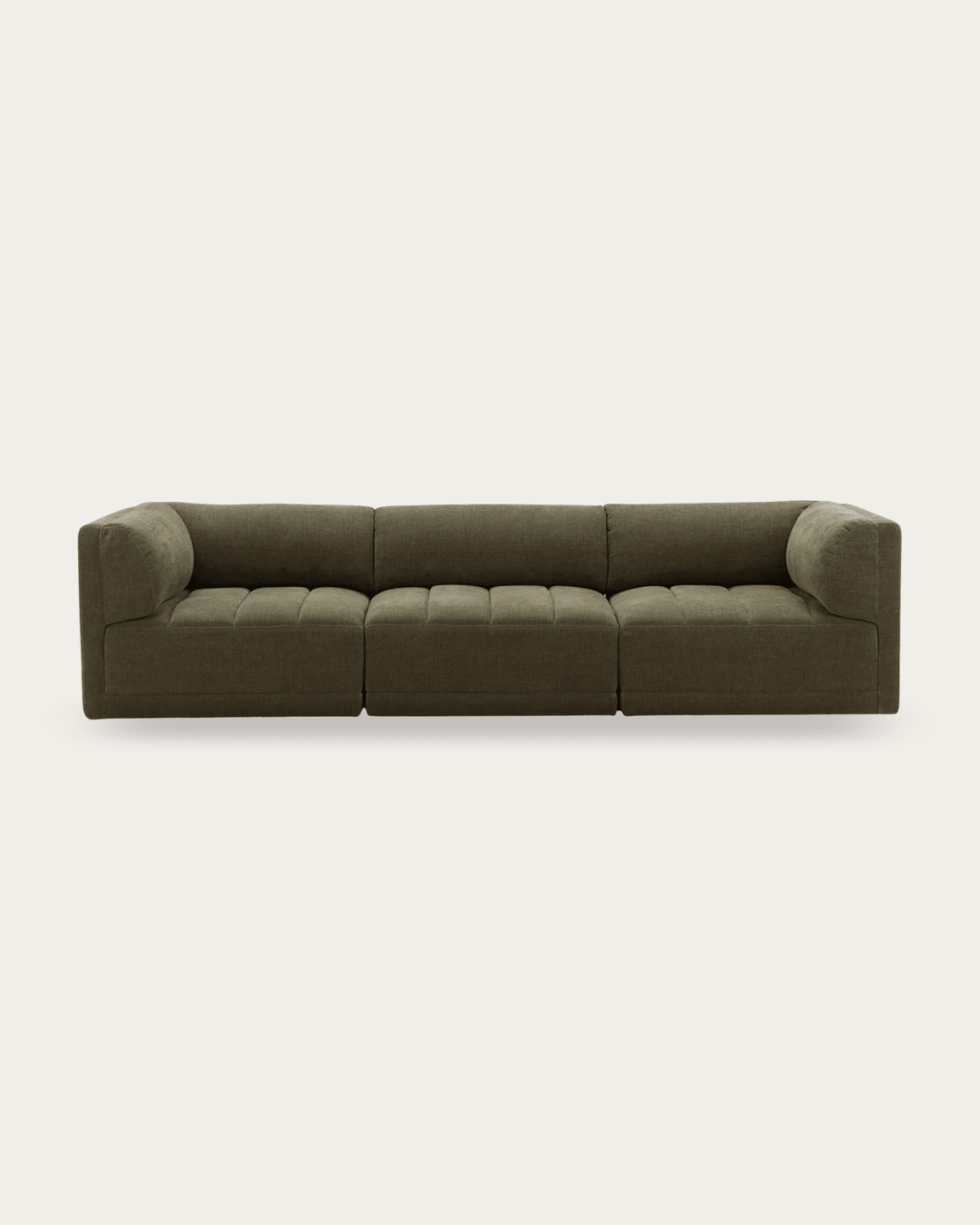
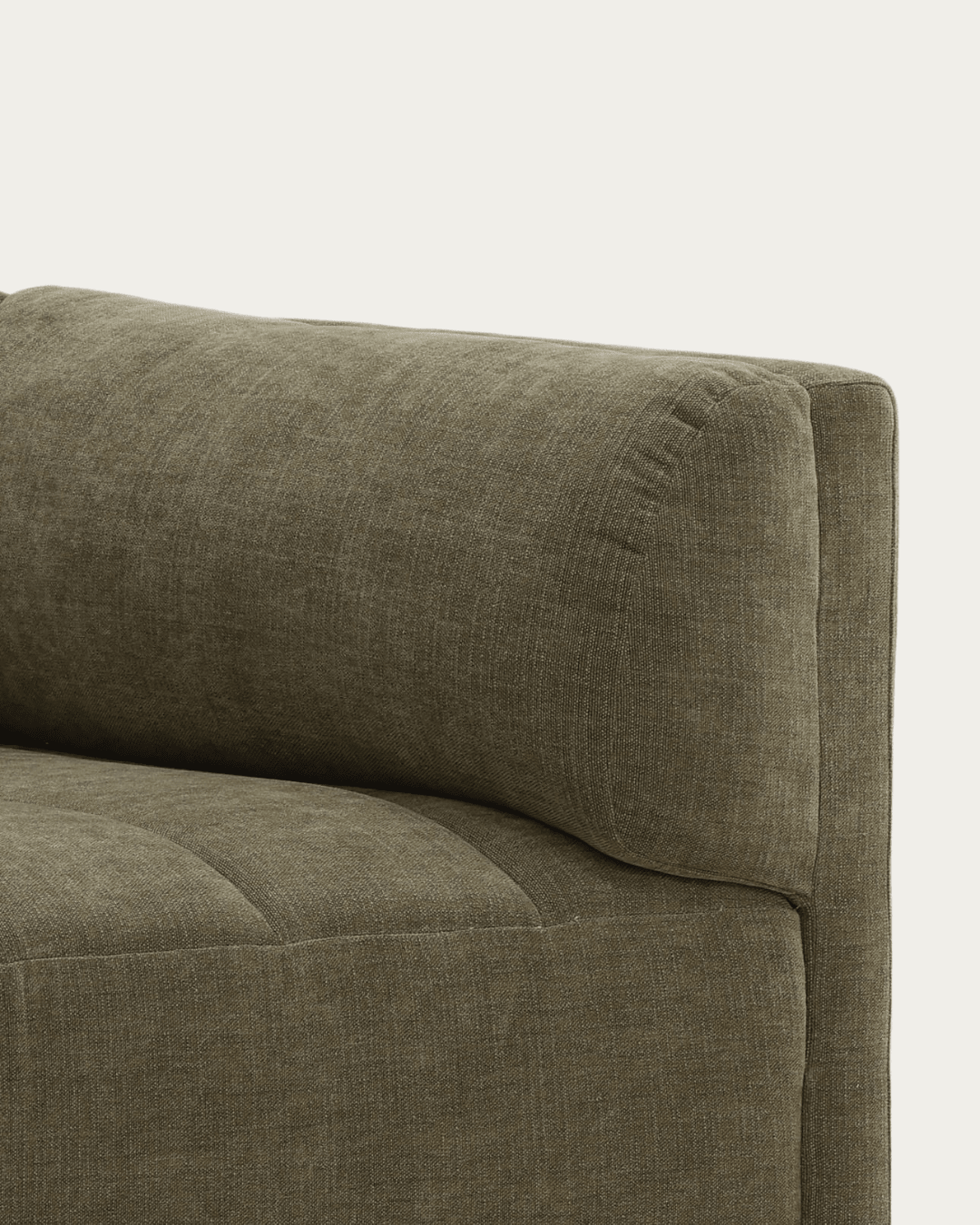
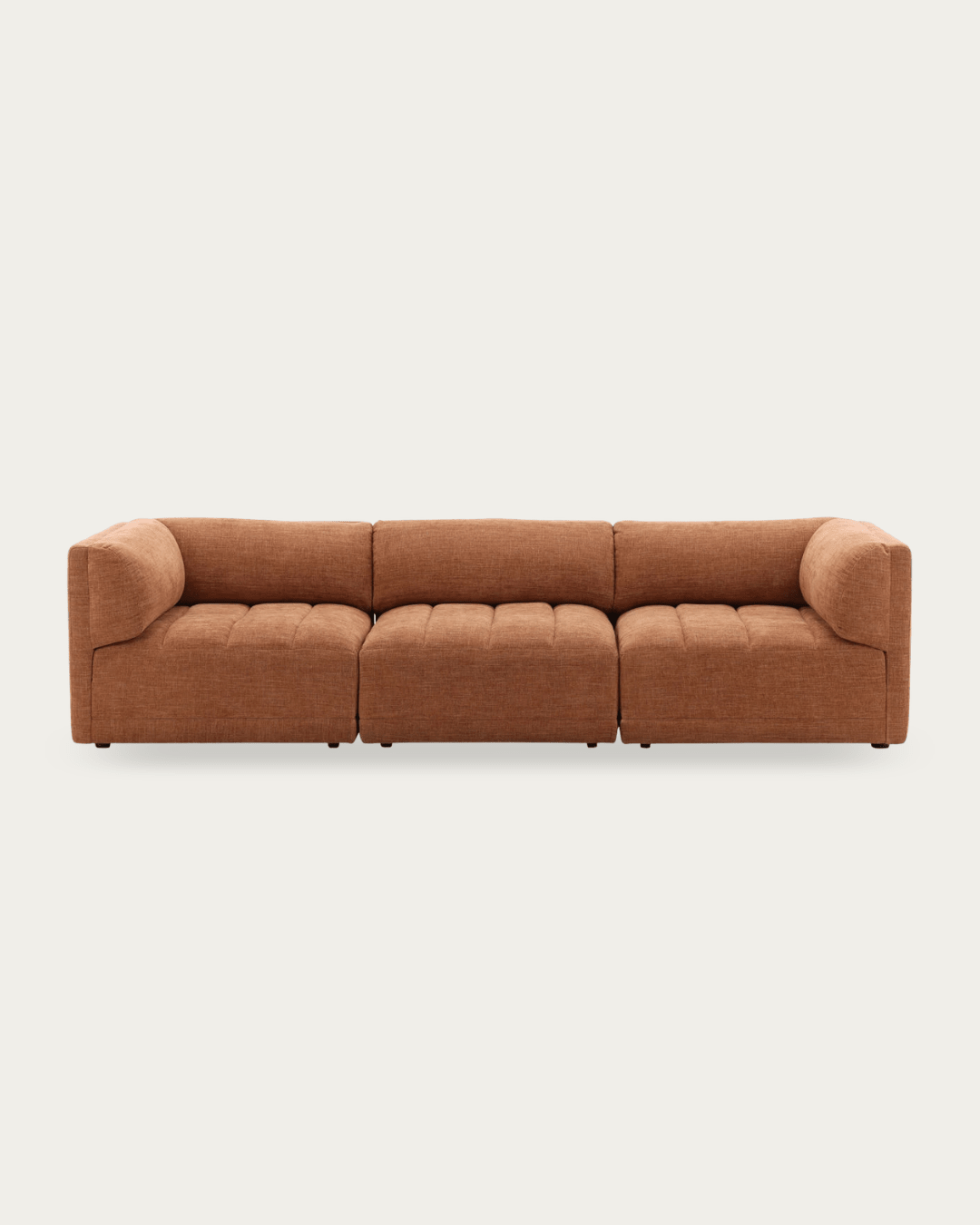
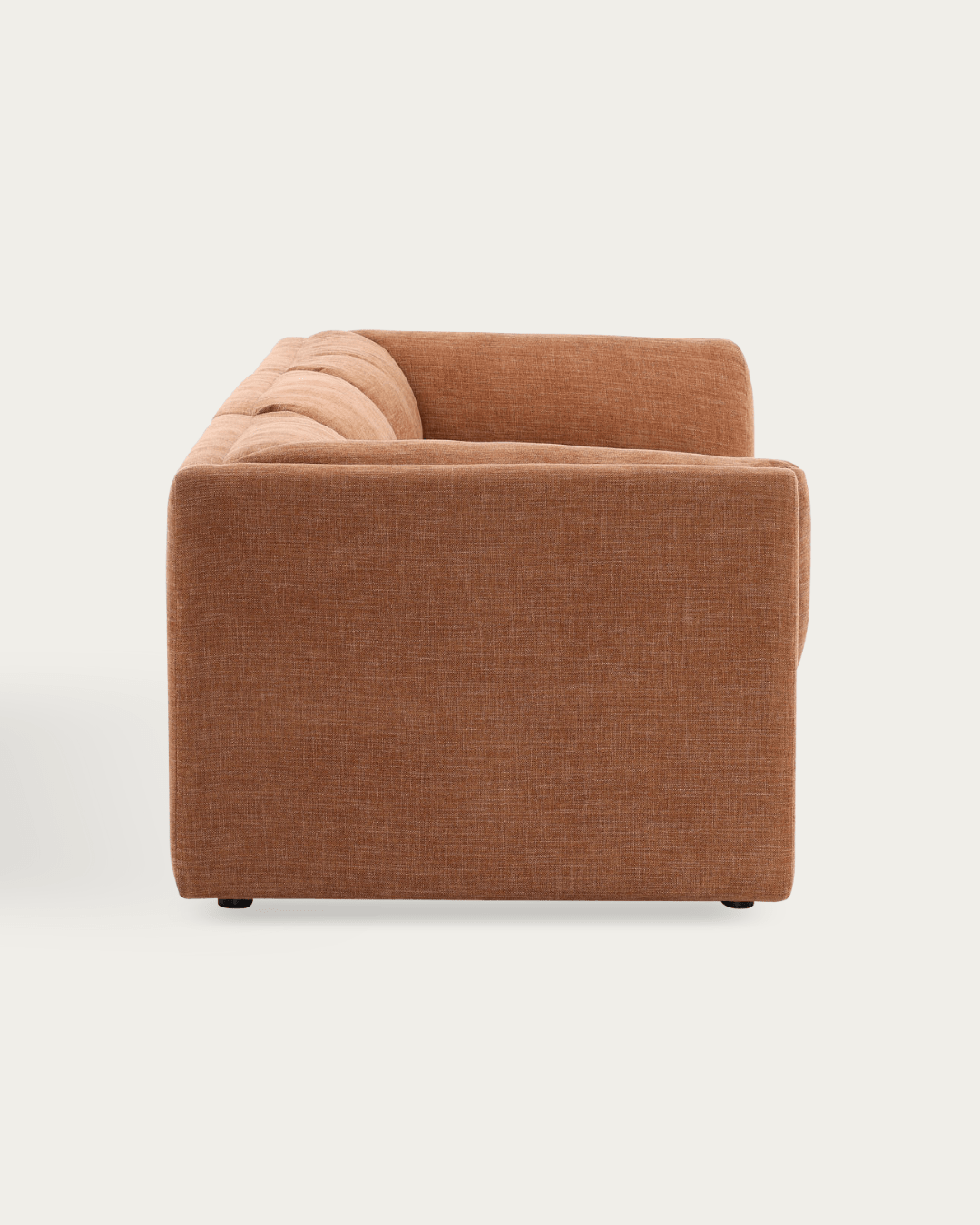
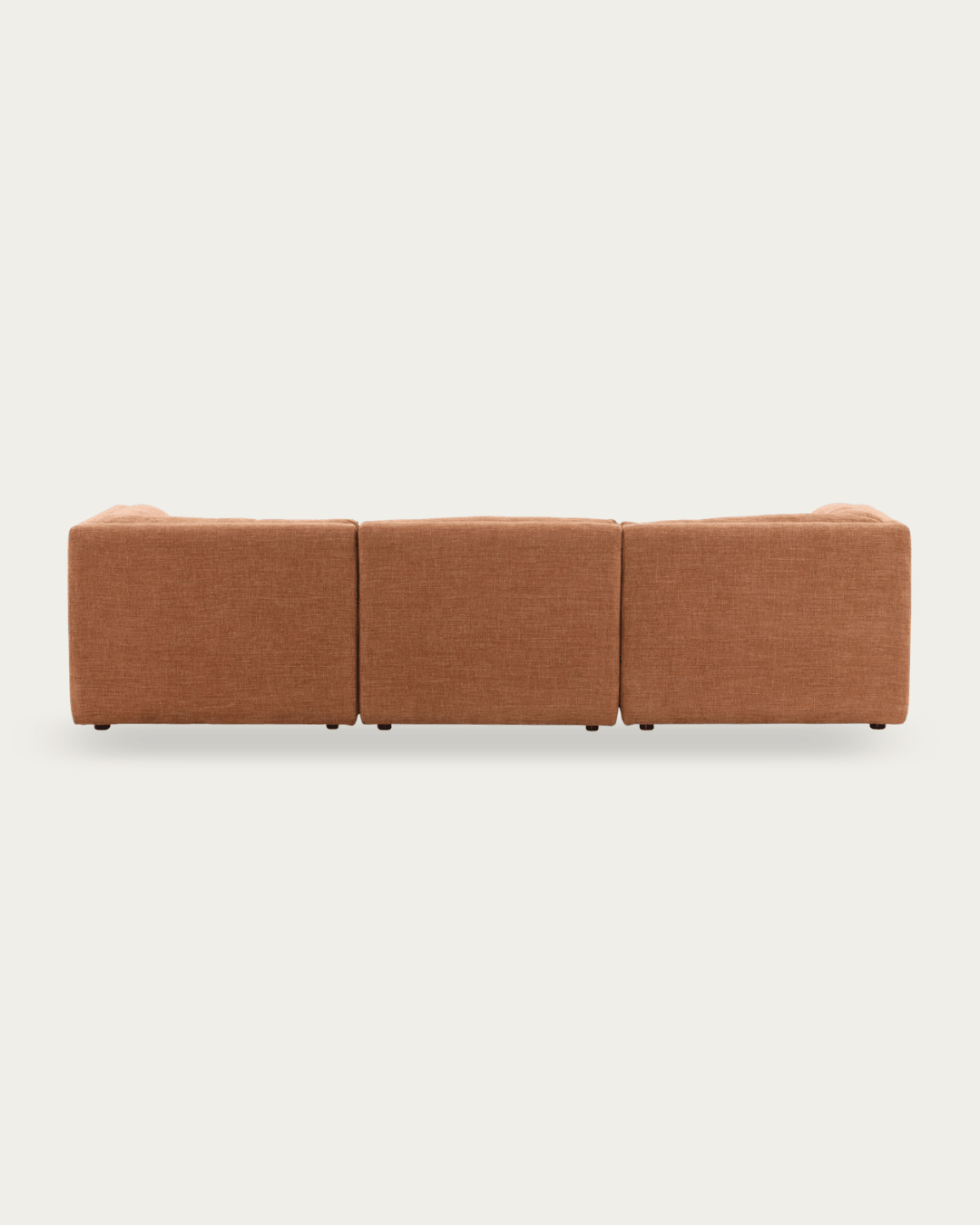
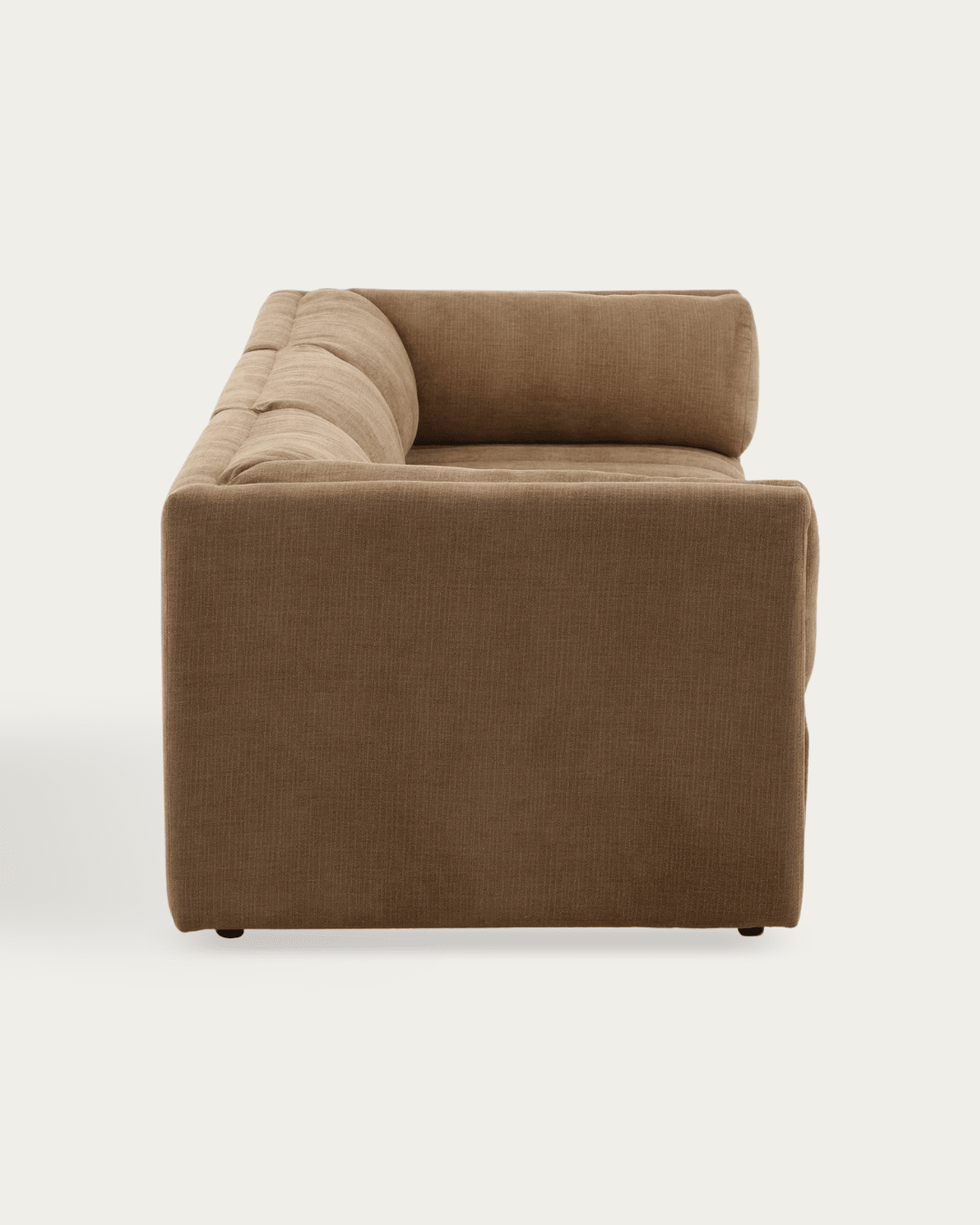
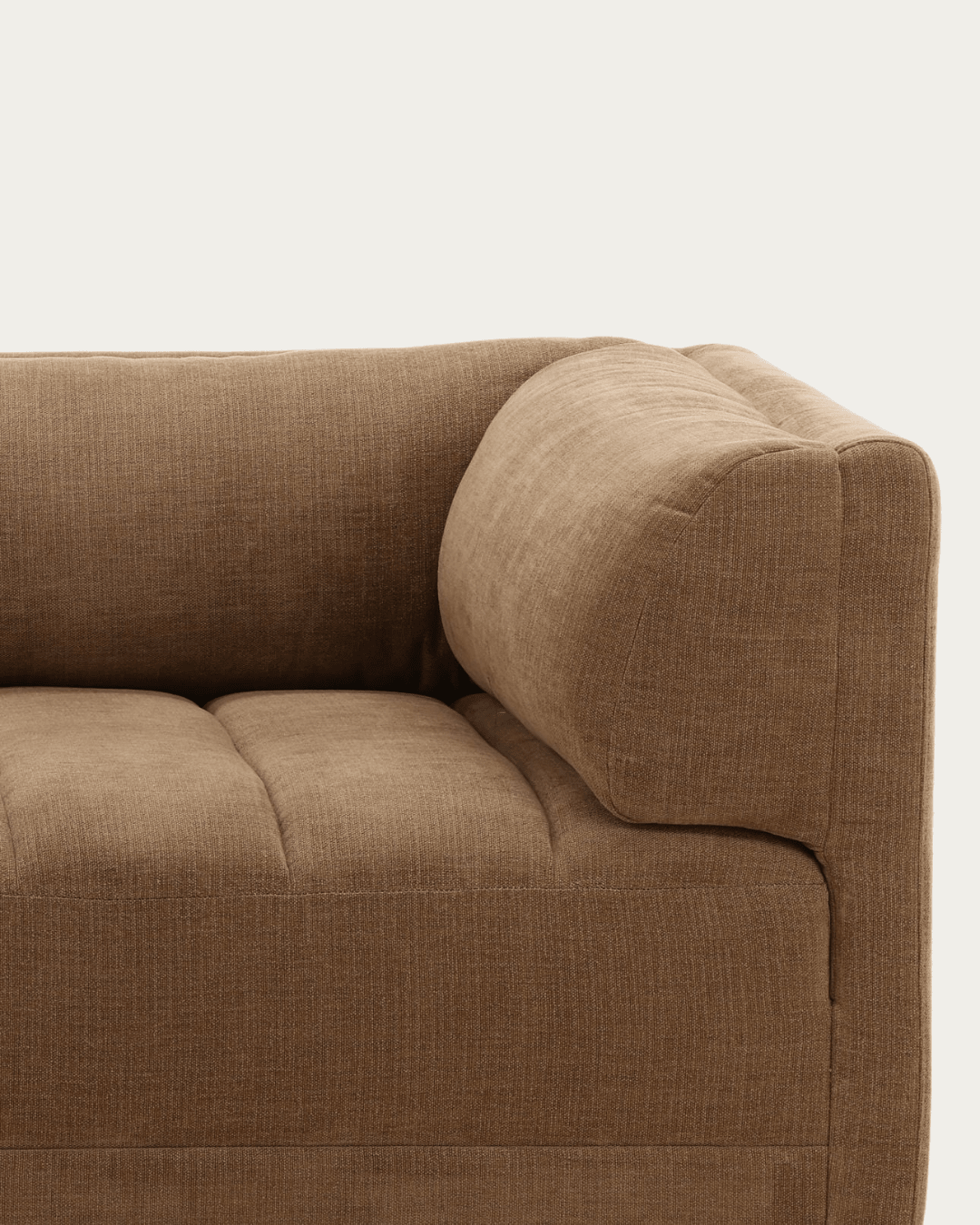
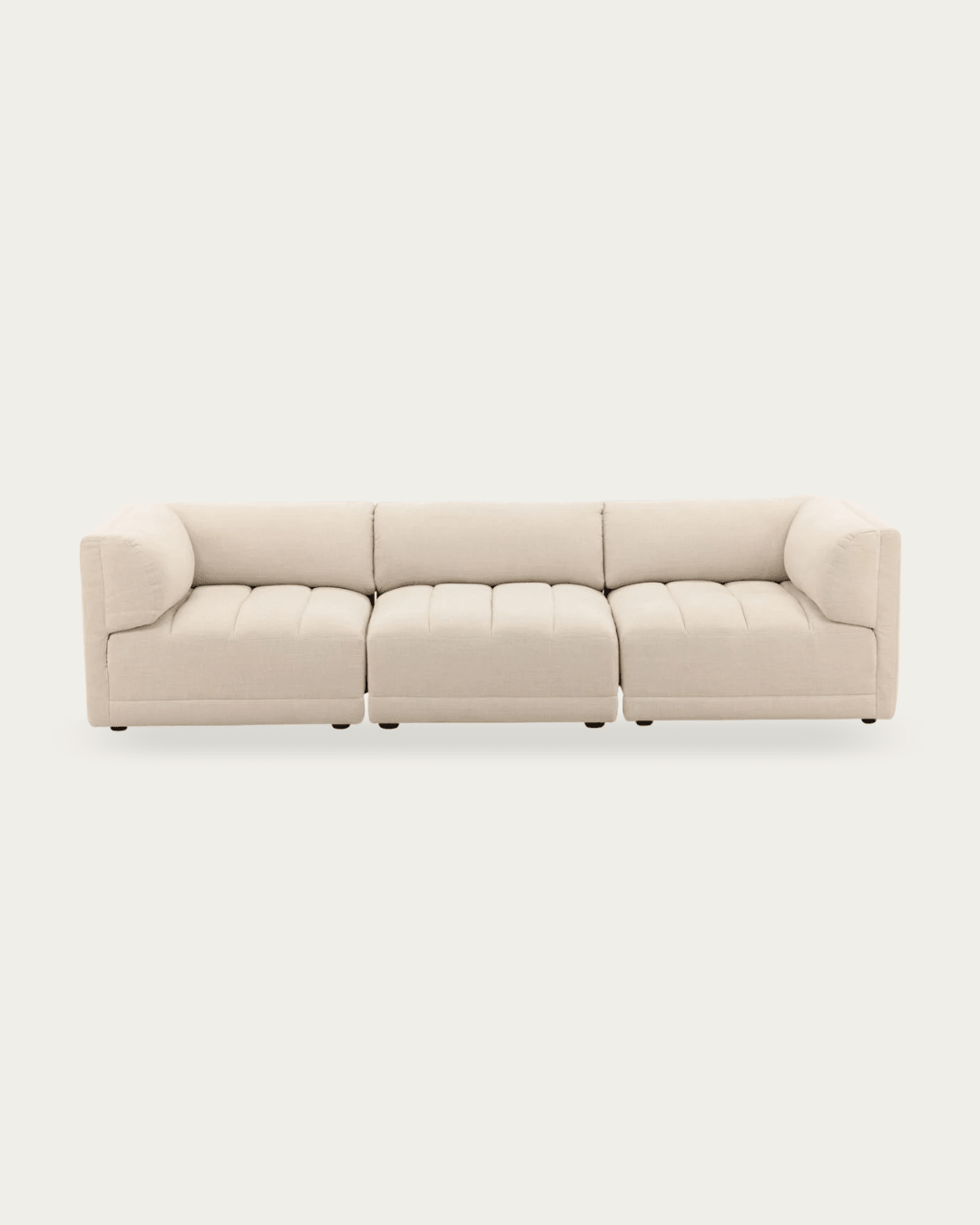
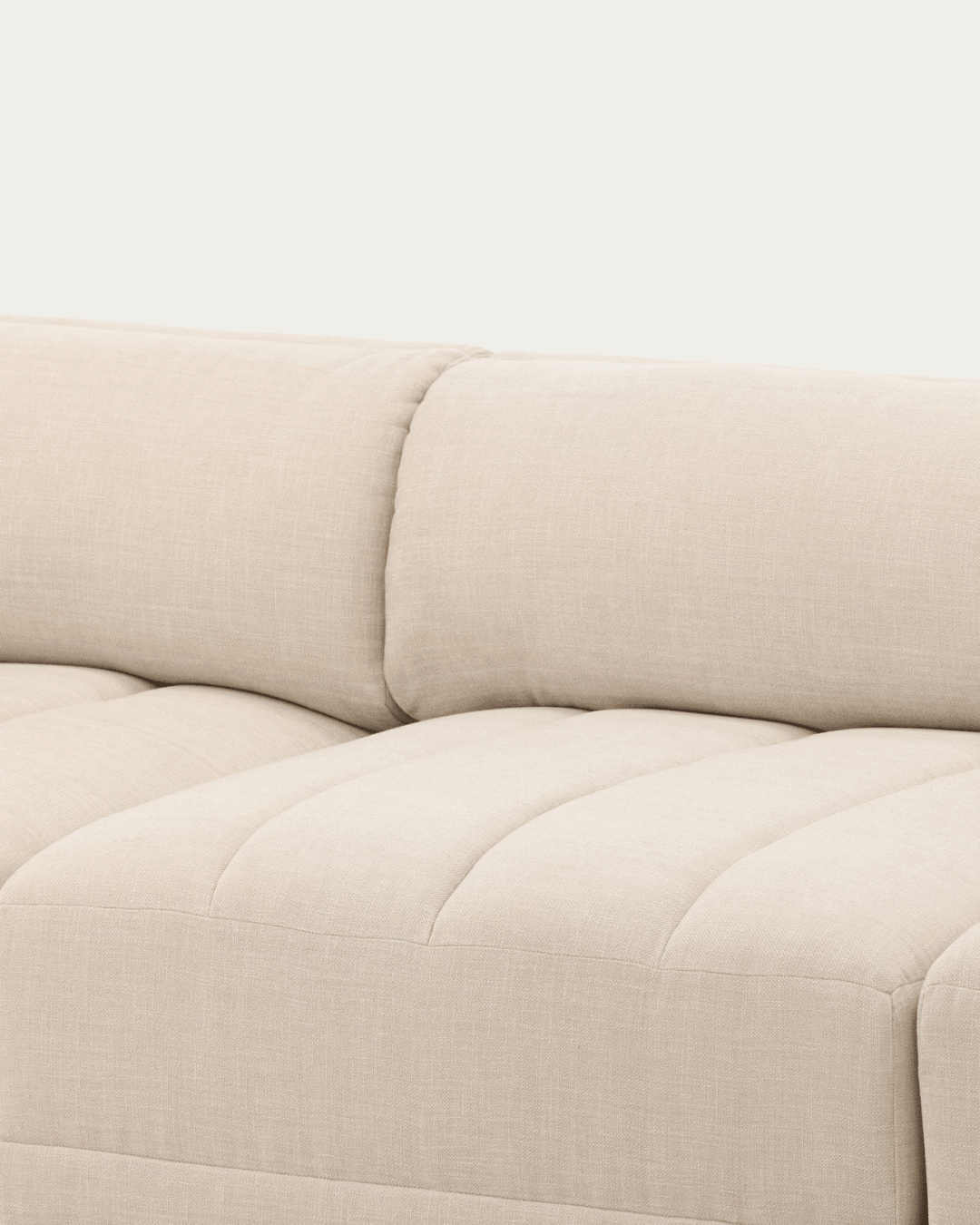
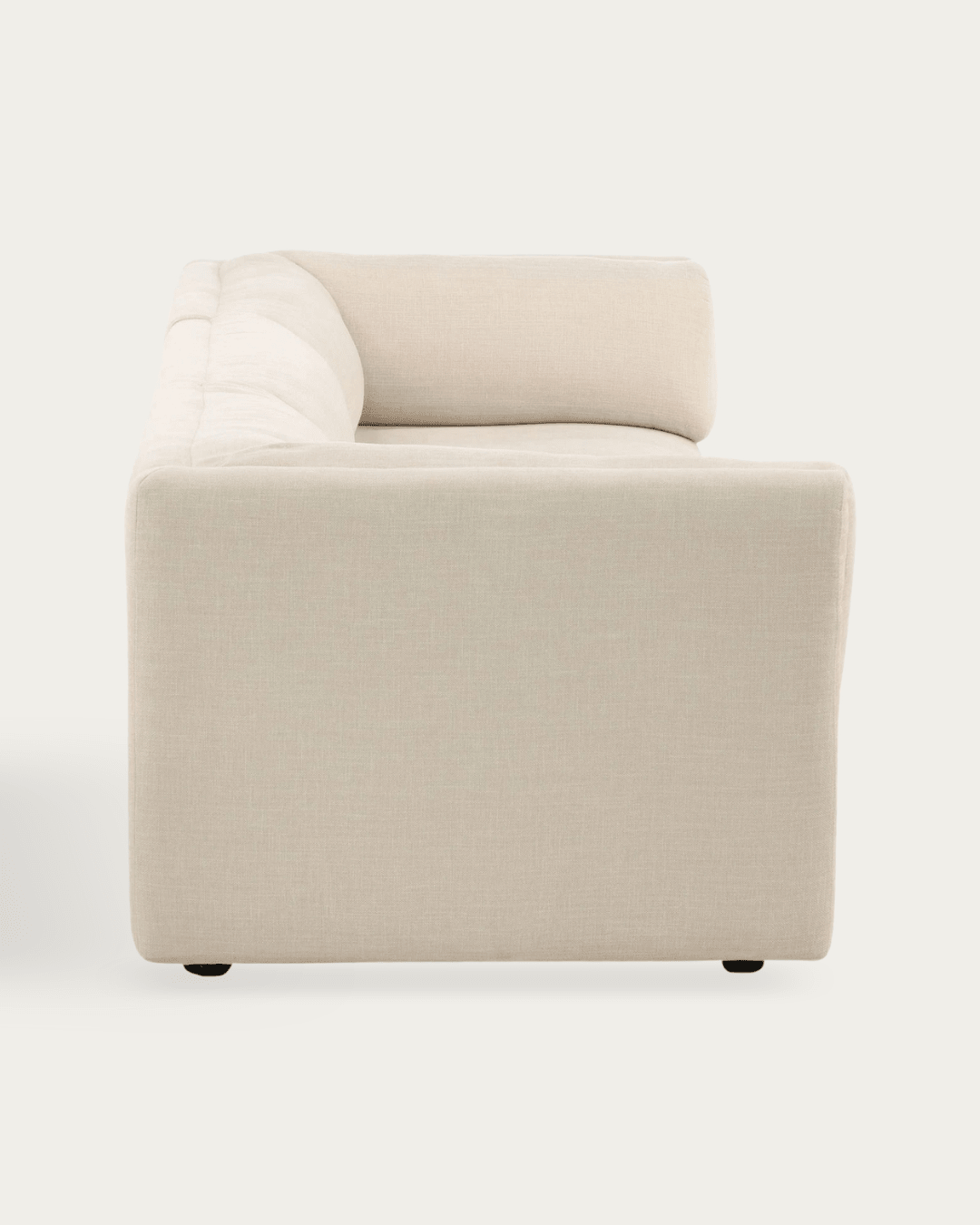
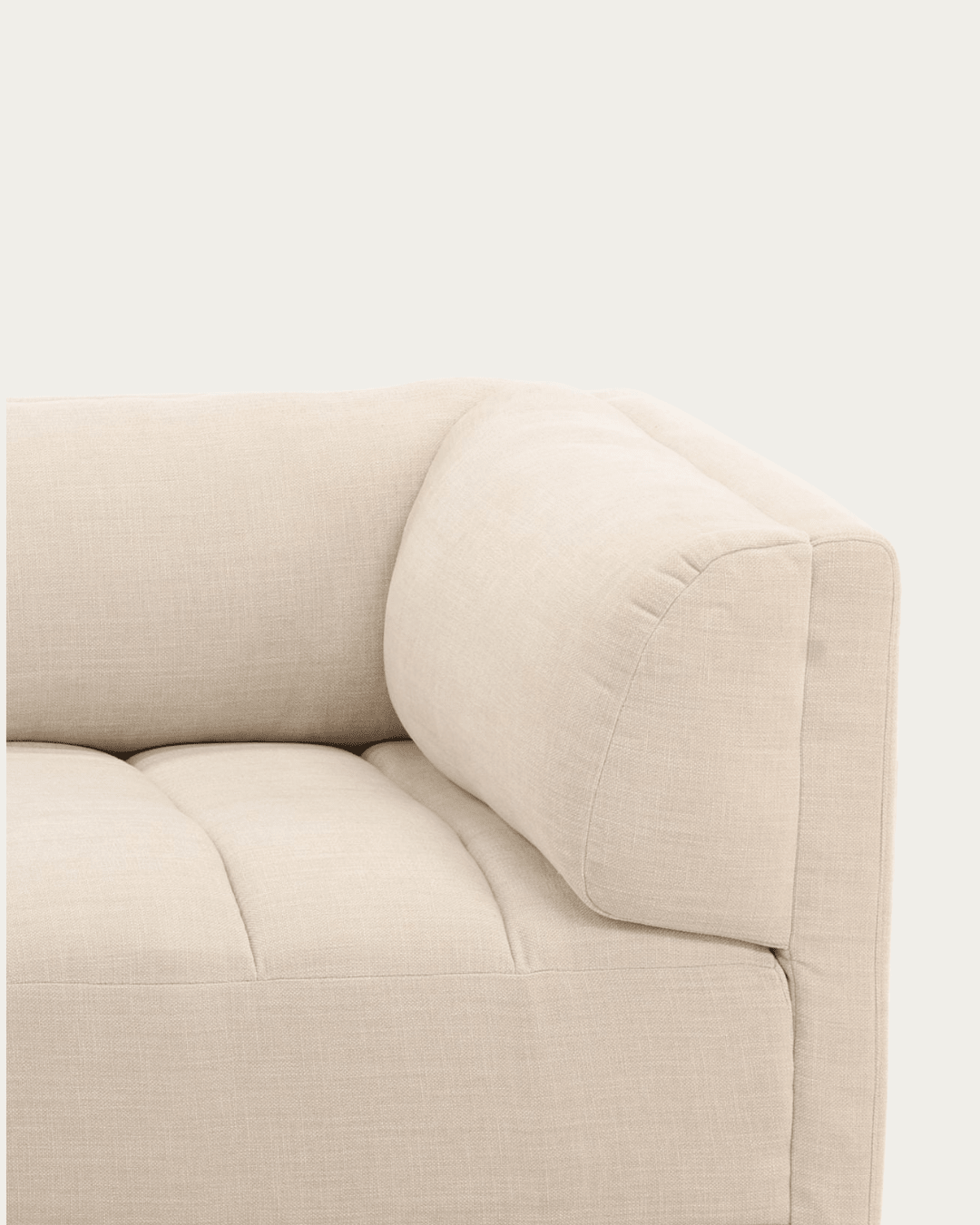
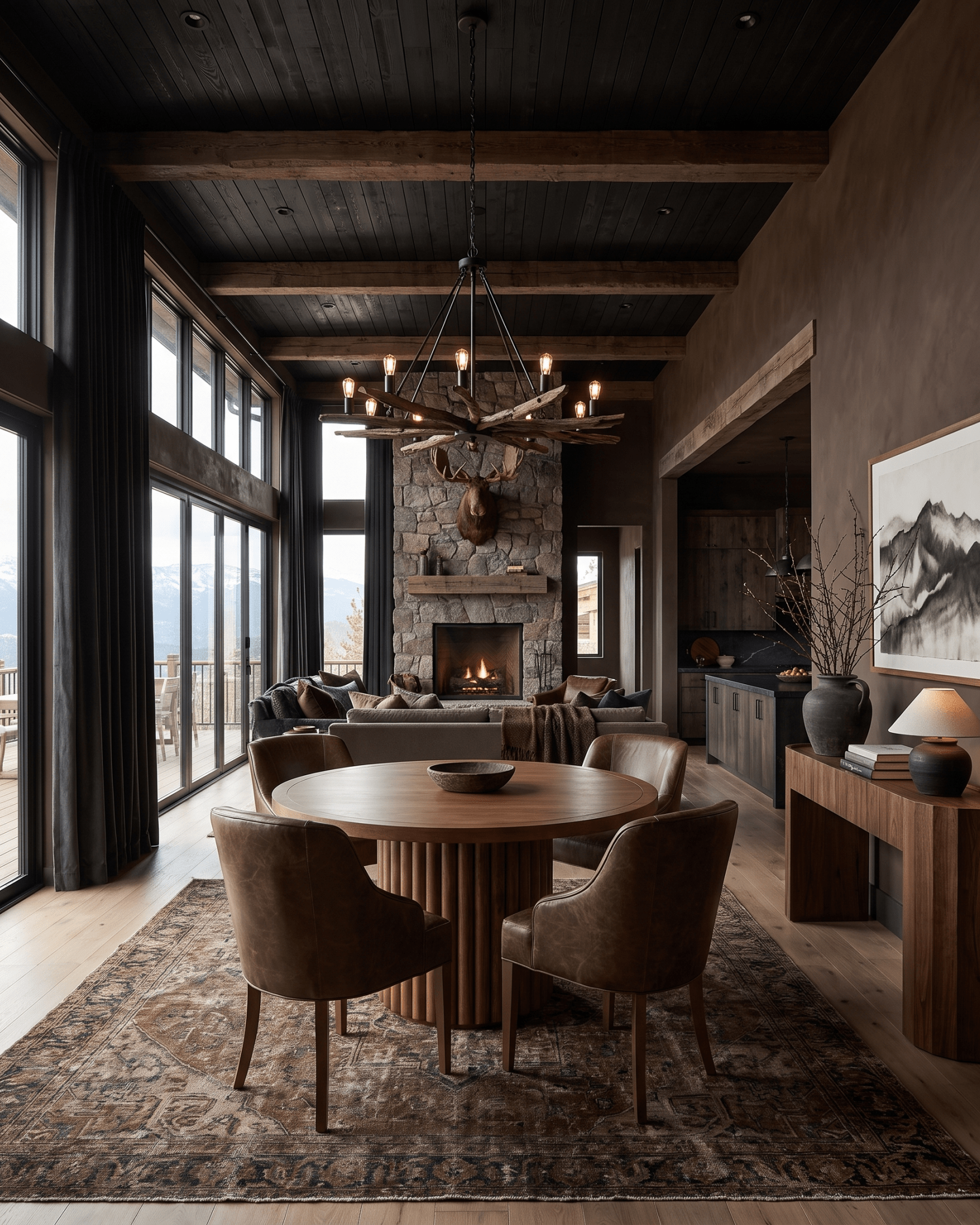
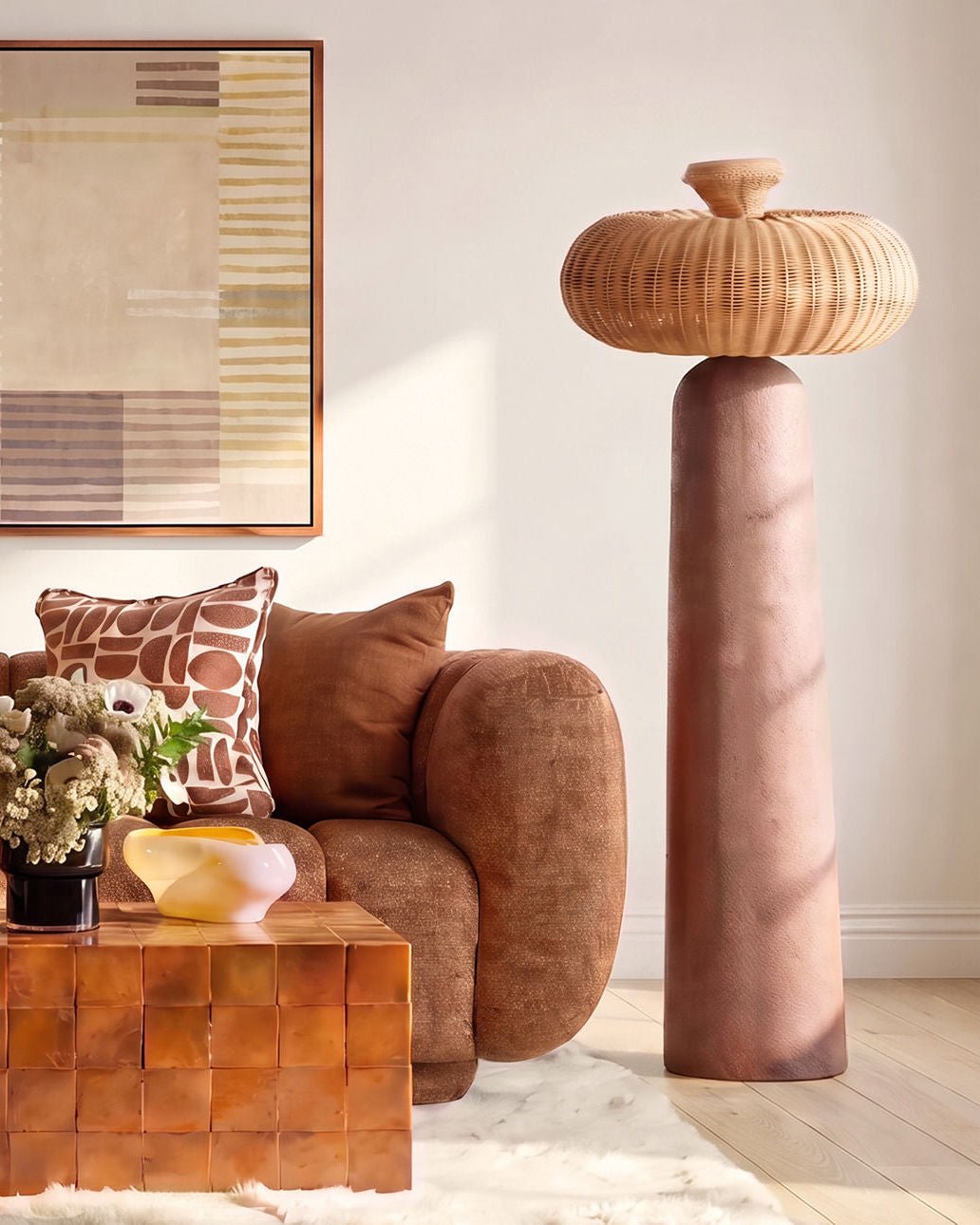
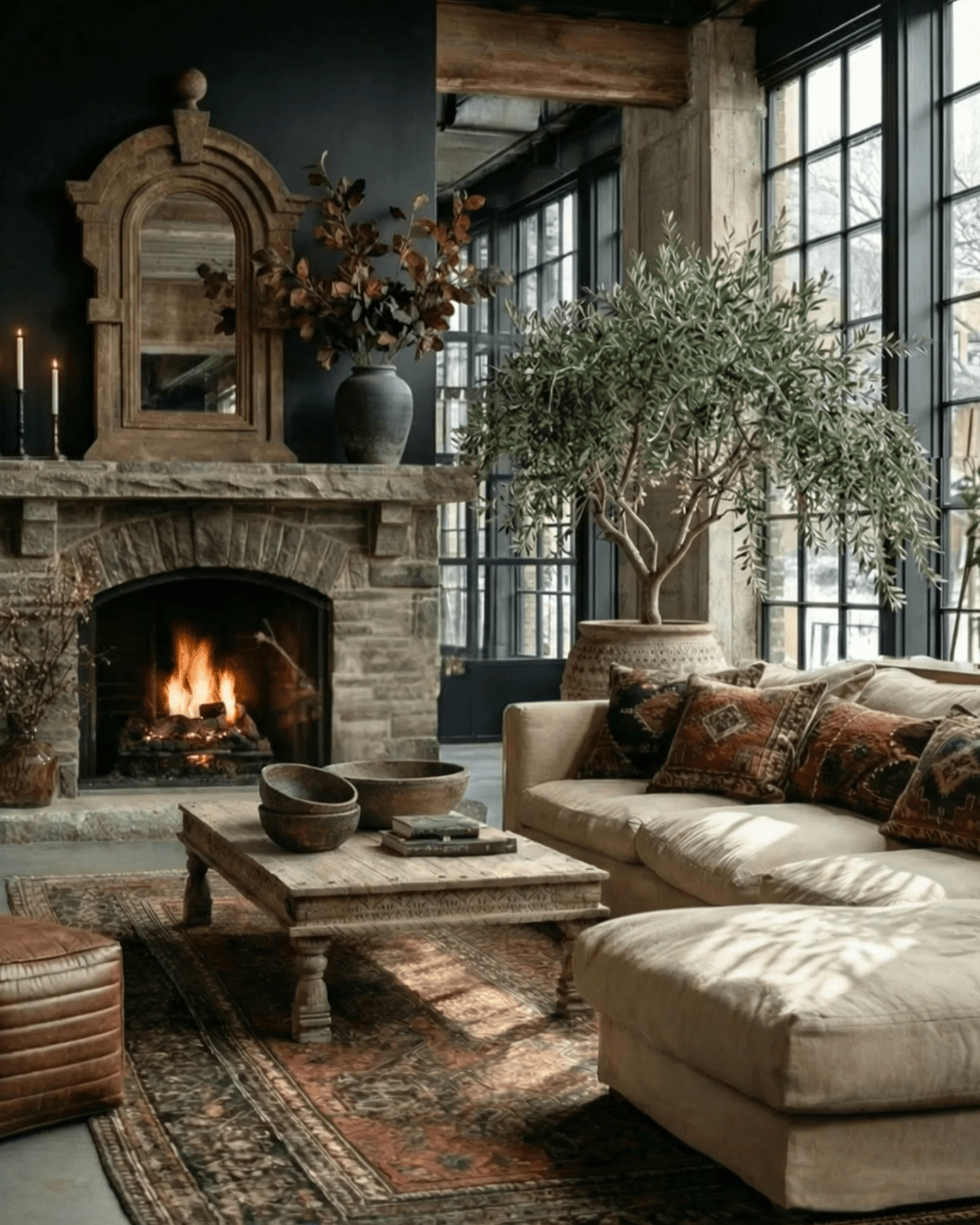
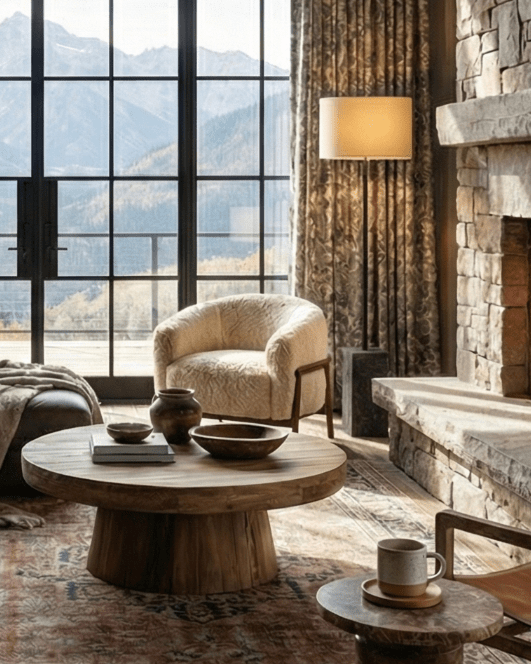
Pair vintage pieces with more structured living room furniture so each one supports the other.
For example:
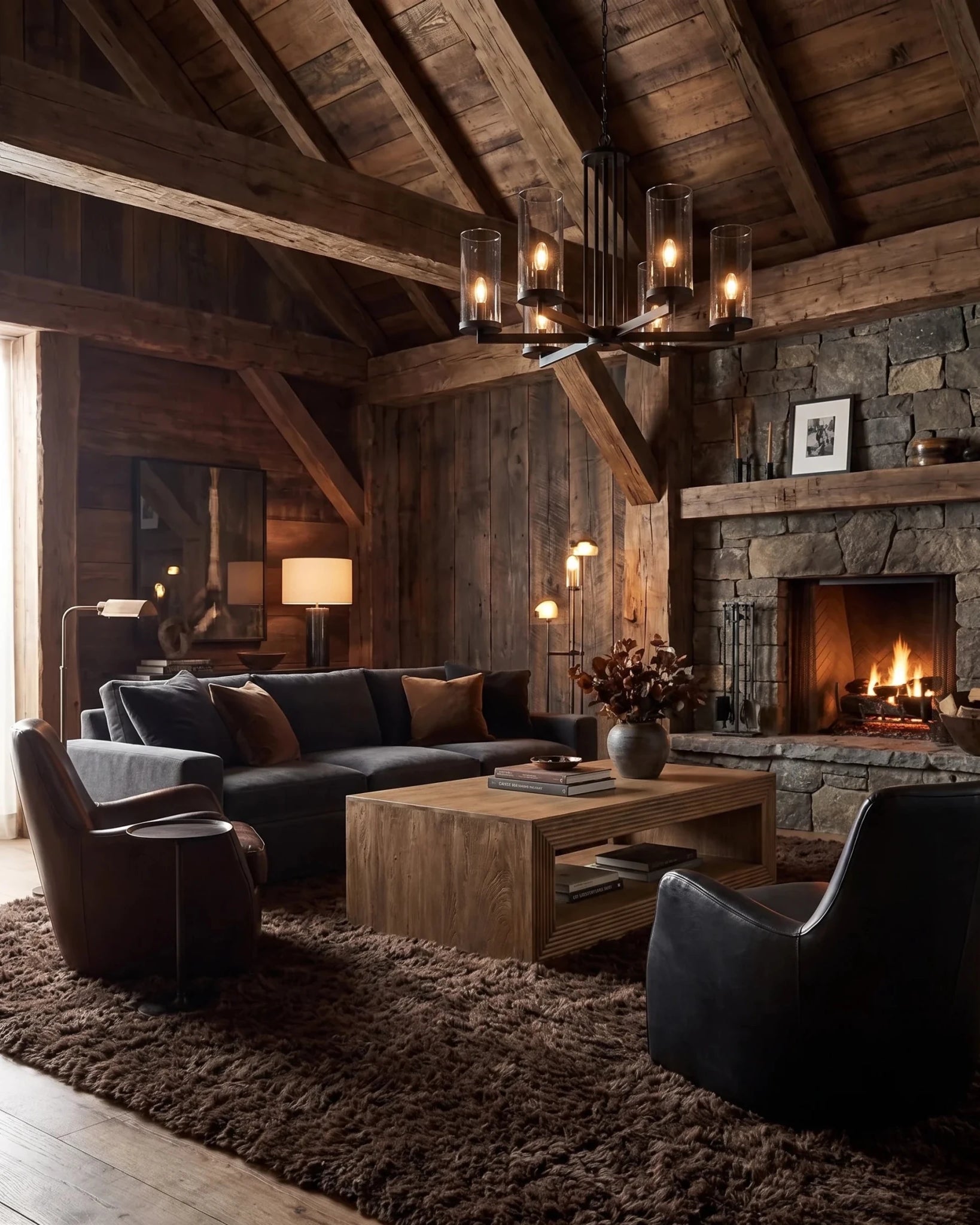
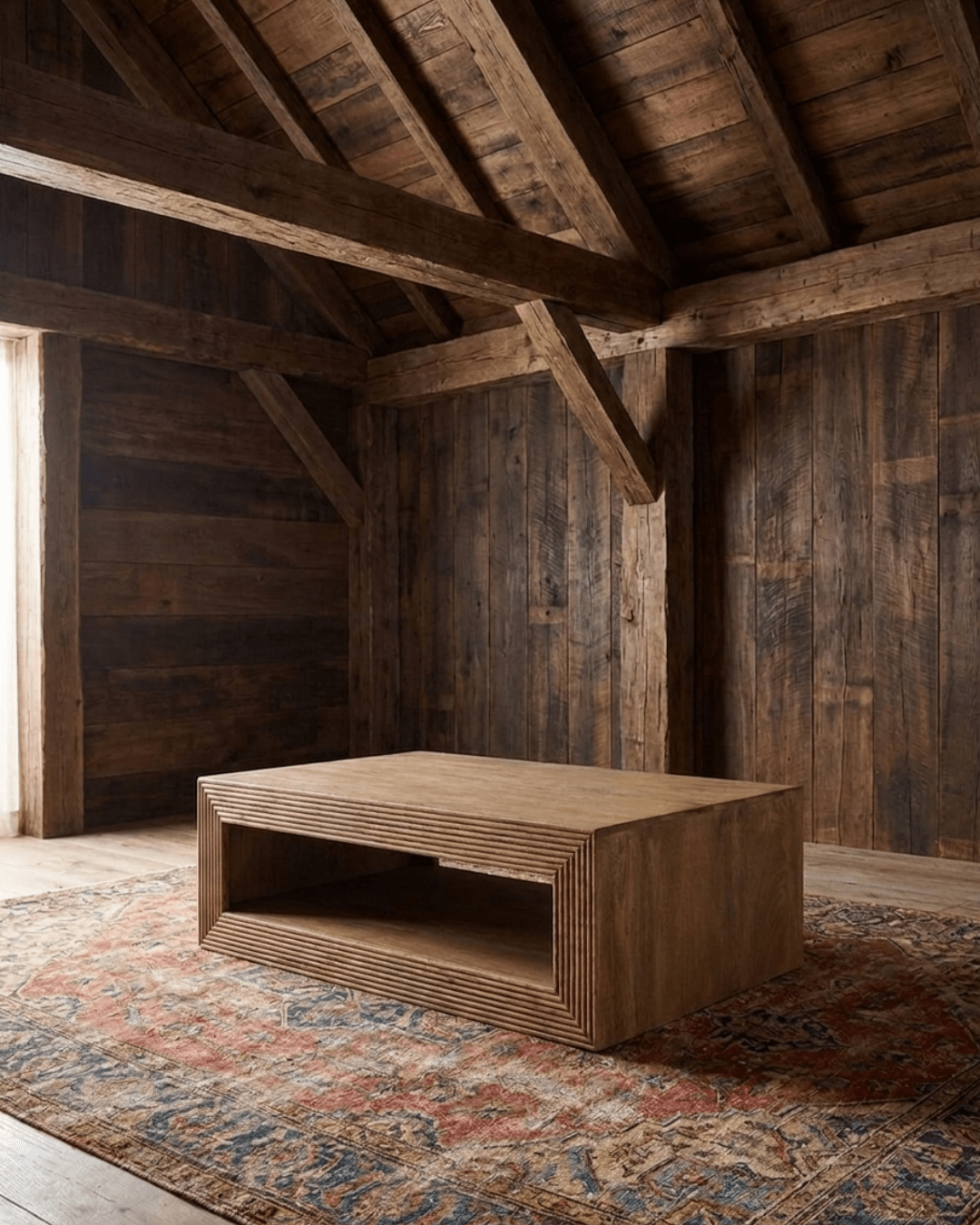
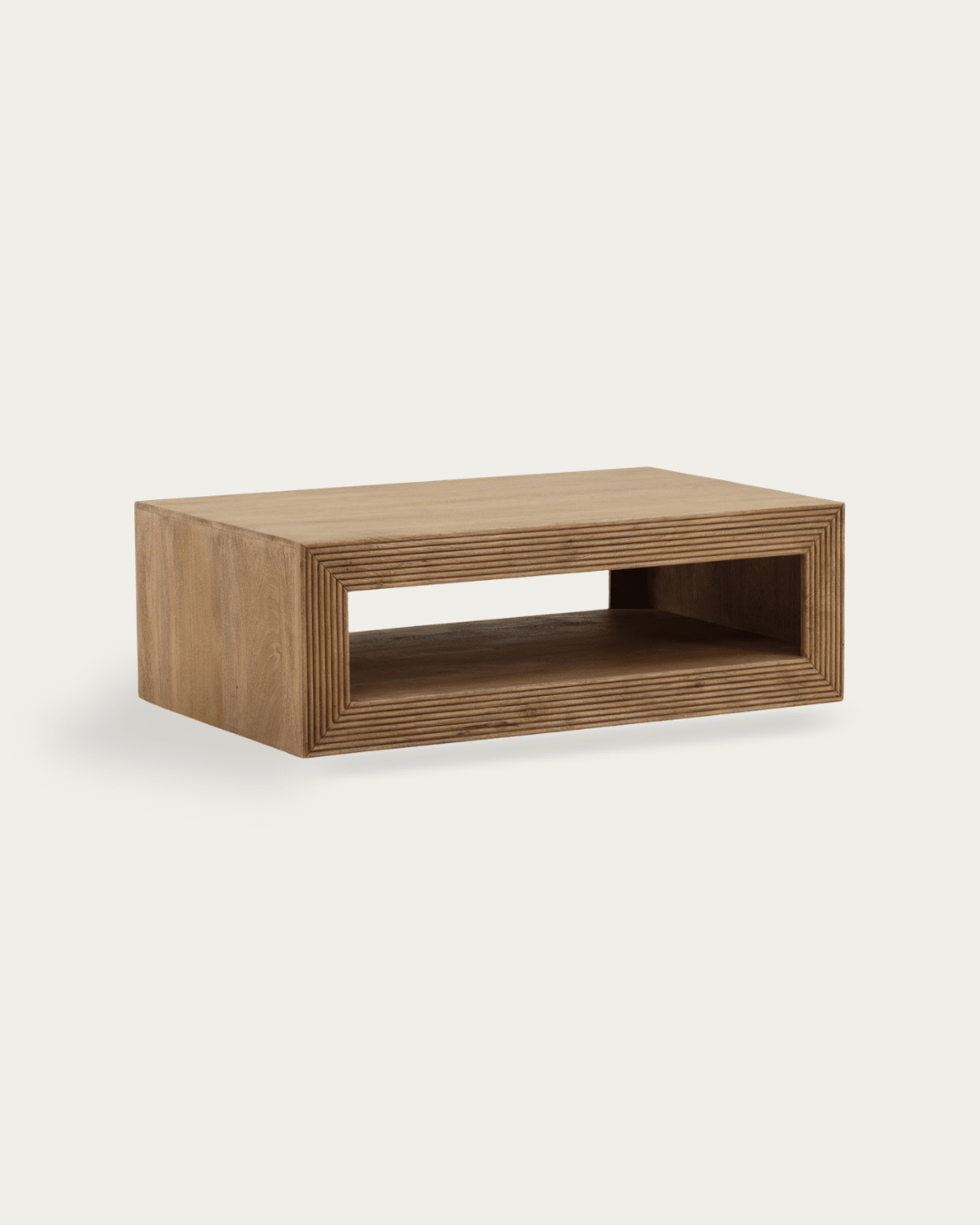
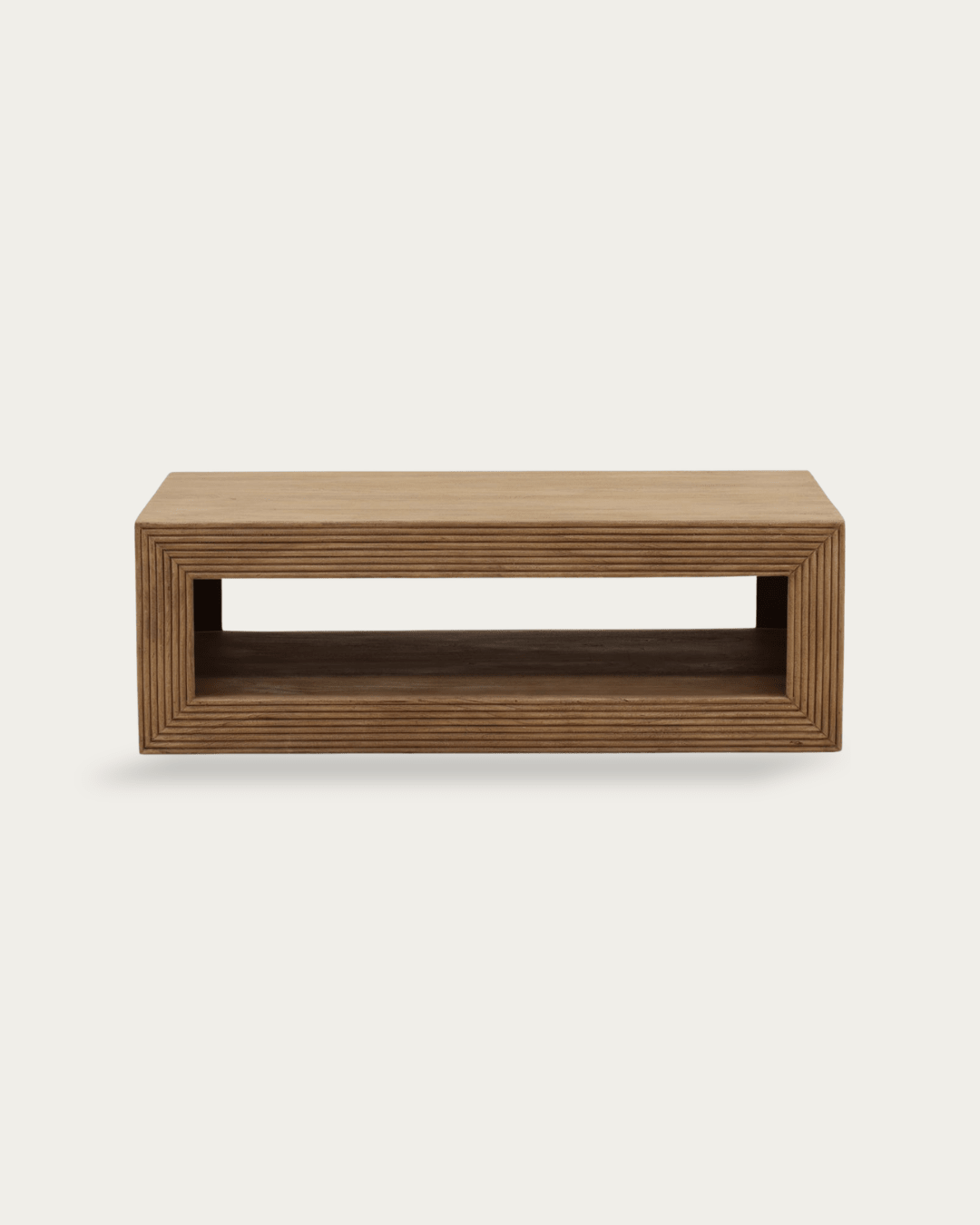
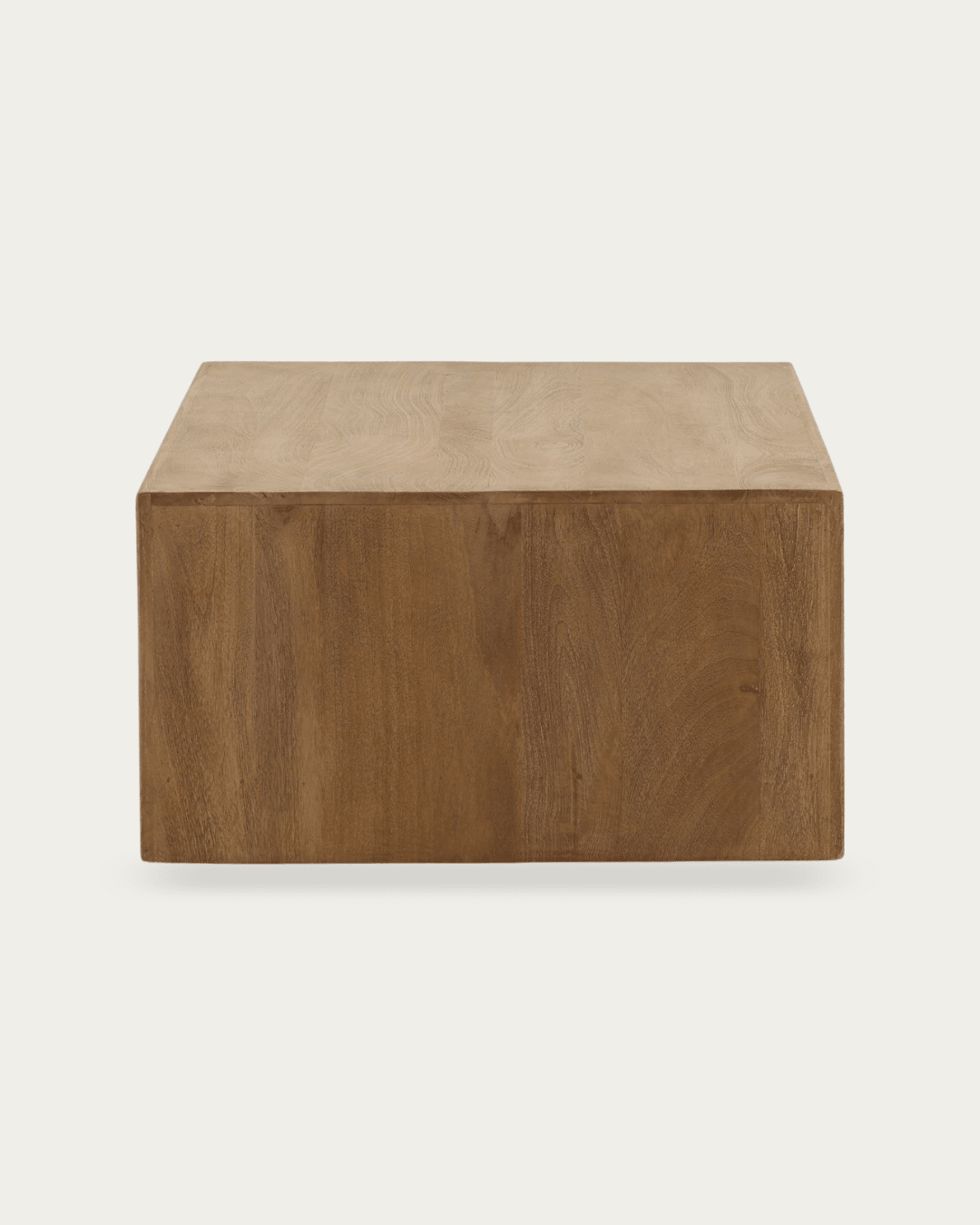
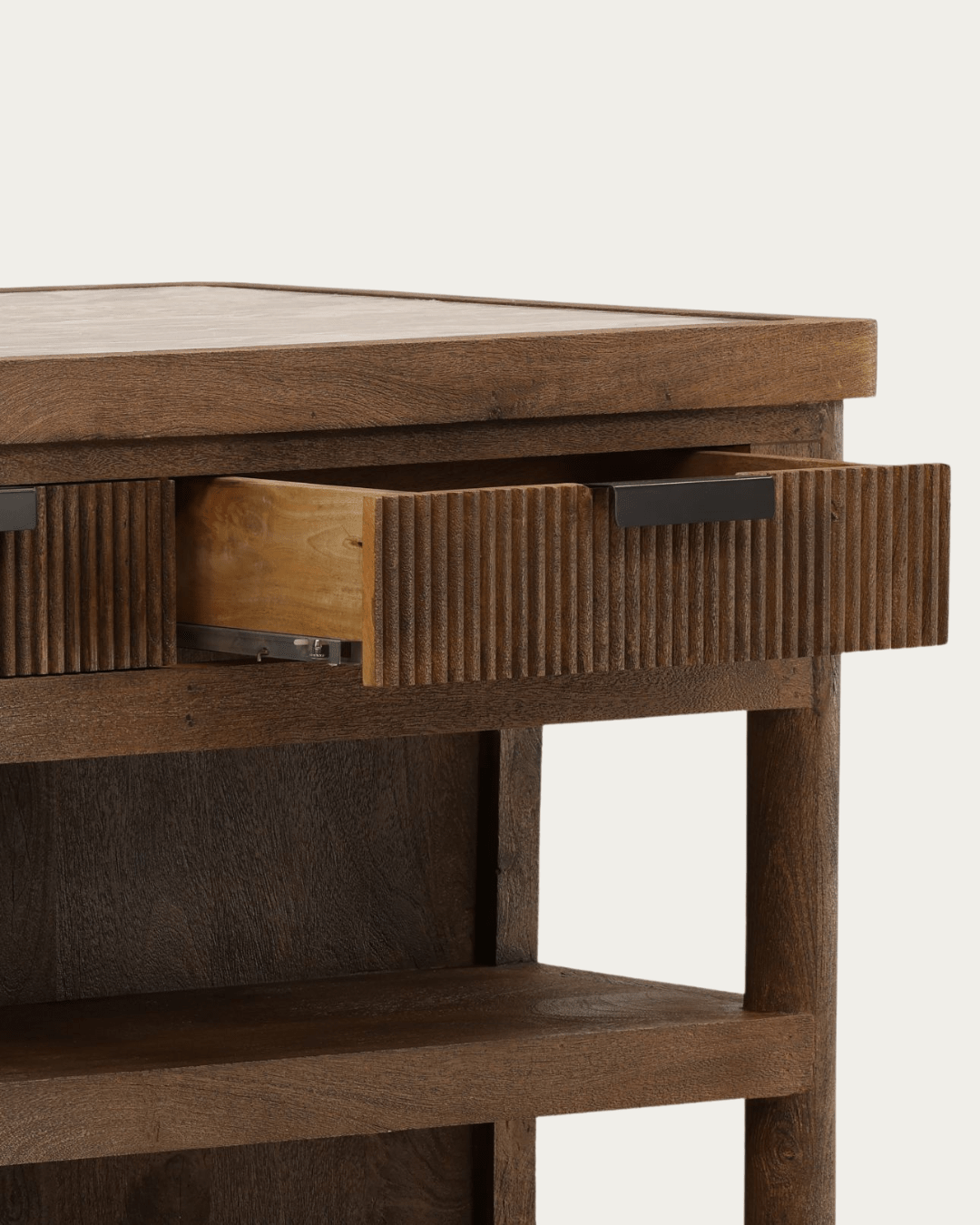
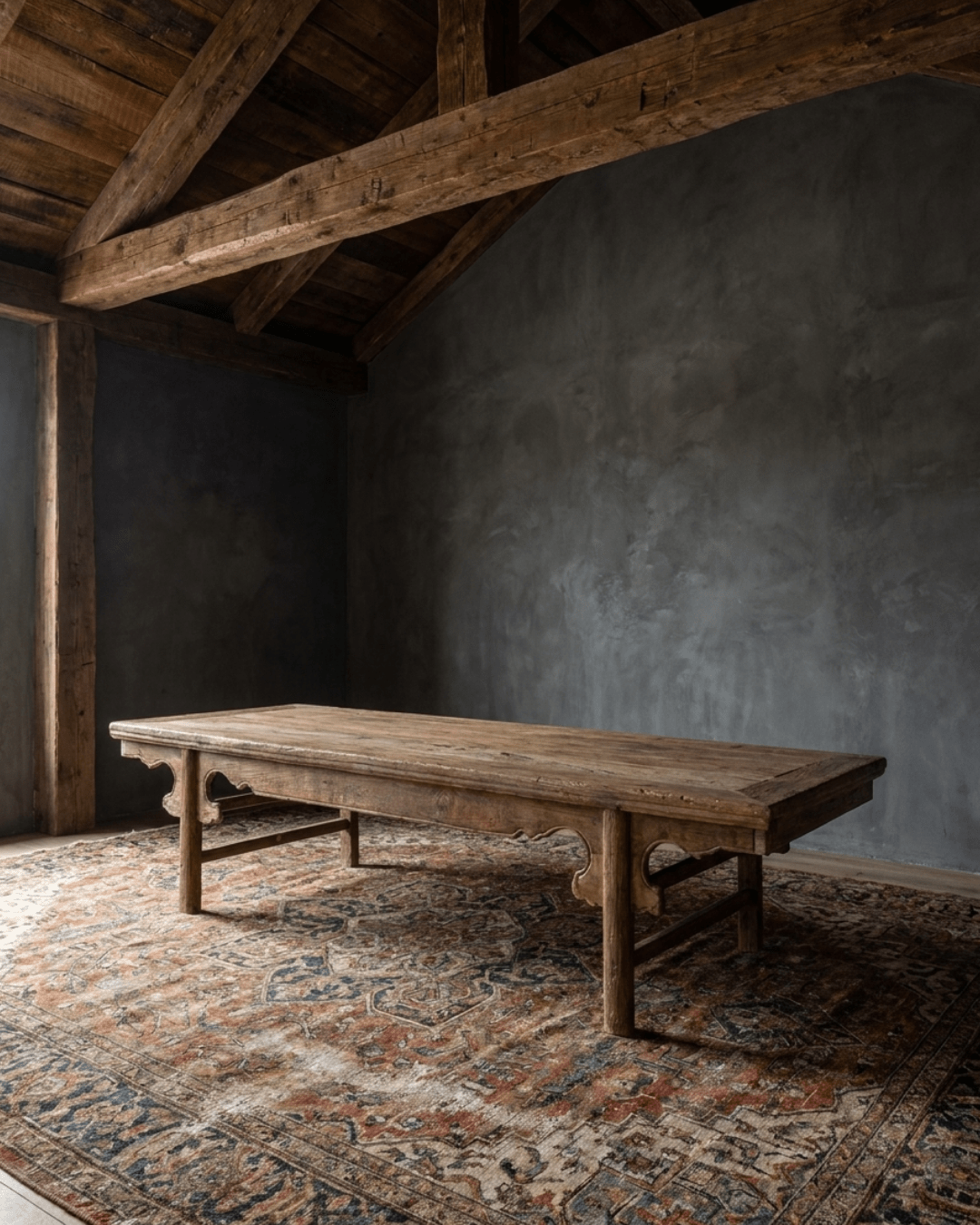
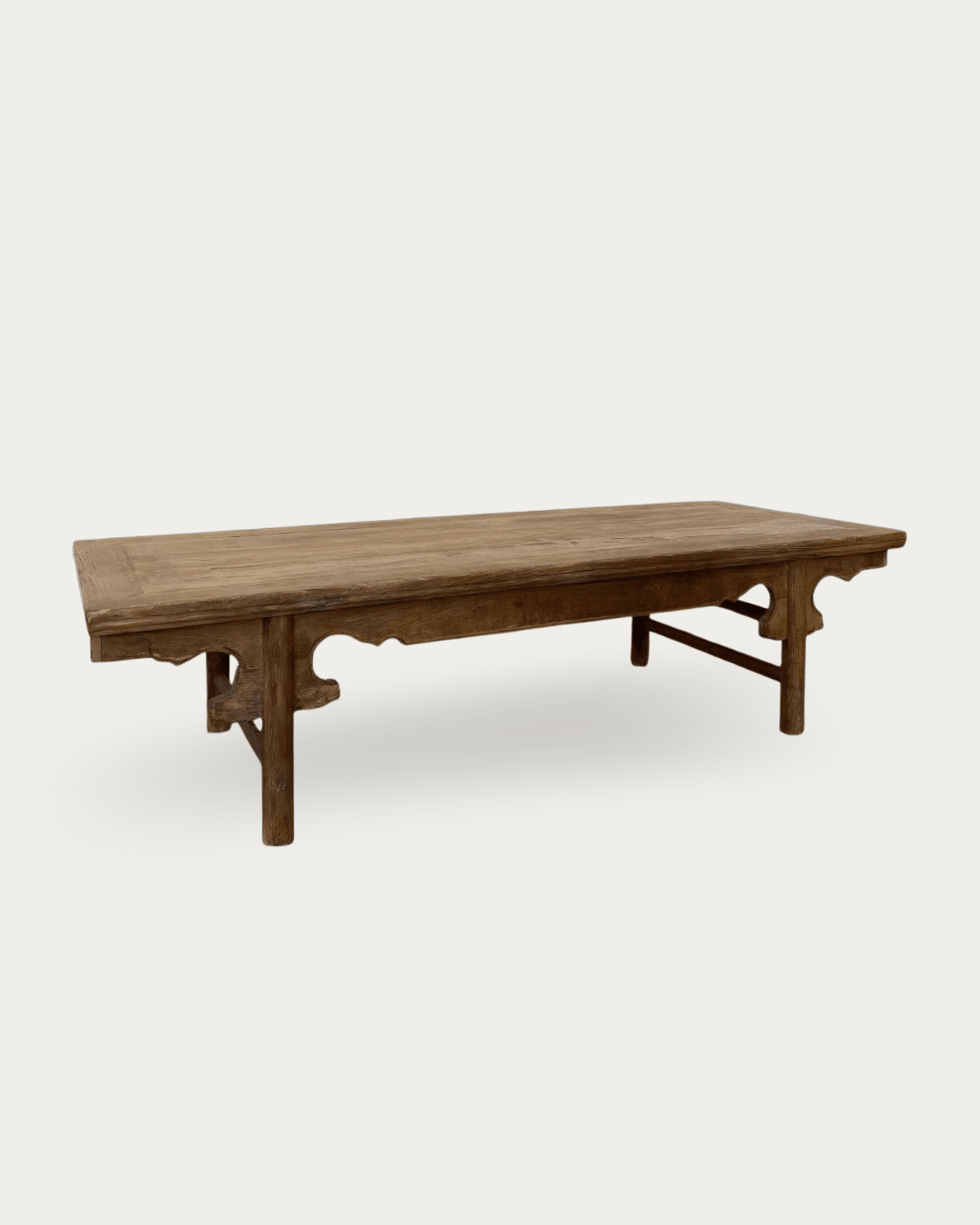
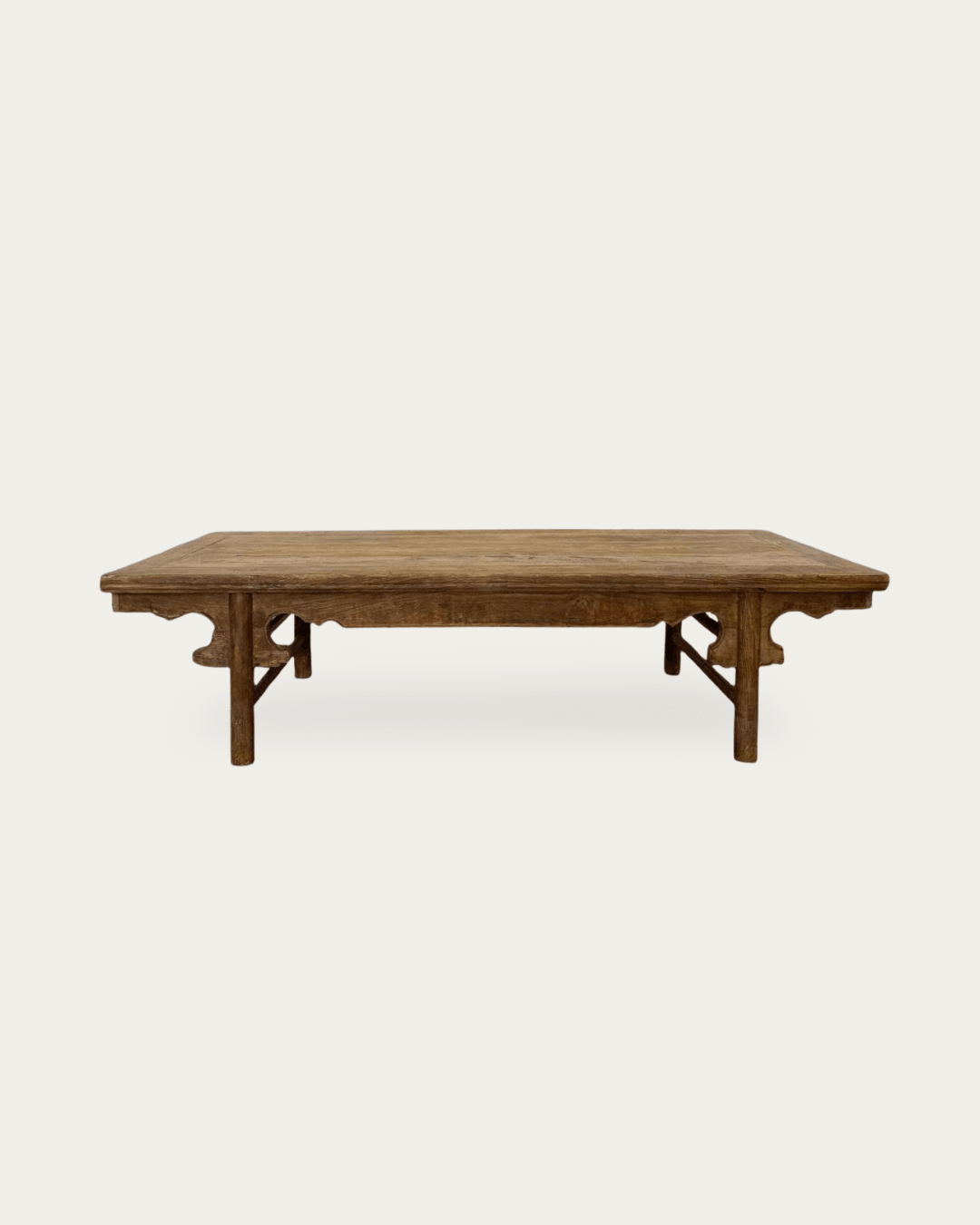
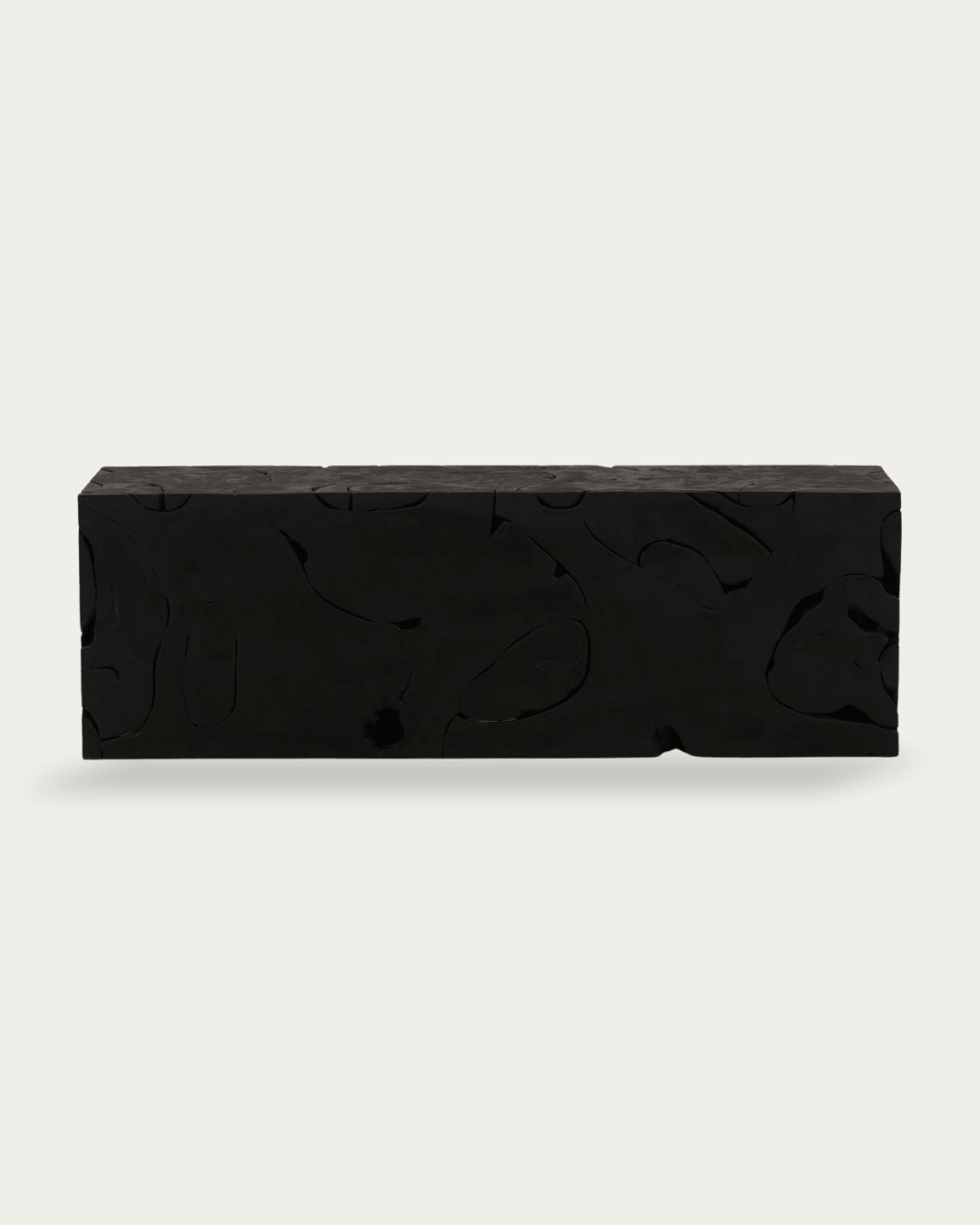
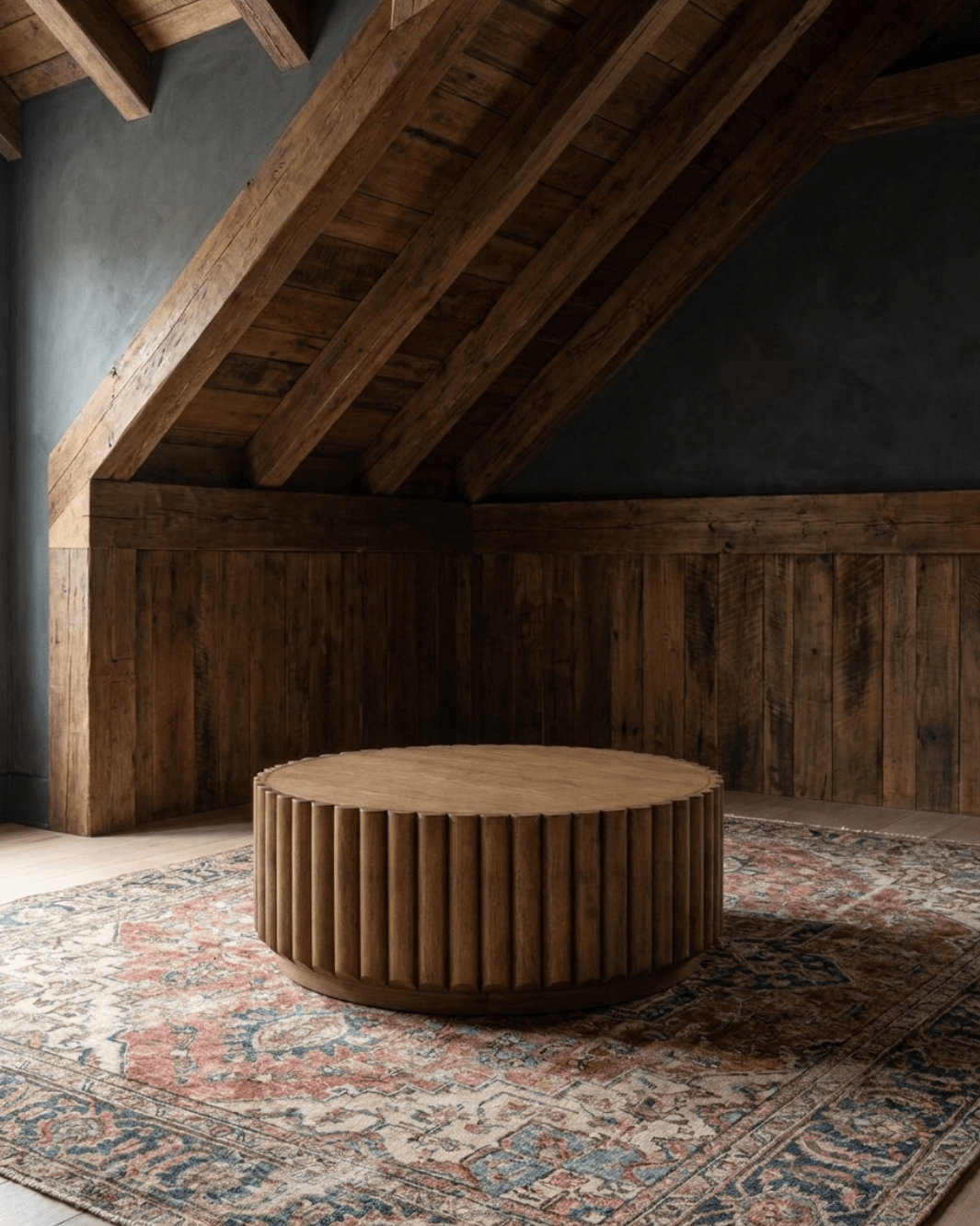
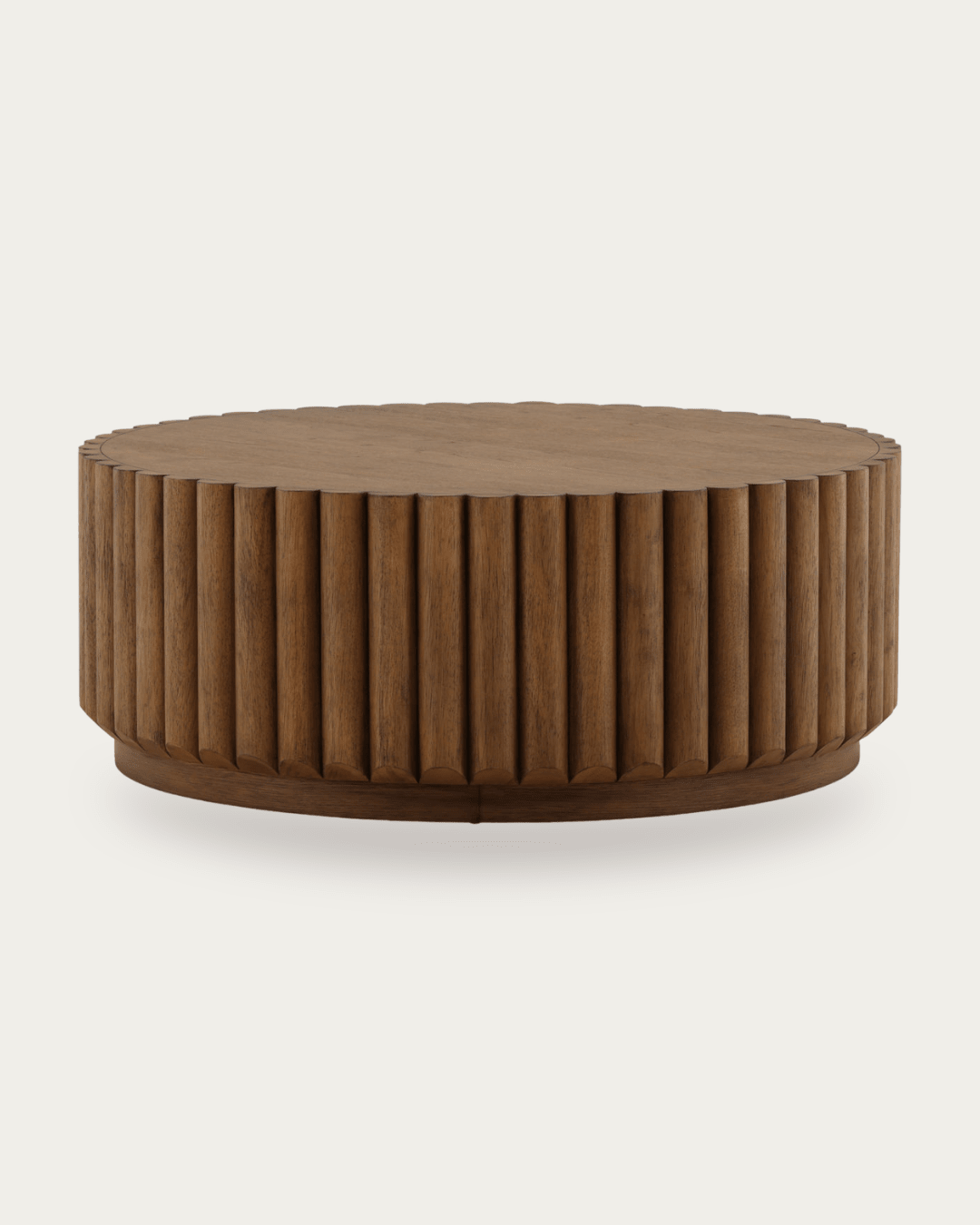
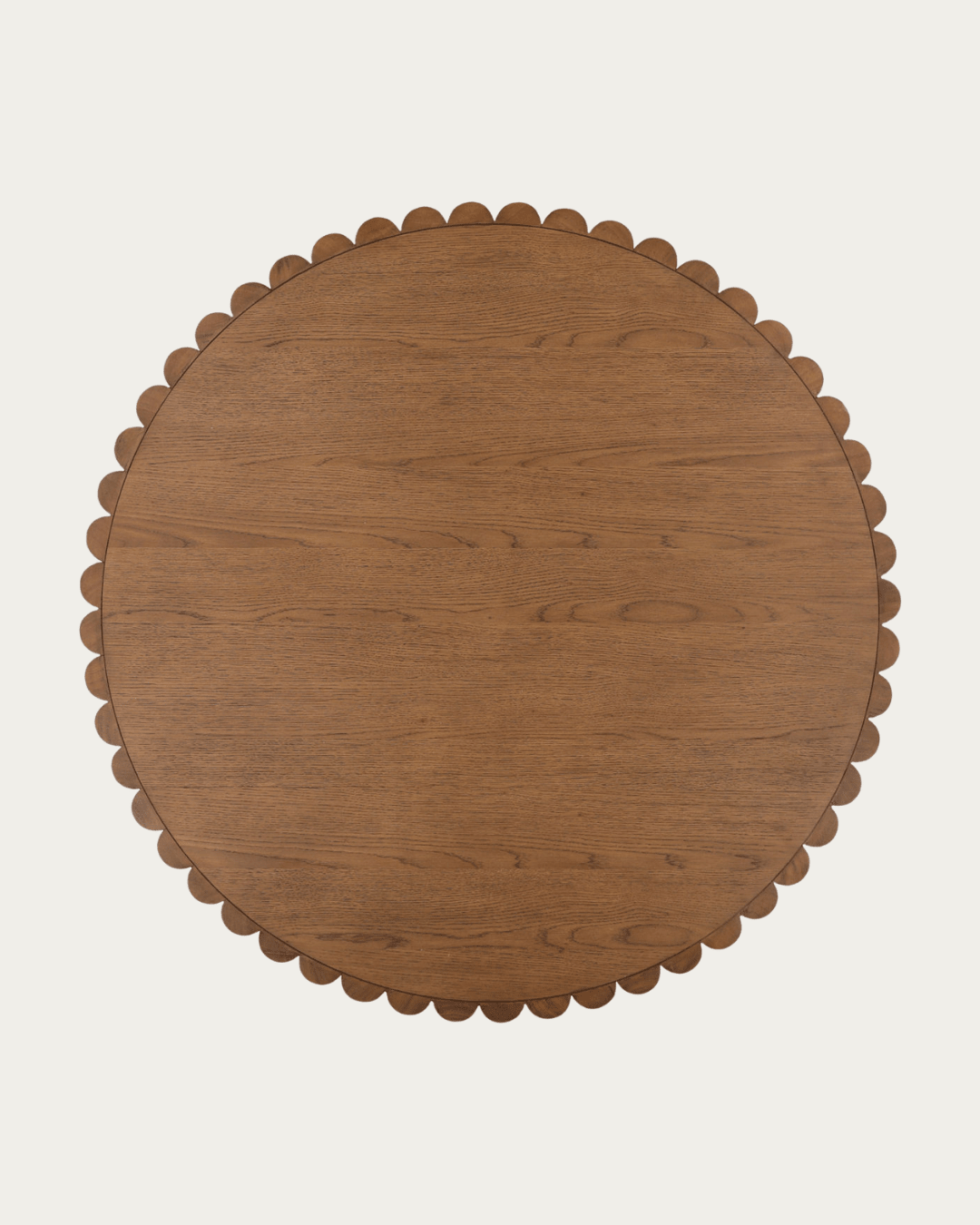
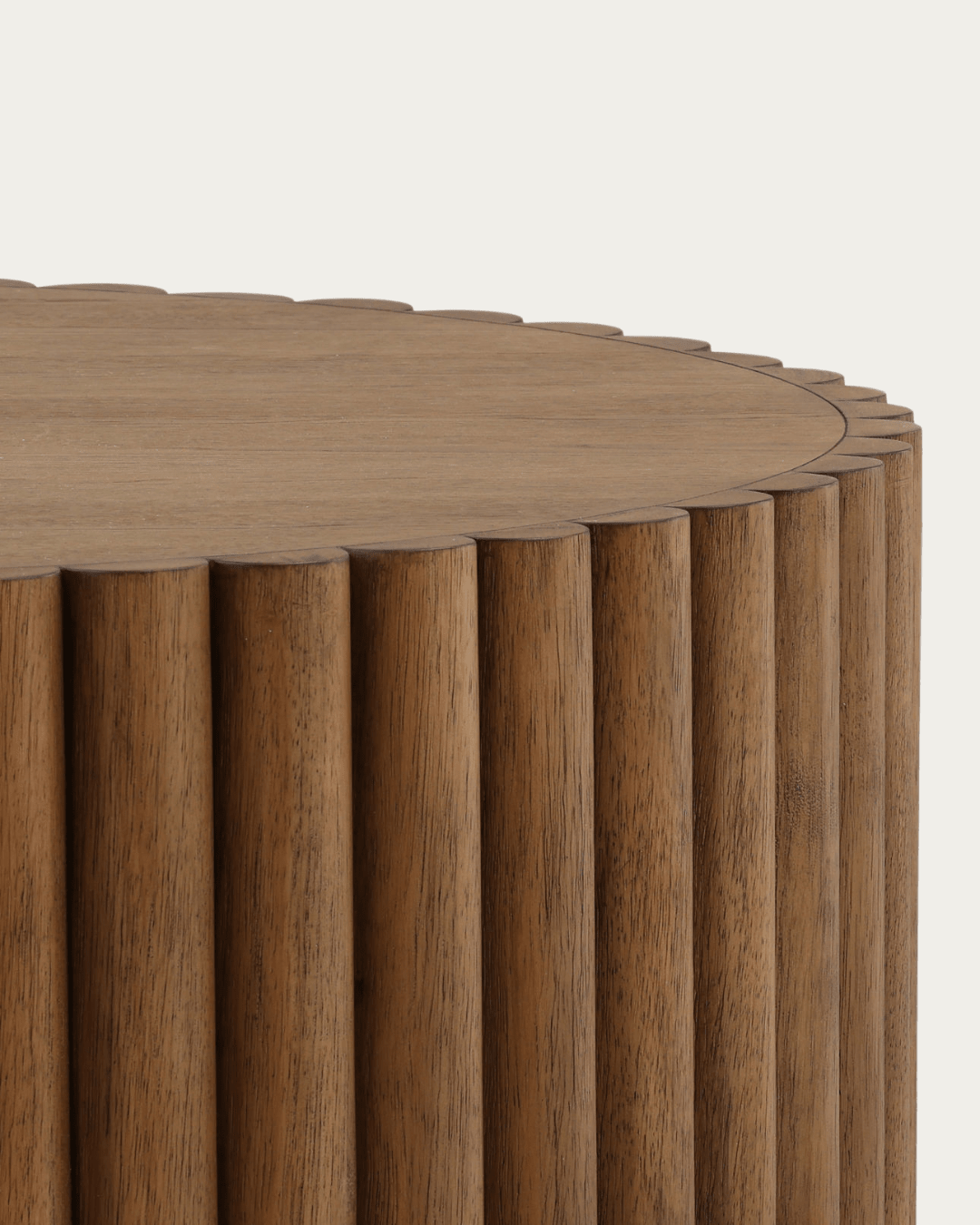
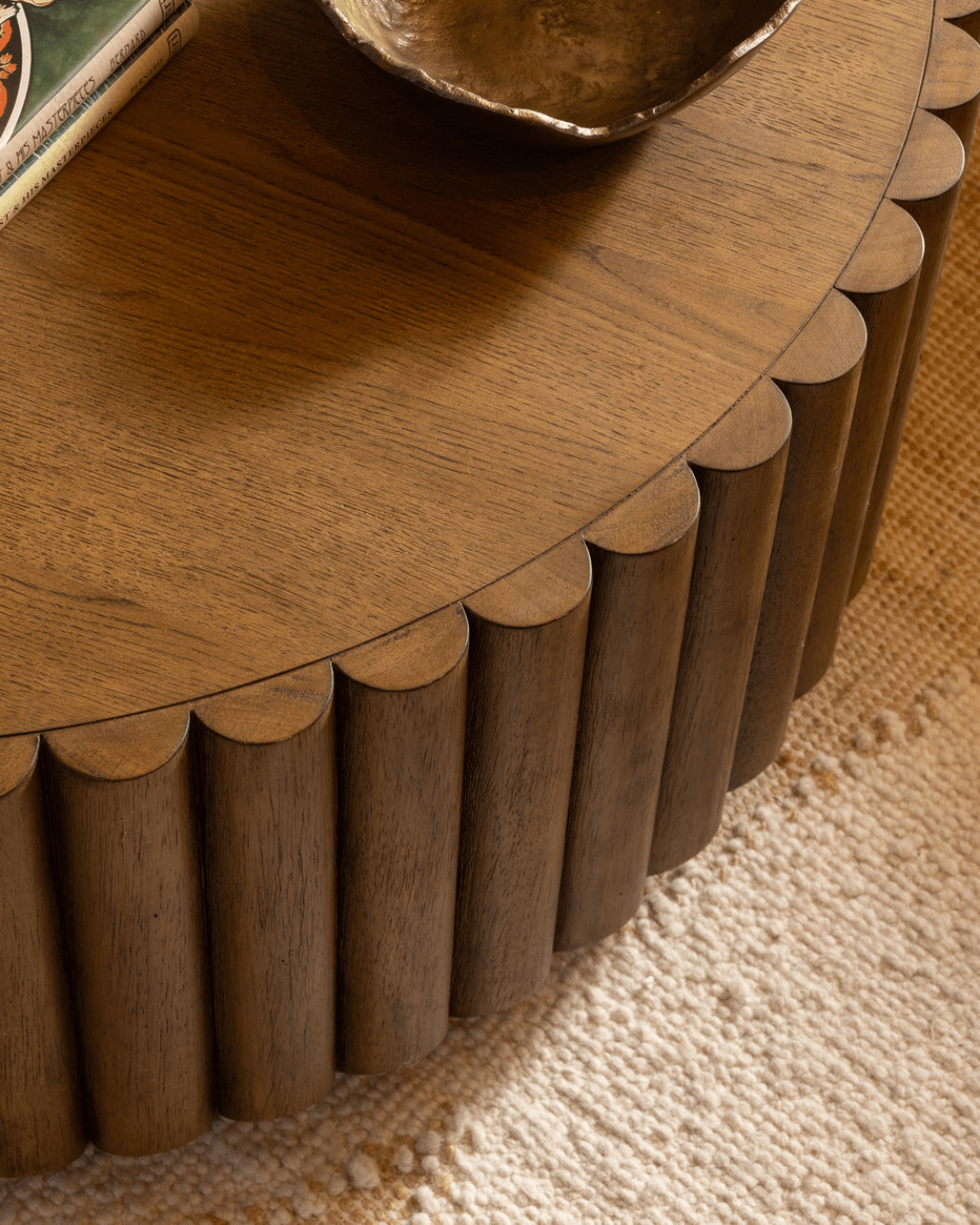
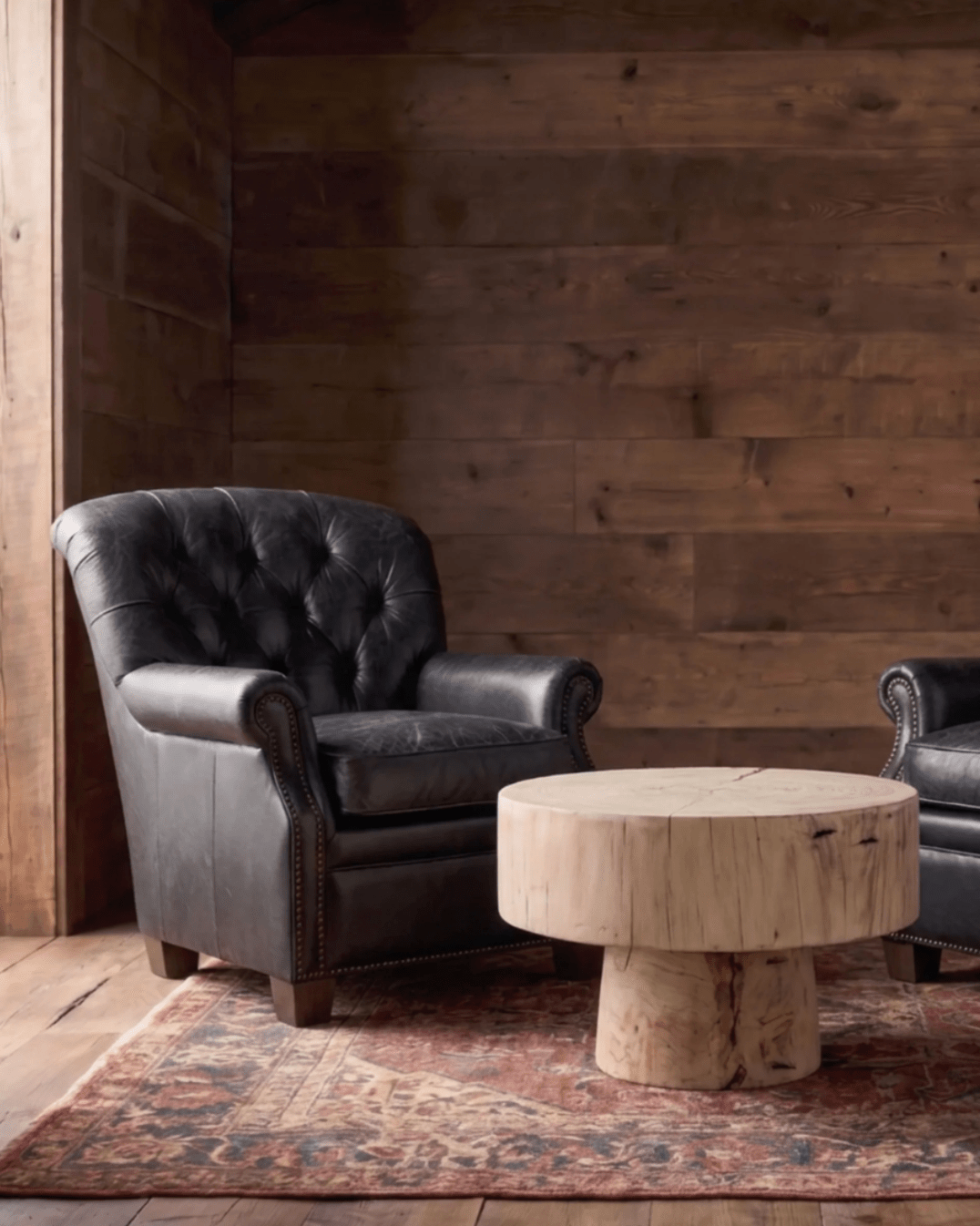
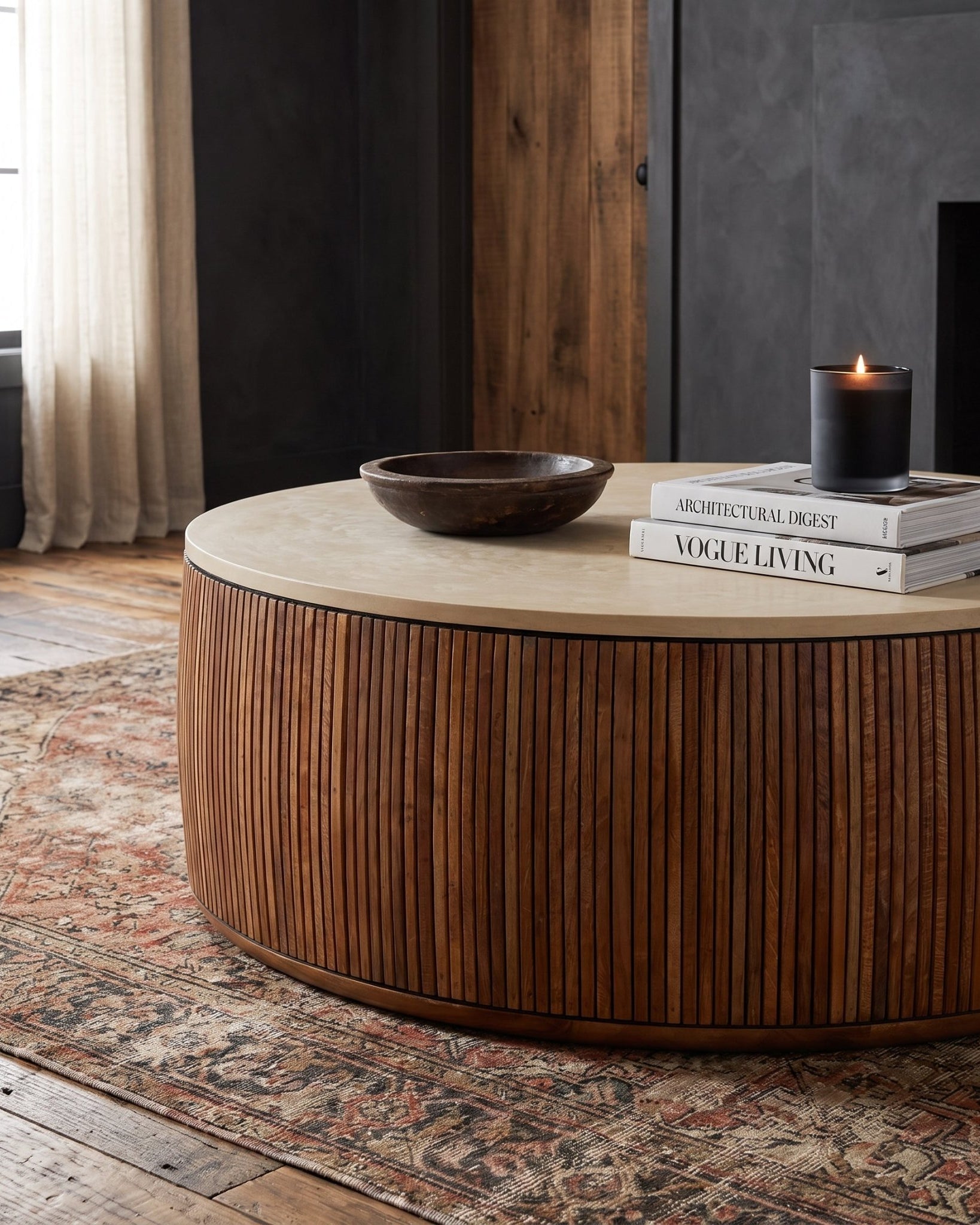
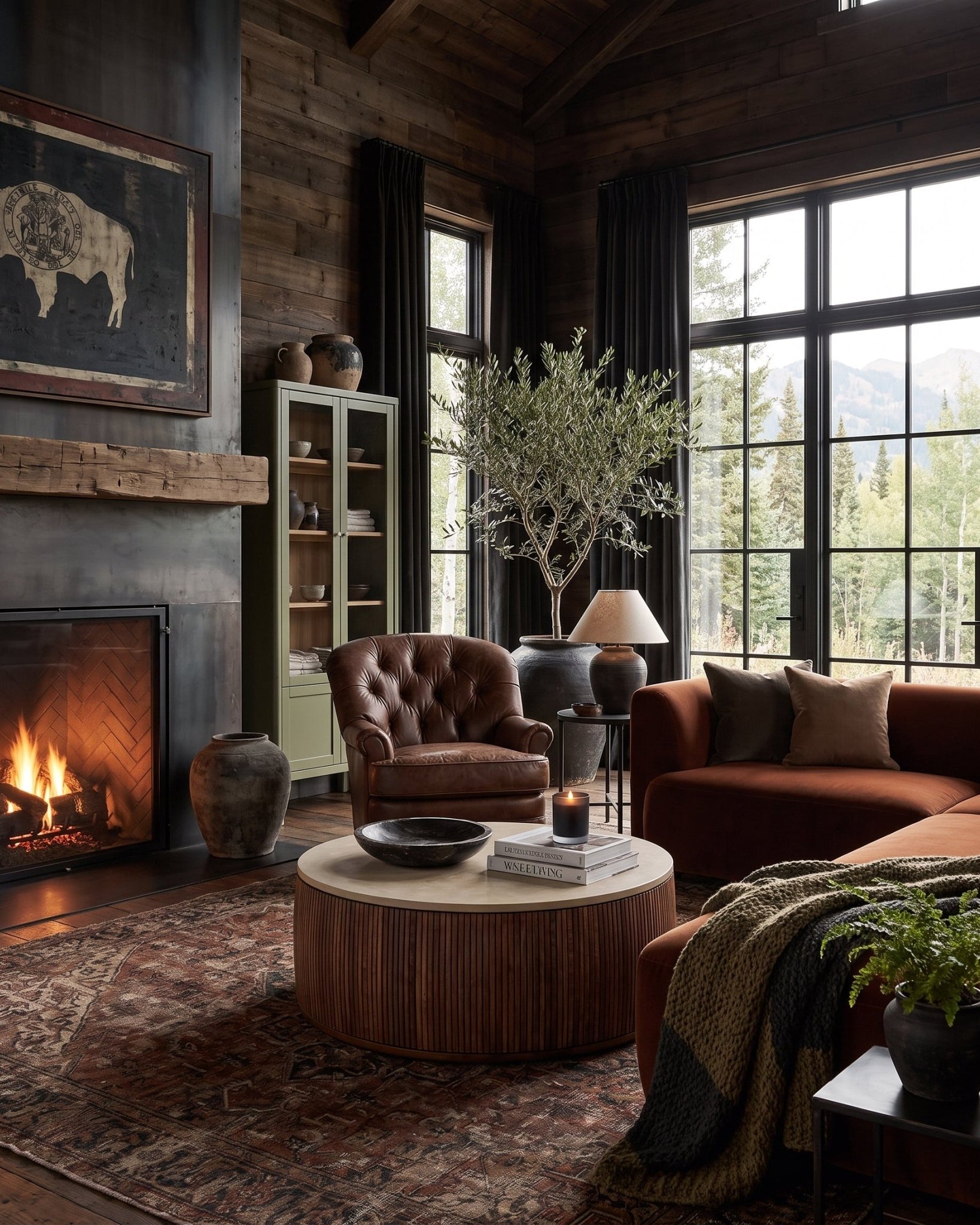
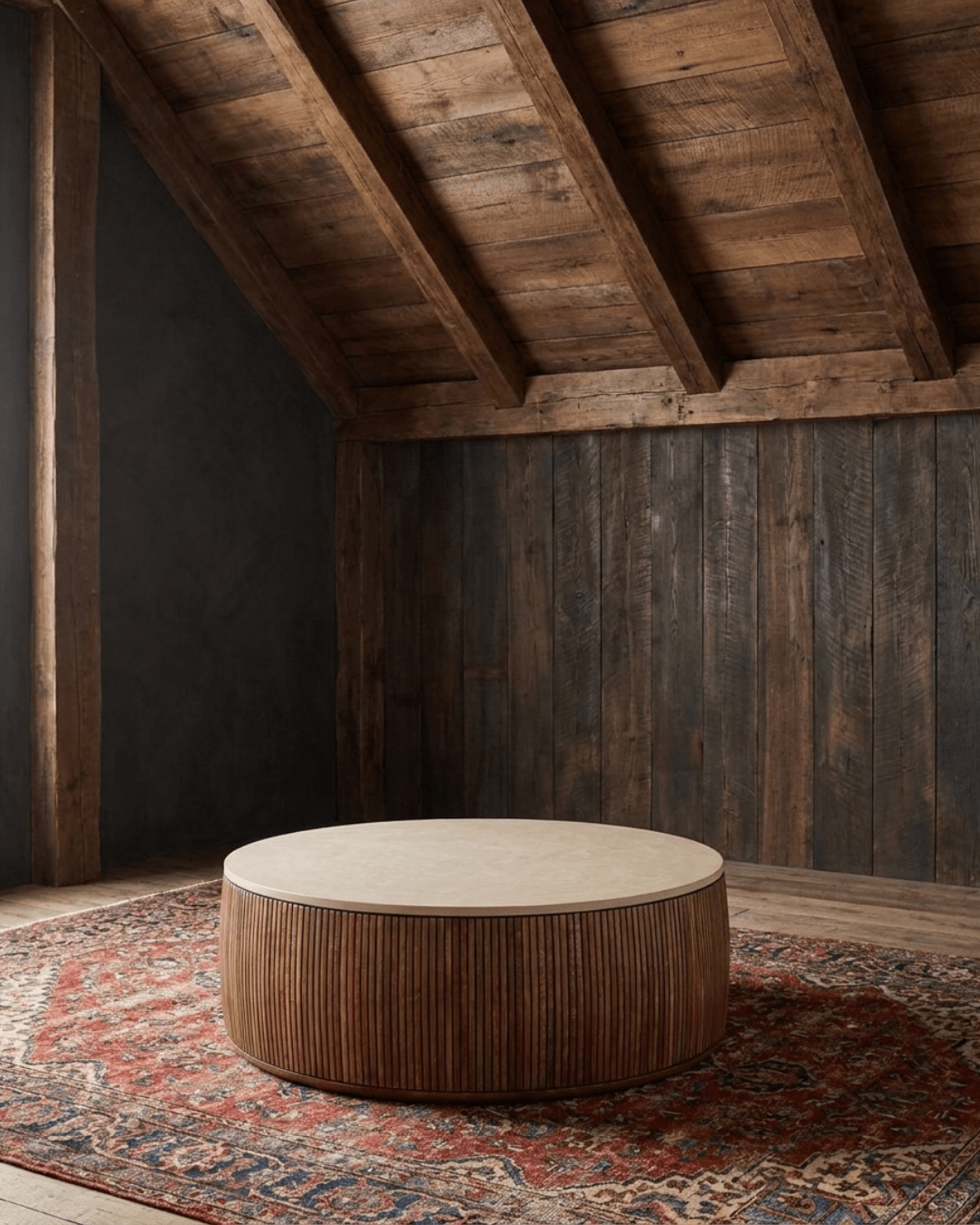
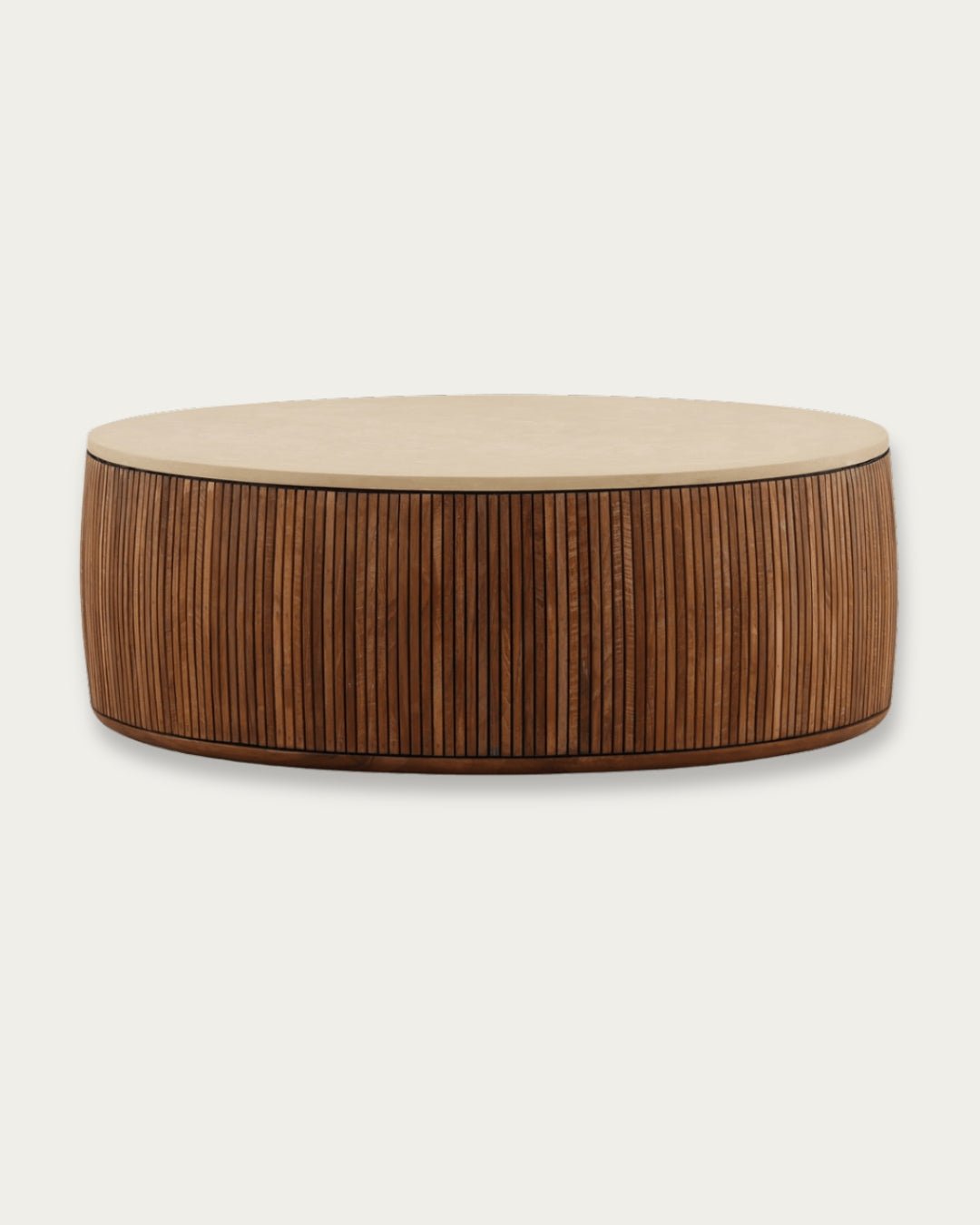
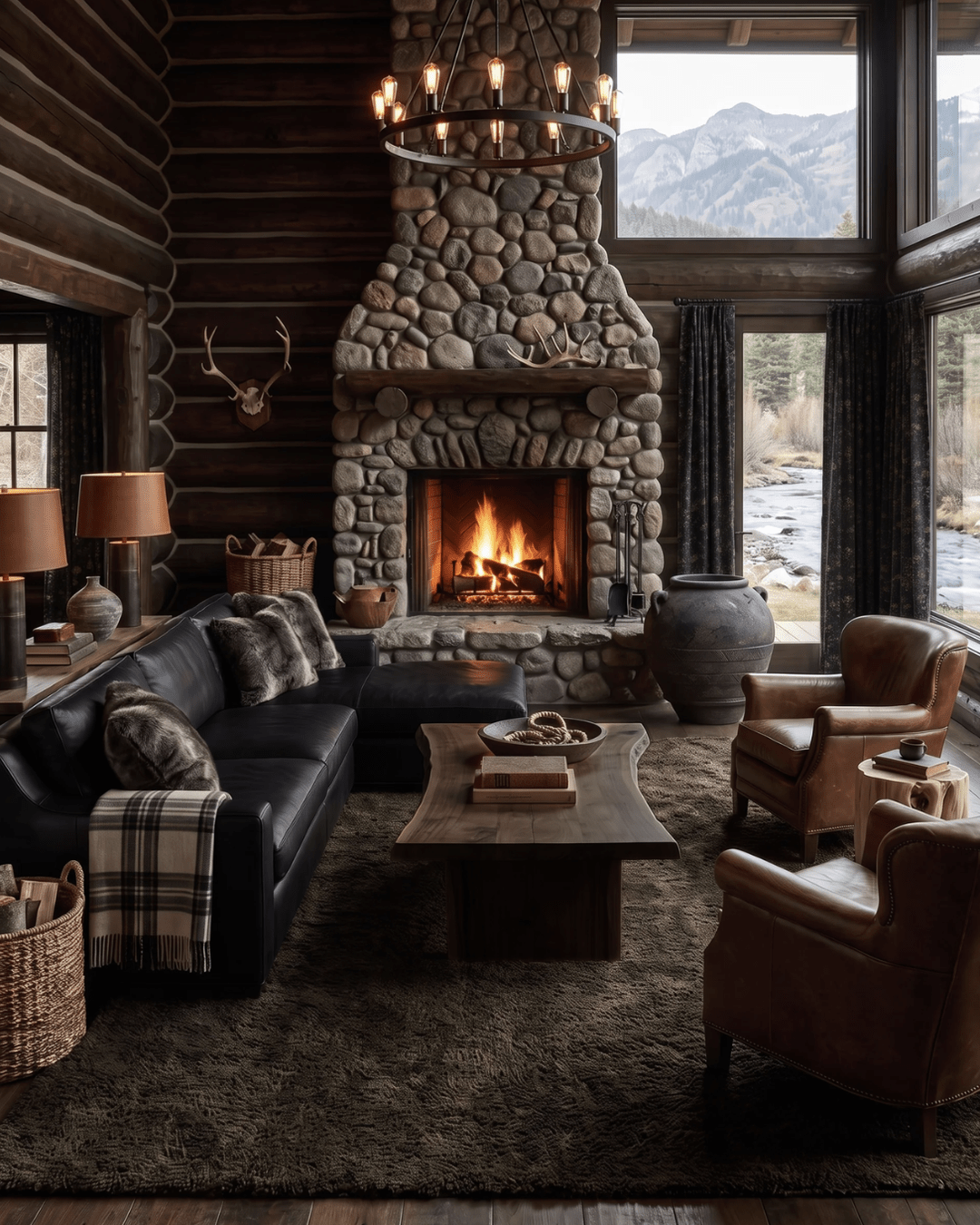
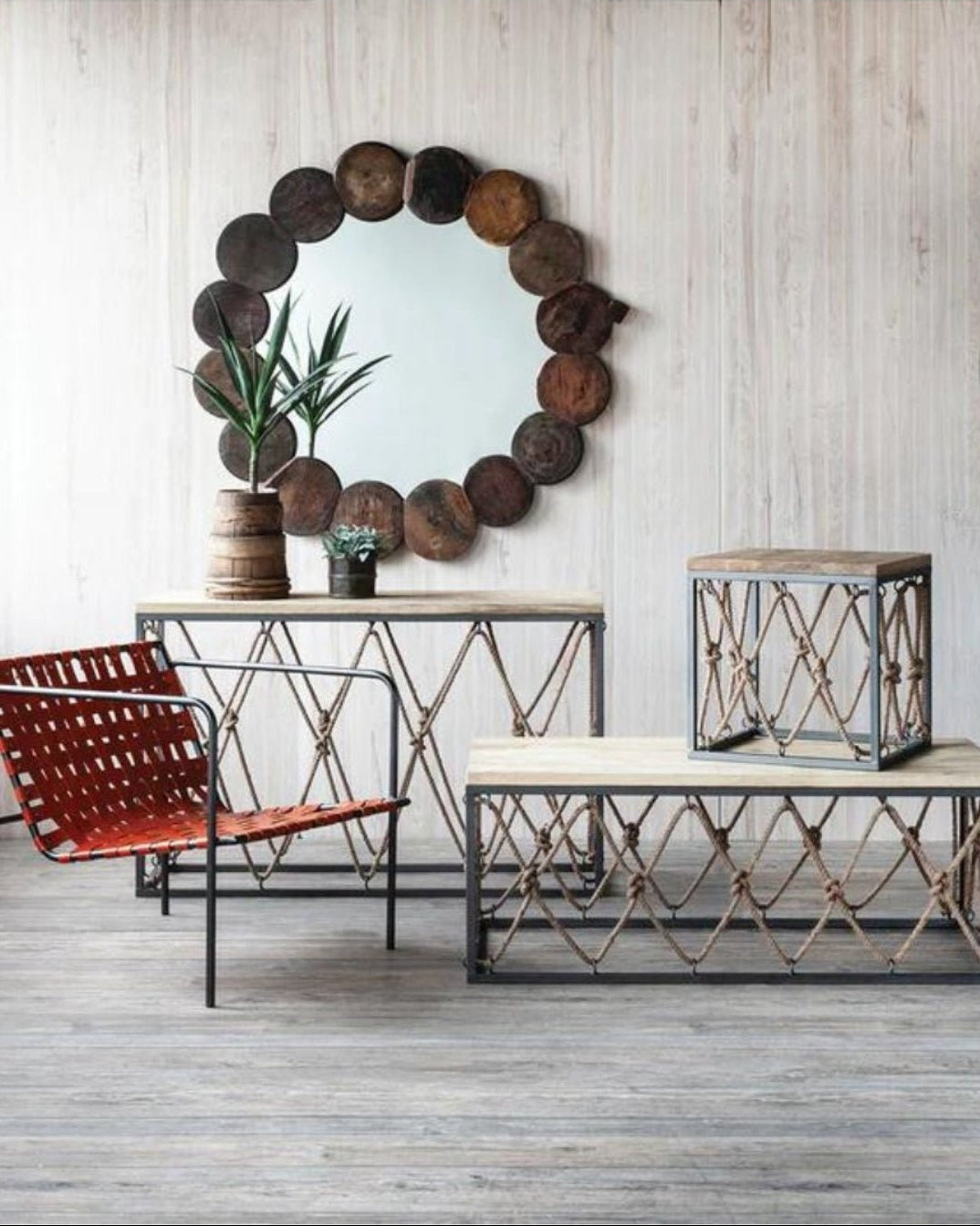
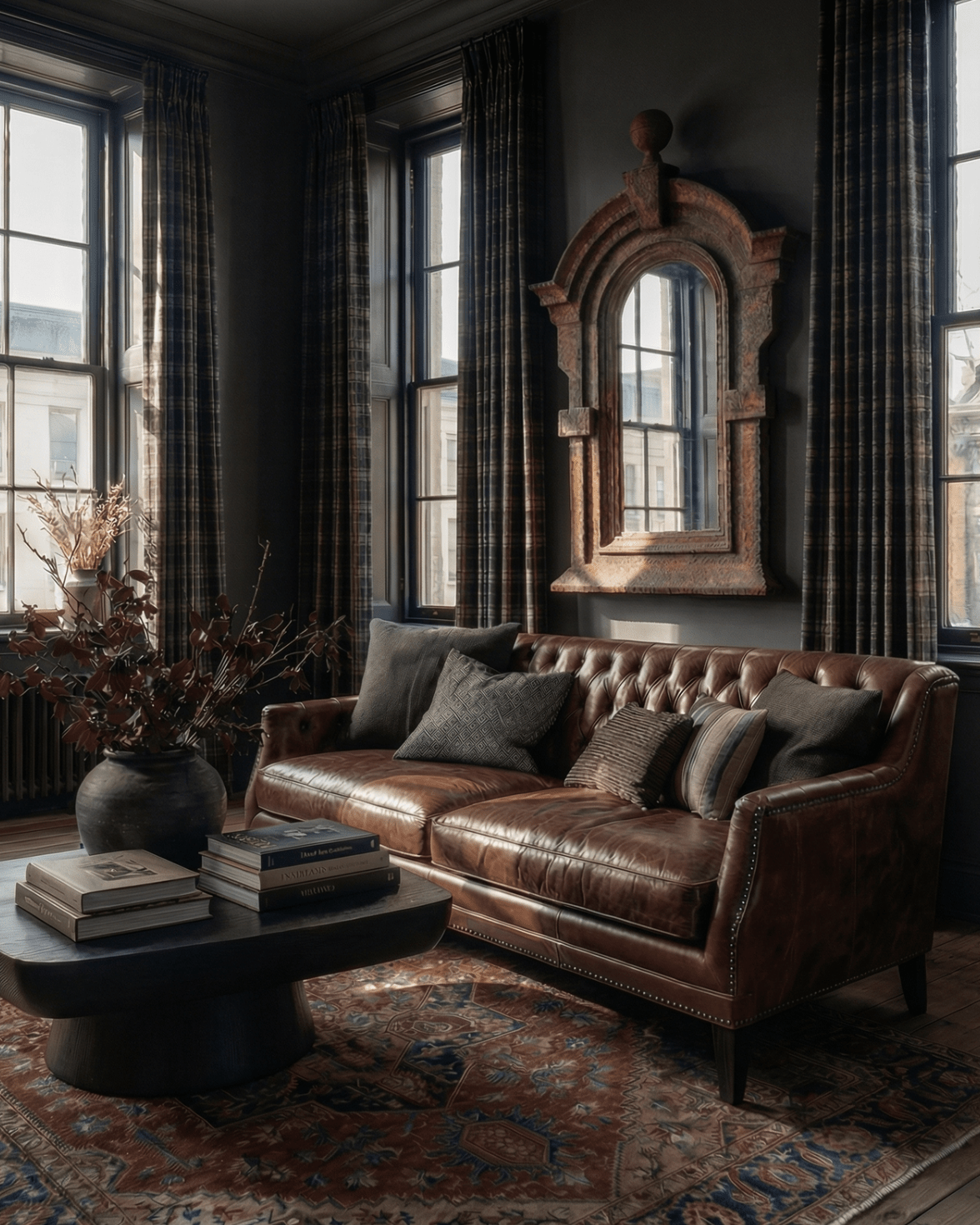
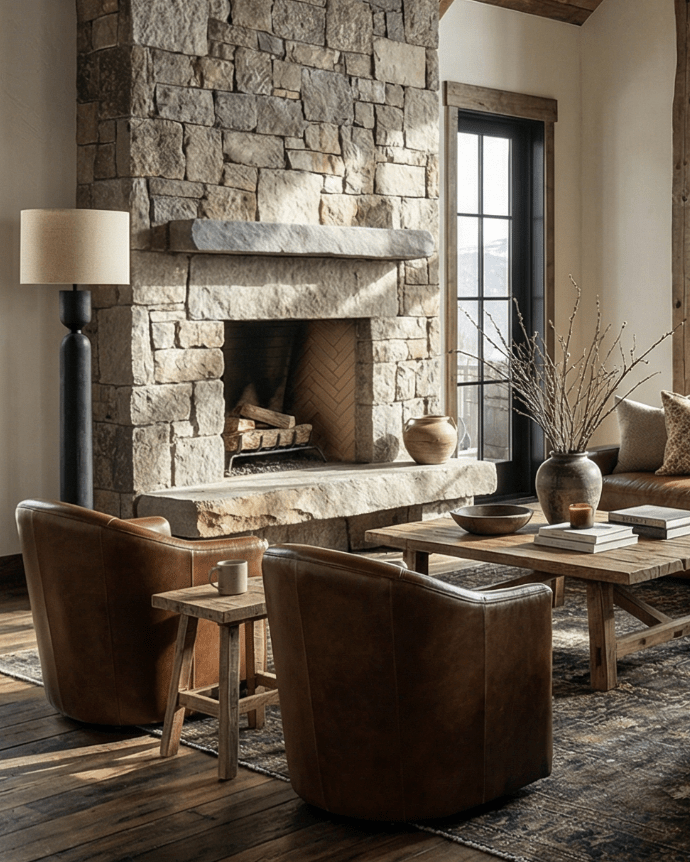
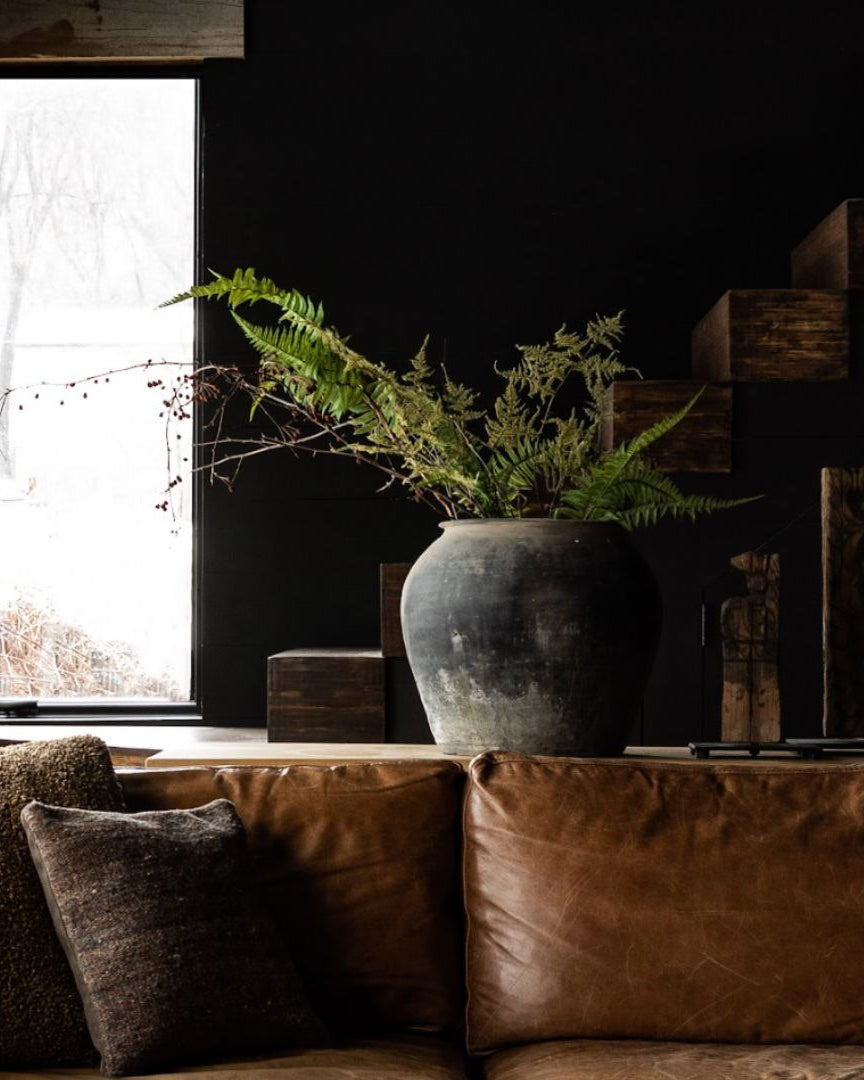
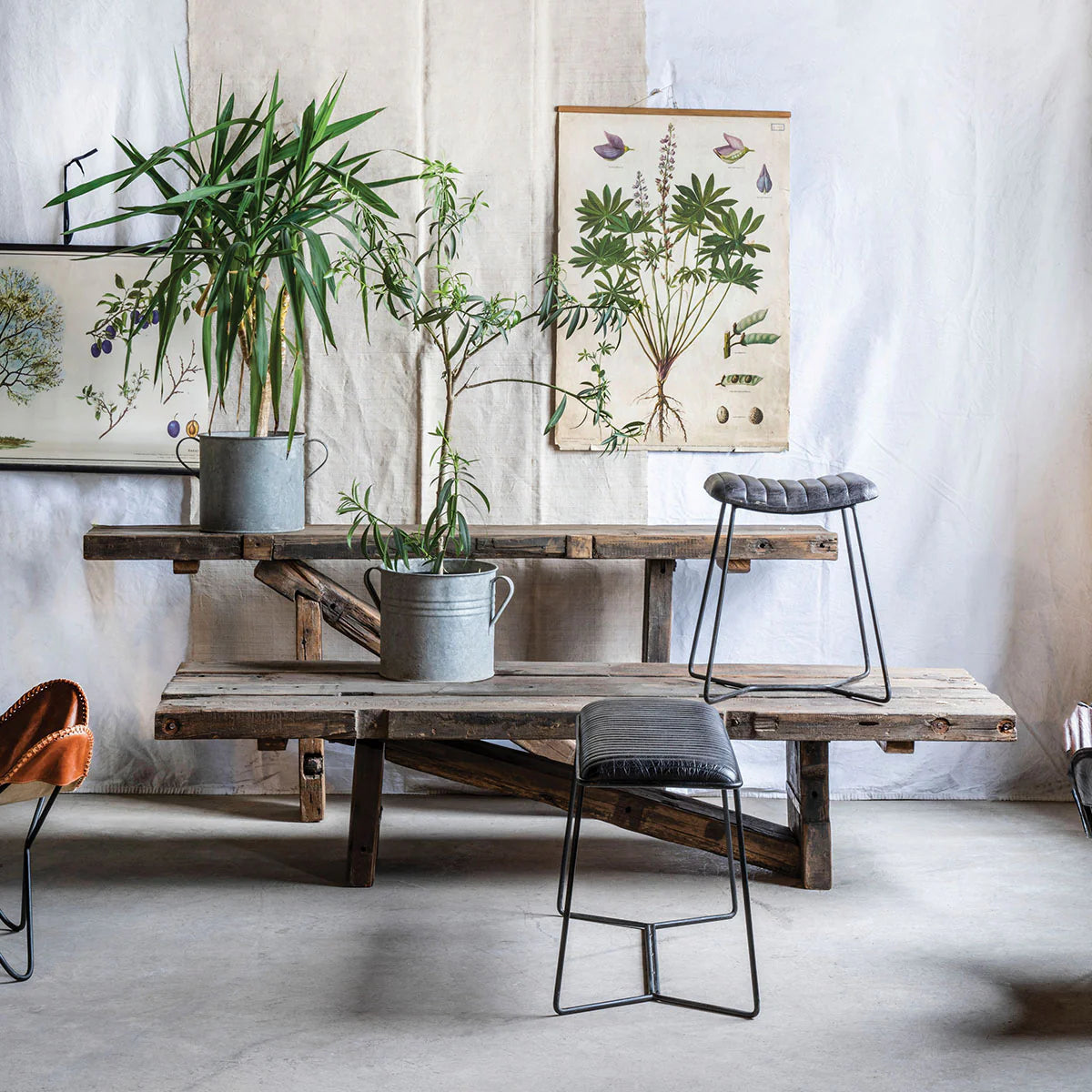
A vintage wood coffee table with a structured sofa
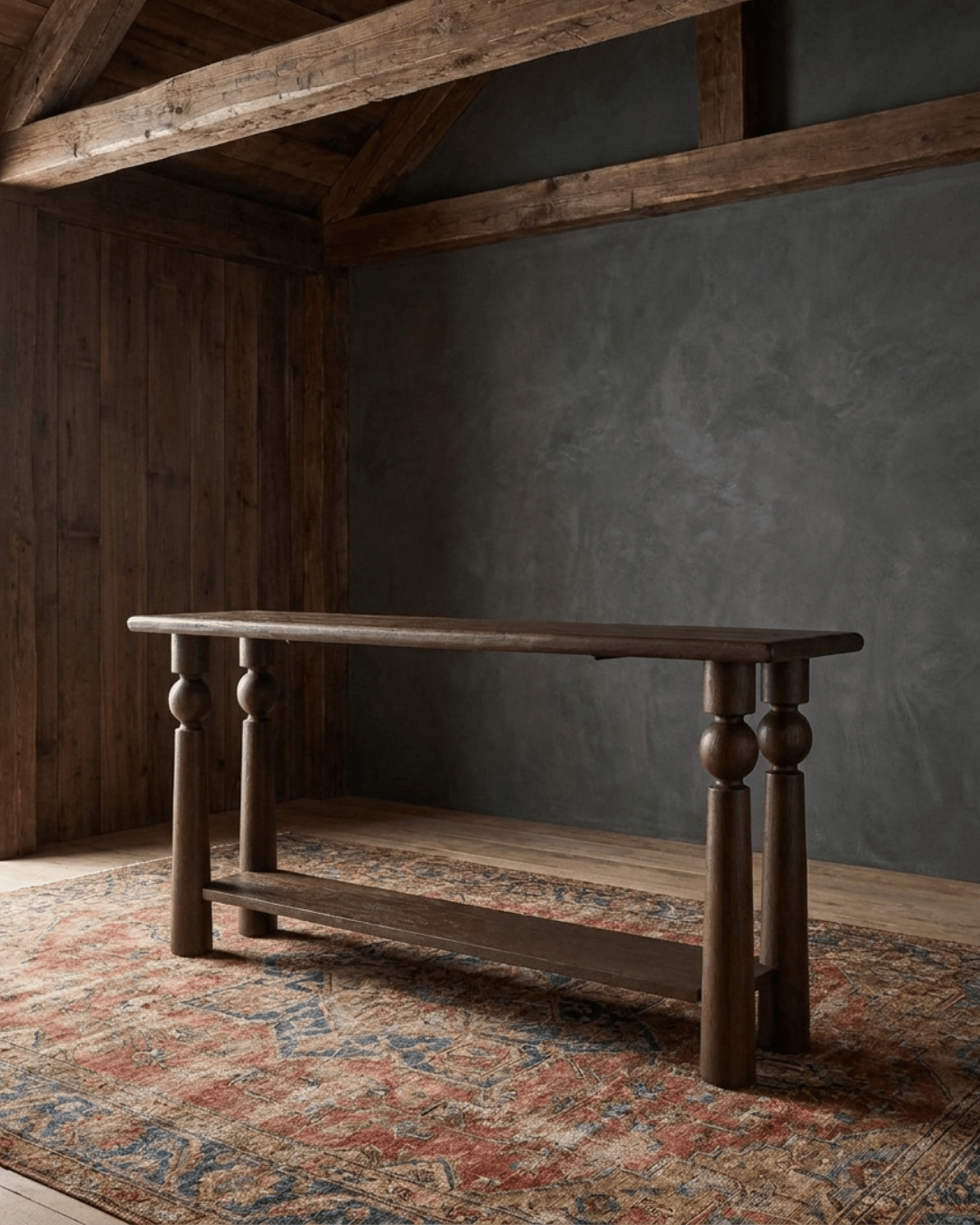
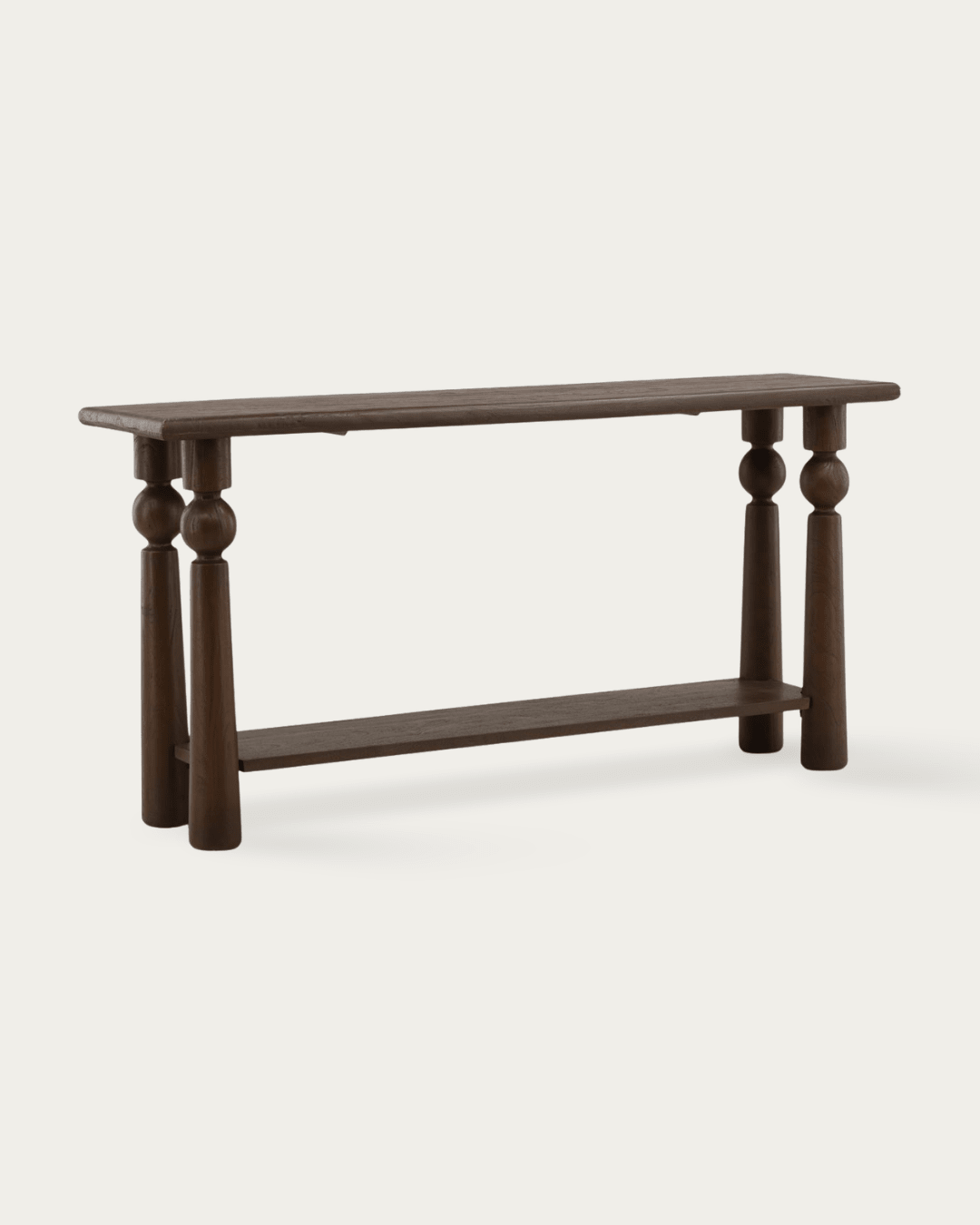
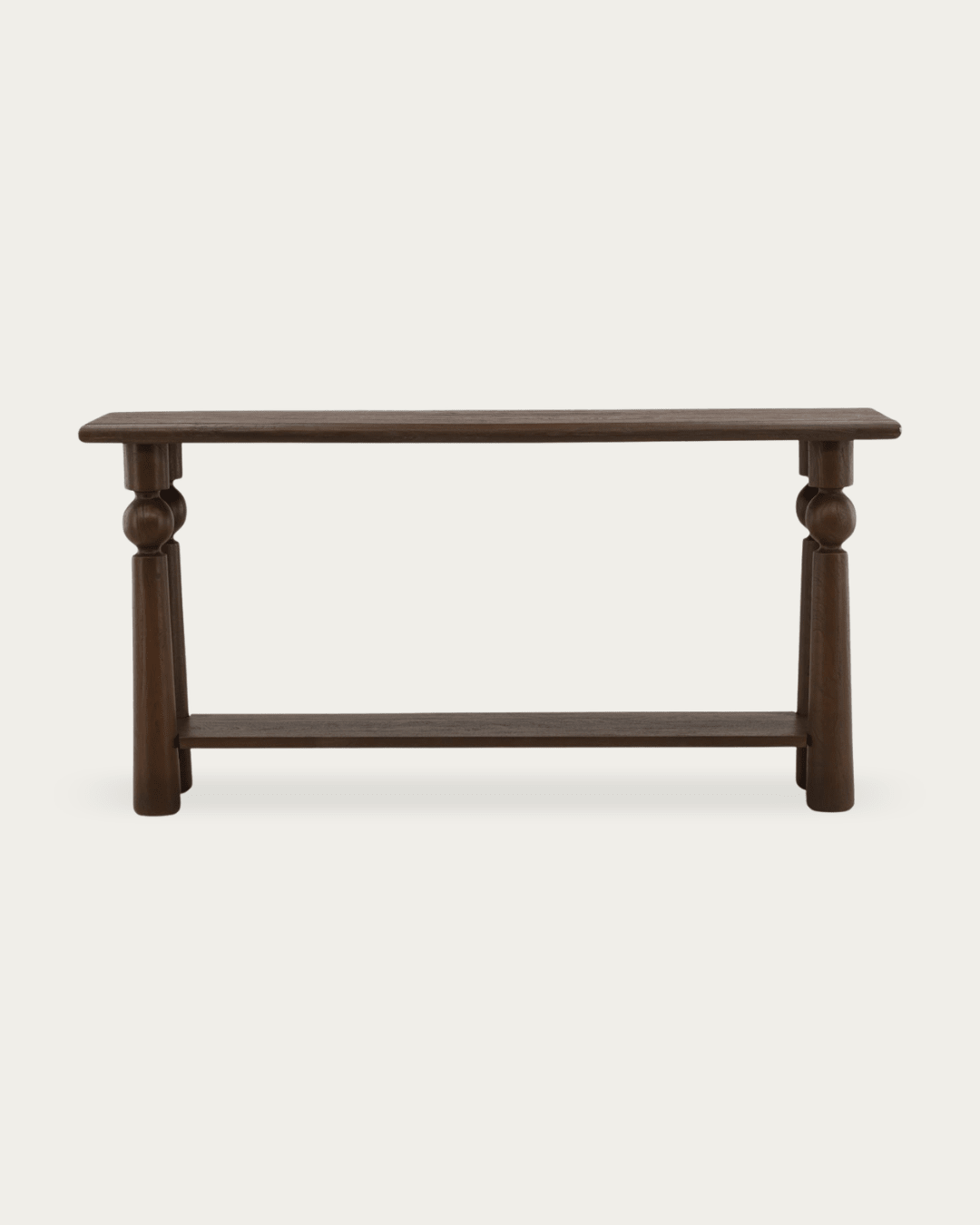
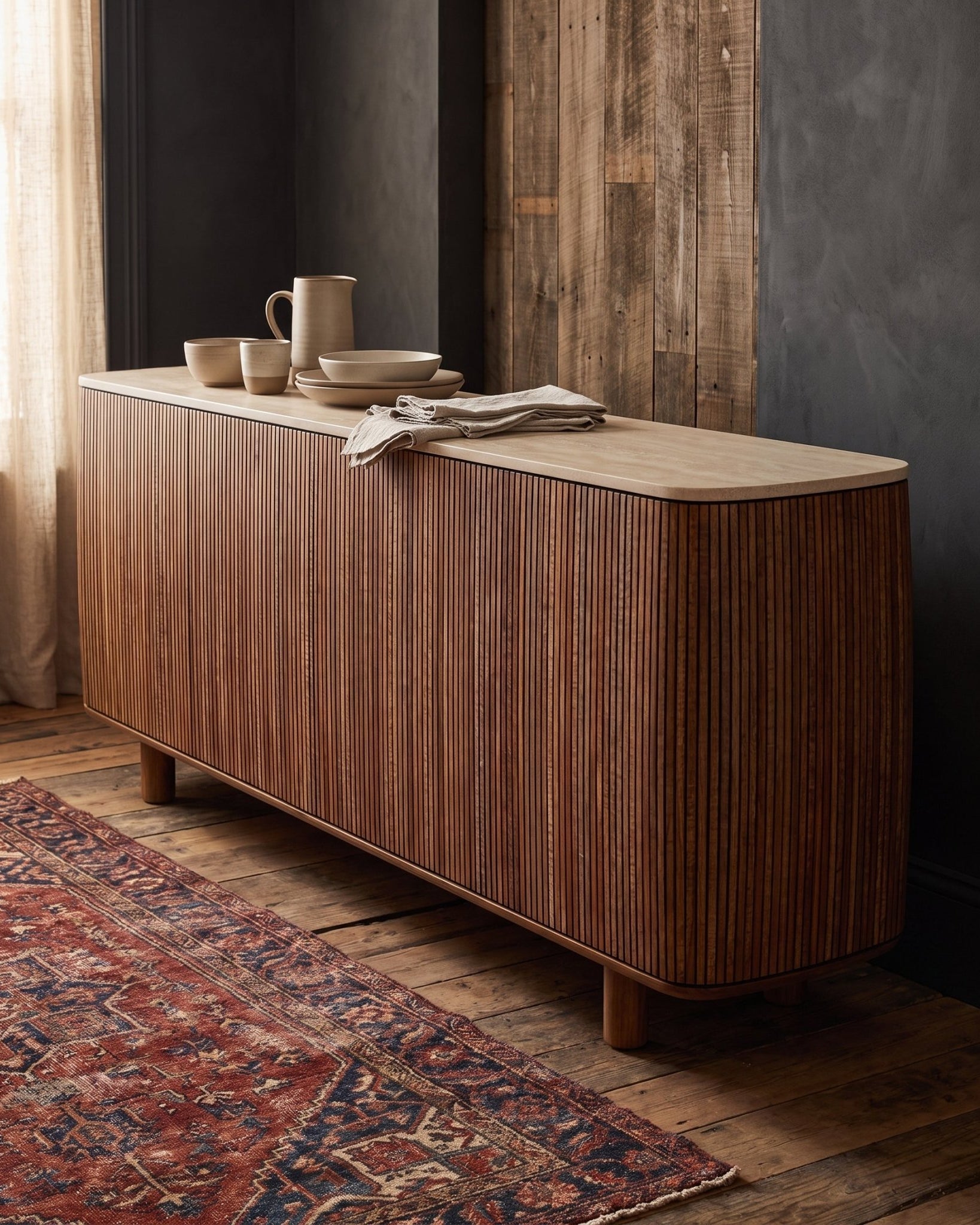
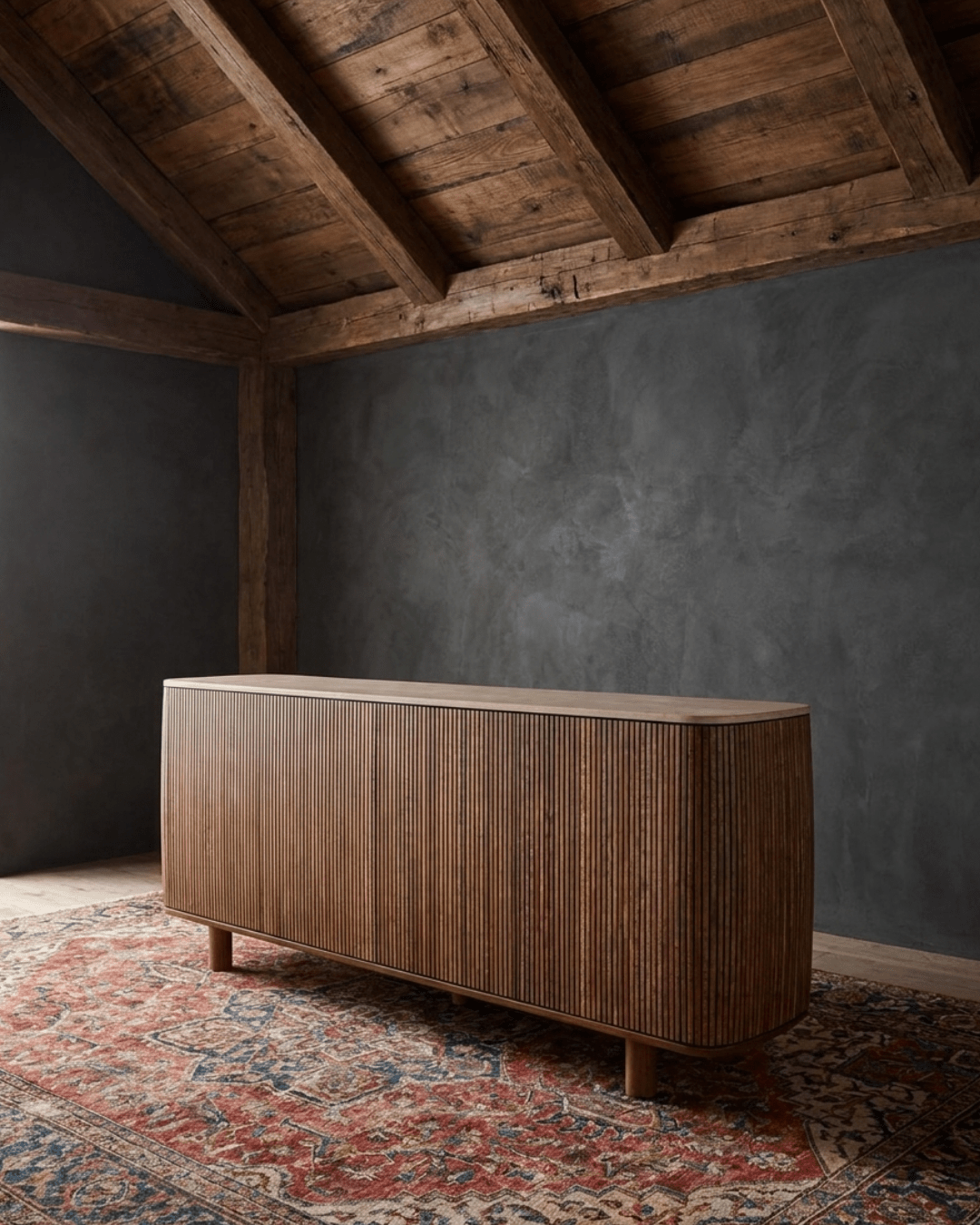
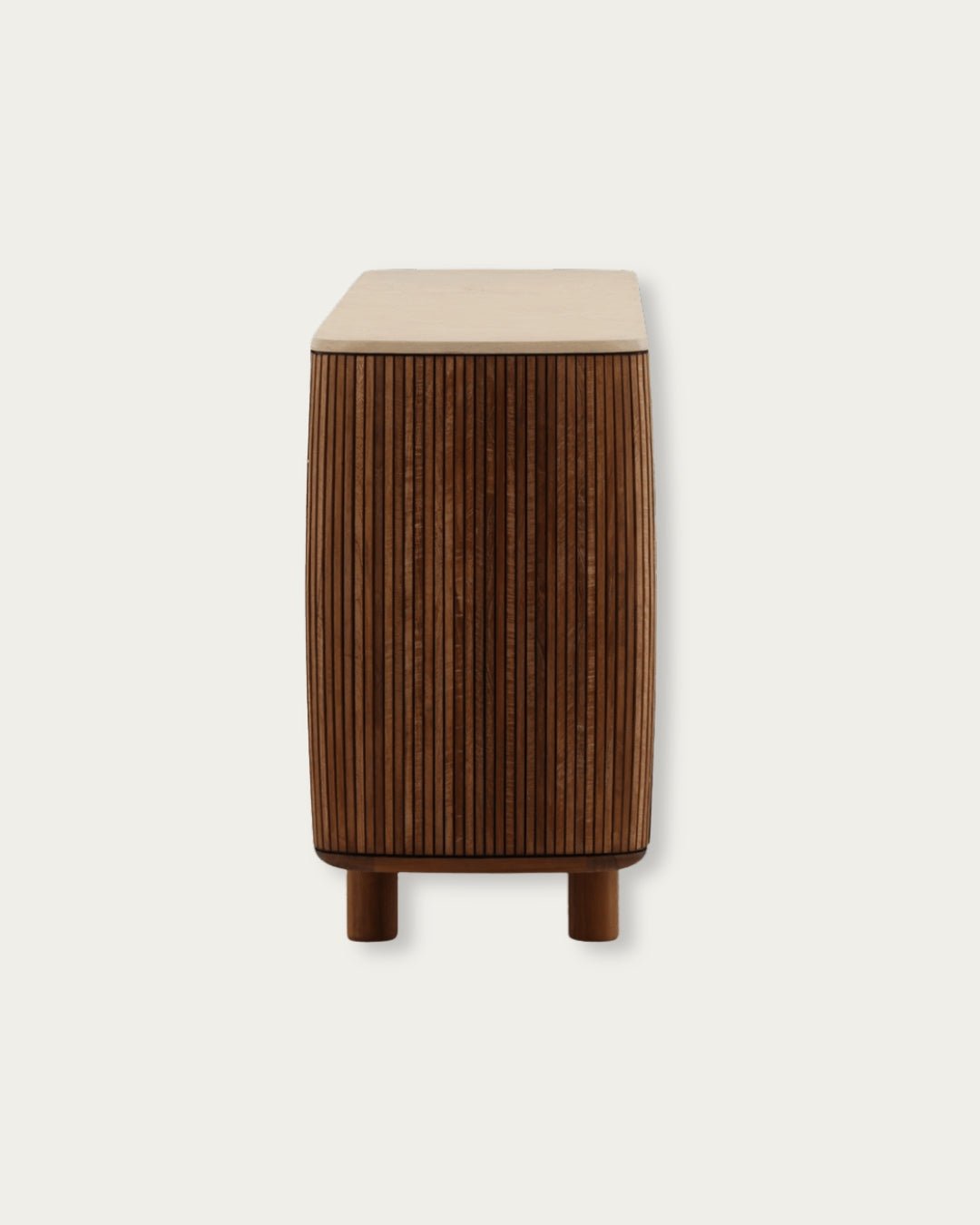
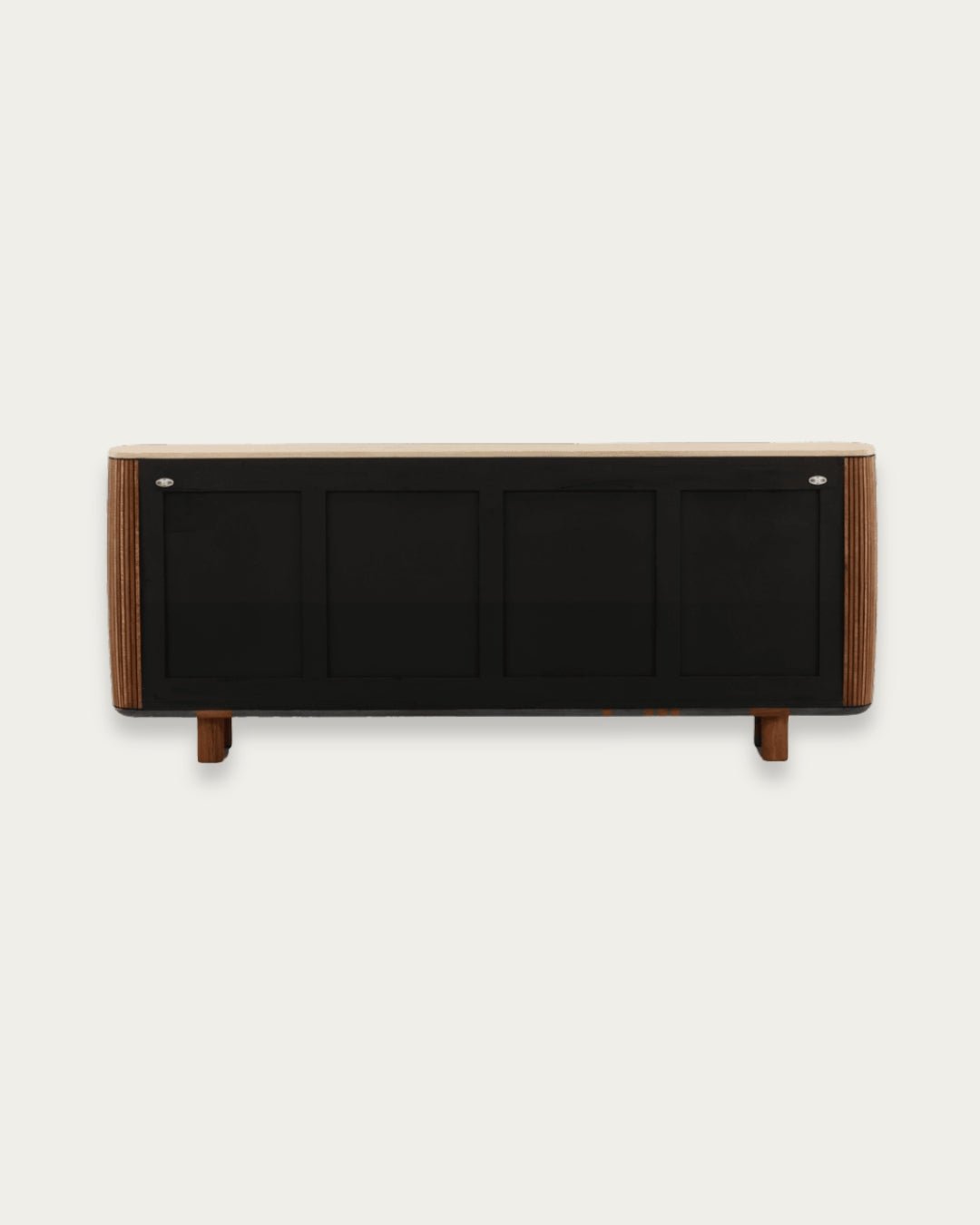
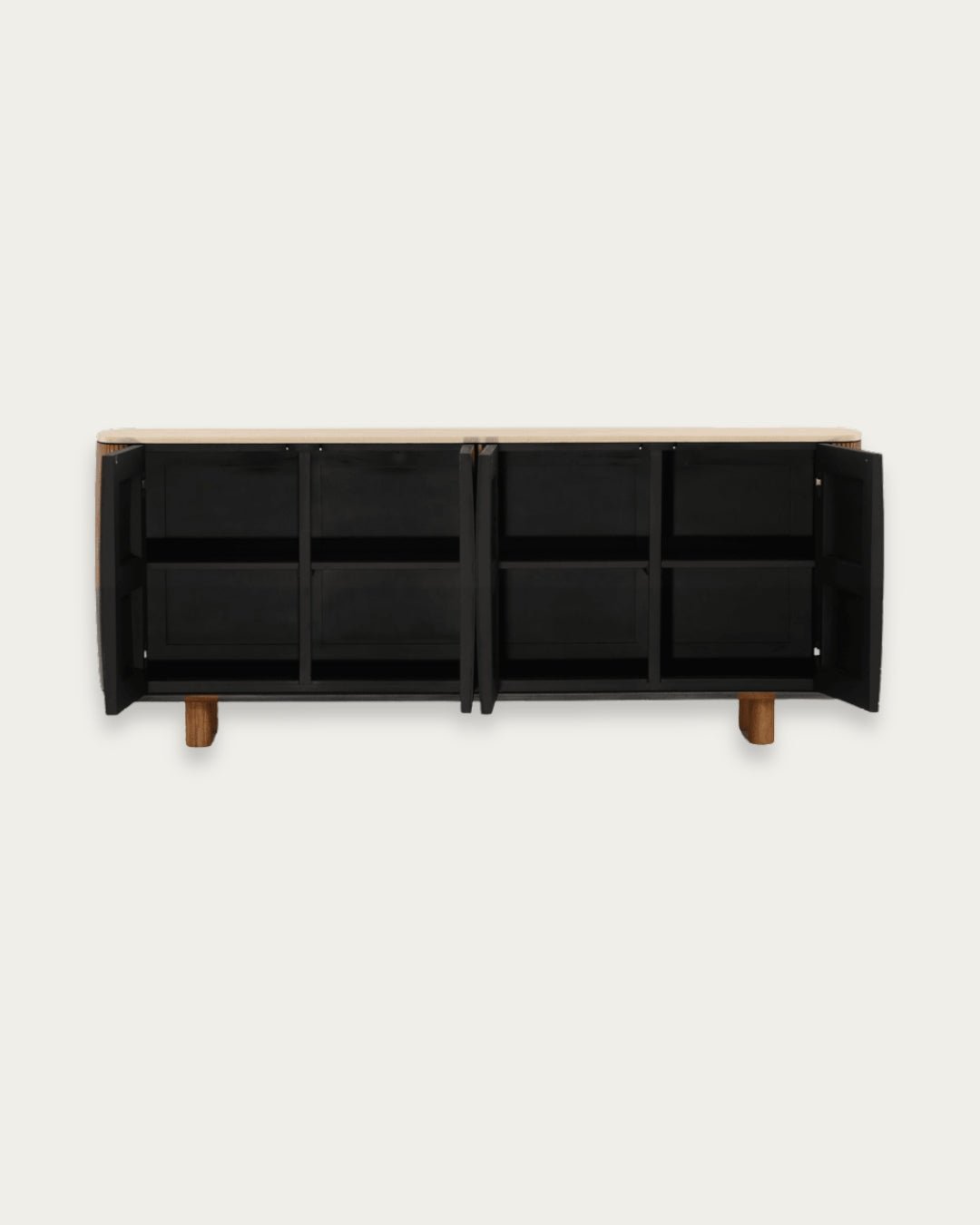
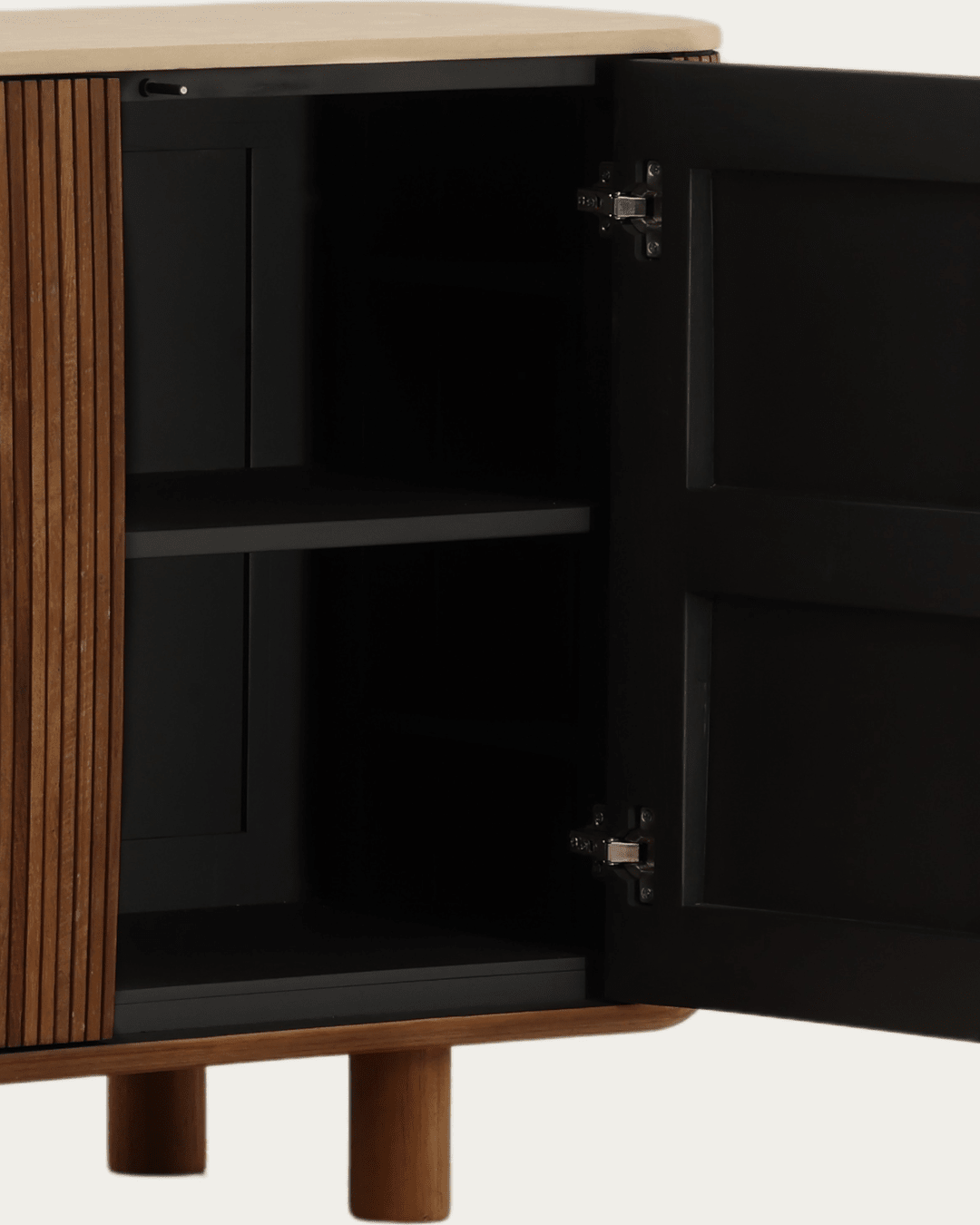
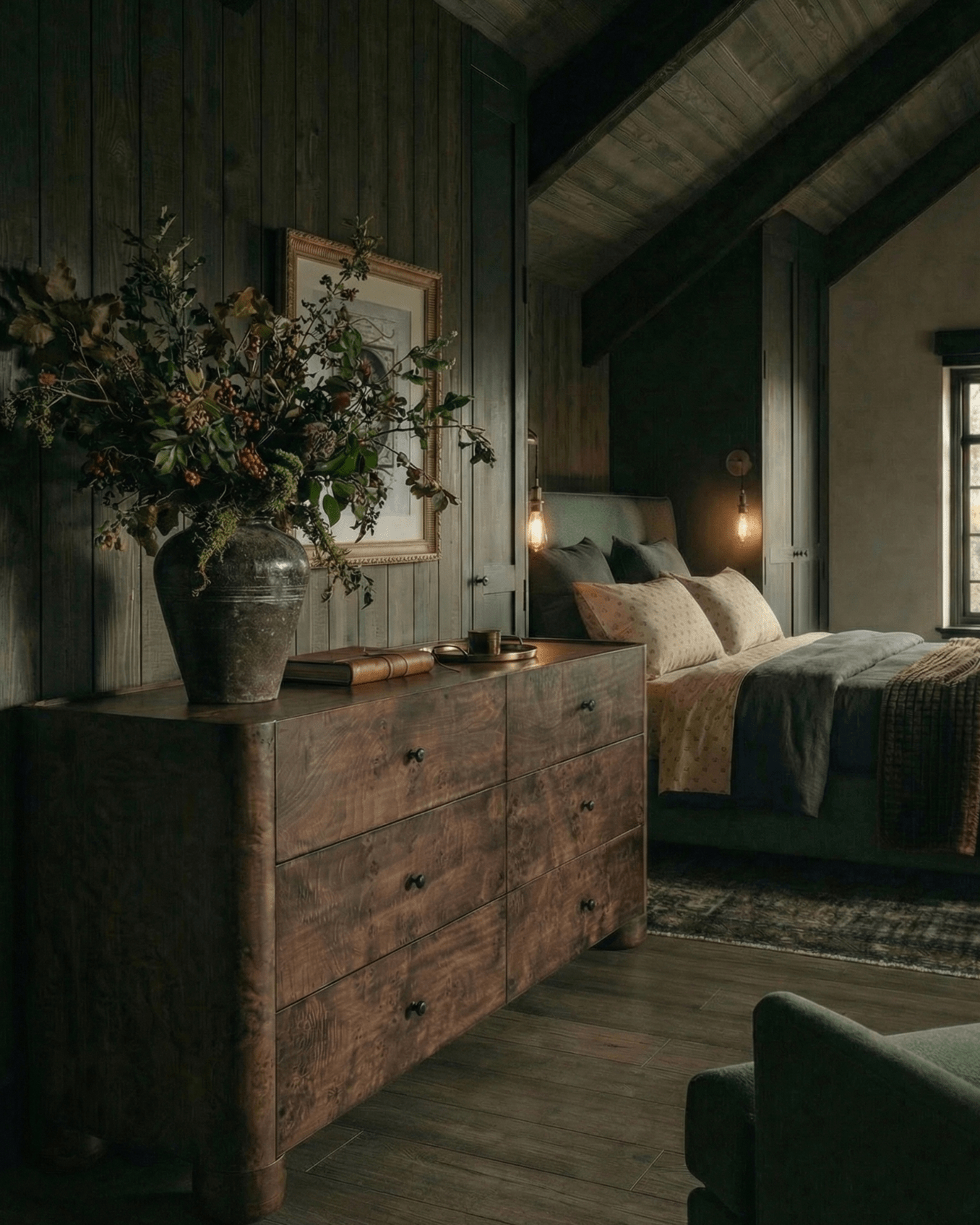
A worn sideboard against a cleaner wall finish
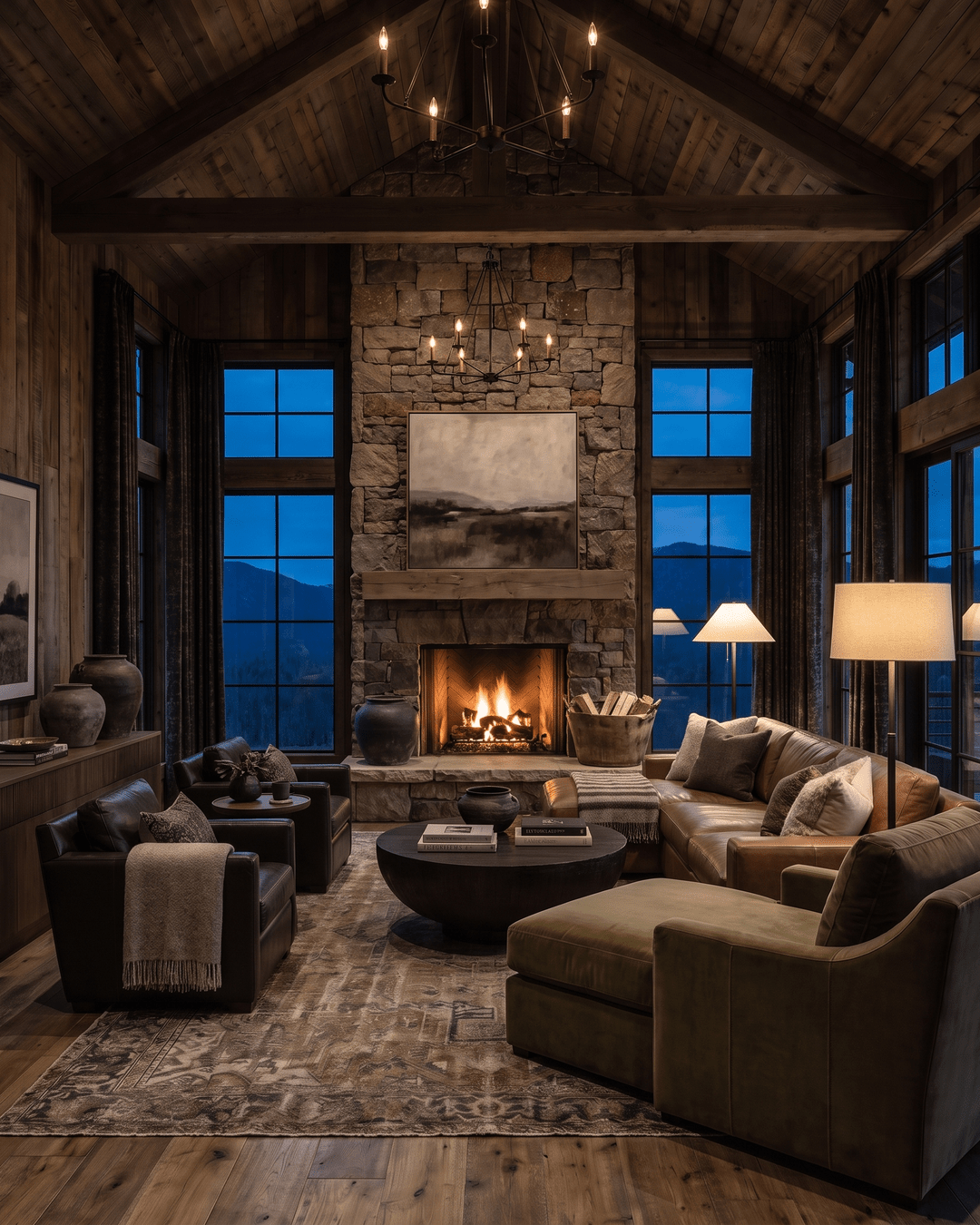
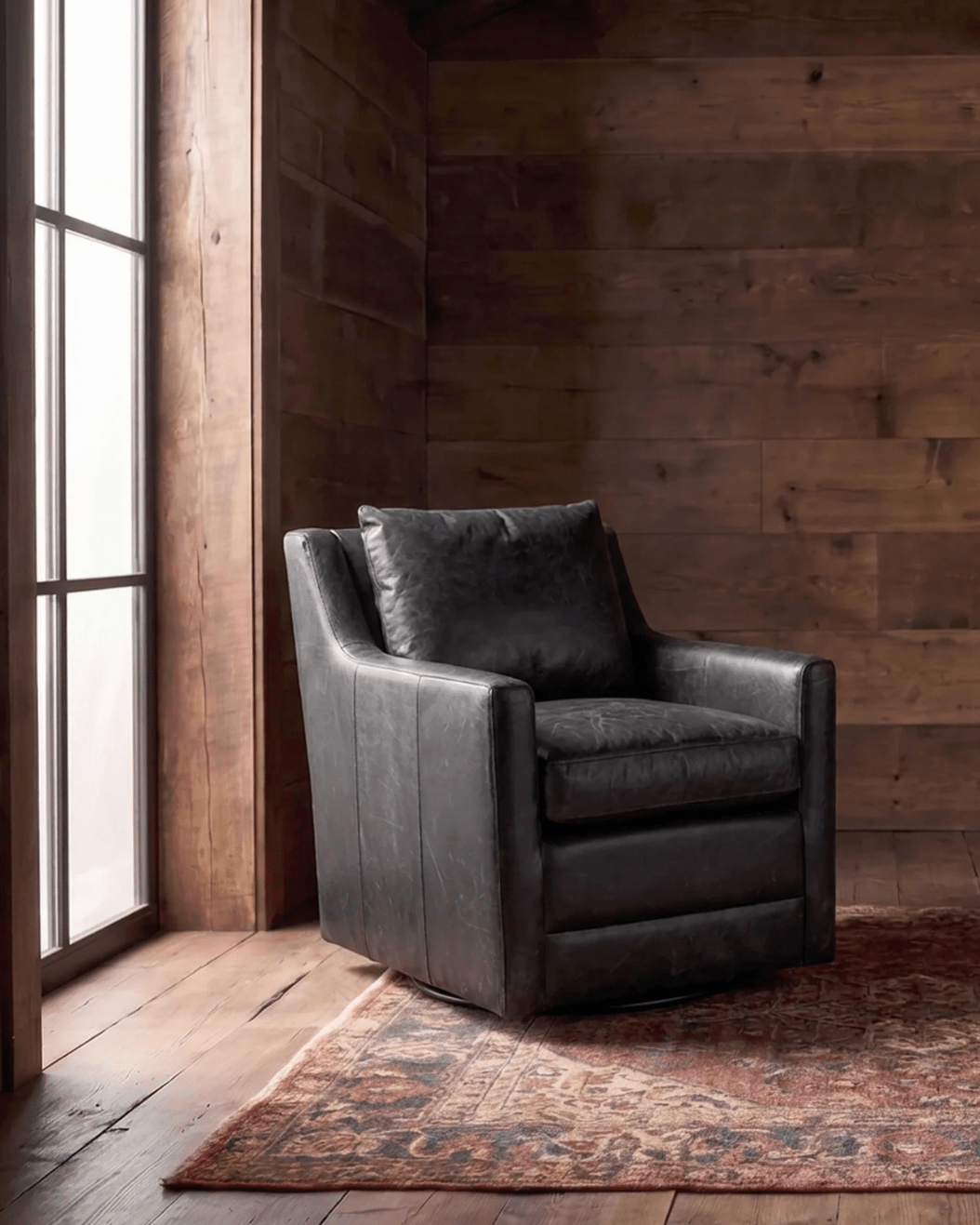
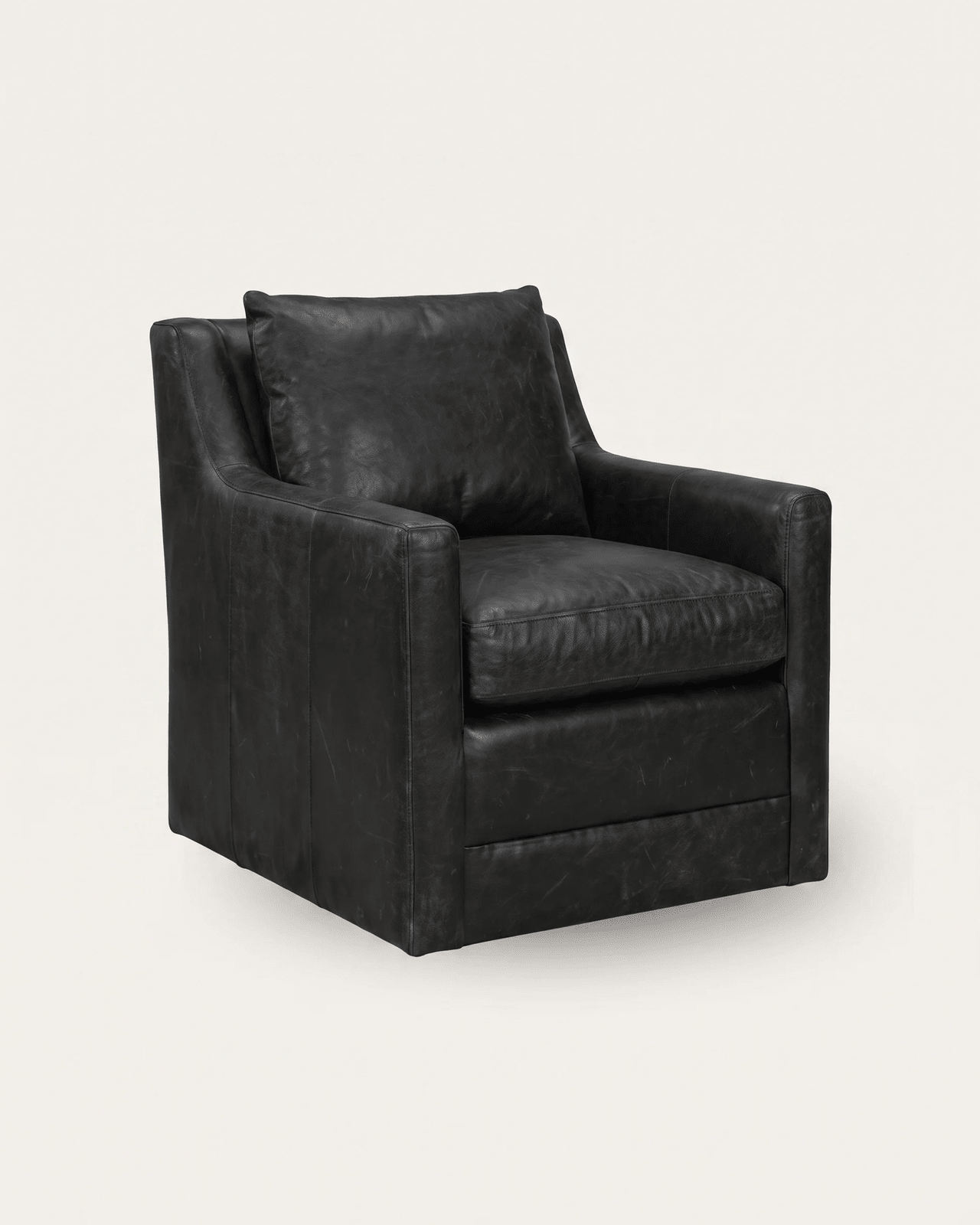
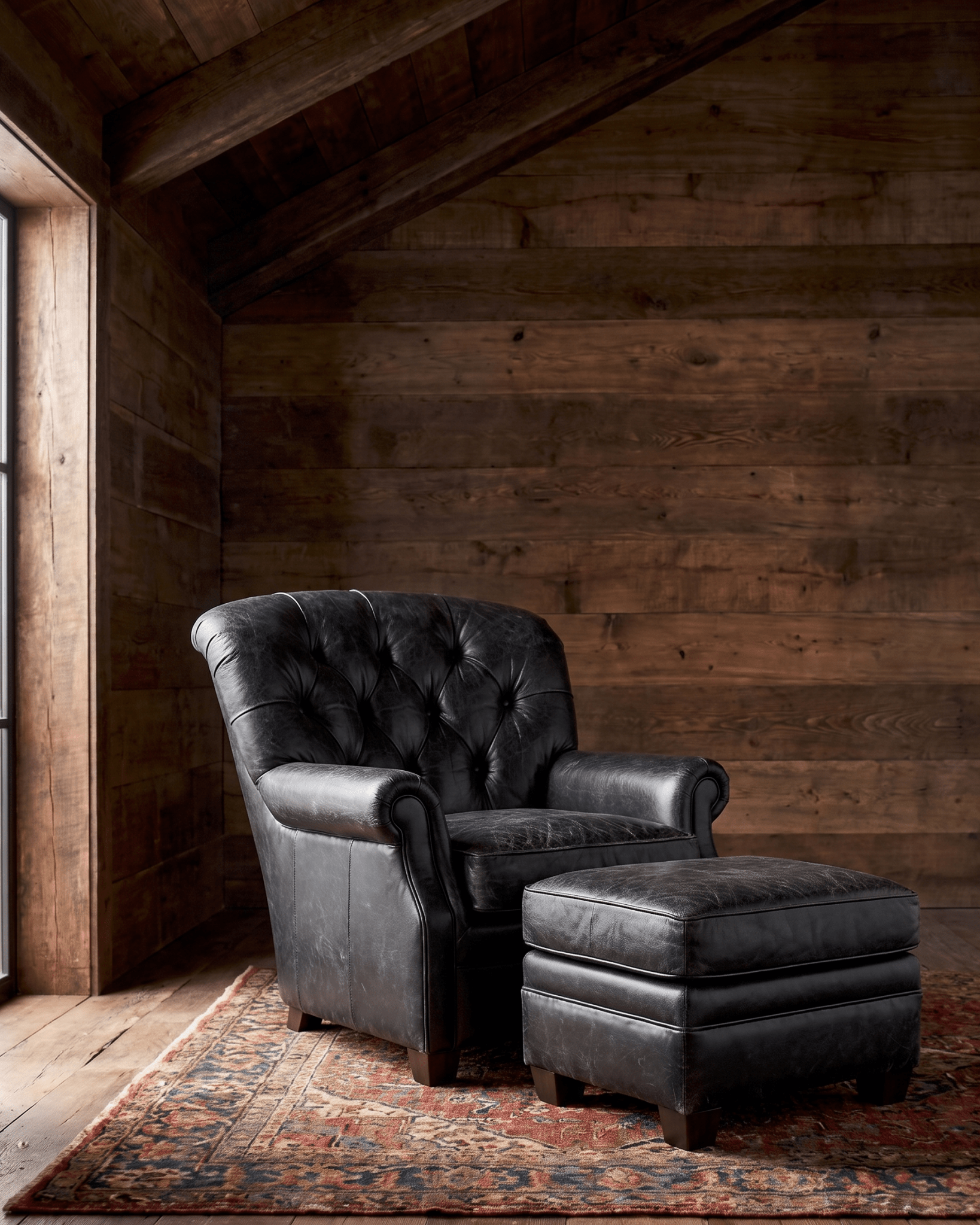
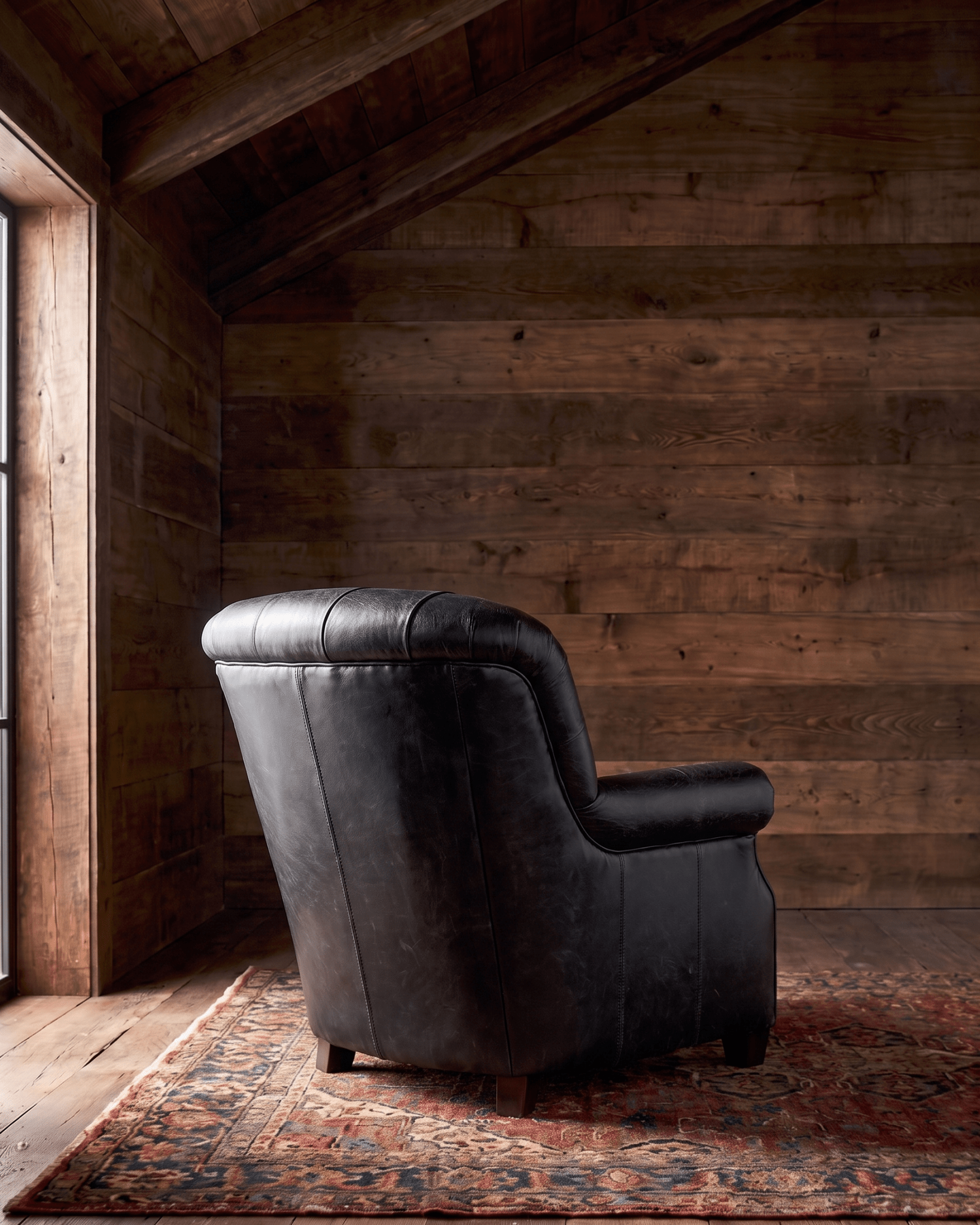
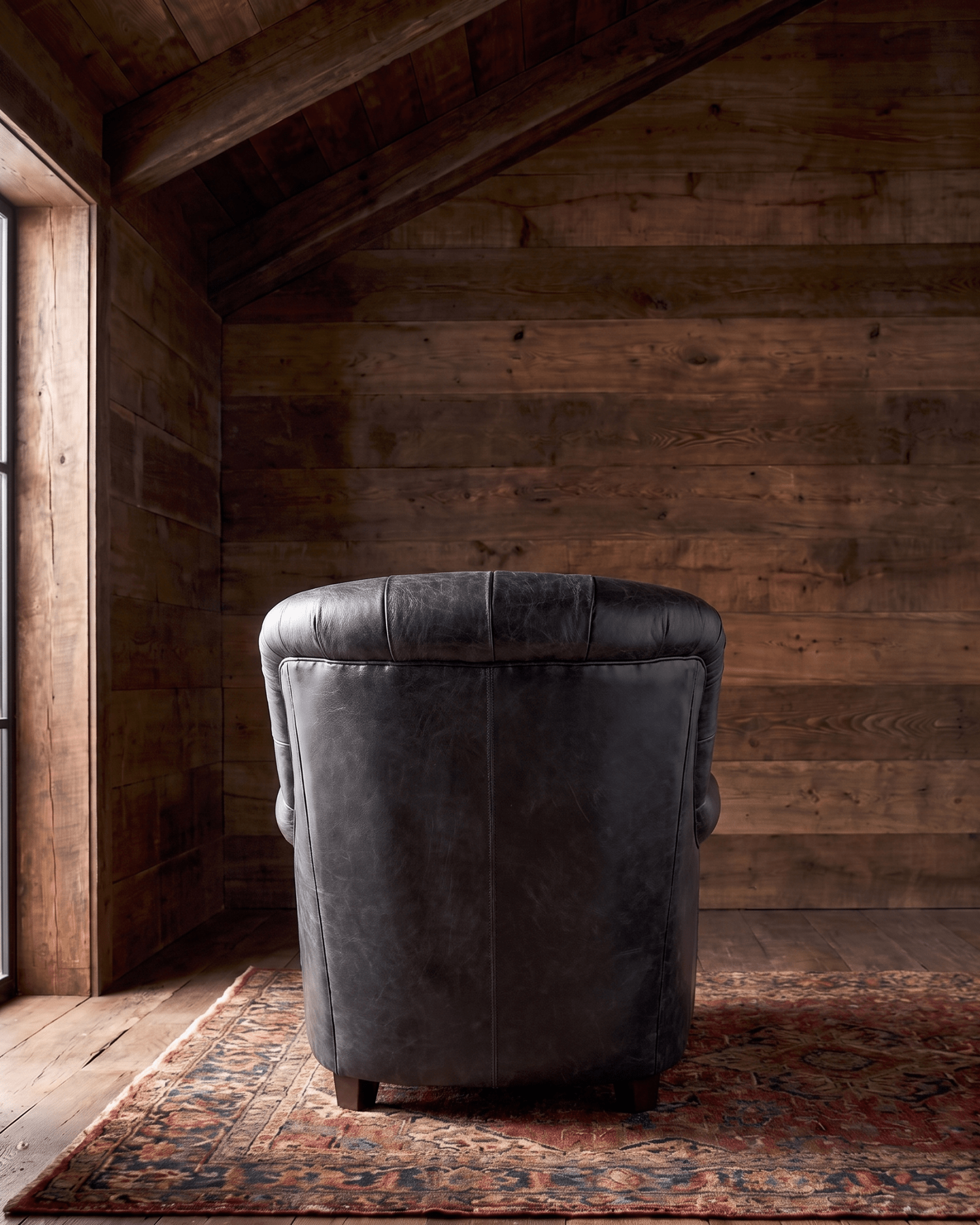
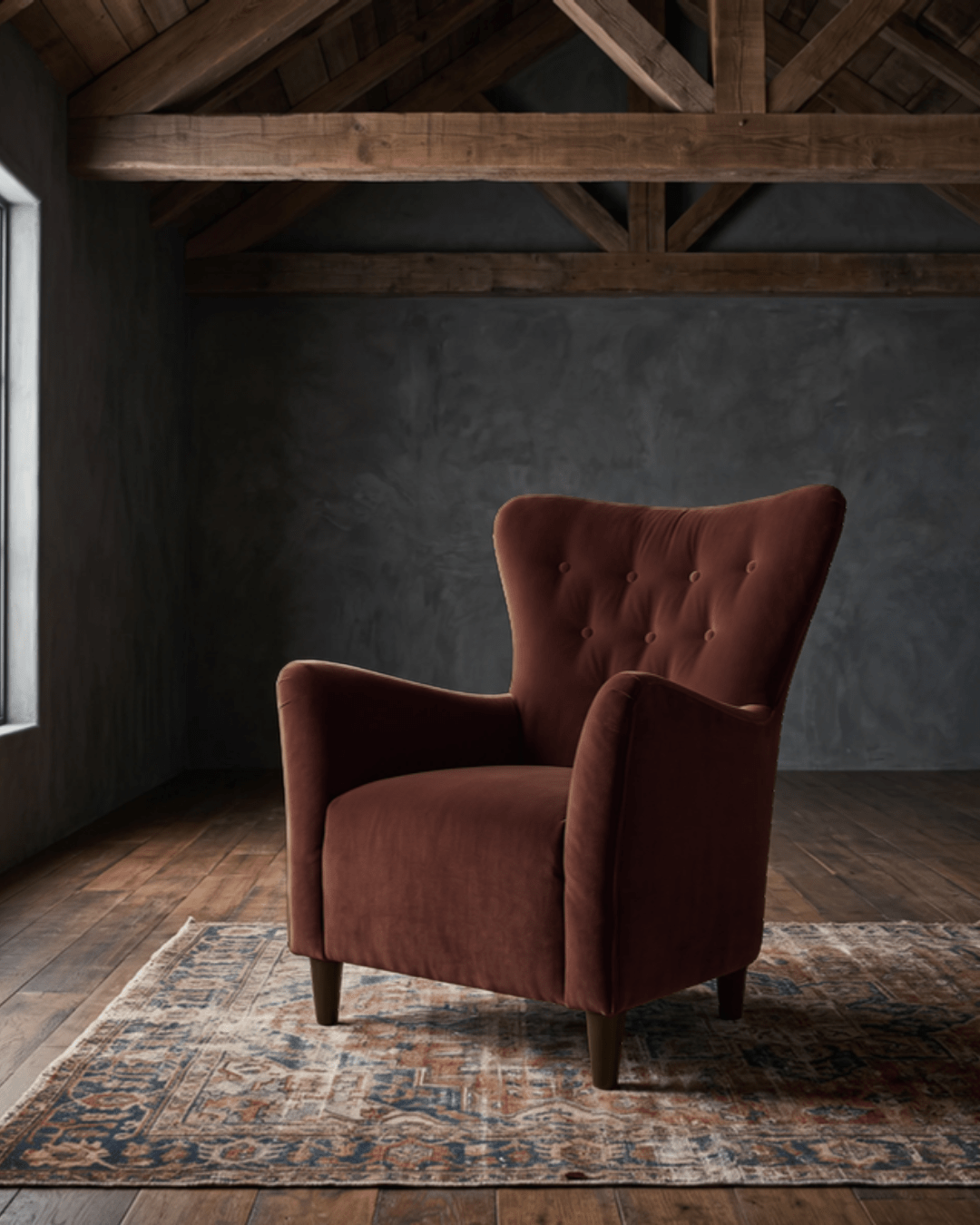
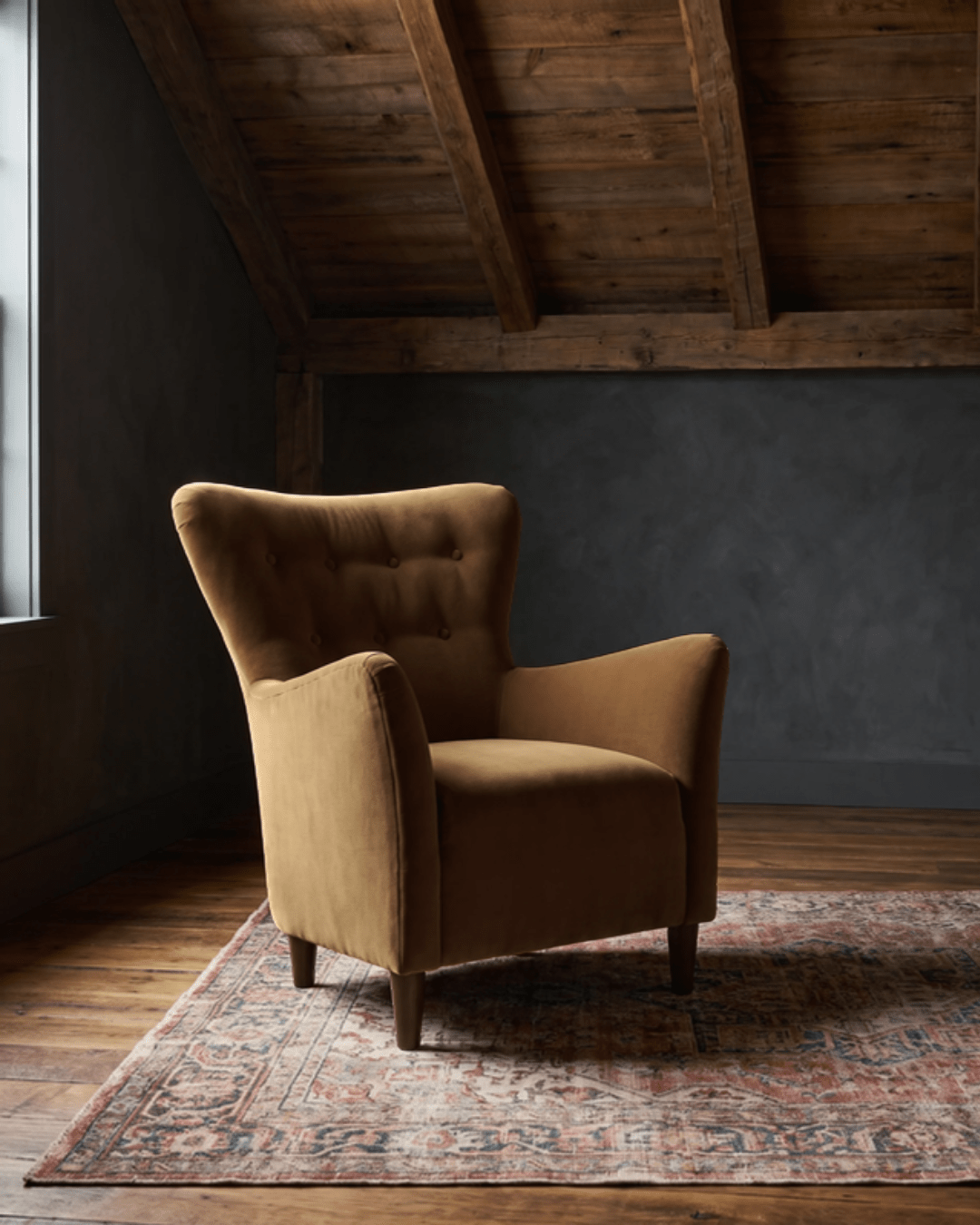
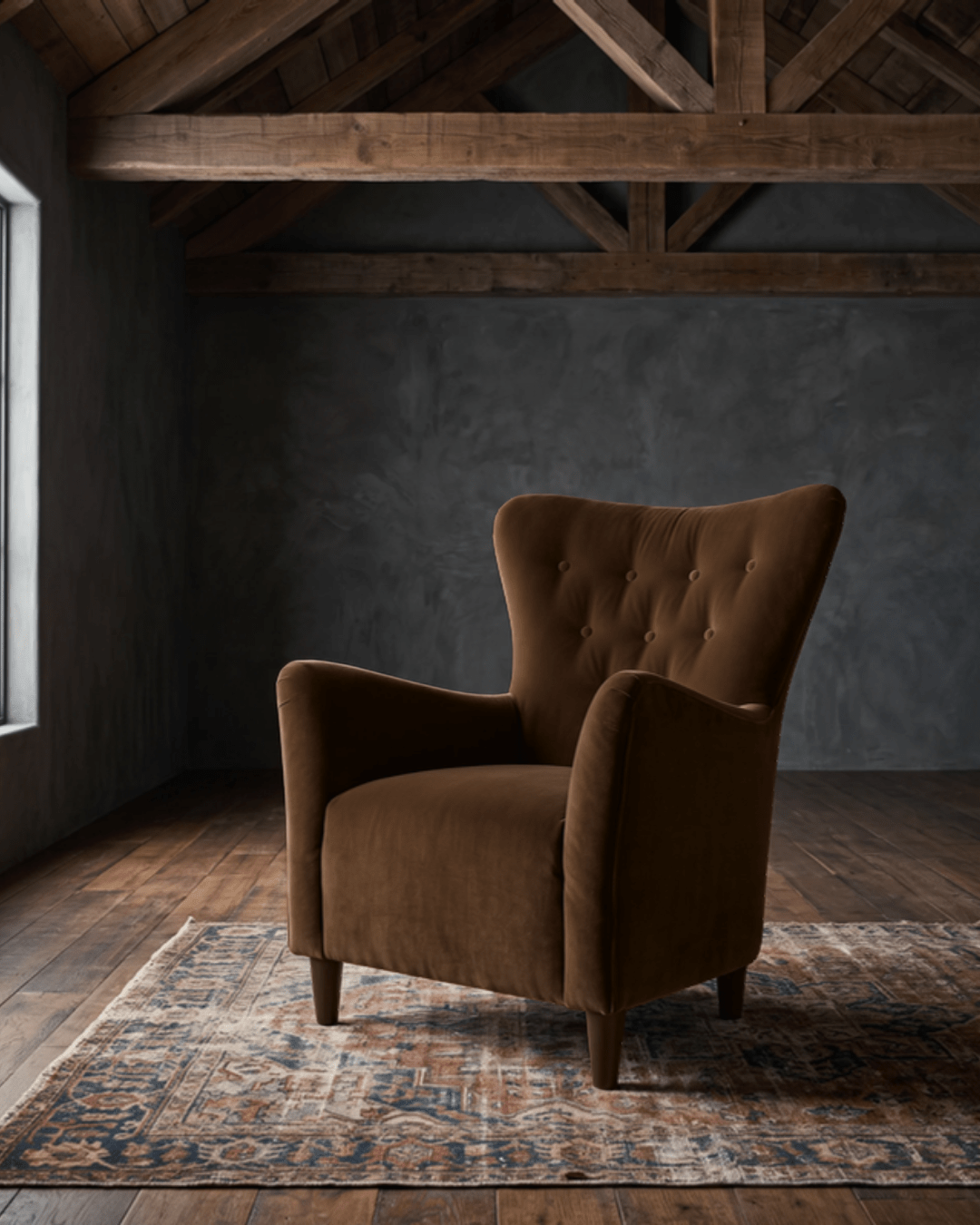
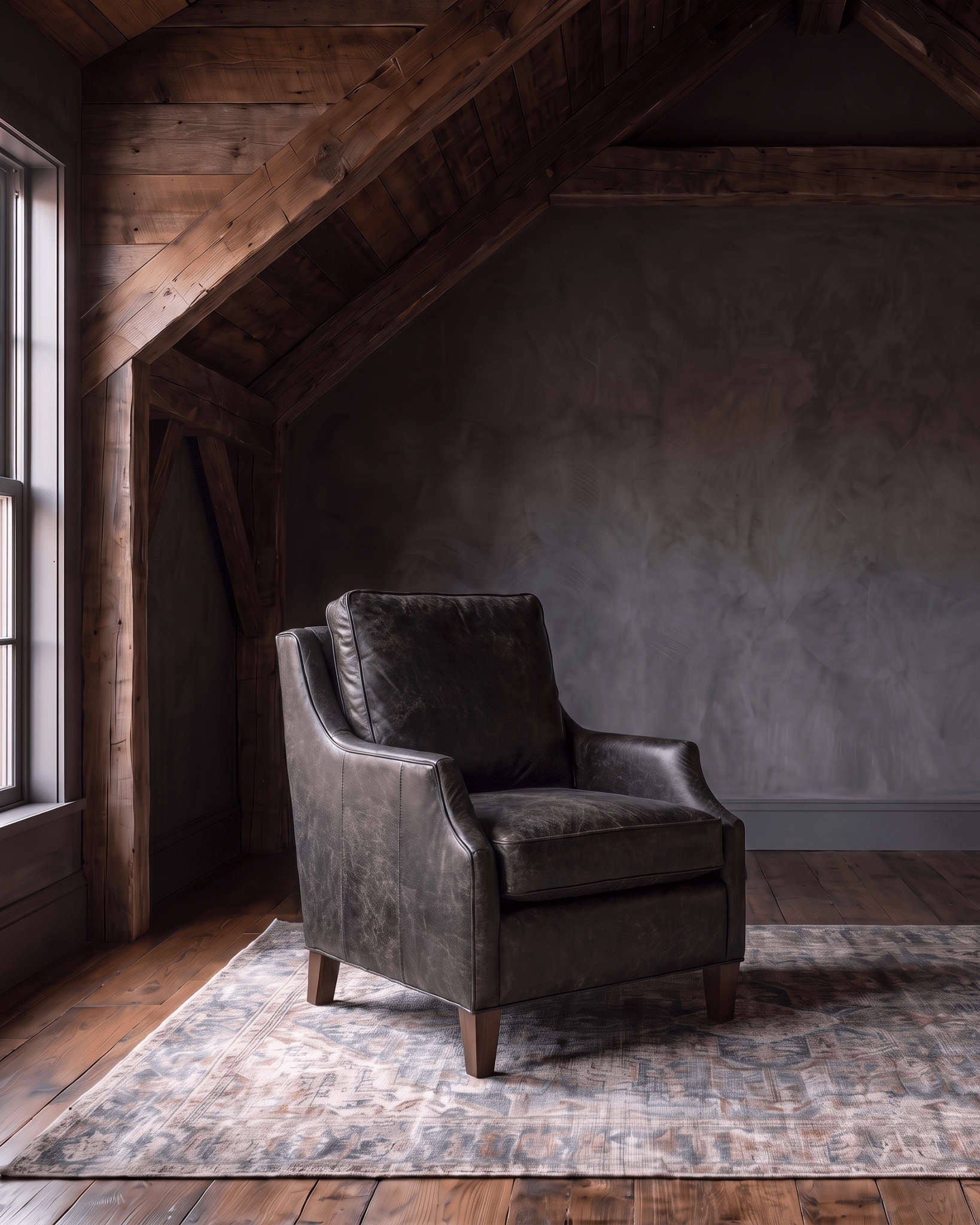
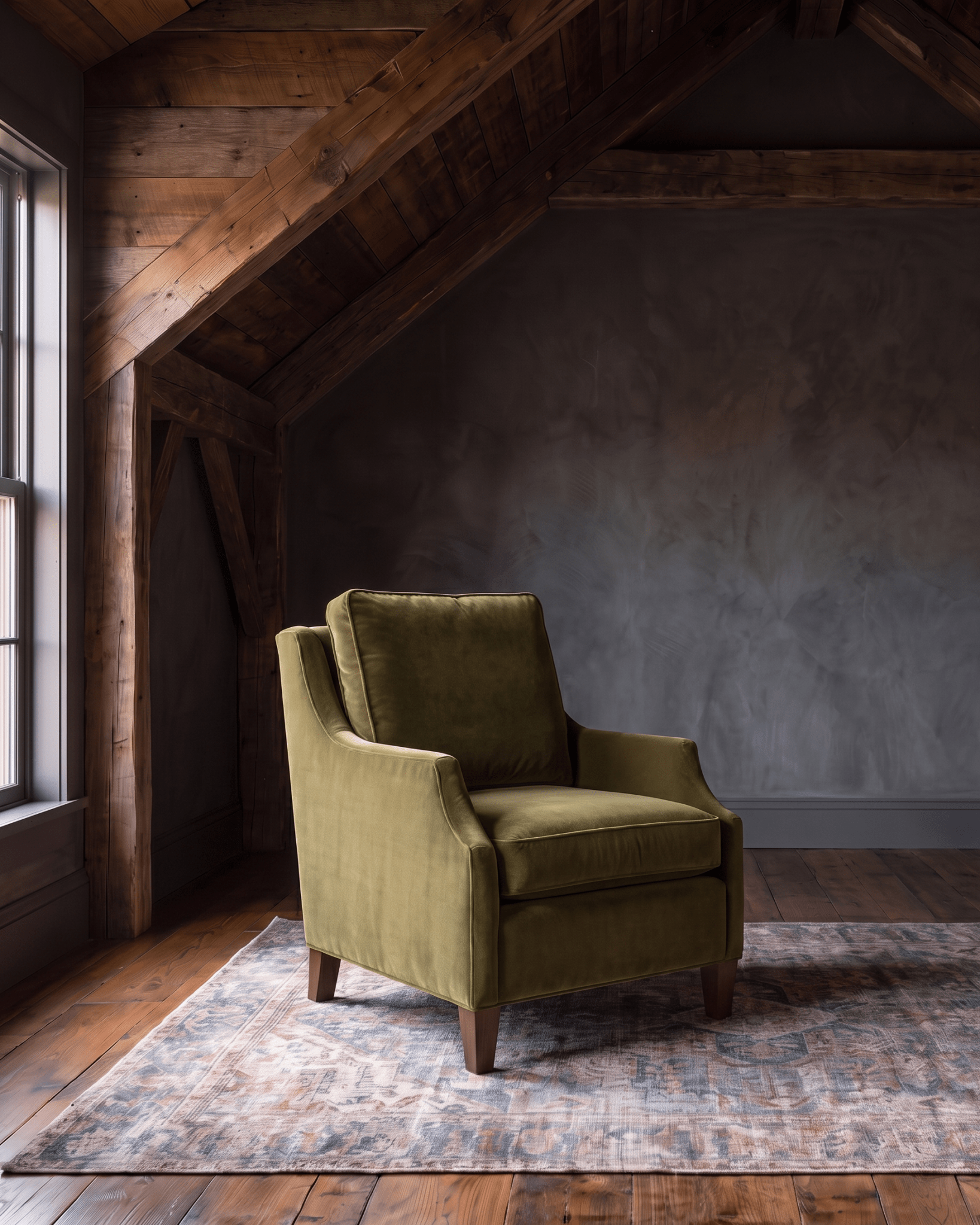
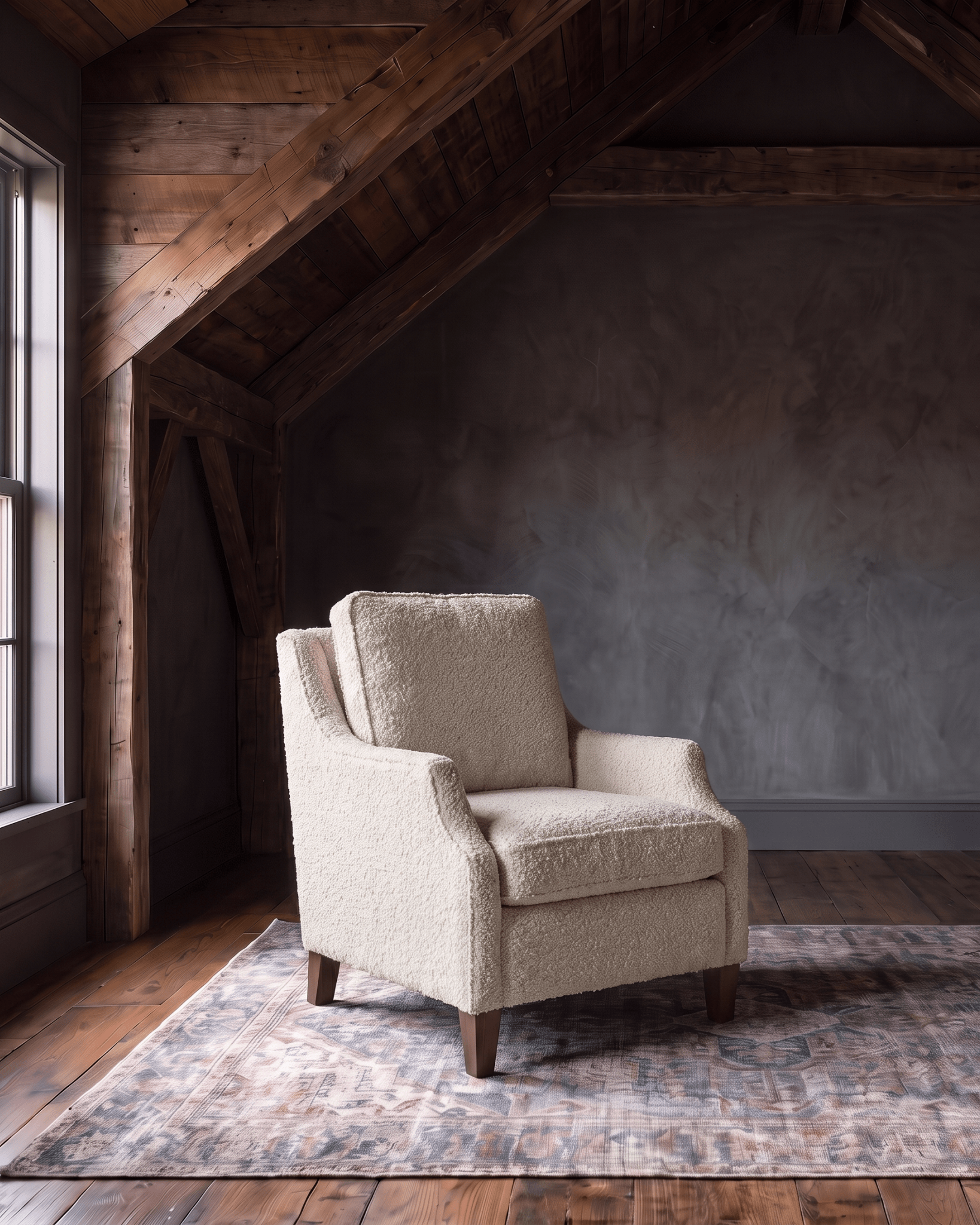
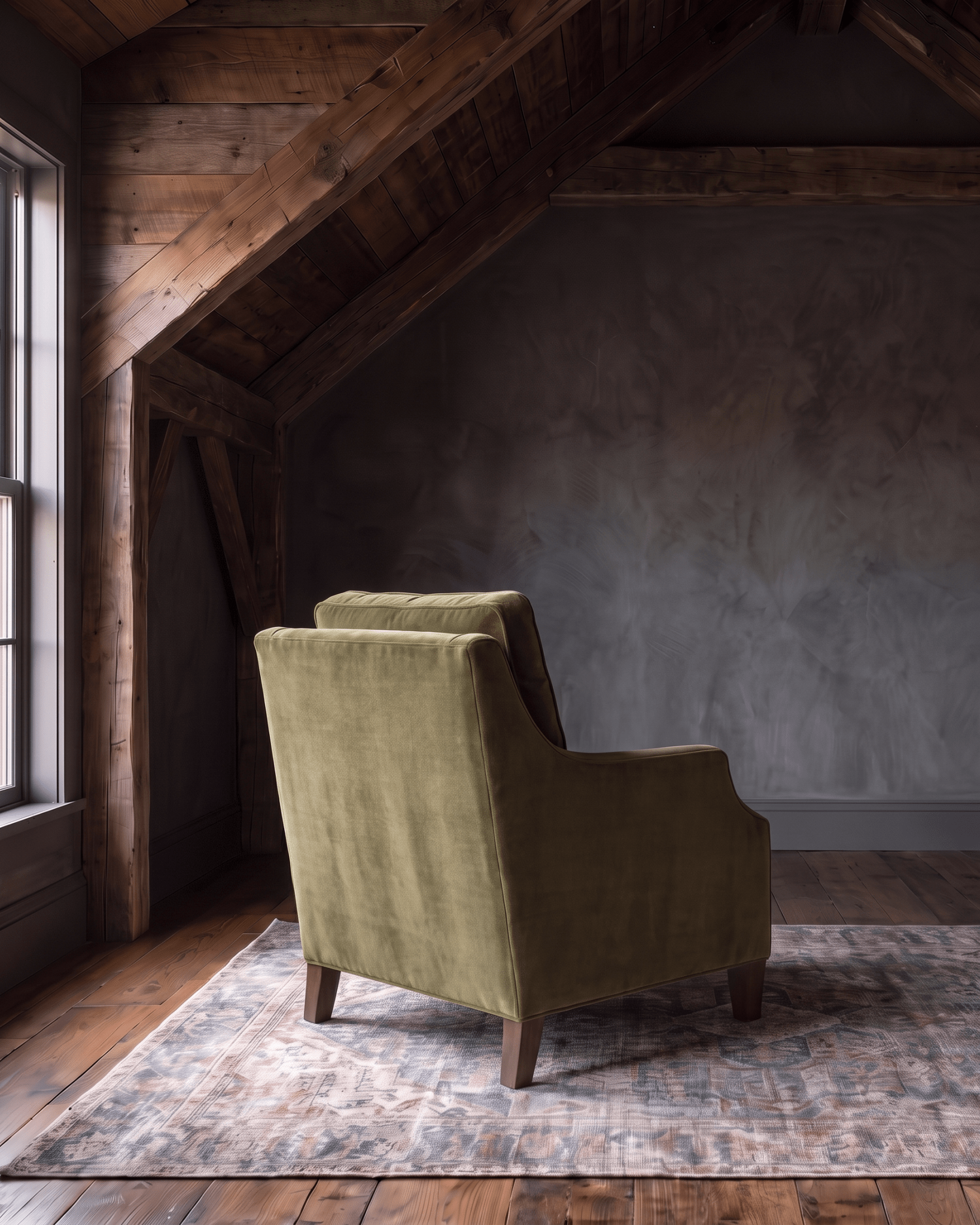
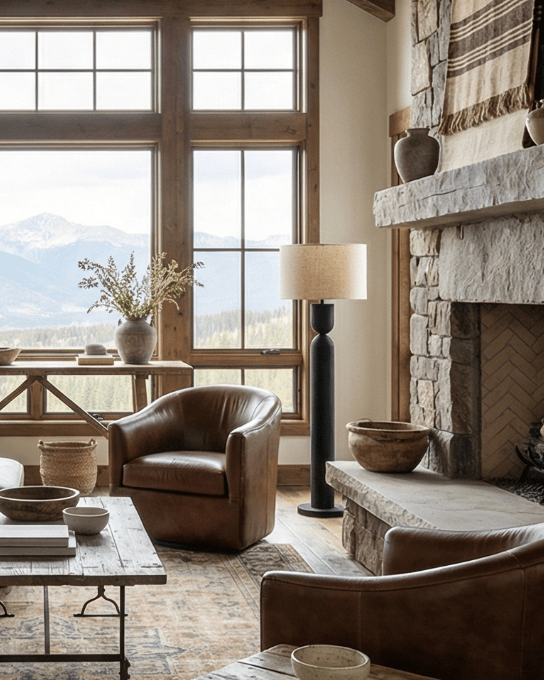
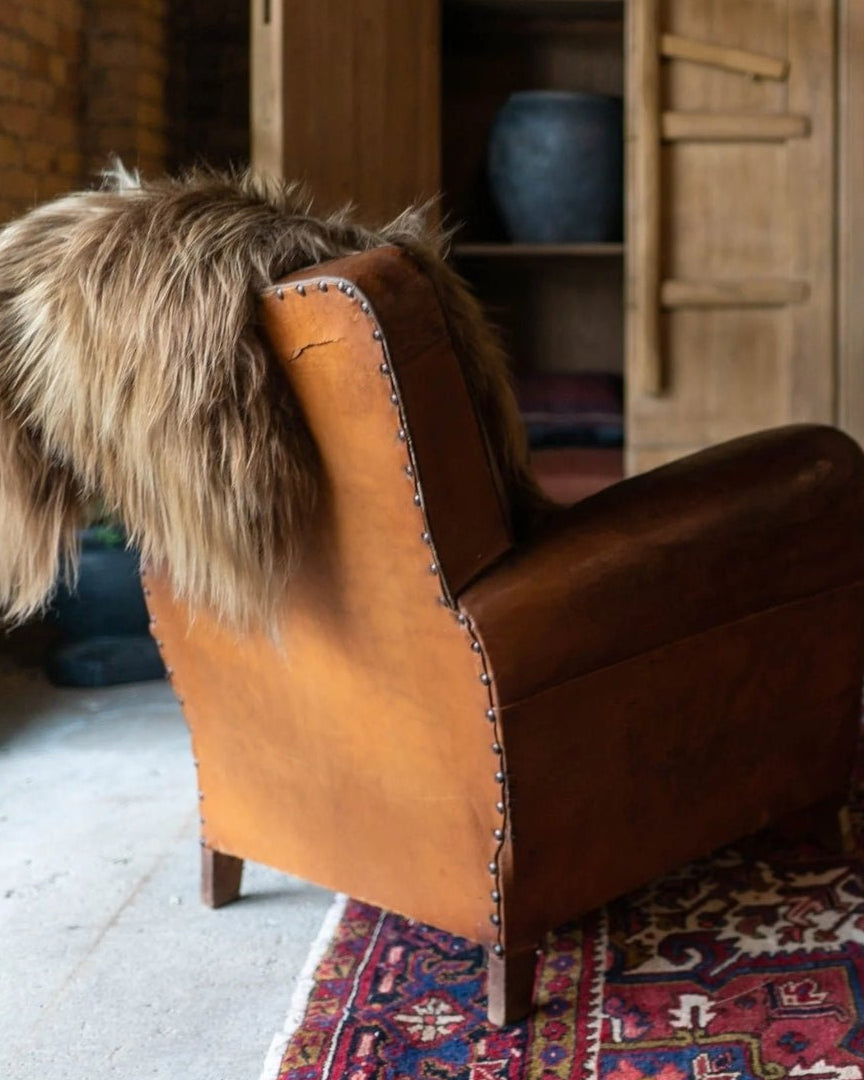
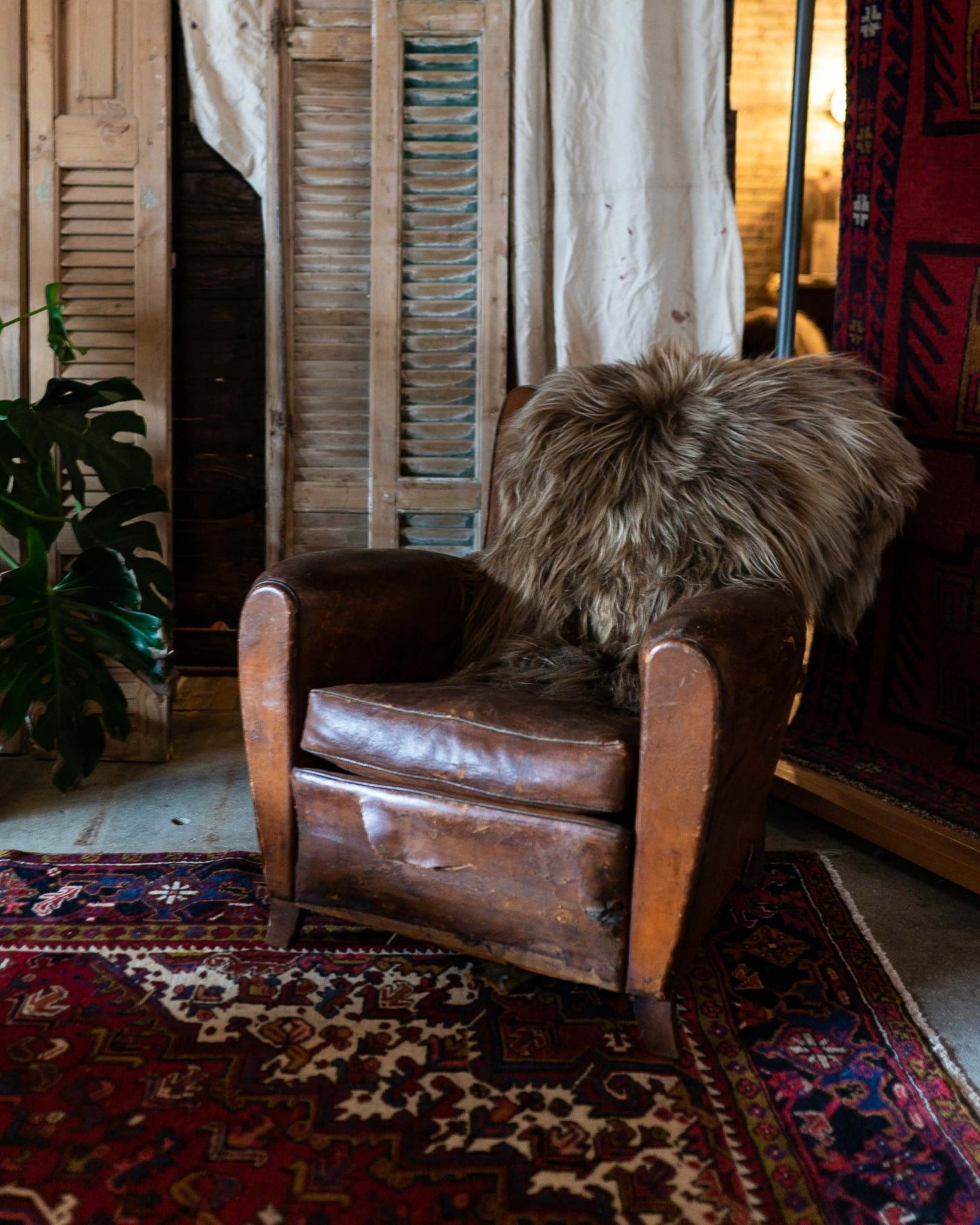
An aged accent chair next to a more minimal layout
This is where your space starts to feel intentional instead of staged.
If you’re building around foundational pieces, you can explore options here:
living room furniture collection
Where to Start Without Overthinking It
Most people hesitate because they think they need to get everything right.
You don’t.
Start with one piece.
The easiest entry points:
Coffee tables
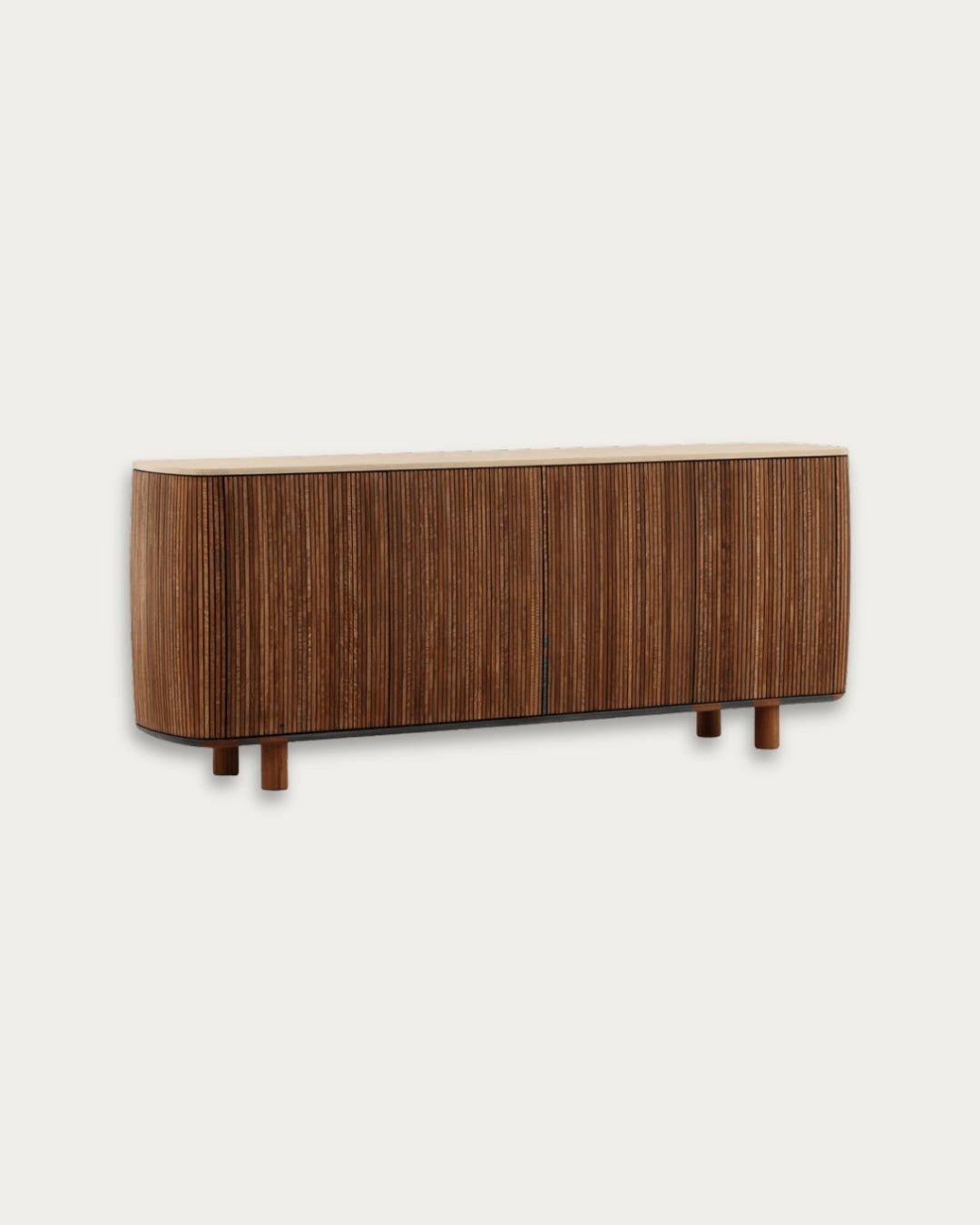
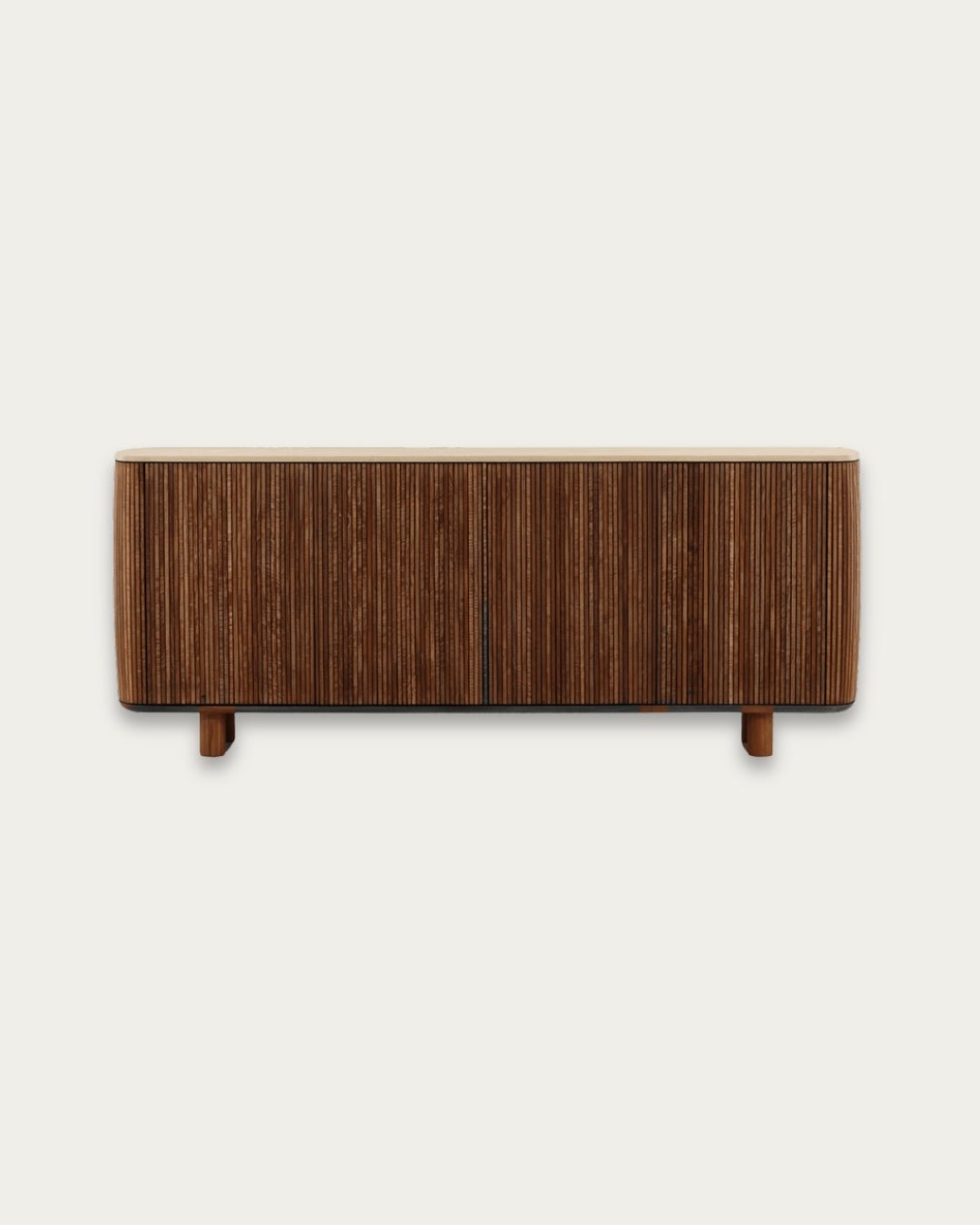
Sideboards
Accent chairs
These naturally hold weight in a room without overwhelming it.
You’re not redesigning your space.
You’re shifting how it behaves.
Why Imperfection Actually Feels Better
There’s a reason vintage pieces stand out immediately.
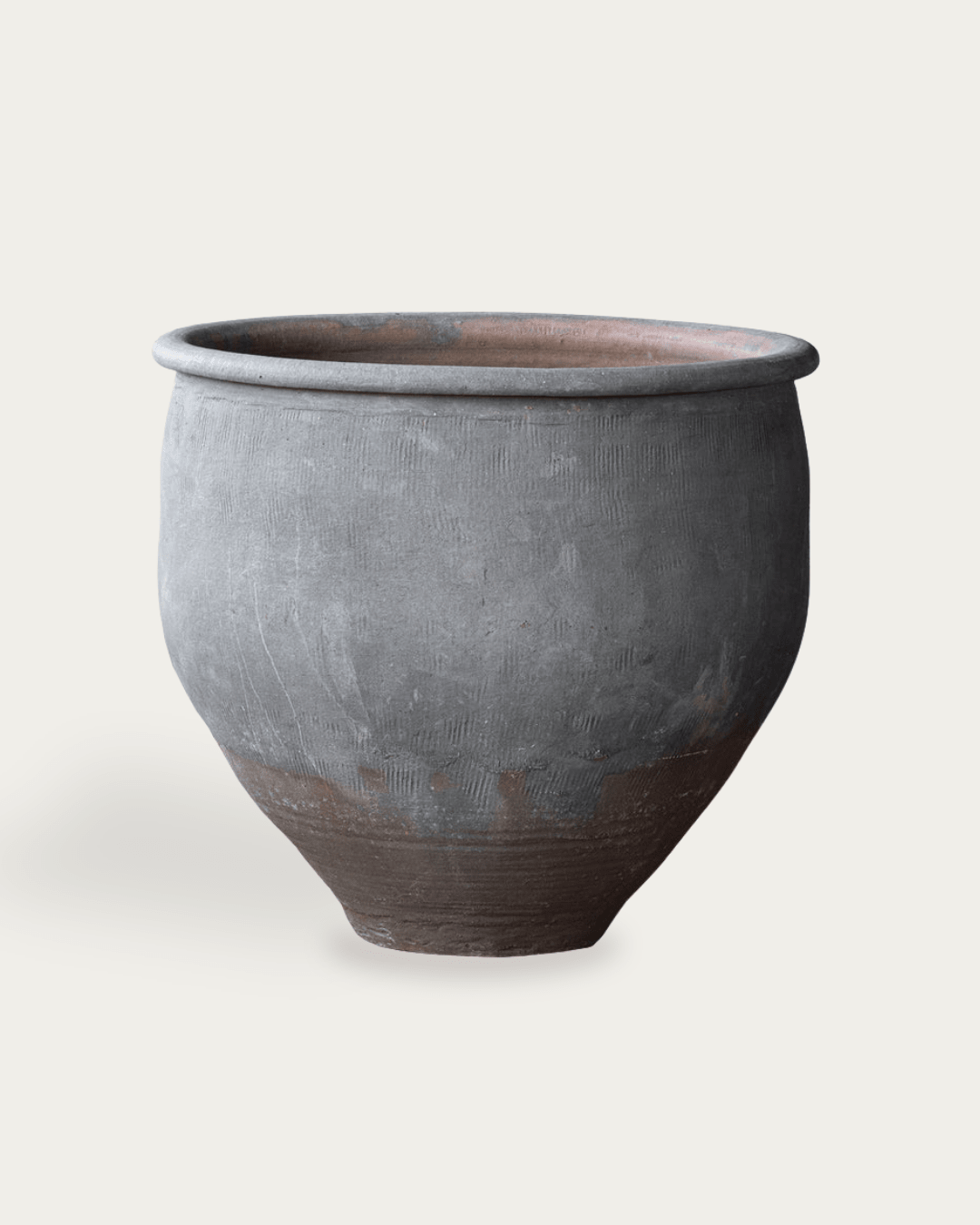
They don’t try to be perfect.
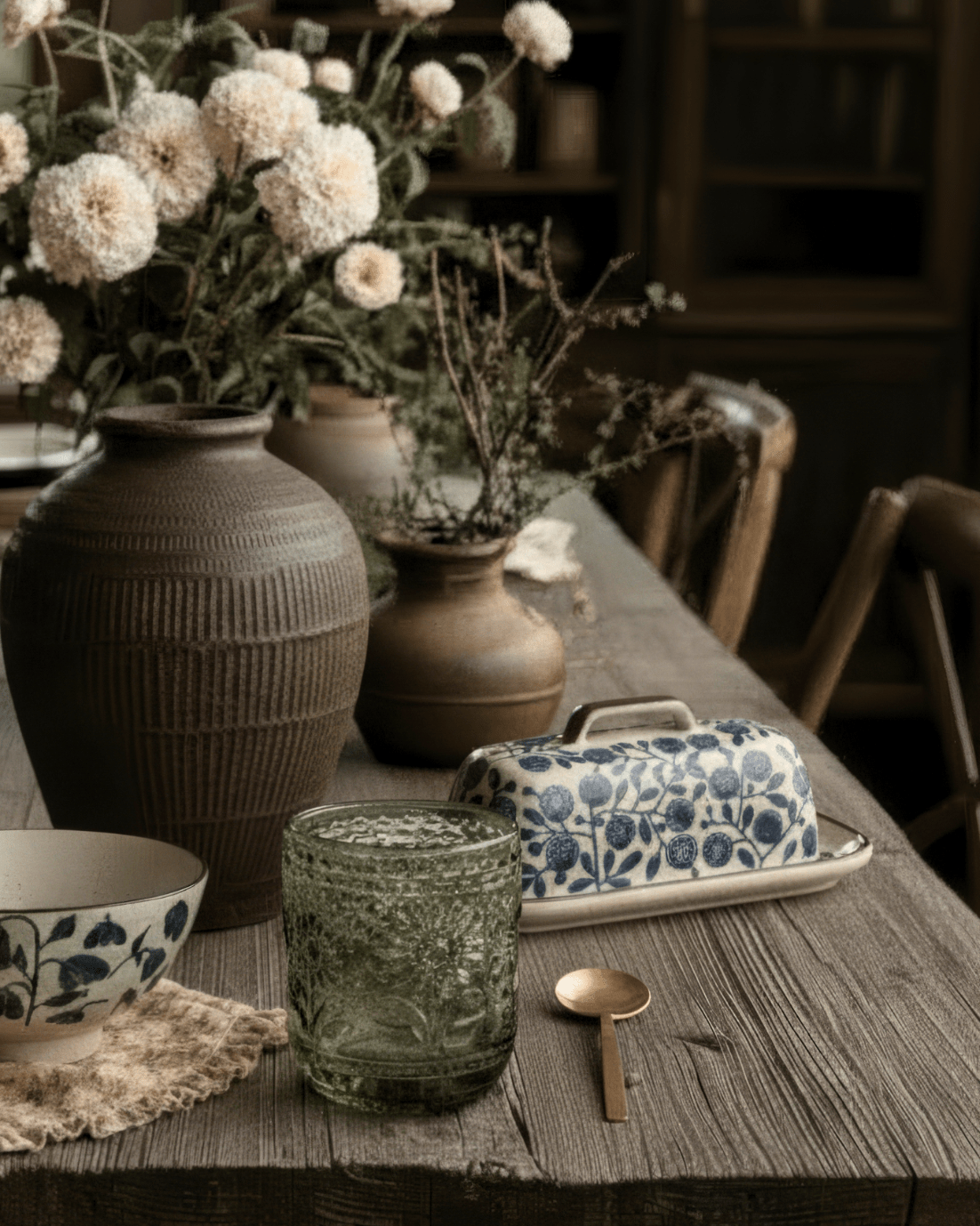
Edges soften. Finish wear. Materials shift.
Your brain reads this as real.
And real is easier to process than something overly polished.
From a neuroscience standpoint, slight variation reduces visual fatigue.
It gives your eyes somewhere to land without needing to analyze every detail.
That’s why a single vintage piece can calm a space more than adding multiple new ones.
A RUTED Tip: Let the Room Break Pattern Your brain is constantly predicting what comes next based on patterns, and when everything in a room follows the same material, shape, or tone, it lowers engagement but doesn’t always create ease—introducing one piece of vintage furniture disrupts that pattern just enough to create a focal point, which reduces the need for your brain to keep scanning the entire space and allows your nervous system to settle more quickly.
When a Space Finally Starts to Feel Right
It’s not when everything matches.
It’s when nothing feels like it’s competing.
Vintage pieces don’t demand attention.
They hold it.
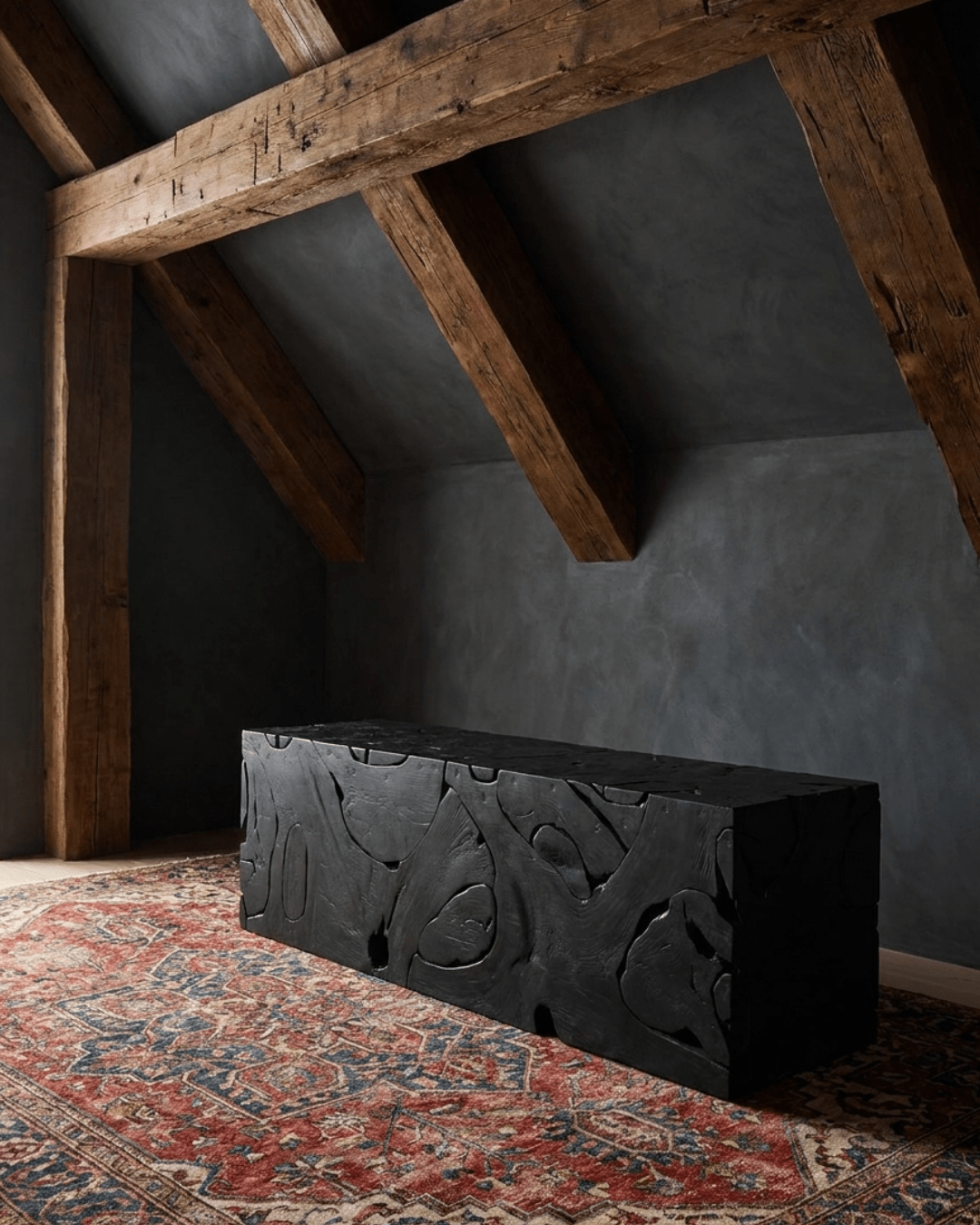
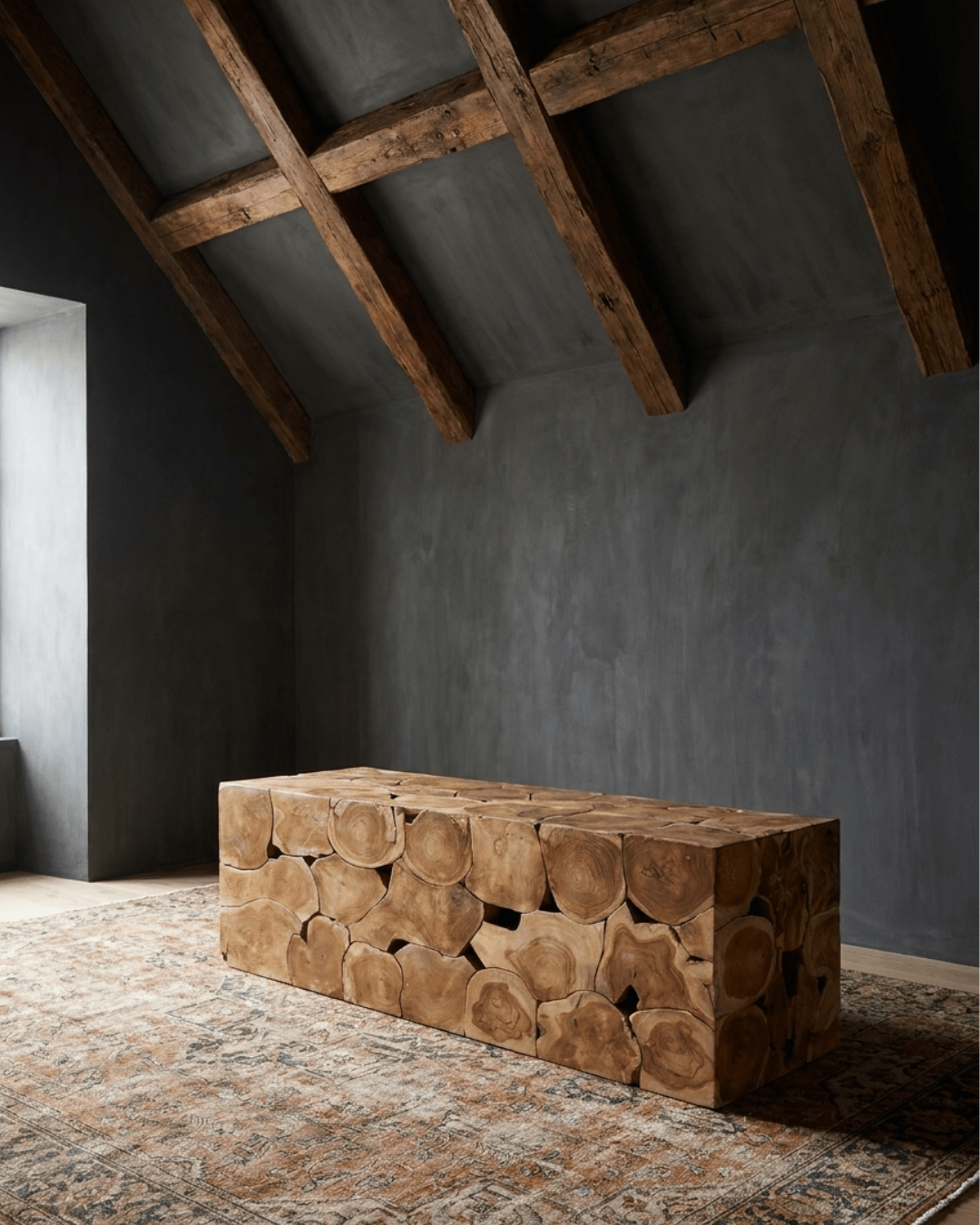
They give your space a point of reference—a place your eyes return to without effort.
That’s what most modern rooms are missing.

A Better Way to Think About It
Instead of asking:
“How do I decorate this space?”
Try asking:
“What is this room lacking in contrast?”
Most of the time, the answer isn’t more.
It’s different.
Different materials. Different history.
Different weights.
That’s where vintage furniture does its job.
Where to Begin
If your space feels close—but not quite there—start small.
One piece is enough to shift the entire room.
You can explore curated pieces that are designed to add that layer of depth through our vintage furniture collection.
Final Thought
A space doesn’t feel complete when everything matches.
It feels complete when everything makes sense—together.
And sometimes, the missing piece isn’t something new.
It’s something that already carries a story.