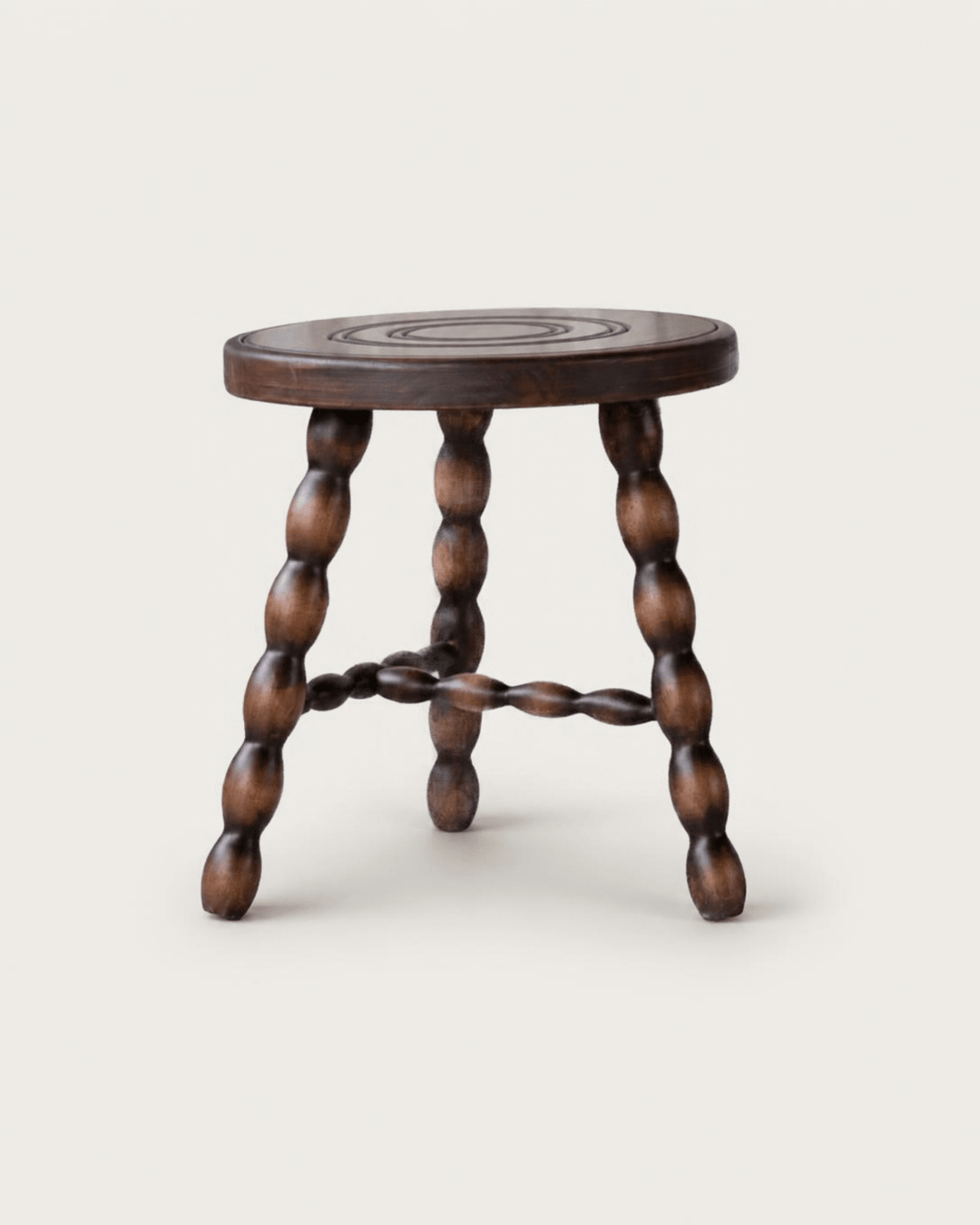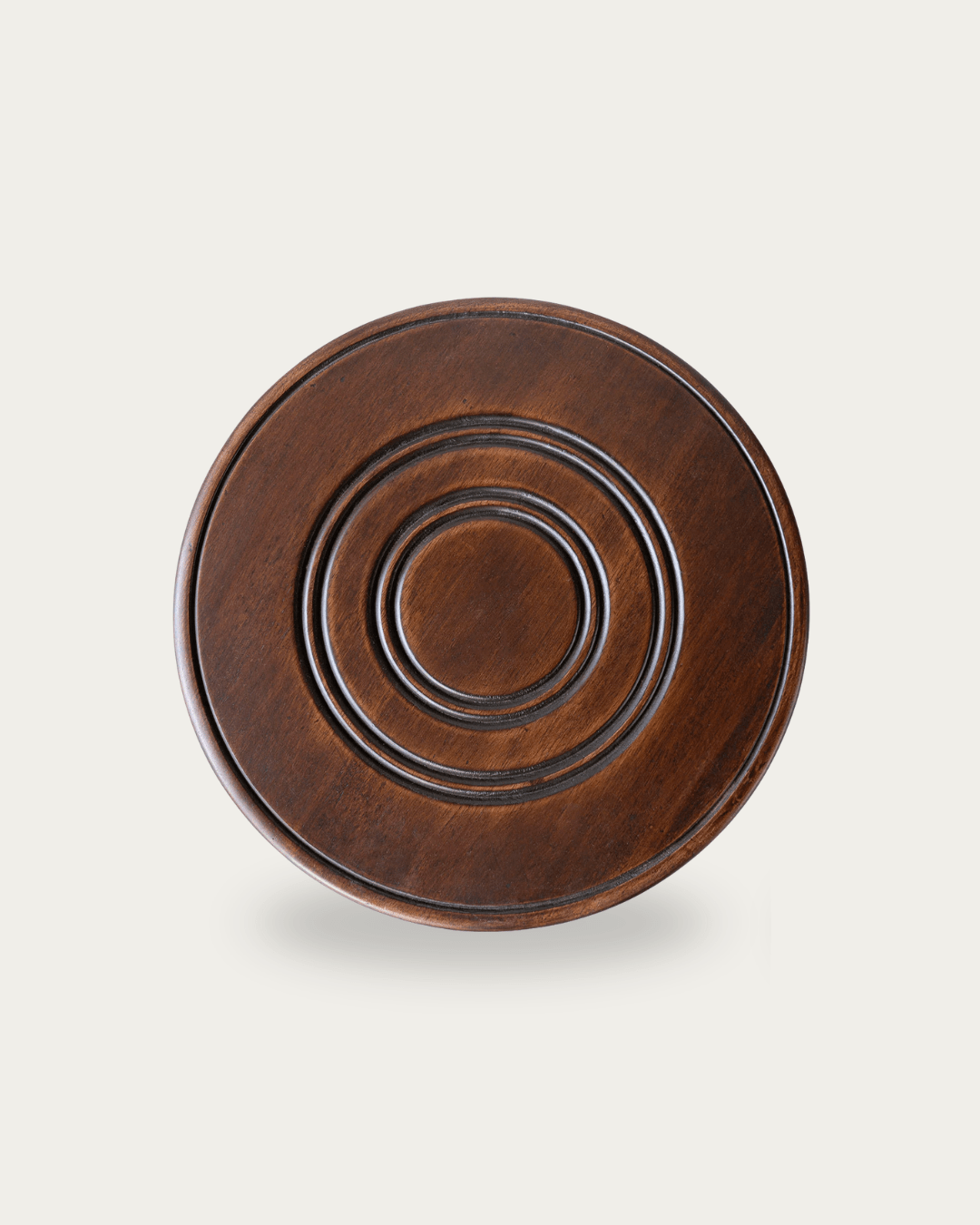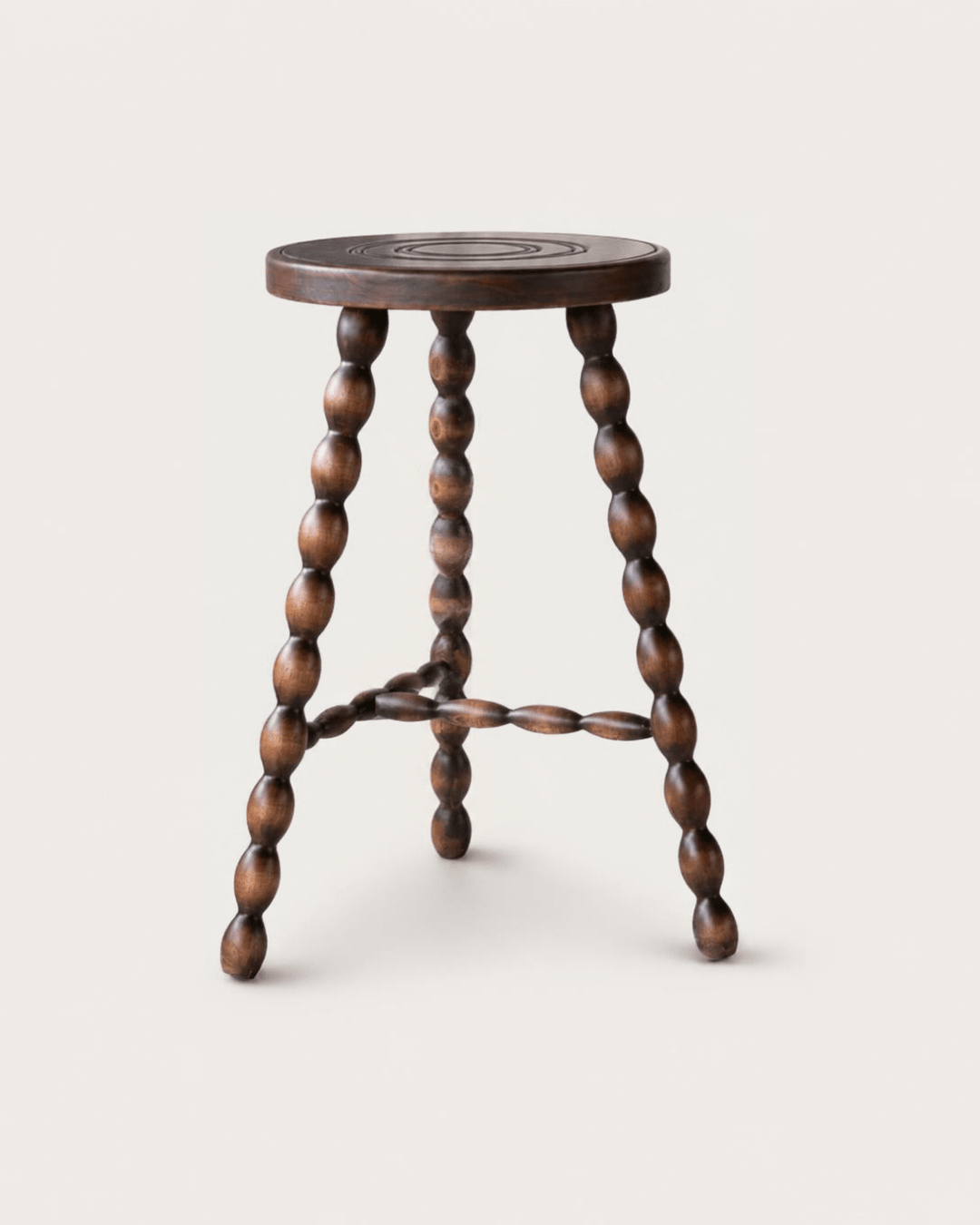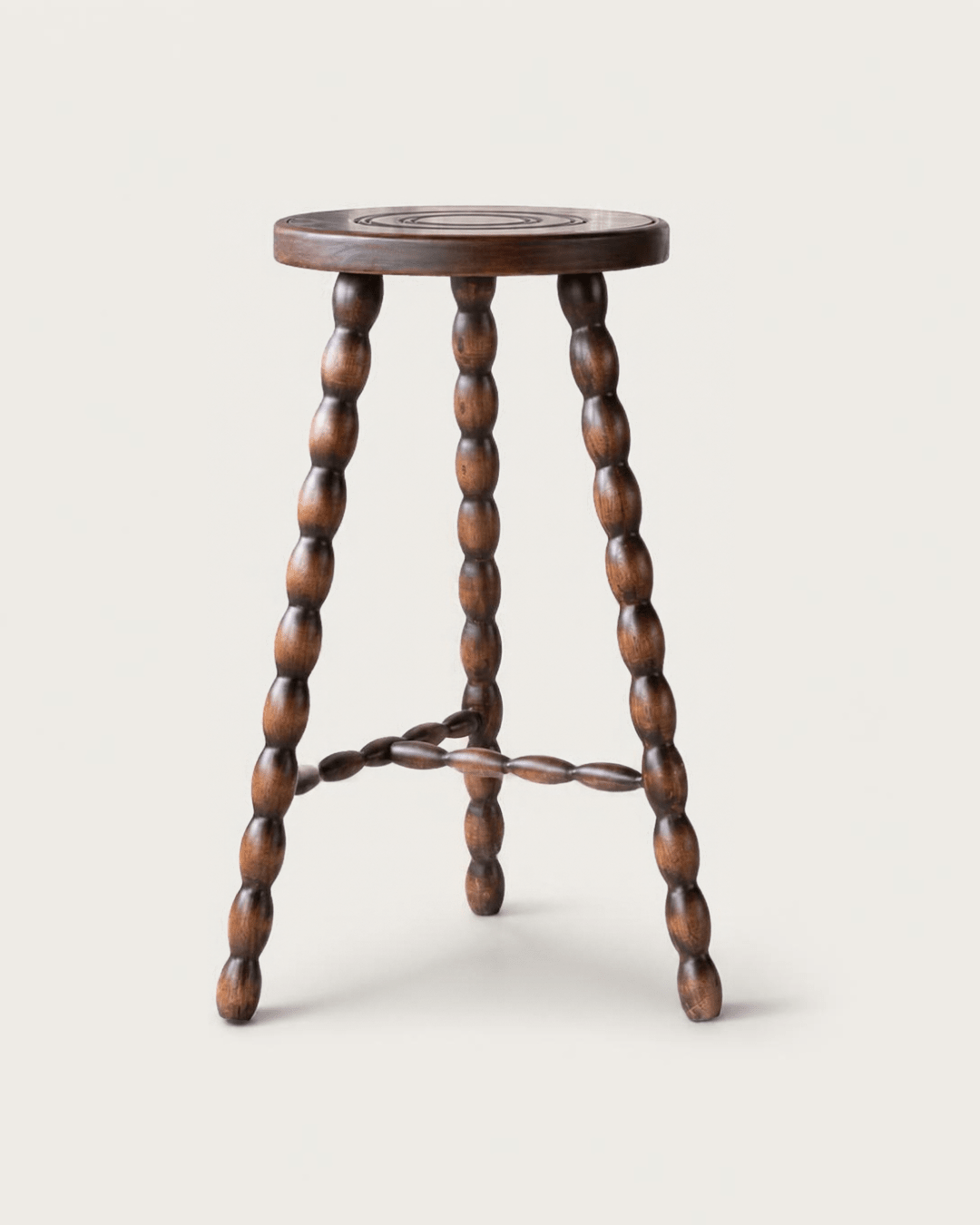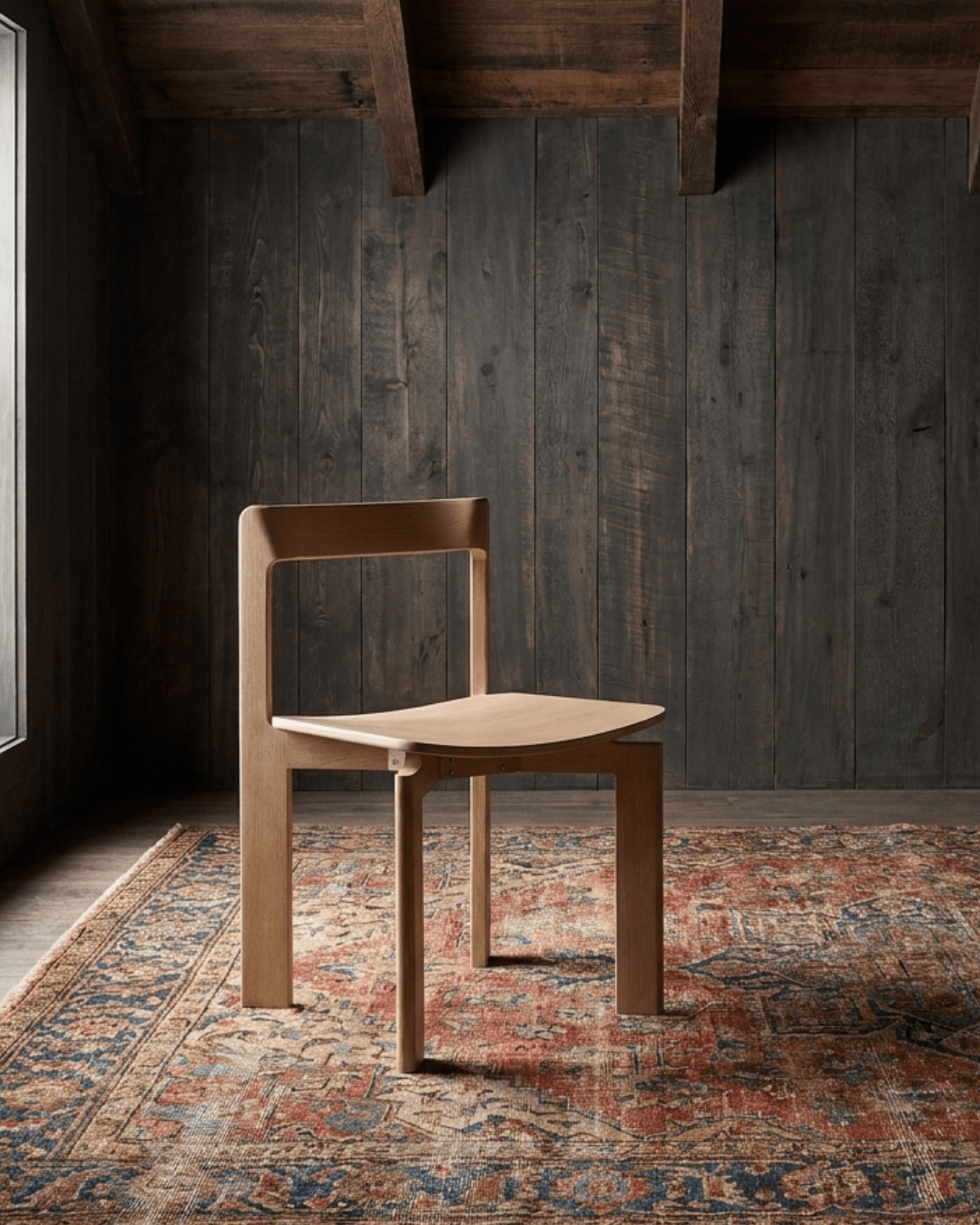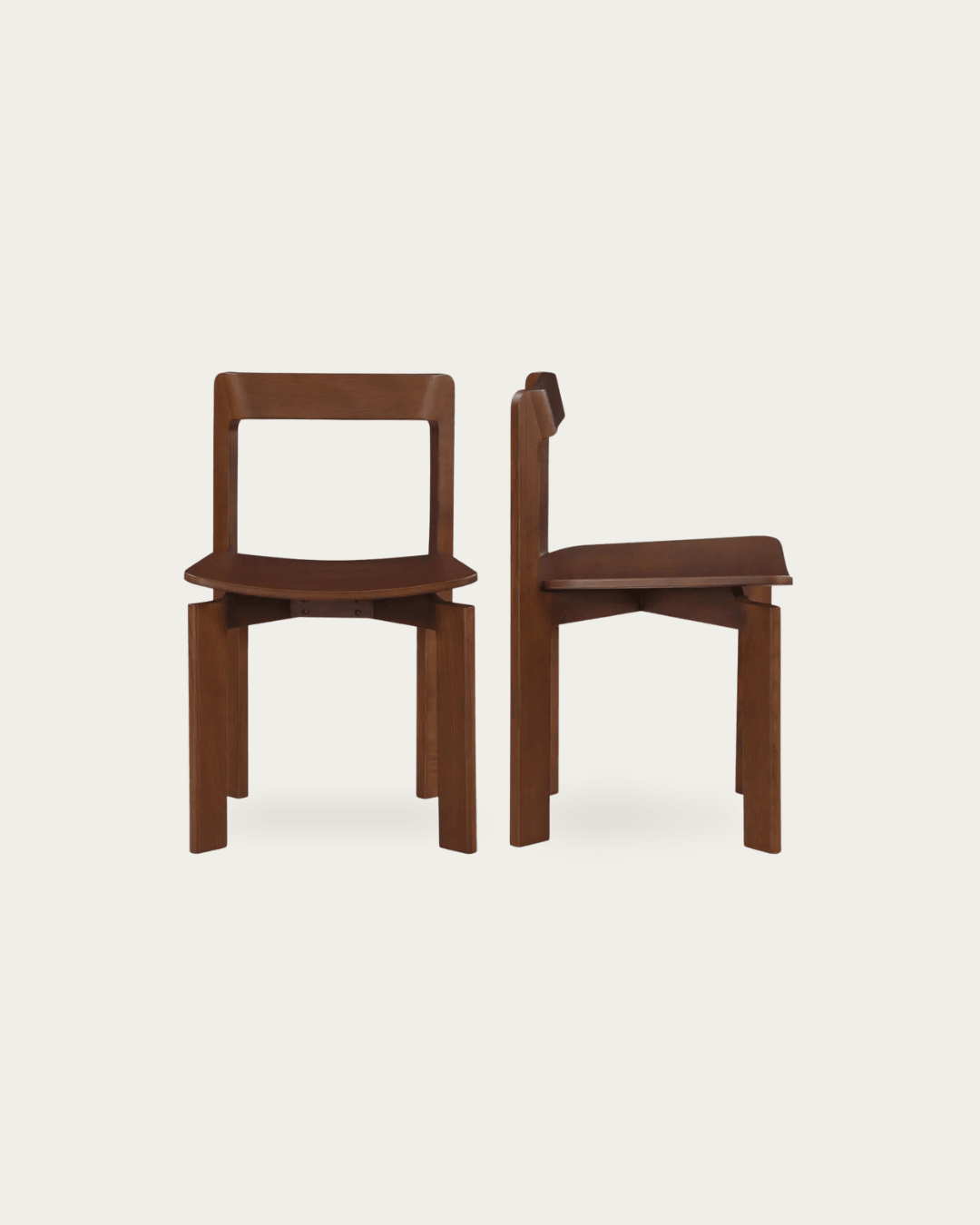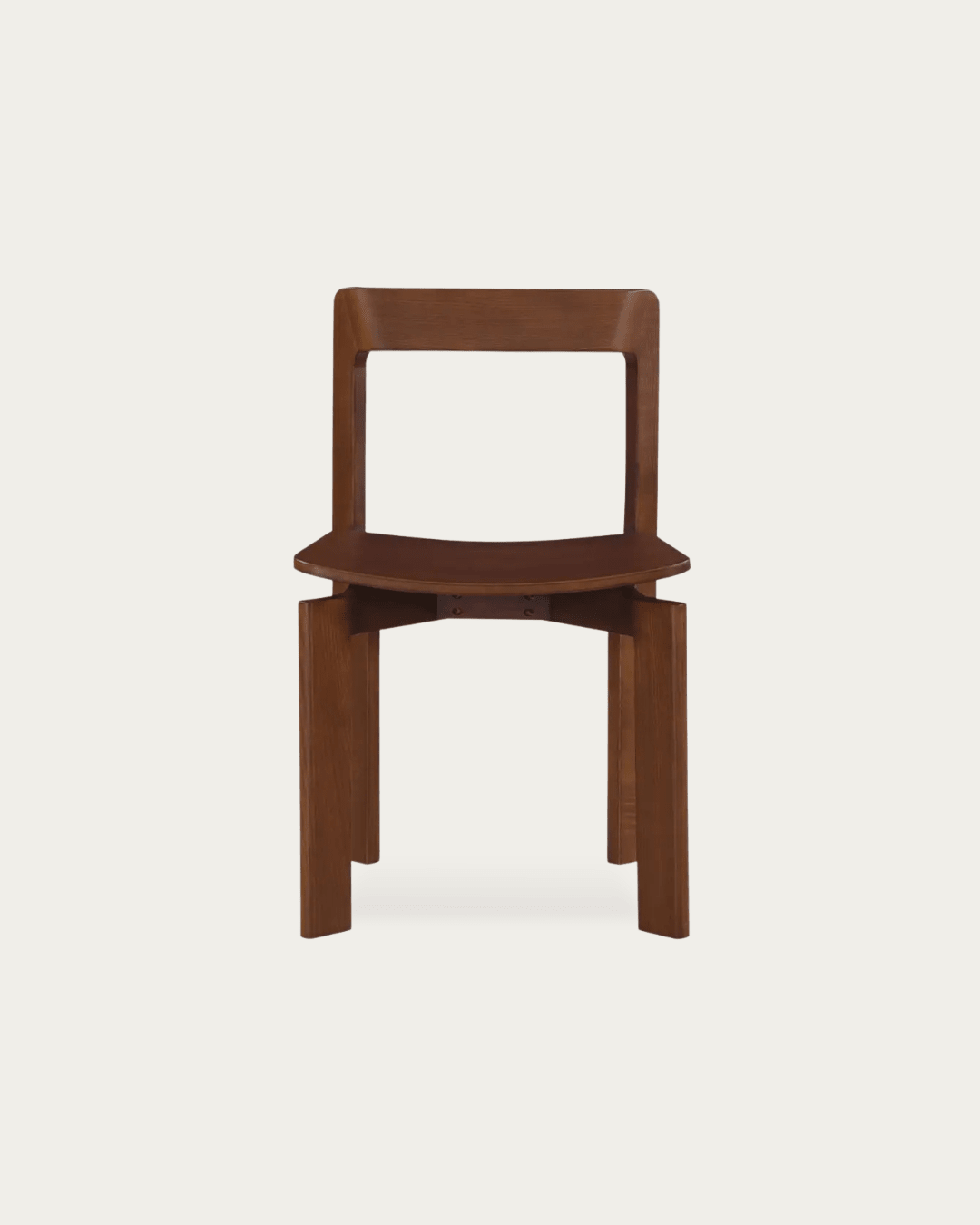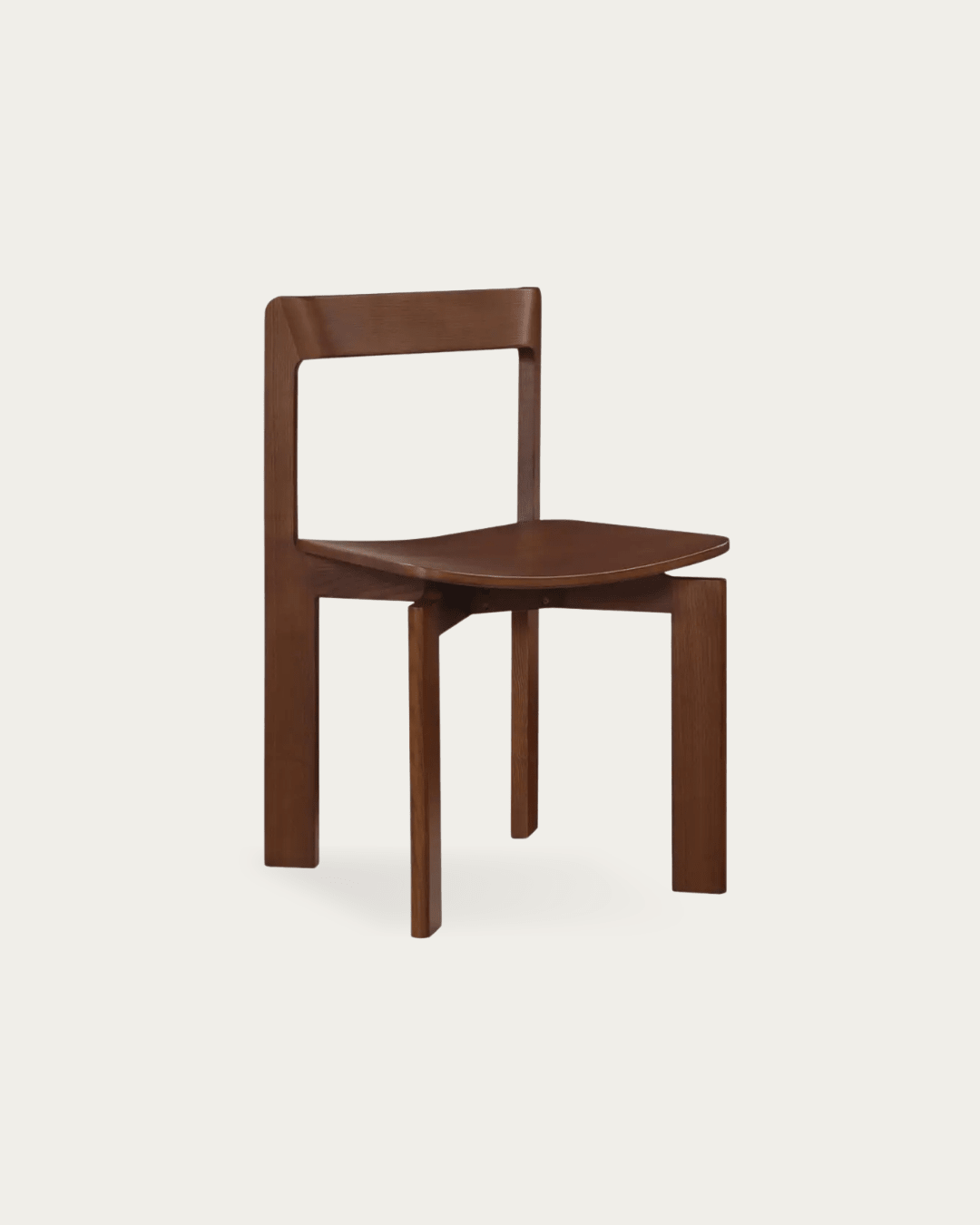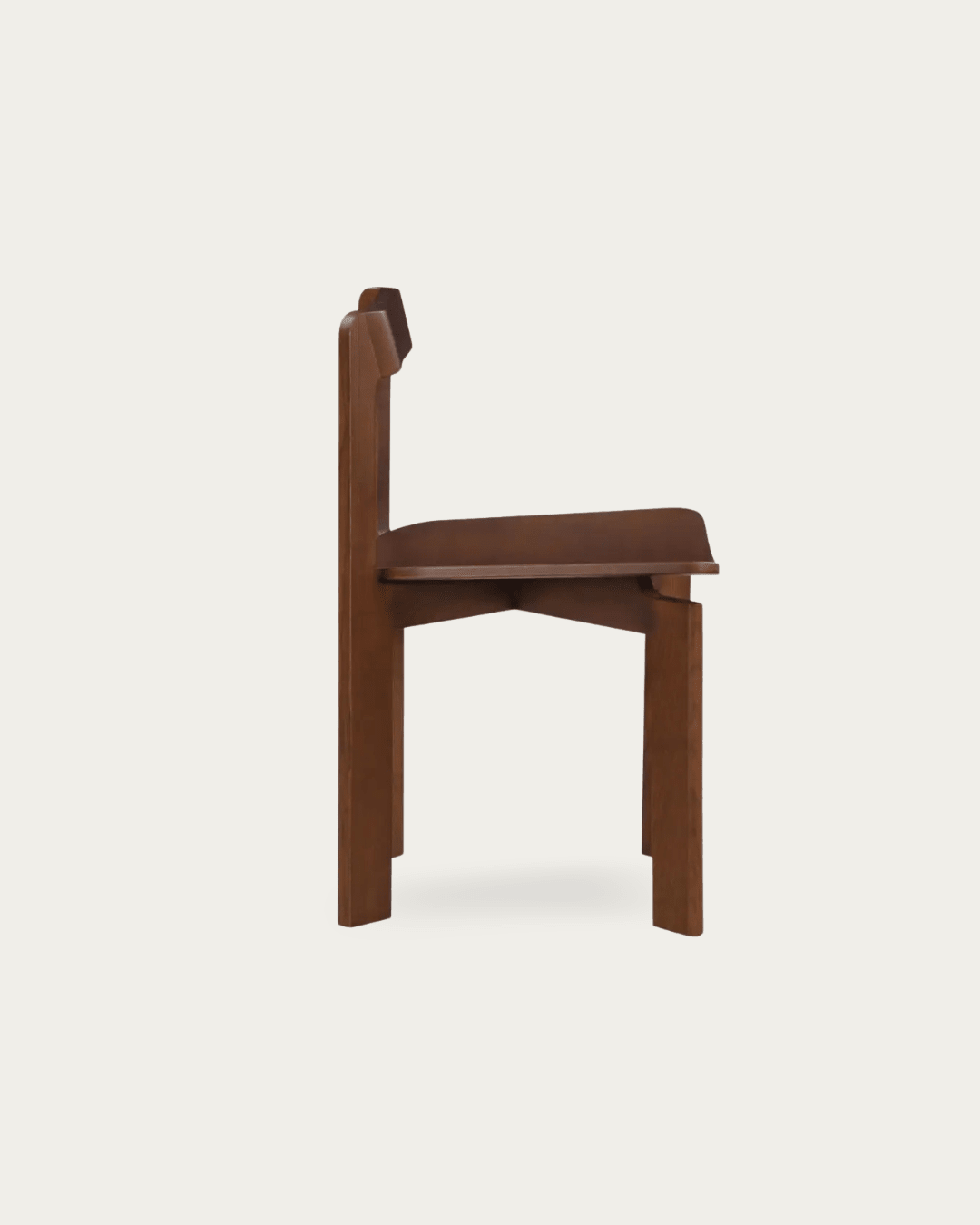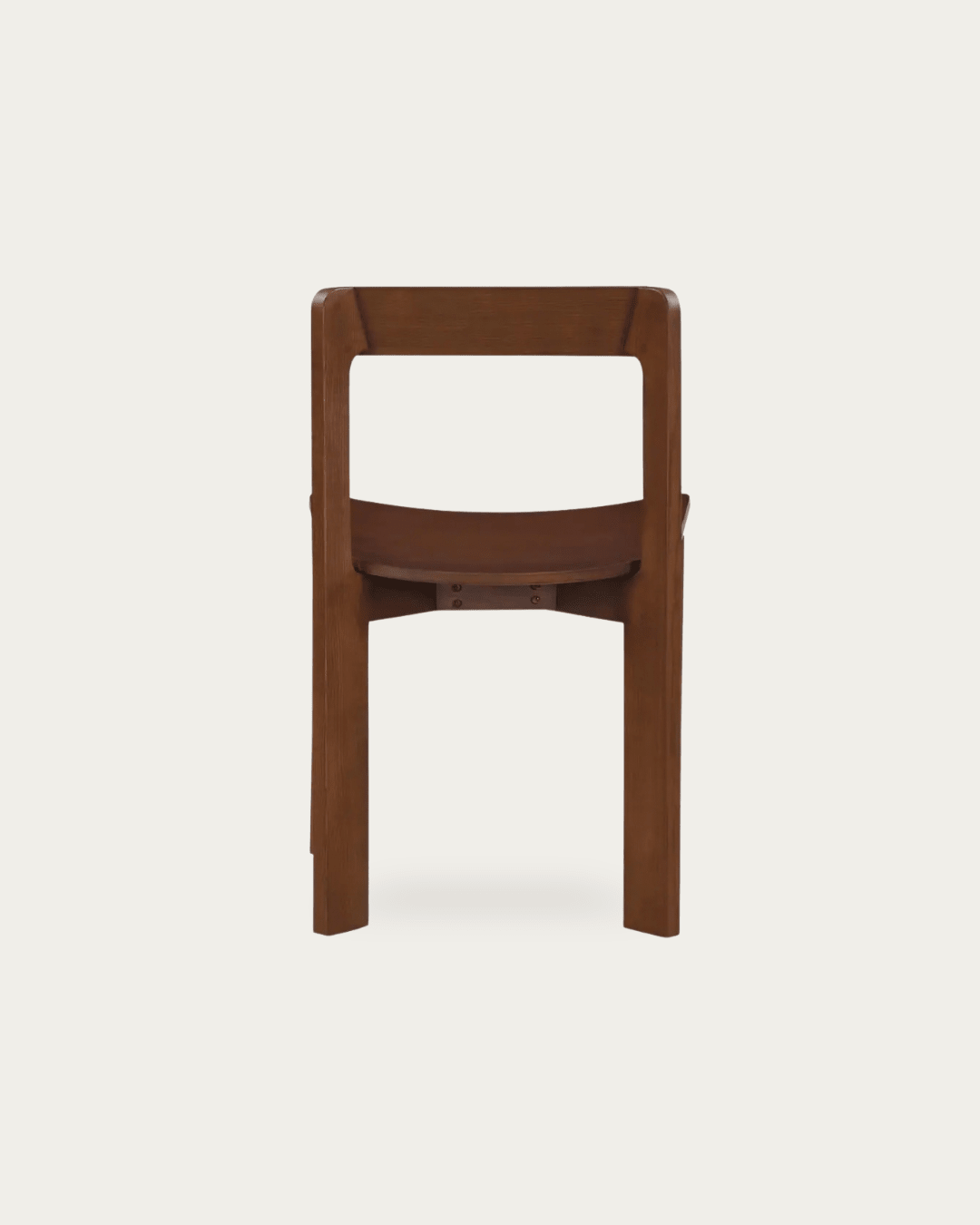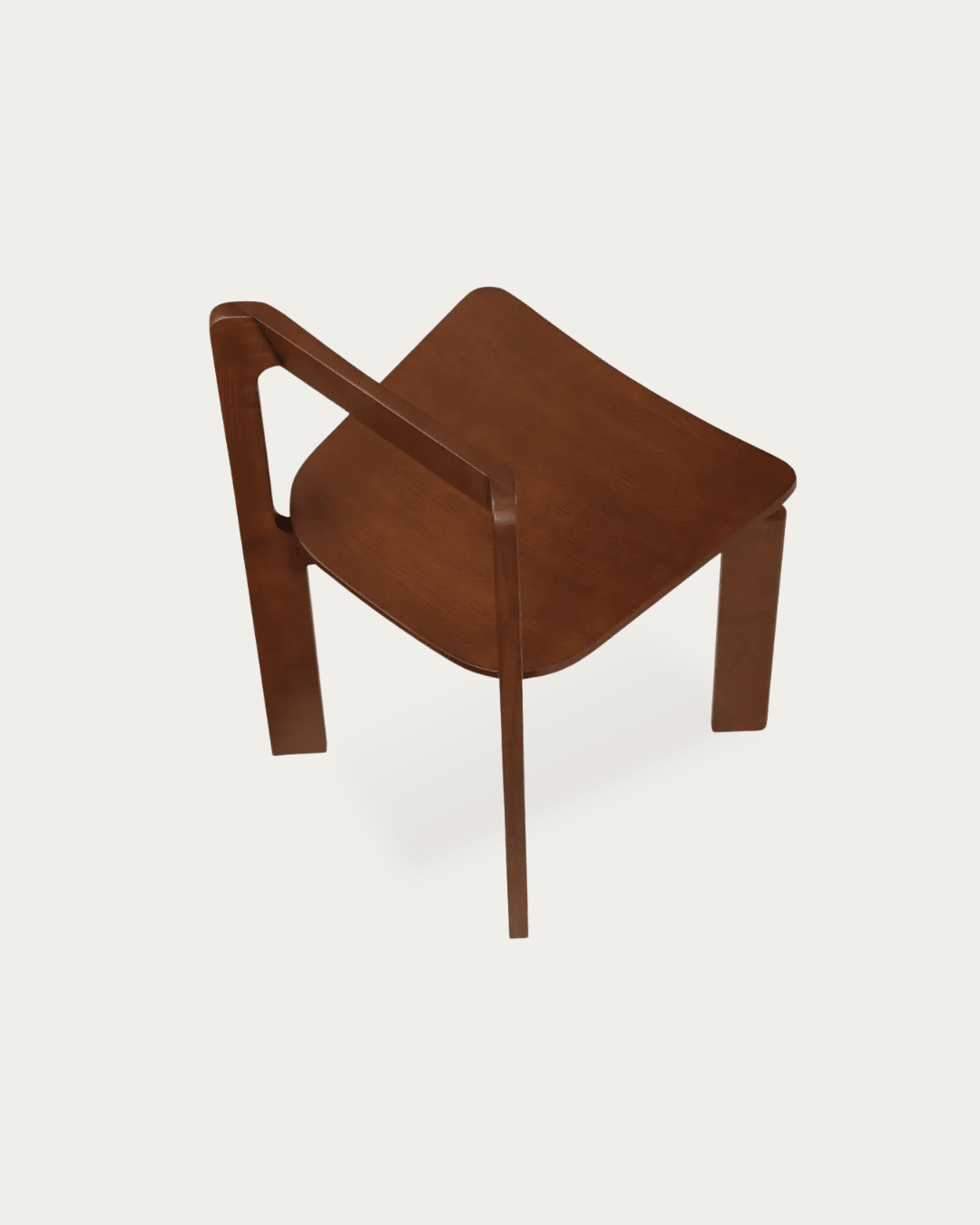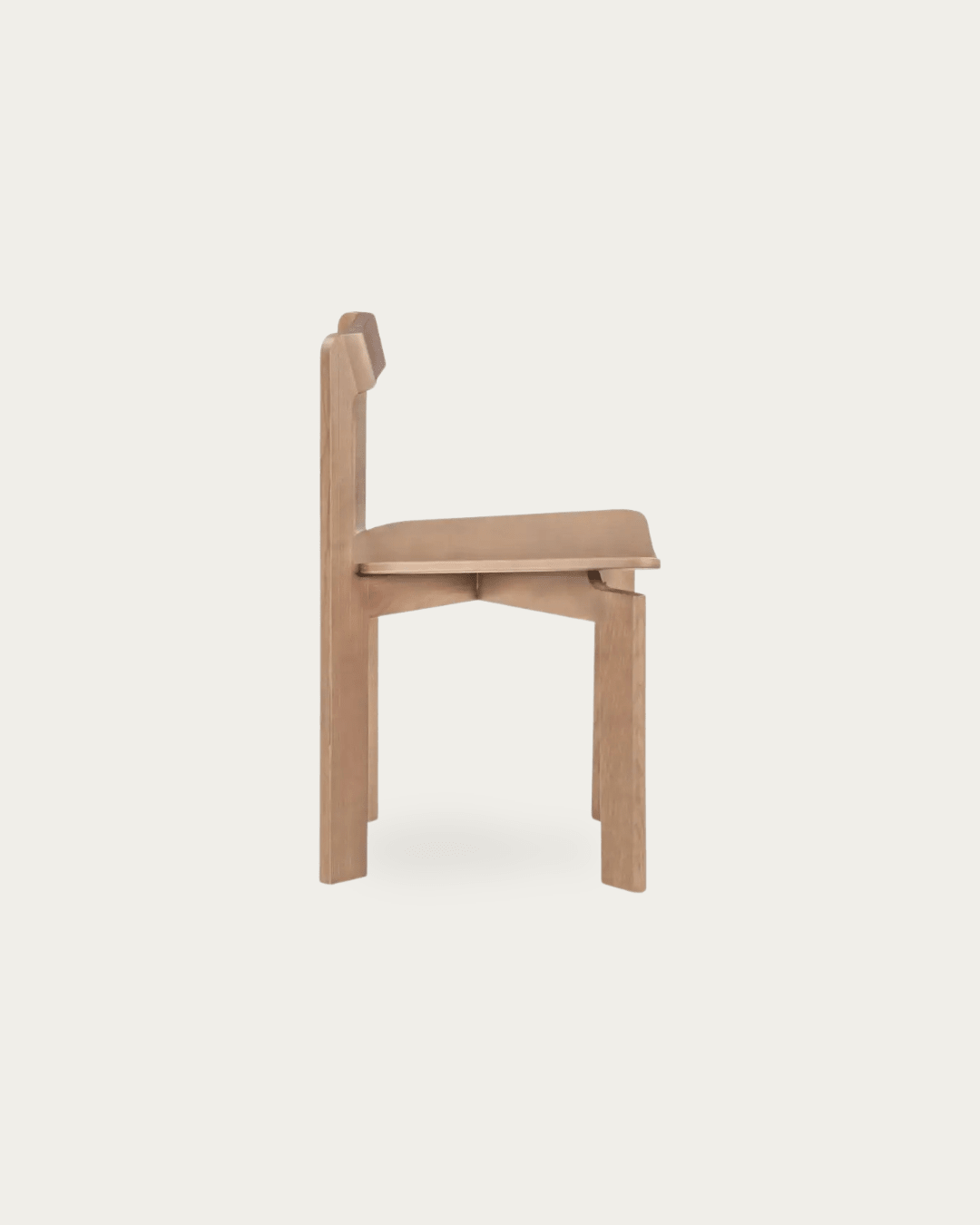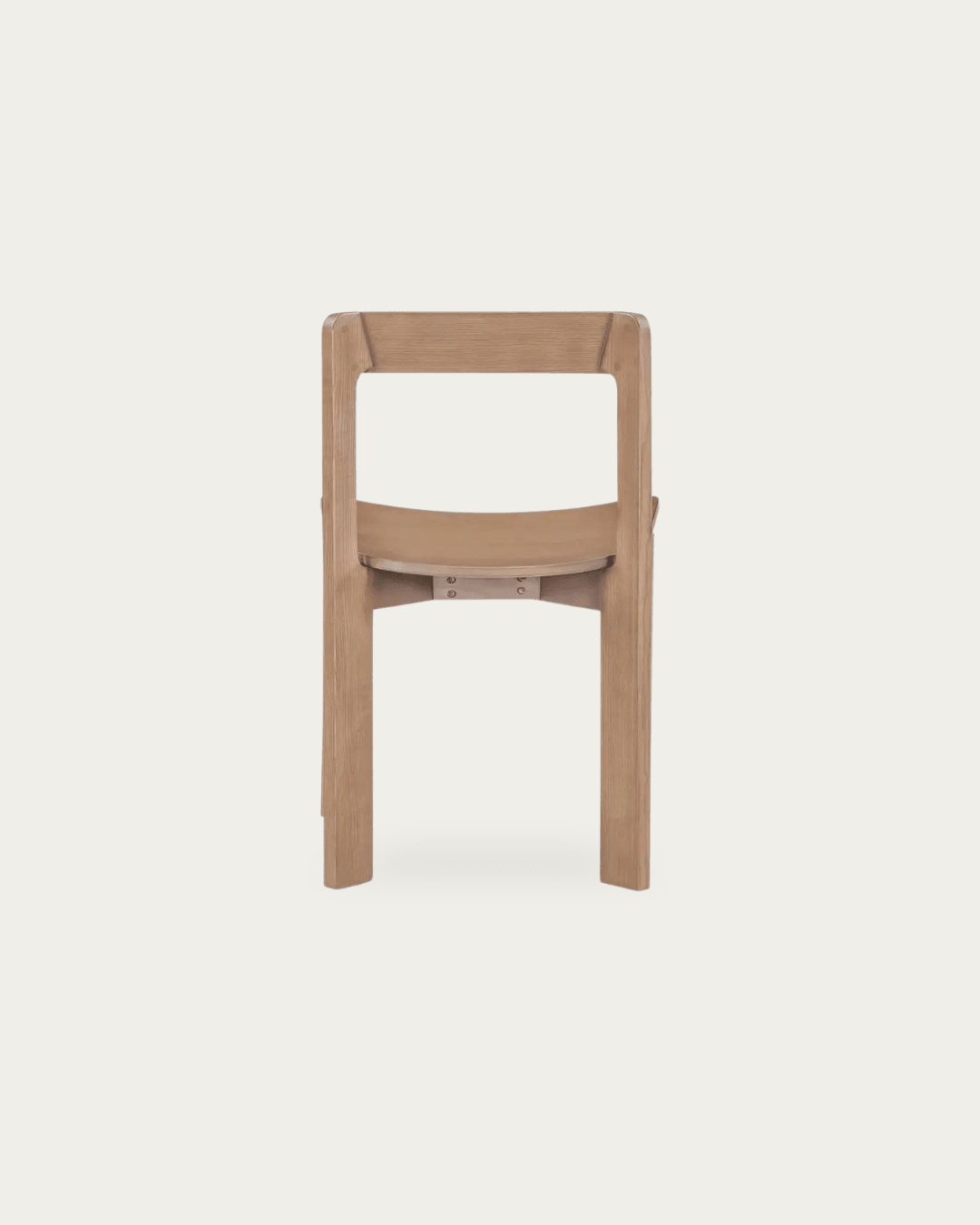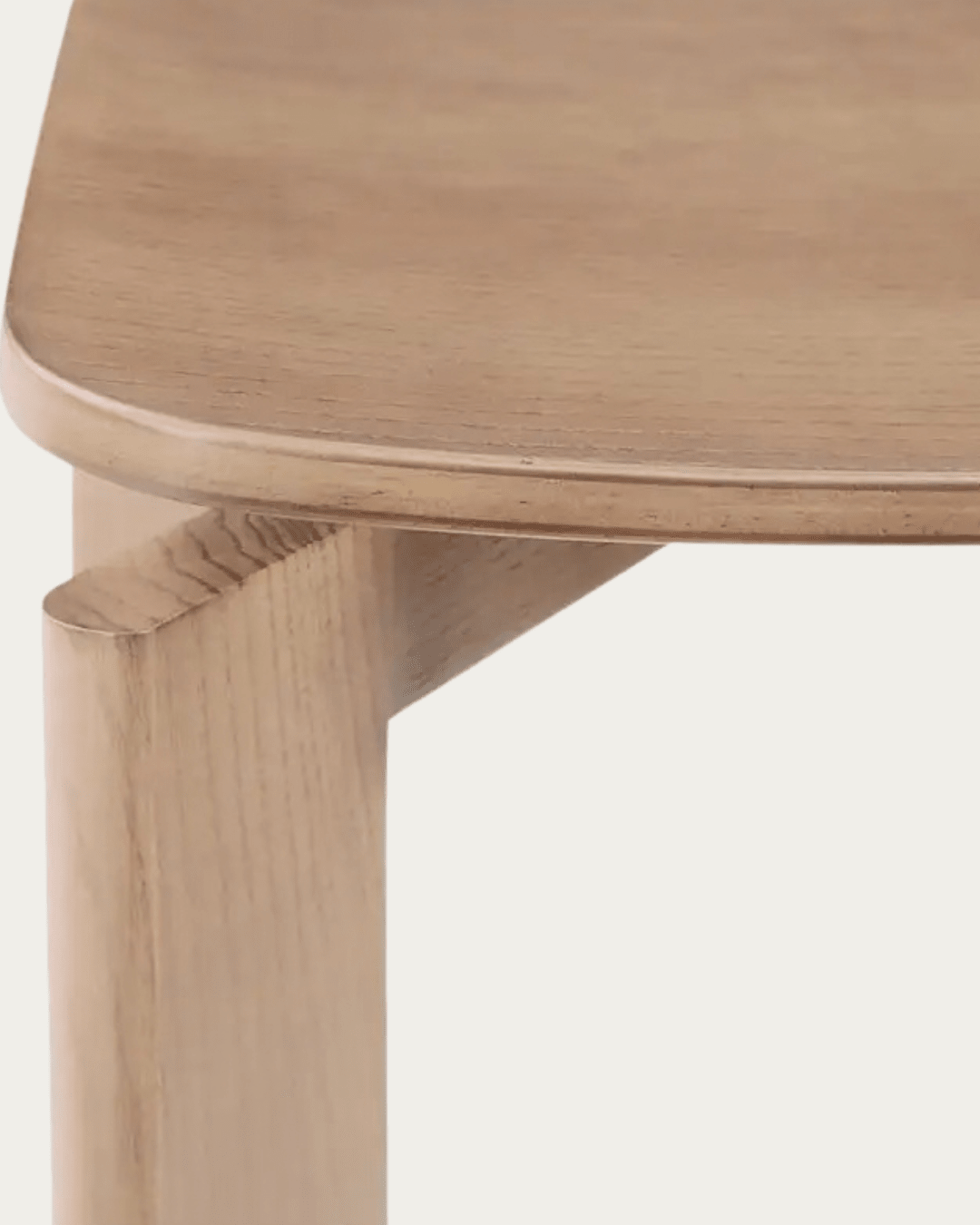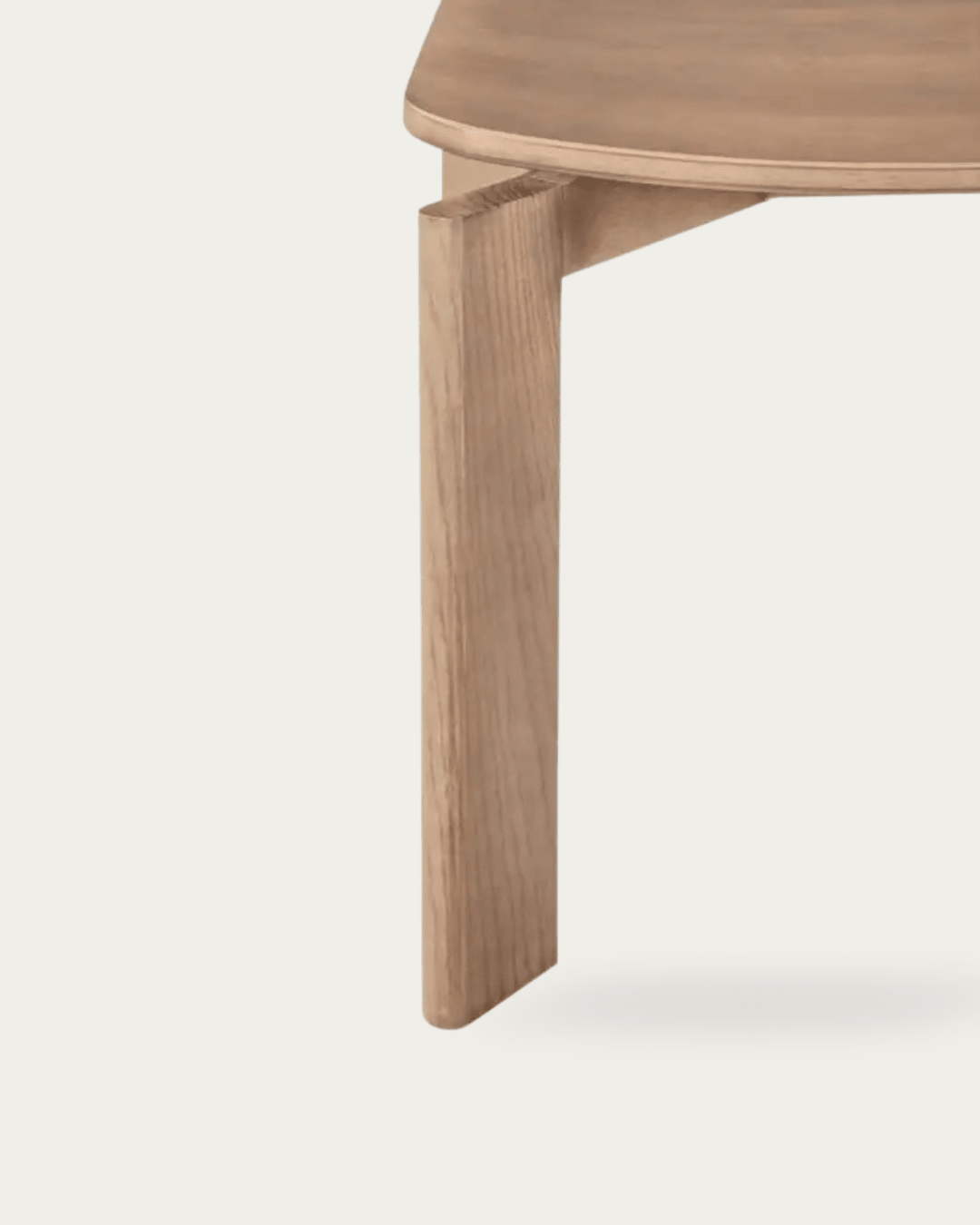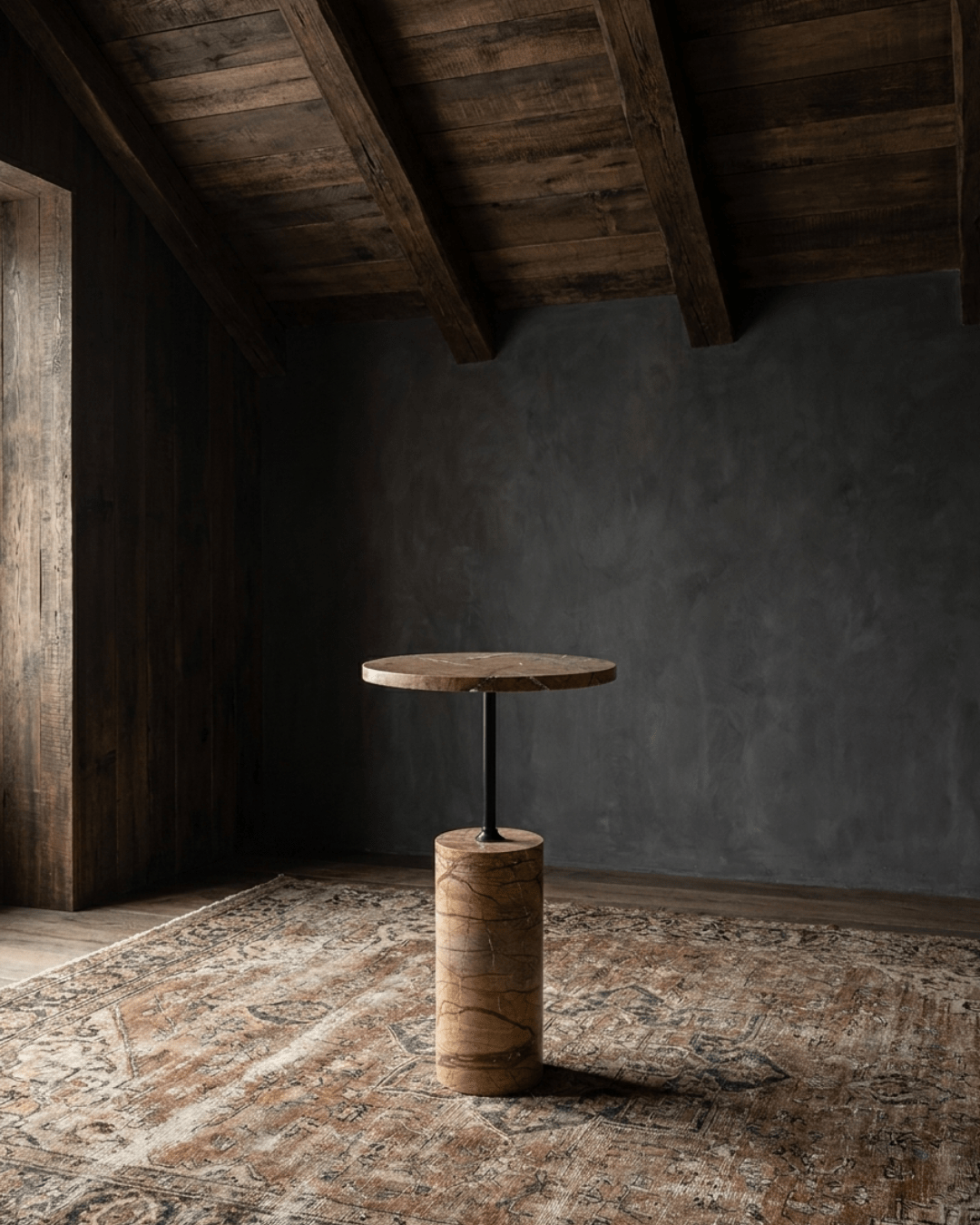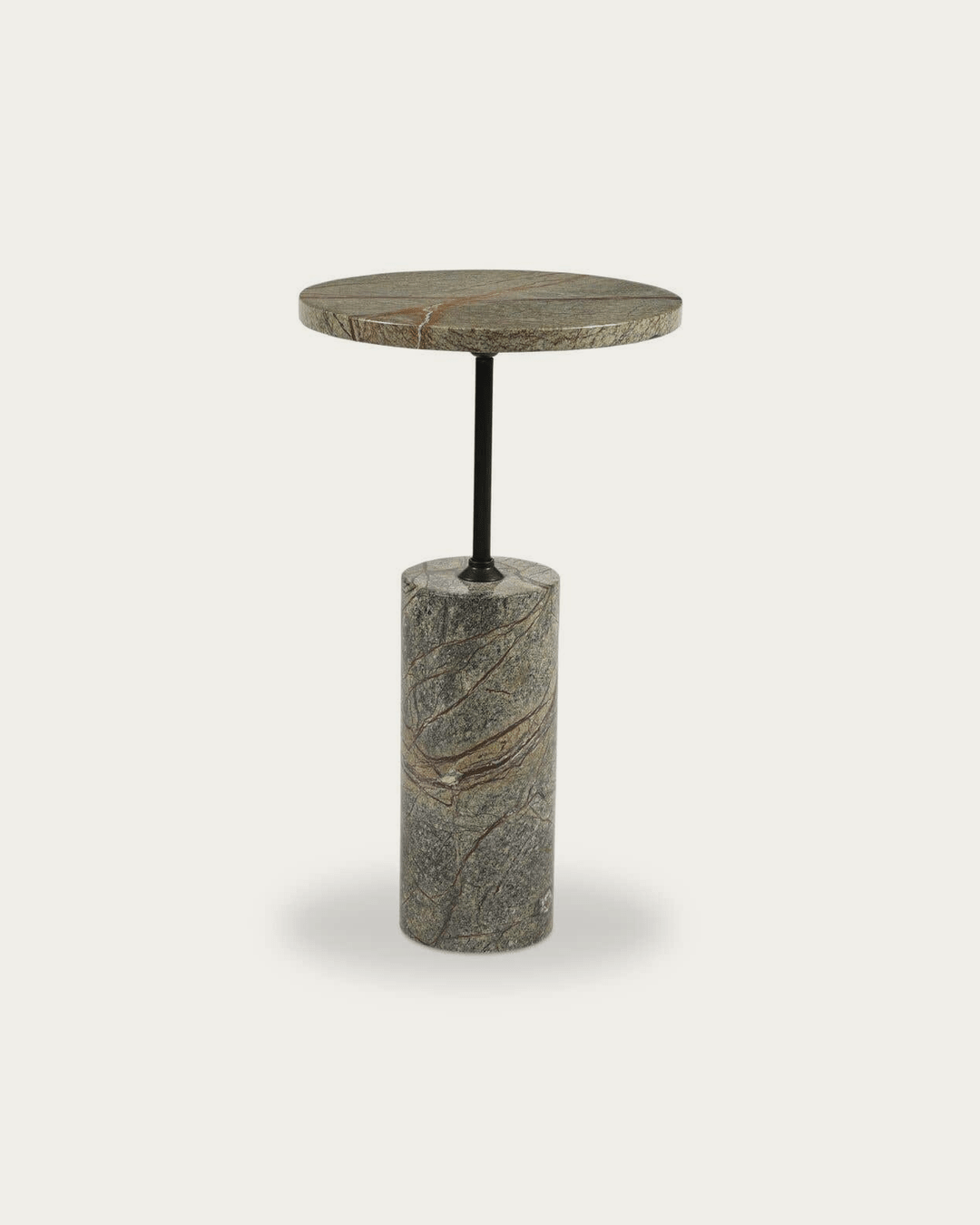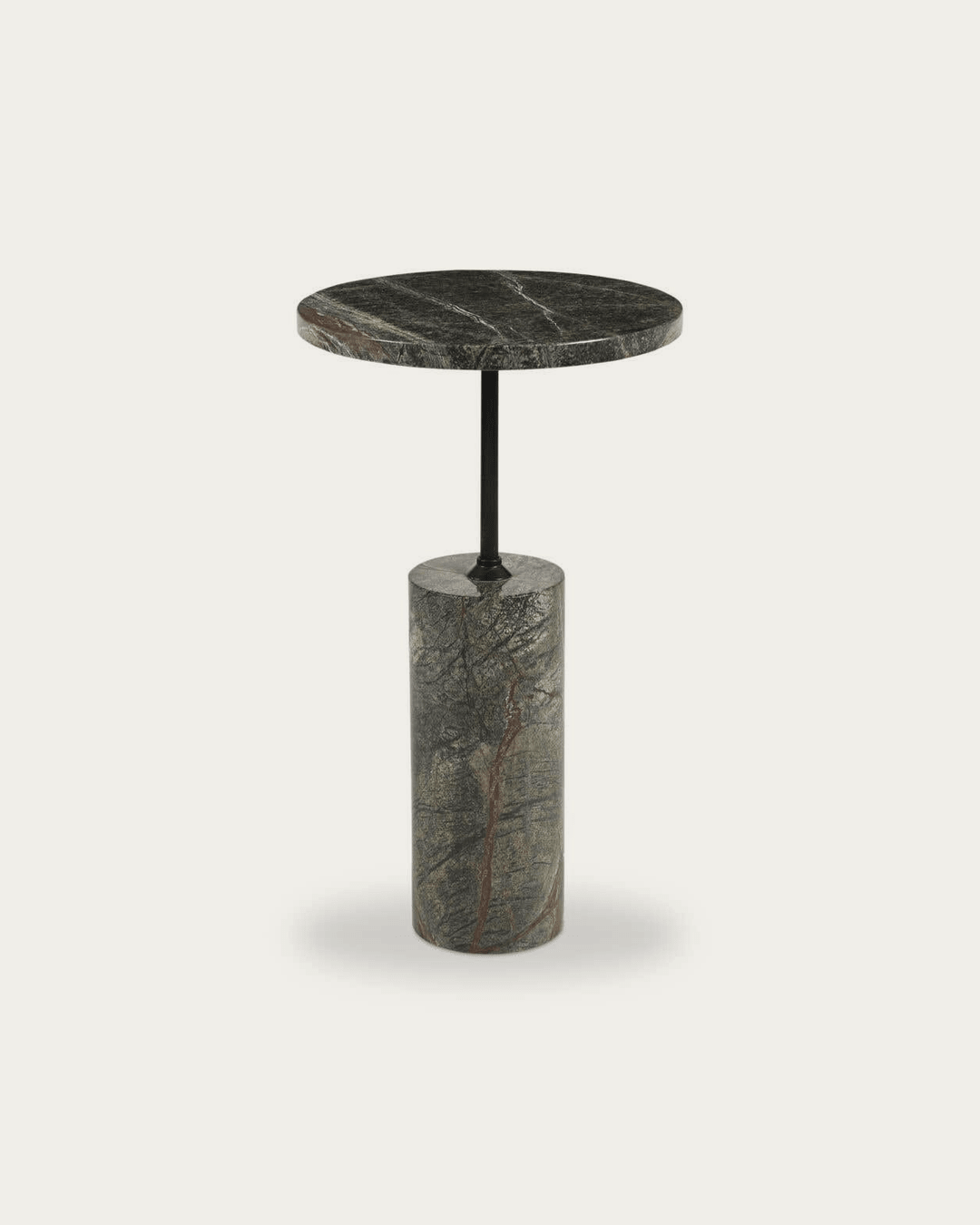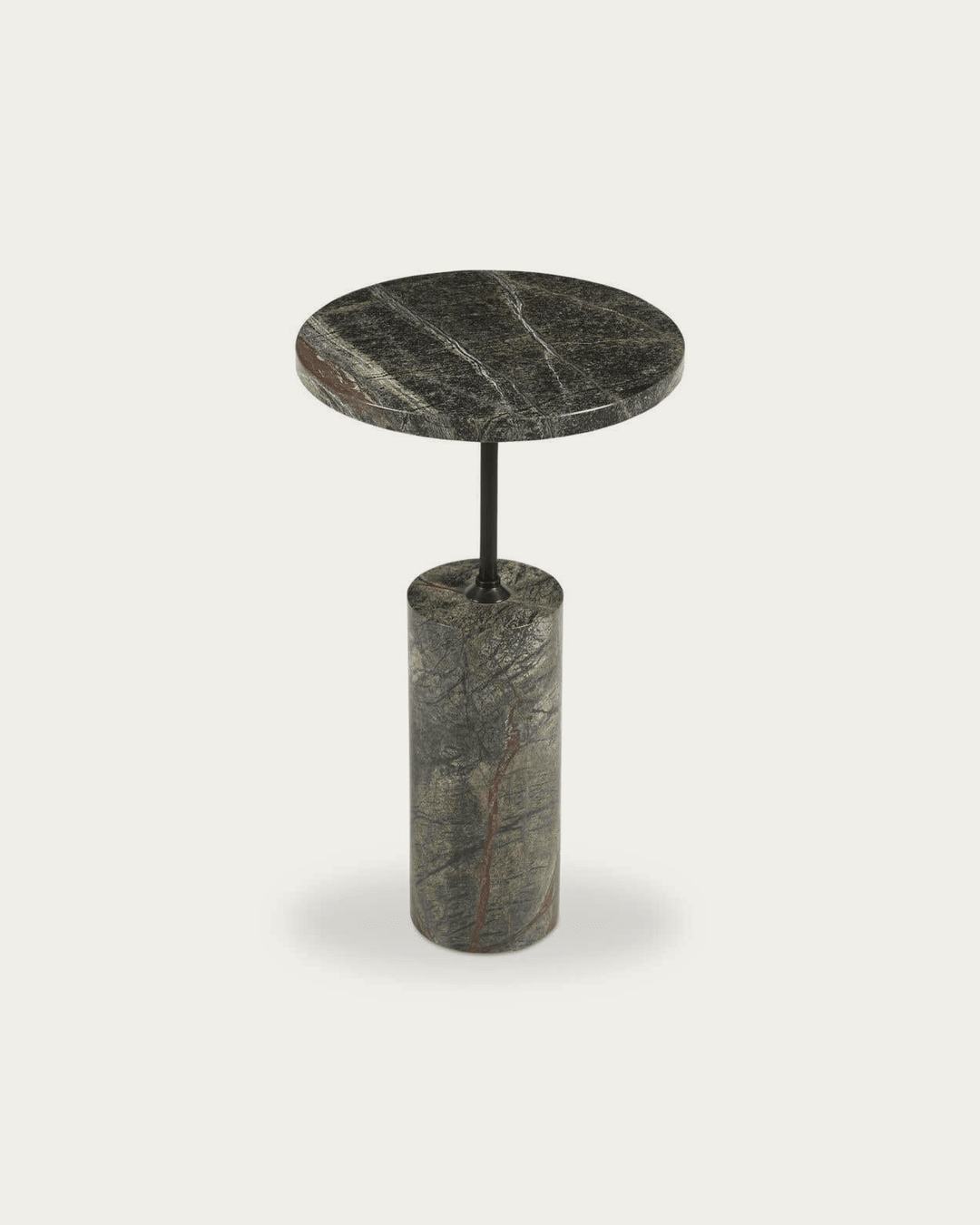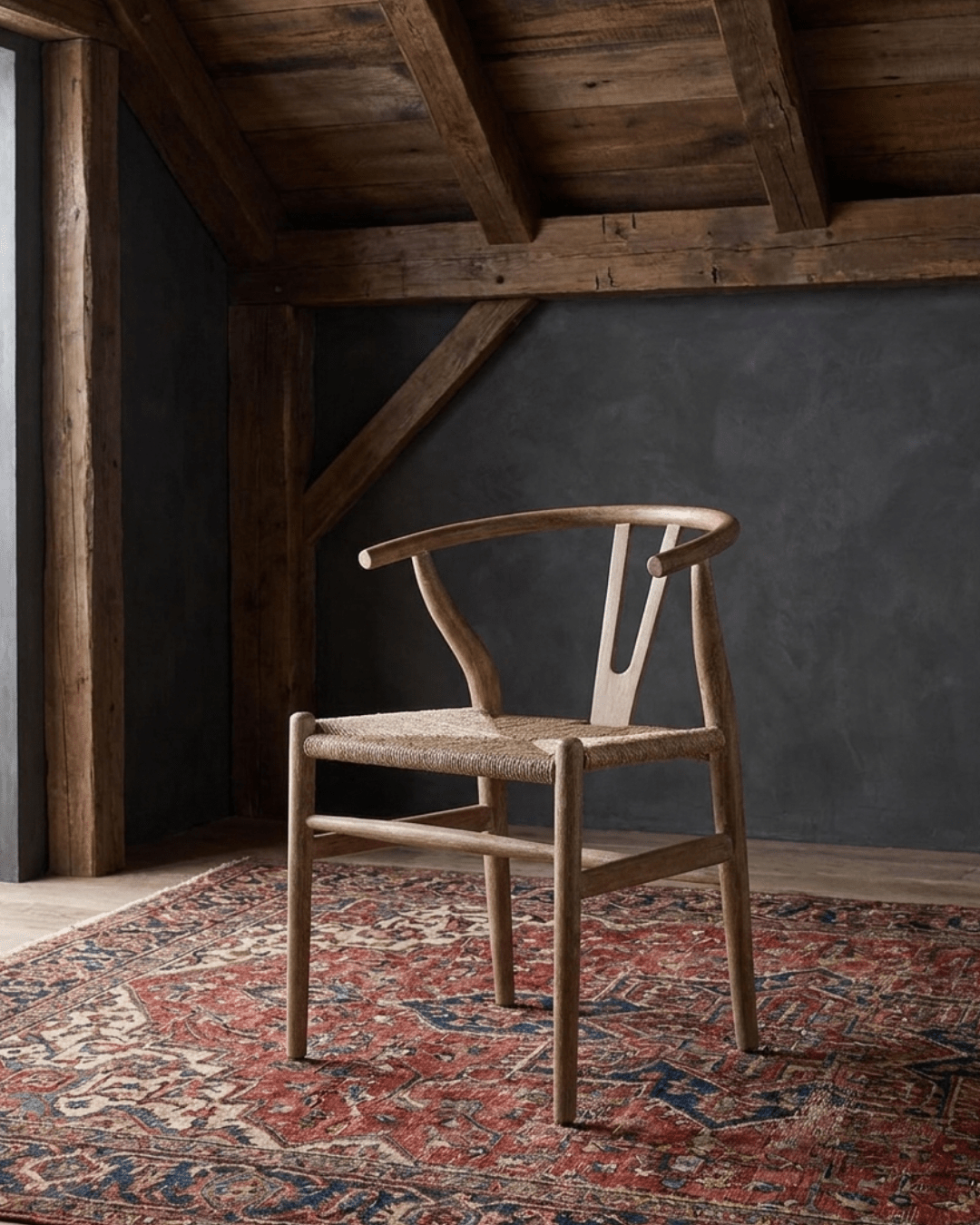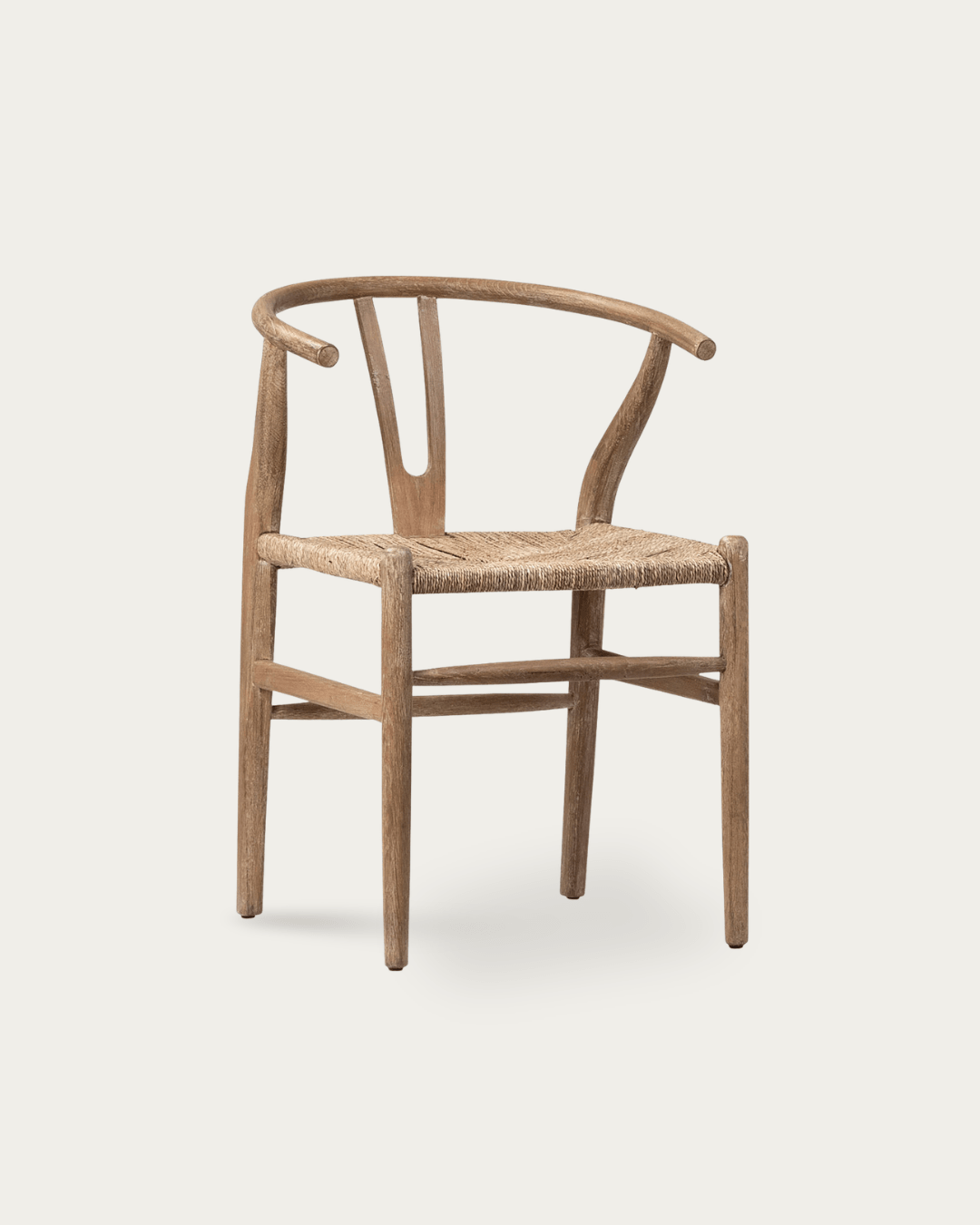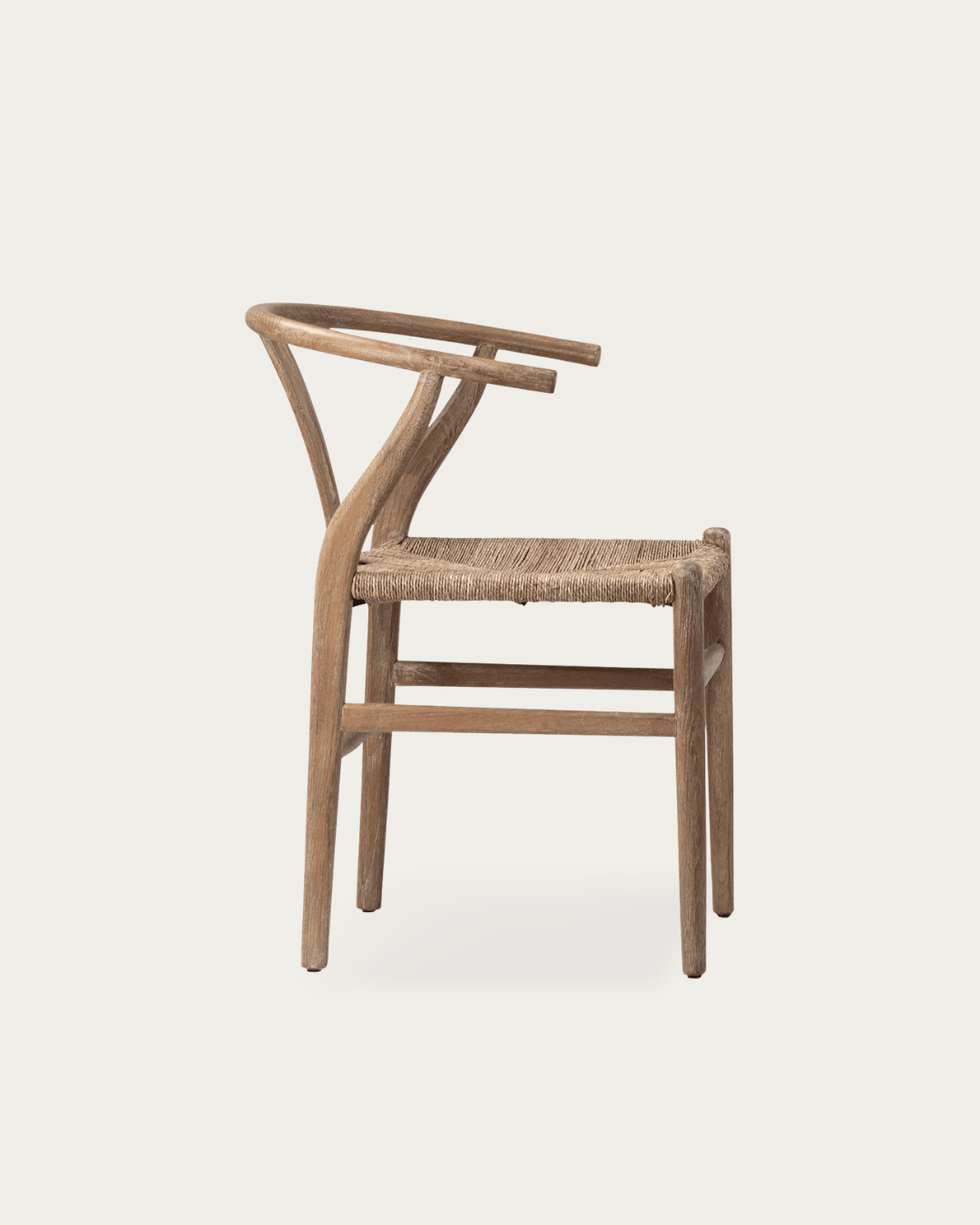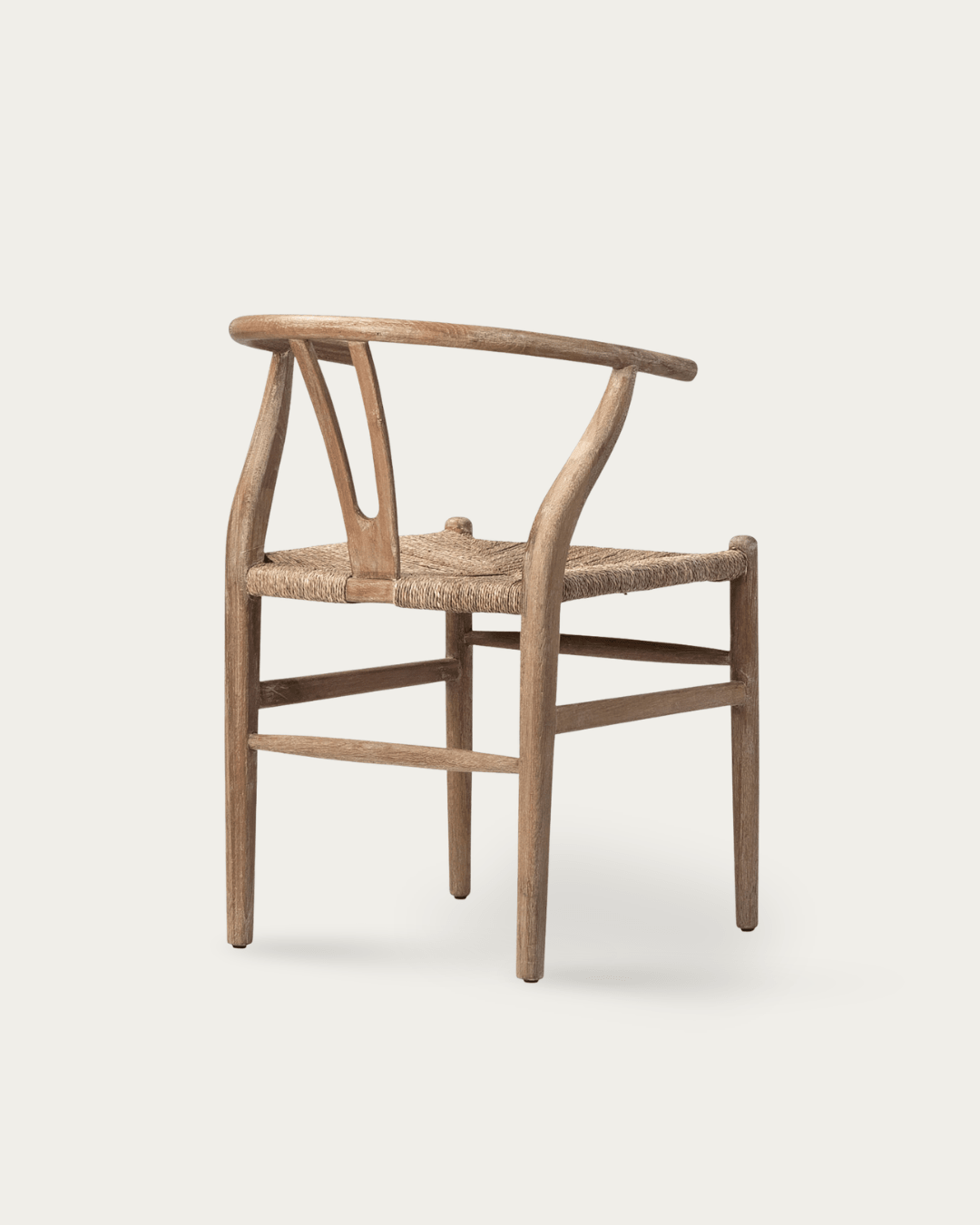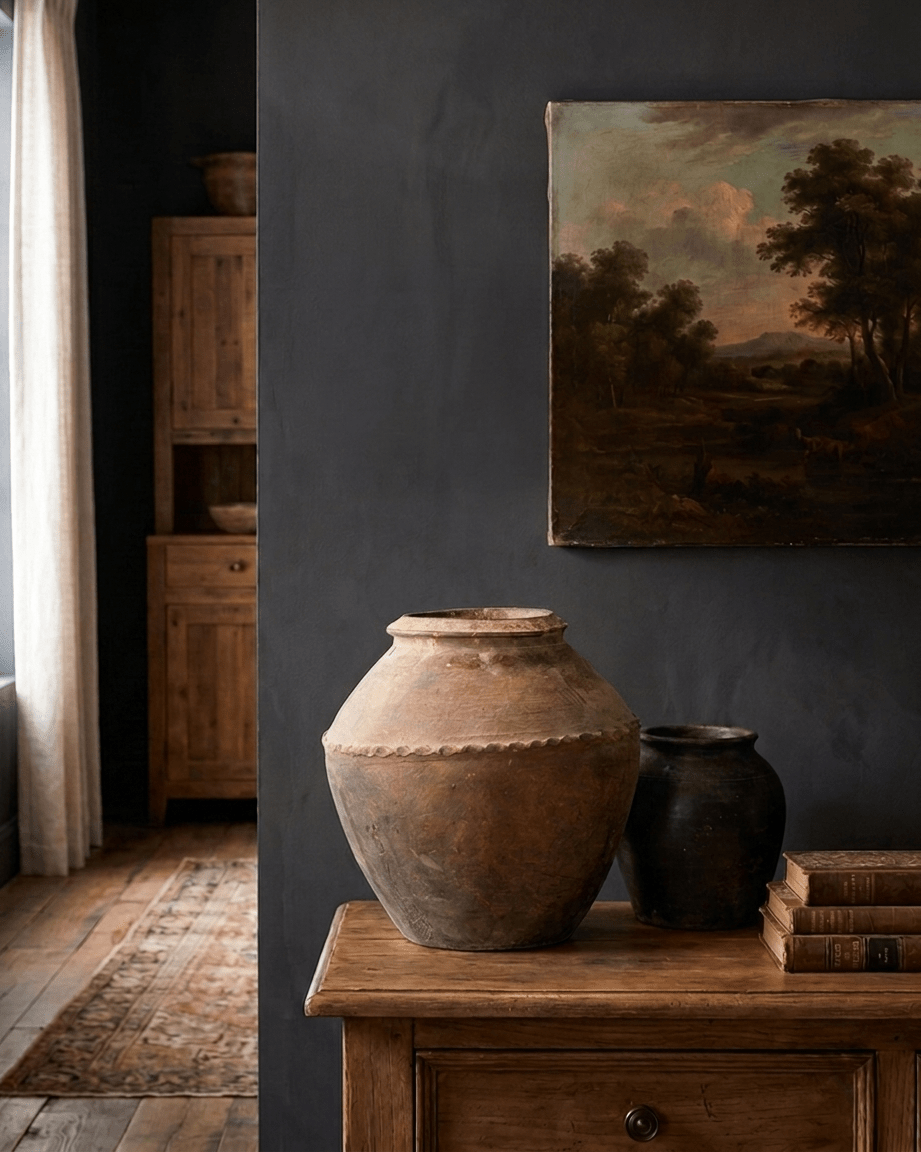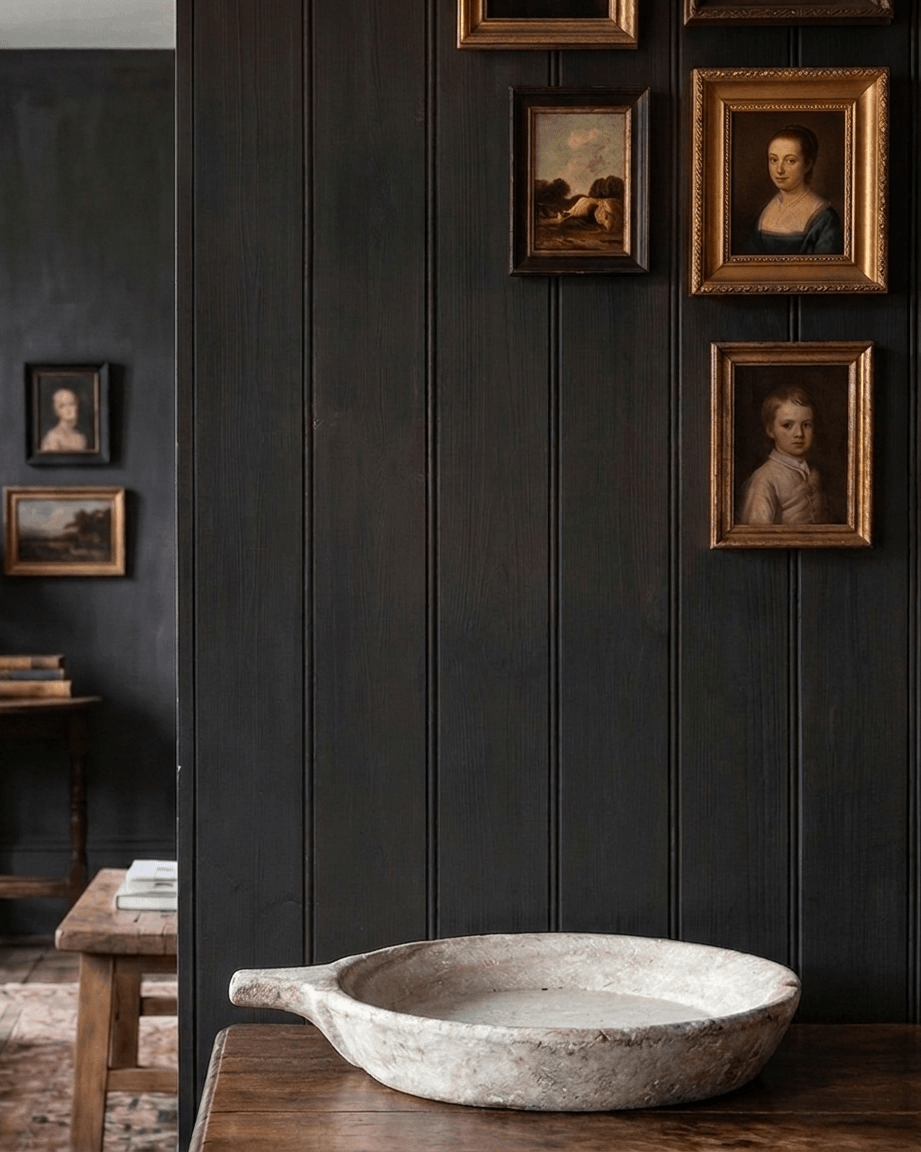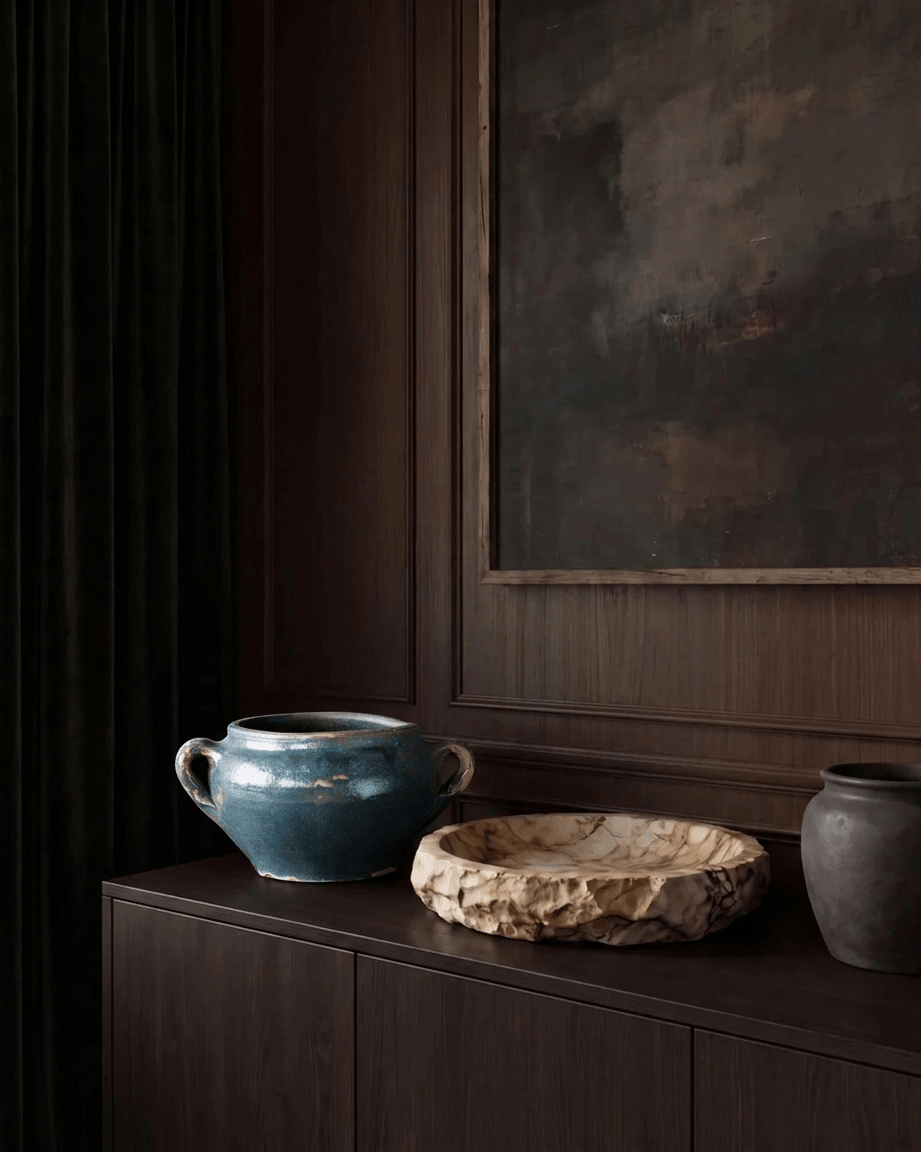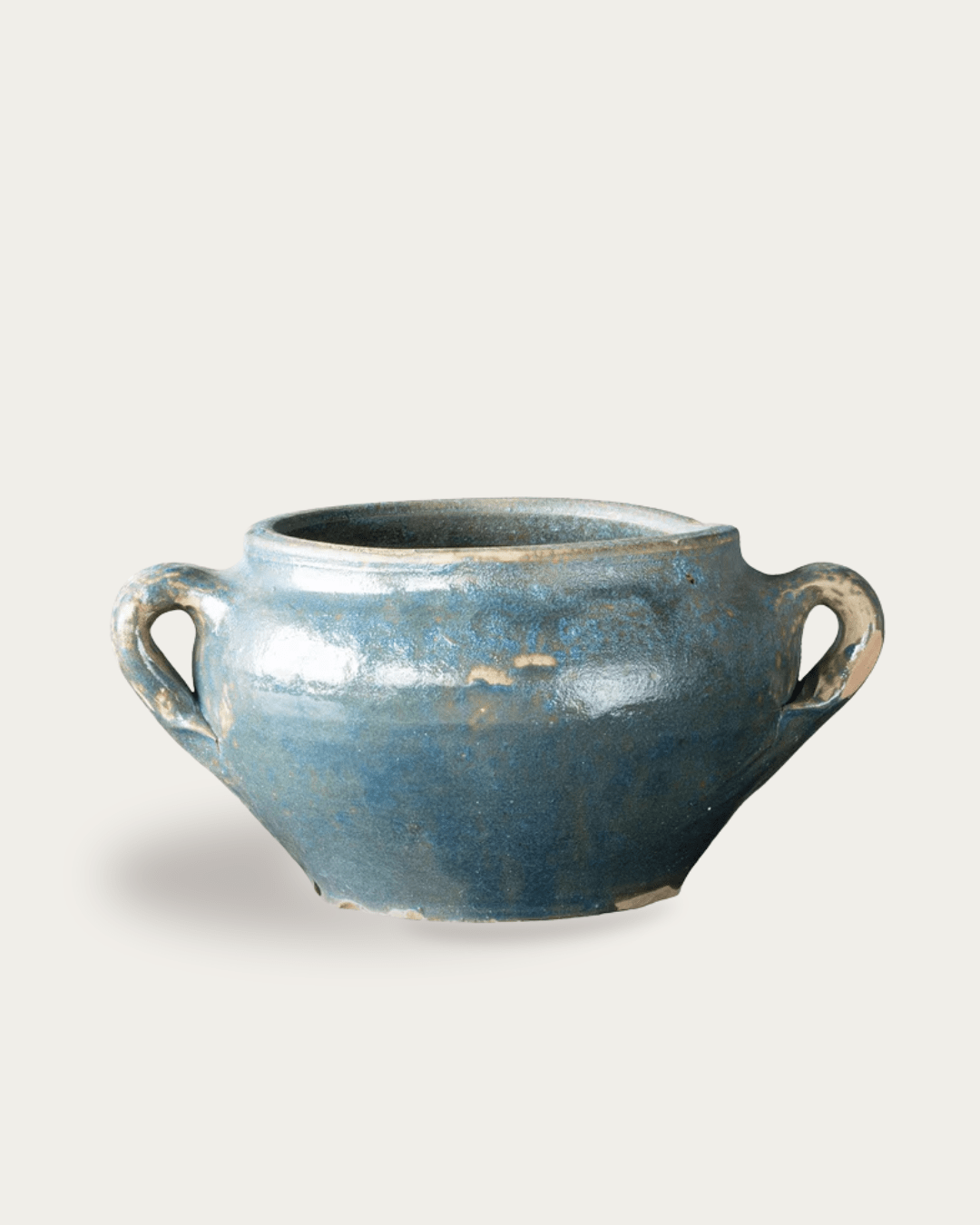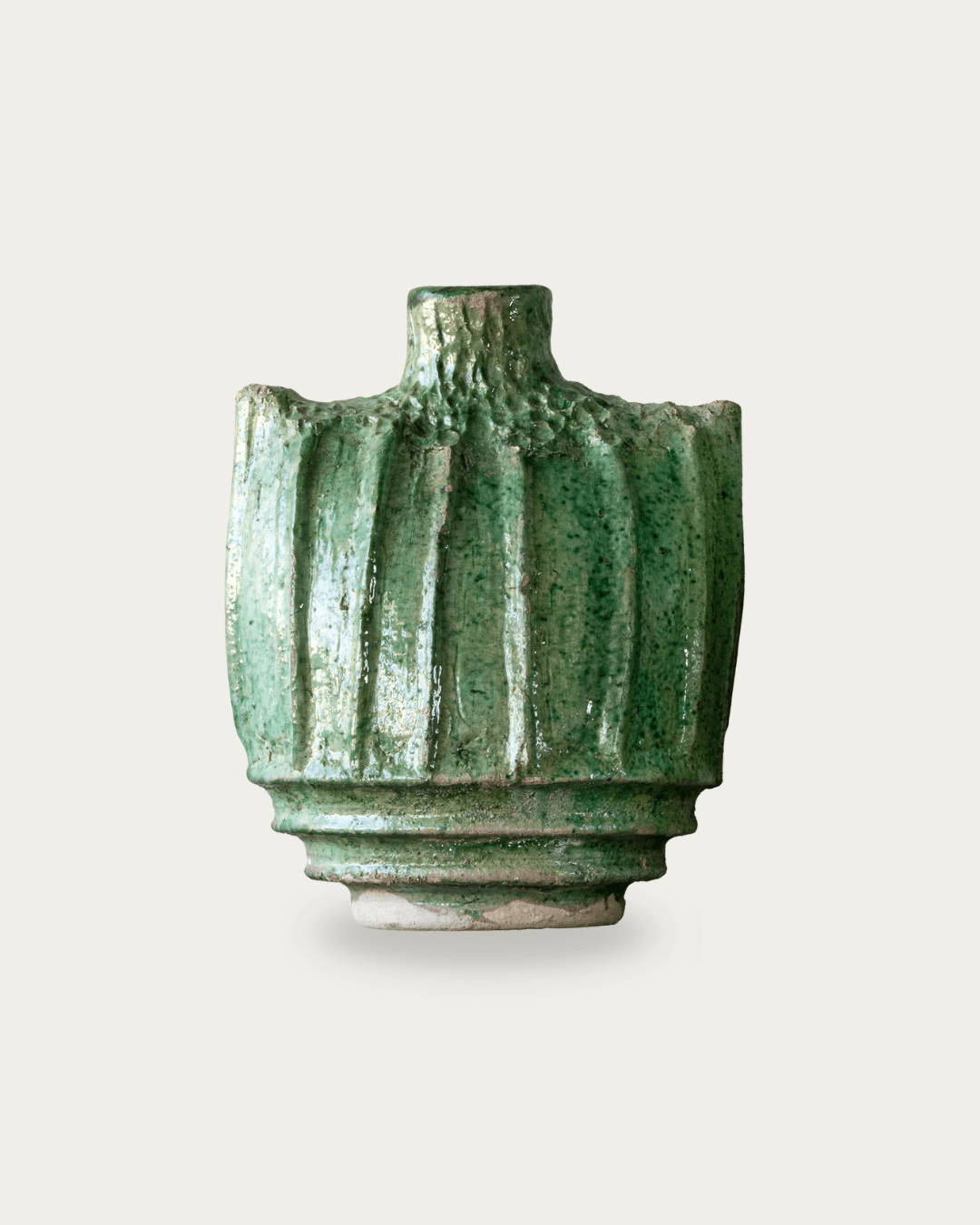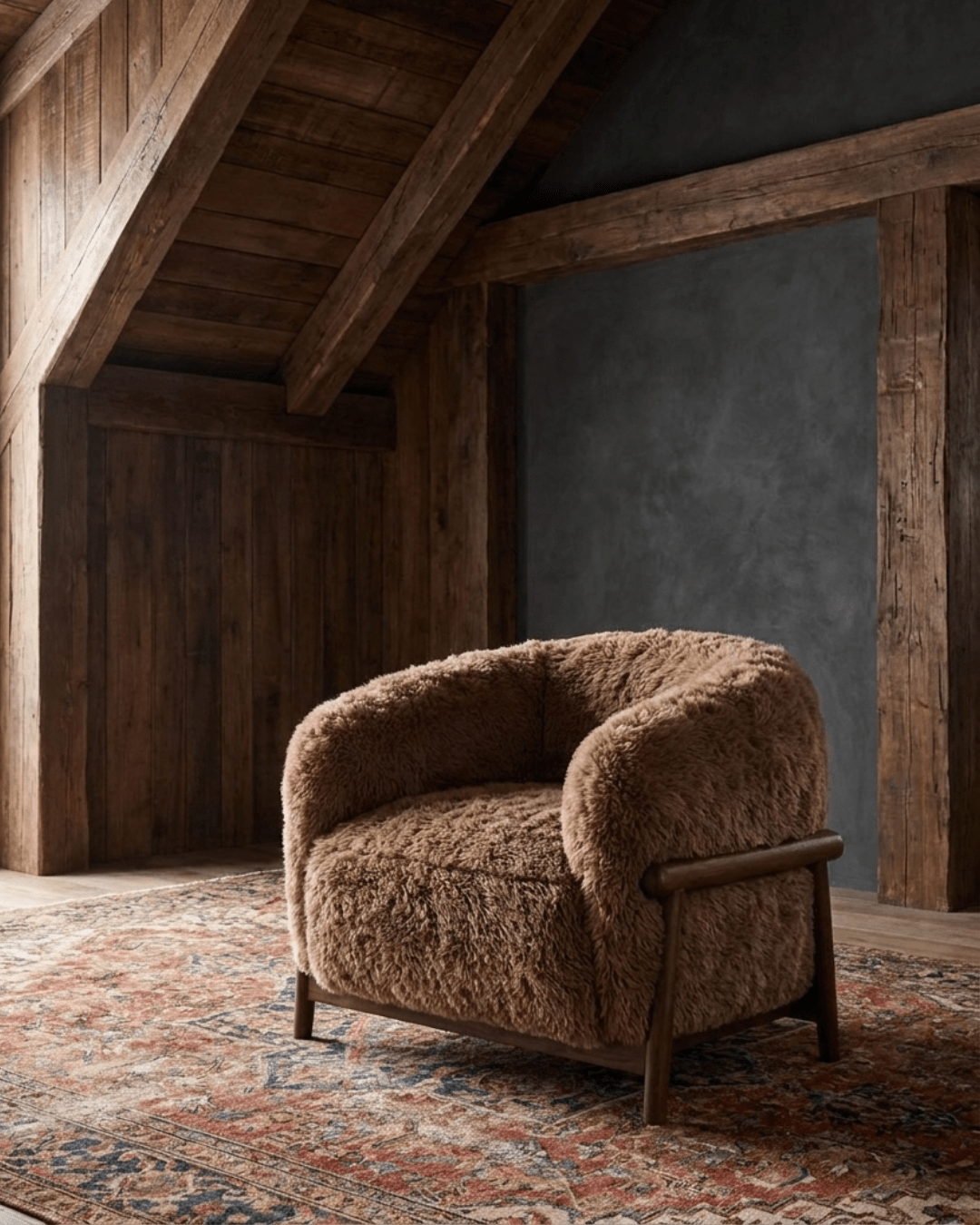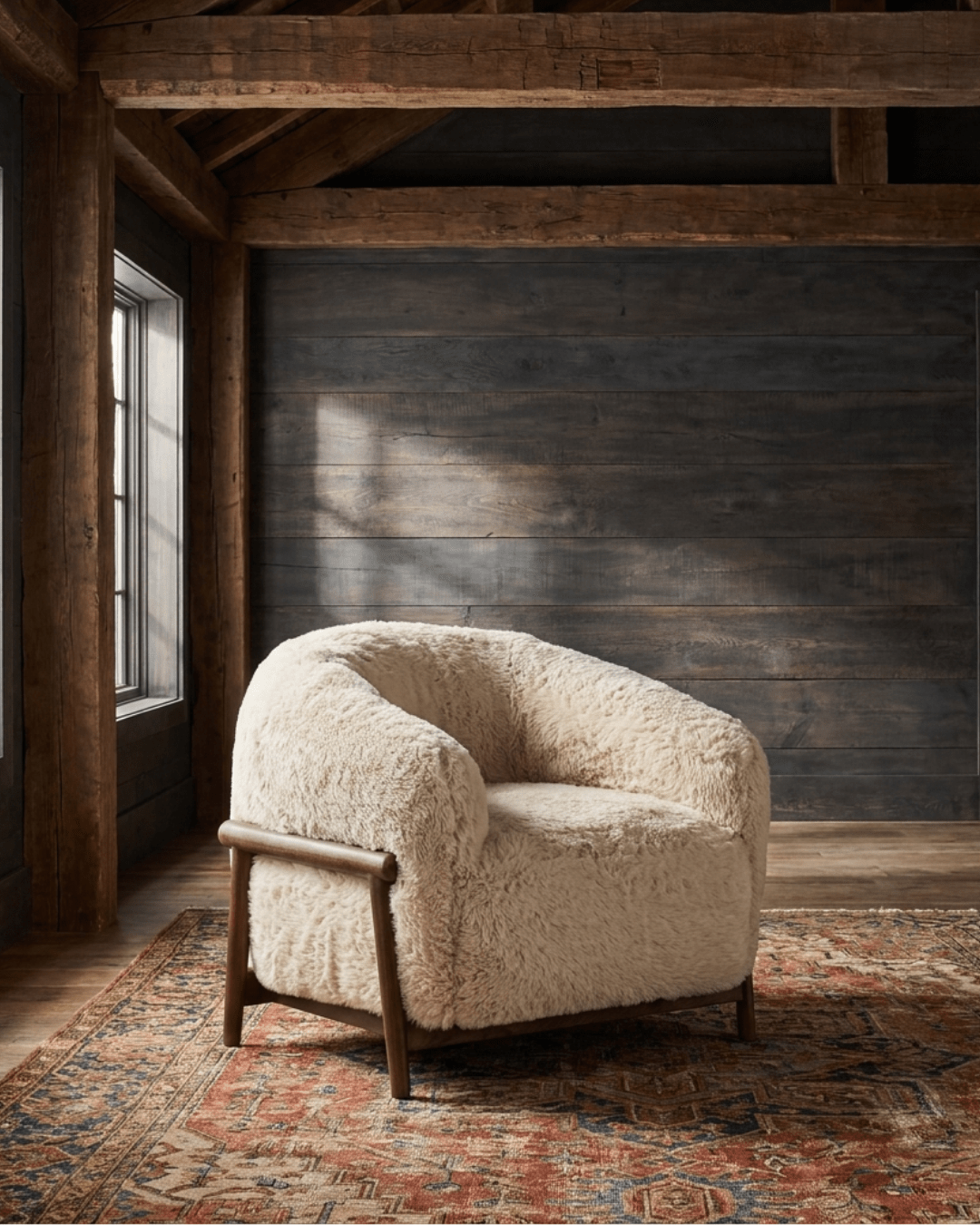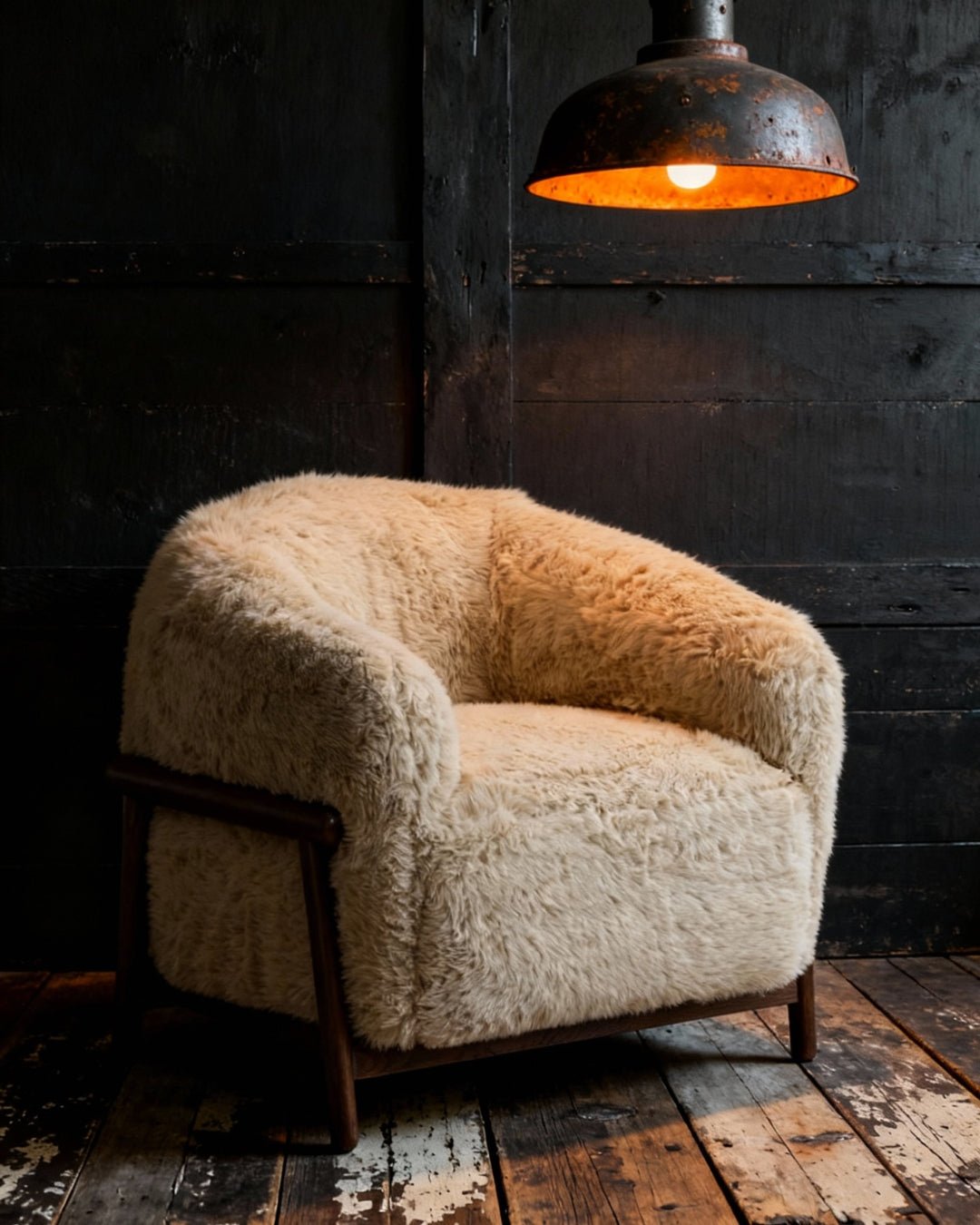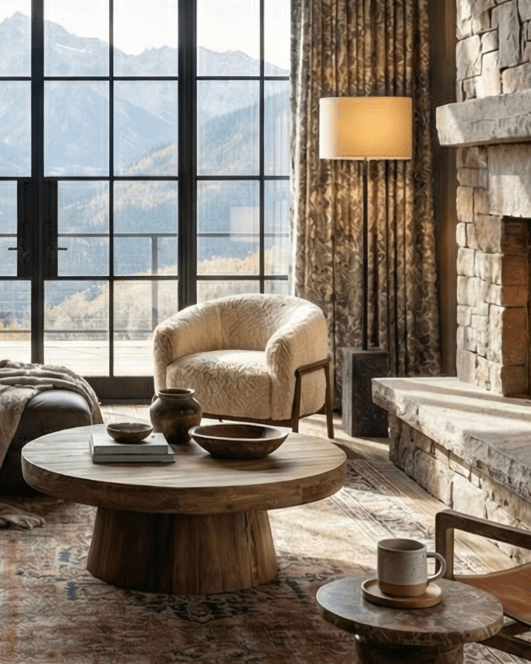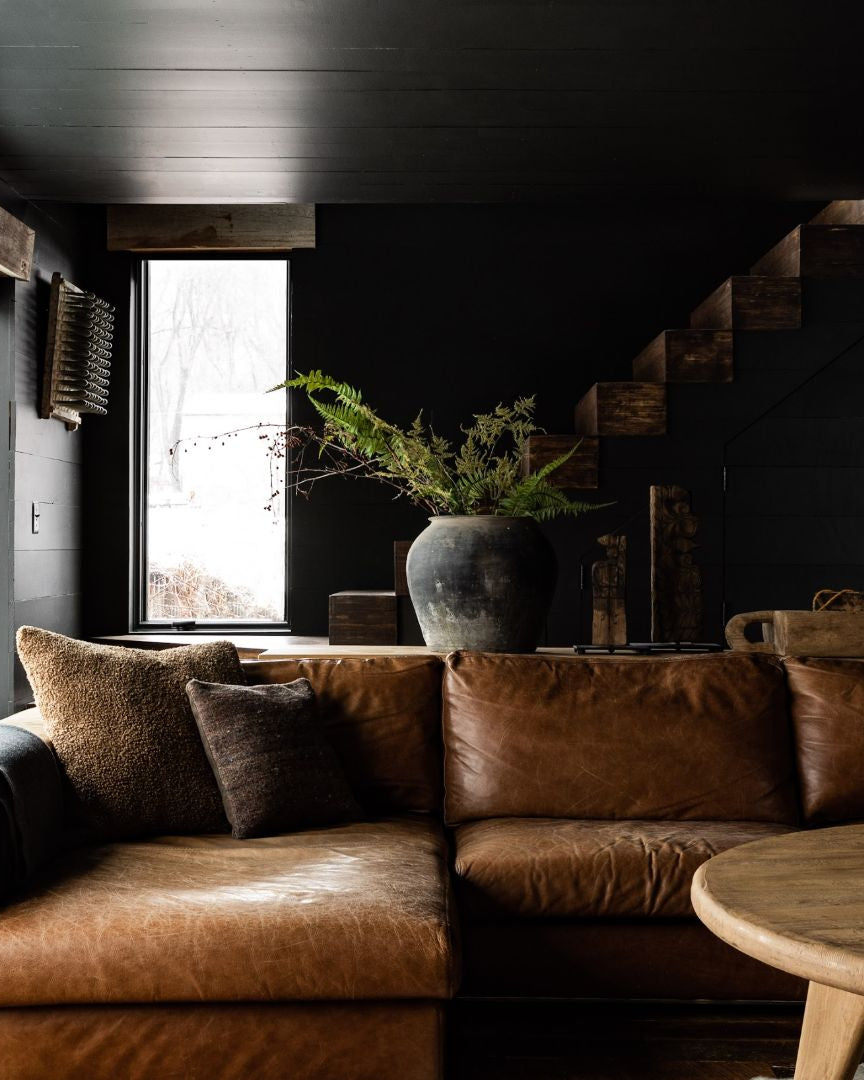








There’s a difference between a room that looks finished and one that actually feels settled.
Most people don’t realize it at first.
They style the space. Adjust the colors. Add decor.
And still—something feels slightly off.
Not wrong. Just… not anchored.
That usually comes down to material.
Because your brain doesn’t just see a room—it reads it.
And few materials register as strongly as wood that’s already lived a life.
That’s where reclaimed wood furniture changes everything.
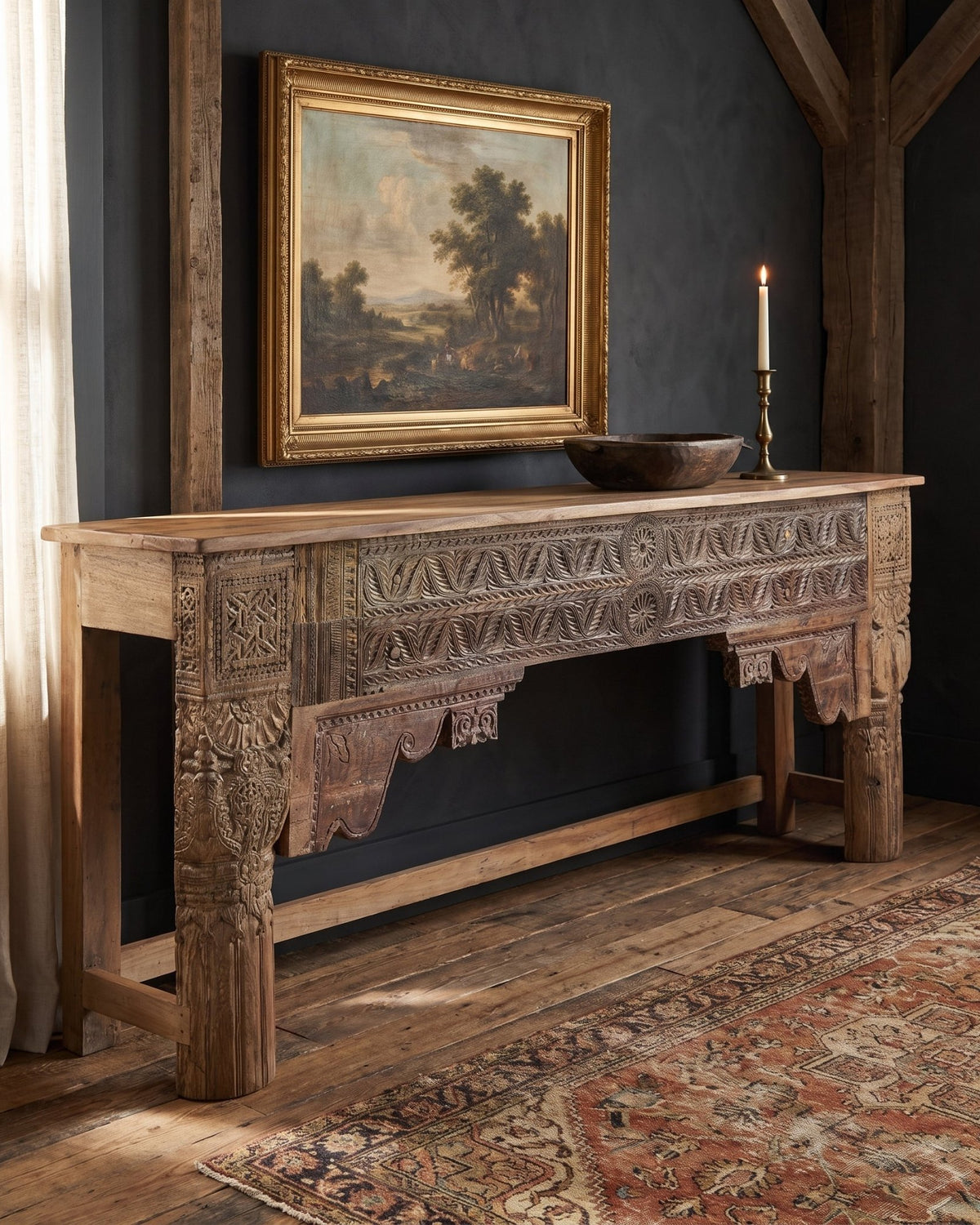
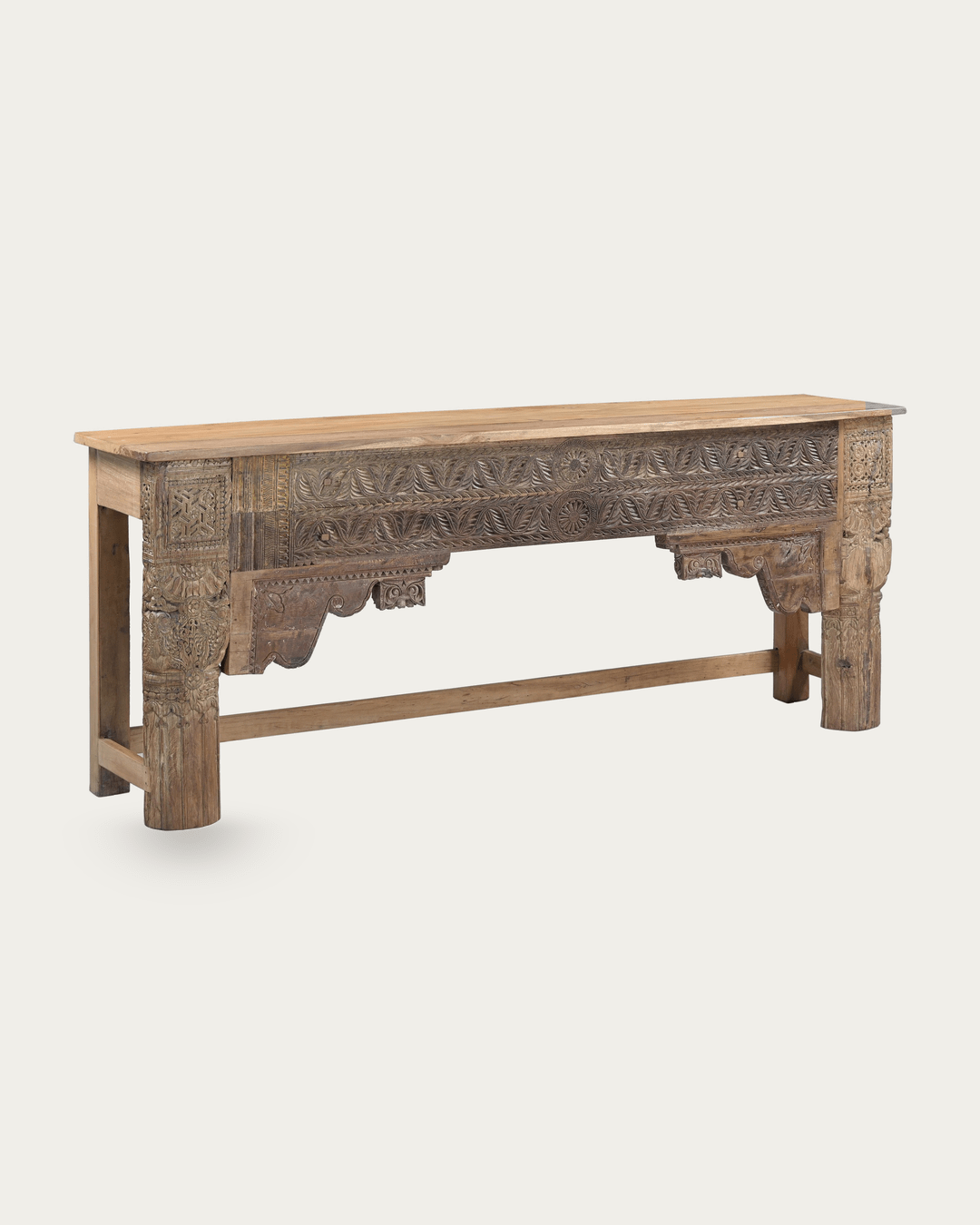
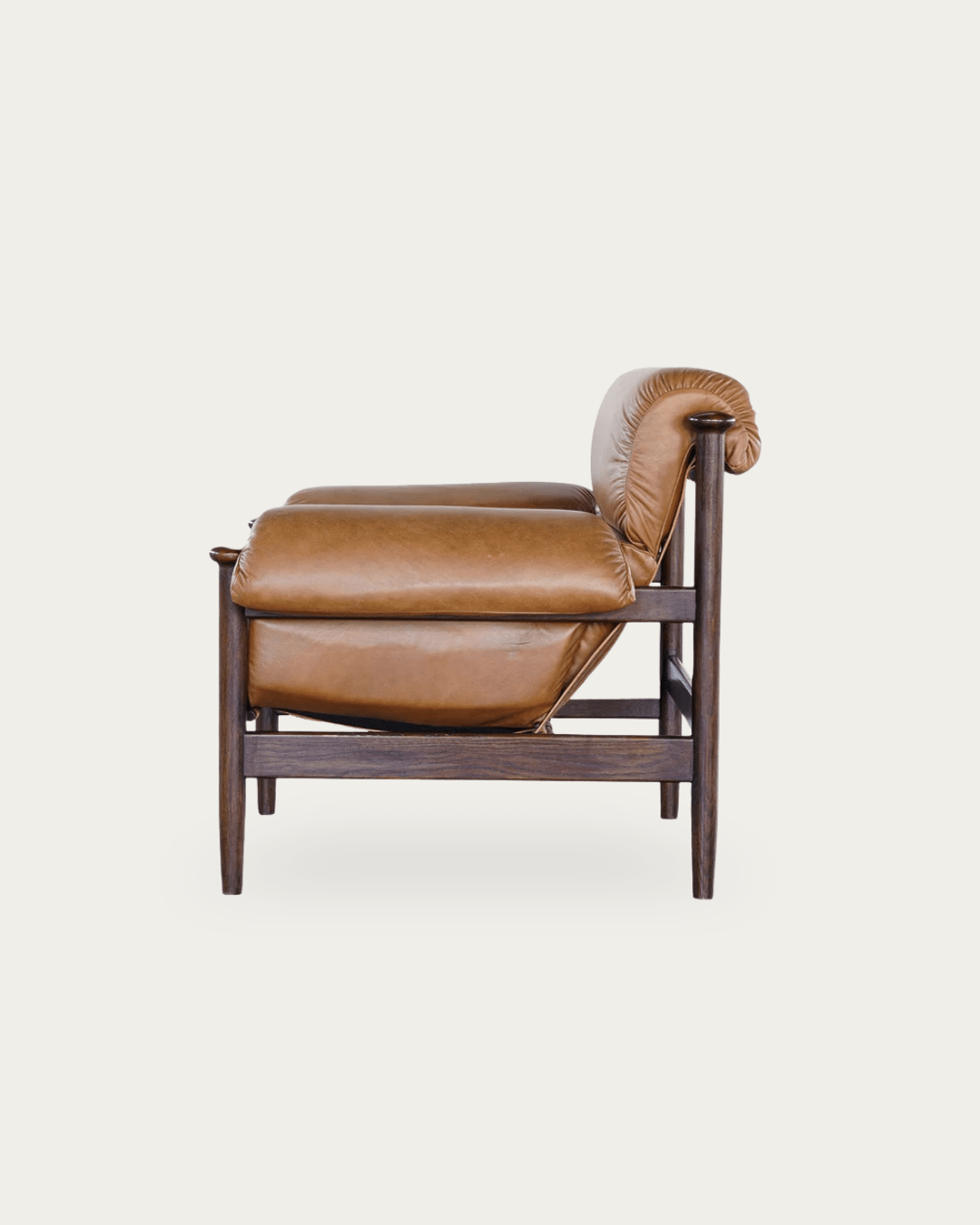
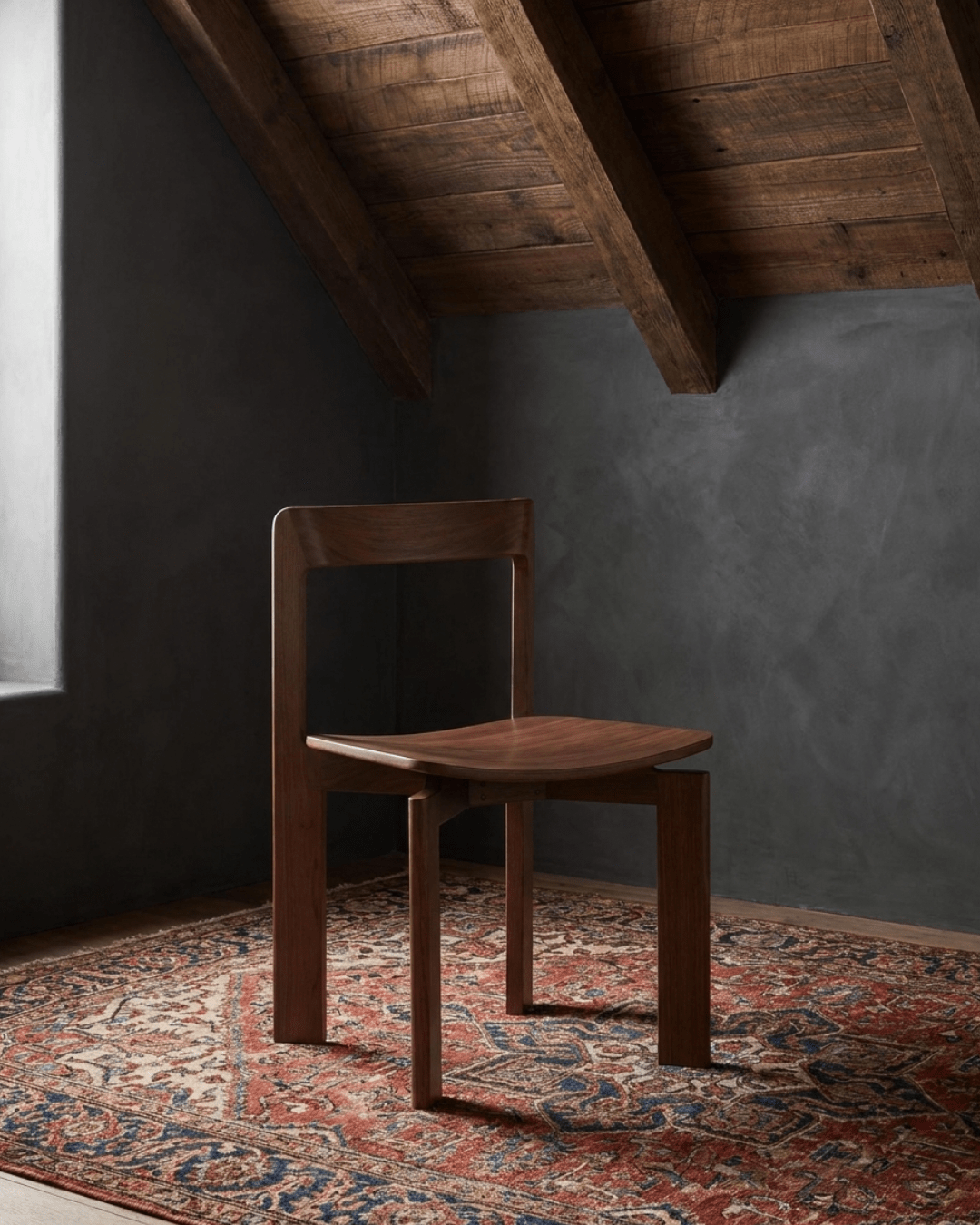
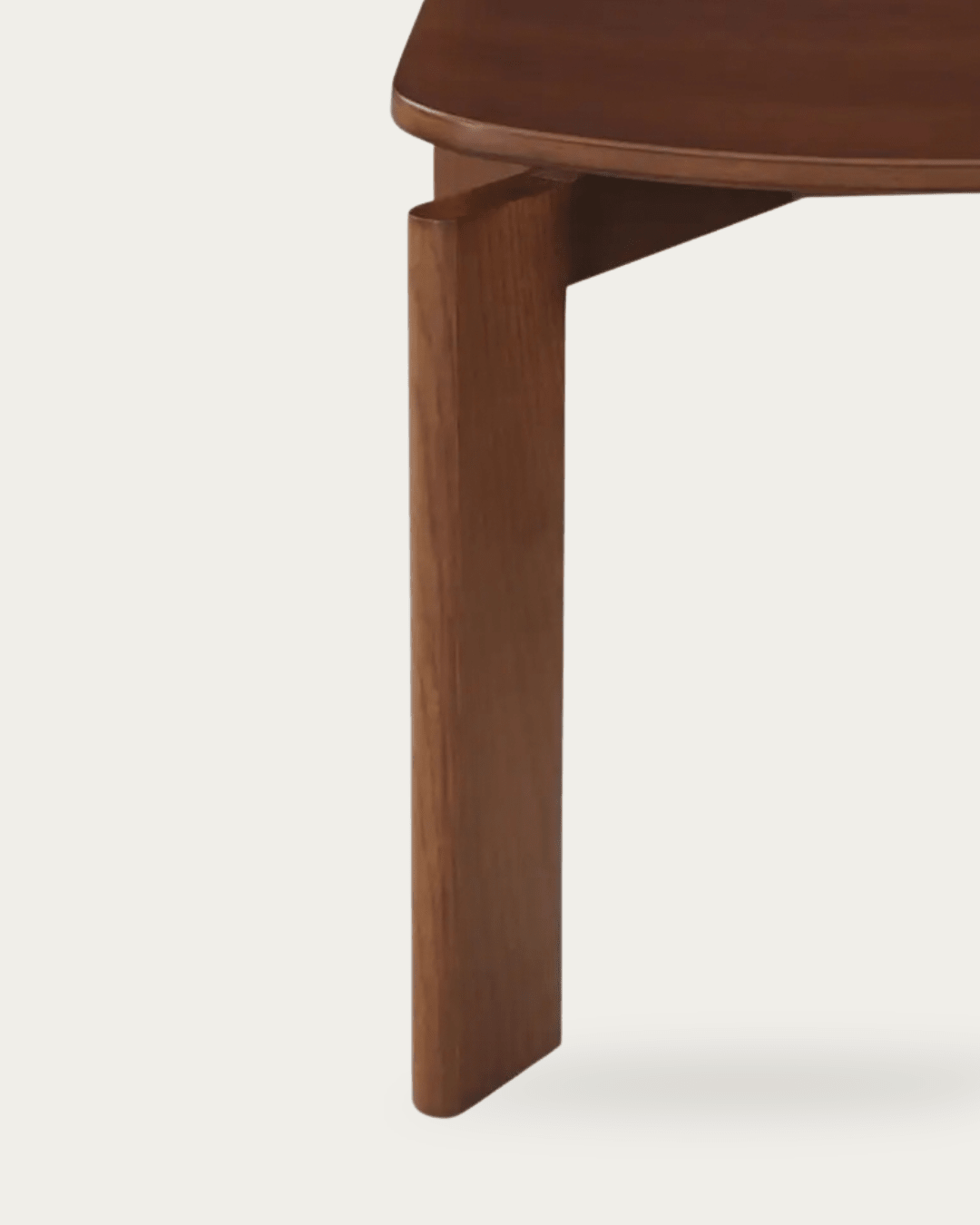
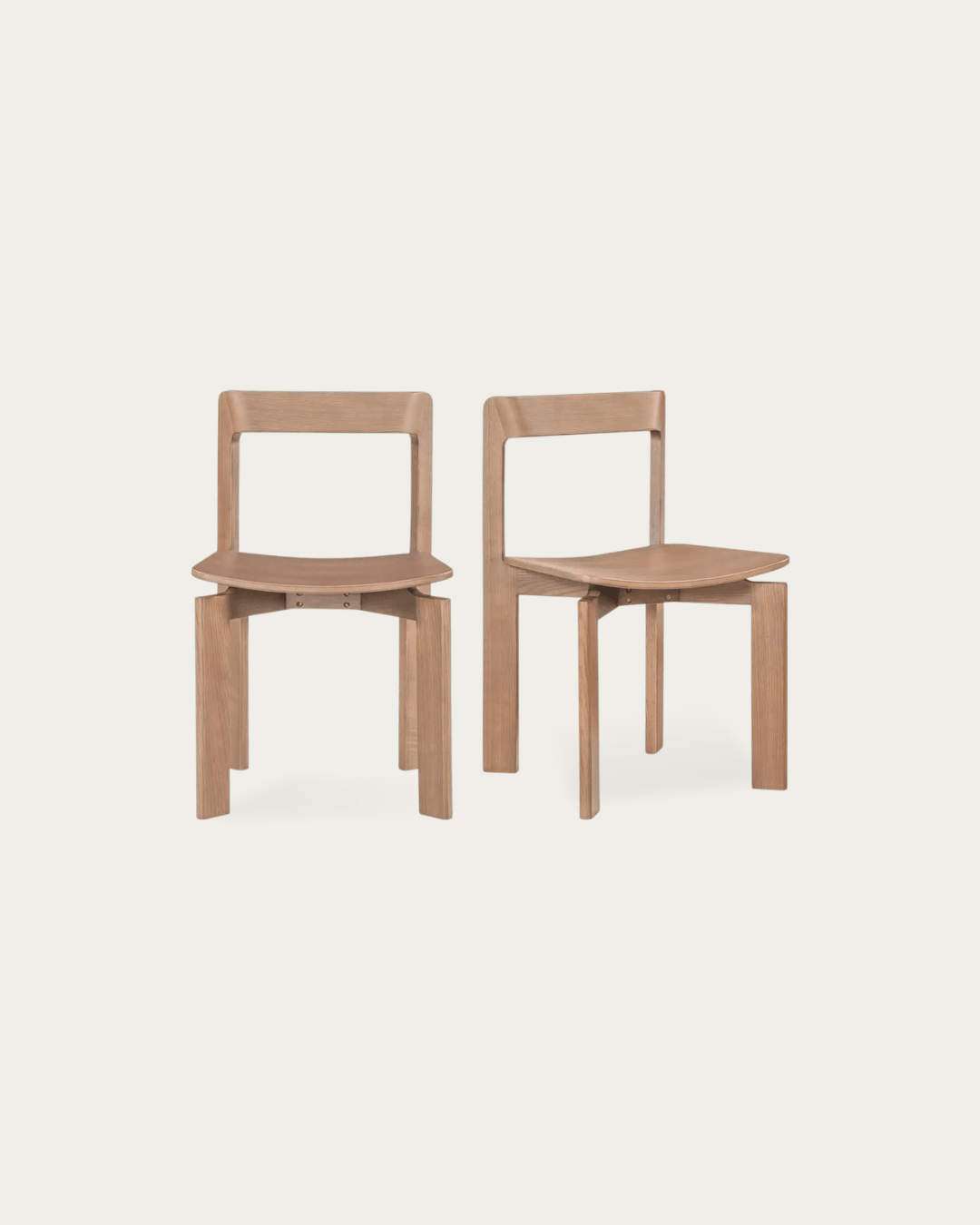
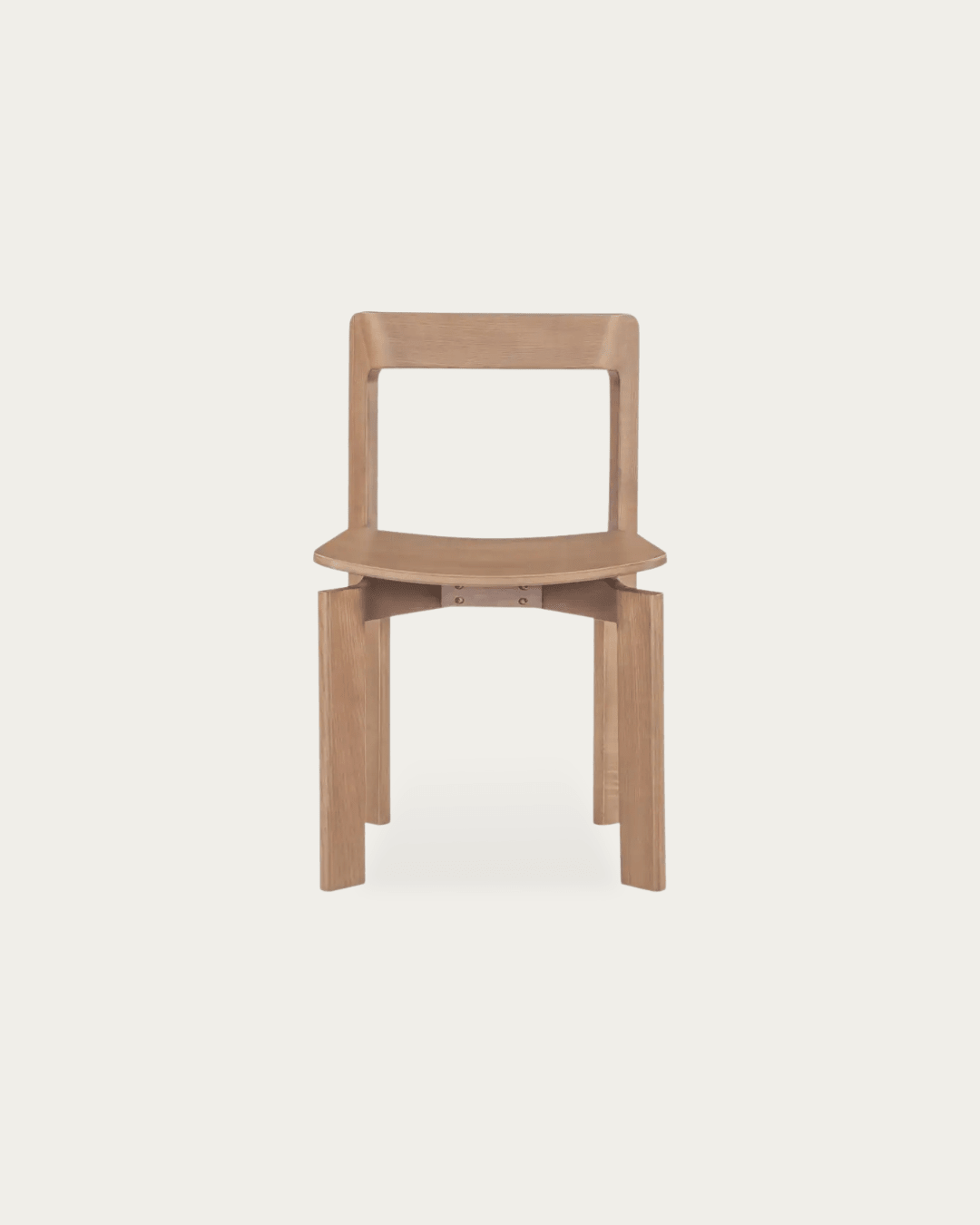
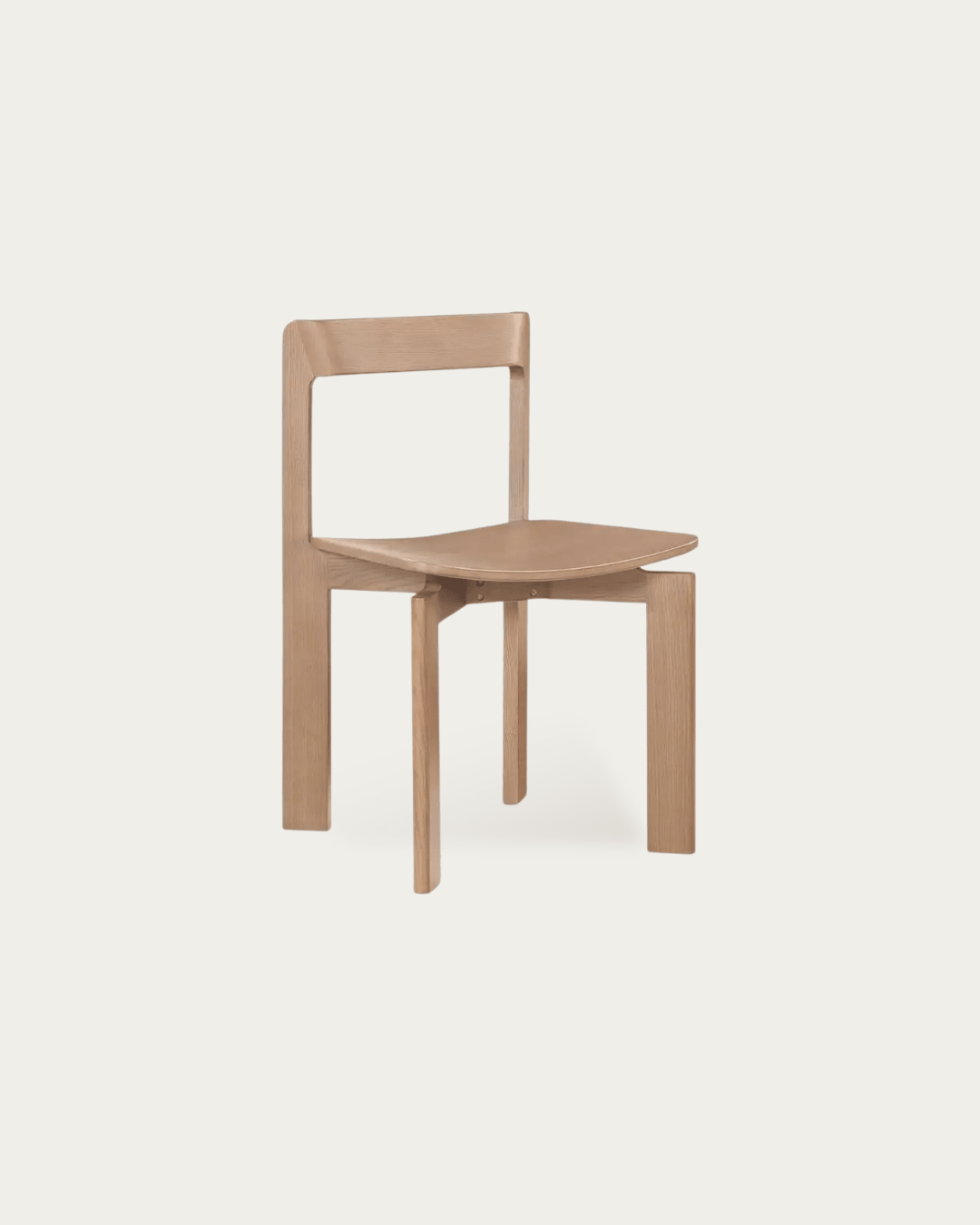
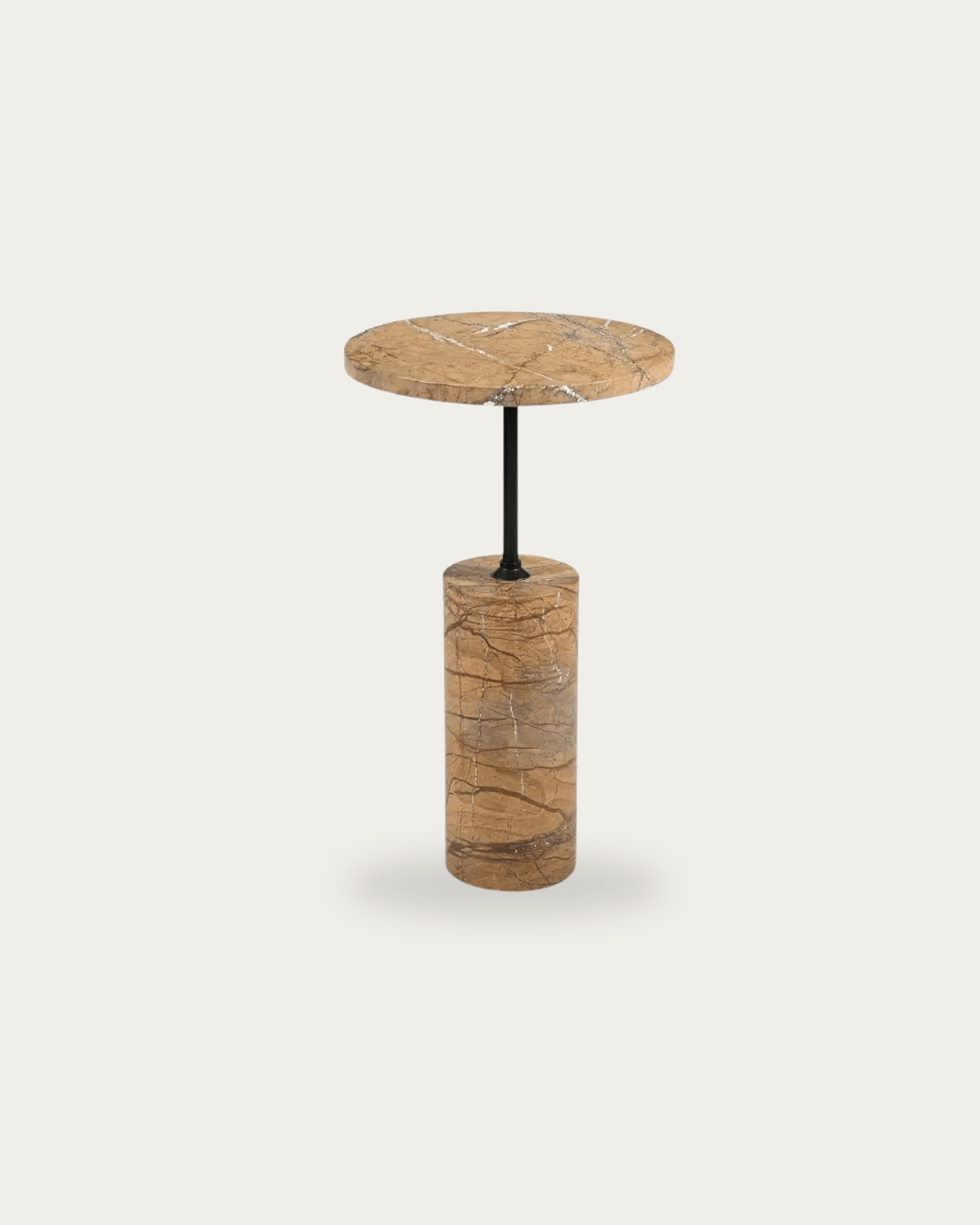
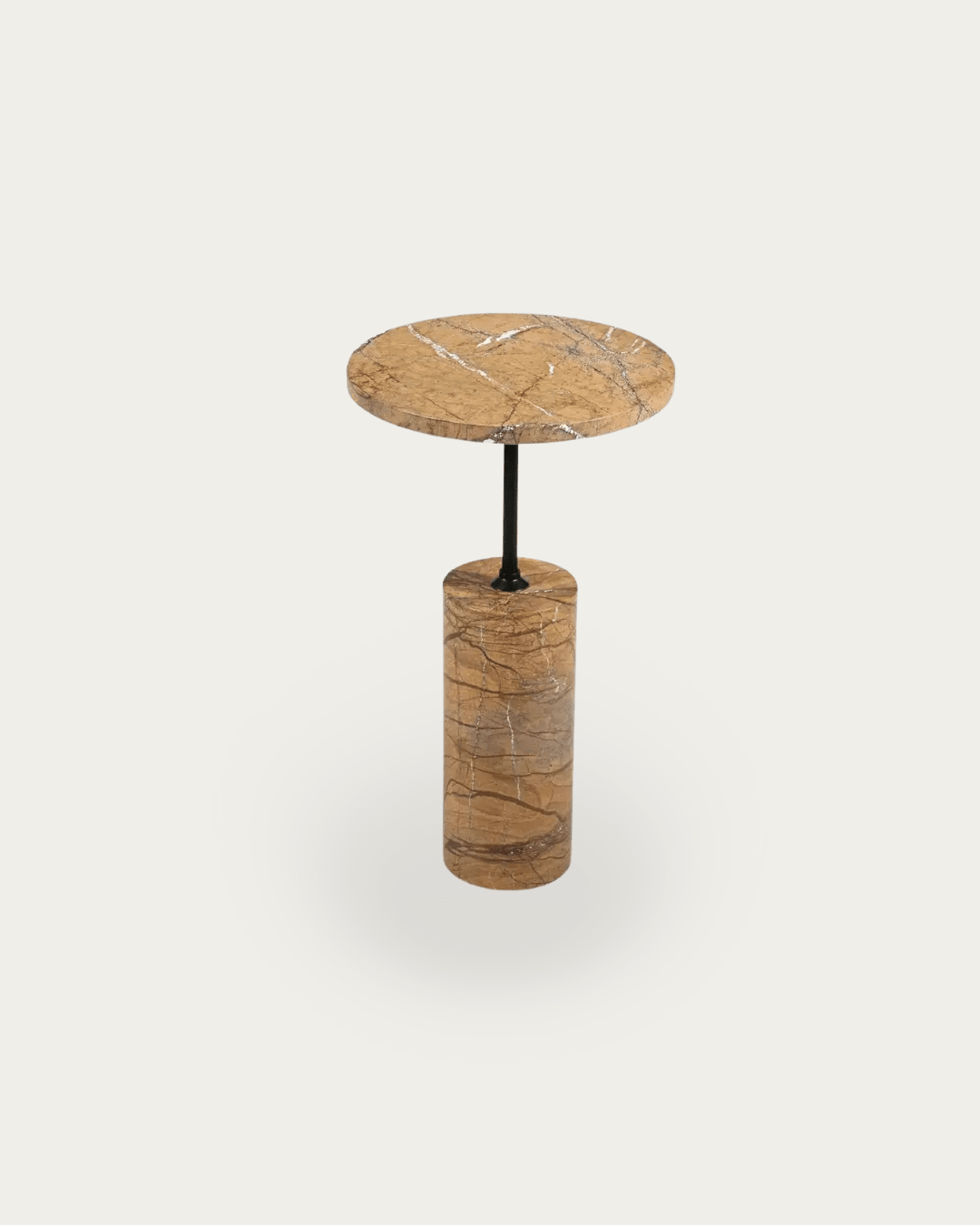
If you’re starting to explore pieces that bring more weight and structure into your space, you can browse our reclaimed wood furniture collection (including coffee tables, consoles, and dining pieces) here.
What Reclaimed Wood Furniture Actually Is (And Why It Feels Different)
Reclaimed wood isn’t new wood made to look old.
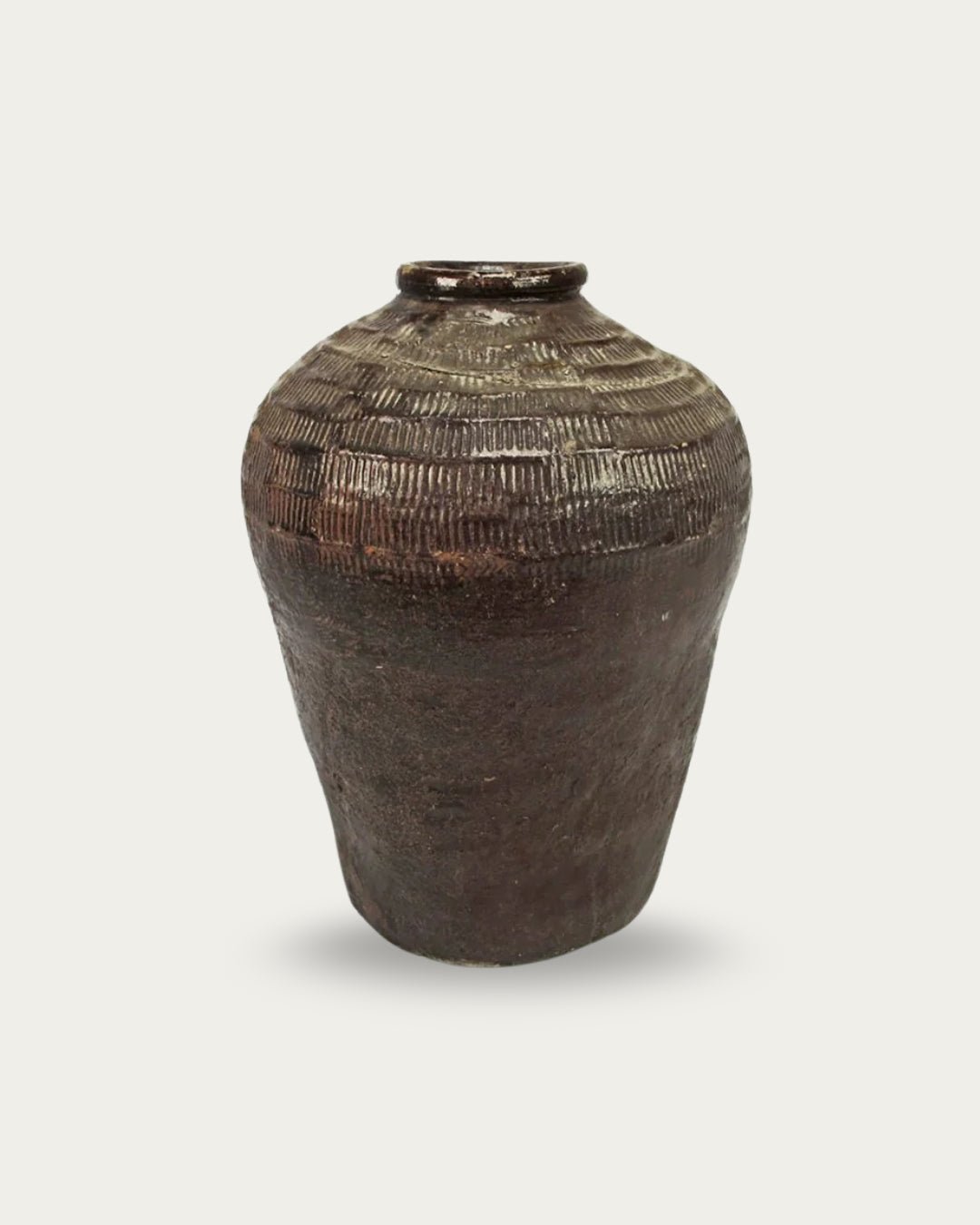
It’s wood that’s been used before—often sourced from old buildings, barns, or structures—and repurposed into furniture.
That history matters.
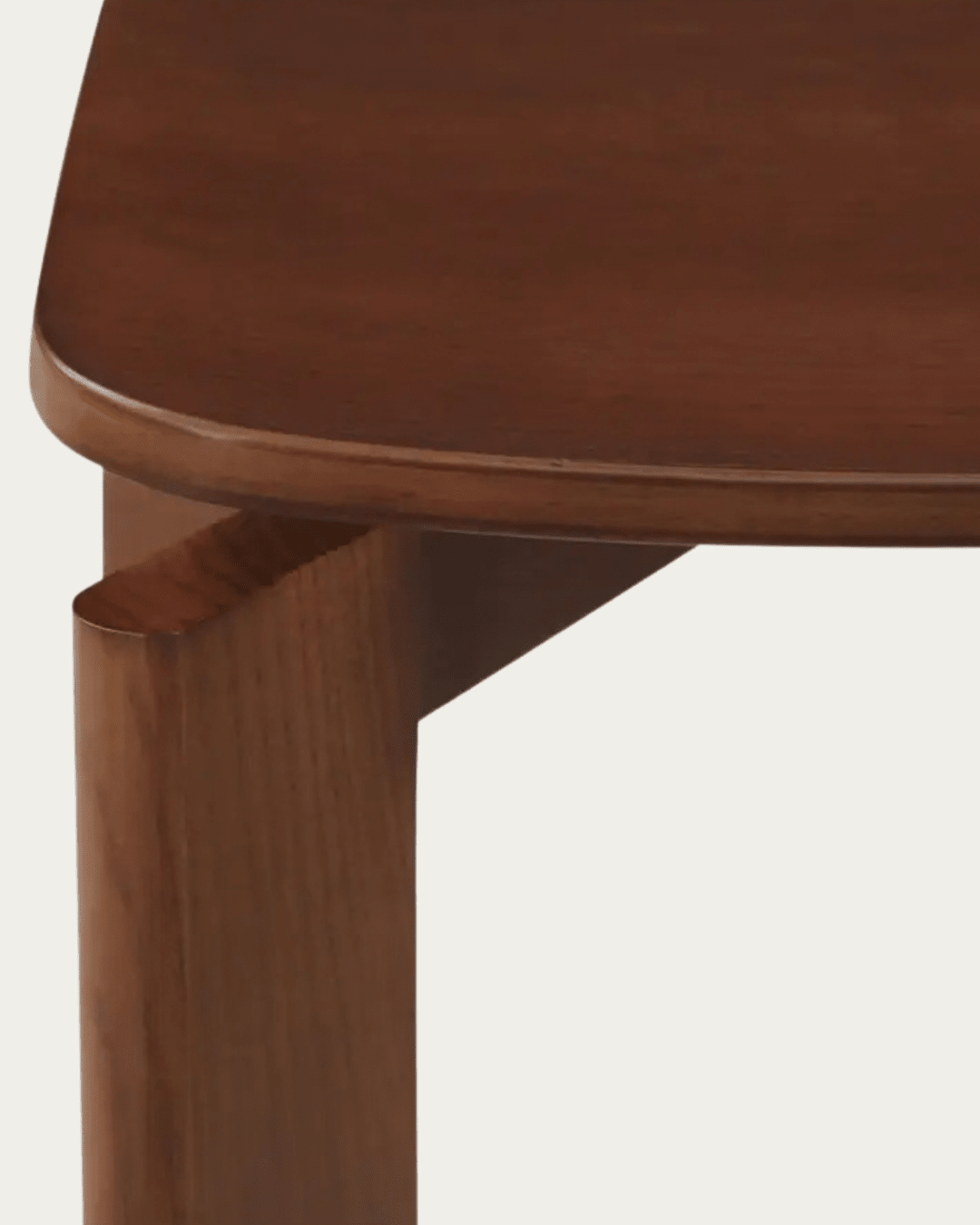
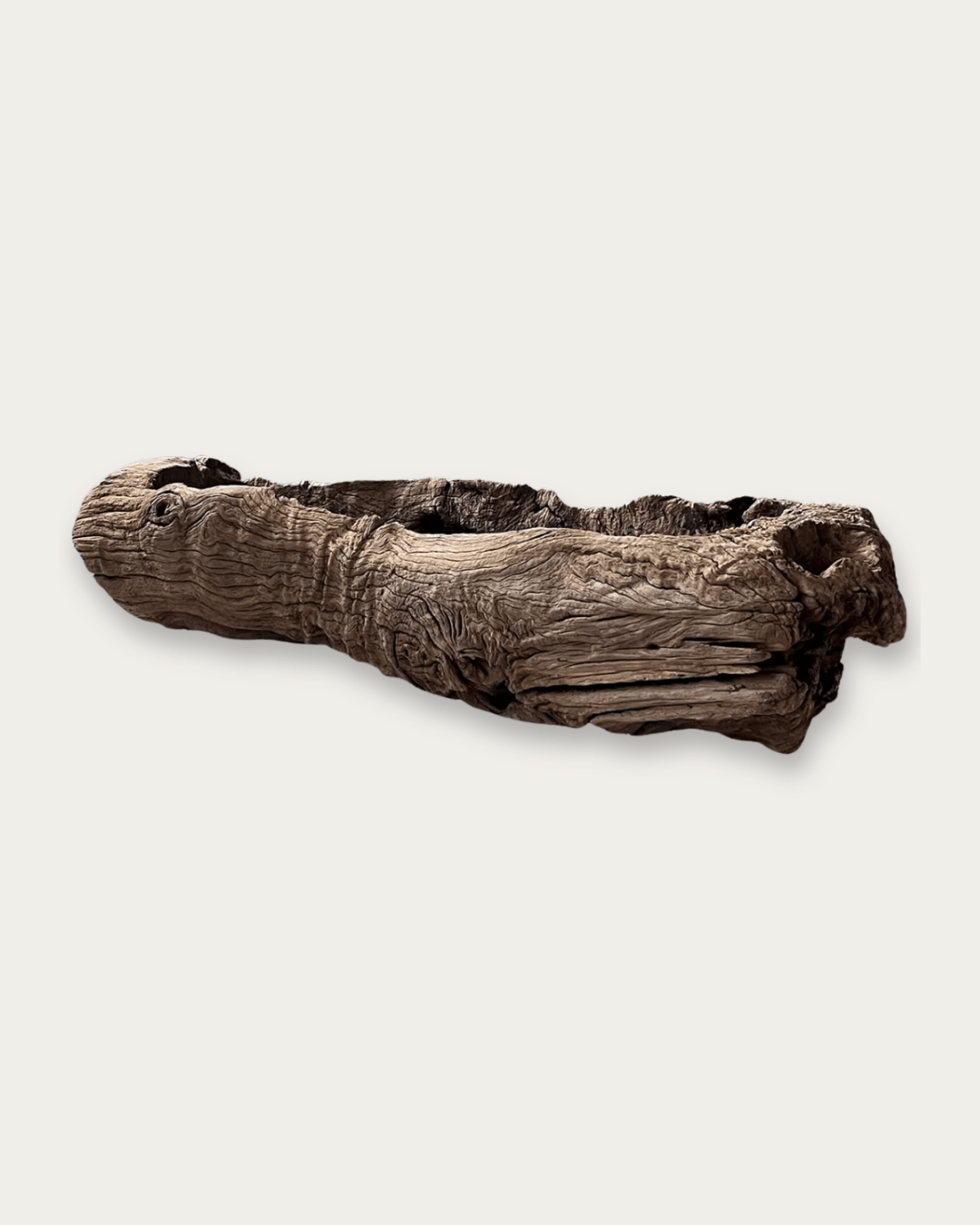
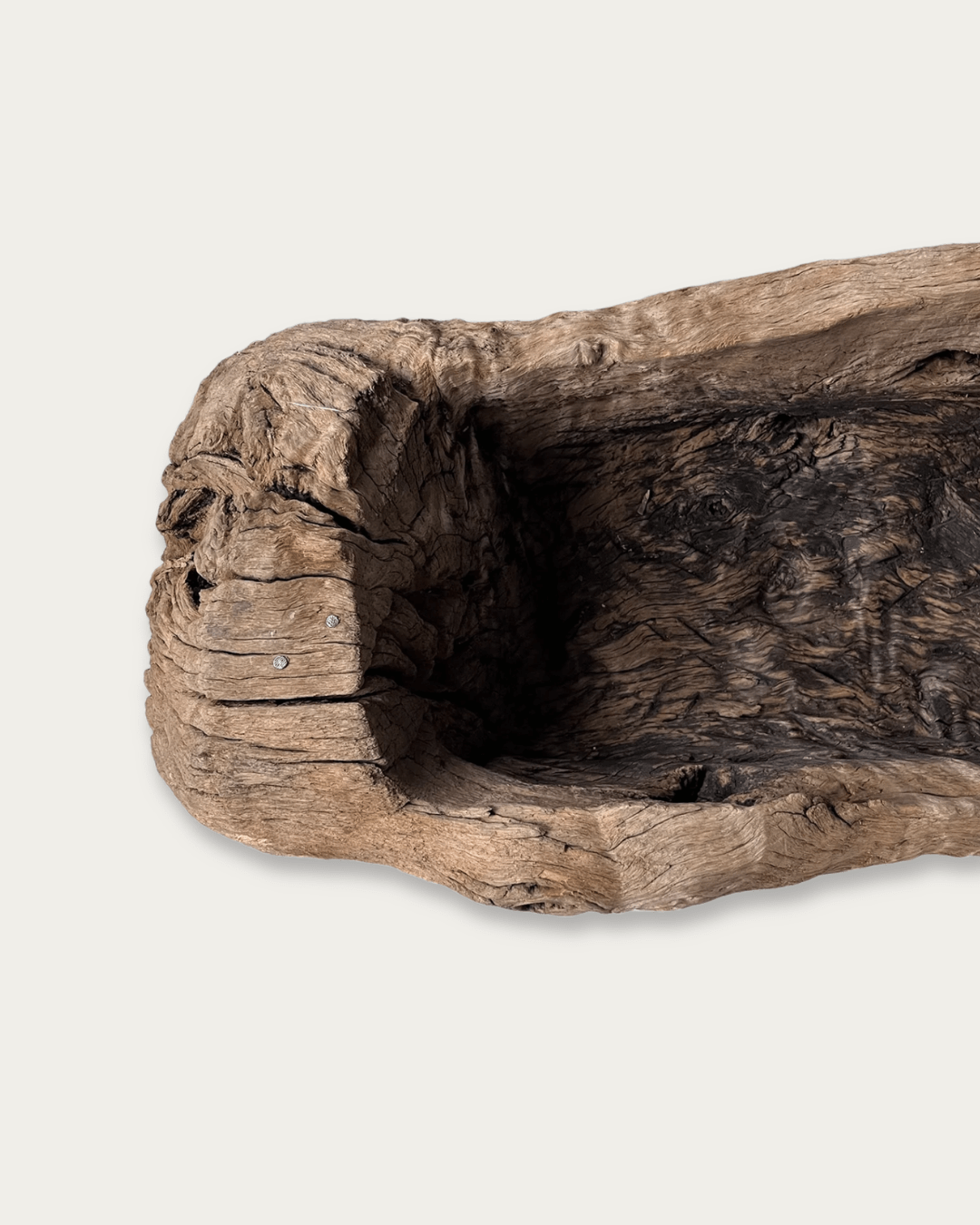
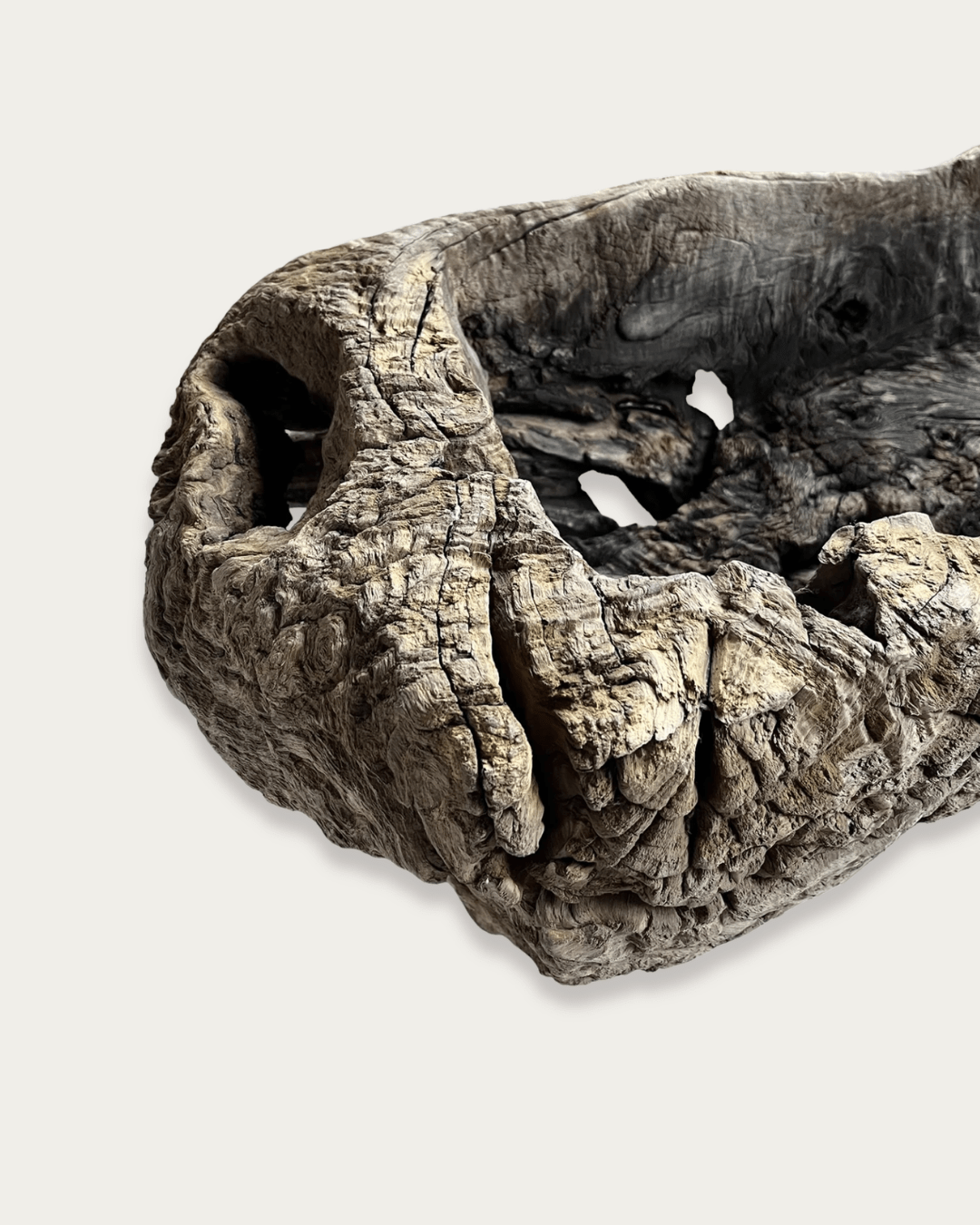
Because it shows up in the material:
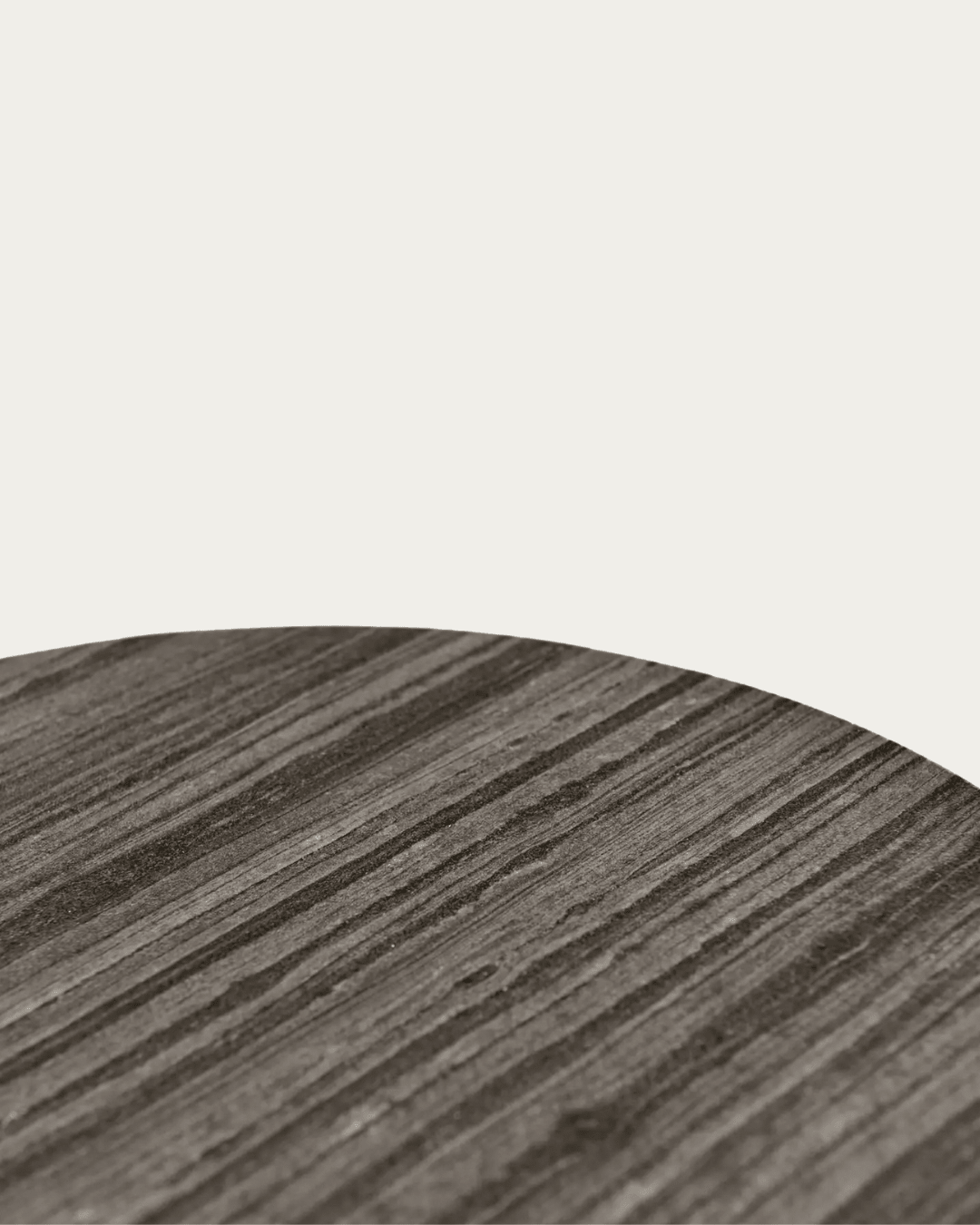
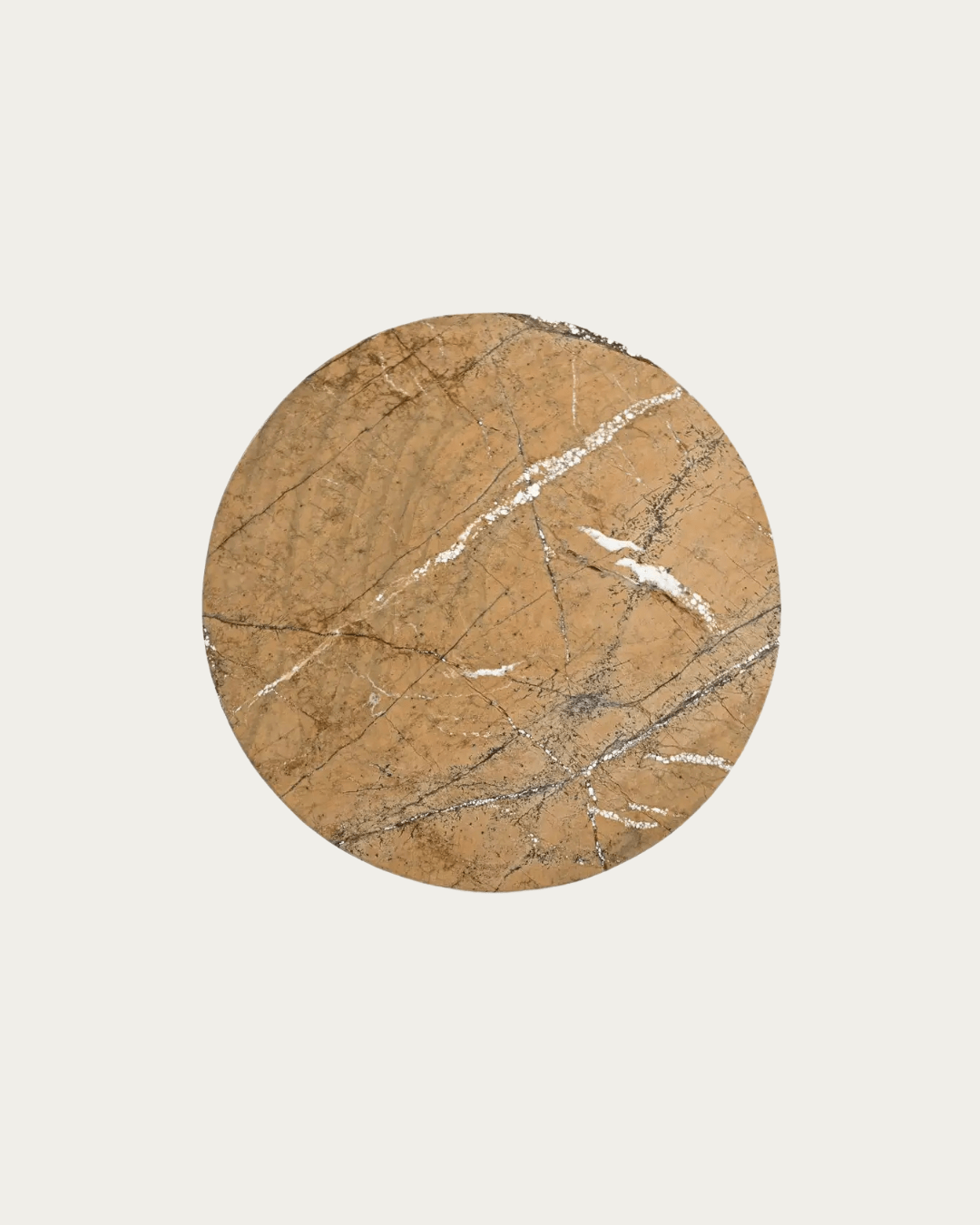
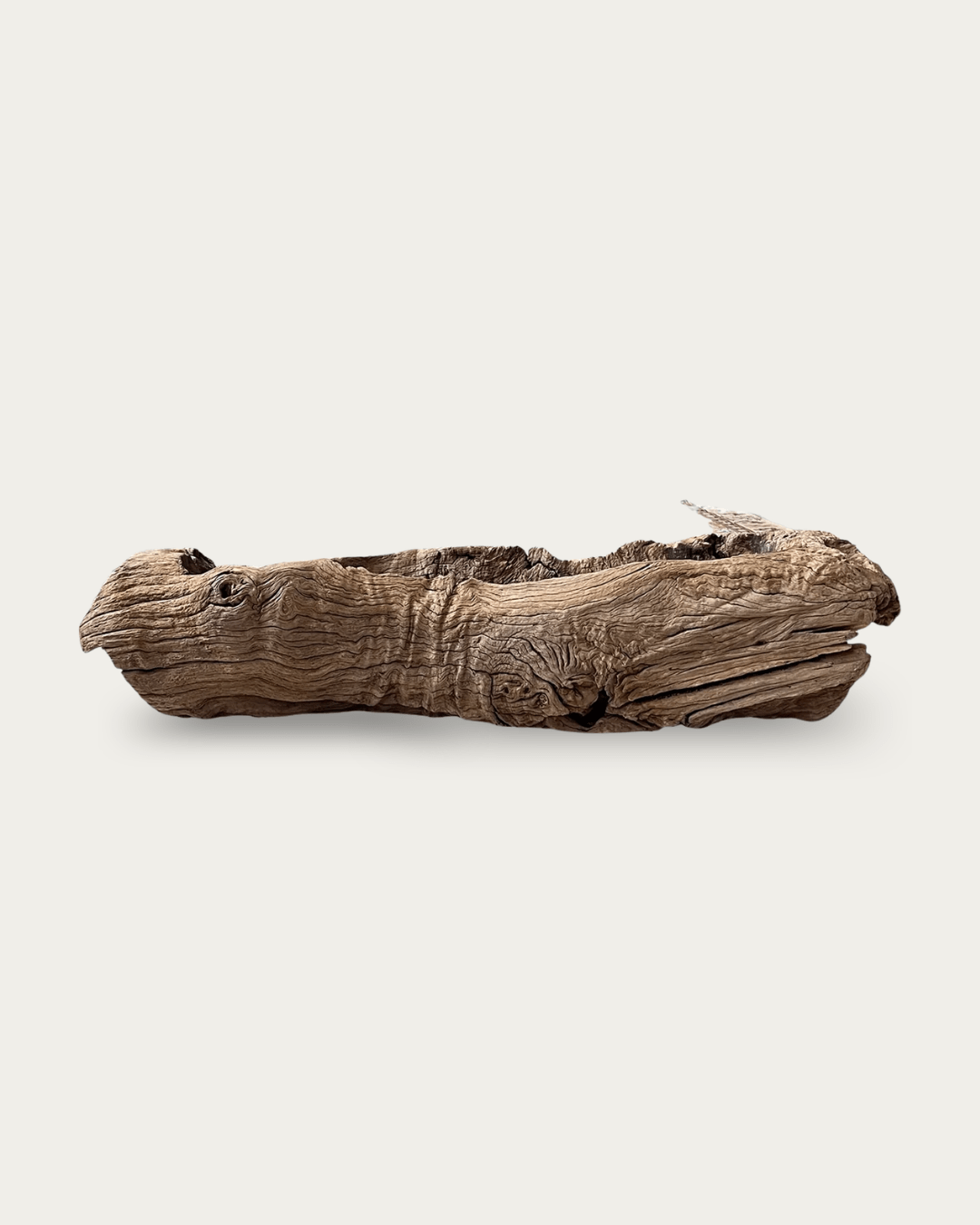
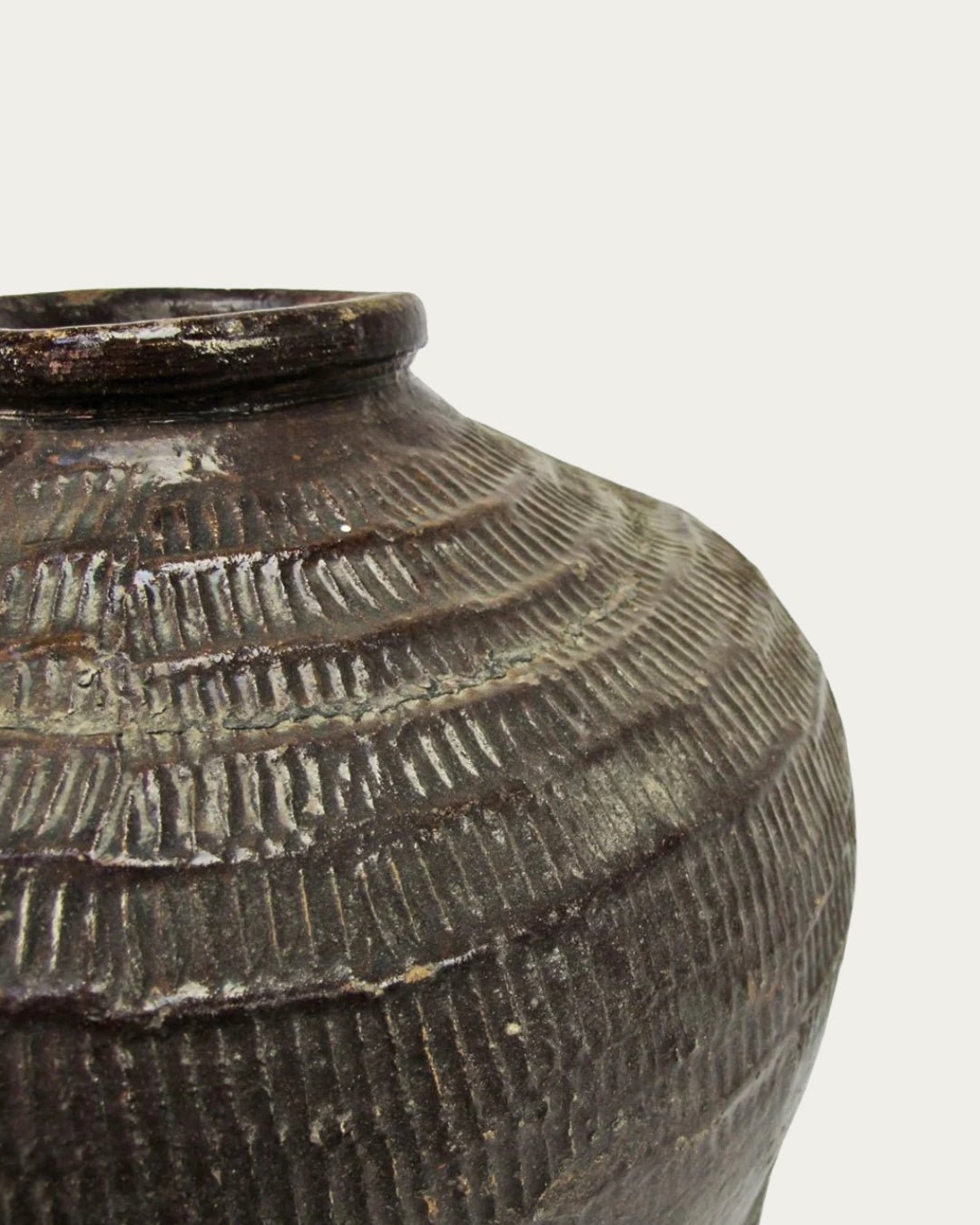
Subtle irregularities
Variations in tone
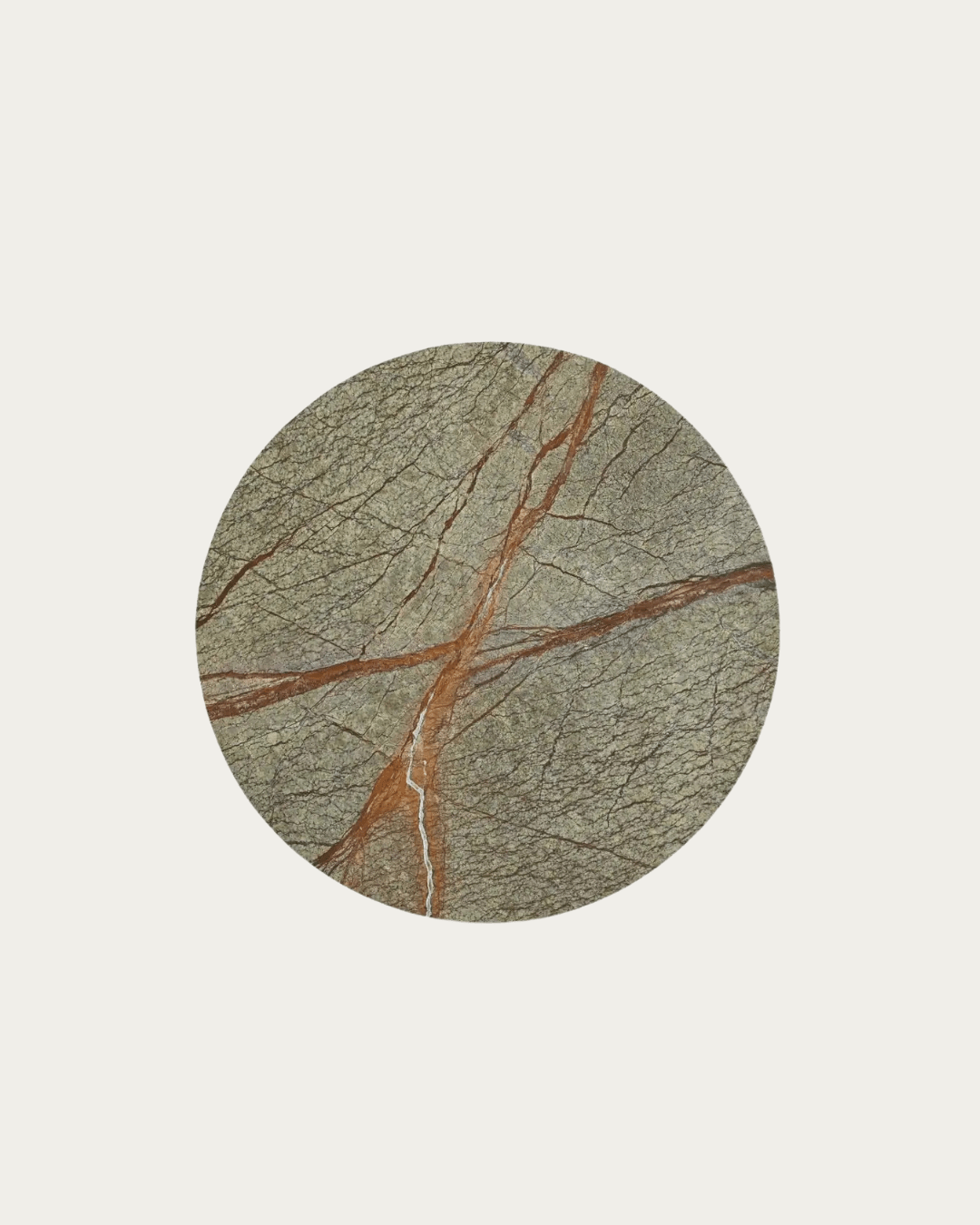
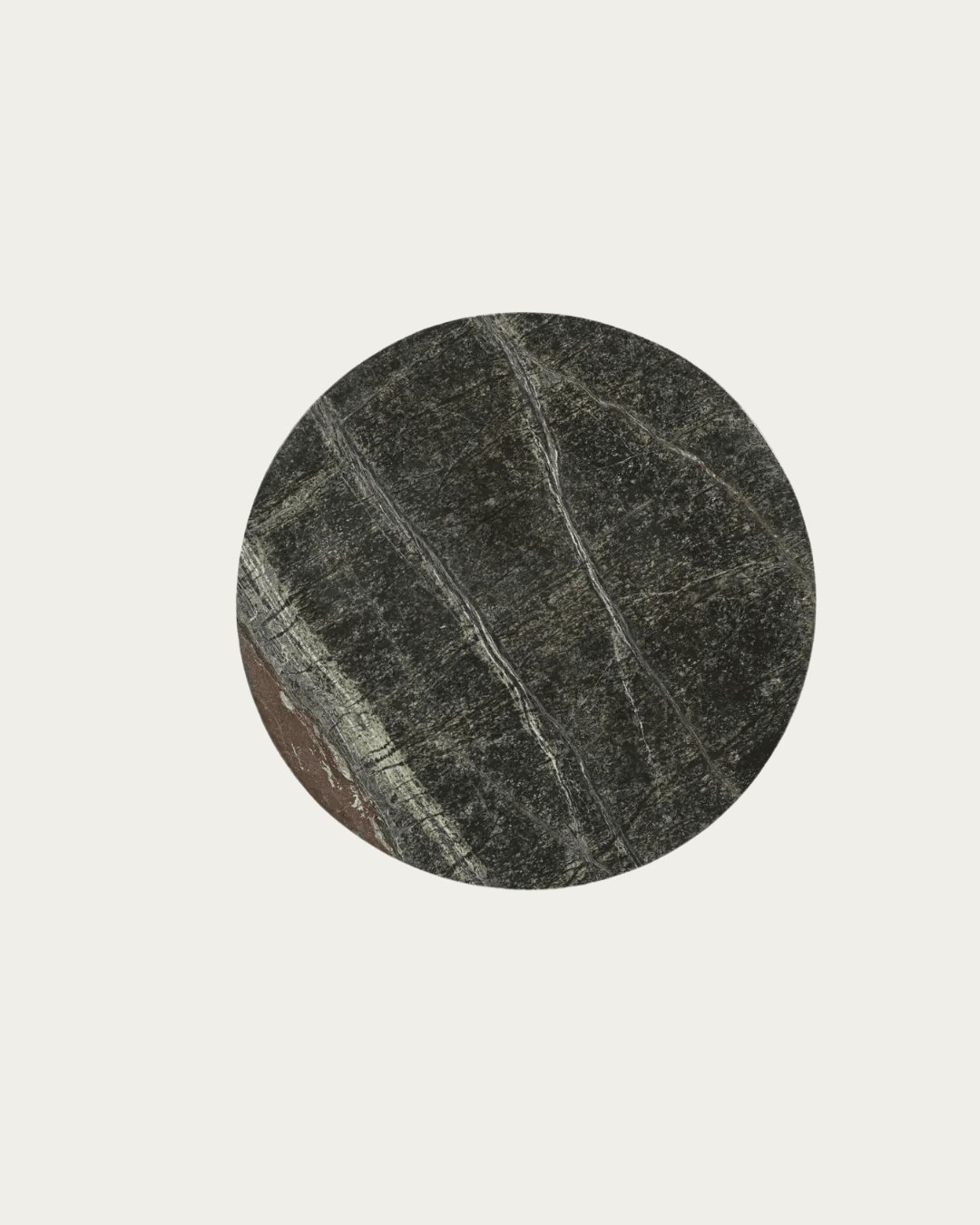
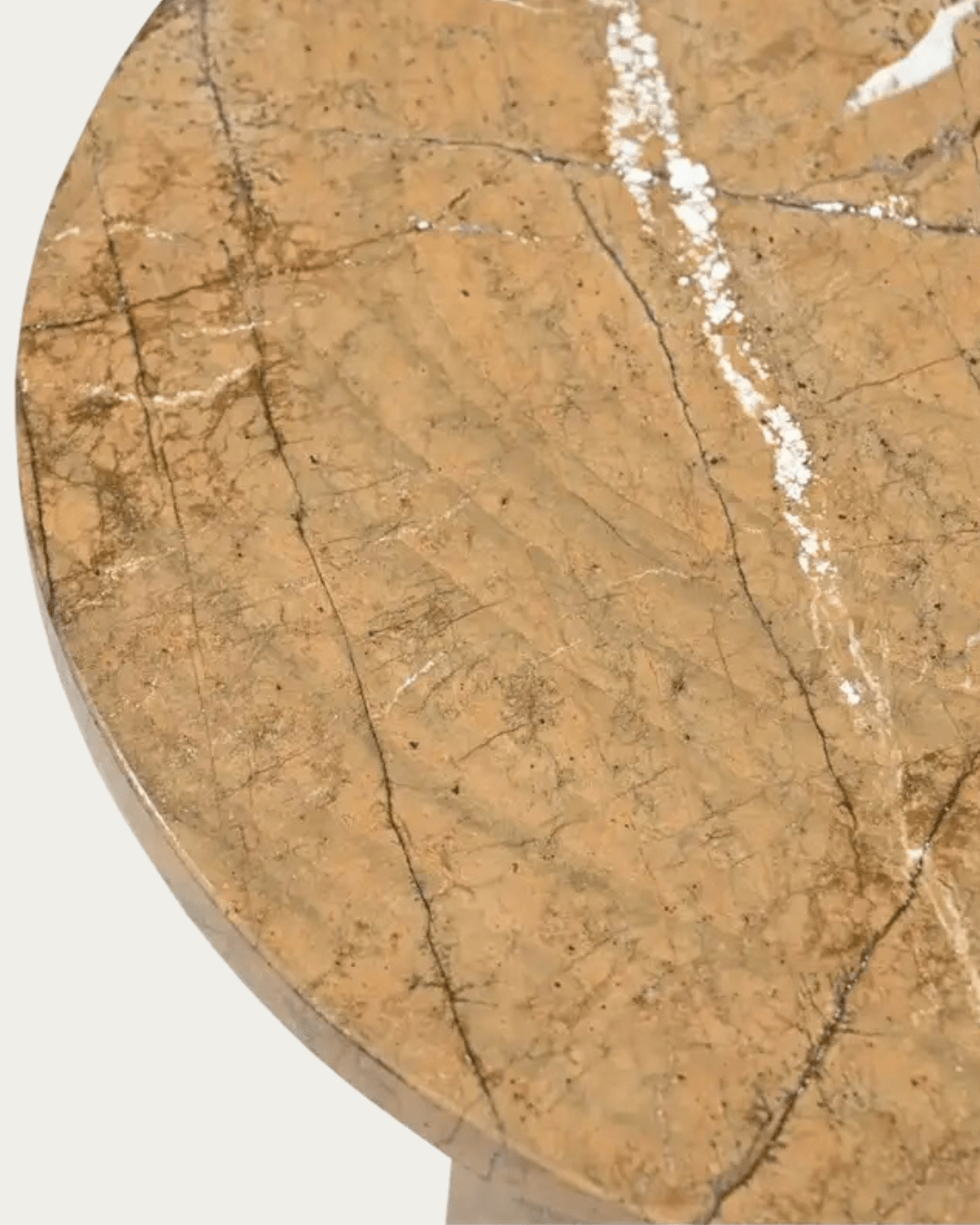
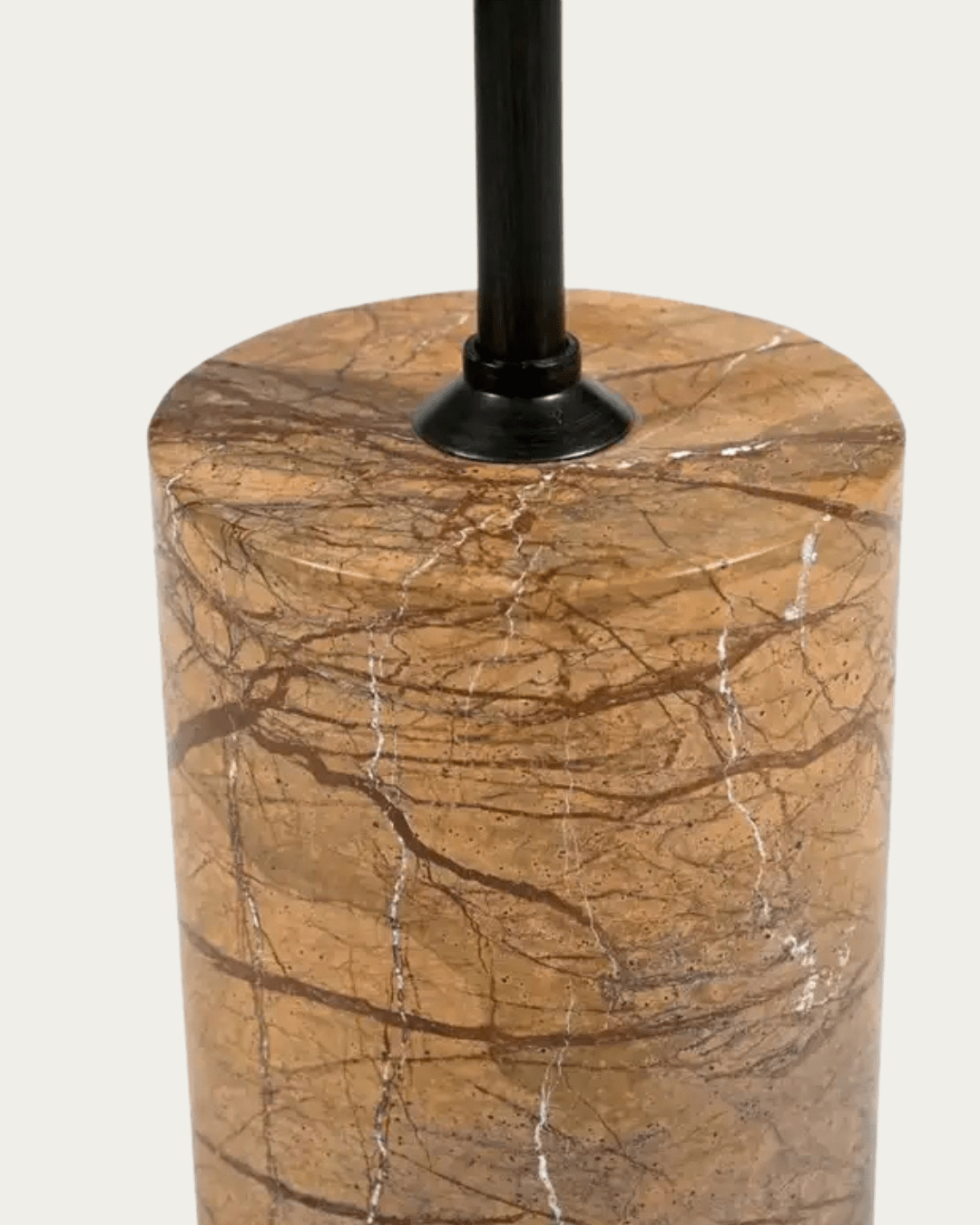
Grain patterns that aren’t uniform
Your brain processes these details differently than factory-finished surfaces.
It reads them as real, stable, and less artificial.
That’s why reclaimed wood furniture doesn’t just look different—it feels different.
Why Smooth, Perfect Surfaces Can Feel Unsettling
Most modern furniture is designed for consistency.
Smooth finishes. Even tones. Clean edges.
Visually, it works.
But neurologically, it can create friction.
Your brain expects variation in natural environments.
When everything is too perfect, it increases subtle tension—because it doesn’t match what your brain is used to processing.
That’s why adding a single reclaimed wood piece can shift the entire room.
It breaks that uniformity.
And gives your space something real to anchor around.

The Role of Weight in a Room
Not all furniture carries the same visual weight.
Some pieces feel like they could move at any time.
Others feel fixed.
Reclaimed wood furniture tends to fall into the second category.
It feels:
Heavier
More grounded
Less temporary
This matters more than most styling decisions.
Because your nervous system is constantly scanning for stability.
When it finds it, it relaxes.
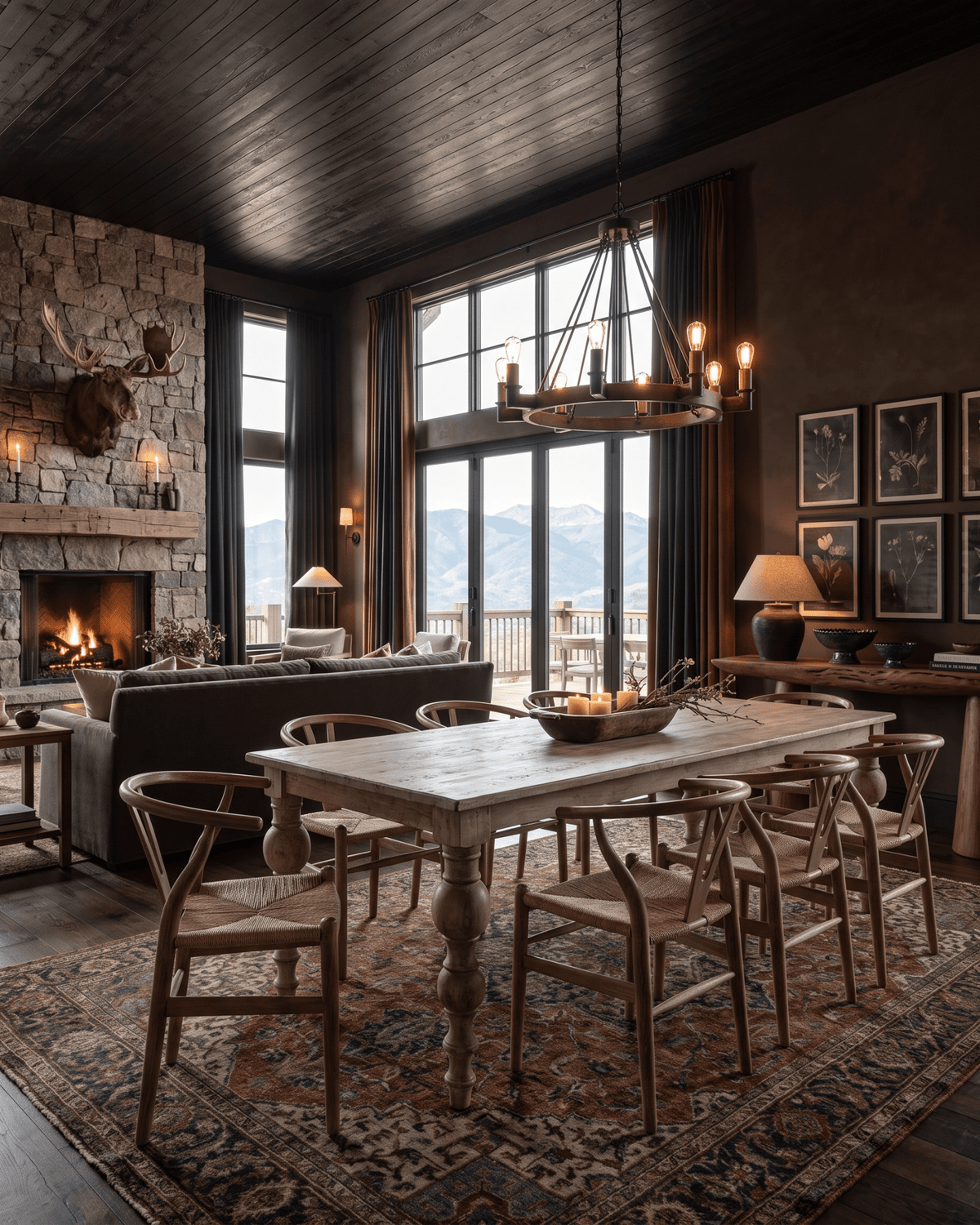
That’s why a reclaimed wood coffee table or dining table can do more for a room than multiple decorative items.
How to Use Reclaimed Wood Without Making the Space Feel Heavy
The mistake most people make is overcommitting.
They go all in—and the room starts to feel dense.
That’s not the goal.
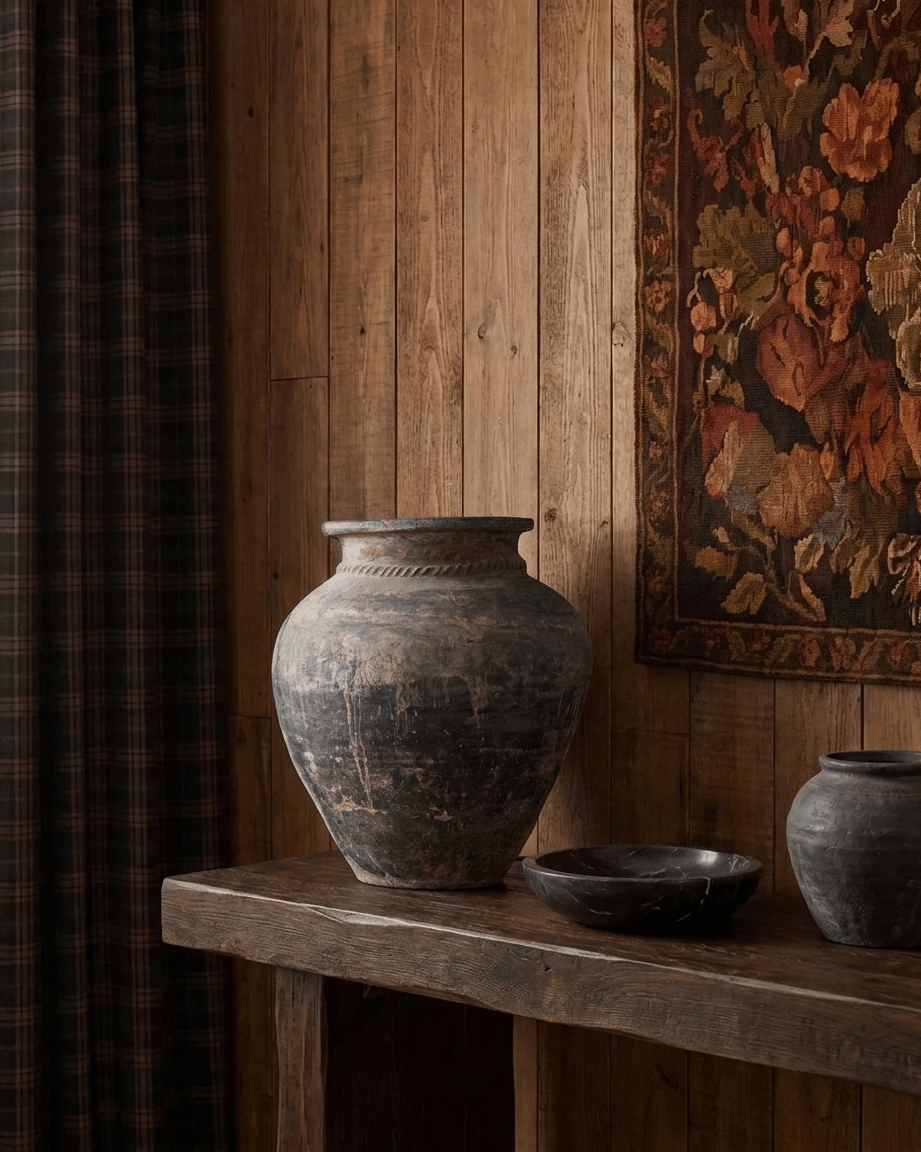
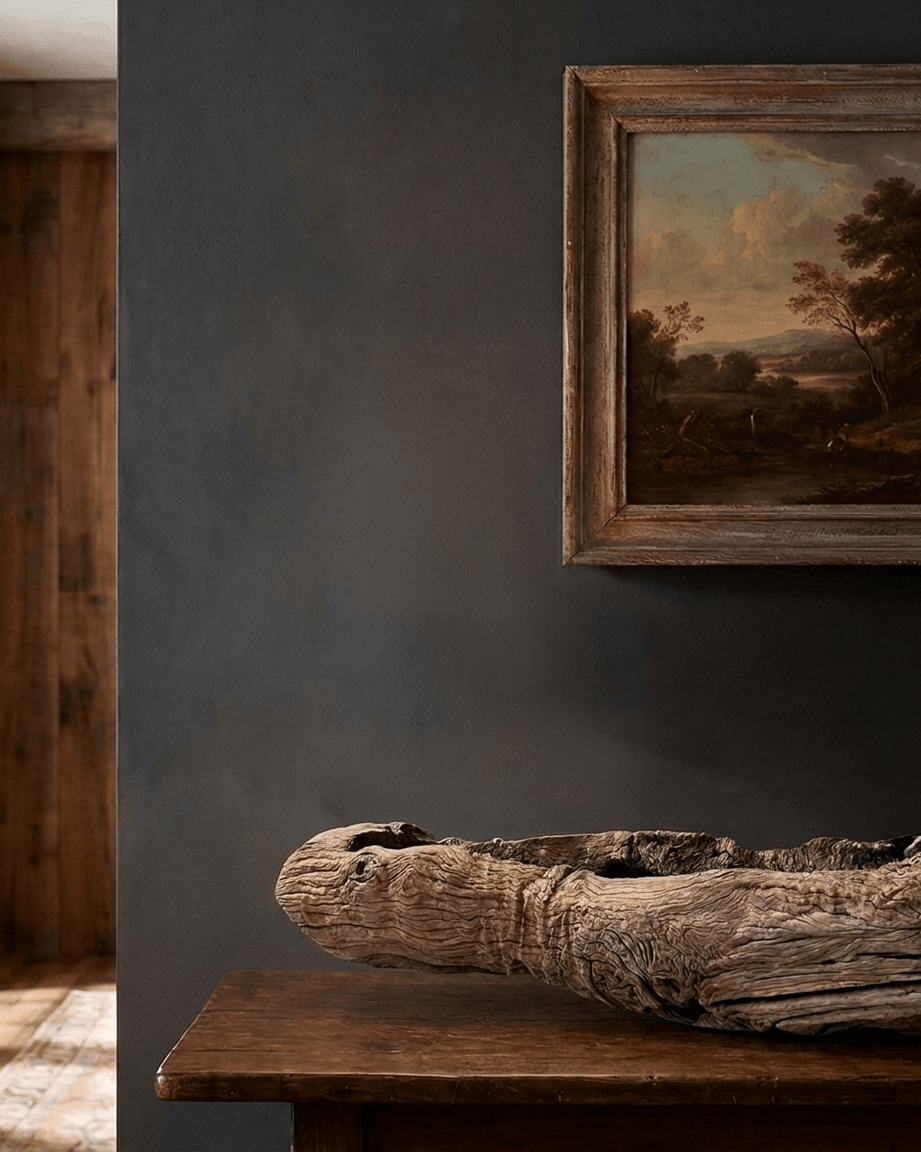
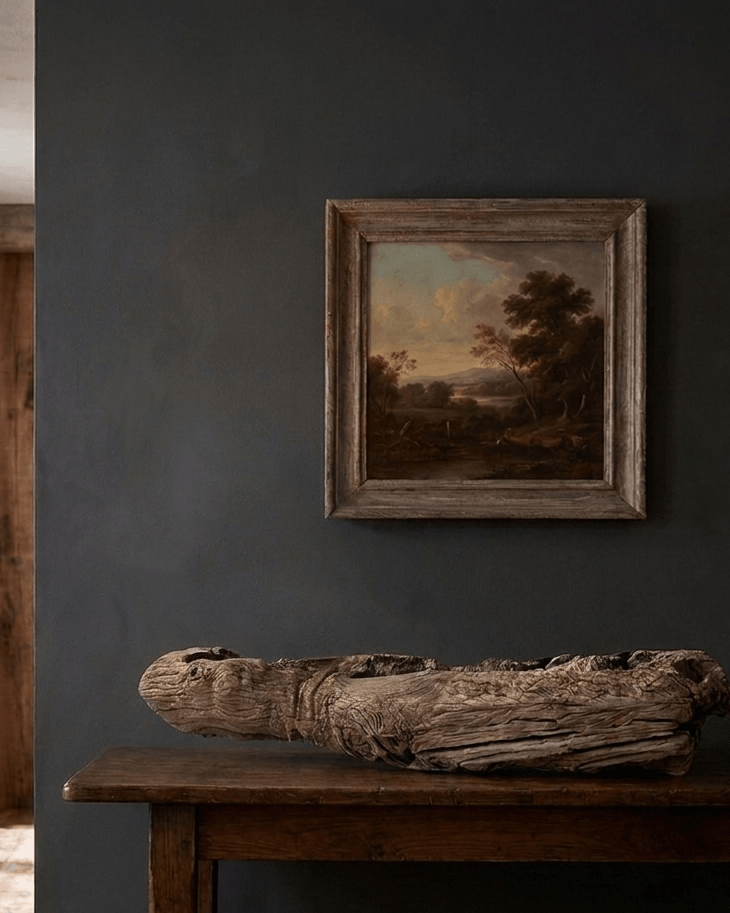
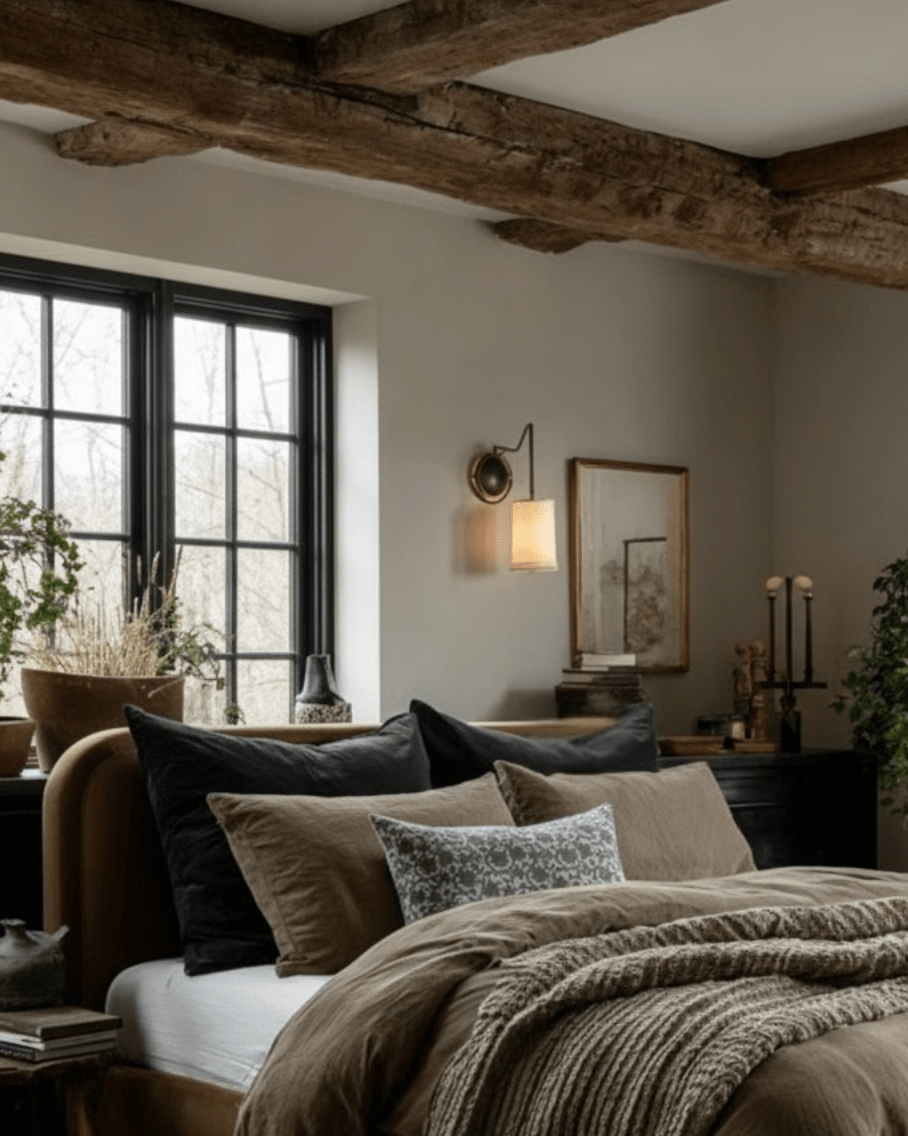
Reclaimed wood works best as an anchor, not a takeover.
Try this instead:
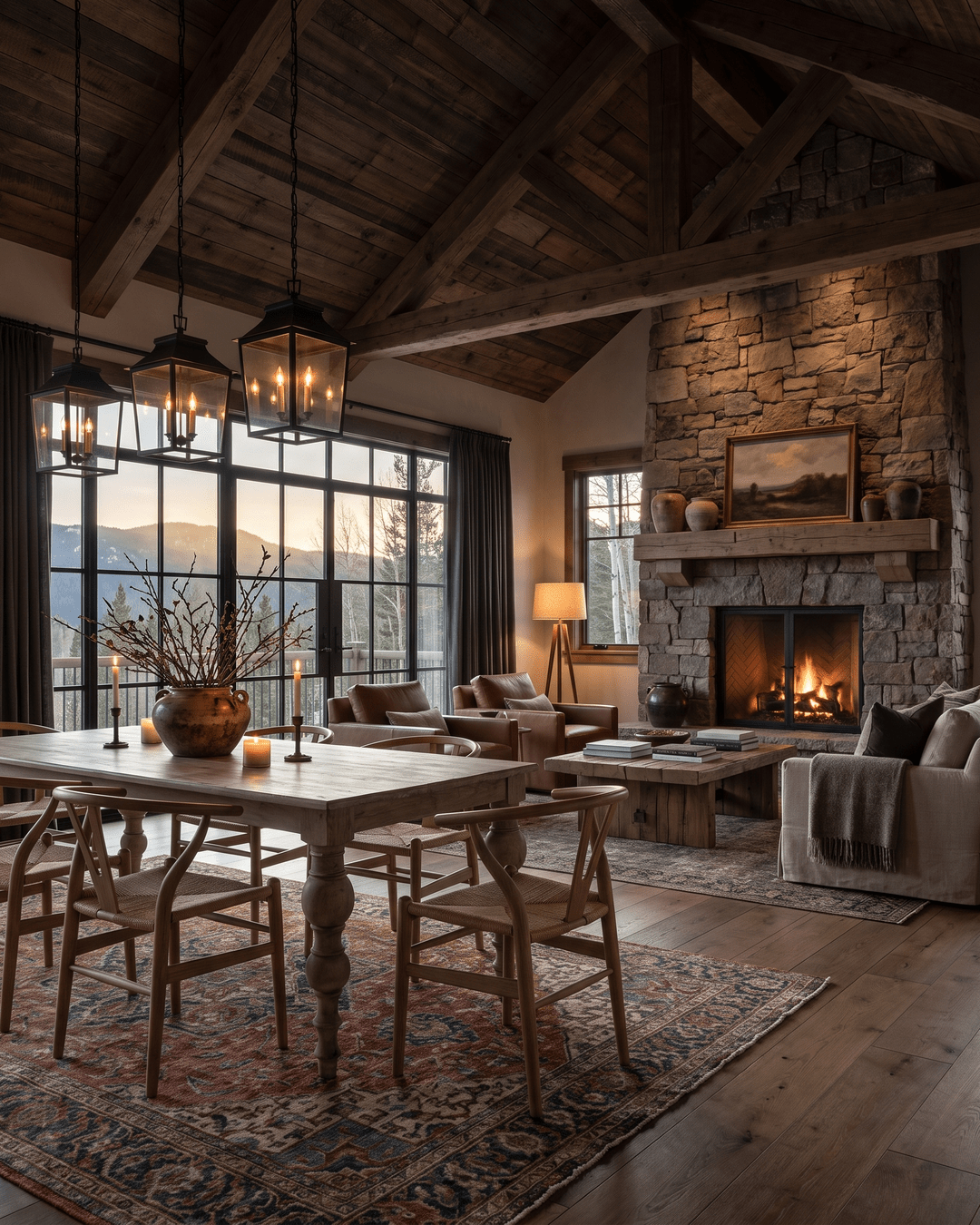
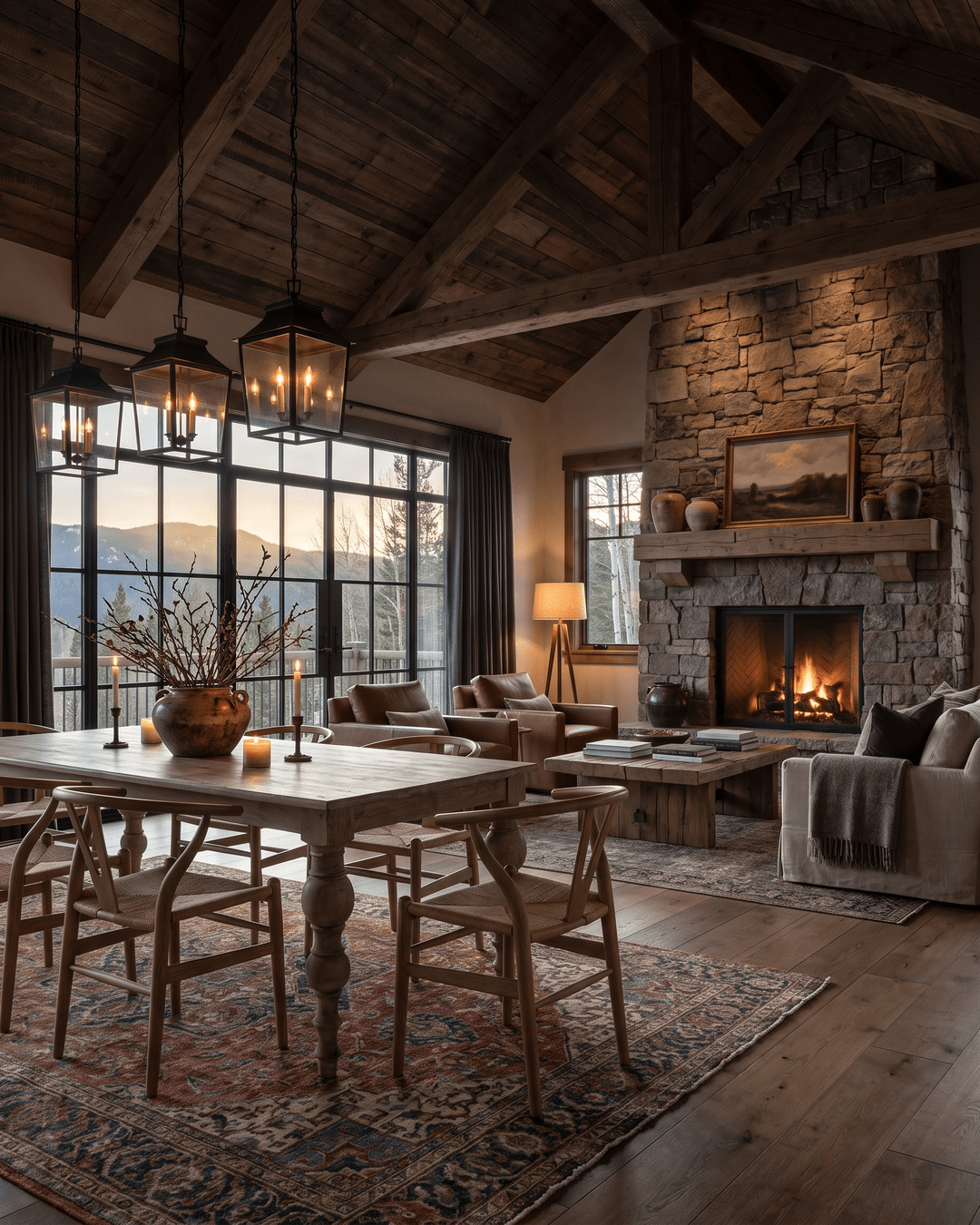
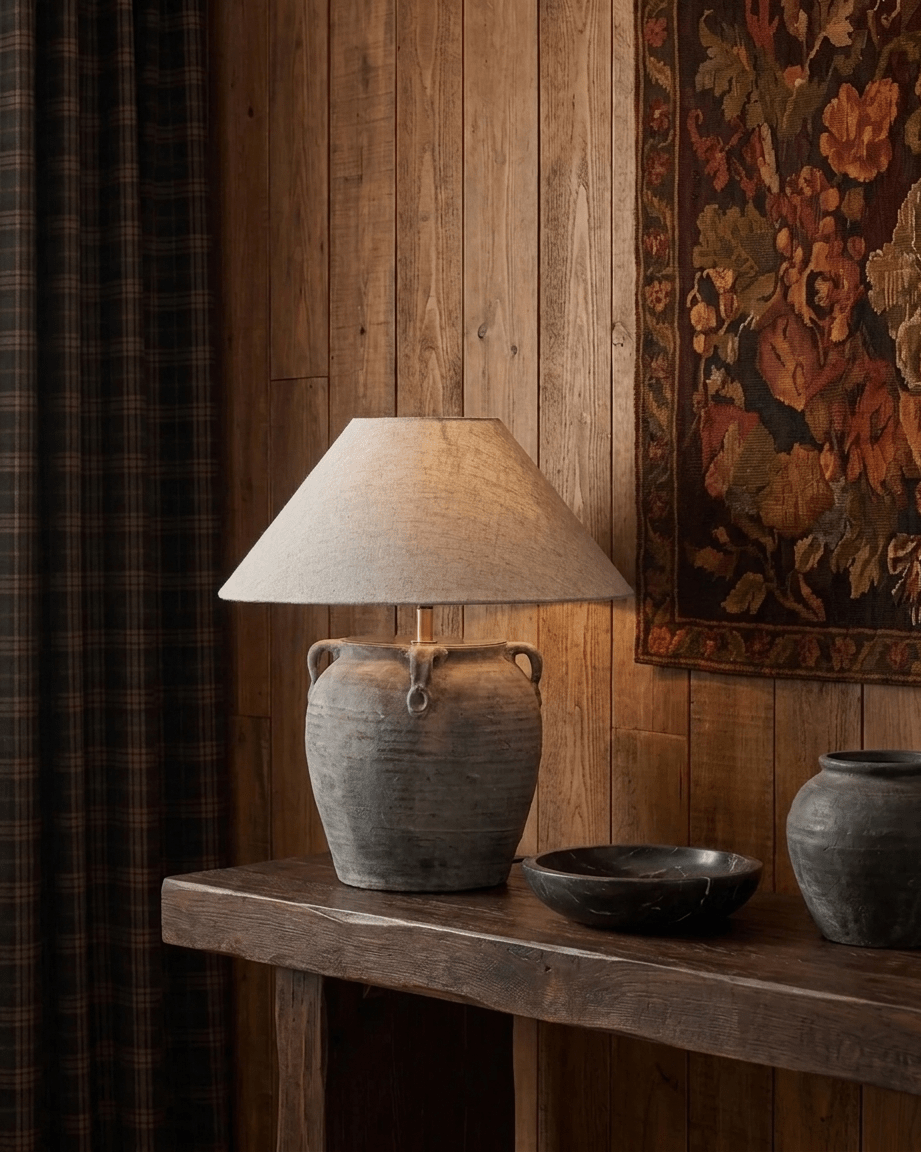
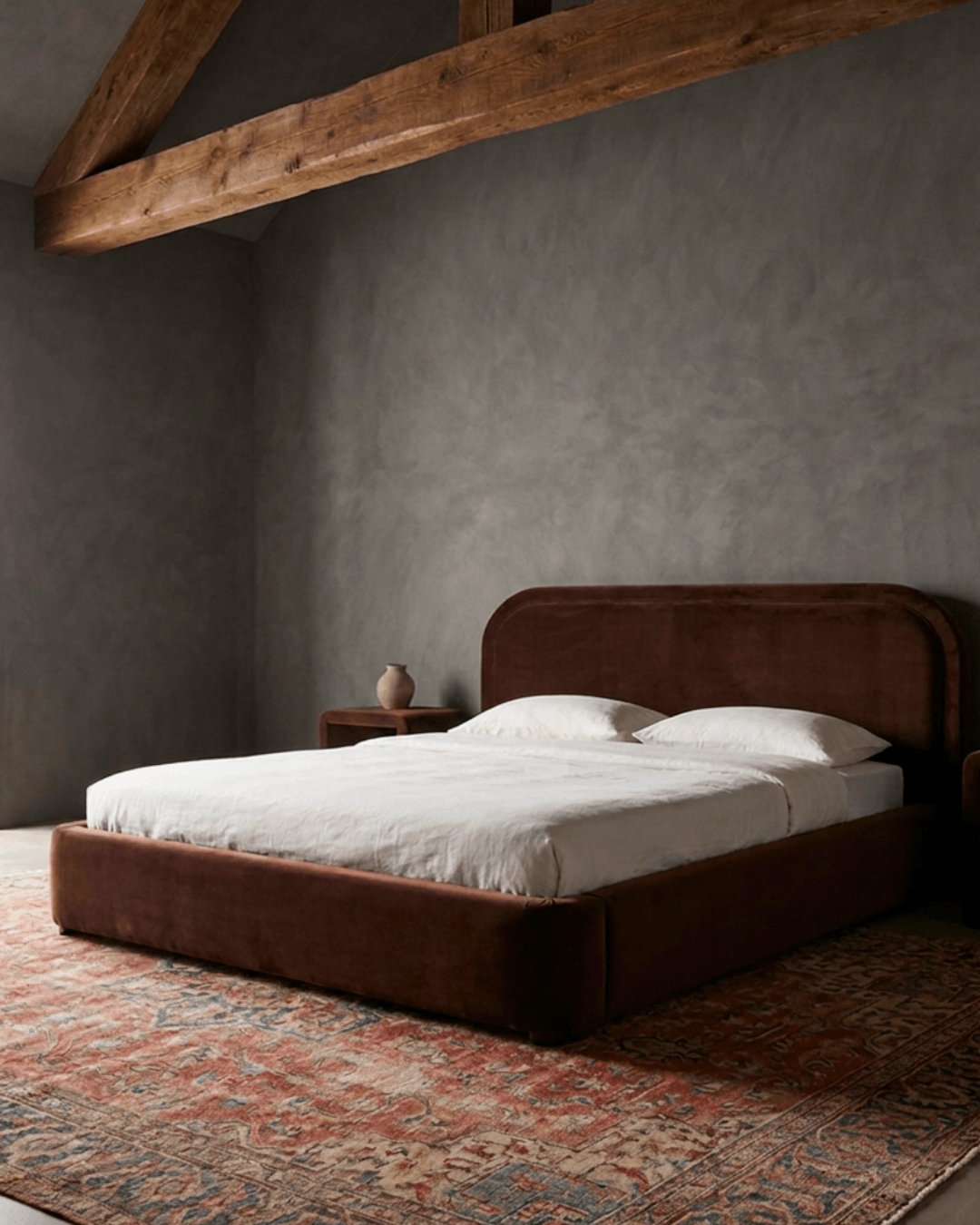
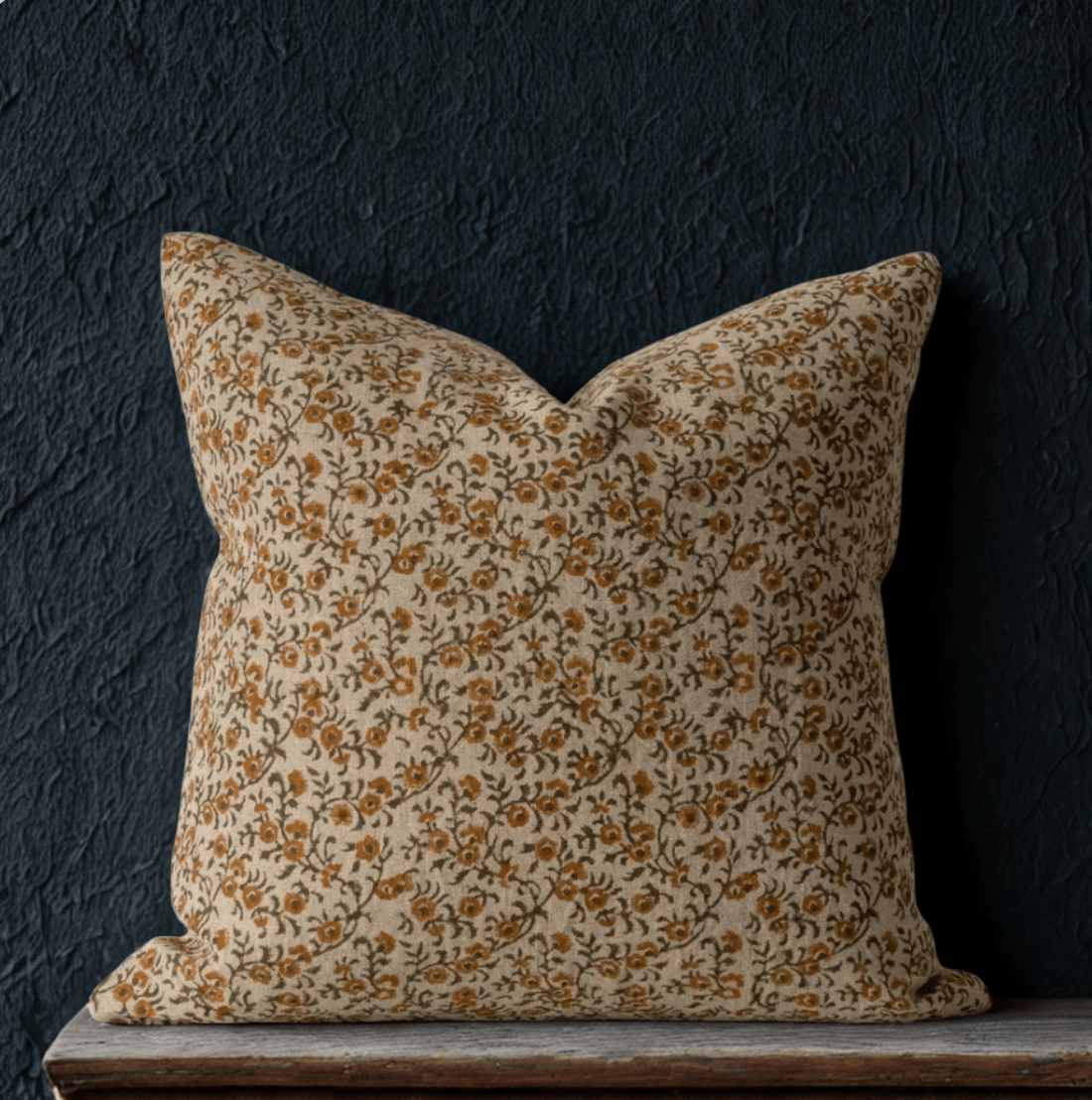
Pair reclaimed wood with softer materials like linen or fabric
Balance heavier tables with lighter seating
Keep surrounding decor minimal
This creates contrast.
And contrast is what makes the material stand out without overwhelming the space.
Where It Works Best
If you’re not sure where to start, focus on pieces that naturally ground the room:
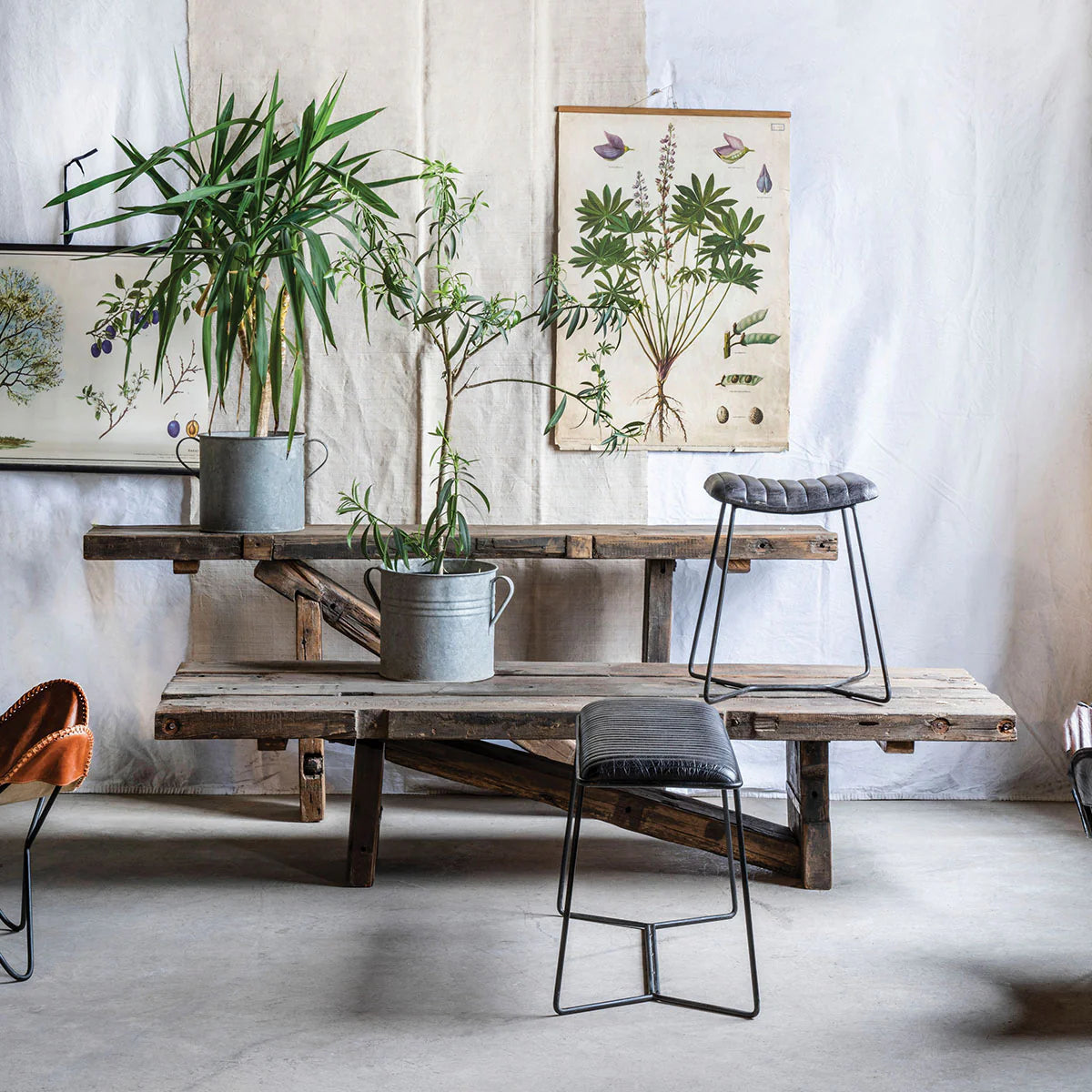
Coffee tables
Dining tables
Consoles or sideboards
These pieces sit at the center of how a space functions.
Which makes them the perfect place to introduce reclaimed wood furniture.
You can explore options that fit into different layouts through our vintage furniture collection.
Pairing It With Living Room Furniture
Reclaimed wood doesn’t exist on its own.
It works best when it’s in conversation with other materials.
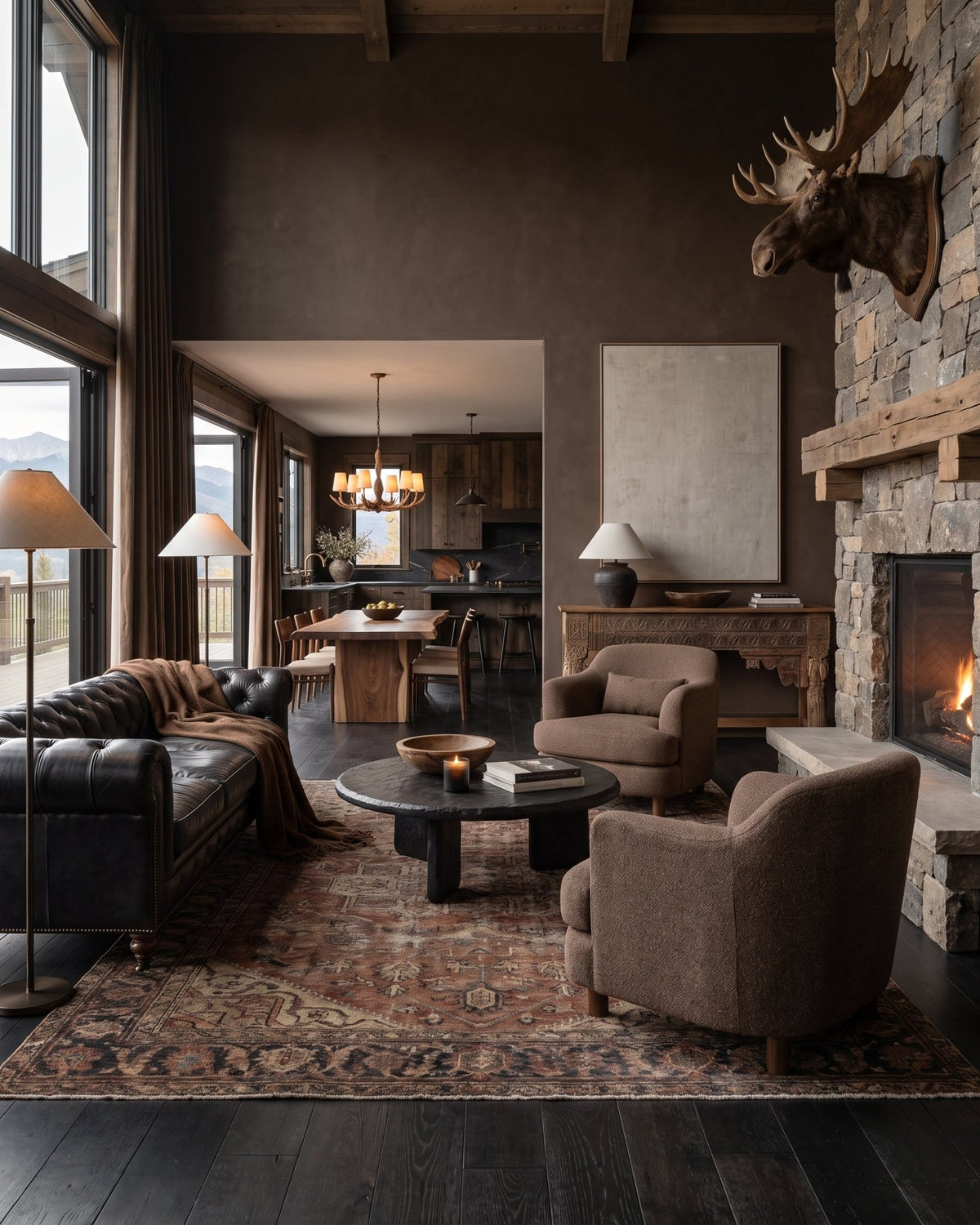
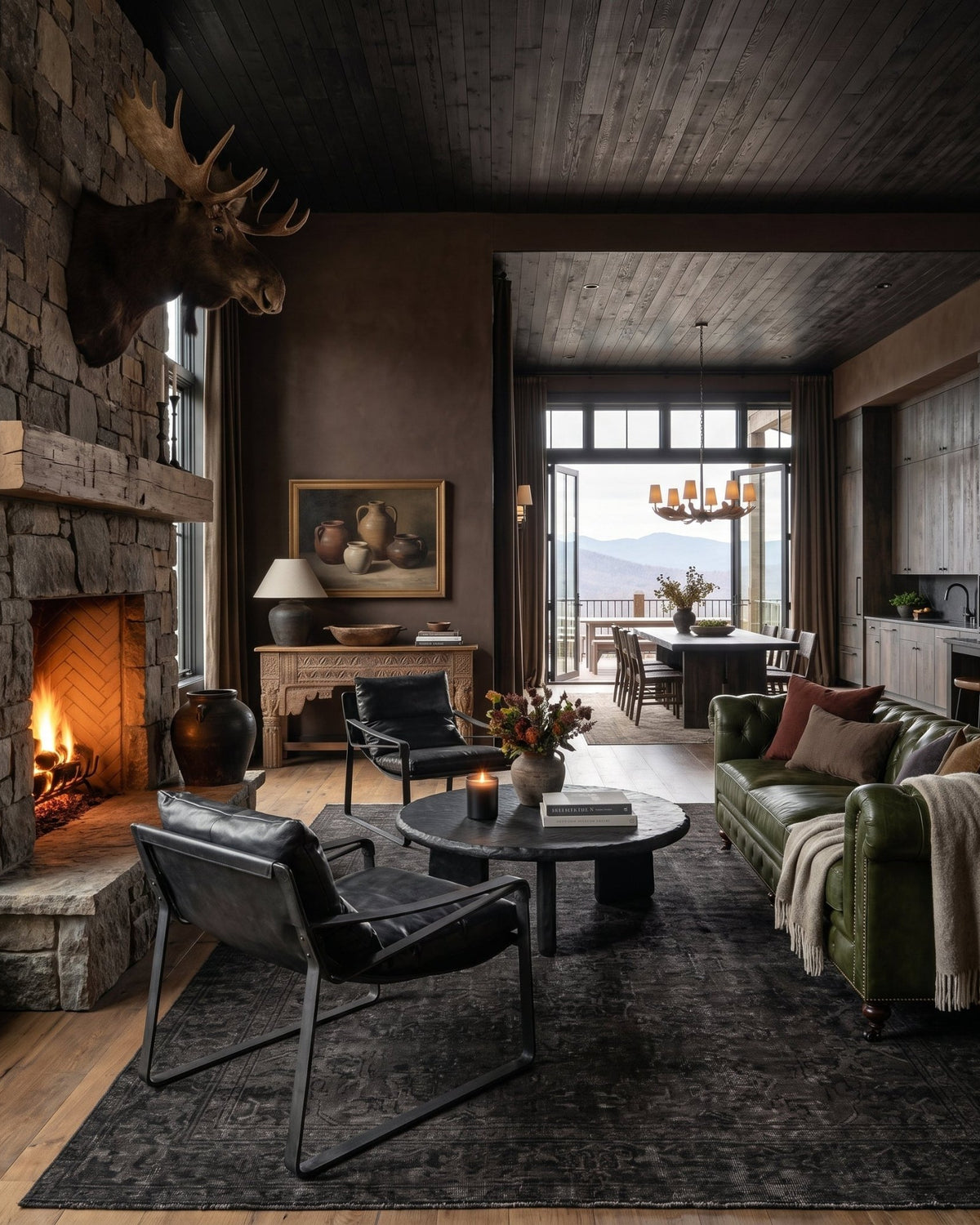
That’s where your living room furniture comes in.
For example:
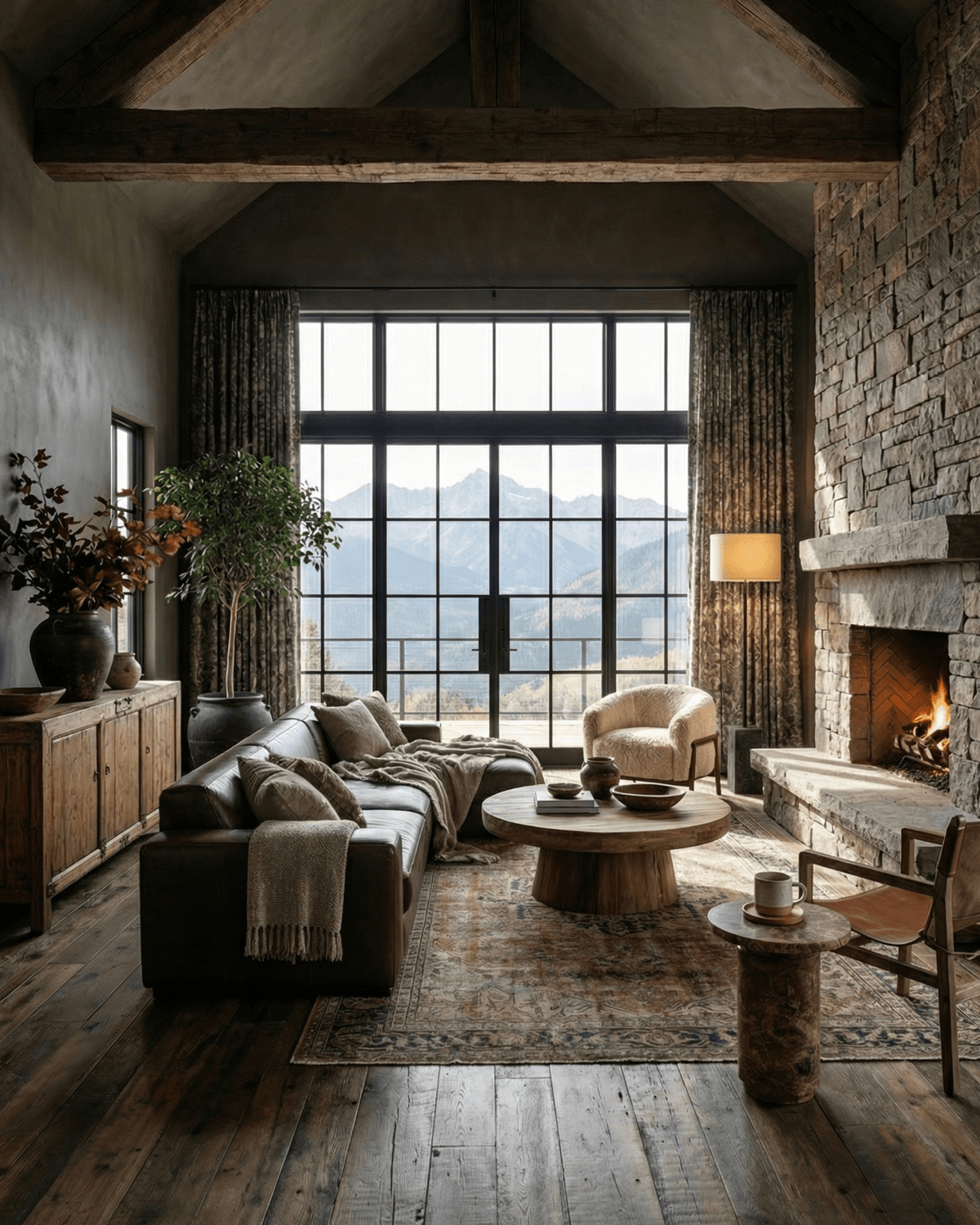
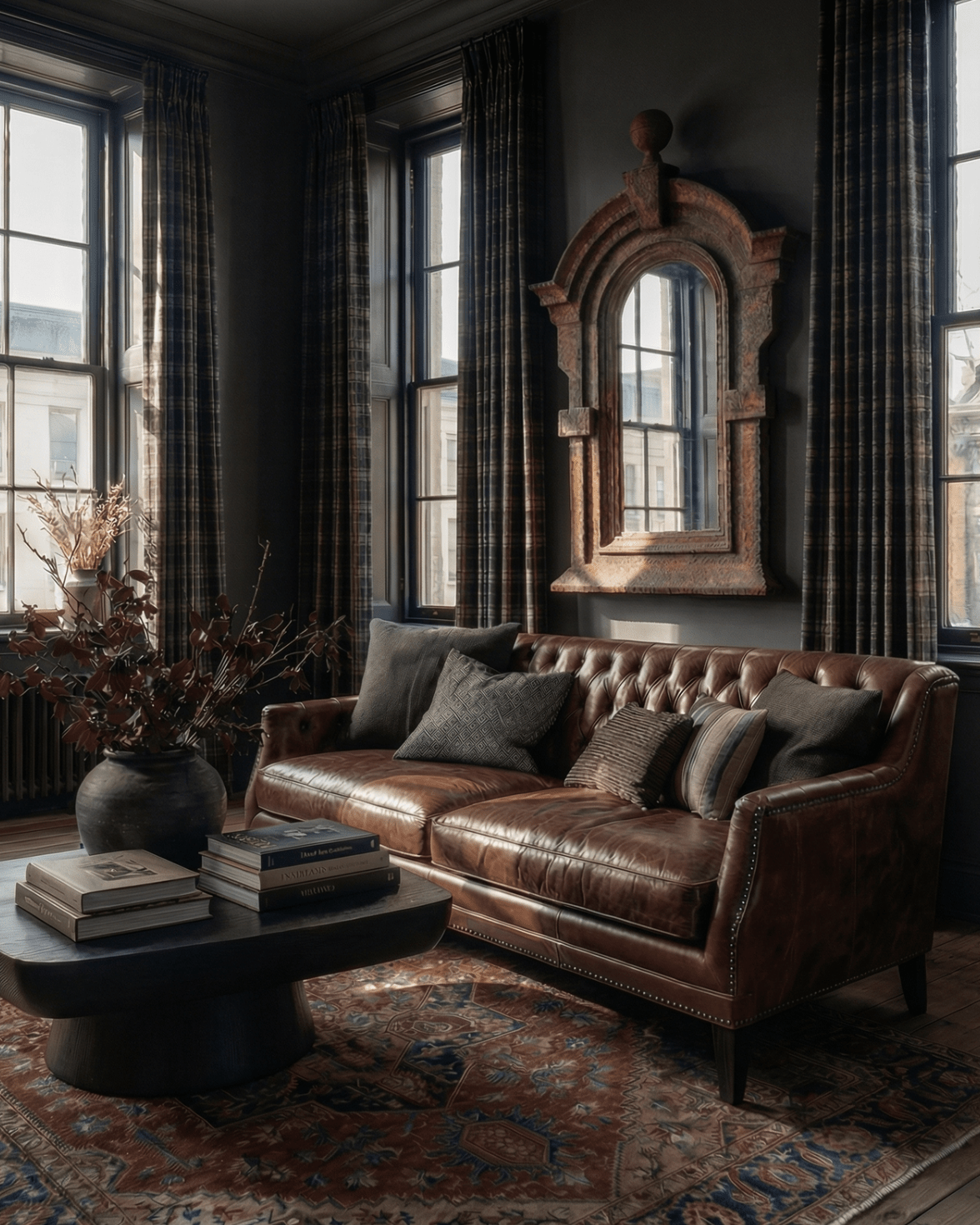
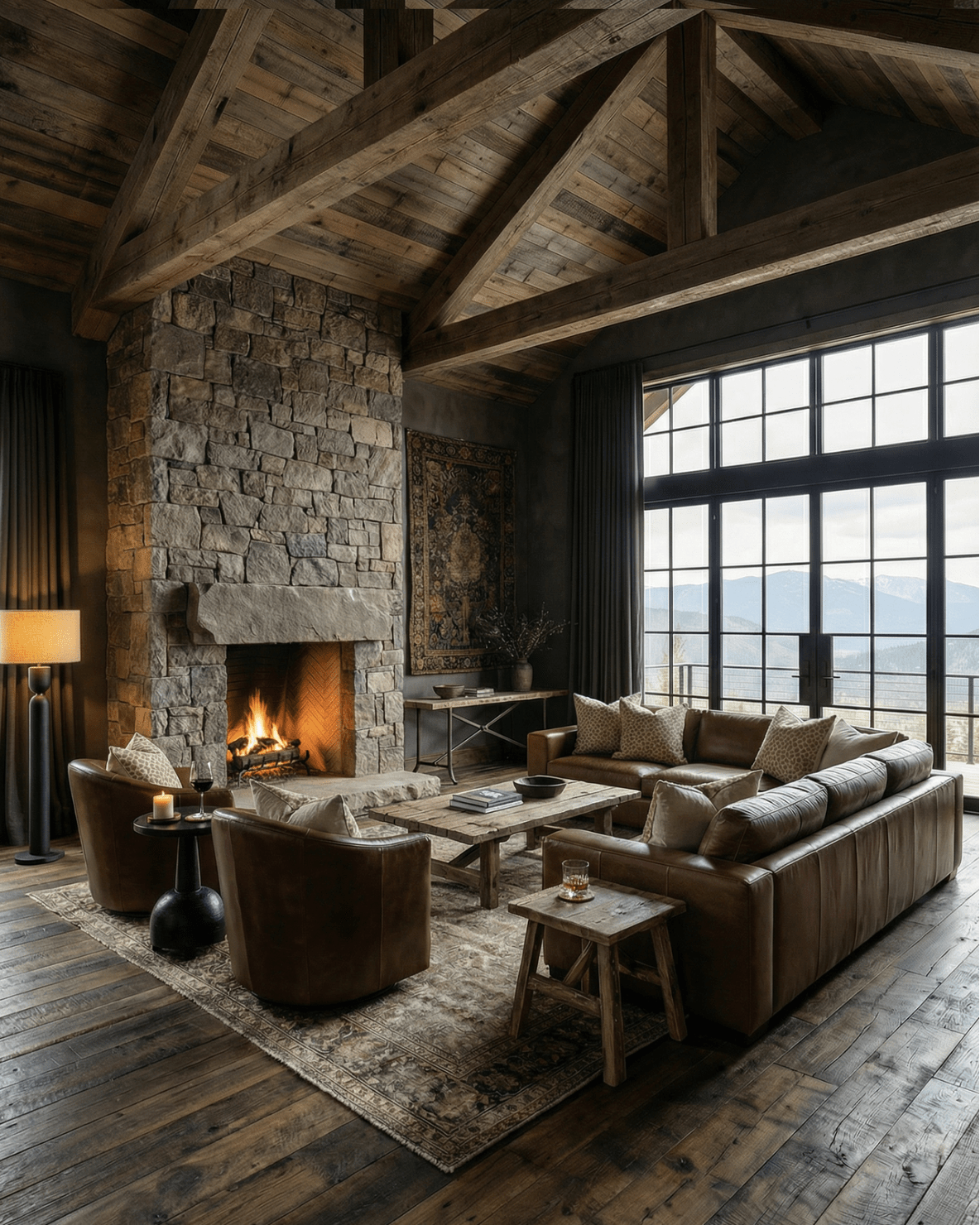
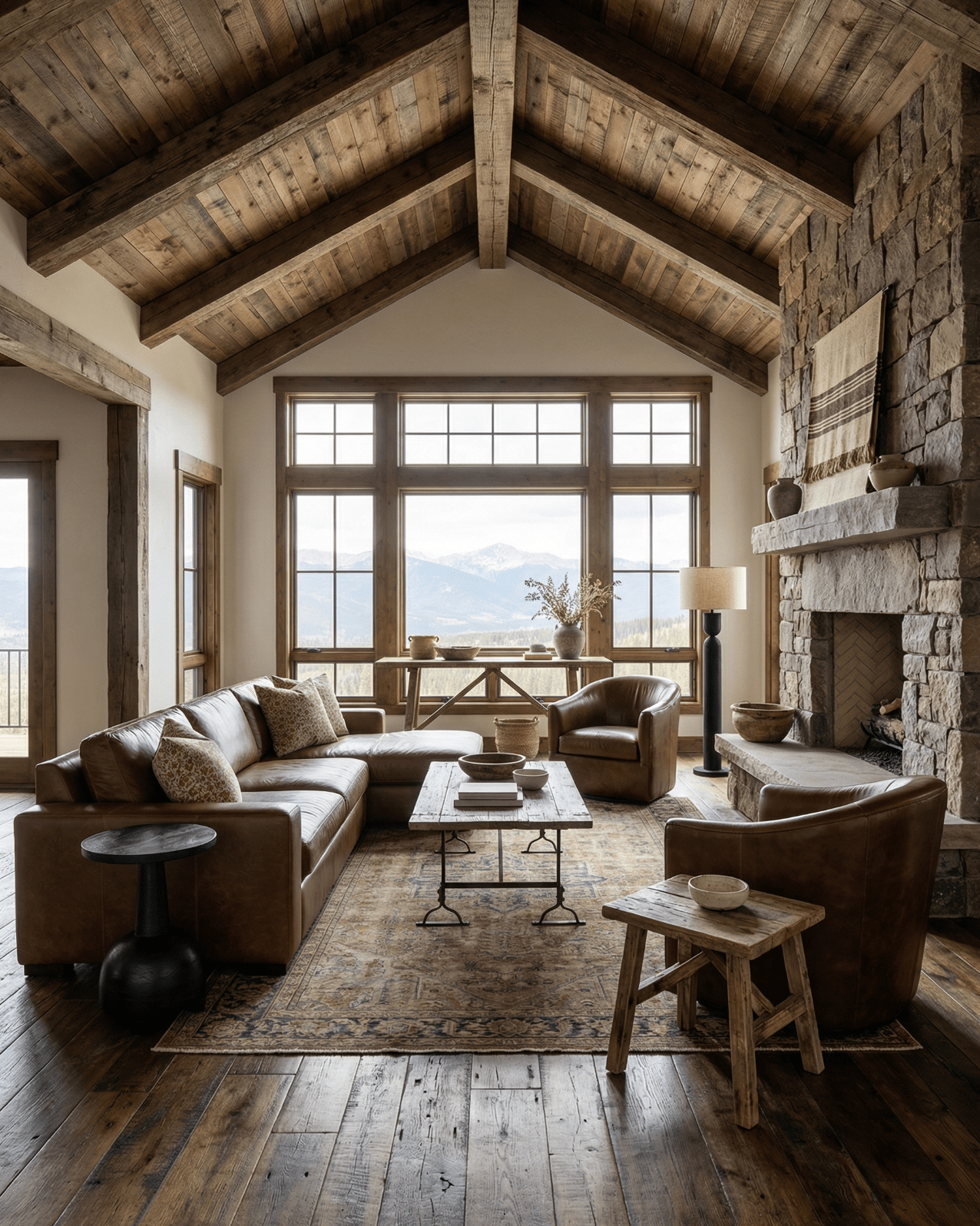
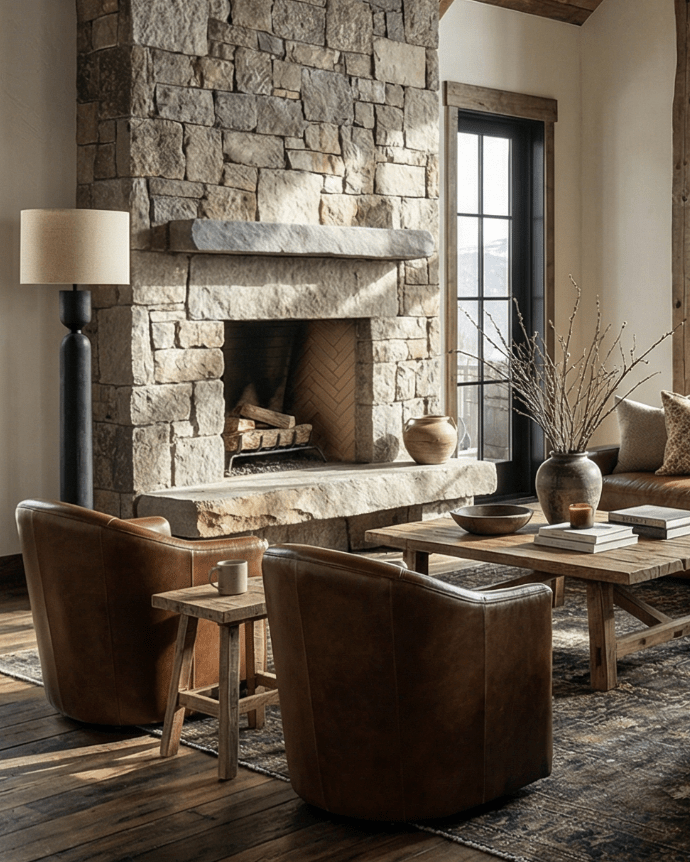
A reclaimed wood coffee table with a structured sofa
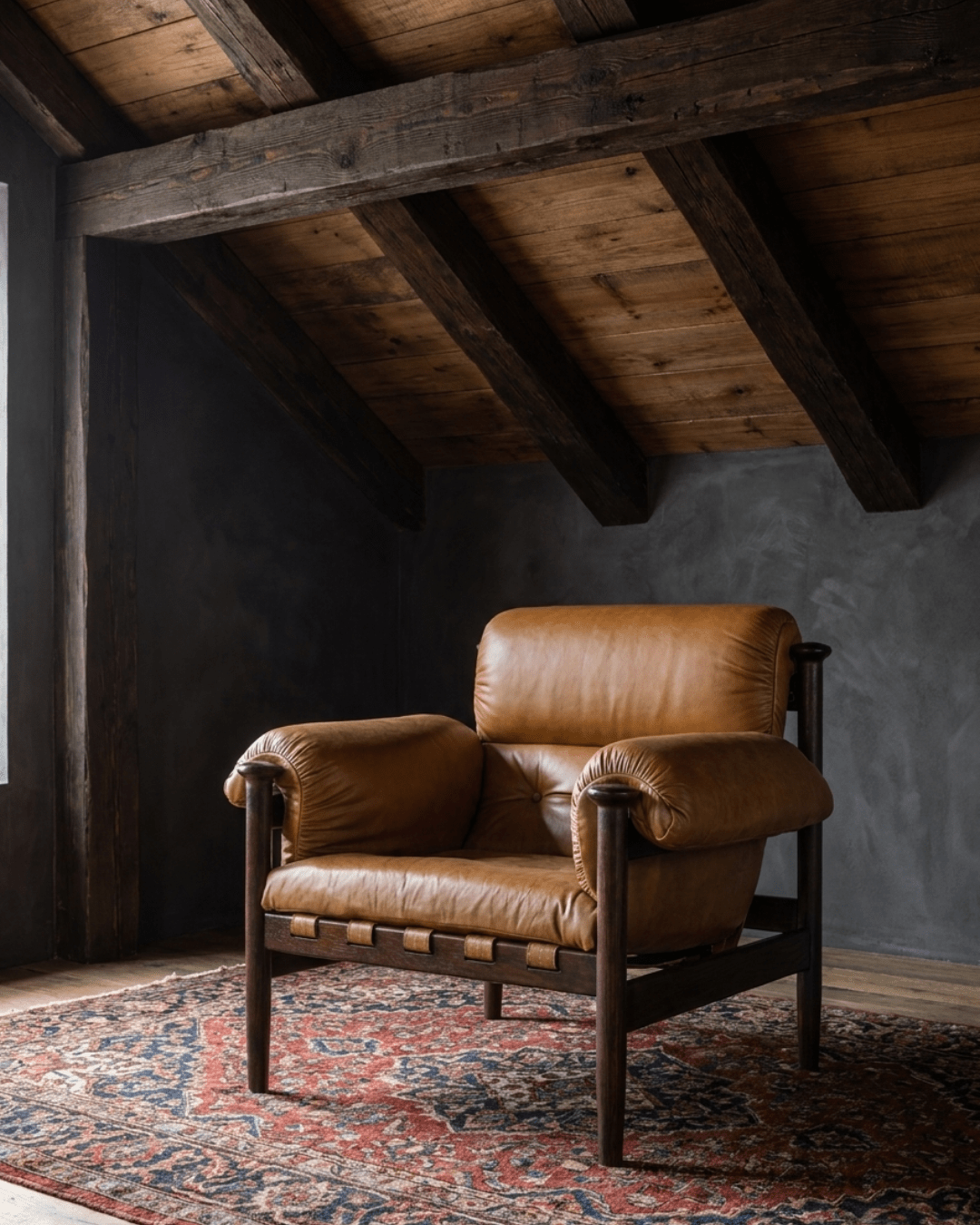
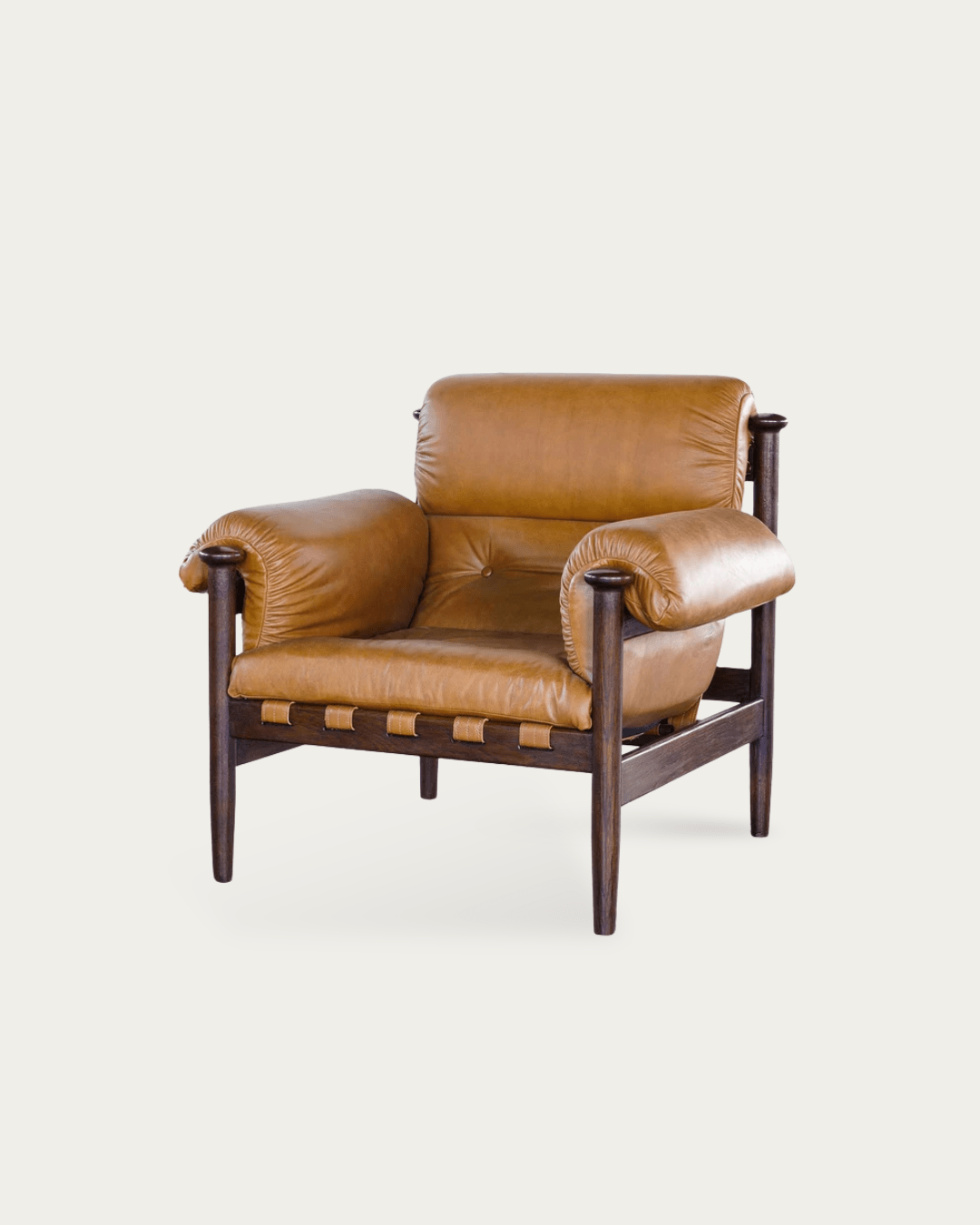
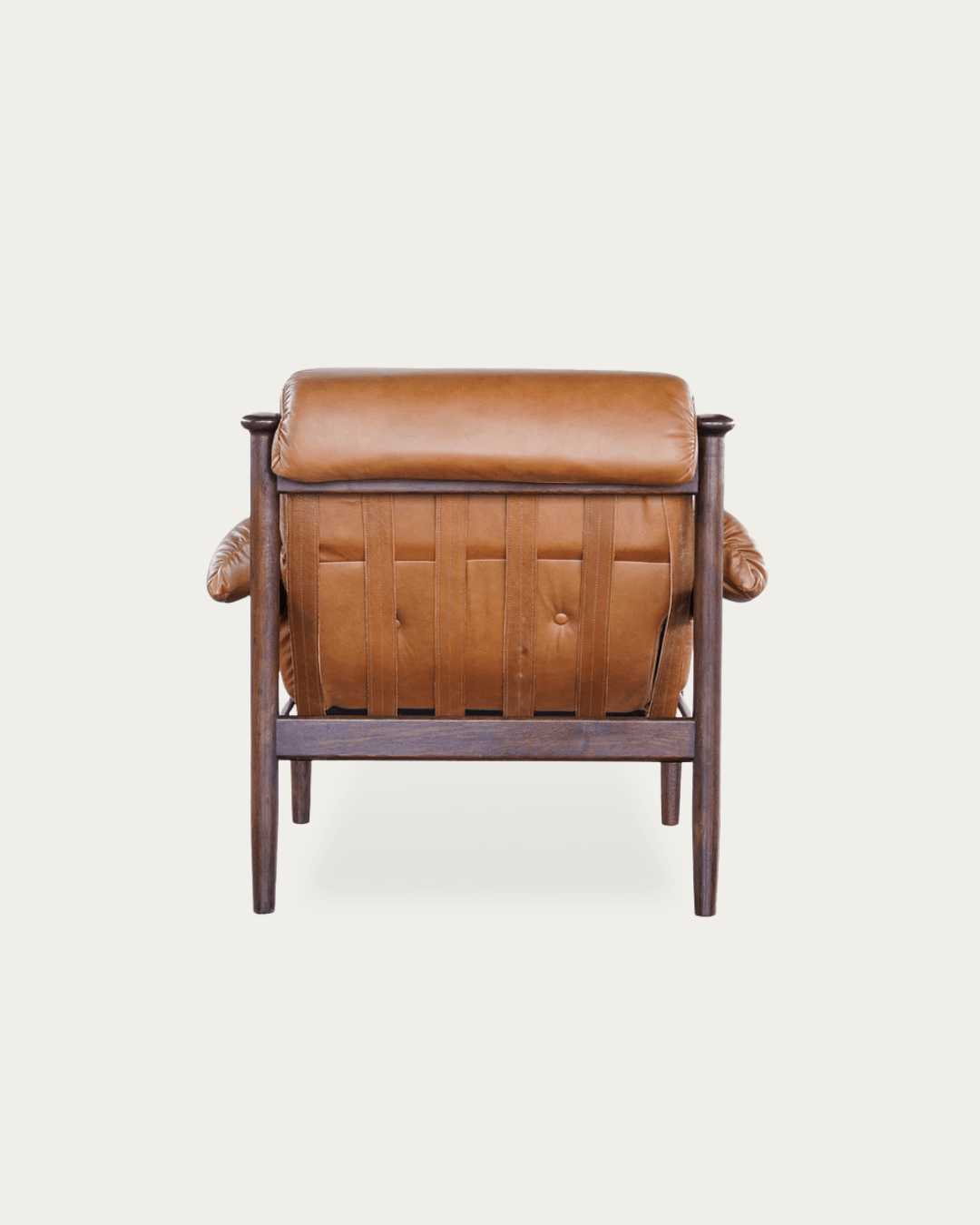
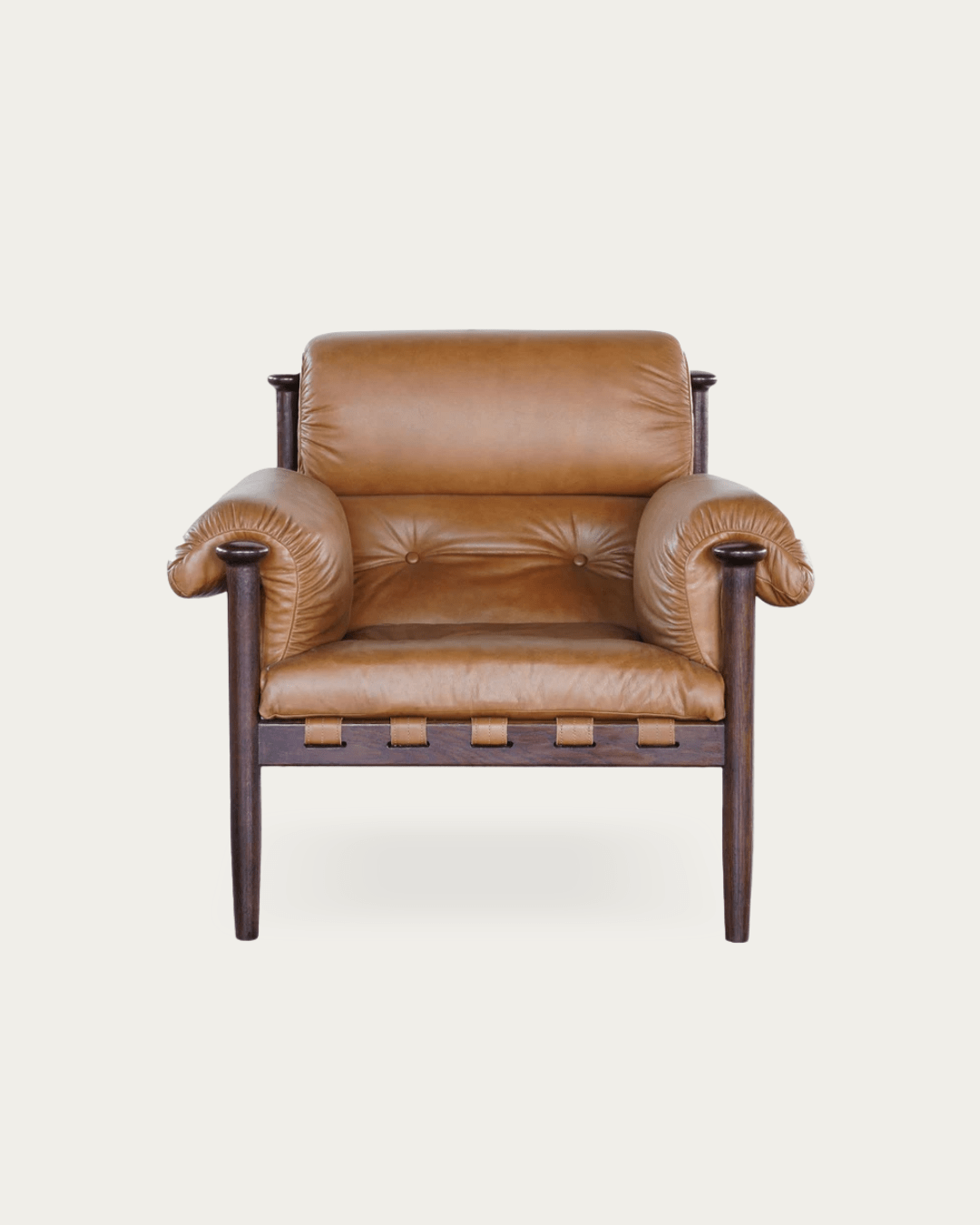
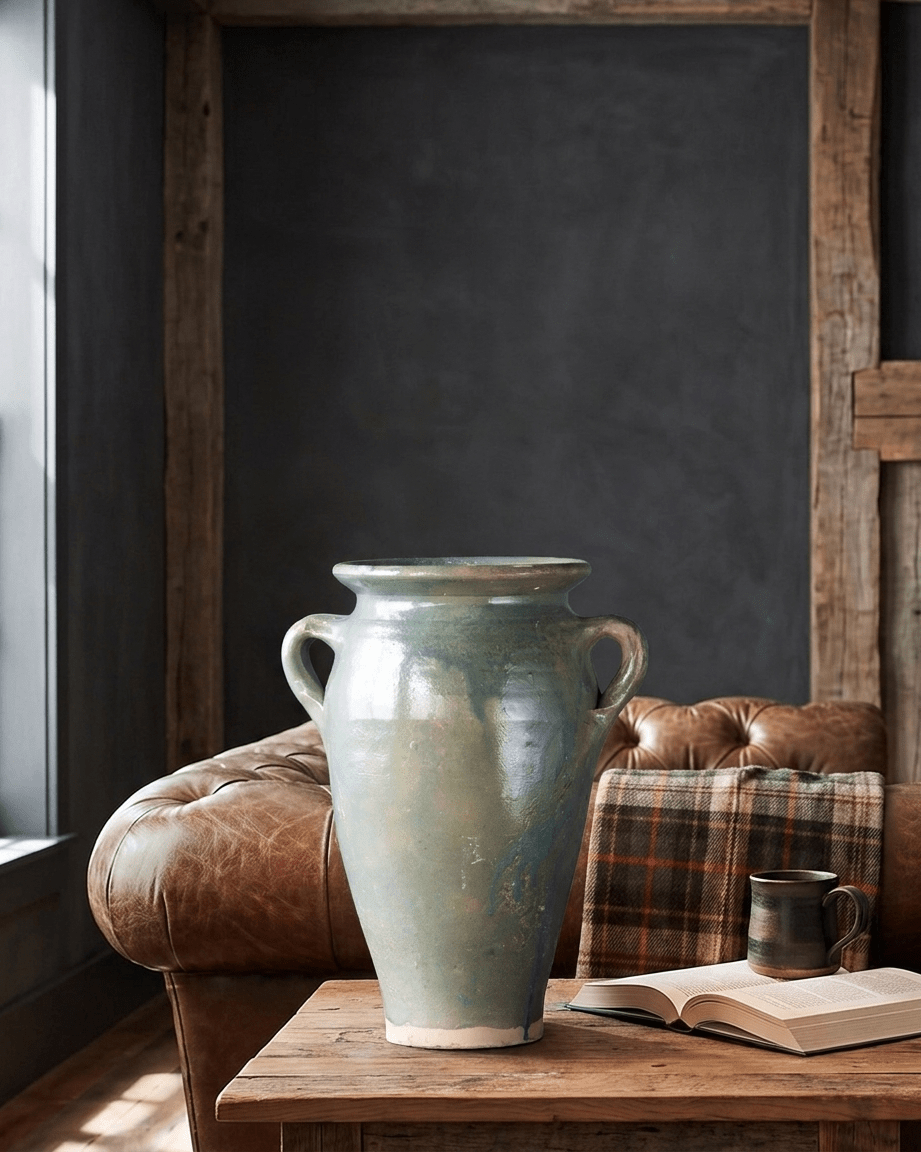
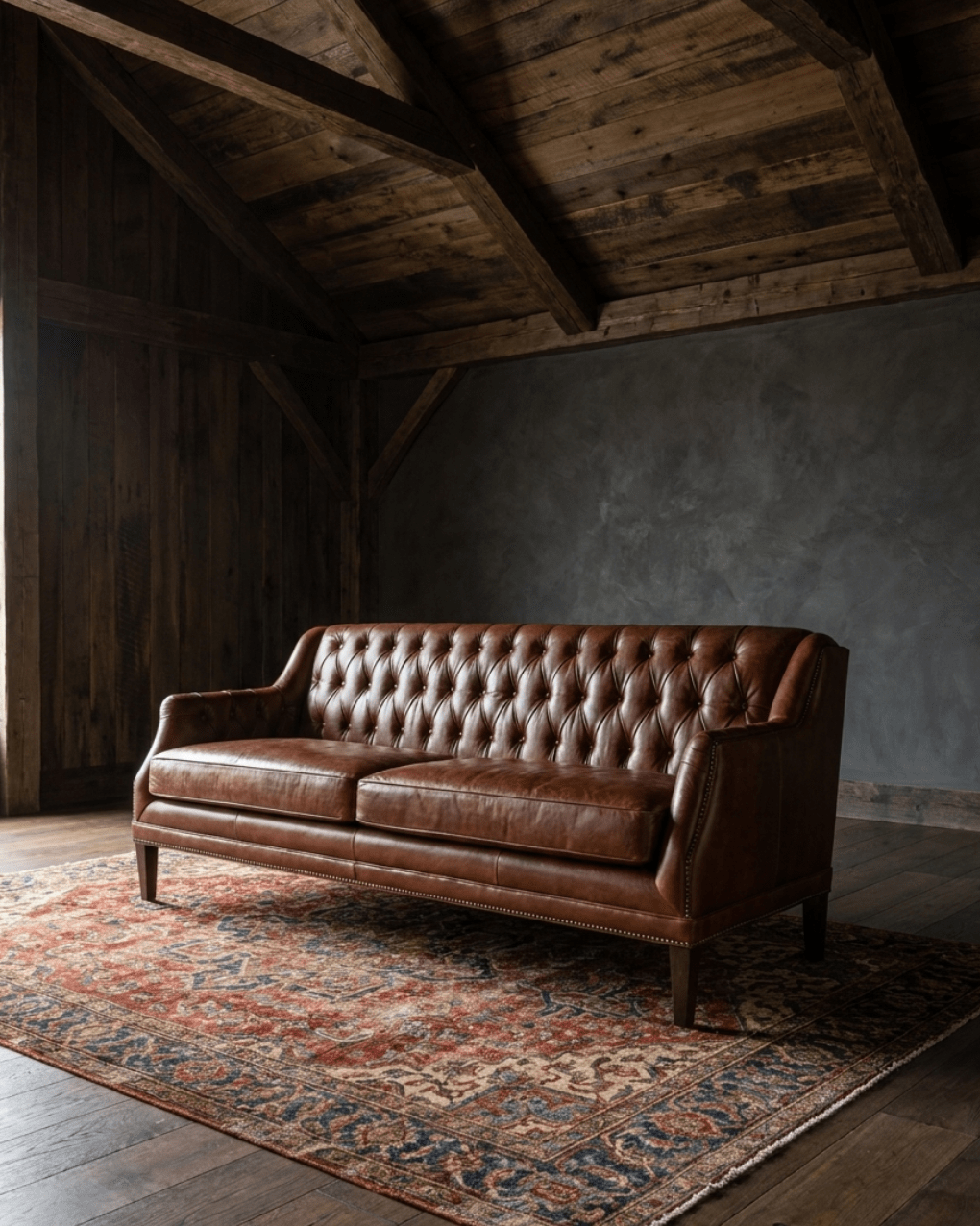
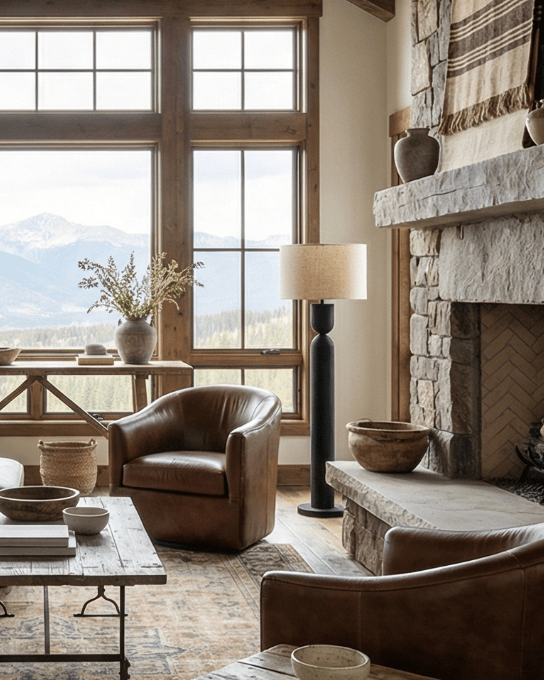
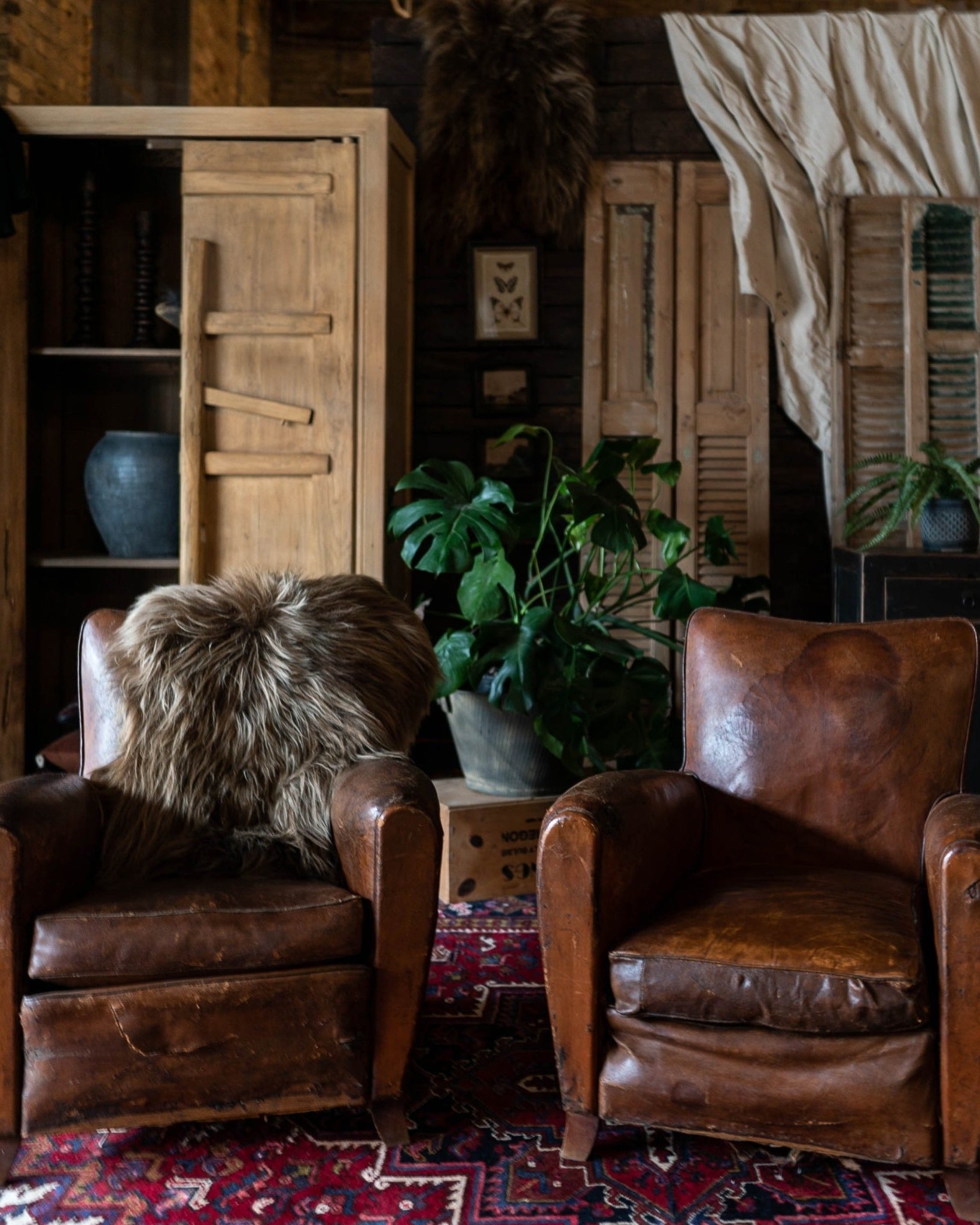
A wood console paired with leather seating
A heavier table balanced with lighter chairs
This mix creates rhythm.
It prevents the room from feeling flat—or overly styled.
If you’re building around foundational pieces, you can explore options here:
living room furniture collection
Why It Feels More “Real”
There’s a reason reclaimed wood stands out immediately.
It hasn’t been standardized.
It hasn’t been flattened into one consistent finish.
And your brain picks up on that instantly.
From a neuroscience perspective, natural variation reduces the need for constant scanning.
It gives your eyes a clear point to return to.
That’s what makes a room feel calmer—not busier.
A RUTED Tip: Let Materials Do the Regulating Your nervous system responds to texture and variation faster than it responds to color or styling, and materials like reclaimed wood introduce irregular patterns that reduce visual predictability just enough to hold attention without overwhelming it—this lowers cognitive load and allows your brain to stop scanning for order, which is why adding even one piece of reclaimed wood furniture can make a space feel more settled without changing anything else.
When a Room Finally Clicks
It’s not when everything is perfectly styled.
It’s when nothing feels like it’s floating.
Reclaimed wood creates that effect.
It gives the room something to hold onto.
Something that doesn’t feel temporary.
And that’s usually what’s missing.
Where to Start
You don’t need to redo your entire space.
Start with one piece.
Something central. Something functional.
Something that naturally draws attention without asking for it.
You can browse curated options through our reclaimed wood furniture collection:
Or pair it with structured pieces through our living room furniture collection:
Final Thought
A space doesn’t feel grounded because of how it looks.
It feels grounded because of what it’s made of.
And sometimes, the difference is already in the material.