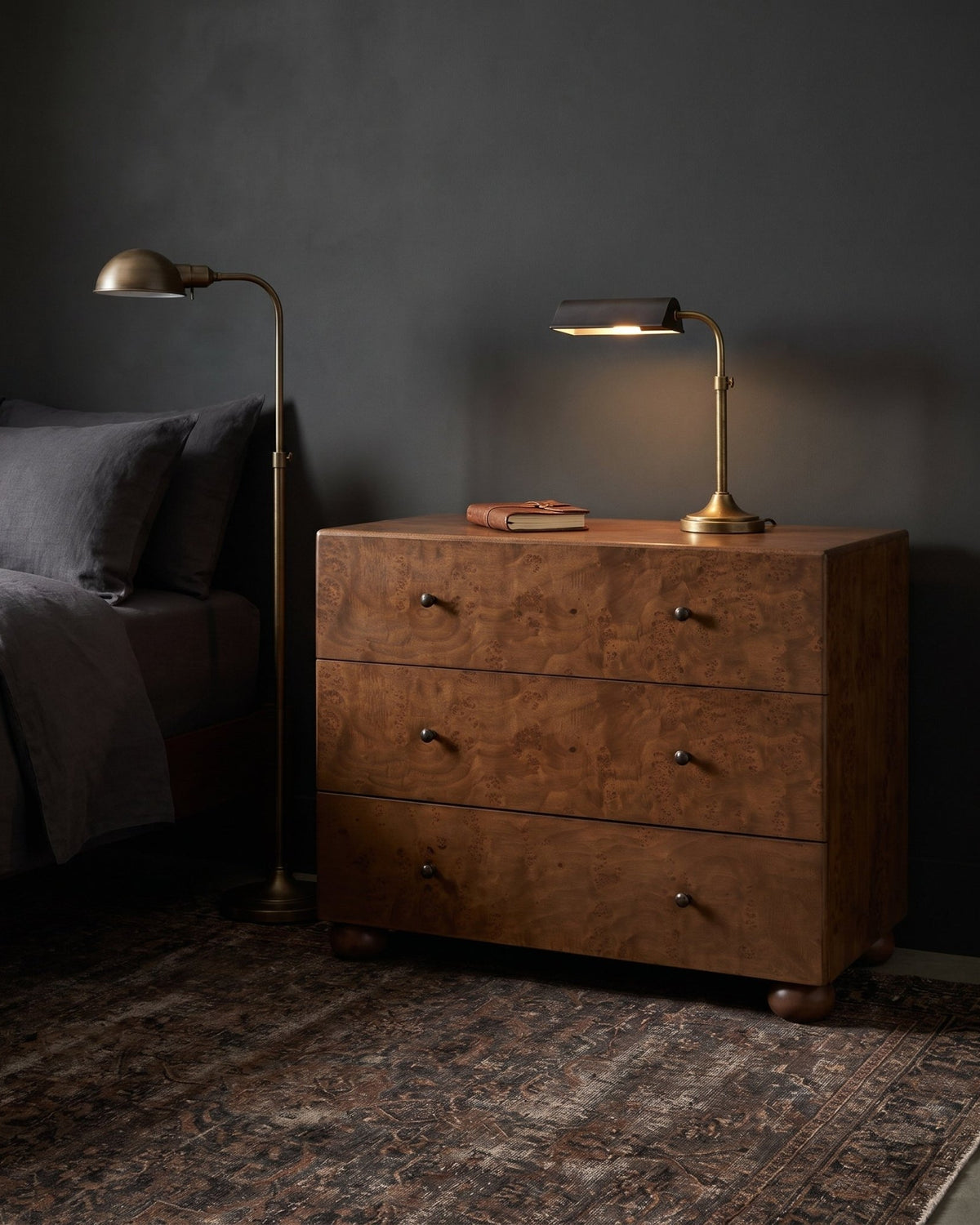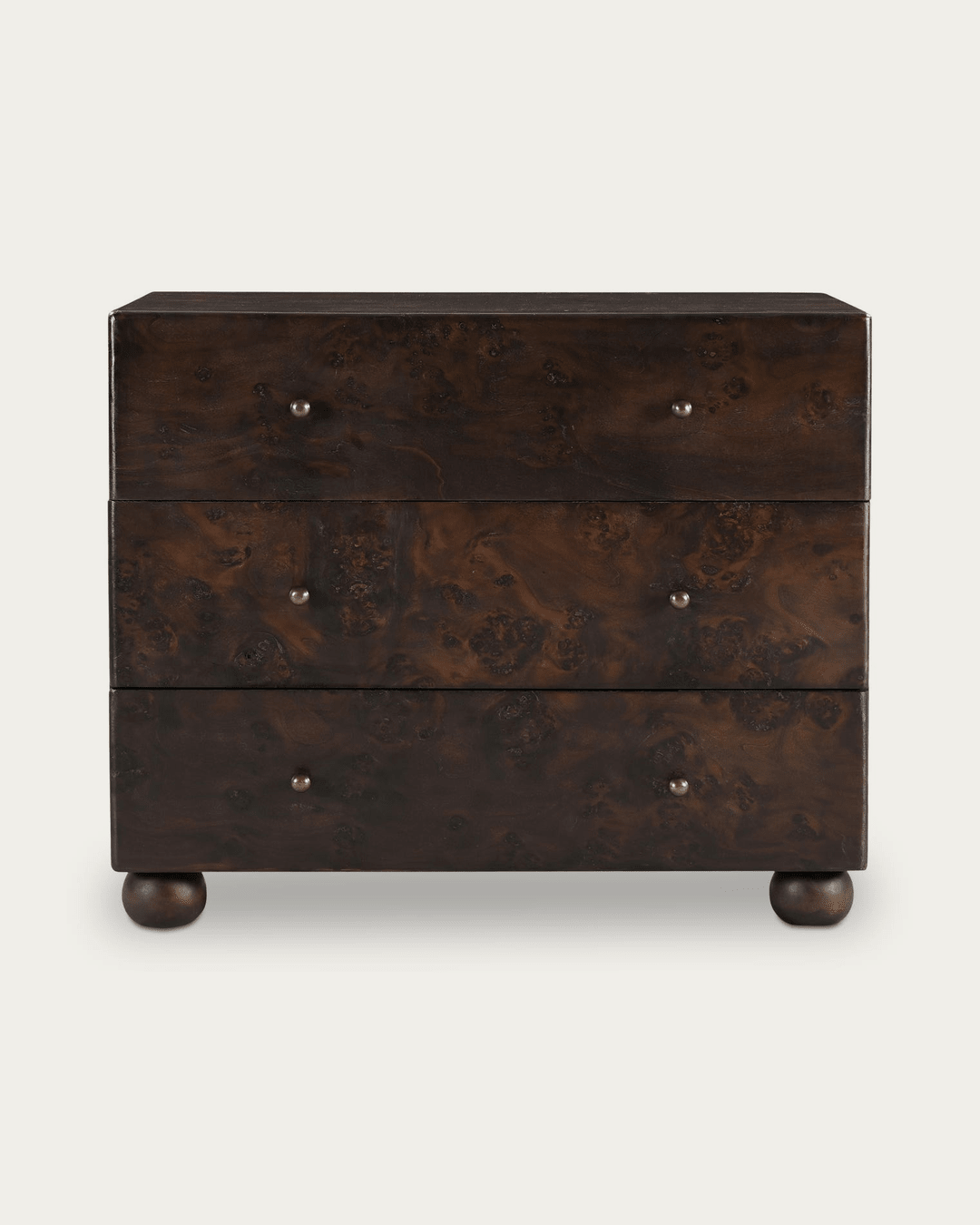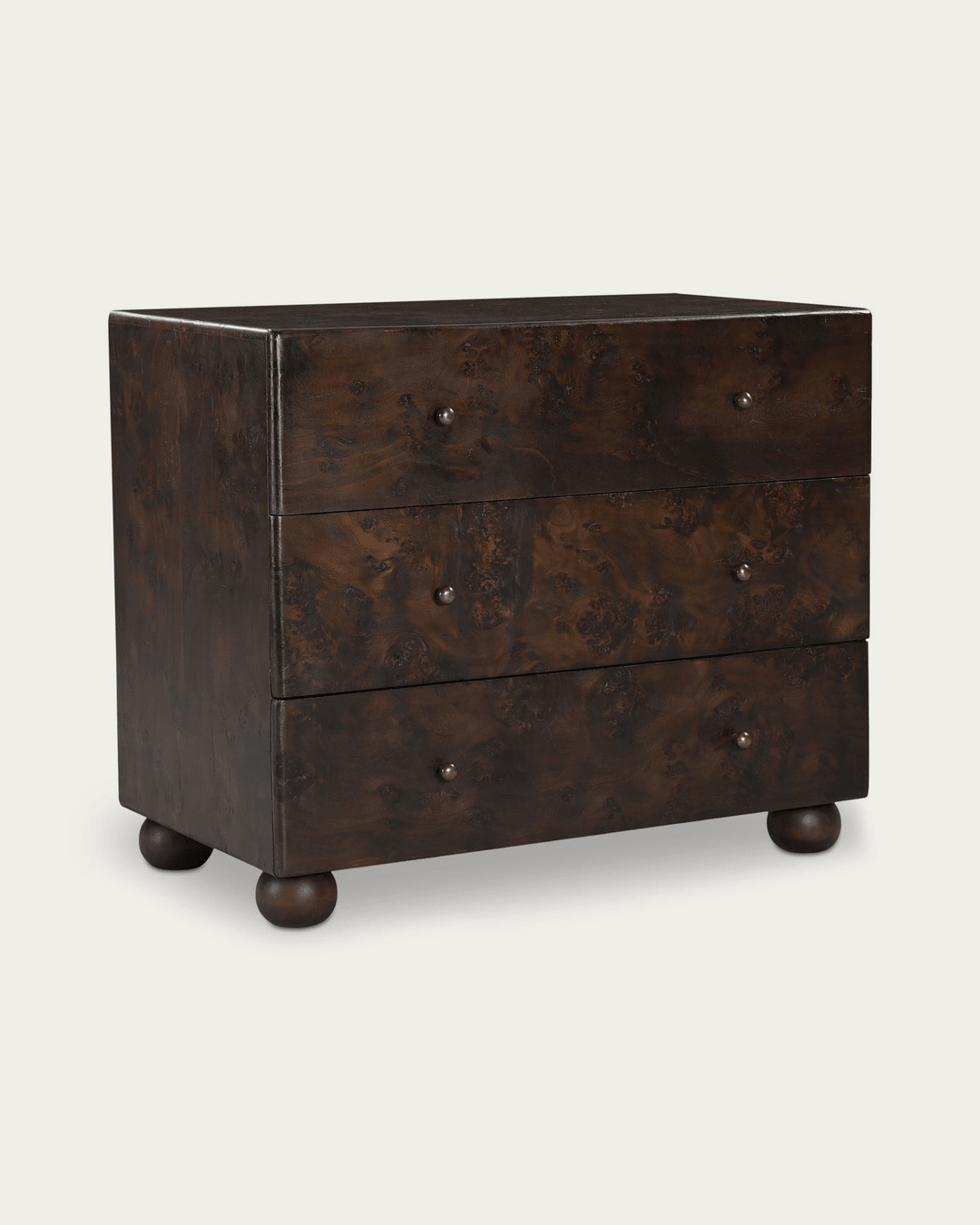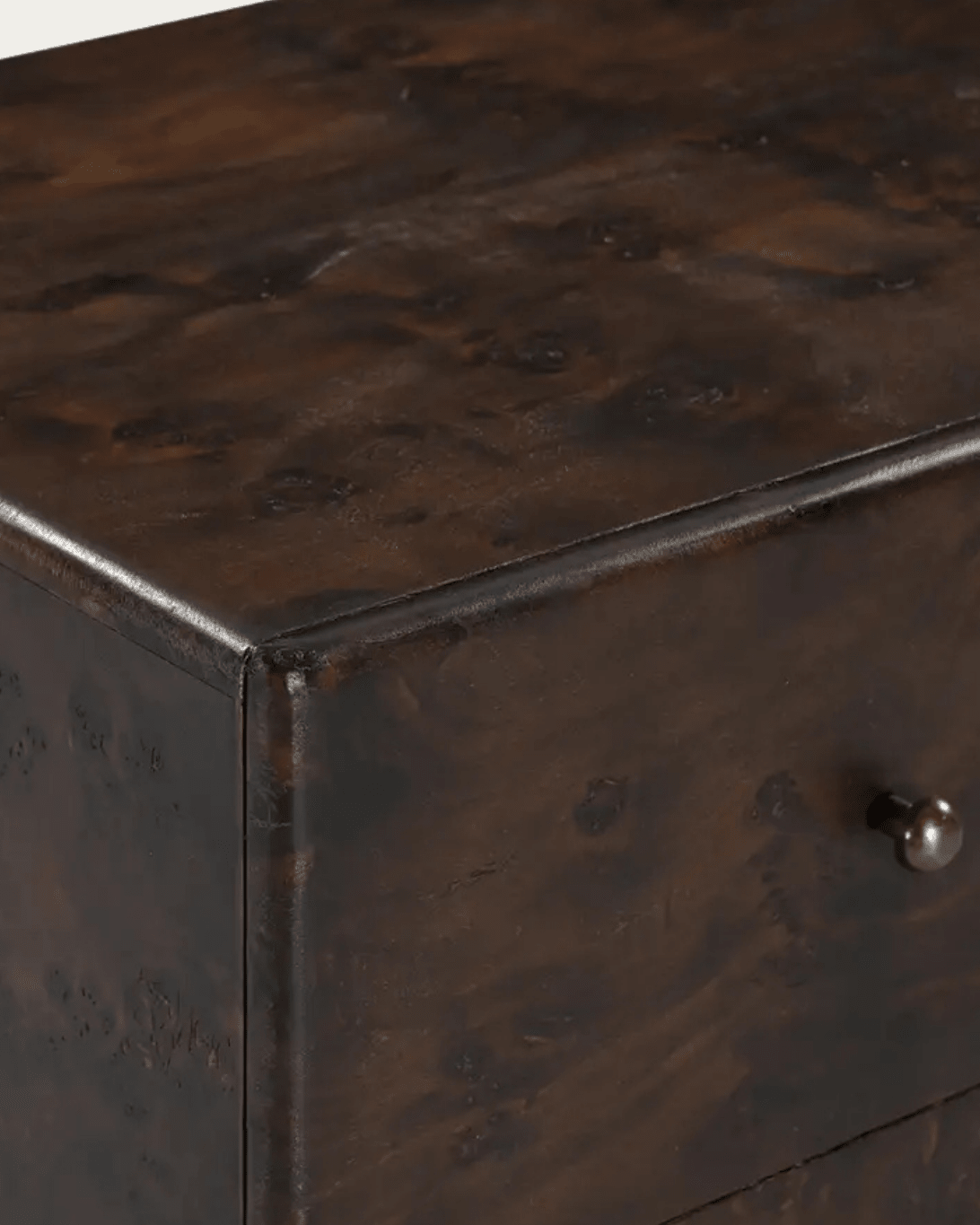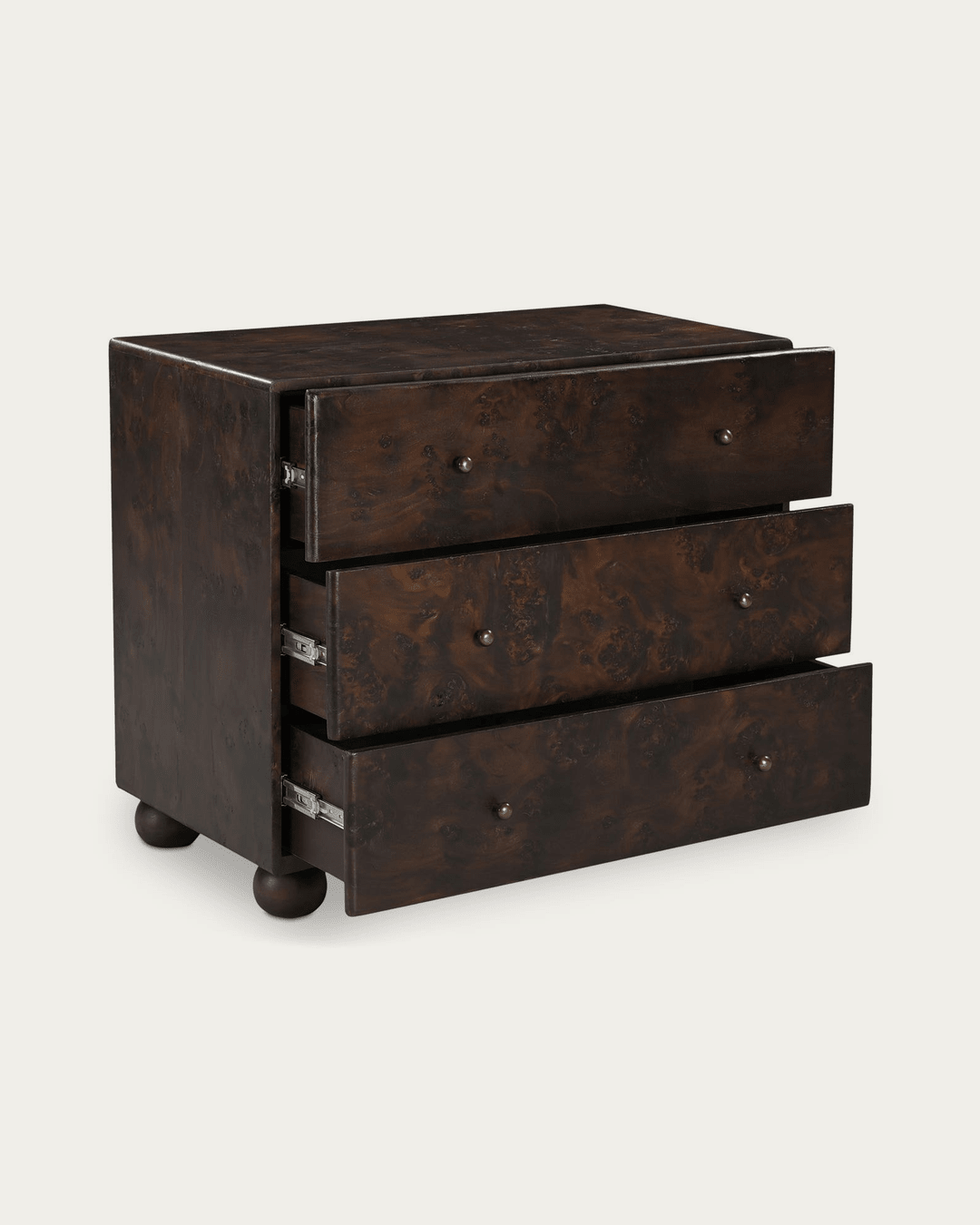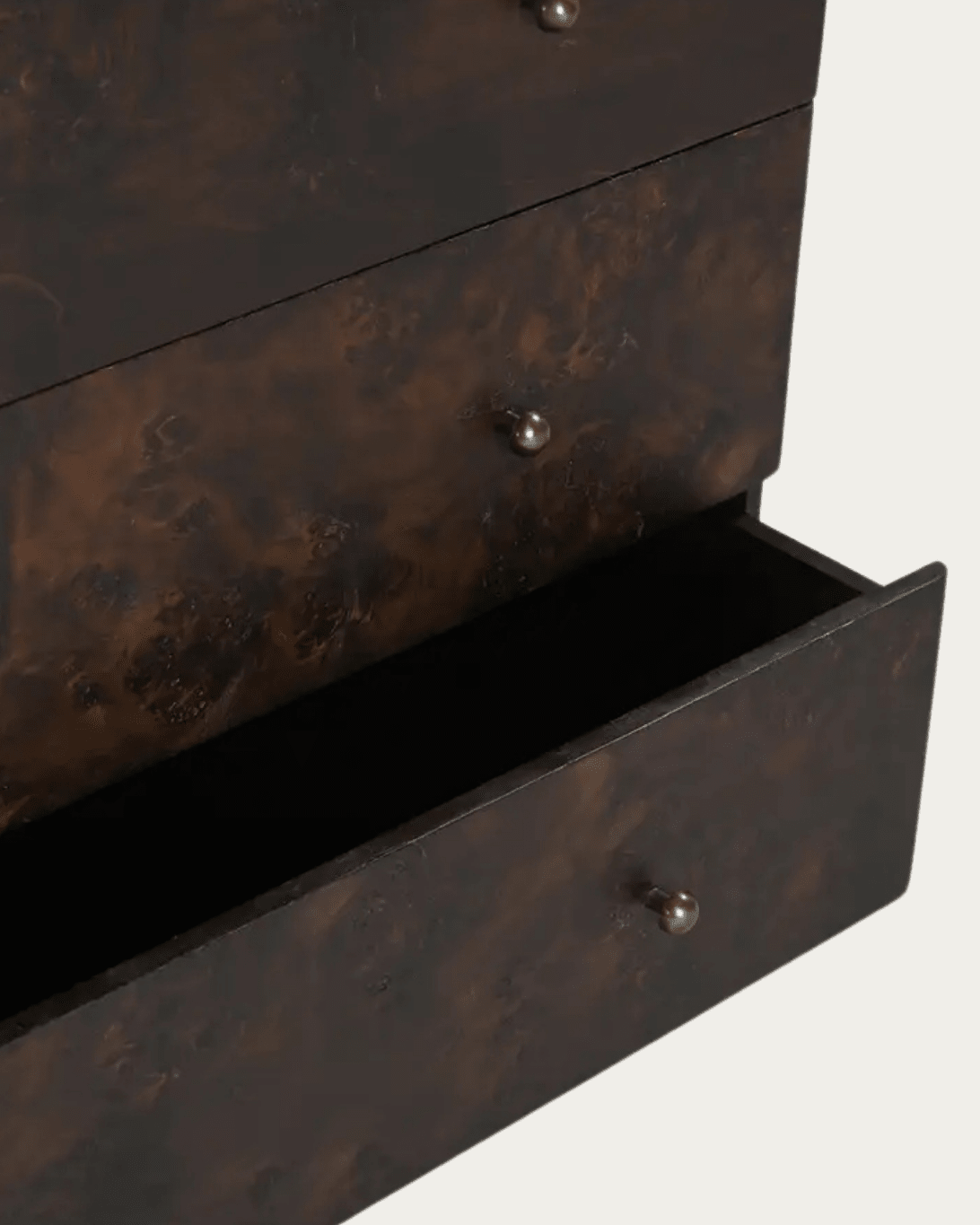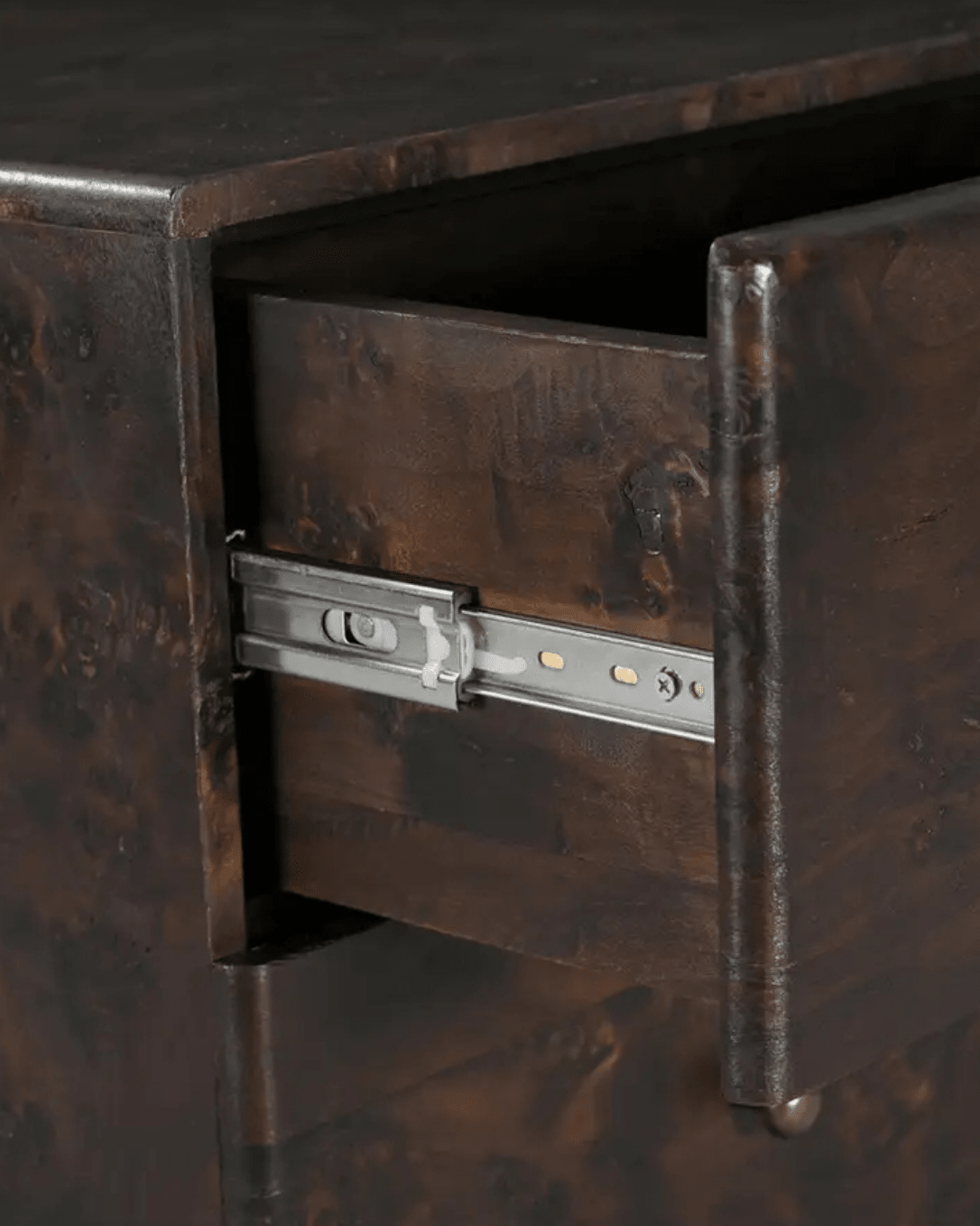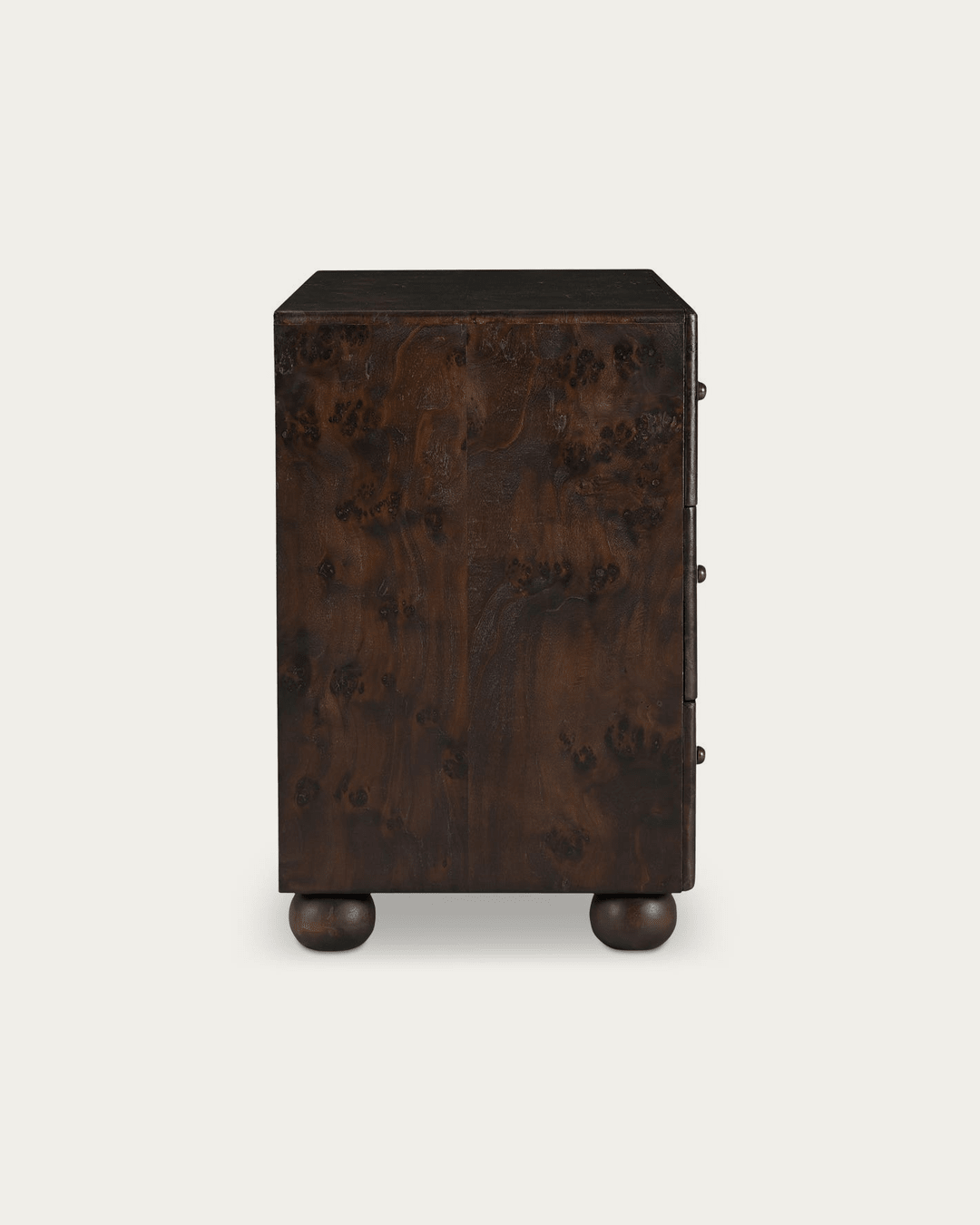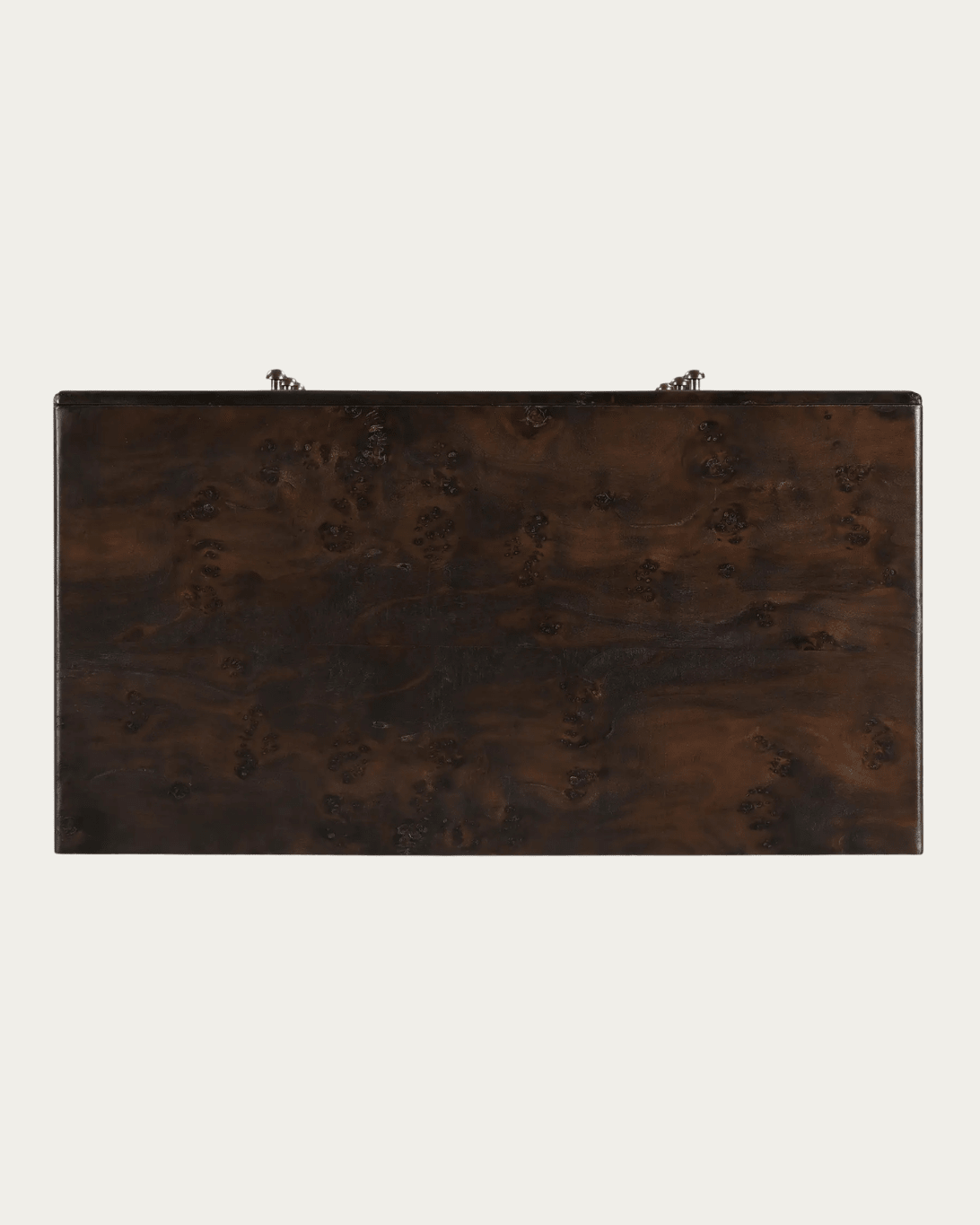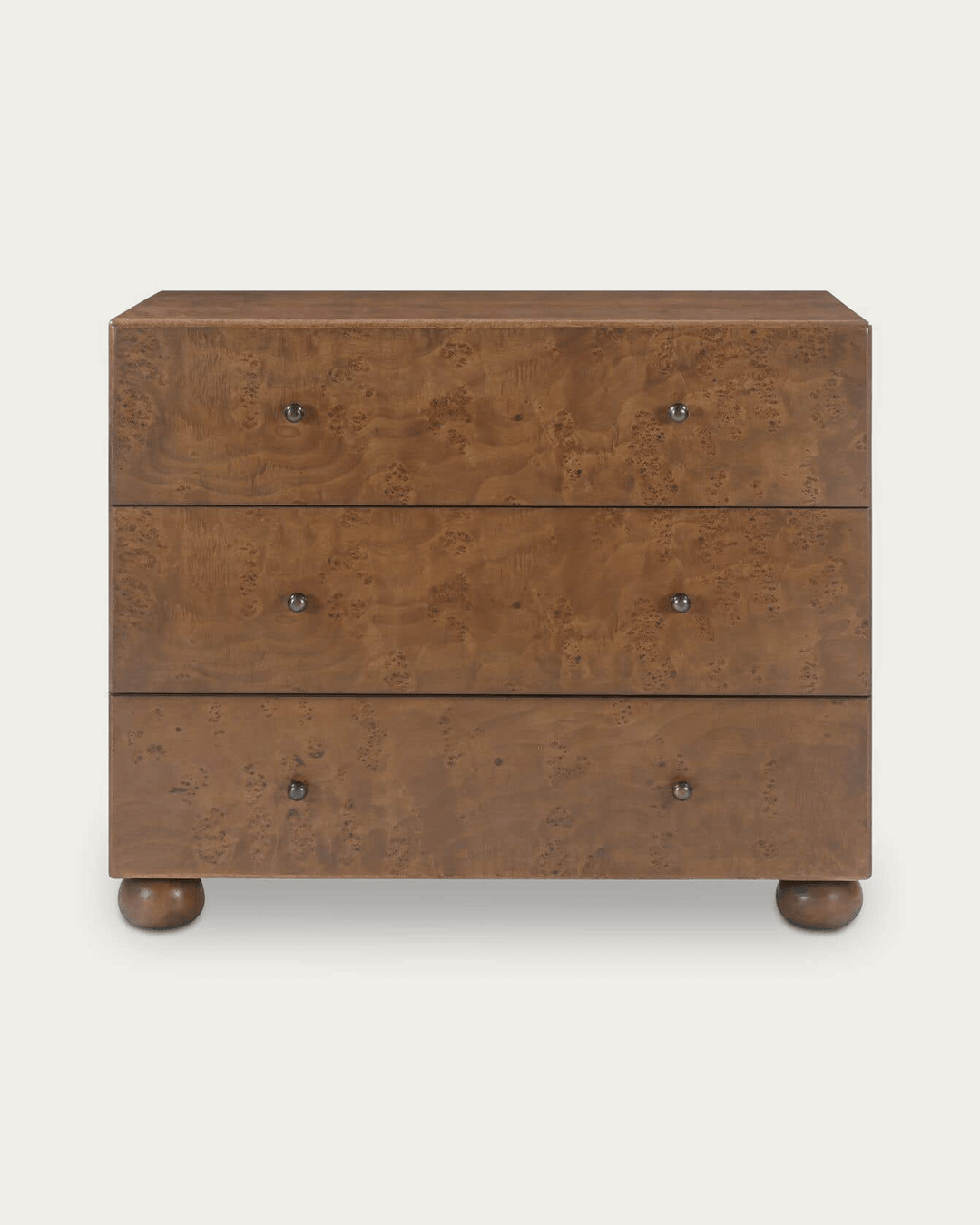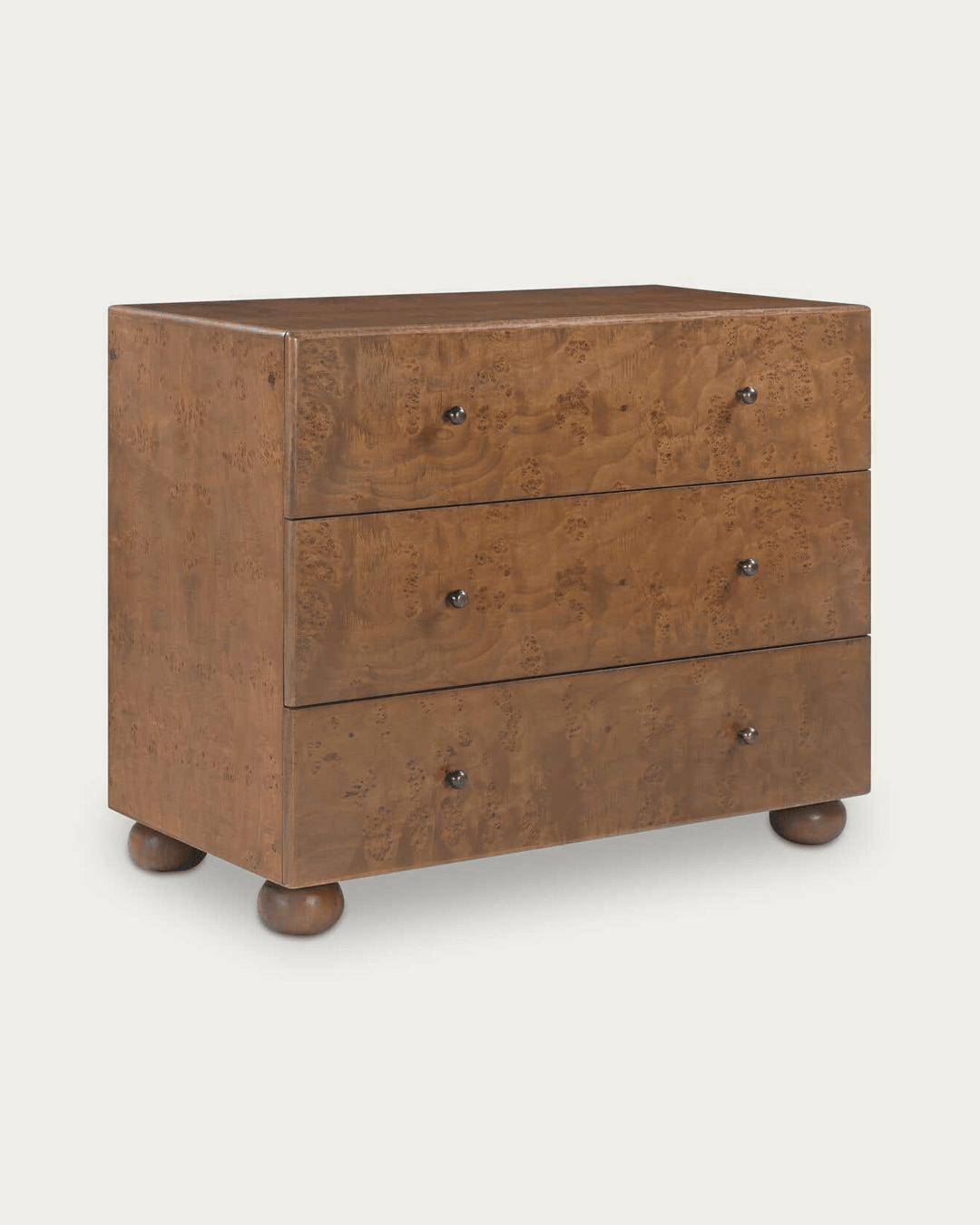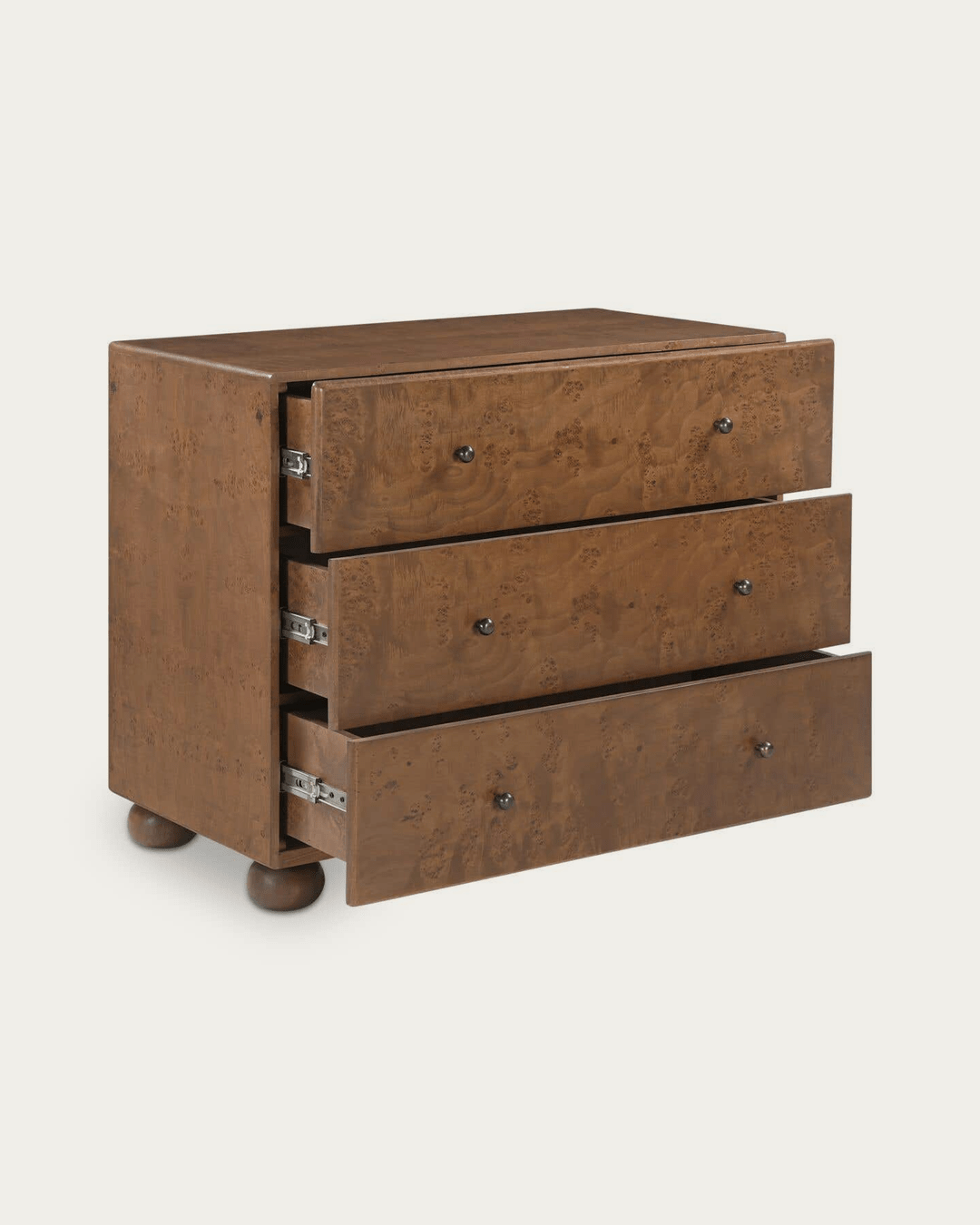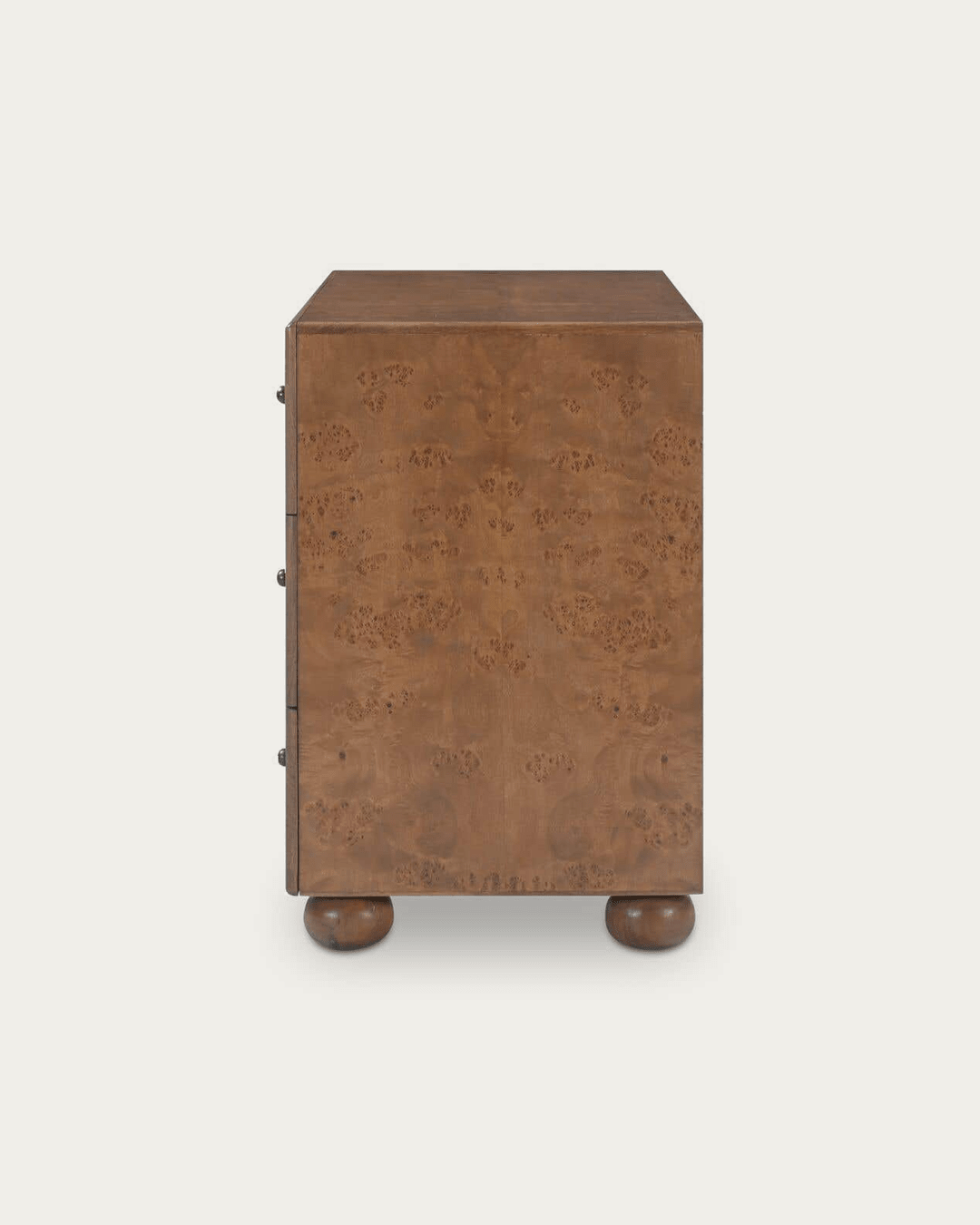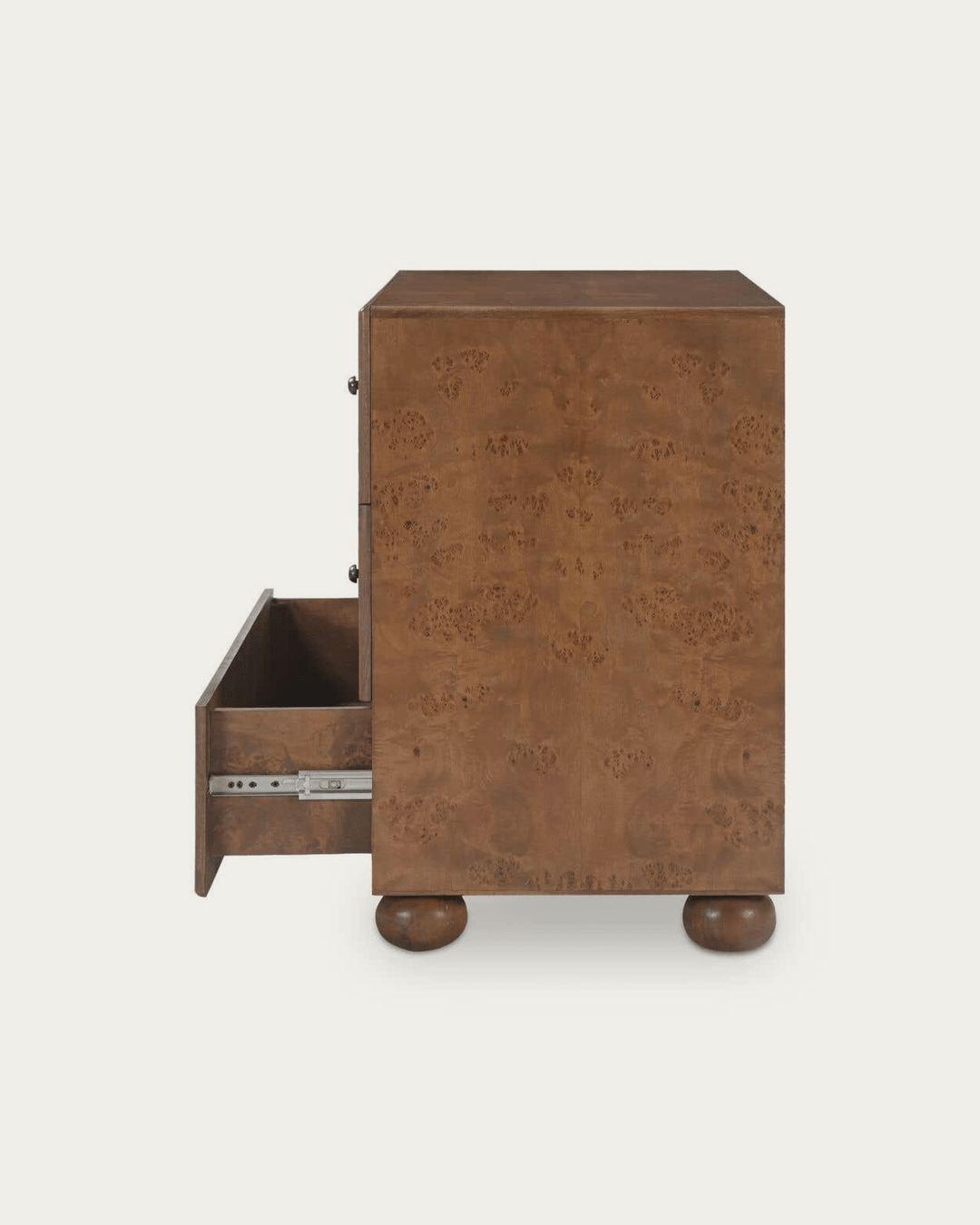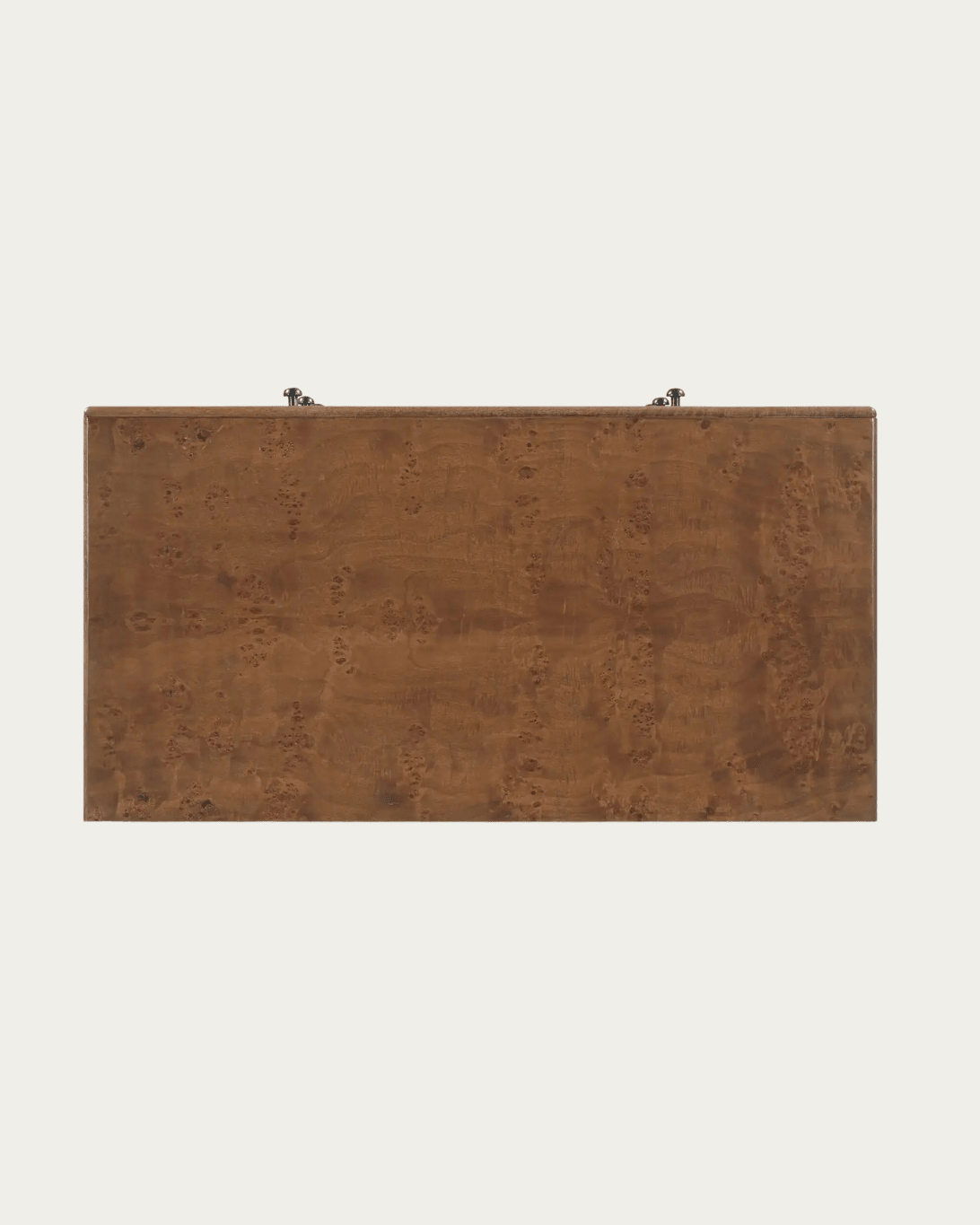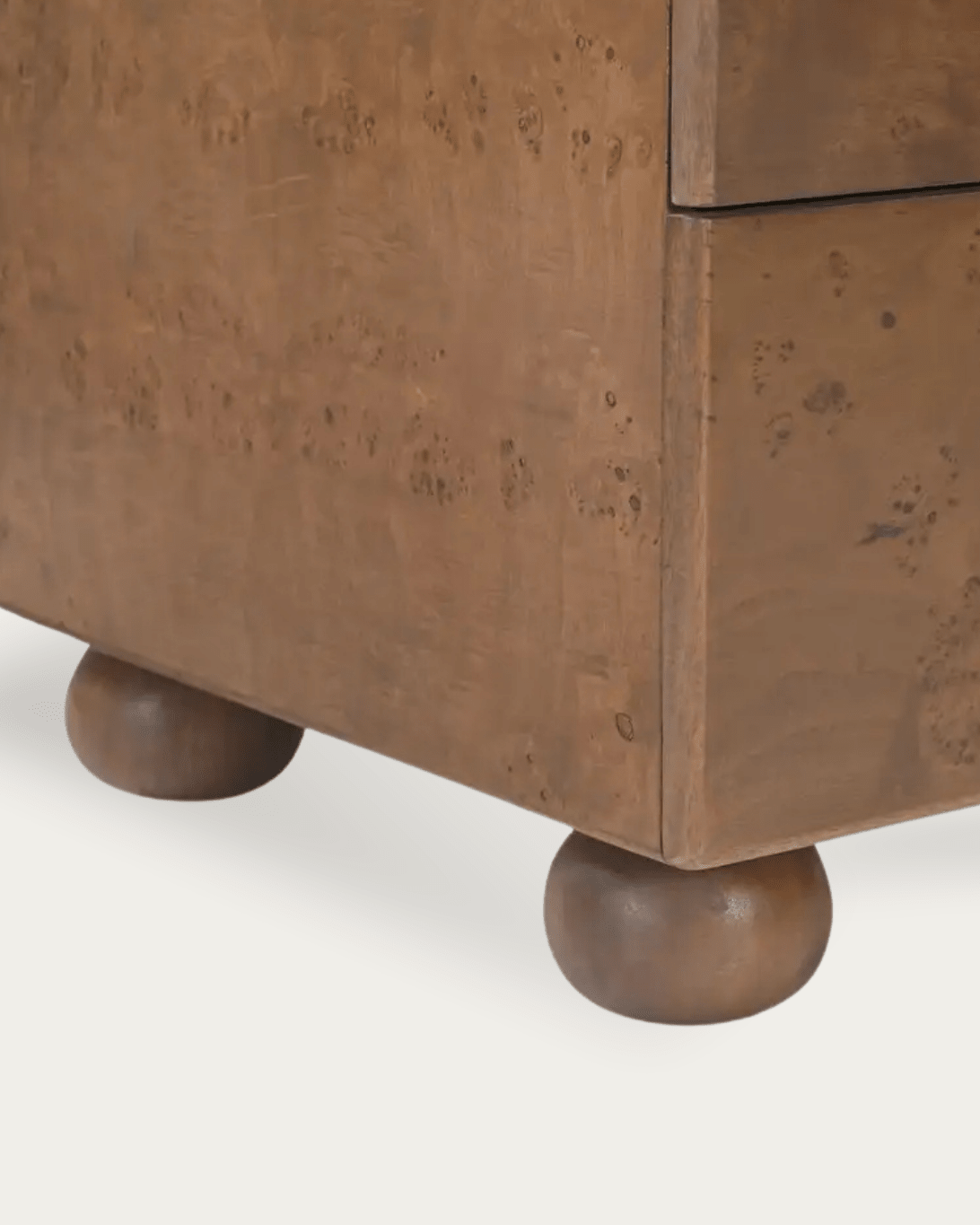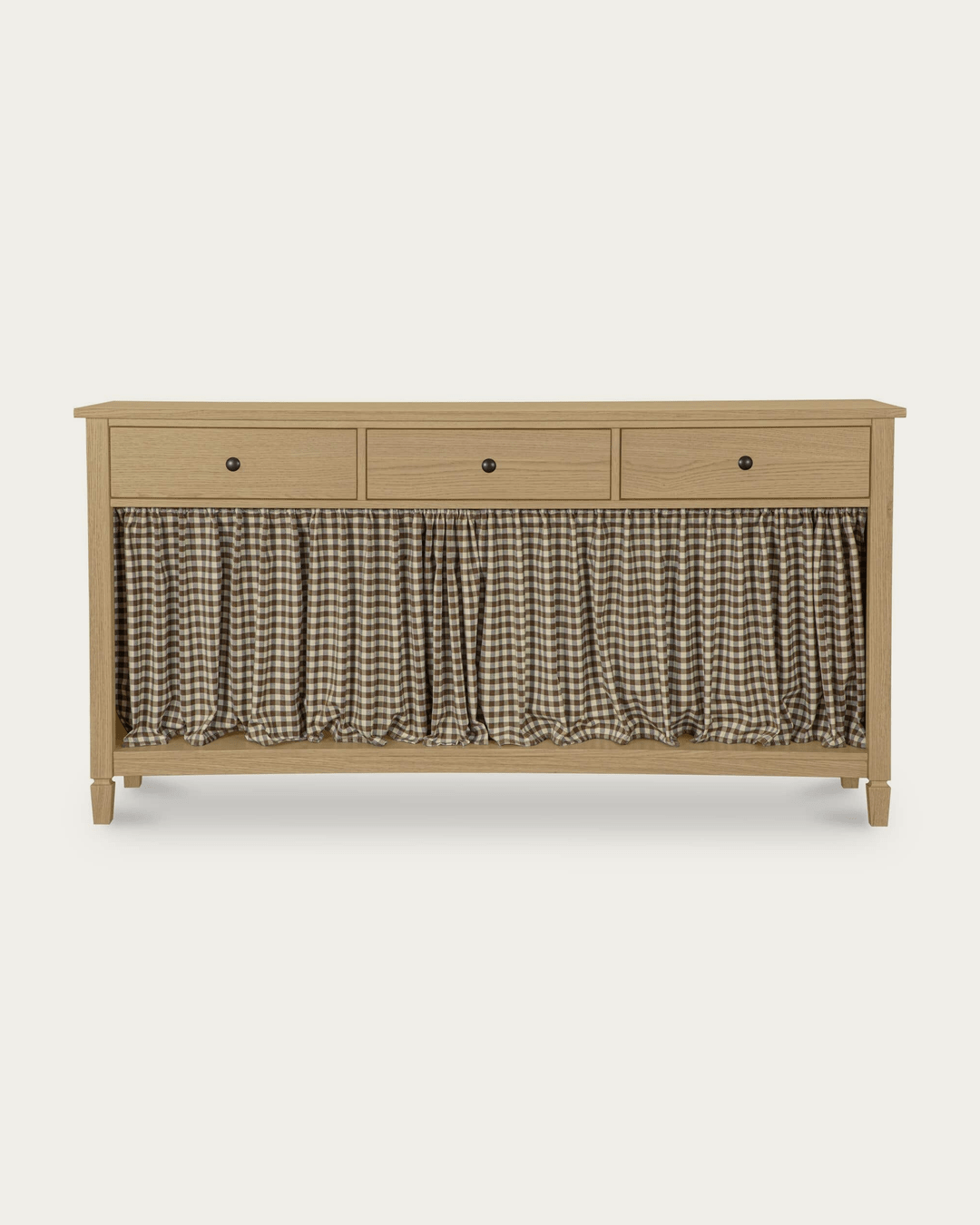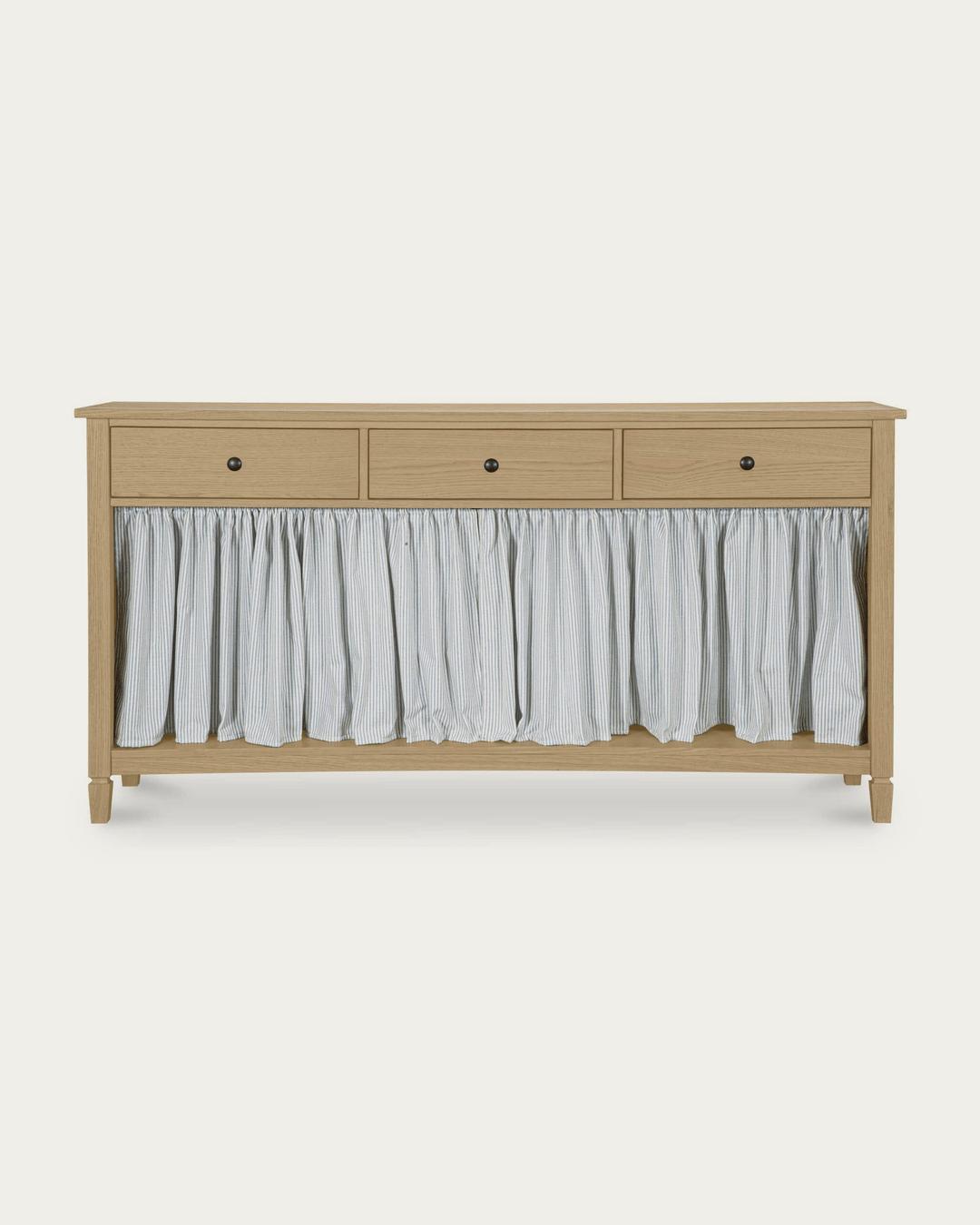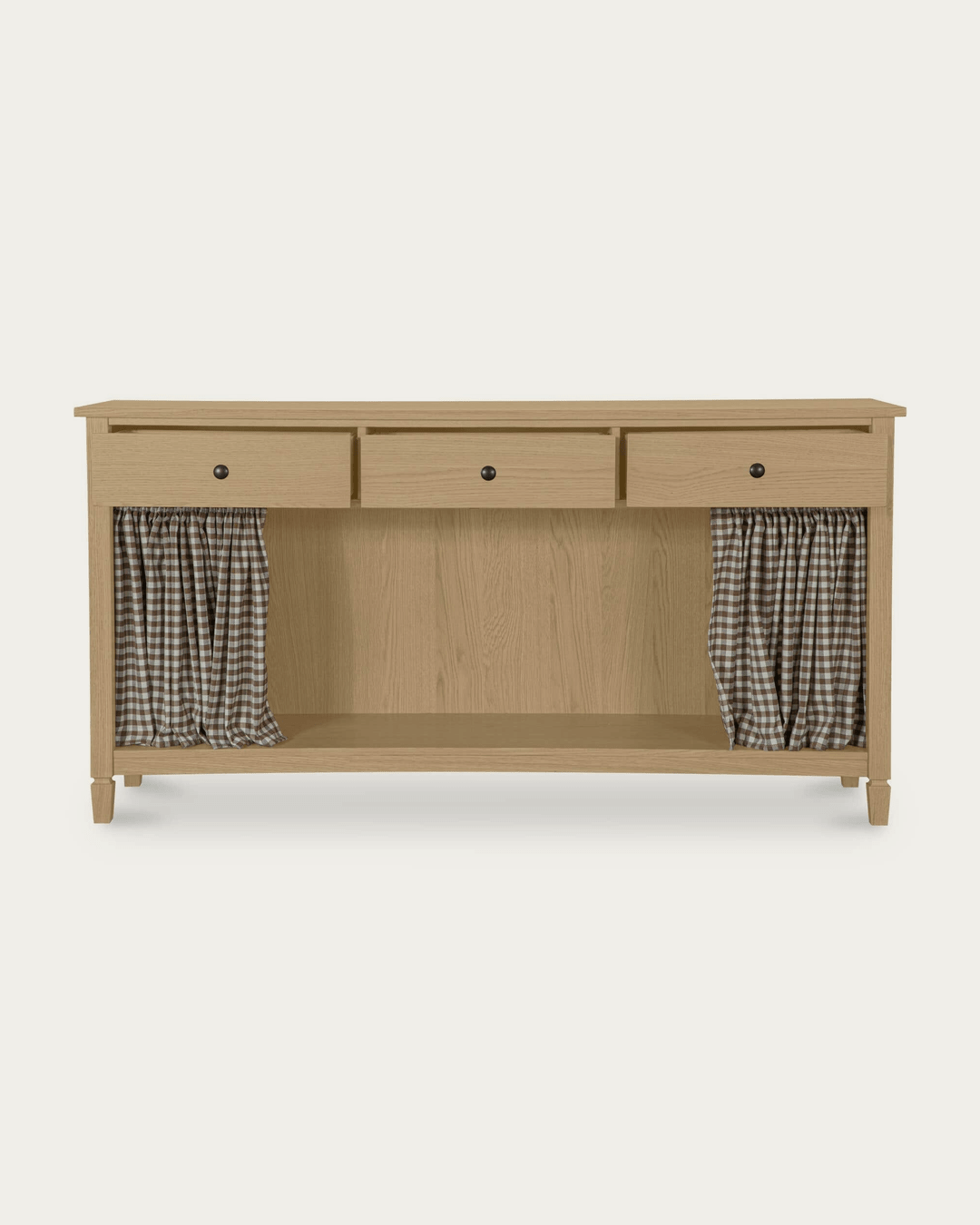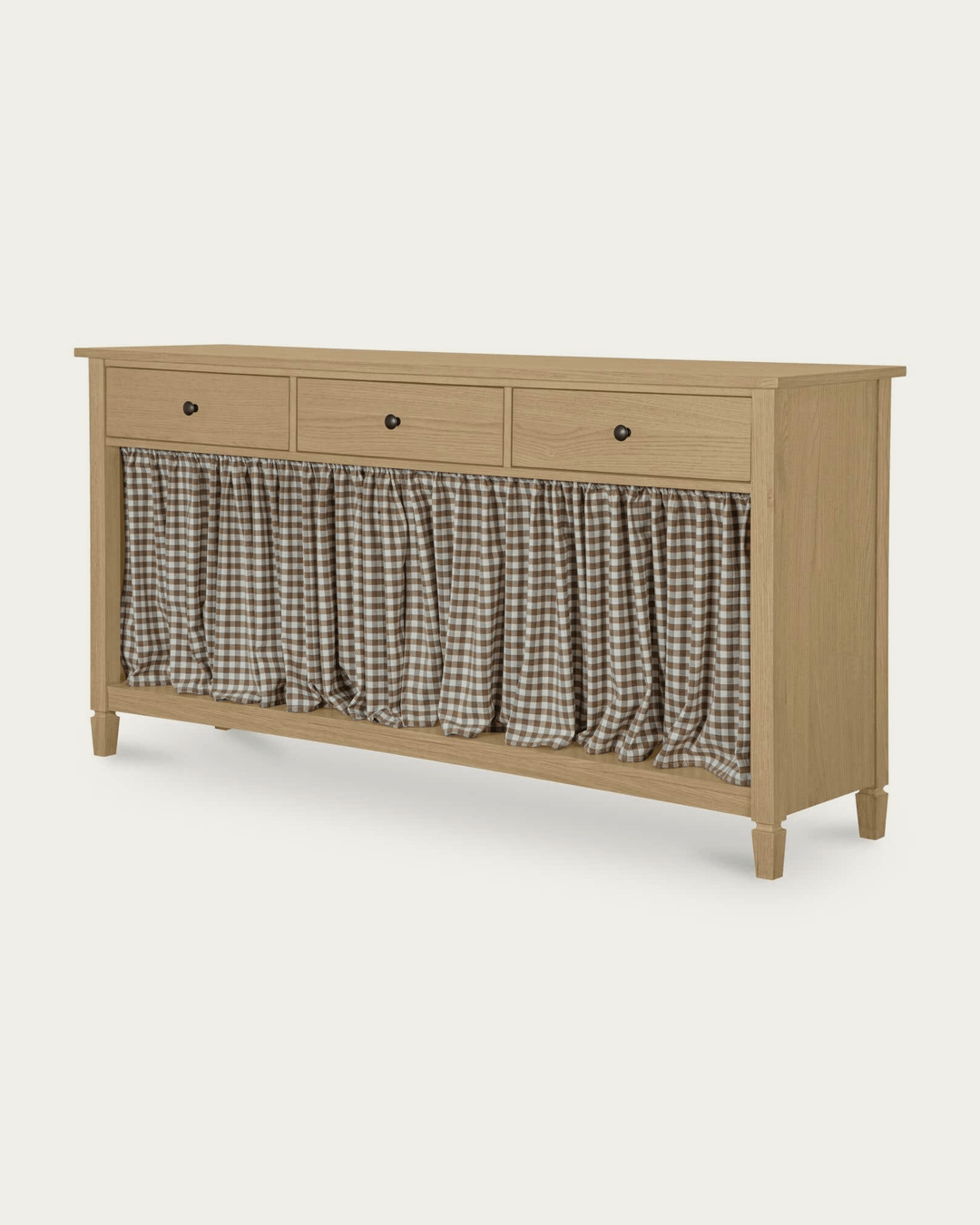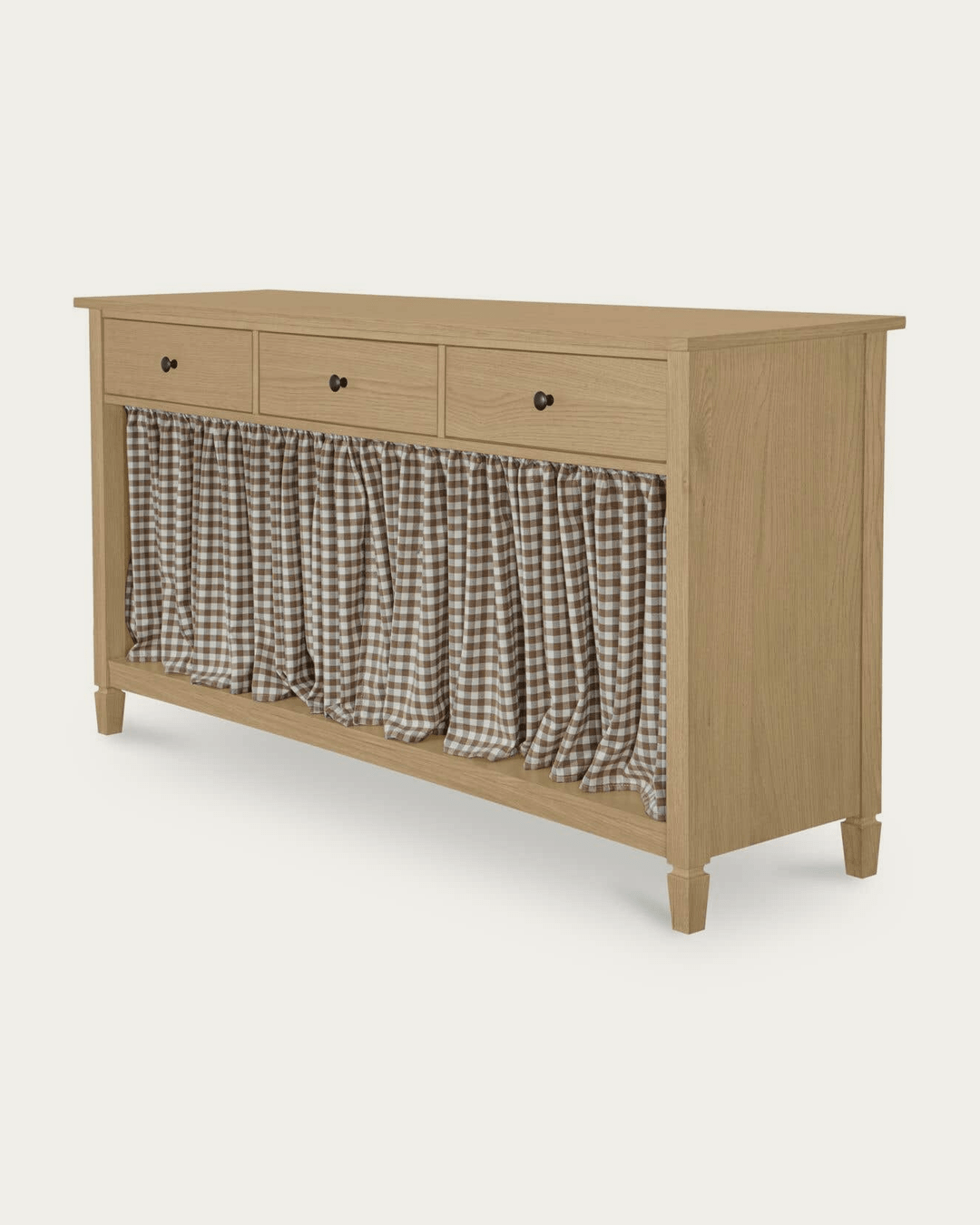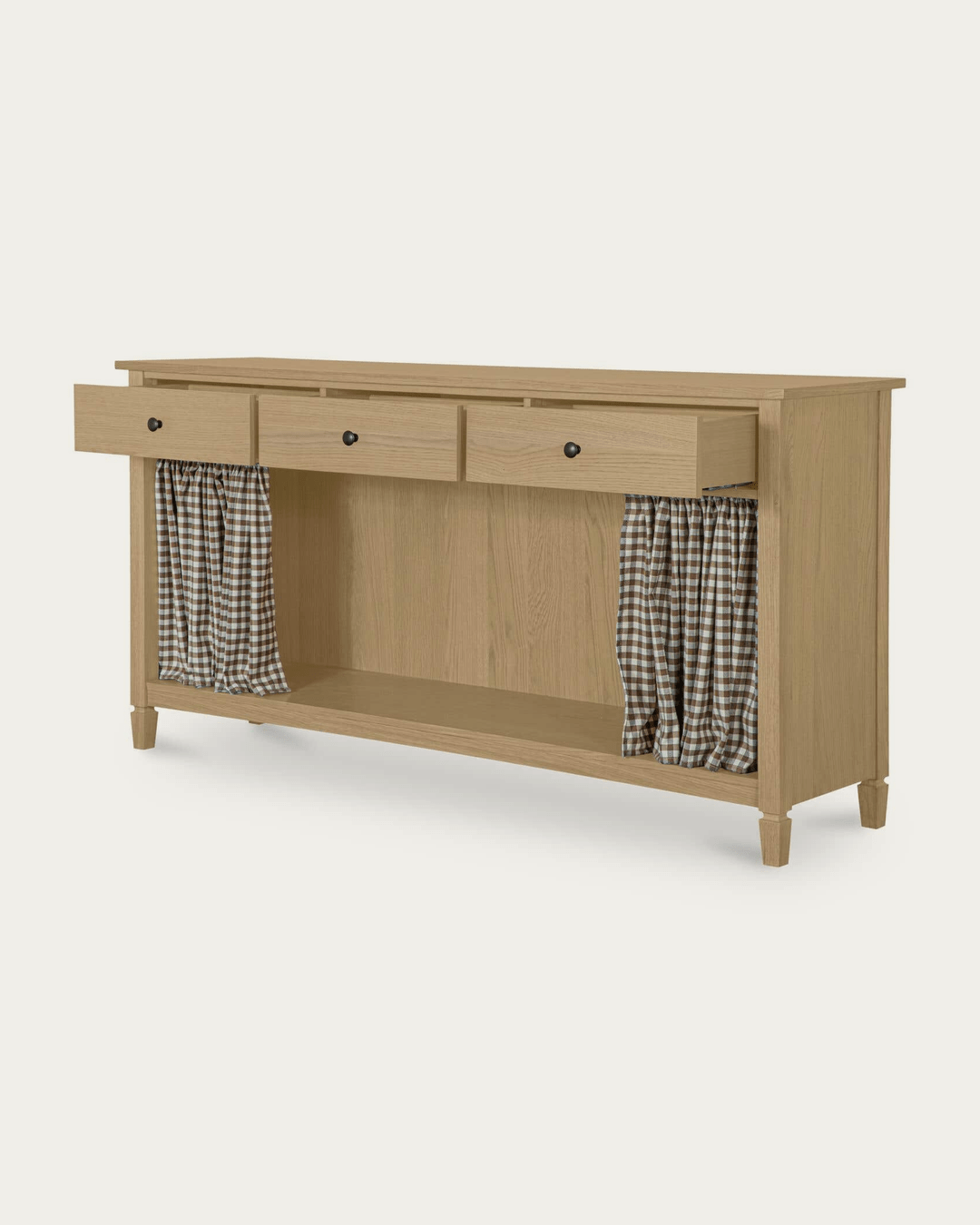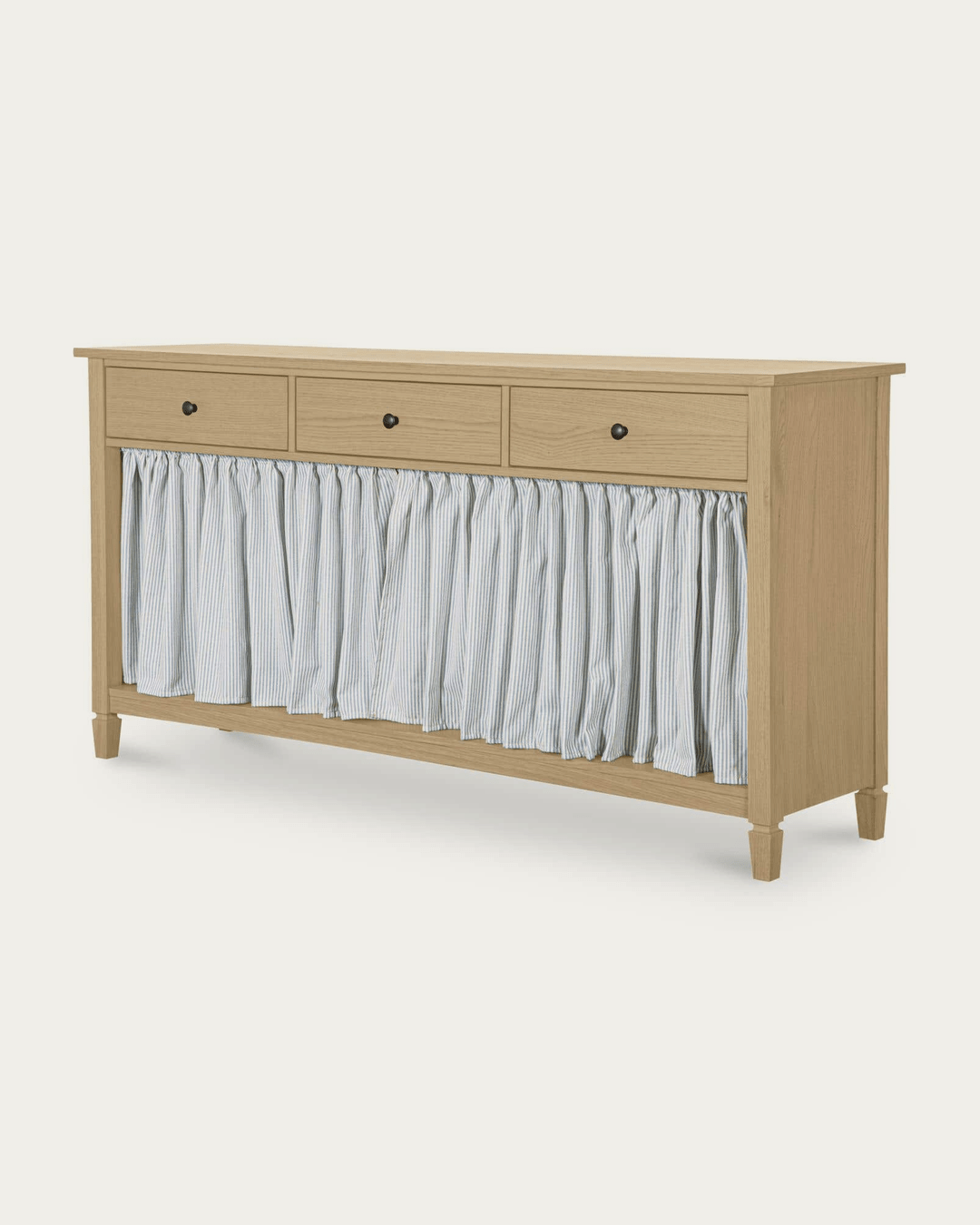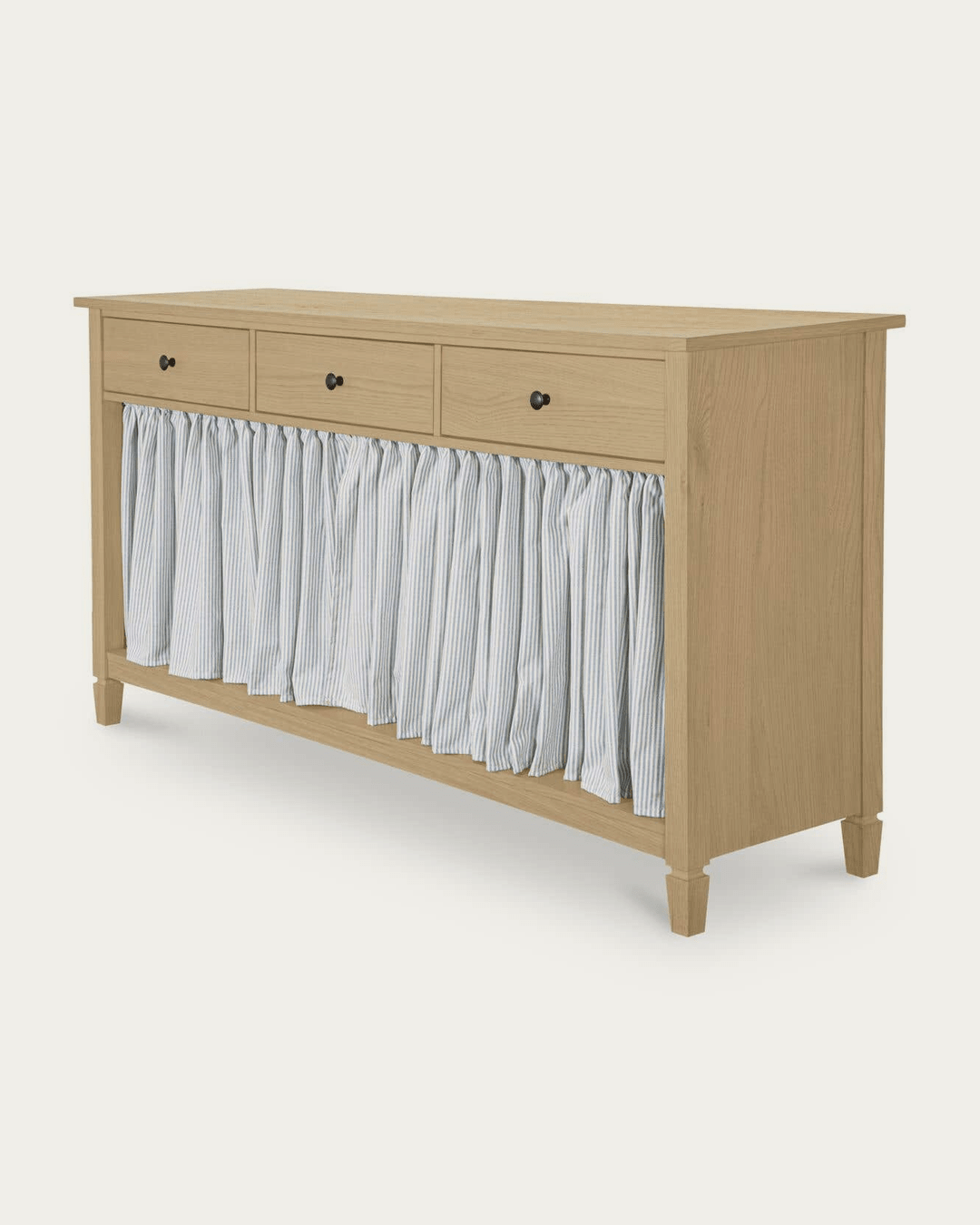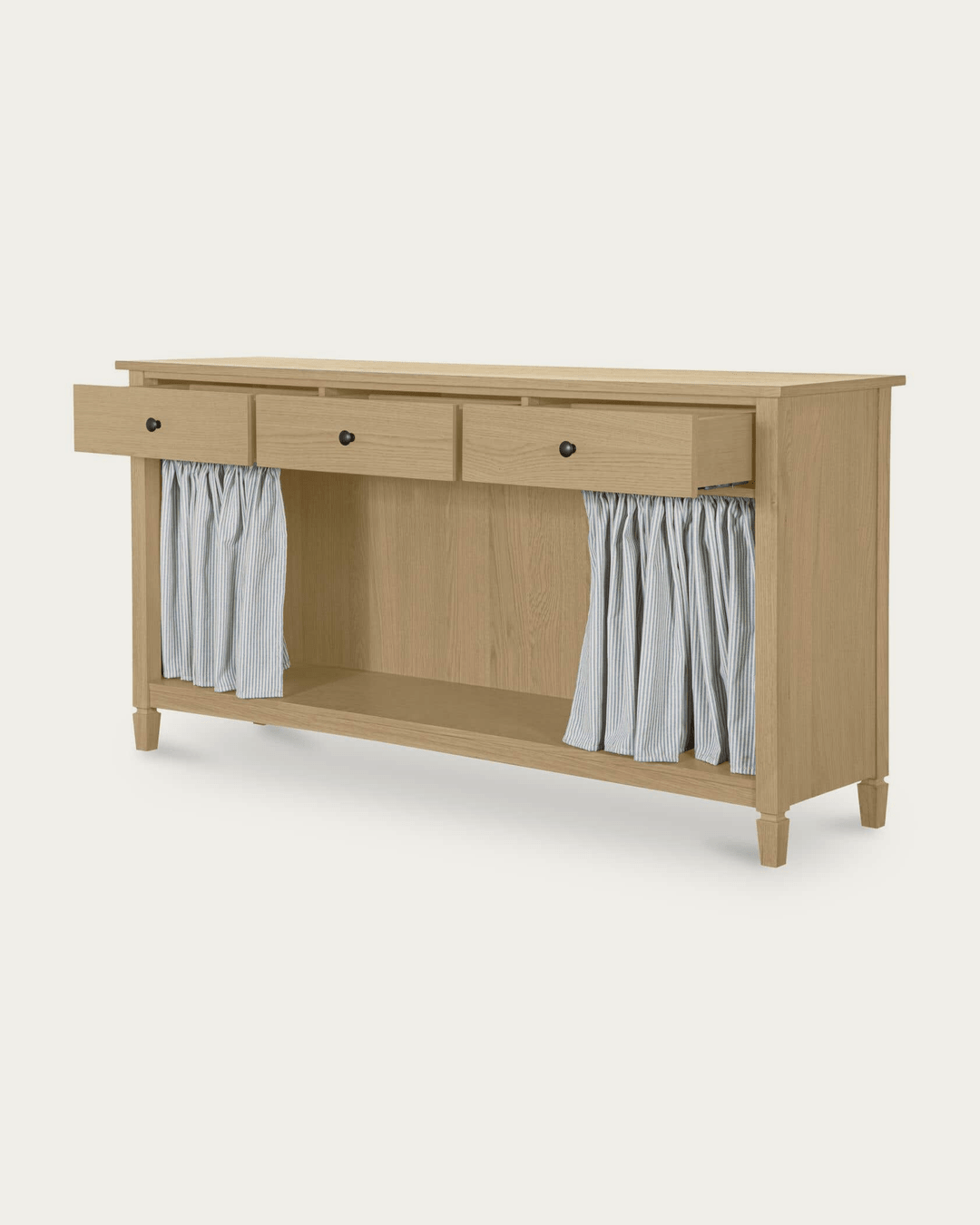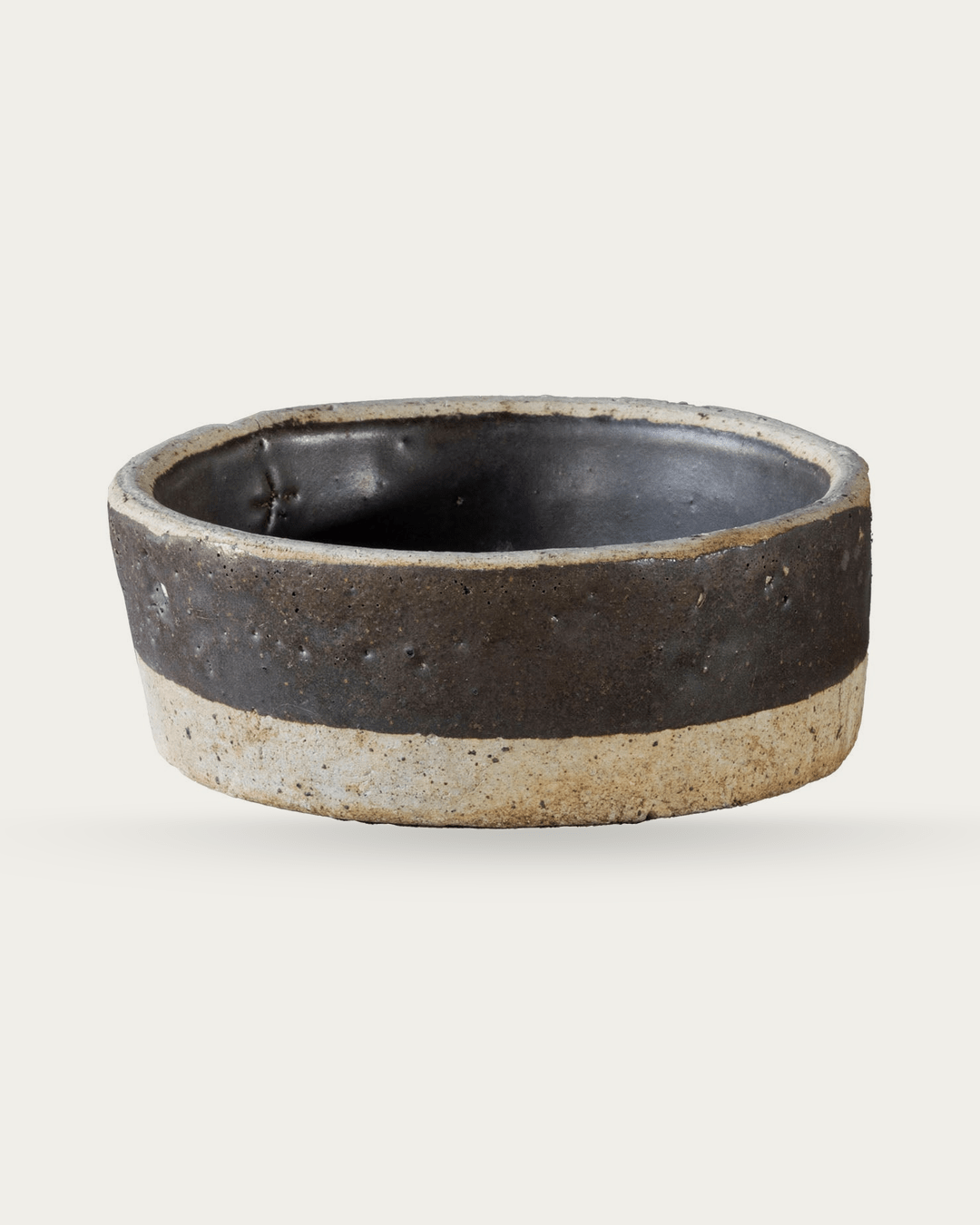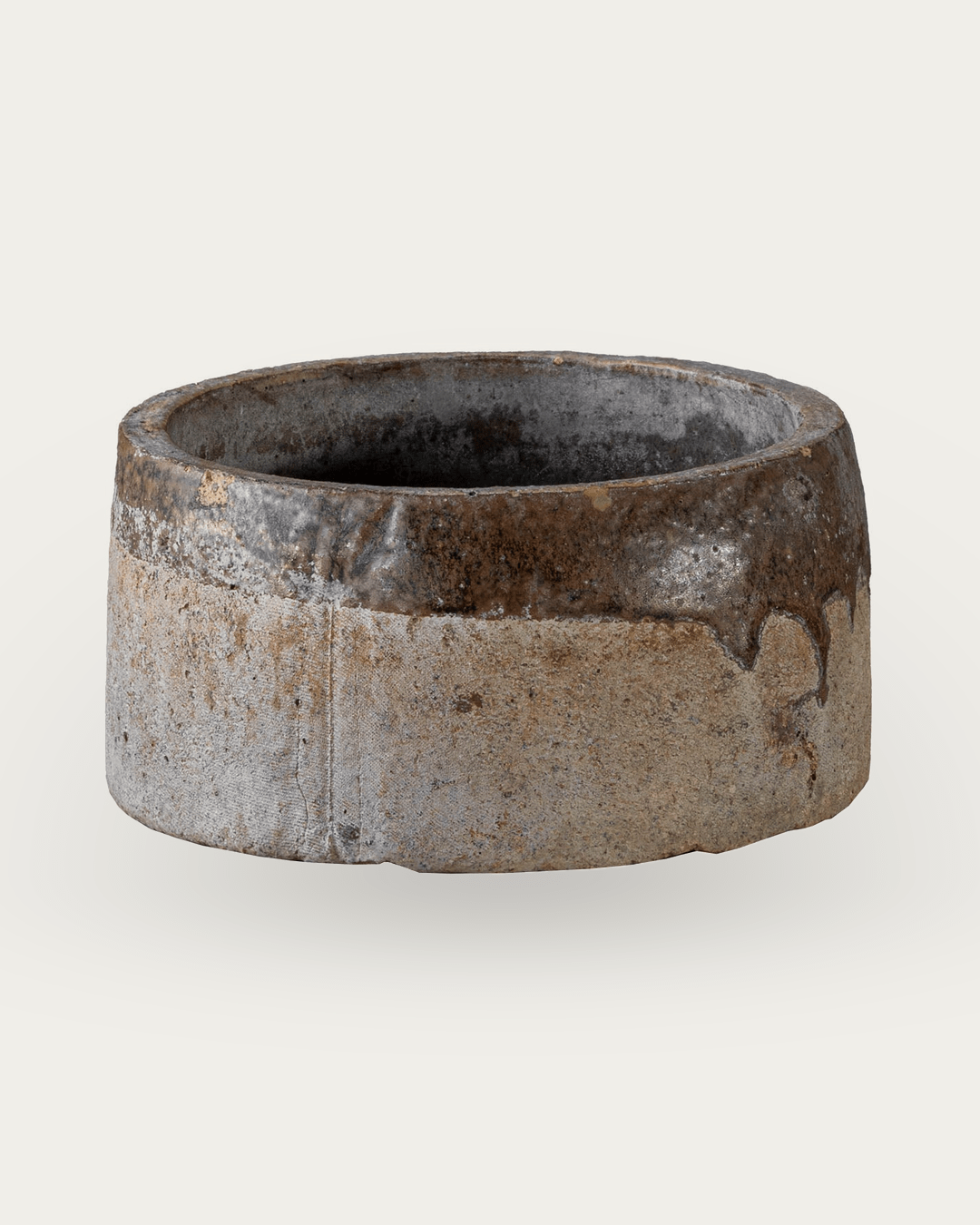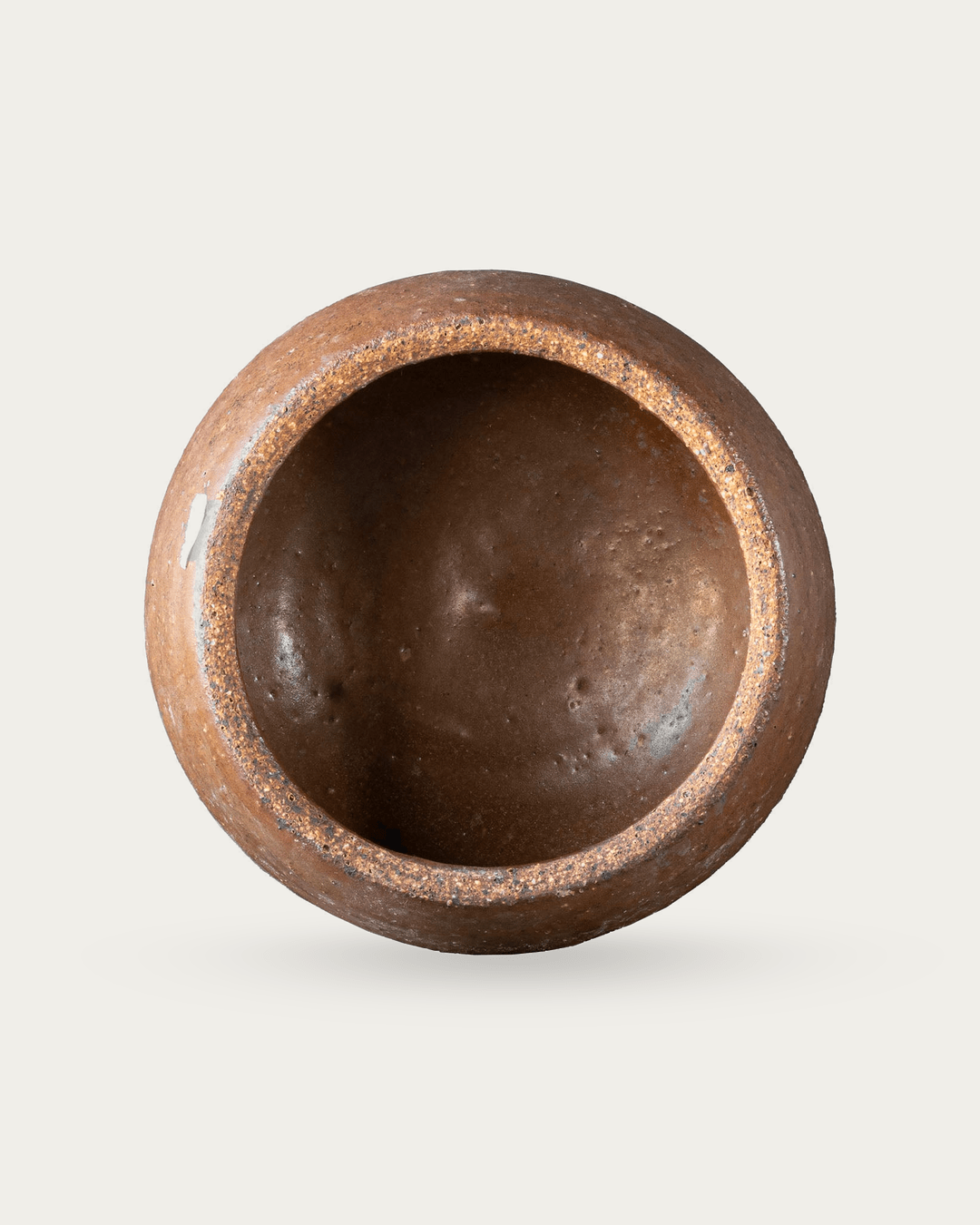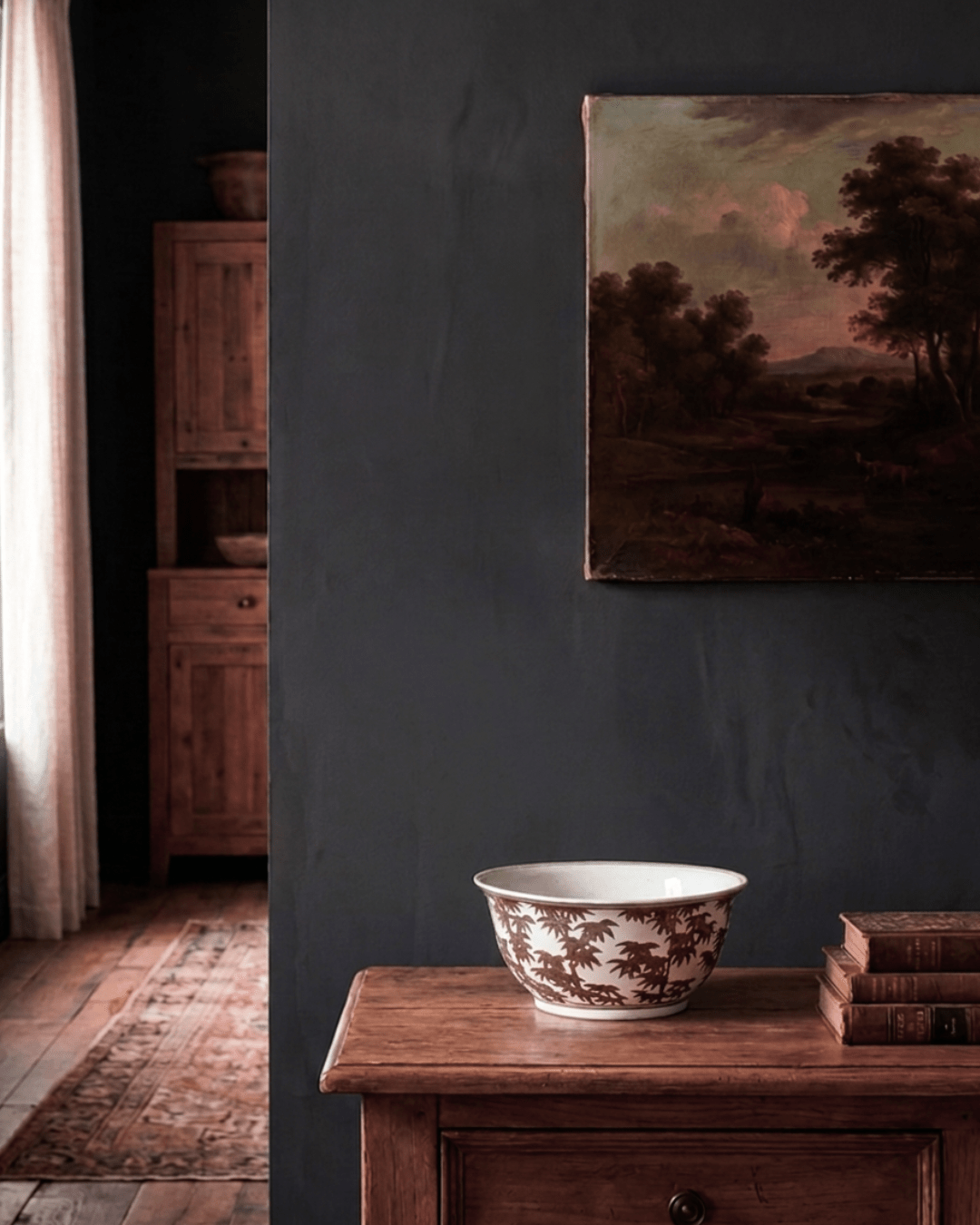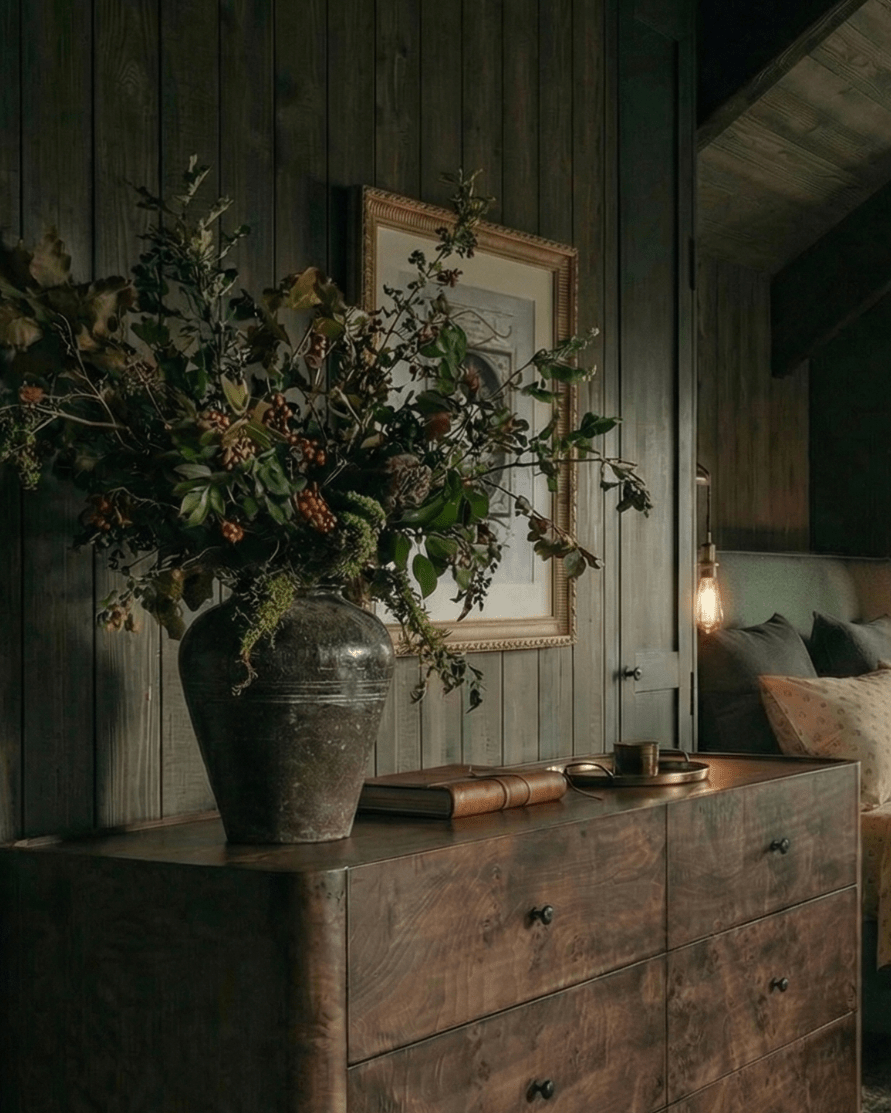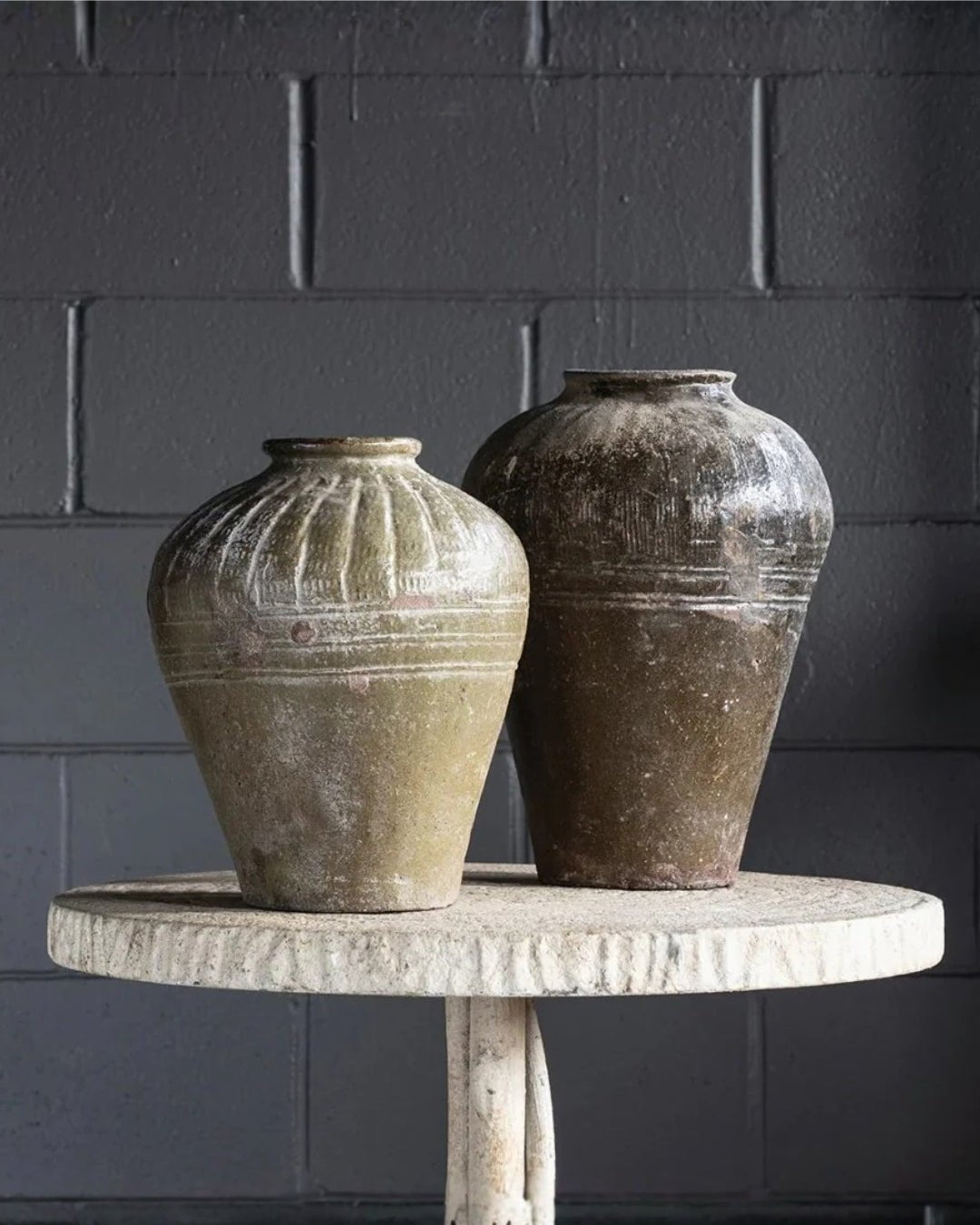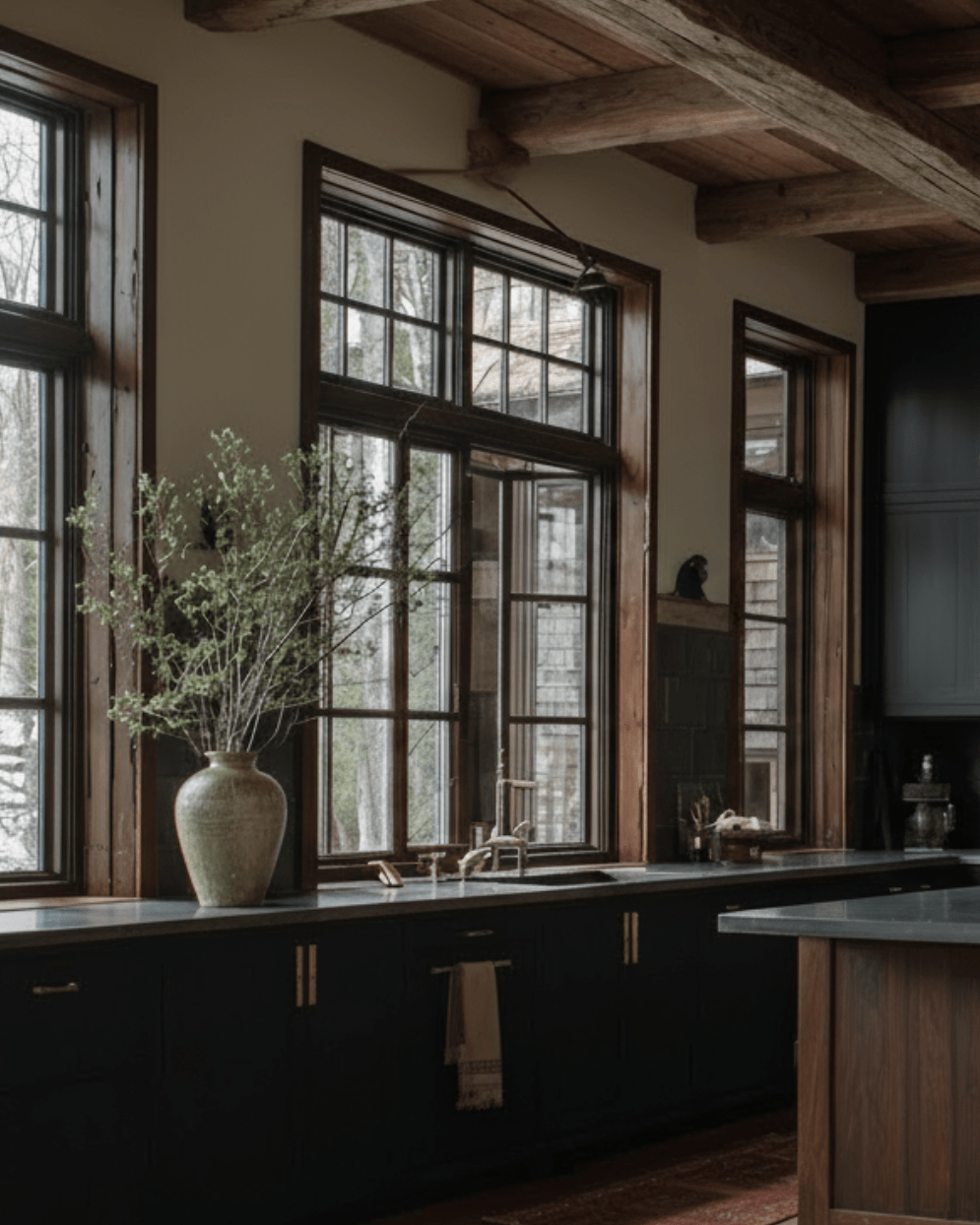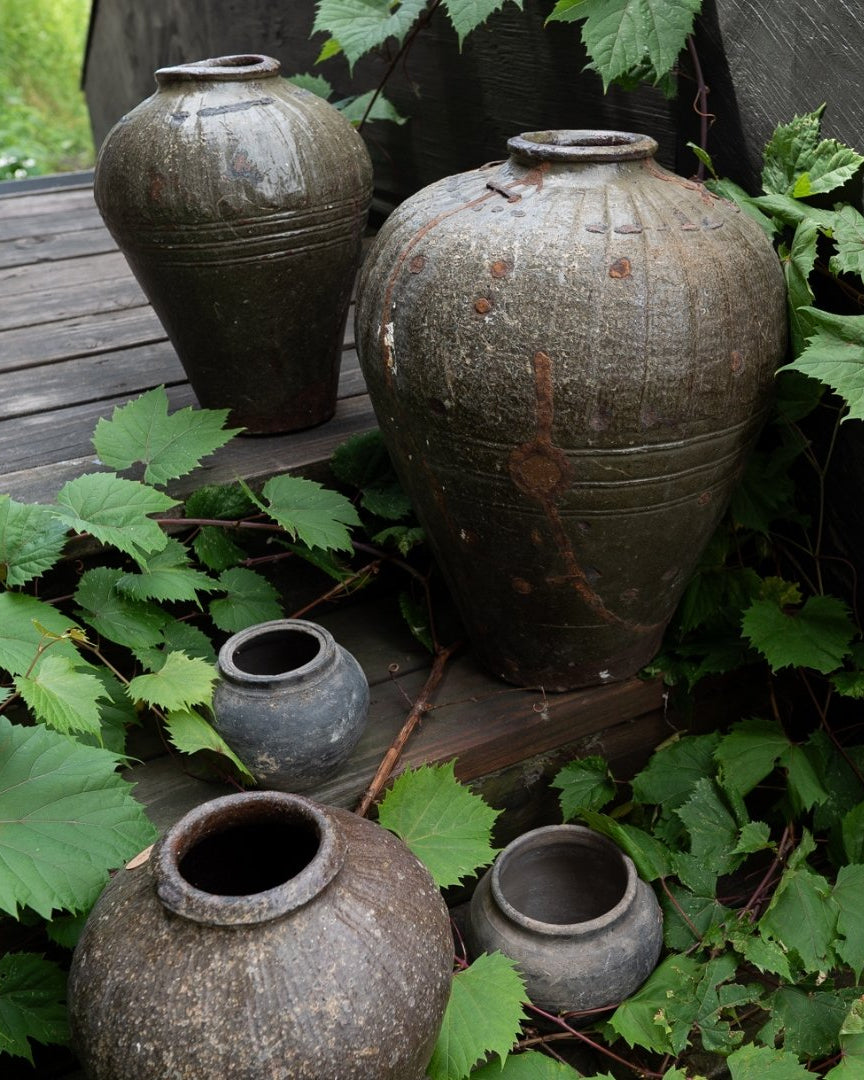




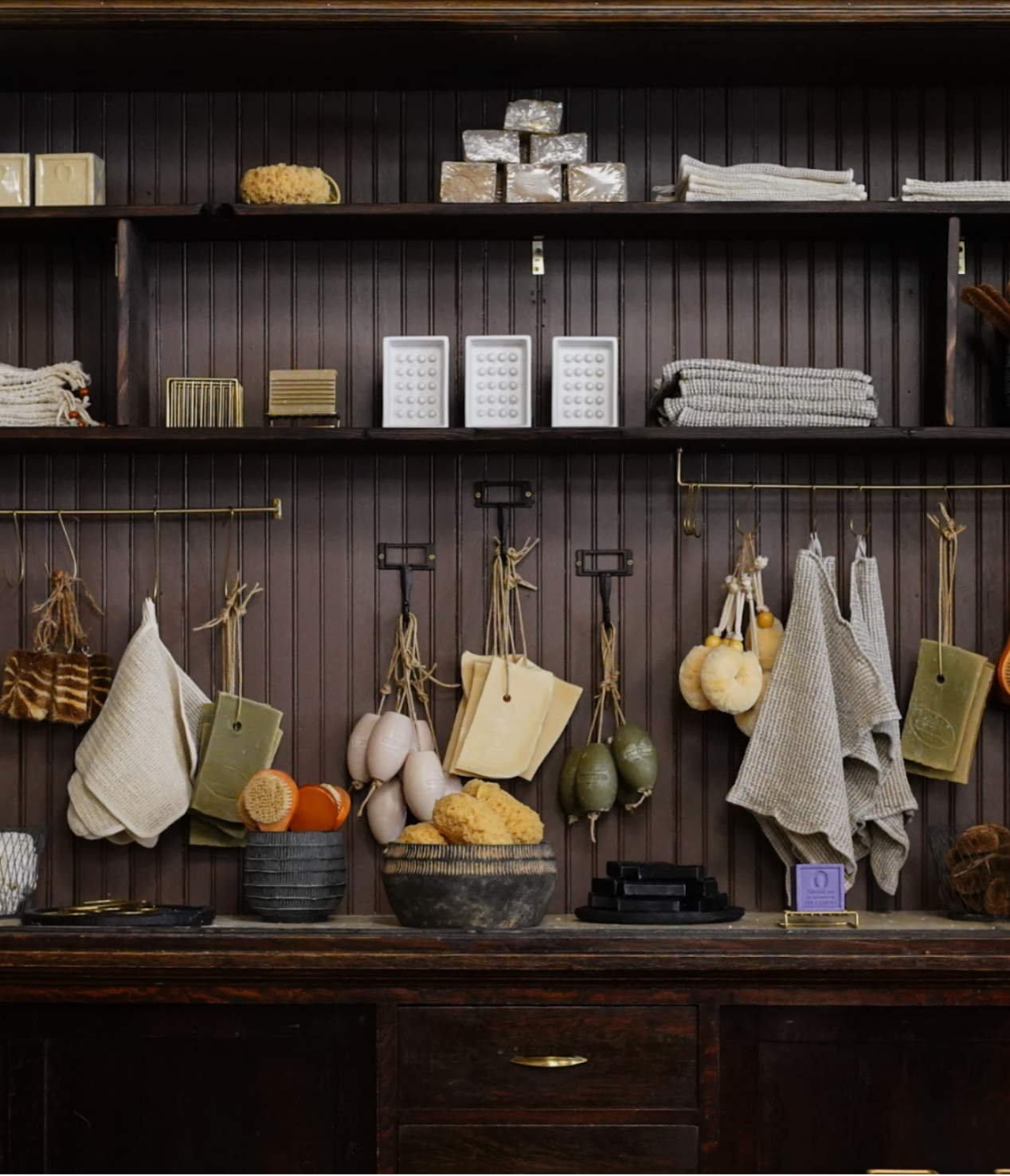


A shelf can hold your favorite books, a good ceramic bowl, three cables, and last month’s mail. All technically stored. All still visible. Vintage storage works better when you decide what deserves your attention and what needs a convenient home behind a door. That’s where an interesting piece of furniture becomes useful: it helps organize both your belongings and the view.
Explore Hello Norden’s vintage furniture for shelves, sideboards, and cabinets you can put to work in your own space.
The question in the title is playful, but visual attention has limits. Neuroscience research shows that simultaneously visible objects compete for representation in the visual cortex and that attention and perceptual grouping influence that competition. The home styling takeaway is an interpretation: clear groups and distinct focal points can help organize what you see. The research doesn’t establish that a full shelf means an overwhelmed brain.
Think of these seven moves as ways to make storage easier to look at, find things in, and live with.


1. Decide What Deserves to Be Seen
Open storage makes everything part of the room’s composition. Books, baskets, paperwork, and decorative objects all contribute color, shape, and detail.
Start by sorting the contents into three categories: things you enjoy seeing, things you reach for often, and things that simply need storing. Some objects will belong in more than one category.
Give open shelves a clear purpose
The Brynjar shelf has four wide shelf nooks and is made from solid reclaimed elm with a natural finish. Those defined openings give you a useful starting point for organizing books, baskets, and everyday belongings.
Give each nook a primary job. One might hold books; another could hold a basket of frequently used items. Let the wood remain visible around the contents so its grain contributes to the arrangement.
Keep the things you reach for easiest to access. A shelf should help you find your book without requiring a small ceramic evacuation.
2. Use Closed Storage for Visually Busy Essentials
Some belongings are useful without being especially satisfying to look at. Chargers, spare batteries, paperwork, and household supplies are good candidates for closed storage.
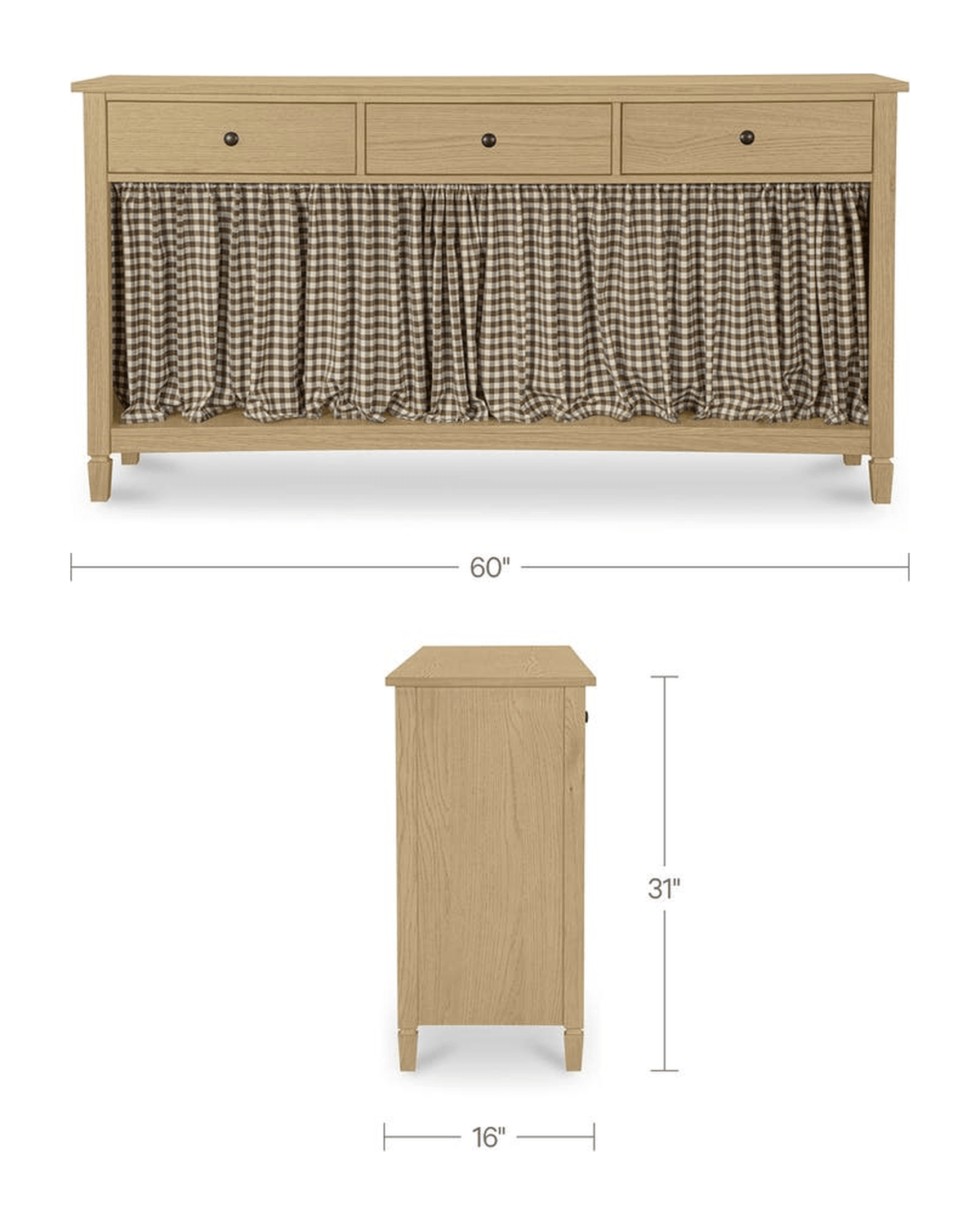
A cabinet or sideboard lets the furniture’s exterior become the visible surface, while the contents stay accessible inside.
Organize behind the doors, too
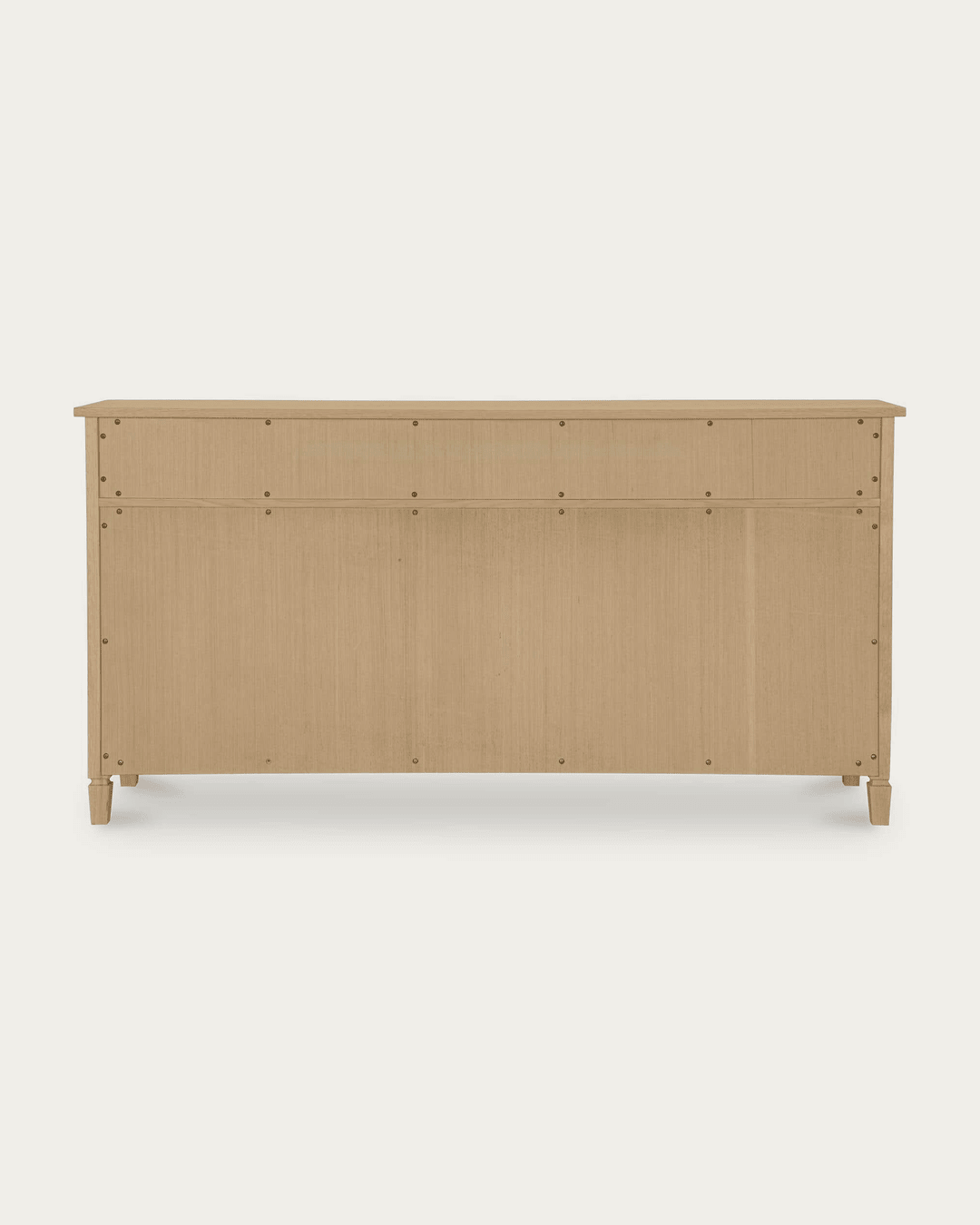
The Berglind sideboard combines reclaimed pine, hand-carved detail, and a whitewashed finish with storage behind two front doors. The wood supplies surface interest while the doors let you tuck everyday belongings away.
Group the interior contents by use. Keep table linens together, serving pieces together, or electronics in a suitable container. Measure the available space before adding organizers.
Leave frequently used items near the front. Closed storage earns its place when putting something away takes about as much effort as leaving it on top.
3. Group Objects So Their Relationships Are Clear
A shelf arrangement becomes easier to understand when objects have an obvious connection.
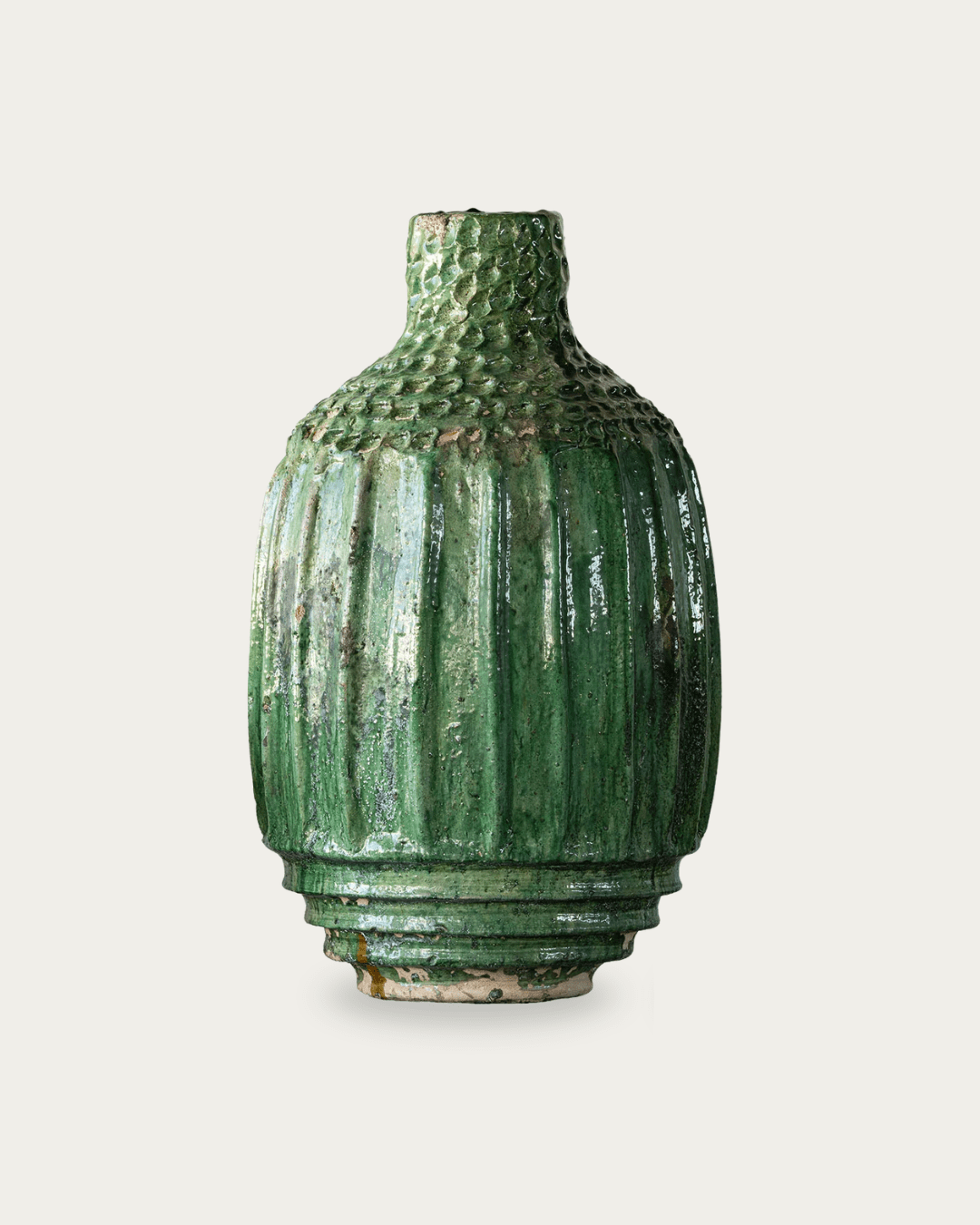
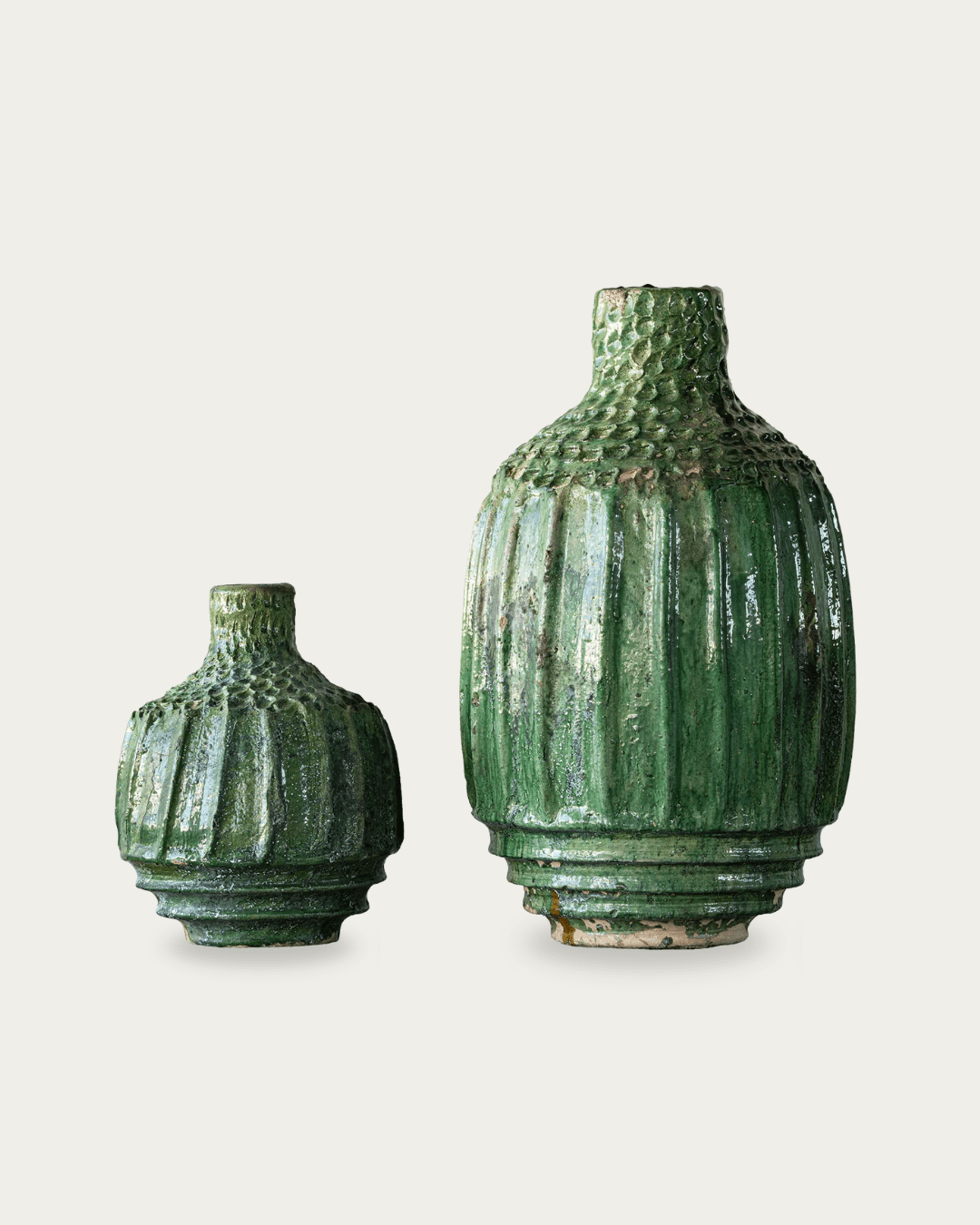
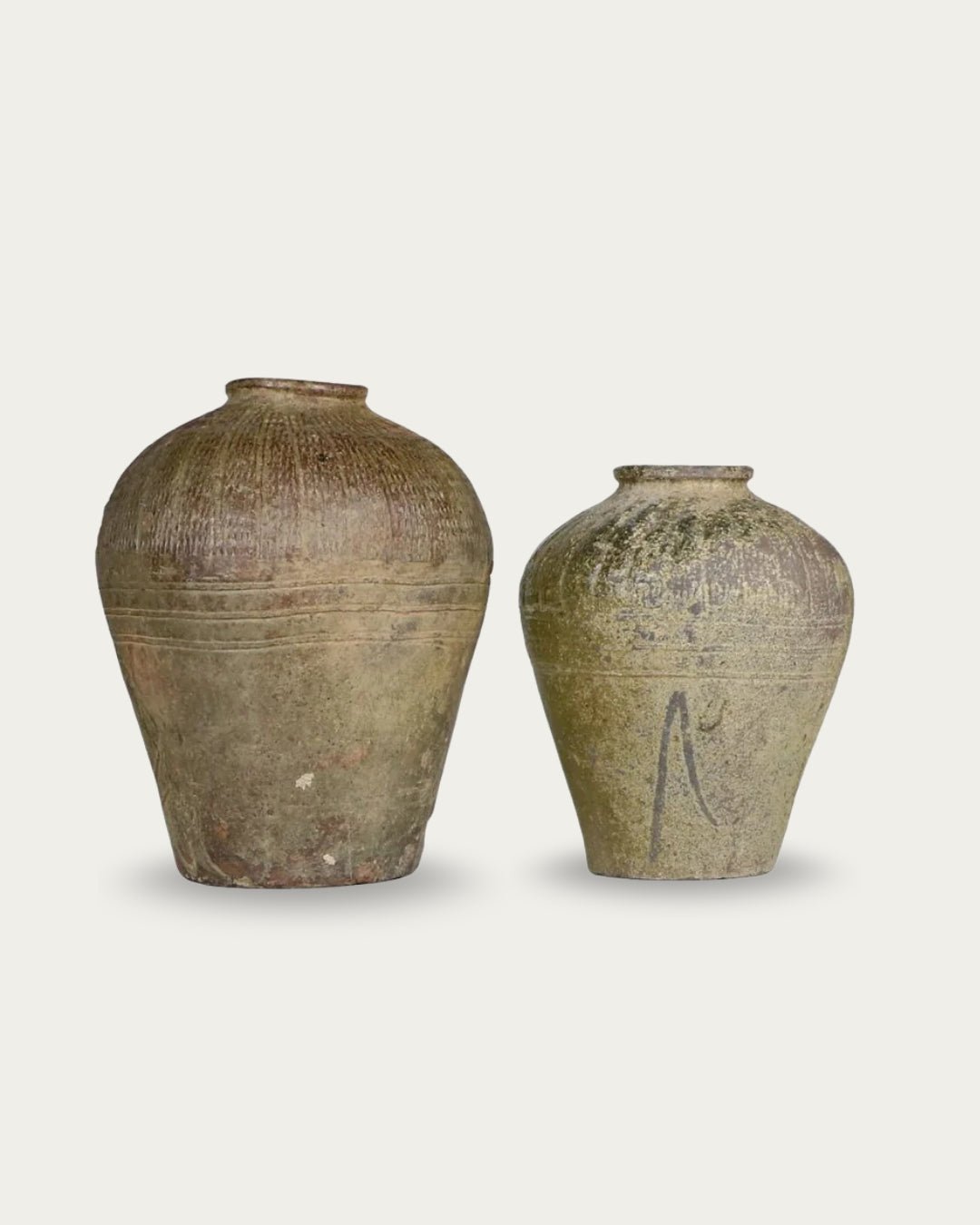
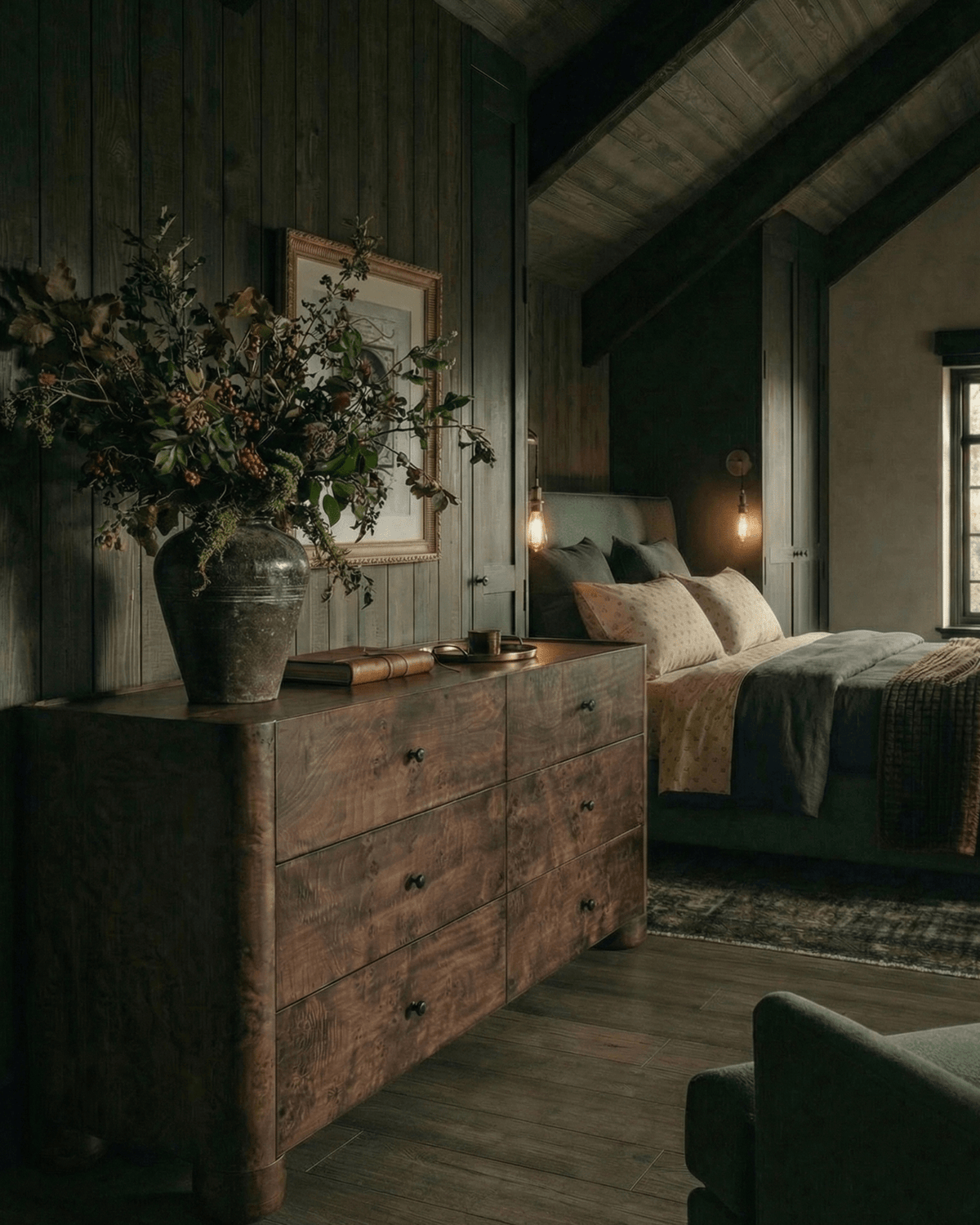
That connection might be function, material, color, or shape. Books form one group. A pair of ceramic vessels forms another. A basket can contain several small items within one visible boundary.
Repeat one feature, then introduce variation
Try grouping objects with related colors while varying their heights. Or combine similar shapes in different materials.
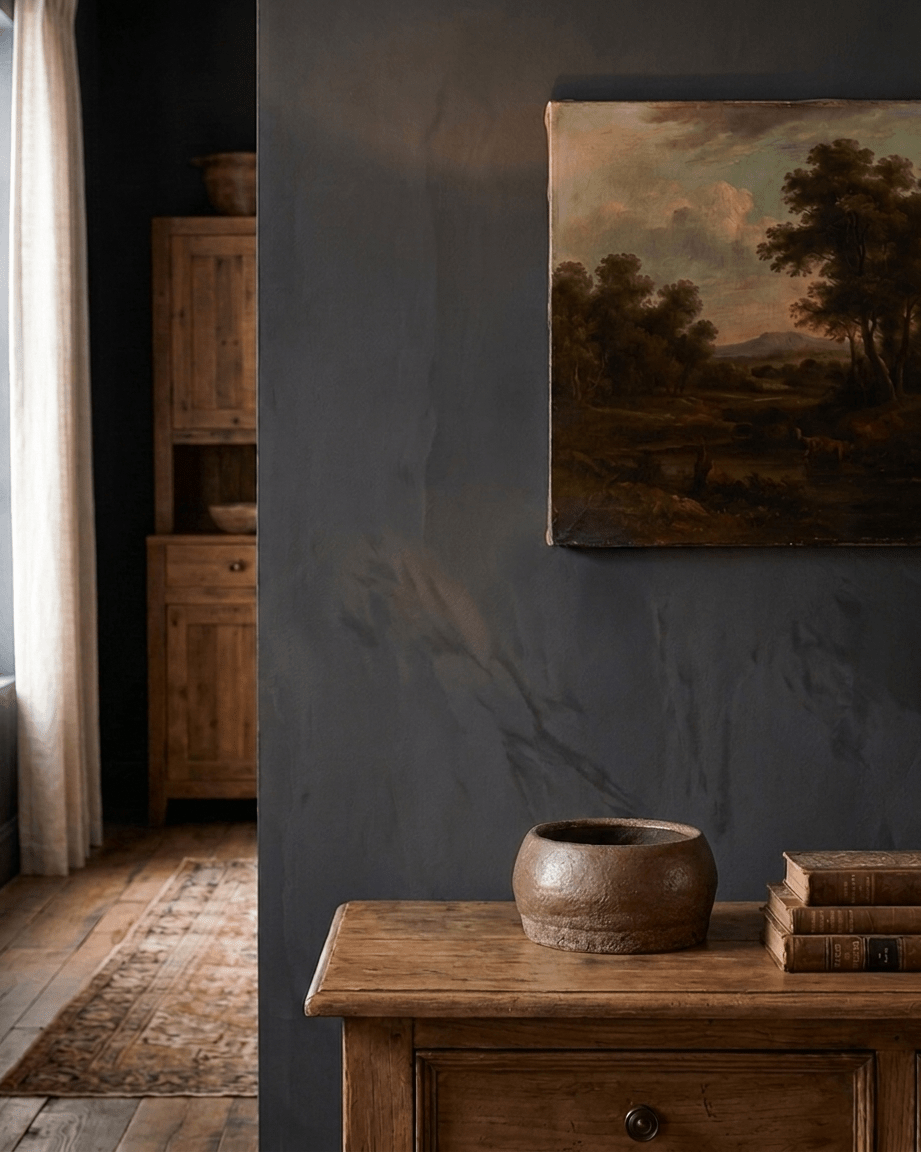
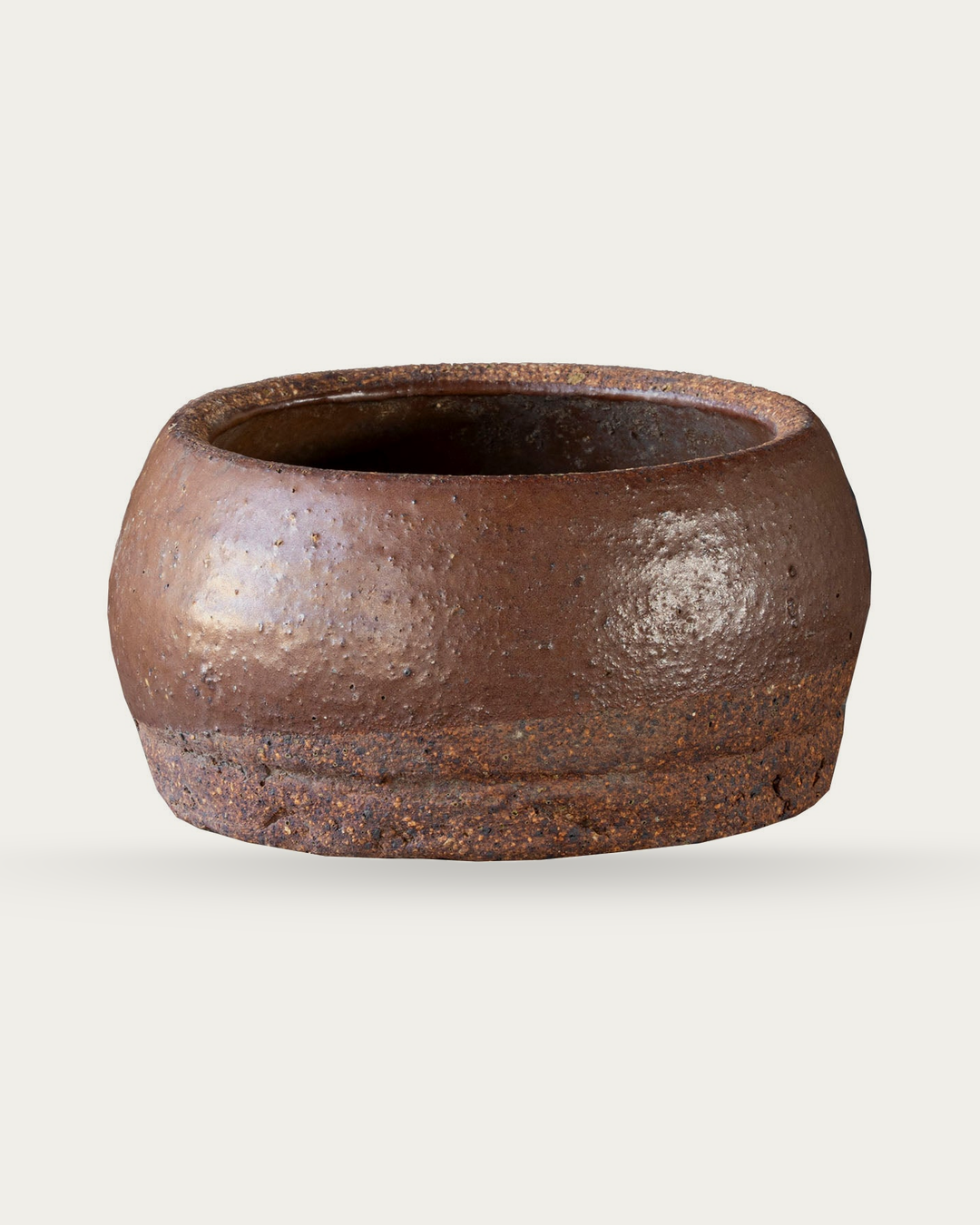
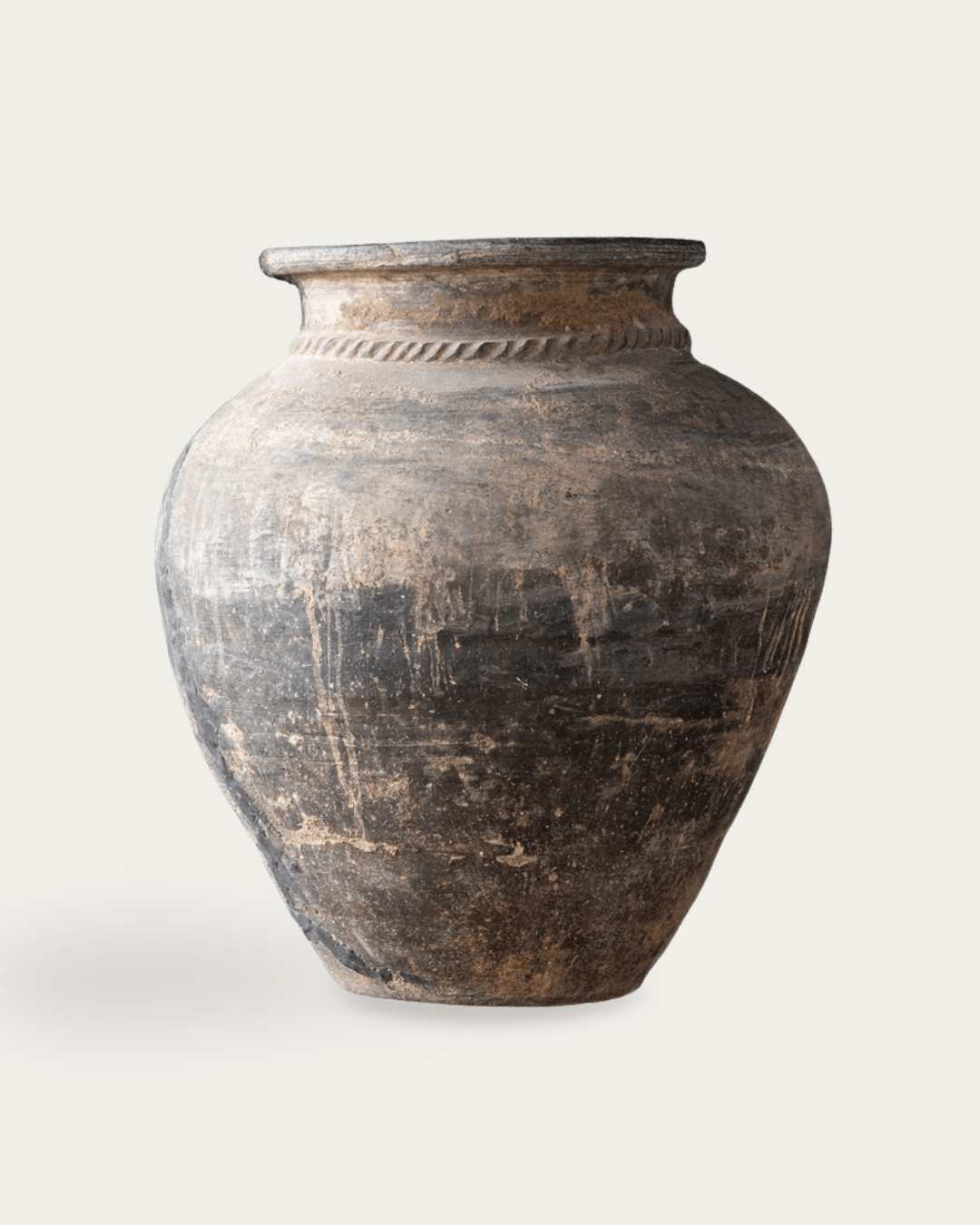
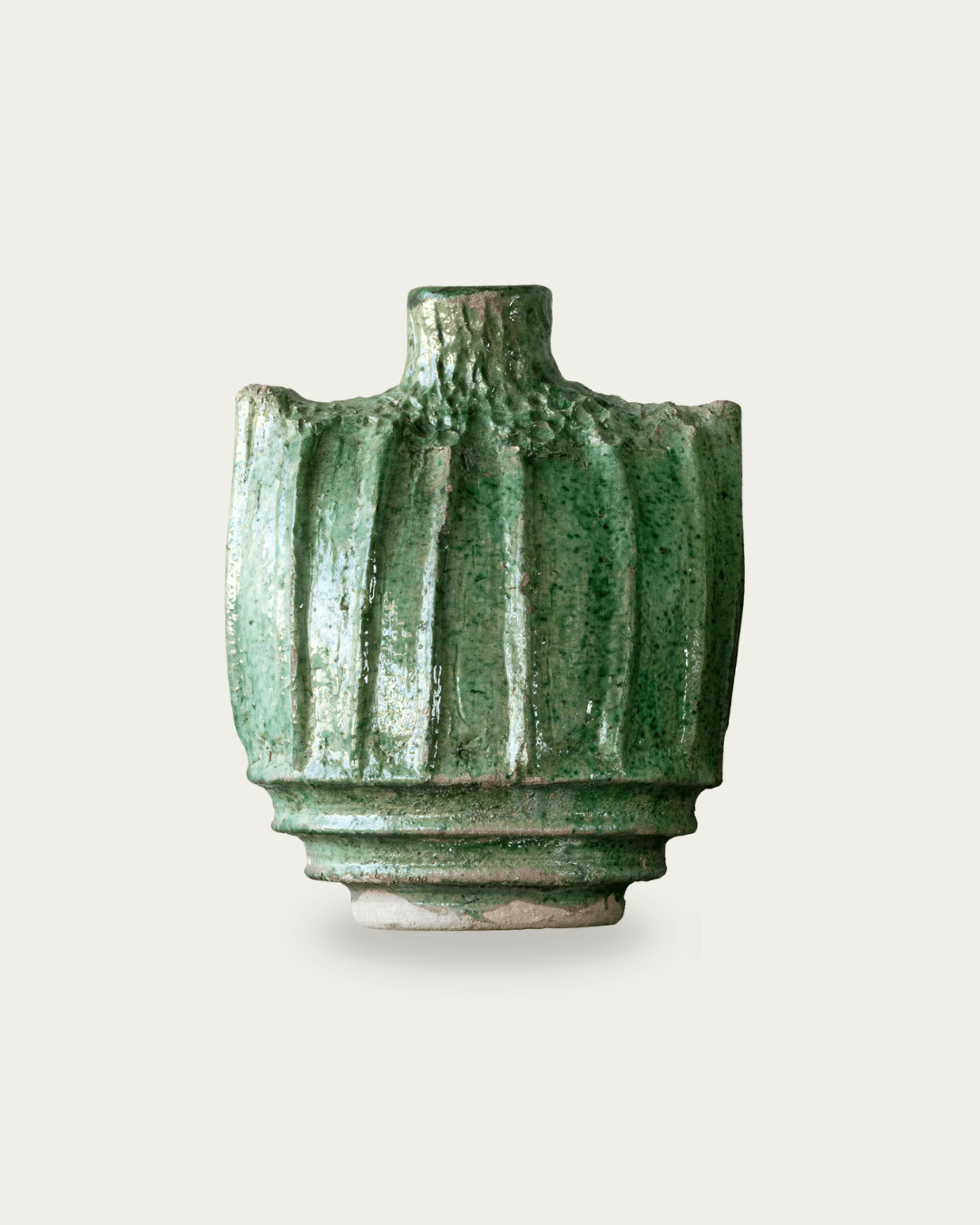
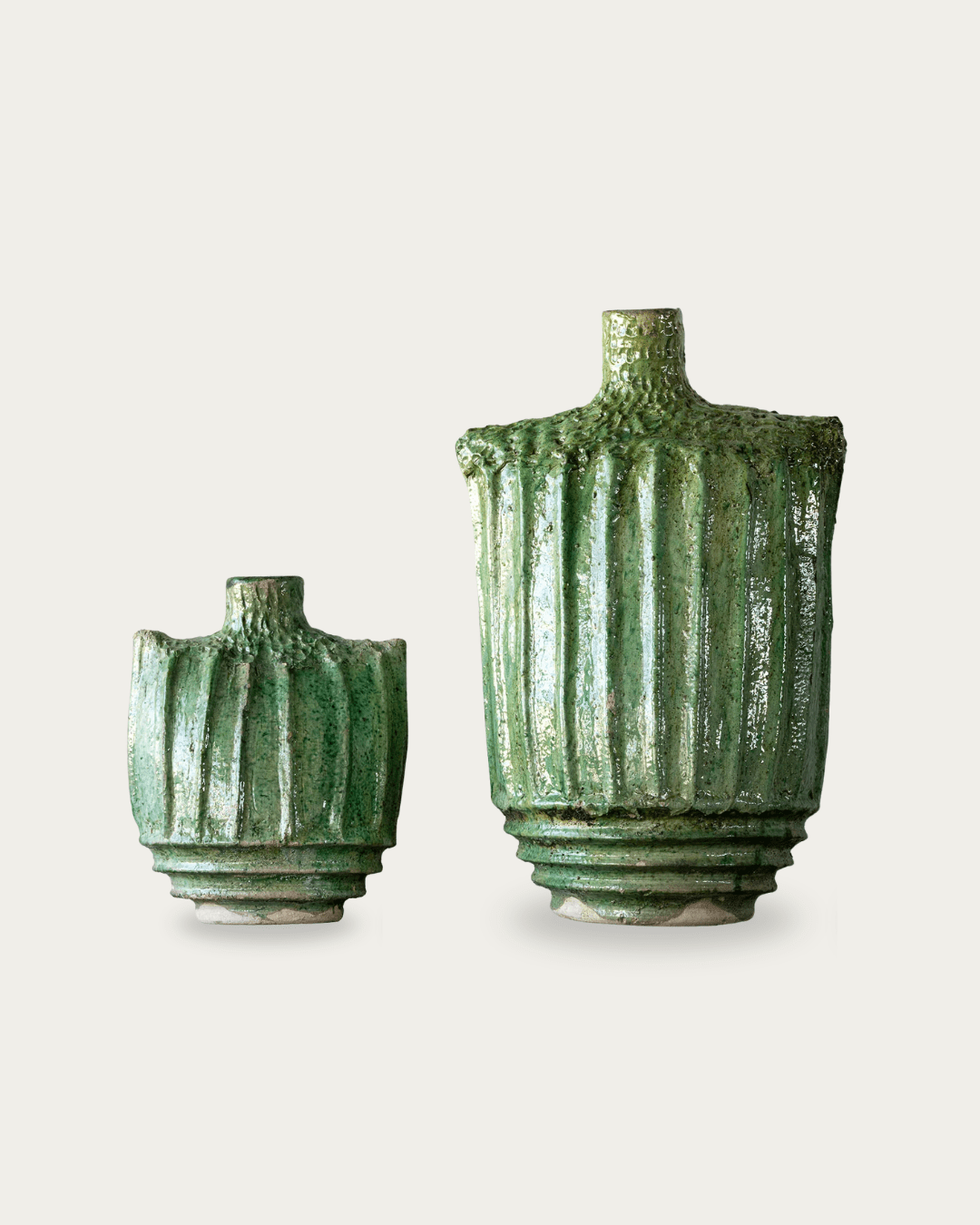
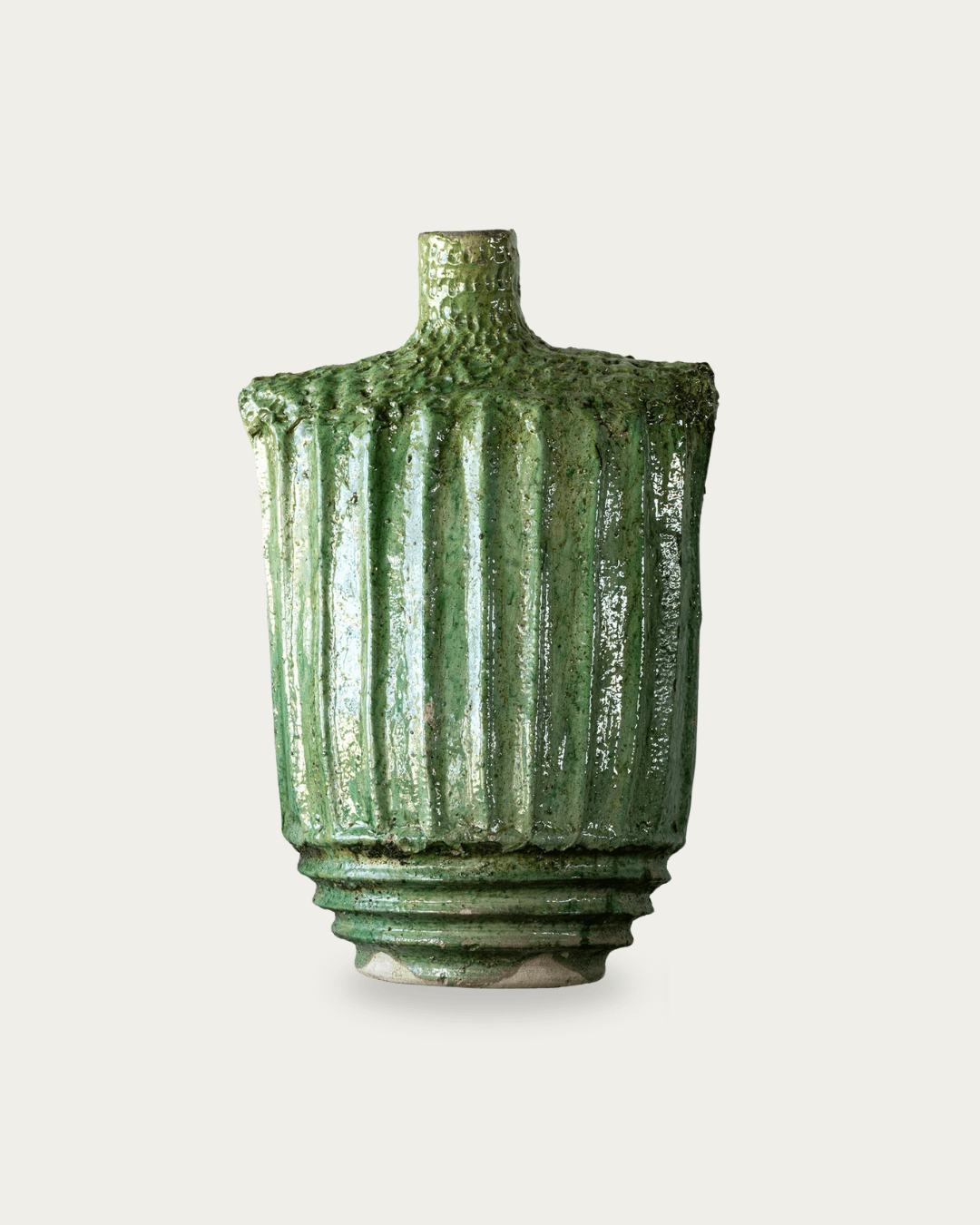
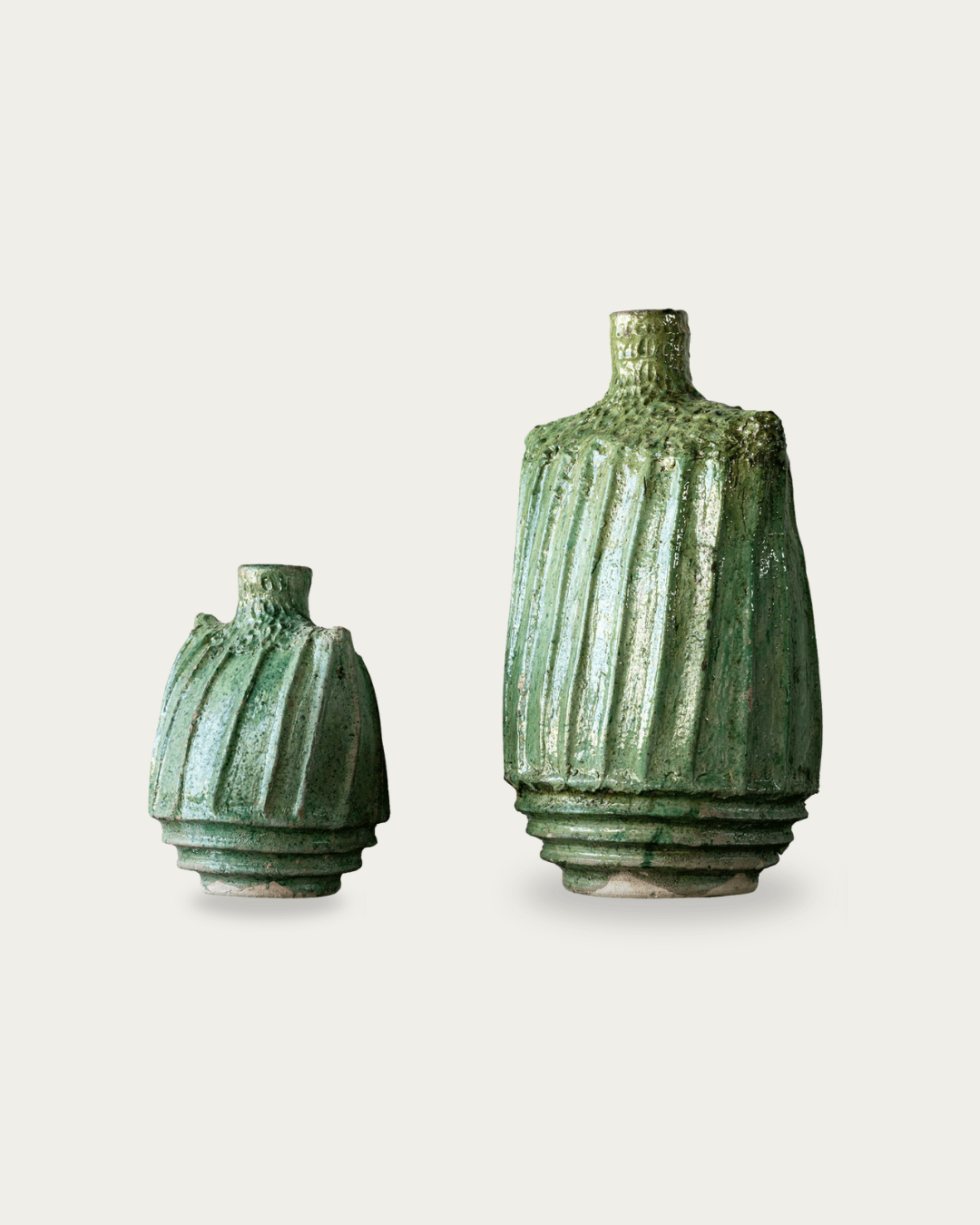
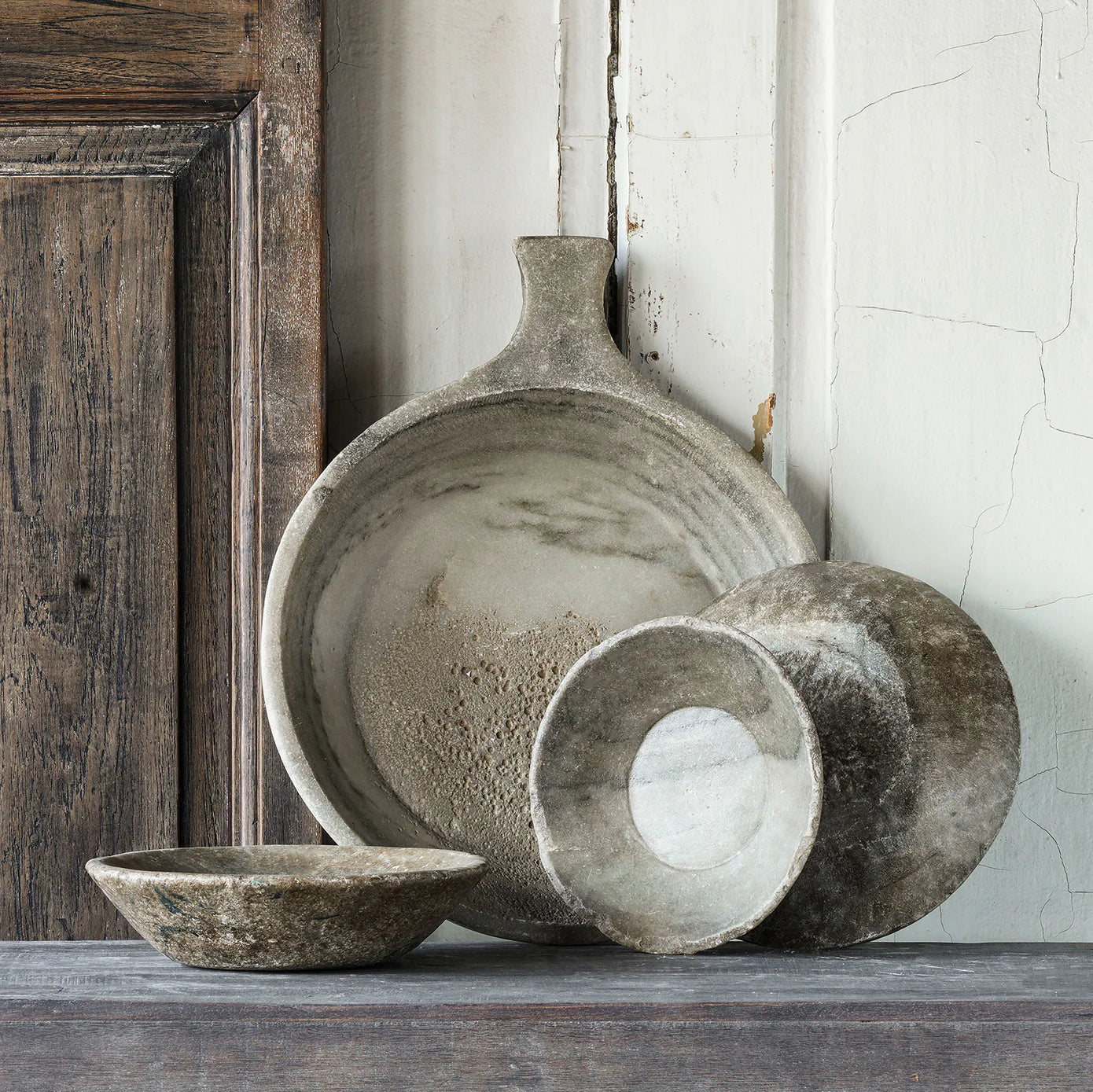
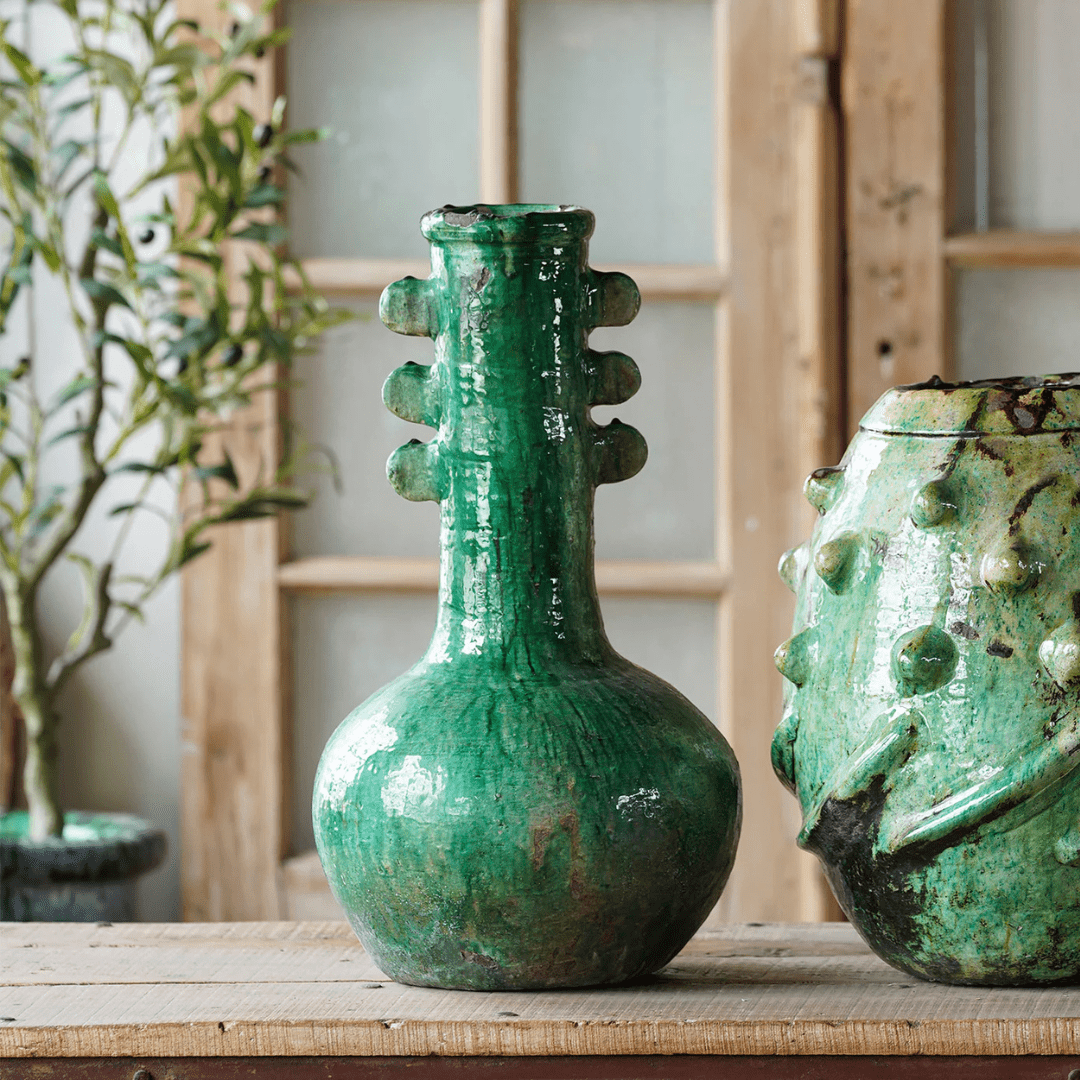
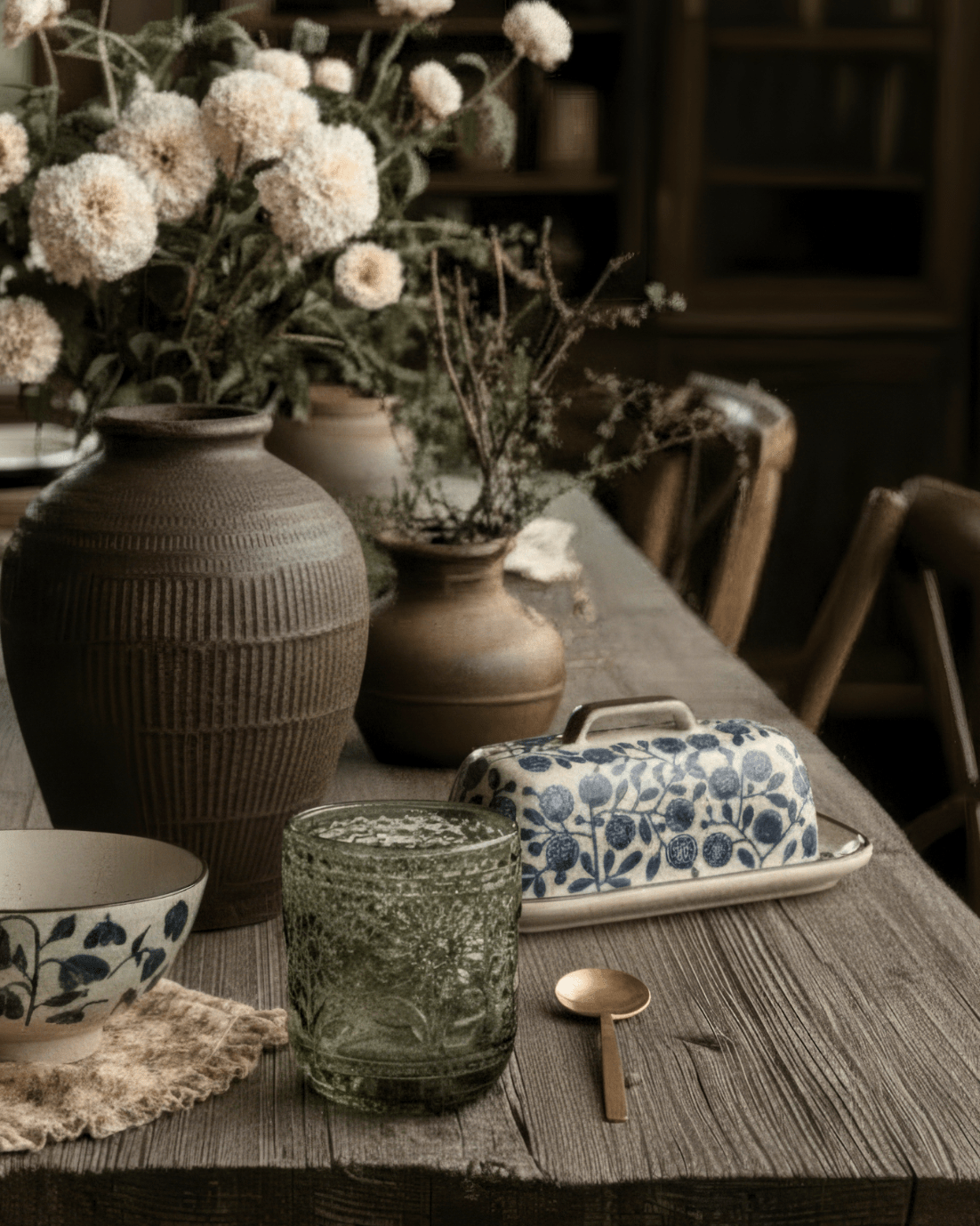
On a wood shelf, a ceramic vessel and a woven container already introduce distinct textures. Give them separate roles rather than surrounding each with several more accessories.
Research suggests that perceptual grouping influences how competing visual stimuli are processed. Using recognizable groups on shelving is a practical application of that principle, rather than a proven prescription for relaxation.
Check whether each group is useful as well as visually connected. Keep books you read together within reach, and make sure containers are easy to remove.
4. Give the Vintage Storage Some Breathing Room
Storage capacity and display space serve different purposes. A shelf may accommodate another row of objects, but you can choose to leave part of it open.
Visible space between groups helps reveal their outlines and the structure of the furniture itself.
Leave Purposeful Gaps
Try clearing one section of a shelf, then view it from across the room. Look for a clearer distinction between the objects that remain.
On a sideboard, preserve a usable stretch of tabletop for serving, setting down a bag, or placing something temporarily. A lamp and one group of objects may be enough elsewhere on the surface.
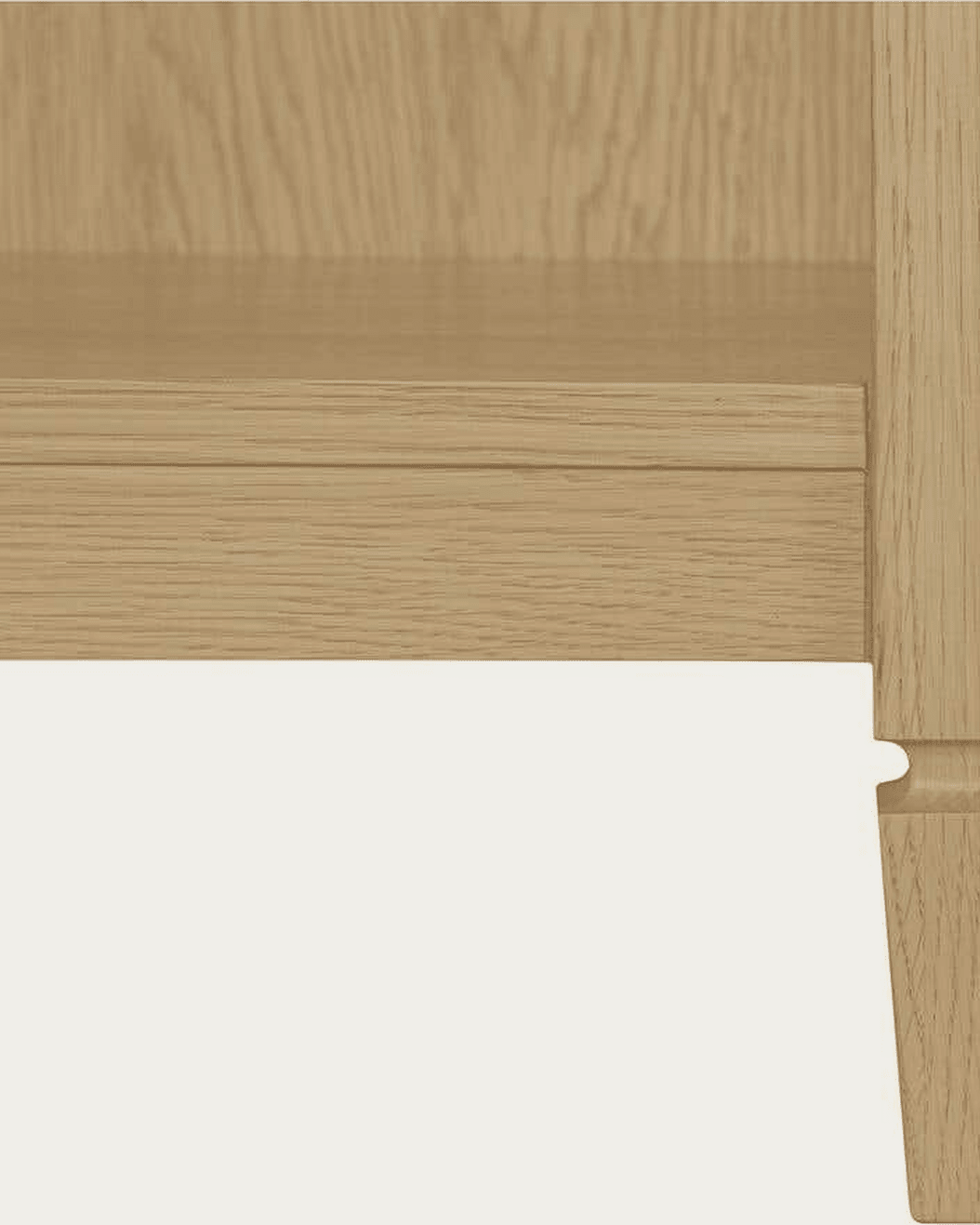
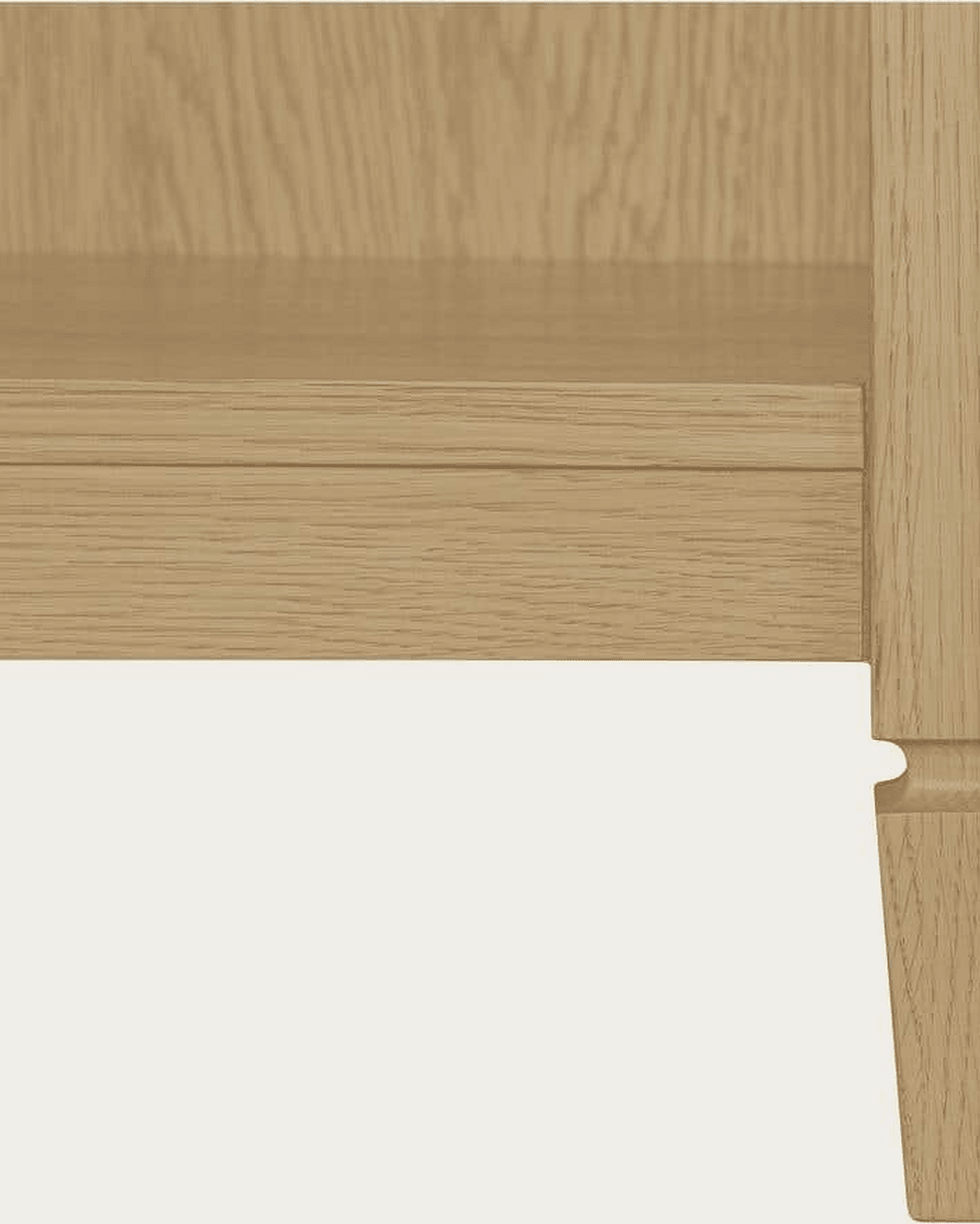
Wood grain, carved details, and patina already give furniture something to look at. Let those materials participate in the composition.
RUTED Tip: Your shelf is allowed to have spare capacity. It doesn’t need to meet a quarterly occupancy target.
Keep gaps practical: enough room to lift a basket, reach a book, and clean around the display.
5. Let the Sideboard Establish a Focal Point
A sideboard can help organize a room through its horizontal form. Placement matters, especially where several furniture pieces share the same space.
Choose a wall where the sideboard fits comfortably and supports what happens nearby. In a dining area, that might mean convenient access to serving pieces. In a living room, it might hold games or household essentials.
Balance detailed wood with simpler surroundings
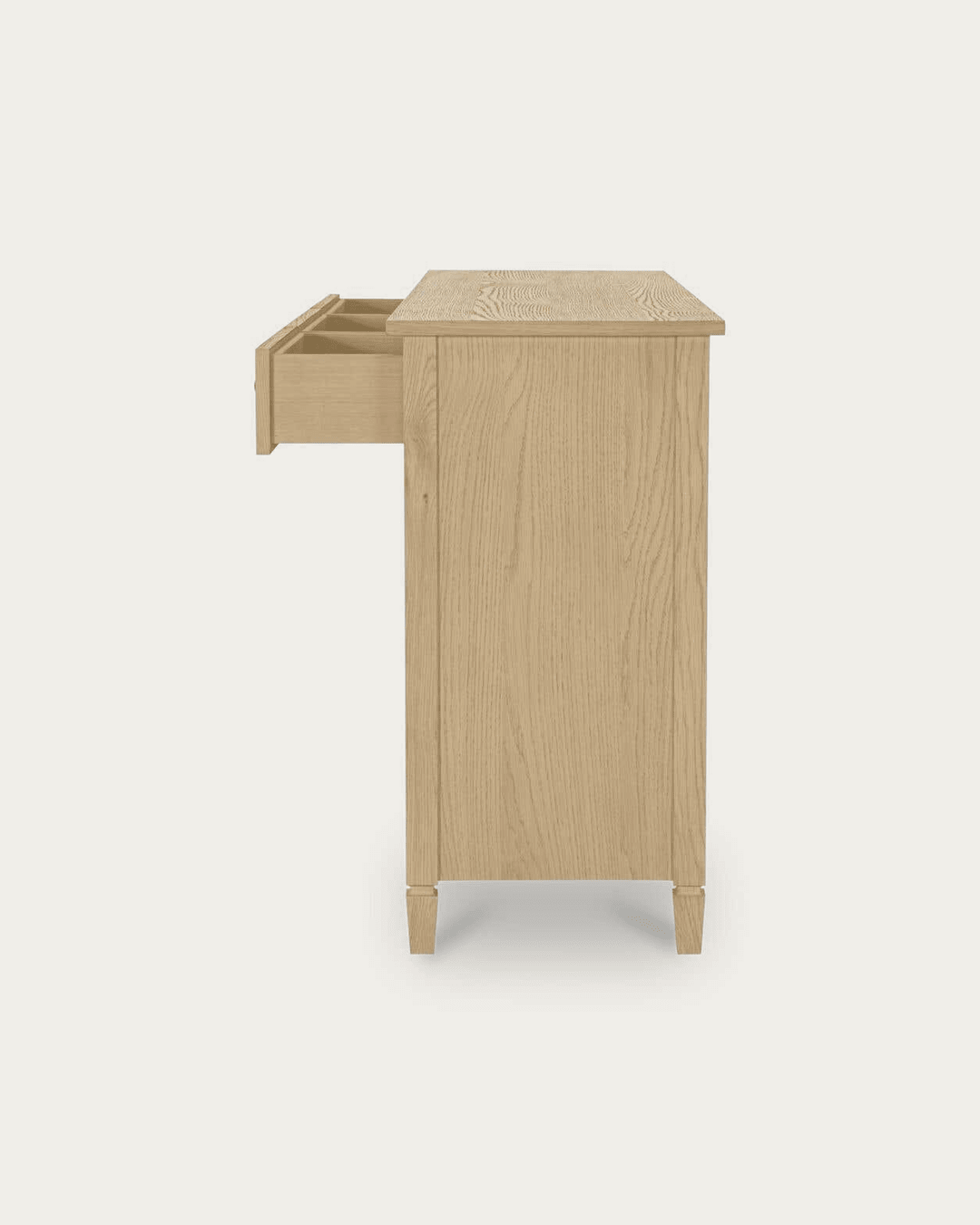
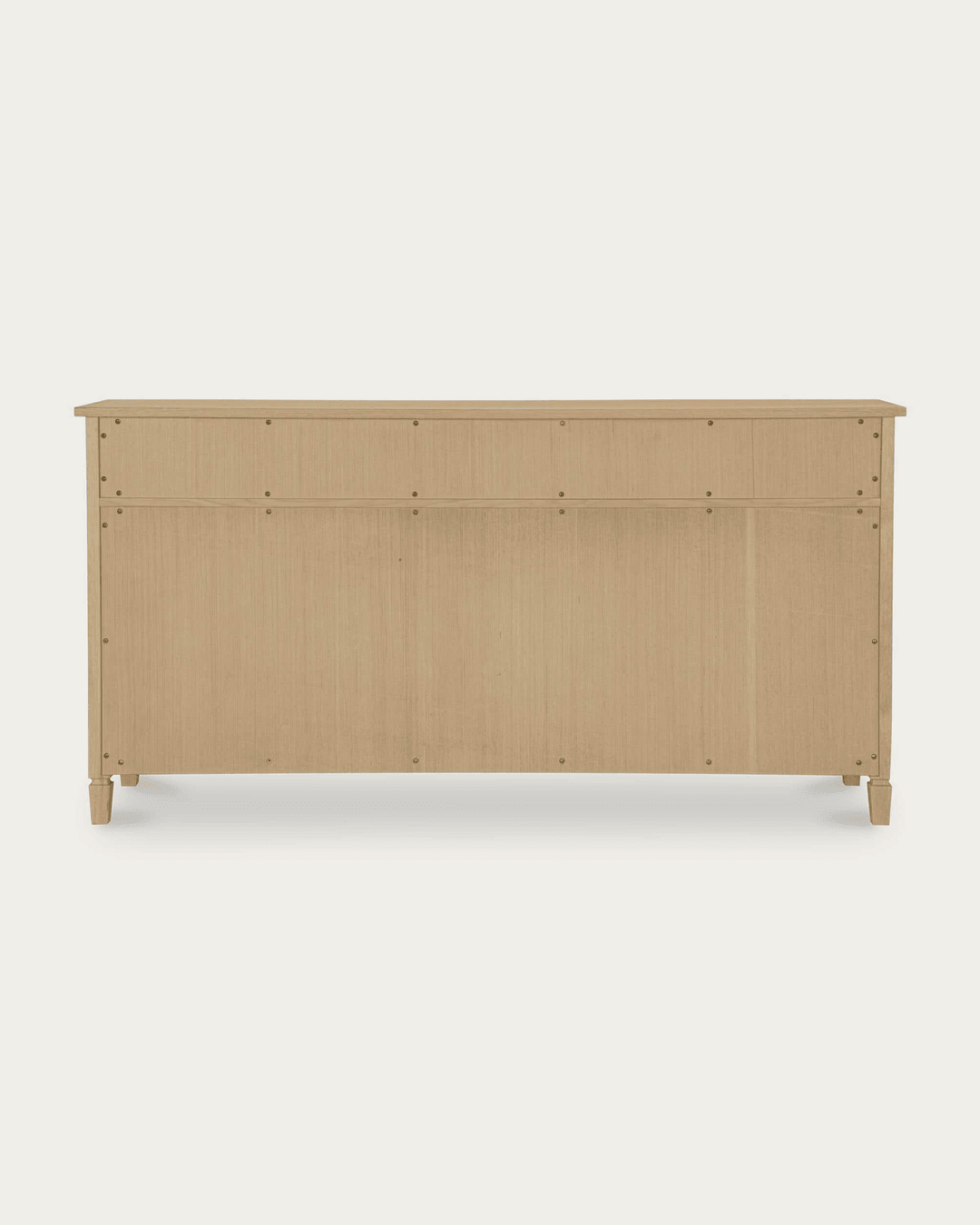
The Junia vintage wood sideboard features hand-carved wood, a worn patina, and three to four reassembled doors. Its material and construction provide plenty of visible detail.
Try a relatively simple arrangement above it: one artwork or a small, deliberate group. Check how the objects relate to the carved front rather than styling the top in isolation.
Measure door clearance and walking space before placing it. A clear focal point should also leave the room comfortable to move through.

6. Choose Storage Around Your Habits
Notice where belongings accumulate before deciding where storage should go.
Books beside the reading chair, paperwork near the entrance, and table linens close to the dining area tell you something useful about your routines.
Place storage where those routines already happen whenever the layout allows.
Check the interior against the contents
When considering the Agnes wood cabinet, compare its dimensions and interior arrangement with what you need to store.
Check the height of larger items, access to the contents, and clearance around the cabinet. Consider how its wood finish relates to nearby furniture and flooring, too.
Give frequently used belongings an easy-to-reach home. Reserve less accessible areas for things you use occasionally.
You can make the cabinet’s exterior part of the room while organizing the interior around real life. A good storage plan survives an ordinary Tuesday.

7. Review the View From Where You Relax
Finish by sitting down.
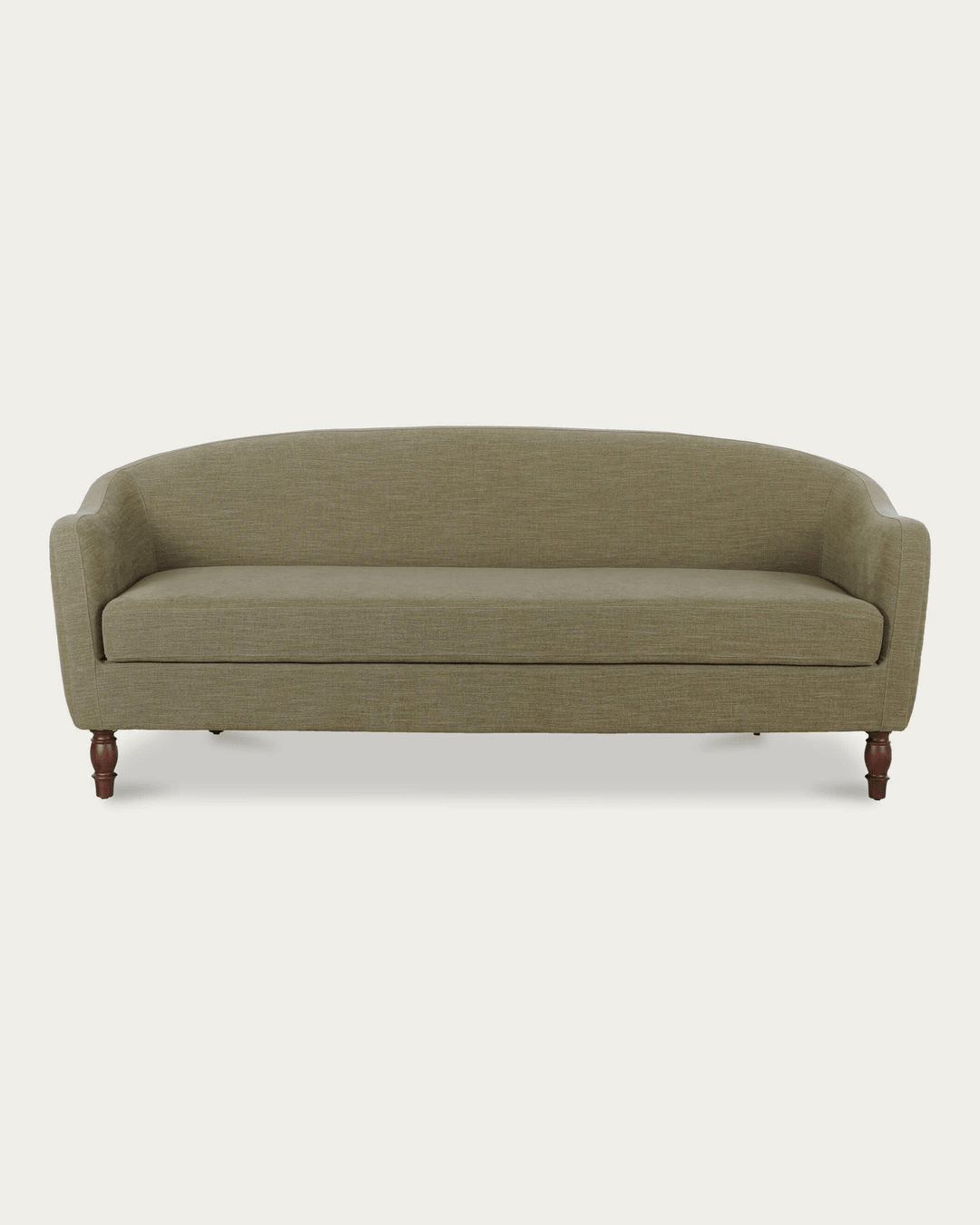
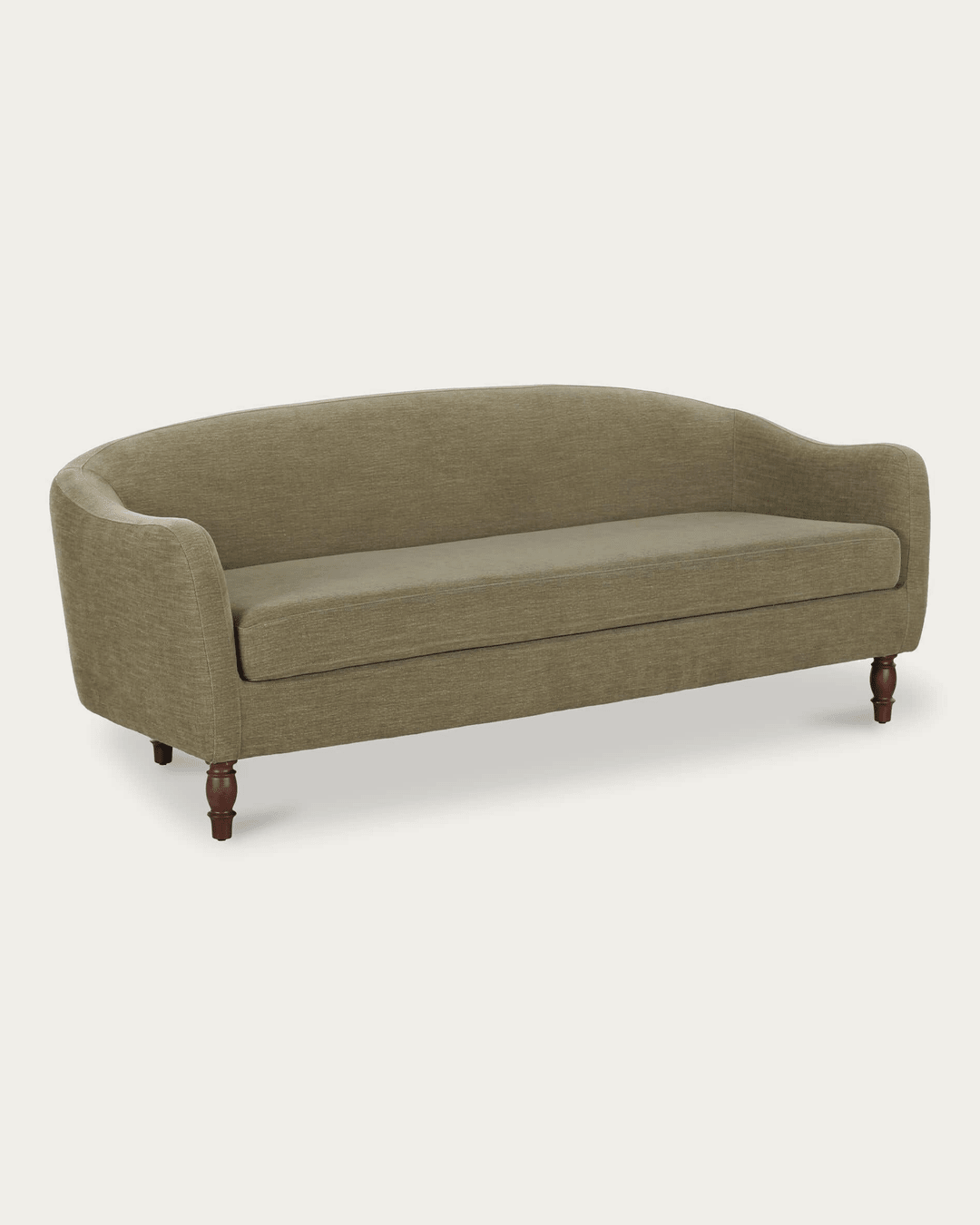
The shelf you styled while standing directly in front of it may look different from the sofa. Small objects can overlap, contrasting book spines can become prominent, and a sideboard arrangement may spread farther than expected.
Adjust one thing at a time
Look for a clear main shape, recognizable groups, and enough visible space between them. Move one object or group, then assess the change.
Check the materials from that distance. Wood, ceramics, and woven fibers may already provide enough variation. You might only need to simplify their arrangement.
Personal preference matters here. Some people enjoy seeing their collections; others prefer more closed storage. Test what feels comfortable to you without treating one arrangement as a guaranteed nervous-system response.
Then check the function. Can you reach what you need and put it back easily? Keep the changes that improve both the view and the routine.
Give Your Belongings a Better Home
Thoughtful storage starts with deciding what to show, what to contain, and where each category belongs.
Vintage shelves, sideboards, and cabinets can bring material detail into that plan while supporting everyday use. Start with the furniture you have, adjust one area, and notice what works.
When you explore Hello Norden’s vintage furniture, look for a piece that fits your belongings, your room, and the way you move through your day.