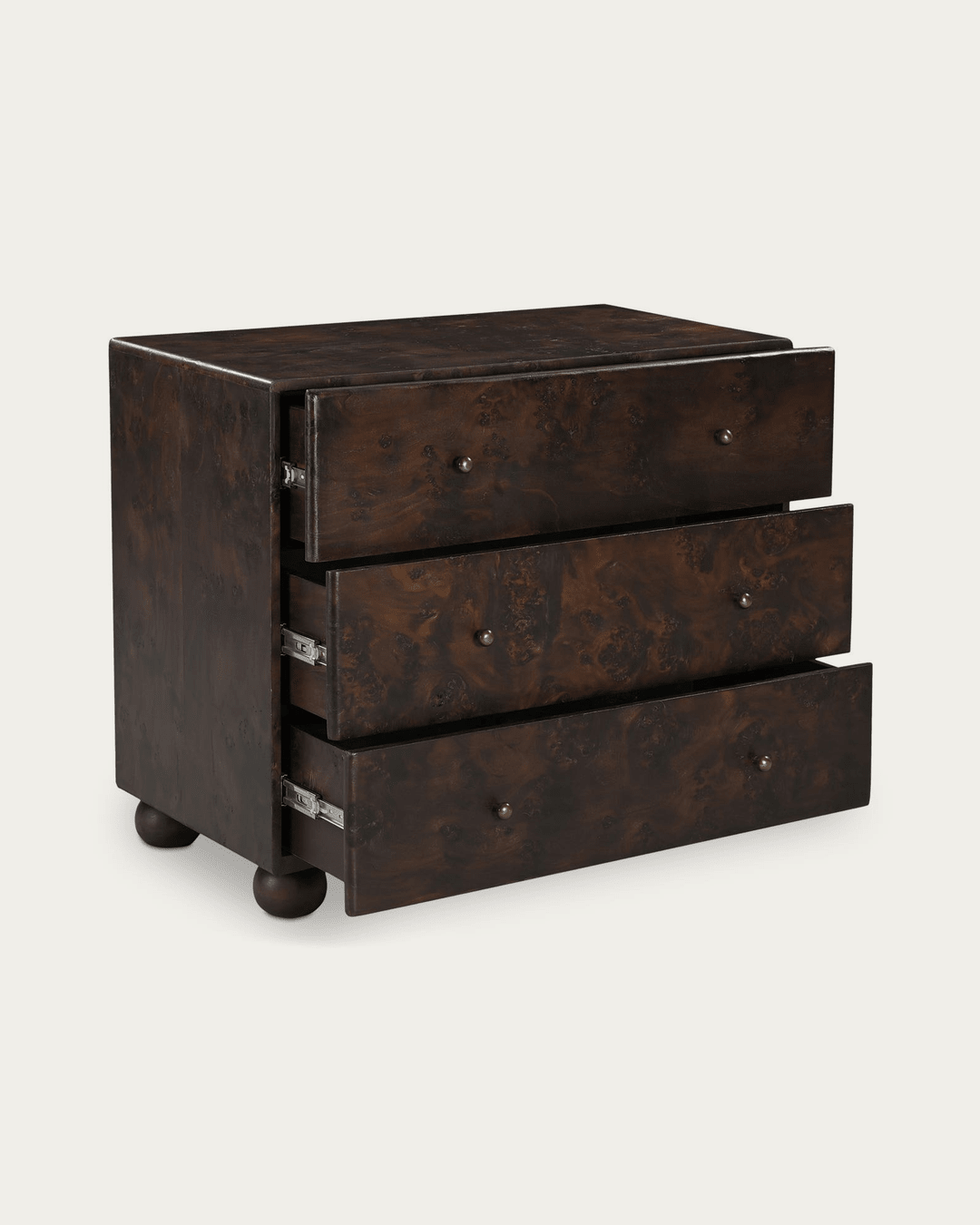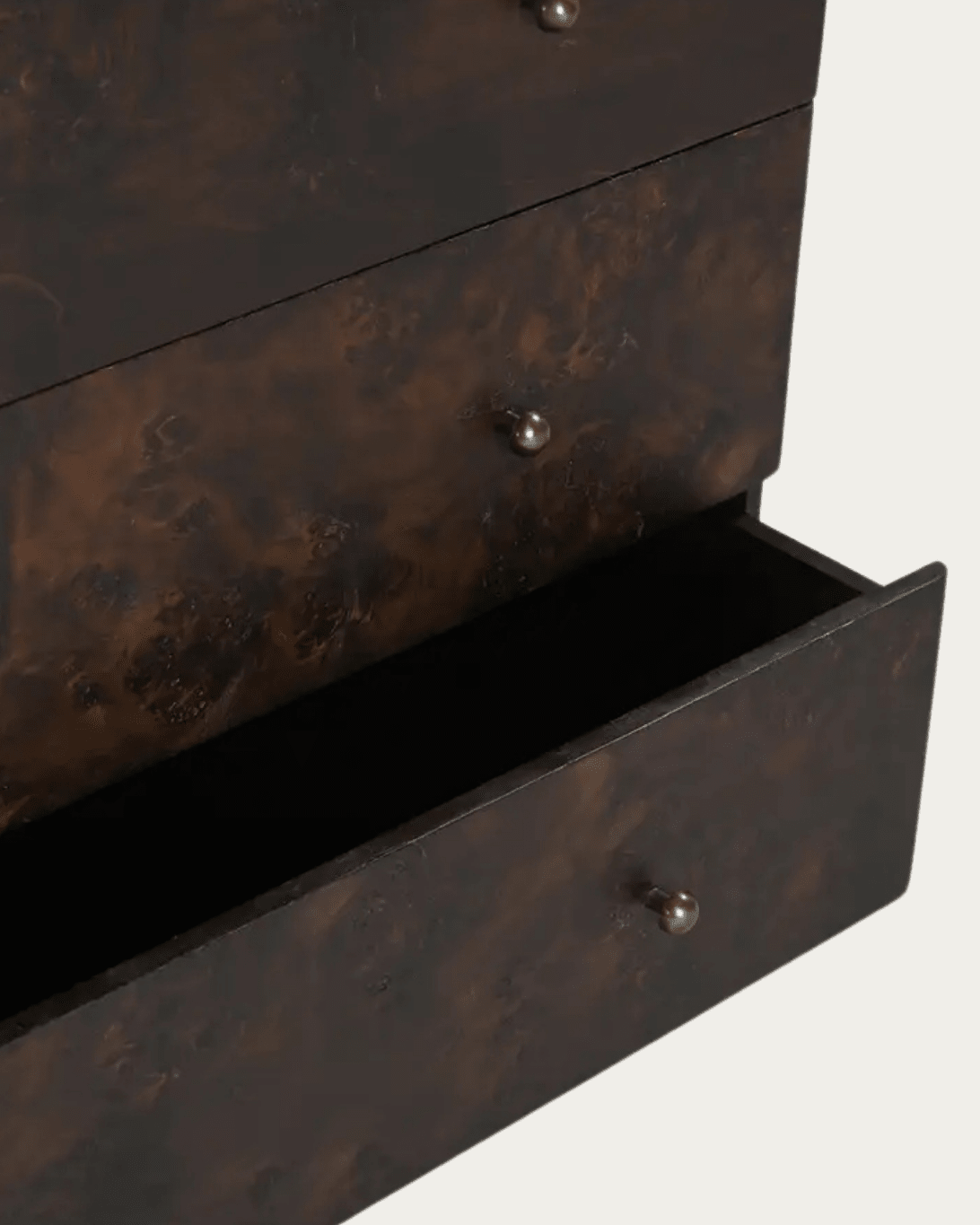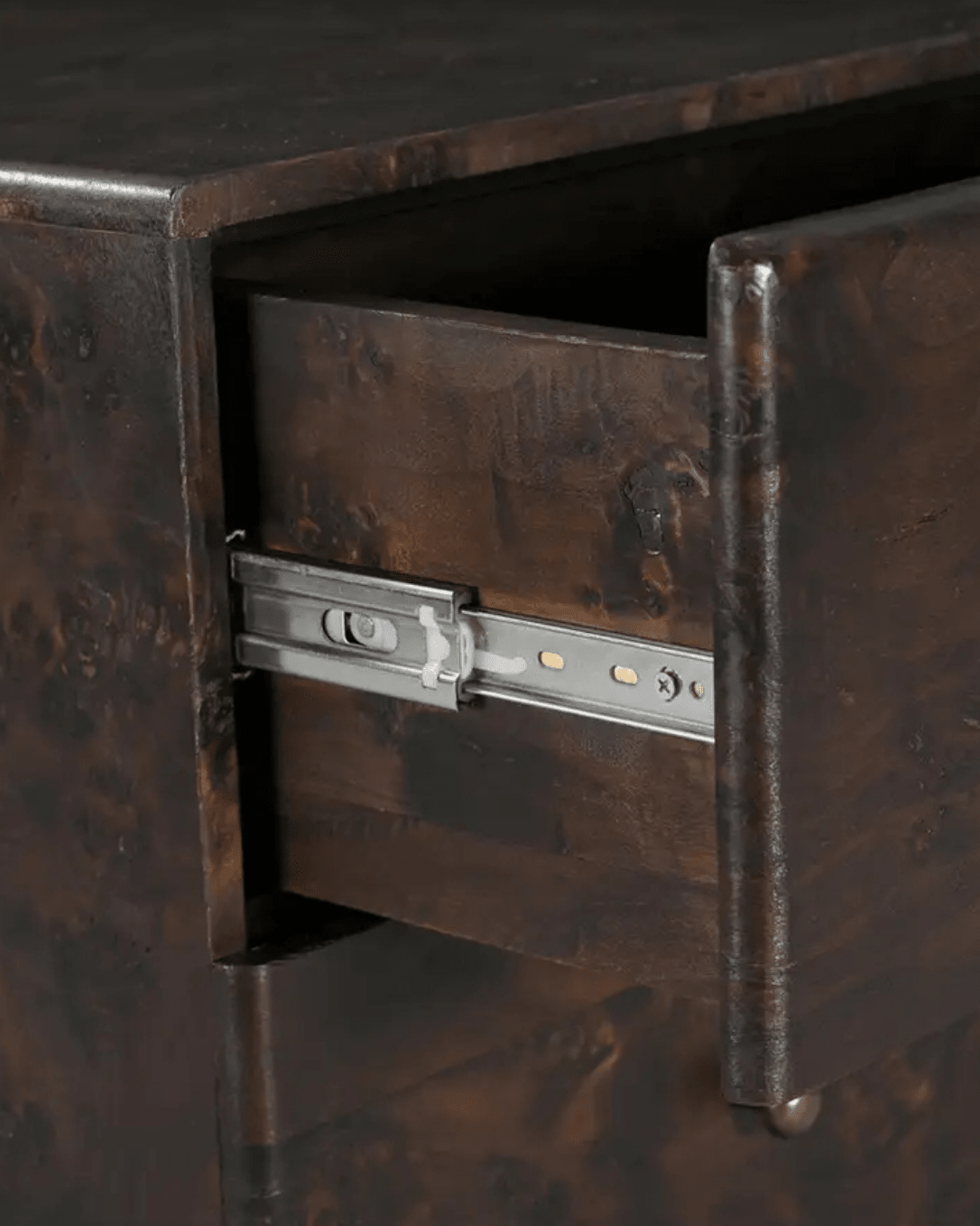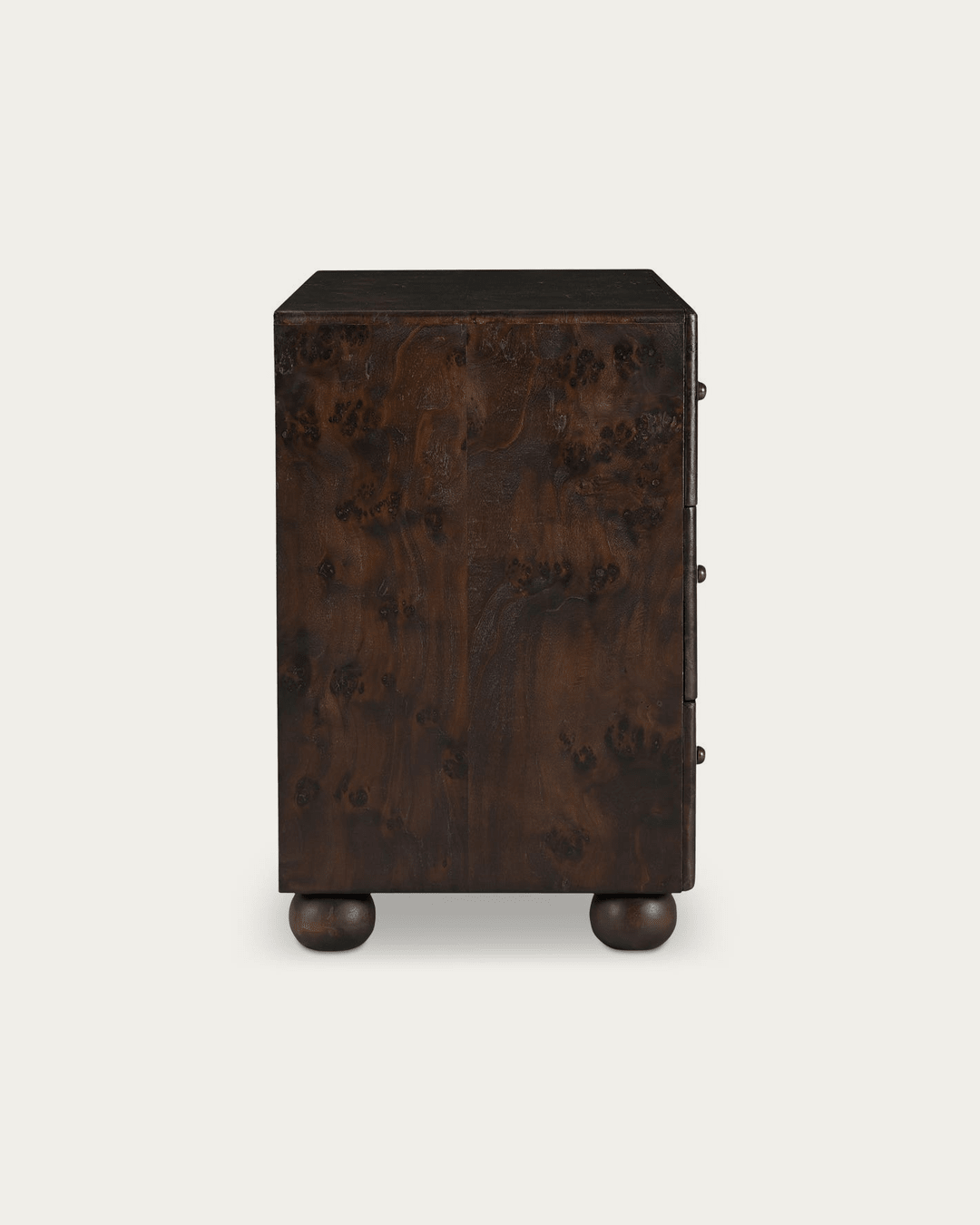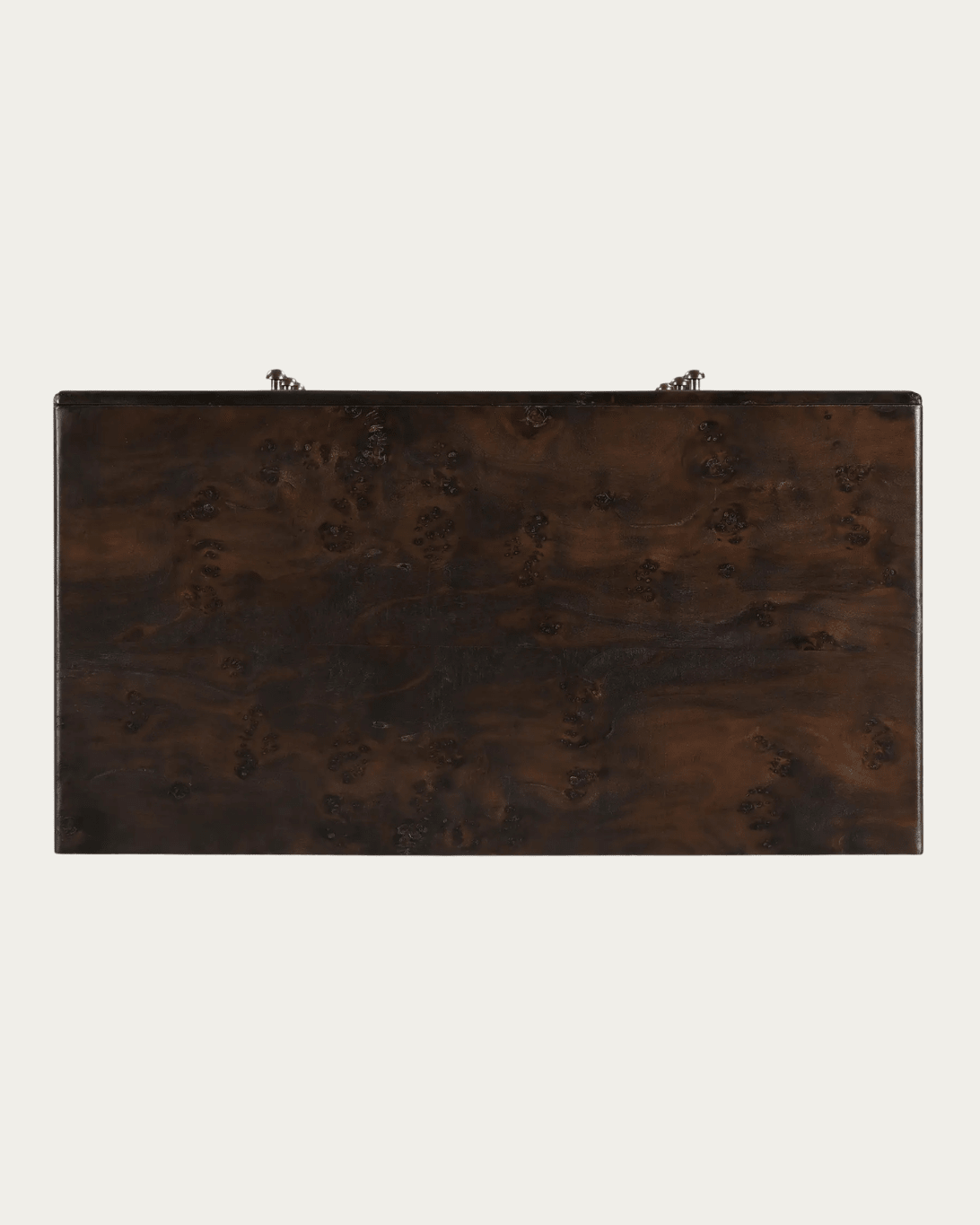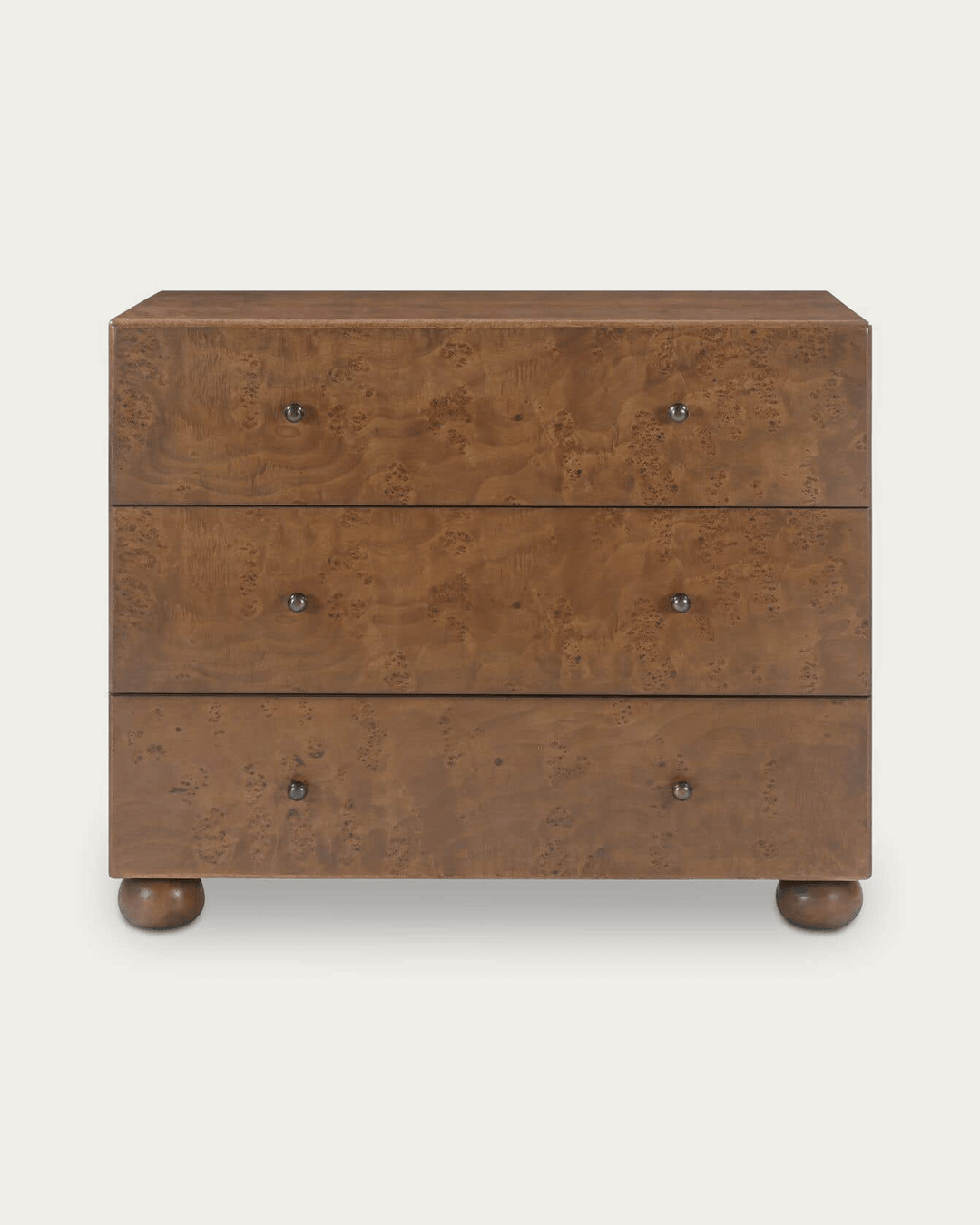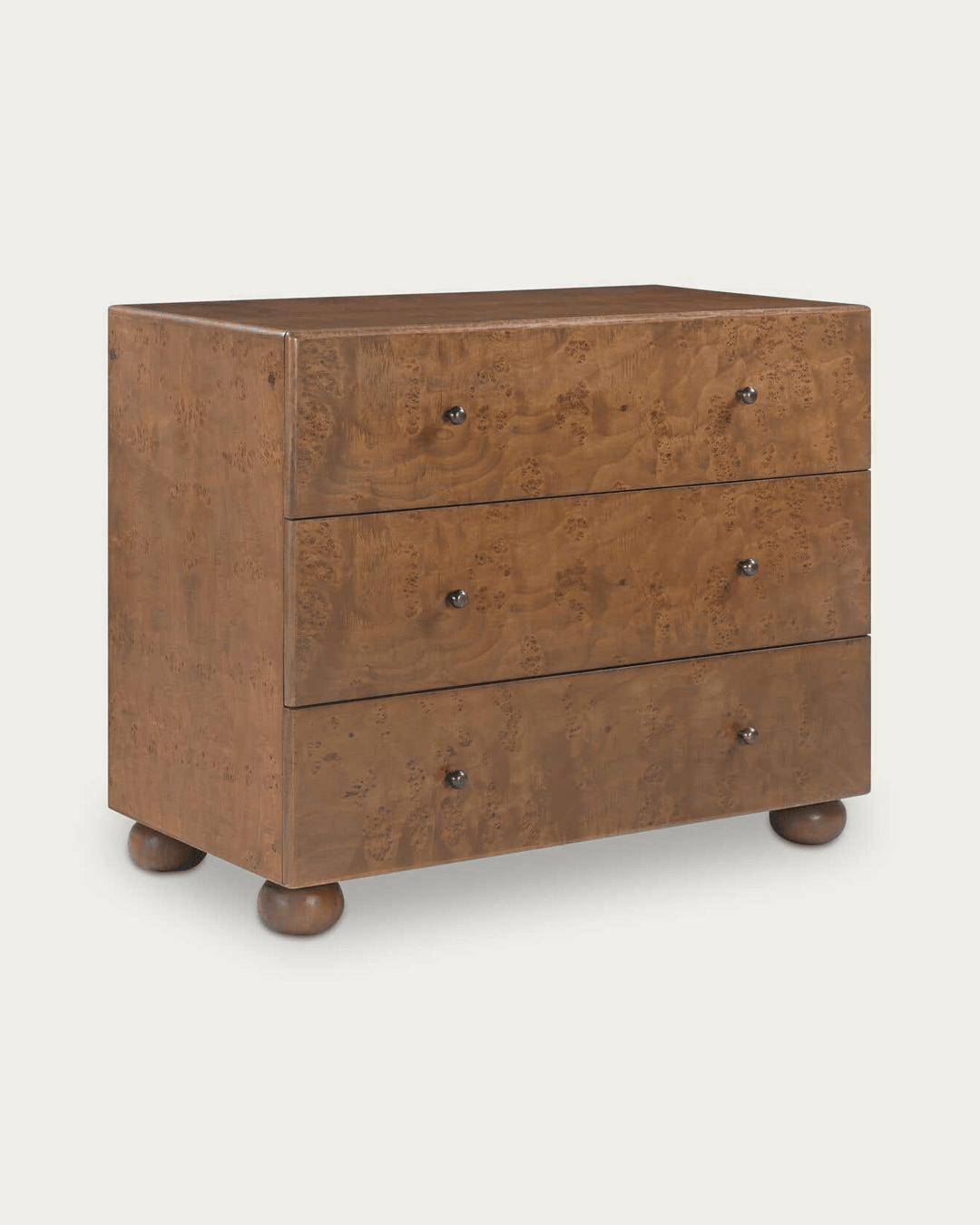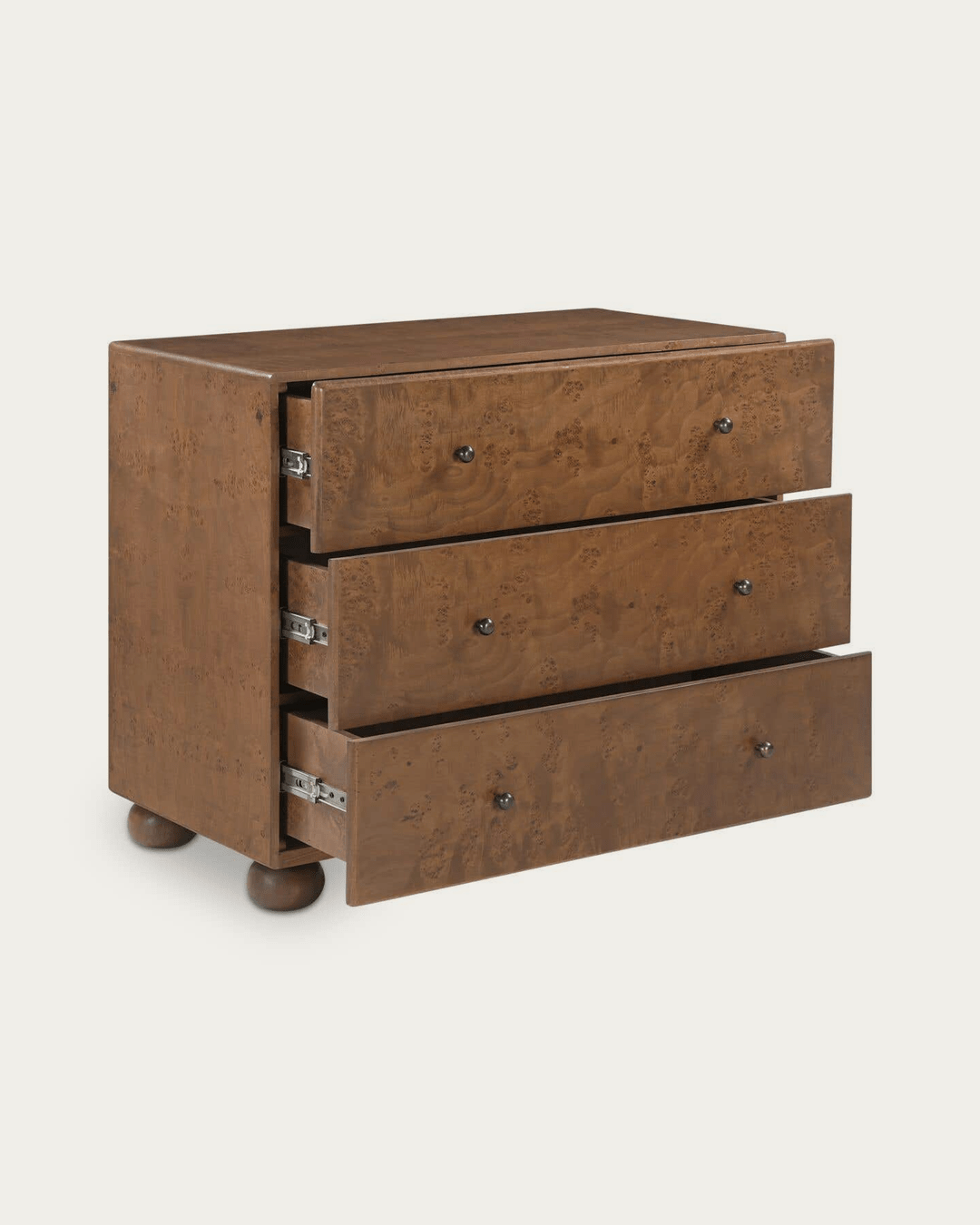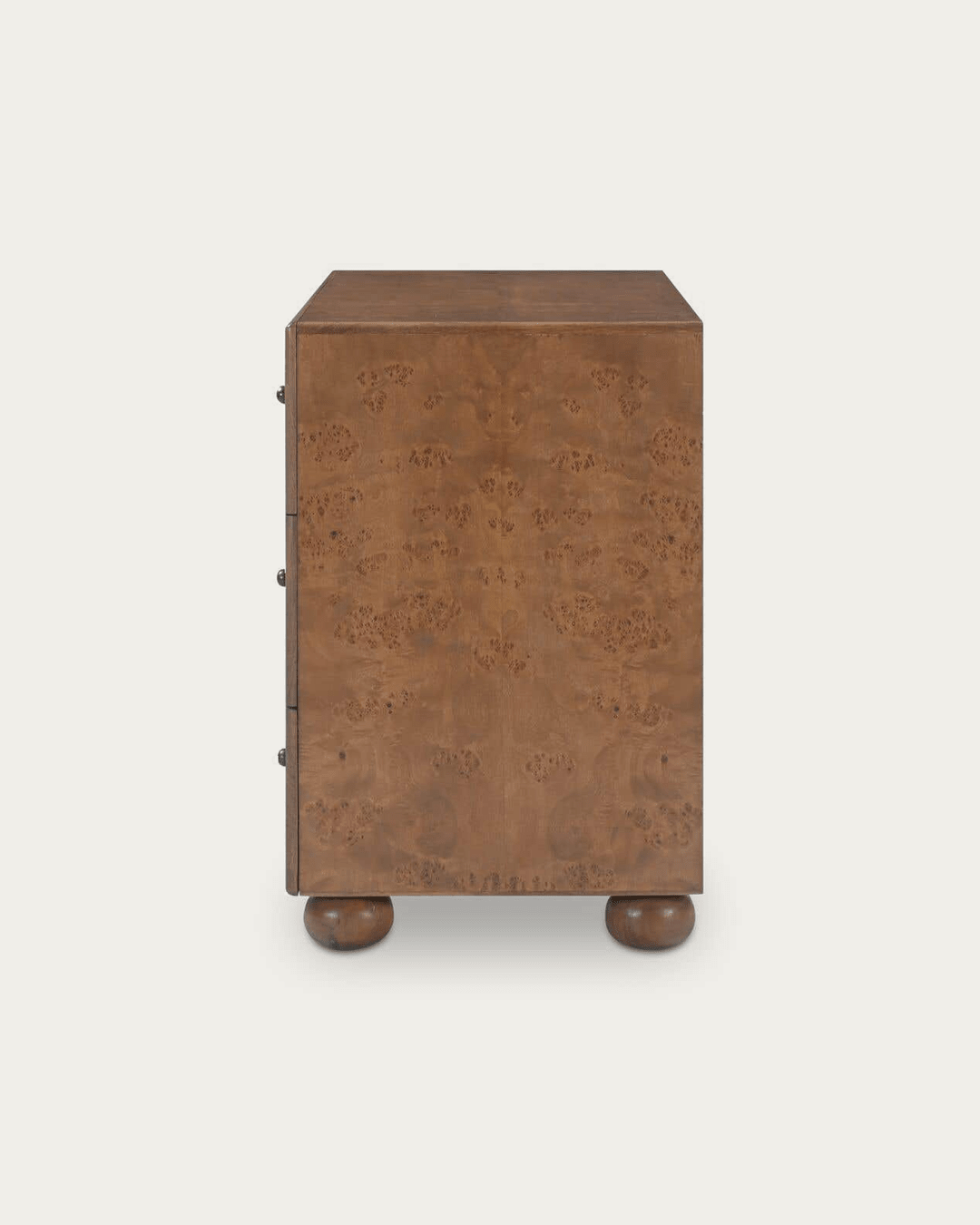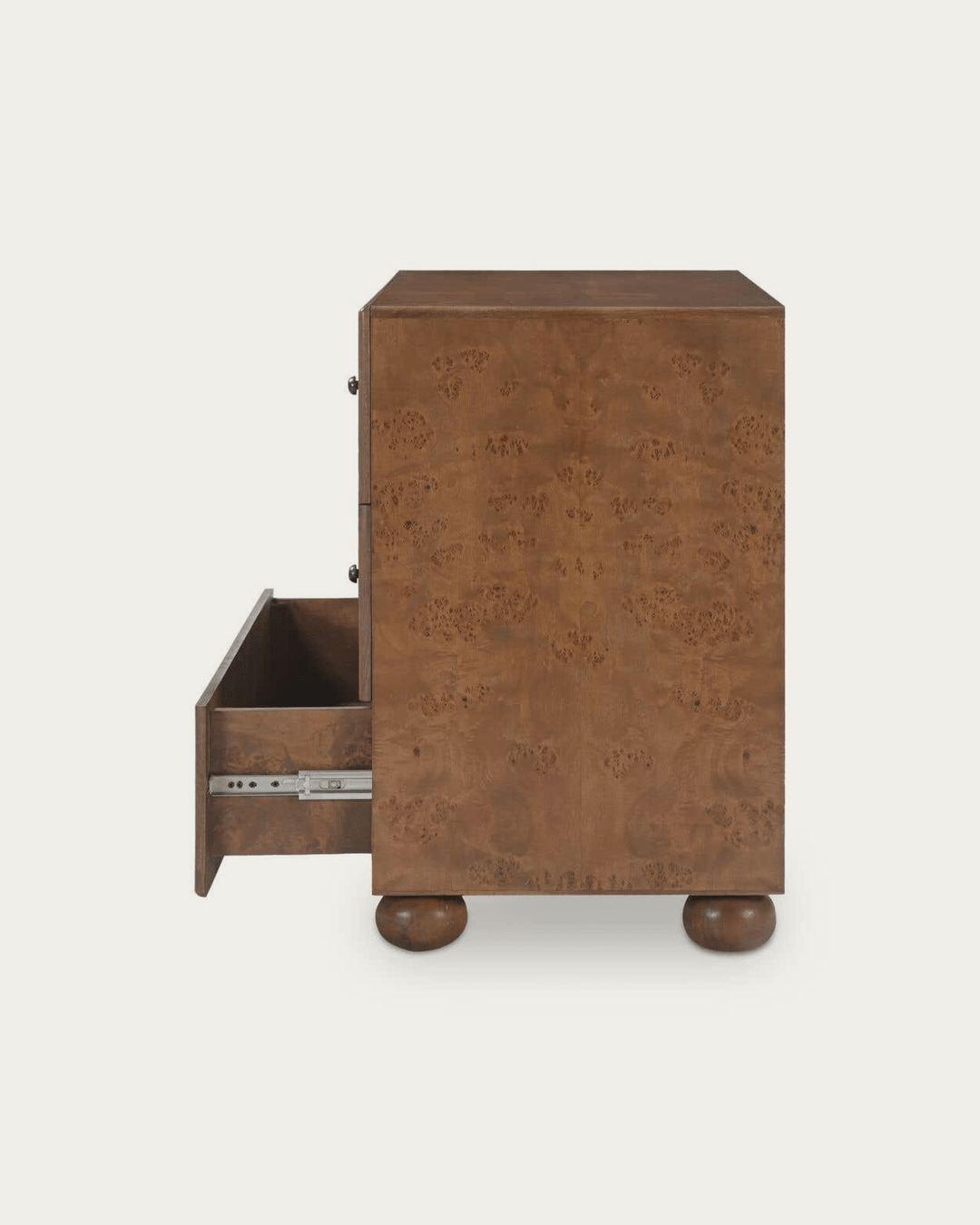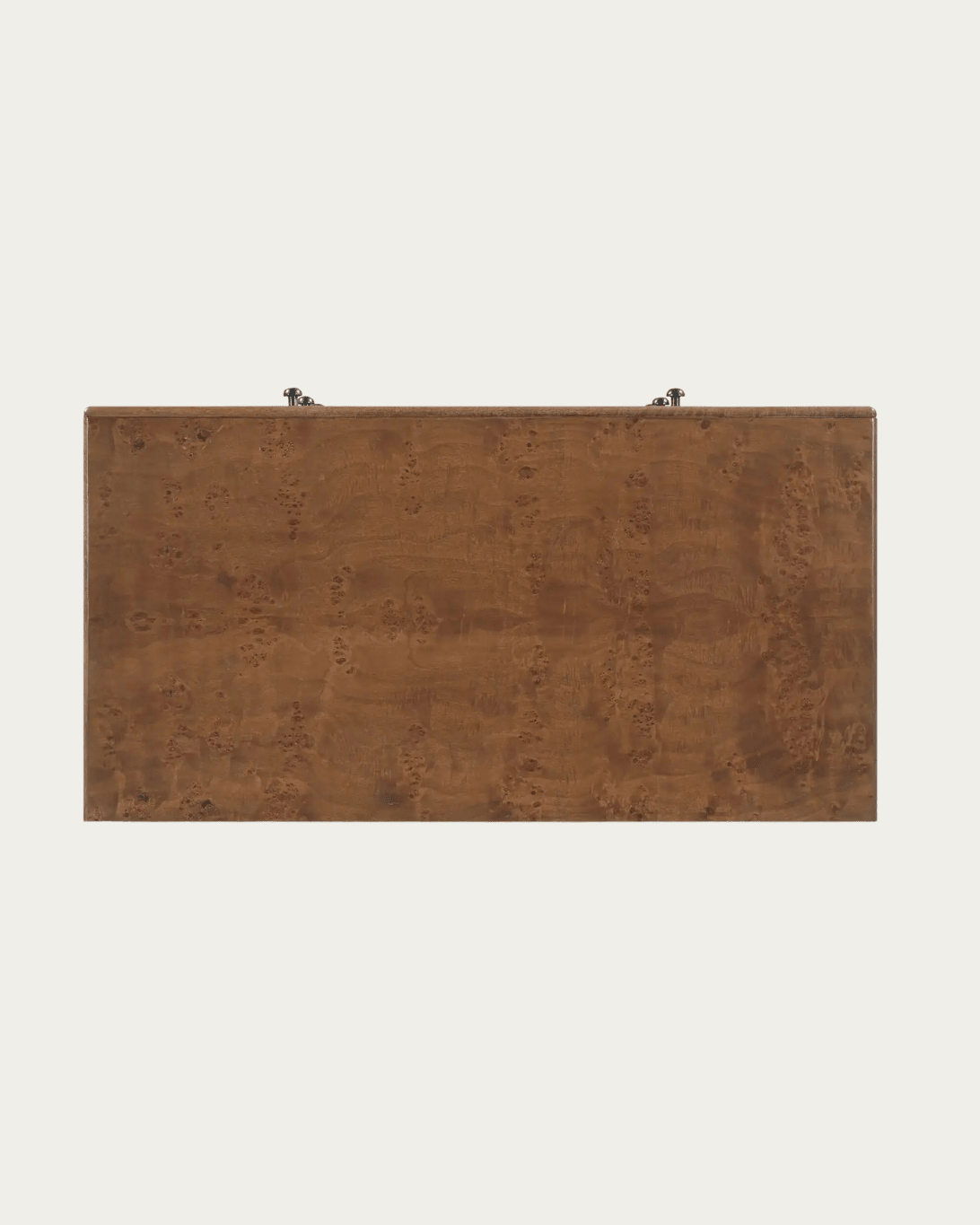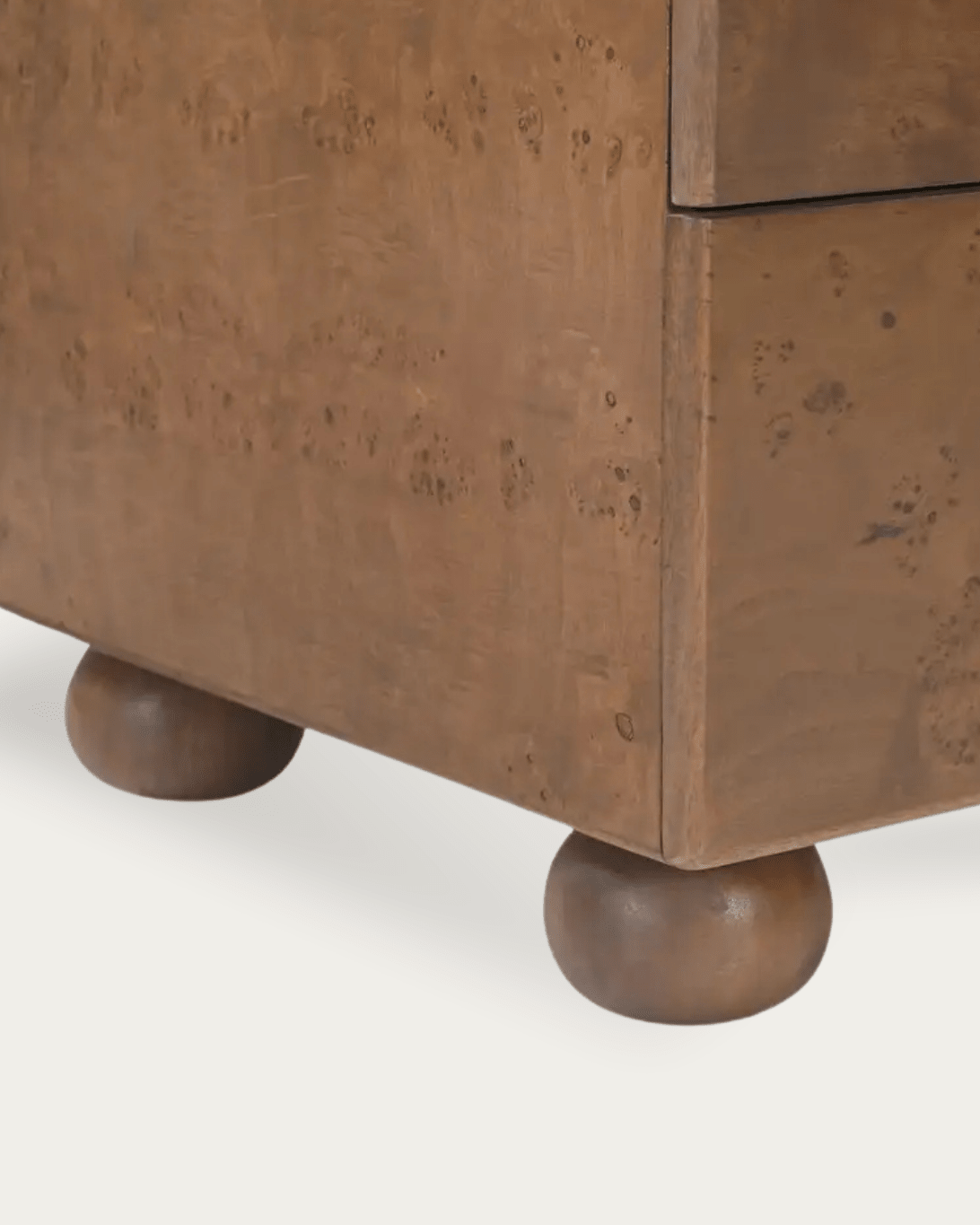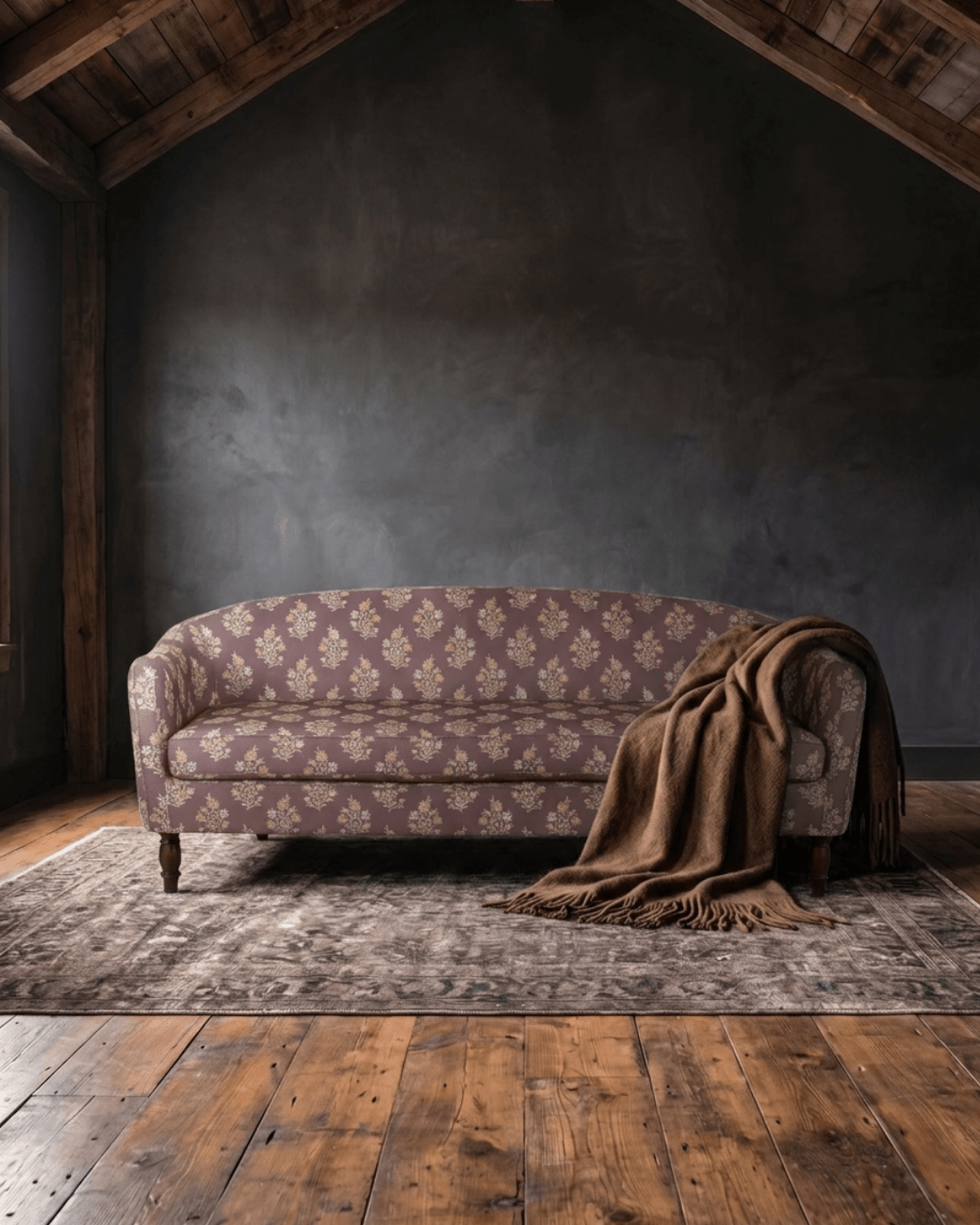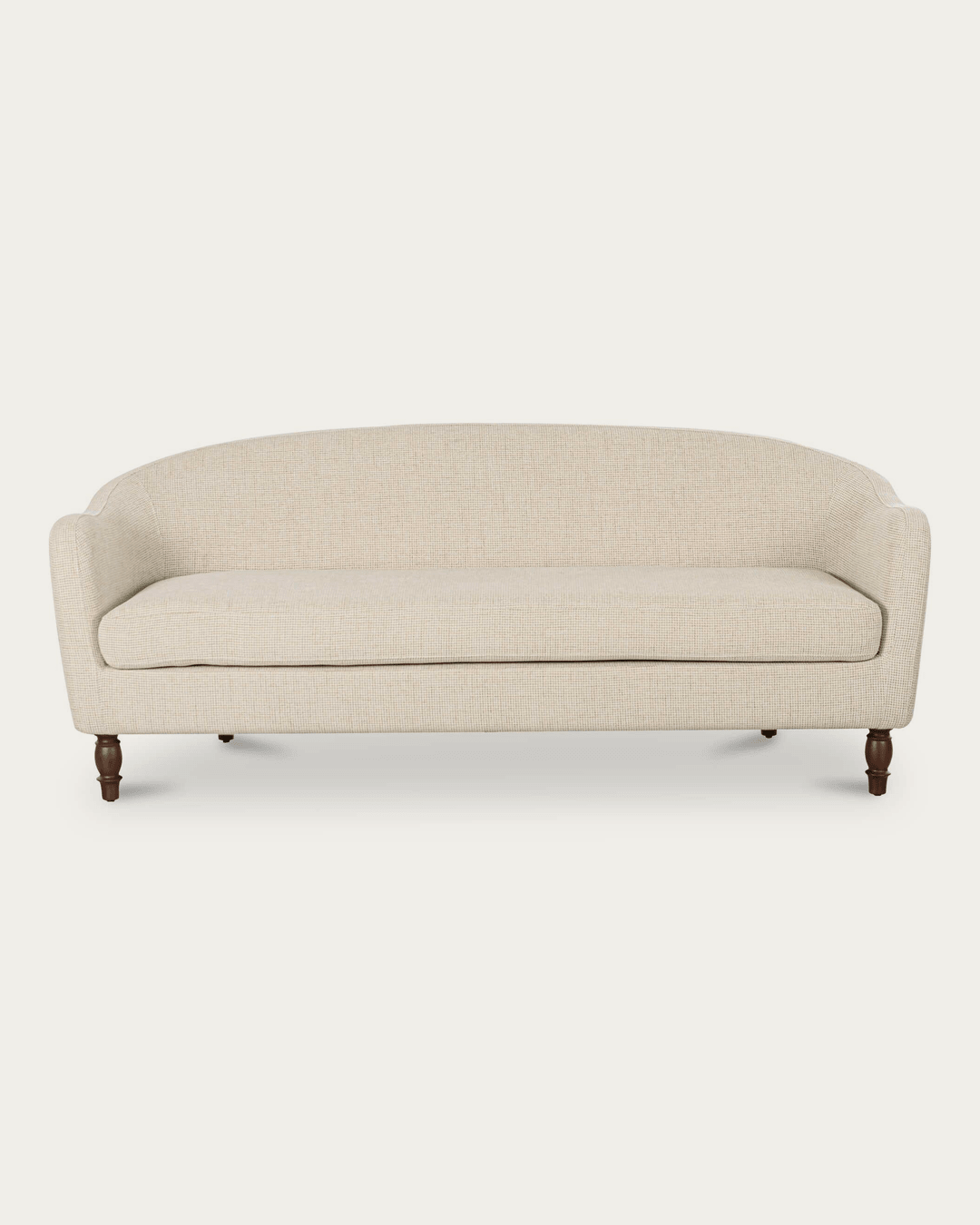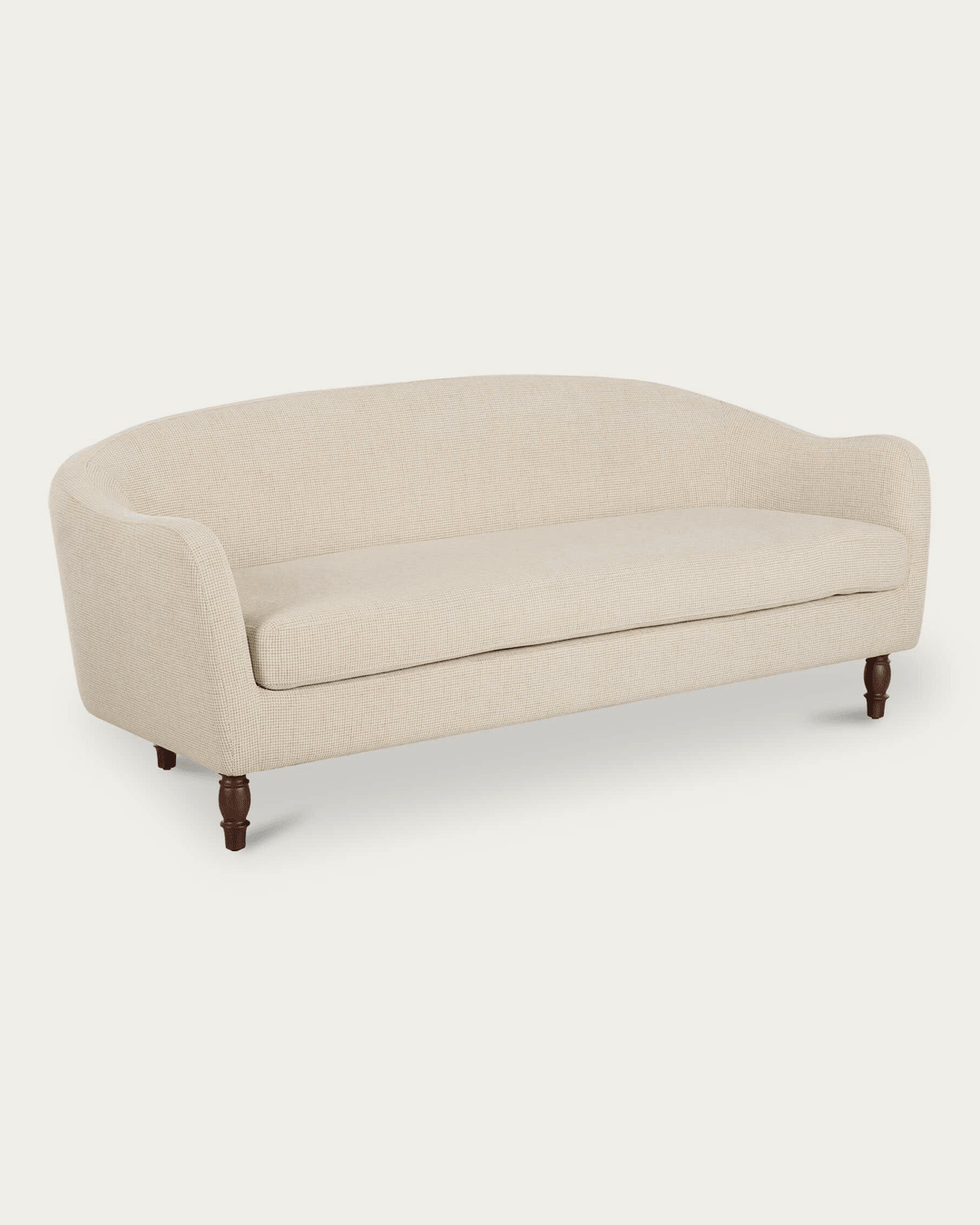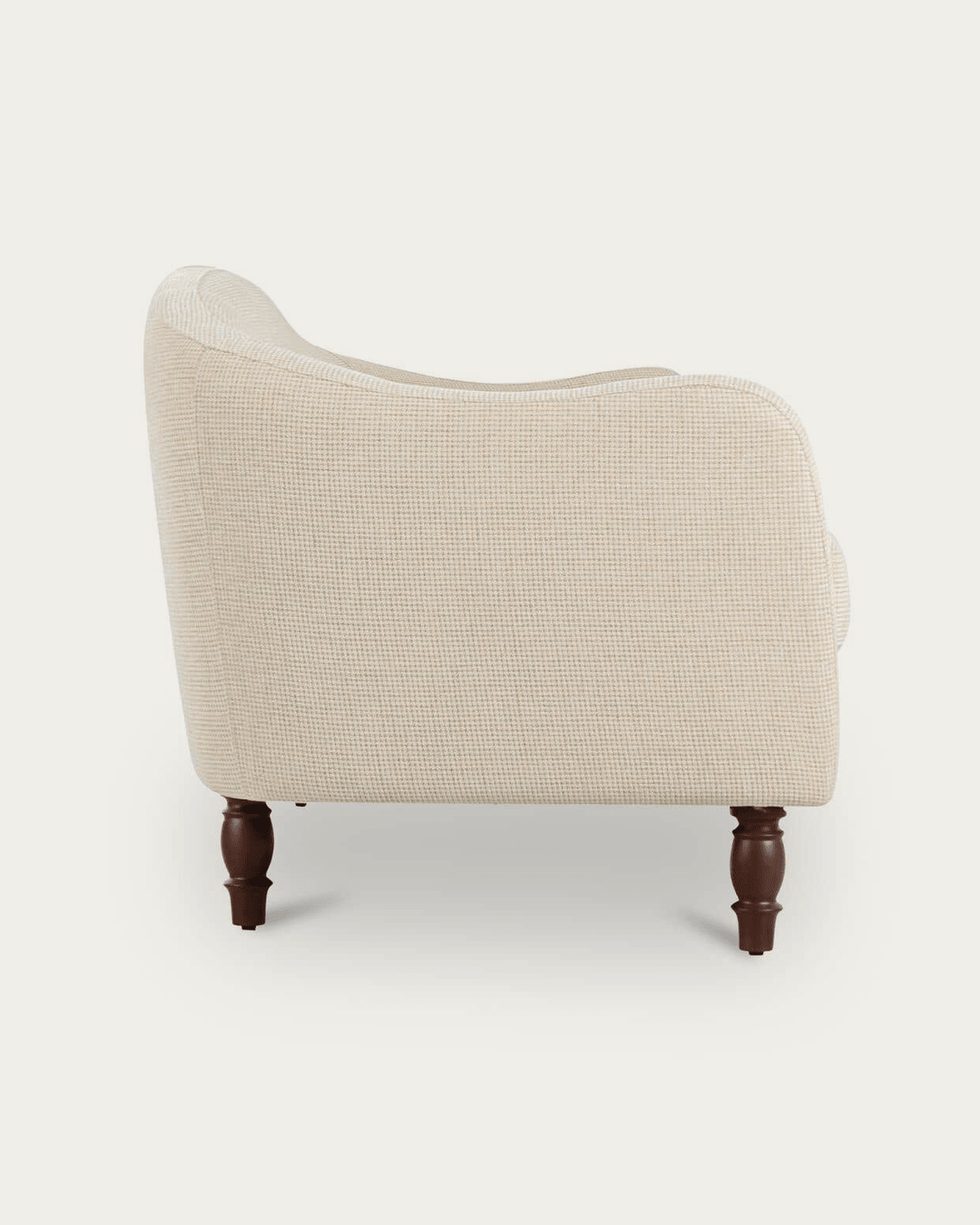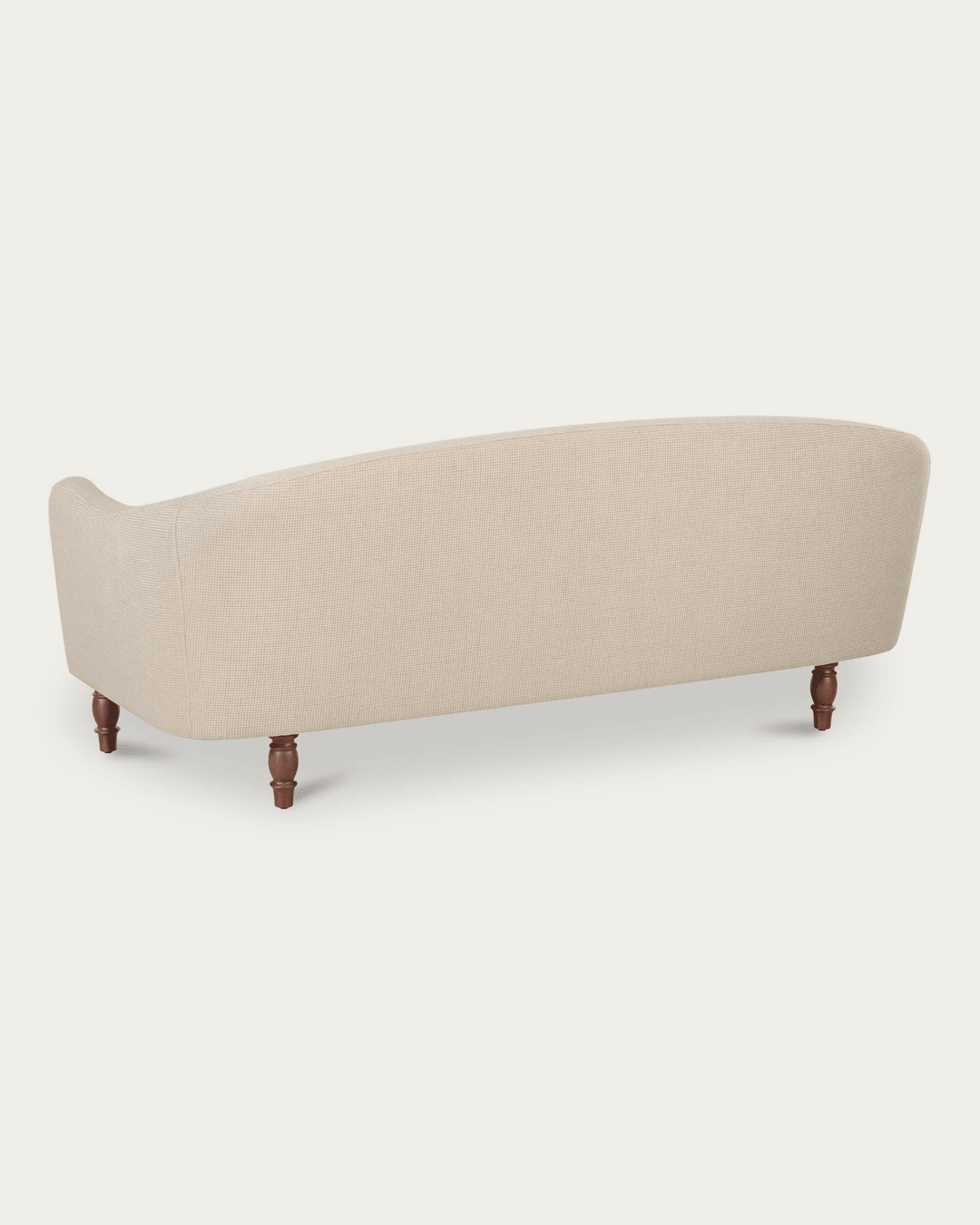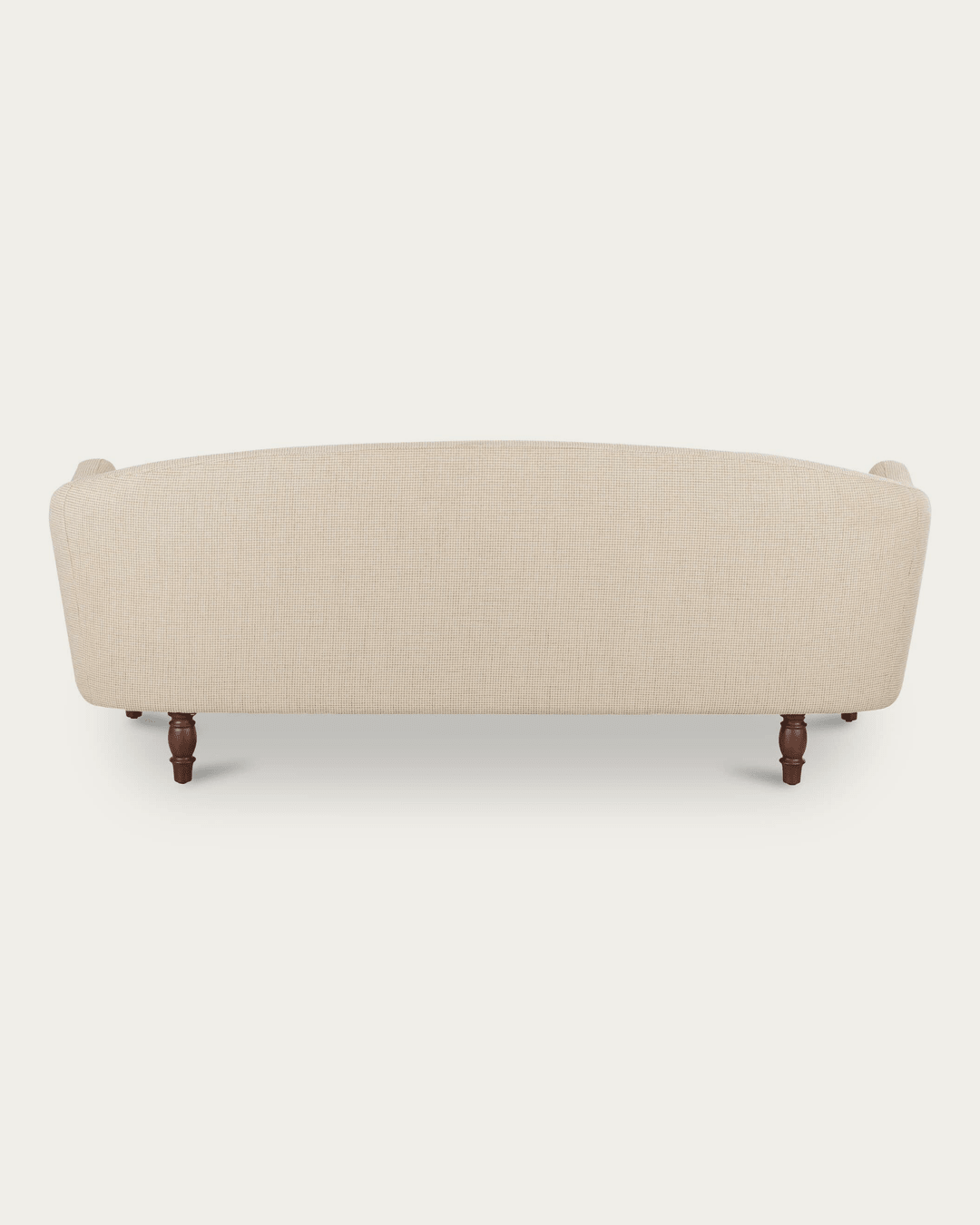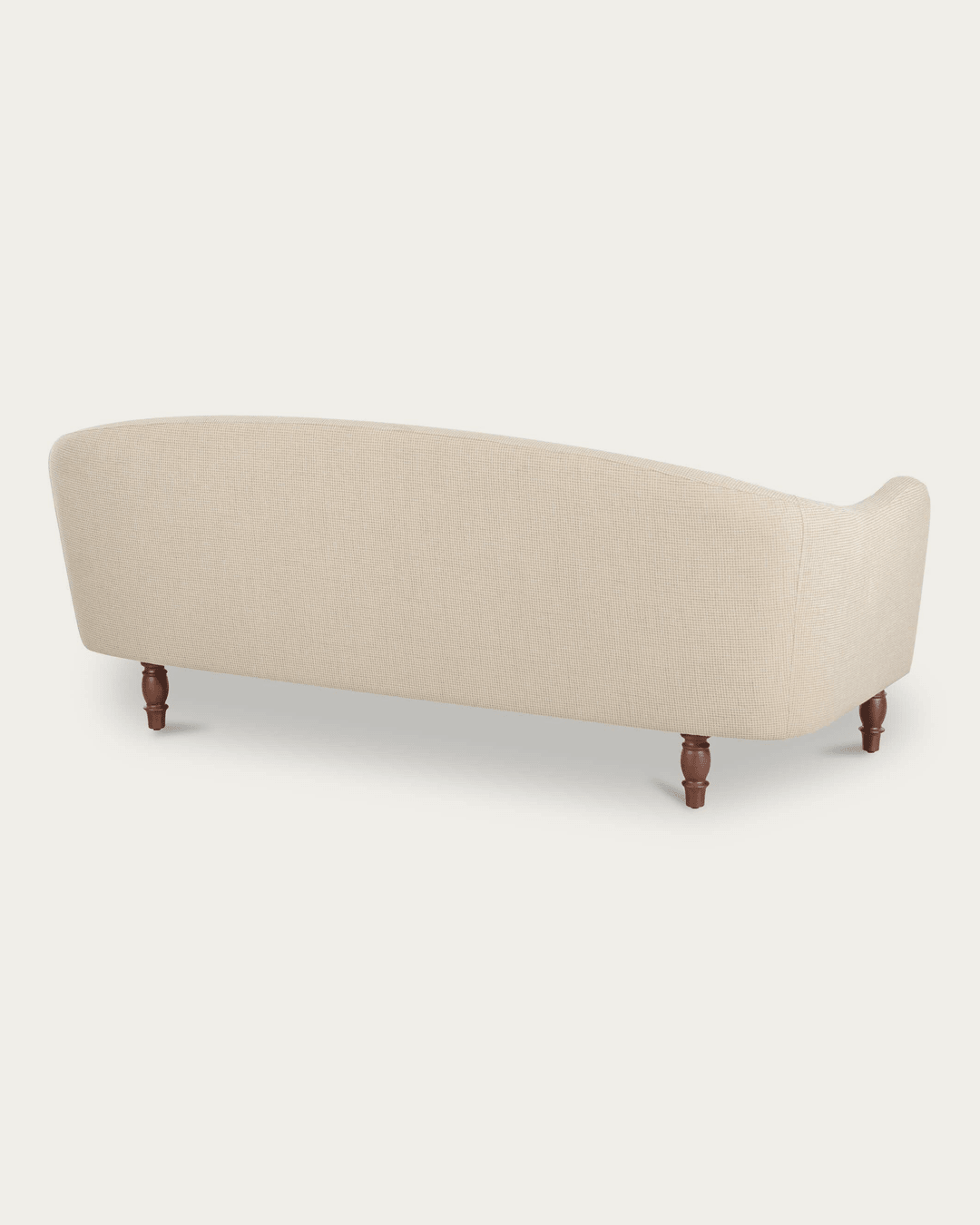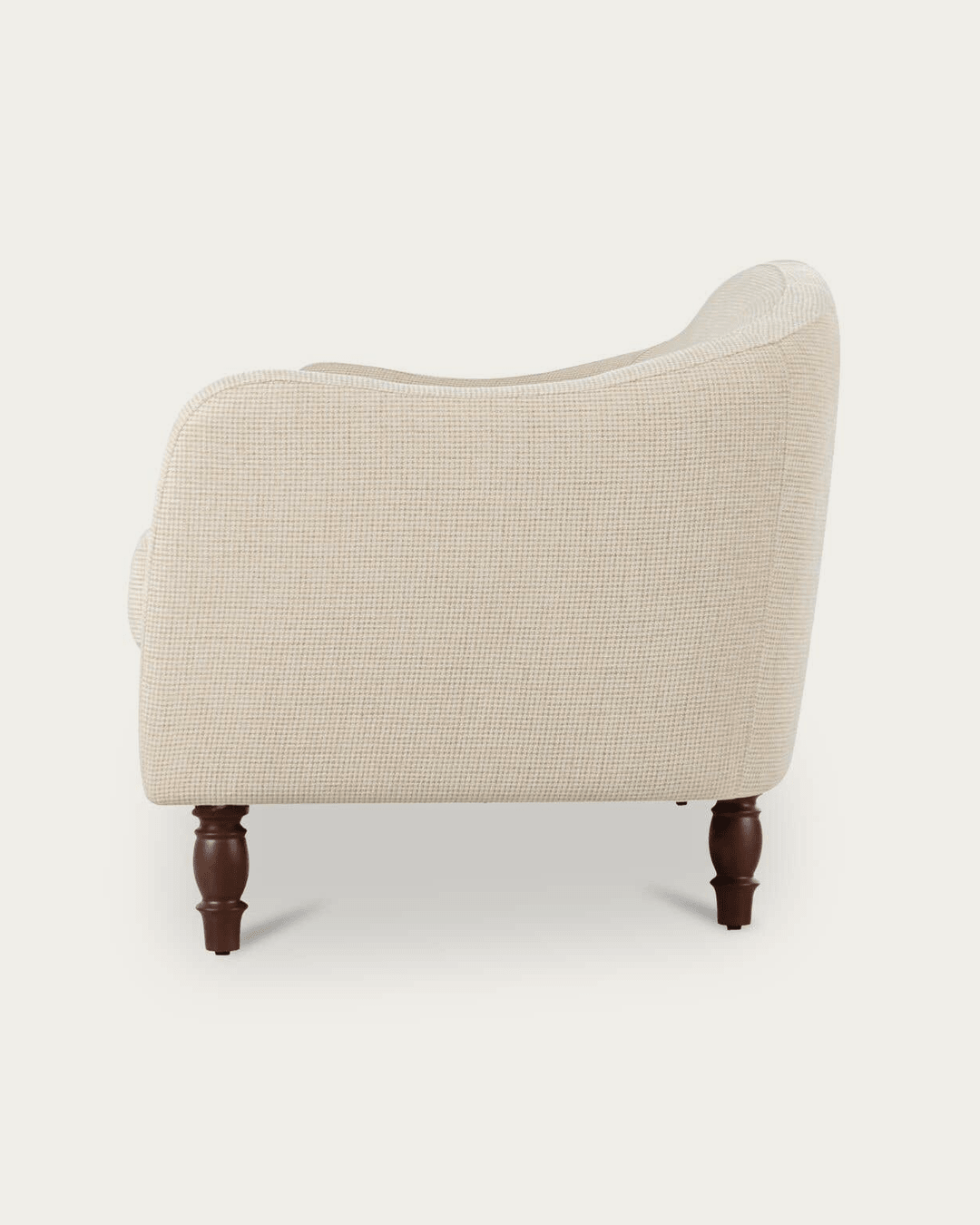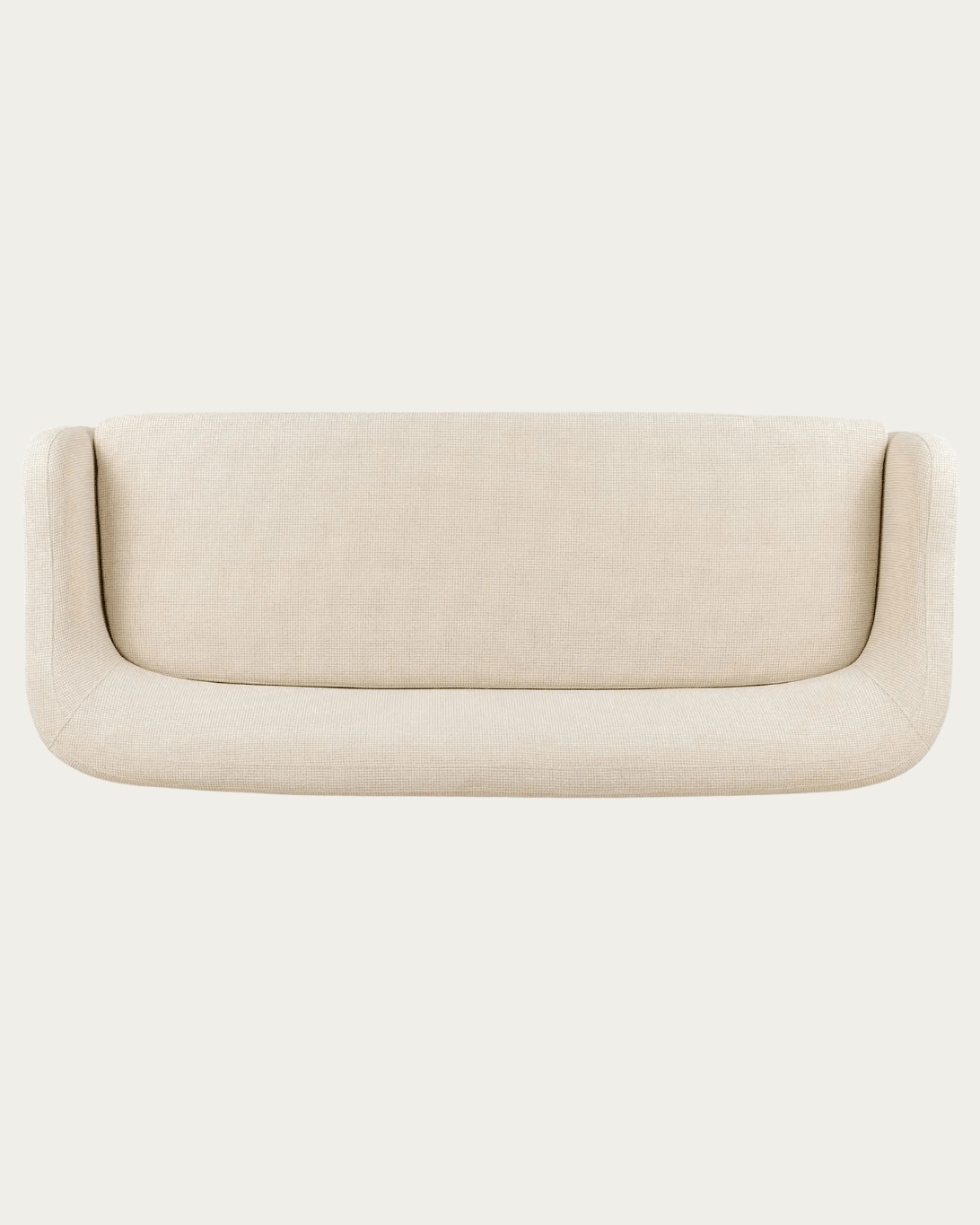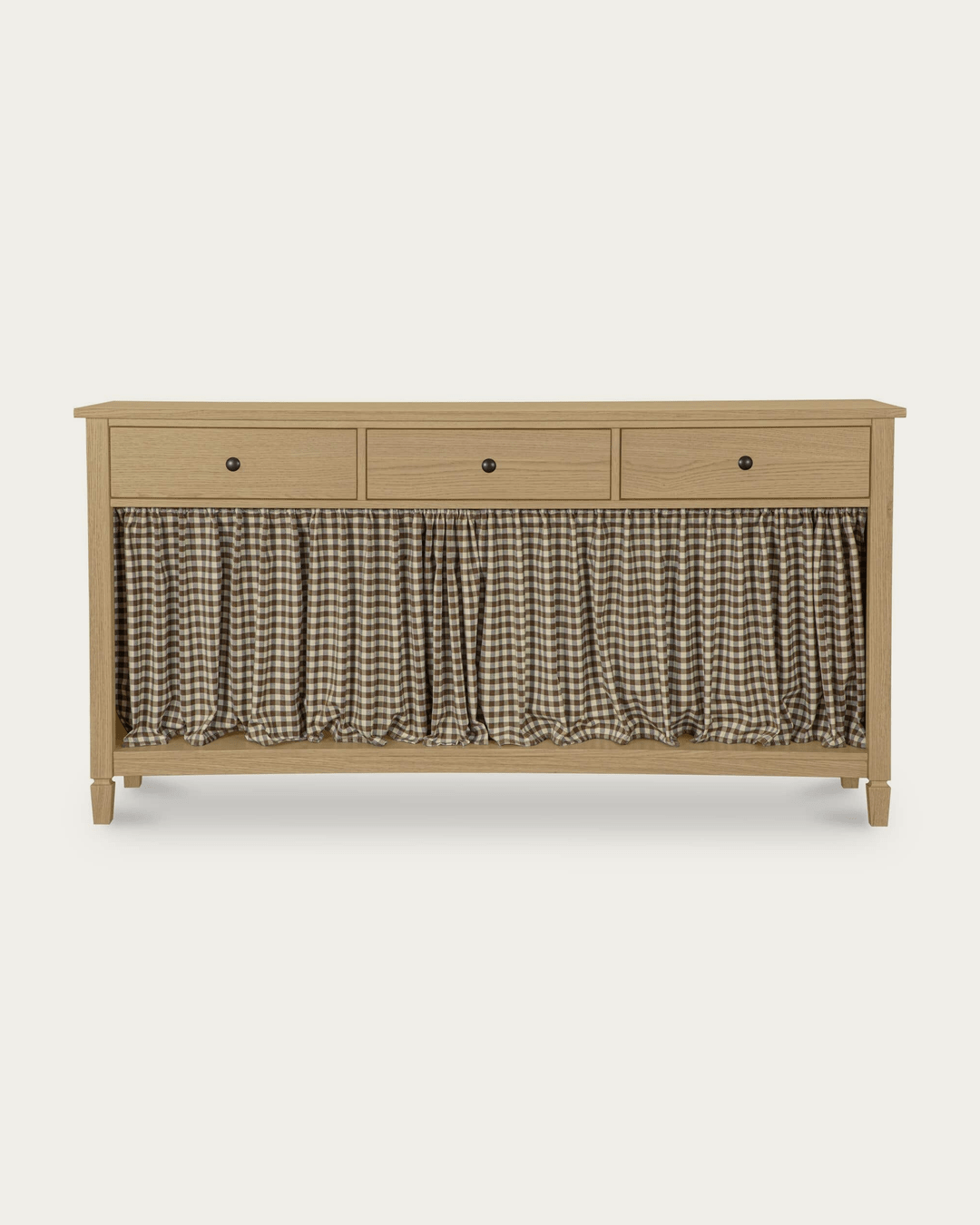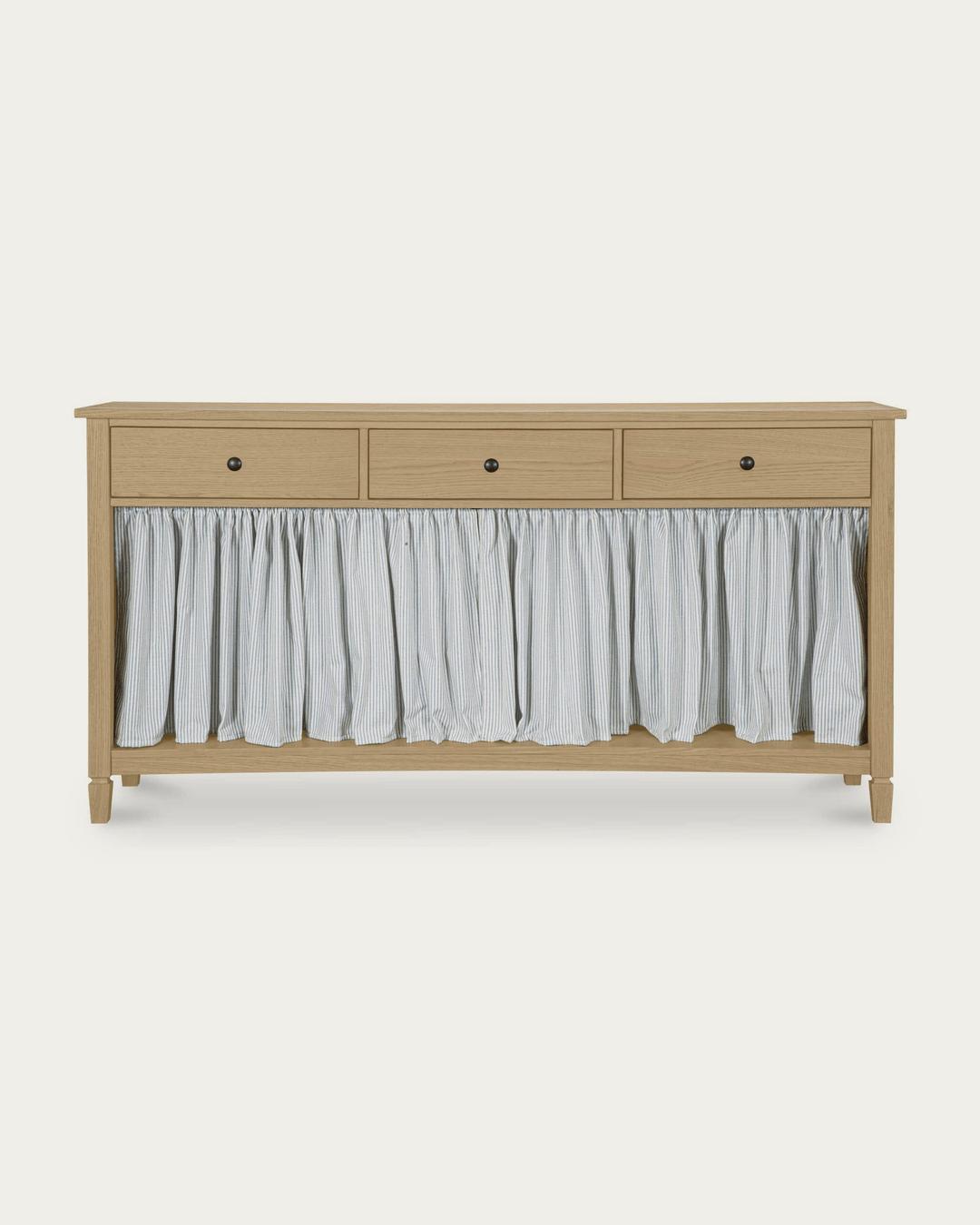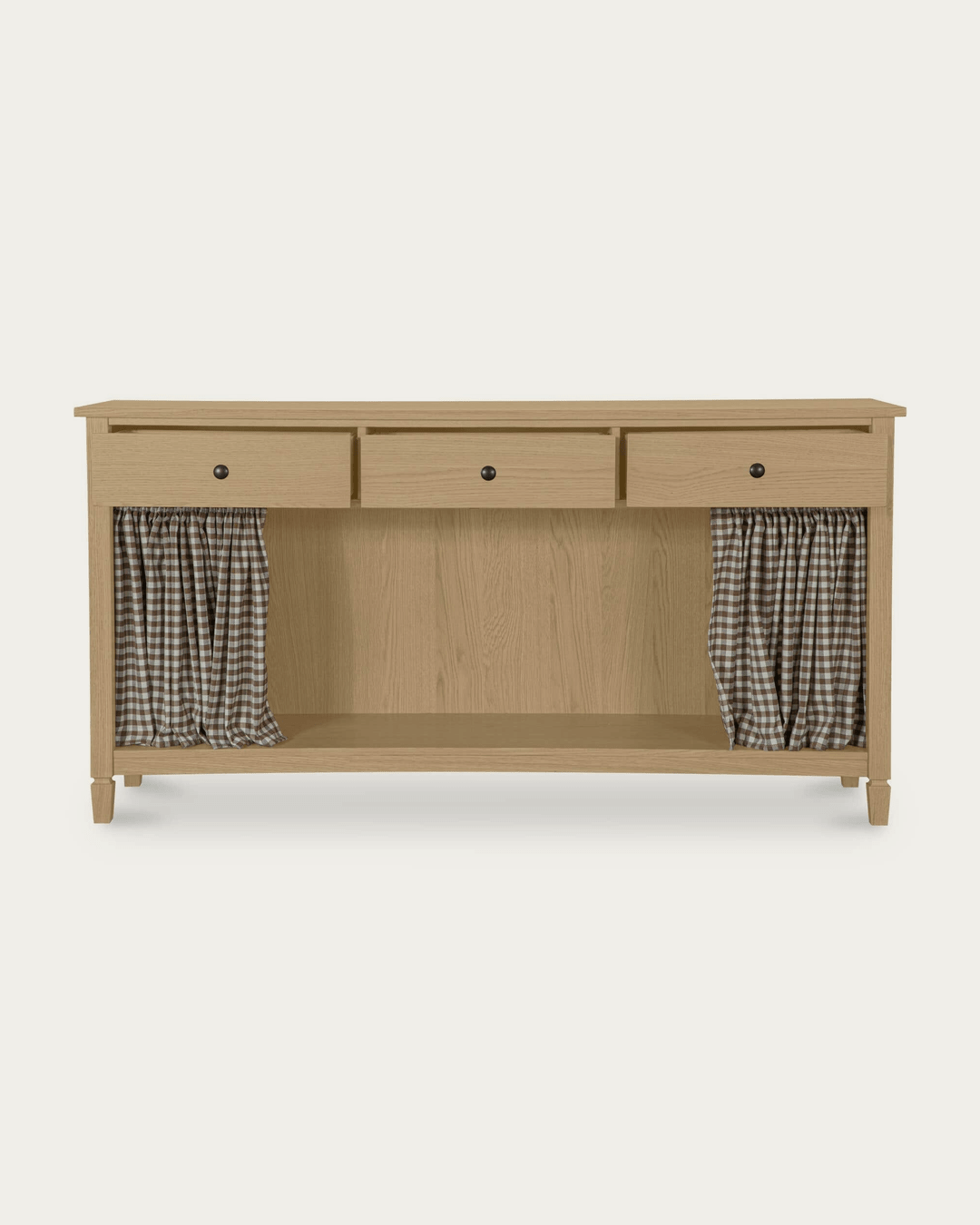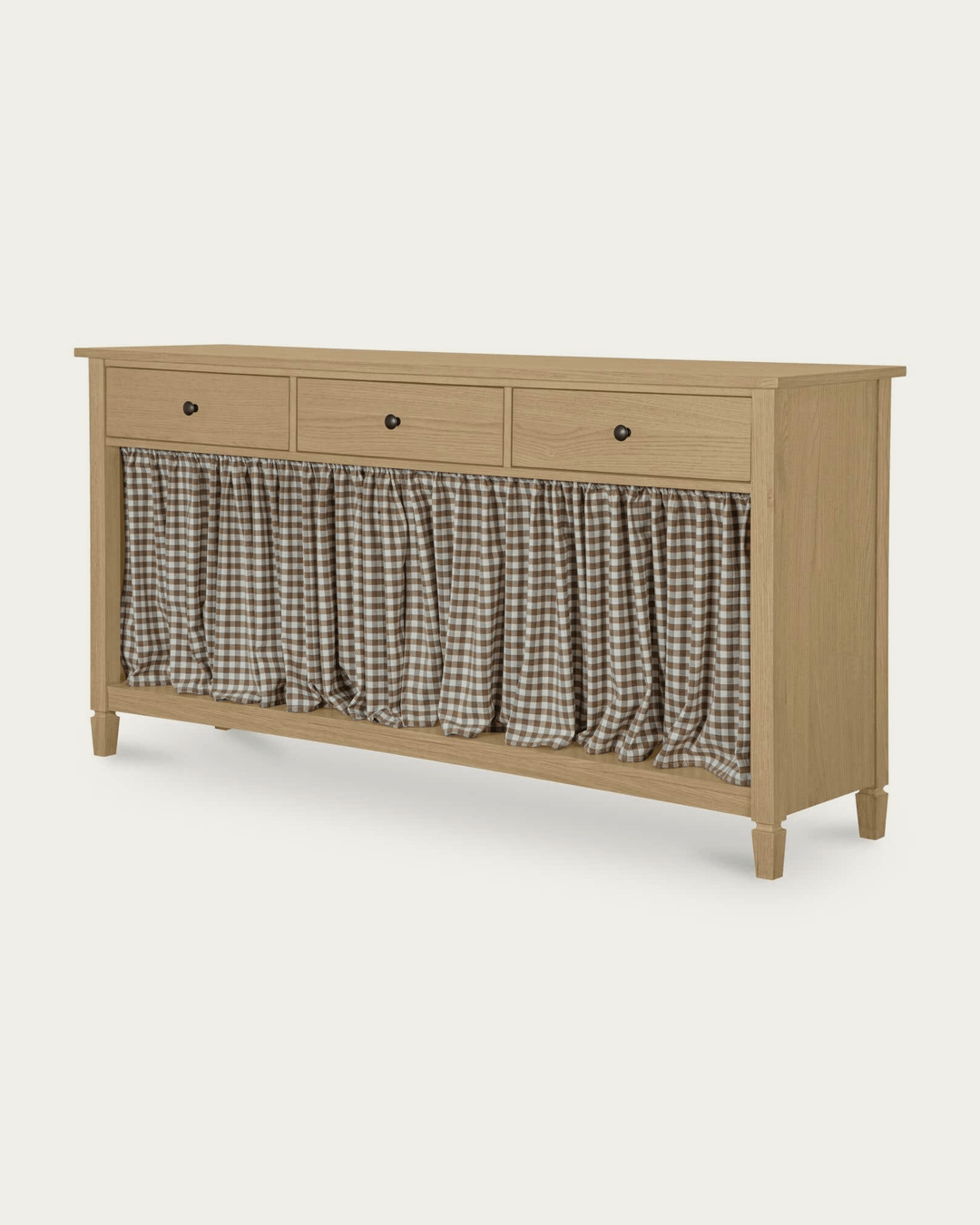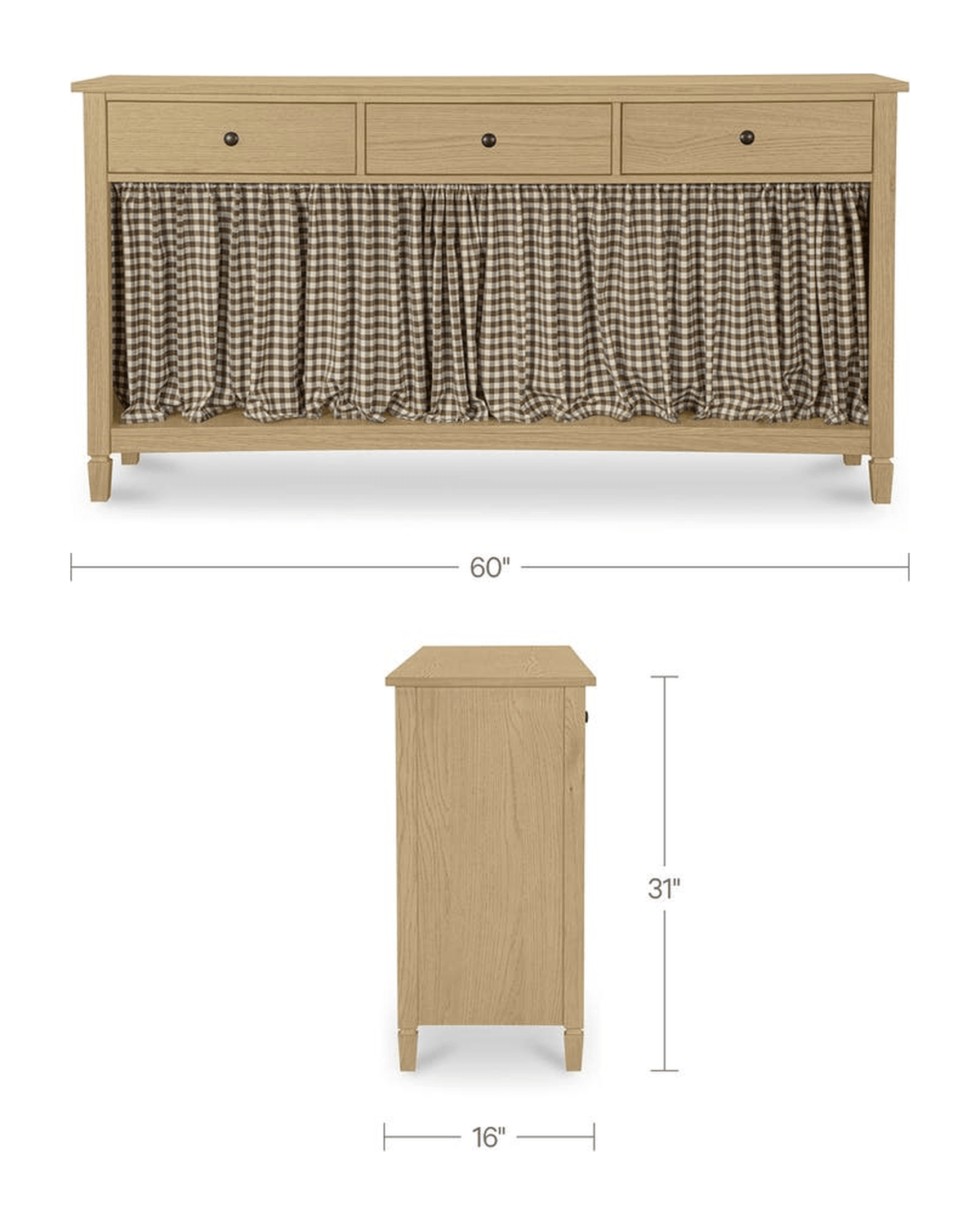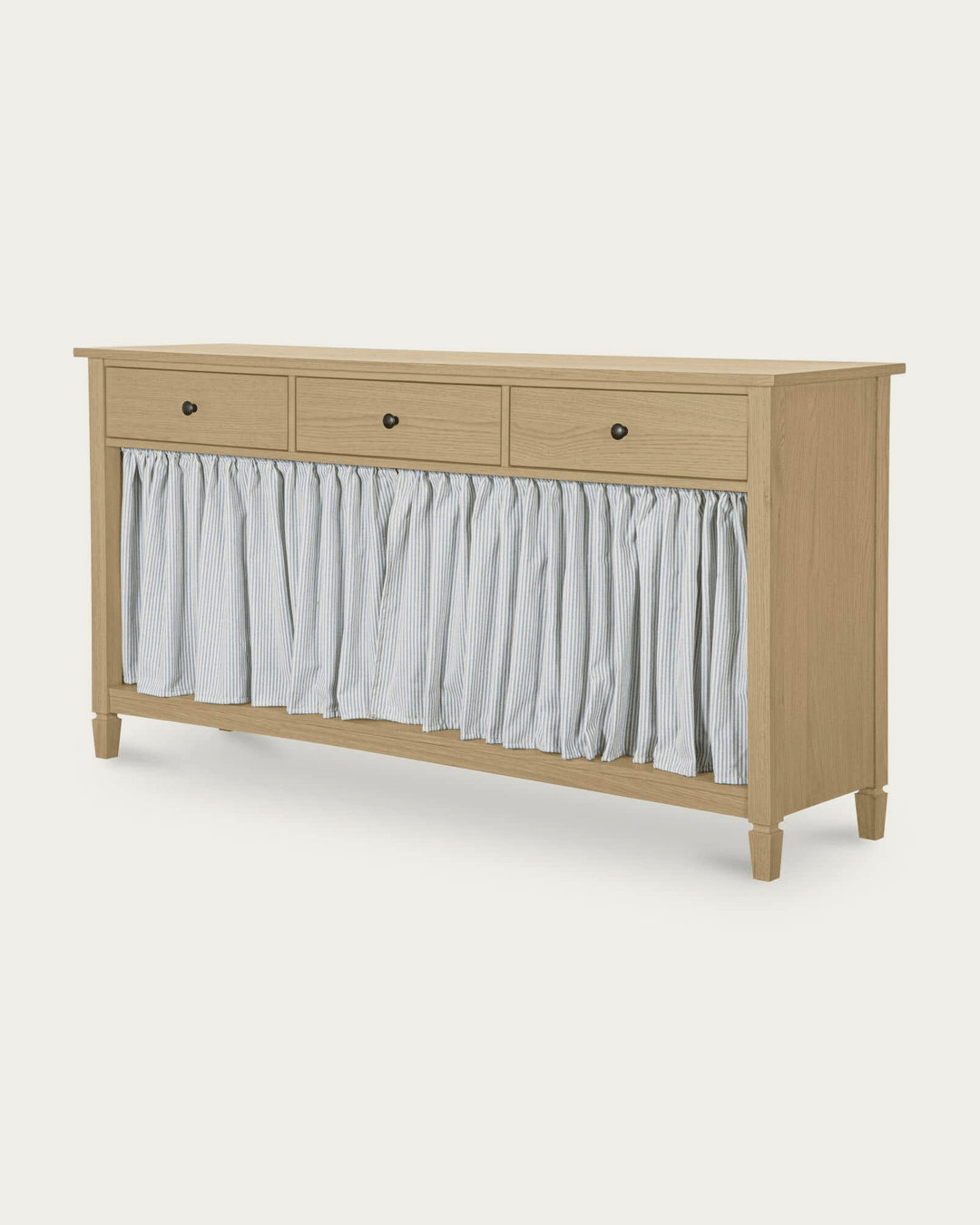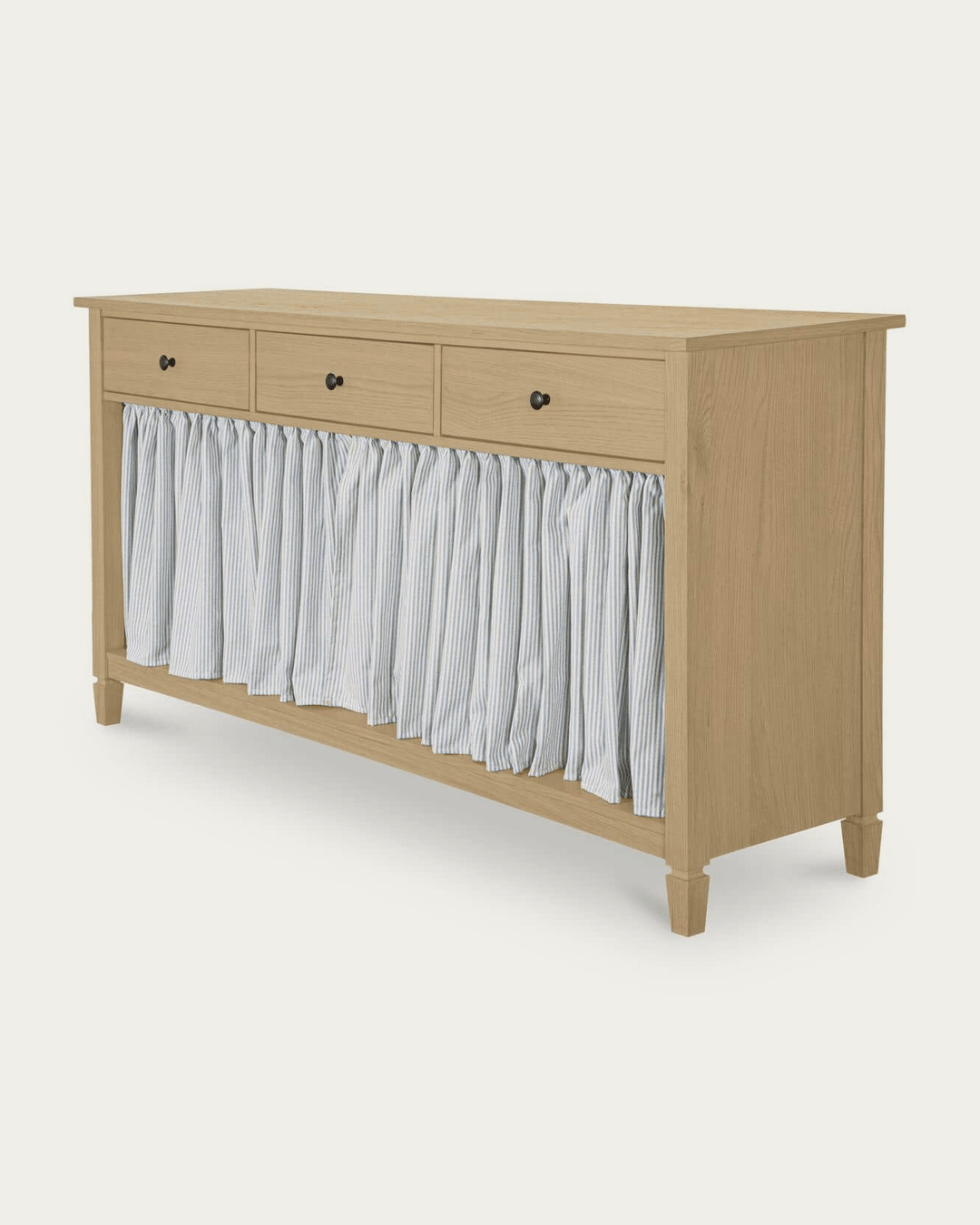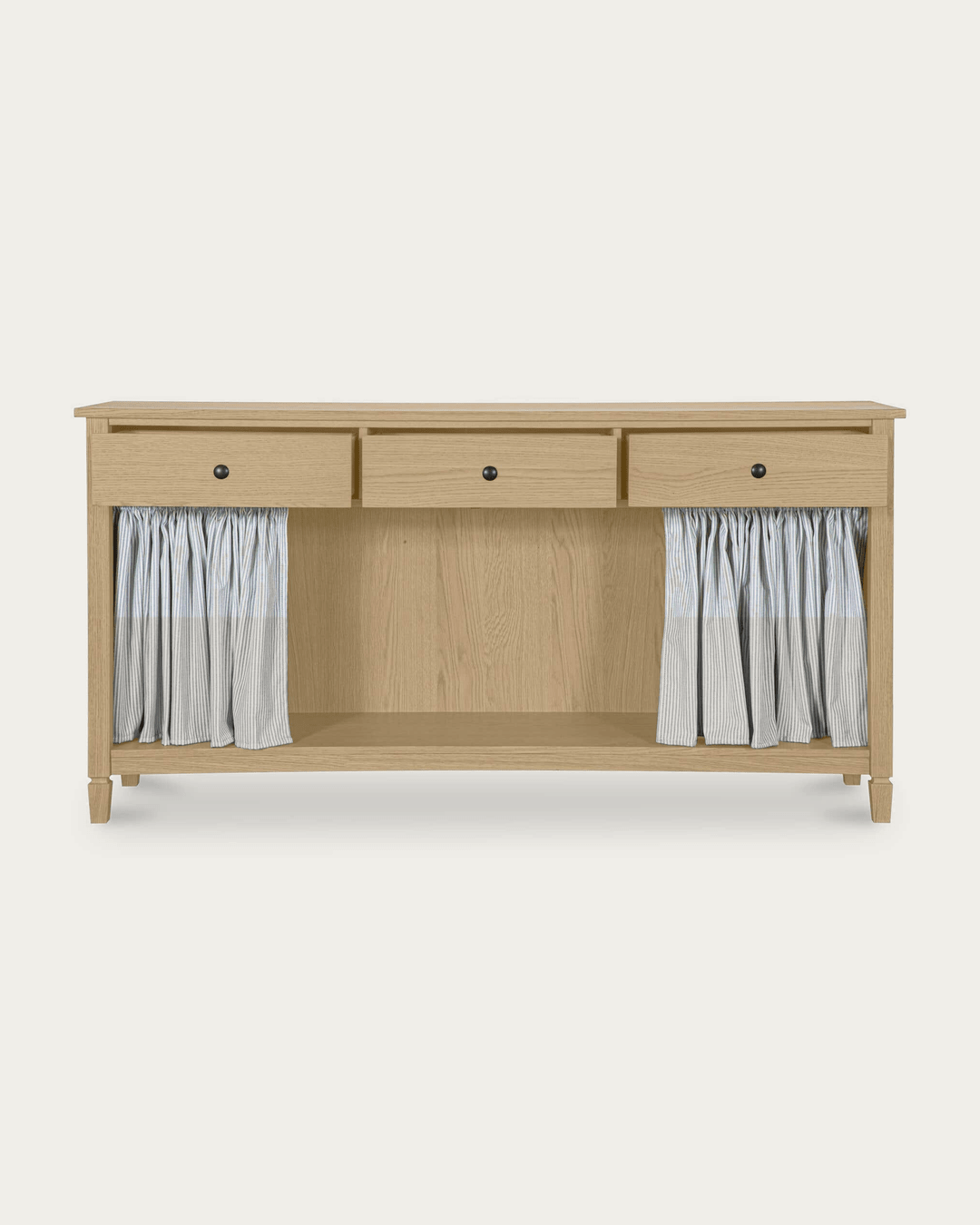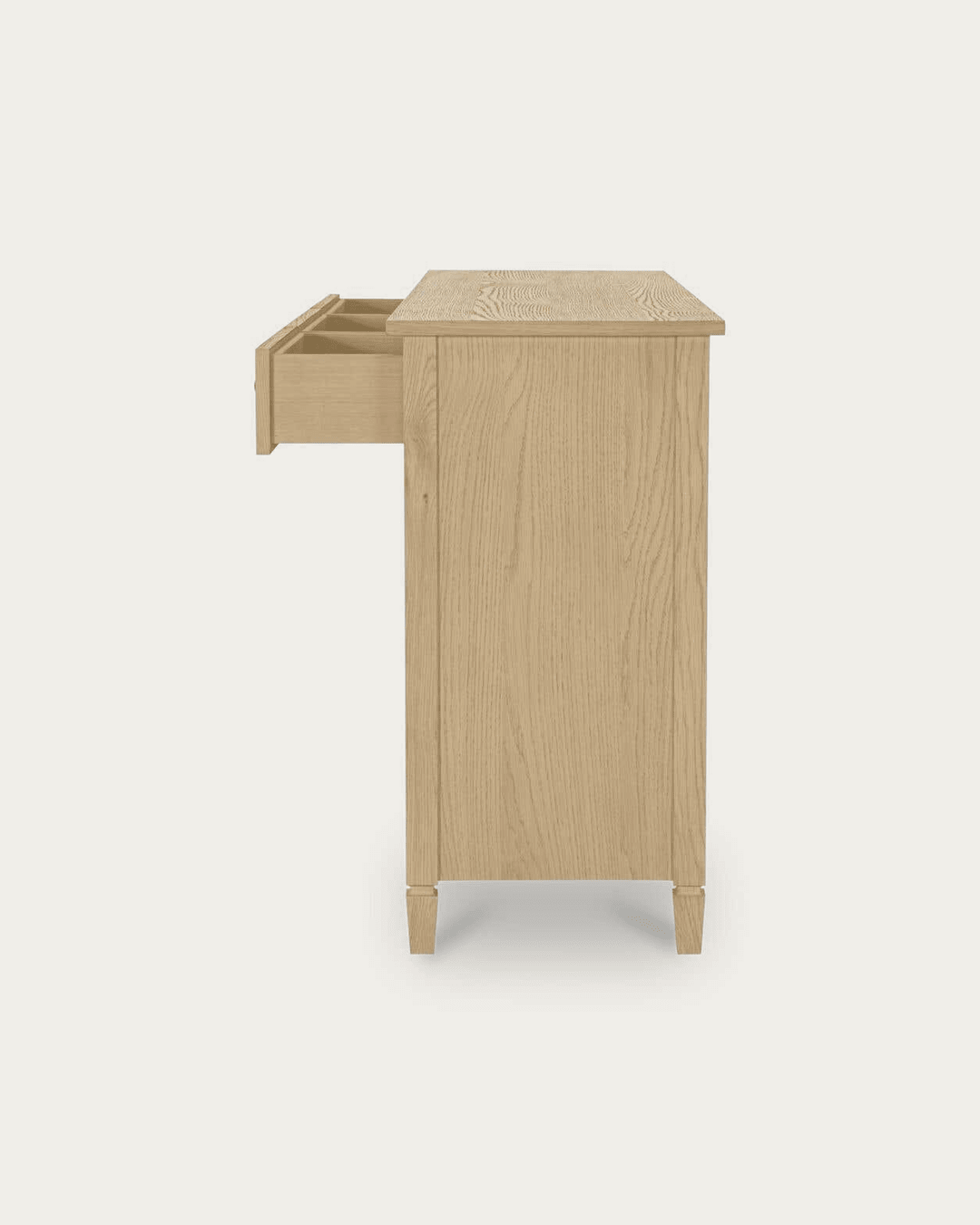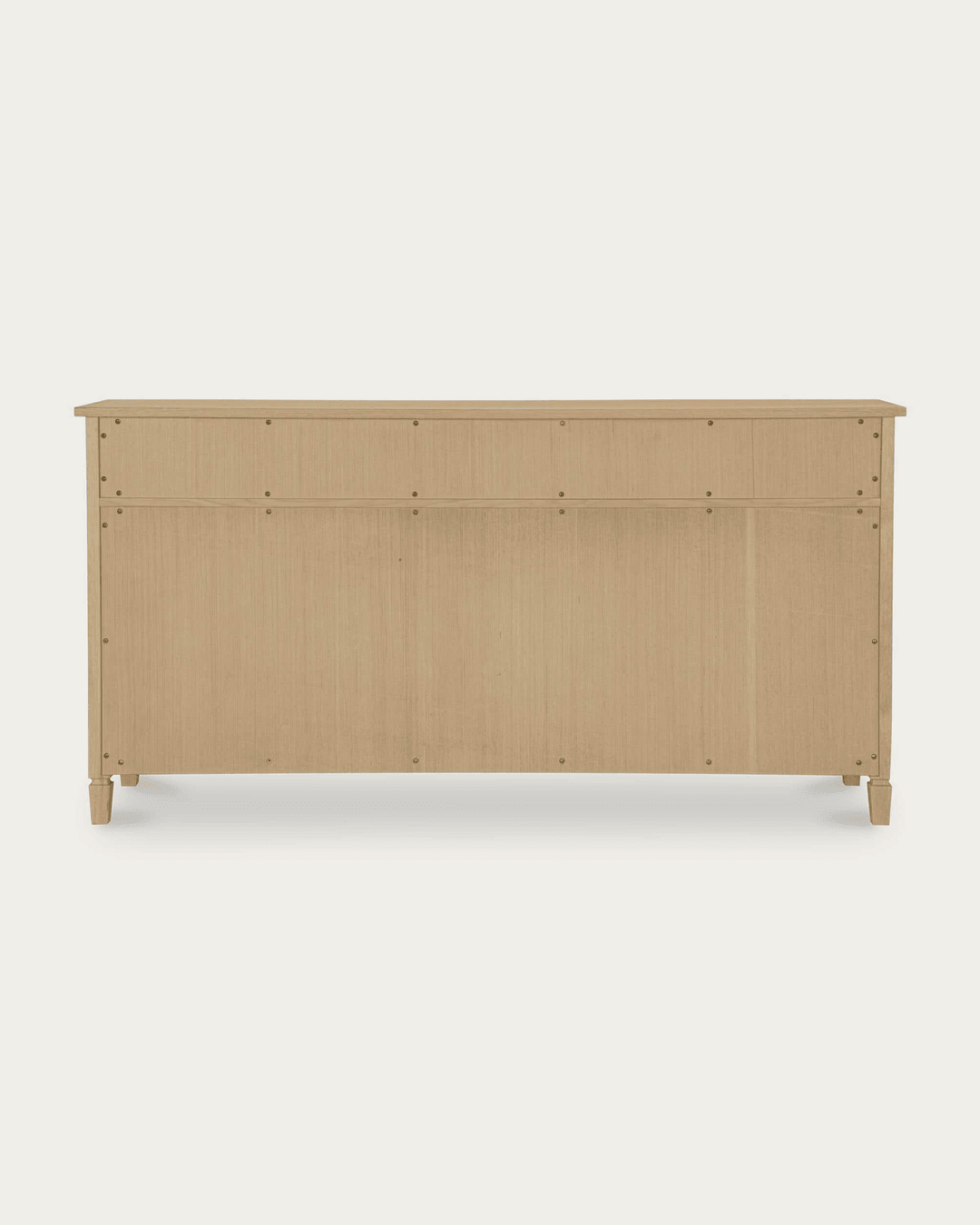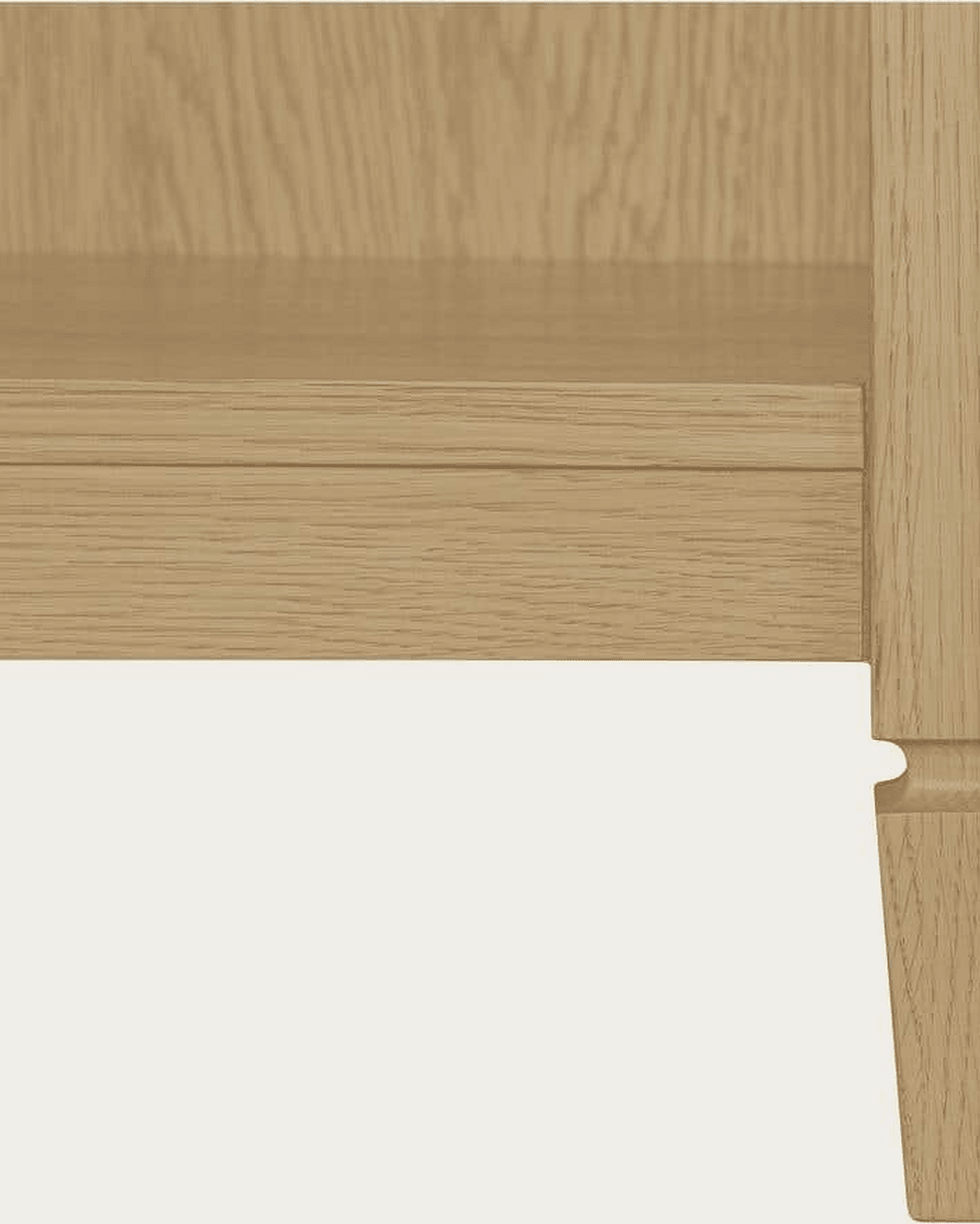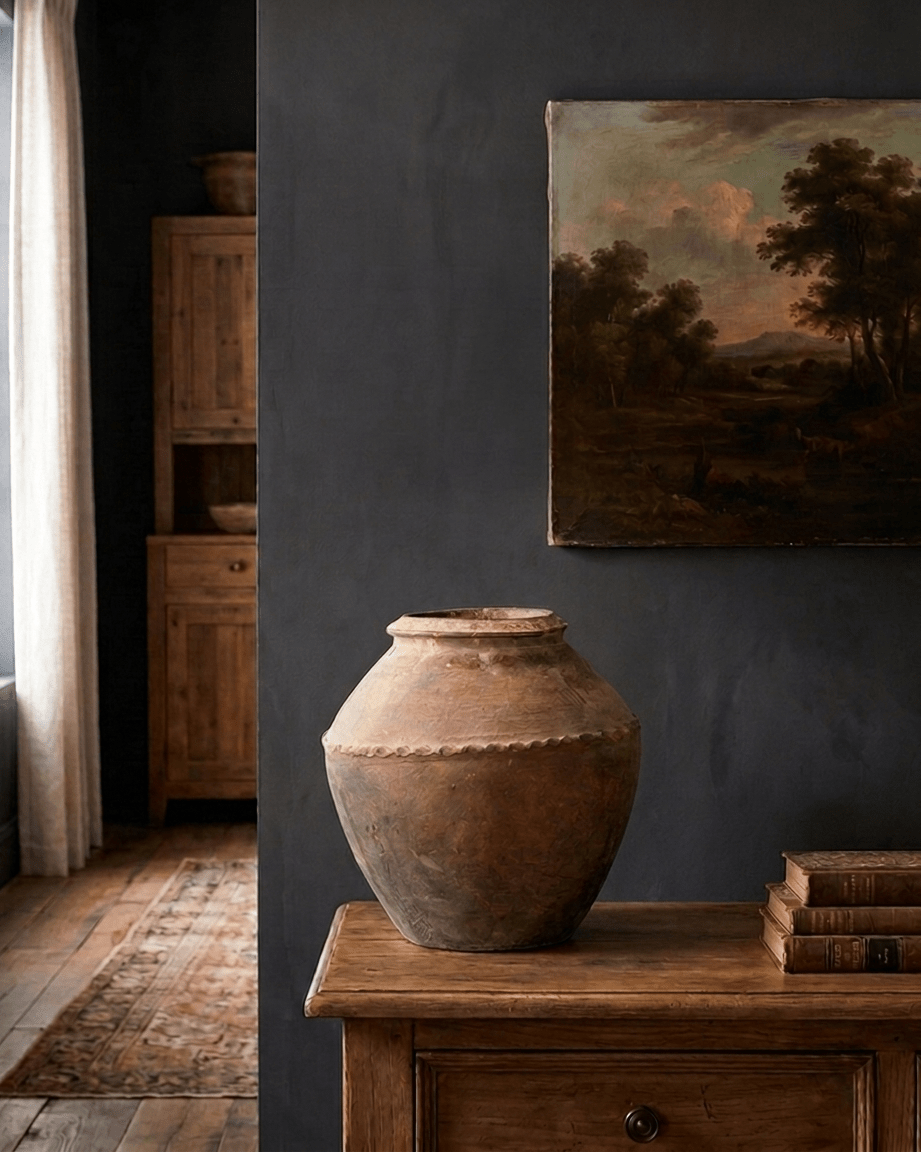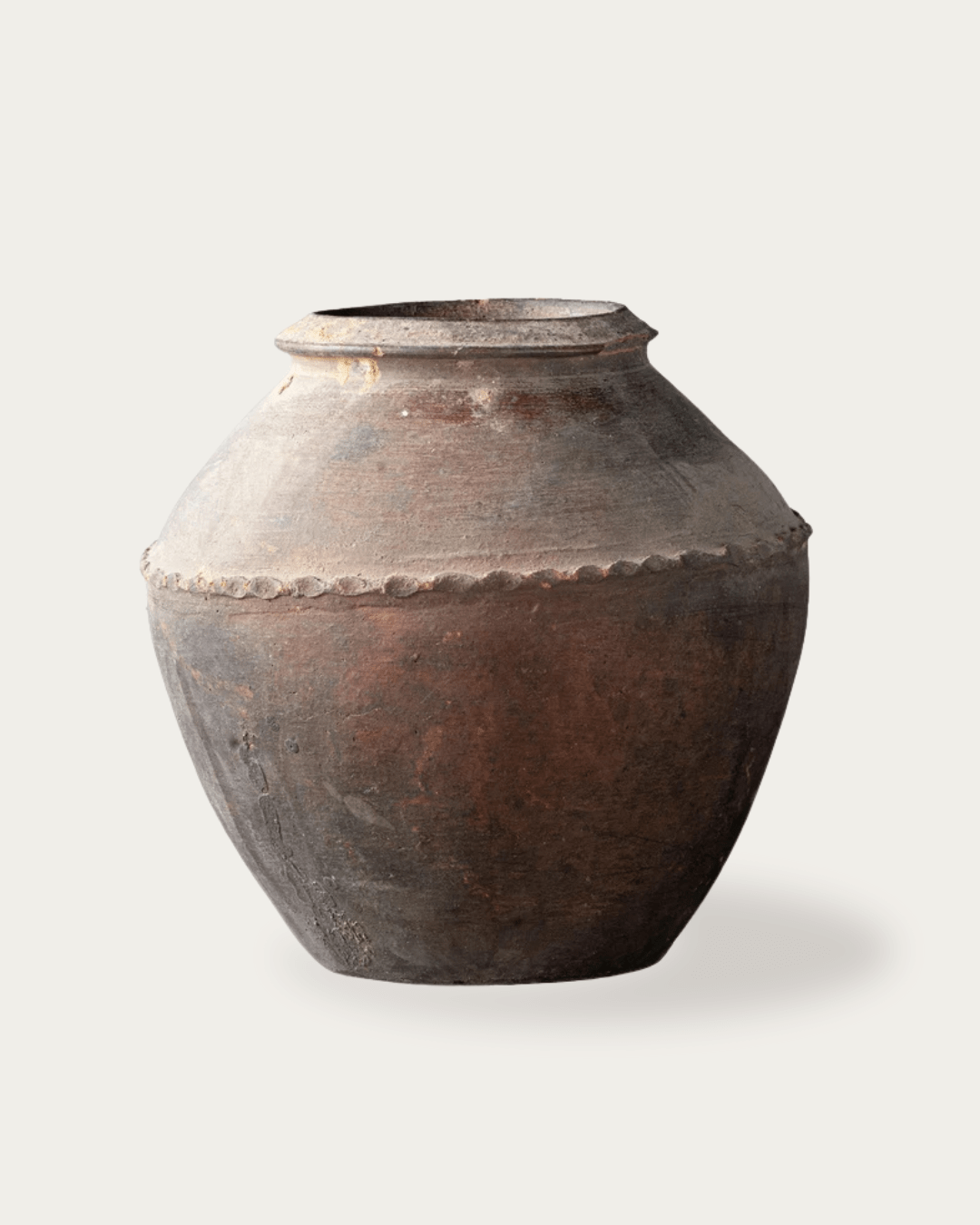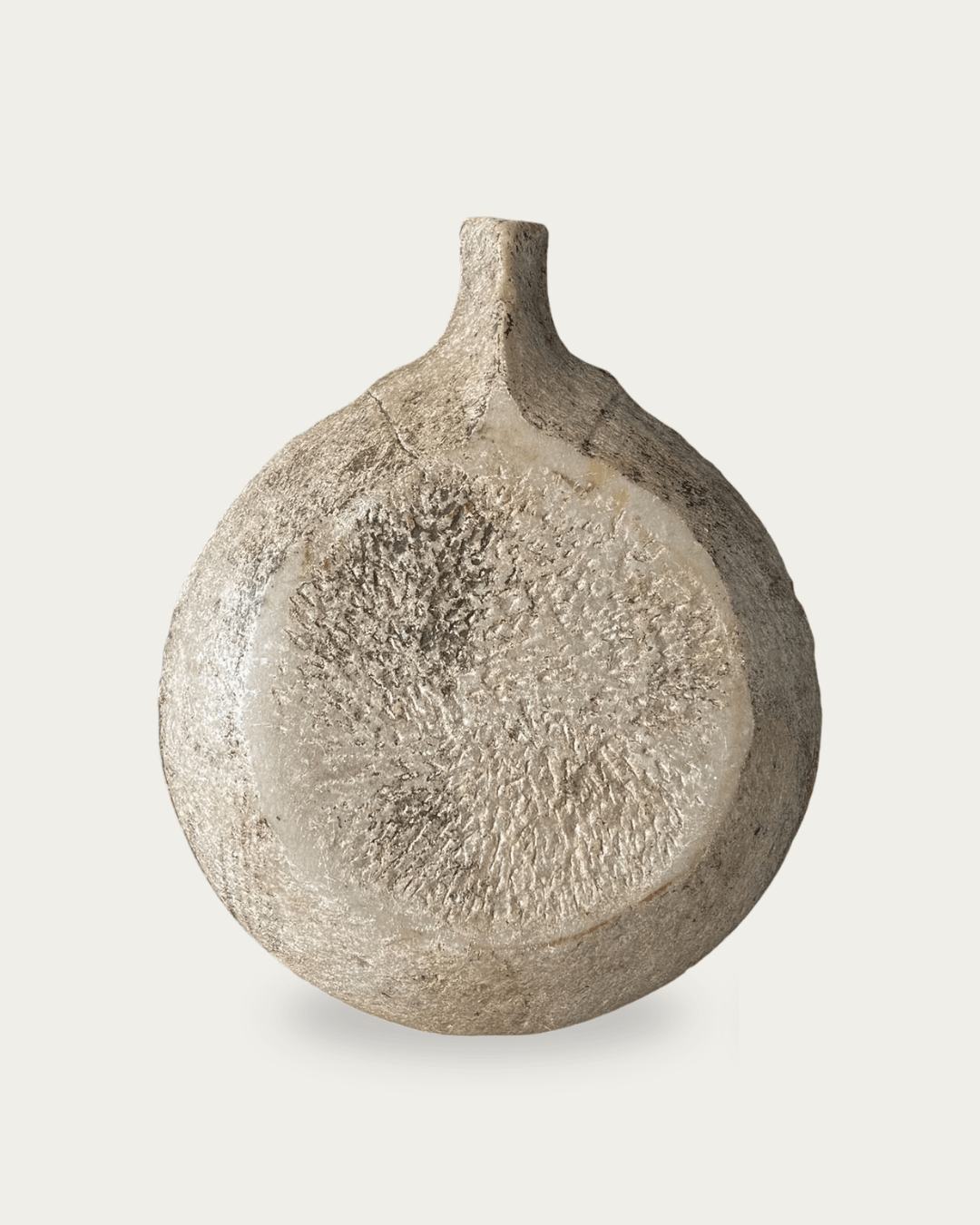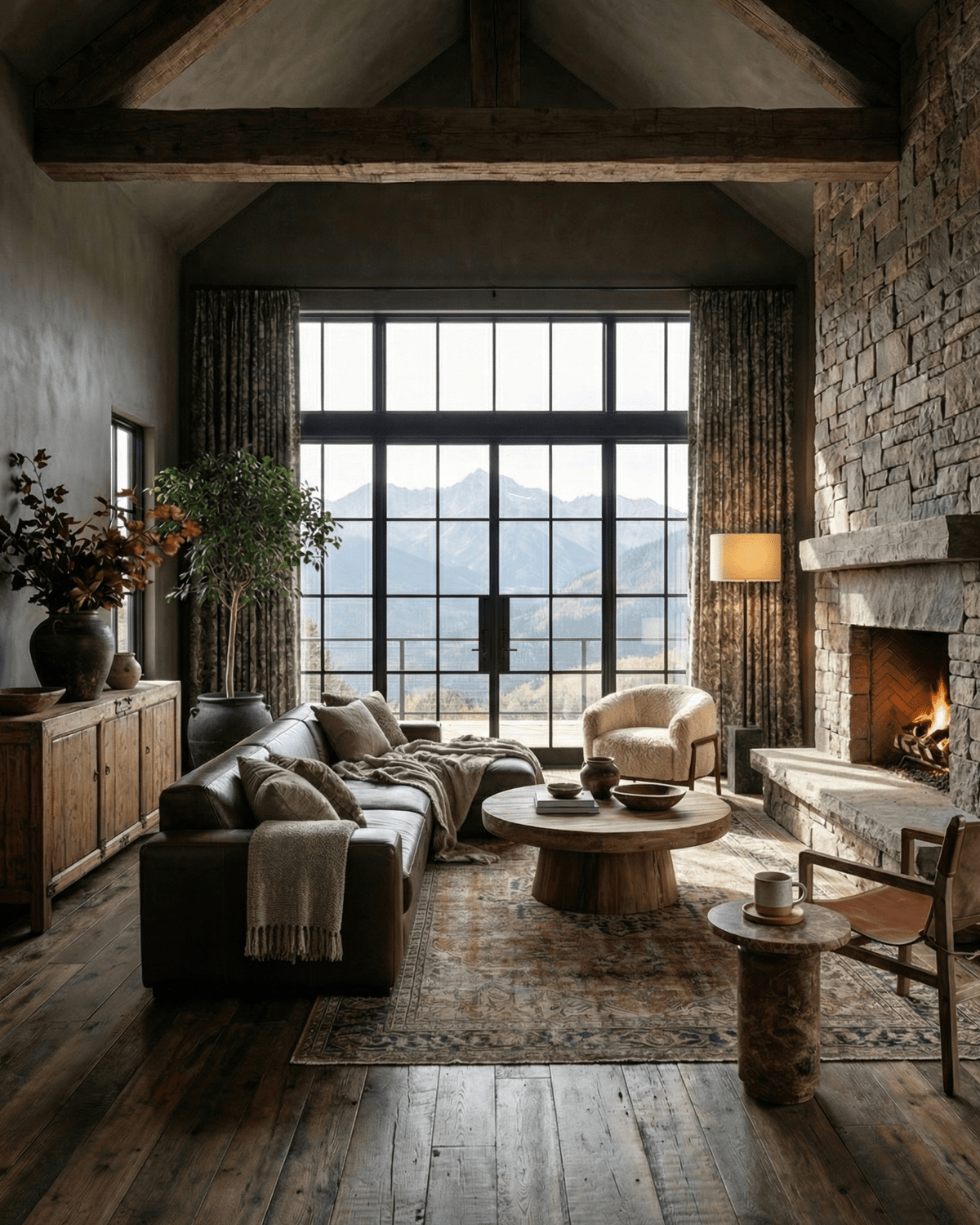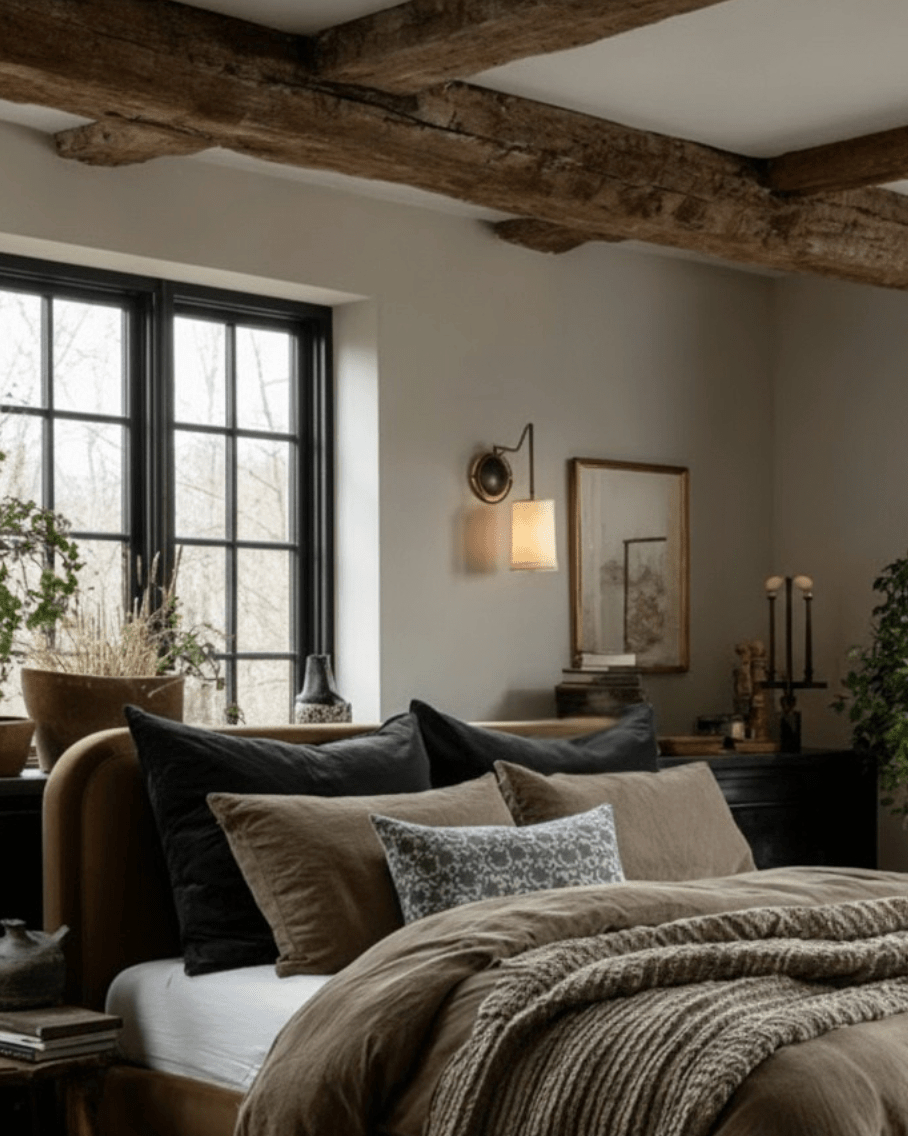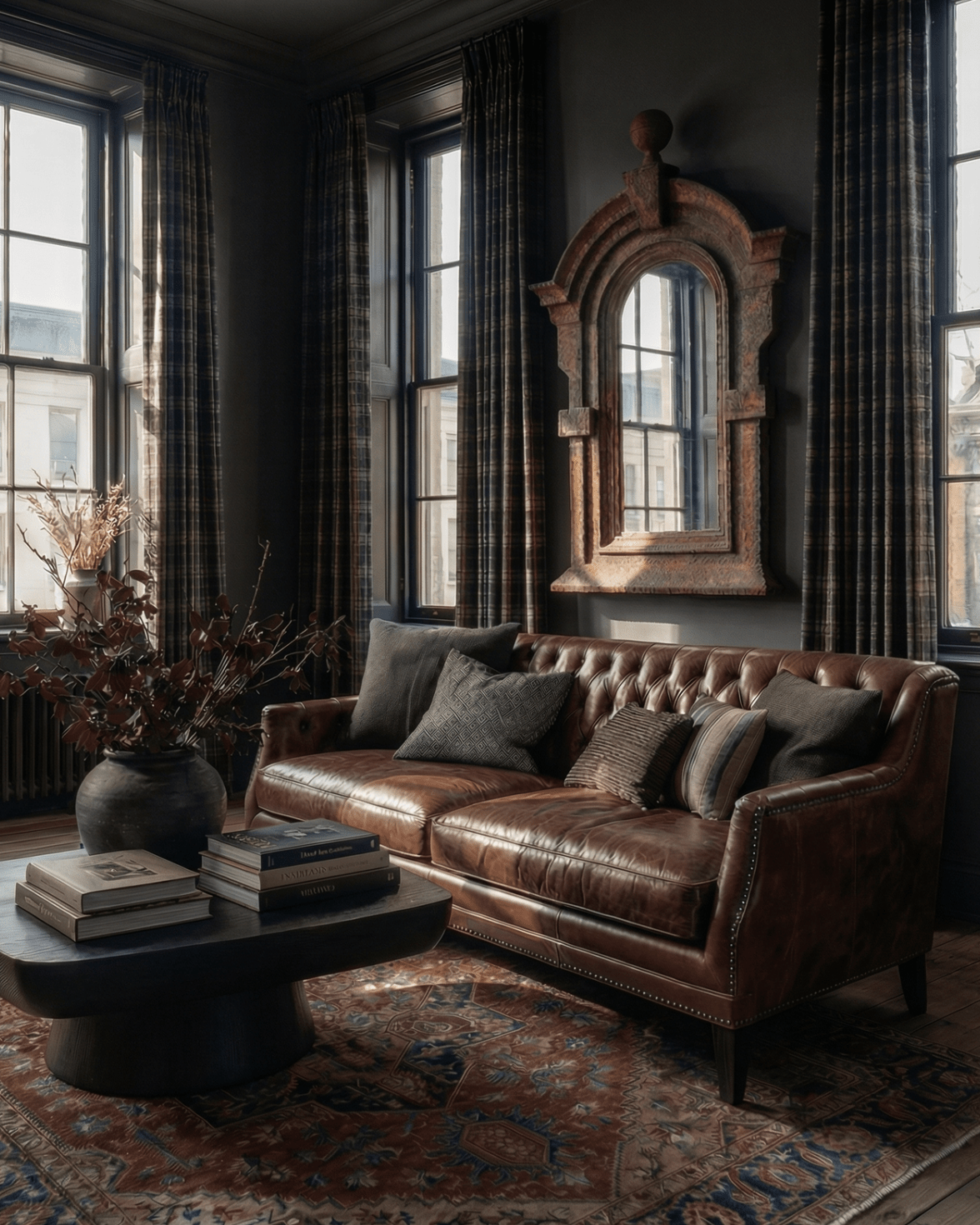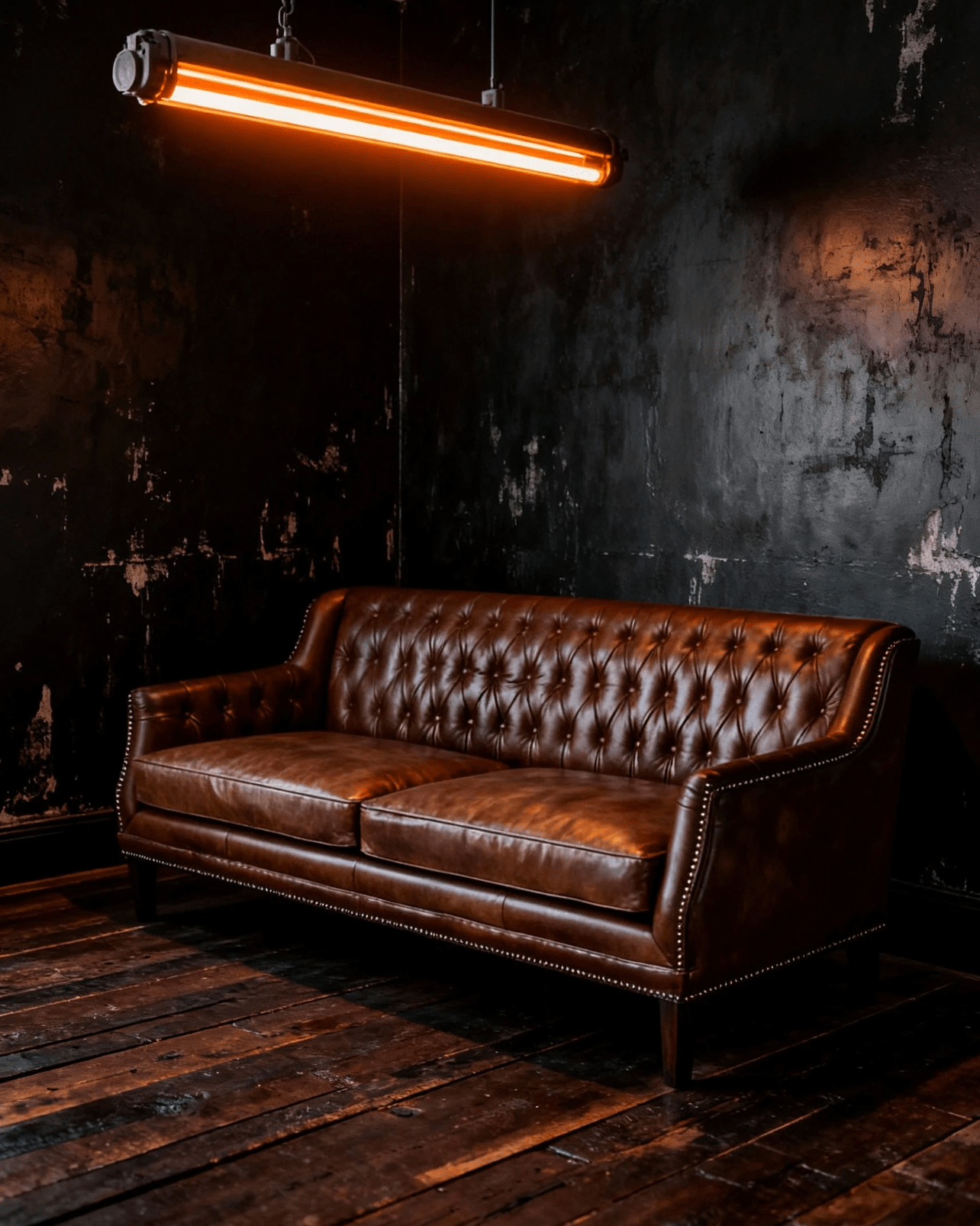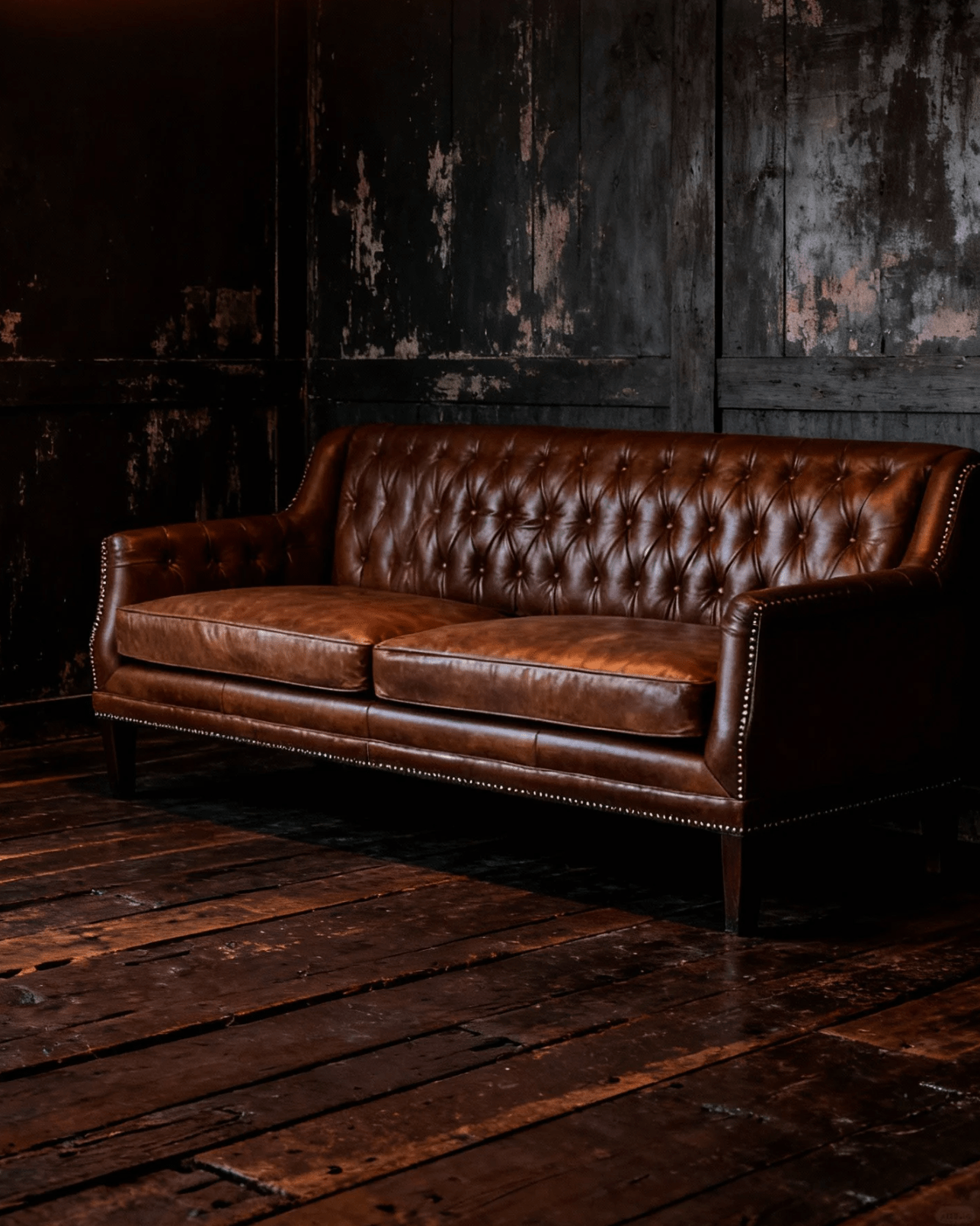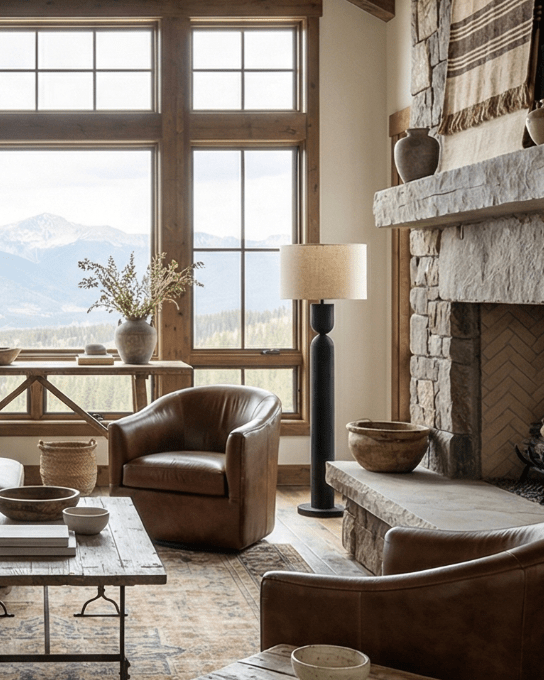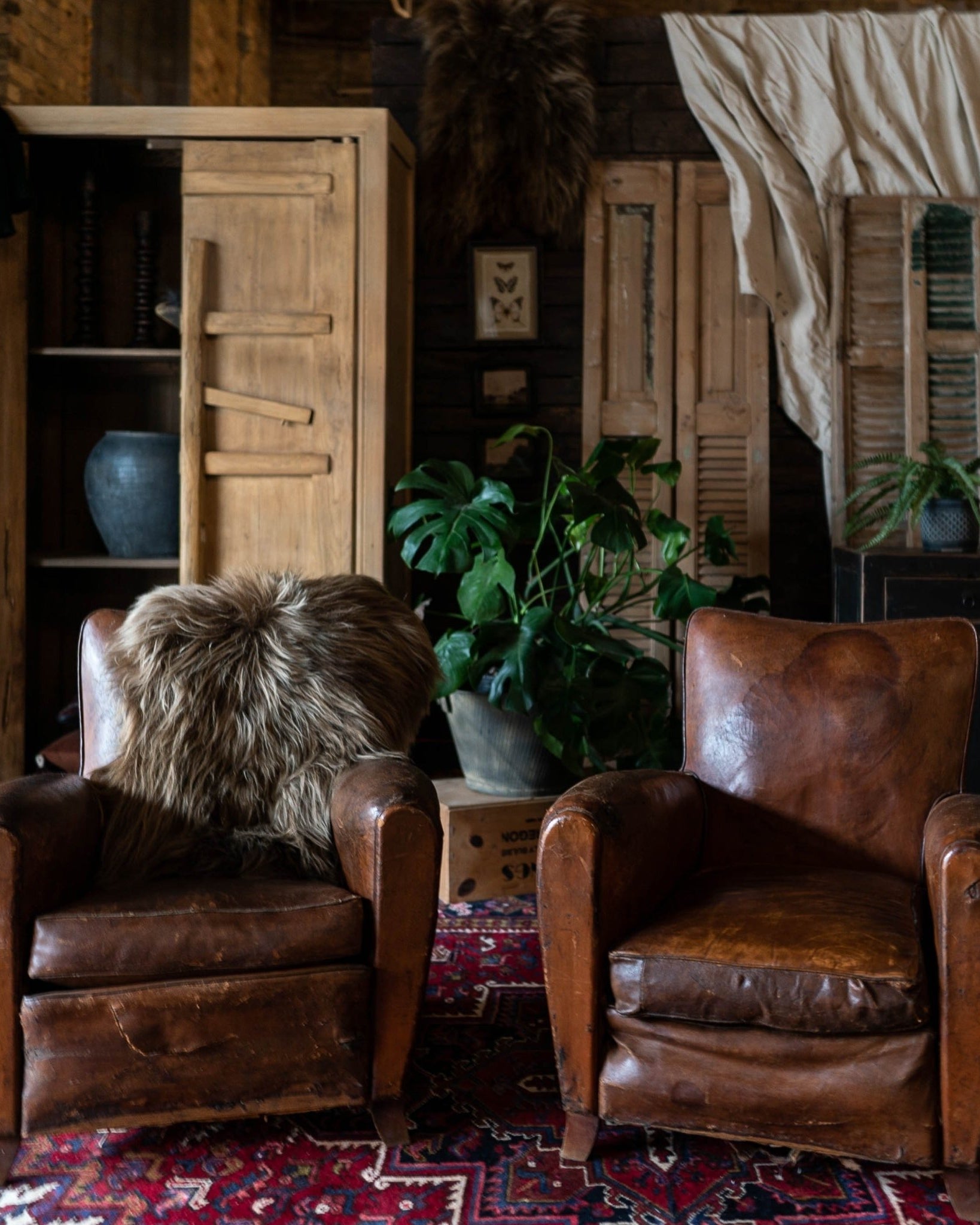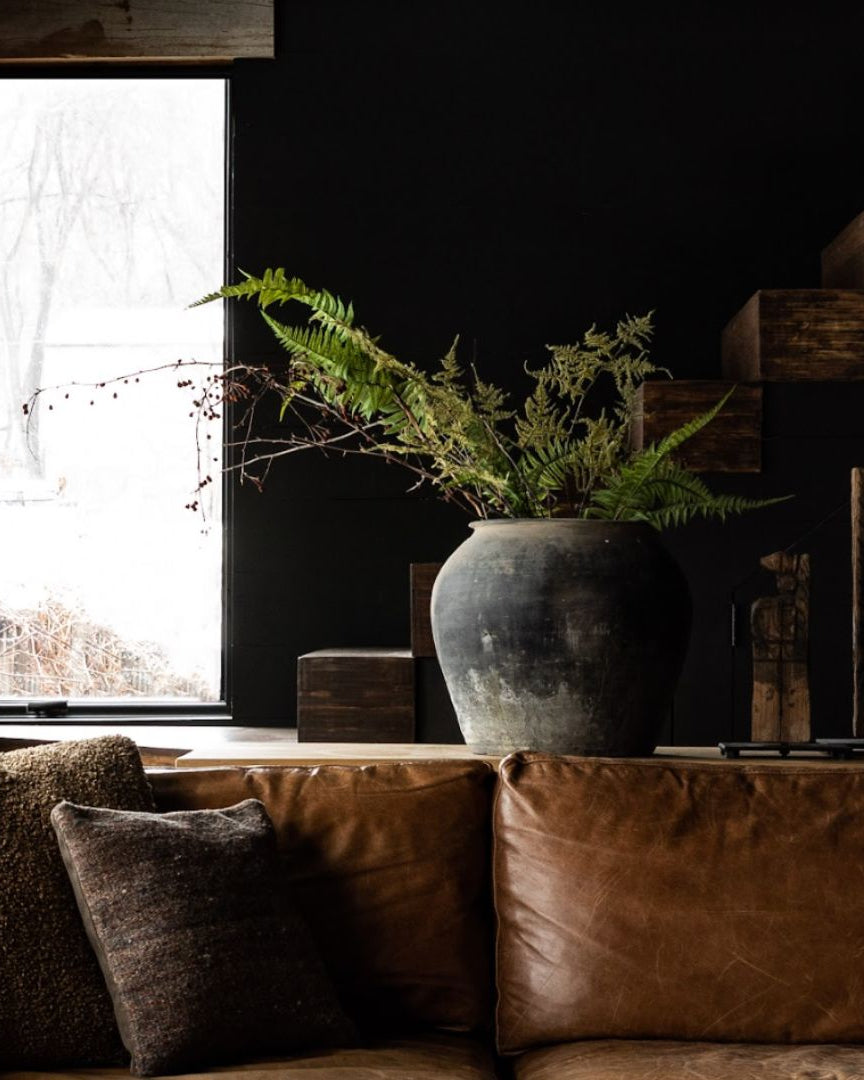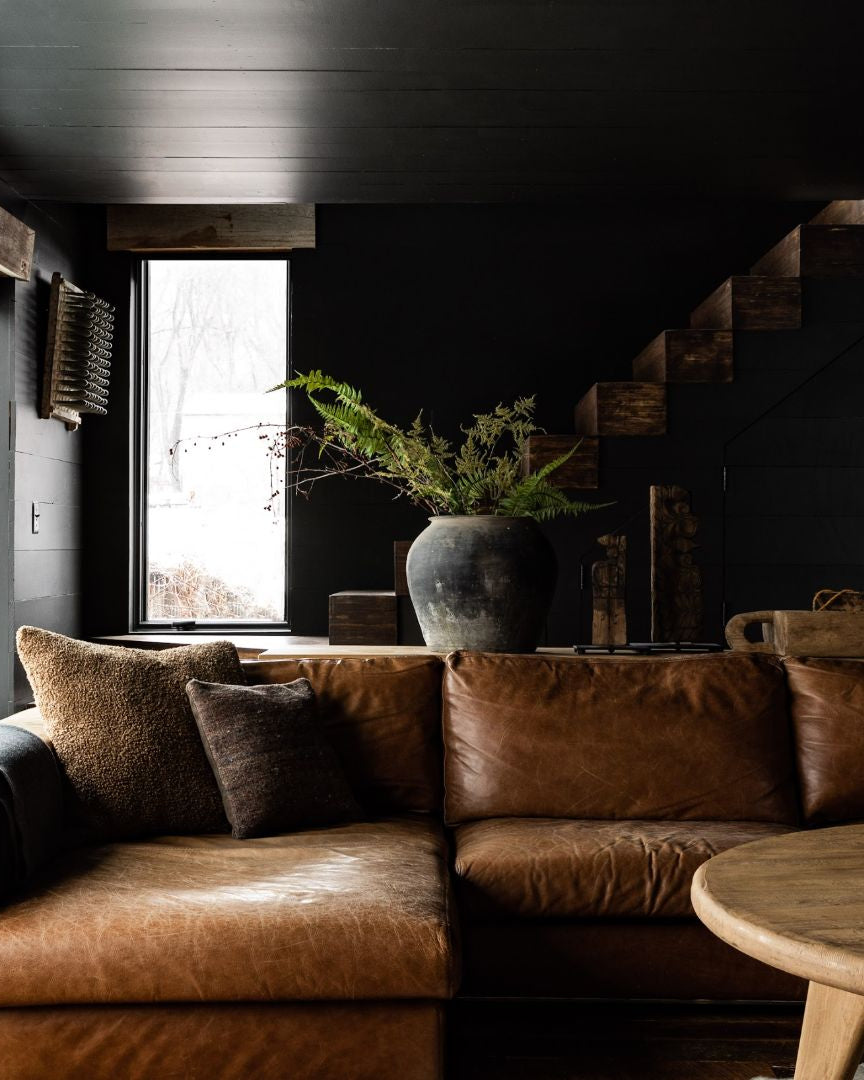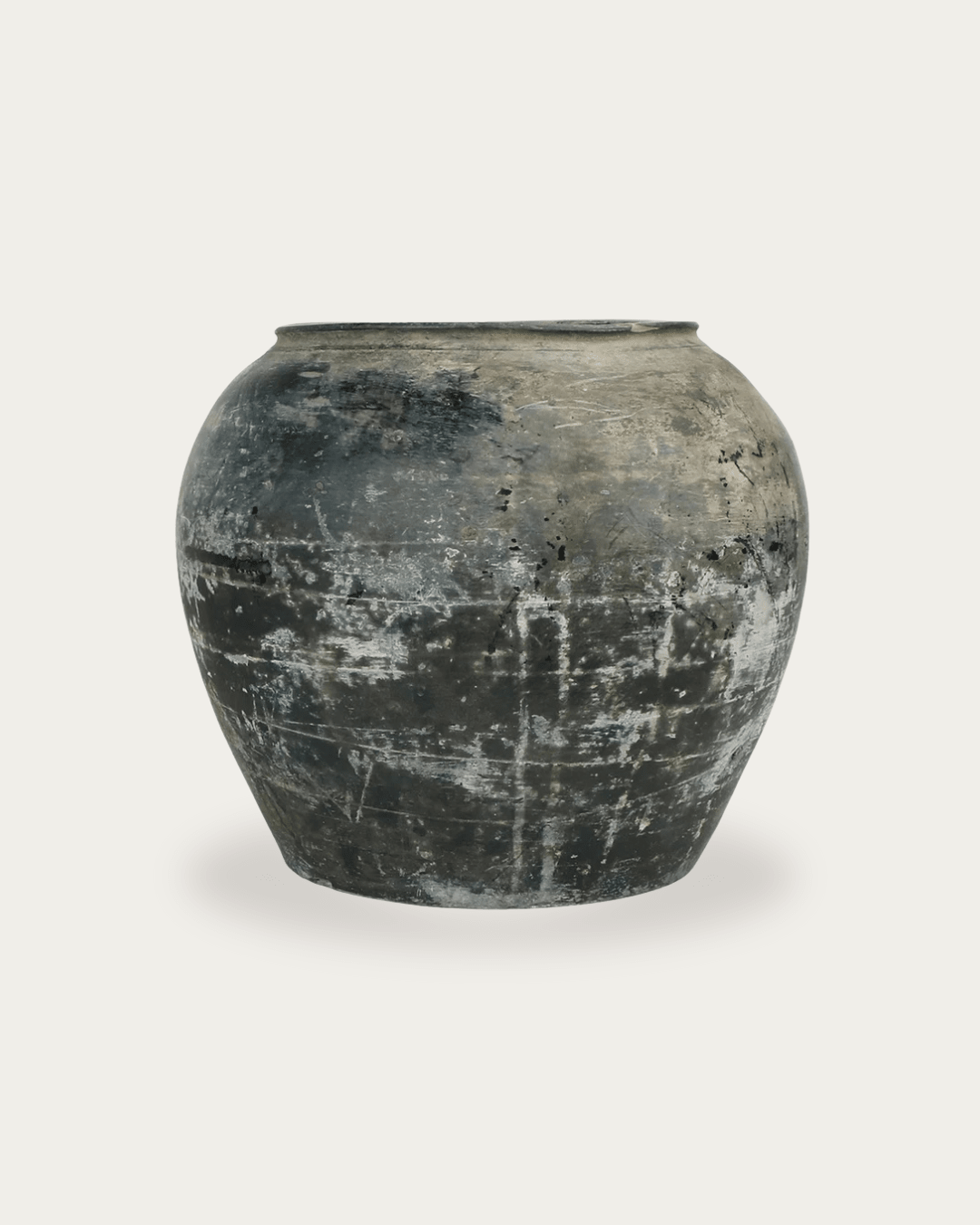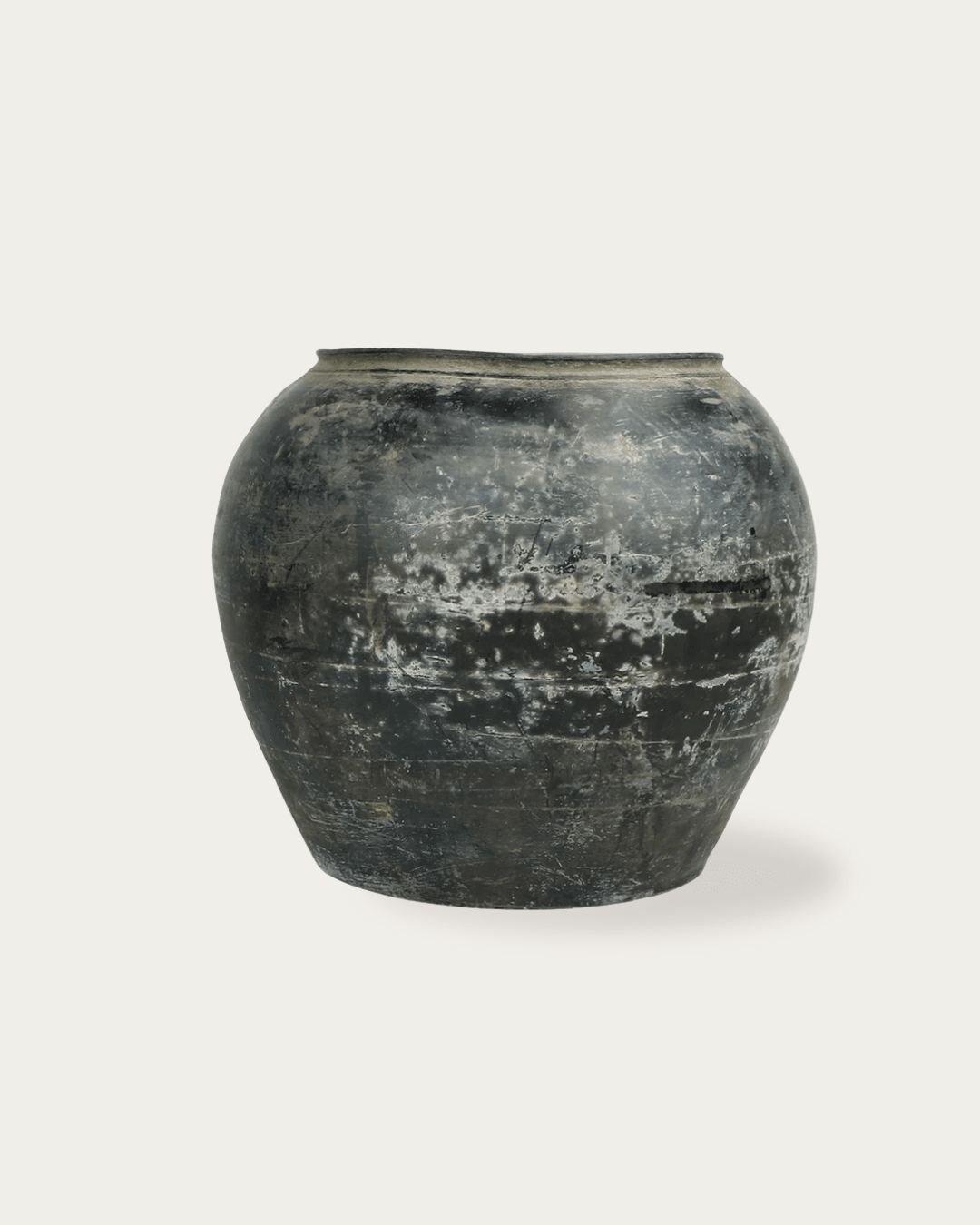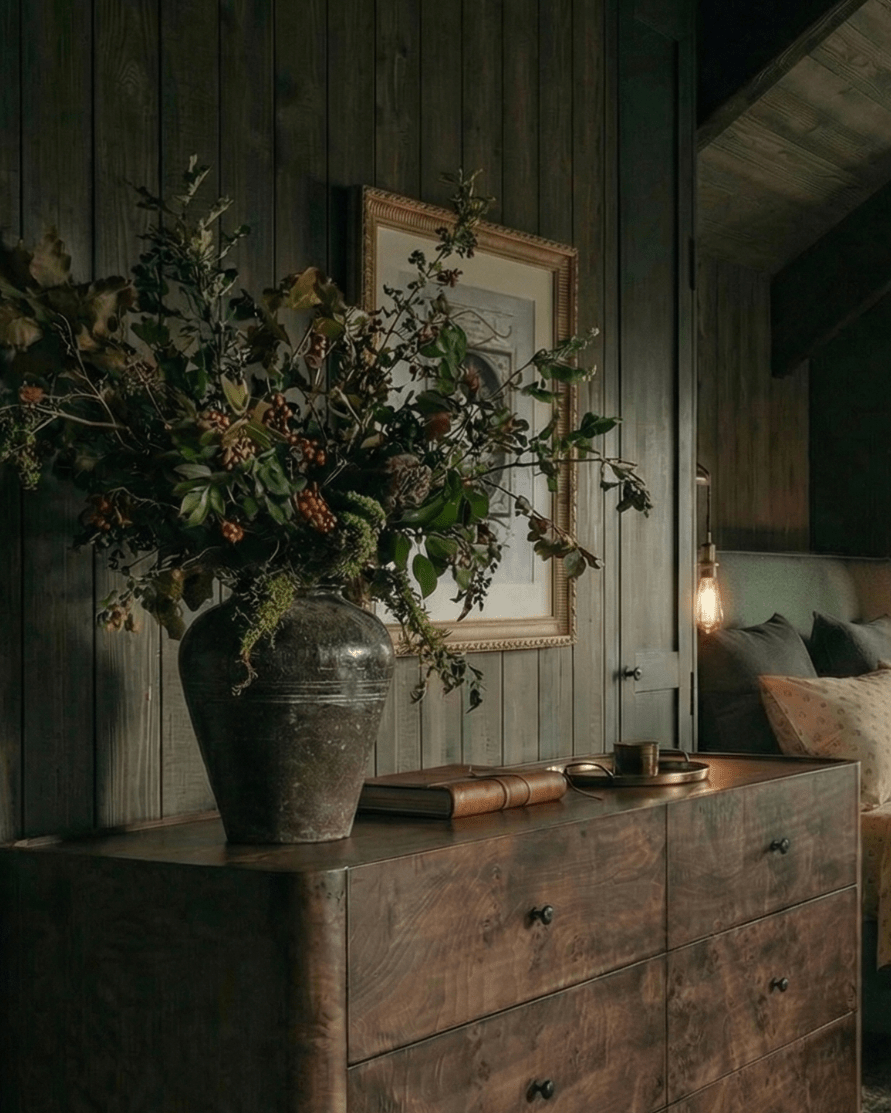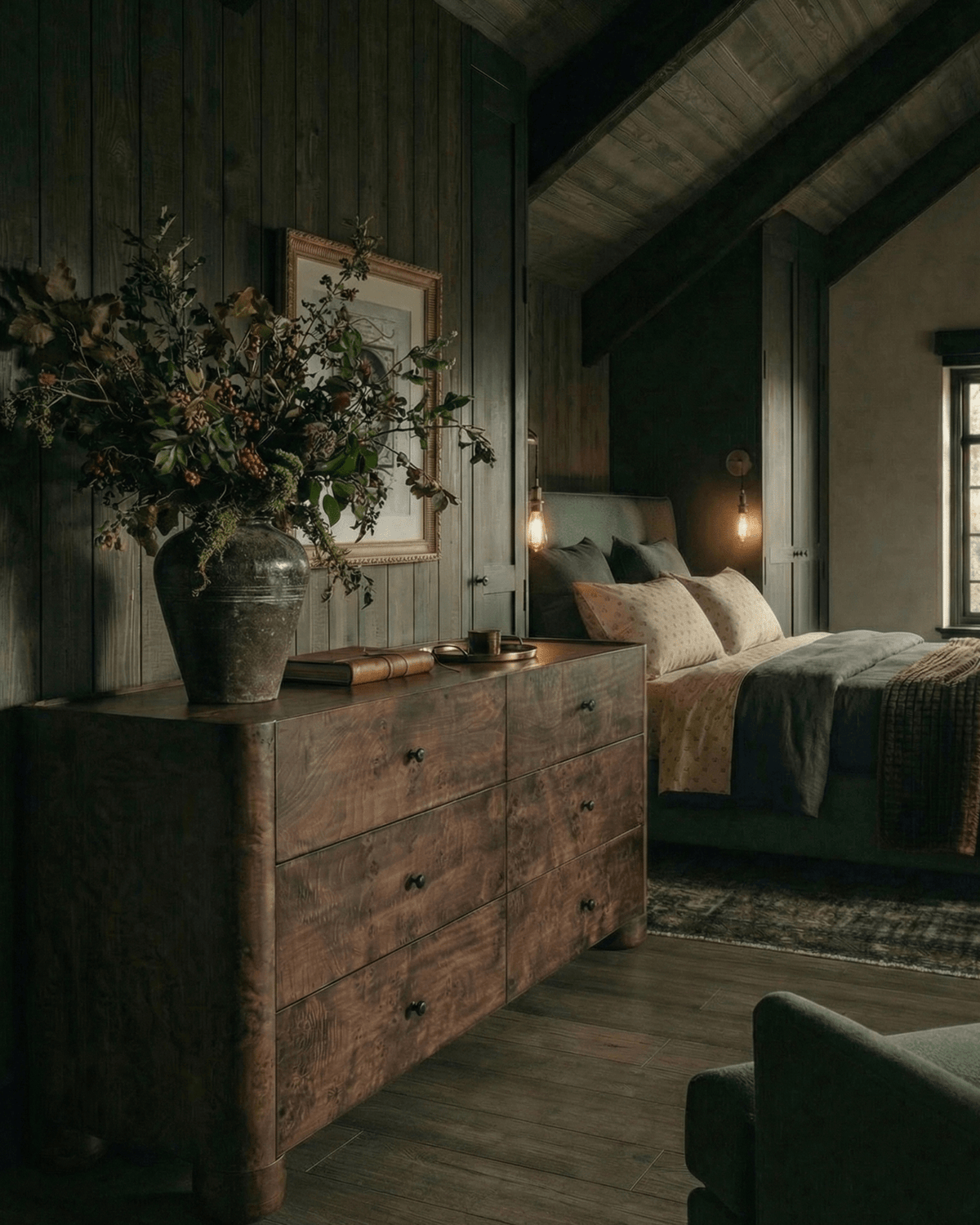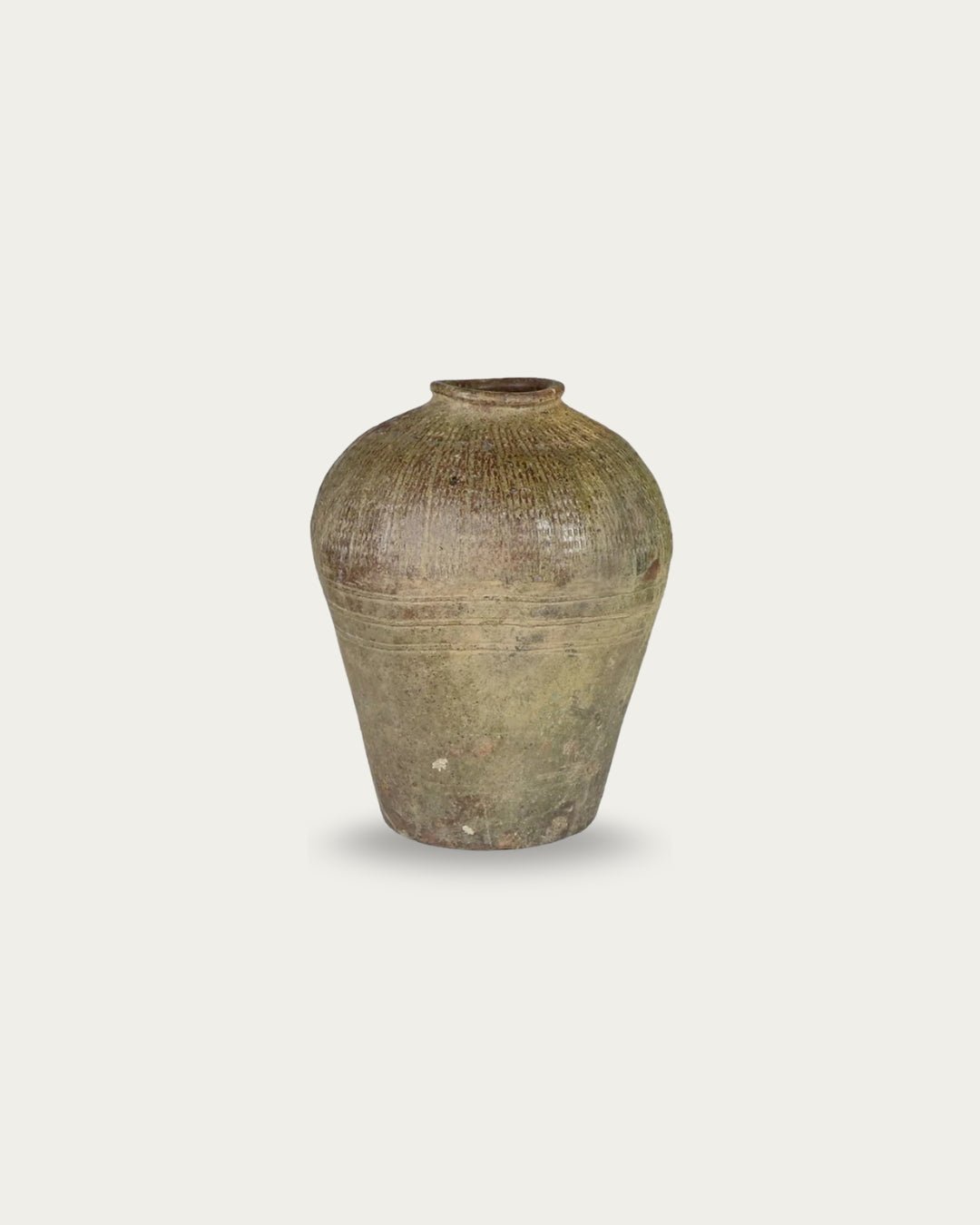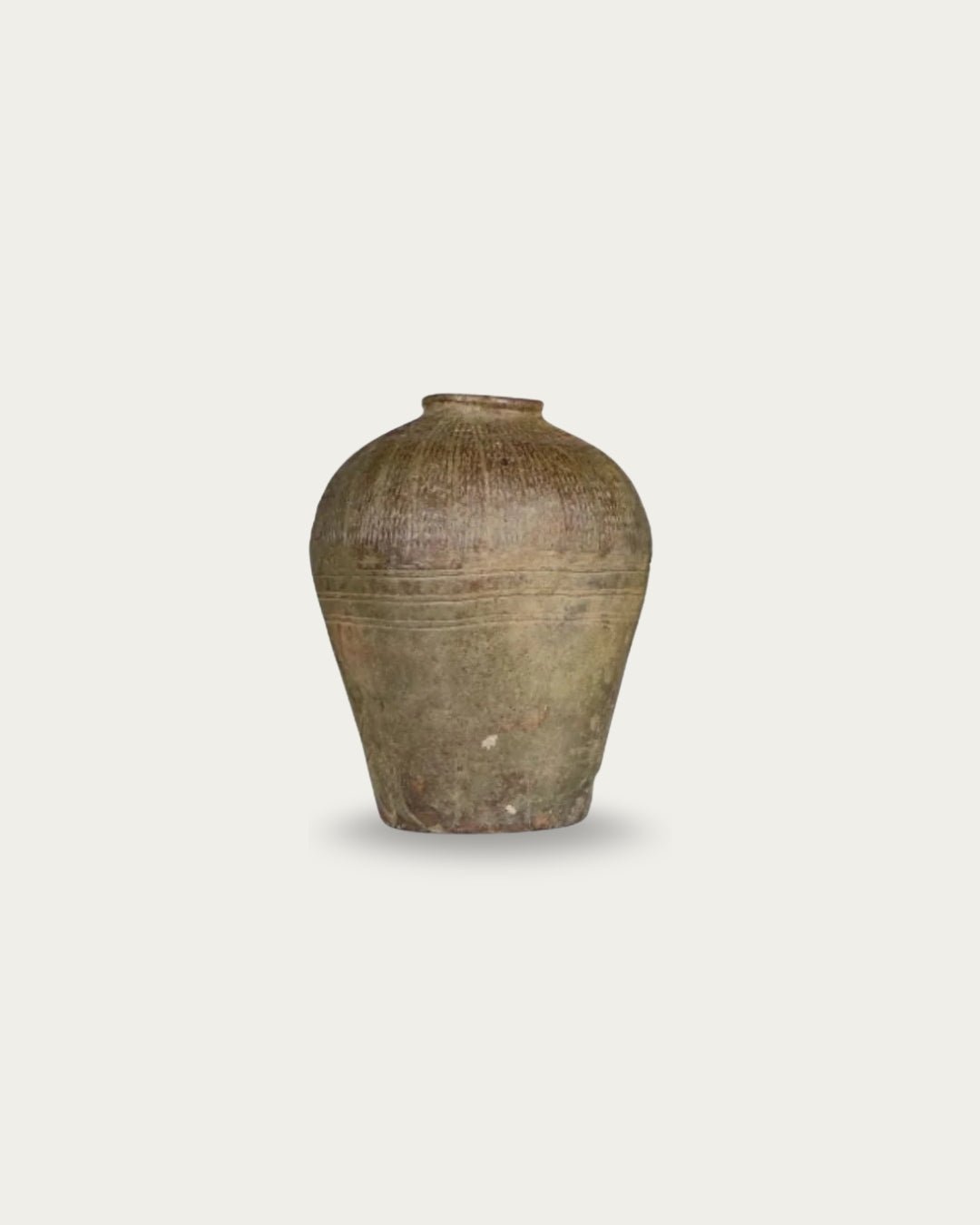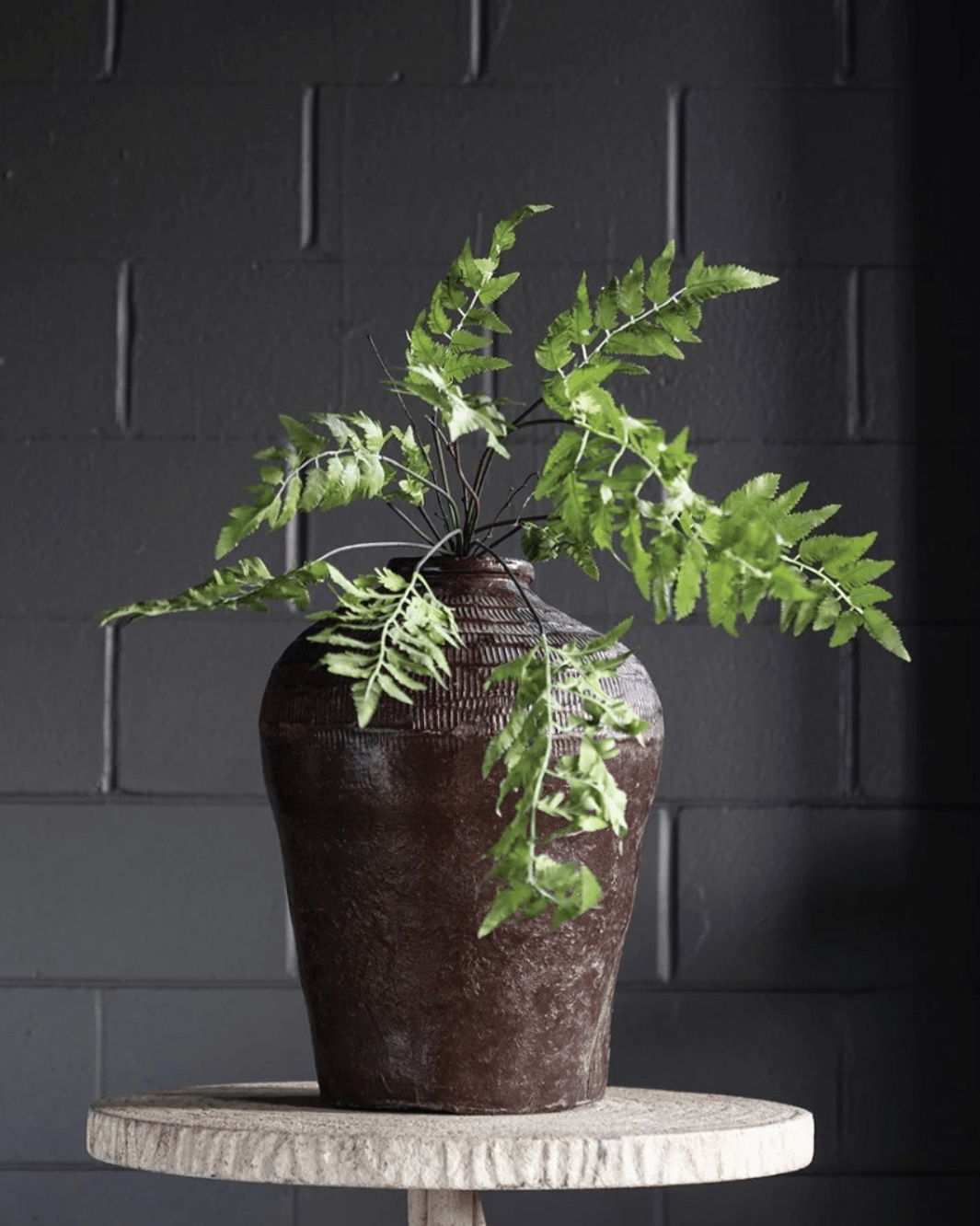




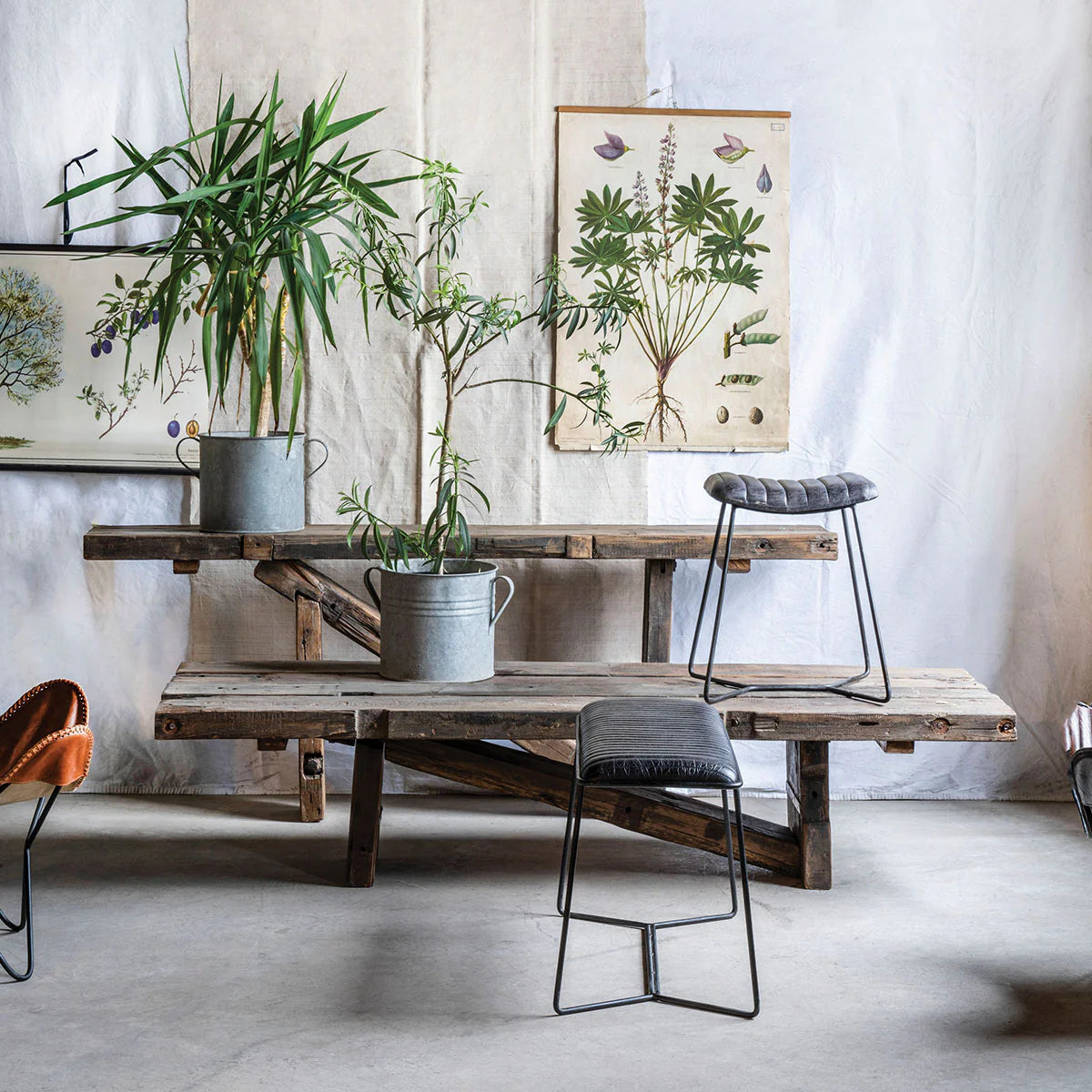
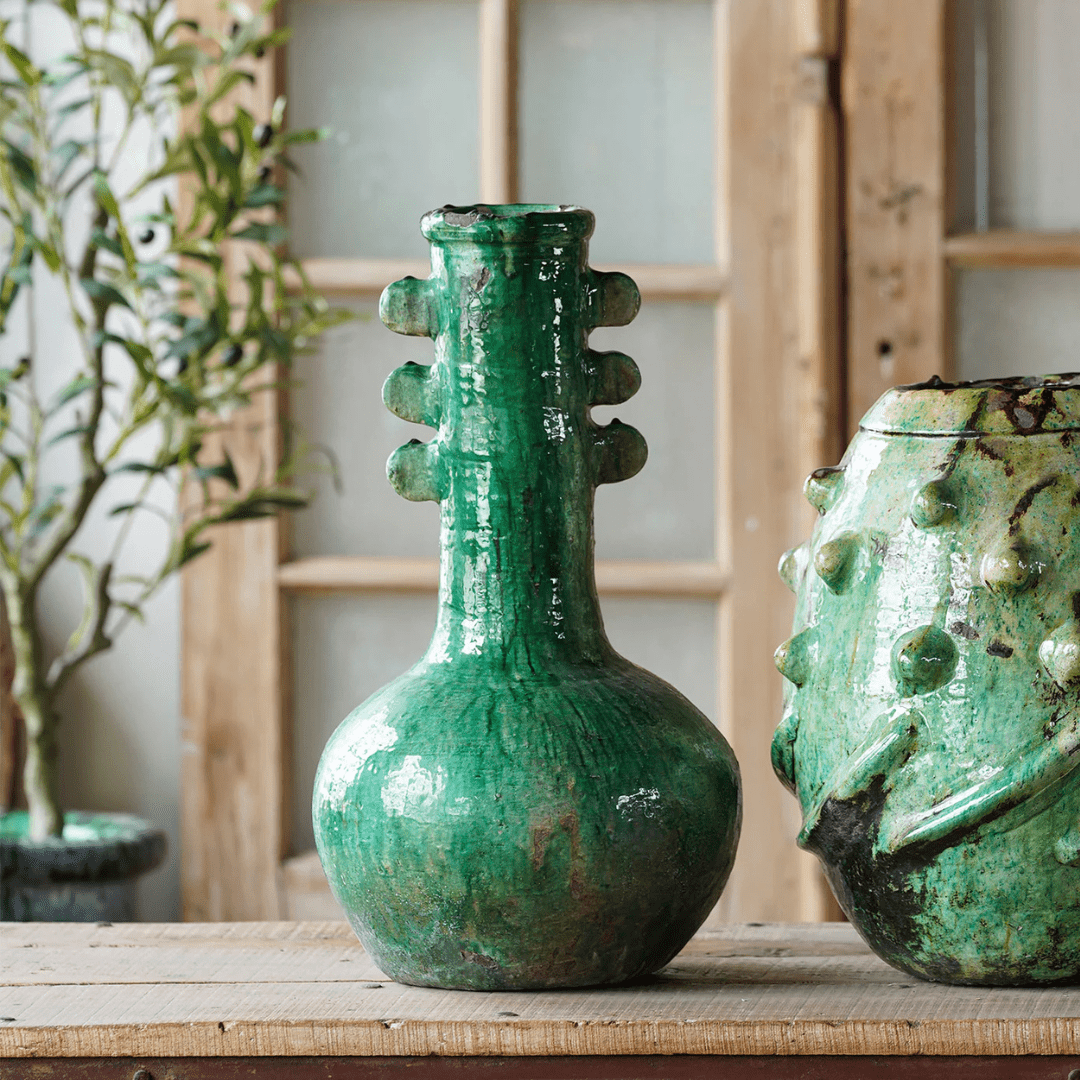
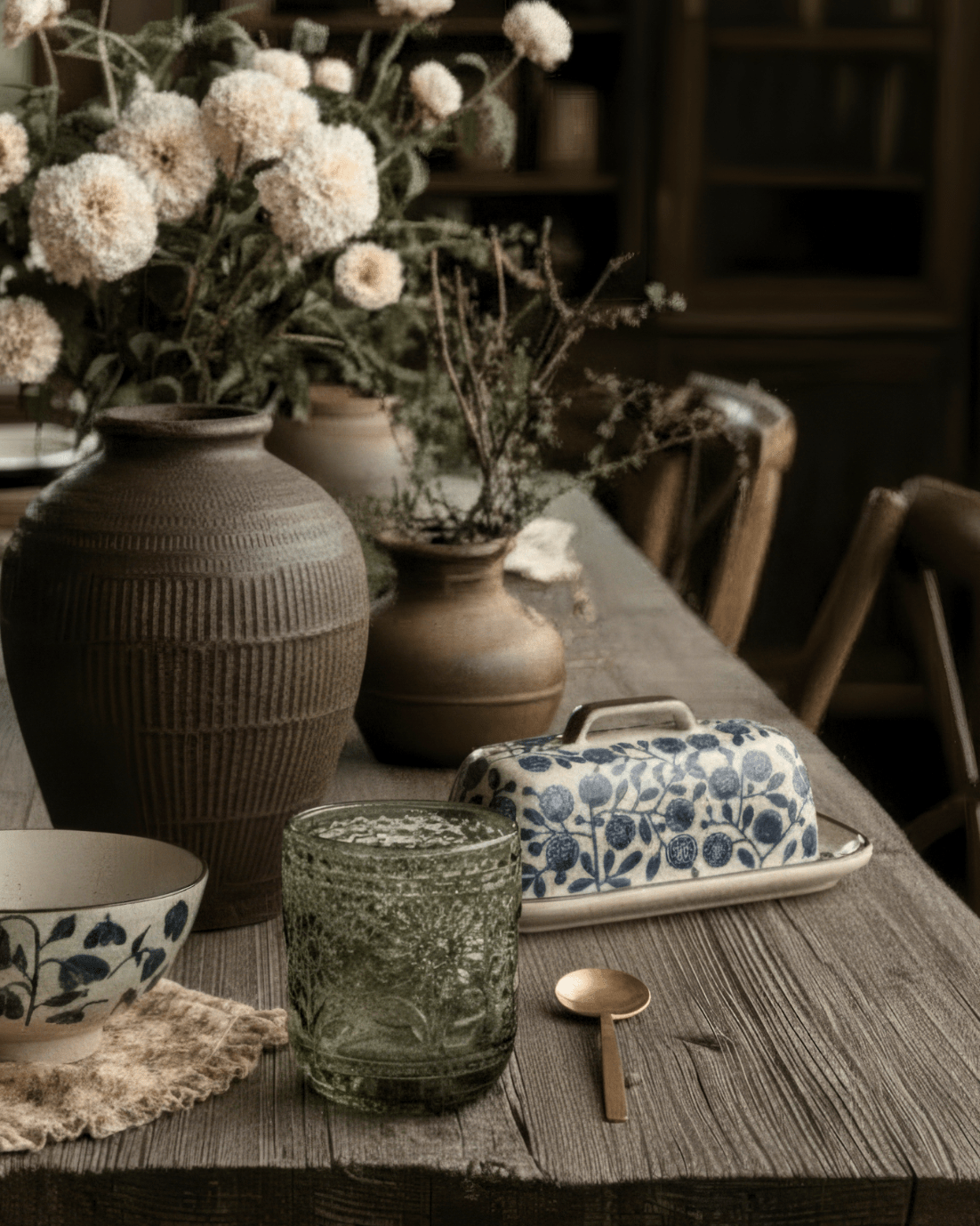
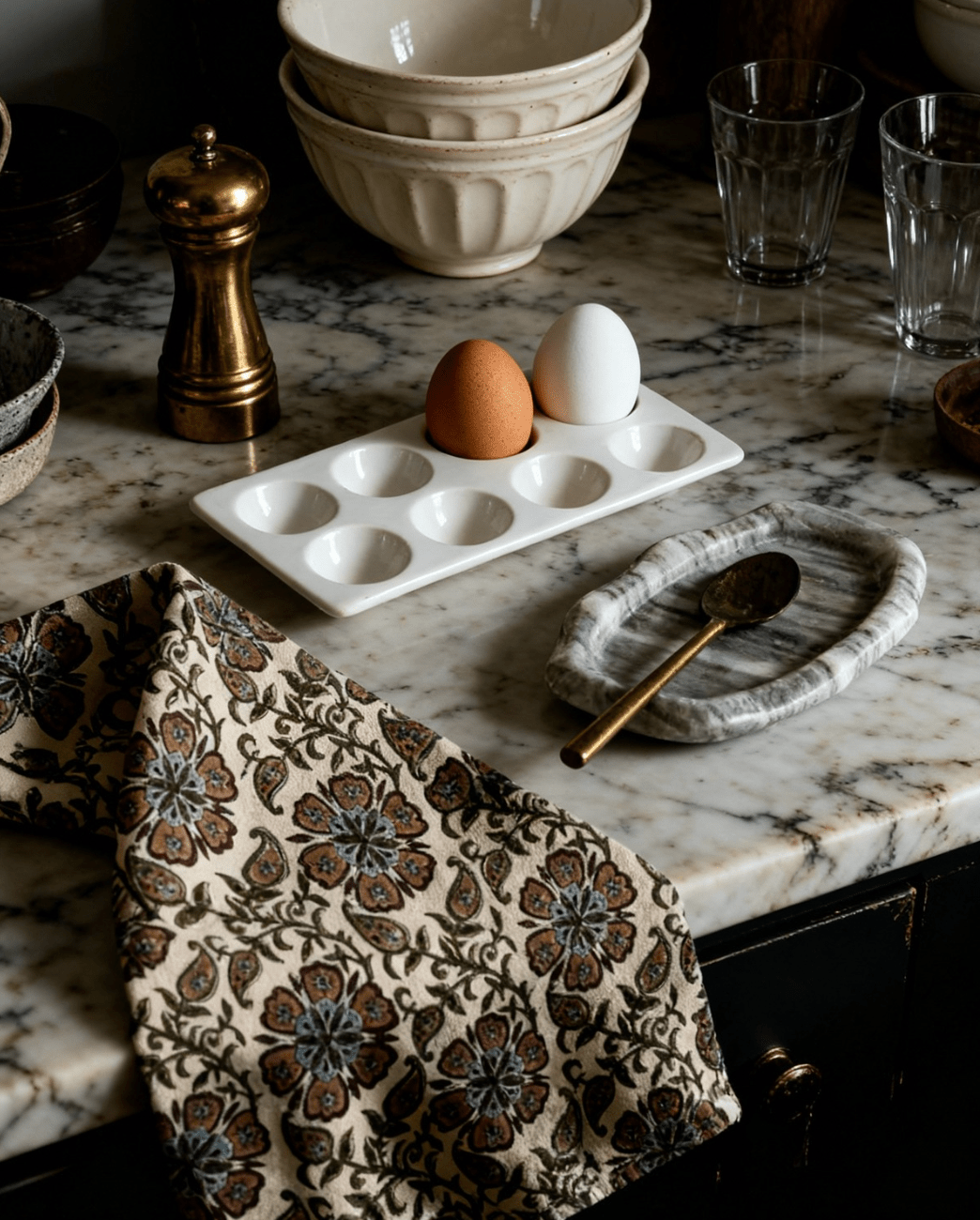


Sit on your sofa and look straight ahead. What catches your attention first? A cabinet, a collection of books, or several surfaces asking to be noticed at once? Vintage storage can help organize that view by giving everyday belongings a defined home and the room a clear focal point. The useful part is deciding what the furniture should hold, what stays visible, and where you leave some breathing room.
Explore Hello Norden’s vintage furniture for shelves, sideboards, and cabinets that can bring structure to your space.
Giving your eye a place to rest means creating an area that is easy to take in. One substantial furniture piece, a readable arrangement, and some space around it can provide that starting point.
There’s a neuroscience connection here. Research shows that simultaneously visible objects compete for representation in the visual cortex, while attention and perceptual grouping influence that competition. Applying this to interiors is a design interpretation: clear groups and recognizable focal points may help organize the view. It doesn’t mean a particular cabinet produces a guaranteed calming response.
The practical goal is a room you enjoy looking at and can use comfortably. Here’s how storage can support both.


Start With the View You See Most Often
The most useful place to begin is where you spend time.
Look from your reading chair, dining seat, or usual spot on the sofa. Notice which surfaces sit within that view and how their contents relate to one another.
A shelf visible from the doorway might need a different arrangement from one beside your chair. The first contributes to the overall impression of the room; the second also needs to support what you reach for.
Choose a clear anchor for that sightline
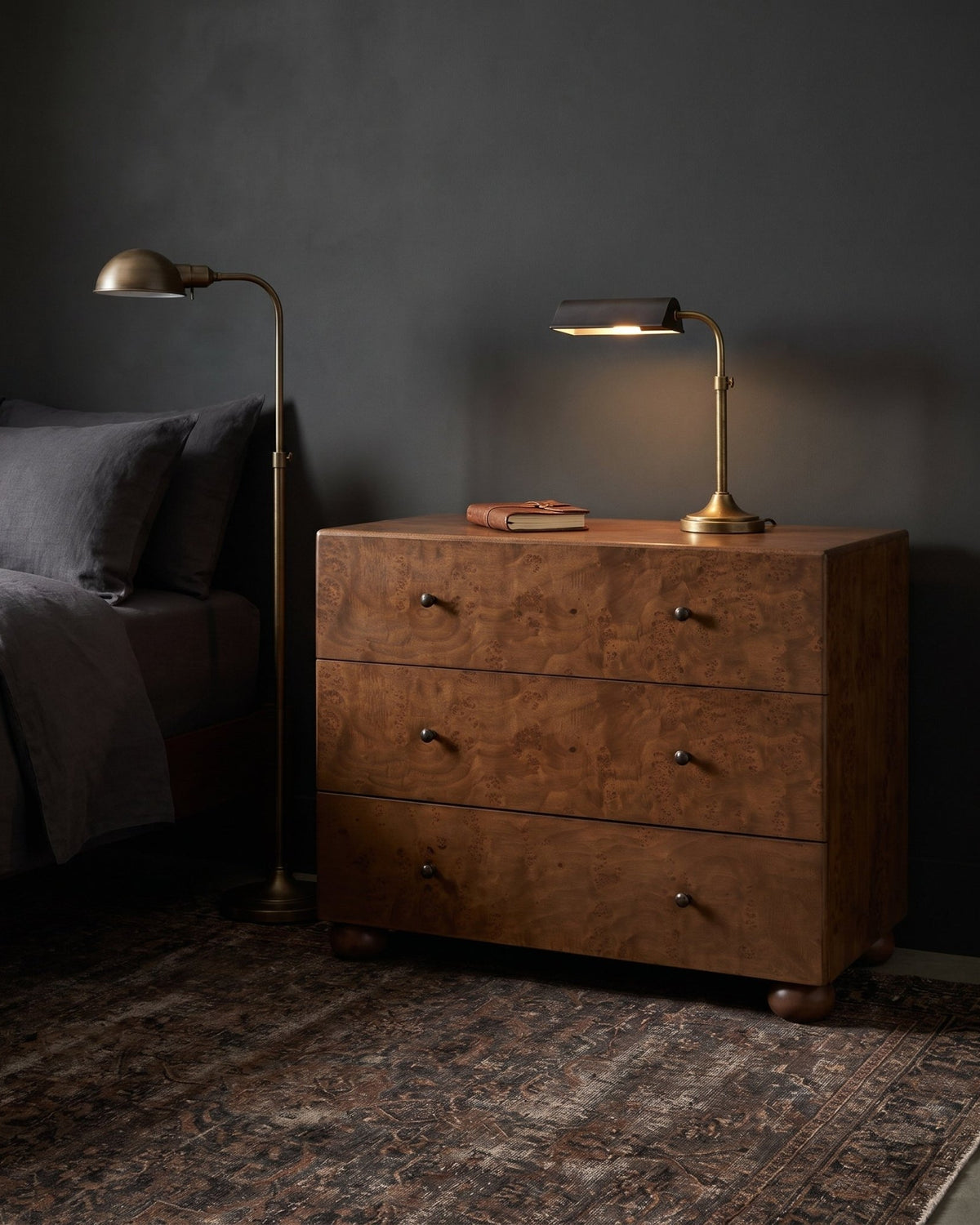
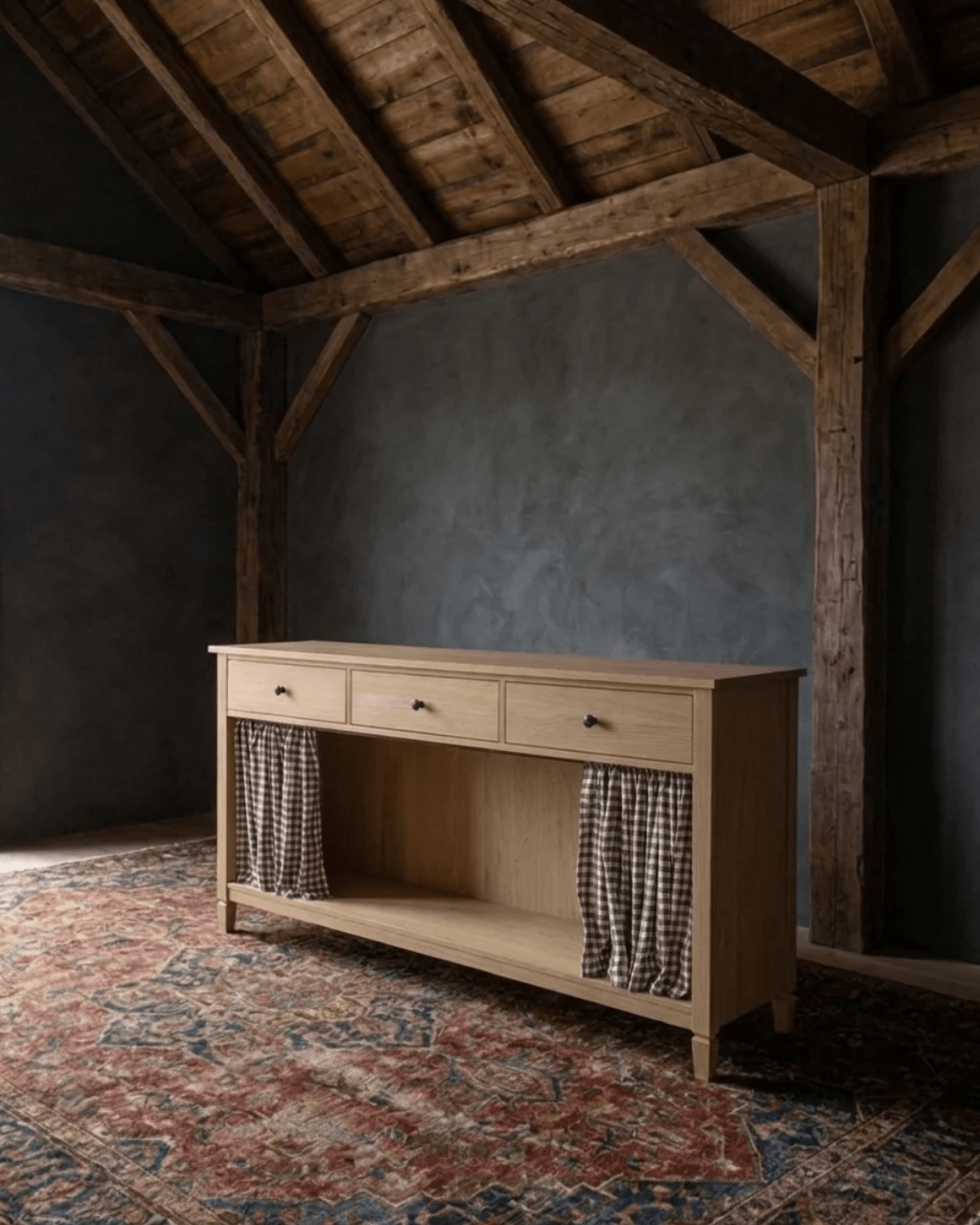
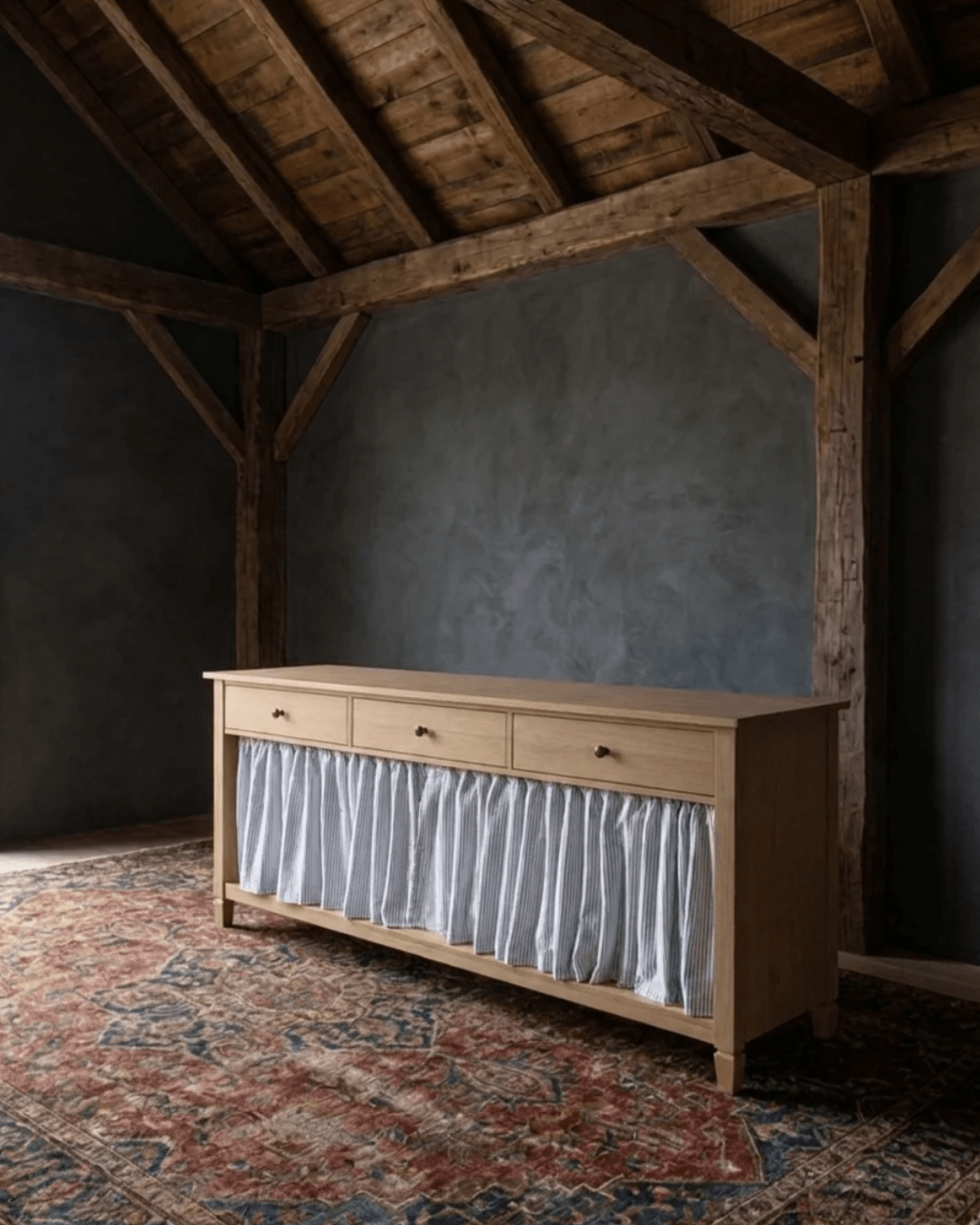
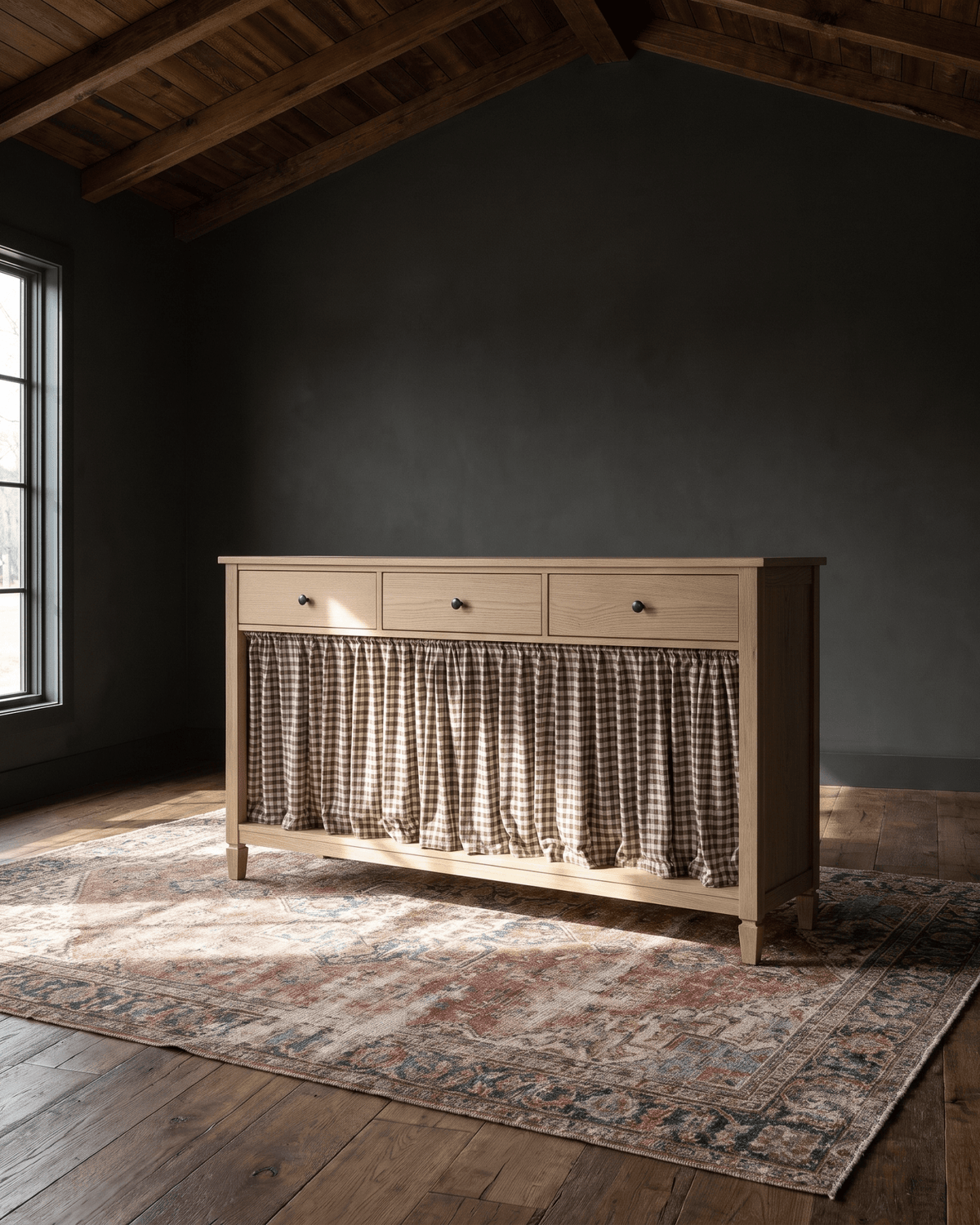
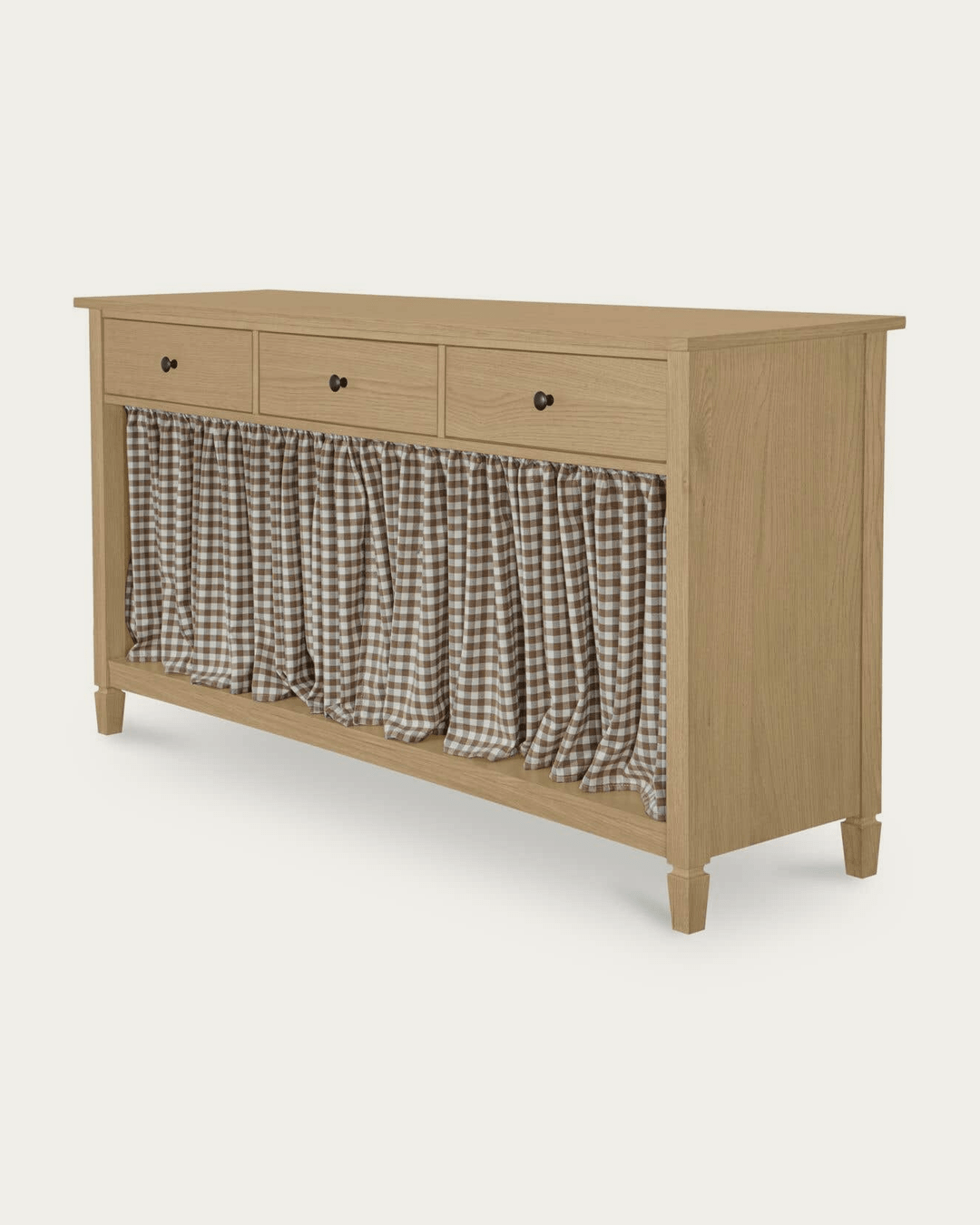
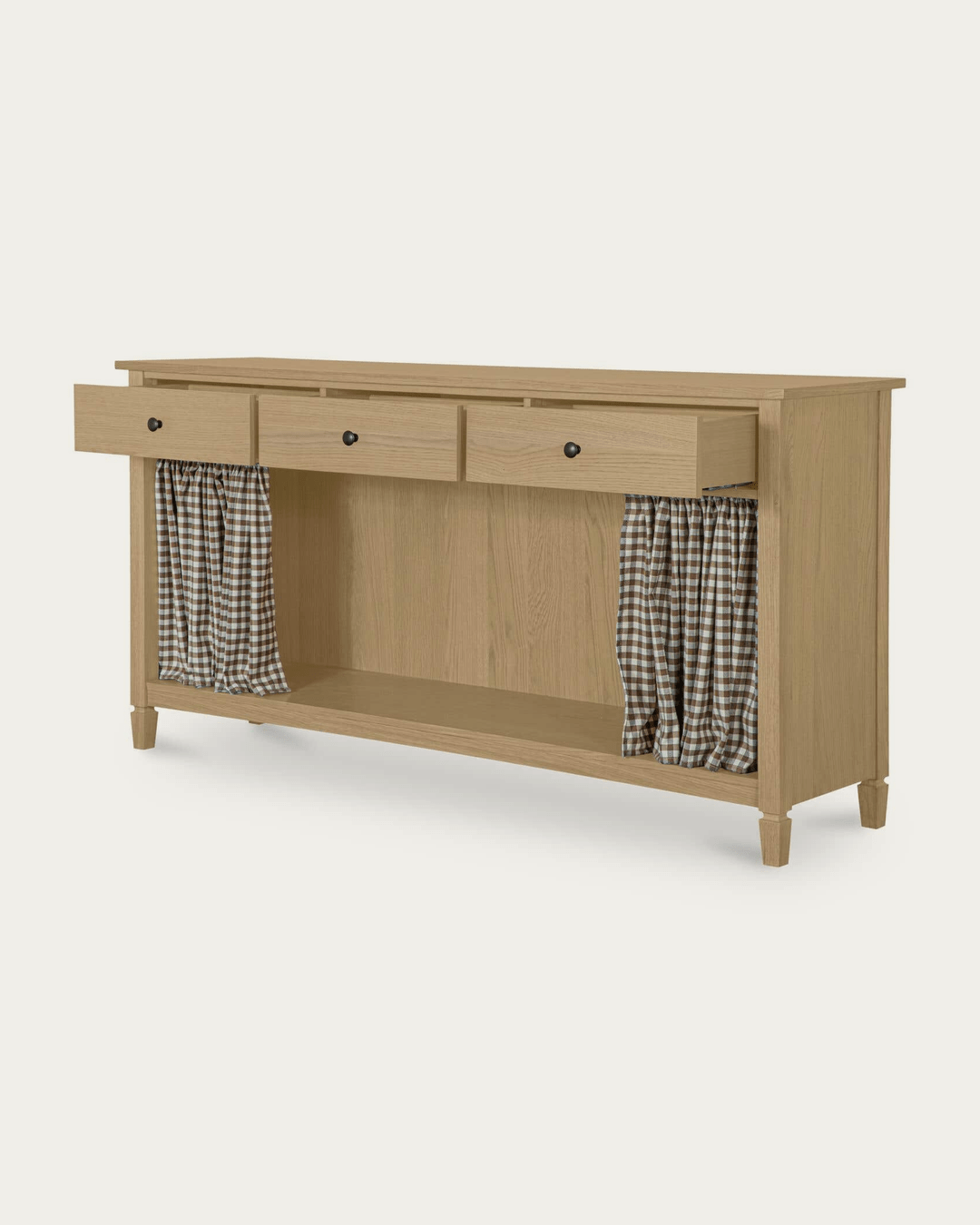
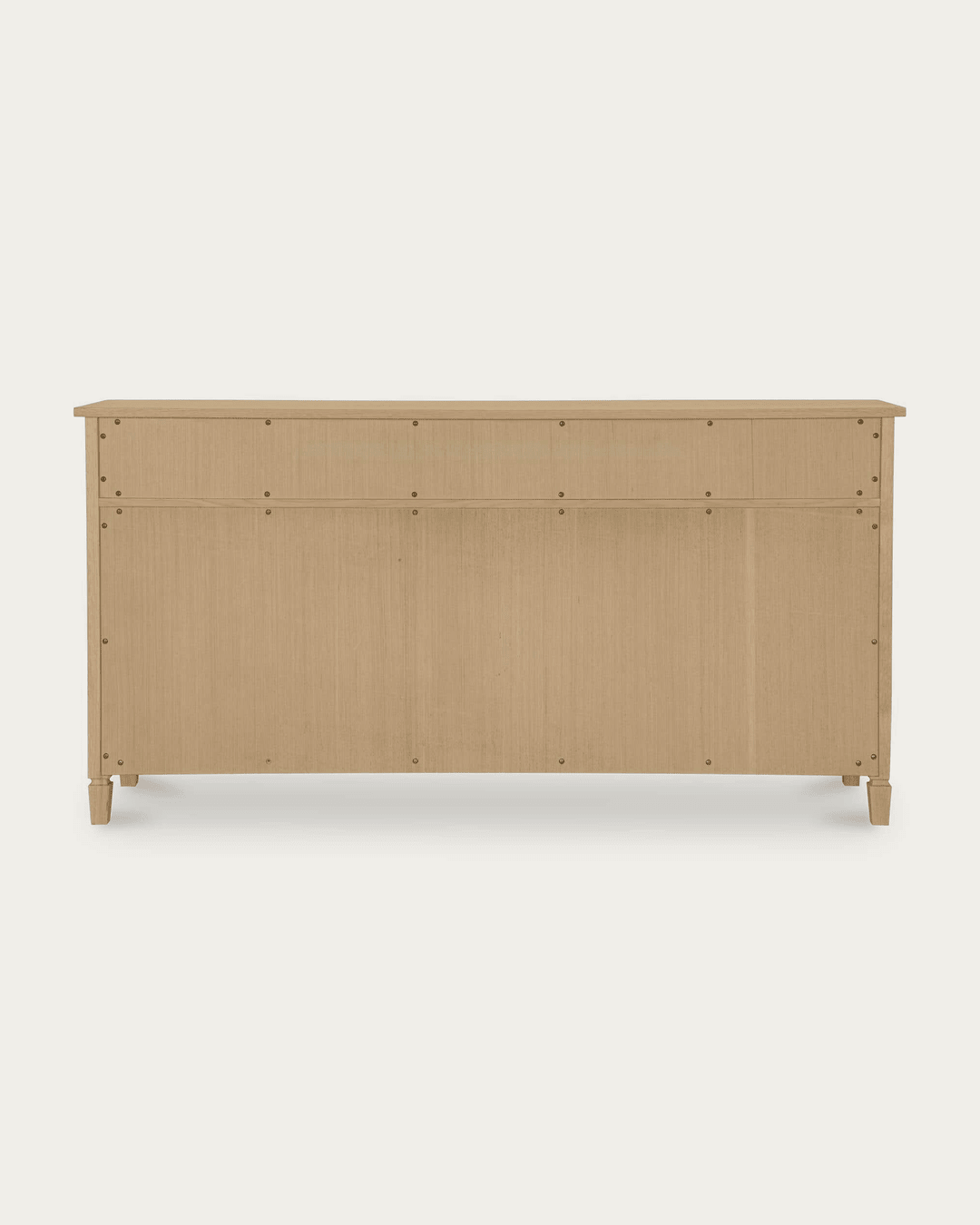
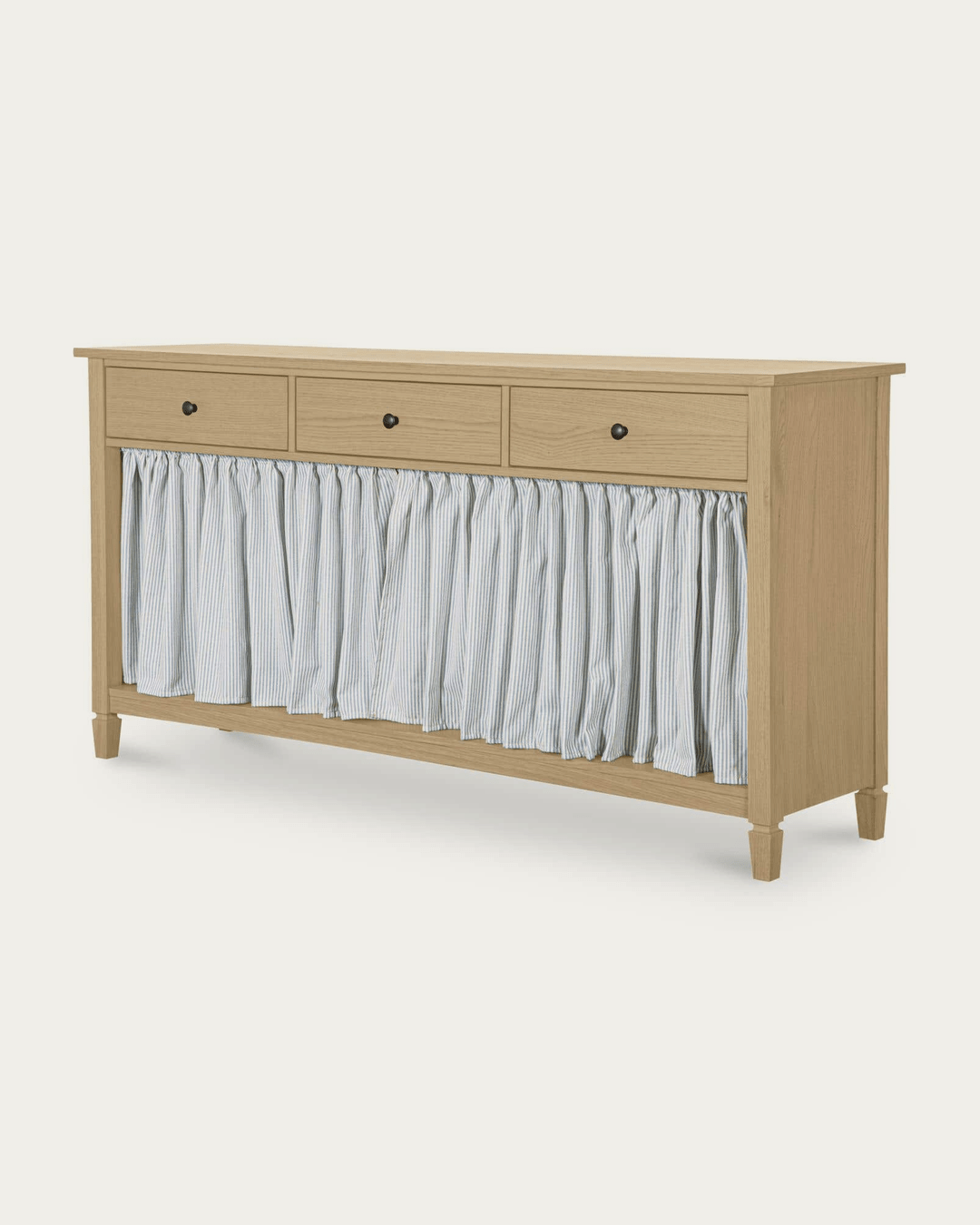
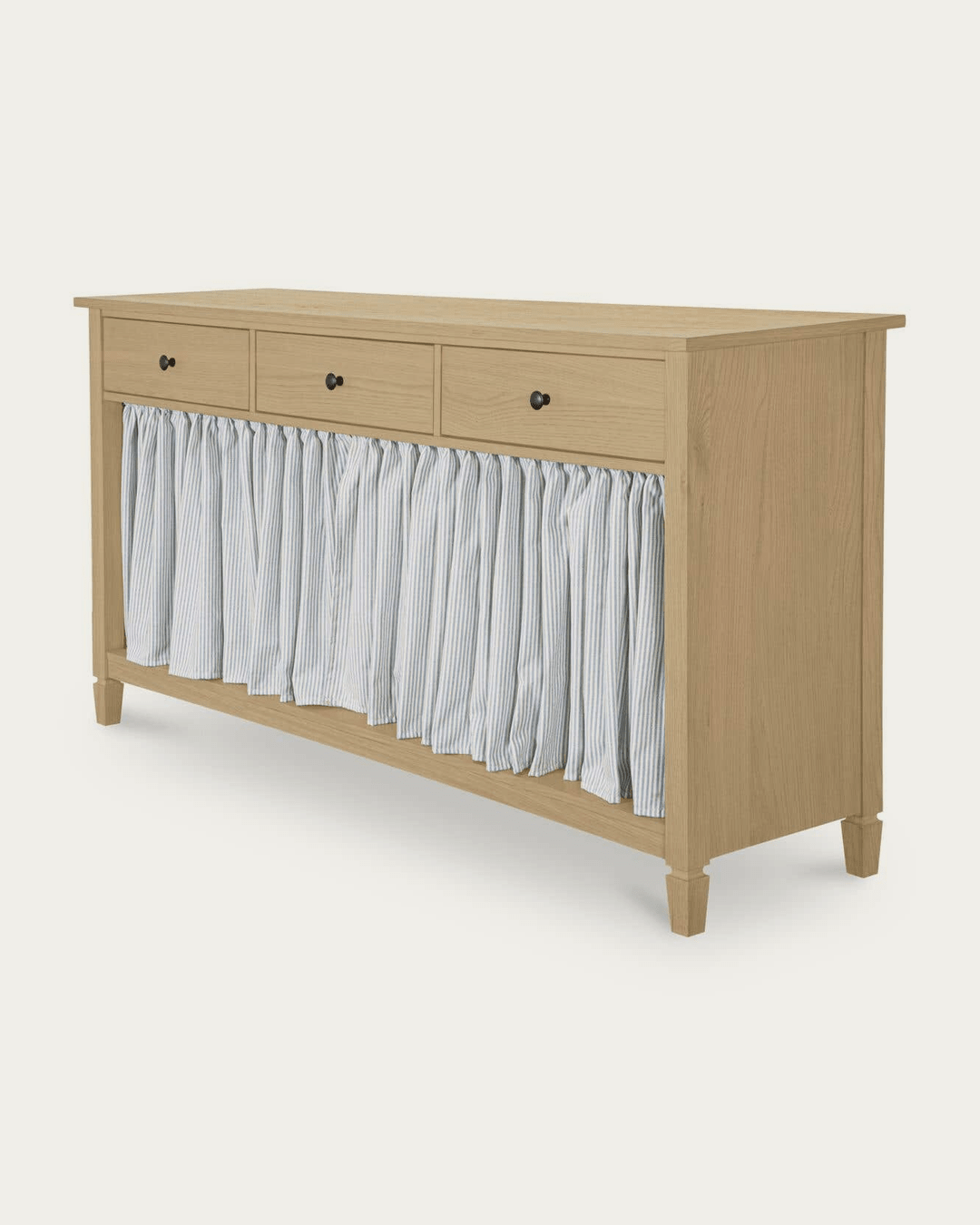
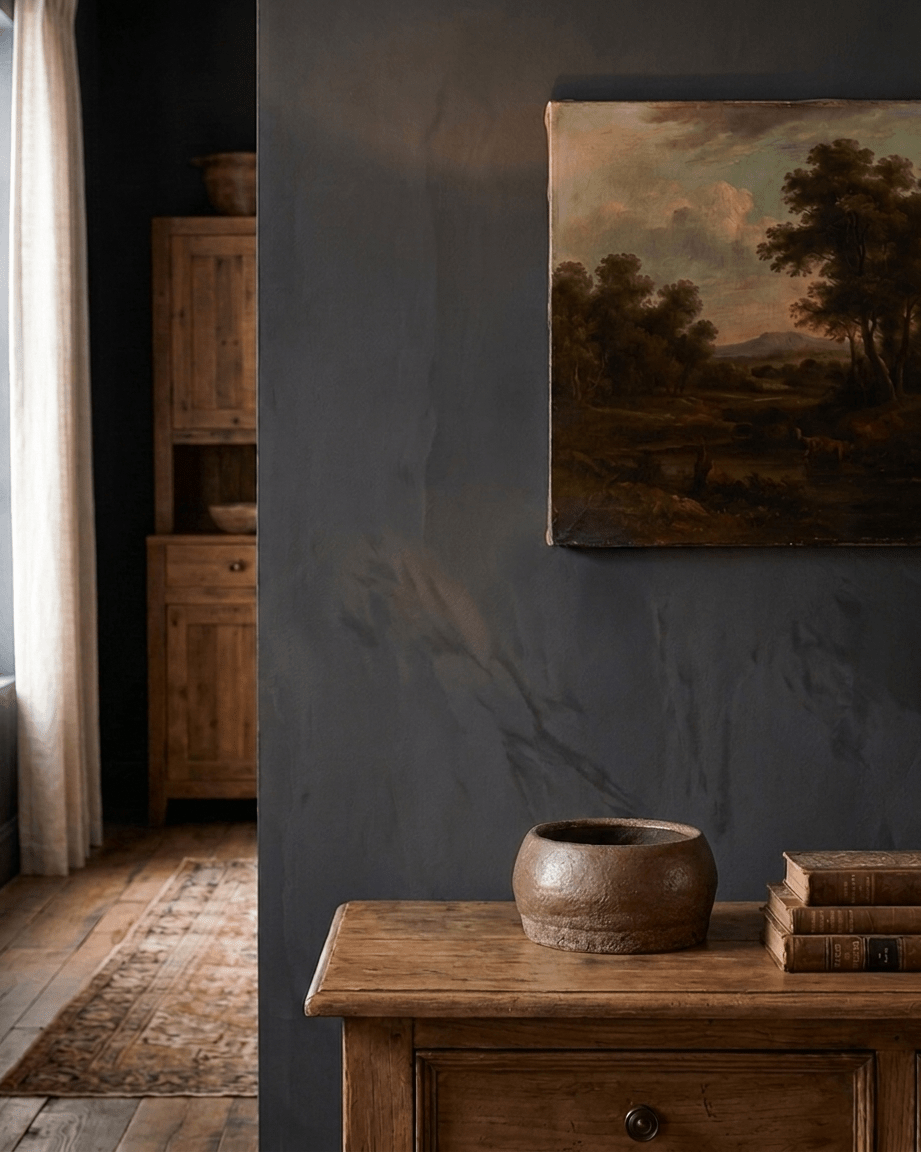
A low sideboard can establish a horizontal shape along a wall. Its broad surface gives you somewhere to organize a small display, while the storage below handles useful belongings.
The Junia vintage wood sideboard features hand-carved wood, a worn patina, and three to four reassembled doors. Those details give the furniture visual interest before you add anything on top.
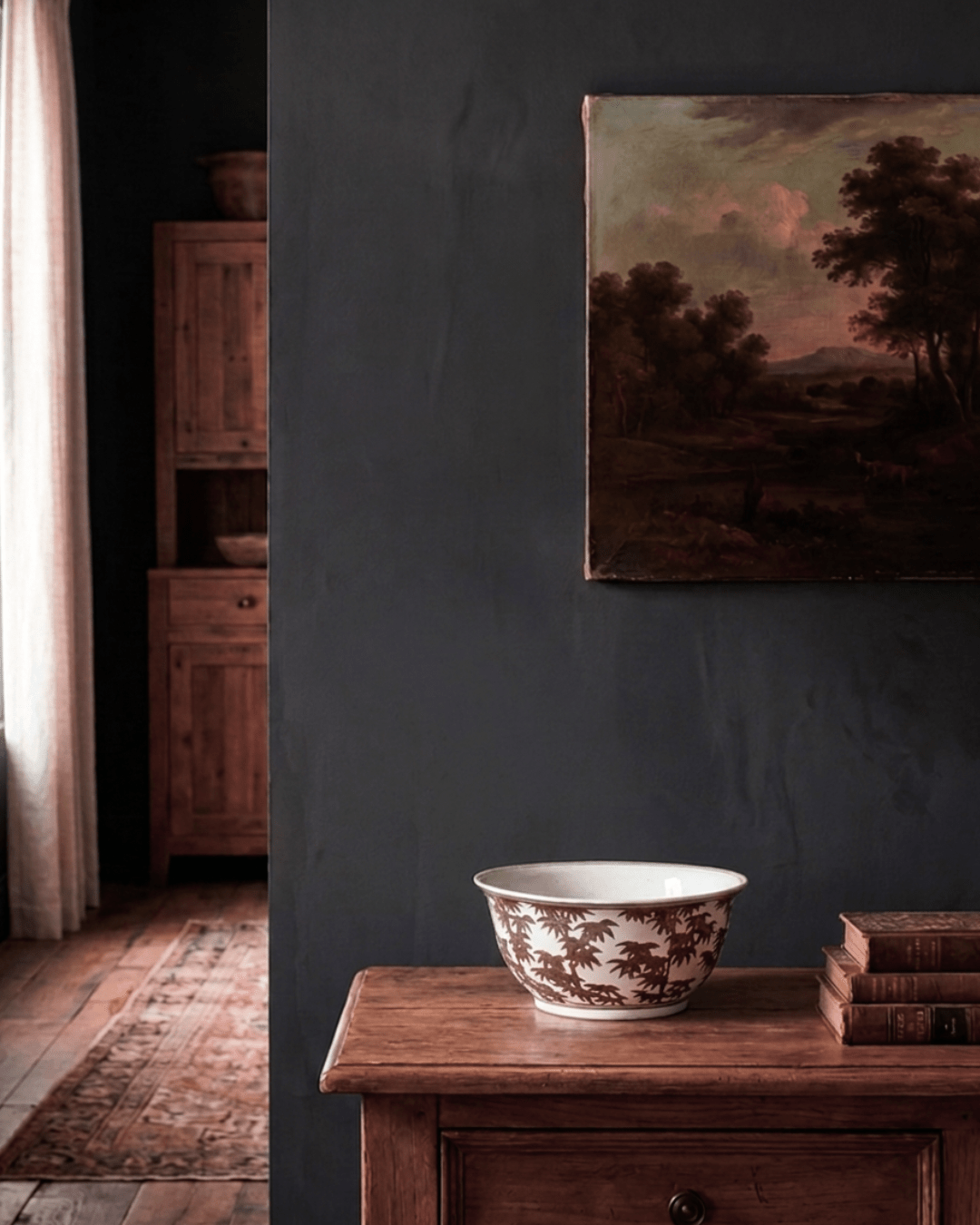
Try a simple arrangement above it, then assess the whole view. One artwork or a lamp and a small group of objects may provide enough variation alongside the carved wood.
Measure walking space and door clearance before settling on placement. A visual anchor works best when it also leaves the room easy to move through.

Balance Open Shelves With Closed Storage
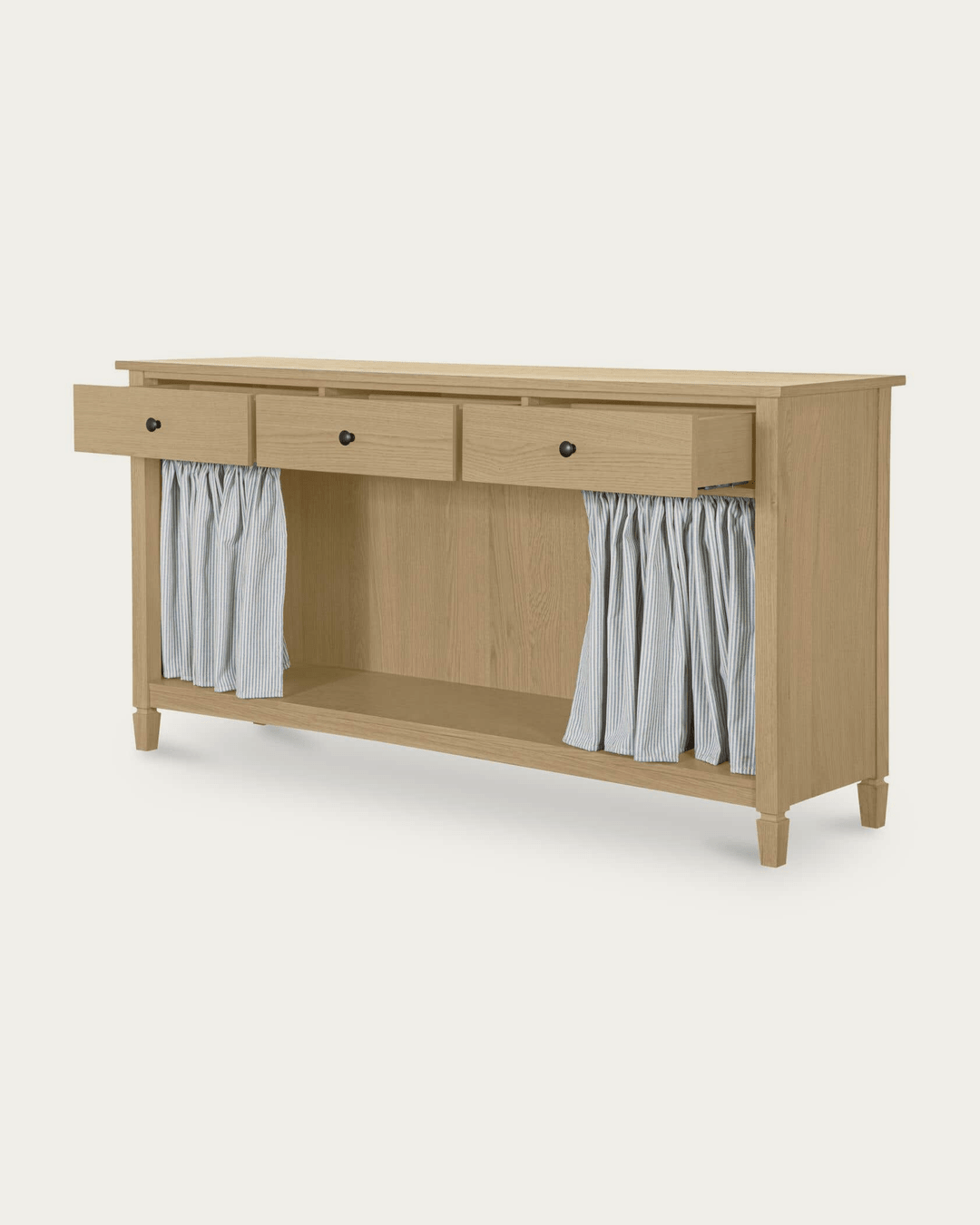
Open shelving brings your belongings into the composition. Closed storage lets the furniture’s exterior define the visible area.
Both can be useful. The balance depends on what you own, what you use, and how much you enjoy seeing.
Start by identifying the items that benefit from being visible. Books you read regularly, a favorite bowl, or a framed photograph may belong on a shelf. Chargers, spare supplies, and paperwork may be easier to manage behind doors.
Let materials connect the two
The Brynjar shelf offers four wide shelf nooks in solid reclaimed elm with a natural finish. Those openings provide a structure for separating books, containers, and display objects.
The Berglind sideboard provides storage behind two doors, with reclaimed pine, hand-carved detail, and a whitewashed finish. Its exterior can carry material interest while practical contents remain tucked away.
When combining open and closed furniture, look for a connection in tone, texture, or proportions. Matching wood finishes isn’t compulsory. A shared material quality or repeated color elsewhere can help them belong together.
Organize the interiors by use. Keep frequently needed belongings near the front so closed storage remains convenient.
Give Each Open Shelf One Main Job
A shelf becomes easier to understand when its contents have a clear relationship.
One section might hold books. Another could contain a basket of everyday essentials. A third might display ceramics. That division helps the furniture read as an organized whole.
It also makes finding and returning things more straightforward.
Group by use, shape, or material
Start with the largest objects, then arrange smaller pieces around them. Keep related books together and place a suitable container around items that would otherwise spread across the shelf.
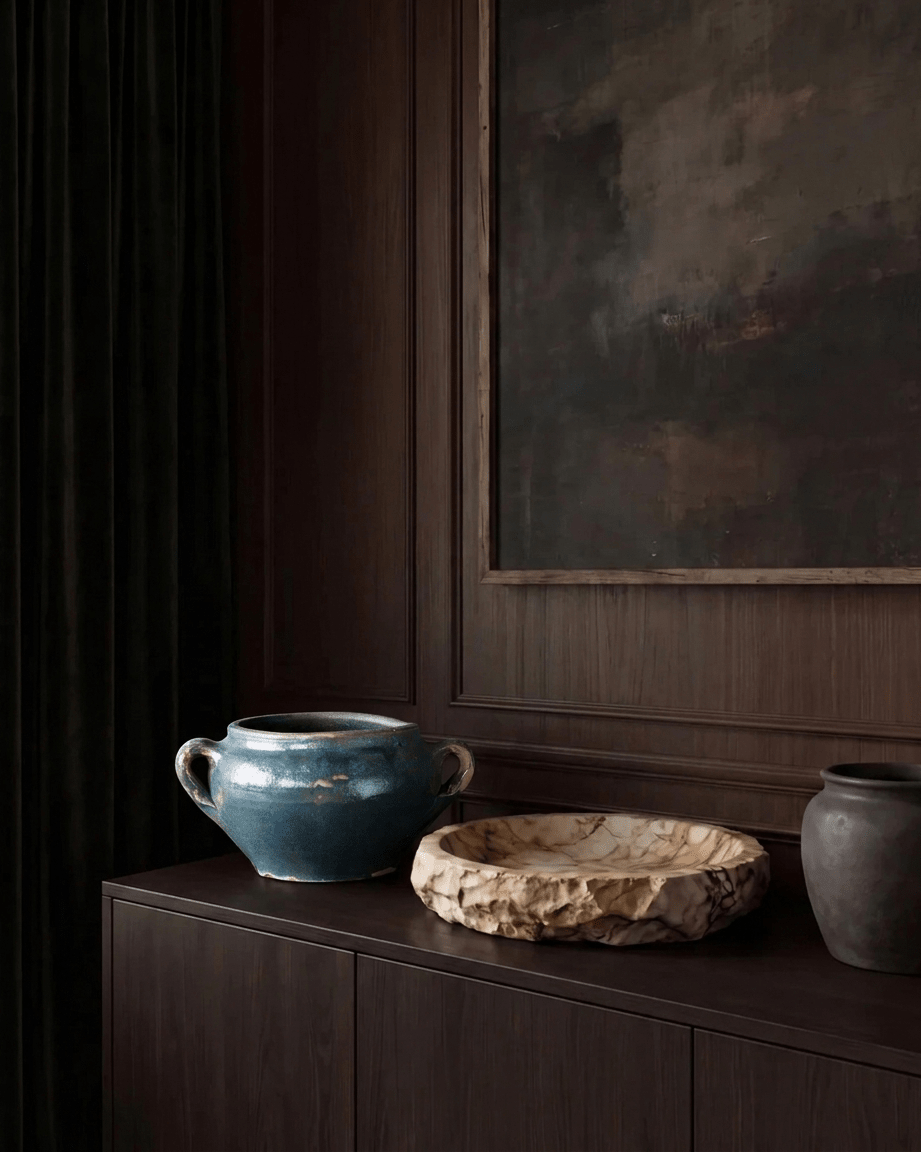
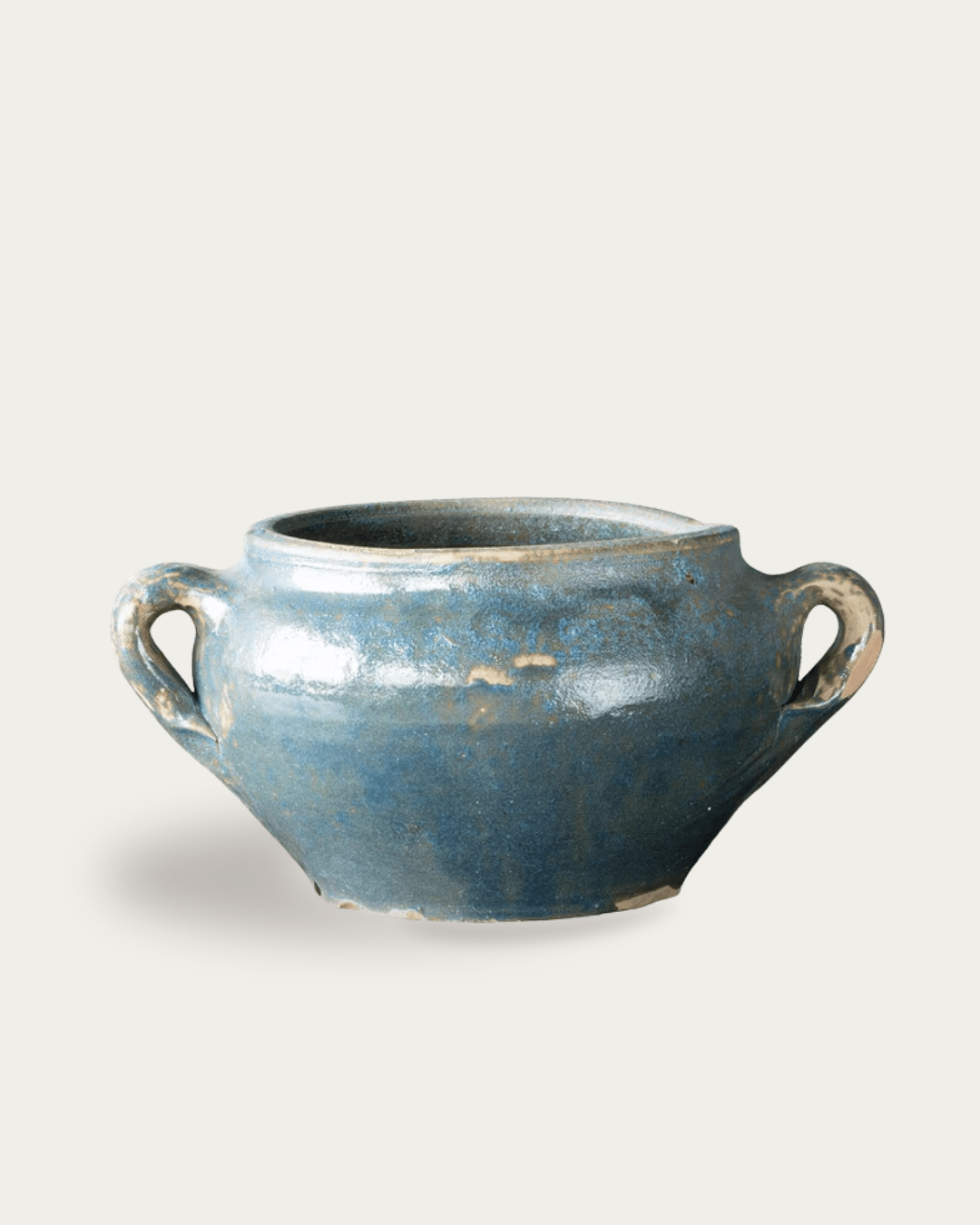
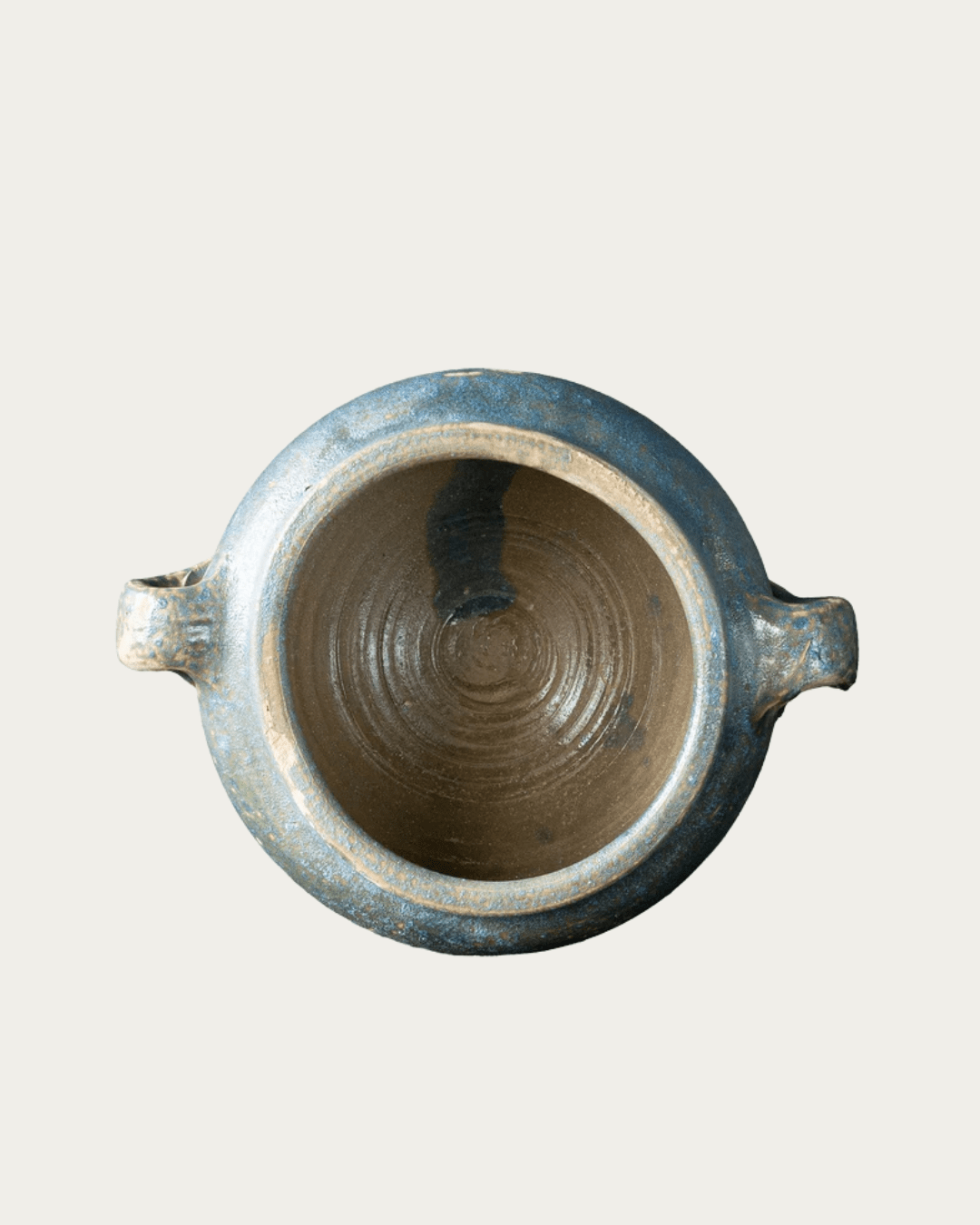
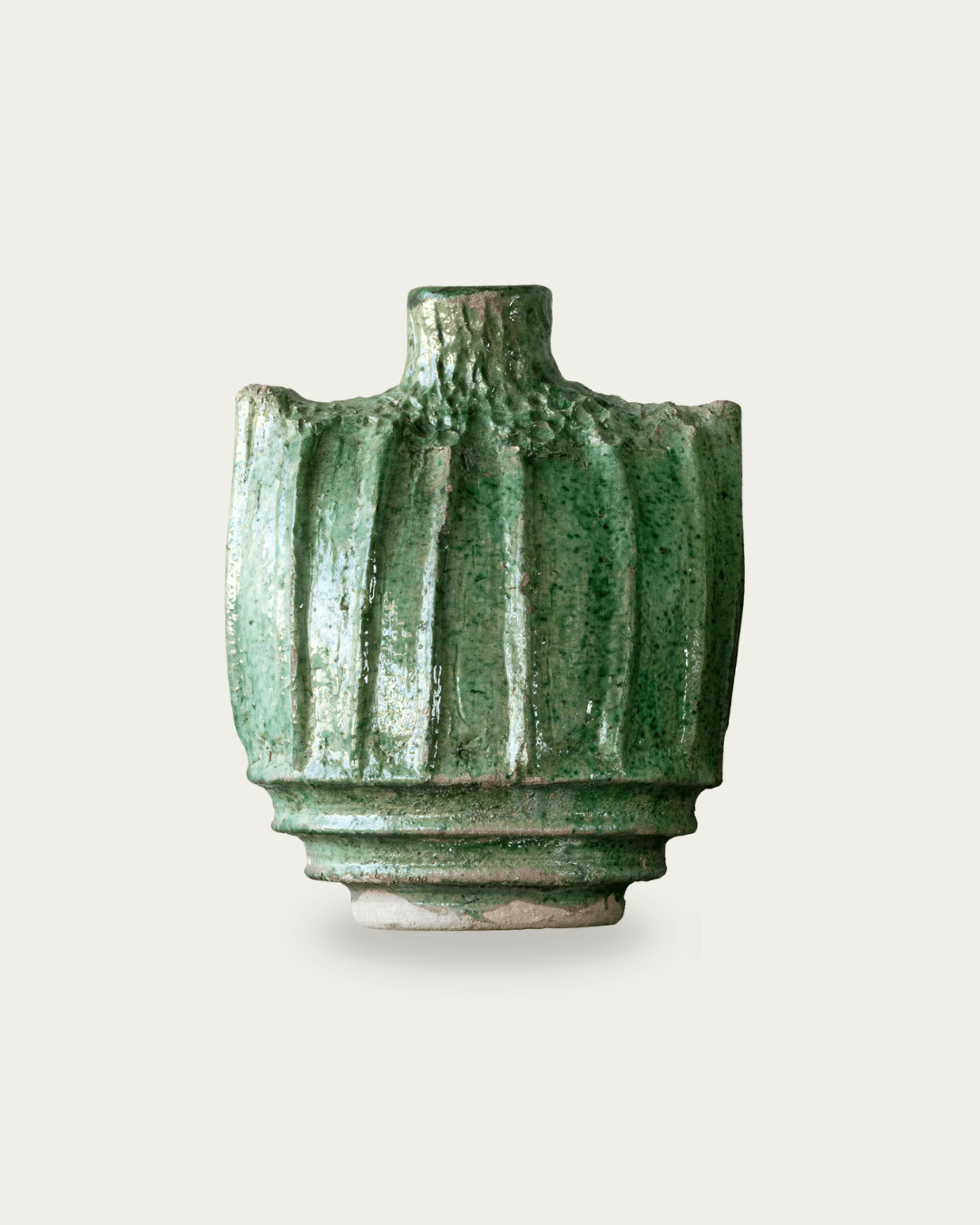
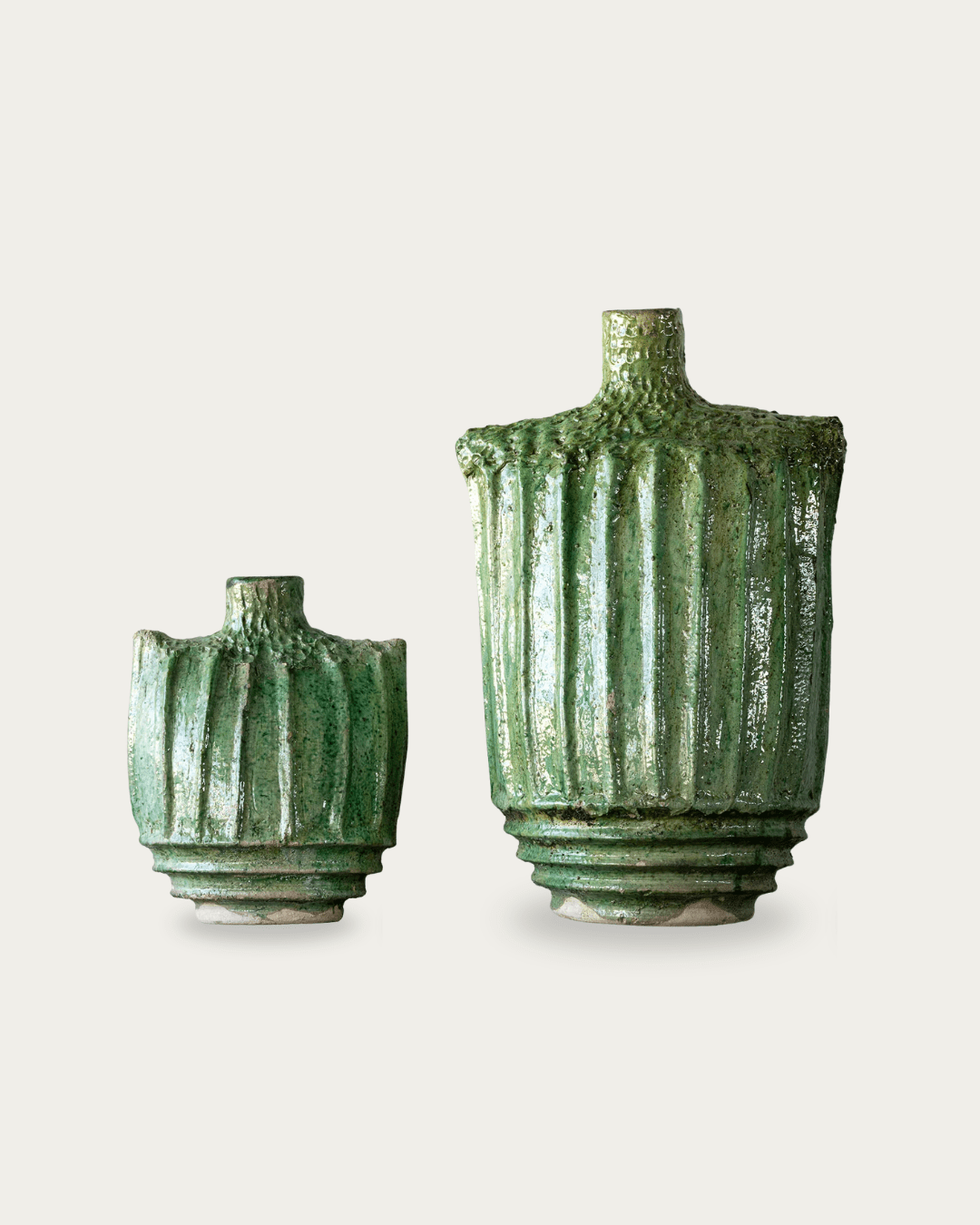
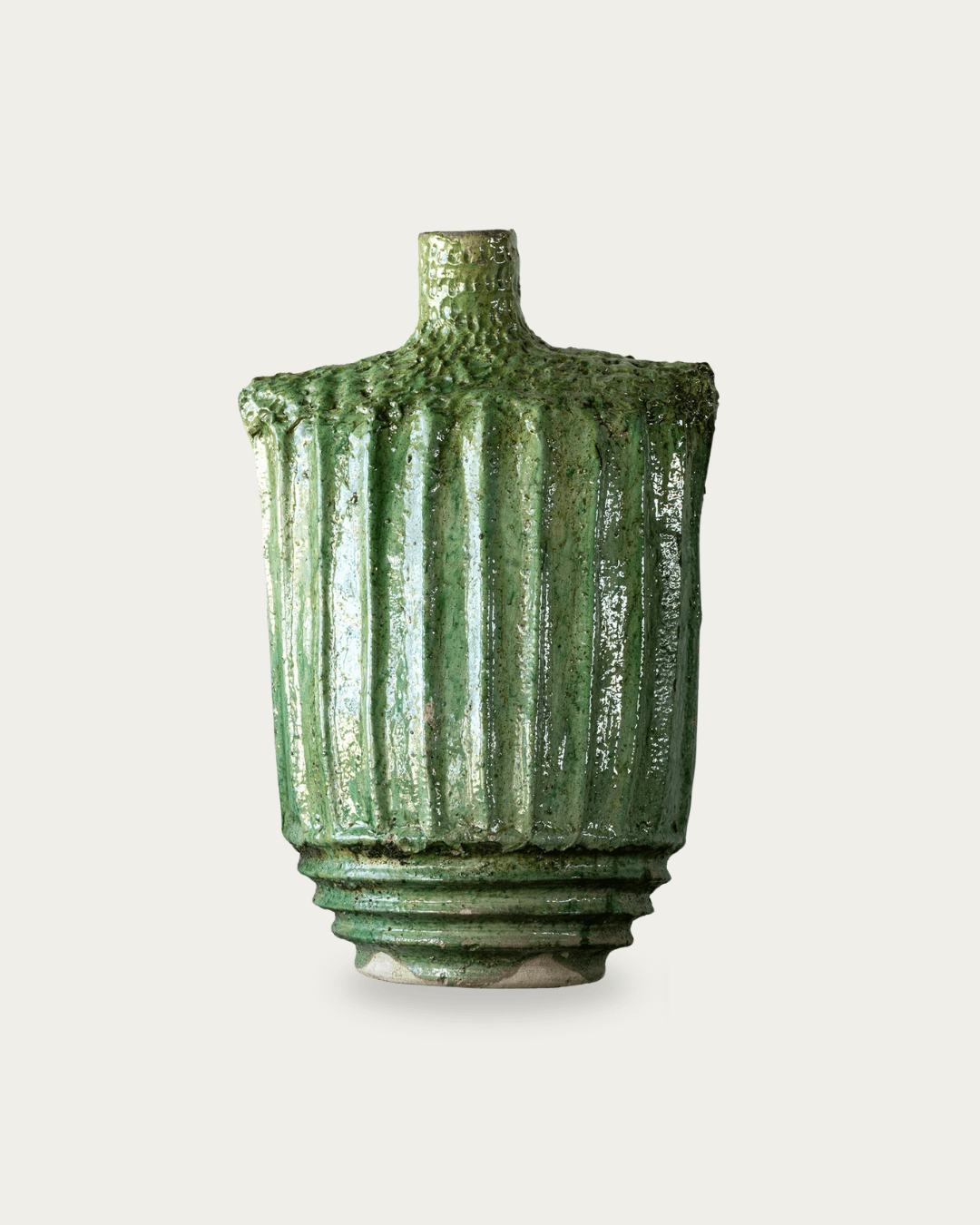
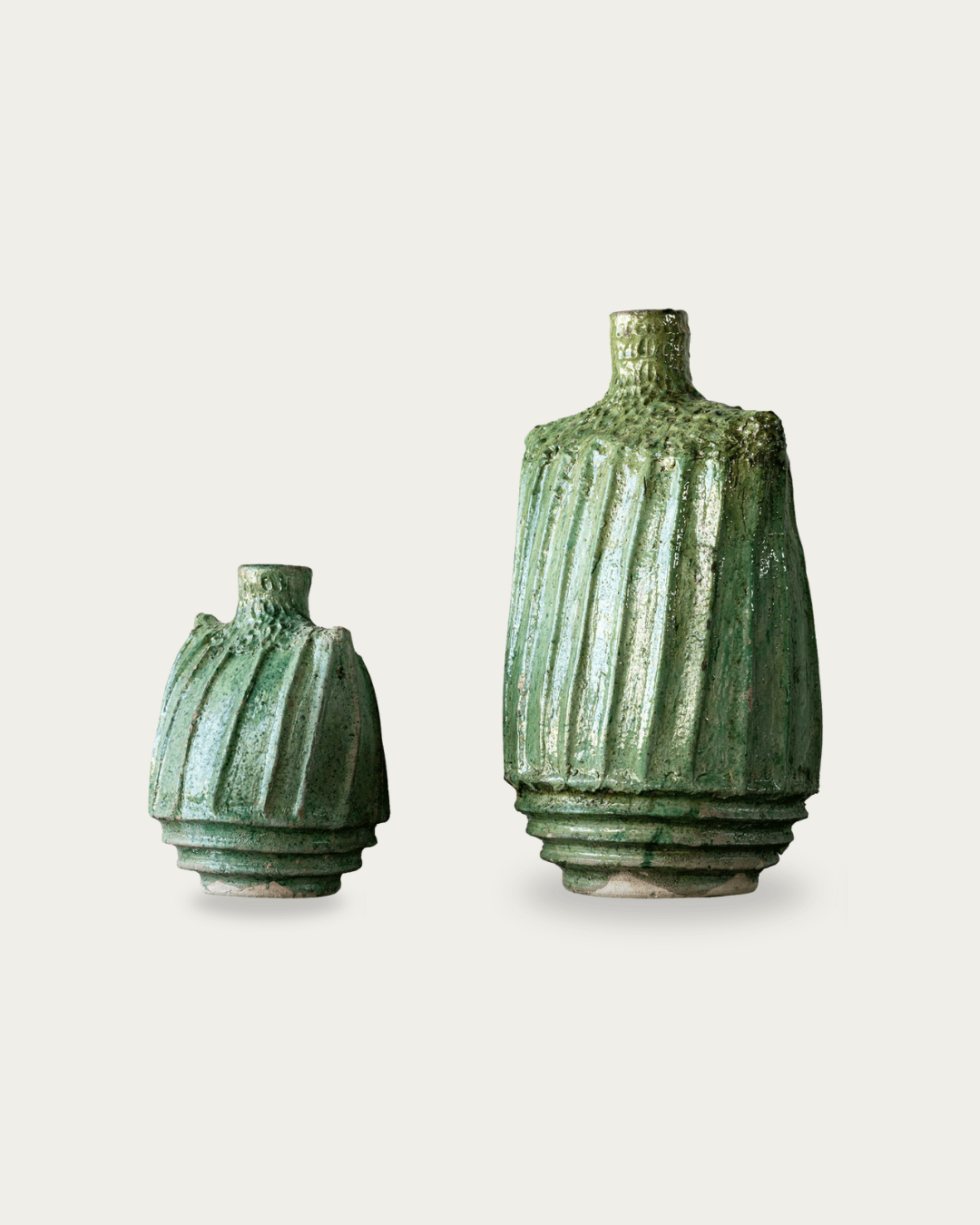
For decorative pieces, repeat one feature and vary another. Ceramics with similar colors can differ in height. Objects with related curves can introduce different surfaces.
Wood, paper, glaze, and woven fibers already provide distinct textures. A few deliberate combinations may be enough to create interest.
Keep individual outlines visible. If a vessel disappears behind a book stack, move it slightly or give it another location.
Then test access. Can you slide out the basket? Lift the books? Clean the shelf? A recognizable group should also be manageable during ordinary use.
Leave Space Where You Want the Eye to Pause
The empty area around an object helps define its shape.
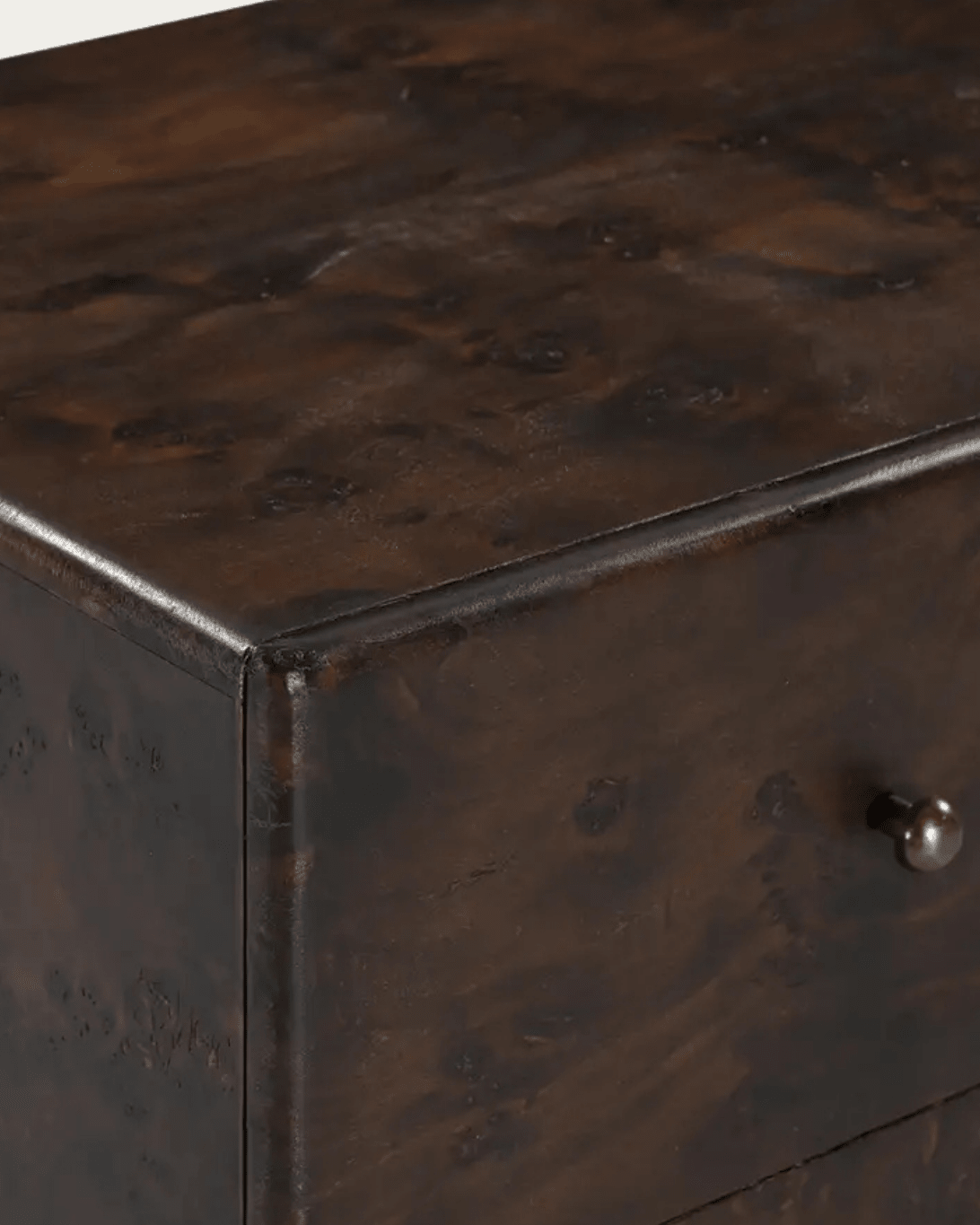
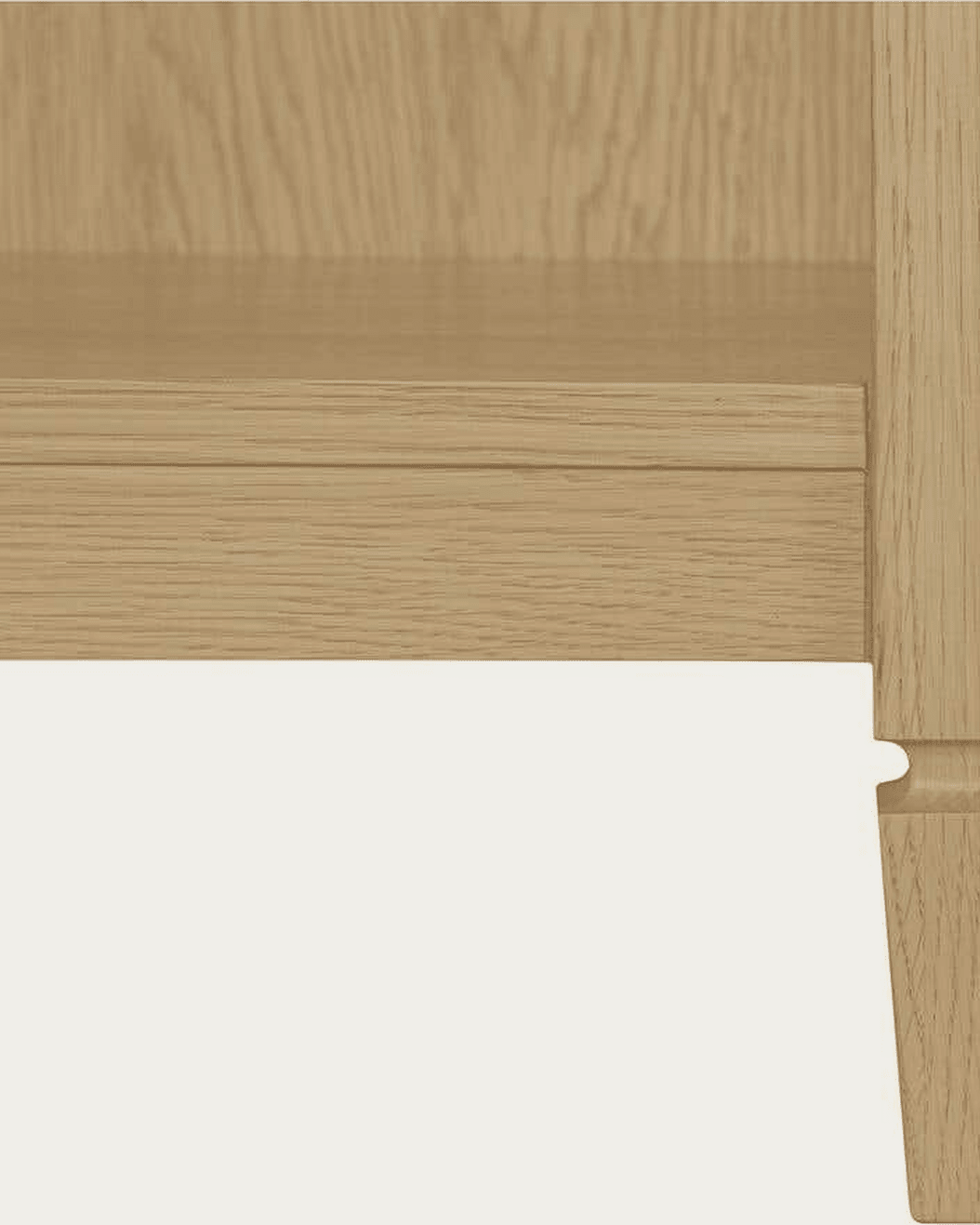
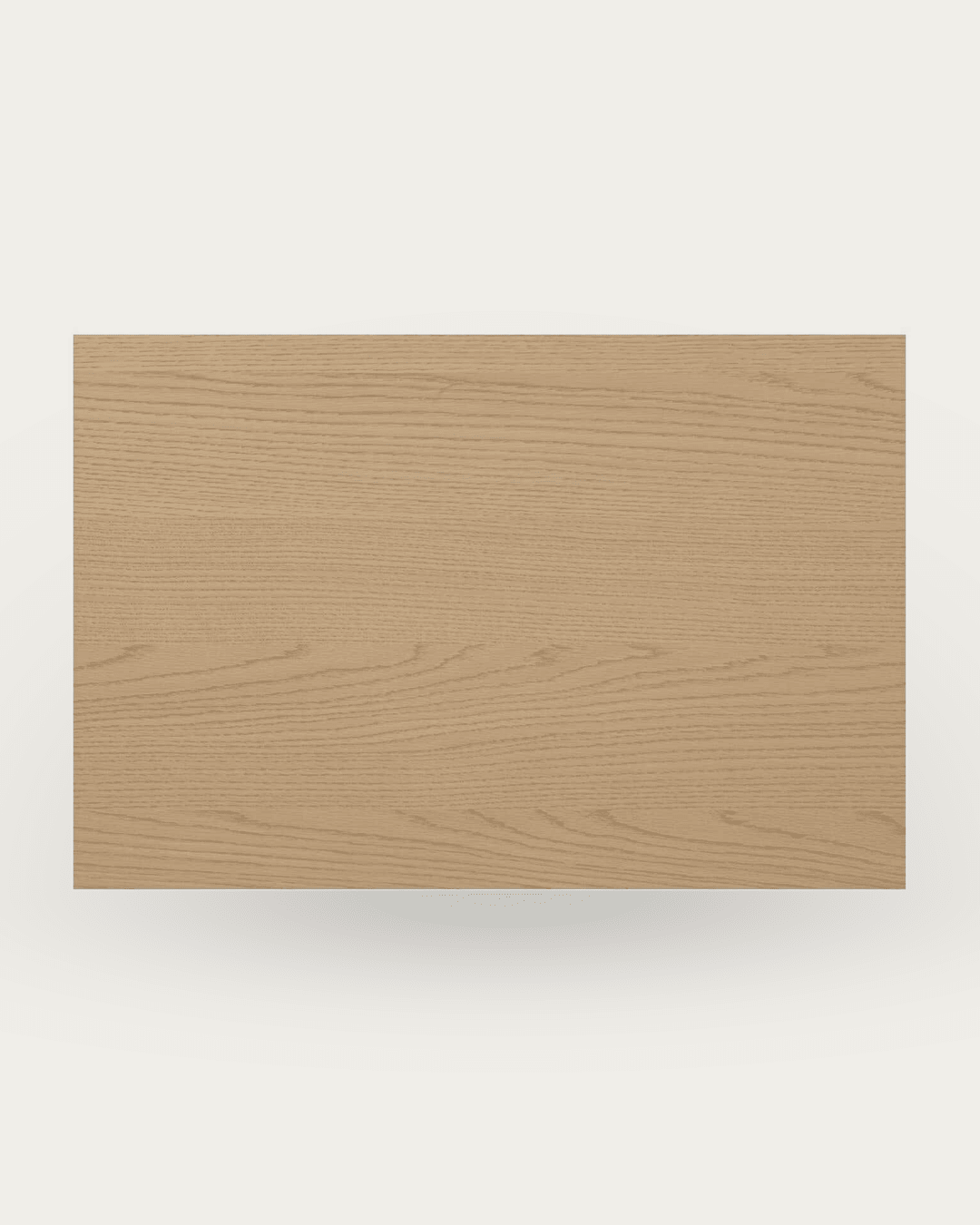
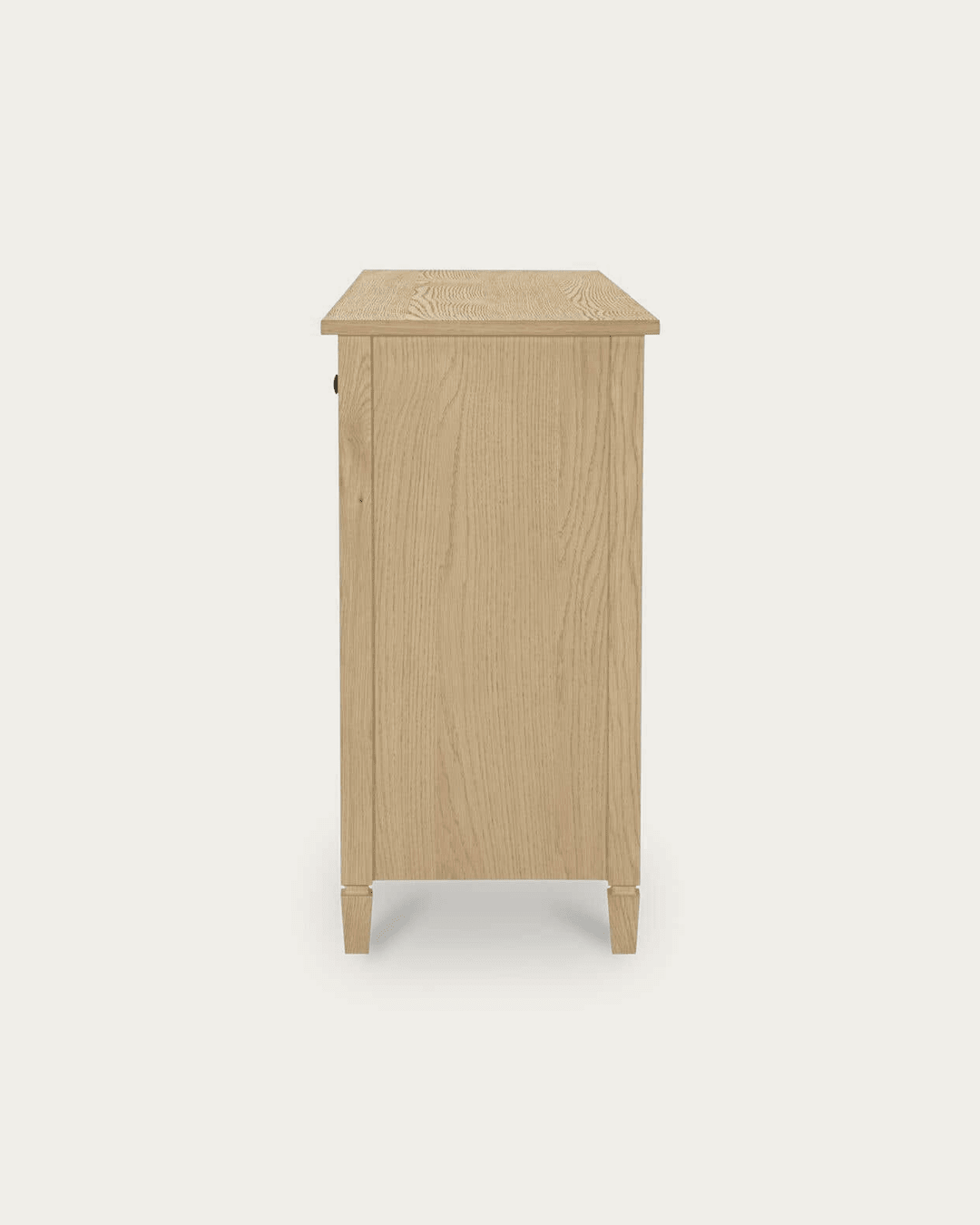
That space also reveals the furniture itself. Wood grain, carving, and variations in finish contribute to the room, so let some of the surface remain visible.
You can have a full collection and still create pauses by separating it into distinct groups.
Adjust the gaps before adding anything
Choose one shelf or tabletop and move its contents into a few clear areas. Leave a gap between them, then look from across the room.
There’s no fixed amount of empty space that every arrangement needs. Assess whether you can distinguish the objects and recognize the main shape.
On a sideboard, reserve some surface for everyday use. A clear area can hold a serving dish, a bag, or something temporarily without disrupting the display.
RUTED Tip: Before adding another accessory, give the existing ones a little elbow room. Sometimes the room needs a gap, and the wood grain deserves its moment.
Leave practical clearance around objects, too. Enough room to lift a pot or wipe the surface makes the arrangement easier to maintain.
Let Vintage Storage Carry the Interest
Vintage furniture often supplies texture through the wood and construction itself.
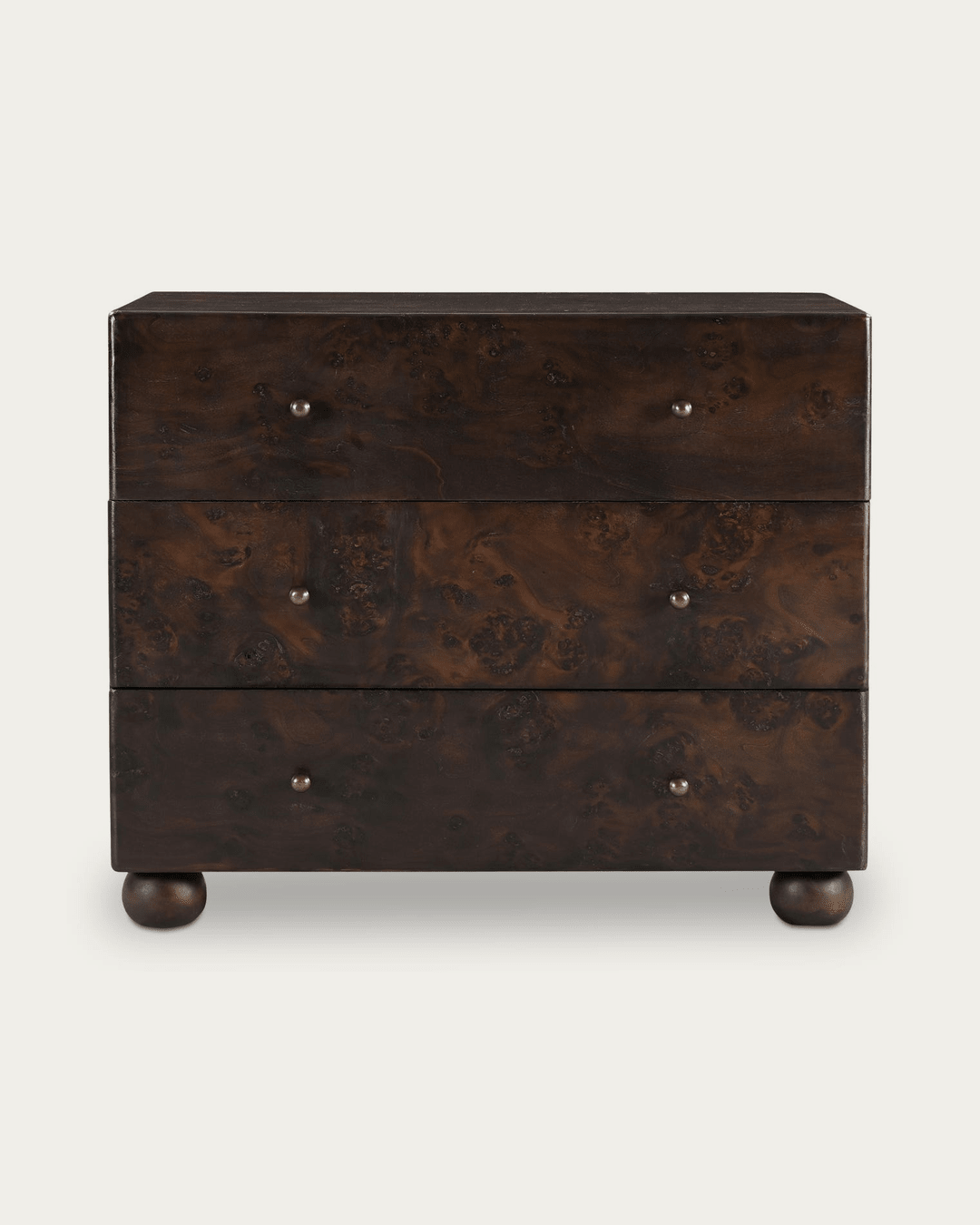
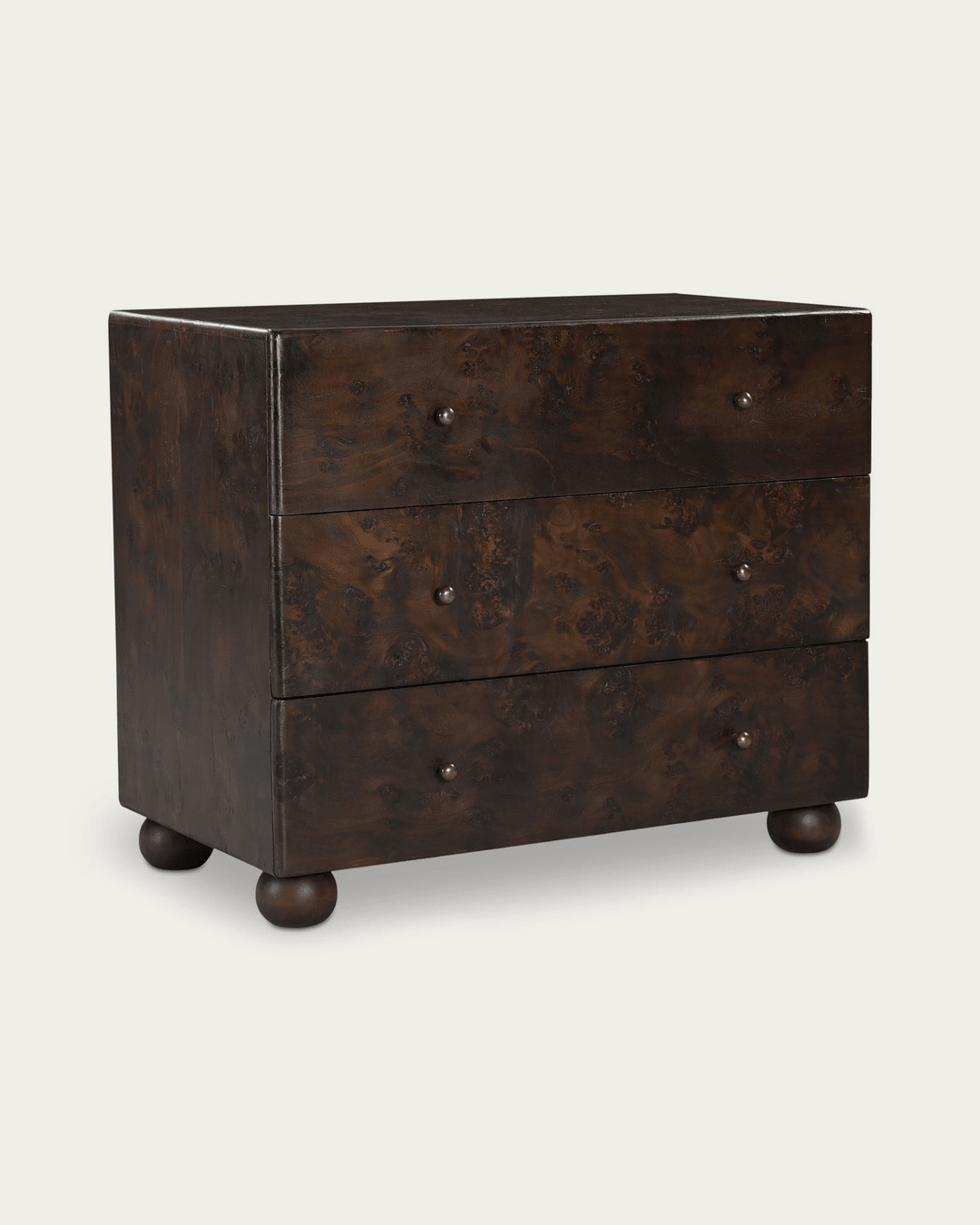
Take that detail into account when choosing neighboring objects. Carved doors, visible grain, and varied surfaces can become part of the focal point rather than a background you need to cover.
Simplify the immediate surroundings
When considering the Agnes wood cabinet, assess its proportions, finish, and interior arrangement against your room and storage needs.
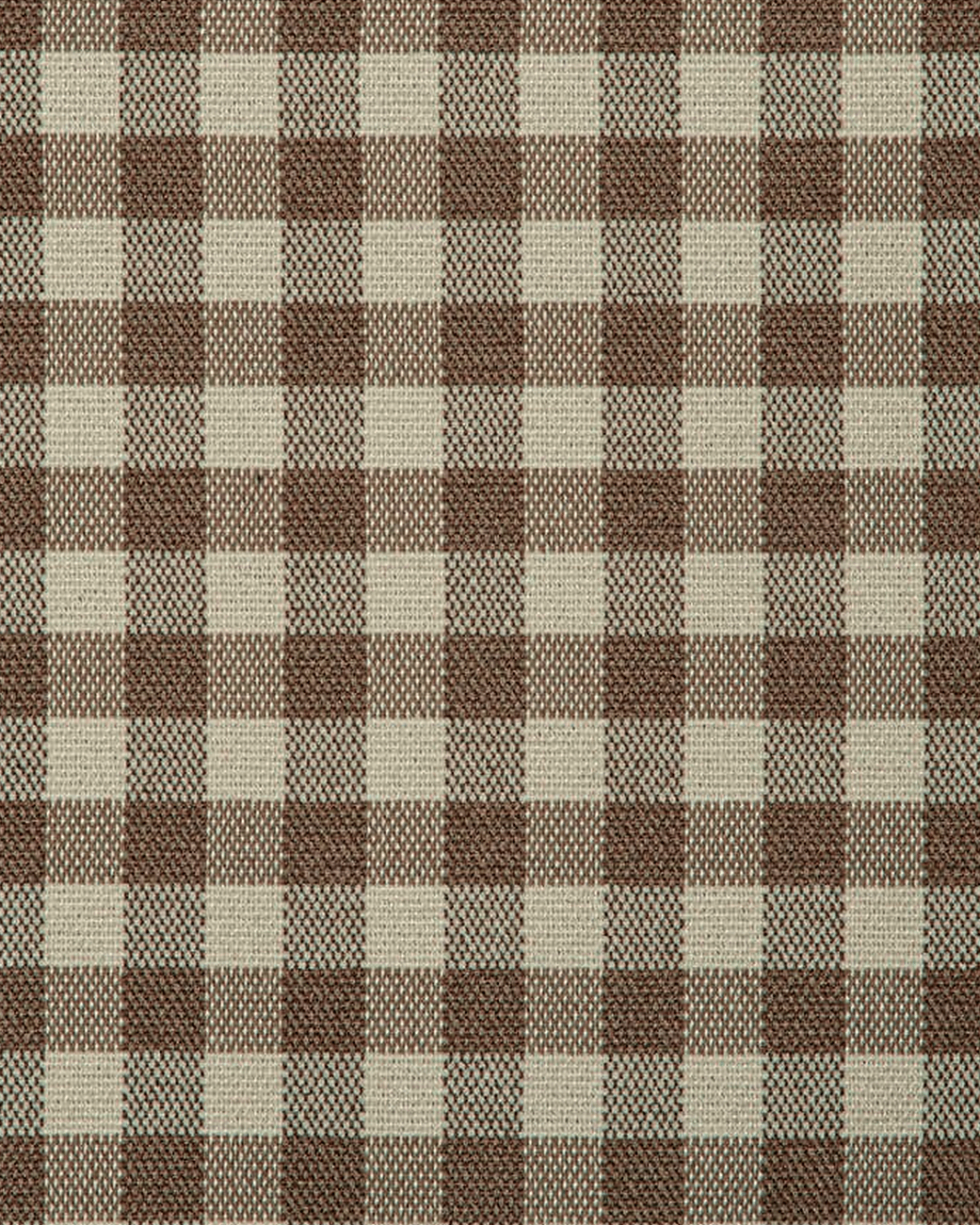
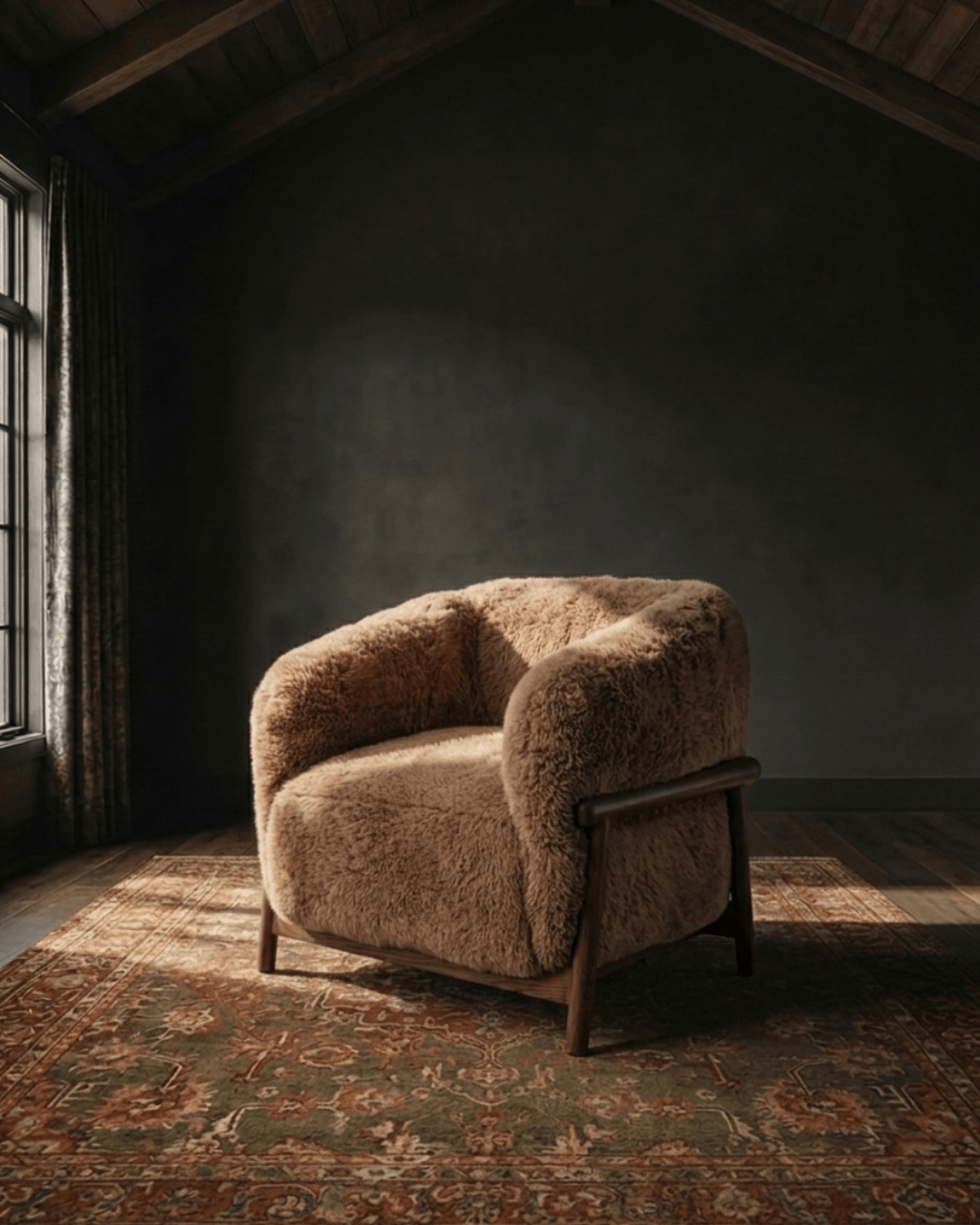
Look at the furniture nearby. A wood cabinet beside a woven rug or upholstered chair already creates a material relationship. You may only need one additional object or artwork to connect the area.
Check the background as well. Patterned wallpaper, detailed art, and a textured cabinet all contribute information. Choose which element should receive the most emphasis, then arrange the others accordingly.
Keep the cabinet’s function central. Measure the belongings you want to store, make sure they fit, and leave room for doors to open comfortably. The piece should support your routine as well as your view.

Test the Arrangement in Everyday Life
Once everything is placed, live with it for a few days.
Look from your usual seat during daylight and under evening lighting. Reflections on glass or glaze may become more prominent, while other objects become less distinct.
Adjust one thing at a time so you can see what changes.
Use comfort and convenience as your checks
Ask whether you enjoy the view and whether the storage works. Can you reach your belongings, put them back easily, and use the surfaces as intended?
Personal preferences matter. Some people enjoy seeing fuller collections; others prefer more space around fewer objects. Treat your response as useful information.
A comfortable home involves more than visual arrangement, including lighting, sound, temperature, and personal associations. Storage is one part you can adjust thoughtfully.
Keep the choices that improve both the view and the routine. Revisit anything that requires constant rearranging.
Make Room for a View You Enjoy
Giving your eye a place to rest starts with a clear anchor, useful storage, and objects arranged so you can appreciate them.
Let the materials contribute. Give your favorite belongings enough space to remain visible, and provide everything else with a convenient home.
When you explore Hello Norden’s vintage furniture, look for a piece that fits your room and your daily life. Start there, then let the arrangement develop around what you enjoy seeing.