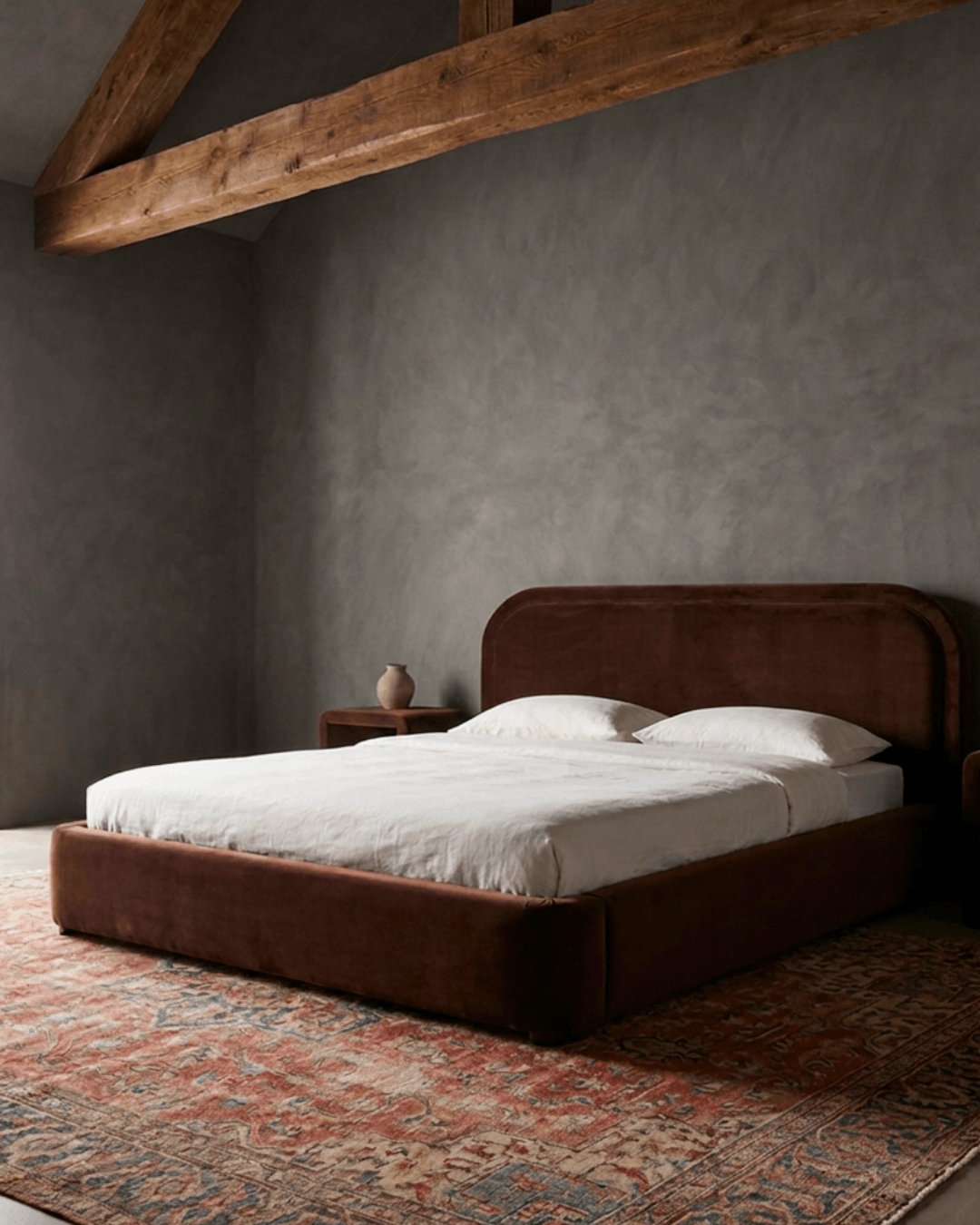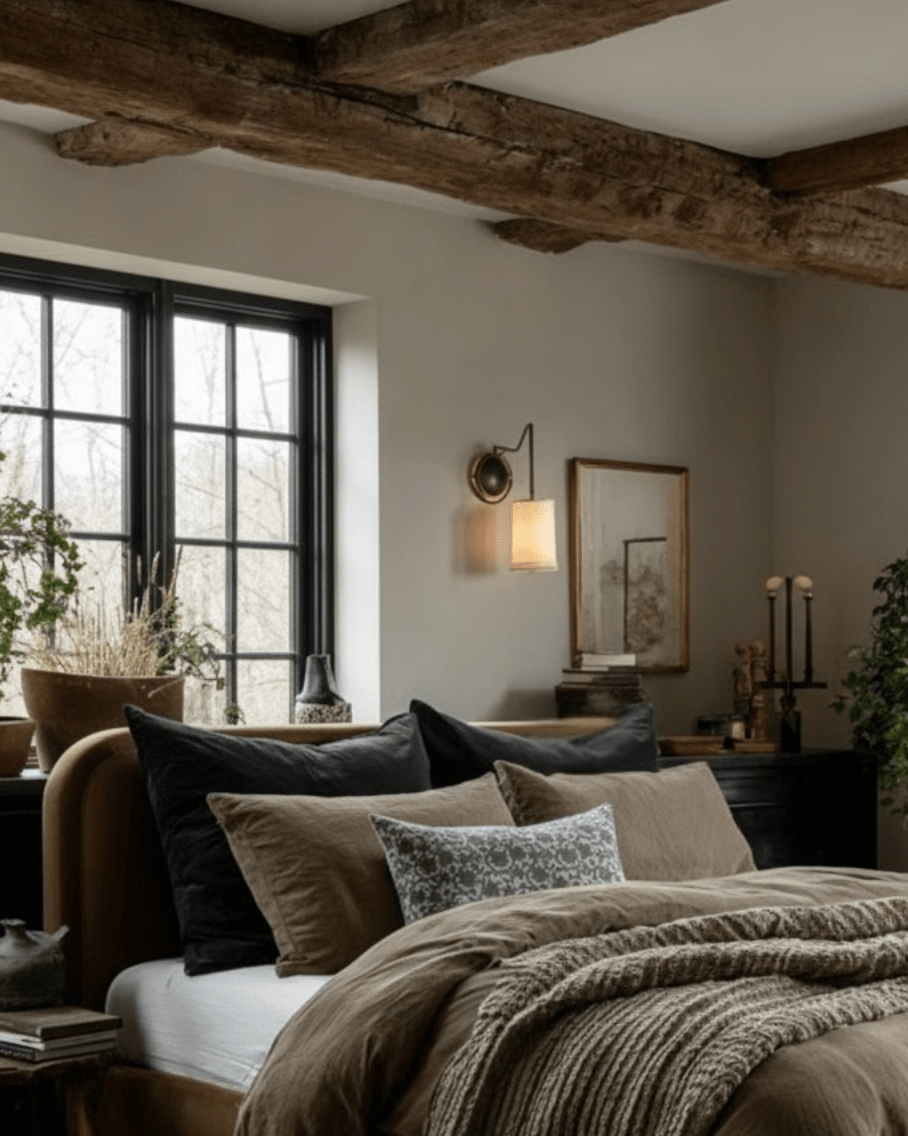








Bedrooms don’t fail because they’re missing personality. They fail because they’re asked to do too much. Screens glow, lighting is harsh, furniture feels temporary, and everything is styled for daytime photos instead of nighttime rest. That’s where vintage decor quietly succeeds. It was never designed to be fast, bright, or disposable—and those qualities happen to be exactly what a bedroom needs.
Vintage decor works in the bedroom because it slows the room down. It introduces materials that absorb light, objects that feel settled, and forms that don’t demand constant attention. When used intentionally, it turns the bedroom into a space that supports rest rather than stimulation.
The Bedroom Benefits From Objects With a Past
Unlike living rooms or kitchens, bedrooms don’t need to perform for guests. They need to feel stable, predictable, and grounded. Vintage home decor naturally supports that because older objects tend to have visual weight and material honesty.
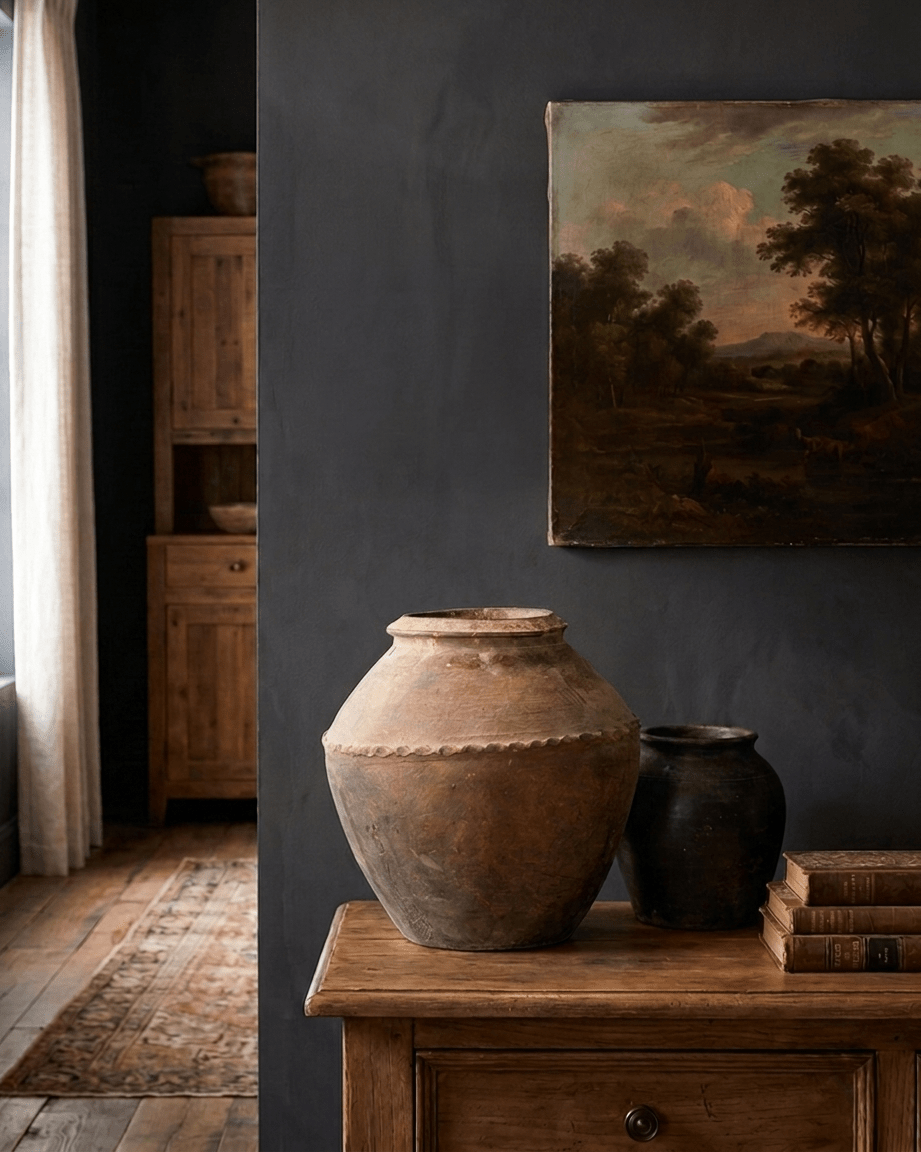
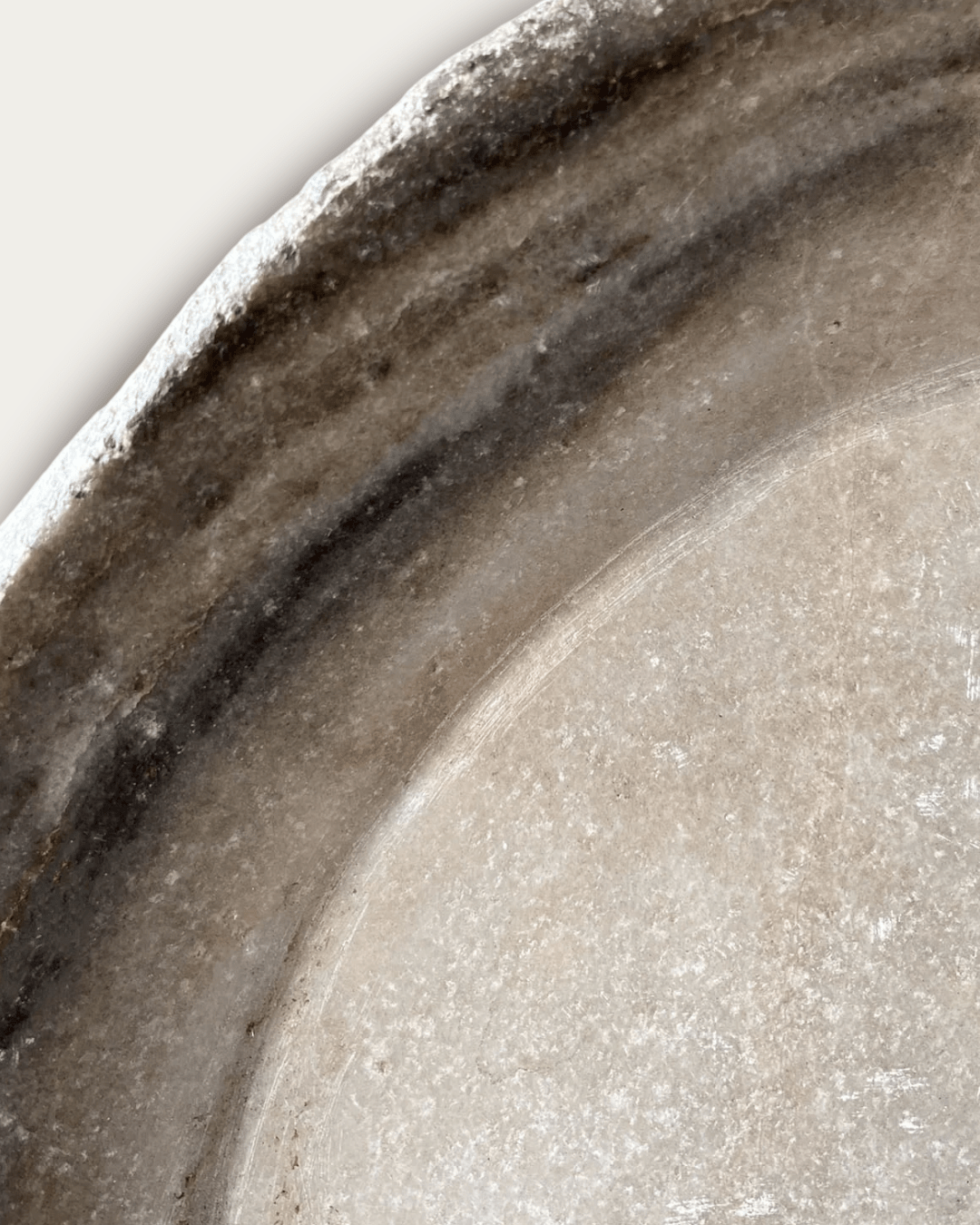
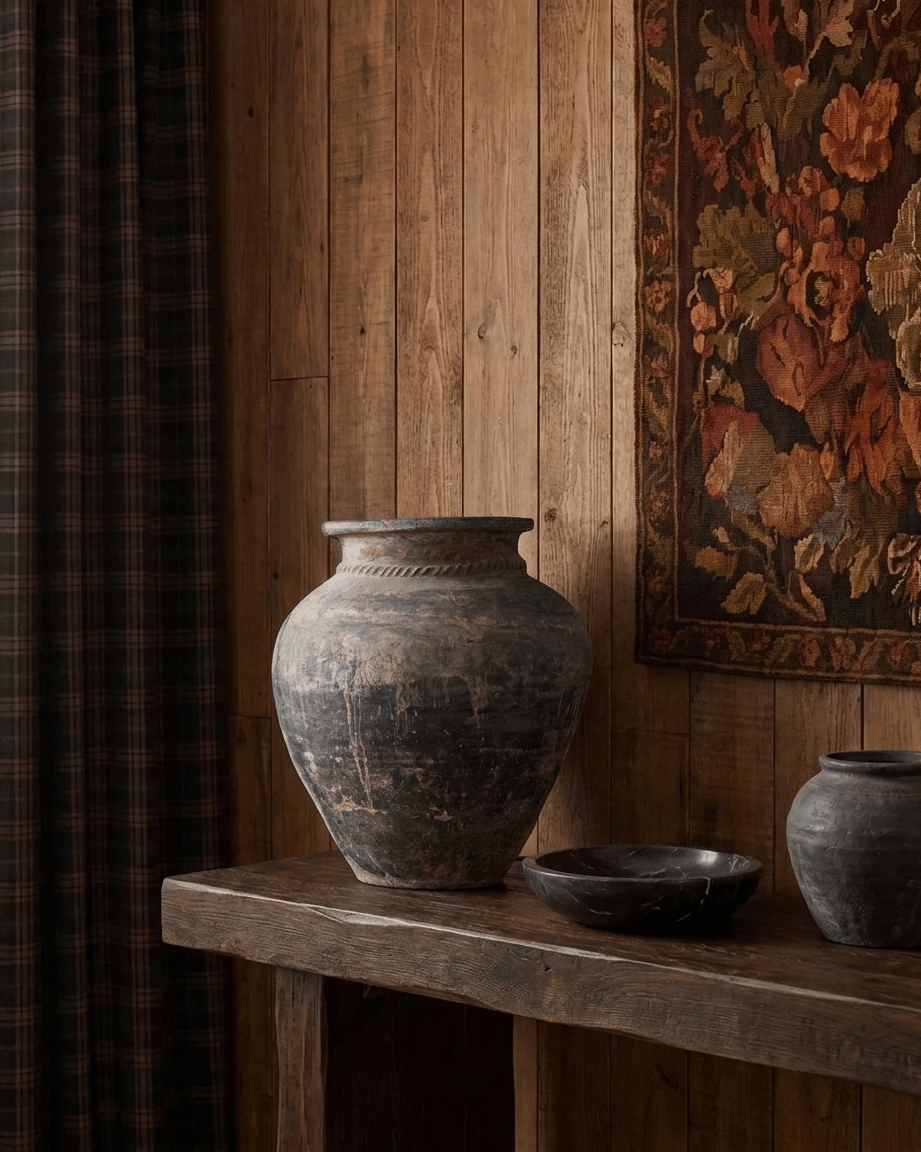
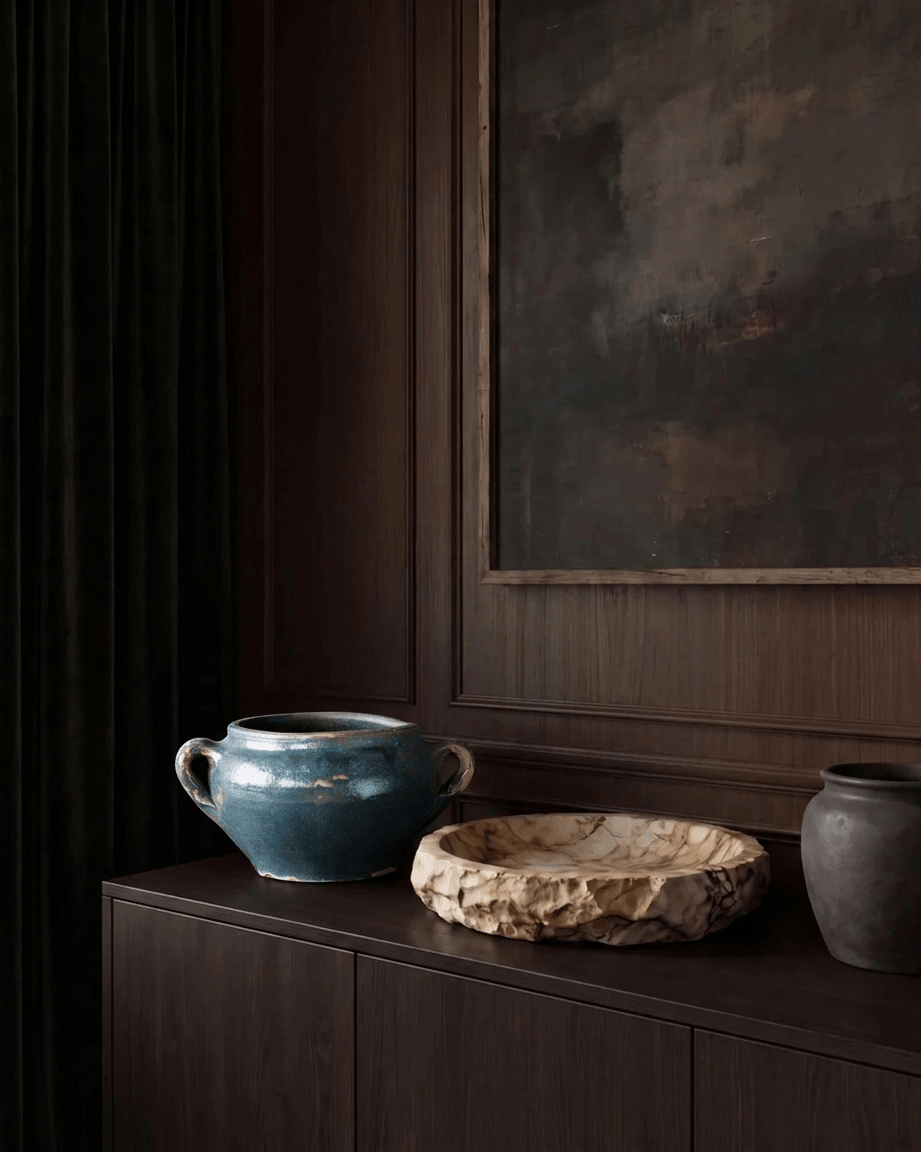
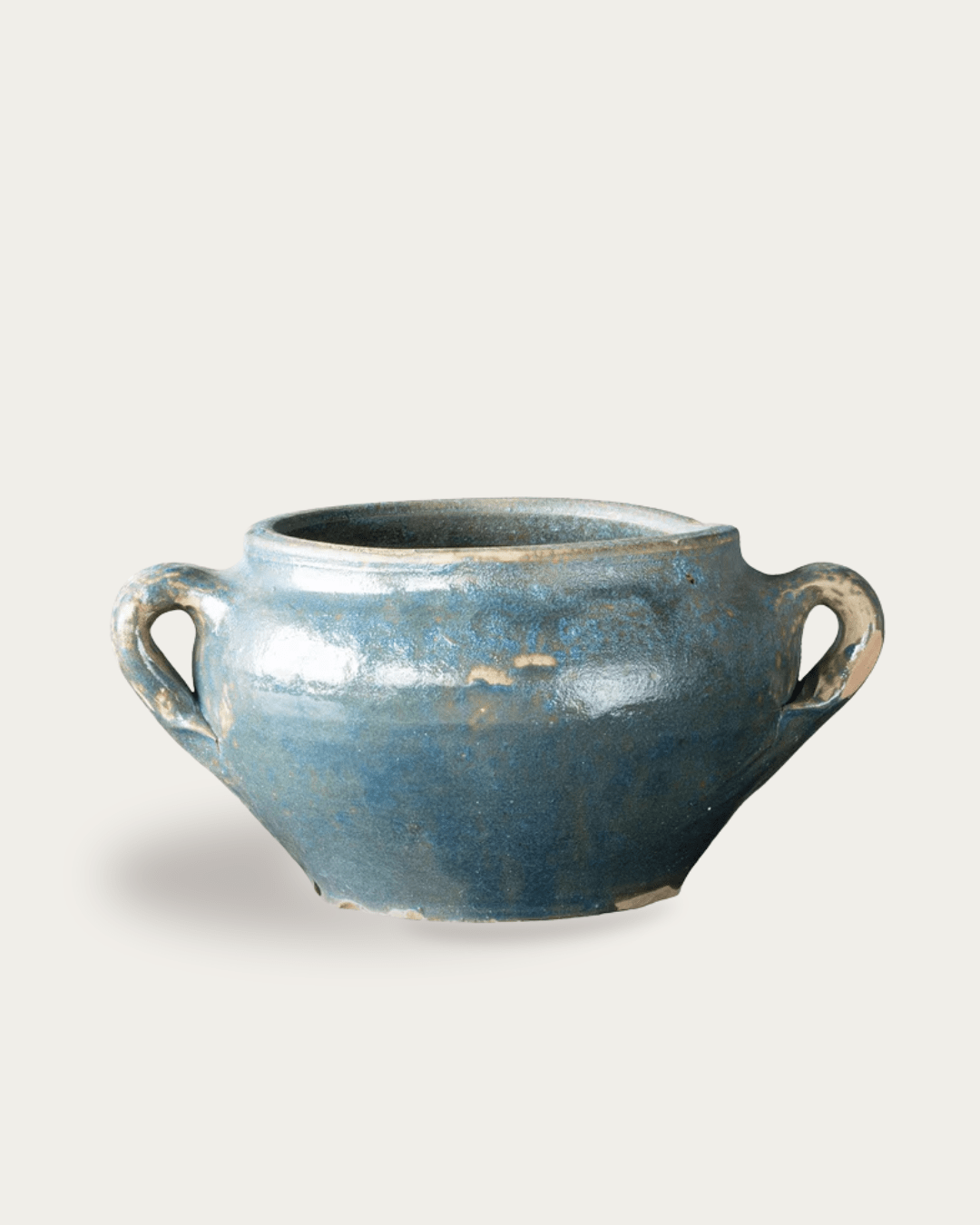
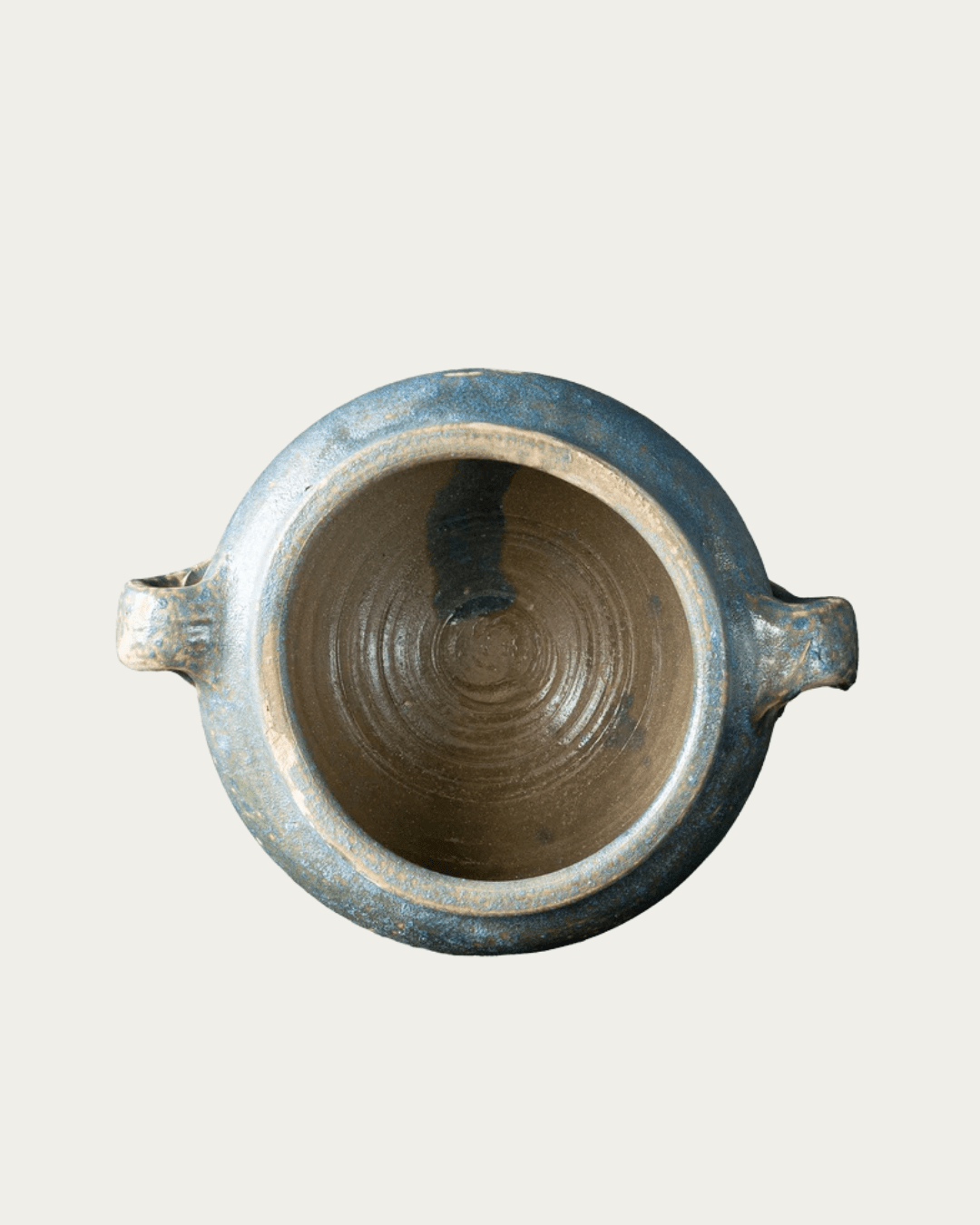
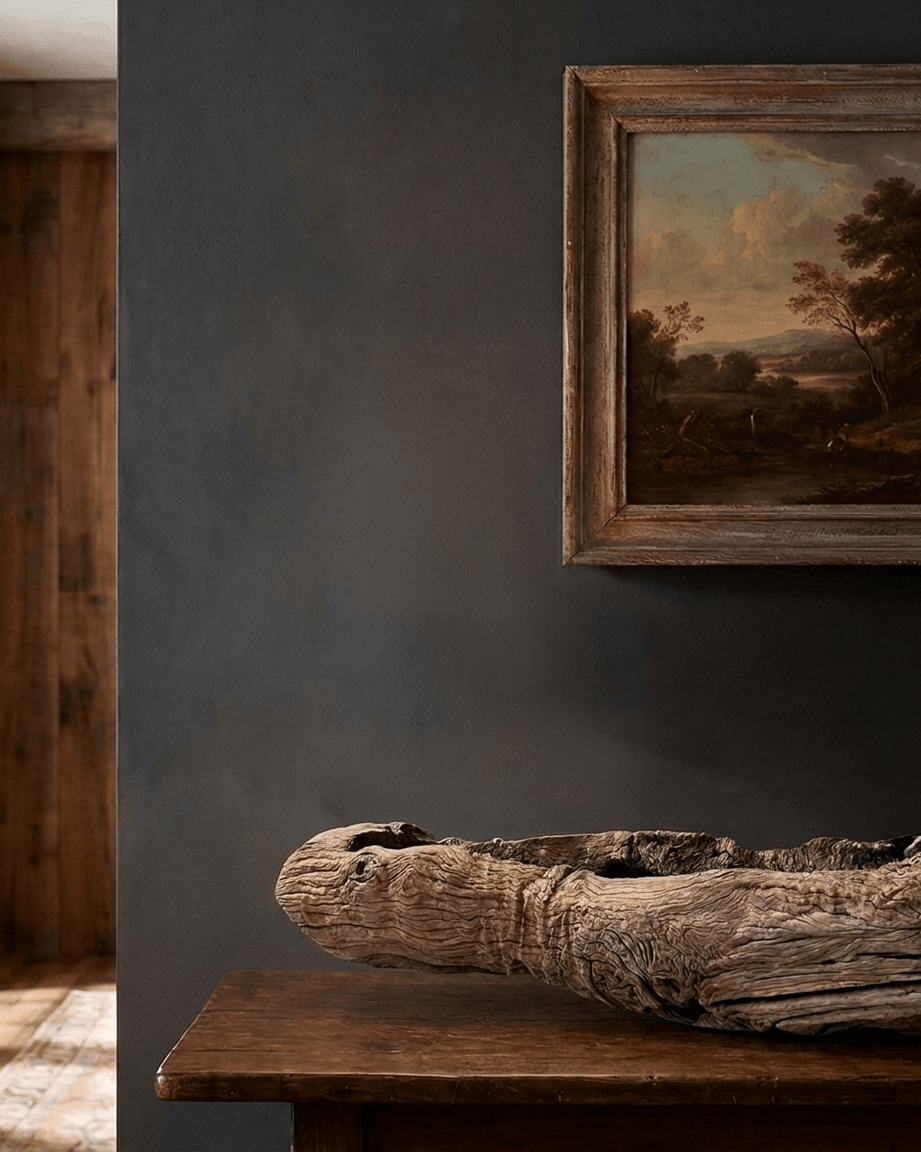
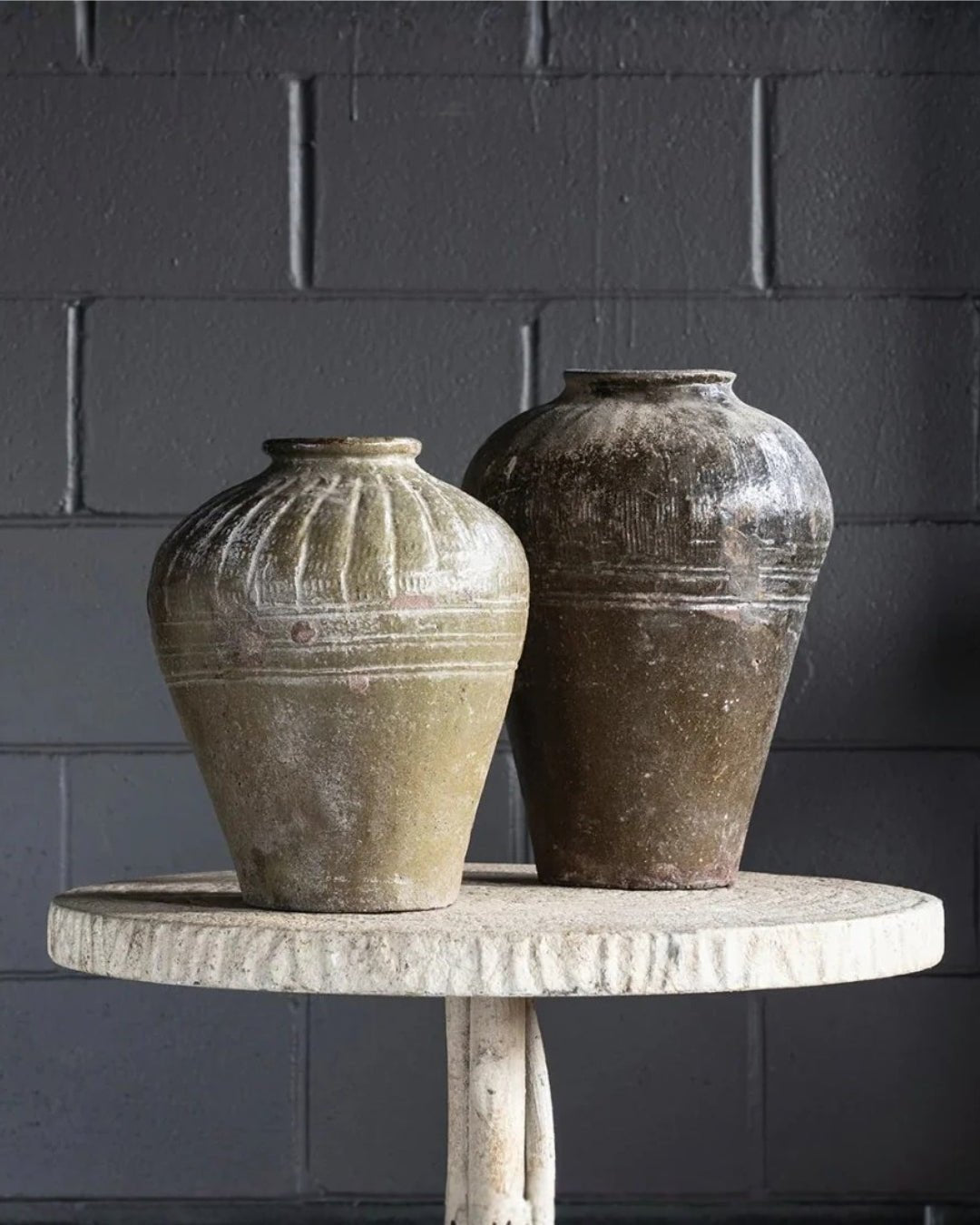
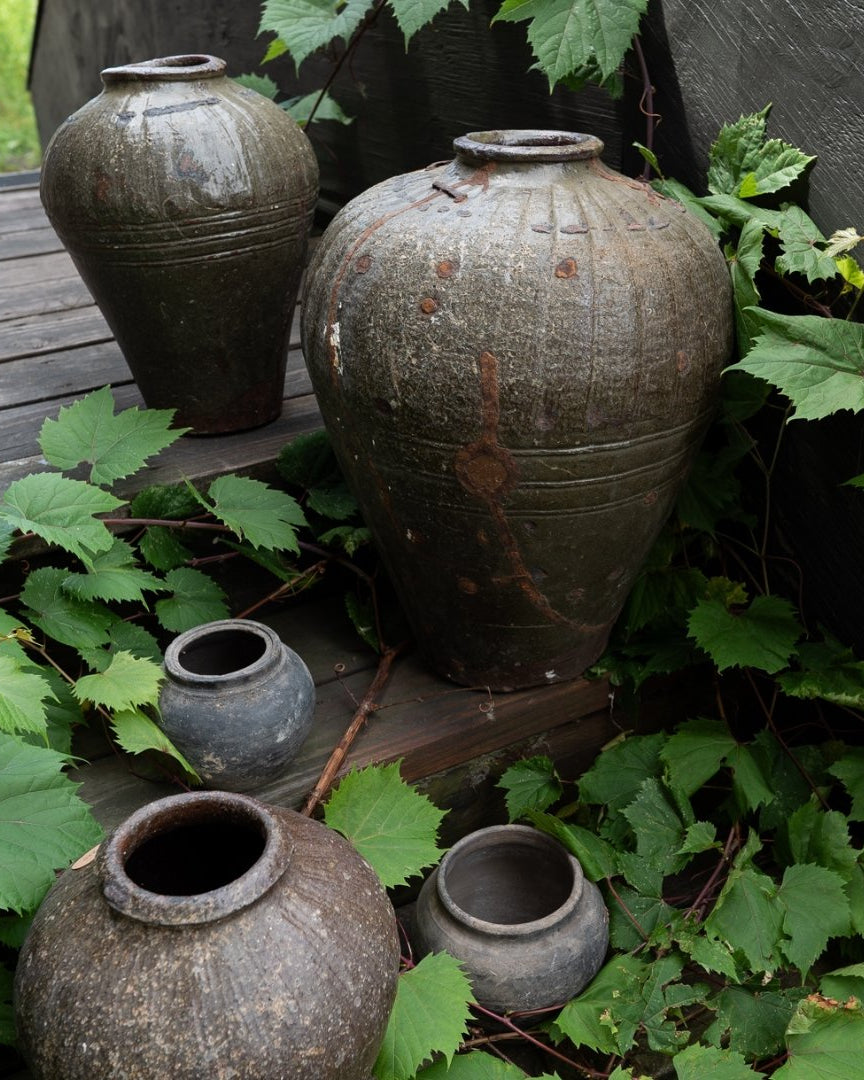
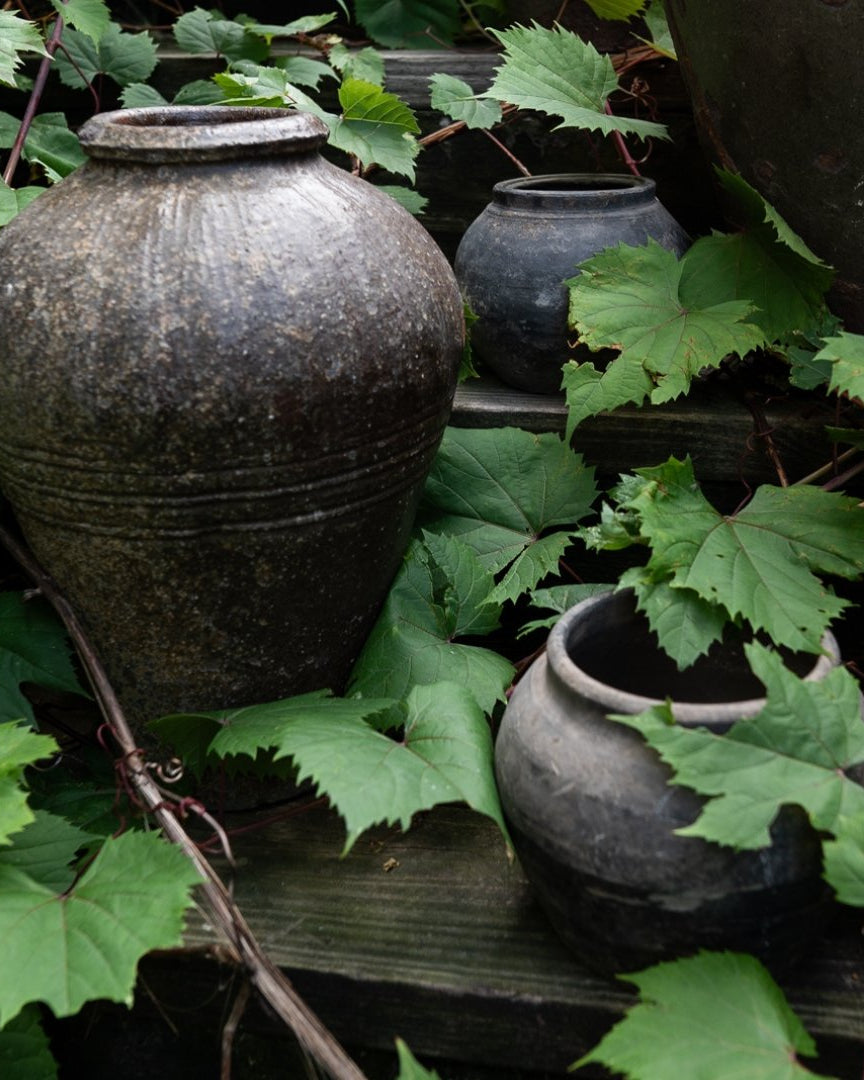
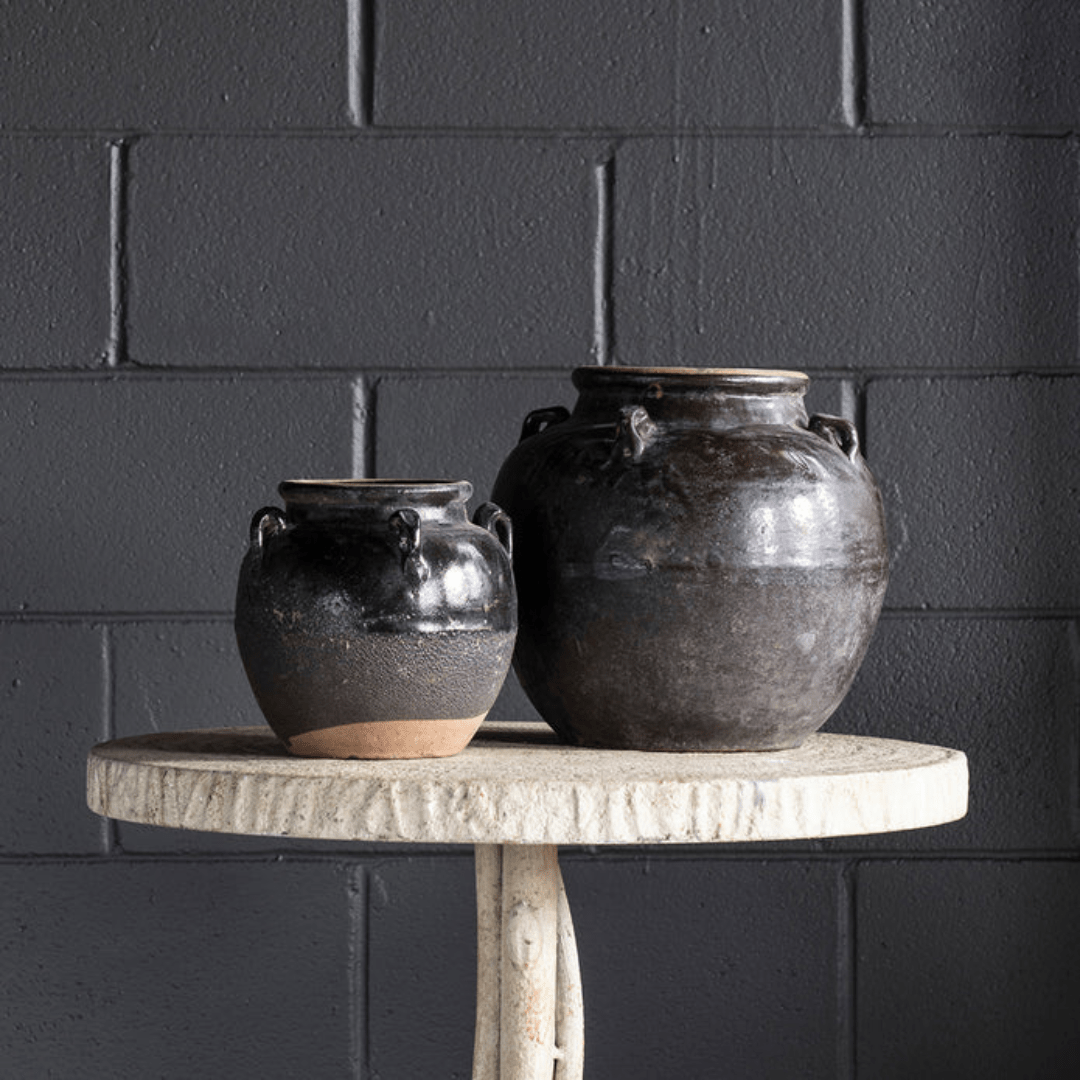
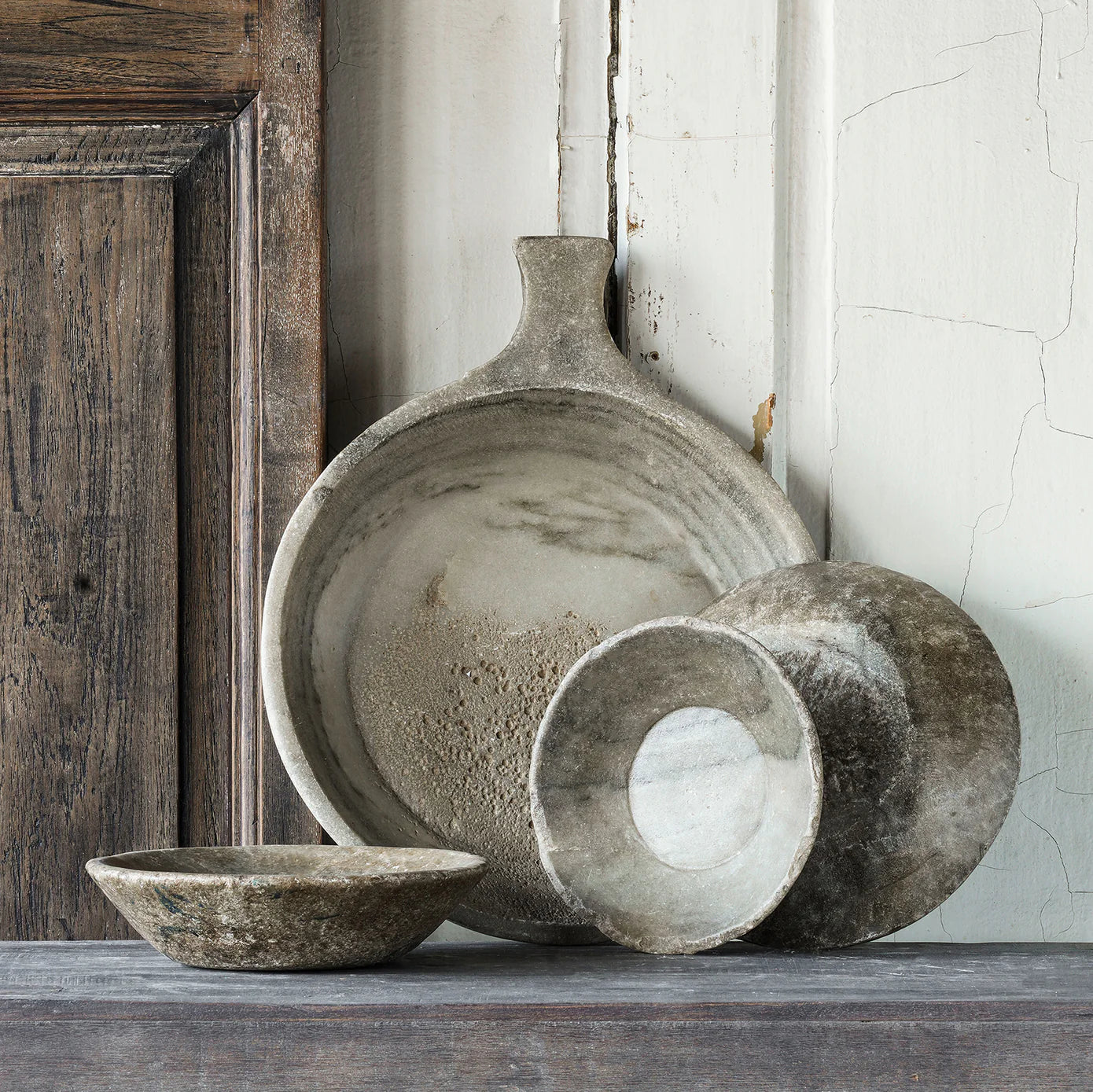
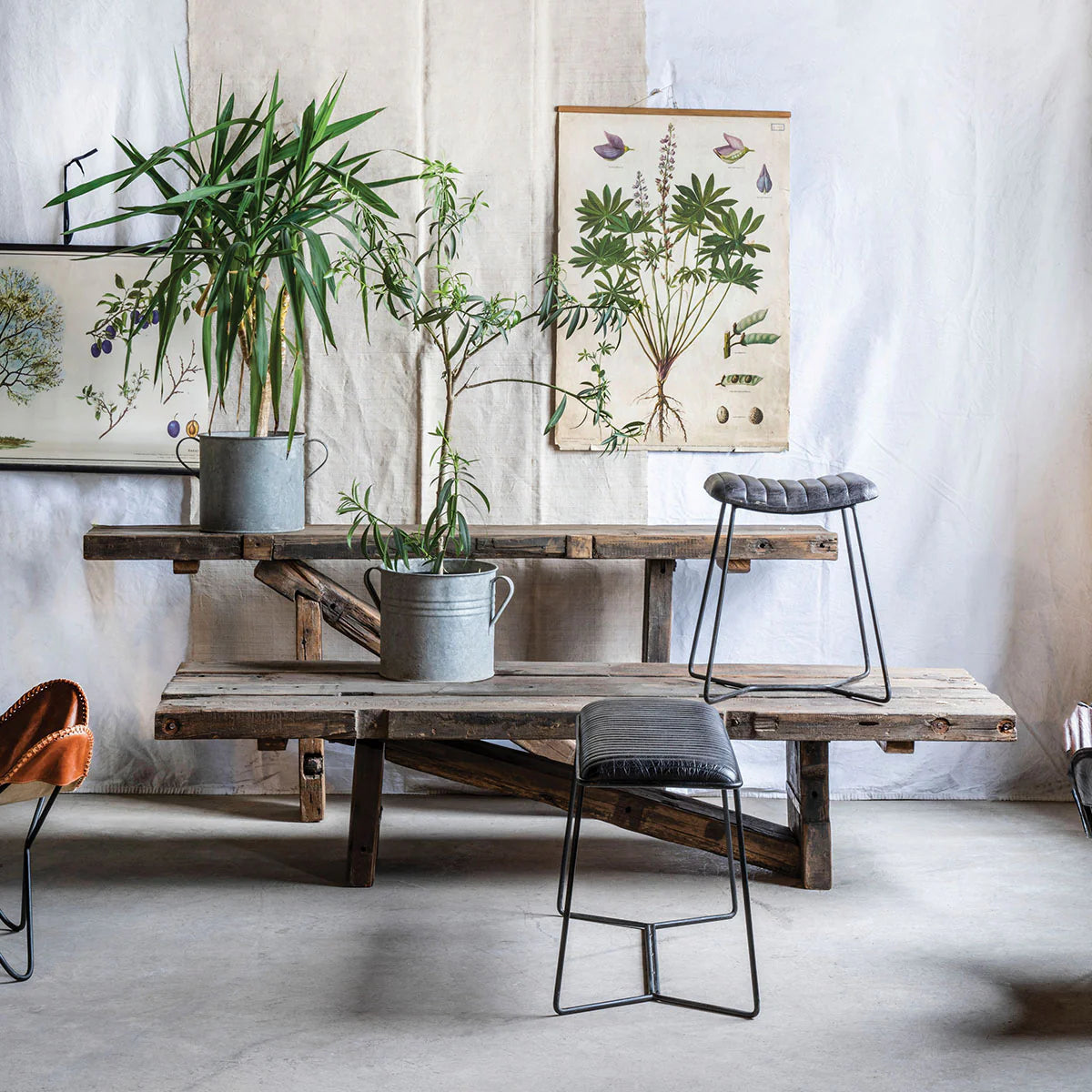
A weathered wood surface, a hand-thrown vessel, or a patinated metal piece brings depth without shine. These materials soften the room without making it precious. They also age well under low light, which matters in a space meant to be dim for long stretches of the day.
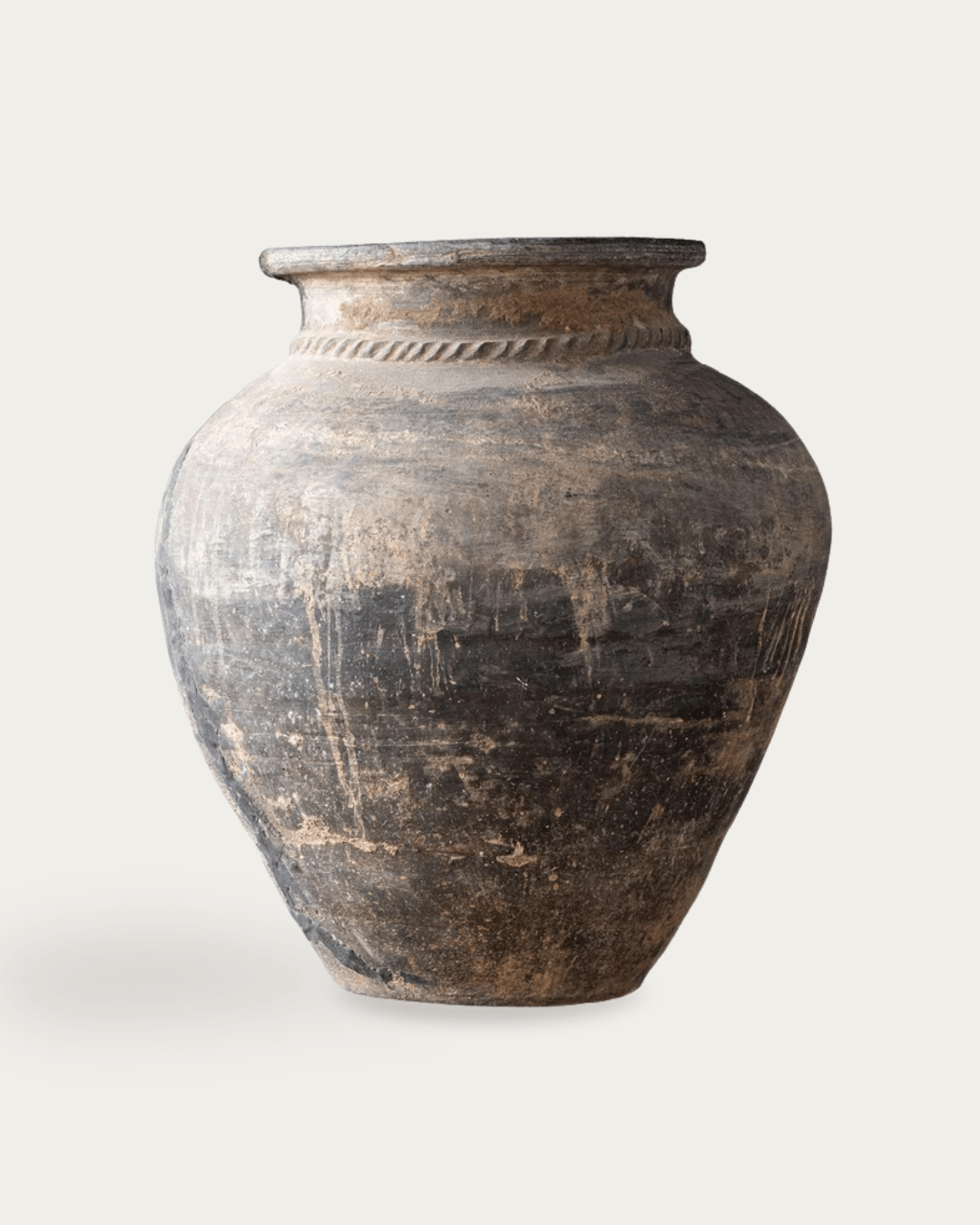
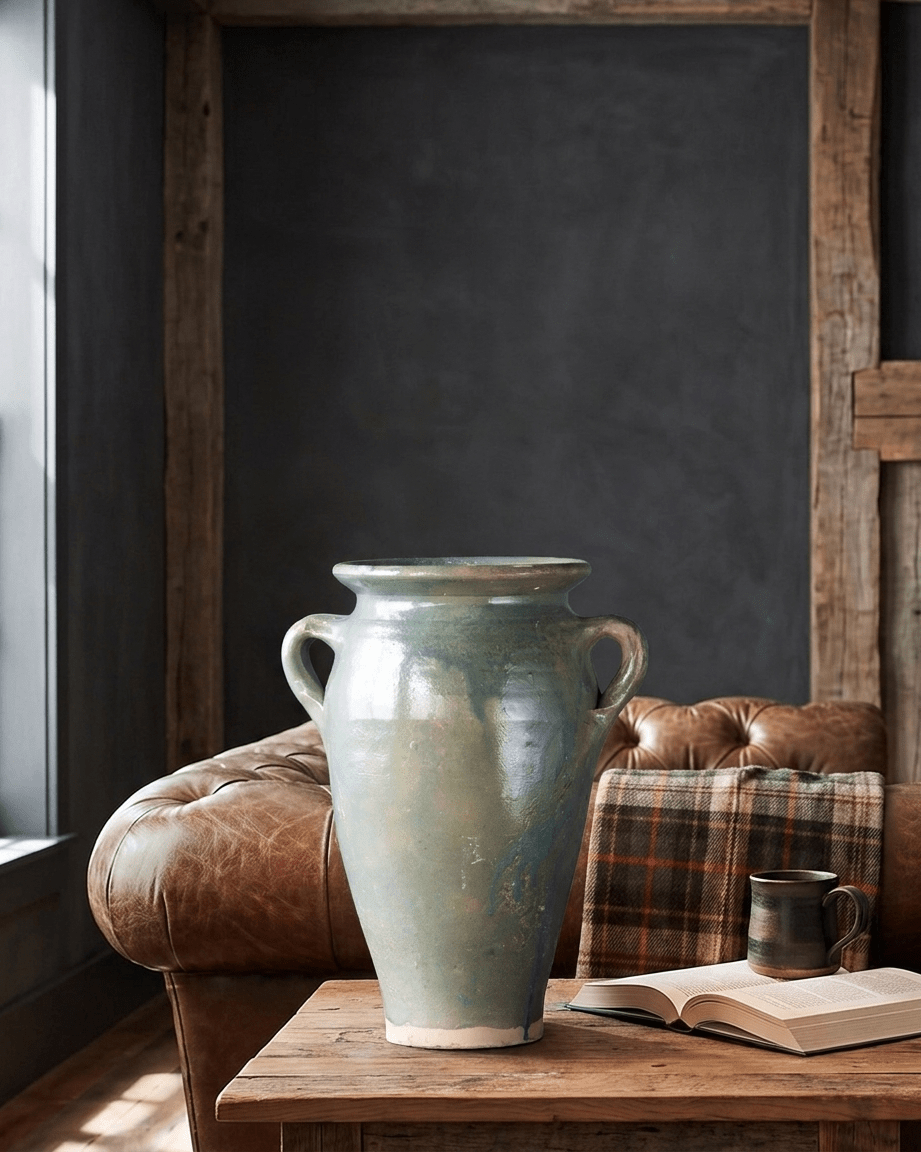
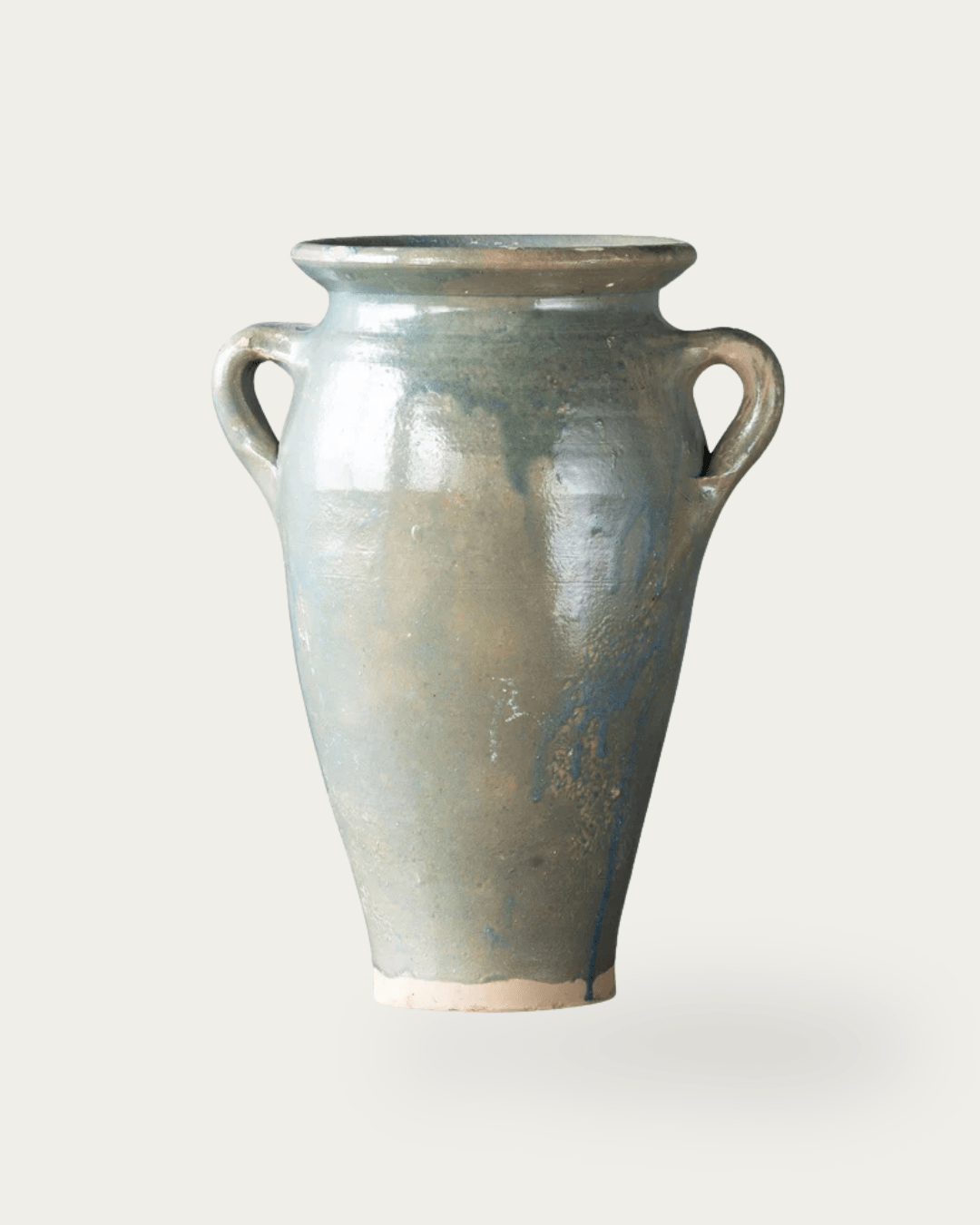
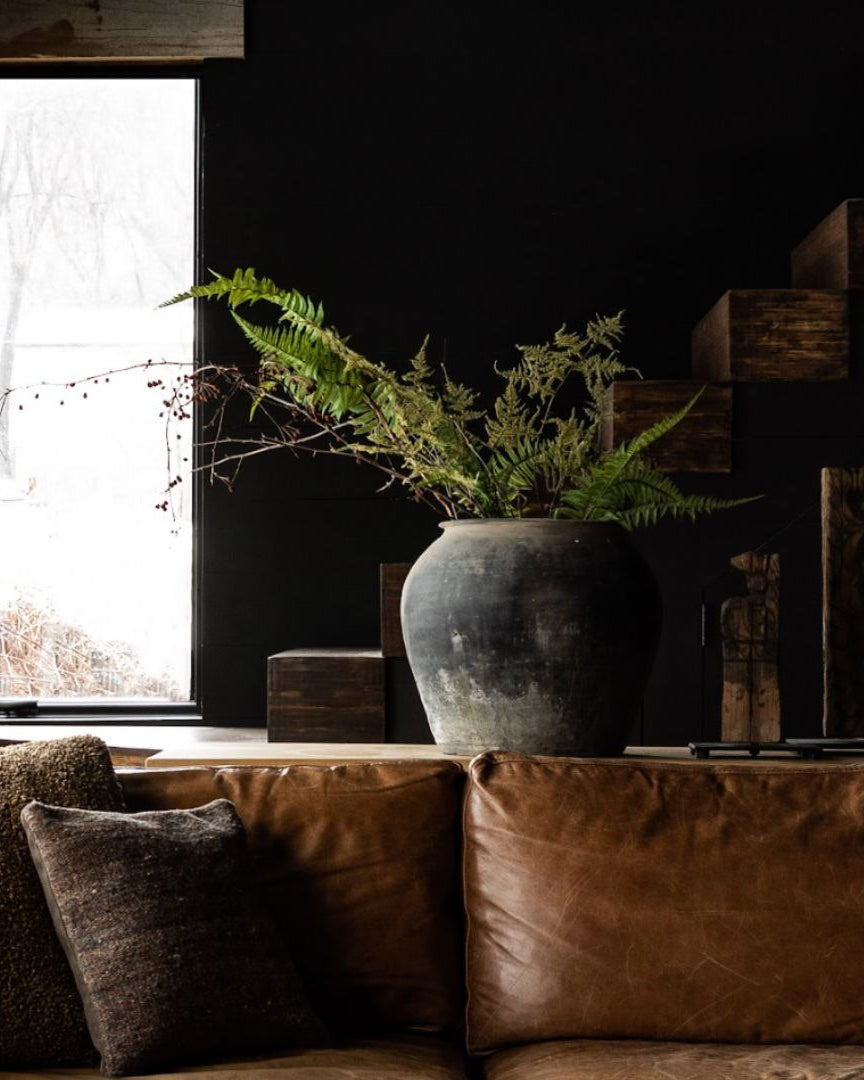
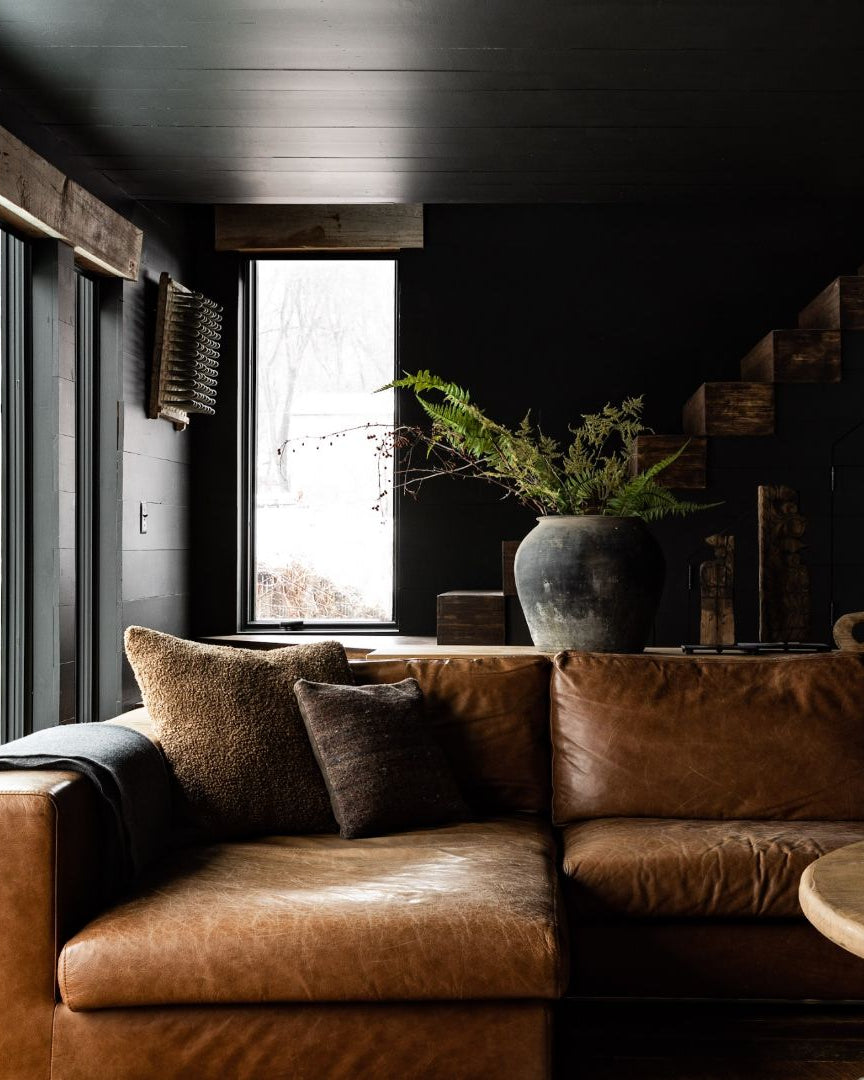
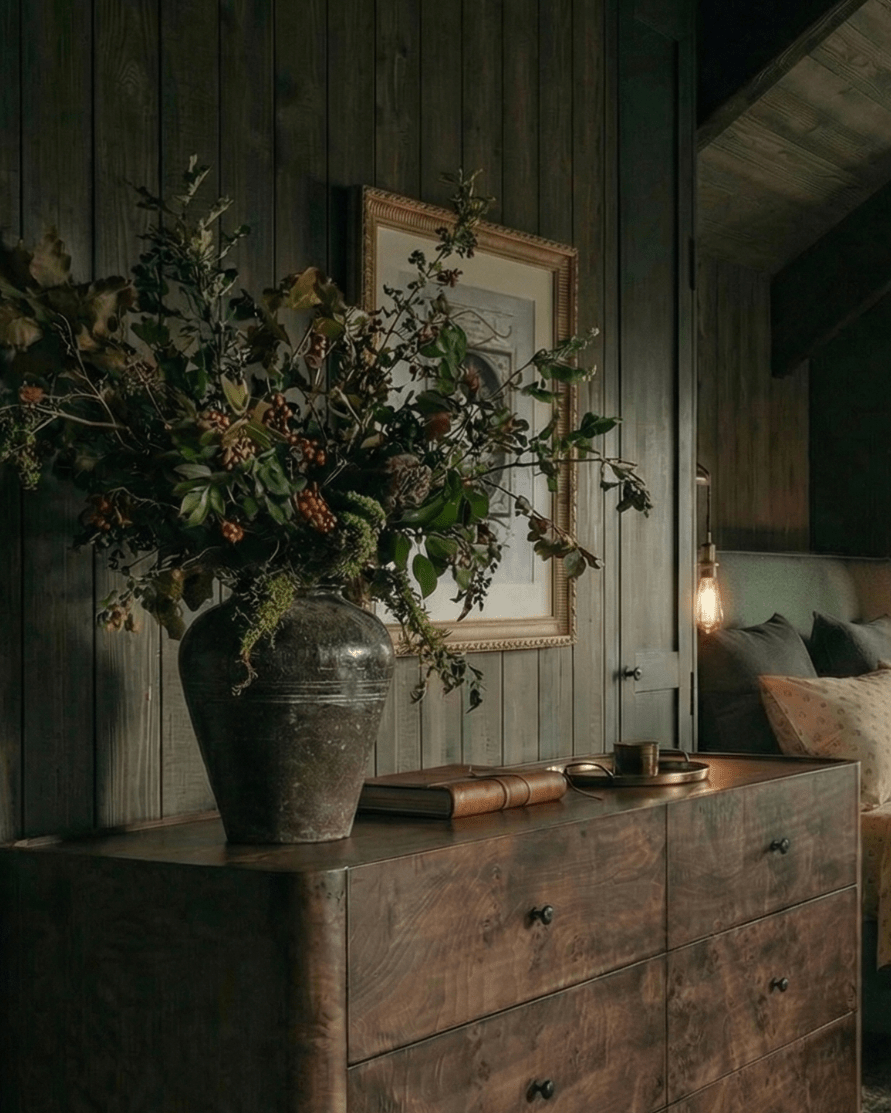
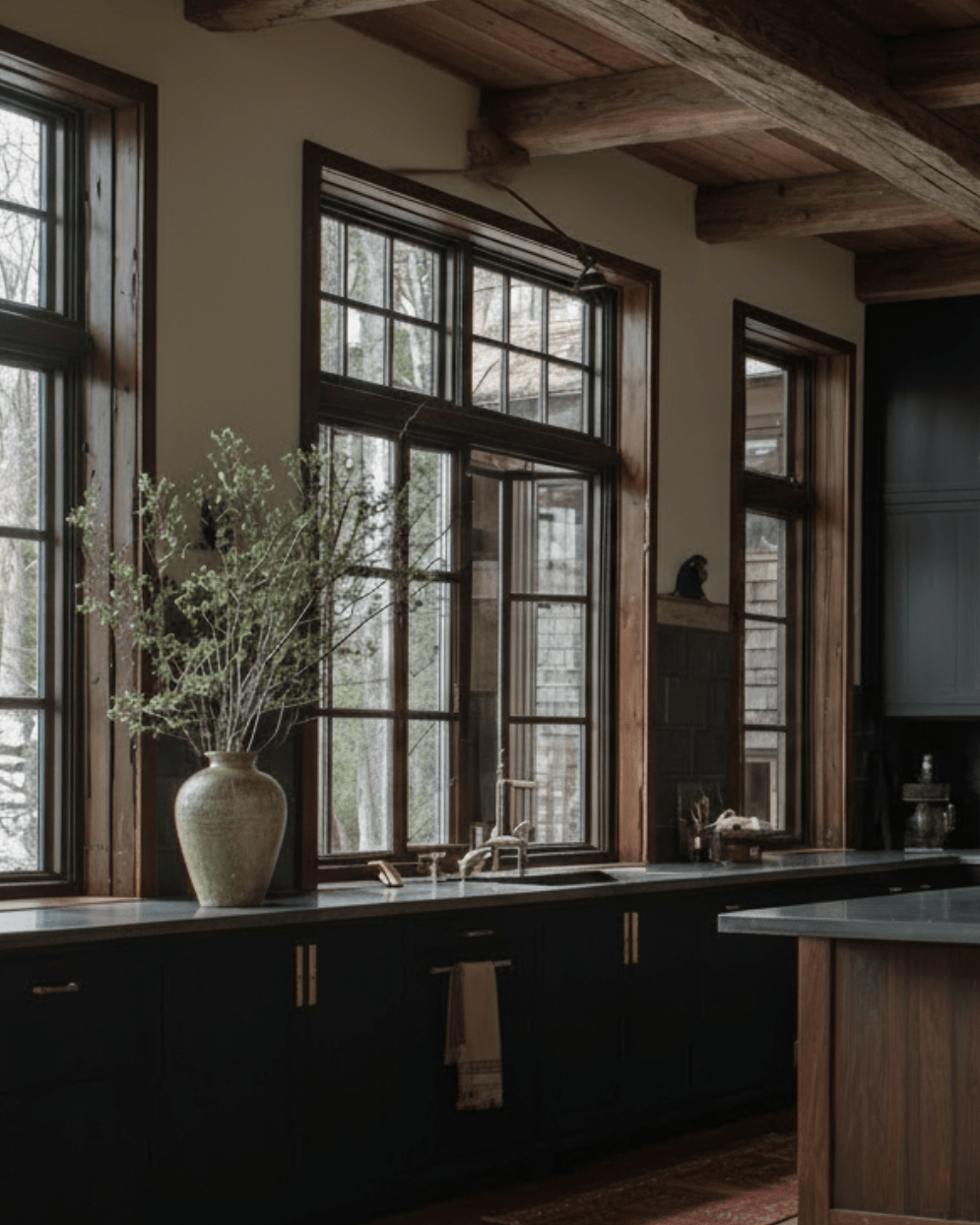
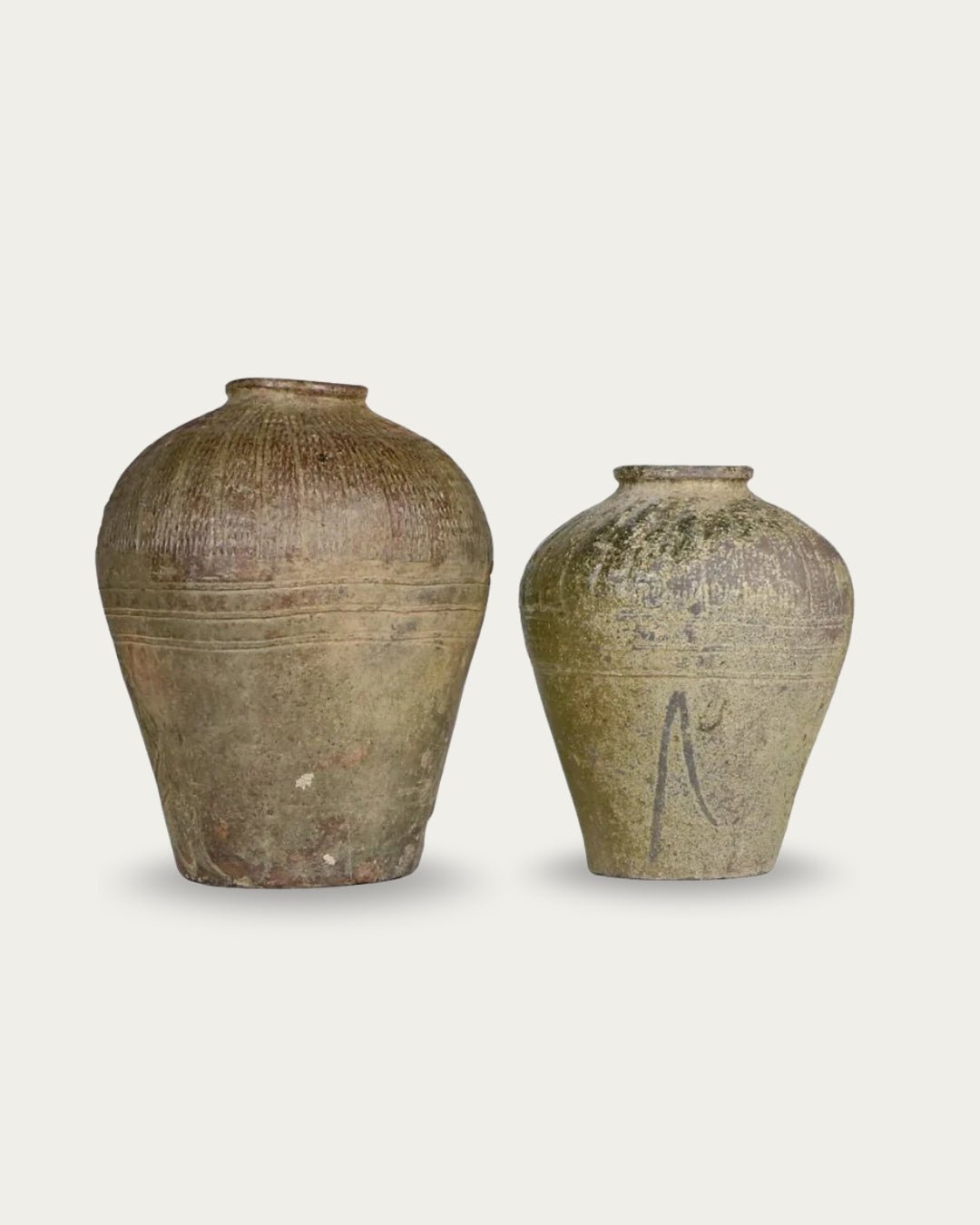
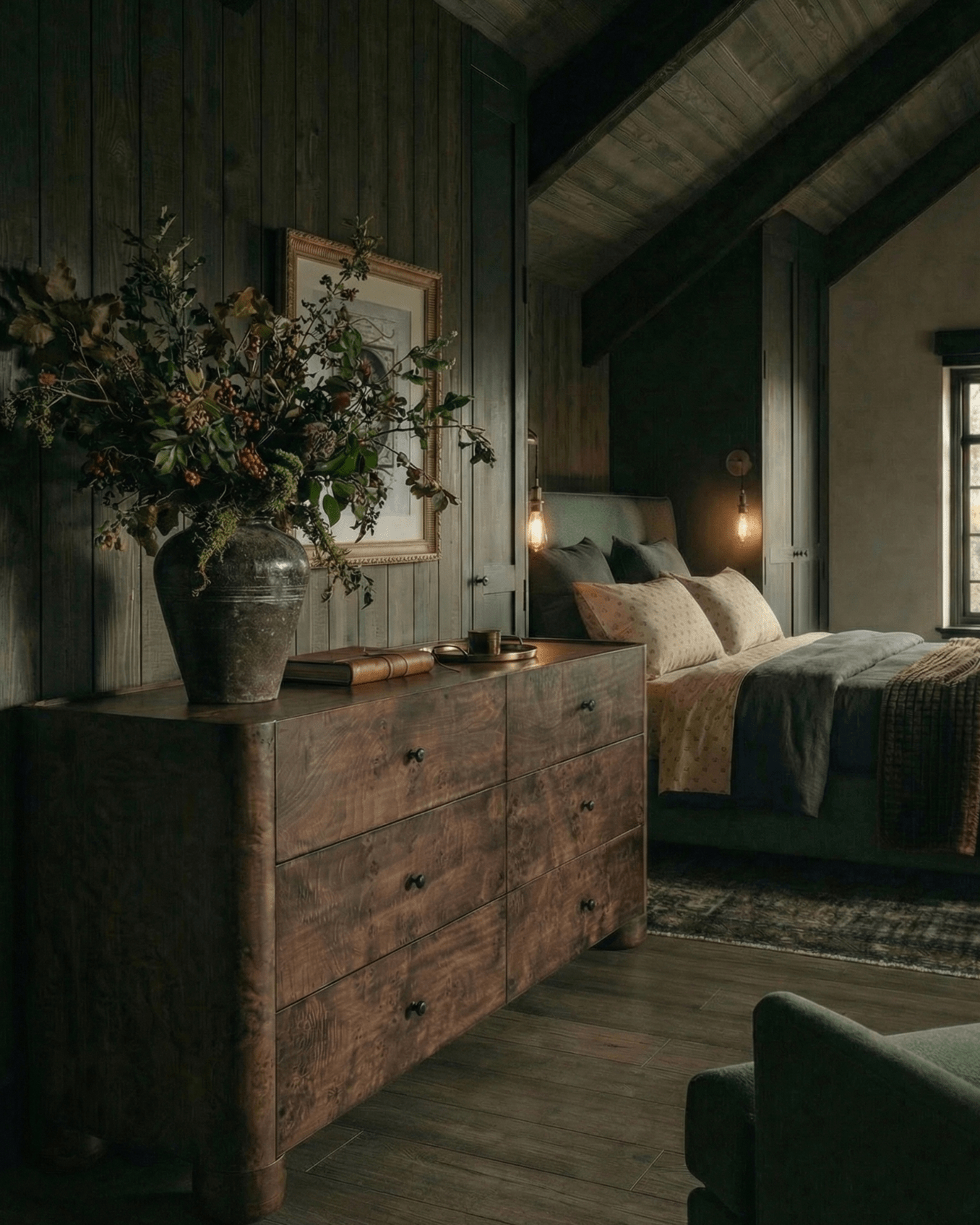
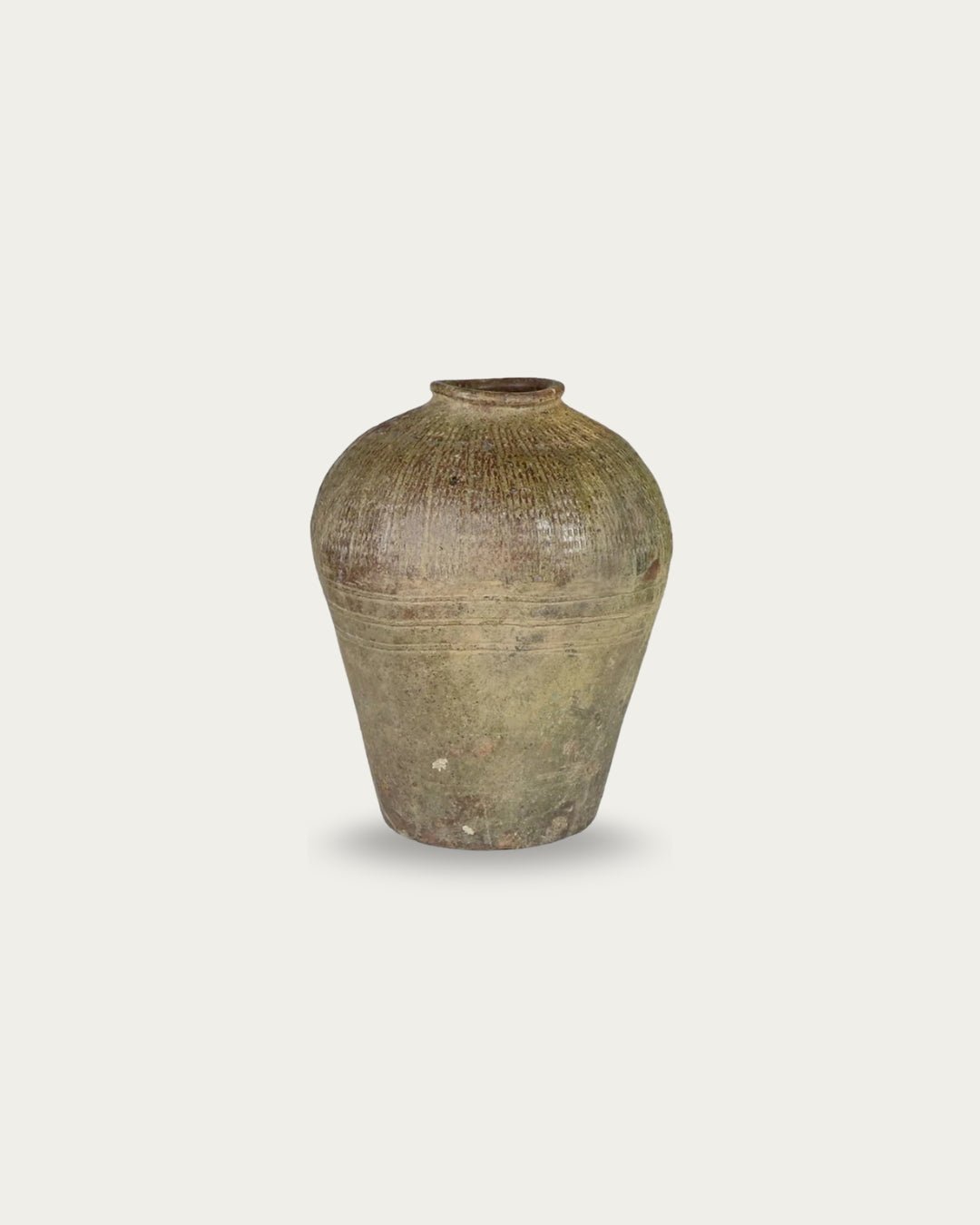
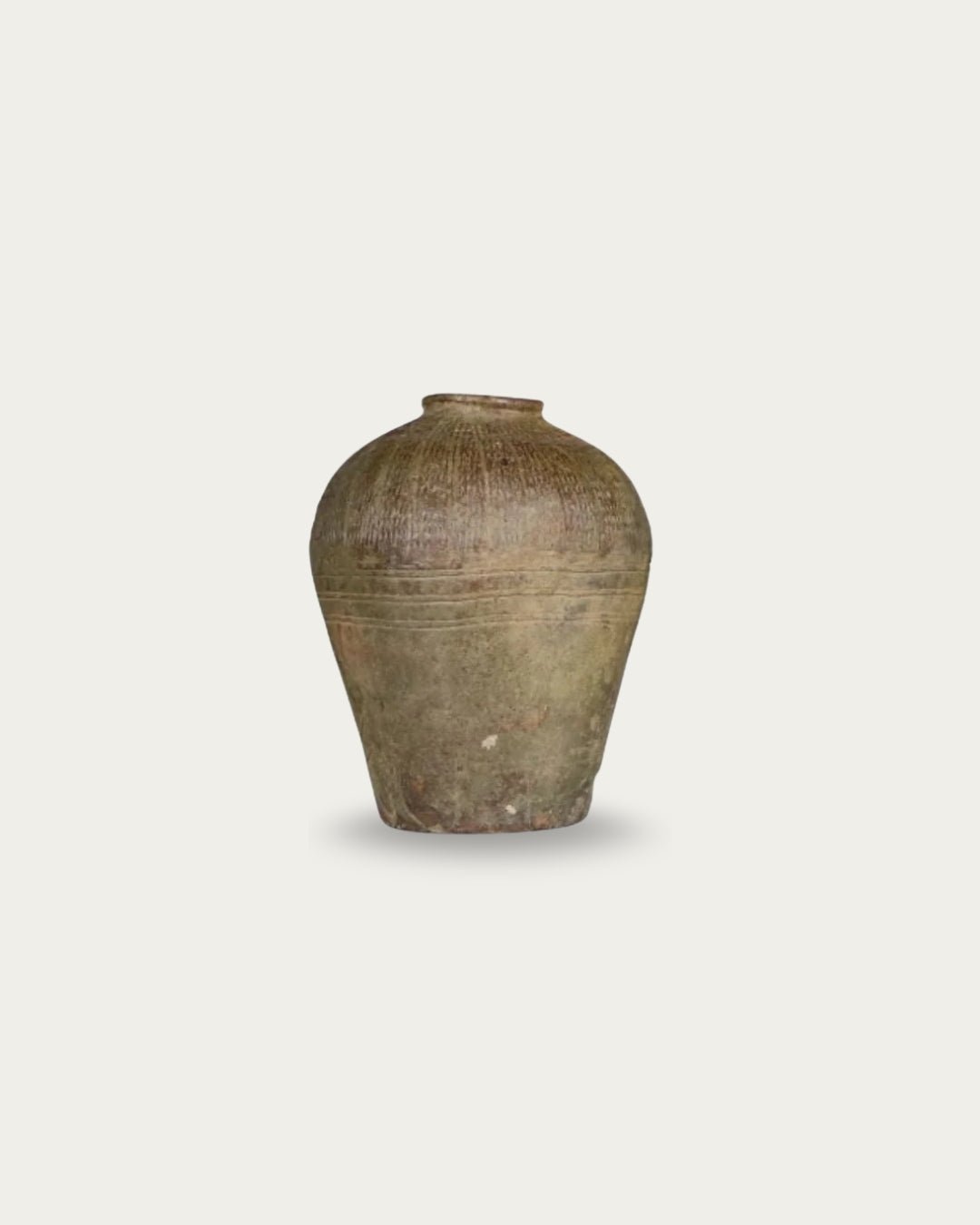
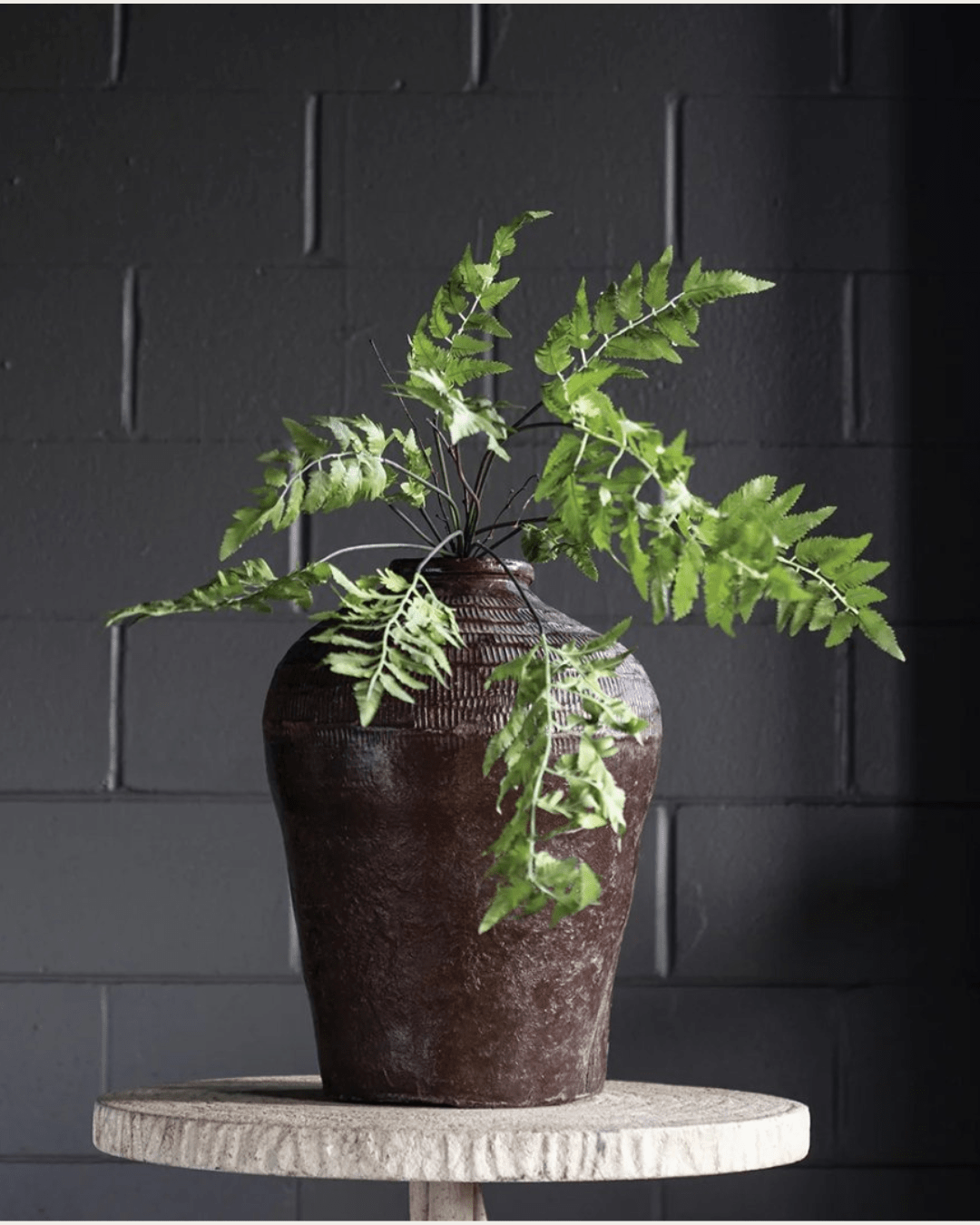
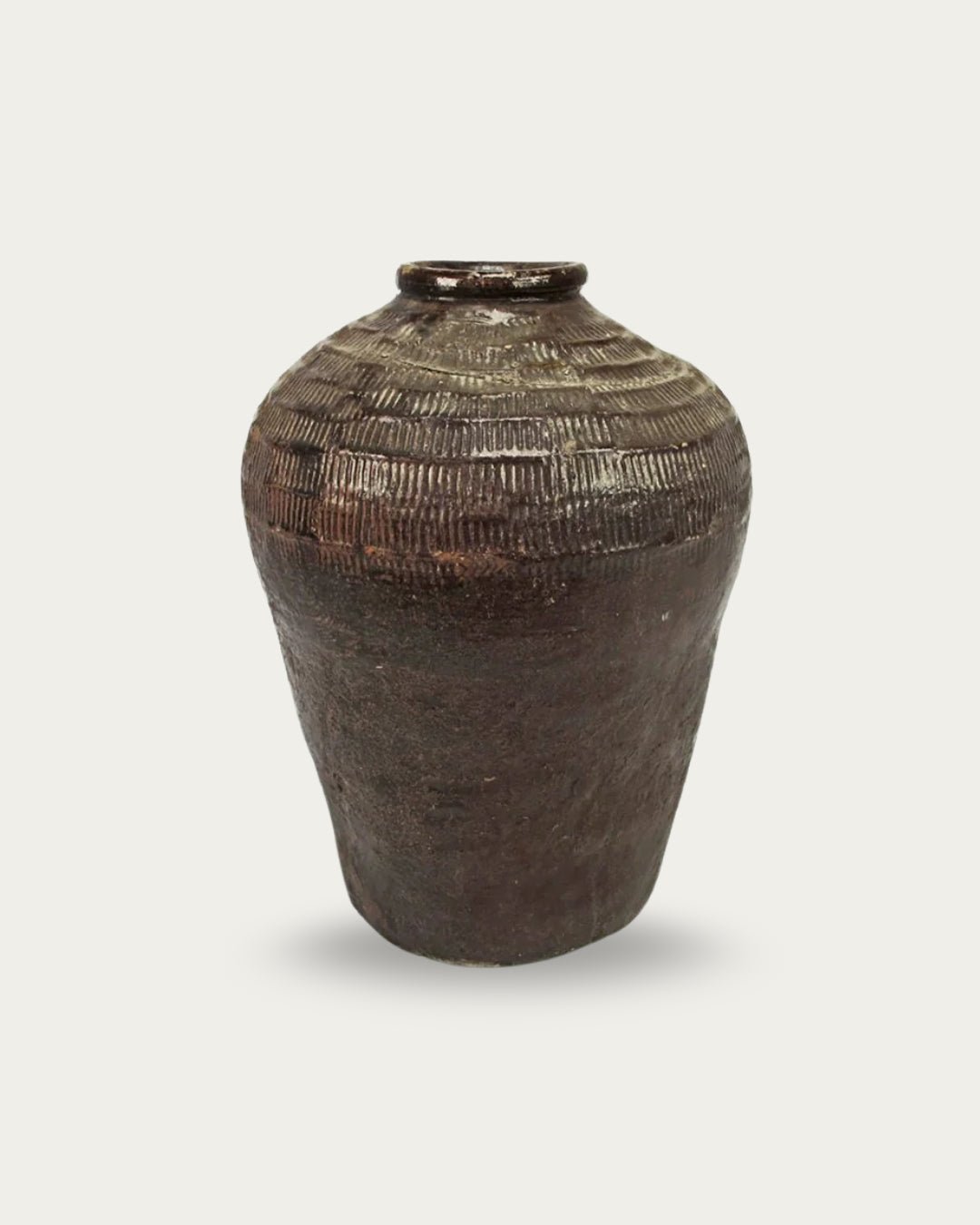
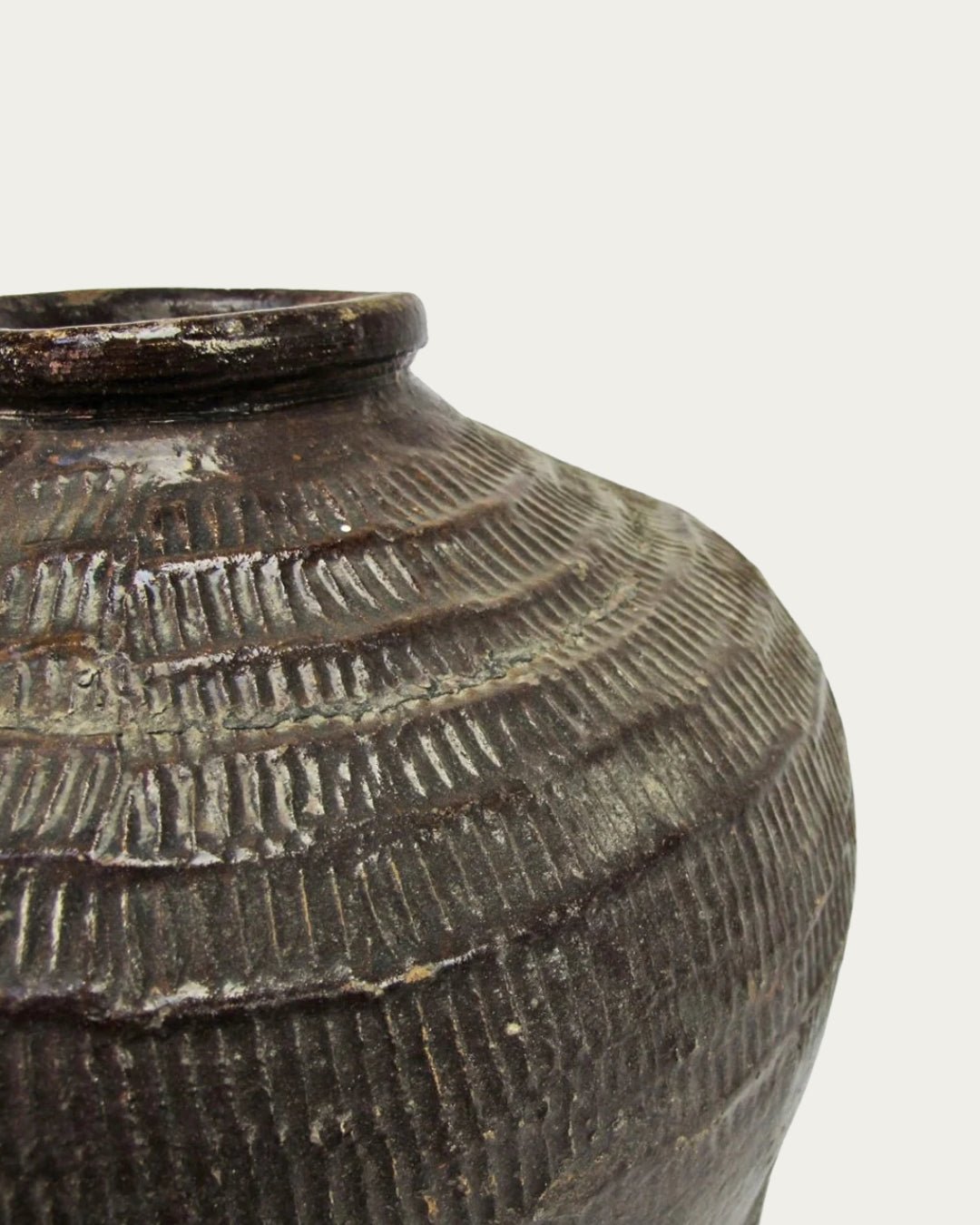
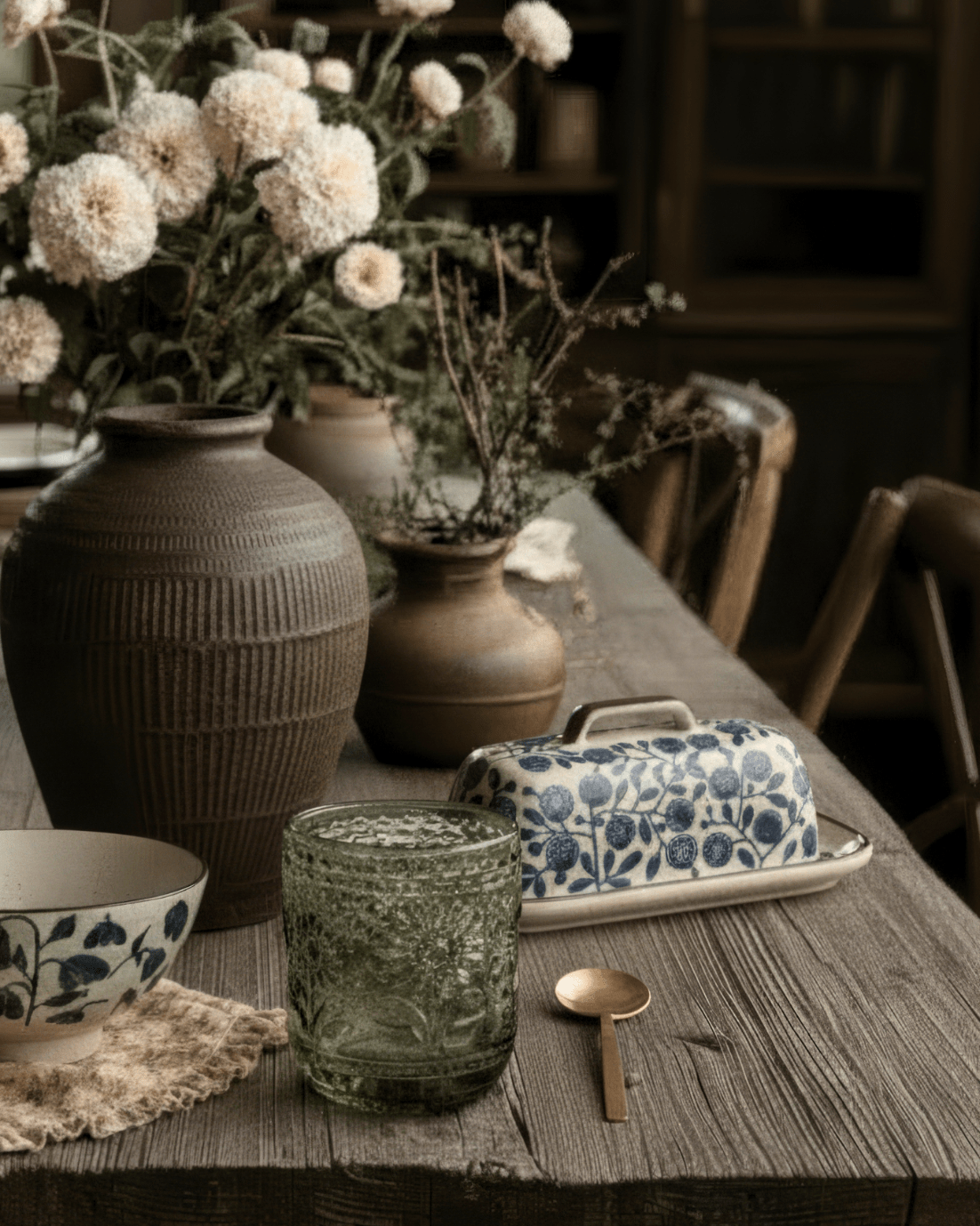
A simple piece like a vintage clay vase on a dresser works because it’s matte, tactile, and visually quiet. Paired with a bed dressed in natural textiles, it contributes presence without becoming visual noise.
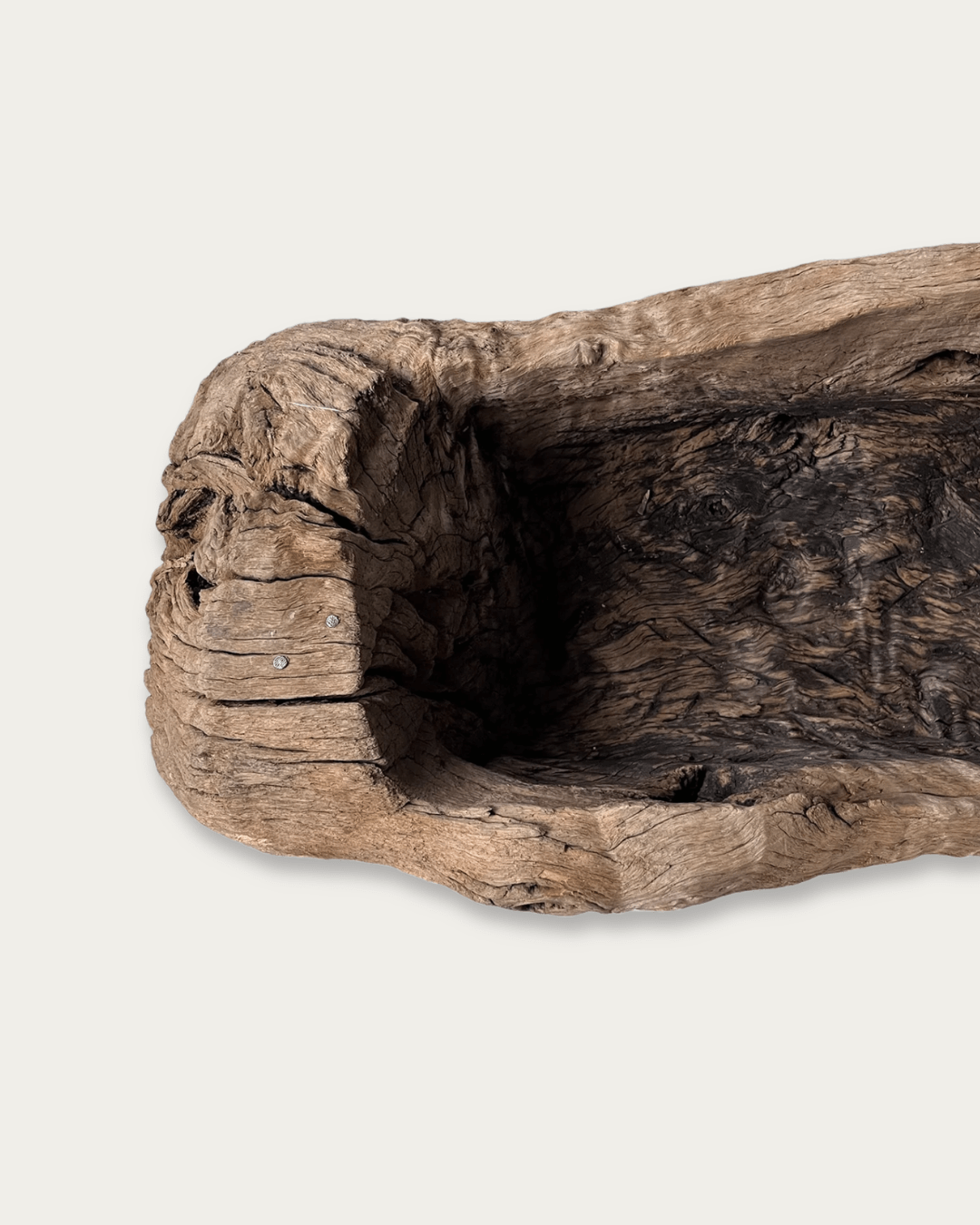
For floor-level grounding, a chinese harvest basket near a bench or chair adds scale and texture while serving a real purpose—holding extra blankets, pillows, or clothing. Function reduces clutter, which is half the battle in a bedroom.
Softer Lighting Is Where Vintage Decor Really Shines
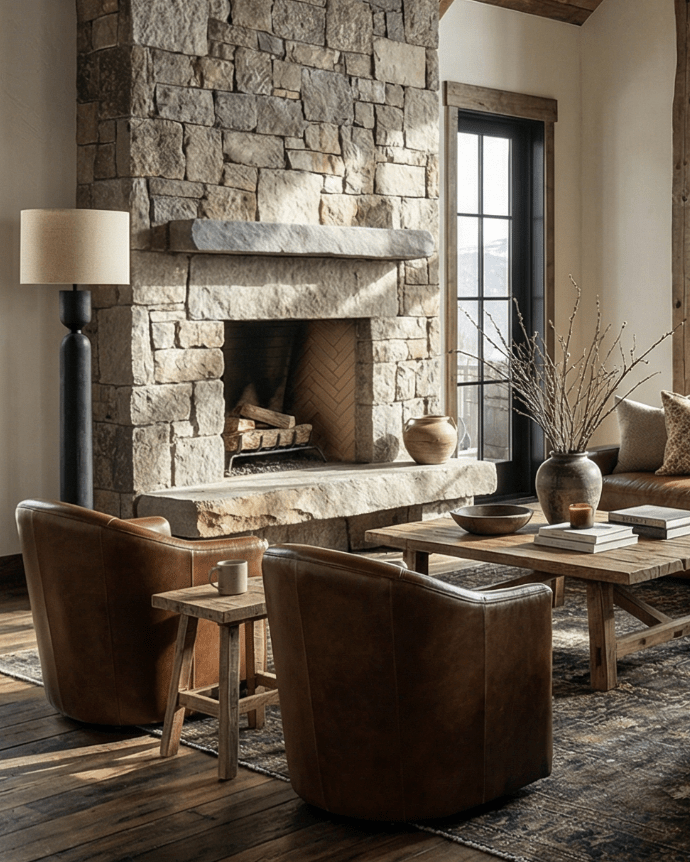
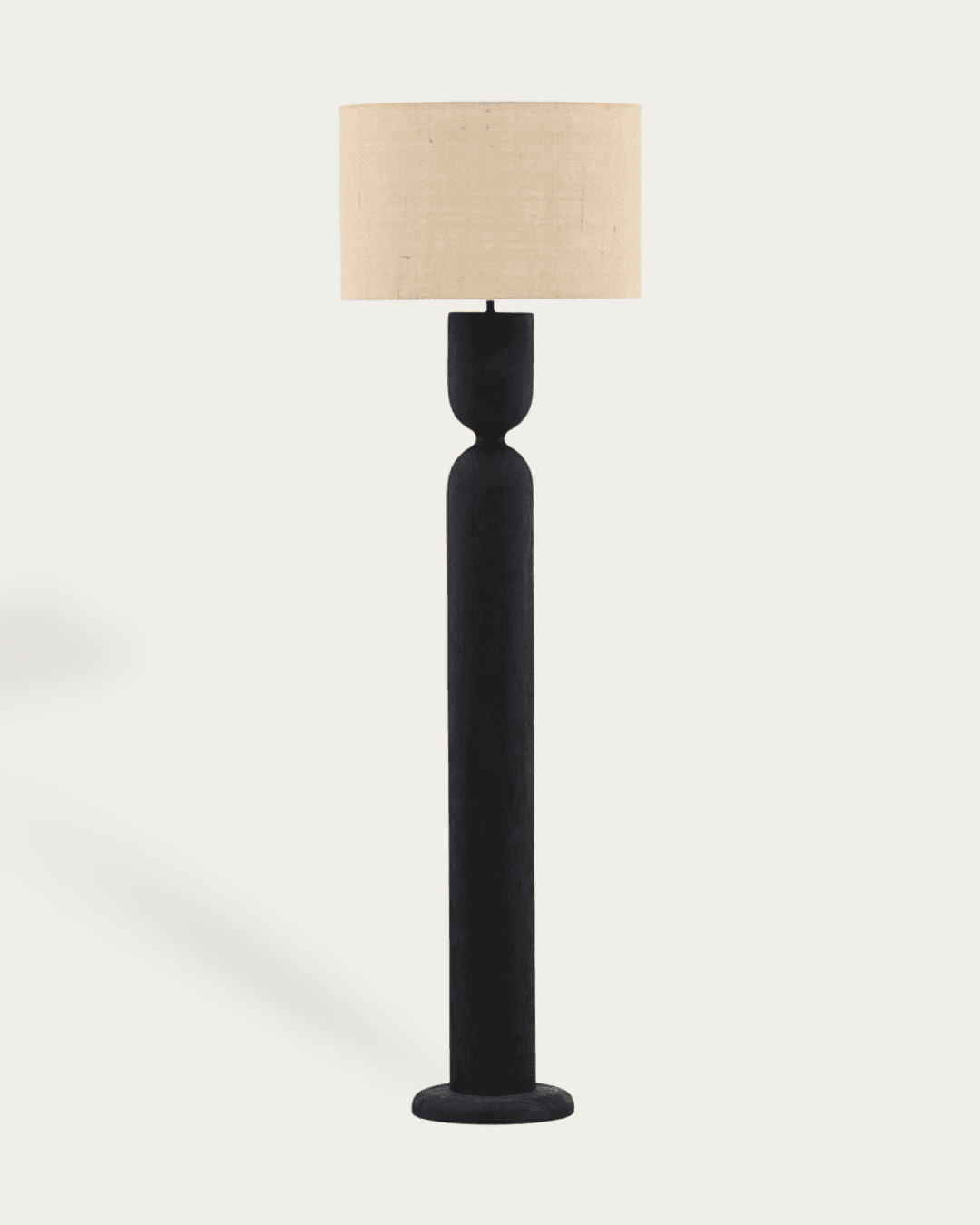
Bedrooms suffer most from bad lighting. Overhead fixtures flatten the space, while modern lamps often skew too bright or too sharp. Vintage decor solves this by default.
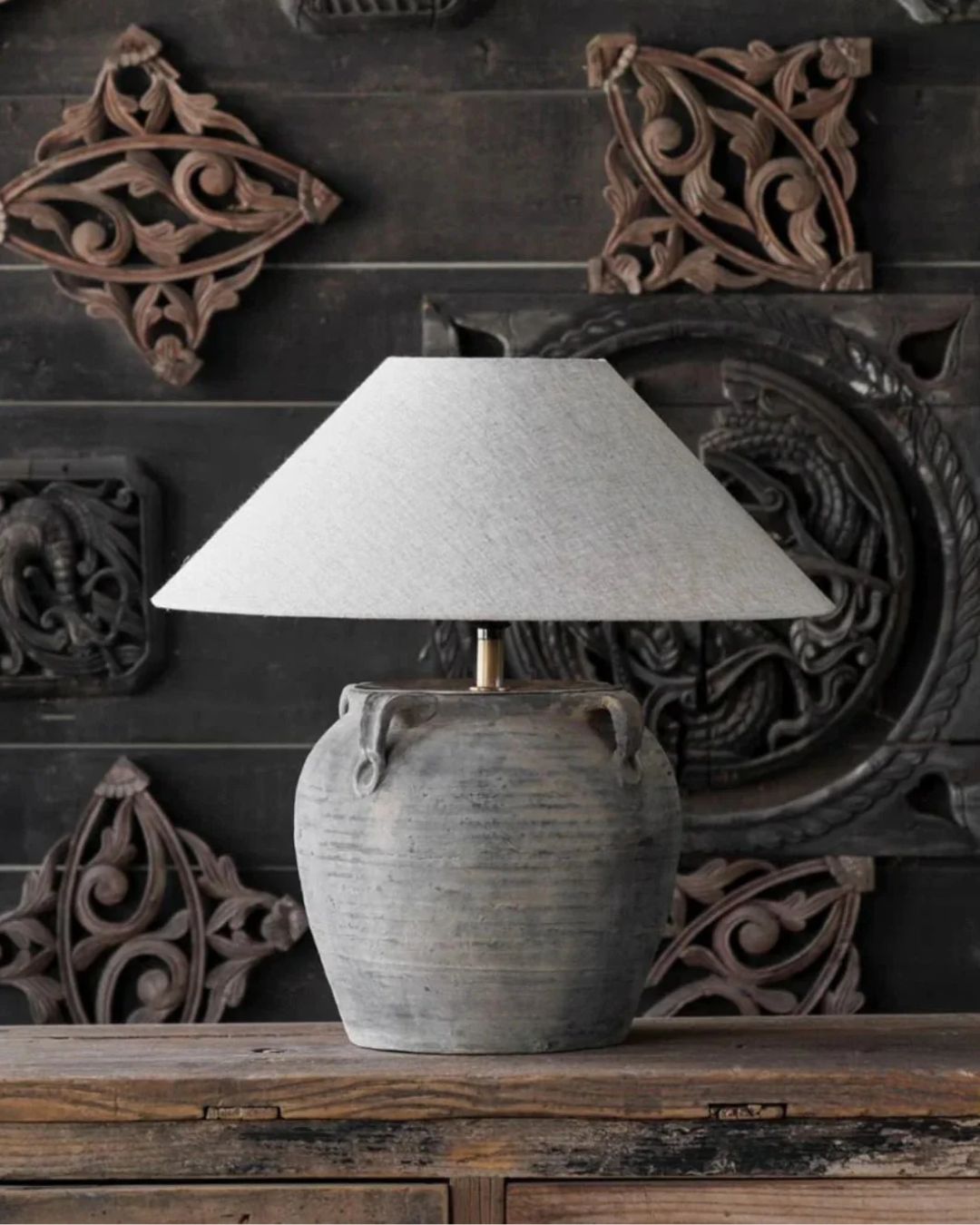
Older lamp forms were designed to glow, not glare. They create pockets of light instead of flooding the room, which allows the eye—and nervous system—to settle.
The Betz water pot table lamp works particularly well on a nightstand or dresser. Its rounded body and grounded proportions anchor the surface, while the light it casts feels contained rather than exposed.
If you prefer something more sculptural, the Lamont glazed pot table lamp introduces subtle color and texture without overwhelming the room. The glaze catches just enough light to add depth, even when the lamp is off.
RUTED Tip: If your bedroom lighting makes everything visible, it’s doing too much. The goal is orientation, not illumination.
Why Texture Matters More Than Color in a Bedroom

Color gets a lot of attention in bedroom design, but texture does more of the heavy lifting—especially when sleep is the goal. Vintage decor excels here because it brings variation through surface, not contrast.
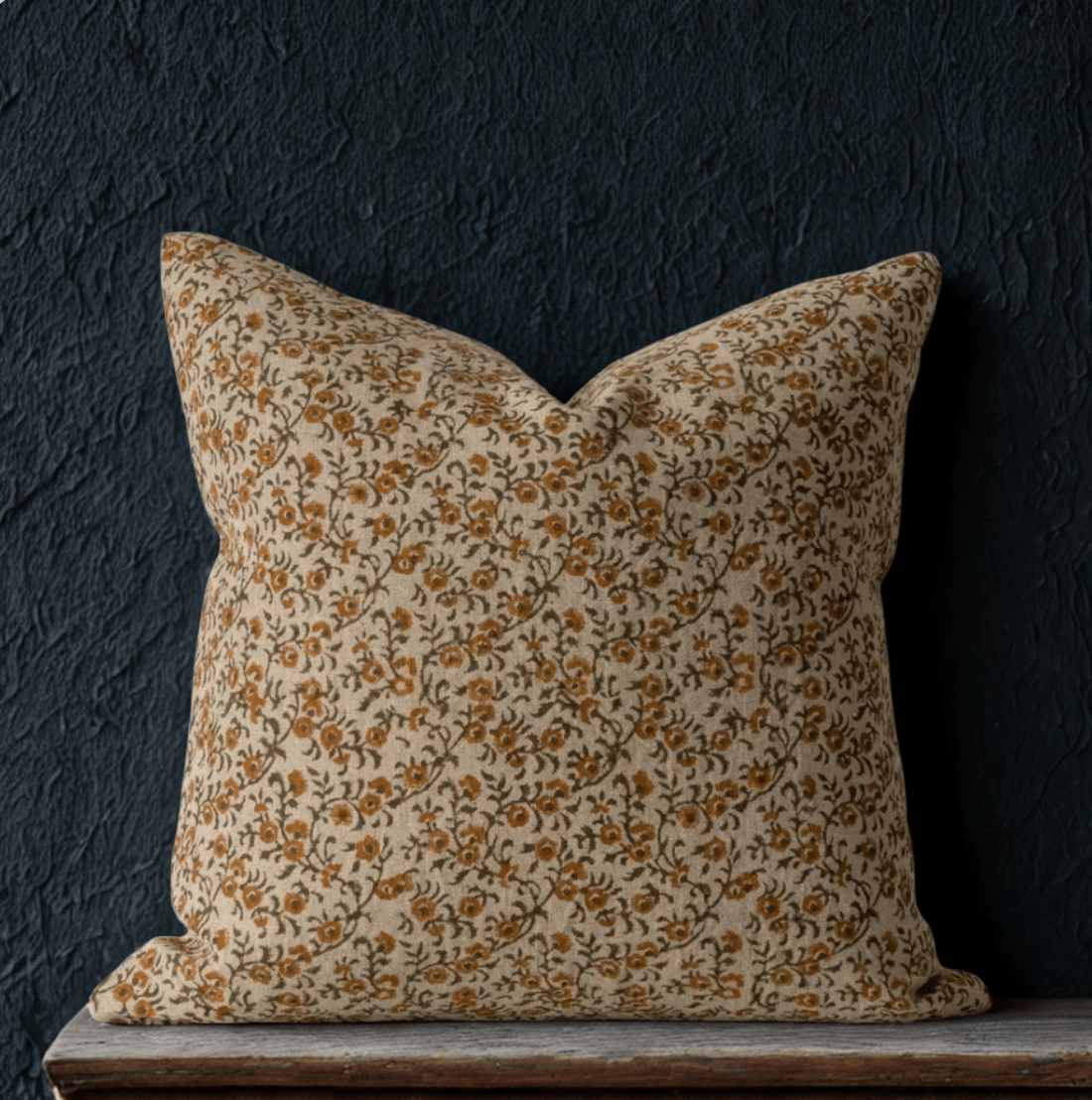
Rough clay next to smooth wood. A woven basket against a plaster wall. A glazed ceramic beside linen. These combinations create interest without activating the eye.
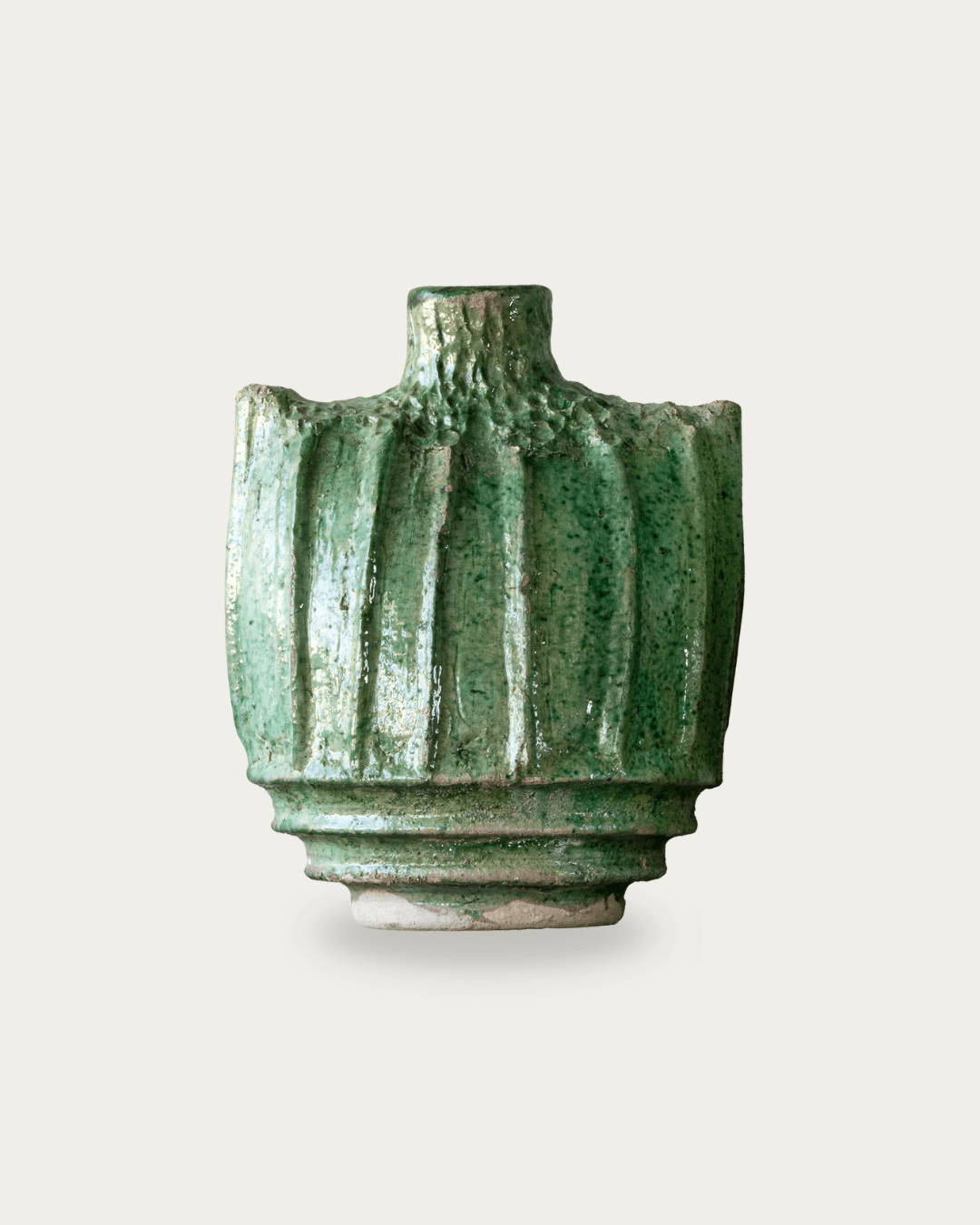
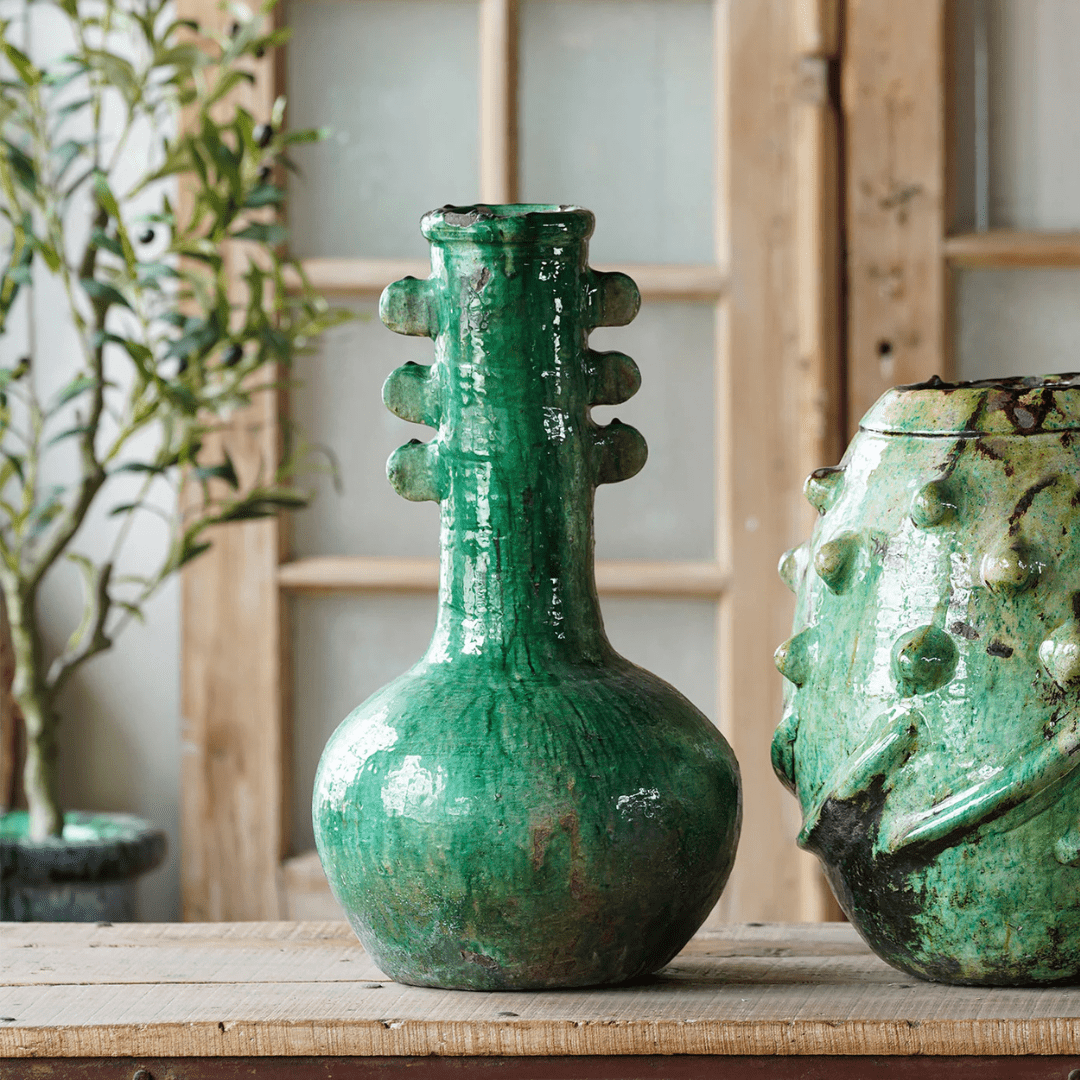
A sculptural piece like the tamegroute candlestick holder sculpture adds dimension through form rather than pattern. Even unlit, it provides structure to a nightstand or shelf.
When paired with something softer—like textiles or a rounded lamp base—the contrast feels intentional, not busy. Texture allows the bedroom to feel layered without feeling styled.
Bedrooms Need Fewer Objects—But Better Ones
One reason vintage decor works so well in the bedroom is that it discourages overfurnishing. Older pieces tend to hold their own, which means you need fewer of them.
Instead of filling every surface, choose one or two objects that can anchor a zone. A mirror, a lamp, a vessel. That’s usually enough.
The round chapati mirror is a good example. Hung above a dresser or leaning against a wall, it reflects light softly without acting like a spotlight. Its shape breaks up straight lines, which helps a bedroom feel less rigid.
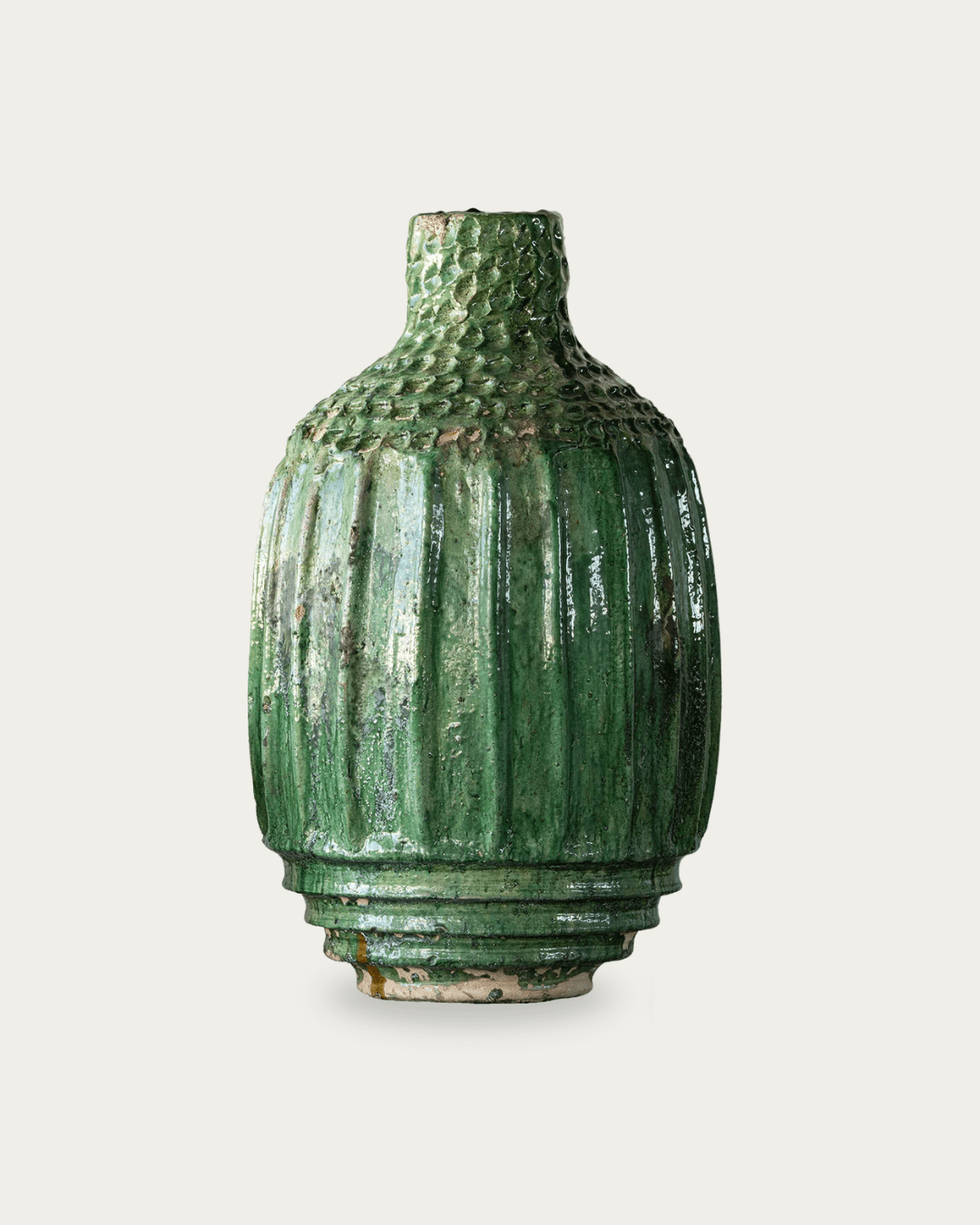
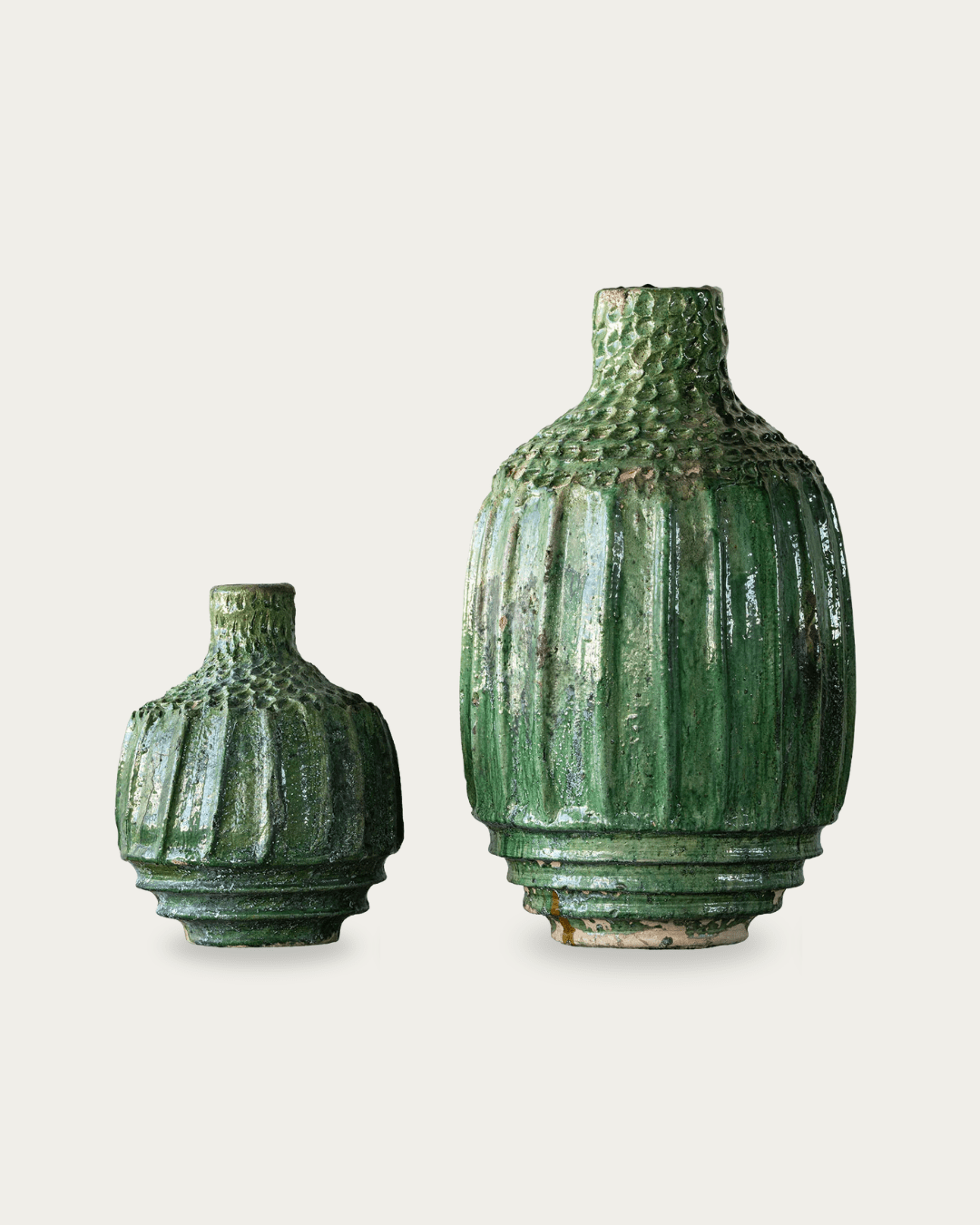
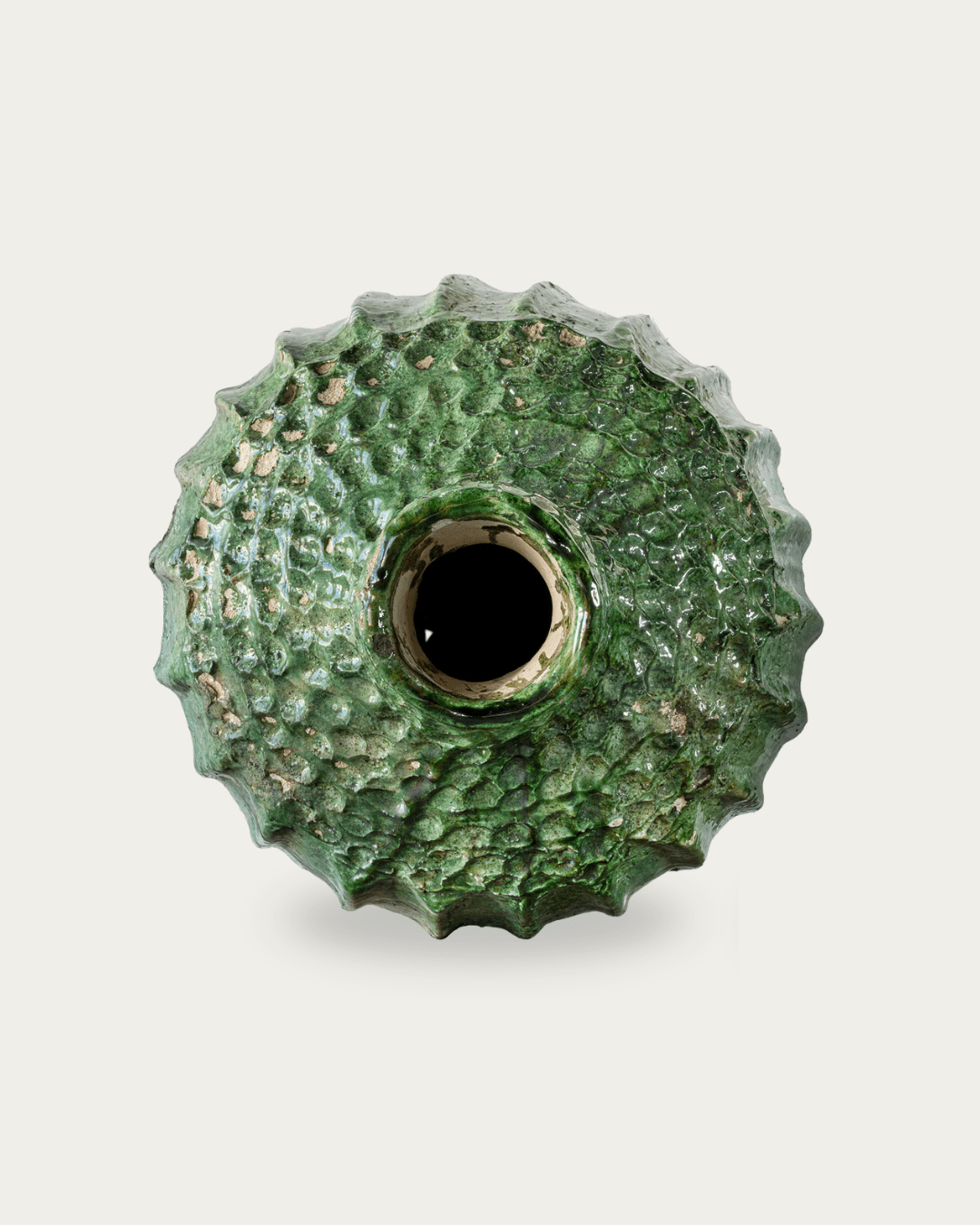
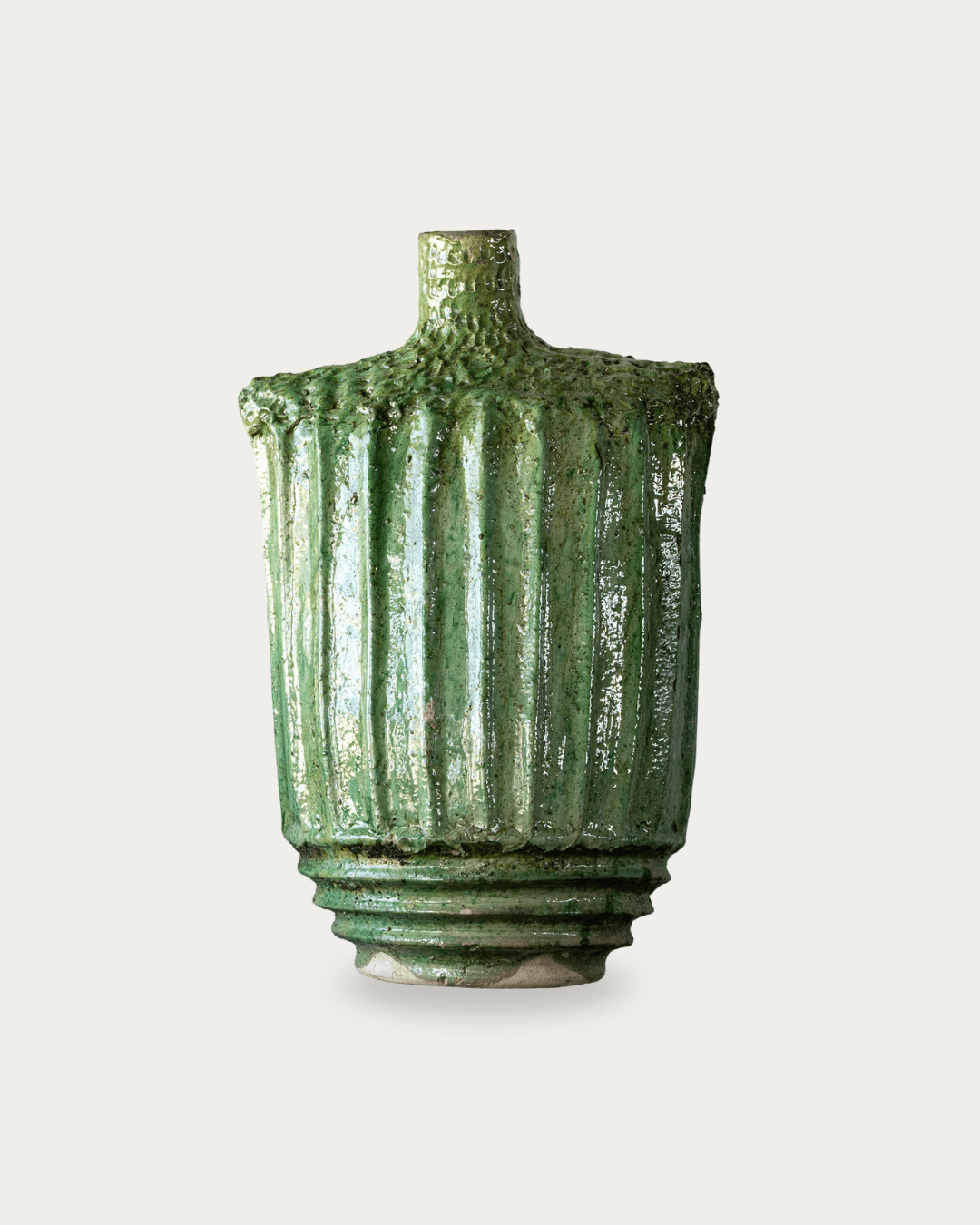
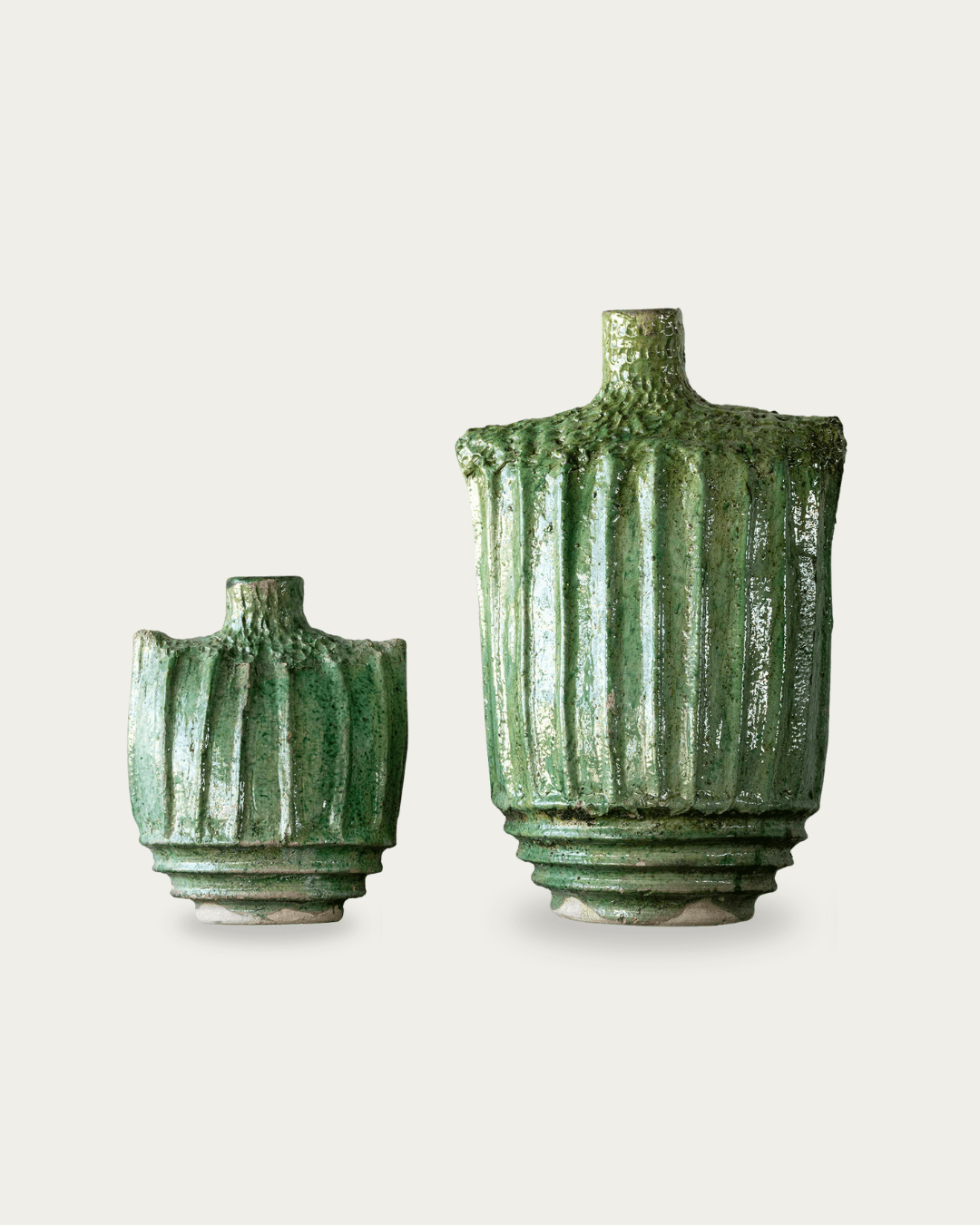
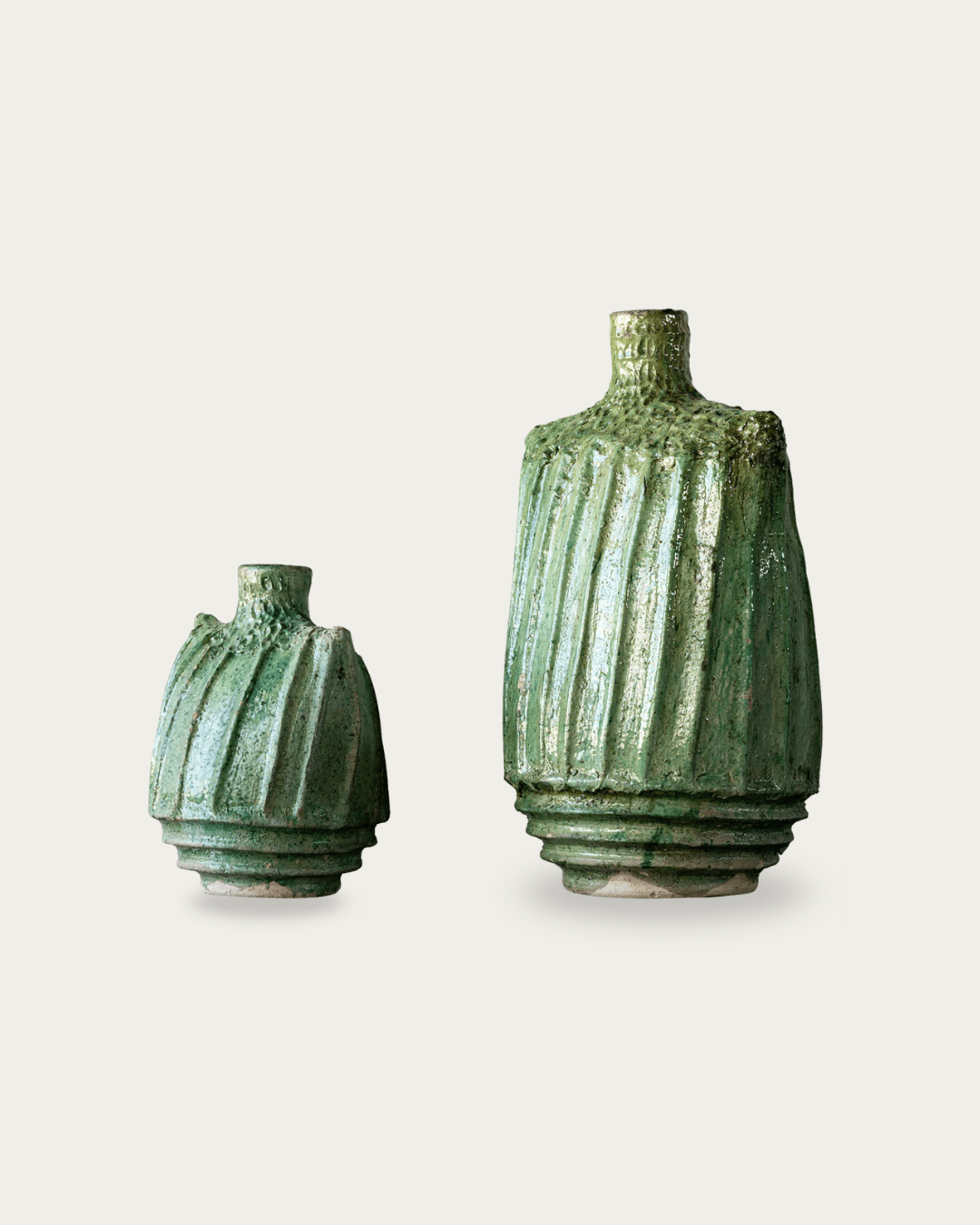
On a shelf or side table, the tamegroute green sculpture introduces form and color in a restrained way. It doesn’t need companions to feel complete.
Candles, Shadow, and the Value of Low Light
Bedrooms benefit from layers of low light more than any other room. Candles aren’t about romance here—they’re about scale and shadow.
Vintage candle holders tend to be heavier and lower than modern versions, which keeps the light source closer to the surface. This creates softer shadows and reduces glare.
The Tamegroute green candle holder works well on a bedside table or low shelf, especially when paired with a lamp rather than used alone. The candle becomes an accent, not the main event.
Used sparingly, candlelight adds depth without turning the bedroom into a theme.
Vintage Decor Encourages Rest Through Restraint
Perhaps the biggest reason vintage decor works in the bedroom is psychological. These objects don’t feel urgent. They don’t signal trends. They don’t ask to be replaced.
That sense of permanence—however subtle—helps the bedroom feel stable. When the environment feels settled, the body follows.
Vintage decor also ages forward. Scratches don’t feel like failures. Patina doesn’t require explanation. The room doesn’t need constant updating to feel complete.
How to Use Vintage Decor Without Overdoing It
The mistake most people make isn’t using vintage decor—it’s using too much of it at once. The bedroom, more than any other space, benefits from editing.
Start with one functional anchor: a lamp, a basket, or a mirror. Add one sculptural or textural piece. Then stop. Live with the room before adding anything else.
If the space feels calm, you’ve done enough.
Final Thoughts: Bedrooms Need Objects That Know How to Sit Still
Vintage decor works in the bedroom because it understands restraint. It brings weight without heaviness, texture without noise, and history without distraction. These are exactly the qualities a bedroom needs to support rest.
When chosen for function, material, and placement—not just appearance—vintage decor stops being decorative and starts shaping how the room feels.
Explore the vintage decor collection to find pieces that help your bedroom do what it’s meant to do: slow down, soften, and hold space for rest.